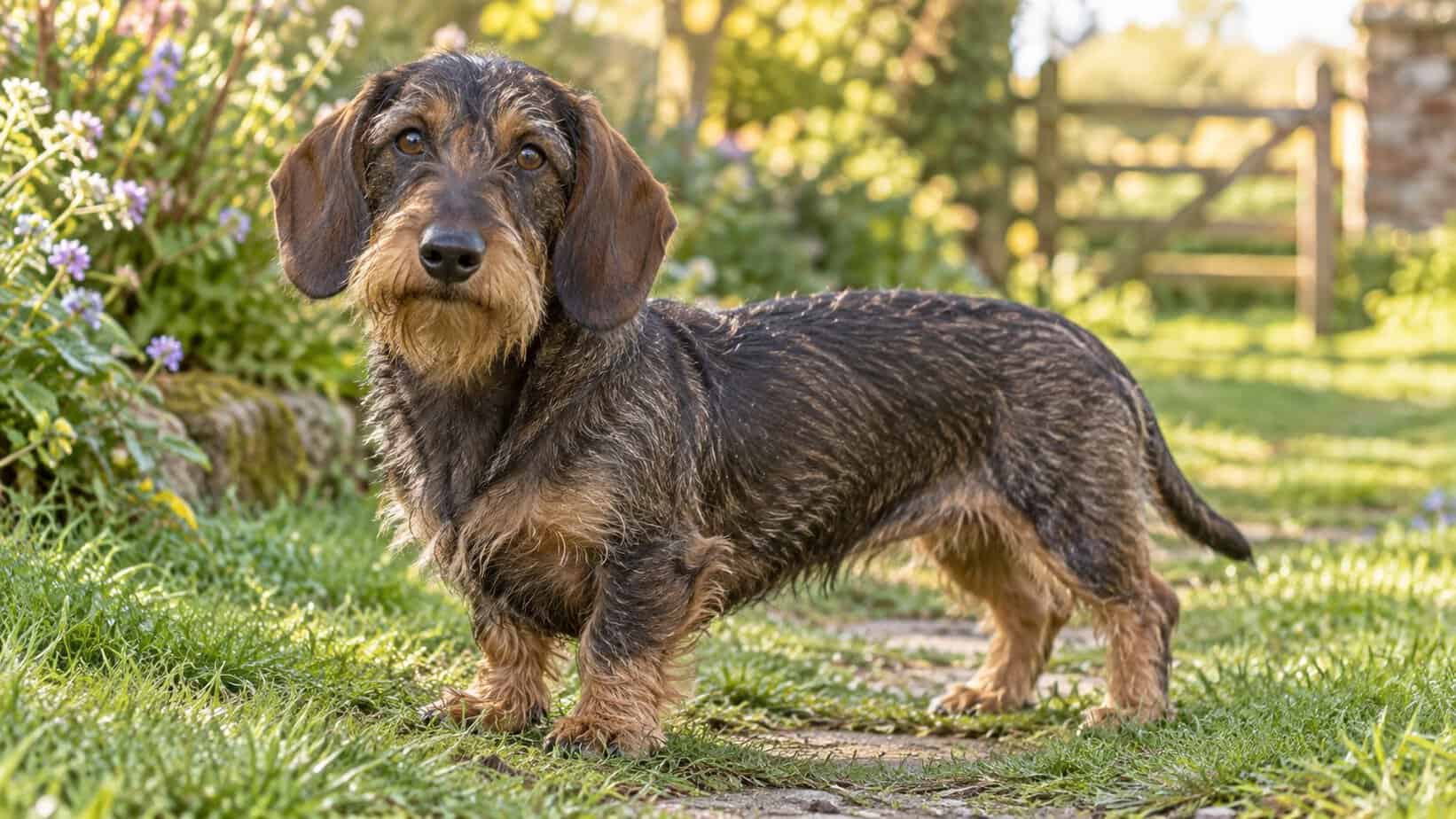
A miniature wirehaired Dachshund is a small hound with a very big opinion about life. Under those expressive eyebrows is a clever, curious dog who was built to hunt, dig, follow scent, and make independent decisions. The rough coat, beard, and compact size give this variety its distinctive, almost storybook look.
This can be a wonderful companion for a person who enjoys an affectionate dog with spirit. It is not a low-effort lap dog. Expect barking, a strong prey drive, patient training, regular coat care, and lifelong attention to back health. If that sounds manageable rather than discouraging, you may have found your little shadow.
Quick Facts
| Size | Miniature by weight in the United States, preferably under 5 kilograms in the United Kingdom |
|---|---|
| Coat | Harsh, wiry outer coat with an undercoat, plus a beard and eyebrows |
| Shedding | Yes, usually moderate and affected by grooming and season |
| Exercise | Daily walks, sniffing, play, and mental work, up to about one hour for many healthy adults |
| Grooming | Comb more than once weekly, periodic hand-stripping or professional coat care |
| Temperament | Bold, curious, affectionate, alert, and independent |
| Lifespan | Often well over 12 years, one large study reported a 14-year median for Miniature Dachshunds |
| Best fit | People who enjoy training, can manage barking and prey drive, and will protect a long back |
What Is a Miniature Wirehaired Dachshund?
The Dachshund is one breed with two recognized sizes in the United States and three coat varieties: smooth, longhaired, and wirehaired. The miniature wirehaired Dachshund combines the smaller size with the rough coat. The American Kennel Club describes miniatures as 11 pounds or under at 12 months of age, while The Royal Kennel Club says United Kingdom miniatures are preferably under 5 kilograms. [1] [2]
Their original job explains a lot about their modern personality. Dachshunds were developed in Germany to work close to the ground and pursue quarry. A miniature wirehair may spend most days on a sofa now, but the desire to investigate holes, patrol a fence, chase movement, and announce visitors did not disappear with the job description.
What They Look Like
The classic outline is long and low, with short legs, a deep chest, and an alert expression. The wire coat adds a harsh outer layer, a softer undercoat, facial furnishings, and those unmistakable eyebrows. A correct coat feels protective rather than fluffy.
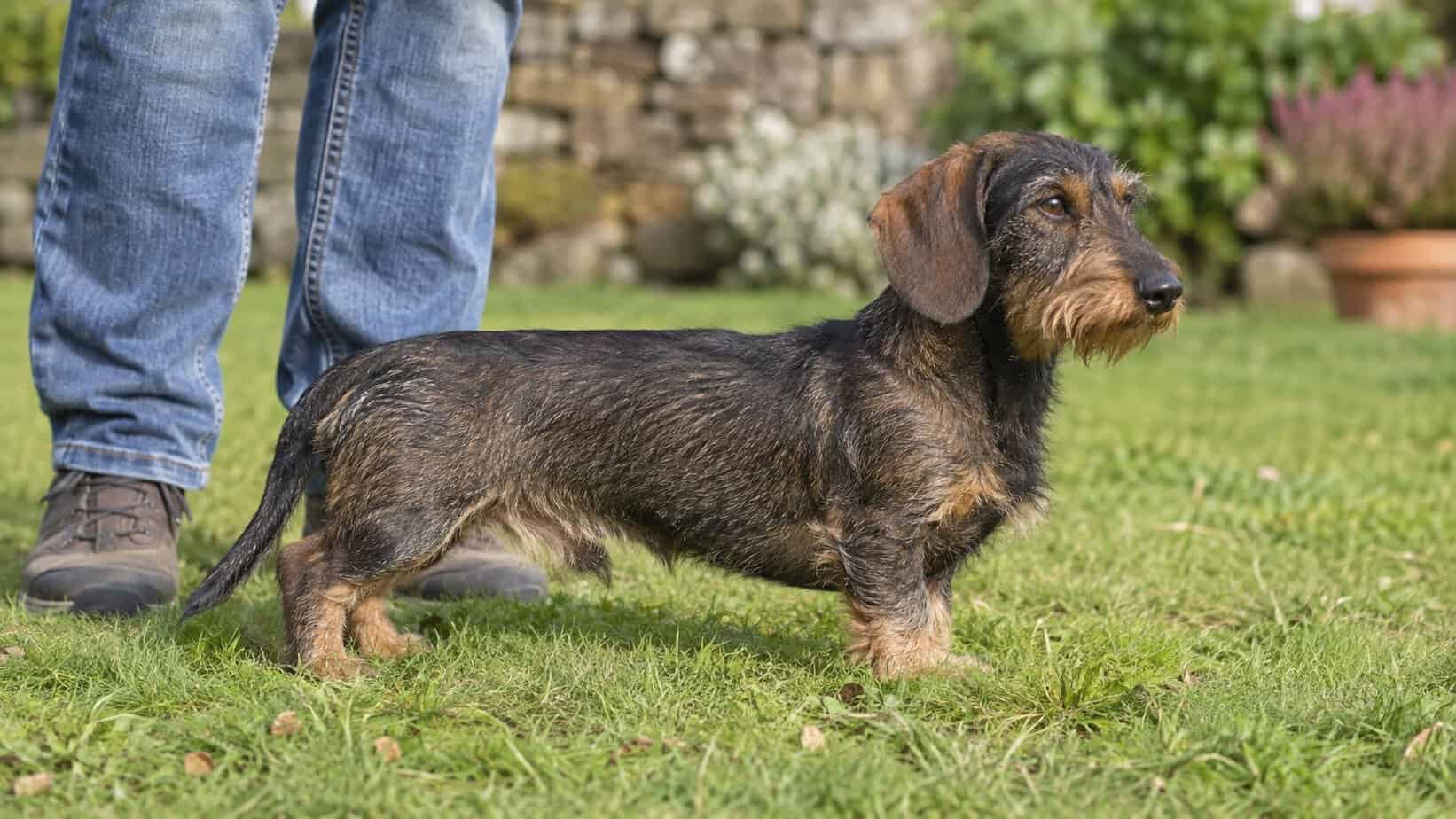
Colors and patterns vary by registry and country. Wild boar, red, black and tan, and chocolate and tan are commonly seen. Coat color does not tell you whether a dog will be calm, cuddly, easy to train, or healthy. Temperament comes from genetics, early development, socialization, learning, health, and the individual dog.
Temperament and Daily Life
Miniature wirehaired Dachshunds are often lively, funny, affectionate, and intensely interested in whatever their person is doing. They can also be independent. That is not a character flaw. A dog bred to work underground could not pause every few seconds and ask a human what to do next.
The practical side of that confidence is that training must be worth the dog’s attention. Food rewards, play, permission to sniff, and enthusiastic praise usually work better than repeating a cue more loudly. Keep sessions short enough that your dog still wants one more turn.
Barking is common. Teach a quiet cue, reward calm observation, and manage window or fence-line rehearsals before they become a full-time hobby. Digging and chasing are equally natural. A secure fence, a leash around wildlife, and a legal digging area are far kinder than expecting instinct to vanish.
Start alone-time practice in tiny, comfortable doses. These dogs often form close attachments, and suddenly leaving a young puppy for a full workday can set everyone up for distress. A predictable routine, a safe resting area, food puzzles, and gradual departures build confidence.
Are Miniature Wirehaired Dachshunds Good Family Dogs?
They can be delightful family dogs when adults teach children how to interact respectfully. Because the breed is small and long-backed, it should not be picked up, squeezed, or dropped by a young child. Supervise play, give the dog a quiet retreat, and let the dog move away when finished.

Many live happily with other dogs. Cats and small pets require more thought because prey drive varies. Careful introductions and management matter, and some individuals are simply not trustworthy around tiny animals.
Apartment life can work if exercise, sniffing, training, and noise management happen every day. A yard is convenient, but it does not replace engagement. A bored Dachshund can turn a small apartment or a large garden into a personal renovation project.
Exercise and Back-Safe Fitness
Healthy adults benefit from daily walks, sniffing, play, and age-appropriate conditioning. The Royal Kennel Club lists up to one hour of exercise per day for this variety, but the right amount depends on age, fitness, weather, and health. [2] Build endurance gradually instead of packing a week’s worth of activity into Saturday.

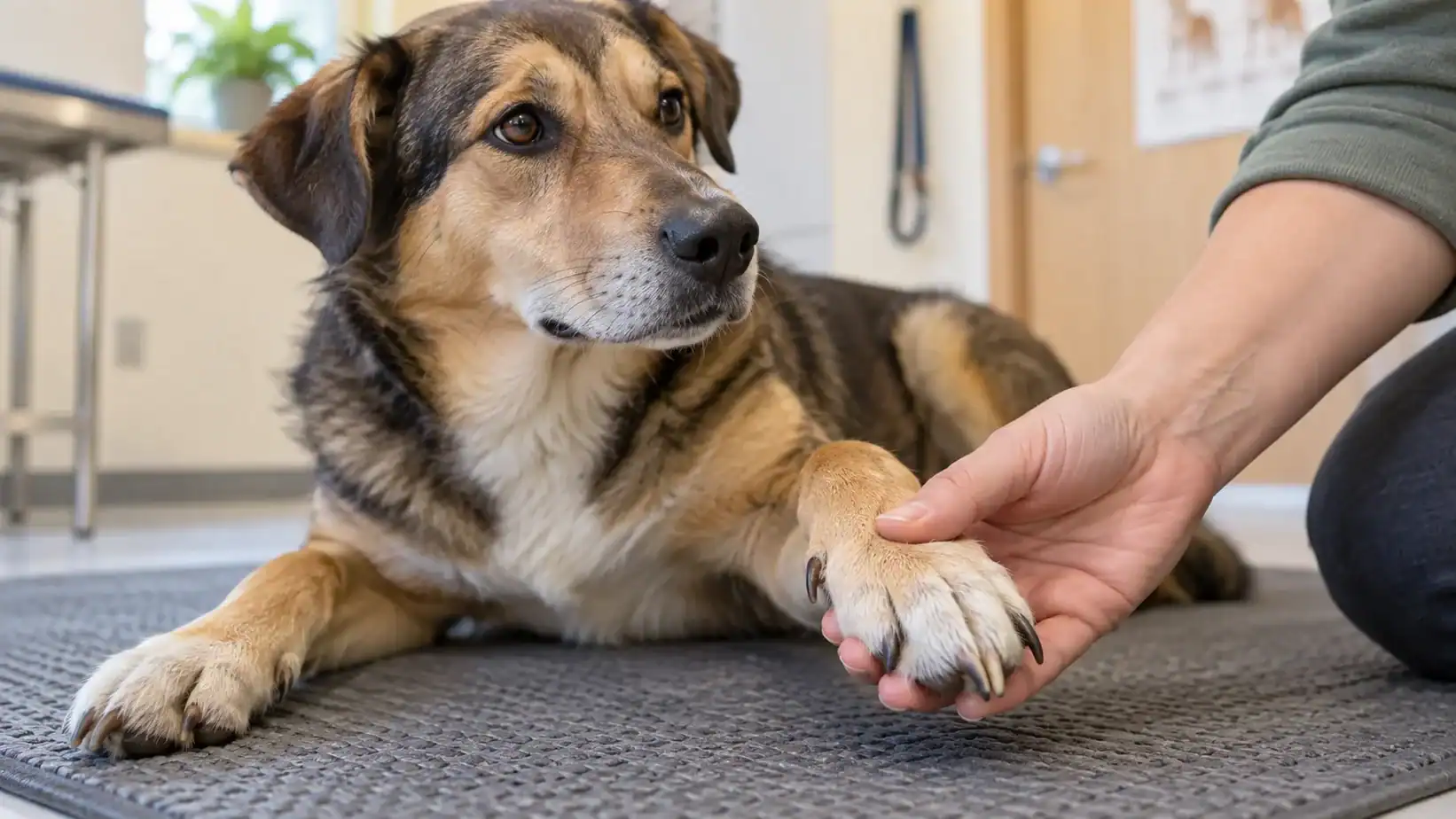
A strong body and lean waist help support the spine. Keep nails short enough for good traction, use non-slip rugs on slick floors, and block repeated launches from high furniture. Ramps can help when they are stable, gently sloped, and taught slowly. They are useful tools, not magic shields against spinal disease.
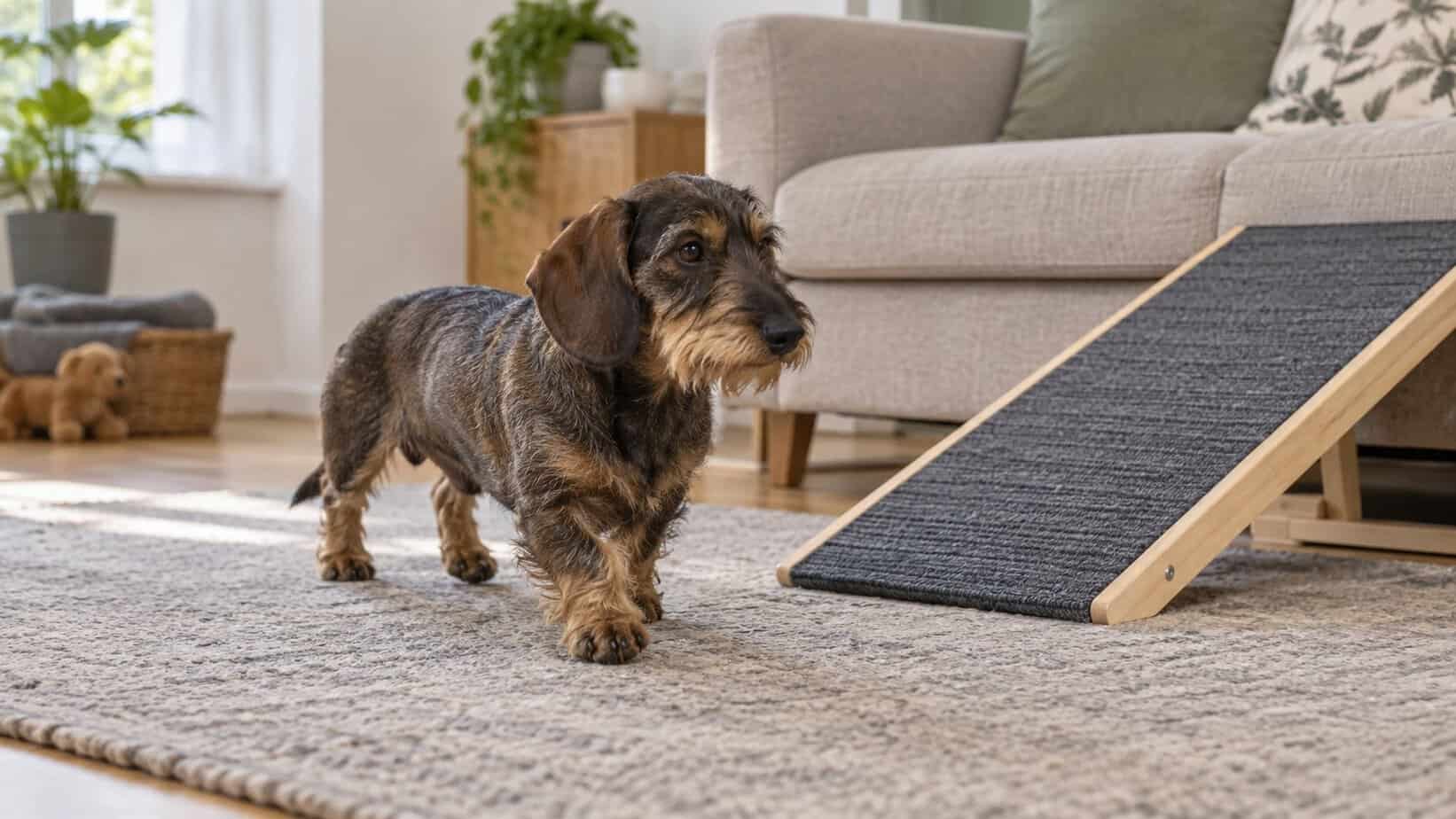
Stairs deserve common sense rather than panic. Prevent wild racing and uncontrolled jumping, especially in puppies, seniors, overweight dogs, and dogs with a history of back pain. If your dog suddenly cries out, refuses to move, walks unsteadily, drags a paw, loses strength, or cannot control urination, seek urgent veterinary care.
Training a Miniature Wirehaired Dachshund
Begin with the skills that make daily life safer: name response, recall, leave it, wait, quiet, leash walking, and comfortable handling. Practice in easy places before expecting success near squirrels or interesting smells.
House-training may take patience. Take a puppy out after waking, eating, play, and excitement. Reward the correct location immediately, supervise indoors, and clean accidents without punishment. Cold rain can inspire creative negotiation, so a covered potty area is worth its weight in gold.
Introduce brushing, beard wiping, nail care, ear checks, and toothbrushing in small steps. Let the dog sniff the tool, pair touch with a treat, and stop before patience runs out. Cooperative care is a skill, not a personality trait a puppy either has or does not have.
Grooming the Wire Coat
Comb through the coat more than once a week, paying special attention to the beard, chest, legs, belly, and behind the ears. Food and moisture collect in facial hair, so wipe and dry the beard as needed. Check the skin while you groom for irritation, parasites, lumps, or tender spots.
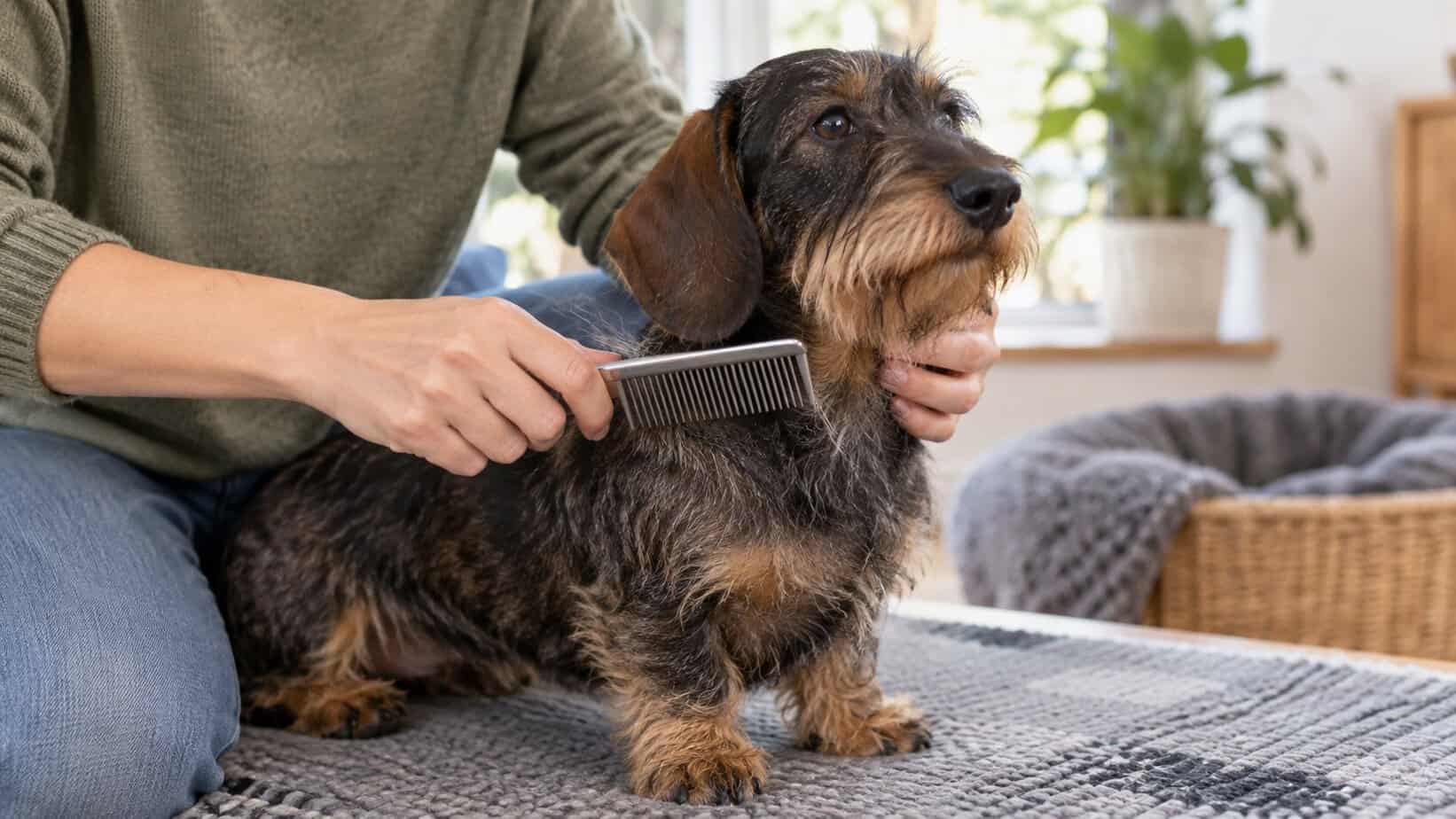
Many correct wire coats are maintained by hand-stripping, which removes dead outer hairs and helps preserve texture and color. Clipping is faster and may be the practical choice for some pet homes, but it can soften the coat and alter its appearance. Ask a groomer who has real experience with wirehaired Dachshunds to show you the options before the first major trim.
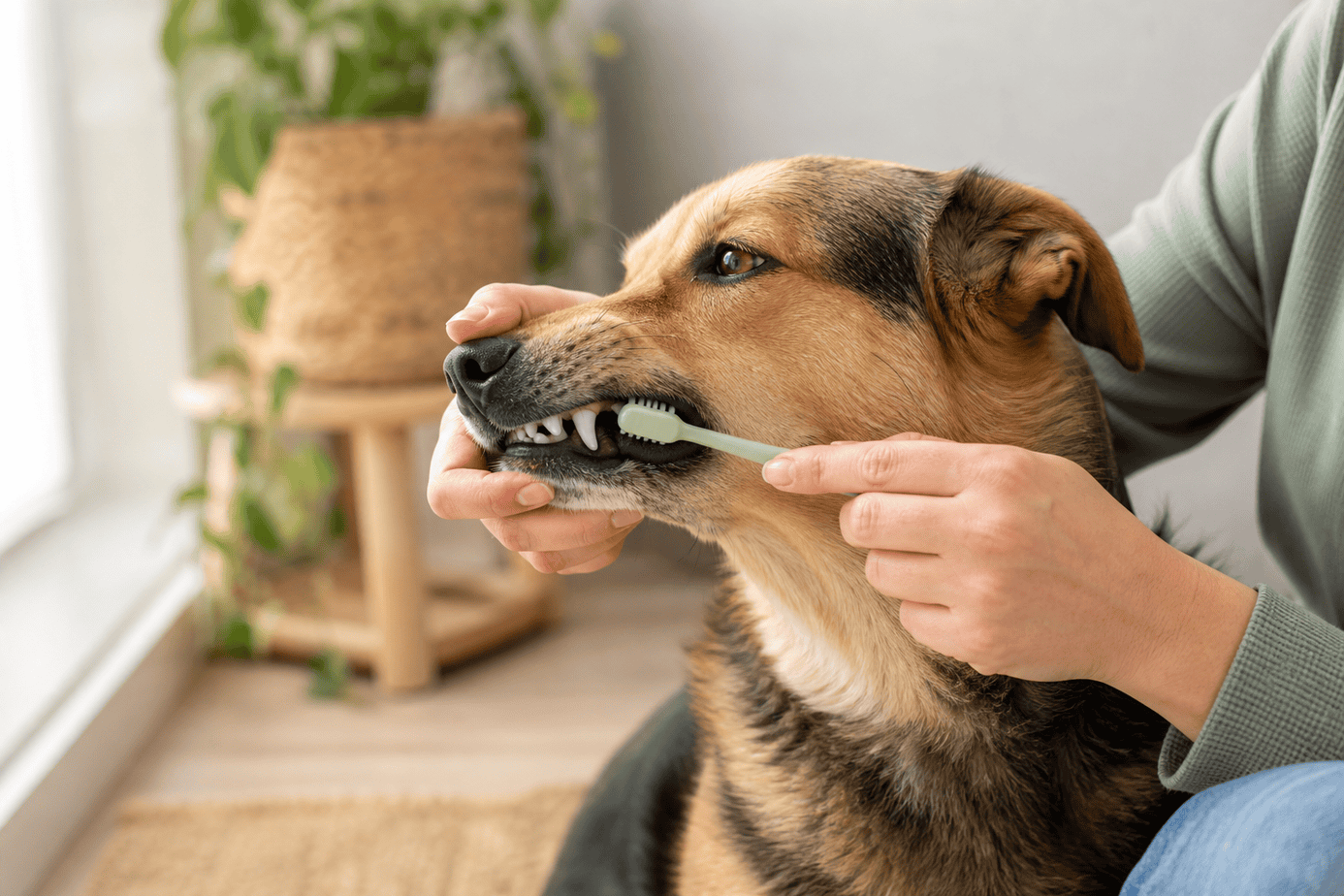
Bathing should follow the dog’s needs rather than a rigid calendar. Use a gentle dog shampoo, rinse thoroughly, and dry the beard and undercoat well. Trim nails regularly, clean only the visible outer ear with an appropriate product, and brush teeth with dog toothpaste.
Feeding and Healthy Weight
A fresh-food approach lets you choose recognizable ingredients and adjust the bowl to the individual dog. Fresh does not automatically mean complete, though. The diet still needs the right balance of protein, fat, minerals, vitamins, and essential fatty acids for the dog’s age and life stage.
Use body condition, not begging talent, to set portions. You should be able to feel the ribs under a light layer of tissue and see a waist from above. Measure calorie-dense treats, and pull some training rewards from the daily food allowance. Keeping a Dachshund lean is one of the most practical ways to reduce unnecessary load on the back and joints.
Health and Lifespan
Intervertebral disc disease, or IVDD, is the health issue every Dachshund owner should understand. The discs between the vertebrae can degenerate and herniate, causing pain or pressure on the spinal cord. Good fitness and a healthy body weight support the whole dog, but they cannot guarantee prevention.
For miniature wirehaired Dachshunds, The Royal Kennel Club strongly recommends spine screening through its IVDD scheme and DNA testing for Lafora disease. It also lists PRA cord1 DNA testing and formal eye examination as best-practice screening. [2] Ask a breeder for the actual results for both parents. “Vet checked” and “healthy lines” are not substitutes for documents.
Miniature Dachshunds can be long-lived. A 2024 study of 584,734 dogs in the United Kingdom reported a median lifespan of 14 years for Miniature Dachshunds. [3] That number describes a population, not a promise. Genetics, dental health, body condition, preventive care, accidents, and chronic disease all shape an individual dog’s life.
Rescue or Responsible Breeder?
Adoption can be deeply rewarding, and Dachshund rescues sometimes have wirehaired dogs or mixes looking for homes. Ask what is known about handling, barking, separation, house-training, other pets, mobility, and previous back problems. An adult dog’s established personality may make family matching easier.
If you buy a puppy, choose the breeder rather than choosing the cutest photo first. A responsible breeder should discuss strengths and problems honestly, show health results for both parents, explain how puppies are raised and socialized, let you meet the mother when practical, use a written contract, and remain available throughout the dog’s life.
Walk away from pressure to send money immediately, multiple always-available litters, meeting in a parking lot, claims that registration alone proves quality, or a refusal to share health documents. Price varies widely by region, pedigree, demand, health work, and what is included. Treat a current quote as a quote, not a universal market value.
Is a Miniature Wirehaired Dachshund Right for You?
This breed may be a good fit if you enjoy a small dog with humor and determination, have time for training and enrichment, can manage barking and prey drive, and are willing to build a back-friendly home. It may be a poor fit if you need a naturally quiet dog, want reliable off-leash behavior without extensive work, have fragile small pets, or prefer a coat that needs almost no maintenance.
The best match is not about finding a perfect breed. It is about knowing which normal traits make you smile and which ones would wear you down. A miniature wirehair’s confidence, beard, and comic seriousness are irresistible to the right person.
Frequently Asked Questions
In the United States, a miniature Dachshund is 11 pounds or under at 12 months. In the United Kingdom, miniatures are preferably under 5 kilograms. Height varies, and body condition matters more than chasing a number.
Many are alert and vocal. Early training, sufficient exercise, visual barriers, and rewarding quiet behavior can reduce nuisance barking, but a naturally silent Dachshund is not a safe expectation.
They do shed. Regular combing and periodic coat maintenance control loose hair, but no dog is truly allergen-free. People with allergies should spend time with adult dogs before committing.
Comb the coat more than once weekly and clean the beard as needed. The outer coat usually needs periodic hand-stripping or professional grooming. Nails, teeth, and ears need routine attention too.
Many live well beyond 12 years. A large 2024 United Kingdom study reported a 14-year median for Miniature Dachshunds, though individual lifespan varies.
~Lindsie
References
1. American Kennel Club. (n.d.). Dachshund dog breed information. https://www.akc.org/dog-breeds/dachshund/
2. The Royal Kennel Club. (n.d.). Dachshund (Miniature Wire Haired). https://www.royalkennelclub.com/search/breeds-a-to-z/breeds/hound/dachshund-miniature-wire-haired/
3. McMillan, K. M., Bielby, J., Williams, C. L., Upjohn, M. M., & Casey, R. A. (2024). Longevity of companion dog breeds: Those at risk from early death. Scientific Reports, 14, 531. https://www.nature.com/articles/s41598-023-50458-w

ABOUT THE AUTHOR