
By Lindsie Parks, B.S., CRDNS
English cream Dachshunds are cream-colored Dachshunds, not a separate breed. The name usually describes a longhaired dog with British cream lines, but breeders do not always use the term in exactly the same way. Coat color does not erase the classic Dachshund traits. These dogs can be affectionate, clever, playful, vocal, and determined.
An English cream Dachshund can be a lovely family companion when the household is prepared for patient training, regular grooming, careful weight management, and lifelong attention to back health. A pale coat or a premium price cannot guarantee temperament or health. The individual dog, its parents, early socialization, and daily care matter far more.
What Is an English Cream Dachshund?
An English cream Dachshund is a Dachshund with a cream coat and, in common breeder usage, English ancestry in the cream lines. The American Kennel Club recognizes cream as a Dachshund color, but it does not list the English cream as a separate breed, size, or coat type (American Kennel Club [AKC], n.d.).
Most dogs sold under this label are miniature longhaired Dachshunds. Standard-size cream Dachshunds also exist, and labels can vary from one breeder to another. That is why a pedigree and health records tell you more than a marketing name.
The same point applies to personality. English cream Dachshunds are often described as especially gentle or mellow. Some are. Others are busy, bold, noisy, or cautious. A puppy inherits tendencies from its parents and learns from every early experience. Color alone cannot predict the adult dog.
English Cream Versus Cream Dachshund
The clearest distinction is not a different breed standard. It is how the label is used.
Cream Dachshund: A Dachshund whose coat is cream. Verify registration, coat type, size, pedigree, and health records.
English cream Dachshund: A cream Dachshund advertised as having British cream lineage. Verify documented pedigree, breeder definitions, and parent health testing.
Shaded cream: A cream dog with darker hairs, often most noticeable on the ears and along the back. Ask how adult relatives changed.
Clear cream: A cream dog with little or no dark shading. Check adult relatives, nose and eye-rim pigment, and pedigree.
These terms can help describe appearance, but they are not substitutes for documentation. Ask the breeder to explain each label in plain language and show how it applies to the puppy.
How the Cream Coat Changes
Many shaded cream puppies are born much darker than their adult color. The coat may lighten over the first year while darker shading remains on the ears, tail, or back. Clear creams tend to look pale earlier. Two puppies from similar lines can still mature differently.
Long coats also change in texture and fullness. Feathering on the ears, chest, belly, legs, and tail develops gradually. A young puppy may look less plush than an adult relative.
Color photos are useful, but lighting and editing can make cream coats look nearly white or much warmer than they are. Ask for recent photos in natural light and photos of adult relatives. Dark, healthy pigment around the nose and eyes is different from the color of the body coat.

Temperament and Family Life
Dachshunds were developed to work with courage and persistence. Those qualities often show up at home as curiosity, determination, and a strong opinion about what should happen next. Many English creams are deeply attached to their people and enjoy being part of the daily routine.
That attachment can be wonderful, yet it also means alone-time skills deserve attention. Start with short, calm absences. Pair them with a safe resting place and something appropriate to chew or lick. Build duration slowly so the dog learns that departures are ordinary and temporary.

Children
A well-socialized Dachshund can live happily with respectful children. Adults should supervise every interaction, especially with toddlers. Teach children to sit on the floor for petting, leave the dog alone while eating or sleeping, and never carry the dog by the front legs.
Because of the Dachshund’s long back, rough handling and accidental drops carry real risk. A family rule that only adults lift the dog can prevent a painful mistake.

Other Pets
Many Dachshunds live well with other dogs and cats, particularly when introductions are gradual. Their prey drive may be strong around rodents, birds, or fast-moving outdoor animals. Use secure barriers and do not assume friendliness with one pet will transfer to every species.
Apartments and Noise
Their small size works in an apartment. Their voice may not. Dachshunds often notice hallway sounds, visitors, and activity outside a window. Reward quiet check-ins, block repeated visual triggers, and give the dog enough physical and mental activity. Punishing barking may increase fear without teaching a better response.
Health Risks To Understand
The most important health conversation is not coat color. It is the Dachshund’s body shape.
Intervertebral Disc Disease
Dachshunds have an elevated risk of intervertebral disc disease, often called IVDD. A Royal Kennel Club summary of a 2018 owner survey reported IVDD in 21.1 percent of participating Dachshunds older than three years, with meaningful differences among varieties (The Royal Kennel Club, n.d.). A survey cannot predict an individual dog’s future, but it shows why back care deserves serious attention.
Keep your dog lean, use a harness for walks, and limit repeated high-impact jumping. Ramps can help when they are stable, nonslip, and taught gradually. Exercise still matters. Strong muscles and steady movement are better than keeping a healthy dog inactive.
Call a veterinarian promptly if your Dachshund cries out, arches the back, refuses stairs, seems unusually still, or resists being picked up. Weakness, wobbling, dragging a limb, or loss of bladder or bowel control needs urgent care.
Eyes, Knees, and Heart
The AKC lists patella, cardiac, and ophthalmologist evaluations among the health tests recommended by the Dachshund Club of America (AKC, n.d.). Ask a breeder for the parents’ actual reports, not a verbal promise that the line is healthy. Testing does not guarantee a problem-free puppy, but it helps a thoughtful breeder make better decisions.
Avoid accepting a generic DNA panel as complete proof of health. DNA tests can be valuable for specific inherited conditions, yet they do not replace a physical examination, eye evaluation, cardiac evaluation, pedigree review, and a candid discussion of problems seen in close relatives.
Weight and Dental Care
Extra weight places more strain on the spine and joints. You should be able to feel the ribs under a light layer of tissue and see a waist from above. Because long hair can hide body shape, use your hands as well as your eyes.
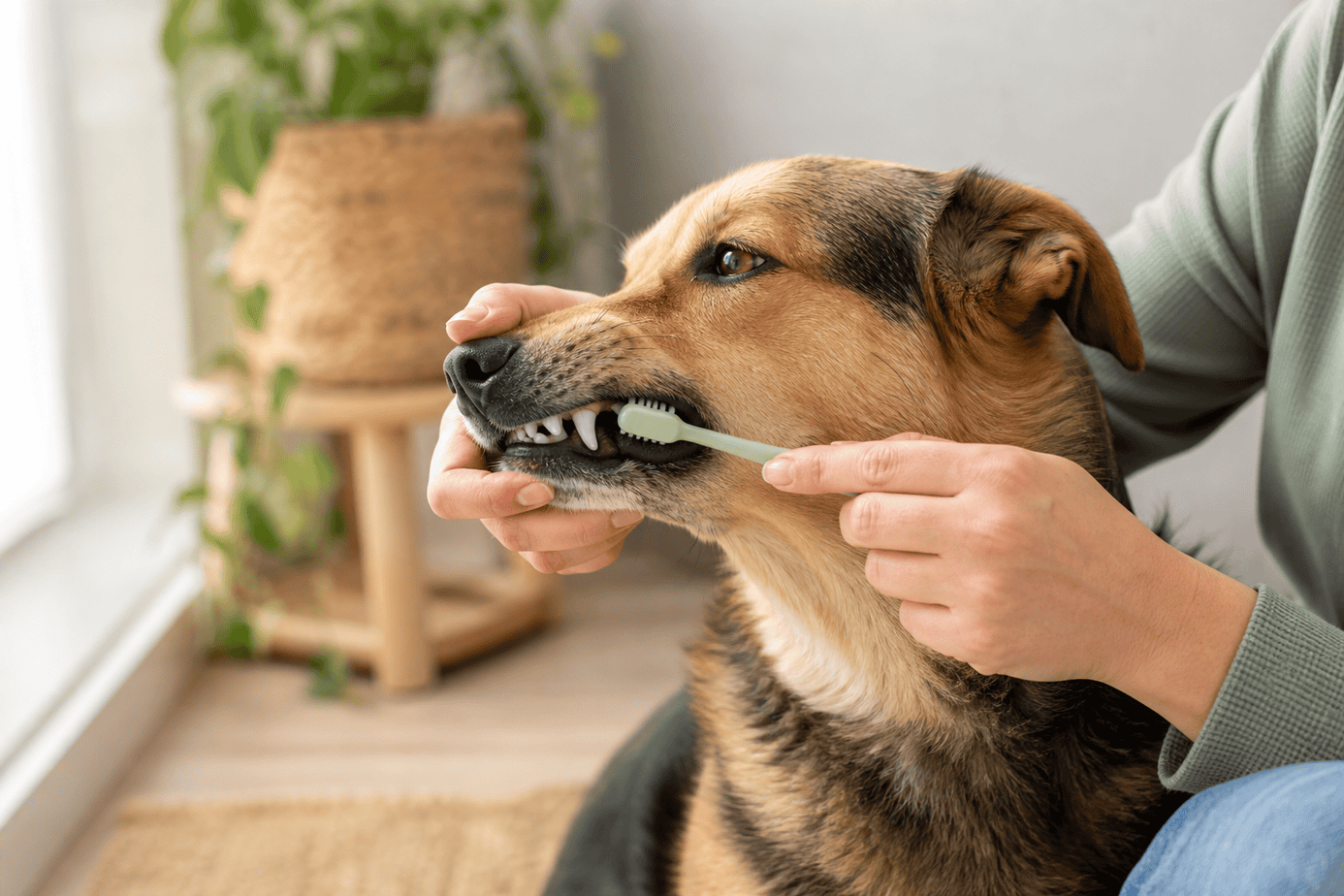
Small dogs also need consistent dental care. Brush with dog-safe toothpaste, schedule oral exams, and choose chews that are not hard enough to fracture teeth.
Lifespan
The AKC gives a typical Dachshund life expectancy of 12 to 16 years (AKC, n.d.). A large 2024 United Kingdom study reported a median lifespan of 14.0 years for Miniature Dachshunds (McMillan et al., 2024).
Those numbers describe populations, not promises. Genetics, body condition, dental care, preventive care, injury risk, and chronic disease all influence an individual dog’s life.
Exercise Without Overloading the Back
English cream Dachshunds need regular exercise even though their legs are short. For most healthy adults, several moderate walks and play sessions are more comfortable than one exhausting outing.
Let puppies set a reasonable pace and avoid forced long-distance running while they are growing. Use sniff walks, food puzzles, short training games, and supervised play to work the brain as well as the body. On slippery floors, rugs or runners can improve traction.
Stairs are not automatically forbidden for every dog, but repeated racing and leaping can be hard to control. Use gates where needed. Teach the dog to wait for help around tall furniture and vehicles.

Feeding for a Healthy Body Condition
A balanced diet should support a lean body, steady energy, healthy digestion, and a good coat. Fresh, minimally processed foods can be part of that plan when the complete diet is formulated to meet the dog’s nutritional needs. A bowl of meat and vegetables alone is not automatically balanced.
Choose portions based on your dog’s current body condition, age, activity, and whether treats are used in training. Measure calorie-dense extras such as cheese, nut butter, and dried treats. Even small daily overages add up quickly in a miniature dog.
If you prepare food at home, work from a complete recipe created for the individual dog. Puppies, pregnant dogs, and dogs with medical conditions have less room for nutritional guesswork.
Grooming a Longhaired Cream Coat
Brush the coat several times each week, with extra attention behind the ears, under the front legs, around the collar, and along the feathering. Those areas mat first. Use a gentle pin brush or slicker, then check your work with a metal comb.
Bathe when the coat is dirty or oily. Rinse thoroughly and dry the undercoat so damp tangles do not tighten. Trim only what is needed for hygiene and traction. Shaving is rarely necessary for routine care.
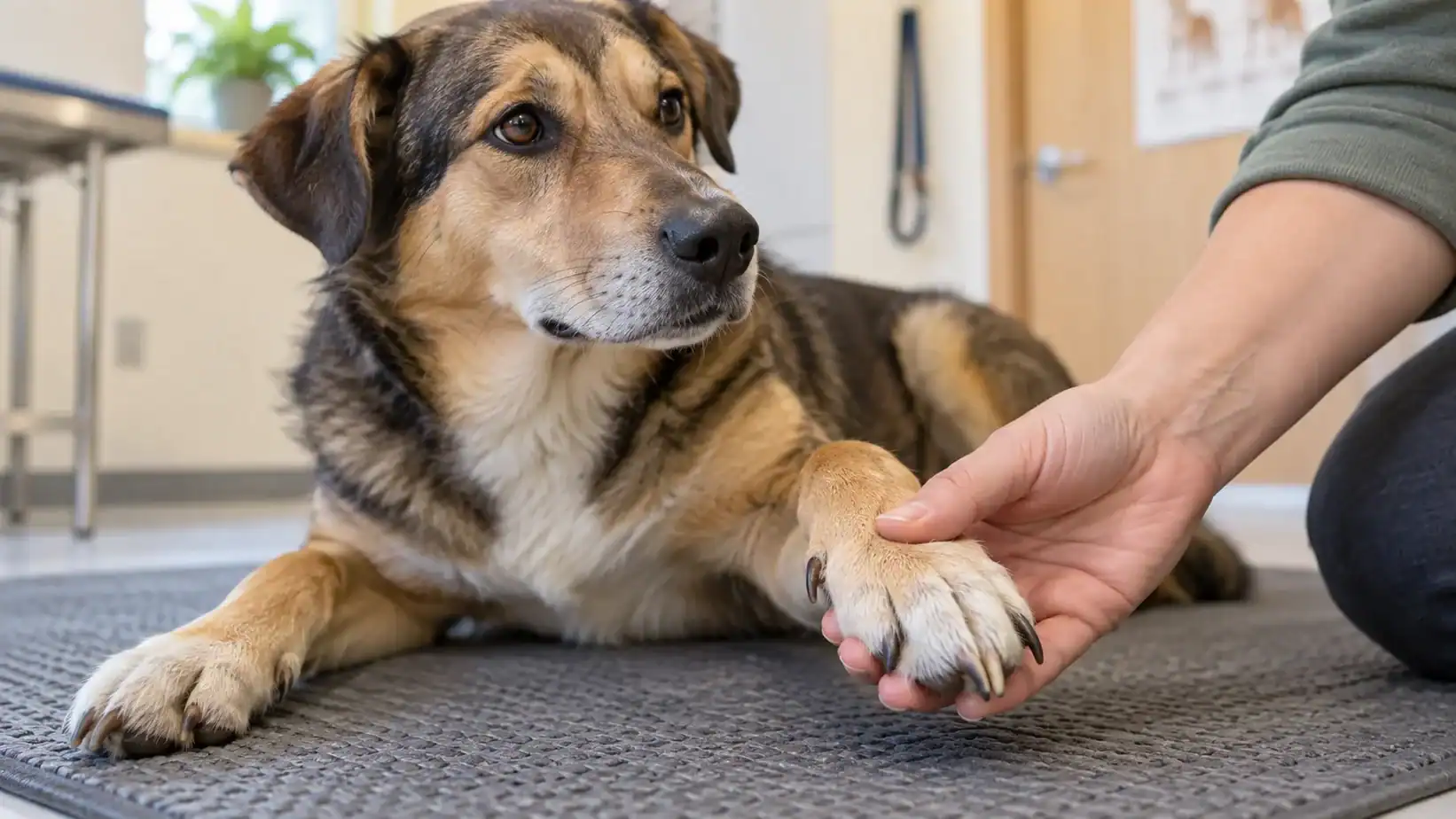
Check the ears weekly for odor, redness, debris, or moisture. Wipe only the visible outer ear with a dog-safe product. Do not push cotton swabs into the ear canal. Keep nails short enough that the feet can land comfortably and securely.
Cream coats make stains and debris easy to spot. That does not mean the dog needs more frequent bathing than another longhaired Dachshund. Skin comfort should guide the schedule.
Training an English Cream Dachshund
Dachshunds learn quickly when the reward is worth the effort. Keep sessions short, clear, and upbeat. Food rewards are useful, but praise, play, and access to sniffing can also motivate.
Start with name response, recall, handling, settling on a mat, loose-leash walking, and a wait cue at doors or furniture. Practice in easy settings before expecting the behavior around visitors, squirrels, or barking dogs.
Housetraining often takes patience. Go outside after sleep, meals, play, and exciting events. Reward immediately after the dog finishes. Cold rain can make a Dachshund negotiate, so a covered potty area may save everyone’s patience.
Avoid physical corrections and forced handling. A dog that feels trapped may defend itself. Cooperative routines build trust and make grooming, nail care, and veterinary visits easier.
Choosing a Breeder or Rescue
Adoption and responsible breeding can both be good paths. Dachshund rescues sometimes receive longhaired cream dogs, though a specific age or color may require a longer wait. The advantage is that an adult dog’s size, coat, and temperament are already easier to assess.

If you buy a puppy, look past polished photos. A responsible breeder should:
- Show documented health evaluations for both parents
- Discuss IVDD and other health problems in the family without becoming defensive
- Explain the pedigree and what the term English cream means in that program
- Raise puppies in a clean, enriched setting with thoughtful socialization
- Ask you questions about your home and plans
- Provide a contract, veterinary records, and a return policy
- Avoid guaranteed claims about color, temperament, or perfect health
- Keep puppies until they are developmentally ready to leave their mother and litter
Red flags include pressure to pay immediately, multiple always-available litters, no verifiable records, refusal to show where puppies are raised, and a price justified only by the word rare.
What Should an English Cream Dachshund Cost?
There is no single reliable price. Region, pedigree, breeder expenses, health testing, and demand all affect the amount. Prices also change over time.
Compare what is included and documented rather than using the highest price as a quality signal. Budget beyond the purchase price for veterinary care, insurance or an emergency fund, grooming tools, safe ramps, dental care, training, and possible back treatment.
Is This Dog Right for You?
An English cream Dachshund may fit your home if you want a small, affectionate companion and can commit to training, grooming, and back-conscious care. The fit is less comfortable if you need a reliably quiet dog, expect color to predict temperament, or cannot prevent rough handling and risky jumps.
Meet adult Dachshunds before deciding. Spend time with the puppy’s parents when possible. A beautiful coat catches the eye, but the daily match depends on energy, resilience, sociability, and the care your household can provide.
Final Thoughts
English cream Dachshunds are striking dogs, but their real appeal goes beyond color. They bring the same humor, loyalty, courage, and stubborn charm that make Dachshunds so memorable.
Choose the individual dog with care. Verify health records, ask direct questions, and plan for a lean body, steady exercise, kind training, and regular grooming. Those choices do more for a happy life than any label attached to the coat.
Frequently Asked Questions
They are less common than many familiar Dachshund colors, especially when buyers want documented British cream lineage. The word rare is still a marketing term, not proof of quality.
Some breeders and owners describe them as mellow, but coat color does not guarantee temperament. Parents, early socialization, learning history, age, health, and the individual dog all matter.
Many shaded cream puppies lighten as they mature while keeping darker shading on the ears, tail, or back. Ask to see adult relatives because the final shade varies.
Yes. Longhaired Dachshunds shed, though the amount varies by dog and season. Regular brushing removes loose hair and prevents mats.
No dog is completely hypoallergenic, and Dachshunds are not considered a low-allergen breed. People with allergies should spend time with the individual dog before committing.
Many healthy Dachshunds can use some stairs, but repeated racing, jumping, and slipping are worth limiting. Gates, traction, ramps, and calm handling can reduce unnecessary strain. Ask your veterinarian for individual guidance after any back injury.
No. It is a color and lineage label used within the Dachshund breed. The official breed still recognizes two sizes and three coat types, not a separate English cream variety.
References
American Kennel Club. (n.d.). Dachshund dog breed information. https://www.akc.org/dog-breeds/dachshund/
The Royal Kennel Club. (n.d.). IVDD scheme for Dachshunds. https://www.royalkennelclub.com/health-and-dog-care/health/getting-started-with-health-testing-and-screening/ivdd-scheme-for-dachshunds/
McMillan, K. M., Bielby, J., Williams, C. L., Upjohn, M. M., & Casey, R. A. (2024). Longevity of companion dog breeds: Those at risk from early death. Scientific Reports, 14, 531. https://doi.org/10.1038/s41598-023-50458-w
~Lindsie
A note about your dog’s health
This article provides general education and does not replace an examination, diagnosis, or individualized advice from your veterinarian. Contact a veterinary professional if you are concerned about your dog’s symptoms.

ABOUT THE AUTHOR