
Veterinarian-guided skin and paw health hub
Skin, Paws & Allergies
Understand itching, irritated skin, paw discomfort, brittle nails, and common allergy questions, with practical guidance on what to monitor and when your dog needs veterinary care.
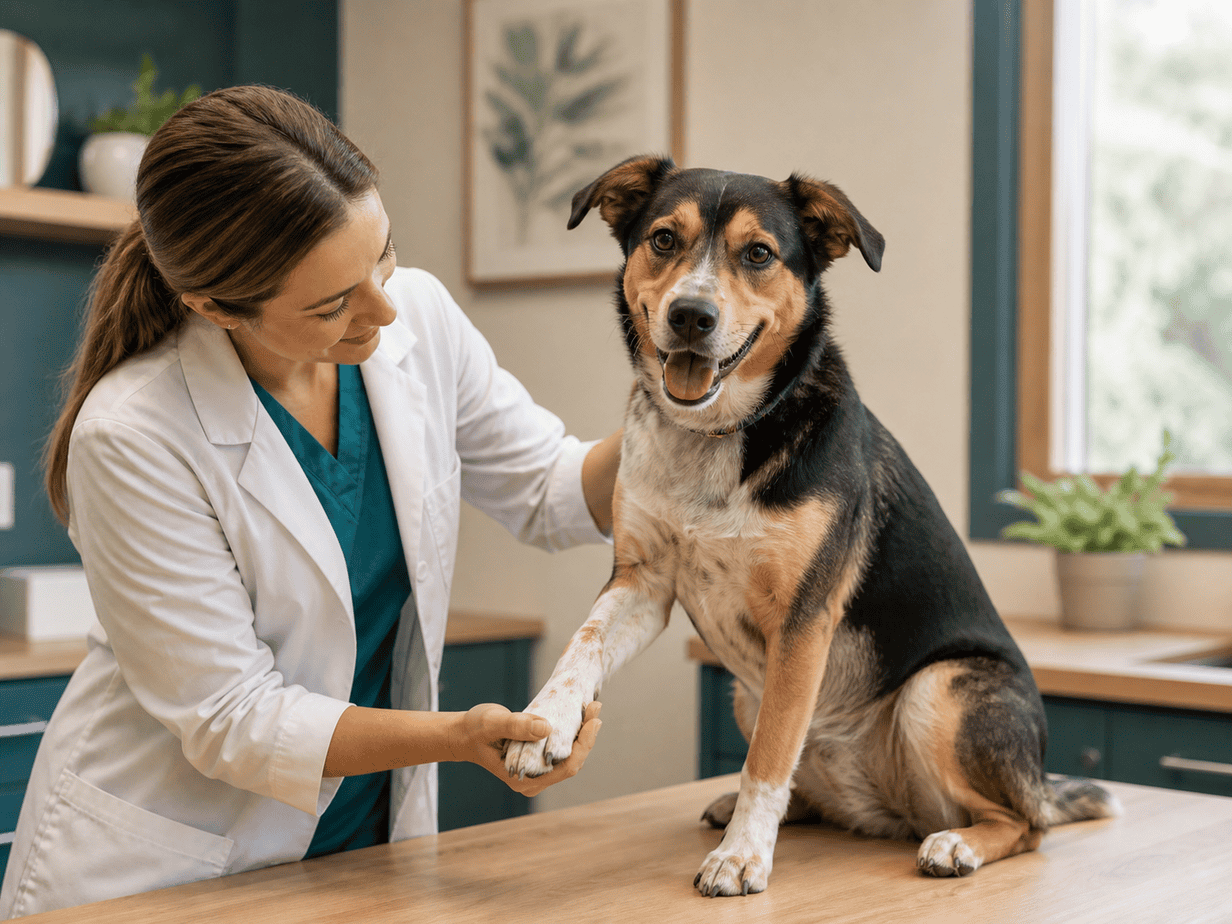
Start with the pattern you are seeing
Skin, itching, and allergy guidance
Location, seasonality, diet, parasites, bathing products, and secondary infection can all affect why a dog is itchy. Persistent scratching or damaged skin deserves a veterinary examination.

Dry, itchy skin
Choosing shampoo for dry skin
Compare gentler shampoo options and learn why the cause of itching matters more than fragrance or marketing claims.

Allergy patterns
Turkey allergy in dogs
Review possible skin and digestive signs, diagnostic limits, and why a careful diet history matters.

Itch relief safety
Can Benadryl cream be used on dogs?
Learn why licking, ingredients, skin condition, and product strength must be considered before topical use.
Comfort starts from the ground up
Paw and nail concerns
Licking, limping, cracked pads, brittle nails, or a sudden reluctance to walk can signal more than routine grooming needs.

Paw care
Coconut oil on dog paws
Understand when it may be reasonable, when licking becomes a concern, and when cracked pads need medical care.

Nail changes
Brittle nails in dogs
Review possible causes of splitting, cracking, or fragile nails and what changes should be examined.

Overgrown nails
How to handle curled dog nails
Learn why nails curling toward the pad require careful trimming and when professional help is safer.

After nail trimming
Limping after a nail trim
Check for a cut quick, pad injury, soreness, or another cause when limping follows grooming.
Check ingredients before applying
Safer topical-care decisions
Products made for people may sting, dry the skin, delay healing, or become unsafe when licked. Match the product to the problem and ask your veterinarian when skin is broken or infected.

Astringent safety
Can you use witch hazel on dogs?
Understand the limits, irritation risks, and situations where witch hazel is not an appropriate treatment.

Human skin products
Calamine lotion and dogs
Review ingredient and licking concerns before using calamine lotion on irritated canine skin.

Balms and barriers
Can you use Bag Balm on dogs?
Learn when a barrier balm may help and when cracked, painful, or infected skin needs veterinary treatment.
Free printable dog-health tool
Track your dog’s itching for seven days.
Record scratching, licking, chewing, redness, sleep disruption, and other patterns in one simple printable tracker you can share with your veterinarian.
Educational guidance only. This tool does not diagnose or replace veterinary care.
Common questions
Skin, paw, and allergy FAQs
When should itching be checked by a veterinarian?
Call when itching is persistent, disrupts sleep, causes hair loss or broken skin, has an odor or discharge, or is joined by facial swelling, hives, vomiting, breathing difficulty, or weakness.
Why does my dog keep licking their paws?
Paw licking may reflect allergies, contact irritation, infection, pain, a nail problem, or something lodged between the toes. Repeated licking deserves a close paw check and veterinary advice when it continues.
Can I use a human skin product on my dog?
Do not assume a human product is safe. Dogs may lick it, absorb ingredients differently, or have a condition that needs diagnosis. Ask your veterinarian about the exact product and the skin problem first.
What can cause brittle or splitting nails?
Trauma, overgrowth, infection, immune-mediated disease, nutritional problems, and other health conditions can affect nail quality. Multiple damaged nails or repeated splitting should be examined.
Does itchy skin always mean a food allergy?
No. Environmental allergies, fleas, mites, infection, contact irritation, and other problems may look similar. A veterinarian can help narrow the pattern and avoid unnecessary diet changes.
Veterinary perspective
Skin and paw guidance with responsible limits
Healthy Happy Dogs helps you recognize meaningful changes, avoid common product mistakes, and prepare better questions for your veterinarian. Diagnosis and treatment still require a professional who can examine your dog.
This page provides general education only and does not replace diagnosis, treatment, or advice from your veterinarian.