

Veterinarian-guided resource hub
Dog Health & Symptoms
Understand common signs, find responsible at-home guidance, and recognize when your dog needs prompt veterinary care.

Start with what you are noticing
Find guidance by symptom or body system.
These starting points help you understand possible causes, what details to observe, and when an examination may be needed.

Digestive Health
Explore vomiting, diarrhea, unusual stool, appetite changes, and other digestive concerns.

Skin, Paws & Allergies
Learn about irritation, allergic reactions, hot spots, and changes in the coat or skin.
-

Integrative Dog Eye Health: Daily Care, Nutrition, and Warning Signs
Support your dog’s eye health with daily care, fresh-food nutrition, holistic options, common warning signs, and when to seek veterinary help.

-
Best Ear Wipes for Dogs: Vet Picks and Cleaning Tips
Ear wipes can be a handy way to remove visible wax, dirt, and moisture from the outer part of a dog’s ear. They are best for…

-

The Growing Problem of Canine Obesity: Causes, Risks, and Solutions
We all love our furry friends, and as pet owners, we want the best for them. However, sometimes our love and affection can lead to overindulging…


Medications & Veterinary Tests
Get context on commonly discussed products, precautions, and why dosing requires veterinary direction.
More symptom guides
Understand the signs before choosing a next step.
These veterinarian-informed guides explain what to observe, what may require testing, and when prompt care matters.
Digestive symptoms
Symptoms of Dog Diarrhea – A Detailed Explanation from a Vet
Use stool appearance, duration, appetite, energy, and other signs to judge urgency.
Spine and mobility
Complete Guide to IVDD in Dogs: Diagnosis & Care
Learn how IVDD is diagnosed and explore care considerations for dogs with this spinal condition.
At-home care, with clear limits
Before you reach for a household product.
Many products made for people can irritate dogs, hide a worsening problem, or be dangerous when licked. Check the safety context first.
-
LATEST ARTICLE
Can You Use Bag Balm on Dogs? A Veterinarian Explains
Yes, you can use Bag Balm on dogs. The current animal label includes directions for dogs and lists paw pads, snouts, hot spots, and other areas…
-
LATEST ARTICLE
Can You Use Witch Hazel on Dogs? Safety and Uses
By Dr. Candy Akers, DVM You can use a simple alcohol-free, fragrance-free witch hazel sparingly on a small patch of intact dog skin, but it is…
-
LATEST ARTICLE
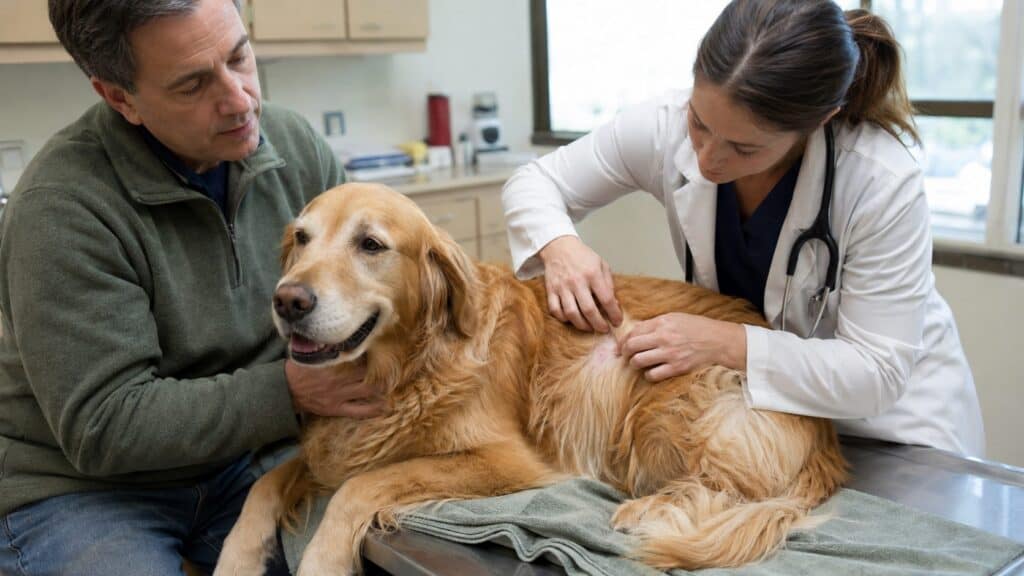
Can You Use Calamine Lotion on Dogs? A Vet Explains
I would not use human calamine lotion as a routine itch treatment for a dog. A common current calamine formulation contains both calamine and zinc oxide,…
-

LATEST ARTICLE
Can You Use Human Conditioner On Dogs? Find Out Here!
Medically Reviewed by: Dr. Candy Akers, DVM As a pet owner, you likely want your furry friend to look and feel their best. That’s why regular…
-
LATEST ARTICLE
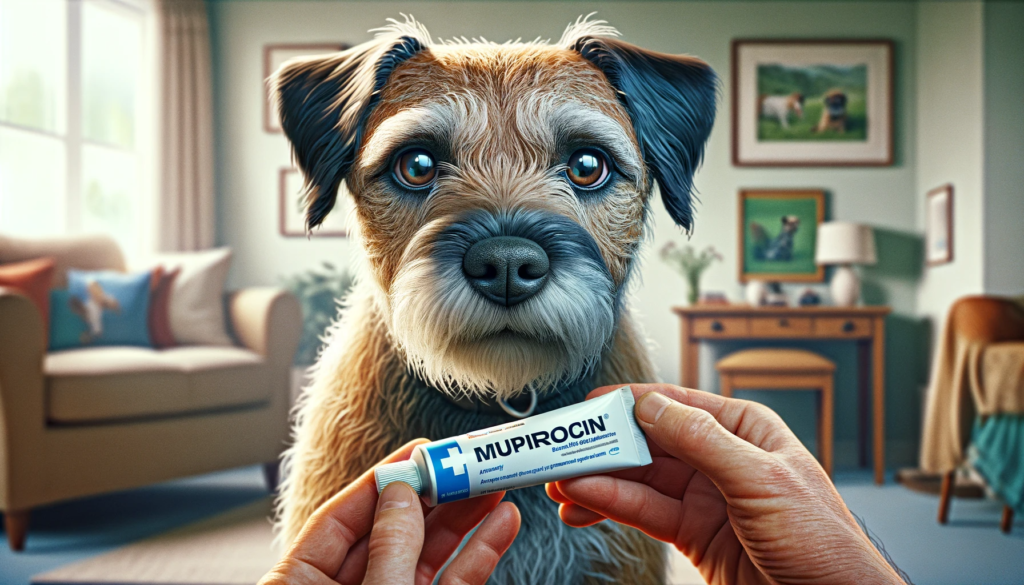
Mupirocin Topical Ointment for Dogs- Vet Gives OTC Alternatives
Every dog owner knows the pang of seeing their furry friend in discomfort, scratching at an itchy patch or nursing a sore paw. Our dogs can’t…
-
LATEST ARTICLE
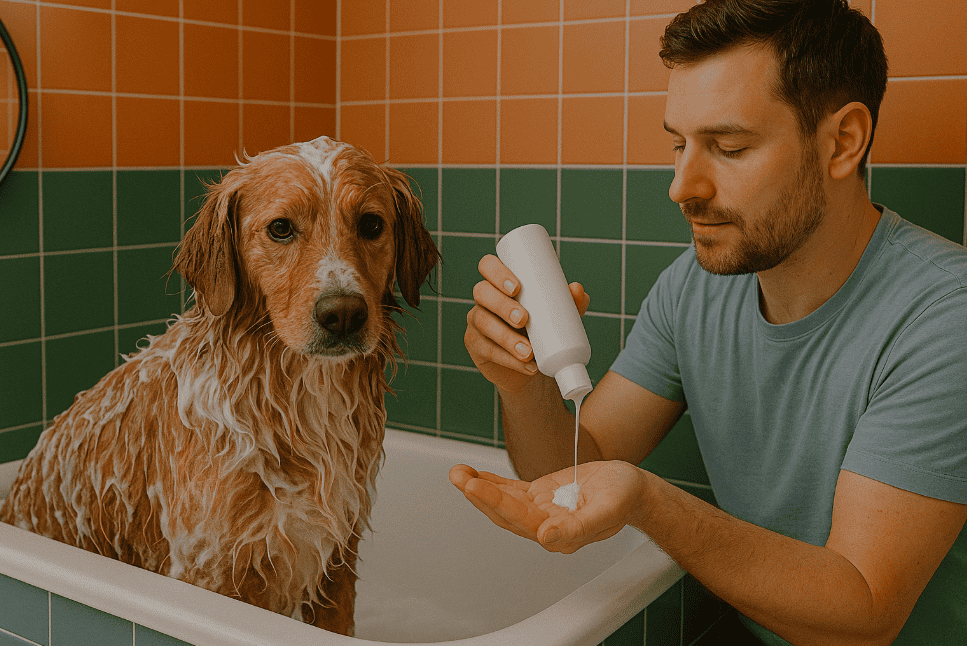
Best Dog Shampoo For Dry Skin – Holistic Vet Recommendations
Over the years, I’ve come to understand the profound connection between the health of our pets and the products we use on them. One of the…



Medication and treatment safety
Know the question to ask your veterinarian.
These guides explain common uses and risks. They are not prescriptions and do not replace an examination, diagnosis, or individualized dosing advice.
-
LATEST ARTICLE
Can You Use Saline Solution on Dogs?
Written by Lindsie Parks, B.S., CRDNS Yes, you can use saline solution on dogs for limited external rinsing. For most at-home uses, choose a sealed, sterile…
-
LATEST ARTICLE
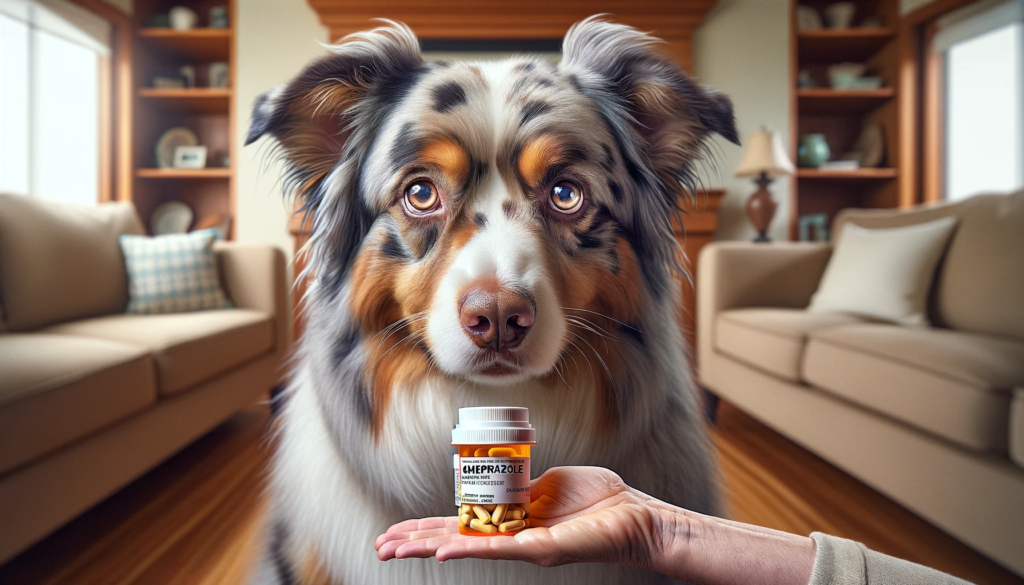
Omeprazole For Dogs: Vet Gives Uses, Dosage, & Side Effects
When it comes to our furry friends, their health and wellbeing are always at the top of our priority list. Just as humans occasionally need medications…
-

LATEST ARTICLE
Butorphanol For Dogs: Vet Gives Dose, Side Effects & Alternatives
As our furry friends age or face health challenges, navigating the world of veterinary medications can be overwhelming for dog owners. Butorphanol, a name that might…


Free personalized dog-health tool
Get a clearer picture of your dog’s wellness needs.
Answer a few focused questions to receive a personalized wellness summary with supplement suggestions developed for Healthy Happy Dogs and approved by Dr. Candy.
Educational guidance only. This tool does not diagnose or replace veterinary care.
Veterinary perspective
Veterinary perspective from Dr. Candy Akers
Healthy Happy Dogs separates general education from individualized veterinary care. Our goal is to help you notice meaningful changes, ask better questions, and act sooner when a symptom may be urgent.

This resource provides general education only. It does not diagnose your dog or replace care from a veterinarian who can examine your pet.