
CHECK BEFORE YOU SHARE
Dog Food Safety & Toxins Guide
Understand which ingredients deserve caution, what changes the risk, and what to do when your dog eats something unexpected.
START WITH THE WHOLE INGREDIENT LIST
A food can be risky for more than one reason.
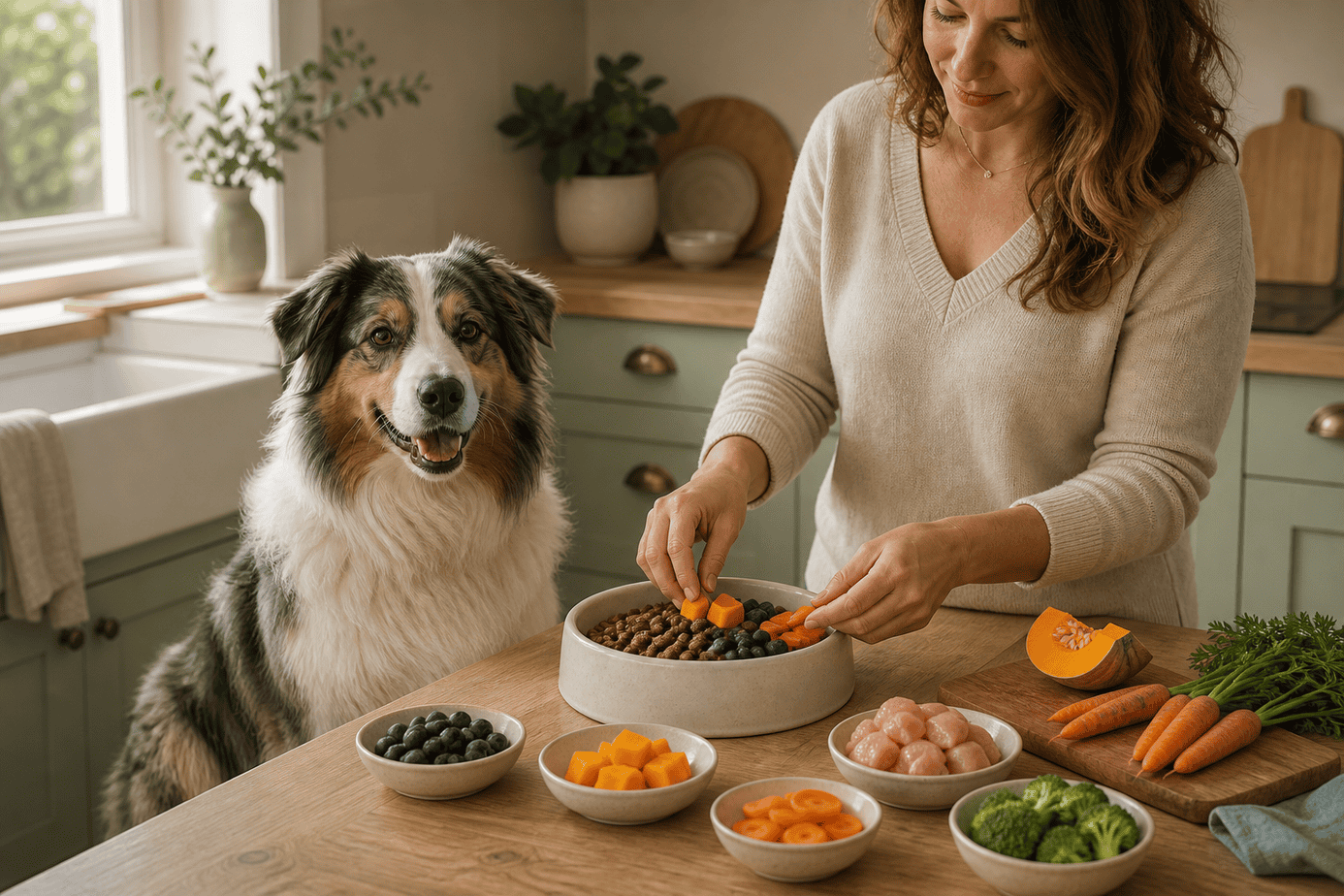
The ingredient itself, added seasonings, sweeteners, fat, salt, serving size, and your dog’s health all affect the answer. Check the complete food instead of relying on a single ingredient name.
Identify every ingredient
Check sauces, broths, coatings, sweeteners, spices, garnishes, and anything mixed into the food.
Estimate the amount eaten
Record what is missing, when it happened, and your dog’s approximate weight before calling for advice.
Watch the dog, not just the food
Vomiting, weakness, tremors, pain, breathing changes, collapse, or unusual behavior need prompt attention.
FRESH FOODS AND SWEETENERS
Fresh foods still need a safety check.
Preparation, portion size, pits, brine, seasoning, and sweetener blends can change whether a food is appropriate.
-

Jicama for Dogs: Adding a Crunchy and Nutritious Snack to Their Diet
The Jicama Superfood Jicama is a root vegetable that is native to Mexico and South America. It has a crunchy texture, and slightly sweet taste, and…
-
Can Dogs Eat Jackfruit? Expert Answers
Medically Reviewed by: Dr. Candy Akers, DVM In recent years, jackfruit has become widely popular as a versatile and healthy food option for many people. This…
-
Can Dogs Eat Dragon Fruit? Is it Toxic?
Medically Reviewed by: Dr. Candy Akers, DVM As a dog owner, you know that your furry friend loves to snack on treats and sometimes even sneak…
-
Can Dogs Eat Loquats? Expert Answers
Are you a dog owner who’s ever wondered if your furry friend can indulge in the delicious fruit known as loquats? Well, you’re not alone! Many…




SALT, FAT, SEASONINGS, AND SWEETENERS
Processed foods require a closer label check.
A small stolen bite is different from a full serving, but many prepared foods combine several concerns at once.
-

Can Dogs Eat Pepperoni? Is It Safe?
Pepperoni, a common pizza topping and ingredient in Italian cuisine, might appeal to our canine companions, but is it safe for them? Can dogs eat pepperoni?…
-

Can Dogs Eat Turkey Bacon? Does It Cause Diarrhea?
Ah, the age-old question that has plagued pet owners for decades: can dogs eat turkey bacon? I get it. You’re eating breakfast, your dog is staring…
-

Can Dogs Eat Veggie Straws? What You Need To Know
Veggie straws have become increasingly popular among humans in recent years as a snack option. These crispy treats are marketed as a healthier alternative to traditional…
-

Can Dogs Eat Cheeseballs? Will They Get Sick?
Medically Reviewed by: Dr. Candy Akers, DVM Ah, cheeseballs. The perfect party snack. They are a favorite among many for their cheesy goodness and crunch, making…
-

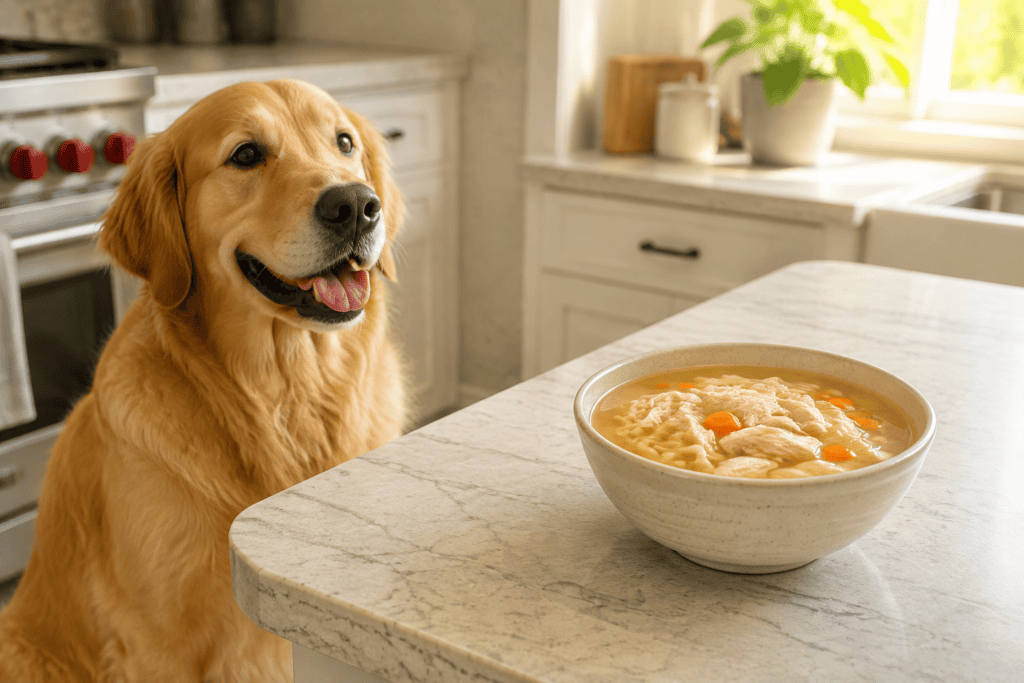
Can Dogs Eat Chicken Noodle Soup?
Most canned, condensed, restaurant, and family-recipe chicken noodle soups are not a good choice for dogs. They often contain onion, garlic, concentrated seasonings, and more sodium…
-

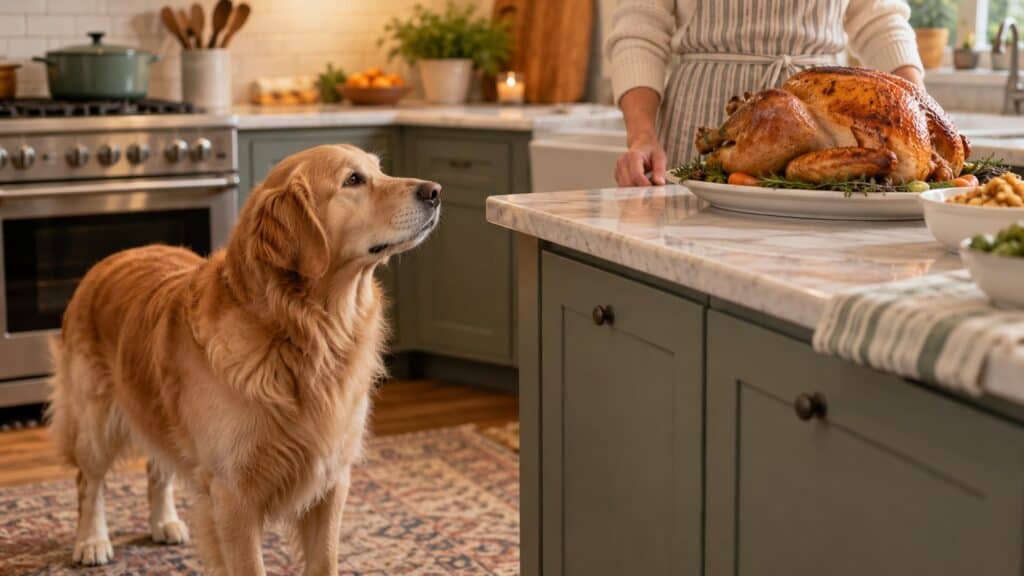
Turkey Allergy in Dogs: Signs, Testing, and Diet Trial
Yes, a dog can be allergic to turkey. Turkey allergy is possible, but itching, ear trouble, vomiting, or diarrhea after a meal does not prove turkey…
-
Can Dogs Drink Sprite? Is It Safe?
The Great Dog Soda Debate Dogs are often considered a part of our family, and we want to share everything with them, even our favorite drinks.…



SWEETS, SNACKS, AND NUTS
Rich treats can create more than an upset stomach.
Desserts and snack foods may contain excess fat, sugar, dairy, nuts, sweeteners, chocolate, raisins, or wrappers that change the urgency.
-

Can Dogs Have Cheesecake? Expert Answers
Today’s article delves into a treat that’s beloved by many and can be hard to resist for our furry friends too – cheesecake! But, “Can Dogs…
-
Can Dogs Eat Fortune Cookies? What to Do If Your Dog Ate One
Most dogs are unlikely to have a serious problem after eating one plain, unwrapped fortune cookie. It is still not a treat I would choose for…
-
Can Dogs Eat Pecans? Demystifying the Dangers For Canines
Pecans are a popular snack and ingredient in many different dishes. They’re commonly found in desserts, such as pecan pie and pralines, or used as a…
-
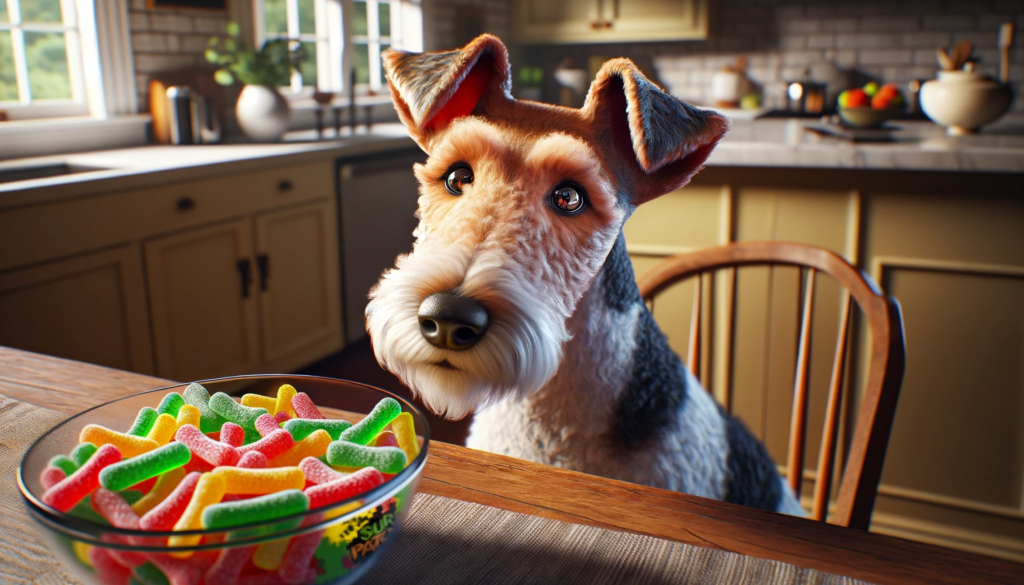
Can Dogs Eat Sour Patch Kids? Is it Safe To Share?
The Sweet and Sour Temptation: Can Dogs Really Eat Sour Patch Kids? You’ve probably seen those brightly colored, sugar-coated candies called Sour Patch Kids. They’re sour,…
-
Can Dogs Eat Caramel Popcorn? Will It Hurt Their Teeth?
Have you ever been munching on caramel popcorn and noticed your furry friend staring at you longingly? Maybe you thought about giving them a piece but…




KEEP EXPLORING
Find more nutrition and digestive guidance.
Explore feeding questions, digestive changes, food reactions, and responsible nutrition guidance in one place.
Visit Nutrition & Food Safety