CLEAR GUIDANCE FOR SENSITIVE AREAS
Dog Eye & Ear Health Guide
Understand everyday care, recognize important warning signs, and know when an eye or ear concern needs veterinary attention.
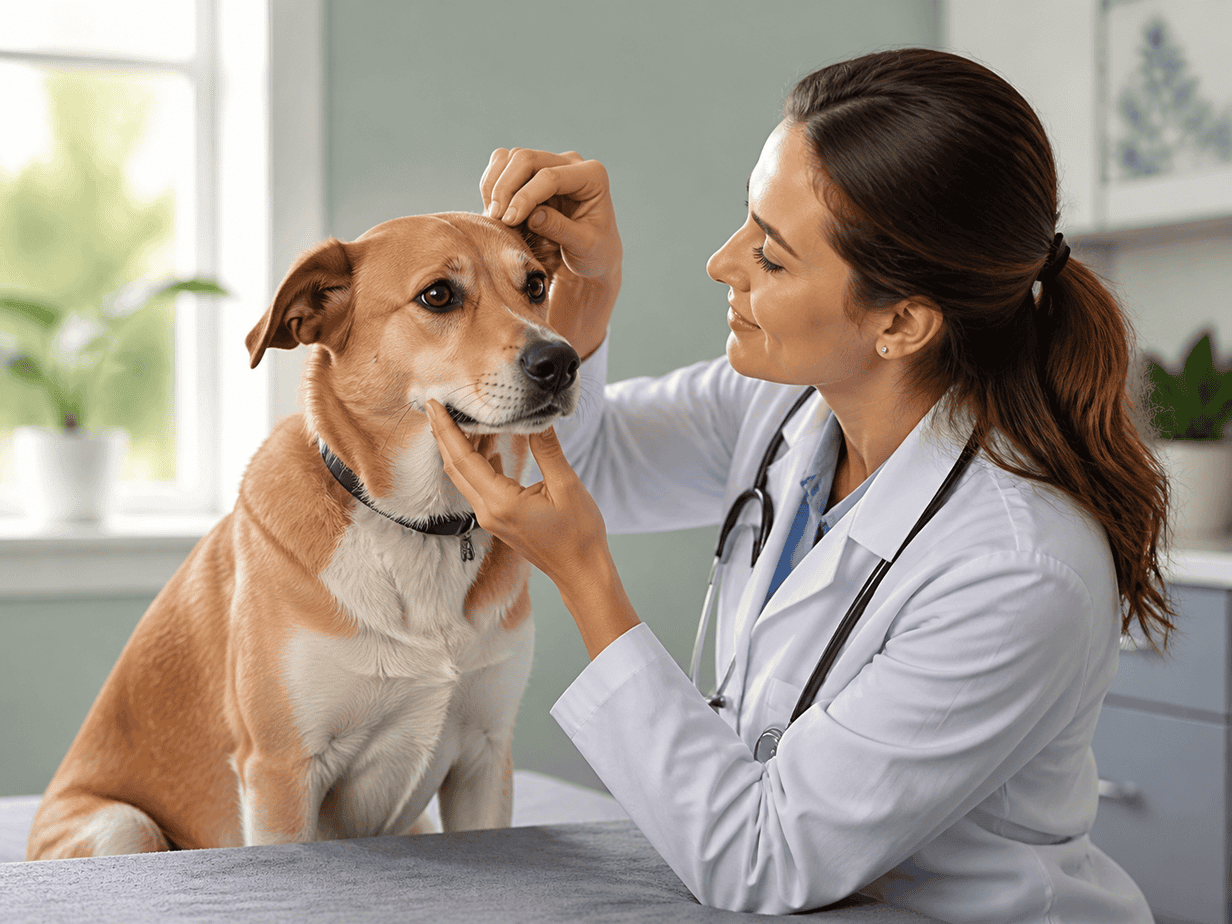
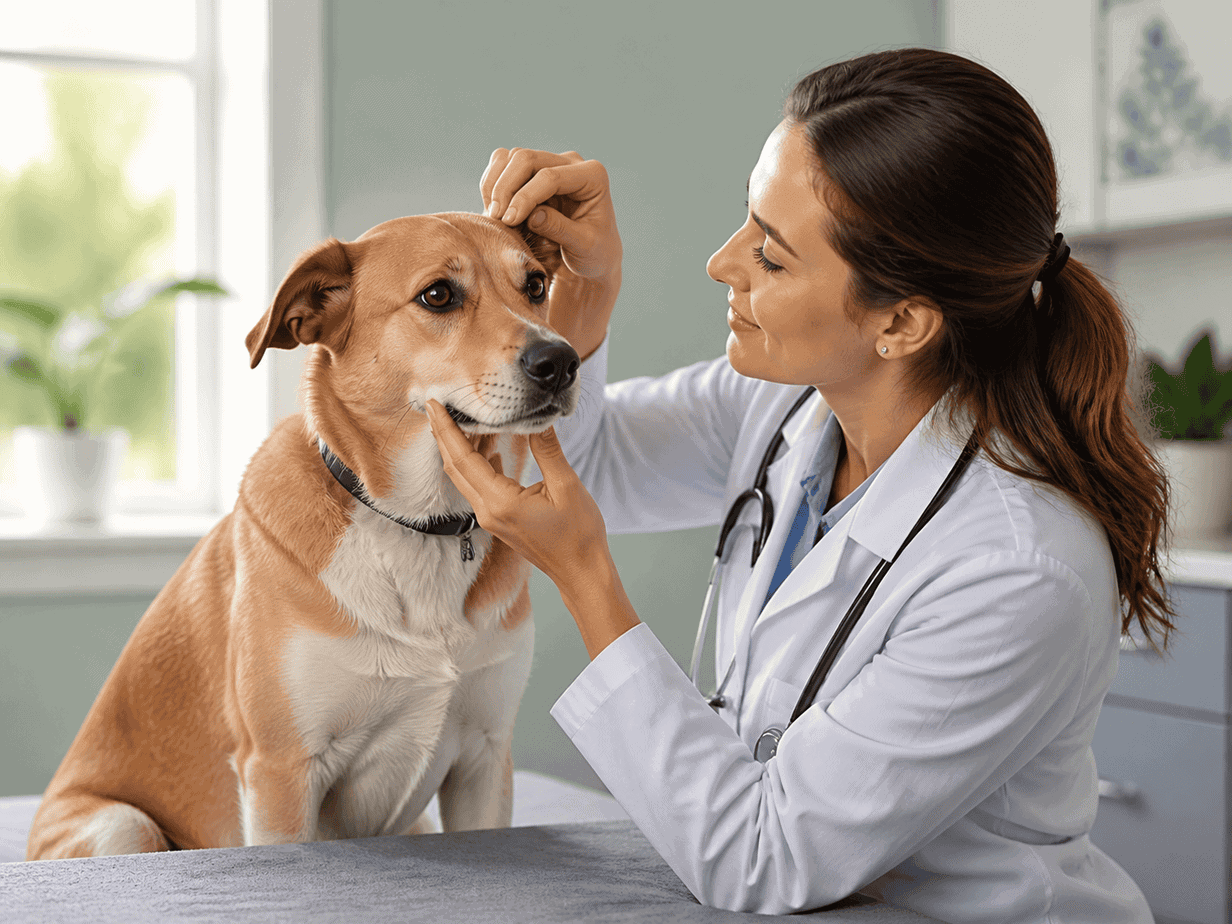
START WITH WHAT YOU CAN SEE
Small changes can provide useful clues.
Eyes and ears are delicate. Discharge, odor, redness, swelling, squinting, head shaking, or repeated rubbing can help your veterinarian narrow the possibilities, but these signs rarely identify the cause by themselves.
Observe both sides
Note whether one or both eyes or ears are affected and when the change first appeared.
Keep care gentle
Avoid putting human drops, oils, or cleaners into a painful eye or ear unless your veterinarian has directed you.
Record the pattern
Track discharge, odor, color, comfort, seasonal changes, and any recurring skin or allergy signs.
EYE HEALTH AND EVERYDAY CARE
Protect comfort and vision with careful decisions.
Start with the complete eye-health guide, then use these focused resources to understand cleaning, common products, and questions to bring to your veterinarian.

Integrative Dog Eye Health
Build a practical routine for daily observation, gentle care, nutrition, and warning signs.

Can You Use Human Eye Drops on Dogs?
Learn why the ingredient, diagnosis, and condition of the eye matter before any drop is used.
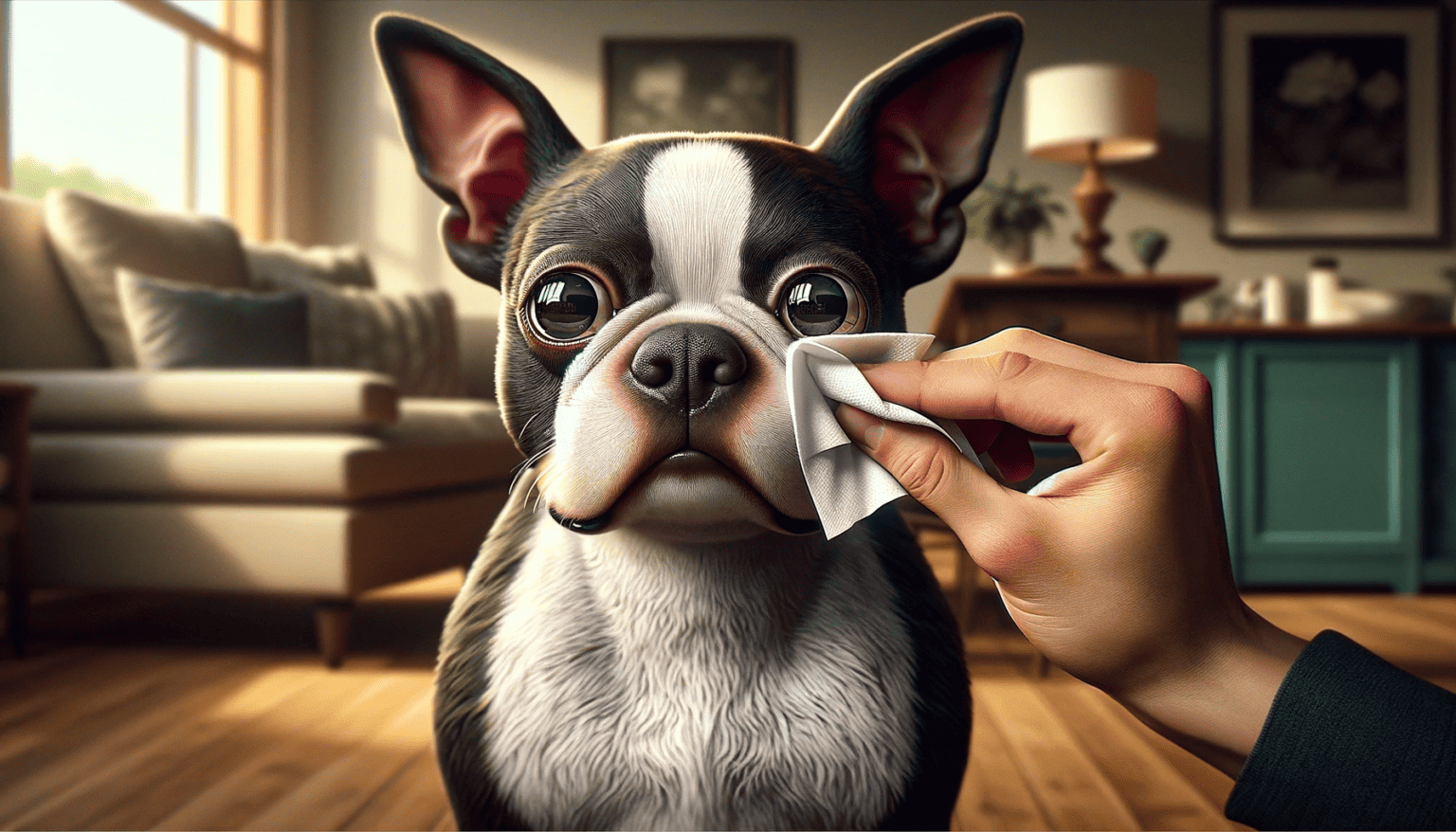
Eye Wipes for Dogs
Compare cleaning options and learn how to use wipes around the eye without touching the eye itself.

Can You Use Saline Solution on Dogs?
Understand when plain sterile saline may be discussed and why homemade or medicated products differ.
COMMON VETERINARY EYE TESTS
Simple tests can answer different questions.
A veterinary eye examination may include tests that measure tear production or reveal damage to the surface of the eye.
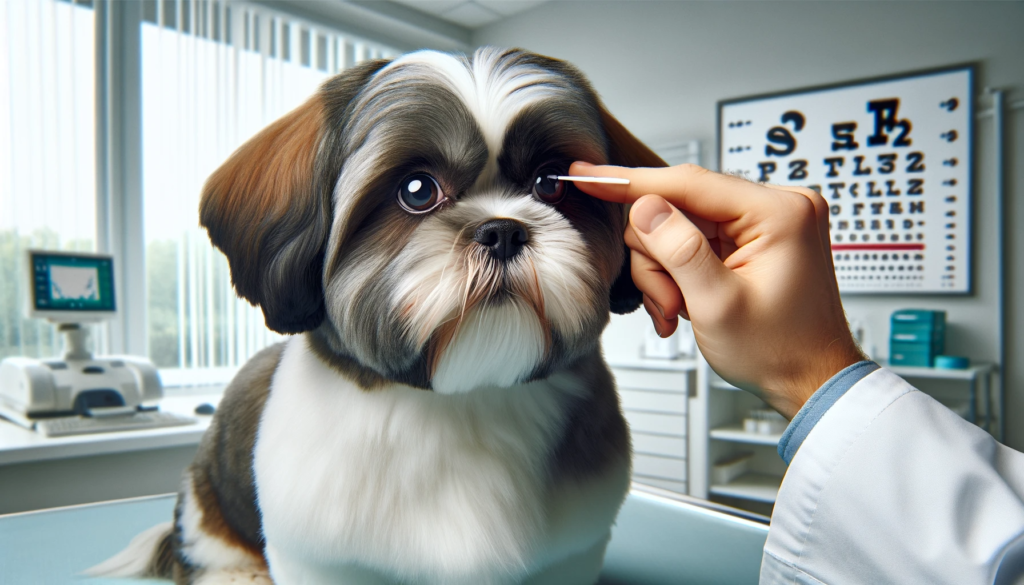
Schirmer Tear Test for Dogs
Learn how veterinarians measure tear production and what the result may help explain.
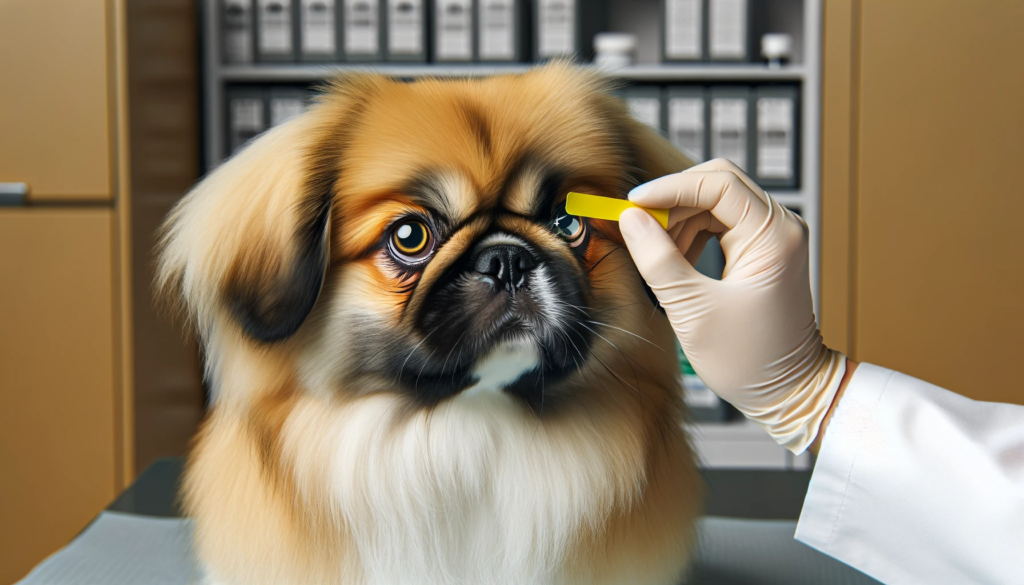
Fluorescein Stain Test for Dogs
See how a temporary dye can help identify corneal injury and evaluate tear drainage.
EAR HEALTH AND CLEANING
Odor, debris, and itching deserve context.
Healthy ears vary by dog. These guides explain safer cleaning, common signs of irritation, and what to know when ear mites are suspected.
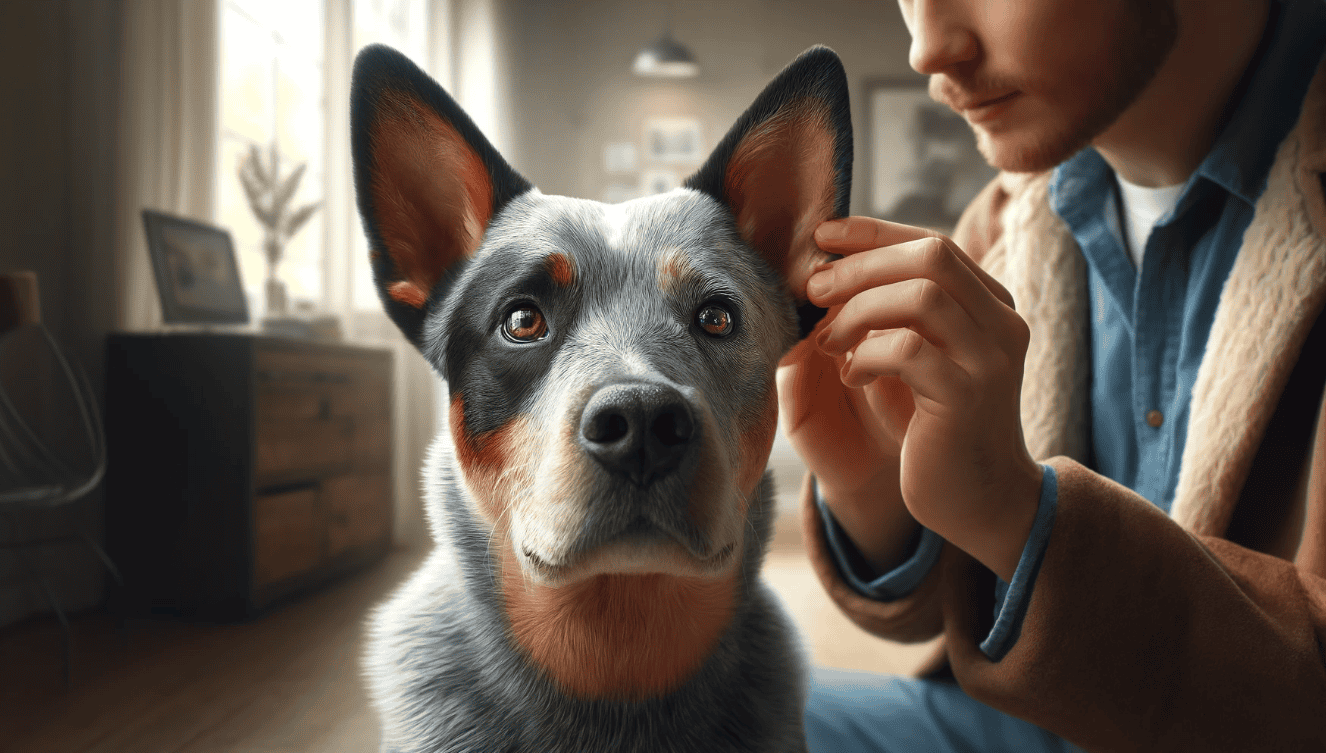
Dealing With Dog Ear Odor
Review common explanations for a new smell and the signs that make an examination important.
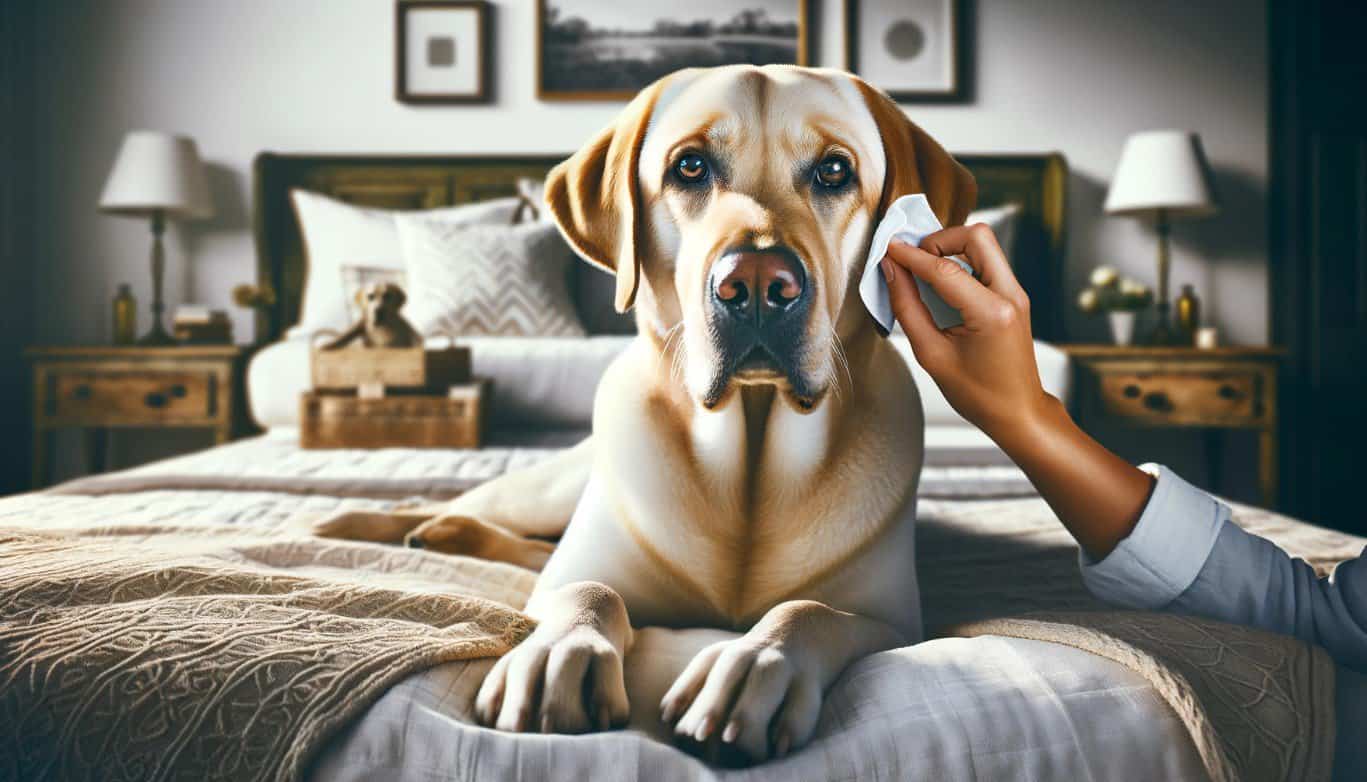
Ear Wipes for Dogs
Compare cleaning products and understand where wipes fit into routine outer-ear care.

Dog Ear Mite Symptoms and Care
Learn which signs may fit ear mites and why debris alone cannot confirm the diagnosis.
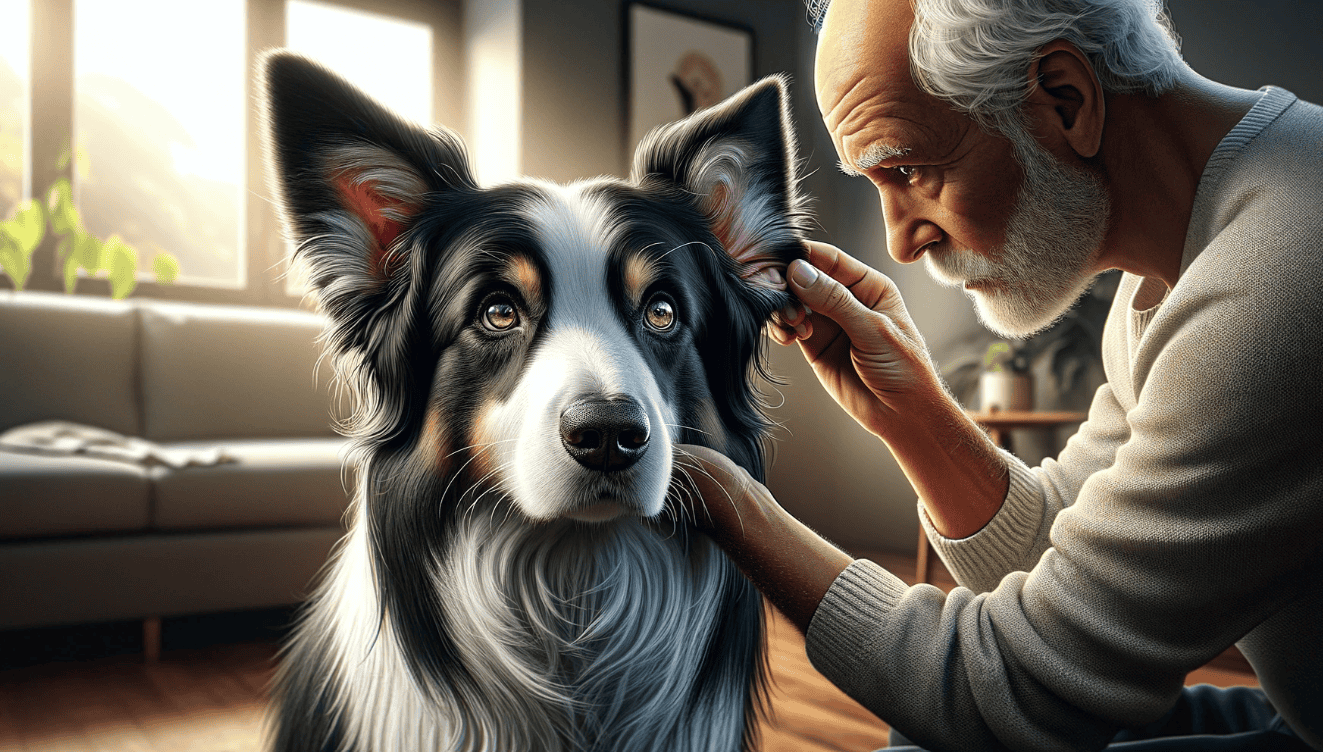
Treating Dog Ear Mites
Understand treatment goals, household considerations, and the importance of confirming the cause.
PREPARE FOR THE APPOINTMENT
Bring a clear history, not just a symptom.
Good notes can make an eye or ear visit more useful and help your veterinarian understand whether the concern is new, recurring, or connected to a broader pattern.
Take clear photos
Photograph visible discharge, swelling, redness, or debris before cleaning when it is safe to do so.
List every product
Include cleaners, wipes, drops, ointments, shampoos, and allergy medications.
Track behavior
Note rubbing, squinting, head shaking, balance changes, sleep disruption, or sensitivity to touch.
Ask about follow-up
Confirm how to use each product, what improvement should look like, and when a recheck is needed.
COMMON QUESTIONS
Dog eye and ear health FAQs
When is an eye problem urgent?
Prompt veterinary care is important for sudden squinting, severe pain, a cloudy or blue appearance, trauma, marked swelling, vision changes, or an eye that cannot open normally.
Can I clean inside my dog’s ear with a cotton swab?
Avoid placing cotton swabs deep in the ear canal. Ask your veterinarian to demonstrate an appropriate cleaner and technique for your dog’s ears.
Does dark ear debris always mean ear mites?
No. Yeast, bacteria, inflammation, wax, and other problems can look similar. An examination and ear sample may be needed to identify the cause.
Can I use leftover eye or ear medicine?
Do not reuse medication without veterinary guidance. The wrong product can delay care, and some ear products may be unsafe when the eardrum is damaged.
Can allergies affect both the eyes and ears?
Allergies can contribute to recurring eye or ear signs, but infection, injury, parasites, and other conditions can cause similar changes. A recurring pattern deserves veterinary assessment.
Keep exploring dog health guidance.
Return to the Dog Health & Symptoms hub for digestive health, skin and paw concerns, and other practical symptom guides.
Explore Dog Health & Symptoms