The Short Answer
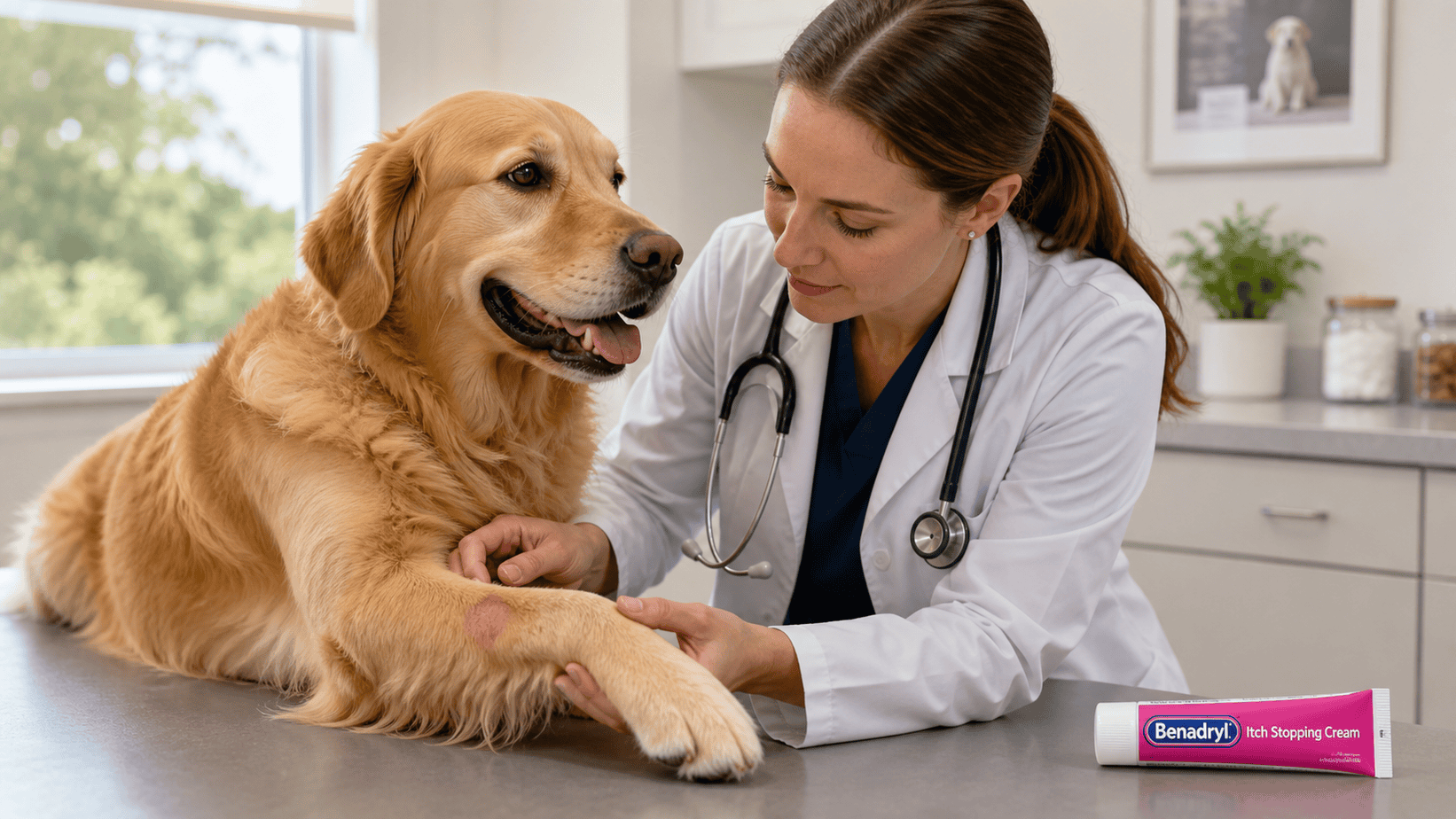
Yes, sometimes, but I would use Benadryl cream on a dog only in a narrow situation. The spot should be very small, the skin should be intact, the product should have no extra active drugs, and you must be able to prevent licking. I would not put it on raw, oozing, infected, or widespread skin. Keep it away from the eyes, mouth, genitals, and deep ear canal.
If your dog is very uncomfortable, has facial swelling, is having trouble breathing, or is scratching over a large area, skip the cream and get veterinary help. A cream may quiet a symptom for a short time, but it cannot tell us why the itch started.
What Is in Benadryl Cream?
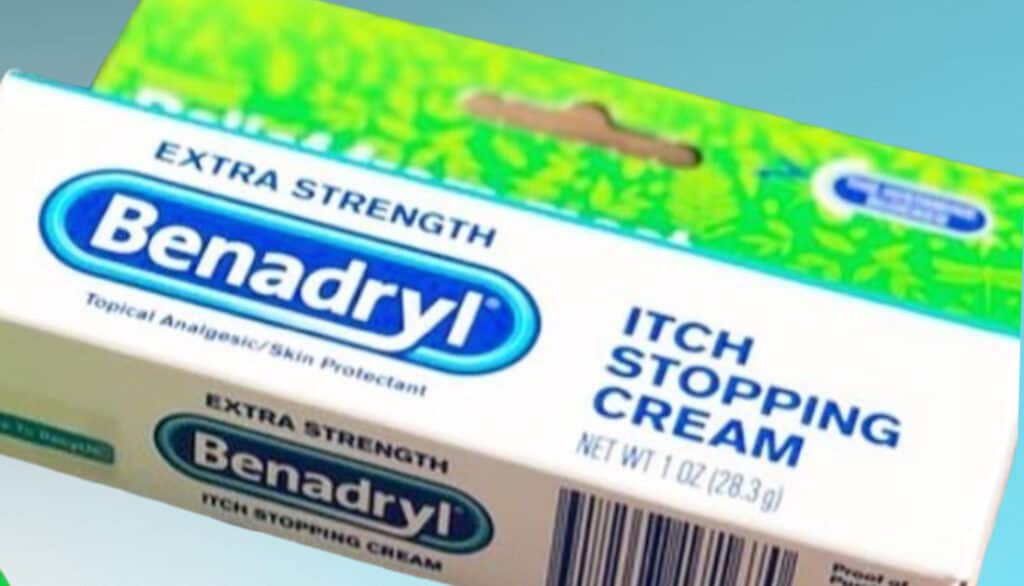
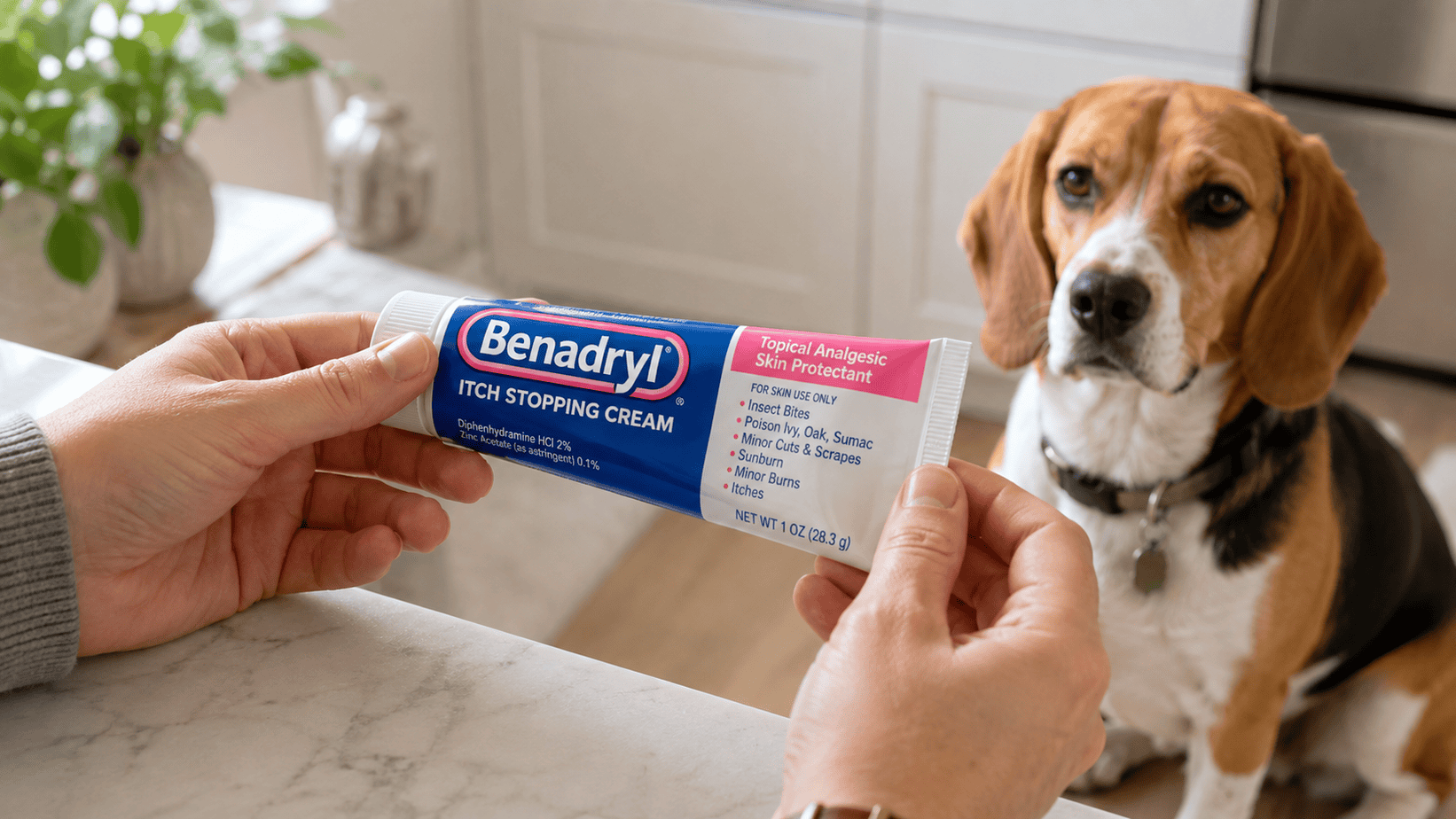
Benadryl is a brand name used on several products, so do not assume every tube contains the same ingredients. A common extra-strength itch cream contains diphenhydramine hydrochloride 2% and zinc acetate 0.1%. Its human label says it is for external use only and should not be used on large areas of the body. [1]
Diphenhydramine is an antihistamine. In a topical cream, it is meant to work at the skin surface. That does not make the product automatically appropriate for a dog. Dogs lick their skin, their coats trap products, and irritated canine skin may absorb a topical product differently than healthy skin.
Check the Exact Label
Read the active-ingredient panel before the tube touches your dog. I would avoid any cream, gel, or spray that contains an additional active drug unless your veterinarian has approved that exact product.
Also check the expiration date and look at the cream itself. Do not use a product that has changed color, separated, or picked up debris. Topical and oral Benadryl are different decisions, even when both contain diphenhydramine.
When Benadryl Cream May Be Reasonable
A limited use may be reasonable for a mild, localized problem such as one small insect bite or a tiny patch of contact irritation. The skin should be closed, dry, and only mildly pink. Your dog should otherwise feel well.
Use Only on a Tiny Area of Intact Skin
If your veterinarian has said that the exact product is appropriate, apply only a very thin film to the small affected spot. Do not keep adding more because the dog is still itchy. If the spot is not improving, the next step is to find the cause, not to increase the amount or frequency on your own.
Watch the skin after application. Stop if the redness, swelling, pain, or itching becomes worse.
Prevent Licking
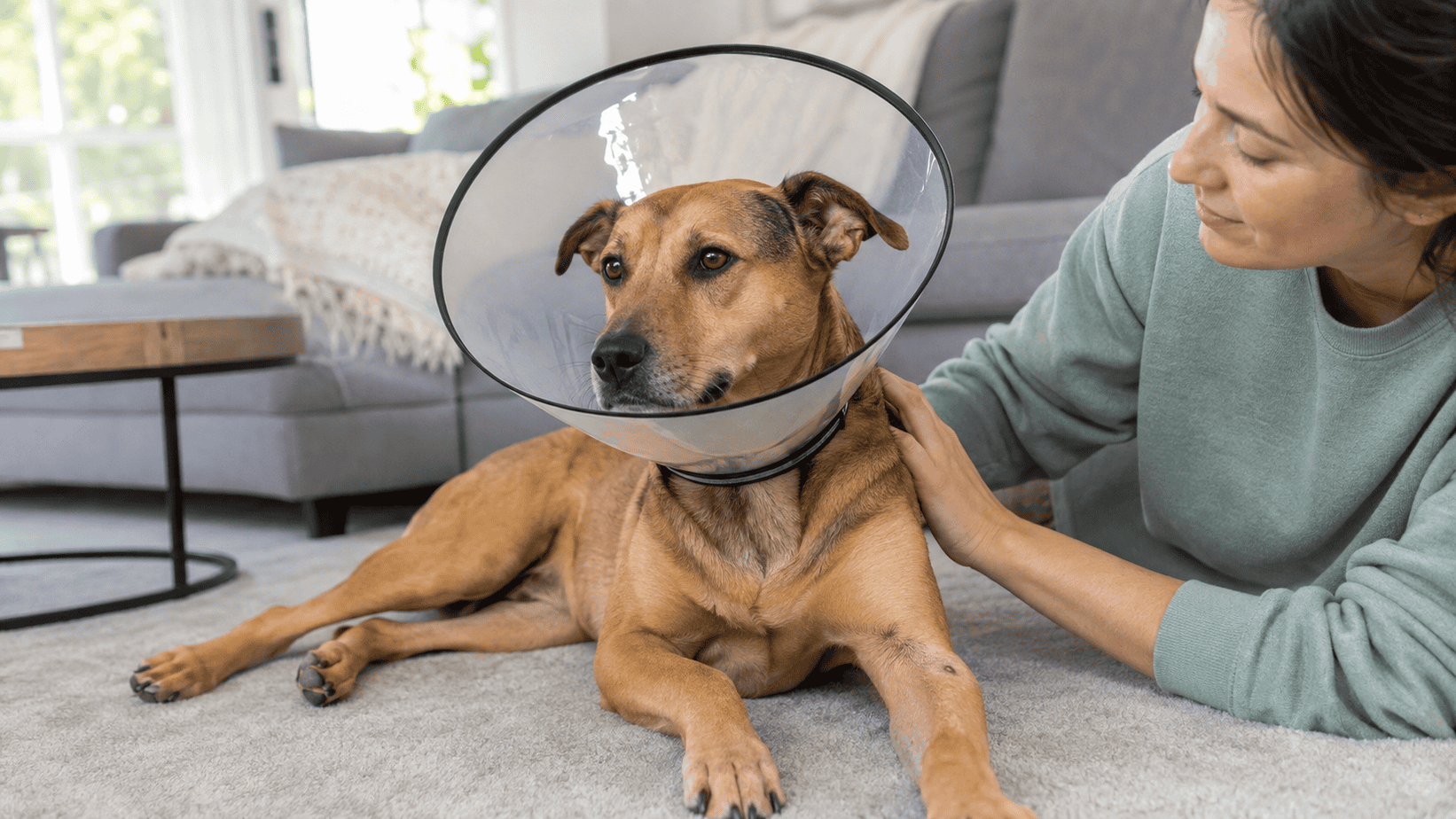
Lick prevention is essential. Stay with your dog until the cream is no longer wet, and use a properly fitted recovery collar when needed. A sock or bandage can trap moisture and may make some skin problems worse, so I do not cover an irritated area unless I know the type of lesion and how the covering will be managed.
When Not to Use Benadryl Cream
- The skin is broken, bleeding, oozing, crusted, infected, hot, or very painful.
- The irritated area is large or appears in several places.
- The spot is in or near an eye, the mouth, the genitals, or deep in the ear canal.
- The label lists another active drug you have not discussed with a veterinarian.
- Your dog can reach the area and you cannot prevent licking.
- Your dog is a young puppy, is pregnant or nursing, has a serious health condition, or takes other medication and you have not asked your veterinarian.
- The itching comes with facial swelling, widespread hives, weakness, collapse, or any change in breathing.
A moist, inflamed hot spot is not a good place for a human antihistamine cream. Hot spots often need clipping, cleaning, infection control, and treatment for the trigger. Sealing a cream under fur can make the area harder to evaluate.
What to Do If Your Dog Licks It
First, take the tube away and prevent more licking. Keep the package so you can report the active ingredients, product strength, and tube size. Note when the licking happened and estimate how much product is missing.
Diphenhydramine exposure can cause sleepiness, but an excessive amount may also cause agitation, vomiting, a fast heartbeat, tremors, or seizures. [2] The risk depends on your dog’s weight, the amount swallowed, and every ingredient in the product.
If your dog had more than a tiny taste, the amount is unknown, the product contains several active ingredients, or your dog has any unusual sign, call your veterinarian or ASPCA Animal Poison Control at (888) 426-4435. The service is available 24 hours a day, and a fee may apply. [3] Do not induce vomiting or give another medication unless a veterinary professional tells you to do so.

Why Is Your Dog Itchy?
Itching is a sign, not a diagnosis. Parasites, infections, and allergies are among the most common causes in dogs. [4] I also think about insect bites, contact irritation, mites, dry or damaged skin, a wound, and pain that makes a dog lick one spot.
Treat the Cause, Not Just the Itch
Location and timing offer useful clues. Itching at the tail base can point toward fleas. Repeated paw licking may occur with allergy, infection, or contact irritation. An itchy ear may involve yeast, bacteria, mites, or a foreign object. Hair loss, odor, greasy skin, crusts, or discharge make infection more likely.
A topical cream will not remove fleas, clear an ear canal, treat mites, or correct a food or environmental trigger. If the itch returns, spreads, or lasts more than a day or two, an examination can save your dog a lot of discomfort.
Gentler Options for Itchy Skin
For one mild spot on intact skin, I usually begin with simple comfort and a clean surface. A cool compress for five to ten minutes can calm the area without adding another ingredient. A gentle cool-water rinse also helps when pollen, dust, or another contact irritant may be sitting on the coat.

Start With Simple Skin Support
An oatmeal bath can be soothing when the itch is mild and widespread but the skin is not infected or broken. Choose a fragrance-free dog product, rinse well, and pat the coat dry. Heavy rubbing can make inflamed skin angrier.
Some popular home options need more care:
- hydrocortisone cream may help certain small inflammatory spots, but the strength, other ingredients, and diagnosis matter. Use it only with veterinary guidance and prevent licking.
- calamine lotion can contain ingredients that are not meant to be swallowed. I do not use it on a dog without checking the exact label.
- Aloe vera gel should be a dog-appropriate purified product, not gel scraped from an aloe plant. Keep it away from the mouth and stop if it stings or reddens the skin.
- Coconut oil may feel soothing on a tiny dry patch, but it is greasy and encourages some dogs to lick. It is not a treatment for infection or allergy.
- Apple cider vinegar can sting damaged skin. Never apply it to a raw hot spot, wound, or inflamed ear.
- Chamomile tea is sometimes used as a cooled skin compress. A systematic review found promising laboratory and early topical evidence for chamomile and several other medicinal plants in canine dermatology, but it also found that stronger clinical research is needed. [5]
Natural does not mean harmless, and a pleasant-smelling product is not always gentle. When I use holistic support, I match it to the skin in front of me and keep the plan simple enough to notice whether it is helping.
Is Oral Benadryl the Same?
No. A topical cream and an oral antihistamine are not interchangeable. Oral diphenhydramine decisions depend on your dog’s weight, age, health, other medications, and the exact product. Some combination products contain ingredients that can be dangerous for dogs.
Do not calculate an oral dose from a cream label, and do not give oral Benadryl simply because a topical product did not help. Ask your veterinarian whether an antihistamine fits the type of itch your dog has.

When to Call Your Veterinarian
Arrange veterinary care when the skin is painful, moist, smelly, bleeding, crusted, producing pus, or spreading quickly. A dog who cannot sleep, keeps chewing one spot, develops hair loss, or has repeated flares also deserves a closer look.
Seek urgent care for facial swelling, widespread hives, weakness, collapse, repeated vomiting, tremors, seizures, or any breathing change. The same applies after a meaningful or uncertain ingestion of a human skin product.
Final Thoughts
Benadryl cream can have a small role for a tiny patch of mild irritation, but it is not my default answer for unexplained itching. Check the label, use it only on intact skin when the exact product has been approved for your dog, and prevent licking.
For many minor irritations, a cool rinse, a cool compress, or a dog-appropriate oatmeal product is a gentler first step. If the itch persists or the skin looks unhealthy, focus on the cause. That is where lasting relief begins.
Frequently Asked Questions
Only with care. Paw skin is easy to lick, and redness between the toes often comes from allergy, infection, a foreign object, or contact irritation. I would not use the cream on cracked pads, raw webbing, or an area your dog keeps chewing. A cool rinse and a veterinary check are safer when the problem is more than one tiny intact spot.
No, not on a moist, raw hot spot. These lesions can spread quickly and may need the fur clipped, the skin cleaned, and infection or allergy treated. A human cream can trap moisture and will not fix the trigger.
Remove the product, keep the package, and estimate how much is missing. Call your veterinarian or ASPCA Animal Poison Control if it was more than a tiny taste, the amount is unknown, there are extra active ingredients, or your dog is acting unusual. Do not make your dog vomit unless a veterinary professional directs you.
For mild irritation on intact skin, start with a cool compress, a cool-water rinse, or a fragrance-free dog oatmeal product. Avoid mixing several remedies. If there is odor, discharge, broken skin, hair loss, severe discomfort, or repeated itching, have your veterinarian identify the cause before applying more products.
References
- DailyMed. (2026, January 14). Diphenhydramine hydrochloride, zinc acetate cream. U.S. National Library of Medicine. https://dailymed.nlm.nih.gov/dailymed/drugInfo.cfm?setid=6d7a7615-9ae7-4c55-8a84-dba746f535d7
- Merck Veterinary Manual. (n.d.). Toxicoses in animals from human cold and allergy medications. https://www.merckvetmanual.com/toxicology/toxicoses-from-human-cold-and-allergy-medications/toxicoses-in-animals-from-human-cold-and-allergy-medications
- American Society for the Prevention of Cruelty to Animals. (n.d.). ASPCA Poison Control. https://www.aspca.org/pet-care/aspca-poison-control
- Merck Veterinary Manual. (n.d.). Itching (pruritus) in dogs. https://www.merckvetmanual.com/dog-owners/skin-disorders-of-dogs/itching-pruritus-in-dogs
- Tresch, M., Mevissen, M., Ayrle, H., Melzig, M., Roosje, P., & Walkenhorst, M. (2019). Medicinal plants as therapeutic options for topical treatment in canine dermatology? A systematic review. BMC Veterinary Research, 15, 174. https://doi.org/10.1186/s12917-019-1854-4
A note about your dog’s health
This article provides general education and does not replace an examination, diagnosis, or individualized advice from your veterinarian. Contact a veterinary professional if you are concerned about your dog’s symptoms.

ABOUT THE AUTHOR