Category: Breed Guides

  • The Adorable Minature Piebald Dachshund: A Guide to this Lovable Breed

    The Adorable Minature Piebald Dachshund: A Guide to this Lovable Breed

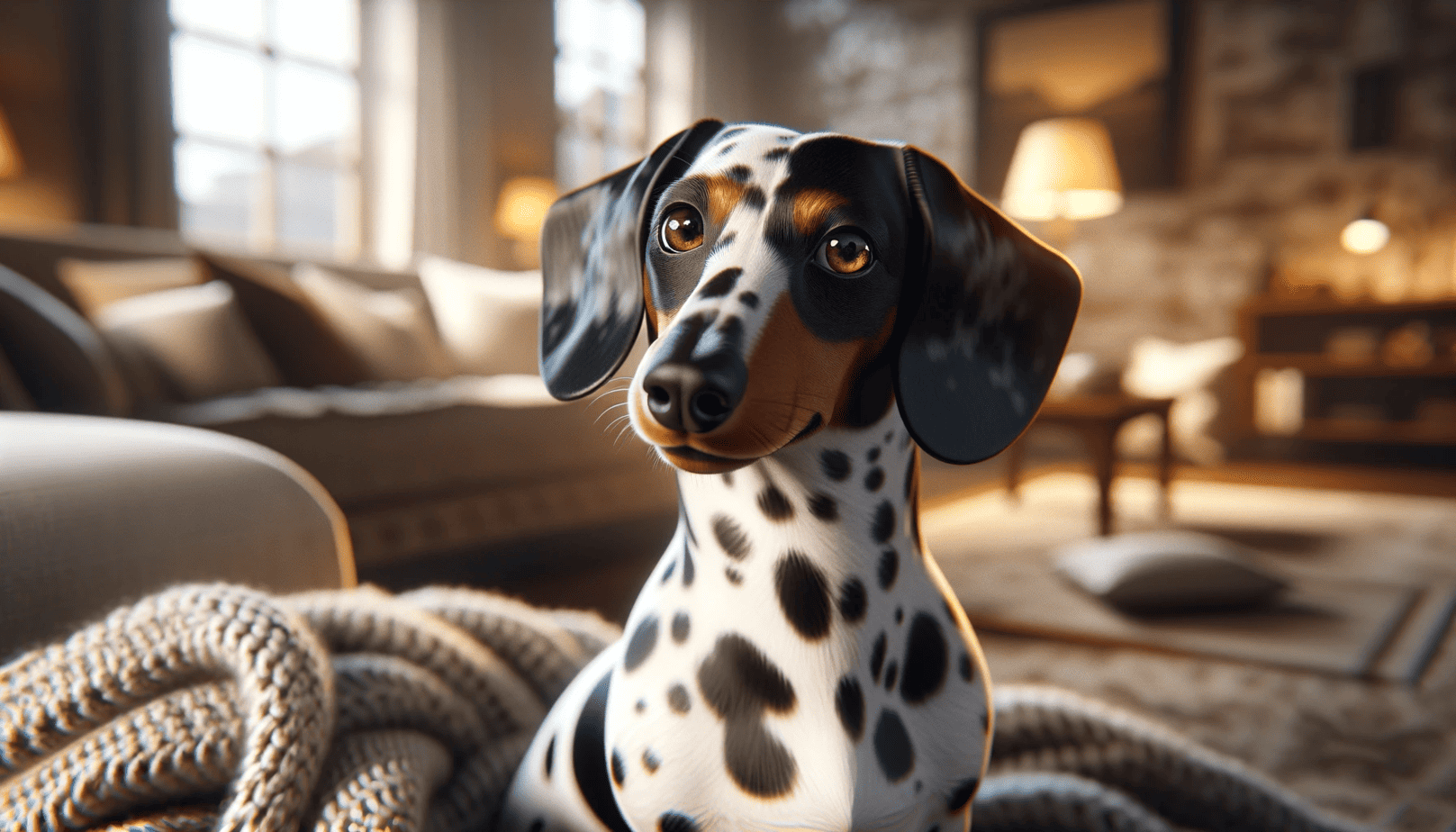
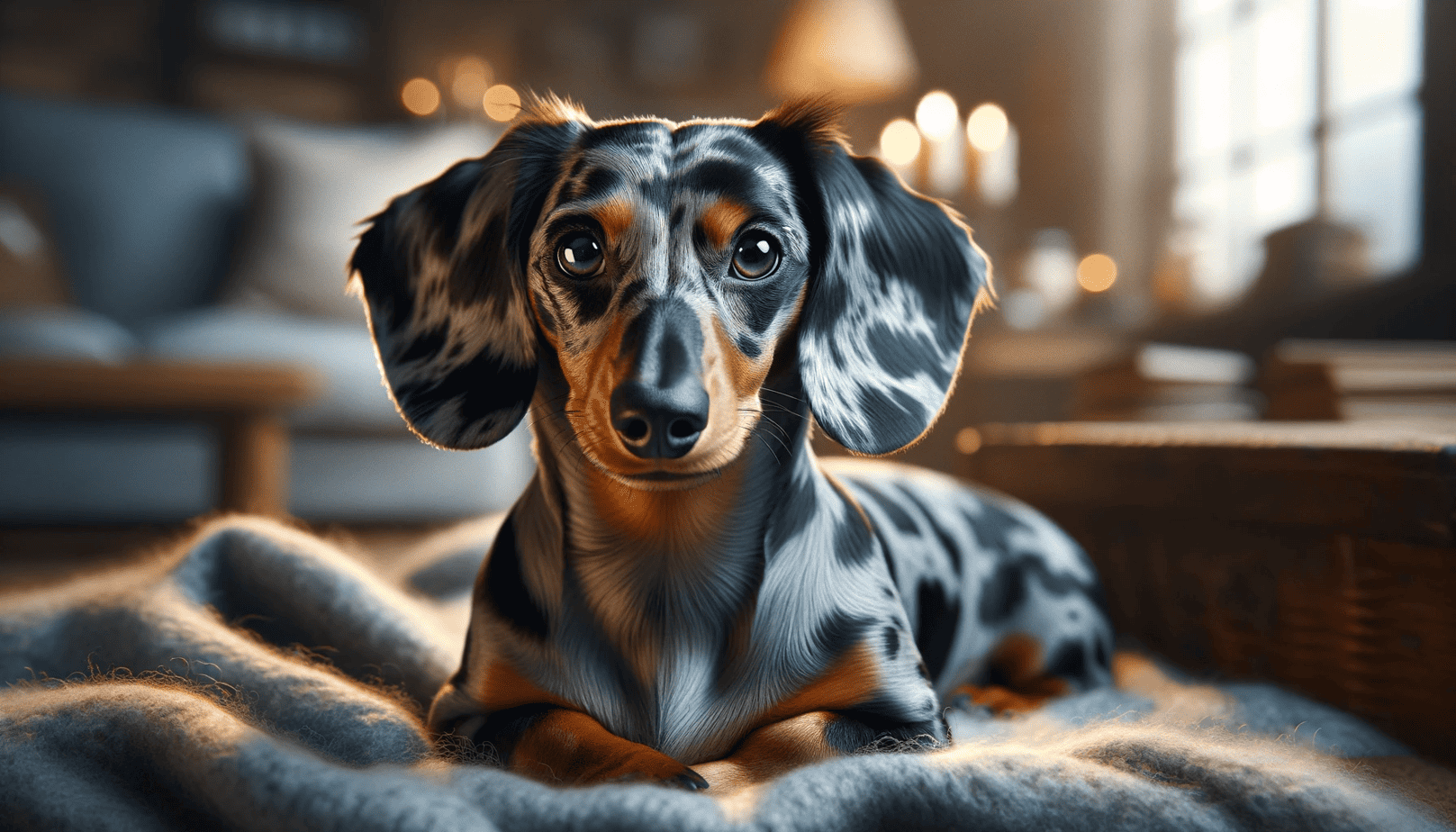
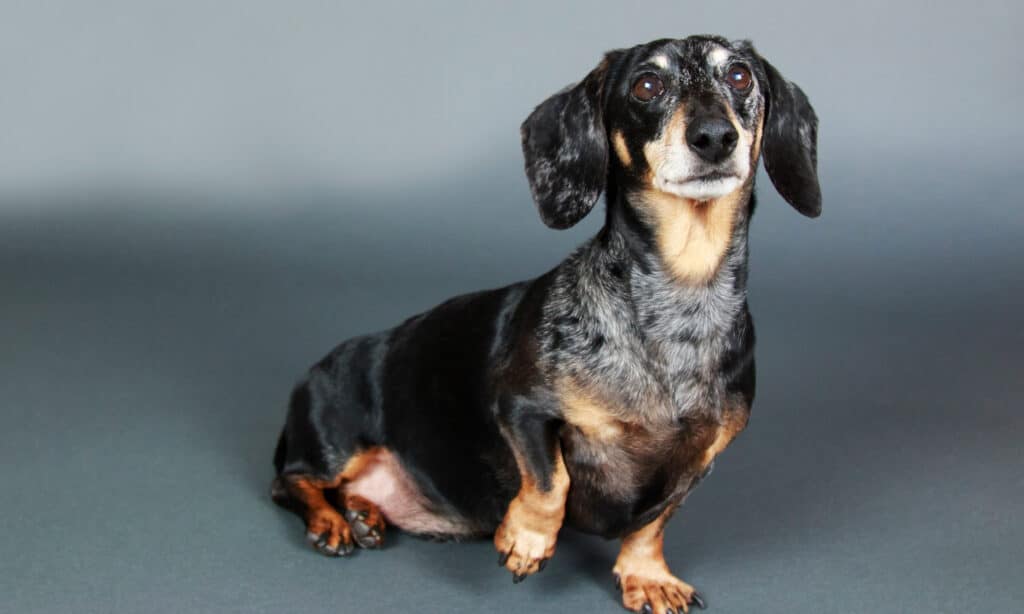
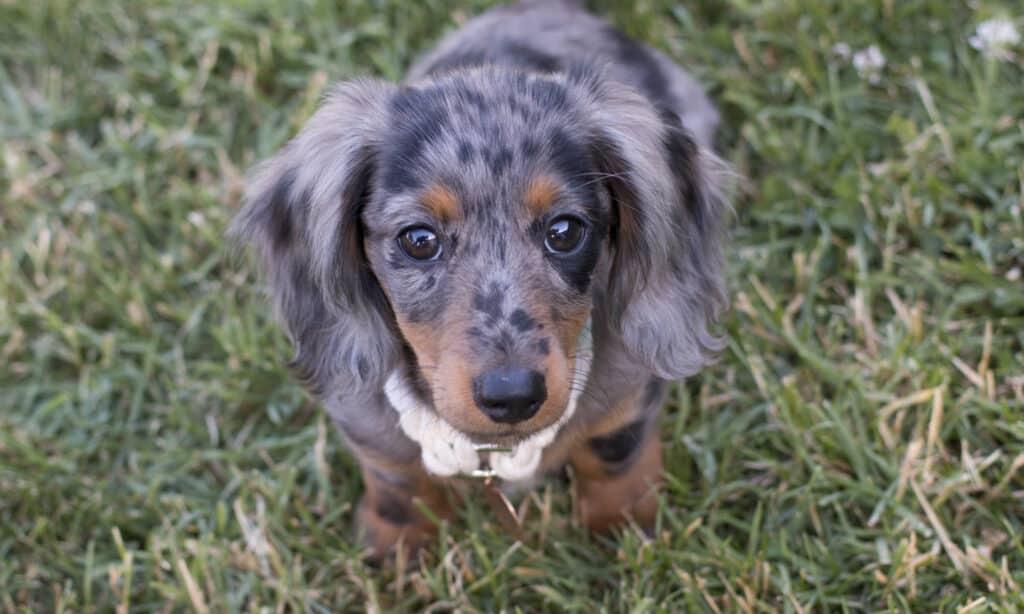
    Welcome to the wonderful world of the Miniature Piebald Dachshund! If you’re in search of a devoted and affectionate four-legged friend, this breed might be perfect for you. Miniature Piebald Dachshunds have the same charming coat patterns as their standard-sized counterparts, but they come in a smaller package.
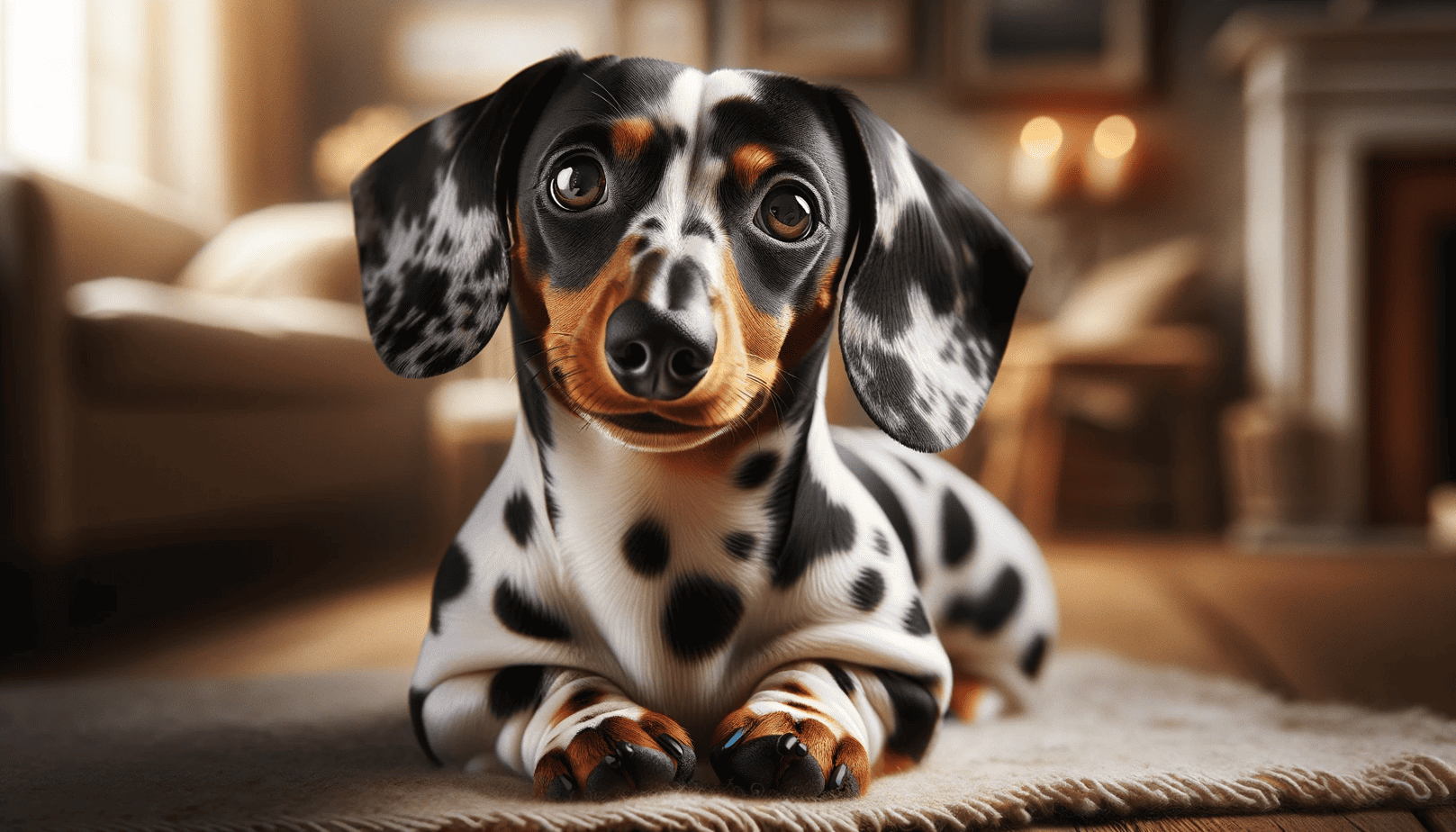
    miniature piebald dachshund

    These delightful pooches are a variation of the standard Dachshund breed, renowned for their short legs and elongated sausage-shaped body. Miniature Piebald Dachshunds have a unique coat pattern characterized by white patches scattered across their body, along with darker colors like black, brown, or tan. This gives them a striking and unique appearance that catches the eye.

    However, Miniature Piebald Dachshunds are not just a pretty face. They are known for their playful and affectionate temperament, which makes them excellent family pets. They are typically friendly towards children and other animals, making them an ideal addition to any household.

    In this breed guide, we’ll explore everything you need to know about Miniature Piebald Dachshunds, from their origins and characteristics to their health and grooming requirements. Whether you’re a first-time pet parent or an experienced dog owner, you’ll find plenty of useful information and tips here. So let’s dive into the fascinating world of Miniature Piebald Dachshunds and discover what makes them such a beloved breed!
    History of the Miniature Piebald Dachshund

    The history of Miniature Piebald Dachshunds is closely linked to the standard Dachshund breed, which originated in Germany during the 16th century. These dogs were initially bred for hunting badgers and other burrowing animals, thanks to their long, low-slung bodies that allowed them to navigate narrow tunnels with ease.

    Miniature Piebald Dachshunds are a variation of the standard Dachshund breed, and their unique coat pattern is the result of a recessive gene. This gene causes patches of white to appear on their coat, which contrasts sharply with the darker colors that typically dominate the breed’s coat. While Miniature Piebald Dachshunds have been around for centuries, they were not recognized as a distinct variety until the mid-20th century.

    Despite their relatively recent recognition, Miniature Piebald Dachshunds have become increasingly popular in recent years. Their charming personalities and unique coat patterns have captured the hearts of dog lovers around the world. However, it is worth noting that a Miniature Piebald Dachshund’s coat pattern is not a guarantee of their overall health or temperament, and prospective owners should always do their research before adopting any dog breed.

    Miniature Piebald Dachshund Coat and Coloration

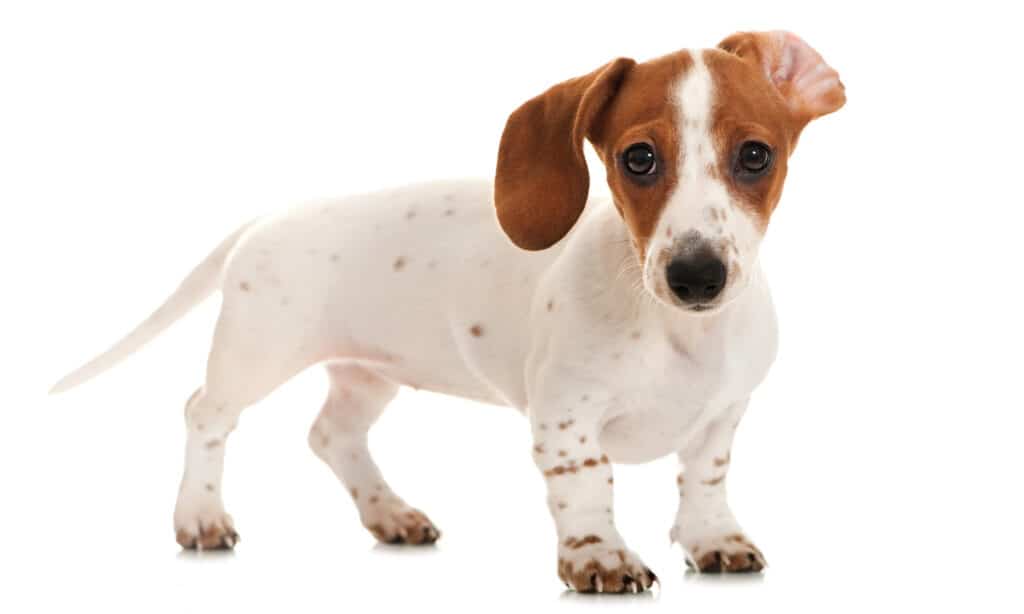
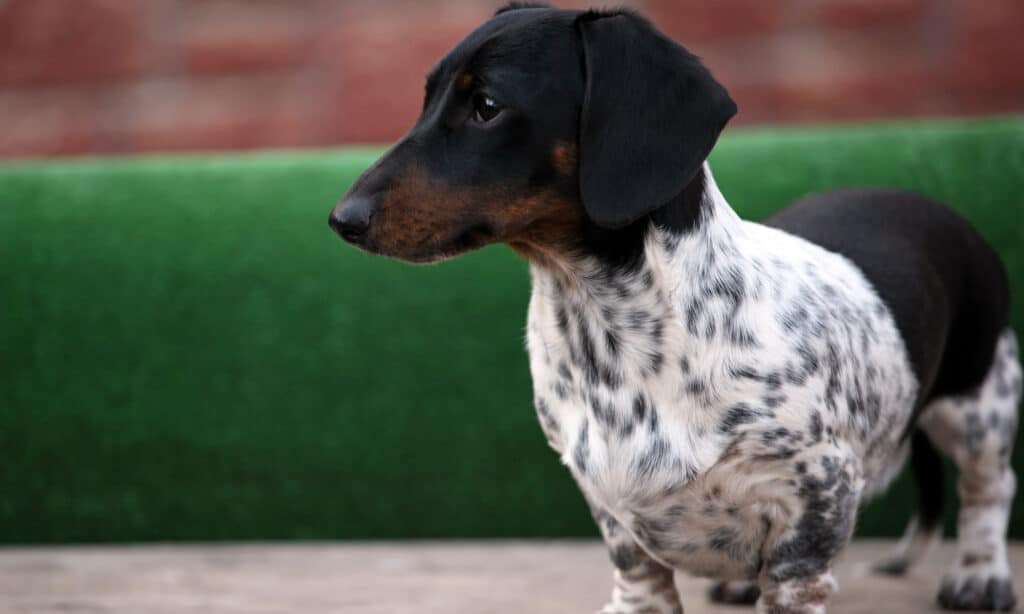
    Miniature Piebald Dachshunds are known for their striking coat pattern, which features patches of white mixed with darker colors like black, brown, or tan. The patches can vary in size and shape and are distributed irregularly over the dog’s body.

    There are two main varieties of Miniature Piebald Dachshunds: single piebald and double piebald. A single piebald has a mostly white coat with patches of color, while a double piebald has a predominantly colored coat with white patches. Double piebalds are less common than single piebalds, as they require two copies of the recessive piebald gene.

    Miniature Piebald Dachshunds can have a smooth, longhaired, or wirehaired coat texture, depending on their specific variety. Smooth-coated Miniature Piebald Dachshunds have a short and glossy coat, while longhaired Miniature Piebald Dachshunds have a soft and flowing coat. Wirehaired Miniature Piebald Dachshunds have a dense, harsh coat with a wiry texture.

    It’s important to note that while Miniature Piebald Dachshunds have a unique coat pattern, their coloration does not affect their health or temperament. However, maintaining their coat with regular grooming is essential, as Miniature Piebald Dachshunds can be prone to skin issues due to their white coat patches. Regular brushing, bathing, and skin checks can help keep your Miniature Piebald Dachshund healthy and happy.

    Miniature Piebald Dachshund Temperament

    Dachshunds are known for their friendly and affectionate temperament, which makes them great family pets. They typically enjoy the company of their human family and other pets, but like any breed, individual temperaments can vary.

    These dogs are intelligent and curious, which can sometimes come across as stubbornness. They are independent thinkers who may require patience and persistence during training. Positive reinforcement techniques, such as reward-based training, can help motivate and encourage your Miniature Piebald Dachshund to learn.

    Despite their small size, Miniature Dachshunds have a big personality and are often described as courageous and tenacious. This stems from their history as hunting dogs who would fearlessly track and pursue prey. However, this hunting instinct can sometimes result in chasing small animals or digging, so it’s important to supervise them when outdoors.

    Miniature Piebald Dachshunds thrive on attention and love to be involved in family activities. They can be playful and energetic but also enjoy relaxing with their human family members. They tend to be good with children, although supervision is always recommended, especially with younger children who may not understand how to handle a small dog.
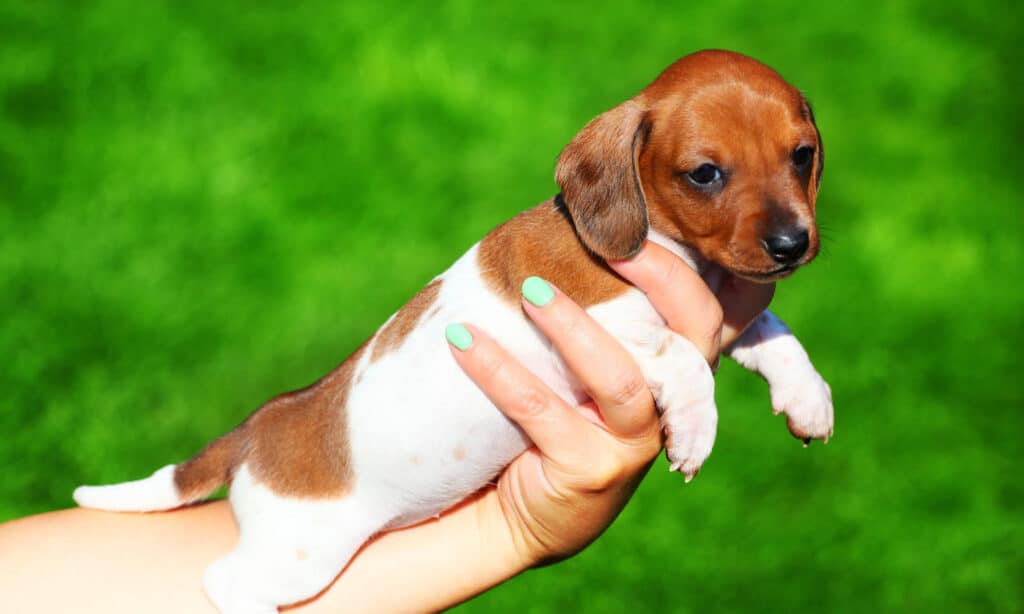
    Should You Choose To Rescue or Purchase a Miniature Piebald Dachsund? 

    Deciding whether to buy or rescue a Miniature Piebald Dachshund is a personal choice that depends on your preferences and circumstances. Here are some factors to consider:

    Buying a Miniature Piebald Dachshund from a reputable breeder can give you more control over the dog’s background, including their health, temperament, and lineage. A reputable breeder will be able to provide health clearances for the parents and offer support and guidance throughout the dog’s life. However, buying from a breeder can be more expensive than adopting from a rescue.

    Rescuing a Miniature Piebald Dachshund from a shelter or rescue organization can be a rewarding experience, as you are providing a second chance at a loving home for a dog in need. Many rescue dogs have already been socialized and trained to some extent, which can make the transition to your home smoother. 

    However, rescue dogs may come with unknown health or behavioral issues, and their history may be limited.

    If you decide to buy a Dachshund from a breeder, it’s essential to do your research and choose a reputable breeder who prioritizes the health and well-being of their dogs. Look for breeders who conduct health screenings on their breeding dogs, provide proper socialization and training for their puppies, and offer support and guidance to their clients.

    If you decide to rescue a Dachshund, consider working with a reputable rescue organization that has a thorough adoption process. This should include a screening process to ensure that the dog is a good fit for your lifestyle and home environment.

    Ultimately, whether you choose to buy or rescue a Miniature Piebald Dachshund, the most important thing is to provide a loving and safe home for your new furry friend.

    What Should You Look For if Purchasing a Miniature Piebald Dachshund? 

    If you’re interested in purchasing a Miniature Piebald Dachshund, it’s important to find a reputable breeder who prioritizes the health and well-being of their dogs. Here are some key things to look for when searching for a breeder:

    • Health Testing: Reputable breeders will conduct health testing on their dogs to ensure that they are free from genetic health issues that are common in Dachshunds, such as hip dysplasia, patellar luxation, and intervertebral disc disease.
    • Temperament: Look for a breeder who prioritizes temperament in their breeding program. A well-bred Miniature Piebald Dachshund should have a friendly and outgoing personality.
    • Breeder’s Reputation: Check the breeder’s reputation in the Miniature Piebald Dachshund community. Ask for references from other dog owners who have purchased from the breeder, and research online reviews and testimonials.
    • AKC Registration: Ensure that the breeder is registered with the American Kennel Club (AKC) and that the puppies have AKC registration papers. This ensures that the puppies are purebred and meet certain standards for health and temperament.
    • Puppy Health Guarantee: A reputable breeder should provide a health guarantee for their puppies. This can include a promise to replace or refund the cost of the puppy if it develops a genetic health issue within a certain timeframe.
    • Puppy Socialization: Look for a breeder who prioritizes socialization in their puppies. Puppies should be exposed to different people, environments, and other dogs to help prevent anxiety and aggression issues.

    By taking the time to find a reputable breeder, you can increase your chances of finding a healthy and happy Miniature Piebald Dachshund to bring into your family. Remember to do your research and ask plenty of questions before making a decision.
    How Much Does a Miniature Piebald Dachshund Cost? 

    The cost of a Piebald Dachshund can vary depending on several factors such as age, breed lines, and location. Generally, purchasing a Miniature Piebald Dachshund from a reputable breeder can cost between $1,000 to $3,000. However, prices can go higher if you are looking for a show-quality or champion bloodline.

    Adopting a Miniature Dachshund from a rescue organization can be a more cost-effective option, with adoption fees usually ranging from $100 to $500. However, the cost may vary depending on the rescue organization and the dog’s age and health.

    It’s worth noting that the initial cost of purchasing or adopting a Miniature Piebald Dachshund is only a part of their lifetime expenses. As a responsible pet owner, you will need to budget for ongoing expenses such as food, grooming, veterinary care, and supplies. You should also be prepared for unforeseen expenses, such as emergency veterinary care.

    When considering purchasing or adopting a Miniature Piebald Dachshund, it’s essential to do your research and choose a reputable breeder or rescue organization. If you opt for purchasing from a breeder, ensure that the breeder prioritizes the health and well-being of their dogs and follows ethical breeding practices. If you decide to adopt, look for a rescue organization that has a thorough adoption process to ensure that the dog is a good fit for your home and lifestyle.

    While the cost of a Miniature Piebald Dachshund is a crucial factor to consider, it should not be the only one. It’s crucial to focus on finding a dog that fits your lifestyle and needs, brings you joy, and can be your loyal companion for many years to come.

    Are Miniature Piebald Dachshunds Healthy?

    Dachshunds, like all dog breeds, can be susceptible to certain health issues that owners should be aware of. Below are some of the potential health concerns for this breed:

    • Intervertebral Disc Disease (IVDD): This is a common issue in Dachshunds, including Piebald Dachshunds. IVDD happens when the discs between the vertebrae in the spine degenerate, causing back pain, weakness, and even paralysis. Maintaining a healthy weight and avoiding activities that put undue stress on the spine, such as jumping, can help prevent IVDD. Regular veterinary checkups can also help catch the condition early.
    • Eye Conditions: Piebald Dachshunds may be more prone to eye conditions such as progressive retinal atrophy (PRA) and cataracts. These conditions can cause vision loss and may require surgical intervention. Regular eye exams with a veterinarian can help detect these conditions early and prevent progression.
    • Skin Issues: Piebald Dachshunds may have sensitive skin, especially in the white areas of their coat. They may be more susceptible to allergies, skin infections, and sunburn. Regular grooming, including bathing and brushing, can help keep their coat and skin healthy. Sunscreen and protective clothing can also be used to prevent sunburn in sensitive areas.

    It’s essential to take steps to prevent or manage these health concerns to ensure your Miniature Piebald Dachshund stays healthy and happy. Regular veterinary checkups, a healthy diet, and exercise, as well as proper grooming, can help keep your furry friend in top shape.
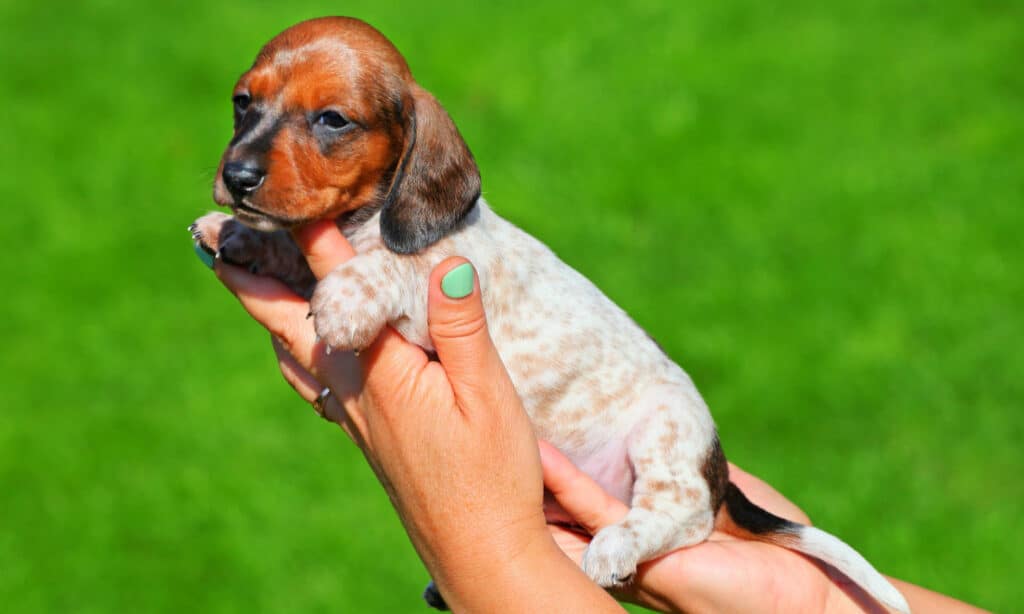
    What is the Lifespan of a Miniature Piebald Dachshund? 

    The average lifespan of a Miniature Dachshund is around 12-16 years, although individual lifespan can be influenced by several factors, including genetics, diet, exercise, and overall health.

    To ensure that your Piebald Dachshund enjoys a long and healthy life, it’s crucial to provide them with proper care and attention throughout their life. This includes regular veterinary checkups, a well-balanced and nutritious diet, adequate exercise, and socialization with both humans and other animals.

    Certain health issues, such as intervertebral disc disease, which is a common ailment in Dachshunds, can impact lifespan. However, with appropriate preventive measures and management, many of these health issues can be minimized or even prevented.

    Miniature Piebald Dachshunds are typically a robust breed, and their lifespan can be extended with proper care and attention. By creating a loving and healthy environment for your furry companion, you can help them live a happy and healthy life by your side.

    Nutrition for Miniature Piebald Dachshunds

    Proper nutrition is essential for the health and longevity of our furry friends, including miniature piebald dachshunds. Whole food nutrition has become increasingly popular among pet owners as a way to provide optimal nutrition and prevent health issues.

    Whole food nutrition involves feeding our dogs natural, unprocessed foods such as lean meats, fresh fruits, vegetables, and whole grains. This type of diet provides essential nutrients in their natural form, making them easier for our dogs to digest and absorb. It can also help prevent health issues like obesity, diabetes, and heart disease.

    When selecting dog food, it’s crucial to choose high-quality ingredients and avoid fillers, artificial preservatives, and by-products. It’s also important to select a food that is appropriate for your dog’s size, age, and activity level. Portion control is crucial to prevent overfeeding, which can lead to weight gain and other health issues.

    Whole food nutrition can provide numerous benefits for our piebald dachshunds, including improved digestion, increased energy, and a healthy weight. However, it’s important to consult with a veterinarian before making any significant changes to your dog’s diet, especially if they have any underlying health issues.

    Exercise and Physical Activity for Miniature Piebald Dachshunds

    Dachshunds require regular exercise and physical activity for optimal health and well-being. These energetic dogs enjoy activities such as walking, running, playing fetch, and swimming. However, it’s important to adjust their exercise routine to their age, size, and activity level to prevent fatigue and injury.

    Regular exercise helps prevent health issues such as obesity, diabetes, and heart disease in Piebald Dachshunds. It also promotes strong muscles and bones, improves joint health, and prevents behavioral issues caused by boredom and excess energy.

    In addition to physical exercise, mental stimulation is also crucial for the health and happiness of our furry friends. Activities such as puzzle toys, obedience training, and interactive play keep Miniature Piebald Dachshunds mentally stimulated and prevent boredom.

    It’s essential to monitor their physical and mental health regularly and make necessary adjustments to their exercise routine as they age. Older Miniature Dachshunds may require more gentle exercise, while younger ones may need more frequent activity.

    Grooming Requirements for Miniature Dachshunds

    Miniature piebald dachshunds have a short and smooth coat that requires minimal grooming. However, regular grooming is still important for their health and well-being. Brushing weekly with a soft brush removes loose hair, distributes natural oils, and maintains a healthy, shiny coat. It also helps to keep their coat free from mats and tangles. Bathing should only be done only as needed. Frequent bathing can strip their coat of its natural oils and cause dry skin.

    Regular nail trimming is also important for piebald dachshunds. Long nails can cause discomfort and even affect their gait. Ears should be checked regularly for signs of infection or irritation. Teeth should be brushed regularly to prevent dental issues.

    In addition, piebald dachshunds are more prone to skin issues in the white areas of their coat. Regular grooming can help detect and prevent skin infections and other skin issues. This includes checking their skin for bumps, rashes, and sores.

    Are Piebald Miniature Longhaired Hard to Train? 

    Miniature Piebald Dachshunds are intelligent dogs that can be trained with patience, consistency, and positive reinforcement techniques. However, like all dogs, some individuals may be more challenging to train than others.

    Dachshunds, including Piebald Dachshunds, can be independent and stubborn, making training more difficult. To motivate your furry friend, positive reinforcement techniques, such as treats, praise, and play, should be used to make training a positive experience. Consistency and repetition are also important for success.

    It is recommended to start training at a young age to prevent behavior issues from developing. Obedience training can help reinforce good behaviors and provide mental stimulation for your dog. Socialization is also vital for Piebald Dachshunds to prevent anxiety and aggression towards other dogs and people.

    Remember that training is a lifelong process, and ongoing training and reinforcement can prevent behavior issues from developing. Seeking the help of a professional dog trainer or behaviorist can also be beneficial if you are struggling with training your Piebald Dachshund.

    Most Common Behavior Issues of Miniature Piebald Dachshunds

    Miniature Piebald Dachshunds, like all dogs, can develop certain behavior issues that require attention and management. Here are some of the most common behavior issues that Miniature Piebald Dachshunds may experience:

    • Separation Anxiety: Miniature Piebald Dachshunds can experience anxiety when left alone, leading to destructive behavior, excessive barking, and other issues. Gradual desensitization and counterconditioning techniques can help alleviate separation anxiety.
    • Aggression: Miniature Piebald Dachshunds can be protective of their owners and may exhibit aggressive behavior towards strangers or other dogs. Early socialization and training can help prevent aggression from developing.
    • Excessive Barking: Miniature Piebald Dachshunds can be vocal and may bark excessively, particularly when bored or anxious. Consistent training and providing mental stimulation can help reduce excessive barking.
    • Digging: Miniature Piebald Dachshunds are bred to hunt and may enjoy digging. However, excessive digging can damage lawns and gardens. Providing an appropriate digging area and discouraging digging in unwanted areas can help prevent this behavior.
    • Resource Guarding: Miniature Piebald Dachshunds may exhibit resource guarding behavior, such as growling or snapping when someone approaches their food or toys. Positive reinforcement training can help manage this behavior and teach them to share.

    If you are experiencing behavior issues with your Miniature Piebald Dachshund, seeking the help of a professional dog trainer or behaviorist can be beneficial. With proper training and management, most behavior issues can be resolved or managed successfully.

    Training Tips for Miniature Piebald Dachshunds

    Training your miniature piebald dachshund can be a rewarding experience, but it can also be challenging. Here are some tips to help you train your furry friend successfully:

    • Use Positive Reinforcement: Piebald dachshunds respond well to positive reinforcement techniques such as treats, praise, and play. These can help motivate them and make training a positive experience.
    • Be Consistent: Consistency is key when it comes to training your miniature piebald dachshund. Use the same commands and reward system every time you train and be patient and persistent.
    • Start Early: Starting training at a young age can help prevent behavior issues from developing and make training easier. Puppies have a short attention span, so keep training sessions short and frequent.
    • Socialize: Socialization is crucial for miniature piebald dachshunds to prevent anxiety and aggression towards other dogs and people. Introduce your furry friend to different environments, people, and other dogs in a positive and controlled way.
    • Provide Mental Stimulation: Miniature piebald dachshunds are intelligent dogs and require mental stimulation to prevent boredom and behavior issues. Provide puzzle toys, obedience training, and interactive play to keep your furry friend mentally stimulated.
    • Seek Professional Help: If you are experiencing difficulty with training your miniature piebald dachshund, seeking the help of a professional dog trainer can be beneficial.

    In conclusion, using positive reinforcement, consistency, and starting early are crucial when training your miniature piebald dachshund. Socialization, mental stimulation, and seeking professional help if needed can also help ensure that your furry friend is well-behaved and happy. With patience and persistence, you can train your miniature piebald dachshund successfully.

    Conclusion

    Miniature Piebald Dachshunds are a popular breed known for their lively and affectionate personalities. Their unique coat and coloration make them stand out from other Dachshund breeds. They require regular exercise, mental stimulation, and proper nutrition to maintain their health and well-being.

    Training and socialization are also crucial for Piebald Dachshunds, as they can exhibit certain behavior issues if not trained properly. Positive reinforcement techniques and consistency can help ensure that your furry friend is well-behaved and happy.

    Whether you are considering adding a Miniature Piebald Dachshund to your family or are already a proud owner, understanding their unique characteristics and needs can help you provide the best possible care for your furry friend. With proper care, your Miniature Piebald Dachshund can live a long and happy life as a beloved member of your family.

    ~Lindsie

  • Pug Dachshund Mix: The Adorable and Loyal Companion You’ve Been Looking For

    Pug Dachshund Mix: The Adorable and Loyal Companion You’ve Been Looking For

    Hey there, welcome to our guide on the Pug Dachshund mix, also known as the “Daug“! If you’re thinking about getting a new furry friend, you might want to consider this breed – they’re super cute and friendly.

    pug dachsund mix

    The “Daug” is a mix of a Pug and a Dachshund, which is a pretty recent breed. They’re known for being really adorable with a wrinkly face like their Pug parent and a long sausage-like body like their Dachshund parent. They can have smooth or wire-haired fur.

    One thing that sets this breed apart is their personality – they’re usually really friendly and sociable. They’re loyal and loving to their owners and tend to get along with kids and other pets. Of course, like any dog, they’ll need proper training and socialization to be well-behaved and comfortable in different situations.

    Overall, the Pug Dachshund makes a great companion if you’re looking for a small dog with a big personality. In this guide, we’ll cover everything you need to know about them, from how they look and act to how to take care of them. So let’s get started and find out all about these charming little dogs!

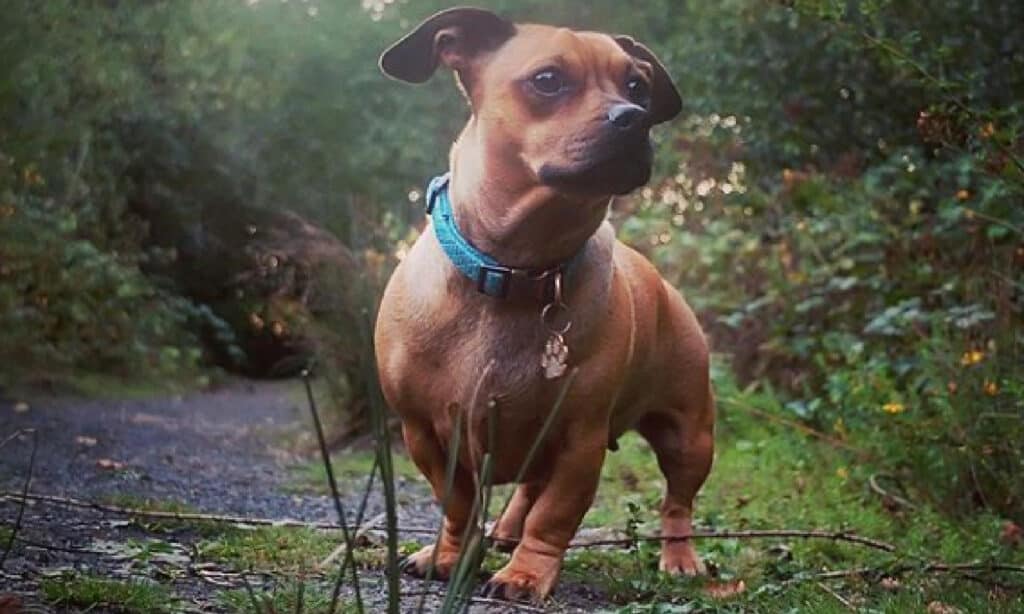
    cute dachshund pug mix going for a hike
    Picture credit: @stella_the_daug

    History of the Pug Dachshund Mix

    As a designer breed, the Daug does not have a long history like some of the more established dog breeds. The mix likely originated in the United States in the last few decades as breeders sought to combine the desirable traits of both the Pug and the Dachshund.

    Both the Pug and the Dachshund are ancient breeds with their own unique histories. The Pug is believed to have originated in China over 2,000 years ago, where they were bred as companions to the ruling families. They were later brought to Europe in the 16th century and became popular with European nobility.

    The Dachshund, on the other hand, was originally bred in Germany in the 16th century to hunt badgers and other burrowing animals. Their long, narrow bodies and short legs were ideal for digging into tunnels and chasing prey.

    Today, the Daug is recognized as a designer breed by several dog organizations, including the Designer Dogs Kennel Club (DDKC) and the American Canine Hybrid Club (ACHC). However, it’s important to note that the mix is not recognized by the American Kennel Club (AKC) or any other major kennel club as a purebred breed.

    While the Pug Dachshund mix may not have a long history like some breeds, their unique mix of traits and lovable personality make them a beloved companion for many dog lovers.

    Coat and Coloration of Pug Dachshund Mix

    The Pug Dachshund mix can have a variety of coat types and colors, which largely depend on the traits inherited from their Pug and Dachshund parents.

    The coat of a Pug Dachshund mix can be either smooth or wire-haired, depending on which parent’s genes are more dominant. A smooth coat will be short and sleek, while a wire-haired coat will be longer and coarser.

    In terms of color, the Daug can come in a variety of hues, including black, fawn, cream, brindle, and even piebald (white with patches of another color). They may also have a black mask on their face, which is a characteristic of the Pug parent.

    Some Pug Dachshund mixes may have a coat that is a blend of both parents’ colors, while others may have a solid color that is more reminiscent of one parent than the other. In general, their coat will be low-maintenance and won’t require extensive grooming.

    No matter the color or coat type, the Daug is a cute and lovable breed with a distinct appearance that makes them stand out from other dog breeds.

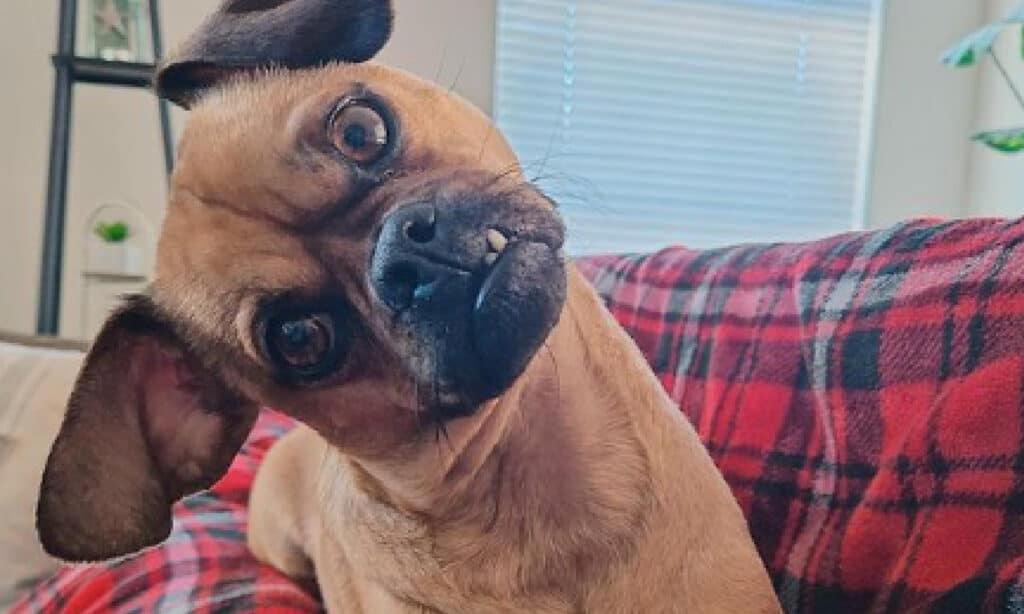
    adorable dachshund pug head tilt
    Picture Credit: @duncanthedaug

    Pug Dachshund Mix Temperament

    The Pug Dachshund mix, or Daug, is known for their charming and affectionate personality. They are a social breed that loves to be around their owners and are known for their loyalty and devotion.

    Daug’s are usually friendly with people and other animals, making them a great family dog. They enjoy playing and snuggling with their owners, and they’re not usually prone to aggression or anxiety.

    They are also known for being intelligent and trainable, making them easy to teach new tricks and commands. This makes them a great choice for first-time dog owners or anyone looking for a companion that is easy to train.

    The Daug can have a stubborn streak inherited from their Dachshund parent, so consistent and patient training is important to ensure they are well-behaved. Socialization is also important to ensure that they are comfortable around new people and animals.

    Should You Choose To Rescue or Purchase a Pug Dachshund Mix? 

    Your choice to rescue or buy a Pug Dachshund mix depends on personal circumstances and preferences.

    Adopting a Pug Dachshund mix from a rescue or shelter is a great option for those who are passionate about saving animals. Adopting a rescue dog is rewarding as you provide a loving home for dogs with a difficult past. Rescue dogs may also be more affordable than purchasing a dog from a breeder.

    Purchasing a Pug Dachshund mix from a reputable breeder may give you more control over the dog’s upbringing and genetic background. You may also have the opportunity to meet the puppy’s parents and learn about their temperaments and health history. Additionally, if you’re looking for a specific coat color or type, purchasing from a breeder may give you more options.

    Whichever route you choose, it’s important to do your research and make sure that you’re getting your Daug from a reputable source. If you decide to adopt from a rescue or shelter, make sure to ask about the dog’s history and any potential behavioral issues. If you decide to purchase from a breeder, make sure to ask for references and visit the breeder’s facility to ensure that they are ethical and responsible.

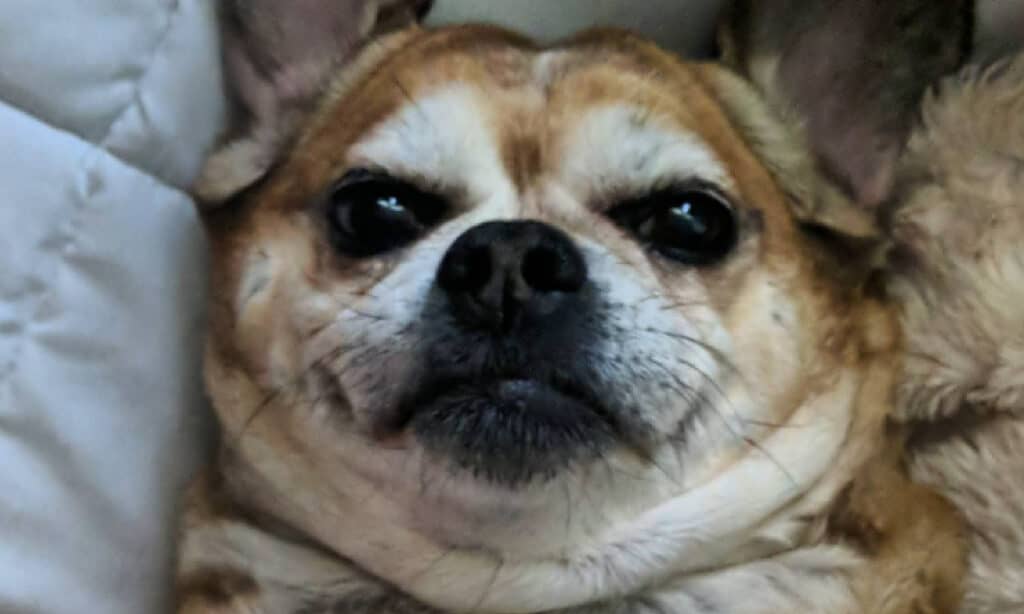
    older dachshund pug mix
    Picture Credit: @kennyluffynaiya

    What Should You Look For if Purchasing a Daug? 

    If you’re thinking about getting a Pug Dachshund mix puppy, there are a few things you should look for to make sure you’re getting a healthy and happy pup.

    First, make sure you find a breeder who cares about their dogs and can provide you with all the necessary health certificates and documentation for the puppy’s parents. Ask lots of questions and take note of how they respond – if they seem evasive or unhelpful, it may be a red flag.

    When you meet the puppy, pay attention to their behavior and temperament. You want to find a pup that’s friendly, playful, and curious. They should have a shiny coat and bright eyes, and they should be alert and responsive to you. Make sure the puppy has had plenty of socialization with people and other dogs, as this will help them adjust to their new home.

    You should also take a look at the puppy’s living conditions. The breeder’s facility should be clean and well-maintained, and the puppies should have plenty of space to run around and play. Make sure the breeder is following responsible breeding practices, and that they’re doing everything they can to ensure the health and well-being of their dogs.

    Finally, make sure you’re ready to provide a loving and responsible home for your new pup.Daugs are great companions, but they do require regular exercise, training, and grooming. You’ll also need to commit to providing proper nutrition and veterinary care. With a little bit of effort and lots of love, you can give your new pup the happy and healthy life they deserve!

    How Much Does a Daug Cost? 

    If you’re thinking about getting a Pug Dachshund mix, one of the first things you might be wondering is how much they cost. Well, the truth is that the price of a puppy can vary depending on a lot of different factors. Generally, you can expect to pay anywhere from $500 to $1,500 for a puppy.

    But it’s important to remember that the cost of buying a puppy is just one of many expenses you’ll need to consider as a new pet owner. Other costs to think about include food, toys, bedding, grooming, training, and of course, veterinary care. So, while the initial cost of a puppy might seem like a big investment, it’s important to consider the long-term costs as well.

    If you’re on a budget, you might want to consider adopting a Daug from a rescue or shelter. Not only can this be a more affordable option, but you’ll also be giving a deserving dog a second chance at a happy life. Rescue dogs may even come with some basic training and socialization, which can make things easier when you bring them home.

    adorable dachshund pug mix puppy
    Picture Credit: @siobhann5891

    Are Pug Dachshund Mixes Healthy?

    Like all dog breeds, the Pug Dachshund mix can be susceptible to certain health issues. Some of the health concerns that Pug Dachshund mixes may face include:

    • Obesity: Pug Dachshund mixes are prone to weight gain and obesity, so it’s important to monitor their diet and ensure they get enough exercise to maintain a healthy weight.
    • Respiratory problems: Pugs are known for their flat faces, which can make breathing difficult. This trait can be passed on to their mixed-breed offspring. Pug Dachshund mixes may also be at risk for respiratory infections.
    • Back problems: Dachshunds are known for their long, sausage-like bodies, which can put them at risk for back problems. This risk can also be passed on to their mixed-breed offspring.
    • Eye problems: Pugs are prone to eye problems such as corneal ulcers and dry eye, which may be passed on to their offspring.
    • Dental problems: Pugs are also prone to dental issues such as periodontal disease, which can be inherited by Daugs.

    Regular veterinary check-ups and preventative care can also help keep your Pug Dachshund mix healthy and happy. Maintaining a healthy weight, providing proper exercise and nutrition, and addressing any health issues promptly can all help reduce the risk of health problems in your Pug Dachshund mix.

    What is the Lifespan of a Daug? 

    The lifespan of a Pug Dachshund mix can vary depending on a variety of factors, such as genetics, lifestyle, and overall health. On average, Pug Dachshund mixes have a lifespan of around 12 to 15 years.

    To maximize your Pug Dachshund mix’s lifespan and ensure they live a happy and healthy life, it’s important to provide them with proper care and attention throughout their life. This includes providing a nutritious diet, regular exercise, proper grooming, and routine veterinary care. Regular check-ups with your vet can help catch and address any health concerns early, which can help extend your pup’s lifespan.

    In addition to providing proper care, it’s important to keep in mind that mixed-breed dogs may inherit health issues from their parent breeds. Understanding the potential health risks that Pug Dachshund mixes may face can help you take steps to prevent or address these issues, which can help keep your pup healthy and happy for as long as possible.

    older pug dachshund mix going on a walk
    Picture Credit: @nalu0518

    Nutrition for Pug Dachshund Mix

    Proper nutrition is essential for the health and wellbeing of your Pug Dachshund mix. Here are a few things to keep in mind when feeding your pup:

    • Choose a high-quality dog food that is appropriate for your pup’s age, size, and activity level. Look for a brand that uses high-quality ingredients, such as meat or fish as the first ingredient, and avoid foods that contain fillers, artificial preservatives, and additives.
    • Pug Dachshund mixes can be prone to obesity, so it’s important to monitor your pup’s calorie intake and avoid overfeeding. You can consult with your vet to determine the appropriate serving size for your pup based on their age, weight, and activity level.
    • Make sure your pup has access to fresh, clean water at all times. Proper hydration is important for maintaining healthy bodily functions and preventing urinary tract infections.
    • Treats can be a great way to reward your Pug Dachshund mix for good behavior, but they should be given in moderation. Look for healthy, low-calorie treats and avoid feeding your pup table scraps or human foods that may be harmful to their health.
    • Finally, keep in mind that Pug Dachshund mixes may have specific dietary needs based on their individual health and medical history. Consult with your vet to determine if there are any specific dietary restrictions or recommendations for your pup.

    By following these guidelines and providing your Pug Dachshund mix with a balanced and nutritious diet, you can help ensure that they stay healthy and happy for years to come.

    Exercise and Physical Activity for Pug Dachshund Mix

    Regular exercise and physical activity are crucial for the health and well-being of your Pug Dachshund mix. Here are a few things to keep in mind when it comes to exercising your pup:

    • Pug Dachshund mixes are a small breed, so they don’t require as much exercise as larger breeds. However, they still need regular physical activity to stay healthy and prevent obesity.
    • Aim for at least 30 minutes of exercise per day, which can include walks, playtime, and other physical activities. You can break this up into shorter sessions throughout the day if needed.
    • When exercising your Pug Dachshund mix, be mindful of their physical limitations. They may not be able to keep up with larger or more active breeds, and they may be at risk for back problems or other health issues. Avoid activities that involve jumping or excessive running.
    • Mental stimulation is also important for your pup’s overall health and well-being. Consider incorporating puzzle toys, obedience training, or other mental exercises into your pup’s daily routine.
    • Finally, keep in mind that your pup’s exercise needs may change as they age or if they develop any health issues. Consult with your vet to determine the appropriate level of exercise for your pup based on their individual needs and medical history.

    By providing your Pug Dachshund mix with regular exercise and physical activity, you can help keep them healthy, happy, and active throughout their life.

    adorable daug looking at owner
    Picture Credit: siobhann5891

    Grooming Requirements for Pug Dachshund Mix

    Sure thing! Proper grooming is important for the health and hygiene of your Pug Dachshund mix. Here are a few things to keep in mind when it comes to grooming your pup:

    • Brush your pup’s coat regularly to help prevent mats and tangles. The frequency of brushing will depend on your pup’s coat type and length, but aim for at least once a week.
    • Bathe your pup as needed, but avoid over-bathing as this can strip their coat of natural oils. Use a gentle dog shampoo and make sure to rinse thoroughly.
    • Trim your pup’s nails regularly to prevent them from getting too long and causing discomfort or injury. If you’re not comfortable doing this yourself, you can take your pup to a professional groomer or veterinarian.
    • Clean your pup’s ears regularly to prevent infections. Use a gentle ear cleaner and cotton ball to remove any excess wax or debris.
    • Brush your pup’s teeth daily to prevent dental problems such as periodontal disease. Use a dog-specific toothbrush and toothpaste, and consult with your vet if you need help getting started.

    By following these grooming tips and providing your Pug Dachshund mix with proper care and attention, you can help keep them healthy, happy, and looking their best.

    older pug dachshund mix on back of couch
    Picture Credit: @nalu0518

    Are Pug Dachshund Mix Hard to Train? 

    Pug Dachshund mixes can be moderately easy to train, but like all dogs, their training success depends on a variety of factors. Here are a few things to keep in mind when it comes to training your Pug Dachshund mix:

    • Positive reinforcement is the key to successful training. Use treats, praise, and other rewards to encourage good behavior and avoid punishment or negative reinforcement.
    • Start training early and be consistent. Pug Dachshund mixes are intelligent and can learn quickly, but they can also be stubborn at times. Consistent training and positive reinforcement can help overcome any challenges.
    • Socialization is important for Pug Dachshund mixes, especially during their early years. Expose them to different people, animals, and environments to help them develop confidence and reduce the risk of anxiety or fear-related behaviors.
    • Keep training sessions short and focused. Pug Dachshund mixes can have short attention spans, so it’s important to keep training sessions short and engaging.
    • Finally, be patient and have realistic expectations. Training takes time and effort, and your Pug Dachshund mix may not learn everything overnight. Celebrate small victories and be patient with any setbacks.

    By following these training tips and providing your Pug Dachshund mix with positive reinforcement, patience, and consistency, you can help them become a well-behaved and obedient companion.

    Most Common Behavior Issues of Pug Dachshund Mix

    Like all dogs, Daugs can develop behavior issues if not properly trained and socialized. Here are some common behavior issues that Pug Dachshund mixes may exhibit:

    • Separation anxiety: They can be prone to separation anxiety, which can lead to destructive behavior such as chewing, digging, or excessive barking when left alone.
    • Resource guarding: They may become protective of their food, toys, or other resources, which can lead to aggressive behavior towards other dogs or humans.
    • Barking: They can be vocal dogs and may bark excessively if not trained to control this behavior.
    • Fearfulness: They may be prone to fearfulness, which can lead to anxiety or aggressive behavior towards unfamiliar people or animals.
    • Stubbornness: They can be stubborn at times, which can make training more challenging.

    To prevent or address these behavior issues, it’s important to provide your Pug Dachshund mix with proper training and socialization from a young age. Positive reinforcement training and socialization can help your pup develop confidence and reduce the risk of fearfulness or aggression. Consistency and patience are key, and it’s important to seek professional help if needed to address any serious behavior issues.

    pug dachshund mix breed care and tips
    Picture credit: @astamaxen

    Training Tips for Pug Dachshund Mix

    Here are some training tips that can be helpful for Pug Dachshund mixes:

    • Start training early: Pug Dachshund mixes are intelligent and can learn quickly. It’s important to start training as early as possible. Begin with basic commands such as “sit,” “stay,” and “come.”
    • Use positive reinforcement: Pug Dachshund mixes respond well to positive reinforcement training. This involves rewarding good behavior with treats, praise, or toys. Avoid using punishment or negative reinforcement, as this can lead to fear or anxiety.
    • Keep training sessions short and fun: Pug Dachshund mixes have a short attention span. It’s important to keep training sessions short, engaging, and fun. Try to keep each session to around 10-15 minutes, and incorporate playtime and treats to keep your pup motivated.
    • Be consistent: Consistency is key when it comes to training your Pug Dachshund mix. Use the same commands and techniques each time. Make sure all members of the household are using consistent training methods.
    • Socialize your pup: Pug Dachshund mixes can be prone to fearfulness or aggression towards unfamiliar people or animals. It’s important to socialize them from a young age. Expose them to different people, animals, and environments to help them develop confidence. This willeduce the risk of anxiety or fear-related behaviors.
    • Be patient: Training takes time and effort, and your Pug Dachshund mix may not learn everything overnight. Celebrate small victories and be patient with any setbacks.

    Remember, each Pug Dachshund mix is unique and may respond differently to different training techniques. Consult with a professional trainer or behaviorist if you have any concerns or issues with your pup’s behavior. With proper training and socialization, your Pug Dachshund mix can become a well-behaved and loving companion.

    cute daug laying on the couch

    Conclusion

    In conclusion, the Pug Dachshund mix can make a wonderful companion for the right owner. With their adorable looks, affectionate personalities, and moderate exercise needs, these pups can fit into a variety of households and lifestyles.

    However, like all dog breeds, Pug Dachshund mixes require proper care, attention, and training to ensure they live happy and healthy lives. From providing nutritious food and regular exercise, to grooming and training, there are many things to keep in mind when it comes to caring for a Pug Dachshund mix.

    By understanding the unique traits and needs of this mixed breed, you can make an informed decision about whether a Pug Dachshund mix is the right dog for you. With proper care, training, and socialization, these pups can become loving and loyal companions for many years to come.

    If you’re considering adding a Pug Dachshund mix to your family, be sure to do your research, choose a reputable breeder or rescue organization, and be prepared to provide your pup with all the love and care they deserve. With the right approach, your Pug Dachshund mix can bring joy, companionship, and endless entertainment into your life.

    ~ Lindsie

  • Spotting Perfection: A Complete Guide to Piebald Dachshunds

    Spotting Perfection: A Complete Guide to Piebald Dachshunds

    Welcome to the fascinating world of Piebald Dachshunds! If you’re looking for a devoted and affectionate four-legged friend, you might want to consider this breed. With their uniquely charming coat patterns, Piebald Dachshunds are certain to catch your attention and win your heart.

    piebald dachshund

    These lovely pooches are a delightful variation of the standard Dachshund breed, famous for their elongated sausage-shaped body and short legs. The Piebald Dachshund’s remarkable coat is characterized by white patches scattered across their body along with darker colors, like black, brown, or tan. This gives them a distinct and striking appearance that stands out in any crowd.

    However, Piebald Dachshunds are much more than just a pretty face. They are known for their playful and affectionate temperament, which makes them an ideal family pet. They are typically friendly towards children and other animals, making them a fantastic addition to any household.

    In this breed guide, we’ll explore everything you need to know about Piebald Dachshunds, from their origins and characteristics to their health and grooming requirements. So whether you’re an experienced dog owner or a first-time pet parent, you’ll find plenty of useful information and tips here. Let’s delve into the wonderful world of Piebald Dachshunds and discover what makes them such a beloved breed!

    adorable  piebald dachshund baby puppy

    History of the Piebald Dachshund

    The history of the Piebald Dachshund is closely tied to the standard Dachshund breed, which originated in Germany during the 16th century. The breed was initially developed to hunt badgers and other burrowing animals. Their long, low-slung bodies allow them to navigate narrow tunnels with ease.

    Piebald Dachshunds are a variation of the standard Dachshund, and their unique coat pattern is a result of a recessive gene. This gene causes patches of white to appear on the dog’s coat, which contrasts sharply with the darker colors that typically dominate the breed’s coat. Piebald Dachshunds have been around for centuries. They were not officially recognized as a distinct variety until the mid-20th century.

    Despite their relatively recent recognition, Piebald Dachshunds have become increasingly popular in recent years. Their unique coat patterns and charming personalities have captured the hearts of dog lovers around the world. However, it is worth noting that the Piebald Dachshund’s coat pattern is not a guarantee of their overall health or temperament, and prospective owners should always do their research before adopting any dog breed.

    Piebald Dachshund Coat and Coloration

    The Piebald Dachshund is characterized by its striking coat pattern, which features patches of white mixed with darker colors such as black, brown, or tan. The patches can vary in size and shape and are distributed irregularly over the dog’s body.

    Piebald Dachshunds can come in two main varieties: the single piebald and the double piebald. A single piebald has a mostly white coat with patches of color. A double piebald has a predominantly colored coat with white patches. The double piebald is less common than the single piebald, as it requires two copies of the recessive piebald gene.

    The Piebald Dachshund’s coat can have a smooth, longhaired, or wirehaired texture, depending on the specific variety. Smooth-coated Piebald Dachshunds have a short and glossy coat, while longhaired Piebald Dachshunds have a soft and flowing coat. Wirehaired Piebald Dachshunds have a dense, harsh coat with a wiry texture.

    It’s worth noting that while Piebald Dachshunds have a unique coat pattern, their coloration does not affect their health or temperament. However, it’s essential to maintain their coat with regular grooming. Piebald Dachshunds can be prone to skin issues due to their white coat patches. Regular brushing, bathing, and skin checks can help keep your Piebald Dachshund healthy and happy.

     piebald dachshund temperament and training

    Piebald Dachshund Temperament

    Piebald Dachshunds are known for their friendly and affectionate temperament, making them excellent family pets. They are typically social dogs who enjoy the company of their human family and other pets. However, as with any breed, individual temperaments can vary.

    Piebald Dachshunds are intelligent and curious dogs, which can sometimes translate into stubbornness. They are independent thinkers who may require patience and persistence during training. Positive reinforcement techniques, such as reward-based training, can help to motivate and encourage your Piebald Dachshund to learn.

    Despite their small size, Piebald Dachshunds have a big personality and are often described as courageous and tenacious. This stems from their history as hunting dogs who would fearlessly track and pursue prey. However, this hunting instinct can sometimes result in chasing small animals or digging. It’s important to keep a watchful eye on them when outdoors.

    Piebald Dachshunds thrive on attention and love to be involved in family activities. They can be playful and energetic but also enjoy relaxing with their human family members. They tend to be good with children, although supervision is always recommended, especially with younger children who may not understand how to handle a small dog.

    Should You Choose To Rescue or Purchase a Piebald Dachsund? 

    Whether to buy or rescue a Piebald Dachshund is a personal decision that depends on your preferences and circumstances. Here are some factors to consider:

    Buying a Piebald Dachshund from a breeder can give you more control over the dog’s background, including their health, temperament, and lineage. A reputable breeder will be able to provide health clearances for the parents and offer support and guidance throughout the dog’s life. However, buying from a breeder can be more expensive than adopting from a rescue.

    Rescuing a Piebald Dachshund from a shelter or rescue organization can be a rewarding experience, as you are providing a second chance at a loving home for a dog in need. Many rescue dogs have already been socialized and trained to some extent, which can make the transition to your home smoother. However, rescue dogs may come with unknown health or behavioral issues, and their history may be limited.

    If you decide to buy a Piebald Dachshund from a breeder, it’s essential to do your research. Choose a reputable breeder who prioritizes the health and well-being of their dogs. Look for breeders who conduct health screenings on their breeding dogs, provide proper socialization and training for their puppies, and offer support and guidance to their clients.

    If you decide to rescue a Piebald Dachshund, consider working with a reputable rescue organization that has a thorough adoption process. This should include a screening process to ensure that the dog is a good fit for your lifestyle and home environment.

     piebald dachshund purchase or rescue

    What Should You Look For if Purchasing a Piebald Dachshund? 

    If you’re considering purchasing a Piebald Dachshund, it’s important to do your research and find a reputable breeder who prioritizes the health and well-being of their dogs. Here are some things to look for when purchasing a Piebald Dachshund:

    • Health Testing: A reputable breeder should perform health testing on their dogs to ensure that they are free from genetic health issues commonly found in Dachshunds, such as hip dysplasia, patellar luxation, and intervertebral disc disease.
    • Temperament: Look for a breeder who prioritizes temperament in their breeding program. A well-bred Piebald Dachshund should have a friendly and outgoing personality.
    • Breeder’s Reputation: Look for a breeder who has a good reputation in the Dachshund community. Ask for references from other dog owners who have purchased from the breeder, and research online reviews and testimonials.
    • AKC Registration: Ensure that the breeder is registered with the American Kennel Club (AKC). Also, the puppies should have AKC registration papers. This ensures that the puppies are purebred and meet certain standards for health and temperament.
    • Puppy Health Guarantee: A reputable breeder should provide a health guarantee for their puppies. This can include a promise to replace or refund the cost of the puppy if it develops a genetic health issue within a certain timeframe.
    • Puppy Socialization: Look for a breeder who prioritizes socialization in their puppies. Puppies should be exposed to different people, environments, and other dogs to help prevent anxiety and aggression issues.

    In summary, when purchasing a Piebald Dachshund, it’s important to look for a reputable breeder who prioritizes health, temperament, and socialization. Doing your research and asking for references can help ensure that you find a healthy and happy furry friend to bring into your family.

    How Much Does a Piebald Longhaired Cost? 

    The cost of a Piebald Dachshund can vary depending on various factors, such as the dog’s age, breed lines, and location. Generally, purchasing a Piebald Dachshund from a reputable breeder can cost anywhere from $1,000 to $3,000. However, prices can go higher if you are looking for a show-quality or champion bloodline.

    Adopting a Piebald Dachshund from a rescue organization can be less expensive, with adoption fees typically ranging from $100 to $500. However, the cost can vary depending on the rescue organization and the dog’s age and health.

    It’s important to note that the initial cost of purchasing or adopting a Piebald Dachshund is just one aspect of their lifetime expenses. As a responsible pet owner, you will need to budget for ongoing expenses such as food, grooming, veterinary care, and supplies. It’s also a good idea to plan for unexpected expenses, such as emergency veterinary care.

    If you are considering purchasing a Piebald Dachshund, it’s essential to do your research and choose a reputable breeder who prioritizes the health and well-being of their dogs. Similarly, if you are considering adopting a Piebald Dachshund from a rescue organization, make sure to work with a reputable organization that has a thorough adoption process to ensure that the dog is a good fit for your home and lifestyle.

     piebald dachshund tips and information

    Are Piebald Longhaired Healthy?

    Piebald Dachshunds, like all dog breeds, can be prone to certain health issues. It’s important to be aware of these potential health concerns and take steps to prevent or manage them.

    One of the most common health issues in Dachshunds, including Piebald Dachshunds, is intervertebral disc disease (IVDD). This condition occurs when the discs between the vertebrae in the spine deteriorate, causing back pain, weakness, and even paralysis. Maintaining a healthy weight and avoiding activities that put undue stress on the spine, such as jumping, can help prevent IVDD. Regular veterinary checkups can also help catch the condition early.

    Piebald Dachshunds may also be prone to eye conditions such as progressive retinal atrophy (PRA) and cataracts. These conditions can cause vision loss and may require surgical intervention. Regular eye exams with a veterinarian can help detect these conditions early and prevent progression.

    Another health concern in Piebald Dachshunds is skin issues, particularly in the white areas of their coat. These dogs may be more susceptible to allergies, skin infections, and sunburn. Regular grooming, including bathing and brushing, can help keep their coat and skin healthy. Sunscreen and protective clothing can also be used to prevent sunburn in sensitive areas.

    What is the Lifespan of a Piebald Dachshund?

    The lifespan of a Piebald Dachshund is typically around 12-16 years. However, like all dogs, individual lifespan can vary depending on various factors such as genetics, diet, exercise, and overall health.

    To help ensure your Piebald Dachshund lives a long and healthy life, it’s important to provide proper care and attention throughout their life. This includes regular veterinary checkups, a balanced and nutritious diet, regular exercise, and socialization with people and other animals.

    Some health issues, such as intervertebral disc disease, which is common in Dachshunds, can affect lifespan. However, with proper prevention and management, many of these health issues can be minimized or even prevented.

    Piebald Dachshunds are generally a healthy breed, and their lifespan can be extended with proper care and attention. By providing a loving and healthy environment for your furry friend, you can help them live a long and happy life by your side.

    cute little  piebald dachshund puppy with ear flipped back

    Nutrition for Piebald Dachshunds

    When it comes to our furry friends, their health and well-being are of utmost importance. Nutrition plays a vital role in promoting a healthy and long life for our Piebald Dachshunds. As pet parents, we want to ensure that our dogs receive the best possible nutrition to prevent health issues and keep them happy and healthy. One approach that has gained popularity is whole food nutrition.

    Whole food nutrition means feeding our dogs natural, unprocessed foods such as lean meats, fresh fruits, vegetables, and whole grains. This type of diet provides essential nutrients in their natural form, making them easier for our dogs to digest and absorb. Whole food nutrition is an excellent way to prevent health issues like obesity, diabetes, and heart disease in our furry friends.

    When selecting dog food, it’s important to look for high-quality, whole food ingredients and avoid foods that contain fillers, artificial preservatives, and by-products. Choosing a food that is appropriate for your dog’s size, age, and activity level is also important. Additionally, it’s crucial to control portions and avoid overfeeding to prevent weight gain and other health issues.

    By feeding our Piebald Dachshunds whole foods, we are providing them with optimal nutrition, promoting their health and well-being. With careful attention to ingredient quality and portion control, we can help prevent health issues and ensure that our furry friends live long and happy lives by our side.

    Exercise and Physical Activity for Piebald Dachshunds

    Exercise and physical activity are essential for the health and well-being of our Piebald Dachshunds. These dogs have a natural inclination towards being active, and regular exercise can help prevent health issues and promote a long and healthy life.

    Piebald Dachshunds are energetic and enjoy activities such as walking, running, playing fetch, and swimming. However, it’s important to tailor their exercise routine to their age, size, and activity level. Too much exercise can cause fatigue and injury, while too little can lead to weight gain and other health issues.

    Regular exercise can help prevent health issues such as obesity, diabetes, and heart disease in our furry friends. It can also help maintain strong muscles and bones, improve joint health, and prevent behavioral issues that can arise from boredom and excess energy.

    In addition to regular physical exercise, mental stimulation is also important for the health and happiness of our Piebald Dachshunds. Activities such as puzzle toys, obedience training, and interactive play can help keep our furry friends mentally stimulated and prevent boredom.

    adorable minature  piebald dachshund puppy being held

    Grooming Requirements for Piebald Dachshunds

    Piebald Dachshunds have a short and smooth coat that requires minimal grooming. However, regular grooming can help keep their coat and skin healthy and prevent potential health issues.

    Weekly brushing with a soft-bristled brush can help remove loose hair and distribute the natural oils in their coat, keeping it shiny and healthy. Bathing should only be done as needed, as frequent bathing can strip their coat of its natural oils and cause dry skin.

    Regular nail trimming is also essential for Piebald Dachshunds. Long nails can cause discomfort and even affect their gait. Ears should also be checked regularly for signs of infection or irritation, and teeth should be brushed regularly to prevent dental issues.

    Additionally, Piebald Dachshunds are prone to skin issues, particularly in the white areas of their coat. Regular grooming can help detect and prevent skin infections and other skin issues.

    Are Piebald Dachshunds Hard to Train? 

    Piebald Dachshunds are intelligent dogs that can be trained successfully with patience, consistency, and positive reinforcement techniques. However, like all dog breeds, some individuals may be more challenging to train than others.

    Dachshunds, including Piebald Dachshunds, can be independent and stubborn, which can make training more difficult. It’s important to use positive reinforcement techniques, such as treats, praise, and play, to motivate your dog and make training a positive experience. Consistency and repetition are also important for success.

    Starting training at a young age is recommended, as it can help prevent behavior issues from developing. Obedience training can help reinforce good behaviors, while also providing mental stimulation for your furry friend. Socialization is also important for Piebald Dachshunds, as it can help prevent anxiety and aggression towards other dogs and people.

    It’s important to remember that training is a lifelong process, and ongoing training and reinforcement can help prevent behavior issues from developing. If you are struggling with training your Piebald Dachshund, seeking the help of a professional dog trainer or behaviorist can be beneficial.

    Most Common Behavior Issues of Piebald Dachshunds

    Piebald Dachshunds, like all dog breeds, can develop certain behavior issues that require attention and management. Here are some of the most common behavior issues that Piebald Dachshunds may experience:

    • Separation Anxiety: Piebald Dachshunds are known for their strong attachment to their owners and may experience anxiety when left alone. This can lead to destructive behavior, excessive barking, and other issues. Gradual desensitization and counterconditioning techniques can help alleviate separation anxiety.
    • Aggression: Piebald Dachshunds can be protective of their owners and may exhibit aggressive behavior towards strangers or other dogs. Early socialization and training can help prevent aggression from developing.
    • Excessive Barking: Piebald Dachshunds can be vocal and may bark excessively, particularly when bored or anxious. Consistent training and providing mental stimulation can help reduce excessive barking.
    • Digging: Piebald Dachshunds are bred to hunt and may enjoy digging. However, excessive digging can damage lawns and gardens. Providing an appropriate digging area and discouraging digging in unwanted areas can help prevent this behavior.
    • Resource Guarding: Piebald Dachshunds may exhibit resource guarding behavior, such as growling or snapping when someone approaches their food or toys. Positive reinforcement training can help manage this behavior and teach them to share.

    If you are experiencing behavior issues with your Piebald Dachshund, seeking the help of a professional dog trainer or behaviorist can be beneficial. With proper training and management, most behavior issues can be resolved or managed successfully.

    cute piebald dachshund

    Training Tips for Piebald Dachshunds

    Training your Piebald Dachshund can be a fun and rewarding experience, but it can also be challenging at times. Here are some tips to help you train your furry friend successfully:

    • Use Positive Reinforcement: Positive reinforcement techniques, such as treats, praise, and play, can help motivate your Piebald Dachshund and make training a positive experience.
    • Be Consistent: Consistency is key when it comes to training your Piebald Dachshund. Use the same commands and reward system every time you train, and be patient and persistent.
    • Start Early: Starting training at a young age can help prevent behavior issues from developing and make training easier. Puppies have a short attention span, so keep training sessions short and frequent.
    • Socialize: Socialization is important for Piebald Dachshunds, as it can help prevent anxiety and aggression towards other dogs and people. Expose your furry friend to different environments, people, and other dogs in a positive and controlled way.
    • Provide Mental Stimulation: Piebald Dachshunds are intelligent dogs and require mental stimulation to prevent boredom and behavior issues. Provide puzzle toys, obedience training, and interactive play to keep your furry friend mentally stimulated.
    • Seek Professional Help: If you are experiencing difficulty with training your Piebald Dachshund, seeking the help of a professional dog trainer or behaviorist can be beneficial.

    In summary, using positive reinforcement, consistency, and starting early are important when training your Piebald Dachshund. Socialization, mental stimulation, and seeking professional help if needed can also help ensure that your furry friend is well-behaved and happy. With patience and persistence, you can train your Piebald Dachshund successfully.

    cute piebald dachshund puppy

    Conclusion

    In conclusion, Piebald Dachshunds are a beloved breed known for their affectionate and lively personalities. These dogs have a unique coat and coloration that sets them apart from other Dachshund breeds. While they have low grooming requirements, they require regular exercise, mental stimulation, and proper nutrition to maintain their health and well-being.

    Training and socialization are also important for Piebald Dachshunds, as they can exhibit certain behavior issues if not trained properly. Positive reinforcement techniques and consistency can help ensure that your furry friend is well-behaved and happy.

    Whether you are considering adding a Piebald Dachshund to your family or are already a proud owner, understanding their unique characteristics and needs can help you provide the best possible care for your furry friend. With proper care, your Piebald Dachshund can live a long and happy life as a beloved member of your family.

    ~Lindsie

  • The Blue Dapple Dachshund: A Unique and Lovable Breed

    The Blue Dapple Dachshund: A Unique and Lovable Breed

    Welcome to the ultimate breed guide for Blue Dapple Dachshunds! If you’re considering adding one of these unique and beautiful pups to your family, you’ve come to the right place. In this guide, we’ll explore everything you need to know about this fascinating breed, from their history and personality traits to their grooming needs and health concerns.

    blue dapple dachshund

    Blue Dapple Dachshunds are a relatively rare variety of the already beloved Dachshund breed. Known for their striking blue and white dappled coat, these dogs are sure to turn heads wherever they go. But there’s much more to these pups than just their stunning looks.

    Dachshunds have a long and interesting history that dates back to the 15th century in Germany. Originally bred for hunting badgers and other small game, these dogs have since become popular family pets due to their friendly and playful personalities. Blue Dapple Dachshunds are no exception! They make loyal and loving companions for those lucky enough to share their home with them.

    Despite their small size, Dachshunds are known for their big personalities. These dogs are often described as spunky, curious, and even a bit stubborn at times. They love to be around their people and will follow them around the house, always eager to be part of the action.

    In this guide, we’ll delve into all these topics and more, so you can make an informed decision about whether a Blue Dapple Dachshund is the right breed for you. So sit back, relax, and get ready to learn everything there is to know about these amazing dogs!

    History of the Blue Dapple Dachshund

    The dapple Dachshund is a unique variety of the beloved Dachshund breed. To understand the history of the Dachshund, it’s important to first understand the history of the Dachshund breed as a whole.

    The Dachshund breed originated in Germany in the 15th century. These dogs were originally bred to hunt badgers and other small game. Their long, low-slung bodies and strong sense of smell made them excellent hunters, especially in underground burrows.

    Over time, the Dachshund’s hunting skills became less important as their popularity as companion dogs grew. By the 19th century, Dachshunds were a beloved family pet in Germany, and they soon gained popularity around the world.

    The Blue Dapple Dachshund is a relatively new variation of the breed. The dapple pattern itself is caused by a genetic mutation that results in lighter-colored spots on a darker base coat. The blue dapple variation is characterized by a blue-gray base coat with lighter blue-gray spots.

    While the exact origins of the blue dapple variation are unknown, it’s believed that the mutation occurred naturally within the Dachshund gene pool. Blue Dapple Dachshunds were likely first bred in the United States. They quickly gained popularity due to their unique and striking appearance.

    Today, Blue Dapple Dachshunds are a rare but beloved variety of the Dachshund breed. While they may have started out as hunting dogs, they have since become popular as family pets due to their friendly personalities and unique appearance. Whether you’re a long-time Dachshund lover or just discovering the breed for the first time, the Blue Dapple Dachshund is sure to capture your heart.

    Coat and Coloration of Blue Dapple Dachshunds

    The coat of a Blue Dapple Dachshund is one of their most distinctive features. These dogs have a short, smooth coat that is characterized by a blue-gray base color with lighter blue-gray spots or dappling.

    The dappling pattern itself is caused by a genetic mutation that affects the distribution of pigment in the dog’s coat. This results in lighter-colored spots on a darker base coat, giving the Blue Dapple Dachshund their unique and eye-catching appearance.

    It’s worth noting that while the blue dapple variation is striking, it’s not recognized as an official color by all breed registries. Some registries consider blue dapple Dachshunds to be a variation of the black and tan or chocolate and tan coloration. Others recognize it as a separate color variation.

    In addition to their distinctive coat coloration, Blue Dapple Dachshunds may also have other markings, such as tan points on their legs, chest, and face. Some Blue Dapple Dachshunds may also have a white blaze on their chest or white markings on their toes.

    When it comes to grooming, Blue Dapple Dachshunds are relatively low maintenance. Their short, smooth coat doesn’t require frequent brushing or trimming, although regular baths and nail trims are still important. It’s also worth noting that Dachshunds are prone to shedding. Regular vacuuming may be necessary to keep your home clean.

    Blue Dapple Dachshund Temperament

    The Dapple Dachshund has a friendly, spunky, and curious personality that is sure to capture your heart. While they were originally bred as hunting dogs, Dapple Dachshunds have since become popular family pets due to their affectionate and playful nature.

    One of the defining characteristics of the Blue Dapple Dachshund is their loyalty to their owners. These dogs love to be around their people and will follow them around the house, always eager to be part of the action. They’re known for being quite clingy, but in a good way! They just want to be near their humans as much as possible!

    Despite their small size, Dapple Dachshunds have big personalities. They’re known for being spunky and curious, and they’re always up for an adventure. They’re also quite intelligent, which can sometimes translate to stubbornness. However, with consistent training and positive reinforcement, Blue Dapple Dachshunds can learn to be well-behaved and obedient companions.

    Like all dogs, the temperament of a Dapple Dachshund can vary based on their individual personality and experiences. However, in general, these dogs are known for being friendly and outgoing with people of all ages, including children. They can also get along well with other pets, although socialization and training are important to ensure they play nicely with others.

    It’s important to note that Dachshunds can be prone to separation anxiety if left alone for long periods of time. This is why they’re often recommended for families or individuals who can spend a lot of time with them. They’re also known for being vocal – they’ll bark at anything from strangers to leaves blowing in the wind!

    Should You Choose To Rescue or Purchase a Blue Dapple Dachsund? 

    Deciding whether to rescue or purchase a Blue Dapple Dachshund is an important decision that requires careful consideration of your lifestyle and preferences. There are pros and cons to both options, and it’s essential to weigh them carefully before making a choice.

    Rescuing a Blue Dapple Dachshund from a shelter or rescue organization can be an excellent choice for people who want to provide a second chance to a dog in need. Shelters often have Blue Dapple Dachshunds available for adoption, and you’ll be giving a dog a loving home while freeing up space for more dogs in need.

    However, rescue dogs may come with their own set of challenges, such as unknown behavioral or health issues due to their previous experiences. It is important to work with a reputable shelter or rescue organization that can provide you with the necessary information about the dog’s background.

    Purchasing a Blue Dapple Dachshund from a breeder can be a great option for those who prefer a purebred dog with a predictable temperament and appearance. By purchasing from a reputable breeder, you can ensure that the dog has been raised in a healthy and safe environment, and has been screened for any genetic health problems.

    However, buying from a breeder can be more expensive than adopting from a shelter or rescue organization. It is also essential to be careful when selecting a breeder, ensuring that they prioritize the health and well-being of their dogs.

    Ultimately, the choice to rescue or purchase a Blue Dapple Dachshund depends on individual circumstances and preferences. While adopting a rescue dog can be a rewarding experience, purchasing a dog from a reputable breeder can provide assurance about the dog’s health and temperament. Whatever choice you make, be sure to choose a dog that fits your lifestyle and personality.

    What Should You Look For if Purchasing a Dapple Dachshund?

    When you’re ready to purchase a Blue Dapple Dachshund from a breeder, it’s essential to do your homework and find a reputable breeder who cares about the health and well-being of their dogs. Here are some tips on what to look for when selecting a breeder:

    Firstly, it’s important to choose a breeder with a good reputation. To find one, check online reviews and ask friends for recommendations. A trustworthy breeder should be open and transparent, answering all your questions and providing you with necessary information on their breeding practices and the health of their dogs.

    Secondly, ensure the breeder conducts health checks on their dogs. Blue Dapple Dachshunds are susceptible to some health problems like eye issues and back problems. A responsible breeder should screen their dogs for these health concerns and should have medical records of all their dogs available for your perusal.

    It’s also crucial to meet the breeder in person and visit their breeding facilities. This will allow you to observe how the dogs are raised and interact with each other and their human caregivers. Furthermore, ask to meet the puppy’s parents to get an idea of their temperament and appearance.

    A good breeder should also offer information on the puppy’s training and socialization, and they should be willing to answer all your questions about caring for your new pet. They should also provide you with necessary documentation of the puppy’s health, like vaccination records and health test results.

    Lastly, you should be prepared to pay a higher price for a Blue Dapple Dachshund from a reputable breeder. Although cheaper puppies are tempting, choosing a reliable breeder who raises healthy, well-socialized puppies is worth the extra cost in the long run.

    How Much Does a Blue Dapple Dachshund Cost?

    The cost of a Dapple Dachshund can vary depending on several factors, including the breeder, location, and demand for the breed. On average, you can expect to pay between $1,000 and $3,000 for a Blue Dapple Dachshund from a reputable breeder.

    It’s important to remember that the initial cost of a puppy is just a small part of the overall cost of owning a dog. There are many ongoing expenses to consider, including food, veterinary care, grooming, and training. It’s important to budget accordingly and be prepared for the ongoing costs of pet ownership.

    It’s also worth noting that while you may be tempted to choose a cheaper option, such as purchasing from a backyard breeder or pet store, this can come with risks. These sources may not prioritize the health and well-being of their dogs, and you may end up with a puppy with health or behavioral issues.

    Ultimately, the cost of a Blue Dachshund is just one factor to consider when deciding whether to purchase one. It’s important to choose a reputable breeder who prioritizes the health and well-being of their dogs, regardless of the cost. By doing your research and choosing a responsible breeder, you’ll be setting yourself up for a happy and healthy relationship with your new furry friend.

    Are Dapple Dachshunds Healthy?

    Blue Dapple Dachshunds are generally healthy dogs, but like all breeds, they can be prone to certain health issues. Some of the most common health concerns in Blue Dapple Dachshunds include back problems, eye issues, and hip dysplasia.

    Back problems are particularly common in Dachshunds due to their long, low-slung bodies. Intervertebral disc disease (IVDD) is a condition in which the discs between the vertebrae in the spine degenerate and can lead to pain, paralysis, and even death. It’s important to work with a reputable breeder who screens their dogs for IVDD and to take steps to prevent back problems, such as avoiding excessive jumping and providing proper support when carrying your dog.

    Eye issues can also be a concern in Blue Dapple Dachshunds, particularly progressive retinal atrophy (PRA). This is a genetic condition that causes the retina to degenerate over time, eventually leading to blindness. Reputable breeders should screen their dogs for PRA and should be able to provide you with documentation of their health testing.

    Hip dysplasia is a condition in which the hip joint doesn’t develop properly, leading to arthritis and pain. While it’s more common in larger breeds, it can occur in Dachshunds as well. Reputable breeders should screen their dogs for hip dysplasia and should be able to provide you with documentation of their health testing.

    What is the Lifespan of a Blue Dapple Dachshund? 

    The lifespan of Blue Dapple Dachshunds can vary depending on several factors, including genetics, diet, exercise, and overall health. On average, dachshunds have a lifespan of around 12-16 years.

    It’s important to work with a reputable breeder who prioritizes the health and well-being of their dogs to ensure that your dachshund has the best chance for a long and healthy life. This includes screening for common health issues such as back problems, eye issues, and hip dysplasia, as well as providing proper nutrition, exercise, and veterinary care.

    In addition to genetics and health, lifestyle factors can also impact a dachshund’s lifespan. Providing regular exercise and mental stimulation, as well as keeping up with preventative healthcare measures such as vaccinations and routine check-ups, can all contribute to a longer and healthier life for your dog.

    Nutrition for Blue Dapple Dachshunds

    Good nutrition is essential for keeping Blue Dapple Dachshunds healthy and happy. To achieve this, it’s important to provide them with a balanced diet that includes fresh, whole foods such as meat, vegetables, and fruits.

    A fresh food diet can provide many benefits, such as improved digestion, increased energy, and overall better health. It’s a great way to ensure that your dog gets all the nutrients they need without resorting to processed foods or dog kibble, which can be high in carbohydrates and sugars that lead to weight gain and health problems.

    Feeding your Blue Dapple Dachshund a fresh food diet can also help prevent certain health issues such as obesity, diabetes, and skin problems. Whole foods contain important vitamins and minerals that can support your dog’s immune system, promote dental health, and give them a shinier, healthier coat.

    When switching to a fresh food diet, it’s important to work with your veterinarian to create a balanced meal plan tailored to your dog’s specific nutritional needs. Your vet can provide guidance on portion sizes, protein sources, and other dietary considerations.

    Exercise and Physical Activity for Blue Dapple Dachshunds

    Exercise and physical activity are important for the health and well-being of Blue Dapple Dachshunds. Regular exercise can help keep them at a healthy weight, reduce the risk of certain health issues, and improve their overall quality of life.

    Blue Dapple Dachshunds are an active breed and require daily exercise to stay healthy and happy. A lack of exercise can lead to weight gain, muscle loss, and a higher risk of health problems such as joint issues and heart disease.

    Some great forms of exercise for dachshunds include walking, hiking, playing fetch, and swimming. It’s important to start with shorter exercise sessions and gradually increase the intensity and duration over time to avoid injury or overexertion.

    In addition to regular exercise, providing your Blue Dapple Dachshund with mental stimulation is also important. Puzzle toys, interactive games, and obedience training can all help keep your dog’s mind active and engaged.

    When exercising your dachshund, it’s important to be mindful of their physical limitations. Due to their long, low-slung bodies, Dachshunds can be prone to back problems, and excessive jumping or running can put added stress on their spine. It’s important to provide proper support when carrying your dog and to avoid activities that could cause injury.

    Grooming Requirements for Blue Dapple Dachshunds

    Taking care of your Blue Dapple Dachshund’s grooming needs is important for their overall health and happiness. Even though they have a short coat, they still require regular grooming to keep their coat and skin healthy.

    To keep their coat looking shiny and healthy, it’s recommended to brush them once a week to remove loose hair. Don’t forget to check and clean their ears to prevent infections and wax buildup. Bathing is needed every few months using a mild dog shampoo to avoid drying out their skin.

    Maintaining their dental hygiene is crucial too, so be sure to brush their teeth regularly or give them dental chews and treats. By doing so, you can prevent dental issues like plaque buildup and bad breath.

    Blue Dapple Dachshunds have long ears that can trap moisture and debris, making them more prone to ear infections. You should check their ears frequently and clean them with a veterinarian-recommended ear cleaning solution.

    Trimming their nails is another important part of grooming your Blue Dapple Dachshund. Overgrown nails can cause discomfort and pain, so it’s important to trim them regularly. If you’re not sure how to do it, you can take them to a groomer or veterinarian for assistance.

    Overall, keeping up with your Blue Dapple Dachshund’s grooming needs will help keep them healthy and comfortable. Regular grooming can prevent issues like infections, bad breath, and overgrown nails. By taking care of your furry friend’s grooming needs, you can help them stay happy and healthy for years to come.

    Are Blue Dapple Dachshunds Hard to Train? 

    Blue Dapple Dachshunds can be somewhat challenging to train due to their independent nature and stubborn streak. They have a strong instinct to follow their nose, which can make recall and off-leash training difficult.

    However, with patience, consistency, and positive reinforcement training techniques, Blue Dapple Dachshunds can be trained successfully. They respond well to rewards-based training, such as treats or praise, and can learn a wide range of commands and tricks.

    It’s important to start training your Blue Dapple Dachshund early and to be consistent with your training methods. Short, frequent training sessions are typically more effective than long, infrequent sessions.

    Socialization is also important for Blue Dapple Dachshunds, as they can be wary of strangers and other dogs. Early socialization can help them become more comfortable in new situations and with new people and animals.

    Overall, Blue Dapple Dachshunds may require a bit more patience and effort when it comes to training, but with the right approach, they can be trained successfully. By using positive reinforcement techniques and starting early, you can help your Blue Dapple Dachshund become a well-behaved and obedient companion.

    Most Common Behavior Issues of Blue Dapple Dachshunds

    Blue Dapple Dachshunds are generally well-behaved and affectionate dogs, but like all breeds, they can be prone to certain behavior issues. Some of the most common behavior issues in Blue Dapple Dachshunds include separation anxiety, excessive barking, and aggression.

    Separation anxiety is a condition in which a dog becomes anxious and distressed when left alone. This can lead to destructive behaviors such as chewing, digging, and barking. Blue Dapple Dachshunds are prone to separation anxiety due to their strong attachment to their owners. It’s important to gradually train your Blue Dapple Dachshund to become comfortable with being alone, starting with short periods of time and gradually increasing the duration.

    Excessive barking is another common behavior issue in Blue Dapple Dachshunds. They are an alert breed and may bark at perceived threats, strangers, or other animals. While some barking is normal, excessive barking can be disruptive and annoying. It’s important to identify the trigger for the barking and to work on desensitization techniques to reduce the barking behavior.

    Aggression is another potential behavior issue in Blue Dapple Dachshunds. They can be possessive of their toys, food, or space, and may show aggression towards other dogs or humans. It’s important to address aggressive behavior early on and to work with a professional trainer to correct the behavior.

    Training Tips for Blue Dapple Dachshunds

    Here are some training tips for Blue Dapple Dachshunds:

    • Start early: Begin training your Blue Dapple Dachshund as early as possible, ideally when they are still a puppy. This will help them establish good habits and prevent the development of bad behaviors.
    • Use positive reinforcement: Reward-based training techniques are typically the most effective for Blue Dapple Dachshunds. Use treats, praise, or toys to reward good behavior and ignore bad behavior.
    • Be consistent: Consistency is key when it comes to training your Blue Dapple Dachshund. Use the same commands and techniques every time, and make sure everyone in the household is on the same page.
    • Keep it short: Blue Dapple Dachshunds have a relatively short attention span, so keep training sessions short and frequent rather than long and infrequent.
    • Use a variety of techniques: Blue Dapple Dachshunds respond well to a variety of training techniques, such as clicker training, positive reinforcement, and lure and reward training. Try different methods to find what works best for your dog.
    • Socialize: Socialization is important for Blue Dapple Dachshunds to help them feel comfortable around other dogs, animals, and people. Take your dog to the dog park or on walks around your neighborhood to help them get used to new situations.
    • Address bad behavior early: If you notice your Blue Dapple Dachshund exhibiting bad behavior, address it early before it becomes a habit. Work with a professional trainer or behaviorist if necessary.

    By following these tips, you can help your Blue Dapple Dachshund become a well-behaved and obedient companion. Remember to be patient and consistent, and always use positive reinforcement techniques.

    Conclusion

    Blue Dapple Dachshunds are a unique and wonderful breed of dog. With their distinctive coat pattern, charming personality, and loyal nature, they make great companions for families and individuals alike.

    As with any breed, it’s important to understand the specific needs and characteristics of Blue Dapple Dachshunds before bringing one into your home. They require regular exercise, grooming, and training, as well as a healthy diet and regular veterinary care.

    While they can be challenging to train at times, with patience and positive reinforcement techniques, Blue Dapple Dachshunds can learn to become well-behaved and obedient companions. Socialization is also important for this breed to prevent issues like separation anxiety and aggression.

    If you’re considering adding a Blue Dapple Dachshund to your family, be sure to do your research and find a reputable breeder or rescue organization. With proper care and attention, a Blue Dapple Dachshund can bring many years of joy and companionship to your life.

    ~Lindsie

  • Healthy, Happy, and Adorable: The Miniature Wirehaired Dachshund Ultimate Care Guide

    Healthy, Happy, and Adorable: The Miniature Wirehaired Dachshund Ultimate Care Guide

    If you’re looking for a loyal and affectionate companion, the miniature wirehaired dachshund may be the perfect dog for you! These adorable pups are a smaller version of the classic Dachshund breed and are known for their spirited personalities and unique appearance. With their long, wire-like coats and short legs, these pups are sure to turn heads wherever they go!

    miniature wirehaired dachshund

    In addition to being cute and charming, wirehaired dachshunds are also quite intelligent and adaptable. They love being around people and make great pets for families with children or other pets. They do require some exercise and mental stimulation, but they can also be happy living in smaller homes or apartments as long as they get enough attention and playtime.

    When it comes to health, miniature wirehaired dachshunds are generally a hardy breed. However, like all dogs, they can be prone to certain health issues such as hip dysplasia, ear infections, and dental problems. Regular check-ups with a veterinarian and proper nutrition and exercise can go a long way in keeping your furry friend happy and healthy.

    The reason we created this care guide is to help wirehaired dachshund owners like you take great care of your furry friends. Our guide covers everything from grooming and nutrition to health and training, so you’ll have all the information you need to keep your pup healthy and happy. Whether you’re a seasoned dog owner or a first-time pet parent, we’ve designed this guide to be easy to understand and follow. We hope that our tips and advice will help you give your miniature wirehaired dachshund the best life possible. At the end of the day, we’re all just dog lovers here, and we want to do our part in ensuring that these adorable pups get the love and care they deserve.

    cute wirehaired dachshunds

    What Colors Do Miniature Wirehaired Dachshunds Come In?

    Miniature Wirehaired Dachshunds come in a variety of beautiful colors and patterns that make them unique and charming. Some of the most popular colors for this breed include black and tan, chocolate and tan, and red. In addition to these standard colors, Miniature Wirehaired Dachshunds can also come in more unusual shades like blue and tan, cream, and dapple. Dapple is a particularly striking pattern that features dark spots on a lighter base color and can come in various shades such as black and tan dapple, chocolate and tan dapple, and red dapple.

    One of the things that make Wirehaired Dachshunds stand out is the variety of coat textures they possess. Their wiry, slightly rough coat can come in a range of colors, from solid colors to dappled or brindled patterns. They also have charming facial hair that gives them a distinguished look. To keep their coat healthy and looking its best, it requires regular grooming and trimming.

    While coat color is an important consideration, it’s not the most important factor when choosing a Miniature Wirehaired Dachshund. Temperament, personality, and overall health should be the top priorities when selecting a pet. Whether you prefer a classic black and tan or a unique dapple pattern, it’s crucial to find a Miniature Wirehaired Dachshund that suits your lifestyle and brings you joy and companionship for many years.

    Miniature Wirehaired Dachshund Temperament

    Miniature Wirehaired Dachshunds are known for their lively and spirited personalities, which make them a delight to be around. They’re intelligent, curious, and playful, making them ideal companions for families with children or other pets. Despite their small size, these little dogs are brave and won’t back down from a challenge. They also have a unique bark that sounds like a “badger-like” yip, which adds to their endearing charm.

    While dachshunds can be energetic and playful, they can also be stubborn and independent at times. That’s why it’s essential to start socializing and training them early to ensure they become well-mannered pets. With proper training, these pups can be friendly and affectionate, making them a wonderful addition to any household. They often form deep bonds with their owners and love spending quality time with them, whether it’s playing outside, going for walks, or snuggling on the sofa.

    wirehaired dachshund running with stick

    History of the Miniature Wirehaired Dachshund

    The dachshund is a small dog breed that was developed in Germany in the early 1800s. They were created by breeding the Standard Dachshund with other terrier-like breeds to produce a smaller version of the dog that could hunt small prey such as badgers and rabbits.

    The first dachshund was shown at a dog exhibition in Germany in 1885. Since then, the breed has become increasingly popular not only as a hunting dog but also as a beloved family pet. Dachshunds are now known around the world for their adorable looks, loyal nature, and charming personalities.

    Despite their origins as a hunting breed, dachshunds have also found success in other areas, including obedience and agility competitions. They’re a versatile breed that can adapt to different living situations and lifestyles, as long as they receive plenty of love and attention from their owners.

    Should You Choose To Rescue or Purchase a Miniature Wirehaired Dachsund? 

    Deciding whether to rescue or purchase a Miniature Wirehaired Dachshund is a big decision that ultimately depends on your personal preferences and circumstances. Here are some things to consider:

    Adopting a Miniature Wirehaired Dachshund from a shelter or rescue organization can be a truly rewarding experience. You’ll be giving a dog in need a loving home and a second chance at life. There are many shelters and rescue groups that specialize in Dachshunds, so you can find a dog of any age, personality, or background.

    Alternatively, purchasing a Miniature Dachshund from a reputable breeder can give you more control over the dog’s upbringing and health history. You can choose a breeder who takes care to screen their dogs for genetic health issues and provide proper socialization and training. This can help ensure that your new pet is healthy and well-adjusted from the start.

    Ultimately, whether you choose to rescue or purchase a Wirehaired Dachshund depends on your values and personal circumstances. Regardless of your choice, be sure to research your options carefully and choose a dog that’s a good fit for your lifestyle and home. With love and proper care, your Miniature Wirehaired Dachshund can become a cherished companion for years to come.

    wirehaired dachshund in harness

    What Should You Look For if Purchasing a Wirehaired Dachshund? 

    If you’re considering purchasing a Miniature Dachshund, there are several things to look for to ensure that you’re getting a healthy and well-adjusted dog:

    • Reputable breeder: It’s important to choose a breeder who is knowledgeable and responsible, and who takes proper care of their dogs. Look for a breeder who screens their dogs for genetic health issues, provides adequate socialization and training, and is willing to answer any questions you may have.
    • Health records: Ask to see the health records of the puppy and their parents. This can help give you an idea of any potential health issues to look out for and ensure that the puppy has received appropriate vaccinations and preventive care.
    • Temperament: Spend some time with the puppy and observe their temperament and behavior. Look for a puppy who is friendly, curious, and playful, and who interacts well with people and other animals.
    • Physical appearance: Check that the puppy has a healthy weight and body condition, a clean and shiny coat, and clear eyes and ears. Any signs of lethargy, skin issues, or discharge from the eyes or ears may be cause for concern.
    • Contract: Make sure that you receive a written contract that outlines the terms of the sale, including any health guarantees or return policies.

    By taking these factors into consideration when purchasing a Miniature Wirehaired Dachshund, you can help ensure that you’re getting a healthy and well-adjusted puppy that will be a loving companion for years to come.

    How Much Does a Miniature Wirehaired Dachshund Cost? 

    The cost of a Miniature Wirehaired Dachshund can vary depending on several factors, such as the breeder’s location, the puppy’s age, and their pedigree. On average, you can expect to pay anywhere from $1,000 to $3,000 for a Wirehaired Dachshund puppy from a reputable breeder.

    However, it’s important to keep in mind that the initial cost of purchasing a puppy is just one aspect of the overall cost of owning a dog. You will also need to consider ongoing expenses such as food, veterinary care, grooming, and training.

    If you’re interested in getting a Miniature Dachshund but are unable to pay the full price upfront, you may want to consider adoption or fostering through a rescue organization. Many rescue groups offer dogs for adoption at a lower cost, and some even offer foster-to-adopt programs that allow you to try out life with a dog before making a commitment.

    Ultimately, the cost of a Miniature Wirehaired Dachshund is just one factor to consider when deciding if this breed is right for you. Be sure to do your research and consider all aspects of dog ownership before making a decision.

    miniature wirehaired dachshund catching ball

    Are Miniature Wirehaired Dachshunds Healthy?

    While Miniature Wirehaired Dachshunds are generally a healthy breed, like all dogs, they may be prone to certain health issues. Here are some common health issues to look out for:

    • Intervertebral Disc Disease (IVDD): This is a common condition in Dachshunds, where the spinal discs degenerate and press against the spinal cord, causing pain, weakness, and paralysis. It’s important to be mindful of any signs of discomfort or changes in mobility in your dog.
    • Hip Dysplasia: This is a genetic condition where the hip joint doesn’t develop correctly, leading to pain and difficulty with movement. It’s recommended to have your Miniature Dachshund’s hips evaluated by a veterinarian as a preventive measure.
    • Eye Problems: Dachshunds can be prone to various eye problems, including cataracts, progressive retinal atrophy, and glaucoma. Regular eye exams can help detect and treat these issues early.
    • Obesity: Because of their small size, Miniature Wirehaired Dachshunds can be prone to obesity if they’re overfed or don’t get enough exercise. It’s important to keep your dog at a healthy weight to prevent potential health issues.
    • Dental Problems: Miniature Wirehaired Dachshunds may also be susceptible to dental problems such as gum disease, tooth decay, and tooth loss. Regular dental checkups and proper dental care can help prevent these issues.

    By being aware of these common health issues and taking proactive measures, you can help ensure that your Miniature Wirehaired Dachshund leads a long, healthy, and happy life.

    What is the Lifespan of a Miniature Wirehaired Dachshund? 

    Miniature Dachshunds have an average lifespan of 12-14 years, though this can vary depending on various factors. With proper care and attention, these adorable pups can live long, healthy lives.

    To help your Miniature Wirehaired Dachshund live a long and happy life, it’s important to provide them with regular veterinary checkups, a healthy and balanced diet, plenty of exercise and mental stimulation, and lots of love and affection.

    As your dog ages, it’s important to be aware of any potential health issues that may arise and to take appropriate measures to treat and manage them. By giving your Miniature Dachshund the love and care they need, you can help ensure they enjoy a long, happy life by your side.

    cute miniature wirehaired dachshund on bed

    Nutrition for Miniature Wirehaired Dachshunds

    Just like humans, Miniature Wirehaired Dachshunds need a nutritious and balanced diet to stay healthy and happy. Feeding your furry friend a fresh food diet that’s packed with high-quality proteins, healthy fats, and essential vitamins and minerals can be an excellent way to support their overall health and longevity.

    Fresh food diets offer several benefits over processed dog food, including better digestibility, increased nutrient absorption, and a reduced risk of allergies. By providing your Wirehaired Dachshund with a fresh food diet that’s tailored to their individual needs, you can help boost their immune system, maintain a healthy weight, and promote a glossy coat and strong teeth.

    However, it’s important to work with a veterinarian or a trained animal nutritionist to ensure that your dog is getting all the necessary nutrients in the right amounts for their size, age, and activity level. This can help prevent health issues like malnutrition, obesity, and digestive problems.

    In short, feeding your Miniature Wirehaired Dachshund a fresh food diet can be a great way to show them love and care while promoting their health and wellbeing. By providing them with a well-balanced diet that’s customized to their needs, you can help ensure that they enjoy a long and healthy life by your side.

    Exercise and Physical Activity for Miniature Wirehaired Dachshunds

    Miniature Dachshunds may be small in size, but they are a highly energetic breed that require regular exercise to maintain good health and well-being. Here are some things to keep in mind when it comes to exercise and physical activity for your Miniature Wirehaired Dachshund:

    • Daily walks: Aim to take your dog for at least two walks per day, each lasting around 15-20 minutes. This will help them burn off excess energy, strengthen their muscles and bones, and promote good joint health.
    • Playtime: In addition to walks, Miniature Wirehaired Dachshunds love to play and explore. Provide them with plenty of toys and opportunities for playtime, whether it’s indoors or outdoors.
    • Mental stimulation: In addition to physical exercise, Miniature Dachshunds also need plenty of mental stimulation to keep their minds sharp and prevent boredom. Activities like puzzle toys, training sessions, and interactive games can help keep your dog mentally stimulated and happy.
    • Swimming: Swimming is a great low-impact exercise option for Miniature Wirehaired Dachshunds, as it helps build strength and endurance without putting too much strain on their joints. However, it’s important to supervise your dog closely around water and ensure they wear a properly-fitted life jacket.
    • Avoid overexertion: While Miniature Dachshunds love to play and be active, it’s important to avoid overexertion, especially during hot weather or for older dogs. Watch for signs of fatigue, overheating, or breathing difficulties, and adjust your dog’s exercise routine as needed.

    By providing your Miniature Wirehaired Dachshund with plenty of exercise and physical activity, you can help them maintain good health and prevent behavioral issues caused by boredom or pent-up energy.

    wirehaired dachshund running with ball

    Grooming Requirements for Miniature Wirehaired Dachshunds

    Miniature Wirehaired Dachshunds have a distinctive wirehaired coat that requires regular grooming to keep it healthy and free from tangles and mats. Here are some grooming tips to keep in mind:

    • Brushing: Miniature Wirehaired Dachshunds should be brushed at least once a week to remove loose hair and prevent matting. Use a slicker brush or a metal comb to gently work through the coat, being careful not to pull or tug on any tangles.
    • Trimming: Regular trimming is necessary to keep your Miniature Wirehaired Dachshund’s coat looking neat and tidy. You can trim the hair around the ears, paws, and belly with scissors or clippers, or take your dog to a professional groomer for a full trim.
    • Bathing: Miniature Wirehaired Dachshunds don’t require frequent bathing, as this can strip their coat of its natural oils and lead to dryness and irritation. Aim to bathe your dog no more than once every few months, or as needed if they get particularly dirty or smelly.
    • Nail trimming: Regular nail trimming is important for your Wirehaired Dachshund’s comfort and health, as overgrown nails can cause discomfort and even lead to infections or injuries. Trim your dog’s nails every 4-6 weeks, or as needed if they grow quickly.
    • Teeth cleaning: Good dental hygiene is important for all dogs, including Miniature Wirehaired Dachshunds. Brush your dog’s teeth regularly with a dog-friendly toothbrush and toothpaste, or offer dental chews and toys to help keep their teeth clean and healthy.

    By following these grooming tips, you can help keep your Miniature Wirehaired Dachshund looking and feeling their best, and prevent any potential health issues related to coat and nail care.

    Are Miniature Wirehaired Dachshunds Hard to Train? 

    Miniature Wirehaired Dachshunds are smart little pups, but they do have a bit of a stubborn streak that can make training a bit more challenging than with some other breeds. However, with a little patience and a lot of positive reinforcement, you can definitely train your Miniature Wirehaired Dachshund to be a well-behaved and obedient companion.

    One thing to keep in mind is that Miniature Wirehaired Dachshunds can be quite independent, so they may not always be eager to please their owners or follow commands right away. It might take a bit more coaxing and persistence to get them to learn new things, but don’t give up! With a little time and effort, your Miniature Wirehaired Dachshund will be doing tricks and commands like a pro.

    Remember, the most important thing when training your Miniature Wirehaired Dachshund is to be patient, consistent, and positive. Avoid using punishment or negative reinforcement, as this can be counterproductive and harm your pup’s emotional well-being. With the right approach, your Miniature Wirehaired Dachshund can learn just about anything you want to teach them, from basic obedience commands to more complex tricks and activities.

    wirehaired dachshund getting groomed

    Most Common Behavior Issues of Miniature Wirehaired Dachshunds

    While Miniature Wirehaired Dachshunds are generally friendly and well-behaved, like any breed, they can sometimes exhibit behavior issues. Here are some of the most common behavior issues seen in Miniature Wirehaired Dachshunds:

    • Barking: Miniature Wirehaired Dachshunds can be quite vocal, and excessive barking can become a problem if not properly addressed.
    • Separation anxiety: Miniature Wirehaired Dachshunds are known for forming strong bonds with their owners, which can lead to separation anxiety when left alone for long periods of time.
    • Digging: Some Miniature Wirehaired Dachshunds are prone to digging, which can be destructive to gardens and lawns.
    • Chewing: Like all puppies, Miniature Wirehaired Dachshund puppies like to chew on things, and may continue to chew on objects even as they get older.
    • Aggression: While Miniature Wirehaired Dachshunds are generally friendly and sociable, some may exhibit aggressive behavior towards other dogs or people.

    If you’re dealing with any of these behavior issues with your Miniature Wirehaired Dachshund, it’s important to address the problem as soon as possible. Consult with a professional dog trainer or behaviorist for guidance on how to correct the behavior and prevent it from happening in the future.

    Training Tips for Miniature Wirehaired Dachshunds

    • Use positive reinforcement: As mentioned earlier, Miniature Wirehaired Dachshunds respond best to positive reinforcement techniques. Use treats, praise, and playtime to encourage good behavior and discourage bad behavior.
    • Keep training sessions short and sweet: Miniature Wirehaired Dachshunds have short attention spans, so keep training sessions brief and focused. Ten to fifteen minutes at a time is a good rule of thumb.
    • Start with basic commands: Begin with basic commands like “sit,” “stay,” and “come.” Once your Miniature Wirehaired Dachshund has mastered these, you can move on to more complex commands and tricks.
    • Be consistent: Consistency is key when training any dog, but especially with Miniature Wirehaired Dachshunds, who can be a bit stubborn. Use the same commands and rewards every time to avoid confusion.
    • Socialize, socialize, socialize: Socialization is an important part of training for Miniature Wirehaired Dachshunds. Expose them to different people, dogs, and environments early on to help them learn how to interact appropriately.
    • Be patient: Remember to be patient and take things slow. Your Miniature Wirehaired Dachshund may not learn a new command or trick overnight, but with persistence and positive reinforcement, they will get there eventually.

    By following these training tips, you can help your Miniature Wirehaired Dachshund become a well-behaved and obedient companion.

    miniature wirehaired dachshund playing in the grass

    Conclusion

    In conclusion, Miniature Wirehaired Dachshunds are delightful little dogs with a lot of personality and charm. With their playful, curious nature and their unique appearance, it’s no wonder they’ve become such popular pets.

    Like any dog, Miniature Wirehaired Dachshunds require proper care, training, and attention to ensure they live long, happy, and healthy lives. From providing them with a nutritious diet to socializing them with other dogs and people, there are many things you can do to help your Miniature Wirehaired Dachshund thrive.

    By following the tips and advice in this guide, you can provide your Miniature Wirehaired Dachshund with the love, care, and attention they need to be a happy and well-behaved companion. Whether you’re considering adding a Miniature Wirehaired Dachshund to your family or you’re already the proud owner of one of these lovable little dogs, we hope this guide has been informative and helpful.

    ~Lindsie

  • Jack Russel Mixed with Dachshund: The Perfect Pint-Sized Companion

    Jack Russel Mixed with Dachshund: The Perfect Pint-Sized Companion

    Welcome to our ultimate breed guide for Jack Russell mixed with Dachshund, also known as Jackshund or Dachshund Jack Russell Terrier mix. These unique and adorable mixed breed dogs are the result of crossing two iconic breeds known for their distinctive physical and personality traits.

    In this comprehensive guide, we’ll explore everything you need to know about Jackshunds, from their temperament and behavior to their grooming and nutritional needs. Whether you’re considering adopting a Jackshund or are already a proud owner, this guide will provide you with valuable insights and tips for ensuring your furry friend lives a healthy and happy life. So, let’s dive in and learn all about this fascinating breed mix!

    jack russel dachshund

    Jack Russel Mixed with Dachshund Coat and Colors

    When it comes to Jack Russell mixed with Dachshund, their coat and color variations can be quite diverse. The Jack Russell breed is known for their short and smooth coats, while Dachshunds have three types of coats: short, long, and wire-haired. Therefore, the coat of a Jack Russell mixed with Dachshund can vary depending on which parent breed they take after more. They can have short, smooth, long, or wiry coats, and their colors can range from black and tan to white and brown, and everything in between.

    It’s important to note that because of their mixed breed nature, there is no way to predict exactly how their coat and color will turn out. It doesn’t matter the type of coat or color your Jack Russell mixed with Dachshund ends up with. It’s important to establish a regular grooming routine to keep their coat healthy and shiny. This can include brushing their coat, cleaning their ears, and trimming their nails.

    Jack Russel Mixed with Dachshund Temperament

    When you mix a Jack Russell with a Dachshund, you can expect a unique combination of temperaments. Both breeds have distinct personalities, and their mix can result in a variety of temperamental traits. However, in general, Jack Russell mixed with Dachshund tends to be loyal, affectionate, and lively. They are known for their high energy levels and love for playing and running around.

    While these mixed breeds are often friendly and outgoing, they can sometimes display stubborn or territorial behavior. It’s important to socialize them early on to avoid potential issues with other dogs or people. They also tend to have a strong prey drive due to their hunting instincts, which means they may chase after small animals or objects. Providing them with proper training and mental stimulation can help channel their energy in a positive way and prevent any potential behavior issues.

    cute jackshund on a hike
    Picture credit: @wirralwoofpack

    Why should I adopt a Jack Russel Mixed with Dachshund? 

    When considering bringing a Jack Russell mixed with Dachshund into your family, you may be wondering whether to rescue or purchase from a breeder. While both options have their advantages and disadvantages, there are many benefits to adopting a dog from a shelter or rescue.

    First and foremost, adopting from a shelter or rescue can be a more affordable option compared to buying from a breeder. Additionally, you’ll have the satisfaction of knowing that you gave a loving home to a dog in need. Many shelters and rescues also provide important medical care, vaccinations, and spaying or neutering before adoption. This can save you money and ensure your new furry friend is healthy.

    Furthermore, adopting from a shelter or rescue can provide you with a wider selection of dogs to choose from, including Jack Russell mixed with Dachshund breeds. And with the help of knowledgeable staff and volunteers, you can find the right dog for your lifestyle and personality. Ultimately, rescuing a dog can be a rewarding and fulfilling experience for both you and your new furry companion.

    What should I look for before I rescue a Jack Russel Mixed with Dachshund from a shelter or rescue?

    Here are some important things to consider before rescuing a Jack Russel mixed with Dachshund from a shelter or rescue:

    • Assess your lifestyle and make sure you can provide the necessary care and attention for a dog. This includes regular exercise, training, and grooming.
    • Research different shelters and rescues in your area. Find one that has a good reputation for animal welfare and care.
    • When visiting a shelter or rescue, observe the dog’s behavior and temperament to see if they will be a good fit for your household and lifestyle.
    • Ask the staff or volunteers about the dog’s medical history, any behavioral issues, and their overall personality.
    • If possible, take the dog for a walk or spend some time with them outside of their kennel to get a better sense of their energy level and personality.
    • Consider any additional expenses, such as vet bills or training classes, that may come with adopting a dog and make sure you are financially prepared.
    • Be patient and take your time when choosing a dog to adopt. Finding the right match for you and your family is important for both you and the dog.
    jack russell mixed with dachshund running on the beach
    Picture credit: @sofiapylkas.pg

    How Much Does Adopting a Jack Russel Mixed with Dachshund Cost? 

    When it comes to the cost of adopting a Jack Russel mixed with Dachshund, it’s important to keep in mind that prices can vary depending on a number of factors. Adopting from a shelter or rescue organization typically costs less than purchasing from a breeder. Adoption fees can range anywhere from $50 to $500, depending on the organization and location.

    However, it’s important to remember that the cost of adoption is just the beginning. Ongoing expenses like food, veterinary care, grooming, and toys can add up quickly. It’s important to budget accordingly and be prepared for the financial responsibilities of pet ownership. It’s also worth considering pet insurance as a way to manage unexpected medical expenses.

    Are Jack Russel Mixed with Dachshund Healthy?

    As with any mixed breed, Jack Russel mixed with Dachshunds can inherit health issues from their parent breeds. However, they generally tend to be a relatively healthy breed. Some common health concerns that Jack Russel mixed with Dachshunds may be prone to include hip dysplasia, eye problems, allergies, and dental issues. It’s important to schedule regular check-ups with your veterinarian. Keep up with their recommended preventative care, such as vaccinations, flea and tick prevention, and dental cleanings.

    If you’re adopting a Jack Russel mixed with Dachshund from a breeder, be sure to ask about any health clearances or genetic testing that the parents have undergone. This can help give you a better idea of any potential health issues that your pup may be at risk for. Additionally, if you’re adopting from a shelter or rescue, ask if they have any medical records or information on the dog’s health history.

    dachshund jack russel on the couch
    Picture credit: @loui_der_schloui

    What is the Lifespan of a Jack Russel Mixed with Dachshund? 

    The lifespan of a Jack Russel mixed with dachshund can vary depending on various factors such as genetics, diet, and overall health. On average, this mixed breed can live anywhere from 12 to 16 years. However, with proper care and attention, some individuals have been known to live even longer.

    It’s important to note that small breed dogs, such as the Jack Russel mixed with dachshund, can be prone to certain health issues as they age. Regular check-ups with a veterinarian, proper nutrition, and regular exercise can help to prevent and manage health issues, ultimately leading to a longer and healthier life for your furry companion.

    Nutrition for Jack Russel Mixed with Dachshund

    Proper nutrition is essential for the health and wellbeing of all dogs, and Jack Russel Mixed with Dachshunds are no exception. It’s important to prioritize whole, fresh foods in their diet to keep them healthy and happy. This means including plenty of lean protein sources like chicken, fish, and beef, as well as a variety of fruits and vegetables. Feeding your dog a diet that consists mainly of highly processed kibble can lead to health issues like obesity, digestive problems, and a dull coat.

    Whole foods provide more of the vital nutrients, enzymes, and fiber that dogs need to thrive, and can help maintain their overall health and wellness. Additionally, many dogs have food sensitivities or allergies. Feeding them fresh, whole foods can be a great way to avoid triggering these issues. It’s important to consult with your veterinarian before making any significant changes to your dog’s diet. But in general, incorporating whole, fresh foods into your Jack Russel Mixed with Dachshund’s meals can be a great way to support their health and ensure they live a long, happy life.

    cute jack russell dachshund mix
    Picture credit: @caitx3

    Exercise and Physical Activity for Jack Russel Mixed with Dachshund

    Jack Russel mixed with dachshunds are active and energetic dogs that require regular exercise and physical activity to maintain their health and happiness. As a crossbreed between the spirited Jack Russel and the determined dachshund, they have a natural desire to run, play, and explore.

    Daily walks, runs, and playtime are essential to keep them mentally and physically stimulated. They also enjoy engaging in interactive activities like playing fetch or frisbee. However, it’s important to monitor their interactions with other dogs and humans, as they can sometimes display protective and territorial behaviors.

    In addition to physical activity, mental stimulation is also crucial for Jack Russel mixed with dachshunds. Puzzle toys, training exercises, and games of hide and seek can all help keep their minds sharp and prevent boredom. With a consistent exercise routine, Jack Russel mixed with dachshunds can thrive and live a happy, healthy life.

    Grooming Requirements for Jack Russel Mixed with Dachshund

    Jack Russel mixed with Dachshunds typically have short, smooth coats that require minimal grooming. However, regular brushing can help to remove loose fur, prevent matting, and distribute natural oils throughout their coat. Bathing should be done only when necessary to avoid drying out their skin. It’s also important to regularly trim their nails, clean their ears, and brush their teeth to maintain their overall health and hygiene.

    Additionally, these mixed breeds can be prone to dental issues. It’s important to establish a good dental hygiene routine early on. This can include regular teeth brushing, dental chews or toys, and routine dental check-ups with a veterinarian.

    With minimal grooming requirements, the Jack Russel mixed with Dachshund is a low-maintenance breed when it comes to grooming. However, regular attention to their hygiene needs is important for their overall health and well-being.

    adorbable jackshund
    Picture credit: @milahofficial

    Are Jack Russel Mixed with Dachshund Hard to Train? 

    Jack Russel mixed with Dachshund can have a strong-willed personality, which can make training a bit challenging at times. However, with proper training techniques and consistency, they can be successfully trained. These dogs respond best to positive reinforcement training methods, such as using treats, praise, and rewards to encourage good behavior. It’s important to start training early and to socialize them with other dogs and humans from a young age to prevent potential behavior issues.

    It’s also important to keep in mind that every dog is different. Some Jack Russel mixed with Dachshunds may be more stubborn or harder to train than others. Patience and persistence are key. Working with a professional trainer or attending obedience classes can also be helpful in achieving success with training. Overall, with proper training and socialization, Jack Russel mixed with Dachshunds can make obedient and loyal companions.

    Most Common Behavior Issues of Jack Russel Mixed with Dachshund

    Here are some common behavior issues of Jack Russel mixed with Dachshund:

    • Separation anxiety: Jack Russel Mixed with Dachshunds can become very attached to their owners. This can cause separation anxiety when left alone for extended periods. This can result in destructive behaviors like chewing or excessive barking.
    • Aggression: Some Jack Russel Mixed with Dachshunds can display aggressive behavior towards other dogs or strangers. This is often due to their natural instinct to protect their family. It can be managed with proper training and socialization.
    • Excessive barking: As with many small breeds, Jack Russel Mixed with Dachshunds can be prone to excessive barking. This can be due to boredom, anxiety, or a need for attention. Training and providing appropriate toys and mental stimulation can help manage this behavior.
    • Digging: Dachshunds were originally bred for digging, and this trait can be passed on to their mixes. Jack Russel Mixed with Dachshunds may enjoy digging holes in the yard, which can be destructive and difficult to manage. Providing them with a designated digging area or redirecting their attention to other activities can help curb this behavior.
    • Chasing: Both Jack Russels and Dachshunds have a high prey drive and may be prone to chasing small animals like squirrels or birds. This can lead to issues like running away or getting into fights with other animals. Training and supervision can help manage this behavior and prevent potential problems.

    By being aware of these common behavior issues, you can take proactive steps to prevent them from developing or address them early on, helping to ensure a happy and healthy life for your Jack Russel Mixed with Dachshund.

    older jack russell mixed with dachshund
    Picture credit: @debs_littlepets

    Training Tips for Jack Russel Mixed with Dachshund

    Here are some training tips for Jack Russel Mixed with Dachshund:

    • Start training early: It’s important to start training your Jack Russel mixed with Dachshund as early as possible, ideally when they’re still a puppy. This will help them develop good habits and prevent unwanted behavior from forming.
    • Use positive reinforcement: Positive reinforcement training, where you reward your dog for good behavior, is highly effective with this breed. Use treats, praise, and playtime to reinforce good behavior.
    • Keep training sessions short: Jack Russel mixed with Dachshunds have short attention spans, so it’s important to keep training sessions short and focused. Aim for 10-15 minute sessions, 2-3 times a day.
    • Socialize your dog: Socializing your dog with other dogs and people is crucial to prevent behavior issues like aggression and fearfulness. Start socializing them as early as possible, and continue to expose them to new experiences throughout their life.
    • Be consistent: Consistency is key when training your dog. Make sure all family members are using the same commands and methods to prevent confusion and promote consistency.
    • Seek professional help if needed: If you’re having difficulty training your Jack Russel mixed with Dachshund, don’t hesitate to seek professional help from a dog trainer or behaviorist.

    Remember, training your dog takes time, patience, and consistency. With the right approach, your Jack Russel mixed with Dachshund can become a well-behaved and obedient companion.

    jackshund with ball
    Picture credit: @debs_littlepets

    Conclusion

    In conclusion, the Jack Russel Mixed with Dachshund is a unique and lovable hybrid breed that offers the best traits of both parent breeds. They make wonderful family pets and companions for those willing to provide them with the proper care and attention they need. With their high energy levels and friendly personalities, they thrive on daily exercise and playtime, as well as a healthy and balanced diet. Proper training and socialization can help prevent behavior issues and ensure a happy and harmonious relationship between pet and owner. By considering adoption from a reputable shelter or rescue, you can give these lovable mixed breed dogs a second chance at a happy and fulfilling life.

    ~Lindsie

  • The Low-Down on Blue Dachshunds: Care, Training, and More

    The Low-Down on Blue Dachshunds: Care, Training, and More

    Are you on the lookout for a furry little friend who’s full of personality? Look no further than the blue dachshund! These cute pups are known for their low, long bodies and spunky attitudes, and the blue variety is a relatively new addition to the dachshund family tree.

    blue dachshund

    So, what makes blue dachshunds blue? Well, it all comes down to genetics. Blue dachshunds have a recessive gene that affects pigment production, resulting in their grayish-blue coat color. It’s a sought-after trait for many dachshund enthusiasts.

    But there’s more to blue dachshunds than just their unique coat color. These little dogs are known for their loyalty, affectionate nature, and intelligence. They might be small, but they’re fearless and determined, earning them the nickname “big dogs in a small package.” Whether you’re looking for a companion for your family or just for yourself, a blue dachshund could be just the four-legged friend you need.

    Of course, like all dogs, blue dachshunds can be prone to certain health issues, such as back problems and obesity. But with the right care and attention, they can live long, happy lives and bring joy to their owners for many years to come.

    In this guide, we’ll give you all the information you need to know about blue dachshunds, including their history, temperament, health concerns, and more. Whether you’re already a dachshund lover or you’re considering adding one to your pack, we hope this guide will be a valuable resource for you.

    Picture credit: @crazydaisy_thedachshund

    History of the Blue Dachshund

    Have you ever wondered where dachshunds come from? It’s a bit of a mystery, but we do know a few things about their history.

    Dachshunds have been around for a long time and have been beloved companions for centuries. While their exact origins are up for debate, many believe that they were originally bred in Germany to hunt badgers and other burrowing animals. Others say they might have ancient Egyptian hunting dog ancestry – who knows?

    Anyway, blue dachshunds are a bit different. They get their unique coat color from a recessive gene that affects the production of pigment in their fur. The first recorded blue dachshund was born in the 1950s, when a breeder in the United States accidentally produced a litter of blue puppies. These little guys were so unusual and cute that they quickly became popular among dachshund enthusiasts.

    Since then, blue dachshunds have only grown in popularity and are now recognized by some breed standards. However, it’s worth noting that some breeders and organizations still consider them to be a non-standard color. They might not be eligible to compete in certain dog shows.

    But regardless of their status, there’s no denying that blue dachshunds have captured the hearts of many dog lovers. Their unique coat color and playful personalities make them a popular choice for families and individuals alike. And who knows what the future holds for these little guys? With their loyal nature and adorable looks, they’re sure to remain a beloved breed for many years to come.

    Coat and Coloration in Blue Dachshunds

    The coat of a blue dachshund is one of their most distinctive features. As their name suggests, blue dachshunds have a blue-gray coloration to their fur that sets them apart from other dachshund varieties.

    The blue coloration is caused by a recessive gene that affects the production of pigment in the fur. This gene can cause a range of shades, from a pale grayish-blue to a darker slate color. In some cases, blue dachshunds may have tan markings on their face, chest, and paws, creating a striking contrast against their blue coat.

    Like all dachshunds, blue dachshunds have a short, smooth coat that requires minimal grooming. A quick brushing once a week to remove loose hair and dirt is usually sufficient to keep their coat looking shiny and healthy.

    It’s important to note that the blue coloration is not officially recognized by all breed standards. Some breeders and organizations may not consider blue dachshunds to be a standard variety. However, this has not stopped these unique and eye-catching dogs from becoming increasingly popular among dachshund enthusiasts.

    In addition to their distinctive coloration, blue dachshunds are also known for their long, low bodies and spunky personalities. Whether you’re a longtime dachshund fan or just discovering this charming breed, a blue dachshund could be the perfect four-legged companion for you!

    Picture credit: @oliviathebluehound

    Blue Dachshund Temperament

    Dachshunds are known for their loyal, affectionate, and spirited personalities. They are often described as “big dogs in a small package” due to their fearless and determined nature.

    Despite their small size, dachshunds have a lot of energy and love to play. They are intelligent and curious dogs that enjoy exploring their surroundings and engaging in interactive activities with their owners. They can be quite vocal and may bark or howl if they sense danger or become excited.

    While dachshunds make great companions, it’s important to note that they can be stubborn and headstrong at times. They have a strong prey drive and may chase after small animals or objects. As a result, they should always be kept on a leash or in a securely fenced area.

    Socialization and training are important for dachshunds to help them develop good manners and behaviors. They respond well to positive reinforcement techniques and thrive on praise and affection from their owners. With the right training and attention, blue dachshunds can make excellent family pets and loyal companions for individuals of all ages.

    It’s worth noting that like all dachshunds, blue dachshunds can be prone to separation anxiety if left alone for extended periods of time. They do best when they have plenty of social interaction and mental stimulation throughout the day.

    Should You Choose To Rescue or Purchase a Blue Dachsund? 

    Deciding whether to rescue or purchase a blue dachshund can be a tough choice. There are pros and cons to both options, and it ultimately depends on your personal preferences and circumstances.

    Rescuing a dachshund from a shelter or rescue organization is a great way to provide a loving home to a dog in need. You’ll be giving a deserving animal a second chance and making a difference in their life. However, rescue dogs can come with some unknowns. They may have behavioral or medical issues that require extra care or attention, and their history or previous experiences may make them less adaptable to new environments or situations.

    On the other hand, purchasing a blue dachshund from a reputable breeder can give you the benefit of knowing the dog’s lineage and history. You’ll also have more control over choosing a puppy that matches your lifestyle and preferences. However, it’s important to do your research and select a breeder who is ethical and provides proper care to their dogs. Purchasing a purebred dog can also be costly. It’s important to factor in the cost of purchasing a puppy and providing for its needs throughout its lifetime.

    Ultimately, whether you choose to rescue or purchase a dachshund should depend on what works best for you and the dog. Both options have their advantages and disadvantages, and it’s important to consider the individual dog’s needs as well as your own resources and lifestyle. Whatever you decide, providing a loving and nurturing home to a blue dachshund can be a rewarding experience that will bring joy and companionship for many years to come.

    Picture credit: @beanie_my_weenie

    What Should You Look For if Purchasing a Blue Dachshund? 

    If you’re considering purchasing a dachshund from a breeder, there are several important factors to consider to ensure that you get a healthy and well-cared-for puppy.

    First and foremost, it’s essential to find a reputable breeder who prioritizes the health and welfare of their dogs. Look for a breeder who is knowledgeable about the breed and can provide you with information on the dog’s lineage and any potential health issues. They should also be able to answer any questions you have and offer support and guidance throughout the dog’s life.

    When you visit the breeder, take note of the conditions in which the puppies are kept. They should be clean, well-fed, and have access to plenty of fresh water. The puppies should also be socialized and accustomed to human interaction. This will help them develop into well-adjusted and confident adult dogs.

    Additionally, make sure to ask for health clearances for the puppy’s parents. This can include certifications for hip dysplasia, eye conditions, and other common health issues in dachshunds. Reputable breeders will typically provide these clearances and be willing to share them with potential buyers.

    How Much Does a Blue Dachshund Cost? 

    The cost of a dachshund can vary depending on several factors, including the breeder’s location, the dog’s lineage and pedigree, and any additional expenses such as vaccinations, spaying or neutering, and microchipping.

    On average, the cost of a blue dachshund from a reputable breeder can range from $1,500 to $5,000 or more. However, it’s important to note that prices can vary greatly and some breeders may charge more or less depending on the specific circumstances.

    It’s also worth considering that the cost of purchasing a dachshund is just the beginning. There will be additional expenses throughout the dog’s life, including food, veterinary care, grooming, and supplies such as toys and bedding. These costs can add up quickly. It’s important to factor them into your budget before bringing a blue dachshund into your home.

    If you’re considering adopting a dachshund from a rescue organization, the cost is typically much lower, often ranging from $100 to $500. However, it’s important to remember that rescue dogs may require additional medical care or behavioral training. This can add to the overall cost of ownership.

    Ultimately, the cost of a blue dachshund should not be the only factor to consider when deciding whether to bring one into your home. It’s important to do your research and find a reputable breeder or rescue organization that prioritizes the health and welfare of their dogs. With the right care and attention, a blue dachshund can be a loving and loyal companion for many years to come.

    Picture credit: @kingsley.the.dachshund

    Are Blue Dachshunds Healthy?

    Blue dachshunds are generally healthy dogs, but like all purebred dogs, they can be prone to certain health issues. It’s important for potential owners to be aware of these issues and take steps to minimize the risk of health problems in their dachshund.

    One of the most common health issues in dachshunds is IVDD (Intervertebral Disc Disease), a spinal condition that can cause pain and weakness in the legs. This condition is more common in dachshunds due to their long, low bodies. IVDD can be exacerbated by obesity or lack of exercise. Other health issues that may affect dachshunds include hip dysplasia, patellar luxation, and eye disorders such as cataracts.

    To minimize the risk of these and other health issues, it’s important to find a reputable breeder who conducts health screenings on their dogs and can provide health clearances for the puppy’s parents. Additionally, feeding a high-quality diet, providing regular exercise, and maintaining a healthy weight can help keep your dachshund in good health.

    Regular veterinary check-ups and preventative care such as vaccinations and parasite control are also important for maintaining your dachshund’s health. By being proactive and attentive to your dog’s needs, you can help ensure that they live a happy and healthy life.

    What is the Lifespan of a Dachshund? 

    The lifespan of a blue dachshund can vary depending on several factors, including genetics, environment, and overall health. On average, a healthy blue dachshund can live between 12 to 16 years, although some may live longer.

    Proper care and attention throughout the dog’s life can help increase their lifespan and keep them healthy and happy. This includes providing a nutritious diet, regular exercise, and preventative veterinary care such as vaccinations and parasite control.

    Purebred dachshunds may have health issues that affect their lifespan, as with all purebred dogs. These may include spinal problems such as IVDD, hip dysplasia, patellar luxation, and eye disorders. Regular check-ups with a veterinarian can help catch these issues early and provide appropriate treatment.

    Other factors that can impact a blue dachshund’s lifespan include their living conditions and lifestyle. Dogs that are kept in a safe and comfortable environment, receive regular exercise and social interaction, and are provided with appropriate mental stimulation tend to have longer lifespans.

    Picture credit: @singhto.dachshundstory

    Nutrition for Blue Dachshunds

    Nutrition is a crucial part of keeping a blue dachshund healthy and happy throughout their life. Providing a well-balanced, whole food diet is one of the best ways to ensure that your blue dachshund receives the nutrients they need to thrive.

    Whole food nutrition means feeding your dog a diet made up of high-quality ingredients that provide a balance of protein, fat, and carbohydrates, as well as essential vitamins and minerals. This can include a combination of fresh meats, vegetables, and grains or other carbohydrates.

    When choosing a diet for your blue dachshund, it’s important to consider their individual needs, such as their age, weight, and activity level. Puppies may require a higher protein and calorie content to support growth and development, while older dogs may benefit from a diet with fewer calories and added joint support.

    It’s also important to avoid feeding your blue dachshund table scraps or processed foods that are high in fat, sugar, and artificial ingredients. These types of foods can contribute to obesity and other health issues such as diabetes and digestive problems.

    Providing your blue dachshund with whole-food nutrition can have many benefits. These include improved energy and vitality, a healthier coat and skin, and better digestion. It can also help reduce the risk of health issues such as obesity, diabetes, and other chronic conditions.

    Exercise and Physical Activity for Blue Dachshunds

    Keeping your blue dachshund active and engaged is important for their overall health and well-being. Even though they may be small in size, they still require regular exercise to stay happy and healthy.

    Physical activity not only helps keep your blue dachshund in good shape but also provides mental stimulation and prevents boredom. It’s important to offer a variety of activities to keep your dog engaged, such as daily walks, playtime in a fenced yard, and interactive games like fetch or tug-of-war.

    However, it’s important to keep in mind that blue dachshunds have a unique body type that requires special attention. Their long, low bodies make them prone to spinal problems, especially as they age. So, it’s important to avoid activities that involve jumping or climbing stairs, as these can put stress on their spine. Instead, stick to low-impact exercises such as short walks, gentle playtime, and games that don’t require jumping.

    In addition to physical activity, mental stimulation is also important for your blue dachshund’s well-being. This can include puzzle toys, training sessions, and interactive playtime with their owners. By providing a variety of activities, you can help keep your blue dachshund happy, healthy, and mentally stimulated.

    Picture credit: @oliviathebluehound

    Grooming Requirements for Blue Dachshunds

    Grooming is an important aspect of keeping your blue dachshund healthy and happy. While their short, smooth coat requires minimal grooming, there are a few things to keep in mind to maintain their overall cleanliness and hygiene.

    Brushing your blue dachshund’s coat regularly can help remove loose hair and prevent matting. This is especially important during shedding season. Your dog may need more frequent brushing to prevent excessive shedding and hair buildup. A rubber curry brush or a soft bristle brush can be used to groom your blue dachshund’s coat, and a damp cloth can be used to wipe down their coat in between baths.

    Bathing your blue dachshund every three to four months or as needed can help keep their coat clean and reduce odor. It’s important to use a gentle shampoo that is specifically designed for dogs, as human shampoo can be too harsh and strip the natural oils from their skin. It’s also important to avoid getting water in their ears, which can lead to infections.

    Additionally, trimming your blue dachshund’s nails regularly can help prevent overgrowth and discomfort. It’s recommended to trim their nails every four to six weeks, or as needed, using a pair of dog nail clippers.

    Finally, it’s important to clean your blue dachshund’s ears regularly to prevent infections. This can be done using a gentle ear-cleaning solution and cotton balls or pads. It’s important to be gentle when cleaning their ears and to avoid inserting anything into their ear canal.

    Are Blue Longhaired Hard to Train? 

    Training a blue dachshund can be a rewarding experience, but like any dog, they have their own unique personality traits and tendencies that can make training more challenging.

    Blue dachshunds are known for being intelligent dogs, but they can also be stubborn and independent. This can make training more difficult, as they may be less motivated to follow commands or be easily distracted by their surroundings. Additionally, dachshunds are known to have a strong prey drive, which can make them more difficult to train around other animals or distractions.

    However, with patience, consistency, and positive reinforcement, blue dachshunds can be trained successfully. It’s important to start training early and to use positive reinforcement methods such as treats, praise, and play to encourage good behavior. Short training sessions that are fun and engaging can also help keep your blue dachshund focused and motivated.

    Socialization is also an important part of training for blue dachshunds. Introducing them to new people, animals, and environments at a young age can help prevent fear and aggression later in life. Ongoing socialization throughout their life can also help keep them well-adjusted and friendly with others.

    Picture credit: @wyatt_the_dachshund

    Most Common Behavior Issues of Blue Dachshunds

    Blue dachshunds, like all dogs, can develop certain behavior issues that may need to be addressed through training and management. Here are some of the most common behavior issues seen in blue dachshunds:

    • Separation anxiety: Blue dachshunds are known for being loyal and affectionate. This can lead to separation anxiety when they are left alone for extended periods of time. This can manifest as destructive behavior or excessive barking.
    • Barking: Blue dachshunds are vocal dogs and may bark excessively if not properly trained. Excessive barking can be a nuisance to neighbors and can be a sign of underlying anxiety or boredom.
    • Aggression: While not common, some blue dachshunds may display aggressive behavior towards other dogs or people. This can be due to lack of socialization or fear-based aggression.
    • Digging: Blue dachshunds have a natural instinct to dig, which can be destructive to yards and gardens. This behavior can be managed through proper exercise and providing designated digging areas.
    • Jumping: Blue dachshunds may have a tendency to jump up on people. This can be a behavior issue if not properly trained. This can be managed through consistent training and positive reinforcement.

    It’s important to address any behavior issues early on to prevent them from becoming ingrained habits. Positive reinforcement training methods, such as treats and praise, can be effective in modifying unwanted behavior. Consulting with a professional dog trainer or behaviorist may also be helpful in addressing more serious behavior issues.

    Training Tips for Blue Dachshunds

    Training a blue dachshund can be a rewarding experience, but it can also have its challenges. Here are some training tips that can help you successfully train your blue dachshund:

    • Start training early: It’s important to start training your blue dachshund as early as possible. Puppies have a natural curiosity and eagerness to learn, making it an ideal time to teach them basic commands and socialization.
    • Use positive reinforcement: Positive reinforcement training is a highly effective training method for blue dachshunds. This involves rewarding good behavior with treats, praise, and playtime. This helps to reinforce desired behaviors and makes training fun for your dog.
    • Keep training sessions short and frequent: Blue dachshunds have a short attention span. It’s important to keep training sessions short and frequent. Aim for 5-10 minute sessions, several times a day, to keep your dog focused and engaged.
    • Be consistent: Consistency is key when training a blue dachshund. Use the same commands and rewards consistently to avoid confusion and promote good behavior.
    • Socialize your blue dachshund: Socialization is crucial for blue dachshunds to develop good behavior around other dogs and people. Introduce them to new people, animals, and environments at a young age to help prevent fear and aggression later in life.
    • Be patient: Training a blue dachshund can take time and patience. Be patient and don’t get frustrated if your dog doesn’t learn a command right away. With consistency and positive reinforcement, your blue dachshund will eventually learn the desired behavior.

    Overall, training a blue dachshund requires patience, consistency, and positive reinforcement. By starting early, using positive reinforcement, keeping sessions short and frequent, being consistent, socializing your dog, and being patient, you can successfully train your blue dachshund and develop a happy and well-behaved companion.

    Picture credit: @dachshundscorner

    Conclusion

    Blue dachshunds are a fascinating and wonderful breed that can make great companions for the right owner. Their striking blue coat and affectionate personality are just a few of the traits that make them a beloved breed among dog owners.

    However, it’s important to keep in mind that owning a blue dachshund requires a certain level of commitment and responsibility. Providing proper nutrition, exercise, and grooming are just a few of the important aspects of caring for a blue dachshund. Additionally, training and socialization are key in ensuring that your blue dachshund is a well-behaved and happy companion.

    Whether you choose to rescue or purchase a blue dachshund, it’s important to be prepared for the commitment that comes with owning a dog. With the right care and attention, blue dachshunds can make loyal and loving companions for many years to come.

    Ultimately, owning a blue dachshund is a rewarding experience that comes with its own unique challenges. By being aware of their specific needs and characteristics, and providing them with the love and care they deserve, you can help ensure that your blue dachshund lives a happy and fulfilling life as a cherished member of your family.

    ~Lindsie

  • Mixing It Up: Discovering the Unique Traits of Dachshund Pitbull Mixes

    Mixing It Up: Discovering the Unique Traits of Dachshund Pitbull Mixes

    If you’re looking for a unique and interesting canine companion, the dachshund pitbull mix might just be the perfect fit for you. Also known as the Dox Bull, this hybrid breed combines the strength and loyalty of the American Pit Bull Terrier with the small size and tenacity of the Dachshund. While this mix is still relatively rare, it’s becoming more popular with dog lovers who are looking for a loyal and affectionate companion with a lot of personality. In this ultimate breed guide, we’ll take a closer look at the characteristics, temperament, health, and grooming requirements of the dachshund pitbull mix, as well as training tips and advice for finding and caring for your own Dox Bull.

    pitbull dachshund

    Dachshund Pitbull Mix Coat and Colors

    When it comes to the colors and coat patterns that can result from breeding a pitbull with a dachshund, there is a wide range of possibilities.

    Pitbulls typically come in a range of solid colors, such as black, blue, brindle, brown, fawn, red, and white. Dachshunds, on the other hand, have a wider variety of coat colors and patterns, including black, chocolate, cream, dapple, red, and more.

    When a pitbull is bred with a dachshund, the resulting puppies may exhibit any combination of these colors and patterns. Some pitbull dachshund mixes may have a solid coat in one of the typical pitbull colors, while others may have a dapple pattern like the dachshund parent.

    It’s also worth noting that the texture of the coat can vary. Pitbulls typically have a short, smooth coat, while dachshunds have a longer, wiry coat. The coat of a dachshund pitbull mix may be somewhere in between these two textures

    It’s important to remember that genetics can be unpredictable, so it’s difficult to predict exactly what a dachshund pitbull mix will look like. However, this unpredictability is also part of what makes these mixed breed dogs so unique and interesting.

    pitbull dachshund breed information
    Picture credit: @toridicksonphoto

    Dachshund Pitbull Mix Temperament

    When it comes to temperament, a dachshund pitbull mix can inherit a wide range of traits from both breeds. Pitbulls are known for their loyalty, protectiveness, and affectionate nature towards their family members, while Dachshunds are known for their energetic, curious, and sometimes stubborn personalities.

    In terms of temperament, the dachshund pitbull mix can vary from dog to dog. Some may take after their Pitbull parent and exhibit protective and loyal behaviors towards their family, while others may take after their Dachshund parent and be energetic and curious.

    It’s important to note that the temperament of a mixed breed dog can also be influenced by their environment, socialization, and training. Proper socialization and training can help bring out the best qualities in a dachshund pitbull mix, regardless of which parent they take after more.

    It’s important to keep in mind that Pitbulls have been the subject of breed-specific legislation and negative stereotypes, which can sometimes lead to discrimination and prejudice towards Pitbull mixes. However, with proper training and socialization, a dachshund pitbull mix can make a loving and loyal companion.

    cute doxbull carrying a ball
    Picture Credit: @doggonevanning

    Why should I adopt a Dachshund Pitbull Mix? 

    Adopting a dachshund pitbull mix from a shelter or rescue is a great way to give a loving home to a dog in need while also providing yourself with a loyal and affectionate companion. Here are some reasons why you should consider adoption rather than buying from a breeder:

    • You’ll be saving a life: By adopting from a shelter or rescue, you’ll be giving a second chance at life to a dog that may have otherwise been euthanized or left to live in poor conditions.
    • You’ll be supporting a good cause: When you adopt from a shelter or rescue, you’re helping to support a non-profit organization that’s dedicated to improving the lives of animals.
    • You’ll know what you’re getting: When you adopt from a shelter or rescue, you’ll typically have access to the dog’s full medical history, including any vaccinations or treatments that have been administered. This can give you peace of mind knowing the dog has received proper care.
    • You’ll save money: Adopting a dog from a shelter or rescue is often less expensive than purchasing a puppy from a breeder. Additionally, many shelters and rescues will already have spayed or neutered the dog, which can save you additional costs.
    • You’ll find a dog that fits your lifestyle: Shelters and rescues often have a variety of dogs with different temperaments and activity levels, so you can find a dog that fits your lifestyle and personality.

    Overall, adopting a dachshund pitbull mix from a shelter or rescue can be a rewarding and fulfilling experience for both you and the dog. It’s a win-win situation where you’re able to provide a loving home to a dog in need, while also gaining a faithful companion for life.

    What should I look for before I rescue a dachshund pitbull mix from a shelter or rescue?

    Before rescuing a dachshund pitbull mix from a shelter or rescue, there are a few things to consider and look for:

    • Health: Look for any signs of illness, injury or health issues. Check for any skin problems, abnormal lumps, or signs of parasites. Be sure to ask about their vaccination and medical history.
    • Temperament: Spend time with the dog to observe their temperament. Are they friendly and social or shy and anxious? This will give you an idea of their personality and if they would be a good fit for your home.
    • Training: Check if the dog has had any training or if they need to be housebroken. You want to make sure that you are prepared to handle any behavioral issues that may arise.
    • Compatibility: If you have other pets at home, it’s important to consider if the pitbull dachshund mix will get along with them. Ask the shelter or rescue if they have any information about the dog’s behavior with other animals.
    • Lifestyle: Consider your lifestyle and whether or not it will be suitable for a pitbull dachshund mix. They require regular exercise and mental stimulation, so make sure you can provide that for them.

    By taking these factors into consideration, you can ensure that you are adopting a healthy and compatible pet that will thrive in your home.

    cute older pitbull dachshund mix
    Picture Credit: @drkaford_gitana

    How Much Does Adopting a dachshund pitbull Mix Cost? 

    Adopting a dachshund pitbull mix from a shelter or rescue can cost anywhere from $100 to $500. This price typically includes initial veterinary care such as vaccinations, spaying/neutering, and microchipping. It’s important to note that the adoption fee is a small price to pay for the love and companionship that a rescue dog can bring into your life. Additionally, by adopting, you are giving a second chance to a dog in need, and helping to reduce the number of animals in shelters.

    Are dachshund pitbull Mixes Healthy?

    While dachshund pitbull mixes are generally considered to be healthy dogs, like all mixed breeds, they may inherit health issues from their parent breeds.

    Pitbulls are known to have a higher incidence of hip dysplasia, which is a condition where the hip joint does not develop properly and can lead to arthritis and pain. They can also be prone to skin allergies, ear infections, and heart disease. Dachshunds, on the other hand, are prone to spinal issues due to their long backs, such as intervertebral disc disease.

    When you mix the two breeds, it is possible that the offspring may inherit any of these conditions. As with any dog, regular visits to the veterinarian can help catch any potential health issues early on and prevent them from becoming more serious. It is also important to provide a balanced diet, regular exercise, and proper grooming to help maintain your dog’s overall health and well-being.

    If you are considering adopting a dachshund pitbull mix, it is important to do your research and find a reputable breeder or rescue organization. Ask about the health history of the dog and if any health screenings have been performed on the parent breeds. A responsible breeder or rescue organization will prioritize the health of their dogs and provide you with all the information you need to make an informed decision about adopting a dachshund pitbull mix.

    cute Dox Bull puppy ready to go for a walk
    Picture credit: @heyarnoldpup

    What is the Lifespan of a dachshund pitbull Mix? 

    The lifespan of a dachshund pitbull mix can vary depending on many factors, including genetics, diet, exercise, and overall health. Generally, this hybrid breed has a lifespan of 8 to 12 years, which is consistent with the lifespan of both parent breeds. However, with proper care and attention, some dachshund pitbull mixes have been known to live beyond the age of 12.

    It is important to note that larger dogs tend to have shorter lifespans than smaller dogs. As the dachshund pitbull mix can vary in size, their lifespan may also vary. Ensuring that your dachshund pitbull mix maintains a healthy diet, receives regular exercise, and receives prompt medical attention for any health issues can all contribute to a longer, healthier life for your furry companion.

    Nutrition for dachshund pitbull Mixes

    When it comes to feeding your dachshund pitbull mix, it’s important to prioritize whole, fresh foods in their diet as well. Just like with wirehaired dachshunds, feeding your dog a diet that consists mainly of highly processed kibble can lead to health issues like obesity, digestive problems, and a dull coat. Instead, include plenty of lean protein sources like chicken, fish, and beef, as well as a variety of fruits and vegetables.

    Whole foods provide more of the vital nutrients, enzymes, and fiber that dogs need to thrive, and can help maintain their overall health and wellness. Additionally, many dogs have food sensitivities or allergies, and feeding them fresh, whole foods can be a great way to avoid triggering these issues. Of course, it’s important to consult with your veterinarian before making any significant changes to your dog’s diet. But in general, incorporating whole, fresh foods into your dachshund pitbull mix’s meals can be a great way to support their health and ensure they live a long, happy life.

    dachshund pitbull mix sitting on the stairs
    Picture credit: @cloud8011

    Exercise and Physical Activity for dachshund pitbull Mixes

    As with any dog breed, regular exercise is important for the health and wellbeing of your dachshund pitbull mix. This crossbreed tends to be energetic and active, so they will require daily exercise to burn off their excess energy and maintain a healthy weight.

    Aim to provide your dachshund pitbull mix with at least 30-60 minutes of exercise each day. This can include walks, runs, hikes, playtime in the yard or at the park, or even swimming if your pup enjoys it. You can also engage your dog in interactive games such as fetch or tug-of-war to provide mental stimulation and exercise.

    It’s important to remember that dachshund pitbull mixes have a predisposition to joint issues due to their elongated spinal column. It’s important to avoid excessive jumping or high-impact activities that could potentially cause injury.

    In addition to regular exercise, incorporating mental stimulation activities such as puzzle toys or training sessions can also help keep your dachshund pitbull mix mentally engaged and stimulated.

    Providing your dachshund pitbull mix with regular exercise and mental stimulation can help keep them healthy and happy for years to come.

    Grooming Requirements for dachshund pitbull Mix

    Dachshund pitbull mixes have a short and dense coat, making them relatively easy to maintain. However, regular grooming is still necessary to keep them healthy and comfortable. Here are some grooming tips to help you care for your dachshund pitbull mix:

    • Brushing: Brush your dog’s coat at least once a week to remove loose hair and distribute natural oils. A rubber grooming mitt or a bristle brush works well for this breed.
    • Bathing: Bathe your dog as needed, but avoid over-bathing as it can strip their skin of natural oils. Use a mild dog shampoo and rinse thoroughly to prevent any residue buildup.
    • Nail Care: Trim your dog’s nails regularly to prevent them from getting too long and causing discomfort while walking. If you’re not comfortable doing it yourself, consider taking them to a professional groomer or vet.
    • Dental Care: Regular dental care is essential to prevent dental problems such as tartar buildup and gum disease. Brush your dog’s teeth regularly and provide them with dental chews or treats to promote good oral health.
    • Ear Cleaning: Check your dog’s ears regularly for any signs of infection or irritation. Use a gentle ear cleaning solution and a cotton ball to clean the outer ear. However, avoid inserting anything into the ear canal as it can cause damage.

    By following these grooming tips, you can help ensure that your pitbull dachshund mix stays healthy, happy, and comfortable.

    cute dachshund pitbull mix laying in grass
    Picture Credit: @duke.the.doxbull

    Are dachshund pitbull Mixes Hard to Train? 

    Training a dachshund pitbull mix requires patience, consistency, and positive reinforcement. While these dogs can be strong-willed, they are generally intelligent and eager to please their owners. The key to successful training is starting early and being consistent with commands and expectations. Positive reinforcement through treats, praise, and playtime can go a long way in motivating these dogs to learn and obey commands.

    It’s important to keep in mind that dachshund pitbull mixes may have a higher prey drive due to their Pitbull ancestry, so early socialization and training can help curb any potential aggressive tendencies. It’s also important to use positive training methods and avoid any harsh punishment, as these methods can lead to fear and aggression in the dog.

    With patience, consistency, and positive reinforcement, dachshund pitbull mixes can be trained successfully and make loyal, well-behaved companions.

    Most Common Behavior Issues of dachshund pitbull Mix

    Dachshund pitbull mixes are a hybrid breed, and as with any mixed breed, it can be difficult to predict their temperament and behavior. However, there are some common behavior issues that may arise. Here are a few:

    • Aggression: Because Pitbulls have a reputation for being animal aggressive. There is a possibility that this trait may carry over to their mixed-breed offspring. It’s important to socialize and train your dachshund pitbull mix from a young age to minimize the risk of aggression.
    • Separation anxiety: Dachshunds are known for their attachment to their owners. This trait can carry over to their mixed-breed offspring. Separation anxiety can manifest in destructive behavior when left alone for extended periods of time, such as chewing or digging.
    • Stubbornness: Dachshunds are notoriously stubborn, and this trait can also appear in dachshund pitbull mixes. This can make training a bit more challenging, but with patience and consistency, it can be overcome.
    • Prey drive: Both Pitbulls and Dachshunds have a strong prey drive. This can be a challenge when it comes to socializing with other animals. Proper socialization and training can help mitigate this behavior.

    It’s important to remember that every dog is an individual and may not exhibit these behavior issues. Proper socialization, training, and regular exercise can go a long way in preventing behavior problems. If you are having trouble with your dachshund pitbull mix’s behavior, seek the help of a professional trainer or behaviorist.

    pitbull dachshund mix waiting at the door
    Picture Credit: @thelifeof.radkona

    Training Tips for dachshund pitbull Mix

    Here are some training tips for dachshund pitbull mixes:

    • Start training early: It’s important to start training your dachshund pitbull mix as early as possible. This will help establish good habits and behaviors early on.
    • Use positive reinforcement: Positive reinforcement is a great training technique that involves rewarding good behavior. This can include treats, praise, or playtime.
    • Be consistent: Consistency is key when it comes to training your dachshund pitbull mix. Make sure everyone in your household is on the same page and using the same commands and rewards.
    • Socialize your dog: Dachshund pitbull mixes can be prone to anxiety and aggression if not properly socialized. Make sure to expose your dog to a variety of people, animals, and situations.
    • Use short training sessions: Dogs have short attention spans, so it’s important to keep training sessions short and sweet. Aim for 10-15 minute sessions, several times a day.
    • Don’t use physical punishment: Physical punishment can be harmful to your dog and can actually make behavior problems worse. Instead, focus on positive reinforcement techniques.
    • Consider professional training: If you’re having trouble training your dachshund pitbull mix, consider seeking help from a professional dog trainer. They can provide specialized guidance and help you and your dog work through any issues.

    Remember that training your dachshund pitbull mix takes time, patience, and consistency. With the right approach and a little bit of effort, you can help your dog become a well-behaved and happy companion.

    Conclusion

    The dachshund pitbull mix is a unique and loving breed that can make a wonderful addition to any family. With their playful personalities and loyalty, they are sure to bring joy and happiness to your home. It’s important to keep in mind their potential health issues and specific needs when it comes to nutrition, exercise, grooming, and training. Whether you choose to adopt or purchase from a breeder, providing a safe and loving home is crucial for their wellbeing. With patience, consistency, and love, a dachshund pitbull mix can make a wonderful and fulfilling companion for many years to come.

    ~Lindsie

  • Why Cream Dachshunds Make Great Family Pets: Understanding Their Unique Personality Traits

    Why Cream Dachshunds Make Great Family Pets: Understanding Their Unique Personality Traits

    Welcome to the ultimate breed guide for Cream Dachshunds! If you’re considering adding one of these unique and stunning pups to your family, you’ve come to the right place. In this guide, we’ll explore everything you need to know about this fascinating breed, from their history and personality traits to their grooming needs and health concerns.

    cream dachshund

    Cream Dachshunds are a beautiful variety of the already beloved Dachshund breed. Known for their cream-colored coat, these dogs are sure to steal your heart. But there’s much more to these pups than just their gorgeous looks.

    Dachshunds have a long and interesting history that dates back to the 15th century in Germany. Originally bred for hunting badgers and other small game, these dogs have since become popular family pets due to their friendly and playful personalities. Cream Dachshunds are no exception, and they make loyal and loving companions for those lucky enough to share their home with them.

    Despite their small size, Dachshunds are known for their big personalities. These dogs are often described as spunky, curious, and even a bit stubborn at times. They love to be around their people and will follow them around the house, always eager to be part of the action.

    In this guide, we’ll delve into all these topics and more, so you can make an informed decision about whether a Dachshund is the right breed for you. So sit back, relax, and get ready to learn everything there is to know about these amazing dogs!

    dachshund playing in grass

    History of the Cream Dachshund

    Cream Dachshunds are a unique and beloved variety of the Dachshund breed. To fully understand the history of Cream Dachshunds, it’s important to first understand the history of the Dachshund breed as a whole.

    The Dachshund breed originated in Germany in the 15th century as hunting dogs, specifically for badgers and other small game. Their long, low-slung bodies and strong sense of smell made them excellent hunters, especially in underground burrows.

    As the popularity of the Dachshund as a hunting dog declined, they became more popular as companion pets. By the 19th century, Dachshunds were a beloved family pet in Germany, and their popularity spread worldwide.

    The Cream Dachshund is a variation of the breed, characterized by a cream-colored coat. The exact origins of the Cream Dachshund variation are unclear. It is believed that they may have been bred from the red and chocolate varieties of the breed.

    Today, Cream Dachshunds are a rare but beloved variety of the Dachshund breed. They are known for their friendly personalities, loyal nature, and unique appearance. Whether you’re a long-time Dachshund enthusiast or just discovering the breed for the first time, the Cream Dachshund is sure to capture your heart.

    Coat and Coloration of Cream Dachshunds

    The coat of a Dachshund is one of their most distinctive features. These dogs have a short, sleek coat that is characterized by a cream or ivory color. The cream coloration is caused by a recessive gene that affects the distribution of pigment in the dog’s coat, resulting in a uniform cream color from head to toe.

    While Cream Dachshunds may not have the striking dapple pattern of their long-haired counterparts, they are still a beautiful and unique breed. Some Cream Dachshunds may have other markings, such as tan points on their legs, chest, and face, which can add to their individuality.

    When it comes to grooming, Cream Dachshunds require regular brushing and occasional bathing to keep their coat looking healthy and shiny. They may also require nail trims and ear cleaning to maintain their overall hygiene.

    It’s worth noting that some breed registries do not recognize the cream coloration as an official color for Dachshunds, while others do. However, regardless of official recognition, Cream Dachshunds are still a beloved and popular variety of the breed.

    cute cream dachshund going on a walk

    Cream Dachshund Temperament

    Cream dachshunds are known for their friendly, curious, and spunky personalities. Originally bred for hunting, these dogs have since become popular family pets due to their playful and affectionate nature.

    One of the most notable traits of cream dachshunds is their loyalty to their owners. They enjoy being near their humans and will follow them around the house. They can be quite clingy, but in a lovable way.

    Despite their small size, cream dachshunds have big personalities. They are intelligent and curious dogs who love to explore and play. However, this intelligence can sometimes result in stubbornness. With consistent training and positive reinforcement, cream dachshunds can learn to be well-behaved and obedient companions.

    While individual personalities can vary, cream dachshunds are generally friendly and outgoing with people of all ages, including children. With proper socialization and training, they can also get along well with other pets.

    It’s worth noting that cream dachshunds may experience separation anxiety if left alone for long periods of time. Therefore, they are best suited for families or individuals who can spend plenty of time with them. Additionally, cream dachshunds are known to be vocal and will bark at anything from strangers to falling leaves.

    Should You Choose To Rescue or Purchase a Cream Dachsund? 

    When deciding between adopting or purchasing a cream dachshund, there are important considerations to keep in mind. Adopting a dog from a shelter or rescue organization can be a fulfilling way to provide a loving home to a dog in need. In addition, rescue dogs may be more affordable than purchasing from a breeder.

    However, it’s important to be aware that rescue dogs may have unknown behavioral or health issues due to their previous experiences. It’s recommended to work with a reputable shelter or rescue organization that can provide you with information about the dog’s background and any potential issues.

    On the other hand, purchasing a cream dachshund from a reputable breeder can provide more assurance about the dog’s health and temperament, but it may come at a higher cost.

    Regardless of whether you choose to adopt or purchase, prioritizing the dog’s health and well-being is crucial. It’s important to choose a dog that is a good fit for your lifestyle and personality, and to work with a reputable shelter or breeder who prioritizes the health and happiness of their dogs. Ultimately, providing a loving home to a cream dachshund can be a rewarding experience for both you and your furry friend.

    older cream dachshund on stone steps

    What Should You Look For if Purchasing a Cream Dachshund? 

    If you’re looking to purchase a cream dachshund from a breeder, it’s essential to do your due diligence and find a reputable breeder who places the health and well-being of their dogs first. Here are some key factors to keep in mind when selecting a breeder:

    First and foremost, choose a breeder with a good reputation. You can ask for recommendations from friends or do your own research online to find reviews and feedback from previous customers. A reputable breeder should be transparent and open, willing to answer all of your questions and provide information on their breeding practices and their dogs’ health.

    Secondly, ensure that the breeder conducts regular health checks on their dogs. Cream dachshunds can be susceptible to health issues such as eye and back problems. A responsible breeder should screen their dogs for these conditions and provide you with relevant medical records.

    Visiting the breeder’s facilities and meeting the puppy’s parents can also give you a sense of how the dogs are raised and what their temperament and appearance might be like. A reputable breeder should also offer information on the puppy’s training and socialization. They should also provide documentation of their health records, including vaccination records and health test results.

    How Much Does a Cream Dachshund Cost? 

    The cost of a Dachshund can vary depending on several factors, such as location, breeder, and demand for the breed. On average, expect to pay between $1,000 and $3,000 for a Cream Dachshund from a reputable breeder.

    However, it’s important to remember that the initial cost of a puppy is just a small part of the overall cost of owning a dog. There are many ongoing expenses to consider, including food, grooming, veterinary care, and training. Therefore, it’s important to budget accordingly and be prepared for the ongoing costs of pet ownership.

    It’s also worth noting that opting for a cheaper option, such as purchasing from a backyard breeder or pet store, can come with risks. These sources may not prioritize the health and well-being of their dogs, and you may end up with a Cream Dachshund with health or behavioral issues.

    cute dachshund puppy

    Are Cream Dachshunds Healthy?

    Cream dachshunds are generally healthy dogs, but like all breeds, they can be prone to certain health issues. Some of the most common health concerns in cream dachshunds include back problems, eye issues, and hip dysplasia.

    Back problems are particularly common in dachshunds due to their long, low-slung bodies. Intervertebral disc disease (IVDD) is a condition in which the discs between the vertebrae in the spine degenerate and can lead to pain, paralysis, and even death. To prevent back problems, it’s important to avoid excessive jumping and provide proper support when carrying your dog. A reputable breeder should also screen their dogs for IVDD to reduce the risk of this condition.

    Eye issues can also be a concern in cream dachshunds, particularly progressive retinal atrophy (PRA). This is a genetic condition that causes the retina to degenerate over time, eventually leading to blindness. Reputable breeders should screen their dogs for PRA and provide documentation of their health testing to ensure that puppies are not predisposed to this condition.

    Hip dysplasia is a condition in which the hip joint doesn’t develop properly, leading to arthritis and pain. While it’s more common in larger breeds, it can occur in dachshunds as well. A responsible breeder should screen their dogs for hip dysplasia and provide documentation of their health testing to ensure that puppies are not predisposed to this condition.

    Overall, cream dachshunds are generally healthy dogs, but it’s important to work with a reputable breeder who prioritizes the health and well-being of their dogs. By taking steps to prevent and manage common health issues, you can ensure that your cream dachshund remains happy and healthy for years to come.

    What is the Lifespan of a Cream Dachshund? 

    The lifespan of a dachshund can be affected by several factors, including genetics, exercise, diet, and overall health. Typically, cream dachshunds can live for an average of 12 to 16 years.

    To increase the chances of a long and healthy life for your cream dachshund, it is important to work with a reputable breeder who prioritizes the health and well-being of their dogs. This involves screening for common health concerns such as hip dysplasia, eye issues, and back problems, and providing the proper nutrition, exercise, and veterinary care.

    In addition to genetics and health, lifestyle factors can also have an impact on the lifespan of a cream dachshund. Regular exercise and mental stimulation, along with consistent preventative healthcare measures like routine check-ups and vaccinations, can contribute to a longer and healthier life for your dog.

    Nutrition for Cream Dachshunds

    Maintaining proper nutrition is essential to the health and happiness of cream dachshunds. Feeding your dog a balanced diet that includes fresh, whole foods like meat, vegetables, and fruits is crucial for their overall wellbeing.

    A fresh food diet can provide numerous benefits for cream dachshunds, such as improved digestion, increased energy levels, and overall better health. Unlike processed foods or dog kibble, which can be high in carbohydrates and sugars, a fresh food diet can ensure your dog receives all the necessary nutrients while avoiding unnecessary additives.

    Switching to a fresh food diet can also help prevent health issues like obesity, diabetes, and skin problems. Whole foods contain essential vitamins and minerals that can strengthen your dog’s immune system, promote dental health, and give them a shinier and healthier coat.

    It is essential to consult with your veterinarian when switching to a fresh food diet. Your vet can create a balanced meal plan that is tailored to your dog’s specific nutritional needs and provide guidance on portion sizes, protein sources, and other dietary considerations.

    adorable dachshund on the back of a couch

    Exercise and Physical Activity for Cream Dachshunds

    Regular exercise and physical activity are crucial for maintaining the health and well-being of cream dachshunds. These active dogs require daily exercise to stay healthy, prevent weight gain, and reduce the risk of certain health issues such as joint problems and heart disease.

    Walking, hiking, playing fetch, and swimming are effective forms of exercise for cream dachshunds. However, it’s essential to start with short exercise sessions and gradually increase the duration and intensity over time to avoid any potential injury or overexertion.

    In addition to regular exercise, providing mental stimulation to cream dachshunds is equally important. Interactive games, obedience training, and puzzle toys can help keep their minds active and engaged.

    It’s important to be mindful of the physical limitations of cream dachshunds while exercising them. Due to their long, low-slung bodies, these dogs can be prone to back problems. Excessive jumping or running can put added stress on their spine, making it vital to provide proper support when carrying them and avoid activities that could cause injury.

    Grooming Requirements for Cream Dachshunds

    Regular grooming is an essential aspect of caring for your cream dachshund’s health and well-being. While they have a short coat, they still require grooming to keep their coat and skin in good condition.

    To maintain a healthy and shiny coat, it’s recommended to brush your cream dachshund once a week to remove loose hair. It’s also important to check and clean their ears regularly to avoid infections and wax buildup. Bathing them every few months with a mild dog shampoo is also necessary to prevent skin dryness.

    Dental hygiene is another vital aspect of your dachshund’s grooming needs. You should brush their teeth frequently or offer them dental chews and treats to prevent dental issues like bad breath and plaque buildup.

    Due to their long ears, cream dachshunds are more susceptible to ear infections. It’s essential to check and clean their ears with a veterinarian-recommended solution to prevent moisture and debris buildup.

    Trimming your cream dachshund’s nails is also crucial. Overgrown nails can cause pain and discomfort, so it’s important to trim them regularly. Seek help from a groomer or veterinarian if you’re not comfortable trimming their nails yourself.

    By keeping up with your cream dachshund’s grooming needs, you can prevent health issues and ensure their comfort. Regular grooming can prevent infections, bad breath, and overgrown nails, helping your furry friend live a long and healthy life.

    cute cream dachshund

    Are Cream Dachshunds Hard to Train? 

    Training a Dachshund can pose a challenge due to their independent and stubborn nature, as well as their strong instinct to follow their nose. However, with patience, consistency, and positive reinforcement techniques, they can be successfully trained.

    Using rewards-based training, such as treats or praise, can be an effective way to train a cream Dachshund. Consistency with training methods is key, and short, frequent training sessions tend to be more effective than long, infrequent sessions.

    Socialization is also crucial for cream Dachshunds, as they may be wary of strangers and other dogs. Early socialization can help them become more comfortable in new situations and with new people and animals.

    Most Common Behavior Issues of Cream Dachshunds

    Cream dachshunds are known for their affectionate and well-behaved nature, but like all breeds, they can be prone to certain behavior issues. Some of the most common behavior issues in cream dachshunds include separation anxiety, excessive barking, and aggression.

    Separation anxiety is a common issue in cream dachshunds due to their strong attachment to their owners. This condition can lead to destructive behaviors such as chewing, digging, and barking when left alone. To help your dachshund overcome separation anxiety, it’s important to gradually train them to become comfortable with being alone, starting with short periods of time and gradually increasing the duration.

    Excessive barking is another common issue in cream dachshunds. As an alert breed, they may bark at perceived threats, strangers, or other animals. While some barking is normal, excessive barking can be disruptive and annoying. To address this behavior, it’s important to identify the trigger for the barking and to work on desensitization techniques to reduce the barking behavior.

    Aggression is another potential behavior issue in cream dachshunds. They can be possessive of their toys, food, or space, and may show aggression towards other dogs or humans. To prevent or address aggressive behavior, it’s important to work with a professional trainer or behaviorist who can provide proper guidance and training techniques.

    dachshund running in grass

    Training Tips for Cream Dachshunds

    Here are some training tips for Cream Dachshunds:

    • Start early: Begin training your Cream Dachshund as early as possible, ideally when they are still a puppy. This will help them establish good habits and prevent the development of bad behaviors.
    • Use positive reinforcement: Reward-based training techniques are typically the most effective for Cream Dachshunds. Use treats, praise, or toys to reward good behavior and ignore bad behavior.
    • Be consistent: Consistency is key when it comes to training your Cream Dachshund. Use the same commands and techniques every time, and make sure everyone in the household is on the same page.
    • Keep it short: Cream Dachshunds have a relatively short attention span, so keep training sessions short and frequent rather than long and infrequent.
    • Use a variety of techniques: Cream Dachshunds respond well to a variety of training techniques, such as clicker training, positive reinforcement, and lure and reward training. Try different methods to find what works best for your dog.
    • Socialize: Socialization is important for Cream Dachshunds to help them feel comfortable around other dogs, animals, and people. Take your dog to the dog park or on walks around your neighborhood to help them get used to new situations.
    • Address bad behavior early: If you notice your Cream Dachshund exhibiting bad behavior, address it early before it becomes a habit. Work with a professional trainer or behaviorist if necessary.

    By following these tips, you can help your Cream Dachshund become a well-behaved and obedient companion. Remember to be patient and consistent, and always use positive reinforcement techniques.

    Conclusion

    Cream dachshunds are a distinctive and adorable breed of dog that make great companions for families and individuals. Their unique cream-colored coat and playful personality are just a couple of their endearing qualities.

    It’s important to understand the specific needs and characteristics of cream dachshunds before bringing one into your home. They require regular exercise, grooming, and training, as well as a healthy diet and regular veterinary care.

    Cream dachshunds can be independent and stubborn at times, but with patience and positive reinforcement techniques, they can be trained to become well-behaved and obedient companions. Socialization is also important for this breed to prevent issues like separation anxiety and aggression.

    If you’re considering adding a cream dachshund to your family, it’s essential to do your research and find a reputable breeder or rescue organization. A responsible breeder will prioritize the health and well-being of their dogs, and provide proper health screenings to reduce the risk of genetic health issues.

    With proper care and attention, a cream dachshund can bring many years of joy and companionship to your life. Their loyalty, intelligence, and playful nature make them a beloved member of any family.

    ~Lindsie