Category: Breed Guides

  • Borzoi Dental Health – Solutions For Bad Breath

    Borzoi Dental Health – Solutions For Bad Breath

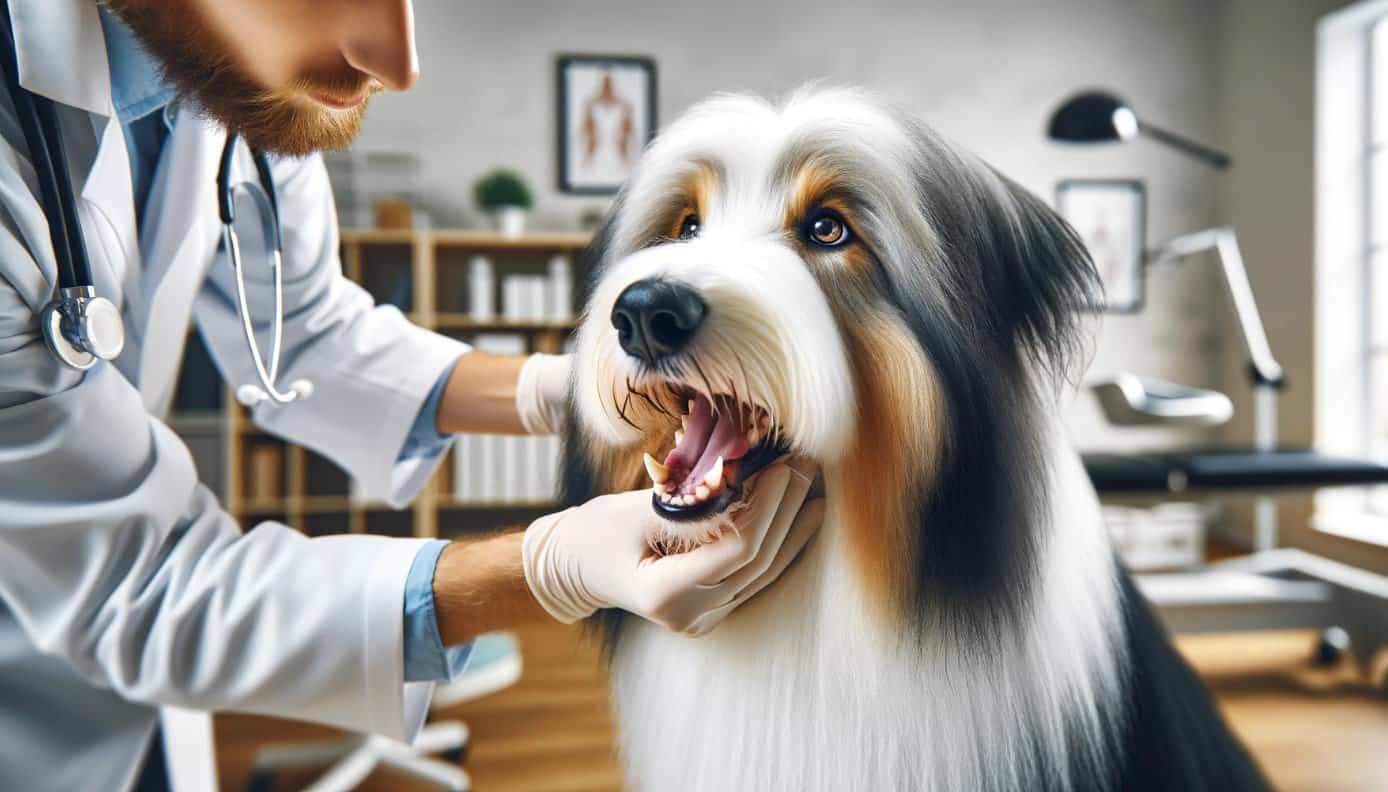
    Hey there, fellow dog lover! I’m Dr. Candy, your friendly holistic veterinarian. Today, we’re going to talk about a topic that’s near and dear to my heart – Borzoi Dental Health. If you’re a proud parent of a Borzoi, you know that these majestic creatures are a joy to have around. But, like all breeds, they have their unique health concerns, and dental health is one of them.

    Did you know that dental health is a key indicator of your dog’s overall health? Yes, it’s true! It’s not just about fresh breath and pearly whites. Poor dental health can lead to serious issues like gum disease, tooth loss, and even systemic diseases affecting the heart and kidneys. So, it’s crucial to keep those Borzoi teeth clean and healthy.

    From recognizing the signs of dental disease in your Borzoi to understanding common dental health issues, we’ll cover it all. We’ll also explore both conventional and holistic dental treatments, and I’ll share my favorite dental chews and products for your Borzoi. So, let’s get started on this journey to better oral hygiene for your beloved furry friend!
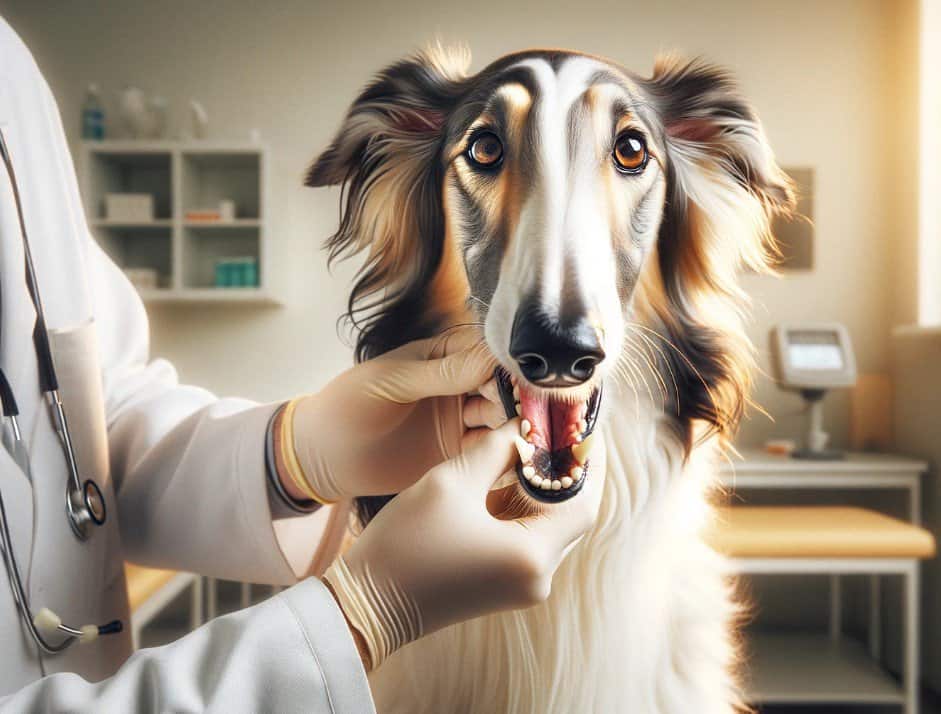
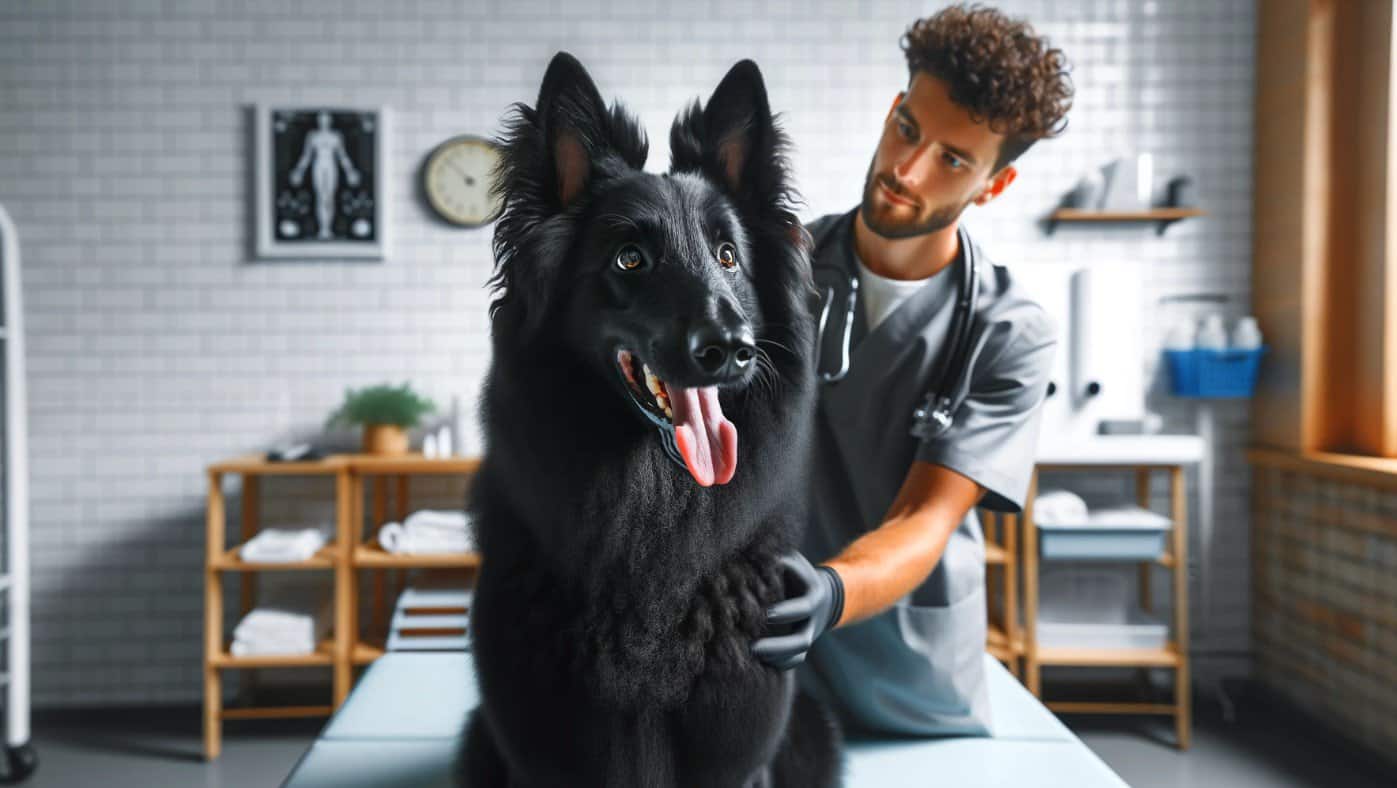
    borzoi dental health

    Signs of Dental Disease in Borzoi

    As a holistic veterinarian, I can’t stress enough how important it is for you as a Borzoi parent to be aware of the signs of dental disease in your pet. Your dog’s dental health is crucial to their overall well-being, and early detection of any issues can make all the difference.

    Bad breath is often the first sign of a problem. If your Borzoi’s breath is consistently foul, it’s time to take a closer look. But don’t stop at just sniffing. Regularly inspect your Borzoi’s mouth for symptoms such as inflamed gums, which might appear red or swollen, and tartar buildup, a yellow or brown crust on the teeth.

    Loss of appetite or difficulty eating can also be a sign of dental disease. If your Borzoi is refusing food, dropping food from their mouth, or seems to be chewing only on one side, these could be signs of oral discomfort.

    Excessive drooling is another symptom to watch out for. While some drool is normal for many dogs, if your Borzoi is drooling more than usual, it might be because of dental pain.

    Finally, pay attention to any changes in behavior. If your usually playful Borzoi seems lethargic or is pawing at their mouth, it’s time to consult a vet.

    • Bad breath
    • Inflamed, red or swollen gums
    • Tartar buildup on teeth
    • Loss of appetite or difficulty eating
    • Excessive drooling
    • Changes in behavior, like lethargy or pawing at the mouth

    Remember, these signs can easily be missed if you’re not actively looking for them. Regular at-home check-ups, combined with professional dental cleanings, are key to maintaining your Borzoi’s oral health.

    As part of your Borzoi’s dental health regimen, consider incorporating some holistic approaches, like specific diet changes and oral health probiotics. But more on that later. For now, just remember: when it comes to your Borzoi’s dental health, prevention is always better than cure. So, keep an eye out for these signs and take action swiftly if you notice anything unusual. Your Borzoi will thank you for it!

    Common Dental Health Issues In Borzoi

    As a veterinarian, I frequently encounter a range of dental health issues in Borzoi dogs. Understanding these common problems can help you take proactive steps towards maintaining your Borzoi’s dental health.

    One of the most common issues is periodontal disease. This is an infection of the tissues surrounding the teeth, which can lead to tooth loss if left untreated. Symptoms include bad breath, red or swollen gums, and difficulty eating.

    Another common problem is tooth decay. Borzois, like other breeds, can develop cavities if their teeth are not regularly cleaned. This can cause discomfort and lead to more serious issues like abscesses.

    Finally, Borzois can also suffer from broken teeth. These can occur due to chewing on hard objects, and can cause significant pain.

    • Periodontal disease: Bad breath, red or swollen gums, difficulty eating
    • Tooth decay: Discomfort, potential for abscesses
    • Broken teeth: Pain, often due to chewing on hard objects

    Remember, regular check-ups and a good oral hygiene routine can help prevent these common Borzoi dental health problems. As always, if you notice any changes in your Borzoi’s eating habits or oral health, it’s important to consult with a veterinarian.

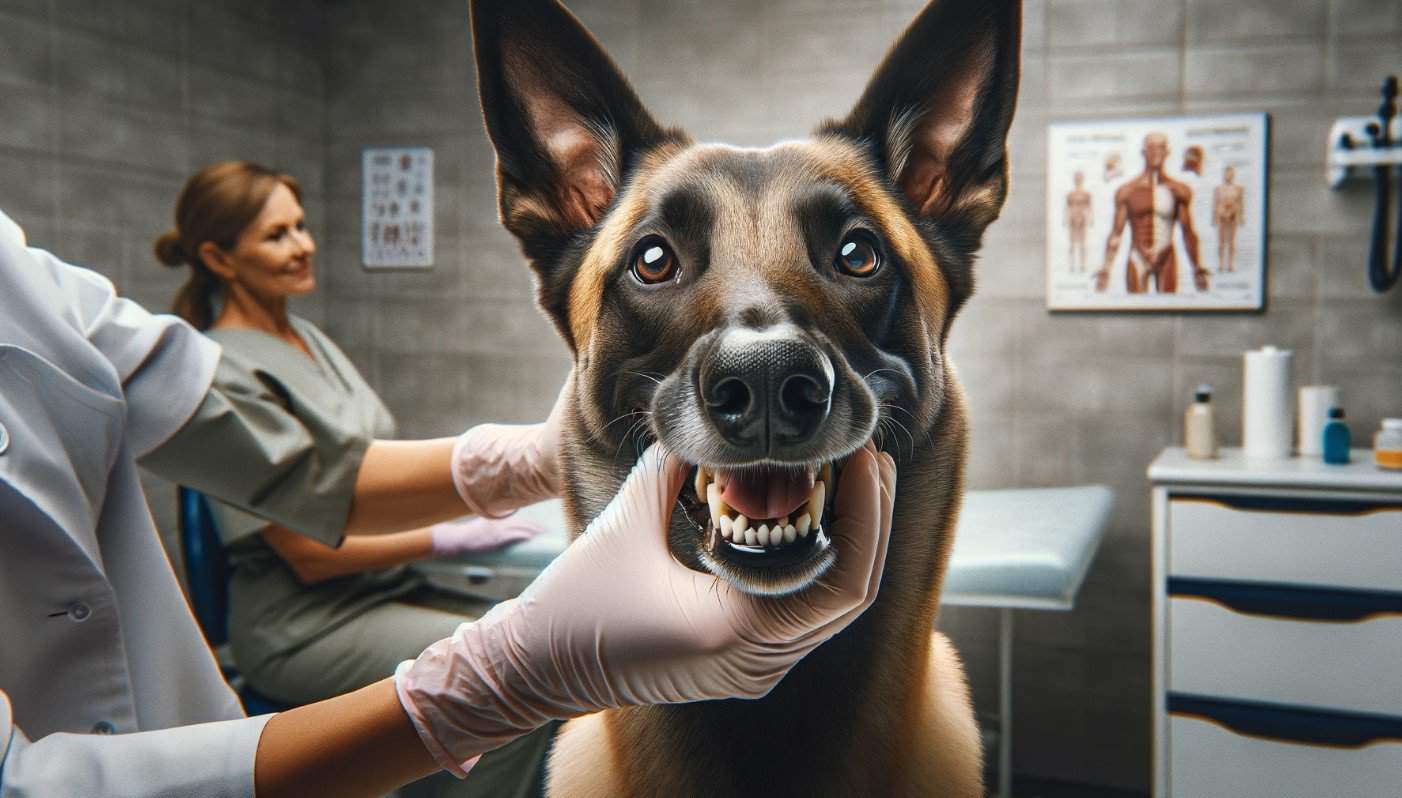
    Borzoi Dental Health

    Conventional Dental Health Treatments for Borzoi

    When it comes to Borzoi dental health, conventional treatments play a significant role. These treatments are designed to maintain oral hygiene and prevent the development of dental diseases.

    Anesthetic Dental Cleanings

    One of the most common treatments is anesthetic dental cleanings. This involves putting your Borzoi under general anesthesia so that a thorough cleaning can be done. This procedure is quite effective as it allows the vet to reach all areas of the mouth, including under the gum line where plaque and tartar can build up.

    However, while anesthetic dental cleanings are beneficial, they also come with risks. General anesthesia can pose serious health issues, especially for dogs with pre-existing conditions.

    Potential Individual Health Obstacles

    In the case of your Borzoi, there are specific health obstacles to consider before opting for anesthetic dental cleanings. Borzoi dogs are known to have certain health conditions that make them more susceptible to risks associated with anesthesia.

    • Heart Problems: Borzoi dogs are prone to cardiac issues, which can be exacerbated by anesthesia. If your Borzoi has a heart condition, it’s essential to discuss this with your vet before any dental procedure.
    • Drug Sensitivities: Borzoi dogs may have sensitivities to certain drugs used in anesthesia, which could lead to adverse reactions.
    • Seizures: If your Borzoi has a history of seizures, anesthesia could potentially trigger an episode.
    • Extreme Age: Older Borzoi dogs may not handle anesthesia as well as younger ones. In such cases, alternative dental care options should be considered.

    In conclusion, while conventional treatments like anesthetic dental cleanings can contribute significantly to your Borzoi’s dental health, it’s crucial to consider individual health obstacles. Always consult with your vet to determine the best course of action for your Borzoi’s oral hygiene. Remember, Borzoi dental health is an essential part of their overall well-being!

    Dr. Candy’s Holistic Approach To Oral & Dental Health

    When it comes to maintaining your Borzoi’s dental health, a holistic approach can be highly beneficial. This involves taking into account the entire health of your dog, rather than just focusing on their teeth. Here are some key aspects of this approach:

    Diet- Low Carbs, Avoid Added Sugars, Enzymes In Fresh Food

    One of the cornerstones of holistic dental health in Borzois is a proper diet. A diet low in carbohydrates is essential. Carbs can turn into sugars in your dog’s mouth, which can lead to plaque buildup and eventually tooth decay. Avoiding added sugars in your dog’s diet is also crucial. These sugars can stick to your Borzoi’s teeth, creating a breeding ground for harmful bacteria.

    Another key aspect of a healthy diet for your Borzoi’s dental health is the inclusion of enzymes found in fresh food. Fresh, raw foods like fruits and vegetables can help to naturally clean your dog’s teeth. These foods contain enzymes that can help to break down plaque and tartar, keeping your dog’s teeth clean and healthy.

    Oral Health Specific Probiotics

    Probiotics are another vital part of a holistic approach to your Borzoi’s dental health. These beneficial bacteria can help to balance out the harmful bacteria in your dog’s mouth, reducing the risk of dental disease.

    I highly recommend Probiora for Dogs, an oral health targeted probiotic. This product is designed specifically to support your dog’s oral health. It contains strains of beneficial bacteria that can combat the harmful bacteria that cause dental disease. Simply add the recommended dose to your dog’s food or water each day to help maintain their oral health.

    Remember, maintaining your Borzoi’s dental health is about more than just cleaning their teeth. It’s about taking a holistic approach that considers their overall health. By focusing on a healthy diet and using products like Probiora for Dogs, you can help to keep your dog’s teeth and gums healthy, reducing their risk of dental disease.

    Remember, your Borzoi’s dental health is a crucial part of their overall wellbeing. By taking a holistic approach, you can help to ensure they stay healthy and happy for many years to come.

    Borzoi Dental Care

    If you’re a Borzoi parent, you might have been led to believe that commercially promoted dental chews are the magic solution for your dog’s oral health. However, it’s important to understand that these chews often fall short of their promises. Many contain added sugars, artificial flavors, colors, and preservatives, which can actually harm your Borzoi’s dental health rather than improving it. Plus, some of these chews are too hard, posing a risk of tooth fractures.

    Furthermore, many pet parents are tempted to use drinking water additives as a quick fix for bad breath. But, these can be counterproductive as they may harm the beneficial bacteria in your dog’s gut, disrupting their overall health.

    So, what are the truly effective solutions for your Borzoi’s dental health?

    As a dog parent, you may have come across commercially promoted dental chews that promise to maintain your Borzoi’s dental health. Unfortunately, many of these products don’t live up to their promises. They are often loaded with artificial ingredients and fillers, which do little to clean your dog’s teeth and can even contribute to dental issues. Moreover, some products like drinking water additives may harm the beneficial bacteria in your dog’s gut, further compromising their overall health.

    So, what’s the alternative? The answer lies in natural, single source proteins, which are not only healthy but also effective in maintaining your dog’s dental health. Here are some of Dr. Candy’s recommended dental chews and products:

    Tendons

    Tendons are a fantastic natural chew for your Borzoi. They are tough and fibrous, which helps to scrape off plaque and tartar from your dog’s teeth. Plus, they are a good source of protein and collagen, promoting good joint health.
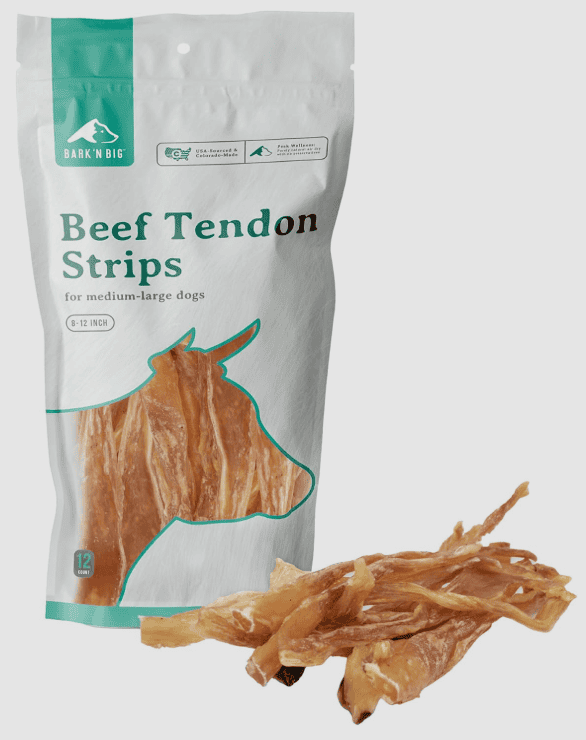
    beef tendons for dog dental health

    Raw Marrow Bones

    Raw marrow bones are another excellent choice for maintaining your dog’s dental health. They are a natural source of calcium and phosphorus, which are essential for healthy teeth and bones. Furthermore, the act of gnawing on bones can help to clean your dog’s teeth and gums.
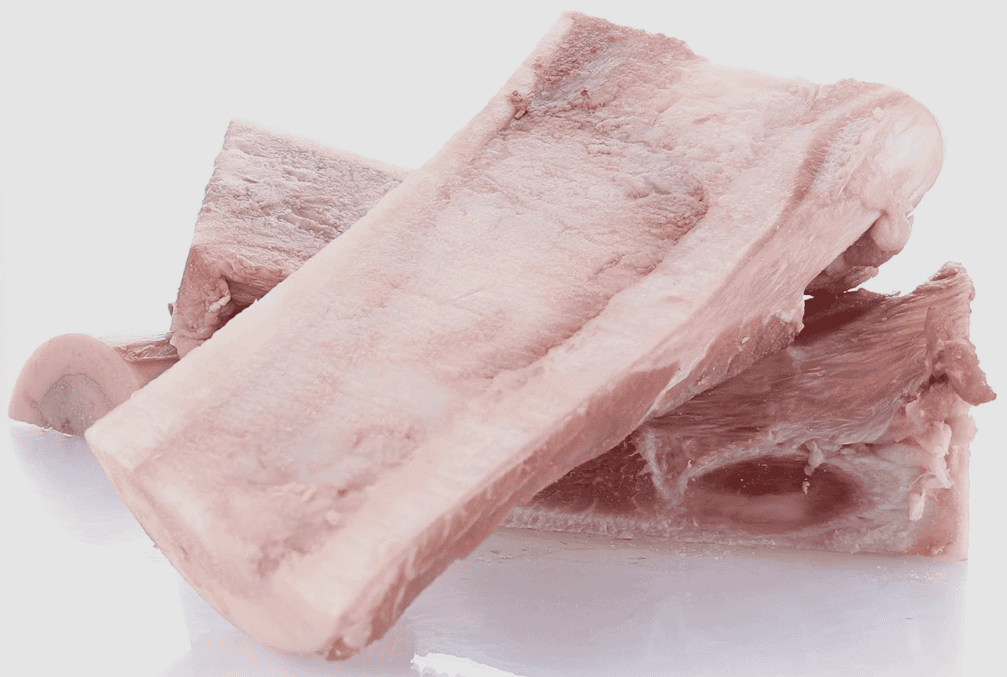
    raw marrow bones for dogs dental health

    Bully Sticks

    Bully sticks are made from 100% beef muscle, providing a natural and digestible chew for your dog. They can effectively remove plaque and tartar and are a good source of protein. However, always supervise your dog while they’re chewing on a bully stick to prevent any choking hazard.

    bully sticks for dog dental health

    Remember, while these dental chews and products can help maintain your Borzoi’s dental health, they should not replace regular check-ups with a vet. Regular professional cleanings are essential to prevent dental diseases and ensure your dog’s overall health.
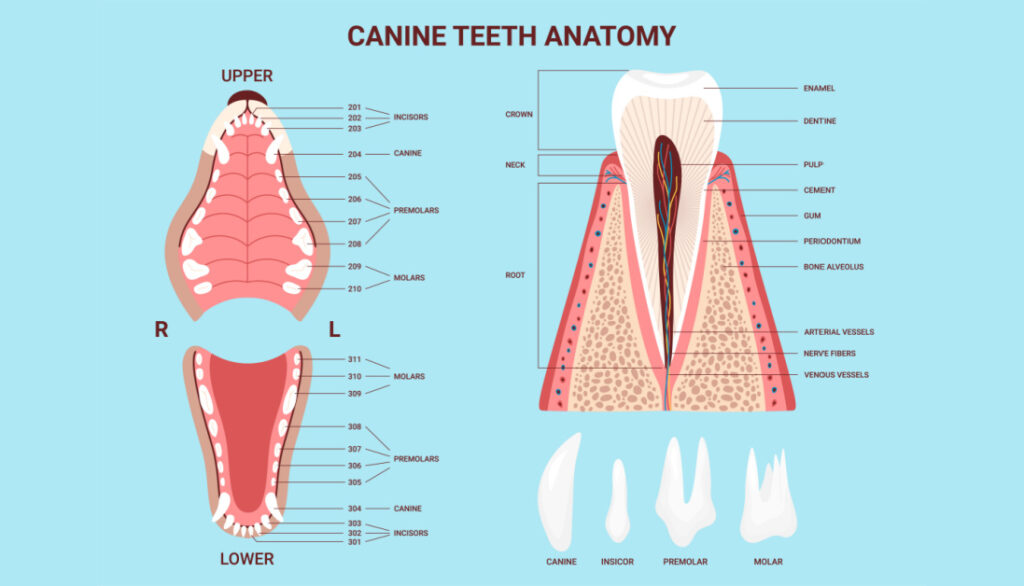
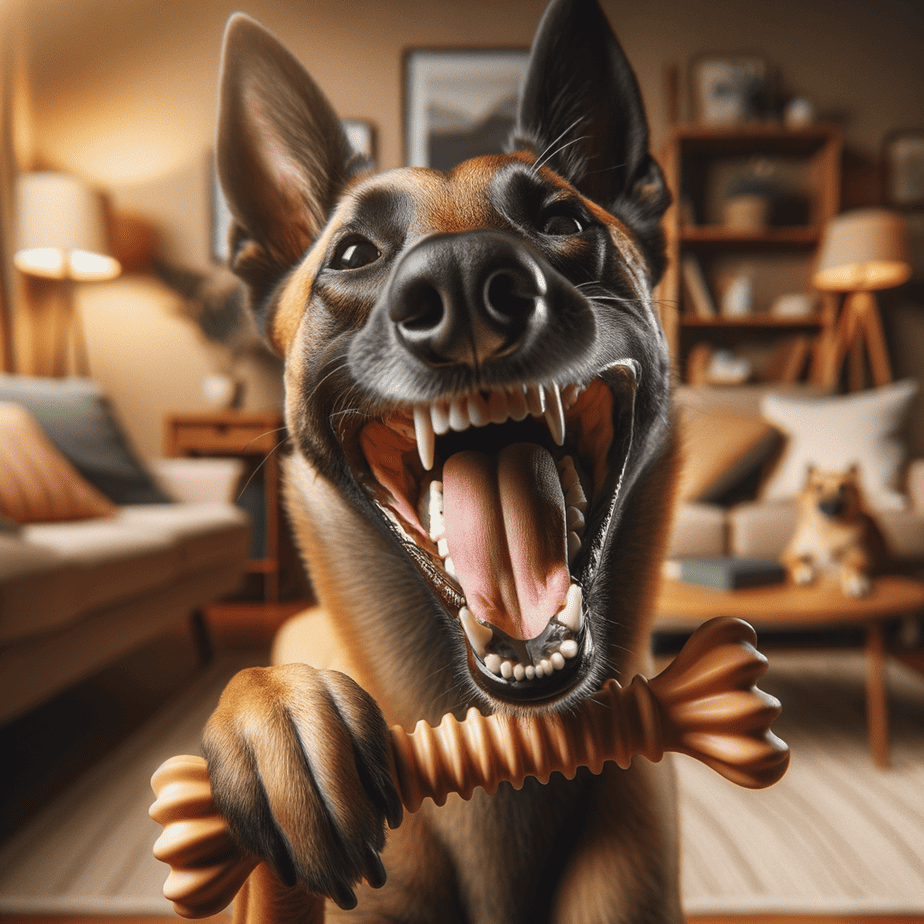
    dog dental health

    Borzoi Dental Health – Solutions For Bad Breath

    Frequently Asked Questions

    • Why does my Borzoi have bad breath?

      Bad breath in Borzois can be caused by various factors such as poor dental hygiene, gum disease, tooth decay, or underlying health issues. It is important to address the root cause and seek appropriate dental care.

    • How can I improve my Borzoi’s dental hygiene?

      To improve your Borzoi’s dental hygiene, you can start by regularly brushing their teeth using a dog-specific toothbrush and toothpaste. Additionally, providing dental chews or toys designed to promote oral health can help reduce plaque and tartar buildup.

    • When should I take my Borzoi to the vet for dental issues?

      If you notice persistent bad breath, swollen or bleeding gums, loose teeth, or any other signs of dental problems, it is recommended to take your Borzoi to the vet for a dental examination. They can determine the extent of the issue and provide appropriate treatment.

    • Are there any home remedies for bad breath in Borzois?

      While home remedies may provide temporary relief, it is crucial to consult with a veterinarian for a proper diagnosis and treatment plan. They may recommend specific dental products, professional cleaning, or other interventions based on your Borzoi’s individual needs.

    • Can diet affect my Borzoi’s dental health?

      Yes, diet plays a significant role in maintaining good dental health for Borzois. Feeding a balanced diet that includes appropriate dental care components, such as dental-friendly treats or kibble, can help promote oral hygiene and reduce the risk of bad breath.

  • Border Terrier Dental Health – Solutions For Bad Breath

    Border Terrier Dental Health – Solutions For Bad Breath

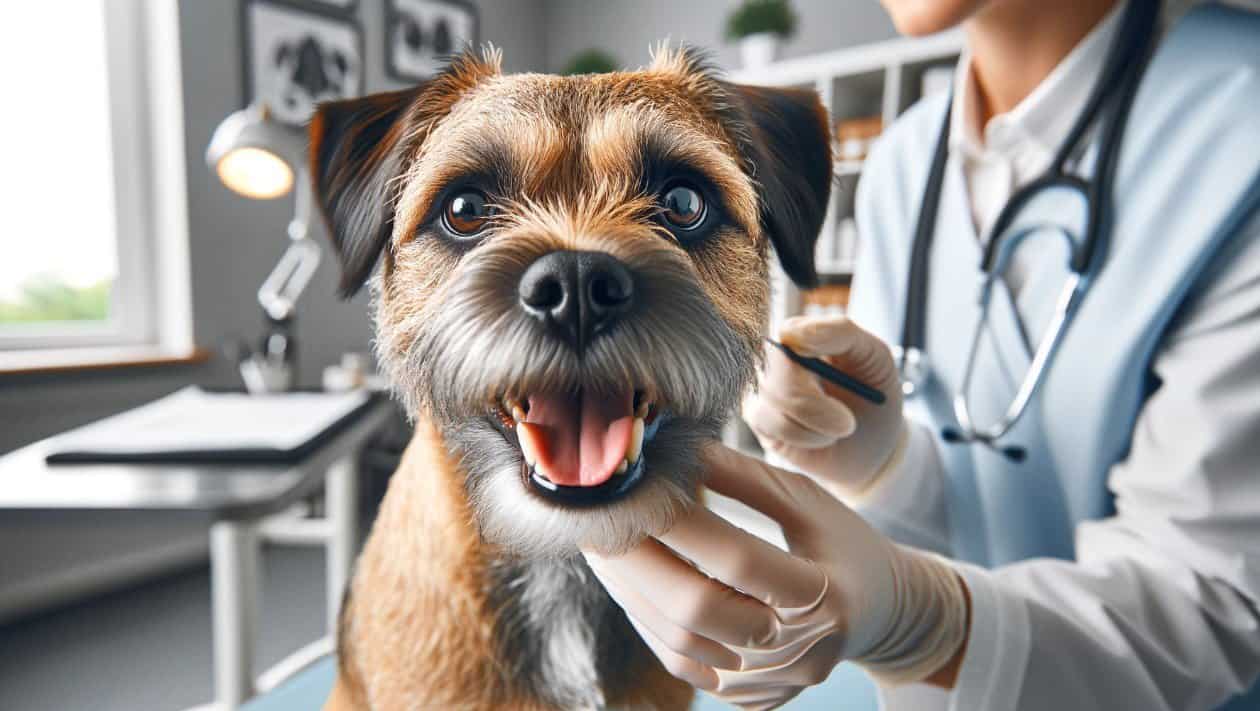
    Hi there, I’m Dr. Candy, your friendly holistic veterinarian. Today, I want to talk about something that’s often overlooked but incredibly important for your furry friend’s well-being – Border Terrier Dental Health. Did you know that dental health is just as crucial for dogs as it is for us humans? It’s true! In fact, maintaining your Border Terrier’s oral health can significantly impact their overall health.

    Unfortunately, Border Terriers, like many other breeds, are prone to certain dental issues. But don’t worry, as a holistic vet, I’m here to guide you through the signs of dental disease, common dental health issues specific to Border Terriers, and both conventional and holistic treatment options.

    Let’s get started on this journey to ensure your Border Terrier has the best dental care possible. Remember, a healthy mouth leads to a happy, healthy dog!

    border terrier dental health

    Signs of Dental Disease in Border Terrier

    As a dedicated dog parent, you’re undoubtedly committed to ensuring your Border Terrier’s health and happiness. However, it’s important to acknowledge that dental health is often overlooked, yet it plays a significant role in the overall well-being of your furry friend. Understanding the signs of dental disease in Border Terriers is the first step towards ensuring a healthy, vibrant smile for your pet.

    Just like us, our furry friends can suffer from dental problems. The most common sign of dental disease in Border Terriers is bad breath. While it’s normal for your dog to have a slightly different smell to their breath, a persistent, foul odor can be an indication of periodontal disease. If you notice this, it’s crucial to seek veterinary advice immediately.

    Another sign to look out for is a change in eating behavior. If your Border Terrier is suddenly disinterested in food, particularly hard kibble, or is eating on one side of the mouth, it could be due to oral discomfort. Likewise, excessive drooling, especially if it’s tinged with blood, can be a sign of dental disease.

    Visible changes in your dog’s mouth are also signs of potential dental problems. These can include red, swollen, or bleeding gums, yellow or brown tartar on the teeth, broken or loose teeth, or even a visible mass or lump in the mouth. Regularly checking your Border Terrier’s mouth for these signs is an excellent preventative measure.

    Lastly, behavioral changes such as irritability, lethargy, or pawing at the mouth may indicate oral discomfort. As a responsible dog owner, it’s essential to pay attention to these subtle changes in your pet’s behavior.

    Remember, early detection is key when it comes to treating dental disease in Border Terriers. So, make sure to keep a keen eye out for these signs and take your furry friend for regular dental check-ups. Together, we can ensure your Border Terrier maintains excellent dental health and a happy, healthy life.

    Common Dental Health Issues in Border Terrier

    As a veterinarian, I’ve seen a range of Border Terrier Dental Health issues. These lovable, energetic dogs are prone to certain dental problems that every Border Terrier parent should be aware of.

    One of the most common issues is Periodontal Disease. This is an infection of the tissues surrounding the teeth and can lead to tooth loss if not treated promptly. Symptoms include bad breath, red or swollen gums, and difficulty eating.

    • Dental Plaque and Tartar: Border Terriers, like other breeds, are susceptible to plaque and tartar buildup. Without regular brushing, this can lead to gum disease and tooth decay.
    • Broken Teeth: Border Terriers love to chew, and sometimes their enthusiasm can lead to broken teeth. This is painful and can lead to infections.
    • Oral Growths: While less common, Border Terriers can develop oral growths or tumors. Regular dental check-ups can help catch these early.

    Addressing these Border Terrier Dental Health issues promptly can help your furry friend lead a happier, healthier life. Remember, prevention is always better than cure. Regular dental check-ups, a healthy diet, and good oral hygiene practices at home are key to keeping your Border Terrier’s teeth healthy.

    Border Terrier Dental Health

    Conventional Dental Health Treatments

    When it comes to Border Terrier Dental Health, there are a couple of conventional treatments that you might consider for your furry friend.

    Anesthetic Dental Cleanings

    First up is anesthetic dental cleanings. This is a professional procedure carried out by a vet, where your Border Terrier will be put under anesthesia. The vet will then perform a thorough cleaning of the teeth, gums, and mouth. This process not only removes tartar and plaque build-up but also helps to prevent the onset of dental diseases.

    However, though effective, anesthetic dental cleanings do come with their risks. Your Border Terrier’s age, overall health, and potential drug sensitivities should be considered before opting for this procedure.

    Potential Individual Health Obstacles

    Speaking of health obstacles, there are a few that could impact your Border Terrier’s dental health. For instance, heart problems could pose a risk during anesthetic dental cleanings. If your Border Terrier has a heart condition, it’s crucial to discuss this with your vet before any procedure.

    Drug sensitivities are another concern. Some Border Terriers might have adverse reactions to the anesthesia used during dental cleanings. This could result in complications during or after the procedure.

    Seizures are yet another obstacle to consider. If your Border Terrier has a history of seizures, certain medications used during dental procedures could trigger an episode.

    Lastly, age is a significant factor. Older Border Terriers might have a higher risk of complications during anesthetic dental cleanings. They may also have a slower recovery rate, making the procedure more challenging.

    Despite these potential obstacles, remember that maintaining your Border Terrier’s dental health is crucial. Regular cleanings, whether at home or by a professional, can help prevent dental diseases and keep your furry friend’s mouth healthy. Always discuss any health concerns with your vet to ensure the safest and most effective treatment for your Border Terrier.

    Remember, Border Terrier Dental Health is not just about fresh breath – it’s about overall health and longevity for your beloved pet.

    Dr. Candy’s Holistic Approach To Oral & Dental Health

    As a dedicated pet parent, you want the best for your Border Terrier, and this includes their dental health. Let me share with you Dr. Candy’s holistic approach to oral and dental health. This method is not only about addressing the symptoms of dental issues but also about preventing them from happening in the first place.

    Diet- Low Carbs, Avoid Added Sugars, Enzymes In Fresh Food

    The first step in this holistic approach is to focus on your Border Terrier’s diet. Feeding your dog a diet low in carbohydrates and free from added sugars can significantly improve their dental health. Carbohydrates, especially sugars, are known to provide a breeding ground for harmful bacteria in the mouth, which can lead to dental problems such as plaque and tartar build-up.

    Instead, consider incorporating more fresh foods into your dog’s diet. Fresh foods are packed with natural enzymes that can help maintain oral health. These enzymes can break down food particles and prevent them from sticking to your dog’s teeth. Here’s a quick list of enzyme-rich foods you might want to consider:

    • Raw carrots
    • Apples
    • Pineapple
    • Papaya

    Remember, these should be given in moderation and should not replace your dog’s regular meals.

    Oral Health Specific Probiotics

    Another crucial aspect of Dr. Candy’s holistic approach is the use of oral health-specific probiotics. Probiotics are beneficial bacteria that can help balance the oral microbiome, preventing the overgrowth of harmful bacteria that can lead to dental disease. One such product that I highly recommend is Probiora for Dogs, an oral health-targeted probiotic.

    This probiotic is specially formulated to target the specific bacteria in your dog’s mouth, promoting overall oral health. It’s easy to use – you just sprinkle it on your dog’s food once a day, and it goes to work, helping to prevent bad breath, plaque, and tartar.

    Remember, while these steps can significantly aid in maintaining your Border Terrier’s dental health, they are not a substitute for regular veterinary check-ups. Always consult with your vet for the best dental care practices for your furry friend.

    So, let’s take a step towards improving our Border Terrier’s dental health with this holistic approach. After all, a healthy mouth leads to a happy dog!

    Border Terrier Dental care

    One of the most common misconceptions about oral health in Border Terriers is the effectiveness of commercially promoted dental chews. The truth is, many of these products fail to deliver on their promises and can even be harmful to your dog’s dental health. They often contain artificial ingredients and preservatives which can lead to other health issues. Furthermore, they are usually hard and can fracture your dog’s teeth.

    Another product that has been gaining popularity is drinking water additives. While they may seem like a convenient solution to keep your dog’s mouth clean, they can actually harm the beneficial bacteria in your dog’s gut. Hence, it’s essential to choose dental products wisely.

    When it comes to dental chews and products for your Border Terrier’s dental health, the focus should be on single-source natural proteins. Here’s a list of Dr. Candy’s recommended dental chews and products:

    Tendons

    Tendons are a fantastic natural chew for your Border Terrier. They are tough and fibrous, which helps to scrape off plaque and tartar from your dog’s teeth. Plus, they are a good source of protein and collagen, promoting good joint health.

    beef tendons for dog dental health

    Raw Marrow Bones

    Raw marrow bones are another excellent choice for maintaining your dog’s dental health. They are a natural source of calcium and phosphorus, which are essential for healthy teeth and bones. Furthermore, the act of gnawing on bones can help to clean your dog’s teeth and gums.

    raw marrow bones for dogs dental health

    Bully Sticks

    Bully sticks are made from 100% beef muscle, providing a natural and digestible chew for your dog. They can effectively remove plaque and tartar and are a good source of protein. However, always supervise your dog while they’re chewing on a bully stick to prevent any choking hazard.

    bully sticks for dog dental health

    Border Terrier Dental Health is not something that should be overlooked. With the right products and a little bit of your time, you can ensure your furry friend has a healthy mouth for years to come.

    Frequently Asked Questions

    Q: How can I prevent bad breath in my Border Terrier? A: Regular brushing of your Border Terrier’s teeth with a dog-specific toothbrush and toothpaste can help prevent bad breath. Additionally, providing dental chews or toys designed to promote oral health can also be beneficial.

    Q: What are some signs of dental problems in Border Terriers? A: Signs of dental problems may include bad breath, swollen or bleeding gums, difficulty eating, loose or missing teeth, excessive drooling, and reluctance to have their mouth touched. If you notice any of these signs, it is important to consult a veterinarian.

    Q: Can diet affect my Border Terrier’s dental health? A: Yes, diet can play a role in your Border Terrier’s dental health. Feeding a balanced diet that includes appropriate dental care components, such as crunchy kibble or dental treats, can help reduce plaque and tartar buildup.

    Q: How often should I have my Border Terrier’s teeth professionally cleaned? A: The frequency of professional dental cleanings can vary depending on your dog’s individual needs and the recommendation of your veterinarian. In general, it is recommended to have a dental cleaning performed by a veterinarian once a year or as advised.

    Q: Are there any home remedies for bad breath in Border Terriers? A: While there are some home remedies that may provide temporary relief, it is important to address the underlying cause of bad breath. Consult with a veterinarian to determine the best course of action for your Border Terrier’s specific needs.

  • Bolognese Dental Health – Solutions For Bad Breath

    Bolognese Dental Health – Solutions For Bad Breath

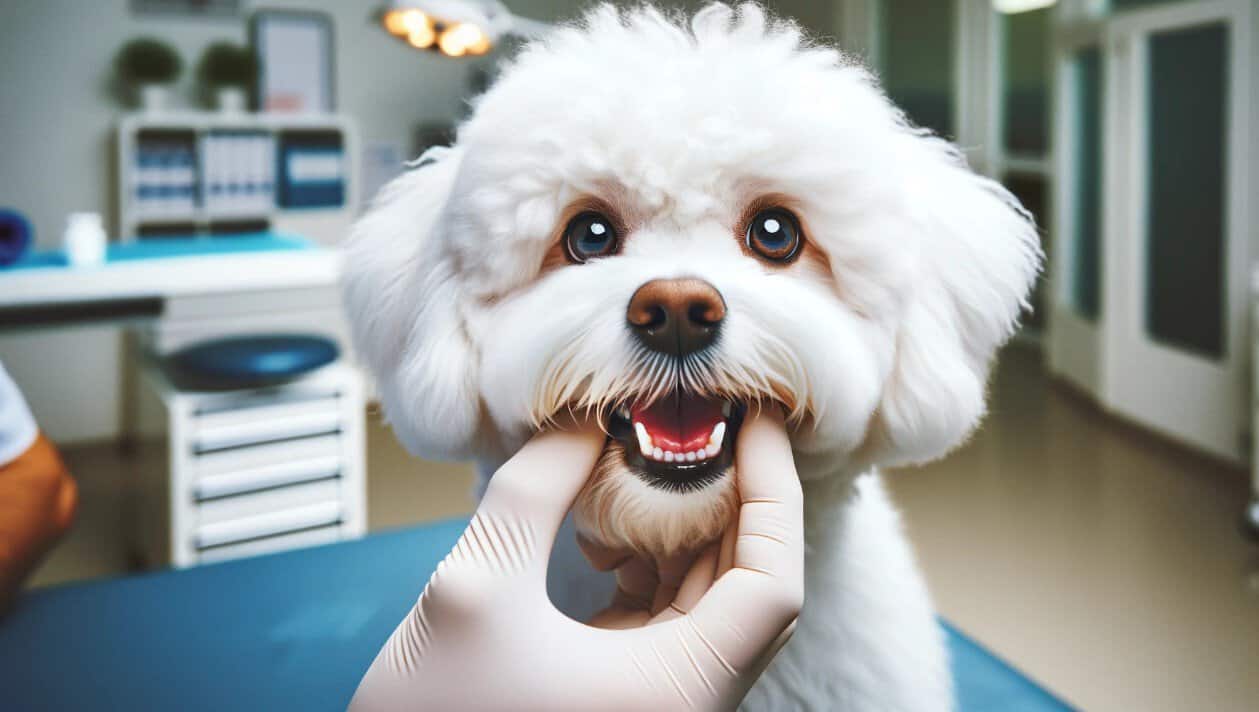
    Hi there, fellow dog lover! I’m Dr. Candy, your friendly holistic veterinarian. Today, we’re going to talk about something that’s incredibly important but often overlooked – Bolognese Dental Health. You see, just like us, our furry friends can suffer from dental issues. And if left untreated, these can lead to serious health problems.

    When it comes to our adorable Bolognese dogs, their dental health is as crucial as their overall wellness. Many pet parents don’t realize that a dog’s oral health can significantly impact their overall health. Poor dental hygiene can lead to painful conditions and even systemic diseases like heart disease and kidney problems.

    As a holistic veterinarian, I believe in the power of prevention. So, let’s explore how we can keep our Bolognese’s pearly whites healthy and prevent dental diseases. From recognizing the signs of dental disease to discussing conventional and holistic treatments, we’ll cover it all. So, buckle up and get ready to dive into the world of Bolognese Dental Health!

    bolognese dental health

    Signs of Dental Disease in Bolognese

    As a holistic veterinarian, I want to help you understand how to recognize the signs of dental disease in your Bolognese. It’s crucial to maintain your furry friend’s dental health, as it impacts their overall well-being. So, let’s delve into the symptoms that indicate your Bolognese may be suffering from dental issues.

    The most obvious sign of dental disease is bad breath. If your Bolognese’s breath is persistently unpleasant, it might be time to check their teeth. Another symptom is a change in eating habits. If your dog is struggling to chew or is eating less, this could signal a dental issue. Also, pay attention to any excessive drooling. While some dogs naturally drool more than others, sudden or excessive drooling can be a sign of dental disease.

    Further, look out for red, swollen, or bleeding gums. Healthy gums should be firm and pink, not red or white, and should not bleed. If your Bolognese has discolored gums, it might be a sign of gingivitis or other oral health issues. Similarly, discolored teeth or tartar buildup are red flags. Healthy teeth should be white, and any yellow or brown discoloration can be a sign of plaque or tartar buildup, leading to more serious dental problems if left untreated.

    Lastly, if your Bolognese appears to be in pain around the mouth area, it’s a clear indication of a dental health issue. This could manifest as your dog pawing at their mouth, being reluctant to have their face touched, or showing discomfort when eating or drinking.

    Remember, early detection of dental disease can make a world of difference for your Bolognese’s health and quality of life. As dog parents, it’s our responsibility to ensure our pets are healthy and happy. Regular check-ups and vigilance for these signs will go a long way in maintaining your Bolognese’s dental health.

    Stay tuned for the next section where we’ll explore common dental health issues specific to Bolognese and how to address them. Together, we can ensure your Bolognese enjoys optimal dental health for a lifetime of smiles.

    Common Dental Health Issues In Bolognese

    As a veterinarian, I often see Bolognese Dental Health issues that are unfortunately common in this breed. These small, white dogs are known for their charming and playful demeanor, but their dental health can often be overlooked. It’s essential to understand what dental problems your Bolognese may face to keep them healthy and happy.

    • Periodontal Disease: This is the most common dental problem in Bolognese. It starts with the build-up of plaque and tartar, leading to gum inflammation (gingivitis). If left untreated, it can progress to periodontal disease, causing tooth loss and potentially affecting major organs.
    • Bad Breath: Bad breath or halitosis in Bolognese is often a sign of underlying dental issues. It’s not just unpleasant for you; it could mean your Bolognese is in discomfort.
    • Tooth Decay: Bolognese dogs are also prone to tooth decay, which can lead to painful cavities. Regular dental check-ups can help catch this early.
    • Broken Teeth: Bolognese, like other small breeds, are prone to broken teeth due to their small mouth size and thin enamel. This can occur from chewing on hard objects or due to trauma.

    Regular dental check-ups and a good oral hygiene routine can help prevent these common Bolognese Dental Health issues. Remember, a healthy mouth contributes to a healthy, happy Bolognese.

    Bolognese Dental Health

    Conventional Dental Health Treatments for Bolognese

    When it comes to Bolognese dental health, there are several conventional treatments that can help maintain your pup’s pearly whites. It’s crucial to remember that each dog is unique, and what works for one may not work for another. Always consult your vet before starting any new treatment.

    Anesthetic Dental Cleanings

    One common method for maintaining oral health in Bolognese dogs is through anesthetic dental cleanings. This procedure involves the use of anesthesia to put your dog into a sleep-like state, after which a professional cleaning is performed. The cleaning process removes plaque and tartar, which, if left untreated, can lead to severe dental problems such as periodontal disease.

    While anesthetic dental cleanings can be effective, they’re not without potential risks. Some Bolognese may have health obstacles such as heart problems, drug sensitivities, or seizures that could make anesthesia risky. Additionally, very old dogs might have a harder time recovering from anesthesia. Always discuss these potential risks with your vet.

    Potential Individual Health Obstacles

    Every Bolognese is different, and their individual health status can affect their dental health and how they respond to treatments. For example, dogs with heart problems might have a higher risk of complications during anesthetic dental cleanings. Similarly, dogs with drug sensitivities might react adversely to certain medications used in dental procedures.

    Seizures can also pose challenges for Bolognese dental health. If your dog has a history of seizures, certain dental procedures might trigger an episode. Lastly, age can present its own set of challenges. Older dogs are more prone to dental issues and may not tolerate certain treatments as well as younger dogs.

    In all these scenarios, it’s vital to have open communication with your vet. Together, you can come up with a plan that ensures your Bolognese’s dental health while keeping their overall well-being in mind.

    Remember, good Bolognese dental health isn’t just about treating problems as they arise, but preventing them from occurring in the first place. Regular check-ups, a good diet, and proper home care can go a long way to keeping your Bolognese’s teeth clean and healthy.

    When it comes to Bolognese Dental Health, I believe in a holistic approach. This means looking beyond just brushing and dental chews. It’s about considering the overall health of your Bolognese, and this starts with their diet.

    Bolognese Dental care

    Diet: Low Carbs, Avoid Added Sugars, Enzymes In Fresh Food

    Feeding your Bolognese a low-carb diet can significantly improve their dental health. Carbohydrates, especially the simple ones, break down into sugars in the mouth and can lead to plaque build-up and eventually to dental disease. So, try to limit the amount of carbs in your dog’s diet.

    Added sugars are another culprit for poor dental health. They not only contribute to obesity but also to tooth decay. Always check the ingredients of your dog’s food and treats to ensure they are free from added sugars.

    Lastly, incorporating fresh foods into your Bolognese’s diet can be hugely beneficial. Fresh foods, especially raw fruits and vegetables, contain natural enzymes that can help break down plaque and tartar. Chewing on a crunchy carrot or apple can act as a natural toothbrush for your dog, helping to keep their teeth clean and healthy.

    Oral Health Specific Probiotics

    Another part of my holistic approach to Bolognese dental health is the use of oral health specific probiotics. Just like in humans, a healthy gut microbiome is essential for overall health, and that includes dental health. Probiotics can help to balance the bacteria in your dog’s mouth, reducing harmful bacteria that can lead to dental disease.

    I highly recommend Probiora for Dogs, an oral health targeted probiotic. This product is designed to support your dog’s oral health by promoting a healthy balance of bacteria in the mouth. It’s easy to use, just sprinkle it on your dog’s food once a day.

    Remember, a holistic approach to your Bolognese’s dental health involves more than just brushing and dental chews. By considering their diet and incorporating probiotics, you can help to support their dental health and overall well-being. And as always, regular check-ups with your vet are essential to catch any potential dental issues early.

    dog dental health

    As a dog parent, you may have come across commercially promoted dental chews that promise to maintain your Bolognese’s dental health. Unfortunately, many of these products don’t live up to their promises. They are often loaded with artificial ingredients and fillers, which do little to clean your dog’s teeth and can even contribute to dental issues. Moreover, some products like drinking water additives may harm the beneficial bacteria in your dog’s gut, further compromising their overall health.

    So, what’s the alternative? The answer lies in natural, single source proteins, which are not only healthy but also effective in maintaining your dog’s dental health. Here are some of Dr. Candy’s recommended dental chews and products:

    Tendons

    Tendons are a fantastic natural chew for your Bolognese. They are tough and fibrous, which helps to scrape off plaque and tartar from your dog’s teeth. Plus, they are a good source of protein and collagen, promoting good joint health.

    beef tendons for dog dental health

    Raw Marrow Bones

    Raw marrow bones are another excellent choice for maintaining your dog’s dental health. They are a natural source of calcium and phosphorus, which are essential for healthy teeth and bones. Furthermore, the act of gnawing on bones can help to clean your dog’s teeth and gums.

    raw marrow bones for dogs dental health

    Bully Sticks

    Bully sticks are made from 100% beef muscle, providing a natural and digestible chew for your dog. They can effectively remove plaque and tartar and are a good source of protein. However, always supervise your dog while they’re chewing on a bully stick to prevent any choking hazard.

    bully sticks for dog dental health

    Remember, while these dental chews and products can help maintain your Bolognese’s dental health, they should not replace regular check-ups with a vet. Regular professional cleanings are essential to prevent dental diseases and ensure your dog’s overall health.

    By choosing the right products and maintaining a consistent oral hygiene routine, you can ensure your Bolognese’s teeth remain healthy and their breath stays fresh. After all, your Bolognese’s dental health is an integral part of their overall wellbeing.

    Frequently Asked Questions

    1. What causes bad breath?

    Bad breath, or halitosis, can be caused by various factors such as poor oral hygiene, gum disease, dry mouth, certain foods, smoking, and underlying medical conditions.

    2. How can I improve my oral hygiene?

    To improve your oral hygiene and combat bad breath, it is important to brush your teeth at least twice a day, floss daily, clean your tongue, use mouthwash, and visit your dentist regularly for professional cleanings.

    3. Are there any home remedies for bad breath?

    Yes, there are some home remedies that can help freshen your breath. These include drinking plenty of water, chewing sugar-free gum, eating crunchy fruits and vegetables, using baking soda as a toothpaste, and rinsing with a mixture of water and apple cider vinegar.

    4. When should I see a dentist about my bad breath?

    If you have persistent bad breath despite practicing good oral hygiene, it is recommended to see a dentist. They can evaluate your oral health, identify any underlying issues, and provide appropriate treatment or refer you to a specialist if needed.

    5. Can bad breath be a sign of a more serious health problem?

    In some cases, chronic bad breath can be a symptom of an underlying health condition such as respiratory infections, diabetes, liver or kidney problems, or gastrointestinal issues. If your bad breath is accompanied by other concerning symptoms, it is advisable to consult with a healthcare professional.

  • Bohemian Shepherd Dental Health – Solutions For Bad Breath

    Bohemian Shepherd Dental Health – Solutions For Bad Breath

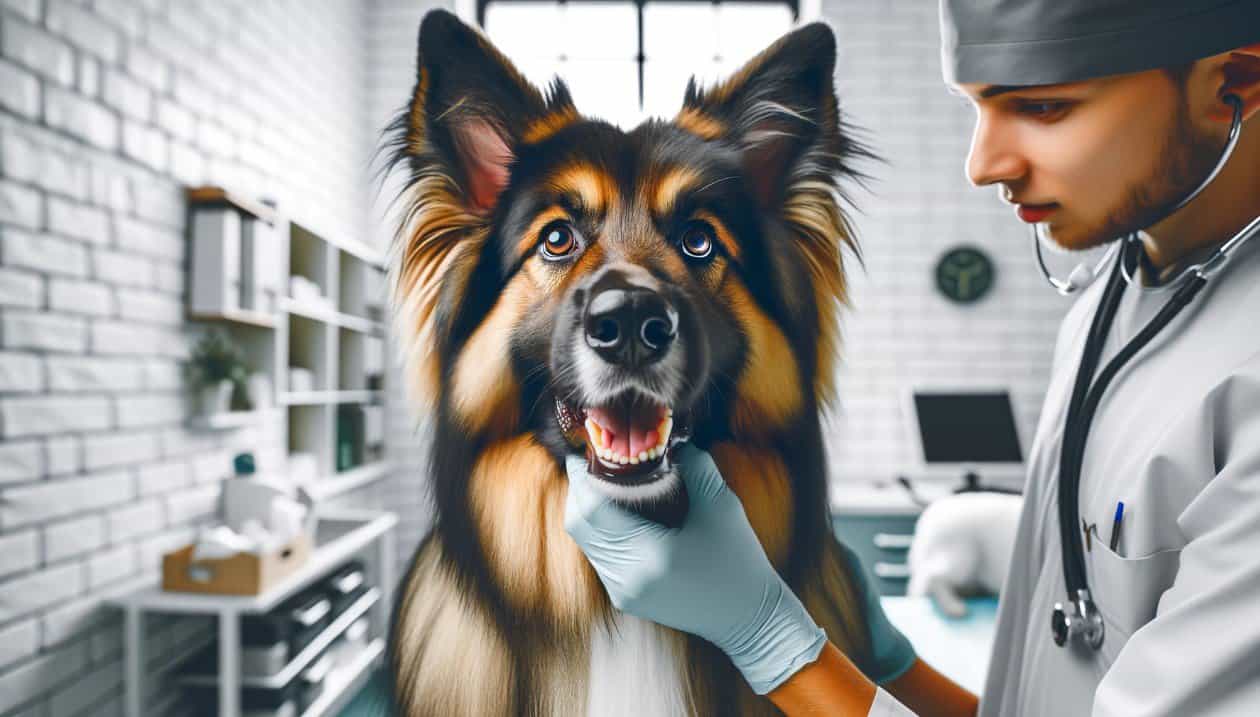
    Hello, fellow dog lovers! I’m Dr. Candy, your holistic veterinarian. Today, we’re going to talk about a topic that’s close to my heart – Bohemian Shepherd Dental Health. As a vet, I’ve seen how often dental health is overlooked in our furry friends. But did you know that oral health is just as important for our dogs as it is for us? Yes, you heard it right!

    Just like humans, dogs can suffer from a variety of dental issues, and our beloved Bohemian Shepherds are no exception. Their strong, powerful jaws can hide signs of dental disease, leading to serious problems if left unchecked. From bad breath to gum disease, these issues can significantly impact your Bohemian Shepherd’s overall health and happiness.

    So, let’s dive in and learn more about Bohemian Shepherd teeth care, common dental problems in these beautiful dogs, and how we can address them. Remember, a healthy mouth equals a happy, healthy dog!

    bohemian shepherd dental health

    Signs of Dental Disease in Bohemian Shepherd

    As a dedicated and loving Bohemian Shepherd parent, it’s essential to be familiar with the signs of dental disease in your furry friend. This knowledge can help you detect issues early and take prompt action, ensuring your dog’s oral health remains optimal. So, what are the signs you should be looking out for?

    Firstly, bad breath is a common sign of dental disease in Bohemian Shepherds. A healthy dog’s breath shouldn’t be overly offensive. If you notice a sudden change or a consistently foul smell, it could indicate an underlying dental problem.

    Secondly, pay close attention to your dog’s behavior while eating. If your Bohemian Shepherd is suddenly eating on one side of their mouth, dropping food, or refusing to eat hard kibble, it could be a sign of dental discomfort or disease.

    Thirdly, look out for visible signs of oral issues. These may include red, swollen, or bleeding gums, loose or broken teeth, or yellow-brown tartar build-up on the teeth. Regularly checking your dog’s mouth can help you spot these signs early.

    Other signs of dental disease can be less obvious but equally important. These include excessive drooling, pawing at the mouth, or changes in behavior such as increased aggression or depression. Remember, dogs are masters at hiding pain, so subtle changes can often be a clue that something is amiss.

    Understanding these signs of dental disease in your Bohemian Shepherd is the first step towards ensuring their oral health. Regular check-ups with your vet are also crucial, as they can detect problems that may not be visible or apparent to the untrained eye. But remember, prevention is always better than cure. A combination of good dental hygiene practices at home and professional dental care can help keep your Bohemian Shepherd’s teeth and gums healthy for years to come.

    So, let’s dive deeper into the common dental health issues that can affect your Bohemian Shepherd, and explore the best ways to prevent and treat these problems.

    dog dental health

    Common Dental Health Issues In Bohemian Shepherd

    As a veterinarian, I’ve observed that Bohemian Shepherd dental health can be compromised by several common issues. Similar to other breeds, these dogs can suffer from periodontal disease, a condition caused by plaque and tartar accumulation around the gumline. This can lead to inflammation, gingivitis, and eventually, loss of teeth. It’s essential to regularly check your Bohemian Shepherd’s mouth for signs of this disease, such as bad breath, red or swollen gums, and a reluctance to eat hard food.

    Another common issue is tooth decay or cavities. This is often the result of a diet high in carbohydrates and sugars, which can promote the growth of harmful bacteria in the mouth. Regular teeth cleaning and a balanced diet can help prevent this issue.

    • Periodontal Disease: Caused by plaque and tartar, leading to inflammation and possible tooth loss.
    • Tooth Decay: Often a result of a high-carb, high-sugar diet promoting harmful bacteria.

    Bohemian Shepherds are also prone to broken or fractured teeth, especially if they have a habit of chewing on hard objects. Regularly inspecting your dog’s mouth and providing safe chew toys can help avoid this issue. Lastly, oral tumors can occur, though they are less common. Any unusual lump or growth in your dog’s mouth should be checked by a vet immediately.

    • Broken or Fractured Teeth: Can be caused by chewing on hard objects.
    • Oral Tumors: Less common, but any unusual growth should be checked immediately.

    Maintaining your Bohemian Shepherd’s dental health is crucial for their overall well-being. Regular check-ups, a balanced diet, and good oral hygiene practices can help prevent these common dental issues.

    Bohemian Shepherd Dental Health

    When it comes to maintaining your Bohemian Shepherd’s dental health, it’s crucial to consider conventional treatments as a part of the overall care regimen. These treatments are highly recommended by veterinarians and can significantly contribute to your pet’s oral hygiene.

    Anesthetic Dental Cleanings

    Anesthetic dental cleanings are one of the most effective ways to maintain your Bohemian Shepherd’s dental health. This procedure involves a thorough cleaning of the dog’s teeth while they are under anesthesia. It helps remove any accumulated plaque or tartar, which are the main causes of dental diseases. Moreover, it gives the veterinarian an opportunity to examine your pet’s mouth closely and identify any potential issues that may not be visible during a regular check-up. However, it’s important to consult your vet before opting for this treatment, as anesthesia may not be suitable for all dogs.

    Potential Individual Health Obstacles

    While anesthetic dental cleanings can be highly beneficial, certain health obstacles might make it risky for some Bohemian Shepherds. Dogs with heart problems, for instance, may not respond well to anesthesia. In such cases, alternative treatments should be explored.

    Similarly, some dogs may have drug sensitivities, which can lead to adverse reactions during the dental procedure. It’s crucial to discuss your dog’s medical history with the vet before proceeding with the treatment.

    Seizures can also be a potential health obstacle. Dogs that experience seizures may be at a higher risk during anesthetic procedures. Similarly, extreme age can make anesthesia riskier. Older dogs often have underlying health issues that can complicate the process.

    Despite these potential obstacles, remember that maintaining your Bohemian Shepherd’s dental health is crucial. Regular dental check-ups, coupled with good oral hygiene practices at home, can go a long way in ensuring your pet’s overall health and well-being. It’s all about finding the right balance and choosing the most suitable treatment options for your beloved pet.

    When it comes to maintaining your Bohemian Shepherd’s dental health, a holistic approach can be highly beneficial. This approach focuses on natural methods and preventative measures, like a proper diet and the use of oral health-specific probiotics.

    A Holistic Diet for Dental Health

    One of the most effective ways to promote good oral health in your Bohemian Shepherd is through their diet. A diet that is low in carbohydrates and avoids added sugars can help prevent dental issues. This is because carbs and sugars can stick to your dog’s teeth, promoting the growth of harmful bacteria that can lead to plaque and tartar buildup.

    Instead, focus on providing your dog with a diet rich in enzymes found in fresh foods. These enzymes can help break down food particles and control bacteria in your dog’s mouth. Foods like raw carrots, apples, and celery can be great additions to your dog’s diet. They not only provide essential nutrients but also act as natural toothbrushes, scrubbing your dog’s teeth as they chew.

    Oral Health Specific Probiotics

    Probiotics are another essential part of a holistic approach to your Bohemian Shepherd’s dental health. These beneficial bacteria can help maintain a healthy balance of microorganisms in your dog’s mouth, preventing the overgrowth of harmful bacteria that can lead to dental disease.

    One product I highly recommend is Probiora for Dogs. This oral health targeted probiotic is specially formulated for dogs, promoting healthy gums and fresh breath. It’s easy to use – simply sprinkle it on your dog’s food once a day. Over time, you’ll notice a significant improvement in your dog’s oral health.

    Remember, maintaining your Bohemian Shepherd’s dental health is not just about regular teeth cleanings. It’s about taking a holistic approach that includes a proper diet and the use of beneficial supplements like oral health-specific probiotics. By doing so, you can help ensure your Bohemian Shepherd has a healthy mouth and fresh breath for years to come.

    Bohemian Shepherd Dental care

    When it comes to Bohemian Shepherd Dental Health, it’s essential to understand that not all dental chews are created equal. Some commercially promoted dental chews may seem like a convenient solution but, unfortunately, they often fail to deliver the expected results. These products often contain artificial ingredients and fillers that don’t contribute to your dog’s dental health and can even harm their overall health.

    Moreover, some dog parents might be tempted to use drinking water additives, thinking it’s a quick-fix solution to their pet’s dental issues. However, this approach could be counterproductive. These additives can disrupt the natural balance of beneficial bacteria in your dog’s gut, which plays a crucial role in their overall health.

    As a dog parent, you may have come across commercially promoted dental chews that promise to maintain your Bohemian Shepherd’s dental health. Unfortunately, many of these products don’t live up to their promises. They are often loaded with artificial ingredients and fillers, which do little to clean your dog’s teeth and can even contribute to dental issues. Moreover, some products like drinking water additives may harm the beneficial bacteria in your dog’s gut, further compromising their overall health.

    So, what’s the alternative? The answer lies in natural, single source proteins, which are not only healthy but also effective in maintaining your dog’s dental health. Here are some of Dr. Candy’s recommended dental chews and products:

    Tendons

    Tendons are a fantastic natural chew for your Bohemian Shepherd. They are tough and fibrous, which helps to scrape off plaque and tartar from your dog’s teeth. Plus, they are a good source of protein and collagen, promoting good joint health.

    beef tendons for dog dental health

    Raw Marrow Bones

    Raw marrow bones are another excellent choice for maintaining your dog’s dental health. They are a natural source of calcium and phosphorus, which are essential for healthy teeth and bones. Furthermore, the act of gnawing on bones can help to clean your dog’s teeth and gums.

    raw marrow bones for dogs dental health

    Bully Sticks

    Bully sticks are made from 100% beef muscle, providing a natural and digestible chew for your dog. They can effectively remove plaque and tartar and are a good source of protein. However, always supervise your dog while they’re chewing on a bully stick to prevent any choking hazard.

    bully sticks for dog dental health

    Remember, while these chews can significantly contribute to your Bohemian Shepherd’s dental health, they should be used as part of a comprehensive dental care routine. Regular vet check-ups, a balanced diet, and proper home care are also key elements in ensuring your dog’s dental health.

    Frequently Asked Questions

    1. What causes bad breath in Bohemian Shepherds?

    Bad breath in Bohemian Shepherds can be caused by various factors such as poor dental hygiene, gum disease, tooth decay, or the presence of bacteria in the mouth.

    2. How can I improve my Bohemian Shepherd’s dental hygiene?

    To improve your Bohemian Shepherd’s dental hygiene, you can:

    • Brush their teeth regularly using a dog-specific toothbrush and toothpaste.
    • Provide dental chews or toys that help clean their teeth.
    • Feed them a balanced diet that promotes dental health.
    • Schedule regular professional dental cleanings with a veterinarian.

    There are various dental products available that can help maintain your Bohemian Shepherd’s dental health. Some recommended options include:

    • Dog-specific toothbrush and toothpaste
    • Dental chews or treats
    • Dental water additives
    • Mouthwash or dental sprays

    4. How can I tell if my Bohemian Shepherd has dental problems?

    Some signs of dental problems in Bohemian Shepherds include:

    • Bad breath
    • Excessive drooling
    • Red or swollen gums
    • Tartar buildup on teeth
    • Difficulty eating or chewing
    • Loose or missing teeth

    5. Can I use human toothpaste for my Bohemian Shepherd’s teeth?

    No, you should never use human toothpaste for your Bohemian Shepherd’s teeth. Human toothpaste contains ingredients that can be harmful to dogs if ingested. Always use toothpaste specifically formulated for dogs.

  • Boerboel Dental Health – Solutions For Bad Breath

    Boerboel Dental Health – Solutions For Bad Breath

    Hi there, fellow dog lovers! I’m Dr. Candy, your go-to holistic veterinarian. Today, we’re going to chat about a topic that’s often overlooked but is incredibly important – Boerboel Dental Health. You may be wondering, “Why should I be concerned about my Boerboel’s teeth?” Well, let me tell you, oral health is about so much more than just a bright, shiny smile.

    Dental health is actually a crucial part of your Boerboel’s overall well-being. Just like in humans, poor dental health in dogs can lead to a host of other health problems, including heart disease and kidney disease. And, let’s not forget about the discomfort and pain that comes with dental disease. No one wants their furry friend to suffer, right?

    So, let’s get those tails wagging and dive into the world of Boerboel Dental Care. We’ll explore common dental health issues, conventional treatments, and my holistic approach to keeping your Boerboel’s pearly whites in tip-top shape.

    boerboel dental health

    Signs of Dental Disease in Boerboel

    As a loving Boerboel parent, one of your primary responsibilities is to ensure your dog’s optimal health, and that includes Boerboel Dental Health. Dental diseases are not just a human concern, they can also plague our canine companions. Early detection is key to preventing severe oral health problems, so it’s essential to be aware of the signs of dental disease in your Boerboel.

    One of the first signs to watch out for is bad breath. While it’s common for dogs to have a distinct breath, an unusually foul odor can be a red flag. This could be a sign of periodontal disease, a common dental issue among dogs that can lead to severe health complications if left untreated.

    Another symptom to be aware of is a change in eating or chewing habits. If your Boerboel is avoiding hard food, chewing on one side of the mouth, or dropping food while eating, it might be experiencing dental pain. Swelling or bleeding around the mouth, excessive drooling, and pawing at the mouth are other indications of possible dental issues.

    If you notice yellow or brown deposits on your dog’s teeth, that’s tartar build-up, which can lead to gum disease and tooth loss. This is why regular teeth cleaning is vital for maintaining your Boerboel’s dental health.

    Finally, changes in behavior such as increased aggression or signs of depression could also indicate dental discomfort. Remember, dogs can’t tell us when they’re in pain, so it’s up to us to look out for these signs.

    Now that you know what to look out for, you can take proactive steps in managing your Boerboel’s dental health. Regular check-ups with your vet, combined with a holistic approach to dental care, can ensure your furry friend maintains a healthy, happy smile.

    Stay tuned for the next section, where we will delve into common dental health issues specific to Boerboels, and how to best address them. Remember, prevention is always better than cure, especially when it comes to your Boerboel’s dental health!

    Common Dental Health Issues In Boerboel

    As a veterinarian, I’ve seen a variety of Boerboel Dental Health issues. This breed, known for its strength and loyalty, unfortunately, is also prone to certain dental problems. Understanding these issues can help you take better care of your Boerboel’s teeth.

    Here are some common dental health problems I’ve encountered in Boerboels:

    • Periodontal Disease: This is an infection of the tissues surrounding the teeth. It’s caused by plaque buildup, leading to gum inflammation, bad breath, and tooth loss if left untreated.
    • Dental Plaque and Tartar: Boerboels are prone to plaque and tartar buildup. If not removed, this can lead to periodontal disease and other serious dental health issues.
    • Broken Teeth: Boerboels have powerful jaws, and they love to chew. This can sometimes lead to broken or fractured teeth, which can be painful and may require veterinary intervention.
    • Oral Tumors: While it’s not as common, Boerboels can develop oral tumors. Regular dental check-ups can help detect these at an early stage.

    It’s crucial to maintain regular dental check-ups and cleanings for your Boerboel. Regular brushing at home, a balanced diet, and the use of dental chews can also help maintain your Boerboel Dental Health.

    Boerboel Dental Health

    Conventional Dental Health Treatments

    Maintaining your Boerboel’s dental health is crucial for their overall well-being. Let’s explore some conventional dental health treatments that can help keep your Boerboel’s teeth and gums healthy.

    Anesthetic Dental Cleanings

    One common procedure is anesthetic dental cleanings. This is a thorough cleaning that is performed under general anesthesia. It includes scaling (removing plaque and tartar) and polishing the teeth. This procedure is typically recommended once a year or as needed, depending on the condition of your Boerboel’s teeth.

    While the idea of your dog being under anesthesia may worry you, rest assured that it’s generally safe and allows for a comprehensive cleaning. It is important, however, to have a thorough pre-anesthetic evaluation done to assess your dog’s overall health and ensure they are a good candidate for anesthesia.

    Potential Individual Health Obstacles

    When considering anesthetic dental cleanings, it’s important to be aware of potential individual health obstacles. For instance, some Boerboels may have heart problems that could complicate anesthesia. Others might have drug sensitivities, which could affect the type of anesthesia used.

    Seizures are another health concern. If your Boerboel has a history of seizures, it’s essential to discuss this with your vet before proceeding with anesthesia. Additionally, older Boerboels might be at higher risk during anesthesia due to their age and potential underlying health conditions.

    Despite these potential obstacles, maintaining your Boerboel’s dental health should not be neglected. If conventional treatments like anesthetic dental cleanings are not suitable for your dog, do not worry. There are alternative approaches, like Dr. Candy’s holistic approach, which we’ll discuss in the next section.

    Remember, Boerboel dental health is a vital aspect of their overall well-being. Regular dental check-ups, cleanings, and appropriate at-home care can help prevent dental disease and contribute to a long, healthy life for your beloved Boerboel.

    When it comes to maintaining Boerboel dental health, a holistic approach can go a long way. As a dog parent, it’s important to understand that your Boerboel’s oral health is just as important as their overall health. Let’s explore some of the key aspects of holistic oral and dental care for your Boerboel.

    Boerboel Dental care

    Diet – Low Carbs, Avoid Added Sugars, Enzymes In Fresh Food

    One of the cornerstones of good dental health for your Boerboel is a proper diet. A diet low in carbohydrates is ideal for maintaining oral health. Carbohydrates can lead to the growth of harmful bacteria in the mouth, which can cause a variety of dental issues such as plaque and tartar buildup.

    Avoiding added sugars is another important aspect. Sugars are known to feed harmful oral bacteria, which can lead to tooth decay and gum disease. Instead, opt for natural, fresh foods that are rich in enzymes. These enzymes can help break down food particles and reduce the buildup of plaque on your Boerboel’s teeth.

    Consider incorporating foods like raw carrots, apples, and celery into your Boerboel’s diet. These fresh foods not only provide essential nutrients but also act as natural toothbrushes, helping to scrub away plaque and tartar.

    Oral Health Specific Probiotics

    Probiotics are beneficial bacteria that aid in digestion and boost the immune system. But did you know that there are specific probiotics designed for oral health? These probiotics can help maintain a healthy balance of bacteria in your Boerboel’s mouth, preventing the overgrowth of harmful bacteria that can lead to bad breath, tooth decay, and gum disease.

    One product I highly recommend is Probiora for Dogs. This oral health targeted probiotic is specifically formulated to promote a healthy oral environment, reducing the risk of dental issues. Simply sprinkle it on your Boerboel’s food once a day to help maintain their oral health.

    Incorporating these holistic approaches into your Boerboel’s oral care routine can significantly improve their dental health. Remember, a healthy mouth is a key part of a healthy dog. So, give your Boerboel the best chance at optimal dental health by focusing on diet and incorporating oral health specific probiotics into their routine.

    dog dental health

    When it comes to maintaining your Boerboel’s dental health, it’s essential to choose the right products, especially when it comes to dental chews. Commercially promoted dental chews, while they may seem convenient and effective, often fall short in truly supporting oral health. Many of these products contain artificial flavors, preservatives, and low-quality ingredients that can contribute to oral health problems rather than preventing them. Moreover, some can even harm the beneficial bacteria in your dog’s gut, like drinking water additives, thus negatively impacting their overall health.

    As a dog parent, you may have come across commercially promoted dental chews that promise to maintain your Boerboel’s dental health. Unfortunately, many of these products don’t live up to their promises. They are often loaded with artificial ingredients and fillers, which do little to clean your dog’s teeth and can even contribute to dental issues. Moreover, some products like drinking water additives may harm the beneficial bacteria in your dog’s gut, further compromising their overall health.

    So, what’s the alternative? The answer lies in natural, single source proteins, which are not only healthy but also effective in maintaining your dog’s dental health. Here are some of Dr. Candy’s recommended dental chews and products:

    Tendons

    Tendons are a fantastic natural chew for your Boerboel. They are tough and fibrous, which helps to scrape off plaque and tartar from your dog’s teeth. Plus, they are a good source of protein and collagen, promoting good joint health.

    beef tendons for dog dental health

    Raw Marrow Bones

    Raw marrow bones are another excellent choice for maintaining your dog’s dental health. They are a natural source of calcium and phosphorus, which are essential for healthy teeth and bones. Furthermore, the act of gnawing on bones can help to clean your dog’s teeth and gums.

    raw marrow bones for dogs dental health

    Bully Sticks

    Bully sticks are made from 100% beef muscle, providing a natural and digestible chew for your dog. They can effectively remove plaque and tartar and are a good source of protein. However, always supervise your dog while they’re chewing on a bully stick to prevent any choking hazard.

    bully sticks for dog dental health

    It’s also worth considering some dental health products that can complement these chews:

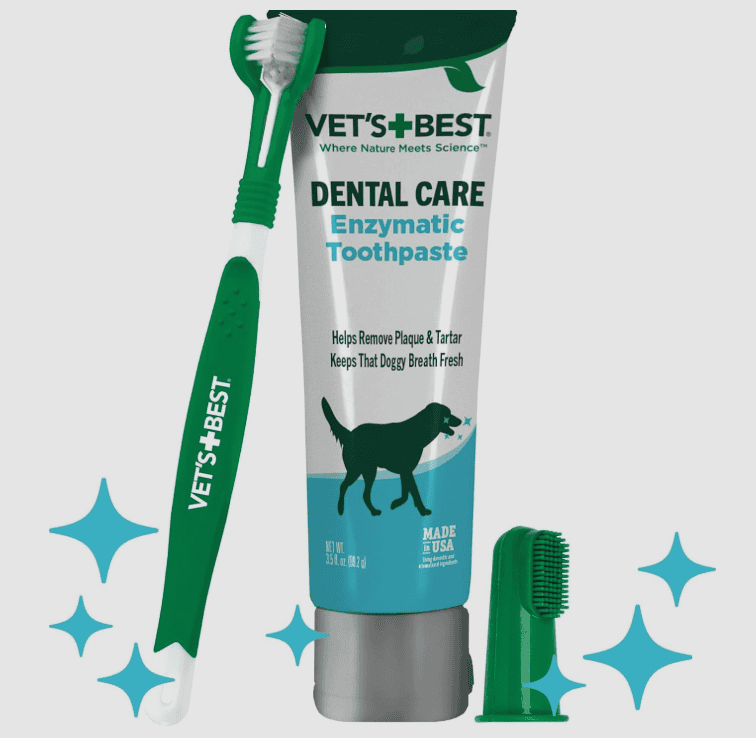
    • Dog toothpaste: Yes, there is toothpaste specifically designed for dogs! Dog toothpaste often contains enzymes that help break down plaque and tartar. Just remember, never use human toothpaste as it can be harmful to your dog.
    • Dog toothbrush: A toothbrush designed for dogs will have softer bristles and a shape that’s easier to use in your dog’s mouth. Regular brushing can significantly improve your Boerboel’s dental health.
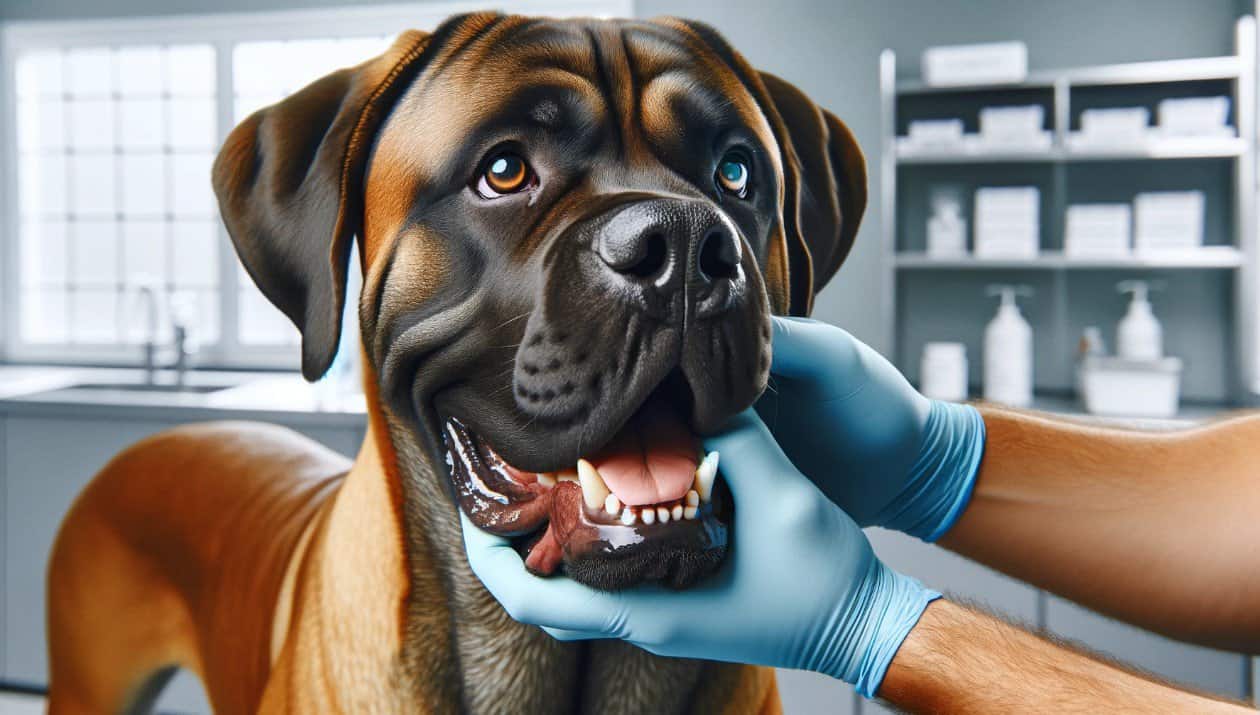
    toothbrush and toothpaste for dogs dental health

    Remember, while these products can help, they are not a substitute for regular vet check-ups. Your vet can provide professional teeth cleaning and spot potential dental health issues early. But by using these recommended products and chews, you can play a big part in keeping your Boerboel’s teeth clean and their breath fresh!

    Frequently Asked Questions

    1. What causes bad breath in Boerboels?

    Bad breath in Boerboels can be caused by various factors such as poor dental hygiene, gum disease, tooth decay, tartar buildup, or underlying health issues. It is important to identify the root cause to effectively address the problem.

    2. How can I improve my Boerboel’s dental hygiene?

    To improve your Boerboel’s dental hygiene, you should establish a regular teeth cleaning routine. Brush their teeth with a dog-specific toothbrush and toothpaste at least 2-3 times a week. Additionally, provide dental chews or toys that promote teeth cleaning and help reduce plaque and tartar buildup.

    There are several dental products recommended for Boerboels, such as toothbrushes, toothpaste, dental chews, and water additives. It is advisable to choose products specifically designed for dogs and consult with your veterinarian for recommendations based on your Boerboel’s specific needs.

    4. Can bad breath in Boerboels be a sign of a more serious health issue?

    Yes, bad breath in Boerboels can sometimes indicate underlying health issues such as periodontal disease, oral infections, gastrointestinal problems, or metabolic disorders. If your Boerboel’s bad breath persists despite proper dental care, it is recommended to consult with a veterinarian for a thorough examination.

    5. How often should I take my Boerboel for professional dental cleanings?

    Professional dental cleanings for Boerboels should be done at least once a year, or as recommended by your veterinarian. Regular dental check-ups and cleanings help prevent dental problems, maintain oral health, and ensure early detection of any potential issues.

  • Bluetick Coonhound Dental Health – Solutions For Bad Breath

    Bluetick Coonhound Dental Health – Solutions For Bad Breath

    Hi there, fellow dog lover! I’m Dr. Candy, your friendly holistic veterinarian. Today, we’re going to talk about a topic that’s often overlooked but incredibly important for our furry friends’ overall health – dental hygiene. Specifically, we’re focusing on Bluetick Coonhound Dental Health.

    Bluetick Coonhounds, with their lovable personalities and striking appearance, are a joy to have around. But, like any breed, they have specific health needs, including dental care. Did you know that dental diseases can lead to serious health complications if left untreated? It’s not just about fresh breath and clean teeth; it’s about ensuring our pets live a healthy, happy life.

    From recognizing the signs of dental disease to exploring conventional and holistic treatments, we’ll cover everything you need to know about Bluetick Coonhound oral care. So, let’s dive in and learn how to keep those doggy smiles bright and healthy!

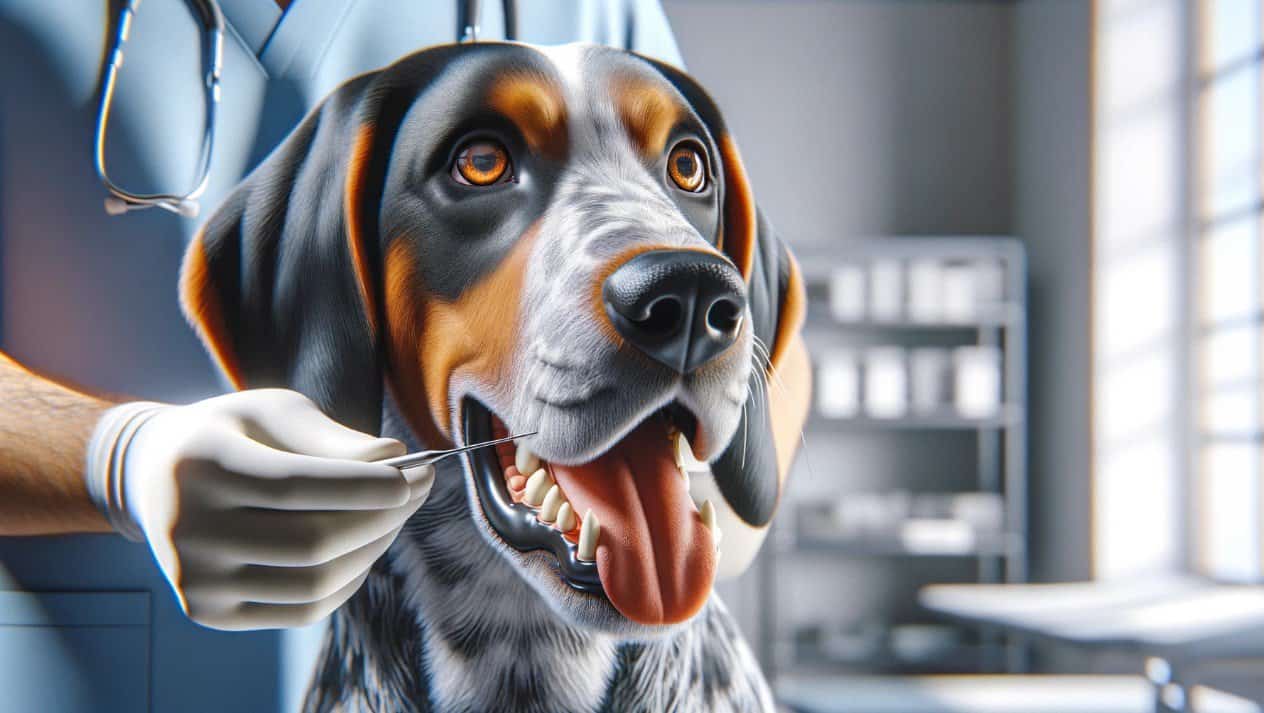
    bluetick coonhound dental health

    Signs of Dental Disease in Bluetick Coonhound

    Just like us, our four-legged friends can also suffer from oral health issues. Understanding the signs of dental disease in your Bluetick Coonhound is essential for maintaining their overall health. Let’s explore together the common symptoms that could indicate your dog is struggling with dental disease.

    One of the first signs of dental disease in a Bluetick Coonhound, or any other breed for that matter, is bad breath. While it’s normal for our canine companions to not have the freshest breath, a particularly foul or unusual odor could be an indication of underlying dental issues.

    Another common symptom is a change in eating habits. If your Bluetick Coonhound is suddenly reluctant to eat, or is showing signs of discomfort while eating, this could be due to dental pain. They might chew on one side of their mouth, drop food, or refuse to eat hard foods.

    • Excessive drooling is another sign to watch out for. While some drooling is normal, especially for certain breeds, a sudden increase in drool could be a sign of dental disease.
    • Discolored or loose teeth are also not a good sign. Healthy dog teeth should be white or just slightly yellow. Any brown or black coloration, or teeth that are loose or missing, are definite red flags.
    • Lastly, look for any swelling in the mouth or face. This could be a sign of an abscessed tooth or other serious dental issue.

    Remember, dogs are experts at hiding pain. So, even if your Bluetick Coonhound isn’t showing obvious signs of discomfort, they could still be suffering from dental disease. Regular check-ups with your vet are crucial, but also take the time to examine your dog’s mouth at home. Look for any changes or symptoms that could indicate a problem. If you spot anything unusual, it’s always best to consult with your vet.

    Together, we can ensure your Bluetick Coonhound’s dental health is in top shape. After all, a healthy mouth is a key part of a happy, healthy dog!

    Common Dental Health Issues In Bluetick Coonhound

    As a veterinarian, I often encounter a variety of dental health issues in Bluetick Coonhound. This breed is prone to certain oral health problems, and understanding these can help you maintain your dog’s dental health effectively.

    • Periodontal Disease: This is a common issue in many dog breeds, including Bluetick Coonhounds. It’s an infection of the tissues surrounding the teeth and can lead to tooth loss if not treated promptly.
    • Gingivitis: This inflammation of the gums is often a precursor to periodontal disease. Regular teeth cleaning can prevent gingivitis and subsequent dental issues.
    • Bad Breath: While it might seem like a minor issue, persistent bad breath can indicate underlying dental problems in your Bluetick Coonhound. It’s essential to address this issue to maintain overall Bluetick Coonhound dental health.
    • Broken Teeth: Bluetick Coonhounds love to chew, which can sometimes lead to broken teeth. This can be painful and can cause further dental complications if not addressed.

    Prevention is always better than cure when it comes to Bluetick Coonhound dental health. Regular teeth cleaning, a healthy diet, and dental check-ups can help keep your dog’s mouth healthy. Remember, a healthy mouth contributes significantly to your Bluetick Coonhound’s overall health and happiness.

    Bluetick Coonhound Dental Health

    Keeping your Bluetick Coonhound’s teeth clean and healthy is vital for their overall well-being. While brushing their teeth and providing them with dental chews can help, sometimes, more comprehensive care is needed. Let’s discuss the conventional dental health treatments available for your furry friend.

    Anesthetic Dental Cleanings

    Anesthetic dental cleanings are a common treatment for dogs suffering from dental diseases. This procedure involves putting your Bluetick Coonhound under general anesthesia so that a thorough cleaning can be performed. This includes scaling to remove tartar and plaque, polishing to smooth the tooth surface, and a fluoride treatment to strengthen the teeth. While under anesthesia, a thorough oral examination can also be conducted to identify any hidden issues such as gum disease or tooth decay.

    Potential Individual Health Obstacles

    However, it’s important to note that not all dogs are suitable candidates for anesthetic dental cleanings. Certain health conditions can pose a risk. For example, heart problems can make anesthesia risky, as it can put extra stress on the heart. Similarly, dogs with drug sensitivities may experience adverse reactions to the anesthesia. Seizures can also be triggered by certain anesthetic drugs, making this procedure potentially dangerous for dogs with a history of seizures.

    Older Bluetick Coonhounds, because of their extreme age, might be at a higher risk during anesthetic procedures. Their bodies might not process the anesthesia as efficiently, leading to complications. Before any dental procedure involving anesthesia, your vet will conduct a thorough assessment to determine whether your Bluetick Coonhound is a suitable candidate.

    Remember, maintaining your Bluetick Coonhound’s dental health is crucial to prevent dental diseases and other related health issues. Regular check-ups and cleanings, combined with a good oral hygiene routine at home, can keep your pup’s teeth in top shape. However, always consult with your vet before making any decisions regarding your dog’s health.

    dog dental health

    When it comes to Bluetick Coonhound Dental Health, it’s not just about regular cleanings and check-ups. A holistic approach can do wonders, and that’s what Dr. Candy recommends. This approach focuses on a balanced diet and the use of oral health specific probiotics. Let’s dive into the details.

    Diet: Low Carbs, Avoid Added Sugars, Enzymes In Fresh Food

    Firstly, let’s talk about diet. What your Bluetick Coonhound eats has a significant impact on their dental health. A diet low in carbs is beneficial because carbohydrates can stick to your dog’s teeth, leading to plaque build-up and eventually dental disease.

    It’s also crucial to avoid added sugars. Just like in humans, sugar can cause tooth decay in dogs. Instead, focus on providing your Bluetick Coonhound with fresh foods that are rich in enzymes. These enzymes can help break down plaque and keep your dog’s teeth clean. Foods like raw carrots, apples, and celery are excellent choices.

    Oral Health Specific Probiotics

    Next up are probiotics – but not just any probiotics. Dr. Candy recommends oral health specific probiotics that are specially designed to support dental health in dogs. These probiotics work by crowding out harmful bacteria in the mouth, reducing plaque and tartar build-up.

    One such product is Probiora for Dogs. This oral health targeted probiotic can be easily added to your dog’s food or water, making it a hassle-free addition to their dental care routine. You can find Probiora for Dogs here: https://amzn.to/3ShKkIN.

    Remember, while these steps can significantly improve your Bluetick Coonhound’s dental health, they don’t replace regular dental check-ups and cleanings. Always consult with your vet for a comprehensive dental care plan for your furry friend.

    bluetick coonhound dental health

    As a loving dog parent, you may have been drawn to the promises of commercially promoted dental chews. However, it’s essential to note that many of these products fall short of delivering on their pledges. Not only do they often fail to clean your Bluetick Coonhound’s teeth effectively, but they can also contain ingredients that are harmful to your pup’s overall health. Many are loaded with artificial flavors, preservatives, and even sugars, which can lead to obesity and other health issues over time.

    Drinking water additives, another commonly marketed dental health product, can also be harmful. They may kill off the beneficial bacteria in your dog’s gut, disrupting the balance of their microbiome and potentially leading to digestive issues.

    As a responsible pet parent, you might be wondering, “What can I use to maintain my Bluetick Coonhound’s dental health?” Don’t worry, I’ve got you covered. Let’s explore some of Dr. Candy’s recommended dental chews and products.

    As a dog parent, you may have come across commercially promoted dental chews that promise to maintain your Bluetick Coonhound’s dental health. Unfortunately, many of these products don’t live up to their promises. They are often loaded with artificial ingredients and fillers, which do little to clean your dog’s teeth and can even contribute to dental issues. Moreover, some products like drinking water additives may harm the beneficial bacteria in your dog’s gut, further compromising their overall health.

    So, what’s the alternative? The answer lies in natural, single source proteins, which are not only healthy but also effective in maintaining your dog’s dental health. Here are some of Dr. Candy’s recommended dental chews and products:

    Tendons

    Tendons are a fantastic natural chew for your Bluetick Coonhound. They are tough and fibrous, which helps to scrape off plaque and tartar from your dog’s teeth. Plus, they are a good source of protein and collagen, promoting good joint health.

    beef tendons for dog dental health

    Raw Marrow Bones

    Raw marrow bones are another excellent choice for maintaining your dog’s dental health. They are a natural source of calcium and phosphorus, which are essential for healthy teeth and bones. Furthermore, the act of gnawing on bones can help to clean your dog’s teeth and gums.

    raw marrow bones for dogs dental health

    Bully Sticks

    Bully sticks are made from 100% beef muscle, providing a natural and digestible chew for your dog. They can effectively remove plaque and tartar and are a good source of protein. However, always supervise your dog while they’re chewing on a bully stick to prevent any choking hazard.

    bully sticks for dog dental health

    Remember, while these dental chews and products can help maintain your Bluetick Coonhound’s dental health, they should not replace regular check-ups with a vet. Regular professional cleanings are essential to prevent dental diseases and ensure your dog’s overall health.

    Frequently Asked Questions

    1. How can I prevent bad breath in my Bluetick Coonhound?

    Regular brushing of your Bluetick Coonhound’s teeth with a dog-specific toothbrush and toothpaste can help prevent bad breath. Additionally, providing dental chews or toys designed to promote oral health can also be beneficial.

    2. What are some signs of dental issues in Bluetick Coonhounds?

    Signs of dental issues in Bluetick Coonhounds may include bad breath, swollen or bleeding gums, yellow or brown tartar buildup on the teeth, difficulty eating, pawing at the mouth, or a sudden change in chewing habits.

    3. Can I use human toothpaste to brush my Bluetick Coonhound’s teeth?

    No, it is not recommended to use human toothpaste for your Bluetick Coonhound. Human toothpaste contains ingredients that can be harmful if ingested by dogs. Always use toothpaste specifically formulated for dogs.

    4. How often should I schedule professional dental cleanings for my Bluetick Coonhound?

    It is generally recommended to schedule professional dental cleanings for your Bluetick Coonhound at least once a year. However, the frequency may vary depending on your dog’s individual dental health and the advice of your veterinarian.

    5. Are there any natural remedies for bad breath in Bluetick Coonhounds?

    While there are some natural remedies that may help freshen your Bluetick Coonhound’s breath, such as adding parsley to their diet or using coconut oil as a mouth rinse, it is important to consult with your veterinarian before trying any new remedies.

  • Black Russian Terrier Dental Health – Solutions For Bad Breath

    Black Russian Terrier Dental Health – Solutions For Bad Breath

    Hi there, I’m Dr. Candy, your go-to holistic veterinarian. Today, we’re going to talk about a topic close to my heart – Black Russian Terrier Dental Health. If you’re a proud parent of this beautiful breed, you know how important it is to keep your fur baby healthy and happy. But did you know that dental health plays a crucial role in their overall wellbeing?

    black russian terrier dental health

    Just like in humans, poor dental health in dogs can lead to a host of problems, from bad breath to serious infections. And unfortunately, our beloved Black Russian Terriers are not immune to these issues. But don’t worry, I’m here to guide you through the signs of dental disease, common dental health issues specific to this breed, and both conventional and holistic treatments to keep those canine teeth sparkling clean.

    Remember, when it comes to your dog’s health, prevention is always better than cure. So, let’s dive into the world of dog dental health and explore how we can give your Black Russian Terrier the best care possible.

    Black Russian Terrier Dental Health

    Signs of Dental Disease in Black Russian Terrier

    Understanding the signs of dental disease in your Black Russian Terrier is the first vital step towards ensuring their optimal dental health. Just like us, our furry friends can suffer from various dental issues, which if left unchecked, can lead to serious health problems. It’s important to remember that dental disease is not just about bad breath – it goes far beyond that!

    One of the most common signs of dental disease in your Black Russian Terrier is bad breath. Although it’s normal for your dog to have slightly bad breath, a persistently foul odor could be a sign of a serious dental problem. Other signs include yellow-brown tartar on the teeth, red or swollen gums, and difficulty eating.

    Moreover, if your Black Russian Terrier is drooling excessively or pawing at their mouth, it could be a sign of dental distress. Loss of appetite, weight loss, and changes in behavior such as irritability or depression can also indicate oral discomfort. In severe cases, your dog might even lose teeth.

    It’s essential to regularly check your Black Russian Terrier’s mouth for any signs of dental disease. If you notice any of these symptoms, it’s crucial to seek veterinary care as soon as possible. Early detection and treatment can prevent more serious health issues and ensure your beloved pet’s overall well-being.

    Remember, your Black Russian Terrier can’t tell you when they’re in pain, and they’re excellent at hiding discomfort. So, it’s up to you to be their dental health advocate. Regular checks and prompt attention to any changes can make a world of difference in their dental health and overall quality of life.

    Black Russian Terrier Dental Health: What to Watch For

    • Bad breath
    • Yellow-brown tartar on teeth
    • Red or swollen gums
    • Difficulty eating
    • Excessive drooling
    • Pawing at the mouth
    • Loss of appetite
    • Changes in behavior (irritability, depression)
    • Weight loss
    • Tooth loss

    Recognizing these signs early and seeking professional help is the best way to keep your Black Russian Terrier’s dental health in check. Your pet relies on you for their well-being, so let’s keep those tails wagging and those smiles shining!

    Common Dental Health Issues In Black Russian Terrier

    When it comes to Black Russian Terrier dental health, there are several common issues you should be aware of as a responsible pet parent. Being a large breed, Black Russian Terriers are more prone to certain dental problems than smaller dogs.

    • Periodontal disease: This is a common issue in many dogs, including Black Russian Terriers. It occurs when plaque and tartar build up on your dog’s teeth, leading to inflammation and potential tooth loss.
    • Gingivitis: This is the first stage of periodontal disease. Symptoms include red, swollen gums and bad breath. Regular teeth cleaning can help prevent this condition.
    • Broken teeth: Due to their size and strength, Black Russian Terriers can easily break their teeth, especially if they have a habit of chewing on hard objects. Broken teeth can lead to pain and infection.
    • Oral tumors: While not as common, oral tumors can occur in Black Russian Terriers. Regular dental check-ups can help detect these early.

    It’s important to remember that Black Russian Terrier dental health is a vital part of their overall well-being. Regular dental check-ups, along with good oral hygiene at home, can help prevent these common dental issues. Always consult with your vet if you notice any changes in your dog’s oral health.

    Black Russian Terrier Dental care

    Conventional Dental Health Treatments for Black Russian Terrier

    When it comes to your Black Russian Terrier’s dental health, there are conventional treatments that can help maintain a healthy mouth. These treatments are often recommended by veterinarians and are proven to be effective.

    Anesthetic Dental Cleanings

    One common treatment is anesthetic dental cleanings. This procedure involves your dog being put under general anesthesia, allowing the veterinarian to thoroughly clean your dog’s teeth. This process removes plaque and tartar that can lead to gum disease and tooth decay. It’s also an opportunity for your vet to examine your dog’s oral health closely and detect any potential issues early.

    However, anesthesia isn’t without its risks. It’s important to have a thorough discussion with your vet about the risks and benefits before deciding on this treatment. Some dogs, especially those with heart problems, drug sensitivities, seizures, or extreme age, may face higher risks.

    Potential Individual Health Obstacles

    Each dog is unique and may face individual health obstacles that could impact their dental health. For instance, some Black Russian Terriers may have a predisposition to certain dental problems due to genetics or diet. Other health issues, such as diabetes, can also affect oral health.

    Furthermore, Black Russian Terriers can suffer from brachycephalic syndrome, which can affect their ability to chew properly, leading to dental health issues. Always discuss these potential obstacles with your veterinarian to ensure your dog’s dental health care plan is tailored to their specific needs.

    Remember, your Black Russian Terrier’s dental health is an integral part of their overall health. Regular dental check-ups, combined with a good oral hygiene routine at home, can help keep your dog’s mouth healthy. Stay vigilant for any signs of dental disease, such as bad breath, discolored teeth, or changes in eating habits, and consult your vet promptly if you notice anything unusual.

    When it comes to your Black Russian Terrier’s dental health, a holistic approach can often be the most beneficial. This approach, championed by Dr. Candy, focuses primarily on diet and probiotics to maintain your dog’s oral health.

    Diet- Low Carbs, Avoid Added Sugars, Enzymes In Fresh Food

    The diet of your Black Russian Terrier plays a crucial role in their dental health. A diet high in carbs can lead to plaque build-up on your dog’s teeth, which can eventually lead to dental disease. Dr. Candy recommends a low-carb diet for your Black Russian Terrier to help prevent this.

    Additionally, it’s essential to avoid added sugars in your dog’s diet. Like in humans, sugars can lead to tooth decay in dogs. Instead, opt for natural, fresh foods that are rich in enzymes. These enzymes can help break down plaque and tartar, promoting a healthier mouth.

    • Feed your dog fresh, raw foods like carrots and apples. These foods are not only low in sugar and carbs, but they also naturally clean your dog’s teeth as they chew.
    • Consider adding a digestive enzyme supplement to your dog’s diet. These supplements can help break down food particles that can lead to plaque and tartar.

    Oral Health Specific Probiotics

    Probiotics are another cornerstone of Dr. Candy’s holistic approach to canine dental health. These beneficial bacteria can help balance the oral microbiome, preventing the overgrowth of harmful bacteria that can lead to dental disease.

    Dr. Candy recommends Probiora for Dogs, an oral health targeted probiotic. This probiotic is designed specifically to support oral health in dogs, and can help reduce plaque and tartar build-up, fight bad breath, and promote healthier gums.

    • Give your Black Russian Terrier Probiora once daily to support their oral health.
    • Remember, probiotics are a supplement, not a replacement for regular dental care. Continue to brush your dog’s teeth regularly and provide them with dental chews to help maintain their oral health.

    Taking a holistic approach to your Black Russian Terrier’s dental health can help prevent dental disease and promote a healthier, happier dog. Remember, diet and probiotics are just part of the picture – regular dental care is also essential.

    Black Russian Terrier Dental Health

    As a loving pet parent, you might be tempted to reach for commercially promoted dental chews to maintain your Black Russian Terrier’s dental health. However, it’s crucial to understand that these chews are often not as healthy or effective as they claim to be. Many are packed with sugars and artificial ingredients that can lead to obesity and other health issues. Moreover, they often provide only a temporary and superficial solution to dental problems, without addressing the root cause.

    Another product to be wary of is drinking water additives. While they may promise to improve your dog’s oral health, these additives can harm the beneficial bacteria in your dog’s gut and disrupt their overall health.

    So, what should you use instead? The key is to opt for natural, single-source protein products. These are not only healthier but also more effective at maintaining your Black Russian Terrier’s dental health.

    Single Source Natural Proteins

    Let’s look at some of the top natural dental chews and products recommended for your Black Russian Terrier:

    Tendons

    Tendons are a fantastic natural chew for your Black Russian Terrier. They are tough and fibrous, which helps to scrape off plaque and tartar from your dog’s teeth. Plus, they are a good source of protein and collagen, promoting good joint health.

    beef tendons for dog dental health

    Raw Marrow Bones

    Raw marrow bones are another excellent choice for maintaining your dog’s dental health. They are a natural source of calcium and phosphorus, which are essential for healthy teeth and bones. Furthermore, the act of gnawing on bones can help to clean your dog’s teeth and gums.

    raw marrow bones for dogs dental health

    Bully Sticks

    Bully sticks are made from 100% beef muscle, providing a natural and digestible chew for your dog. They can effectively remove plaque and tartar and are a good source of protein. However, always supervise your dog while they’re chewing on a bully stick to prevent any choking hazard.

    bully sticks for dog dental health

    By incorporating these natural chews into your Black Russian Terrier’s routine, you can help to maintain their Black Russian Terrier Dental Health effectively. Remember, a holistic approach that combines a balanced diet, regular dental check-ups, and natural dental chews will provide the best outcome for your furry friend’s oral health.

    Frequently Asked Questions

    1. How can I prevent bad breath in my Black Russian Terrier?

    Regular dental hygiene is crucial for preventing bad breath in Black Russian Terriers. Brush your dog’s teeth at least 2-3 times a week using a dog-specific toothbrush and toothpaste. Additionally, provide dental chews or toys that help remove plaque and tartar buildup.

    2. What are some signs of dental problems in Black Russian Terriers?

    Signs of dental problems in Black Russian Terriers may include bad breath, swollen or bleeding gums, yellow or brown teeth, difficulty eating, pawing at the mouth, and a decrease in appetite. If you notice any of these signs, it’s important to consult a veterinarian.

    3. Can diet affect my Black Russian Terrier’s dental health?

    Yes, diet plays a significant role in your Black Russian Terrier’s dental health. Feeding a high-quality dog food that promotes dental health, such as kibble designed to reduce tartar buildup, can help maintain good oral hygiene. Avoid feeding your dog excessive amounts of sugary or sticky treats that can contribute to dental problems.

    There are various dental care products available for dogs, but it’s important to choose ones specifically designed for Black Russian Terriers. Look for toothbrushes and toothpaste formulated for dogs, dental chews or treats that promote oral health, and water additives that help control plaque and freshen breath. Consult your veterinarian for specific product recommendations.

    5. How often should I take my Black Russian Terrier for professional dental cleanings?

    Professional dental cleanings by a veterinarian are typically recommended once a year for Black Russian Terriers. However, the frequency may vary depending on your dog’s individual dental health. Regular check-ups with your veterinarian will help determine the appropriate schedule for professional cleanings.

  • Black and Tan Coonhound Dental Health – Solutions For Bad Breath

    Black and Tan Coonhound Dental Health – Solutions For Bad Breath

    Hi there, fellow dog lovers! I’m Dr. Candy, your friendly holistic veterinarian. Today, we’re going to talk about a topic that’s close to my heart – Black and Tan Coonhound Dental Health. If you’re a proud parent of a Black and Tan Coonhound, you know how special these dogs are. However, like any breed, they have their specific health concerns, and oral health is one of them.

    black and tan coonhound dental health

    Good dental hygiene is not just about fresh breath – it’s crucial for your dog’s overall health. Dental disease can lead to serious complications, affecting the heart, kidneys, and liver. So, let’s dive into the world of Coonhound oral care, understand the signs of dental disease, and explore both conventional and holistic treatments. I’ll also share some of my favorite dental chews and products that can help keep your Coonhound’s teeth healthy and their breath fresh. So, let’s get started on the path to better dog dental care for Black and Tan Coonhounds.

    Black and Tan Coonhound Dental Health

    Signs of Dental Disease in Black and Tan Coonhound

    Just like us humans, your Black and Tan Coonhound can suffer from dental health issues. The key to preventing serious complications is recognizing the signs of dental disease early. So, let’s dive right in and explore what you should be looking for.

    Firstly, bad breath is often a clear indication of dental disease in dogs. If your Coonhound’s breath is consistently foul, it’s time to investigate further. While occasional bad breath can be a result of something they ate, persistent bad breath is usually a sign of an underlying issue. This could range from gum disease to tooth decay, and should not be overlooked.

    Another common sign is difficulty eating or a sudden loss of appetite. If your Black and Tan Coonhound is avoiding their food, chewing on one side, or dropping food while eating, it could be due to oral discomfort. Tooth pain can be quite debilitating for your furry friend, affecting their quality of life.

    Additionally, keep an eye out for excessive drooling, discolored teeth, or bleeding gums. These are often indications of dental disease. You may also notice behavioral changes like irritability or lethargy, which can stem from the discomfort caused by dental problems.

    Regularly examining your Coonhound’s mouth can help you spot these signs early. You’re looking for clean, odor-free breath, pink gums, and white teeth. Any changes to these should be a cause for concern, warranting a visit to your vet.

    Remember, Black and Tan Coonhound dental health is an integral part of their overall wellbeing. Early detection of dental disease can save your dog from unnecessary pain and prevent more serious health issues down the line. So, stay vigilant and ensure your Coonhound’s pearly whites stay just that – pearly white!

    Next, we will delve into the common dental health issues that Black and Tan Coonhounds are prone to. By understanding these conditions, you can better protect your furry friend from the discomfort and health risks associated with dental disease.

    Common Dental Health Issues In Black and Tan Coonhound

    As a veterinarian, I’ve noticed that Black and Tan Coonhound dental health can be a significant concern for many owners. This breed is prone to specific oral health issues, which, if left untreated, could lead to severe complications.

    • Periodontal Disease: This is a common problem in many dog breeds, including Black and Tan Coonhounds. Poor dental hygiene can lead to the buildup of plaque and tartar, causing inflammation and eventual tooth loss.
    • Bad Breath: While bad breath in dogs might seem normal, it’s often a sign of underlying dental issues. It could indicate gingivitis, periodontal disease, or even an oral tumor.
    • Broken Teeth: Black and Tan Coonhounds are known for their love of chewing, which can sometimes result in broken or fractured teeth. These can be painful and lead to infections if not addressed promptly.
    • Oral Tumors: Though not as common, these dogs can develop oral tumors. Regular dental check-ups can help detect these early, increasing the chances of successful treatment.

    Understanding these common Black and Tan Coonhound dental health issues is the first step towards prevention and early treatment. Regular dental check-ups, proper oral hygiene, and a balanced diet can go a long way in keeping your Coonhound’s teeth healthy.

    Black and Tan Coonhound Dental care

    Conventional Dental Health Treatments

    When it comes to Black and Tan Coonhound Dental Health, it’s crucial to understand the conventional dental health treatments that are available.

    Anesthetic Dental Cleanings

    Anesthetic dental cleanings are a common treatment for maintaining your Coonhound’s oral health. This procedure involves putting your pet under anesthesia to allow for a thorough and deep clean of their teeth and gums. It’s an effective way to remove plaque and tartar build-up, which can lead to serious dental issues if left untreated.

    However, it’s important to note that while anesthetic dental cleanings can be beneficial, they also come with potential risks. Anesthesia can present challenges, particularly for dogs with certain health conditions.

    Potential Individual Health Obstacles

    • Heart Problems: Dogs with heart conditions may face increased risks during procedures that require anesthesia. It can affect the heart’s function and potentially lead to complications.
    • Drug Sensitivities: Some Coonhounds may have sensitivities or adverse reactions to the anesthesia drugs used in the procedure. It’s critical to discuss this with your vet before the treatment.
    • Seizures: Dogs with a history of seizures may experience increased seizure activity due to the anesthesia.
    • Extreme Age: Older dogs or those in poor health may not tolerate anesthesia well. In such cases, your vet may recommend alternative dental care strategies.

    Therefore, it’s essential to have a comprehensive health check for your Black and Tan Coonhound before undergoing anesthetic dental cleanings. Your vet can help determine if the benefits outweigh the potential risks for your dog.

    In conclusion, conventional dental health treatments can play a significant role in maintaining your Coonhound’s oral health. However, it’s also important to consider the potential health obstacles your dog may face. By understanding these, you can make informed decisions about the best dental care options for your Black and Tan Coonhound. Remember, their dental health is pivotal to their overall health, so it’s something that should never be overlooked.

    Dr. Candy’s Holistic Approach To Oral & Dental Health

    When it comes to your Black and Tan Coonhound’s dental health, I believe in a holistic approach that focuses on prevention rather than cure. This involves a combination of a proper diet and the use of oral health specific probiotics. Let’s delve into these topics in detail.

    Diet- Low Carbs, Avoid Added Sugars, Enzymes In Fresh Food

    The first step in maintaining your Coonhound’s oral health is a balanced diet. Foods with low carbohydrates and no added sugars are crucial. Carbohydrates break down into sugars that can feed harmful bacteria in your dog’s mouth, leading to plaque and tartar buildup. Therefore, it’s essential to provide your dog with a low-carb diet to minimize these risks.

    Additionally, fresh foods are a great source of natural enzymes that can help break down plaque and keep your dog’s teeth clean. Fresh fruits and vegetables like carrots and apples can serve as natural toothbrushes, scrubbing your dog’s teeth as they chew.

    Oral Health Specific Probiotics

    Probiotics are another essential component of your Coonhound’s oral health. These beneficial bacteria can help balance the oral microbiome, preventing the overgrowth of harmful bacteria that can lead to dental diseases. One product I highly recommend is Probiora for Dogs, an oral health targeted probiotic. This product is specifically designed to promote oral health in dogs and can be a valuable addition to your dog’s dental care routine.

    Probiotics work by crowding out harmful bacteria and producing substances that inhibit their growth. By regularly giving your Black and Tan Coonhound these probiotics, you’re effectively supporting their body’s natural defenses against oral diseases.

    In conclusion, a holistic approach to your Black and Tan Coonhound’s dental health involves a combination of a proper diet and the use of oral health specific probiotics. By following these steps, you can help ensure that your furry friend maintains a healthy and bright smile for years to come.

    Black and Tan Coonhound Dental Health

    When it comes to promoting your Black and Tan Coonhound’s dental health, the market is flooded with dental chews claiming to solve all your dog’s oral health problems. Unfortunately, many of these commercially promoted dental chews fall short of their promises.

    Many of these products are loaded with artificial ingredients and preservatives that can have a negative impact on your dog’s overall health. Moreover, they often do not provide the necessary mechanical action to effectively scrape off plaque and tartar from your Coonhound’s teeth. In fact, some can even harm the beneficial bacteria in your pet’s gut, especially those that come with drinking water additives.

    So, what should a responsible dog parent like you do? The answer lies in going natural and choosing single-source proteins.

    Single Source Natural Proteins

    Single-source proteins like tendons, raw marrow bones, and bully sticks are excellent choices for your Black and Tan Coonhound’s dental health. These natural chews not only provide the necessary mechanical action to clean your dog’s teeth but also provide nutritional benefits.

    Tendons

    Tendons are a fantastic natural chew for your Coonhound. They are tough and fibrous, which helps to scrape off plaque and tartar from your dog’s teeth. Plus, they are a good source of protein and collagen, promoting good joint health.

    beef tendons for dog dental health

    Raw Marrow Bones

    Raw marrow bones are another excellent choice for maintaining your dog’s dental health. They are a natural source of calcium and phosphorus, which are essential for healthy teeth and bones. Furthermore, the act of gnawing on bones can help to clean your dog’s teeth and gums.

    raw marrow bones for dogs dental health

    Bully Sticks

    Bully sticks are made from 100% beef muscle, providing a natural and digestible chew for your dog. They can effectively remove plaque and tartar and are a good source of protein. However, always supervise your dog while they’re chewing on a bully stick to prevent any choking hazard.

    bully sticks for dog dental health

    These natural chews are not only effective at maintaining your dog’s dental hygiene but also align perfectly with a holistic approach to your Coonhound’s health. They are free from artificial ingredients, align with a low-carb diet, and do not disrupt your dog’s gut flora.

    Remember, the key to your Black and Tan Coonhound’s dental health is a combination of regular check-ups, a balanced diet, and effective dental chews. Make the right choices, and your Coonhound will reward you with a bright, healthy smile!

    Frequently Asked Questions

    1. How can I improve my Black and Tan Coonhound’s dental health?

    Regular brushing of your dog’s teeth using a dog-specific toothbrush and toothpaste can significantly improve their dental health. Additionally, providing dental chews or toys designed to promote oral hygiene can help reduce bad breath.

    2. What are some signs of dental problems in Black and Tan Coonhounds?

    Common signs of dental issues in Black and Tan Coonhounds include bad breath, swollen or bleeding gums, yellow or brown tartar buildup, loose or missing teeth, and difficulty eating or chewing. If you notice any of these signs, it is important to consult a veterinarian.

    There are various dental products available for dogs, including toothbrushes, toothpaste, dental chews, and water additives. It is recommended to choose products specifically formulated for dogs and consult with your veterinarian to determine the most suitable options for your Black and Tan Coonhound.

    4. How often should I brush my Black and Tan Coonhound’s teeth?

    Ideally, you should aim to brush your Black and Tan Coonhound’s teeth at least 2-3 times a week. However, daily brushing is considered the most effective in maintaining good dental hygiene and preventing bad breath.

    5. Can a proper diet contribute to better dental health in Black and Tan Coonhounds?

    A balanced and nutritious diet can positively impact your Black and Tan Coonhound’s dental health. Feeding them high-quality dog food and avoiding excessive sugary treats can help prevent dental issues. Additionally, certain dental-specific diets or dental treats may aid in reducing bad breath and promoting oral hygiene.

  • Biewer Terrier Dental Health – Solutions For Bad Breath

    Biewer Terrier Dental Health – Solutions For Bad Breath

    Hello there, fellow dog lover! I’m Dr. Candy, your friendly neighborhood holistic vet. Today, let’s talk about something that’s often overlooked but is crucial to your Biewer Terrier’s overall health – their dental health. Yes, you heard it right! Just like us, our furry friends also need their teeth taken care of. Biewer Terrier Dental Health is not just about maintaining those pearly whites but also about ensuring their overall well-being.

    biewer terrier dental health

    Did you know that dental diseases can lead to serious health issues in dogs, including heart and kidney disease? That’s why it’s so important to keep a close eye on your Biewer Terrier’s oral hygiene. From recognizing the signs of dental disease to understanding common dental health issues specific to Biewer Terriers, we’ll cover it all. So, let’s get started on this journey towards ensuring your Biewer Terrier’s teeth are as healthy as can be!

    Remember, when it comes to your pet’s health, prevention is always better than cure. So, let’s explore the world of Biewer Terrier Teeth Care together, shall we?

    Biewer Terrier Dental Health

    Recognizing the Signs of Dental Disease in Biewer Terriers

    As a holistic veterinarian, I’ve seen firsthand how dental disease can impact a dog’s overall health. It’s particularly important for owners of Biewer Terriers to be aware of the signs of dental disease in these adorable little dogs. They may be small, but their dental health needs are just as big as any other breed’s.

    One of the first signs of dental disease in Biewer Terriers is, unfortunately, bad breath. While it’s not unusual for dogs to have slightly smelly breath, a sudden change or a particularly foul odor could be a sign of underlying dental problems.

    Another sign to look out for is changes in your Biewer Terrier’s eating habits. If they’re suddenly eating less, have lost their appetite, or are showing signs of discomfort while eating, it could be due to dental disease. They may also paw at their mouth or drool more than usual.

    A visual inspection can also reveal signs of dental disease. Look out for inflamed, bleeding, or receding gums. Discoloration or tartar buildup on the teeth can also be a sign of dental disease, as can loose or missing teeth.

    Behavioral changes can also indicate dental problems. If your Biewer Terrier seems more irritable or less playful than usual, dental pain could be the cause.

    Remember, Biewer Terriers are known for their lively and cheerful demeanor. Any changes in this behavior might be a sign of discomfort or pain.

    Regular Dental Check-ups are Vital

    Regular dental check-ups are vital for spotting the signs of dental disease early. As a holistic vet, I believe in the power of prevention. Catching dental disease early can prevent more serious health issues down the line and can help keep your Biewer Terrier’s mouth healthy and pain-free.

    In the world of Biewer Terrier Dental Health, the best approach is always a proactive one. By understanding the signs of dental disease, you can ensure your furry friend stays happy, healthy, and ready to flash that adorable Biewer Terrier smile.

    Remember, your Biewer Terrier can’t tell you when their mouth hurts. It’s up to you to look out for these signs and take action to protect their dental health.

    Common Dental Health Issues In Biewer Terrier

    As a veterinarian, I’ve seen a variety of dental health problems in Biewer Terriers. These dogs are known for their playful personalities and beautiful coats, but they’re also prone to certain dental issues. Let’s dive into some of the most common ones.

    • Periodontal Disease: This is a common issue in small breeds like the Biewer Terrier. It’s caused by plaque buildup, which can lead to gum inflammation and tooth loss if not treated.
    • Bad Breath: Also known as halitosis, bad breath in Biewer Terriers can be a sign of underlying dental problems such as periodontal disease or tooth decay.
    • Tooth Decay: Just like humans, Biewer Terriers can suffer from tooth decay. This usually happens when food particles and bacteria accumulate on their teeth.
    • Broken Teeth: Biewer Terriers love to chew, and sometimes this can lead to broken teeth. This can be painful and can lead to infections if not addressed promptly.

    Remember, Biewer Terrier Dental Health is crucial for your pet’s overall well-being. Regular dental check-ups, proper nutrition, and good oral hygiene practices can help prevent these common issues. As a pet parent, it’s your responsibility to ensure your Biewer Terrier’s teeth are as healthy as possible.

    Biewer Terrier Dental care

    Conventional Dental Health Treatments

    When it comes to maintaining your Biewer Terrier’s dental health, there are a few conventional treatments that are commonly used. These can be effective, but it’s important to be aware of the potential health obstacles that could arise.

    Anesthetic Dental Cleanings

    The first, and most common, is anesthetic dental cleanings. This procedure involves putting your Biewer Terrier under anesthesia so that a deep cleaning can be performed on their teeth and gums. This can be very effective in removing plaque and tartar build-up, and can help to prevent the progression of dental disease. However, it’s worth noting that this procedure does come with the risk of anesthesia-related complications, particularly in dogs with pre-existing health conditions.

    Potential Individual Health Obstacles

    When considering anesthetic dental cleanings, it’s important to take into account your Biewer Terrier’s individual health status. Some dogs, particularly those of extreme age, with heart problems, drug sensitivities, or a history of seizures, may be at increased risk for complications. Therefore, it’s crucial to have a thorough discussion with your vet about the potential risks and benefits before opting for this procedure.

    For dogs with heart problems, the anesthesia could potentially put a strain on their cardiovascular system. Dogs with drug sensitivities may experience adverse reactions to the anesthesia or the medications used during the procedure. If your Biewer Terrier has a history of seizures, the anesthesia could potentially trigger a seizure episode. And for dogs of extreme age, the risk of complications increases simply due to their advanced age and potential overall health decline.

    In conclusion, while conventional dental health treatments like anesthetic dental cleanings can be effective, they are not without risks. Therefore, it’s important to consider your Biewer Terrier’s individual health status and discuss all potential risks and benefits with your vet before deciding on the best course of action for maintaining your dog’s dental health.

    As a pet parent, you want to provide the best care for your Biewer Terrier, and that includes maintaining their dental health. Traditional dental treatments can be effective, but they’re not the only solution. Dr. Candy, a renowned veterinary dentist, offers a holistic approach to oral and dental health that’s worth considering.

    Diet: Low Carbs, Avoid Added Sugars, Enzymes In Fresh Food

    One of the most crucial aspects of Dr. Candy’s approach is the diet. Like humans, dogs’ dental health can be significantly impacted by what they eat. A diet high in carbohydrates and added sugars can lead to plaque buildup, tooth decay, and gum disease.

    • Low carbs: By feeding your Biewer Terrier a diet low in carbohydrates, you can help prevent plaque from forming on their teeth. This is because carbs can stick to the teeth and provide a breeding ground for bacteria.
    • Avoid added sugars: Sugars can also contribute to dental problems in dogs. They can lead to tooth decay and other dental problems. Therefore, it’s essential to avoid foods with added sugars.
    • Enzymes in fresh food: Fresh foods are rich in natural enzymes that can help maintain your dog’s oral health. These enzymes can help break down plaque and tartar, reducing the risk of dental disease. Examples of enzyme-rich foods include raw fruits and vegetables, and raw meaty bones.

    Oral Health Specific Probiotics

    Another crucial part of Dr. Candy’s holistic approach is the use of probiotics specifically designed for oral health. Probiotics are beneficial bacteria that can help balance the oral microbiome, reducing harmful bacteria that can cause dental disease.

    Dr. Candy recommends Probiora for Dogs, an oral health targeted probiotic. This product is designed to support your dog’s oral health by introducing beneficial bacteria into their mouth. Regular use can help maintain a healthy balance of bacteria, reducing the risk of dental disease and bad breath.

    By following Dr. Candy’s holistic approach to Biewer Terrier Dental Health, you can help ensure that your furry friend has a healthy and happy mouth. Remember, a healthy mouth is not just about fresh breath, but also about overall health and wellbeing.

    Biewer Terrier Dental Health

    When it comes to maintaining your Biewer Terrier’s dental health, it’s crucial to understand that not all dental chews and products on the market are effective or even healthy. Unfortunately, numerous commercially promoted dental chews fall short of their promises. Many of these products contain a high amount of artificial ingredients and preservatives that can lead to various health issues in your dog. Drinking water additives, for example, can harm the beneficial bacteria in your dog’s gut, disrupting their overall health.

    The Failure of Commercially Promoted Dental Chews

    Common dental chews often contain additives, artificial colors, and flavors that can be harmful to your Biewer Terrier’s health. These ingredients can lead to digestive issues, allergies, and even have long-term impacts on your dog’s overall health. Plus, many of these chews are not designed to effectively clean your dog’s teeth, meaning they do little for your pet’s oral hygiene. So, while they might be a quick and easy option, they’re not necessarily the best choice for your furry friend’s dental health.

    Instead of relying on commercially produced chews, Dr. Candy recommends single source natural proteins for your Biewer Terrier’s dental health. These include:

    Tendons

    Tendons are a fantastic natural chew for your Biewer Terrier. They are tough and fibrous, which helps to scrape off plaque and tartar from your dog’s teeth. Plus, they are a good source of protein and collagen, promoting good joint health.

    beef tendons for dog dental health

    Raw Marrow Bones

    Raw marrow bones are another excellent choice for maintaining your dog’s dental health. They are a natural source of calcium and phosphorus, which are essential for healthy teeth and bones. Furthermore, the act of gnawing on bones can help to clean your dog’s teeth and gums.

    raw marrow bones for dogs dental health

    Bully Sticks

    Bully sticks are made from 100% beef muscle, providing a natural and digestible chew for your dog. They can effectively remove plaque and tartar and are a good source of protein. However, always supervise your dog while they’re chewing on a bully stick to prevent any choking hazard.

    bully sticks for dog dental health

    These natural options not only promote good oral health but also provide your dog with necessary nutrients. It’s also important to ensure that these products are appropriately sized for your Biewer Terrier to avoid any choking hazards.

    While these natural chews can significantly contribute to your pet’s oral hygiene, they should be used in conjunction with regular teeth brushing and professional dental cleanings. Remember, the goal is to ensure your Biewer Terrier maintains optimal dental health throughout their life.

    When it comes to your Biewer Terrier’s dental health, always choose products that are natural, safe, and effective. It’s not just about fresh breath, but ensuring your pup has a healthy and happy life.

    Frequently Asked Questions

    1. How can I prevent bad breath in my Biewer Terrier?

    Regular brushing of your Biewer Terrier’s teeth is essential to prevent bad breath. Use a dog-specific toothbrush and toothpaste to clean their teeth at least 2-3 times a week. Additionally, provide them with dental chews or toys designed to promote oral hygiene.

    2. What are some signs of dental problems in Biewer Terriers?

    Some common signs of dental problems in Biewer Terriers include bad breath, swollen or bleeding gums, tartar buildup, loose or missing teeth, difficulty eating, and excessive drooling. If you notice any of these signs, it is important to consult a veterinarian for a dental examination.

    3. Can diet affect my Biewer Terrier’s dental health?

    Yes, diet plays a significant role in maintaining good dental health for your Biewer Terrier. Feeding them a balanced diet that includes high-quality dog food and avoiding excessive sugary treats can help prevent dental issues. Additionally, certain dental-specific diets or dental treats can aid in reducing plaque and tartar buildup.

    4. How often should I schedule professional dental cleanings for my Biewer Terrier?

    Professional dental cleanings should be scheduled at least once a year for Biewer Terriers. However, the frequency may vary depending on your dog’s individual dental health and the recommendation of your veterinarian. Regular dental check-ups will help identify any potential issues early on and prevent them from worsening.

    5. Are there any home remedies for bad breath in Biewer Terriers?

    While there are some home remedies that may temporarily freshen your Biewer Terrier’s breath, such as adding parsley to their food or using breath freshening sprays, it is important to address the underlying cause of bad breath. Regular dental care, including brushing their teeth and providing appropriate dental hygiene products, is the most effective way to combat bad breath in Biewer Terriers.

  • Bichon Frise Dental Health – Solutions For Bad Breath

    Bichon Frise Dental Health – Solutions For Bad Breath

    Hi there, fellow dog lover! I’m Dr. Candy, a holistic veterinarian, and today we’re going to talk about a topic that’s very close to my heart – Bichon Frise Dental Health. As a proud dog parent, you know that your adorable Bichon Frise deserves the best care possible, and that includes their oral health. Did you know that dental health is directly linked to overall health in dogs? It’s true! Just like in humans, poor dental hygiene in dogs can lead to a variety of health issues, from tooth loss and pain to heart disease. And our fluffy friends, the Bichon Frise, are no exception. They are prone to certain dental health issues that need our attention. So, let’s get started on this journey to ensure your Bichon Frise has the brightest, healthiest smile in the dog park!

    bichon frise dental health

    Signs of Dental Disease in Bichon Frise

    As a holistic veterinarian, I often encounter parents of Bichon Frise dogs who are deeply concerned about their furry friend’s dental health. They come to me with questions like, “How can I tell if my Bichon Frise is suffering from dental disease?” or “What are the signs of dental problems in my Bichon Frise?” If you are one of them, let me assure you, you’ve come to the right place. Understanding the signs of dental disease is the first step to ensuring your Bichon Frise’s oral health.

    Bichon Frises, like any other dog breed, can suffer from dental diseases. Their small mouth size often makes teeth overcrowding a common issue, which can lead to plaque build-up and eventually, dental diseases. Early detection can make a significant difference in managing your Bichon Frise’s dental health.

    Here are some signs that your Bichon Frise may be suffering from dental disease:

    • Bad breath: While dog breath is never pleasant, an unusually foul smell could indicate the onset of dental disease.
    • Changes in eating habits: If your Bichon Frise is suddenly refusing to eat hard food, or is dropping food while eating, it could be due to oral discomfort.
    • Swollen or bleeding gums: Red, swollen gums that bleed easily are a common sign of gum disease.
    • Yellow or brown teeth: Discoloration of teeth, particularly yellow or brown, could indicate plaque build-up, a precursor to dental disease.
    • Drooling: Excessive drooling, especially if it’s bloody, can be a sign of oral disease.

    If you notice any of these signs, it’s important to seek veterinary attention immediately. Dental diseases can cause severe discomfort and can lead to more serious health issues if left untreated. As a holistic veterinarian, I can offer a range of treatment options for Bichon Frise dental health, from conventional treatments to more natural, holistic approaches.

    Remember, prevention is always better than cure. Regular brushing of your Bichon Frise’s teeth, providing a healthy diet, and using appropriate dental chews can help prevent dental disease. But more on that later. For now, let’s focus on understanding the problem, before we dive into the solutions.

    Bichon Frise Dental Health

    Common Dental Health Issues In Bichon Frise

    As a veterinarian, I’ve noticed that Bichon Frise dental health is a topic that often concerns many dog parents. This breed is particularly prone to certain oral health problems. Understanding these issues can help you take the necessary steps to prevent them.

    One of the most common dental health issues in Bichon Frise is periodontal disease. This is a condition where plaque and tartar build up on the teeth, leading to inflammation and potential tooth loss. Bichon Frises are more susceptible to this disease due to their small mouths and tightly packed teeth.

    • Bad breath: This is often the first sign of dental disease. If your Bichon Frise’s breath is persistently foul, it’s time to check for other signs of oral health problems.
    • Gingivitis: This is an inflammation of the gums that can cause discomfort and bleeding. It’s often a precursor to more serious dental issues.
    • Tooth decay: Bichon Frises are also prone to cavities, just like humans. Regular brushing and professional cleanings can help prevent this.

    Another common issue is a condition known as malocclusion. This is when the teeth don’t align properly, which can lead to difficulty eating and other health problems. Bichon Frises are particularly prone to this due to their unique jaw structure.

    In addition to these, Bichon Frises can also suffer from broken teeth and oral tumors. Regular check-ups and good oral hygiene can help catch these issues early and ensure your Bichon Frise’s dental health is in top shape.

    Bichon Frise Dental Health

    Conventional Dental Health Treatments

    When it comes to maintaining your Bichon Frise Dental Health, there are a few conventional treatments that most veterinarians might recommend. Here, we’ll explore a couple of these treatments, their benefits, and potential health obstacles your Bichon Frise might encounter.

    Anesthetic Dental Cleanings

    Just like humans, dogs need regular dental cleanings to maintain oral health. Anesthetic dental cleanings are a common procedure carried out by vets to thoroughly clean a dog’s teeth. This process involves putting your Bichon Frise under general anesthesia. While under, the vet will perform a comprehensive dental cleaning, which includes scaling, polishing, and a full oral examination.

    While this procedure is effective in maintaining your Bichon Frise’s dental health, it’s not without its risks. Anesthesia can be risky, especially for dogs with heart problems, drug sensitivities, or seizures. It’s essential to discuss these risks with your vet to determine if anesthetic dental cleanings are right for your Bichon Frise.

    Potential Individual Health Obstacles

    When considering dental treatments for your Bichon Frise, it’s crucial to take into account potential health obstacles that could make certain procedures riskier. For instance, dogs with heart problems might not tolerate anesthesia well, which could make dental cleanings a riskier endeavor.

    • Heart Problems: Bichon Frise dogs are susceptible to certain heart conditions, which may increase the risks associated with anesthesia.
    • Drug Sensitivities: Some Bichon Frises may have sensitivities to certain drugs used during anesthetic procedures, leading to adverse reactions.
    • Seizures: If your Bichon Frise has a history of seizures, anesthesia could potentially increase seizure frequency.
    • Extreme Age: Older dogs often have a harder time tolerating anesthesia, making dental procedures more challenging.

    It’s always best to discuss these potential health obstacles with your vet before any dental procedures. They can help you understand the risks and benefits and make an informed decision about your Bichon Frise’s dental health.

    As a dedicated owner of a Bichon Frise, you’re probably already aware of the importance of dental health in your beloved pet. Now, let’s talk about a holistic approach to oral and dental health. This approach, recommended by Dr. Candy, focuses on diet and the use of oral health specific probiotics.

    Diet: Low Carbs, Avoid Added Sugars, Enzymes In Fresh Food

    Firstly, it’s important to consider your Bichon Frise’s diet. A diet low in carbohydrates can help prevent the buildup of plaque and tartar on your dog’s teeth. Avoiding added sugars is also crucial as sugar can lead to tooth decay. Instead, opt for meals that are high in fresh foods. Fresh foods, especially raw fruits and vegetables, contain natural enzymes that help to break down plaque and keep your dog’s teeth clean.

    • Low Carbs: Foods like lean meats and vegetables are low in carbs and good for your dog’s teeth.
    • Avoid Added Sugars: Check the ingredients of your dog’s food and treats. Avoid products with added sugars.
    • Enzymes In Fresh Food: Fresh fruits and vegetables like apples, carrots, and celery can help clean your dog’s teeth naturally.

    Oral Health Specific Probiotics

    Another way to improve your Bichon Frise’s dental health is through the use of oral health specific probiotics. These probiotics are designed to promote a healthy balance of bacteria in your dog’s mouth, which can help prevent dental disease.

    One product that Dr. Candy recommends is Probiora for Dogs, an oral health targeted probiotic. This supplement is easy to use – simply sprinkle it on your dog’s food once a day. It works by populating your dog’s mouth with beneficial bacteria, which crowd out the harmful bacteria that cause bad breath and dental disease.

    Incorporating these holistic methods into your Bichon Frise’s routine can greatly improve their dental health. Remember, a healthy mouth is a key part of overall health and well-being for your furry friend.

    Stay tuned for the next section where we’ll be discussing recommended dental chews and products for Bichon Frise. It’s time to kiss bad breath goodbye!

    Bichon Frise Dental Health

    When it comes to maintaining your Bichon Frise’s dental health, not all dental chews and products are created equal. Many commercially promoted dental chews, while marketed as beneficial for your pet’s oral health, often fall short of their promises. These products can contain artificial ingredients, added sugars, and fillers that do little to promote dental hygiene and can even contribute to dental issues. Moreover, some of these products have been linked to digestive problems and other health concerns.

    Similarly, drinking water additives, another commonly promoted dental health solution, can do more harm than good. While they may help freshen your pet’s breath, they can disrupt the natural balance of beneficial bacteria in your pet’s gut, potentially leading to digestive issues.

    So, what should you use to maintain your Bichon Frise’s dental health? The answer lies in single-source natural proteins. These are dental chews and products made from natural sources, without the addition of harmful chemicals or artificial ingredients.

    Tendons

    Tendons are a fantastic natural chew for your Bichon Frise. They are tough and fibrous, which helps to scrape off plaque and tartar from your dog’s teeth. Plus, they are a good source of protein and collagen, promoting good joint health.

    beef tendons for dog dental health

    Raw Marrow Bones

    Raw marrow bones are another excellent choice for maintaining your dog’s dental health. They are a natural source of calcium and phosphorus, which are essential for healthy teeth and bones. Furthermore, the act of gnawing on bones can help to clean your dog’s teeth and gums.

    raw marrow bones for dogs dental health

    Bully Sticks

    Bully sticks are made from 100% beef muscle, providing a natural and digestible chew for your dog. They can effectively remove plaque and tartar and are a good source of protein. However, always supervise your dog while they’re chewing on a bully stick to prevent any choking hazard.

    bully sticks for dog dental health

    Remember, consistency is key when it comes to maintaining your Bichon Frise’s dental health. Regular use of these recommended dental chews and products, coupled with a balanced diet and regular vet check-ups, will help ensure your pet’s oral health remains in top condition.

    As a pet parent, it’s your responsibility to ensure your Bichon Frise’s overall health and well-being. Proper dental care is a crucial part of this responsibility. By choosing the right chews and products, and avoiding those that can do more harm than good, you can help ensure your pet has a healthy, happy, and long life.

    Frequently Asked Questions

    1. How can I prevent bad breath in my Bichon Frise?

    Regular brushing of your Bichon Frise’s teeth is crucial in preventing bad breath. Use a dog-specific toothbrush and toothpaste to clean their teeth at least 2-3 times a week. Additionally, providing dental chews or toys can help remove plaque and freshen their breath.

    2. What are some signs of dental problems in Bichon Frises?

    Some common signs of dental problems in Bichon Frises include bad breath, yellow or brown tartar buildup on the teeth, swollen or bleeding gums, difficulty eating, pawing at the mouth, or a sudden change in chewing habits. If you notice any of these signs, it’s important to consult a veterinarian.

    3. Can I use human toothpaste for my Bichon Frise’s dental care?

    No, you should never use human toothpaste for your Bichon Frise. Human toothpaste contains ingredients that are toxic to dogs if swallowed. Always use toothpaste specifically formulated for dogs, which is safe for them to ingest.

    4. How often should I take my Bichon Frise for professional dental cleanings?

    Professional dental cleanings for Bichon Frises are typically recommended once a year. However, the frequency may vary depending on your dog’s dental health and the advice of your veterinarian. Regular check-ups with a veterinarian will help determine the appropriate timing for professional cleanings.

    5. Are there any natural remedies for bad breath in Bichon Frises?

    While regular dental care is the most effective way to combat bad breath, there are some natural remedies you can try. Adding a small amount of chopped parsley to your Bichon Frise’s food can help freshen their breath. Additionally, giving them raw carrots or apples as occasional treats can aid in cleaning their teeth naturally.

  • Bernese Mountain Dog Dental Health – Solutions For Bad Breath

    Bernese Mountain Dog Dental Health – Solutions For Bad Breath

    Hey there, fellow dog parent! I’m Dr. Candy, your friendly holistic veterinarian. Today, let’s talk about our lovable Bernese Mountain Dogs and their dental health. Bernese Mountain Dog Dental Health is a topic close to my heart as it’s often overlooked, yet it plays a crucial role in their overall wellbeing.

    bernese mountain dog dental health

    Did you know that dental disease can lead to serious health issues like heart disease and kidney problems in dogs? That’s why it’s so important to keep an eye on your Bernese Mountain Dog’s oral hygiene. From teeth cleaning to recognizing signs of dental disease, we’ll cover it all. We’ll also explore some common dental problems in Bernese Mountain Dogs and how to address them.

    And don’t worry, I’ve got some holistic solutions up my sleeve too. We’ll talk about diet, probiotics, and even some of my recommended dental chews and products. So, let’s put a stop to bad breath and ensure our Bernese Mountain Dogs have a healthy, happy smile!

    Bernese Mountain Dog Dental Health

    Signs of Dental Disease in Bernese Mountain Dogs

    As a caring Bernese Mountain Dog parent, it’s crucial you are aware of the signs of dental disease. Just like in humans, dental health in dogs is a crucial aspect of their overall wellbeing. However, unlike us, dogs can’t express their discomfort verbally, which makes it even more important for us to be vigilant in spotting any potential dental issues.

    One of the most obvious signs of dental disease in your Bernese Mountain Dog is bad breath. While doggy breath might not be the most pleasant at the best of times, a persistently foul smell could indicate a problem. Other signs include a sudden change in eating or chewing habits, excessive drooling, and a noticeable discoloration of the teeth.

    Moreover, if your Bernese Mountain Dog seems to be pawing at their mouth more than usual, this could be a sign of discomfort or pain. Swollen or bleeding gums, visible tartar, and difficulty picking up food are also common symptoms of dental disease.

    • Bad breath
    • Change in eating or chewing habits
    • Excessive drooling
    • Discoloration of the teeth
    • Pawing at the mouth
    • Swollen or bleeding gums
    • Visible tartar
    • Difficulty picking up food

    It is essential to note that these signs can often be subtle and easy to miss, especially in the early stages of the disease. Regular check-ups with a vet are vital to ensure that any potential issues are caught early on.

    When it comes to Bernese Mountain Dog Dental Health, early detection is key. The sooner these conditions are identified, the easier they are to treat, and the less discomfort your beloved pet has to endure. Therefore, being aware of these signs and taking prompt action can make all the difference in your dog’s oral health and overall wellbeing.

    Remember, your Bernese Mountain Dog relies on you for their health and happiness. By keeping a close eye on their dental health, you can ensure they live a long, comfortable, and happy life.

    Common Dental Health Issues In Bernese Mountain Dog

    As a veterinarian, I’ve seen many Bernese Mountain Dog dental health issues. These dogs are prone to some specific dental problems that every responsible dog parent should be aware of. Understanding these issues can help you spot the early signs and seek prompt treatment, ensuring your furry friend maintains a healthy mouth.

    Most commonly, Bernese Mountain Dogs suffer from:

    • Periodontal disease: This is a common issue in many dog breeds, including Bernese Mountain Dogs. It starts with the buildup of plaque and can progress to severe gum disease if not treated. Signs include bad breath, red or swollen gums, and tooth loss.
    • Broken teeth: Bernese Mountain Dogs love to chew, which can sometimes result in cracked or broken teeth. This can cause pain and lead to infections if not treated promptly.
    • Tooth decay: Just like in humans, dogs can also suffer from cavities. Regular teeth cleaning can help prevent this.

    It’s essential to maintain regular Bernese Mountain Dog teeth cleaning to prevent these issues. Regular veterinary checks are also crucial for early detection and treatment of these common dental problems in Bernese Mountain Dogs. Remember, your dog’s dental health is an integral part of their overall health and wellbeing.

    Bernese Mountain Dog Dental care

    Conventional Dental Health Treatments for Bernese Mountain Dogs

    When it comes to maintaining the dental health of your Bernese Mountain Dog, there are several conventional treatments available. One of the most common methods is anesthetic dental cleanings.

    Anesthetic Dental Cleanings

    Anesthetic dental cleanings are performed under general anesthesia. This process allows the veterinarian to thoroughly inspect your dog’s mouth, removing tartar and plaque build-up, and checking for any signs of dental disease. Though this method is comprehensive, it’s important to understand that anesthesia always carries some risks, especially for Bernese Mountain Dogs with potential individual health obstacles.

    Potential Individual Health Obstacles

    It’s important to note that some Bernese Mountain Dogs may have health conditions that can make anesthesia riskier. For instance, dogs with heart problems might have complications with anesthesia. Similarly, some dogs may have drug sensitivities that could react adversely with the anesthetics used.

    Additionally, dogs with a history of seizures may also face increased risks during anesthetic dental cleanings. Likewise, if your Bernese Mountain Dog is of extreme age, the risk of complications increases. It’s essential to discuss these potential risks with your veterinarian before proceeding with anesthetic dental cleanings.

    Remember, every Bernese Mountain Dog is unique, and what works for one might not necessarily work for another. It’s crucial to consider your pet’s overall health, age, and specific needs when deciding on the right dental health treatment.

    Ultimately, maintaining your Bernese Mountain Dog’s dental health involves a combination of regular veterinary check-ups, a balanced diet, and consistent at-home oral hygiene practices. Regular brushing and the use of dental chews can go a long way in preventing dental disease.

    By understanding the conventional dental health treatments available and considering your dog’s individual health obstacles, you can help ensure your Bernese Mountain Dog maintains a healthy and happy smile.

    Dr. Candy’s Holistic Approach To Oral & Dental Health

    As a pet parent, you want the best for your Bernese Mountain Dog, and that includes their dental health. I’m Dr. Candy, and I believe in a holistic approach to your furry friend’s oral hygiene. Let’s take a look at how diet and probiotics can play a significant role in maintaining your Bernese Mountain Dog’s dental health.

    Diet – Low Carbs, Avoid Added Sugars, Enzymes In Fresh Food

    Firstly, let’s talk about diet. A diet low in carbohydrates is essential for your Bernese Mountain Dog’s dental health. Carbs can stick to your dog’s teeth, leading to plaque build-up and eventually tooth decay. So, try to avoid feeding them foods high in carbs.

    Added sugars are another culprit. They can lead to tooth decay and even obesity in your dog. Always check the ingredients of your dog’s food and treats to ensure there are no added sugars.

    Lastly, fresh foods are a great source of enzymes that can help maintain your dog’s oral health. These enzymes can naturally clean your dog’s teeth and fight bacteria in the mouth. Foods like apples, carrots, and celery can be great options. Here’s a quick list:

    • Apples (without seeds)
    • Carrots
    • Celery

    Oral Health Specific Probiotics

    Next, let’s talk about probiotics. Probiotics are beneficial bacteria that can help maintain your dog’s oral health. They can balance the bacteria in your dog’s mouth, preventing harmful bacteria from causing dental problems.

    I recommend Probiora for Dogs, an oral health targeted probiotic. It’s designed specifically for dogs and can help maintain your Bernese Mountain Dog’s dental health.

    Remember, a holistic approach to your Bernese Mountain Dog’s dental health includes regular teeth cleaning, a proper diet, and the use of probiotics. With these measures, you can help ensure your furry friend’s teeth stay healthy and strong.

    Stay tuned for the next section where I will discuss recommended dental chews and products for your Bernese Mountain Dog. Together, we can achieve optimal Bernese Mountain Dog Dental Health!

    When it comes to maintaining your Bernese Mountain Dog’s dental health, not all products are created equal. In fact, many of the commercially promoted dental chews you’ll find on shelves may be doing more harm than good. These products often contain artificial ingredients, added sugars, and even harmful chemicals that can disrupt your dog’s gut health. Furthermore, they rarely provide the deep clean they promise, merely masking bad breath without tackling the underlying issue of dental disease.

    Another product to be wary of are drinking water additives. While these may seem like a convenient solution to bad breath, they can actually harm the beneficial bacteria in your dog’s gut. This imbalance can lead to a host of other health problems, including digestive issues and weakened immunity.

    So, what should you be using to maintain your Bernese Mountain Dog’s dental health? Here are some recommendations:

    Single Source Natural Proteins

    One of the best things you can give your dog for their dental health is single source natural proteins. These include products like tendons, raw marrow bones, and bully sticks. These not only provide a great source of nutrition for your dog, but also act as natural toothbrushes, helping to remove plaque and tartar buildup.

    Tendons

    Tendons are a fantastic natural chew for your Bernese Mountain Dog. They are tough and fibrous, which helps to scrape off plaque and tartar from your dog’s teeth. Plus, they are a good source of protein and collagen, promoting good joint health.

    beef tendons for dog dental health

    Raw Marrow Bones

    Raw marrow bones are another excellent choice for maintaining your dog’s dental health. They are a natural source of calcium and phosphorus, which are essential for healthy teeth and bones. Furthermore, the act of gnawing on bones can help to clean your dog’s teeth and gums.

    raw marrow bones for dogs dental health

    Bully Sticks

    Bully sticks are made from 100% beef muscle, providing a natural and digestible chew for your dog. They can effectively remove plaque and tartar and are a good source of protein. However, always supervise your dog while they’re chewing on a bully stick to prevent any choking hazard.

    bully sticks for dog dental health

    By choosing natural, single source proteins, you’re not only promoting your Bernese Mountain Dog’s dental health, but also ensuring they’re receiving quality nutrition. Remember, a healthy mouth is the first step in overall health and well-being for your dog. So, make the switch from commercially promoted dental chews and embrace natural, effective solutions for your Bernese Mountain Dog’s dental health.

    Frequently Asked Questions

    Q: How can I prevent bad breath in my Bernese Mountain Dog?

    A: Regular dental care is essential. Brush your dog’s teeth daily using a dog-specific toothbrush and toothpaste. Additionally, provide dental chews or toys designed to promote oral hygiene.

    Q: What are some signs of dental problems in Bernese Mountain Dogs?

    A: Watch out for signs such as bad breath, swollen or bleeding gums, yellow or brown tartar buildup, loose teeth, difficulty eating, or pawing at the mouth. If you notice any of these, consult a veterinarian.

    Q: Can diet affect my Bernese Mountain Dog’s dental health?

    A: Yes, diet plays a role in dental health. Feeding your dog high-quality, balanced meals and avoiding excessive sugary or starchy foods can help maintain good oral hygiene.

    A: Look for dental products specifically designed for dogs, such as toothbrushes, toothpaste, and dental chews. Consult your veterinarian for recommendations based on your dog’s specific needs.

    Q: How often should I take my Bernese Mountain Dog for professional dental cleanings?

    A: It is generally recommended to have professional dental cleanings for your Bernese Mountain Dog at least once a year. However, the frequency may vary depending on your dog’s dental health and your veterinarian’s advice.

  • Berger Picard Dental Health – Solutions For Bad Breath

    Berger Picard Dental Health – Solutions For Bad Breath

    Hello there, fellow dog lovers! I’m Dr. Candy, your friendly holistic veterinarian. Today, we’re going to talk about a topic that’s close to my heart and crucial for our furry friends – Berger Picard Dental Health.

    berger picard dental health

    Did you know that dental health is just as important for our dogs as it is for us? Yes, you heard that right! In fact, maintaining good oral hygiene can significantly contribute to your Berger Picard’s overall health and longevity.

    Just like humans, dogs can suffer from a variety of dental issues, from plaque and tartar build-up to gum disease. And let’s not forget the dreaded doggy breath! But don’t worry, I’m here to guide you through the signs of dental disease, common dental health issues, and both conventional and holistic treatments for your Berger Picard.

    Together, we can ensure that your beloved Berger Picard has a healthy, happy smile. So, let’s get started on this journey to better dog dental health!

    Berger Picard Dental Health.

    Signs of Dental Disease in Berger Picard

    As a loving dog parent, the health of your Berger Picard is always a top priority. One area you may overlook, however, is your furry friend’s dental health. Just like humans, dogs can also suffer from dental diseases that can lead to serious health complications. Understanding the signs of dental disease in your Berger Picard is key to ensuring their overall well-being.

    First and foremost, bad breath in your Berger Picard is more than just an unpleasant odor. It could be a sign of dental disease. While it’s normal for dogs to have a certain ‘doggy breath’, a particularly foul smell can indicate an oral problem.

    Another sign to look out for is a change in their eating habits. If your Berger Picard is suddenly refusing to eat or seems to be having difficulty chewing, this could be due to dental discomfort. Similarly, excessive drooling or pawing at the mouth are also signs that your dog may be experiencing oral pain.

    Changes in your Berger Picard’s teeth can also indicate dental disease. Look for discoloration, specifically brown or yellow stains on the teeth. These are signs of plaque and tartar buildup, which can lead to gum disease if left untreated. Loose or missing teeth are also a clear sign of dental issues.

    Gums are another area to keep an eye on. Healthy gums should be pink and firm. If you notice that your Berger Picard’s gums are red, swollen, or bleeding, this is a clear sign of gum disease.

    Lastly, behavioral changes can also be a sign of dental disease in your Berger Picard. If your usually playful and energetic dog seems lethargic or less interested in play, it could be due to dental discomfort.

    Remember, early detection is key when it comes to Berger Picard dental health. By being aware of these signs and scheduling regular vet check-ups, you can ensure your Berger Picard’s teeth stay healthy and strong, and that their breath stays fresh!

    – Bad breath
    – Changes in eating habits
    – Excessive drooling or pawing at the mouth
    – Discoloration, plaque, and tartar on teeth
    – Loose or missing teeth
    – Red, swollen, or bleeding gums
    – Behavioral changes

    Taking care of your Berger Picard’s dental health is not just about maintaining their pearly whites, but also about ensuring their overall health and happiness. After all, a healthy mouth leads to a happy dog!

    Common Dental Health Issues In Berger Picard

    As a veterinarian, I’ve had the opportunity to work with various breeds, and the Berger Picard is no exception. This breed, like others, is susceptible to certain dental health issues. Understanding these potential problems is critical to maintaining your Berger Picard’s dental health.

    Periodontal Disease: This is a common issue in many dogs, including Berger Picards. It’s caused by plaque buildup that hardens into tartar, leading to gum inflammation and potentially loss of teeth. Regular teeth cleaning can help prevent this disease.

    Broken Teeth: Berger Picards are known for their playful nature, which can sometimes lead to broken teeth. This can cause significant pain and may lead to infection if not treated promptly.

    Oral Tumors: While not as common, oral tumors can occur in any breed, including Berger Picards. Regular dental check-ups can help detect these early when they are more treatable.

    Remember, your Berger Picard’s dental health is a vital part of their overall well-being. Regular check-ups, a good diet, and proper dental care can help prevent these common issues. As a responsible pet parent, it’s up to you to ensure your furry friend’s pearly whites stay healthy and strong.

    Berger Picard Dental care.

    Conventional Dental Health Treatments for Berger Picard

    When it comes to maintaining your Berger Picard’s dental health, conventional dental treatments are a crucial part of the process. These treatments are designed to prevent and treat oral diseases, ensuring your furry friend’s teeth and gums remain healthy.

    Anesthetic Dental Cleanings

    Anesthetic dental cleanings are one of the most effective ways to keep your Berger Picard’s teeth in top shape. This procedure involves putting your dog under anesthesia to allow for a thorough cleaning and examination of their mouth. It includes scaling to remove tartar and plaque buildup, polishing to smooth the tooth surface, and a thorough oral examination to check for signs of dental diseases. Although it may sound daunting, this procedure is generally safe and can significantly improve your Berger Picard’s oral health.

    Potential Individual Health Obstacles

    While anesthetic dental cleanings are beneficial, it’s essential to consider your Berger Picard’s individual health conditions before opting for this procedure. Certain health issues can pose potential obstacles, making this procedure risky for some dogs.

    • Heart Problems: Dogs with heart conditions may have difficulty tolerating anesthesia, increasing their risk of complications during the procedure.
    • Drug Sensitivities: Some Berger Picards may have sensitivities to certain anesthetic drugs, which can lead to adverse reactions.
    • Seizures: Dogs with a history of seizures can experience increased seizure activity due to the stress and stimulation of the procedure.
    • Extreme Age: Older dogs, especially those with underlying health issues, may face higher risks when under anesthesia.

    Before deciding on anesthetic dental cleanings, it’s crucial to discuss these potential risks with your vet. They can provide advice based on your Berger Picard’s health history and condition, helping you make an informed decision about their dental care.

    Remember, maintaining your Berger Picard’s dental health isn’t just about treating problems as they arise. It’s also about taking proactive steps to prevent oral diseases. Regular dental check-ups, along with a good oral hygiene routine at home, can go a long way in ensuring your Berger Picard’s teeth and gums stay healthy and strong.

    When it comes to maintaining your Berger Picard’s dental health, it’s crucial to consider a holistic approach. This approach, championed by Dr. Candy, focuses on diet and the use of oral health-specific probiotics.

    Diet: Low Carbs, Avoid Added Sugars, Enzymes In Fresh Food

    Firstly, your Berger Picard’s diet plays a significant role in their oral health. A diet low in carbohydrates is beneficial as carbs can lead to plaque buildup, which eventually hardens into tartar. Tartar is a common cause of gum disease and other dental health issues. Therefore, it’s essential to feed your Berger Picard a balanced diet that’s low in carbs and free from added sugars.

    Furthermore, including fresh foods in your dog’s diet can provide natural enzymes that promote good oral health. These enzymes can help break down plaque and tartar, preventing their accumulation on your Berger Picard’s teeth. Foods rich in these enzymes include raw vegetables like carrots and celery, and lean meats like chicken or beef.

    Oral Health Specific Probiotics

    In addition to a healthy diet, Dr. Candy also recommends the use of oral health-specific probiotics. Probiotics are beneficial bacteria that can help maintain the balance of the oral microbiome, preventing harmful bacteria from causing dental issues.

    One such product is Probiora for Dogs, an oral health-targeted probiotic. This product is designed to support your Berger Picard’s dental health by introducing beneficial bacteria into their oral environment. These bacteria can help prevent plaque and tartar buildup, promote fresh breath, and support overall oral health.

    Remember, maintaining your Berger Picard’s dental health is not just about regular teeth cleaning. It’s also about providing them with a diet that supports oral health and using products like Probiora to maintain a healthy oral microbiome. By taking a holistic approach, you can ensure your Berger Picard has a healthy mouth and a happy smile.

    Note: Always consult with your vet before making any changes to your dog’s diet or introducing new supplements. They can provide personalized advice based on your Berger Picard’s specific needs.

    Berger Picard Dental Health.

    The Failure of Commercially Promoted Dental Chews

    When it comes to your Berger Picard’s dental health, you might be tempted to reach for those commercially promoted dental chews. However, it’s important to know that these products often fall short of their promises. Many of these chews are packed with artificial flavors, colors, and preservatives that can actually harm your dog’s health. Moreover, they often fail to remove plaque and tartar effectively, leaving your dog at risk for dental disease.

    Another product you might come across is drinking water additives for dogs. While these products claim to improve dental health, they can actually do more harm than good. They can disrupt the balance of beneficial bacteria in your dog’s gut, leading to digestive issues and other health problems.

    So, what can you do to ensure your Berger Picard’s dental health? The answer lies in natural, single source proteins. These are not only healthier but also more effective at cleaning your dog’s teeth.

    Tendons

    Tendons are a fantastic natural chew for your Berger Picard. They are tough and fibrous, which helps to scrape off plaque and tartar from your dog’s teeth. Plus, they are a good source of protein and collagen, promoting good joint health.

    beef tendons for dog dental health

    Raw Marrow Bones

    Raw marrow bones are another excellent choice for maintaining your dog’s dental health. They are a natural source of calcium and phosphorus, which are essential for healthy teeth and bones. Furthermore, the act of gnawing on bones can help to clean your dog’s teeth and gums.

    raw marrow bones for dogs dental health

    Bully Sticks

    Bully sticks are made from 100% beef muscle, providing a natural and digestible chew for your dog. They can effectively remove plaque and tartar and are a good source of protein. However, always supervise your dog while they’re chewing on a bully stick to prevent any choking hazard.

    bully sticks for dog dental health

    Remember, the key to your Berger Picard’s dental health is regular, effective cleaning. By providing them with these natural chews, you can help keep their teeth clean and healthy, while also giving them a treat they’ll love. Always supervise your dog while they’re chewing to ensure they don’t choke or swallow large pieces.

    By focusing on natural, healthy chews and avoiding commercially promoted products, you can help ensure your Berger Picard’s dental health is the best it can be.

    Frequently Asked Questions

    1. What causes bad breath in Berger Picards?

    Bad breath in Berger Picards can be caused by various factors such as poor dental hygiene, gum disease, tooth decay, or the buildup of plaque and tartar on their teeth.

    2. How can I improve my Berger Picard’s dental health?

    To improve your Berger Picard’s dental health and combat bad breath, you should regularly brush their teeth using a dog-specific toothbrush and toothpaste. Additionally, providing them with dental chews or toys designed to promote oral hygiene can be beneficial.

    Yes, there are dental products specifically formulated for dogs, including Berger Picards. Look for toothpaste and toothbrushes designed for dogs, as well as dental chews or treats that help reduce plaque and tartar buildup.

    4. How often should I take my Berger Picard for professional dental cleanings?

    It is recommended to take your Berger Picard for professional dental cleanings at least once a year. However, the frequency may vary depending on their individual dental health and the advice of your veterinarian.

    5. Can certain foods or treats help improve my Berger Picard’s breath?

    Yes, certain foods and treats can help improve your Berger Picard’s breath. Look for dental-specific treats that are designed to freshen breath and promote oral health. Additionally, feeding them a balanced diet and avoiding foods that contribute to bad breath can also make a difference.

  • Bergamasco Sheepdog Dental Health – Solutions For Bad Breath

    Bergamasco Sheepdog Dental Health – Solutions For Bad Breath

    Hi there, fellow dog lover! I’m Dr. Candy, a holistic veterinarian, and today we’re going to talk about a subject close to my heart – Bergamasco Sheepdog Dental Health. As a dog parent, you know how important your furry friend’s health is, and that includes their dental health. Just like in humans, poor oral health in dogs can lead to a host of other health problems.

    bergamasco sheedog dental health

    For Bergamasco Sheepdogs, a breed known for their unique coats and loving nature, dental care is especially vital. These dogs are prone to certain dental issues, and understanding these can help you keep your pet’s teeth clean and healthy. From recognizing the signs of dental disease to exploring holistic approaches to dental care, we’ll cover it all.

    So, whether you’re dealing with bad breath or just want to learn more about Bergamasco Sheepdog teeth cleaning, you’re in the right place. Let’s get started on the path to better oral health for your Bergamasco Sheepdog!

    Bergamasco Sheepdog Dental Health

    Signs of Dental Disease in Bergamasco Sheepdog

    As a holistic veterinarian, I’ve seen many Bergamasco Sheepdogs with dental issues. These adorable dogs can often hide their discomfort, which can make it difficult for you as a pet parent to recognize when they’re in pain. That’s why it’s crucial to be aware of the signs of dental disease.

    One of the first signs you may notice is bad breath. While it’s normal for your dog’s breath to carry a certain odor, overly foul smell could be a sign of an oral health issue. This is often caused by bacteria buildup, which can lead to a condition known as periodontal disease.

    Another common symptom is a change in eating habits. If your Bergamasco Sheepdog is having trouble chewing or is showing a decreased appetite, it could be due to dental pain. You might also notice excessive drooling or discolored teeth.

    Not only can these symptoms be a sign of dental disease, but they can also lead to other health complications. For instance, if bacteria from the mouth enters the bloodstream, it can affect your dog’s heart, liver, and kidneys.

    If you notice any of these signs, it’s important to take your dog to the vet immediately. It’s also essential to maintain regular dental check-ups for your Bergamasco Sheepdog. As the saying goes, prevention is better than cure.

    Common Dental Health Issues in Bergamasco Sheepdog

    Bergamasco Sheepdogs, like other breeds, can be prone to certain dental health issues. One of the most common is periodontal disease, which can lead to tooth loss if left untreated. This disease occurs when plaque and tartar build up on the teeth and cause inflammation of the gums.

    Other common dental health issues include tooth decay, fractured teeth, and oral tumors. Tooth decay can be caused by a diet high in sugars and carbohydrates, while fractured teeth often occur due to chewing on hard objects. Oral tumors, while less common, can be serious and require immediate veterinary attention.

    Remember, regular dental care is essential for your Bergamasco Sheepdog’s overall health. By recognizing the signs of dental disease and understanding common dental health issues, you can help ensure your furry friend’s mouth stays healthy and pain-free.

    Conventional Dental Health Treatments

    When it comes to treating dental issues in Bergamasco Sheepdogs, there are several conventional methods. One of the most common is anesthetic dental cleanings, which allow the vet to thoroughly clean your dog’s teeth and gums.

    However, as a holistic vet, I believe it’s essential to consider potential individual health obstacles when choosing a treatment. For instance, some dogs may not react well to anesthesia, which can make dental cleanings a risky procedure. Therefore, it’s important to discuss any concerns with your vet and consider alternative treatments if necessary.

    Remember, your Bergamasco Sheepdog’s dental health is an important part of their overall well-being. By staying vigilant and proactive, you can help ensure your furry friend has a healthy, happy life.

    Common Dental Health Issues In Bergamasco Sheepdog

    As a dedicated dog parent, you’re undoubtedly concerned about your Bergamasco Sheepdog dental health. One of the most common dental issues that this breed faces is periodontal disease, which is caused by the accumulation of plaque and tartar on the teeth. This can lead to bad breath, red or swollen gums, and even tooth loss if not addressed promptly.

    Additionally, Bergamasco Sheepdogs are also prone to dental fractures due to their propensity for chewing on hard objects. These dental fractures can cause a great deal of discomfort and can lead to infection if left untreated.

    • Periodontal Disease: This is caused by the buildup of plaque and tartar. Signs include bad breath, red or swollen gums, and tooth loss.
    • Dental Fractures: Bergamasco Sheepdogs love to chew, which can lead to fractured teeth. This can cause discomfort and potential infection.

    Another common dental issue in Bergamasco Sheepdogs is tooth misalignment or malocclusion. This can affect your dog’s ability to eat and chew properly and can even lead to other dental problems if not corrected.

    • Tooth Misalignment/Malocclusion: This can affect your dog’s ability to eat and chew, and can lead to other dental issues if not corrected.

    As a responsible pet parent, it’s important to keep an eye on your Bergamasco Sheepdog’s dental health. Regular teeth cleaning and veterinary check-ups can help prevent these common dental issues and ensure that your dog maintains a healthy mouth.

    Bergamasco Sheepdog Dental care

    Conventional Dental Health Treatments for Bergamasco Sheepdog

    When it comes to Bergamasco Sheepdog Dental Health, conventional dental treatments play a crucial role in maintaining your furry friend’s oral hygiene. Let’s explore some of these treatments and potential health obstacles they may pose.

    Anesthetic Dental Cleanings

    One of the most common dental treatments for Bergamasco Sheepdogs is anesthetic dental cleanings. This procedure involves putting your dog under general anesthesia and thoroughly cleaning their teeth. It’s a comprehensive way to address plaque, tartar, and potential gum diseases that might be lurking beneath the surface.

    However, while highly effective, it’s important to note that anesthesia can pose risks, especially in certain circumstances. For instance, Bergamasco Sheepdogs with heart problems might experience complications under anesthesia. Similarly, if your dog has drug sensitivities or a history of seizures, these factors need to be considered before opting for anesthetic dental cleanings.

    Potential Individual Health Obstacles

    Every Bergamasco Sheepdog is unique and might face individual health obstacles when it comes to dental health treatments. For instance, older dogs or those with pre-existing conditions might be at a higher risk during anesthesia. Therefore, it’s crucial to have a detailed and open conversation with your vet about your dog’s overall health and any potential risks before proceeding with dental treatments.

    If your dog is of extreme age or has certain health conditions, your vet might recommend alternative methods of dental cleaning that are less invasive but still effective. These could include regular brushing with dog-safe toothpaste, dental diets, or dental chews.

    Remember, understanding your dog’s individual health needs and potential obstacles is key to ensuring their Bergamasco Sheepdog Dental Health. Regular vet check-ups, combined with good oral hygiene practices at home, can go a long way in keeping your Bergamasco Sheepdog’s teeth clean and healthy.

    Now that we’ve covered conventional treatments, let’s explore a holistic approach to dental health for your Bergamasco Sheepdog in the next section.

    Dr. Candy’s Holistic Approach To Oral & Dental Health

    When it comes to maintaining your Bergamasco Sheepdog’s dental health, a holistic approach can be highly beneficial. This involves focusing on diet and incorporating oral health specific probiotics into your dog’s daily routine.

    Diet- Low Carbs, Avoid Added Sugars, Enzymes In Fresh Food

    The diet of your Bergamasco Sheepdog plays a critical role in their dental health. A diet low in carbohydrates can help prevent the formation of plaque, which can lead to dental disease. It’s also important to avoid added sugars, as these can contribute to tooth decay.

    Feeding your dog fresh food can be beneficial for their dental health. Fresh food is rich in enzymes that can help maintain healthy teeth and gums. These enzymes can break down plaque and tartar, helping to prevent dental disease.

    Here are some tips for a dental-friendly diet for your Bergamasco Sheepdog:

    • Avoid processed dog foods that are high in carbohydrates and sugars.
    • Include fresh fruits and vegetables in your dog’s diet. These are rich in enzymes and can help clean your dog’s teeth as they chew.
    • Consider adding raw bones to your dog’s diet. Chewing on bones can help remove plaque and tartar from your dog’s teeth.

    Oral Health Specific Probiotics

    In addition to a healthy diet, oral health specific probiotics can be beneficial for your Bergamasco Sheepdog’s dental health. These probiotics can help balance the bacteria in your dog’s mouth, helping to prevent dental disease.

    One excellent product I recommend is Probiora for Dogs, an oral health targeted probiotic. This product is designed to support your dog’s dental health by promoting a healthy balance of bacteria in the mouth. It’s easy to use – simply sprinkle it on your dog’s food once a day.

    Incorporating this holistic approach into your Bergamasco Sheepdog’s dental care routine can help maintain their oral health and prevent dental disease. Remember, a healthy mouth is a key component of overall health for your Bergamasco Sheepdog.

    Remember, the goal is to maintain your Bergamasco Sheepdog’s dental health in the most natural and effective way possible. By focusing on diet and incorporating oral health specific probiotics, you can help ensure your dog’s teeth and gums stay healthy for years to come.

    Bergamasco Sheepdog Dental Health

    It’s essential to understand that not all dental chews are created equal. Many commercially promoted dental chews are heavily processed and contain artificial ingredients that can do more harm than good. They are often loaded with fillers, preservatives, and sugars that can lead to obesity, diabetes, and other health issues. Moreover, they don’t effectively clean your Bergamasco Sheepdog’s teeth and can even pose a choking hazard.

    Drinking water additives, another common product marketed for canine dental health, can also be problematic. While they might help freshen your dog’s breath, they can harm the beneficial bacteria in your Bergamasco Sheepdog’s gut, disrupting their digestive health.

    For optimal Bergamasco Sheepdog Dental Health, it’s best to choose natural, single-source protein chews. These not only help to effectively clean your dog’s teeth but also provide essential nutrients. Here are some top recommendations:

    Tendons

    Tendons are a fantastic natural chew for your Bergamasco Sheepdog. They are tough and fibrous, which helps to scrape off plaque and tartar from your dog’s teeth. Plus, they are a good source of protein and collagen, promoting good joint health.

    beef tendons for dog dental health

    Raw Marrow Bones

    Raw marrow bones are another excellent choice for maintaining your dog’s dental health. They are a natural source of calcium and phosphorus, which are essential for healthy teeth and bones. Furthermore, the act of gnawing on bones can help to clean your dog’s teeth and gums.

    raw marrow bones for dogs dental health

    Bully Sticks

    Bully sticks are made from 100% beef muscle, providing a natural and digestible chew for your dog. They can effectively remove plaque and tartar and are a good source of protein. However, always supervise your dog while they’re chewing on a bully stick to prevent any choking hazard.

    bully sticks for dog dental health

    Remember, while these chews can significantly improve your Bergamasco Sheepdog’s dental health, they should not replace regular teeth cleaning routines. Brushing your dog’s teeth regularly and scheduling professional cleanings when necessary is crucial for maintaining optimal oral health.

    Lastly, always consult with your vet before introducing any new products into your dog’s diet. They can provide personalized advice based on your dog’s health history and dietary needs.

    Frequently Asked Questions

    1. How can I improve my Bergamasco Sheepdog’s dental health?

    Regular brushing of your dog’s teeth using a dog-specific toothbrush and toothpaste can significantly improve their dental health. Additionally, providing them with appropriate chew toys and dental treats can help remove plaque and tartar buildup.

    2. What should I do if my Bergamasco Sheepdog has bad breath?

    If your dog has bad breath, it is important to first schedule a visit to the veterinarian to rule out any underlying dental or health issues. Once any potential medical causes have been addressed, maintaining a regular dental care routine, including brushing their teeth and providing dental treats, can help alleviate bad breath.

    3. Can I use human toothpaste to brush my dog’s teeth?

    No, you should never use human toothpaste to brush your dog’s teeth. Human toothpaste contains ingredients that can be harmful if ingested by dogs. It is essential to use toothpaste specifically formulated for dogs, which is safe for them to swallow.

    4. How often should I brush my Bergamasco Sheepdog’s teeth?

    Ideally, you should aim to brush your dog’s teeth at least 2-3 times a week. However, daily brushing is even more beneficial for maintaining optimal dental health. Consistency is key to preventing dental issues and keeping their breath fresh.

    5. Are there any alternative dental care options for my Bergamasco Sheepdog?

    Yes, if your dog is not comfortable with toothbrushing, there are alternative options available. Dental wipes or pads designed for dogs can be used to wipe their teeth and gums. Additionally, certain dental water additives or oral gels can help promote oral hygiene.

  • Belgian Tervuren Dental Health – Solutions For Bad Breath

    Belgian Tervuren Dental Health – Solutions For Bad Breath

    Hi there, fellow dog lover! I’m Dr. Candy, your friendly holistic veterinarian. Today, let’s talk about a topic that’s close to my heart – Belgian Tervuren Dental Health. As a vet, I’ve seen firsthand how dental health can impact a dog’s overall well-being. It’s not just about fresh breath and pearly whites – dental health is a critical component of your Belgian Tervuren’s overall health.

    belgian sheepdog dental health

    Belgian Tervurens, with their majestic coats and intelligent eyes, are a joy to have around. But, like any breed, they have their unique health concerns, including dental issues. I’ve seen many cases of dog dental hygiene being overlooked, leading to painful and often expensive problems down the line.

    So, let’s dive into the world of Belgian Tervuren teeth care. We’ll discuss the signs of dental disease, common issues, and conventional treatments. But, most importantly, I’ll share my holistic approach to maintaining your Belgian Tervuren’s oral health. Let’s get started on this journey towards a happier, healthier life for your furry friend!

    Belgian Tervuren Dental Health

    Recognizing the Signs of Dental Disease in Belgian Tervuren

    As a loving Belgian Tervuren parent, your dog’s health is undoubtedly your top priority. However, it’s easy to overlook one critical aspect that’s often hidden in plain sight – their dental health. Understanding the signs of dental disease in your Belgian Tervuren can be the first step in preventing serious oral health problems, and ensuring your furry friend remains happy and healthy.

    So, what should you be watching out for?

    Firstly, bad breath is more than just an unpleasant characteristic. It’s often the first sign of an oral health issue. If your Belgian Tervuren’s breath becomes persistently foul, it’s time for a dental check-up.

    Next, pay attention to changes in their eating habits. If your Belgian Tervuren is having difficulty chewing, dropping food while eating, or has suddenly lost interest in their favorite treats, these could be signs of dental discomfort or disease.

    Excessive drooling, especially if it’s tinged with blood, is another red flag. Similarly, look out for signs of discomfort when your dog is yawning or opening their mouth wide. This could indicate a toothache or gum disease.

    During your regular cuddle time, take a moment to inspect your Belgian Tervuren’s mouth. Swollen or bleeding gums, yellow or brown tartar buildup on the teeth, loose or missing teeth are all signs of potential dental health issues. Also, keep an eye out for any unusual lumps, bumps, or lesions in their mouth.

    Lastly, changes in behavior can also indicate dental disease. If your normally playful Belgian Tervuren becomes lethargic, irritable, or shows signs of depression, it’s possible they’re experiencing dental pain.

    While these signs can be alarming, remember that early detection is key. Dental disease is one of the most common health issues in dogs, but it’s also one of the most treatable. By becoming familiar with the signs of dental disease in your Belgian Tervuren, you’re taking a proactive approach to their oral health. And remember, regular dental check-ups are crucial to keep your pup’s pearly whites in top shape.

    Common Dental Health Issues In Belgian Tervuren

    As a veterinarian who cares deeply about the Belgian Tervuren dental health, it’s important to me that you’re aware of the common dental problems your furry friend might face. Just like humans, dogs can suffer from a variety of dental diseases, and Belgian Tervuren is no exception.

    One of the most common dental health issues in Belgian Tervuren is periodontal disease. This is an infection of the tissues and structures around the teeth, which can lead to tooth loss if left untreated. Symptoms can include bad breath, red or swollen gums, and difficulty eating.

    Belgian Tervuren can also suffer from tooth decay and cavities, often as a result of a diet high in sugars and carbohydrates. This can cause pain and discomfort, and if left untreated, can lead to serious complications.

    Other dental health issues that can affect Belgian Tervuren include:

    • Broken teeth: This can occur as a result of trauma or chewing on hard objects, and can cause severe pain and infection.
    • Oral tumors: While not as common, Belgian Tervuren can develop growths in their mouth that may be cancerous.
    • Gingivitis: This is inflammation of the gums, often the first stage of periodontal disease.

    It’s crucial to keep an eye on your Belgian Tervuren’s dental health and seek veterinary attention if you notice any changes. Regular check-ups can help catch these issues early, ensuring your Belgian Tervuren maintains a healthy and happy smile.

    Belgian Tervuren Dental care

    Conventional Dental Health Treatments for Belgian Tervuren

    When it comes to maintaining your Belgian Tervuren’s dental health, there are several conventional treatment methods you can rely on.

    Anesthetic Dental Cleanings

    The first line of defense is typically anesthetic dental cleanings. This procedure is performed by a veterinarian and involves putting your Belgian Tervuren under anesthesia to thoroughly clean their teeth. It’s highly effective at removing tartar and plaque, both above and below the gum line. This procedure can be crucial in preventing periodontal disease, a common dental issue in Belgian Tervurens. However, like any procedure involving anesthesia, it’s not without its risks.

    Potential Individual Health Obstacles

    Certain health conditions can make anesthetic dental cleanings risky for some Belgian Tervurens. For example, dogs with heart problems may have trouble with anesthesia. Similarly, some Belgian Tervurens may have drug sensitivities that could lead to adverse reactions.

    If your Belgian Tervuren suffers from seizures, the stress and medications involved in a dental cleaning could potentially trigger an episode. Moreover, for extremely old Belgian Tervurens, the risks associated with anesthesia might outweigh the benefits of a cleaning.

    It’s important to discuss these potential obstacles with your vet before proceeding with an anesthetic dental cleaning. They can help you weigh the risks and benefits and make the best decision for your Belgian Tervuren’s overall health.

    Remember, regular dental check-ups are essential for early detection of any dental disease. The earlier a problem is identified, the easier and more successful treatment will be. Your Belgian Tervuren’s oral health is a crucial part of their overall well-being, so don’t neglect it.

    In the next section, we’ll explore Dr. Candy’s holistic approach to oral and dental health, which offers alternatives to conventional treatments, focusing on diet and probiotics. But remember, every dog is unique and what works for one might not work for another. Always consult with your vet before making any significant changes to your Belgian Tervuren’s healthcare regimen.

    Dr. Candy’s Holistic Approach To Oral & Dental Health

    As a holistic veterinarian, I believe that good dental health for your Belgian Tervuren starts from the inside out. The right diet and supplements can make a world of difference in maintaining your dog’s oral health, preventing dental diseases, and ensuring fresh breath.

    Diet- Low Carbs, Avoid Added Sugars, Enzymes In Fresh Food

    A balanced diet is the first step to maintaining your Belgian Tervuren’s dental health. I recommend a diet that is low in carbohydrates and free of added sugars. Sugars and carbs can feed harmful bacteria in your dog’s mouth, leading to plaque buildup, gum disease, and bad breath.

    • Protein: High-quality proteins like chicken, turkey, and fish can help maintain your dog’s oral health. They’re not only nutritious but also help in scraping off plaque from your dog’s teeth.
    • Fruits and Vegetables: Fresh fruits and veggies, like apples and carrots, can act as natural toothbrushes, helping to clean your dog’s teeth as they chew.
    • Enzymes: Fresh foods are rich in natural enzymes that can help break down plaque and tartar. Consider adding enzyme-rich foods like pineapple and papaya to your Belgian Tervuren’s diet.

    Oral Health Specific Probiotics

    Probiotics are another essential part of my holistic approach to your Belgian Tervuren’s dental health. These beneficial bacteria can support your dog’s oral health by outcompeting harmful bacteria in the mouth.

    I recommend Probiora for Dogs, an oral health-targeted probiotic. This probiotic is specially formulated to support your dog’s oral health, helping to maintain a balanced oral microbiome, reduce plaque, and freshen breath.

    Remember, a holistic approach to your Belgian Tervuren’s dental health is not a substitute for regular dental check-ups and cleanings. It’s a complementary strategy to keep your dog’s mouth healthy between visits to the vet.

    Belgian Tervuren Dental Health

    As a loving owner of a Belgian Tervuren, you might be tempted to reach for commercially promoted dental chews to help maintain your dog’s oral health. However, it’s important to understand that many of these products aren’t as beneficial as they may seem. In reality, they can often be loaded with unhealthy additives and preservatives, and many don’t actually do much to clean your dog’s teeth effectively. They may even contain ingredients that upset your dog’s stomach or cause allergic reactions.

    Furthermore, some dog parents might consider using drinking water additives as a way to boost their Belgian Tervuren’s dental health. However, these can potentially do more harm than good. Many water additives can disrupt the balance of beneficial bacteria in your dog’s gut, potentially leading to digestive issues.

    So, what’s the solution? Let’s explore some of Dr. Candy’s recommended dental chews and products that will not only help keep your Belgian Tervuren’s dental health in check but are also natural and healthy.

    Tendons

    Tendons are a fantastic natural chew for your Belgian Tervuren. They are tough and fibrous, which helps to scrape off plaque and tartar from your dog’s teeth. Plus, they are a good source of protein and collagen, promoting good joint health.

    beef tendons for dog dental health

    Raw Marrow Bones

    Raw marrow bones are another excellent choice for maintaining your dog’s dental health. They are a natural source of calcium and phosphorus, which are essential for healthy teeth and bones. Furthermore, the act of gnawing on bones can help to clean your dog’s teeth and gums.

    raw marrow bones for dogs dental health

    Bully Sticks

    Bully sticks are made from 100% beef muscle, providing a natural and digestible chew for your dog. They can effectively remove plaque and tartar and are a good source of protein. However, always supervise your dog while they’re chewing on a bully stick to prevent any choking hazard.

    bully sticks for dog dental health

    Frequently Asked Questions

    Q: How can I prevent bad breath in my Belgian Tervuren? A: Regular brushing of your Belgian Tervuren’s teeth, using dog-friendly toothpaste, can help prevent bad breath. Additionally, providing dental chews or toys designed to promote oral hygiene can be beneficial.

    Q: What are some signs of dental issues in Belgian Tervurens? A: Signs of dental problems may include bad breath, yellow or brown tartar buildup, swollen or bleeding gums, difficulty eating, or pawing at the mouth. If you notice any of these signs, it’s important to consult a veterinarian.

    Q: Can I use human toothpaste for my Belgian Tervuren’s dental care? A: No, human toothpaste should not be used for dogs, including Belgian Tervurens. Human toothpaste contains ingredients that can be harmful if ingested by dogs. Always use toothpaste specifically formulated for dogs.

    Q: How often should I schedule dental cleanings for my Belgian Tervuren? A: The frequency of dental cleanings may vary depending on your dog’s individual needs and oral health. It is generally recommended to schedule professional dental cleanings for Belgian Tervurens every 6-12 months, or as advised by your veterinarian.

    Q: Are there any specific dental treats or diets that can help with bad breath? A: Yes, there are dental treats and diets available that are designed to promote oral health and freshen breath in dogs. Look for products that have the Veterinary Oral Health Council (VOHC) seal, as they meet specific standards for effectiveness.

  • Belgian Sheepdog Dental Health – Solutions For Bad Breath

    Belgian Sheepdog Dental Health – Solutions For Bad Breath

    Hi there, fellow dog parent! I’m Dr. Candy, your friendly holistic veterinarian. Today, I want to talk to you about an often overlooked aspect of our beloved Belgian Sheepdog’s health – their dental hygiene. Belgian Sheepdog Dental Health is a topic close to my heart because, as a vet, I’ve seen first-hand how dental issues can affect a dog’s overall health.

    belgian sheepdog dental

    Just like with us humans, poor oral care in dogs can lead to a host of problems, from bad breath to serious infections. And Belgian Sheepdogs are no exception. In fact, they can be more susceptible to certain dental diseases. But don’t worry – I’m here to guide you through the signs of dental disease in your Belgian Sheepdog, common dental health issues they face, and both conventional and holistic treatments available.

    Remember, taking care of your Belgian Sheepdog’s teeth isn’t just about fresh breath – it’s about giving them a healthier, happier life. So, let’s dive into the world of Belgian Sheepdog oral care together!

    Belgian Sheepdog Dental Health

    Signs of Dental Disease in Belgian Sheepdog

    As a devoted Belgian Sheepdog parent, you know your pup better than anyone else. But did you know that their dental health is just as important as their overall health? Identifying the signs of dental disease early can save your furry friend from a lot of discomfort and prevent more serious health complications. Let’s discuss some of the warning signs you should be looking out for.

    Firstly, one of the most tell-tale signs of dental disease is bad breath. While it’s normal for your Belgian Sheepdog to have a distinct breath after a meal, persistently foul-smelling breath is a red flag. It could indicate the presence of bacteria and plaque buildup, which are precursors to dental disease.

    Secondly, if your Belgian Sheepdog is reluctant to eat or shows difficulty while chewing, it could be a sign of dental discomfort. Also, pay attention to any changes in their eating habits. A sudden loss of appetite can be an indicator of oral pain.

    Another common symptom is excessive drooling. While some dogs naturally drool more than others, if you notice a sudden increase in your Belgian Sheepdog’s drooling, it might be due to a dental issue.

    Additionally, keep an eye out for discoloration or buildup on the teeth. Yellow or brown stains, or a hard crust along the gum line, are signs of tartar buildup, which can lead to gum disease if left untreated.

    • Swollen, red, or bleeding gums
    • Loose or missing teeth
    • Pawing at the mouth

    These are all signs of potential dental disease in Belgian Sheepdogs. If you notice any of these symptoms, it’s crucial to seek veterinary care immediately. Remember, early detection is key in managing and treating dental health problems. As a holistic veterinarian, I can assure you that taking care of your Belgian Sheepdog’s dental health is a crucial part of ensuring their overall wellbeing. After all, a healthy mouth contributes to a happy, healthy pup!

    Common Dental Health Issues In Belgian Sheepdog

    As a veterinarian, I’ve seen many Belgian Sheepdog dental health issues. This breed, like many others, is prone to certain oral health problems. Understanding these common issues can help you take proactive steps to prevent them in your Belgian Sheepdog.

    Periodontal Disease: This is the most common dental issue in Belgian Sheepdogs. It’s caused by plaque and tartar buildup, leading to gum inflammation and tooth loss if left untreated.

    Halitosis or Bad Breath: While bad breath can be a sign of many health issues, it’s often linked to poor dental health. If your Belgian Sheepdog’s breath is consistently foul, it could be a sign of an underlying dental problem.

    Broken or Fractured Teeth: Belgian Sheepdogs are active and playful, which can sometimes lead to broken or fractured teeth. These injuries can cause pain and lead to infections if not addressed promptly.

    Tooth Resorption: This is a condition where a dog’s tooth slowly erodes from the inside out. It’s a painful condition that can affect your Belgian Sheepdog’s overall health and well-being.

    Regular check-ups and maintaining a good oral hygiene routine can go a long way in preventing these common Belgian Sheepdog dental health issues. Remember, prevention is always better than cure!

    Belgian Sheepdog Dental care

    Conventional Dental Health Treatments for Belgian Sheepdog

    When it comes to maintaining the Belgian Sheepdog dental health, there are several conventional treatments that veterinarians often recommend.

    Anesthetic Dental Cleanings

    A common practice is anesthetic dental cleanings. This is essentially a professional teeth cleaning for your dog, similar to what we humans get at the dentist. Under anesthesia, the vet will clean and polish your Belgian Sheepdog’s teeth, remove tartar and plaque, and check for any signs of dental disease. While this procedure is generally safe, it’s crucial to note that anesthesia always carries some risk.

    Potential Individual Health Obstacles

    Certain health factors can complicate anesthetic dental cleanings. For instance, Belgian Sheepdogs with heart problems may face increased risk during anesthesia. Therefore, it’s essential to discuss your dog’s overall health with the vet before scheduling a cleaning.

    Drug sensitivities can also pose a challenge. Some dogs may have adverse reactions to the medications used during the process. If your Belgian Sheepdog has known drug sensitivities, be sure to inform your vet.

    In some cases, Belgian Sheepdogs may experience seizures caused by certain anesthetic drugs. If your dog has a history of seizures, this is another vital factor to consider.

    Lastly, extreme age can make anesthesia riskier. For older Belgian Sheepdogs, vets may recommend non-anesthetic dental cleanings or other alternatives to maintain dental health.

    Overcoming the Obstacles

    Despite these potential obstacles, maintaining your Belgian Sheepdog’s dental health is not an impossible task. By being aware of your dog’s individual health challenges and working closely with your vet, you can find a dental health routine that works for your fur baby.

    Remember, regular check-ups are key to staying on top of your Belgian Sheepdog’s dental health. Early detection of dental issues can make treatment more effective and potentially save your dog from unnecessary discomfort or more serious health problems down the line. Don’t overlook the importance of good oral hygiene for your Belgian Sheepdog – it’s a crucial part of their overall well-being!

    As a pet parent, I understand your concern about your Belgian Sheepdog’s dental health. It’s not just about bad breath, but it’s also about preventing serious dental diseases. That’s why I’m here to share with you Dr. Candy’s holistic approach to oral and dental health. This approach focuses on diet and oral health-specific probiotics.

    Diet – Low Carbs, Avoid Added Sugars, Enzymes In Fresh Food

    What your Belgian Sheepdog eats plays a crucial role in their dental health. Dr. Candy recommends a diet low in carbohydrates, as high-carb diets can lead to plaque buildup, which eventually turns into tartar. This tartar can lead to periodontal disease, a common dental problem in Belgian Sheepdogs. Avoiding added sugars is also important as they can contribute to tooth decay.

    Instead, focus on providing your dog with fresh foods that are rich in enzymes. These enzymes naturally clean your dog’s teeth as they chew. Foods like raw carrots, apples, and celery can be great options. They’re not only healthy but also act as natural toothbrushes, helping to keep your Belgian Sheepdog’s teeth clean and free from plaque.

    Oral Health Specific Probiotics

    Probiotics are known for their benefits to digestive health, but did you know they can also support oral health? Oral health-specific probiotics, like Probiora for Dogs, can help maintain a healthy balance of bacteria in your Belgian Sheepdog’s mouth. This balance is crucial in preventing dental diseases.

    Probiora for Dogs is a product I personally recommend. It’s designed specifically for dogs’ oral health, and it’s easy to use. You simply sprinkle it on your dog’s food once a day. It’s a small step that can make a big difference in your Belgian Sheepdog’s dental health.

    Remember, your Belgian Sheepdog’s dental health is an integral part of their overall well-being. By adopting a holistic approach that includes a healthy diet and oral health-specific probiotics, you can help ensure your furry friend has a happy and healthy mouth. It’s a proactive step that can save you from costly vet bills and, more importantly, save your Belgian Sheepdog from unnecessary discomfort and pain.

    Belgian Sheepdog Dental Health

    As a dedicated Belgian Sheepdog parent, you may have been led to believe that commercially promoted dental chews are the go-to solution for maintaining your furry friend’s dental health. However, it’s critical to understand that many of these products, despite their marketing claims, are not always healthy and effective. Not only do they often contain artificial additives and preservatives, but they can also be hard for your dog to digest. In fact, some of these chews can even harm the beneficial bacteria in your dog’s gut, especially when combined with drinking water additives.

    So, what’s the best alternative for maintaining your Belgian Sheepdog’s dental health? The answer lies in single source natural proteins. Tendons, raw marrow bones, and bully sticks are excellent choices. These products are not only natural and safe but also effective in removing plaque and tartar build-up from your dog’s teeth. Plus, they provide a healthy dose of essential nutrients.

    Failure of Commercially Promoted Dental Chews

    Commercially promoted dental chews often fail to deliver the promised results. They contain sugars and additives that may lead to dental issues rather than preventing them. Furthermore, they can be hard on your dog’s digestive system. Using such products can be counterproductive and detrimental to your Belgian Sheepdog’s dental health.

    Tendons

    Tendons are a fantastic natural chew for your Belgian Sheepdog. They are tough and fibrous, which helps to scrape off plaque and tartar from your dog’s teeth. Plus, they are a good source of protein and collagen, promoting good joint health.

    beef tendons for dog dental health

    Raw Marrow Bones

    Raw marrow bones are another excellent choice for maintaining your dog’s dental health. They are a natural source of calcium and phosphorus, which are essential for healthy teeth and bones. Furthermore, the act of gnawing on bones can help to clean your dog’s teeth and gums.

    raw marrow bones for dogs dental health

    Bully Sticks

    Bully sticks are made from 100% beef muscle, providing a natural and digestible chew for your dog. They can effectively remove plaque and tartar and are a good source of protein. However, always supervise your dog while they’re chewing on a bully stick to prevent any choking hazard.

    bully sticks for dog dental health

    Remember, while these chews and products can significantly improve your Belgian Sheepdog’s dental health, they should be used in conjunction with regular vet check-ups and a balanced diet. This holistic approach will ensure your beloved pet maintains a healthy mouth and a happy life.

    Frequently Asked Questions

    1. How can I prevent bad breath in my Belgian Sheepdog?

    To prevent bad breath in your Belgian Sheepdog, you should establish a regular dental care routine. This includes brushing their teeth daily with a dog-specific toothbrush and toothpaste, providing dental chews or toys for chewing, and scheduling regular professional dental cleanings with your veterinarian.

    Yes, there are dental products specifically designed for dogs, including Belgian Sheepdogs. Look for toothbrushes and toothpaste formulated for dogs, as human toothpaste can be harmful to them. Additionally, there are dental chews, treats, and toys available that can help promote good dental health and reduce bad breath.

    3. What are the signs of dental problems in Belgian Sheepdogs?

    Some common signs of dental problems in Belgian Sheepdogs include bad breath, yellow or brown tartar buildup on the teeth, swollen or bleeding gums, difficulty eating or chewing, pawing at the mouth, and loose or missing teeth. If you notice any of these signs, it’s important to consult your veterinarian for a dental examination.

    4. Can diet affect the dental health of Belgian Sheepdogs?

    Yes, diet can play a role in the dental health of Belgian Sheepdogs. Feeding a high-quality dog food that promotes good oral health, such as kibble designed to reduce tartar buildup, can help maintain healthy teeth and gums. Avoid feeding your dog excessive amounts of sugary or sticky treats, as these can contribute to dental problems.

    5. How often should I schedule professional dental cleanings for my Belgian Sheepdog?

    The frequency of professional dental cleanings for Belgian Sheepdogs can vary depending on their individual dental health. In general, it is recommended to schedule a dental cleaning at least once a year. However, your veterinarian may suggest more frequent cleanings if your dog has significant tartar buildup or other dental issues.

  • Belgian Malinois Dental Health – Solutions For Bad Breath

    Belgian Malinois Dental Health – Solutions For Bad Breath

    Hello there, fellow dog lover! I’m Dr. Candy, your friendly holistic veterinarian. Today, we’re going to talk about a topic that’s very close to my heart – Belgian Malinois Dental Health. As a dog parent, I’m sure you understand how crucial dental health is to your furry friend’s overall well-being.

    belgian malinois dental health

    Just like us, our canine companions can suffer from a range of dental issues. This is particularly true for Belgian Malinois, a breed known for its intelligence and energy, but also prone to certain dental health problems. From bad breath to gum disease, these issues can cause discomfort and even serious health complications if not addressed promptly.

    But don’t worry, I’m here to guide you through the signs of dental disease, common dental health issues, and both conventional and holistic treatments. I’ll even share my top recommended dental chews and products to help keep your Belgian Malinois’ teeth sparkling clean and healthy. So, let’s get started on our journey to better dental health for your beloved Belgian Malinois!

    Belgian Malinois Dental Health

    Signs of Dental Disease in Belgian Malinois

    Recognizing the signs of dental disease in your Belgian Malinois is a crucial step in maintaining their overall health. As a holistic veterinarian, I’ve seen many cases where dental problems were overlooked, leading to more serious health conditions down the line. Here, we will delve into the signs of dental disease in Belgian Malinois, giving you the knowledge to spot potential issues early and seek the right treatment.

    Bad Breath

    Bad breath is more than just a nuisance – it could be a sign of dental disease. If your Belgian Malinois’ breath is persistently foul, it may be time to consult a vet. While it’s normal for dogs to have a distinctive breath, an unusually strong, foul odor could indicate a problem.

    Changes in Eating Habits

    Another common sign of dental disease is a change in eating habits. If your dog is avoiding hard food, chewing on one side, or dropping food while eating, it might be experiencing dental pain. Belgian Malinois are usually enthusiastic eaters, so any change in their eating behavior should be noted.

    Swollen or Bleeding Gums

    Swollen, red, or bleeding gums are often a sign of gingivitis, an inflammation of the gums that can lead to periodontal disease if left untreated. Regularly inspect your Belgian Malinois’ mouth for these symptoms.

    Discoloration or Tartar Build-up

    Yellow or brown discoloration and tartar build-up on your dog’s teeth are signs of plaque accumulation, which can lead to severe dental diseases. Regular teeth cleaning can prevent this.

    Loose or Broken Teeth

    Loose or broken teeth are not normal in dogs and are often a sign of dental disease. If you notice this in your Belgian Malinois, seek veterinary help immediately.

    Excessive Drooling

    While some drooling is normal, especially in large breeds like Belgian Malinois, excessive drooling can be a sign of dental disease, especially if it’s combined with other symptoms.

    By understanding these signs of dental disease in Belgian Malinois, you can ensure your furry friend maintains optimum dental health. If you notice any of these symptoms, don’t hesitate to consult a vet. Remember, early detection is key to preventing severe dental diseases.

    Common Dental Health Issues In Belgian Malinois

    As a veterinarian, I’ve seen many Belgian Malinois dental health cases. These dogs are generally robust and healthy, but like any breed, they can be prone to certain dental health issues.

    • Periodontal disease: This is a common issue in many dog breeds, including the Belgian Malinois. It starts with plaque buildup that hardens into tartar. If not removed, it can lead to gum inflammation, tooth loss, and even systemic issues like heart disease.
    • Broken teeth: Belgian Malinois are active dogs with a strong bite force. They love to chew, and this can sometimes lead to broken teeth. Broken teeth can be painful and can lead to infections if not treated.
    • Bad breath: Bad breath in dogs is not just unpleasant, it’s often a sign of underlying dental health issues. In Belgian Malinois, it could indicate anything from gum disease to digestive issues.

    Addressing these Belgian Malinois dental health issues early is key. Regular dental check-ups and cleanings can help prevent these problems and keep your dog’s mouth healthy. Additionally, good home dental care, including regular brushing and the use of dental chews, can make a big difference.

    Remember, your Belgian Malinois can’t tell you when they’re in pain. It’s up to you to keep an eye on their dental health and seek veterinary care when needed.

    Belgian Malinois Dental Health

    Conventional Dental Health Treatments

    When addressing Belgian Malinois dental health, it’s important to be aware of the conventional treatments available. These treatments are commonly prescribed by vets and can be crucial in maintaining oral health and preventing dental disease.

    Anesthetic Dental Cleanings

    One of the most common treatments is anesthetic dental cleanings. This procedure involves putting your Belgian Malinois under anesthesia to allow for a thorough cleaning of their teeth. It helps eliminate plaque and tartar buildup, which are among the main causes of dental disease. While under anesthesia, the vet can also examine the dog’s oral cavity for any signs of dental issues that may require further treatment.

    Potential Individual Health Obstacles

    However, while anesthetic dental cleanings can be beneficial, they are not without risks. For some Belgian Malinois, individual health obstacles may make these procedures more risky.

    • Heart problems: Anesthesia can pose risks for dogs with heart conditions. It’s crucial to discuss this with your vet if your Belgian Malinois has a diagnosed heart problem.
    • Drug sensitivities: Some dogs may have sensitivities or allergies to certain anesthetic drugs. This can lead to complications during the procedure.
    • Seizures: If your dog has a history of seizures, anesthesia could potentially trigger an episode. Always inform your vet about any history of seizures before any procedure involving anesthesia.
    • Extreme age: Older dogs may have a higher risk of complications from anesthesia. If your Belgian Malinois is of advanced age, discuss the potential risks and benefits with your vet.

    While these potential health obstacles shouldn’t deter you from considering anesthetic dental cleanings, they should prompt a thorough discussion with your vet. It’s important to weigh the potential risks against the benefits to make an informed decision about your Belgian Malinois’ dental health. After all, our ultimate goal is to ensure our furry friends enjoy the best quality of life possible.

    When it comes to Belgian Malinois Dental Health, a holistic approach can be quite effective. This involves taking into account the overall health and lifestyle of your Belgian Malinois, not just focusing on their teeth. One of the pioneers of this approach is Dr. Candy, who advocates for a combination of a healthy diet and oral health specific probiotics.

    Diet – Low Carbs, Avoid Added Sugars, Enzymes In Fresh Food

    Dr. Candy emphasizes the importance of a well-balanced diet for your Belgian Malinois. This includes a diet low in carbs and devoid of added sugars. The reason behind this is that these food components can lead to plaque build-up, which in turn can lead to dental issues. Instead, focus on providing your Belgian Malinois with fresh foods rich in enzymes. These enzymes can help break down food particles in the mouth, reducing the risk of plaque build-up.

    • Low-carb foods: These include meat, fish, eggs, and certain vegetables.
    • Foods without added sugars: Avoid processed foods and treats that contain added sugars. Instead, opt for natural treats such as carrots or apples.
    • Enzyme-rich foods: These include fresh fruits and vegetables, raw meat, and fermented foods.

    Remember, a healthy diet is a foundation for good dental health. It’s not just about brushing your Belgian Malinois’s teeth regularly, but also about providing them with the right nutrients.

    Oral Health Specific Probiotics

    Alongside a healthy diet, Dr. Candy recommends using oral health specific probiotics. Probiotics are beneficial bacteria that can help maintain a healthy balance of microorganisms in your Belgian Malinois’s mouth. This balance is crucial in preventing dental diseases.

    One product that Dr. Candy highly recommends is Probiora for Dogs, an oral health targeted probiotic. This product is specifically designed to promote oral health in dogs. It contains beneficial bacteria that can help fight off harmful bacteria in your Belgian Malinois’s mouth, reducing the risk of dental diseases.

    Using Probiora for Dogs is quite simple. You just need to sprinkle it on your Belgian Malinois’s food once a day. It’s a simple addition to their routine that can make a big difference in their dental health.

    Remember, Belgian Malinois Dental Health is not just about regular cleanings and check-ups. It’s about taking a holistic approach that includes a healthy diet and the use of oral health specific probiotics. With this approach, you can help ensure that your Belgian Malinois has a healthy mouth for years to come.

    Belgian Malinois Dental care

    As a dog parent, you might have been tempted by the plethora of commercially promoted dental chews, promising to keep your Belgian Malinois’s teeth sparkling clean. However, it’s important to understand that these products often fail to deliver on their promises. Many of these chews are packed with harmful ingredients and artificial additives that can damage your dog’s gut health and overall wellness. What’s more, many of these dental chews don’t effectively clean your dog’s teeth and can even pose a choking hazard.

    Another popular product marketed for canine dental health is drinking water additives. While these products claim to improve your dog’s oral health, they can actually harm the beneficial bacteria in your dog’s gut. This can lead to a host of other health issues, making these products counterproductive in the long run.

    So, what should you give your Belgian Malinois to promote their dental health? Dr. Candy recommends a variety of natural products, focusing on single source natural proteins. These can effectively clean your dog’s teeth while also providing them with essential nutrients.

    Tendons

    Tendons are a fantastic natural chew for your Belgian Malinois. They are tough and fibrous, which helps to scrape off plaque and tartar from your dog’s teeth. Plus, they are a good source of protein and collagen, promoting good joint health.

    beef tendons for dog dental health

    Raw Marrow Bones

    Raw marrow bones are another excellent choice for maintaining your dog’s dental health. They are a natural source of calcium and phosphorus, which are essential for healthy teeth and bones. Furthermore, the act of gnawing on bones can help to clean your dog’s teeth and gums.

    raw marrow bones for dogs dental health

    Bully Sticks

    Bully sticks are made from 100% beef muscle, providing a natural and digestible chew for your dog. They can effectively remove plaque and tartar and are a good source of protein. However, always supervise your dog while they’re chewing on a bully stick to prevent any choking hazard.

    bully sticks for dog dental health

    When it comes to Belgian Malinois Dental Health, the key is to choose products that are natural and beneficial for your dog’s overall health. Remember, your dog’s dental health is intrinsically linked to their overall well-being, so it’s essential to choose products that support both. With the right chews and a regular cleaning routine, you can help ensure your Belgian Malinois has a bright and healthy smile.

    Frequently Asked Questions

    • Q: What causes bad breath in Belgian Malinois dogs?

    A: Bad breath in Belgian Malinois dogs can be caused by various factors such as poor dental hygiene, gum disease, tartar buildup, tooth decay, or underlying health issues.

    • Q: How can I improve my Belgian Malinois’ dental health?

    A: To improve your Belgian Malinois’ dental health, you can regularly brush their teeth using a dog-specific toothbrush and toothpaste, provide dental chews or toys for chewing, and schedule regular professional dental cleanings with your veterinarian.

    • Q: Are there any specific dental products recommended for Belgian Malinois dogs?

    A: There are various dental products available for dogs, including toothbrushes, toothpaste, dental chews, and water additives. It is recommended to choose products specifically designed for dogs and consult with your veterinarian for suitable recommendations.

    • Q: How often should I brush my Belgian Malinois’ teeth?

    A: Ideally, you should aim to brush your Belgian Malinois’ teeth at least 2-3 times a week. However, daily brushing is the most effective way to maintain good dental hygiene and prevent bad breath.

    • Q: When should I seek veterinary help for my Belgian Malinois’ bad breath?

    A: If your Belgian Malinois’ bad breath persists despite regular dental care, or if you notice other concerning symptoms such as bleeding gums, loose teeth, or changes in eating habits, it is recommended to seek veterinary assistance for a thorough dental examination and appropriate treatment.

  • Belgian Laekenois Dental Health – Solutions For Bad Breath

    Belgian Laekenois Dental Health – Solutions For Bad Breath

    Hi there! I’m Dr. Candy, your friendly holistic veterinarian. Today, we’re going to talk about a topic that’s close to my heart, Belgian Laekenois Dental Health. Now, you might be wondering, “Why is dental health so important for my Belgian Laekenois?” Well, dental health is not just about fresh breath and pearly whites. It’s about your dog’s overall health and well-being. Poor oral hygiene can lead to a host of health issues, from gum disease to heart disease. It’s especially important for Belgian Laekenois, a breed that can be prone to certain dental problems. But don’t worry, I’m here to guide you through the signs of dental disease, common dental health issues, and both conventional and holistic treatments. We’ll also discuss my top recommendations for dental chews and products. So, let’s get started on this journey to ensure your Belgian Laekenois has the best dental care possible.

    Belgian Laekenois dental health

    Signs of Dental Disease in Belgian Laekenois

    As a holistic veterinarian, I believe in the importance of preventative care, especially when it comes to your Belgian Laekenois’ dental health. By becoming familiar with the signs of dental disease in your pet, you can take action early and save your furry friend from discomfort and potential health complications.

    The most common sign of dental disease in Belgian Laekenois is bad breath. While it’s normal for your dog to have a certain level of ‘doggy breath’, extremely foul or unusual odors can indicate a problem. Another noticeable sign is a change in their eating habits. If your dog is suddenly reluctant to eat or shows discomfort while chewing, it’s time to check their mouth.

    Upon examining your Belgian Laekenois’ mouth, you might notice bleeding or inflamed gums, tartar buildup, or discolored teeth. These are all signs of dental disease and should not be ignored. Loose or missing teeth are also a cause for concern, as they can indicate advanced periodontal disease.

    Behavioral changes can also signal dental issues. If your Belgian Laekenois is pawing at their mouth, drooling excessively, or showing signs of irritability, it’s possible they’re experiencing dental pain.

    Keep in mind that Belgian Laekenois, like many other breeds, are prone to hiding their discomfort. This instinctual behavior can make it challenging to spot dental issues, making regular check-ups all the more important.

    • Bad breath
    • Changes in eating habits
    • Bleeding or inflamed gums
    • Tartar buildup or discolored teeth
    • Loose or missing teeth
    • Behavioral changes (e.g., pawing at mouth, excessive drooling, irritability)
    Belgian Laekenois Dental Health

    It’s crucial to remember that dental disease in dogs, including Belgian Laekenois, can lead to more serious health issues if left untreated. Bacteria from the mouth can enter the bloodstream and affect major organs like the heart and kidneys.

    That’s why I always emphasize the importance of regular dental check-ups and maintaining good oral hygiene practices at home. Just as you brush your teeth daily, so should your Belgian Laekenois. It’s a simple step that can make a significant difference in your dog’s overall health and wellbeing.

    Remember, your Belgian Laekenois depends on you for their health. Stay vigilant, know the signs, and take action early to ensure your furry friend enjoys a happy, healthy life.

    Common Dental Health Issues in Belgian Laekenois

    As a veterinarian, I’ve seen a variety of Belgian Laekenois Dental Health issues. Understanding these common problems can help you take better care of your pet’s oral health.

    One of the most prevalent issues is Periodontal Disease. This is an inflammation of the gums caused by plaque build-up. If left untreated, it can lead to tooth loss and systemic infections. Belgian Laekenois are particularly prone to this condition due to their unique dental structure.

    • Dental Caries: Just like in humans, Belgian Laekenois can suffer from cavities. This can lead to tooth decay and other complications if not addressed early.
    • Broken Teeth: Belgian Laekenois are active dogs and love to chew. This can sometimes lead to broken teeth, which can be painful and lead to infections.
    • Oral Tumors: While less common, oral tumors can also occur in Belgian Laekenois. Regular dental check-ups can help catch these early.

    Remember, Belgian Laekenois Dental Health is crucial for their overall well-being. Regular brushing, a healthy diet, and routine veterinary check-ups can help prevent these common dental health issues. As a pet parent, it’s your responsibility to ensure your Belgian Laekenois maintains good oral hygiene.

    Belgian Laekenois Dental care

    Conventional Dental Health Treatments for Belgian Laekenois

    When your Belgian Laekenois is showing signs of dental disease, the conventional route involves a couple of key steps. Let’s discuss these in detail.

    Anesthetic Dental Cleanings

    One of the most common treatments for Belgian Laekenois dental health issues is anesthetic dental cleanings. This procedure involves putting your dog under anesthesia to allow a thorough and deep cleaning of their teeth and gums. Plaque and tartar build-up are removed, and any signs of gingivitis or periodontal disease can be addressed. It’s a highly effective method, but it’s not without its risks.

    Potential Individual Health Obstacles

    While anesthetic dental cleanings are a great way to maintain your Belgian Laekenois’s oral health, they’re not suitable for every dog. Certain health conditions can make anesthesia risky, so it’s vital to consider your dog’s individual health before opting for this procedure.

    • Heart problems: Dogs with heart conditions may not tolerate anesthesia well. It can put excessive strain on their cardiovascular system, leading to complications.
    • Drug sensitivities: Some Belgian Laekenois may have adverse reactions to the drugs used in anesthesia. If your dog has previously shown sensitivities, this needs to be taken into account.
    • Seizures: If your dog suffers from seizures, anesthesia can sometimes trigger an episode. Your vet will need to manage this risk carefully.
    • Extreme age: Older dogs, particularly those in their senior years, may struggle with anesthesia. Their bodies may not recover as easily, and they might experience significant post-procedure discomfort.

    It’s crucial to discuss these potential obstacles with your vet to determine the best course of action for your Belgian Laekenois’s dental health. Remember, every dog is unique, and what works for one may not necessarily work for another. Always keep your dog’s best interest at heart and make informed decisions about their health care.

    Next, we’ll explore Dr. Candy’s holistic approach to maintaining your Belgian Laekenois’s oral hygiene. Stay tuned!

    Dr. Candy’s Holistic Approach To Oral & Dental Health

    As an experienced vet, I’m a firm believer in a holistic approach to Belgian Laekenois dental health. It’s not just about regular cleanings and treatments, but also about maintaining a healthy lifestyle that supports good oral hygiene. There are two main components to this: diet and probiotics.

    Diet- Low Carbs, Avoid Added Sugars, Enzymes In Fresh Food

    Firstly, diet plays a crucial role in your Belgian Laekenois’s dental health. A diet high in carbohydrates can lead to plaque buildup and subsequently, dental disease. It’s important to opt for low-carb dog food and avoid giving your Belgian Laekenois treats with added sugars. These sugars can stick to your dog’s teeth, leading to decay and bad breath.

    Instead, focus on providing your dog with fresh foods that are high in natural enzymes. These enzymes can help break down plaque and keep your dog’s teeth clean. Foods like raw carrots and apples can be excellent choices. They not only provide the necessary nutrients but also act as natural toothbrushes, scraping off plaque as your dog chews.

    • Raw carrots: High in fiber and low in calories, they make a great snack for your dog and can help clean their teeth.
    • Apples: They’re packed with vitamins A and C, which are beneficial for your dog’s overall health. The act of chewing an apple can also help clean your dog’s teeth.

    Oral Health Specific Probiotics

    Another key component of a holistic approach to Belgian Laekenois dental health is the use of probiotics. Not all probiotics are created equal, though. For oral health, I recommend Probiora for Dogs, an oral health targeted probiotic.

    Probiotics can help balance the bacteria in your dog’s mouth, reducing the risk of dental disease. They can also help freshen your Belgian Laekenois’s breath. Probiora for Dogs is a great choice because it’s specifically designed to support oral health. It contains a blend of beneficial bacteria that can help maintain a healthy balance in your dog’s mouth.

    Remember, a holistic approach to Belgian Laekenois dental health involves more than just regular cleanings. It’s about providing your dog with a healthy diet and the right supplements to support good oral hygiene. With these measures, you can help ensure your Belgian Laekenois has a healthy mouth and a happy life.

    Belgian Laekenois Dental Health

    As a caring pet parent, you might be tempted to reach for those commercially promoted dental chews, thinking you’re doing your Belgian Laekenois a favor. But, let’s pause for a moment. Many of these products are not as beneficial as they claim to be. In fact, they’re often loaded with artificial colors, preservatives, and flavors that can contribute to poor Belgian Laekenois dental health.

    Moreover, these mass-produced chews rarely deliver on their promise of reducing plaque and tartar. They may even harm your dog’s gut, especially when used in conjunction with drinking water additives. These additives can disrupt the balance of beneficial bacteria in your dog’s digestive tract, leading to a whole host of health problems beyond dental issues.

    So, what’s the alternative? As an advocate for your pet’s health, I recommend focusing on natural products that are both safe and effective. Here are my top picks:

    Tendons

    Tendons are a fantastic natural chew for your Belgian Laekenois. They are tough and fibrous, which helps to scrape off plaque and tartar from your dog’s teeth. Plus, they are a good source of protein and collagen, promoting good joint health.

    beef tendons for dog dental health

    Raw Marrow Bones

    Raw marrow bones are another excellent choice for maintaining your Belgian Laekenois’s dental health. They are a natural source of calcium and phosphorus, which are essential for healthy teeth and bones. Furthermore, the act of gnawing on bones can help to clean your dog’s teeth and gums.

    raw marrow bones for dogs dental health

    Bully Sticks

    Bully sticks are made from 100% beef muscle, providing a natural and digestible chew for your dog. They can effectively remove plaque and tartar and are a good source of protein. However, always supervise your dog while they’re chewing on a bully stick to prevent any choking hazard.

    bully sticks for dog dental health

    Remember, while these chews can significantly contribute to your dog’s oral hygiene, they’re not a replacement for regular teeth cleaning and veterinary dental check-ups. With a combination of natural chews, a balanced diet, and professional care, you can ensure your Belgian Laekenois dental health remains in top shape. Happy chewing!

    Frequently Asked Questions

    1. How can I improve my Belgian Laekenois’ dental health?

    Regular brushing using a dog-specific toothbrush and toothpaste can help remove plaque and prevent bad breath. Providing dental chews or toys designed to promote oral hygiene can also be beneficial.

    2. What are some signs of dental problems in Belgian Laekenois?

    Signs of dental issues may include bad breath, swollen or bleeding gums, tartar buildup, loose or missing teeth, difficulty eating, and excessive drooling. If you notice any of these signs, it is recommended to consult a veterinarian.

    3. Can diet affect my Belgian Laekenois’ dental health?

    Yes, diet plays a role in dental health. Feeding a balanced diet that includes high-quality dog food and avoiding excessive sugary treats can help maintain good oral hygiene.

    There are various dental products available for dogs, such as toothbrushes, toothpaste, dental chews, and water additives. It is advisable to choose products specifically designed for dogs and consult with a veterinarian for recommendations.

    5. How often should I take my Belgian Laekenois for dental check-ups?

    Regular dental check-ups are important to monitor your dog’s oral health. It is recommended to schedule a dental examination with a veterinarian at least once a year, or as advised by the veterinarian based on your dog’s specific needs.

  • Bedlington Terrier Dental Health – Solutions For Bad Breath

    Bedlington Terrier Dental Health – Solutions For Bad Breath

    Hello there, fellow dog lovers! I’m Dr. Candy, your go-to holistic veterinarian. Today, let’s chat about our beloved Bedlington Terriers and a topic that often gets overlooked – dental health. You see, our furry friends’ oral hygiene is just as crucial as their overall health. In fact, they’re interconnected. Poor dental health can lead to a multitude of health issues, from heart disease to kidney problems.

    Specifically, we’re going to focus on Bedlington Terrier Dental Health. This breed, known for its lamb-like appearance and playful nature, is also prone to certain dental issues. So, whether you’re a seasoned Bedlington Terrier parent or considering adopting one, this information is vital. We’ll discuss common dental health issues, conventional treatments, and my holistic approach to maintaining your Bedlington’s pearly whites. Plus, I’ll share my top recommended dental chews and products. So, let’s get started on this journey to ensure our Bedlington Terriers have the healthiest and happiest lives possible!

    bedlington terrier dental health

    Signs of Dental Disease in Bedlington Terrier

    As a dedicated Bedlington Terrier parent, you want your furry friend to be in the prime of health. An integral part of that is maintaining their Bedlington Terrier dental health. But how do you know if your dog is suffering from dental issues? Well, let’s delve into the signs of dental disease in your Bedlington Terrier.

    Firstly, bad breath is a common sign of dental disease. If your Bedlington Terrier’s breath is consistently foul, there’s a good chance they have oral health issues. Contrary to popular belief, bad breath in dogs isn’t normal; it’s a telltale sign of an underlying problem.

    Secondly, look at your dog’s teeth. If you spot yellow or brown discoloration, or a build-up of tartar along the gum line, it’s a clear indication of dental disease. While tartar may not seem harmful, it’s a breeding ground for bacteria that can lead to serious dental problems.

    Bedlington Terrier Dental Health

    Additionally, pay attention to any changes in eating or chewing habits. If your Bedlington Terrier is eating less, dropping food while eating, or chewing only on one side, it could be due to oral discomfort. Similarly, excessive drooling or pawing at the mouth are also signs your dog might be in dental distress.

    • Bad breath
    • Discolored teeth or tartar build-up
    • Changes in eating or chewing habits
    • Excessive drooling
    • Pawing at the mouth

    Finally, observe your dog’s behavior. If they seem less active or more irritable than usual, it might be due to pain from dental disease. Remember, dogs are good at hiding pain, so any changes in behavior should be taken seriously.

    It’s crucial to remember that dental disease in dogs is not just about bad breath and unsightly teeth. It can lead to severe health problems like heart, liver, and kidney diseases. Therefore, maintaining your Bedlington Terrier’s dental health is not just about keeping their smile bright; it’s about ensuring their overall well-being. So, keep a keen eye on these signs and take action at the earliest to keep your beloved Bedlington Terrier in the best of health.

    Common Dental Health Issues In Bedlington Terrier

    As a veterinarian, I often come across various Bedlington Terrier dental health issues. This breed, like many others, is susceptible to certain oral health problems. Understanding these can help you take the necessary steps to prevent them.

    • Periodontal Disease: This is one of the most common dental issues in Bedlington Terriers. It begins with the build-up of plaque and tartar on the teeth, leading to gum inflammation (gingivitis). If left untreated, it can progress to periodontitis, causing tooth loss and potential damage to the heart, liver, and kidneys.
    • Tooth Decay: Just like in humans, dogs can also suffer from cavities. Lack of proper oral hygiene and a diet high in sugars and carbohydrates can contribute to this problem.
    • Broken Teeth: Bedlington Terriers are known for their playful nature. However, their love for chewing on hard objects can sometimes lead to broken or fractured teeth.

    Proactive Bedlington Terrier teeth care is crucial to prevent these issues. Regular brushing, dental chews, and professional cleanings can go a long way in maintaining your dog’s oral health. Remember, a healthy mouth contributes to a healthy dog.

    It’s worth noting that dog dental health issues can often go unnoticed as dogs are good at hiding pain. Therefore, regular vet check-ups are essential to catch any problems early. If you notice any changes in your dog’s eating habits, bad breath, or signs of discomfort, it’s time for a dental check-up.

    Bedlington Terrier Dental care

    Common Dental Treatments

    When it comes to maintaining your Bedlington Terrier’s dental health, it’s essential to consider both preventive and corrective measures. Let’s discuss the conventional treatments that you can rely on.

    Anesthetic Dental Cleanings

    One popular and effective method for dental treatment in dogs is anesthetic dental cleanings. This procedure involves putting your Bedlington Terrier under general anesthesia so that a thorough examination and cleaning of the teeth can be performed. This is an excellent way to prevent and treat diseases such as periodontal disease and tooth decay. However, it’s important to note that this procedure should only be performed by a professional veterinarian or a veterinary dental specialist.

    While anesthesia can pose some risks, the benefits of a thorough dental cleaning often outweigh these risks. However, you should discuss this with your vet, especially if your Bedlington Terrier has any individual health obstacles.

    Potential Individual Health Obstacles

    Every dog is unique, and your Bedlington Terrier may have specific health issues that could affect their dental care. For instance, this breed is known to have a propensity for heart problems, drug sensitivities, and seizures. These conditions may influence the decision to use anesthesia during dental cleanings.

    Age is another factor to consider. If your Bedlington Terrier is of extreme age, the risks associated with anesthesia may increase. Therefore, it’s crucial to have a thorough discussion with your vet about the best dental health treatments for your furry friend, considering their overall health and age.

    In conclusion, maintaining your Bedlington Terrier’s dental health is crucial for their overall well-being. Conventional treatments like anesthetic dental cleanings can be highly effective, but it’s essential to consider any individual health obstacles that your pet may have. Always consult with a professional veterinarian to ensure that you’re making the best decisions for your pet’s dental health.

    As a dog parent, you’re always looking for the best ways to keep your Bedlington Terrier healthy and happy. When it comes to their dental health, it’s crucial to consider a holistic approach that goes beyond regular teeth brushing and dental chews. This is where Dr. Candy’s approach comes in, focusing on diet and oral health-specific probiotics.

    Diet- Low Carbs, Avoid Added Sugars, Enzymes In Fresh Food

    Firstly, let’s talk about diet. A healthy diet is the cornerstone of any pet’s wellbeing, and that includes Bedlington Terrier dental health. Here are some key points to remember:

    • Low carbs: A diet low in carbohydrates can help reduce plaque buildup on your dog’s teeth, as bacteria in the mouth feed on carbs and produce plaque as a byproduct. This means feeding your Bedlington Terrier a diet rich in high-quality proteins and healthy fats.
    • Avoid added sugars: Sugar is another food source for bacteria, leading to more plaque and tartar. Avoid feeding your dog foods with added sugars, including treats.
    • Enzymes in fresh food: Fresh foods, especially raw or lightly cooked meats, contain natural enzymes that can help break down plaque on your dog’s teeth. Consider adding some fresh food to your Bedlington Terrier’s diet if you haven’t already.

    Oral Health Specific Probiotics

    Next, let’s look at probiotics. You’ve probably heard of probiotics for gut health, but did you know they can also support oral health?

    Oral health-specific probiotics, like Probiora for Dogs, introduce beneficial bacteria into your dog’s mouth. These good bacteria can help crowd out harmful bacteria, reducing plaque and improving breath. Plus, they’re easy to use – simply sprinkle the probiotic powder on your dog’s food once a day.

    Remember, every dog is unique, and what works for one Bedlington Terrier might not work for another. It’s always best to consult with your vet before making any significant changes to your dog’s diet or supplement routine. However, by focusing on a low-carb diet, avoiding added sugars, and adding oral health-specific probiotics, you’re taking a proactive step towards improving your Bedlington Terrier’s dental health.

    Bedlington Terrier Dental Health

    As a loving Bedlington Terrier parent, you might be tempted to reach for those flashy, commercially promoted dental chews. They promise to keep your pup’s teeth clean and breath fresh. But did you know they often fall short? Many of these products contain harmful ingredients and artificial flavors that can do more harm than good.

    Even worse, many commercially promoted dental chews don’t effectively remove plaque and tartar. They’re often too soft to provide any real abrasive action. Plus, they can be a choking hazard if your dog tries to swallow large pieces.

    Another product to avoid is drinking water additives. While they claim to improve your dog’s Bedlington Terrier Dental Health, these additives can actually harm the beneficial bacteria in your dog’s gut. They can disrupt your pet’s digestive system, leading to health problems.

    Now that we’ve talked about what not to use, let’s focus on the products that can truly benefit your Bedlington Terrier’s dental health. Dr. Candy recommends focusing on natural, single-source proteins such as tendons, raw marrow bones, and bully sticks.

    Tendons

    Tendons are a fantastic natural chew for your Bedlington Terrier. They are tough and fibrous, which helps to scrape off plaque and tartar from your dog’s teeth. Plus, they are a good source of protein and collagen, promoting good joint health.

    beef tendons for dog dental health

    Raw Marrow Bones

    Raw marrow bones are another excellent choice for maintaining your Bedlington Terrier’s dental health. They are a natural source of calcium and phosphorus, which are essential for healthy teeth and bones. Furthermore, the act of gnawing on bones can help to clean your dog’s teeth and gums.

    raw marrow bones for dogs dental health

    Bully Sticks

    Bully sticks are made from 100% beef muscle, providing a natural and digestible chew for your dog. They can effectively remove plaque and tartar and are a good source of protein. However, always supervise your dog while they’re chewing on a bully stick to prevent any choking hazard.

    bully sticks for dog dental health

    Remember, no chew or product can replace regular tooth brushing and professional dental cleanings. But by incorporating these recommended products into your Bedlington Terrier’s dental health routine, you’re taking a positive step towards maintaining their oral hygiene. Always consult your vet before introducing any new food or product into your pet’s diet.

    Frequently Asked Questions

    1. How can I prevent bad breath in my Bedlington Terrier?

    Regular brushing of your Bedlington Terrier’s teeth is the most effective way to prevent bad breath. Use a dog-specific toothbrush and toothpaste to clean their teeth at least 2-3 times a week. Additionally, providing dental chews or toys can help remove plaque and freshen their breath.

    Bedlington Terriers may benefit from dental products that are designed specifically for their breed. Look for toothbrushes with smaller heads and softer bristles to accommodate their unique mouth shape. There are also dental sprays and water additives available that can help maintain oral hygiene.

    3. What are some signs of dental problems in Bedlington Terriers?

    Some common signs of dental problems in Bedlington Terriers include bad breath, yellow or brown discoloration on the teeth, swollen or bleeding gums, difficulty eating, pawing at the mouth, and excessive drooling. If you notice any of these signs, it is important to consult a veterinarian for a dental examination.

    4. Can diet affect my Bedlington Terrier’s dental health?

    Absolutely! Feeding your Bedlington Terrier a balanced diet that includes high-quality dog food can contribute to their overall dental health. Dry kibble can help remove plaque buildup, while avoiding sugary treats and table scraps can prevent tooth decay. Consult with your veterinarian for specific dietary recommendations.

    5. How often should I take my Bedlington Terrier for professional dental cleanings?

    Professional dental cleanings are typically recommended once a year for most dogs, including Bedlington Terriers. However, the frequency may vary depending on your dog’s individual dental health. Your veterinarian can assess their oral condition and provide guidance on the appropriate timing for professional cleanings.

  • Beauceron Dental Health – Solutions For Bad Breath

    Beauceron Dental Health – Solutions For Bad Breath

    Hi there, fellow dog lover! I’m Dr. Candy, your friendly holistic veterinarian. Today, let’s talk about a topic that’s close to my heart, and crucial for our furry friends – Beauceron Dental Health. Now, you might be wondering, “Why is dental health so important for my Beauceron?” Well, let me tell you, dental health is not just about a fresh breath or a shiny smile. It’s a vital part of your dog’s overall health and well-being.

    beauceron dental health

    Just like in humans, poor oral hygiene in dogs can lead to a host of problems, from painful tooth decay to serious systemic diseases. And our Beaucerons are no exception. In fact, due to their specific breed characteristics, they might be more prone to certain dental issues. But don’t worry, I’m here to guide you through the signs of dental disease in Beaucerons, common dental health issues they face, and of course, effective holistic and conventional treatments. So, let’s get started on this journey to ensure your Beauceron’s pearly whites stay healthy and strong!

    Common Signs of Dental Disease in Beaucerons

    As a devoted Beauceron parent, your dog’s well-being is your top priority, right? Well, what if I told you that your furry friend’s dental health is as vital as their physical health? In fact, dental disease in Beaucerons can lead to severe health complications if not detected and treated early. So, let’s dive into the main signs of dental disease in Beaucerons.

    • Bad Breath: Bad breath in dogs is often dismissed as ‘doggy breath.’ However, persistent bad breath could be a sign of dental disease. If you notice your Beauceron’s breath is unusually foul, it’s time to check their mouth.
    • Changes in Eating Habits: If your Beauceron is showing reluctance to eat or having difficulty chewing, it could indicate a dental problem. Pain and discomfort from dental disease can make eating a challenging task for your pup.
    • Excessive Drooling: While some dogs naturally drool more than others, excessive drooling can be a sign of dental disease. If your Beauceron begins to drool excessively or more than usual, it’s time for a dental check-up.
    • Bleeding Gums: Bleeding gums are a serious sign of dental disease in dogs. If you notice blood on your Beauceron’s toys or when you brush their teeth, it could indicate gum disease or other dental problems.
    • Discolored Teeth or Badly Placed Teeth: Yellow or brown stains on your Beauceron’s teeth could indicate tartar build-up, while badly placed teeth can lead to overcrowding and other dental issues.
    • Behavioral Changes: Behavioral changes such as reduced activity, irritability, or depression can also be signs of dental disease. If your normally energetic Beauceron becomes lethargic or less playful, a dental issue could be the cause.

    It’s essential to regularly check your Beauceron’s mouth for these signs and schedule regular dental check-ups with your vet. Remember, early detection is key to preventing serious dental disease and ensuring your Beauceron’s overall health. So, let’s keep those pearly whites shining!

    Beauceron Dental Health

    Common Dental Health Issues In Beauceron

    As a veterinarian, I’ve observed that Beauceron Dental Health can be compromised by several common issues. It’s crucial to recognize these early, as they can lead to more severe problems if left untreated.

    • Periodontal Disease: This is the most common dental problem in Beaucerons. It occurs when plaque and tartar build up on your dog’s teeth and cause inflammation of the gums. If not addressed promptly, it can lead to tooth loss and systemic infections.
    • Broken Teeth: Beaucerons are known for their powerful jaws, which they often use to chew on hard objects. This can result in broken or fractured teeth, leading to pain and potential infection.
    • Oral Tumors: While less common, Beaucerons can develop oral tumors. Regular dental check-ups are crucial in early detection and treatment.

    Ensuring optimal Beauceron Dental Health involves regular at-home dental care and professional dental cleanings. Brushing your Beauceron’s teeth daily, providing them with dental chews, and scheduling regular vet visits for professional cleanings can help prevent these common dental health issues.

    Remember, good oral hygiene is not just about fresh breath and clean teeth. It’s an essential part of your Beauceron’s overall health and well-being.

    Beauceron Dental care

    Dental Health Treatments for Dental Disease

    When it comes to Beauceron Dental Health, conventional dental health treatments are typically the first line of defense. These treatments are aimed at both preventing and curing dental diseases that may afflict your furry friend.

    Anesthetic Dental Cleanings

    The primary form of conventional dental treatment for your Beauceron involves anesthetic dental cleanings. This process allows veterinarians to thoroughly clean your pet’s teeth and gums, remove plaque and tartar, and check for any signs of oral disease. The use of anesthesia ensures your dog is comfortable and pain-free throughout the procedure. However, it’s essential to remember that while this treatment is quite effective, it’s not a one-time solution. Regular cleanings are necessary to maintain your Beauceron’s oral health.

    Potential Individual Health Obstacles

    While anesthetic dental cleanings can be highly beneficial for your Beauceron’s dental health, it’s important to consider potential individual health obstacles. For instance, dogs with heart problems may have issues with anesthesia. Similarly, Beaucerons with drug sensitivities or a history of seizures may also face challenges. Furthermore, anesthesia can be risky for dogs of extreme age. Therefore, it’s crucial to discuss these potential risks with your vet before proceeding with anesthetic dental cleanings.

    In cases where these obstacles exist, alternate treatments may be necessary. This could involve non-anesthetic cleanings or other dental health maintenance practices suitable for your dog’s specific health condition.

    It’s essential to remember that each dog is unique, and so are their dental health needs. As a responsible Beauceron parent, you must understand the importance of regular dental check-ups and cleanings. These not only help maintain your dog’s dental health but also allow early detection of potential issues. After all, prevention is always better than cure.

    So, when it comes to your Beauceron’s dental health, don’t wait for a problem to arise. Regular dental care and check-ups should be part of your dog’s routine care. This way, you can ensure your furry friend always flashes a healthy, bright smile.

    Dr. Candy’s Holistic Approach to Beauceron Dental Health

    When it comes to Beauceron dental health, a holistic approach can be highly beneficial. This means taking into account all factors that contribute to your Beauceron’s overall health, including diet and gut health. Let’s explore Dr. Candy’s holistic approach in detail.

    Diet – Low Carbs, Avoid Added Sugars, Enzymes In Fresh Food

    One of the most significant aspects of your Beauceron’s dental health is their diet. Just like in humans, a diet high in sugars and carbohydrates can lead to dental problems in dogs. These substances can stick to your Beauceron’s teeth, promoting the growth of harmful bacteria that cause plaque and tartar buildup.

    • Low Carbs: A diet low in carbohydrates can help prevent these issues. This means feeding your Beauceron a diet rich in proteins and healthy fats.
    • Avoid Added Sugars: Many commercial dog foods and treats contain added sugars. Always check the ingredient list and opt for products without added sugars.
    • Enzymes In Fresh Food: Fresh foods, especially raw or lightly cooked meats, contain natural enzymes that can help break down food particles and prevent them from sticking to your Beauceron’s teeth.

    Oral Health Specific Probiotics

    Another crucial aspect of a holistic approach to Beauceron dental health is the use of probiotics specifically designed for oral health. These beneficial bacteria can help maintain a healthy balance of microorganisms in your Beauceron’s mouth, preventing the overgrowth of harmful bacteria that cause dental disease.

    I highly recommend Probiora for Dogs, an oral health targeted probiotic. This product is designed to support your Beauceron’s oral health by introducing beneficial bacteria to their mouth, helping to keep their teeth clean and their breath fresh.

    Remember, your Beauceron’s dental health is a crucial part of their overall well-being. By taking a holistic approach, including a healthy diet and the use of oral health specific probiotics like Probiora, you can help ensure your Beauceron has a healthy, happy mouth.

    Stay tuned for the next section where we’ll delve into recommended dental chews and products for your Beauceron. We’ll discuss why some commercially promoted dental chews fail and share some of Dr. Candy’s top picks for dental chews and products that truly work.

    Beauceron Dental Health

    When it comes to maintaining your Beauceron’s dental health, you might feel tempted to reach for those commercially promoted dental chews. However, it’s important to understand that many of these products are not as healthy as they claim to be. They often contain artificial ingredients, added sugars, and preservatives, which can be harmful to your dog’s overall health and do not effectively clean their teeth.

    Another commonly promoted product for canine dental health is water additives. But did you know these can actually harm the beneficial bacteria in your dog’s gut? It’s best to steer clear of these and focus on more natural, effective solutions.

    So, what should you give your Beauceron to support their dental health? Here are some of Dr. Candy’s top recommendations:

    Tendons

    Tendons are a fantastic natural chew for your Beauceron. They are tough and fibrous, which helps to scrape off plaque and tartar from your dog’s teeth. Plus, they are a good source of protein and collagen, promoting good joint health.

    beef tendons for dog dental health

    Raw Marrow Bones

    Raw marrow bones are another excellent choice for maintaining your Beauceron’s dental health. They are a natural source of calcium and phosphorus, which are essential for healthy teeth and bones. Furthermore, the act of gnawing on bones can help to clean your dog’s teeth and gums.

    raw marrow bones for dogs dental health

    Bully Sticks

    Bully sticks are made from 100% beef muscle, providing a natural and digestible chew for your dog. They can effectively remove plaque and tartar and are a good source of protein. However, always supervise your dog while they’re chewing on a bully stick to prevent any choking hazard.

    bully sticks for dog dental health

    Remember, while these chews and products can greatly help maintain your Beauceron’s dental health, they are not a substitute for regular check-ups and teeth cleanings. Always consult with your vet about your pet’s dental health routine.

    With the right care and products, you can ensure your Beauceron’s dental health is in top shape, and they can continue to flash you that beautiful, healthy doggy smile!

    Frequently Asked Questions

    1. What causes bad breath in dogs?

    Bad breath in dogs can be caused by various factors such as poor dental hygiene, gum disease, plaque and tartar buildup, oral infections, or underlying health issues. It is important to address the root cause of bad breath to effectively treat the problem.

    2. How can I improve my Beauceron’s dental health?

    To improve your Beauceron’s dental health and combat bad breath, you can follow these steps:

    • Brush their teeth regularly using a dog-specific toothbrush and toothpaste.
    • Provide dental chews or toys that help remove plaque and tartar.
    • Feed them a balanced diet that promotes good oral health.
    • Schedule regular professional dental cleanings with a veterinarian.

    3. Are there any home remedies for bad breath in Beaucerons?

    While home remedies may provide temporary relief, it is best to consult with a veterinarian for a proper diagnosis and treatment plan. They may recommend specific dental products, oral rinses, or professional cleanings to address the underlying cause of bad breath.

    4. Can bad breath indicate a serious health problem in my Beauceron?

    Yes, persistent bad breath can sometimes indicate an underlying health issue in Beaucerons. It is important to have your dog examined by a veterinarian to rule out any potential problems such as dental infections, periodontal disease, gastrointestinal issues, or metabolic disorders.

    5. How often should I take my Beauceron for a dental check-up?

    It is recommended to take your Beauceron for a dental check-up at least once a year. Regular dental examinations can help detect any dental issues early on and prevent them from worsening. Your veterinarian can advise you on the appropriate frequency based on your dog’s specific needs.

  • Bearded Collie Dental Health – Solutions For Bad Breath

    Bearded Collie Dental Health – Solutions For Bad Breath

    Hey there, fellow dog lover! I’m Dr. Candy, your go-to holistic veterinarian. Today, let’s talk about your Bearded Collie’s dental health. I know, it’s not the most glamorous topic, but it’s a crucial one. You see, dental health is a key component of your Collie’s overall wellbeing. Just like in humans, poor dental hygiene in dogs can lead to serious health issues, including heart disease.

    bearded collie dental health

    Bearded Collies, with their adorable fluffy faces, are prone to certain dental problems, which we’ll be discussing in this article. We’ll also explore conventional treatments, as well as my holistic approach to maintaining your Collie’s pearly whites. I’ll even share my top picks for dental chews and products specifically suited for Bearded Collies.

    So, whether you’re dealing with bad breath, plaque build-up, or more serious dental issues, this comprehensive guide on Bearded Collie Dental Health is here to help. Remember, a healthy mouth equals a healthy, happy Bearded Collie!

    Bearded Collie Dental Health

    Signs of Dental Disease in Bearded Collie

    As a loving parent to a Bearded Collie, it’s crucial to know the signs of dental disease. Just like humans, our furry friends can suffer from a range of dental health issues. The key to preventing serious complications is early detection and prompt treatment. Here, we’ll delve into the telltale signs of dental disease in your Bearded Collie, so you can ensure they maintain a happy and healthy smile.

    Firstly, bad breath is more than just a nuisance—it’s often the first sign of dental disease. While it’s normal for your dog to have a certain doggy breath, an unusually foul odor might indicate a problem. Next, look out for changes in your Bearded Collie’s eating and chewing habits. If they’re eating less, dropping food, or chewing on one side, it could be due to oral discomfort.

    Other signs include a sudden change in behavior, such as becoming more withdrawn or aggressive. Your pet might paw at their mouth or shake their head excessively. These could be indications of oral pain. Additionally, visible tartar buildup, red or swollen gums, and loose or missing teeth are clear signs of dental disease.

    Don’t forget to pay attention to changes in your Bearded Collie’s drooling habits too. While some dogs are naturally more drooly, excessive drooling, especially if it’s tinged with blood, can be a sign of oral health issues.

    Remember, Bearded Collies are known for their playful and lively nature. Any deviation from their normal behavior may indicate they are in discomfort. As a responsible dog parent, it’s crucial to familiarize yourself with these signs and monitor your pet’s oral health regularly. Regular check-ups with your vet are also a must to keep your Bearded Collie’s dental health in check.

    Now that you know the signs of dental disease in Bearded Collie, you can take proactive steps to ensure your beloved pet’s oral health. Your vigilance combined with regular professional care can help prevent dental diseases and keep your Bearded Collie’s smile bright and healthy!

    Common Dental Health Issues In Bearded Collie

    When it comes to Bearded Collie dental health, there are several common issues that you, as a pet parent, should be aware of. This breed is prone to specific dental diseases, just like any other dog breed. Understanding these can help you take proactive steps to maintain your furry friend’s oral health.

    • Periodontal Disease: This is the most common dental issue in Bearded Collies. It begins with plaque accumulation on the teeth, leading to inflamed gums and bad breath. If left untreated, it can cause tooth loss and serious health complications.
    • Gingivitis: This is an early stage of periodontal disease and is characterized by red, swollen gums. It’s reversible with proper dental care, but if ignored, it can progress to a more severe condition.
    • Broken Teeth: Bearded Collies love to chew, and this can lead to fractured or broken teeth. These can be painful and cause infections if not treated promptly.

    It’s important to remember that these issues can be prevented with regular dental check-ups and good oral hygiene practices at home. Early detection is key to maintaining your Bearded Collie’s dental health, so don’t skip those vet appointments!

    Next, we’ll explore conventional dental health treatments for Bearded Collies and how they can help address these common issues. Stay tuned!

    Bearded Collie Dental care

    When it comes to Bearded Collie Dental Health, there are several conventional treatment methods that you can utilize to keep your furry friend’s teeth clean and healthy. One of the key procedures is the anesthetic dental cleaning.

    Anesthetic Dental Cleanings

    Anesthetic dental cleanings are considered the gold standard in pet dental care. This process involves placing your bearded collie under general anesthesia. The dental professional can then thoroughly clean below the gumline, where most dental disease occurs. They also have the opportunity to take x-rays and assess the health of the tooth roots and jawbone. Despite the benefits, it’s important to note that there are risks associated with anesthesia, especially for dogs with heart problems, drug sensitivities, seizures, or extreme age. Therefore, it is crucial to discuss these risks with your vet to ensure your collie’s safety.

    Potential Individual Health Obstacles

    When considering anesthetic dental cleanings, you should be aware of potential individual health obstacles. Some Bearded Collies may have heart conditions, making anesthesia riskier. Drug sensitivities can lead to adverse reactions, while seizures can be triggered by certain anesthetic agents. If your Bearded Collie is of extreme age, the risks associated with anesthesia may outweigh the benefits of a dental cleaning.

    It’s important to discuss your dog’s overall health with your vet. They can perform tests to assess your dog’s risk and may suggest alternative treatments if anesthesia is deemed too risky. For instance, some vets may recommend non-anesthetic dental cleanings for older dogs or those with heart conditions. However, these cleanings are not as thorough and cannot clean below the gumline, so they should not be the sole method of dental care.

    Remember, your Bearded Collie’s dental health is a crucial part of their overall wellbeing. Regular cleanings, whether anesthetic or non-anesthetic, combined with at-home care, can help keep your dog’s mouth healthy and their breath fresh.

    Next, we will discuss Dr. Candy’s holistic approach to oral and dental health, which includes dietary considerations and the use of oral health-specific probiotics. Stay tuned for more tips on how to maintain your Bearded Collie’s sparkling smile!

    Dr. Candy’s Holistic Approach to Dental Health

    As a devoted Bearded Collie parent, I understand that your dog’s dental health is a top priority. That’s why I’m excited to share Dr. Candy’s holistic approach to oral and dental health for Bearded Collies. This approach focuses on two main areas: diet and oral health specific probiotics.

    Diet – Low Carbs, Avoid Added Sugars, Enzymes In Fresh Food

    One of the key components of maintaining your Bearded Collie’s dental health is their diet. A diet low in carbohydrates and free from added sugars can help prevent dental issues.

    • Low Carbs: High-carbohydrate diets can lead to plaque build-up on your dog’s teeth. This can result in tartar formation, which can lead to periodontal disease. By feeding your Bearded Collie a diet low in carbohydrates, you can help reduce the risk of these dental issues.
    • Avoid Added Sugars: Added sugars are not only unhealthy for your dog’s overall health, but they can also contribute to dental problems. Sugars can stick to your dog’s teeth, providing a food source for bacteria and leading to plaque formation.
    • Enzymes In Fresh Food: Fresh foods, such as raw fruits and vegetables, contain natural enzymes that can help clean your dog’s teeth and promote good oral health. Consider adding fresh foods like apples, carrots, and celery to your Bearded Collie’s diet.

    Oral Health Specific Probiotics

    Another important aspect of Dr. Candy’s holistic approach to dental health is the use of oral health specific probiotics. Probiotics are beneficial bacteria that can help maintain a healthy balance of microorganisms in your dog’s mouth.

    I highly recommend Probiora for Dogs, an oral health targeted probiotic. This product is specifically designed to support your dog’s oral microbiome, helping to keep their teeth and gums healthy. Just like with humans, a balanced oral microbiome in dogs can help prevent dental disease and bad breath.

    Remember, maintaining your Bearded Collie’s dental health doesn’t have to be a chore. With a proper diet and the right supplements, you can help ensure your furry friend’s mouth stays healthy and clean. After all, a healthy mouth is a happy mouth!

    Bearded Collie Dental Health

    When it comes to Bearded Collie dental health, one of the most common misconceptions is that commercially promoted dental chews are the best solution. Sadly, not all dental chews are created equal, and many of the commercial options are packed full of unhealthy ingredients that can do more harm than good. They often contain artificial colors, flavors, and preservatives which can negatively impact your pet’s overall health and do not effectively clean your Bearded Collie’s teeth as they promise.

    Another commonly recommended product for maintaining oral health in dogs are drinking water additives. While they might seem like a quick fix, they can actually harm the beneficial bacteria in your dog’s gut. These bacteria play a crucial role in digestion, immune function, and overall health, so it’s essential to keep them balanced.

    So, what should you use instead? Here are some recommended dental chews and products that are not only healthier but also more effective in promoting good oral health in your Bearded Collie:

    Tendons

    Tendons are a fantastic natural chew for your Bearded Collie. They are tough and fibrous, which helps to scrape off plaque and tartar from your dog’s teeth. Plus, they are a good source of protein and collagen, promoting good joint health.

    beef tendons for dog dental health

    Raw Marrow Bones

    Raw marrow bones are another excellent choice for maintaining your Bearded Collie’s dental health. They are a natural source of calcium and phosphorus, which are essential for healthy teeth and bones. Furthermore, the act of gnawing on bones can help to clean your dog’s teeth and gums.

    raw marrow bones for dogs dental health

    Bully Sticks

    Bully sticks are made from 100% beef muscle, providing a natural and digestible chew for your dog. They can effectively remove plaque and tartar and are a good source of protein. However, always supervise your Bearded Collie while they’re chewing on a bully stick to prevent any choking hazard.

    bully sticks for dog dental health

    Remember, maintaining your Bearded Collie’s dental health is a multifaceted approach that includes a balanced diet, regular vet checks, and effective oral hygiene practices. Using the right chews and products can make a world of difference in your pet’s oral health and overall wellbeing.

    Frequently Asked Questions

    1. How can I prevent bad breath in my Bearded Collie?

    Regular brushing of your Bearded Collie’s teeth is essential to prevent bad breath. Use a dog-specific toothbrush and toothpaste to clean their teeth at least 2-3 times a week. Additionally, providing dental chews or toys can help remove plaque and freshen their breath.

    2. What are some signs of dental problems in Bearded Collies?

    Some common signs of dental problems in Bearded Collies include bad breath, swollen or bleeding gums, yellow or brown tartar buildup, difficulty eating, pawing at the mouth, and excessive drooling. If you notice any of these signs, it is important to consult a veterinarian.

    3. Can diet affect my Bearded Collie’s dental health?

    Absolutely! Feeding your Bearded Collie a balanced diet that includes high-quality dog food can contribute to their dental health. Dry kibble can help remove plaque as they chew, while some specially formulated dental diets can also promote oral hygiene.

    Yes, there are several dental care products recommended for Bearded Collies. Look for toothbrushes and toothpaste designed specifically for dogs. Additionally, dental chews, water additives, and oral gels can be beneficial in maintaining their dental health. Always choose products that are safe for dogs and consult your veterinarian for recommendations.

    5. How often should I take my Bearded Collie for professional dental cleanings?

    Professional dental cleanings should be done by a veterinarian at least once a year. However, the frequency may vary depending on your Bearded Collie’s individual dental health and the recommendation of your veterinarian. Regular check-ups will help identify if more frequent cleanings are necessary.