Category: Breed Guides

  • Briard Dental Health – Solutions For Bad Breath

    Briard Dental Health – Solutions For Bad Breath

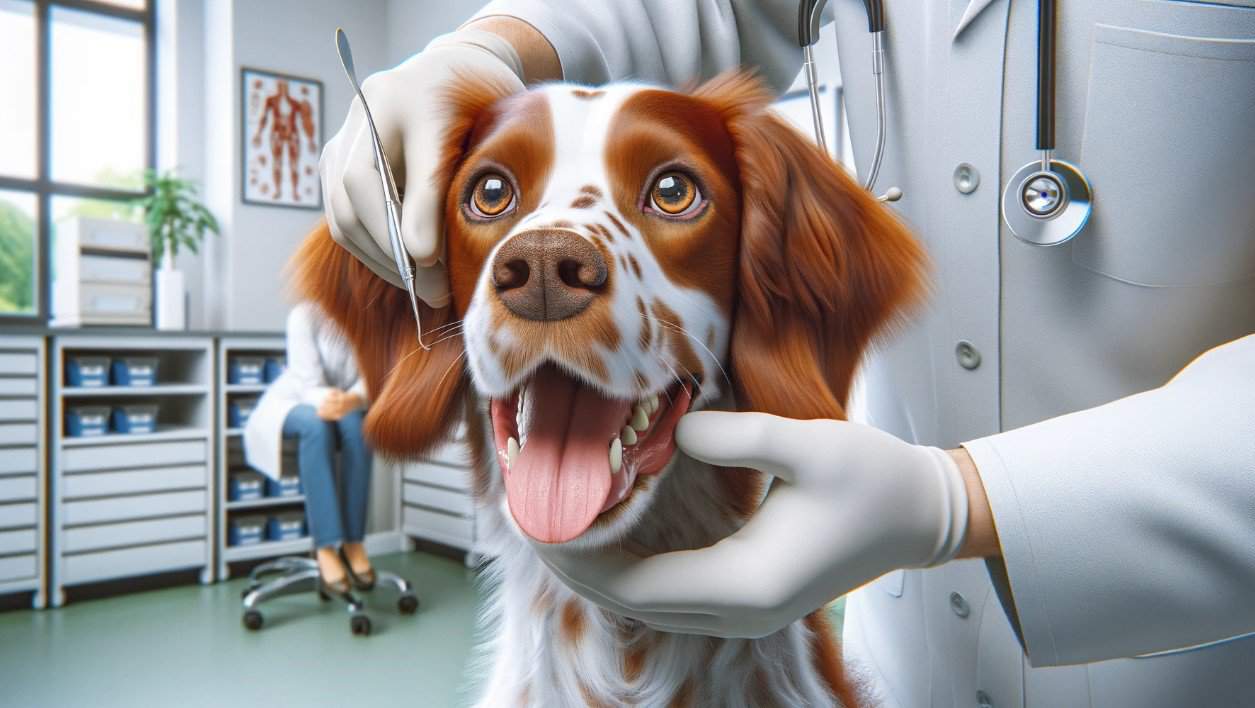
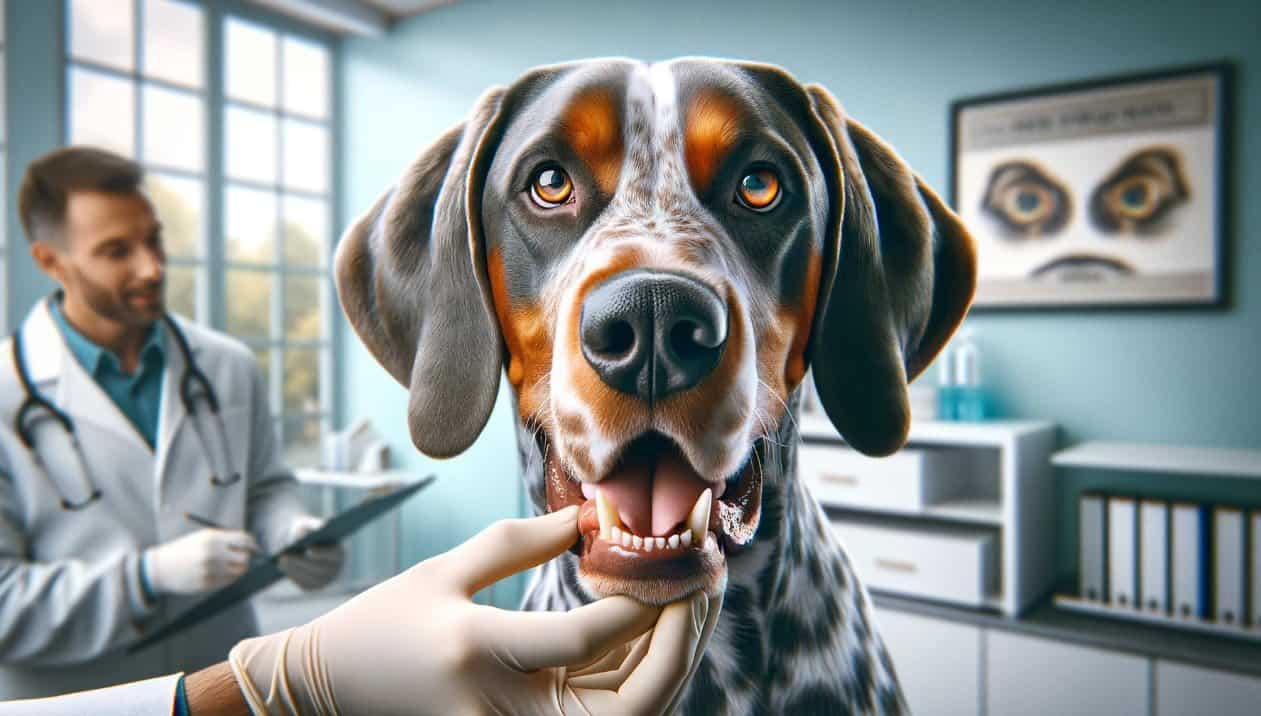
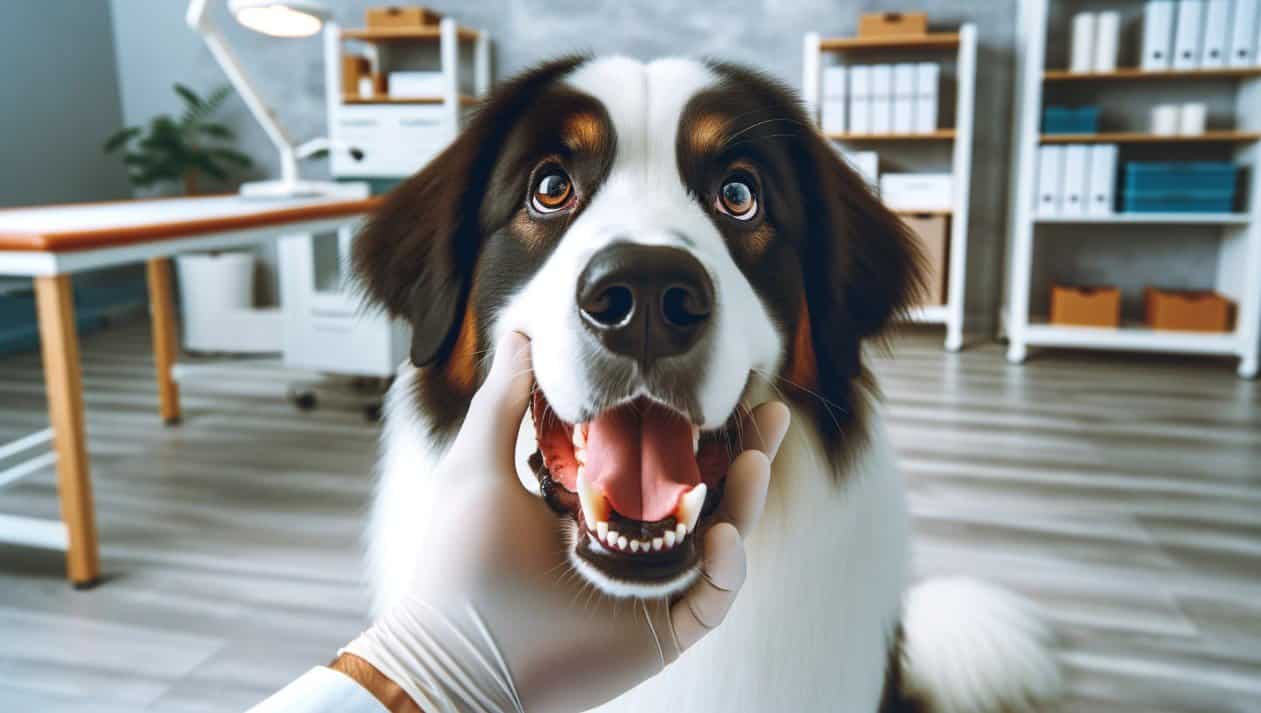
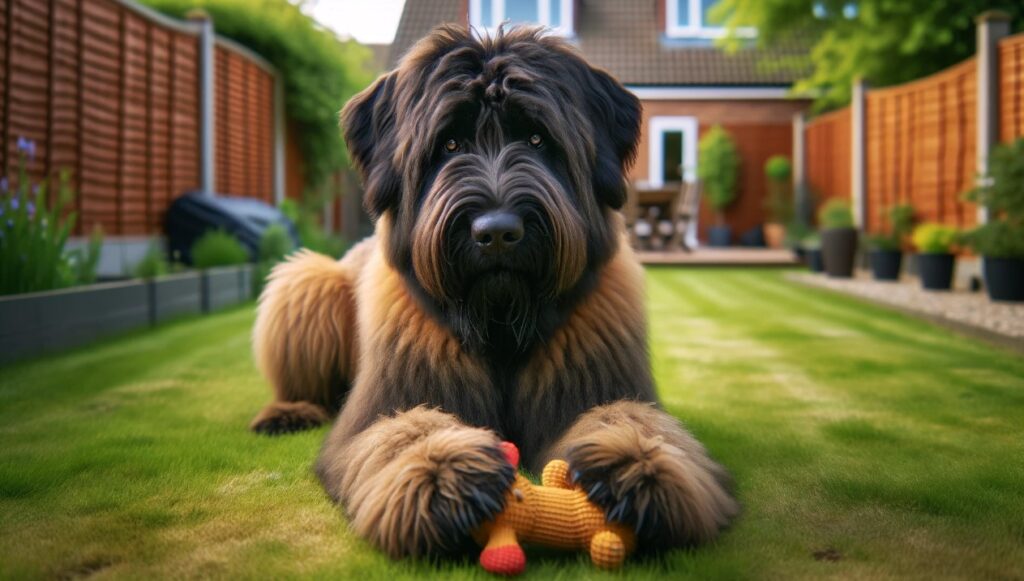
    Hello there, fellow dog parent! I’m Dr. Candy, your friendly holistic veterinarian. Today, we’re going to talk about a topic that’s close to my heart and crucial for our furry friends – Briard Dental Health. Now, if you’re a Briard parent like me, you know that these dogs are not just pets; they’re family. And just like any family member, their health is of utmost importance.

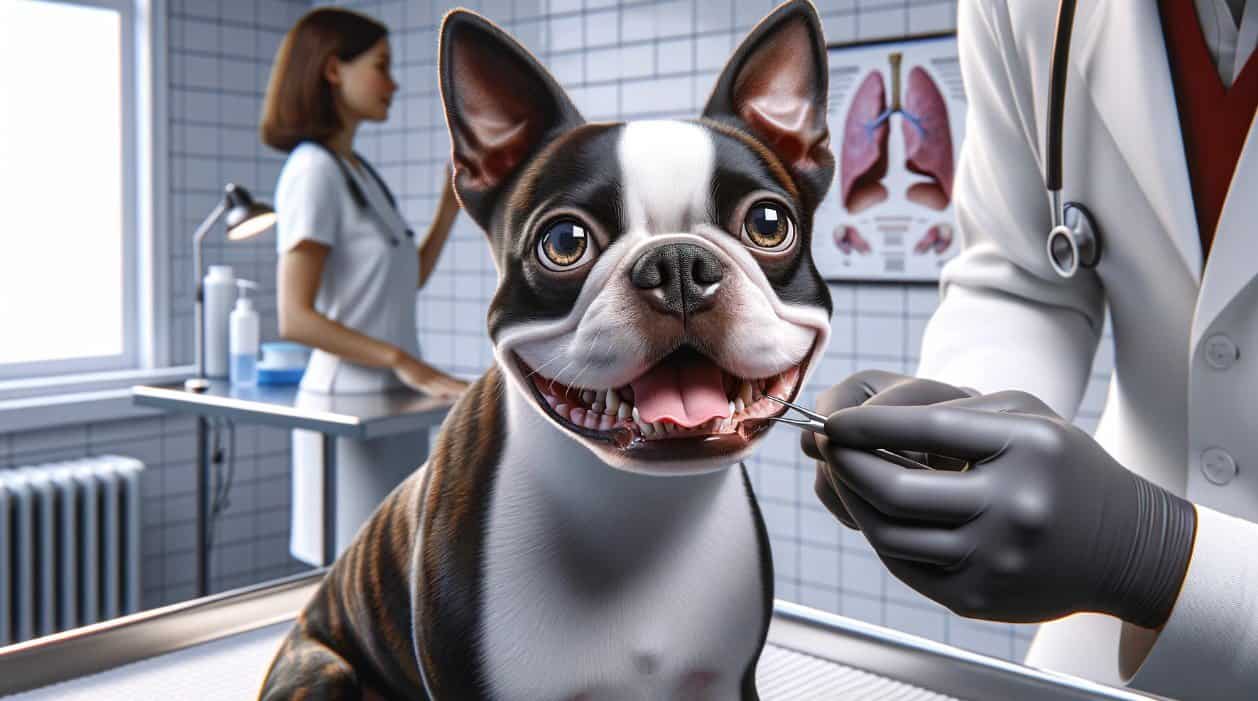
    One aspect of our Briard’s health that often gets overlooked is their dental health. But did you know that maintaining good oral hygiene is as essential for your Briard as it is for you? That’s right! Poor dental health can lead to a host of other health issues, including heart disease and kidney problems.

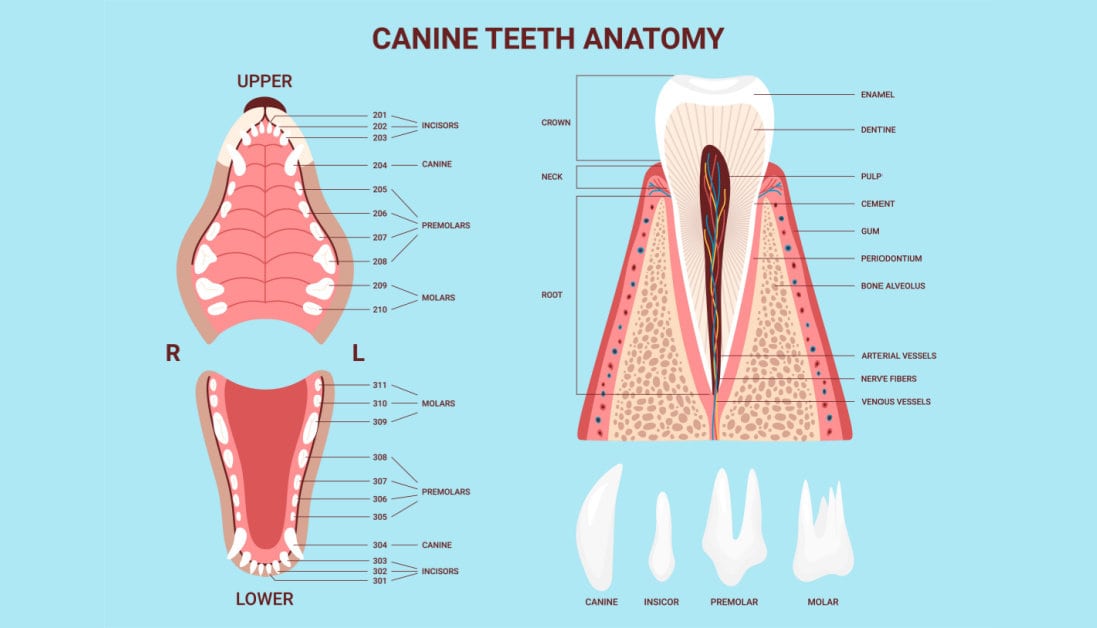
    So, let’s get down to it and explore the world of Briard Dog Dental Care. We’ll discuss the signs of dental disease, common dental health issues in Briards, and the best ways to keep your Briard’s teeth sparkling clean. Remember, a healthy mouth equals a healthy dog. So, let’s make sure our Briards are as healthy as they can be!
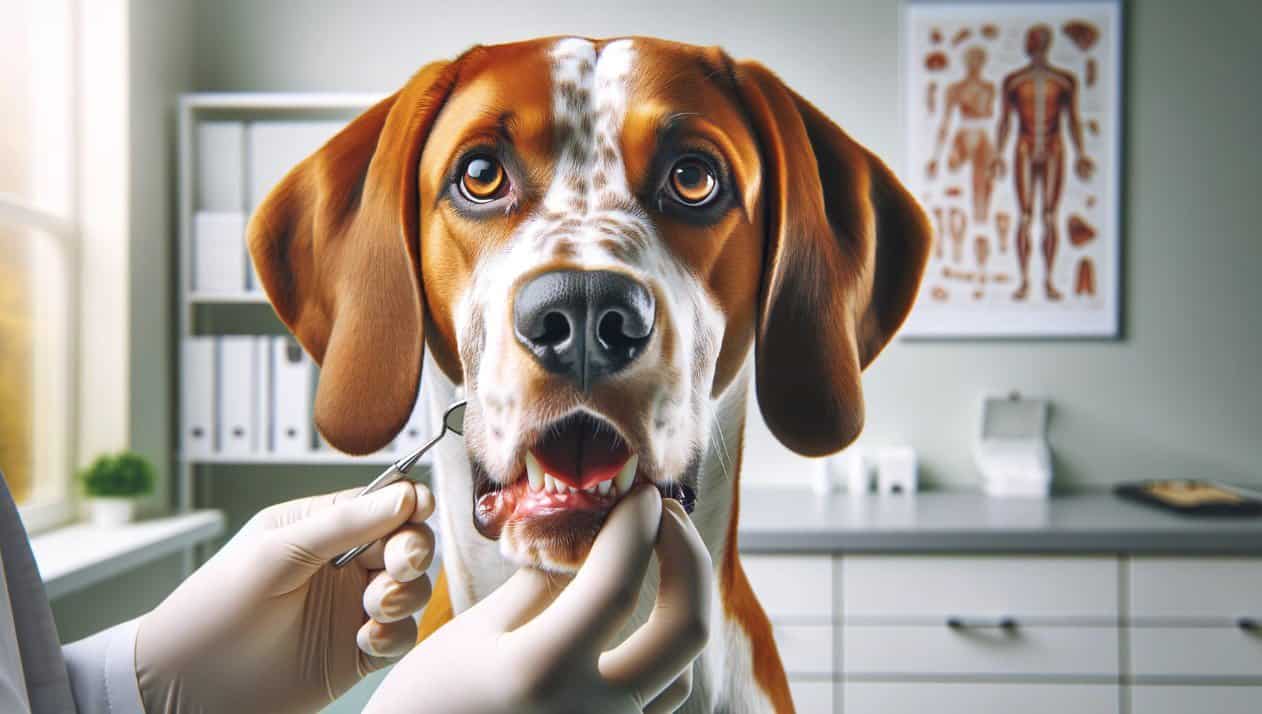
    briard dental health

    Signs of Dental Disease in Briard

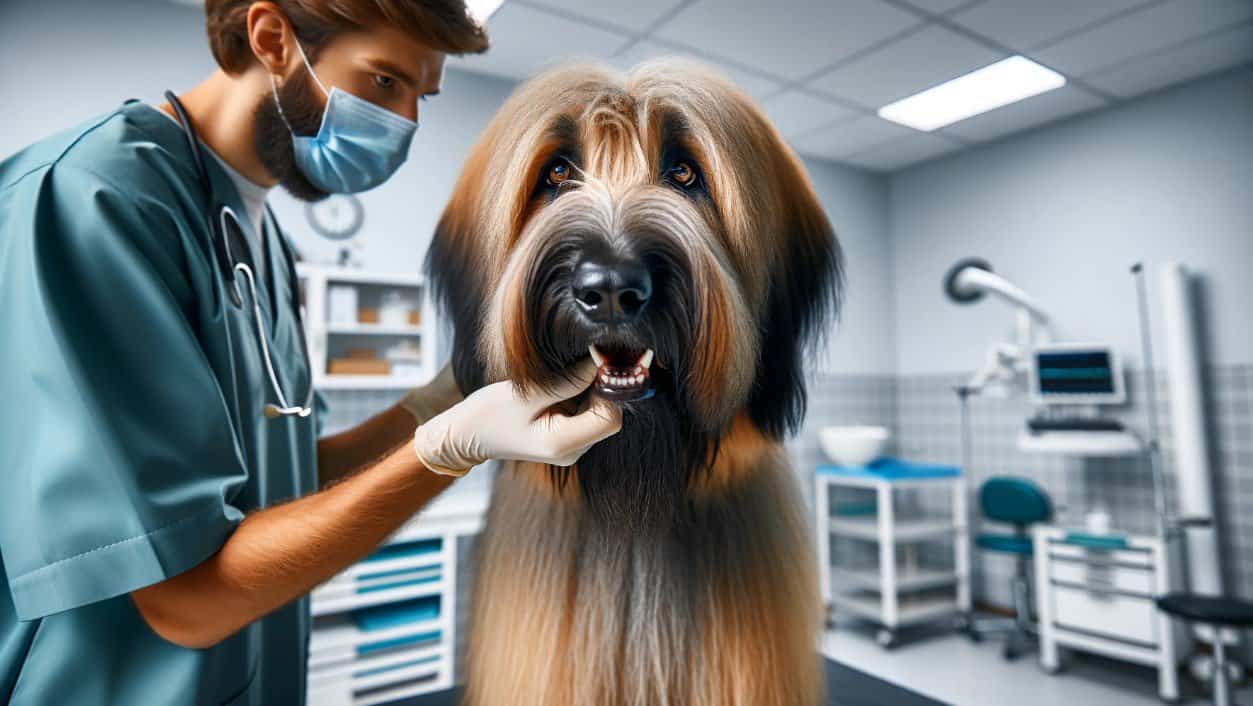
    As a loving Briard parent, I know how crucial it is for you to ensure your furry friend is always in the best of health. A vital, yet often overlooked aspect of their well-being, is their dental health. Recognizing the signs of dental disease in your Briard can be the difference between early intervention and serious health complications.

    The first telltale sign of a potential dental issue is bad breath. While it’s common for dogs to have a certain level of ‘doggy breath’, an unusually foul odor could indicate a buildup of bacteria, which can lead to gum disease. If you notice that your Briard’s breath is consistently unpleasant, it’s time for a closer look.

    Another sign of dental disease is a change in eating habits. If your Briard is usually a voracious eater but suddenly becomes hesitant or shows discomfort while eating, they could be experiencing dental pain. Similarly, excessive drooling or a sudden loss of appetite can also signal dental issues.

    Visible changes in your Briard’s mouth are also a cause for concern. Red, swollen, or bleeding gums, yellow or brown tartar buildup on the teeth, loose or missing teeth are all signs of dental disease.

    Don’t overlook behavioral changes either. If your Briard seems unusually irritable, is pawing at their face, or has lost interest in their favorite chew toys, they could be suffering from dental discomfort.

    Finally, keep an eye out for any abnormal lumps or growths in your Briard’s mouth. While these could be benign, they could also indicate oral tumors, which are unfortunately common in dogs.

    As a holistic veterinarian, I can’t stress enough the importance of regular dental check-ups for your Briard. Early detection is key in addressing dental issues and preventing them from escalating into more serious health problems. Remember, your Briard’s dental health is a crucial part of their overall well-being.

    Common Dental Health Issues In Briard

    As a dedicated dog parent, you’re probably aware that your Briard’s dental health is just as important as their physical health. In my years as a veterinarian, I’ve noticed that Briards are prone to certain dental health issues. Let’s delve into these to ensure your furry friend maintains a healthy smile.

    Periodontal Disease: This is the most common dental issue in Briards. Just like in humans, plaque and tartar build-up can lead to gum inflammation, often resulting in periodontal disease. If left untreated, it can cause tooth loss and even affect the heart, liver, and kidneys.

    Broken Teeth: Briards are known for their playful and energetic nature. However, this can sometimes lead to broken or fractured teeth, especially when they chew on hard objects. Broken teeth can cause severe pain and lead to infections.

    Oral Tumors: Although not as common, oral tumors can occur in Briards. Regular dental check-ups can help detect these tumors early.

    Understanding these common dental issues in the Briard breed is the first step towards maintaining your dog’s oral health. Regular brushing, professional cleanings, and a balanced diet can go a long way in preventing these issues. Remember, a healthy mouth contributes significantly to your Briard’s overall health and well-being.
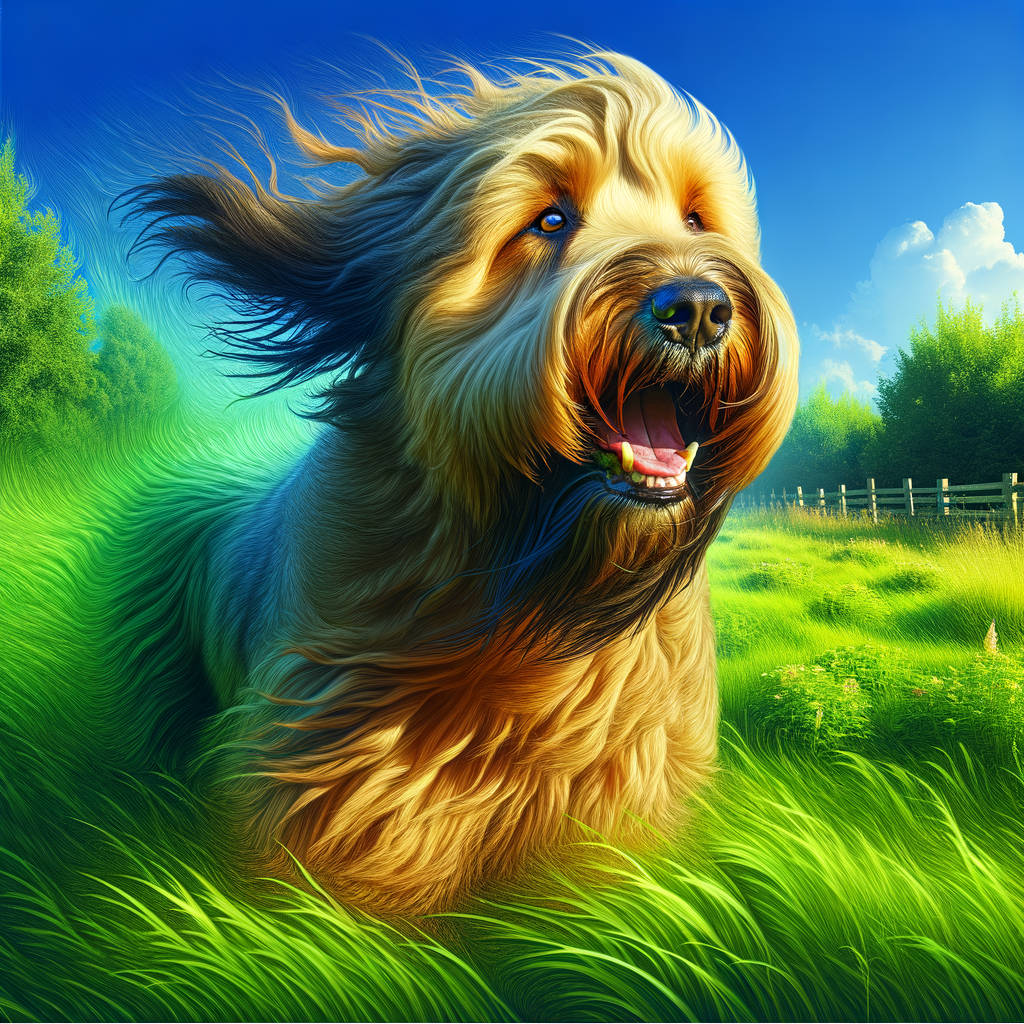
    Briard Dog Dental Care

    Conventional Dental Health Treatments

    When it comes to maintaining your Briard’s dental health, there are several conventional treatments available. One of the most common procedures is anesthetic dental cleanings. This involves putting your Briard under anesthesia and thoroughly cleaning their teeth and gums. This process can help prevent the buildup of tartar and plaque, which can lead to serious dental diseases like gingivitis and periodontitis.

    Anesthetic Dental Cleanings

    Anesthetic dental cleanings are a highly effective way to maintain your Briard’s oral health. However, they should be done by a professional veterinarian and are typically recommended once or twice a year, depending on your dog’s oral health condition. While under anesthesia, the vet will remove any tartar and plaque, clean the teeth, and examine the mouth for any signs of disease.

    It’s important to note that while anesthesia is generally safe, there are potential risks. Your vet should perform a thorough examination before the procedure to ensure that your Briard is healthy enough for anesthesia.

    Potential Individual Health Obstacles

    While anesthetic dental cleanings are beneficial, it’s crucial to consider your Briard’s overall health. Certain health conditions can make anesthesia riskier. These include heart problems, drug sensitivities, seizures, and extreme age.

    • Heart Problems: If your Briard has a heart condition, anesthesia could pose a risk. Your vet will need to monitor their heart closely during the procedure.
    • Drug Sensitivities: Some Briards might be sensitive to certain anesthetic drugs. Always inform your vet about any known sensitivities or adverse reactions your dog has had in the past.
    • Seizures: If your Briard suffers from seizures, anesthesia could potentially trigger an episode. It’s vital to discuss this with your vet before the procedure.
    • Extreme Age: Older Briards might have a harder time recovering from anesthesia. If your Briard is of extreme age, your vet might recommend alternative treatments.

    Remember, your Briard’s dental health is crucial for their overall well-being. Regular check-ups and cleanings can help keep their teeth and gums healthy. However, always consider their overall health and discuss any potential risks with your vet before deciding on any treatment.
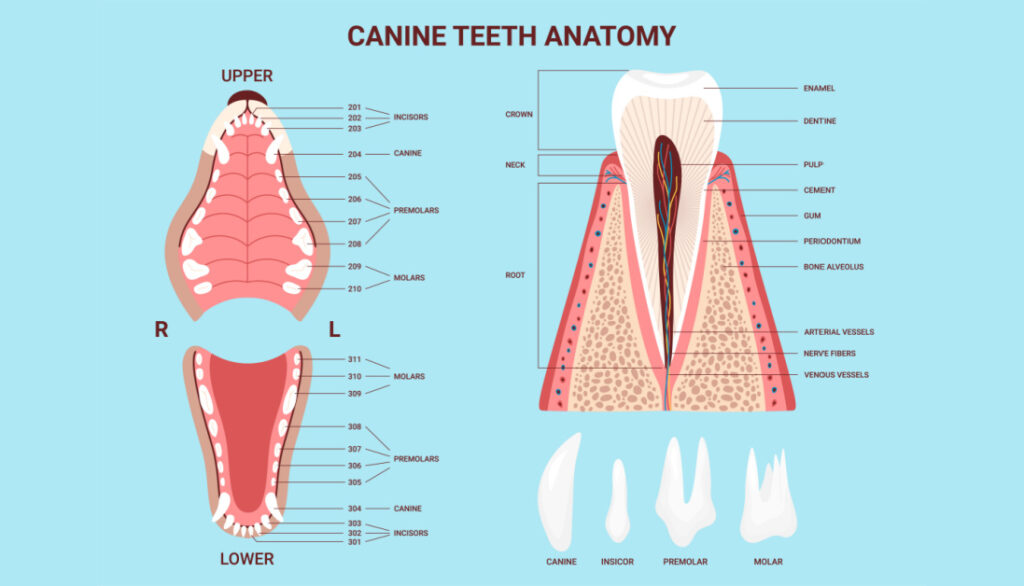
    dog dental health

    Dr. Candy’s Holistic Approach To Oral & Dental Health

    As a dedicated pet parent, you’re probably always on the lookout for ways to boost your Briard’s health, right? Well, when it comes to Briard dental health, there’s a lot you can do to help your furry friend. Let’s dive into Dr. Candy’s holistic approach to oral and dental health.

    Diet- Low Carbs, Avoid Added Sugars, Enzymes In Fresh Food

    Firstly, let’s talk about diet. A diet low in carbs and free from added sugars is essential for maintaining your Briard’s dental health. Consuming too many carbs can lead to plaque buildup, while added sugars can cause tooth decay. So, feed your Briard a balanced diet filled with fresh foods that are rich in enzymes. These enzymes help to break down food particles and prevent them from sticking to your dog’s teeth.

    • Raw veggies: Raw vegetables like carrots and celery are not only low in carbs but also act as natural toothbrushes, scrubbing away plaque as your dog chews.
    • Lean meats: Lean meats are a great source of protein and are low in carbs. They also contain enzymes that can help to clean your dog’s teeth.
    • Fresh fruits: While some fruits can be high in natural sugars, they are also packed with essential vitamins and enzymes. Just be sure to limit portions to avoid excessive sugar intake.

    Oral Health Specific Probiotics

    Next up, let’s discuss probiotics. These beneficial bacteria can do wonders for your Briard’s oral health. They balance the oral microbiome, preventing harmful bacteria from taking over and causing dental diseases. One such product is Probiora for Dogs, an oral health targeted probiotic. It’s specifically designed to support your dog’s oral health, and I’ve seen some fantastic results with it. You can check it out here.

    Remember, every dog is unique and what works for one Briard may not work for another. It’s always best to consult with your vet before making any significant changes to your dog’s diet or introducing new supplements. Together, you can create a personalized plan to improve your Briard’s dental health.

    Briard Dog Dental health

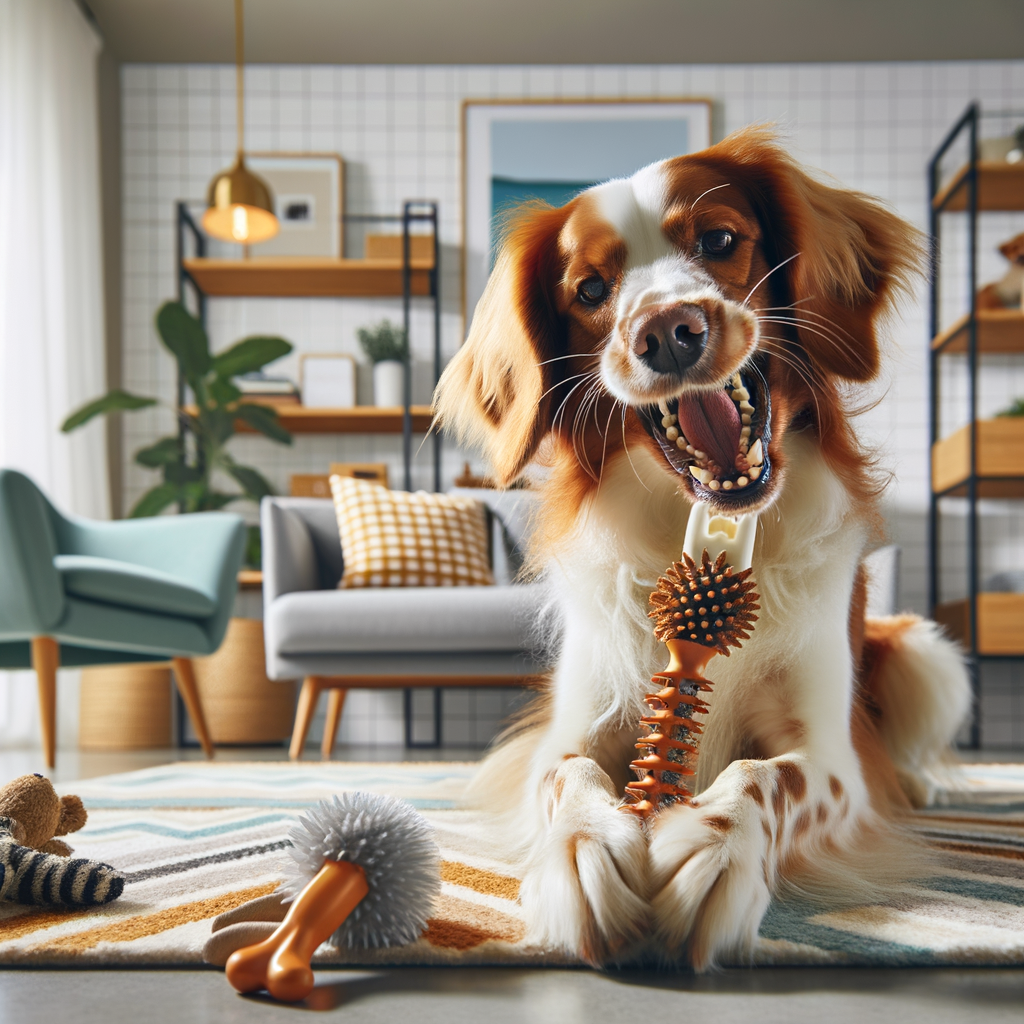
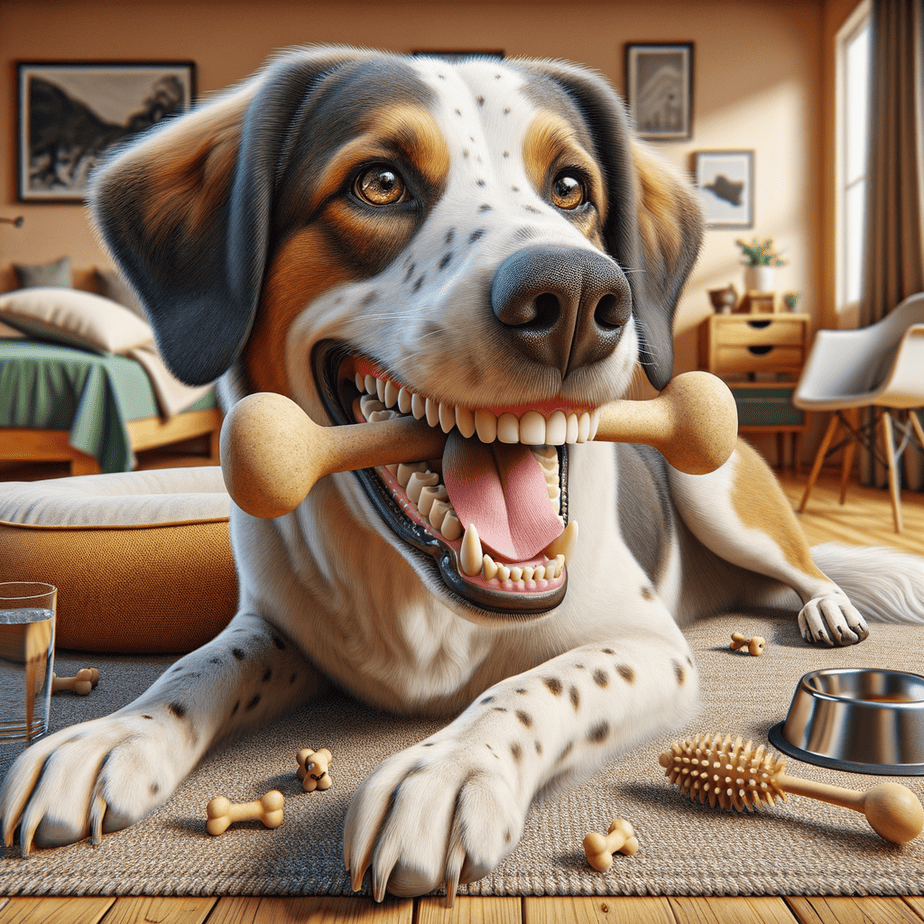
    As a caring pet parent, you might be tempted to reach for commercially promoted dental chews in the hopes of maintaining your Briard’s dental health. However, you should be aware that these products often fail to deliver on their promises. These dental chews are usually filled with artificial flavors and preservatives, which can be harmful to your dog’s overall health. Furthermore, they often don’t provide the necessary mechanical action needed to effectively remove plaque and tartar.

    Another common product you might consider are drinking water additives. However, these can inadvertently harm the beneficial bacteria in your dog’s gut, potentially leading to digestive issues. So, it’s essential to look for alternatives that support your Briard’s dental health without compromising their overall wellbeing.

    When it comes to maintaining your Briard’s dental health, natural is always the best way to go. Here are some of Dr. Candy’s top recommendations:

    Tendons

    Tendons are a fantastic natural chew for your Briard. They are tough and fibrous, which helps to scrape off plaque and tartar from your dog’s teeth. Plus, they are a good source of protein and collagen, promoting good joint health.
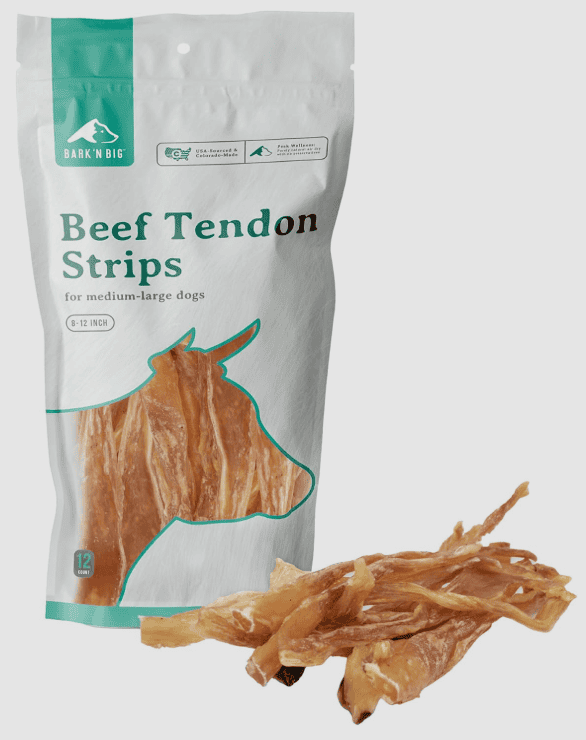
    beef tendons for dog dental health

    Raw Marrow Bones

    Raw marrow bones are another excellent choice for maintaining your Briard’s dental health. They are a natural source of calcium and phosphorus, which are essential for healthy teeth and bones. Furthermore, the act of gnawing on bones can help to clean your dog’s teeth and gums.
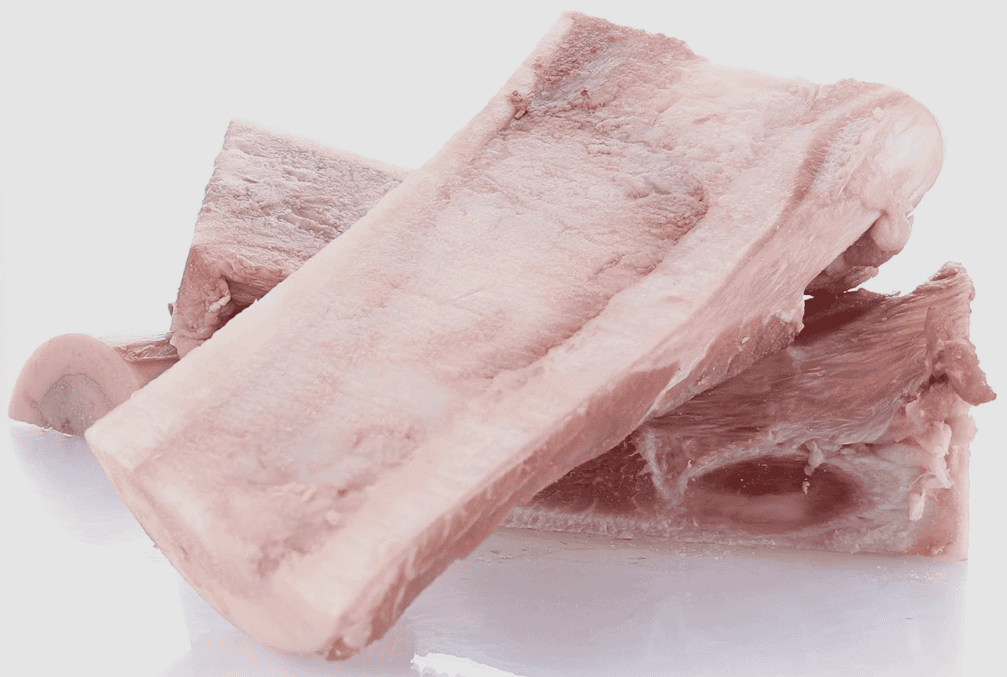
    raw marrow bones for dogs dental health

    Bully Sticks

    Bully sticks are made from 100% beef muscle, providing a natural and digestible chew for your Briard. They can effectively remove plaque and tartar and are a good source of protein. However, always supervise your dog while they’re chewing on a bully stick to prevent any choking hazard.

    bully sticks for dog dental health

    Remember, each dog is unique, and what works for one might not work for another. It’s essential to monitor your Briard’s reaction to these products and make adjustments as necessary. Also, regular veterinary check-ups are crucial to ensure your Briard’s dental health is on track.

    With the right care and attention, you can help ensure your Briard enjoys a healthy, happy life with a sparkling smile. Keep in mind that Briard Dental Health is not just about preventing bad breath but also about enhancing your furry friend’s overall wellbeing.

    Frequently Asked Questions

    1. What causes bad breath in Briards?

    Bad breath in Briards can be caused by various factors such as poor dental hygiene, gum disease, tooth decay, or underlying health issues. It is important to regularly brush your Briard’s teeth and schedule dental check-ups to prevent bad breath.

    2. How can I improve my Briard’s dental hygiene?

    To improve your Briard’s dental hygiene, you should brush their teeth regularly using a dog-specific toothbrush and toothpaste. Additionally, providing dental chews or toys designed to promote oral health can help reduce plaque and tartar buildup.

    There are several dental products recommended for Briards, including toothbrushes with soft bristles, enzymatic toothpaste formulated for dogs, dental rinses, and dental treats. It is advisable to consult your veterinarian for specific product recommendations based on your Briard’s needs.

    4. How often should I schedule dental check-ups for my Briard?

    It is recommended to schedule dental check-ups for your Briard at least once a year. Regular check-ups allow the veterinarian to assess your dog’s dental health, perform professional cleanings if necessary, and address any potential dental issues before they worsen.

    5. Can bad breath in Briards be a sign of a more serious health problem?

    Yes, bad breath in Briards can sometimes indicate an underlying health problem such as periodontal disease, oral infections, gastrointestinal issues, or metabolic disorders. If your Briard’s bad breath persists despite proper dental care, it is advisable to consult a veterinarian for a thorough examination.

  • Broholmer Dental Health – Solutions For Bad Breath

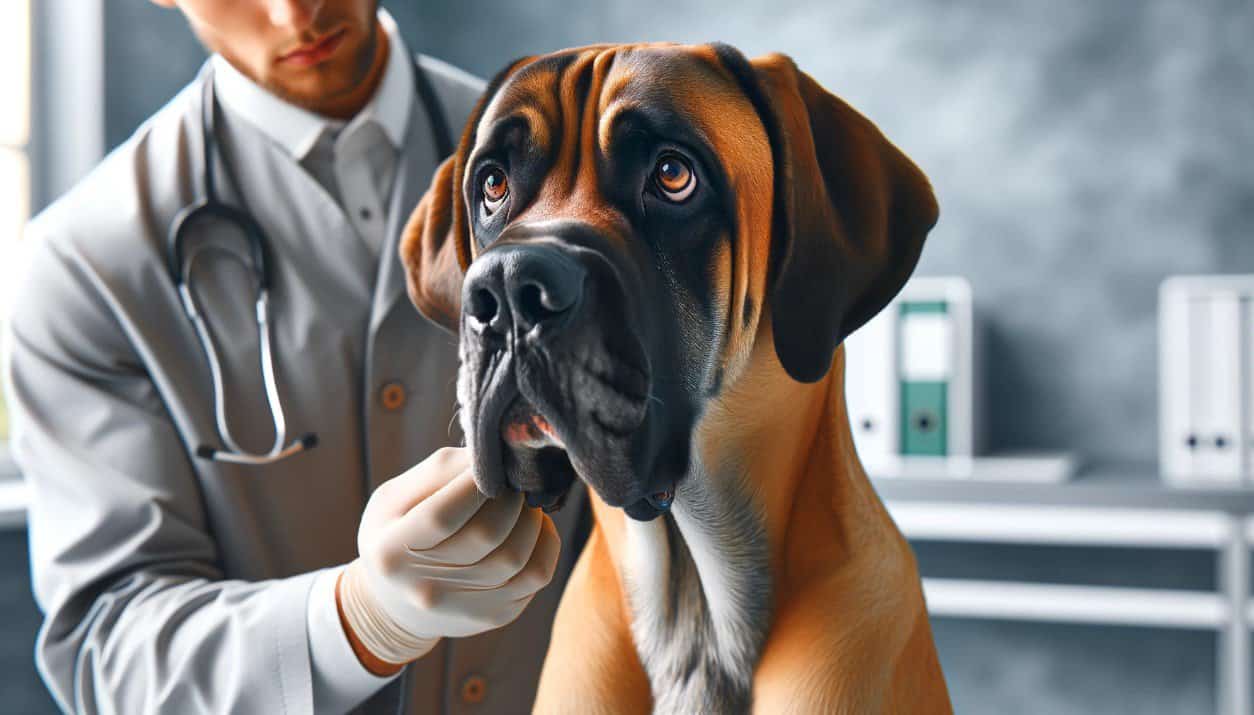
    Broholmer Dental Health – Solutions For Bad Breath

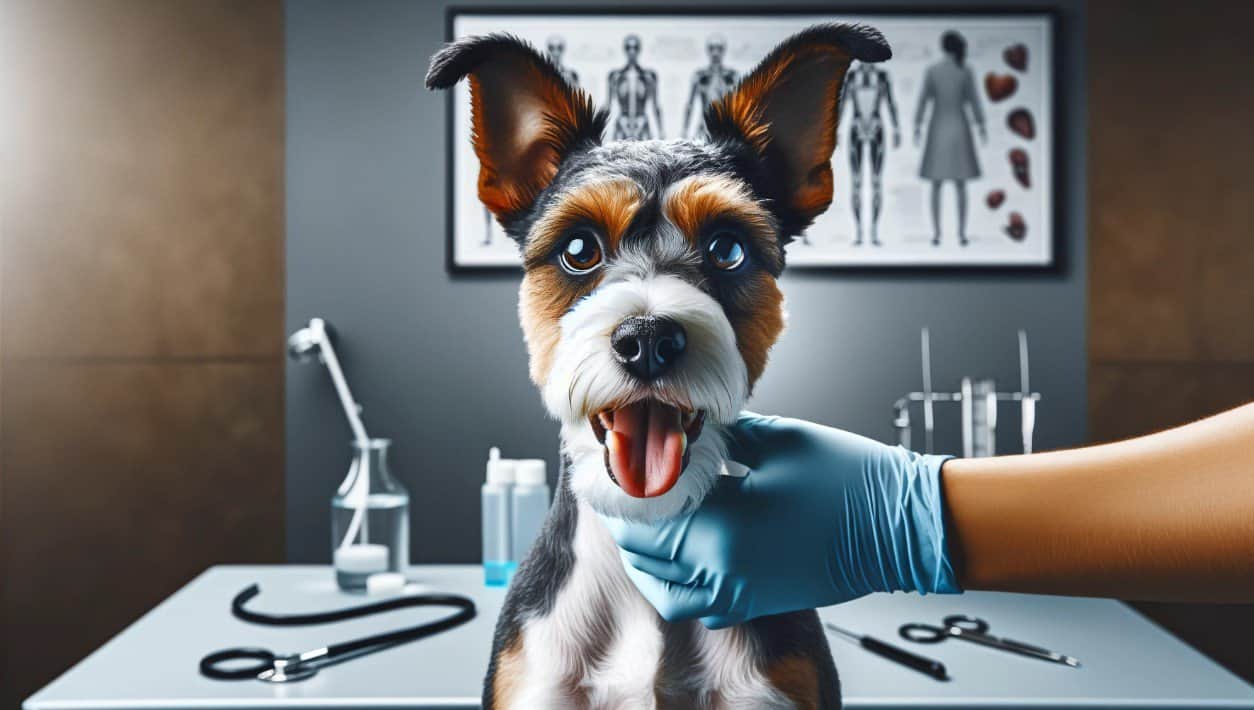
    Hey there, fellow dog parent! I’m Dr. Candy, your friendly holistic veterinarian. Today, we’re going to talk about Broholmer Dental Health. Now, I know what you’re thinking, “Dental health? Isn’t that just for humans?” But let me assure you, it’s just as important for our furry friends. In fact, dental health is a crucial part of your Broholmer’s overall well-being.

    Just like us, dogs can suffer from a variety of dental issues, from bad breath to gum disease. And our Broholmers are no exception. But don’t worry, I’m here to help you navigate through the world of dog dental health. Together, we’ll explore the signs of dental disease, common dental health issues in Broholmers, and both conventional and holistic treatments.

    Remember, a healthy mouth leads to a healthy dog. So let’s get started on improving your Broholmer’s dental health and say goodbye to bad breath!

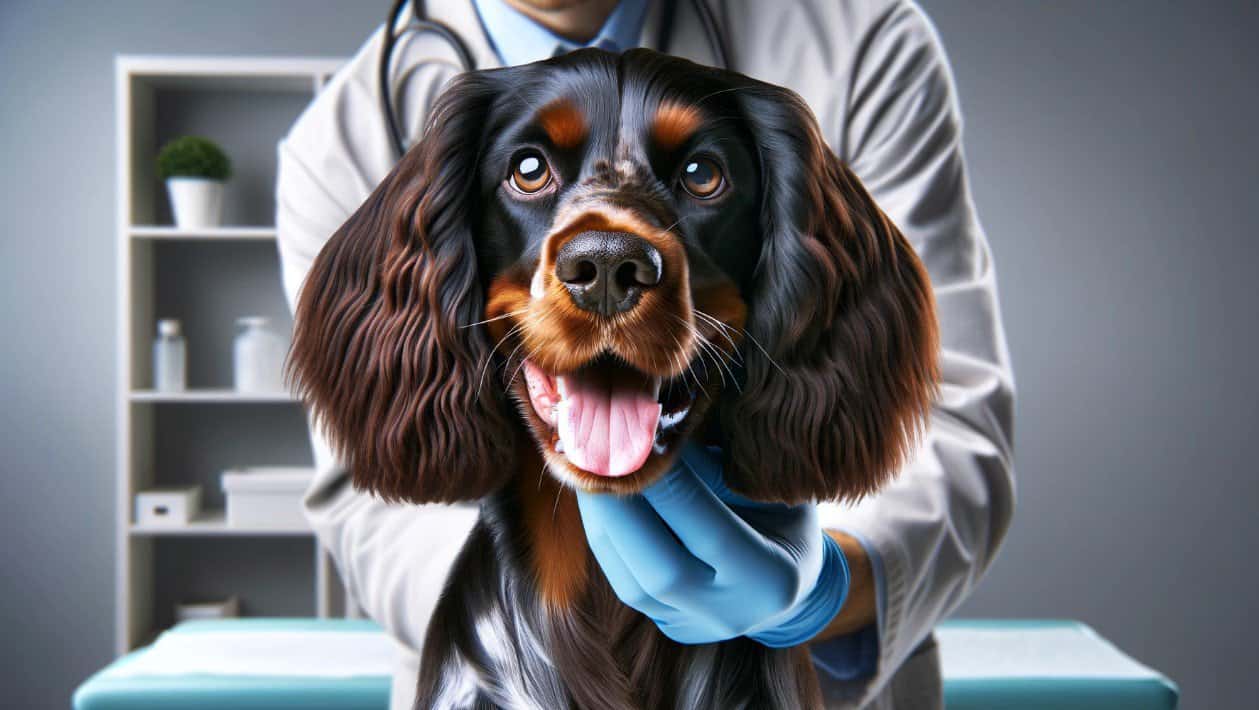
    broholmer dental health

    Signs of Dental Disease in Broholmer

    Picture this, your Broholmer greets you with a wagging tail and a wide grin after a long day. You bend down to pet him, but as soon as he opens his mouth, a foul smell hits you. Bad breath can be more than just an unpleasant greeting, it could be one of the first signs of dental disease in your Broholmer. Let’s delve into the other signs that you should be aware of.

    Just like humans, dogs can suffer from a range of dental diseases. If you’re a Broholmer parent, it’s essential to understand the signs of these conditions to ensure your furry friend’s overall health and happiness. After all, Broholmer Dental Health is a critical aspect of their wellbeing.

    One of the most common signs of dental disease in Broholmers is bad breath. While it’s normal for your dog’s breath to have a slight odor, a particularly foul smell may indicate a problem. Another sign to look out for is a change in eating or chewing habits. If your Broholmer is suddenly uninterested in his favorite chew toy or seems to have difficulty eating, it could be due to dental pain.

    Additionally, pay close attention to your Broholmer’s behavior. If he’s pawing at his mouth, drooling excessively, or showing signs of discomfort when his mouth or face is touched, these could be signs of dental disease. Other symptoms include bleeding gums, yellow or brown tartar buildup on the teeth, loose or missing teeth, and swollen or inflamed gums.

    • Bad breath
    • Change in eating or chewing habits
    • Excessive drooling
    • Bleeding gums
    • Tartar buildup
    • Loose or missing teeth
    • Swollen or inflamed gums

    It’s crucial to remember that dental disease can lead to more serious health issues if left untreated, such as heart, kidney, or liver disease. Therefore, if you notice any of these signs, it’s important to consult your veterinarian as soon as possible.

    Remember, prevention is better than cure. Regular teeth cleaning, a balanced diet, and dental chews can all contribute to good oral health. But first, you need to know what to look out for. So, keep an eye out for these signs and ensure your Broholmer’s grin stays as bright and healthy as his spirit.

    Broholmer Dental Health

    Common Dental Health Issues In Broholmer

    As a dedicated veterinarian, I’ve noticed that Broholmer dental health is often overlooked. It’s important to remember that these majestic dogs can face several dental issues.

    One common issue is periodontal disease. This is an infection of the tissues surrounding the teeth and can lead to tooth loss if left untreated. Broholmers are prone to this due to their large size and strong jaw, which can trap food and bacteria in their mouth.

    Gingivitis, or inflammation of the gums, is another common issue in Broholmers. Signs include red, swollen gums and bad breath. If left untreated, it can progress to periodontal disease.

    Finally, tooth decay is a significant concern. This happens when plaque builds up on the teeth and hardens into tartar. This can lead to cavities, and in severe cases, tooth loss.

    To maintain your Broholmer’s dental health, it’s crucial to keep an eye out for these issues. Regular brushing and dental check-ups are a must. Also, a diet rich in dental-friendly nutrients can help prevent these problems.

    Remember, Broholmer dental health is as important as their physical health. Keep those pearly whites shining bright!

    Conventional Dental Health Treatments

    When it comes to Broholmer Dental Health, it’s essential to understand the conventional treatments available for maintaining the oral hygiene of your furry friend.

    Anesthetic Dental Cleanings

    Anesthetic dental cleanings are a common solution to tackle dental issues in Broholmers. This procedure involves a thorough cleaning of your dog’s teeth and gums while they’re under anesthesia. It’s an effective way to remove tartar and plaque build-up, prevent periodontal disease, and maintain overall oral health. However, it’s important to consult with your vet before opting for this treatment as it may not be suitable for all dogs.

    Potential Individual Health Obstacles

    Though anesthetic dental cleanings are generally safe, there may be potential health obstacles for individual Broholmers. Dogs with heart problems might face risks associated with anesthesia. Also, some Broholmers may have drug sensitivities, which can lead to adverse reactions.

    Dogs with a history of seizures might face complications, as certain anesthetic drugs can trigger seizure episodes. Furthermore, extreme age can also be a factor to consider. Older dogs may have a higher risk of complications during anesthesia.

    As a responsible dog parent, you should discuss these potential issues with your vet before deciding on anesthetic dental cleanings. Remember, each Broholmer is unique, and what works for one might not work for another. Your vet can guide you in choosing the best dental health solutions for your beloved Broholmer.

    While conventional treatments play a crucial role in maintaining your Broholmer’s dental health, it’s equally important to consider holistic approaches and preventive measures. After all, prevention is always better than cure. So, make sure you’re providing your Broholmer with a balanced diet, regular dental check-ups, and appropriate dental chews to keep their teeth and gums healthy.

    dog dental health

    Diet: Low Carbs, Avoid Added Sugars, Enzymes In Fresh Food

    The first step to improving your Broholmer’s dental health is through their diet. Just like in humans, a diet high in carbohydrates and sugars can lead to dental issues in dogs. Here are some tips:

    • Low Carbs: A diet low in carbs can help prevent tartar build-up on your dog’s teeth. This is because carbs tend to stick to the teeth and can lead to plaque formation.
    • Avoid Added Sugars: Sugars are a big no-no. They can lead to cavities and other dental issues. Always check the ingredients of your dog’s food and treats to ensure they don’t contain added sugars.
    • Enzymes In Fresh Food: Fresh foods like fruits and vegetables contain natural enzymes that can help clean your dog’s teeth as they chew. Apples, carrots, and celery are good options. However, remember to give these in moderation as they can still contain sugars.

    Oral Health Specific Probiotics

    Another important part of Dr. Candy’s holistic approach is the use of oral health-specific probiotics. These can help balance the bacteria in your dog’s mouth and prevent dental issues. One product that Dr. Candy recommends is Probiora for Dogs, an oral health targeted probiotic.

    Probiotics work by introducing beneficial bacteria into your dog’s mouth, which can help keep harmful bacteria in check. This can prevent plaque build-up and gum disease, both of which can lead to bad breath and other dental problems.

    Remember, your Broholmer’s dental health is an important part of their overall health. By following Dr. Candy’s holistic approach, you can help ensure that your furry friend has a healthy mouth and a happy life.

    Broholmer tooth Health

    When it comes to maintaining your Broholmer’s dental health, the market is flooded with numerous dental chews and products. However, not all of these are beneficial. In fact, many commercially promoted dental chews fall short of their promises.

    The Failure of Commercially Promoted Dental Chews

    Many dog owners are drawn to commercially promoted dental chews due to their convenience and the promise of an effortless solution to their pet’s oral hygiene. However, it’s essential to understand that these products often contain artificial ingredients, added sugars, and preservatives. These ingredients can harm your Broholmer’s dental health and overall well-being. Furthermore, these chews can be too hard for your dog’s teeth, leading to fractured teeth or other dental injuries.

    Another common product recommended for canine dental health is drinking water additives. However, these can harm the beneficial bacteria in your dog’s gut, disrupting their digestive health. Therefore, it’s crucial to choose dental care products wisely.

    Dr. Candy advocates for natural, single-source proteins like tendons, raw marrow bones, and bully sticks. These are not only safe and healthy for your Broholmer but also effective in maintaining their dental health.

    Tendons

    Tendons are a fantastic natural chew for your Broholmer. They are tough and fibrous, which helps to scrape off plaque and tartar from your dog’s teeth. Plus, they are a good source of protein and collagen, promoting good joint health.

    beef tendons for dog dental health

    Raw Marrow Bones

    Raw marrow bones are another excellent choice for maintaining your Broholmer’s dental health. They are a natural source of calcium and phosphorus, which are essential for healthy teeth and bones. Furthermore, the act of gnawing on bones can help to clean your dog’s teeth and gums.

    raw marrow bones for dogs dental health

    Bully Sticks

    Bully sticks are made from 100% beef muscle, providing a natural and digestible chew for your Broholmer. They can effectively remove plaque and tartar and are a good source of protein. However, always supervise your dog while they’re chewing on a bully stick to prevent any choking hazard.

    bully sticks for dog dental health

    Remember, your Broholmer’s dental health is an essential aspect of their overall wellness. Therefore, it’s crucial to choose products that not only promote oral hygiene but also contribute to their overall health and well-being. By choosing natural, single-source proteins, you can ensure your Broholmer enjoys a healthy and happy life.

    Frequently Asked Questions

    1. What causes bad breath in Broholmers?

    Bad breath in Broholmers can be caused by various factors such as poor dental hygiene, gum disease, tooth decay, plaque buildup, or underlying health issues. It is important to address the root cause to effectively treat bad breath.

    2. How can I improve my Broholmer’s dental hygiene?

    To improve your Broholmer’s dental hygiene, you should brush their teeth regularly using a dog-specific toothbrush and toothpaste. Additionally, providing dental chews or toys can help reduce plaque buildup. Regular professional dental cleanings by a veterinarian are also recommended.

    3. Are there any home remedies for bad breath in Broholmers?

    While home remedies may provide temporary relief, it is best to consult with a veterinarian for a proper diagnosis and treatment plan. They may recommend specific dental products, dietary changes, or professional cleanings to address the underlying cause of bad breath.

    4. Can diet affect my Broholmer’s breath?

    Yes, diet can play a role in your Broholmer’s breath. Feeding a high-quality dog food and avoiding foods that are known to cause bad breath, such as certain spices or ingredients, can help improve their breath. Your veterinarian can provide guidance on the best diet for your Broholmer’s dental health.

    5. When should I seek veterinary help for my Broholmer’s bad breath?

    If your Broholmer’s bad breath persists despite regular dental care or if you notice any other concerning symptoms such as bleeding gums, excessive drooling, or changes in appetite, it is recommended to seek veterinary help. A veterinarian can evaluate your dog’s oral health and provide appropriate treatment.

  • Brussels Griffon Dental Health – Solutions For Bad Breath

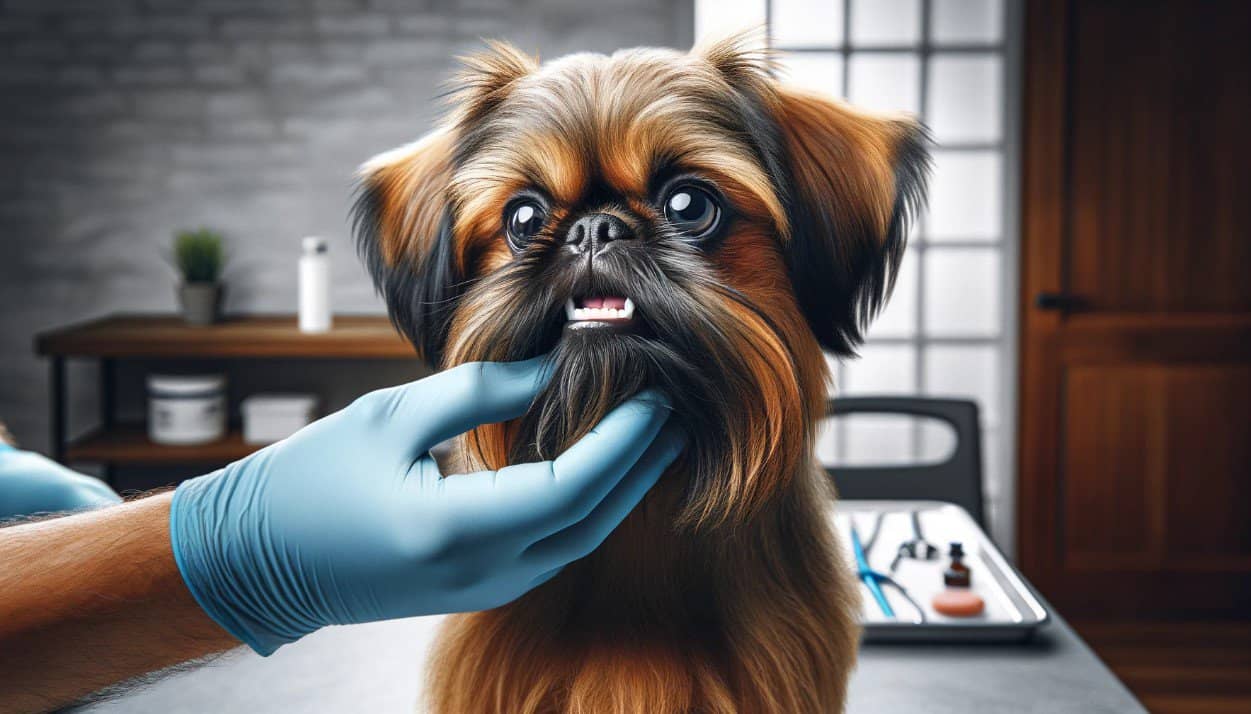
    Brussels Griffon Dental Health – Solutions For Bad Breath

    Hi there, fellow dog lover! I’m Dr. Candy, your friendly holistic veterinarian. Today, we’re going to talk about a topic that’s close to my heart – Brussels Griffon Dental Health. This adorable breed, with their expressive eyes and distinctive beards, are known for their charming personalities. But did you know they’re also prone to dental health issues? It’s true! Just like us, our canine companions need good oral hygiene to maintain overall health.

    As a vet, I’ve seen many cases where dental disease in dogs led to more serious health problems. That’s why it’s so important to keep those doggy teeth clean and healthy. But don’t worry, I’m here to guide you through the process. From recognizing the signs of dental disease to understanding the best dental care for your Brussels Griffon, we’ll cover it all. We’ll even explore some holistic approaches to oral health. So, let’s get started on this journey to ensure your Brussels Griffon’s pearly whites stay healthy and strong!

    brussels griffon dental health

    Signs of Dental Disease in Brussels Griffon

    Understanding the signs of dental disease in your Brussels Griffon can be the first step towards ensuring a long, happy, and healthy life for your beloved pet. If you know what to look out for, you can act fast, providing the necessary care and treatment to keep your dog’s oral health in top shape. So let’s dive into the telltale signs of dental disease in Brussels Griffon.

    One of the most common signs of dental disease in Brussels Griffon is bad breath. While it’s normal for dogs to have breath that’s not exactly minty fresh, a persistent foul odor can indicate a serious issue. This breed is particularly prone to periodontal disease, which can lead to persistent bad breath.

    Another sign to look out for is a change in eating or chewing habits. If your Brussels Griffon suddenly loses interest in their favorite chew toys, or starts eating on one side of their mouth, it could be a sign of oral discomfort. Drooling or dropping food while eating can also be a sign of dental disease.

    Physical changes in your dog’s mouth can also be a clear sign of dental problems. Watch out for red, swollen, or bleeding gums. You may also notice a yellowish-brown crust of plaque on the teeth, especially along the gum line. Loose or missing teeth are also a clear sign of oral health issues and should be addressed immediately.

    Finally, changes in behavior can also indicate dental disease. If your normally playful Brussels Griffon becomes irritable or lethargic, it could be due to discomfort or pain in their mouth. They may also paw at their mouth or face frequently.

    Common Dental Health Issues In Brussels Griffon

    When it comes to Brussels Griffon Dental Health, there are several common issues that you should be aware of as a pet parent. This breed is prone to certain dental health problems due to their unique mouth structure and small size.

    One of the most common issues is Periodontal Disease. This is an infection of the tissues surrounding the teeth and can lead to tooth loss if not treated. Symptoms include bad breath, red or swollen gums, and difficulty eating.

    • Bruxism, or teeth grinding, is another common problem in Brussels Griffon. This can lead to wear and tear on the teeth, causing sensitivity and pain.
    • Brussels Griffon are also prone to Dental Hypoplasia, a condition where the enamel of the teeth is thin or absent. This can lead to tooth decay and loss.
    • Malocclusion, or misalignment of the teeth, is another issue that can affect Brussels Griffon Dental Health. This can cause difficulty eating and can lead to other dental problems.

    Regular dental check-ups and cleanings are essential to prevent these issues and maintain good Brussels Griffon Dental Health. Remember, early detection is key to preventing serious dental health problems.

    brussels griffon dental health

    Conventional Dental Health Treatments for Brussels Griffon

    When it comes to maintaining Brussels Griffon dental health, two conventional methods are commonly employed: anesthetic dental cleanings and addressing potential individual health obstacles.

    Anesthetic Dental Cleanings

    Anesthetic dental cleanings, also known as professional dental cleanings, are a common treatment for dental problems in Brussels Griffon. These cleanings involve your vet using anesthesia to put your dog to sleep, allowing them to perform a thorough cleaning and examination of your dog’s teeth and gums without causing discomfort. This process can help to remove plaque and tartar build-up, which can lead to dental diseases if left untreated.

    While anesthetic dental cleanings can be effective, they should be performed by a professional veterinarian to ensure that they are safe and successful. Regular Brussels Griffon teeth cleaning is crucial to prevent serious dental health problems.

    Potential Individual Health Obstacles

    Each Brussels Griffon is unique and may face individual health obstacles that can affect their dental health. These can include heart problems, drug sensitivities, seizures, and extreme age.

    • Heart problems: If your Brussels Griffon has heart problems, anesthesia used during dental cleaning can be risky. Always consult with your vet before any procedure.
    • Drug sensitivities: Some Brussels Griffons may have sensitivities or allergies to certain drugs used during dental procedures. It’s essential to inform your vet about any known drug sensitivities.
    • Seizures: If your Brussels Griffon has a history of seizures, certain drugs used during dental procedures can trigger an episode. Again, always inform your vet about any health conditions your dog may have.
    • Extreme age: Older Brussels Griffons may face increased risks during dental procedures, especially if anesthesia is used. It’s important to weigh the benefits and risks before deciding on a treatment plan.

    Maintaining Brussels Griffon dental health requires regular check-ups and cleanings, but it’s also important to consider your dog’s individual health challenges. Working closely with your vet will help ensure that your Brussels Griffon’s dental health is managed effectively and safely.

    When it comes to maintaining your Brussels Griffon’s dental health, a holistic approach can be highly beneficial. This involves considering all aspects of your pet’s lifestyle, from their diet to the products you use for their oral care. As a pet parent, your goal is to ensure your furry friend is healthy and happy, and their dental health plays a significant role in this.

    Diet: Low Carbs, Avoid Added Sugars, Enzymes In Fresh Food

    One of the crucial aspects of your Brussels Griffon’s dental health is their diet. Feeding your dog a diet low in carbohydrates can help prevent the build-up of plaque and tartar on their teeth. Carbohydrates, when broken down, can form sugars which can contribute to tooth decay. Therefore, a diet low in carbs and free from added sugars is ideal for your Brussels Griffon’s dental health.

    Additionally, incorporating fresh foods into your dog’s diet can provide natural enzymes that help in maintaining oral hygiene. Fresh fruits and vegetables, for instance, can act as natural toothbrushes, scrubbing off plaque as your dog chews them. They also stimulate saliva production, which can help wash away food particles and bacteria.

    Oral Health Specific Probiotics

    Probiotics are beneficial bacteria that can support your Brussels Griffon’s oral health. They work by crowding out harmful bacteria in the mouth, reducing the risk of dental diseases. One product I highly recommend for this purpose is Probiora for Dogs, an oral health targeted probiotic. This product has been specifically formulated to support canine oral health, helping to maintain a balanced oral microbiome. Regular use of this probiotic can help reduce bad breath, plaque, and tartar build-up.

    Incorporating these holistic approaches into your Brussels Griffon’s dental care routine can go a long way in maintaining their oral health. Always remember, a healthy mouth contributes significantly to your pet’s overall well-being. So, let’s take a step towards healthier smiles for our furry friends!

    dog dental health

    As a loving pet parent, you may have been lured into buying commercially promoted dental chews for your Brussels Griffon, believing they would promote good dental health. However, the harsh reality is that many of these products are not as beneficial as they’re marketed to be. They often contain ingredients that can be harmful to your dog’s health, such as artificial flavors, preservatives, and excessive amounts of carbohydrates.

    Even worse, many of these chews do not effectively clean your dog’s teeth. They’re often too soft to provide any real scraping action against the teeth, which is necessary to remove plaque and tartar buildup. Therefore, they end up being a tasty treat rather than an effective dental hygiene product.

    Another product that is often marketed for dental health is drinking water additives. These are claimed to freshen breath and reduce plaque. However, they can harm the beneficial bacteria in your dog’s gut, disrupting their digestive health. So, it’s essential to be cautious when considering these products.

    So, what’s the alternative? The answer lies in natural, single source proteins, which are not only healthy but also effective in maintaining your dog’s dental health. Here are some of Dr. Candy’s recommended dental chews and products:

    Tendons

    Tendons are a fantastic natural chew for your Brussels Griffon. They are tough and fibrous, which helps to scrape off plaque and tartar from your dog’s teeth. Plus, they are a good source of protein and collagen, promoting good joint health.

    beef tendons for dog dental health

    Raw Marrow Bones

    Raw marrow bones are another excellent choice for maintaining your Brussels Griffon’s dental health. They are a natural source of calcium and phosphorus, which are essential for healthy teeth and bones. Furthermore, the act of gnawing on bones can help to clean your dog’s teeth and gums.

    raw marrow bones for dogs dental health

    Bully Sticks

    Bully sticks are made from 100% beef muscle, providing a natural and digestible chew for your Brussels Griffon. They can effectively remove plaque and tartar and are a good source of protein. However, always supervise your dog while they’re chewing on a bully stick to prevent any choking hazard.

    bully sticks for dog dental health

    Remember, while these dental chews and products can help maintain your Brussels Griffon’s dental health, they should not replace regular check-ups with a vet. Regular professional cleanings are essential to prevent dental diseases and ensure your dog’s overall health.

    Frequently Asked Questions

    1. How can I prevent bad breath in my Brussels Griffon?

    Regular brushing of your Brussels Griffon’s teeth with a dog-specific toothbrush and toothpaste can help prevent bad breath. Additionally, providing dental chews or toys designed to promote oral hygiene can be beneficial.

    2. What are some signs of dental problems in Brussels Griffons?

    Signs of dental problems in Brussels Griffons may include bad breath, swollen or bleeding gums, difficulty eating, loose or missing teeth, excessive drooling, and reluctance to have their mouth touched.

    3. Can diet affect my Brussels Griffon’s dental health?

    A balanced and nutritious diet can contribute to your Brussels Griffon’s overall dental health. Feeding them high-quality dog food and avoiding sugary treats can help maintain healthy teeth and gums.

    4. Should I take my Brussels Griffon for professional dental cleanings?

    Yes, regular professional dental cleanings performed by a veterinarian are important for maintaining your Brussels Griffon’s dental health. These cleanings can remove tartar buildup and address any underlying dental issues.

    There are various dental products available for Brussels Griffons, such as dog-specific toothbrushes, toothpaste, dental chews, and oral rinses. It is recommended to consult with your veterinarian to determine the most suitable options for your dog.

  • Bull Terrier Dental Health – Solutions For Bad Breath

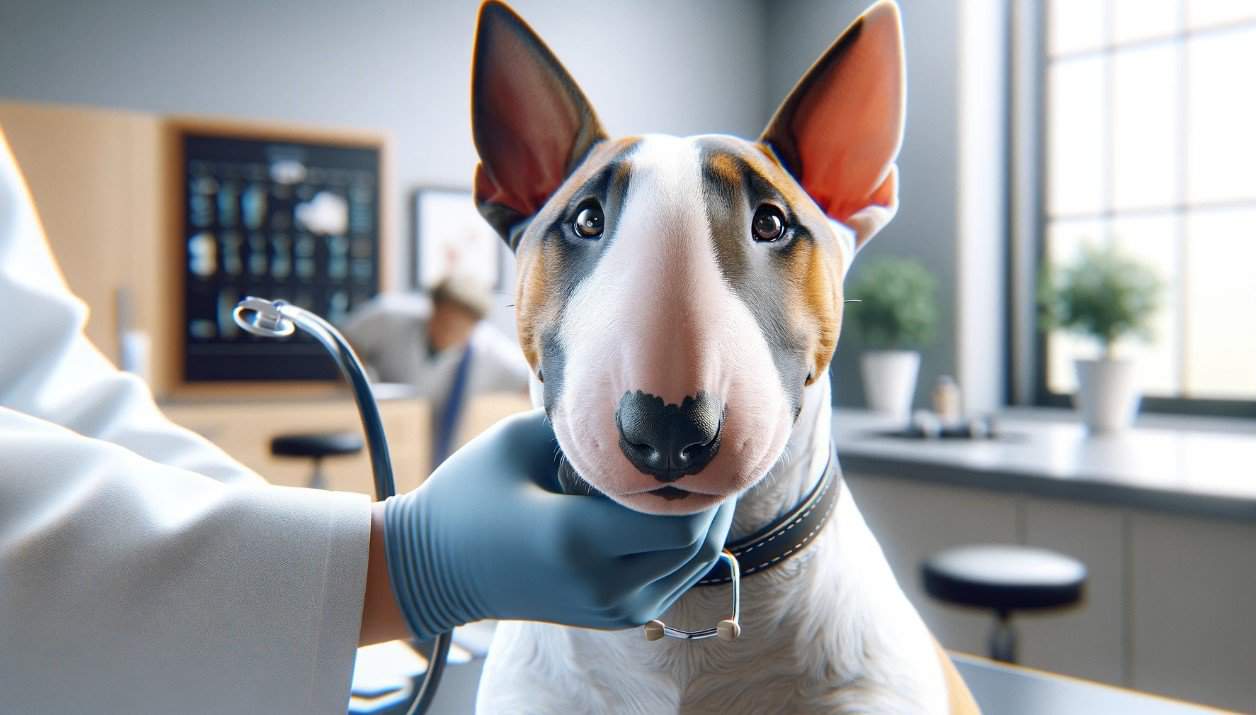
    Bull Terrier Dental Health – Solutions For Bad Breath

    Hi there, fellow dog parent! I’m Dr. Candy, your friendly holistic vet. Today, I’d like to talk about a topic that’s close to my heart – Bull Terrier Dental Health. As a vet, I’ve seen how dental issues can affect our fur babies, and it’s something I believe we need to pay more attention to.

    You see, your Bull Terrier’s dental health is not just about having a sparkling smile or fresh breath. It’s much more than that. Dental health is closely linked to their overall health. Poor dental hygiene can lead to serious health problems like heart disease and kidney disease. So, let’s explore more about the common dental problems in Bull Terriers, how to spot them, and most importantly, how to prevent them. I’ll also share my holistic approach to oral hygiene and recommend some effective dental chews and products. Let’s help our Bull Terriers flash those pearly whites with pride!

    bull terrier dental health

    Signs of Dental Disease in Bull Terriers

    As a dedicated dog parent, you might be well-versed in Bull Terrier dental health. But, are you aware of the signs of dental disease in these playful pups? Dental disease is a common issue in dogs, especially in Bull Terriers, and can lead to severe health complications if not addressed promptly.

    One of the most common signs of dental disease in Bull Terriers is bad breath. While it’s normal for your dog to have a certain level of doggy breath, a foul or unusually strong odor can be a sign of an underlying dental issue.

    Another key sign to watch out for is a change in eating habits. If your Bull Terrier is suddenly refusing to eat, dropping food from their mouth, or chewing on one side, it could indicate dental discomfort.

    Furthermore, watch out for any changes in the dog’s behavior. Bull Terriers are generally lively and active. If your dog seems lethargic or shows signs of discomfort when playing with chew toys or during meal times, it could be a sign of dental disease.

    Other signs include red, swollen or bleeding gums, yellow or brown buildup on the teeth (tartar), excessive drooling, and pawing at the mouth. In more severe cases, you might notice loose or missing teeth.

    Dental disease can be painful for your furry friend, but the good news is that it’s preventable. Regular teeth cleaning, a good diet, and the right chew toys can go a long way in maintaining your Bull Terrier’s dental health.

    In my holistic approach to veterinary care, I always emphasize the importance of understanding your dog’s unique needs and behaviors. This will not only help you to detect signs of dental disease early but also ensure your Bull Terrier lives a long, happy, and healthy life.

    Common Dental Health Issues In Bull Terriers

    As a veterinarian, I often see Bull Terriers with various dental health problems. Understanding these common issues can help you take better care of your pet’s oral hygiene. Here are the most common Bull Terrier Dental Health issues:

    • Periodontal Disease: This is a common dental issue in Bull Terriers. It’s an infection of the structures around the teeth, which includes the gums, periodontal ligament, and alveolar bone. Left untreated, it can lead to tooth loss.
    • Broken Teeth: Bull Terriers love to chew, and this can sometimes lead to broken or fractured teeth. These can be painful and can lead to infections if not treated promptly.
    • Gingivitis: This is inflammation of the gums and is often the first stage of periodontal disease. Symptoms include red, swollen gums and bad breath.
    • Oral Tumors: While less common, Bull Terriers can develop oral tumors. Regular dental check-ups can help detect these early.

    Remember, Bull Terrier Dental Health is crucial for your pet’s overall well-being. Regular dental check-ups, proper diet, and good oral hygiene can help prevent these common dental issues.

    As a responsible pet parent, it’s essential to be aware of these issues and seek veterinary care if you notice any changes in your Bull Terrier’s oral health.

    bull terrier

    Conventional Dental Health Treatments

    When it comes to Bull Terrier Dental Health, conventional treatments play a crucial role in maintaining your pet’s overall health. Let’s delve into some of the standard procedures.

    Anesthetic Dental Cleanings

    Anesthetic dental cleanings are a common procedure performed by veterinarians. This procedure involves your Bull Terrier being put under anesthesia so the vet can conduct a thorough cleaning of their teeth and gums. This process helps remove plaque and tartar build-up, which are the main culprits behind most dental diseases.

    While this procedure is beneficial, it’s important to note that anesthesia carries its risks, especially in breeds like Bull Terriers that are prone to certain health issues. These include heart problems, drug sensitivities, and seizures. Therefore, it is essential to have a detailed discussion with your vet about your dog’s health history before proceeding with an anesthetic dental cleaning.

    Potential Individual Health Obstacles

    Every Bull Terrier is unique, and some may face individual health obstacles that could make dental treatments more challenging. For instance:

    • Heart problems: If your Bull Terrier has a known heart condition, anesthesia could pose a risk. Your vet may need to adjust the anesthetic protocol or consider other dental health alternatives.
    • Drug Sensitivities: Bull Terriers can be sensitive to certain drugs used during dental procedures. It’s vital to inform your vet about any known drug sensitivities.
    • Seizures: Dogs with a history of seizures may be at a higher risk during anesthetic procedures. Your vet may need to adjust the anesthesia protocol accordingly.
    • Extreme Age: Older Bull Terriers may face additional risks during anesthesia. Your vet will likely conduct a thorough health check and may recommend regular dental cleanings to prevent severe dental issues.

    In conclusion, maintaining your Bull Terrier’s dental health is crucial. Conventional treatments like anesthetic dental cleanings can be beneficial, but it’s important to be aware of your pet’s individual health obstacles. Always consult with your vet to ensure the chosen dental health treatment is the best fit for your Bull Terrier’s specific needs.

    When it comes to maintaining your Bull Terrier’s dental health, I firmly believe in a holistic approach. This involves focusing on diet and supplements that can naturally promote oral hygiene and prevent common dental issues.

    dog dental health

    Diet: Low Carbs, Avoid Added Sugars, Enzymes In Fresh Food

    One of the most effective ways to maintain your Bull Terrier’s dental health is by managing their diet. Feeding your dog a diet low in carbohydrates and free from added sugars can significantly reduce the risk of dental problems.

    • Low Carbs: High-carbohydrate diets can lead to plaque buildup on your Bull Terrier’s teeth, which can result in periodontal disease. By feeding your dog a diet low in carbs, you can help prevent this issue.
    • Avoid Added Sugars: Just like in humans, sugar can cause tooth decay in dogs. Avoiding added sugars in your Bull Terrier’s diet can help maintain their dental health.
    • Enzymes In Fresh Food: Fresh foods, particularly raw fruits and vegetables, contain natural enzymes that can help clean your dog’s teeth and promote oral health. Chewing on crunchy vegetables like carrots can also provide a natural tooth brushing effect.

    Oral Health Specific Probiotics

    Probiotics are beneficial bacteria that can support your Bull Terrier’s overall health, including their oral health. Specifically, oral health-targeted probiotics can help balance the bacteria in your dog’s mouth, preventing the overgrowth of harmful bacteria that can lead to dental diseases.

    I highly recommend Probiora for Dogs, an oral health-targeted probiotic. This product is designed to support oral health by maintaining a healthy balance of bacteria in the mouth. It’s easy to use – simply sprinkle it on your dog’s food once a day.

    Incorporating these holistic approaches into your Bull Terrier’s routine can significantly improve their dental health. Remember, a healthy mouth is a key component of your dog’s overall wellbeing. So, invest in their dental health today for a happier, healthier Bull Terrier tomorrow.

    bull terrier dental

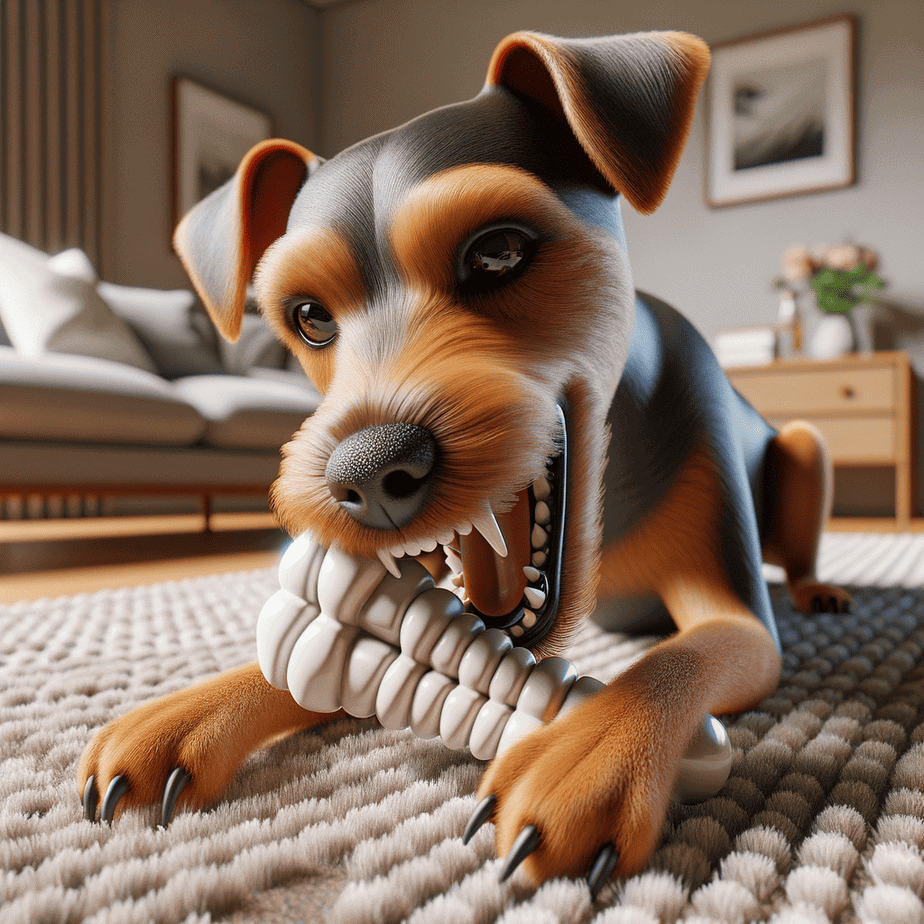
    When it comes to Bull Terrier dental health, not all products are created equal. Despite what commercials might have you believe, many of the popular dental chews on the market today fall short of their promises. They may seem like a convenient solution, but the reality is that these products often contain a long list of artificial ingredients that can be harmful to your furry friend.

    Commercial dental chews often feature hard-to-pronounce additives and fillers that offer minimal dental benefits. Worse, they can lead to digestive issues and potentially trigger allergic reactions. Additionally, many drinking water additives marketed for dental health can disrupt the balance of beneficial bacteria in your dog’s gut, leading to further health complications.

    But don’t worry, there’s a healthier way to maintain your Bull Terrier’s dental hygiene. I recommend opting for natural dental chews and products that serve a dual purpose – they are not only tasty treats but also act as natural teeth cleaners.

    For the optimal Bull Terrier dental health, I suggest you choose single-source natural proteins like tendons, raw marrow bones, and bully sticks. These are not only delicious for your pet, but they also help to scrape away plaque and tartar build-up, promoting healthier gums and fresher breath.

    Tendons

    Tendons are a fantastic natural chew for your Bull Terrier. They are tough and fibrous, which helps to scrape off plaque and tartar from your dog’s teeth. Plus, they are a good source of protein and collagen, promoting good joint health.

    beef tendons for dog dental health

    Raw Marrow Bones

    Raw marrow bones are another excellent choice for maintaining your dog’s dental health. They are a natural source of calcium and phosphorus, which are essential for healthy teeth and bones. Furthermore, the act of gnawing on bones can help to clean your Bull Terrier’s teeth and gums.

    raw marrow bones for dogs dental health

    Bully Sticks

    Bully sticks are made from 100% beef muscle, providing a natural and digestible chew for your Bull Terrier. They can effectively remove plaque and tartar and are a good source of protein. However, always supervise your dog while they’re chewing on a bully stick to prevent any choking hazard.

    bully sticks for dog dental health

    Remember, while these recommendations can significantly improve your Bull Terrier’s dental health, they should not replace regular check-ups with your vet. Together, these methods can help keep your Bull Terrier’s teeth clean and healthy, ensuring a happy and long life for your furry friend.

    Frequently Asked Questions

    1. How can I prevent bad breath in my Bull Terrier?

    Regular brushing of your Bull Terrier’s teeth is essential to prevent bad breath. Use a dog-specific toothbrush and toothpaste to clean their teeth at least 2-3 times a week. Additionally, provide them with dental chews or toys that promote oral hygiene.

    2. What are some signs of dental problems in Bull Terriers?

    Some common signs of dental problems in Bull Terriers include bad breath, swollen or bleeding gums, yellow or brown teeth, excessive drooling, difficulty eating, and pawing at the mouth. If you notice any of these signs, it’s important to consult a veterinarian.

    3. Can diet affect my Bull Terrier’s dental health?

    Yes, diet plays a significant role in your Bull Terrier’s dental health. Feeding them a balanced diet that includes high-quality dog food and avoids sugary treats can help maintain good oral hygiene. Dry kibble can also help remove plaque buildup.

    4. Are there any home remedies for bad breath in Bull Terriers?

    While it’s always best to consult a veterinarian for proper diagnosis and treatment, you can try adding a small amount of chopped fresh parsley to your Bull Terrier’s food, as it may help freshen their breath. However, this should not replace regular dental care.

    5. How often should I take my Bull Terrier for professional dental cleanings?

    Professional dental cleanings by a veterinarian are recommended at least once a year for Bull Terriers. However, the frequency may vary depending on your dog’s individual dental health. Regular check-ups with your vet will help determine the appropriate schedule.

  • Doberman Pinscher Eye Health – Conditions & Solutions From Vet

    Doberman Pinscher Eye Health – Conditions & Solutions From Vet

    Hi there, I’m Dr. Candy Akers, a holistic veterinarian with a passion for ensuring our furry friends are living their healthiest lives. Today, we’re going to talk about a topic close to my heart – Doberman Pinscher Eye Health. If you’re a Doberman Pinscher parent, then this is a must-read for you.

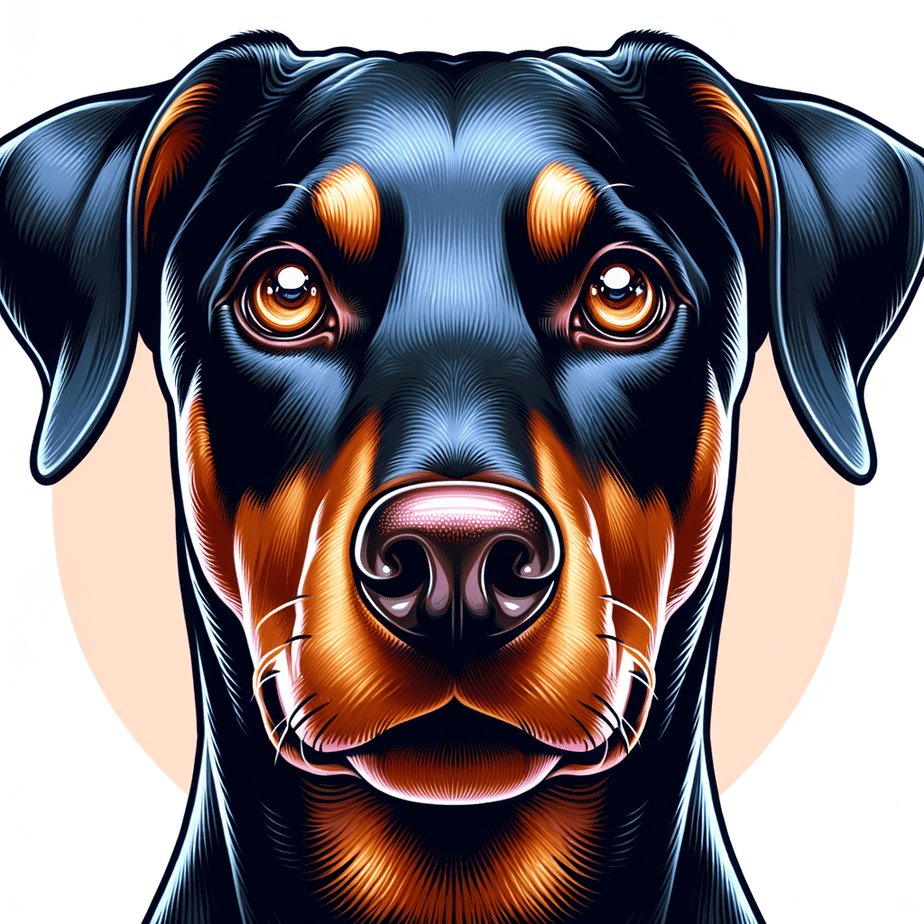
    doberman eye health

    Dobermans are known for their loyalty, intelligence, and striking looks. But, like any breed, they have their specific health concerns, and eye health is one of them. Eye Conditions in Doberman Pinschers can range from minor irritations to serious diseases that can potentially lead to blindness if left untreated.

    As a vet, I’ve seen a lot of worried faces when I mention eye health. But don’t worry! With the right knowledge, preventive measures, and vet care, you can safeguard your Doberman’s eyes and ensure they live a long, happy life.

    In this article, we’ll explore the unique eye structure of Dobermans, common eye diseases they might face, and the various Veterinary Solutions for Doberman Eye Health. We’ll also discuss the role of diet, environment, and routine care in preventing and managing eye problems. So, let’s dive in and learn how to keep those beautiful Doberman eyes healthy and shining!

    Understanding Breed Specific Eye Structure

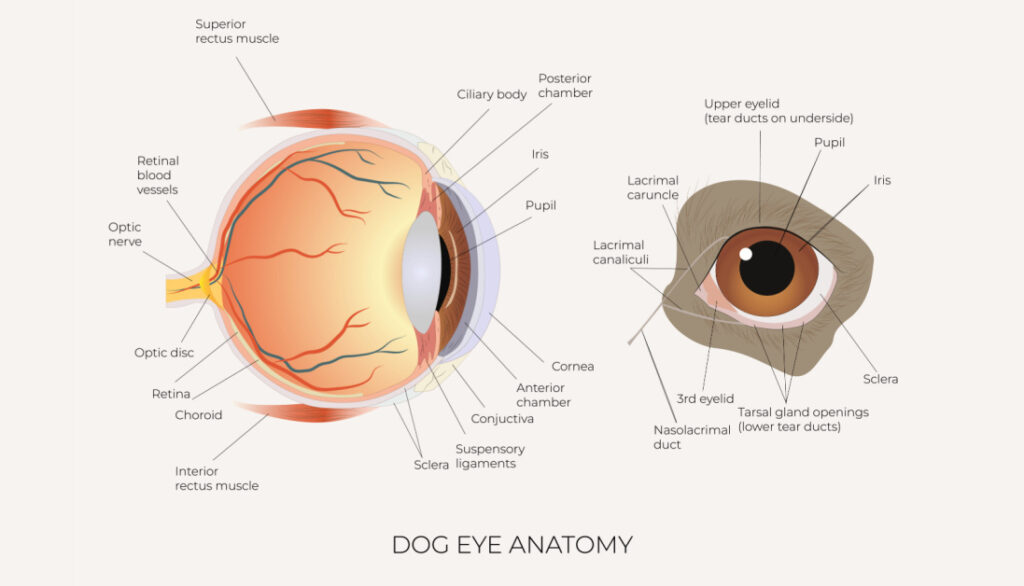
    Did you know that understanding your Doberman Pinscher’s unique eye structure can pave the way for optimal eye health? It’s true! Let’s dive in and explore the fascinating world of the Doberman Pinscher’s eyes.

    The Doberman Pinscher, a breed known for its intelligence and loyalty, has unique eye characteristics that set it apart from other breeds. They have medium-sized, almond-shaped eyes that are usually dark brown, giving them a lively and energetic expression. This eye shape allows them to have a wide field of vision, which is a trait that has been preserved from their days as guard dogs.

    The Doberman’s eyes are protected by a third eyelid known as the nictitating membrane or ‘haw’. This structure helps keep the eye moist and free from dust and debris. It’s an essential part of their eye health, and any changes or abnormalities in this structure should be taken seriously.

    Like humans, Dobermans have a tear film that consists of three layers – the lipid layer, the aqueous layer, and the mucin layer. Each of these layers plays a vital role in maintaining eye health. The lipid layer prevents evaporation of tears, the aqueous layer nourishes the cornea and conjunctiva with water, proteins, and electrolytes, while the mucin layer ensures an even distribution of the tear film on the eye.

    Understanding the unique eye structure of your Doberman Pinscher helps you, as a pet parent, to spot any signs of eye issues early on. For instance, a dry or dull eye may indicate an issue with the tear film, while redness or swelling in the eye could suggest an issue with the nictitating membrane. It’s always best to consult a veterinarian if you notice any changes in your Doberman’s eye.

    Remember, the eyes are the windows to the soul and, in this case, also the health of your beloved Doberman Pinscher. By understanding their specific eye structure, you can ensure they maintain good eye health and live a happy, healthy life.

    dog eye anatomy

    Common Eye Issues In Doberman Pinscher

    As a dedicated veterinarian, I can assure you that Doberman Pinscher Eye Health – Conditions & Solutions From Vet is a topic close to my heart. Dobermans are a wonderful breed, but they are prone to certain eye conditions. I will discuss some of the most common ones in this section.

    Cataracts are one of the first conditions that come to mind when discussing Doberman Pinscher Eye Health. This condition causes a clouding of the lens, leading to vision loss. Dobermans can develop cataracts at any age, but they are more common in older dogs.

    Progressive Retinal Atrophy (PRA) is another common condition. This inherited disease causes the cells in the retina to deteriorate over time, leading to blindness. Unfortunately, there is no cure for PRA, but early detection can help manage the condition.

    Entropion, where the eyelid rolls inward, causing the lashes to rub against the cornea, is also common in Dobermans. This condition can cause pain, corneal ulcers, and even blindness if left untreated.

    Finally, Cherry Eye, a condition in which the gland of the third eyelid protrudes and becomes visible, can also affect Dobermans. This condition can cause irritation, redness, and swelling, but it’s usually not serious if treated promptly.

    Beyond these, other conditions can also affect Doberman Pinscher Eye Health. These include:

    • Corneal Dystrophy
    • Glaucoma
    • Retinal Dysplasia

    These conditions can all impact your Doberman’s vision and quality of life. But don’t worry, as a committed vet, I’m here to guide you through the Solutions for Doberman Eye Health.

    Remember, early detection is key in managing these conditions. Regular veterinary check-ups and being aware of your Doberman’s behavior can help catch these conditions early. If you notice any changes in your dog’s vision or behavior, don’t hesitate to seek veterinary advice.

    The good news is, with proper care and attention, most of these conditions can be managed, and your Doberman can still lead a happy, fulfilling life. So, keep up with your Doberman Pinscher Eye Health – Conditions & Solutions From Vet, and together, we can ensure your furry friend’s wellbeing.

    Prevention of Eye Problems in Doberman Pinschers

    Ensuring your Doberman gets the right nutrients for optimal eye health is essential for maintaining clear vision and preventing age-related issues. Natural, nutrient-rich foods and supplements can play a key role in supporting their eyesight. From vitamin A-packed freeze-dried liver treats to antioxidant-rich blueberries and targeted supplements like Eyeplex by Standard Process, there are several ways to nourish your dog’s eyes. In this section, we’ll explore how these powerful ingredients contribute to long-term vision health and overall well-being.

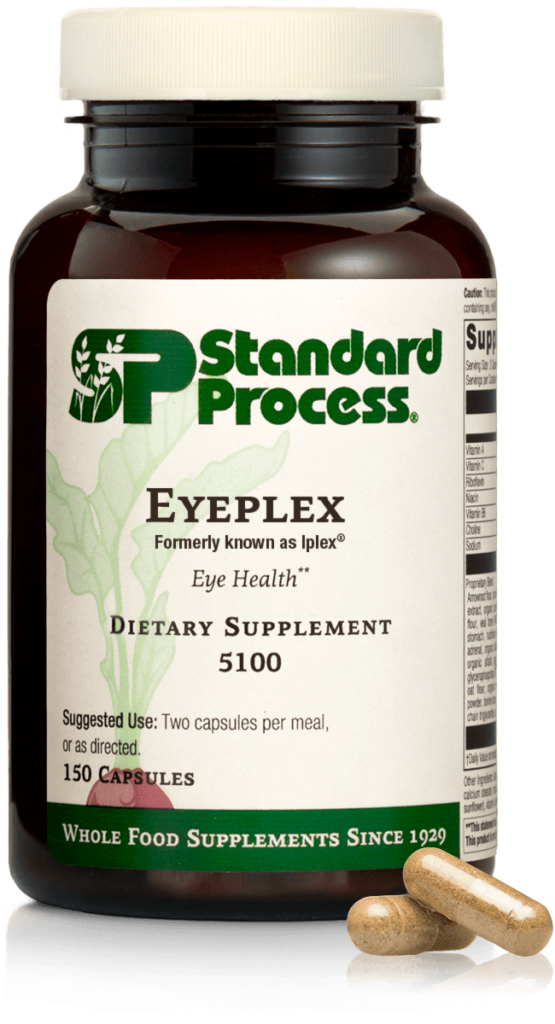
    Eyeplex by Standard Process

    Eyeplex by Standard Process is a specialized supplement designed to support your Doberman’s eye health with a blend of essential nutrients. Formulated with key vitamins, minerals, and antioxidants, Eyeplex helps protect against oxidative stress, supports retinal function, and promotes overall vision health. Ingredients like vitamin A, vitamin C, and zinc contribute to maintaining strong eyesight, while whole food ingredients provide additional phytonutrients for cellular protection. Adding Eyeplex to your Doberman’s diet can be especially beneficial for aging dogs or breeds prone to eye conditions, offering targeted nutritional support to keep their vision sharp and healthy for years to come.

    Eyeplex by Standard Process for dogs eye health

    Freeze-Dried Blueberries

    Freeze-dried blueberries are a powerhouse of antioxidants that can help protect your Doberman’s eyes from oxidative stress and age-related damage. Rich in vitamins C and E, as well as anthocyanins, these tiny but mighty berries help combat free radicals that can contribute to eye diseases like cataracts and macular degeneration. Incorporating freeze-dried blueberries into your dog’s diet provides a natural and delicious way to support retinal health, reduce inflammation, and promote overall vision longevity. Plus, they’re a low-calorie, dog-friendly treat that makes a great addition to a balanced diet for long-term eye health.

    Freeze Dried Blueberries for dog eye health

    Freeze-Dried Liver

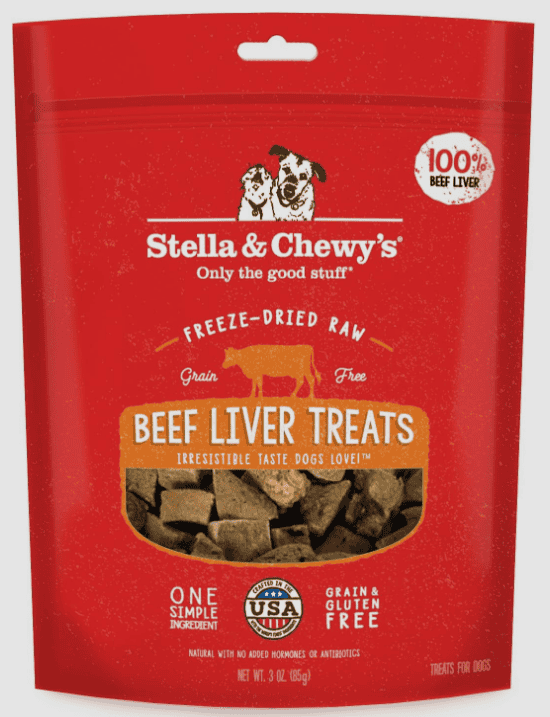
    Freeze-dried liver treats are an excellent natural source of vitamin A, an essential nutrient for your Doberman’s eye health. Vitamin A plays a crucial role in maintaining good vision, especially in low-light conditions, while also supporting overall immune function and skin health. Since liver is rich in bioavailable vitamin A, incorporating freeze-dried liver treats into your dog’s diet provides a convenient and nutritious way to promote optimal eye function. Just be sure to feed them in moderation, as excessive vitamin A can lead to toxicity. Adding these nutrient-packed treats to your pup’s routine is a simple, tasty way to support their long-term vision and well-being!

    Freeze-dried beef liver for dogs eye health

    By prioritizing your Doberman’s eye health through a balanced diet and nutritional supplements, you can help prevent many common eye issues. These simple steps can go a long way in ensuring your pup’s eyes stay healthy and clear for years to come.

    Environmental Hygiene To Reduce Eye Problems

    Keeping your Doberman Pinscher’s environment clean and healthy is another essential step in maintaining their eye health. There are several ways you can improve your pet’s surroundings to reduce the risk of eye problems.

    Indoor Air Quality

    Indoor air quality plays a crucial role in your Doberman’s overall health, including their eyes. Poor air quality can lead to irritation, dryness, and even infections in your dog’s eyes. Therefore, it’s essential to ensure your home has clean, fresh air.

    • Regularly clean and vacuum your home to reduce dust and allergens that can irritate your Doberman’s eyes.
    • If you live in an area with poor outdoor air quality, consider using an air purifier to filter out harmful particles and improve the indoor air.
    • Avoid smoking indoors as tobacco smoke can cause severe eye irritation in dogs.

    Sprays, Diffusers, Candles, Incense

    While we may enjoy the scent of air fresheners, candles, and incense, these can be harmful to our pets. The chemicals in these products can cause eye irritation, leading to various eye problems in your Doberman Pinscher.

    • Opt for pet-friendly air fresheners that are free from harsh chemicals.
    • When using candles, choose those made from natural ingredients like beeswax or soy, which produce less soot and are less likely to irritate your dog’s eyes.
    • Use essential oil diffusers sparingly and in well-ventilated areas. Some essential oils can be toxic to dogs, so always check if the oil is safe for pets before using it.

    Remember, a clean and healthy environment is just as important as a balanced diet and regular vet check-ups in maintaining your Doberman Pinscher’s eye health. By taking these simple steps, you can help prevent eye problems and ensure your pet’s eyes stay healthy and bright.

    doberman eye problems

    Routine Doberman Pinscher Eye Care & Maintenance

    As a Doberman parent, you have a vital role in maintaining your dog’s overall health, including his eyes. A regular routine of eye care can help prevent some Doberman Pinscher eye diseases, detect early signs of potential issues, and ensure your dog’s eyes stay as healthy as possible.

    Daily & Weekly Care & Maintenance

    Regular eye care begins with daily checks. Gently lift your dog’s eyelids and inspect the eyes for any signs of redness, discharge, or cloudiness. If you notice any unusual changes, it’s crucial to contact your vet immediately for a professional evaluation.

    Another essential part of daily care is cleaning the area around your Doberman’s eyes. Use a damp cloth or a pet-safe eye wipe to gently remove any dirt or discharge. Be careful not to touch the eyeball itself to prevent injury.

    Weekly, you should also check for signs of Doberman eye health problems such as entropion, a condition in which the eyelid rolls inward, causing discomfort and potential damage to the cornea. If your Doberman’s eyes are watering excessively, or he’s blinking or squinting more than usual, these could be signs of entropion and should be checked by your vet.

    Monitor Hair Length, Nail Length, Bath Frequency

    Keeping your Doberman’s hair trimmed, especially around the eyes, can help prevent eye irritation and potential injury. Be cautious when trimming, or consider having a professional groomer do this task.

    Similarly, keeping your dog’s nails trimmed can prevent accidental scratches to the eye. Be sure to use a pet-safe nail trimmer and avoid cutting into the quick, as this can cause pain and bleeding.

    Regular bathing can also benefit your Doberman’s eye health. However, it’s essential to avoid getting soap or shampoo in your dog’s eyes, as this can cause irritation. Use a pet-safe tearless shampoo and be careful to rinse thoroughly.

    Remember, maintaining your Doberman’s eye health is a combination of routine care and vigilance. By following these steps and consulting with your vet, you can contribute to your pet’s eye health and overall well-being. After all, our furry friends rely on us for their care and we, as responsible pet parents, need to ensure we’re doing our best to keep them healthy and happy

    Frequently Asked Questions

    1. What are common eye health conditions in Doberman Pinschers?

    Doberman Pinschers are prone to various eye health conditions such as:

    • Progressive Retinal Atrophy (PRA)
    • Cataracts
    • Cherry Eye
    • Glaucoma
    • Entropion

    2. How can I identify if my Doberman Pinscher has an eye health problem?

    Look out for the following signs that may indicate an eye health issue:

    • Redness or inflammation
    • Excessive tearing or discharge
    • Cloudiness or opacity in the eyes
    • Frequent blinking or squinting
    • Visible third eyelid (nictitating membrane)

    3. Can eye health conditions in Doberman Pinschers be treated?

    Yes, many eye health conditions in Doberman Pinschers can be treated. However, the specific treatment options depend on the condition diagnosed by a veterinarian. Some conditions may require medication, surgery, or ongoing management to maintain eye health.

    4. How can I prevent eye health problems in my Doberman Pinscher?

    To help prevent eye health problems in your Doberman Pinscher, consider the following:

    • Regular veterinary check-ups to monitor eye health
    • Keeping the eyes clean and free from debris
    • Avoiding exposure to irritants or chemicals
    • Providing a balanced diet with essential nutrients for eye health
    • Protecting the eyes from trauma or injury

    5. When should I seek veterinary assistance for my Doberman Pinscher’s eye health?

    If you notice any concerning signs or symptoms related to your Doberman Pinscher’s eye health, it is recommended to seek veterinary assistance promptly. A veterinarian can properly diagnose the issue and provide appropriate treatment or management options.

  • Dog Names for Pugs, Retro Pugs, Pug Mixes

    Dog Names for Pugs, Retro Pugs, Pug Mixes

    Your pug is your new best friend and a beloved member of your family. Finding the best dog name for pugs is essential because it will be with them for their entire life.

    best pug names

    A dog’s name not only reflects their personality but also influences how they’re perceived by others. Choosing the right name for your pug can help them stand out and make a lasting impression on everyone they meet.

    A good way to start naming your pet is to think about what’s unique about them. Are they energetic, cuddly, or stubborn?

    Think about their physical features, such as their fur color or size, and let that inspire you. Also, consider names that are easy to pronounce and remember since you’ll be using it every day.

    Some popular names for pugs include human names such as Charlie or Max, food-inspired names like Mochi or Biscuit, and pop culture references like Yoda or Pikachu. These names have been used frequently over time because of their creativity and uniqueness. Human names are one of the most popular categories when it comes to dog naming.

    This is because many people see their dogs as family members rather than pets. Naming your pug after someone in history or someone you admire is a great way to give them a meaningful name.

    Food-inspired names are also trendy nowadays since many pet owners love incorporating food in everything related to their pets’ lives—food—themed toys or accessories—and choosing a food-inspired name just adds to it. Pop culture references are another way to go when naming a pug as they can add humor and character over time since these characters may become iconic with passing years.

    Choosing the right name for your pug requires careful thought and consideration; however, there are tons of creative ideas out there if you need inspiration. Remember that a name is more than just a label; it’s an expression of love and personality that will last for a lifetime.

    popular pug names

    Classic Human Names: Charlie, Max, Lucy

    When it comes to naming your pug, classic human names never go out of style. These names are timeless and will always be a popular choice for pet owners. Charlie is a great name for both male and female pugs as it is short and easy to pronounce.

    Max is another popular name that suits the playful personality of pugs. For those looking for a more feminine option, Lucy is an excellent choice as it is adorable and sweet.

    Food-Inspired Names: Mochi, Biscuit, Peanut

    If you are looking for something quirky and unique, food-inspired names can be a fun option. Mochi is a Japanese rice cake that has become a popular name for pugs due to their round shape and soft texture.

    Biscuit is another popular name that suits the small size of pugs while still being fun and playful. For those who love peanut butter, Peanut can be an adorable name that also references their small size.

    Pop Culture References: Yoda, Pikachu, Elsa

    Pop culture references are always a hit with pet owners who want to pay homage to their favorite movies or TV shows. Yoda from Star Wars works well as it mirrors the physical appearance of pugs with their big ears and wrinkly face.

    Pikachu from Pokemon has been gaining popularity as well due to its cuteness factor matching perfectly with the charm of these little dogs! Frozen fans may consider naming their pug Elsa due to her snow-white coat color.

    Naming your new furry friend can seem overwhelming at times; however, choosing one from these popular categories can make this process much easier! You could even mix different categories together by combining classic human names with food-inspired or pop culture references.

    Ultimately what matters most when choosing a name is that it feels right for you and your pug. Take time to consider all the options and choose the name that best fits the personality of your furry friend.

    Choosing The Right Name

    When choosing a name for your pug, it’s essential to find one that matches their personality. Some pugs may be more laid back, while others are full of energy and spunk. Consider your pug’s temperament when selecting a name so that it fits their character.

    Another important factor to keep in mind is the length and pronunciation of the name. Names that are too long or difficult to pronounce can be confusing for both you and your dog.

    It’s best to select shorter names with simple pronunciations so that they can easily distinguish their name when called. It is important to avoid choosing names that sound too similar to common commands such as “sit” or “stay.” This can be confusing for your pet as they might mistake their name being called when you’re giving another command.

    Choose a name that you love calling out and also suits your pup’s personality! After all, it will soon become an essential part of their identity!

    what should i name my pug

    Unique Names for Pugs

    Historical Figures:

    If you want to give your pug a unique name that also pays homage to a historical figure, then there are plenty of options to choose from. For example, if your pug has a regal personality, why not consider naming them after Napoleon? This name exudes confidence and leadership qualities.

    If your pug is an independent thinker like Cleopatra was, then that could be another great option. Plus, both of these names also add an air of sophistication and elegance to your furry friend.

    Mythological Creatures:

    There’s something magical about giving your precious pug a name inspired by mythological creatures. It adds an element of intrigue and mystery that will make them stand out in the dog park.

    One example is the mighty Zeus who was known in Greek mythology as the king of gods and thunder. Another example is Medusa, who may have been depicted as a monster with snakes for hair but was still considered powerful and intriguing.

    Uncommon Words with Interesting Meanings:

    Sometimes choosing a unique name doesn’t mean going for historical or mythical references. You can also get creative with uncommon words that have interesting meanings.

    For instance, Serenity would make a meaningful name if you want your pup to be calm and peaceful in nature. Nimbus could be another great choice especially if you have a fluffy white pug since it refers to the cloud-like appearance created by condensed water vapor.

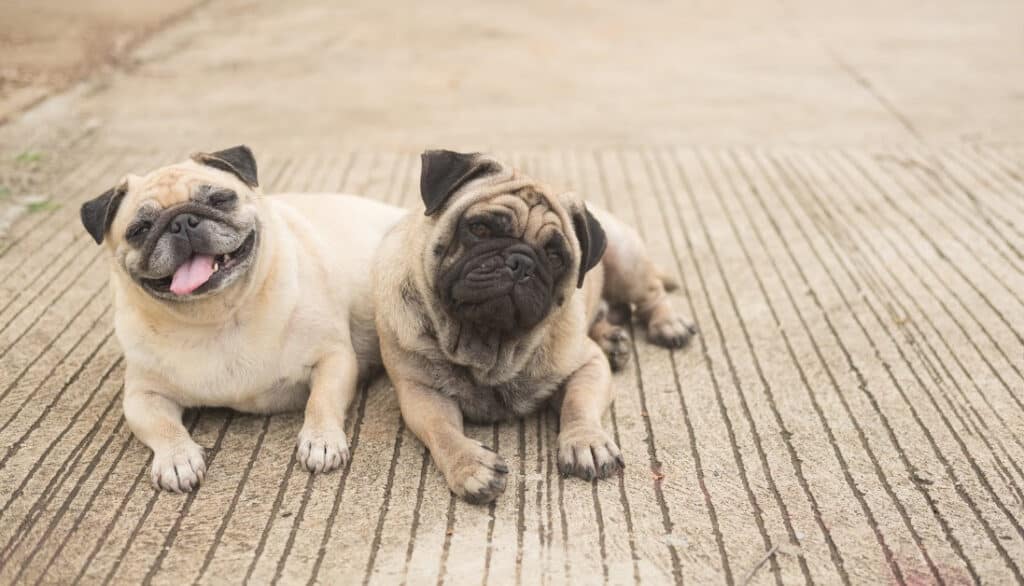
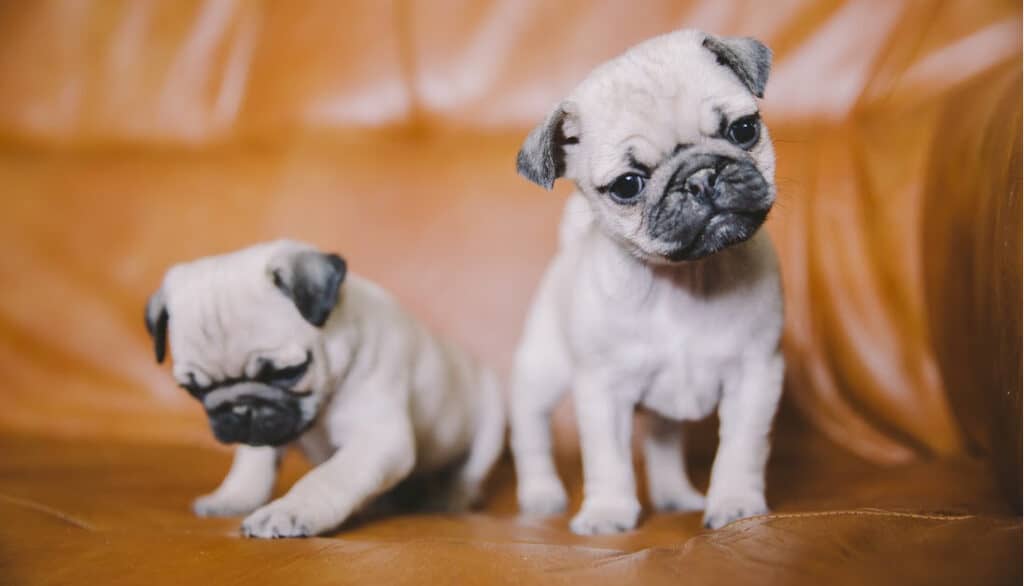
    two cute pugs

    Serenity

    Serenity is one of those words that just sounds beautiful when spoken aloud. It means ‘the state or quality of being serene’ which perfectly describes what we all love about our furry friends – their ability to bring peace into our lives no matter what’s happening around us.

    Nimbus

    Nimbus is another unique name that can have a personal meaning to you beyond just referring to a cloud-like appearance. It could also represent the aura or personality of your pug, especially if they’re known for being light-hearted and having a sunny disposition.

    Aurora

    This is another uncommon word that would make a great name for your pug. Aurora refers to the beautiful lights seen in the sky in certain parts of the world, often referred to as Aurora Borealis or Northern Lights.

    This name would perfectly suit any pug with bright, twinkling eyes. There are many ways to get creative when it comes to naming your pug.

    Whether you want to go for historical references, mythological creatures or uncommon words with interesting meanings, there’s something out there that will perfectly suit your furry friend’s unique personality and quirks. Remember that choosing the right name doesn’t just add an element of fun – it’s also important for building a strong bond and connection between you and your four-legged family member.

    woman with pug

    Naming Tips For Pugs

    Choosing the right name for your pug is an important decision that can affect how they perceive themselves and how others perceive them. Here are some tips to keep in mind when choosing a name.

    Choosing a Name That Suits Your Pug’s Personality

    Your pug’s personality should be taken into consideration when selecting a name. You don’t want to give them a name that doesn’t reflect their unique characteristics. For example, if your pug is energetic and playful, you may want to consider names like “Buddy,” “Sparky,” or “Finn.” If they’re more laid-back and calm, names like “Sage,” “Mellow,” or “Chill” may be more appropriate.

    Considering the Length and Pronunciation of the Name

    When choosing a name for your pug, you’ll also want to consider the length and pronunciation of the name. Long names can be difficult for your pug to remember or respond to quickly, while shorter names are easier for them to understand. Additionally, you’ll want to choose a name that is easy to pronounce so that others can address your pug properly.

    Avoiding Names That Sound Too Similar to Common Commands

    It’s important to avoid giving your pug a name that sounds too similar to common commands like sit, stay, come or no. This could lead to confusion during training sessions as well as everyday situations where you’re trying to communicate with your dog. Some examples of names that sound too similar include “Kit” (sit), “Joe” (no), or even “Maya” (stay).

    Other Considerations

    When it comes down to it, choosing a dog’s name should be fun! But there are some other things you might want think about: – You may want to choose a name that is easy for others to call out.

    If the name is complicated, people might hesitate to shout it across the park or down the street. – If you have other pets, you’ll want to make sure their names don’t sound too similar.

    This can cause confusion and make it harder for your pets to understand when they are being addressed. – Some pet owners choose names based on their pug’s breed or appearance.

    For example, a pug with a smooshed face might be named “Squish” or “Pudge.” – Don’t be afraid to get creative!

    Unusual names can be fun and memorable. Just make sure they’re not too confusing or difficult for your pug or others to remember.

    When it comes down to choosing the right name for your pug, remember that there are no hard and fast rules. You should choose a name that feels right for you and your furry friend.

    Try out different names until you find one that suits their personality, is easy to pronounce, and doesn’t sound too similar to common commands. And most importantly, have fun with it!

    pug laying in bed

    Choosing a name for your pug can be a daunting task, but it’s important to remember that you want a name that both you and your furry friend will love. In this article, we’ve covered some popular and unique names for pugs that might inspire you. Some classic human names like Charlie, Max, and Lucy are always popular choices for pugs.

    These names are cute, simple and easy to pronounce. If you’re looking to be more creative with your dog’s name, food-inspired names like Mochi, Biscuit or Peanut could also be considered.

    They add a little humor to the mix while still being super cute. Pop culture references such as Yoda from Star Wars or Elsa from Frozen can be fun too.

    It’s always great when someone recognizes the reference behind your dog’s name! However, it’s important to note that trendy pop culture references may become dated in the future.

    If you’re looking for something unique and noteworthy for your pug’s name, historical figures could be an option! Napoleon is an excellent example of this – it’s a strong name that commands attention while also being historically significant.

    Mythological creatures are another route to take when searching for an unusual dog name – consider Zeus or Medusa! Uncommon words with interesting meanings could also provide inspiration for choosing a suitable name for your pug.

    Serenity is one such word – it means calmness and tranquility – which would suit perfectly if you have a relaxed pup! Nimbus is another interesting option – it means a luminous cloud or halo around something.

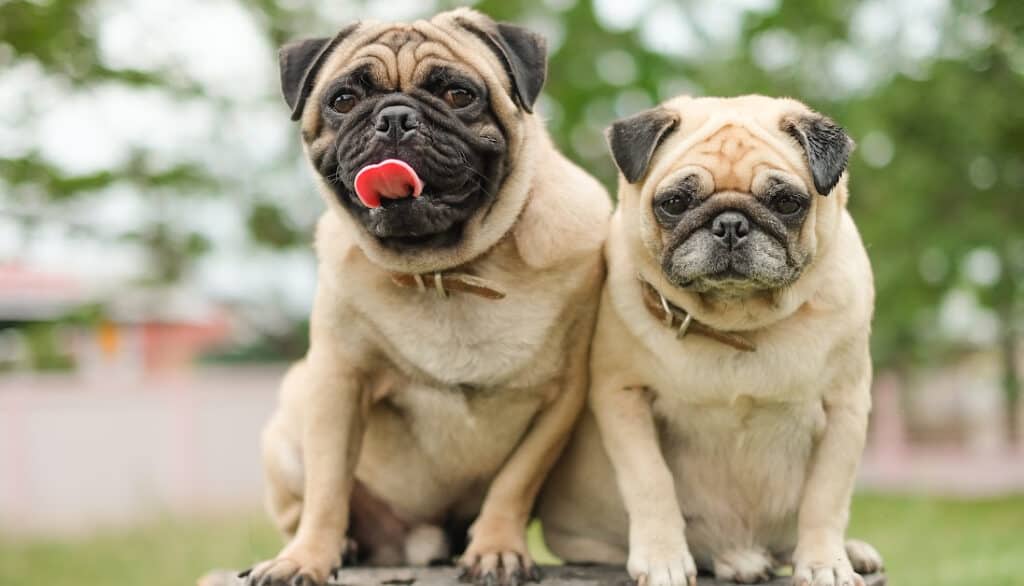
    two cute pug puppies

    Reminder To Choose A Name That You Love

    When deciding on what to call your pug puppy, keep in mind that this will most likely be their permanent moniker so make sure it’s something you love! Think about what kind of personality traits they display and choose a name that matches those traits.

    Another factor to consider is the length of the name. A shorter name is often easier to say and remember, especially for training purposes.

    You don’t want a long, complicated name that might confuse your pug! It’s also important to avoid names that sound too similar to common commands – “Kit” sounds like “sit”, while “Bo” can be confused with “no”.

    This can lead to confusion on the part of your dog when training them. Choosing a name for your pug should be fun and creative!

    Whether you opt for a classic or more unique choice, make sure it’s a name that you love and that suits your furry friend’s personality. Remember – this will be the name you’ll use countless times in conversations with friends and family – so choose wisely!

  • Westie Eye Health – Conditions & Solutions From Vet

    Westie Eye Health – Conditions & Solutions From Vet

    Hi there, fellow dog lover! If you’re a proud parent of a Westie, you’re in the right place. I’m here to share some important information about Westie Eye Health – Conditions & Solutions From Vet perspective. Being a holistic veterinarian, I know how precious your little West Highland White Terrier is to you, and how crucial it is to maintain their overall health, especially their peepers.

    Westies, with their bright, lively eyes, are susceptible to a variety of eye health issues. From common conditions like dry eye and cataracts to breed-specific problems, it’s essential to be aware of what could potentially affect your furry friend. But don’t worry, I’m here to guide you through it all, offering advice on prevention, care, and even treatment for Westie Eye Diseases.

    Whether it’s about understanding the unique eye structure of your Westie, or learning about the impact of diet and environment on their eye health, I’ve got you covered. Let’s embark on this journey together to ensure your Westie’s eyes remain as sparkling and healthy as they deserve to be. Remember, the key to a happy Westie is a healthy Westie!

    westie eye health

    Understanding Westie Specific Eye Structure

    As a caring Westie owner, gaining insight into your furry friend’s unique eye structure can be a game-changer in maintaining their optimal eye health. West Highland White Terriers, lovingly known as Westies, have distinctive eye characteristics that set them apart from other breeds – and understanding these can provide the key to preventing and treating common Westie eye health conditions.

    Westies are blessed with dark, almond-shaped eyes that are set wide apart. Their eyes, full of expression and intelligence, are one of their most endearing features. However, this specific eye structure also presents certain challenges. The shape and positioning of their eyes, combined with their long eyelashes and dense fur, can make them more susceptible to a range of eye problems.

    Their eyes are relatively large compared to their small, compact face, which means they are more exposed to environmental irritants. Additionally, the hair around their eyes can often fall into the eyes, causing discomfort and potentially leading to more serious issues. Therefore, it’s essential to regularly trim the hair around the eyes to prevent these complications.

    Furthermore, Westies have a unique third eyelid, also known as the nictitating membrane, which is more prominent than in other dog breeds. This third eyelid serves as an extra protective layer for the eye, but it can also be prone to certain diseases such as Cherry Eye, where the gland in the third eyelid becomes inflamed and visible.

    Understanding your Westie’s specific eye structure is the first step towards promoting their eye health. By recognizing the unique characteristics and potential vulnerabilities of your Westie’s eyes, you’re better equipped to prevent, identify, and address any Westie eye health conditions. Remember, the eyes are the windows to your dog’s soul – and as a responsible pet parent, it’s your job to ensure those windows stay clear and bright.

    dog eye anatomy

    Common Eye Issues In Westies

    As a veterinarian, I’ve seen a variety of eye health issues in West Highland White Terriers, more commonly known as Westies. These dogs are adorable, but their eyes can be susceptible to certain conditions. Understanding these issues is the first step in ensuring your Westie’s eyes stay healthy.

    One of the most common Westie eye health problems is dry eye, or Keratoconjunctivitis Sicca (KCS). This condition occurs when the dog’s tear glands don’t produce enough tears, causing dryness and discomfort. Symptoms can include redness, itching, and a thick discharge from the eyes.

    • Cataracts: This is another common issue in Westies. Cataracts can cause cloudiness in the eye lens, leading to impaired vision or even blindness if left untreated.
    • Progressive Retinal Atrophy (PRA): This is a genetic condition that affects the retina, leading to gradual vision loss.
    • Corneal Ulcers: These are painful sores on the cornea, the clear front surface of the eye. These can be caused by injury, infection, or lack of tear production.
    • Distichiasis: This is a condition where an extra row of eyelashes grows on the inner edge of the eyelid, causing irritation to the eye.

    If you notice any changes in your Westie’s eyes, such as redness, cloudiness, excessive tearing, or discharge, it’s crucial to seek veterinary attention immediately. With early detection and treatment, many of these conditions can be managed effectively, preserving your dog’s vision and comfort.

    When it comes to Westie Eye Health – Conditions & Solutions From Vet, there are various treatment options available. For dry eye, artificial tears or medicated eye drops can help replenish moisture. Cataracts can often be treated with surgery, while PRA, unfortunately, has no known treatment. However, antioxidant supplements may help slow the progression. Corneal ulcers are typically treated with antibiotics and pain relief, while Distichiasis may require surgical intervention to remove the extra eyelashes.

    Remember, regular check-ups are important for early detection of eye issues. As a vet, I always emphasize the importance of preventative care in maintaining your Westie’s eye health.

    Prevention of Eye Problems

    Ensuring your Westie gets the right nutrients for optimal eye health is essential for maintaining clear vision and preventing age-related issues. Natural, nutrient-rich foods and supplements can play a key role in supporting their eyesight. From vitamin A-packed freeze-dried liver treats to antioxidant-rich blueberries and targeted supplements like Eyeplex by Standard Process, there are several ways to nourish your dog’s eyes. In this section, we’ll explore how these powerful ingredients contribute to long-term vision health and overall well-being.

    Eyeplex by Standard Process

    Eyeplex by Standard Process is a specialized supplement designed to support your Westie’s eye health with a blend of essential nutrients. Formulated with key vitamins, minerals, and antioxidants, Eyeplex helps protect against oxidative stress, supports retinal function, and promotes overall vision health. Ingredients like vitamin A, vitamin C, and zinc contribute to maintaining strong eyesight, while whole food ingredients provide additional phytonutrients for cellular protection. Adding Eyeplex to your Westie’s diet can be especially beneficial for aging dogs or breeds prone to eye conditions, offering targeted nutritional support to keep their vision sharp and healthy for years to come.

    Eyeplex by Standard Process for dogs eye health

    Freeze-Dried Blueberries

    Freeze-dried blueberries are a powerhouse of antioxidants that can help protect your Westie’s eyes from oxidative stress and age-related damage. Rich in vitamins C and E, as well as anthocyanins, these tiny but mighty berries help combat free radicals that can contribute to eye diseases like cataracts and macular degeneration. Incorporating freeze-dried blueberries into your dog’s diet provides a natural and delicious way to support retinal health, reduce inflammation, and promote overall vision longevity. Plus, they’re a low-calorie, dog-friendly treat that makes a great addition to a balanced diet for long-term eye health.

    Freeze Dried Blueberries for dog eye health

    Freeze-Dried Liver

    Freeze-dried liver treats are an excellent natural source of vitamin A, an essential nutrient for your Westie’s eye health. Vitamin A plays a crucial role in maintaining good vision, especially in low-light conditions, while also supporting overall immune function and skin health. Since liver is rich in bioavailable vitamin A, incorporating freeze-dried liver treats into your dog’s diet provides a convenient and nutritious way to promote optimal eye function. Just be sure to feed them in moderation, as excessive vitamin A can lead to toxicity. Adding these nutrient-packed treats to your pup’s routine is a simple, tasty way to support their long-term vision and well-being!

    Freeze-dried beef liver for dogs eye health

    By prioritizing your Westie’s eye health through a balanced diet and nutritional supplements, you can help prevent many common eye issues. These simple steps can go a long way in ensuring your pup’s eyes stay healthy and clear for years to come.

    Preventing eye problems in your Westie isn’t just about diet and supplements, though. It’s also about maintaining a clean and safe environment, as well as regular eye care and maintenance, which we’ll discuss in the following sections. Stay tuned!

    Environmental Hygiene To Reduce Eye Problems

    When it comes to caring for your Westie’s eye health, the environment plays a crucial role. A clean, well-maintained environment can significantly reduce the risk of eye problems in your furry friend. Let’s delve into some key aspects of environmental hygiene that can help maintain your Westie’s eye health.

    Indoor Air Quality

    First and foremost, it’s essential to ensure good indoor air quality. Poor air quality can irritate your Westie’s eyes, leading to conditions like conjunctivitis or dry eye. Here are some tips to maintain good air quality:

    • Regularly clean and vacuum your home to reduce dust and allergens.
    • Consider using an air purifier to filter out potential irritants.
    • Ensure good ventilation to prevent the build-up of pollutants.

    Remember, what’s good for your Westie’s eyes is good for your eyes too!

    Sprays, Diffusers, Candles, Incense

    While sprays, diffusers, candles, and incense can make your home smell lovely, they can also cause eye irritation in Westies. Here’s what you can do:

    • Use these items sparingly and ensure your Westie is in a different room when you do.
    • Opt for pet-friendly products. Many brands offer non-toxic, pet-safe options.
    • Ensure good ventilation when using these products to disperse any irritants.

    Your Westie’s eyes are delicate, and even small irritations can lead to bigger problems. So, it’s best to be cautious.

    By maintaining a clean, healthy environment, you can significantly reduce the risk of eye problems in your Westie. This, combined with a good diet and regular eye care, will help ensure your furry friend’s eyes stay bright and healthy.

    Remember, your Westie’s eye health is a reflection of their overall health. By taking care of their environment, you’re taking care of them.

    Routine Eye Care & Maintenance

    Adopting a routine eye care and maintenance schedule is a crucial aspect of ensuring the overall health of your Westie. As a dog parent, it’s important to understand that Westie Eye Health doesn’t solely depend on veterinary interventions but also on your daily and weekly care routines. So, let’s delve into what you can do to keep your furry friend’s eyes in tip-top shape.

    Daily & Weekly Care & Maintenance

    Just like in humans, a dog’s eyes can tell you a lot about their health. Daily checks should be a part of your routine. Look for any signs of redness, cloudiness, or discharge. If you notice anything unusual, it’s important to consult your vet immediately.

    Weekly, you should clean your Westie’s eyes gently with a clean, damp cloth or a pet-specific eye wipe. Remember, never use human products as they might contain ingredients harmful to your dog’s eyes. Also, make sure to wipe in a direction away from the eyes to prevent any potential irritants from getting into the eye.

    Monitor Hair Length, Nail Length, Bath Frequency

    Another crucial aspect of maintaining Westie Eye Health is monitoring your pet’s hair and nail length. Long hair can irritate the eyes and lead to infections. Therefore, regular grooming is essential to keep the hair around the eyes short and clean. But always be extra careful when trimming the hair around the eyes to avoid accidental injury.

    Long nails can also pose a risk to your Westie’s eyes. Dogs often scratch their faces, and long nails can easily scratch the cornea leading to painful injuries. Regular nail trims will help prevent such incidents.

    Bathing frequency also plays a role in your Westie’s eye health. While baths are essential to keep your Westie clean, too many baths can strip the natural oils from your dog’s coat and skin, causing dryness and irritation around the eyes. A vet can provide you with guidance on the optimal bath frequency for your Westie.

    Remember, the best way to detect any potential Westie Eye Health issues is by observing changes in your dog’s behavior. If your Westie is squinting, pawing at the eyes, or seems to have reduced vision, it’s time to schedule a visit to the vet. Regular vet check-ups can also help detect any eye health issues early and provide timely treatment.

    Ultimately, your Westie’s eye health is a reflection of the love and care you provide. With these simple steps, you can ensure your beloved pet maintains healthy eyes and a happy life.

    Frequently Asked Questions

    1. What are some common eye conditions in Westies?

    Some common eye conditions in Westies include dry eye, cataracts, glaucoma, and corneal ulcers.

    2. How can I tell if my Westie has an eye problem?

    Signs of an eye problem in Westies can include redness, discharge, squinting, excessive tearing, cloudiness, or a change in the appearance of the eye.

    3. Can eye conditions in Westies be treated?

    Yes, many eye conditions in Westies can be treated. Treatment options may include medications, eye drops, surgery, or other interventions depending on the specific condition.

    4. How can I prevent eye problems in my Westie?

    To help prevent eye problems in your Westie, it is important to keep their eyes clean and free of debris, avoid exposing them to irritants or allergens, and schedule regular check-ups with a veterinarian.

    5. Should I seek veterinary care if my Westie has an eye problem?

    Yes, it is recommended to seek veterinary care if your Westie has an eye problem. A veterinarian can properly diagnose the issue and provide appropriate treatment to help preserve your dog’s eye health.

  • Labrador Eye Health – Conditions & Solutions From Vet

    Labrador Eye Health – Conditions & Solutions From Vet

    As a holistic veterinarian, I understand the deep bond between you and your beloved Labrador. These loyal, friendly, and outgoing dogs are a joy to have around. But, like all breeds, they have their specific health concerns. One area that often gets overlooked is Labrador Eye Health. Labradors are prone to a range of eye conditions, some of which can lead to serious problems if not properly addressed.

    labrador eye health

    From common issues such as conjunctivitis and dry eye, to breed-specific conditions like Progressive Retinal Atrophy (PRA) and cataracts, Labradors can suffer from a variety of eye health problems. But don’t worry – there are many solutions available, and with proper care and attention, your Labrador can enjoy good eye health throughout their life.

    I’m here to guide you through the complexities of Labrador eye health, offering practical advice and effective solutions from a veterinary perspective. We’ll explore everything from diet and environmental hygiene to routine eye care and maintenance. So, let’s embark on this journey together to ensure your Labrador’s eyes shine bright and healthy for years to come.

    Remember, your Labrador’s eyes are a window to their health. So, let’s take a closer look at Labrador Eye Health – Conditions & Solutions From Vet.

    Understanding Labrador Specific Eye Structure

    To truly understand and care for your Labrador’s eye health, it’s essential to become familiar with their unique eye structure. Just as we humans have distinctive features and attributes, so do our four-legged friends, and in this case, our focus is on the Labrador breed.

    Labradors have large, expressive eyes that are one of their most endearing features. These eyes are typically brown or hazel, and they’re set well apart in their head, giving them a wide field of vision. The eyes are covered by a transparent layer called the cornea, which allows light to pass into the eye. Behind the cornea is the iris, the colored part of the eye, which controls the amount of light that enters the eye by adjusting the size of the pupil.

    The Retina – A Key Component

    One of the most crucial parts of a Labrador’s eye is the retina. This light-sensitive tissue at the back of the eye is responsible for converting light into electrical signals that the brain can interpret as images. The retina in Labradors, like in other dogs, has a larger number of rod cells than cone cells. This means that Labradors have exceptional night vision but may struggle with distinguishing between certain colors. Understanding this can help you make necessary adjustments for your pet’s comfort and safety.

    Unique Labrador Eye Features

    Labradors also have a unique feature called the tapetum lucidum. This is a layer of tissue in the eye that reflects light back through the retina, enhancing their night vision even further. This feature is what gives dogs their characteristic eye shine in the dark.

    Furthermore, Labradors have a third eyelid, also known as the haw or nictitating membrane. This additional eyelid is a protective feature that helps keep the eye moist and removes debris.

    In summary, understanding your Labrador’s eye structure is a critical first step in maintaining their eye health. By recognizing their unique features and needs, you can help ensure that your Labrador’s eyes remain as bright and expressive as ever.

    labrador eye health

    Common Eye Issues In Labrador

    As a veterinarian, one of the most important parts of my job is educating pet parents about potential health issues their furry friends might face. When it comes to Labrador Eye Health – Conditions & Solutions From Vet, there are several common issues you should be aware of.

    Firstly, Progressive Retinal Atrophy (PRA) is a disease that affects the retina in dogs, causing a gradual deterioration of the rod cells. This can lead to night blindness and eventually, complete blindness. It’s especially common in Labradors.

    Another common issue is Cataracts. Just like in humans, cataracts in Labradors can cause blurry vision and can lead to total blindness if left untreated. The good news is that cataracts are often treatable with surgery.

    Retinal Dysplasia is a congenital condition that Labradors can be born with. It’s characterized by folds or rosettes (cluster of cells) in the retinal tissue, and can lead to vision impairment or blindness.

    Finally, we have Corneal Dystrophy, a condition that affects the cornea, the clear front surface of the eye. It’s typically seen as an opaque or cloudy appearance on the eye. While it doesn’t typically cause blindness, it can lead to discomfort or vision problems.

    • Progressive Retinal Atrophy (PRA): Gradual deterioration of the rod cells causing night blindness and eventually, complete blindness.
    • Cataracts: Causes blurry vision and can lead to total blindness if left untreated. Often treatable with surgery.
    • Retinal Dysplasia: Congenital condition characterized by folds or rosettes in the retinal tissue, leading to vision impairment or blindness.
    • Corneal Dystrophy: Affects the clear front surface of the eye, causing it to appear opaque or cloudy. Can lead to discomfort or vision problems.

    Being aware of these common Labrador Eye Health – Conditions & Solutions From Vet can help you monitor your furry friend’s eye health and seek timely veterinary care when needed. Remember, early detection is key in managing and treating these conditions effectively.

    Nourishing Your Dog’s Vision: Essential Nutrients for Eye Health

    Ensuring your Labrador gets the right nutrients for optimal eye health is essential for maintaining clear vision and preventing age-related issues. Natural, nutrient-rich foods and supplements can play a key role in supporting their eyesight. From vitamin A-packed freeze-dried liver treats to antioxidant-rich blueberries and targeted supplements like Eyeplex by Standard Process, there are several ways to nourish your dog’s eyes. In this section, we’ll explore how these powerful ingredients contribute to long-term vision health and overall well-being.

    Eyeplex by Standard Process

    Eyeplex by Standard Process is a specialized supplement designed to support your Labrador’s eye health with a blend of essential nutrients. Formulated with key vitamins, minerals, and antioxidants, Eyeplex helps protect against oxidative stress, supports retinal function, and promotes overall vision health. Ingredients like vitamin A, vitamin C, and zinc contribute to maintaining strong eyesight, while whole food ingredients provide additional phytonutrients for cellular protection. Adding Eyeplex to your Labrador’s diet can be especially beneficial for aging dogs or breeds prone to eye conditions, offering targeted nutritional support to keep their vision sharp and healthy for years to come.

    Eyeplex by Standard Process for dogs eye health

    Freeze-Dried Blueberries

    Freeze-dried blueberries are a powerhouse of antioxidants that can help protect your Labrador’s eyes from oxidative stress and age-related damage. Rich in vitamins C and E, as well as anthocyanins, these tiny but mighty berries help combat free radicals that can contribute to eye diseases like cataracts and macular degeneration. Incorporating freeze-dried blueberries into your dog’s diet provides a natural and delicious way to support retinal health, reduce inflammation, and promote overall vision longevity. Plus, they’re a low-calorie, dog-friendly treat that makes a great addition to a balanced diet for long-term eye health.

    Freeze Dried Blueberries for dog eye health

    Freeze-Dried Liver

    Freeze-dried liver treats are an excellent natural source of vitamin A, an essential nutrient for your Labrador’s eye health. Vitamin A plays a crucial role in maintaining good vision, especially in low-light conditions, while also supporting overall immune function and skin health. Since liver is rich in bioavailable vitamin A, incorporating freeze-dried liver treats into your dog’s diet provides a convenient and nutritious way to promote optimal eye function. Just be sure to feed them in moderation, as excessive vitamin A can lead to toxicity. Adding these nutrient-packed treats to your pup’s routine is a simple, tasty way to support their long-term vision and well-being!

    Freeze-dried beef liver for dogs eye health

    By prioritizing your Labrador’s eye health through a balanced diet and nutritional supplements, you can help prevent many common eye issues. These simple steps can go a long way in ensuring your pup’s eyes stay healthy and clear for years to come.

    Environmental Hygiene To Reduce Eye Problems

    Environmental hygiene plays a crucial role in maintaining your Labrador’s eye health. Keeping your home clean and free from harmful substances can significantly reduce the risk of eye problems in your pet. Let’s delve into some key areas to focus on.

    Indoor Air Quality

    Indoor air quality can have a significant impact on your Labrador’s eye health. Dust, pollen, and other airborne allergens can irritate your pet’s eyes, leading to redness, itching, and other discomforts. Here are some tips to improve indoor air quality:

    • Regularly clean and dust your home to minimize allergens.
    • Consider using an air purifier to filter out pollutants.
    • Keep windows closed during high pollen seasons.
    • Ensure proper ventilation in your home.

    Sprays, Diffusers, Candles, Incense

    While these items can make your home smell great, they can irritate your Labrador’s eyes. Chemicals in sprays, diffusers, candles, and incense can cause eye irritation, leading to redness, tearing, and even more serious conditions. Here’s what you can do:

    • Avoid using these items in areas where your Labrador spends most of its time.
    • Choose natural alternatives when possible.
    • Ensure proper ventilation when using these items.

    Remember, your Labrador’s eyes are more sensitive than yours. What might not bother you could cause discomfort to your pet. Always be mindful of the products you use around your home and how they might affect your pet’s eye health.

    By maintaining a clean, allergen-free environment, you can help prevent many common eye issues in Labradors. This, along with regular vet check-ups and a healthy diet, will go a long way in keeping your Labrador’s eyes healthy and bright.

    Always remember, if you notice any changes in your Labrador’s eyes, such as redness, discharge, or your pet is constantly scratching its eyes, don’t hesitate to consult with your vet. Early detection and treatment of eye issues can prevent more serious conditions and ensure your Labrador’s overall well-being.

    Routine Labrador Eye Care & Maintenance

    As a Labrador parent, taking care of your furry friend’s eyes is an essential part of their health care routine. It’s not just about treating Labrador eye conditions symptoms when they arise, but also about preventive care. Here’s how you can ensure the best Labrador eye health through daily and weekly care and maintenance.

    Daily & Weekly Care & Maintenance

    One of the simplest things you can do daily is to check your Labrador’s eyes. Look for any signs of redness, cloudiness, or discharge. If you notice any changes, contact your vet immediately.

    It’s also good practice to clean your Labrador’s eyes regularly. Use a damp, soft cloth or a pet-specific eye wipe to gently clean around the eyes, being careful not to touch the eyeballs. This can help to remove any dirt or debris that could lead to irritation or infection.

    On a weekly basis, it’s beneficial to perform a more thorough check. Look for any changes in your dog’s vision, like bumping into furniture or difficulty finding toys. This could be a sign of Labrador retina problems.

    Monitor Hair Length, Nail Length, & Bath Frequency

    Believe it or not, your Labrador’s hair and nails can impact their eye health. Long hair can irritate the eyes and cause them to water excessively, while long nails can lead to accidental scratches if your dog rubs their eyes. Regular grooming is essential to prevent these issues.

    Your Labrador’s bath frequency can also affect their eyes. Frequent baths can lead to dryness and irritation, so it’s important to find a balance. When you do bathe your dog, avoid getting soap or shampoo in their eyes as this can cause serious discomfort and potential damage.

    Remember, regular veterinary care for Labrador eyes is crucial. Your vet can provide a thorough examination and suggest dog eye health solutions tailored to your Labrador’s specific needs. They can also guide you on the best Labrador eye disease treatment options if necessary.

    Ultimately, you play a vital role in your Labrador’s eye health. By incorporating these simple steps into your routine, you can help keep your Labrador’s eyes healthy and prevent potential problems. As always, consult with your vet for any concerns or questions you may have about your Labrador’s eye health. Your furry friend is depending on you!

    Frequently Asked Questions

    1. What are common eye conditions in Labradors?

    Labradors are prone to various eye conditions such as cataracts, progressive retinal atrophy (PRA), and entropion.

    2. How can I identify if my Labrador has an eye problem?

    Look out for symptoms like redness, excessive tearing, cloudiness, squinting, or any changes in the appearance of the eyes. If you notice any abnormalities, it’s best to consult a veterinarian.

    3. Can eye conditions in Labradors be treated?

    Yes, many eye conditions in Labradors can be treated. The treatment options vary depending on the specific condition and its severity. It’s important to seek professional advice from a veterinarian for proper diagnosis and treatment.

    4. How can I prevent eye problems in my Labrador?

    To help prevent eye problems in Labradors, regular veterinary check-ups are crucial. Additionally, maintaining good hygiene by keeping the eye area clean and free from debris can also contribute to eye health.

    5. Can I use over-the-counter eye drops for my Labrador’s eye issues?

    No, it is not recommended to use over-the-counter eye drops without consulting a veterinarian. Different eye conditions require specific treatments, and using the wrong medication can potentially worsen the problem. Always consult a professional for appropriate advice and treatment.

  • German Shepherd Eye Health – Conditions & Solutions From Vet

    German Shepherd Eye Health – Conditions & Solutions From Vet

    As a holistic veterinarian, I understand how much you love your German Shepherd. These loyal and intelligent dogs aren’t just pets; they’re family. That’s why you’re here, searching for information about German Shepherd Eye Health – Conditions & Solutions From Vet. I’m here to guide you through this journey, providing you with the knowledge and tools you need to ensure your furry friend’s eyes stay as bright and healthy as possible.

    german shephard eye health

    German Shepherds, like all breeds, can be prone to certain eye conditions. Some of these can be quite serious, impacting not only their vision but also their overall quality of life. But don’t worry, together we can navigate these challenges. I’ll share with you the most common eye conditions in German Shepherds, as well as practical and effective solutions to prevent and treat these issues.

    My approach is holistic, focusing on diet, environment, and routine eye care. I’ll introduce you to the benefits of a whole-food-based diet rich in natural Vit A and antioxidants, and the importance of maintaining a clean, safe environment. Plus, I’ll provide you with some straightforward German Shepherd eye care tips that you can easily incorporate into your daily routine.

    So, let’s get started. Together, we’ll ensure your German Shepherd’s eyes remain healthy and bright, so they can continue to see the world in all its glory.

    Understanding German Shepherd Eye Structure

    A German Shepherd’s eye is composed of several parts, each playing a crucial role in vision. Starting from the outside, the cornea, a clear, protective layer, covers the front of the eye. Behind the cornea, the pupil and iris work together to control the amount of light entering the eye. The lens, located behind the pupil, focuses this light onto the retina, a layer of cells at the back of the eye, which converts light into electrical signals. These signals are then sent to the brain via the optic nerve, resulting in vision.

    One unique feature of German Shepherds’ eyes is their almond shape, which is more pronounced than in other breeds. This distinctive shape, combined with a slight slant, gives German Shepherds their characteristic intelligent and alert expression. However, this unique shape can also make them more prone to certain eye conditions, which we will explore later in this article.

    Understanding the structure of your German Shepherd’s eyes is not just an interesting fact, but it is also essential to identify early signs of eye problems. Issues can range from simple irritations to more serious conditions that could lead to vision loss if not addressed promptly. By knowing what’s normal for your German Shepherd’s eyes, you can spot any unusual changes quickly and seek veterinary advice.

    Remember, as a German Shepherd parent, you play a key role in maintaining your pet’s eye health. Regular checks, balanced nutrition, and a clean environment can go a long way in preventing eye health issues. But, when problems do arise, understanding your dog’s eye structure can help you communicate more effectively with your vet and understand the treatment options available.

    dog eye anatomy

    Common Eye Issues In German Shepherd

    As a veterinarian, I often come across various eye health conditions in German Shepherds. Understanding these conditions can help you ensure the best care for your furry friend. Today, let’s delve into some common eye issues that affect this breed.

    1. Progressive Retinal Atrophy (PRA): This is a genetic condition that gradually leads to blindness. It starts with night blindness and over time, the dog loses sight even during the day. Unfortunately, there’s no cure for PRA, but with early detection, we can manage the condition and maintain the quality of life for your German Shepherd.

    2. Cataracts: Cataracts are also common in German Shepherds. They cause clouding of the lens, leading to decreased vision. The good news is, cataracts can be treated surgically, restoring your dog’s sight.

    3. Corneal Dystrophy: This condition involves the cornea, the clear front surface of the eye. It causes white or grey opaque areas in the cornea, affecting vision. Treatment options may vary depending on the severity of the condition.

    4. Conjunctivitis (Pink Eye): This inflammation of the eye’s outermost layer can cause redness, itching, and discharge. It’s usually caused by allergies or infections and can be treated with medication.

    5. Keratoconjunctivitis Sicca (Dry Eye): Dry eye is a condition where the eyes don’t produce enough tears, leading to dryness and irritation. It can be managed with tear substitutes and medications that stimulate tear production.

    6. Pannus (Chronic Superficial Keratitis): This is an immune-mediated condition where the cornea becomes inflamed, leading to pigmentation, blood vessel growth, and potential vision loss. Regular veterinary care and medication can help manage this condition.

    Knowing about these common German Shepherd Eye Health – Conditions & Solutions From Vet can help you recognize early signs and get timely treatment. Remember, regular vet check-ups are crucial for early detection and management of these conditions.

    Next, we’ll explore how to prevent these problems with a holistic diet and other measures. Stay tuned!

    Nourishing Your Dog’s Vision: Essential Nutrients for Eye Health

    Ensuring your German Shepherd gets the right nutrients for optimal eye health is essential for maintaining clear vision and preventing age-related issues. Natural, nutrient-rich foods and supplements can play a key role in supporting their eyesight. From vitamin A-packed freeze-dried liver treats to antioxidant-rich blueberries and targeted supplements like Eyeplex by Standard Process, there are several ways to nourish your dog’s eyes. In this section, we’ll explore how these powerful ingredients contribute to long-term vision health and overall well-being.

    Eyeplex by Standard Process

    Eyeplex by Standard Process is a specialized supplement designed to support your German Shepherd’s eye health with a blend of essential nutrients. Formulated with key vitamins, minerals, and antioxidants, Eyeplex helps protect against oxidative stress, supports retinal function, and promotes overall vision health. Ingredients like vitamin A, vitamin C, and zinc contribute to maintaining strong eyesight, while whole food ingredients provide additional phytonutrients for cellular protection. Adding Eyeplex to your German Shepherd’s diet can be especially beneficial for aging dogs or breeds prone to eye conditions, offering targeted nutritional support to keep their vision sharp and healthy for years to come.

    Eyeplex by Standard Process for dogs eye health

    Freeze-Dried Blueberries

    Freeze-dried blueberries are a powerhouse of antioxidants that can help protect your German Shepherd’s eyes from oxidative stress and age-related damage. Rich in vitamins C and E, as well as anthocyanins, these tiny but mighty berries help combat free radicals that can contribute to eye diseases like cataracts and macular degeneration. Incorporating freeze-dried blueberries into your dog’s diet provides a natural and delicious way to support retinal health, reduce inflammation, and promote overall vision longevity. Plus, they’re a low-calorie, dog-friendly treat that makes a great addition to a balanced diet for long-term eye health.

    Freeze Dried Blueberries for dog eye health

    Freeze-Dried Liver

    Freeze-dried liver treats are an excellent natural source of vitamin A, an essential nutrient for your German Shepherd’s eye health. Vitamin A plays a crucial role in maintaining good vision, especially in low-light conditions, while also supporting overall immune function and skin health. Since liver is rich in bioavailable vitamin A, incorporating freeze-dried liver treats into your dog’s diet provides a convenient and nutritious way to promote optimal eye function. Just be sure to feed them in moderation, as excessive vitamin A can lead to toxicity. Adding these nutrient-packed treats to your pup’s routine is a simple, tasty way to support their long-term vision and well-being!

    Freeze-dried beef liver for dogs eye health

    By prioritizing your German Shepherd’s eye health through a balanced diet and nutritional supplements, you can help prevent many common eye issues. These simple steps can go a long way in ensuring your pup’s eyes stay healthy and clear for years to come.

    Environmental Hygiene To Reduce Eye Problems

    One of the most overlooked aspects of German Shepherd eye health is environmental hygiene. Your home environment plays a pivotal role in preventing eye issues and ensuring your furry friend’s overall wellness. Here are some ways to maintain a clean and safe environment for your German Shepherd’s eyes.

    Indoor Air Quality

    Indoor air quality can significantly impact your German Shepherd’s eye health. Dust, dander, and other airborne irritants can cause eye irritation, leading to conditions like conjunctivitis. Regularly cleaning your home, particularly the areas where your German Shepherd spends most of its time, can help reduce these irritants. Using air purifiers or humidifiers can also help maintain good indoor air quality, especially during seasons when allergens are high.

    Moreover, avoid smoking indoors as secondhand smoke can cause severe eye irritation in dogs. Ensure good ventilation in your home to keep the air fresh and clean.

    Sprays, Diffusers, Candles, Incense

    Scented products such as sprays, diffusers, candles, and incense can also irritate your German Shepherd’s eyes. Dogs have a more sensitive sense of smell compared to humans, and strong fragrances can cause them discomfort. Furthermore, these products often contain chemicals that can cause eye irritation or allergies.

    Try to limit the use of these products or opt for natural alternatives. If you must use these products, make sure they are out of your dog’s reach and the area is well-ventilated.

    Remember, maintaining a clean and safe environment is a crucial part of German Shepherd eye care. Regularly check your home for potential hazards and keep your dog’s living area clean and free from irritants. By taking these simple steps, you can help prevent common eye conditions and ensure your German Shepherd’s eyes stay healthy and clear.

    After all, as a responsible pet parent, nothing is more rewarding than seeing your German Shepherd’s eyes sparkle with health and happiness!

    Routine Eye Care & Maintenance

    Just like humans, our canine friends also need regular eye care to maintain good eye health, and this is particularly true for German Shepherds. Here are some tips on routine eye care and maintenance for your German Shepherd to ensure their eyes remain healthy.

    Daily & Weekly Care & Maintenance

    Conducting daily and weekly checks on your German Shepherd’s eyes can significantly aid in maintaining their eye health. Here’s how to go about it:

    • Examine their eyes daily: Look out for signs of redness, discharge, or any changes in appearance. If you notice anything unusual, consult your vet immediately.
    • Clean their eyes: Use a soft, damp cloth to gently wipe around their eyes. Be careful not to touch the eye itself. Always use a fresh area of the cloth for each eye to prevent the spread of any potential infection.
    • Keep their eyes moist: If your German Shepherd’s eyes seem dry, use dog-safe eye drops to keep them moist. Always consult your vet before using any new products.

    Monitor Hair Length, Nail Length, Bath Frequency

    Maintaining your German Shepherd’s overall hygiene can also play a significant part in their eye health. Here’s what you can do:

    • Trim their hair: Long hair can irritate your German Shepherd’s eyes and potentially lead to infections. Regularly trim the hair around their eyes to keep their vision clear and prevent any irritations.
    • Trim their nails: Long nails can inadvertently scratch and injure the eyes, especially if your German Shepherd has a habit of pawing at their face. Regular nail trims can reduce this risk.
    • Regular baths: Bathing your German Shepherd regularly can help to keep their coat clean and reduce the risk of eye infections. However, be careful not to get shampoo or water in their eyes as it can cause irritation.

    Remember, the key to maintaining your German Shepherd’s eye health is regular care and early detection of any potential issues. By following these tips, you can help to ensure that your German Shepherd’s eyes remain healthy and bright. As always, consult with your vet for any concerns or questions you may have regarding your German Shepherd’s eye health.

    Frequently Asked Questions

    1. What are common eye conditions in German Shepherds?

    German Shepherds are prone to various eye conditions such as cataracts, progressive retinal atrophy (PRA), cherry eye, and entropion.

    2. How can I prevent eye problems in my German Shepherd?

    To prevent eye problems, it is important to maintain regular veterinary check-ups, keep the eyes clean, avoid exposure to irritants, provide a balanced diet rich in essential nutrients, and protect the eyes from trauma or injury.

    3. What are the symptoms of eye issues in German Shepherds?

    Common symptoms of eye problems in German Shepherds include redness, excessive tearing, discharge, cloudiness, squinting, rubbing or pawing at the eyes, sensitivity to light, and changes in vision.

    4. Can eye conditions in German Shepherds be treated?

    Yes, many eye conditions in German Shepherds can be treated. The treatment options depend on the specific condition and may include medications, surgery, or other interventions recommended by a veterinarian.

    5. When should I seek veterinary care for my German Shepherd’s eye issues?

    If you notice any signs of eye problems or changes in your German Shepherd’s eyes, it is important to seek veterinary care promptly. Early detection and treatment can help prevent further complications and ensure the best possible outcome for your dog’s eye health.

  • Bulldog Eye Health – Conditions & Solutions From Vet

    Bulldog Eye Health – Conditions & Solutions From Vet

    As a holistic veterinarian, I know how much you love your bulldog. I also understand that you’re concerned about your furry friend’s eye health. Bulldogs, with their unique facial structure, are prone to certain eye conditions that can impact their quality of life. But don’t worry, I’m here to guide you through understanding Bulldog Eye Health – Conditions & Solutions From Vet.

    bulldog eye health

    Having treated many bulldogs in my practice, I’ve noticed a pattern of common eye issues. These range from minor irritations to potentially serious conditions such as cherry eye, dry eye, and entropion. But the good news is, most of these conditions are treatable, and with proper care and attention, your bulldog can lead a happy, healthy life.

    Prevention is always better than cure, and this holds true for your bulldog’s eye health as well. A holistic diet rich in natural Vit A and antioxidants, along with whole-food-based nutritional supplements, can go a long way in maintaining your bulldog’s eye health. Environmental hygiene is equally important. Ensuring good indoor air quality and minimizing exposure to irritants like sprays, diffusers, candles, and incense can help prevent eye problems.

    In this article, I’ll share my Vet Recommendations for Bulldog Eye Health and Bulldog Eye Care Tips from Veterinarians. So, let’s get started on this journey towards ensuring your bulldog’s sparkling eyes stay healthy and bright!

    Understanding Bulldog Specific Eye Structure

    Let’s dig into the fascinating world of bulldogs and their unique eye structure. Understanding this will not only help you appreciate your bulldog’s distinctive looks but will also equip you with the knowledge to better care for their eye health.

    One of the most notable features of a bulldog’s eye is the third eyelid or nictitating membrane. This is a thin tissue that lies in the corner of the eye, acting as an additional protective layer. It helps to keep the eye moist and removes debris. However, this third eyelid can sometimes cause health problems, such as cherry eye, a condition where the gland of the third eyelid prolapses and becomes visible.

    Another distinctive characteristic of bulldog eyes is their eyelashes. Bulldogs have relatively long eyelashes compared to other breeds. While these lashes add to their charm, they can sometimes grow inwards, leading to a condition known as distichiasis, which can cause discomfort and potentially damage the cornea if not managed properly.

    Lastly, bulldogs have skin folds or wrinkles around their eyes, which are part of their breed’s signature look. These wrinkles, if not kept clean and dry, can harbor bacteria and yeast, leading to skin infections that can affect the eyes.

    As a bulldog parent, understanding these unique features of your pet’s eyes will help you identify any changes or abnormalities early on. This knowledge is the first step towards ensuring your bulldog’s eye health and overall well-being. Remember, regular vet check-ups are crucial in maintaining your bulldog’s eye health and detecting any potential issues early.

    Stay tuned as we explore common eye issues in bulldogs in the next section and discuss ways to prevent and treat them. As a holistic vet, I’m here to guide you through every step of your bulldog’s health journey.

    dog eye anatomy

    Common Eye Issues In Bulldogs

    Being a veterinarian, it’s my pleasure to share my knowledge and experience about Bulldog Eye Health – Conditions & Solutions From Vet perspective. Bulldogs, with their unique facial structure and lovable wrinkles, are prone to several eye conditions. Let’s discuss some of these common issues and their potential solutions.

    • Cherry Eye: This condition occurs when the gland in the third eyelid prolapses, creating a red, swollen mass that resembles a cherry. It’s quite common in bulldogs and may require surgical correction.
    • Entropion: Bulldogs are prone to this condition where the eyelid rolls inward, causing the lashes to rub against the eye. It can lead to irritation, painful corneal ulcers, and impaired vision. Surgical intervention is often necessary.
    • Dry Eye (Keratoconjunctivitis Sicca): This is a condition where the eye does not produce enough tears, leading to chronic dryness, irritation, and potential vision loss. Treatment includes eye drops and medications to stimulate tear production.
    • Conjunctivitis: Known commonly as pink eye, this infection causes inflammation and discharge. It’s often a symptom of allergies or underlying health issues, and can be treated with eye drops and medications.
    • Corneal Ulcer: These painful sores on the eye’s surface can result from trauma, infection, or conditions like dry eye or entropion. Treatment depends on the underlying cause but often includes antibiotics and pain relief.

    As part of Bulldog Eye Health – Conditions & Solutions From Vet consultation, it’s important to note that prompt vet attention is crucial if you notice any changes in your bulldog’s eyes. Eye problems can escalate quickly, and early intervention can often prevent more serious complications.

    Remember, regular check-ups are essential for maintaining your bulldog’s eye health. In addition to treating existing conditions, your vet can recommend preventive measures and solutions to avoid potential eye issues. So, let’s keep those beautiful bulldog eyes bright and healthy!

    Note: Every dog is unique and might respond differently to treatments. Always consult your vet for the best course of action tailored to your pet’s specific needs.

    Nourishing Your Dog’s Vision: Essential Nutrients for Eye Health

    Ensuring your bulldog gets the right nutrients for optimal eye health is essential for maintaining clear vision and preventing age-related issues. Natural, nutrient-rich foods and supplements can play a key role in supporting their eyesight. From vitamin A-packed freeze-dried liver treats to antioxidant-rich blueberries and targeted supplements like Eyeplex by Standard Process, there are several ways to nourish your dog’s eyes. In this section, we’ll explore how these powerful ingredients contribute to long-term vision health and overall well-being.

    Eyeplex by Standard Process

    Eyeplex by Standard Process is a specialized supplement designed to support your bulldog’s eye health with a blend of essential nutrients. Formulated with key vitamins, minerals, and antioxidants, Eyeplex helps protect against oxidative stress, supports retinal function, and promotes overall vision health. Ingredients like vitamin A, vitamin C, and zinc contribute to maintaining strong eyesight, while whole food ingredients provide additional phytonutrients for cellular protection. Adding Eyeplex to your bulldog’s diet can be especially beneficial for aging dogs or breeds prone to eye conditions, offering targeted nutritional support to keep their vision sharp and healthy for years to come.

    Eyeplex by Standard Process for dogs eye health

    Freeze-Dried Blueberries

    Freeze-dried blueberries are a powerhouse of antioxidants that can help protect your bulldog’s eyes from oxidative stress and age-related damage. Rich in vitamins C and E, as well as anthocyanins, these tiny but mighty berries help combat free radicals that can contribute to eye diseases like cataracts and macular degeneration. Incorporating freeze-dried blueberries into your dog’s diet provides a natural and delicious way to support retinal health, reduce inflammation, and promote overall vision longevity. Plus, they’re a low-calorie, dog-friendly treat that makes a great addition to a balanced diet for long-term eye health.

    Freeze Dried Blueberries for dog eye health

    Freeze-Dried Liver

    Freeze-dried liver treats are an excellent natural source of vitamin A, an essential nutrient for your bulldog’s eye health. Vitamin A plays a crucial role in maintaining good vision, especially in low-light conditions, while also supporting overall immune function and skin health. Since liver is rich in bioavailable vitamin A, incorporating freeze-dried liver treats into your dog’s diet provides a convenient and nutritious way to promote optimal eye function. Just be sure to feed them in moderation, as excessive vitamin A can lead to toxicity. Adding these nutrient-packed treats to your pup’s routine is a simple, tasty way to support their long-term vision and well-being!

    Freeze-dried beef liver for dogs eye health

    By prioritizing your bulldog’s eye health through a balanced diet and nutritional supplements, you can help prevent many common eye issues. These simple steps can go a long way in ensuring your pup’s eyes stay healthy and clear for years to come.

    Environmental Hygiene To Reduce Eye Problems

    Just as we, humans, thrive in a clean and healthy environment, so do our furry friends. Bulldogs, with their unique eye structure, are particularly susceptible to eye health issues, which can be exacerbated by poor environmental hygiene. Let’s explore some ways to maintain a clean and safe environment for your bulldog to reduce the risk of eye problems.

    Indoor Air Quality

    Indoor air quality plays a crucial role in your Bulldog’s eye health. Bulldogs are brachycephalic breeds, meaning they have short noses and flat faces. This makes them more susceptible to respiratory issues, which can indirectly affect their eye health. To ensure good indoor air quality:

    • Regularly clean and dust your home to reduce allergens.
    • Ensure proper ventilation in your home.
    • Avoid smoking indoors as smoke can irritate your bulldog’s eyes.
    • Consider using an air purifier to filter out potential irritants.

    Sprays, Diffusers, Candles, Incense

    While we love our homes to smell good, some products like sprays, diffusers, candles, and incense can cause irritation to your bulldog’s eyes. Here’s what you can do:

    • Avoid using these products in the same room as your bulldog.
    • If you must use them, ensure good ventilation and keep your bulldog at a safe distance.
    • Choose natural, unscented products whenever possible.
    • Monitor your bulldog for any signs of eye irritation, such as excessive blinking, redness, or discharge.

    Remember, a clean and healthy environment is not only beneficial for your bulldog’s eye health but also for their overall well-being. Keep your home clean, ensure good air quality, and be mindful of the products you use around your bulldog. With these simple steps, you can help prevent common eye conditions in bulldogs and ensure your furry friend’s eyes stay bright and healthy.

    Environmental Hygiene To Reduce Eye Problems

    Just as we, humans, thrive in a clean and healthy environment, so do our furry friends. Bulldogs, with their unique eye structure, are particularly susceptible to eye health issues, which can be exacerbated by poor environmental hygiene. Let’s explore some ways to maintain a clean and safe environment for your bulldog to reduce the risk of eye problems.

    Indoor Air Quality

    Indoor air quality plays a crucial role in your Bulldog’s eye health. Bulldogs are brachycephalic breeds, meaning they have short noses and flat faces. This makes them more susceptible to respiratory issues, which can indirectly affect their eye health. To ensure good indoor air quality:

    • Regularly clean and dust your home to reduce allergens.
    • Ensure proper ventilation in your home.
    • Avoid smoking indoors as smoke can irritate your bulldog’s eyes.
    • Consider using an air purifier to filter out potential irritants.

    Sprays, Diffusers, Candles, Incense

    While we love our homes to smell good, some products like sprays, diffusers, candles, and incense can cause irritation to your bulldog’s eyes. Here’s what you can do:

    • Avoid using these products in the same room as your bulldog.
    • If you must use them, ensure good ventilation and keep your bulldog at a safe distance.
    • Choose natural, unscented products whenever possible.
    • Monitor your bulldog for any signs of eye irritation, such as excessive blinking, redness, or discharge.

    Remember, a clean and healthy environment is not only beneficial for your bulldog’s eye health but also for their overall well-being. Keep your home clean, ensure good air quality, and be mindful of the products you use around your bulldog. With these simple steps, you can help prevent common eye conditions in bulldogs and ensure your furry friend’s eyes stay bright and healthy.

    Routine Bulldog Eye Care & Maintenance

    Daily & Weekly Care & Maintenance

    As a bulldog parent, it’s crucial to incorporate a daily and weekly regimen for your dog’s eye health. Regular eye cleaning is a must. Use a soft, damp cloth or a special pet eye wipe to gently clean the area around your bulldog’s eyes. This helps to remove any dirt or debris that could potentially cause irritation or infection.

    Additionally, keep an eye out for signs of discomfort such as excessive blinking, redness, discharge, or your bulldog rubbing its eyes. These could be indications of a potential eye problem. If you notice any of these signs, it’s recommended to consult your vet immediately.

    Monitor Hair Length, Nail Length, & Bath Frequency

    Believe it or not, your bulldog’s hair and nail length, as well as bath frequency, can all play a role in maintaining their eye health. Long hair can irritate the eyes and cause infections. Therefore, regular grooming is essential. Keep the hair around their eyes trimmed and neat. But remember, always be careful not to hurt their eyes when grooming.

    Long nails can also pose a risk. Bulldogs often scratch their faces, and long nails could lead to unintentional eye injuries. Regular nail trims can help prevent this. Lastly, consider your bulldog’s bath frequency. Overbathing can strip away essential oils from their skin, leading to dryness and potential eye irritation. On the other hand, not bathing often enough could lead to a build-up of dirt and bacteria around the eyes.

    So, what’s the right balance? A good rule of thumb is to bathe your bulldog every 6-8 weeks, but this can vary depending on their lifestyle and activities. Always use a gentle, dog-approved shampoo and avoid getting it in their eyes.

    Remember, Bulldog Eye Health – Conditions & Solutions From Vet are not just about treating issues as they arise. It’s also about preventative care. By incorporating these routine care and maintenance tips into your bulldog’s lifestyle, you’re doing your part to keep their eyes healthy and vibrant.

    As always, if you have any concerns about your bulldog’s eye health, don’t hesitate to consult with your vet. They’re your best resource for Veterinary Solutions for Bulldog Eye Health.

    Frequently Asked Questions

    1. What are common eye conditions in Bulldogs?

    Bulldogs are prone to various eye conditions such as cherry eye, dry eye, corneal ulcers, and entropion.

    2. How can I prevent eye problems in my Bulldog?

    To prevent eye problems, it is important to keep your Bulldog’s face clean, avoid exposure to irritants, regularly check for any signs of discomfort or abnormalities, and provide a balanced diet with essential nutrients.

    3. What are the symptoms of eye issues in Bulldogs?

    Common symptoms of eye issues in Bulldogs include redness, excessive tearing, discharge, squinting, rubbing or pawing at the eyes, cloudiness, and changes in the appearance of the eye.

    4. Can Bulldogs wear protective eyewear?

    Yes, Bulldogs can wear protective eyewear, especially when engaging in activities that may expose their eyes to potential harm, such as swimming, playing in dusty areas, or during windy weather.

    5. When should I seek veterinary care for my Bulldog’s eye problems?

    If you notice persistent or worsening symptoms, significant discomfort, changes in vision, or any other concerning signs related to your Bulldog’s eyes, it is recommended to seek veterinary care as soon as possible.

  • Poodle Eye Health – Conditions & Solutions From Vet

    Poodle Eye Health – Conditions & Solutions From Vet

    As a holistic veterinarian, I understand how much you love your poodle and want nothing but the best for them. That’s why I’m here to shed some light on a topic that often gets overlooked – Poodle Eye Health. Poodles are an incredible breed, full of personality, intelligence, and charm. However, they are also prone to certain health issues, particularly related to their eyes.

    poodle eye health

    Eye health is crucial for poodles, as it can significantly affect their quality of life. From common conditions like dry eyes and cataracts to more serious issues like Progressive Retinal Atrophy, understanding the potential eye problems your poodle may encounter is the first step to ensuring their well-being.

    But don’t worry, I’m here to guide you through it all. In this article, we’ll explore the unique eye structure of poodles, common eye issues they face, and how you can prevent these problems. We’ll also discuss the role of diet and environmental hygiene in maintaining your poodle’s eye health. And of course, I’ll share some practical tips for routine poodle eye care and maintenance.

    Whether you’re a seasoned poodle parent or a new one, this article will provide you with valuable insights into Poodle Eye Health – Conditions & Solutions From Vet. So, let’s get started and make sure your furry friend’s eyes are as healthy as they can be!

    Understanding Poodle Specific Eye Structure

    As a holistic veterinarian, I’ve often noticed that understanding your poodle’s unique eye structure is the first step towards ensuring their optimal eye health. So, let’s explore the unique eye structure of these adorable canines.

    The poodle’s eye structure is similar to that of other dogs, consisting of the cornea, iris, pupil, lens, retina, and optic nerve. Yet, what makes the poodle’s eye structure unique is the proportion and arrangement of these components, which can make them more susceptible to certain eye health conditions.

    The cornea, the clear outer layer of the eye, is particularly vulnerable in poodles due to their prominent eyes and long eyelashes. These features can cause irritations and injuries, leading to conditions like corneal ulcers. The lens, responsible for focusing light onto the retina, can also be affected in poodles, leading to conditions like cataracts.

    Moreover, the poodle’s tear ducts, which help keep the eyes moist, can sometimes be too narrow or improperly positioned, leading to excessive tearing and eye discharge. This can result in a condition known as tear staining, where reddish-brown streaks appear beneath the eyes.

    The retina, the light-sensitive layer at the back of the eye, is another crucial part of the poodle’s eye structure. It’s responsible for converting light into electrical signals that the brain can interpret as images. Any damage to the retina can lead to serious conditions like Progressive Retinal Atrophy (PRA), a condition that poodles are genetically predisposed to.

    Understanding these unique aspects of your poodle’s eye structure can help you stay vigilant for early signs of eye health issues. Remember, early detection is key to effective treatment and prevention of further complications. So, keep a close eye on your poodle’s eyes, and don’t hesitate to consult a vet if you notice any changes.

    dog eye anatomy

    Common Eye Issues In Poodles

    As a vet, I often encounter numerous Poodle Eye Health concerns. Poodles are a unique breed with specific eye health challenges. Let’s discuss some of the common conditions and solutions.

    Keratoconjunctivitis Sicca (Dry Eye)

    This condition occurs when the poodle’s eye doesn’t produce enough tears, leading to a dry and irritated eye. Symptoms include redness, squinting, and a thick discharge. Solutions typically include artificial tears and medications to stimulate tear production.

    Progressive Retinal Atrophy (PRA)

    PRA is a genetic disorder that gradually deteriorates the retina. This condition can lead to night blindness and eventually total blindness. Unfortunately, there’s no cure, but early detection can help manage the condition and prepare for lifestyle adjustments. Genetic testing can help identify poodles at risk.

    Cataracts

    Often confused with the normal aging process in poodles, cataracts can cause cloudiness and vision loss. However, they are treatable. Surgery is the most common solution to restore vision.

    Cherry Eye

    This condition is characterized by a red mass protruding from the dog’s third eyelid. It can be corrected surgically to prevent discomfort and further complications.

    Entropion

    Entropion is a condition where the eyelid rolls inward, causing the eyelashes to rub against the cornea. It can lead to irritation, pain, and corneal damage. Surgical correction is often the best solution.

    Glaucoma

    Glaucoma is a serious condition caused by increased pressure in the eye. It can lead to blindness if not treated promptly. Treatment may involve medication to decrease eye pressure or surgery.

    As a vet, I recommend that all poodle parents familiarize themselves with these common eye conditions and their solutions. If you notice any changes in your poodle’s eyes, seek veterinary care immediately. Your vigilance can make a significant difference in your furry friend’s eye health.

    Nourishing Your Dog’s Vision: Essential Nutrients for Eye Health

    Ensuring your poodle gets the right nutrients for optimal eye health is essential for maintaining clear vision and preventing age-related issues. Natural, nutrient-rich foods and supplements can play a key role in supporting their eyesight. From vitamin A-packed freeze-dried liver treats to antioxidant-rich blueberries and targeted supplements like Eyeplex by Standard Process, there are several ways to nourish your dog’s eyes. In this section, we’ll explore how these powerful ingredients contribute to long-term vision health and overall well-being.

    Eyeplex by Standard Process

    Eyeplex by Standard Process is a specialized supplement designed to support your poodle’s eye health with a blend of essential nutrients. Formulated with key vitamins, minerals, and antioxidants, Eyeplex helps protect against oxidative stress, supports retinal function, and promotes overall vision health. Ingredients like vitamin A, vitamin C, and zinc contribute to maintaining strong eyesight, while whole food ingredients provide additional phytonutrients for cellular protection. Adding Eyeplex to your poodle’s diet can be especially beneficial for aging dogs or breeds prone to eye conditions, offering targeted nutritional support to keep their vision sharp and healthy for years to come.

    Eyeplex by Standard Process for dogs eye health

    Freeze-Dried Blueberries

    Freeze-dried blueberries are a powerhouse of antioxidants that can help protect your poodle’s eyes from oxidative stress and age-related damage. Rich in vitamins C and E, as well as anthocyanins, these tiny but mighty berries help combat free radicals that can contribute to eye diseases like cataracts and macular degeneration. Incorporating freeze-dried blueberries into your dog’s diet provides a natural and delicious way to support retinal health, reduce inflammation, and promote overall vision longevity. Plus, they’re a low-calorie, dog-friendly treat that makes a great addition to a balanced diet for long-term eye health.

    Freeze Dried Blueberries for dog eye health

    Freeze-Dried Liver

    Freeze-dried liver treats are an excellent natural source of vitamin A, an essential nutrient for your poodle’s eye health. Vitamin A plays a crucial role in maintaining good vision, especially in low-light conditions, while also supporting overall immune function and skin health. Since liver is rich in bioavailable vitamin A, incorporating freeze-dried liver treats into your dog’s diet provides a convenient and nutritious way to promote optimal eye function. Just be sure to feed them in moderation, as excessive vitamin A can lead to toxicity. Adding these nutrient-packed treats to your pup’s routine is a simple, tasty way to support their long-term vision and well-being!

    Freeze-dried beef liver for dogs eye health

    By prioritizing your poodle’s eye health through a balanced diet and nutritional supplements, you can help prevent many common eye issues. These simple steps can go a long way in ensuring your pup’s eyes stay healthy and clear for years to come.

    Environmental Hygiene To Reduce Eye Problems

    Keeping your poodle’s environment clean is another key factor in preventing eye problems. Ensure good indoor air quality by regularly cleaning and vacuuming to remove dust and allergens that can irritate their eyes. Be cautious when using sprays, diffusers, candles, or incense around your poodle as these can also cause eye irritation.

    Routine Poodle Eye Care & Maintenance

    Regular grooming is essential for your poodle’s eye health. Keep their hair trimmed around the eyes to prevent irritation and check their eyes daily for any signs of redness, discharge, or inflammation. Regularly cleaning their eyes with a vet-approved solution can also help prevent eye infections.

    In conclusion, maintaining your poodle’s eye health requires a holistic approach that includes a balanced diet, nutritional supplements, a clean environment, and regular grooming. Always consult with your vet for personalized advice based on your poodle’s specific needs and health conditions.

    Environmental Hygiene To Reduce Eye Problems

    As a poodle parent, you know how important it is to keep your furry friend healthy and happy. One aspect of their health that may not be immediately apparent is the role of environmental hygiene in preventing eye problems. Let’s delve into some of the ways you can create a clean and safe environment to help keep your poodle’s eyes in the best possible condition.

    Indoor Air Quality

    Indoor air quality plays a significant role in your poodle’s eye health. Poor air quality can lead to irritation, dryness, and increased susceptibility to infections. Regularly cleaning your home and maintaining a smoke-free environment are two effective ways to improve air quality. Additionally, consider using an air purifier to eliminate allergens and pollutants that can harm your poodle’s eyes.

    Sprays, Diffusers, Candles, Incense

    While it’s lovely to have a home that smells nice, certain products like sprays, diffusers, candles, and incense can cause eye irritation in poodles. These products often contain chemicals and fragrances that can be harsh on your poodle’s sensitive eyes. If you must use these products, ensure they are pet-friendly and used in moderation. Alternatively, opt for natural alternatives such as essential oils, but always make sure they are safe for dogs as some can be toxic.

    Remember, your poodle’s eyes are delicate, and even small irritants can lead to significant discomfort or health issues. By maintaining a clean and safe environment, you can help prevent eye problems and ensure your poodle’s eyes stay as healthy as possible. After all, their eyes are not just the windows to their souls, but also a vital part of their overall health and well-being.

    Routine Poodle Eye Care & Maintenance

    Daily & Weekly Care & Maintenance

    Just like us humans, our furry friends also require regular eye care. Poodle eye health is significantly influenced by daily and weekly care routines. Start by making a daily habit of checking your poodle’s eyes for any signs of redness, discharge, or inflammation. If you notice anything unusual, don’t hesitate to contact your vet.

    Use a soft, damp cloth to gently clean around your poodle’s eyes. This can help remove any small particles or dust that may cause irritation. Be careful not to touch the eye directly as this can cause discomfort or even injury.

    Weekly, consider using a vet-approved eye cleaning solution. This will help keep the eyes clean and free from potential infections. Also, remember to always dry the area around the eyes after cleaning to prevent the growth of bacteria or yeast.

    Monitor Hair Length, Nail Length, Bath Frequency

    Maintaining your poodle’s hair length is also critical in preventing eye problems. Long hair can irritate the eyes leading to conditions such as conjunctivitis. Regular grooming and trimming around the eyes can prevent this. A professional groomer can do this, or you can learn to do it at home with the right tools and techniques.

    Keeping your poodle’s nails trimmed is equally important. Long nails can lead to accidental scratches on the eyes, especially during play. Regular nail trims, either at home or by a professional, can help avoid this risk.

    Lastly, consider your poodle’s bath frequency. While bathing helps keep your pet clean, excessive bathing can lead to dry skin and irritation around the eyes. So, it’s essential to find a balance. Your vet can provide guidance on the right bath frequency for your poodle based on its age, skin condition, and lifestyle.

    Poodle eye health isn’t just about treating conditions when they arise but also about preventing them. Regular care and maintenance are crucial in ensuring your poodle’s eyes remain healthy. As always, your vet is the best source of advice for any concerns you might have about your poodle’s eye health.

    Frequently Asked Questions

    1. What are common eye health conditions in Poodles?

    Poodles are prone to various eye health conditions such as cataracts, progressive retinal atrophy (PRA), glaucoma, and dry eye.

    2. How can I identify if my Poodle has an eye problem?

    Look for signs like redness, excessive tearing, cloudiness, squinting, rubbing or pawing at the eyes, and changes in vision. If you notice any of these symptoms, it’s important to consult a veterinarian.

    3. Can Poodle eye problems be treated?

    Yes, many Poodle eye problems can be treated. The treatment options depend on the specific condition and its severity. It’s crucial to seek professional veterinary care for proper diagnosis and treatment.

    4. How can I prevent eye issues in my Poodle?

    Regular eye examinations by a veterinarian are essential for early detection of any potential eye problems. Additionally, keeping your Poodle’s eyes clean, avoiding exposure to irritants, and providing a balanced diet can help maintain good eye health.

    5. Can Poodle eye problems lead to blindness?

    Some eye conditions, if left untreated, can progress and potentially lead to blindness. Timely diagnosis, appropriate treatment, and regular monitoring can help prevent or manage such complications.

  • Brittany Dental Health – Solutions For Bad Breath

    Brittany Dental Health – Solutions For Bad Breath

    Hi there, fellow dog parent! I’m Dr. Candy, your go-to holistic veterinarian. Today, let’s talk about something that’s often overlooked but is crucial to your dog’s overall health – Brittany Dental Health. Did you know that dental disease is not just about bad breath or yellow teeth? It can lead to serious health issues like heart disease and kidney problems if left untreated.

    brittany dental health

    If you’re a parent to a Brittany, you should be aware that this breed is particularly susceptible to dental health issues. But don’t worry, I’m here to guide you through the signs of dental disease, common dental health problems in Brittany Spaniels, and the conventional treatments available. I’ll also share my holistic approach to maintaining your Brittany’s dental health, which includes diet recommendations and specific probiotics. Lastly, I’ll recommend some dental chews and products that are actually effective, unlike some of the commercially promoted ones. So, let’s get started on ensuring your Brittany has a healthy and happy smile!

    Signs of Dental Disease in Brittany

    Understanding the signs of dental disease in your Brittany is crucial to ensure your fur baby’s overall health and well-being. Poor dental health can lead to severe issues, including heart, liver, and kidney disease. It’s not just about sparkling teeth; it’s about a healthy life for your pet.

    As a holistic veterinarian, I often get asked about the signs of dental disease in Brittanys. These dogs are known for their lively and energetic nature, but they are also predisposed to certain dental health issues. So, let’s dive into the signs to watch out for.

    • Bad breath: While it’s common for dogs to have a particular ‘doggy breath,’ excessively foul-smelling breath can be a sign of oral disease.
    • Difficulty eating: If your Brittany is showing reluctance in eating or chewing, or if they’re eating slowly, it could indicate dental pain.
    • Red or swollen gums: Healthy gums should be pink, not red or swollen. If you notice any changes in your dog’s gums, it’s a clear sign of dental issues.
    • Yellow or brown teeth: Discolored teeth are often the result of tartar build-up, which can lead to gum disease if not addressed promptly.
    • Loose or missing teeth: This is a severe sign of dental disease in Brittanys. If you notice any loose or missing teeth, it’s time to visit your vet immediately.

    Remember, prevention is always better than cure. Regular dental check-ups can help catch issues before they become severe. Incorporating dental care into your Brittany Spaniel’s routine is a critical part of their overall health plan. And if you notice any of these signs, don’t wait. Prompt veterinary attention can prevent further complications and keep your Brittany’s tail wagging for years to come.

    Through my holistic approach to Brittany dental health, I’ll guide you on how to maintain your pup’s pearly whites, from diet modifications to natural dental chews, and more. But first, understanding these signs of dental disease is the first step towards a healthier, happier Brittany.

    brittany dental health

    Common Dental Health Issues In Brittany

    As a veterinarian, I’ve observed that Brittany Dental Health issues are quite common in this breed. Let’s discuss some of the most prevalent dental problems we usually see in Brittanys:

    • Periodontal Disease: This is the most common dental issue in Brittanys. It starts with plaque buildup, which hardens into tartar over time. If not treated, it can lead to gum inflammation, tooth loss, and even systemic infections.
    • Broken Teeth: Brittanys, known for their active nature, are prone to breaking their teeth while playing or chewing hard objects. Broken teeth can cause pain and lead to infections if left untreated.
    • Oral Tumors: While not as common as the other two, oral tumors are a serious Brittany Dental Health concern. They can be benign or malignant, and early detection is crucial for successful treatment.

    It’s essential to know that these issues are largely preventable. Regular dental check-ups, good oral hygiene, and a balanced diet can significantly improve your Brittany’s dental health. Remember, prevention is always better than cure. So, don’t wait for signs of dental disease before you start caring for your Brittany’s teeth.

    Brittany Spaniel dogs, with their lively and energetic nature, require routine dental health check-ups to ensure they maintain a healthy mouth. There are a few conventional dental health treatments that can help keep your Brittany’s dental health in check. Let’s explore these options.

    Anesthetic Dental Cleanings

    One of the most common and effective ways to maintain your Brittany’s dental health is through anesthetic dental cleanings. This method involves putting your pet under general anesthesia and performing a thorough cleaning of their teeth and gums. This procedure is highly effective in removing plaque and tartar, which are the leading causes of periodontal disease. However, it’s essential to understand that this treatment should be performed by a professional veterinarian to ensure safety.

    dog dental health

    Potential Individual Health Obstacles

    While anesthetic dental cleanings are generally safe, there are certain health obstacles that may pose risks. Brittany Spaniel dogs with heart problems may not tolerate anesthesia well, making dental cleaning procedures potentially dangerous. Similarly, some dogs may have drug sensitivities, leading to adverse reactions to the anesthesia drugs used in the procedure.

    Brittany dogs that experience seizures may also face increased risks during anesthetic dental cleanings. The stress and anxiety associated with the procedure could potentially trigger a seizure episode. Therefore, it’s crucial to discuss these health concerns with your vet before opting for anesthetic dental cleaning.

    Lastly, extreme age can pose a significant health obstacle. Older dogs may not handle anesthesia as well as younger dogs. They also may have underlying health conditions that could complicate the procedure. Therefore, it’s essential to consult with your vet to determine the best dental health treatment for your elderly Brittany.

    Remember, maintaining your Brittany’s dental health is not just about preventing bad breath. It’s also about ensuring their overall health and happiness. Regular check-ups and appropriate dental treatments can go a long way in keeping your Brittany’s smile bright and healthy!

    When it comes to Brittany Dental Health, a holistic approach can be highly effective. One such approach is Dr. Candy’s method, which focuses on diet and oral health-specific probiotics. Let’s delve into this approach and see how it can improve your Brittany’s dental health.

    Diet- Low Carbs, Avoid Added Sugars, Enzymes In Fresh Food

    First off, diet plays a significant role in your Brittany’s dental health. A diet low in carbs is recommended as carbohydrates can lead to plaque buildup, which can result in dental diseases. Avoiding added sugars is also crucial. Sugars can create a breeding ground for harmful bacteria in your dog’s mouth, leading to tooth decay and gum disease.

    • Low-carb foods: Opt for foods like lean meats, vegetables, and high-quality dog food that is low in carbohydrates.
    • Avoid added sugars: Be sure to check the labels of your dog’s food and treats. Avoid products with added sugars.
    • Enzymes in fresh food: Fresh foods, especially raw or lightly cooked meats and vegetables, contain natural enzymes that can help clean your dog’s teeth and promote good oral health.

    Oral Health Specific Probiotics

    Another part of Dr. Candy’s holistic approach to Brittany Dental Health is the use of oral health-specific probiotics. Probiotics are beneficial bacteria that can help balance the microbiome in your dog’s mouth, preventing the overgrowth of harmful bacteria that can lead to dental diseases.

    One such probiotic is Probiora for Dogs, an oral health-targeted probiotic. This product is designed to support your dog’s oral health, helping to keep their teeth and gums healthy. It’s easy to use – simply sprinkle it on your dog’s food once a day.

    Remember, a holistic approach to Brittany Dental Health is about more than just brushing your dog’s teeth. It’s about taking care of their entire oral ecosystem, from their diet to the bacteria in their mouth. By following Dr. Candy’s approach, you can help ensure your Brittany Spaniel has a healthy mouth and a happy life.

    When it comes to maintaining your Brittany’s dental health, one of the most common pieces of advice you’ll hear is to give them dental chews. But not all dental chews are created equal. In fact, many commercially promoted dental chews may not be as effective as they claim to be. Some may even contain harmful ingredients that could compromise your furry friend’s overall health.

    brittany spaniel dental health

    The Failure of Commercially Promoted Dental Chews

    Commercially promoted dental chews often contain artificial colors, flavors, and preservatives which could potentially harm your dog. These products often promise to help with plaque and tartar control, but in reality, they only mask the symptoms of dental disease without addressing the root cause. Moreover, some dental chews and drinking water additives can even harm the beneficial bacteria in your dog’s gut, disrupting their digestive health.

    Instead of relying on these products, it’s best to turn to more natural and effective solutions. Single-source natural proteins like tendons, raw marrow bones, and bully sticks are excellent choices. They not only help clean your dog’s teeth but also provide them with essential nutrients.

    Dr. Candy recommends a number of dental chews and products for maintaining optimal Brittany Dental Health. Here are a few of her top picks:

    • Single-source natural proteins: These include tendons, raw marrow bones, and bully sticks. They are not only effective at cleaning teeth but are also a great source of protein for your dog.
    • Probiotic chews: These chews are infused with beneficial bacteria which can support your dog’s oral and gut health. They can help prevent plaque buildup and promote fresh breath.
    • Dental wipes: These are handy for cleaning your dog’s teeth and gums, especially when they’re not in the mood for a chew. They can help remove plaque and food debris.

    Remember, no dental chew or product can replace regular vet check-ups and professional cleanings. These products should be used as part of a comprehensive dental care routine for your Brittany.

    With the right products and care, you can help ensure your Brittany Spaniel’s teeth stay clean and healthy. Always consult with your vet before introducing any new dental products into your pet’s routine. Your furry friend’s dental health is just as important as their overall health, and taking care of their teeth can significantly improve their quality of life.

    Frequently Asked Questions

    What causes bad breath in Brittany Spaniel Dogs?

    Bad breath, or halitosis, in Brittany Spaniel Dogs can stem from a variety of sources, including poor dental hygiene, periodontal disease, insufficient saliva production, certain diets, and underlying health conditions.

    How can I improve my Brittany Spaniel’s breath?

    To enhance your Brittany Spaniel’s breath, consider implementing the following strategies:

    • Ensure regular brushing of your dog’s teeth with canine-specific toothpaste.
    • Utilize a dog-friendly toothbrush or dental wipes to clean the tongue and teeth.
    • Introduce dental chews or toys that help reduce plaque and tartar buildup.
    • Keep your dog hydrated to aid in saliva production, which naturally cleanses the mouth.
    • Avoid feeding your dog pungent foods that can worsen breath odor.
    • Schedule regular veterinary check-ups to monitor dental health and overall well-being.

    Can mouthwash alone solve my Brittany Spaniel’s bad breath?

    No, relying solely on mouthwash for your Brittany Spaniel will not tackle the root causes of bad breath. While certain dog-friendly dental rinses can temporarily improve breath odor, they should complement, not replace, comprehensive oral hygiene practices and veterinary care.

    When should I consult a vet about my Brittany Spaniel’s bad breath?

    If your Brittany Spaniel’s bad breath persists despite maintaining proper oral hygiene, it’s advisable to consult your veterinarian. Persistent bad breath could indicate underlying dental issues or other health problems that require professional attention.

    Are there any home remedies for improving a Brittany Spaniel’s bad breath?

    Yes, several home remedies can support your Brittany Spaniel’s oral health:

    • Offering crunchy, healthy treats such as carrots can naturally help clean your dog’s teeth.
    • Incorporating dental chews that are designed to reduce plaque and stimulate the gums.
    • Regularly providing fresh, clean water to encourage drinking, which helps rinse away food particles.
    • Consulting with your vet about adding specific supplements to your dog’s diet that promote oral health.
  • Brazilian Terrier Dental Health – Solutions For Bad Breath

    Brazilian Terrier Dental Health – Solutions For Bad Breath

    Hi there, fellow dog lover! I’m Dr. Candy, your friendly holistic veterinarian. Today, we’re going to talk about a topic that is often overlooked but incredibly important – Brazilian Terrier Dental Health. You see, just like us humans, our furry friends can also suffer from dental issues, and Brazilian Terriers are no exception.

    When it comes to our beloved pets, their dental health is just as crucial as their physical health. In fact, dental diseases can lead to serious complications if left untreated, affecting not just their mouth, but their overall health too.

    From recognizing the signs of dental disease in your Brazilian Terrier, to understanding common dental health issues they face, and exploring both conventional and holistic treatments – we’re going to cover it all. We’ll even touch on my recommended dental chews and products to help keep those canine teeth pearly white. So, let’s get started on this journey to better oral health for your Brazilian Terrier!

    brazilian terrier dental health

    Signs of Dental Disease in Brazilian Terrier

    If you’re a proud parent of a Brazilian Terrier, you know how important it is to keep them healthy and happy. But did you know that their dental health is just as crucial as their overall well-being? Poor dental health can lead to serious health complications, including heart and kidney diseases. Let’s delve into the telltale signs of dental disease in your Brazilian Terrier so we can nip any issues in the bud and keep those tails wagging.

    Bad Breath: Notoriously known for its unpleasantness, bad breath in dogs, especially Brazilian Terriers, can be a clear sign of dental disease. If your pup’s breath is consistently foul-smelling, it’s time to inspect their mouth for any signs of dental issues.

    Loose or Missing Teeth: As Brazilian Terriers age, they may naturally lose some teeth. However, if you notice this happening frequently or at a young age, it could signal a serious dental problem.

    Decreased Appetite: If your Brazilian Terrier is refusing to eat or showing a lack of interest in food, this could be due to pain or discomfort caused by dental disease.

    Swollen or Red Gums: Healthy gums should be pink and firm. If your pup’s gums are red, swollen, or bleeding, it’s a clear sign of gum disease, which is a common dental issue in Brazilian Terriers.

    Excessive Drooling: While some drooling is normal, especially during meal times, excessive or unusual drooling can be a sign of dental disease.

    Chewing on One Side: If you notice your Brazilian Terrier favoring one side of their mouth while eating, it could be due to discomfort or pain from dental disease.

    Behavior Changes: If your usually cheerful Brazilian Terrier is acting out of character, appearing irritable or lethargic, it could be a sign of discomfort from dental issues.

    Remember, early detection of Brazilian Terrier Dental Health issues can prevent more serious health problems down the line. Regular at-home check-ups and annual vet visits can help keep your pup’s pearly whites in top shape. Don’t forget, a healthy mouth equals a happy dog!

    dog dental health

    Common Dental Health Issues In Brazilian Terrier

    As a veterinarian, I’ve noticed that Brazilian Terrier Dental Health is a topic that often gets overlooked. However, it’s crucial to understand that like other breeds, Brazilian Terriers can also suffer from various dental health issues.

    One of the most common issues is periodontal disease. This condition begins when bacteria in the mouth form plaque that sticks to the surface of the teeth. If not removed promptly, it can lead to gum inflammation, tooth loss, and even systemic diseases.

    Tooth decay is another prevalent problem in Brazilian Terriers. Just like in humans, this occurs when bacteria in the mouth break down sugar, producing acids that can erode the tooth’s enamel.

    Brazilian Terriers may also suffer from broken teeth. This typically happens due to chewing on hard objects, rough play, or trauma. Broken teeth can cause significant pain and may lead to infections if not treated.

    Lastly, oral tumors can occur, though less commonly. These are abnormal growths in the mouth, which can be benign or malignant. Regular dental check-ups can help detect these issues early.

    • Periodontal Disease: Caused by plaque and bacteria, leading to gum inflammation and tooth loss.
    • Tooth Decay: Occurs when bacteria break down sugars, producing acids that erode tooth enamel.
    • Broken Teeth: Typically due to chewing on hard objects, rough play, or trauma, causing pain and potential infections.
    • Oral Tumors: Abnormal growths in the mouth, can be benign or malignant.

    Remember, Brazilian Terrier Dental Health is vital for your pet’s overall wellness. Regular dental check-ups and proper oral hygiene can go a long way in preventing these common issues.

    brazilian terrier

    When it comes to Brazilian Terrier dental health, conventional treatments are often the first line of defense against dental disease. Let’s delve into what these treatments entail and potential individual health obstacles that may arise.

    Anesthetic Dental Cleanings

    One of the most common dental treatments for Brazilian Terriers is anesthetic dental cleanings. This is a thorough cleaning method that requires your furry friend to be put under anesthesia. The process includes scaling (removal of dental plaque and tartar) and polishing, which helps to prevent periodontal disease.

    While this treatment is highly effective, it is essential to understand that anesthesia, though generally safe, carries some risks. Always have a discussion with your vet about your Brazilian Terrier’s overall health before proceeding with anesthetic dental cleanings.

    Potential Individual Health Obstacles

    While dental cleanings are essential for maintaining your Brazilian Terrier’s oral health, some health obstacles may affect the suitability of these treatments. For instance:

    • Heart Problems: If your Brazilian Terrier has heart disease, anesthesia could pose additional risks. Always consult your vet to determine the safest course of action.
    • Drug Sensitivities: Some dogs may have adverse reactions to the medications used in anesthetic dental cleanings. It’s crucial to inform your vet about any known drug sensitivities your dog has.
    • Seizures: Dogs with a history of seizures may face increased risks under anesthesia. Your vet may recommend alternative dental cleaning methods if this is the case.
    • Extreme Age: Older dogs, or those in poor health, may not be good candidates for anesthetic dental cleanings. Always consider your dog’s overall health and age when deciding on dental treatments.

    Remember, every dog is unique. What works for one Brazilian Terrier may not work for another. Always communicate openly with your vet about your dog’s health history and any concerns you have. By doing so, you’re taking a significant step in ensuring the best possible dental health for your Brazilian Terrier.

    Let’s delve into a holistic approach to maintain your Brazilian Terrier’s dental health. As a dog parent, it’s vital to understand that oral health goes beyond regular brushing and professional cleanings. A holistic approach to dental health involves a comprehensive plan that includes a balanced diet and the use of oral health-specific probiotics.

    Diet: Low Carbs, Avoid Added Sugars, Enzymes in Fresh Food

    What your Brazilian Terrier eats plays a significant role in their oral health. A diet rich in carbohydrates and added sugars can lead to plaque buildup and eventually dental issues. Therefore, it’s crucial to feed your pet a low-carb diet.

    • Low-carb foods: These include lean meats, fish, vegetables, and fruits. These foods not only keep your pet’s teeth clean but also contribute to their overall health.
    • Avoid added sugars: Sugary foods can lead to tooth decay. Avoid giving your pet foods with added sugars.
    • Enzymes in fresh food: Fresh foods like raw fruits and vegetables are rich in natural enzymes that can help clean your dog’s teeth and promote oral health. Consider adding fresh apples, carrots, or celery to your pet’s diet.

    Oral Health Specific Probiotics

    Probiotics are beneficial bacteria that play an essential role in maintaining your pet’s oral health. They help balance the oral microbiome, preventing the overgrowth of harmful bacteria that can lead to dental diseases.

    I recommend Probiora for Dogs, an oral health-targeted probiotic. This product is specially formulated to support the oral health of dogs, promoting fresh breath, and helping to maintain healthy teeth and gums. Simply add it to your Brazilian Terrier’s food or water, and it will work to balance the oral microbiome.

    Remember, a holistic approach to your Brazilian Terrier’s dental health involves more than just brushing their teeth and routine vet visits. It includes a balanced diet and the use of oral health-specific probiotics. By adopting this approach, you’ll not only be taking care of your pet’s dental health but also contributing to their overall well-being.

    Stay tuned for the next section where we’ll discuss recommended dental chews and products for your Brazilian Terrier. We’ll also explore why some commercially promoted dental chews fail to deliver on their promises.

    Remember, when it comes to Brazilian Terrier Dental Health, prevention is always better than cure. So, start implementing these holistic strategies today!

    Brazilian Terrier Dental Health

    As a loving Brazilian Terrier parent, you’ve likely seen a plethora of commercially promoted dental chews in pet stores and online. However, it’s important to understand that not all dental chews are created equal. In fact, many of these widely marketed products are not only ineffective in maintaining your dog’s dental health but can also be detrimental to their overall wellbeing.

    Many commercially promoted dental chews are packed with artificial ingredients, preservatives, and even added sugars. These can lead to an array of health issues, including obesity, diabetes, and other systemic diseases. They also do very little to remove plaque and tartar, which are the main causes of dental disease in dogs. Moreover, some dental chews and drinking water additives can harm the beneficial bacteria in your dog’s gut, disrupting their digestive health.

    So, what should you give your Brazilian Terrier to ensure their dental health? Here’s where nature comes in. Natural, single-source proteins like tendons, raw marrow bones, and bully sticks are excellent choices for maintaining your dog’s Brazilian Terrier Dental Health.

    Tendons

    Tendons are a fantastic natural dental chew for your Brazilian Terrier. They are tough and fibrous, providing a thorough, natural clean that can help scrape away plaque and tartar. Plus, they’re a great source of protein and collagen, which can contribute to your dog’s overall health.

    beef tendons for dog dental health

    Raw Marrow Bones

    Raw marrow bones are another excellent option. They are nature’s toothbrush, effectively cleaning your dog’s teeth as they gnaw. The marrow inside the bone is also a nutritious treat for your pet. However, remember to supervise your dog while they’re enjoying a raw bone to prevent any choking hazards.

    Bully Sticks

    Bully sticks are a favorite among many dogs, including Brazilian Terriers. They’re long-lasting, high in protein, and effectively clean your dog’s teeth as they chew. Just make sure to choose bully sticks that are free from artificial additives and preservatives to ensure they’re a healthy choice for your pup.

    bully sticks for dog dental health

    By choosing natural, single-source proteins as dental chews, you’re not only taking care of your Brazilian Terrier’s dental health, but you’re also contributing to their overall wellbeing. Remember, a healthy mouth is a crucial part of a healthy dog.

    Frequently Asked Questions

    1. How can I prevent bad breath in my Brazilian Terrier?

    Regular brushing of your Brazilian Terrier’s teeth with a dog-specific toothbrush and toothpaste can help prevent bad breath. Additionally, providing dental chews or toys designed to promote dental health can also be beneficial.

    2. What are some signs of dental problems in Brazilian Terriers?

    Signs of dental problems in Brazilian Terriers may include bad breath, swollen or bleeding gums, yellowish or brownish teeth, difficulty eating, pawing at the mouth, or a decrease in appetite. If you notice any of these signs, it is important to consult a veterinarian.

    There are various dental treats available in the market that can help improve your Brazilian Terrier’s dental health. Look for treats that are specifically designed to reduce plaque and tartar buildup, promote fresh breath, and are suitable for your dog’s size and chewing habits.

    4. How often should I take my Brazilian Terrier for professional dental cleanings?

    It is generally recommended to take your Brazilian Terrier for professional dental cleanings at least once a year. However, the frequency may vary depending on your dog’s individual dental health needs. Consult with your veterinarian to determine the appropriate schedule for your pet.

    5. Can certain foods contribute to bad breath in Brazilian Terriers?

    Yes, certain foods can contribute to bad breath in Brazilian Terriers. Avoid feeding your dog with foods that are known to cause bad breath, such as garlic, onions, and some dairy products. Opt for high-quality dog food that promotes good oral health.

  • Braque Saint-Germain Dental Health – Solutions For Bad Breath

    Braque Saint-Germain Dental Health – Solutions For Bad Breath

    Hi there, dog parents! I’m Dr. Candy, your friendly holistic veterinarian. Today, let’s talk about a topic that’s close to my heart – Braque Saint-Germain Dental Health. Now, you might be wondering, “Why dental health, Dr. Candy?” Well, let me tell you, oral hygiene is not just about fresh breath and pearly whites. It’s a crucial aspect of your Braque Saint-Germain’s overall health.

    Just like in humans, poor dental health in dogs can lead to serious health complications, including heart disease and kidney problems. And when it comes to our beloved Braque Saint-Germains, they are not immune to these issues. So, it’s our responsibility to ensure they have the best dental care possible.

    Throughout this article, we’ll explore the signs of dental disease, common dental health issues specific to Braque Saint-Germains, conventional and holistic treatments, and my recommended dental chews and products. So, let’s get started on this journey to better oral health for your Braque Saint-Germain!

    braque saint-germain dental health

    Signs of Dental Disease in Braque Saint-Germain

    As a holistic veterinarian, I understand how crucial it is to maintain optimal oral health for your Braque Saint-Germain. The mouth is the gateway to the rest of the body, and poor dental health can lead to a myriad of serious health issues. Recognizing the signs of dental disease is an essential first step in safeguarding your dog’s overall health.

    Bad breath is often the first noticeable sign of dental disease in dogs. While many pet parents might dismiss this as normal ‘doggy breath’, persistent bad breath could indicate a serious underlying issue. This is especially true for your Braque Saint-Germain, a breed known for its active and energetic nature. If your dog is less enthusiastic about playtime or meals, this could be due to oral discomfort.

    Another common sign of dental disease is a change in eating habits. If your Braque Saint-Germain is refusing to eat hard food or shows signs of discomfort while chewing, this could indicate a dental issue. You may also notice your dog drooling excessively or pawing at the mouth, both of which are common signs of oral discomfort.

    • Discoloration of teeth or visible tartar
    • Red, swollen or bleeding gums
    • Loose or missing teeth
    • Difficulty eating or loss of appetite
    • Excessive drooling

    It’s important to remember that dogs, especially active breeds like the Braque Saint-Germain, are experts at hiding pain. Therefore, regular at-home dental checks are essential. Look for signs of plaque or tartar buildup, which appears as a brownish substance on the teeth, especially along the gum line. Red, swollen, or bleeding gums are also a sign of dental disease.

    Loose or missing teeth are another clear sign of dental health issues. If you notice any of these signs, I recommend scheduling a visit with your holistic veterinarian as soon as possible. Early detection and treatment of dental disease can prevent more serious health problems down the line, ensuring your Braque Saint-Germain stays healthy and happy.

    Remember, Braque Saint-Germain dental health is not just about fresh breath and clean teeth. It’s about providing your furry friend with a healthy, pain-free life.

    Common Dental Health Issues In Braque Saint-Germain

    As a veterinarian, I often see a variety of dental health issues in Braque Saint-Germain dogs. These active and intelligent dogs are prone to certain oral health problems that, if left untreated, can lead to serious complications. Here are some common dental health issues you should be aware of:

    • Periodontal Disease: This is an inflammation of the tissues supporting the teeth, often caused by plaque and tartar buildup. It’s the most common dental issue in Braque Saint-Germain dogs.
    • Bad Breath: Also known as halitosis, bad breath can be a sign of underlying dental health issues in your Braque Saint-Germain. It’s often a result of bacteria buildup in the mouth.
    • Tooth Decay: Just like in humans, dogs can also suffer from tooth decay, often caused by a diet high in sugar and poor dental hygiene.
    • Gingivitis: This is an inflammation of the gums and is often the first stage of periodontal disease. If left untreated, it can lead to tooth loss.

    Remember, Braque Saint-Germain dental health is a vital aspect of their overall well-being. Regular check-ups, a balanced diet, and good oral hygiene can help prevent these common dental issues. As a dog parent, you play an essential role in ensuring your Braque Saint-Germain’s teeth stay healthy and strong.

    Braque Saint-Germain Dental Health

    Conventional Dental Health Treatments for Braque Saint-Germain

    When it comes to Braque Saint-Germain dental health, it’s important to be aware of conventional treatments that can help maintain your dog’s oral hygiene. These treatments are critical for preventing and treating dental diseases that are common in this breed.

    Anesthetic Dental Cleanings

    One of the most effective ways to ensure your Braque Saint-Germain’s dental health is through regular anesthetic dental cleanings. This involves your vet thoroughly cleaning your dog’s teeth while under anesthesia. This method allows vets to clean areas that are not visible or accessible during a standard awake dental exam. It also allows for a more comfortable experience for your dog, as dental cleanings can be uncomfortable or even painful.

    However, it’s important to understand that while anesthetic dental cleanings are highly effective, they do come with potential risks. These include the risks associated with anesthesia, such as heart problems, drug sensitivities, and seizures. Therefore, it’s crucial to discuss these potential risks with your vet before opting for anesthetic dental cleanings.

    Potential Individual Health Obstacles

    When considering Braque Saint-Germain dental health, it’s also important to be aware of potential individual health obstacles that could impact your dog’s oral hygiene. These can include pre-existing conditions, such as heart problems, which could make anesthesia more risky. Other potential obstacles can be drug sensitivities, which could cause adverse reactions to medications used during dental procedures.

    Additionally, age can play a significant role in your dog’s dental health. Older Braque Saint-Germains might have a higher risk of developing dental diseases, and they may also be more sensitive to anesthesia. Therefore, it’s crucial to take these factors into account when considering dental treatments for your dog.

    In conclusion, when it comes to maintaining your Braque Saint-Germain’s dental health, it’s critical to be aware of the conventional treatments available, as well as potential individual health obstacles. By staying informed and proactive, you can ensure that your dog maintains a healthy and happy mouth.

    dog dental health

    Dr. Candy’s Holistic Approach To Oral & Dental Health

    As a pet parent, you’re probably always looking for the best ways to keep your furry friend healthy and happy. When it comes to your Braque Saint-Germain’s dental health, I’m here to share a holistic approach that can help combat common oral health issues. This approach combines a balanced diet and the use of oral health-specific probiotics.

    Diet- Low Carbs, Avoid Added Sugars, Enzymes In Fresh Food

    The first step to maintaining your Braque Saint-Germain’s dental health is a balanced diet. Just like in humans, a diet high in carbohydrates and sugars can lead to dental problems in dogs. These substances stick to the teeth, providing a breeding ground for bacteria that can cause plaque and tartar build-up.

    • Low Carbs: Opt for dog food that is low in carbohydrates. This helps to reduce the amount of residue left on your dog’s teeth after eating, thereby reducing the risk of plaque development.
    • Avoid Added Sugars: Many commercial dog foods contain added sugars, which are not only unnecessary but can also contribute to dental disease. Always check the ingredients and opt for sugar-free options.
    • Enzymes In Fresh Food: Including fresh food in your Braque Saint-Germain’s diet can also improve their dental health. Fresh foods contain natural enzymes that can help to break down plaque and tartar. Consider adding foods like raw carrots or apple slices to your dog’s diet.

    Oral Health Specific Probiotics

    In addition to a balanced diet, I recommend incorporating oral health-specific probiotics into your Braque Saint-Germain’s daily routine. Probiotics are beneficial bacteria that can help to balance the oral microbiome, preventing the overgrowth of harmful bacteria that can lead to dental disease.

    One product I recommend is Probiora for Dogs, an oral health targeted probiotic. This easy-to-use product can be added to your dog’s food or water and is designed to promote a healthy balance of bacteria in the mouth. Regular use of this probiotic can help to prevent bad breath, plaque, and gingivitis in your Braque Saint-Germain.

    Remember, your Braque Saint-Germain’s dental health is an important aspect of their overall health and well-being. By incorporating these holistic strategies into your pet care routine, you can help to ensure that your furry friend’s smile stays healthy and bright.

    Braque Saint-Germain Oral Health

    As a devoted dog parent, you might be surprised to learn that many commercially promoted dental chews are not as beneficial for your Braque Saint-Germain’s dental health as they claim to be. Unfortunately, some of these products contain harmful additives and artificial ingredients that can cause digestive issues and other health problems. Not only that, but they often fail to adequately clean your pet’s teeth, leaving plaque and tartar behind.

    Moreover, some pet parents resort to using drinking water additives in an attempt to improve their dog’s oral health. However, these additives can disrupt the balance of good bacteria in your dog’s gut, leading to digestive problems.

    So, what can you do to ensure your Braque Saint-Germain’s dental health?

    I’m pleased to share a few of my recommended dental chews and products that are both safe and effective.

    Single Source Natural Proteins

    1. Tendons: These are fantastic natural chews for dogs. They’re not only tasty, but they also help to remove plaque and tartar from your dog’s teeth as they chew.

    beef tendons for dog dental health

    2. Raw Marrow Bones: These are a great source of natural calcium and can help keep your dog’s teeth clean. Just remember to supervise your dog while they’re chewing to prevent any possible choking hazards.

    3. Bully Sticks: These are high in protein and low in fat, making them an excellent choice for dogs. They can also help to reduce plaque and tartar build-up on your dog’s teeth.

    bully sticks for dog dental health

    These natural chews are not only beneficial for your Braque Saint-Germain’s dental health, but they also provide them with essential nutrients and proteins.

    Additional Dental Health Products

    Along with natural chews, there are other products you can use to help maintain your Braque Saint-Germain’s dental health.

    1. Dog Toothpaste and Toothbrush: Regular brushing with dog-specific toothpaste can help to prevent the build-up of plaque and tartar.

    2. Dental Sprays: These can help to freshen your dog’s breath and reduce plaque build-up.

    3. Dental Wipes: These are a great alternative to brushing and can be used to clean your dog’s teeth and gums.

    Remember, maintaining your Braque Saint-Germain’s dental health is a crucial part of their overall health. By choosing the right products and sticking to a regular dental care routine, you can ensure your furry friend’s pearly whites stay clean and healthy. Your Braque Saint-Germain will thank you with lots of wet, fresh-smelling kisses!


    Frequently Asked Questions

    1. How can I prevent bad breath in my Braque Saint-Germain?

    To prevent bad breath in your Braque Saint-Germain, it is important to maintain good dental hygiene. Brush your dog’s teeth regularly using a dog-specific toothbrush and toothpaste. Additionally, provide dental treats or toys that help clean their teeth and freshen their breath.

    2. What are the common causes of bad breath in Braque Saint-Germains?

    Common causes of bad breath in Braque Saint-Germains include poor dental hygiene, gum disease, plaque buildup, tartar accumulation, and oral infections. Certain health conditions or dietary factors may also contribute to bad breath.

    3. How often should I take my Braque Saint-Germain for a dental check-up?

    It is recommended to take your Braque Saint-Germain for a dental check-up at least once a year. Regular dental examinations by a veterinarian can help identify any dental issues early on and prevent them from worsening.

    4. Can I use human toothpaste for my Braque Saint-Germain’s dental care?

    No, you should never use human toothpaste for your Braque Saint-Germain’s dental care. Human toothpaste contains ingredients that are toxic to dogs if ingested. Always use toothpaste specifically formulated for dogs, which can be found at pet stores or recommended by your veterinarian.

    5. Are there any home remedies to improve my Braque Saint-Germain’s bad breath?

    While home remedies may provide temporary relief, it is essential to address the underlying cause of bad breath. Regular brushing, providing dental chews or toys, and maintaining a balanced diet can help improve your Braque Saint-Germain’s breath. However, consulting with a veterinarian for a proper diagnosis and treatment is recommended.

  • Braque Francais Pyrenean Dental Health – Solutions For Bad Breath

    Braque Francais Pyrenean Dental Health – Solutions For Bad Breath

    Hi there, fellow dog lover! I’m Dr. Candy, your friendly holistic vet. Today, let’s talk about an often overlooked aspect of dog health – dental care. Specifically, we’ll be focusing on Braque Francais Pyrenean Dental Health. This breed, with its charming personality and energetic nature, deserves the best care we can give, and that includes their oral hygiene.

    Did you know that dental health is a crucial part of your dog’s overall well-being? Issues like bad breath, plaque, and gum disease are not just uncomfortable for your furry friend, but can also lead to serious health problems if left untreated. It’s essential to keep an eye on your Braque Francais Pyrenean’s dental health and take proactive steps to maintain it.

    So, whether you’re a seasoned Braque Francais Pyrenean parent or just considering this breed, stick around. We’ll be exploring signs of dental disease, common issues, and both conventional and holistic treatments. Plus, I’ll share my top recommended dental chews and products for your pooch. Let’s ensure those pearly whites stay healthy and strong!

    Braque Francais Pyrenean dental health

    As a holistic veterinarian, I am often asked about the signs of dental disease in Braque Francais Pyrenean dogs, and I am eager to provide you with the information you need to keep your furry friend’s mouth healthy.

    Signs of Dental Disease in Braque Francais Pyrenean

    Understanding the signs of dental disease is key to ensuring your Braque Francais Pyrenean’s oral health. As with any dog breed, Braque Francais Pyreneans can suffer from a variety of dental issues, and recognizing the symptoms early can help prevent severe health consequences.

    One of the first signs you might notice is bad breath. While a certain level of ‘doggy breath’ is normal, extremely foul-smelling breath is often a sign of an underlying dental problem. This could be due to plaque and tartar build-up, which can lead to gingivitis and periodontal disease if not addressed.

    Another sign to look out for is difficulty eating or chewing. This can manifest as your dog dropping food, reluctance to eat, or eating on one side of the mouth. These behaviors can indicate dental pain or discomfort.

    Physical changes in your dog’s mouth can also indicate dental disease. Look for red, swollen gums, bleeding, loose or missing teeth, and yellow or brown tartar build-up on the teeth. If your Braque Francais Pyrenean is pawing at their mouth or rubbing their face on the ground, it may also be a sign of oral discomfort.

    Changes in behavior can also be indicative of dental issues. If your normally energetic and playful Braque Francais Pyrenean is suddenly lethargic or uninterested in their toys, it may be due to dental pain.

    I cannot stress enough the importance of regular dental check-ups for your Braque Francais Pyrenean. Regular professional cleanings and at-home care can go a long way in preventing dental disease. If you notice any of these signs, I recommend scheduling a visit with your veterinarian as soon as possible.

    Remember, your Braque Francais Pyrenean’s oral health is an integral part of their overall wellbeing. By recognizing the signs of dental disease early, you can help ensure your dog lives a long, happy, and healthy life.

    Key Takeaways:

    • Foul-smelling breath can indicate dental disease.
    • Difficulty eating or chewing can signify dental discomfort.
    • Physical changes in the mouth such as red, swollen gums or loose teeth are signs of dental issues.
    • Behavioral changes can also be indicative of dental problems.
    • Regular dental check-ups are crucial for maintaining your Braque Francais Pyrenean’s dental health.

    Common Dental Health Issues In Braque Francais Pyrenean

    As a veterinarian, I’ve seen many cases of Braque Francais Pyrenean dental health issues. This breed, like many others, is susceptible to a variety of dental problems, which can lead to discomfort, bad breath, and serious health complications if left untreated. Understanding these common issues can help you keep your furry friend’s mouth healthy.

    • Periodontal Disease: This is the most common dental issue in dogs. It starts with plaque build-up, which hardens into tartar. If left unchecked, it can lead to gum disease and tooth loss.
    • Broken Teeth: Braque Francais Pyreneans are active dogs and may break a tooth while playing or chewing on hard objects. Broken teeth are painful and can lead to infections.
    • Oral Tumors: While less common, oral tumors can occur in this breed. Regular dental check-ups can help detect these early.

    Regular dental check-ups and cleanings are crucial for maintaining your Braque Francais Pyrenean’s dental health. At home, you can also help by providing dental-friendly toys and chews, brushing your dog’s teeth regularly, and feeding them a balanced diet. Remember, a healthy mouth contributes to a healthy, happy dog.

    Braque Francais Pyrenean dental health

    Conventional Dental Health Treatments

    When it comes to maintaining your Braque Francais Pyrenean dental health, it’s essential to consider conventional dental treatments. One of the most common methods of ensuring proper oral hygiene is through anesthetic dental cleanings.

    Anesthetic Dental Cleanings

    Anesthetic dental cleanings are performed by a veterinary professional and involve a thorough cleaning of your dog’s teeth above and below the gum line. These cleanings help to remove plaque and tartar build-up, which are major contributors to dental disease. During this procedure, your Braque Francais Pyrenean will be under anesthesia to keep them calm and still. Remember, regular professional cleanings are vital for your dog’s oral health.

    Potential Individual Health Obstacles

    While anesthetic dental cleanings are effective, they may not be suitable for all Braque Francais Pyreneans. Certain health obstacles might make these procedures potentially risky. For instance, if your dog has heart problems, the anesthesia could pose a risk. Similarly, some dogs may have drug sensitivities that might react negatively to the anesthesia drugs used.

    Seizures are another health concern that could complicate the use of anesthesia. If your dog has a history of seizures, it’s essential to discuss this with your vet before any dental cleaning under anesthesia.

    Also, extreme age can make anesthesia riskier. Older dogs may have a harder time metabolizing the drugs used during anesthesia, which can lead to complications.

    In these cases, a more holistic approach might be beneficial. This could involve dietary changes and the use of oral health specific probiotics, which we’ll discuss in the following section.

    In the end, it’s all about finding the right balance for your Braque Francais Pyrenean. Regular dental cleanings, whether at home or professionally, are crucial in maintaining your dog’s dental health. However, always consider your pet’s overall health status and consult with your vet to determine the best approach to their oral care.

    Remember, a healthy mouth is a crucial part of your Braque Francais Pyrenean’s overall well-being. So, let’s keep those pearly whites sparkling and those bad breath days at bay!

    Dr. Candy’s Holistic Approach To Oral & Dental Health

    As a veterinarian, I’ve always believed in a holistic approach to pet health, and that includes Braque Francais Pyrenean dental health. This means we need to consider more than just the teeth themselves. Two key components of this approach are diet and the use of oral health specific probiotics.

    Diet- Low Carbs, Avoid Added Sugars, Enzymes In Fresh Food

    The food we feed our dogs plays a significant role in their overall health, including their dental health. A diet rich in carbohydrates and added sugars can lead to plaque build-up and tooth decay, not to mention obesity and other health issues. So, it’s crucial to keep your Braque Francais Pyrenean’s diet low in carbs and avoid added sugars.

    Instead, focus on providing fresh foods rich in enzymes. These enzymes can help break down plaque and tartar, promoting healthier teeth and gums. Foods like raw carrots, apples, and celery can be great additions to your dog’s diet. Not only do they provide the necessary enzymes, but their crunchy texture also helps clean your dog’s teeth as they chew.

    Oral Health Specific Probiotics

    Another important aspect of maintaining your Braque Francais Pyrenean’s dental health is the use of oral health specific probiotics. These are beneficial bacteria that can help maintain a healthy balance in your dog’s mouth, preventing the overgrowth of harmful bacteria that can lead to dental disease.

    I highly recommend Probiora for Dogs, an oral health targeted probiotic. This product is specifically designed to support your dog’s oral health, helping to keep their teeth and gums healthy. It’s easy to use – just sprinkle it on your dog’s food once a day. You’ll start noticing a difference in your dog’s breath and overall oral health in no time.

    Remember, maintaining your Braque Francais Pyrenean’s dental health is a holistic process. It’s not just about brushing their teeth or getting regular dental cleanings, although those are important too. It’s about providing a diet that supports dental health and using products like Probiora for Dogs to maintain a healthy oral microbiome. With these strategies, you can help ensure your dog’s mouth stays healthy for years to come.

    dog dental health

    When it comes to maintaining your Braque Francais Pyrenean’s dental health, not all products are created equal. It can be tempting to reach for those heavily marketed, commercially promoted dental chews you see in every pet store. However, these often fall short in providing the necessary dental hygiene benefits for your furry friend.

    Many of these products contain artificial flavors, preservatives, and colorings that can actually harm your dog’s health in the long run. More so, they often lack the necessary texture to effectively clean your dog’s teeth and gums, leaving plaque and tartar deposits untouched.

    Moreover, a common misconception is that drinking water additives can enhance your dog’s dental health. While they might mask bad breath, they can disrupt the balance of beneficial bacteria in your dog’s gut, potentially leading to digestive issues. In essence, it’s important to choose dental health products that are natural, effective, and safe for your Braque Francais Pyrenean.

    When it comes to dental hygiene for your Braque Francais Pyrenean, Dr. Candy recommends opting for products made from single-source natural proteins. These include:

    Tendons: These are firm and durable, providing a great chewing experience for your dog while effectively scraping off plaque and tartar.

    beef tendons for dog dental health

    Raw marrow bones: These are not only a delicious treat for your dog, but also a natural toothbrush. The act of gnawing on the bone helps to clean your dog’s teeth and gums, promoting overall oral health.

    raw marrow bones for dogs dental health

    Bully sticks: Made from 100% beef, these are a healthier alternative to processed dental chews. They are high in protein and low in fat, making them a great choice for your dog’s dental and overall health.

    bully sticks for dog dental health

    In addition to these chews, regular brushing with a dog-friendly toothpaste and toothbrush is crucial for maintaining your Braque Francais Pyrenean’s dental health. Remember, the best defense against dental disease is a good offense, so make sure to incorporate these recommended products into your dog’s dental hygiene routine.

    When it comes to Braque Francais Pyrenean Dental Health, it’s all about choosing the right products and being consistent with your dog’s dental care routine. With the right approach, you can ensure your furry friend’s pearly whites stay clean and healthy, paving the way for a happy, healthier life.

    Frequently Asked Questions

    1. How can I prevent bad breath in my Braque Francais Pyrenean?

    Regular brushing of your dog’s teeth with a dog-specific toothbrush and toothpaste can help prevent bad breath. Additionally, providing dental chews or toys designed to promote dental health can also be beneficial.

    2. What are some signs of dental problems in Braque Francais Pyreneans?

    Signs of dental problems may include bad breath, yellow or brown discoloration on the teeth, swollen or bleeding gums, difficulty eating, pawing at the mouth, or excessive drooling. If you notice any of these signs, it is important to consult a veterinarian.

    3. Can a change in diet improve my dog’s dental health?

    While diet alone may not solve all dental issues, feeding your Braque Francais Pyrenean a high-quality dog food that promotes dental health can be beneficial. Look for options that are specifically formulated to reduce plaque and tartar buildup.

    4. How often should I schedule dental cleanings for my dog?

    It is recommended to schedule professional dental cleanings for your Braque Francais Pyrenean at least once a year. However, the frequency may vary depending on your dog’s individual needs and the advice of your veterinarian.

    5. Are there any home remedies for bad breath in dogs?

    While home remedies may provide temporary relief, it is important to address the underlying cause of bad breath. Regular dental care, such as brushing your dog’s teeth and providing appropriate dental products, is the most effective way to combat bad breath in dogs.

  • Braque du Bourbonnais Dental Health – Solutions For Bad Breath

    Braque du Bourbonnais Dental Health – Solutions For Bad Breath

    Hi there, fellow dog lover! I’m Dr. Candy, your friendly holistic veterinarian. Today, let’s talk about a topic that’s close to my heart – Braque du Bourbonnais Dental Health. As a vet, I’ve seen firsthand how dental issues can affect our furry friends, and it’s especially crucial for specific breeds like the Braque du Bourbonnais.

    Did you know that dental health is a significant aspect of your dog’s overall well-being? It’s not just about a sparkling smile or fresh breath – poor oral hygiene can lead to severe health problems, including heart disease.

    Understanding the signs of dental disease, common dental health issues, and the available treatments are key to ensuring your Braque du Bourbonnais enjoys a long, happy life. So, let’s dive into the world of dog dental health and explore how we can keep your pup’s pearly whites in tip-top shape. Remember, a healthy mouth equals a healthy hound!

    Braque du Bourbonnais dental health

    Signs of Dental Disease in Braque du Bourbonnais

    As a caring Braque du Bourbonnais parent, you’re undoubtedly keen to ensure your furry friend stays in the best possible health. But did you know that your dog’s dental health plays a crucial role in their overall well-being? Let’s delve into the signs of dental disease in this breed and how you can spot them early.

    Bad breath is often the first sign of dental disease. While it’s normal for your dog to have a certain canine ‘scent’, persistent bad breath can indicate a buildup of bacteria in the mouth. This can lead to dental diseases such as periodontal disease, a condition where the gums become inflamed and can result in tooth loss.

    Another sign to watch out for is a change in eating habits. If your Braque du Bourbonnais is reluctant to eat, particularly hard food, or appears to be chewing on only one side of their mouth, this could be a sign of dental discomfort or disease.

    Excessive drooling, especially if it’s tinged with blood, is another red flag. This could indicate gum disease, oral injuries or even the presence of a foreign object lodged in your dog’s mouth.

    Furthermore, if your Braque du Bourbonnais seems to paw at their mouth frequently or shows signs of irritability when their mouth area is touched, these could be indications of oral discomfort or pain.

    Visibly yellow or brown teeth are also a clear sign of dental disease. Tartar buildup leads to discolored teeth and can cause gum disease if not addressed.

    Regularly checking your Braque du Bourbonnais’ mouth for these signs can help you catch and address any dental issues early. By doing so, you’re not just safeguarding your dog’s dental health but also their overall well-being. After all, dental disease can lead to more severe health problems if left untreated, including heart, liver, and kidney disease.

    So, remember, your Braque du Bourbonnais’ dental health is not just about maintaining that beautiful smile. It’s about ensuring they lead a healthy, comfortable, and happy life.

    Common Dental Health Issues In Braque du Bourbonnais

    As a veterinarian, I often see certain Braque du Bourbonnais dental health issues that are common in this breed. These include:

    • Periodontal Disease: This is a common dental issue in many dog breeds, including the Braque du Bourbonnais. It’s caused by the buildup of plaque and tartar on the teeth, leading to gum inflammation and potential tooth loss.
    • Bad Breath: Also known as halitosis, bad breath can be more than just a nuisance. It can be a sign of underlying dental health issues such as periodontal disease or tooth decay.
    • Tooth Decay: Just like humans, dogs can also suffer from tooth decay, which can lead to pain, tooth loss, and other serious health problems if not addressed.

    These Braque du Bourbonnais dental health issues can be quite serious if left untreated. But the good news is that they can be prevented with regular dental care and checkups. Ensuring your Braque du Bourbonnais has a proper diet and regular teeth cleaning can also help maintain their dental health.

    Remember, as a responsible pet parent, it’s your duty to ensure your furry friend’s teeth are as healthy as possible. If you notice any signs of dental disease, such as bad breath, swollen gums, or difficulty eating, don’t hesitate to seek veterinary care.

    Braque du Bourbonnais Dental Health

    Conventional Dental Health Treatments

    Anesthetic Dental Cleanings

    One of the primary methods of maintaining Braque du Bourbonnais dental health is through anesthetic dental cleanings. This process involves putting your dog under anesthesia, then thoroughly cleaning their teeth and gums. This is a highly effective way to combat tartar and plaque build-up, gum disease, and other dental issues common in this breed.

    While under anesthesia, the vet can also perform a comprehensive oral examination, allowing them to identify and address any hidden issues. This could include extracting loose or damaged teeth, which could otherwise lead to infections or abscesses.

    Potential Individual Health Obstacles

    Despite the effectiveness of anesthetic dental cleanings, there are some potential health obstacles to consider. For instance, certain dogs may have heart problems, which could make anesthesia riskier. Similarly, some dogs may have drug sensitivities, which could lead to adverse reactions to the anesthesia.

    Seizures are another health obstacle to consider. If your Braque du Bourbonnais has a history of seizures, anesthesia could potentially trigger them. Therefore, consult with your vet to determine if anesthetic dental cleanings are safe for your dog.

    Extreme age can also be a factor. Older dogs may not tolerate anesthesia as well as younger ones, and they may also have additional health issues that could complicate the procedure. Again, it’s crucial to discuss these concerns with your vet.

    While these potential health obstacles may seem daunting, remember that they are just that – potential. Not every dog will face these issues, and many can safely and effectively undergo anesthetic dental cleanings. The key is to work closely with your vet to ensure your Braque du Bourbonnais dental health is properly managed in a way that prioritizes their overall well-being.

    Dr. Candy’s Holistic Approach To Oral & Dental Health

    As a dog parent, you might be wondering if there’s a holistic approach to maintaining your Braque du Bourbonnais dental health. Well, you’re in luck! Dr. Candy, a renowned veterinarian, has a unique and effective method that focuses on two main areas: diet and oral health specific probiotics.

    Diet- Low Carbs, Avoid Added Sugars, Enzymes In Fresh Food

    Firstly, let’s talk diet. The food your Braque du Bourbonnais eats plays a significant role in their oral health. Dr. Candy suggests a diet low in carbohydrates. Why? Because carbs break down into sugars, and these sugars can contribute to tooth decay and gum disease.

    Also, avoid foods with added sugars. These are not only bad for your dog’s overall health but can also lead to dental problems. Instead, opt for fresh foods that are high in enzymes. Enzymes are crucial for breaking down food particles and preventing plaque buildup. Things like raw carrots, apples, and celery are excellent choices as they naturally clean your dog’s teeth while they chew.

    Oral Health Specific Probiotics

    Moving on to the second part of Dr. Candy’s approach – oral health specific probiotics. Probiotics are beneficial bacteria that can help keep your dog’s mouth healthy. They work by crowding out harmful bacteria, reducing plaque, and freshening breath.

    One product that Dr. Candy highly recommends is Probiora for Dogs. This oral health targeted probiotic is specially formulated to support your dog’s dental health. It’s easy to use too – simply sprinkle it on your dog’s food once a day. Your Braque du Bourbonnais will love the taste, and you’ll love the results!

    Remember, maintaining your Braque du Bourbonnais dental health doesn’t have to be complicated. By focusing on a low-carb, fresh food diet and incorporating oral health specific probiotics, you can help keep your dog’s teeth and gums healthy. After all, a healthy mouth is a key part of a happy, healthy dog!

    dog dental health

    As a dog parent, you may have come across commercially promoted dental chews that promise to maintain your Braque du Bourbonnais’s dental health. Unfortunately, many of these products don’t live up to their promises. They are often loaded with artificial ingredients and fillers, which do little to clean your dog’s teeth and can even contribute to dental issues. Moreover, some products like drinking water additives may harm the beneficial bacteria in your dog’s gut, further compromising their overall health.

    So, what’s the alternative? The answer lies in natural, single source proteins, which are not only healthy but also effective in maintaining your dog’s dental health. Here are some of Dr. Candy’s recommended dental chews and products:

    Tendons

    Tendons are a fantastic natural chew for your Braque du Bourbonnais. They are tough and fibrous, which helps to scrape off plaque and tartar from your dog’s teeth. Plus, they are a good source of protein and collagen, promoting good joint health.

    beef tendons for dog dental health

    Raw Marrow Bones

    Raw marrow bones are another excellent choice for maintaining your dog’s dental health. They are a natural source of calcium and phosphorus, which are essential for healthy teeth and bones. Furthermore, the act of gnawing on bones can help to clean your dog’s teeth and gums.

    raw marrow bones for dogs dental health

    Bully Sticks

    Bully sticks are made from 100% beef muscle, providing a natural and digestible chew for your dog. They can effectively remove plaque and tartar and are a good source of protein. However, always supervise your dog while they’re chewing on a bully stick to prevent any choking hazard.

    bully sticks for dog dental health

    Remember, while these dental chews and products can help maintain your Braque du Bourbonnais’s dental health, they should not replace regular check-ups with a vet. Regular professional cleanings are essential to prevent dental diseases and ensure your dog’s overall health.

    Frequently Asked Questions

    Q: What causes bad breath in Braque du Bourbonnais? A: Bad breath in Braque du Bourbonnais can be caused by various factors such as poor dental hygiene, gum disease, tooth decay, or underlying health issues. It is important to identify the root cause to effectively address the problem.

    Q: How can I improve my Braque du Bourbonnais’ dental health? A: Regular brushing of your Braque du Bourbonnais’ teeth using a dog-friendly toothbrush and toothpaste is crucial. Additionally, providing dental chews or toys designed to promote oral hygiene can help reduce bad breath and maintain healthy teeth.

    Q: Are there any specific dental products recommended for Braque du Bourbonnais? A: It is recommended to use dental products specifically formulated for dogs, including toothpaste and toothbrushes. Consult with your veterinarian to find the most suitable dental products for your Braque du Bourbonnais.

    Q: Can a change in diet help improve my Braque du Bourbonnais’ bad breath? A: Yes, a balanced and nutritious diet can contribute to better dental health and fresher breath. Feeding your Braque du Bourbonnais high-quality dog food and avoiding sugary or low-quality treats can help prevent dental issues that cause bad breath.

    Q: When should I seek veterinary help for my Braque du Bourbonnais’ bad breath? A: If your Braque du Bourbonnais continues to have persistent bad breath despite proper dental care, it is advisable to consult with a veterinarian. They can perform a thorough examination and determine if there are any underlying health issues contributing to the problem.

  • Boykin Spaniel Dental Health – Solutions For Bad Breath

    Boykin Spaniel Dental Health – Solutions For Bad Breath

    As a holistic veterinarian, I’m often asked about Boykin Spaniel Dental Health. It’s a topic close to my heart because dental health is so much more than just a sparkling smile and fresh breath. It’s an essential part of your Boykin Spaniel’s overall health and wellbeing.

    Did you know that dental disease can lead to serious health issues like heart disease and kidney problems? That’s why it’s crucial to keep an eye on your Boykin Spaniel’s oral care. But don’t worry, I’m here to guide you through the signs of dental disease, common dental health issues, and both conventional and holistic treatment options.

    boykin spaniel dental health

    Whether you’re dealing with Boykin Spaniel teeth cleaning or trying to prevent gum disease, I’ll share my recommendations for dental chews and products that are both effective and safe for your furry friend. Together, we can ensure your Boykin Spaniel’s pearly whites stay healthy and strong for years to come.

    Signs of Dental Disease in Boykin Spaniel

    As a caring Boykin Spaniel parent, it’s crucial that you’re aware of the signs of dental disease in your furry friend. Understanding these early warning signs can help you take quick action, ensuring your Boykin Spaniel’s dental health is top-notch. Let’s delve into these symptoms, so you know exactly what to look out for.

    One of the earliest signs of dental disease in your Boykin Spaniel might be bad breath. While it’s normal for dogs to have a slightly different breath odor than humans, excessively foul breath could signify a problem. This isn’t just about avoiding those unpleasant doggy kisses; bad breath can indicate a buildup of bacteria in your dog’s mouth, leading to more serious dental issues.

    Another sign to be aware of is a change in eating habits. If your Boykin Spaniel is reluctant to eat, especially hard food, or if they’re chewing on one side of their mouth, this could signal dental discomfort. Watch out for any changes in their appetite or unusual behavior during meal times.

    Also, pay attention to any changes in their behavior. Is your Boykin Spaniel pawing at their mouth more than usual? Are they more irritable or less playful? These changes could be signs of dental discomfort or pain.

    Furthermore, visible changes in your Boykin Spaniel’s mouth are a clear sign of potential dental disease. Look for red, swollen, or bleeding gums, yellow or brown tartar buildup on the teeth, or loose or missing teeth. Any of these symptoms should trigger a visit to your vet.

    Remember, your Boykin Spaniel may not always show obvious signs of dental discomfort. They’re naturally resilient and often hide their pain. That’s why regular check-ups with your vet and maintaining good oral hygiene at home are so important for your Boykin Spaniel’s dental health. Keep these signs in mind, stay vigilant, and you’ll be well on your way to ensuring your Boykin Spaniel’s mouth stays healthy and their tail keeps wagging!

    Boykin Spaniel Dental Health

    Common Dental Health Issues In Boykin Spaniel

    If you’re a proud parent of a Boykin Spaniel, it’s essential to be aware of the common dental health issues that can affect this breed. As a veterinarian, I’ve seen a range of dental problems in Boykin Spaniels, and I’m here to guide you on how to prevent and treat them.

    Firstly, periodontal disease is a significant concern in Boykin Spaniels. This condition, caused by plaque and tartar buildup, can lead to painful gums and tooth loss. Regular teeth cleaning is vital to prevent this disease.

    Broken teeth are another common issue. Boykin Spaniels love to chew, and this can sometimes lead to cracked or broken teeth. Providing safe chew toys and monitoring your dog’s chewing habits can help avoid this.

    Lastly, oral tumors can occur in Boykin Spaniels. These are often benign but can sometimes be malignant. Regular dental check-ups can help detect these early, increasing the chances of successful treatment.

    • Periodontal Disease – caused by plaque and tartar buildup, can lead to painful gums and tooth loss.
    • Broken Teeth – often caused by excessive or hard chewing, can lead to pain and infections.
    • Oral Tumors – can be benign or malignant, early detection increases chances of successful treatment.

    Understanding these Boykin Spaniel dental health issues is the first step towards ensuring your furry friend maintains a healthy mouth. Remember, prevention is always better than cure!

    Boykin Spaniel Dental care

    Conventional Dental Health Treatments

    When it comes to maintaining your Boykin Spaniel’s dental health, there are several conventional treatment options available. One of the most common procedures is Anesthetic Dental Cleanings.

    Anesthetic Dental Cleanings

    Just like humans, dogs also need their teeth professionally cleaned. This often involves the use of anesthesia to ensure your Boykin Spaniel is calm and comfortable throughout the process. A comprehensive dental cleaning involves scaling to remove plaque and tartar, polishing to smooth the tooth surface, and a thorough oral examination to check for any signs of dental disease.

    However, it’s crucial to understand that while anesthetic dental cleanings are generally safe, they do come with some risks. This is especially true if your Boykin Spaniel has certain underlying health conditions.

    Potential Individual Health Obstacles

    Before scheduling an anesthetic dental cleaning, it’s crucial to consider your Boykin Spaniel’s overall health. For example, dogs with heart problems may be at increased risk during anesthesia as it can affect heart rate and blood pressure. Similarly, some dogs may have drug sensitivities that could lead to adverse reactions to the anesthesia.

    Dogs suffering from seizures are another group that requires careful consideration, as some anesthetic drugs can potentially trigger seizure activity. Additionally, the risk of complications increases in dogs of extreme age due to their decreased ability to metabolize anesthetic drugs and their increased likelihood of having concurrent diseases.

    As a responsible dog parent, it’s important to discuss these potential health obstacles with your vet before proceeding with an anesthetic dental cleaning. They can help you weigh the benefits of the procedure against the risks, and suggest alternative treatments if necessary.

    Remember, when it comes to your Boykin Spaniel’s dental health, prevention is always better than cure. Regular brushing, a healthy diet, and dental chews can all play a role in keeping your dog’s teeth clean and healthy. However, if dental disease does occur, it’s comforting to know that there are effective treatments available.

    Dr. Candy’s Holistic Approach To Oral & Dental Health

    As a dog parent, you want the best for your Boykin Spaniel, and that includes their dental health. I’m here to share with you a holistic approach to maintain your furry friend’s oral health. This approach focuses on two main components: diet and oral health specific probiotics.

    Diet- Low Carbs, Avoid Added Sugars, Enzymes In Fresh Food

    Firstly, let’s talk about diet. A diet low in carbs and devoid of added sugars is essential for your Boykin Spaniel’s dental health. Carbs and sugars are known to promote bacterial growth in the mouth, leading to plaque build-up and gum disease.

    • Low Carbs: Carbohydrates, particularly simple ones, can stick to your dog’s teeth and provide a breeding ground for bacteria. Opt for dog food with a low carb content to minimize this risk.
    • Avoid Added Sugars: Just like in humans, added sugars are detrimental to a dog’s dental health. They can lead to tooth decay and other oral health problems. Always check the ingredients of your dog food to ensure it doesn’t contain added sugars.
    • Enzymes In Fresh Food: Fresh foods, especially raw fruits and vegetables, contain natural enzymes that can help clean your dog’s teeth and promote good oral health. Chewing on a crunchy carrot, for instance, can help scrape off plaque and tartar from your Boykin Spaniel’s teeth.

    Oral Health Specific Probiotics

    Next, let’s discuss oral health specific probiotics. Probiotics are beneficial bacteria that can help maintain a healthy balance of microorganisms in your dog’s mouth. They work by outcompeting harmful bacteria for resources, thereby reducing their numbers and promoting oral health.

    I highly recommend Probiora for Dogs, an oral health targeted probiotic. This product is designed specifically for dogs and contains a blend of probiotic strains that are beneficial for oral health. It’s easy to administer, you simply sprinkle it on your Boykin Spaniel’s food. Regular use can help reduce bad breath, plaque, and tartar, keeping your dog’s mouth healthy and fresh.

    Remember, your Boykin Spaniel’s dental health is a vital part of their overall wellbeing. By incorporating a low-carb diet, avoiding added sugars, including fresh foods with natural enzymes, and using oral health specific probiotics, you can help ensure your furry friend enjoys a happy, healthy life with a shining smile.

    dog dental health

    When it comes to maintaining your Boykin Spaniel’s dental health, not all dental chews and products are created equal. It’s a common misconception that all commercially promoted dental chews are beneficial. Unfortunately, this is far from the truth. Many of these products are filled with artificial ingredients and lack the necessary nutrients to promote good oral health. Moreover, they often fail to effectively clean your dog’s teeth and may even harm their digestive health.

    Similarly, while drinking water additives might seem like a convenient solution, they can actually disrupt your pet’s gut health. These additives can kill the beneficial bacteria in your dog’s gut, leading to digestive issues and potentially compromising their immune system.

    As a dog parent, you may have come across commercially promoted dental chews that promise to maintain your Boykin Spaniel’s dental health. Unfortunately, many of these products don’t live up to their promises. They are often loaded with artificial ingredients and fillers, which do little to clean your dog’s teeth and can even contribute to dental issues. Moreover, some products like drinking water additives may harm the beneficial bacteria in your dog’s gut, further compromising their overall health.

    So, what’s the alternative? The answer lies in natural, single source proteins, which are not only healthy but also effective in maintaining your dog’s dental health. Here are some of Dr. Candy’s recommended dental chews and products:

    Tendons

    Tendons are a fantastic natural chew for your Boykin Spaniel. They are tough and fibrous, which helps to scrape off plaque and tartar from your dog’s teeth. Plus, they are a good source of protein and collagen, promoting good joint health.

    beef tendons for dog dental health

    Raw Marrow Bones

    Raw marrow bones are another excellent choice for maintaining your dog’s dental health. They are a natural source of calcium and phosphorus, which are essential for healthy teeth and bones. Furthermore, the act of gnawing on bones can help to clean your dog’s teeth and gums.

    raw marrow bones for dogs dental health

    Bully Sticks

    Bully sticks are made from 100% beef muscle, providing a natural and digestible chew for your dog. They can effectively remove plaque and tartar and are a good source of protein. However, always supervise your dog while they’re chewing on a bully stick to prevent any choking hazard.

    bully sticks for dog dental health

    Remember, while these dental chews and products can help maintain your Boykin Spaniel’s dental health, they should not replace regular check-ups with a vet. Regular professional cleanings are essential to prevent dental diseases and ensure your dog’s overall health.

    Frequently Asked Questions

    1. How can I prevent bad breath in my Boykin Spaniel?

    Regular dental care is crucial for preventing bad breath in Boykin Spaniels. Brushing their teeth daily using dog-friendly toothpaste and providing dental chews or toys can help remove plaque and tartar buildup, reducing the chances of bad breath.

    There are various dental products available that are specifically designed for dogs, including Boykin Spaniels. Look for toothbrushes with soft bristles and toothpaste formulated for dogs. Additionally, dental chews or toys with ridges or textures can aid in cleaning their teeth.

    3. How often should I take my Boykin Spaniel for professional dental cleanings?

    Professional dental cleanings by a veterinarian are typically recommended once a year for Boykin Spaniels. However, the frequency may vary based on your dog’s individual dental health and the veterinarian’s advice. Regular check-ups can help determine the appropriate timing.

    4. What are the signs of dental problems in Boykin Spaniels?

    Some common signs of dental problems in Boykin Spaniels include bad breath, swollen or bleeding gums, yellow or brown teeth, difficulty chewing, pawing at the mouth, and a decrease in appetite. If you notice any of these signs, it’s important to consult a veterinarian for a dental examination.

    5. Can certain foods contribute to bad breath in Boykin Spaniels?

    Yes, certain foods can contribute to bad breath in Boykin Spaniels. Foods with strong odors, such as fish or certain spices, can cause temporary bad breath. Additionally, a diet high in carbohydrates or poor-quality dog food can lead to dental issues and persistent bad breath. Providing a balanced and nutritious diet can help maintain good dental health.

  • Boxer Dental Health – Solutions For Bad Breath

    Boxer Dental Health – Solutions For Bad Breath

    Hello there, fellow dog lovers! I’m Dr. Candy, your trusted holistic veterinarian. Today, let’s talk about something that’s crucial for our beloved Boxers – their dental health. You see, Boxer Dental Health is not just about maintaining those pearly whites, it’s about ensuring their overall well-being too. Just like us, our furry friends can suffer from a variety of dental issues, from bad breath to gum disease, and these can significantly impact their quality of life.

    Boxers, in particular, are prone to certain dental health issues. But don’t worry, there are plenty of solutions to keep their oral health in check. Whether it’s about “Boxer Dog Oral Care” or “Dental Health Tips for Boxers”, I’ve got you covered. Together, we can ensure that our Boxers enjoy not just a fresh breath, but a healthier and happier life. So, let’s get started on this journey to better Boxer Dental Health!

    boxer dental health

    Signs of Dental Disease in Boxers

    As a holistic veterinarian, I’ve seen firsthand how dental disease can affect our beloved Boxer dogs. It’s crucial for us as pet parents to recognize the signs of dental disease early. This way, we can take swift action to preserve our furry friend’s health and happiness. When it comes to Boxer dental health, there are several key signs that may indicate your pup is struggling with dental disease.

    One of the first signs you might notice is bad breath. While it’s common for dogs to have breath that’s not exactly minty fresh, persistent bad breath can indicate a problem. This isn’t just about an unpleasant smell – it’s a sign that harmful bacteria are thriving in your dog’s mouth.

    Another sign to look out for is a change in eating habits. If your Boxer is avoiding food, chewing on one side, or dropping food, it could be due to oral discomfort. Also, be aware of excessive drooling or bleeding from the mouth, as these can be signs of dental disease.

    Physical changes in your Boxer’s mouth can also signal dental issues. Watch for discolored, broken, or missing teeth. Swollen, red, or bleeding gums are also a cause for concern. You might even notice a hard brown or yellow substance on your dog’s teeth – this is tartar, and it’s a breeding ground for bacteria.

    Behavioral changes can also indicate dental disease. If your Boxer seems unusually irritable, is pawing at their mouth, or has lost interest in toys they once loved to chew, it’s time to investigate their oral health.

    Remember, your Boxer might not show obvious signs of discomfort even when dental disease is present. That’s why regular check-ups are so important. And if you notice any of these signs, don’t wait – seek veterinary attention right away.

    Understanding these signs of dental disease is the first step towards safeguarding your Boxer’s oral health. By keeping a close eye on your dog’s behavior and physical condition, you can help ensure they maintain a healthy, pain-free mouth. It’s all part of our commitment to holistic, proactive care for our four-legged friends.

    Common Dental Health Issues In Boxers

    As a veterinarian, I have observed that Boxer Dental Health is a critical aspect of their overall well-being. Boxers, like any other breed, can suffer from a variety of dental health issues. Let’s delve into some of the most common ones:

    • Periodontal Disease: This is a common issue in Boxers and can lead to bad breath, tooth loss, and even systemic diseases if not treated early. Regular brushing and routine dental check-ups can help prevent this condition.
    • Broken Teeth: Boxers are playful and energetic dogs. They love to chew on things, which can sometimes lead to broken teeth. If left untreated, broken teeth can cause pain and infection.
    • Oral Tumors: Boxers are more prone to oral tumors compared to other breeds. Regular oral examinations are crucial for early detection and treatment.
    • Gingivitis: This is an inflammation of the gums that can lead to more serious periodontal disease. Symptoms include red, swollen gums and bad breath.
    • Tooth Abscess: This is a painful condition caused by bacterial infection in the root of a tooth. It can cause severe pain, swelling, and if not treated, can spread the infection to other areas of the body.

    Understanding these Boxer Dental Health issues is the first step towards preventing them. Remember, prevention is always better than cure. Regular dental care, including brushing and professional cleanings, along with a balanced diet, can go a long way in maintaining your Boxer’s dental health.

    Boxer Dog Oral Care

    Conventional Dental Health Treatments for Boxers

    When it comes to maintaining your Boxer’s dental health, there are a couple of conventional treatments that can be beneficial. These treatments, though traditional, have proven to be effective in managing and preventing dental diseases in Boxers.

    Anesthetic Dental Cleanings

    One of the most common treatments is anesthetic dental cleanings. This involves placing your Boxer under anesthesia and thoroughly cleaning their teeth and gums. This procedure removes plaque and tartar build-up, both above and below the gum line. It’s a comprehensive cleaning that can help to prevent the onset of periodontal disease, a common dental health issue in Boxers. However, it’s important to note that while effective, this procedure should be performed by a trained veterinary professional due to the use of anesthesia.

    Potential Individual Health Obstacles for Boxers

    While anesthetic dental cleanings are generally safe, there are a few health obstacles that Boxers may face which could complicate the procedure. These include:

    • Heart problems: Boxers are prone to certain heart conditions which could make the use of anesthesia risky. Always consult with your vet if your Boxer has a known heart condition.
    • Drug sensitivities: Some Boxers may have adverse reactions to certain drugs used during anesthesia. It’s critical to discuss any known drug sensitivities with your vet prior to the procedure.
    • Seizures: Boxers with a history of seizures may be at an increased risk during anesthetic procedures. Again, it’s important to discuss this with your vet.
    • Extreme age: Older Boxers may have a higher risk of complications during anesthesia. It’s recommended to have a thorough health check-up prior to the procedure.

    Remember, every Boxer is unique and their individual health conditions should be taken into consideration when deciding on dental health treatments. Always consult with your vet to determine the safest and most effective treatment plan for your furry friend’s dental health.

    As a pet parent, you understand how important it is to keep your Boxer’s teeth clean and healthy. But did you know that your dog’s diet plays a crucial role in their dental health? Let’s take a closer look at Dr. Candy’s holistic approach to oral and dental health for Boxers.

    Diet: Low Carbs, Avoid Added Sugars, Enzymes In Fresh Food

    Just like in humans, a diet high in carbohydrates and sugars can lead to dental problems in dogs. These foods can stick to your Boxer’s teeth and gums, promoting the growth of harmful bacteria. To prevent this, Dr. Candy recommends a diet low in carbs and sugars.

    Instead, fill your Boxer’s diet with fresh foods that are rich in enzymes. Foods like raw carrots, apples, and celery can help clean your dog’s teeth as they chew. These foods are not only nutritious but also act as natural toothbrushes, scraping off plaque and tartar from your dog’s teeth.

    • Raw Carrots: They are crunchy and high in fiber, which helps clean your Boxer’s teeth.
    • Apples: They contain malic acid, which aids in maintaining fresh breath and clean teeth.
    • Celery: It’s fibrous nature acts like dental floss, removing food particles and bacteria from your Boxer’s teeth.

    Oral Health Specific Probiotics

    Probiotics are beneficial bacteria that can help maintain a healthy balance of microorganisms in your Boxer’s mouth. They can prevent harmful bacteria from multiplying and causing dental issues such as bad breath, gum disease, and tooth decay.

    Dr. Candy highly recommends Probiora for Dogs, an oral health targeted probiotic. This probiotic contains strains of bacteria specifically designed to promote oral health in dogs. It’s easy to use – just sprinkle it on your Boxer’s food once a day. Not only does it help maintain a healthy mouth, but it also supports your dog’s digestive health.

    Incorporating these tips into your Boxer’s daily routine can significantly improve their dental health. Remember, a healthy mouth is an essential part of your dog’s overall well-being. So, start today and keep that Boxer smile bright and healthy!

    dog dental health

    As a dog parent, you might be surprised to know that many commercially promoted dental chews are not as effective or healthy for your Boxer as they’re made out to be. For one, many of these products are high in calories and carbohydrates, which can lead to obesity and other health issues. Plus, they often contain artificial flavors, colors, and preservatives that can harm your pet’s health.

    Another thing to consider is that many dental chews just mask the problem rather than addressing the root cause of dental issues. They might freshen your pet’s breath for a short while, but they don’t do much to remove plaque or prevent gum disease.

    Moreover, some dental health products like drinking water additives can do more harm than good. These products often contain chemicals that can disrupt the balance of beneficial bacteria in your Boxer’s gut, leading to digestive issues and other health problems.

    As a dog parent, you may have come across commercially promoted dental chews that promise to maintain your Boxer’s dental health. Unfortunately, many of these products don’t live up to their promises. They are often loaded with artificial ingredients and fillers, which do little to clean your dog’s teeth and can even contribute to dental issues. Moreover, some products like drinking water additives may harm the beneficial bacteria in your dog’s gut, further compromising their overall health.

    So, what’s the alternative? The answer lies in natural, single source proteins, which are not only healthy but also effective in maintaining your dog’s dental health. Here are some of Dr. Candy’s recommended dental chews and products:

    Tendons

    Tendons are a fantastic natural chew for your boxer. They are tough and fibrous, which helps to scrape off plaque and tartar from your dog’s teeth. Plus, they are a good source of protein and collagen, promoting good joint health.

    beef tendons for dog dental health

    Raw Marrow Bones

    Raw marrow bones are another excellent choice for maintaining your dog’s dental health. They are a natural source of calcium and phosphorus, which are essential for healthy teeth and bones. Furthermore, the act of gnawing on bones can help to clean your dog’s teeth and gums.

    raw marrow bones for dogs dental health

    Bully Sticks

    Bully sticks are made from 100% beef muscle, providing a natural and digestible chew for your dog. They can effectively remove plaque and tartar and are a good source of protein. However, always supervise your dog while they’re chewing on a bully stick to prevent any choking hazard.

    bully sticks for dog dental health

    Remember, while these dental chews and products can help maintain your boxer’s dental health, they should not replace regular check-ups with a vet. Regular professional cleanings are essential to prevent dental diseases and ensure your dog’s overall health.

    Keep your boxer’s Boxer Dental Health a priority for a long, happy, and healthy life together!

    Frequently Asked Questions

    1. How can I prevent bad breath in my Boxer?

    Regular brushing of your Boxer’s teeth with a dog-specific toothbrush and toothpaste can help prevent bad breath. Additionally, providing dental chews or toys designed to promote dental health can also be beneficial.

    Yes, there are dental products specifically formulated for dogs, including Boxers. Look for toothpaste and dental chews that are safe for dogs and have ingredients that help control bad breath and maintain oral hygiene.

    3. How often should I brush my Boxer’s teeth?

    It is recommended to brush your Boxer’s teeth at least 2-3 times a week. However, daily brushing is ideal for optimal dental health and to prevent bad breath.

    4. Can diet affect my Boxer’s dental health and breath?

    Yes, diet plays a significant role in your Boxer’s dental health. Feeding a balanced diet that includes dental-friendly foods or dental treats can help reduce plaque and tartar buildup, leading to fresher breath.

    5. Should I take my Boxer to the vet for regular dental check-ups?

    Yes, regular dental check-ups with a veterinarian are essential for maintaining your Boxer’s dental health. A vet can perform professional cleanings, identify any dental issues, and provide appropriate treatments.

  • Bouvier des Flandres Dental Health – Solutions For Bad Breath

    Bouvier des Flandres Dental Health – Solutions For Bad Breath

    Hi there, fellow dog lover! I’m Dr. Candy, your friendly holistic veterinarian. Today, we’re going to talk about a topic that’s close to my heart – Bouvier des Flandres dental health. As a dog parent, you know how important your furry friend’s health is, and their dental health is a key part of that. Did you know that dental issues can lead to other serious health problems in dogs? It’s true! A dog’s mouth is a gateway to their overall health. Poor oral hygiene can lead to not only bad breath but also heart disease, kidney problems, and more. So, let’s talk about how we can keep your Bouvier des Flandres’ pearly whites in top shape, shall we? We’ll discuss common dental health issues, conventional and holistic treatments, and my personal recommendations for dental chews and products. Let’s get started on this journey to better dog dental hygiene!

    Bouvier des Flandres dental health

    Common Symptoms of Dental Problems

    Just like in humans, dental health is a crucial aspect of overall health for your Bouvier des Flandres. By understanding the signs of dental disease, you can take proactive steps to ensure your furry friend maintains a healthy and happy mouth. So, let’s dive into the common indicators of dental problems that you should be looking out for in your Bouvier des Flandres.

    Bad Breath: One of the most noticeable signs of dental disease in dogs is bad breath. While it’s normal for your Bouvier des Flandres to have a certain canine smell, persistent bad breath could indicate an underlying dental problem.

    Difficulty Eating or Chewing: If your Bouvier des Flandres suddenly shows difficulty eating or chewing, or if they show a preference for softer food, it could be due to dental discomfort or pain. Keep an eye out for any changes in their eating habits.

    Excessive Drooling: While some dog breeds naturally drool more than others, excessive drooling in your Bouvier des Flandres could be a sign of dental disease. Particularly if the saliva is tinged with blood, it’s time to consult your vet.

    Changes in Behavior: Changes in behavior can also signal dental issues. If your Bouvier des Flandres is more irritable than usual, or if they’re constantly pawing at their mouth, they could be experiencing dental discomfort.

    Visible Signs: Lastly, visible signs such as swollen or bleeding gums, yellow-brown crust on the teeth (tartar), and loose or missing teeth are clear indicators of dental disease.

    Remember, prevention is always better than cure when it comes to Bouvier des Flandres Dental Health. Regular dental check-ups with your vet, combined with good oral hygiene practices at home, can go a long way in preventing dental disease. Keep an eye out for these signs and take action early to ensure your Bouvier des Flandres maintains a healthy and happy smile.

    Common Dental Health Issues In Bouvier des Flandres

    As a veterinarian, I have observed that Bouvier des Flandres dental health can be impacted by several common issues. These dogs are known for their robust health, but their dental health requires just as much attention as any other breed.

    One of the most common issues is periodontal disease. This is an infection of the tissues that hold your dog’s teeth in place. It’s typically caused by poor dental hygiene, which allows plaque—a sticky film of bacteria—to build up on the teeth and harden.

    Bad breath, or halitosis, is another common issue in Bouvier des Flandres. While it’s normal for your dog to have a certain ‘doggy breath’, excessively bad breath could indicate a problem with your dog’s oral health.

    • Broken or fractured teeth are also common, especially in active breeds like the Bouvier des Flandres. These injuries can occur from chewing on hard objects, or during rough play.

    Lastly, tooth decay is another common issue. Just like in humans, this can be caused by a diet high in sugar and carbohydrates, or from not cleaning the teeth regularly.

    As part of your Bouvier des Flandres dental health routine, it’s important to regularly check for these issues. Early detection and treatment can help prevent more serious problems down the line.

     Bouvier des Flandres dental health

    Conventional Dental Health Treatments for Bouvier des Flandres

    When it comes to maintaining the dental health of your Bouvier des Flandres, there are a couple of conventional treatments that you might be familiar with. These treatments are often recommended by veterinarians and are generally considered safe and effective.

    Anesthetic Dental Cleanings

    One of the most common treatments is anesthetic dental cleanings. This involves putting your dog under general anesthesia so that a deep cleaning can be performed. This is often necessary for dogs with severe dental disease, as it allows the vet to clean below the gum line and remove any tartar or plaque buildup that has accumulated.

    It’s important to understand that while this treatment is generally safe, there are risks associated with anesthesia. Some Bouvier des Flandres may have health conditions such as heart problems, drug sensitivities, or seizures that could make anesthesia risky. Additionally, older dogs or those in poor health may not be good candidates for this type of treatment.

    Potential Individual Health Obstacles

    When considering dental treatments for your Bouvier des Flandres, it’s crucial to consider your dog’s individual health. Some dogs may have specific health obstacles that could affect their ability to undergo certain treatments. For example, dogs with heart problems may not be able to tolerate the stress of anesthesia. Similarly, dogs with drug sensitivities may have adverse reactions to certain medications used during dental procedures.

    Another health obstacle could be age. If your Bouvier des Flandres is of extreme age, they might not be able to tolerate certain treatments. It’s important to discuss these potential obstacles with your vet, as they can help you determine the best course of action for your dog’s dental health.

    Remember, every Bouvier des Flandres is unique and what works for one dog may not work for another. It’s important to work closely with your vet to ensure your dog’s dental health is managed in a way that’s best for them.

    By understanding the conventional treatments available for Bouvier des Flandres dental health, and being aware of potential individual health obstacles, you can make informed decisions about your dog’s dental care.

    When it comes to maintaining your Bouvier des Flandres dental health, I believe in a holistic approach. This means looking beyond the symptoms and addressing the root causes of dental issues. One of the most effective ways to do this is through diet and probiotics. Let’s explore this further.

    Diet- Low Carbs, Avoid Added Sugars, Enzymes In Fresh Food

    As a dog parent, you have control over what your Bouvier des Flandres eats. This means you can make a significant impact on their oral health through diet. Here’s what to consider:

    • Low Carbs: Dogs don’t need a lot of carbohydrates in their diet. In fact, too many carbs can lead to plaque buildup on their teeth, leading to dental issues. I recommend a diet low in carbs to help maintain your Bouvier des Flandres dental health.
    • Avoid Added Sugars: Just like in humans, sugar can be damaging to a dog’s teeth. Avoid dog foods and treats with added sugars. Instead, opt for natural, sugar-free options.
    • Enzymes In Fresh Food: Fresh foods like raw meat, fruits, and vegetables contain natural enzymes that help break down plaque and tartar. Including these in your Bouvier des Flandres diet can help maintain their oral health.

    Oral Health Specific Probiotics

    Probiotics are beneficial bacteria that can help improve your Bouvier des Flandres dental health. They work by balancing the bacteria in your dog’s mouth, preventing the growth of harmful bacteria that cause dental diseases.

    I highly recommend Probiora for Dogs, an oral health targeted probiotic. It’s easy to use – simply sprinkle it on your dog’s food once a day. This probiotic is specifically designed to promote oral health, helping to reduce plaque, tartar, and bad breath.

    Remember, maintaining your Bouvier des Flandres dental health is a holistic process. It involves more than just brushing their teeth or getting them cleaned at the vet. With the right diet and probiotics, you can help prevent dental issues from developing in the first place.

    As a dog parent, your dog’s health is in your hands. So, take the time to understand their needs and provide them with the best care possible. After all, a healthy dog is a happy dog!

     Bouvier des Flandres dental care

    When it comes to maintaining the dental health of your Bouvier des Flandres, not all dental chews are created equal. Unfortunately, many commercially promoted dental chews, while marketed as beneficial to your dog’s oral health, often fall short of their promises.

    The Failure of Commercially Promoted Dental Chews

    It’s easy to be drawn in by the flashy marketing and promises of easy dental care, but many of these products simply don’t deliver. They are often loaded with unhealthy additives and preservatives, which can harm your dog’s overall health. Even more concerning is the fact that many of these chews are too hard and can cause oral injuries or digestive issues if swallowed in large pieces. Furthermore, many commercially promoted dental chews are not effective at removing plaque and tartar, the primary causes of dental disease in dogs.

    Similarly, drinking water additives, often marketed as a simple solution to bad breath, can also be problematic. While they might provide temporary relief from bad breath, they can disrupt the balance of beneficial bacteria in your dog’s gut, potentially leading to other health issues.

    As a dog parent, you may have come across commercially promoted dental chews that promise to maintain your Bouvier des Flandres’s dental health. Unfortunately, many of these products don’t live up to their promises. They are often loaded with artificial ingredients and fillers, which do little to clean your dog’s teeth and can even contribute to dental issues. Moreover, some products like drinking water additives may harm the beneficial bacteria in your dog’s gut, further compromising their overall health.

    So, what’s the alternative? The answer lies in natural, single source proteins, which are not only healthy but also effective in maintaining your dog’s dental health. Here are some of Dr. Candy’s recommended dental chews and products:

    Tendons

    Tendons are a fantastic natural chew for your Bouvier des Flandres. They are tough and fibrous, which helps to scrape off plaque and tartar from your dog’s teeth. Plus, they are a good source of protein and collagen, promoting good joint health.

    beef tendons for dog dental health

    Raw Marrow Bones

    Raw marrow bones are another excellent choice for maintaining your dog’s dental health. They are a natural source of calcium and phosphorus, which are essential for healthy teeth and bones. Furthermore, the act of gnawing on bones can help to clean your dog’s teeth and gums.

    raw marrow bones for dogs dental health

    Bully Sticks

    Bully sticks are made from 100% beef muscle, providing a natural and digestible chew for your dog. They can effectively remove plaque and tartar and are a good source of protein. However, always supervise your dog while they’re chewing on a bully stick to prevent any choking hazard.

    bully sticks for dog dental health

    Remember, while these dental chews and products can help maintain your Bouvier des Flandres’s dental health, they should not replace regular check-ups with a vet. Regular professional cleanings are essential to prevent dental diseases and ensure your dog’s overall health.

    Frequently Asked Questions

    1. How can I prevent bad breath in my Bouvier des Flandres?

    Regular dental care is essential to prevent bad breath in Bouvier des Flandres. Brush your dog’s teeth daily using a dog-specific toothbrush and toothpaste. Additionally, provide dental chews or toys that promote teeth cleaning and freshen breath.

    2. What are some signs of dental problems in Bouvier des Flandres?

    Signs of dental problems in Bouvier des Flandres may include bad breath, yellow or brown tartar buildup, swollen or bleeding gums, difficulty eating, pawing at the mouth, or loss of appetite. If you notice any of these signs, consult your veterinarian for a dental examination.

    3. Can diet affect my Bouvier des Flandres’ dental health?

    Yes, diet plays a significant role in your Bouvier des Flandres’ dental health. Feeding a high-quality dog food that promotes dental health, such as kibble designed to reduce tartar buildup, can help maintain good oral hygiene and prevent bad breath.

    4. Are there any specific dental treatments for Bouvier des Flandres?

    In addition to regular brushing and dental chews, professional dental cleanings performed by a veterinarian may be necessary for Bouvier des Flandres with severe dental issues. Your vet can assess the dental condition of your dog and recommend appropriate treatments, such as scaling, polishing, or extractions if required.

    5. How often should I take my Bouvier des Flandres for a dental check-up?

    It is recommended to take your Bouvier des Flandres for a dental check-up at least once a year. Regular dental examinations allow early detection of any dental problems and help maintain your dog’s oral health.

  • Boston Terrier Dental Health – Solutions For Bad Breath

    Boston Terrier Dental Health – Solutions For Bad Breath

    Hello fellow pet parents! I’m Dr. Candy, your friendly holistic veterinarian. Today, we’re going to talk about an important topic that’s often overlooked – Boston Terrier Dental Health. Just like us, our furry friends can suffer from dental issues too. In fact, dental health is a crucial part of your Boston Terrier’s overall well-being.

    Did you know that poor dental hygiene can lead to serious health problems such as heart disease and kidney disease in dogs? Yes, it’s that serious! So, let’s put a spotlight on our Boston Terrier’s pearly whites and learn how to keep them healthy and sparkling. We’ll discuss the signs of dental disease, common dental health issues specific to Boston Terriers, and both conventional and holistic treatment approaches.

    Remember, your Boston Terrier’s sweet kisses should not be a stinky affair. So, let’s dive right in and learn how to combat bad breath and promote optimal dental hygiene for Boston Terriers. Your pup will thank you for it!

    boston terrier dental health

    As a loving Boston Terrier parent, understanding the signs of dental disease in your fur baby is the first step towards ensuring their oral health. Let’s dive into the often overlooked world of Boston Terrier Dental Health.

    Signs of Dental Disease in Boston Terriers

    Like us, Boston Terriers are not immune to dental disease. They can experience a variety of oral health issues, many of which can be prevented with proper care and attention. So, what are the signs you should be on the lookout for?

    • Bad breath: While a bit of doggy breath is normal, persistent bad breath can be a sign of underlying dental issues.
    • Difficulty eating: If your Boston Terrier is having trouble eating or shows a decreased appetite, it could be due to dental pain.
    • Changes in behavior: Any changes in your pet’s behavior, such as becoming more withdrawn or aggressive, can indicate discomfort or pain in their mouth.
    • Bleeding or swelling in the mouth: This can indicate gum disease or other dental problems.
    • Loose or missing teeth: If you notice any loose teeth or if your Boston Terrier is missing teeth, it’s time for a trip to the vet.

    Remember, Boston Terriers are known for their stoic nature. They often hide their pain, so it’s crucial to regularly check their mouth and teeth for any signs of disease. Regular dental check-ups with your vet are also a must.

    It’s also worth noting that Boston Terriers are brachycephalic dogs, meaning they have short noses and flat faces. This unique anatomy can make them more susceptible to dental issues. Their teeth are often crowded together, making them more prone to plaque buildup and periodontal disease.

    Understanding these signs and acting quickly can make a significant difference in your Boston Terrier’s dental health. After all, prevention is always better than cure, especially when it comes to dental disease, which can lead to other serious health problems if left untreated. So, let’s commit to keeping those adorable Boston Terrier smiles healthy and bright!

    Boston Terrier Dental Health

    Common Dental Health Issues In Boston Terriers

    As a veterinarian, I’ve seen a range of Boston Terrier Dental Health issues. This breed is prone to certain oral health problems due to their unique brachycephalic (short-nosed) facial structure. Here are some of the most common issues:

    • Periodontal Disease: This is a common issue in Boston Terriers. It starts with plaque buildup, which can harden into tartar if not removed. This can lead to gum inflammation (gingivitis) and eventually, periodontal disease.
    • Tooth Decay and Loss: Boston Terriers are prone to tooth decay due to their compact teeth arrangement. If left untreated, this can lead to tooth loss.
    • Halitosis (Bad Breath): Persistent bad breath in your Boston Terrier can be a sign of underlying dental problems such as periodontal disease or tooth decay.
    • Oral Masses: Boston Terriers are prone to developing oral masses or tumors. Any unusual lumps in your dog’s mouth should be checked by a vet.

    Understanding these common Boston Terrier Dental Health issues can help you spot early signs of trouble. Regular dental checkups and a good oral hygiene routine can go a long way in preventing these problems. Remember, your Boston Terrier’s dental health is an important part of their overall wellbeing.

    dog dental health

    Conventional Dental Health Treatments

    When it comes to maintaining your Boston Terrier’s dental health, you’ll likely come across a variety of conventional treatments. The most common among these is anesthetic dental cleanings.

    Anesthetic Dental Cleanings

    Anesthetic dental cleanings are a comprehensive method of oral care that involves a deep clean of your Boston Terrier’s teeth, gums, and mouth. These cleanings are typically conducted by a veterinarian and involve the use of general anesthesia to ensure your pup’s comfort and safety.

    The process involves scaling (removing tartar and plaque build-up), polishing, and a thorough examination of the mouth for any signs of dental disease. While this method is effective in maintaining your Boston Terrier’s oral health, it’s essential to note that it’s not without its risks, especially considering the breed’s potential health obstacles.

    Potential Individual Health Obstacles

    Certain health issues in Boston Terriers may complicate the use of general anesthesia. These include heart problems, drug sensitivities, seizures, and factors related to age.

    Heart problems: Some Boston Terriers may have underlying heart conditions that can make anesthesia risky. Always ensure your pup has a thorough health check before undergoing any procedure that involves anesthesia.

    Drug sensitivities: Boston Terriers can be sensitive to certain drugs used in anesthesia. It’s essential to discuss this with your vet and ensure any potential allergies or sensitivities are considered and addressed.

    Seizures: If your Boston Terrier has a history of seizures, this could also complicate the use of anesthesia. Always inform your vet of your dog’s medical history before any procedure.

    Extreme age: Older Boston Terriers may face increased risks with anesthesia. If your pup is advanced in age, discuss with your vet the potential risks and benefits of anesthetic dental cleanings.

    While these obstacles may seem daunting, they shouldn’t deter you from prioritizing your Boston Terrier’s dental health. With careful planning, open communication with your vet, and an understanding of your pup’s individual health needs, maintaining your Boston Terrier’s dental health can be a manageable task. After all, a clean, healthy mouth is key to keeping your Boston Terrier happy and healthy.

    Dr. Candy’s Holistic Approach To Oral & Dental Health

    As a dog parent, you want the best for your Boston Terrier, and that includes their dental health. Dr. Candy, a renowned veterinarian, offers a holistic approach to maintaining your dog’s oral health. This involves a focus on diet and the use of specific probiotics.

    Diet- Low Carbs, Avoid Added Sugars, Enzymes In Fresh Food

    The first step towards achieving optimal dental health for your Boston Terrier is through their diet. A diet low in carbs and free from added sugars is crucial. Carbohydrates break down into sugars, which can lead to plaque build-up and tooth decay. Avoiding added sugars helps prevent these issues.

    Next, focus on including fresh foods in their diet. Fresh fruits and vegetables, lean meats, and whole grains are packed full of enzymes that aid in the digestion process. These enzymes can also help keep your Boston Terrier’s teeth clean by breaking down food particles that could otherwise stick to their teeth and cause decay.

    • Apples: They are rich in fiber and act as a natural toothbrush.
    • Carrots: These are another high-fiber food that can help scrub your dog’s teeth clean.
    • Lean meats: They provide essential proteins without adding unnecessary fats.

    Oral Health Specific Probiotics

    Along with a healthy diet, Dr. Candy also recommends incorporating oral health-specific probiotics into your Boston Terrier’s regimen. Probiotics are beneficial bacteria that can help maintain a healthy balance in your dog’s mouth. One such product is Probiora for Dogs, an oral health-targeted probiotic.

    These probiotics help combat harmful bacteria that can lead to tooth decay and bad breath. They also promote a healthier oral environment, reducing the risk of gum disease and other dental health issues. Adding this to your Boston Terrier’s daily routine can significantly improve their oral health and overall well-being.

    Remember, every Boston Terrier is unique, and what works for one may not work for all. Always consult with your vet before making any significant changes to your dog’s diet or introducing new supplements. With the right approach, you can ensure your Boston Terrier enjoys a lifetime of good dental health.

    Boston Terrier Dental care

    As a loving dog parent, you may have tried out various commercially promoted dental chews with hopes of improving your Boston Terrier’s dental health. However, you’ve probably found that these frequently advertised products don’t always live up to their promises. Not only do they often fail to effectively clean your fur baby’s teeth, but they can also be loaded with unhealthy additives and preservatives.

    Additionally, some pet parents turn to drinking water additives as a quick fix for bad breath. While this might seem like an easy solution, these additives can actually disrupt your Boston Terrier’s gut health by killing off beneficial bacteria. This can lead to digestive problems and even more oral health issues down the line.

    As a dog parent, you may have come across commercially promoted dental chews that promise to maintain your Boston Terrier’s dental health. Unfortunately, many of these products don’t live up to their promises. They are often loaded with artificial ingredients and fillers, which do little to clean your dog’s teeth and can even contribute to dental issues. Moreover, some products like drinking water additives may harm the beneficial bacteria in your dog’s gut, further compromising their overall health.

    So, what’s the alternative? The answer lies in natural, single source proteins, which are not only healthy but also effective in maintaining your dog’s dental health. Here are some of Dr. Candy’s recommended dental chews and products:

    Tendons

    Tendons are a fantastic natural chew for your Boston Terrier. They are tough and fibrous, which helps to scrape off plaque and tartar from your dog’s teeth. Plus, they are a good source of protein and collagen, promoting good joint health.

    beef tendons for dog dental health

    Raw Marrow Bones

    Raw marrow bones are another excellent choice for maintaining your dog’s dental health. They are a natural source of calcium and phosphorus, which are essential for healthy teeth and bones. Furthermore, the act of gnawing on bones can help to clean your dog’s teeth and gums.

    raw marrow bones for dogs dental health

    Bully Sticks

    Bully sticks are made from 100% beef muscle, providing a natural and digestible chew for your dog. They can effectively remove plaque and tartar and are a good source of protein. However, always supervise your dog while they’re chewing on a bully stick to prevent any choking hazard.

    bully sticks for dog dental health

    Remember, while these dental chews and products can help maintain your Boston Terrier’s dental health, they should not replace regular check-ups with a vet. Regular professional cleanings are essential to prevent dental diseases and ensure your dog’s overall health.

    Frequently Asked Questions

    1. What causes bad breath in Boston Terriers?

    Bad breath in Boston Terriers can be caused by various factors such as poor dental hygiene, gum disease, tooth decay, or the presence of plaque and tartar.

    2. How can I improve my Boston Terrier’s dental hygiene?

    To improve your Boston Terrier’s dental hygiene, you can:

    • Brush their teeth regularly using a dog-specific toothbrush and toothpaste.
    • Provide dental chews or toys that help remove plaque and tartar.
    • Feed them a balanced diet that promotes dental health.
    • Schedule regular professional dental cleanings with a veterinarian.

    3. Are there any home remedies for bad breath in Boston Terriers?

    While it’s always best to consult with a veterinarian, you can try some home remedies to help with bad breath, such as:

    • Adding a small amount of parsley to their food, as it may help freshen their breath.
    • Using a water additive specifically designed to improve dental health.
    • Offering raw carrots or apples as natural teeth-cleaning treats.

    4. When should I seek professional help for my Boston Terrier’s bad breath?

    If your Boston Terrier’s bad breath persists despite your efforts to improve their dental hygiene, it’s recommended to seek professional help from a veterinarian. They can examine your dog’s mouth, identify any underlying dental issues, and provide appropriate treatment.