Border Collies are intelligent, active dogs whose eye health deserves careful attention. Some eye conditions are inherited, while others can affect any dog through injury, inflammation, infection, age-related change, or another underlying problem. Knowing what to watch for can help you seek veterinary care promptly and make informed decisions about screening.

When Eye Symptoms Need Prompt Veterinary Care
Eye problems can become painful or threaten vision quickly. Contact a veterinarian promptly if your Border Collie has any of the following:
- Squinting, holding an eye closed, or obvious eye pain
- Sudden cloudiness, a blue appearance, or a visible change inside the eye
- Redness accompanied by discharge, swelling, or frequent rubbing
- A suspected scratch, puncture, foreign object, or chemical exposure
- A sudden change in vision, bumping into objects, or difficulty navigating in dim light
- Unequal pupils, a bulging eye, bleeding, or an eye that looks displaced
Do not use human redness-relief drops or leftover prescription medication unless your veterinarian specifically directs you to do so. Different eye conditions can look similar, and the wrong product may delay diagnosis or worsen an injury.
Inherited Eye Concerns in Border Collies
Collie Eye Anomaly
Collie Eye Anomaly (CEA) is an inherited developmental disorder affecting structures at the back of the eye. Severity varies. Some affected dogs have mild changes that do not noticeably impair vision, while more severe abnormalities can be associated with retinal detachment or vision loss. Because the condition is inherited and present early in life, screening and responsible breeding decisions matter.
The Orthopedic Foundation for Animals lists a DNA test for CEA in Border Collies. A DNA test can help identify genetic status, but it does not replace a complete eye examination by a veterinarian or veterinary ophthalmologist.
Progressive Retinal Atrophy
Progressive Retinal Atrophy (PRA) describes inherited retinal diseases that gradually damage the light-sensitive tissue at the back of the eye. Night-vision difficulty is often noticed before daytime vision changes. PRA is not painful, but it can progress to blindness. There is no routine treatment that reverses retinal degeneration, so accurate diagnosis and guidance on home adaptation are important.
Regular eye examinations can help identify retinal abnormalities. Owners who notice hesitation in dark rooms, difficulty on stairs at night, unusually dilated pupils, or increased eye shine should arrange an examination rather than assuming the change is normal aging.

Other Eye Problems Border Collie Owners May Encounter
Not every eye problem in a Border Collie is inherited or breed-specific. The following conditions can occur in many dogs and require an examination to distinguish one from another:
- Corneal injuries and ulcers: Damage to the clear surface of the eye may cause pain, tearing, redness, and squinting. Corneal ulcers require prompt veterinary treatment.
- Conjunctivitis: Inflammation of the tissues around the eye may be associated with irritation, allergy, infection, eyelid problems, dry eye, or another condition. Redness alone does not identify the cause.
- Cataracts: A cataract is an opacity within the lens. Cataracts differ from the normal age-related change called nuclear sclerosis, so a veterinary examination is needed.
- Glaucoma: Increased pressure inside the eye can be painful and vision-threatening. Sudden redness, cloudiness, enlargement, or severe discomfort is urgent.
- Dry eye: Inadequate tear production can cause irritation, thick discharge, redness, and recurrent corneal damage.
How Veterinarians Evaluate Eye Problems
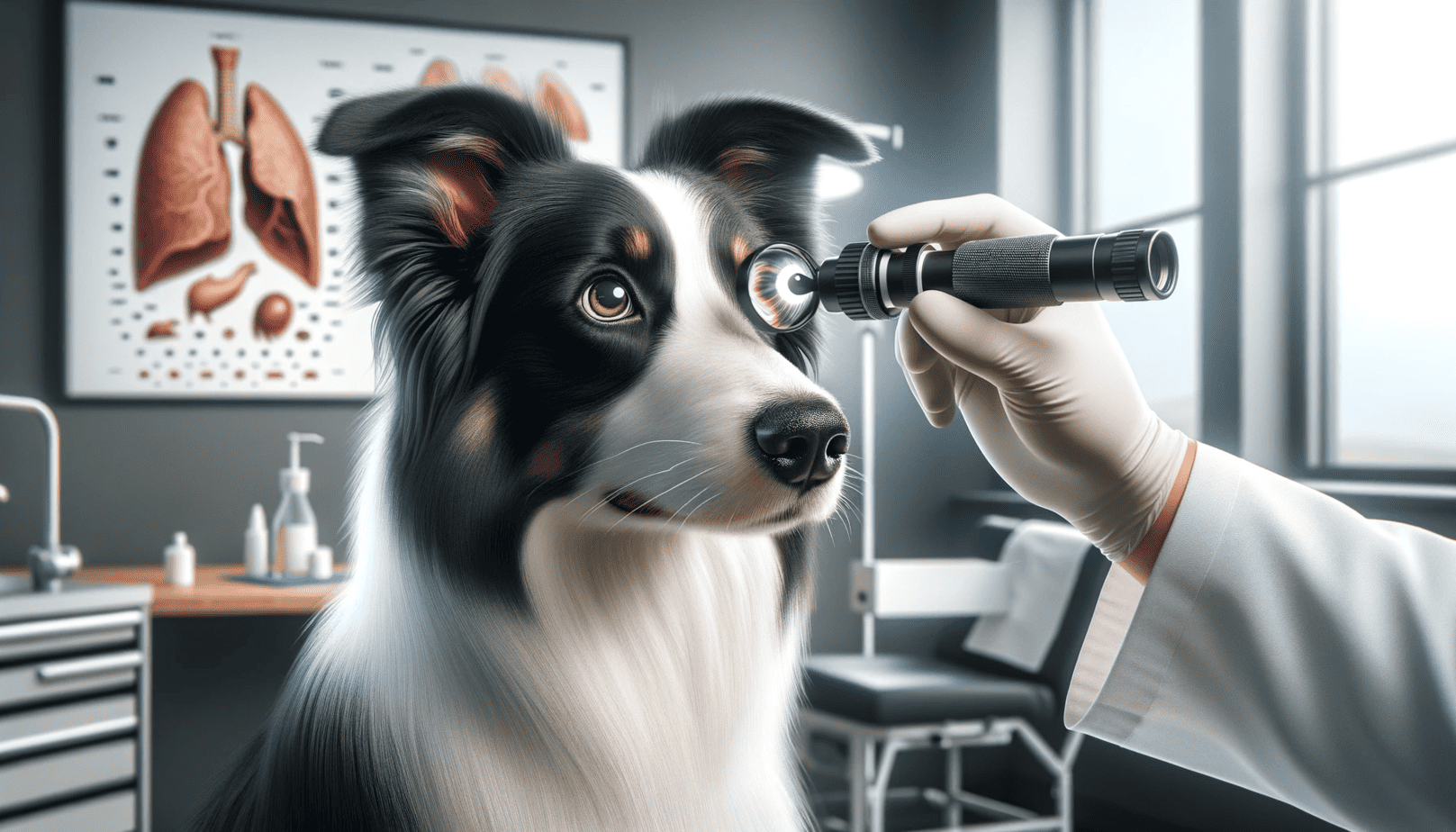
The tests used depend on the symptoms and examination findings. A veterinarian may assess vision and pupil responses, examine the eyelids and surrounding tissues, measure tear production, apply fluorescein stain to look for corneal damage, measure pressure inside the eye, or examine the lens and retina. Referral to a board-certified veterinary ophthalmologist may be recommended for inherited disease, surgery, advanced imaging, or a problem that threatens vision.
For dogs used in a breeding program, the OFA Companion Animal Eye Registry explains eye certification examinations and breeding recommendations. Screening results should be interpreted with the dog’s veterinarian and the applicable breed program.
Nutritional Support for Eye Health
A complete and balanced diet should remain the foundation of your Border Collie’s nutrition. Foods and supplements may provide general nutritional support, but they do not prevent, reverse, or treat Collie Eye Anomaly, Progressive Retinal Atrophy, glaucoma, cataracts, corneal ulcers, or another diagnosed eye condition.

Eyeplex by Standard Process
Eyeplex by Standard Process is one option Dr. Candy uses for targeted nutritional support when it is appropriate for an individual dog. Standard Process describes Eyeplex as supporting ocular health and normal eye function. It contains vitamins and a proprietary blend of whole-food and animal-derived ingredients, and it contains wheat. Because supplements can overlap with a dog’s diet, medications, and medical conditions, ask your veterinarian whether Eyeplex is appropriate and how it should be used for your dog.
For more information, read Dr. Candy’s Eyeplex guide for dogs and review the Eyeplex product details.
Freeze-Dried Blueberries
Plain, unsweetened freeze-dried blueberries can be offered as an occasional treat. Blueberries contain naturally occurring antioxidants, including anthocyanins, but they should not be presented as a treatment for eye disease. Choose a product without added sugar, sweeteners, chocolate, or other ingredients, introduce it gradually, and keep treats within your dog’s daily calorie allowance.
Freeze-Dried Liver
Freeze-dried liver is nutrient-dense and provides vitamin A, which is required for normal vision and other body functions. It should be fed in small amounts as a treat rather than used to replace a balanced diet. Too much liver can add excessive calories and vitamin A, so ask your veterinarian about an appropriate amount, especially if your dog already receives supplements or eats a liver-rich diet.
Environmental Hygiene for Eye Comfort
A cleaner, less irritating environment may help reduce avoidable eye discomfort, although it cannot prevent inherited disease. Practical steps include:

- Reduce dust and dander with routine cleaning, clean bedding, and appropriate air filtration.
- Keep indoor spaces well ventilated when weather and outdoor air quality allow.
- Avoid tobacco smoke, aerosols, fragranced sprays, incense, essential-oil diffusers, and other airborne irritants around your dog.
- Keep shampoo, household cleaners, lawn products, and other chemicals away from the eyes.
- Gently clean debris from the fur around the eyes with a clean, damp cloth without rubbing the eye itself.
Redness, squinting, discharge, cloudiness, rubbing, or a sudden vision change warrants veterinary evaluation rather than environmental care alone.
Practical Daily Eye Care
- Look at both eyes regularly so you recognize changes in clarity, comfort, discharge, and symmetry.
- Gently wipe debris from the fur around the eye with a clean, damp cloth. Do not rub the surface of the eye.
- Keep facial hair from repeatedly touching the cornea, and use care when trimming near the eyes.
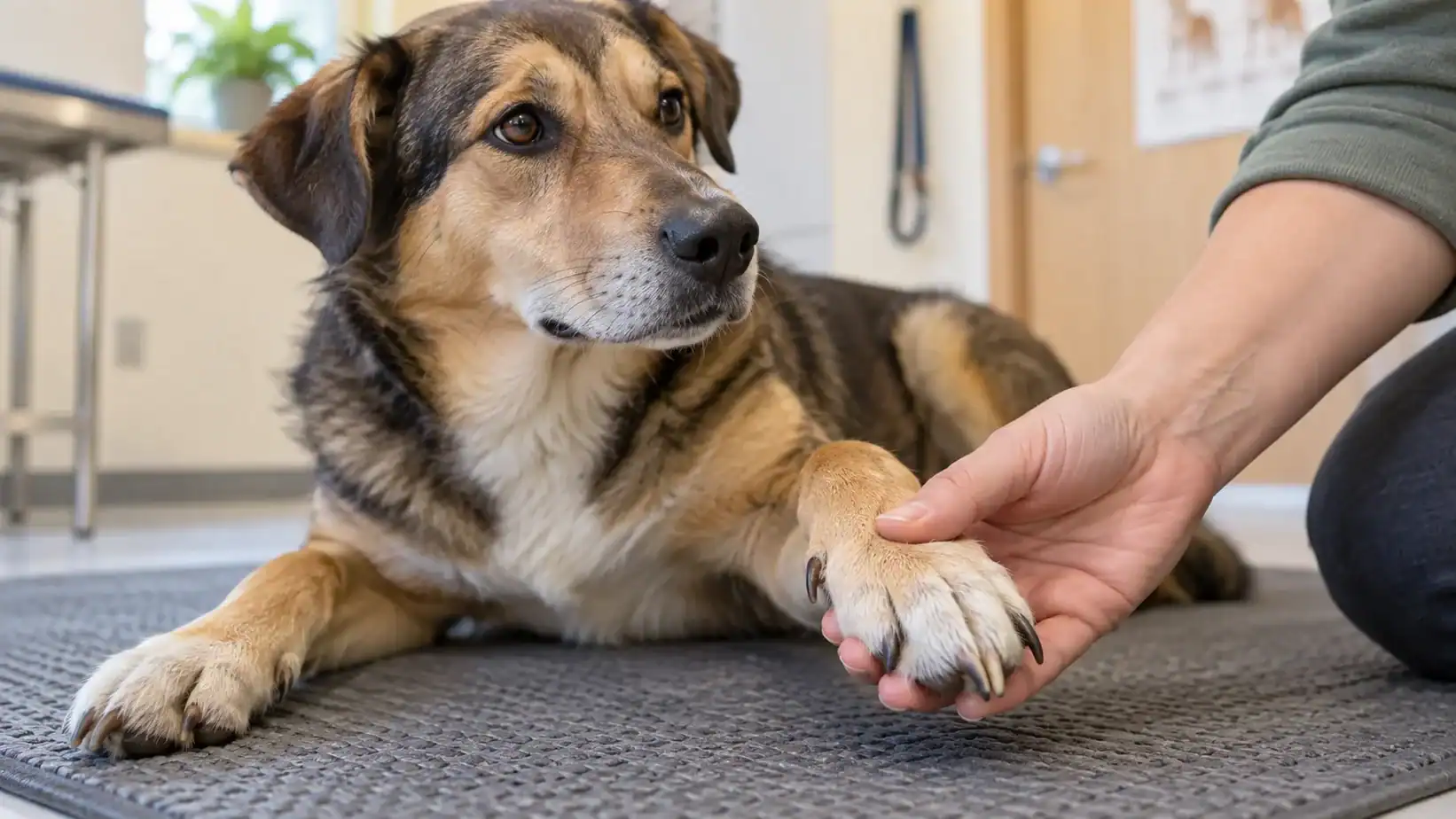
- Prevent scratching injuries by maintaining appropriate nail length.
- Avoid smoke, aerosols, fragranced sprays, and other airborne irritants around your dog.
- During bathing, keep shampoo and grooming products out of the eyes.
A complete and balanced diet supports general health, but food or supplements should not be presented as treatments for inherited eye disease. Ask your veterinarian before adding a supplement, especially if your dog has another medical condition or already takes medication.
Frequently Asked Questions
Border Collies can be affected by inherited eye disorders, including Collie Eye Anomaly, as well as the same injuries, inflammatory conditions, cataracts, and age-related changes seen in other dogs. Individual risk depends on genetics, age, health history, and examination findings.
Daily care cannot prevent a dog from inheriting a genetic condition. Health screening and responsible breeding decisions can reduce the likelihood of passing certain disorders to future generations. Routine care may help prevent avoidable irritation and injury, while early evaluation can limit complications from some acquired problems.
Schedule an examination whenever you notice pain, redness, discharge, cloudiness, a change in vision, or an injury. Puppies and breeding dogs may need specific inherited-disease screening. Your veterinarian can recommend an examination schedule based on your dog’s age, family history, and intended use.
Sources and Further Reading
- Orthopedic Foundation for Animals: Eye Certification
- Orthopedic Foundation for Animals: DNA Testing
- Merck Veterinary Manual: The Ocular Fundus in Animals
A note about your dog’s health
This article provides general education and does not replace an examination, diagnosis, or individualized advice from your veterinarian. Contact a veterinary professional if you are concerned about your dog’s symptoms.

ABOUT THE AUTHOR