Category: Dog Eye Health

  • Integrative Dog Eye Health: Daily Care, Nutrition, and Warning Signs

    Integrative Dog Eye Health: Daily Care, Nutrition, and Warning Signs

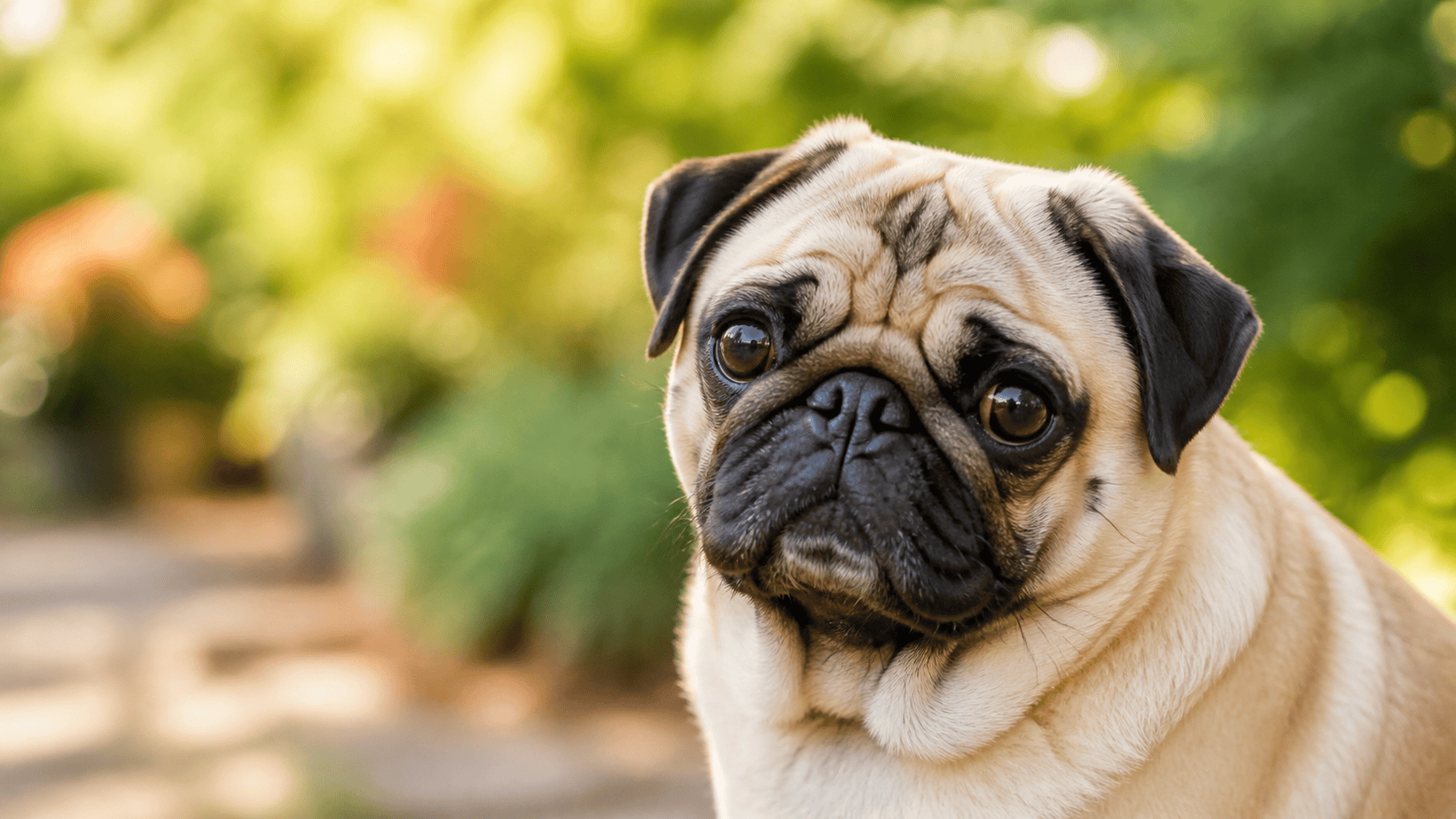
    Healthy Pug with clear eyes in a sunlit garden

    An integrative dog eye health plan combines simple daily observation, gentle eye protection, balanced fresh-food nutrition, whole-body support, and prompt veterinary diagnosis when something changes. Healthy eyes should look clear and comfortable. Squinting, sudden cloudiness, redness with pain, injury, a bulging eye, unequal pupils, bleeding, or sudden vision trouble needs urgent veterinary care.

    Natural support can help protect general health, but it cannot diagnose an eye disorder or replace treatment for glaucoma, a corneal ulcer, dry eye, uveitis, cataracts, or retinal disease. The safest approach is to notice changes early, avoid irritating home remedies, and choose food, supplements, herbs, and other holistic options with your veterinarian based on your dog’s needs.

    What Healthy Dog Eyes Look Like

    A healthy eye is usually bright, clear, moist, and comfortable. Your dog should hold both eyes open without squinting. The pupils should look similar in size under the same light, and the eyelids should sit normally against the eye. A small amount of clear moisture or light sleep debris can be normal, especially after resting.

    Normal varies somewhat by breed. Flat-faced dogs may have more exposed eyes. Dogs with loose lower eyelids may collect more debris. Light-colored dogs may show tear staining that is easy to see. These traits can change what you notice, but they do not make pain, thick discharge, or a sudden change normal.

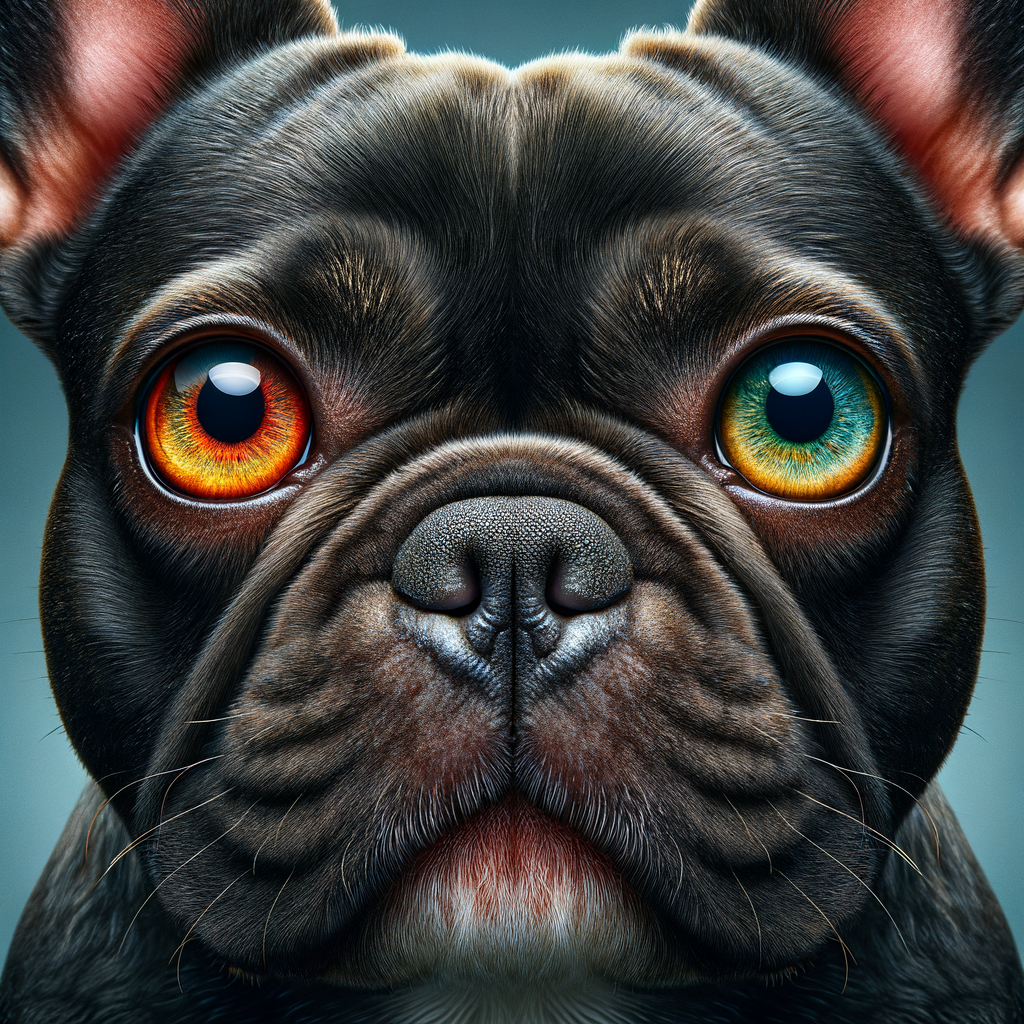
    Healthy Pug eyes compared with squinting, redness, discharge, cloudiness, and unequal pupils

    A quick at-home eye check

    Look at your dog’s eyes in good light and notice:

    • Clear surfaces without a new white, blue, gray, or red area
    • Both eyes open comfortably
    • Pupils that appear equal in the same lighting
    • Moist eyes without thick yellow or green discharge
    • Eyelids that are not swollen, rolled inward, or turned outward
    • Confident movement without new bumping, hesitation, or startling

    Knowing your dog’s normal gives you a useful baseline. A photo taken when the eyes are healthy can help you describe a later change to your veterinarian.

    A Daily Integrative Eye Care Routine

    Good eye care is quiet and consistent. You do not need to put products in a healthy eye every day. Most dogs benefit more from observation, a clean face, safe surroundings, and support for whole-body health.

    Observe before you clean

    Check both eyes before wiping away debris. Note the color and amount of discharge, whether your dog is squinting, and whether one eye looks different from the other. Cleaning first can hide a clue that would help your veterinarian. If you notice a new or sudden change, take a clear photo before cleaning so your veterinarian can see the original color and amount of discharge.

    Clean gently

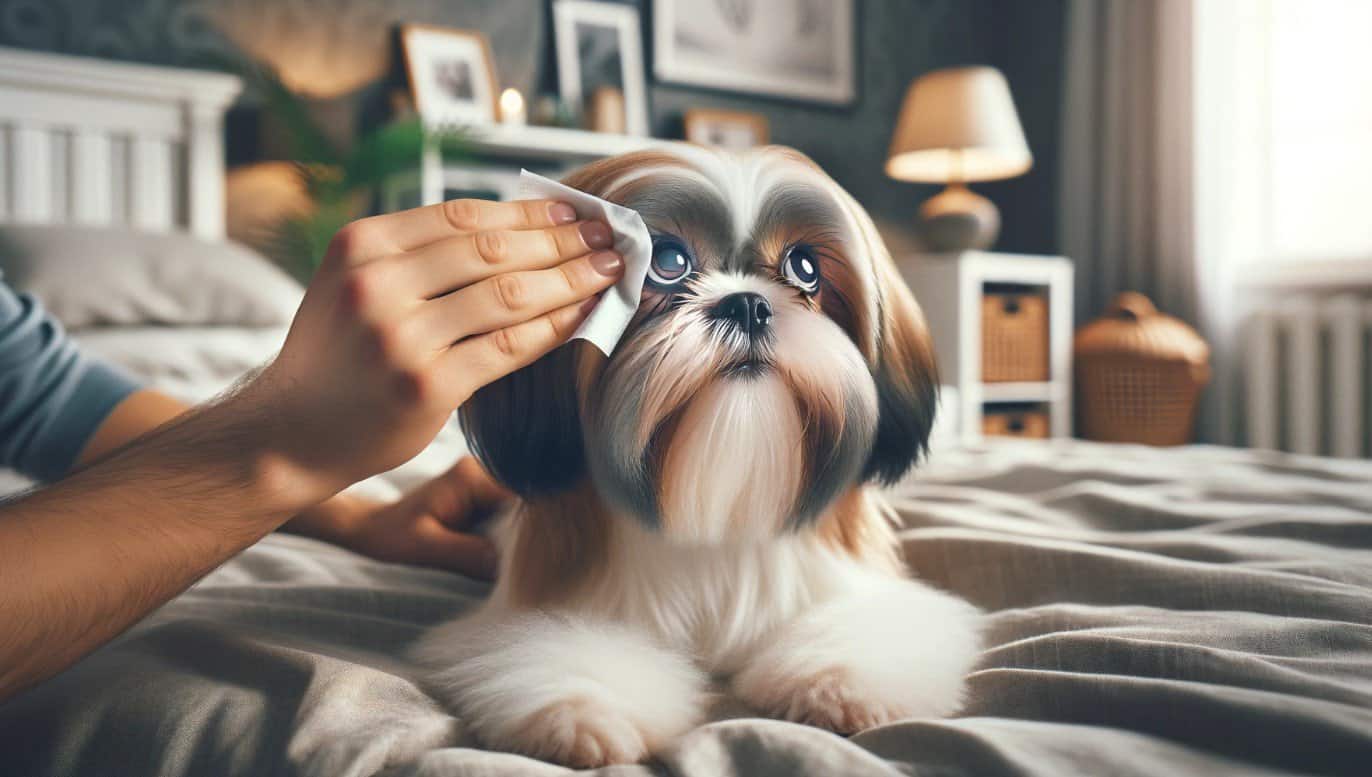
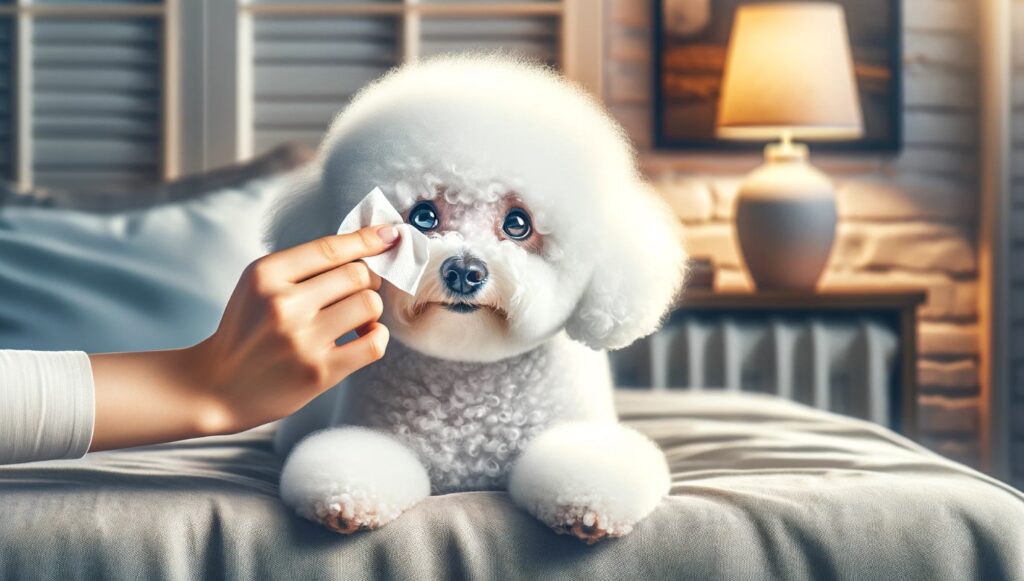
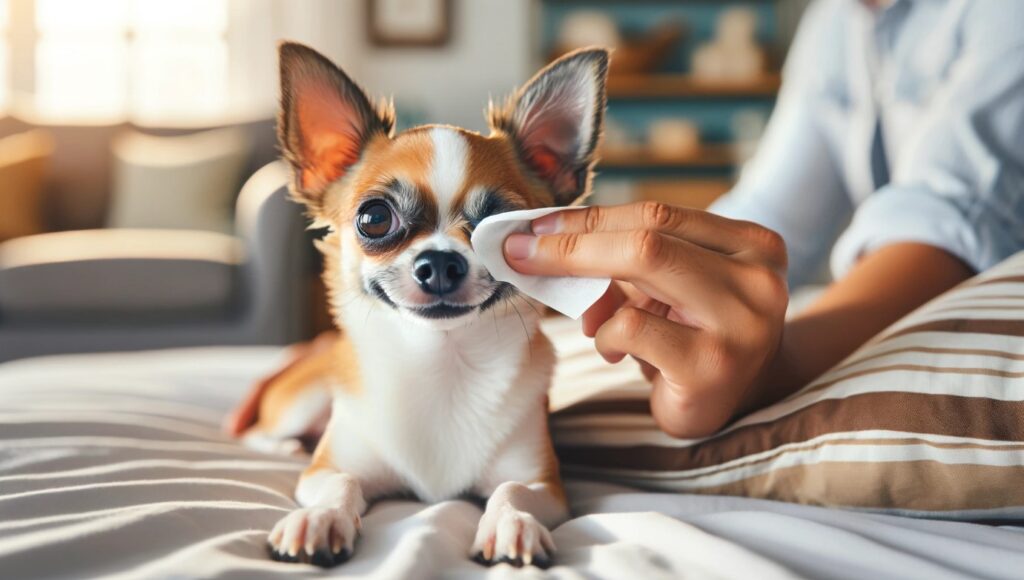
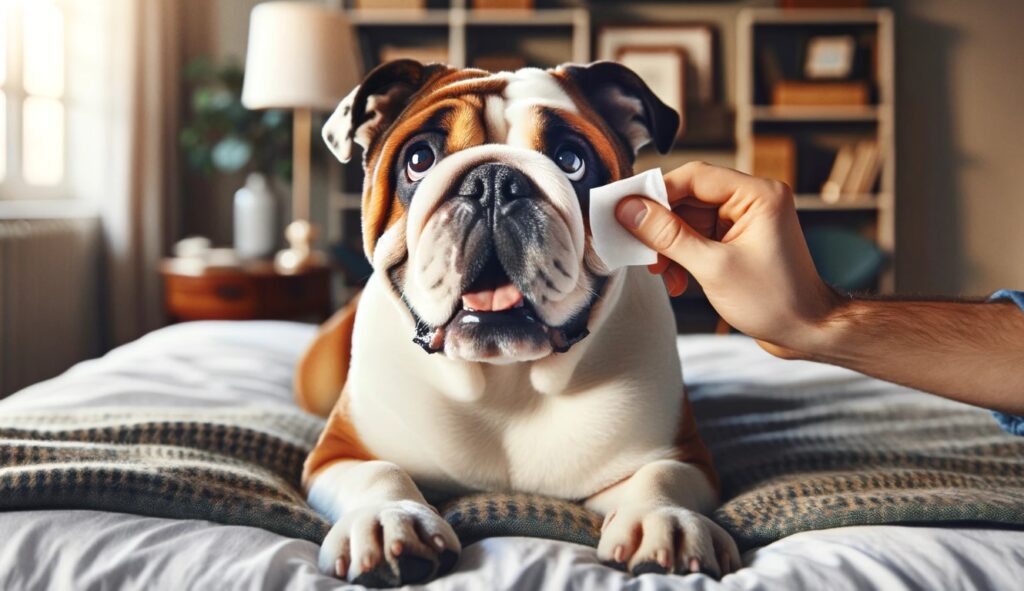
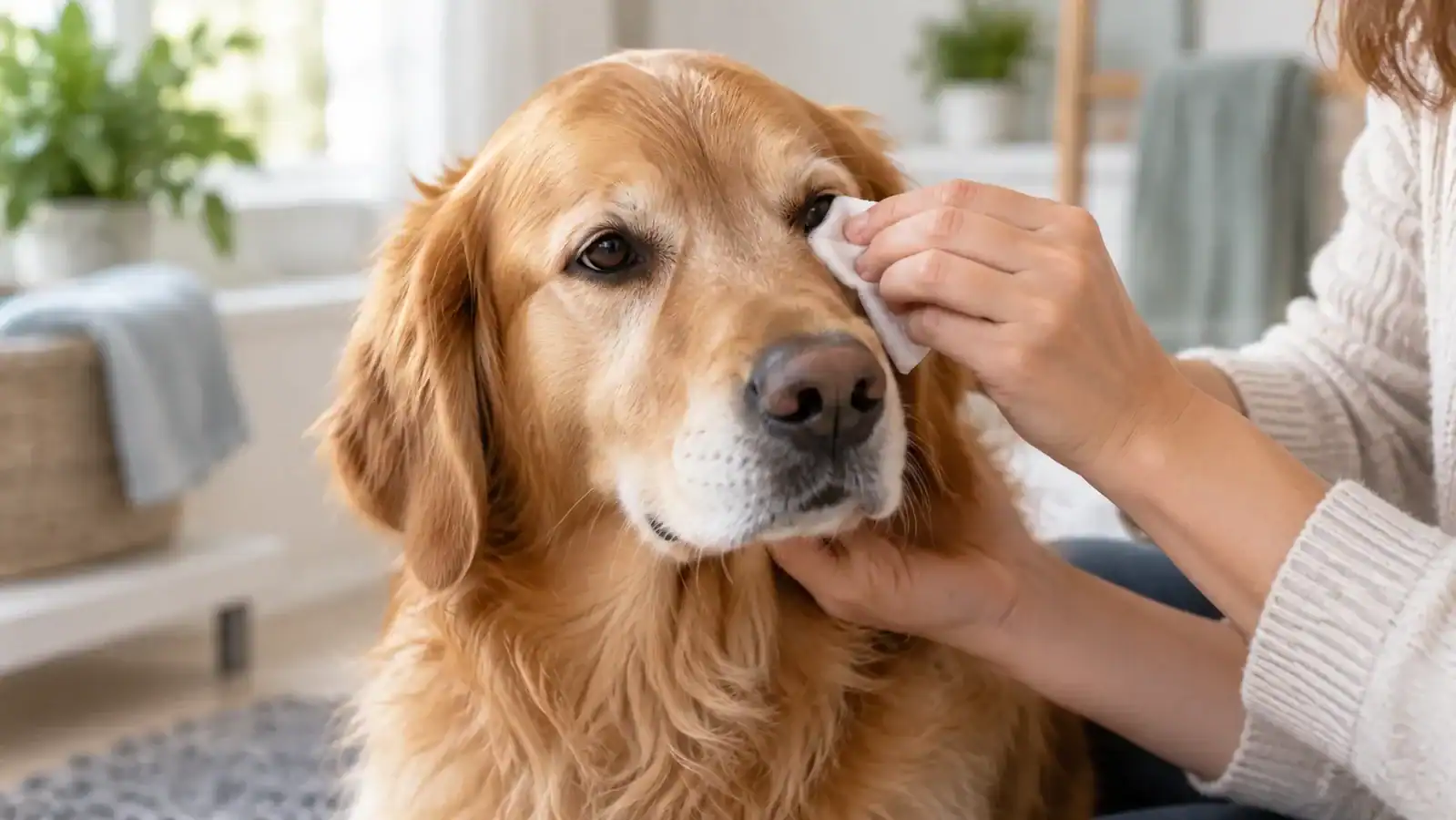
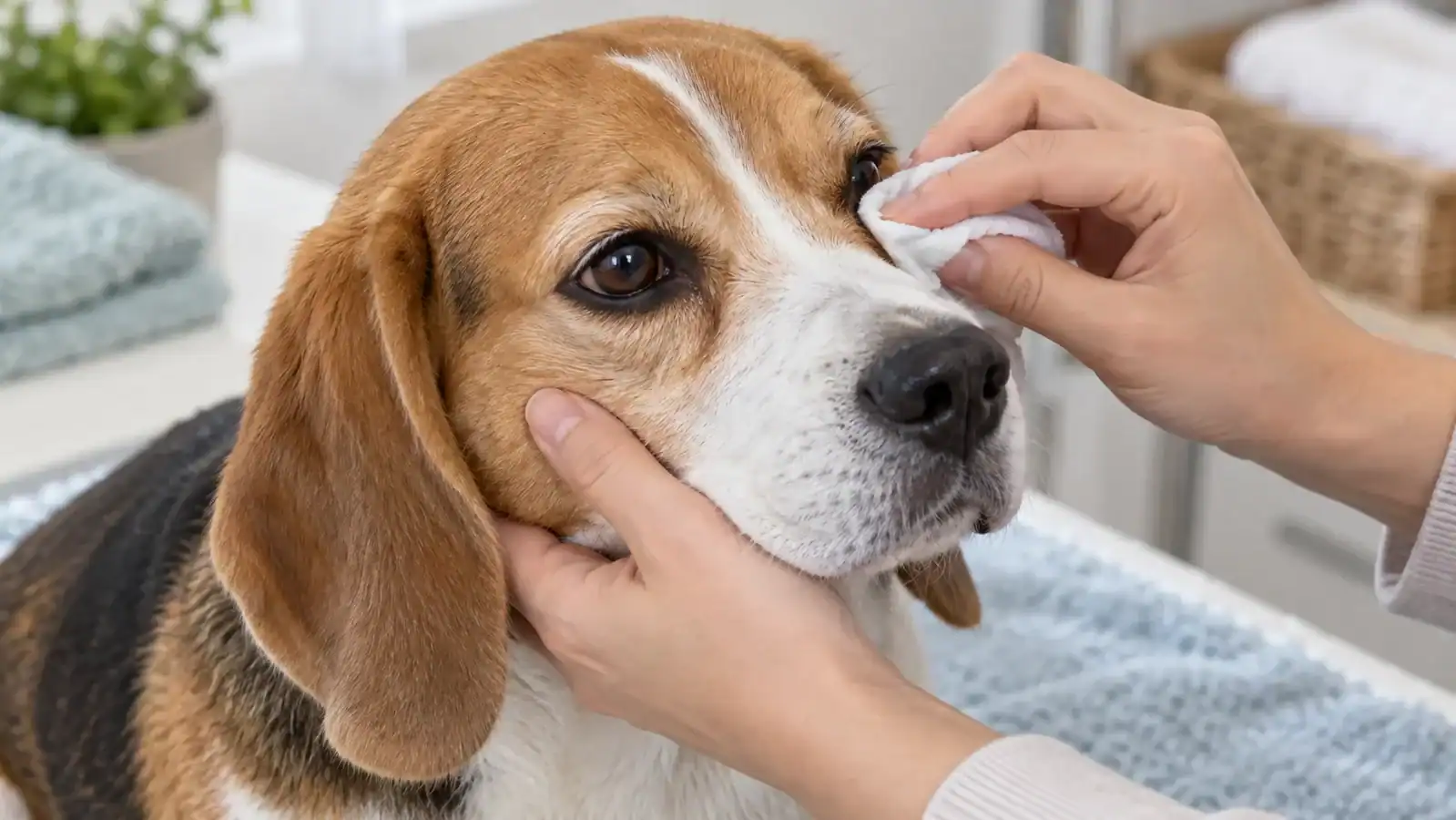
    Use a clean, soft cloth or cotton pad dampened with plain warm water to wipe the fur around the eye. Wipe away from the eye and use a fresh area of the cloth for each pass. A sterile saline product made for eye use may be appropriate for simple surface rinsing, but ask your veterinarian if the eye is irritated, injured, painful, or cloudy.

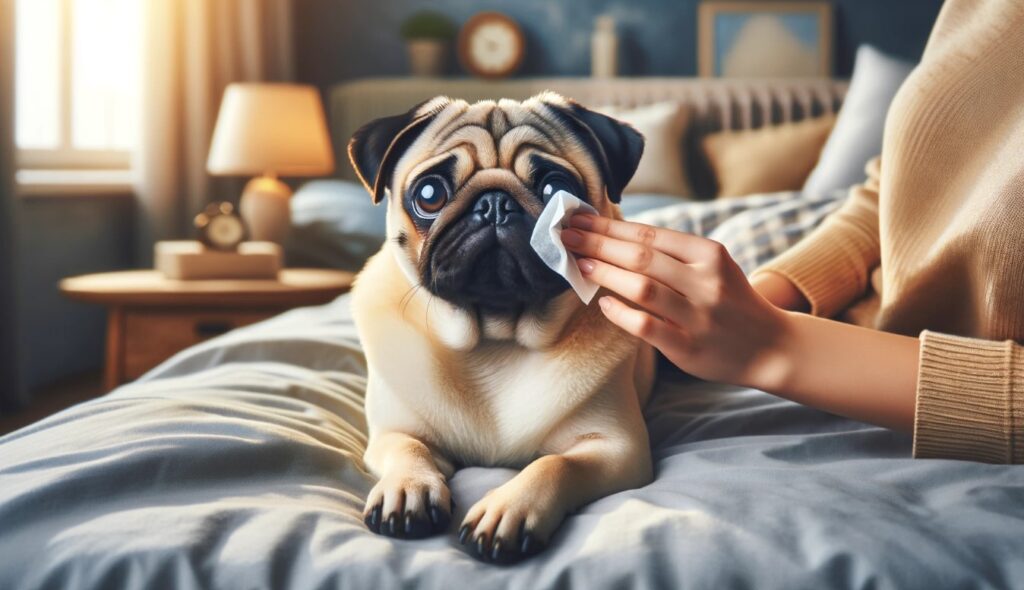
    If discharge has dried into a crust on the surrounding fur, hold a warm, damp cotton pad over the closed eyelids for about 60 seconds without pressing on the eye. This can soften the debris so it can be wiped away more comfortably.

    Do not use homemade saltwater, hydrogen peroxide, soap, essential oils, tea, or an herbal preparation in the eye. Do not use an old prescription or another pet’s medication. Eye products can look similar while treating very different problems.

    Owner gently wiping the fur beside a Shih Tzu’s closed eye with a clean cotton pad

    Protect the eyes

    Trim facial hair only if you can do so safely, or ask a groomer or veterinary professional for help. Keep shampoo and sprays away from the eyes. During car rides, do not let your dog hang their head out of the window, no matter how fun it looks. Wind can carry dust, bugs, and other debris into the eye.

    After walks through brush, tall grass, sand, or dusty areas, check for squinting, tearing, or pawing at the face. If a visible object is stuck in or on the eye, do not pull it out. Prevent rubbing and seek veterinary care.

    Safe dog eye-care steps compared with products and actions to avoid.

    Watch the whole dog

    Eye changes sometimes appear alongside changes in thirst, urination, appetite, energy, skin, or weight. Those clues matter. An integrative view treats the eyes as part of the whole dog, not as an isolated surface.

    Warning Signs That Need Veterinary Care

    Eye problems can progress quickly, and several very different disorders can look alike at home. Contact your veterinarian promptly for a new eye change. Seek urgent or same-day care when you see:

    • Squinting, holding an eye closed, or obvious pain
    • Sudden cloudiness or a blue, white, or gray change
    • A bulging eye or an eye that appears larger or smaller
    • Unequal pupils
    • Sudden vision loss, disorientation, or bumping into objects
    • Bleeding, a cut, a puncture, or a chemical exposure
    • A visible foreign object
    • Marked redness with pain or light sensitivity
    • Thick yellow or green discharge with discomfort
    • A rapidly worsening change

    If a chemical reaches the eye, contact a veterinarian or emergency clinic immediately and follow their flushing instructions. Prevent rubbing if you can do so safely. Do not delay care while trying supplements or home remedies.

    Common Dog Eye Problems and What They Mean

    Conjunctivitis and irritation

    Conjunctivitis means inflammation of the tissue around the eye. Redness and discharge can occur with allergies, infection, dry eye, an eyelid problem, a foreign body, trauma, or another eye disease. Because the cause of the inflammation guides treatment, redness should not be treated with a leftover medication.

    A gentle external wipe can keep the surrounding fur clean while you arrange an exam. Repeated irritation also deserves a look at environmental triggers such as smoke, fragrances, cleaning sprays, dust, pollen, and grooming products.

    Dry eye

    Keratoconjunctivitis sicca (KCS), often called dry eye, occurs when the eye does not receive enough healthy tears. The most common canine form involves immune-mediated inflammation of the tear glands, and both eyes are often affected. Dogs may develop redness, thick or sticky discharge, discomfort, corneal sores, and scarring. Many cases need lifelong veterinary treatment to protect the cornea and preserve comfort.[1] Pugs and Pug mixes are among dogs at higher risk, although any dog can develop KCS.[2]

    A thick discharge is not always an infection. If you keep wiping it away and it quickly returns, ask for a tear test. Natural products cannot replace the tear-stimulating or protective treatment a dry eye may require. Because immune-mediated KCS often needs lifelong care, early control and follow-up help protect the cornea.

    Three-step guide showing how to steady a dog, apply prescription eye drops without touching the eye, and offer a reward.

    Corneal scratches and ulcers

    The cornea is the clear front surface of the eye. A scratch or ulcer can follow trauma, a foreign body, dry eye, abnormal eyelashes, eyelid shape, or rubbing. Corneal injuries can even happen during ordinary rough play with another dog. Common signs include squinting, tearing, pawing at the face, redness, and light sensitivity.

    If it is not addressed quickly, a corneal injury can deepen, become infected, or threaten vision. Do not put steroid medication, herbal drops, oils, or numbing drops in a painful eye unless a veterinarian has examined it and prescribed the product.

    Comparison of a fluorescein-stained corneal ulcer, dry eye with thick mucus, and conjunctivitis in dogs.

    Cataracts and nuclear sclerosis

    A cataract is an opacity in the lens that blocks light. Cataracts may be inherited or related to diabetes, trauma, inflammation, or other causes. They can reduce vision and may lead to painful complications such as inflammation or glaucoma.[3]

    Nuclear sclerosis is a common age-related lens change. It often creates an even bluish haze inside the lens of both eyes, but many dogs can still see. Cataracts are more likely to look white or opaque and may interfere with vision. You cannot reliably tell the difference from appearance alone, so arrange an eye exam for new cloudiness.

    Side-by-side comparison of a white cataract and blue-gray lenticular sclerosis in senior dogs.

    Diabetes deserves special attention because cataracts are common in diabetic dogs and tend to mature quickly.[4] These permanent lens changes can become obvious over a short period, so watch diabetic dogs closely. A dog with increased thirst, increased urination, weight change, or a sudden cloudy eye needs a veterinary assessment.

    Glaucoma and uveitis

    Glaucoma involves damaging pressure inside the eye. Uveitis is inflammation within the eye. Both can cause pain, redness, cloudiness, light sensitivity, and vision loss. The eye may look enlarged with glaucoma or unusually small with some chronic inflammatory problems.

    Cocker Spaniel showing a cloudy enlarged eye with redness and a dilated pupil, common warning signs of glaucoma.

    These conditions are not home-treatment problems, and glaucoma can be extremely painful. Rapid diagnosis matters because prompt treatment may be needed to protect comfort and remaining vision. Pressure-lowering medication, anti-inflammatory care, pain control, or other treatment may be needed based on the diagnosis. If an eye appears enlarged or is bulging, call your veterinarian right away.

    Eyelid and tear-duct problems

    Eyelids that roll inward can rub hair against the cornea. Eyelids that turn outward may leave the surface less protected. Abnormal eyelashes can also irritate the eye, and tiny problem hairs can be very difficult to see without a magnified examination. Blocked or poorly draining tear ducts may cause wet fur and staining.

    Tear staining is a cosmetic issue only after discomfort and disease have been ruled out. Focus first on the reason for excess tearing. Environmental triggers such as smoke, incense, air fresheners, or seasonal allergens may contribute, and food-related reactions need an individualized veterinary assessment. Constant wiping or bleaching the fur does not correct an eyelid, corneal, tear-film, or drainage problem. Harsh bleaching agents and products not made for use near the eye can irritate or injure the surface.

    Progressive retinal disease

    The retina senses light at the back of the eye. Retinal disease may first show as poor night vision, reluctance to use stairs in dim light, hesitation in unfamiliar places, or enlarged pupils. Some retinal disorders are inherited and progress even when the front of the eye looks clear.

    There is no single supplement that has been proven to stop every retinal disease. A veterinary eye examination can clarify the diagnosis, likely course, and useful home adaptations.

    Nutrition for Dog Eye Health

    The eyes depend on the same foundations as the rest of the body: balanced nutrition, healthy circulation, stable metabolism, appropriate body condition, and protection from ongoing inflammation and oxidative stress.

    Cooked fish, eggs, leafy greens, colorful vegetables, and blueberries presented as additions to a complete balanced dog diet.

    Start with a complete, balanced fresh-food diet that fits your dog’s age, size, activity, health history, and digestive tolerance. Good-quality protein supplies amino acids needed for tissue maintenance. Whole-food sources of colorful plant nutrients can provide carotenoids and other antioxidants when they are appropriate for the individual dog. Fats need to be fresh and balanced rather than added casually.

    More is not always better. Excess liver can provide too much vitamin A. Unbalanced homemade diets can leave gaps in minerals, fatty acids, and other nutrients. If you prepare food at home, use a properly formulated recipe rather than building meals from internet ingredient lists.

    Metabolic health matters too. Diabetes can affect the lens and sharply increase the risk of cataracts.[4] Keeping meals consistent, supporting a healthy body condition, and working with the veterinary team on metabolic disease are practical parts of protecting the eyes.

    Fresh water should always be available. Hydration supports normal body functions, but drinking more water will not correct dry eye because tear production is controlled by more than hydration alone.

    Supplements and Herbs: What the Evidence Says

    In an integrative eye health plan, supplements can be useful when they have a clear purpose, a suitable product, and a plan for monitoring. They should not be used as a substitute for diagnosis. Because healthy vision matters to your dog’s quality of life, Dr. Candy recommends working with a holistic or integrative veterinarian to build an individualized supplement plan.

    Bilberry, eyebright, spirulina, omega-3 sources, and antioxidant supplements displayed beside a healthy Cocker Spaniel.

    Lutein, zeaxanthin, and antioxidant blends

    Lutein and zeaxanthin are carotenoids found in eye tissues. Vitamin C, vitamin E, taurine, and other antioxidant nutrients are often combined in eye-support formulas. In a small six-month study of 12 healthy adult Beagles, an antioxidant blend improved some measures of retinal response and reduced changes in refractive error.[5] That finding suggests targeted nutrition can support healthy retinal function, but it does not prove that the same blend will treat cataracts, glaucoma, dry eye, or a diagnosed retinal disorder.

    For whole-food antioxidant support, Dr. Candy commonly recommends spirulina tablets or powder. It still needs to fit the dog’s complete diet, medications, and health conditions.

    Choose supplements based on the dog in front of you. Consider the existing diet, health conditions, medications, and the specific goal. Avoid stacking several products with overlapping ingredients.

    Omega-3 fatty acids

    Omega-3 fatty acids may be considered as part of a balanced nutrition plan. Eye-specific benefit depends on the diagnosis, and the canine evidence is not strong enough to treat an omega-3 product as a general eye remedy. The right source and amount depend on the full diet and the dog’s health. Oils can oxidize, add significant calories, and cause digestive upset. Dogs with certain medical conditions or medications need extra caution.

    Research omega-3 supplements carefully. Heat, light, oxygen, poor storage, and age can damage fish oil. Choose a product with clear sourcing and independent contaminant testing when available, store it as directed, and do not use it past the expiration date.

    If an omega-3 supplement is being considered for an eye problem, ask whether evidence exists for that specific diagnosis. A general wellness benefit is not the same as proven treatment for an eye disease.

    One product Dr. Candy commonly recommends is Standard Process VF Omega-3 for Pets. The product is made from anchovies and sardines, and each batch is tested for contaminants and toxins. It is available through Dr. Candy’s online store. [6]

    Bilberry and eyebright

    Bilberry and eyebright have a long history of traditional use for eye support. Traditional use can help guide questions, but current canine evidence is limited. These herbs should not be described as proven treatments for cataracts, ulcers, glaucoma, infection, or retinal degeneration.

    Do not place homemade bilberry, eyebright, tea, tincture, or herbal eyewash into your dog’s eye. The eye is delicate, and a nonsterile preparation can introduce particles or microbes. If an oral herb is being considered, review the product, dose, medications, and health history with a veterinarian trained in herbal medicine.

    How to choose a supplement safely

    Look for clear ingredient amounts, lot identification, an expiration date, and independent quality testing when available. Avoid proprietary blends that hide amounts. Introduce one new product at a time so you can notice digestive upset, itching, behavior changes, or another reaction.

    A supplement plan should answer three questions: What are we trying to support, how will we judge whether it helps, and when will we stop? If those answers are unclear, food and basic care may be the better place to focus.

    Acupuncture, TCVM, and Other Integrative Support

    Traditional Chinese veterinary medicine views the eyes within patterns that involve the whole patient. A trained practitioner may consider digestion, sleep, behavior, pain, circulation, and other signs rather than choosing an eye remedy from one symptom.

    Some integrative practitioners include acupuncture in a whole-patient support plan. Evidence for treating specific canine eye diseases is limited, and acupuncture cannot lower dangerous eye pressure, close a corneal ulcer, remove a cataract, or restore a damaged retina.

    Homeopathy is also used by some integrative practitioners. Strong clinical evidence for canine eye disease is lacking. If you choose to include it, use it only as an adjunct and do not allow it to delay an eye examination or proven treatment.

    The most useful integrative plan often combines conventional diagnosis with low-risk supportive care. This keeps the dog comfortable while protecting sight and addressing nutrition, environment, and any underlying disease.

    What Happens During a Veterinary Eye Exam

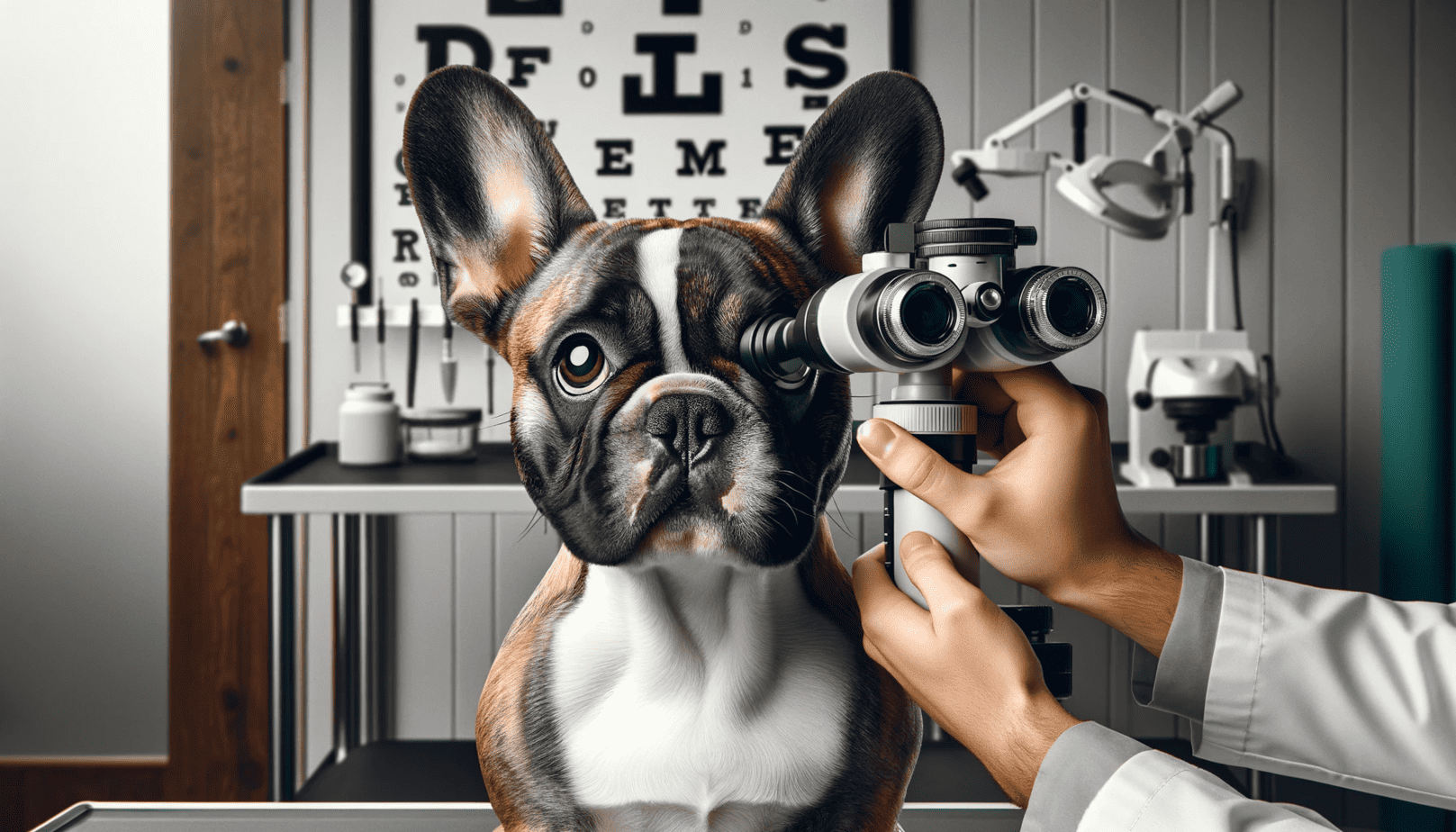
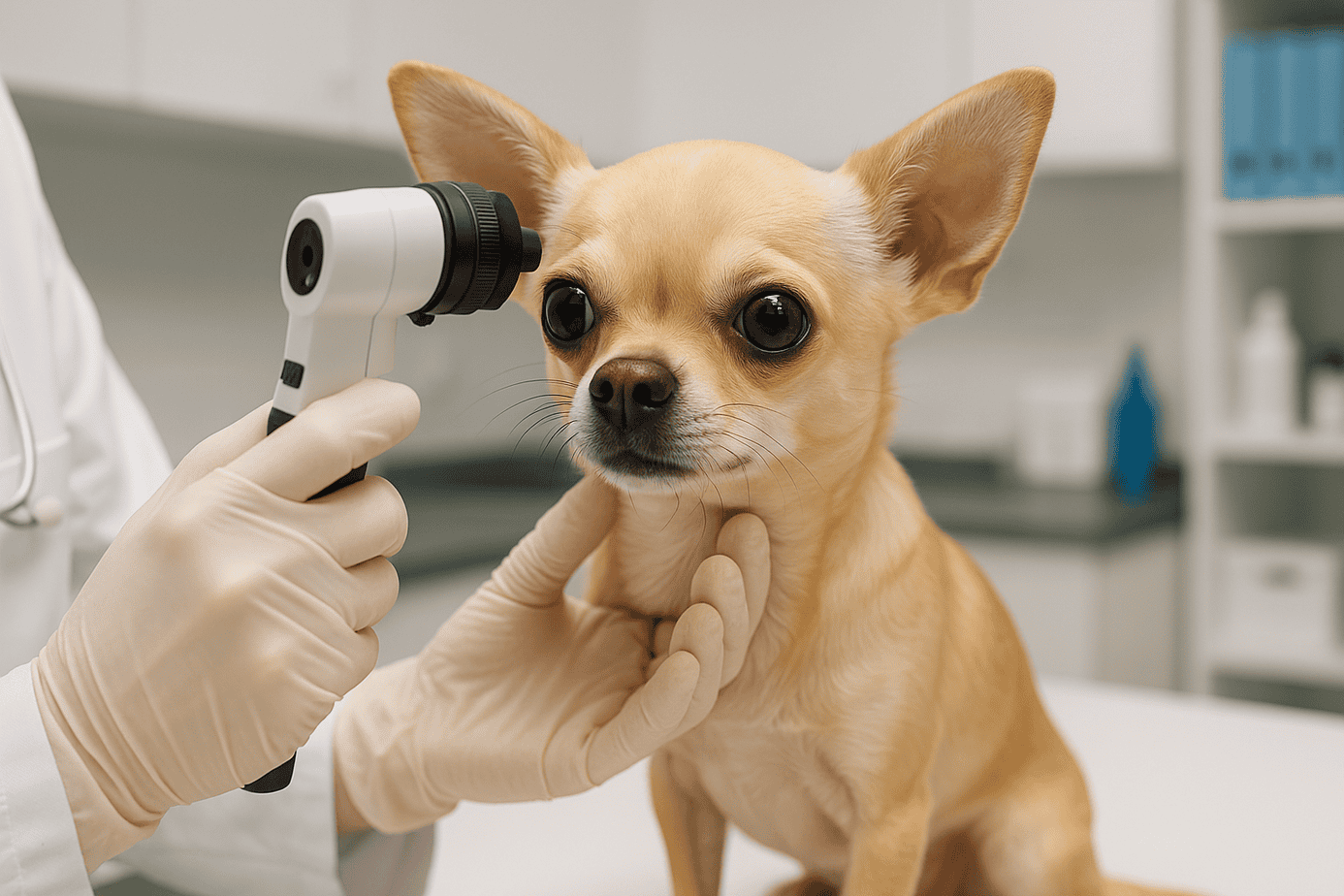
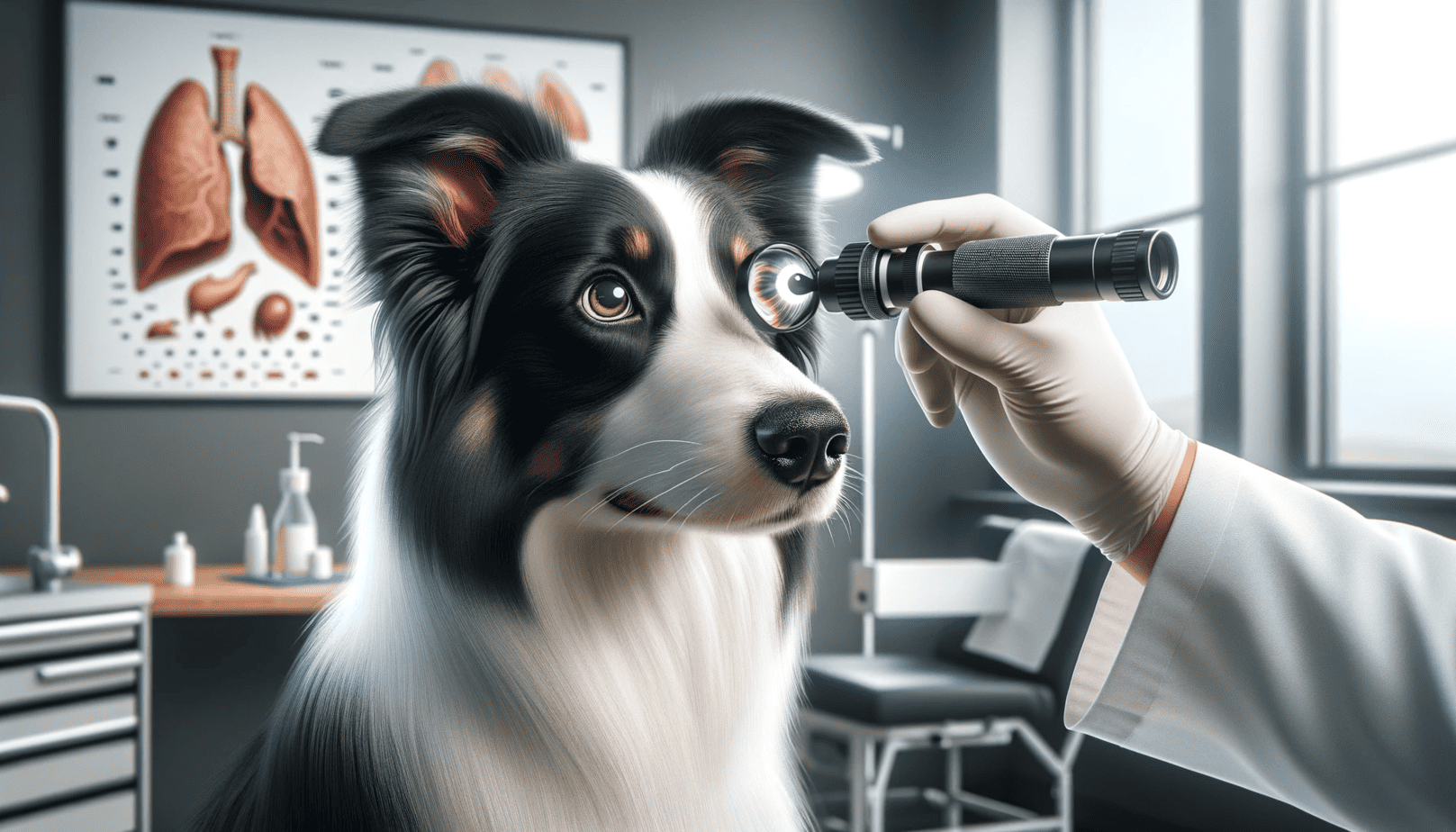
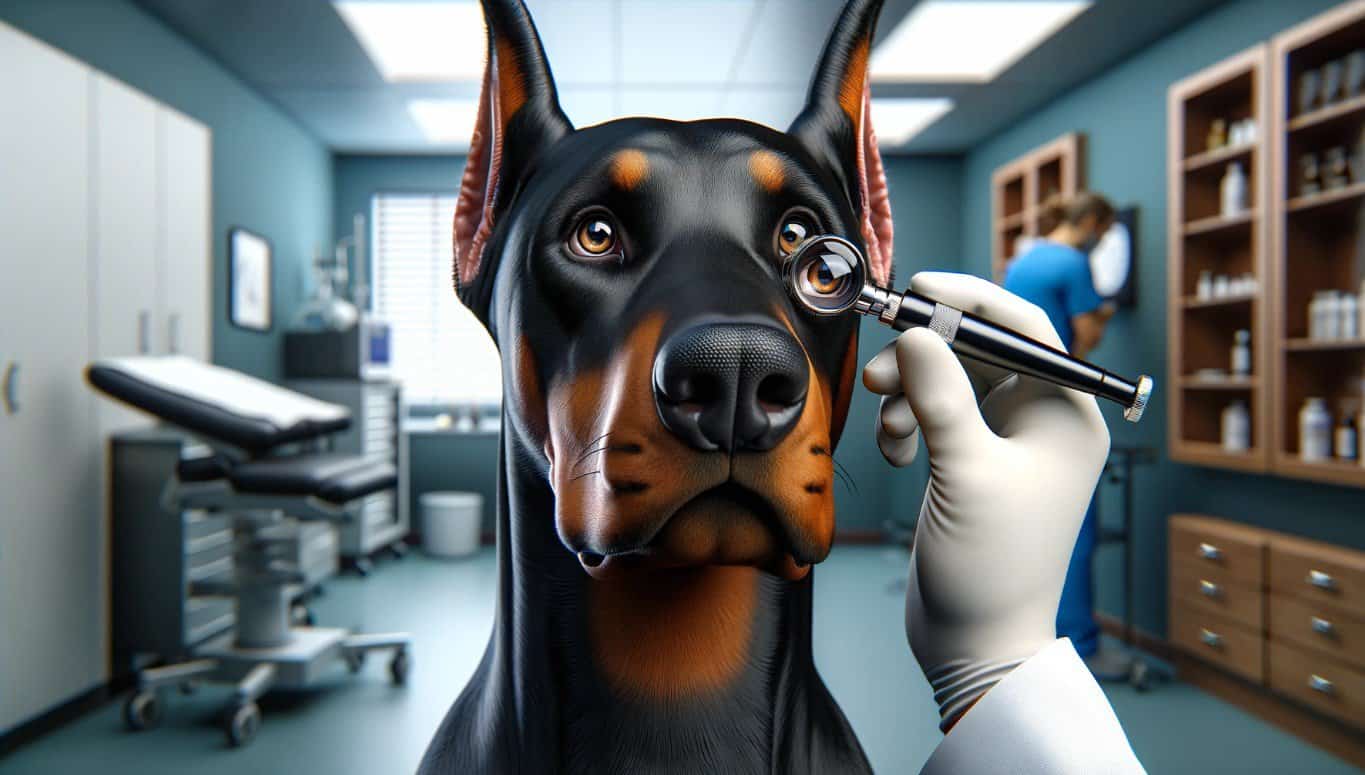
    A basic eye exam is usually gentle and gives information that cannot be gained from appearance alone. Your veterinarian may examine the eyelids, cornea, lens, retina, and optic nerve. Common tests include:

    Veterinarian examining a Border Collie beside descriptions of tear testing, fluorescein stain, and tonometry.
    • A Schirmer tear test to measure tear production
    • Fluorescein stain to reveal a corneal scratch or ulcer
    • Tonometry to measure pressure inside the eye
    • Magnified examination of the front of the eye
    • Examination of the retina and optic nerve through the pupil

    These tests help separate problems that can look alike at home.[7] A painful red eye might be dry eye, a corneal ulcer, glaucoma, uveitis, or another condition, and the treatments can be very different.

    Some dogs need referral to a veterinary ophthalmologist. Referral is especially useful for complicated ulcers, glaucoma, cataract surgery decisions, inherited retinal disease, persistent pain, or unexplained vision loss. Ask your regular veterinarian for a referral, then consider location, after-hours access, specialty credentials, and recent client feedback when choosing a clinic.

    Eye Health Through Each Life Stage

    Puppies

    Puppies can be born with eyelid, lens, or retinal abnormalities. A puppy’s eyes, eyelids, and facial structure continue to change as the puppy grows, so the timing of some procedures may need to be planned around growth with your veterinarian or veterinary ophthalmologist. Watch for an eye that stays closed, persistent discharge, cloudiness, unusual pupil size, or difficulty navigating. Nutrition for growing puppies must be complete and balanced. Do not add high-dose vitamins or minerals to a properly formulated growth diet without professional guidance.

    Adult dogs

    For adult dogs, focus on a healthy baseline. Notice patterns in tearing, seasonal irritation, comfort, and night vision. Protect the eyes during grooming and outdoor activity. Address repeated redness rather than assuming it is always an allergy.

    Senior dogs

    Older dogs commonly develop lens changes, but aging should not be used to dismiss pain or loss of function. Watch for new or changing lens cloudiness. A slow change may be age-related, while cataracts or inflammation can also change the eye’s appearance. Schedule an exam for new cloudiness, poor night vision, bumping, redness, or a change in pupil size. Senior dogs also benefit from attention to blood sugar, blood pressure, body condition, and medication effects.

    Breed and individual risk

    Flat-faced dogs, dogs with prominent eyes, and dogs with eyelid or eyelash problems may be more prone to surface injury. For dogs with prominent eyes, a well-fitted harness can reduce pressure on the neck during walks. Proptosis, when the eye is displaced forward out of the socket after trauma, is a veterinary emergency, and brachycephalic breeds are predisposed.[8] Call an emergency veterinarian immediately if this happens. Some breeds also have inherited risks for cataracts or retinal disease. Ask your veterinarian whether your dog’s breed, family history, diabetes risk, or past eye problems call for closer monitoring.

    Helping a Dog With Vision Loss

    Dogs can adapt remarkably well when their world stays predictable. Vision loss is easier to manage when pain has been controlled and the home is arranged for confidence.

    Keep furniture, food, water, and beds in consistent places. Block access to pools, balconies, open stairs, sharp corners, and other hazards. Use rugs or mats with different textures to mark doorways or important areas. Speak before touching your dog, and teach verbal cues such as step, stop, left, and right.

    Use a secure harness and leash outdoors. Keep walks familiar while your dog builds confidence. Scent games, food puzzles, and gentle training provide enrichment without relying heavily on sight. Some dogs also benefit from a halo-style bumper that helps them detect walls and furniture before their face makes contact. Compare fit and features carefully because designs vary.

    Watch for anxiety, reluctance to move, sleep changes, or withdrawal. These may reflect fear, pain, or another medical problem. Vision loss does not mean a poor quality of life, but ongoing eye pain must be treated.

    Final Thoughts

    Integrative dog eye health starts with knowing what is normal, protecting the eye surface, feeding a balanced fresh-food diet, and taking sudden changes seriously. Supplements, herbs, acupuncture, and other holistic options may have a supportive role, but they work best when the diagnosis is clear and expectations are realistic.

    If an eye is painful, suddenly cloudy, injured, bulging, bleeding, or associated with sudden vision trouble, seek veterinary care promptly. For routine support, build a simple plan around daily observation, gentle cleaning of the surrounding fur, a safe environment, and individualized nutrition.

    Frequently Asked Questions

    What can I safely use to clean my dog’s eyes?

    For the fur around a comfortable eye, use a clean soft cloth or cotton pad dampened with plain warm water. Wipe away from the eye. A sterile saline product made for eye use may be suitable for a simple rinse, but ask your veterinarian before rinsing an irritated, painful, injured, or cloudy eye. Do not use homemade saltwater, tea, essential oils, peroxide, or herbal drops unless a veterinarian who has examined the eye gives exact instructions for a specific sterile product.

    When is a red, cloudy, or painful eye an emergency?

    Seek urgent or same-day veterinary care for squinting, obvious pain, sudden cloudiness, a bulging eye, unequal pupils, injury, bleeding, chemical exposure, a visible foreign object, or sudden vision loss. A rapidly worsening red eye also needs prompt care.

    What foods or supplements may support dog eye health?

    Start with a complete, balanced fresh-food diet suited to your dog’s life stage and health. Whole-food sources of protein, appropriate colorful plant nutrients, and properly balanced fats can support general health. Lutein, zeaxanthin, antioxidant blends, or omega-3 fatty acids may be considered for a specific goal, but product quality, total diet, health conditions, and medications matter.

    Can cataracts in dogs be reversed naturally?

    No natural remedy has been proven to reverse an established canine cataract. Supplements and whole-body support may help general health, but they do not clear an opaque lens. A veterinary eye exam can confirm whether the change is a cataract and whether monitoring, medical management of complications, or surgery should be discussed.

    How can I tell cataracts from normal age-related cloudiness?

    Nuclear sclerosis often creates an even bluish haze in both eyes while useful vision remains. Cataracts are lens opacities that can look white or dense and may reduce vision. The two can be difficult to separate at home. A veterinary examination is the reliable way to identify the change and check for inflammation or pressure problems.

    References

    1. Gelatt, K. N. (2024). Disorders of the nasal cavity and tear ducts in dogs. Merck Veterinary Manual. https://www.merckvetmanual.com/dog-owners/eye-disorders-of-dogs/disorders-of-the-nasal-cavity-and-tear-ducts-in-dogs
    2. American College of Veterinary Ophthalmologists. (2018). Dry eye (keratoconjunctivitis sicca). https://www.acvo.org/common-conditions-1/2018/2/2/dry-eye-keratoconjunctivitis-sicca
    3. Cornell University College of Veterinary Medicine. (n.d.). Canine cataracts. https://www.vet.cornell.edu/departments-centers-and-institutes/riney-canine-health-center/canine-health-topics/canine-cataracts
    4. Cornell University College of Veterinary Medicine. (n.d.). Managing canine diabetes. https://www.vet.cornell.edu/departments-centers-and-institutes/riney-canine-health-center/canine-health-information/managing-canine-diabetes
    5. Wang, W., Hernandez, J., Moore, C., Jackson, J., & Narfström, K. (2016). Antioxidant supplementation increases retinal responses and decreases refractive error changes in dogs. Journal of Nutritional Science, 5, e18. https://doi.org/10.1017/jns.2016.5
    6. Standard Process. (2021). VF Omega-3 for pets. https://www.standardprocess.com/products/vf-omega-3
    7. American College of Veterinary Ophthalmologists. (2020). Common ocular tests. https://www.acvo.org/tips-treatments-tricks/common-ocular-tests
    8. Thomasy, S. M. (2024). Proptosis in small animals. Merck Veterinary Manual. https://www.merckvetmanual.com/emergency-medicine-and-critical-care/ophthalmic-emergencies-in-small-animals/proptosis-in-small-animals
  • Can You Use Visine On Dogs? Is It Safe?

    Can You Use Visine On Dogs? Is It Safe?

    Every dog owner wants their furry friend to be happy and healthy. However, sometimes our best efforts are not enough to keep them from getting sick or injured. Eye problems can be especially vexing, as they can cause discomfort and even lead to more serious issues if left untreated.

    That’s where Visine, a popular eye drop for humans, comes in – but can it be used on dogs? The short answer is no! Eyes are very delicate and using anything that is not approved for a dog’s eyes can be detrimental. In this article, we’ll explore the topic of using Visine on dogs and provide you with all the information you need to make an informed decision about your pet’s eye health.

    Can you use visine on dogs

    What is Visine?

    Visine is a brand name of eye drops that are used to relieve redness, irritation, and dryness in human eyes. These eye drops are made up of several active ingredients, including tetrahydrozoline and zinc sulfate. Visine comes in several different varieties, each tailored to a specific purpose.

    Uses for Humans

    Visine is commonly used by people with allergies or dry-eye syndrome. It can also be used to soothe the eyes after swimming or being exposed to smoke or wind. Some people even use it as a cosmetic product to reduce the appearance of red eyes.

    How it works

    The active ingredient in Visine is tetrahydrozoline, which works by constricting the blood vessels in the eye. This reduces redness and swelling, making the eyes appear less irritated. Zinc sulfate is another ingredient that helps reduce inflammation and irritation.

    While it may seem like a quick fix for irritated eyes, using Visine too frequently can actually make the problem worse over time. Long-term use can cause rebound effects where your eyes become even more irritated and red when you stop using it.

    Potential Side Effects In People

    One potential side effect of Visine use in humans is allergic reaction or sensitivity to one of its ingredients. Symptoms such as itching, swelling, or hives could occur after using these eye drops. Other less common side effects include headache, dizziness or lightheadedness. This is due to decreased blood flow caused by constriction of blood vessels near the eye area.

    It’s important not to use Visine on open wounds around your eye area since this could cause damage and infection within your wound site itself. It may pose further harm into your eyesight with improper usage. Also pregnant women should consult their doctor before considering taking any kind of medication including visine.

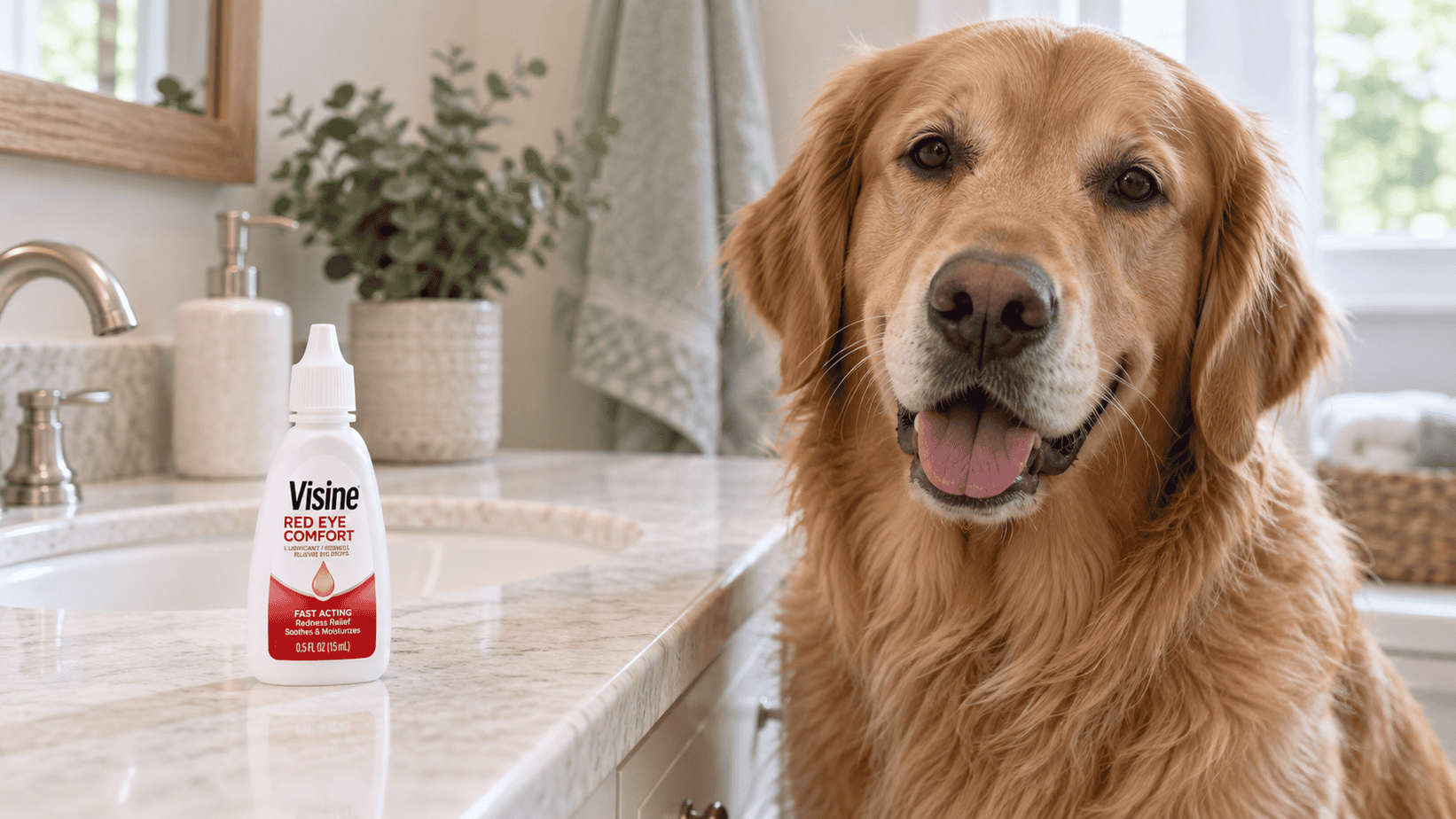
    golden retriever and a box of original visine eye drops

    Can Visine be Used on Dogs?

    Visine is a popular over-the-counter eye drop that is used by humans to reduce redness, itching, and other symptoms. However, many dog owners wonder if it is safe to use Visine on their furry friends. The answer is not straightforward – while some veterinarians may recommend it for certain conditions, there are potential risks and side effects associated with using Visine on dogs.

    Is It Safe to Use Visine on Dogs?

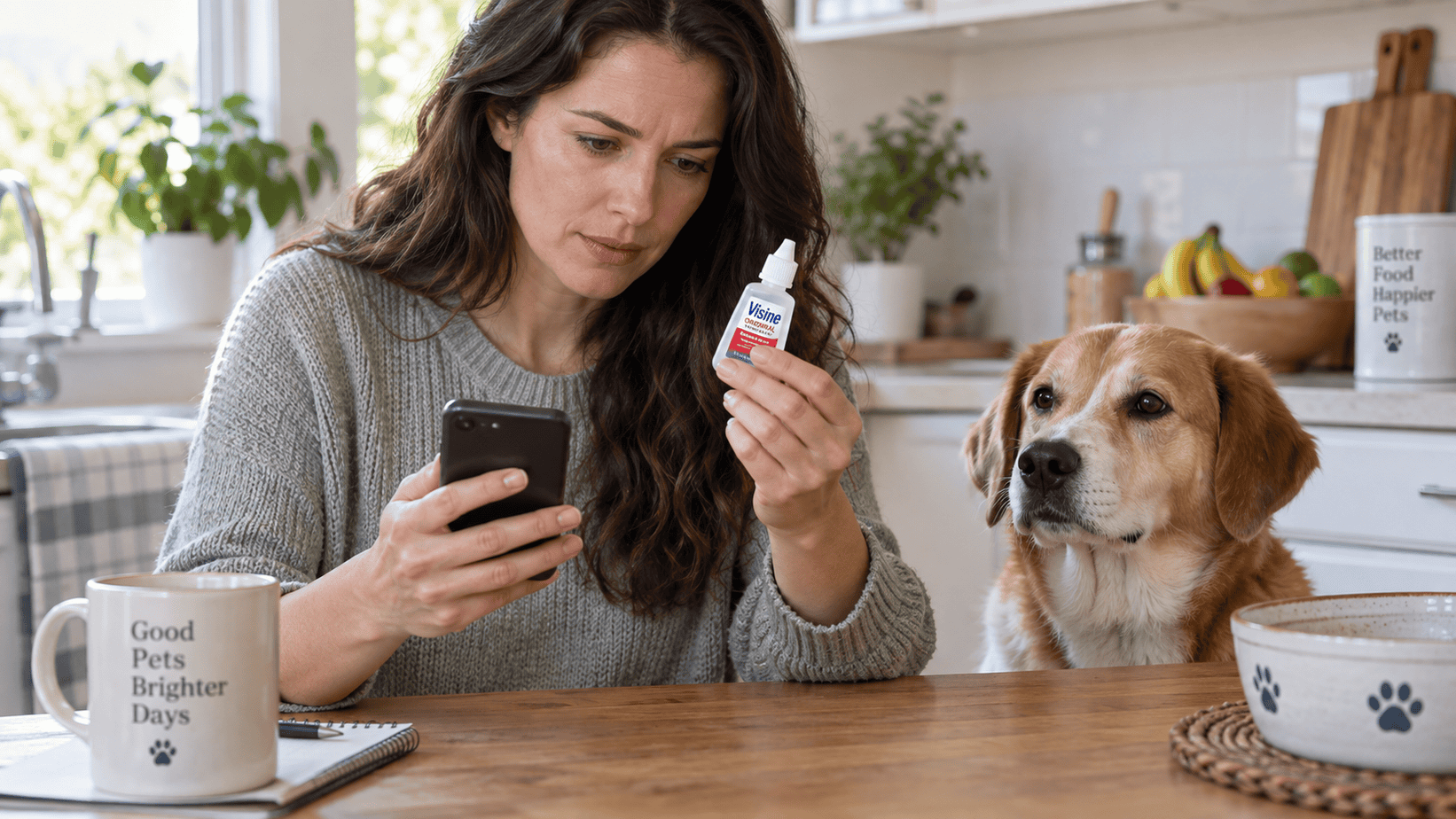
    Some human medications can be safe for dogs at certain doses. But you should always ask your vet first. They may suggest using Visine for mild eye issues or allergies. However, proceed with caution. Visine’s main ingredient is often tetrahydrozoline hydrochloride.

    This chemical can cause serious adverse reactions in dogs when ingested or absorbed through the skin. Ingesting even small amounts can lead to symptoms such as vomiting, diarrhea, lethargy or sedation.

    Visine was made specifically for humans. It is not FDA-approved for use in dogs. Thus, the safety and efficacy in animals is unknown. It’s also unclear if the dosage on the package is suitable for all dog sizes and breeds.

    Potential Risks of Using Visine On Dogs

    The use of this substance can lead to more harm than good if used improperly. One potential risk associated with using Visine on dogs include corneal ulcers – a painful condition where an open sore develops in the surface layer of the eye due to irritation or trauma.

    While Visine may provide some temporary relief from the symptoms of corneal ulcers, it is not recommended for long-term use, as it can cause further damage to the eye and mask underlying health problems. Another potential risk associated with using Visine on dogs is allergic reactions.

    Some dogs may be sensitive or allergic to the ingredients in Visine, which can cause swelling, redness, itchiness, or discomfort around the eye area. If you notice any of these symptoms after using Visine on your dog’s eyes, stop immediately and consult your veterinarian.

    Visine may seem a quick fix for minor dog eye issues like redness or itching. However, it comes with potential risks and side effects. Always consult a qualified vet before giving any medication to your dog. Never use human medicines on dogs, unless a vet directs it.

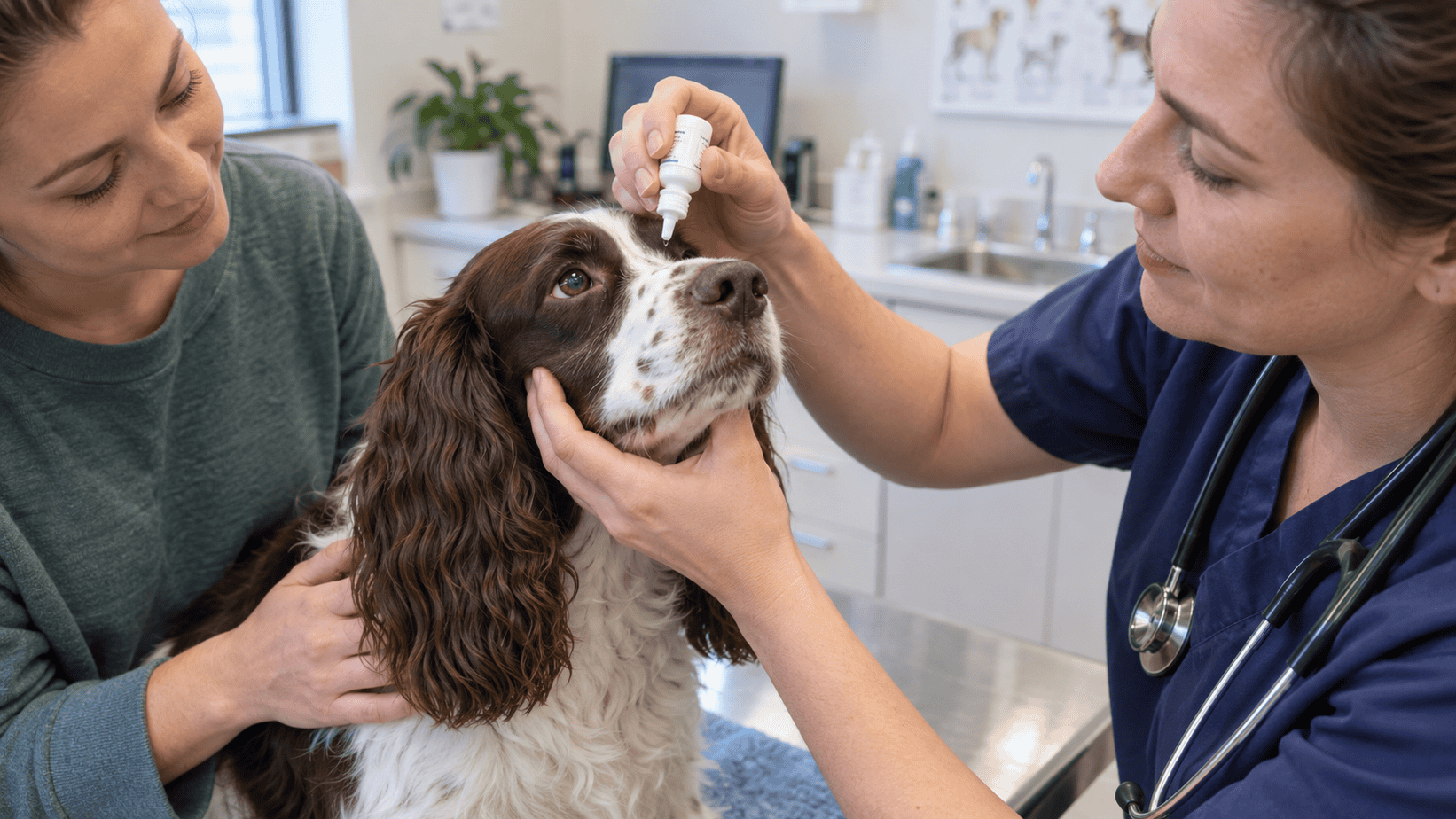
    dog getting eye drops in eye

    When should you use Eye Drops on your dog?

    If you’re a dog owner, then you know how important it is to have an arsenal of tools at your disposal for keeping your furry friend healthy. While it’s not advisable to use Visine on dogs, there are some eye drops that are safe for dogs.

    Allergies

    Like humans, dogs can suffer from allergies. They can be allergic to all sorts of things: pollen, dust mites, certain foods, and even other pets.

    When a dog has an allergic reaction, one of the symptoms can be red and irritated eyes. In this case, using Visine can help ease the discomfort.

    It’s important to note that if your dog has seasonal allergies or is prone to allergies in general, you should consult with a vet before using any medication. Your vet may recommend a different type of eye drop that’s better suited (than Visine) for your dog’s needs.

    Infections

    Another situation where using Visine on your dog might be appropriate is if they have an eye infection. An eye infection can cause redness and discharge from the eye, which can be uncomfortable for your pet.

    If you suspect that your dog has an eye infection, it’s important to take them to the vet as soon as possible. Your vet will be able to diagnose the problem and recommend the best course of treatment.

    Foreign Objects

    Sometimes dogs get foreign objects stuck in their eyes – like dirt or sand – which can cause irritation and inflammation. If this happens, using an eye drop may help flush out the foreign object and soothe your pet’s irritated eyes.

    However, if you suspect that there might be something lodged in your dog’s eye, it’s important to take them to the vet right away. Trying to remove the object yourself could cause further damage.

    Cleaning

    You might consider using eye drops or saline flush on your dog’s eyes as a way of cleaning them. This can be especially helpful for dogs that have wrinkles around their eyes or those that are prone to tear stains. If you do use Visine for this purpose, make sure to use a clean cotton ball or soft cloth each time.

    And again, if your dog seems like they’re in pain or discomfort consult with a vet. In general, it’s important to use caution when using any sort of medication on your dog.

    australian shepherd getting eye flushed with saline

    Alternative Treatments for Dogs

    As a dog owner, you always want to provide the best care possible for your furry friend. Sometimes, however, it can be difficult to know the best course of action when your dog experiences an eye-related issue. While Visine may seem like a quick fix, there are other treatment options that are safe and effective for dogs.

    Natural Remedies

    One natural remedy that can be used as an alternative to Visine is chamomile tea. Chamomile has anti-inflammatory properties that can help soothe redness and irritation in your dog’s eyes. To use chamomile tea as a treatment option, simply steep two teabags in hot water and let it cool down.

    Once cooled, take a cotton ball or soft cloth and dip it into the tea. Gently wipe around your dog’s eyes with the soaked cotton ball or cloth.

    Another natural remedy is saline solution which can be easily made at home by dissolving ¼ teaspoon of salt into one cup of boiled water. Once cooled down, apply with a sterile dropper and administer 1-2 drops into each eye every few hours until symptoms disappear.

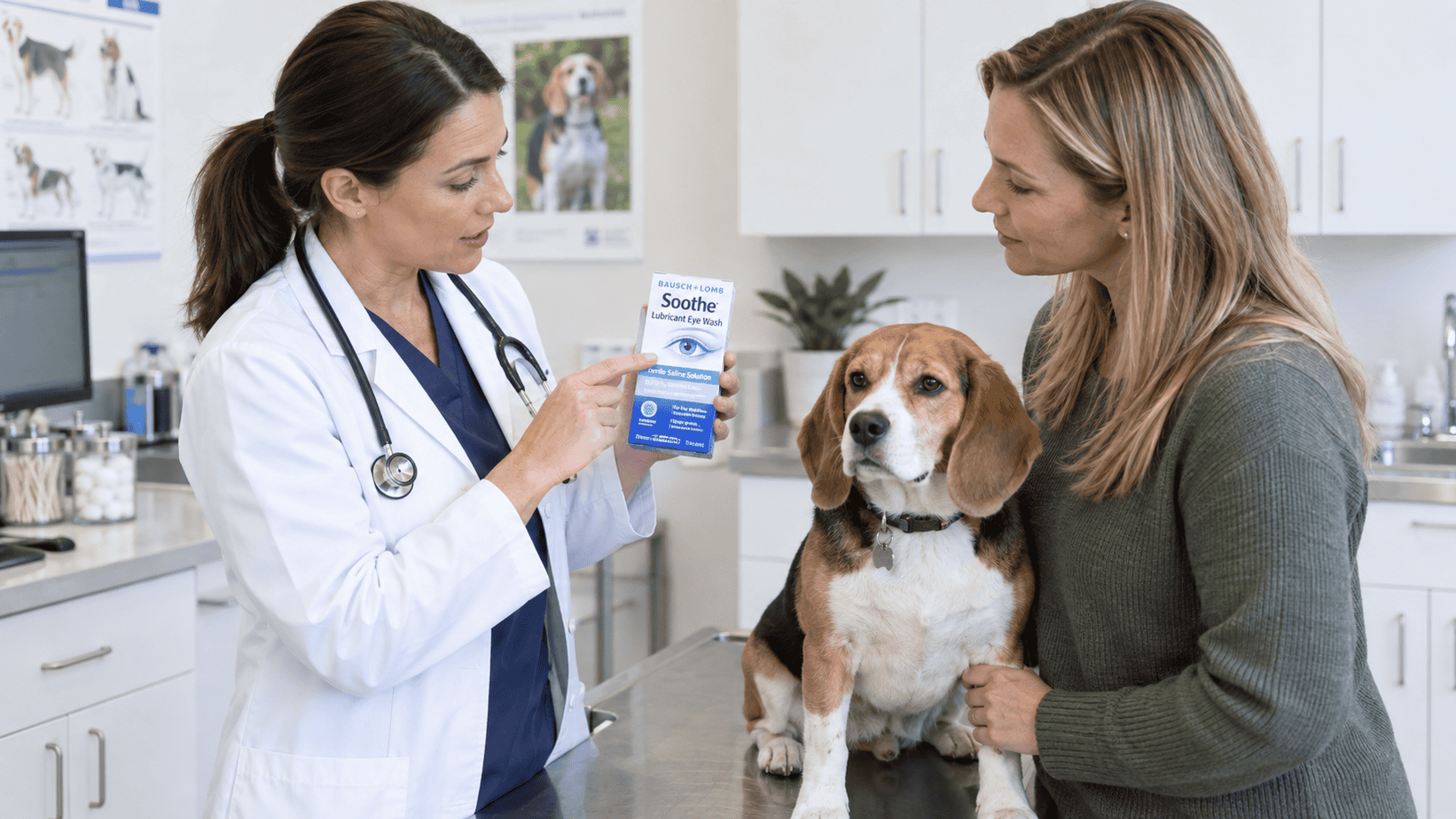
    spaniel type dog with lubrithal and genteal tears eye gel

    Over-The-Counter Medications

    If natural remedies aren’t quite cutting it, there are over-the-counter medications available that are safe for dogs. Artificial tears such as Lubrithal and GenTeal lubricant eye gel are both effective options when treating dry or irritated eyes in dogs.

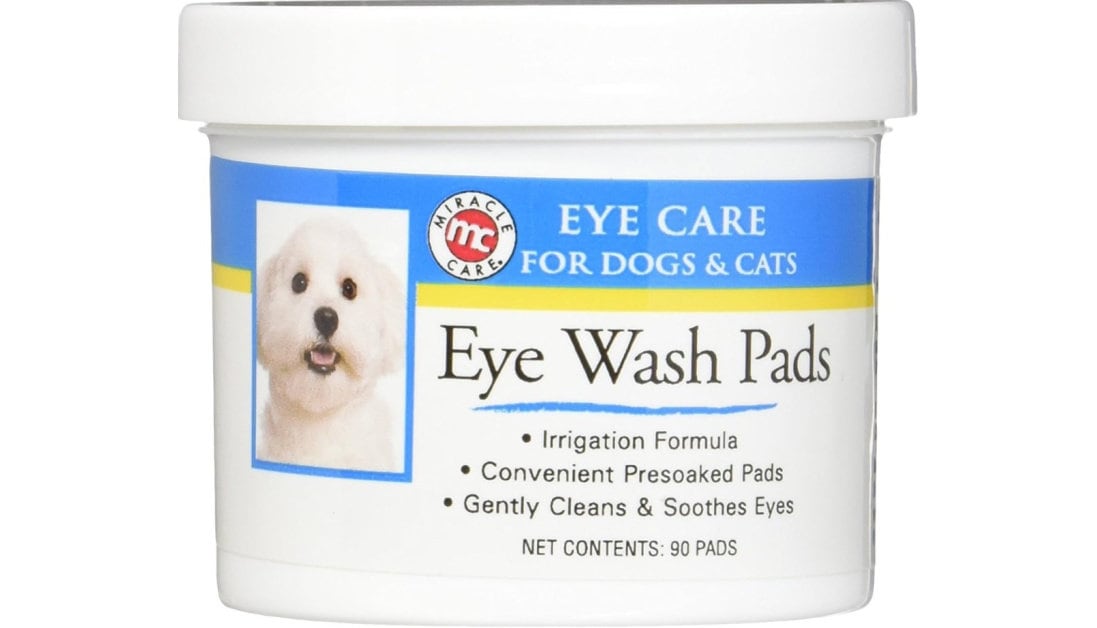
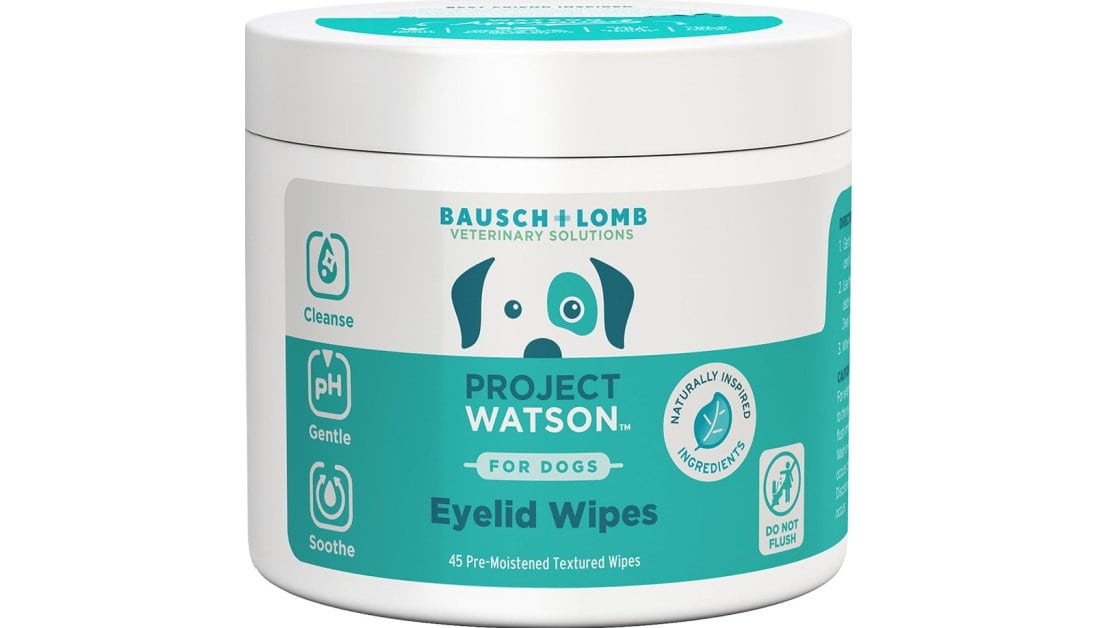
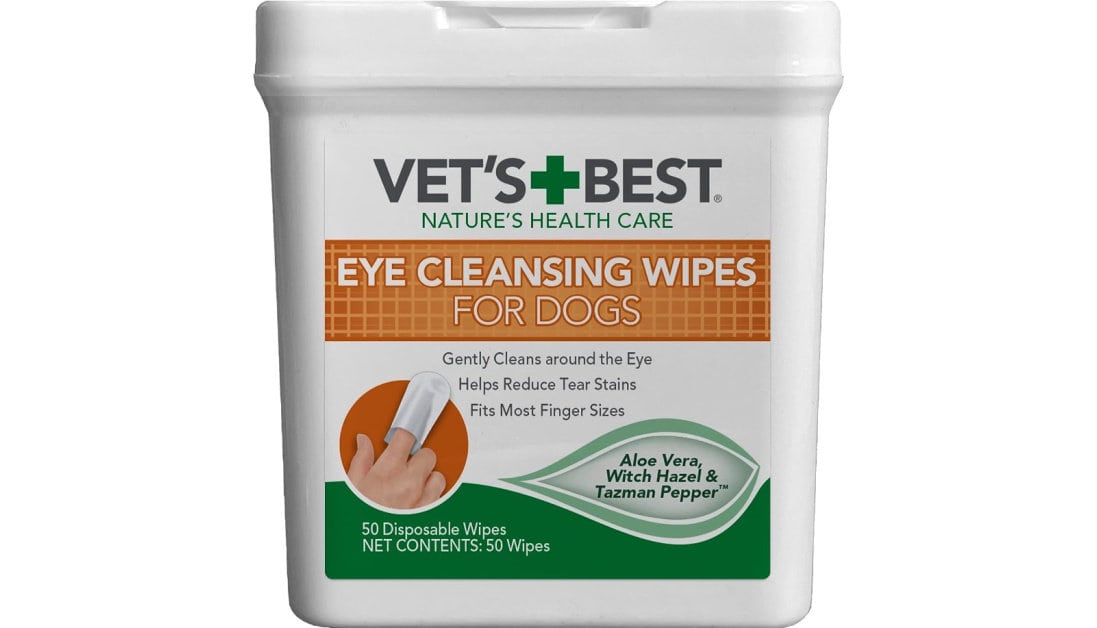
    Alternatively, you could look out for an eyewash solution specifically designed for dogs like Optixcare Eye Cleaning Wipes or Tropiclean Spa Tear Stain Remover which will help remove tear stains buildup around your dog’s eyes while soothing them gently without any harsh chemicals. If you’re unsure about what medication to choose or how to administer them consult with vet first.

    When to Seek Professional Help

    It’s important to note that while these alternative treatments can be effective for minor eye-related issues, you should seek professional help if your dog is experiencing any severe symptoms such as redness, swelling, discharge or pain. A veterinarian will be able to diagnose the underlying issue and provide the best course of treatment.

    Additionally, if your dog experiences chronic eye problems, it may be a sign of a more serious issue such as an autoimmune disorder or allergies. In this case, it’s important to have them examined by a veterinary ophthalmologist.

    The Importance of Seeking Professional Help

    While Visine may seem like an easy solution for your dog’s eye problems, it’s important to remember that dogs are not humans and their eyes require different care. Using human medication on dogs without proper knowledge can cause serious harm and worsen any pre-existing condition.

    It is always recommended that you consult with your veterinarian before administering any medication or treatment option. This ensures that you provide the best possible care for your furry friend and avoid any potential risks or harm.

    dog getting eye drops administered

    How to Properly Administer Eye Drops to Your Dog

    The Importance of Proper Administration

    Administering eye drops to your dog can be a daunting task. However, it is important to do so correctly in order to ensure that the medication is effective and that your dog is comfortable throughout the process.

    Improper administration can cause discomfort, infection or injury to your dog’s delicate eyes. Therefore, it is essential that you take the time to learn how to properly administer eye drops.

    Step-by-Step Instructions

    1. Begin by washing your hands thoroughly with soap and water.
    2. Use one hand to hold your dog’s head steady while using the other hand to lift their eyelid gently.
    3. Hold the bottle of eye drops directly over the eye and apply only one drop at a time into the lower part of the inner eyelid.
    4. Gently release your hold on their head and allow them to blink several times which will help distribute the medication over their eyes.
    5. Repeat steps 2-4 for any additional drops as instructed by your veterinarian.

    Tips and Tricks for Making It Easier

    Administering eye drops can be challenging but there are several tips and tricks which can make this process easier for both you and your furry friend:

    1. Have someone assist you: If possible, ask another person who is comfortable with handling dogs for assistance while administering medication.
    2. Use treats: Provide treats before, during, or after giving medication as positive reinforcement for cooperation from your pup!
    3. Stay calm: Dogs feed off our energy so staying calm throughout this process will help keep them relaxed too!
    4. Practice makes perfect: Practice administering eye drops when medication isn’t necessary yet so that when it becomes necessary, both you and pup already know what’s going on!
    5. Reward afterward: Once the process has been completed, reward your dog with a treat and lots of love to make them more comfortable with the next administration.

    Conclusion

    Administering eye drops is essential for your dog’s health. By properly administering eye drops, you can ensure that your furry friend is getting the proper medication they need to keep their eyes healthy.

    Remember to stay calm and reward your dog with treats after each administration as positive reinforcement. If you are having trouble administering eye drops or have any concerns about medication, speak with your veterinarian for further guidance.

    Eye drops should always be given with care and attention to ensure that they are not causing further harm to your pet. Remember that there are plenty of alternatives to using Visine on dogs.

    Natural remedies such as chamomile tea bags or saline solution can work wonders for reducing inflammation and soothing irritable eyes. There are also over-the-counter medications specifically formulated for dogs that can help with various eye conditions.

    While it may seem like a quick fix, using Visine on your dog’s eyes should only be done under the guidance of a veterinarian. Your pup’s health should always come first, and taking the time to understand their needs will ensure that they live happy and healthy lives!

  • Rottweiler Eye Health – Conditions & Solutions From Vet

    Rottweiler Eye Health – Conditions & Solutions From Vet

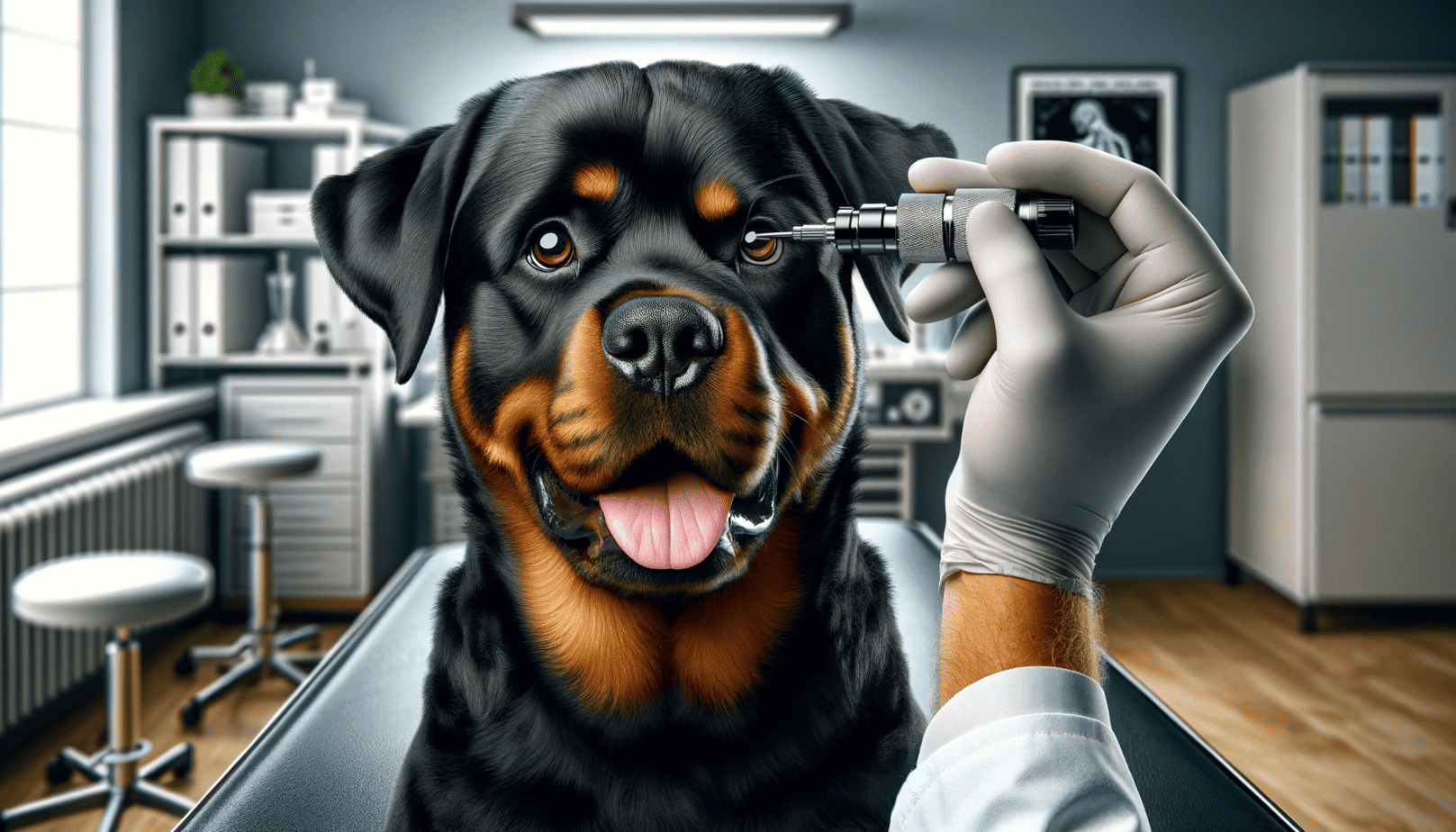
    rottweiler eye health

    As a holistic veterinarian, I understand the bond between you and your Rottweiler is one of a kind. You want the best for your furry friend, and that includes ensuring their eyes are in top-notch condition. However, Rottweilers, like many other breeds, are prone to specific eye health issues. Don’t worry, though; I’m here to guide you through the maze of Rottweiler Eye Health – Conditions & Solutions From Vet.

    Our journey will start with understanding the unique eye structure of Rottweilers, which makes them susceptible to certain eye conditions. We’ll then explore common eye diseases in Rottweilers, their symptoms, and available veterinary solutions. Prevention is better than cure, so I’ll share some tips on how to prevent these conditions, including dietary changes and environmental hygiene.

    And because I believe in a holistic approach, we’ll also discuss the benefits of whole-food-based nutritional supplements and how they can boost your Rottweiler’s eye health. Lastly, I’ll provide some practical Rottweiler eye care tips that you can easily incorporate into your daily routine. So, whether you’re a new Rottweiler parent or a seasoned one, this guide is sure to help you keep your dog’s eyes healthy and vibrant. Let’s get started!

    Understanding Rottweiler Specific Eye Structure

    As a devoted Rottweiler parent, understanding your canine companion’s unique eye structure is critical in ensuring their optimal eye health. Rottweilers, like other dog breeds, have a distinctive eye anatomy that influences their vision and susceptibility to certain eye conditions. This knowledge will empower you to better manage their eye health, identify potential problems early, and seek appropriate solutions from your vet.

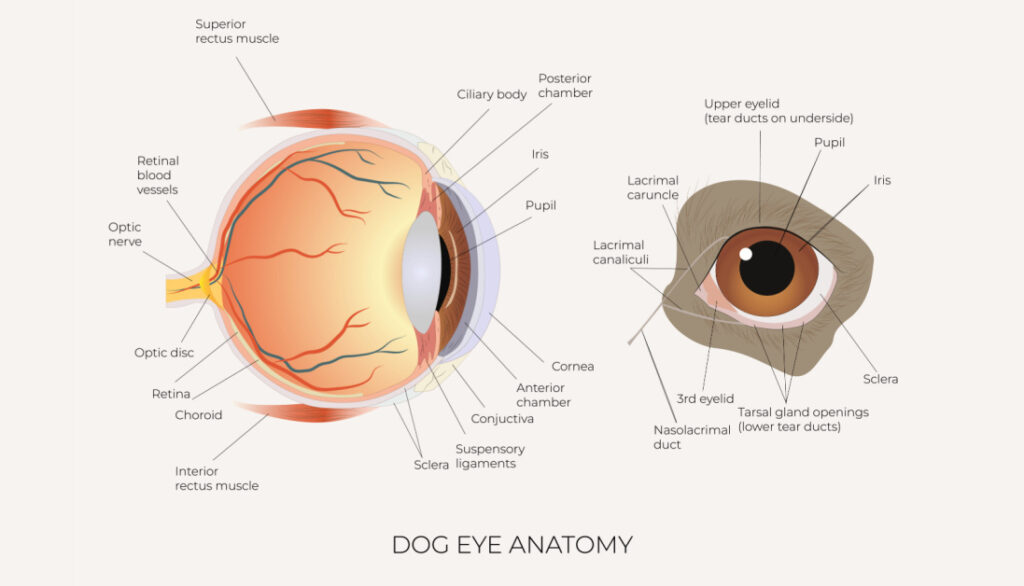
    Rottweilers have medium-sized, almond-shaped eyes that are usually dark brown. Their eye structure includes several parts: cornea, iris, lens, retina, and optic nerve. The cornea, a clear layer at the front, allows light into the eye. The iris, the colored part, controls the amount of light that enters by adjusting the size of the pupil. The lens focuses light on the retina, which contains photoreceptor cells that convert light into electrical signals. These signals are then transmitted to the brain via the optic nerve.

    While all dogs share these basic eye structures, Rottweilers have some unique characteristics. Their eyes are set deeply, which gives them a distinct appearance but also makes them prone to certain eye conditions. Their eyes are also somewhat prominent, which can make them susceptible to injuries. Understanding these unique features can help you better monitor your Rottweiler’s eye health and detect any unusual changes early.

    Importance of Eye Structure in Rottweiler Eye Health

    The specific eye structure of Rottweilers has implications for their eye health. Their deep-set eyes can make it challenging to spot early signs of eye issues. Similarly, their somewhat prominent eyes can put them at a higher risk of eye injuries. Therefore, understanding their eye structure is key to recognizing symptoms of eye diseases, seeking timely veterinary solutions, and implementing preventive measures.

    Moreover, some eye conditions are linked to structural abnormalities. For instance, entropion, where the eyelid rolls inward, is a common condition in Rottweilers. Being aware of these structural peculiarities can help you spot potential problems early and seek appropriate treatment for your Rottweiler.

    Understanding your Rottweiler’s eye structure is the first step towards ensuring their eye health. It’s the foundation for recognizing signs of eye diseases and seeking timely, effective veterinary solutions. Remember, your vet is always there to help you navigate through this journey of maintaining your Rottweiler’s eye health.

    dog eye anatomy

    Common Eye Issues In Rottweilers

    As a veterinarian, I often encounter a variety of eye problems in Rottweilers. These issues are diverse and can range from mild to severe. Understanding these conditions is crucial to maintaining your Rottweiler Eye Health and ensuring that they get the appropriate treatment when needed.

    One of the most common eye conditions in Rottweilers is Entropion. This condition causes the eyelids to roll inward, leading to irritation and possible injury to the eye. Symptoms include excessive tearing, squinting, and visible discomfort. If left untreated, it could lead to more severe issues such as corneal ulcers.

    Another prevalent condition is Progressive Retinal Atrophy (PRA). This is a genetic disorder that leads to the gradual degeneration of the retina, eventually resulting in blindness. Unfortunately, there’s no cure for PRA. However, with early diagnosis, you can help manage the condition and improve your Rottweiler’s quality of life.

    • Cataracts are also a common eye problem in Rottweilers. Similar to humans, this condition leads to a clouding of the lens, impairing vision and potentially leading to blindness if left untreated. Early detection is crucial as surgical intervention can help restore vision.
    • Cherry Eye is another condition that Rottweilers are prone to. This condition causes the gland in the third eyelid to become inflamed and protrude, resembling a cherry. Though it doesn’t typically cause pain, it can lead to secondary infections and dry eye if left untreated.

    Lastly, Corneal Dystrophy is a condition that affects the cornea, the clear front surface of the eye. This condition leads to the development of opaque spots on the cornea, which can impair vision. While it’s generally not painful, it can lead to discomfort and vision problems.

    As a responsible Rottweiler parent, it’s crucial to be aware of these conditions and to regularly monitor your dog’s eye health. Regular vet check-ups are essential in detecting any of these conditions early. Remember, early detection and treatment are key to managing these Rottweiler Eye Health – Conditions & Solutions From Vet.

    Prevention of Eye Problems in Rottweilers

    Ensuring your Rottweiler gets the right nutrients for optimal eye health is essential for maintaining clear vision and preventing age-related issues. Natural, nutrient-rich foods and supplements can play a key role in supporting their eyesight. From vitamin A-packed freeze-dried liver treats to antioxidant-rich blueberries and targeted supplements like Eyeplex by Standard Process, there are several ways to nourish your dog’s eyes. In this section, we’ll explore how these powerful ingredients contribute to long-term vision health and overall well-being.

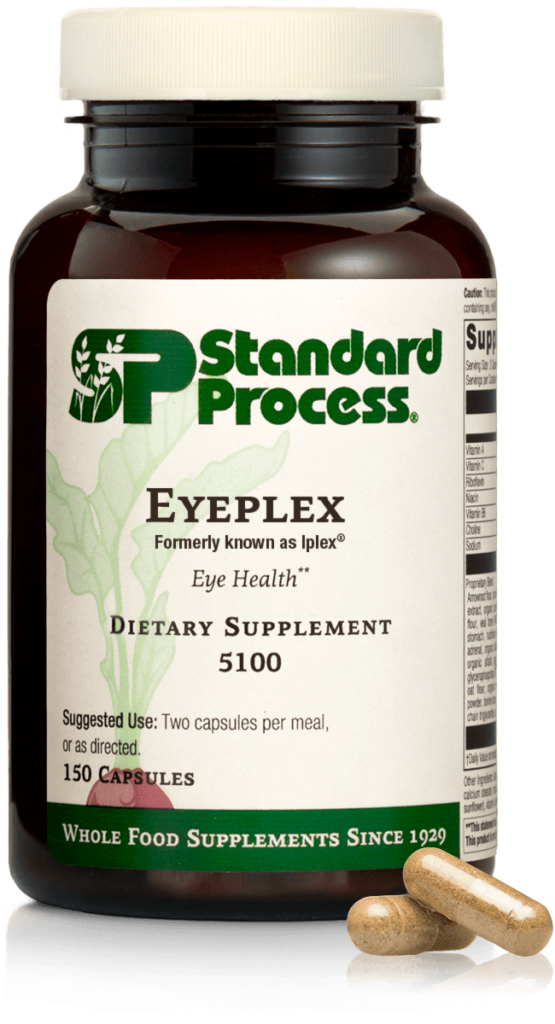
    Eyeplex by Standard Process

    Eyeplex by Standard Process is a specialized supplement designed to support your Rottweiler’s eye health with a blend of essential nutrients. Formulated with key vitamins, minerals, and antioxidants, Eyeplex helps protect against oxidative stress, supports retinal function, and promotes overall vision health. Ingredients like vitamin A, vitamin C, and zinc contribute to maintaining strong eyesight, while whole food ingredients provide additional phytonutrients for cellular protection. Adding Eyeplex to your Rottweiler’s diet can be especially beneficial for aging dogs or breeds prone to eye conditions, offering targeted nutritional support to keep their vision sharp and healthy for years to come.

    Eyeplex by Standard Process for dogs eye health

    Freeze-Dried Blueberries

    Freeze-dried blueberries are a powerhouse of antioxidants that can help protect your Rottweiler’s eyes from oxidative stress and age-related damage. Rich in vitamins C and E, as well as anthocyanins, these tiny but mighty berries help combat free radicals that can contribute to eye diseases like cataracts and macular degeneration. Incorporating freeze-dried blueberries into your dog’s diet provides a natural and delicious way to support retinal health, reduce inflammation, and promote overall vision longevity. Plus, they’re a low-calorie, dog-friendly treat that makes a great addition to a balanced diet for long-term eye health.

    Freeze Dried Blueberries for dog eye health

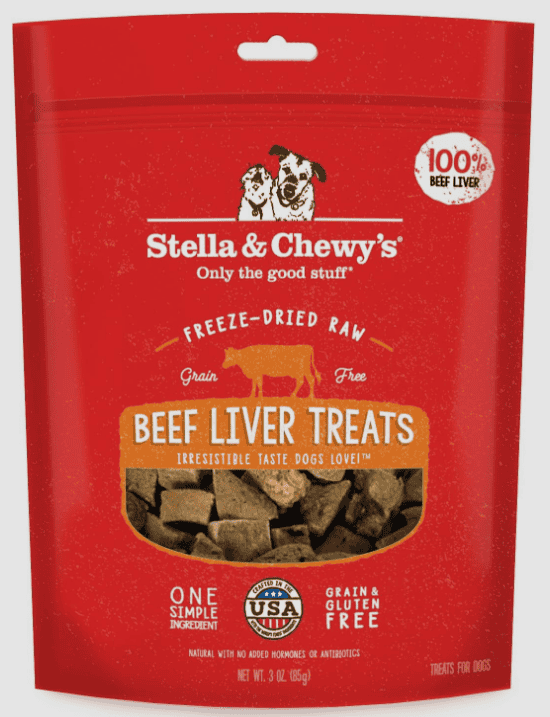
    Freeze-Dried Liver

    Freeze-dried liver treats are an excellent natural source of vitamin A, an essential nutrient for your Rottweiler’s eye health. Vitamin A plays a crucial role in maintaining good vision, especially in low-light conditions, while also supporting overall immune function and skin health. Since liver is rich in bioavailable vitamin A, incorporating freeze-dried liver treats into your dog’s diet provides a convenient and nutritious way to promote optimal eye function. Just be sure to feed them in moderation, as excessive vitamin A can lead to toxicity. Adding these nutrient-packed treats to your pup’s routine is a simple, tasty way to support their long-term vision and well-being!

    Freeze-dried beef liver for dogs eye health

    By prioritizing your Rottweiler’s eye health through a balanced diet and nutritional supplements, you can help prevent many common eye issues. These simple steps can go a long way in ensuring your pup’s eyes stay healthy and clear for years to come.

    Environmental Hygiene To Reduce Eye Problems

    As a Rottweiler parent, you already know how important it is to maintain a clean environment for your furry friend. This is especially true when it comes to Rottweiler eye health. Environmental hygiene can significantly reduce the risk of eye problems in your Rottweiler. Let’s discuss some key points.

    Indoor Air Quality

    Indoor air quality plays a crucial role in your Rottweiler’s eye health. Dust, pollen, and other airborne particles can irritate your Rottweiler’s eyes, leading to conditions like conjunctivitis and dry eye. Here are some tips to improve indoor air quality:

    • Regularly clean and vacuum your home to reduce dust and dander.
    • Consider using an air purifier to filter out allergens and other particles.
    • Keep windows closed during high pollen seasons.
    • Limit the use of chemical cleaning products that can irritate your Rottweiler’s eyes.

    Sprays, Diffusers, Candles, Incense

    While these items can make your home smell lovely, they can also irritate your Rottweiler’s eyes. The chemicals in sprays, diffusers, candles, and incense can cause redness, itching, and other eye problems. Here’s what you can do:

    • Avoid using these products in the same room as your Rottweiler.
    • If you must use them, ensure your Rottweiler has access to a well-ventilated area.
    • Opt for natural, unscented products whenever possible.

    Remember, your Rottweiler’s eyes are sensitive, and what doesn’t bother you might bother them. By maintaining a clean, allergen-free environment, you can help keep your Rottweiler’s eyes healthy and reduce the risk of eye problems. Always consult with a vet if you notice any changes in your Rottweiler’s eye health.

    Routine Rottweiler Eye Care & Maintenance

    Caring for your Rottweiler’s eyes is an essential part of maintaining their overall health. It’s not just about treating existing problems but also about preventing potential issues. Here are some tips for routine Rottweiler eye care and maintenance.

    Daily & Weekly Care & Maintenance

    Regular eye care is crucial for your Rottweiler’s eye health. Daily, ensure to check your dog’s eyes for any signs of redness, cloudiness, or discharge. If you notice any of these signs, it’s best to consult your vet immediately.

    Weekly, clean your Rottweiler’s eyes using a damp cloth or a pet-friendly eye wipe, wiping from the inner corner of the eye outward. Never use soap or shampoo near your pet’s eyes as these can cause irritation. Always remember to be gentle as the eye area is sensitive.

    Monitor Hair Length, Nail Length, Bath Frequency

    Keeping your Rottweiler’s hair trimmed, especially around the eyes, can help prevent eye irritation and infections. Long hair can poke and scratch the eye, leading to discomfort and potential injuries. Regular haircuts by a professional groomer can help keep your dog’s hair at a safe length.

    Similarly, keeping your dog’s nails trimmed can prevent them from scratching their eyes. Regular nail trims, either at home or by a professional, can help keep your Rottweiler’s nails at a manageable length.

    Bath frequency is another factor to consider in your Rottweiler’s eye care. Too frequent baths can dry out your dog’s skin and eyes, leading to irritation. On the other hand, infrequent baths might lead to a buildup of dirt and bacteria, which can cause infections. Find a balance that works best for your dog, considering factors like their lifestyle, activity level, and skin condition.

    Incorporating these practices into your routine can go a long way in maintaining your Rottweiler’s eye health. Remember, regular vet checks are also essential to catch any potential eye problems early. With proper care and attention, you can help ensure your Rottweiler’s eyes stay healthy and clear.

    Frequently Asked Questions

    1. What are common eye conditions in Rottweilers?

    Rottweilers can be prone to various eye conditions such as cataracts, progressive retinal atrophy (PRA), entropion, and ectropion.

    2. How can I identify if my Rottweiler is suffering from an eye problem?

    Watch out for signs like excessive tearing, redness, swelling, discharge, squinting, cloudiness, or changes in the appearance of the eye. If you notice any of these symptoms, it is recommended to consult a veterinarian.

    3. Can eye conditions in Rottweilers be treated?

    Many eye conditions in Rottweilers can be managed or treated, depending on the specific condition. It is important to seek professional advice from a veterinarian who can provide appropriate treatment options.

    4. How can I prevent eye problems in my Rottweiler?

    To help prevent eye problems, it is crucial to maintain regular veterinary check-ups, keep the eyes clean and free from debris, avoid exposing your Rottweiler to harmful irritants, and provide a balanced diet with essential nutrients.

    5. Should I seek immediate veterinary care if my Rottweiler has an eye injury?

    Yes, any eye injury should be considered an emergency, and immediate veterinary care should be sought. Delaying treatment can lead to further complications and potential vision loss.

  • Yorkshire Terrier Eye Health – Conditions & Solutions From Vet

    Yorkshire Terrier Eye Health – Conditions & Solutions From Vet

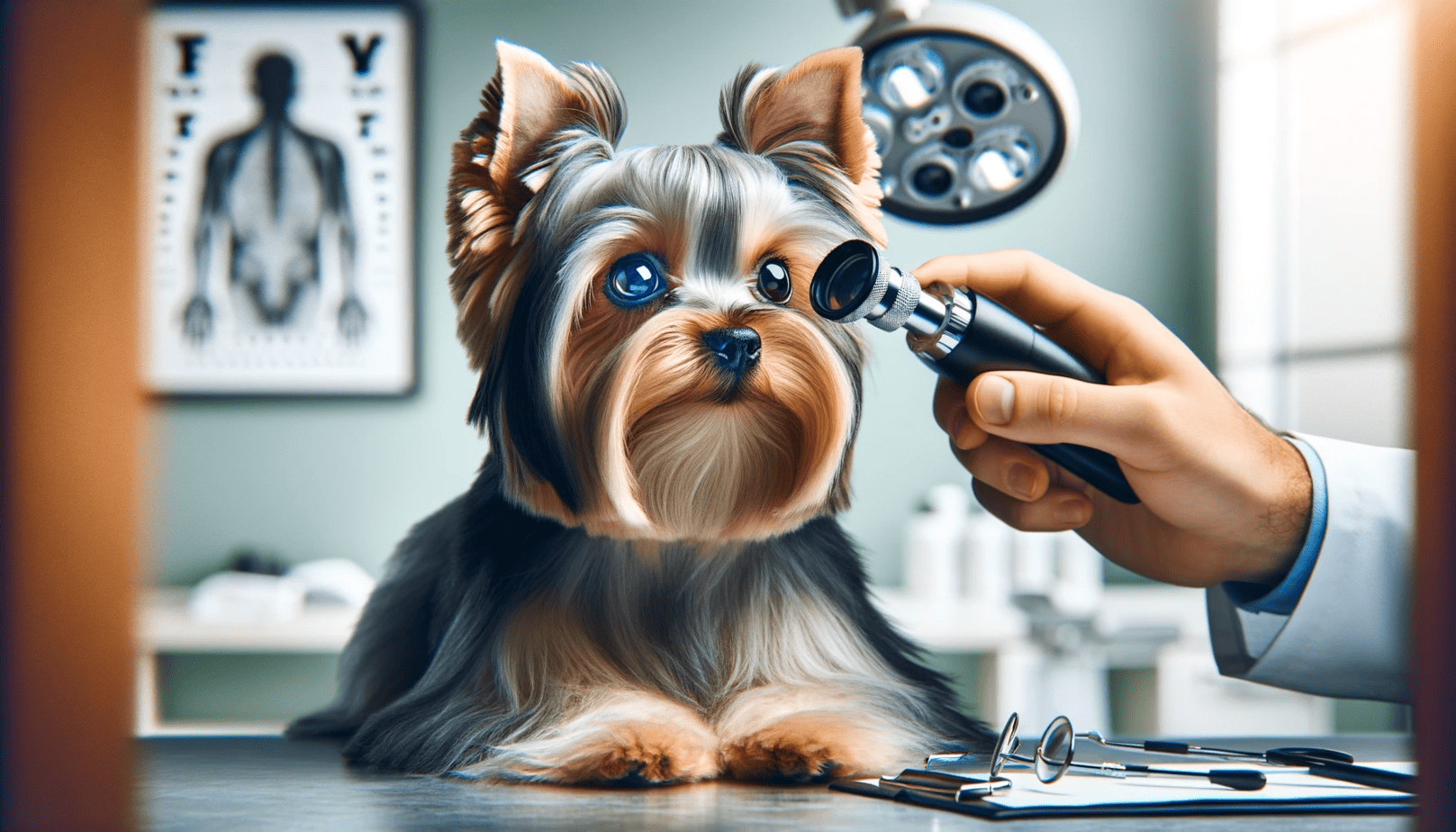
    Hi there, fellow dog parent! I’m Dr. Candy Akers, a holistic veterinarian with a particular interest in breed-specific health issues, like Yorkshire Terrier Eye Health. If you’re a pet parent to a Yorkshire Terrier, you’re probably well aware of their unique charm and spirited personality. However, you might also be aware that these little bundles of joy are prone to specific eye health issues.

    Understanding the eye structure of a Yorkshire Terrier, the common eye problems they face, and the vet-recommended solutions can help ensure your furry friend leads a healthy, happy life. In this article, we’ll explore the common eye conditions in Yorkshire Terriers, preventive measures you can take, and the importance of routine eye care and maintenance. We’ll also discuss the role of diet and environmental hygiene in maintaining your terrier’s eye health.

    Whether you’re dealing with Yorkshire Terrier Eye Diseases or just want to learn more about Yorkshire Terrier Eye Care, I’m here to provide the information you need. So, let’s get started on this journey towards better understanding and caring for your Yorkshire Terrier’s eyes!

    yorkie eye health

    Understanding Rottweiler Specific Eye Structure

    Unlocking the secrets of your Yorkshire Terrier’s unique eye structure is an essential first step in maintaining their overall eye health. This knowledge will empower you to detect any abnormalities early, and seek out the most effective vet solutions for Yorkshire Terrier eye problems.

    Yorkshire Terriers, fondly known as Yorkies, possess a pair of expressively large and bright eyes that significantly contribute to their endearing appearance. However, these beautiful eyes are not just for show; they serve a vital role in their daily activities and overall well-being.

    The eyes of a Yorkshire Terrier are round and set straight in the skull, providing them with a wide field of vision. Their eyes are typically dark in color, with the iris – the colored part of the eye – often matching their coat. The cornea, the clear front surface of the eye, is slightly protruding, making it more prone to injuries and infections.

    The tear film is another critical component of a Yorkie’s eye. It consists of three layers – an inner mucus layer, a middle watery layer, and an outer oily layer. This tear film is responsible for keeping the eyes moist, providing nutrients to the cornea, and protecting the eyes from infection. Any disruption to the tear production can lead to dry eyes, a common issue in this breed.

    Yorkies also have a third eyelid, also known as the nictitating membrane, which is a thin tissue located in the corner of the eye. This third eyelid serves as an extra layer of protection, helping to keep the eye clean and moist.

    Now that we’ve covered the basics of Yorkshire Terrier eye structure, let’s delve into some of the common eye issues that this breed may encounter, and how you can help prevent them.

    dog eye anatomy

    Common Eye Issues In Yorkshire Terrier

    As a veterinarian, I often encounter certain eye problems that are more common in Yorkshire Terriers. Understanding these conditions can help you keep an eye out for early signs and seek timely treatment. Here are some of the most common eye health issues in Yorkshire Terriers:

    1. Dry Eye (Keratoconjunctivitis Sicca)

    This is a condition where the tear glands do not produce enough tears to keep the eyes lubricated. Symptoms include redness, discharge, and a constant effort to scratch or rub the eyes. If left untreated, it can lead to more serious conditions like corneal ulcers.

    2. Progressive Retinal Atrophy (PRA)

    PRA is a genetic condition that causes the photoreceptor cells in the eye to deteriorate over time, leading to blindness. Early symptoms include difficulty seeing in low light or at night.

    3. Cataracts

    Just like in humans, cataracts in Yorkshire Terriers involve clouding of the eye lens, resulting in blurry vision. You might notice a cloudy or whitish appearance in your pet’s eyes.

    4. Distichiasis

    This condition involves the growth of extra eyelashes from the oil glands of the dog’s eye. These extra lashes can rub against the cornea, causing irritation and discomfort.

    5. Entropion

    Entropion is a condition where the eyelids roll inwards, causing the eyelashes to rub against the cornea, leading to discomfort, redness, and potential vision loss if left untreated.

    While these are common Yorkshire Terrier Eye Health – Conditions, it’s important to remember that early detection is crucial. Regular vet check-ups can help diagnose these conditions in their early stages, and there are many effective Solutions From Vet for these eye issues. Treatment options can vary from eye drops and ointments to surgical interventions, depending on the severity of the condition.

    Nourishing Your Dog’s Vision: Essential Nutrients for Eye Health

    Ensuring your Yorkshire Terrier gets the right nutrients for optimal eye health is essential for maintaining clear vision and preventing age-related issues. Natural, nutrient-rich foods and supplements can play a key role in supporting their eyesight. From vitamin A-packed freeze-dried liver treats to antioxidant-rich blueberries and targeted supplements like Eyeplex by Standard Process, there are several ways to nourish your dog’s eyes. In this section, we’ll explore how these powerful ingredients contribute to long-term vision health and overall well-being.

    Eyeplex by Standard Process

    Eyeplex by Standard Process is a specialized supplement designed to support your Yorkshire Terrier’s eye health with a blend of essential nutrients. Formulated with key vitamins, minerals, and antioxidants, Eyeplex helps protect against oxidative stress, supports retinal function, and promotes overall vision health. Ingredients like vitamin A, vitamin C, and zinc contribute to maintaining strong eyesight, while whole food ingredients provide additional phytonutrients for cellular protection. Adding Eyeplex to your Yorkshire Terrier’s diet can be especially beneficial for aging dogs or breeds prone to eye conditions, offering targeted nutritional support to keep their vision sharp and healthy for years to come.

    Eyeplex by Standard Process for dogs eye health

    Freeze-Dried Blueberries

    Freeze-dried blueberries are a powerhouse of antioxidants that can help protect your Yorkshire Terrier’s eyes from oxidative stress and age-related damage. Rich in vitamins C and E, as well as anthocyanins, these tiny but mighty berries help combat free radicals that can contribute to eye diseases like cataracts and macular degeneration. Incorporating freeze-dried blueberries into your dog’s diet provides a natural and delicious way to support retinal health, reduce inflammation, and promote overall vision longevity. Plus, they’re a low-calorie, dog-friendly treat that makes a great addition to a balanced diet for long-term eye health.

    Freeze Dried Blueberries for dog eye health

    Freeze-Dried Liver

    Freeze-dried liver treats are an excellent natural source of vitamin A, an essential nutrient for your Yorkshire Terrier’s eye health. Vitamin A plays a crucial role in maintaining good vision, especially in low-light conditions, while also supporting overall immune function and skin health. Since liver is rich in bioavailable vitamin A, incorporating freeze-dried liver treats into your dog’s diet provides a convenient and nutritious way to promote optimal eye function. Just be sure to feed them in moderation, as excessive vitamin A can lead to toxicity. Adding these nutrient-packed treats to your pup’s routine is a simple, tasty way to support their long-term vision and well-being!

    Freeze-dried beef liver for dogs eye health

    By prioritizing your Yorkshire Terrier’s eye health through a balanced diet and nutritional supplements, you can help prevent many common eye issues. These simple steps can go a long way in ensuring your pup’s eyes stay healthy and clear for years to come.

    In conclusion, maintaining your Yorkshire Terrier’s eye health goes beyond regular vet check-ups. A balanced, nutrient-rich diet and the right supplements can go a long way in preventing common eye issues. Always remember to consult with a vet for personalized advice suited to your pet’s needs.

    Environmental Hygiene To Reduce Eye Problems

    One of the most effective ways to maintain your Yorkshire Terrier’s eye health is by ensuring a clean and safe environment. This includes monitoring the indoor air quality and being cautious about the use of sprays, diffusers, candles, and incense.

    Indoor Air Quality

    Yorkshire Terriers, like many small breeds, are sensitive to poor indoor air quality. Dust, smoke, and other airborne particles can irritate their eyes, leading to discomfort and potential health issues. Here are a few tips to improve the indoor air quality for your pup:

    • Regular Cleaning: Regular vacuuming and dusting can significantly reduce the amount of dust and other irritants in the air.
    • Air Purifiers: These devices can filter out many of the pollutants in the air. Choose one that’s designed to remove pet dander, dust, and other common allergens.
    • Proper Ventilation: Ensure your home is well-ventilated. Regularly open windows to let fresh air in and stale air out.

    Sprays, Diffusers, Candles, Incense

    While these items can make your home smell great, they can cause problems for your Yorkshire Terrier’s eyes. The chemicals used in many of these products can cause irritation and even lead to more serious eye conditions. Here’s how you can reduce the risk:

    • Use Natural Products: Opt for products made with natural ingredients. These are less likely to irritate your dog’s eyes.
    • Ensure Good Ventilation: If you must use these products, ensure the room is well-ventilated to disperse the chemicals.
    • Keep Out of Reach: Make sure these items are kept out of your dog’s reach to prevent accidental contact with the eyes.

    Remember, your Yorkshire Terrier’s eye health is largely dependent on the environment they live in. By ensuring a clean, safe, and healthy environment, you can help prevent many common eye issues. Always consult with a vet if you notice any changes in your dog’s eyes or behavior.

    Routine Yorkshire Terrier Eye Care & Maintenance

    Caring for your Yorkshire Terrier’s eyes is an integral part of their overall health. Regular eye care and maintenance can help prevent the development of common eye diseases and ensure that your little friend’s eyes remain bright and healthy. Here’s how to do it:

    Daily & Weekly Care & Maintenance

    Consistent daily and weekly care is the key to maintaining your Yorkshire Terrier’s eye health. Start by checking their eyes every day for any signs of redness, discharge, or discomfort. If your pup is constantly scratching or pawing at their eyes, it might be an indication of an underlying issue that needs veterinary attention.

    Regularly cleaning your Yorkshire Terrier’s eyes is also essential. Use a clean, damp cloth or a pet-safe eye wipe to gently remove any crust or discharge from the corners of their eyes. Be careful not to touch the eye surface directly to avoid causing any injury.

    Once a week, examine your Yorkshire Terrier’s eyes in a well-lit room. Look for any changes in the eye’s appearance, such as cloudiness, color changes, or swelling. If you notice anything unusual, don’t hesitate to consult your vet.

    Monitor Hair Length, Nail Length, Bath Frequency

    The long, silky hair of a Yorkshire Terrier is one of their defining features, but it can also cause eye irritation if allowed to grow too long and fall into their eyes. Regularly trimming the hair around their eyes can help prevent this. You can either do this yourself with a pair of blunt-nose scissors or take your pup to a professional groomer.

    Keeping your Yorkshire Terrier’s nails trimmed is also important for their eye health. Overgrown nails can lead to accidental scratches and injuries to the eye. Aim to trim your pet’s nails every 3-4 weeks.

    Lastly, consider your Yorkshire Terrier’s bath frequency. While baths are necessary for overall hygiene, excessive bathing can lead to dry eyes. Try to limit baths to once a month and always avoid getting shampoo or water in your pet’s eyes. Always use a dog-specific shampoo that is gentle on their eyes.

    Remember, your Yorkshire Terrier’s eyes are delicate and require regular care to stay healthy. By incorporating these steps into your pet care routine, you can help ensure that your little furball’s eyes remain clear, bright, and disease-free.

    Frequently Asked Questions

    1. What are common eye conditions that Yorkshire Terriers may experience?

    Yorkshire Terriers are prone to various eye conditions such as cataracts, dry eye (keratoconjunctivitis sicca), glaucoma, and progressive retinal atrophy.

    2. How can I prevent eye problems in my Yorkshire Terrier?

    To prevent eye problems, it is important to maintain good hygiene by regularly cleaning your Yorkshire Terrier’s eyes and surrounding areas. Avoid exposing them to irritants such as smoke or chemicals. Regular visits to the vet for check-ups are also crucial.

    3. What are the signs that my Yorkshire Terrier may have an eye problem?

    Signs of eye problems in Yorkshire Terriers include redness, excessive tearing, discharge, squinting, cloudiness, frequent pawing or rubbing of the eyes, and changes in behavior or vision.

    4. Can I use over-the-counter eye drops for my Yorkshire Terrier’s eye condition?

    No, it is not recommended to use over-the-counter eye drops without consulting a veterinarian. Some eye drops may contain ingredients that can worsen the condition or be harmful to your Yorkshire Terrier’s eyes.

    5. What should I do if I suspect my Yorkshire Terrier has an eye problem?

    If you suspect your Yorkshire Terrier has an eye problem, it is best to consult a veterinarian as soon as possible. They can properly diagnose the issue and provide appropriate treatment or recommendations.

  • Dachshund Eye Health – Conditions & Solutions From Vet

    Dachshund Eye Health – Conditions & Solutions From Vet

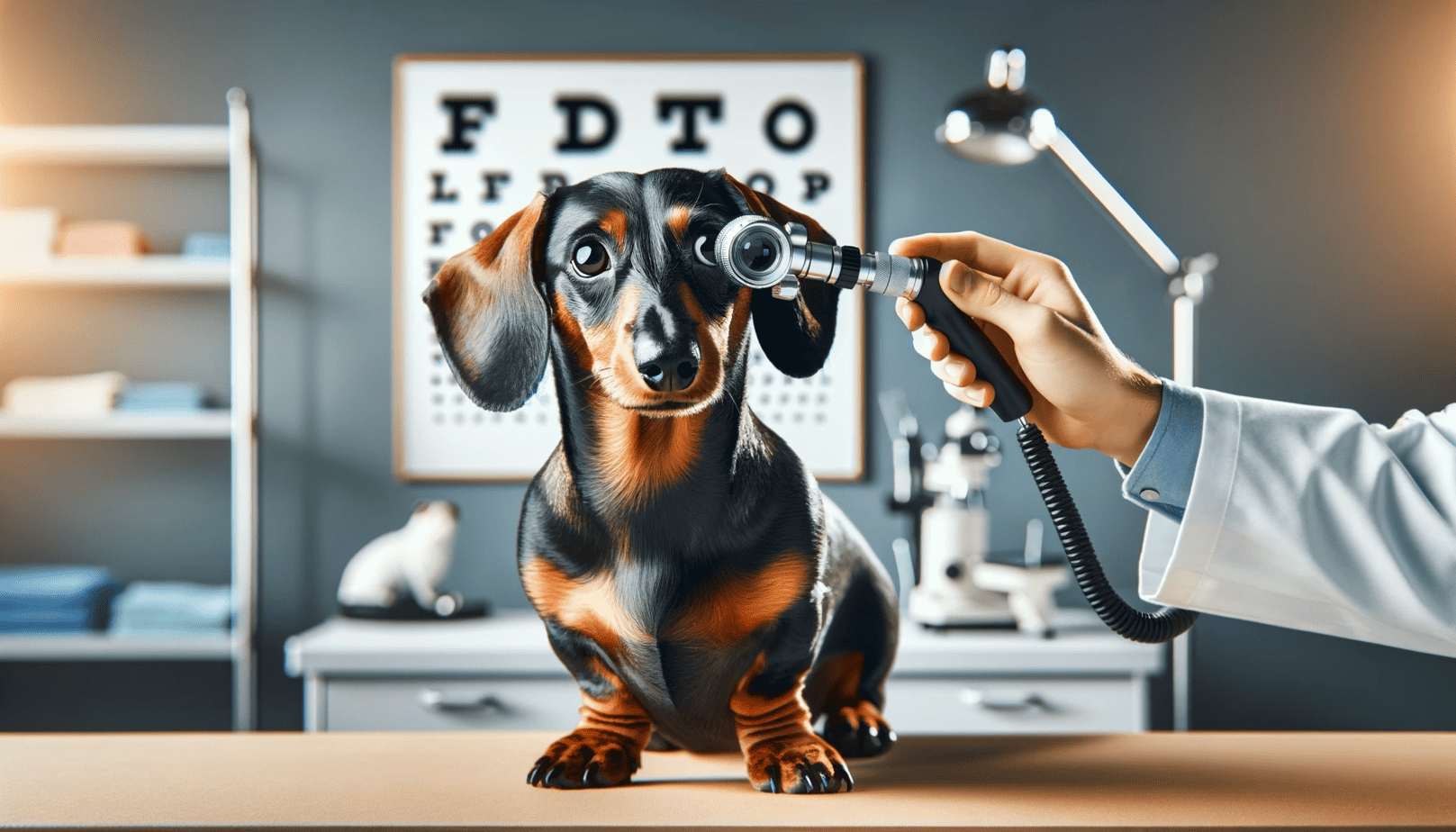
    Hi there, fellow dog lover! I’m Dr. Candy Akers, and I’m here to help you understand more about Dachshund Eye Health – Conditions & Solutions From Vet. As a holistic veterinarian, I’ve seen my fair share of Dachshunds with eye issues, and I know how heartbreaking it can be for you as a dog parent. But don’t worry, there’s hope!

    Did you know that Dachshunds have a unique eye structure that makes them more prone to certain eye conditions? It’s true! But the good news is, with the right care and a bit of preventive measures, many of these conditions can be managed, or even prevented altogether.

    From common eye diseases in Dachshunds to daily care tips, I’ll be sharing my veterinary solutions for keeping your Dachshund’s eyes healthy. We’ll also discuss the importance of a holistic diet, environmental hygiene, and routine care in maintaining your Dachshund’s eye health.

    So, if you’re ready to learn more about how to keep your Dachshund’s eyes bright and healthy, let’s get started!

    dachshund eye health

    Understanding Dachshund Specific Eye Structure

    Let’s delve into the unique eye structure of our beloved Dachshunds, as understanding it is the first step towards ensuring their optimal eye health. Dachshunds, like other breeds, have a typical canine eye structure consisting of the cornea, lens, iris, retina, and optic nerve. However, their distinctively elongated bodies and short legs, a characteristic known as ‘chondrodystrophy,’ can influence their eye health.

    The eyes of Dachshunds are slightly almond-shaped, set wide apart, and possess an intelligent, lively expression. They have a clear, bright, and sharp gaze, indicative of their alert and energetic nature. A healthy Dachshund eye should be clear, without any cloudiness or discharge.

    One unique aspect of the Dachshund’s eye structure is their proportionately large corneas, the clear outer layer of the eye. This large corneal surface area makes them more susceptible to injuries and certain eye conditions. The cornea serves as a protective barrier against dust, germs, and other harmful substances, but its large size in Dachshunds can make it more vulnerable to scratches or punctures.

    Dachshunds also have a prominent third eyelid, or ‘nictitating membrane,’ which provides additional protection to the eye. It helps keep the eye moist and clear of debris. However, this third eyelid can sometimes become inflamed or prolapsed, leading to a condition known as ‘cherry eye.’

    Understanding these unique aspects of the Dachshund’s eye structure is crucial for maintaining their eye health. It allows us to better identify potential risks and take preventative measures. As a holistic veterinarian, I always emphasize the importance of regular check-ups and early detection. By knowing what’s normal for your Dachshund’s eyes, you’ll be better equipped to spot any changes that could indicate a potential problem.

    As we continue our journey into Dachshund eye health, we’ll look at the common eye issues that Dachshunds face, how to prevent them, and the various solutions available. Remember, our goal is to ensure that your Dachshund’s eyes remain as bright, clear, and healthy as possible.

    dog eye anatomy

    Common Eye Issues In Dachshunds

    As a veterinarian, I often see Dachshunds facing certain eye health issues due to their unique eye structure. Understanding these conditions is crucial to maintaining your Dachshund’s eye health. Here are some common eye problems your Dachshund might encounter:

    Progressive Retinal Atrophy (PRA)

    Progressive Retinal Atrophy is a genetic condition that affects the photoreceptor cells in the eyes, leading to gradual blindness. It’s one of the most common Dachshund eye diseases. Unfortunately, there’s no cure for PRA, but early detection can help manage the condition and slow its progression.

    Cataracts

    Cataracts are another common eye condition in Dachshunds. They cause the lens of the eye to become cloudy, impairing vision. Cataracts can be surgically removed, restoring your Dachshund’s sight.

    Dry Eye Syndrome

    Dry Eye Syndrome, or Keratoconjunctivitis Sicca, results from inadequate tear production. This condition can lead to discomfort, corneal ulcers, and even blindness if left untreated. Thankfully, it is manageable with medication that stimulates tear production or substitutes for natural tears.

    Cherry Eye

    Cherry Eye is a condition where the gland of the third eyelid prolapses, creating a red, swollen mass that resembles a cherry. It can be corrected surgically, and early treatment can prevent further complications.

    Glaucoma

    Glaucoma is a serious condition that increases pressure within the eye, causing pain and potentially leading to blindness. Early detection and treatment are crucial to managing this disease and preserving your Dachshund’s vision.

    These are just a few of the common eye conditions in Dachshunds. Regular check-ups and prompt attention to any changes in your Dachshund’s eyes are essential for maintaining their eye health. As part of your Dachshund eye care, remember to consult your vet if you notice any changes in your pet’s eyes or behaviour. This will ensure that your Dachshund gets the best veterinary solutions for Dachshund eye health.

    Nourishing Your Dog’s Vision: Essential Nutrients for Eye Health

    Ensuring your Dachshund gets the right nutrients for optimal eye health is essential for maintaining clear vision and preventing age-related issues. Natural, nutrient-rich foods and supplements can play a key role in supporting their eyesight. From vitamin A-packed freeze-dried liver treats to antioxidant-rich blueberries and targeted supplements like Eyeplex by Standard Process, there are several ways to nourish your dog’s eyes. In this section, we’ll explore how these powerful ingredients contribute to long-term vision health and overall well-being.

    Eyeplex by Standard Process

    Eyeplex by Standard Process is a specialized supplement designed to support your Dachshund’s eye health with a blend of essential nutrients. Formulated with key vitamins, minerals, and antioxidants, Eyeplex helps protect against oxidative stress, supports retinal function, and promotes overall vision health. Ingredients like vitamin A, vitamin C, and zinc contribute to maintaining strong eyesight, while whole food ingredients provide additional phytonutrients for cellular protection. Adding Eyeplex to your Dachshund’s diet can be especially beneficial for aging dogs or breeds prone to eye conditions, offering targeted nutritional support to keep their vision sharp and healthy for years to come.

    Eyeplex by Standard Process for dogs eye health

    Freeze-Dried Blueberries

    Freeze-dried blueberries are a powerhouse of antioxidants that can help protect your Dachshund’s eyes from oxidative stress and age-related damage. Rich in vitamins C and E, as well as anthocyanins, these tiny but mighty berries help combat free radicals that can contribute to eye diseases like cataracts and macular degeneration. Incorporating freeze-dried blueberries into your dog’s diet provides a natural and delicious way to support retinal health, reduce inflammation, and promote overall vision longevity. Plus, they’re a low-calorie, dog-friendly treat that makes a great addition to a balanced diet for long-term eye health.

    Freeze Dried Blueberries for dog eye health

    Freeze-Dried Liver

    Freeze-dried liver treats are an excellent natural source of vitamin A, an essential nutrient for your Dachshund’s eye health. Vitamin A plays a crucial role in maintaining good vision, especially in low-light conditions, while also supporting overall immune function and skin health. Since liver is rich in bioavailable vitamin A, incorporating freeze-dried liver treats into your dog’s diet provides a convenient and nutritious way to promote optimal eye function. Just be sure to feed them in moderation, as excessive vitamin A can lead to toxicity. Adding these nutrient-packed treats to your pup’s routine is a simple, tasty way to support their long-term vision and well-being!

    Freeze-dried beef liver for dogs eye health

    By prioritizing your Dachshund’s eye health through a balanced diet and nutritional supplements, you can help prevent many common eye issues. These simple steps can go a long way in ensuring your pup’s eyes stay healthy and clear for years to come.

    Note: This advice is meant to complement, not replace, the advice of your veterinarian. Always consult your vet if you notice any changes in your pet’s behavior, appetite, or overall health.

    Environmental Hygiene To Reduce Eye Problems

    When it comes to maintaining your Dachshund’s eye health, environmental hygiene plays a crucial role. This involves ensuring that your home environment is clean and free of potential irritants that can harm your pet’s eyes. Let’s delve into some of the key areas to focus on.

    Indoor Air Quality

    Firstly, the quality of the air in your home can significantly impact your Dachshund’s eye health. Dust, smoke, and other airborne particles can irritate your dog’s eyes, leading to discomfort and potentially serious conditions like conjunctivitis. To improve indoor air quality:

    • Regularly clean and vacuum your home to reduce dust and dander.
    • Avoid smoking indoors as it can severely irritate your pet’s eyes.
    • Consider investing in an air purifier to remove potential airborne irritants.

    Sprays, Diffusers, Candles, Incense

    While we love our homes to smell pleasant, certain products like sprays, diffusers, candles, and incense can cause eye irritation in Dachshunds. These products often contain chemicals and particles that can irritate your dog’s eyes, leading to redness, itching, and even infections. Here’s how you can reduce this risk:

    • Use these products sparingly and ensure your pet is in a different room when using them.
    • Opt for pet-friendly products that are free from harsh chemicals.
    • Ensure your home is well-ventilated when using these products to prevent a buildup of irritants in the air.

    Remember, your Dachshund’s eyes are more sensitive than yours. Hence, it’s essential to create an environment that supports their Dachshund Eye Health.

    By maintaining a clean and safe environment, you can significantly reduce the risk of eye problems in your Dachshund. This, coupled with regular veterinary check-ups, will ensure your furry friend’s eyes remain healthy and bright.

    Routine Dachshund Eye Care & Maintenance

    When it comes to maintaining your Dachshund’s eye health, regular care and monitoring are essential. Much like us humans, these furry pals also require a routine to ensure their eyes are in top-notch condition. Let’s delve into the everyday care and maintenance that can help keep your Dachshund’s peepers healthy.

    Daily & Weekly Care & Maintenance

    Every day, take a moment to inspect your Dachshund’s eyes. They should be clear, bright, and free from discharge. If you observe any redness, swelling, or discharge, it might be a sign of an eye condition that requires immediate veterinary attention.

    Another crucial part of daily care is cleaning. Using a clean, damp cloth or a pet-safe eye wipe, gently clean around your Dachshund’s eyes to remove any dirt or discharge. Always be gentle and avoid touching the eyeball directly.

    Weekly, assess your Dachshund’s eyes in different light conditions. This could help you notice any changes in the eye’s appearance, like cloudiness or change in color, which could indicate potential eye issues.

    Monitor Hair Length, Nail Length, Bath Frequency

    Believe it or not, your Dachshund’s hair and nail length can affect their eye health. Long hair, particularly around the eyes, can irritate and cause infections. Regular grooming and trimming of the hair around the eyes can help prevent these issues.

    Similarly, long nails can scratch the eye area, leading to injuries or infections. Regular nail trims can help keep your Dachshund’s eyes safe from accidental scratches.

    Lastly, bath frequency is also essential. Over-bathing can dry out your Dachshund’s skin, including around the eyes, making them more susceptible to infections. On the other hand, under-bathing can lead to a buildup of dirt and bacteria. Finding a balanced bath routine that works for your Dachshund is vital for their overall eye health.

    In essence, maintaining your Dachshund’s eye health is a combination of regular care, monitoring, and grooming. Remember, if you notice any changes in your Dachshund’s eyes, it’s always best to consult with your vet. After all, their eyes are not just the window to their soul, but also an indicator of their overall health.

    Frequently Asked Questions

    • What are common eye conditions in Dachshunds?
      Common eye conditions in Dachshunds include cataracts, progressive retinal atrophy (PRA), dry eye (keratoconjunctivitis sicca), and glaucoma.
    • How can I prevent eye problems in my Dachshund?
      Regular veterinary check-ups, maintaining proper hygiene, avoiding exposure to irritants, and providing a balanced diet can help prevent eye problems in Dachshunds.
    • What are the symptoms of eye issues in Dachshunds?
      Symptoms of eye issues in Dachshunds may include redness, swelling, discharge, excessive tearing, squinting, cloudiness, bump formation, or changes in behavior.
    • Can Dachshund eye problems be treated?
      Yes, many Dachshund eye problems can be treated. Treatment options may include medication, surgery, eye drops, or other specialized treatments depending on the specific condition.
    • When should I seek veterinary care for my Dachshund’s eye problems?
      It is recommended to seek veterinary care if you notice any persistent or concerning symptoms, changes in vision, or if your Dachshund appears to be in discomfort or pain.
  • Boxer Eye Health – Conditions & Solutions From Vet

    Boxer Eye Health – Conditions & Solutions From Vet

    Hello, fellow dog parents! As a holistic veterinarian, I often encounter concerns regarding Boxer Eye Health – Conditions & Solutions From Vet. I understand how much you love your Boxer, and it’s perfectly natural to worry about their well-being, especially when it comes to their eyes. Boxers are known for their playful spirit and boundless energy, but they’re also prone to a few breed-specific eye issues that can affect their quality of life.

    Eye health in Boxer dogs is a topic that needs our attention. Boxers have a unique eye structure, which, while endearing, can also make them susceptible to certain conditions. But don’t worry, I’m here to guide you through understanding these conditions, their prevention, and possible veterinary solutions for Boxer eye health.

    Whether it’s a common issue like conjunctivitis or more serious conditions like corneal ulcers, I’ll walk you through the signs to watch out for, as well as holistic and medical interventions. We’ll also explore how a balanced diet rich in Vitamin A and antioxidants, along with a clean environment, can help maintain your Boxer’s eye health.

    So, let’s embark on this journey to ensure our Boxers have the best eyesight and keep those expressive eyes sparkling with health and happiness. Because, after all, our furry friends deserve nothing but the best!

    boxer eye health

    Understanding Rottweiler Specific Eye Structure

    If you’re a Boxer parent, knowing the unique characteristics of your beloved pet’s eyes can be a game-changer. In this section, we’ll delve into the fascinating world of Boxer-specific eye structure, helping you understand why this breed is prone to certain eye issues and how you can play an active role in their eye health.

    Boxers are a brachycephalic breed, meaning they have a short, broad skull. This physical trait affects their eyes too. Boxers have prominent, slightly protruding eyes that give them their distinctive appearance. However, this also makes them more susceptible to eye injuries and certain health conditions.

    Cornea and Eyelids

    The cornea, the clear front surface of the eye, is particularly vulnerable in Boxers due to their facial structure. Additionally, their eyelids are often not as tight-fitting as in other breeds, which can lead to various issues like entropion (inward rolling of the eyelid) or ectropion (outward rolling of the eyelid).

    Another unique aspect of Boxer eye structure is their third eyelid, also known as the nictitating membrane. This additional eyelid serves as an extra layer of protection for the eye. However, it can sometimes protrude or become inflamed, leading to a condition known as “cherry eye”.

    Sclera and Iris

    The sclera, the white part of the eye, tends to be more exposed in Boxers, making it prone to injuries and infections. The iris, the colored part of the eye, is also noteworthy as Boxers are predisposed to certain iris abnormalities.

    There’s no doubt that the Boxer’s unique eye structure contributes to their charm. But it also necessitates an enhanced focus on their eye health. As a Boxer parent, understanding these anatomical nuances can help you detect early signs of potential eye problems and seek timely veterinary intervention, ensuring your furry friend’s eyes remain as bright and expressive as their personality.

    Remember: Regular check-ups with your vet are essential to monitor your Boxer’s eye health. And always consult your vet if you notice any changes in your Boxer’s eyes, such as redness, swelling, discharge, or changes in behavior like squinting or excessive blinking.

    dog eye anatomy

    Common Eye Issues In Boxers

    As a dedicated veterinarian, I often see Boxers suffering from a variety of eye health issues. The structure of their eyes makes them prone to certain conditions. Understanding these Boxer Eye Health – Conditions & Solutions From Vet can help you take better care of your furry friend.

    Boxers are prone to several eye conditions, including:

    • Corneal Ulcers: These are painful, open sores on the cornea (the clear front surface of the eye) that can cause redness, excessive tearing, and sensitivity to light.
    • Cherry Eye: This condition occurs when the gland of the third eyelid protrudes and becomes visible. It can cause redness, swelling, and sometimes, discharge.
    • Entropion: This is a genetic condition where the eyelid rolls inward, causing the eyelashes to rub against the cornea. It can lead to discomfort, tearing, and corneal ulcers.
    • Progressive Retinal Atrophy (PRA): This is a group of genetic diseases that cause the retina to deteriorate over time, leading to gradual vision loss.

    It’s important to remember that early detection and treatment can make a significant difference in managing these conditions. If you notice any changes in your Boxer’s eyes, such as redness, tearing, cloudiness, or behavioral changes like bumping into objects, it’s crucial to consult a vet immediately.

    For Boxer Eye Health – Conditions & Solutions From Vet, we often prescribe topical medications for conditions like corneal ulcers and cherry eye. In some cases, surgical intervention may be necessary. For instance, entropion usually requires surgery to correct the eyelid’s position. PRA, unfortunately, has no cure, but antioxidants and other nutritional supplements can help slow the disease’s progression.

    Remember, as a Boxer parent, your vigilance is key to your pup’s eye health. Regular check-ups, immediate attention to any changes, and following your vet’s advice can help ensure your Boxer’s eyes stay as healthy as possible.

    Nourishing Your Dog’s Vision: Essential Nutrients for Eye Health

    Ensuring your Boxer gets the right nutrients for optimal eye health is essential for maintaining clear vision and preventing age-related issues. Natural, nutrient-rich foods and supplements can play a key role in supporting their eyesight. From vitamin A-packed freeze-dried liver treats to antioxidant-rich blueberries and targeted supplements like Eyeplex by Standard Process, there are several ways to nourish your dog’s eyes. In this section, we’ll explore how these powerful ingredients contribute to long-term vision health and overall well-being.

    Eyeplex by Standard Process

    Eyeplex by Standard Process is a specialized supplement designed to support your Boxer’s eye health with a blend of essential nutrients. Formulated with key vitamins, minerals, and antioxidants, Eyeplex helps protect against oxidative stress, supports retinal function, and promotes overall vision health. Ingredients like vitamin A, vitamin C, and zinc contribute to maintaining strong eyesight, while whole food ingredients provide additional phytonutrients for cellular protection. Adding Eyeplex to your Boxer’s diet can be especially beneficial for aging dogs or breeds prone to eye conditions, offering targeted nutritional support to keep their vision sharp and healthy for years to come.

    Eyeplex by Standard Process for dogs eye health

    Freeze-Dried Blueberries

    Freeze-dried blueberries are a powerhouse of antioxidants that can help protect your Boxer’s eyes from oxidative stress and age-related damage. Rich in vitamins C and E, as well as anthocyanins, these tiny but mighty berries help combat free radicals that can contribute to eye diseases like cataracts and macular degeneration. Incorporating freeze-dried blueberries into your dog’s diet provides a natural and delicious way to support retinal health, reduce inflammation, and promote overall vision longevity. Plus, they’re a low-calorie, dog-friendly treat that makes a great addition to a balanced diet for long-term eye health.

    Freeze Dried Blueberries for dog eye health

    Freeze-Dried Liver

    Freeze-dried liver treats are an excellent natural source of vitamin A, an essential nutrient for your Boxer’s eye health. Vitamin A plays a crucial role in maintaining good vision, especially in low-light conditions, while also supporting overall immune function and skin health. Since liver is rich in bioavailable vitamin A, incorporating freeze-dried liver treats into your dog’s diet provides a convenient and nutritious way to promote optimal eye function. Just be sure to feed them in moderation, as excessive vitamin A can lead to toxicity. Adding these nutrient-packed treats to your pup’s routine is a simple, tasty way to support their long-term vision and well-being!

    Freeze-dried beef liver for dogs eye health

    By prioritizing your Boxer’s eye health through a balanced diet and nutritional supplements, you can help prevent many common eye issues. These simple steps can go a long way in ensuring your pup’s eyes stay healthy and clear for years to come.lp prevent many common eye issues and keep your furry friend looking and feeling their best.

    Environmental Hygiene To Reduce Eye Problems

    As a dog parent, one of the most effective ways to ensure your Boxer’s eye health is by maintaining an environment that minimizes potential hazards and irritants. This includes everything from the quality of indoor air to the types of products you use in your home.

    Indoor Air Quality

    Indoor air quality plays a significant role in your Boxer’s eye health. Dust, dander, and other airborne particles can irritate your Boxer’s eyes, leading to discomfort, inflammation, and potentially more serious eye conditions. To keep your home’s air clean, consider investing in an air purifier. Regularly changing your home’s air filters can also help reduce the amount of airborne irritants.

    Additionally, minimizing your Boxer’s exposure to secondhand smoke is crucial. The toxins in cigarette smoke can cause severe irritation to your pet’s eyes and can lead to chronic eye issues.

    Sprays, Diffusers, Candles, Incense

    Many common household items can also impact your Boxer’s eye health. Products such as sprays, diffusers, candles, and incense can release chemicals into the air that may irritate your dog’s eyes.

    • Sprays: Whether it’s air fresheners, cleaning products, or personal care items, aerosols can contain chemicals that may irritate your pet’s eyes. Opt for non-aerosol versions of these products whenever possible.
    • Diffusers: Essential oil diffusers are popular for their pleasant scents and potential health benefits. However, some essential oils can be harmful to dogs, causing eye irritation and other health issues. Always research the safety of specific oils before using them around your pet.
    • Candles and Incense: Like sprays and diffusers, candles and incense can release chemicals and smoke that irritate your Boxer’s eyes. Opt for unscented candles or those made from natural waxes like soy or beeswax, and limit the use of incense.

    By paying attention to your home environment and making a few simple changes, you can help protect your Boxer’s eyes and ensure they stay healthy. Remember, your vet is a valuable resource for any questions or concerns you may have about your Boxer’s eye health. They can provide further advice tailored to your pet’s specific needs and conditions.

    Routine Boxer Eye Care & Maintenance

    Keeping your Boxer’s eyes healthy requires consistent care and maintenance. As a responsible dog parent, it’s essential to understand the importance of routine check-ups and preventative measures to ensure your furry friend’s eyes remain in optimal condition.

    Daily & Weekly Care & Maintenance

    Regular cleaning is vital to keep your Boxer’s eyes free from dust and irritants. Use a clean, damp cloth to gently wipe around the eyes daily. This helps to remove any debris and prevent the buildup of discharge. However, avoid touching the eyeball directly to prevent discomfort or injury.

    Boxers are prone to developing “Boxer Dog Eye Problems” like dry eyes, so it’s beneficial to keep artificial tears or dog-specific eye drops on hand. These can help to keep your pet’s eyes moist and alleviate any discomfort. Always consult with your vet before using any products to ensure they’re safe for your pet.

    Weekly check-ups are also crucial in maintaining “Eye Health in Boxer Dogs”. Look for any changes in the eye’s appearance, such as redness, cloudiness, or swelling. If you notice any of these signs, it’s time to seek “Veterinary Solutions for Boxer Eye Health”.

    Monitor Hair Length, Nail Length, Bath Frequency

    Another aspect of maintaining your Boxer’s eye health is monitoring their hair and nail length. Long hair can irritate the eyes and lead to infections, while long nails can accidentally scratch the eyes during play or grooming. Regular grooming and nail trimming can help prevent these issues.

    Bath frequency also plays a role in your Boxer’s eye health. Bathing your Boxer too often can dry out their skin and eyes, leading to discomfort. On the other hand, infrequent baths can lead to a buildup of dirt and bacteria, which can cause infections. Aim for a balance, and always use dog-friendly shampoos that are gentle on the eyes.

    Remember, the key to maintaining “Boxer Eye Health – Conditions & Solutions From Vet” lies in prevention and early detection. By incorporating these routines into your pet care, you can ensure your Boxer enjoys a life filled with clear sights and happy moments. Always consult with your vet for personalized advice tailored to your Boxer’s specific needs.

    Frequently Asked Questions

    1. What are common eye conditions in Boxers?

    Boxers are prone to various eye conditions such as corneal ulcers, cherry eye, entropion, and ectropion.

    2. How can I identify if my Boxer has an eye problem?

    Look out for symptoms like redness, excessive tearing, squinting, cloudiness, discharge, or changes in the appearance of the eye. If you notice any of these signs, it’s recommended to consult a veterinarian.

    3. Can I prevent eye problems in my Boxer?

    While some eye conditions may be hereditary or unavoidable, you can minimize the risk by keeping your Boxer’s eyes clean, avoiding exposure to irritants, and providing a balanced diet with essential nutrients.

    4. What should I do if my Boxer has an eye injury?

    If your Boxer experiences an eye injury, it’s crucial to seek immediate veterinary attention. Avoid touching or applying any ointments without professional guidance, as it may worsen the condition.

    5. How are eye problems in Boxers treated?

    Treatment for eye problems in Boxers depends on the specific condition. It may involve medications, eye drops, surgery, or a combination of treatments. Consulting a veterinarian is essential for proper diagnosis and treatment.

  • Beagle Eye Health – Conditions & Solutions From Vet

    Beagle Eye Health – Conditions & Solutions From Vet

    Hi there, fellow dog lover! I’m Dr. Candy Akers, a holistic veterinarian with a passion for helping you understand and care for your furry friends. Today, let’s chat about something very specific – Beagle Eye Health. Beagles, with their adorable droopy ears and expressive eyes, are a joy to have around. But those beautiful eyes can sometimes be prone to certain health conditions.

    beagle eye health

    As a vet, I’ve seen many Beagle Eye Conditions that can cause discomfort or even vision loss if not properly addressed. But don’t worry, there are plenty of Veterinary Solutions for Beagle Eye Health available to help your pup maintain a clear, bright-eyed view of the world.

    Understanding and caring for your Beagle’s eye health involves knowing about their unique eye structure, recognizing common eye issues, and implementing preventive measures. It also means ensuring a healthy diet, maintaining environmental hygiene, and establishing a routine eye care regimen.

    Whether you’re dealing with a specific Beagle Eye Disease or just want to ensure optimal eye health for your pet, I’m here to guide you through the process. So, let’s navigate the world of Beagle Eye Health – Conditions & Solutions From Vet together!

    Understanding Beagle Specific Eye Structure

    As a holistic veterinarian, I’ve encountered numerous Beagle Eye Health issues that are unique to this breed due to their specific eye structure. Understanding your Beagle’s eye anatomy is crucial to recognizing potential health problems and seeking timely solutions. Let’s delve into this fascinating subject.

    Beagles are bestowed with large, expressive eyes that are brown or hazel in color. Their eyes are set well apart, giving them a wide field of vision, essential for their historical roles as hunting dogs. The shape of their eyes is slightly oval, and they are neither protruding nor sunken.

    The key elements of a Beagle’s eye structure include the cornea, the clear front surface of the eye; the iris, which controls the amount of light entering the eye; the lens, responsible for focusing light onto the retina; and the retina itself, which converts light into electrical signals for the brain to interpret.

    What makes Beagles unique is that they have a higher likelihood of developing certain eye conditions due to their breed and genetics. For instance, Beagles are prone to “Cherry Eye,” a condition where the third eyelid’s gland prolapses, causing a red mass to protrude from the eye. They’re also susceptible to Progressive Retinal Atrophy (PRA), an inherited disease that causes gradual vision loss.

    Another distinctive feature of Beagle eyes is their lower eyelids, which are often loose or droopy. This trait, while endearing, can lead to exposure of the conjunctiva (the pink tissue lining the eyelids), making them vulnerable to irritation and infections.

    As a Beagle parent, understanding these unique eye characteristics can help you keep a vigilant watch for any changes or abnormalities. Regular vet care for Beagle Eye Health is vital, as early detection of any potential issues can lead to more effective treatments and better outcomes for your furry friend.

    Remember, your Beagle’s eyes aren’t just windows to their soul, but also indicators of their overall health. So, keep those peepers in check!

    dog eye anatomy

    Common Eye Issues In Beagles

    As a veterinarian, I often observe that beagles are susceptible to various eye conditions due to their unique eye structure. Understanding these common issues can help you provide the best care for your furry friend. Here are some common Beagle Eye Health – Conditions & Solutions From Vet.

    • Cherry Eye: This condition is characterized by a protruding third eyelid, giving the appearance of a ‘cherry’ in the corner of the eye. It’s not typically painful but can cause discomfort and tear production issues. Treatment may involve surgical correction.
    • Glaucoma: Beagles are at risk for glaucoma, a condition where increased pressure in the eye can lead to blindness if not treated promptly. Symptoms include redness, tearing, and a cloudy appearance to the eye. Veterinary solutions for Beagle Eye Health in this case often involve medications to reduce pressure and sometimes surgery.
    • Entropion: This is a condition where the eyelid rolls inward, causing the hair to irritate the eye surface. It can lead to corneal ulcers and discomfort. Surgical correction is usually the best solution.
    • Dry Eye: Also known as Keratoconjunctivitis Sicca, this condition involves decreased tear production leading to dry, irritated eyes. Treatment often involves eye drops and medications to stimulate tear production.
    • Progressive Retinal Atrophy (PRA): This is a genetic condition that gradually leads to blindness. While there’s no cure, early detection can help manage the condition and slow its progression.
    • Distichiasis: This condition involves abnormal growth of eyelashes causing irritation to the eye. Treatment often involves removal of the offending lashes.

    Remember, these are just a few of the common Beagle Eye Conditions. It’s crucial to have regular vet check-ups to monitor your Beagle’s eye health and catch any potential issues early on. Early detection and prompt treatment can make a significant difference in preserving your Beagle’s vision.

    As a vet, I understand how concerning it can be to see your pet in discomfort. That’s why I’m here to help you navigate these Beagle Eye Health Problems and Treatments. Whether through preventive measures or necessary treatments, we can ensure your Beagle’s eyes remain as healthy as possible.

    Nourishing Your Dog’s Vision: Essential Nutrients for Eye Health

    Ensuring your Beagle gets the right nutrients for optimal eye health is essential for maintaining clear vision and preventing age-related issues. Natural, nutrient-rich foods and supplements can play a key role in supporting their eyesight. From vitamin A-packed freeze-dried liver treats to antioxidant-rich blueberries and targeted supplements like Eyeplex by Standard Process, there are several ways to nourish your dog’s eyes. In this section, we’ll explore how these powerful ingredients contribute to long-term vision health and overall well-being.

    Eyeplex by Standard Process

    Eyeplex by Standard Process is a specialized supplement designed to support your Beagle’s eye health with a blend of essential nutrients. Formulated with key vitamins, minerals, and antioxidants, Eyeplex helps protect against oxidative stress, supports retinal function, and promotes overall vision health. Ingredients like vitamin A, vitamin C, and zinc contribute to maintaining strong eyesight, while whole food ingredients provide additional phytonutrients for cellular protection. Adding Eyeplex to your Beagle’s diet can be especially beneficial for aging dogs or breeds prone to eye conditions, offering targeted nutritional support to keep their vision sharp and healthy for years to come.

    Eyeplex by Standard Process for dogs eye health

    Freeze-Dried Blueberries

    Freeze-dried blueberries are a powerhouse of antioxidants that can help protect your Beagle’s eyes from oxidative stress and age-related damage. Rich in vitamins C and E, as well as anthocyanins, these tiny but mighty berries help combat free radicals that can contribute to eye diseases like cataracts and macular degeneration. Incorporating freeze-dried blueberries into your dog’s diet provides a natural and delicious way to support retinal health, reduce inflammation, and promote overall vision longevity. Plus, they’re a low-calorie, dog-friendly treat that makes a great addition to a balanced diet for long-term eye health.

    Freeze Dried Blueberries for dog eye health

    Freeze-Dried Liver

    Freeze-dried liver treats are an excellent natural source of vitamin A, an essential nutrient for your Beagle’s eye health. Vitamin A plays a crucial role in maintaining good vision, especially in low-light conditions, while also supporting overall immune function and skin health. Since liver is rich in bioavailable vitamin A, incorporating freeze-dried liver treats into your dog’s diet provides a convenient and nutritious way to promote optimal eye function. Just be sure to feed them in moderation, as excessive vitamin A can lead to toxicity. Adding these nutrient-packed treats to your pup’s routine is a simple, tasty way to support their long-term vision and well-being!

    Freeze-dried beef liver for dogs eye health

    By prioritizing your Beagle’s eye health through a balanced diet and nutritional supplements, you can help prevent many common eye issues. These simple steps can go a long way in ensuring your pup’s eyes stay healthy and clear for years to come.

    Environmental Hygiene To Reduce Eye Problems

    Ensuring a clean, safe environment for your Beagle is crucial in maintaining their eye health. This includes paying attention to indoor air quality and being mindful of the products you use around your home, such as sprays, diffusers, candles, and incense.

    Indoor Air Quality

    Indoor air quality plays a significant role in Beagle Eye Health. Beagles, like other breeds, can be sensitive to pollutants and allergens in the air, which can lead to eye irritation and other eye health issues. Here are some tips to improve indoor air quality:

    • Ensure proper ventilation: Keep windows open whenever possible to allow fresh air in and circulate stale air out.
    • Use air purifiers: These devices can help remove allergens and pollutants from the air. Opt for ones with HEPA filters for best results.
    • Regularly clean and dust your home: Dust and pet dander can accumulate quickly, leading to poor air quality. Regular vacuuming and dusting can help keep these irritants at bay.

    Sprays, Diffusers, Candles, Incense

    While we all love a fresh-smelling home, certain products can cause irritation to your Beagle’s eyes. Here’s what to consider:

    • Avoid aerosol sprays: These can often contain harsh chemicals that can irritate your Beagle’s eyes. Opt for natural, non-aerosol alternatives instead.
    • Be mindful of diffusers: Essential oils can be harmful to dogs if ingested or inhaled in large quantities. Always keep diffusers out of reach and use them sparingly.
    • Choose unscented candles: The smoke and scent from candles can cause eye irritation. If you must use candles, opt for unscented, soy-based ones as they produce less soot.
    • Limit use of incense: The smoke from incense can also irritate your Beagle’s eyes. If you enjoy using incense, ensure your Beagle is in a well-ventilated area away from the smoke.

    Remember, your Beagle’s environment plays a significant role in their overall health, including their eye health. By taking these steps, you can help create a safe, healthy space for your furry friend and potentially prevent common eye issues from developing.

    Always consult with your vet about any concerns you have regarding your Beagle’s eye health. They can provide tailored advice and treatment options based on your Beagle’s specific needs.

    Routine Eye Care & Maintenance

    Just like humans, Beagles also require routine eye care and maintenance to ensure optimal eye health. As a Beagle parent, you need to be vigilant about your dog’s eye health and take necessary steps to prevent any potential eye conditions.

    Daily & Weekly Care & Maintenance

    Start with daily check-ups for your Beagle’s eyes. Look for any redness, cloudiness, or discharge. If you notice anything unusual, it’s best to consult your vet immediately. Beagle Eye Health can be greatly improved with regular cleaning. Use a soft, damp cloth to gently wipe around your Beagle’s eyes, removing any dirt or buildup.

    Weekly care should include a more thorough examination. Check for any changes in the eyes’ color or texture. Also, look for any signs of discomfort like excessive blinking or squinting. Remember, early detection of Beagle Eye Conditions can make treatment more effective.

    Monitor Hair Length, Nail Length, Bath Frequency

    Monitoring your Beagle’s hair length is also crucial for maintaining their eye health. Long hair can irritate the eyes and lead to infection. Therefore, regular trimming around the eyes is recommended. Similarly, long nails can accidentally scratch the eyes, causing serious injury. Regular nail trims can prevent such incidents.

    Bathing frequency also plays a role in Beagle Eye Health. Over-bathing can lead to dry skin and hair, which can irritate the eyes. On the other hand, not bathing your Beagle enough can also lead to dirt and bacteria buildup, which can also cause eye infections. Therefore, it’s important to find a balanced bathing schedule for your Beagle.

    Remember that Vet Care for Beagle Eye Health is essential. Regular vet visits can help detect any potential eye conditions early and provide appropriate treatment. Also, your vet can guide you about the best practices for Beagle Eye Care & Maintenance.

    Frequently Asked Questions

    • What are common eye conditions in Beagles?

    Common eye conditions in Beagles include cherry eye, cataracts, glaucoma, and progressive retinal atrophy (PRA).

    • How can I prevent eye problems in my Beagle?

    To prevent eye problems in your Beagle, make sure to keep their eyes clean and free from debris, avoid exposing them to irritants or chemicals, provide a balanced diet with essential nutrients, and schedule regular check-ups with a veterinarian.

    • What are the symptoms of an eye infection in Beagles?

    Common symptoms of an eye infection in Beagles include redness, swelling, discharge, excessive tearing, squinting, rubbing or pawing at the eyes, and changes in behavior or appetite.

    • Can Beagles develop hereditary eye diseases?

    Yes, Beagles can develop hereditary eye diseases such as PRA, which is a progressive degeneration of the retina leading to vision loss.

    • What are the treatment options for Beagle eye conditions?

    Treatment options for Beagle eye conditions vary depending on the specific condition. They may include medications, eye drops, surgery, or other interventions recommended by a veterinarian.

  • Shih Tzu Eye Health – Conditions & Solutions From Vet

    Shih Tzu Eye Health – Conditions & Solutions From Vet

    Hi there, fellow Shih Tzu parents! I’m Dr. Candy Akers, and today, we’re going to talk about an important topic that’s often overlooked – Shih Tzu Eye Health. As a holistic veterinarian, I’ve seen my fair share of eye conditions in Shih Tzus, and I want to share my knowledge with you to help prevent these issues from occurring in your beloved pets.

    shih tzu eye health

    Our adorable Shih Tzus have a unique eye structure that makes them prone to specific eye health issues. But don’t worry, with the right care and preventive measures, we can ensure that our furry friends maintain good eye health throughout their lives. From understanding the common eye problems that Shih Tzus face to knowing the best dietary and environmental practices to prevent these issues, I’m here to guide you every step of the way.

    So, let’s get into the world of Shih Tzu Eye Health – Conditions & Solutions From Vet. Together, we can ensure our Shih Tzus have a clear vision and a happy, healthy life. Stay tuned for some practical Shih Tzu eye care tips, insights into common eye conditions in Shih Tzus, and effective veterinary solutions for Shih Tzu eye problems.

    When it comes to your Shih Tzu’s eye health, one thing to remember is that their unique eye structure can make them more susceptible to certain eye issues. Understanding this structure can be the first step in ensuring your furry friend’s eyes stay healthy and vibrant.

    Understanding Shih Tzu Specific Eye Structure

    Shih Tzus are known for their large, round, and expressive eyes. This characteristic, while endearing, also means that their eyes are more exposed than in other breeds, making them vulnerable to various eye problems. The size and shape of their eyes, along with their shallow eye sockets, can lead to dryness, irritation, and injury.

    Their eyelashes, which are typically long and lush, can also contribute to eye health issues. In some cases, the lashes may grow inwards, causing irritation to the cornea. This condition, known as distichiasis, can lead to redness, excessive tearing, and even corneal ulcers if not treated properly.

    Another unique feature of Shih Tzu’s eyes is their brachycephalic (short-nosed) facial structure. This can lead to an issue known as “tear staining,” where the fur under their eyes becomes discolored due to excessive tearing. The short nasal passage can hinder proper tear drainage, causing the tears to spill onto their face.

    Additionally, Shih Tzus have a relatively loose skin around their eyes. This can lead to entropion, a condition where the eyelids roll inward, causing the eyelashes to rub against the cornea. This can be extremely uncomfortable for your pet and may lead to more serious eye health problems if not treated promptly.

    Understanding these unique aspects of your Shih Tzu’s eye structure can help you be more vigilant about their eye health. Regular check-ups with your vet and a good eye-care routine can help prevent many of these issues and ensure that your Shih Tzu’s eyes remain as charming and expressive as ever.

    Remember, as a pet parent, the health of your Shih Tzu’s eyes is in your hands. By understanding their unique eye structure, you can take the necessary steps to keep their eyes healthy and prevent any potential eye conditions from developing.

    dog eye anatomy

    Common Eye Issues In Shih Tzu

    As a veterinarian, I often come across various eye health issues in Shih Tzus. Their unique eye structure makes them more susceptible to certain conditions. Understanding these Shih Tzu eye health – conditions & solutions from vet can help you ensure the best care for your furry friend.

    One of the most common issues is Corneal Ulcers. This condition occurs when the outer layer of the cornea gets damaged. Shih Tzus, with their prominent eyes, are particularly prone to this injury. Symptoms include excessive tearing, redness, and squinting. If left untreated, it could lead to a serious infection or even loss of vision.

    Another prevalent condition is Keratoconjunctivitis Sicca (KCS) or Dry Eye. This is characterized by inadequate tear production, causing dry, irritated eyes. It’s common in Shih Tzus due to their brachycephalic (short-nosed) structure. Signs to look out for include redness, discharge, and constant scratching at the eyes.

    Distichiasis is also common in Shih Tzus. This condition involves the growth of an extra row of eyelashes that rub against the cornea, causing irritation. Symptoms often include excessive blinking, tearing, and squinting.

    Finally, Progressive Retinal Atrophy (PRA) is a genetic condition seen in this breed. It affects the retina, leading to gradual vision loss. Initially, dogs may struggle to see in dim light but as the condition progresses, they may lose their sight completely.

    While these conditions sound scary, remember that Shih Tzu eye health – conditions & solutions from vet are available. Timely veterinary intervention and appropriate treatment can help manage these issues effectively.

    • Corneal Ulcers: Topical antibiotics, pain relief, and sometimes surgery
    • Keratoconjunctivitis Sicca (KCS): Artificial tears, immune-suppressing eye drops, and in severe cases, surgery
    • Distichiasis: Removal of the extra eyelashes through electrolysis or surgery
    • Progressive Retinal Atrophy (PRA): Unfortunately, there’s no cure for PRA, but antioxidants and other nutritional supplements can help slow the progress

    Remember, regular check-ups and early detection are key in managing these conditions. If you notice any changes in your Shih Tzu’s eyes, don’t hesitate to consult your vet.

    Shih Tzu Eye Health.

    Nourishing Your Dog’s Vision: Essential Nutrients for Eye Health

    Ensuring your Shih Tzu gets the right nutrients for optimal eye health is essential for maintaining clear vision and preventing age-related issues. Natural, nutrient-rich foods and supplements can play a key role in supporting their eyesight. From vitamin A-packed freeze-dried liver treats to antioxidant-rich blueberries and targeted supplements like Eyeplex by Standard Process, there are several ways to nourish your dog’s eyes. In this section, we’ll explore how these powerful ingredients contribute to long-term vision health and overall well-being.

    Eyeplex by Standard Process

    Eyeplex by Standard Process is a specialized supplement designed to support your Shih Tzu’s eye health with a blend of essential nutrients. Formulated with key vitamins, minerals, and antioxidants, Eyeplex helps protect against oxidative stress, supports retinal function, and promotes overall vision health. Ingredients like vitamin A, vitamin C, and zinc contribute to maintaining strong eyesight, while whole food ingredients provide additional phytonutrients for cellular protection. Adding Eyeplex to your Shih Tzu’s diet can be especially beneficial for aging dogs or breeds prone to eye conditions, offering targeted nutritional support to keep their vision sharp and healthy for years to come.

    Eyeplex by Standard Process for dogs eye health

    Freeze-Dried Blueberries

    Freeze-dried blueberries are a powerhouse of antioxidants that can help protect your Shih Tzu’s eyes from oxidative stress and age-related damage. Rich in vitamins C and E, as well as anthocyanins, these tiny but mighty berries help combat free radicals that can contribute to eye diseases like cataracts and macular degeneration. Incorporating freeze-dried blueberries into your dog’s diet provides a natural and delicious way to support retinal health, reduce inflammation, and promote overall vision longevity. Plus, they’re a low-calorie, dog-friendly treat that makes a great addition to a balanced diet for long-term eye health.

    Freeze Dried Blueberries for dog eye health

    Freeze-Dried Liver

    Freeze-dried liver treats are an excellent natural source of vitamin A, an essential nutrient for your Shih Tzu’s eye health. Vitamin A plays a crucial role in maintaining good vision, especially in low-light conditions, while also supporting overall immune function and skin health. Since liver is rich in bioavailable vitamin A, incorporating freeze-dried liver treats into your dog’s diet provides a convenient and nutritious way to promote optimal eye function. Just be sure to feed them in moderation, as excessive vitamin A can lead to toxicity. Adding these nutrient-packed treats to your pup’s routine is a simple, tasty way to support their long-term vision and well-being!

    Freeze-dried beef liver for dogs eye health

    By prioritizing your Shih Tzu’s eye health through a balanced diet and nutritional supplements, you can help prevent many common eye issues. These simple steps can go a long way in ensuring your pup’s eyes stay healthy and clear for years to come.

    Environmental Hygiene To Reduce Eye Problems

    When it comes to maintaining your Shih Tzu’s eye health, a key factor often overlooked is the environment in which your pet lives. Environmental hygiene plays a significant role in preventing eye problems and ensuring overall health. Here are some simple yet effective measures you can take to ensure a safe and clean environment for your Shih Tzu.

    Indoor Air Quality

    Indoor air quality is a crucial aspect of environmental hygiene. The air your Shih Tzu breathes should be free from pollutants and allergens that can cause eye irritation and other health issues. Here are some tips to improve indoor air quality:

    • Regularly clean and vacuum your home to eliminate dust and pet dander.
    • Consider using an air purifier, especially in rooms where your Shih Tzu spends most of its time.
    • Avoid smoking indoors as it can irritate your pet’s eyes and respiratory system.
    • Ensure there’s adequate ventilation in your home to circulate fresh air.

    Sprays, Diffusers, Candles, Incense

    While sprays, diffusers, candles, and incense can make your home smell good, they can also cause eye irritation in Shih Tzus. Many of these products contain chemicals that can be harmful to your pet’s eyes. Here’s what you can do:

    • Minimize the use of aerosol sprays and scented candles around your pet.
    • If using a diffuser, make sure it’s in a place where your Shih Tzu can’t directly inhale the mist.
    • Opt for pet-safe alternatives, such as unscented candles or natural essential oils, but still use them sparingly.

    Remember, your Shih Tzu’s eyes are more sensitive than yours. What might seem like a faint smell or a soft light to you could be overwhelming for them. Always consider your pet’s comfort and health when making decisions about your home environment.

    By maintaining a clean, safe, and comfortable environment, you can significantly reduce the risk of eye problems in your Shih Tzu. It’s an easy and effective way to contribute to your pet’s overall eye health and well-being.

    Shih Tzu Eye Health.

    Routine Eye Care & Maintenance

    Keeping your Shih Tzu’s eyes healthy involves regular care and maintenance. This routine is essential because this breed is prone to certain eye issues due to their specific eye structure. Let’s break down some of the critical steps you need to follow to ensure optimal eye health for your Shih Tzu.

    Daily and Weekly Care

    Your Shih Tzu’s eyes should be checked daily for any signs of redness, swelling, or discharge. If you notice any of these symptoms, it’s crucial to consult with your vet promptly to prevent any potential eye conditions from worsening.

    Every week, you should gently clean your Shih Tzu’s eyes using a soft, damp cloth or a dog-specific eye wipe. This helps remove any dirt or debris that may have accumulated, reducing the risk of irritation or infection. However, avoid using any human products as they may contain ingredients that can harm your dog’s eyes.

    Monitoring Hair and Nail Length

    Long hair around the eyes can cause irritation and injury, leading to various Shih Tzu eye health issues. Regularly trimming the hair around your Shih Tzu’s eyes can prevent these problems. You can do this at home with a pair of round-tip scissors or have a professional groomer do it for you.

    Similarly, maintaining your Shih Tzu’s nail length is also essential. Overgrown nails can scratch the eyes accidentally, leading to serious injuries. Regular nail trims help prevent this risk.

    Bath Frequency

    Regular baths can help keep your Shih Tzu’s eyes clean and free from irritants. However, it’s essential to ensure that water or shampoo doesn’t get into your dog’s eyes during bath time as this can cause irritation. A good practice is to use a tearless dog shampoo and avoid the eye area as much as possible.

    Remember, an essential part of maintaining your Shih Tzu’s eye health is regular vet check-ups. Your vet can identify any potential eye problems early and provide appropriate treatment for Shih Tzu eye disorders. In addition, they can give you more specific advice on how to take care of your Shih Tzu’s eyes based on your dog’s individual needs.

    In conclusion, maintaining your Shih Tzu’s eye health requires daily attention and care. By following these steps, you can help prevent common eye conditions and ensure your Shih Tzu’s eyes remain healthy and clear.

    Frequently Asked Questions

    1. What are common eye conditions in Shih Tzus?

    Common eye conditions in Shih Tzus include cherry eye, corneal ulcers, dry eye, and cataracts.

    2. How can I prevent eye problems in my Shih Tzu?

    To prevent eye problems in your Shih Tzu, make sure to keep their face clean, trim the hair around their eyes, and avoid exposing them to irritants such as smoke or chemicals.

    3. What are the symptoms of eye infections in Shih Tzus?

    Symptoms of eye infections in Shih Tzus may include redness, swelling, discharge, excessive tearing, squinting, and frequent blinking.

    4. Can I use over-the-counter eye drops for my Shih Tzu’s eye problems?

    No, it is not recommended to use over-the-counter eye drops for your Shih Tzu’s eye problems without consulting a vet. Some eye drops may contain ingredients that can be harmful to dogs.

    5. When should I seek veterinary care for my Shih Tzu’s eye issues?

    You should seek veterinary care for your Shih Tzu’s eye issues if the symptoms persist for more than a day, if there is severe pain or discomfort, or if there is any change in your dog’s vision.

  • Golden Retriever Eye Health – Conditions & Solutions From Vet

    Golden Retriever Eye Health – Conditions & Solutions From Vet

    Howdy, fellow dog lovers! I’m Dr. Candy Akers, a holistic veterinarian with a passion for ensuring our furry friends live their best lives. Today, let’s talk about a topic that’s close to my heart – Golden Retriever Eye Health – Conditions & Solutions From Vet. As a Golden Retriever parent, you’d agree that those soulful eyes are one of your dog’s most endearing features. But, did you know that this breed is prone to specific eye health issues?

    golden retriever eye health

    Golden Retrievers are known for their friendly and tolerant attitudes. They’re not only beautiful, but they are also workers, hunters, and incredible family pets. However, their eye health can often be overlooked, leading to serious conditions that could have been prevented with the right knowledge and care.

    From common conditions like conjunctivitis to breed-specific ailments like Progressive Retinal Atrophy (PRA), your Golden’s eyes can tell a story of their overall health. But don’t worry, as a vet, I’m here to guide you through these potential health issues and provide solutions to keep your Golden’s peepers in top shape.

    So, whether you’re a seasoned Golden Retriever owner or a new dog parent, this guide will help you understand the importance of Golden Retriever Eye Health and how to ensure your furry friend’s eyes stay as golden as their coat. Let’s get started!

    Understanding Golden Retriever Specific Eye Structure

    As a dedicated Golden Retriever parent, gaining a deep understanding of your furry friend’s eye structure is crucial to ensuring their eye health. The unique eye structure of Golden Retrievers not only gives them their signature expressive gaze but also predisposes them to certain eye conditions.

    Golden Retrievers have large, round eyes with a somewhat prominent appearance, which gives them an alert and intelligent expression. Their eyes are medium-sized, set well apart, and slightly oblique. The color is dark brown, with darker shades preferred. The rims of the eyelids are dark and close-fitting. The conjunctiva or the pink part of the eye should not be visible or swollen.

    Their eyes are covered with a thin, clear layer known as the cornea. Beneath the cornea is the iris, the colored part of the eye, which controls the amount of light that enters the eye. The lens, located behind the iris, focuses light onto the retina at the back of the eye. The retina contains cells that respond to light and send signals to the brain, enabling the dog to see.

    While this structure generally functions well, Golden Retrievers are prone to certain eye conditions due to their genetic makeup. For example, the breed’s large and somewhat protruding eyes can make them more susceptible to injuries and infections. Their eyes’ shape and size can also lead to conditions like entropion, where the eyelid rolls inward, causing discomfort and potentially damaging the cornea.

    As we delve further into Golden Retriever eye health, we will explore common eye conditions in this breed, and discuss preventative measures and solutions from a vet’s perspective. Stay tuned to ensure you’re providing the best care for your Golden Retriever’s eyes.

    dog eye anatomy

    Common Eye Issues In Golden Retrievers

    As a vet, I have seen my fair share of Golden Retriever Eye Health issues. It’s crucial for you, as a Golden Retriever parent, to understand the common eye conditions your furry friend may encounter. This will help you spot early signs and get necessary treatments promptly. Here are the most common eye conditions in Golden Retrievers and their potential Conditions & Solutions From Vet:

    • Cataracts: This condition is characterized by a cloudy appearance in the dog’s eyes. It can lead to blindness if left untreated. Surgical removal is the most common solution.
    • Progressive Retinal Atrophy (PRA): PRA involves the gradual deterioration of the retina, leading to eventual blindness. While there is currently no cure, early detection can help manage the condition and prolong your dog’s sight.
    • Conjunctivitis: Also known as pink eye, this inflammation of the eye’s outermost layer can cause discomfort for your retriever. Treatment usually involves antibiotic eye drops prescribed by a vet.
    • Entropion: This is when your Golden Retriever’s eyelid rolls inward, causing the eyelashes to rub against the eye. Surgery is usually the best solution for this condition.

    These are just a few examples. There are numerous other eye conditions that your Golden Retriever can suffer from. It’s essential to regularly take your dog to the vet for check-ups to ensure optimal Golden Retriever Eye Health.

    Remember, early detection is key when it comes to treating and managing these conditions. So, make sure you look out for symptoms such as excessive tearing, redness, cloudiness, or your dog rubbing its eyes more than usual. These could all be signs of an underlying issue that needs immediate attention.

    As a vet, I can provide you with the necessary Conditions & Solutions From Vet to ensure your Golden Retriever’s eye health is taken care of. So, don’t hesitate to reach out if you notice anything unusual about your furry friend’s eyes.

    Nourishing Your Dog’s Vision: Essential Nutrients for Eye Health

    Ensuring your Golden Retriever gets the right nutrients for optimal eye health is essential for maintaining clear vision and preventing age-related issues. Natural, nutrient-rich foods and supplements can play a key role in supporting their eyesight. From vitamin A-packed freeze-dried liver treats to antioxidant-rich blueberries and targeted supplements like Eyeplex by Standard Process, there are several ways to nourish your dog’s eyes. In this section, we’ll explore how these powerful ingredients contribute to long-term vision health and overall well-being.

    Eyeplex by Standard Process

    Eyeplex by Standard Process is a specialized supplement designed to support your Golden Retriever’s eye health with a blend of essential nutrients. Formulated with key vitamins, minerals, and antioxidants, Eyeplex helps protect against oxidative stress, supports retinal function, and promotes overall vision health. Ingredients like vitamin A, vitamin C, and zinc contribute to maintaining strong eyesight, while whole food ingredients provide additional phytonutrients for cellular protection. Adding Eyeplex to your Golden Retriever’s diet can be especially beneficial for aging dogs or breeds prone to eye conditions, offering targeted nutritional support to keep their vision sharp and healthy for years to come.

    Eyeplex by Standard Process for dogs eye health

    Freeze-Dried Blueberries

    Freeze-dried blueberries are a powerhouse of antioxidants that can help protect your Golden Retriever’s eyes from oxidative stress and age-related damage. Rich in vitamins C and E, as well as anthocyanins, these tiny but mighty berries help combat free radicals that can contribute to eye diseases like cataracts and macular degeneration. Incorporating freeze-dried blueberries into your dog’s diet provides a natural and delicious way to support retinal health, reduce inflammation, and promote overall vision longevity. Plus, they’re a low-calorie, dog-friendly treat that makes a great addition to a balanced diet for long-term eye health.

    Freeze Dried Blueberries for dog eye health

    Freeze-Dried Liver

    Freeze-dried liver treats are an excellent natural source of vitamin A, an essential nutrient for your Golden Retriever’s eye health. Vitamin A plays a crucial role in maintaining good vision, especially in low-light conditions, while also supporting overall immune function and skin health. Since liver is rich in bioavailable vitamin A, incorporating freeze-dried liver treats into your dog’s diet provides a convenient and nutritious way to promote optimal eye function. Just be sure to feed them in moderation, as excessive vitamin A can lead to toxicity. Adding these nutrient-packed treats to your pup’s routine is a simple, tasty way to support their long-term vision and well-being!

    Freeze-dried beef liver for dogs eye health

    By prioritizing your Golden Retriever’s eye health through a balanced diet and nutritional supplements, you can help prevent many common eye issues. These simple steps can go a long way in ensuring your pup’s eyes stay healthy and clear for years to come.help ensure your furry friend’s eyes stay healthy.

    Environmental Hygiene To Reduce Eye Problems

    As a proactive Golden Retriever parent, it’s crucial to understand the role of environmental hygiene in maintaining your pet’s eye health. A clean and safe environment can significantly reduce the risk of eye problems in your furry friend. Let’s delve into some of the key aspects of environmental hygiene that you should consider.

    Indoor Air Quality

    Indoor air quality plays a vital role in your Golden Retriever’s eye health. Poor air quality can lead to eye irritation, allergies, and other eye conditions. Ensure your home is well-ventilated and free from pollutants such as cigarette smoke and chemical fumes. Use air purifiers to improve air quality and regularly clean air vents and filters to remove dust and allergens.

    Sprays, Diffusers, Candles, Incense

    While sprays, diffusers, candles, and incense can make your home smell lovely, they might not be the best for your Golden Retriever’s eyes. Some of these products contain chemicals that can cause eye irritation or allergies. Opt for pet-friendly products or consider natural alternatives like essential oils. However, remember to use these sparingly and in well-ventilated areas to prevent eye irritation.

    Furthermore, ensure that your Golden Retriever’s bedding and play areas are clean. Regularly wash their bedding and toys to remove any potential irritants. Also, keep your floors clean, especially if your pet spends a lot of time lying on them.

    Outdoor Environment

    When it comes to the outdoor environment, be mindful of pollen, dust, and other potential allergens. If your Golden Retriever loves to stick their head out of the car window during rides, consider limiting this as high-speed winds can carry debris that can irritate their eyes.

    By maintaining a clean and safe environment, you can significantly reduce the risk of eye problems in your Golden Retriever. Remember, prevention is always better than cure, and a little effort can go a long way in ensuring your pet’s eye health.

    Next, we’ll explore routine Golden Retriever eye care and maintenance, which is another crucial aspect of ensuring your pet’s eye health. Stay tuned!

    Routine Golden Retriever Eye Care & Maintenance

    When it comes to maintaining your Golden Retriever’s eye health, a routine check-up is crucial. Regular eye care can help prevent diseases and ensure your furry friend’s eyes are in excellent condition. Let’s discuss some essential daily and weekly care and maintenance tips.

    Daily & Weekly Care & Maintenance

    • Eye Cleaning: Clean your Golden Retriever’s eyes daily using a clean, damp cloth or a pet-friendly eye wipe. This will help to remove any dirt or discharge and prevent infections.
    • Eye Examination: Regularly inspect your dog’s eyes for any signs of redness, cloudiness, or changes in color. If you notice anything unusual, take your dog to the vet immediately.
    • Water Change: Change your dog’s water daily to prevent the growth of bacteria that could potentially infect their eyes.
    • Exercise: Regular exercise reduces the risk of obesity, which can lead to diabetes, a condition known to cause eye problems in dogs.

    Monitor Hair Length, Nail Length, Bath Frequency

    • Hair Length: The hair around your Golden Retriever’s eyes should be trimmed regularly. Long hair can irritate the eyes, leading to infections or ulcers.
    • Nail Length: Regular nail trimming is also crucial. Long nails can inadvertently scratch the eyes, causing serious injuries.
    • Bath Frequency: Regular bathing helps to keep your dog’s skin and fur clean, reducing the chance of eye infections. However, be careful not to get soap or shampoo in your dog’s eyes as it can cause irritation.

    Remember, maintaining your Golden Retriever’s eye health requires a proactive approach. By following these care and maintenance tips, you can play an important role in preserving your dog’s vision and overall health. Always consult with your vet about the best practices for your Golden Retriever’s eye health and remember, early detection and treatment of Golden Retriever Eye Health – Conditions & Solutions From Vet can make a significant difference.

    Frequently Asked Questions

    1. What are common eye conditions in Golden Retrievers?

    Golden Retrievers are prone to several eye conditions, including cataracts, progressive retinal atrophy (PRA), entropion, and dry eye.

    2. How can I identify if my Golden Retriever has an eye problem?

    Watch out for symptoms such as redness, excessive tearing, cloudiness, squinting, rubbing or pawing at the eyes, and changes in vision. If you notice any of these signs, it’s important to consult a veterinarian.

    3. Can eye conditions in Golden Retrievers be treated?

    Yes, many eye conditions in Golden Retrievers can be treated. Treatment options may include medications, surgery, or a combination of both, depending on the specific condition and its severity.

    4. How can I prevent eye problems in my Golden Retriever?

    To help prevent eye problems, it is essential to maintain regular veterinary check-ups, keep your dog’s eyes clean and free from debris, avoid exposing them to irritants or chemicals, and provide a balanced diet with necessary nutrients for eye health.

    5. Are Golden Retrievers more prone to certain eye conditions compared to other breeds?

    Yes, Golden Retrievers are more susceptible to certain eye conditions like cataracts and PRA. However, proper care, regular check-ups, and early detection can significantly improve their eye health and overall well-being.

  • French Bulldog Eye Health – Conditions & Solutions From Vet

    French Bulldog Eye Health – Conditions & Solutions From Vet

    Hi there, fellow French Bulldog parent! I’m Dr. Candy Akers, and I’m here to discuss a topic that’s close to my heart – French Bulldog Eye Health. As a holistic vet, I’ve seen many French Bulldogs with a variety of eye health issues. It’s a common concern for this breed, and I understand how worrying it can be.

    french bulldog eye health

    Our Frenchies are known for their unique and adorable appearance, but their distinct eye structure can make them prone to certain health conditions. But don’t worry, I’m here to help you navigate through the complexities of French Bulldog Eye Diseases and provide you with the best Veterinary Solutions for French Bulldog Eye Health.

    We’ll explore the common eye conditions that affect French Bulldogs, from minor irritations to more serious issues that may require veterinary intervention. I’ll also share my top tips for preventative care and maintenance, including diet, environmental hygiene, and routine eye care measures. Let’s embark on this journey together to ensure your furry friend’s eyes stay as bright and healthy as possible!

    Understanding French Bulldog Specific Eye Structure

    To effectively manage and prevent eye health issues in French Bulldogs, it’s essential to first understand their unique eye structure. French Bulldogs, often referred to as ‘Frenchie’, have a distinctive appearance, largely due to their large and expressive eyes. However, this characteristic feature is also a potential health vulnerability.

    French Bulldogs belong to the brachycephalic breed category, characterized by their broad, short skulls. This physical trait directly impacts the structure and shape of their eyes, making them more prone to certain eye problems. The eyes of a French Bulldog are round, protruding, and set wide apart, providing them with a wide field of vision but also exposing them to potential injuries and infections.

    The eyelids of French Bulldogs are also unique. They have what is known as a ‘dewlap’, an additional roll of skin that falls over the lower lid. While this feature adds to their charm, it can lead to complications like entropion, where the eyelid rolls inward, causing the eyelashes to rub against the cornea. Additionally, the tear production and drainage system in French Bulldogs is different from other breeds, making them more susceptible to dry eyes or excessive tearing.

    Another key aspect of French Bulldog Eye Health is their cornea, the clear front surface of the eye. The cornea in French Bulldogs is more exposed due to their protruding eyes, making it vulnerable to injuries and ulcers. Understanding these distinct traits can help you as a pet owner to better monitor your Frenchie’s eye health and seek timely veterinary solutions.

    While these structural differences might seem daunting, don’t worry. Being aware of these idiosyncrasies can help in early detection and treatment of potential eye problems. After all, our aim is to ensure our beloved French Bulldogs live a happy, healthy, and comfortable life.

    dog eye anatomy

    Common Eye Issues In French Bulldog

    As a veterinarian, one of the most frequent concerns I encounter from French Bulldog owners revolves around their pet’s eye health. The unique structure of the French Bulldog’s eyes makes them susceptible to several common conditions. Understanding these French Bulldog Eye Health – Conditions & Solutions From Vet can help you recognize signs early and seek timely veterinary intervention.

    • Cherry Eye: This condition occurs when the gland in the dog’s third eyelid prolapses, causing a red mass to appear in the corner of the eye. It’s a common condition in French Bulldogs due to their brachycephalic nature. While it may look scary, Cherry Eye is usually not painful, but it requires veterinary attention to prevent further complications.
    • Conjunctivitis: Also known as pink eye, Conjunctivitis is an inflammation of the conjunctiva, the thin clear tissue that lies over the white part of the eye. Symptoms include redness, itchiness, and discharge. It can be caused by allergies, foreign bodies, or infections.
    • Corneal Ulcers: These are sores on the cornea, the clear outer layer of the eye. French Bulldogs are particularly prone due to their prominent eyes. Symptoms include redness, pain, excessive tearing, and sensitivity to light. Corneal ulcers can lead to serious complications if left untreated, so immediate veterinary care is essential.
    • Distichiasis: This is a condition where extra eyelashes grow from the eyelid and rub against the surface of the eye, causing irritation. It’s relatively common in French Bulldogs and can lead to corneal ulcers if not treated.
    • Keratoconjunctivitis Sicca (KCS): Also known as dry eye, KCS is a condition where the dog’s eye fails to produce enough tears, leading to dryness and irritation. Symptoms include redness, discharge, and squinting.

    Remember, early detection and intervention are key to managing these conditions and ensuring your French Bulldog’s eye health. If you notice any changes in your dog’s eyes, don’t hesitate to seek veterinary solutions for French Bulldog Eye Health. Together, we can ensure your furry friend’s eyes stay as bright and expressive as ever.

    French Bulldog Eye Health.

    Nourishing Your Dog’s Vision: Essential Nutrients for Eye Health

    Ensuring your French Bulldog gets the right nutrients for optimal eye health is essential for maintaining clear vision and preventing age-related issues. Natural, nutrient-rich foods and supplements can play a key role in supporting their eyesight. From vitamin A-packed freeze-dried liver treats to antioxidant-rich blueberries and targeted supplements like Eyeplex by Standard Process, there are several ways to nourish your dog’s eyes. In this section, we’ll explore how these powerful ingredients contribute to long-term vision health and overall well-being.

    Eyeplex by Standard Process

    Eyeplex by Standard Process is a specialized supplement designed to support your French Bulldog’s eye health with a blend of essential nutrients. Formulated with key vitamins, minerals, and antioxidants, Eyeplex helps protect against oxidative stress, supports retinal function, and promotes overall vision health. Ingredients like vitamin A, vitamin C, and zinc contribute to maintaining strong eyesight, while whole food ingredients provide additional phytonutrients for cellular protection. Adding Eyeplex to your French Bulldog’s diet can be especially beneficial for aging dogs or breeds prone to eye conditions, offering targeted nutritional support to keep their vision sharp and healthy for years to come.

    Eyeplex by Standard Process for dogs eye health

    Freeze-Dried Blueberries

    Freeze-dried blueberries are a powerhouse of antioxidants that can help protect your French Bulldog’s eyes from oxidative stress and age-related damage. Rich in vitamins C and E, as well as anthocyanins, these tiny but mighty berries help combat free radicals that can contribute to eye diseases like cataracts and macular degeneration. Incorporating freeze-dried blueberries into your dog’s diet provides a natural and delicious way to support retinal health, reduce inflammation, and promote overall vision longevity. Plus, they’re a low-calorie, dog-friendly treat that makes a great addition to a balanced diet for long-term eye health.

    Freeze Dried Blueberries for dog eye health

    Freeze-Dried Liver

    Freeze-dried liver treats are an excellent natural source of vitamin A, an essential nutrient for your French Bulldog’s eye health. Vitamin A plays a crucial role in maintaining good vision, especially in low-light conditions, while also supporting overall immune function and skin health. Since liver is rich in bioavailable vitamin A, incorporating freeze-dried liver treats into your dog’s diet provides a convenient and nutritious way to promote optimal eye function. Just be sure to feed them in moderation, as excessive vitamin A can lead to toxicity. Adding these nutrient-packed treats to your pup’s routine is a simple, tasty way to support their long-term vision and well-being!

    Freeze-dried beef liver for dogs eye health

    By prioritizing your French Bulldog’s eye health through a balanced diet and nutritional supplements, you can help prevent many common eye issues. These simple steps can go a long way in ensuring your pup’s eyes stay healthy and clear for years to come.

    Environmental Hygiene To Reduce Eye Problems

    As a French Bulldog parent, it’s crucial to consider the role of environmental hygiene in maintaining your pet’s eye health. Certain elements in your dog’s environment can contribute to eye problems, making it essential to control these aspects to prevent the onset of issues.

    Indoor Air Quality

    The quality of the air inside your home can significantly affect your French Bulldog’s eye health. Dust, allergens, and dry air can lead to eye irritation, allergies, and dry eye syndrome. To maintain a healthy environment, consider using air purifiers to reduce allergens and dust in the air. Additionally, a humidifier can help keep the air moist, particularly during winter months when the air tends to be drier.

    Pro tip: Regularly clean your home and change air filters to improve indoor air quality. Also, avoid smoking indoors as it can severely irritate your dog’s eyes.

    Sprays, Diffusers, Candles, Incense

    While sprays, diffusers, candles, and incense can make your home smell great, they could be causing harm to your French Bulldog’s eyes. These products often contain chemicals and artificial fragrances that can irritate your pet’s eyes, leading to redness, watering, and even more serious conditions like corneal ulcers.

    Instead of using these products, opt for natural alternatives like essential oil diffusers or soy-based candles, but always ensure they are pet-safe. Remember, what’s good for you might not be good for your French Bulldog.

    Pro tip: Always keep your French Bulldog in a well-ventilated area when using any fragranced products to prevent eye irritation.

    Keeping your French Bulldog’s environment clean and free from potential irritants is a significant step towards maintaining their eye health. Remember, prevention is always better than cure. Stay proactive in managing environmental hygiene, and your French Bulldog’s eyes will thank you!

    Routine French Bulldog Eye Care & Maintenance

    As a loving French Bulldog parent, it’s crucial to establish a routine for your pet’s eye care and maintenance. This not only helps in preventing common eye issues but also ensures your bulldog’s overall well-being. Let’s delve into the specifics of daily and weekly care, as well as the importance of monitoring hair and nail length and bath frequency.

    Daily & Weekly Care & Maintenance

    For daily care, gently wipe the corners of your French Bulldog’s eyes with a clean, damp cloth to remove any crust or discharge. Be careful not to touch the eyeball directly to avoid causing discomfort or injury. It’s also a good idea to check for any signs of redness, swelling, or cloudiness, as these may indicate an underlying eye problem.

    On a weekly basis, consider using a vet-approved eye cleaning solution to keep your dog’s eyes clean and healthy. Make sure to follow the instructions on the product label for safe and effective use. Regularly check for any changes in your bulldog’s eye health. If you notice anything unusual, don’t hesitate to consult your vet.

    Monitor Hair Length, Nail Length, Bath Frequency

    Keeping your French Bulldog’s hair and nails properly trimmed is also essential in maintaining their eye health. Long hair can easily get into the eyes, causing irritation and potentially leading to infections. Regular grooming sessions will help prevent this issue. Similarly, long nails can accidentally scratch the eyes, especially during playtime, so it’s important to keep them at a safe length.

    When it comes to bathing, always ensure to protect your bulldog’s eyes from shampoo and other bath products. These can cause irritation and even damage the eyes if not properly rinsed. Aim for a bath frequency that suits your dog’s needs while keeping in mind their skin and coat health.

    Remember, maintaining your French Bulldog’s eye health is an ongoing responsibility that requires consistency and vigilance. But with the right care and attention, you can help your beloved pet enjoy a life free from eye problems.

    Frequently Asked Questions

    1. What are common eye health conditions in French Bulldogs?

    French Bulldogs are prone to various eye health conditions such as cherry eye, corneal ulcers, dry eye, and cataracts.

    2. How can I prevent eye problems in my French Bulldog?

    To prevent eye problems in your French Bulldog, it is essential to keep their eyes clean and free from debris. Regularly check for any signs of redness, discharge, or swelling. Additionally, avoid exposing them to irritants such as smoke or chemicals.

    3. What should I do if my French Bulldog shows signs of eye discomfort?

    If your French Bulldog shows signs of eye discomfort such as excessive blinking, squinting, or rubbing their eyes, it is recommended to consult a veterinarian. They can properly diagnose the issue and provide appropriate treatment.

    4. Can I use over-the-counter eye drops for my French Bulldog’s eye problems?

    No, it is not advisable to use over-the-counter eye drops without consulting a veterinarian. The wrong type of eye drops can potentially worsen the condition or cause further complications. Always seek professional veterinary advice.

    5. Are French Bulldogs more prone to certain eye conditions compared to other breeds?

    Yes, French Bulldogs are more susceptible to certain eye conditions such as cherry eye and corneal ulcers. It is important to be aware of these breed-specific risks and take appropriate measures to maintain their eye health.

  • Chihuahua Eye Health – Conditions & Solutions From Vet

    Chihuahua Eye Health – Conditions & Solutions From Vet

    As a holistic veterinarian and a dog parent myself, I understand how much you love your Chihuahua. These little bundles of joy have a special place in our hearts, and as such, their health is paramount. One area of concern that often gets overlooked is Chihuahua eye health. Their eyes are not only adorable but also uniquely structured, making them prone to certain conditions.

    Whether it’s the common eye diseases in Chihuahuas or the daily care and maintenance, understanding your Chihuahua’s eye health can be a bit complex. But don’t worry! I’m here to guide you through the ins and outs of Chihuahua eye health – conditions & solutions from a vet. Together, we’ll explore the common eye conditions in Chihuahuas, vet recommended eye health treatments, and practical tips for maintaining your Chihuahua’s eye health.

    Moreover, we’ll also discuss how a holistic diet and environmental hygiene can play a crucial role in preventing eye problems. After all, prevention is always better than cure. So, let’s embark on this journey to ensure your Chihuahua’s eyes sparkle with health and happiness!

    vet eye exam chihuahua

    Understanding Chihuahua Eye Structure

    As a holistic veterinarian, I can’t stress enough how important it is for you, as a responsible Chihuahua caregiver, to comprehend the unique eye structure of your little companion. This understanding will equip you to better detect early signs of potential eye problems and seek timely veterinary solutions for Chihuahua eye health.

    Chihuahuas, with their captivating large eyes, are undeniably one of the most endearing breeds. However, these expressive eyes are not just for show. They have a specific structure that requires particular attention. The Chihuahua’s eyes are more prominent and exposed compared to other breeds. They have a shallow eye socket that makes the eyeball protrude. This anatomical feature makes them more susceptible to injury and various eye conditions.

    Furthermore, Chihuahuas have a third eyelid, also known as the nictitating membrane. This thin tissue layer helps protect the eye and distribute tears to keep the eye moist. Sometimes, this third eyelid can become visible due to inflammation, stress, or other health issues. It’s crucial to keep an eye out for such changes.

    The breed’s tear ducts are another critical aspect of their eye structure. Chihuahuas are prone to blocked tear ducts, which can lead to watery eyes and tear staining. Regularly checking the area around the eyes for unusual discharge or redness can help identify this issue early.

    Lastly, Chihuahuas have a unique retina structure. Like other dogs, they have more rod cells than cone cells, which gives them excellent night vision but less vibrant color perception. However, the Chihuahua’s retina is more prone to retinal diseases, including Progressive Retinal Atrophy (PRA), a degenerative disease that can lead to blindness.

    Understanding these nuances of your Chihuahua’s eye structure is the first step towards ensuring their eye health. It enables you to spot abnormalities and seek prompt veterinary intervention, thereby preventing the progression of potential eye diseases. Remember, the earlier the detection, the better the prognosis and treatment outcomes for your beloved Chihuahua.

    dog eye anatomy

    Common Eye Issues In Chihuahuas

    As a veterinarian, I see many Chihuahuas with eye health issues. These adorable little dogs are known for their large, expressive eyes, but unfortunately, they can also be prone to certain eye conditions. Let’s discuss some of the most common ones and the solutions from a vet’s perspective.

    1. Conjunctivitis: This is inflammation of the conjunctiva, the tissue lining the inside of the eyelids. It can cause redness, discharge, and discomfort. Treatment typically includes eye drops or ointments.
    2. Keratoconjunctivitis Sicca (KCS): Also known as “dry eye,” KCS is a condition where the eye doesn’t produce enough tears. Symptoms can include redness, discharge, and squinting. Treatment usually involves artificial tears and medications to stimulate tear production.
    3. Corneal Ulcers: These are painful sores on the cornea, the clear front part of the eye. They can be caused by trauma, dry eye, or other conditions. Treatment often involves antibiotics, pain relief, and sometimes surgery.
    4. Cataracts: Chihuahuas can develop cataracts, which are opacities in the lens of the eye that can cause vision loss. Treatment often involves surgery.

    Remember, if you notice any changes in your Chihuahua’s eyes—such as redness, discharge, squinting, or apparent discomfort—don’t wait. Contact your vet right away. Eye problems can worsen quickly, and prompt treatment can make a big difference.

    As a vet, my mission is to help you keep your Chihuahua healthy and happy. With the right care and attention to their eye health, your little companion can continue to light up your life with their big, beautiful eyes.

    Prevention of Eye Problems

    Ensuring your Chihuahua gets the right nutrients for optimal eye health is essential for maintaining clear vision and preventing age-related issues. Natural, nutrient-rich foods and supplements can play a key role in supporting their eyesight. From vitamin A-packed freeze-dried liver treats to antioxidant-rich blueberries and targeted supplements like Eyeplex by Standard Process, there are several ways to nourish your dog’s eyes. In this section, we’ll explore how these powerful ingredients contribute to long-term vision health and overall well-being.

    Eyeplex by Standard Process

    Eyeplex by Standard Process is a specialized supplement designed to support your Chihuahua’s eye health with a blend of essential nutrients. Formulated with key vitamins, minerals, and antioxidants, Eyeplex helps protect against oxidative stress, supports retinal function, and promotes overall vision health. Ingredients like vitamin A, vitamin C, and zinc contribute to maintaining strong eyesight, while whole food ingredients provide additional phytonutrients for cellular protection. Adding Eyeplex to your Chihuahua’s diet can be especially beneficial for aging dogs or breeds prone to eye conditions, offering targeted nutritional support to keep their vision sharp and healthy for years to come.

    Eyeplex by Standard Process for dogs eye health

    Freeze-Dried Blueberries

    Freeze-dried blueberries are a powerhouse of antioxidants that can help protect your Chihuahua’s eyes from oxidative stress and age-related damage. Rich in vitamins C and E, as well as anthocyanins, these tiny but mighty berries help combat free radicals that can contribute to eye diseases like cataracts and macular degeneration. Incorporating freeze-dried blueberries into your dog’s diet provides a natural and delicious way to support retinal health, reduce inflammation, and promote overall vision longevity. Plus, they’re a low-calorie, dog-friendly treat that makes a great addition to a balanced diet for long-term eye health.

    Freeze Dried Blueberries for dog eye health

    Freeze-Dried Liver

    Freeze-dried liver treats are an excellent natural source of vitamin A, an essential nutrient for your Chihuahua’s eye health. Vitamin A plays a crucial role in maintaining good vision, especially in low-light conditions, while also supporting overall immune function and skin health. Since liver is rich in bioavailable vitamin A, incorporating freeze-dried liver treats into your dog’s diet provides a convenient and nutritious way to promote optimal eye function. Just be sure to feed them in moderation, as excessive vitamin A can lead to toxicity. Adding these nutrient-packed treats to your pup’s routine is a simple, tasty way to support their long-term vision and well-being!

    Freeze-dried beef liver for dogs eye health

    By prioritizing your Chihuahua’s eye health through a balanced diet and nutritional supplements, you can help prevent many common eye issues. These simple steps can go a long way in ensuring your pup’s eyes stay healthy and clear for years to come.

    Environmental Hygiene To Reduce Eye Problems

    As a Chihuahua parent, you’re already aware of the importance of your furry friend’s eye health. But did you know that maintaining a clean and safe environment can significantly reduce the risk of eye problems? Let’s dig into the role of environmental hygiene in ensuring the optimal Chihuahua Eye Health.

    Indoor Air Quality

    The quality of the air in your home can directly affect your Chihuahua’s eyes. Dust, pollen, and other airborne allergens can irritate your dog’s eyes, leading to discomfort and potential eye conditions. Here are some tips to improve indoor air quality:

    • Regularly clean and vacuum your home to reduce dust and allergens.
    • Consider using an air purifier to filter out potential irritants.
    • Avoid smoking indoors as it can irritate your Chihuahua’s eyes.
    • Ensure your home is well-ventilated to prevent the buildup of irritants.

    Sprays, Diffusers, Candles, Incense

    While we all love a sweet-smelling home, certain products like sprays, diffusers, candles, and incense can be harmful to your Chihuahua’s eyes. The chemicals and fragrances in these products can cause eye irritation, leading to redness, itching, and watering. Here’s how you can prevent this:

    • Avoid using these products in the same room as your Chihuahua.
    • Opt for natural, non-toxic alternatives whenever possible.
    • Ensure proper ventilation when using these products to disperse any harmful particles.

    Remember, prevention is always better than cure, especially when it comes to Chihuahua Eye Health. By maintaining a clean, safe, and allergen-free environment, you can significantly reduce the risk of eye problems in your beloved pet. Always monitor your Chihuahua’s eyes for any signs of irritation or discomfort, and consult your vet immediately if you notice any issues. With the right care and attention, you can ensure your Chihuahua’s eyes remain healthy and bright!

     Chihuahua eye health

    Routine Eye Care & Maintenance

    Just like us, our little Chihuahuas require regular eye care and maintenance to keep their eyes healthy and prevent common eye diseases. So, let’s touch on some daily and weekly care routines, as well as some factors to monitor for optimum Chihuahua Eye Health.

    Daily & Weekly Care & Maintenance

    On a daily basis, it’s essential to check your Chihuahua’s eyes for any signs of redness, discharge, or inflammation. The eyes should be bright and clear. Use a soft, damp cloth to gently wipe away any tear stains or debris from the corners of the eyes. But remember, never wipe inside the eye.

    Moreover, a weekly routine should include a more thorough inspection. Look for any changes in the eye color, cloudiness, or if your Chihuahua is squinting or rubbing its eyes. These could be signs of an underlying problem that requires a vet’s attention.

    Monitor Hair Length, Nail Length, and Bath Frequency

    Long hair around the eyes can cause irritation and lead to infections. Therefore, it’s important to keep the hair around your Chihuahua’s eyes trimmed. But be careful not to hurt their eyes while doing so. A groomer can help with this if you’re not comfortable doing it yourself.

    Similarly, long nails can also lead to eye injuries, especially if your Chihuahua has a habit of scratching its face. Regular nail trims can help prevent this.

    Bathing your Chihuahua too frequently can dry out their skin and eyes, leading to irritation. But, not bathing them enough can result in a build-up of bacteria around the eyes. So, it’s all about striking a balance. Usually, a monthly bath is adequate for most Chihuahuas. However, always consult with your vet about the best bathing frequency for your specific pet.

    Remember, your Chihuahua’s eyes are delicate, and their eye health can have a huge impact on their overall quality of life. Regular care and maintenance, along with monitoring key factors such as hair and nail length, can help keep their eyes in the best possible condition. Don’t hesitate to consult with your vet if you notice any changes in your Chihuahua’s eyes. After all, as a pet parent, you want the best for your furry friend, and that includes their Chihuahua Eye Health.

    Frequently Asked Questions

    1. What are common eye conditions in Chihuahuas?

    Common eye conditions in Chihuahuas include dry eye (keratoconjunctivitis sicca), corneal ulcers, cataracts, and glaucoma.

    1. How can I prevent eye problems in my Chihuahua?

    To prevent eye problems, it is important to keep your Chihuahua’s eyes clean and free from debris. Regularly check for any signs of redness, discharge, or swelling. Avoid exposing your Chihuahua to irritants such as smoke or chemicals, and protect their eyes from injury.

    1. What are the symptoms of an eye infection in Chihuahuas?

    Symptoms of an eye infection in Chihuahuas may include redness, swelling, discharge, excessive tearing, squinting, rubbing or pawing at the eyes, and changes in the appearance of the eye.

    1. Can Chihuahuas develop hereditary eye diseases?

    Yes, Chihuahuas can develop hereditary eye diseases such as progressive retinal atrophy (PRA) and congenital cataracts. Regular eye examinations by a veterinarian can help detect these conditions early.

    1. What should I do if my Chihuahua has an eye injury?

    If your Chihuahua has an eye injury, it is important to seek veterinary care immediately. Avoid touching or applying any ointments without professional guidance, as this may worsen the injury. Protect the eye from further damage by gently covering it with a clean cloth or a protective cone.

  • Husky Eye Health – Conditions & Solutions From Vet

    Husky Eye Health – Conditions & Solutions From Vet

    Welcome, fellow dog lovers! Today, we’re going to talk about a topic that’s close to my heart – Husky Eye Health – Conditions & Solutions From Vet. As a holistic veterinarian, I’ve seen firsthand how much our furry friends can struggle with eye health issues, especially breeds like the Husky.

    husky eye health

    With their striking blue or multicolored eyes, Huskies are known for their unique eye characteristics. But, did you know that these beautiful eyes can be prone to specific health issues? From genetic conditions to environmental factors, there’s a lot to consider when it comes to Husky Eye Health.

    But don’t worry! As a vet, I’m here to guide you through this. We’ll go over the common eye conditions in Huskies, vet recommended solutions, and how to prevent these problems in the first place. I’ll share some Husky eye care tips that I’ve learned over the years, including the role of diet, environmental hygiene, and routine eye care in maintaining your Husky’s eye health.

    So, whether you’re a seasoned Husky owner or someone considering adopting this breed, this article will provide you with valuable insights into Husky Eye Health. Let’s dive in and learn how to keep those beautiful Husky eyes healthy and bright!

    Understanding Husky Eye Structure

    As a dog parent, understanding the unique structure of your Husky’s eyes is imperative in maintaining their overall eye health. Huskies, renowned for their striking eyes, possess a unique eye structure that necessitates specialized care. This section will guide you through the intricacies of your Husky’s eyes, arming you with the knowledge to provide optimal care for your furry friend.

    Huskies typically have almond-shaped eyes that can be blue, brown, or a mixture of both. Their eyes are embedded deep into their skull, providing a broader field of vision. The positioning of their eyes, coupled with the epicanthic fold, a skin fold of the upper eyelid covering the inner corner of the eye, gives Huskies their distinctive wolf-like appearance.

    The structure of a Husky’s eye also includes a third eyelid, known as the nictitating membrane. This translucent membrane serves as an additional protective layer, shielding the eyes from dust and debris while providing extra lubrication.

    One unique feature that sets Huskies apart from other breeds is the tapetum lucidum, a layer of tissue in the eye that reflects visible light back through the retina, enhancing their night vision. This attribute is particularly beneficial for this breed, considering their historical background as sled dogs in regions with long, dark winters.

    However, the unique eye structure of Huskies also predisposes them to certain eye health issues. Conditions such as progressive retinal atrophy, cataracts, and corneal dystrophy are more common in this breed and can lead to vision loss if not managed effectively.

    Therefore, a thorough understanding of your Husky’s eye structure is the first step in recognizing any abnormalities early. Remember, early detection and treatment are crucial in managing eye health conditions. Armed with this knowledge, you are better equipped to ensure your Husky maintains optimal eye health.

    dog eye anatomy

    Common Eye Issues In Huskies

    As a veterinarian, I’ve seen a variety of breeds, each with their own unique health challenges. One such breed is the Husky. Huskies, with their striking blue or multicolored eyes, are prone to a range of eye health issues. Understanding these conditions is crucial for early detection and treatment. Let’s delve into some common eye conditions in Huskies and the solutions we can provide.

    Husky Eye Disease Treatment usually begins with identifying the problem. Here are a few conditions you should be aware of:

    • Corneal Dystrophy: This is a hereditary condition that affects the cornea, causing cloudiness or a white, crystalline appearance. It’s generally painless and doesn’t affect vision in its early stages, but as it progresses, it can cause discomfort.
    • Cataracts: Huskies are prone to hereditary cataracts, which can develop at a young age, leading to impaired vision or blindness if left untreated.
    • Progressive Retinal Atrophy (PRA): This is a degenerative eye disorder leading to blindness. Unfortunately, there is no cure for PRA, but early detection can help manage the condition.
    • Uveodermatologic Syndrome: Also known as VKH-like syndrome, this autoimmune condition causes inflammation of the uvea and can result in blindness. It can also cause depigmentation of the skin and hair.

    As a vet, I recommend regular eye examinations for Huskies to detect these conditions early. Veterinary solutions for Husky eye health may include eye drops, surgery, or other treatments, depending on the specific condition.

    Eye health in Huskies is a serious concern, but with the right care and attention, your Husky can lead a happy, healthy life. Remember, Husky Eye Health – Conditions & Solutions From Vet is a vital topic for Husky owners. It’s our responsibility to ensure these beautiful animals are given the best care possible.

    Keep in mind, the earlier we can detect and address these issues, the better the outcome for your furry friend. So, regular vet visits and eye check-ups should be an essential part of your Husky’s healthcare routine.

    Nourishing Your Dog’s Vision: Essential Nutrients for Eye Health

    Ensuring your Husky gets the right nutrients for optimal eye health is essential for maintaining clear vision and preventing age-related issues. Natural, nutrient-rich foods and supplements can play a key role in supporting their eyesight. From vitamin A-packed freeze-dried liver treats to antioxidant-rich blueberries and targeted supplements like Eyeplex by Standard Process, there are several ways to nourish your dog’s eyes. In this section, we’ll explore how these powerful ingredients contribute to long-term vision health and overall well-being.

    Eyeplex by Standard Process

    Eyeplex by Standard Process is a specialized supplement designed to support your Husky’s eye health with a blend of essential nutrients. Formulated with key vitamins, minerals, and antioxidants, Eyeplex helps protect against oxidative stress, supports retinal function, and promotes overall vision health. Ingredients like vitamin A, vitamin C, and zinc contribute to maintaining strong eyesight, while whole food ingredients provide additional phytonutrients for cellular protection. Adding Eyeplex to your Husky’s diet can be especially beneficial for aging dogs or breeds prone to eye conditions, offering targeted nutritional support to keep their vision sharp and healthy for years to come.

    Eyeplex by Standard Process for dogs eye health

    Freeze-Dried Blueberries

    Freeze-dried blueberries are a powerhouse of antioxidants that can help protect your Husky’s eyes from oxidative stress and age-related damage. Rich in vitamins C and E, as well as anthocyanins, these tiny but mighty berries help combat free radicals that can contribute to eye diseases like cataracts and macular degeneration. Incorporating freeze-dried blueberries into your dog’s diet provides a natural and delicious way to support retinal health, reduce inflammation, and promote overall vision longevity. Plus, they’re a low-calorie, dog-friendly treat that makes a great addition to a balanced diet for long-term eye health.

    Freeze Dried Blueberries for dog eye health

    Freeze-Dried Liver

    Freeze-dried liver treats are an excellent natural source of vitamin A, an essential nutrient for your Husky’s eye health. Vitamin A plays a crucial role in maintaining good vision, especially in low-light conditions, while also supporting overall immune function and skin health. Since liver is rich in bioavailable vitamin A, incorporating freeze-dried liver treats into your dog’s diet provides a convenient and nutritious way to promote optimal eye function. Just be sure to feed them in moderation, as excessive vitamin A can lead to toxicity. Adding these nutrient-packed treats to your pup’s routine is a simple, tasty way to support their long-term vision and well-being!

    Freeze-dried beef liver for dogs eye health

    By prioritizing your Husky’s eye health through a balanced diet and nutritional supplements, you can help prevent many common eye issues. These simple steps can go a long way in ensuring your pup’s eyes stay healthy and clear for years to come.

    Environmental Hygiene To Reduce Eye Problems

    As a Husky parent, it’s crucial to understand that your pet’s environment plays a significant role in their overall health, especially their eye health. By maintaining a clean environment, you can help prevent many common eye issues that Huskies often face.

    Indoor Air Quality

    Firstly, let’s talk about indoor air quality. Poor air quality can lead to several eye problems in your Husky, such as dryness, irritation, and allergies. Therefore, it’s essential to ensure that your home has clean, fresh air circulating at all times.

    • Consider using an air purifier to remove allergens and pollutants from the air. This can help reduce your Husky’s exposure to irritants that may cause eye problems.
    • Regularly clean and dust your home to get rid of potential eye irritants like dust mites and pet dander.
    • Ensure proper ventilation in your home. Open windows to let fresh air in and stale, polluted air out.

    Sprays, Diffusers, Candles, Incense

    Next, let’s discuss household products that could potentially harm your Husky’s eyes. Certain sprays, diffusers, candles, and incense can cause eye irritation in your Husky.

    • Avoid using these products in the same room as your Husky. If you must use them, ensure your pet is in another room and that the room is well-ventilated.
    • Choose pet-friendly products. Some brands offer pet-safe sprays, candles, and diffusers that are less likely to irritate your Husky’s eyes.
    • Never spray any product directly towards your Husky’s face. This can cause immediate eye irritation and potential long-term damage.

    Remember, your Husky’s health and well-being are your responsibility. By maintaining a clean, safe environment, you’re doing your part to ensure your Husky’s eyes stay healthy and clear. So, keep these tips in mind and make the necessary changes in your home environment to protect your Husky’s eye health.

    Always consult with a vet for professional advice on Husky Eye Health – Conditions & Solutions From Vet.

    Husky Eye Health

    Routine Husky Eye Care & Maintenance

    As a concerned Husky parent, it is vital that you know the ins and outs of routine Husky eye care and maintenance. Husky eye health is a crucial aspect of your dog’s overall well-being and neglecting it can lead to serious problems. But with consistent care and monitoring, your Husky can enjoy a lifetime of good eye health.

    Daily & Weekly Care & Maintenance

    Just like humans, dogs need daily and weekly care for their eyes. Start by checking your Husky’s eyes daily for any signs of redness, cloudiness, or excessive tearing. If you notice anything unusual, it’s best to consult your vet immediately.

    Next, make it a habit to clean your Husky’s eyes at least once a week. You can do this using a soft, damp cloth or a canine eye wipe. Gently wipe around the eyes to remove any discharge or dirt. Remember to use a new cloth or wipe for each eye to avoid spreading any potential infection.

    Also, it is important to keep an eye out for any changes in your Husky’s vision. If your Husky seems to be bumping into things or having trouble seeing, it could be a sign of an eye condition.

    Monitor Hair Length, Nail Length, Bath Frequency

    Surprisingly, other aspects of your Husky’s grooming routine can also impact their eye health. For instance, long hair around the eyes can irritate them and lead to infections. Therefore, it’s important to keep your Husky’s hair trimmed and away from their eyes. You can do this yourself or take your Husky to a professional groomer.

    Nail length is another factor to consider. Long nails can scratch your Husky’s eyes, causing injury or infection. Regular nail trims can prevent this problem.

    Finally, consider your Husky’s bath frequency. While it’s important to keep your Husky clean, excessive bathing can dry out their skin and eyes. Aim for a balanced routine that keeps your Husky clean without causing dryness or irritation.

    As a Husky parent, your dog’s health is your top priority. By following these routine care and maintenance tips, you can help ensure your Husky’s eyes stay healthy for years to come. And remember, if you ever have any concerns about your Husky’s eye health, don’t hesitate to consult with a vet for professional advice and solutions.

    Frequently Asked Questions

    • What are common eye conditions in Huskies?

    Common eye conditions in Huskies include cataracts, corneal dystrophy, progressive retinal atrophy, and glaucoma.

    • How can I prevent eye problems in my Husky?

    To prevent eye problems in your Husky, make sure to keep their eyes clean and free from debris, avoid exposing them to irritants or chemicals, and provide a balanced diet with essential nutrients.

    • What are the signs of an eye infection in Huskies?

    Signs of an eye infection in Huskies may include redness, swelling, discharge, excessive tearing, squinting, and frequent blinking.

    • Can Huskies develop hereditary eye diseases?

    Yes, Huskies can develop hereditary eye diseases such as juvenile cataracts, corneal dystrophy, and progressive retinal atrophy. Regular eye examinations by a veterinarian are crucial to detect and manage these conditions.

    • What should I do if I notice any abnormalities in my Husky’s eyes?

    If you notice any abnormalities in your Husky’s eyes, it is recommended to consult a veterinarian as soon as possible. They can properly diagnose the issue and provide appropriate treatment or management options.

  • Great Dane Eye Health – Conditions & Solutions From Vet

    Great Dane Eye Health – Conditions & Solutions From Vet

    Welcome, fellow dog lovers! As a holistic veterinarian, I’ve had the pleasure of working with many breeds, but there’s something special about Great Danes. Their size, their loyalty, and their gentle nature make them a joy to care for. But, like all breeds, they have their unique health issues, and one of the most common areas of concern is their eyes. Today, we’re going to focus on Great Dane Eye Health – Conditions & Solutions From Vet.

    great dane eye health

    Great Danes, with their big, expressive eyes, can be prone to a number of eye health conditions. These can range from minor irritations to serious diseases that could potentially affect their vision. But don’t worry, as a veterinarian, I’m here to guide you through these issues, and provide you with effective solutions to ensure your Great Dane’s eyes stay as healthy as possible.

    We’ll explore the unique eye structure of Great Danes, delve into the most common eye problems they face, and discuss preventative measures you can take. We’ll also talk about the importance of a good diet and environmental hygiene in maintaining your Great Dane’s eye health. So, whether you’re a seasoned Great Dane parent or considering bringing one of these gentle giants into your home, this information will be invaluable. Let’s get started on our journey towards better understanding and caring for our Great Dane’s eyes!

    Great Dane Eye Health

    Understanding Great Dane Specific Eye Structure

    Did you know that the majestic Great Dane’s eyes are as unique as their towering stature? Yes, these gentle giants have a distinctive eye structure that sets them apart. Let’s delve into the world of Great Dane eye health and understand their specific eye structure, which is key to maintaining their optimal vision.

    A Great Dane’s eyes are generally medium-sized and almond-shaped, with an alert and intelligent expression. They are set moderately apart and slant upwards towards the ears. The color of the eyes typically corresponds with the dog’s coat color, ranging from dark brown in lighter-colored Danes to blue or even multi-colored in Harlequin Danes.

    What makes a Great Dane’s eye structure special is the nictitating membrane or the third eyelid. This thin, translucent film is an extra layer of protection that helps to keep their eyes moist and free from dust and debris. However, this unique feature can sometimes lead to specific eye health issues, which we will discuss in the next section.

    Another critical component of their eye structure is the cornea, a clear outer layer that covers the front of the eye. It plays a crucial role in focusing light onto the retina at the back of the eye. The retina is responsible for converting light into signals that the brain interprets as images. Any damage to these parts can significantly impact a Great Dane’s vision.

    Lastly, let’s not forget the importance of the eyelashes in a Great Dane’s eye structure. These not only add to their expressive eyes but also serve a protective function. They help to shield the eyes from foreign particles and light that can cause discomfort.

    Understanding the specific eye structure of your Great Dane is the first step in ensuring their eye health. By being aware of the unique features and functions of their eyes, you can better detect any abnormalities and seek timely veterinary solutions. Remember, proactive eye care is vital in preserving your Great Dane’s vision and overall eye health.

    dog eye anatomy

    Common Eye Issues In Great Dane

    As a veterinarian, I often see Great Dane Eye Health – Conditions & Solutions From Vet as a common concern among pet parents. These majestic dogs are prone to certain eye issues, which, if left untreated, can lead to severe complications. Let’s take a closer look at these conditions.

    • Cherry Eye: This condition occurs when the gland in a Great Dane’s third eyelid prolapses, causing a red mass to protrude from the corner of the eye. While it is not typically painful, it can lead to dry eye or conjunctivitis if not addressed promptly.
    • Entropion: In this condition, the eyelids roll inward, causing the lashes to irritate the cornea. It can lead to corneal ulcers, which are painful and can impair vision.
    • Ectropion: This is the opposite of entropion, where the eyelids roll outward, exposing more of the eye than is healthy. This exposure can lead to dryness and irritation.
    • Progressive Retinal Atrophy (PRA): This is a genetic disorder that leads to the gradual loss of vision. The condition is irreversible, but early detection can help manage the progression.
    • Corneal Dystrophy: This is a group of eye disorders that affect the cornea, causing cloudiness and vision impairment. It’s typically an inherited condition in Great Danes.

    As a pet parent, you should also be vigilant about any changes in your Great Dane’s eyes. Symptoms such as redness, discharge, squinting, cloudiness, or changes in eye color should not be ignored. Contact your vet immediately if you notice any of these signs.

    While some of these conditions are inherited and cannot be prevented, others can be managed with proper care and attention. Following the recommended Great Dane Eye Care Tips can help maintain your dog’s eye health and ensure they live a happy and healthy life.

    Prevention of Eye Problems

    Ensuring your Great Dane gets the right nutrients for optimal eye health is essential for maintaining clear vision and preventing age-related issues. Natural, nutrient-rich foods and supplements can play a key role in supporting their eyesight. From vitamin A-packed freeze-dried liver treats to antioxidant-rich blueberries and targeted supplements like Eyeplex by Standard Process, there are several ways to nourish your dog’s eyes. In this section, we’ll explore how these powerful ingredients contribute to long-term vision health and overall well-being.

    Eyeplex by Standard Process

    Eyeplex by Standard Process is a specialized supplement designed to support your Great Dane’s eye health with a blend of essential nutrients. Formulated with key vitamins, minerals, and antioxidants, Eyeplex helps protect against oxidative stress, supports retinal function, and promotes overall vision health. Ingredients like vitamin A, vitamin C, and zinc contribute to maintaining strong eyesight, while whole food ingredients provide additional phytonutrients for cellular protection. Adding Eyeplex to your Great Dane’s diet can be especially beneficial for aging dogs or breeds prone to eye conditions, offering targeted nutritional support to keep their vision sharp and healthy for years to come.

    Eyeplex by Standard Process for dogs eye health

    Freeze-Dried Blueberries

    Freeze-dried blueberries are a powerhouse of antioxidants that can help protect your Great Dane’s eyes from oxidative stress and age-related damage. Rich in vitamins C and E, as well as anthocyanins, these tiny but mighty berries help combat free radicals that can contribute to eye diseases like cataracts and macular degeneration. Incorporating freeze-dried blueberries into your dog’s diet provides a natural and delicious way to support retinal health, reduce inflammation, and promote overall vision longevity. Plus, they’re a low-calorie, dog-friendly treat that makes a great addition to a balanced diet for long-term eye health.

    Freeze Dried Blueberries for dog eye health

    Freeze-Dried Liver

    Freeze-dried liver treats are an excellent natural source of vitamin A, an essential nutrient for your Great Dane’s eye health. Vitamin A plays a crucial role in maintaining good vision, especially in low-light conditions, while also supporting overall immune function and skin health. Since liver is rich in bioavailable vitamin A, incorporating freeze-dried liver treats into your dog’s diet provides a convenient and nutritious way to promote optimal eye function. Just be sure to feed them in moderation, as excessive vitamin A can lead to toxicity. Adding these nutrient-packed treats to your pup’s routine is a simple, tasty way to support their long-term vision and well-being!

    Freeze-dried beef liver for dogs eye health

    By prioritizing your Great Dane’s eye health through a balanced diet and nutritional supplements, you can help prevent many common eye issues. These simple steps can go a long way in ensuring your pup’s eyes stay healthy and clear for years to come.

    Environmental Hygiene To Reduce Eye Problems

    When it comes to maintaining your Great Dane’s eye health, environmental hygiene plays a crucial role. It’s not just about what your dog eats or the supplements they take, but also about the environment they live in. Let’s explore some important factors that can help in reducing eye problems in your Great Dane.

    Indoor Air Quality

    Indoor air quality is a significant factor that can influence your Great Dane’s eye health. Poor indoor air quality can lead to eye irritation, dryness, and even infections. Here are some ways to ensure the air quality in your home is optimal for your Great Dane’s eye health:

    • Regularly clean air filters: Dust, dander, and other allergens can accumulate in your air filters, affecting the air quality. Regularly cleaning or replacing these filters can help reduce these allergens.
    • Use air purifiers: Air purifiers can help remove allergens and other pollutants from the air, reducing the risk of eye irritation.
    • Ensure proper ventilation: Keeping your home well-ventilated can help maintain good air quality. Open windows and doors when possible to allow fresh air in.

    Sprays, Diffusers, Candles, Incense

    While scented sprays, diffusers, candles, and incense can make your home smell great, they can also irritate your Great Dane’s eyes. Here’s what you can do:

    • Choose unscented products: Opt for unscented candles, sprays, and diffusers to avoid irritating your dog’s eyes.
    • Keep it out of reach: If you do use scented products, ensure they are well out of your dog’s reach and not in an area where they spend a lot of time.
    • Monitor your dog’s reaction: Each dog is different, and what irritates one might not bother another. If you notice your Great Dane rubbing their eyes or showing signs of discomfort after you’ve used a scented product, it’s best to stop using it.

    Remember, your Great Dane’s eye health is a reflection of their overall health. By maintaining a clean, safe, and healthy environment, you can help prevent many common eye issues and ensure your Great Dane’s eyes stay as bright and healthy as possible.

    Great Dane Eye Health

    Routine Great Dane Eye Care & Maintenance

    As a Great Dane owner, routine eye care and maintenance should be an integral part of your pet’s overall health regimen. By practicing consistent eye care, you can prevent or limit the progression of Great Dane eye diseases and ensure your furry friend’s eyes remain bright and healthy. Here’s how:

    Daily & Weekly Care & Maintenance

    Begin with a daily examination of your Great Dane’s eyes. Look for signs of redness, discharge, or any noticeable changes. If your dog squints or appears to be in discomfort, it may indicate an eye problem that needs immediate veterinary attention.

    Next, make a habit of cleaning your Great Dane’s eyes. Use a clean, damp cloth to gently wipe away any crust or discharge from the corners of the eyes. Always use a fresh area of the cloth for each eye to avoid spreading any potential infection.

    On a weekly basis, consider using a vet-approved eye rinse to flush out any debris or irritants. Remember, never use human eye drops or solutions as they may not be safe for your Great Dane.

    Monitor Hair Length, Nail Length, Bath Frequency

    Believe it or not, your Great Dane’s hair and nail length can also impact their eye health. Long hair, particularly around the face, can irritate the eyes and lead to infection. Regular grooming can help prevent this issue.

    Keeping your Great Dane’s nails trimmed is also essential. Overgrown nails can lead to scratches or injuries, especially if your dog has a habit of pawing at their eyes.

    Lastly, consider your Great Dane’s bath frequency. While it’s important to keep your pet clean, frequent baths can dry out their skin and eyes. Use a tear-free shampoo and try to avoid getting water or soap in your dog’s eyes.

    Remember, these tips are meant to complement, not replace, regular veterinary solutions for Great Dane eye health. Regular check-ups with your vet are essential to monitor your pet’s eye health and catch any potential issues early. With proper care and attention, you can help ensure your Great Dane’s eyes stay as majestic as the rest of them.

    Frequently Asked Questions

    1. What are common eye conditions that affect Great Danes?

    Great Danes are prone to various eye conditions such as entropion, ectropion, cherry eye, cataracts, and progressive retinal atrophy (PRA).

    2. What is entropion and how is it treated?

    Entropion is a condition where the eyelid rolls inward, causing the eyelashes to rub against the cornea. It can be treated through surgical correction to reposition the eyelid and prevent further irritation.

    3. How is ectropion managed in Great Danes?

    Ectropion is a condition where the eyelid droops outward, leaving the inner eyelid exposed. It can be managed through regular eye lubrication, ointments, and sometimes surgical correction if necessary.

    4. What is cherry eye and how is it resolved?

    Cherry eye is a condition where the gland of the third eyelid becomes prolapsed and appears as a red mass in the corner of the eye. It usually requires surgical intervention to reposition the gland and prevent further complications.

    5. Can cataracts be treated in Great Danes?

    Cataracts in Great Danes can lead to vision loss and may require surgical removal if they significantly impair the dog’s quality of life. However, not all cataracts need immediate treatment, and regular monitoring is essential.

  • Border Collie Eye Health – Conditions & Solutions From Vet

    Border Collie Eye Health – Conditions & Solutions From Vet

    Border Collies are intelligent, active dogs whose eye health deserves careful attention. Some eye conditions are inherited, while others can affect any dog through injury, inflammation, infection, age-related change, or another underlying problem. Knowing what to watch for can help you seek veterinary care promptly and make informed decisions about screening.

    Border Collie receiving an eye examination from a veterinarian

    When Eye Symptoms Need Prompt Veterinary Care

    Eye problems can become painful or threaten vision quickly. Contact a veterinarian promptly if your Border Collie has any of the following:

    • Squinting, holding an eye closed, or obvious eye pain
    • Sudden cloudiness, a blue appearance, or a visible change inside the eye
    • Redness accompanied by discharge, swelling, or frequent rubbing
    • A suspected scratch, puncture, foreign object, or chemical exposure
    • A sudden change in vision, bumping into objects, or difficulty navigating in dim light
    • Unequal pupils, a bulging eye, bleeding, or an eye that looks displaced

    Do not use human redness-relief drops or leftover prescription medication unless your veterinarian specifically directs you to do so. Different eye conditions can look similar, and the wrong product may delay diagnosis or worsen an injury.

    Inherited Eye Concerns in Border Collies

    Collie Eye Anomaly

    Collie Eye Anomaly (CEA) is an inherited developmental disorder affecting structures at the back of the eye. Severity varies. Some affected dogs have mild changes that do not noticeably impair vision, while more severe abnormalities can be associated with retinal detachment or vision loss. Because the condition is inherited and present early in life, screening and responsible breeding decisions matter.

    The Orthopedic Foundation for Animals lists a DNA test for CEA in Border Collies. A DNA test can help identify genetic status, but it does not replace a complete eye examination by a veterinarian or veterinary ophthalmologist.

    Progressive Retinal Atrophy

    Progressive Retinal Atrophy (PRA) describes inherited retinal diseases that gradually damage the light-sensitive tissue at the back of the eye. Night-vision difficulty is often noticed before daytime vision changes. PRA is not painful, but it can progress to blindness. There is no routine treatment that reverses retinal degeneration, so accurate diagnosis and guidance on home adaptation are important.

    Regular eye examinations can help identify retinal abnormalities. Owners who notice hesitation in dark rooms, difficulty on stairs at night, unusually dilated pupils, or increased eye shine should arrange an examination rather than assuming the change is normal aging.

    Labeled cross-section of canine eye anatomy showing the cornea, iris, lens, retina, choroid, sclera, and optic nerve

    Other Eye Problems Border Collie Owners May Encounter

    Not every eye problem in a Border Collie is inherited or breed-specific. The following conditions can occur in many dogs and require an examination to distinguish one from another:

    • Corneal injuries and ulcers: Damage to the clear surface of the eye may cause pain, tearing, redness, and squinting. Corneal ulcers require prompt veterinary treatment.
    • Conjunctivitis: Inflammation of the tissues around the eye may be associated with irritation, allergy, infection, eyelid problems, dry eye, or another condition. Redness alone does not identify the cause.
    • Cataracts: A cataract is an opacity within the lens. Cataracts differ from the normal age-related change called nuclear sclerosis, so a veterinary examination is needed.
    • Glaucoma: Increased pressure inside the eye can be painful and vision-threatening. Sudden redness, cloudiness, enlargement, or severe discomfort is urgent.
    • Dry eye: Inadequate tear production can cause irritation, thick discharge, redness, and recurrent corneal damage.

    How Veterinarians Evaluate Eye Problems

    The tests used depend on the symptoms and examination findings. A veterinarian may assess vision and pupil responses, examine the eyelids and surrounding tissues, measure tear production, apply fluorescein stain to look for corneal damage, measure pressure inside the eye, or examine the lens and retina. Referral to a board-certified veterinary ophthalmologist may be recommended for inherited disease, surgery, advanced imaging, or a problem that threatens vision.

    For dogs used in a breeding program, the OFA Companion Animal Eye Registry explains eye certification examinations and breeding recommendations. Screening results should be interpreted with the dog’s veterinarian and the applicable breed program.

    Nutritional Support for Eye Health

    A complete and balanced diet should remain the foundation of your Border Collie’s nutrition. Foods and supplements may provide general nutritional support, but they do not prevent, reverse, or treat Collie Eye Anomaly, Progressive Retinal Atrophy, glaucoma, cataracts, corneal ulcers, or another diagnosed eye condition.

    Freeze-dried blueberries and liver treats with a Border Collie in the background

    Eyeplex by Standard Process

    Eyeplex by Standard Process is one option Dr. Candy uses for targeted nutritional support when it is appropriate for an individual dog. Standard Process describes Eyeplex as supporting ocular health and normal eye function. It contains vitamins and a proprietary blend of whole-food and animal-derived ingredients, and it contains wheat. Because supplements can overlap with a dog’s diet, medications, and medical conditions, ask your veterinarian whether Eyeplex is appropriate and how it should be used for your dog.

    For more information, read Dr. Candy’s Eyeplex guide for dogs and review the Eyeplex product details.

    Freeze-Dried Blueberries

    Plain, unsweetened freeze-dried blueberries can be offered as an occasional treat. Blueberries contain naturally occurring antioxidants, including anthocyanins, but they should not be presented as a treatment for eye disease. Choose a product without added sugar, sweeteners, chocolate, or other ingredients, introduce it gradually, and keep treats within your dog’s daily calorie allowance.

    Freeze-Dried Liver

    Freeze-dried liver is nutrient-dense and provides vitamin A, which is required for normal vision and other body functions. It should be fed in small amounts as a treat rather than used to replace a balanced diet. Too much liver can add excessive calories and vitamin A, so ask your veterinarian about an appropriate amount, especially if your dog already receives supplements or eats a liver-rich diet.

    Environmental Hygiene for Eye Comfort

    A cleaner, less irritating environment may help reduce avoidable eye discomfort, although it cannot prevent inherited disease. Practical steps include:

    Border Collie resting in a clean, well-ventilated home environment
    • Reduce dust and dander with routine cleaning, clean bedding, and appropriate air filtration.
    • Keep indoor spaces well ventilated when weather and outdoor air quality allow.
    • Avoid tobacco smoke, aerosols, fragranced sprays, incense, essential-oil diffusers, and other airborne irritants around your dog.
    • Keep shampoo, household cleaners, lawn products, and other chemicals away from the eyes.
    • Gently clean debris from the fur around the eyes with a clean, damp cloth without rubbing the eye itself.

    Redness, squinting, discharge, cloudiness, rubbing, or a sudden vision change warrants veterinary evaluation rather than environmental care alone.

    Practical Daily Eye Care

    • Look at both eyes regularly so you recognize changes in clarity, comfort, discharge, and symmetry.
    • Gently wipe debris from the fur around the eye with a clean, damp cloth. Do not rub the surface of the eye.
    • Keep facial hair from repeatedly touching the cornea, and use care when trimming near the eyes.
    • Prevent scratching injuries by maintaining appropriate nail length.
    • Avoid smoke, aerosols, fragranced sprays, and other airborne irritants around your dog.
    • During bathing, keep shampoo and grooming products out of the eyes.

    A complete and balanced diet supports general health, but food or supplements should not be presented as treatments for inherited eye disease. Ask your veterinarian before adding a supplement, especially if your dog has another medical condition or already takes medication.

    Frequently Asked Questions

    Are Border Collies prone to eye problems?

    Border Collies can be affected by inherited eye disorders, including Collie Eye Anomaly, as well as the same injuries, inflammatory conditions, cataracts, and age-related changes seen in other dogs. Individual risk depends on genetics, age, health history, and examination findings.

    Can inherited eye disease be prevented?

    Daily care cannot prevent a dog from inheriting a genetic condition. Health screening and responsible breeding decisions can reduce the likelihood of passing certain disorders to future generations. Routine care may help prevent avoidable irritation and injury, while early evaluation can limit complications from some acquired problems.

    When should a Border Collie have an eye examination?

    Schedule an examination whenever you notice pain, redness, discharge, cloudiness, a change in vision, or an injury. Puppies and breeding dogs may need specific inherited-disease screening. Your veterinarian can recommend an examination schedule based on your dog’s age, family history, and intended use.

    Sources and Further Reading

  • Cavalier King Charles Spaniel Eye Health – Conditions & Solutions From Vet

    Cavalier King Charles Spaniel Eye Health – Conditions & Solutions From Vet

    As a passionate veterinarian, I’ve had the pleasure of caring for many breeds of dogs, each with their unique traits and health concerns. One breed that holds a special place in my heart is the Cavalier King Charles Spaniel. These little charmers, with their expressive eyes, are known for their affectionate nature and loyalty. But it’s those beautiful eyes that can sometimes be the source of health issues.

    cavalier eye health

    Cavalier King Charles Spaniel Eye Health is a topic that every owner of this breed should be well-versed in. While these dogs are generally healthy, they are predisposed to certain eye conditions that can affect their quality of life. But don’t worry, as a holistic veterinarian, I am here to guide you through the common eye issues that this breed may face and the solutions to manage them effectively.

    From understanding the specific eye structure of your Cavalier King Charles Spaniel to the importance of a holistic diet and environmental hygiene, we’ll cover it all. We will also discuss the significance of routine eye care and maintenance, ensuring your furry friend stays healthy and happy. Remember, prevention is always better than cure.

    So, let’s embark on this journey together, shall we? After all, the eyes are the windows to the soul, and in the case of our Cavalier King Charles Spaniels, they are windows to their health as well.

    Cavalier King Charles Spaniel Eye Health

    Understanding Cavalier King Charles Spaniel Specific Eye Structure

    As a passionate and caring owner of a Cavalier King Charles Spaniel, you want to ensure your beloved pet enjoys the best health possible. One area that requires special attention is their eyes. The eye structure of a Cavalier King Charles Spaniel is unique and understanding it can help in identifying potential issues early on.

    The Cavalier King Charles Spaniel breed has large, round eyes that are set well apart. These eyes are one of the breed’s most charming features, but their size and prominence make them more susceptible to certain eye conditions.

    Their eyes are dark brown and the rims of their eyelids are black. This pigmentation is important in protecting their eyes from the sun and reducing the risk of sunburn. However, this doesn’t mean that their eyes are immune to problems. In fact, the opposite is true.

    The large surface area of their exposed cornea (the clear outer layer of the eye) means that they are at a higher risk of injuries and infections. Their eyes are also prone to dryness because of their size and the fact that they protrude slightly. This can lead to conditions like dry eye or keratoconjunctivitis sicca (KCS).

    Their tear ducts, which are responsible for producing tears to keep the eyes moist, are relatively small. This can sometimes lead to insufficient tear production, further exacerbating dry eye conditions. Also, the positioning of their eyelashes can sometimes cause irritation and scratching of the cornea, leading to corneal ulcers.

    Another unique aspect of Cavalier King Charles Spaniel eye structure is their third eyelid, also known as the nictitating membrane. This additional eyelid helps to protect the eye and keep it moist, but it can also be prone to certain conditions like cherry eye.

    Understanding your Cavalier King Charles Spaniel’s eye structure is the first step in ensuring their eye health. It allows you to be aware of potential problems and seek veterinary solutions early on. Remember, early detection and treatment of eye conditions can significantly improve the prognosis and ensure your Cavalier King Charles Spaniel enjoys a life full of clear, healthy vision.

    dog eye anatomy

    Common Eye Issues In Cavalier King Charles Spaniel

    As a veterinarian, I often encounter a variety of eye health issues in Cavalier King Charles Spaniels. This breed is particularly susceptible to certain eye conditions due to their unique eye structure. Let’s take a closer look at some of the most common problems and their possible solutions.

    Keratoconjunctivitis Sicca (Dry Eye)

    Also known as ‘Dry Eye’, this condition is characterized by inadequate tear production, leading to dry, irritated eyes. Symptoms include redness, discharge, and frequent blinking. Treatment usually involves lifetime medication to stimulate tear production or lubricate the eye.

    Hereditary Cataracts

    Many Cavalier King Charles Spaniels are genetically predisposed to developing cataracts, which can lead to cloudy vision and eventually blindness if left untreated. Regular veterinary check-ups are crucial for early detection and treatment, which may include surgery to remove the cataract.

    Progressive Retinal Atrophy (PRA)

    This genetic disease causes the gradual degeneration of the retina, leading to night blindness and eventually total loss of vision. There is currently no cure for PRA, but early detection can help manage the condition and slow its progression.

    Entropion

    This is a condition where the eyelid rolls inward, causing the eyelashes to rub against the eye surface, leading to irritation, ulcers, or even vision loss. Surgical correction is often required to prevent further damage.

    Distichiasis

    Distichiasis is a condition where an extra row of eyelashes grows on the inner edge of the eyelid, causing irritation and discomfort. Treatment usually involves surgical removal of the extra eyelashes.

    Remember, Cavalier King Charles Spaniel Eye Health – Conditions & Solutions From Vet are often intertwined. Early detection and regular check-ups can significantly improve the prognosis for many of these conditions. As a dog parent, it’s essential to be aware of these potential issues and seek veterinary care at the first sign of trouble.

    Keep in mind that every dog is unique, and the ‘one-size-fits-all’ approach doesn’t apply to eye care. It’s crucial to work closely with your vet to develop a tailored approach to your Spaniel’s eye health, ensuring they remain happy, healthy, and active.

    Nourishing Your Dog’s Vision: Essential Nutrients for Eye Health

    Ensuring your Cavalier King Charles Spaniel gets the right nutrients for optimal eye health is essential for maintaining clear vision and preventing age-related issues. Natural, nutrient-rich foods and supplements can play a key role in supporting their eyesight. From vitamin A-packed freeze-dried liver treats to antioxidant-rich blueberries and targeted supplements like Eyeplex by Standard Process, there are several ways to nourish your dog’s eyes. In this section, we’ll explore how these powerful ingredients contribute to long-term vision health and overall well-being.

    Eyeplex by Standard Process

    Eyeplex by Standard Process is a specialized supplement designed to support your Cavalier King Charles Spaniel’s eye health with a blend of essential nutrients. Formulated with key vitamins, minerals, and antioxidants, Eyeplex helps protect against oxidative stress, supports retinal function, and promotes overall vision health. Ingredients like vitamin A, vitamin C, and zinc contribute to maintaining strong eyesight, while whole food ingredients provide additional phytonutrients for cellular protection. Adding Eyeplex to your Cavalier King Charles Spaniel’s diet can be especially beneficial for aging dogs or breeds prone to eye conditions, offering targeted nutritional support to keep their vision sharp and healthy for years to come.

    Eyeplex by Standard Process for dogs eye health

    Freeze-Dried Blueberries

    Freeze-dried blueberries are a powerhouse of antioxidants that can help protect your Cavalier King Charles Spaniel’s eyes from oxidative stress and age-related damage. Rich in vitamins C and E, as well as anthocyanins, these tiny but mighty berries help combat free radicals that can contribute to eye diseases like cataracts and macular degeneration. Incorporating freeze-dried blueberries into your dog’s diet provides a natural and delicious way to support retinal health, reduce inflammation, and promote overall vision longevity. Plus, they’re a low-calorie, dog-friendly treat that makes a great addition to a balanced diet for long-term eye health.

    Freeze Dried Blueberries for dog eye health

    Freeze-Dried Liver

    Freeze-dried liver treats are an excellent natural source of vitamin A, an essential nutrient for your Cavalier King Charles Spaniel’s eye health. Vitamin A plays a crucial role in maintaining good vision, especially in low-light conditions, while also supporting overall immune function and skin health. Since liver is rich in bioavailable vitamin A, incorporating freeze-dried liver treats into your dog’s diet provides a convenient and nutritious way to promote optimal eye function. Just be sure to feed them in moderation, as excessive vitamin A can lead to toxicity. Adding these nutrient-packed treats to your pup’s routine is a simple, tasty way to support their long-term vision and well-being!

    Freeze-dried beef liver for dogs eye health

    By prioritizing your Cavalier King Charles Spaniel’s eye health through a balanced diet and nutritional supplements, you can help prevent many common eye issues. These simple steps can go a long way in ensuring your pup’s eyes stay healthy and clear for years to come.

    Environmental Hygiene To Reduce Eye Problems

    As a proud parent of a Cavalier King Charles Spaniel, you are probably aware of the common eye conditions that can affect this breed. But did you know that the environment your furry friend lives in can greatly impact their eye health? Yes, it’s true! Let’s dive into some environmental factors that can influence your Cavalier King Charles Spaniel’s eye health and what you can do to mitigate them.

    Indoor Air Quality

    Indoor air quality plays a significant role in your Cavalier King Charles Spaniel’s eye health. Dust, dander, and other airborne particles can irritate your pup’s eyes, leading to conditions like conjunctivitis and dry eye. Here are some ways to improve indoor air quality:

    • Regular vacuuming: This helps keep dust and dander levels down. Make sure to vacuum furniture and curtains as well, as these can harbor allergens.
    • Air purifiers: These can help filter out irritants from the air. Opt for one with a HEPA filter for best results.
    • Regular grooming: Keeping your Cavalier King Charles Spaniel well-groomed can reduce the amount of dander in the air.

    Sprays, Diffusers, Candles, Incense

    While you might love the smell of your favorite air freshener or candle, these can be irritating to your Cavalier King Charles Spaniel’s eyes. The chemicals and artificial fragrances in these products can cause eye irritation and even lead to long-term damage. Here are some safer alternatives:

    • Natural air fresheners: Opt for air fresheners that use essential oils instead of artificial fragrances. Just make sure the essential oils used are safe for dogs.
    • Soy or beeswax candles: These burn cleaner than traditional paraffin candles and produce less soot.
    • Diffusers: If you love diffusing essential oils, make sure to use only dog-safe oils and keep the diffuser in a well-ventilated area.

    Remember, your Cavalier King Charles Spaniel’s eye health is not just about regular vet check-ups and a good diet. The environment they live in plays a big role too. By keeping your home clean, reducing airborne irritants, and opting for pet-safe products, you can help keep your pup’s eyes healthy and bright!

    Let’s now dive into the routine eye care and maintenance for your Cavalier King Charles Spaniel. Ensuring your pet’s eyes are healthy is a crucial part of their overall wellbeing, and as a responsible dog parent, there are a few things you need to incorporate into your pet care routine.

    Daily & Weekly Care & Maintenance

    Firstly, make it a habit to check your dog’s eyes daily. Cavalier King Charles Spaniel eye health can be compromised by debris, dirt, or discharge. Therefore, gentle daily cleaning with a soft, damp cloth can help keep their eyes clear and prevent infections.

    Also, observe your dog’s behavior. If they’re excessively pawing at their eyes, squinting, or seem to be in discomfort, it may be a sign of an underlying eye condition. In such cases, it’s best to seek immediate veterinary solutions for Cavalier King Charles Spaniel eye conditions.

    Monitoring Hair Length, Nail Length, and Bath Frequency

    Another aspect of routine eye care for your Cavalier King Charles Spaniel involves monitoring their hair and nail length. Long hair can irritate your dog’s eyes, leading to eye problems in Cavalier King Charles Spaniels. Therefore, regular grooming and trimming around the eyes are crucial to prevent discomfort or injury.

    Similarly, long nails can lead to accidental eye scratches, especially if your dog tends to paw at their face. Regular nail trimming can prevent such accidents and protect your dog’s eyes.

    Bathing your Cavalier King Charles Spaniel is another crucial aspect of their eye care. However, it’s essential to ensure that bath products like shampoo or soap do not get into your dog’s eyes as they can cause irritation. Always use tear-free products and take care to avoid the eye area during bath time.

    Remember, prevention is always better than cure, especially when it comes to your beloved pet’s health. Regular eye care and maintenance can go a long way in protecting your Cavalier King Charles Spaniel’s eye health and ensuring they lead a happy, healthy life. However, if you notice any abnormalities or changes in your dog’s eyes, do not hesitate to consult a vet. They can provide the right treatment and advice to manage any potential eye conditions effectively.

    Frequently Asked Questions

    1. What are common eye conditions in Cavalier King Charles Spaniels?

    Cavalier King Charles Spaniels are prone to several eye conditions, including:

    • Progressive Retinal Atrophy (PRA)
    • Cataracts
    • Cherry Eye
    • Corneal Ulcers
    • Glaucoma

    2. How can I identify if my Cavalier King Charles Spaniel has an eye problem?

    Watch out for the following signs that may indicate an eye problem:

    • Excessive tearing or discharge
    • Redness or inflammation
    • Cloudiness or opacity in the eyes
    • Squinting or rubbing of the eyes
    • Bumping into objects or difficulty navigating

    3. Can eye conditions in Cavalier King Charles Spaniels be treated?

    Yes, many eye conditions in Cavalier King Charles Spaniels can be treated. However, the treatment options depend on the specific condition and its severity. It is important to consult a veterinarian for a proper diagnosis and appropriate treatment plan.

    4. How can I prevent eye problems in my Cavalier King Charles Spaniel?

    To help prevent eye problems in your Cavalier King Charles Spaniel, you can:

    • Regularly clean the area around the eyes to prevent debris buildup
    • Keep the eyes protected from excessive sunlight and wind
    • Ensure a balanced diet with essential nutrients for eye health
    • Regularly visit a veterinarian for check-ups and eye examinations

    5. Should I be concerned if my Cavalier King Charles Spaniel has watery eyes?

    Watery eyes can be a sign of various eye problems, such as allergies, infections, or blocked tear ducts. While occasional watery eyes may not be a cause for concern, persistent or excessive tearing should be evaluated by a veterinarian to rule out any underlying issues.

  • Maltese Eye Health – Conditions & Solutions From Vet

    Maltese Eye Health – Conditions & Solutions From Vet

    Hi there, fellow dog parent! I’m Dr. Candy Akers, and today, we’re going to chat about a topic that’s close to my heart – Maltese Eye Health – Conditions & Solutions From Vet. If you’re a proud parent of a Maltese, you know that these dogs are more than just pets – they’re family. And just like any family member, their health is paramount.

    maltese eye health

    One common area of concern for Maltese dogs is their eyes. The unique structure of their eyes predisposes them to certain conditions that can affect their quality of life. But don’t worry, I’m here to guide you through the complexities of Maltese eye health and offer practical solutions from a vet’s perspective.

    We’ll explore the common eye issues in Maltese dogs, discuss preventative measures, and delve into routine eye care and maintenance. I’ll also share tips on how to create a healthy environment for your furry friend to reduce eye problems. From holistic diets to whole-food-based nutritional supplements, we’ll cover it all. So, let’s get started on this journey towards ensuring the best eye health for your beloved Maltese.

    Remember, our goal is to provide the best possible care for our furry friends, ensuring they lead a happy, healthy life. So, let’s get started on understanding and improving Maltese Eye Health – Conditions & Solutions From Vet.

    Maltese Eye Health

    Understanding Maltese Eye Structure

    Understanding your Maltese’s unique eye structure is the first step towards ensuring their optimal eye health. As a holistic veterinarian, I firmly believe that the more we understand about our pets’ physiology, the better we can protect them from potential health issues. Let’s delve into the fascinating world of Maltese eye structure.

    The Maltese breed is known for their expressive, round eyes which are set moderately apart and come in shades of dark brown. The eyes are one of the key features that give the Maltese its distinctive appearance. However, it’s not just their looks that make their eyes unique. The anatomy of their eyes also plays a crucial role in their health.

    The eyes of a Maltese are slightly protruding, which makes them more exposed and hence susceptible to certain health conditions. Their tear ducts are relatively small and can easily become blocked, leading to issues like tear staining. Additionally, the Maltese eye is surrounded by a white area called the sclera, which is more visible than in other breeds. This increases the likelihood of conditions like scleritis, an inflammation of the white part of the eye.

    The eyelids of the Maltese breed are also unique. They have a distinct shape that can sometimes lead to a condition known as entropion, where the eyelid rolls inward, causing the lashes to rub against the surface of the eye. This can lead to irritation, corneal ulcers, and even vision loss if not addressed promptly.

    Understanding these unique features of your Maltese’s eye structure is crucial in identifying potential problems early on. The more you know about your dog’s eyes, the better you can spot signs of trouble and seek veterinary attention promptly. Remember, early detection and treatment can make a world of difference when it comes to preserving your Maltese’s eye health.

    As a dedicated pet parent, your Maltese’s health is your top priority. By understanding their unique eye structure, you can ensure that your furry friend continues to see the world in all its beauty.

    dog eye anatomy

    Common Eye Issues In Maltese

    As a veterinarian, I often see Maltese Eye Health – Conditions & Solutions From Vet as a common topic of concern among Maltese dog parents. The Maltese breed, while adorable and endearing, is predisposed to certain eye health issues. Understanding these issues can help you identify symptoms early and seek prompt veterinary care.

    Epiphora, or excessive tear production, is a common problem in Maltese dogs. This condition often leads to tear staining, visible as a reddish-brown discoloration under the eyes. While it’s not usually harmful, it can sometimes be a symptom of underlying health problems, such as allergies or eye infections.

    Keratoconjunctivitis Sicca, also known as dry eye, is another prevalent condition. It occurs when the eyes don’t produce enough tears, leading to dryness, discomfort, and sometimes, serious damage to the cornea if left untreated.

    Progressive Retinal Atrophy (PRA) is a genetic condition often seen in Maltese dogs. This disease causes the cells in the retina to degenerate over time, leading to night blindness and eventually, total blindness. There’s currently no cure for PRA, but early detection can help manage the condition and slow down its progression.

    The Maltese breed is also susceptible to Cataracts, a condition that causes cloudiness in the lens of the eye, leading to impaired vision and potential blindness. While cataracts can affect any dog, they’re particularly common in Maltese dogs due to their genetic predisposition.

    Entropion is a condition where the eyelid rolls inward, causing the eyelashes to rub against the cornea. This can cause irritation, corneal ulcers, and even vision loss if not treated promptly.

    Lastly, Distichiasis is a condition where extra eyelashes grow from the eyelid’s margin and rub against the surface of the eye, causing discomfort and potential damage.

    As a dog parent, it’s important to recognize these common Maltese Eye Health – Conditions & Solutions From Vet. Regular vet check-ups, prompt attention to symptoms, and a proactive approach to eye care can help keep your Maltese’s eyes healthy and bright.

    Maltese Eye Health

    Prevention of Eye Problems in Maltese Dogs

    Ensuring your Maltese gets the right nutrients for optimal eye health is essential for maintaining clear vision and preventing age-related issues. Natural, nutrient-rich foods and supplements can play a key role in supporting their eyesight. From vitamin A-packed freeze-dried liver treats to antioxidant-rich blueberries and targeted supplements like Eyeplex by Standard Process, there are several ways to nourish your dog’s eyes. In this section, we’ll explore how these powerful ingredients contribute to long-term vision health and overall well-being.

    Eyeplex by Standard Process

    Eyeplex by Standard Process is a specialized supplement designed to support your Maltese’s eye health with a blend of essential nutrients. Formulated with key vitamins, minerals, and antioxidants, Eyeplex helps protect against oxidative stress, supports retinal function, and promotes overall vision health. Ingredients like vitamin A, vitamin C, and zinc contribute to maintaining strong eyesight, while whole food ingredients provide additional phytonutrients for cellular protection. Adding Eyeplex to your Maltese’s diet can be especially beneficial for aging dogs or breeds prone to eye conditions, offering targeted nutritional support to keep their vision sharp and healthy for years to come.

    Eyeplex by Standard Process for dogs eye health

    Freeze-Dried Blueberries

    Freeze-dried blueberries are a powerhouse of antioxidants that can help protect your Maltese’s eyes from oxidative stress and age-related damage. Rich in vitamins C and E, as well as anthocyanins, these tiny but mighty berries help combat free radicals that can contribute to eye diseases like cataracts and macular degeneration. Incorporating freeze-dried blueberries into your dog’s diet provides a natural and delicious way to support retinal health, reduce inflammation, and promote overall vision longevity. Plus, they’re a low-calorie, dog-friendly treat that makes a great addition to a balanced diet for long-term eye health.

    Freeze Dried Blueberries for dog eye health

    Freeze-Dried Liver

    Freeze-dried liver treats are an excellent natural source of vitamin A, an essential nutrient for your Maltese’s eye health. Vitamin A plays a crucial role in maintaining good vision, especially in low-light conditions, while also supporting overall immune function and skin health. Since liver is rich in bioavailable vitamin A, incorporating freeze-dried liver treats into your dog’s diet provides a convenient and nutritious way to promote optimal eye function. Just be sure to feed them in moderation, as excessive vitamin A can lead to toxicity. Adding these nutrient-packed treats to your pup’s routine is a simple, tasty way to support their long-term vision and well-being!

    Freeze-dried beef liver for dogs eye health

    By prioritizing your Maltese’s eye health through a balanced diet and nutritional supplements, you can help prevent many common eye issues. These simple steps can go a long way in ensuring your pup’s eyes stay healthy and clear for years to come.

    Environmental Hygiene To Reduce Eye Problems

    As a doting Maltese dog parent, you’re probably aware of the importance of maintaining your pet’s eye health. However, have you ever considered the role of environmental hygiene in reducing eye problems? Let’s delve into this crucial aspect of Maltese eye health.

    Indoor Air Quality

    Indoor air quality plays a significant role in the eye health of your Maltese. Airborne irritants such as dust, mold, and pollen can cause eye irritation and inflammation, leading to conditions such as conjunctivitis and dry eye.

    • Regular Cleaning: Regularly dust and vacuum your home to reduce the amount of airborne irritants. Pay special attention to areas where your Maltese spends most of its time.
    • Air Purifiers: Consider investing in an air purifier with a HEPA filter to remove allergens from the air.
    • Humidifiers: A humidifier can help maintain appropriate moisture levels in the air, preventing dry eye conditions.

    Sprays, Diffusers, Candles, Incense

    While we all love a fresh-smelling home, certain products such as air fresheners, diffusers, candles, and incense can irritate your Maltese’s eyes. These products often contain chemicals and artificial fragrances that can cause eye irritation, allergies, and even more serious eye conditions.

    • Choose Natural Alternatives: Opt for natural alternatives like essential oils, beeswax candles, or simply opening a window for fresh air. Always ensure the products are pet-safe and kept out of reach of your Maltese.
    • Limit Use: If you must use these products, limit their use and ensure your Maltese is in a well-ventilated area or another room.

    Remember, your Maltese’s eyes are sensitive and prone to irritation. Maintaining a clean, allergen-free environment is crucial for their eye health. Regular cleaning, air purifiers, and the cautious use of air fresheners can go a long way in preventing eye issues. As always, if you notice any changes in your Maltese’s eyes, such as redness, discharge, or discomfort, seek veterinary advice immediately. Your vet can provide the best solutions for maintaining your Maltese’s eye health.

    Maltese Eye Health

    Routine Maltese Eye Care & Maintenance

    As a proud Maltese parent, it’s crucial to understand the importance of routine eye care and maintenance for your furry friend. This breed is known for their charming, expressive eyes, but they’re also prone to certain eye health issues. Let’s discuss some daily and weekly care tips, as well as other factors like hair and nail length, and bath frequency.

    Daily & Weekly Care & Maintenance

    Regularly checking your Maltese’s eyes should become part of your daily routine. Look for any signs of redness, swelling, or discharge. If you notice anything unusual, it’s best to consult with your vet immediately.

    Cleaning your Maltese’s eyes is also essential. Use a clean, damp cloth to gently wipe away any crust or discharge from the corners of their eyes. Remember to be gentle and careful not to hurt their eyes.

    Weekly, consider using a vet-approved eye cleaning solution. This can help prevent the build-up of bacteria and reduce the risk of eye infections. Always follow the instructions on the product label and never use human eye drops or solutions, as they may harm your dog’s eyes.

    Monitor Hair Length, Nail Length, Bath Frequency

    Another factor that can affect your Maltese’s eye health is their hair length. Long hair can irritate their eyes, leading to redness, scratching, and even infections. Regular grooming can help keep their hair at a manageable length and out of their eyes.

    Similarly, long nails can pose a risk. Your Maltese may accidentally scratch their eyes while grooming or playing. Regular nail trims can help prevent such incidents.

    Lastly, consider your Maltese’s bath frequency. While baths can keep your Maltese clean and smelling fresh, too frequent baths can dry out their skin and hair, leading to irritation. Aim for a balance and consider using a dog-friendly, tear-free shampoo to avoid irritating their eyes during bath time.

    Remember, Maltese eye health requires regular care and attention. As a responsible pet parent, it’s your role to ensure their eyes remain bright and healthy. Always consult with your vet for the best eye care practices and solutions for your Maltese.

    Frequently Asked Questions

    1. What are common eye conditions in Maltese dogs?

    Maltese dogs are prone to various eye conditions such as cataracts, progressive retinal atrophy (PRA), dry eye (keratoconjunctivitis sicca), and cherry eye.

    2. How can I prevent eye problems in my Maltese?

    To prevent eye problems in your Maltese, it is important to keep their eyes clean and free from debris. Regularly check for any signs of redness, discharge, or irritation. Avoid exposing your Maltese to excessive dust, smoke, or chemicals that can irritate their eyes. Regular visits to the vet for eye examinations are also recommended.

    3. What are the symptoms of dry eye in Maltese dogs?

    The symptoms of dry eye in Maltese dogs include excessive blinking, redness, inflammation, discharge, squinting, and corneal ulcers. If you notice any of these symptoms, it is important to consult a vet for proper diagnosis and treatment.

    4. Can cataracts be treated in Maltese dogs?

    Yes, cataracts in Maltese dogs can be treated through surgery. However, the success of the surgery depends on the severity of the cataracts and the overall health of the dog. It is important to consult with a veterinary ophthalmologist for proper evaluation and guidance.

    5. What is cherry eye and how is it treated?

    Cherry eye is a condition where the gland of the third eyelid prolapses, causing a red, swollen mass in the corner of the eye. It can be treated through surgical repositioning of the gland or by removing the gland altogether. It is recommended to consult a vet for proper diagnosis and treatment options.

  • Doberman Pinscher Eye Health – Conditions & Solutions From Vet

    Doberman Pinscher Eye Health – Conditions & Solutions From Vet

    Hi there, I’m Dr. Candy Akers, a holistic veterinarian with a passion for ensuring our furry friends are living their healthiest lives. Today, we’re going to talk about a topic close to my heart – Doberman Pinscher Eye Health. If you’re a Doberman Pinscher parent, then this is a must-read for you.

    doberman eye health

    Dobermans are known for their loyalty, intelligence, and striking looks. But, like any breed, they have their specific health concerns, and eye health is one of them. Eye Conditions in Doberman Pinschers can range from minor irritations to serious diseases that can potentially lead to blindness if left untreated.

    As a vet, I’ve seen a lot of worried faces when I mention eye health. But don’t worry! With the right knowledge, preventive measures, and vet care, you can safeguard your Doberman’s eyes and ensure they live a long, happy life.

    In this article, we’ll explore the unique eye structure of Dobermans, common eye diseases they might face, and the various Veterinary Solutions for Doberman Eye Health. We’ll also discuss the role of diet, environment, and routine care in preventing and managing eye problems. So, let’s dive in and learn how to keep those beautiful Doberman eyes healthy and shining!

    Understanding Breed Specific Eye Structure

    Did you know that understanding your Doberman Pinscher’s unique eye structure can pave the way for optimal eye health? It’s true! Let’s dive in and explore the fascinating world of the Doberman Pinscher’s eyes.

    The Doberman Pinscher, a breed known for its intelligence and loyalty, has unique eye characteristics that set it apart from other breeds. They have medium-sized, almond-shaped eyes that are usually dark brown, giving them a lively and energetic expression. This eye shape allows them to have a wide field of vision, which is a trait that has been preserved from their days as guard dogs.

    The Doberman’s eyes are protected by a third eyelid known as the nictitating membrane or ‘haw’. This structure helps keep the eye moist and free from dust and debris. It’s an essential part of their eye health, and any changes or abnormalities in this structure should be taken seriously.

    Like humans, Dobermans have a tear film that consists of three layers – the lipid layer, the aqueous layer, and the mucin layer. Each of these layers plays a vital role in maintaining eye health. The lipid layer prevents evaporation of tears, the aqueous layer nourishes the cornea and conjunctiva with water, proteins, and electrolytes, while the mucin layer ensures an even distribution of the tear film on the eye.

    Understanding the unique eye structure of your Doberman Pinscher helps you, as a pet parent, to spot any signs of eye issues early on. For instance, a dry or dull eye may indicate an issue with the tear film, while redness or swelling in the eye could suggest an issue with the nictitating membrane. It’s always best to consult a veterinarian if you notice any changes in your Doberman’s eye.

    Remember, the eyes are the windows to the soul and, in this case, also the health of your beloved Doberman Pinscher. By understanding their specific eye structure, you can ensure they maintain good eye health and live a happy, healthy life.

    dog eye anatomy

    Common Eye Issues In Doberman Pinscher

    As a dedicated veterinarian, I can assure you that Doberman Pinscher Eye Health – Conditions & Solutions From Vet is a topic close to my heart. Dobermans are a wonderful breed, but they are prone to certain eye conditions. I will discuss some of the most common ones in this section.

    Cataracts are one of the first conditions that come to mind when discussing Doberman Pinscher Eye Health. This condition causes a clouding of the lens, leading to vision loss. Dobermans can develop cataracts at any age, but they are more common in older dogs.

    Progressive Retinal Atrophy (PRA) is another common condition. This inherited disease causes the cells in the retina to deteriorate over time, leading to blindness. Unfortunately, there is no cure for PRA, but early detection can help manage the condition.

    Entropion, where the eyelid rolls inward, causing the lashes to rub against the cornea, is also common in Dobermans. This condition can cause pain, corneal ulcers, and even blindness if left untreated.

    Finally, Cherry Eye, a condition in which the gland of the third eyelid protrudes and becomes visible, can also affect Dobermans. This condition can cause irritation, redness, and swelling, but it’s usually not serious if treated promptly.

    Beyond these, other conditions can also affect Doberman Pinscher Eye Health. These include:

    • Corneal Dystrophy
    • Glaucoma
    • Retinal Dysplasia

    These conditions can all impact your Doberman’s vision and quality of life. But don’t worry, as a committed vet, I’m here to guide you through the Solutions for Doberman Eye Health.

    Remember, early detection is key in managing these conditions. Regular veterinary check-ups and being aware of your Doberman’s behavior can help catch these conditions early. If you notice any changes in your dog’s vision or behavior, don’t hesitate to seek veterinary advice.

    The good news is, with proper care and attention, most of these conditions can be managed, and your Doberman can still lead a happy, fulfilling life. So, keep up with your Doberman Pinscher Eye Health – Conditions & Solutions From Vet, and together, we can ensure your furry friend’s wellbeing.

    Prevention of Eye Problems in Doberman Pinschers

    Ensuring your Doberman gets the right nutrients for optimal eye health is essential for maintaining clear vision and preventing age-related issues. Natural, nutrient-rich foods and supplements can play a key role in supporting their eyesight. From vitamin A-packed freeze-dried liver treats to antioxidant-rich blueberries and targeted supplements like Eyeplex by Standard Process, there are several ways to nourish your dog’s eyes. In this section, we’ll explore how these powerful ingredients contribute to long-term vision health and overall well-being.

    Eyeplex by Standard Process

    Eyeplex by Standard Process is a specialized supplement designed to support your Doberman’s eye health with a blend of essential nutrients. Formulated with key vitamins, minerals, and antioxidants, Eyeplex helps protect against oxidative stress, supports retinal function, and promotes overall vision health. Ingredients like vitamin A, vitamin C, and zinc contribute to maintaining strong eyesight, while whole food ingredients provide additional phytonutrients for cellular protection. Adding Eyeplex to your Doberman’s diet can be especially beneficial for aging dogs or breeds prone to eye conditions, offering targeted nutritional support to keep their vision sharp and healthy for years to come.

    Eyeplex by Standard Process for dogs eye health

    Freeze-Dried Blueberries

    Freeze-dried blueberries are a powerhouse of antioxidants that can help protect your Doberman’s eyes from oxidative stress and age-related damage. Rich in vitamins C and E, as well as anthocyanins, these tiny but mighty berries help combat free radicals that can contribute to eye diseases like cataracts and macular degeneration. Incorporating freeze-dried blueberries into your dog’s diet provides a natural and delicious way to support retinal health, reduce inflammation, and promote overall vision longevity. Plus, they’re a low-calorie, dog-friendly treat that makes a great addition to a balanced diet for long-term eye health.

    Freeze Dried Blueberries for dog eye health

    Freeze-Dried Liver

    Freeze-dried liver treats are an excellent natural source of vitamin A, an essential nutrient for your Doberman’s eye health. Vitamin A plays a crucial role in maintaining good vision, especially in low-light conditions, while also supporting overall immune function and skin health. Since liver is rich in bioavailable vitamin A, incorporating freeze-dried liver treats into your dog’s diet provides a convenient and nutritious way to promote optimal eye function. Just be sure to feed them in moderation, as excessive vitamin A can lead to toxicity. Adding these nutrient-packed treats to your pup’s routine is a simple, tasty way to support their long-term vision and well-being!

    Freeze-dried beef liver for dogs eye health

    By prioritizing your Doberman’s eye health through a balanced diet and nutritional supplements, you can help prevent many common eye issues. These simple steps can go a long way in ensuring your pup’s eyes stay healthy and clear for years to come.

    Environmental Hygiene To Reduce Eye Problems

    Keeping your Doberman Pinscher’s environment clean and healthy is another essential step in maintaining their eye health. There are several ways you can improve your pet’s surroundings to reduce the risk of eye problems.

    Indoor Air Quality

    Indoor air quality plays a crucial role in your Doberman’s overall health, including their eyes. Poor air quality can lead to irritation, dryness, and even infections in your dog’s eyes. Therefore, it’s essential to ensure your home has clean, fresh air.

    • Regularly clean and vacuum your home to reduce dust and allergens that can irritate your Doberman’s eyes.
    • If you live in an area with poor outdoor air quality, consider using an air purifier to filter out harmful particles and improve the indoor air.
    • Avoid smoking indoors as tobacco smoke can cause severe eye irritation in dogs.

    Sprays, Diffusers, Candles, Incense

    While we may enjoy the scent of air fresheners, candles, and incense, these can be harmful to our pets. The chemicals in these products can cause eye irritation, leading to various eye problems in your Doberman Pinscher.

    • Opt for pet-friendly air fresheners that are free from harsh chemicals.
    • When using candles, choose those made from natural ingredients like beeswax or soy, which produce less soot and are less likely to irritate your dog’s eyes.
    • Use essential oil diffusers sparingly and in well-ventilated areas. Some essential oils can be toxic to dogs, so always check if the oil is safe for pets before using it.

    Remember, a clean and healthy environment is just as important as a balanced diet and regular vet check-ups in maintaining your Doberman Pinscher’s eye health. By taking these simple steps, you can help prevent eye problems and ensure your pet’s eyes stay healthy and bright.

    doberman eye problems

    Routine Doberman Pinscher Eye Care & Maintenance

    As a Doberman parent, you have a vital role in maintaining your dog’s overall health, including his eyes. A regular routine of eye care can help prevent some Doberman Pinscher eye diseases, detect early signs of potential issues, and ensure your dog’s eyes stay as healthy as possible.

    Daily & Weekly Care & Maintenance

    Regular eye care begins with daily checks. Gently lift your dog’s eyelids and inspect the eyes for any signs of redness, discharge, or cloudiness. If you notice any unusual changes, it’s crucial to contact your vet immediately for a professional evaluation.

    Another essential part of daily care is cleaning the area around your Doberman’s eyes. Use a damp cloth or a pet-safe eye wipe to gently remove any dirt or discharge. Be careful not to touch the eyeball itself to prevent injury.

    Weekly, you should also check for signs of Doberman eye health problems such as entropion, a condition in which the eyelid rolls inward, causing discomfort and potential damage to the cornea. If your Doberman’s eyes are watering excessively, or he’s blinking or squinting more than usual, these could be signs of entropion and should be checked by your vet.

    Monitor Hair Length, Nail Length, Bath Frequency

    Keeping your Doberman’s hair trimmed, especially around the eyes, can help prevent eye irritation and potential injury. Be cautious when trimming, or consider having a professional groomer do this task.

    Similarly, keeping your dog’s nails trimmed can prevent accidental scratches to the eye. Be sure to use a pet-safe nail trimmer and avoid cutting into the quick, as this can cause pain and bleeding.

    Regular bathing can also benefit your Doberman’s eye health. However, it’s essential to avoid getting soap or shampoo in your dog’s eyes, as this can cause irritation. Use a pet-safe tearless shampoo and be careful to rinse thoroughly.

    Remember, maintaining your Doberman’s eye health is a combination of routine care and vigilance. By following these steps and consulting with your vet, you can contribute to your pet’s eye health and overall well-being. After all, our furry friends rely on us for their care and we, as responsible pet parents, need to ensure we’re doing our best to keep them healthy and happy

    Frequently Asked Questions

    1. What are common eye health conditions in Doberman Pinschers?

    Doberman Pinschers are prone to various eye health conditions such as:

    • Progressive Retinal Atrophy (PRA)
    • Cataracts
    • Cherry Eye
    • Glaucoma
    • Entropion

    2. How can I identify if my Doberman Pinscher has an eye health problem?

    Look out for the following signs that may indicate an eye health issue:

    • Redness or inflammation
    • Excessive tearing or discharge
    • Cloudiness or opacity in the eyes
    • Frequent blinking or squinting
    • Visible third eyelid (nictitating membrane)

    3. Can eye health conditions in Doberman Pinschers be treated?

    Yes, many eye health conditions in Doberman Pinschers can be treated. However, the specific treatment options depend on the condition diagnosed by a veterinarian. Some conditions may require medication, surgery, or ongoing management to maintain eye health.

    4. How can I prevent eye health problems in my Doberman Pinscher?

    To help prevent eye health problems in your Doberman Pinscher, consider the following:

    • Regular veterinary check-ups to monitor eye health
    • Keeping the eyes clean and free from debris
    • Avoiding exposure to irritants or chemicals
    • Providing a balanced diet with essential nutrients for eye health
    • Protecting the eyes from trauma or injury

    5. When should I seek veterinary assistance for my Doberman Pinscher’s eye health?

    If you notice any concerning signs or symptoms related to your Doberman Pinscher’s eye health, it is recommended to seek veterinary assistance promptly. A veterinarian can properly diagnose the issue and provide appropriate treatment or management options.

  • How To Treat Dog Eye Infection Without Vet: Expert Home Remedy

    How To Treat Dog Eye Infection Without Vet: Expert Home Remedy

    Over the years in my practice, I’ve come to appreciate the value of integrating conventional medicine with natural remedies to ensure our furry companions receive the best of both worlds. Our pets, much like us, can sometimes encounter minor health issues that can be managed with a touch of Mother Nature’s wisdom, coupled with our informed care. One such common issue I encounter in many of our four-legged friends is eye infections. It’s heart-wrenching to see our pups with teary, irritated eyes, and while I always advocate for professional veterinary guidance in health matters, I understand the appeal of seeking gentle, natural remedies for initial care or minor cases. This blog aims to offer a guide on how to treat dog eye infections at home with expert-recommended home remedies.

    However, it’s imperative to note: while these remedies can be beneficial, they’re not a substitute for professional veterinary care, especially in more severe or persistent cases. Always observe your pet closely and consult with your vet when in doubt. Let’s journey together in ensuring our dogs get the best, most compassionate care they deserve.

    eye infections in dogs

    Recognizing Signs of a Dog Eye Infection

    Our dogs can’t verbally communicate when something is amiss, which makes it crucial for us as pet owners to be keen observers, particularly when it comes to their eyes, which are expressive yet delicate organs. Here are some of the most common symptoms and what they might indicate:

    1. Redness or Swelling: The whites of a dog’s eyes, also known as the sclera, should ideally be clear. If you notice any redness or swelling, it’s a sign of inflammation. This is often one of the first indications of an infection or another type of eye problem.
    2. Discharge: A clear, watery discharge is usually a dog’s way of clearing out debris from the eye. However, if the discharge becomes thick, yellow, green, or even white, it could be pus or mucus, indicative of an infection.
    3. Tearing or Cloudiness: Excessive tearing can be a dog’s response to eye irritation. On the other hand, a cloudy or opaque appearance in the eye might indicate more serious issues like cataracts, corneal problems, or even an internal eye infection.
    4. Frequent Blinking or Squinting: If your dog is blinking more than usual or seems to be squinting, it could be due to discomfort or pain in the eye. It’s a clear sign that something isn’t right, and their eye or eyes are irritated.
    5. Scratching or Pawing at the Eye: A dog might scratch or paw at its eyes due to itching or pain. This action can exacerbate the issue and even lead to injuries, so it’s crucial to address the root cause promptly.

    By understanding and recognizing these signs early on, we can take steps to ensure they get the care they need, whether through home remedies or a visit to the vet.

    Common Causes of Eye Infections in Dogs

    Eye infections in dogs are not uncommon, and understanding their root causes can be key to both prevention and effective treatment. Like humans, dogs can develop eye infections from a variety of factors. While some causes might be relatively benign, others can be indicative of more significant underlying issues. Let’s delve into the common culprits:

    1. Foreign Bodies: One of the most frequent causes of eye infections is the intrusion of foreign objects like dirt, sand, grass, or even an eyelash. These can irritate the eye and introduce bacteria, leading to an infection.
    2. Bacteria and Viruses: Just as with human eye infections, bacteria (like Staphylococcus or Streptococcus) and viruses can be primary causes. These microbes can enter the eye through various means, including contact with contaminated surfaces, interaction with infected animals, or even via respiratory infections.
    3. Allergies: Dogs, like humans, can suffer from allergies. Pollen, mold, dust, and certain chemicals can irritate a dog’s eyes, leading to symptoms similar to infections. Over time, chronic allergies can predispose the eye to actual infections.
    4. Trauma: Injuries to the eye, whether from rough play, encounters with other animals, or accidents, can introduce bacteria into the eye, leading to infections.
    5. Underlying Health Conditions: Some systemic health problems, like immune disorders or diseases like Canine Distemper, can manifest with eye infection symptoms.
    6. Tear Duct Issues: Tear ducts play a crucial role in keeping the eyes clean and moist. If they become blocked or don’t function properly, it can lead to dry eyes, which are more susceptible to infections.

    It’s worth noting that while any dog can develop an eye infection, some breeds with prominent eyes like Pugs, Shih Tzus, and Bulldogs, or breeds with skin folds, are more prone to certain eye issues.

    treating eye infections in dogs

    Expert Home Remedies for Dog Eye Infections

    Treating minor eye irritations with natural remedies can be both gentle and effective. However, always remember that these remedies are best suited for mild conditions. If symptoms persist or if you’re unsure about the severity, it’s vital to consult a veterinarian. Here are some expert-recommended home remedies for dog eye infections:

    Saline Solution

    A saline solution can help cleanse the eye and reduce irritation.

    • How to prepare: Mix a teaspoon of salt in a cup of warm, distilled water until dissolved. Allow it to cool to room temperature.
    • How to apply: Using a clean cotton ball, gently dab or wipe the dog’s eye, ensuring no direct contact.

    Herbal Teas

    Herbal teas possess anti-inflammatory and antimicrobial properties, making them a beneficial rinse for irritated eyes.

    • Chamomile Tea:
      • Benefits: It’s known for its anti-inflammatory and calming properties.
      • Preparation and Application: Brew a chamomile tea bag in warm water, let it cool, then use a cotton ball to apply it on the affected eye.
    • Green Tea:
      • Benefits: Contains antioxidants that can help reduce inflammation.
      • Preparation and Application: Similarly, brew, cool, and apply using a clean cotton ball.

    Warm Compress

    Applying warmth can soothe the eye and alleviate pain.

    • How to use: Dip a clean cloth in warm water, wring out excess, and gently place it over the dog’s closed eye for a few minutes.
    • Frequency: 2-3 times a day.

    Remember, while these remedies can be beneficial for minor irritations, it’s paramount to ensure that the situation doesn’t call for more immediate professional attention. Always prioritize your dog’s well-being, and be cautious when applying any substance near their eyes.

    dog eye infections

    Preventative Measures for Eye Health in Dogs

    Maintaining good eye health is not just about addressing infections when they arise but also implementing proactive steps to prevent potential problems. After all, prevention is often the best medicine. Here’s how you can ensure your dog’s eyes stay bright, clear, and healthy:

    1. Regular Cleaning

    • Why it’s Important: Over time, dust, debris, and discharge can accumulate around your dog’s eyes. This can not only lead to discomfort but also become a breeding ground for bacteria.
    • How to Do It: Use a soft, damp cloth or cotton ball to gently wipe away any dirt or discharge from around the eyes. Ensure you use a separate cloth or cotton ball for each eye to prevent cross-contamination.

    2. Check Eyes Frequently

    • Why it’s Important: Regular checks can help you spot and address any signs of irritation, inflammation, or infection early on.
    • What to Look For: Clearness of the eye, any discoloration, swelling, or unusual discharge.

    3. Trim Hair Around the Eyes

    • Why it’s Important: For breeds with long hair, strands can fall into the eyes causing irritation and potentially leading to infections.
    • How to Do It: Using blunt-nosed scissors, carefully trim the hair that falls over the eyes, ensuring not to accidentally poke or hurt your dog. Alternatively, consider taking your dog to a professional groomer.

    4. Protect Against External Factors

    • Why it’s Important: Various external factors can irritate your dog’s eyes, leading to infections.
    • Preventative Steps:
      • Outdoor Activities: If your dog enjoys sticking their head out of the car window, consider dog goggles to prevent foreign particles from entering the eyes.
      • Environment: Ensure your living environment is free from irritants such as excessive dust or harmful chemicals.

    5. Offer a Balanced Diet

    • Why it’s Important: Just like humans, certain nutrients can help promote eye health in dogs.
    • What to Feed: Foods rich in antioxidants, vitamins, especially Vitamin A, and omega-3 fatty acids can be beneficial. Always consult with a vet for specific dietary recommendations.

    6. Be Cautious with Toys

    • Why it’s Important: Some toys, if thrown directly towards the face, can accidentally injure the eyes.
    • Safety Measures: Opt for size-appropriate toys and be gentle during playtime. Avoid laser pointers, as directly shining them into a dog’s eyes can cause damage.

    7. Regular Vet Check-ups

    • Why it’s Important: Annual or bi-annual vet visits ensure that any potential eye issues or underlying conditions are spotted and addressed early.
    • What to Expect: A comprehensive eye exam will often be part of a regular check-up.

    Your dog’s eyes are windows to their soul, and they rely on you for their care. By taking these preventive measures, you can ensure those eyes remain bright and healthy throughout their life.

    When to Seek Professional Help

    While home remedies and preventative measures are invaluable tools in the arsenal of a responsible pet owner, there are moments when professional intervention is not just beneficial but essential. Our dogs depend on us to discern when their condition warrants more than home care. Here’s how to know when it’s time to see a veterinarian:

    1. Persistence of Symptoms

    • Concern: If after trying home remedies for a couple of days you notice no improvement, or if the symptoms worsen, it’s a clear signal to seek professional guidance.
    • Why: Persistent symptoms can indicate a more severe underlying condition or an infection resistant to simple treatments.

    2. Change in Eye Color or Appearance

    • Concern: Any cloudiness, discoloration, or opacity in the eye can be indicative of serious issues such as cataracts, glaucoma, or even an internal infection.
    • Why: These conditions can compromise your dog’s vision or lead to more complex health challenges if not addressed promptly.

    3. Behavioral Changes

    • Concern: If your dog becomes more withdrawn, avoids light, becomes aggressive when you approach their face, or seems to bump into objects more frequently, it could be a sign of diminished vision or eye pain.
    • Why: Behavioral changes often indicate discomfort or potential loss of vision, necessitating immediate attention.

    4. Excessive Discharge or Pus

    • Concern: Thick, yellow, green, or bloody discharge is typically a sign of a bacterial or viral infection.
    • Why: Such infections can escalate quickly, causing further complications or damage to the eye.
    treating dog eye infections

    5. Swelling or Bulging Eyes

    • Concern: If one or both eyes appear swollen or seem to bulge, it can be a sign of glaucoma, tumors, or other significant issues.
    • Why: Conditions like glaucoma can escalate rapidly and lead to blindness if not treated in time.

    6. Visible Injuries

    • Concern: Any scratches, cuts, or puncture wounds around or on the eye require immediate attention.
    • Why: Injuries can introduce bacteria, risking infection, or cause direct trauma to the eye which might impact vision.

    7. Frequent Scratching or Pawing

    • Concern: If your dog continuously scratches or paws at its eyes, even after initial cleaning or home treatment, it’s a sign of ongoing discomfort.
    • Why: Continued scratching can exacerbate the issue, potentially leading to injuries or aggravating the infection.

    8. Recurrence of Issues

    • Concern: If your dog seems to suffer from repeated eye infections or irritations, it’s essential to consult with a veterinarian to understand the root cause.
    • Why: Recurrent issues can signify an underlying health condition, allergy, or environmental irritant that needs addressing.

    In essence, while home remedies are an excellent first line of defense and care, they are not a replacement for professional veterinary expertise. Always err on the side of caution, prioritizing your dog’s wellbeing above all else. When in doubt, pick up the phone and consult your vet. They’re there to help ensure your furry companion leads a healthy, happy life.

    dog eye infection

    Conclusion

    Our furry companions rely on us to navigate the world of their health and well-being. Their eyes, shimmering windows to their boundless souls, are not just essential for sight but are indicators of their overall health. While understanding the nuances of common eye infections, recognizing symptoms, and trying expert-approved home remedies can offer solace in times of minor ailments, it’s paramount to recognize the limits of home care. The bond between you and your canine friend is priceless, and as guardians of their health, it’s our duty to strike the right balance between holistic home treatments and timely professional interventions. Remember, a proactive approach, combined with a keen observance of their behavior, will ensure those loving eyes continue to gaze at you with clarity and affection for years to come. After all, in the journey of companionship, our ultimate goal is their happiness and well-being.

    Frequently Asked Questions

    Can I use over-the-counter eye drops meant for humans on my dog?

    While some human products might be safe for dogs, many aren’t. Always consult with a veterinarian before applying any human medication to your dog’s eyes to ensure safety and appropriateness.

    How can I tell the difference between a simple eye irritation and a more severe eye infection in my dog?

    Simple irritations often present as temporary redness or minor discharge and might resolve on their own or with gentle cleaning. However, persistent redness, cloudiness, excessive discharge, swelling, or behavioral changes indicate a more severe infection or issue.

    Is it safe to use multiple home remedies at once for my dog’s eye infection?

    It’s advisable to try one remedy at a time. This way, you can monitor your dog’s reaction and ensure they don’t have an adverse response. Combining remedies can also make it challenging to identify which one is effective or causing potential irritation.

    How often should I clean my dog’s eyes as a preventive measure?

    Regular cleaning can be beneficial, especially for breeds prone to eye issues. Gently cleaning the area around the eyes once a week, or whenever you notice dirt or discharge, can help prevent infections.

    My dog had an eye infection recently. Is there a higher chance of recurrence?

    Recurrence depends on the cause. If it was due to an external factor like a foreign object, chances might be lower. However, if it’s because of underlying health issues or environmental factors, there could be a higher risk. Ensure you follow all preventive measures and consult with a vet about any concerns.

  • Eye Wipes For Dogs- Cleaning Tips & Best Ones Ranked By A Vet

    Eye Wipes For Dogs- Cleaning Tips & Best Ones Ranked By A Vet

    I’m Dr. Candy Akers, a seasoned veterinarian with over a decade of experience in animal care and wellness. During my career, I’ve met countless pet owners deeply committed to their furry companions’ well-being. However, many often overlook the importance of eye hygiene for their dogs. Our dogs’ eyes are windows to their souls, and just like ours, they require regular care and attention. In this blog, I aim to shed light on the significance of maintaining eye hygiene for dogs, and I’ll be sharing my expert recommendations on the best eye wipes available in the market. Drawing from my years of hands-on experience and countless consultations, I hope to provide you with valuable insights and practical tips to ensure the optimal health of your pet’s eyes. Let’s embark on this enlightening journey together.

    eye wipes for dogs

    Why Dog Eye Cleaning is Essential

    Our canine companions, with their expressive eyes and unwavering loyalty, rely on us for their well-being. Many pet owners diligently attend to grooming, feeding, and regular vet check-ups, but they often underestimate the significance of eye hygiene. Here’s why maintaining your dog’s eye cleanliness is paramount:

    1. Anatomy & Vulnerability: The structure of a dog’s eye is intricate and delicate. The tear film, cornea, and surrounding tissues are susceptible to irritants, infections, and injuries. Regular cleaning helps in removing potential threats before they become problematic.
    2. Prevention of Infections: Just like humans, dogs can develop conjunctivitis, commonly known as “pink eye”, and other bacterial or viral infections. Accumulated dirt, debris, or discharge can become breeding grounds for harmful bacteria. By ensuring their eyes are clean, you’re reducing the risk of such infections.
    3. Avoidance of Tear Stains: Breeds with lighter fur, such as Maltese or Shih Tzus, often exhibit reddish-brown tear stains below their eyes. These stains, caused by porphyrins (iron-containing molecules) in the tears, can be minimized with regular cleaning.
    4. Comfort & Well-being: Imagine the discomfort of having something in your eye and not being able to remove it. Dogs face this discomfort when foreign particles, like dust or pollen, get trapped. Cleaning provides relief and ensures their comfort.
    5. Early Detection: Regular eye cleaning sessions give you the opportunity to inspect your dog’s eyes closely. You can spot early signs of issues like cataracts, tumors, or other abnormalities, ensuring timely medical intervention.

    The eyes are not just the window to a dog’s soul but also an indicator of their overall health. By prioritizing their eye hygiene, you’re not only ensuring their comfort and well-being but also taking a proactive step in preventive healthcare. As a veterinarian, I cannot stress enough the importance of this simple yet vital routine in your dog’s life.

    Benefits of Using Eye Wipes for Dogs

    Eye wipes are a popular choice among pet owners for maintaining their dogs’ eye hygiene. Here’s why people favor them and the benefits they provide:

    1. Convenience and Ease of Use

    • Pre-moistened: Eye wipes come pre-moistened, eliminating the need for additional solutions or water.
    • Portable: Their compact nature makes them easy to carry, perfect for trips or outdoor adventures.
    • Quick Cleanup: Ideal for quick clean-ups, especially if your dog isn’t fond of prolonged grooming sessions.

    2. Safety: Designed for Delicate Eyes

    • pH Balanced: Most eye wipes are pH balanced, ensuring they don’t irritate the sensitive eye area.
    • Soft Material: Made with soft, non-abrasive materials to ensure gentle cleaning.
    • Chemical-Free Options: Many brands offer natural or chemical-free wipes, reducing the risk of allergic reactions.

    3. Effective in Removing Dirt and Debris

    • Targeted Cleaning: The wipes are designed to effectively remove tear stains, discharge, and other debris.
    • Consistent Moisture: Unlike cotton balls or tissues, wipes provide consistent moisture, ensuring effective cleaning in one go.

    4. Reduces Risk of Infections

    • Antibacterial Properties: Some wipes come infused with antibacterial agents, further reducing the risk of infections.
    • Single-Use: Being disposable, there’s no risk of cross-contamination, ensuring a fresh, clean wipe every time.

    5. Cost-Effective

    • Multi-Purpose: Apart from the eyes, they can often be used to clean other parts of the face or paws.
    • Less Waste: You typically need fewer wipes compared to using cotton balls or tissues with a separate solution.

    Incorporating eye wipes into your dog’s grooming routine can be a game-changer. They offer a blend of convenience, safety, and effectiveness, making the task of maintaining your dog’s eye hygiene simpler and more efficient.

    How to Properly Use Eye Wipes: Vet-Recommended Tips

    Using eye wipes correctly is crucial to ensure the safety and comfort of your canine companion. As a veterinarian, I’ve seen the difference proper technique can make. Here are some expert tips to guide you:

    1. Choose the Right Wipe

    • Hypoallergenic: Opt for wipes that are hypoallergenic, especially if your dog has sensitive skin or allergies.
    • Chemical-Free: To reduce the risk of irritation, choose wipes free from harsh chemicals, fragrances, or alcohol.

    2. Prepare Your Dog

    • Calm Environment: Choose a quiet, comfortable spot to clean your dog’s eyes. This helps reduce anxiety or restlessness.
    • Gentle Approach: Approach your dog calmly, using soothing tones. If your dog is new to the process, you might want to reward them with a treat afterward to create positive associations.

    3. Proper Technique

    • One Wipe per Eye: Always use a fresh wipe for each eye to avoid cross-contamination.
    • Gentle Cleaning: Start from the inner corner of the eye (closest to the nose) and gently wipe outwards. This ensures that debris is moved away from the tear duct.
    • Avoid Direct Contact: While the wipes are designed for the eye area, avoid direct contact with the eyeball. Focus on the surrounding areas where discharge and debris accumulate.

    4. Inspect as You Clean

    • Look for Abnormalities: As you clean, take a moment to inspect the eyes for redness, swelling, unusual discharge, or any other signs of concern.
    • Consistency Matters: Make eye cleaning a regular part of your dog’s grooming routine. This not only ensures cleanliness but also helps you monitor their eye health.

    5. Store Wipes Properly

    • Seal the Package: Ensure the package is sealed tightly after each use to prevent the wipes from drying out.
    • Cool, Dry Place: Store the wipes in a cool, dry place, away from direct sunlight.

    6. Know When to Seek Expert Advice

    • Persistent Issues: If you notice persistent redness, swelling, or unusual discharge even after regular cleaning, it’s time to consult your vet.
    • Adverse Reactions: If your dog shows signs of discomfort, itching, or any allergic reaction after using the wipes, discontinue use and seek veterinary advice.

    Remember, while eye wipes are a fantastic tool for maintaining eye hygiene, they are just one part of a comprehensive eye care routine. Regular check-ups and being attentive to your dog’s needs are equally crucial.

    Top 5 Eye Wipes for Dogs Ranked by a Vet

    Over the years, I’ve had the opportunity to evaluate numerous products designed for canine eye care. Based on effectiveness, safety, and feedback from fellow pet owners, here are my top 5 recommendations for eye wipes:

    Wet Ones for Pets Extra Gentle Hypoallergenic Dog Wipes with Witch Hazel

    Wet Ones for Pets Extra Gentle Hypoallergenic Dog Wipes are specially formulated to provide a gentle and effective clean for your furry friend. These wipes, infused with witch hazel, have no fragrance and soothe even the most sensitive pets. They’re perfect for quick clean-ups, wiping away dirt and dander, and you can use them on paws, face, and body.

    Key Ingredients:

    • Witch Hazel

    Benefits:

    • Gentle and effective cleaning
    • Suitable for sensitive pets
    • Fragrance-free

    PROs:

    • Specially formulated for a gentle clean, making it suitable for all dogs, including those with sensitivities.
    • Contains witch hazel, known for its soothing properties.
    • Versatile use, suitable for paws, face, and body.

    CONs:

    • Only one key ingredient is mentioned, which might not provide a comprehensive clean.
    • The product might require frequent repurchase if used daily due to the limited number of wipes in a pack.
    Wet Ones for Pets Extra Gentle Hypoallergenic Dog Wipes with Witch Hazel

    Miracle Care Eye Wash Pads For Dogs

    Miracle Care Eye Wash Pads are specially formulated to safely clean the area around dogs’ eyes, helping to reduce the risk of eye infections. These pre-moistened pads are convenient for pet owners, eliminating the need for mixing solutions or using separate cotton balls. With 90 pads in a container, they offer a generous supply for regular eye maintenance.

    Key Ingredients and Benefits:

    • Boric Acid: Acts as an antiseptic, helping to reduce the risk of eye infections.
    • Benefits: Provides a gentle and effective way to clean the eye area, reduces tear stains, and prevents potential eye issues.

    PROs:

    • Specially formulated for safe use around the eyes.
    • Convenient pre-moistened pads eliminate the need for additional tools or solutions.
    • Generous quantity with 90 pads per container ensures prolonged use.

    CONs:

    • May not be suitable for dogs with specific allergies or sensitivities to ingredients.
    • Some dogs might not like the sensation of the pads, making it challenging for pet owners to use.
    Miracle Care Eye Wash Pads For Dogs

    Project Watson Dog Eyelid Wipes – Micellar Technology That Cleanses and Hydrates

    Project Watson Dog Eyelid Wipes are specially designed to address the accumulation of dirt and irritants around a dog’s eyes, which can lead to infections. These wipes effectively remove excess buildup, ensuring a clean and irritation-free area around the eyes.

    The wipes are formulated with micellar technology, which not only cleans but also hydrates the skin around the eyes. This helps in addressing issues related to irritated and dry eyes.

    They are safe for dogs and contain naturally inspired ingredients found in tears, such as hyaluronano (HA) and an electrolyte. Additionally, they include soothing components like aloe and licorice. The formula is free from parabens and fragrances.

    Key Ingredients:

    • Micellar technology
    • Hyaluronano (HA)
    • Electrolyte
    • Aloe
    • Licorice

    Benefits:

    • Effectively cleans and hydrates the skin around the eyes.
    • Helps in removing excess buildup associated with irritated and dry eyes.
    • Contains naturally inspired ingredients that are safe for dogs.
    • Free from parabens and fragrances.

    PROs:

    • Formulated with micellar technology that provides dual benefits of cleansing and hydration.
    • Contains natural ingredients like aloe and licorice that offer soothing effects.
    • Free from harmful chemicals like parabens and fragrances, ensuring safety for dogs.

    CONs:

    • Specific to eyelid cleaning and may not be suitable for other parts of the body.
    • The need for regular usage to maintain cleanliness and prevent buildup.
    Project Watson Dog Eyelid Wipes - Micellar Technology That Cleanses and Hydrates


    Earthbath All Natural Specialty Eye Wipes

    Earthbath All Natural Specialty Eye Wipes are designed to keep the area around your pet’s eyes clean and free from tear stains, dirt, secretions, and other general discharges. These wipes are plant-based, GMO-free, vegan, and gluten-free. They are blended with the finest ingredients, including boric acid, witch hazel, and vitamin E. The formula is free from alcohol, parabens, dyes, soap, sulfates, and phthalates. Earthbath is committed to the well-being of your furry friend, ensuring that the ingredients touching your pet’s coat and skin are naturally effective, non-toxic, and gentle. Suitable for dogs, puppies, cats, and kittens over 6 weeks old, these wipes are pH-balanced for pets. Earthbath has a genuine love for pets and concern for the environment, and since 1995, these passions have been at the heart of everything they do.

    Key Ingredients:

    • Boric Acid
    • Witch Hazel (Hamamelis)
    • Vitamin E

    Benefits:

    • Quickly and conveniently cleans the area around the pet’s eyes.
    • Removes tear stains, dirt, and other discharges.
    • Contains natural ingredients that are non-toxic and gentle on pets.

    PROs:

    • Plant-based and free from harmful chemicals, ensuring safety for pets.
    • Effectively removes tear stains and other eye-related discharges.
    • Suitable for both cats and dogs, making it versatile.

    CONs:

    • May require multiple wipes for heavy stains or discharges.
    • Some pets might be sensitive to certain natural ingredients.
    Earthbath All Natural Specialty Eye Wipes

    Vet’s Best Eye Cleansing Wipes for Dogs

    Vet’s Best Eye Cleansing Wipes for Dogs are specially formulated with plant-based ingredients, including aloe vera, witch hazel, and Tazman pepper. These wipes are designed to help reduce tear stains and gently cleanse excess secretion around the eyes. Proudly made in the USA, these wipes are free from parabens, ensuring a safe and daily use for your canine companion.

    Key Ingredients:

    • Aloe Vera
    • Witch Hazel (Hamamelis)
    • Tazman Pepper

    Benefits:

    • Made with natural, plant-based ingredients.
    • Helps reduce the appearance of tear stains around the dog’s eyes.
    • Designed for daily use without the presence of harmful parabens.

    PROs:

    • Contains natural ingredients that are gentle on the dog’s eyes.
    • Effective in reducing the appearance of tear stains.
    • Convenient and easy to use with a design that fits most fingers.

    CONs:

    • The wipes might not be moist enough for some users’ preferences.
    • The container might benefit from a more airtight lid to maintain the moisture of the wipes.
    Vet’s Best Eye Cleansing Wipes for Dogs

    Natural Alternatives to Eye Wipes

    While commercial eye wipes are convenient and effective, some pet owners prefer natural alternatives for their dogs. These alternatives can be just as effective when used correctly and can be made from ingredients you might already have at home. Here are some vet-approved natural solutions:

    1. Chamomile Tea

    • How to Use: Brew a cup of chamomile tea and let it cool. Dip a soft cloth or cotton ball into the tea and gently wipe around the dog’s eyes.
    • Benefits: Chamomile has natural anti-inflammatory properties that can soothe irritated eyes and reduce redness.

    2. Saline Solution

    • How to Use: Mix a teaspoon of salt in a cup of warm distilled water until dissolved. Once cooled, use a soft cloth or cotton ball to clean the eye area.
    • Benefits: Saline solution can effectively clean debris and soothe the eyes without causing irritation.

    3. Coconut Oil

    • How to Use: Dab a small amount of virgin coconut oil on a soft cloth or cotton ball. Gently wipe around the eyes, avoiding direct contact with the eyeball.
    • Benefits: Coconut oil has natural antibacterial properties and can moisturize the skin around the eyes.
    eye wipes for cleaning dog eyes

    4. Aloe Vera Gel

    • How to Use: Use pure aloe vera gel (without additives) and apply it with a soft cloth or cotton ball around the eyes.
    • Benefits: Aloe vera is known for its soothing properties and can help reduce inflammation and irritation.

    5. Witch Hazel

    • How to Use: Dip a soft cloth or cotton ball in witch hazel and gently wipe around the eyes.
    • Benefits: Witch hazel can help reduce inflammation and is especially effective for cleaning tear stains.

    Precautions When Using Natural Remedies:

    • Patch Test: Before using any natural remedy, it’s advisable to do a patch test on a small area to ensure there’s no allergic reaction.
    • Avoid Direct Contact: Always ensure that the solution or remedy doesn’t get directly into the dog’s eyes.
    • Consult Your Vet: If you’re unsure about a remedy or if your dog has an existing eye condition, always consult with your vet before trying a new solution.

    Natural alternatives can be a great way to maintain your dog’s eye hygiene without relying on commercial products. However, it’s essential to be informed and cautious to ensure the safety and comfort of your furry friend.

    Conclusion

    The eyes of our beloved canine companions are more than just windows to their souls; they’re indicators of their overall health and well-being. As responsible pet owners, it’s our duty to ensure that these expressive eyes remain clear, bright, and free from discomfort. Whether you choose commercial eye wipes, natural remedies, or a combination of both, the key lies in regular care, attention, and a gentle touch.

    Remember, while products and remedies play a significant role, nothing replaces the value of observation and timely veterinary consultations. By prioritizing your dog’s eye hygiene, you’re not only enhancing their comfort but also ensuring a happier, healthier life for them.

    To all the pet parents reading this, I commend your commitment to your furry friend’s well-being. Continue to educate yourself, stay vigilant, and cherish every moment with your loyal companion. After all, in their eyes, you’re their whole world.

    Frequently Asked Questions

    1. Can I use baby wipes instead of dog-specific eye wipes?

    While baby wipes are gentle, they may contain fragrances or chemicals not suitable for a dog’s eyes. It’s always best to use products specifically designed for canine eye care to ensure safety and effectiveness.

    2. How often should I clean my dog’s eyes?

    The frequency depends on your dog’s breed, health, and environment. Dogs prone to tear staining or with prominent eyes might need daily cleaning. However, for most dogs, 2-3 times a week should suffice. Always monitor your dog’s eyes and adjust the frequency as needed.

    3. My dog seems to be irritated after using a natural remedy. What should I do?

    Persistent redness, swelling, cloudiness, unusual discharge, squinting, or any behavioral changes like increased scratching at the eyes should be taken seriously. If you notice any of these signs, seek veterinary advice promptly.

    4. Are there any signs that indicate a serious eye problem in my dog?

    Persistent redness, swelling, cloudiness, unusual discharge, squinting, or any behavioral changes like increased scratching at the eyes should be taken seriously. If you notice any of these signs, seek veterinary advice promptly.

    5. Can I combine commercial eye wipes with natural remedies?

    Yes, you can. For instance, you might use commercial wipes for regular cleaning and a natural remedy like chamomile tea for occasional soothing. However, always ensure there’s no adverse reaction when combining products and consult your vet if in doubt.

  • Vet Says Best OTC Ointment For Dog Eye Infection- Treat At Home

    Vet Says Best OTC Ointment For Dog Eye Infection- Treat At Home

    We all know that familiar pang of worry when we spot something amiss with our furry friends – be it a limp, a cough, or those watery eyes that hint at an infection. Eye infections, particularly, can sneak up on our canine companions and leave us feeling helpless, especially if we’re not sure how to treat them at home. With a myriad of information online, and numerous products claiming to be the ultimate solution, finding the right ointment for a dog eye infection can be a tad overwhelming.

    That’s where this guide comes in. After extensive consultations with vets and personal experiences with my own four-legged buddy, I’ve come to rely on one over-the-counter ointment: Terramycin. In this blog, we’ll dive deep into what makes Terramycin a trusted choice, its ingredients, and how it stands up against other home remedies. Plus, for those who lean towards more natural treatments, I’ve got you covered with some alternative homeopathic options.

    So, if you’re scrambling to find an effective solution to your dog’s eye infection, or simply prepping for potential future flare-ups, you’re in the right place. Let’s ensure our dogs get the care they deserve, right from the comfort of our homes!

    terramycin ointment for dogs

    What is Terramycin?

    Terramycin, often regarded as a wonder drug in the world of veterinary medicine, isn’t a new name for many seasoned pet owners. But if you’re unfamiliar, allow me to introduce you to this versatile ointment.

    Historical Context and Discovery:

    Terramycin, scientifically known as oxytetracycline, was first introduced to the world in the 1950s by Pfizer. It heralded a new era in antibiotic research, becoming one of the first broad-spectrum antibiotics. This meant it could combat a wide variety of bacterial infections, making it a staple in many medical and veterinary toolkits.

    Popularity and Trusted Recommendation by Vets:

    Over the decades, Terramycin has earned its reputation not just by effectively treating infections but also due to its safety profile. Veterinarians around the globe often recommend it for its efficacy against a wide range of bacterial eye infections in animals. It’s not uncommon to find Terramycin in the medicine cabinets of breeders, farmers, and everyday pet parents like you and me.

    The true magic of Terramycin lies in its mechanism of action. It inhibits protein synthesis in bacteria, preventing them from growing and multiplying. This gives the body’s immune system a chance to catch up and clear out the invaders, restoring your dog’s eyes to their clear, vibrant state.

    In essence, Terramycin is more than just an ointment; it’s peace of mind in a tube, ensuring our beloved dogs get relief from discomfort and a speedy recovery from eye infections.

    terramycin ointment

    What Does Terramycin Treat?

    When it comes to the health of our furry friends, particularly their eyes, we all yearn for a solution that’s both broad in its efficacy and specific in its action. Terramycin, with its rich history and trusted reputation, fits that bill perfectly. So, what exactly does this wonder ointment treat? Let’s dive in.

    1. Bacterial Conjunctivitis:

    Commonly known as “pink eye,” bacterial conjunctivitis can cause redness, swelling, and discharge in your dog’s eyes. It’s one of the most frequent eye ailments in canines. Terramycin helps by targeting the bacteria responsible, clearing up the infection, and reducing the associated discomfort.

    2. Keratitis:

    This is an inflammation of the cornea which can be caused by several bacteria. Left untreated, it can lead to more severe complications. Thankfully, Terramycin is effective against many of the bacterial culprits behind keratitis.

    3. Blepharitis:

    An inflammation of the eyelids, blepharitis can make your dog’s eyes appear crusty and can be quite painful. Terramycin helps soothe the inflammation and tackle the underlying bacterial cause.

    4. Corneal Ulcer:

    While corneal ulcers have several causes, when they are the result of a bacterial infection, Terramycin can be a lifesaver. It aids in healing the ulcer by eliminating harmful bacteria and preventing secondary infections.

    5. Prevention:

    Apart from treating active infections, Terramycin is also used as a preventive measure. If your dog has recently had eye surgery or an injury, Terramycin can help ward off potential bacterial infections.

    In summary, Terramycin’s broad-spectrum nature makes it a go-to for numerous bacterial eye infections in dogs. However, always remember, while it’s an excellent tool in the arsenal against bacterial infections, it won’t be effective against fungal or viral infections. If you’re ever in doubt about the nature of your dog’s eye condition or the best course of treatment, always consult with a veterinarian.

    best otc eye ointment

    Ingredients in Terramycin

    Understanding what goes into our pets’ treatments is vital. It’s not just about ensuring safety but also about appreciating how the product works. Let’s peel back the label on that tube of Terramycin and delve into its ingredients.

    1. Active Ingredient: Oxytetracycline Hydrochloride

    The star of the show, oxytetracycline hydrochloride, belongs to the tetracycline class of antibiotics. As we’ve discussed earlier, its primary role is to inhibit bacterial protein synthesis, thus stopping the bacteria from multiplying and allowing the body’s immune system to destroy them. Oxytetracycline is broad-spectrum, which means it’s effective against a variety of bacteria.

    2. Active Ingredient: Polymyxin B Sulfate

    This is another potent antibiotic compound found in Terramycin. Polymyxin B specifically targets gram-negative bacteria, complementing the action of oxytetracycline. Together, these two ensure a wide range of bacteria are addressed, making the ointment highly versatile.

    3. Inert Ingredients:

    While the specific composition might vary slightly based on the manufacturer, Terramycin typically contains ingredients to ensure the ointment remains stable, easy to apply, and safe for use in the eyes. These may include:

    • Petrolatum: Acts as a base, helping the ointment stay in place once applied and ensuring prolonged contact with the eye.
    • Lanolin: A natural moisturizer that helps soothe the eye and keep it lubricated, providing additional comfort to your pet.
    • Mineral Oil: Aids in the smooth application and can assist in keeping the eye moisturized.

    Safety and Allergens:

    While Terramycin is generally safe for most dogs, it’s essential to be aware of its ingredients in case your pet has specific allergies. Always monitor for any adverse reactions when first applying the ointment and consult your vet if you’re uncertain.

    In essence, the ingredients in Terramycin work harmoniously to combat bacterial infections. The active components tackle the bacteria, while the inert ingredients ensure the ointment is comfortable, safe, and easy to apply.

    How to Apply Terramycin on Your Dog’s Eye

    How to Apply Terramycin on Your Dog’s Eye

    Administering any medication to our pets can sometimes feel like a daunting task. The eyes, being such a sensitive area, require gentle care and precision. To help you out, here’s a step-by-step guide on applying Terramycin ointment to your dog’s eyes safely and effectively.

    1. Preparation:

    • Clean Hands: Start by washing your hands thoroughly with soap and water. Ensure they’re clean to prevent introducing any additional bacteria to your dog’s eye.
    • Clean the Eye: If your dog’s eye has discharge or crustiness, gently clean the area with a soft, damp cloth or a sterile saline solution. Remember to pat dry with a clean towel.

    2. Get Your Dog Comfortable:

    • If your dog is skittish or unfamiliar with eye treatments, it might be helpful to have a second person assist. One can hold and soothe the dog, while the other administers the ointment.
    • You can also place your dog on a table or hold smaller breeds in your lap, wrapping them gently in a towel to keep them still.

    3. Application:

    • Hold the tube of Terramycin using your thumb and forefinger.
    • Gently pull down your dog’s lower eyelid using your free hand to create a small pocket for the ointment.
    • Squeeze a small amount (typically about 1/4 inch) of the ointment directly into the pocket. Avoid touching the tube’s tip to the eye or any surface to prevent contamination.
    • Release the eyelid and let your dog blink, spreading the ointment across the eye.
    best otc eye ointment for dogs

    4. Post-Application:

    • Offer your dog a treat or some gentle praise for staying still. This positive reinforcement can make future applications easier.
    • Recap the Terramycin tube tightly and store it in a cool, dry place.
    • Wash your hands again after the application.

    5. Frequency and Duration:

    While it’s always best to follow your vet’s instructions, the general recommendation for Terramycin is to apply it 2-4 times daily. The duration will depend on the severity of the infection and how quickly your dog responds to the treatment. Typically, it’s advised to continue treatment for 48 hours after symptoms have subsided to ensure the infection is fully addressed.

    6. Tips and Precautions:

    • Always monitor your dog after application to ensure they don’t rub their eyes, which might remove the ointment.
    • If your dog shows any signs of an allergic reaction or the condition worsens, stop the treatment and consult your veterinarian immediately.
    • Avoid using the ointment past its expiration date.

    By following these steps and being gentle and patient, applying Terramycin to your dog’s eyes should be a breeze. Remember, consistency is key to a quick recovery!

    Alternative Home Remedies for Dog Eye Infections

    While Terramycin is a reliable and effective solution for many bacterial eye infections, some pet owners seek alternative or complementary treatments, especially from the natural world. Let’s explore some of these home remedies that can help soothe your dog’s eye discomfort.

    1. Homeopathic Drops:

    • Overview: Homeopathic eye drops, often made from natural herbs and minerals, aim to alleviate symptoms without introducing strong chemicals.
    • Where to Find: These drops can be sourced from specialty pharmacies or natural food stores. Always ensure that any product you choose is safe for pets.
    • Usage: Follow the instructions on the label or as prescribed by your vet. Generally, these drops can be administered 2-3 times daily.

    2. Chamomile Tea:

    • Overview: Chamomile is renowned for its soothing and anti-inflammatory properties. When used as a rinse, it can help reduce irritation and redness.
    • Preparation: Brew a cup of chamomile tea and let it cool down to room temperature. Use a tea bag for convenience, ensuring there are no added flavors or preservatives.
    • Usage: Soak a clean cloth in the cooled tea and gently wipe your dog’s eye. Alternatively, you can use a dropper to apply a few drops of the tea to the infected eye.

    3. Saline Solution:

    • Overview: A simple saline solution can help clean the eye and remove debris or discharge. It mimics the natural tears and can be soothing for inflamed eyes.
    • Preparation: Mix a teaspoon of salt in a cup of boiled, then cooled water. Stir until the salt dissolves completely.
    • Usage: Dip a clean cloth or cotton ball into the solution and gently clean your dog’s eye. You can also use a dropper to apply it directly.

    4. Goldeneye/Rod Tea Treatment:

    • Overview: Not as commonly known as chamomile, goldeneye (or goldenrod) has properties that can benefit eye health.
    • Preparation: Similar to chamomile, steep the goldeneye/rod in hot water, then allow it to cool to room temperature.
    • Usage: Use a clean cloth to apply the tea to the dog’s eye or use a dropper for direct application.

    Precautions and Recommendations:

    • Always test a small amount of any remedy to check for adverse reactions before full application.
    • While these remedies can be soothing, they might not replace the need for antibiotics in severe bacterial infections. It’s always best to consult with your vet before starting or switching treatments.
    • Ensure that any product or ingredient you’re using is safe for pets. Some natural remedies suitable for humans might not be safe for dogs.

    Whether you’re leaning towards a more natural approach or looking for complementary treatments to work alongside antibiotics, these remedies can offer some relief. However, always prioritize the advice of your veterinarian.

    otc eye ointment terrmycin

    Potential Risks and Side Effects

    Any form of medication, whether prescribed or over-the-counter, can present risks and side effects. When it comes to our furry friends, we must be informed and vigilant. Let’s delve into the potential risks and side effects associated with eye treatments like Terramycin and other remedies.

    1. Terramycin (Oxytetracycline and Polymyxin B):

    • Allergic Reactions: Some dogs might develop an allergic response to one of the ingredients in the ointment. Signs include increased redness, swelling, itchiness, or rashes around the eyes.
    • Irritation: There may be a stinging or burning sensation upon initial application. If this persists or seems severe, it’s essential to consult with your vet.
    • Secondary Infections: On rare occasions, prolonged use can lead to fungal infections in the eye.

    2. Homeopathic Drops:

    • Ineffectiveness: While they can be soothing, homeopathic treatments may not always address the root cause of the infection.
    • Allergic Reactions: As with any medication, there’s a potential for an allergic response. Always monitor closely after the first application.

    3. Herbal Teas (like Chamomile and Goldeneye/Rod):

    • Potential Irritants: Not all dogs will react the same way to herbal treatments. Some might find certain herbs irritating.
    • Contamination Risk: If the tea isn’t prepared with clean, boiled water or if the herbs aren’t sourced from reputable providers, there’s a risk of introducing contaminants.

    4. Saline Solution:

    • Salt Concentration: If the saline solution is too salty, it can cause discomfort or dryness. Always ensure a mild concentration.

    General Tips and Precautions:

    • Monitor After Application: After applying any treatment, keep an eye on your dog for the next few hours to notice any adverse reactions.
    • Avoid Mixing Treatments: Unless advised by a vet, avoid using multiple treatments simultaneously as this can lead to interactions or increased irritation.
    • Consultation: If in doubt, always reach out to your veterinarian. They can provide guidance tailored to your dog’s specific needs and conditions.
    • Consistency in Observation: Even if the initial applications don’t cause any side effects, it’s essential to be consistently observant. Side effects can manifest after several applications.
    • Storage: Ensure all treatments are stored appropriately, away from heat and direct sunlight, and out of reach of children and pets.

    In summary, while treatments like Terramycin and home remedies can offer relief and healing, being aware of the potential risks helps ensure the safety and well-being of our beloved pets. Always prioritize their comfort and health, and when in doubt, seek professional advice.

    dog eye ointment otc

    Conclusion

    Our canine companions bring boundless joy, unwavering loyalty, and heartwarming moments into our lives. In return, they rely on us to ensure their well-being and health. When it comes to issues like eye infections, the wealth of information and treatment options available can be overwhelming. However, armed with the right knowledge and guidance, addressing such concerns becomes a smoother journey.

    From the tried-and-tested effectiveness of Terramycin to the soothing touch of natural remedies, there are various paths to ensuring your dog’s eye health. As we’ve highlighted throughout this guide, the key is always to prioritize safety, be observant, and maintain open communication with your veterinarian.

    Every dog is unique, and what works for one might not necessarily be the best fit for another. But with patience, care, and the insights we’ve shared, you can navigate the realm of canine eye care with greater confidence and peace of mind.

    Thank you for joining us on this deep dive into treating dog eye infections at home. We hope you’ve found this guide informative and helpful. Always remember: the sparkle in your dog’s eyes is a reflection of the love and care they receive. Here’s to many more years of that beautiful, healthy sparkle!