Category: Dog Eye Health

  • Westie Eye Health – Conditions & Solutions From Vet

    Westie Eye Health – Conditions & Solutions From Vet

    Hi there, fellow dog lover! If you’re a proud parent of a Westie, you’re in the right place. I’m here to share some important information about Westie Eye Health – Conditions & Solutions From Vet perspective. Being a holistic veterinarian, I know how precious your little West Highland White Terrier is to you, and how crucial it is to maintain their overall health, especially their peepers.

    Westies, with their bright, lively eyes, are susceptible to a variety of eye health issues. From common conditions like dry eye and cataracts to breed-specific problems, it’s essential to be aware of what could potentially affect your furry friend. But don’t worry, I’m here to guide you through it all, offering advice on prevention, care, and even treatment for Westie Eye Diseases.

    Whether it’s about understanding the unique eye structure of your Westie, or learning about the impact of diet and environment on their eye health, I’ve got you covered. Let’s embark on this journey together to ensure your Westie’s eyes remain as sparkling and healthy as they deserve to be. Remember, the key to a happy Westie is a healthy Westie!
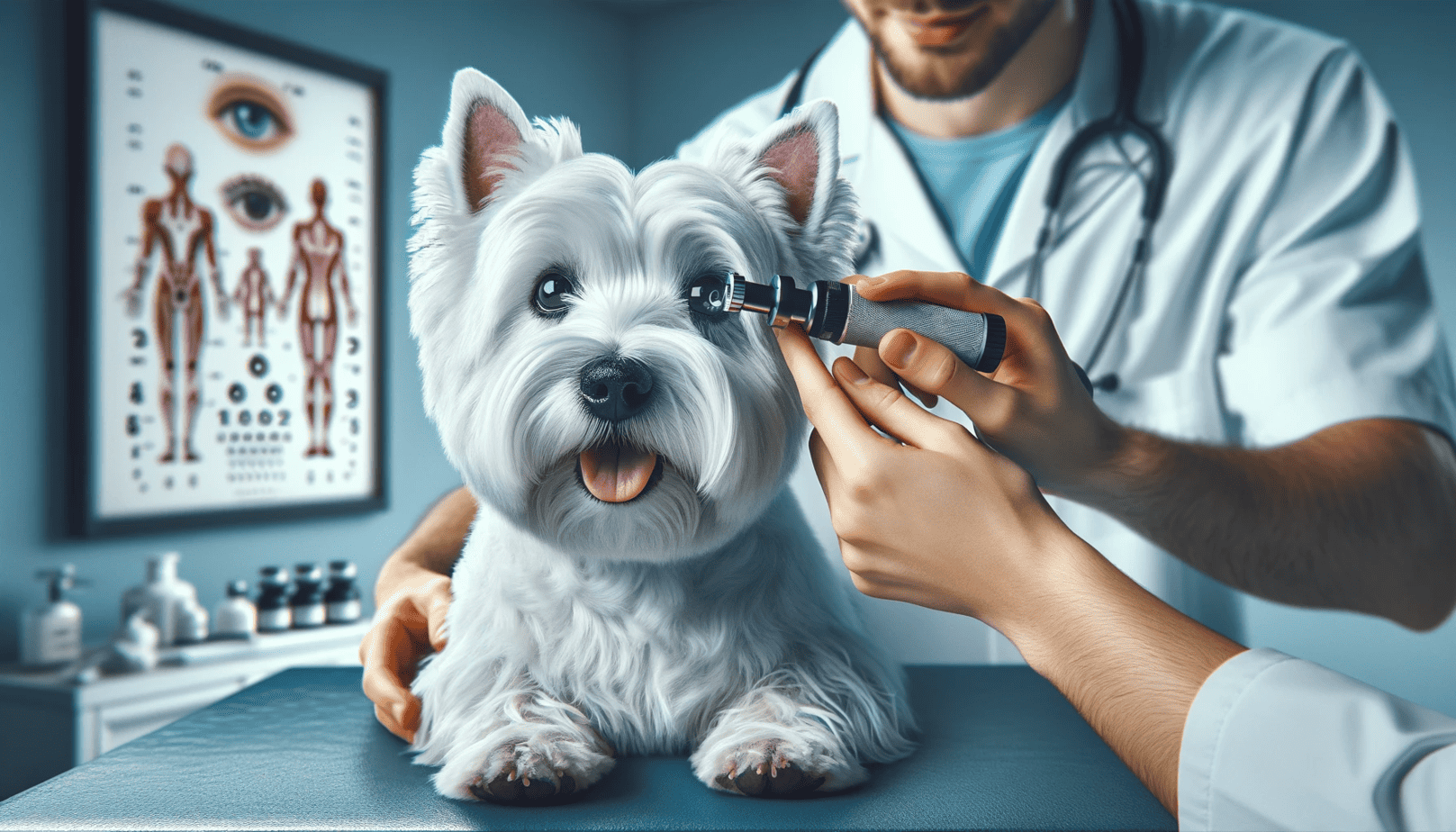
    westie eye health

    Understanding Westie Specific Eye Structure

    As a caring Westie owner, gaining insight into your furry friend’s unique eye structure can be a game-changer in maintaining their optimal eye health. West Highland White Terriers, lovingly known as Westies, have distinctive eye characteristics that set them apart from other breeds – and understanding these can provide the key to preventing and treating common Westie eye health conditions.

    Westies are blessed with dark, almond-shaped eyes that are set wide apart. Their eyes, full of expression and intelligence, are one of their most endearing features. However, this specific eye structure also presents certain challenges. The shape and positioning of their eyes, combined with their long eyelashes and dense fur, can make them more susceptible to a range of eye problems.

    Their eyes are relatively large compared to their small, compact face, which means they are more exposed to environmental irritants. Additionally, the hair around their eyes can often fall into the eyes, causing discomfort and potentially leading to more serious issues. Therefore, it’s essential to regularly trim the hair around the eyes to prevent these complications.

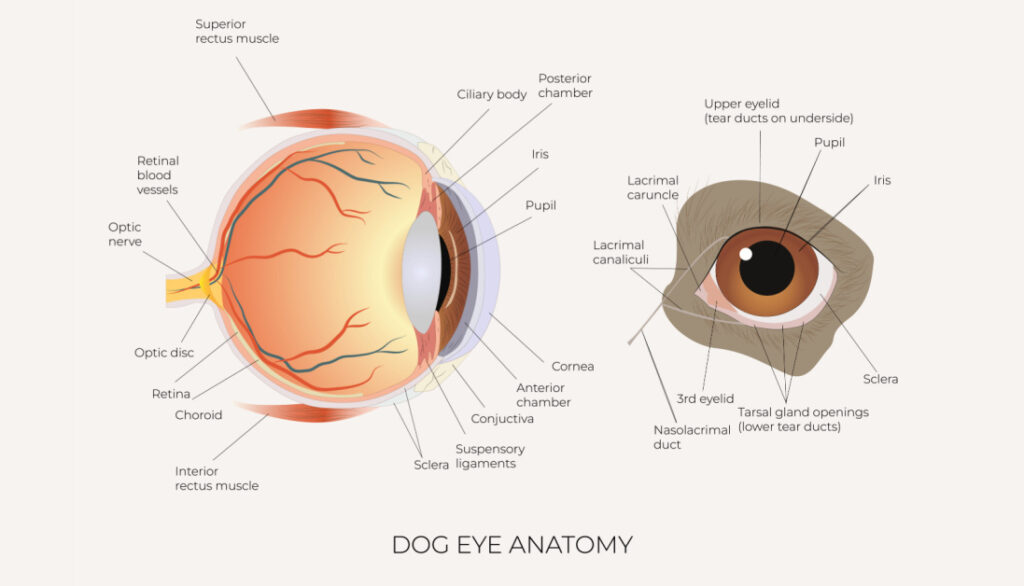
    Furthermore, Westies have a unique third eyelid, also known as the nictitating membrane, which is more prominent than in other dog breeds. This third eyelid serves as an extra protective layer for the eye, but it can also be prone to certain diseases such as Cherry Eye, where the gland in the third eyelid becomes inflamed and visible.

    Understanding your Westie’s specific eye structure is the first step towards promoting their eye health. By recognizing the unique characteristics and potential vulnerabilities of your Westie’s eyes, you’re better equipped to prevent, identify, and address any Westie eye health conditions. Remember, the eyes are the windows to your dog’s soul – and as a responsible pet parent, it’s your job to ensure those windows stay clear and bright.
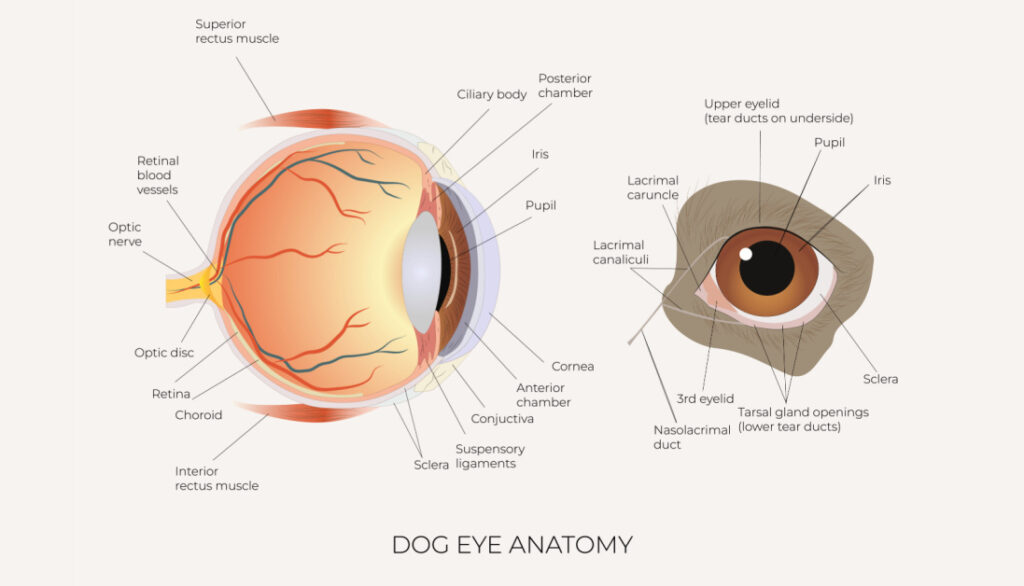
    dog eye anatomy

    Common Eye Issues In Westies

    As a veterinarian, I’ve seen a variety of eye health issues in West Highland White Terriers, more commonly known as Westies. These dogs are adorable, but their eyes can be susceptible to certain conditions. Understanding these issues is the first step in ensuring your Westie’s eyes stay healthy.

    One of the most common Westie eye health problems is dry eye, or Keratoconjunctivitis Sicca (KCS). This condition occurs when the dog’s tear glands don’t produce enough tears, causing dryness and discomfort. Symptoms can include redness, itching, and a thick discharge from the eyes.

    • Cataracts: This is another common issue in Westies. Cataracts can cause cloudiness in the eye lens, leading to impaired vision or even blindness if left untreated.
    • Progressive Retinal Atrophy (PRA): This is a genetic condition that affects the retina, leading to gradual vision loss.
    • Corneal Ulcers: These are painful sores on the cornea, the clear front surface of the eye. These can be caused by injury, infection, or lack of tear production.
    • Distichiasis: This is a condition where an extra row of eyelashes grows on the inner edge of the eyelid, causing irritation to the eye.

    If you notice any changes in your Westie’s eyes, such as redness, cloudiness, excessive tearing, or discharge, it’s crucial to seek veterinary attention immediately. With early detection and treatment, many of these conditions can be managed effectively, preserving your dog’s vision and comfort.

    When it comes to Westie Eye Health – Conditions & Solutions From Vet, there are various treatment options available. For dry eye, artificial tears or medicated eye drops can help replenish moisture. Cataracts can often be treated with surgery, while PRA, unfortunately, has no known treatment. However, antioxidant supplements may help slow the progression. Corneal ulcers are typically treated with antibiotics and pain relief, while Distichiasis may require surgical intervention to remove the extra eyelashes.

    Remember, regular check-ups are important for early detection of eye issues. As a vet, I always emphasize the importance of preventative care in maintaining your Westie’s eye health.

    Prevention of Eye Problems

    Ensuring your Westie gets the right nutrients for optimal eye health is essential for maintaining clear vision and preventing age-related issues. Natural, nutrient-rich foods and supplements can play a key role in supporting their eyesight. From vitamin A-packed freeze-dried liver treats to antioxidant-rich blueberries and targeted supplements like Eyeplex by Standard Process, there are several ways to nourish your dog’s eyes. In this section, we’ll explore how these powerful ingredients contribute to long-term vision health and overall well-being.

    Eyeplex by Standard Process

    Eyeplex by Standard Process is a specialized supplement designed to support your Westie’s eye health with a blend of essential nutrients. Formulated with key vitamins, minerals, and antioxidants, Eyeplex helps protect against oxidative stress, supports retinal function, and promotes overall vision health. Ingredients like vitamin A, vitamin C, and zinc contribute to maintaining strong eyesight, while whole food ingredients provide additional phytonutrients for cellular protection. Adding Eyeplex to your Westie’s diet can be especially beneficial for aging dogs or breeds prone to eye conditions, offering targeted nutritional support to keep their vision sharp and healthy for years to come.
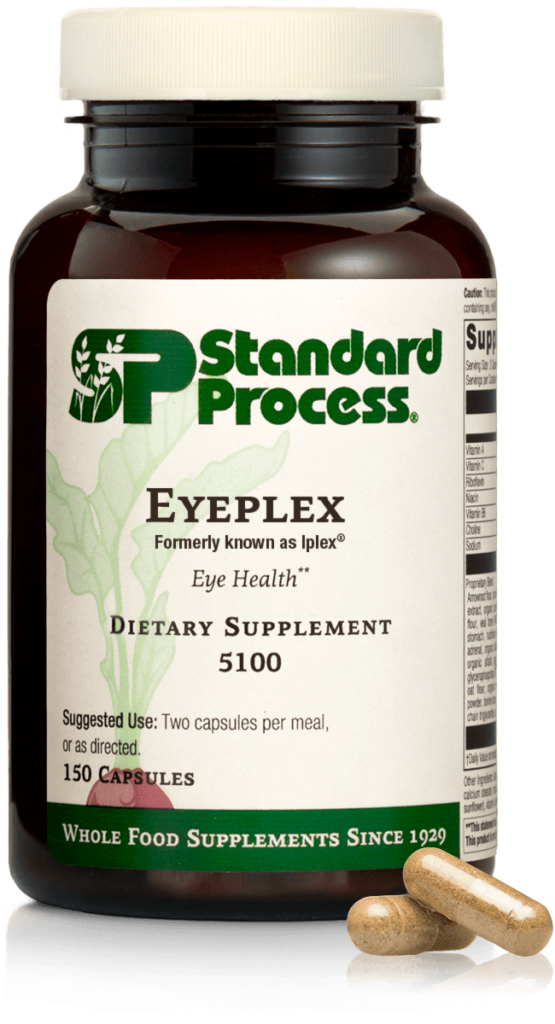
    Eyeplex by Standard Process for dogs eye health

    Freeze-Dried Blueberries

    Freeze-dried blueberries are a powerhouse of antioxidants that can help protect your Westie’s eyes from oxidative stress and age-related damage. Rich in vitamins C and E, as well as anthocyanins, these tiny but mighty berries help combat free radicals that can contribute to eye diseases like cataracts and macular degeneration. Incorporating freeze-dried blueberries into your dog’s diet provides a natural and delicious way to support retinal health, reduce inflammation, and promote overall vision longevity. Plus, they’re a low-calorie, dog-friendly treat that makes a great addition to a balanced diet for long-term eye health.

    Freeze Dried Blueberries for dog eye health

    Freeze-Dried Liver

    Freeze-dried liver treats are an excellent natural source of vitamin A, an essential nutrient for your Westie’s eye health. Vitamin A plays a crucial role in maintaining good vision, especially in low-light conditions, while also supporting overall immune function and skin health. Since liver is rich in bioavailable vitamin A, incorporating freeze-dried liver treats into your dog’s diet provides a convenient and nutritious way to promote optimal eye function. Just be sure to feed them in moderation, as excessive vitamin A can lead to toxicity. Adding these nutrient-packed treats to your pup’s routine is a simple, tasty way to support their long-term vision and well-being!

    Freeze-dried beef liver for dogs eye health

    By prioritizing your Westie’s eye health through a balanced diet and nutritional supplements, you can help prevent many common eye issues. These simple steps can go a long way in ensuring your pup’s eyes stay healthy and clear for years to come.

    Preventing eye problems in your Westie isn’t just about diet and supplements, though. It’s also about maintaining a clean and safe environment, as well as regular eye care and maintenance, which we’ll discuss in the following sections. Stay tuned!

    Environmental Hygiene To Reduce Eye Problems

    When it comes to caring for your Westie’s eye health, the environment plays a crucial role. A clean, well-maintained environment can significantly reduce the risk of eye problems in your furry friend. Let’s delve into some key aspects of environmental hygiene that can help maintain your Westie’s eye health.

    Indoor Air Quality

    First and foremost, it’s essential to ensure good indoor air quality. Poor air quality can irritate your Westie’s eyes, leading to conditions like conjunctivitis or dry eye. Here are some tips to maintain good air quality:

    • Regularly clean and vacuum your home to reduce dust and allergens.
    • Consider using an air purifier to filter out potential irritants.
    • Ensure good ventilation to prevent the build-up of pollutants.

    Remember, what’s good for your Westie’s eyes is good for your eyes too!

    Sprays, Diffusers, Candles, Incense

    While sprays, diffusers, candles, and incense can make your home smell lovely, they can also cause eye irritation in Westies. Here’s what you can do:

    • Use these items sparingly and ensure your Westie is in a different room when you do.
    • Opt for pet-friendly products. Many brands offer non-toxic, pet-safe options.
    • Ensure good ventilation when using these products to disperse any irritants.

    Your Westie’s eyes are delicate, and even small irritations can lead to bigger problems. So, it’s best to be cautious.

    By maintaining a clean, healthy environment, you can significantly reduce the risk of eye problems in your Westie. This, combined with a good diet and regular eye care, will help ensure your furry friend’s eyes stay bright and healthy.

    Remember, your Westie’s eye health is a reflection of their overall health. By taking care of their environment, you’re taking care of them.
    Routine Eye Care & Maintenance

    Adopting a routine eye care and maintenance schedule is a crucial aspect of ensuring the overall health of your Westie. As a dog parent, it’s important to understand that Westie Eye Health doesn’t solely depend on veterinary interventions but also on your daily and weekly care routines. So, let’s delve into what you can do to keep your furry friend’s eyes in tip-top shape.

    Daily & Weekly Care & Maintenance

    Just like in humans, a dog’s eyes can tell you a lot about their health. Daily checks should be a part of your routine. Look for any signs of redness, cloudiness, or discharge. If you notice anything unusual, it’s important to consult your vet immediately.

    Weekly, you should clean your Westie’s eyes gently with a clean, damp cloth or a pet-specific eye wipe. Remember, never use human products as they might contain ingredients harmful to your dog’s eyes. Also, make sure to wipe in a direction away from the eyes to prevent any potential irritants from getting into the eye.

    Monitor Hair Length, Nail Length, Bath Frequency

    Another crucial aspect of maintaining Westie Eye Health is monitoring your pet’s hair and nail length. Long hair can irritate the eyes and lead to infections. Therefore, regular grooming is essential to keep the hair around the eyes short and clean. But always be extra careful when trimming the hair around the eyes to avoid accidental injury.

    Long nails can also pose a risk to your Westie’s eyes. Dogs often scratch their faces, and long nails can easily scratch the cornea leading to painful injuries. Regular nail trims will help prevent such incidents.

    Bathing frequency also plays a role in your Westie’s eye health. While baths are essential to keep your Westie clean, too many baths can strip the natural oils from your dog’s coat and skin, causing dryness and irritation around the eyes. A vet can provide you with guidance on the optimal bath frequency for your Westie.

    Remember, the best way to detect any potential Westie Eye Health issues is by observing changes in your dog’s behavior. If your Westie is squinting, pawing at the eyes, or seems to have reduced vision, it’s time to schedule a visit to the vet. Regular vet check-ups can also help detect any eye health issues early and provide timely treatment.

    Ultimately, your Westie’s eye health is a reflection of the love and care you provide. With these simple steps, you can ensure your beloved pet maintains healthy eyes and a happy life.

    Frequently Asked Questions

    1. What are some common eye conditions in Westies?

    Some common eye conditions in Westies include dry eye, cataracts, glaucoma, and corneal ulcers.

    2. How can I tell if my Westie has an eye problem?

    Signs of an eye problem in Westies can include redness, discharge, squinting, excessive tearing, cloudiness, or a change in the appearance of the eye.

    3. Can eye conditions in Westies be treated?

    Yes, many eye conditions in Westies can be treated. Treatment options may include medications, eye drops, surgery, or other interventions depending on the specific condition.

    4. How can I prevent eye problems in my Westie?

    To help prevent eye problems in your Westie, it is important to keep their eyes clean and free of debris, avoid exposing them to irritants or allergens, and schedule regular check-ups with a veterinarian.

    5. Should I seek veterinary care if my Westie has an eye problem?

    Yes, it is recommended to seek veterinary care if your Westie has an eye problem. A veterinarian can properly diagnose the issue and provide appropriate treatment to help preserve your dog’s eye health.

    A note about your dog’s health

    This article provides general education and does not replace an examination, diagnosis, or individualized advice from your veterinarian. Contact a veterinary professional if you are concerned about your dog’s symptoms.

    Dr. Candy Akers, DVM Avatar

    ABOUT THE AUTHOR

  • Labrador Eye Health – Conditions & Solutions From Vet

    Labrador Eye Health – Conditions & Solutions From Vet

    As a holistic veterinarian, I understand the deep bond between you and your beloved Labrador. These loyal, friendly, and outgoing dogs are a joy to have around. But, like all breeds, they have their specific health concerns. One area that often gets overlooked is Labrador Eye Health. Labradors are prone to a range of eye conditions, some of which can lead to serious problems if not properly addressed.

    labrador eye health

    From common issues such as conjunctivitis and dry eye, to breed-specific conditions like Progressive Retinal Atrophy (PRA) and cataracts, Labradors can suffer from a variety of eye health problems. But don’t worry – there are many solutions available, and with proper care and attention, your Labrador can enjoy good eye health throughout their life.

    I’m here to guide you through the complexities of Labrador eye health, offering practical advice and effective solutions from a veterinary perspective. We’ll explore everything from diet and environmental hygiene to routine eye care and maintenance. So, let’s embark on this journey together to ensure your Labrador’s eyes shine bright and healthy for years to come.

    Remember, your Labrador’s eyes are a window to their health. So, let’s take a closer look at Labrador Eye Health – Conditions & Solutions From Vet.

    Understanding Labrador Specific Eye Structure

    To truly understand and care for your Labrador’s eye health, it’s essential to become familiar with their unique eye structure. Just as we humans have distinctive features and attributes, so do our four-legged friends, and in this case, our focus is on the Labrador breed.

    Labradors have large, expressive eyes that are one of their most endearing features. These eyes are typically brown or hazel, and they’re set well apart in their head, giving them a wide field of vision. The eyes are covered by a transparent layer called the cornea, which allows light to pass into the eye. Behind the cornea is the iris, the colored part of the eye, which controls the amount of light that enters the eye by adjusting the size of the pupil.

    The Retina – A Key Component

    One of the most crucial parts of a Labrador’s eye is the retina. This light-sensitive tissue at the back of the eye is responsible for converting light into electrical signals that the brain can interpret as images. The retina in Labradors, like in other dogs, has a larger number of rod cells than cone cells. This means that Labradors have exceptional night vision but may struggle with distinguishing between certain colors. Understanding this can help you make necessary adjustments for your pet’s comfort and safety.

    Unique Labrador Eye Features

    Labradors also have a unique feature called the tapetum lucidum. This is a layer of tissue in the eye that reflects light back through the retina, enhancing their night vision even further. This feature is what gives dogs their characteristic eye shine in the dark.

    Furthermore, Labradors have a third eyelid, also known as the haw or nictitating membrane. This additional eyelid is a protective feature that helps keep the eye moist and removes debris.

    In summary, understanding your Labrador’s eye structure is a critical first step in maintaining their eye health. By recognizing their unique features and needs, you can help ensure that your Labrador’s eyes remain as bright and expressive as ever.

    labrador eye health

    Common Eye Issues In Labrador

    As a veterinarian, one of the most important parts of my job is educating pet parents about potential health issues their furry friends might face. When it comes to Labrador Eye Health – Conditions & Solutions From Vet, there are several common issues you should be aware of.

    Firstly, Progressive Retinal Atrophy (PRA) is a disease that affects the retina in dogs, causing a gradual deterioration of the rod cells. This can lead to night blindness and eventually, complete blindness. It’s especially common in Labradors.

    Another common issue is Cataracts. Just like in humans, cataracts in Labradors can cause blurry vision and can lead to total blindness if left untreated. The good news is that cataracts are often treatable with surgery.

    Retinal Dysplasia is a congenital condition that Labradors can be born with. It’s characterized by folds or rosettes (cluster of cells) in the retinal tissue, and can lead to vision impairment or blindness.

    Finally, we have Corneal Dystrophy, a condition that affects the cornea, the clear front surface of the eye. It’s typically seen as an opaque or cloudy appearance on the eye. While it doesn’t typically cause blindness, it can lead to discomfort or vision problems.

    • Progressive Retinal Atrophy (PRA): Gradual deterioration of the rod cells causing night blindness and eventually, complete blindness.
    • Cataracts: Causes blurry vision and can lead to total blindness if left untreated. Often treatable with surgery.
    • Retinal Dysplasia: Congenital condition characterized by folds or rosettes in the retinal tissue, leading to vision impairment or blindness.
    • Corneal Dystrophy: Affects the clear front surface of the eye, causing it to appear opaque or cloudy. Can lead to discomfort or vision problems.

    Being aware of these common Labrador Eye Health – Conditions & Solutions From Vet can help you monitor your furry friend’s eye health and seek timely veterinary care when needed. Remember, early detection is key in managing and treating these conditions effectively.

    Nourishing Your Dog’s Vision: Essential Nutrients for Eye Health

    Ensuring your Labrador gets the right nutrients for optimal eye health is essential for maintaining clear vision and preventing age-related issues. Natural, nutrient-rich foods and supplements can play a key role in supporting their eyesight. From vitamin A-packed freeze-dried liver treats to antioxidant-rich blueberries and targeted supplements like Eyeplex by Standard Process, there are several ways to nourish your dog’s eyes. In this section, we’ll explore how these powerful ingredients contribute to long-term vision health and overall well-being.

    Eyeplex by Standard Process

    Eyeplex by Standard Process is a specialized supplement designed to support your Labrador’s eye health with a blend of essential nutrients. Formulated with key vitamins, minerals, and antioxidants, Eyeplex helps protect against oxidative stress, supports retinal function, and promotes overall vision health. Ingredients like vitamin A, vitamin C, and zinc contribute to maintaining strong eyesight, while whole food ingredients provide additional phytonutrients for cellular protection. Adding Eyeplex to your Labrador’s diet can be especially beneficial for aging dogs or breeds prone to eye conditions, offering targeted nutritional support to keep their vision sharp and healthy for years to come.

    Eyeplex by Standard Process for dogs eye health

    Freeze-Dried Blueberries

    Freeze-dried blueberries are a powerhouse of antioxidants that can help protect your Labrador’s eyes from oxidative stress and age-related damage. Rich in vitamins C and E, as well as anthocyanins, these tiny but mighty berries help combat free radicals that can contribute to eye diseases like cataracts and macular degeneration. Incorporating freeze-dried blueberries into your dog’s diet provides a natural and delicious way to support retinal health, reduce inflammation, and promote overall vision longevity. Plus, they’re a low-calorie, dog-friendly treat that makes a great addition to a balanced diet for long-term eye health.

    Freeze Dried Blueberries for dog eye health

    Freeze-Dried Liver

    Freeze-dried liver treats are an excellent natural source of vitamin A, an essential nutrient for your Labrador’s eye health. Vitamin A plays a crucial role in maintaining good vision, especially in low-light conditions, while also supporting overall immune function and skin health. Since liver is rich in bioavailable vitamin A, incorporating freeze-dried liver treats into your dog’s diet provides a convenient and nutritious way to promote optimal eye function. Just be sure to feed them in moderation, as excessive vitamin A can lead to toxicity. Adding these nutrient-packed treats to your pup’s routine is a simple, tasty way to support their long-term vision and well-being!

    Freeze-dried beef liver for dogs eye health

    By prioritizing your Labrador’s eye health through a balanced diet and nutritional supplements, you can help prevent many common eye issues. These simple steps can go a long way in ensuring your pup’s eyes stay healthy and clear for years to come.

    Environmental Hygiene To Reduce Eye Problems

    Environmental hygiene plays a crucial role in maintaining your Labrador’s eye health. Keeping your home clean and free from harmful substances can significantly reduce the risk of eye problems in your pet. Let’s delve into some key areas to focus on.

    Indoor Air Quality

    Indoor air quality can have a significant impact on your Labrador’s eye health. Dust, pollen, and other airborne allergens can irritate your pet’s eyes, leading to redness, itching, and other discomforts. Here are some tips to improve indoor air quality:

    • Regularly clean and dust your home to minimize allergens.
    • Consider using an air purifier to filter out pollutants.
    • Keep windows closed during high pollen seasons.
    • Ensure proper ventilation in your home.

    Sprays, Diffusers, Candles, Incense

    While these items can make your home smell great, they can irritate your Labrador’s eyes. Chemicals in sprays, diffusers, candles, and incense can cause eye irritation, leading to redness, tearing, and even more serious conditions. Here’s what you can do:

    • Avoid using these items in areas where your Labrador spends most of its time.
    • Choose natural alternatives when possible.
    • Ensure proper ventilation when using these items.

    Remember, your Labrador’s eyes are more sensitive than yours. What might not bother you could cause discomfort to your pet. Always be mindful of the products you use around your home and how they might affect your pet’s eye health.

    By maintaining a clean, allergen-free environment, you can help prevent many common eye issues in Labradors. This, along with regular vet check-ups and a healthy diet, will go a long way in keeping your Labrador’s eyes healthy and bright.

    Always remember, if you notice any changes in your Labrador’s eyes, such as redness, discharge, or your pet is constantly scratching its eyes, don’t hesitate to consult with your vet. Early detection and treatment of eye issues can prevent more serious conditions and ensure your Labrador’s overall well-being.

    Routine Labrador Eye Care & Maintenance

    As a Labrador parent, taking care of your furry friend’s eyes is an essential part of their health care routine. It’s not just about treating Labrador eye conditions symptoms when they arise, but also about preventive care. Here’s how you can ensure the best Labrador eye health through daily and weekly care and maintenance.

    Daily & Weekly Care & Maintenance

    One of the simplest things you can do daily is to check your Labrador’s eyes. Look for any signs of redness, cloudiness, or discharge. If you notice any changes, contact your vet immediately.

    It’s also good practice to clean your Labrador’s eyes regularly. Use a damp, soft cloth or a pet-specific eye wipe to gently clean around the eyes, being careful not to touch the eyeballs. This can help to remove any dirt or debris that could lead to irritation or infection.

    On a weekly basis, it’s beneficial to perform a more thorough check. Look for any changes in your dog’s vision, like bumping into furniture or difficulty finding toys. This could be a sign of Labrador retina problems.

    Monitor Hair Length, Nail Length, & Bath Frequency

    Believe it or not, your Labrador’s hair and nails can impact their eye health. Long hair can irritate the eyes and cause them to water excessively, while long nails can lead to accidental scratches if your dog rubs their eyes. Regular grooming is essential to prevent these issues.

    Your Labrador’s bath frequency can also affect their eyes. Frequent baths can lead to dryness and irritation, so it’s important to find a balance. When you do bathe your dog, avoid getting soap or shampoo in their eyes as this can cause serious discomfort and potential damage.

    Remember, regular veterinary care for Labrador eyes is crucial. Your vet can provide a thorough examination and suggest dog eye health solutions tailored to your Labrador’s specific needs. They can also guide you on the best Labrador eye disease treatment options if necessary.

    Ultimately, you play a vital role in your Labrador’s eye health. By incorporating these simple steps into your routine, you can help keep your Labrador’s eyes healthy and prevent potential problems. As always, consult with your vet for any concerns or questions you may have about your Labrador’s eye health. Your furry friend is depending on you!

    Frequently Asked Questions

    1. What are common eye conditions in Labradors?

    Labradors are prone to various eye conditions such as cataracts, progressive retinal atrophy (PRA), and entropion.

    2. How can I identify if my Labrador has an eye problem?

    Look out for symptoms like redness, excessive tearing, cloudiness, squinting, or any changes in the appearance of the eyes. If you notice any abnormalities, it’s best to consult a veterinarian.

    3. Can eye conditions in Labradors be treated?

    Yes, many eye conditions in Labradors can be treated. The treatment options vary depending on the specific condition and its severity. It’s important to seek professional advice from a veterinarian for proper diagnosis and treatment.

    4. How can I prevent eye problems in my Labrador?

    To help prevent eye problems in Labradors, regular veterinary check-ups are crucial. Additionally, maintaining good hygiene by keeping the eye area clean and free from debris can also contribute to eye health.

    5. Can I use over-the-counter eye drops for my Labrador’s eye issues?

    No, it is not recommended to use over-the-counter eye drops without consulting a veterinarian. Different eye conditions require specific treatments, and using the wrong medication can potentially worsen the problem. Always consult a professional for appropriate advice and treatment.

    A note about your dog’s health

    This article provides general education and does not replace an examination, diagnosis, or individualized advice from your veterinarian. Contact a veterinary professional if you are concerned about your dog’s symptoms.

    Dr. Candy Akers, DVM Avatar

    ABOUT THE AUTHOR
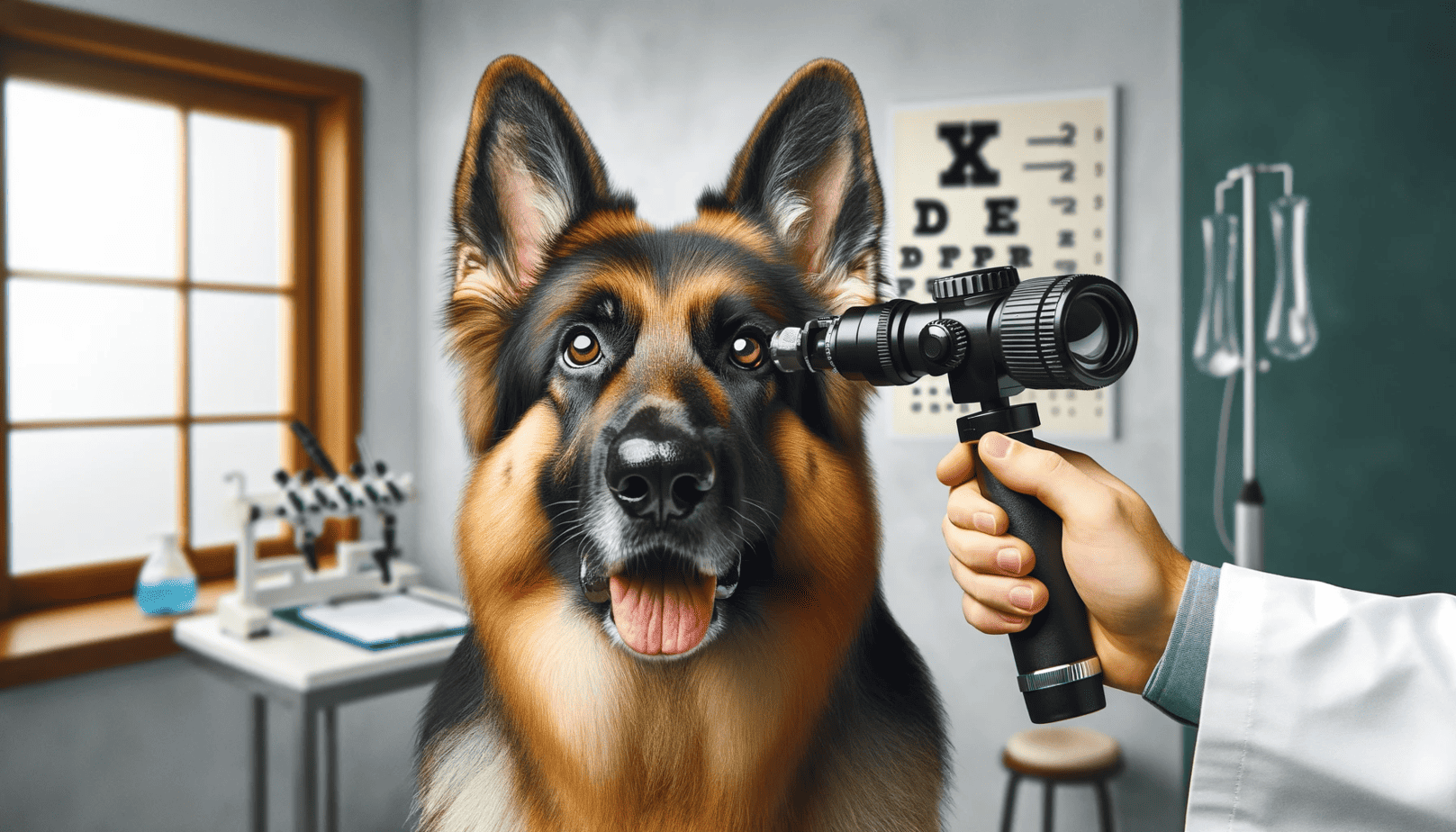
  • German Shepherd Eye Health – Conditions & Solutions From Vet

    German Shepherd Eye Health – Conditions & Solutions From Vet

    As a holistic veterinarian, I understand how much you love your German Shepherd. These loyal and intelligent dogs aren’t just pets; they’re family. That’s why you’re here, searching for information about German Shepherd Eye Health – Conditions & Solutions From Vet. I’m here to guide you through this journey, providing you with the knowledge and tools you need to ensure your furry friend’s eyes stay as bright and healthy as possible.

    german shephard eye health

    German Shepherds, like all breeds, can be prone to certain eye conditions. Some of these can be quite serious, impacting not only their vision but also their overall quality of life. But don’t worry, together we can navigate these challenges. I’ll share with you the most common eye conditions in German Shepherds, as well as practical and effective solutions to prevent and treat these issues.

    My approach is holistic, focusing on diet, environment, and routine eye care. I’ll introduce you to the benefits of a whole-food-based diet rich in natural Vit A and antioxidants, and the importance of maintaining a clean, safe environment. Plus, I’ll provide you with some straightforward German Shepherd eye care tips that you can easily incorporate into your daily routine.

    So, let’s get started. Together, we’ll ensure your German Shepherd’s eyes remain healthy and bright, so they can continue to see the world in all its glory.

    Understanding German Shepherd Eye Structure

    A German Shepherd’s eye is composed of several parts, each playing a crucial role in vision. Starting from the outside, the cornea, a clear, protective layer, covers the front of the eye. Behind the cornea, the pupil and iris work together to control the amount of light entering the eye. The lens, located behind the pupil, focuses this light onto the retina, a layer of cells at the back of the eye, which converts light into electrical signals. These signals are then sent to the brain via the optic nerve, resulting in vision.

    One unique feature of German Shepherds’ eyes is their almond shape, which is more pronounced than in other breeds. This distinctive shape, combined with a slight slant, gives German Shepherds their characteristic intelligent and alert expression. However, this unique shape can also make them more prone to certain eye conditions, which we will explore later in this article.

    Understanding the structure of your German Shepherd’s eyes is not just an interesting fact, but it is also essential to identify early signs of eye problems. Issues can range from simple irritations to more serious conditions that could lead to vision loss if not addressed promptly. By knowing what’s normal for your German Shepherd’s eyes, you can spot any unusual changes quickly and seek veterinary advice.

    Remember, as a German Shepherd parent, you play a key role in maintaining your pet’s eye health. Regular checks, balanced nutrition, and a clean environment can go a long way in preventing eye health issues. But, when problems do arise, understanding your dog’s eye structure can help you communicate more effectively with your vet and understand the treatment options available.

    dog eye anatomy

    Common Eye Issues In German Shepherd

    As a veterinarian, I often come across various eye health conditions in German Shepherds. Understanding these conditions can help you ensure the best care for your furry friend. Today, let’s delve into some common eye issues that affect this breed.

    1. Progressive Retinal Atrophy (PRA): This is a genetic condition that gradually leads to blindness. It starts with night blindness and over time, the dog loses sight even during the day. Unfortunately, there’s no cure for PRA, but with early detection, we can manage the condition and maintain the quality of life for your German Shepherd.

    2. Cataracts: Cataracts are also common in German Shepherds. They cause clouding of the lens, leading to decreased vision. The good news is, cataracts can be treated surgically, restoring your dog’s sight.

    3. Corneal Dystrophy: This condition involves the cornea, the clear front surface of the eye. It causes white or grey opaque areas in the cornea, affecting vision. Treatment options may vary depending on the severity of the condition.

    4. Conjunctivitis (Pink Eye): This inflammation of the eye’s outermost layer can cause redness, itching, and discharge. It’s usually caused by allergies or infections and can be treated with medication.

    5. Keratoconjunctivitis Sicca (Dry Eye): Dry eye is a condition where the eyes don’t produce enough tears, leading to dryness and irritation. It can be managed with tear substitutes and medications that stimulate tear production.

    6. Pannus (Chronic Superficial Keratitis): This is an immune-mediated condition where the cornea becomes inflamed, leading to pigmentation, blood vessel growth, and potential vision loss. Regular veterinary care and medication can help manage this condition.

    Knowing about these common German Shepherd Eye Health – Conditions & Solutions From Vet can help you recognize early signs and get timely treatment. Remember, regular vet check-ups are crucial for early detection and management of these conditions.

    Next, we’ll explore how to prevent these problems with a holistic diet and other measures. Stay tuned!

    Nourishing Your Dog’s Vision: Essential Nutrients for Eye Health

    Ensuring your German Shepherd gets the right nutrients for optimal eye health is essential for maintaining clear vision and preventing age-related issues. Natural, nutrient-rich foods and supplements can play a key role in supporting their eyesight. From vitamin A-packed freeze-dried liver treats to antioxidant-rich blueberries and targeted supplements like Eyeplex by Standard Process, there are several ways to nourish your dog’s eyes. In this section, we’ll explore how these powerful ingredients contribute to long-term vision health and overall well-being.

    Eyeplex by Standard Process

    Eyeplex by Standard Process is a specialized supplement designed to support your German Shepherd’s eye health with a blend of essential nutrients. Formulated with key vitamins, minerals, and antioxidants, Eyeplex helps protect against oxidative stress, supports retinal function, and promotes overall vision health. Ingredients like vitamin A, vitamin C, and zinc contribute to maintaining strong eyesight, while whole food ingredients provide additional phytonutrients for cellular protection. Adding Eyeplex to your German Shepherd’s diet can be especially beneficial for aging dogs or breeds prone to eye conditions, offering targeted nutritional support to keep their vision sharp and healthy for years to come.

    Eyeplex by Standard Process for dogs eye health

    Freeze-Dried Blueberries

    Freeze-dried blueberries are a powerhouse of antioxidants that can help protect your German Shepherd’s eyes from oxidative stress and age-related damage. Rich in vitamins C and E, as well as anthocyanins, these tiny but mighty berries help combat free radicals that can contribute to eye diseases like cataracts and macular degeneration. Incorporating freeze-dried blueberries into your dog’s diet provides a natural and delicious way to support retinal health, reduce inflammation, and promote overall vision longevity. Plus, they’re a low-calorie, dog-friendly treat that makes a great addition to a balanced diet for long-term eye health.

    Freeze Dried Blueberries for dog eye health

    Freeze-Dried Liver

    Freeze-dried liver treats are an excellent natural source of vitamin A, an essential nutrient for your German Shepherd’s eye health. Vitamin A plays a crucial role in maintaining good vision, especially in low-light conditions, while also supporting overall immune function and skin health. Since liver is rich in bioavailable vitamin A, incorporating freeze-dried liver treats into your dog’s diet provides a convenient and nutritious way to promote optimal eye function. Just be sure to feed them in moderation, as excessive vitamin A can lead to toxicity. Adding these nutrient-packed treats to your pup’s routine is a simple, tasty way to support their long-term vision and well-being!

    Freeze-dried beef liver for dogs eye health

    By prioritizing your German Shepherd’s eye health through a balanced diet and nutritional supplements, you can help prevent many common eye issues. These simple steps can go a long way in ensuring your pup’s eyes stay healthy and clear for years to come.

    Environmental Hygiene To Reduce Eye Problems

    One of the most overlooked aspects of German Shepherd eye health is environmental hygiene. Your home environment plays a pivotal role in preventing eye issues and ensuring your furry friend’s overall wellness. Here are some ways to maintain a clean and safe environment for your German Shepherd’s eyes.

    Indoor Air Quality

    Indoor air quality can significantly impact your German Shepherd’s eye health. Dust, dander, and other airborne irritants can cause eye irritation, leading to conditions like conjunctivitis. Regularly cleaning your home, particularly the areas where your German Shepherd spends most of its time, can help reduce these irritants. Using air purifiers or humidifiers can also help maintain good indoor air quality, especially during seasons when allergens are high.

    Moreover, avoid smoking indoors as secondhand smoke can cause severe eye irritation in dogs. Ensure good ventilation in your home to keep the air fresh and clean.

    Sprays, Diffusers, Candles, Incense

    Scented products such as sprays, diffusers, candles, and incense can also irritate your German Shepherd’s eyes. Dogs have a more sensitive sense of smell compared to humans, and strong fragrances can cause them discomfort. Furthermore, these products often contain chemicals that can cause eye irritation or allergies.

    Try to limit the use of these products or opt for natural alternatives. If you must use these products, make sure they are out of your dog’s reach and the area is well-ventilated.

    Remember, maintaining a clean and safe environment is a crucial part of German Shepherd eye care. Regularly check your home for potential hazards and keep your dog’s living area clean and free from irritants. By taking these simple steps, you can help prevent common eye conditions and ensure your German Shepherd’s eyes stay healthy and clear.

    After all, as a responsible pet parent, nothing is more rewarding than seeing your German Shepherd’s eyes sparkle with health and happiness!

    Routine Eye Care & Maintenance

    Just like humans, our canine friends also need regular eye care to maintain good eye health, and this is particularly true for German Shepherds. Here are some tips on routine eye care and maintenance for your German Shepherd to ensure their eyes remain healthy.

    Daily & Weekly Care & Maintenance

    Conducting daily and weekly checks on your German Shepherd’s eyes can significantly aid in maintaining their eye health. Here’s how to go about it:

    • Examine their eyes daily: Look out for signs of redness, discharge, or any changes in appearance. If you notice anything unusual, consult your vet immediately.
    • Clean their eyes: Use a soft, damp cloth to gently wipe around their eyes. Be careful not to touch the eye itself. Always use a fresh area of the cloth for each eye to prevent the spread of any potential infection.
    • Keep their eyes moist: If your German Shepherd’s eyes seem dry, use dog-safe eye drops to keep them moist. Always consult your vet before using any new products.

    Monitor Hair Length, Nail Length, Bath Frequency

    Maintaining your German Shepherd’s overall hygiene can also play a significant part in their eye health. Here’s what you can do:

    • Trim their hair: Long hair can irritate your German Shepherd’s eyes and potentially lead to infections. Regularly trim the hair around their eyes to keep their vision clear and prevent any irritations.
    • Trim their nails: Long nails can inadvertently scratch and injure the eyes, especially if your German Shepherd has a habit of pawing at their face. Regular nail trims can reduce this risk.
    • Regular baths: Bathing your German Shepherd regularly can help to keep their coat clean and reduce the risk of eye infections. However, be careful not to get shampoo or water in their eyes as it can cause irritation.

    Remember, the key to maintaining your German Shepherd’s eye health is regular care and early detection of any potential issues. By following these tips, you can help to ensure that your German Shepherd’s eyes remain healthy and bright. As always, consult with your vet for any concerns or questions you may have regarding your German Shepherd’s eye health.

    Frequently Asked Questions

    1. What are common eye conditions in German Shepherds?

    German Shepherds are prone to various eye conditions such as cataracts, progressive retinal atrophy (PRA), cherry eye, and entropion.

    2. How can I prevent eye problems in my German Shepherd?

    To prevent eye problems, it is important to maintain regular veterinary check-ups, keep the eyes clean, avoid exposure to irritants, provide a balanced diet rich in essential nutrients, and protect the eyes from trauma or injury.

    3. What are the symptoms of eye issues in German Shepherds?

    Common symptoms of eye problems in German Shepherds include redness, excessive tearing, discharge, cloudiness, squinting, rubbing or pawing at the eyes, sensitivity to light, and changes in vision.

    4. Can eye conditions in German Shepherds be treated?

    Yes, many eye conditions in German Shepherds can be treated. The treatment options depend on the specific condition and may include medications, surgery, or other interventions recommended by a veterinarian.

    5. When should I seek veterinary care for my German Shepherd’s eye issues?

    If you notice any signs of eye problems or changes in your German Shepherd’s eyes, it is important to seek veterinary care promptly. Early detection and treatment can help prevent further complications and ensure the best possible outcome for your dog’s eye health.

    A note about your dog’s health

    This article provides general education and does not replace an examination, diagnosis, or individualized advice from your veterinarian. Contact a veterinary professional if you are concerned about your dog’s symptoms.

    Dr. Candy Akers, DVM Avatar

    ABOUT THE AUTHOR
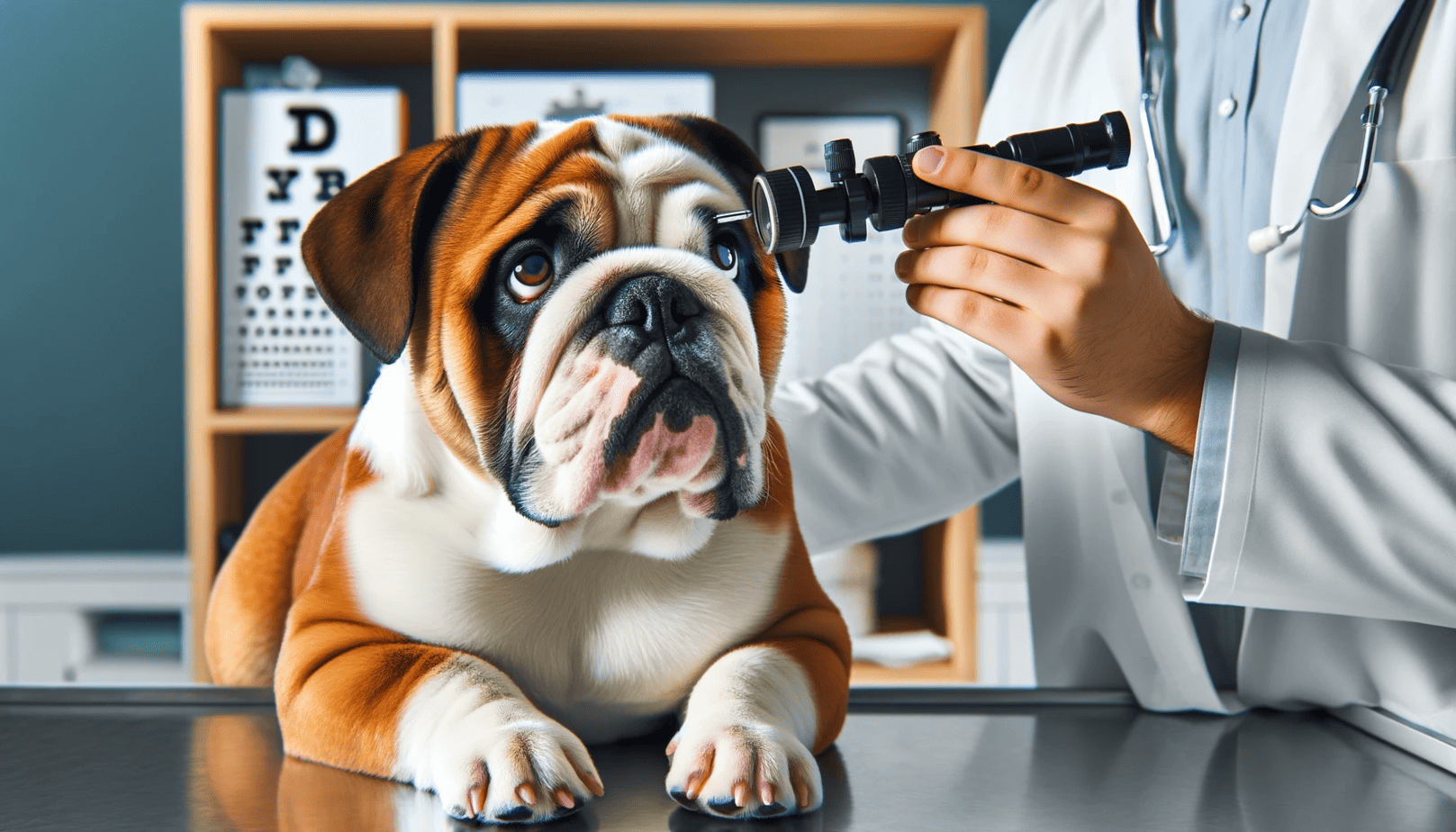
  • Bulldog Eye Health – Conditions & Solutions From Vet

    Bulldog Eye Health – Conditions & Solutions From Vet

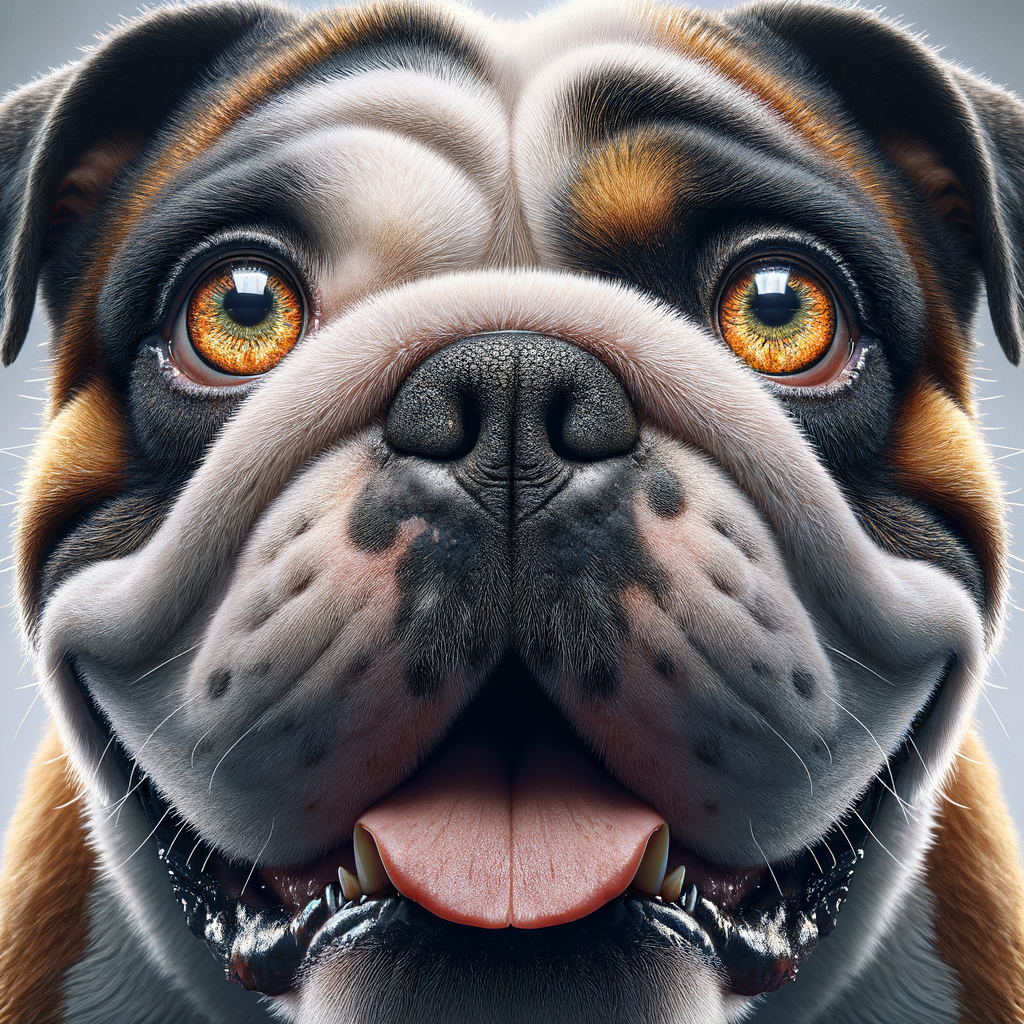
    As a holistic veterinarian, I know how much you love your bulldog. I also understand that you’re concerned about your furry friend’s eye health. Bulldogs, with their unique facial structure, are prone to certain eye conditions that can impact their quality of life. But don’t worry, I’m here to guide you through understanding Bulldog Eye Health – Conditions & Solutions From Vet.

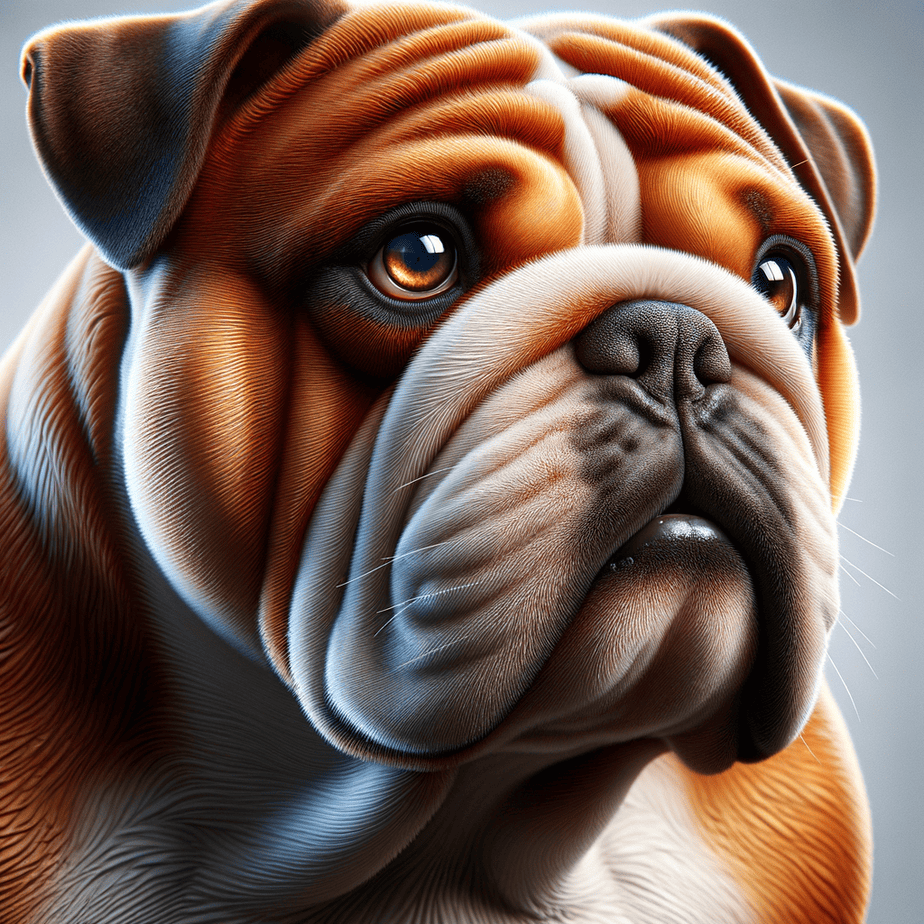
    bulldog eye health

    Having treated many bulldogs in my practice, I’ve noticed a pattern of common eye issues. These range from minor irritations to potentially serious conditions such as cherry eye, dry eye, and entropion. But the good news is, most of these conditions are treatable, and with proper care and attention, your bulldog can lead a happy, healthy life.

    Prevention is always better than cure, and this holds true for your bulldog’s eye health as well. A holistic diet rich in natural Vit A and antioxidants, along with whole-food-based nutritional supplements, can go a long way in maintaining your bulldog’s eye health. Environmental hygiene is equally important. Ensuring good indoor air quality and minimizing exposure to irritants like sprays, diffusers, candles, and incense can help prevent eye problems.

    In this article, I’ll share my Vet Recommendations for Bulldog Eye Health and Bulldog Eye Care Tips from Veterinarians. So, let’s get started on this journey towards ensuring your bulldog’s sparkling eyes stay healthy and bright!

    Understanding Bulldog Specific Eye Structure

    Let’s dig into the fascinating world of bulldogs and their unique eye structure. Understanding this will not only help you appreciate your bulldog’s distinctive looks but will also equip you with the knowledge to better care for their eye health.

    One of the most notable features of a bulldog’s eye is the third eyelid or nictitating membrane. This is a thin tissue that lies in the corner of the eye, acting as an additional protective layer. It helps to keep the eye moist and removes debris. However, this third eyelid can sometimes cause health problems, such as cherry eye, a condition where the gland of the third eyelid prolapses and becomes visible.

    Another distinctive characteristic of bulldog eyes is their eyelashes. Bulldogs have relatively long eyelashes compared to other breeds. While these lashes add to their charm, they can sometimes grow inwards, leading to a condition known as distichiasis, which can cause discomfort and potentially damage the cornea if not managed properly.

    Lastly, bulldogs have skin folds or wrinkles around their eyes, which are part of their breed’s signature look. These wrinkles, if not kept clean and dry, can harbor bacteria and yeast, leading to skin infections that can affect the eyes.

    As a bulldog parent, understanding these unique features of your pet’s eyes will help you identify any changes or abnormalities early on. This knowledge is the first step towards ensuring your bulldog’s eye health and overall well-being. Remember, regular vet check-ups are crucial in maintaining your bulldog’s eye health and detecting any potential issues early.

    Stay tuned as we explore common eye issues in bulldogs in the next section and discuss ways to prevent and treat them. As a holistic vet, I’m here to guide you through every step of your bulldog’s health journey.

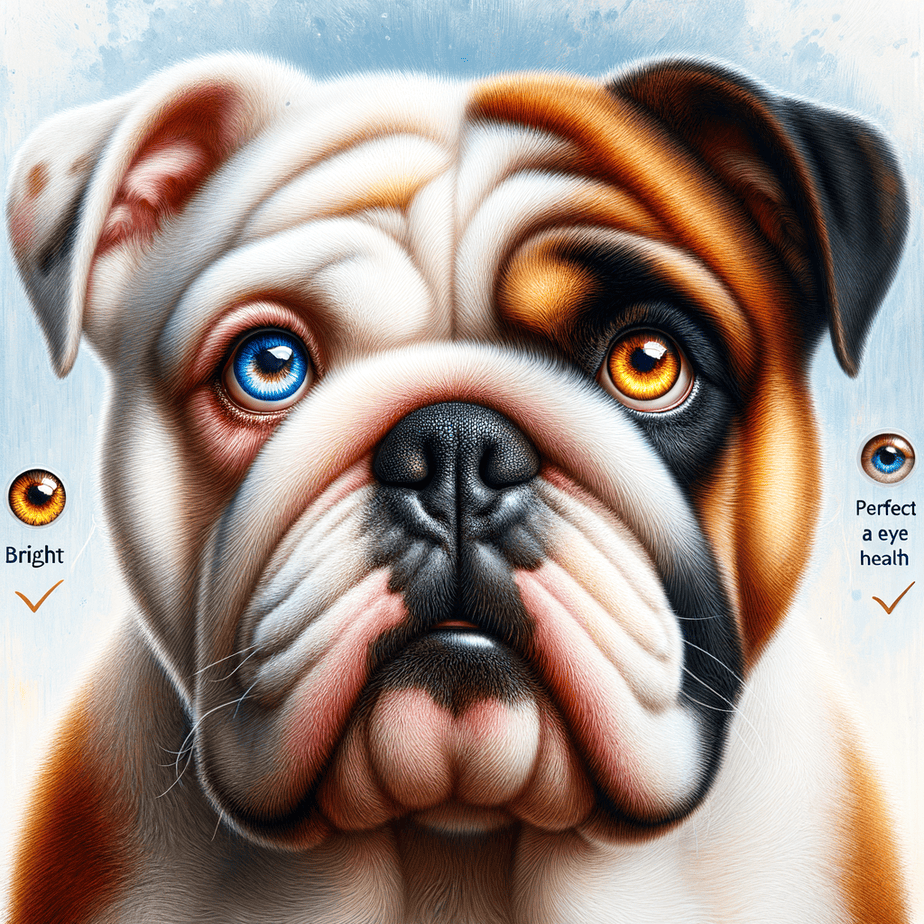
    dog eye anatomy

    Common Eye Issues In Bulldogs

    Being a veterinarian, it’s my pleasure to share my knowledge and experience about Bulldog Eye Health – Conditions & Solutions From Vet perspective. Bulldogs, with their unique facial structure and lovable wrinkles, are prone to several eye conditions. Let’s discuss some of these common issues and their potential solutions.

    • Cherry Eye: This condition occurs when the gland in the third eyelid prolapses, creating a red, swollen mass that resembles a cherry. It’s quite common in bulldogs and may require surgical correction.
    • Entropion: Bulldogs are prone to this condition where the eyelid rolls inward, causing the lashes to rub against the eye. It can lead to irritation, painful corneal ulcers, and impaired vision. Surgical intervention is often necessary.
    • Dry Eye (Keratoconjunctivitis Sicca): This is a condition where the eye does not produce enough tears, leading to chronic dryness, irritation, and potential vision loss. Treatment includes eye drops and medications to stimulate tear production.
    • Conjunctivitis: Known commonly as pink eye, this infection causes inflammation and discharge. It’s often a symptom of allergies or underlying health issues, and can be treated with eye drops and medications.
    • Corneal Ulcer: These painful sores on the eye’s surface can result from trauma, infection, or conditions like dry eye or entropion. Treatment depends on the underlying cause but often includes antibiotics and pain relief.

    As part of Bulldog Eye Health – Conditions & Solutions From Vet consultation, it’s important to note that prompt vet attention is crucial if you notice any changes in your bulldog’s eyes. Eye problems can escalate quickly, and early intervention can often prevent more serious complications.

    Remember, regular check-ups are essential for maintaining your bulldog’s eye health. In addition to treating existing conditions, your vet can recommend preventive measures and solutions to avoid potential eye issues. So, let’s keep those beautiful bulldog eyes bright and healthy!

    Note: Every dog is unique and might respond differently to treatments. Always consult your vet for the best course of action tailored to your pet’s specific needs.

    Nourishing Your Dog’s Vision: Essential Nutrients for Eye Health

    Ensuring your bulldog gets the right nutrients for optimal eye health is essential for maintaining clear vision and preventing age-related issues. Natural, nutrient-rich foods and supplements can play a key role in supporting their eyesight. From vitamin A-packed freeze-dried liver treats to antioxidant-rich blueberries and targeted supplements like Eyeplex by Standard Process, there are several ways to nourish your dog’s eyes. In this section, we’ll explore how these powerful ingredients contribute to long-term vision health and overall well-being.

    Eyeplex by Standard Process

    Eyeplex by Standard Process is a specialized supplement designed to support your bulldog’s eye health with a blend of essential nutrients. Formulated with key vitamins, minerals, and antioxidants, Eyeplex helps protect against oxidative stress, supports retinal function, and promotes overall vision health. Ingredients like vitamin A, vitamin C, and zinc contribute to maintaining strong eyesight, while whole food ingredients provide additional phytonutrients for cellular protection. Adding Eyeplex to your bulldog’s diet can be especially beneficial for aging dogs or breeds prone to eye conditions, offering targeted nutritional support to keep their vision sharp and healthy for years to come.

    Eyeplex by Standard Process for dogs eye health

    Freeze-Dried Blueberries

    Freeze-dried blueberries are a powerhouse of antioxidants that can help protect your bulldog’s eyes from oxidative stress and age-related damage. Rich in vitamins C and E, as well as anthocyanins, these tiny but mighty berries help combat free radicals that can contribute to eye diseases like cataracts and macular degeneration. Incorporating freeze-dried blueberries into your dog’s diet provides a natural and delicious way to support retinal health, reduce inflammation, and promote overall vision longevity. Plus, they’re a low-calorie, dog-friendly treat that makes a great addition to a balanced diet for long-term eye health.

    Freeze Dried Blueberries for dog eye health

    Freeze-Dried Liver

    Freeze-dried liver treats are an excellent natural source of vitamin A, an essential nutrient for your bulldog’s eye health. Vitamin A plays a crucial role in maintaining good vision, especially in low-light conditions, while also supporting overall immune function and skin health. Since liver is rich in bioavailable vitamin A, incorporating freeze-dried liver treats into your dog’s diet provides a convenient and nutritious way to promote optimal eye function. Just be sure to feed them in moderation, as excessive vitamin A can lead to toxicity. Adding these nutrient-packed treats to your pup’s routine is a simple, tasty way to support their long-term vision and well-being!

    Freeze-dried beef liver for dogs eye health

    By prioritizing your bulldog’s eye health through a balanced diet and nutritional supplements, you can help prevent many common eye issues. These simple steps can go a long way in ensuring your pup’s eyes stay healthy and clear for years to come.

    Environmental Hygiene To Reduce Eye Problems

    Just as we, humans, thrive in a clean and healthy environment, so do our furry friends. Bulldogs, with their unique eye structure, are particularly susceptible to eye health issues, which can be exacerbated by poor environmental hygiene. Let’s explore some ways to maintain a clean and safe environment for your bulldog to reduce the risk of eye problems.

    Indoor Air Quality

    Indoor air quality plays a crucial role in your Bulldog’s eye health. Bulldogs are brachycephalic breeds, meaning they have short noses and flat faces. This makes them more susceptible to respiratory issues, which can indirectly affect their eye health. To ensure good indoor air quality:

    • Regularly clean and dust your home to reduce allergens.
    • Ensure proper ventilation in your home.
    • Avoid smoking indoors as smoke can irritate your bulldog’s eyes.
    • Consider using an air purifier to filter out potential irritants.

    Sprays, Diffusers, Candles, Incense

    While we love our homes to smell good, some products like sprays, diffusers, candles, and incense can cause irritation to your bulldog’s eyes. Here’s what you can do:

    • Avoid using these products in the same room as your bulldog.
    • If you must use them, ensure good ventilation and keep your bulldog at a safe distance.
    • Choose natural, unscented products whenever possible.
    • Monitor your bulldog for any signs of eye irritation, such as excessive blinking, redness, or discharge.

    Remember, a clean and healthy environment is not only beneficial for your bulldog’s eye health but also for their overall well-being. Keep your home clean, ensure good air quality, and be mindful of the products you use around your bulldog. With these simple steps, you can help prevent common eye conditions in bulldogs and ensure your furry friend’s eyes stay bright and healthy.

    Environmental Hygiene To Reduce Eye Problems

    Just as we, humans, thrive in a clean and healthy environment, so do our furry friends. Bulldogs, with their unique eye structure, are particularly susceptible to eye health issues, which can be exacerbated by poor environmental hygiene. Let’s explore some ways to maintain a clean and safe environment for your bulldog to reduce the risk of eye problems.

    Indoor Air Quality

    Indoor air quality plays a crucial role in your Bulldog’s eye health. Bulldogs are brachycephalic breeds, meaning they have short noses and flat faces. This makes them more susceptible to respiratory issues, which can indirectly affect their eye health. To ensure good indoor air quality:

    • Regularly clean and dust your home to reduce allergens.
    • Ensure proper ventilation in your home.
    • Avoid smoking indoors as smoke can irritate your bulldog’s eyes.
    • Consider using an air purifier to filter out potential irritants.

    Sprays, Diffusers, Candles, Incense

    While we love our homes to smell good, some products like sprays, diffusers, candles, and incense can cause irritation to your bulldog’s eyes. Here’s what you can do:

    • Avoid using these products in the same room as your bulldog.
    • If you must use them, ensure good ventilation and keep your bulldog at a safe distance.
    • Choose natural, unscented products whenever possible.
    • Monitor your bulldog for any signs of eye irritation, such as excessive blinking, redness, or discharge.

    Remember, a clean and healthy environment is not only beneficial for your bulldog’s eye health but also for their overall well-being. Keep your home clean, ensure good air quality, and be mindful of the products you use around your bulldog. With these simple steps, you can help prevent common eye conditions in bulldogs and ensure your furry friend’s eyes stay bright and healthy.

    Routine Bulldog Eye Care & Maintenance

    Daily & Weekly Care & Maintenance

    As a bulldog parent, it’s crucial to incorporate a daily and weekly regimen for your dog’s eye health. Regular eye cleaning is a must. Use a soft, damp cloth or a special pet eye wipe to gently clean the area around your bulldog’s eyes. This helps to remove any dirt or debris that could potentially cause irritation or infection.

    Additionally, keep an eye out for signs of discomfort such as excessive blinking, redness, discharge, or your bulldog rubbing its eyes. These could be indications of a potential eye problem. If you notice any of these signs, it’s recommended to consult your vet immediately.

    Monitor Hair Length, Nail Length, & Bath Frequency

    Believe it or not, your bulldog’s hair and nail length, as well as bath frequency, can all play a role in maintaining their eye health. Long hair can irritate the eyes and cause infections. Therefore, regular grooming is essential. Keep the hair around their eyes trimmed and neat. But remember, always be careful not to hurt their eyes when grooming.

    Long nails can also pose a risk. Bulldogs often scratch their faces, and long nails could lead to unintentional eye injuries. Regular nail trims can help prevent this. Lastly, consider your bulldog’s bath frequency. Overbathing can strip away essential oils from their skin, leading to dryness and potential eye irritation. On the other hand, not bathing often enough could lead to a build-up of dirt and bacteria around the eyes.

    So, what’s the right balance? A good rule of thumb is to bathe your bulldog every 6-8 weeks, but this can vary depending on their lifestyle and activities. Always use a gentle, dog-approved shampoo and avoid getting it in their eyes.

    Remember, Bulldog Eye Health – Conditions & Solutions From Vet are not just about treating issues as they arise. It’s also about preventative care. By incorporating these routine care and maintenance tips into your bulldog’s lifestyle, you’re doing your part to keep their eyes healthy and vibrant.

    As always, if you have any concerns about your bulldog’s eye health, don’t hesitate to consult with your vet. They’re your best resource for Veterinary Solutions for Bulldog Eye Health.

    Frequently Asked Questions

    1. What are common eye conditions in Bulldogs?

    Bulldogs are prone to various eye conditions such as cherry eye, dry eye, corneal ulcers, and entropion.

    2. How can I prevent eye problems in my Bulldog?

    To prevent eye problems, it is important to keep your Bulldog’s face clean, avoid exposure to irritants, regularly check for any signs of discomfort or abnormalities, and provide a balanced diet with essential nutrients.

    3. What are the symptoms of eye issues in Bulldogs?

    Common symptoms of eye issues in Bulldogs include redness, excessive tearing, discharge, squinting, rubbing or pawing at the eyes, cloudiness, and changes in the appearance of the eye.

    4. Can Bulldogs wear protective eyewear?

    Yes, Bulldogs can wear protective eyewear, especially when engaging in activities that may expose their eyes to potential harm, such as swimming, playing in dusty areas, or during windy weather.

    5. When should I seek veterinary care for my Bulldog’s eye problems?

    If you notice persistent or worsening symptoms, significant discomfort, changes in vision, or any other concerning signs related to your Bulldog’s eyes, it is recommended to seek veterinary care as soon as possible.

    A note about your dog’s health

    This article provides general education and does not replace an examination, diagnosis, or individualized advice from your veterinarian. Contact a veterinary professional if you are concerned about your dog’s symptoms.

    Dr. Candy Akers, DVM Avatar

    ABOUT THE AUTHOR
  • Poodle Eye Health – Conditions & Solutions From Vet

    Poodle Eye Health – Conditions & Solutions From Vet

    As a holistic veterinarian, I understand how much you love your poodle and want nothing but the best for them. That’s why I’m here to shed some light on a topic that often gets overlooked – Poodle Eye Health. Poodles are an incredible breed, full of personality, intelligence, and charm. However, they are also prone to certain health issues, particularly related to their eyes.

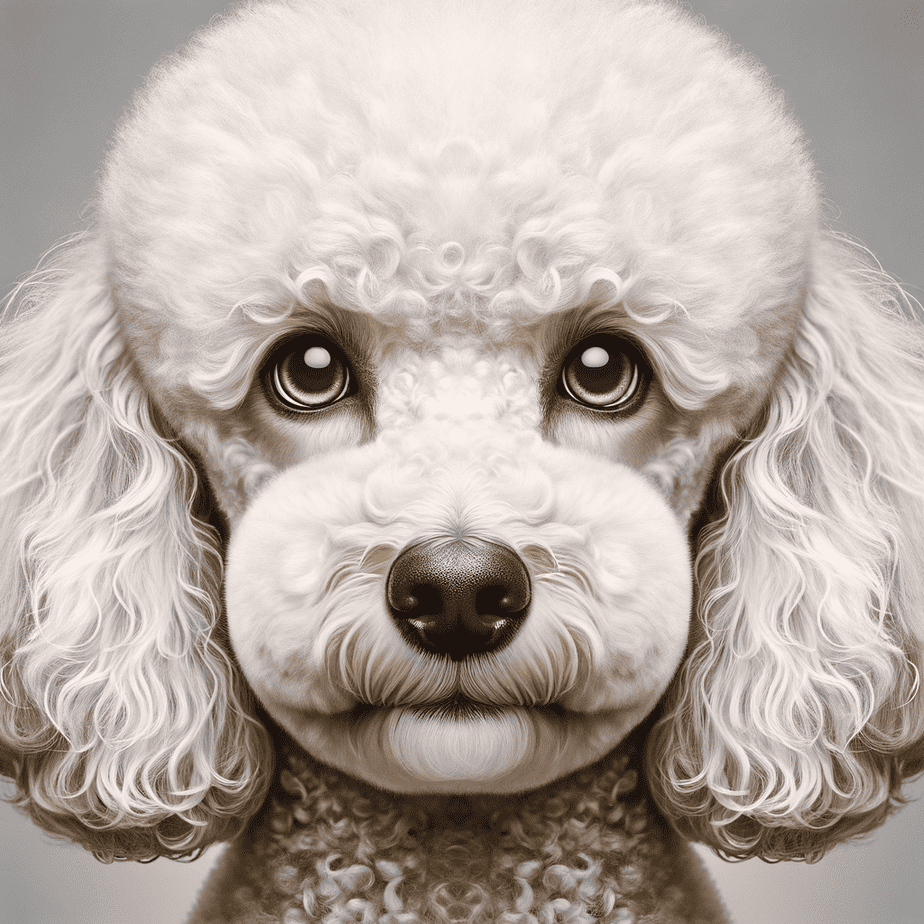
    poodle eye health

    Eye health is crucial for poodles, as it can significantly affect their quality of life. From common conditions like dry eyes and cataracts to more serious issues like Progressive Retinal Atrophy, understanding the potential eye problems your poodle may encounter is the first step to ensuring their well-being.

    But don’t worry, I’m here to guide you through it all. In this article, we’ll explore the unique eye structure of poodles, common eye issues they face, and how you can prevent these problems. We’ll also discuss the role of diet and environmental hygiene in maintaining your poodle’s eye health. And of course, I’ll share some practical tips for routine poodle eye care and maintenance.

    Whether you’re a seasoned poodle parent or a new one, this article will provide you with valuable insights into Poodle Eye Health – Conditions & Solutions From Vet. So, let’s get started and make sure your furry friend’s eyes are as healthy as they can be!

    Understanding Poodle Specific Eye Structure

    As a holistic veterinarian, I’ve often noticed that understanding your poodle’s unique eye structure is the first step towards ensuring their optimal eye health. So, let’s explore the unique eye structure of these adorable canines.

    The poodle’s eye structure is similar to that of other dogs, consisting of the cornea, iris, pupil, lens, retina, and optic nerve. Yet, what makes the poodle’s eye structure unique is the proportion and arrangement of these components, which can make them more susceptible to certain eye health conditions.

    The cornea, the clear outer layer of the eye, is particularly vulnerable in poodles due to their prominent eyes and long eyelashes. These features can cause irritations and injuries, leading to conditions like corneal ulcers. The lens, responsible for focusing light onto the retina, can also be affected in poodles, leading to conditions like cataracts.

    Moreover, the poodle’s tear ducts, which help keep the eyes moist, can sometimes be too narrow or improperly positioned, leading to excessive tearing and eye discharge. This can result in a condition known as tear staining, where reddish-brown streaks appear beneath the eyes.

    The retina, the light-sensitive layer at the back of the eye, is another crucial part of the poodle’s eye structure. It’s responsible for converting light into electrical signals that the brain can interpret as images. Any damage to the retina can lead to serious conditions like Progressive Retinal Atrophy (PRA), a condition that poodles are genetically predisposed to.

    Understanding these unique aspects of your poodle’s eye structure can help you stay vigilant for early signs of eye health issues. Remember, early detection is key to effective treatment and prevention of further complications. So, keep a close eye on your poodle’s eyes, and don’t hesitate to consult a vet if you notice any changes.

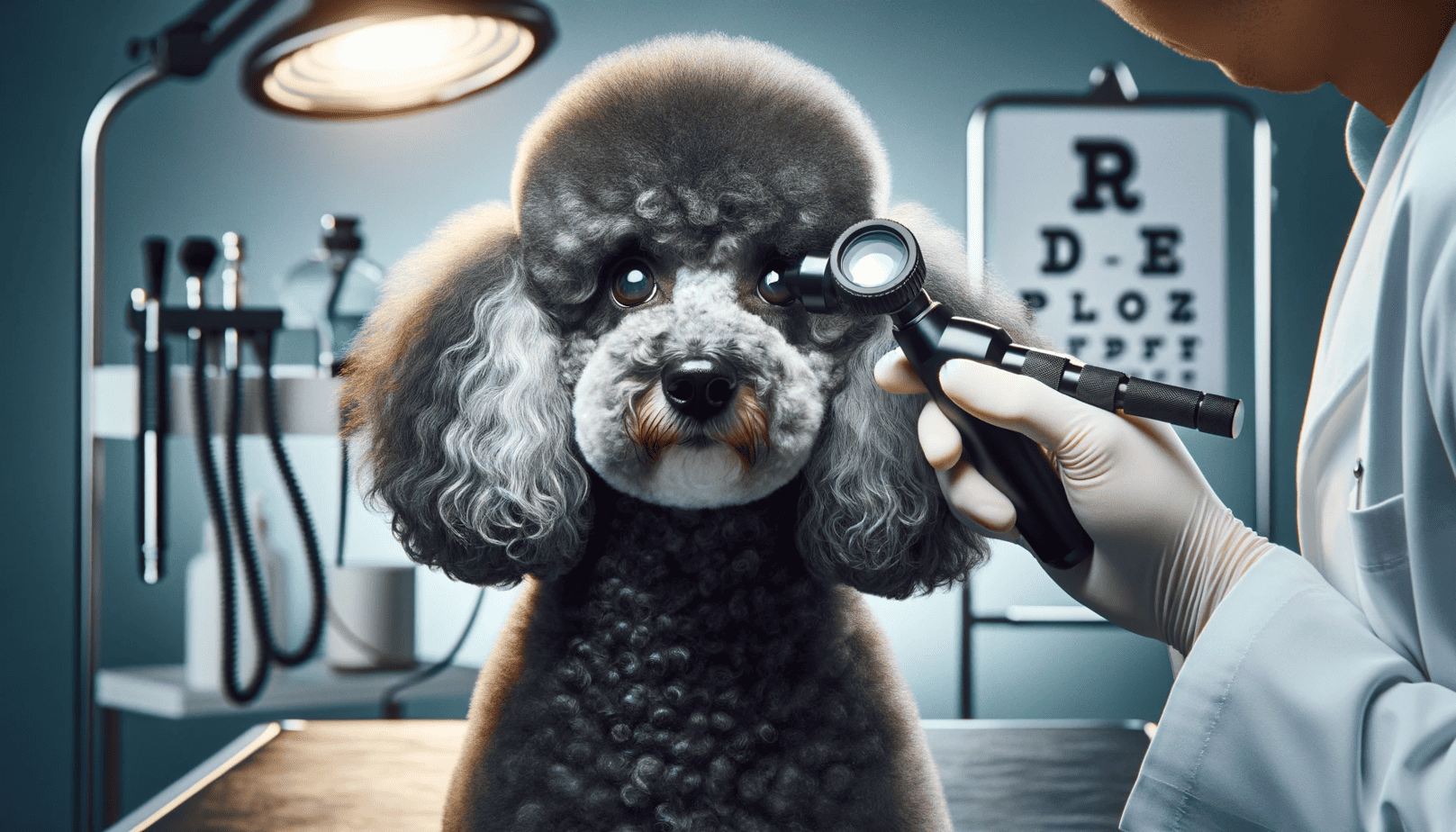
    dog eye anatomy

    Common Eye Issues In Poodles

    As a vet, I often encounter numerous Poodle Eye Health concerns. Poodles are a unique breed with specific eye health challenges. Let’s discuss some of the common conditions and solutions.

    Keratoconjunctivitis Sicca (Dry Eye)

    This condition occurs when the poodle’s eye doesn’t produce enough tears, leading to a dry and irritated eye. Symptoms include redness, squinting, and a thick discharge. Solutions typically include artificial tears and medications to stimulate tear production.

    Progressive Retinal Atrophy (PRA)

    PRA is a genetic disorder that gradually deteriorates the retina. This condition can lead to night blindness and eventually total blindness. Unfortunately, there’s no cure, but early detection can help manage the condition and prepare for lifestyle adjustments. Genetic testing can help identify poodles at risk.

    Cataracts

    Often confused with the normal aging process in poodles, cataracts can cause cloudiness and vision loss. However, they are treatable. Surgery is the most common solution to restore vision.

    Cherry Eye

    This condition is characterized by a red mass protruding from the dog’s third eyelid. It can be corrected surgically to prevent discomfort and further complications.

    Entropion

    Entropion is a condition where the eyelid rolls inward, causing the eyelashes to rub against the cornea. It can lead to irritation, pain, and corneal damage. Surgical correction is often the best solution.

    Glaucoma

    Glaucoma is a serious condition caused by increased pressure in the eye. It can lead to blindness if not treated promptly. Treatment may involve medication to decrease eye pressure or surgery.

    As a vet, I recommend that all poodle parents familiarize themselves with these common eye conditions and their solutions. If you notice any changes in your poodle’s eyes, seek veterinary care immediately. Your vigilance can make a significant difference in your furry friend’s eye health.

    Nourishing Your Dog’s Vision: Essential Nutrients for Eye Health

    Ensuring your poodle gets the right nutrients for optimal eye health is essential for maintaining clear vision and preventing age-related issues. Natural, nutrient-rich foods and supplements can play a key role in supporting their eyesight. From vitamin A-packed freeze-dried liver treats to antioxidant-rich blueberries and targeted supplements like Eyeplex by Standard Process, there are several ways to nourish your dog’s eyes. In this section, we’ll explore how these powerful ingredients contribute to long-term vision health and overall well-being.

    Eyeplex by Standard Process

    Eyeplex by Standard Process is a specialized supplement designed to support your poodle’s eye health with a blend of essential nutrients. Formulated with key vitamins, minerals, and antioxidants, Eyeplex helps protect against oxidative stress, supports retinal function, and promotes overall vision health. Ingredients like vitamin A, vitamin C, and zinc contribute to maintaining strong eyesight, while whole food ingredients provide additional phytonutrients for cellular protection. Adding Eyeplex to your poodle’s diet can be especially beneficial for aging dogs or breeds prone to eye conditions, offering targeted nutritional support to keep their vision sharp and healthy for years to come.

    Eyeplex by Standard Process for dogs eye health

    Freeze-Dried Blueberries

    Freeze-dried blueberries are a powerhouse of antioxidants that can help protect your poodle’s eyes from oxidative stress and age-related damage. Rich in vitamins C and E, as well as anthocyanins, these tiny but mighty berries help combat free radicals that can contribute to eye diseases like cataracts and macular degeneration. Incorporating freeze-dried blueberries into your dog’s diet provides a natural and delicious way to support retinal health, reduce inflammation, and promote overall vision longevity. Plus, they’re a low-calorie, dog-friendly treat that makes a great addition to a balanced diet for long-term eye health.

    Freeze Dried Blueberries for dog eye health

    Freeze-Dried Liver

    Freeze-dried liver treats are an excellent natural source of vitamin A, an essential nutrient for your poodle’s eye health. Vitamin A plays a crucial role in maintaining good vision, especially in low-light conditions, while also supporting overall immune function and skin health. Since liver is rich in bioavailable vitamin A, incorporating freeze-dried liver treats into your dog’s diet provides a convenient and nutritious way to promote optimal eye function. Just be sure to feed them in moderation, as excessive vitamin A can lead to toxicity. Adding these nutrient-packed treats to your pup’s routine is a simple, tasty way to support their long-term vision and well-being!

    Freeze-dried beef liver for dogs eye health

    By prioritizing your poodle’s eye health through a balanced diet and nutritional supplements, you can help prevent many common eye issues. These simple steps can go a long way in ensuring your pup’s eyes stay healthy and clear for years to come.

    Environmental Hygiene To Reduce Eye Problems

    Keeping your poodle’s environment clean is another key factor in preventing eye problems. Ensure good indoor air quality by regularly cleaning and vacuuming to remove dust and allergens that can irritate their eyes. Be cautious when using sprays, diffusers, candles, or incense around your poodle as these can also cause eye irritation.

    Routine Poodle Eye Care & Maintenance

    Regular grooming is essential for your poodle’s eye health. Keep their hair trimmed around the eyes to prevent irritation and check their eyes daily for any signs of redness, discharge, or inflammation. Regularly cleaning their eyes with a vet-approved solution can also help prevent eye infections.

    In conclusion, maintaining your poodle’s eye health requires a holistic approach that includes a balanced diet, nutritional supplements, a clean environment, and regular grooming. Always consult with your vet for personalized advice based on your poodle’s specific needs and health conditions.

    Environmental Hygiene To Reduce Eye Problems

    As a poodle parent, you know how important it is to keep your furry friend healthy and happy. One aspect of their health that may not be immediately apparent is the role of environmental hygiene in preventing eye problems. Let’s delve into some of the ways you can create a clean and safe environment to help keep your poodle’s eyes in the best possible condition.

    Indoor Air Quality

    Indoor air quality plays a significant role in your poodle’s eye health. Poor air quality can lead to irritation, dryness, and increased susceptibility to infections. Regularly cleaning your home and maintaining a smoke-free environment are two effective ways to improve air quality. Additionally, consider using an air purifier to eliminate allergens and pollutants that can harm your poodle’s eyes.

    Sprays, Diffusers, Candles, Incense

    While it’s lovely to have a home that smells nice, certain products like sprays, diffusers, candles, and incense can cause eye irritation in poodles. These products often contain chemicals and fragrances that can be harsh on your poodle’s sensitive eyes. If you must use these products, ensure they are pet-friendly and used in moderation. Alternatively, opt for natural alternatives such as essential oils, but always make sure they are safe for dogs as some can be toxic.

    Remember, your poodle’s eyes are delicate, and even small irritants can lead to significant discomfort or health issues. By maintaining a clean and safe environment, you can help prevent eye problems and ensure your poodle’s eyes stay as healthy as possible. After all, their eyes are not just the windows to their souls, but also a vital part of their overall health and well-being.

    Routine Poodle Eye Care & Maintenance

    Daily & Weekly Care & Maintenance

    Just like us humans, our furry friends also require regular eye care. Poodle eye health is significantly influenced by daily and weekly care routines. Start by making a daily habit of checking your poodle’s eyes for any signs of redness, discharge, or inflammation. If you notice anything unusual, don’t hesitate to contact your vet.

    Use a soft, damp cloth to gently clean around your poodle’s eyes. This can help remove any small particles or dust that may cause irritation. Be careful not to touch the eye directly as this can cause discomfort or even injury.

    Weekly, consider using a vet-approved eye cleaning solution. This will help keep the eyes clean and free from potential infections. Also, remember to always dry the area around the eyes after cleaning to prevent the growth of bacteria or yeast.

    Monitor Hair Length, Nail Length, Bath Frequency

    Maintaining your poodle’s hair length is also critical in preventing eye problems. Long hair can irritate the eyes leading to conditions such as conjunctivitis. Regular grooming and trimming around the eyes can prevent this. A professional groomer can do this, or you can learn to do it at home with the right tools and techniques.

    Keeping your poodle’s nails trimmed is equally important. Long nails can lead to accidental scratches on the eyes, especially during play. Regular nail trims, either at home or by a professional, can help avoid this risk.

    Lastly, consider your poodle’s bath frequency. While bathing helps keep your pet clean, excessive bathing can lead to dry skin and irritation around the eyes. So, it’s essential to find a balance. Your vet can provide guidance on the right bath frequency for your poodle based on its age, skin condition, and lifestyle.

    Poodle eye health isn’t just about treating conditions when they arise but also about preventing them. Regular care and maintenance are crucial in ensuring your poodle’s eyes remain healthy. As always, your vet is the best source of advice for any concerns you might have about your poodle’s eye health.

    Frequently Asked Questions

    1. What are common eye health conditions in Poodles?

    Poodles are prone to various eye health conditions such as cataracts, progressive retinal atrophy (PRA), glaucoma, and dry eye.

    2. How can I identify if my Poodle has an eye problem?

    Look for signs like redness, excessive tearing, cloudiness, squinting, rubbing or pawing at the eyes, and changes in vision. If you notice any of these symptoms, it’s important to consult a veterinarian.

    3. Can Poodle eye problems be treated?

    Yes, many Poodle eye problems can be treated. The treatment options depend on the specific condition and its severity. It’s crucial to seek professional veterinary care for proper diagnosis and treatment.

    4. How can I prevent eye issues in my Poodle?

    Regular eye examinations by a veterinarian are essential for early detection of any potential eye problems. Additionally, keeping your Poodle’s eyes clean, avoiding exposure to irritants, and providing a balanced diet can help maintain good eye health.

    5. Can Poodle eye problems lead to blindness?

    Some eye conditions, if left untreated, can progress and potentially lead to blindness. Timely diagnosis, appropriate treatment, and regular monitoring can help prevent or manage such complications.

    A note about your dog’s health

    This article provides general education and does not replace an examination, diagnosis, or individualized advice from your veterinarian. Contact a veterinary professional if you are concerned about your dog’s symptoms.

    Dr. Candy Akers, DVM Avatar

    ABOUT THE AUTHOR
  • Dog Eye Ointment – Vet Tells You How To Apply & Where To Buy OTC

    Dog Eye Ointment – Vet Tells You How To Apply & Where To Buy OTC

    Over the years, I’ve come across numerous dogs with a variety of eye issues – from simple irritations to more serious infections. Often, the solution lies in the timely application of the right dog eye ointment, but I’ve observed that many owners are either unaware of these products or unsure about how to use them effectively.

    That’s why I’ve put together this comprehensive guide. My aim is to demystify the world of dog eye ointments, helping you understand their purpose, recognize symptoms of eye infections, and apply treatments correctly. And, for those wondering where to purchase over-the-counter solutions, I’ve got that covered too.

    eye ointment for dog

    What Dog Eye Ointments Are For

    Maintaining the health of your dogs eyes is crucial for the overall well-being and happiness of our pets. But why exactly might your dog need eye ointment, and what role does it play in their eye care?

    1. Protection and Healing: Dog eye ointments serve as a protective barrier, often shielding the sensitive eye tissues from further irritants while providing a conducive environment for healing. Whether it’s a minor scratch or an external particle, a suitable ointment can offer immediate relief and faster recovery.
    2. Treatment of Infections: Just as we might use antibiotic ointment for our infections, certain dog eye ointments contain antibiotics to treat bacterial infections in a dog’s eye. These infections can be caused by a range of factors, including injury, foreign bodies, or underlying health conditions.
    3. Lubrication: Some dogs, especially certain breeds or older dogs, may suffer from dry eyes (keratoconjunctivitis sicca). In such cases, lubricating ointments can help keep their eyes moist and reduce discomfort.
    4. Reduction of Inflammation and Pain: Certain ointments are formulated with anti-inflammatory agents that can decrease swelling and pain. This is particularly helpful in cases of eye injuries or post-surgical recovery.
    5. Treatment of Specific Conditions: There are specialized ointments designed to tackle specific issues, such as corneal ulcers, conjunctivitis, or certain fungal infections. Using the correct ointment for the diagnosed condition is vital to ensure effective treatment and recovery.

    Dog eye ointments play a multi-faceted role in the realm of canine eye care and are indispensable tools in a pet parent’s arsenal. However, always consult your veterinarian before applying any ointment. Each dog is unique, and what works for one might not necessarily be the best choice for another.

    When it comes to treating eye conditions in dogs, several ointments have proven both safe and effective over the years. While the best course of action is always to consult with your veterinarian for specific recommendations, here are some commonly recommended dog eye ointments that you might come across:

    1. Terramycin (Oxytetracycline and Polymyxin B)

    • Description: Terramycin is a broad-spectrum antibiotic ointment often prescribed for bacterial infections of the eye.
    • Main Use: Treats conditions like conjunctivitis, corneal ulcers, and certain inflammatory eye disorders.

    2. Neopolydex (Neomycin, Polymyxin B, and Dexamethasone)

    • Description: A combination antibiotic and steroid ointment, Neopolydex is useful for both treating infections and reducing inflammation.
    • Main Use: Beneficial for eye injuries with associated swelling or infections complicated by inflammation.

    3. Optimmune (Cyclosporine)

    • Description: This ointment is specifically designed for dogs with dry eyes (keratoconjunctivitis sicca). It helps increase tear production while also reducing inflammation.
    • Main Use: Chronic dry eye conditions, where it helps restore moisture and comfort.

    4. Tetravet (Tetracycline)

    • Description: Another antibiotic ointment, Tetravet is effective against a range of bacteria that might cause eye infections.
    • Main Use: Used to treat bacterial eye infections, including conjunctivitis and certain corneal conditions.

    5. Gentak (Gentamicin)

    • Description: Gentak is a potent antibiotic ointment effective against several types of bacteria.
    • Main Use: Primarily used for bacterial conjunctivitis and other bacterial-caused eye infections.

    The world of dog eye ointments is vast, and the above examples are just the tip of the iceberg. It’s essential to understand that while OTC (Over The Counter) ointments can be beneficial, it’s paramount to seek a veterinarian’s guidance. Your pet’s specific symptoms, the underlying cause, breed, age, and other factors can all influence the best choice of treatment. Proper diagnosis and tailored treatment ensure not only quick relief but also the long-term well-being of your furry friend’s eyes.

    eye ointment for dogs

    Symptoms That May Indicate Your Dog Has An Eye Infection

    A dog’s eyes are expressive and can convey a multitude of emotions, but they’re also sensitive and can be prone to infections. As a vigilant pet parent, it’s essential to recognize the signs that might indicate an eye problem in your canine companion. While some symptoms can be subtle, others might be glaringly evident. Here’s a guide to help you understand and identify symptoms that may suggest your dog has an eye infection:

    1. Redness or Swelling

    • Description: The white part of the eye (sclera) may appear redder than usual, or the eyelids might be swollen.
    • Possible Causes: Conjunctivitis, foreign body irritation, or other inflammatory conditions.

    2. Discharge

    • Description: You might notice a clear, mucus-like, or even pus-filled discharge coming from one or both eyes.
    • Possible Causes: Bacterial or viral infections, tear duct issues, or irritants.

    3. Excessive Tearing or Watery Eyes

    • Description: Continuous watering of the eyes or damp fur around the eyes.
    • Possible Causes: Foreign body irritation, allergies, or infections.

    4. Cloudiness or Change in Eye Color

    • Description: A cloudy appearance or any color changes to the eye’s natural look.
    • Possible Causes: Cataracts, glaucoma, corneal injuries, or infections.

    5. Frequent Blinking or Squinting

    • Description: Your dog might blink more than usual or appear to be squinting.
    • Possible Causes: Discomfort due to foreign bodies, dry eyes, or infections.

    6. Rubbing or Scratching at the Eye

    • Description: Your dog may use its paw to rub the eye or scratch around it.
    • Possible Causes: Irritation, foreign body presence, or infections.

    7. Sensitivity to Light

    • Description: Your dog might seem to avoid bright light or prefer staying in dimly lit areas.
    • Possible Causes: Uveitis, glaucoma, or other internal eye problems.

    8. Behavioral Changes

    • Description: In response to discomfort or pain, your dog might become more reclusive, aggressive, or show a lack of interest in activities they usually enjoy.
    • Possible Causes: Severe eye conditions or infections causing pain.

    It’s vital to understand that while some of these symptoms might indicate a simple, easily treatable problem, others could be signs of more severe conditions. Always consult with your veterinarian if you notice any of these symptoms or any other unusual behavior related to your dog’s eyes. Timely intervention can make a significant difference in outcomes and ensure your dog’s eyes remain healthy and bright.

    eye ointment for my dog

    How To Apply Dog Eye Ointment Step By Step

    Administering eye ointment to your furry friend can sometimes feel like a daunting task, especially if it’s your first time. However, with a little preparation and patience, it can become a smooth process for both you and your pet. Here’s a step-by-step guide to help you apply dog eye ointment effectively and safely:

    Wash Your Hands

    • Why It’s Important: Keeping your hands clean ensures that no additional contaminants or bacteria are introduced to your dog’s eye.
    • Tips: Use mild soap and warm water. Ensure your hands are dry before handling the ointment tube.

    Gather Supplies

    • Items You’ll Need:
      • The prescribed eye ointment
      • A clean cloth or tissue
      • Treats (optional, but useful for rewarding your dog post-application)
    • Tips: Keep everything close by to ensure the process is as quick and hassle-free as possible.

    Create a Calm Environment

    • Why It’s Important: A relaxed dog will be more cooperative, making the application process smoother.
    • Tips: Choose a quiet room with soft lighting. Talk to your dog in a gentle, reassuring voice. You can also have a favorite toy or treat nearby as a distraction.

    Hold Your Dog Comfortably

    • Positioning: If you have a smaller dog, it might be easier to place them on a table or your lap. For larger dogs, sitting beside them or having them lie down can work.
    • Tips: It’s essential that both you and your dog are comfortable. If your dog is anxious, consider asking someone they trust to help hold them gently but firmly.

    Open the Eye Ointment Tube

    • Tips: Ensure the tube’s tip doesn’t touch any surface, including your hands or the dog’s eye, to prevent contamination.

    Gently Pull Down the Lower Eyelid

    • Why It’s Important: Creating a small pouch in the lower eyelid ensures the ointment gets applied to the whole eye.
    • Tips: Use your thumb or a finger to pull down the eyelid gently.

    Apply the Ointment

    • Instructions: Gently squeeze the ointment tube, applying a thin strip or the recommended amount into the pouch you’ve created with the lower eyelid.
    • Tips: Avoid touching the eye with the tube. If you’re unsure about the amount, consult with your vet.

    Let Your Dog Blink

    • Why It’s Important: Blinking will help spread the ointment across the eye.
    • Tips: If your dog doesn’t blink, you can gently close their eyelid and massage softly to spread the ointment.

    Reward and Positive Reinforcement

    • Why It’s Important: Making the experience positive ensures future applications will be easier.
    • Tips: Give your dog a treat or play a short game. This will help them associate the process with positive outcomes.

    Remember, consistency and patience are key. The more routinely you do this, the more accustomed your dog will become, making the process smoother over time. If you face any challenges or notice any adverse reactions, don’t hesitate to consult your veterinarian for advice or alternative methods.

    Dr. Candy’s Recommendation

    When it comes to eye ointments for our canine companions, the choices are numerous. However, over my years in veterinary practice, one product consistently stands out for its effectiveness and safety: Terramycin. I’d like to shed some light on why Terramycin is often my go-to recommendation for many common eye conditions in dogs.

    What is Terramycin Eye Ointment?

    Terramycin is an antibiotic ointment that contains two potent ingredients: Oxytetracycline and Polymyxin B. Together, these antibiotics provide a broad spectrum of activity against the bacteria commonly responsible for eye infections in dogs.

    Why Choose Terramycin?

    1. Broad-Spectrum Antibiotic: Its dual-action formula tackles a wide variety of bacterial infections, making it a versatile treatment option.
    2. Safety: Terramycin has been used for decades and has a well-established safety profile when used as directed.
    3. Ease of Application: The ointment is smooth and easy to apply, causing minimal discomfort to your pet.
    4. Fast-Acting: Many pet parents report seeing improvements in their dog’s symptoms in just a few days of starting the treatment.

    Terramycin Product Information

    • Ingredients: Oxytetracycline and Polymyxin B
    • Dosage: The amount and frequency of application should be based on your veterinarian’s recommendation, typically applied 2-4 times daily.
    • Storage: Store at room temperature, away from direct sunlight.

    Terramycin Cautions & Considerations

    1. Consultation: While Terramycin is available over-the-counter, always consult with your veterinarian before starting any treatment to ensure it’s the right choice for your dog’s specific condition.
    2. Allergies: As with any medication, there’s a potential for allergic reactions. Monitor your dog for any adverse reactions and consult your vet if you notice anything unusual.
    3. Concurrent Medications: If your dog is on other eye medications, ensure there’s an interval of at least 5-10 minutes between applying different products.
    4. Avoid Contamination: Ensure the tip of the ointment tube doesn’t touch any surfaces, including the eye, to prevent any potential contamination.

    In conclusion, while there are many effective eye ointments on the market, Terramycin often tops my list due to its proven track record and versatility. However, it’s crucial to remember that every dog is unique. Always prioritize professional guidance and ensure that any treatment aligns with your dog’s specific needs and condition.

    over the counter eye ointment for dogs

    Where to Buy OTC Dog Eye Ointment

    The health and well-being of our furry companions are always a top priority for pet owners. Thankfully, for less severe eye conditions or for preventive care, several over-the-counter (OTC) eye ointments are available. Knowing where to buy these products can save time, reduce stress, and ensure you’re getting quality products. Here are some reliable places and tips for purchasing OTC dog eye ointments:

    1. Pet Supply Stores

    • Overview: Most large pet supply chains and even local pet stores carry a selection of OTC dog eye ointments.
    • Pros: The convenience of in-store shopping allows you to ask staff for recommendations and see the product firsthand.
    • Cons: The variety might be limited depending on the store’s size and stock.

    2. Online Retailers

    • Popular Options: Websites like Amazon, Chewy, Petco, and Petsmart offer a vast range of OTC eye ointments.
    • Pros: Online platforms often provide customer reviews, which can be helpful when deciding on a product. Plus, the convenience of home delivery can’t be beaten.
    • Cons: Always ensure you’re buying from a reputable seller to avoid counterfeit or expired products.

    3. Veterinary Clinics

    • Overview: Many veterinary clinics stock popular OTC eye ointments, even if a prescription isn’t required.
    • Pros: Buying from your vet’s office ensures you’re getting a quality product, and you can get professional advice on the spot.
    • Cons: Prices might be slightly higher than other sources.

    4. Pharmacies

    • Overview: Some human pharmacies also carry pet products, including OTC dog eye ointments.
    • Pros: Convenient, especially if you’re already there for other purchases.
    • Cons: Their pet product range might be limited.

    Tips for Buying OTC Dog Eye Ointment:

    1. Read Labels Carefully: Ensure the product is specifically meant for dogs and check for any active ingredients.
    2. Check Expiry Dates: Like all medications, eye ointments have a shelf life. Always check the expiry date before purchasing.
    3. Seek Recommendations: If unsure about which product to buy, don’t hesitate to ask your veterinarian or fellow dog owners for their preferences.
    4. Beware of Extremely Low Prices: If a deal seems too good to be true, be cautious. Counterfeit pet products do exist, and they can be harmful.
    5. Storage: Once purchased, store your dog’s eye ointment as instructed, usually in a cool, dry place away from direct sunlight.

    While there are several places to buy OTC dog eye ointments, always prioritize quality and your pet’s safety. Ensure you’re informed, and when in doubt, consult with a professional to make the best choice for your canine companion.

    Conclusion

    Our canine companions bring so much joy, affection, and unforgettable moments into our lives. In return, it’s our responsibility to ensure they lead healthy, happy lives. One crucial area of this care is their eye health, a small area that can sometimes be overlooked until a problem draws our attention.

    From understanding the signs of eye infections to knowing the best ointments to use and where to purchase them, being equipped with the right knowledge is paramount. Terramycin, as I’ve highlighted, stands out as a trusted recommendation, but always remember that individual needs may vary. Your veterinarian remains the best source of advice tailored to your pet’s unique situation.

    The world is a vast playground filled with wonders for our dogs to see, from chasing after a squirrel to watching a butterfly flutter by. By taking proactive steps in maintaining their eye health, we can ensure they continue to see and enjoy the beauty around them.

    Thank you for joining me on this journey to better understand and care for our dog’s eyes. Together, let’s make every wag, bark, and blink count.

    Frequently Asked Questions

    How often should I check my dog’s eyes for signs of infection?

    Answer: Ideally, it’s good to inspect your dog’s eyes at least once a week. However, if your dog has been exposed to areas with a lot of dirt, dust, or potential allergens, you might want to check more frequently. Always be on the lookout for symptoms like redness, excessive tearing, or discharge.

    Can I use human eye ointment for my dog?

    Answer: While some ingredients in human eye ointments might be similar to those in dog-specific products, it’s crucial not to use human medication on your dog without consulting a veterinarian. Some ingredients safe for humans might be harmful to dogs.

    My dog doesn’t like having ointment applied. Do you have any tips to make it easier?

    Applying ointment can be challenging for some dogs. Start by creating a calm environment, use positive reinforcement with treats, and consider having someone your dog trusts help hold and comfort them. Over time, with consistency and patience, many dogs become more accustomed to the process.

    How long does it typically take to see improvements after starting an eye ointment like Terramycin?

    Many pet owners notice improvements within a few days of starting treatment with Terramycin. However, the response can vary depending on the severity of the infection and the dog’s overall health. Always complete the recommended duration of treatment, even if the symptoms seem to have subsided.

    Are there any side effects associated with OTC dog eye ointments?

    Like all medications, there’s a potential for side effects, though they’re generally rare with OTC eye ointments. Potential reactions could include increased redness, swelling, or itching. If you observe any unusual symptoms or behaviors in your dog after starting an ointment, stop its use and consult your veterinarian immediately.

    A note about your dog’s health

    This article provides general education and does not replace an examination, diagnosis, or individualized advice from your veterinarian. Contact a veterinary professional if you are concerned about your dog’s symptoms.

    Dr. Candy Akers, DVM Avatar

    ABOUT THE AUTHOR
  • Bull Terrier Eye Health – Conditions & Solutions From Vet

    Bull Terrier Eye Health – Conditions & Solutions From Vet

    Welcome, fellow dog lovers! Today, we’re going to focus on a very important topic – Bull Terrier Eye Health. As a holistic veterinarian, I’ve treated many Bull Terriers in my practice and I’ve seen first-hand the unique challenges this breed faces when it comes to maintaining healthy eyes.

    Our Bull Terrier friends are known for their distinctive, triangular-shaped eyes, which add to their unique charm. However, this distinctive feature also makes them prone to certain eye conditions. Understanding these potential problems is the first step towards ensuring our beloved pets have the best chance at maintaining good eye health.

    We’ll discuss common Bull Terrier eye problems, from minor irritations to more serious conditions like cataracts and progressive retinal atrophy. But don’t worry, it’s not all doom and gloom! We’ll also talk about preventative measures, including dietary adjustments and environmental changes, that can help protect your Bull Terrier’s eyes.

    Remember, early detection and treatment are key when it comes to Bull Terrier eye diseases. So, whether you’re a seasoned Bull Terrier owner or considering adding one to your family, this information is crucial. Let’s dive in and learn more about Bull Terrier Eye Health!

    bull terrier eye health

    Understanding Breed Specific Eye Structure

    As a holistic veterinarian, I’ve had many conversations with Bull Terrier parents about their dog’s unique eye structure. Understanding the anatomy of your Bull Terrier’s eyes is the first step towards ensuring their optimal eye health.

    Bull Terriers have a distinctive eye shape and placement that sets them apart from other breeds. Their eyes are triangular or almond-shaped, and they are placed obliquely in the skull. This unique eye structure gives Bull Terriers their characteristic keen expression.

    The eye of a Bull Terrier is composed of several layers. The outermost layer is the cornea, a clear protective shield that allows light to enter the eye. Behind the cornea is the iris, the colored part of the eye which controls the amount of light that enters the eye. The pupil, the black center of the eye, is an opening in the iris that allows light to travel to the back of the eye. Behind the pupil is the lens, which focuses light onto the retina at the back of the eye. The retina is made up of cells that convert light into signals for the brain.

    This breed-specific eye structure can predispose Bull Terriers to certain eye health issues, including progressive retinal atrophy and lens luxation. Understanding these potential problems can help you take preventive measures and seek early treatment if necessary.

    Moreover, the unique shape and placement of Bull Terrier eyes can make them more susceptible to environmental irritants like dust and pollen. Regular cleaning and maintenance, as well as providing a clean and healthy living environment, are crucial for preventing eye infections and injuries.

    Understanding your Bull Terrier’s eye structure also gives you insight into their vision. Dogs see the world differently than humans do. Their vision is less sharp, but they have a wider field of view and better night vision. They also see colors differently – while humans see a full spectrum of colors, dogs see mostly shades of blue and yellow.

    In the end, the more you understand about your Bull Terrier’s eyes, the better prepared you’ll be to protect their eye health. Stay tuned for more insights on common eye issues in Bull Terriers and how to prevent them.

    Common Eye Issues In Bull Terrier

    As a veterinarian, I’ve had the opportunity to treat many Bull Terrier Eye Health issues. This breed is known for its distinctive appearance, which includes their unique eye shape. However, this uniqueness can sometimes lead to certain eye problems. Here are some of the most common ones:

    • Cherry Eye: This condition occurs when the gland in the third eyelid becomes inflamed and protrudes, resembling a cherry. It’s not usually painful but can lead to other complications if left untreated.
    • Entropion: In this condition, the eyelid rolls inwards, causing the lashes to rub against the eye surface. It can cause significant discomfort and can lead to ulcers or infections if not addressed promptly.
    • Corneal Ulcers: These are wounds on the cornea, often resulting from trauma, entropion, or infections. They can cause pain, redness, and impaired vision, and need immediate veterinary attention.
    • Progressive Retinal Atrophy (PRA): This is a genetic disorder that gradually causes blindness. While there’s no cure, early detection can help manage the condition and slow down the progression.
    • Cataracts: These are cloudy spots on the eye lens, causing impaired vision or blindness. They’re common in older Bull Terriers, but can also occur in younger dogs due to genetics or injury.

    As a dog parent, it’s crucial to keep a close eye on your Bull Terrier’s eye health. Regular check-ups can help detect these conditions early, and immediate treatment can prevent them from worsening. Remember, Bull Terrier Eye Health is an essential part of their overall well-being.

    To recognize these conditions, watch out for symptoms such as redness, excessive tearing, cloudiness, squinting, rubbing the eyes, or changes in behavior. If you notice any of these signs, it’s best to consult your vet immediately.

    While some of these conditions are genetic and hence unavoidable, others can be prevented with proper care and attention. The next section will discuss various preventive measures you can take to maintain your Bull Terrier’s eye health.

    dog eye chart

    Nourishing Your Bull Terrier’s Vision: Essential Nutrients for Eye Health

    Ensuring your Bull Terrier gets the right nutrients for optimal eye health is essential for maintaining clear vision and preventing age-related issues. Natural, nutrient-rich foods and supplements can play a key role in supporting their eyesight. From vitamin A-packed freeze-dried liver treats to antioxidant-rich blueberries and targeted supplements like Eyeplex by Standard Process, there are several ways to nourish your dog’s eyes. In this section, we’ll explore how these powerful ingredients contribute to long-term vision health and overall well-being.

    Eyeplex by Standard Process

    Eyeplex by Standard Process is a specialized supplement designed to support your Bull Terrier’s eye health with a blend of essential nutrients. Formulated with key vitamins, minerals, and antioxidants, Eyeplex helps protect against oxidative stress, supports retinal function, and promotes overall vision health. Ingredients like vitamin A, vitamin C, and zinc contribute to maintaining strong eyesight, while whole food ingredients provide additional phytonutrients for cellular protection. Adding Eyeplex to your Bull Terrier’s diet can be especially beneficial for aging dogs or breeds prone to eye conditions, offering targeted nutritional support to keep their vision sharp and healthy for years to come.

    Eyeplex by Standard Process for dogs eye health

    Freeze-Dried Blueberries

    Freeze-dried blueberries are a powerhouse of antioxidants that can help protect your Bull Terrier’s eyes from oxidative stress and age-related damage. Rich in vitamins C and E, as well as anthocyanins, these tiny but mighty berries help combat free radicals that can contribute to eye diseases like cataracts and macular degeneration. Incorporating freeze-dried blueberries into your dog’s diet provides a natural and delicious way to support retinal health, reduce inflammation, and promote overall vision longevity. Plus, they’re a low-calorie, dog-friendly treat that makes a great addition to a balanced diet for long-term eye health.

    Freeze Dried Blueberries for dog eye health

    Freeze-Dried Liver

    Freeze-dried liver treats are an excellent natural source of vitamin A, an essential nutrient for your Bull Terrier’s eye health. Vitamin A plays a crucial role in maintaining good vision, especially in low-light conditions, while also supporting overall immune function and skin health. Since liver is rich in bioavailable vitamin A, incorporating freeze-dried liver treats into your dog’s diet provides a convenient and nutritious way to promote optimal eye function. Just be sure to feed them in moderation, as excessive vitamin A can lead to toxicity. Adding these nutrient-packed treats to your pup’s routine is a simple, tasty way to support their long-term vision and well-being!

    Freeze-dried beef liver for dogs eye health

    Environmental Hygiene To Reduce Eye Problems

    Ensuring a clean and healthy environment is a vital part of maintaining your Bull Terrier’s eye health. There are several factors to consider, including indoor air quality and the use of sprays, diffusers, candles, and incense.

    Indoor Air Quality

    Indoor air quality can have a significant impact on your Bull Terrier’s eye health. Dust, dirt, and allergens can irritate your dog’s eyes, leading to discomfort and potential eye problems. To minimize this risk, regularly clean and vacuum your home to reduce dust and allergens. Air purifiers can also help improve indoor air quality by filtering out harmful particles.

    Consider your pet’s proximity to floor level where dust tends to settle. Regularly washing your dog’s bedding can also help reduce the amount of dust and allergens they are exposed to.

    Sprays, Diffusers, Candles, and Incense

    While we may enjoy the scent of air fresheners, candles, or incense, these can be irritating to your Bull Terrier’s eyes. Chemicals and artificial fragrances can cause eye irritation, leading to redness, itching, and potential eye conditions. When possible, opt for natural alternatives or ensure your pet is in a well-ventilated area when using these products.

    Remember, your Bull Terrier’s eye health is not just about regular check-ups and treatments. It’s about creating a safe, clean, and comfortable environment for them. By maintaining good environmental hygiene, you can help prevent eye problems and ensure your Bull Terrier’s eyes stay bright and healthy.

    Remember, your pet’s health should always be a priority. If you notice any changes in your Bull Terrier’s eyes, such as redness, discharge, or changes in behavior, it’s crucial to seek veterinary advice immediately. Early detection and treatment are key to maintaining your Bull Terrier’s eye health.

    Next, we’ll discuss routine Bull Terrier eye care and maintenance, including daily and weekly care and the importance of monitoring hair length, nail length, and bath frequency.

     Bull Terrier eye problems

    Routine Bull Terrier Eye Care & Maintenance

    Taking care of your Bull Terrier’s eye health goes beyond treating diseases and conditions. It involves a routine of care and maintenance to prevent problems before they occur. Here’s how you can keep your Bull Terrier’s eyes healthy and bright.

    Daily & Weekly Care & Maintenance

    Just like us, Bull Terriers can benefit from daily and weekly eye care routines. Start with a daily visual inspection of your dog’s eyes. Look for signs of redness, swelling, discharge, or anything that seems out of the ordinary. If you notice anything unusual, it’s best to consult your vet immediately.

    Next, make it a habit to wipe your Bull Terrier’s eyes with a clean, damp cloth every day. This will help remove any dirt or debris that could cause irritation or infection. Be gentle and avoid touching the eye itself. Always wipe from the inner corner of the eye outward to prevent spreading any potential infection.

    On a weekly basis, consider using a vet-approved eye rinse to flush out any irritants. This can be particularly helpful if your Bull Terrier is prone to eye issues. However, always consult with your vet before introducing new products into your dog’s care routine.

    Monitor Hair Length, Nail Length, Bath Frequency

    Another aspect of Bull Terrier eye health that you might not have considered is the length of your dog’s hair and nails. Long hair can easily get into your dog’s eyes, causing irritation and potential eye problems. Regular grooming and keeping the hair around the eyes short can help prevent this.

    Similarly, long nails can accidentally scratch the eyes, especially during play or grooming. Regular nail trims can help avoid this risk.

    Lastly, consider your dog’s bath frequency. While it’s important to keep your Bull Terrier clean, too many baths can dry out their skin and eyes. Aim for a balance that keeps your dog clean without causing irritation. Always avoid getting soap or shampoo in your dog’s eyes during bath time.

    Remember, maintaining your Bull Terrier’s eye health is a combination of regular vet check-ups and a good home care routine. By keeping a close eye on your dog’s overall health and grooming habits, you can help ensure their eyes stay as healthy as possible.

    Frequently Asked Questions

    What are common eye health conditions in Bull Terriers?

    Common eye health conditions in Bull Terriers include cataracts, glaucoma, progressive retinal atrophy (PRA), and lens luxation.

    How can I prevent eye problems in my Bull Terrier?

    To prevent eye problems, it is important to provide regular veterinary check-ups, maintain proper hygiene around the eyes, avoid exposure to irritants, and feed a balanced diet with essential nutrients for eye health.

    What are the symptoms of eye conditions in Bull Terriers?

    Symptoms may vary depending on the specific eye condition, but common signs include redness, excessive tearing, cloudiness or opacity in the eyes, squinting, rubbing or pawing at the eyes, and changes in vision.

    Can eye conditions in Bull Terriers be treated?

    Many eye conditions in Bull Terriers can be treated or managed with proper veterinary care. Treatment options may include medication, surgery, or specialized eye care.

    When should I seek veterinary attention for my Bull Terrier’s eye problems?

    If you notice any signs of eye discomfort or abnormalities in your Bull Terrier, it is recommended to seek veterinary attention as soon as possible. Early detection and treatment can help prevent further complications.

    A note about your dog’s health

    This article provides general education and does not replace an examination, diagnosis, or individualized advice from your veterinarian. Contact a veterinary professional if you are concerned about your dog’s symptoms.

    Dr. Candy Akers, DVM Avatar

    ABOUT THE AUTHOR
  • Brussels Griffon Eye Health – Conditions & Solutions From Vet

    Brussels Griffon Eye Health – Conditions & Solutions From Vet

    As a veteran holistic veterinarian and a passionate dog parent, I understand how much you love your Brussels Griffon. You cherish their unique personality, their feisty spirit, and those expressive eyes that seem to understand your every emotion. But did you know that those beautiful eyes are prone to certain health issues? That’s right, Brussels Griffon Eye Health is a topic that every owner of this adorable breed needs to be aware of.

    Brussels Griffons, with their distinctive short-nosed, wide-eyed appearance, are susceptible to a variety of eye problems. From minor irritations to severe conditions like cataracts and glaucoma, these issues can affect your pup’s vision and quality of life. But don’t worry, as a seasoned vet, I’m here to guide you through the complexities of Brussels Griffon Eye Disease and provide practical solutions to maintain their eye health.

    In this article, we’ll explore the unique eye structure of Brussels Griffons, common eye problems they face, and preventive measures you can take. We’ll also discuss the importance of environmental hygiene and routine eye care in preventing and treating eye issues in Brussels Griffon. So, let’s get started on this journey towards ensuring the best eye health for your beloved Brussels Griffon!

    brussels griffon eye health

    Understanding Breed Specific Eye Structure

    As a devoted guardian to your Brussels Griffon, understanding their unique eye structure is crucial to maintaining their overall eye health. This breed is known for their large, expressive eyes, which are not just a charming feature but also a window to their overall health.

    Brussels Griffons have a prominent eye structure due to their short nose and flat face, a characteristic found in brachycephalic breeds. Their eyes are round, set well apart and quite large in proportion to their small face. The eyelids are edged with black, which accentuates the expressiveness of their gaze. However, this distinct eye structure also makes them more susceptible to certain eye health issues.

    The eye of the Brussels Griffon is protected by the third eyelid, also known as the nictitating membrane, which provides an additional layer of protection. This membrane can sometimes become visible due to certain health conditions, so it’s important to keep an eye out for any changes.

    Moreover, the tear film, which is a liquid layer that covers their eyes, plays a crucial role in maintaining eye health. It provides nutrients, removes waste, and offers a smooth surface for light to pass through. Any imbalance in the tear film can lead to dry eyes, a common issue in Brussels Griffons.

    The cornea, the clear front surface of the eye, is another vital part of your Brussels Griffon’s eye structure. It’s responsible for focusing light into the eye and protecting the inner parts of the eye. Because of their prominent eyes, Brussels Griffons are at a higher risk of corneal injuries.

    Finally, the lens of the eye, located behind the pupil, focuses light onto the retina, which sends images to the brain. Any cloudiness in the lens can lead to cataracts, another common eye issue in this breed.

    Understanding your Brussels Griffon’s eye structure can help you better monitor their eye health. Keep in mind that regular vet check-ups are essential to early detection and treatment of potential eye health issues. Remember, your Brussels Griffon’s eyes are not just a window to their soul, but also a window to their overall health. So, let’s keep those expressive eyes healthy and bright!

    Common Eye Issues In Brussels Griffon

    As a dedicated pet parent, you’re undoubtedly keen on ensuring your Brussels Griffon enjoys optimal health. When it comes to Brussels Griffon Eye Health, there are several common conditions you should be aware of. These little dogs, with their distinctive faces and large, expressive eyes, are unfortunately prone to several eye problems.

    Cataracts are one of the most common eye problems in this breed. They cause cloudiness in the lens of the eye, leading to impaired vision or even blindness. If your Brussels Griffon’s eyes appear cloudy or they seem to be having trouble seeing, it’s essential to consult a vet immediately.

    Progressive Retinal Atrophy (PRA) is another condition that affects the Brussels Griffon Eye Health. This genetic condition leads to the gradual degeneration of the retina, resulting in night blindness and eventually total blindness. Early detection is critical, so regular eye examinations are vital.

    Brussels Griffons are also susceptible to Corneal Ulcers. These are painful sores on the outer layer of the eye which if left untreated, can lead to more serious complications. Signs include squinting, redness, excessive tearing, and sensitivity to light.

    Last but not least, Distichiasis is a condition where extra eyelashes grow from the eyelid and rub against the cornea. This can cause discomfort, excessive tearing, and corneal ulcers. Surgical intervention may be necessary if the condition is severe.

    Here’s a quick summary of these common Brussels Griffon Eye Health issues:

    Eye ConditionSignsAction Required
    CataractsCloudy eyes, impaired visionImmediate vet consultation
    Progressive Retinal Atrophy (PRA)Night blindness, gradual loss of visionRegular eye examinations
    Corneal UlcersSquinting, redness, excessive tearing, light sensitivityImmediate vet consultation
    DistichiasisDiscomfort, excessive tearing, possible corneal ulcersPossible surgical intervention

    Remember, early detection and treatment are key to managing these conditions and ensuring your Brussels Griffon’s overall eye health. Regular vet check-ups and attentive care at home are the best ways to keep your furry friend’s eyes healthy.

    Brussels Griffon Eye Health

    Nourishing Your Brussels Griffon’s Vision: Essential Nutrients for Eye Health

    Ensuring your Brussels Griffon gets the right nutrients for optimal eye health is essential for maintaining clear vision and preventing age-related issues. Natural, nutrient-rich foods and supplements can play a key role in supporting their eyesight. From vitamin A-packed freeze-dried liver treats to antioxidant-rich blueberries and targeted supplements like Eyeplex by Standard Process, there are several ways to nourish your dog’s eyes. In this section, we’ll explore how these powerful ingredients contribute to long-term vision health and overall well-being.

    Eyeplex by Standard Process

    Eyeplex by Standard Process is a specialized supplement designed to support your Brussels Griffon’s eye health with a blend of essential nutrients. Formulated with key vitamins, minerals, and antioxidants, Eyeplex helps protect against oxidative stress, supports retinal function, and promotes overall vision health. Ingredients like vitamin A, vitamin C, and zinc contribute to maintaining strong eyesight, while whole food ingredients provide additional phytonutrients for cellular protection. Adding Eyeplex to your Brussels Griffon’s diet can be especially beneficial for aging dogs or breeds prone to eye conditions, offering targeted nutritional support to keep their vision sharp and healthy for years to come.

    Eyeplex by Standard Process for dogs eye health

    Freeze-Dried Blueberries

    Freeze-dried blueberries are a powerhouse of antioxidants that can help protect your Brussels Griffon’s eyes from oxidative stress and age-related damage. Rich in vitamins C and E, as well as anthocyanins, these tiny but mighty berries help combat free radicals that can contribute to eye diseases like cataracts and macular degeneration. Incorporating freeze-dried blueberries into your dog’s diet provides a natural and delicious way to support retinal health, reduce inflammation, and promote overall vision longevity. Plus, they’re a low-calorie, dog-friendly treat that makes a great addition to a balanced diet for long-term eye health.

    Freeze Dried Blueberries for dog eye health

    Freeze-Dried Liver

    Freeze-dried liver treats are an excellent natural source of vitamin A, an essential nutrient for your Brussels Griffon’s eye health. Vitamin A plays a crucial role in maintaining good vision, especially in low-light conditions, while also supporting overall immune function and skin health. Since liver is rich in bioavailable vitamin A, incorporating freeze-dried liver treats into your dog’s diet provides a convenient and nutritious way to promote optimal eye function. Just be sure to feed them in moderation, as excessive vitamin A can lead to toxicity. Adding these nutrient-packed treats to your pup’s routine is a simple, tasty way to support their long-term vision and well-being!

    Freeze-dried beef liver for dogs eye health

    Environmental Hygiene To Reduce Eye Problems in Brussels Griffon

    As a loving parent to your Brussels Griffon, maintaining an environment that promotes their eye health is crucial. Here are some factors to consider:

    Indoor Air Quality

    Indoor air quality plays a vital role in your Brussels Griffon’s eye health. Dust, dander, and other airborne irritants can cause eye discomfort and potentially lead to eye problems. Regular cleaning of your home, including vacuuming and dusting, can significantly reduce these irritants.

    Consider investing in an air purifier, especially if someone in the household smokes. Passive smoke can cause severe eye irritation in your Brussels Griffon. Also, ensure your home is well-ventilated to prevent the buildup of irritants.

    Sprays, Diffusers, Candles, Incense

    While we all love a home that smells good, some products like sprays, diffusers, candles, and incense can cause eye irritation in your Brussels Griffon. The particles released by these products can irritate your dog’s eyes, leading to redness, watering, and discomfort.

    Opt for unscented or pet-safe products to prevent this. If you must use scented products, do so in a room where your dog doesn’t frequently visit. Also, ensure the room is well-ventilated to disperse any irritants quickly.

    Remember, your Brussels Griffon’s eyes are sensitive, and what doesn’t bother you might bother them. So, it’s always better to err on the side of caution when it comes to the use of scented products in your home.

    Outdoor Environment

    Outside, be mindful of potential hazards that can harm your Brussels Griffon’s eyes. Sharp branches, tall grasses, and airborne debris can cause eye injuries. When you’re out for a walk, keep your Brussels Griffon on a short leash to control their movements and keep them safe.

    Also, consider getting your Brussels Griffon a pair of dog goggles for protection when you’re out on windy days or if you live in an area with lots of dust or pollen. They might look funny wearing them, but it’s a small price to pay for their eye health.

    In summary, maintaining a clean and safe environment, both indoors and outdoors, can go a long way in preserving your Brussels Griffon’s eye health. It’s all about being mindful and proactive in eliminating potential eye irritants and hazards.

    dog eye chart

    Routine Brussels Griffon Eye Care & Maintenance

    Caring for your Brussels Griffon’s eye health involves both daily and weekly routines. This breed is prone to certain eye problems, so taking a proactive approach is essential. Let’s go over some key steps to maintaining your dog’s eye health.

    Daily & Weekly Care & Maintenance

    Start by inspecting your Brussels Griffon’s eyes daily. Look for signs of redness, irritation, discharge, or cloudiness. If you notice anything unusual, it’s time to visit the vet. Brush away any crust or discharge from the corners of their eyes using a clean, damp cloth. Remember, each eye should be cleaned with a fresh cloth to avoid cross-contamination.

    As part of your weekly routine, you should also check the area around your dog’s eyes. Brussels Griffon dogs have a lot of fur around their eyes, which can sometimes lead to irritation or infection. Keep this area clean and trimmed to prevent issues. A professional groomer can help with this if you’re unsure.

    Monitor Hair Length, Nail Length, Bath Frequency

    Keeping your Brussels Griffon groomed is key to maintaining eye health. Long hair can irritate the eyes and lead to infections. Regularly trim the hair around the eyes, ensuring it doesn’t obstruct their vision. Be careful not to cut too close to the eye. You might find it easier to use blunt-ended scissors or have a professional do it.

    Nail length is also important. Long nails can scratch the eyes, leading to serious injuries. Keep your Brussels Griffon’s nails trimmed and smooth. How often you need to trim will depend on your dog’s activities and the speed at which their nails grow.

    Finally, consider your dog’s bath frequency. Regular baths can help keep your Brussels Griffon clean and free from potential eye irritants. However, you should avoid getting shampoo or water in their eyes during bath time. Use a tearless shampoo, rinse thoroughly, and ensure their face is properly dried afterward to prevent moisture-related issues.

    Remember, the key to Brussels Griffon eye health is regular care and monitoring. If you notice any changes in your dog’s eyes, don’t hesitate to consult a vet. With the right care, your Brussels Griffon can enjoy good eye health for many years to come.

    Frequently Asked Questions

    1. What are common eye health conditions in Brussels Griffons?

    Brussels Griffons are prone to various eye health conditions such as corneal ulcers, cataracts, progressive retinal atrophy (PRA), and dry eye.

    2. How can I identify if my Brussels Griffon has an eye health problem?

    Watch out for symptoms like redness, excessive tearing, discharge, cloudiness, squinting, frequent blinking, or changes in the appearance of the eyes. If you notice any of these signs, it’s important to consult a veterinarian.

    3. What should I do if my Brussels Griffon has an eye injury?

    If your Brussels Griffon experiences an eye injury, it’s crucial to seek immediate veterinary attention. Avoid touching or applying any ointments without professional guidance, as it may worsen the condition.

    4. Can Brussels Griffon eye conditions be treated?

    Many eye conditions in Brussels Griffons can be treated or managed with the help of a veterinarian. Treatment options may include medication, eye drops, surgery, or other appropriate interventions depending on the specific condition.

    5. How can I prevent eye health problems in my Brussels Griffon?

    To minimize the risk of eye health issues, it is recommended to keep your Brussels Griffon’s eyes clean, free from irritants, and protected from potential injuries. Regular veterinary check-ups and maintaining a healthy diet can also contribute to overall eye health.

    A note about your dog’s health

    This article provides general education and does not replace an examination, diagnosis, or individualized advice from your veterinarian. Contact a veterinary professional if you are concerned about your dog’s symptoms.

    Dr. Candy Akers, DVM Avatar

    ABOUT THE AUTHOR
  • Broholmer Eye Health – Conditions & Solutions From Vet

    Broholmer Eye Health – Conditions & Solutions From Vet

    As a holistic veterinarian and a dog lover, I understand how important it is to ensure the health of our furry friends. One of the often overlooked aspects of dog health, especially in specific breeds, is eye health. Today, we’re going to focus on Broholmer Eye Health.

    The Broholmer, a majestic breed hailing from Denmark, is known for its strength and friendly nature. But like every breed, they have their own specific health concerns, and eye health is one of them. It’s crucial to understand the unique structure of Broholmer eyes to identify potential problems early and provide the best care possible.

    From common eye issues in Broholmers to prevention strategies, we’ll cover everything you need to know about Broholmer Eye Health. We’ll also touch on the importance of a holistic diet, environmental hygiene, and routine eye care to maintain the health of your Broholmer’s eyes. So, if you’re a Broholmer parent or planning to become one, this guide is for you.

    Remember, our four-legged friends depend on us to keep them healthy and happy. So let’s dive right in and learn more about Broholmer Eye Health!

    Broholmer eye health

    Understanding Breed Specific Eye Structure

    As a dedicated Broholmer parent, you know that your dog’s eyes are one of their most expressive features. But did you know that understanding your Broholmer’s unique eye structure can play a vital role in maintaining their overall eye health? This knowledge can help you identify potential issues early and take appropriate preventative measures.

    Broholmers, like other large breed dogs, have somewhat prominent eyes, making them more susceptible to certain eye conditions. Their eyes are generally medium-sized and oval-shaped, with a clear, bright look that reflects their keen intelligence and gentle nature. The color of their eyes typically ranges from amber to dark brown, complementing their warm, friendly expressions.

    One of the unique features of Broholmer eyes is their eyelids. They are well-fitted to the eyeball and don’t droop excessively, which is a common trait in some other large breeds. This characteristic helps to prevent the accumulation of dirt and debris, reducing the risk of infections and other eye problems. However, it’s still important to keep an eye out for any changes in their eye appearance or behavior, as these could indicate underlying health issues.

    For instance, if you notice that your Broholmer’s eyes are red, swollen, or have discharge, it may be a sign of an eye infection or other disease. Similarly, cloudiness in the eyes could be an early symptom of cataracts, a common eye problem in Broholmers. Understanding these unique breed-specific eye features can help you to better monitor your Broholmer’s eye health and seek veterinary assistance when needed.

    But don’t worry, being aware of your Broholmer’s eye structure and potential risks doesn’t mean you need to be constantly on high alert. It’s all about being an informed and proactive pet parent. By knowing what’s normal for your Broholmer’s eyes, you’ll be better equipped to spot any changes that might warrant a closer look or a trip to the vet. After all, your Broholmer’s eyes aren’t just the windows to their soul, but also a key indicator of their overall health.

    Remember, maintaining your Broholmer’s eye health is crucial for their quality of life. So, take the time to understand their unique eye structure and keep an eye out for any changes. Your Broholmer will thank you with those clear, bright eyes full of love and trust.

    Common Eye Issues in Broholmer

    As a veterinarian, I’ve encountered numerous instances of Broholmer Eye Health concerns. This breed is prone to a variety of eye issues. Let’s dive into a few of them:

    • Entropion: This is a condition where the eyelid rolls inward, causing the lashes to rub against the cornea. It can lead to discomfort, tearing, and potentially serious damage to the eye.
    • Ectropion: This is the opposite of entropion, where the eyelid rolls outward. This exposes the sensitive inner eyelid, leading to irritation and infections.
    • Cherry Eye: This occurs when the gland of the third eyelid swells and protrudes from the eye. It looks like a red, cherry-like lump in the corner of the eye.
    • Progressive Retinal Atrophy (PRA): This is a degenerative disease that causes the retina to deteriorate over time, leading to eventual blindness.
    • Cataracts: These are cloudy or opaque areas in the eye’s lens, which can impair vision and may eventually lead to blindness if left untreated.

    Each of these conditions can significantly impact Broholmer Eye Health. It’s important to be aware of these potential issues and to monitor your Broholmer’s eyes regularly for any signs of abnormality.

    While some of these conditions may be genetic and unavoidable, others can be prevented or managed with proper care and attention. Regular check-ups with your vet can help to catch any potential problems early, before they develop into more serious conditions.

    Remember, your Broholmer’s eye health is a crucial part of their overall well-being. Keeping a close eye on their eyes can help to ensure they lead a happy, healthy life.

    Signs To Watch For

    If you notice any of the following symptoms, it could indicate an eye problem in your Broholmer:

    • Excessive tearing or discharge
    • Redness or swelling
    • Squinting or blinking excessively
    • Changes in eye color or clarity
    • Visible third eyelid or “cherry eye”

    If you notice any of these signs, it’s important to seek veterinary care as soon as possible to protect your Broholmer’s eye health. Remember, early detection and treatment are key to managing most eye conditions effectively.

    broholmer health

    Nourishing Your Broholmer’s Vision: Essential Nutrients for Eye Health

    Ensuring your Broholmer gets the right nutrients for optimal eye health is essential for maintaining clear vision and preventing age-related issues. Natural, nutrient-rich foods and supplements can play a key role in supporting their eyesight. From vitamin A-packed freeze-dried liver treats to antioxidant-rich blueberries and targeted supplements like Eyeplex by Standard Process, there are several ways to nourish your dog’s eyes. In this section, we’ll explore how these powerful ingredients contribute to long-term vision health and overall well-being.

    Eyeplex by Standard Process

    Eyeplex by Standard Process is a specialized supplement designed to support your Broholmer’s eye health with a blend of essential nutrients. Formulated with key vitamins, minerals, and antioxidants, Eyeplex helps protect against oxidative stress, supports retinal function, and promotes overall vision health. Ingredients like vitamin A, vitamin C, and zinc contribute to maintaining strong eyesight, while whole food ingredients provide additional phytonutrients for cellular protection. Adding Eyeplex to your Broholmer’s diet can be especially beneficial for aging dogs or breeds prone to eye conditions, offering targeted nutritional support to keep their vision sharp and healthy for years to come.

    Eyeplex by Standard Process for dogs eye health

    Freeze-Dried Blueberries

    Freeze-dried blueberries are a powerhouse of antioxidants that can help protect your Broholmer’s eyes from oxidative stress and age-related damage. Rich in vitamins C and E, as well as anthocyanins, these tiny but mighty berries help combat free radicals that can contribute to eye diseases like cataracts and macular degeneration. Incorporating freeze-dried blueberries into your dog’s diet provides a natural and delicious way to support retinal health, reduce inflammation, and promote overall vision longevity. Plus, they’re a low-calorie, dog-friendly treat that makes a great addition to a balanced diet for long-term eye health.

    Freeze Dried Blueberries for dog eye health

    Freeze-Dried Liver

    Freeze-dried liver treats are an excellent natural source of vitamin A, an essential nutrient for your Broholmer’s eye health. Vitamin A plays a crucial role in maintaining good vision, especially in low-light conditions, while also supporting overall immune function and skin health. Since liver is rich in bioavailable vitamin A, incorporating freeze-dried liver treats into your dog’s diet provides a convenient and nutritious way to promote optimal eye function. Just be sure to feed them in moderation, as excessive vitamin A can lead to toxicity. Adding these nutrient-packed treats to your pup’s routine is a simple, tasty way to support their long-term vision and well-being!

    Freeze-dried beef liver for dogs eye health

    Environmental Hygiene To Reduce Eye Problems

    Just as with humans, the environment in which your Broholmer lives can significantly affect their eye health. By maintaining a clean and healthy environment, you can help prevent many eye-related issues. Here are some crucial aspects to consider.

    Indoor Air Quality

    Indoor air quality is a significant factor in your Broholmer’s overall health, including their Broholmer Eye Health. Dust, dander, and other airborne irritants can cause eye irritation, leading to conditions like conjunctivitis. Regularly clean your home, especially areas where your Broholmer spends most of its time. Use air purifiers and regularly change your air conditioning filters to maintain clean air.

    • Ensure good ventilation: Keep your windows open as much as possible to allow fresh air in.
    • Avoid smoking indoors: Tobacco smoke can irritate your Broholmer’s eyes and lead to eye health issues.

    Sprays, Diffusers, Candles, Incense

    Many household items like sprays, diffusers, candles, and incense can also affect your Broholmer’s eye health. Strong fragrances and smoke from these items can cause eye irritation. It’s best to use these items sparingly, and always in a well-ventilated area.

    • Choose pet-friendly products: Some products are specifically designed to be safe for pets. Look for these when shopping for home fragrances.
    • Keep items out of reach: Ensure that your Broholmer cannot directly access these items to avoid direct eye contact.

    Remember, maintaining a clean and safe environment is a vital part of preserving your Broholmer’s eye health. By reducing potential irritants in your home, you can help prevent many common eye issues and ensure your Broholmer’s eyes stay bright and healthy.

    dog eye chart

    Routine Broholmer Eye Care & Maintenance

    As a dog parent, maintaining your Broholmer’s eye health should be a top priority. This includes both daily and weekly care routines, as well as keeping an eye on their overall hygiene. Let’s look at some of the key aspects of routine Broholmer eye care and maintenance.

    Daily & Weekly Care & Maintenance

    For daily care, it’s essential to check your Broholmer’s eyes for any signs of redness, discharge, or cloudiness. These could be signs of an infection or disease. Use a damp cloth or a dog-friendly eye wipe to gently clean the area around the eyes, removing any crust or discharge.

    On a weekly basis, you should be doing a more thorough check. Look for any changes in the eyes’ appearance, such as changes in color or shape. If you notice anything unusual, it’s best to contact your vet immediately. Your Broholmer’s eyes are delicate, and any issues should be addressed as soon as possible to prevent further complications.

    Monitoring Hair Length, Nail Length, and Bath Frequency

    Other aspects of your Broholmer’s hygiene can also affect their eye health. For example, long hair can irritate the eyes and potentially lead to infections. Regular grooming and trimming around the eyes can help prevent this.

    Nail length is also important. Broholmer dogs are large and active, and long nails can lead to injuries, including scratching their own eyes. Regular nail trims will help prevent such incidents.

    Lastly, consider your Broholmer’s bath frequency. While bathing can help keep your dog clean and free from potential irritants, too frequent baths can strip the skin of essential oils and cause dryness and irritation, including around the eyes.

    Remember, every dog is unique, and what works for one Broholmer may not work for another. It’s always best to consult with your vet to create a customized eye care routine that suits your dog’s specific needs. With proper care and attention, you can help ensure your Broholmer’s eye health is at its best.

    Frequently Asked Questions

    1. What are common eye conditions that can affect Broholmers?

    Common eye conditions that can affect Broholmers include entropion, ectropion, cataracts, progressive retinal atrophy (PRA), and cherry eye.

    2. How can I identify if my Broholmer has an eye problem?

    Look out for symptoms such as redness, excessive tearing, discharge, cloudiness, squinting, or changes in the appearance of the eye. If you notice any of these signs, it is recommended to consult a veterinarian for a proper diagnosis.

    3. Can eye conditions in Broholmers be treated?

    Yes, many eye conditions in Broholmers can be treated. The treatment options depend on the specific condition and its severity. Some conditions may require medication, while others may require surgical intervention.

    4. How can I prevent eye problems in my Broholmer?

    Regular veterinary check-ups are essential to monitor your Broholmer’s eye health. Additionally, keeping the eyes clean and free from debris, avoiding exposure to irritants, and providing a balanced diet with necessary nutrients can help maintain good eye health.

    5. Should I breed my Broholmer if it has a history of eye problems?

    If your Broholmer has a history of eye problems, it is advisable to consult with a veterinarian and a reputable breeder. They can provide guidance on whether breeding is suitable and help ensure that potential offspring are not at a higher risk of inheriting eye conditions.

    A note about your dog’s health

    This article provides general education and does not replace an examination, diagnosis, or individualized advice from your veterinarian. Contact a veterinary professional if you are concerned about your dog’s symptoms.

    Dr. Candy Akers, DVM Avatar

    ABOUT THE AUTHOR
  • Brittany Eye Health – Conditions & Solutions From Vet

    Brittany Eye Health – Conditions & Solutions From Vet

    As a holistic veterinarian, I often get asked about breed-specific health issues, and Brittany Eye Health is a topic that comes up frequently. If you’re a proud parent of a Brittany, you know that these dogs are not only beautiful and intelligent, but also have a unique eye structure that can make them prone to certain eye health issues.

    Understanding your Brittany’s eye health is crucial to ensure they live a happy, healthy life. From the specific structure of their eyes, to common eye issues, and preventative measures, it’s important to arm yourself with the right knowledge.

    Whether you’re searching for “Brittany Eye Care Services”, or you’re keen on learning about “Eye Health Treatments in Brittany”, this article has you covered. We’ll even discuss the role of environmental hygiene and routine care in maintaining your Brittany’s eye health.

    Remember, keeping an eye on your Brittany’s eyes is not just about spotting problems. It’s also about preventing them. And with the right care, you can ensure that your Brittany’s eyes stay as bright and lively as their personality.

    So, let’s discuss the fascinating world of Brittany Eye Health and discover how you can keep those beautiful eyes in top condition.

    brittany eye health

    Understanding Breed Specific Eye Structure

    As a holistic vet, I know that understanding the unique eye structure of your Brittany is the first step to ensuring their optimal eye health. The Brittany breed, named for the French region they hail from, has a distinctive set of peepers that require specific care and attention. So, let’s dive into the fascinating world of Brittany eye health!

    Brittanys have medium-sized eyes that are set well into their heads, with the upper lids shaped like almonds. They are usually dark brown or hazel, giving them a warm, intelligent expression. The breed standard calls for eyes that are neither too deep-set nor too protruding. It’s this unique structure that contributes to their keen vision, but also predisposes them to certain eye conditions.

    One of the most distinctive characteristics of the Brittany’s eyes is the presence of a third eyelid, also known as the nictitating membrane. This extra layer of protection helps keep their eyes moist and free from debris while they’re out in the field. However, it can sometimes become inflamed or infected, leading to a condition known as ‘cherry eye’.

    Another important aspect of Brittany eye structure is their tear duct system. Brittanys have a well-developed lacrimal system that produces tears to keep their eyes lubricated. However, this system can sometimes become blocked, leading to dry eyes or excessive tearing.

    The eyelashes of Brittany dogs are also an important part of their eye structure. These dogs have long, thick lashes that help protect their eyes from dust and debris. However, these beautiful lashes can sometimes grow inwards, causing irritation and discomfort.

    Understanding these unique characteristics of Brittany’s eyes will empower you to better monitor their eye health and spot any potential problems early. Remember, regular eye exams by a vet specializing in Brittany eye health are crucial to ensuring your furry friend’s eyes remain in top shape. So, let’s keep those beautiful Brittany eyes healthy and bright!

    Common Eye Issues In Brittany

    As a veterinarian, I’ve seen a variety of eye health issues in Brittanys. This breed is generally healthy, but certain eye conditions can affect them. Understanding these conditions and taking steps to prevent them is critical in maintaining your Brittany’s eye health.

    One common eye issue in Brittanys is Progressive Retinal Atrophy (PRA). This is a genetic disorder that can lead to blindness. Brittany Eye Health becomes a concern as the disease progressively worsens, affecting the retina’s ability to process light. Symptoms can include night blindness and dilated pupils.

    Another concern is Cataracts. Just like in humans, cataracts in Brittanys can cause cloudiness in the lens of the eye, leading to impaired vision. This could eventually result in blindness if left untreated.

    Brittanys are also prone to Cherry Eye. This condition occurs when the gland in the third eyelid prolapses and becomes visible. It might not be life-threatening but can cause discomfort and inflammation if not treated.

    Lastly, Distichiasis is a condition where an extra row of eyelashes grows on the inner edge of the eye, causing irritation and potential damage to the cornea.

    Here’s a quick glance at these common Brittany eye issues:

    ConditionSymptomsPotential Impact
    Progressive Retinal Atrophy (PRA)Night blindness, dilated pupilsCan lead to blindness
    CataractsCloudiness in the lens of the eyeCan lead to impaired vision or blindness
    Cherry EyeVisible gland in the third eyelidCan cause discomfort and inflammation
    DistichiasisExtra row of eyelashes on the inner edge of the eyeCan cause irritation and potential cornea damage

    Remember, early detection is key in managing these conditions. Regular check-ups with Brittany Eye Health Specialists can help detect these issues early, and appropriate treatments can prevent them from worsening. As a responsible Brittany parent, being aware of these common eye issues is the first step towards ensuring a healthy and happy life for your beloved pet.

    brittany eye health

    Nourishing Your Brittany’s Vision: Essential Nutrients for Eye Health

    Ensuring your Brittany gets the right nutrients for optimal eye health is essential for maintaining clear vision and preventing age-related issues. Natural, nutrient-rich foods and supplements can play a key role in supporting their eyesight. From vitamin A-packed freeze-dried liver treats to antioxidant-rich blueberries and targeted supplements like Eyeplex by Standard Process, there are several ways to nourish your dog’s eyes. In this section, we’ll explore how these powerful ingredients contribute to long-term vision health and overall well-being.

    Eyeplex by Standard Process

    Eyeplex by Standard Process is a specialized supplement designed to support your Brittany’s eye health with a blend of essential nutrients. Formulated with key vitamins, minerals, and antioxidants, Eyeplex helps protect against oxidative stress, supports retinal function, and promotes overall vision health. Ingredients like vitamin A, vitamin C, and zinc contribute to maintaining strong eyesight, while whole food ingredients provide additional phytonutrients for cellular protection. Adding Eyeplex to your Brittany’s diet can be especially beneficial for aging dogs or breeds prone to eye conditions, offering targeted nutritional support to keep their vision sharp and healthy for years to come.

    Eyeplex by Standard Process for dogs eye health

    Freeze-Dried Blueberries

    Freeze-dried blueberries are a powerhouse of antioxidants that can help protect your Brittany’s eyes from oxidative stress and age-related damage. Rich in vitamins C and E, as well as anthocyanins, these tiny but mighty berries help combat free radicals that can contribute to eye diseases like cataracts and macular degeneration. Incorporating freeze-dried blueberries into your dog’s diet provides a natural and delicious way to support retinal health, reduce inflammation, and promote overall vision longevity. Plus, they’re a low-calorie, dog-friendly treat that makes a great addition to a balanced diet for long-term eye health.

    Freeze Dried Blueberries for dog eye health

    Freeze-Dried Liver

    Freeze-dried liver treats are an excellent natural source of vitamin A, an essential nutrient for your Brittany’s eye health. Vitamin A plays a crucial role in maintaining good vision, especially in low-light conditions, while also supporting overall immune function and skin health. Since liver is rich in bioavailable vitamin A, incorporating freeze-dried liver treats into your dog’s diet provides a convenient and nutritious way to promote optimal eye function. Just be sure to feed them in moderation, as excessive vitamin A can lead to toxicity. Adding these nutrient-packed treats to your pup’s routine is a simple, tasty way to support their long-term vision and well-being!

    Freeze-dried beef liver for dogs eye health

    Proper Hygiene and Regular Check-ups

    Good hygiene practices and regular vet check-ups are also essential for maintaining your Brittany’s eye health. Regular grooming can help prevent eye infections by keeping the area around the eyes clean and free from dirt and debris. Regular vet visits can help detect any potential eye issues early and provide appropriate treatment.

    Remember, the health of your Brittany’s eyes is just as important as their overall health. By implementing these prevention strategies, you can help ensure your Brittany’s eyes stay healthy and vibrant for years to come.

    dog eye chart

    Environmental Hygiene to Reduce Eye Problems

    Just like us, our dogs’ health is influenced by the environment they live in. Ensuring a clean and safe environment is crucial for maintaining the eye health of your Brittany. Here are some of the ways you can improve environmental hygiene to reduce eye problems for your beloved pet.

    Indoor Air Quality

    Indoor air quality plays a significant role in Brittany Eye Health. Dogs are sensitive to dust, smoke, and other airborne irritants, which can cause eye irritation, allergies, and infections. Therefore, maintaining good air quality inside your home is essential.

    • Ensure your home is well-ventilated and free of smoke and dust. Regular cleaning can help in reducing dust accumulation.
    • Consider using an air purifier, especially if someone in the house smokes or if you live in a polluted area.
    • Avoid using harsh cleaning products that can release harmful fumes. Opt for pet-friendly, non-toxic cleaning products.

    Sprays, Diffusers, Candles, Incense

    Many of us love to use sprays, diffusers, candles, and incense to keep our homes smelling fresh. However, these can be harmful to your Brittany’s eyes. The chemicals and fragrances in these products can cause eye irritation and allergies.

    • Avoid using these products in areas where your dog spends most of their time. If you must use them, ensure your dog is in a different room and the area is well-ventilated.
    • Choose unscented candles or those made with natural ingredients like beeswax or soy. These are less likely to irritate your dog’s eyes.
    • Consider using essential oil diffusers with caution. Some essential oils are safe for dogs, but others can be harmful. Always research before using a new oil and keep the diffuser out of your dog’s reach.

    Remember, your Brittany’s eyes are delicate and sensitive. By maintaining a clean, safe, and healthy environment, you can help prevent many common eye problems and ensure your dog’s eyes stay bright and healthy. Always monitor your dog for any signs of eye discomfort, and consult with a vet if you notice any changes in their eyes.

    brittany spaniel

    When it comes to Brittany Eye Health, regular care and maintenance is just as important as prevention. As a responsible dog parent, you can do a lot to keep your Brittany’s eyes healthy. Let’s delve into the daily and weekly routines you can adopt, and also discuss the importance of monitoring certain aspects of your Brittany’s grooming regimen.

    Daily and Weekly Care & Maintenance

    Every day, take a moment to observe your Brittany’s eyes. They should be clear, bright, and free of discharge. If you notice any redness, swelling, or excessive tearing, it’s time to consult an Eye Health Specialist. Remember, early detection is key in addressing Common Eye Issues in Brittany.

    Weekly, take a damp, soft cloth and gently wipe around your Brittany’s eyes to remove any dirt or buildup. Do not touch the eye surface. This simple routine can prevent many potential eye issues.

    Monitoring Hair and Nail Length

    A Brittany’s hair and nails can indirectly affect their eye health. Long hair can irritate the eyes, causing them to tear up and potentially leading to infection. Regularly trim the hair around your Brittany’s eyes, ensuring it doesn’t interfere with their vision or irritate their eyes.

    Long nails can scratch the eye surface during grooming or play, causing painful injuries that may require Eye Health Treatments in Brittany. Regular nail trims are essential to prevent such incidents.

    Bath Frequency

    While keeping your Brittany clean is essential for overall health, bathing too frequently can dry out their skin and hair, including the hair around their eyes. This could lead to irritation and inflammation. A good rule of thumb is to bathe your Brittany every 6-8 weeks, unless they get dirty or smelly in between. Always use a mild, dog-safe shampoo and avoid getting it in their eyes.

    By incorporating these routines into your Brittany care regimen, you can significantly contribute to your dog’s eye health. Always remember, though, that even with the best care, eye issues can still occur. Regular check-ups with Brittany Eye Care Services or an Eye Health Specialist in Brittany are essential to ensure optimal eye health. They can provide comprehensive vision care, including regular eye exams and treatment for any emerging issues.

    Remember, your Brittany’s eyes are the window to their world. Let’s do our best to keep that view clear and healthy!

    Frequently Asked Questions

    1. What are some common eye conditions in Brittanys?

    Brittanys can be prone to various eye conditions such as cataracts, progressive retinal atrophy (PRA), entropion, and dry eye.

    2. How can I recognize if my Brittany has an eye problem?

    Watch out for symptoms like redness, excessive tearing, squinting, cloudiness, discharge, or changes in behavior related to eyesight. If you notice any of these signs, it’s best to consult a veterinarian.

    3. Can eye conditions in Brittanys be treated?

    Yes, many eye conditions in Brittanys can be treated or managed with proper veterinary care. Treatment options may include medications, surgery, or specialized eye drops.

    4. How can I prevent eye problems in my Brittany?

    Regular eye examinations by a veterinarian are crucial for early detection and prevention of eye problems. Additionally, keeping your Brittany’s eyes clean, avoiding exposure to irritants, and providing a balanced diet can help maintain good eye health.

    5. Should I be concerned about my Brittany’s eye discharge?

    Some amount of clear or slightly white discharge is normal in dogs. However, if the discharge is excessive, discolored, or accompanied by other symptoms, it may indicate an underlying eye problem. It’s advisable to consult a veterinarian for proper evaluation.

    A note about your dog’s health

    This article provides general education and does not replace an examination, diagnosis, or individualized advice from your veterinarian. Contact a veterinary professional if you are concerned about your dog’s symptoms.

    Dr. Candy Akers, DVM Avatar

    ABOUT THE AUTHOR
  • Brazilian Terrier Eye Health – Conditions & Solutions From Vet

    Brazilian Terrier Eye Health – Conditions & Solutions From Vet

    Hey there, fellow dog parent! As a holistic veterinarian, I’ve seen just about every breed of dog that you can imagine. Today, I’d like to talk about a breed that’s close to my heart – the Brazilian Terrier. These energetic and charismatic dogs are a joy to have around, but like any breed, they come with their own unique health considerations. Specifically, I’d like to talk about Brazilian Terrier Eye Health.

    Eye health is crucial for our furry friends, and Brazilian Terriers are no exception. They have a unique eye structure that can be prone to specific issues. But don’t worry, with the right care and attention, your Brazilian Terrier can enjoy excellent eye health throughout their life.

    Understanding the common eye conditions in Brazilian Terriers, how to prevent them, and how to maintain good eye health is important for every Brazilian Terrier parent. Whether you’re considering adopting a Brazilian Terrier, or you’re already a proud parent, this information will be invaluable to you. So, let’s get started on our journey to understanding and improving the eye health of our beloved Brazilian Terriers.

    brazilian terrier eye health

    Understanding Breed Specific Eye Structure

    As a holistic veterinarian, I’ve seen firsthand how understanding the unique eye structure of your Brazilian Terrier can make a world of difference in preserving their eye health. The Brazilian Terrier, also known as the Terrier Brasileiro, has distinctive eyes that are full of life, reflecting their energetic and playful nature. However, these eyes are not just windows to their soul, but also a key indicator of their overall health.

    Brazilian Terriers have round, medium-sized eyes that are dark in color. The eyes are set well apart, giving them a wide field of vision. This breed-specific eye structure is crucial to understand, as it can predispose them to certain eye conditions and requires specific care strategies.

    For example, their prominent eyes are more exposed to environmental elements, making them more susceptible to injuries and infections. Also, their eyelashes, which are typically dense and long, can sometimes cause irritation if they poke the eyeball. This is why regular grooming is essential for this breed.

    Additionally, the breed’s eye structure can sometimes lead to the development of conditions like entropion, where the eyelid rolls inward, causing the eyelashes to rub against the cornea. This can cause discomfort and damage to the cornea if not addressed promptly.

    Furthermore, the tear ducts of Brazilian Terriers are narrower compared to other breeds. This can lead to issues with tear drainage, resulting in tear stains or even infections if not properly managed.

    Understanding these breed-specific quirks can help you be more proactive in monitoring your Brazilian Terrier’s eye health. It’s essential to keep an eye out for any changes in their eyes’ appearance or behavior, such as excessive tearing, redness, or squinting. These could be early signs of eye issues that need prompt veterinary attention.

    By understanding the unique eye structure of your Brazilian Terrier, you’re not just appreciating their beauty, but also empowering yourself with the knowledge to provide them with the best care possible. Remember, their eyes are not just a reflection of their vibrant personality, but a mirror to their health.

    Common Eye Issues In Brazilian Terrier

    As a veterinarian, I often see cases of eye health issues in Brazilian Terriers. These dogs, known for their energy and loving nature, are unfortunately predisposed to certain eye conditions. Below, I’ll cover the common eye problems that affect this breed and the potential solutions for them.

    The first step in maintaining your Brazilian Terrier’s eye health is understanding the common issues they might face. So, let’s dive into them:

    • Conjunctivitis: This is an inflammation of the conjunctiva, the membrane that covers the inside of the eyelids and the white part of the eye. It can cause redness, swelling, and discharge. It’s often caused by allergies, irritants, or infections.
    • Entropion: This is a condition where the eyelid rolls inward, causing the eyelashes to rub against the eye and cause irritation. It can lead to corneal ulcers and vision loss if not treated.
    • Corneal Ulcers: These are painful sores on the cornea, the clear front surface of the eye. They’re often caused by trauma, entropion, or dry eye.

    Now that we’ve covered the common issues, let’s talk about the solutions. The key to treating and preventing these conditions lies in regular check-ups and consistent eye care.

    For conjunctivitis, the treatment will depend on the cause. If it’s due to an infection, your vet might prescribe antibiotics. If it’s due to allergies, antihistamines or steroids might be recommended. Always make sure to keep your Brazilian Terrier’s environment clean and free of potential allergens or irritants.

    In the case of entropion, surgery is often required to correct the eyelid’s position. This can help prevent future corneal ulcers and preserve your dog’s vision.

    For corneal ulcers, treatment usually involves antibiotic eye drops to fight off any infection and pain medication to help your dog feel more comfortable. In severe cases, surgery may be needed.

    Remember, the key to maintaining your Brazilian Terrier’s eye health is regular check-ups and early detection. If you notice any changes in your dog’s eyes, such as redness, swelling, or discharge, don’t hesitate to contact your vet. Early treatment can often prevent serious damage and help keep your furry friend’s eyes healthy.

    Brazilian Terrier Eye Health

    Prevention of Eye Problems: Essential Nutrients for Eye Health

    Ensuring your Brazilian Terrier gets the right nutrients for optimal eye health is essential for maintaining clear vision and preventing age-related issues. Natural, nutrient-rich foods and supplements can play a key role in supporting their eyesight. From vitamin A-packed freeze-dried liver treats to antioxidant-rich blueberries and targeted supplements like Eyeplex by Standard Process, there are several ways to nourish your dog’s eyes. In this section, we’ll explore how these powerful ingredients contribute to long-term vision health and overall well-being.

    Eyeplex by Standard Process

    Eyeplex by Standard Process is a specialized supplement designed to support your Brazilian Terrier’s eye health with a blend of essential nutrients. Formulated with key vitamins, minerals, and antioxidants, Eyeplex helps protect against oxidative stress, supports retinal function, and promotes overall vision health. Ingredients like vitamin A, vitamin C, and zinc contribute to maintaining strong eyesight, while whole food ingredients provide additional phytonutrients for cellular protection. Adding Eyeplex to your Brazilian Terrier’s diet can be especially beneficial for aging dogs or breeds prone to eye conditions, offering targeted nutritional support to keep their vision sharp and healthy for years to come.

    Eyeplex by Standard Process for dogs eye health

    Freeze-Dried Blueberries

    Freeze-dried blueberries are a powerhouse of antioxidants that can help protect your Brazilian Terrier’s eyes from oxidative stress and age-related damage. Rich in vitamins C and E, as well as anthocyanins, these tiny but mighty berries help combat free radicals that can contribute to eye diseases like cataracts and macular degeneration. Incorporating freeze-dried blueberries into your dog’s diet provides a natural and delicious way to support retinal health, reduce inflammation, and promote overall vision longevity. Plus, they’re a low-calorie, dog-friendly treat that makes a great addition to a balanced diet for long-term eye health.

    Freeze Dried Blueberries for dog eye health

    Freeze-Dried Liver

    Freeze-dried liver treats are an excellent natural source of vitamin A, an essential nutrient for your Brazilian Terrier’s eye health. Vitamin A plays a crucial role in maintaining good vision, especially in low-light conditions, while also supporting overall immune function and skin health. Since liver is rich in bioavailable vitamin A, incorporating freeze-dried liver treats into your dog’s diet provides a convenient and nutritious way to promote optimal eye function. Just be sure to feed them in moderation, as excessive vitamin A can lead to toxicity. Adding these nutrient-packed treats to your pup’s routine is a simple, tasty way to support their long-term vision and well-being!

    Freeze-dried beef liver for dogs eye health

    Remember, good eye health is not just about what your Brazilian Terrier consumes but also about their overall lifestyle. Regular exercise, sufficient sleep, and regular vet check-ups are also vital for maintaining their eye health.

    Environmental Hygiene To Reduce Eye Problems

    One of the most effective ways to maintain your Brazilian Terrier’s eye health is by ensuring a clean and safe environment. Environmental hygiene plays a crucial role in preventing eye infections and irritations. Here are some key factors to consider:

    Indoor Air Quality

    Indoor air quality can significantly impact your Brazilian Terrier’s eye health. Dust, dander, and other airborne particles can cause eye irritation, leading to scratching, redness, and possible infections. Regularly clean your home, particularly areas where your pet spends most of its time. Use air purifiers to filter out allergens and maintain good ventilation.

    It’s also essential to keep your Brazilian Terrier’s bedding clean. Wash it regularly to remove any potential irritants that could harm your pet’s eyes.

    Sprays, Diffusers, Candles, Incense

    Many pet owners love using sprays, diffusers, candles, and incense to keep their homes smelling fresh. However, these products can sometimes contain chemicals that irritate your Brazilian Terrier’s eyes. If you notice your dog squinting, tearing, or rubbing its eyes excessively after you’ve used these products, it might be time to consider alternatives.

    • Choose pet-friendly products: Look for sprays and diffusers specifically designed to be safe for pets. These products are usually free from harmful chemicals and are less likely to cause eye irritation.
    • Use natural alternatives: Instead of commercial air fresheners, consider natural alternatives like essential oils. However, remember to use them sparingly as some can be potent and cause irritation.
    • Keep them out of reach: Ensure candles and incense are placed in areas where your Brazilian Terrier can’t accidentally come into contact with them.

    Remember, your Brazilian Terrier’s eye health is vital for its overall well-being. A clean and safe environment goes a long way in preventing eye issues and ensuring your pet’s happiness and comfort. Stay vigilant about potential irritants in your home and take immediate action if you notice any signs of eye discomfort in your pet.

    dog eye chart

    Routine Brazilian Terrier Eye Care & Maintenance

    When it comes to maintaining the Brazilian Terrier’s eye health, daily and weekly care routines are essential. Just like us, our furry friends can benefit from regular eye care routines. These routines not only help to keep their eyes clean and healthy but can also help detect any potential eye problems early.

    Daily & Weekly Care & Maintenance

    Every day, take a few moments to observe your Brazilian Terrier’s eyes. Look for signs of redness, cloudiness, or discharge, which could indicate an underlying issue. You can use a soft, damp cloth to gently clean around your pet’s eyes, removing any dirt or discharge. Always remember to wipe from the inner corner of the eye outwards to avoid introducing any dirt into the eye.

    Weekly, try to do a more thorough inspection. Look closely at your pet’s eyes in a well-lit area. The whites of their eyes should be clear, and the area around the pupils should be bright and vibrant. If you notice any changes in color, shape, or size of the pupils, it’s time to consult your vet.

    Monitor Hair Length, Nail Length, Bath Frequency

    Another important aspect of Brazilian Terrier eye care is monitoring their hair and nail length. Long hair can irritate the eyes and lead to infections, while long nails can scratch the eyes, causing serious damage. Regular grooming can help keep your pet’s eyes safe. Trim the hair around their eyes regularly and ensure their nails are always at an appropriate length.

    Additionally, bath frequency can also impact your Brazilian Terrier’s eye health. Too many baths can dry out their skin and eyes, while too few can lead to a build-up of dirt and bacteria. Aim to give your Brazilian Terrier a bath every 4-6 weeks, and always be careful to avoid getting soap or water in their eyes.

    Remember, regular vet check-ups are crucial for early detection and treatment of any potential eye problems. Always consult your vet if you notice any changes in your pet’s eyes or if they seem to be experiencing any discomfort. With proper care and maintenance, you can help ensure your Brazilian Terrier’s eyes stay healthy and bright!

    Frequently Asked Questions

    1. What are common eye health conditions in Brazilian Terriers?

    Brazilian Terriers can be prone to various eye health conditions such as cataracts, glaucoma, progressive retinal atrophy (PRA), and cherry eye.

    2. How can I identify if my Brazilian Terrier has an eye problem?

    Watch out for symptoms like redness, excessive tearing, cloudiness, squinting, rubbing or pawing at the eyes, and changes in vision. If you notice any of these signs, it’s important to consult a veterinarian.

    3. Can eye problems in Brazilian Terriers be treated?

    Yes, many eye conditions in Brazilian Terriers can be treated or managed with proper veterinary care. Treatment options may include medications, surgery, or other interventions depending on the specific condition.

    4. How can I prevent eye problems in my Brazilian Terrier?

    Regular veterinary check-ups are essential to monitor your dog’s eye health. Additionally, keeping their eyes clean, avoiding exposure to irritants, and providing a balanced diet with necessary nutrients can help maintain good eye health.

    5. Should I seek immediate veterinary attention if my Brazilian Terrier has an eye injury?

    Yes, any eye injury should be considered an emergency. It’s crucial to seek immediate veterinary attention to prevent further damage and ensure proper treatment.

    A note about your dog’s health

    This article provides general education and does not replace an examination, diagnosis, or individualized advice from your veterinarian. Contact a veterinary professional if you are concerned about your dog’s symptoms.

    Dr. Candy Akers, DVM Avatar

    ABOUT THE AUTHOR
  • Braque Saint-Germain Eye Health – Conditions & Solutions From Vet

    Braque Saint-Germain Eye Health – Conditions & Solutions From Vet

    As a holistic veterinarian and a dog lover, I understand your concerns about Braque Saint-Germain Eye Health. Your Braque Saint-Germain is not just a pet, but a cherished member of your family. You want to ensure they have the best possible care, especially when it comes to their eyes. You’re in the right place, as I’m here to guide you through the unique eye structure of this breed, common eye issues they may face, and how to prevent them.

    Eye health in Braque Saint-Germain dogs can be a complex issue. Their specific eye structure may predispose them to certain conditions. But don’t worry, I’ll break down these issues in a way that’s easy to understand. More importantly, I’ll provide actionable steps to help you maintain your furry friend’s eye health.

    From a holistic diet rich in natural Vitamin A and antioxidants to a clean environment free from irritants, there are many ways to prevent eye problems in your Braque Saint-Germain. I’ll also share tips on routine care and maintenance, such as monitoring hair length and bath frequency. So let’s dive in and learn more about Saint-Germain Dog Eye Care.

    Remember, every dog is unique, and what works for one may not work for another. But with a little knowledge and a lot of love, you can help your Braque Saint-Germain enjoy a life full of clear, healthy vision.

    braque saint-germain eye health

    Understanding Breed Specific Eye Structure

    As a devoted Braque Saint-Germain parent, you’ve probably noticed the unique characteristics of your dog’s eyes. They are one of the breed’s most striking features, with their deep set, expressive gaze. However, their distinct eye structure also makes them susceptible to certain eye health issues. Understanding the specifics of their eye structure can equip us with the necessary knowledge to protect their eye health and ensure they live a vibrant, happy life.

    The Braque Saint-Germain breed, often recognized by their distinctive amber or hazel eyes, possess a captivating gaze. Their eyes are slightly oval in shape and have a well-opened palpebral fissure (eye opening), which provides them with a wide field of vision. This is a nod to their hunting heritage, as a broad field of vision was vital for spotting game.

    Furthermore, the Braque Saint-Germain’s eyes are set well apart, another advantage for a hunting breed. This wide-set positioning provides a more panoramic view, allowing them to perceive depth and distance accurately. It’s a characteristic that still serves them well today, even if they spend more time in your backyard than in the hunting fields.

    However, the Braque Saint-Germain’s eye structure isn’t all about vision advantages. Their deep-set eyes, combined with the breed’s characteristic loose skin, can lead to certain eye health issues. For instance, their eyes are more exposed to environmental irritants, which can result in conditions like conjunctivitis.

    Additionally, the breed’s loose skin can sometimes result in entropion, a condition where the eyelid rolls inward, causing the eyelashes to rub against the cornea. This can cause discomfort and, if left untreated, can lead to more serious eye health problems.

    Understanding these breed-specific eye structure characteristics can help us anticipate potential issues and take proactive measures to ensure our Braque Saint-Germain’s eye health. By familiarizing ourselves with their unique eye structure, we can better identify signs of discomfort or disease, and seek early veterinary intervention when needed.

    So, as we explore the world of Braque Saint-Germain eye health, remember that knowledge is power. The more we understand about our beloved pets, the better equipped we are to ensure they live their best lives.

    Common Eye Issues In Braque Saint-Germain

    As a veterinarian, I must inform you that your Braque Saint-Germain’s eye health is crucial to their overall well-being. Several eye conditions are more common in this breed, and understanding them can help you ensure your dog’s health and happiness.

    Cataracts: Just like humans, Braque Saint-Germain dogs can develop cataracts. This clouding of the lens can affect your dog’s vision and, if left untreated, can lead to blindness. Symptoms include a cloudy or bluish discoloration in the eye.

    Conjunctivitis: Also known as ‘pink eye’, conjunctivitis is an inflammation of the eye’s outermost layer. It can cause redness, itching, and discharge in your Braque Saint-Germain’s eyes.

    Entropion: This is a genetic condition in which the eyelid rolls inward, causing the eyelashes to rub against the eye’s surface. It can be very uncomfortable for your dog and can lead to more serious eye problems if not treated.

    Progressive Retinal Atrophy (PRA): This is a group of degenerative diseases that affect the retina. PRA can lead to blindness, and while it’s not painful, it is unfortunately irreversible.

    Now that you’re aware of these conditions, it’s important to monitor your Braque Saint-Germain’s eye health regularly. If you notice any changes in their eyes, such as redness, discharge, cloudiness, or your dog squinting or rubbing their eyes, it’s crucial to seek veterinary care immediately.

    Here’s a quick summary of these common eye issues:

    Eye ConditionSymptomsNotes
    CataractsCloudy or bluish discoloration in the eyeCan lead to blindness if left untreated
    ConjunctivitisRedness, itching, and dischargeCommonly known as ‘pink eye’
    EntropionEye discomfort, visible inward rolling of the eyelidCan lead to more serious eye problems if not treated
    Progressive Retinal Atrophy (PRA)Gradual loss of visionCan lead to blindness, but is not painful

    Remember, early detection is key in managing these eye conditions. Regular check-ups and being vigilant about your Braque Saint-Germain’s eye health can help keep your furry friend happy and healthy.

    braque saint-germain health

    Prevention of Eye Problems

    Ensuring your Braque Saint-Germain gets the right nutrients for optimal eye health is essential for maintaining clear vision and preventing age-related issues. Natural, nutrient-rich foods and supplements can play a key role in supporting their eyesight. From vitamin A-packed freeze-dried liver treats to antioxidant-rich blueberries and targeted supplements like Eyeplex by Standard Process, there are several ways to nourish your dog’s eyes. In this section, we’ll explore how these powerful ingredients contribute to long-term vision health and overall well-being.

    Eyeplex by Standard Process

    Eyeplex by Standard Process is a specialized supplement designed to support your Braque Saint-Germain’s eye health with a blend of essential nutrients. Formulated with key vitamins, minerals, and antioxidants, Eyeplex helps protect against oxidative stress, supports retinal function, and promotes overall vision health. Ingredients like vitamin A, vitamin C, and zinc contribute to maintaining strong eyesight, while whole food ingredients provide additional phytonutrients for cellular protection. Adding Eyeplex to your Braque Saint-Germain’s diet can be especially beneficial for aging dogs or breeds prone to eye conditions, offering targeted nutritional support to keep their vision sharp and healthy for years to come.

    Eyeplex by Standard Process for dogs eye health

    Freeze-Dried Blueberries

    Freeze-dried blueberries are a powerhouse of antioxidants that can help protect your Braque Saint-Germain’s eyes from oxidative stress and age-related damage. Rich in vitamins C and E, as well as anthocyanins, these tiny but mighty berries help combat free radicals that can contribute to eye diseases like cataracts and macular degeneration. Incorporating freeze-dried blueberries into your dog’s diet provides a natural and delicious way to support retinal health, reduce inflammation, and promote overall vision longevity. Plus, they’re a low-calorie, dog-friendly treat that makes a great addition to a balanced diet for long-term eye health.

    Freeze Dried Blueberries for dog eye health

    Freeze-Dried Liver

    Freeze-dried liver treats are an excellent natural source of vitamin A, an essential nutrient for your Braque Saint-Germain’s eye health. Vitamin A plays a crucial role in maintaining good vision, especially in low-light conditions, while also supporting overall immune function and skin health. Since liver is rich in bioavailable vitamin A, incorporating freeze-dried liver treats into your dog’s diet provides a convenient and nutritious way to promote optimal eye function. Just be sure to feed them in moderation, as excessive vitamin A can lead to toxicity. Adding these nutrient-packed treats to your pup’s routine is a simple, tasty way to support their long-term vision and well-being!

    Freeze-dried beef liver for dogs eye health

    By providing your Braque Saint-Germain with a diet rich in essential vitamins and nutrients, you can help prevent the onset of eye problems and ensure they maintain healthy eyes throughout their life. Remember, prevention is always better than cure. So, start taking steps today to protect your Braque Saint-Germain’s eye health. Each dog is unique and may have specific dietary needs. Always consult with your vet before making any significant changes to your dog’s diet.

    Environmental Hygiene To Reduce Eye Problems

    Just as important as diet and routine care, maintaining a clean environment can significantly contribute to the overall eye health of your Braque Saint-Germain. Here are some factors to consider:

    Indoor Air Quality

    Indoor air quality plays a crucial role in your Braque Saint-Germain’s eye health. Dust, dander, and other allergens can irritate your dog’s eyes, leading to discomfort and potential eye issues. Regularly cleaning your home, including vacuuming and dusting, can help reduce these irritants. Additionally, consider investing in an air purifier to further improve indoor air quality. This can be particularly beneficial if you or anyone in your home smokes, as second-hand smoke can be harmful to your dog’s eyes.

    Sprays, Diffusers, Candles, Incense

    Many common household items such as sprays, diffusers, candles, and incense can also contribute to eye irritation in your Braque Saint-Germain. These products often contain chemicals that, while may smell pleasant to us, can cause discomfort and even damage to your dog’s eyes. If you notice your dog frequently squinting or rubbing its eyes, it may be a reaction to these products. Consider switching to pet-safe alternatives or using these products in areas where your dog doesn’t spend much time.

    Remember, your Braque Saint-Germain’s eyes are just as sensitive as ours, if not more so. By maintaining a clean, safe environment, you can help prevent eye problems and ensure your furry friend remains healthy and happy. Always monitor your dog for signs of discomfort and consult with a vet if you notice any changes in their eye health.

    By being proactive and mindful of your dog’s environment, you can significantly contribute to the prevention of potential eye issues. After all, your Braque Saint-Germain’s eye health is a reflection of the overall care they receive.

    dog eye chart

    Routine Braque Saint-Germain Eye Care & Maintenance

    As a pet parent, taking care of your Braque Saint-Germain’s eye health is a significant part of their overall care. Here, we’ll discuss some daily and weekly routines you can adopt to ensure your furry friend’s eyes stay healthy.

    Daily & Weekly Care & Maintenance

    Daily: Make it a habit to check your Braque Saint-Germain’s eyes every day. Look for any signs of redness, discharge, or swelling. If you notice anything unusual, it’s best to consult your vet immediately. Daily cleaning of your pet’s eyes is also crucial. You can use a damp, soft cloth to gently wipe away any debris or discharge from the corners of their eyes.

    Weekly: Once a week, consider using a canine eye wash solution to rinse your pet’s eyes. This will help keep their eyes clean and free from potential irritants. However, always remember to use products that are specifically designed for dogs, as human products may not be suitable and could potentially cause harm.

    Monitor Hair Length, Nail Length, and Bath Frequency

    Hair Length: Long hair can sometimes irritate your Braque Saint-Germain’s eyes, leading to discomfort or even infections. Therefore, regularly trimming the hair around their eyes can help prevent such issues. You can use blunt-nosed scissors for this task, but be sure to do it carefully to avoid accidental injuries.

    Nail Length: While you might wonder what nail length has to do with Braque Saint-Germain eye health, long nails can lead to accidental scratches on the eye surface during play or grooming. Hence, keeping your pet’s nails trimmed is an important part of maintaining their eye health.

    Bath Frequency: Regular baths can help keep your Braque Saint-Germain clean and free from potential eye irritants such as dirt or allergens. However, it’s essential to avoid getting soap or shampoo in their eyes during bath time. Always use dog-friendly products and rinse thoroughly to ensure no residue is left behind.

    Incorporating these simple routines into your pet care regimen can go a long way in maintaining your Braque Saint-Germain’s eye health. However, remember that these practices do not replace regular vet check-ups. Regular veterinary eye exams are crucial for early detection and treatment of any potential eye conditions. As a pet parent, staying proactive in your pet’s eye care can help ensure they lead a happy and healthy life.

    Frequently Asked Questions

    1. What are common eye health conditions in Braque Saint-Germain dogs?

    Braque Saint-Germain dogs can be prone to various eye health conditions such as cataracts, progressive retinal atrophy (PRA), and entropion.

    2. How can I identify if my Braque Saint-Germain has an eye health problem?

    Watch out for symptoms like redness, excessive tearing, cloudiness, squinting, bumping into objects, or changes in behavior related to vision. If you notice any of these signs, it’s important to consult a veterinarian for a proper diagnosis.

    3. Can eye health conditions in Braque Saint-Germain dogs be treated?

    The treatment options for eye health conditions in Braque Saint-Germain dogs depend on the specific condition. Some conditions may require medication, while others may require surgical intervention. It’s best to consult with a veterinarian who can provide appropriate guidance and treatment options.

    4. How can I prevent eye health problems in my Braque Saint-Germain?

    Regular veterinary check-ups, proper nutrition, and maintaining good hygiene can help prevent some eye health problems. Additionally, avoiding exposure to harsh environmental factors and keeping your dog’s eyes clean can also contribute to maintaining their eye health.

    5. Are there any specific solutions for managing eye health conditions in Braque Saint-Germain dogs?

    Depending on the condition, solutions may include the use of prescribed medications, eye drops, ointments, or surgical procedures. It’s crucial to follow the veterinarian’s recommendations and treatment plan to effectively manage your dog’s eye health condition.

    A note about your dog’s health

    This article provides general education and does not replace an examination, diagnosis, or individualized advice from your veterinarian. Contact a veterinary professional if you are concerned about your dog’s symptoms.

    Dr. Candy Akers, DVM Avatar

    ABOUT THE AUTHOR
  • Braque Francais Pyrenean Eye Health – Conditions & Solutions From Vet

    Braque Francais Pyrenean Eye Health – Conditions & Solutions From Vet

    As a holistic veterinarian, I’ve encountered a fair share of eye health issues in various dog breeds, but today, let’s focus on the Braque Francais Pyrenean. This breed is renowned for its agility and good nature, but like any other breed, they have their specific health concerns. And yes, you guessed it right, eye health is one of them.

    Understanding the specific eye structure of your Braque Francais Pyrenean is crucial to identifying potential health issues. Their eyes are expressive and full of life, but they can also be susceptible to certain conditions. But don’t worry, I’m here to guide you through the common eye problems this breed may face, and more importantly, how to prevent them.

    We’ll explore the importance of a holistic diet and the role of antioxidants in maintaining your dog’s eye health. We’ll also discuss environmental hygiene and its impact on your furry friend’s eyes. And of course, I’ll share some practical tips for routine eye care and maintenance.

    braque francais pyrenean eye health

    So, whether you’re a proud owner of a Braque Francais Pyrenean or considering adopting one, this guide on Braque Francais Pyrenean Eye Health is a must-read. Let’s ensure our four-legged friends enjoy a life of clear vision and overall health.

    Understanding Breed Specific Eye Structure

    As a holistic veterinarian, I often stress to dog parents the importance of understanding their pet’s specific breed characteristics. This knowledge is especially crucial when it comes to the Braque Francais Pyrenean’s eye health. This breed, known for its keen vision, has a unique eye structure that requires special attention and care to maintain optimal health.

    The Braque Francais Pyrenean, like all dogs, has a third eyelid, also known as the nictitating membrane. This helps protect the eye from injury and keeps it moist by spreading tears across its surface. It’s important to regularly check this area of your pet’s eyes to ensure there are no signs of inflammation or infection.

    These dogs typically have expressive, dark brown eyes that are oval-shaped and medium in size. The eyelids should be well pigmented and fit snugly around the eyes without showing any signs of drooping or rolling inwards. The breed’s distinctive eye shape and size can make it more susceptible to certain eye conditions, such as entropion, where the eyelid rolls inwards, causing discomfort and potentially damaging the cornea.

    Braque Francais Pyreneans also have a relatively deep-set eye position, providing them with a wide field of vision – a characteristic that serves them well in their traditional role as hunting dogs. However, this eye placement can also predispose them to injuries from branches or other protruding objects when they’re running or playing outdoors.

    The cornea, the clear front surface of the eye, is another area of concern. The cornea should be clear and smooth for optimum vision. Any cloudiness, redness, or visible scratches on this part of the eye could indicate a problem and should be checked by a veterinarian.

    Common Eye Issues In Braque Francais Pyrenean

    As a veterinarian, I often come across various eye health issues in the Braque Francais Pyrenean breed, and it’s crucial to understand them to ensure your pet’s overall wellbeing. Here, I will discuss some of the most common eye problems these dogs often face.

    Cataracts

    Just like humans, dogs can get cataracts too. This condition is characterized by a cloudy or opaque area in the eye lens, causing blurry vision. Cataracts can develop due to age, genetics, or injury. It’s essential to consult a vet if you notice your Braque Francais Pyrenean’s eyes turning cloudy or if they seem to have trouble seeing.

    Conjunctivitis

    Also known as pink eye, conjunctivitis is an inflammation or infection of the outer membrane of the eyeball and the inner eyelid. It can cause redness, itching, and discharge. Conjunctivitis can result from allergies, foreign bodies in the eye, or bacterial or viral infections.

    Progressive Retinal Atrophy (PRA)

    PRA is a group of genetic diseases that cause the retina’s gradual deterioration, leading to blindness. Unfortunately, there’s no cure for PRA, but early detection can help manage the condition and preserve your dog’s quality of life. Regular eye check-ups are therefore vital for the Braque Francais Pyrenean’s eye health.

    Entropion

    Entropion is a condition where the eyelid rolls inward, causing the eyelashes to rub against the cornea. This can result in severe discomfort and corneal ulcers. If your dog is squinting, tearing excessively, or rubbing its eyes, it may have entropion.

    Preventive Measures

    While some of these conditions are genetic and cannot be prevented, many eye issues can be avoided with proper care. Here are some preventive measures:

    • Regular Vet Check-ups: Regular eye examinations by a vet can help detect any potential eye issues early.
    • Proper Cleaning: Keep your dog’s eyes clean by gently wiping them with a clean, damp cloth.
    • Protection: Protect your dog’s eyes from irritants like smoke, chemicals, and dust.

    Remember, the Braque Francais Pyrenean’s eye health is an essential aspect of their overall wellbeing. As a responsible pet parent, you should be vigilant about any changes in your dog’s eyes and seek veterinary help at the earliest sign of a problem.

    braque francais pyrenean health

    Prevention of Eye Problems in Braque Francais Pyrenean

    Ensuring your Braque Francais Pyrenean gets the right nutrients for optimal eye health is essential for maintaining clear vision and preventing age-related issues. Natural, nutrient-rich foods and supplements can play a key role in supporting their eyesight. From vitamin A-packed freeze-dried liver treats to antioxidant-rich blueberries and targeted supplements like Eyeplex by Standard Process, there are several ways to nourish your dog’s eyes. In this section, we’ll explore how these powerful ingredients contribute to long-term vision health and overall well-being.

    Eyeplex by Standard Process

    Eyeplex by Standard Process is a specialized supplement designed to support your Braque Francais Pyrenean’s eye health with a blend of essential nutrients. Formulated with key vitamins, minerals, and antioxidants, Eyeplex helps protect against oxidative stress, supports retinal function, and promotes overall vision health. Ingredients like vitamin A, vitamin C, and zinc contribute to maintaining strong eyesight, while whole food ingredients provide additional phytonutrients for cellular protection. Adding Eyeplex to your Braque Francais Pyrenean’s diet can be especially beneficial for aging dogs or breeds prone to eye conditions, offering targeted nutritional support to keep their vision sharp and healthy for years to come.

    Eyeplex by Standard Process for dogs eye health

    Freeze-Dried Blueberries

    Freeze-dried blueberries are a powerhouse of antioxidants that can help protect your Braque Francais Pyrenean’s eyes from oxidative stress and age-related damage. Rich in vitamins C and E, as well as anthocyanins, these tiny but mighty berries help combat free radicals that can contribute to eye diseases like cataracts and macular degeneration. Incorporating freeze-dried blueberries into your dog’s diet provides a natural and delicious way to support retinal health, reduce inflammation, and promote overall vision longevity. Plus, they’re a low-calorie, dog-friendly treat that makes a great addition to a balanced diet for long-term eye health.

    Freeze Dried Blueberries for dog eye health

    Freeze-Dried Liver

    Freeze-dried liver treats are an excellent natural source of vitamin A, an essential nutrient for your Braque Francais Pyrenean’s eye health. Vitamin A plays a crucial role in maintaining good vision, especially in low-light conditions, while also supporting overall immune function and skin health. Since liver is rich in bioavailable vitamin A, incorporating freeze-dried liver treats into your dog’s diet provides a convenient and nutritious way to promote optimal eye function. Just be sure to feed them in moderation, as excessive vitamin A can lead to toxicity. Adding these nutrient-packed treats to your pup’s routine is a simple, tasty way to support their long-term vision and well-being!

    Freeze-dried beef liver for dogs eye health

    By prioritizing your Braque Francais Pyrenean’s eye health through a balanced diet and nutritional supplements, you can help prevent many common eye issues. These simple steps can go a long way in ensuring your pup’s eyes stay healthy and clear for years to come.

    Environmental Hygiene To Reduce Eye Problems

    When it comes to maintaining the eye health of your Braque Francais Pyrenean, environmental hygiene plays a crucial role. From the quality of air your dog breathes to the products you use around them, everything can impact their eye health.

    Indoor Air Quality

    The quality of the air inside your home is essential for the overall health of your Braque Francais Pyrenean, especially their eyes. Dust, dander, and other airborne particles can irritate their eyes, leading to redness, itching, and potentially more serious eye conditions.

    To improve indoor air quality:

    • Regularly clean and vacuum your home to reduce dust and dander.
    • Consider using air purifiers, especially in the rooms where your dog spends most of their time.
    • Avoid smoking indoors, as tobacco smoke can severely irritate your dog’s eyes.

    Sprays, Diffusers, Candles, Incense

    Many of us love to use sprays, diffusers, candles, and incense to keep our homes smelling fresh. However, these products often contain chemicals that can irritate your Braque Francais Pyrenean’s eyes. Even natural essential oils in high concentrations can cause eye irritation in dogs.

    To ensure your home environment is safe for your dog’s eyes:

    • Choose pet-friendly products. Look for sprays and diffusers specifically labelled as safe for pets.
    • When using candles or incense, keep them out of your dog’s reach and ensure the room is well ventilated.
    • Avoid using products with strong scents, as they can be overpowering and irritating for your dog.

    Remember, your Braque Francais Pyrenean’s eyes are more sensitive than yours. What doesn’t bother you might be uncomfortable for them. By maintaining a clean, healthy environment, you can help prevent eye problems and ensure your dog’s eyes stay as healthy as possible.

    By taking these simple steps, you can significantly reduce the risk of your Braque Francais Pyrenean developing eye problems. Remember, prevention is always better than cure, especially when it comes to your beloved pet’s health.

    dog eye chart

    Routine Braque Francais Pyrenean Eye Care & Maintenance

    Daily & Weekly Care & Maintenance

    Ensuring the optimal eye health of your Braque Francais Pyrenean involves daily and weekly care routines. Just as you brush your teeth every day, your dog’s eyes also need daily attention. Start by checking your pet’s eyes for any signs of redness, swelling, or discharge. If you notice any abnormalities, it’s essential to consult a vet promptly.

    Here are some daily and weekly care tips to help maintain your Braque Francais Pyrenean eye health:

    • Clean their eyes: Use a soft, damp cloth or a pet-friendly eye wipe to gently clean around your dog’s eyes. This helps to remove any dirt or debris that may cause irritation.
    • Keep their eyes dry: After bath time or a swim, make sure to dry around your dog’s eyes thoroughly. Excess moisture can lead to bacterial growth and infections.
    • Check for changes: Regularly check your dog’s eyes for any changes in color, clarity, or discharge. Early detection of issues can prevent more serious problems.

    Monitor Hair Length, Nail Length, Bath Frequency

    Believe it or not, things like hair length, nail length, and bath frequency can affect your Braque Francais Pyrenean eye health. Overgrown hair can easily get into your dog’s eyes, leading to irritation and possible infections. Regular grooming can help prevent this issue.

    • Trim their hair: Keep the hair around your dog’s eyes trimmed. If you’re not comfortable doing this yourself, a professional groomer can help.
    • Trim their nails: Overgrown nails can lead to accidental scratches on the eye. Regular nail trims can help prevent this.
    • Regular baths: Baths can help remove allergens and irritants from your dog’s fur that may cause eye irritation. However, avoid getting soap or shampoo in your dog’s eyes as this can cause irritation.

    Remember, maintaining your Braque Francais Pyrenean’s eye health is a continuous process. Regular check-ups with your vet, along with these care and maintenance tips, can help ensure that your dog’s eyes stay healthy and clear. After all, their eyes are not just the windows to their soul, but also an indicator of their overall health.

    Frequently Asked Questions

    What are common eye conditions in Braque Francais Pyrenean?

    Common eye conditions in Braque Francais Pyrenean include cataracts, progressive retinal atrophy (PRA), and entropion.

    How can I prevent eye conditions in my Braque Francais Pyrenean?

    To prevent eye conditions, it is important to maintain regular veterinary check-ups, provide a balanced diet with essential nutrients, and avoid breeding dogs with known eye conditions.

    What are the symptoms of cataracts in Braque Francais Pyrenean?

    Common symptoms of cataracts in Braque Francais Pyrenean include cloudiness or opacity in the eye lens, difficulty seeing in low light conditions, and increased clumsiness or bumping into objects.

    Can eye conditions in Braque Francais Pyrenean be treated?

    The treatment options for eye conditions in Braque Francais Pyrenean depend on the specific condition. Cataracts may require surgical removal, while PRA and entropion may be managed with medication or corrective surgery.

    How often should I have my Braque Francais Pyrenean’s eyes checked by a vet?

    It is recommended to have your Braque Francais Pyrenean’s eyes checked by a vet at least once a year, or more frequently if you notice any changes in their vision or eye health.

    A note about your dog’s health

    This article provides general education and does not replace an examination, diagnosis, or individualized advice from your veterinarian. Contact a veterinary professional if you are concerned about your dog’s symptoms.

    Dr. Candy Akers, DVM Avatar

    ABOUT THE AUTHOR
  • Braque du Bourbonnais Eye Health – Conditions & Solutions From Vet

    Braque du Bourbonnais Eye Health – Conditions & Solutions From Vet

    As a holistic veterinarian and a dog lover, I understand the importance of keeping an eye on your pup’s eye health, especially if you’re the proud parent of a Braque du Bourbonnais. This beautiful French breed, known for its sweet disposition and hunting prowess, can sometimes experience breed-specific eye issues. It’s essential to be aware of these potential problems to ensure your furry friend enjoys a life full of fetching, sniffing, and exploring.

    Just like us, our dogs can suffer from a variety of eye conditions. Some of these can be quite common in the Braque du Bourbonnais, and early detection can make all the difference. This article will cover everything you need to know about Braque du Bourbonnais Eye Health, from understanding their unique eye structure to common conditions and preventive measures.

    Whether you’re dealing with eye disorders in your Braque du Bourbonnais or simply looking for eye health tips, you’ve come to the right place. As a holistic veterinarian, I believe in a comprehensive approach to pet health. That means considering all aspects of your dog’s life, from diet and environment to routine care and maintenance. So, get ready to learn how to keep your Braque du Bourbonnais’ eyes bright and healthy!

    braque du bourbonnais eye health

    Understanding Breed Specific Eye Structure

    The Braque du Bourbonnais, also known as the Bourbonnais Pointer, is renowned for its keen vision, which is an essential trait for a hunting dog. Their eyes are typically round and wide-set, giving them a broad field of view. The color ranges from hazel to dark brown, complementing their coat color. The eyelids fit well, protecting the eyes from dust and debris, which is crucial as this breed often spends time in outdoor environments.

    One of the unique aspects of the Braque du Bourbonnais eye structure is the presence of a third eyelid, also known as the nictitating membrane. This thin, semi-transparent membrane is located in the inner corner of the eye and helps keep the eye moist and clean by spreading tears evenly across the surface. This feature is particularly beneficial for a breed like the Braque du Bourbonnais, which often engages in vigorous activities in various environments.

    However, this breed’s eye structure also makes them susceptible to certain eye conditions. For example, the wide-set nature of their eyes can make them more prone to eye injuries from foreign objects. Additionally, the third eyelid, while beneficial, can sometimes become inflamed or infected, leading to conditions like cherry eye.

    Understanding these unique aspects of your Braque du Bourbonnais’s eye structure can help you recognize early signs of eye issues and seek veterinary help promptly. Regular eye check-ups, good nutrition, and maintaining a clean environment can all contribute to your dog’s eye health. Remember, the better you understand your dog’s eye structure and potential risks, the better equipped you’ll be to safeguard their vision and overall eye health.

    Common Eye Issues In Braque du Bourbonnais

    As a veterinarian, I often encounter specific eye conditions in the Braque du Bourbonnais breed. Understanding these common eye problems can help you safeguard your pet’s Braque du Bourbonnais Eye Health.

    • Progressive Retinal Atrophy (PRA)– This is a genetic disorder that gradually leads to blindness. Symptoms include night blindness and dilated pupils. Unfortunately, there’s no cure for PRA, but early detection can help manage the condition.
    • Cataracts– This condition causes a cloudy appearance in the eye and can lead to blindness if untreated. Regular eye check-ups can help detect cataracts early, and surgical intervention can restore vision.
    • Conjunctivitis– an inflammation of the eye’s outer layer. Symptoms include redness, discharge, and frequent blinking. This condition can be caused by allergies, foreign bodies, or infections and can be treated with medication.
    • Entropion– an eye condition where the eyelid rolls inward, causing the eyelashes to rub against the cornea. This can cause discomfort, tearing, and even corneal ulcers. Surgical correction is often necessary to prevent further damage.

    Remember, early detection of these conditions is crucial for maintaining your dog’s Braque du Bourbonnais Eye Health. Regular veterinary eye examinations should be a part of your dog’s health routine. These exams can help catch any potential issues early, allowing for prompt treatment and the best chance of preserving your dog’s vision.

    Additionally, genetics also play a significant role in your dog’s Braque du Bourbonnais Eye Health. If you’re considering adopting a Braque du Bourbonnais puppy, it’s essential to know the breed’s health history. A reputable breeder should be able to provide you with health clearances for both of the puppy’s parents, which can give you an idea of any potential eye health issues your puppy may face in the future.

    Braque du Bourbonnais eye health

    Nourishing Your Dog’s Vision: Essential Nutrients for Eye Health

    Ensuring your Braque du Bourbonnais gets the right nutrients for optimal eye health is essential for maintaining clear vision and preventing age-related issues. Natural, nutrient-rich foods and supplements can play a key role in supporting their eyesight. From vitamin A-packed freeze-dried liver treats to antioxidant-rich blueberries and targeted supplements like Eyeplex by Standard Process, there are several ways to nourish your dog’s eyes. In this section, we’ll explore how these powerful ingredients contribute to long-term vision health and overall well-being.

    Eyeplex by Standard Process

    Eyeplex by Standard Process is a specialized supplement designed to support your Braque du Bourbonnais’s eye health with a blend of essential nutrients. Formulated with key vitamins, minerals, and antioxidants, Eyeplex helps protect against oxidative stress, supports retinal function, and promotes overall vision health. Ingredients like vitamin A, vitamin C, and zinc contribute to maintaining strong eyesight, while whole food ingredients provide additional phytonutrients for cellular protection. Adding Eyeplex to your Braque du Bourbonnais’s diet can be especially beneficial for aging dogs or breeds prone to eye conditions, offering targeted nutritional support to keep their vision sharp and healthy for years to come.

    Eyeplex by Standard Process for dogs eye health

    Freeze-Dried Blueberries

    Freeze-dried blueberries are a powerhouse of antioxidants that can help protect your Braque du Bourbonnais’s eyes from oxidative stress and age-related damage. Rich in vitamins C and E, as well as anthocyanins, these tiny but mighty berries help combat free radicals that can contribute to eye diseases like cataracts and macular degeneration. Incorporating freeze-dried blueberries into your dog’s diet provides a natural and delicious way to support retinal health, reduce inflammation, and promote overall vision longevity. Plus, they’re a low-calorie, dog-friendly treat that makes a great addition to a balanced diet for long-term eye health.

    Freeze Dried Blueberries for dog eye health

    Freeze-Dried Liver

    Freeze-dried liver treats are an excellent natural source of vitamin A, an essential nutrient for your Braque du Bourbonnais’s eye health. Vitamin A plays a crucial role in maintaining good vision, especially in low-light conditions, while also supporting overall immune function and skin health. Since liver is rich in bioavailable vitamin A, incorporating freeze-dried liver treats into your dog’s diet provides a convenient and nutritious way to promote optimal eye function. Just be sure to feed them in moderation, as excessive vitamin A can lead to toxicity. Adding these nutrient-packed treats to your pup’s routine is a simple, tasty way to support their long-term vision and well-being!

    Freeze-dried beef liver for dogs eye health

    By prioritizing your Braque du Bourbonnais’s eye health through a balanced diet and nutritional supplements, you can help prevent many common eye issues. These simple steps can go a long way in ensuring your pup’s eyes stay healthy and clear for years to come.

    It’s important to consult with your vet before starting any new supplement regimen to ensure it’s safe and beneficial for your particular pup. Remember, every dog is unique, and what works for one may not be suitable for another.

    Preventing eye problems in your Braque du Bourbonnais doesn’t stop at diet and supplements. In the next section, we’ll discuss how environmental hygiene can further reduce the risk of eye issues.

    With the right diet and care, your Braque du Bourbonnais can enjoy a life free from eye health issues. Remember, prevention is always better than cure, so start taking steps today to ensure your dog’s eyes stay healthy for years to come.

    Keep in mind: Braque du Bourbonnais Eye Health is a long-term commitment that every dog parent should be dedicated to. Your dog’s eyes are just as important as any other part of their body, and they deserve the best care possible.

    dog eye chart

    Environmental Hygiene To Reduce Eye Problems

    When it comes to maintaining the eye health of your Braque du Bourbonnais, environmental hygiene plays a crucial role. There are a few essential factors that you need to consider:

    Indoor Air Quality

    Indoor air quality can significantly affect your Braque du Bourbonnais’s eye health. Dust, dander, and other airborne particles can irritate their eyes, leading to discomfort and potential eye problems. So, it’s crucial to keep your home clean and dust-free. Regular vacuuming, dusting, and air purification can help improve the indoor air quality. Also, avoid smoking indoors as secondhand smoke can be harmful to your dog’s eyes.

    Sprays, Diffusers, Candles, Incense

    Products like sprays, diffusers, candles, and incense can also cause eye irritation in your Braque du Bourbonnais. The chemicals and fragrances in these products can be harsh on their sensitive eyes. If you notice your dog rubbing their eyes, tearing up, or showing signs of discomfort after you’ve used these products, it might be best to stop using them or at least limit their use. Opt for natural, unscented products whenever possible.

    Additionally, ensure that these products are kept out of your dog’s reach to prevent accidental contact with their eyes.

    Outdoor Environment

    While outdoors, make sure to protect your Braque du Bourbonnais’s eyes from potential irritants like pollen, dust, and debris. During walks or playtime, monitor your dog for signs of eye discomfort. If necessary, consider using dog goggles to protect their eyes.

    By maintaining a clean and safe environment, you can significantly reduce the risk of eye problems in your Braque du Bourbonnais. Remember, their eyes are delicate and require careful attention. So, keep an eye on their surroundings and take necessary precautions to ensure their eye health.

    Remember, a healthy environment leads to a healthier Braque du Bourbonnais!

    Braque du Bourbonnais eye care

    Routine Braque du Bourbonnais Eye Care & Maintenance

    As a proud Braque du Bourbonnais parent, it’s crucial to understand the importance of regular eye care and maintenance. A healthy regimen can prevent many common Braque du Bourbonnais eye health issues. Here’s how to keep your pet’s eyes in top-notch condition.

    Daily & Weekly Care & Maintenance

    Examining your dog’s eyes daily is a habit you should cultivate. Look out for redness, discharge, or any signs of discomfort. If you notice anything unusual, consult your vet immediately. Regular cleaning is also essential. Use a soft, wet cloth or a pet eye wipe to gently clean around your pet’s eyes. Make sure not to touch the eyeball itself.

    Weekly, you should check for any changes in your dog’s vision. You can do this by moving your hand from one side of your dog’s field of vision to the other and observing its reaction. If your dog doesn’t react, it could mean there’s a problem with its sight.

    Monitor Hair Length, Nail Length, and Bath Frequency

    Long hair around the eyes can cause irritation and lead to infections. Therefore, it’s important to regularly trim the hair around your Braque du Bourbonnais’s eyes. Make sure to use blunt-nosed scissors and to take extreme care not to injure your pet.

    Long nails can also cause eye injuries, especially if your dog has a habit of scratching its face. Regularly trim your dog’s nails to prevent this. The frequency of baths is another factor to consider. Bathing your dog too often can dry out its skin and eyes, causing discomfort. On the other hand, not bathing your dog enough can lead to a buildup of dirt and bacteria around the eyes, which can cause infections.

    As a general rule, bathe your Braque du Bourbonnais once every three months unless it gets dirty frequently. Always make sure to protect your dog’s eyes during bath time by using a vet-approved eye lubricant or a soft, wet cloth to cover the eyes.

    Remember, regular eye care and maintenance is an integral part of Braque du Bourbonnais eye health. It not only helps prevent eye problems but also ensures your pet’s overall well-being. By following these tips, you can help your furry friend lead a happy, healthy life.

    Frequently Asked Questions

    1. What are common eye health conditions in Braque du Bourbonnais?

    Braque du Bourbonnais dogs can be prone to various eye health conditions such as cataracts, progressive retinal atrophy (PRA), and entropion.

    2. How can I identify if my Braque du Bourbonnais has an eye health problem?

    Watch out for symptoms like redness, excessive tearing, squinting, cloudiness, or any changes in your dog’s vision. If you notice any of these signs, it’s best to consult a veterinarian for a proper diagnosis.

    3. Can eye health conditions in Braque du Bourbonnais be treated?

    Yes, many eye health conditions in Braque du Bourbonnais can be treated. The treatment options depend on the specific condition and its severity. Some conditions may require medication, while others may require surgical intervention.

    4. How can I prevent eye health problems in my Braque du Bourbonnais?

    Regular veterinary check-ups are essential to monitor your dog’s eye health. Additionally, maintaining good overall health through a balanced diet, regular exercise, and avoiding exposure to harmful substances or environments can help prevent eye health problems.

    5. Can I use over-the-counter eye drops for my Braque du Bourbonnais?

    No, it is not recommended to use over-the-counter eye drops without consulting a veterinarian. Different eye conditions require specific treatments, and using the wrong eye drops may worsen the problem or cause additional complications.

    A note about your dog’s health

    This article provides general education and does not replace an examination, diagnosis, or individualized advice from your veterinarian. Contact a veterinary professional if you are concerned about your dog’s symptoms.

    Dr. Candy Akers, DVM Avatar

    ABOUT THE AUTHOR
  • Bracco Italiano Eye Health – Conditions & Solutions From Vet

    Bracco Italiano Eye Health – Conditions & Solutions From Vet

    As a holistic veterinarian, I’ve always believed in the power of knowledge when it comes to our furry friends’ health. Today, let’s focus on a breed close to my heart, the Bracco Italiano. Specifically, we’re going to discuss Bracco Italiano Eye Health. This breed, known for its keen sense of smell and affectionate nature, also has unique eye health considerations.

    Just like us, our canine companions can experience a variety of eye conditions. In Bracco Italianos, some eye issues are more prevalent due to their specific eye structure. But don’t fret, being aware of these common conditions and knowing how to prevent them can help keep your Bracco’s eyes sparkling and healthy.

    We’ll explore the common Bracco Italiano Eye Conditions, from minor irritations to more serious diseases. Then, we’ll discuss prevention strategies, such as the role of a holistic diet and the importance of environmental hygiene. Plus, I’ll share my tips for routine Bracco Italiano Eye Care to ensure your pup’s vision stays in top shape.

    bracco italiano eye health

    So, whether you’re a seasoned Bracco Italiano parent or considering bringing one into your family, understanding their eye health is crucial. Let’s dive in and learn how to keep those loving eyes of our Bracco Italianos as healthy as possible.

    Understanding Breed Specific Eye Structure

    Have you ever gazed into your Bracco Italiano’s eyes and wondered what makes them unique? A deep understanding of your dog’s breed-specific eye structure is crucial in maintaining their eye health. Let’s dive into the fascinating world of the Bracco Italiano’s eyes.

    The Bracco Italiano, also known as the Italian Pointer, is a breed known for its keen eyesight. Their soulful, expressive eyes are one of their most distinguishing features. They typically have oval-shaped eyes that are large and set well apart, giving them a wide field of vision. The eyes are usually a dark ochre color, which complements their short, glossy coat beautifully. But it’s not just about the aesthetics – their eye structure plays a vital role in their hunting abilities too.

    As hunting dogs, Bracco Italianos rely heavily on their eyesight. Their eyes are designed to spot even the slightest movement in their environment. They can detect subtle changes in light and shadow, which helps them to identify potential prey. Their wide-set eyes provide a broad field of vision, allowing them to keep track of their surroundings while focusing on their target.

    However, this breed-specific eye structure also has its drawbacks. The large surface area of their eyes makes them more susceptible to injuries and infections. Additionally, their droopy eyelids can sometimes cause problems. This is because the eyelids can roll inwards, leading to a condition called entropion, where the eyelashes rub against the eye surface, causing irritation and discomfort.

    The Bracco Italiano’s unique eye structure also makes them prone to certain breed-specific conditions. These include progressive retinal atrophy (PRA), a genetic disease that causes gradual vision loss, and cherry eye, a condition where the gland in the third eyelid prolapses and becomes visible. Therefore, understanding this breed-specific eye structure can help you spot potential problems early and seek timely treatment.

    Now that we understand the unique eye structure of the Bracco Italiano, we can better appreciate their visual abilities and the challenges they might face. As dog parents, this knowledge empowers us to provide the best care for our furry friends, ensuring they maintain their keen eyesight and overall eye health.

    dog eye chart

    Common Eye Issues In Bracco Italiano

    Being a proud veterinarian, I have seen my fair share of eye health issues in various breeds. When it comes to Bracco Italiano Eye Health, there are a few common problems that you, as a dog parent, should be aware of. Knowledge is the first line of defense, and understanding these conditions can help you identify symptoms early and seek timely treatment.

    The first condition that Bracco Italianos are predisposed to is Entropion. This is a condition where the eyelid rolls inward, causing the eyelashes to rub against the cornea. This can cause discomfort, tearing, redness, and if left untreated, may lead to corneal ulcers or even vision loss.

    Another common issue is Progressive Retinal Atrophy (PRA). This is a genetic disease that affects the retina, causing slow, progressive vision loss, eventually leading to blindness. Early signs include difficulty seeing at night or in low light.

    Bracco Italianos can also suffer from Cataracts, which present as cloudy spots on the eye lens. Cataracts can cause blurry vision and can progress to blindness if not treated.

    Lastly, Cherry Eye is another condition that Bracco Italianos may be susceptible to. This condition is characterized by a red mass protruding from the dog’s third eyelid. It might not be painful initially, but if left untreated, it can cause discomfort and vision issues.

    These are the primary Bracco Italiano Eye Health concerns. If you notice any changes in your dog’s eyes, such as redness, cloudiness, excessive tearing, or behavior that suggests vision loss, seek veterinary care immediately. Early detection and treatment can significantly improve the prognosis for most of these conditions.

    Remember, the eyes are a window to your pet’s overall health. Regular veterinary check-ups are essential to ensure your Bracco Italiano’s eyes stay healthy and bright.

    • Entropion: Eyelid rolls inward causing discomfort and potential vision damage.
    • Progressive Retinal Atrophy (PRA): A genetic disease causing slow, progressive vision loss.
    • Cataracts: Cloudy spots on the eye lens causing blurred vision.
    • Cherry Eye: A red mass protruding from the dog’s third eyelid.
    bracco italiano eyes health

    Nourishing Your Dog’s Vision: Essential Nutrients for Eye Health

    Ensuring your Bracco Italiano gets the right nutrients for optimal eye health is essential for maintaining clear vision and preventing age-related issues. Natural, nutrient-rich foods and supplements can play a key role in supporting their eyesight. From vitamin A-packed freeze-dried liver treats to antioxidant-rich blueberries and targeted supplements like Eyeplex by Standard Process, there are several ways to nourish your dog’s eyes. In this section, we’ll explore how these powerful ingredients contribute to long-term vision health and overall well-being.

    Eyeplex by Standard Process

    Eyeplex by Standard Process is a specialized supplement designed to support your Bracco Italiano‘s eye health with a blend of essential nutrients. Formulated with key vitamins, minerals, and antioxidants, Eyeplex helps protect against oxidative stress, supports retinal function, and promotes overall vision health. Ingredients like vitamin A, vitamin C, and zinc contribute to maintaining strong eyesight, while whole food ingredients provide additional phytonutrients for cellular protection. Adding Eyeplex to your Bracco Italiano‘s diet can be especially beneficial for aging dogs or breeds prone to eye conditions, offering targeted nutritional support to keep their vision sharp and healthy for years to come.

    Eyeplex by Standard Process for dogs eye health

    Freeze-Dried Blueberries

    Freeze-dried blueberries are a powerhouse of antioxidants that can help protect your Bracco Italiano‘s eyes from oxidative stress and age-related damage. Rich in vitamins C and E, as well as anthocyanins, these tiny but mighty berries help combat free radicals that can contribute to eye diseases like cataracts and macular degeneration. Incorporating freeze-dried blueberries into your dog’s diet provides a natural and delicious way to support retinal health, reduce inflammation, and promote overall vision longevity. Plus, they’re a low-calorie, dog-friendly treat that makes a great addition to a balanced diet for long-term eye health.

    Freeze Dried Blueberries for dog eye health

    Freeze-Dried Liver

    Freeze-dried liver treats are an excellent natural source of vitamin A, an essential nutrient for your Bracco Italiano‘s eye health. Vitamin A plays a crucial role in maintaining good vision, especially in low-light conditions, while also supporting overall immune function and skin health. Since liver is rich in bioavailable vitamin A, incorporating freeze-dried liver treats into your dog’s diet provides a convenient and nutritious way to promote optimal eye function. Just be sure to feed them in moderation, as excessive vitamin A can lead to toxicity. Adding these nutrient-packed treats to your pup’s routine is a simple, tasty way to support their long-term vision and well-being!

    Freeze-dried beef liver for dogs eye health

    By prioritizing your Bracco Italiano‘s eye health through a balanced diet and nutritional supplements, you can help prevent many common eye issues. These simple steps can go a long way in ensuring your pup’s eyes stay healthy and clear for years to come. Remember, your Bracco Italiano’s eyes are a window to their world, so keeping them in good health is crucial for their overall wellbeing and happiness.

    Environmental Hygiene To Reduce Eye Problems

    The environment in which your Bracco Italiano lives can significantly impact their eye health. It’s crucial to maintain good environmental hygiene to prevent potential eye problems. Let’s delve into some key factors to consider.

    Indoor Air Quality

    Indoor air quality can have a significant effect on your Bracco Italiano’s eye health. Poor air quality can result in irritants like dust, pollen, and smoke particles, which can cause eye irritation or exacerbate existing conditions. Make sure to keep your home well-ventilated and consider using an air purifier to maintain clean air. Regular cleaning can also help reduce the amount of dust and allergens in the environment.

    Sprays, Diffusers, Candles, Incense

    While we may enjoy the scent of air fresheners, candles, and incense, these can be harmful to your Bracco Italiano’s eyes. They can release chemicals and particles into the air that may irritate your dog’s eyes, leading to symptoms like redness, itching, and tearing. If you notice your dog experiencing these symptoms, try eliminating these products from your home and see if their condition improves.

    Instead, opt for pet-friendly alternatives that won’t harm your dog’s eyes. For instance, you can use essential oil diffusers with pet-safe oils, or scent-free candles. Always ensure these items are out of your dog’s reach to prevent accidents.

    Remember, your Bracco Italiano’s environment plays a crucial role in their eye health. By maintaining good environmental hygiene, you can help prevent eye issues and keep your pet’s eyes healthy. Every step you take towards improving your pet’s environment is a step towards better Bracco Italiano eye health.

    eye health bracco italiano

    One of the most important aspects of maintaining Bracco Italiano Eye Health is ensuring proper eye care and maintenance. This involves daily and weekly care routines, as well as monitoring your pet’s overall hygiene.

    Daily & Weekly Care & Maintenance

    Bracco Italiano Eye Care should involve daily and weekly routines. These can include:

    • Regularly checking your Bracco Italiano’s eyes for any signs of redness, swelling, or discharge. These could be indicators of eye conditions or diseases.
    • Cleaning your pet’s eyes gently with a soft, damp cloth. Always wipe from the inner corner of the eye outward to avoid introducing any foreign substances into the eye.
    • Using a vet-approved eye cleaning solution for dogs. This can help to remove any buildup of dirt or debris.
    • Keeping an eye out for any changes in your dog’s vision. This could be a sign of vision health issues such as cataracts or progressive retinal atrophy.

    Monitor Hair Length, Nail Length, Bath Frequency

    Maintaining your Bracco Italiano’s overall hygiene can also play a crucial role in preserving their eye health. Here are a few things to keep in mind:

    • Make sure your dog’s hair is kept at a manageable length, especially around the eyes. Long hair can irritate the eyes and lead to infections.
    • Regularly trim your Bracco Italiano’s nails to prevent them from accidentally scratching their eyes.
    • Ensure your dog is bathed regularly, but be careful not to get soap or shampoo in their eyes as it can cause irritation.

    Remember, your Bracco Italiano’s eyes are a window to their overall health. Regular eye care and hygiene practices can go a long way in preventing eye problems and ensuring your pet’s vision stays sharp. Always consult with your vet if you notice any changes in your dog’s eyes or vision, as early detection and treatment of eye diseases can significantly improve the prognosis.

    With the right care and attention, you can help maintain your Bracco Italiano’s eye health and ensure they have a bright and clear view of the world around them.

    Frequently Asked Questions

    1. What are common eye health conditions in Bracco Italianos?

    Bracco Italianos can be prone to various eye health conditions such as cataracts, progressive retinal atrophy (PRA), entropion, and ectropion.

    2. How can I identify if my Bracco Italiano has an eye health problem?

    Look out for symptoms like redness, excessive tearing, discharge, cloudiness, frequent blinking, squinting, or any changes in the appearance or behavior of your dog’s eyes.

    3. Can eye health conditions in Bracco Italianos be treated?

    Yes, many eye health conditions in Bracco Italianos can be treated. However, the treatment options depend on the specific condition diagnosed by a veterinarian. Some conditions may require medication, surgery, or ongoing management.

    4. How can I prevent eye health problems in my Bracco Italiano?

    To prevent eye health problems, it is important to maintain regular veterinary check-ups for your Bracco Italiano. Additionally, keeping the eyes clean, avoiding exposure to irritants, and providing a balanced diet can contribute to maintaining good eye health.

    5. When should I seek veterinary care for my Bracco Italiano’s eye health?

    If you notice any signs of discomfort, changes in vision, or persistent eye problems in your Bracco Italiano, it is recommended to seek veterinary care promptly. Early diagnosis and treatment can help prevent further complications.

    A note about your dog’s health

    This article provides general education and does not replace an examination, diagnosis, or individualized advice from your veterinarian. Contact a veterinary professional if you are concerned about your dog’s symptoms.

    Dr. Candy Akers, DVM Avatar

    ABOUT THE AUTHOR
  • Boykin Spaniel Eye Health – Conditions & Solutions From Vet

    Boykin Spaniel Eye Health – Conditions & Solutions From Vet

    Hi there, fellow dog parent! I’m glad you’re here because we’re going to talk about a topic that’s close to my heart – Boykin Spaniel Eye Health. As a holistic veterinarian, I’ve seen firsthand how important eye health is for our furry friends, especially for specific breeds like the Boykin Spaniel.

    Just like us, our canine companions can suffer from a variety of eye problems. And let’s face it, no one wants to see their beloved pet in discomfort. That’s why understanding the unique eye structure of your Boykin Spaniel, along with the common eye issues they can encounter, is crucial.

    But don’t worry, I’m here to guide you every step of the way. We’ll explore prevention methods, from a holistic diet rich in Vitamin A and antioxidants to whole-food-based nutritional supplements. We’ll also discuss the importance of environmental hygiene, including indoor air quality and the use of sprays, diffusers, candles, and incense.

    boykin spaniel eye health

    And of course, we’ll cover routine Boykin Spaniel eye care and maintenance, because a little bit of prevention can go a long way in maintaining your pup’s eye health. So, let’s get started on this journey towards better understanding and caring for your Boykin Spaniel’s eyes.

    Understanding Breed Specific Eye Structure

    By understanding the unique structure of Boykin Spaniel’s eyes, you can play a proactive role in maintaining their eye health and catching potential eye problems early. The Boykin Spaniel, a medium-sized breed known for its rich, chocolate-brown coat, has distinctive round eyes that are characteristically expressive and full of life. This breed’s eyes are dark brown or hazel, adding to their charm, but these captivating eyes are prone to certain health issues due to their unique structure.

    The Boykin Spaniel’s eyes are set well apart and are medium in size, fitting well into the overall balance of their facial features. They have a strong muscular structure around their eyes, which helps to protect them during their high-energy activities. However, this also makes them more susceptible to certain conditions such as entropion, where the eyelid rolls inward, causing irritation and discomfort.

    Their eye structure also includes a third eyelid, also known as a nictitating membrane, which provides an additional layer of protection. This third eyelid can sometimes become visible due to certain health conditions, such as cherry eye, a condition where the gland within the third eyelid becomes inflamed and protrudes from the eye.

    Understanding the Boykin Spaniel’s unique eye structure is key to identifying potential signs of eye disease. For example, any changes in the size, color, or position of the eyes or eyelids, or any unusual discharge or redness, could indicate a health concern. Also, if your Boykin Spaniel is blinking excessively, squinting, or pawing at their eyes, it could be a sign of discomfort that warrants a visit to the vet.

    dog eye chart

    Common Eye Issues In Boykin Spaniel

    As a veterinarian, I’ve seen my fair share of Boykin Spaniel Eye Health concerns. This breed is prone to certain eye conditions that you, as a dog parent, should be aware of.

    The most common eye problem in Boykin Spaniels is Progressive Retinal Atrophy (PRA). This genetic condition causes the retina’s cells to die off, leading to night blindness and eventually total blindness. Symptoms to watch out for include difficulty seeing at night or in low light, clumsiness, and a reluctance to go outside in the dark.

    Cataracts are another common issue in Boykin Spaniels. Much like in humans, cataracts in dogs cause a cloudiness in the lens of the eye, leading to reduced vision and potential blindness. If your Boykin Spaniel is frequently bumping into things or seems to have trouble seeing, it might be time for a vet visit.

    • Cherry Eye: This condition is caused by the prolapse of the third eyelid, leading to a red, swollen mass in the corner of the eye. It’s not usually painful, but it can cause discomfort and tear production issues.
    • Entropion: This is a condition where the eyelid rolls inward, causing the eyelashes to rub against the cornea. This can be very painful and can lead to corneal ulcers if left untreated.
    • Distichiasis: This is when an extra row of eyelashes grows on the inner eyelid and rubs against the eye. It can cause discomfort and corneal damage.

    Each of these conditions can impact your Boykin Spaniel’s eye health and overall quality of life. However, early detection and treatment can make a significant difference. As a dog parent, it’s crucial to monitor your pet’s behavior and seek veterinary care if you notice any changes in their eyes or vision.

    boykin spaniels eye health

    Nourishing Your Dog’s Vision: Essential Nutrients for Eye Health

    Ensuring your Boykin Spaniel gets the right nutrients for optimal eye health is essential for maintaining clear vision and preventing age-related issues. Natural, nutrient-rich foods and supplements can play a key role in supporting their eyesight. From vitamin A-packed freeze-dried liver treats to antioxidant-rich blueberries and targeted supplements like Eyeplex by Standard Process, there are several ways to nourish your dog’s eyes. In this section, we’ll explore how these powerful ingredients contribute to long-term vision health and overall well-being.

    Eyeplex by Standard Process

    Eyeplex by Standard Process is a specialized supplement designed to support your Boykin Spaniel’s eye health with a blend of essential nutrients. Formulated with key vitamins, minerals, and antioxidants, Eyeplex helps protect against oxidative stress, supports retinal function, and promotes overall vision health. Ingredients like vitamin A, vitamin C, and zinc contribute to maintaining strong eyesight, while whole food ingredients provide additional phytonutrients for cellular protection. Adding Eyeplex to your Boykin Spaniel’s diet can be especially beneficial for aging dogs or breeds prone to eye conditions, offering targeted nutritional support to keep their vision sharp and healthy for years to come.

    Eyeplex by Standard Process for dogs eye health

    Freeze-Dried Blueberries

    Freeze-dried blueberries are a powerhouse of antioxidants that can help protect your Boykin Spaniel’s eyes from oxidative stress and age-related damage. Rich in vitamins C and E, as well as anthocyanins, these tiny but mighty berries help combat free radicals that can contribute to eye diseases like cataracts and macular degeneration. Incorporating freeze-dried blueberries into your dog’s diet provides a natural and delicious way to support retinal health, reduce inflammation, and promote overall vision longevity. Plus, they’re a low-calorie, dog-friendly treat that makes a great addition to a balanced diet for long-term eye health.

    Freeze Dried Blueberries for dog eye health

    Freeze-Dried Liver

    Freeze-dried liver treats are an excellent natural source of vitamin A, an essential nutrient for your Boykin Spaniel’s eye health. Vitamin A plays a crucial role in maintaining good vision, especially in low-light conditions, while also supporting overall immune function and skin health. Since liver is rich in bioavailable vitamin A, incorporating freeze-dried liver treats into your dog’s diet provides a convenient and nutritious way to promote optimal eye function. Just be sure to feed them in moderation, as excessive vitamin A can lead to toxicity. Adding these nutrient-packed treats to your pup’s routine is a simple, tasty way to support their long-term vision and well-being!

    Freeze-dried beef liver for dogs eye health

    By prioritizing your Boykin Spaniel’s eye health through a balanced diet and nutritional supplements, you can help prevent many common eye issues. These simple steps can go a long way in ensuring your pup’s eyes stay healthy and clear for years to come.

    Remember that these preventive measures might not entirely eliminate the risk of eye problems in Boykin Spaniels, but they can significantly reduce it. Your dog’s eye health is crucial for their overall well-being, so it’s worth investing time and effort in these preventive strategies.

    Environmental Hygiene To Reduce Eye Problems

    Just like humans, Boykin Spaniels can also be affected by their environment, particularly when it comes to their eye health. Maintaining a clean, healthy environment for your pet can go a long way in preventing eye problems. Here are some key factors to consider:

    Indoor Air Quality

    The quality of the air in your home can significantly impact your Boykin Spaniel’s eye health. Dust, pollen, and other airborne allergens can irritate your pet’s eyes, leading to redness, itching, and even infections. To prevent this, ensure your home is well-ventilated and dust-free. Consider investing in an air purifier, especially if you live in an area with high pollen counts or if your pet has shown signs of allergies.

    Additionally, avoid smoking indoors as tobacco smoke can also irritate your pet’s eyes. If you notice your Boykin Spaniel squinting or rubbing their eyes frequently, it may be a sign that the indoor air quality is poor and needs to be addressed.

    Sprays, Diffusers, Candles, Incense

    While many of us love the scent of a freshly lit candle or a soothing essential oil diffuser, these can cause irritation to your Boykin Spaniel’s eyes. Many fragranced products contain chemicals that can cause eye irritation, leading to symptoms like redness, watering, and itching.

    Try to limit your use of these products, especially in areas where your pet spends most of their time. If you do use them, make sure the room is well-ventilated and that your pet has the option to leave the room if they want to. Natural alternatives, like unscented beeswax candles or diffusing pet-safe essential oils, can be a better choice for maintaining a pleasant aroma in your home without compromising your Boykin Spaniel’s eye health.

    Remember, prevention is always better than cure. By maintaining a clean, allergen-free environment, you can help ensure your Boykin Spaniel’s eyes stay healthy and clear. Regular vet check-ups are also essential to spot any potential issues early and keep your pet in the best possible health.

    boykin spaniel health eye

    Routine Boykin Spaniel Eye Care & Maintenance

    Keeping your Boykin Spaniel’s eyes healthy requires regular care and maintenance. This is not just about treating existing problems, but also about preventing potential issues from arising. Here’s how to ensure your furry friend’s eyes stay in tip-top shape.

    Daily & Weekly Care & Maintenance

    Performing daily checks on your Boykin Spaniel’s eye health is crucial. This involves looking out for any signs of discomfort such as excessive tearing, redness, or cloudiness. If you notice any changes, it’s best to seek advice from your vet immediately.

    • Use a soft, damp cloth to gently clean around your Spaniel’s eyes. This helps remove any dirt or dust that might have accumulated.
    • Keep an eye out for any signs of excessive tearing or discharge. This could be a sign of an underlying eye condition.
    • Ensure your dog’s eyes are clear and bright. Cloudiness or a change in eye color could indicate a serious health issue.

    On a weekly basis, a more thorough cleaning should be done. This might involve using a vet-recommended eye solution to flush out any debris.

    Monitor hair length, nail length, and bath frequency

    These might seem unrelated to your Boykin Spaniel’s eye health, but they play a significant role. Long hair can irritate the eyes, leading to infections. Regular grooming to trim the hair around the eyes is essential. Similarly, long nails can accidentally scratch the eyes, causing serious damage.

    • Keep the hair around your Spaniel’s eyes trimmed to prevent irritation.
    • Regularly check and trim your dog’s nails to avoid accidental scratches.

    When it comes to bathing, be careful not to get soap or shampoo in your Spaniel’s eyes as this can cause irritation. Always use dog-friendly products and avoid human shampoos and soaps. After a bath, gently dry the area around the eyes to prevent moisture buildup, which can lead to infections.

    Remember, Boykin Spaniel Eye Health is not something to be taken lightly. Regular care and maintenance can go a long way in preventing eye problems and ensuring your furry friend enjoys a high quality of life. Always consult with your vet if you notice any changes in your Spaniel’s eyes. Early detection and treatment can make all the difference.

    Frequently Asked Questions

    1. What are common eye health conditions in Boykin Spaniels?

    Common eye health conditions in Boykin Spaniels include cataracts, progressive retinal atrophy (PRA), and glaucoma.

    2. How can I identify if my Boykin Spaniel is suffering from an eye health problem?

    Look out for symptoms such as redness, excessive tearing, cloudiness in the eyes, squinting, bumping into objects, or changes in behavior related to vision.

    3. Can eye health conditions in Boykin Spaniels be treated?

    Yes, many eye health conditions in Boykin Spaniels can be treated. Treatment options may include medications, surgery, or specialized eye care.

    4. How can I prevent eye health problems in my Boykin Spaniel?

    Regular veterinary check-ups, maintaining a healthy diet, providing proper eye care, and avoiding exposure to potential eye irritants can help prevent eye health problems in Boykin Spaniels.

    5. When should I consult a veterinarian regarding my Boykin Spaniel’s eye health?

    If you notice any abnormal changes in your Boykin Spaniel’s eyes or suspect an eye health problem, it is recommended to consult a veterinarian as soon as possible for a proper diagnosis and treatment plan.

    A note about your dog’s health

    This article provides general education and does not replace an examination, diagnosis, or individualized advice from your veterinarian. Contact a veterinary professional if you are concerned about your dog’s symptoms.

    Dr. Candy Akers, DVM Avatar

    ABOUT THE AUTHOR
  • Boxer Eye Health – Conditions & Solutions From Vet

    Boxer Eye Health – Conditions & Solutions From Vet

    As a holistic veterinarian, I understand how much you love your Boxer and want to ensure their optimal health. One area that often gets overlooked is Boxer Eye Health. Boxers, like many breeds, have specific eye structure that makes them prone to certain eye issues. But don’t worry, I’m here to guide you through understanding these issues and how to prevent them.

    Boxers have a unique eye structure that can predispose them to a range of eye problems. From common issues like conjunctivitis to breed-specific conditions like corneal dystrophy, understanding these problems is the first step in ensuring your Boxer’s eye health. But it’s not all doom and gloom, there are plenty of solutions and preventative measures we can take to keep those beautiful eyes healthy and sparkling.

    From a holistic diet rich in Vitamin A and antioxidants to maintaining a clean and safe environment, we’ll explore ways to reduce the risk of eye problems. Regular eye care and maintenance are also crucial for your Boxer’s eye health. So, let’s begin this journey together and ensure your Boxer’s eyes are as healthy as they can be, because their eyes aren’t just the window to their soul, but also a vital part of their overall health.

    boxer eye health

    Understanding Boxer Specific Eye Structure

    As a dog parent, understanding the unique eye structure of your Boxer can be instrumental in maintaining their overall eye health. The eyes of a Boxer are one of their most expressive features. They’re large, dark, and full of life, but their distinctive structure also makes them susceptible to specific health issues.

    Boxers belong to a group of breeds known as brachycephalic dogs. These breeds have a flattened face and a short nose, which gives them their unique appearance. This facial structure also impacts their eyes, which are more prominent and exposed compared to other breeds. This greater exposure can make Boxers more susceptible to environmental irritants, injuries, and certain eye conditions.

    The eyes of a Boxer are set apart and have a more rounded shape, which provides them with a wider field of vision. This is a trait that was beneficial for their ancestors, who were used as hunting dogs. However, this wide-set, rounded structure can lead to problems with tear production and drainage, making Boxers prone to conditions like dry eye and tear staining.

    The eyelids of a Boxer are another important component of their eye structure. They have a natural droop, which can sometimes lead to conditions like ectropion (where the lower eyelid sags away from the eye) or entropion (where the eyelid rolls inward). These conditions can cause discomfort and, in severe cases, can lead to corneal ulcers or other serious eye problems.

    It’s essential to remember that while these structural characteristics can make Boxers more susceptible to certain eye issues, they don’t necessarily mean that your Boxer will develop these problems. Being aware of these potential risks is the first step in proactive Boxer Eye Health care.

    dog eye chart

    Common Eye Issues in Boxers

    As a veterinarian, I understand how much you love your Boxer, and the importance of maintaining their overall health, especially their eye health. Boxers are a wonderful breed, full of energy, and love. However, they are prone to certain health issues, and eye problems are amongst the most common. Let’s discuss some of these common eye issues.

    • Corneal ulcers: These are injuries or defects in the outermost layer of the eye. Boxers are more susceptible to this due to their protruding eyes. Symptoms include excessive tearing, squinting, and eye redness. It’s crucial to seek prompt treatment for corneal ulcers to prevent further complications.
    • Entropion: This is a condition where the eyelid rolls inward, causing the eyelashes to rub against the cornea. This can be very painful for your Boxer and can lead to corneal ulcers. Signs of entropion include excessive tearing, squinting, and visible discomfort.
    • Cherry Eye: This condition occurs when the gland in the third eyelid prolapses and becomes visible. It looks like a red mass in the corner of the eye, hence the name ‘Cherry Eye. It can cause discomfort and tear production issues.
    • Progressive Retinal Atrophy (PRA): This is a genetic disease that causes the gradual deterioration of the retina. Early in the disease, dogs become night-blind, with a loss of sight during the day as the disease progresses.
    • Boxer Uveitis: This is a specific type of inflammation of the uvea (the middle layer of the eye) that seems to occur more frequently in Boxers. Symptoms include eye redness, discomfort, and increased tear production.

    Maintaining your Boxer Eye Health involves being vigilant about these common eye issues. Regular veterinary check-ups can help detect these conditions early and provide appropriate treatment to prevent further complications. Remember, your Boxer’s eyes are as important as their heart, lungs, and other vital organs. Keep a close watch on their eyes and seek veterinary help if you notice any changes in their eyes.

    eye health in boxers

    Nourishing Your Boxer’s Vision: Essential Nutrients for Eye Health

    Ensuring your Boxer gets the right nutrients for optimal eye health is essential for maintaining clear vision and preventing age-related issues. Natural, nutrient-rich foods and supplements can play a key role in supporting their eyesight. From vitamin A-packed freeze-dried liver treats to antioxidant-rich blueberries and targeted supplements like Eyeplex by Standard Process, there are several ways to nourish your dog’s eyes. In this section, we’ll learn how these powerful ingredients contribute to long-term vision health and overall well-being.

    Eyeplex by Standard Process

    Eyeplex by Standard Process is a specialized supplement designed to support your Boxer’s eye health with a blend of essential nutrients. Formulated with key vitamins, minerals, and antioxidants, Eyeplex helps protect against oxidative stress, supports retinal function, and promotes overall vision health. Ingredients like vitamin A, vitamin C, and zinc contribute to maintaining strong eyesight, while whole food ingredients provide additional phytonutrients for cellular protection. Adding Eyeplex to your Boxer’s diet can be especially beneficial for aging dogs or breeds prone to eye conditions, offering targeted nutritional support to keep their vision sharp and healthy for years to come.

    Eyeplex by Standard Process for dogs eye health

    Freeze-Dried Blueberries

    Freeze-dried blueberries are a powerhouse of antioxidants that can help protect your Boxer’s eyes from oxidative stress and age-related damage. Rich in vitamins C and E, as well as anthocyanins, these tiny but mighty berries help combat free radicals that can contribute to eye diseases like cataracts and macular degeneration. Incorporating freeze-dried blueberries into your dog’s diet provides a natural and delicious way to support retinal health, reduce inflammation, and promote overall vision longevity. Plus, they’re a low-calorie, dog-friendly treat that makes a great addition to a balanced diet for long-term eye health.

    Freeze Dried Blueberries for dog eye health

    Freeze-Dried Liver

    Freeze-dried liver treats are an excellent natural source of vitamin A, an essential nutrient for your Boxer’s eye health. Vitamin A plays a crucial role in maintaining good vision, especially in low-light conditions, while also supporting overall immune function and skin health. Since liver is rich in bioavailable vitamin A, incorporating freeze-dried liver treats into your dog’s diet provides a convenient and nutritious way to promote optimal eye function. Just be sure to feed them in moderation, as excessive vitamin A can lead to toxicity. Adding these nutrient-packed treats to your pup’s routine is a simple, tasty way to support their long-term vision and well-being!

    Freeze-dried beef liver for dogs eye health

    By prioritizing your Boxer’s eye health through a balanced diet and nutritional supplements, you can help prevent many common eye issues. These simple steps can go a long way in ensuring your pup’s eyes stay healthy and clear for years to come.

    Remember to consult with your vet before starting any new supplements to ensure they are safe and suitable for your Boxer.

    Preventive Eye Care

    Preventive eye care is also crucial in maintaining your Boxer’s eye health. Regularly cleaning your dog’s eyes with a soft, damp cloth can help remove dust and debris that could cause irritation.

    In addition, keep an eye out for any changes in your Boxer’s eyes. If you notice excessive tearing, redness, or your dog rubbing its eyes frequently, it might be time for a vet visit. Early detection can help prevent minor issues from turning into major problems.

    Remember, prevention is always better than cure. By maintaining a balanced diet, providing nutritional supplements, and practicing regular eye care, you can help keep your Boxer’s eyes healthy and prevent potential eye problems.

    When it comes to maintaining your Boxer’s eye health, environmental hygiene plays a crucial role. A clean, safe, and healthy environment can significantly reduce the risk of eye problems in your Boxer dog.

    Indoor Air Quality

    Indoor air quality is a major factor that can impact your Boxer’s eye health. Poor air quality can lead to irritation, allergies, and even serious eye infections. Here are some steps to improve indoor air quality:

    • Proper Ventilation: Ensure your home is well-ventilated. Open windows and doors regularly to allow fresh air in and circulate stale air out.
    • Air Purifiers: Consider investing in an air purifier. These devices can help remove allergens, dust, and other harmful particles from the air.
    • Regular Cleaning: Regularly clean your home to reduce dust and allergens. Pay special attention to your Boxer’s bedding and play areas.

    Sprays, Diffusers, Candles, Incense

    While sprays, diffusers, candles, and incense can make your home smell pleasant, they can potentially irritate your Boxer’s eyes. Many of these products contain chemicals and artificial fragrances that can cause eye irritation, allergies, and even chronic eye conditions. Consider the following tips:

    • Avoid Artificial Fragrances: Try to avoid products with artificial fragrances. Opt for unscented or naturally scented products instead.
    • Use Sparingly: If you must use these products, use them sparingly and in well-ventilated areas. Never use them near your Boxer’s sleeping or play areas.
    • Choose Natural Alternatives: Consider using natural alternatives, such as essential oils, beeswax candles, or diffusers with pure essential oils. However, some essential oils can be harmful to dogs, so always do your research or consult with a vet before using them.

    Remember, your Boxer’s eyes are sensitive and require careful attention. By maintaining a clean and healthy environment, you can help prevent many common eye problems and ensure your Boxer’s eyes remain bright and healthy. Always monitor your Boxer for any signs of eye discomfort or changes in behavior, and consult with a vet if you have any concerns about your Boxer’s eye health.

    boxer eye problems

    Routine Boxer Eye Care & Maintenance

    Caring for your Boxer’s eyes is an essential part of maintaining their overall health. It’s not just about treating eye infections or diseases, but also about preventing them. Here are some daily and weekly routines that can help keep your Boxer’s eyes in top-notch condition.

    Daily & Weekly Care & Maintenance

    Regularly examining your Boxer’s eyes can help catch any potential problems early. Look for signs of redness, swelling, discharge, or any change in the appearance of the eyes. If you notice anything unusual, it’s best to consult with a vet immediately.

    • Eye cleaning: Clean your Boxer’s eyes daily using a soft, wet cloth or a dog-specific eye wipe. Be gentle and avoid touching the eye’s surface directly. This can help remove dirt and prevent the build-up of discharge.
    • Eye drops: If recommended by your vet, use eye drops to keep your Boxer’s eyes moist and prevent dryness, which can lead to irritation or infection.
    • Check for foreign bodies: Boxers are active dogs and can often get small particles like dust or grass in their eyes. If you see anything in your dog’s eye, try to gently flush it out with a saline solution or contact your vet.

    Monitor Hair Length, Nail Length, Bath Frequency

    Maintaining your Boxer’s overall hygiene can also contribute to their eye health. Here’s how:

    • Hair length: Long hair can irritate your Boxer’s eyes and even cause scratches. Regularly trimming the hair around their eyes can prevent this.
    • Nail length: Long nails can accidentally scratch the eye, leading to serious injury. Keeping your Boxer’s nails trimmed is a simple way to reduce this risk.
    • Bath frequency: Regular baths can help keep your Boxer clean and reduce the risk of eye infections. However, be careful not to get soap or shampoo in their eyes as this can cause irritation.

    Remember, the key to good Boxer Eye Health is prevention and early detection. Regular care and maintenance, coupled with a keen eye for any changes, can help ensure your Boxer’s eyes stay healthy. Always consult with your vet if you have any concerns about your Boxer’s eye health.

    Frequently Asked Questions

    1. What are common eye conditions that affect Boxers?

    Boxers are prone to several eye conditions, including:

    Corneal ulcers
    Cherry eye
    Entropion
    Ectropion
    Cataracts

    2. How can I prevent eye problems in my Boxer?

    To prevent eye problems in your Boxer, you can:

    Keep their eyes clean and free from debris
    Regularly check for any signs of redness, discharge, or swelling
    Protect their eyes from injury during physical activities
    Provide a balanced diet with essential nutrients for eye health
    Schedule regular veterinary check-ups

    3. What are the symptoms of an eye infection in Boxers?

    Common symptoms of an eye infection in Boxers include:

    Redness or bloodshot appearance
    Excessive tearing or discharge
    Swelling or inflammation
    Squinting or blinking excessively
    Cloudiness or opacity in the eye

    4. How are eye infections in Boxers treated?

    The treatment for eye infections in Boxers depends on the specific infection and its severity. It may involve:

    Prescription eye drops or ointments
    Oral medications, such as antibiotics or antivirals
    Warm compresses to reduce swelling
    Keeping the eye area clean and free from debris
    Following the veterinarian’s instructions for proper care

    5. Can Boxers develop cataracts?

    Yes, Boxers can develop cataracts, which are characterized by the clouding of the lens in the eye. Cataracts can cause vision impairment or even blindness. Surgical removal of cataracts may be necessary in severe cases.

    A note about your dog’s health

    This article provides general education and does not replace an examination, diagnosis, or individualized advice from your veterinarian. Contact a veterinary professional if you are concerned about your dog’s symptoms.

    Dr. Candy Akers, DVM Avatar

    ABOUT THE AUTHOR
  • Bouvier des Flandres Eye Health – Conditions & Solutions From Vet

    Bouvier des Flandres Eye Health – Conditions & Solutions From Vet

    As a holistic veterinarian, one of the things I’m often asked about is breed-specific health issues. Today, I want to talk about a breed that’s close to my heart: the Bouvier des Flandres. This breed is known for its sturdy build and loyal nature, but like all breeds, they have their own set of health concerns. One area that deserves particular attention is their eye health.

    Understanding the Bouvier des Flandres eye health is crucial for any dog parent. This breed has a unique eye structure which can make them prone to certain eye conditions. But don’t worry, I’m here to guide you through everything you need to know about keeping your Bouvier’s eyes healthy and bright.

    bouvier des flandre eye health

    We’ll discuss common eye problems that Bouvier des Flandres are prone to, and more importantly, how we can prevent these issues. We’ll look at the role of a holistic diet, the importance of environmental hygiene, and routine eye care and maintenance. I’ll also share some tips on how to use natural Vit A and antioxidants, and whole-food-based nutritional supplements to support your Bouvier’s eye health.

    So, whether you’re a seasoned Bouvier parent or considering adding one to your family, stick with me as we explore everything about Bouvier des Flandres eye health. Remember, knowledge is power, and with the right information, we can ensure our furry friends live a long, healthy, and happy life.

    Understanding Breed Specific Eye Structure

    As a pet parent, understanding the specific eye structure of your Bouvier des Flandres can be a game-changer in maintaining their overall eye health. This breed has a distinct eye structure that requires a unique approach towards eye care.

    The Bouvier des Flandres breed has dark, oval-shaped eyes that are slightly slanted. This unique shape and positioning often gives them an alert and intelligent expression. Their eyes are set apart, providing them with a broad field of vision. However, this also exposes a larger surface area to environmental irritants, which can potentially lead to various eye health issues.

    The eyelids of a Bouvier des Flandres are typically tight, with lashes that curve away from the eye. This is a beneficial trait as it prevents irritants like dust or dirt from getting trapped. But it’s important to note that their long facial hair can sometimes obscure the eyes, leading to irritation or infection if not properly managed.

    One of the key features of the Bouvier des Flandres eye structure is their tear film. This breed is known for having a robust tear film – a thin layer of fluid that covers the eye. This film is vital for maintaining eye health, as it provides essential nutrients to the eye surface, keeps it moist, and helps to flush out any potential irritants.

    However, the Bouvier des Flandres breed also has a strong tendency for tear staining, where the fur around their eyes becomes discolored due to excessive tearing. This is not usually a health concern, but it can indicate underlying issues such as blocked tear ducts or allergies, especially if the staining is accompanied by other symptoms like redness, swelling, or discomfort.

    dog eye anatomy

    Common Eye Issues In Bouvier des Flandres

    As a veterinarian, I have encountered various cases of Bouvier des Flandres Eye Health issues. This breed, although robust and resilient, is prone to certain eye problems. It’s crucial to be aware of these potential issues to take prompt action if your Bouvier des Flandres shows symptoms.

    Cataracts are one of the most common eye problems in Bouvier des Flandres. This condition causes a cloudy appearance in the eye, which can lead to reduced vision or even blindness. Cataracts often develop as the dog ages, but they can also be hereditary.

    Glaucoma is another concern for this breed. It is a serious condition that causes pressure build-up in the eye, leading to pain and vision loss if not treated promptly. Symptoms can include redness, excessive tearing, and a visible third eyelid.

    Bouvier des Flandres are also prone to Progressive Retinal Atrophy (PRA). This is a group of genetic diseases that cause the retina to degenerate over time, leading to blindness. Unfortunately, there is no cure for PRA, but early detection can help manage the condition.

    Entropion, a condition where the eyelid rolls inward, causing the eyelashes to rub against the cornea, is also common in this breed. This can cause discomfort, irritation, and potential damage to the eye.

    These conditions can significantly impact your Bouvier des Flandres Eye Health, so it’s crucial to schedule regular vet check-ups. Early detection is key, and most of these conditions can be managed with prompt treatment. Remember, your furry friend relies on you to keep them healthy and happy.

    eye problems Bouvier des Flandres

    Nourishing Your Dog’s Vision: Essential Nutrients for Eye Health

    Ensuring your Bouvier des Flandres gets the right nutrients for optimal eye health is essential for maintaining clear vision and preventing age-related issues. Natural, nutrient-rich foods and supplements can play a key role in supporting their eyesight. From vitamin A-packed freeze-dried liver treats to antioxidant-rich blueberries and targeted supplements like Eyeplex by Standard Process, there are several ways to nourish your dog’s eyes. In this section, we’ll explore how these powerful ingredients contribute to long-term vision health and overall well-being.

    Eyeplex by Standard Process

    Eyeplex by Standard Process is a specialized supplement designed to support your Bouvier des Flandres‘s eye health with a blend of essential nutrients. Formulated with key vitamins, minerals, and antioxidants, Eyeplex helps protect against oxidative stress, supports retinal function, and promotes overall vision health. Ingredients like vitamin A, vitamin C, and zinc contribute to maintaining strong eyesight, while whole food ingredients provide additional phytonutrients for cellular protection. Adding Eyeplex to your Bouvier des Flandres‘s diet can be especially beneficial for aging dogs or breeds prone to eye conditions, offering targeted nutritional support to keep their vision sharp and healthy for years to come.

    Eyeplex by Standard Process for dogs eye health

    Freeze-Dried Blueberries

    Freeze-dried blueberries are a powerhouse of antioxidants that can help protect your Bouvier des Flandres‘s eyes from oxidative stress and age-related damage. Rich in vitamins C and E, as well as anthocyanins, these tiny but mighty berries help combat free radicals that can contribute to eye diseases like cataracts and macular degeneration. Incorporating freeze-dried blueberries into your dog’s diet provides a natural and delicious way to support retinal health, reduce inflammation, and promote overall vision longevity. Plus, they’re a low-calorie, dog-friendly treat that makes a great addition to a balanced diet for long-term eye health.

    Freeze Dried Blueberries for dog eye health

    Freeze-Dried Liver

    Freeze-dried liver treats are an excellent natural source of vitamin A, an essential nutrient for your Bouvier des Flandres‘s eye health. Vitamin A plays a crucial role in maintaining good vision, especially in low-light conditions, while also supporting overall immune function and skin health. Since liver is rich in bioavailable vitamin A, incorporating freeze-dried liver treats into your dog’s diet provides a convenient and nutritious way to promote optimal eye function. Just be sure to feed them in moderation, as excessive vitamin A can lead to toxicity. Adding these nutrient-packed treats to your pup’s routine is a simple, tasty way to support their long-term vision and well-being!

    Freeze-dried beef liver for dogs eye health

    By prioritizing your Bouvier des Flandres‘s eye health through a balanced diet and nutritional supplements, you can help prevent many common eye issues. These simple steps can go a long way in ensuring your pup’s eyes stay healthy and clear for years to come.

    Remember, it’s always best to consult with your vet before starting any new supplement regimen. They can guide you on the correct dosage and ensure the supplements won’t interfere with any existing medication your Bouvier des Flandres may be taking.

    Proactive care is the best approach to maintain your Bouvier des Flandres eye health. With a balanced diet and the right supplements, you can help prevent common eye problems and ensure your furry friend’s eyes stay as healthy as possible.

    Environmental Hygiene To Reduce Eye Problems

    When it comes to maintaining the eye health of your Bouvier des Flandres, environmental hygiene is just as crucial as diet and routine care. Here are some key factors to consider:

    Indoor Air Quality

    Indoor air quality can greatly impact your Bouvier des Flandres’ eye health. Dust, pollen, and other airborne particles can irritate your dog’s eyes, leading to discomfort and potential eye problems. To combat this, consider investing in an air purifier. These devices can help reduce the number of airborne irritants, providing a cleaner and safer environment for your pet. Regularly cleaning your home, especially areas where your Bouvier des Flandres spends most of its time, can also help maintain good indoor air quality.

    Additionally, smoking indoors can greatly affect your pet’s eye health. Secondhand smoke not only harms the lungs but can also irritate the eyes. If you or anyone in your household smokes, it’s best to do so outside, away from your pet.

    Sprays, Diffusers, Candles, Incense

    Many pet parents love using sprays, diffusers, candles, or incense to keep their homes smelling fresh. However, these products may contain chemicals that can irritate your Bouvier des Flandres’ eyes. If you notice your pet frequently rubbing its eyes or showing signs of discomfort after you’ve used these products, it may be best to stop using them, or at least ensure your pet is in a different room when they’re in use.

    When it comes to candles and incense, the smoke they produce can also cause eye irritation. If you choose to use these products, ensure the room is well-ventilated and that your pet isn’t exposed to the smoke.

    Remember, your Bouvier des Flandres’ eyes are sensitive, and what doesn’t bother you might bother them. Always monitor your pet for signs of discomfort and adjust your environment as needed. By maintaining a clean, safe environment, you can help prevent eye problems and contribute to the overall Bouvier des Flandres eye health.

    eye health Bouvier des Flandres

    Routine Bouvier des Flandres Eye Care & Maintenance

    As a loving and responsible Bouvier des Flandres parent, your hands-on involvement in maintaining your furry friend’s eye health is crucial. Regular eye care routines will help prevent Bouvier des Flandres Eye Diseases and ensure your dog’s vision stays sharp.

    Daily & Weekly Care & Maintenance

    Start with a daily routine of checking your Bouvier des Flandres’ eyes for redness, discharge, or signs of irritation. If you see anything unusual, it could be an early sign of an eye condition requiring immediate vet attention.

    Every week, make a point to clean your dog’s eyes using a damp cotton ball or a pet-safe eye wipe. Remember, you should wipe each eye with a different cotton ball or wipe to prevent potential cross-contamination of infections.

    Also, consider using tear stain removers if your Bouvier des Flandres has white or light fur around their eyes. These products can help remove the reddish-brown stains caused by tear production and keep your dog looking their best.

    Monitor Hair Length, Nail Length, and Bath Frequency

    The long hair of a Bouvier des Flandres can sometimes irritate their eyes and lead to Common Eye Problems in Bouvier des Flandres. Regular grooming is necessary to keep the hair around their eyes short and prevent it from poking the eyes. A professional groomer can do this for you, or you can carefully trim the hair yourself using blunt-nosed scissors.

    Keeping your dog’s nails trimmed is also essential. Overgrown nails can lead to scratches on the cornea if your dog tries to rub their eyes. Regular baths can also help keep your Bouvier des Flandres clean and free from potential eye irritants. However, be careful not to get soap or shampoo in their eyes during bath time.

    By incorporating these eye care routines into your regular care regimen for your Bouvier des Flandres, you can help protect their eyes and maintain their vision health. Remember, your dog cannot tell you if they are experiencing vision issues, so it’s up to you to keep a watchful eye on their eye health.

    And remember, always consult your vet if you notice any changes in your Bouvier des Flandres’ eyes or if you have any concerns about their eye health.

    Frequently Asked Questions

    What are common eye health conditions in Bouvier des Flandres?

    A: Common eye health conditions in Bouvier des Flandres include cataracts, progressive retinal atrophy (PRA), and entropion.

    How can I prevent eye health issues in my Bouvier des Flandres?

    A: Regular veterinary check-ups, maintaining a healthy diet, and avoiding excessive exposure to sunlight can help prevent eye health issues in Bouvier des Flandres.

    What are the symptoms of cataracts in Bouvier des Flandres?

    A: Symptoms of cataracts in Bouvier des Flandres may include cloudiness or opacity in the lens, difficulty seeing in low light, and increased eye rubbing or blinking.

    Can eye conditions in Bouvier des Flandres be treated?

    A: Yes, many eye conditions in Bouvier des Flandres can be treated. Treatment options may include medication, surgery, or specialized eye care.

    Should I seek veterinary advice if I notice any changes in my Bouvier des Flandres’ eye health?

    A: Yes, it is recommended to seek veterinary advice if you notice any changes in your Bouvier des Flandres’ eye health. Early detection and treatment can help prevent further complications.

    A note about your dog’s health

    This article provides general education and does not replace an examination, diagnosis, or individualized advice from your veterinarian. Contact a veterinary professional if you are concerned about your dog’s symptoms.

    Dr. Candy Akers, DVM Avatar

    ABOUT THE AUTHOR
  • Boston Terrier Eye Health – Conditions & Solutions From Vet

    Boston Terrier Eye Health – Conditions & Solutions From Vet

    Hi there, fellow dog lover! If you’re here, you’re likely a proud parent of a Boston Terrier, or perhaps considering adopting one. Either way, I’m glad you’re taking the time to learn about Boston Terrier Eye Health. As a holistic veterinarian, I can tell you that understanding breed-specific health issues is a critical part of responsible pet ownership.

    Boston Terriers are known for their distinctive, expressive eyes. But those beautiful eyes can be prone to specific health issues. Don’t worry, though! With knowledge and proactive care, you can help keep your Boston Terrier’s eyes healthy. And I’m here to guide you through it.

    boston terrier eye health

    In this article, we’ll explore the unique eye structure of Boston Terriers, the common eye problems they can face, and how to prevent these issues. We’ll also discuss the importance of a holistic diet, environmental hygiene, and routine eye care in maintaining your Boston Terrier’s eye health. So, let’s get started on ensuring those adorable eyes stay bright and healthy!

    Understanding Breed Specific Eye Structure

    As a Boston Terrier parent, you’ve probably noticed and adored your furry friend’s large, expressive eyes. But have you ever wondered how their unique eye structure can affect their health? Understandably, the health of those precious eyes is a top priority for you and knowing the specifics of their structure can help you keep them healthy and sparkling.

    Boston Terriers, lovingly nicknamed ‘American Gentlemen’, are a brachycephalic breed. This means they have a short nose and a flat face, a trait that gives them their signature adorable look, but also leads to a prominent eye structure. Their eyes are larger and more forward-facing than other breeds, which unfortunately makes them more susceptible to various eye problems.

    Their prominent eyes have a larger exposed corneal surface, which is the clear, outer layer of the eye. This can lead to more exposure to environmental irritants and potential injuries. Additionally, Boston Terriers have a shallow eye socket which means their eyes have less protection from potential traumas.

    Another structural concern is the breed’s ‘dry eye’ condition, or keratoconjunctivitis sicca (KCS). Boston Terriers, like other brachycephalic breeds, often struggle with tear production which can lead to chronic dryness and irritation. This can also contribute to corneal ulcers, a painful condition that needs immediate veterinary attention.

    Understanding your Boston Terrier’s specific eye structure isn’t just interesting – it’s vital for maintaining their eye health and ensuring they live a comfortable, happy life. Being aware of their unique eye structure can help you identify potential issues early, seek appropriate treatment, and even take preventative measures. So remember, those big, beautiful eyes are not just for melting your heart – they also deserve your care and attention!

    dog eye anatomy

    Common Eye Issues In Boston Terrier

    As a veterinarian, I have treated many Boston Terriers and I can tell you that these lovely little dogs are prone to certain eye issues due to their unique eye structure. Understanding these issues can go a long way in preserving your Boston Terrier’s eye health and ensuring they lead a comfortable and happy life.

    One of the most common eye problems that Boston Terriers face is Corneal Ulcers. This is a condition where the cornea, the clear outer layer of the eye, gets damaged, leading to discomfort, redness, and sometimes, loss of vision. The main cause of this condition is trauma, but it can also be a result of dry eye or keratoconjunctivitis sicca, a condition where the eyes don’t produce enough tears.

    Cataracts are another common issue in Boston Terriers. This is a condition where the lens of the eye becomes cloudy, resulting in impaired vision or blindness. This is often genetic in nature and can affect Boston Terriers at any age.

    Boston Terriers are also prone to a condition called Cherry Eye. This happens when the gland in the third eyelid prolapses and becomes visible, looking like a red cherry in the corner of the eye. It’s not painful but it can be uncomfortable and lead to further eye problems if not treated.

    Glaucoma is a serious condition that can affect Boston Terriers. This is when the pressure inside the eye increases, leading to pain, redness, and if left untreated, blindness. It’s important to catch this early, so regular vet check-ups are crucial.

    Lastly, Distichiasis, a condition where an extra row of eyelashes grows and rubs against the eye, can be seen in Boston Terriers. This can cause discomfort, redness, and corneal ulcers.

    As a responsible Boston Terrier parent, it’s important to be aware of these common eye issues and to monitor your dog’s eyes regularly for any signs of these conditions. Early detection is key to preserving your Boston Terrier’s eye health and ensuring they live a long and happy life.

    eye issues boston terrier

    Nourishing Your Dog’s Vision: Essential Nutrients for Eye Health

    Ensuring your Boston Terrier gets the right nutrients for optimal eye health is essential for maintaining clear vision and preventing age-related issues. Natural, nutrient-rich foods and supplements can play a key role in supporting their eyesight. From vitamin A-packed freeze-dried liver treats to antioxidant-rich blueberries and targeted supplements like Eyeplex by Standard Process, there are several ways to nourish your dog’s eyes. In this section, we’ll explore how these powerful ingredients contribute to long-term vision health and overall well-being.

    Eyeplex by Standard Process

    Eyeplex by Standard Process is a specialized supplement designed to support your Boston Terrier’s eye health with a blend of essential nutrients. Formulated with key vitamins, minerals, and antioxidants, Eyeplex helps protect against oxidative stress, supports retinal function, and promotes overall vision health. Ingredients like vitamin A, vitamin C, and zinc contribute to maintaining strong eyesight, while whole food ingredients provide additional phytonutrients for cellular protection. Adding Eyeplex to your Boston Terrier’s diet can be especially beneficial for aging dogs or breeds prone to eye conditions, offering targeted nutritional support to keep their vision sharp and healthy for years to come.

    Eyeplex by Standard Process for dogs eye health

    Freeze-Dried Blueberries

    Freeze-dried blueberries are a powerhouse of antioxidants that can help protect your Boston Terrier’s eyes from oxidative stress and age-related damage. Rich in vitamins C and E, as well as anthocyanins, these tiny but mighty berries help combat free radicals that can contribute to eye diseases like cataracts and macular degeneration. Incorporating freeze-dried blueberries into your dog’s diet provides a natural and delicious way to support retinal health, reduce inflammation, and promote overall vision longevity. Plus, they’re a low-calorie, dog-friendly treat that makes a great addition to a balanced diet for long-term eye health.

    Freeze Dried Blueberries for dog eye health

    Freeze-Dried Liver

    Freeze-dried liver treats are an excellent natural source of vitamin A, an essential nutrient for your Boston Terrier’s eye health. Vitamin A plays a crucial role in maintaining good vision, especially in low-light conditions, while also supporting overall immune function and skin health. Since liver is rich in bioavailable vitamin A, incorporating freeze-dried liver treats into your dog’s diet provides a convenient and nutritious way to promote optimal eye function. Just be sure to feed them in moderation, as excessive vitamin A can lead to toxicity. Adding these nutrient-packed treats to your pup’s routine is a simple, tasty way to support their long-term vision and well-being!

    Freeze-dried beef liver for dogs eye health

    By prioritizing your Boston Terrier’s eye health through a balanced diet and nutritional supplements, you can help prevent many common eye issues. These simple steps can go a long way in ensuring your pup’s eyes stay healthy and clear for years to come.A, Vitamin E, and antioxidants can be beneficial for your Boston Terrier’s eye health. However, always consult with your vet before starting any supplement regime to ensure it’s suitable for your pet’s unique needs.

    Remember, the goal is to enhance your Boston Terrier’s overall health, which will, in turn, support their Boston Terrier Eye Health. By providing a balanced diet and the right supplements, you can help to prevent many common eye issues and keep your Boston Terrier’s eyes bright and healthy.

    Environmental Hygiene To Reduce Eye Problems

    When it comes to Boston Terrier eye health, the environment plays a significant role. Keeping your home clean and free from irritants can help prevent common eye problems in your Boston Terrier. Here are some aspects of environmental hygiene that you should consider:

    Indoor Air Quality

    Indoor air quality is crucial for your Boston Terrier’s overall health, especially for their eyes. Boston Terriers, with their protruding eyes, are more susceptible to airborne irritants. Dust, smoke, and pet dander can cause eye irritation, leading to conditions like conjunctivitis or dry eye.

    • Regular Cleaning: Regularly clean your home to reduce dust and pet dander. Vacuum carpets and rugs, and wipe down surfaces with a damp cloth.
    • Air Purifiers: Consider investing in an air purifier, especially if someone in the house smokes. Air purifiers can help remove allergens and irritants from the air.
    • Humidifiers: Dry air can exacerbate eye problems. Using a humidifier can help keep your Boston Terrier’s eyes moist and healthy.

    Sprays, Diffusers, Candles, Incense

    Scents from sprays, diffusers, candles, and incense can irritate your Boston Terrier’s eyes. These products often contain chemicals that can cause eye irritation, leading to redness, itching, and even infections.

    • Choose Unscented Products: Opt for unscented cleaning products and avoid using air fresheners. If you must use scented products, ensure your Boston Terrier is in a different room and ventilate the area afterwards.
    • Be Careful with Candles and Incense: If you enjoy burning candles or incense, do so in a well-ventilated area, away from your Boston Terrier. Keep an eye on your pet to ensure they don’t come into direct contact with the smoke.

    Remember, your Boston Terrier’s eye health is not just about regular check-ups and a good diet. The environment in which they live can significantly impact their eye health. By maintaining good environmental hygiene, you’ll be taking a proactive step towards preventing eye problems in your Boston Terrier.

    eye problems boston terrier

    Routine Boston Terrier Eye Care & Maintenance

    As a Boston Terrier parent, your pet’s eye health should be one of your top priorities. Boston Terriers are predisposed to certain eye problems due to their breed characteristics, but consistent care and maintenance can help prevent these issues and ensure your furry friend’s eyes are always in top shape.

    Daily & Weekly Care & Maintenance

    Maintaining your Boston Terrier’s eye health involves daily and weekly routines. One of these is cleaning your dog’s eyes. Use a soft, damp cloth to gently wipe away any discharge from the corners of their eyes. Always wipe from the inside corner out to avoid spreading any potential infection.

    Moreover, check your Boston Terrier’s eyes daily for any signs of redness, inflammation, or abnormal discharge. These could be indicators of potential Boston Terrier eye problems and should prompt a visit to the vet.

    Every week, examine your dog’s eyes in a well-lit area. Look for any changes in color, cloudiness, or visible injuries. Again, any abnormalities should warrant a vet visit.

    Monitor Hair and Nail Length

    Keeping your Boston Terrier’s hair trimmed, especially around the eyes, is crucial for their eye health. Excessive hair can irritate the eyes and lead to infections. Regular grooming can prevent this issue.

    Similarly, keeping your Boston Terrier’s nails short is also essential. Long nails can lead to accidental scratches and injuries to the eyes. Regular nail trims can prevent these accidents.

    Bath Frequency

    Bathing your Boston Terrier regularly can also contribute to their eye health. Bathing helps remove allergens, dirt, and other irritants that might affect your dog’s eyes. However, it’s important to avoid getting soap or shampoo in their eyes as this can cause irritation. Always use dog-friendly products and try to keep your dog’s face dry during baths.

    Remember, maintaining your Boston Terrier’s eye health requires commitment and consistency. By following these daily and weekly routines, you can help prevent common eye issues and ensure your Boston Terrier’s eyes remain healthy and clear.

    Frequently Asked Questions

    1. What are common eye health conditions in Boston Terriers?

    Common eye health conditions in Boston Terriers include cherry eye, corneal ulcers, cataracts, and glaucoma.

    2. How can I prevent eye problems in my Boston Terrier?

    To prevent eye problems, it is important to keep your Boston Terrier’s eyes clean and free from debris, avoid exposing them to irritants such as smoke or chemicals, and schedule regular check-ups with a veterinarian.

    3. What are the symptoms of eye infections in Boston Terriers?

    Symptoms of eye infections may include redness, swelling, discharge, excessive tearing, squinting, and frequent blinking.

    4. Can Boston Terriers develop hereditary eye diseases?

    Yes, Boston Terriers can develop hereditary eye diseases such as juvenile cataracts, progressive retinal atrophy (PRA), and distichiasis.

    5. How are eye conditions in Boston Terriers treated?

    The treatment for eye conditions in Boston Terriers depends on the specific condition. It may include medication, surgery, or other interventions recommended by a veterinarian.

    A note about your dog’s health

    This article provides general education and does not replace an examination, diagnosis, or individualized advice from your veterinarian. Contact a veterinary professional if you are concerned about your dog’s symptoms.

    Dr. Candy Akers, DVM Avatar

    ABOUT THE AUTHOR

  • Borzoi Eye Health – Conditions & Solutions From Vet

    Borzoi Eye Health – Conditions & Solutions From Vet

    As a holistic veterinarian, I’ve had the pleasure of meeting many wonderful Borzoi dogs. These elegant canines, known for their grace and speed, are truly a sight to behold. But as a Borzoi parent, you’re probably aware that these beautiful creatures can sometimes face specific health issues – especially when it comes to their eyes. That’s why I’ve decided to focus on Borzoi Eye Health in today’s discussion.

    Over the years, I’ve seen a variety of eye problems in this breed, from minor irritations to more serious conditions. Understanding the unique structure of Borzoi eyes, the common issues they face, and how to prevent and treat these problems is key to ensuring your pet’s vision remains sharp.

    From holistic diet tips and environmental hygiene measures to routine eye care and maintenance, I’ll be sharing some of my top tips and advice on how to keep your Borzoi’s eyes healthy. And remember, while this advice is tailored specifically for Borzoi, much of it can be applied to other breeds too. Whether you’re a seasoned Borzoi parent or considering adopting one, I hope you’ll find this information helpful for ensuring your dog’s eyes stay as bright and clear as their personality.

    So, let’s get started on our journey into understanding and improving Borzoi Eye Health.

    borzoi eye health

    Understanding Breed Specific Eye Structure

    If you’re a proud Borzoi parent, gaining knowledge about your elegant pet’s unique eye structure can be a game-changer for ensuring their long-term eye health. The Borzoi breed, with its distinct almond-shaped eyes, has a unique eye structure that is both beautiful and a bit more susceptible to certain conditions.

    Borzois have what are known as sighthound eyes. These eyes are set obliquely in the skull, meaning they are angled rather than round. This gives them a wider field of vision, which was beneficial for their hunting ancestors. Their eyes are also larger compared to other breeds, again contributing to their superior sight. However, these characteristics can make them more prone to eye problems.

    An important aspect of the Borzoi’s eye structure is the third eyelid, or nictitating membrane. This is a protective layer that helps keep the eyes moist and removes debris. However, it can also be a site for certain eye issues, such as cherry eye, where the gland of the third eyelid prolapses, causing a red, swollen appearance.

    The cornea, the clear front surface of the eye, is another vital aspect of the Borzoi’s eye structure. It’s responsible for the majority of the eye’s optical power, but its exposed position makes it susceptible to injuries and diseases, such as corneal ulcers.

    The lens, located behind the cornea, focuses light on the retina, which sends the image to the brain. Cataracts, a common eye condition in Borzois, occurs when the lens becomes cloudy, affecting vision.

    Lastly, let’s not forget the importance of eyelashes in a Borzoi’s eye health. These long, elegant lashes do more than just enhance their beauty. They play a crucial role in shielding the eyes from dust and debris.

    Understanding these facets of your Borzoi’s eye structure is the first step in recognizing potential problems and seeking timely veterinary care. Remember, knowledge is power, and in this case, it can be the key to your Borzoi’s eye health.

    Common Eye Issues In Borzoi

    As a veterinarian, I’ve seen a number of eye issues that can afflict the Borzoi breed. These dogs are known for their keen vision, but that doesn’t mean they’re immune to eye health problems. I want to help you keep your Borzoi’s eye health in top shape, so let’s discuss some of the most common conditions and their symptoms.

    Progressive Retinal Atrophy (PRA) is a genetic condition that can cause gradual loss of vision in Borzois. This disease usually starts with night blindness and progresses to total blindness over time. Symptoms to look for include:

    • Difficulty navigating in low light
    • Clumsiness or bumping into objects
    • Dilated pupils that don’t respond well to light

    Cataracts are another common issue in Borzois. These can cause cloudiness in the eye lens, leading to impaired vision. While cataracts can develop due to age, they can also be a result of diabetes, eye trauma, or a nutritional deficiency. Symptoms of cataracts include:

    • Cloudy, foggy, or bluish discoloration in the eye
    • Difficulty with vision, especially in bright light
    • Bumping into objects or difficulty navigating

    Corneal Dystrophy is an inherited condition that affects the Borzoi’s cornea, causing it to become opaque. This can lead to vision loss if left untreated. Signs of corneal dystrophy include:

    • White or grayish spots on the cornea
    • Cloudiness in the eye
    • Excessive tearing or squinting

    Lastly, Entropion is a condition where the eyelid rolls inward, causing the eyelashes to rub against the cornea. This can cause discomfort, redness, and potentially lead to corneal ulcers. If you notice your Borzoi squinting, tearing excessively, or rubbing their eyes frequently, it might be due to entropion.

    Remember, early detection is key when it comes to treating any of these conditions. Regular check-ups and monitoring your Borzoi’s eye health can help prevent serious vision problems. If you notice any changes in your Borzoi’s eyes or behavior, don’t hesitate to reach out to your vet.

    Borzoi Eye Health

    Prevention of Eye Problems in Borzoi

    Ensuring your Borzoi gets the right nutrients for optimal eye health is essential for maintaining clear vision and preventing age-related issues. Natural, nutrient-rich foods and supplements can play a key role in supporting their eyesight. From vitamin A-packed freeze-dried liver treats to antioxidant-rich blueberries and targeted supplements like Eyeplex by Standard Process, there are several ways to nourish your dog’s eyes. In this section, we’ll explore how these powerful ingredients contribute to long-term vision health and overall well-being.

    Eyeplex by Standard Process

    Eyeplex by Standard Process is a specialized supplement designed to support your Borzoi’s eye health with a blend of essential nutrients. Formulated with key vitamins, minerals, and antioxidants, Eyeplex helps protect against oxidative stress, supports retinal function, and promotes overall vision health. Ingredients like vitamin A, vitamin C, and zinc contribute to maintaining strong eyesight, while whole food ingredients provide additional phytonutrients for cellular protection. Adding Eyeplex to your Borzoi’s diet can be especially beneficial for aging dogs or breeds prone to eye conditions, offering targeted nutritional support to keep their vision sharp and healthy for years to come.

    Eyeplex by Standard Process for dogs eye health

    Freeze-Dried Blueberries

    Freeze-dried blueberries are a powerhouse of antioxidants that can help protect your Borzoi’s eyes from oxidative stress and age-related damage. Rich in vitamins C and E, as well as anthocyanins, these tiny but mighty berries help combat free radicals that can contribute to eye diseases like cataracts and macular degeneration. Incorporating freeze-dried blueberries into your dog’s diet provides a natural and delicious way to support retinal health, reduce inflammation, and promote overall vision longevity. Plus, they’re a low-calorie, dog-friendly treat that makes a great addition to a balanced diet for long-term eye health.

    Freeze Dried Blueberries for dog eye health

    Freeze-Dried Liver

    Freeze-dried liver treats are an excellent natural source of vitamin A, an essential nutrient for your Borzoi’s eye health. Vitamin A plays a crucial role in maintaining good vision, especially in low-light conditions, while also supporting overall immune function and skin health. Since liver is rich in bioavailable vitamin A, incorporating freeze-dried liver treats into your dog’s diet provides a convenient and nutritious way to promote optimal eye function. Just be sure to feed them in moderation, as excessive vitamin A can lead to toxicity. Adding these nutrient-packed treats to your pup’s routine is a simple, tasty way to support their long-term vision and well-being!

    Freeze-dried beef liver for dogs eye health

    By prioritizing your Borzoi’s eye health through a balanced diet and nutritional supplements, you can help prevent many common eye issues. These simple steps can go a long way in ensuring your pup’s eyes stay healthy and clear for years to come.

    Remember, your Borzoi’s eyes are windows to their health. By taking preventative measures, you can help ensure your furry friend enjoys a life full of clear, vibrant sights.

    dog eye chart

    Environmental Hygiene To Reduce Eye Problems

    As a loving Borzoi parent, you’re already aware of the importance of a healthy diet and regular check-ups for your dog’s overall health. But did you know that maintaining a clean and safe environment is just as crucial, especially when it comes to your Borzoi’s eye health? Let’s explore some ways to ensure your home environment is helping, not hindering, your Borzoi’s vision.

    Indoor Air Quality

    Indoor air quality can have a significant impact on your Borzoi’s eye health. Poor air quality can lead to dryness, irritation, and other eye problems. Here are a few steps you can take to improve the air quality in your home:

    • Regularly clean and vacuum your home to reduce dust and allergens.
    • Consider using an air purifier to filter out irritants.
    • Keep windows open when possible to allow fresh air in.
    • Avoid smoking indoors as tobacco smoke can irritate your Borzoi’s eyes.

    Sprays, Diffusers, Candles, Incense

    While we all love a good-smelling home, some common household items can be harmful to your Borzoi’s eyes. Products like air fresheners, diffusers, candles, and incense can release chemicals and particles into the air that can cause eye irritation or even lead to more serious eye conditions. Here’s how you can limit their impact:

    • Avoid using these products in the same room as your Borzoi.
    • Opt for natural, unscented products when possible.
    • Ensure your home is well-ventilated when using these products.

    Remember, your Borzoi’s eyes are sensitive and delicate. Anything that can irritate your eyes can likely irritate theirs too. By maintaining a clean, safe, and healthy environment, you’re doing your part in protecting your Borzoi’s eye health. It’s all part of the journey of being a responsible and caring Borzoi parent!

    Borzoi Eye Health

    Routine Borzoi Eye Care & Maintenance

    As pet parents, we’re tasked with the vital responsibility of ensuring our Borzoi’s eyes are healthy and free from disease. Regular eye care is crucial for maintaining your Borzoi’s eye health and preventing potential issues. Here are some steps you can take:

    Daily & Weekly Care & Maintenance

    On a daily basis, take the time to observe your Borzoi’s eyes. Check for signs of redness, cloudiness, or discharge. If any of these symptoms are present, it could indicate an underlying issue that needs veterinary attention. Also, look for any changes in your dog’s behavior that might suggest a vision problem, such as bumping into furniture or difficulty finding toys.

    Every week, clean your Borzoi’s eyes gently with a soft, damp cloth. Be careful not to touch the eyeball directly. You can use a saline solution or a vet-approved eye cleaner to gently remove any debris or discharge. This can help prevent infections and keep your Borzoi’s eyes bright and clear.

    Monitor Hair Length, Nail Length, and Bath Frequency

    Your Borzoi’s hair and nails can also impact their eye health. Long hair can fall into the eyes, causing irritation and potential harm. Regularly trim the hair around your Borzoi’s eyes to prevent this. Be careful not to cut too close to the eye, and consider getting professional grooming if you’re unsure.

    Long nails can scratch the eyes, especially if your Borzoi tends to paw at their face. Regular nail trims can prevent this risk. Aim for a nail trim every 3-4 weeks, or as advised by your vet.

    Bathing your Borzoi can also affect their eye health. If shampoo or soap gets into their eyes, it can cause irritation. Always avoid the eye area when bathing your Borzoi, and consider using a tear-free dog shampoo for added protection.

    Incorporating these practices into your regular pet care routine can go a long way in maintaining your Borzoi’s eye health. Remember, early detection and prevention are key to avoiding serious eye conditions. Always consult with your vet if you notice any changes in your Borzoi’s eyes. They can provide the best advice and treatment options tailored specifically to your Borzoi’s needs.

    Frequently Asked Questions

    What are common eye conditions in Borzois?

    Common eye conditions in Borzois include cataracts, progressive retinal atrophy (PRA), entropion, and ectropion.

    How can I prevent eye problems in my Borzoi?

    To prevent eye problems in your Borzoi, regular veterinary check-ups are essential. Additionally, keeping their eyes clean and free from debris, avoiding exposure to irritants, and providing a balanced diet can help maintain good eye health.

    What are the symptoms of eye conditions in Borzois?

    The symptoms of eye conditions in Borzois may include redness, excessive tearing, squinting, cloudiness or opacity in the eyes, frequent blinking, sensitivity to light, and changes in vision.

    Can eye conditions in Borzois be treated?

    Yes, many eye conditions in Borzois can be treated. The treatment options depend on the specific condition and its severity, and may include medications, surgery, or other interventions recommended by a veterinarian.

    When should I seek veterinary care for my Borzoi’s eye problems?

    If you notice any signs of eye problems in your Borzoi, it is important to seek veterinary care promptly. Early detection and treatment can help prevent further complications and preserve your dog’s vision.

    A note about your dog’s health

    This article provides general education and does not replace an examination, diagnosis, or individualized advice from your veterinarian. Contact a veterinary professional if you are concerned about your dog’s symptoms.

    Dr. Candy Akers, DVM Avatar

    ABOUT THE AUTHOR