Category: Dog Eye Health

  • Bearded Collie Eye Health – Conditions & Solutions From Vet

    Bearded Collie Eye Health – Conditions & Solutions From Vet

    Hey there, fellow dog parent! I see you’re interested in learning more about Bearded Collie Eye Health. As a holistic veterinarian, I can tell you that our furry friends’ eyes are just as important as ours. And just like us, they can experience various eye problems. But fear not, I’m here to guide you through the common eye issues that Bearded Collies often face and how we can prevent and treat them.

    Bearded Collies are known for their beautiful, flowing coats and expressive eyes. But did you know that their unique eye structure can make them susceptible to certain eye conditions? It’s true. From Bearded Collie Eye Disease to infections, these lovely canines can experience a range of eye health issues.
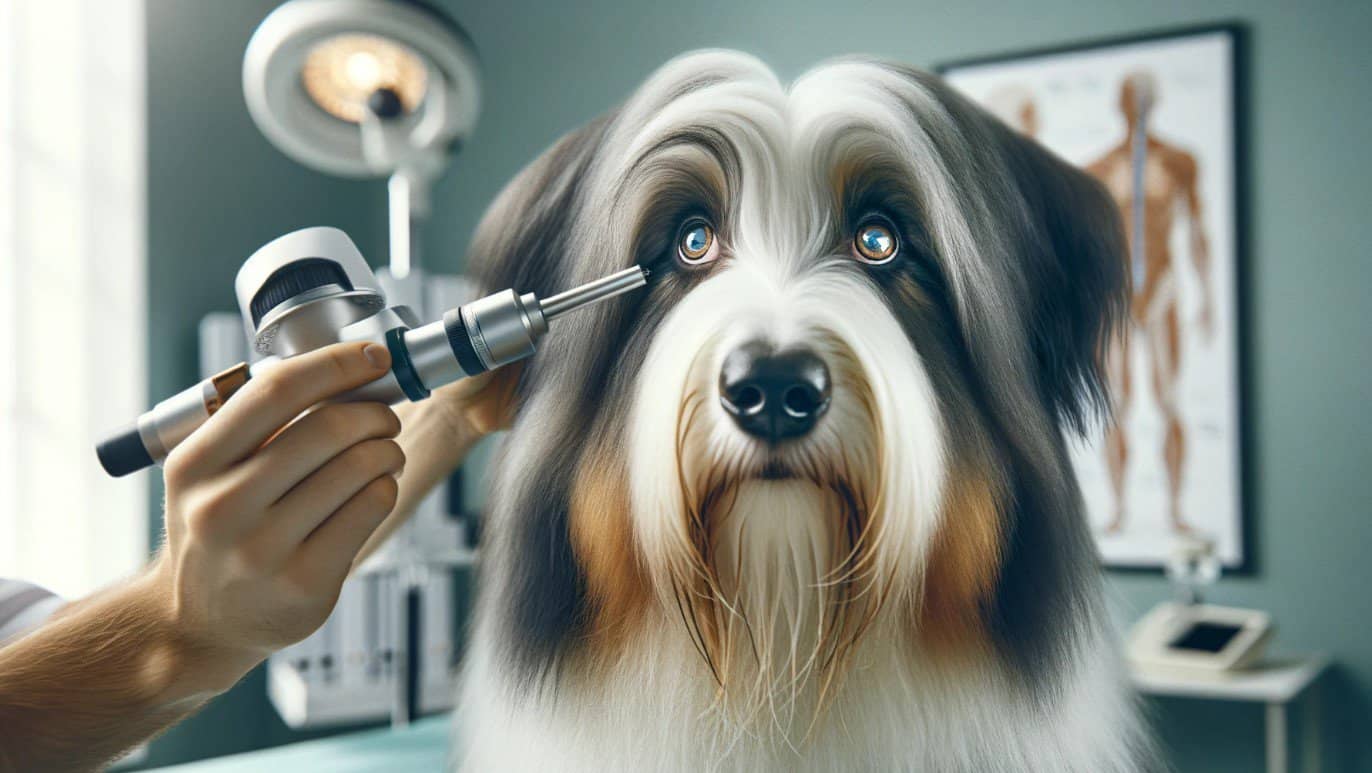
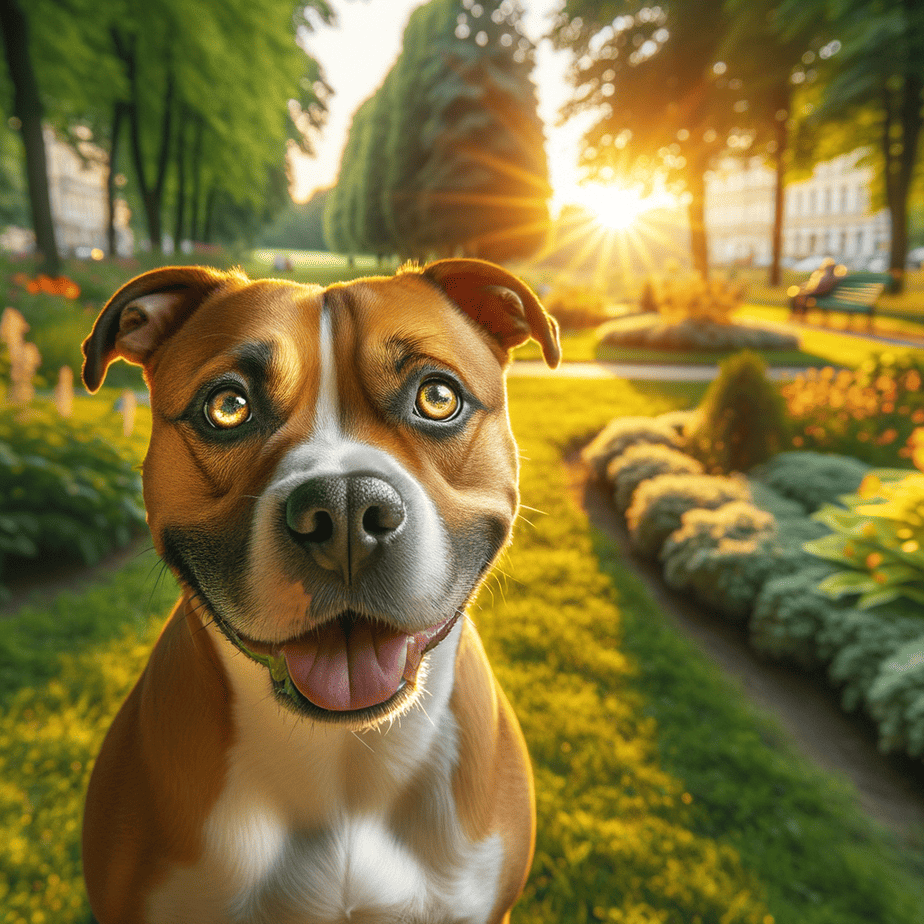
    Bearded Collie Eye Health

    But the good news is, with proper care and attention to their diet, environment, and routine eye maintenance, we can significantly reduce the risk of these problems. And even if they do occur, there are effective treatments available. So, let’s take a closer look at Bearded Collie Eye Health – the conditions they may face and the solutions that can help. I promise, it’s not as daunting as it sounds!

    Understanding Bearded Collie Specific Eye Structure

    When it comes to maintaining your Bearded Collie’s eye health, it’s essential to understand their unique eye structure. It’s not just about the adorable, expressive eyes that make them so endearing – their eyes are a vital part of their overall health and well-being.

    Bearded Collies, like most dog breeds, have eyes that are large and round, providing them with a wide field of vision. Their eyes are set wide apart and slightly to the side of their head, which gives them a distinctive, appealing look but also serves a practical purpose. This positioning allows them to have a broader visual range, which was beneficial for their original purpose as herding dogs.

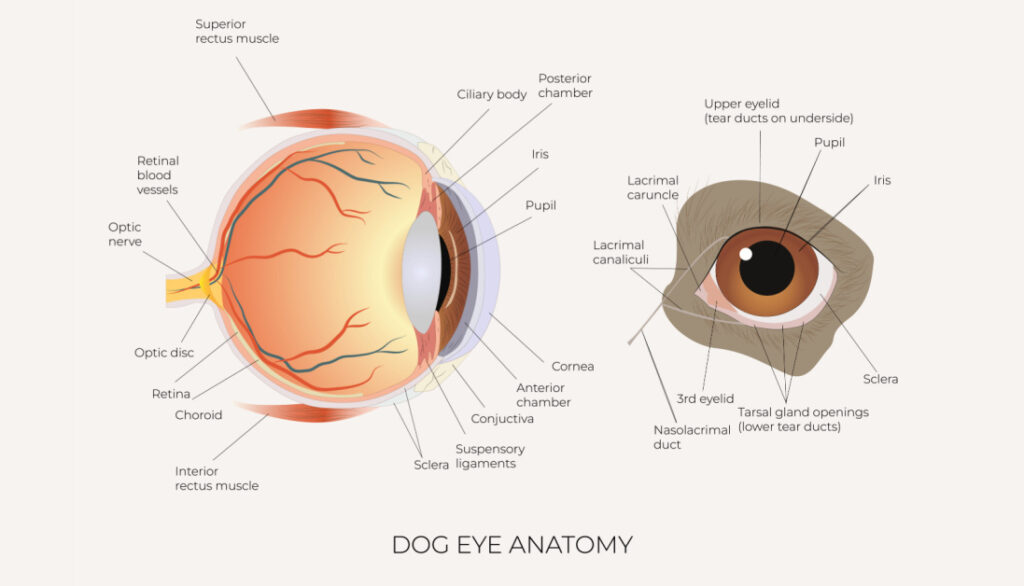
    The structure of the Bearded Collie’s eye is also remarkable for its three eyelids. Yes, you read that right – three! The third eyelid, known as the nictitating membrane or “haw,” is a thin, translucent tissue that helps to protect the eye and keep it moist. This is a feature that is common in many dog breeds, but it is particularly prominent in Bearded Collies due to their long, heavy coats.

    Speaking of their coats, the Bearded Collie’s long, shaggy hair can sometimes obscure their eyes. While this may add to their charm, it can also lead to potential eye health issues. Excessive hair around the eyes can cause irritation, and if not properly managed, can lead to more serious eye conditions.

    Another unique aspect of the Bearded Collie’s eye structure is their tear film. This is a thin layer of moisture that covers the eye, helping to keep it clean and free from dust and debris. Bearded Collies typically have a robust tear film, which can be attributed to their active, outdoor lifestyle.

    Understanding the unique eye structure of your Bearded Collie is an important step towards ensuring their eye health. With this knowledge, you can better monitor their eyes for any changes or signs of potential problems. Remember, maintaining your Bearded Collie’s eye health is not just about keeping their eyes bright and clear – it’s about ensuring their overall health and happiness.
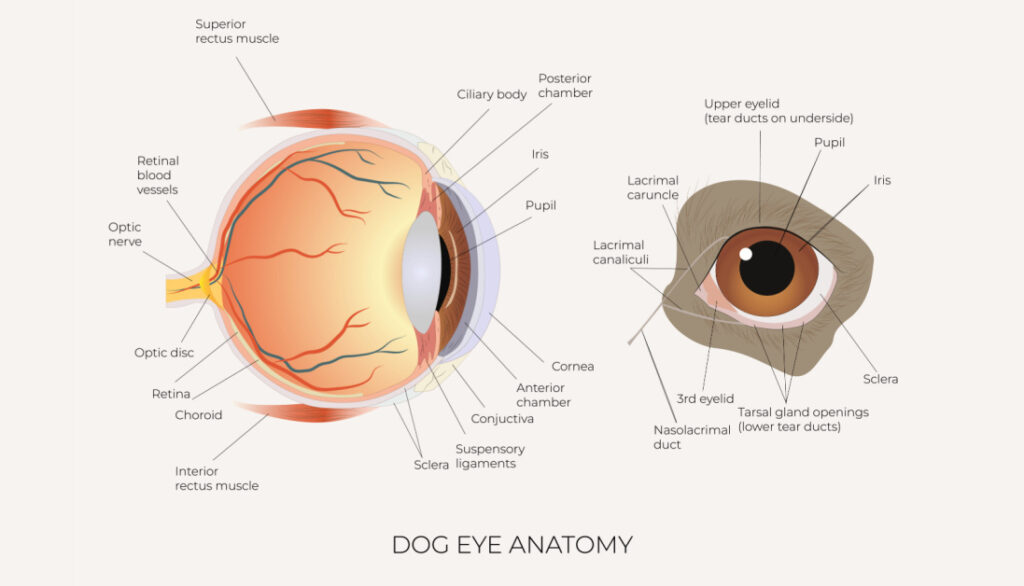
    dog eye anatomy

    Common Eye Issues In Bearded Collie

    As a veterinarian, I’ve seen a variety of eye issues in Bearded Collie dogs. These issues can impact your dog’s overall health and quality of life, so it’s important to be aware of them. Let’s explore some of the most common ones.

    Cataracts is one of the primary eye problems that I come across frequently in Bearded Collies. This condition, characterized by a clouding of the lens, can cause vision loss and if left untreated, can lead to blindness. Early detection is crucial to prevent permanent damage.

    Progressive Retinal Atrophy (PRA) is another common eye disease in this breed. It’s a degenerative disease that gradually leads to blindness. Unfortunately, there is no cure for PRA, but early detection can help manage the condition.

    Bearded Collies are also susceptible to Cherry Eye, a condition where the third eyelid’s gland prolapses and becomes visible. Though it doesn’t cause blindness, it can be uncomfortable and needs immediate veterinary attention.

    Keratoconjunctivitis Sicca (KCS) or Dry Eye is also common in this breed. It’s characterized by insufficient tear production, leading to dry, irritated eyes. If you notice your Bearded Collie squinting, or if their eyes appear red or have a sticky discharge, it could be a sign of KCS.

    Lastly, Corneal Dystrophy, a condition that affects the cornea, is also seen in Bearded Collies. It can cause vision problems and discomfort.

    As a dog parent, you need to be vigilant about your Bearded Collie’s eye health. Regular check-ups and prompt attention to any signs of eye problems are key to ensuring your pet’s overall well-being. Remember, your dog can’t tell you when something’s wrong, so it’s up to you to notice any changes in their behavior or appearance.

    • Cataracts – Clouding of the lens, leading to vision loss
    • Progressive Retinal Atrophy (PRA) – Degenerative disease leading to blindness
    • Cherry Eye – Prolapse of the third eyelid’s gland
    • Keratoconjunctivitis Sicca (KCS) – Dry Eye, leading to irritated eyes
    • Corneal Dystrophy – Condition affecting the cornea, causing vision problems

    These are just a few of the most common eye issues in Bearded Collies. If you notice any changes in your dog’s eyes or behavior, don’t hesitate to seek veterinary care. Early detection and treatment can make all the difference in your pet’s Bearded Collie eye health.
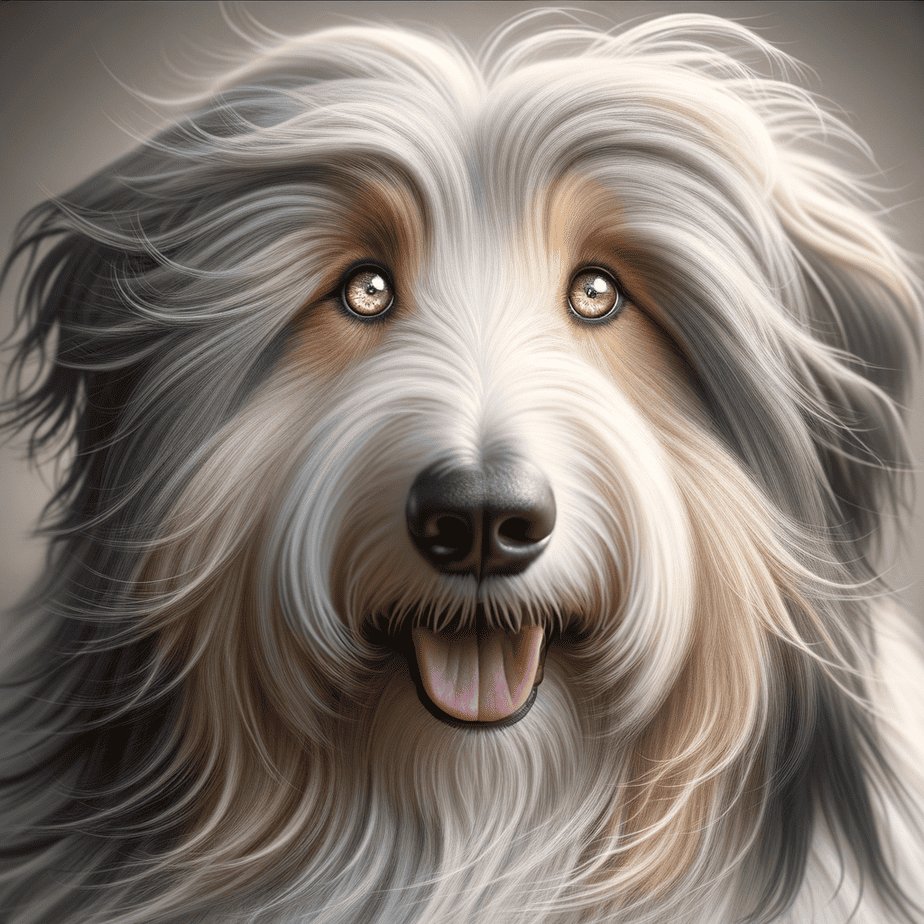
    Bearded Collie's eye health

    Nourishing Your Dog’s Vision: Essential Nutrients for Eye Health

    Ensuring your Bearded Collie gets the right nutrients for optimal eye health is essential for maintaining clear vision and preventing age-related issues. Natural, nutrient-rich foods and supplements can play a key role in supporting their eyesight. From vitamin A-packed freeze-dried liver treats to antioxidant-rich blueberries and targeted supplements like Eyeplex by Standard Process, there are several ways to nourish your dog’s eyes. In this section, we’ll explore how these powerful ingredients contribute to long-term vision health and overall well-being.

    Eyeplex by Standard Process

    Eyeplex by Standard Process is a specialized supplement designed to support your Bearded Collie’s eye health with a blend of essential nutrients. Formulated with key vitamins, minerals, and antioxidants, Eyeplex helps protect against oxidative stress, supports retinal function, and promotes overall vision health. Ingredients like vitamin A, vitamin C, and zinc contribute to maintaining strong eyesight, while whole food ingredients provide additional phytonutrients for cellular protection. Adding Eyeplex to your Bearded Collie’s diet can be especially beneficial for aging dogs or breeds prone to eye conditions, offering targeted nutritional support to keep their vision sharp and healthy for years to come.
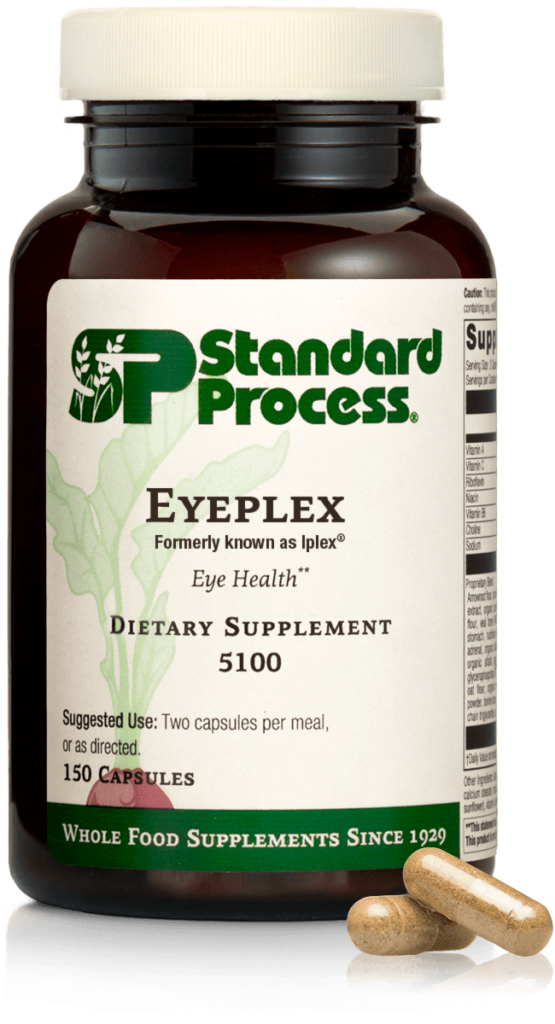
    Eyeplex by Standard Process for dogs eye health

    Freeze-Dried Blueberries

    Freeze-dried blueberries are a powerhouse of antioxidants that can help protect your Bearded Collie’s eyes from oxidative stress and age-related damage. Rich in vitamins C and E, as well as anthocyanins, these tiny but mighty berries help combat free radicals that can contribute to eye diseases like cataracts and macular degeneration. Incorporating freeze-dried blueberries into your dog’s diet provides a natural and delicious way to support retinal health, reduce inflammation, and promote overall vision longevity. Plus, they’re a low-calorie, dog-friendly treat that makes a great addition to a balanced diet for long-term eye health.
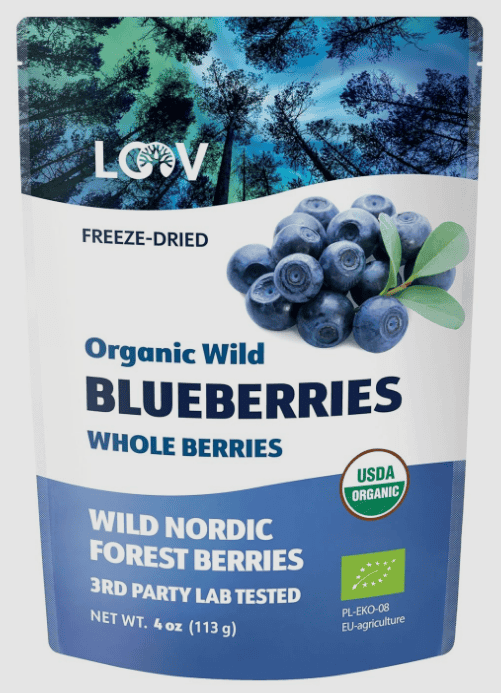
    Freeze Dried Blueberries for dog eye health

    Freeze-Dried Liver

    Freeze-dried liver treats are an excellent natural source of vitamin A, an essential nutrient for your Bearded Collie’s eye health. Vitamin A plays a crucial role in maintaining good vision, especially in low-light conditions, while also supporting overall immune function and skin health. Since liver is rich in bioavailable vitamin A, incorporating freeze-dried liver treats into your dog’s diet provides a convenient and nutritious way to promote optimal eye function. Just be sure to feed them in moderation, as excessive vitamin A can lead to toxicity. Adding these nutrient-packed treats to your pup’s routine is a simple, tasty way to support their long-term vision and well-being!
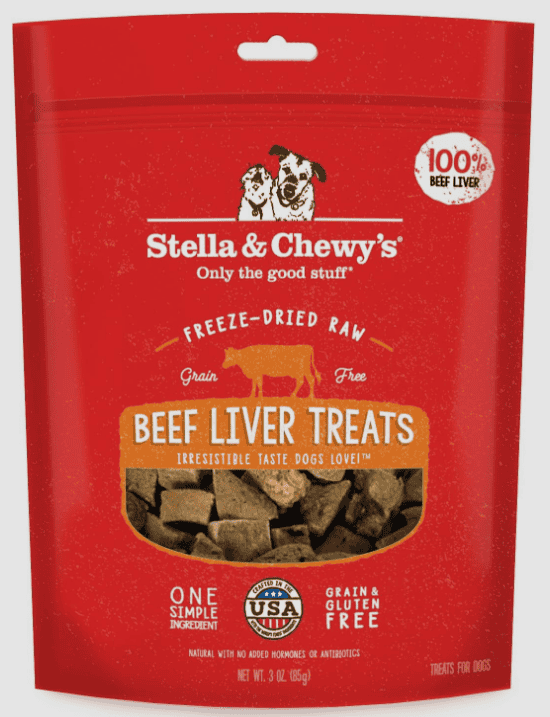
    Freeze-dried beef liver for dogs eye health

    By prioritizing your Bearded Collie’s eye health through a balanced diet and nutritional supplements, you can help prevent many common eye issues. These simple steps can go a long way in ensuring your pup’s eyes stay healthy and clear for years to come.

    Next, we’ll look at how maintaining a healthy environment can help prevent eye issues in your Bearded Collie.

    Environmental Hygiene To Reduce Eye Problems

    Just as important as diet and routine care, maintaining a clean and healthy environment can significantly contribute to your Bearded Collie’s eye health. Let’s take a closer look at how indoor air quality and the use of sprays, diffusers, candles, and incense can impact your furry friend’s eyes.

    Indoor Air Quality

    Bearded Collies, with their long, flowing hair, are prone to collect dust and allergens that can irritate their eyes. Therefore, maintaining good indoor air quality is crucial. Here are some tips:

    • Regularly clean and dust your home to reduce allergens.
    • Consider using an air purifier to filter out dust particles and allergens.
    • Ensure proper ventilation in your home to avoid stale and dusty air.
    • Avoid smoking indoors as it can cause eye irritation in dogs.

    Remember, a clean environment is not just beneficial for your Bearded Collie’s eye health, but overall health as well.

    Sprays, Diffusers, Candles, Incense

    While we humans may enjoy the scent of air fresheners, candles, and incense, these can cause eye irritation in our dogs. Here’s what you can do:

    • Opt for unscented or pet-safe products.
    • Keep your dog out of the room while using these products and ensure the area is well-ventilated before letting them back in.
    • Place candles and diffusers out of your dog’s reach to avoid accidental contact with their eyes.

    By paying attention to these environmental factors, you can help prevent potential eye problems in your Bearded Collie. Remember, their eyes are just as sensitive as ours, and it’s our responsibility as pet parents to provide them with a safe and healthy environment.
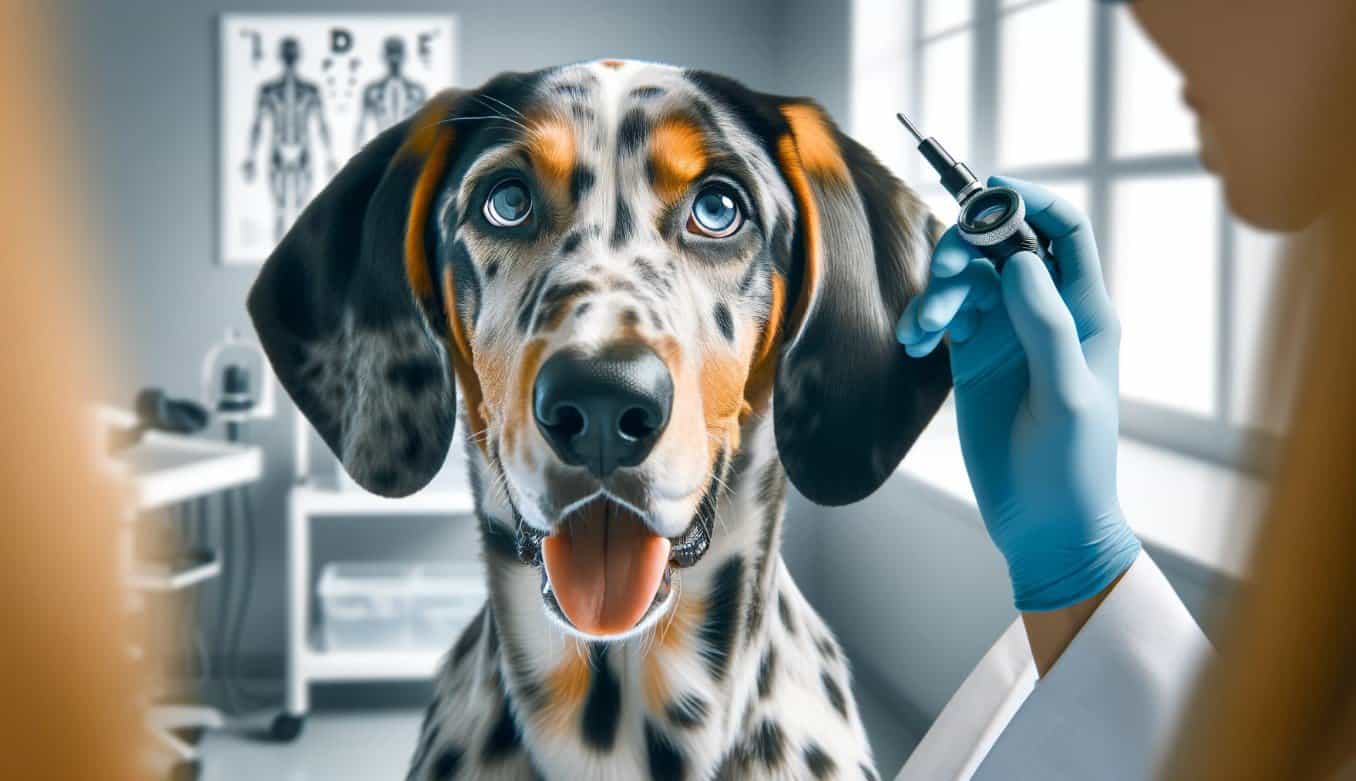
    bearded collie eye issues

    Ensuring routine eye care and maintenance for your Bearded Collie is paramount in preventing eye health issues. It’s not just about the periodic vet check-ups, but also about the daily and weekly care you provide at home.

    Daily & Weekly Care & Maintenance

    Regular cleaning is one of the key aspects of Bearded Collie eye care. Their long, droopy hair can often get into their eyes, causing irritation and increasing the risk of infection. Therefore, daily cleaning of the eye area with a soft, damp cloth can help keep the eyes clear and healthy. Make sure to use a separate cloth for each eye to avoid cross-contamination in case of an infection.

    Weekly checks for redness, discharge, or any signs of discomfort can also help in early detection of potential problems. If your dog squints, blinks excessively, or seems to avoid light, it could be a sign of an eye issue that needs immediate veterinary attention.

    Monitor Hair Length, Nail Length, Bath Frequency

    When it comes to Bearded Collie Eye Health, their unique hair length plays a significant role. Keeping the hair around their eyes well-trimmed prevents it from poking and irritating the eyes. You can use rounded-tip scissors for safety, but if you’re not comfortable doing this yourself, a professional groomer can help.

    Nail length is another factor to consider. Long nails can accidentally scratch the eyes, leading to severe problems. Regular nail trims ensure your dog’s nails stay at a safe length. Make sure to use dog-specific nail clippers and avoid cutting into the quick, as it can cause pain and bleeding.

    Lastly, consider the frequency of baths. While baths help keep your Bearded Collie clean, excessive bathing can dry out their skin and eyes. Ideally, a bath every 4-6 weeks should suffice unless they get particularly dirty. Always use dog-friendly shampoos and try to avoid getting soap or water in their eyes.

    By incorporating these practices into your pet care routine, you can contribute significantly to your Bearded Collie’s eye health. Remember, early detection and prevention are the best ways to combat potential eye issues. So, keep an eye on your dog’s eyes and make their health a priority!

    Frequently Asked Questions

    1. What are the common eye health conditions in Bearded Collies?

    Bearded Collies can be prone to several eye health conditions, including:

    Progressive Retinal Atrophy (PRA)
    Cataracts
    Entropion
    Corneal Dystrophy

    2. What is Progressive Retinal Atrophy (PRA) and how does it affect Bearded Collies?

    Progressive Retinal Atrophy (PRA) is a genetic eye disorder that causes the degeneration of the retina over time. It can lead to gradual vision loss and eventually blindness in affected Bearded Collies.

    3. Can eye conditions in Bearded Collies be treated?

    The treatment options for eye conditions in Bearded Collies vary depending on the specific condition. Some conditions may require surgical intervention, while others may be managed through medication or supportive care. It is important to consult with a veterinarian for proper diagnosis and treatment recommendations.

    4. How can I prevent eye health issues in my Bearded Collie?

    While not all eye health issues can be prevented, there are steps you can take to minimize the risk:

    Regularly visit a veterinarian for comprehensive eye examinations.
    Ensure your Bearded Collie’s diet is balanced and includes essential nutrients for eye health.
    Avoid breeding dogs with known eye conditions to reduce the risk of passing them on to offspring.
    Protect your Bearded Collie’s eyes from injury or trauma.

    5. When should I seek veterinary care for my Bearded Collie’s eye issues?

    If you notice any signs of eye discomfort, such as redness, excessive tearing, squinting, cloudiness, or changes in vision, it is recommended to seek veterinary care promptly. Early detection and treatment can help prevent further complications and preserve your Bearded Collie’s eye health.

    A note about your dog’s health

    This article provides general education and does not replace an examination, diagnosis, or individualized advice from your veterinarian. Contact a veterinary professional if you are concerned about your dog’s symptoms.

    Dr. Candy Akers, DVM Avatar

    ABOUT THE AUTHOR
  • Beagle Eye Health – Conditions & Solutions From Vet

    Beagle Eye Health – Conditions & Solutions From Vet

    As a holistic veterinarian, I’ve seen countless cases of various dog breeds coming in with breed-specific health issues. One such breed that often faces a unique set of health challenges is the lovable Beagle. In particular, Beagle Eye Health is a topic that many Beagle parents have questions about.

    Beagles, with their expressive eyes and soulful gazes, can unfortunately be prone to a variety of eye health issues. But don’t worry, as a Beagle parent, you’re not alone in this journey. I’m here to guide you through everything you need to know about Beagle Eye Disease Symptoms, the most Common Beagle Eye Problems, and how to treat and prevent these issues from affecting your furry friend’s vision.

    From understanding the unique structure of Beagle eyes, to exploring the role of diet and environmental hygiene in eye health, we’ll cover it all. We’ll also discuss Beagle Eye Care Tips and routine maintenance to ensure your Beagle’s eyes stay as bright and healthy as possible. So, let’s embark on this journey together to ensure the best possible eye health for your Beagle.

    beagle eye health

    Understanding Breed Specific Eye Structure

    Let’s start with a fascinating fact: did you know that the eye structure of our beloved Beagles is quite different from ours? This unique eye structure gives them their distinctive, endearing expression but it’s also the reason they are prone to certain eye health issues. Understanding their eye structure is the first step towards maintaining your Beagle’s eye health and preventing the onset of eye diseases.

    Beagles, like other breeds, have what is known as a brachycephalic eye structure. This means they have large, round eyes that are set wide apart. Their eyes are more protruding than other breeds, making them more susceptible to physical injury and environmental irritants.

    Their eyes have a third eyelid, known as the nictitating membrane, which is located in the inner corner of the eye. This membrane provides additional protection and helps to spread tears evenly across the eye surface, maintaining moisture and removing debris. It’s a handy feature, but it can also be the source of some eye problems if it becomes inflamed or infected.

    The cornea of a Beagle, which is the outermost layer of the eye, is thinner than in other breeds. This makes it more prone to injuries and infections. It also means that Beagles are more sensitive to harsh light and may squint or blink excessively in bright conditions.

    Beagles also have a higher risk of developing a condition called Distichiasis, where extra eyelashes grow from the eyelid and rub against the cornea, causing irritation and discomfort. And due to their protruding eyes, they are more susceptible to dry eye syndrome, a condition where the eyes do not produce enough tears, leading to dryness, itching, and potential vision loss if left untreated.

    Understanding these breed-specific eye traits can help you be more vigilant about your Beagle’s eye health. After all, their eyes are not just the windows to their souls, but also a key to their overall health and well-being. So, let’s take good care of those beautiful Beagle eyes!

    dog eye anatomy

    Common Eye Issues In Beagles

    As a veterinarian, I believe that understanding the specific health issues related to your pet’s breed is crucial for their well-being. When it comes to Beagle Eye Health, there are several common issues that you should be aware of.

    Cherry Eye

    Cherry eye is a condition in which the gland of the third eyelid protrudes and becomes visible. It typically appears as a red, swollen mass in the corner of the eye. While it’s not life-threatening, it can cause discomfort and needs to be addressed.

    Glaucoma

    Glaucoma is a serious eye condition that can lead to blindness if not treated promptly. It occurs when the pressure within the eye increases, damaging the optic nerve. Symptoms include redness, pain, and increased tear production. This condition is particularly prevalent among beagles, so regular check-ups are essential for early detection and treatment.

    Dry Eye (Keratoconjunctivitis Sicca)

    Dry eye is a condition where the eye doesn’t produce enough tears, leading to irritation and discomfort. In severe cases, it can cause ulcers on the cornea. If your beagle frequently rubs its eyes or they appear red and irritated, it may be suffering from dry eye.

    Entropion

    Entropion is a genetic condition in which the eyelid rolls inward, causing the lashes to rub against the eye surface. This can lead to irritation, corneal ulcers, and even vision loss if left untreated. It’s important to get your beagle checked if it frequently squints or tears excessively.

    Progressive Retinal Atrophy (PRA)

    PRA is a degenerative eye disorder that eventually leads to blindness. Early signs include night blindness and dilated pupils. Unfortunately, there is no cure for PRA, but early detection can help manage the condition and maintain your beagle’s quality of life.

    Beagle Eye Health is a critical aspect of their overall well-being. Regular veterinary check-ups and being aware of these common issues can go a long way in ensuring your beagle’s eyes stay healthy. Remember, early detection is the key to preventing serious eye health issues.

    Beagle's eye problems

    Prevention of Eye Problems in Beagles

    Ensuring your beagle gets the right nutrients for optimal eye health is essential for maintaining clear vision and preventing age-related issues. Natural, nutrient-rich foods and supplements can play a key role in supporting their eyesight. From vitamin A-packed freeze-dried liver treats to antioxidant-rich blueberries and targeted supplements like Eyeplex by Standard Process, there are several ways to nourish your dog’s eyes. In this section, we’ll explore how these powerful ingredients contribute to long-term vision health and overall well-being.

    Eyeplex by Standard Process

    Eyeplex by Standard Process is a specialized supplement designed to support your beagle’s eye health with a blend of essential nutrients. Formulated with key vitamins, minerals, and antioxidants, Eyeplex helps protect against oxidative stress, supports retinal function, and promotes overall vision health. Ingredients like vitamin A, vitamin C, and zinc contribute to maintaining strong eyesight, while whole food ingredients provide additional phytonutrients for cellular protection. Adding Eyeplex to your beagle’s diet can be especially beneficial for aging dogs or breeds prone to eye conditions, offering targeted nutritional support to keep their vision sharp and healthy for years to come.

    Eyeplex by Standard Process for dogs eye health

    Freeze-Dried Blueberries

    Freeze-dried blueberries are a powerhouse of antioxidants that can help protect your beagle’s eyes from oxidative stress and age-related damage. Rich in vitamins C and E, as well as anthocyanins, these tiny but mighty berries help combat free radicals that can contribute to eye diseases like cataracts and macular degeneration. Incorporating freeze-dried blueberries into your dog’s diet provides a natural and delicious way to support retinal health, reduce inflammation, and promote overall vision longevity. Plus, they’re a low-calorie, dog-friendly treat that makes a great addition to a balanced diet for long-term eye health.

    Freeze Dried Blueberries for dog eye health

    Freeze-Dried Liver

    Freeze-dried liver treats are an excellent natural source of vitamin A, an essential nutrient for your beagle’s eye health. Vitamin A plays a crucial role in maintaining good vision, especially in low-light conditions, while also supporting overall immune function and skin health. Since liver is rich in bioavailable vitamin A, incorporating freeze-dried liver treats into your dog’s diet provides a convenient and nutritious way to promote optimal eye function. Just be sure to feed them in moderation, as excessive vitamin A can lead to toxicity. Adding these nutrient-packed treats to your pup’s routine is a simple, tasty way to support their long-term vision and well-being!

    Freeze-dried beef liver for dogs eye health

    By prioritizing your beagle’s eye health through a balanced diet and nutritional supplements, you can help prevent many common eye issues. These simple steps can go a long way in ensuring your pup’s eyes stay healthy and clear for years to come.onsult with your vet to find out which supplements would be best for your Beagle’s eye health.

    Remember: Always consult with your vet before introducing any new food or supplement into your dog’s diet to ensure it is safe and beneficial for them.

    Final Thoughts

    Preventing eye problems in Beagles is a proactive process that starts with a good diet and proper supplementation. By providing your Beagle with foods rich in Vitamin A and antioxidants, you can help maintain their eye health. Also, consider whole-food-based nutritional supplements for additional support. Always remember to consult with your vet before making any significant changes to your pet’s diet.

    Environmental Hygiene To Reduce Eye Problems

    As a beagle parent, it’s crucial to consider the role of environmental hygiene in maintaining your furry friend’s eye health. Just like us, our beagles’ eyes can be affected by the quality of their surroundings. Here are some key aspects to consider:

    Indoor Air Quality

    Indoor air quality plays a significant role in Beagle Eye Health. Beagles are prone to dry eyes and allergies, which can be triggered by dust, mold, and other airborne irritants. Regularly clean and vacuum your home to reduce dust and allergens. Consider investing in an air purifier, especially if you live in a highly polluted area or if your beagle has a history of eye problems.

    • Ensure proper ventilation in your home. This helps in reducing the concentration of potential irritants.
    • Regularly clean your beagle’s bedding and toys to prevent the build-up of dust mites and other allergens.
    • Avoid smoking indoors as tobacco smoke can irritate your beagle’s eyes.

    Sprays, Diffusers, Candles, Incense

    Be mindful of the products you use around your beagle. Fragrant products like sprays, diffusers, candles, and incense may smell lovely to us, but they can irritate your beagle’s eyes. The chemicals used in these products can lead to eye irritation, dryness, and even allergic reactions in some beagles.

    • Choose unscented or pet-friendly products when possible.
    • If you must use these products, do so in a different room from your beagle, and ensure the area is well-ventilated.
    • Monitor your beagle for signs of eye irritation after using these products. If your beagle’s eyes become red or watery, discontinue use and consult your vet.

    Remember, maintaining a clean and healthy environment is a crucial part of ensuring your beagle’s overall health, including their eye health. By taking these steps, you’re not only helping to prevent eye problems but also contributing to a better quality of life for your beagle.

    Beagle eye problems

    Routine Beagle Eye Care & Maintenance

    As a proud Beagle parent, it’s crucial to understand the importance of routine eye care and maintenance for your furry friend’s overall eye health. Let’s explore the two key aspects: daily and weekly care and maintenance, and monitoring hair length, nail length, and bath frequency.

    Daily & Weekly Care & Maintenance

    For Beagle Eye Health, daily and weekly care is essential. Start with a daily inspection of your Beagle’s eyes. Check for any signs of redness, swelling, discharge, or abnormal blinking. If you notice anything unusual, it’s best to consult with your vet immediately.

    Weekly, a more thorough check is recommended. Using a clean, damp cloth, gently wipe away any crust or discharge from the corners of your Beagle’s eyes. Always use a separate cloth for each eye to prevent cross-contamination. Additionally, remember to never touch the eyeball directly.

    Beagles are known for their adventurous spirit, which can often lead to dust and debris getting into their eyes. To prevent this, use a saline solution to flush out any foreign objects. You can find dog-specific saline solutions at your local pet store or vet’s office.

    Monitor Hair Length, Nail Length, Bath Frequency

    Another crucial aspect of maintaining your Beagle’s eye health is monitoring their hair and nail length. Long hair can irritate your Beagle’s eyes and cause unnecessary discomfort. Regular trimming can help prevent this. Keeping your Beagle’s nails trimmed is also important as they may accidentally scratch their eyes.

    Regular baths are also essential for your Beagle’s eye health. When bathing your Beagle, be careful to avoid getting soap or shampoo in their eyes. Consider using a tear-free dog shampoo to minimize the risk of eye irritation.

    Remember, while these tips can help maintain your Beagle’s eye health, they are not a substitute for regular veterinary check-ups. Your vet can provide a comprehensive eye exam and spot potential issues early on. With the right care and attention, you can ensure that your Beagle’s eyes remain healthy and bright.

    So, Beagle parents, let’s make a pact to prioritize our fur babies’ eye health, shall we? After all, their expressive eyes are part of what makes them so endearing!

    Frequently Asked Questions

    1. What are common eye conditions in Beagles?

    Beagles are prone to various eye conditions such as cherry eye, glaucoma, cataracts, and dry eye.

    2. How can I prevent eye problems in my Beagle?

    To prevent eye problems in your Beagle, it is important to keep their eyes clean and free from debris, regularly check for any signs of redness or irritation, provide a balanced diet with essential nutrients, and schedule regular check-ups with a veterinarian.

    3. What are the symptoms of an eye infection in Beagles?

    Common symptoms of an eye infection in Beagles include redness, swelling, discharge, excessive tearing, squinting, frequent blinking, and rubbing or pawing at the eyes.

    4. How can I treat dry eyes in my Beagle?

    If your Beagle has dry eyes, your veterinarian may prescribe artificial tears or ointments to lubricate the eyes. In some cases, medication to stimulate tear production may also be recommended.

    5. Can Beagles develop hereditary eye diseases?

    Yes, Beagles can develop hereditary eye diseases such as progressive retinal atrophy (PRA) and corneal dystrophy. Regular eye examinations by a veterinary ophthalmologist can help detect and manage these conditions.

    A note about your dog’s health

    This article provides general education and does not replace an examination, diagnosis, or individualized advice from your veterinarian. Contact a veterinary professional if you are concerned about your dog’s symptoms.

    Dr. Candy Akers, DVM Avatar

    ABOUT THE AUTHOR
  • Bavarian Mountain Scent Hound Eye Health – Conditions & Solutions From Vet

    Bavarian Mountain Scent Hound Eye Health – Conditions & Solutions From Vet

    Hi there, fellow dog parent! I’m Dr. Candy Akers, a holistic veterinarian with a passion for canine health. Today, we’re going to talk about a topic close to my heart – Bavarian Mountain Scent Hound Eye Health.

    Our furry friends, the Bavarian Mountain Scent Hounds, are known for their exceptional scent tracking abilities, but did you know their eyes are just as unique? Their special eye structure, while beautiful, can sometimes make them prone to certain eye health issues. But don’t worry, with proper care and attention, we can help our hounds maintain optimal eye health.

    We’ll discuss the common eye conditions that can affect our Bavarian Mountain Scent Hounds, from minor irritations to more serious diseases. We’ll also explore how a holistic diet and environmental hygiene can help prevent these issues. And of course, we’ll cover the essentials of routine eye care and maintenance for our beloved hounds.

    So, whether you’re a seasoned Bavarian Mountain Scent Hound parent or new to this wonderful breed, this guide will equip you with the knowledge you need to ensure your dog’s eyes stay healthy and bright. Let’s dive in and learn more about Bavarian Mountain Scent Hound Eye Health!

    Bavarian Mountain Scent Hound Eye Health

    Understanding Breed Specific Eye Structure

    When it comes to the health of your Bavarian Mountain Scent Hound, understanding the unique structure of their eyes can provide valuable insights. This breed-specific knowledge can empower you to better care for your canine companion, ensuring their eyes remain as bright and healthy as possible.

    The Bavarian Mountain Scent Hound, or “Bavarian” as they’re often affectionately called, is a breed known for its keen sense of smell and tracking abilities. Their eyes, typically a deep, soulful brown, are just as important to their hunting prowess. The structure of their eyes is designed to provide them with excellent peripheral vision and depth perception. This ability to accurately judge distances and detect minute movements is crucial for a breed that’s been bred for tracking.

    However, their unique eye structure can also make Bavarian Mountain Scent Hounds prone to certain eye health issues. Their deep-set eyes are more susceptible to injuries and infections due to exposure. Additionally, their droopy eyelids can sometimes lead to conditions like entropion, where the eyelid rolls inward, causing the lashes to rub against the eye surface.

    Understanding these breed-specific structural characteristics not only helps you comprehend the visual world from your Bavarian’s perspective but also equips you to identify potential eye health issues early on. For instance, if you notice your Bavarian squinting or rubbing their eyes frequently, it could be a sign of discomfort due to an eyelid issue or an injury.

    In the end, understanding your Bavarian Mountain Scent Hound’s unique eye structure is a vital part of responsible pet ownership. It’s a small investment of time that can pay off in a big way – helping to ensure your furry friend enjoys a life of clear vision and robust health.

    dog eye anatomy

    Common Eye Issues In Bavarian Mountain Scent Hound

    As a veterinarian, I’ve come across numerous instances of eye issues in Bavarian Mountain Scent Hounds. Understanding these common ailments is crucial to maintaining your dog’s eye health. Let’s delve into some of the prevalent problems seen in this breed.

    Cataracts: Much like in humans, cataracts in dogs can cause cloudiness and eventual blindness. It’s a common issue in Bavarian Mountain Scent Hounds, and it’s crucial to detect it early for successful treatment.

    Cherry Eye: This condition occurs when the gland in the dog’s third eyelid becomes visible, giving the appearance of a ‘cherry’ in the corner of the eye. While it may not be painful, it can cause discomfort and excessive tearing.

    Conjunctivitis: Also known as ‘pink eye’, this inflammation of the eye’s outer layer can cause redness and discharge. It’s often a symptom of allergies or bacterial infections.

    Progressive Retinal Atrophy (PRA): This genetic disease causes the gradual deterioration of the retina, leading to diminished vision and eventual blindness. Regular vet check-ups are essential for early detection and management.

    Dry Eye: Also known as Keratoconjunctivitis Sicca (KCS), this condition is characterized by insufficient tear production, leading to dry, irritated eyes. It can cause discomfort and increase the risk of eye infections.

    As a dog parent, it’s essential to be aware of these common eye issues in Bavarian Mountain Scent Hounds. Regular vet visits and proactive care can help prevent these conditions or manage them effectively if they do occur. Remember, your dog’s Bavarian Mountain Scent Hound Eye Health is a vital aspect of their overall well-being.

    • Cataracts: Cloudiness leading to potential blindness
    • Cherry Eye: Visible third eyelid gland
    • Conjunctivitis: Inflammation causing redness and discharge
    • Progressive Retinal Atrophy (PRA): Gradual retina deterioration
    • Dry Eye (KCS): Insufficient tear production

    Don’t forget, early detection is key. Regular veterinary check-ups and a keen eye for any changes in your dog’s eyes can help maintain their Bavarian Mountain Scent Hound Eye Health.

    bavarian mountain scent hound eye conditions

    Prevention of Eye Problems

    Ensuring your Bavarian Mountain Scent Hound gets the right nutrients for optimal eye health is essential for maintaining clear vision and preventing age-related issues. Natural, nutrient-rich foods and supplements can play a key role in supporting their eyesight. From vitamin A-packed freeze-dried liver treats to antioxidant-rich blueberries and targeted supplements like Eyeplex by Standard Process, there are several ways to nourish your dog’s eyes. In this section, we’ll explore how these powerful ingredients contribute to long-term vision health and overall well-being.

    Eyeplex by Standard Process

    Eyeplex by Standard Process is a specialized supplement designed to support your Bavarian Mountain Scent Hound’s eye health with a blend of essential nutrients. Formulated with key vitamins, minerals, and antioxidants, Eyeplex helps protect against oxidative stress, supports retinal function, and promotes overall vision health. Ingredients like vitamin A, vitamin C, and zinc contribute to maintaining strong eyesight, while whole food ingredients provide additional phytonutrients for cellular protection. Adding Eyeplex to your Bavarian Mountain Scent Hound’s diet can be especially beneficial for aging dogs or breeds prone to eye conditions, offering targeted nutritional support to keep their vision sharp and healthy for years to come.

    Eyeplex by Standard Process for dogs eye health

    Freeze-Dried Blueberries

    Freeze-dried blueberries are a powerhouse of antioxidants that can help protect your Bavarian Mountain Scent Hound’s eyes from oxidative stress and age-related damage. Rich in vitamins C and E, as well as anthocyanins, these tiny but mighty berries help combat free radicals that can contribute to eye diseases like cataracts and macular degeneration. Incorporating freeze-dried blueberries into your dog’s diet provides a natural and delicious way to support retinal health, reduce inflammation, and promote overall vision longevity. Plus, they’re a low-calorie, dog-friendly treat that makes a great addition to a balanced diet for long-term eye health.

    Freeze Dried Blueberries for dog eye health

    Freeze-Dried Liver

    Freeze-dried liver treats are an excellent natural source of vitamin A, an essential nutrient for your Bavarian Mountain Scent Hound’s eye health. Vitamin A plays a crucial role in maintaining good vision, especially in low-light conditions, while also supporting overall immune function and skin health. Since liver is rich in bioavailable vitamin A, incorporating freeze-dried liver treats into your dog’s diet provides a convenient and nutritious way to promote optimal eye function. Just be sure to feed them in moderation, as excessive vitamin A can lead to toxicity. Adding these nutrient-packed treats to your pup’s routine is a simple, tasty way to support their long-term vision and well-being!

    Freeze-dried beef liver for dogs eye health

    By prioritizing your Bavarian Mountain Scent Hound’s eye health through a balanced diet and nutritional supplements, you can help prevent many common eye issues. These simple steps can go a long way in ensuring your pup’s eyes stay healthy and clear for years to come.

    In conclusion, your Bavarian Mountain Scent Hound’s eye health is largely dependent on the care you provide. By ensuring a balanced diet, considering the use of whole-food-based supplements, and keeping up with regular vet check-ups, you can help keep your furry friend’s eyes bright and healthy for years to come.

    Environmental Hygiene To Reduce Eye Problems

    Keeping your Bavarian Mountain Scent Hound’s environment clean can significantly contribute to their overall eye health. Here are some key areas to focus on:

    Indoor Air Quality

    Indoor air quality plays a crucial role in maintaining the Bavarian Mountain Scent Hound eye health. Dust, pollen, and other airborne particles can irritate your pup’s eyes, leading to discomfort and potential health issues. Regularly clean and dust your home, and consider investing in an air purifier to remove allergens from the air. It’s also worth noting that smoke from cigarettes can be harmful to your dog’s eyes, so it’s best to avoid smoking around them.

    Sprays, Diffusers, Candles, Incense

    While we humans might enjoy the scent of a nice candle or diffuser, these items can irritate your Bavarian Mountain Scent Hound’s eyes. The chemicals in these products can cause inflammation or allergic reactions in your dog’s eyes, leading to discomfort and potential health issues. If you must use these products, do so in a separate room from your dog, and make sure the area is well-ventilated. Alternatively, opt for pet-safe alternatives.

    Proper Grooming

    Another important aspect of environmental hygiene is grooming. Regular grooming can help keep your dog’s eyes clean and free of irritants. Make sure to gently clean around your dog’s eyes with a soft, damp cloth to remove any dirt or debris. Be careful not to touch the eye itself, as this can cause discomfort or injury. Also, keep your dog’s hair trimmed around their eyes to prevent it from poking or scratching them.

    Remember, a clean environment is a healthy one for your Bavarian Mountain Scent Hound. By maintaining good environmental hygiene, you can help prevent eye problems and ensure your dog’s eyes remain healthy and clear.

    bavarian mountain scent hound eyes

    Routine Bavarian Mountain Scent Hound Eye Care & Maintenance

    As a Bavarian Mountain Scent Hound parent, it’s crucial to understand that routine eye care and maintenance play a significant role in preserving your furry friend’s eyesight. This breed is prone to certain eye conditions, so a regular check-up can help detect any issues early on.

    Daily & Weekly Care & Maintenance

    One of the most effective ways to maintain your Bavarian Mountain Scent Hound eye health is through daily and weekly care. This includes regular eye inspections and cleaning. Here are some steps you can follow:

    • Eye Inspection: Check your dog’s eyes daily for any signs of redness, swelling, or discharge. Early detection of these symptoms can potentially save your dog from discomfort or even blindness.
    • Eye Cleaning: Clean your dog’s eyes at least once a week using a soft, damp cloth or a dog-friendly eye wipe. Avoid using harsh soaps or shampoos as they can irritate the eyes.
    • Tear Stain Removal: Some hounds may develop tear stains under their eyes. Use a tear stain remover to clean these areas and prevent any potential infections.

    Remember, if you notice any abnormalities during these inspections, it’s best to consult with a vet immediately.

    Monitor Hair Length, Nail Length, Bath Frequency

    Other aspects of your Bavarian Mountain Scent Hound’s general health can also impact their eye health. Monitoring their hair length, nail length, and bath frequency is essential.

    • Hair Length: Long hair around the eyes can cause irritation and even lead to infections. Regularly trimming the hair around the eyes can help prevent this.
    • Nail Length: Long nails can scratch the eyes and lead to injuries. Regular nail trims are necessary to prevent this from happening.
    • Bath Frequency: Regular baths can help keep your dog’s face clean and free from any dirt or debris that could potentially harm their eyes. However, be careful not to get soap or shampoo in their eyes during bath time.

    Proper care and maintenance are critical for your Bavarian Mountain Scent Hound eye health. Regular checks and grooming can go a long way in preventing any potential eye issues. And, of course, your vet is your best resource for any concerns or questions about your dog’s eye health. So never hesitate to reach out to them.

    Frequently Asked Questions

    What are common eye health conditions in Bavarian Mountain Scent Hounds?

    Bavarian Mountain Scent Hounds are prone to several eye health conditions such as cataracts, progressive retinal atrophy (PRA), and entropion.

    How can I identify if my Bavarian Mountain Scent Hound has an eye health problem?

    Look out for symptoms like redness, excessive tearing, cloudiness, squinting, or any noticeable changes in your dog’s vision. If you notice any of these signs, it’s best to consult a veterinarian.

    What should I do if my Bavarian Mountain Scent Hound has an eye injury?

    If your dog experiences an eye injury, it is crucial to seek immediate veterinary attention. Avoid touching or applying any ointments without professional guidance, as it may worsen the condition.

    Can I prevent eye health problems in my Bavarian Mountain Scent Hound?

    While not all eye conditions can be prevented, you can take certain measures to reduce the risk. Regular veterinary check-ups, maintaining proper hygiene, and avoiding exposure to irritants can help promote good eye health.

    What are the treatment options for eye health conditions in Bavarian Mountain Scent Hounds?

    Treatment options vary depending on the specific condition. It can range from medication and eye drops to surgical interventions. Your veterinarian will provide the most suitable treatment plan based on the diagnosis.

    A note about your dog’s health

    This article provides general education and does not replace an examination, diagnosis, or individualized advice from your veterinarian. Contact a veterinary professional if you are concerned about your dog’s symptoms.

    Dr. Candy Akers, DVM Avatar

    ABOUT THE AUTHOR
  • Basset Fauve de Bretagne Eye Health – Conditions & Solutions From Vet

    Basset Fauve de Bretagne Eye Health – Conditions & Solutions From Vet

    Hey there, fellow dog lover! I’m Dr. Candy Akers, your friendly holistic veterinarian. Today, we’re going to talk about a topic that’s close to my heart – Basset Fauve de Bretagne Eye Health. If you’re the proud parent of this adorable breed, you’re well aware of their expressive eyes. But did you know these beautiful eyes can also be prone to various health issues?

    As a vet, one of the most common concerns I hear from Basset Fauve de Bretagne parents is about their pup’s eyes. This breed’s unique eye structure can predispose them to certain eye conditions. But don’t worry, I’m here to guide you through this. We’ll discuss the common eye problems your pup might face, how to prevent them, and the role of diet and environment in maintaining their eye health.

    Whether you’re dealing with “Basset Fauve de Bretagne Eye Problems” or just looking for “Eye Health Tips for Basset Fauve de Bretagne”, you’ve come to the right place. So, let’s dive right in and learn how to keep those adorable eyes healthy and bright!

    Basset Fauve de Bretagne Eye Health

    Understanding Basset Fauve de Bretagne Specific Eye Structure

    Unlocking the secrets to your Basset Fauve de Bretagne’s eye health begins with comprehending the unique structure of their eyes. This understanding is crucial in maintaining their overall eye health and ensuring they enjoy their playful and adventurous life to the fullest.

    The Basset Fauve de Bretagne, a charming and intelligent breed, possesses a distinctive eye structure that sets them apart. Their eyes are dark, expressive, and slightly oval. They are not very large but are well open and lively, giving them their distinctive intelligent and alert expression.

    Their eyelids fit well to the eyeball, and there should be no looseness or drooping. This breed’s unique eye structure can sometimes lead to certain health issues, so it’s crucial to understand these characteristics to detect any signs of potential problems early.

    One unique feature of the Basset Fauve de Bretagne’s eyes is their haw, or third eyelid. This is a membrane located in the inner corner of the eye that can sometimes be seen when your dog is sleepy or unwell. It plays a crucial role in protecting the eye and producing tears. However, this third eyelid can sometimes be prone to conditions like Cherry Eye, especially in breeds with more prominent eyes.

    Additionally, the breed’s characteristic expression is partially due to their somewhat prominent eyes. While this gives them their adorable and expressive look, it also makes their eyes more exposed and vulnerable to injury and infection. Therefore, it’s essential to monitor their eyes regularly for any signs of redness, discharge, or discomfort.

    Remember, your Basset Fauve de Bretagne’s eyes are the windows to their world, and it’s our responsibility, as their loving and caring parents, to ensure they have the best vision possible. So, let’s dive deeper into the common eye issues this breed faces and how we can help prevent them.

    Common Eye Issues In Basset Fauve de Bretagne

    As a veterinarian, I have encountered a variety of eye issues in Basset Fauve de Bretagne dogs. This breed is particularly susceptible to certain eye problems due to their unique structure and genetic predisposition. Understanding these common issues can help you take necessary steps to protect your pet’s Basset Fauve de Bretagne eye health.

    • Cherry Eye: This condition occurs when the gland in the third eyelid becomes swollen and protrudes, resembling a cherry. Though not life-threatening, it may cause discomfort and requires veterinary attention.
    • Entropion: This is a genetic condition where the eyelid rolls inward, causing the lashes to rub against the eye surface, leading to irritation and potentially serious damage.
    • Canine Glaucoma: This is a serious condition characterized by increased pressure in the eye, leading to pain and potential blindness if not treated promptly.
    • Cataracts: This is a clouding of the lens inside the eye which can impair vision and eventually lead to blindness.
    • Conjunctivitis: Also known as pink eye, this is an inflammation of the conjunctiva, the mucous membrane that lines the inside of the eyelids and covers the white part of the eye.
    • Dry Eye: Medically known as Keratoconjunctivitis Sicca (KCS), this condition is characterized by a decrease in tear production, leading to dry, irritated eyes.

    These are just a few of the common eye problems that can affect your Basset Fauve de Bretagne’s eye health. It’s important to regularly check your dog’s eyes for any signs of irritation, redness, or unusual discharge. Also, ensure to maintain regular vet check-ups for early detection and treatment of any potential eye issues.

    Remember, your dog’s eyes are a crucial part of their overall health and well-being. Ensuring proper Basset Fauve de Bretagne eye care can help your pet live a happy, healthy, and active life.

    basset fauve de bretagne eye problems

    Prevention of Eye Problems in Basset Fauve de Bretagne

    Ensuring your Basset Fauve de Bretagne gets the right nutrients for optimal eye health is essential for maintaining clear vision and preventing age-related issues. Natural, nutrient-rich foods and supplements can play a key role in supporting their eyesight. From vitamin A-packed freeze-dried liver treats to antioxidant-rich blueberries and targeted supplements like Eyeplex by Standard Process, there are several ways to nourish your dog’s eyes. In this section, we’ll explore how these powerful ingredients contribute to long-term vision health and overall well-being.

    Eyeplex by Standard Process

    Eyeplex by Standard Process is a specialized supplement designed to support your Basset Fauve de Bretagne’s eye health with a blend of essential nutrients. Formulated with key vitamins, minerals, and antioxidants, Eyeplex helps protect against oxidative stress, supports retinal function, and promotes overall vision health. Ingredients like vitamin A, vitamin C, and zinc contribute to maintaining strong eyesight, while whole food ingredients provide additional phytonutrients for cellular protection. Adding Eyeplex to your Basset Fauve de Bretagne’s diet can be especially beneficial for aging dogs or breeds prone to eye conditions, offering targeted nutritional support to keep their vision sharp and healthy for years to come.

    Eyeplex by Standard Process for dogs eye health

    Freeze-Dried Blueberries

    Freeze-dried blueberries are a powerhouse of antioxidants that can help protect your Basset Fauve de Bretagne’s eyes from oxidative stress and age-related damage. Rich in vitamins C and E, as well as anthocyanins, these tiny but mighty berries help combat free radicals that can contribute to eye diseases like cataracts and macular degeneration. Incorporating freeze-dried blueberries into your dog’s diet provides a natural and delicious way to support retinal health, reduce inflammation, and promote overall vision longevity. Plus, they’re a low-calorie, dog-friendly treat that makes a great addition to a balanced diet for long-term eye health.

    Freeze Dried Blueberries for dog eye health

    Freeze-Dried Liver

    Freeze-dried liver treats are an excellent natural source of vitamin A, an essential nutrient for your Basset Fauve de Bretagne’s eye health. Vitamin A plays a crucial role in maintaining good vision, especially in low-light conditions, while also supporting overall immune function and skin health. Since liver is rich in bioavailable vitamin A, incorporating freeze-dried liver treats into your dog’s diet provides a convenient and nutritious way to promote optimal eye function. Just be sure to feed them in moderation, as excessive vitamin A can lead to toxicity. Adding these nutrient-packed treats to your pup’s routine is a simple, tasty way to support their long-term vision and well-being!

    Freeze-dried beef liver for dogs eye health

    By prioritizing your Basset Fauve de Bretagne’s eye health through a balanced diet and nutritional supplements, you can help prevent many common eye issues. These simple steps can go a long way in ensuring your pup’s eyes stay healthy and clear for years to come.

    Remember, prevention is always better than cure. By taking proactive steps, you can safeguard your Basset Fauve de Bretagne’s eye health and ensure they enjoy a life full of clear, bright sights.

    Creating a healthy environment for your Basset Fauve de Bretagne can significantly reduce the risk of eye problems. This involves ensuring good indoor air quality and being mindful of the use of sprays, diffusers, candles, and incense.

    Indoor Air Quality

    Indoor air quality plays a crucial role in maintaining Basset Fauve de Bretagne eye health. Poor air quality can lead to eye irritation, redness, and even more severe eye conditions. Here are some tips to improve indoor air quality:

    • Regular Cleaning: Dust and dirt can irritate your Basset Fauve de Bretagne’s eyes. Regular vacuuming and dusting can help keep these irritants to a minimum.
    • Air Purifiers: Consider using an air purifier in your home. These devices can help remove allergens and pollutants from the air, reducing the risk of eye irritation.
    • Ventilation: Ensure your home is well-ventilated. Open windows and doors when possible to allow fresh air in and stale air out.

    Sprays, Diffusers, Candles, Incense

    While sprays, diffusers, candles, and incense can make your home smell nice, they can be harmful to your Basset Fauve de Bretagne’s eyes. These products often contain chemicals that can irritate your dog’s eyes, leading to redness, watering, and other eye problems. Here’s how to reduce their impact:

    • Choose Natural Products: Opt for natural products whenever possible. Look for sprays and diffusers made with essential oils, and choose candles made from beeswax or soy.
    • Use in Moderation: Even natural products can cause irritation if used excessively. Use these products sparingly, and always ensure your dog has access to a well-ventilated area.
    • Avoid Direct Exposure: Never spray any product directly towards your dog. Keep candles and incense out of your dog’s reach to prevent accidental eye contact.

    Remember, your Basset Fauve de Bretagne’s eye health is not just about regular check-ups and a good diet. It’s also about creating a safe, clean, and comfortable environment. By paying attention to indoor air quality and being mindful of the products you use in your home, you can help keep your dog’s eyes healthy and clear.

    dog eye anatomy

    Routine Basset Fauve de Bretagne Eye Care & Maintenance

    When it comes to maintaining the Basset Fauve de Bretagne eye health, regular care and maintenance play a crucial role. Maintaining a routine check on your dog’s eyes can help prevent the onset of any eye problems and ensure their overall well-being. Let’s look into some daily and weekly care practices, and understand the role of grooming in eye health.

    Daily & Weekly Care & Maintenance

    Start by making a habit of inspecting your Basset Fauve de Bretagne’s eyes daily. Look for any signs of redness, swelling, or discharge. If you notice your dog frequently rubbing its eyes or showing signs of discomfort, it’s time to consult a vet.

    Also, ensure to clean around your dog’s eyes gently with a damp, soft cloth. This can help remove any dirt or debris that might have accumulated and can cause irritation or infection. However, be careful not to touch the eyeball.

    Weekly, you should also check for any changes in your dog’s vision. Observe if they are bumping into things or having difficulty finding their toys or food. These could be indications of vision problems.

    Monitor Hair Length, Nail Length, Bath Frequency

    Grooming is another essential aspect of maintaining your Basset Fauve de Bretagne’s eye health. Long hair around the eyes can cause irritation and lead to eye problems. Therefore, regularly trim the hair around the eyes to prevent it from poking into the eyes and causing discomfort.

    Similarly, long nails can lead to accidental eye injuries, especially if your dog has a habit of scratching its face. Ensure to trim your dog’s nails regularly to avoid such situations.

    Lastly, regular baths can help keep your dog clean and reduce the risk of eye infections caused by bacteria or dirt. However, be careful not to get soap or shampoo in their eyes during bath time as this can cause irritation.

    Remember, Basset Fauve de Bretagne eye care is an ongoing commitment. Regular check-ups with a vet are essential to keep track of any potential eye problems and address them in their early stages.

    By following these steps, you can ensure a healthy and happy life for your Basset Fauve de Bretagne!

    Frequently Asked Questions

    1. What are common eye health conditions in Basset Fauve de Bretagnes?

    Basset Fauve de Bretagnes are prone to various eye health conditions such as cataracts, glaucoma, and progressive retinal atrophy (PRA).

    2. How can I identify if my Basset Fauve de Bretagne has an eye health problem?

    Watch out for symptoms like redness, excessive tearing, cloudiness, squinting, or any changes in your dog’s vision. If you notice any of these signs, it’s important to consult a veterinarian for a proper diagnosis.

    3. Can eye health conditions in Basset Fauve de Bretagnes be treated?

    The treatment options for eye health conditions in Basset Fauve de Bretagnes depend on the specific condition. Some conditions may require medication, while others may need surgical intervention. It’s crucial to consult with a veterinarian to determine the best course of action.

    4. How can I prevent eye health problems in my Basset Fauve de Bretagne?

    To help prevent eye health problems, it’s essential to maintain regular veterinary check-ups and eye examinations. Additionally, keeping your dog’s eyes clean and free from irritants, such as dust or debris, can contribute to their overall eye health.

    5. Are Basset Fauve de Bretagnes more prone to eye health issues compared to other dog breeds?

    While Basset Fauve de Bretagnes are not specifically known to have a higher risk of eye health issues compared to other breeds, it’s important to be aware of potential conditions and take necessary precautions to ensure their eye health.

    A note about your dog’s health

    This article provides general education and does not replace an examination, diagnosis, or individualized advice from your veterinarian. Contact a veterinary professional if you are concerned about your dog’s symptoms.

    Dr. Candy Akers, DVM Avatar

    ABOUT THE AUTHOR
  • Basenji Eye Health – Conditions & Solutions From Vet

    Basenji Eye Health – Conditions & Solutions From Vet

    As a holistic veterinarian and a dog parent myself, I understand the concerns you might have about your Basenji’s eye health. Our beloved Basenjis are known for their expressive eyes, which unfortunately, are also prone to certain breed-specific eye conditions. Basenji Eye Health is a topic that demands our attention.

    From common issues like Progressive Retinal Atrophy (PRA) to rare conditions like Coloboma, Basenjis can face a variety of eye problems. But don’t worry, as a vet, I’m here to guide you through understanding these conditions, their prevention, and treatment. We’ll explore the unique structure of a Basenji’s eyes, common Basenji Eye Diseases, and the role of a holistic diet and environmental hygiene in preventing these problems.

    Moreover, we’ll also discuss the importance of regular eye care and maintenance for your Basenji. From daily cleaning to monitoring hair and nail length, every little detail matters when it comes to your Basenji’s eye health. So, let’s dive right into understanding how we can ensure our Basenjis have the best possible eye care and lead a healthy, happy life!

    Remember, the key to preventing and managing Basenji Eye Problems is early detection and timely treatment. So, let’s get started on this journey towards better eye health for your Basenji!

    Basenji Eye Health

    Understanding Breed Specific Eye Structure

    If you’re a proud parent of a Basenji, you’re no stranger to their expressive, almond-shaped eyes that seem to hold a world of wisdom. But have you ever wondered what lies beneath those mesmerizing eyes? Well, understanding the Basenji’s unique eye structure is crucial in effectively maintaining their eye health and preventing diseases.

    The Basenji’s unique eyes are small, almond-shaped, are set well into the skull, and are obliquely placed, giving them their characteristic squint. This squint, however, is not indicative of any health issue but a breed-specific trait.

    The Basenji’s eye structure is quite similar to other breeds. It comprises the cornea, the clear outer layer of the eye, the iris, which controls the amount of light entering the eye, and the lens that focuses the light onto the retina. The retina, located at the back of the eye, contains photoreceptor cells that convert light into electrical signals, which are then sent to the brain.

    However, what sets the Basenji’s eyes apart is their predisposition to certain genetic eye conditions. This breed is prone to Progressive Retinal Atrophy (PRA), a group of genetic diseases that cause the retina’s gradual deterioration, leading to blindness. Additionally, they can also develop Coloboma, an eye abnormality that occurs when a part of the structure of the eye does not develop fully.

    Being aware of these breed-specific eye structures and predispositions can help you as a Basenji parent to anticipate potential eye health issues. It also enables you to take preventive measures and seek early treatment, if necessary, to ensure your furry friend’s eyes stay as bright and expressive as ever.

    Common Eye Issues In Basenji

    As a seasoned veterinarian, I’ve had the chance to experience firsthand the unique health challenges our Basenji friends often face, especially when it comes to their eyes. Basenji Eye Health is a critical aspect of their overall well-being and taking care of it is paramount. Let’s delve into some of the common eye problems these dogs are prone to.

    • Progressive Retinal Atrophy (PRA): This is a group of genetic diseases that cause the retina of the eyes to deteriorate over time. This can lead to night blindness and eventually total blindness. It’s a common condition in Basenjis and can be detected through genetic testing.
    • Colobomas: These are defects in the normal structure of the eye, which can affect any part of the eye. They are generally present at birth and can cause vision impairment. Basenjis are predisposed to colobomas, particularly those affecting the iris.
    • Cataracts: These are opacities in the lens of the eye, leading to blurred vision. While they can occur in any breed, Basenjis are particularly susceptible, especially as they age.
    • Corneal Dystrophy: This is a condition where the cornea becomes cloudy due to the accumulation of abnormal material. It can cause vision loss and discomfort. Basenjis are one of the breeds often affected by this condition.
    • Persistent Pupillary Membranes (PPM): These are remnants of a fetal membrane that should normally disappear shortly after birth. In some Basenjis, they persist and can interfere with vision.

    Understanding these conditions is the first step in ensuring optimal Basenji Eye Health. Though some of these conditions are genetic and cannot be completely prevented, early detection and treatment can greatly improve your Basenji’s quality of life. It’s important to have regular vet check-ups and to keep an eye out for any changes in your dog’s vision or behavior. Remember, our furry friends cannot express their discomfort in words, so it’s up to us to be vigilant.

    basenji eye issues

    Prevention of Eye Problems

    Ensuring your Basenji gets the right nutrients for optimal eye health is essential for maintaining clear vision and preventing age-related issues. Natural, nutrient-rich foods and supplements can play a key role in supporting their eyesight. From vitamin A-packed freeze-dried liver treats to antioxidant-rich blueberries and targeted supplements like Eyeplex by Standard Process, there are several ways to nourish your dog’s eyes. In this section, we’ll explore how these powerful ingredients contribute to long-term vision health and overall well-being.

    Eyeplex by Standard Process

    Eyeplex by Standard Process is a specialized supplement designed to support your Basenji’s eye health with a blend of essential nutrients. Formulated with key vitamins, minerals, and antioxidants, Eyeplex helps protect against oxidative stress, supports retinal function, and promotes overall vision health. Ingredients like vitamin A, vitamin C, and zinc contribute to maintaining strong eyesight, while whole food ingredients provide additional phytonutrients for cellular protection. Adding Eyeplex to your Basenji’s diet can be especially beneficial for aging dogs or breeds prone to eye conditions, offering targeted nutritional support to keep their vision sharp and healthy for years to come.

    Eyeplex by Standard Process for dogs eye health

    Freeze-Dried Blueberries

    Freeze-dried blueberries are a powerhouse of antioxidants that can help protect your Basenji’s eyes from oxidative stress and age-related damage. Rich in vitamins C and E, as well as anthocyanins, these tiny but mighty berries help combat free radicals that can contribute to eye diseases like cataracts and macular degeneration. Incorporating freeze-dried blueberries into your dog’s diet provides a natural and delicious way to support retinal health, reduce inflammation, and promote overall vision longevity. Plus, they’re a low-calorie, dog-friendly treat that makes a great addition to a balanced diet for long-term eye health.

    Freeze Dried Blueberries for dog eye health

    Freeze-Dried Liver

    Freeze-dried liver treats are an excellent natural source of vitamin A, an essential nutrient for your Basenji’s eye health. Vitamin A plays a crucial role in maintaining good vision, especially in low-light conditions, while also supporting overall immune function and skin health. Since liver is rich in bioavailable vitamin A, incorporating freeze-dried liver treats into your dog’s diet provides a convenient and nutritious way to promote optimal eye function. Just be sure to feed them in moderation, as excessive vitamin A can lead to toxicity. Adding these nutrient-packed treats to your pup’s routine is a simple, tasty way to support their long-term vision and well-being!

    Freeze-dried beef liver for dogs eye health

    By prioritizing your Basenji’s eye health through a balanced diet and nutritional supplements, you can help prevent many common eye issues. These simple steps can go a long way in ensuring your pup’s eyes stay healthy and clear for years to come.

    Remember, maintaining your Basenji eye health is not solely about treating problems as they arise, but also about taking preventative measures. By feeding your Basenji a healthy diet and adding beneficial supplements, you can help prevent many common eye issues and ensure your furry friend’s eyes stay healthy for years to come.

    Environmental Hygiene To Reduce Eye Problems

    Environmental hygiene plays a significant role in maintaining Basenji eye health. It’s crucial to understand that our furry friends’ eyes are just as sensitive to environmental factors as ours. Therefore, ensuring a clean, safe, and hygienic environment is key to preventing eye problems in your Basenji.

    Indoor Air Quality

    Indoor air quality can directly impact your Basenji’s eye health. Dust, smoke, and other airborne particles can irritate their eyes, leading to conditions such as conjunctivitis or dry eye. To maintain good indoor air quality:

    • Regularly clean and vacuum your home to reduce dust and dander.
    • Avoid smoking indoors as tobacco smoke can irritate your dog’s eyes.
    • Consider using an air purifier to filter out potential irritants.

    Remember, your Basenji’s eyes are closer to the ground, making them more susceptible to irritants that settle on the floor or carpet.

    Sprays, Diffusers, Candles, Incense

    While we may enjoy the scent of air fresheners, candles, and incense, these can be harmful to your Basenji’s eyes. Chemicals and artificial fragrances can cause eye irritation, leading to redness, watering, and discomfort. Here’s what you can do:

    • Avoid using air fresheners and sprays around your dog, especially in enclosed spaces.
    • If you use candles or incense, ensure the room is well-ventilated and keep them out of your dog’s reach.
    • Consider using pet-friendly alternatives like essential oil diffusers. However, always consult your vet before introducing any new substances into your pet’s environment.

    By maintaining good environmental hygiene, you can significantly reduce the risk of eye problems in your Basenji. However, remember that regular check-ups with the vet are also essential in ensuring your dog’s overall eye health. They can spot potential issues early on and provide the necessary treatment to prevent further complications.

    Remember, your Basenji’s eyes are a window to their health. By taking simple measures to maintain a clean, safe environment, you can help ensure their eyes remain bright and healthy for years to come.

    dog eye anatomy

    Routine Basenji Eye Care & Maintenance

    Keeping your Basenji’s eyes healthy is a daily task that requires diligence and knowledge. Let’s explore some daily and weekly care and maintenance tips that can help keep your Basenji’s eyes in optimal health.

    Daily & Weekly Care & Maintenance

    Regularly inspect your Basenji’s eyes to ensure they’re clean and free from any abnormalities. A healthy Basenji eye should be bright and clear with no signs of redness, swelling, or discharge. Here are some daily and weekly maintenance steps:

    • Eye Cleaning: Use a clean, damp cloth to gently wipe away any sleep or debris from the corners of your Basenji’s eyes. Avoid making contact with the eye itself.
    • Tear Stains: If your Basenji is prone to tear stains, use a dog-safe tear stain remover to clean the area. Always follow the product’s directions and never allow the solution to enter your dog’s eyes.
    • Eye Drops: If recommended by your vet, use eye drops to keep your Basenji’s eyes lubricated and comfortable, especially if they suffer from dry eyes.
    • Regular Check-ups: Regular vet check-ups are crucial in identifying early signs of Basenji Eye Diseases. Your vet can perform tests to assess the health of your Basenji’s eyes and prescribe treatment if necessary.

    Monitor Hair Length, Nail Length, Bath Frequency

    Other factors can indirectly affect your Basenji’s eye health. Let’s take a look:

    • Hair Length: Long hair around the eyes can cause irritation and increase the risk of eye infections. Regular grooming can help keep the hair around your Basenji’s eyes short and clean.
    • Nail Length: Long nails can accidentally scratch your Basenji’s eyes, especially during play or grooming. Regular nail trims can help prevent this.
    • Bath Frequency: Bathing your Basenji too frequently can cause dry skin, which can lead to more dander and irritants in the air that can irritate your dog’s eyes. Stick to a reasonable bath schedule based on your vet’s recommendation.

    Remember, a proactive approach to your Basenji’s eye care can help prevent many common eye problems and ensure your furry friend remains comfortable and happy. Keep an eye out for any changes in your Basenji’s eyes and seek veterinary advice if you notice anything unusual. Your Basenji’s eye health is an integral part of their overall well-being, and by taking good care of their eyes, you’re helping them live a healthier, happier life.

    Frequently Asked Questions

    1. What are common eye conditions that affect Basenjis?

    Basenjis can be prone to various eye conditions such as progressive retinal atrophy (PRA), cataracts, and glaucoma.

    2. How can I detect if my Basenji has an eye problem?

    Watch out for symptoms like redness, excessive tearing, cloudiness, squinting, or changes in behavior related to vision. Regular eye examinations by a veterinarian are also recommended.

    3. Can Basenji eye conditions be treated?

    The treatment options vary depending on the specific eye condition. Some conditions may require surgery, while others can be managed with medication or supportive care. It is important to consult with a veterinarian for proper diagnosis and treatment.

    4. How can I prevent eye problems in my Basenji?

    While not all eye conditions can be prevented, there are some measures you can take to promote good eye health in your Basenji. Regular veterinary check-ups, a balanced diet, and avoiding exposure to irritants or trauma can help minimize the risk of eye problems.

    5. Are Basenjis more prone to eye problems compared to other dog breeds?

    Basenjis are generally considered to have a higher risk of developing certain eye conditions compared to some other dog breeds. However, proper care, early detection, and appropriate treatment can help manage these conditions effectively.

    A note about your dog’s health

    This article provides general education and does not replace an examination, diagnosis, or individualized advice from your veterinarian. Contact a veterinary professional if you are concerned about your dog’s symptoms.

    Dr. Candy Akers, DVM Avatar

    ABOUT THE AUTHOR
  • Barbet Eye Health – Conditions & Solutions From Vet

    Barbet Eye Health – Conditions & Solutions From Vet

    Hi there, fellow dog lover! I’m Dr. Candy Akers and today we’re going to talk about something that’s close to my heart – Barbet Eye Health. As a holistic veterinarian, I believe that understanding and caring for our furry friends’ health involves more than just knowing the basics. It’s about diving deep into breed-specific issues and providing the best possible care for our pets.

    Barbets, with their expressive eyes, deserve special attention. Their eye structure is unique and knowing how to properly care for their eyes can make a huge difference in their overall health and happiness. From common eye conditions to tips on prevention, we’ll cover everything you need to know to ensure your Barbet’s peepers stay in top shape.

    Whether you’re dealing with a Barbet eye condition or just want to learn more about Barbet eye care, you’re in the right place. We’ll discuss common eye diseases in Barbets, the role of nutrition and environment in eye health, and even how to maintain your Barbet’s eye health at home. So, let’s get started on this journey to better Barbet eye health. Remember, our goal is to help you become the best pet parent you can be!

    barbet dog eye health

    Understanding Barbet Specific Eye Structure

    As a dog parent, understanding the unique eye structure of your Barbet can significantly help in maintaining their overall eye health. Barbets have a distinctive set of peepers that are not just captivating but also an essential aspect of their health and well-being.

    Barbets, often known for their expressive eyes, have round and wide-set eyes that are typically dark brown. Their eyes are surrounded by thick, curly hair that often falls over the eyes. This characteristic trait, while endearing, can sometimes lead to eye issues if not properly managed.

    These dogs have a relatively deep-set eye structure which provides a certain degree of protection. However, the deep-set nature can also make it slightly more challenging to spot early signs of eye conditions. Hence, it’s crucial to have regular check-ups with a vet to ensure optimal eye health.

    Barbets’ eyes have a sturdy and functional third eyelid, also known as the nictitating membrane. This membrane serves as an additional protective layer for the eye, preventing dust and debris from causing irritation. However, it can also be prone to certain conditions such as Cherry Eye, where the gland in the third eyelid prolapses, causing a red, swollen mass in the corner of the eye.

    The breed’s eyelashes are another noteworthy feature. Barbets often have long, thick eyelashes that add to their charm but can sometimes cause problems. For instance, distichiasis, a condition where an extra row of eyelashes grows on the eyelid and rubs against the cornea, is a common Barbet Eye Condition.

    Understanding these distinctive features of a Barbet’s eye structure can help you as a pet owner to be more vigilant about potential eye issues. Regular grooming to keep the hair around the eyes trimmed and clean, combined with routine eye checks, can significantly contribute to your Barbet’s eye health.

    Remember, when it comes to your furry friend’s health, early detection and prevention are always better than cure. Stay informed, stay vigilant, and ensure your Barbet enjoys the world through healthy, sparkling eyes.

    dog eye anatomy

    Common Eye Issues In Barbet

    As a veterinarian, I’ve had the opportunity to work with many breeds of dogs, and one that holds a special place in my heart is the Barbet. This breed is known for its loving and friendly nature, but as a dog parent, it’s essential to understand the potential health issues your Barbet may face, particularly in terms of Barbet Eye Health.

    The eyes of the Barbet are one of its most expressive features, but they are also prone to certain conditions. Here are a few common eye problems that you may encounter:

    • Entropion: This is a condition in which the eyelid rolls inward, causing the eyelashes to rub against the eye surface. It’s quite uncomfortable and can lead to corneal ulcers if left untreated.
    • Ectropion: In contrast to entropion, ectropion is when the eyelid rolls outward, exposing the inner eyelid. This condition can lead to dry eyes and infections.
    • Progressive Retinal Atrophy (PRA): This is a degenerative eye disorder that eventually leads to blindness. It’s a hereditary condition, so it’s crucial to check your Barbet’s breeding history.
    • Cataracts: Just like in humans, Barbets can develop cataracts, leading to cloudy vision and potentially blindness if left untreated.

    While these conditions may sound alarming, remember that early detection is the key to successful treatment. Regular check-ups and being attentive to changes in your Barbet’s eyes can make a significant difference in their eye health. For instance, if you notice excessive tearing, redness, cloudiness, or your Barbet is constantly rubbing their eyes, it’s a good idea to consult your vet immediately.

    As we navigate through the journey of Barbet Eye Health, it’s essential to remember that your Barbet is a part of your family. Their health and well-being are just as important as any other member of your household. So, keep an eye out for any changes, and let’s ensure our four-legged friends live a healthy and happy life.

    barbet eye issues

    Prevention of Eye Problems

    Ensuring your Barbet gets the right nutrients for optimal eye health is essential for maintaining clear vision and preventing age-related issues. Natural, nutrient-rich foods and supplements can play a key role in supporting their eyesight. From vitamin A-packed freeze-dried liver treats to antioxidant-rich blueberries and targeted supplements like Eyeplex by Standard Process, there are several ways to nourish your dog’s eyes. In this section, we’ll explore how these powerful ingredients contribute to long-term vision health and overall well-being.

    Eyeplex by Standard Process

    Eyeplex by Standard Process is a specialized supplement designed to support your Barbet’s eye health with a blend of essential nutrients. Formulated with key vitamins, minerals, and antioxidants, Eyeplex helps protect against oxidative stress, supports retinal function, and promotes overall vision health. Ingredients like vitamin A, vitamin C, and zinc contribute to maintaining strong eyesight, while whole food ingredients provide additional phytonutrients for cellular protection. Adding Eyeplex to your Barbet’s diet can be especially beneficial for aging dogs or breeds prone to eye conditions, offering targeted nutritional support to keep their vision sharp and healthy for years to come.

    Eyeplex by Standard Process for dogs eye health

    Freeze-Dried Blueberries

    Freeze-dried blueberries are a powerhouse of antioxidants that can help protect your Barbet’s eyes from oxidative stress and age-related damage. Rich in vitamins C and E, as well as anthocyanins, these tiny but mighty berries help combat free radicals that can contribute to eye diseases like cataracts and macular degeneration. Incorporating freeze-dried blueberries into your dog’s diet provides a natural and delicious way to support retinal health, reduce inflammation, and promote overall vision longevity. Plus, they’re a low-calorie, dog-friendly treat that makes a great addition to a balanced diet for long-term eye health.

    Freeze Dried Blueberries for dog eye health

    Freeze-Dried Liver

    Freeze-dried liver treats are an excellent natural source of vitamin A, an essential nutrient for your Barbet’s eye health. Vitamin A plays a crucial role in maintaining good vision, especially in low-light conditions, while also supporting overall immune function and skin health. Since liver is rich in bioavailable vitamin A, incorporating freeze-dried liver treats into your dog’s diet provides a convenient and nutritious way to promote optimal eye function. Just be sure to feed them in moderation, as excessive vitamin A can lead to toxicity. Adding these nutrient-packed treats to your pup’s routine is a simple, tasty way to support their long-term vision and well-being!

    Freeze-dried beef liver for dogs eye health

    By prioritizing your Barbet’s eye health through a balanced diet and nutritional supplements, you can help prevent many common eye issues. These simple steps can go a long way in ensuring your pup’s eyes stay healthy and clear for years to come.

    Environmental hygiene is a crucial factor when it comes to maintaining the eye health of your Barbet. By creating a clean and safe environment, you can significantly reduce the risk of eye problems.

    Indoor Air Quality

    Indoor air quality is one of the top environmental factors that can impact your Barbet Eye Health. Poor air quality can lead to eye irritations or exacerbate existing conditions. Here are some tips to maintain good indoor air quality:

    • Ensure proper ventilation: Keep windows open whenever possible to allow fresh air in. Use exhaust fans in the kitchen and bathroom to remove contaminants.
    • Reduce dust: Regularly clean your home to reduce dust levels. Use a damp cloth for dusting to prevent particles from becoming airborne.
    • Use air purifiers: These devices can help remove allergens and other pollutants from the air.

    Sprays, Diffusers, Candles, Incense

    While sprays, diffusers, candles, and incense can make your home smell good, they can also irritate your Barbet’s eyes. Many of these products contain chemicals that can cause eye irritation or allergies. Here’s what you can do:

    • Choose natural products: Opt for products made with natural ingredients. Avoid those with synthetic fragrances.
    • Use these products sparingly: Only use sprays, diffusers, candles, and incense occasionally and in well-ventilated areas.
    • Monitor your Barbet: If you notice your dog rubbing its eyes or showing signs of discomfort after you’ve used these products, it might be best to stop using them.

    Remember, your Barbet’s eyes are sensitive, and what might seem harmless to you could cause discomfort or harm to them. By maintaining a clean and safe environment, you can help ensure your Barbet’s eyes stay healthy. Always keep an eye out for any signs of discomfort or changes in your Barbet’s eyes, and consult with a vet if you have any concerns about your dog’s eye health.

    barbet eye problems

    Routine Barbet Eye Care & Maintenance

    Daily & Weekly Care & Maintenance

    For optimal Barbet Eye Health, it’s crucial to incorporate a routine of daily and weekly care. Just like us, our furry companions need regular checks to maintain their eye health. This goes beyond just looking into their eyes – it’s about knowing the signs and taking action when necessary.

    Start by examining your Barbet’s eyes daily. Look for any signs of redness, swelling, or discharge. If you notice any of these symptoms, it’s best to consult with a Barbet Eye Specialist immediately. Don’t forget to check for any cloudiness or changes in eye color, as these could indicate a serious Barbet Eye Condition.

    Furthermore, cleaning your Barbet’s eyes should be part of your weekly routine. Use a vet-approved eye cleaning solution and a soft cloth or cotton ball to gently wipe around the eyes, being careful not to touch the eyeball itself. This will help prevent any buildup of debris or bacteria that could lead to an eye infection.

    Monitor Hair Length, Nail Length, Bath Frequency

    Another essential aspect of maintaining your Barbet’s eye health is monitoring their hair length. Barbets are known for their curly, dense coats, and if the hair around their eyes grows too long, it can cause irritation and even lead to eye problems. Regular trimming of the hair around the eyes can help prevent this.

    In the same vein, keeping your Barbet’s nails trimmed is also important. Overgrown nails can cause your dog discomfort and can lead to an altered gait, which can put extra pressure on the eyes. Regular nail trims, usually every 3-4 weeks, are recommended.

    Lastly, bath frequency also plays a role in eye health. Regular baths can help keep your Barbet’s coat and skin clean and free from potential irritants. However, it’s important to avoid getting soap or shampoo in your dog’s eyes as this can cause irritation. Always use tear-free dog shampoo and take care to rinse thoroughly.

    Remember, maintaining your Barbet’s eye health is not a one-time task but a continuous process. By incorporating these simple steps into your routine, you can ensure that your furry friend’s eyes stay healthy and clear for years to come. And always consult with a veterinarian or a Barbet Eye Specialist if you have any concerns about your dog’s eye health.

    Frequently Asked Questions

    What are common eye conditions in Barbets?

    Barbets can be prone to various eye conditions such as cataracts, progressive retinal atrophy (PRA), cherry eye, and entropion.

    How can I prevent eye problems in my Barbet?

    Regular veterinary check-ups, proper grooming, and maintaining good hygiene can help prevent eye problems in Barbets. It is also important to avoid exposing them to irritants or foreign objects.

    What are the symptoms of eye issues in Barbets?

    Common symptoms of eye problems in Barbets include redness, excessive tearing, discharge, squinting, cloudiness, bump or swelling on the eyelid, and changes in vision.

    Can eye conditions in Barbets be treated?

    Many eye conditions in Barbets can be treated, depending on the specific condition. Treatment options may include medications, surgery, or other interventions recommended by a veterinarian.

    When should I seek veterinary care for my Barbet’s eye problem?

    If you notice any signs of eye discomfort or abnormality in your Barbet, it is recommended to seek veterinary care promptly. Early detection and treatment can help prevent further complications.

    A note about your dog’s health

    This article provides general education and does not replace an examination, diagnosis, or individualized advice from your veterinarian. Contact a veterinary professional if you are concerned about your dog’s symptoms.

    Dr. Candy Akers, DVM Avatar

    ABOUT THE AUTHOR
  • Barbado da Terceira Eye Health – Conditions & Solutions From Vet

    Barbado da Terceira Eye Health – Conditions & Solutions From Vet

    Hi there, fellow dog lover! I’m Dr. Candy Akers, and I’m here to discuss a topic that’s near and dear to my heart – Barbado da Terceira Eye Health. As a holistic veterinarian, I understand how important it is to keep our pets’ eyes healthy. After all, our furry friends rely on their eyes just as much as we do, if not more.

    If you’re a proud parent of a Barbado da Terceira, you’re well aware of how spirited and lively these dogs can be. But did you know that this breed can be susceptible to specific eye conditions? It’s true! Just like us humans, our canine companions can also suffer from various eye health issues. But don’t worry – I’m here to guide you through it all.

    In this article, we’ll explore the unique eye structure of the Barbado da Terceira, common eye issues they may face, and how to prevent these problems. We’ll also discuss the importance of a holistic diet, environmental hygiene, and routine eye care and maintenance. So, whether you’re a new Barbado da Terceira parent or a seasoned one, you’re sure to find some valuable insights here. Remember, the key to good “Terceira Barbado Eye Care” is prevention and early detection. So, let’s get started on our journey to ensure the best eye health for your Barbado da Terceira!

    barbado de terceira eye health

    Understanding Breed Specific Eye Structure

    Just like humans, the Barbado da Terceira, a charming breed from Portugal, has its own unique eye structure that contributes to its distinct appearance and personality. Understanding this breed-specific eye structure can give you valuable insights into your furry friend’s overall health and wellbeing, especially when it comes to their eye health.

    The eyes of a Barbado da Terceira are shaped like almonds and are set apart, providing them with a wide field of vision. This characteristic is a result of their historical role as herding dogs, where a broad field of vision was essential for keeping an eye on roaming livestock.

    However, the unique eye structure of this breed also has its own set of challenges. The Barbado da Terceira is prone to certain eye issues due to their particular eye shape and placement. For instance, their wide-set eyes can be more susceptible to foreign bodies like dust and debris, leading to possible irritation or infection. Their almond-shaped eyes, while expressive and beautiful, can also be prone to conditions such as entropion or ectropion, where the eyelids roll in or out.

    It’s important to be aware of these breed-specific eye health issues so you can be proactive in maintaining your Barbado da Terceira’s eye health. Regular check-ups with a vet who understands this breed’s unique eye structure can help catch any potential issues early on. Plus, knowing what’s normal for your dog’s eyes can help you spot any changes that might need medical attention.

    Remember, your Barbado da Terceira’s eyes are not only a window to their soul but also an indicator of their overall health. By understanding their unique eye structure, you’re taking a significant step towards ensuring their eye health and, by extension, their happiness.

    Common Eye Issues In Barbado da Terceira

    As a veterinarian, I have observed a variety of eye conditions that can affect your Barbado da Terceira’s eye health. This breed is generally healthy, but like all dogs, they can be prone to certain eye disorders.

    • Progressive Retinal Atrophy (PRA): This is a group of genetic diseases that lead to the degeneration of the retina, causing vision loss. Signs of PRA include night blindness and dilated pupils.
    • Keratoconjunctivitis Sicca (KCS): Also known as dry eye syndrome, KCS is characterized by decreased tear production, resulting in dry, irritated eyes. This condition can lead to corneal ulcers if left untreated.
    • Entropion: This is a condition where the eyelid rolls inwards, causing the eyelashes to rub against the cornea. This can lead to irritation, pain, and potential vision loss if not addressed promptly.
    • Cataracts: These are opacities in the lens of the eye that can affect your Barbado da Terceira’s eye health. While cataracts are often associated with aging, they can also be caused by trauma, inflammation, or metabolic disorders.

    To manage these conditions and maintain Barbado da Terceira eye health, it’s important to have regular veterinary check-ups. Early detection and treatment can significantly improve the prognosis for most of these conditions.

    Here’s a brief summary of the common eye conditions in Barbado da Terceira dogs:

    ConditionSymptoms
    Progressive Retinal Atrophy (PRA)Night blindness, dilated pupils
    Keratoconjunctivitis Sicca (KCS)Dry, irritated eyes
    EntropionEyelid rolling inwards, irritation
    CataractsCloudy or opaque lens

    Remember, prevention is always better than cure. Regular eye examinations can help identify potential problems early, ensuring your Barbado da Terceira’s eyes remain healthy and clear.

    barbado da terceira eye problems

    Prevention of Eye Problems

    Ensuring your Barbado da Terceira gets the right nutrients for optimal eye health is essential for maintaining clear vision and preventing age-related issues. Natural, nutrient-rich foods and supplements can play a key role in supporting their eyesight. From vitamin A-packed freeze-dried liver treats to antioxidant-rich blueberries and targeted supplements like Eyeplex by Standard Process, there are several ways to nourish your dog’s eyes. In this section, we’ll explore how these powerful ingredients contribute to long-term vision health and overall well-being.

    Eyeplex by Standard Process

    Eyeplex by Standard Process is a specialized supplement designed to support your Barbado da Terceira’s eye health with a blend of essential nutrients. Formulated with key vitamins, minerals, and antioxidants, Eyeplex helps protect against oxidative stress, supports retinal function, and promotes overall vision health. Ingredients like vitamin A, vitamin C, and zinc contribute to maintaining strong eyesight, while whole food ingredients provide additional phytonutrients for cellular protection. Adding Eyeplex to your Barbado da Terceira’s diet can be especially beneficial for aging dogs or breeds prone to eye conditions, offering targeted nutritional support to keep their vision sharp and healthy for years to come.

    Eyeplex by Standard Process for dogs eye health

    Freeze-Dried Blueberries

    Freeze-dried blueberries are a powerhouse of antioxidants that can help protect your Barbado da Terceira’s eyes from oxidative stress and age-related damage. Rich in vitamins C and E, as well as anthocyanins, these tiny but mighty berries help combat free radicals that can contribute to eye diseases like cataracts and macular degeneration. Incorporating freeze-dried blueberries into your dog’s diet provides a natural and delicious way to support retinal health, reduce inflammation, and promote overall vision longevity. Plus, they’re a low-calorie, dog-friendly treat that makes a great addition to a balanced diet for long-term eye health.

    Freeze Dried Blueberries for dog eye health

    Freeze-Dried Liver

    Freeze-dried liver treats are an excellent natural source of vitamin A, an essential nutrient for your Barbado da Terceira’s eye health. Vitamin A plays a crucial role in maintaining good vision, especially in low-light conditions, while also supporting overall immune function and skin health. Since liver is rich in bioavailable vitamin A, incorporating freeze-dried liver treats into your dog’s diet provides a convenient and nutritious way to promote optimal eye function. Just be sure to feed them in moderation, as excessive vitamin A can lead to toxicity. Adding these nutrient-packed treats to your pup’s routine is a simple, tasty way to support their long-term vision and well-being!

    Freeze-dried beef liver for dogs eye health

    By prioritizing your Barbado da Terceira’s eye health through a balanced diet and nutritional supplements, you can help prevent many common eye issues. These simple steps can go a long way in ensuring your pup’s eyes stay healthy and clear for years to come.

    Environmental Hygiene To Reduce Eye Problems

    When it comes to maintaining the eye health of your Barbado da Terceira, environmental hygiene plays a crucial role. Your dog’s surroundings can significantly impact their eye health, so it’s essential to consider factors like indoor air quality and the use of certain household items.

    Indoor Air Quality

    Indoor air quality is a crucial factor in your Barbado da Terceira’s eye health. Dust, dander, and other airborne particles can irritate your dog’s eyes, leading to discomfort and potential eye problems. To maintain good indoor air quality:

    • Ensure your home is well-ventilated. Open windows regularly to allow fresh air in and circulate the indoor air.
    • Regularly clean air filters in your heating or cooling system.
    • Consider using an air purifier to remove allergens and other particles from the air.

    By maintaining a clean, allergen-free environment, you can help prevent eye issues and keep your Barbado da Terceira’s eyes healthy.

    Sprays, Diffusers, Candles, Incense

    Many dog parents enjoy using sprays, diffusers, candles, and incense to make their homes smell pleasant. However, these items can negatively impact your Barbado da Terceira’s eye health. The fragrances and chemicals in these products can irritate your dog’s eyes and lead to issues like redness, itching, and tearing.

    To protect your dog’s eyes, consider the following:

    • Avoid using these products in areas where your dog spends a lot of time.
    • Opt for fragrance-free or natural products whenever possible.
    • Ensure your dog has access to a well-ventilated area when using these products.

    Remember, your Barbado da Terceira’s eyes are sensitive, and what might seem harmless to us can cause discomfort for them. By considering these environmental factors and making necessary adjustments, you can create a safer, more comfortable environment for your Barbado da Terceira and promote better eye health.

    dog eye anatomy

    Routine Barbado da Terceira Eye Care & Maintenance

    As a dedicated Barbado da Terceira parent, it’s crucial to incorporate routine eye care into your dog’s health regimen. This involves daily and weekly maintenance practices alongside monitoring your pet’s physical attributes such as hair and nail length.

    Daily & Weekly Care & Maintenance

    Conducting regular checks on your Barbado da Terceira’s eyes is essential. Every day, take a moment to observe their eyes, looking for signs of redness, discharge, or discomfort. If you notice any changes, it’s important to seek veterinary advice promptly.

    Weekly, you should clean your dog’s eyes using a soft, damp cloth or a pet-safe eye wipe. Gently wipe around the eye area to remove any dirt or discharge. Remember to use a fresh wipe or a different area of the cloth for each eye to avoid cross-contamination.

    Furthermore, routinely check for any changes in your dog’s vision. This can be done by observing their navigation around the house and yard, their reactions to moving objects, and their ability to follow your movements with their eyes.

    Monitor Hair Length, Nail Length, Bath Frequency

    The long, beautiful coat of the Barbado da Terceira can sometimes cause issues for their eye health. Hair around the eyes can irritate the cornea and lead to problems. Regular grooming and trimming the hair around their eyes can help prevent this.

    Keeping your dog’s nails trimmed is also important. Long nails can lead to accidents, such as scratching their own eyes. Regular nail trims will keep your dog comfortable and reduce the risk of self-inflicted eye injuries.

    Bathing your Barbado da Terceira at an appropriate frequency is another crucial aspect of eye care. Too frequent baths can dry out their skin and eyes, while infrequent baths can lead to a build-up of dirt and bacteria that could potentially cause eye infections. A balance is key, and your vet can provide guidance on the best bathing schedule for your specific dog.

    Remember, maintaining your Barbado da Terceira Eye Health is a continuous process. By staying vigilant and incorporating these practices into your routine care, you can help protect your furry friend’s eyes and ensure they remain bright and healthy.

    Frequently Asked Questions

    1. What are common eye conditions in Barbado da Terceira dogs?

    Common eye conditions in Barbado da Terceira dogs include cataracts, progressive retinal atrophy (PRA), cherry eye, and entropion.

    2. How can I prevent eye problems in my Barbado da Terceira?

    To prevent eye problems in your Barbado da Terceira, it is important to maintain regular veterinary check-ups, keep their eyes clean and free from debris, and avoid exposing them to irritants such as smoke or chemicals.

    3. What are the symptoms of eye infections in Barbado da Terceira dogs?

    The symptoms of eye infections in Barbado da Terceira dogs may include redness, swelling, discharge, excessive tearing, squinting, and frequent blinking.

    4. Can eye conditions in Barbado da Terceira dogs be treated?

    Yes, many eye conditions in Barbado da Terceira dogs can be treated. Treatment options may include medication, surgery, or a combination of both, depending on the specific condition.

    5. How can I help soothe my Barbado da Terceira’s irritated eyes?

    You can help soothe your Barbado da Terceira’s irritated eyes by gently cleaning them with a vet-recommended eye wash solution, using a damp cloth to remove any discharge, and keeping their environment free from potential irritants.

    A note about your dog’s health

    This article provides general education and does not replace an examination, diagnosis, or individualized advice from your veterinarian. Contact a veterinary professional if you are concerned about your dog’s symptoms.

    Dr. Candy Akers, DVM Avatar

    ABOUT THE AUTHOR
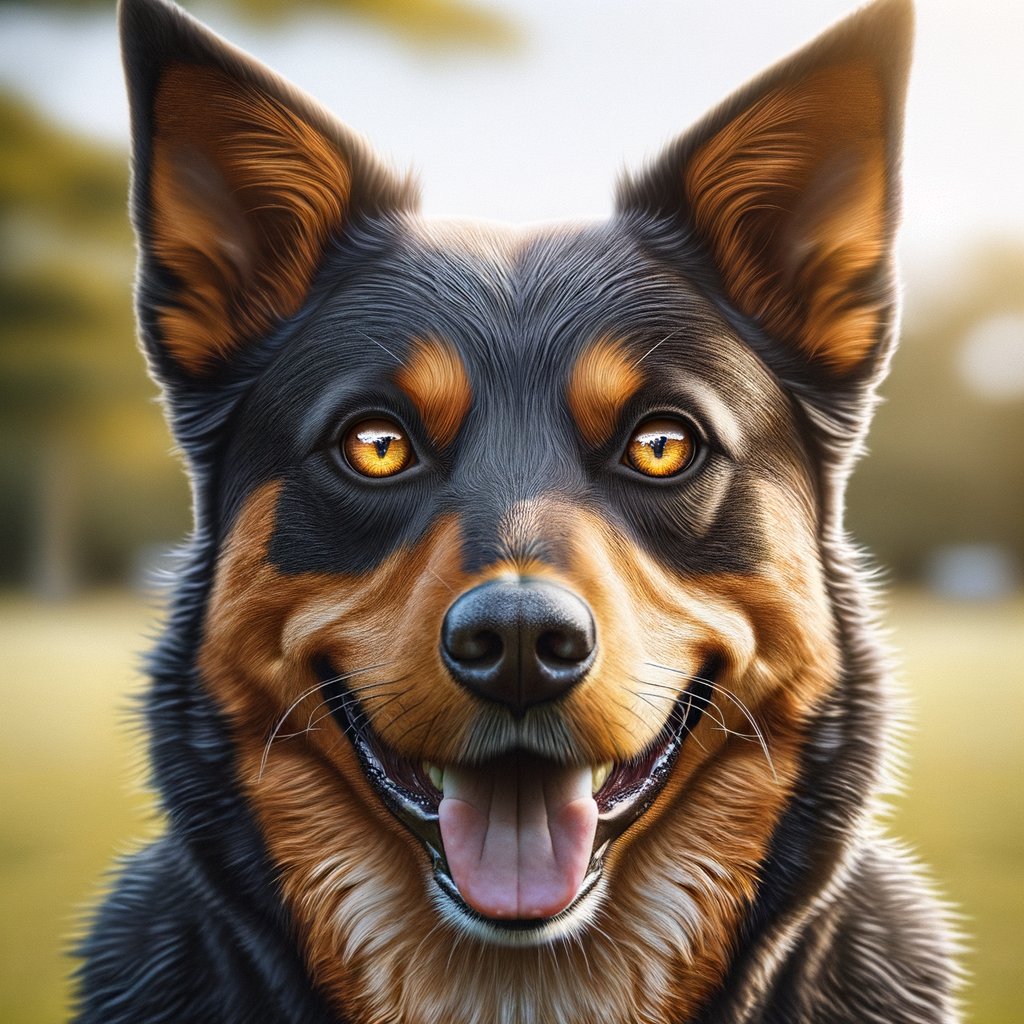
  • Azawakh Eye Health – Conditions & Solutions From Vet

    Azawakh Eye Health – Conditions & Solutions From Vet

    As a devoted Azawakh parent, you know that your sleek, elegant hound is a sight to behold. But have you ever stopped to consider the health of your Azawakh’s eyes? Azawakh Eye Health isn’t just about keeping those expressive eyes sparkling. It’s about understanding the unique structure of your Azawakh’s eyes, being aware of common eye issues in this breed, and knowing how to prevent and treat these conditions.

    Just like us, our canine companions can suffer from a variety of eye health issues. While some breeds are predisposed to certain conditions, others, like the Azawakh, have their own unique set of challenges. But don’t worry, as a holistic veterinarian, I’m here to guide you through everything you need to know about keeping your Azawakh’s eyes healthy and bright.

    We’ll explore the importance of a holistic diet rich in natural Vitamin A and antioxidants, discuss the role of environmental hygiene, and take a look at routine Azawakh eye care and maintenance. We’ll also touch upon the common eye issues in Azawakh and how to prevent them. So, let’s get started on this journey to ensure the best possible eye health for your Azawakh!

    Azawakh Eye Health

    Understanding Breed Specific Eye Structure

    If you’re a proud Azawakh owner, you understand the unique charm these dogs possess. Their eyes, in particular, are a captivating feature, often described as almond-shaped and full of expression. But, have you ever wondered about the specific structure of your Azawakh’s eyes? In this section, we will delve into the fascinating world of Azawakh eye health and the breed-specific eye structure of these elegant dogs.

    Azawakhs, like other sighthounds, have a distinctive eye structure that sets them apart from other breeds. Their eyes are set deep in the skull, giving them a far-reaching field of vision, crucial for their historical role as hunting dogs in the Sahara and Sahel regions. This unique structure, coupled with their lean body, allows them to spot prey from great distances.

    The Azawakh’s eyes are usually dark, ranging from dark brown to hazel. This coloration helps protect their sensitive eyes from the sun’s harsh rays—an adaptation from their desert origins. The shape of their eyes, often described as “almond-like,” is another distinct characteristic of the breed. This shape allows for better peripheral vision, again enhancing their ability to spot potential prey at a distance.

    However, this unique eye structure also means that Azawakhs may be predisposed to certain eye health issues. For instance, their deep-set eyes can be more prone to injuries, and their desert-adapted dark pigmentation can sometimes lead to certain genetic eye conditions.

    Understanding your Azawakh’s specific eye structure is the first step towards ensuring their eye health. With this knowledge, you can better recognize any changes in your dog’s eyes, and take prompt action if needed.

    dog eye anatomy

    Common Eye Issues In Azawakh

    As a veterinarian, I often see cases of eye health issues in Azawakh dogs. These elegant and slender hounds, originally from West Africa, are generally healthy but can occasionally suffer from certain eye problems. It’s essential for every Azawakh parent to be aware of these conditions for early detection and treatment.

    The most common eye issues in the Azawakh breed are:

    • Progressive Retinal Atrophy (PRA): This is a genetic condition often seen in Azawakhs. PRA gradually diminishes the retina’s function, leading to impaired vision and, in severe cases, blindness. Early signs include difficulty seeing at night or in low light.
    • Entropion: This condition causes the eyelid to roll inward, leading to irritation as the lashes rub against the cornea. If you notice your Azawakh frequently squinting or tearing up, it might be suffering from entropion.
    • Conjunctivitis: Also known as pink eye, this inflammation of the conjunctiva can cause redness, discharge, and discomfort. It’s usually due to an infection or an allergy.

    Less common but still potential eye issues include corneal ulcers and cataracts. Any signs of cloudiness, redness, or discomfort in your Azawakh’s eyes should be checked by a vet immediately.

    Diagnosing these conditions early can make a significant difference in Azawakh eye health. Regular eye examinations are crucial for early detection. As a vet, I recommend that all Azawakh parents schedule regular eye check-ups for their pets.

    As for treatment, PRA currently has no cure, but antioxidants and certain dietary changes can slow down the progression. Entropion usually requires surgical correction, while conjunctivitis can often be managed with medication. Remember, every dog is unique, and treatment should always be individualized based on your Azawakh’s specific needs.

    Ensuring good Azawakh eye health doesn’t stop at treating existing conditions. It also involves taking proactive steps to prevent eye problems, which we will explore in the next section.

    azawakh eye issues

    Prevention of Eye Problems

    Ensuring your Azawakh gets the right nutrients for optimal eye health is essential for maintaining clear vision and preventing age-related issues. Natural, nutrient-rich foods and supplements can play a key role in supporting their eyesight. From vitamin A-packed freeze-dried liver treats to antioxidant-rich blueberries and targeted supplements like Eyeplex by Standard Process, there are several ways to nourish your dog’s eyes. In this section, we’ll explore how these powerful ingredients contribute to long-term vision health and overall well-being.

    Eyeplex by Standard Process

    Eyeplex by Standard Process is a specialized supplement designed to support your Azawakh’s eye health with a blend of essential nutrients. Formulated with key vitamins, minerals, and antioxidants, Eyeplex helps protect against oxidative stress, supports retinal function, and promotes overall vision health. Ingredients like vitamin A, vitamin C, and zinc contribute to maintaining strong eyesight, while whole food ingredients provide additional phytonutrients for cellular protection. Adding Eyeplex to your Azawakh’s diet can be especially beneficial for aging dogs or breeds prone to eye conditions, offering targeted nutritional support to keep their vision sharp and healthy for years to come.

    Eyeplex by Standard Process for dogs eye health

    Freeze-Dried Blueberries

    Freeze-dried blueberries are a powerhouse of antioxidants that can help protect your Azawakh’s eyes from oxidative stress and age-related damage. Rich in vitamins C and E, as well as anthocyanins, these tiny but mighty berries help combat free radicals that can contribute to eye diseases like cataracts and macular degeneration. Incorporating freeze-dried blueberries into your dog’s diet provides a natural and delicious way to support retinal health, reduce inflammation, and promote overall vision longevity. Plus, they’re a low-calorie, dog-friendly treat that makes a great addition to a balanced diet for long-term eye health.

    Freeze Dried Blueberries for dog eye health

    Freeze-Dried Liver

    Freeze-dried liver treats are an excellent natural source of vitamin A, an essential nutrient for your Azawakh’s eye health. Vitamin A plays a crucial role in maintaining good vision, especially in low-light conditions, while also supporting overall immune function and skin health. Since liver is rich in bioavailable vitamin A, incorporating freeze-dried liver treats into your dog’s diet provides a convenient and nutritious way to promote optimal eye function. Just be sure to feed them in moderation, as excessive vitamin A can lead to toxicity. Adding these nutrient-packed treats to your pup’s routine is a simple, tasty way to support their long-term vision and well-being!

    Freeze-dried beef liver for dogs eye health

    By prioritizing your Azawakh’s eye health through a balanced diet and nutritional supplements, you can help prevent many common eye issues. These simple steps can go a long way in ensuring your pup’s eyes stay healthy and clear for years to come.

    When it comes to maintaining your Azawakh’s eye health, environmental hygiene plays a significant role. The quality of the environment in which your dog lives can significantly impact the well-being of their eyes. Let’s discuss some critical aspects of environmental hygiene that you should consider.

    Indoor Air Quality

    Indoor air quality is an essential aspect of environmental hygiene. Dust, smoke, and other airborne particles can irritate your Azawakh’s eyes, leading to redness, itching, and potential eye infections. Therefore, it’s essential to maintain clean, fresh air within your home. Regularly air out your rooms, use air purifiers, and avoid smoking indoors to keep the air clean. Also, remember to clean your dog’s bedding frequently to minimize dust and allergens.

    Sprays, Diffusers, Candles, Incense

    While sprays, diffusers, candles, and incense can make your home smell pleasant, they can also irritate your Azawakh’s eyes. Many of these products contain chemicals and fragrances that can cause eye irritation or allergies. Therefore, it’s advisable to use these products sparingly and in well-ventilated areas. If you notice your dog’s eyes becoming red or watery after using these products, it might be best to stop using them altogether.

    When using cleaning sprays, make sure your Azawakh is in another room, and allow the area to air out before letting them back in. Opt for natural, fragrance-free candles and avoid using incense if your dog is in the same room.

    Outdoor Environmental Factors

    Outdoor environmental factors can also affect your Azawakh’s eye health. Exposure to strong sunlight can cause sunburn around the eyes, leading to discomfort and potential eye problems. When taking your Azawakh for walks, try to do so early in the morning or late in the evening when the sun is less intense. If necessary, consider using dog-safe sunscreen or protective eyewear.

    Additionally, pollen, grass, and other outdoor allergens can cause eye irritation. If your Azawakh suffers from allergies, try to limit their exposure during high pollen times and rinse their eyes with a vet-approved saline solution after walks.

    In conclusion, maintaining a clean, healthy environment is crucial for your Azawakh’s eye health. By being mindful of indoor air quality, being cautious with fragranced products, and considering outdoor environmental factors, you can help prevent eye issues and keep your Azawakh’s eyes healthy and bright.

    azawakh eye problems

    Routine Azawakh Eye Care & Maintenance

    Keeping your Azawakh’s eyes healthy involves more than just dealing with problems as they arise. Regular eye care and maintenance can help prevent many common eye issues in this breed. Let’s talk about some daily and weekly routines you can establish to keep your Azawakh’s eyes in the best possible shape.

    Daily & Weekly Care & Maintenance

    One of the easiest and most effective ways to maintain your Azawakh’s eye health is by performing daily eye checks. Gently pull down your dog’s lower eyelid to check for redness or discharge. The whites of your Azawakh’s eyes should be clear, and the area around the eye should be clean and free of discharge. Any changes in color, swelling, or discharge could indicate a potential issue and should be brought to the attention of your vet.

    Weekly, make sure to clean the area around your Azawakh’s eyes with a soft, damp cloth. This can help remove any buildup that could potentially lead to infection. Remember, never use soap or chemicals as they can irritate your dog’s eyes.

    Monitor Hair Length, Nail Length, Bath Frequency

    While it might not seem directly related, monitoring your Azawakh’s hair and nail length, as well as their bath frequency, can play a significant role in their eye health. Overgrown hair can irritate the eyes, leading to potential infections. Regular grooming, including trimming the hair around the eyes, can help prevent this.

    Long nails can also pose a risk to your Azawakh’s eyes. If your dog scratches their face with long nails, they could accidentally injure their eye. Regular nail trimming can help prevent such accidents.

    Bath frequency also plays a role in your Azawakh’s eye health. Too frequent bathing can strip the skin of its natural oils, leading to dryness and irritation around the eyes. On the other hand, infrequent bathing might lead to a buildup of dirt and bacteria, which can cause eye infections. Striking a balance is key – a bath every four to six weeks is usually sufficient, but this can vary depending on your dog’s lifestyle and skin condition.

    Following these simple steps can go a long way in maintaining your Azawakh’s eye health. Of course, regular vet check-ups are also essential to catch any potential issues early. Remember, your vet is the best source of advice when it comes to your Azawakh’s health.

    Frequently Asked Questions

    What are common eye conditions in Azawakh dogs?

    Common eye conditions in Azawakh dogs include dry eye (keratoconjunctivitis sicca), cataracts, progressive retinal atrophy, and entropion.

    How can I prevent eye problems in my Azawakh?

    To prevent eye problems in your Azawakh, it is important to keep their eyes clean and free from debris. Regular veterinary check-ups and proper nutrition can also contribute to maintaining good eye health.

    What are the symptoms of eye problems in Azawakh dogs?

    The symptoms of eye problems in Azawakh dogs may include redness, excessive tearing, discharge, squinting, cloudiness, changes in pupil size, and frequent rubbing or pawing at the eyes.

    Can eye problems in Azawakh dogs be treated?

    Yes, many eye problems in Azawakh dogs can be treated. The specific treatment will depend on the underlying condition. It is important to consult with a veterinarian for proper diagnosis and treatment options.

    Are there any home remedies for Azawakh eye problems?

    While there may be some home remedies that can provide temporary relief for mild eye irritations, it is always best to consult with a veterinarian for proper diagnosis and treatment. Home remedies should not replace professional veterinary care.

    A note about your dog’s health

    This article provides general education and does not replace an examination, diagnosis, or individualized advice from your veterinarian. Contact a veterinary professional if you are concerned about your dog’s symptoms.

    Dr. Candy Akers, DVM Avatar

    ABOUT THE AUTHOR
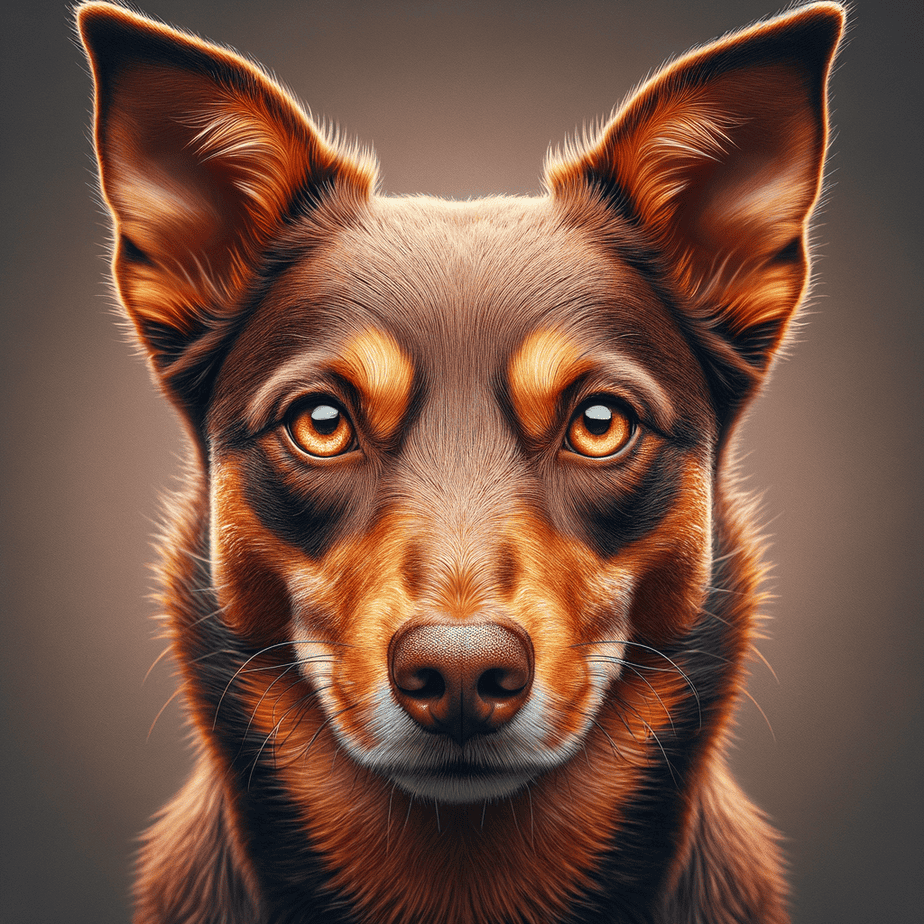
  • Australian Terrier Eye Health – Conditions & Solutions From Vet

    Australian Terrier Eye Health – Conditions & Solutions From Vet

    As a holistic veterinarian, I understand how much your Australian Terrier means to you. These energetic and affectionate dogs are part of your family, and their health is a top priority. One aspect of their health that often gets overlooked is their eye health. Australian Terrier Eye Health is a crucial part of their overall wellbeing that deserves our attention.

    australian terrier eye health

    Australian Terriers, like many breeds, can be prone to specific eye conditions. These can range from minor irritations to serious diseases that can affect their quality of life. Recognizing these potential issues and understanding how to prevent and treat them can make a significant difference in your pet’s health and happiness.

    From common Australian Terrier Eye Diseases to Eye Care for Australian Terriers, this guide will provide you with the knowledge and tools you need to protect your furry friend’s eyes. We’ll cover everything from diet and environmental hygiene to routine eye care and maintenance. So, let’s get started and ensure those expressive eyes stay bright and healthy for years to come.

    Australian Terrier Eye Health

    Understanding Australian Terrier Specific Eye Structure

    As a holistic veterinarian, I’ve found that a deep understanding of the unique eye structure of Australian Terriers is crucial to maintaining their eye health. Let’s delve into the fascinating world of these little terriers’ eyes.

    Australian Terriers, like all dogs, have complex and sensitive eyes. However, their eye structure has some breed-specific characteristics, which is why they require specialized care. Australian Terriers typically have small, oval-shaped eyes that are set well apart. They are dark brown, often described as full of life and intelligence.

    The eyelids of Australian Terriers are typically tight and well-fitted to the eyeball, which helps prevent debris and irritants from entering the eyes. This is a beneficial trait given their origin as a working breed in the harsh Australian environment. However, these tight eyelids can also make their eyes more prone to certain health issues, such as entropion, where the eyelid rolls inward, causing discomfort and potentially damaging the cornea.

    The cornea, the clear front surface of the eye, is another important part of the Australian Terrier’s eye structure. It is a highly sensitive tissue that needs to be protected from injury and infection. In this breed, the cornea is relatively flat, which can increase the risk of corneal abrasions or ulcers.

    The lens, located behind the iris and pupil, is responsible for focusing light onto the retina. Australian Terriers are prone to lens luxation, a condition where the lens becomes dislocated from its normal position. This can lead to serious complications, such as glaucoma or retinal detachment, if not promptly treated.

    dog eye anatomy

    Common Eye Issues In Australian Terrier

    As a veterinarian, I’ve had the opportunity to work with various breeds of dogs, and I can tell you that maintaining good Australian Terrier Eye Health is crucial for this breed. Just like other dogs, Australian Terriers are prone to certain eye conditions. Let’s delve into a few of these common issues.

    • Cataracts: Just like in humans, cataracts in dogs can blur their vision and, if not treated, can lead to blindness. They’re relatively common in Australian Terriers, so it’s essential to have regular vet check-ups to catch any early signs.
    • Progressive Retinal Atrophy (PRA): This is a group of genetic diseases that cause the retina’s gradual deterioration. Night blindness is usually the first symptom, eventually leading to complete blindness. While there’s no cure, early diagnosis can help manage the condition and maintain a good quality of life for your pet.
    • Entropion: This condition causes the eyelid (usually the lower one) to roll inward, leading to irritation and potentially damaging the cornea. Early detection and surgical correction can help prevent permanent damage.
    • Glaucoma: This is a serious condition that can lead to blindness if not treated promptly. It’s caused by increased pressure in the eye and can be very painful. Regular check-ups can help catch glaucoma early and start treatment to manage the condition.
    • Dry Eye (Keratoconjunctivitis Sicca): This condition occurs when the dog’s eye doesn’t produce enough tears, leading to dry, itchy, and inflamed eyes. It can be managed with medication and regular vet visits.

    As a dog parent, it’s vital to monitor your Australian Terrier’s eye health regularly. Look out for symptoms like redness, cloudiness, excessive tearing, or your dog rubbing their eyes frequently. If you notice any of these signs, it’s time to visit your vet. Remember, early detection is key in managing these conditions and maintaining good Australian Terrier Eye Health.

    Australian Terrier Eye Health

    Prevention of Eye Problems in Australian Terriers

    Ensuring your Australian Terrier gets the right nutrients for optimal eye health is essential for maintaining clear vision and preventing age-related issues. Natural, nutrient-rich foods and supplements can play a key role in supporting their eyesight. From vitamin A-packed freeze-dried liver treats to antioxidant-rich blueberries and targeted supplements like Eyeplex by Standard Process, there are several ways to nourish your dog’s eyes. In this section, we’ll explore how these powerful ingredients contribute to long-term vision health and overall well-being.

    Eyeplex by Standard Process

    Eyeplex by Standard Process is a specialized supplement designed to support your Australian Terrier’s eye health with a blend of essential nutrients. Formulated with key vitamins, minerals, and antioxidants, Eyeplex helps protect against oxidative stress, supports retinal function, and promotes overall vision health. Ingredients like vitamin A, vitamin C, and zinc contribute to maintaining strong eyesight, while whole food ingredients provide additional phytonutrients for cellular protection. Adding Eyeplex to your Australian Terrier’s diet can be especially beneficial for aging dogs or breeds prone to eye conditions, offering targeted nutritional support to keep their vision sharp and healthy for years to come.

    Eyeplex by Standard Process for dogs eye health

    Freeze-Dried Blueberries

    Freeze-dried blueberries are a powerhouse of antioxidants that can help protect your Australian Terrier’s eyes from oxidative stress and age-related damage. Rich in vitamins C and E, as well as anthocyanins, these tiny but mighty berries help combat free radicals that can contribute to eye diseases like cataracts and macular degeneration. Incorporating freeze-dried blueberries into your dog’s diet provides a natural and delicious way to support retinal health, reduce inflammation, and promote overall vision longevity. Plus, they’re a low-calorie, dog-friendly treat that makes a great addition to a balanced diet for long-term eye health.

    Freeze Dried Blueberries for dog eye health

    Freeze-Dried Liver

    Freeze-dried liver treats are an excellent natural source of vitamin A, an essential nutrient for your Australian Terrier’s eye health. Vitamin A plays a crucial role in maintaining good vision, especially in low-light conditions, while also supporting overall immune function and skin health. Since liver is rich in bioavailable vitamin A, incorporating freeze-dried liver treats into your dog’s diet provides a convenient and nutritious way to promote optimal eye function. Just be sure to feed them in moderation, as excessive vitamin A can lead to toxicity. Adding these nutrient-packed treats to your pup’s routine is a simple, tasty way to support their long-term vision and well-being!

    Freeze-dried beef liver for dogs eye health

    By prioritizing your Australian Terrier’s eye health through a balanced diet and nutritional supplements, you can help prevent many common eye issues. These simple steps can go a long way in ensuring your pup’s eyes stay healthy and clear for years to come.

    Remember, your pet’s eye health is a key part of their overall wellbeing, so it’s essential to take proactive steps to ensure they maintain good vision throughout their life.

    Environmental Hygiene To Reduce Eye Problems

    When we talk about Australian Terrier Eye Health, it’s not just about their diet or genetics, but also their environment. The environment your Australian Terrier lives in plays a significant role in their overall eye health. Let’s delve into some aspects of environmental hygiene that can help reduce eye problems in your furry friend.

    Indoor Air Quality

    The quality of the air inside your home can greatly affect your Australian Terrier’s eyes. Dust, smoke, and other airborne particles can irritate their eyes, leading to discomfort and potential eye health issues. Here are a few tips to improve your indoor air quality:

    • Maintain cleanliness: Regularly clean your home to reduce dust and allergens. This includes vacuuming carpets, dusting surfaces, and washing pet bedding.
    • Air purifiers: Consider investing in an air purifier. These devices can help to remove allergens and pollutants from the air, reducing the chance of eye irritation.
    • Proper ventilation: Ensure your home is well-ventilated. Open windows when the weather allows, and use exhaust fans in the kitchen and bathroom to reduce humidity and remove cooking fumes.

    Sprays, Diffusers, Candles, Incense

    While we all love a good-smelling home, some products like air fresheners, diffusers, candles, and incense can irritate your Australian Terrier’s eyes. The chemicals and fragrances in these products can cause redness, itching, and even more serious eye conditions if your pet is exposed to them regularly. Here’s what you can do:

    • Choose natural products: Opt for natural air fresheners and candles made from soy or beeswax. These products are less likely to irritate your pet’s eyes.
    • Use in moderation: If you must use these products, do so sparingly and in a well-ventilated area. Never leave your pet in a room with a lit candle or incense stick.
    • Monitor your pet: Keep an eye on your Australian Terrier when using these products. If you notice any signs of eye irritation, stop using the product immediately.

    Remember, your Australian Terrier’s eye health is a crucial part of their overall well-being. By maintaining a clean, healthy environment, you can help prevent eye problems and ensure your furry friend stays happy and healthy.

    Routine Australian Terrier Eye Care & Maintenance

    Daily & Weekly Care & Maintenance

    When it comes to maintaining your Australian Terrier’s eye health, a regular care routine is essential. This can be as simple as daily inspections and weekly cleanings. Check your dog’s eyes every day for signs of redness, swelling, or discharge. These might indicate an underlying issue that needs immediate attention.

    While inspecting, also note any changes in your Australian Terrier’s vision. If your pet seems to be bumping into things or is hesitant to jump on and off furniture, it could be a sign of vision problems.

    At least once a week, clean your pet’s eyes using a soft, damp cloth or a dog-friendly eye wipe. Be gentle and careful not to touch the eyeball directly. This can help prevent the build-up of dirt and bacteria, reducing the risk of infections and other eye issues.

    Monitor Hair Length, Nail Length, Bath Frequency

    Other aspects of your Australian Terrier’s grooming routine can also impact their eye health. For instance, keeping their facial hair trimmed can prevent it from poking into their eyes and causing irritation or scratches.

    Regular nail trims are also essential. Overgrown nails can lead to accidental eye injuries if your pet scratches their face. Always use a dog-friendly nail clipper and be careful not to cut into the quick, as this can cause pain and bleeding.

    When it comes to bathing your Australian Terrier, aim for a frequency that keeps them clean without drying out their skin or eyes. Too frequent bathing can strip the natural oils from your pet’s coat and skin, which can lead to dryness and irritation. Always use a dog-friendly shampoo and be careful to avoid getting it in your pet’s eyes.

    Remember, maintaining your Australian Terrier’s eye health is a combination of regular check-ups, a healthy diet, a clean environment, and a consistent grooming routine. By taking steps to care for your pet’s eyes, you can help ensure they stay healthy and happy for many years to come.

    Frequently Asked Questions

    1. What are common eye health conditions in Australian Terriers?

    Australian Terriers can be prone to various eye health conditions such as cataracts, progressive retinal atrophy (PRA), corneal ulcers, and dry eye.

    2. How can I identify if my Australian Terrier has an eye problem?

    Watch out for symptoms like redness, excessive tearing, discharge, cloudiness, squinting, frequent blinking, or any changes in your dog’s vision. If you notice any of these signs, it is recommended to consult a veterinarian for a thorough examination.

    3. Can eye problems in Australian Terriers be prevented?

    While some eye conditions may be hereditary and difficult to prevent, you can take certain measures to minimize the risk. Regular eye check-ups, maintaining good hygiene, avoiding exposure to irritants, and providing a balanced diet can contribute to better eye health in your Australian Terrier.

    4. How are eye conditions in Australian Terriers treated?

    The treatment for eye conditions in Australian Terriers depends on the specific condition diagnosed by a veterinarian. It may involve medications, eye drops, ointments, surgery, or a combination of these approaches. Early detection and prompt treatment are crucial for better outcomes.

    5. Can Australian Terriers go blind due to eye problems?

    Some eye conditions, if left untreated, can potentially lead to vision loss or even blindness in Australian Terriers. Regular eye examinations and timely intervention can help prevent or manage such situations effectively.

    A note about your dog’s health

    This article provides general education and does not replace an examination, diagnosis, or individualized advice from your veterinarian. Contact a veterinary professional if you are concerned about your dog’s symptoms.

    Dr. Candy Akers, DVM Avatar

    ABOUT THE AUTHOR
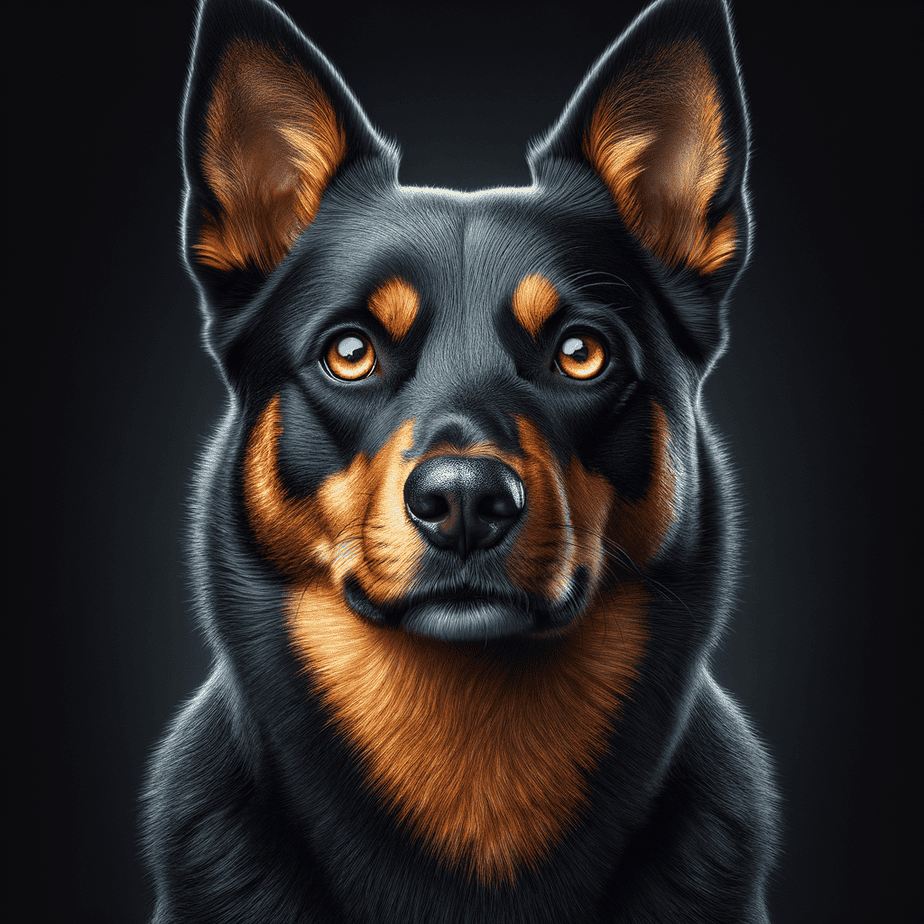
  • Australian Stumpy Tail Cattle Dog Eye Health – Conditions & Solutions From Vet

    Australian Stumpy Tail Cattle Dog Eye Health – Conditions & Solutions From Vet

    Hi there, fellow dog parent! I’m glad you’re here because we’re going to talk about a topic that’s close to my heart – Australian Stumpy Tail Cattle Dog Eye Health. As a holistic veterinarian, I believe in the power of prevention and early detection, especially when it comes to our fur kids’ health.

    australian stumpy tailed cattle dog eye heatlh

    Our beloved Australian Stumpy Tail Cattle Dogs are known for their hardworking nature and intelligence, but did you know they can also be prone to certain eye conditions? It’s crucial to understand the unique structure of their eyes and be aware of the common issues that can affect them. This knowledge will not only help you spot problems early but also take preventive measures to ensure your dog’s eyes stay as healthy as possible.

    Whether you’re dealing with Stumpy Tail Cattle Dog Eye Problems or just want to keep your dog’s eyes in top shape, this article will guide you through everything you need to know. From holistic diets and environmental hygiene to routine eye care, we’ll explore practical and effective ways to maintain your Australian Cattle Dog’s eye health. So, let’s get started on this journey to better eye health for your furry friend!

     Australian Stumpy Tail Cattle Dog Eye Health

    Understanding Breed Specific Eye Structure

    As a holistic vet, I believe understanding your Australian Stumpy Tail Cattle Dog’s unique eye structure is crucial to their overall health. This knowledge can help you identify any issues early on and ensure your pet’s eyes are in the best possible condition.

    Australian Stumpy Tail Cattle Dogs, like all canines, have eyes that are naturally geared for hunting. They have a wider field of vision than humans, which allows them to spot movement more easily. Their eyes are positioned slightly to the sides of their head, giving them a panoramic view of their surroundings.

    These dogs have a third eyelid, or nictitating membrane, which provides additional protection and helps to keep the eye moist. This membrane can sometimes become visible if your dog is unwell or if there’s an issue with their eye health.

    The cornea, the clear outer layer of the eye, is particularly important in Australian Stumpy Tail Cattle Dogs. This breed is known for its intense, piercing gaze, which is due to the high concentration of cells in their corneas. However, this also makes them more susceptible to certain eye conditions such as corneal ulcers.

    The lens of an Australian Stumpy Tail Cattle Dog’s eye is denser than that of a human. This means they have excellent vision in low light, but it can also lead to issues like cataracts as they age.

    The retina, located at the back of the eye, contains cells that are sensitive to light and color. Dogs, in general, don’t see the same range of colors as humans do, but they can detect movement much more quickly. This makes them excellent at spotting potential threats or prey.

    Understanding the unique structure of your Australian Stumpy Tail Cattle Dog’s eyes can help you monitor their health and well-being. By being well-informed, you’ll be better equipped to spot any potential problems early and seek appropriate treatment. Remember, your pet’s eyes are a window to their health, so it’s essential to take good care of them.

    dog eye anatomy

    Common Eye Issues In Australian Stumpy Tail Cattle Dogs

    As a veterinarian, I’ve come across several cases of eye problems in Australian Stumpy Tail Cattle Dogs. Understanding these issues can help you identify symptoms early and get your furry friend the help they need.

    The most common eye disorders in these dogs include:

    • Progressive Retinal Atrophy (PRA): This is a genetic disorder that gradually leads to blindness. It’s characterized by night blindness in the early stages, which progresses to complete loss of sight.
    • Cataracts: Like in humans, cataracts in dogs occur when the lens of the eye becomes clouded, impairing vision. This is commonly seen in older Australian Stumpy Tail Cattle Dogs.
    • Entropion: This is a condition where the eyelid rolls inward, causing the eyelashes to rub against the eye surface. It can cause discomfort, tearing, and even corneal damage if not treated.
    • Conjunctivitis: Also known as pink eye, this is an inflammation of the conjunctiva, the clear tissue covering the white part of the eye and the inside of the eyelids. It’s usually caused by allergies, irritants, or infections.

    If you notice symptoms like excessive tearing, cloudiness, redness, or your dog squinting or frequently rubbing its eyes, it’s time to consult your vet. Early detection and treatment can significantly improve your dog’s Australian Stumpy Tail Cattle Dog Eye Health.

    But what can be done to treat these conditions? Here are some typical solutions:

    • PRA: Unfortunately, there’s no cure for PRA. However, antioxidant supplements may slow the progression of the disease.
    • Cataracts: Surgery is the most effective treatment for cataracts. In some cases, special eye drops may also help slow the development of cataracts.
    • Entropion: Surgery is usually required to correct the eyelid’s position and provide relief from symptoms.
    • Conjunctivitis: Treatment depends on the cause. It may include eye drops or ointments, antibiotics for bacterial infections, or specific treatments for allergies.

    Remember, Australian Stumpy Tail Cattle Dog Eye Health is essential. Regular check-ups and prompt attention to any eye-related symptoms can help keep your furry companion’s eyes healthy and bright.

     Australian Stumpy Tail Cattle Dog Eye Health

    Nourishing Your Dog’s Vision: Essential Nutrients for Eye Health

    Ensuring your Australian Stumpy Tail Cattle Dog gets the right nutrients for optimal eye health is essential for maintaining clear vision and preventing age-related issues. Natural, nutrient-rich foods and supplements can play a key role in supporting their eyesight. From vitamin A-packed freeze-dried liver treats to antioxidant-rich blueberries and targeted supplements like Eyeplex by Standard Process, there are several ways to nourish your dog’s eyes. In this section, we’ll explore how these powerful ingredients contribute to long-term vision health and overall well-being.

    Eyeplex by Standard Process

    Eyeplex by Standard Process is a specialized supplement designed to support your Australian Stumpy Tail Cattle Dog’s eye health with a blend of essential nutrients. Formulated with key vitamins, minerals, and antioxidants, Eyeplex helps protect against oxidative stress, supports retinal function, and promotes overall vision health. Ingredients like vitamin A, vitamin C, and zinc contribute to maintaining strong eyesight, while whole food ingredients provide additional phytonutrients for cellular protection. Adding Eyeplex to your Australian Stumpy Tail Cattle Dog’s diet can be especially beneficial for aging dogs or breeds prone to eye conditions, offering targeted nutritional support to keep their vision sharp and healthy for years to come.

    Eyeplex by Standard Process for dogs eye health

    Freeze-Dried Blueberries

    Freeze-dried blueberries are a powerhouse of antioxidants that can help protect your Australian Stumpy Tail Cattle Dog’s eyes from oxidative stress and age-related damage. Rich in vitamins C and E, as well as anthocyanins, these tiny but mighty berries help combat free radicals that can contribute to eye diseases like cataracts and macular degeneration. Incorporating freeze-dried blueberries into your dog’s diet provides a natural and delicious way to support retinal health, reduce inflammation, and promote overall vision longevity. Plus, they’re a low-calorie, dog-friendly treat that makes a great addition to a balanced diet for long-term eye health.

    Freeze Dried Blueberries for dog eye health

    Freeze-Dried Liver

    Freeze-dried liver treats are an excellent natural source of vitamin A, an essential nutrient for your Australian Stumpy Tail Cattle Dog’s eye health. Vitamin A plays a crucial role in maintaining good vision, especially in low-light conditions, while also supporting overall immune function and skin health. Since liver is rich in bioavailable vitamin A, incorporating freeze-dried liver treats into your dog’s diet provides a convenient and nutritious way to promote optimal eye function. Just be sure to feed them in moderation, as excessive vitamin A can lead to toxicity. Adding these nutrient-packed treats to your pup’s routine is a simple, tasty way to support their long-term vision and well-being!

    Freeze-dried beef liver for dogs eye health

    By prioritizing your Australian Stumpy Tail Cattle Dog’s eye health through a balanced diet and nutritional supplements, you can help prevent many common eye issues. These simple steps can go a long way in ensuring your pup’s eyes stay healthy and clear for years to come.

    Remember, before starting any new supplement regimen, it’s essential to consult with your vet to ensure it’s safe and suitable for your Australian Stumpy Tail Cattle Dog.

    Environmental Hygiene To Reduce Eye Problems

    When it comes to maintaining Australian Stumpy Tail Cattle Dog Eye Health, environmental hygiene plays a crucial role. A clean, healthy environment can significantly reduce the risk of eye problems in your furry friend.

    Indoor Air Quality

    Poor indoor air quality can be a significant contributor to eye problems in dogs. Dust, dander, and other airborne particles can irritate your dog’s eyes, leading to conditions like conjunctivitis and dry eye.

    To improve indoor air quality:

    • Regularly clean and vacuum your home to reduce dust and dander.
    • Invest in an air purifier to filter out harmful particles.
    • Ensure proper ventilation in your home, particularly in areas where your dog spends most of its time.
    • Avoid smoking indoors as smoke can irritate your dog’s eyes.

    Sprays, Diffusers, Candles, Incense

    While sprays, diffusers, candles, and incense can make your home smell great, they can also irritate your Australian Stumpy Tail Cattle Dog’s eyes.

    To mitigate this risk:

    • Use these products sparingly and ensure your dog is not in the room when you’re using them.
    • Opt for natural alternatives like essential oils, but make sure they are safe for dogs. Not all essential oils are pet-friendly.
    • Ensure proper ventilation when using these products.

    By taking these steps, you can create a safer, healthier environment for your Australian Stumpy Tail Cattle Dog, reducing the risk of eye problems and helping to maintain optimal eye health. Remember, your dog’s eyes are sensitive, and even seemingly minor irritants can cause issues if not properly managed.

    By focusing on environmental hygiene, you’re not only safeguarding your dog’s eye health but also contributing to its overall wellbeing. After all, a clean, healthy environment is beneficial for all aspects of your dog’s health. So, keep your home clean, monitor the air quality, and be mindful of the products you use. Your Australian Stumpy Tail Cattle Dog will thank you for it!

     Australian Stumpy Tail Cattle Dog Eye Health

    Routine Australian Stumpy Tail Cattle Dog Eye Care & Maintenance

    When it comes to maintaining your Australian Stumpy Tail Cattle Dog’s eye health, a regular care routine plays a crucial role. Much like us humans, a well-planned regimen can help prevent potential eye issues and ensure your furry friend’s eyes stay healthy and bright.

    Daily & Weekly Care & Maintenance

    Ensure that your Australian Stumpy Tail Cattle Dog’s eyes are clean and clear every day. Look out for any redness, cloudiness, or discharge. If you spot any of these signs, it’s best to get your dog checked by a vet as soon as possible.

    Use a soft, damp cloth to gently wipe around your dog’s eyes to remove any dirt or debris. Be careful not to touch the eye surface itself. This should be done daily to prevent the build-up of any harmful bacteria.

    Weekly, take the time to check your dog’s eyes more thoroughly. Look for any changes in color, size, or shape. Also, observe if your dog is squinting, blinking excessively, or seems to be in discomfort. These could be signs of eye problems in your Stumpy Tail Cattle Dog.

    Monitor Hair Length, Nail Length, Bath Frequency

    Keeping your dog’s hair trimmed, especially around the eyes, can prevent irritation and potential eye issues. Long hair can poke and scratch the eye surface, leading to discomfort and even injuries. Regular grooming sessions can help you keep this in check.

    Similarly, keeping your dog’s nails trimmed is also essential. Dogs often paw at their eyes when they feel discomfort, and long nails can easily scratch and injure the eye.

    Regular baths can help keep your dog clean and free from parasites that might cause eye infections. However, be careful not to get soap or shampoo in your dog’s eyes during bath time as it can cause irritation. Always use a dog-friendly shampoo and try to avoid the eye area as much as possible.

    Remember, Australian Stumpy Tail Cattle Dog eye care is not just about treating issues as they arise, but about preventing them in the first place. A good care routine can go a long way in keeping your dog’s eyes healthy!

    However, even with the best care, some eye conditions might still occur. In such cases, it’s crucial to seek Australian Stumpy Tail Dog eye treatment from a qualified vet.

    Remember, your dog’s eyes are a window to their health. So, always keep an eye out for any signs of trouble!

    Frequently Asked Questions

    1. What are common eye health conditions in Australian Stumpy Tail Cattle Dogs?

    Australian Stumpy Tail Cattle Dogs are prone to several eye health conditions, including:

    Progressive Retinal Atrophy (PRA)
    Cataracts
    Entropion
    Corneal Ulcers

    2. How can I identify if my Australian Stumpy Tail Cattle Dog has an eye health problem?

    Look out for the following signs that may indicate an eye health issue in your dog:

    Excessive tearing or discharge
    Redness or inflammation in the eyes
    Cloudiness or opacity in the eye lens
    Squinting or rubbing of the eyes
    Visible abnormalities or growths on the eye

    3. Can eye health conditions in Australian Stumpy Tail Cattle Dogs be treated?

    Yes, many eye health conditions in Australian Stumpy Tail Cattle Dogs can be treated, depending on the specific condition and its severity. Treatment options may include medication, surgery, or a combination of both. It is important to consult with a veterinarian for proper diagnosis and treatment recommendations.

    4. How can I prevent eye health problems in my Australian Stumpy Tail Cattle Dog?

    To help maintain good eye health in your Australian Stumpy Tail Cattle Dog, consider the following preventive measures:

    Regular veterinary check-ups to monitor eye health
    Keeping the eyes clean and free from debris
    Avoiding exposure to irritants or chemicals
    Providing a balanced diet with essential nutrients for eye health

    5. When should I seek veterinary attention for my Australian Stumpy Tail Cattle Dog’s eye problem?

    If you notice any signs of eye discomfort or abnormality in your Australian Stumpy Tail Cattle Dog, it is recommended to consult a veterinarian promptly. Early detection and treatment can help prevent further complications and ensure the best possible outcome for your dog’s eye health.

    A note about your dog’s health

    This article provides general education and does not replace an examination, diagnosis, or individualized advice from your veterinarian. Contact a veterinary professional if you are concerned about your dog’s symptoms.

    Dr. Candy Akers, DVM Avatar

    ABOUT THE AUTHOR
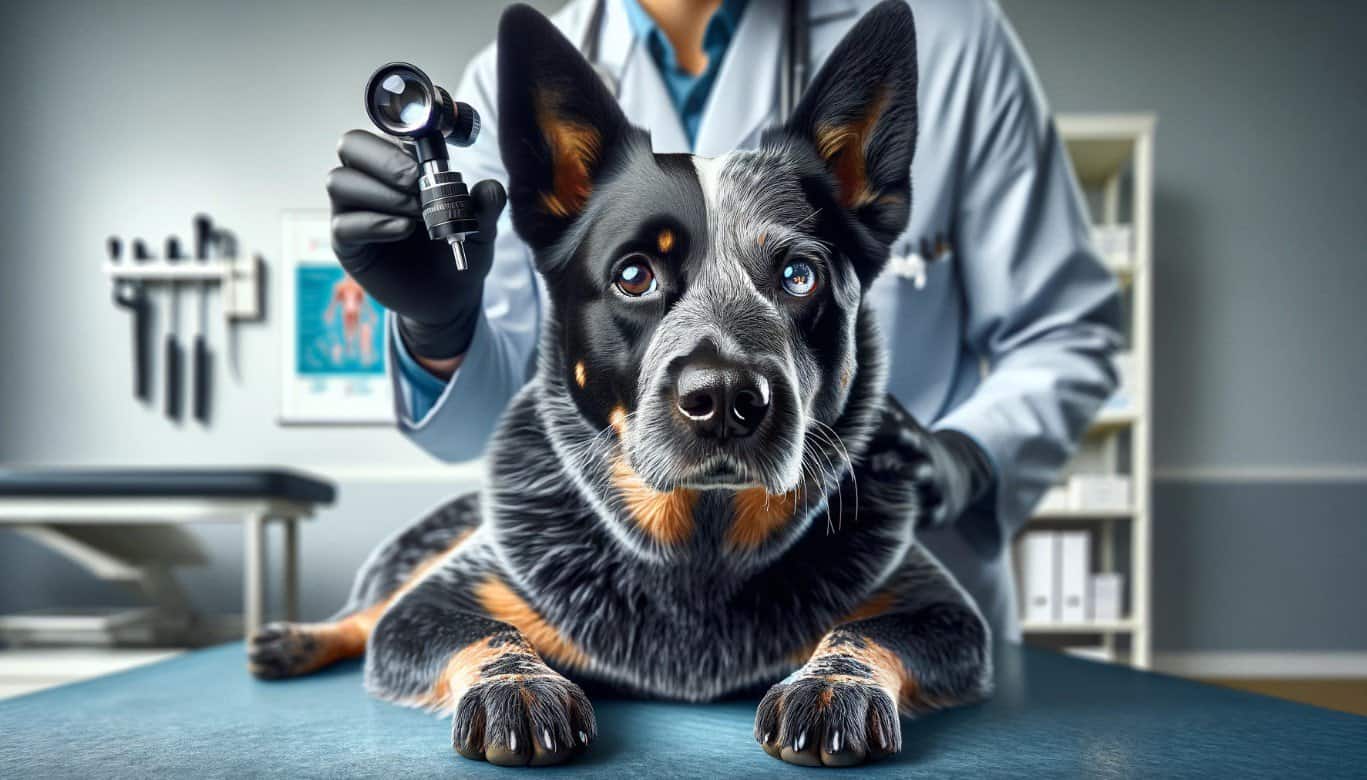
  • Australian Kelpie Eye Health – Conditions & Solutions From Vet

    Australian Kelpie Eye Health – Conditions & Solutions From Vet

    Hello, fellow dog lover! I’m Dr. Candy Akers, and today, we’re going to talk about a topic that’s close to my heart and crucial for your furry friend’s well-being – Australian Kelpie Eye Health.

    As a holistic veterinarian, I’ve come across many Australian Kelpies, a breed known for its intelligence, agility, and stunning eyes. However, these beautiful eyes can sometimes be prone to certain health issues. That’s why understanding your Kelpie’s eye structure and being aware of potential problems is so important. It’s not just about ensuring your pet’s vision is perfect; it’s about guaranteeing their overall health and happiness.

    From common eye problems in Australian Kelpie to prevention strategies, we’ll cover it all. We’ll also discuss the role of diet and environmental hygiene in maintaining your Kelpie’s eye health. Plus, I’ll share some routine care and maintenance tips to help you keep those lovely Kelpie eyes sparkling and disease-free.

    Whether you’re a seasoned Kelpie parent or considering adopting one, this guide will provide you with valuable insights into Australian Kelpie eye care. Remember, knowledge is power, and the more you know about your dog’s eye health, the better equipped you’ll be to prevent and treat any potential issues. So, let’s get started!

    australian kelpie eye health

    Understanding Breed Specific Eye Structure

    You may be wondering why understanding the specific eye structure of your Australian Kelpie is important. Well, it’s because this knowledge can help you identify any early signs of potential eye issues, and in turn, allow for prompt treatment. Let’s delve into some fascinating insights about the unique eye structure of this breed.

    Australian Kelpies, like other dogs, have eyes that are rich in cones and rods, the sensory cells responsible for colour and light perception. These cells are more concentrated in their eyes than in human eyes, making them more sensitive to movement and light changes. However, the positioning and structure of their eyes are unique to their breed and function.

    Bred for herding livestock, Kelpies have a broad field of vision, which is facilitated by their slightly domed skulls and wide-set eyes. The eyes themselves are almond-shaped, medium-sized, and are usually dark brown, complementing their coat colour. This eye shape and positioning give them the advantage of spotting any stray animals from their peripheral vision.

    Their eyes are covered by a thin, transparent membrane known as the third eyelid or nictitating membrane. This membrane provides additional protection from dust and debris, which is crucial for a breed that traditionally works in harsh, outdoor environments.

    Moreover, the Australian Kelpie’s cornea, the clear front surface of the eye, is slightly more curved than in other breeds. This curvature increases the field of vision even more, allowing them to effectively monitor their surroundings.

    Understanding these breed-specific features of your Kelpie’s eyes can be instrumental in maintaining their eye health. It will enable you to notice any changes or abnormalities, such as redness, cloudiness, or change in shape, that may suggest a potential eye problem. Remember, early detection is the key to effective treatment and preserving your Kelpie’s vision.

    In our journey to ensure the optimal Australian Kelpie Eye Health, understanding their unique eye structure is the first step. Stay tuned as we explore common eye issues in Australian Kelpies and how to prevent them. Let’s work together to keep those bright, alert eyes healthy and happy!

    dog eye anatomy

    Common Eye Issues In Australian Kelpie

    As a veterinarian, I’ve had the privilege of caring for many Australian Kelpie dogs over the years. A highly energetic and intelligent breed, these dogs are a joy to be around. However, they can be prone to certain health issues, including some concerning their eyes. Understanding Australian Kelpie Eye Health is crucial for any Kelpie parent, as early detection and treatment can prevent further complications.

    One of the most common eye conditions in Australian Kelpies is Progressive Retinal Atrophy (PRA). This is a genetic condition that gradually causes the retina to degenerate, leading to vision loss. Symptoms often start with night blindness and progress to total blindness over time.

    Another common issue is Cataracts. Just like in humans, cataracts in dogs can cause cloudiness in the eye lens, leading to vision impairment. While they’re often connected to aging, they can also be hereditary or caused by diseases like diabetes.

    Australian Kelpies can also suffer from Entropion, a condition where the eyelid rolls inward. This can cause the eyelashes to rub against the eye surface, resulting in irritation, pain, and potentially, corneal ulcers or vision loss.

    Lastly, Corneal Dystrophy is another condition that can affect your Kelpie’s eyes. It’s a group of inherited disorders that affect the cornea, the clear front part of the eye. This can lead to vision problems and eye discomfort.

    • Progressive Retinal Atrophy (PRA) – gradual retina degeneration, leading to vision loss.
    • Cataracts – cloudiness in the eye lens, leading to vision impairment.
    • Entropion – inward rolling of the eyelid, causing irritation and potential vision loss.
    • Corneal Dystrophy – inherited disorders affecting the cornea, leading to vision problems and discomfort.

    If you notice any changes in your Kelpie’s eyes, such as cloudiness, redness, excessive tearing, or if they seem to be having trouble seeing, it’s essential to consult your vet immediately. Regular check-ups can also help in early detection of these conditions, ensuring your Australian Kelpie’s eye health is always at its best.

    australian kelpie eye problems

    Prevention of Eye Problems

    Ensuring your Australian Kelpie gets the right nutrients for optimal eye health is essential for maintaining clear vision and preventing age-related issues. Natural, nutrient-rich foods and supplements can play a key role in supporting their eyesight. From vitamin A-packed freeze-dried liver treats to antioxidant-rich blueberries and targeted supplements like Eyeplex by Standard Process, there are several ways to nourish your dog’s eyes. In this section, we’ll explore how these powerful ingredients contribute to long-term vision health and overall well-being.

    Eyeplex by Standard Process

    Eyeplex by Standard Process is a specialized supplement designed to support your Australian Kelpie’s eye health with a blend of essential nutrients. Formulated with key vitamins, minerals, and antioxidants, Eyeplex helps protect against oxidative stress, supports retinal function, and promotes overall vision health. Ingredients like vitamin A, vitamin C, and zinc contribute to maintaining strong eyesight, while whole food ingredients provide additional phytonutrients for cellular protection. Adding Eyeplex to your Australian Kelpie’s diet can be especially beneficial for aging dogs or breeds prone to eye conditions, offering targeted nutritional support to keep their vision sharp and healthy for years to come.

    Eyeplex by Standard Process for dogs eye health

    Freeze-Dried Blueberries

    Freeze-dried blueberries are a powerhouse of antioxidants that can help protect your Australian Kelpie’s eyes from oxidative stress and age-related damage. Rich in vitamins C and E, as well as anthocyanins, these tiny but mighty berries help combat free radicals that can contribute to eye diseases like cataracts and macular degeneration. Incorporating freeze-dried blueberries into your dog’s diet provides a natural and delicious way to support retinal health, reduce inflammation, and promote overall vision longevity. Plus, they’re a low-calorie, dog-friendly treat that makes a great addition to a balanced diet for long-term eye health.

    Freeze Dried Blueberries for dog eye health

    Freeze-Dried Liver

    Freeze-dried liver treats are an excellent natural source of vitamin A, an essential nutrient for your Australian Kelpie’s eye health. Vitamin A plays a crucial role in maintaining good vision, especially in low-light conditions, while also supporting overall immune function and skin health. Since liver is rich in bioavailable vitamin A, incorporating freeze-dried liver treats into your dog’s diet provides a convenient and nutritious way to promote optimal eye function. Just be sure to feed them in moderation, as excessive vitamin A can lead to toxicity. Adding these nutrient-packed treats to your pup’s routine is a simple, tasty way to support their long-term vision and well-being!

    Freeze-dried beef liver for dogs eye health

    By prioritizing your Australian Kelpie’s eye health through a balanced diet and nutritional supplements, you can help prevent many common eye issues. These simple steps can go a long way in ensuring your pup’s eyes stay healthy and clear for years to come.

    Environmental Hygiene to Reduce Eye Problems

    Ensuring a clean and safe environment is paramount when it comes to maintaining your Australian Kelpie’s eye health. This involves paying close attention to the indoor air quality and being mindful of the products you use around your pet, such as sprays, diffusers, candles, and incense.

    Indoor Air Quality

    Indoor air quality plays a significant role in your Australian Kelpie’s eye health. Dust, dander, and other airborne particles can irritate their eyes, leading to discomfort, redness, and potential infections. Regularly cleaning your home, especially areas where your Kelpie spends most of their time, can significantly reduce these risks.

    • Invest in an air purifier to remove allergens and pollutants from the air.
    • Regularly clean and vacuum to reduce dust and pet dander.
    • Keep windows closed during high pollen seasons to prevent allergens from entering your home.

    Sprays, Diffusers, Candles, Incense

    The fragrances and chemicals in sprays, diffusers, candles, and incense can also irritate your Kelpie’s eyes. These products often contain volatile organic compounds (VOCs) that can cause eye irritation and other health issues in pets.

    • Avoid using these products in areas where your pet spends a lot of time.
    • Opt for pet-friendly products that are free of harmful chemicals.
    • Ensure proper ventilation whenever you use these products.

    Remember, the health of your Australian Kelpie’s eyes is not just about direct care and treatment. It’s also about creating an environment that supports their overall health and well-being. By maintaining high indoor air quality and being mindful of the products you use, you can significantly contribute to your Australian Kelpie’s eye health.

    australian kelpie eye issues

    Routine Australian Kelpie Eye Care & Maintenance

    When it comes to maintaining the overall Australian Kelpie Eye Health, a regular care routine is of utmost importance. As a Kelpie parent, your role involves more than just providing a balanced diet and clean environment. It also includes proactive measures to prevent potential eye issues.

    Daily & Weekly Care & Maintenance

    Start with daily inspections of your Kelpie’s eyes. Look for any signs of redness, swelling, or discharge. If you notice anything unusual, it’s best to consult your vet immediately. Apart from this, make sure to clean your dog’s eyes gently using a soft, damp cloth or a pet-specific eye wipe. This should be done daily to remove any dirt or bacteria that could cause infections.

    Weekly, take a closer look at your Kelpie’s eyes. Check for any changes in color or clarity. If you see a cloudy appearance or a change in eye color, it could indicate a more serious issue like cataracts or other common eye problems in Australian Kelpie.

    Monitor Hair Length, Nail Length, Bath Frequency

    Interestingly, other aspects of your Kelpie’s grooming can also impact their eye health. For instance, hair that is too long can irritate the eyes and cause infections. Therefore, regular hair trimming, especially around the eye area, is crucial.

    Similarly, long nails can lead to scratches on the cornea if your Kelpie rubs their eyes with their paws. Keeping your Kelpie’s nails trimmed is a simple but effective way to prevent this.

    Lastly, consider your Kelpie’s bath frequency. While it’s important to keep your Kelpie clean, excessive bathing can dry out their skin, including around the eyes. This can lead to irritation and potential eye issues. Therefore, stick to a moderate bath schedule and always be careful to avoid getting soap or shampoo in your Kelpie’s eyes.

    Maintaining your Australian Kelpie’s eye health is a commitment that requires daily attention and care. By sticking to a regular eye care routine and monitoring aspects like hair and nail length, you can help keep your Kelpie’s eyes healthy and prevent common eye issues. Remember, early detection is key in managing any potential eye problems, so never hesitate to consult your vet if you notice anything unusual.

    australian kelpie eyes

    Frequently Asked Questions

    1. What are common eye conditions that affect Australian Kelpies?

    Australian Kelpies are prone to several eye conditions, including cataracts, progressive retinal atrophy (PRA), and distichiasis.

    2. How can I identify if my Australian Kelpie has an eye problem?

    Watch out for symptoms such as redness, excessive tearing, cloudiness, squinting, or bumping into objects. If you notice any of these signs, it’s best to consult a veterinarian.

    3. Can eye conditions in Australian Kelpies be treated?

    Depending on the specific condition, treatment options may include medication, surgery, or management strategies to slow down the progression of the disease. It’s important to consult with a veterinarian for proper diagnosis and treatment.

    4. How can I prevent eye problems in my Australian Kelpie?

    Regular veterinary check-ups, maintaining good hygiene, protecting your dog’s eyes from injury, and providing a balanced diet can help prevent some eye conditions. Additionally, breeding from dogs with clear eye certificates can reduce the risk of hereditary eye diseases.

    5. Are Australian Kelpies more prone to eye problems compared to other dog breeds?

    While Australian Kelpies are generally a healthy breed, they do have a higher predisposition to certain eye conditions. It’s important to be aware of these risks and take appropriate measures to ensure your dog’s eye health.

    A note about your dog’s health

    This article provides general education and does not replace an examination, diagnosis, or individualized advice from your veterinarian. Contact a veterinary professional if you are concerned about your dog’s symptoms.

    Dr. Candy Akers, DVM Avatar

    ABOUT THE AUTHOR
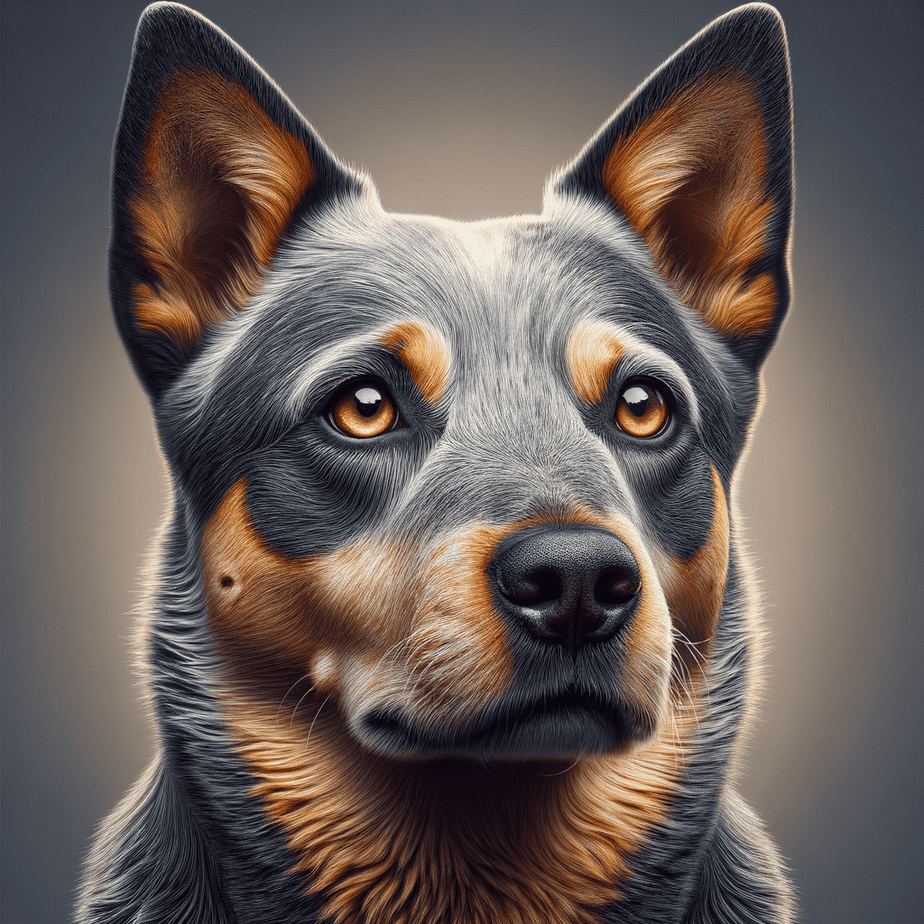
  • Australian Cattle Dog Eye Health – Conditions & Solutions From Vet

    Australian Cattle Dog Eye Health – Conditions & Solutions From Vet

    Hi there, fellow dog parents! As a holistic veterinarian, I’m often asked about breed-specific health issues, and today, we’re focusing on our hardworking friends, the Australian Cattle Dogs. A common area of concern is Australian Cattle Dog Eye Health.

    These robust dogs are known for their intelligence, agility, and endurance, but like every breed, they have their own set of health concerns. Our loyal companions rely on us to keep them healthy, and understanding their breed-specific health needs is crucial.

    When it comes to Australian Cattle Dog Eye Health, there are several conditions that they are more prone to. It’s important to know what to look out for, how to prevent these conditions, and how to treat them if they do occur.

    Whether you’re a seasoned Australian Cattle Dog owner or considering adopting one, understanding their eye health will help you provide the best possible care. So, let’s get started on this journey together, exploring common Australian Cattle Dog Eye Diseases, prevention strategies, and treatment options. Remember, our furry friends are counting on us!

    Australian cattle dog eye health

    Understanding Breed Specific Eye Structure

    To fully grasp the complexities of Australian Cattle Dog eye health, it’s essential to first understand the unique structure of their eyes. As a breed, these dogs have a keen sense of sight, which was bred into them for their original purpose – herding cattle. Their eyes are somewhat almond-shaped, medium-sized, and set wide apart, giving them a broad field of vision.

    The cornea, the clear front surface of the eye, is quite resilient in Australian Cattle Dogs. It’s designed to withstand the rough and tumble of farm life, including exposure to dust, wind, and sunlight. Their lens, located behind the iris, is flexible and transparent, allowing for sharp focus on both near and distant objects – a vital trait for a herding dog.

    However, the unique eye structure of Australian Cattle Dogs also makes them prone to certain health issues. For instance, their keen sight and exposure to outdoor elements can lead to conditions like Progressive Retinal Atrophy (PRA) and Primary Lens Luxation (PLL). Understanding these breed-specific eye traits is the first step towards proactive eye care for your Australian Cattle Dog.

    Remember that not all eye issues are visible to the naked eye, and some can only be detected during a comprehensive eye exam by a veterinarian. Regular check-ups are a vital part of maintaining your Australian Cattle Dog’s eye health. With the right care and attention, you can help ensure your Australian Cattle Dog’s eyes remain as bright and clear as the outback sky.

    dog eye anatomy

    Common Eye Issues In Australian Cattle Dog

    As a vet, I’ve seen my fair share of eye health issues in various breeds, but when it comes to Australian Cattle Dog Eye Health, there are a few common conditions that we should be aware of.

    The first condition is Progressive Retinal Atrophy (PRA). This is a genetic disorder that affects the retina of your dog’s eye, leading to gradual vision loss and eventually blindness. The early signs of PRA in Australian Cattle Dogs often include night blindness or difficulty seeing in low light conditions.

    Another common eye health issue in Australian Cattle Dogs is Primary Lens Luxation (PLL). PLL is a hereditary condition where the lens in the dog’s eye becomes dislocated. This can cause severe discomfort and may lead to glaucoma or blindness if not treated promptly.

    Cataracts are also not uncommon in this breed. These are cloudy formations in the lens of the eye that can interfere with vision. While cataracts are often associated with aging, they can also be hereditary or caused by trauma to the eye.

    The last common condition is Cherry Eye, a disorder where the gland under the third eyelid protrudes, giving the appearance of a ‘cherry’ in the corner of the dog’s eye. While it’s not typically painful, it can lead to secondary infections or dry eye if left untreated.

    Here’s a brief overview:

    • Progressive Retinal Atrophy (PRA): Genetic disorder leading to gradual vision loss and potentially blindness.
    • Primary Lens Luxation (PLL): Hereditary condition causing lens dislocation, discomfort, and potential glaucoma or blindness.
    • Cataracts: Cloudy formations in the eye lens, often due to aging, genetics, or trauma.
    • Cherry Eye: Protrusion of the gland under the third eyelid, leading to potential infections or dry eye.

    Remember, early detection is key to managing these conditions and maintaining your Australian Cattle Dog’s eye health. Regular vet check-ups and being aware of any changes in your dog’s behavior or appearance can help catch these issues early. If your dog is showing signs of discomfort, excessive tearing, redness, or changes in eye appearance, don’t hesitate to seek veterinary care.

    australian cattle dog eye problems

    Prevention of Eye Problems

    Ensuring your Australian Cattle Dog gets the right nutrients for optimal eye health is essential for maintaining clear vision and preventing age-related issues. Natural, nutrient-rich foods and supplements can play a key role in supporting their eyesight. From vitamin A-packed freeze-dried liver treats to antioxidant-rich blueberries and targeted supplements like Eyeplex by Standard Process, there are several ways to nourish your dog’s eyes. In this section, we’ll explore how these powerful ingredients contribute to long-term vision health and overall well-being.

    Eyeplex by Standard Process

    Eyeplex by Standard Process is a specialized supplement designed to support your Australian Cattle Dog’s eye health with a blend of essential nutrients. Formulated with key vitamins, minerals, and antioxidants, Eyeplex helps protect against oxidative stress, supports retinal function, and promotes overall vision health. Ingredients like vitamin A, vitamin C, and zinc contribute to maintaining strong eyesight, while whole food ingredients provide additional phytonutrients for cellular protection. Adding Eyeplex to your Australian Cattle Dog’s diet can be especially beneficial for aging dogs or breeds prone to eye conditions, offering targeted nutritional support to keep their vision sharp and healthy for years to come.

    Eyeplex by Standard Process for dogs eye health

    Freeze-Dried Blueberries

    Freeze-dried blueberries are a powerhouse of antioxidants that can help protect your Australian Cattle Dog’s eyes from oxidative stress and age-related damage. Rich in vitamins C and E, as well as anthocyanins, these tiny but mighty berries help combat free radicals that can contribute to eye diseases like cataracts and macular degeneration. Incorporating freeze-dried blueberries into your dog’s diet provides a natural and delicious way to support retinal health, reduce inflammation, and promote overall vision longevity. Plus, they’re a low-calorie, dog-friendly treat that makes a great addition to a balanced diet for long-term eye health.

    Freeze Dried Blueberries for dog eye health

    Freeze-Dried Liver

    Freeze-dried liver treats are an excellent natural source of vitamin A, an essential nutrient for your Australian Cattle Dog’s eye health. Vitamin A plays a crucial role in maintaining good vision, especially in low-light conditions, while also supporting overall immune function and skin health. Since liver is rich in bioavailable vitamin A, incorporating freeze-dried liver treats into your dog’s diet provides a convenient and nutritious way to promote optimal eye function. Just be sure to feed them in moderation, as excessive vitamin A can lead to toxicity. Adding these nutrient-packed treats to your pup’s routine is a simple, tasty way to support their long-term vision and well-being!

    Freeze-dried beef liver for dogs eye health

    By prioritizing your Australian Cattle Dog’s eye health through a balanced diet and nutritional supplements, you can help prevent many common eye issues. These simple steps can go a long way in ensuring your pup’s eyes stay healthy and clear for years to come.

    Indoor Air Quality

    Indoor air quality can significantly impact your Australian Cattle Dog’s eye health. Dust, dander, and other airborne particles can irritate their eyes, leading to problems like conjunctivitis. Here are some steps to improve indoor air quality:

    • Regular Cleaning: Vacuum and dust your home regularly to reduce the amount of dust and dander in the air.
    • Use Air Purifiers: These devices can help filter out harmful particles from the air.
    • Keep Windows Closed: During high pollen seasons or in polluted areas, keep windows closed to prevent irritants from entering your home.

    Sprays, Diffusers, Candles, Incense

    While these items can make your home smell great, they can also irritate your Australian Cattle Dog’s eyes. Here’s what you can do to minimize their impact:

    • Choose Unscented Products: Opt for unscented cleaning products, air fresheners, and candles whenever possible.
    • Use Diffusers Sparingly: If you use essential oil diffusers, do so sparingly and in a well-ventilated area. Some essential oils can be harmful to dogs.
    • Avoid Smoke: Smoke from candles and incense can irritate your dog’s eyes. If you must use them, do so in a separate room from your dog.

    Maintaining a clean and safe environment is a simple but effective way to prevent many common eye problems in Australian Cattle Dogs. Remember, your dog’s eyes are sensitive, and what doesn’t bother you might bother them. So, always consider their needs when making decisions about your home environment. This will go a long way in maintaining your Australian Cattle Dog’s eye health.

    australian cattle dog eye issues

    Routine Australian Cattle Dog Eye Care & Maintenance

    Caring for your Australian Cattle Dog’s eyes is an essential part of maintaining their overall health. Regular eye care can significantly reduce the risk of eye diseases and ensure that your pet enjoys a good quality of life. Here are some tips on how to take care of your Australian Cattle Dog’s eyes.

    Daily & Weekly Care & Maintenance

    Just like humans, dogs need their eyes cleaned regularly. You should make a habit of checking your Australian Cattle Dog’s eyes every day for any signs of redness, swelling, or discharge. Use a soft, damp cloth to gently clean around the eyes, being careful not to touch the eye itself.

    Moreover, it’s also essential to keep an eye out for any changes in your dog’s vision. If your dog is bumping into things or seems hesitant to jump or climb, it might be a sign of vision loss. In such cases, you should consult your vet immediately.

    Monitor Hair Length, Nail Length, Bath Frequency

    Australian Cattle Dogs are known for their thick and sometimes unruly coats, and long hair around the eyes can cause irritation. Therefore, it’s crucial to regularly trim the hair around the eyes to prevent it from poking into the eye and causing discomfort or injury.

    Nail length is another aspect that needs attention as long nails can inadvertently scratch the eye, causing serious damage. Regular nail trims should be part of your dog’s grooming routine.

    Lastly, bathing your Australian Cattle Dog too frequently can dry out their skin and eyes, leading to irritation and possible eye health issues. Therefore, it’s recommended to bathe your dog only when necessary and avoid getting shampoo or other bath products in their eyes.

    Remember, regular eye care is key to Australian Cattle Dog Eye Health. By following these simple steps, you can ensure your dog’s eyes stay healthy and free from diseases.

    However, despite all your efforts, if your dog shows signs of eye discomfort or vision loss, it’s vital to seek professional help. Early detection and treatment can prevent many eye health issues from becoming serious. So, always keep your vet in the loop about your dog’s eye health.

    Frequently Asked Questions

    1. What are common eye health conditions in Australian Cattle Dogs?

    Australian Cattle Dogs are prone to several eye health conditions, including:

    Progressive Retinal Atrophy (PRA)
    Cataracts
    Collie Eye Anomaly (CEA)
    Distichiasis
    Entropion

    2. How can I identify if my Australian Cattle Dog has an eye problem?

    Watch out for the following signs that may indicate an eye problem:

    Excessive tearing or discharge
    Redness or inflammation
    Cloudiness or opacity in the eye
    Squinting or rubbing of the eyes
    Visible third eyelid

    3. Can eye conditions in Australian Cattle Dogs be treated?

    Many eye conditions in Australian Cattle Dogs can be managed or treated, depending on the specific condition. It is important to consult with a veterinarian for proper diagnosis and treatment options.

    4. How can I prevent eye problems in my Australian Cattle Dog?

    To help maintain good eye health in your Australian Cattle Dog, consider the following preventive measures:

    Regular veterinary check-ups
    Keeping the eyes clean and free from debris
    Avoiding exposure to irritants or chemicals
    Providing a balanced diet with essential nutrients
    Protecting the eyes from excessive sunlight or UV radiation

    5. When should I seek veterinary attention for my Australian Cattle Dog’s eye problem?

    If you notice any signs of eye discomfort or abnormality in your Australian Cattle Dog, it is recommended to consult a veterinarian as soon as possible. Early detection and treatment can help prevent further complications and ensure the best possible outcome for your dog’s eye health.

    A note about your dog’s health

    This article provides general education and does not replace an examination, diagnosis, or individualized advice from your veterinarian. Contact a veterinary professional if you are concerned about your dog’s symptoms.

    Dr. Candy Akers, DVM Avatar

    ABOUT THE AUTHOR
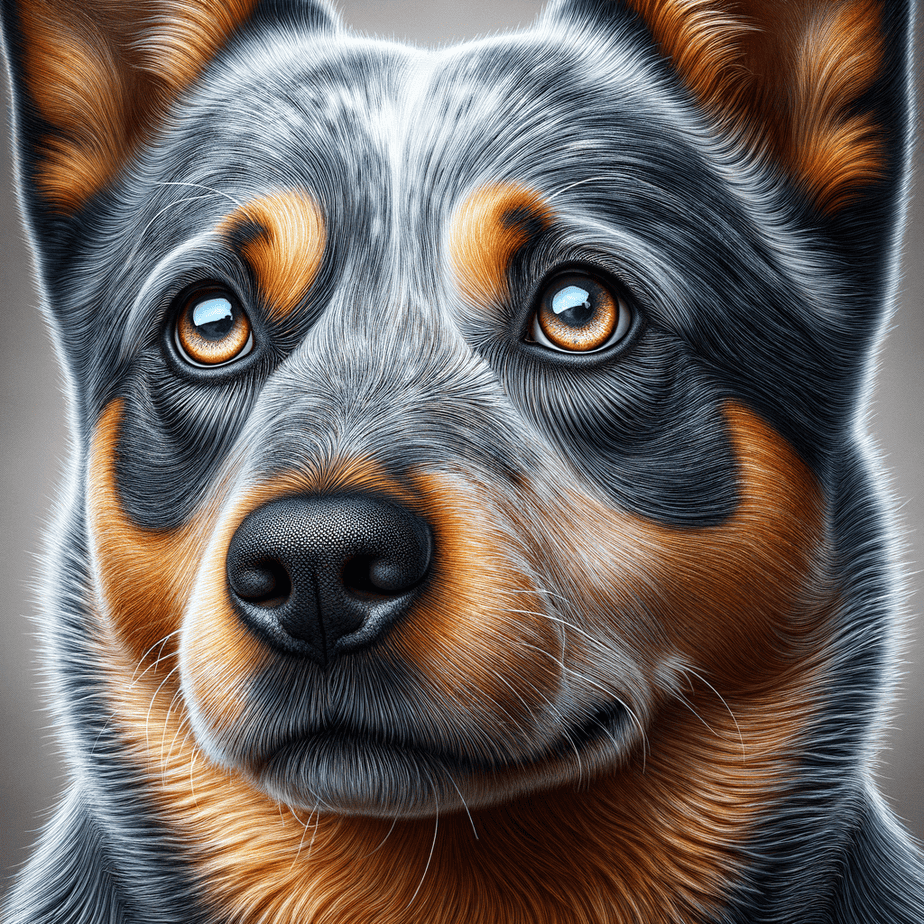
  • Appenzeller Sennenhund Eye Health – Conditions & Solutions From Vet

    Appenzeller Sennenhund Eye Health – Conditions & Solutions From Vet

    Hello, fellow dog lover! As a holistic veterinarian, I know how much you care about your furry friend’s health, especially when it comes to their eyes. That’s why I’m here to talk about Appenzeller Sennenhund Eye Health today. You see, this breed has a unique eye structure that makes them prone to certain eye conditions. But don’t worry, with the right knowledge and care, we can keep those peepers sparkling!

    Appenzeller Sennenhunds are known for their lively, intelligent eyes. But these expressive orbs can also be susceptible to various eye diseases. This article will provide you with an in-depth understanding of the common eye issues in Appenzeller Sennenhunds and how to prevent them. We’ll also discuss the importance of a holistic diet rich in vitamins and antioxidants, and the role of environmental hygiene in maintaining your pup’s eye health.

    Moreover, I’ll share some practical tips on routine Appenzeller Sennenhund eye care and maintenance, so you can ensure your fur baby’s eyes stay as bright and healthy as possible. So, let’s get started on this journey towards better eye health for your Appenzeller Sennenhund! Remember, when it comes to your dog’s health, knowledge is power, and prevention is key.

    Appenzeller Sennenhund eye health

    Understanding Appenzeller Sennenhund Specific Eye Structure

    As a proud Appenzeller Sennenhund parent, you already know that your four-legged friend’s eyes are more than just a window to their soul. They are a significant part of their overall health and wellbeing. Understanding the specific eye structure of your Appenzeller Sennenhund can help you better care for them and even prevent potential eye health issues.

    Appenzeller Sennenhunds, like other dog breeds, have unique eye structures that set them apart. Their eyes are typically almond-shaped, medium-sized, and come in a lovely shade of brown. They are set somewhat obliquely, giving them a distinct and expressive look.

    The cornea, a clear outer layer at the front of the eye, is designed to allow light to pass through to the retina at the back of the eye. It’s also the first line of defense against foreign objects and injury. The lens, located behind the pupil, focuses light onto the retina where images are perceived.

    The third eyelid or nictitating membrane, a feature common in many dog breeds including the Appenzeller Sennenhund, provides additional protection. It’s a thin tissue that sweeps across the cornea, removing debris and distributing tears evenly for lubrication.

    The tear ducts located at the corner of the eyes play a crucial role in maintaining eye health by producing tears. These tears are essential for keeping the eyes moist, clean, and free from infections.

    Understanding your Appenzeller Sennenhund’s eye structure is the first step towards proactive eye health care. It can help you identify any changes or abnormalities early on, allowing for timely treatment and prevention of potential vision loss. By gaining this knowledge, you’re not just becoming a more informed pet parent, but also a better guardian of your Appenzeller Sennenhund’s eye health.

    Common Eye Issues In Appenzeller Sennenhund

    As a veterinarian, I have encountered various eye health issues in Appenzeller Sennenhunds. These dogs, known for their agility and versatility, can unfortunately be prone to certain eye conditions. Understanding these issues can help you ensure your dog’s optimal eye health.

    One of the most common eye problems in Appenzeller Sennenhunds is Progressive Retinal Atrophy (PRA). This is a group of genetic diseases that cause the retina’s gradual deterioration. Symptoms include night blindness and dilated pupils. PRA is unfortunately irreversible, but early detection can help manage the condition.

    Another common eye condition is Entropion, where the eyelid rolls inward, causing the eyelashes to rub against the cornea. This can result in discomfort, tearing, and potential corneal damage. Surgery is usually required to correct this issue.

    Cataracts, which cause cloudiness in the lens of the eye, are also seen in Appenzeller Sennenhunds. They can lead to decreased vision and eventually blindness if left untreated. Surgery is often recommended for cataracts, especially if they significantly impact the dog’s vision.

    Other potential eye issues in this breed include dry eye (keratoconjunctivitis sicca), which is a condition where the eyes don’t produce enough tears, and corneal dystrophy, an inherited condition that affects the cornea’s clarity.

    It’s crucial to remember that early detection and treatment of these conditions can significantly improve your dog’s quality of life. Regular check-ups and immediate consultation when you notice any changes in your Appenzeller Sennenhund’s eyes are essential.

    Maintaining your Appenzeller Sennenhund eye health involves recognizing these conditions and seeking appropriate treatment. Remember, your dog’s eye health is crucial for their overall well-being and quality of life.

    Appenzeller Sennenhund Eye Issues

    Prevention of Eye Problems in Appenzeller Sennenhund

    Ensuring your Appenzeller Sennenhund gets the right nutrients for optimal eye health is essential for maintaining clear vision and preventing age-related issues. Natural, nutrient-rich foods and supplements can play a key role in supporting their eyesight. From vitamin A-packed freeze-dried liver treats to antioxidant-rich blueberries and targeted supplements like Eyeplex by Standard Process, there are several ways to nourish your dog’s eyes. In this section, we’ll explore how these powerful ingredients contribute to long-term vision health and overall well-being.

    Eyeplex by Standard Process

    Eyeplex by Standard Process is a specialized supplement designed to support your Appenzeller Sennenhund’s eye health with a blend of essential nutrients. Formulated with key vitamins, minerals, and antioxidants, Eyeplex helps protect against oxidative stress, supports retinal function, and promotes overall vision health. Ingredients like vitamin A, vitamin C, and zinc contribute to maintaining strong eyesight, while whole food ingredients provide additional phytonutrients for cellular protection. Adding Eyeplex to your Appenzeller Sennenhund’s diet can be especially beneficial for aging dogs or breeds prone to eye conditions, offering targeted nutritional support to keep their vision sharp and healthy for years to come.

    Eyeplex by Standard Process for dogs eye health

    Freeze-Dried Blueberries

    Freeze-dried blueberries are a powerhouse of antioxidants that can help protect your Appenzeller Sennenhund’s eyes from oxidative stress and age-related damage. Rich in vitamins C and E, as well as anthocyanins, these tiny but mighty berries help combat free radicals that can contribute to eye diseases like cataracts and macular degeneration. Incorporating freeze-dried blueberries into your dog’s diet provides a natural and delicious way to support retinal health, reduce inflammation, and promote overall vision longevity. Plus, they’re a low-calorie, dog-friendly treat that makes a great addition to a balanced diet for long-term eye health.

    Freeze Dried Blueberries for dog eye health

    Freeze-Dried Liver

    Freeze-dried liver treats are an excellent natural source of vitamin A, an essential nutrient for your Appenzeller Sennenhund’s eye health. Vitamin A plays a crucial role in maintaining good vision, especially in low-light conditions, while also supporting overall immune function and skin health. Since liver is rich in bioavailable vitamin A, incorporating freeze-dried liver treats into your dog’s diet provides a convenient and nutritious way to promote optimal eye function. Just be sure to feed them in moderation, as excessive vitamin A can lead to toxicity. Adding these nutrient-packed treats to your pup’s routine is a simple, tasty way to support their long-term vision and well-being!

    Freeze-dried beef liver for dogs eye health

    By prioritizing your Appenzeller Sennenhund’s eye health through a balanced diet and nutritional supplements, you can help prevent many common eye issues. These simple steps can go a long way in ensuring your pup’s eyes stay healthy and clear for years to come.

    Indoor Air Quality

    Indoor air quality is a significant factor that can influence your Appenzeller Sennenhund’s eye health. Dust, dander, and other airborne particles can easily irritate your dog’s eyes, leading to discomfort and potential eye problems. Here are a few tips to improve indoor air quality:

    • Regularly clean and vacuum your home to minimize dust and dander.
    • Consider investing in an air purifier to filter out harmful particles.
    • Ensure good ventilation in your home to avoid stagnant air.

    Sprays, Diffusers, Candles, Incense

    While sprays, diffusers, candles, and incense can make your home smell lovely, they can also introduce irritants into the air that can harm your Appenzeller Sennenhund’s eyes. The chemicals and fragrances in these products can cause eye irritation and even lead to more serious eye conditions. Here’s how to use these products safely:

    • Choose pet-friendly products that are free of harmful chemicals.
    • Use these products sparingly and in well-ventilated areas.
    • Keep your dog out of the room while using these products and ensure the room is well-aired before allowing them back in.

    Remember, the health of your Appenzeller Sennenhund’s eyes is not just about regular check-ups and a healthy diet. It’s also about creating a safe and clean environment where your dog can thrive. By paying attention to indoor air quality and being mindful of the products you use around your home, you can significantly reduce the risk of eye problems and keep your Appenzeller Sennenhund’s eyes healthy and bright.

    dog eye anatomy

    Routine Appenzeller Sennenhund Eye Care & Maintenance

    As a proud parent of an Appenzeller Sennenhund, you know how important it is to keep your furry friend’s eyes healthy. The eyes are not just the window to the soul, but also a vital part of your dog’s overall health. So, let’s delve into the details of daily and weekly eye care and maintenance for your beloved companion.

    Daily & Weekly Care & Maintenance

    First off, a daily routine is essential for Appenzeller Sennenhund Eye Health. Start by visually inspecting your dog’s eyes. They should be clear and bright, and the area around the eyeball should be white. Look out for redness, swelling, or discharge – these could be signs of an eye condition.

    Next, gently wipe away any crust or discharge from the corner of the eyes using a soft, damp cloth. Be sure to use a different part of the cloth for each eye to prevent spreading any potential infection.

    Weekly, consider using a veterinarian-approved eye wash or tear stain remover to keep your dog’s eyes sparkling clean. Always remember that human eye care products are not suitable for dogs.

    Monitor Hair Length, Nail Length, Bath Frequency

    Besides daily and weekly care, there are other factors you should monitor for your Appenzeller Sennenhund’s eye health.

    • Hair length: Long hair around your dog’s eyes can cause irritation and even lead to eye issues. Regularly trim the hair around the eyes to prevent this problem.
    • Nail length: Overgrown nails can lead to accidental scratches and injuries to the eye. Keep your dog’s nails trimmed to a safe length.
    • Bath frequency: Bathing your dog too often can dry out their skin and eyes. On the other hand, not bathing them enough can lead to a buildup of dirt and bacteria that could potentially infect the eyes. Find a balance that works for your dog, typically every 2-4 weeks.

    Remember, Appenzeller Sennenhund Eye Health is a crucial aspect of your dog’s overall wellbeing. By following these tips for daily and weekly care, and by keeping an eye on factors like hair and nail length, you’ll be taking a big step towards keeping your four-legged friend’s eyes in top shape. Don’t forget, if you ever notice anything unusual about your dog’s eyes, always consult your vet right away.

    Frequently Asked Questions

    1. What are common eye health conditions in Appenzeller Sennenhunds?

    Common eye health conditions in Appenzeller Sennenhunds include cataracts, progressive retinal atrophy (PRA), and entropion.

    2. How can I identify if my Appenzeller Sennenhund has an eye health problem?

    Watch out for symptoms such as redness, excessive tearing, cloudiness, squinting, or changes in vision. If you notice any of these signs, it’s best to consult a veterinarian.

    3. Can Appenzeller Sennenhund eye health conditions be treated?

    Yes, many eye health conditions in Appenzeller Sennenhunds can be treated. The treatment options vary depending on the specific condition and its severity. It’s important to seek professional advice from a veterinarian.

    4. How can I prevent eye health problems in my Appenzeller Sennenhund?

    Regular veterinary check-ups, proper nutrition, and maintaining good hygiene can help prevent some eye health problems. Additionally, avoiding excessive exposure to irritants and protecting your dog’s eyes from potential injuries can also reduce the risk of eye issues.

    5. Are Appenzeller Sennenhunds prone to any hereditary eye diseases?

    Yes, Appenzeller Sennenhunds can be prone to hereditary eye diseases such as primary lens luxation (PLL) and multifocal retinal dysplasia (MRD). It is recommended to get your dog’s eyes tested by a veterinary ophthalmologist to identify any potential genetic issues.

    A note about your dog’s health

    This article provides general education and does not replace an examination, diagnosis, or individualized advice from your veterinarian. Contact a veterinary professional if you are concerned about your dog’s symptoms.

    Dr. Candy Akers, DVM Avatar

    ABOUT THE AUTHOR
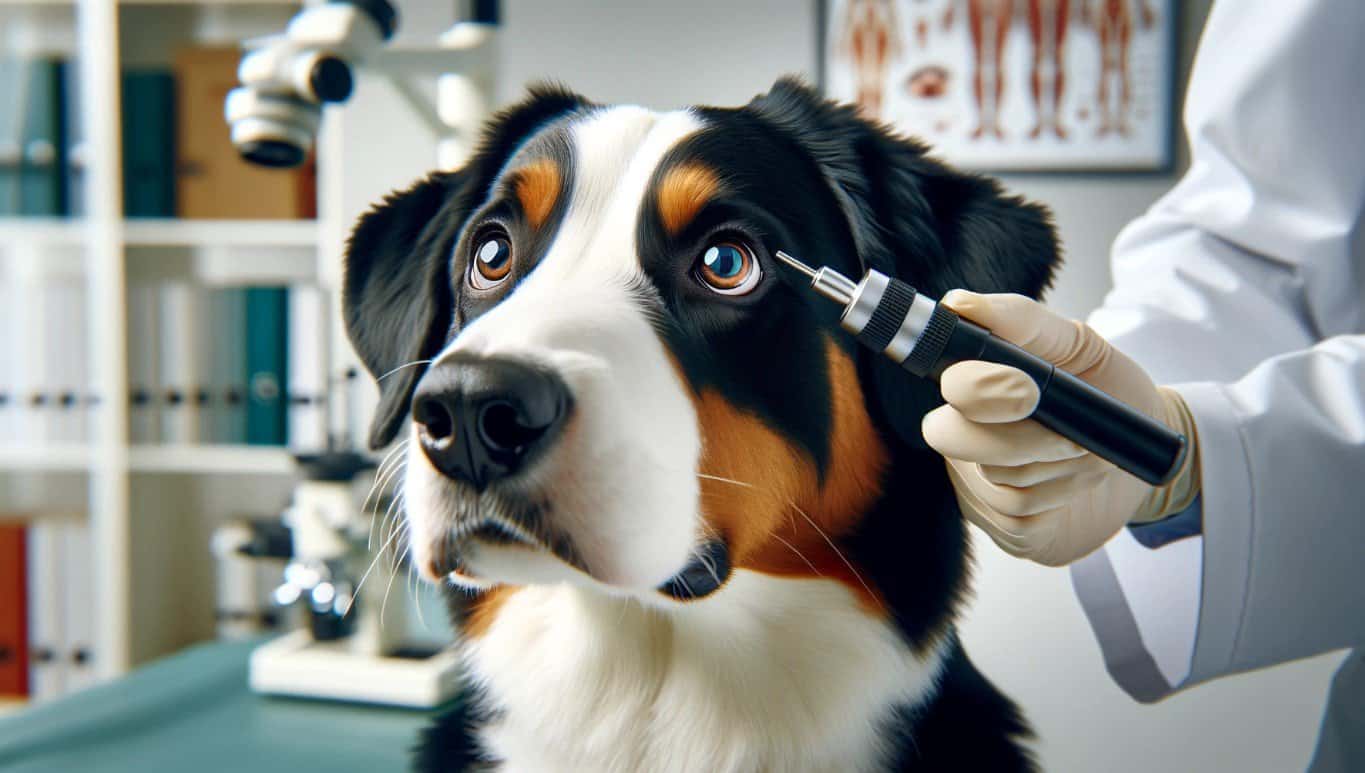
  • Anatolian Shepherd Dog Eye Health – Conditions & Solutions From Vet

    Anatolian Shepherd Dog Eye Health – Conditions & Solutions From Vet

    As a holistic veterinarian, I’ve had the pleasure of meeting many Anatolian Shepherd Dogs and their caring parents. These majestic dogs, known for their loyalty and protective nature, are a joy to work with. However, like any breed, they have their unique health concerns. One aspect of their health that often gets overlooked is their eye health.

    When we talk about Anatolian Shepherd Dog Eye Health, we are referring to a variety of conditions that can affect this breed. From common issues like conjunctivitis to more serious conditions like Progressive Retinal Atrophy, Anatolian Shepherd Dogs can be susceptible to a range of eye health problems. But don’t worry, as a responsible pet parent, there are many things you can do to help maintain your dog’s eye health.

    In this article, we’ll explore the unique eye structure of Anatolian Shepherd Dogs, discuss common eye health issues, and share preventative measures you can take. We’ll also delve into the importance of environmental hygiene and routine eye care and maintenance. So, whether you’re a seasoned Anatolian Shepherd owner or considering adopting one, this article will equip you with the knowledge you need to ensure your dog’s eyes remain healthy and bright.

    Remember, our furry friends rely on us to look after them. By understanding and addressing “Anatolian Shepherd Dog Eye Health” issues, you can provide the best care for your loyal companion. Let’s get started!

    anatolian shepherd eye health

    Understanding Breed Specific Eye Structure

    Anatolian Shepherd dogs, known for their intelligence, bravery, and loyalty, possess a unique eye structure that sets them apart from other breeds. Their almond-shaped eyes, typically dark brown to light amber in color, are one of their most distinctive features. These eyes are set well apart and deep into their skull, giving them an intense and alert expression.

    What’s more, these dogs have a third eyelid, also known as the ‘haw,’ which is a thin, nictitating membrane located in the inner corner of the eye. This extra eyelid serves to protect the eyes from dust and debris, particularly crucial for a breed initially bred for guarding livestock in harsh Anatolian terrains.

    The cornea, the clear, outermost layer of the eye, is also unique in Anatolian Shepherd dogs. It is thicker and more robust than in many other breeds, providing an extra layer of protection against eye injuries. These dogs also have a well-developed tear film that keeps their eyes moist and healthy.

    However, the unique eye structure of Anatolian Shepherds also means they are prone to certain breed-specific eye issues. For instance, their deep-set eyes and thick corneas can sometimes lead to the development of eye conditions such as entropion, where the eyelid rolls inward, causing discomfort and potential damage to the cornea.

    Understanding the unique eye structure of your Anatolian Shepherd is the first step towards ensuring their eye health. By being aware of their specific eye characteristics, you can better monitor their eye health, identify any potential issues early on, and seek timely veterinary care. Remember, when it comes to your Anatolian Shepherd’s eyes, prevention is indeed better than cure.

    dog eye anatomy

    Common Eye Issues In Anatolian Shepherd Dog

    As a veterinarian, I’ve seen a variety of eye health issues in Anatolian Shepherd Dogs. This breed is known for its strength, intelligence, and loyalty, but like any breed, they have their unique health concerns. Let’s take a closer look at the common eye issues that can affect your Anatolian Shepherd’s eye health.

    Progressive Retinal Atrophy (PRA)

    PRA is a genetic condition that causes the cells in the retina to deteriorate over time, leading to blindness. It’s a slow-progressing disease, so early detection can help manage the condition and slow its progression. If you notice signs such as night-blindness, a shine to the eyes, or changes in eye color, consult a vet immediately.

    Entropion

    Entropion is another common issue that affects Anatolian Shepherd Dog Eye Health. It’s a condition where the eyelid rolls inward, causing the lashes to rub against the cornea, leading to irritation, redness, and potential corneal damage. This issue often requires surgical correction.

    Cataracts

    Cataracts are a clouding of the lens in the eye, leading to impaired vision or blindness. It’s common in older dogs but can also occur due to genetics or trauma.

    • Signs: Cloudy, bluish, or white appearance of the eyes.
    • Treatment: Surgery is often necessary to restore vision.

    Cherry Eye

    Cherry eye is a condition where the gland in the dog’s third eyelid prolapses and becomes visible. It appears as a red, swollen mass in the corner of the eye.

    • Signs: Swelling in the corner of the eye, redness, tearing.
    • Treatment: Surgery is usually required to correct this condition.

    While these are some of the common eye issues impacting Anatolian Shepherd Dog Eye Health, remember that regular check-ups and early detection are key to preventing and managing these conditions. Always consult your vet if you notice any changes in your dog’s eyes or behavior.

    anatolian shepherd dog eye problems

    Prevention of Eye Problems in Anatolian Shepherd Dogs

    Ensuring your Anatolian Shepherd gets the right nutrients for optimal eye health is essential for maintaining clear vision and preventing age-related issues. Natural, nutrient-rich foods and supplements can play a key role in supporting their eyesight. From vitamin A-packed freeze-dried liver treats to antioxidant-rich blueberries and targeted supplements like Eyeplex by Standard Process, there are several ways to nourish your dog’s eyes. In this section, we’ll explore how these powerful ingredients contribute to long-term vision health and overall well-being.

    Eyeplex by Standard Process

    Eyeplex by Standard Process is a specialized supplement designed to support your Anatolian Shepherd’s eye health with a blend of essential nutrients. Formulated with key vitamins, minerals, and antioxidants, Eyeplex helps protect against oxidative stress, supports retinal function, and promotes overall vision health. Ingredients like vitamin A, vitamin C, and zinc contribute to maintaining strong eyesight, while whole food ingredients provide additional phytonutrients for cellular protection. Adding Eyeplex to your Anatolian Shepherd’s diet can be especially beneficial for aging dogs or breeds prone to eye conditions, offering targeted nutritional support to keep their vision sharp and healthy for years to come.

    Eyeplex by Standard Process for dogs eye health

    Freeze-Dried Blueberries

    Freeze-dried blueberries are a powerhouse of antioxidants that can help protect your Anatolian Shepherd’s eyes from oxidative stress and age-related damage. Rich in vitamins C and E, as well as anthocyanins, these tiny but mighty berries help combat free radicals that can contribute to eye diseases like cataracts and macular degeneration. Incorporating freeze-dried blueberries into your dog’s diet provides a natural and delicious way to support retinal health, reduce inflammation, and promote overall vision longevity. Plus, they’re a low-calorie, dog-friendly treat that makes a great addition to a balanced diet for long-term eye health.

    Freeze Dried Blueberries for dog eye health

    Freeze-Dried Liver

    Freeze-dried liver treats are an excellent natural source of vitamin A, an essential nutrient for your Anatolian Shepherd’s eye health. Vitamin A plays a crucial role in maintaining good vision, especially in low-light conditions, while also supporting overall immune function and skin health. Since liver is rich in bioavailable vitamin A, incorporating freeze-dried liver treats into your dog’s diet provides a convenient and nutritious way to promote optimal eye function. Just be sure to feed them in moderation, as excessive vitamin A can lead to toxicity. Adding these nutrient-packed treats to your pup’s routine is a simple, tasty way to support their long-term vision and well-being!

    Freeze-dried beef liver for dogs eye health

    By prioritizing your Anatolian Shepherd’s eye health through a balanced diet and nutritional supplements, you can help prevent many common eye issues. These simple steps can go a long way in ensuring your pup’s eyes stay healthy and clear for years to come.

    Environmental Hygiene to Reduce Eye Problems

    When it comes to maintaining your Anatolian Shepherd Dog’s eye health, environmental hygiene plays a crucial role. It’s not just about what they eat or the supplements they take, but also about the environment they live in. Here are some factors to consider:

    Indoor Air Quality

    Indoor air quality has a significant impact on your Anatolian Shepherd’s eyes. Dust, dander, smoke, and other airborne particles can irritate their eyes, leading to redness, itchiness, and even infections. To ensure good indoor air quality:

    • Keep your home clean and dust-free. Regular vacuuming and dusting can help reduce the amount of irritants in the air.
    • Consider using an air purifier. These devices can help remove allergens and other harmful particles from the air.
    • Avoid smoking indoors. Secondhand smoke is not only harmful to your dog’s lungs, but also their eyes.

    Sprays, Diffusers, Candles, Incense

    While we humans may enjoy the scent of a freshly lit candle or the soothing aroma of incense, these can be harmful to your Anatolian Shepherd’s eyes. Similarly, sprays and diffusers can also contain chemicals that may cause eye irritation. Here’s what you can do:

    • Use unscented candles or those made from natural materials like beeswax or soy.
    • Avoid using air fresheners and diffusers, especially in areas where your dog spends a lot of time.
    • Choose pet-friendly cleaning products. Many conventional cleaning products contain harsh chemicals that can irritate your dog’s eyes.

    By paying attention to these environmental factors, you can help prevent eye problems and ensure your Anatolian Shepherd Dog’s eye health remains in top condition.

    anatolian shepherd dog eye issues

    Just like us humans, our furry friends also require a regular routine to maintain good health, especially when it comes to their eyes. Anatolian Shepherd Dog eye health is a crucial aspect that requires attention and care. So, let’s discuss the daily and weekly care and maintenance for your Anatolian Shepherd’s eyes, as well as the importance of monitoring hair and nail length, and bath frequency.

    Daily & Weekly Care & Maintenance

    Regular check-ups are essential to maintain the eye health of your Anatolian Shepherd Dog. Here are some steps you can follow:

    • Inspect their eyes daily: Look for any signs of redness, cloudiness, or discharge. If you notice anything unusual, consult your vet immediately.
    • Clean their eyes gently: Use a soft, damp cloth to wipe away any dirt or discharge from the corners of their eyes. Always wipe from the inside corner of the eye outward and use a different area of the cloth for each eye to prevent spreading any potential infection.
    • Trim the hair around their eyes: Long hair can irritate the eyes and cause infection. Regular trimming can help prevent this. However, be very careful not to cut too close to the eye.

    Monitor Hair Length, Nail Length, Bath Frequency

    Proper grooming is another important aspect of maintaining your Anatolian Shepherd’s eye health.

    • Monitor hair length: Long hair can obstruct your dog’s vision and irritate their eyes. Regular trimming can help keep their sight clear and eyes healthy.
    • Keep their nails trimmed: Long nails can cause your dog to scratch their eyes accidentally. Regular nail trims can help prevent this.
    • Regular baths: Regular baths can help keep your dog clean and prevent infections. However, be careful not to get soap or shampoo in their eyes as it can cause irritation. Always use dog-friendly products and try to keep bath water out of their eyes.

    Remember, your Anatolian Shepherd’s eyes are a window to their overall health. Regular eye care and maintenance can help keep them healthy and happy. Always consult with your vet if you notice any changes in your dog’s eyes or behavior.

    By following these steps, you can ensure that your Anatolian Shepherd Dog’s eye health is always at its best. Remember, early detection and treatment of any potential eye issues can save your dog from discomfort and prevent serious complications.

    Frequently Asked Questions

    1. What are common eye health conditions in Anatolian Shepherd Dogs?

    Common eye health conditions in Anatolian Shepherd Dogs include entropion, ectropion, cherry eye, cataracts, and progressive retinal atrophy.

    2. What is entropion?

    Entropion is a condition where the eyelid rolls inward, causing the eyelashes to rub against the cornea. This can lead to irritation, redness, and potential corneal ulcers.

    3. How is entropion treated in Anatolian Shepherd Dogs?

    Entropion in Anatolian Shepherd Dogs can be treated through surgical correction. The procedure involves tightening the eyelid muscles to prevent the eyelid from rolling inward.

    4. What is cherry eye?

    Cherry eye is a condition where the gland of the third eyelid prolapses, causing a red, fleshy mass to protrude from the corner of the eye. It is typically seen in young dogs.

    5. How is cherry eye treated in Anatolian Shepherd Dogs?

    Cherry eye in Anatolian Shepherd Dogs is usually treated through surgical removal or repositioning of the prolapsed gland. This helps to prevent further irritation and potential complications.

    A note about your dog’s health

    This article provides general education and does not replace an examination, diagnosis, or individualized advice from your veterinarian. Contact a veterinary professional if you are concerned about your dog’s symptoms.

    Dr. Candy Akers, DVM Avatar

    ABOUT THE AUTHOR
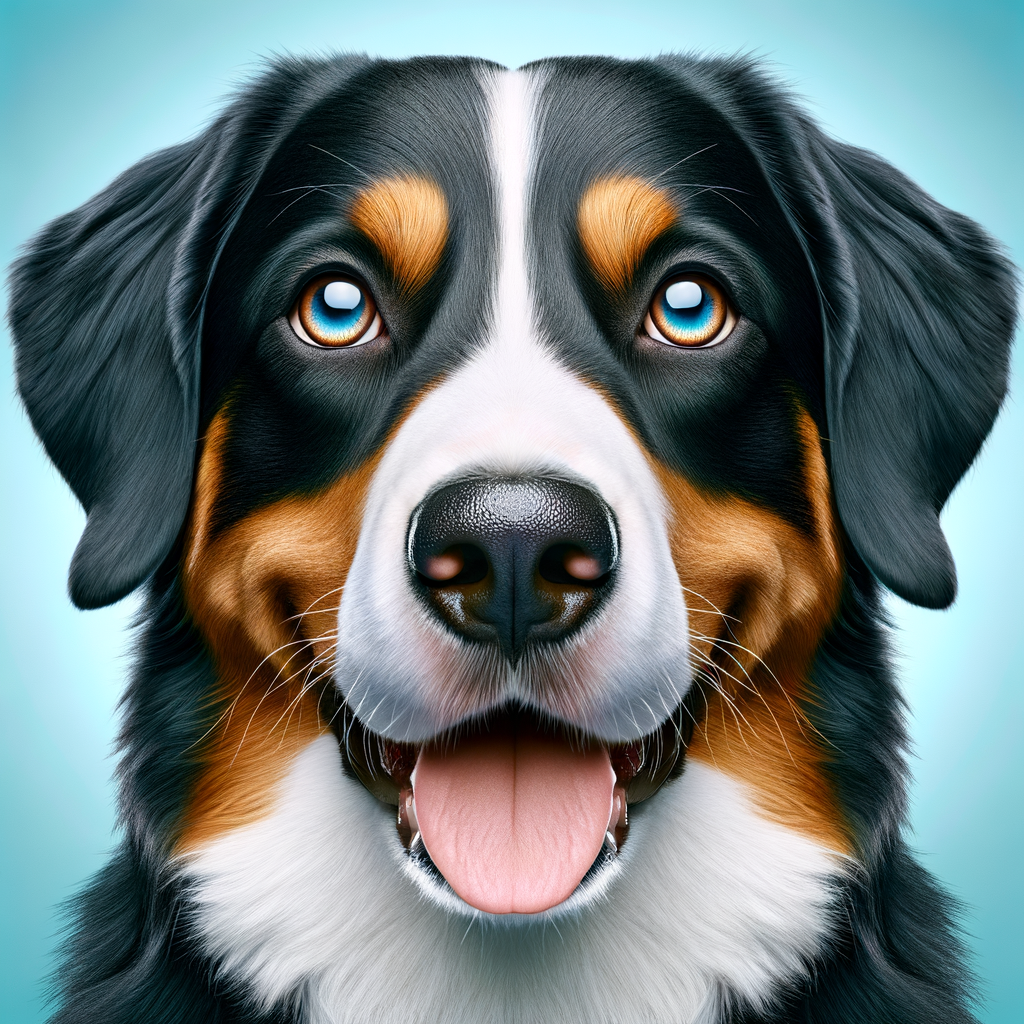
  • American Water Spaniel Eye Health – Conditions & Solutions From Vet

    American Water Spaniel Eye Health – Conditions & Solutions From Vet

    As a holistic veterinarian, I understand the deep bond you share with your American Water Spaniel. This breed, known for its intelligence, agility, and friendly demeanor, also has unique health considerations, particularly when it comes to their eyes. American Water Spaniel Eye Health is a topic that every owner should be well-versed in, as it’s vital to their overall well-being and quality of life.

    Just like us, our canine companions can suffer from a variety of eye conditions, some of which are more prevalent in certain breeds. The American Water Spaniel, for instance, is prone to specific eye diseases that can affect their vision and overall health. But don’t worry, armed with the right information, you can help protect your furry friend’s peepers and ensure they continue to see the world as clearly as possible.

    In this article, we’ll explore the structure of your American Water Spaniel’s eyes, common eye conditions they may encounter, and practical tips for preventing eye problems. We’ll also discuss the importance of a holistic diet and environmental hygiene, and provide guidance on routine eye care and maintenance. So, let’s dive in and learn how to keep those bright eyes healthy and sparkling!

    american water spaniel eye health

    Understanding Breed Specific Eye Structure

    Just as every breed has its unique traits and characteristics, understanding the distinctive eye structure of your American Water Spaniel is crucial in maintaining their eye health. The American Water Spaniel, affectionately known as the “AWS,” is known for its expressive, almond-shaped eyes that come in varying shades of brown. They add to their charming and intelligent appearance, but these beautiful eyes need special care.

    The eye structure of an AWS is quite similar to other breeds. The primary components include the cornea, the clear front surface of the eye; the pupil, the dark center; the iris, the colored part of the eye; and the sclera, the white part of the eye. Behind these structures is the lens, which helps focus light on the retina at the back of the eye. A clear liquid called the aqueous humor fills the space between the cornea and the lens, providing nourishment to these areas.

    What sets the American Water Spaniel apart is their predisposition to certain eye conditions due to their specific breed characteristics. One such trait is the breed’s dense double coat that, while excellent for water-repellency and insulation, can lead to hair irritating the eyes if not properly groomed. Additionally, the breed’s love for the outdoors and their active lifestyle might expose them to environmental irritants that can affect their eyes.

    Eye health is fundamental to your AWS’s overall wellness and quality of life. Understanding their unique eye structure and potential risks allows you to better monitor and maintain their eye health. As a responsible AWS parent, your knowledge about their eye structure is your first line of defense against potential eye problems. It’s essential to regularly check your AWS’s eyes for any changes in appearance, excessive tearing, or signs of discomfort.

    dog eye anatomy

    Common Eye Issues In American Water Spaniel

    As a veterinarian, I have seen a variety of breeds come through my doors, each with their own unique health challenges. When it comes to American Water Spaniel Eye Health, there are a few common issues that you, as a dog parent, should be aware of.

    The eye issues that commonly affect American Water Spaniels include:

    • Progressive Retinal Atrophy (PRA): This is a group of genetic diseases that cause the retina of the eye to deteriorate over time, leading to blindness. Early signs can include night blindness and dilated pupils.
    • Cataracts: A condition where the lens of the eye becomes clouded, impairing vision. Cataracts can occur at any age and may be hereditary in American Water Spaniels.
    • Entropion: This is a condition where the eyelid rolls inward, causing the eyelashes to rub against the cornea. It can cause discomfort, tearing, and potentially serious damage to the eye if not treated.
    • Distichiasis: This condition involves an extra row of eyelashes that grows on the inner edge of the eyelid, often causing irritation to the eye.

    Each of these conditions requires a different approach to treatment, which is why it’s so important to have regular check-ups and maintain good American Water Spaniel Eye Health. Early detection can make a significant difference in the outcome for your pet.

    For instance, PRA has no cure, but with early detection, you can make necessary adjustments to your dog’s environment to help them navigate safely. Cataracts, on the other hand, may be treatable with surgery, while conditions like Entropion and Distichiasis can often be corrected with minor surgical procedures.

    Keeping your American Water Spaniel’s eyes healthy is not just about regular check-ups and treatments. A key factor often overlooked is the role of preventive measures, particularly diet and nutritional supplements.

    american water spaniel eye issues

    Nourishing Your Dog’s Vision: Essential Nutrients for Eye Health

    Ensuring your American Water Spaniel gets the right nutrients for optimal eye health is essential for maintaining clear vision and preventing age-related issues. Natural, nutrient-rich foods and supplements can play a key role in supporting their eyesight. From vitamin A-packed freeze-dried liver treats to antioxidant-rich blueberries and targeted supplements like Eyeplex by Standard Process, there are several ways to nourish your dog’s eyes. In this section, we’ll explore how these powerful ingredients contribute to long-term vision health and overall well-being.

    Eyeplex by Standard Process

    Eyeplex by Standard Process is a specialized supplement designed to support your American Water Spaniel’s eye health with a blend of essential nutrients. Formulated with key vitamins, minerals, and antioxidants, Eyeplex helps protect against oxidative stress, supports retinal function, and promotes overall vision health. Ingredients like vitamin A, vitamin C, and zinc contribute to maintaining strong eyesight, while whole food ingredients provide additional phytonutrients for cellular protection. Adding Eyeplex to your American Water Spaniel’s diet can be especially beneficial for aging dogs or breeds prone to eye conditions, offering targeted nutritional support to keep their vision sharp and healthy for years to come.

    Eyeplex by Standard Process for dogs eye health

    Freeze-Dried Blueberries

    Freeze-dried blueberries are a powerhouse of antioxidants that can help protect your American Water Spaniel’s eyes from oxidative stress and age-related damage. Rich in vitamins C and E, as well as anthocyanins, these tiny but mighty berries help combat free radicals that can contribute to eye diseases like cataracts and macular degeneration. Incorporating freeze-dried blueberries into your dog’s diet provides a natural and delicious way to support retinal health, reduce inflammation, and promote overall vision longevity. Plus, they’re a low-calorie, dog-friendly treat that makes a great addition to a balanced diet for long-term eye health.

    Freeze Dried Blueberries for dog eye health

    Freeze-Dried Liver

    Freeze-dried liver treats are an excellent natural source of vitamin A, an essential nutrient for your American Water Spaniel’s eye health. Vitamin A plays a crucial role in maintaining good vision, especially in low-light conditions, while also supporting overall immune function and skin health. Since liver is rich in bioavailable vitamin A, incorporating freeze-dried liver treats into your dog’s diet provides a convenient and nutritious way to promote optimal eye function. Just be sure to feed them in moderation, as excessive vitamin A can lead to toxicity. Adding these nutrient-packed treats to your pup’s routine is a simple, tasty way to support their long-term vision and well-being!

    Freeze-dried beef liver for dogs eye health

    By prioritizing your American Water Spaniel’s eye health through a balanced diet and nutritional supplements, you can help prevent many common eye issues. These simple steps can go a long way in ensuring your pup’s eyes stay healthy and clear for years to come.

    Remember, preventive care is equally important as treatment when it comes to American Water Spaniel eye health. A diet rich in essential nutrients and quality supplements can go a long way in maintaining your dog’s eye health and preventing common eye issues. But, these measures should be complemented with regular vet check-ups, appropriate grooming, and a clean, safe environment to ensure your furry friend’s eyes stay bright and healthy!

    Environmental Hygiene To Reduce Eye Problems

    As a loving parent to an American Water Spaniel, you’re already aware of how important it is to maintain a clean and safe environment for your furry friend. But did you know that environmental hygiene can also play a significant role in promoting American Water Spaniel eye health?

    Indoor Air Quality

    The quality of air in your home can significantly impact your dog’s eye health. Dust, dander, and other airborne irritants can cause eye irritation and exacerbate existing eye conditions. Here are some steps you can take to improve indoor air quality:

    • Regularly clean and dust your home to reduce airborne particles.
    • Invest in an air purifier, especially if you live in a highly polluted area or have other pets that shed.
    • Ensure proper ventilation to prevent the build-up of irritants.

    Sprays, Diffusers, Candles, Incense

    While we all love a pleasantly scented home, certain products like sprays, diffusers, candles, and incense can cause irritation to your American Water Spaniel’s eyes. Here’s what you can do to prevent this:

    • Choose pet-friendly products. Many companies now offer sprays and diffusers specifically designed to be safe for pets.
    • Keep your dog out of the room while using these products and ensure the area is well-ventilated before letting them back in.
    • Consider using unscented candles or those made from natural ingredients like soy or beeswax.

    Remember, maintaining a clean and safe environment is not only beneficial for your American Water Spaniel’s eye health, but also for their overall wellbeing. After all, a healthy dog is a happy dog, and there’s nothing more we want as dog parents than to see our fur babies thrive.

    american water spaniel eye problems

    Routine American Water Spaniel Eye Care & Maintenance

    As a loving dog parent, you understand that your American Water Spaniel’s eyes are delicate and require regular care to maintain optimal American Water Spaniel Eye Health. Let’s delve into some daily and weekly care routines, as well as the importance of monitoring your pet’s hair and nail length, and bath frequency.

    Daily & Weekly Care & Maintenance

    Daily care for your American Water Spaniel’s eyes involves simple routines like checking for any signs of redness, discharge, or discomfort. If you notice your furry friend squinting or rubbing its eyes, it could be a sign of an underlying eye condition.

    Weekly care includes gently cleaning the area around your dog’s eyes with a soft, damp cloth to remove any accumulated dirt or discharge. Always move from the inner corner of the eye outward, and use a separate cloth for each eye to prevent potential cross-contamination. Also, remember to check for any changes in your dog’s eyes, such as cloudiness, color change, or a visible third eyelid.

    Monitor Hair Length, Nail Length, Bath Frequency

    Believe it or not, your American Water Spaniel’s hair and nail length can also impact its eye health. Long hair can irritate the eyes and lead to infections, so ensure you regularly trim the hair around your dog’s eyes. If you’re uncomfortable doing this yourself, a professional groomer can help.

    Similarly, long nails can cause your dog to scratch its eyes accidentally, leading to injuries. Regular nail trims are essential to prevent such incidents.

    Lastly, regular bathing helps keep your American Water Spaniel clean and reduces the risk of eye infections. However, be careful not to get water or shampoo in your dog’s eyes during baths. If possible, use a tearless dog shampoo for added safety.

    Remember, maintaining your American Water Spaniel’s eye health is not just about addressing eye diseases or conditions. It’s about a holistic approach that includes diet, environment, and routine care. By incorporating these tips into your pet care routine, you can help ensure your American Water Spaniel enjoys the best eye health possible.

    Frequently Asked Questions

    1. What are common eye health conditions in American Water Spaniels?

    American Water Spaniels can be prone to various eye health conditions such as cataracts, progressive retinal atrophy (PRA), and glaucoma.

    2. How can I identify if my American Water Spaniel has an eye health problem?

    Watch out for symptoms like redness, excessive tearing, cloudiness, squinting, or any noticeable changes in your dog’s vision. If you observe any of these signs, it is recommended to consult a veterinarian for a thorough examination.

    3. Can eye health conditions in American Water Spaniels be treated?

    The treatment options for eye health conditions in American Water Spaniels depend on the specific condition. Some conditions may require medication, while others may need surgical intervention. It is important to consult with a veterinarian who can provide a proper diagnosis and recommend the appropriate treatment plan.

    4. How can I prevent eye health problems in my American Water Spaniel?

    To minimize the risk of eye health problems, it is essential to maintain regular veterinary check-ups and eye examinations. Additionally, keeping your dog’s eyes clean and free from debris, avoiding exposure to irritants, and providing a balanced diet can contribute to maintaining good eye health.

    5. Are American Water Spaniels more prone to certain eye health conditions compared to other breeds?

    American Water Spaniels are not specifically known to be more prone to eye health conditions compared to other breeds. However, like any other breed, they can still develop various eye problems. Regular eye check-ups and prompt veterinary care are crucial for early detection and management of any potential issues.

    A note about your dog’s health

    This article provides general education and does not replace an examination, diagnosis, or individualized advice from your veterinarian. Contact a veterinary professional if you are concerned about your dog’s symptoms.

    Dr. Candy Akers, DVM Avatar

    ABOUT THE AUTHOR
  • American Staffordshire Terrier Eye Health – Conditions & Solutions From Vet

    American Staffordshire Terrier Eye Health – Conditions & Solutions From Vet

    As a holistic veterinarian and a dog lover, I understand that your American Staffordshire Terrier is more than just a pet – they’re a member of your family. And just like any other family member, their health is of utmost importance. Today, let’s talk about a crucial yet often overlooked aspect of their health – their eyes. American Staffordshire Terrier Eye Health is a topic that deserves our attention.

    Your furry friend’s eyes are expressive, adorable, and also susceptible to several health issues. It’s essential to recognize the signs of common eye conditions in American Staffordshire Terriers, such as cataracts, progressive retinal atrophy, and cherry eye, to name a few.

    But don’t worry, as a responsible pet parent, there’s a lot you can do to maintain your pup’s eye health. From a holistic diet rich in Vit A and antioxidants to whole-food-based nutritional supplements, there are many preventive measures you can take. Not to mention, maintaining a clean environment and a routine eye care regimen can significantly reduce the risk of eye problems.

    So, let’s embark on this journey together to ensure your American Staffordshire Terrier’s eyes stay as bright and healthy as they should be. After all, those eyes are one of the reasons you fell in love with them, aren’t they?

    American Staffordshire Eye Health

    Understanding Breed Specific Eye Structure

    As a holistic veterinarian, I cannot overstate the importance of understanding your American Staffordshire Terrier’s eye structure. This knowledge forms the foundation for maintaining their eye health and promptly addressing any issues that may arise.

    American Staffordshire Terriers, like all dogs, have a third eyelid known as the nictitating membrane. This eyelid helps to protect the eye from damage and keep it moist. However, it can also be prone to certain conditions such as cherry eye, a condition where the third eyelid protrudes abnormally.

    The breed also has a unique eye shape and set. Their eyes are dark and round, set low down in the skull and far apart. This distinct feature gives them a broad field of vision, but it also makes them susceptible to injuries and certain eye conditions.

    Another crucial aspect of the American Staffordshire Terrier’s eye structure is the cornea. This transparent front part of the eye is responsible for focusing light into the eye. It’s important to note that the cornea has no blood vessels, relying instead on tears for nourishment and oxygen. Therefore, any decrease in tear production can lead to corneal problems.

    The retina, located at the back of the eye, contains light-sensitive cells that convert light into electrical signals, which are then sent to the brain. Unfortunately, the retina can be affected by various diseases, including progressive retinal atrophy (PRA), a condition that can lead to blindness.

    In understanding these unique characteristics of your American Staffordshire Terrier’s eyes, you are better equipped to recognize any potential problems early on. Remember, preserving your pet’s eye health is key to ensuring they lead a happy, comfortable life. As a loving pet parent, you’re in the perfect position to keep a watchful eye on your American Staffordshire Terrier’s eye health.

    dog eye chart

    Common Eye Issues In American Staffordshire Terrier

    As a caring pet parent, understanding your American Staffordshire Terrier’s eye health is crucial in ensuring they enjoy a healthy, happy life. This breed is susceptible to several eye conditions that can affect their quality of life if not promptly addressed.

    One of the most common eye conditions in American Staffordshire Terriers is Entropion. This condition causes the eyelid to roll inwards, leading to discomfort and potential damage to the cornea. Signs of Entropion include excessive tearing, squinting, and visible discomfort.

    Another condition often seen in this breed is Cherry Eye. This is a condition where the gland in the dog’s third eyelid protrudes, resembling a cherry. It can cause discomfort and inflammation but can be corrected with surgery.

    Cataracts are also a common issue in American Staffordshire Terriers. These occur when the lens of the eye becomes cloudy, leading to impaired vision and potentially blindness. If you notice a change in your dog’s eye color or they seem to be having difficulty seeing, it’s essential to get them to a vet as soon as possible.

    • Progressive Retinal Atrophy (PRA) is another eye disease that can affect this breed. PRA is a group of genetic diseases that cause the retina’s cells to degenerate slowly, leading to blindness. Unfortunately, there is no cure for PRA, but early detection can help manage the condition.

    Finally, Corneal Dystrophy is a condition that affects the cornea, the clear front surface of the eye. This condition can cause cloudy spots on the cornea, leading to vision problems.

    While these conditions may sound scary, remember that early detection is key to managing them effectively. Regular vet check-ups and being vigilant about changes in your dog’s eye appearance or behavior can make a world of difference in their American Staffordshire Terrier eye health.

    american staffordshire terrier eyes health

    Prevention of Eye Problems in American Staffordshire Terriers

    Ensuring your American Staffordshire Terrier gets the right nutrients for optimal eye health is essential for maintaining clear vision and preventing age-related issues. Natural, nutrient-rich foods and supplements can play a key role in supporting their eyesight. From vitamin A-packed freeze-dried liver treats to antioxidant-rich blueberries and targeted supplements like Eyeplex by Standard Process, there are several ways to nourish your dog’s eyes. In this section, we’ll explore how these powerful ingredients contribute to long-term vision health and overall well-being.

    Eyeplex by Standard Process

    Eyeplex by Standard Process is a specialized supplement designed to support your American Staffordshire Terrier’s eye health with a blend of essential nutrients. Formulated with key vitamins, minerals, and antioxidants, Eyeplex helps protect against oxidative stress, supports retinal function, and promotes overall vision health. Ingredients like vitamin A, vitamin C, and zinc contribute to maintaining strong eyesight, while whole food ingredients provide additional phytonutrients for cellular protection. Adding Eyeplex to your American Staffordshire Terrier’s diet can be especially beneficial for aging dogs or breeds prone to eye conditions, offering targeted nutritional support to keep their vision sharp and healthy for years to come.

    Eyeplex by Standard Process for dogs eye health

    Freeze-Dried Blueberries

    Freeze-dried blueberries are a powerhouse of antioxidants that can help protect your American Staffordshire Terrier’s eyes from oxidative stress and age-related damage. Rich in vitamins C and E, as well as anthocyanins, these tiny but mighty berries help combat free radicals that can contribute to eye diseases like cataracts and macular degeneration. Incorporating freeze-dried blueberries into your dog’s diet provides a natural and delicious way to support retinal health, reduce inflammation, and promote overall vision longevity. Plus, they’re a low-calorie, dog-friendly treat that makes a great addition to a balanced diet for long-term eye health.

    Freeze Dried Blueberries for dog eye health

    Freeze-Dried Liver

    Freeze-dried liver treats are an excellent natural source of vitamin A, an essential nutrient for your American Staffordshire Terrier’s eye health. Vitamin A plays a crucial role in maintaining good vision, especially in low-light conditions, while also supporting overall immune function and skin health. Since liver is rich in bioavailable vitamin A, incorporating freeze-dried liver treats into your dog’s diet provides a convenient and nutritious way to promote optimal eye function. Just be sure to feed them in moderation, as excessive vitamin A can lead to toxicity. Adding these nutrient-packed treats to your pup’s routine is a simple, tasty way to support their long-term vision and well-being!

    Freeze-dried beef liver for dogs eye health

    By prioritizing your American Staffordshire Terrier’s eye health through a balanced diet and nutritional supplements, you can help prevent many common eye issues. These simple steps can go a long way in ensuring your pup’s eyes stay healthy and clear for years to come.

    Note: Always consult with a vet or a professional pet nutritionist before making significant changes to your pet’s diet or introducing new supplements. Every dog is unique, and what works for one might not work for another. It’s essential to ensure that any changes you make are safe and beneficial for your particular pet.

    Environmental Hygiene To Reduce Eye Problems

    While taking care of your American Staffordshire Terrier’s eye health, it’s crucial to consider their environment. A clean and safe environment can significantly reduce the risk of eye problems.

    Indoor Air Quality

    Indoor air quality can have a significant impact on your American Staffordshire Terrier’s eye health. Dust, dander, and other airborne particles can irritate their eyes, leading to redness, itching, and possible infections.

    • Regularly clean your home to reduce dust and pet dander. Use a vacuum cleaner with a HEPA filter for best results.
    • Consider using an air purifier in your home, especially in the rooms where your dog spends most of their time.
    • Ensure proper ventilation in your home. Open windows when weather permits and use exhaust fans in the kitchen and bathroom.
    • Avoid smoking indoors, as secondhand smoke can irritate your dog’s eyes.

    Sprays, Diffusers, Candles, Incense

    Many household products can affect your American Staffordshire Terrier’s eye health. Sprays, diffusers, candles, and incense can release particles and chemicals into the air that can irritate your dog’s eyes.

    • Try to use these products sparingly and never in the same room as your dog.
    • If you must use these products, ensure the room is well-ventilated and your dog has access to fresh air.
    • Consider using pet-friendly alternatives. There are many natural and pet-safe products available that can help keep your home smelling fresh without risking your dog’s eye health.

    Maintaining a clean and safe environment is an essential part of American Staffordshire Terrier Eye Health. By paying attention to indoor air quality and being mindful of the products you use in your home, you can help prevent eye problems and keep your dog’s eyes healthy. Remember, a clean environment is not just good for your dog’s eyes but their overall health as well.

    eye health american staffordshire terrier

    Routine American Staffordshire Terrier Eye Care & Maintenance

    As a dog parent, you understand how vital it is to maintain your American Staffordshire Terrier’s eye health. This involves a combination of daily and weekly care routines, as well as monitoring certain aspects of your dog’s general wellbeing.

    Daily & Weekly Care & Maintenance

    Your American Staffordshire Terrier’s eyes should be checked daily for any signs of redness, cloudiness, or discharge, which can indicate potential eye problems. Simply spend a few moments each day observing your dog’s eyes for any changes.

    Moreover, it’s important to clean your dog’s eyes regularly. Use a clean, damp cloth or a pet-approved eyewash solution to gently wipe around the eyes, removing any accumulated debris. However, be careful not to touch the eye surface itself as it can cause discomfort or injury.

    Additionally, weekly check-ups are recommended. This involves a more thorough examination of your dog’s eyes. Look for any changes in the eye color, shape, or size. If you notice anything unusual, contact your vet immediately.

    Monitoring Hair Length, Nail Length, and Bath Frequency

    Besides daily and weekly care, other aspects of your dog’s general health can also impact their eye health. For instance, if your American Staffordshire Terrier has long hair around the eyes, it can cause irritation and potentially lead to eye problems. Therefore, keep the hair around their eyes neatly trimmed.

    Similarly, long nails can inadvertently scratch the eye surface while your dog is grooming or playing. Regular nail trimming can prevent this risk.

    Furthermore, bathing your dog too frequently can cause dryness and irritation in the eyes. Use a tear-free shampoo and try to avoid getting water or soap in your dog’s eyes during bath time.

    Professional Eye Exams

    In addition to your at-home care routine, it’s crucial to have your American Staffordshire Terrier’s eyes examined by a vet at least once a year. These professional exams can detect early signs of eye diseases, ensuring timely treatment.

    In conclusion, maintaining your American Staffordshire Terrier’s eye health is a multi-faceted task that requires daily attention, weekly check-ups, general health monitoring, and regular professional exams. By following these steps, you can help ensure your dog’s eyes remain healthy and vibrant.

    Remember, American Staffordshire Terrier Eye Health is crucial for your dog’s overall wellbeing. Regular eye care and maintenance can help prevent common eye conditions in American Staffordshire Terriers and ensure a better quality of life for your furry friend.

    Frequently Asked Questions

    1. What are common eye conditions in American Staffordshire Terriers?

    American Staffordshire Terriers are prone to various eye conditions such as cataracts, cherry eye, entropion, and progressive retinal atrophy (PRA).

    2. How can I identify if my American Staffordshire Terrier has an eye problem?

    Look out for symptoms like redness, excessive tearing, cloudiness, squinting, rubbing or pawing at the eyes, and changes in vision. If you notice any of these signs, it’s important to consult a vet for a proper diagnosis.

    3. Can eye conditions in American Staffordshire Terriers be treated?

    Yes, many eye conditions in American Staffordshire Terriers can be treated. The treatment options depend on the specific condition and may include medications, surgery, or other interventions. It’s crucial to seek veterinary advice for the appropriate treatment plan.

    4. How can I prevent eye problems in my American Staffordshire Terrier?

    To help prevent eye problems, it’s essential to maintain regular veterinary check-ups, keep the eyes clean and free from debris, avoid exposing your dog to irritants or harsh chemicals, and provide a balanced diet rich in essential nutrients. Additionally, genetic testing and responsible breeding practices can reduce the risk of hereditary eye conditions.

    5. When should I seek immediate veterinary care for my American Staffordshire Terrier’s eye problem?

    If your American Staffordshire Terrier experiences sudden and severe eye pain, bleeding, a visible injury, or any other alarming symptoms, it’s crucial to seek immediate veterinary care. Eye problems can escalate quickly and require prompt attention to prevent further complications.

    A note about your dog’s health

    This article provides general education and does not replace an examination, diagnosis, or individualized advice from your veterinarian. Contact a veterinary professional if you are concerned about your dog’s symptoms.

    Dr. Candy Akers, DVM Avatar

    ABOUT THE AUTHOR
  • American Leopard Hound Eye Health – Conditions & Solutions From Vet

    American Leopard Hound Eye Health – Conditions & Solutions From Vet

    As a holistic veterinarian and a dog parent, I understand how much you love your American Leopard Hound. They’re not just pets, they’re family, and their health is a top priority. That’s why I want to talk to you about something very important – American Leopard Hound Eye Health.

    Did you know that the American Leopard Hound, like many breeds, can be prone to certain eye conditions? It’s true, and while it can seem scary, knowledge is power. Understanding the unique structure of your Leopard Hound’s eyes, the common issues they may face, and what you can do to prevent these problems is key to ensuring your furry friend enjoys a life full of clear, healthy vision.

    American Leopard Dog Eye Health

    In this article, we’ll discuss everything from the basics of Leopard Hound Eye Care, to the importance of a holistic diet and environmental hygiene, to routine maintenance and care. We’ll also touch on the importance of regular Eye Check-ups for American Leopard Hounds. My goal is to provide you with the information you need to feel confident in caring for your American Leopard Hound’s eye health. So, let’s get started on this journey to better understanding and maintaining your dog’s eye health.

    Understanding Breed Specific Eye Structure

    As a holistic vet, I can tell you that understanding the specific eye structure of your American Leopard Hound is a crucial step in ensuring their overall eye health. This breed has a unique set of features that offer them certain advantages, but also make them prone to specific eye conditions.

    American Leopard Hounds, like many other breeds, can be prone to certain eye conditions. These could be due to genetic predispositions or environmental factors. Some common conditions include Progressive Retinal Atrophy (PRA), a genetic condition that can lead to blindness, and Entropion, where the eyelid rolls inward, causing discomfort and potential damage to the cornea.

    Understanding your American Leopard Hound’s eye structure is the first step in recognizing potential issues and seeking timely medical intervention. But remember, even with the most diligent care, some eye issues may still occur. It’s crucial to have regular check-ups with your vet to ensure your dog’s eyes remain in the best possible health.

    Now that we’ve explored the unique eye structure of the American Leopard Hound, it’s time to discuss common eye issues in this breed. So, let’s continue our journey to ensure your dog’s American Leopard Hound Eye Health.

    eye issues American Leopard Hound

    Common Eye Issues In American Leopard Hound

    As a committed veterinarian, I understand the love you have for your American Leopard Hound. I also know that you want to keep your pet in the best health possible, and this includes their eye health. There are several common eye issues that can affect American Leopard Hounds and being aware of these can help you spot any potential problems early on.

    Conjunctivitis is a common issue in many breeds, including the American Leopard Hound. This is an inflammation of the conjunctiva, the thin, clear tissue that lines the inside of the eyelid and the white part of the eye. Symptoms can include redness, itching, and discharge.

    American Leopard Hounds can also suffer from Corneal Ulcers. These painful sores on the cornea can be caused by a variety of factors, including injury, infection, or an underlying disease. They can cause cloudiness, redness, and excessive tearing.

    It’s important to be aware of these common American Leopard Hound Eye Health issues. Regular check-ups with a vet can help catch these conditions early, before they cause serious damage. As a responsible pet owner, you can also play a big role in your dog’s eye health by monitoring for any changes or symptoms and seeking veterinary care if necessary.

    Remember, early detection is key when it comes to eye health. If you notice anything unusual about your American Leopard Hound’s eyes, don’t hesitate to get in touch with your vet. Together, we can ensure your dog’s eyes stay as healthy as possible.

    eye problems American Leopard Hound eye health

    Prevention of Eye Problems

    Ensuring your American Leopard Hound gets the right nutrients for optimal eye health is essential for maintaining clear vision and preventing age-related issues. Natural, nutrient-rich foods and supplements can play a key role in supporting their eyesight. From vitamin A-packed freeze-dried liver treats to antioxidant-rich blueberries and targeted supplements like Eyeplex by Standard Process, there are several ways to nourish your dog’s eyes. In this section, we’ll explore how these powerful ingredients contribute to long-term vision health and overall well-being.

    Eyeplex by Standard Process

    Eyeplex by Standard Process is a specialized supplement designed to support your American Leopard Hound’s eye health with a blend of essential nutrients. Formulated with key vitamins, minerals, and antioxidants, Eyeplex helps protect against oxidative stress, supports retinal function, and promotes overall vision health. Ingredients like vitamin A, vitamin C, and zinc contribute to maintaining strong eyesight, while whole food ingredients provide additional phytonutrients for cellular protection. Adding Eyeplex to your American Leopard Hound’s diet can be especially beneficial for aging dogs or breeds prone to eye conditions, offering targeted nutritional support to keep their vision sharp and healthy for years to come.

    Eyeplex by Standard Process for dogs eye health

    Freeze-Dried Blueberries

    Freeze-dried blueberries are a powerhouse of antioxidants that can help protect your American Leopard Hound’s eyes from oxidative stress and age-related damage. Rich in vitamins C and E, as well as anthocyanins, these tiny but mighty berries help combat free radicals that can contribute to eye diseases like cataracts and macular degeneration. Incorporating freeze-dried blueberries into your dog’s diet provides a natural and delicious way to support retinal health, reduce inflammation, and promote overall vision longevity. Plus, they’re a low-calorie, dog-friendly treat that makes a great addition to a balanced diet for long-term eye health.

    Freeze Dried Blueberries for dog eye health

    Freeze-Dried Liver

    Freeze-dried liver treats are an excellent natural source of vitamin A, an essential nutrient for your American Leopard Hound’s eye health. Vitamin A plays a crucial role in maintaining good vision, especially in low-light conditions, while also supporting overall immune function and skin health. Since liver is rich in bioavailable vitamin A, incorporating freeze-dried liver treats into your dog’s diet provides a convenient and nutritious way to promote optimal eye function. Just be sure to feed them in moderation, as excessive vitamin A can lead to toxicity. Adding these nutrient-packed treats to your pup’s routine is a simple, tasty way to support their long-term vision and well-being!

    Freeze-dried beef liver for dogs eye health

    By prioritizing your American Leopard Hound’s eye health through a balanced diet and nutritional supplements, you can help prevent many common eye issues. These simple steps can go a long way in ensuring your pup’s eyes stay healthy and clear for years to come. Eye health is an important part of your dog’s overall well-being, and these preventative measures can make a big difference.

    Environmental Hygiene To Reduce Eye Problems

    When it comes to maintaining the eye health of your American Leopard Hound, one aspect that often gets overlooked is environmental hygiene. It’s not just about what goes into your dog’s body, but also what’s in the environment around them. Here are some factors to consider:

    Indoor Air Quality

    Just like us, dogs are affected by the quality of the air they breathe. Poor indoor air quality can lead to a variety of health issues, including eye problems. Dust, pollen, mold spores, and other airborne irritants can cause eye irritation, leading to redness, itching, and even infections. Hence, maintaining good indoor air quality is crucial for your American Leopard Hound’s eye health.

    • Keep your home clean: Regular dusting and vacuuming can help reduce the amount of airborne irritants.
    • Use air purifiers: These devices can help eliminate airborne particles that can irritate your dog’s eyes.
    • Ensure proper ventilation: Fresh air can help dilute and remove potential irritants. Make sure your home is well-ventilated, especially during seasons when outdoor allergens are high.

    Sprays, Diffusers, Candles, Incense

    While we love the soothing aroma of candles, incense, and diffusers, they can be a source of eye irritation for our furry friends. The smoke and particles released by these items can irritate the eyes, leading to discomfort and potential eye health issues. Here’s what you can do:

    • Avoid using these items in the same room as your dog, especially if they have a history of eye problems.
    • If you must use them, ensure the room is well-ventilated to disperse any smoke or particles quickly.
    • Consider alternatives like essential oil diffusers or soy-based candles that produce less smoke and soot.

    Remember, your American Leopard Hound’s eye health can be significantly influenced by their environment. By maintaining a clean, healthy living space, you can help prevent potential eye issues and ensure your furry friend’s eyes stay bright and clear.

    dog eye anatomy

    Routine American Leopard Hound Eye Care & Maintenance

    Daily & Weekly Care & Maintenance

    Taking care of your American Leopard Hound’s eye health is a daily task. Every day, you should inspect your dog’s eyes for any signs of redness, discharge, or injury. Use a damp cloth or a canine eye wipe to gently clean around the eyes, removing any dirt or discharge.

    Weekly, it’s a good idea to do a more thorough check. Look for any changes in the eye’s color, shape, or size. Also, pay attention to your dog’s behavior. If they are squinting, rubbing their eyes, or seem to be having trouble seeing, it could indicate a problem. In such cases, it’s best to consult a vet immediately.

    Monitor Hair Length, Nail Length, Bath Frequency

    Other aspects of your American Leopard Hound’s overall care can also impact their eye health. For instance, keeping your dog’s hair trimmed, especially around the eyes, can prevent irritation and infection. Long hair can poke and scratch the eyes, leading to discomfort and possible injury.

    Similarly, maintaining a proper nail length is important. Dogs often scratch their eyes when they feel discomfort, and long nails can cause serious damage. Regular nail trimming can prevent this risk.

    Bathing frequency is another factor to consider. While baths are essential for overall hygiene, too frequent baths can strip natural oils from your dog’s skin and hair, leading to dryness and irritation. This can affect the eyes too. On the other hand, infrequent baths can lead to a buildup of dirt and bacteria, which can cause infections, including eye infections.

    As a rule of thumb, most dogs should be bathed once a month. However, this can vary depending on your dog’s breed, coat, activity level, and any existing medical conditions. Always use a gentle, dog-safe shampoo, and take care to avoid getting soap or water in your dog’s eyes.

    Professional Eye Check-ups

    Regular professional check-ups play a crucial role in maintaining your American Leopard Hound’s eye health. These check-ups can help detect early signs of eye conditions common in Leopard Hounds, allowing for timely treatment. It is generally recommended to have your dog’s eyes checked by a vet at least once a year. However, for older dogs or dogs with a history of eye problems, more frequent check-ups may be beneficial.

    Remember, your dog’s eyes are a window to their health. By following these routine care and maintenance tips, you can help ensure your American Leopard Hound’s eye health and overall well-being.

    Frequently Asked Questions

    What are common eye health conditions in American Leopard Hounds?

    Common eye health conditions in American Leopard Hounds include cataracts, progressive retinal atrophy (PRA), and glaucoma.

    How can I identify if my American Leopard Hound has an eye health problem?

    Signs of eye health problems in American Leopard Hounds may include redness, discharge, cloudiness, excessive tearing, squinting, or changes in behavior related to vision.

    What should I do if I suspect my American Leopard Hound has an eye health issue?

    If you suspect your American Leopard Hound has an eye health issue, it is important to consult a veterinarian who can perform a thorough examination and provide appropriate treatment or management options.

    Can eye health problems in American Leopard Hounds be prevented?

    While not all eye health problems can be prevented, regular veterinary check-ups, proper nutrition, and avoiding exposure to potential eye irritants can help maintain good eye health in American Leopard Hounds.

    What are the treatment options for eye health conditions in American Leopard Hounds?

    Treatment options for eye health conditions in American Leopard Hounds may vary depending on the specific condition. They can include medication, surgery, or other specialized treatments recommended by a veterinarian.

    A note about your dog’s health

    This article provides general education and does not replace an examination, diagnosis, or individualized advice from your veterinarian. Contact a veterinary professional if you are concerned about your dog’s symptoms.

    Dr. Candy Akers, DVM Avatar

    ABOUT THE AUTHOR
  • American Foxhound Eye Health – Conditions & Solutions From Vet

    American Foxhound Eye Health – Conditions & Solutions From Vet

    Welcome, fellow dog lovers! Today, we’re focusing on a topic close to my heart – American Foxhound Eye Health. As a holistic veterinarian, I’ve seen my fair share of eye issues in various breeds, but our lovely American Foxhounds often face unique challenges. With their keen sight and energetic spirits, maintaining their eye health is crucial.

    Unfortunately, our Foxhound friends can be prone to specific eye problems. But don’t fret – with the right knowledge, we can help keep their peepers in top shape. From understanding their unique eye structure, to identifying common issues, and even preventive measures – we’ll cover it all. We’ll also explore the importance of a holistic diet, environmental hygiene, and routine eye care.

    American FoxHound Eye Health

    Whether you’re a seasoned Foxhound parent or considering bringing one of these delightful dogs into your home, this guide is for you. So, let’s learn all about American Foxhound eye care. Remember, our goal is to ensure our furry friends live long, happy, and healthy lives – and that includes taking care of their beautiful eyes!

    Understanding Breed Specific Eye Structure

    As a holistic veterinarian, I consider the unique anatomy and physiology of each breed when assessing their overall health. This is particularly important when it comes to American Foxhound eye health. Their eye structure is distinctive and understanding it can help us take better care of our beloved pets.

    American Foxhounds have large, expressive eyes that are typically brown or hazel. Their eyes are set well apart, giving them a wide field of vision, which is ideal for their hunting background. The breed’s eye structure is designed to help them spot prey from a distance, and to keep a keen watch on their surroundings. This breed’s eyes are protected by a strong brow ridge, which helps to shield the eyes from debris while they’re on the move.

    However, this unique eye structure also puts the American Foxhound at risk for certain eye health issues. Their large, protruding eyes can be prone to injury or irritation from foreign bodies. The eyes’ position, set deep into the skull, can also contribute to problems with tear production and drainage, leading to conditions like dry eye or tear stains.

    Additionally, the breed’s long, droopy eyelids can create a pocket where debris can collect, increasing the risk of eye infections. Furthermore, these eyelids can sometimes roll inwards, a condition known as entropion, causing the eyelashes to scrape against the cornea and potentially lead to ulcers or other serious eye problems.

    As a dog parent, it’s important to understand these breed-specific eye health issues. Regular check-ups, including a thorough eye exam, are crucial in catching any potential problems early. As with all aspects of your Foxhound’s health, prevention is always the best approach. So, let’s discuss the common eye issues your American Foxhound might face, and explore ways to keep their eyes healthy and bright.

    eye problems american foxhound eye health

    Common Eye Issues In American Foxhound

    As a veterinarian, it’s my job to help you understand the potential health issues your American Foxhound may face, specifically concerning their eye health. American Foxhounds are a robust breed, but they do have a few common eye issues that you should be aware of. Let’s delve into a few of these problems and discuss their symptoms and potential treatments.

    1. Progressive Retinal Atrophy (PRA)

    Progressive Retinal Atrophy is a group of genetic diseases that affect the retina, leading to gradual vision loss. American Foxhounds can experience this condition, and symptoms include night blindness and dilated pupils. Although there is no cure for PRA, early detection can help manage the condition better.

    2. Cataracts

    Cataracts are another common issue in American Foxhound Eye Health. It’s a condition where the lens of the eye becomes opaque, leading to cloudy vision or even blindness. Symptoms include a bluish, gray, or white color in the pupil. Cataracts can be removed surgically to restore vision.

    3. Corneal Dystrophy

    Corneal Dystrophy is a condition that affects the cornea, the clear front surface of the eye. It’s characterized by abnormal material deposits in the cornea, causing opacity. Symptoms include cloudiness or specks in the cornea. While there is no cure, the condition is usually not painful and doesn’t significantly affect vision.

    4. Distichiasis

    Distichiasis is a condition where extra eyelashes grow from the glands of the upper or lower eyelid, causing irritation to the eye. Symptoms can include excessive blinking, tearing, or inflammation. Treatment options range from lubricating eye drops to surgical removal of the extra eyelashes.

    Remember, regular check-ups are crucial for maintaining your American Foxhound’s eye health. Early detection can often lead to more effective treatments and better outcomes. If you notice any changes in your dog’s eyes or behavior, don’t hesitate to contact your vet.

    dog eye chart

    Prevention of Eye Problems

    Ensuring your American Foxhound gets the right nutrients for optimal eye health is essential for maintaining clear vision and preventing age-related issues. Natural, nutrient-rich foods and supplements can play a key role in supporting their eyesight. From vitamin A-packed freeze-dried liver treats to antioxidant-rich blueberries and targeted supplements like Eyeplex by Standard Process, there are several ways to nourish your dog’s eyes. In this section, we’ll explore how these powerful ingredients contribute to long-term vision health and overall well-being.

    Eyeplex by Standard Process

    Eyeplex by Standard Process is a specialized supplement designed to support your American Foxhound’s eye health with a blend of essential nutrients. Formulated with key vitamins, minerals, and antioxidants, Eyeplex helps protect against oxidative stress, supports retinal function, and promotes overall vision health. Ingredients like vitamin A, vitamin C, and zinc contribute to maintaining strong eyesight, while whole food ingredients provide additional phytonutrients for cellular protection. Adding Eyeplex to your American Foxhound’s diet can be especially beneficial for aging dogs or breeds prone to eye conditions, offering targeted nutritional support to keep their vision sharp and healthy for years to come.

    Eyeplex by Standard Process for dogs eye health

    Freeze-Dried Blueberries

    Freeze-dried blueberries are a powerhouse of antioxidants that can help protect your American Foxhound’s eyes from oxidative stress and age-related damage. Rich in vitamins C and E, as well as anthocyanins, these tiny but mighty berries help combat free radicals that can contribute to eye diseases like cataracts and macular degeneration. Incorporating freeze-dried blueberries into your dog’s diet provides a natural and delicious way to support retinal health, reduce inflammation, and promote overall vision longevity. Plus, they’re a low-calorie, dog-friendly treat that makes a great addition to a balanced diet for long-term eye health.

    Freeze Dried Blueberries for dog eye health

    Freeze-Dried Liver

    Freeze-dried liver treats are an excellent natural source of vitamin A, an essential nutrient for your American Foxhound’s eye health. Vitamin A plays a crucial role in maintaining good vision, especially in low-light conditions, while also supporting overall immune function and skin health. Since liver is rich in bioavailable vitamin A, incorporating freeze-dried liver treats into your dog’s diet provides a convenient and nutritious way to promote optimal eye function. Just be sure to feed them in moderation, as excessive vitamin A can lead to toxicity. Adding these nutrient-packed treats to your pup’s routine is a simple, tasty way to support their long-term vision and well-being!

    Freeze-dried beef liver for dogs eye health

    By prioritizing your American Foxhound’s eye health through a balanced diet and nutritional supplements, you can help prevent many common eye issues. These simple steps can go a long way in ensuring your pup’s eyes stay healthy and clear for years to come.

    Environmental Hygiene To Reduce Eye Problems

    As a loving American Foxhound parent, you are always on the lookout for ways to ensure your fur-baby’s overall health and well-being. One crucial aspect that often gets overlooked is the importance of maintaining a clean and healthy environment for your dog, especially when it comes to their eye health. Here are some important factors to consider:

    Indoor Air Quality

    Our homes are filled with potential irritants that can affect our American Foxhound Eye Health. Dust, pollen, and other airborne particles can cause eye irritation, leading to issues like conjunctivitis. Therefore, improving your indoor air quality is essential. You can achieve this by:

    • Regularly cleaning and vacuuming your home to reduce dust and dander.
    • Using air purifiers with HEPA filters to capture small particles that could irritate your dog’s eyes.
    • Ensuring proper ventilation in your home by opening windows or using exhaust fans.

    Sprays, Diffusers, Candles, Incense

    While we all love a good-smelling home, certain scented products like sprays, diffusers, candles, and incense can cause eye irritation in our American Foxhounds. The chemicals used in these products can be harsh on your dog’s eyes, leading to redness, itching, and even more serious eye conditions. So, what can you do?

    • Try to limit the use of such products, especially in areas where your dog spends a lot of time.
    • Opt for natural or unscented products whenever possible.
    • Ensure proper ventilation when using these products to help disperse any potential irritants.

    Remember, your dog’s eyes are just as sensitive, if not more so, than your own. So, it’s essential to keep their environment as clean and irritant-free as possible. By taking these simple steps, you can help prevent eye problems and ensure your American Foxhound’s eyes stay healthy and clear.

    Being proactive about your American Foxhound Eye Health will not only save you from potential expensive vet bills but also ensure your furry friend leads a comfortable and happy life. After all, a healthy dog is a happy dog!

    american foxhound eyes health

    Hygiene Maintenance To Reduce Eye Problems

    When it comes to the eye health of your American Foxhound, consistent care and maintenance should be part of your routine. This breed is prone to certain eye conditions, so being proactive about their eye health can help prevent issues or catch them early when they are most treatable. Here are some tips on how to properly care for your American Foxhound’s eyes.

    Daily & Weekly Care

    On a daily basis, check your American Foxhound’s eyes for any signs of redness, swelling, or discharge. These could be signs of an infection or other eye problems. Use a soft, damp cloth to gently wipe away any crust or discharge from the corners of their eyes. Never wipe across the eye, always from the inside corner outward.

    Each week, take a closer look at your dog’s eyes. They should be clear and bright, with the area around the eyeball white. The pupils should be equal in size and there should not be tearing, discharge or any crust in the corners of the eyes. If you notice anything unusual, contact your vet immediately.

    Monitoring Hair Length, Nail Length, and Bath Frequency

    The hair around your Foxhound’s eyes should be kept short to prevent it from irritating their eyes. Regular grooming can help with this. Similarly, long nails can lead to accidental eye injuries during scratching. Regular nail trims can prevent this from happening.

    When it comes to bathing your dog, be careful not to get shampoo or water in their eyes as this can cause irritation. Use a tear-free dog shampoo and always protect your dog’s eyes during bath time. After the bath, dry your dog’s face thoroughly to prevent moisture from causing eye issues.

    Finally, regular vet check-ups are crucial for maintaining your American Foxhound’s eye health. Your vet can conduct a more thorough eye examination and spot potential issues early. If your dog is over the age of seven, they should have their eyes checked every six months as they are at a higher risk for developing age-related eye conditions.

    Remember, your American Foxhound’s eyes are a window to their health. By taking care of their eyes, you’re helping to ensure their overall well-being. Keep up with regular eye care and don’t hesitate to contact your vet if you notice anything unusual. Your American Foxhound relies on you for their health, so be sure to take their eye care seriously.

    Frequently Asked Questions

    1. What are common eye health conditions in American Foxhounds?

    Common eye health conditions in American Foxhounds include:

    Progressive Retinal Atrophy (PRA)
    Cataracts
    Glaucoma
    Corneal Ulcers

    2. How can I identify if my American Foxhound has an eye health problem?

    Look out for the following signs that may indicate an eye health problem:

    Excessive tearing or discharge
    Redness or inflammation
    Cloudiness or opacity in the eyes
    Squinting or rubbing of the eyes
    Changes in vision or difficulty seeing

    3. Can eye health conditions in American Foxhounds be treated?

    Yes, many eye health conditions in American Foxhounds can be treated. However, the specific treatment options depend on the condition and its severity. It is important to consult with a veterinarian for proper diagnosis and treatment recommendations.

    4. How can I prevent eye health problems in my American Foxhound?

    To help prevent eye health problems in your American Foxhound, consider the following:

    Regular veterinary check-ups to monitor eye health
    Keeping the eyes clean and free from debris
    Avoiding exposure to irritants or chemicals
    Providing a balanced diet with essential nutrients
    Protecting the eyes from injury or trauma

    5. When should I seek veterinary care for my American Foxhound’s eye health?

    If you notice any signs of eye discomfort, changes in vision, or suspect an eye injury, it is recommended to seek veterinary care promptly. Early detection and treatment can help prevent further complications and ensure the well-being of your American Foxhound.

    A note about your dog’s health

    This article provides general education and does not replace an examination, diagnosis, or individualized advice from your veterinarian. Contact a veterinary professional if you are concerned about your dog’s symptoms.

    Dr. Candy Akers, DVM Avatar

    ABOUT THE AUTHOR
  • American Eskimo Dog Eye Health – Conditions & Solutions From Vet

    American Eskimo Dog Eye Health – Conditions & Solutions From Vet

    As a holistic veterinarian, I’ve had the privilege of working with a variety of dog breeds, each with their own unique health needs. Today, let’s focus on the American Eskimo Dog Eye Health. This breed, known for its striking white coat and intelligent gaze, unfortunately, can be prone to certain eye conditions.

    Understanding the eye structure of your American Eskimo Dog is the first step in ensuring their optimal eye health. It’s also crucial to be aware of the common eye issues that may affect this breed. Don’t worry, we’ll cover both of these topics in detail.

    Just like us, our furry friends benefit greatly from preventative measures. A holistic diet rich in natural Vitamin A and antioxidants can go a long way in maintaining your dog’s eye health. Similarly, whole-food-based nutritional supplements can also be beneficial.

    Environmental hygiene plays a significant role too. We’ll discuss how improving indoor air quality and being mindful of sprays, diffusers, candles, and incense can help reduce eye problems.

    Lastly, we’ll talk about routine eye care and maintenance for your American Eskimo Dog. From daily and weekly care to monitoring hair and nail length, and bath frequency, we’ll cover it all.

    American Eskimo Dog Eye Health

    So, let’s get started on this journey to ensure the best eye health for your American Eskimo Dog.

    Understanding Breed Specific Eye Structure

    Did you know that the unique eye structure of your American Eskimo Dog can influence their overall eye health? Let’s delve into the fascinating world of the American Eskimo Dog’s eyes and understand why they are so unique.

    The American Eskimo Dog, affectionately known as the “Eskie,” is a breed with striking, expressive eyes. These dogs typically have almond-shaped eyes that are medium in size and set well apart. The eyes are dark brown, almost black, and are surrounded by black rims, which gives them a captivating, alert expression.

    Interestingly, the positioning and shape of an Eskie’s eyes are not just for looks. They are crucial for their vision and overall eye health. The almond shape and specific positioning of their eyes provide a wide field of vision, enabling these dogs to spot movement quickly – a trait inherited from their spitz ancestors who were vigilant watchdogs.

    However, the unique structure of the American Eskimo Dog’s eyes also makes them vulnerable to certain eye health issues. The almond shape of the eyes, coupled with their prominent positioning, can make them prone to dryness and irritation from environmental factors like dust, wind, or harsh sunlight. This breed is also predisposed to certain hereditary eye conditions, which we will discuss later in the article.

    Understanding the breed-specific eye structure of your American Eskimo Dog is the first step towards maintaining their eye health. Being aware of the potential risks and issues associated with their eye structure can help you take proactive measures to protect their eyes and ensure they remain healthy.

    Stay tuned as we discuss common eye issues in American Eskimo Dogs in the next section. There, we will delve deeper into the specific eye conditions your Eskie may be prone to and how you can help protect and care for their precious eyes.

    dog eye chart

    Common Eye Issues In American Eskimo Dog

    As a veterinarian, I often get asked about specific health issues in different breeds. Today, we’re focusing on American Eskimo Dog Eye Health. This breed, while absolutely adorable, can be prone to certain eye conditions. Knowledge is power, so let’s dive into some of the common eye issues that you, as an Eskie parent, should be aware of.

    Firstly, Cataracts are a common problem in many dog breeds, including the American Eskimo. This condition is characterized by a cloudiness in the lens of the eye, leading to impaired vision. It can be hereditary, or it can develop as a result of aging or injury.

    Progressive Retinal Atrophy (PRA) is another eye disease that can affect your Eskie. This is a group of genetic diseases that cause the retina to deteriorate over time, leading to gradual vision loss and eventually, blindness. Unfortunately, there’s no cure for PRA, but early detection can help manage the condition.

    Next on the list is Distichiasis. This is a condition where an extra row of eyelashes grows from the oil glands in the dog’s eye. These extra lashes can rub against the cornea (the clear front surface of the eye), causing irritation and discomfort. In severe cases, it may lead to corneal ulcers.

    Keratoconjunctivitis Sicca (KCS), or dry eye, is another condition that can affect your Eskie’s eye health. It’s a condition where the dog’s body doesn’t produce enough tears to keep the eyes lubricated, leading to dry, irritated eyes.

    Lastly, Glaucoma is a serious eye condition that can lead to blindness if not treated early. It’s characterized by increased pressure in the eye, which can damage the optic nerve over time.

    It’s important to note that while these conditions are common, they’re not a certainty. Regular check-ups with your vet can help catch these issues early, giving your furry friend the best chance at maintaining good eye health. Remember, when it comes to American Eskimo Dog Eye Health, prevention is always better than cure.

    eye problems American Eskimo Dog eye health

    Nourishing Your Dog’s Vision: Essential Nutrients for Eye Health

    Ensuring your American Eskimo gets the right nutrients for optimal eye health is essential for maintaining clear vision and preventing age-related issues. Natural, nutrient-rich foods and supplements can play a key role in supporting their eyesight. From vitamin A-packed freeze-dried liver treats to antioxidant-rich blueberries and targeted supplements like Eyeplex by Standard Process, there are several ways to nourish your dog’s eyes. In this section, we’ll explore how these powerful ingredients contribute to long-term vision health and overall well-being.

    Eyeplex by Standard Process

    Eyeplex by Standard Process is a specialized supplement designed to support your American Eskimo’s eye health with a blend of essential nutrients. Formulated with key vitamins, minerals, and antioxidants, Eyeplex helps protect against oxidative stress, supports retinal function, and promotes overall vision health. Ingredients like vitamin A, vitamin C, and zinc contribute to maintaining strong eyesight, while whole food ingredients provide additional phytonutrients for cellular protection. Adding Eyeplex to your American Eskimo’s diet can be especially beneficial for aging dogs or breeds prone to eye conditions, offering targeted nutritional support to keep their vision sharp and healthy for years to come.

    Eyeplex by Standard Process for dogs eye health

    Freeze-Dried Blueberries

    Freeze-dried blueberries are a powerhouse of antioxidants that can help protect your American Eskimo’s eyes from oxidative stress and age-related damage. Rich in vitamins C and E, as well as anthocyanins, these tiny but mighty berries help combat free radicals that can contribute to eye diseases like cataracts and macular degeneration. Incorporating freeze-dried blueberries into your dog’s diet provides a natural and delicious way to support retinal health, reduce inflammation, and promote overall vision longevity. Plus, they’re a low-calorie, dog-friendly treat that makes a great addition to a balanced diet for long-term eye health.

    Freeze Dried Blueberries for dog eye health

    Freeze-Dried Liver

    Freeze-dried liver treats are an excellent natural source of vitamin A, an essential nutrient for your American Eskimo’s eye health. Vitamin A plays a crucial role in maintaining good vision, especially in low-light conditions, while also supporting overall immune function and skin health. Since liver is rich in bioavailable vitamin A, incorporating freeze-dried liver treats into your dog’s diet provides a convenient and nutritious way to promote optimal eye function. Just be sure to feed them in moderation, as excessive vitamin A can lead to toxicity. Adding these nutrient-packed treats to your pup’s routine is a simple, tasty way to support their long-term vision and well-being!

    Freeze-dried beef liver for dogs eye health

    By prioritizing your American Eskimo’s eye health through a balanced diet and nutritional supplements, you can help prevent many common eye issues. These simple steps can go a long way in ensuring your pup’s eyes stay healthy and clear for years to come.an help detect any potential eye issues early and ensure your furry friend’s eyes stay bright and healthy.

    Environmental Hygiene To Reduce Eye Problems

    Just like humans, the health of your American Eskimo Dog’s eyes can be significantly influenced by the environment around them. Ensuring a clean and hazard-free environment is crucial in maintaining their eye health. Let’s explore some key factors.

    Indoor Air Quality

    Poor indoor air quality can lead to various eye problems in your American Eskimo Dog. Dust, pollen, and other airborne allergens can irritate their eyes, leading to conditions like conjunctivitis or dry eye. To improve indoor air quality, consider using an air purifier to filter out potential irritants. Regular cleaning and vacuuming can also reduce dust and dander levels. Remember, the cleaner the air, the less likely your dog is to suffer from eye irritations.

    Sprays, Diffusers, Candles, Incense

    While we may enjoy the scents from sprays, diffusers, candles, and incense, they can be harmful to our furry friends. These products often contain chemicals that can irritate your American Eskimo Dog’s eyes, leading to redness, itching, and even infections. Therefore, it’s best to avoid using these items around your dog. If you must use them, ensure they are kept far from your dog’s reach and in a well-ventilated area.

    Furthermore, smoke from cigarettes or fireplaces can also irritate your dog’s eyes. If you’re a smoker, try to smoke outside or in a separate area away from your dog. If you have a fireplace, make sure it’s well-maintained and properly ventilated to minimize smoke exposure.

    By maintaining a clean, allergen-free environment, you can help prevent many common eye problems in your American Eskimo Dog. Regular cleaning, proper ventilation, and mindful use of potentially irritating products can go a long way in preserving your dog’s eye health. Remember, a healthy environment contributes to a healthy pup!

    Note: Always monitor your American Eskimo Dog for signs of eye discomfort. If you notice excessive tearing, redness, or your dog rubbing their eyes, it’s time to visit the vet. Early detection and treatment can prevent serious eye health issues.

    American Eskimo Dog eye health

    Routine American Eskimo Dog Eye Care & Maintenance

    Taking care of your American Eskimo Dog’s eyes is just as crucial as feeding them a balanced diet or taking them for regular walks. Routine eye care is an essential part of ensuring your furry friend’s overall health and well-being.

    Daily & Weekly Care & Maintenance

    Just like us, our dogs need their eyes cleaned regularly. For your American Eskimo, daily and weekly eye care should be a non-negotiable part of their grooming routine.

    • Eye Wiping: Using a soft, wet cloth, gently wipe around your Eskie’s eyes to remove any discharge or debris. Always wipe from the inner corner of the eye outward.
    • Eye Inspection: Regularly check your Eskie’s eyes for redness, cloudiness, or any abnormal changes. Early detection of American Eskimo Dog Eye Health issues can prevent more serious problems.
    • Eye Bathing: If your Eskie’s eyes look irritated or have a lot of discharge, you may need to give them a gentle eye bath with a dog-friendly eye wash solution.

    Monitor Hair Length, Nail Length, Bath Frequency

    Did you know that other aspects of your Eskie’s grooming routine can impact their eye health? It’s true!

    • Hair Length: Your American Eskimo’s beautiful, fluffy coat can cause eye irritation if the hair around their eyes is too long. Regularly trimming the hair around their eyes can prevent discomfort and potential eye issues.
    • Nail Length: Long nails can lead to accidental eye scratches during play or grooming. Keeping your Eskie’s nails trimmed is a simple way to protect their eyes.
    • Bath Frequency: Regular baths help keep your Eskie clean and reduce the chances of eye infections. However, be careful not to get any soap or shampoo in their eyes as it can cause irritation.

    Remember, American Eskimo Dog Eye Health is not just about treating issues as they arise, but also about taking preventative measures to ensure your Eskie’s eyes stay healthy. By incorporating these eye care routines, you’ll not only help protect your Eskie’s eyes but also contribute to their overall health and happiness.

    Frequently Asked Questions

    1. What are common eye health conditions in American Eskimo Dogs?

    American Eskimo Dogs are prone to various eye health conditions such as cataracts, progressive retinal atrophy (PRA), glaucoma, and dry eye.

    2. How can I identify if my American Eskimo Dog has an eye problem?

    Look out for symptoms like redness, excessive tearing, discharge, cloudiness, squinting, frequent rubbing or pawing at the eyes, and changes in vision. If you notice any of these signs, it’s best to consult a veterinarian.

    3. Can eye problems in American Eskimo Dogs be treated?

    Yes, many eye conditions in American Eskimo Dogs can be treated or managed with proper veterinary care. Treatment options may include medications, eye drops, surgery, or other specialized treatments depending on the specific condition.

    4. How can I prevent eye problems in my American Eskimo Dog?

    To help maintain good eye health in your American Eskimo Dog, it’s important to schedule regular veterinary check-ups, keep their eyes clean and free from debris, avoid exposing them to irritants or pollutants, and provide a balanced diet with essential nutrients.

    5. Are there any specific solutions for dry eye in American Eskimo Dogs?

    Yes, dry eye in American Eskimo Dogs can be managed with artificial tear solutions or ointments recommended by a veterinarian. In some cases, medication or surgical options may be necessary to address the underlying cause of dry eye.

    A note about your dog’s health

    This article provides general education and does not replace an examination, diagnosis, or individualized advice from your veterinarian. Contact a veterinary professional if you are concerned about your dog’s symptoms.

    Dr. Candy Akers, DVM Avatar

    ABOUT THE AUTHOR

  • American Bulldog Eye Health – Conditions & Solutions From Vet

    American Bulldog Eye Health – Conditions & Solutions From Vet

    Hi there, fellow dog parent! I’m Dr. Candy Akers, a holistic veterinarian, and today I want to talk about a topic that’s close to my heart – American Bulldog Eye Health. As an American Bulldog owner, you already know how special and unique this breed is. But, with their distinct features and characteristics, they can also be prone to specific health issues, including those related to their eyes.

    American Bulldog Eye Health

    Whether you’re a new American Bulldog parent or have been one for years, it’s important to understand the potential eye problems your furry friend may face. From common issues like conjunctivitis and dry eye to more serious conditions like cherry eye or corneal ulcers, these dogs can experience a range of eye health concerns.

    But don’t worry, understanding these issues is the first step towards prevention and treatment. And that’s exactly what we’re going to discuss today – the different eye diseases that can affect American Bulldogs, how to spot them, and what you can do to help your dog maintain optimum eye health. We’ll also explore the role of diet, environmental hygiene, and routine care in ensuring your pup’s eyes stay bright and healthy. So, let’s get started on this journey to better understand and care for our American Bulldog’s eyes!

    Remember, knowledge is the first step towards prevention. Let’s work together to keep those beautiful eyes sparkling!

    Understanding Breed Specific Eye Structure

    Understanding the unique eye structure of American Bulldogs is a crucial step in maintaining their overall eye health. This breed is known for its expressive, round eyes that are set wide apart. However, what makes these eyes so endearing can also make them susceptible to various eye problems.

    American Bulldogs have what is known as brachycephalic eyes, a term that refers to breeds with short noses and broad, flat faces. This means their eyes are more prominent and less protected, making them more prone to injuries and infections. The eyelids of American Bulldogs are also unique. They have what is called an “entropion,” which means the eyelid rolls inward. This can cause irritation as the eyelashes rub against the eye surface, leading to discomfort and possible eye damage.

    The cornea, the clear outer layer of the American Bulldog’s eye, is also more exposed due to their facial structure. This makes them more susceptible to dry eye, a condition where the eye does not produce enough tears to stay properly lubricated.

    Additionally, the breed’s tear ducts are slightly different from other dogs. They are narrower and more prone to blockage, which can lead to tear staining or more serious issues like “cherry eye,” a condition where the gland of the third eyelid protrudes and becomes visible.

    Understanding these structural differences is key to recognizing potential issues early on. For instance, if your American Bulldog is squinting, tearing excessively, or their eyes appear red or swollen, these could be signs of an underlying issue related to their unique eye structure.

    With this knowledge, you can be more proactive in monitoring your American Bulldog’s eye health and seeking veterinary care when necessary. Remember, early detection and treatment of eye problems can significantly improve the prognosis and quality of life for your beloved American Bulldog.

    eye health American Bulldog

    Common Eye Issues in American Bulldog

    As a veterinarian, I have treated numerous American Bulldogs and I can affirm that this breed is particularly prone to certain eye health problems. Understanding these issues is paramount to maintaining your dog’s American Bulldog Eye Health.

    One of the most common eye issues in American Bulldogs is Cherry Eye. This condition occurs when the gland of the third eyelid prolapses, causing a red, inflamed mass in the corner of the eye. This can be uncomfortable for your dog and can lead to other issues if not treated promptly.

    Entropion, another common issue, is a condition where the eyelid rolls inward, causing the eyelashes to rub against the eye. This can lead to discomfort, corneal ulcers, and even loss of vision if left untreated.

    American Bulldogs are also susceptible to dry eye or Keratoconjunctivitis Sicca (KCS). This condition is characterized by inadequate tear production, leading to dry, irritated eyes. Symptoms include redness, discharge, and frequent blinking.

    Finally, Corneal Dystrophy, a condition characterized by abnormal substance accumulation in the cornea, can affect American Bulldogs. This can cause cloudiness or opaque spots on the eye and can affect vision.

    • Cherry Eye: Red, inflamed mass in the corner of the eye
    • Entropion: Eyelid rolls inward causing discomfort and potential vision loss
    • Dry Eye (KCS): Inadequate tear production leading to dry, irritated eyes
    • Corneal Dystrophy: Abnormal substance accumulation in the cornea, potentially affecting vision

    If you notice any changes in your American Bulldog’s eyes, such as redness, tearing, cloudiness, or behavioral changes like squinting or rubbing at the eyes, it’s important to consult a vet immediately. Timely intervention is crucial in preventing further complications and ensuring your pet’s American Bulldog Eye Health.

    Remember, maintaining your dog’s eye health goes beyond treating conditions as they arise. Regular check-ups, a healthy diet, and a clean environment play a significant role in preventing these common eye issues in American Bulldogs.

    dog eye anatomy

    Prevention of Eye Problems

    Ensuring your American Bulldog gets the right nutrients for optimal eye health is essential for maintaining clear vision and preventing age-related issues. Natural, nutrient-rich foods and supplements can play a key role in supporting their eyesight. From vitamin A-packed freeze-dried liver treats to antioxidant-rich blueberries and targeted supplements like Eyeplex by Standard Process, there are several ways to nourish your dog’s eyes. In this section, we’ll explore how these powerful ingredients contribute to long-term vision health and overall well-being.

    Eyeplex by Standard Process

    Eyeplex by Standard Process is a specialized supplement designed to support your American Bulldog’s eye health with a blend of essential nutrients. Formulated with key vitamins, minerals, and antioxidants, Eyeplex helps protect against oxidative stress, supports retinal function, and promotes overall vision health. Ingredients like vitamin A, vitamin C, and zinc contribute to maintaining strong eyesight, while whole food ingredients provide additional phytonutrients for cellular protection. Adding Eyeplex to your American Bulldog’s diet can be especially beneficial for aging dogs or breeds prone to eye conditions, offering targeted nutritional support to keep their vision sharp and healthy for years to come.

    Eyeplex by Standard Process for dogs eye health

    Freeze-Dried Blueberries

    Freeze-dried blueberries are a powerhouse of antioxidants that can help protect your American Bulldog’s eyes from oxidative stress and age-related damage. Rich in vitamins C and E, as well as anthocyanins, these tiny but mighty berries help combat free radicals that can contribute to eye diseases like cataracts and macular degeneration. Incorporating freeze-dried blueberries into your dog’s diet provides a natural and delicious way to support retinal health, reduce inflammation, and promote overall vision longevity. Plus, they’re a low-calorie, dog-friendly treat that makes a great addition to a balanced diet for long-term eye health.

    Freeze Dried Blueberries for dog eye health

    Freeze-Dried Liver

    Freeze-dried liver treats are an excellent natural source of vitamin A, an essential nutrient for your American Bulldog’s eye health. Vitamin A plays a crucial role in maintaining good vision, especially in low-light conditions, while also supporting overall immune function and skin health. Since liver is rich in bioavailable vitamin A, incorporating freeze-dried liver treats into your dog’s diet provides a convenient and nutritious way to promote optimal eye function. Just be sure to feed them in moderation, as excessive vitamin A can lead to toxicity. Adding these nutrient-packed treats to your pup’s routine is a simple, tasty way to support their long-term vision and well-being!

    Freeze-dried beef liver for dogs eye health

    By prioritizing your American Bulldog’s eye health through a balanced diet and nutritional supplements, you can help prevent many common eye issues. These simple steps can go a long way in ensuring your pup’s eyes stay healthy and clear for years to come.

    Remember: Always consult with a veterinary professional before making significant changes to your dog’s diet or introducing new supplements. Your American Bulldog’s health and wellness should always be your top priority.

    Environmental Hygiene To Reduce Eye Problems

    When it comes to maintaining the eye health of your American Bulldog, environmental hygiene plays a significant role. By controlling the environment your dog lives in, you can significantly reduce the risk of eye problems.

    Indoor Air Quality

    Improving the indoor air quality in your home is a great place to start. Bulldogs are known to be sensitive to allergens and irritants that can cause eye issues. Poor air quality can lead to irritations such as conjunctivitis, dry eye, and other eye allergies. Therefore, maintaining a clean and dust-free environment is crucial.

    Consider investing in an air purifier to reduce airborne allergens. Regularly clean and vacuum your home to eliminate dust, dander, and other potential irritants. Also, ensure that your home is well-ventilated to prevent the buildup of irritants that can harm your bulldog’s eyes.

    Sprays, Diffusers, Candles, Incense

    While we all love a home that smells good, it’s important to remember that strong scents from sprays, diffusers, candles, and incense can be irritating to your bulldog’s eyes. These products often contain chemicals and artificial fragrances that can cause eye irritation or even lead to more serious eye conditions.

    Instead of using these products, opt for natural alternatives. Essential oil diffusers can be a great option, but remember to use them sparingly and in a well-ventilated area as some essential oils can be harmful to dogs. Also, consider using unscented cleaning products and laundry detergents to further reduce potential irritants.

    By paying attention to the quality of your indoor environment, you can take a big step towards maintaining the American Bulldog eye health. Remember, your bulldog’s eyes are sensitive, and even small changes can make a significant difference in preventing eye issues. So, keep your home clean, watch the air quality, and be mindful of the products you use around your dog.

    Remember, prevention is always better than cure. By taking these steps to improve your environmental hygiene, you’re giving your American Bulldog the best chance at maintaining healthy eyes and reducing the risk of eye problems.

    eye issues American Bulldog

    Routine American Bulldog Eye Care & Maintenance

    Daily & Weekly Care & Maintenance

    As a dog parent, maintaining your American Bulldog’s eye health is crucial. Daily and weekly routines can prevent common eye problems in this breed. This involves checking your dog’s eyes for any signs of redness, swelling, or discharge. If you notice anything unusual, it’s important to consult with your vet immediately.

    When it comes to daily care, gently wipe your dog’s eyes with a clean, soft cloth, paying particular attention to the corners where debris can accumulate. This should be done gently to avoid causing any discomfort or injury. Also, be sure to use a different cloth for each eye to avoid cross-contamination if there’s an infection.

    Weekly care might include a more thorough cleaning. Here, you could use a vet-approved canine eye wash solution. This can help remove any stubborn debris and keep your dog’s eyes clean and healthy.

    Monitor Hair Length, Nail Length, Bath Frequency

    The overall grooming habits for your American Bulldog also play a significant role in maintaining their eye health. For instance, long hair can irritate the eyes and cause infections. Therefore, ensure that the hair around your Bulldog’s eyes is trimmed regularly. However, exercise caution to avoid injuring their eyes.

    Keeping your dog’s nails trimmed is also essential. Long nails can easily scratch the eye area, leading to painful injuries or infections. A regular bath routine is equally important. Bathing your dog helps to keep them clean, reducing the chances of infections. However, avoid getting soap or shampoo in your dog’s eyes as this can cause irritation.

    Remember, the key to maintaining your American Bulldog’s eye health lies in regular check-ups and a good hygiene routine. By integrating these practices into your pet care routine, you can ensure that your dog’s eyes remain healthy and bright.

    Remember: Always reach out to your vet if you notice any changes in your American Bulldog’s eyes. Early detection and treatment can prevent serious eye health issues.

    The Importance of Regular Vet Check-ups

    Regular vet check-ups are a crucial part of your American Bulldog’s eye health care regime. These visits will allow your vet to detect any potential eye health issues early, making treatment more effective. Your vet can also provide additional guidance on maintaining your dog’s eye health, based on their specific needs and lifestyle.

    By understanding the importance of routine eye care and maintaining a good hygiene routine, you can help ensure your American Bulldog enjoys a happy, healthy life.

    Frequently Asked Questions

    1. What are common eye health conditions in American Bulldogs?

    American Bulldogs can be prone to various eye health conditions such as cherry eye, entropion, ectropion, and cataracts.

    2. What is cherry eye and how is it treated?

    Cherry eye is a condition where the gland in the dog’s third eyelid becomes prolapsed and visible. It can be treated through surgical intervention to reposition the gland.

    3. What is entropion and how is it managed?

    Entropion is a condition where the eyelid rolls inward, causing the eyelashes to rub against the cornea. It can be managed through surgical correction to prevent eye irritation and potential damage.

    4. What is ectropion and how is it treated?

    Ectropion is a condition where the eyelid droops or rolls outward, leaving the inner eyelid surface exposed. Treatment may involve surgical correction to prevent eye irritation and infections.

    5. Can American Bulldogs develop cataracts?

    Yes, American Bulldogs can develop cataracts, which are characterized by the clouding of the lens in the eye. Cataract surgery may be necessary to restore vision in affected dogs.

    A note about your dog’s health

    This article provides general education and does not replace an examination, diagnosis, or individualized advice from your veterinarian. Contact a veterinary professional if you are concerned about your dog’s symptoms.

    Dr. Candy Akers, DVM Avatar

    ABOUT THE AUTHOR