Category: Dog Health

  • Can You Use Bag Balm On Dogs? Is It Safe?

    Can You Use Bag Balm On Dogs? Is It Safe?

    If you’re a dog owner, you’ve probably heard of bag balm. This thick, yellow ointment has been around since the late 1800s and was originally created to soothe and moisturize cows’ udders. But over the years, bag balm has gained popularity among pet owners as a remedy for various skin conditions in dogs. So, you’ve probably thought, “Can you use bag balm on dogs?”. The short answer is yes.

    However, before you start slathering your pooch with this multi-purpose balm, there are a few things you should know. In this article, we’ll explore the potential benefits and concerns of using bag balm on dogs.

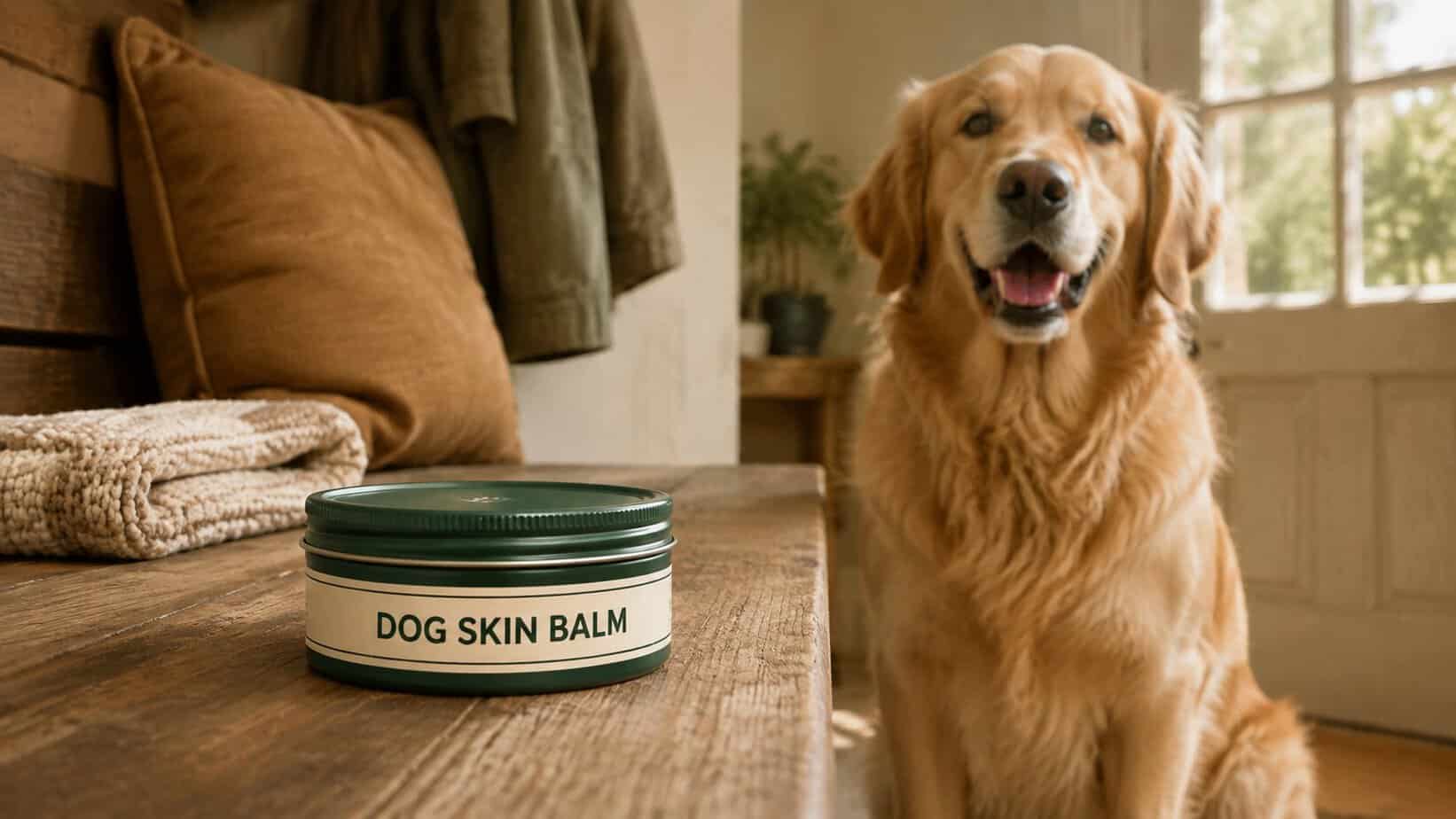
    using bag balm on dogs

    The Potential Benefits

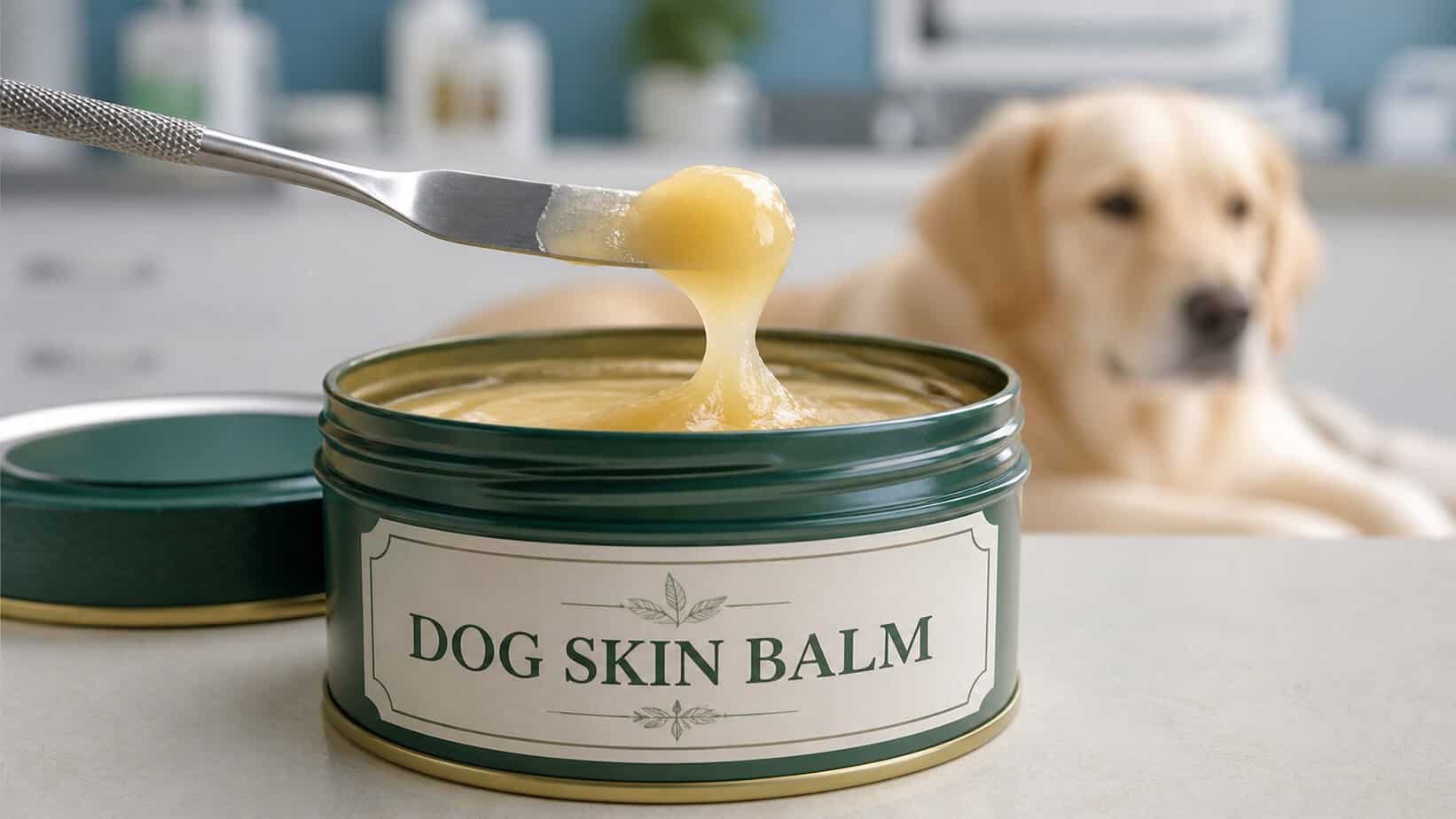
    Discover the benefits of Bag Balm for your dog’s skin. This pet-friendly ointment moisturizes dry or cracked paw pads with its ingredients: petrolatum locks in moisture, lanolin softens skin, and 8-hydroxyquinoline sulfate acts as an antiseptic.

    This can be especially helpful during harsh winter months when salt and other chemicals used on roads and sidewalks can irritate your pet’s sensitive paws. Bag balm may also be useful in treating minor cuts, scrapes, or burns.

    The antiseptic properties of 8-hydroxyquinoline sulfate can help prevent infection while the moisturizing properties of petrolatum and lanolin can promote healing by keeping the affected area moist. In addition to its skin-soothing properties, some pet owners have found that applying a small amount of bag balm to their dog’s nose can help prevent dryness or cracking caused by exposure to harsh weather conditions.

    The Potential Concerns

    While bag balm can be a helpful tool in your dog’s grooming kit, there are some potential concerns to keep in mind. One of the main concerns arises from the fact that bag balm lacks formulation for dog usage. While many pet owners have used it with success, it’s always best to check with your veterinarian before trying any new products on your pet.

    Another issue to consider is the risk of allergic reaction. Some dogs may be sensitive to one or more of the ingredients in bag balm and may develop an itchy rash or other symptoms after application.

    If you notice any signs of an allergic reaction, such as redness, swelling, or discomfort, stop using the product immediately and consult your vet. There is a risk of ingestion if your dog licks the area where you’ve applied bag balm.

    While most of the ingredients in bag balm are not toxic, they could still cause digestive upset if ingested in large amounts. Be careful to apply only a small amount and monitor your dog closely after application.

    While bag balm can be a useful tool for caring for your furry friend’s skin and paws, it’s important to use it responsibly and with caution. By understanding both its potential benefits and concerns you can make informed decisions about whether or not to add this versatile ointment to your pet-care arsenal.

    tin of bag balm on a green plaid background

    What is Bag Balm?

    If you grew up in a farm, or have any experience in taking care of animals, chances are you’ve heard of bag balm. This iconic green tin has been around for over a century, and is widely used as an all-purpose salve for both humans and animals. Bag balm is a thick ointment, typically made with a combination of lanolin, petrolatum, and antiseptic ingredients such as 8-hydroxyquinoline sulfate.

    Originally intended to moisturize and soothe cows’ chapped udders in harsh winters, bag balm gained fame among farmers who recognized its healing properties for their hands and other livestock. Today, marketers promote bag balm as a versatile ointment suitable for multiple uses, including moisturizing dry skin and treating minor cuts and burns. As a result, it has become a common household essential, particularly favored by pet owners.

    Intended Use

    As mentioned earlier, the primary intended use of bag balm was to help heal dry or cracked skin on cows’ udders. The product would be applied to the affected area after milking in order to prevent further irritation or infection. However, over time people started using bag balm for other purposes.

    Farmers would use it on their own hands to keep them moisturized and protected from the harsh weather conditions they worked in. Others would apply it to their lips or other dry patches of skin for relief.

    dairy farmer feeding milking cows

    Popularity Among Farmers

    Farmers were some of the earliest adopters of bag balm since they had direct contact with cows’ udders on a daily basis. They found that applying the ointment helped prevent chapping during colder months when temperatures dropped significantly.

    In addition to preventing chapping on cows’ udders, farmers also started using bag balm on their own hands. The thick, moisturizing formula helped protect their skin from drying out and cracking in the same way it did for cows.

    Today, bag balm is still used by farmers and ranchers around the world as a remedy for chapped skin on both animals and humans. It’s considered a classic “old-school” product that has stood the test of time.

    Cows Aren’t the Only Ones Who Can Benefit

    Although initially intended for cows’ udders, bag balm now serves as a marketed all-purpose salve usable on any mammal, including humans and pets. Many pet owners swear by bag balm when it comes to treating minor skin irritations or dry patches on their furry friends. In fact, some veterinarians even recommend using it to soothe sore paw pads or other mild injuries.

    Overall, bag balm has become a household name over the years thanks to its versatility and effectiveness in healing minor skin conditions. Whether you’re dealing with cracked hands in the winter or a scratchy dog nose, this classic ointment may just be what you need to find relief.

    dog laying down with a tube of bag balm
    Photo credit: @graciegirltravels

    Can You Use Bag Balm on Dogs?

    If you’re a pet owner, it’s likely that you’ve heard of bag balm. This multi-purpose ointment is well-known for its ability to soothe dry and irritated skin, making it a popular choice for many people.

    But can you use bag balm on dogs? As with most things related to pet care, the answer isn’t cut-and-dried.

    While some pet owners swear by using bag balm on their furry friends, others are hesitant to try it. Here’s what you need to know.

    Is It Safe to Use Bag Balm on Dogs?

    One of the main concerns that pet owners have about using bag balm on dogs is whether or not it’s safe. After all, this product wasn’t specifically formulated for use on animals – it was originally created as a remedy for chapped skin on cows’ udders!

    However, while there is no official recommendation from veterinarians about using bag balm on dogs, many pet owners find that it works well for their four-legged friends. When considering whether or not to use bag balm on your dog, keep in mind that some ingredients in the product may be irritating or even toxic if ingested in large quantities.

    For example, while petrolatum (the main ingredient in bag balm) is generally considered safe if applied topically, it can be harmful if ingested in large amounts. Additionally, some dogs may be allergic to certain ingredients in the product.

    small tin of bag balm with a dog in the background
    Photo credit: @originalbagbalm

    Using Bag Balm as a Remedy for Various Skin Conditions

    While there are potential risks associated with using bag balm on dogs (as with any product), many pet owners find that it can be an effective remedy for various skin conditions. For example, if your dog has dry or cracked paw pads due to exposure to harsh weather conditions, applying bag balm can help moisturize and soothe the affected area. Additionally, if your dog has a minor cut or scrape, using bag balm can help to protect the wound and promote healing.

    It’s worth noting that there are other products on the market that are specifically formulated for use on dogs’ skin, such as balms and paw protectors. However, many pet owners find that bag balm is a more affordable and accessible option.

    How to Use Bag Balm on Your Dog

    If you do decide to try using bag balm on your dog, it’s important to apply it correctly in order to minimize any potential risks. Here’s how:

    1. Clean the affected area thoroughly with warm water and mild soap.

    2. Dry the area completely.

    3. Apply a small amount of bag balm to the affected area, rubbing it in gently.

    4. Cover the area with a bandage or dressing if necessary (e.g. for cuts or scrapes).

    5. Keep an eye on your dog – if they show any signs of itching, redness or irritation after applying the product, discontinue use immediately. Although using bag balm on dogs entails potential risks, as with any product, numerous pet owners discover its effectiveness in treating various skin conditions.

    Ultimately, whether or not you decide to use bag balm on your dog will depend on your personal comfort level and your dog’s individual needs and sensitivities. If you’re unsure about whether or not to try using this product, speak with your veterinarian for advice tailored specifically to your furry friend.

    furry dog paw moisturized by bag balm
    Photo credit: @danydorko

    Benefits of Using Bag Balm on Dogs

    Farmers and pet owners have utilized bag balm for decades as a versatile ointment with multiple applications. While not specifically formulated for dogs, many pet owners have discovered its efficacy in treating diverse skin conditions. Here are some potential benefits of using bag balm on your furry friend:

    Moisturizing Dry Skin

    If your dog’s skin is dry and flaky, applying a small amount of bag balm can help to moisturize and soothe the affected area. This can be particularly helpful during the harsh winter months when dry indoor heat can exacerbate skin conditions.

    When applying bag balm to your dog’s skin, make sure to start with a small amount and rub it in gently. You don’t want to apply too much, as this could cause your dog’s fur to become greasy or attract dirt.

    Soothing Minor Cuts and Scrapes

    If your dog has a minor cut or scrape, applying a thin layer of bag balm can help to soothe the affected area and promote healing. The ointment contains ingredients like petrolatum and lanolin that help to protect the wound from bacteria while keeping it moist.

    It’s important to note that bag balm should not be used on deep cuts or wounds as it could seal in bacteria and prevent proper healing. In these cases, it’s best to seek veterinary care.

    Protecting Paw Pads from Harsh Weather Conditions

    Dogs who spend a lot of time outdoors may develop dry or cracked paw pads due to exposure to harsh weather conditions like snow and ice. Applying bag balm regularly can help protect your dog’s paw pads from becoming too dry, which can lead to discomfort and even infection.

    When applying bag balm to your dog’s paw pads, make sure to rub it in thoroughly and avoid getting it in between their toes. If your dog does lick the area where the ointment was applied, it’s important to monitor them closely for any signs of an allergic reaction or digestive upset.

    Treating Skin Irritations

    If your dog is experiencing itching, redness, or other skin irritations, bag balm may be able to provide some relief. The ointment’s emollient properties can help to reduce inflammation while keeping the affected area moisturized.

    It’s important to note that while bag balm may be helpful for minor skin irritations, it should not be used as a substitute for veterinary care. If your dog is experiencing persistent or severe skin irritations, it’s best to consult with a veterinarian.

    Preventing Insect Bites

    The petrolatum in bag balm can create a barrier between your dog’s skin and biting insects like fleas and ticks. While this won’t necessarily prevent bites altogether, it can help reduce the number of bites your pet experiences. If you live in an area with a high concentration of biting insects, consider applying a small amount of bag balm around your dog’s ears and neck before going outside.

    This can help prevent insects from latching on and causing discomfort. There are many potential benefits of using bag balm on dogs.

    Whether you’re looking to moisturize dry skin or soothe minor cuts and scrapes, this versatile ointment may be able to provide some relief. As always, make sure to monitor your pet closely after applying any new product and consult with a veterinarian if you have any concerns about their health.

    bag balm for dogs

    Risks and Concerns

    Potential Risks of Using Bag Balm on Dogs

    Using bag balm on dogs can offer certain benefits, but it also carries potential risks. One significant risk involves the possibility of dogs developing an allergic reaction to one or more ingredients in the balm.

    This can lead to symptoms such as itching, redness, inflammation, and even hives in severe cases. It is important to test a small amount of the product on your dog’s skin before applying it extensively.

    Another risk to consider is ingestion if your dog licks the area where you applied bag balm. Consuming the ingredients in this product can lead to stomach upset, vomiting, or diarrhea. It is crucial to prevent dogs from ingesting large amounts of it.

    Tips for Minimizing Risks

    If you decide to use bag balm on your dog, there are some easy steps you can take to minimize any potential risks:

    • Test a small amount: Before applying bag balm all over your dog’s skin, test a small amount on a small patch of skin first. Wait 24 hours to see if there is any adverse reaction before proceeding with further application.
    • Apply sparingly: Only apply a thin layer of bag balm to the affected area and avoid putting it near your dog’s mouth or eyes.
    • Watch for licking: Keep an eye on your dog after applying the product and prevent them from licking the area where it was applied by using an Elizabethan collar or distracting them with toys or treats.
    • Use alternatives: Consider using alternative products specifically formulated for dogs instead of using human-grade products like bag balm. 5. Consult with veterinarian: If you have any concerns about using bag balm on your dog, consult with your veterinarian before trying it out.
    black dog laying in greenery

    Conclusion

    Using bag balm on dogs can provide some potential benefits, but it also comes with potential risks. It is important to weigh the pros and cons before using it on your furry friend. If you do decide to use it, make sure to follow the recommended precautions and watch for any adverse reactions.

    Consider using alternative products specifically formulated for dogs instead of human-grade products like bag balm. Remember, consulting with a veterinarian is always a good idea before trying out any new skin product on your dog.

  • Can You Use Human Eye Drops On Dogs? Here’s What You Need to Know

    Can You Use Human Eye Drops On Dogs? Here’s What You Need to Know

    When it comes to our furry friends, we always want the best for them, especially when it comes to their health. As a dog owner, you may have encountered situations where your furry friend needs eye drops. Whether it is a mild irritation or something more severe like an infection, administering eye drops can be challenging.

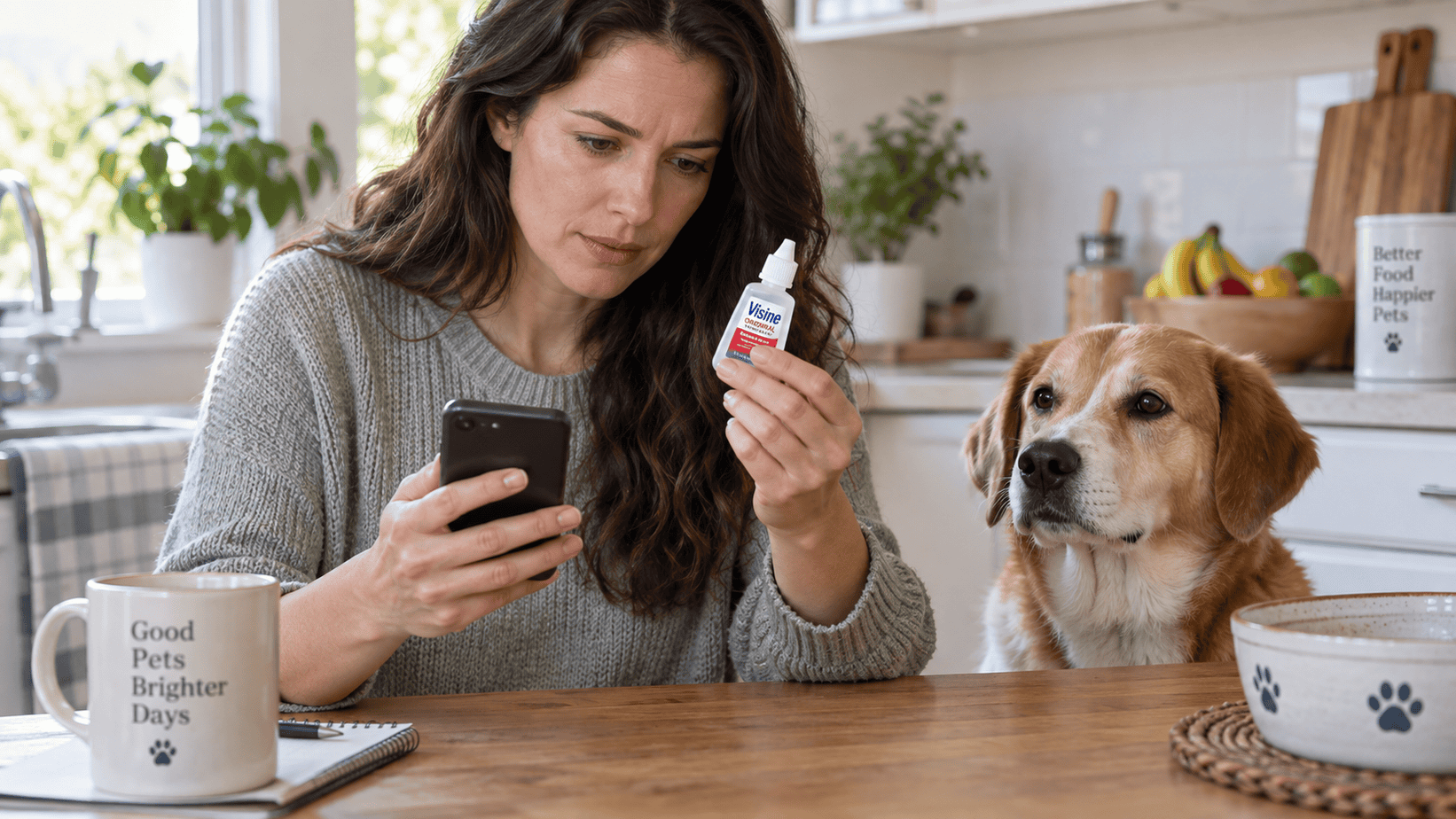
    You may have wondered “can you use human eye drops on dogs?”. The short answer is no. This article will discuss whether human eye drops are safe for dogs and provide information on alternatives.

    Dog eyes are not similar to human eyes when it comes to structure and function. Dogs’ eyes have a different physiology than humans’ eyes; thus, using human medication on a dog’s eyes can lead to dangerous side effects or worsen the condition they are experiencing. Also, some human medications might contain ingredients that are toxic or harmful to dogs.

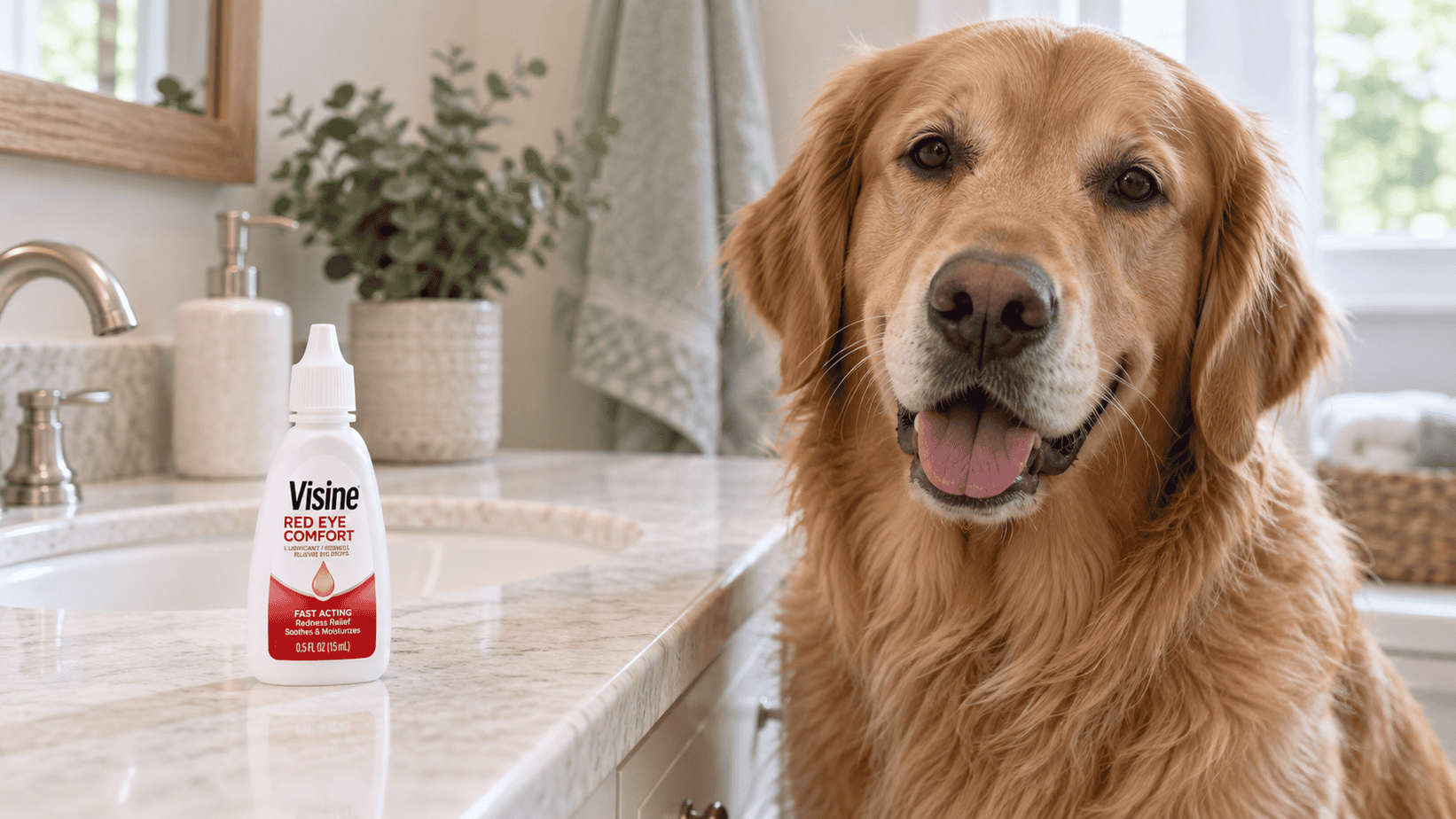
    human eye drops on dogs

    Importance of Knowing Whether Human Eye Drops Are Safe for Dogs

    It is essential as a pet owner to understand that what works for humans may not work for dogs. The wrong choice of medication can lead to adverse reactions, worsen the condition or result in blindness in severe cases. In some instances, using human medication without consulting your veterinarian might cause irreversible damage that requires surgery.

    Administering medication wrongly can stress your dog. It might harm your bond. Knowing if human eye drops are safe for dogs can save you money. This can help avoid unnecessary vet visits.

    Deciding to use human eye drops on dogs needs careful thought. You must consider symptom severity and underlying conditions. Always consult with a vet first. They can diagnose and prescribe the right medication.

    Can You Use Human Eye Drops on Dogs?

    As a pet owner, it’s natural to want to help your furry friend when they’re exhibiting signs of discomfort. One common issue dogs face is eye irritation, which may lead you to wonder if you can use human eye drops on them. Unfortunately, the answer is no – using human eye drops on dogs is not recommended.

    The Differences Between Human and Dog Eyes

    The primary reason why human eye drops should not be used on dogs is that our eyes are different from theirs. For starters, the pH levels in our eyes differ; human eyes have a neutral pH level of around 7 while dog eyes have a slightly acidic pH level of around 6.5.

    This difference can cause irritation for dogs when exposed to products formulated for humans. Another significant difference is the structure of our eyes versus theirs.

    Humans have more developed tear ducts that aid in lubrication, whereas dogs rely on their third eyelid for this function. Additionally, the shape and position of their eyes are different than ours and may affect how medicine or foreign substances interact with their eyes.

    woman putting drops in her eye

    Why You Should Avoid Using Human Eye Drops on Dogs

    While it may be tempting to reach for your own eye drops when your dog appears to be experiencing discomfort, doing so can lead to several issues. Human eye drops frequently contain chemicals that could harm your dog’s sensitive eyes or even exacerbate their condition.

    For example, many human eye drops include preservatives such as benzalkonium chloride that obstruct oil glands in the eyelids and damage ocular surfaces over time when applied repeatedly. Other chemical ingredients such as steroids can suppress the immune response in your dog’s body and make infections worse instead of better.

    Safer Alternatives for Treating Dog Eye Irritation

    Fortunately, there are safe alternatives specifically formulated for dogs you can use to treat eye irritation. Be sure to look for products with dog-friendly pH levels, and avoid any containing ingredients that could be harmful to your dog. One popular option is saline solution, which can help flush out debris or foreign substances from your dog’s eyes.

    Additionally, some veterinary ophthalmologists recommend using artificial tears specifically formulated for dogs. These products may also include beneficial vitamins and minerals that can help improve your dog’s overall eye health.

    Natural Remedies for Dog Eye Irritation

    If you prefer natural remedies for minor irritations, there are options. You can try chamomile tea bags or diluted witch hazel compresses. Applying coconut oil around the eyes is another method. You can also make a saline solution. Use purified water and sea salt for this.

    These natural remedies may not be potent as specialized dog eye drops. But they can soothe mild irritation. This could be caused by allergies or environmental factors.

    The Importance of Consulting with Your Veterinarian

    Ultimately, the best course of action when dealing with any health issue concerning your furry friend is to consult with your veterinarian. They can examine your pet’s eyes thoroughly and recommend safe treatment options based on their specific needs.

    Remember that while it may be tempting to self-diagnose and treat your pet at home, doing so could lead to more substantial issues down the line. Trust in the expertise of veterinary professionals when it comes to your pet’s health and well-being.

    human eye drops in dogs

    What Happens If You Use Human Eye Drops on Dogs?

    Using human eye drops on dogs is not recommended. There are differences between human and dog eyes. Human eye drops can potentially cause harm and worsen the condition of your dog’s eyes. It is essential to understand the possible side effects and risks before using human eye drops on dogs.

    Possible Side Effects of Using Human Eye Drops on Dogs

    One of the potential side effects of using human eye drops on dogs is irritation. The ingredients in human eye drops may be too strong for dogs’ eyes, causing discomfort, redness, or even pain. Some may also experience an allergic reaction to the medication.

    Another possible side effect of using human eye drops on dogs is corneal ulcers. If a dog has a pre-existing condition such as dry eyes or abrasions, using inappropriate medication like human eye drops can cause further damage to their eyes.

    Risks Associated with Using Human Eye Drops on Dogs

    The biggest risk associated with using human eye drops to treat your dog’s eyes is that it can worsen their condition. For example, if you use steroids meant for humans in your dog’s eyes without appropriate guidance from a veterinarian, it could lead to glaucoma (increased pressure within the eyeball). In some cases, using these medications without appropriate supervision by a veterinarian could lead to blindness.

    Another risk associated with using inappropriate medication is that it can mask underlying issues that need medical attention. For instance – redness caused due to allergy might be temporary relief due to the usage of steroids but underlying infection might still be present which needs medical attention.

    How Using Human Eye Drops Can Worsen Your Dog’s Condition

    Using inappropriate medication can worsen your dog’s condition rapidly in many different ways. As mentioned earlier – It can cause corneal ulcers, allergic reactions, and irritation. Long-term usage of steroids might lead to cataracts and glaucoma.

    Additionally, improper usage of medication without proper guidance could negatively impact their vision permanently. If your dog has an underlying medical condition or is taking other medications, using human eye drops can interact with the other treatment methods leading to further complications.

    Human eye drops are not designed for dogs and can potentially cause harmful side effects if used inappropriately. Always consult your veterinarian before administering any medication.

    There are specific medications available that are designed explicitly for dogs’ eyes and are safe to use when given adequate guidance from a veterinarian. So keep your furry friend’s eyes healthy by using appropriate medication!

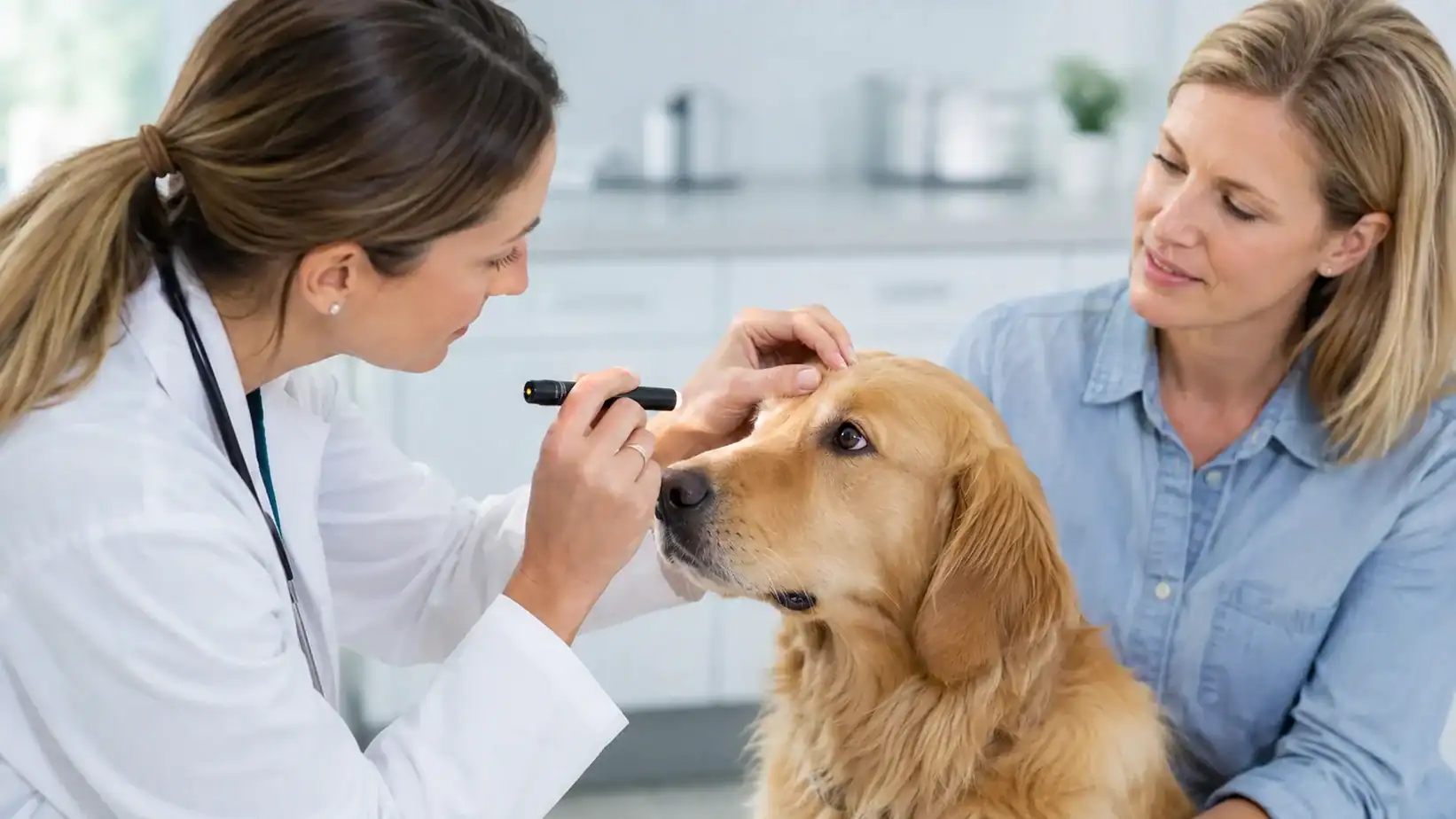
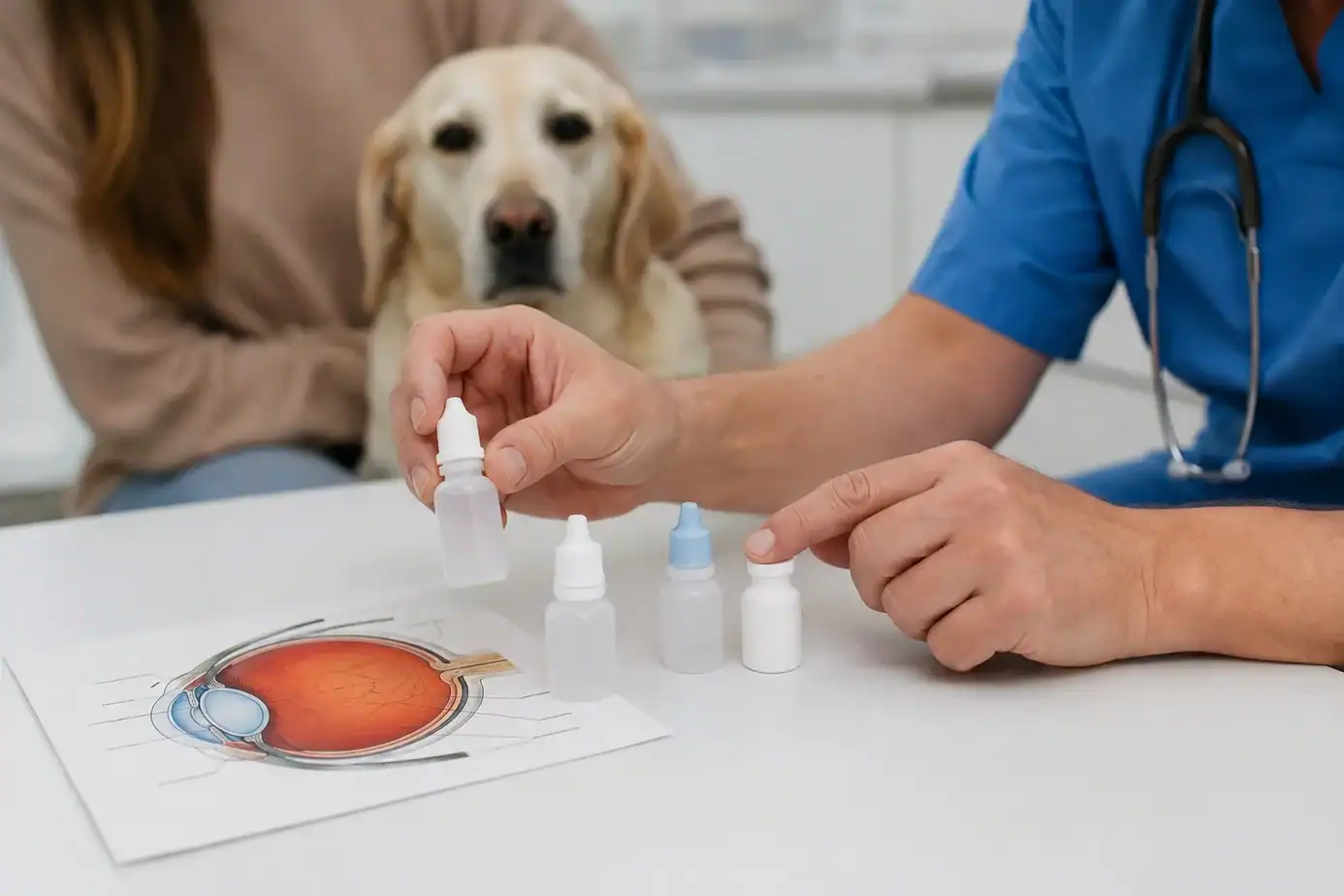
    picture of veterinarian examining a dogs eyes

    Alternatives to human eye drops for dogs

    When it comes to treating eye conditions in dogs, there are several safe and effective alternatives to using human eye drops. In fact, using these alternatives can be a better option than risking the potential side effects of using human medication on your pup’s eyes.

    One popular alternative is veterinarian-prescribed topical ointments. These ointments are specifically designed for use in dogs and are formulated with ingredients that are safe for their eyes.

    The ointments can be applied directly to your dog’s eyes, and they provide long-lasting relief from a variety of eye conditions like infections, allergies, and inflammation. Another option is saline solution or artificial tears.

    These solutions mimic the natural tears produced by your dog’s eyes and can help flush out debris or irritants that may be causing discomfort or infection. Saline solution can also be used as a preventative measure to keep your dog’s eyes clean and healthy.

    For minor irritations or mild infections, you may also consider using natural remedies like chamomile tea bags or a diluted mixture of apple cider vinegar and water. Chamomile has anti-inflammatory properties that can soothe irritated eyes while apple cider vinegar has antibiotic properties that can help fight off infections.

    In some cases, dietary changes may also help improve underlying eye conditions in dogs. For example, adding omega-3 fatty acids to their diet may help reduce inflammation in their eyes and improve overall eye health.

    Safe and effective options for treating various eye conditions in dogs

    Several options exist for treating dog eye conditions. The choice depends on the issue’s cause. For instance, your dog may have conjunctivitis, or pink eye. Here, a vet might prescribe an antibiotic ointment.

    Additionally, cleanliness matters. Keep your dog’s eyes clean. Wipe them with a warm, damp cloth. Also, avoid any irritants that could cause discomfort.

    If your dog has dry eye (also known as keratoconjunctivitis sicca), your veterinarian may recommend a combination of topical medication and dietary supplements to help stimulate tear production. They may also suggest using artificial tears or other lubricating solutions to keep your dog’s eyes moist.

    For dogs with allergies, avoiding the allergen is usually the best course of action. However, if avoidance is not possible, antihistamines or steroid eye drops may be prescribed to provide relief from symptoms like itching and inflammation.

    Natural remedies that can help with minor irritations

    In addition to chamomile tea bags and diluted apple cider vinegar, there are several other natural remedies that can help soothe minor eye irritations in dogs. One option is pure honey. Honey has natural antibacterial properties that can help fight infections while also providing moisture to dry eyes.

    To use honey for your dog’s eyes, simply dilute it in water and use a dropper to apply the solution directly into their eyes. Another option is coconut oil.

    Coconut oil has antimicrobial properties that can help fight off infections while also moisturizing dry or irritated eyes. To use coconut oil for your dog’s eyes, gently warm it up until it becomes liquid and then use a dropper to apply a small amount directly into their eyes.

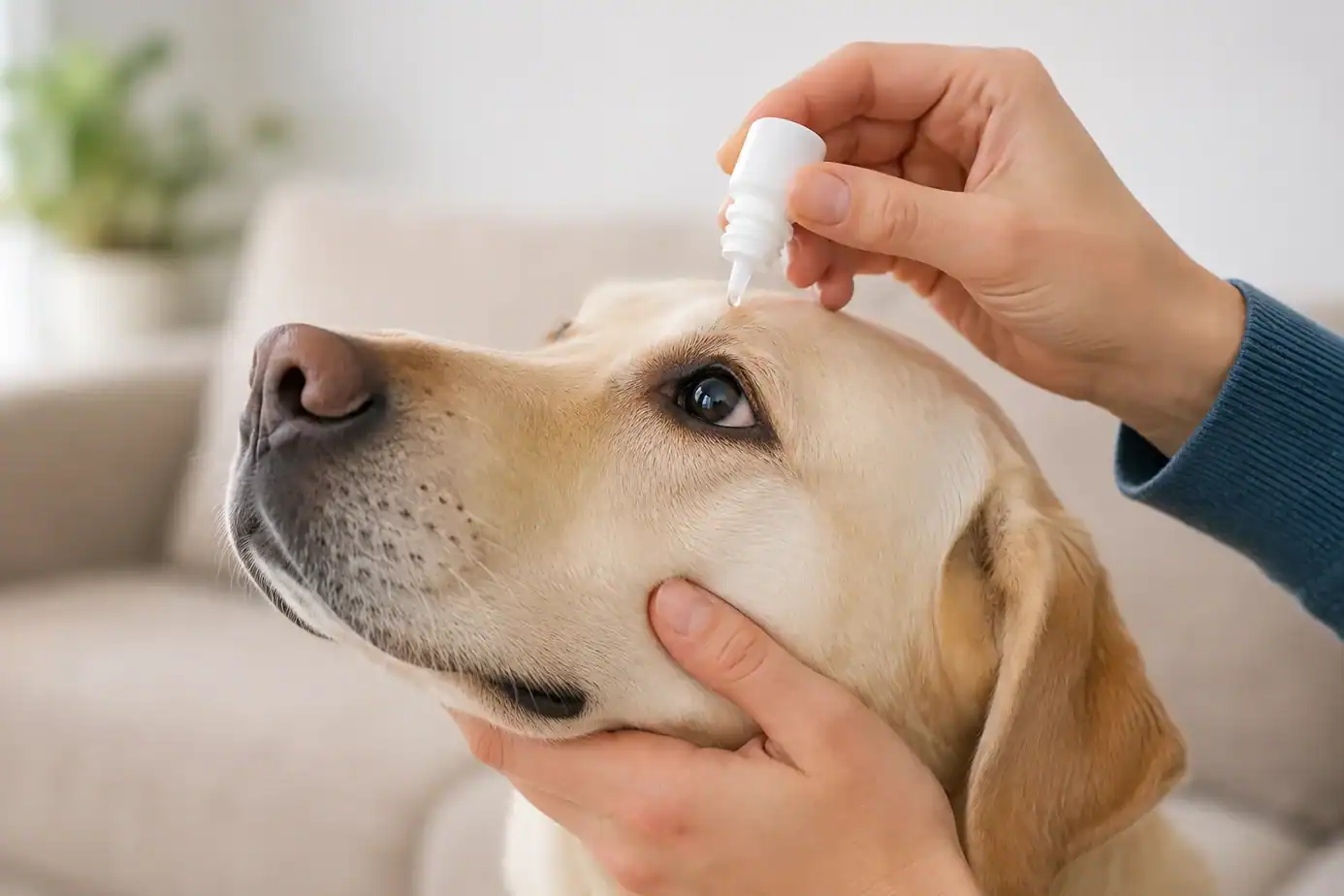
    picture of someone putting drops in a dogs eyes

    How to Administer Eye Medication to Your Dog

    Why Proper Administration is Important

    Administering eye medication to your dog can be a daunting task, but it is important to do so properly in order to ensure that your furry friend gets the appropriate dose and achieves the desired results. The right dosage is critical for treating various eye conditions, ranging from minor irritations to more severe infections.

    Administration mistakes can worsen the condition or even lead to permanent damage. So it’s essential for pet owners to understand how best to administer eye medication in a safe and effective manner.

    Preparation and Safety Precautions

    Before starting, make sure you have all of your supplies handy. This includes the medication prescribed by your vet, any applicators or droppers that come with it, tissues or gauze pads to clean excess discharge or residue from around the eye area, and treats for afterwards! It’s also important that you wash your hands thoroughly with soap and water before administering any medication.

    Techniques for Administering Eye Drops

    One of the most common ways of administering eye drops is by using an eyedropper or syringe. Start by tilting your dog’s head back slightly and gently pulling down on their lower eyelid with one hand.

    With the other hand, hold the dropper just above their lower eyelid and carefully squeeze one drop into their eye. Make sure that none of the tip touches their eyelashes or eyeball.

    Another technique involves applying pressure directly under your dog’s eyes using your thumb and forefinger while placing a different finger on top of their head between both ears. This will cause them to look up which will create space underneath their eyelids resulting in an easier application process.

    Importance of Following Dosage Instructions

    It cannot be stressed enough how important it is to follow dosage instructions carefully. Your vet will prescribe a specific amount of medication for your dog based on weight, age, and the severity of their condition. Giving too much or too little medication can have harmful consequences.

    If you are unsure about anything or if you think you may have made a mistake during administration, contact your veterinarian immediately. Administering eye medication to your dog at home may seem daunting at first but with proper preparation and techniques it can be done safely and effectively.

    Remember that each dog is unique and what works for one may not work for another, so don’t hesitate to reach out to your vet if you are having any issues or concerns with administering eye drops. Always follow the prescribed dosage instructions closely to ensure that your furry friend gets the care they need in order to achieve optimal health.

    dog getting eye drops administered

    Recap of Main Points

    So, we have covered a lot of ground in this article discussing whether or not it is safe to use human eye drops on dogs. To recap, we have learned that using human eye drops on dogs is not recommended due to differences in the composition of human and dog eyes.

    Human eye drops can contain ingredients that are harmful to dogs and may cause further damage to their eyes. Additionally, using human medications on dogs can lead to serious side effects and worsen the condition you were trying to treat.

    It’s important to always use medications specifically designed for dogs and follow dosage instructions carefully. We’ve also explored some alternatives to using human eye drops on dogs, such as safe and effective options for treating various eye conditions in dogs, including natural remedies that can help with minor irritations.

    Final Thoughts on Using Human Eye Drops on Dogs

    While it may be tempting to try using your own eye drops on your furry friend, it’s important always to consult with a veterinarian before administering any medication or treatment. Your vet will be able to advise you on the best course of action for your dog’s specific needs based on their medical history and current condition. It’s also essential always to follow proper administration techniques when giving medication or other treatments.

    This includes washing your hands before and after handling medication, ensuring proper dosage amounts are given, and avoiding touching the dog’s eyes directly as much as possible. Remember that prevention is always better than cure.

    Regular check-ups with a veterinarian can help keep your dog healthy by catching any potential issues early. Maintaining good hygiene practices around the eyes can also help prevent some common eye problems in dogs.

    While it may seem like a quick fix at times, using human eye drops on your dog is not worth risking their health. Always speak with a veterinarian before administering any treatments or medications and explore safe and effective alternatives to ensure your furry friend stays healthy and happy.

  • Can Dogs Have Cheesecake? Expert Answers

    Can Dogs Have Cheesecake? Expert Answers

    *This page may include affiliate links, which means that if you make a purchase through one of the product links, we may receive a small commission. For full affiliate disclosure please see our disclaimer page.

    Today’s article delves into a treat that’s beloved by many and can be hard to resist for our furry friends too – cheesecake! But, “Can Dogs Have Cheesecake?” is a question that most dog parents have grappled with at one point or another. After all, those puppy dog eyes are hard to ignore when you’re indulging in a slice of this creamy, sweet dessert.

    In this post, we’ll be sharing insights from some of the most trusted veterinary nutrition experts, aiming to give you a comprehensive understanding of the effects of cheesecake on dogs. Our aim is to provide you with the knowledge you need to ensure your furry friend’s health and well-being. Remember, a well-informed pet owner is the best pet owner! So, whether you’re wondering about the safety of different cheesecake ingredients or looking for dog-friendly alternatives to this popular dessert, you’re in the right place. Let’s unravel the mystery together!

    can dogs eat cheesecake

    Brief History of Cheesecake

    The origins of cheesecake can be traced back to ancient Greece. Legend has it that the famous Greek author and philosopher, Athenaeus, wrote a cookbook containing a recipe for cheesecake in 230 AD. It is believed that the ancient Greeks served cheesecake to athletes during the first Olympic games held in 776 BC.

    In medieval times, English monks made their own version of cheesecake using curdled milk and herbs. They introduced their recipe to Europe during the Renaissance period.

    In America, cheesecakes were first introduced by European settlers in the late 19th century. However, it wasn’t until the early 20th century that cheesecakes gained popularity in America thanks to an increase in dairy production.

    Can Dogs Have Cheesecake?

    As a dog owner, you may be wondering whether your furry friend can enjoy this delicious dessert with you. While dogs can technically eat cheesecake as it doesn’t contain any toxic ingredients for them; however,it’s important to consider various factors before giving your dog any form of human food- such as their overall health and diet needs. This article will explore whether it’s safe for dogs to eat cheesecakes made with common ingredients such as cream cheese,sugar,eggs,and flour.We’ll also discuss some potential health risks associated with feeding dogs this sweet dessert.

    In addition,we’ll provide you with some dog-friendly cheesecake recipes that are safe and healthy for your beloved pet. Now let’s dive into the ingredients of cheesecake and how they may affect your furry friend’s health.

    The Ingredients in Cheesecake

    Cheesecake is a favorite dessert of many people, and it’s easy to see why. It has a creamy filling and a delicious crust, making it an irresistible treat. However, cheesecake is not suitable for dogs as it contains ingredients that can cause health problems for them.

    Cream cheese

    Cream cheese is the primary ingredient in cheesecake, and it’s made from milk and cream. While cream cheese may be safe for dogs in small amounts, too much of it can cause digestive issues such as diarrhea or vomiting.

    Cream cheese also has a high-fat content that can lead to obesity in dogs if consumed regularly. A single tablespoon of cream cheese contains around 50 calories, which may not seem like much, but in the long run, it adds up.

    • Nutritional value for dogs – Cream cheese does have some nutritional benefits for dogs. It is rich in calcium which helps maintain strong bones and teeth. Additionally, cream cheese contains protein which is essential for muscle growth and repair.
    • Potential health risks – High-fat content puts dogs at risk of developing pancreatitis or other digestive issues when they consume too much cream cheese.

    Sugar

    Sugar is another ingredient found in cheesecakes that can be harmful to dogs. Excessive sugar intake can lead to obesity and diabetes among other health problems.

    • Effects on a dog’s health – Sugar spikes insulin levels causing blood sugar levels to fluctuate leading to diabetes primarily when consuming large amounts over long periods.
    • Alternatives to sugar in dog-friendly cheesecakes – Dogs should steer clear of table sugar because there are alternative sweeteners available like honey or applesauce. These substitutes are healthier options that won’t affect your dog’s blood sugar levels while still providing a sweet taste in dog-friendly cheesecakes.

    Flour and Eggs

    The flour and eggs used to make the crust or filling in cheesecake are not toxic to dogs, but they can still cause health problems if consumed in large amounts.

    • Nutritional value for dogs – Eggs contain essential amino acids that dogs need for muscle growth and repair. Flour also contains carbohydrates that provide energy, but it has little nutritional value beyond that.
    • Potential health risks – Raw eggs can contain salmonella or E. coli bacteria, which can cause serious illness, including vomiting, diarrhea, and even death. Flour-based products can cause digestive upsets when consumed excessively as wheat-based ingredients alone are already quite unhealthy for all animals. While the ingredients found in cheesecake aren’t necessarily toxic to dogs. The high-fat content from cream cheese or excessive amounts of sugar can lead to health problems such as obesity or diabetes. As a responsible pet owner, it’s essential to limit your dog’s intake of cheesecake by offering healthier alternatives like fruit or protein-based treats instead.
    can dogs eat cheesecake

    Can Dogs Eat Cheesecake?

    Cheesecake is a delicious dessert enjoyed by many humans around the world, but can dogs eat cheesecake too? The answer to this question is yes, but with caution.

    While some ingredients in cheesecake are safe for dogs to consume in moderation, there are others that can be harmful or even toxic to them. As a responsible pet owner, it’s important to know what factors you should consider before feeding your dog any kind of cheesecake.

    The answer: Yes, but with caution

    Cheesecake made with simple and natural ingredients like cream cheese, flour, and eggs can be safe for dogs to eat in small amounts. However, if the cheesecake contains added sugars or artificial sweeteners like xylitol, it can be extremely dangerous for your furry friend. Ingestion of xylitol can cause a sudden release of insulin leading to hypoglycemia (low blood sugar), seizures and even liver failure which could be fatal.

    Factors to consider before feeding your dog cheesecake

    There are several factors that you should consider before deciding whether or not it’s safe to feed your dog cheesecake. These factors include age, weight, overall health and eating habits.

    • Age: Young puppies under six months old have developing digestive systems that may not tolerate rich foods like cheesecakes well; adult dogs over six months old should be able handle limited amounts of safely cooked human food treats such as plain baked chicken or steamed vegetables.
    • Weight: Your dog’s weight is important when considering how much food they can safely consume. Overfeeding them fatty foods like cheesecake could lead to obesity which has multiple negative side effects on pets’ health including diabetes and pancreatitis among other ailments
    • Overall Health: If your dog suffers from any preexisting health conditions such as diabetes, kidney disease, or pancreatitis, it’s best to avoid feeding them cheesecake altogether. Consult your veterinarian for advice on what kind of food is safe for your dog.
    • Eating Habits: If your dog has sensitive stomach or digestive issues, it’s best to avoid giving them any human food treats. Cheesecake might cause gastrointestinal upset and diarrhea in some dogs.
    • The amount and frequency of consumption: Even if you decide to allow your dog to eat cheesecake, it should be given in small amounts and only once in a while. Too much cheesecake can lead to obesity which can cause multiple health issues down the road.

    While cheesecake can be safe for dogs to consume in small amounts, it’s important to consider all factors related to your pet’s health before deciding whether or not to feed them this dessert. As with any human treat shared with pets, moderation is key – consult with your veterinarian if you’re unsure about the safety of feeding specific foods.

    Dog-Friendly Cheesecake Recipes

    Now that we have established that cheesecake can be enjoyed by dogs, it’s time to explore some delicious DIY dog-friendly cheesecake recipes. These easy-to-make treats are a great way to spoil your furry friend without compromising their health.

    No-Bake Peanut Butter and Pumpkin Cheesecake Recipe for Dogs

    This tasty recipe is perfect for dogs who love peanut butter and pumpkin! It’s also no-bake, making it very convenient for those who don’t have the time or the desire to bake. Ingredients:

    • 1/4 cup creamy peanut butter (make sure it doesn’t contain xylitol)
    • 1/4 cup canned pumpkin puree (not pumpkin pie filling)
    • 4 oz cream cheese, softened
    • 1/4 cup plain Greek yogurt
    • 2 tbsp honeySteps:
    1. In a large bowl, whisk together the softened cream cheese, Greek yogurt, and honey until smooth.
    2. Add in the peanut butter and canned pumpkin puree, and whisk again until well combined.
    1. Pour mixture into silicone muffin cups or ice cube trays. Freeze for at least two hours before serving.

    Banana and Blueberry Mini-Cheesecakes Recipe for Dogs

    This recipe is perfect for dogs who enjoy fruity flavors! The use of bananas provides a natural sweetness without having to add any sugar. Additionally, blueberries are packed with antioxidants that provide numerous health benefits! Ingredients:

    • 1/3 cup mashed ripe banana
    • 2 oz cream cheese, softened
    • 1/4 cup plain Greek yogurt
    • 1/4 cup fresh blueberries, mashed
    • 2 tbsp oat flour or almond flour (for binding)Steps:
    1. In a large bowl, whisk together the softened cream cheese, Greek yogurt, and oat/almond flour until smooth.
    2. Add the mashed bananas and blueberries to the mixture and whisk again until well combined.
    3. Pour mixture into silicone muffin cups or ice cube trays. Freeze for at least two hours before serving.

    Sweet Potato and Coconut Oil Mini-Cheesecakes Recipe for Dogs

    This recipe is perfect for dogs who enjoy a slightly savory flavor profile. The addition of sweet potato provides numerous health benefits as it’s packed with vitamins and minerals. Additionally, coconut oil has anti-inflammatory properties that can help improve a dog’s skin and coat health.

    Ingredients:

    • 1 small sweet potato (roasted and mashed)
    • 4 oz cream cheese, softened
    • I/4 cup plain Greek yogurt

    Steps:

    1. In a large bowl whisk together the roasted & mashed sweet potato with the cream cheese ,and greek yogurt until it is smooth.
    2. Mix in melted coconut oil to the above mix.
    3. Pour mixture into silicone muffin cups or ice cube trays. Freeze for at least two hours before serving.

    These dog-friendly cheesecake recipes are easy to make and delicious to eat! Just remember to always consider your dog’s health needs before introducing any new treat or food into their diet. With these recipes, you can spoil your furry friend while ensuring that they maintain a balanced and healthy diet!

    Conclusion

    After extensive research, it is clear that dogs can have cheesecake, but with caution. The ingredients in cheesecake, particularly the high sugar content and potential for xylitol toxicity, can be harmful to a dog’s health if consumed regularly or in large quantities.

    However, with proper consideration and moderation, cheesecake can be a safe and enjoyable treat for your furry companion. It is important to consider your dog’s age, weight, and overall health before feeding them any type of human food.

    If you do choose to give your dog cheesecake as an occasional treat, opt for a homemade recipe using natural ingredients that are safe for dogs. Avoid giving them store-bought cheesecakes or those that contain artificial sweeteners like xylitol. When making dog-friendly cheesecakes at home, consider using alternative sweeteners like honey or maple syrup instead of sugar.

    Coconut flour or almond flour can replace traditional wheat flour to make the recipe gluten-free and easier on a dog’s digestive system. Some popular recipes for dog-friendly cheesecakes include no-bake peanut butter and pumpkin cheesecake made with cream cheese, peanut butter, pumpkin puree, and honey; banana and blueberry mini-cheesecakes made with Greek yogurt cream cheese; and sweet potato and coconut oil mini-cheesecakes made with mashed sweet potatoes mixed with coconut oil cream cheese.

    While it may be tempting to share your favorite dessert with your furry friend, it is important to prioritize their health by being cautious about the ingredients they consume. With moderation and consideration of their individual dietary needs, you can safely indulge your dog in a delicious homemade cheesecake treat.

    ~Lindsie

  • Can Dogs Eat Pepperoni? Is It Safe?

    Can Dogs Eat Pepperoni? Is It Safe?

    Pepperoni, a common pizza topping and ingredient in Italian cuisine, might appeal to our canine companions, but is it safe for them? Can dogs eat pepperoni? The simple answer is no.

    Pepperoni may be a tasty pizza topping or snack for humans, but when it comes to our dogs, it’s not such a simple treat. While your pup might beg for a bite, pepperoni is a highly processed food that’s loaded with fat, sodium, and spices that can upset a dog’s digestive system and even pose long-term health risks. In this article, we’ll explore why pepperoni isn’t a safe choice for dogs, what potential health issues it can cause, and healthier alternatives you can offer when your furry friend is craving a savory snack.

    pepperoni for dogs

    The Truth About Dogs and Pepperoni

    The Potential Risks of Feeding Pepperoni to Dogs

    Pepperoni is a popular ingredient in many human foods, but it’s not always safe for dogs to eat. One of the biggest risks associated with feeding pepperoni to dogs is its high fat content.

    The fat in pepperoni can be difficult for dogs to digest and can lead to various health problems. For example, pancreatitis, obesity, and gastrointestinal issues. Another potential risk of feeding pepperoni to dogs is its high sodium content.

    Salt intake can cause dehydration, increased thirst, and other health problems if consumed in excess by your furry friend. Dogs who consume too much salt may experience vomiting, diarrhea, or even seizures.

    Small Amounts of Cooked Pepperoni May Be Safe for Some Dogs

    While there are risks associated with feeding pepperoni to dogs, some dog owners wonder if small amounts are okay. In moderation, plain cooked pepperoni may be okay for some dogs who do not have any underlying health issues. However, it’s crucial to keep in mind that moderation is key.

    Feeding too much pepperoni can lead to the potential health risks mentioned earlier in this article. If you do decide to feed your dog small amounts of cooked pepperoni as a treat or reward make sure that it doesn’t contain any additional ingredients like garlic or onions as these can be harmful.

    Implications on Your Dog’s Health

    We adore our pets and wish for their long, healthy lives. Sadly, spoiling them with fatty treats can harm them. Foods like bacon or sausage can reduce their lifespan. These treats may also increase their risk of diseases like diabetes and heart disease.

    Today, obesity in pets is a growing concern. It’s mainly due to owners feeding their pets with human-grade food. These foods are often high in unhealthy fats and calories. Many owners don’t realize this practice is harmful to their pets.

    Feeding your dog excessive pepperoni is harmful too. It can cause stomach upset and vomiting. Too much fat may also inflame their pancreas. This condition can be life-threatening.

    What You Can Do If Your Dog Consumes Pepperoni

    If your dog has accidentally consumed pepperoni or any other food that may be harmful, it’s important to monitor them closely for any signs of distress or illness. Contact your veterinarian immediately if you notice any unusual behavior such as vomiting, diarrhea, lethargy or a loss of appetite.

    While dogs may love the taste of pepperoni it’s important to remember that it’s not always safe for them to eat. The risks associated with high-fat and high-sodium content are serious and can lead to a variety of health problems in dogs.

    If you want to treat your furry friend make sure that you do so responsibly and in moderation. Remember, a healthy diet is crucial for keeping our pets happy and healthy!

    Health Benefits and Risks of Feeding Pepperoni to Dogs

    How the High Fat Content in Pepperoni Can Lead to Obesity and Other Health Issues in Dogs

    Pepperoni is a greasy, high-fat food that can cause significant health problems when fed to dogs regularly. It is essential to understand that dogs cannot metabolize fat as efficiently as humans can, and overfeeding them with fatty foods like pepperoni can lead to obesity.

    Obesity is a major health concern for dogs, contributing to arthritis, heart disease, respiratory problems, diabetes mellitus, cancer, and other risky conditions. Besides being high in fat content, pepperoni also lacks the necessary nutritional value that dogs need to stay healthy.

    Feeding your furry friend with such a nutritionally inadequate diet can lead to malnourishment and weaken their immune system. Therefore always ensure that you stick with recommended kibble diets for your dog’s daily meals.

    How Excessive Sodium Intake Can Cause Dehydration and Other Health Problems in Dogs

    Most commercial pet foods already have salt content required by the dog’s body; therefore adding an extra sodium intake from pepperoni treats could be harmful. The sodium content found in processed meats like pepperoni can cause dehydration leading to kidney disease or other life-threatening conditions.

    Dogs require hydration just like humans; however excessive consumption of salt expels water from their cells more than necessary hence causing dehydration. This condition reduces kidney function leading to further health issues such as bloating or even death.

    Hence, it’s best to offer salt-free pepperonis or dog-safe treats. Feeding dogs human food without a vet’s guidance can lead to serious problems.

    Consulting a vet will inform you about your dog’s dietary needs. These needs can change due to age or health issues.

    Always meet your dog’s nutritional needs. Keep them healthy with the right food and regular exercise.

    Alternatives to Feeding Pepperoni to Dogs

    Lean Meats like Chicken or Turkey

    When looking for alternatives to feeding pepperoni to your furry friend, a great option is lean meats like chicken or turkey. These meats are much lower in fat and sodium than pepperoni, making them a healthier choice for your dog.

    Not only are these meats delicious to dogs, but they are also packed with protein, which is essential for building and maintaining strong muscles. If you want to add some variety to your dog’s diet, consider cooking up some lean ground turkey or chicken breast and using it as a treat or meal topper.

    You can even mix it with their regular kibble for an added protein boost. Just be sure not to add any seasoning or spices that could upset their stomach.

    Commercially Available Dog Treats

    There are many commercially available dog treats on the market today that are specifically formulated for canine nutrition. These treats come in all shapes and sizes and can be found at most pet stores.

    When choosing a dog treat, be sure to read the label carefully and look for treats that are made with high-quality ingredients. Avoid treats that contain artificial preservatives or additives, as these can be harmful to your dog’s health.

    One popular brand of dog treats is Greenies Dental Chews. These tasty treats not only satisfy your dog’s craving for something chewy, but they also promote healthy teeth and gums by scraping away plaque and tartar buildup.

    Fruits and Vegetables

    Believe it or not, there are many fruits and vegetables that dogs love just as much as meat-based treats. Some examples include carrots, green beans, apples (without the seeds), bananas (in moderation), blueberries (also great frozen!), pumpkin puree (not pumpkin pie filling), sweet potatoes (cooked), watermelon (without the seeds), and strawberries. Not only do these fruits and vegetables provide a healthy alternative to traditional dog treats, but they also offer a variety of vitamins and minerals that are essential for your dog’s overall health and well-being.

    Dental Chews

    Dental chews are another great alternative to feeding pepperoni to your dog. Not only do they satisfy your dog’s natural urge to chew, but they also promote healthy teeth and gums by scraping away plaque and tartar buildup.

    When choosing a dental chew, look for one that is made with high-quality ingredients and is specifically formulated for canine dental health. Some popular brands include Pedigree Dentastix, Merrick Fresh Kisses, and Blue Buffalo Dental Bones.

    Homemade Dog Treats

    If you’re feeling adventurous in the kitchen, consider making homemade dog treats as an alternative to feeding pepperoni to your furry friend. There are many recipes available online that are easy to make and use simple ingredients like peanut butter, oats, eggs, and flour.

    Just be sure not to add any spices or seasonings that could upset your dog’s stomach. And always consult with your veterinarian before introducing any new foods into your dog’s diet.

    can dogs eat pepperoni

    Final Thoughts: Can Dogs Eat Pepperoni?

    The article primarily addresses whether dogs can consume pepperoni, a common pizza topping. In moderation, some dogs may tolerate small portions of cooked, unseasoned pepperoni. However, the food carries potential health risks due to its high fat and sodium content, which could lead to obesity, dehydration, and other health problems in dogs. Hence, excessive feeding of pepperoni is harmful and should be circumvented.

    Instead of pepperoni, healthier alternatives like lean chicken or turkey meat can be provided as treats. Numerous commercially manufactured dog treats are also available that are specially designed to cater to a dog’s nutritional requirements. Prior to introducing new foods into a dog’s diet, it’s crucial to consult a veterinarian, as every dog has distinct nutritional needs contingent upon their breed, age, weight, and overall health condition. A vet can provide personalized advice on suitable foods for your dog.

    It’s equally vital to observe your pet’s behavior and physical response to new foods. If they exhibit any signs of illness, such as vomiting or diarrhea, discontinue the food immediately. While we may desire to share our favorite human foods with our pets out of affection, their health must always take precedence. By focusing on their dietary needs and seeking professional advice before making significant dietary alterations, we can promote a long, healthy life for our cherished companions.

  • Are Olives Toxic to Dogs? What Pet Parents Need to Know

    Are Olives Toxic to Dogs? What Pet Parents Need to Know

    By Lindsie Parks, B.S., CRDNS

    Golden retriever watches as an owner reads the ingredient label on a jar of olives

    Olive fruit itself is not generally toxic to dogs. The safer choice is a plain, pitted, unsalted olive offered only as a tiny taste. The real concerns are the pit, salty brine, garlic or onion, rich stuffing, marinades, alcohol, and a dog eating more than a small amount.

    That distinction matters. A black olive and a green olive can be equally simple or equally complicated, depending on how they were prepared. Start with the pit and ingredient label, not the color.

    Are Olives Toxic to Dogs?

    Table olives come from the culinary olive tree, Olea europaea. The fruit is not generally regarded as inherently poisonous to dogs. That does not make every olive product a good treat.

    Names can be confusing. Autumn olive and Russian olive are different plants, not varieties of the culinary olive. If your dog ate fruit from a tree and you are not certain of the plant, identify it before assuming it was Olea europaea.

    In a holistic nutrition plan, every food should earn its place. Dogs do not need olives to get healthy fats or plant compounds. When you want to share fresh food, simpler whole-food treats are usually easier to assess and less likely to hide salt, seasoning, or alcohol.

    Which Olives Are Safer, and Which Should Dogs Avoid?

    Preparation matters more than color. Use this quick guide before you share an olive or decide what to do after your dog steals one.

    Plain pitted olives beside brined and seasoned olives with a golden retriever nearby
    Olive type or preparationMain concernPractical guidance
    Plain, pitted, unsaltedNo hidden ingredients, but still optionalOffer only a tiny test taste
    Canned, brined, or pickledAdded sodiumCheck the label and skip routine sharing
    Stuffed, seasoned, or marinatedGarlic, onion, rich fillings, or mixed seasoningsAvoid if the label is unclear or lists risky ingredients
    Martini or alcohol-soakedAlcohol exposureDo not offer
    Black or greenColor does not determine safetyCheck the pit and preparation
    Fresh fruit from a treePit and plant identificationConfirm Olea europaea and remove the pit

    What Makes Olives Risky for Dogs?

    Olive Pits or Stones

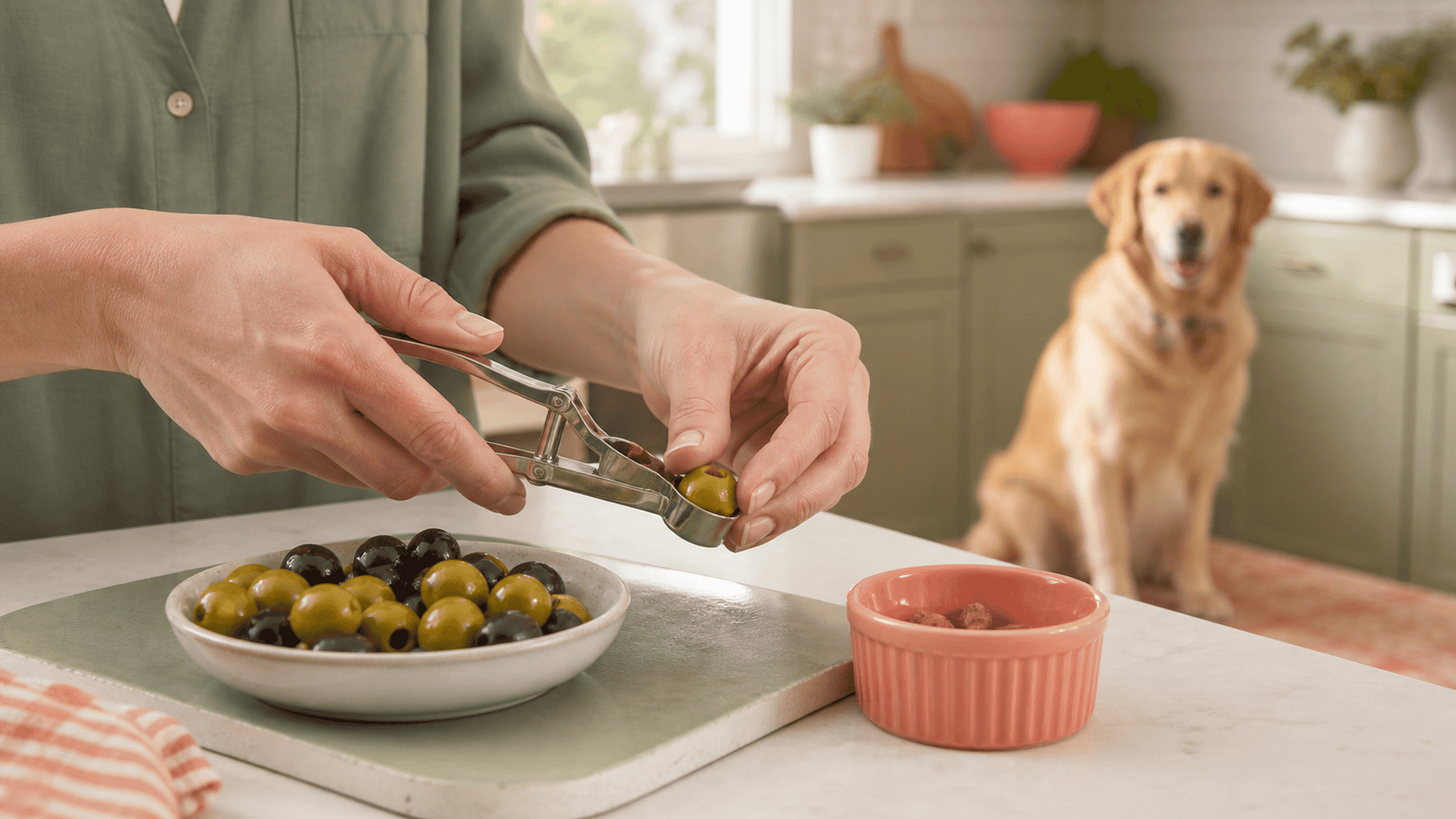
    Dog owner removes pits from olives while a golden retriever waits in the background

    An olive pit is not a poison, but it is hard and non-digestible. Like other swallowed foreign objects, it may become lodged in the stomach or intestines. Foreign-body problems can cause vomiting, loss of appetite, abdominal pain, dehydration, or diarrhea. [1]

    A pit may pass without trouble, especially in a larger dog, but you cannot predict that from appearance alone. Risk depends on the dog’s size, the number of pits, and whether signs develop. A swallowed pit deserves a prompt call for individual guidance.

    Sodium and Brine

    Many canned and jarred olives are packed with salt. One representative ripe-olive label lists 135 milligrams of sodium in a 15-gram serving, while a reduced-sodium version from the same manufacturer lists less. Labels vary, which is why the package matters. [2]

    Severe salt exposure can cause vomiting, weakness, diarrhea, tremors, and seizures in dogs. Fresh water and the amount consumed affect the risk, so a salty olive is not automatically a poisoning emergency. It is still a poor choice for routine sharing. [3]

    Added Ingredients

    Garlic, onion, chives, and leeks belong to the Allium family. Raw, cooked, dehydrated, and concentrated forms can damage red blood cells in dogs, and signs may not appear right away. [4] Stuffed or seasoned olives also may contain cheese, spicy peppers, rich oils, or unfamiliar flavor blends that are unnecessary for your dog.

    Read the complete ingredient list. A pimento by itself is not the same as a garlic-stuffed olive, but a mixed filling or marinade can contain several ingredients that change the risk.

    Alcohol

    Martini olives and olives taken from an alcoholic drink should stay off your dog’s menu. Alcohol is absorbed quickly and can cause vomiting, poor coordination, lethargy, tremors, breathing problems, seizures, or worse. [5]

    Quantity and Digestive Upset

    Even when an olive is plain and pitted, eating many at once can upset a dog’s stomach. If your dog has a sensitive stomach, even a small amount may trigger digestive upset. This is one reason a tiny test taste makes more sense than a bowl of leftovers.

    What Should I Do If My Dog Ate an Olive?

    If It Was Plain and Pitted

    If your dog ate one plain, pitted olive and is acting normal, remove the remaining olives, offer fresh water, and watch for digestive upset. Check the package again to be certain there was no garlic, onion, alcohol, or heavy seasoning.

    If Your Dog Swallowed a Pit

    Call your veterinarian or an animal poison resource for advice based on your dog’s size, the number of pits, and the time of ingestion. Do not try to make your dog vomit unless a veterinary professional specifically tells you to do so.

    Seek prompt care if you notice repeated vomiting, loss of appetite, abdominal pain, diarrhea, dehydration, or marked lethargy. Those signs can occur when a foreign object does not pass normally. [1]

    If It Was Seasoned, Stuffed, or Soaked

    Save the container or take a photo of the ingredient list. Note what your dog ate, how much may be missing, when it happened, and your dog’s approximate weight. Call promptly if the product contained garlic, onion, alcohol, or another ingredient you cannot identify.

    If Your Dog Ate a Large Amount or Has Concerning Signs

    Contact a veterinarian or animal poison resource if a large amount is missing or your dog develops repeated vomiting, weakness, tremors, poor coordination, unusual sleepiness, breathing changes, or seizures. [3][5] Give the product name and ingredient list so the advice can match the actual exposure.

    How to Offer an Olive More Safely

    If you choose to share an olive, keep it simple:

    • Choose a plain, pitted, unsalted olive with no stuffing, marinade, or seasoning.
    • Read the ingredient list every time. Products that look alike may be prepared differently.
    • Offer only a tiny test piece. There is no useful one-size-fits-all serving count.
    • Introduce one new food at a time so you can recognize digestive upset.
    • Skip olives when your dog has a sensitive stomach or an existing diet restriction. A simpler whole-food treat is easier.

    Do not let the idea of a human food being non-toxic turn it into a daily supplement. The goal is not to add as many foods as possible. It is to build a varied, biologically appropriate diet from foods that serve a clear purpose for your individual dog.

    Do Olives Offer Meaningful Health Benefits to Dogs?

    Olives contain fat and plant compounds, but that does not prove that an occasional olive produces a measurable health benefit in dogs. Human nutrition research and laboratory studies cannot be translated automatically into a canine feeding recommendation.

    For most dogs, an olive is simply an optional taste. It is not needed for skin, coat, heart, or immune health. If you want to improve your dog’s nutrition, the complete diet matters far more than one trendy ingredient.

    Better Whole-Food Treat Alternatives

    Simpler fresh foods are easier to prepare without hidden salt or seasonings. Depending on your dog’s needs and tolerance, options may include:

    Golden retriever beside cucumber, carrots, blueberries, pumpkin, and apple treat pieces
    • Cucumber pieces
    • Small pieces of carrot
    • Blueberries
    • Plain pumpkin
    • Apple pieces with the core and seeds removed

    Serve these foods plain and in bite-sized pieces. Introduce them gradually, especially if your dog usually eats a limited variety of foods.

    Final Thoughts

    Plain olive flesh is not the main worry for dogs. The pit, brine, added ingredients, alcohol, and quantity deserve more attention.

    Check the pit and ingredient label first. If the olive was plain, pitted, and unsalted, a tiny taste is usually the least complicated choice. If your dog swallowed a pit, ate a seasoned or alcohol-soaked olive, consumed a large amount, or developed concerning signs, get individualized guidance promptly.

    Frequently Asked Questions

    Can dogs eat black olives?

    Yes, a plain, pitted, unsalted black olive may be offered as a tiny occasional taste. Color is less important than the pit, sodium, and added ingredients.

    Can dogs eat green olives or pimento-stuffed olives?

    A plain green olive raises the same questions as a black olive. It should be pitted, unsalted, and free of risky additions. Pimento stuffing is not automatically the problem, but the full filling and seasoning list still needs to be checked.

    What if my dog swallowed an olive pit?

    Call for veterinary guidance based on your dog’s size, the number of pits, and when the ingestion happened. Watch for vomiting, loss of appetite, abdominal pain, diarrhea, dehydration, or marked lethargy. Do not induce vomiting unless a veterinary professional instructs you to do so.

    Are olives from a tree safe for dogs?

    First confirm that the tree is the culinary olive, Olea europaea. Other plants share the word olive in their common names. Whole fruit from a tree still contains a pit, so it should not be treated as a ready-made dog snack.

    References

    1. American College of Veterinary Surgeons. (n.d.). Gastrointestinal foreign bodies.
    2. Musco Family Olive Co. (n.d.). California ripe olives.
    3. Thompson, L. J. (2024). Salt toxicosis in animals. Merck Veterinary Manual.
    4. Hayes, C. (2024). Garlic and onion (Allium spp.) toxicosis in animals. Merck Veterinary Manual.
    5. Gwaltney-Brant, S. M. (2025). Toxicoses from alcohols in animals. Merck Veterinary Manual.
  • Why Is My Dog Pooping Hair? Hair In My Dog’s Poop

    Why Is My Dog Pooping Hair? Hair In My Dog’s Poop

    As a responsible dog owner, you probably keep a close eye on your furry friend’s behavior and health. So when you notice something unusual in their poop, like hair, it’s completely normal to be concerned. In fact, many dog owners have wondered why their dog pooped hair at some point in their pet’s life. There are many reasons why dogs may have hair in their stool, but before we dive into the causes and treatments, let’s first understand what dog hair is.

    dog pooping hair

    Understanding Dog Hair

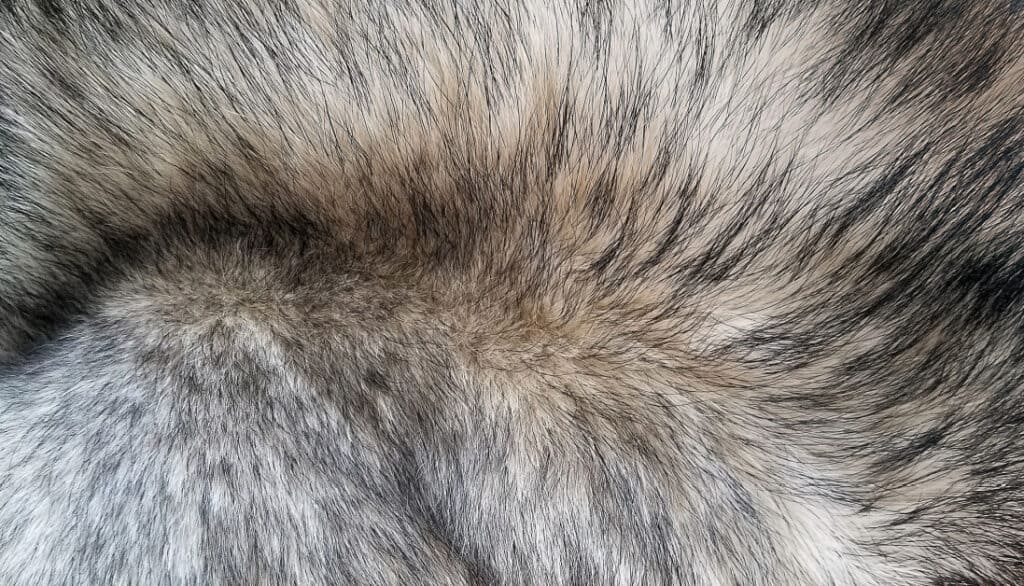
    Dog hair comes in different types and lengths depending on the breed. For example, a Golden Retriever has long hairs that are meant to protect them from water while swimming.

    On the other hand, pugs have short hairs that don’t offer much protection but help them regulate body temperature. All dogs have two types of hair: undercoat and guard hairs.

    Undercoat is soft and fluffy fur that helps keep them warm while guard hairs are long strands of stiff fur that protect the skin against external damage. Dogs shed their fur regularly as part of their natural growth cycle.

    Shedding is important because it helps remove old or damaged fur and make way for new growth. However, excessive shedding can cause dogs to ingest too much hair which could lead to the development of matted clumps or even serious health complications.

    In addition to shedding naturally, there are other ways for dogs to ingest too much hair such as if they groom themselves excessively or consume human hair lying around the house. Now that you know more about dog hair let’s dive into the main topic – why do some dogs poop out hair?

    Understanding Dog Hair

    The Different Types of Dog Hair

    When it comes to dog hair, there are several different types that you may see on your pooch. The first type is the undercoat, which is made up of short, fluffy hairs that help regulate a dog’s body temperature.

    Some breeds have double coats, which means they have both an undercoat and a topcoat of longer guard hairs. The second type of hair is known as guard hairs.

    These are the longer, coarser hairs that make up a dog’s outer coat. Guard hairs provide protection from the elements and can help deter insects and other pests.

    Some dogs also have whiskers or vibrissae. These are long sensory hairs typically found around a dog’s muzzle and are used to help them sense their environment.

    Shedding and How Much Hair a Dog can Lose in a Day

    All dogs shed to some extent, but some breeds shed more than others. For example, heavy shedders like German Shepherds or Huskies may lose large amounts of hair year-round, while breeds like Poodles or Bichon Frises shed very little. On average, most dogs will lose between 50-100 hairs per day.

    This may not sound like much until you consider how many dogs there are in the world! With so many pups shedding every day, it’s no wonder why we sometimes find clumps of fur all over our homes.

    However, excessive shedding can be a sign of underlying health issues such as allergies or hormonal imbalances. If you notice your dog losing more hair than usual or bald patches on their skin, it’s important to consult with your veterinarian to rule out any potential problems.

    Regular grooming can also help reduce shedding by removing loose hair before it has a chance to fall out on its own. Brushing your dog daily can also help distribute natural oils throughout their coat, keeping it healthy and shiny.

    Understanding the different types of dog hair and how much they shed is important for any dog owner. By knowing what to expect from your pooch’s coat, you can better prepare for the inevitable furry mess that comes with owning a dog.

    Causes of Hair in Dog Poop

    Where is that hair coming from?

    Do you ever look down at your dog’s poop and think, “Why is there so much hair in here?” It may be a mystery to you, but there are actually several possible reasons why your dog may be pooping out hair. One common reason is that they are ingesting their own fur during grooming.

    This happens because dogs don’t have the ability to spit out the hair like humans do when they get a hair in their mouth. Another cause of hair in dog poop is eating human hair.

    Dogs can be sneaky little scavengers and may eat anything they find laying around the house, including hair from brushes or clumps left on the floor. This can lead to an excess of hair being passed through their digestive system and ending up in their poop.

    Monitoring your Dog’s Behavior

    It’s important to keep an eye on your dog’s behavior to determine if they are ingesting too much fur. If you notice excessive grooming or licking, it could be a sign that they are consuming too much fur during the process. Additionally, if you notice any changes in their appetite or bowel movements, it could indicate an underlying health issue.

    You should also keep track of any changes in your dog’s diet as this can affect how much fur they shed and how often they groom themselves. A diet lacking in proper nutrients can lead to dry skin and increased shedding which means more fur for them to ingest.

    The Importance of Regular Grooming

    Regular grooming can also help prevent excessive amounts of fur being ingested by your pet. Brushing them frequently helps remove loose hairs before your dog has the chance to swallow them while grooming themselves later.

    If you have a long-haired breed like a Golden Retriever or a Cocker Spaniel, you may need to groom them more frequently to prevent mats from forming. These mats can trap dead hair and prevent it from being removed during normal grooming.

    The Role of Digestive Problems

    If your dog is consistently pooping out hair, it could indicate a larger issue with their digestive system. For example, if they are not digesting food properly or have an obstruction in their digestive tract, it can cause undigested fur to pass through with their stool.

    Other issues such as allergies or inflammation in the gut can also contribute to excessive shedding and hair in your dog’s poop. If you notice any concerning changes in your pet’s poop, be sure to consult with a vet to rule out any serious health problems.

    There are several possible reasons why your dog may be pooping out hair. From ingesting their own fur during grooming to eating human hair found around the house, it’s important to monitor your dog’s behavior and diet if you notice excessive amounts of fur in their poop.

    Regular grooming can also help prevent this issue from occurring in the first place. Remember that excessive shedding and hair in your dog’s poop could indicate a larger health concern so be sure to consult with a veterinarian if you notice any concerning changes.

    Health Concerns

    The Connection Between Excessive Hair in Dog Poop and Health Issues

    As a responsible pet owner, it’s important to keep an eye on your dog’s poop. Not only does it help you keep track of their digestive health, but it can also indicate underlying health issues. One such issue is the presence of excessive hair in your dog’s poop.

    If you notice that your furry friend is pooping more hair than usual, it could be a sign of gastrointestinal problems or allergies. Dogs with sensitive stomachs might struggle to digest certain types of food, leading to irritation and inflammation in their intestines.

    In severe cases, this could result in diarrhea or constipation accompanied by excessive hair in their poop. Allergies are another potential cause of excessive hair in dog poop.

    Just like humans, dogs can have allergic reactions to certain foods, environmental factors or even parasites like fleas or ticks. An allergy that affects the gut may cause irritation and inflammation within the digestive tract that can lead to an increase in shedding and hair excretion.

    The Importance of Consulting a Veterinarian

    If you notice any concerning changes in your dog’s poop such as blood or mucus along with excessive hair shedding, you should not hesitate to consult with a veterinarian for further examination. A vet will conduct tests to determine whether there are any underlying health issues contributing to this problem.

    They will also be able to provide treatment options once they identify what exactly is causing the issue. In many cases, dietary changes and medication are effective remedies for resolving gastrointestinal problems and allergies that may be causing your dog’s pooch problem with excess hair shedding.

    Other Health Issues That Can Result From Excessive Hair Shedding:

    Apart from diarrhea and constipation mentioned earlier as common effects when there’s too much hair coming out when your canine goes potty, there are other potential health problems to watch out for when this occurs over time. For example:

    • Hairballs: When hair accumulates in a dog’s stomach, it can form hairballs that can cause blockages in their intestines which can be fatal if left untreated.
    • Skin irritation: Dogs shedding too much hair may experience itchiness and discomfort brought about by skin inflammation. This can lead to other problems such as sores or infections if the affected areas are not well taken care of.
    • Dehydration: Excessive pooping with excessive hair shedding could lead to dehydration.

    This is especially true when your pet has diarrhea which results in frequent bowel movements that increase fluid loss. Excessive shedding of hair by dogs into their poop could be a sign of underlying health issues.

    It’s important to monitor your dog’s poop and seek veterinary advice should you notice any concerning changes like blood, mucus or frequency changes accompanied by excess shedding of fur in their stool. Consulting a vet early enough is key as they will help find the root cause and recommend appropriate treatments or preventatives necessary to keep your furry friend healthy and happy for years to come.

    Preventing Your Dog from Ingesting Too Much Hair

    As a responsible dog owner, you want to ensure that your furry friend is healthy and happy. One way to do this is by preventing your dog from ingesting too much hair.

    Here are some tips:

    • Regular Grooming – Regular grooming is essential for maintaining your dog’s coat and preventing excessive shedding. Brushing your dog’s fur every day will help remove loose hair before it has a chance to be ingested. Use a high-quality brush or comb that is appropriate for your dog’s coat type.
    • Proper Diet – A proper diet can also help prevent excessive shedding and the ingestion of hair in dogs. Make sure you are feeding your dog high-quality food that contains all the necessary nutrients for a healthy coat and skin.
    • Keep Your Home Clean – Keeping your home clean is important for both you and your dog’s health. Regularly vacuuming and dusting will help reduce the amount of loose hair in the air, which can be ingested by dogs.

    Treating Underlying Health Issues

    If you notice that there is an excessive amount of hair in your dog’s poop, it could be an indication of an underlying health issue that needs to be addressed. Here are some suggestions for treating these issues:

    • Gastrointestinal Problems – Gastrointestinal problems, such as inflammatory bowel disease or parasites, can cause excessive shedding and hair in the stool of dogs. If you suspect that this may be the case with your furry friend, consult with a veterinarian who can provide guidance on appropriate treatment options.
    • Allergies – Allergies are another common cause of excessive shedding and hair in the stool of dogs. If you suspect that your dog has allergies, consult with a veterinarian to determine the cause and appropriate treatment options.
    • Hairball Remedies – If your dog is prone to hairballs, there are over-the-counter remedies available that can help pass the hair through their digestive system. Consult with a veterinarian to determine which remedy would be best for your furry friend.
    • Surgical Intervention – In some cases, surgical intervention may be necessary to remove hair that has become lodged in your dog’s digestive system. This is typically reserved for extreme cases and should only be considered after consulting with a veterinarian.
    • Behavioral Modification – If you notice that your dog is excessively grooming or licking themselves, it may be a sign of anxiety or boredom. Behavioral modification can help address these underlying issues and prevent excessive shedding and ingestion of hair. By following these tips for prevention and treatment, you can help ensure that your furry friend stays healthy and happy for years to come!

    Conclusion: Taking Care of Your Furry Friend

    If you notice your dog pooping hair, don’t panic—it’s usually a sign of over-grooming, stress, or minor digestive issues, but it can also point to underlying skin or dietary concerns. By keeping your dog’s coat healthy, minimizing stress, and offering a balanced, species-appropriate diet, you can often reduce the problem naturally. However, if the behavior persists or you see other symptoms, consulting your holistic veterinarian ensures your pup gets the care and support they need for overall well-being.

    If your dog is showing unusual digestive changes, reach out to a trusted veterinarian near you. They can help uncover the underlying cause and guide you toward safe, natural solutions that support your dog’s long-term health and happiness.

  • Can You Use Saline Solution on Dogs? Expert Answers

    Can You Use Saline Solution on Dogs? Expert Answers

    Dogs are known for their notorious curiosity and keenness to explore new things. Often, they may get into scrapes that require medical assistance or first aid. If your furry companion experiences an eye infection or wound, using saline solution may be a viable home remedy to help cleanse and soothe their affected area. Saline solution, which is basically saltwater, can effectively remove debris from the eyes and wounds of dogs without any harmful side effects to the pup’s health.

    When dealing with minor irritations like conjunctivitis or scratches/punctures that may have foreign objects lodged underneath the skin, vets recommend using isotonic saltwater or balanced electrolyte mixture on dogs. These solutions either come pre-packaged or can be prepared at home by mixing sterile water with sodium chloride (table salt) at specific ratios. It’s essential to ensure that the saline solution does not contain additives like preservatives which could be hazardous to a dog’s health.

    saline solution used on dogs

    What is Saline Solution?

    Saline solution is a mixture of salt and water that is used to treat various medical conditions. It can be administered intravenously, topically, or inhaled. Saline solution can also be used in veterinary medicine to clean wounds or flush out debris from the eyes. Its function is to remove harmful substances and prevent infections through its antiseptic properties.

    When it comes to dogs, saline solution can be used as an effective and safe treatment option when prescribed by a veterinarian. However, it should not be used as a substitute for proper medical care.

    Can Saline Solution be Used on Dogs?

    To ensure your furry friend stays happy and healthy, you may be wondering if you can use saline solution on dogs. The answer is yes, but it is essential to understand the benefits and risks involved. In this section, we will explore both, including the benefits of using saline solution on dogs and the risks associated with using it improperly.

    Benefits of Using Saline Solution on Dogs

    Saline solution has become a popular alternative for treating various pet ailments and wounds. This accessible and budget-friendly fluid can provide many benefits in promoting the health of our furry friends.

    • Hydration: Saline solution can replenish liquids lost during illness or excessive outdoor activities.
    • Cleansing: Saline solution makes an excellent antiseptic that cleanses wounds, cuts, and debris as it moisturizes dry skin areas.
    • Eyes & Ears cleaning: Saline Solution gently removes dirt and grime from around your dog’s eyes without irritation or damage to the delicate tissues.

    Saline solution is safe to use for dogs when used in accordance with the veterinarian’s instructions. Its minimal side effects make it an effective option with various applications that every responsible dog owner should try!

    Risks of Using Saline Solution on Dogs

    Using saline solution on dogs may seem like a quick fix, but it’s essential to understand the risks involved. If not used properly, saline solution can irritate your pet’s skin or cause serious health issues. One of the main risks of using saline solution on dogs is that it can change the pH balance of their skin and lead to adverse reactions like dryness and itching.

    Additionally, frequent use of saline solution on your dog’s eyes can dilute the natural oils in their tear film. This reduction in lubricants can cause eye infections that may result in severe damage if left untreated. In some cases, the use of saline solution may also worsen existing medical conditions such as dermatitis, allergies or extreme dryness.

    How to Use Saline Solution on Dogs

    To use saline solution on dogs for wound care, cleaning and treatment, you need to know the right way. For effective use, this section, ‘How to Use Saline Solution on Dogs’ with sub-sections of ‘Preparing the Saline Solution, Cleaning the Wound or Affected Area, Administering the Saline Solution to Dogs’ as solution, provides you with the appropriate tips.

    Preparing the Saline Solution

    When it comes to administering saline solution on your dog, you need to ensure that the solution is appropriately prepared. Here’s a guide on how to properly prepare saline solution for your canine companion.

    1. Start by washing your hands and sanitizing all equipment.
    2. Measure out the correct amount of water needed based on your dog’s weight.
    3. Add the appropriate amount of salt to the measured water and stir until fully dissolved.
    4. Transfer the solution to a clean container and label it with the date and time of preparation.

    It is essential to use clean supplies when preparing the solution, as contamination can lead to infections in your dog. Additionally, be sure only to use saline solution that is specifically made for veterinary use. Improper preparation or usage can cause harm or discomfort for your pup.

    pug with superficial wound on neck

    Cleaning the Wound or Affected Area

    To properly clean wounds or affected areas on dogs, it is important to follow a specific process that ensures sanitary conditions and promotes healing. Start by preparing your saline solution, which can be made by dissolving table salt in water. Once the solution is prepared, follow these six steps for cleaning the wound or affected area:

    1. Put on gloves to avoid cross-contamination.
    2. Use a clean cloth to gently remove any debris or foreign objects from the wound.
    3. Soak a sterile gauze pad in the saline solution and apply it directly to the affected area.
    4. Gently wipe around the edges of the wound with another sterile gauze pad soaked in saline solution.
    5. Use a fresh gauze pad to continue applying saline solution until the area is thoroughly cleaned.
    6. Pat dry with a clean towel.

    It’s important to repeat this process two to three times per day until the wound has healed or resolves, checking for signs of infection along the way and replacing any bandages as needed. Additionally, if you notice any unusual symptoms such as excessive swelling, redness, pus-like discharge, or if your dog seems to be in pain, seek veterinary care immediately without delay.

    Administering the Saline Solution to Dogs

    To effectively provide your furry friend with saline solution, it is important to understand the proper method of administration. Here’s a concise guide on how you can administer saline solution to your dog.

    1. Gather necessary items such as sterile saline solution, cotton balls or gauze, and treats.
    2. Position your dog in a comfortable position where its head is level with its body.
    3. Gently flush out dirt or debris from the eyes using a cotton ball soaked with the saline solution.
    4. Apply the saline-drenched gauze pad onto any wounds on your dog’s body requiring cleansing and let it stay for 5-10 minutes.
    5. Gently pat dry the applied area with a clean towel or cloth.
    6. Reward your pup with treats for their cooperation during the process.

    Ensure that the saline solution used on dogs contains 0.9% sodium chloride concentration and no other additives, tampering with which could lead to complications and health risks for your companion animal.

    administering saline to dogs

    When to Use Saline Solution on Dogs

    To address various health concerns of your furry friend, use saline solution on dogs. Dehydration, eye infections or irritations, cleaning wounds, nasal congestion, and ear infections are some of the most common reasons to use saline solution on your canine. Let’s examine each benefit in detail to ensure that you can take care of your dog’s health with confidence.

    Dehydration

    A canine’s lack of sufficient water and essential nutrients is termed as a condition of diminished fluid levels in the body. This medical situation makes your dog feel lethargic, weak, parched, and thirsty.

    To counteract dehydration in your dog, first pay attention to their symptoms such as dry mouth, sunken eyes, and the elasticity of skin texture; then use various remedies like offering fresh water sources or electrolyte solutions to hydrate them. Additionally, Saline supplementation has also shown promising results in fighting dehydration.

    When using saline for dogs, make sure you stick to the appropriate dosage level aligned with your veterinarian’s instructions. Avoid giving them too much saline, which could result in extreme thirst or even edema. Monitor their reaction carefully and address any concerns with your veterinarian.

    In more severe cases, veterinarians will administer saline solution to your dog subcutaneously (under the skin). This is a great way to quickly rehydrate your pup and get them feeling better. Keep in mind, this should only be done by a veterinarian or under the direct supervision of a veterinarian.

    Using several preventative measures also helps decrease the possibility of dehydration occurring in dogs. These include providing a consistent supply of clean drinking water at all times, walking pets during hot temperatures, while considering the age and breed of your pet.

    dog getting sq fluids

    Eye Infections or Irritations

    For dogs experiencing discomfort due to eye infections or irritations, saline solution can help alleviate symptoms. Saline solution is a gentle and effective way to flush out any debris or bacteria that may be causing the issue. It is important to note that saline solution should only be used for minor irritation or as directed by a veterinarian. In severe cases, it is important to seek professional medical attention for your furry friend.

    Using saline solution on dogs suffering from eye infections or irritations can help reduce redness and inflammation while promoting healing. Simply apply the solution using a clean washcloth or sterile gauze pad and wipe gently around the eye area. Be sure not to touch the eyeball directly as this can cause further irritation.

    It is important to monitor your dog’s symptoms and seek immediate veterinary care if they worsen or do not improve with at-home treatment solutions like saline. Eye infections and irritations can progress quickly if left untreated, potentially leading to more serious health issues in your pet.

    Remember to always consult with your veterinarian before administering any treatment to your dog’s eyes and follow their instructions carefully. With proper care and attention, you can help keep your pup’s eyes healthy and happy.

    cleaning dog wound with saline

    Cleaning Wounds

    For effective wound care, the use of saline solution on dogs is highly beneficial. This ensures that the wound is cleaned thoroughly without causing harm or irritation to your furry friend’s skin. Saline solution is a mild and sterile liquid containing salt and water, used to flush out wounds while removing debris such as dirt and bacteria that can hinder healing.

    When cleaning wounds with saline solution on dogs, it is important to follow specific guidelines. First, ensure that the wound is free from any pollutants by removing any excess hair surrounding the injured area. Next, clean the area with a small amount of saline solution by gently dabbing the surface with sterile gauze pads. Finally, pat dry the cleaned areas and apply dressing if necessary.

    Nasal Congestion

    When dogs experience stuffy noses, it is often accompanied by an excess of mucus and difficulty breathing. Addressing this issue can be done by using Saline Solution, which helps to moisturize nasal passages and loosen up mucus. Additionally, saline solution helps rinse out irritants, like allergens or bacteria, that may be causing the congestion.

    Using a saline solution on dogs is relatively straightforward. A dropper or syringe can be used to administer the solution into each nostril. This process should be done carefully and slowly to avoid causing discomfort or alarm in the dog.

    It is important to ensure that the saline solution used is specifically formulated for use on pets as solutions meant for human use may contain preservatives that are harmful to animals. Furthermore, while Saline Solution can ease nasal congestion in dogs, it may not work for all cases and underlying causes of congestion should always be investigated to treat any potential infections or allergies.

    dog ear drops saline

    Ear Infections

    For canine ear issues, saline solution is a useful remedy. It can help to maintain the hydration and pH levels of the ear canal while also cleaning it. This method is particularly effective when cleaning out dirt, wax and debris present in your pet’s ears.

    When dealing with ear infections, it’s important to understand what kind of issue you’re dealing with before using saline solution as a treatment. Saline may not be suitable for treating all kinds of ear issues. For instance, if an infection has already set in, saline alone may not be sufficient to resolve the issue. In such cases, consulting a veterinarian and seeking medication might be necessary.

    To prevent canine ear problems, pet owners should maintain proper grooming habits for their dogs including regular ear cleaning. It is best to use sterile saline solution for this purpose as other methods or products such as hydrogen peroxide can cause further damage if used incorrectly.

    What to Consider Before Using Saline Solution on Dogs

    To ensure that you use saline solution on dogs safely, this section provides you with three sub-sections as a solution. Consult with a veterinarian before administering saline solution to your dog, use only sterile saline solution, and monitor your dog’s reaction to the saline solution.

    Consult with a Veterinarian

    As with any medical intervention, seeking professional advice is always recommended before administering any treatments to your furry friend. It is imperative to consult a licensed veterinarian for all veterinary healthcare needs. Seeking professional input can provide critical information about dosing, frequency of treatment, and even potential side effects. With their extensive knowledge and expertise in animal medicine, veterinarians are an essential resource for ensuring the health and well-being of your pup.

    In addition to providing essential medical guidance, veterinarians can also recommend sterile saline solution brands that are safe for use on dogs. Not all saline solutions marketed towards humans may be appropriate or safe for canine use. Veterinarian-recommended saline solutions will follow industry safety standards and have been deemed suitable for canine use by licensed practitioners.

    It is also important to note that not all pet conditions can benefit from saline solution treatments. For example, dry eyes in dogs caused by naturally occurring factors may not improve with saline solutions and would require a different form of treatment. Therefore, it is vital to seek professional veterinary input before attempting any new treatments on your dog.

    dog nose drops saline

    Use Only Sterile Saline Solution

    Using sterilized saline solution is crucial for the overall care of dogs. Not only is it safe, but it also helps to prevent potential infections. Sterile saline solution should be used to clean wounds and prevent inflammation of eyes, ears or nasal passages.

    It is imperative to take precautions when choosing a type of saline solution as some types may contain additives that can harm dogs. It is best to consult with a veterinarian before using any type of solution on dogs.

    In addition, it is important to ensure that the saline solution is disposed of properly after usage. Used solutions should not be reused and must be disposed of in a way that does not pose any risk to the environment or other animals.

    Remember to only use sterile saline solutions and avoid using homemade solutions which could cause harm to your dog’s health. Taking these small steps will ensure that your pet receives the best care possible.

    Monitor Your Dog’s Reaction to the Saline Solution

    After using the saline solution on your dog, it is essential to closely observe their response. Checking for any adverse reaction is key to ensuring your dog’s safety and good health. Not monitoring them afterward could result in undesirable outcomes.

    To monitor your dog’s reaction to saline solution:

    1. Observe your dog’s behavior after administering the saline solution.
    2. Check for any signs of discomfort or allergic reactions such as hives, itching, and excessive licking or scratching.
    3. Look out for inflammation, redness, discharge or swelling on the site where you applied the saline solution.
    4. Take note of any respiratory distress symptoms such as breathing difficulty, wheezing, coughing or panting.
    5. If you notice any negative reaction, contact a veterinary medical professional right away.
    vet with boston terrier

    Conclusion

    The use of saline solution on dogs is generally safe and effective for a range of issues. It can help soothe dry eyes, clean wounds, and flush out debris from the nose or ears. Care should be taken to use the appropriate concentration and delivery method, such as a dropper or spray bottle. In some cases, consulting with a veterinarian before administering saline solution may be recommended.

    Frequently Asked Questions

    1. Can I use saline solution on my dog’s eyes?

    Yes, saline solution is safe to use on your dog’s eyes. It can be used to clean their eyes or flush out any debris.

    2. Can I use saline solution on my dog’s ears?

    Saline solution can be used to clean your dog’s ears, but only if it is recommended by your vet. It should not be used as a treatment for any ear infections or conditions.

    3. Can I make my own saline solution for my dog?

    It is not recommended to make your own saline solution for your dog. The concentration of salt and water needs to be precise to ensure the solution is safe and effective. It is best to purchase a pre-made solution from a reputable source.

    4. How do I apply saline solution to my dog?

    You can apply saline solution to your dog by using a sterile dropper or syringe. Gently squeeze a few drops into the affected area and then use a clean cloth or cotton ball to wipe away any excess solution.

    5. Can saline solution be used to treat cuts or wounds on my dog?

    Saline solution can be used to clean cuts or wounds on your dog, but it is important to seek veterinary care if the wound is deep or if there is excessive bleeding.

    6. Is it safe to use saline solution on a pregnant dog?

    Saline solution is generally safe to use on a pregnant dog, but it is best to consult with your vet before administering any treatment.

  • Can You Use Witch Hazel On Dogs? What Is It Used For?

    Can You Use Witch Hazel On Dogs? What Is It Used For?

    Witch Hazel is an astringent derived from the bark and leaves of the Witch Hazel plant. It has been used for centuries in traditional medicine due to its anti-inflammatory, antiseptic, and pain-relieving properties. Witch Hazel is commonly used to treat skin conditions such as acne, eczema, and psoriasis. It can also be used to treat minor cuts, bruises, and insect bites due to its soothing effect on the skin. But can you use witch hazel on dogs?

    Witch Hazel can be used on dogs to clean wounds and soothe irritated skin. Its anti-inflammatory properties make it effective in reducing swelling and inflammation caused by insect bites or allergies. However, it should always be diluted before use, as pure Witch Hazel can cause irritation to their sensitive skin.

    Overall, when using Witch Hazel on dogs or humans, it is important to follow the manufacturer’s instructions carefully and consult with a veterinarian if any adverse reactions occur.

    Using witch hazel on dogs

    Benefits of Using Witch Hazel on Dogs

    Witch hazel, an astringent obtained from the bark and leaves of Hamamelis virginiana, has numerous benefits when used on dogs. Some of them are:

    • Eliminates Odor: Witch hazel is known for its ability to remove unpleasant pet odors. It removes excess oil and dirt from your dog’s skin and coat, leaving it smelling better.
    • Treats Insect Bites And Stings: Witch hazel is an effective natural remedy for insect stings and bites. Its anti-inflammatory properties help alleviate itchiness, swelling, and pain when applied topically on the affected area.
    • Cleans Wounds: Witch hazel is a natural antiseptic that cleanses wounds without causing further damage. It eases pain and inflammation while healing the wound quickly.

    Additionally, witch hazel can provide relief for hot spots, dry skin, and allergies in dogs without any side effects.

    Overall, witch hazel has many advantages when used on dogs due to its hypoallergenic qualities making it safe for almost all canines with little to no side effects.

    witch hazel on dogs

    Common Uses of Witch Hazel on Dogs

    To effectively utilize witch hazel on your furry friend, it’s crucial to understand its common uses. This section on “Common Uses of Witch Hazel on Dogs” with sub-sections on “Soothe Skin Irritations, Clean Wounds and Cuts, Ear Cleaning, and Flea and Tick Prevention” will provide you with the necessary knowledge to incorporate witch hazel safely and effectively into your dog’s healthcare routine.

    Soothe Skin Irritations

    Witch hazel has been used for centuries to alleviate skin irritations in humans and dogs alike. This natural astringent acts as an anti-inflammatory agent by constricting blood vessels, reducing swelling and itching, and calming irritated skin. Using witch hazel on your dog can help soothe hot spots, eczema, dermatitis, insect bites, and other skin issues. Its gentle properties make it an ideal remedy for sensitive areas such as the face and paws. When using witch hazel on your pet, dilute it with water to avoid any further irritation.

    Aside from its ability to calm skin irritations, witch hazel can also serve as a natural cleaning solution for your dog’s ears. Its anti-inflammatory properties make it effective in treating ear infections caused by bacterial or fungal growth . Simply soak a cotton ball in diluted witch hazel and gently clean the inside of your dog’s ear canal.

    It is worth noting that excessive use of witch hazel can have adverse effects on your pet’s health. Ingestion of this solution can cause vomiting, diarrhea, and other digestive issues. Therefore, it is crucial to use witch hazel sparingly and under veterinary guidance.

    cleaning wound with q-tip

    Clean Wounds and Cuts

    Witch hazel has become a popular natural remedy for various dog-related skin conditions. One of its common uses is to sanitize and disinfect cuts and wounds.

    To clean wounds and cuts with witch hazel, follow these 3 simple steps:

    1. Start by trimming the fur around the affected area, if necessary. This will prevent any stray hairs from entering the wound when cleaning.
    2. Gently wash the wound with an antiseptic soap and rinse thoroughly with warm water. Pat dry with a clean towel.
    3. Apply a small amount of witch hazel to a cotton ball or gauze pad and gently dab it onto the wound. Allow it to air-dry before covering with a bandage or dressing.

    Apart from cleaning wounds, it’s important to note that witch hazel also has anti-inflammatory properties that can help reduce swelling and soothe irritated skin. However, consult your vet before using it for any specific skin condition.

    person cleaning dog's ear with a q-tip

    Ear Cleaning

    Witch Hazel solution can be an effective way to clean a dog’s ears. It is a natural astringent that can help dry up any excess moisture, making it ideal for pets who swim regularly or have floppy ears. Here are some points on how to safely incorporate Witch Hazel in ear cleaning:

    • First, check for any signs of ear infections by examining your pet’s inner ears and smelling for any foul odors or discharge.
    • If everything looks healthy, moisten a cotton ball with Witch Hazel and gently wipe the inside of your dog’s ear flap.
    • Never insert anything into your dog’s ear canal as this could cause damage or discomfort.
    • For dogs with more significant ear issues, consult with your veterinarian before using any home remedies like Witch Hazel solution.

    It’s essential to stick to regular cleaning routines that keep your pet free of infections. Using Witch Hazel in moderation may help prevent these issues from arising. Remember not to overuse it and always monitor your furry friend while doing so!

    Flea and Tick Prevention

    Witch hazel has been known to act as a natural flea and tick preventative method for dogs. Here are 6 ways witch hazel can help to control parasites on your furry friend:

    1. Dilute witch hazel with water, so it becomes safe for direct application on the dog’s skin.
    2. Apply the solution on areas that fleas or ticks tend to occupy, such as the neck or behind the ears.
    3. Witch hazel acts as an astringent, which means that it will cause pores to contract. This helps by closing off locations where parasites may find entry into your pet’s skin.
    4. To increase efficiency, this treatment can be complemented with other natural remedies like diatomaceous earth powder and cedar oil.
    5. Witch hazel also works well in treating hot spots caused by scratching infested bites. It reduces inflammation and promotes healing.
    6. Since witch hazel helps improves coat health, applying it regularly can keep pests away.

    It is important to note that while witch hazel is a natural treatment solution, always consult with your veterinarian before starting any new treatment regime.

    Using Astringents

    Apart from controlling parasites, using astringents like witch hazel can also have other benefits for your canine companion. The topical application of these substances can clean and sterilize wounds from parasite bites; additionally, they improve the appearance of their skin and coat.

    In summary, holistic solutions that can benefit dogs include using natural astringents like witch hazel. In addition to its uses in parasite control, there are various additional applications for promoting overall wellness in pets.

    picture of witch hazel sitting on a bathroom sink

    Safety Precautions When Using Witch Hazel on Dogs

    When using Witch Hazel on dogs, certain safety measures need to be taken to avoid any harmful effects or potential risks. These precautions are essential to ensure your dog’s well-being and comfort.

    • Always dilute witch hazel before application.
    • Avoid contact with your dog’s eyes, nose or mouth.
    • Avoid prolonged use of witch hazel on the same area of the skin.
    • Consult a veterinarian before using witch hazel on dogs with skin allergies or other medical conditions.
    • Ensure your dog does not ingest witch hazel as it can be toxic in large quantities.

    It is important to note that Witch Hazel should only be used externally on dogs and should never replace prescribed medications from a veterinarian. While it can provide relief for various skin irritations, such as itching, inflammation and minor wounds, it does not treat underlying medical conditions.

    Though there are many natural remedies available for common pet ailments, always seek advice from a licensed veterinarian before applying any product onto your pet’s delicate skin. Your veterinarian can advise you on the proper usage and dosage for these remedies and offer advice on selecting safe alternatives if necessary.

    Frequently Asked Questions

    1. Can you use witch hazel on dogs?

    Yes, witch hazel is safe for dogs to use topically for skin irritations or cleansing wounds.

    2. What is witch hazel used for?

    Witch hazel is commonly used as a natural astringent to help soothe skin irritations, reduce inflammation and redness, and cleanse wounds.

    3. Can you use witch hazel on a dog’s itchy skin?

    Yes, using witch hazel on a dog’s itchy skin can help calm and soothe the irritation. However, it should not be used on open wounds or sensitive areas.

    4. How do you apply witch hazel to a dog?

    First, clean the affected area with a mild soap and warm water. Then, saturate a cotton ball or pad with witch hazel and gently apply it to the affected area. Do not allow your dog to lick or ingest the witch hazel.

    5. Are there any side effects to using witch hazel on dogs?

    In rare cases, dogs may have an allergic reaction to witch hazel. It is important to monitor your dog closely after applying and discontinue use if you notice any adverse effects.

    6. Can witch hazel be used as an alternative to veterinary care?

    No, witch hazel should not be used as a replacement for veterinary care. While it can be helpful for minor skin irritations, serious or chronic conditions require professional medical attention.

  • Can You Use Calamine Lotion on Dogs? A Vet Explains

    Can You Use Calamine Lotion on Dogs? A Vet Explains

    I would not use human calamine lotion as a routine itch treatment for a dog. A common current calamine formulation contains both calamine and zinc oxide, and dogs are very good at licking topical products off their skin. [1] A quick accidental lick is not the same as repeated or heavy ingestion, but I would still choose a dog-appropriate option instead.

    If you already put calamine lotion on your dog, do not panic. Stop further licking, check the exact product label, and remove excess lotion from the skin. The next step depends on what is in the product, how much your dog may have swallowed, and whether any symptoms develop.

    Why Zinc Oxide Matters

    Calamine lotion is made for people, and formulas are not all identical. One current U.S. OTC label lists calamine 8% and zinc oxide 8% and states that the product is for external use only. [1]

    Veterinarian and dog owner reviewing a calamine lotion label that lists zinc oxide

    The zinc oxide is the ingredient I pay closest attention to with dogs. According to the Merck Veterinary Manual, acute ingestion of zinc oxide products most often causes stomach irritation, vomiting, and diarrhea. More serious blood-cell damage is not expected from most single acute exposures, but repeated ingestion over days to weeks can cause intravascular hemolysis, which means red blood cells break apart inside the circulation. [2]

    That difference is important. A dog that gets one tiny lick from a treated spot is in a different situation from a dog that keeps licking zinc-containing cream off the skin several times a day.

    Published canine case reports show why repeated exposure deserves respect. One dog developed severe zinc toxicosis after ingesting large amounts of zinc oxide cream that had been applied repeatedly for about a week. [3] Another report described hemolytic anemia after a 40% zinc oxide diaper-rash cream had been used daily for one week. [4]

    I do not use those cases to make every small exposure sound like an emergency. I use them to explain why a human zinc-containing topical is not my first choice for a dog that may keep licking it.

    What to Do If Calamine Is Already on Your Dog

    If you discover that calamine has already been applied, I would keep the response simple:

    1. Prevent more licking while you check the product.
    2. Read the active ingredients on the exact bottle. Do not assume every pink lotion has the same formula.
    3. Wipe away excess product and gently rinse the area if needed.
    4. Pay attention to how much your dog could realistically have swallowed and whether exposure happened once or repeatedly.
    Owner gently removing calamine lotion residue from a Labrador front leg with a damp cloth

    If your dog swallowed a meaningful amount, chewed the bottle, has been repeatedly licking the product for hours or days, or develops vomiting, diarrhea, unusual weakness, pale gums, dark urine, or another concerning change, contact your veterinarian or an animal poison service for advice based on that specific exposure. Zinc-containing topical products can cause more than simple stomach upset when enough is ingested repeatedly. [2][3][4]

    What If My Dog Licked Calamine Lotion?

    A small incidental lick and repeated ingestion are not the same problem.

    With a single quick lick, the most likely concern is gastrointestinal irritation rather than severe zinc toxicosis. Merck notes that acute zinc oxide ingestion commonly causes vomiting or diarrhea. [2] I would still prevent more licking and check the label, especially if the product contains other active ingredients.

    Repeated licking changes the picture. When a zinc oxide product stays on a dog’s skin and the dog keeps ingesting it over days, zinc can accumulate enough to damage red blood cells. [2][3][4]

    This is one reason I prefer not to start with human calamine at all. If I am trying to soothe a dog’s skin, I want the treatment itself to create as few new problems as possible.

    Safer Ways to Soothe Mild Itching

    For a very small area of mild irritation, a cool damp cloth can be a simple first step while you figure out why the skin is itchy. If there is residue from another product on the skin, gently removing it is often more useful than layering another human lotion over the top.

    When a topical product is needed, I prefer one that is made and labeled for dogs and that fits the actual problem. Dry, intact skin needs something different from a wet hot spot, an infected lesion, a bite, or an open wound.

    I also avoid turning mild itching into a pile of creams, sprays, essential oils, and home remedies. More ingredients are not automatically better, especially on skin that is already irritated and easy for a dog to lick.

    When Itching Means Something More

    This is where a holistic approach becomes much more useful than simply trying to shut the itch down.

    Dogs itch for many reasons. Canine dermatology includes allergic skin disease, secondary bacterial or yeast problems, parasites, wounds, and other conditions that need different approaches. [5] A lotion that briefly cools the skin does not tell us why the itching started.

    Veterinarian examining a beagle paw to investigate recurring itching

    If the problem keeps returning, I want to look at the whole pattern. That can include diet, seasonal or environmental exposures, parasites, grooming products, moisture, friction, repeated licking, and the health of the skin barrier.

    A dog that licks the same paw every evening, develops recurring red skin between the toes, or repeatedly gets hot spots needs a different plan from a dog with one mild patch of dry skin after a windy week.

    Dry Skin and Simple Irritation

    Simple dryness is usually easier. If the skin is intact and only mildly dry or irritated, remove obvious triggers, protect the area from more rubbing or licking, and use a dog-appropriate moisturizer if needed.

    Allergies and Recurring Itch

    Recurring itch, especially with paw licking, ear problems, redness, or seasonal patterns, makes me think beyond a topical lotion. Covering the itch for a few hours can make the skin look calmer without changing the underlying trigger.

    Hot Spots, Infection, and Open Wounds

    A wet, painful, spreading, foul-smelling, draining, or open lesion is not a good place to experiment with human calamine. These problems need care that matches the actual condition rather than a general anti-itch product.

    Can I Use Calamine Lotion for Hot Spots, Dry Skin, or Insect Bites?

    For routine dog care, I would skip human calamine in all three situations.

    For a hot spot, I want to know whether the area is wet, infected, painful, or being driven by allergy or self-trauma. For dry skin, a dog-appropriate moisturizer makes more sense than a zinc-containing human lotion. For a simple insect bite, gentle cooling and preventing scratching may be enough while you watch the reaction.

    The important part is matching the response to the problem. Calamine was designed as a human skin protectant, not as a universal canine skin treatment. [1]

    Final Thoughts

    So, can you use calamine lotion on dogs? I do not recommend it as a routine treatment.

    Many current calamine products contain zinc oxide, and a dog can turn a topical exposure into an oral exposure simply by licking. A one-time small lick is very different from repeated ingestion, but there is little reason to create that risk when better dog-specific options exist. [1][2]

    If calamine is already on your dog, check the exact label, remove the excess, stop more licking, and judge the exposure by the ingredients, amount, duration, and your dog’s condition. If the itching keeps coming back, work on the cause rather than repeatedly covering the symptom.

    Frequently Asked Questions

    Is Calamine Lotion Safe for Dogs?

    I would not use human calamine lotion as routine dog skin care. A common current calamine formulation contains zinc oxide, and dogs may ingest topical products by licking them from the skin. [1][2]

    What If My Dog Licked a Small Amount of Calamine Lotion?

    A quick small lick is more likely to cause stomach irritation than severe zinc toxicosis, but check the exact product label and prevent more licking. Repeated ingestion over days is more concerning because zinc oxide can eventually damage red blood cells. [2]

    Can I Use Calamine Lotion on a Dog Hot Spot?

    I would not choose human calamine for a hot spot. Hot spots can involve moisture, inflammation, self-trauma, allergy, and secondary infection, so the care should match the cause and condition of the skin. [5]

    What Human Cream Can I Put on My Dog for Itchy Skin?

    I do not use a one-size-fits-all human cream for dog itching. Mild irritation may only need gentle cooling and protection from licking. Persistent or recurring itch needs a cause-based plan, and any topical product should be appropriate for dogs and for the specific skin problem.

    What Should I Do If I Already Put Calamine Lotion on My Dog?

    Prevent further licking, check the active ingredients, wipe away excess product, and monitor your dog. If a meaningful amount was swallowed, the exposure was repeated, or symptoms develop, contact your veterinarian or an animal poison service for individualized advice. [2]

    References

    1. DailyMed. (2026). Calamine and zinc oxide lotion. U.S. National Library of Medicine.
    2. Stern, L., & Brutlag, A. (2025). Toxicosis in animals from human topical agents. Merck Veterinary Manual.
    3. Siow, J. W. (2018). Zinc toxicosis in a dog secondary to prolonged zinc oxide ingestion. Open Veterinary Journal, 8(4), 458-462.
    4. Ambar, N., & Tovar, T. (2022). Suspected hemolytic anemia secondary to acute zinc toxicity after ingestion of “max strength” (zinc oxide) diaper rash cream. Journal of Veterinary Emergency and Critical Care, 32(1), 125-128.
    5. Tresch, M., Mevissen, M., Ayrle, H., Melzig, M., Roosje, P., & Walkenhorst, M. (2019). Medicinal plants as therapeutic options for topical treatment in canine dermatology? A systematic review. BMC Veterinary Research, 15, 174.
  • Can You Use Liquid Bandage On Dogs? Expert Answers

    Can You Use Liquid Bandage On Dogs? Expert Answers

    Ever wonder “can you use liquid bandage on dogs?” The short answer is yes. To keep your furry friend safe and healthy, you must take every precaution necessary. In order to address the issue of dog injuries, you may be wondering if liquid bandages are safe to use. To understand the use of liquid bandages on dogs, we will explore the properties of liquid bandages and how they work.

    Using liquid bandage on dogs

    Understanding Liquid Bandage

    The Functionality of Liquid Bandage in Treating Canine Wounds

    Liquid bandages are a fast-drying, waterproof adhesive that seals wounds. This wound covering functions as an antimicrobial barrier while promoting healing and preventing dirt from reaching the lower layers of the skin. The application makes it easy to access hard-to-reach areas that require protection. As a result, pet owners often opt for liquid bandage when dealing with their canine’s injuries.

    Using Liquid Bandage on Dogs

    The possibility of using liquid bandages on dogs is optimal for minor injuries and can be a temporary solution before consulting a veterinarian. It is important to ensure that your dog does not lick or chew on open wounds covered by liquid bandages because ingesting it could cause harm to them. Also, liquid bandage can only be used on surface-level wounds. It should not be used on deep or surgical wounds as they require veterinary attention.

    Unique Details

    Pet parents who choose to utilize liquid bandages appreciate its easy-to-use application method that needs no cutting or wrapping like traditional wraps or dressings. Moreover, various animal-specific brands offer products made exclusively for dogs that provide quick relief from bites and scratches. These options come in handy for many pet owners seeking immediate solutions for their pet’s ailments without having to schedule appointments with veterinarians or rush them into emergency care facilities.

    picture of white and black dog with a leg injury wrapped

    When Can Liquid Bandage Be Used on Dogs?

    To effectively treat your dog’s minor cuts and wounds, using liquid bandage can be an easy and efficient solution. Liquid bandage can also be used as an alternative to traditional bandages and cones. In this section, we will explore when it is appropriate to use liquid bandage on your dog and the benefits it provides.

    Treating Minor Cuts and Wounds with Liquid Bandage

    When dogs have minor wounds and cuts that need quick treatment, Liquid Bandage can be used as an effective solution. Ensuring proper application of this medical-grade glue-like substance on the wound’s surface. This will not only protect it from external contaminants but also aid in speeding up the healing process.

    Here is a 4-step guide to treating minor cuts and wounds using Liquid Bandage:

    1. Cleanse the wound with sterilized water and allow it to dry completely.
    2. Apply a single coat of Liquid Bandage evenly on the affected area.
    3. Let it air-dry for about a minute before applying another coat if necessary.
    4. Keep your dog calm and avoid any disturbance around the treated area while it completely dries up.

    It is essential to note that using Liquid Bandage should not replace proper veterinary care when your dog has severe injuries or deep lacerations. In situations where excessive bleeding, swelling, or infection is noticeable, seek professional veterinary assistance urgently.

    In summary, using Liquid Bandage to treat minor wounds and cuts in dogs can offer quick relief and protect them from further harm. Proper use can help prevent infection or scarring while promoting faster healing times.

    Liquid Bandage as an Alternative to Traditional Bandages and Cones

    Liquid bandage provides an alternative to traditional bandages and cones for dogs. This spray or liquid forms a protective layer on wounds, promoting healing. It saves your dog from the discomfort of wearing a cone or bulky bandages.

    Moreover, liquid bandage can be used for various dog injuries such as cuts, abrasions, lacerations, and surgery incisions. The product dries quickly and forms a waterproof seal to protect the wound from dirt and bacteria. Dog owners must check with their vets before using it on open or infected wounds.

    Importantly, it is essential to note that liquid bandage is not a substitute for veterinary care. If the injury appears severe or does not heal within a short time frame, seek professional medical attention immediately. Also, pet owners should monitor their dogs closely after applying the liquid bandage to prevent licking or chewing on the wound site which could damage it further.

    dog with cone and bandaged leg

    How to Use Liquid Bandage on Dogs

    To effectively use liquid bandage on your furry friend, it’s important to be prepared and know how to apply it properly. In order to do this with ease, equip yourself with the knowledge of the two sub-sections for this section: preparing your dog for liquid bandage application and applying liquid bandage on your dog.

    Preparing Your Dog for Liquid Bandage Application

    To ensure proper application of liquid bandage on your dog, it is crucial to prepare your furry friend adequately. This involves taking some necessary steps to make the process easy and efficient. Here’s how you can prepare your dog for liquid bandage application.

    1. Restraining your dog: Restrain your dog by placing them on a comfortable surface and holding them still. You can use an Elizabethan collar or a muzzle if needed.
    2. Cleaning the affected area: Clean the injured area by gently washing it with lukewarm water and mild soap. Then dry the area with a clean towel, taking care not to rub it vigorously
    3. Removing hair around the wound: Trim any long hair surrounding the wounded area. This may cause discomfort during the healing process.
    4. Securing loose skin: If there is loose skin around the affected area, stretch it out and secure it in place so that the skin is taut when applying liquid bandage.
    5. Warming up liquid bandage: Before use, hold the container of liquid bandage in warm water for about 10 minutes to warm it up for better application.
    6. Soothing distractions available: Lastly, have soothing distractions such as treats or toys nearby to keep your canine friend calm during application.

    It’s essential to check if your dog has any allergies before using specific brands of liquid bandages. The use of alcohol pad sterilizes the wound site before applying Liquid Band-Aid. This ensures maximum cleanliness level for maximum protection against infections.

    Applying Liquid Bandage on Your Dog

    Using Liquid Bandage for Canine Wounds

    Liquid bandage can be an effective solution in treating minor wounds and cuts on dogs. Below is a simple guide to help you apply liquid bandage correctly on your pet.

    1. Prepare the wound – clean any debris, dirt or hair from the affected area.
    2. Apply gentle pressure to stop bleeding.
    3. Apply liquid bandage – ensure the nozzle of the bottle doesn’t touch your dog’s wound and allow time to dry.
    4. Repeat process with another layer if required.
    5. Prevent your dog from licking the wound by monitoring him for a few minutes after applying the liquid bandage.

    It is important to remove any existing bandages or dressings before applying liquid bandage as it may reduce its efficacy to provide a protective barrier against infection. Always consult with your veterinarian before using liquid bandage to treat open wounds, deep cuts or larger lesions that might require further medical attention.

    poodle getting wound on nose cleaned

    Precautions When Using Liquid Bandage on Dogs

    Not Suitable for Deep or Infected Wounds

    When applying liquid bandage on your pet’s wounds, it is necessary to account for the severity of the injury. This method may not be appropriate for deeper or infected cuts as it could cause more harm than good. Applying the coating on these types of surface-level injuries only accelerates healing time and aids in overall recovery.

    Thus, it is critical to pay close attention to any warning signs of infection or severe wounds that require professional help. In such cases, liquid bandage should be avoided and a veterinarian should be consulted immediately.

    Before applying liquid bandage, ensure that the area around the wound is clean and dried properly. Additionally, make certain that your pet does not lick this medication off its wound as it could result in toxicity issues. Also avoid using human-grade products on pets unless advised otherwise by a qualified medical professional.

    Using Liquid Bandage on Sensitive Areas of Your Dog

    When applying liquid bandage on your furry friend’s sensitive areas, special care is required. Areas such as the paws, nose and ears may be prone to infection if not properly treated. It is important to first clean the area with an antiseptic solution and dry it thoroughly before applying the liquid bandage. Using a sterile applicator brush, apply a thin layer and wait for it to dry completely before allowing your dog to lick the area.

    It is also crucial to monitor your dog for any signs of adverse reactions, including excessive drooling, vomiting, or swelling at the application site. If you notice any of these symptoms or if your dog appears uncomfortable, seek veterinary attention immediately. For areas that are particularly sensitive or difficult to treat, such as the eyes or genital region, consult with your veterinarian before using liquid bandage.

    Overall, while liquid bandage can be an effective tool in treating minor wounds on your pet’s sensitive areas, it is important to use caution and follow proper application techniques to ensure a safe and effective outcome.

    picture of cocker spaniel running through the sand towards the camera

    Conclusion and Final Thoughts

    To conclude, liquid bandage can be a valuable tool for dog owners, with its benefits and drawbacks. However, when using liquid bandage on your canine, it’s crucial to consult your veterinarian before applying it to ensure it won’t cause any adverse effects. Overall, by having an open and honest discussion with your vet, you can determine whether liquid bandage is appropriate for your dog and use it safely.

    Liquid Bandage as a Useful Tool for Dog Owners

    The application of liquid bandage for dogs is a valuable tool that every dog owner should consider. It is a useful solution for minor cuts, wounds and abrasions in dogs. Additionally, instead of traditional bandages which can be uncomfortable and cause your furry friend to scratch at the wound, liquid bandages adhere quickly, dry instantly and are safe if ingested.

    Furthermore, as some breeds can have delicate skin, it is essential always to consult with a veterinarian to determine whether this type of bandage is suitable for your pet’s specific needs. Overall, liquid bandages are an effective tool that can save dog owners time and money by avoiding frequent vet visits when dealing with minor skin injuries.

    In addition to prevention of infection or further injury caused by scratching or licking wounds, liquid bandages provide a protective layer that contributes to faster healing times. By sealing out any dirt and bacteria while allowing moisture to escape from the wound, this allows the affected area to heal more efficiently than a traditional bandage ever could.

    Dog owners should also be aware that Liquid Bandages come in various forms; some are water-resistant and perfect for dogs who love the water while others contain antiseptic additives intended to disinfect the wound while healing. No matter what form you choose, liquid bandages for dogs provides pet owners quick and easy access to safe wound care products specifically designed for their pet’s delicate needs.

    Consult with Your Vet Before Using Liquid Bandage on Your Dog

    Liquid Bandage for Your Dog: Consult with a Vet First

    When considering liquid bandage application on your dog, speaking with a veterinarian beforehand is crucial. It’s important to ensure that the product is appropriate for your dog’s specific needs and won’t cause any adverse reactions or complications. Consulting with a vet can also help identify any underlying health issues that may require alternative treatment methods.

    The expertise of a vet can provide invaluable insight into the use of liquid bandages. They can offer specific recommendations for application based on your dog’s condition, breed, age, and overall health. Additionally, they may be able to provide guidance on potential side effects and how to manage them if they do arise.

    It’s always better to err on the side of caution when it comes to your pet’s health. While liquid bandage can be a useful tool in treating minor injuries or skin irritations, consulting with a vet before use should be considered standard practice.

    By being informed about the proper use of liquid bandage and seeking out the guidance of a professional veterinarian, you can ensure that your furry friend receives the best possible care.

    Frequently Asked Questions

    Q: Can you use liquid bandage on dogs?

    A: Yes, liquid bandage can be used on dogs for minor cuts and abrasions.

    Q: Is liquid bandage safe for dogs?

    A: Yes, liquid bandage is safe for dogs when used according to the instructions and in moderation.

    Q: Can liquid bandage be used on deep wounds?

    A: No, liquid bandage should not be used on deep or severe wounds as it may not be able to provide the necessary protection and may even delay proper treatment.

    Q: How long does liquid bandage take to dry on a dog’s wound?

    A: Typically, liquid bandage takes about 30 seconds to dry on a dog’s wound.

    Q: Does liquid bandage come off on its own or do I need to remove it?

    A: Liquid bandage eventually flakes off on its own as the wound heals. You do not need to remove it manually.

    Q: Can liquid bandage be used on other pets like cats?

    A: Yes, liquid bandage can be used on other pets like cats as well but it is recommended to seek advice from a veterinarian first.

  • Can Dogs Eat Veggie Straws? What You Need To Know

    Can Dogs Eat Veggie Straws? What You Need To Know

    Veggie straws have become increasingly popular among humans in recent years as a snack option. These crispy treats are marketed as a healthier alternative to traditional potato chips and other processed snacks. This makes them a popular choice for those looking to make healthier choices in their diet. Have you ever wondered “Can dogs eat veggie straws?” The short answer is no, dogs should not eat veggie straws.

    One of the main reasons for the popularity of veggie straws is their perceived health benefits. Made from real vegetables such as potatoes, spinach, and tomatoes, many people believe that they are getting essential vitamins and minerals while satisfying their cravings for something crunchy and salty.

    Another reason why veggie straws have become so popular is that they come in a variety of flavors. From classic sea salt to more exotic options like ranch or BBQ. There seems to be a flavor for everyone’s taste buds.

    veggie straws for dogs

    Can Dogs Enjoy Veggie Straws Too?

    With the rise in popularity of veggie straws among humans, it’s only natural that pet owners would wonder if their furry friends can enjoy this snack too. After all, dogs love crunchy snacks just as much as we do!

    However, the answer isn’t quite as straightforward as one might think. Veggie straws may seem like a healthy snack option because they contain vegetables. However, it’s important to remember that dogs have different nutritional needs than humans.

    When considering whether or not dogs can eat veggie straws, there are several factors to consider. For example, what are the ingredients in the veggie straws?

    Are there any potential health risks associated with feeding dogs processed snacks like these? In addition to these questions, it’s also important to consider how your dog’s digestive system may react to eating something like veggie straws.

    Some dogs may have no problem digesting them. Others may experience stomach upset or even vomiting if they consume too many processed snacks. Overall, while it may be tempting to share your veggie straws with your furry friend, it’s best to err on the side of caution and stick to dog-friendly snack options.

    picture of a pile of veggie straws on a black background

    Overview of Veggie Straws

    What are Veggie Straws?

    Veggie straws are a popular snack food that has gained popularity in recent years due to their crunchy texture and perceived health benefits. These snacks are typically made of a combination of potato starch, cornstarch, and vegetable powders like spinach, tomato, and beetroot. They are shaped like small tubes or sticks and often come in a variety of flavors.

    How are Veggie Straws Made?

    To make veggie straws, combine the ingredients to create a dough-like mixture for veggie straws. Then, feed this mixture into a machine, which extrudes it into small tubes or sticks. Finally, bake these snacks until they reach a crisp and crunchy texture.

    Nutritional Value of Veggie Straws

    One of the main selling points of veggie straws is their perceived nutritional value. While they do contain some vegetable powders, it’s important to note that they are still processed snack food. They should not be considered a replacement for fresh vegetables in your diet.

    That being said, some brands of veggie straws boast being lower in fat than traditional potato chips and may also contain less sodium. They may also contain vitamins like vitamin A or vitamin C from the vegetable powder ingredients.

    Potential Health Benefits for Humans

    There isn’t much research on the specific health benefits of eating veggie straws. Consuming more vegetables in general can have many positive health effects. Vegetables contain fiber which can aid digestion and help you feel full longer.

    They also provide important vitamins and minerals that your body needs to function properly. Some studies have also suggested that consuming more vegetables can help reduce your risk for chronic diseases such as heart disease, diabetes, and certain types of cancer.

    The Bottom Line

    Veggie straws may be a tasty and fun snack option. It’s important to remember that they are still processed food. They should not be relied upon as a primary source of vegetables in your diet. It’s always best to aim for fresh, whole vegetables whenever possible.

    That being said, if you’re looking for a crunchy snack that’s lower in fat and sodium than traditional potato chips, veggie straws could be an option worth considering. Just be sure to read the label and choose brands with simple ingredient lists and minimal added sugars or artificial flavors.

    veggie straws for dogs

    Can Dogs Eat Veggie Straws?

    The short answer is no, dogs should not eat veggie straws. While veggie straws may seem like a healthy snack option for humans, they are not nutritionally appropriate for dogs. In fact, feeding your dog veggie straws could potentially lead to health issues and complications.

    One of the main reasons why veggie straws are not suitable for dogs is that they are highly processed and contain ingredients that may be harmful to them. Many brands of veggie straws contain onion powder or garlic powder. Both of these are toxic to dogs in large quantities.

    Additionally, the high salt content in these snacks can be harmful to your dog’s health. This is true especially if they have kidney or heart problems. Moreover, although some ingredients in veggie straws may be safe for dogs in small amounts such as potato starch and cornstarch which have low nutritional value and low digestibility rate.

    Feeding your dog processed snacks like veggie straws can cause stomach upset. This includes diarrhea because their digestive system isn’t built for digesting human foods. While some people may argue that their dog has eaten veggie straws without any ill effects, it’s important to remember that every dog is different and may react differently to certain foods.

    Just because one dog was fine after eating a few stray pieces of veggie straw doesn’t mean that it’s safe or healthy for all dogs. If you’re looking for a snack option for your furry friend, there are plenty of healthier alternatives out there.

    While it may be tempting to share your favorite snack with your four-legged friend, it’s important to remember that not all human foods are safe for dogs. Veggie straws, in particular, are highly processed and contain ingredients that can be toxic to dogs.

    picture of veggie straws with a forbidden sign

    Potential Risks for Dogs Eating Veggie Straws

    Dangerous Ingredients in Veggie Straws

    Veggie straws are made from a combination of carrots, potatoes, and spinach. However, some manufacturers add additional ingredients to enhance the flavor or color of the snack.

    Some of these added ingredients can be harmful to dogs. For example, onion powder and garlic powder are often included in veggie straws to give them a savory taste.

    These ingredients can damage a dog’s red blood cells and cause anemia if ingested in large quantities. Another danger ingredient is salt.

    Most veggie straws contain a high amount of sodium which can lead to dehydration if consumed excessively by your pooch. Too much salt can also cause electrolyte imbalances which could lead to other health issues.

    Digestive Issues From Processed Snacks Like Veggie Straws

    Veggie straws are processed snacks that contain artificial flavors and colors. They also contain preservatives that help to extend their shelf life. Unfortunately, these additives may cause digestive issues such as diarrhea or vomiting in dogs with sensitive stomachs. Moreover, the high fiber content in veggie straws may be too much for some dogs to handle which could lead to bloating and gas.

    The Importance of Reading Labels Before Giving Treats

    It is important always to check the label before giving your dog any snack including dog treats or human food such as veggie straws. Some seemingly healthy foods may include dangerous substances that will harm your furry friend. Checking food labels allows you to note any harmful ingredients beforehand. This way you can avoid them entirely while buying snacks for your dog at home.

    Consulting A Veterinarian Before Introducing New Foods Into Your Dog’s Diet

    In case you’re unsure what type of treats are safe for your dog, or if you’re considering adding new food to their diet, it’s always best to consult with your veterinarian first. Your vet may suggest specific snacks or foods that are ideal for your dog’s specific dietary requirements depending on their age, breed, and activity level. Your veterinarian can also help you determine the appropriate serving size based on your dog’s weight and calorie needs.

    Veggie straws aren’t necessarily toxic to dogs but they could potentially cause digestive issues and contain harmful ingredients. Onion powder, garlic powder, and salt could lead to health complications if consumed excessively. When it comes to feeding dogs any human food or treats even those labeled healthy, it is always best first to consult with a veterinarian before introducing anything new into their diet.

    picture of dog chewing on a snack

    Alternatives to Veggie Straws for Dogs

    Dog-Friendly Snacks

    While veggie straws may seem like a healthy snack option for humans, they are not necessarily the best choice for our furry friends. However, there are plenty of other alternatives that can be just as tasty and even more nutritious for dogs.

    One great option is carrots. Not only are they low in calories, but they also contain vitamins and minerals that can benefit a dog’s overall health. Carrots are also great for promoting healthy teeth and gums due to their crunchy texture. Another alternative is green beans. These vegetables are rich in fiber and protein, making them an excellent source of nutrition for dogs. They also contain antioxidants that can help support a dog’s immune system.

    Other healthy snack options for dogs include apples, bananas, blueberries, and pumpkin puree. These snacks not only provide essential vitamins and minerals but also add variety to a dog’s diet.

    The Importance of Consulting with a Veterinarian

    Before introducing any new food into a dog’s diet, it is always important to consult with a veterinarian first. While some foods may seem harmless or even beneficial to us humans, they may pose potential risks or complications for our pets.

    For example, certain fruits such as grapes or raisins can cause kidney failure in dogs if ingested in large amounts. Additionally, some human foods may be high in fat or salt content which can lead to digestive issues or obesity in dogs.

    By consulting with a veterinarian before introducing new foods into their diet, pet owners can ensure that they are providing their furry friend with the proper nutrition while minimizing potential risks. While veggie straws may seem like an appealing snack option due to their crunchy texture and vegetable-based ingredients, they might not be the best choice for our dogs.

    Instead, opting for healthier, dog-friendly snacks such as carrots or green beans can provide our pets with the nutrition they need while reducing potential health risks. Remember to always consult with a veterinarian before introducing new foods into a dog’s diet to ensure their health and wellness.

    Conclusion: Can Dogs Eat Veggie Straws?

    After much discussion and analysis, the answer to the question “Can dogs eat veggie straws?” is: it depends. While veggie straws themselves are not inherently toxic to dogs, the ingredients they contain can be harmful if consumed in large quantities.

    Onion powder and garlic powder, two common ingredients found in veggie straws, can cause gastrointestinal distress and anemia in dogs. While it may be tempting to share your snack with your furry friend, it’s important to consider their nutritional needs and digestive system.

    Dogs require a diet that is high in protein and fat, while also containing essential vitamins and minerals. Veggie straws are a processed snack that lack many of these necessary nutrients.

    However, if you still want to give your dog a taste of veggie straws as a special treat, there are some precautions you can take. First, make sure that the particular brand of veggie straws you choose does not contain any potentially harmful ingredients like onion or garlic powder.

    Second, only feed them in moderation as an occasional treat rather than as a regular part of their diet. Overall though, there are many healthier alternatives for dog treats that offer more nutritional value such as carrots or green beans which provide fiber and vitamins without the risk of any harmful additives.

    When considering introducing new foods into your dog’s diet it’s always best to consult with your veterinarian first. They will be able to provide specific recommendations based on your dog’s individual needs and health history.

    While it is technically possible for dogs to eat veggie straws, there are certainly better snack options out there for our furry friends. By making informed decisions about what we feed our pets we can ensure they stay healthy and happy for years to come!

  • Can You Use Bactine On Dogs? Expert Answers

    Can You Use Bactine On Dogs? Expert Answers

    Medically Reviewed by: Dr. Candy Akers, DVM

    To ensure the safety and well-being of your furry companion, you might wonder whether it’s okay to use Bactine on dogs. The short answer is yes. This blog will provide you with the necessary information to make an informed decision with regards to your pooch’s health. We will explore what Bactine is and whether it is safe for dogs to use. Additionally, we will discuss the various factors you should consider before using Bactine on your furry friend.

    bactine used on dogs

    What is Bactine?

    Bactine is a topical liquid used to treat minor skin irritations and injuries. It contains lidocaine, which helps numb the affected area, and benzalkonium chloride, which acts as an antiseptic. While Bactine is typically used for humans, some pet owners have considered using it on their dogs.

    When it comes to using Bactine on dogs, it’s essential to tread with caution. While the product is safe for human use, pets can have adverse reactions to certain ingredients in the medication. Moreover, animals tend to ingest or lick medication off their fur, causing harmful side effects.

    Pet owners should consult a veterinarian before administering any medication or treatment on their pets’ injuries. A licensed vet can examine the condition and provide suitable treatments that won’t harm your furry friend’s health.

    Can Dogs Use Bactine?

    When it comes to using Bactine on dogs, caution is advised. While Bactine is safe for human use, its active ingredients may not be suitable for canines. The primary ingredient in Bactine is lidocaine which can be toxic for dogs if used excessively. Furthermore, the other ingredients such as benzalkonium chloride may cause skin irritation or allergic reactions in some dogs.

    It is essential to consult with a veterinarian before using any human medication on your dog. They will examine your pet and advise you on the best treatment plan based on factors such as age, weight, and medical history. Your vet may recommend using an alternative topical antiseptic or administering oral medication.

    In summary, never use Bactine on your dog without veterinary advice. While it is safe for humans, animals have different physiological systems that can react differently to certain chemicals. Always prioritize the health and well-being of your pet by seeking professional advice before trying any at-home remedies.

    Factors to Consider Before Using Bactine on Dogs

    When considering using Bactine on dogs, several factors need to be considered to ensure the safe application of this product. It’s important to carefully assess the situation and take appropriate measures before applying Bactine to a dog.

    Here are some important factors to consider before using Bactine on dogs:

    1. Consult with a veterinarian: Before administering any treatment or medication to your pet, it’s always crucial to seek advice from a qualified veterinarian.
    2. Check for allergies: Dogs can have allergic reactions to various products, including Bactine. Performing an allergy test is advisable before applying the solution on your dog.
    3. Read label instructions: Always read the label instructions before applying any topical solution like Bactine on your dog.
    4. Observe the wound severity: Bactine might not be suitable for some types of wounds; hence it’s essential to determine if it suits the specific needs of your pet.
    5. Proper application: Whether it’s an open wound or a slight injury, proper application should be observed when using Bactine. Apply it in the recommended amount and frequency indicated in the label instructions.

    Additionally, while using Bactine on dogs is possible, you should note that human drugs should not replace veterinary care. Regular visits to veterinarians are crucial to maintaining good health and identifying potential medical concerns early.

    How Does Bactine Work on Dogs?

    To understand how Bactine works on dogs, you need to know its three primary benefits: antiseptic, anesthetic, and pain relief. Applying Bactine on dogs can help you prevent infections, numb skin, and alleviate pain.

    Bactine as an Antiseptic

    Bactine is a powerful antiseptic that can be used on dogs to treat minor cuts, wounds and skin irritations. The active ingredient in Bactine is benzalkonium chloride, which kills bacteria and other harmful pathogens on contact. When applied to the affected area, Bactine quickly reduces pain and inflammation while accelerating the healing process. Its ability to clean and sterilize the wound makes it an effective solution for preventing infection.

    Bactine also contains lidocaine hydrochloride which provides immediate relief from pain and itching. This unique combination of active ingredients makes Bactine a highly effective treatment for minor skin irritation in dogs. It’s important to note that Bactine should not be used on deep wounds or puncture wounds as it may lead to further complications.

    When using Bactine on dogs, it’s important to follow proper application techniques and dosage guidelines. It should only be used externally, avoiding contact with the eyes and mouth of the dog. Additionally, it’s essential to check your dog’s condition regularly after applying Bactine to ensure there have been no allergic reactions or adverse side effects.

    Bactine as an Anesthetic

    Bactine has a numbing effect on dogs due to its anesthetic properties, which work by blocking nerve signals. This allows for pain relief and alleviates discomfort in dogs. Using Bactine on open wounds or injuries can also help prevent infection, as it contains antibacterial properties that help kill harmful bacteria. Additionally, Bactine is gentle enough to use frequently while still being effective, making it a versatile tool in managing dog injuries and discomfort.

    Bactine as a Pain Reliever

    Bactine acts as an effective pain reliever for dogs through its active ingredient, benzalkonium chloride. This disinfectant and topical analgesic work by blocking nerve signals responsible for transmitting pain. Its fast-acting properties provide immediate relief to minor cuts, burns, and insect bites, preventing dogs from constantly gnawing or licking the affected area.

    Additionally, Bactine helps prevent infection by killing harmful bacteria on contact without stinging or causing further discomfort to animals. Its versatility and safety make it a popular choice among pet owners in managing their furry companions’ minor injuries.

    bactine on dogs

    Is Bactine Safe for Dogs?

    To ensure the safety of your furry companion, you need to know whether Bactine is safe for dogs. In this part, you will find all the answers to your queries regarding the usage of Bactine on dogs. We’ll be discussing the potential risks of using Bactine on dogs, and when to avoid using Bactine on dogs to keep your pet healthy.

    Potential Risks of Using Bactine on Dogs

    Bactine on Dogs: Potential Risks and Precautions

    The use of Bactine on dogs may pose several potential risks that pet owners should be aware of. This antiseptic spray contains benzalkonium chloride, which can cause skin irritation, allergic reactions, and toxicity if ingested by dogs.

    Here are some possible risks to consider:

    • Allergic Reactions: Benzalkonium chloride can trigger an allergic reaction in some dogs that may manifest as itching, redness, hives or swelling.
    • Skin Irritation: Bactine may cause skin irritation and redness that could be painful for the dog. It can also dry out the skin over time.
    • Toxicity: If your dog licks or swallows Bactine, it can lead to stomach upset, vomiting, diarrhea or even poisoning.
    • Infection Spread: If you use Bactine to treat open wounds, it may have adverse effects on wound healing. The disinfectant nature of Bactine removes both good and bad bacteria from the wound site making room for further infections.
    • Overdependence on Antiseptics: Overuse of antiseptics like Bactine may hamper a dog’s natural immunity system – especially when used on small cuts. This reliance could weaken your dog’s natural capability to fight infections.

    It is important to note that every situation is unique, and what works well for one dog might not be suitable for another. Always consult your veterinarian before administering any medication or treatment to your pet.

    In summary, while use of Bactine antiseptic spray on dogs can help sanitize them, this product poses several potential risks that should not go unnoted unless consulting professional consultation has been made beforehand.

    When to Avoid Using Bactine on Dogs

    Using Bactine spray or ointment can help alleviate pain and prevent infections in pets. However, there are certain situations where it’s not recommended to use the product. Here is a 3-step guide describing when to avoid using Bactine on dogs.

    1. Avoid using Bactine if your dog has an open wound that is bleeding profusely. Bactine can make blood clotting more difficult, causing more harm than good.
    2. Adversely, do not apply Bactine if the wound is too small and completely healed; spraying unnecessary chemical substances onto your furry friend’s skin may do more bad than good.
    3. If an allergic reaction or rash occurs after applying the product, stop its use immediately and reach out to a vet for further advice.

    It’s essential to note that dosing guidelines given by licensed veterinarians must be followed when applying any medicine/supplement/spray/ointment on your pet – taking care of our furry friends’ wellbeing should always be prioritized.

    Alternatives to Bactine for Dogs

    To find solutions for wounds on your furry friend, explore alternatives to Bactine for dogs with natural remedies, antiseptic solutions, and seeking advice from a vet. These sub-sections offer options for keeping your dog’s wound clean and promoting healing while avoiding potential side effects of Bactine or unsuitable alternatives.

    Natural Remedies for Wound Care on Dogs

    Wound care is essential to ensure your furry friend’s speedy recovery. Pet owners may consider replacing traditional treatment options with natural remedies for effective wound care. These remedies can aid in treatment, reduce pain and eliminate the risk of infection.

    • Herbs such as calendula and comfrey can be brewed into a tea and applied to wounds directly.
    • Honey has healing agents that are anti-inflammatory and antibacterial.
    • Aloe vera gel has therapeutic properties and can cool the skin while treating wounds.

    Using natural remedies is an effective alternative to traditional antibiotics as it eliminates potential side effects caused by harsh chemicals. However, it is important to understand that severe cases warrant professional veterinary attention.

    Pet owners should exercise caution and diligent care when treating their pets’ wounds as they need time to heal properly without interruption. If done correctly with the use of natural remedies, your loyal companion will soon regain its health and well-being.

    picture of first aid bags laying on table

    Other Antiseptic Solutions for Dogs

    For pet parents, it’s crucial to know the best antiseptic solutions to treat their furry friend’s wounds and injuries. Apart from Bactine, there are a few other antiseptic solutions that can help dog owners heal minor cuts and scrapes at home.

    Here are some of them:

    • Betadine Solution: This is an effective antiseptic solution that works well against bacteria, fungi and viruses. With its strong antimicrobial properties, Betadine is useful in treating insect bites, hot spots and minor wounds.
    • Chlorhexidine Solution: Chlorhexidine’s broad-spectrum disinfectant properties make it an excellent choice to treat superficial cuts, abrasions, and skin infections. It can also be used as a mouthwash to improve overall oral hygiene.
    • Hydrogen Peroxide: This mild antiseptic solution can be used safely on dogs when diluted with water in the right quantity. When applied topically, hydrogen peroxide releases oxygen that helps kill bacteria and clear debris from the wound.
    • Povidone Iodine Solution: Another great alternative to Bactine, this powerful yet cost-effective antiseptic is often recommended by veterinarians for treating open bruises or puncture wounds. Povidone iodine solution effectively eliminates common germs like staphylococci.
    • Witch Hazel Solution: With anti-inflammatory effects and astringent properties, witch hazel holds benefits for both humans and animals alike. It cools down skin irritations quickly while reducing redness and swelling in one go.
    • Saline Solution: Saltwater or saline solution makes a simple but effective natural cleanser for lacerations. A little salt dissolved into lukewarm water creates an environment where germs may not thrive easily.

    When choosing the best antiseptic solution for your dog, always check with a vet or animal health specialist first. It’s not uncommon for untreated wounds to develop complications like infection or sepsis, which can lead to severe health risks. Therefore, it is advised that you take medical consultation before trying any of these remedies.

    picture of dog on exam table with vet

    Consulting a Vet for Suitable Alternatives

    When looking for alternatives to Bactine for dogs, it is essential to seek guidance and recommendations from a veterinary professional. Suggestions from vets can ensure that the used product will not cause harm or interfere with existing medication. Speaking with a vet aids in receiving proper guidance on suitable wound care products.

    Vets recommend consulting for available topical based treatments that have been approved by veterinary authorities. A vet may suggest treatment options, such as betadine, antibacterial sprays, or even medicated shampoos depending on the nature of the wound and its severity. These treatment alternatives can help heal wounds while inhibiting bacterial growth and reducing infection risks in dogs.

    Paying attention to individual pet requirements is vital when exploring different product substitutes for Bactine. A veterinarian can give specific advice on what ingredients may be harmful to specific dog breeds. By discussing symptoms and signs of allergies or adverse reactions to particular substances beforehand, owners can receive recommendations on suitable alternative products that best cater to their dog’s needs.

    Tips for Proper Wound Care on Dogs

    To care for your furry friend’s wounds appropriately, you need expert tips on wound care with Bactine. In order to heal your dog’s wounds without complications, you must start by cleaning the wounds. You also need to use appropriate wound products and take preventive measures for wound infections.

    Cleaning of Wounds

    To maintain the health of an injured dog, proper hygienic measures must be followed. One of the essential steps is the adequate cleaning of wounds to avoid possible infections and complications.

    To clean the wound effectively, follow these four steps:

    1. Take some warm water and dilute an antibacterial soap as per instructions.
    2. Gently pour the solution onto the affected area and allow it to soak in for a minute or two.
    3. Rinse well with clean water and pat dry with soft cloth or gauze.
    4. If necessary, apply antiseptic cream or ointment recommended by a veterinarian.

    Apart from these basic measures, it is crucial to understand that not all wounds can be appropriately treated at home. Seek veterinary care if there are signs of excessive bleeding, swelling, foul odour, redness or discharge from the injury site.

    Infections are more common in deep or puncture wounds than in surface cuts. Therefore, do not neglect even minor injuries and seek appropriate medical attention immediately.

    Use of Appropriate Wound Products

    Wound care on dogs requires the use of appropriate products that aid in healing and prevent infections. Using the correct wound products for dogs ensures efficient healing, proper pain relief and decreases the risk of complications.

    • Antiseptic solutions such as chlorhexidine, povidone-iodine, and hydrogen peroxide can effectively clean wounds.
    • Wound dressings such as non-stick pads or Telfa allow for air flow while preventing dirt and debris from entering the wound.
    • Vet-prescribed topical creams or ointments can help expedite healing with their antibacterial properties.

    It is important to monitor wounds regularly to ensure adequate care is provided throughout the healing process. Additionally, consulting a veterinarian before applying any product on an animal’s wound is always advised to ensure it won’t cause any further harm or complications.

    Preventative Measures for Wound Infections

    Taking proactive measures to prevent wound infections is crucial for your furry friend’s health and well-being. Here are some tips to help you prevent such infections:

    1. Keep the wound area clean and dry, and regularly inspect it for any signs of redness, swelling or discharge.
    2. Use an antiseptic solution recommended by your veterinarian to clean the wound before applying any dressing or antibiotic ointment.
    3. Prevent your dog from licking or biting the wound by using a cone collar or bandage, as saliva can introduce bacteria that increases the risk of infection.
    4. Monitor your dog’s behavior after surgery or injury, watch out for excessive scratching, chewing, or pawing at the wound site.

    It’s not enough to simply treat wounds when they occur. Providing proper care and attention can keep infections at bay, reduce complications and promote faster healing for your canine companion. Remember that prevention is key in maintaining good health!

    picture of a king charles cavalier licking lips while wearing a cone

    Conclusion

    To wrap up, rest assured that you now have a solid understanding of whether or not you can use Bactine on dogs. In conclusion, we have discussed the expert opinion on the matter and shared our final verdict on using Bactine on dogs. Additionally, we have emphasized the importance of proper wound care for dogs, which is essential for the overall health and well-being of your furry friend.

    Final Verdict on Using Bactine on Dogs

    After careful consideration, it is not recommended to use Bactine on dogs without consulting a veterinarian first. Although it may be effective in treating minor cuts and scrapes, there are better options available that are specifically formulated for use on animals. Additionally, using human medications on pets can have adverse side effects and may worsen the condition.

    Moreover, pet owners should always prioritize their dog’s health and safety over convenience. There are many antiseptic sprays and ointments available that are specifically designed to treat wounds in dogs without causing harm. When in doubt, it is always best to seek advice from a licensed veterinarian.

    It is imperative to note that every pet’s health condition varies; thus, one must exercise caution while purchasing medication or administering any drug. It is crucial not to self-medicate your pet because improper treatment could lead to fatal consequences. Instead, visit a vet or consult with an expert practitioner who can provide adequate treatment for your furry friend.

    Importance of Proper Wound Care for Dogs

    Proper wound care is vital for the health and well-being of our furry companions. By tending to their injuries promptly, we prevent infections and avoid more severe health issues. Also, regular checkups with a veterinarian can help identify potential problems early on. Injuries on paws and ears are particularly prone to develop into infections if left untreated, so it’s important to seek medical attention immediately if you notice any lacerations or abrasions in these areas.

    It’s not just about treating dogs’ physical wounds; psychological healing is also necessary. Dogs who experience trauma from getting into fights or accidents may require professional therapy or training to regain their confidence and trust in humans. Additionally, proper nutrition plays a key role in aiding in the recovery process, as well as maintaining overall well-being.

    Overall, ensuring we take care of our dogs’ wounds properly will prevent complications from occurring and improve their quality of life. Let’s prioritize wound care for our furry friends to ensure they live happy and healthy lives.

    Frequently Asked Questions

    Q: Can you use Bactine on dogs?

    A: Yes, Bactine can be used on dogs to clean and treat minor cuts, scrapes, and insect bites.

    Q: How do you apply Bactine on dogs?

    A: Apply Bactine on a clean cotton ball or pad and gently rub over the affected area of the dog’s skin. Do not spray directly on the dog’s fur or in its eyes.

    Q: Is Bactine safe for dogs to lick?

    A: It is not recommended for dogs to ingest Bactine, but if they happen to lick it off their skin, it should not cause harmful effects.

    Q: Can Bactine be used on all types of skin conditions in dogs?

    A: Bactine is only recommended for minor skin irritations, cuts, scrapes, and insect bites. It should not be used for more serious or chronic skin conditions in dogs.

    Q: Are there any side effects of using Bactine on dogs?

    A: Some dogs may experience mild irritation or redness after using Bactine, but this is rare. If any adverse reactions occur, discontinue use and consult a veterinarian.

  • Can You Use Baby Wipes On Dogs? Is It Safe?

    Can You Use Baby Wipes On Dogs? Is It Safe?

    Medically Reviewed by: Dr. Candy Akers, DVM

    Have you ever found yourself in a situation where your dog gets dirty after a walk or playtime but you don’t have access to a bath? Or maybe your pup stepped in something gross and you just want to clean their paws? You might be tempted to reach for some baby wipes, but can you use baby wipes on dogs? In this article, we’re going to answer the question of whether or not baby wipes are safe for dogs.

    We’ll also provide some context for why someone might want to use them on their pup. Dogs love getting dirty, but sometimes it’s just not practical or healthy for them to be covered in mud or other substances.

    That’s where baby wipes come in handy. They can be used as a quick and easy way of cleaning up your pet without having to give them a full bath. But before you start wiping down your dog with any old baby wipe, it’s important to understand that not all wipes are created equal. In this blog, we will discuss the chemicals to watch for and the ingredients that can actually be beneficial.

    using baby wipes on dogs

    What are baby wipes?

    If you have a baby or know someone who has one, you’re probably familiar with baby wipes. These moist towelettes are specifically designed for cleaning a baby’s delicate skin during diaper changes.

    But did you know that they can also be used to clean your furry friend’s paws and fur? Baby wipes come in various sizes and can be purchased in bulk or individually wrapped.

    They are made of soft, gentle materials that won’t irritate your baby’s skin. Some brands advertise as being “unscented,” while others offer various scents, like lavender or chamomile.

    What are they typically used for?

    As mentioned, the primary use of baby wipes is for cleaning babies during diaper changes. However, they can also be used for wiping away spit-up, food messes, and other general messes that come with having a little one.

    But what about dogs? Can they be used on them too?

    The answer is yes! Baby wipes offer an easy and convenient way to clean up your dog after a walk or playtime in the park.

    Common ingredients found in baby wipes

    Different brands have unique ingredients in their baby wipes. However, common ones exist. Water is primary, making up most of the wipe. Baby wipes also have mild cleansers. These include surfactants and emulsifiers. They break down dirt on the skin.

    Many wipes contain moisturizers like glycerin or petrolatum. They hydrate the skin. Other ingredients are preservatives, fragrances, and pH adjusters. Preservatives stop bacteria growth. Fragrances add scent. pH adjusters balance acidity levels.

    The difference between regular and pet-specific wipes

    While baby wipes can be used on dogs, there are some differences between regular baby wipes and pet-specific ones. Pet-specific wipes are specially designed for dogs and contain ingredients that cater to their needs.

    For example, pet wipes may contain ingredients like aloe vera or oatmeal to soothe irritated skin. Some may even have antibacterial properties to prevent infections. Additionally, pet-specific wipes are often larger than baby wipes, making them better suited for cleaning larger dogs.

    If you must clean your dog and lack pet-specific wipes, use a baby wipe. However, pick an unscented one. Ensure it’s free of harsh chemicals. These could irritate your dog’s skin

    out of focus picture of a package of baby wipes

    Can You Use Baby Wipes on Dogs?

    As a dog owner, you may be wondering if it’s safe to use baby wipes on your furry friend. The answer is yes, but with some important considerations.

    Not all types of baby wipes are created equal, and some can even be harmful to your dog’s skin. In this section, we’ll explore the ins and outs of using baby wipes on dogs and how to choose a safe brand.

    Not All Baby Wipes Are Safe for Dogs

    While many baby wipes are gentle enough for human babies, they may not be suitable for use on dogs. Some brands contain harsh chemicals or fragrances that can cause skin irritation or allergic reactions in dogs. Before using any type of wipe on your dog, it’s important to read the label carefully and make sure it’s safe for pets.

    Pet-Specific Wipes May Be a Better Option

    If you want to play it safe when cleaning your dog with wipes, consider purchasing pet-specific wipes. These are specially formulated for use on dogs (and sometimes cats), meaning they’re less likely to contain ingredients that could harm your pet. Pet-specific wipes also tend to be larger and more durable than standard baby wipes, making them easier to use on bigger dogs or messier situations.

    Choosing a Safe Brand of Baby Wipe

    If you decide to go with standard baby wipes instead of pet-specific ones, there are still ways to ensure the safety of your furry friend. Look for fragrance-free or hypoallergenic options that are gentle enough for sensitive skin. Avoid products that contain alcohol or other harsh chemicals known to cause irritation.

    It’s also a good idea to check the packaging for information about whether the manufacturer recommends using the product on pets. Some brands may explicitly state that their wipes are not intended for animal use.

    How to Use Baby Wipes on Your Dog Safely

    Using baby wipes on your dog can be a great way to quickly clean up messes or freshen up their coat between baths. However, it’s important to do so safely, to avoid causing irritation or other health problems. Start by choosing a wipe that’s safe for your dog and free of any potential allergens or irritants.

    Then, gently wipe down your dog’s fur, paying special attention to any areas that are particularly dirty or smelly. Avoid using wipes on open wounds or irritated skin, as this can further aggravate the problem.

    Also, don’t use too many wipes at once – one or two should suffice for most situations. Always dispose of used wipes in the trash rather than flushing them down the toilet.

    The Bottom Line: Baby Wipes Can Be Safe for Dogs When Used Properly

    Yes – you can use baby wipes on dogs! Just make sure to choose a safe brand and be careful when using them on your furry friend. By following these guidelines and taking care not to overuse wipes, you can help keep your pup clean and comfortable between baths.

    baby wipes for dogs

    When Should You Use Baby Wipes on Your Dog?

    As mentioned earlier, using baby wipes on dogs can be a convenient way to clean them up after a messy outdoor excursion. However, it’s important to know when and how often to use the wipes to avoid any adverse effects. One example of a situation where using a baby wipe on your dog is beneficial is after a muddy walk.

    If your dog enjoys exploring muddy puddles or rolling around in dirt, their fur can quickly become caked with mud and dirt. Instead of giving them a full bath every time this happens, using a baby wipe can help get rid of the excess dirt and prevent it from being tracked into your home.

    Another situation where baby wipes may come in handy is after playing in the park or going for a swim. Dogs are known for getting into all sorts of odorous messes, whether it be running through goose poop or rolling around in decomposing plant matter.

    Again, instead of resorting to a full bath every time this happens, wiping down your dog with baby wipes can help keep them clean and smelling fresh. However, it’s important not to overdo it with the wipes.

    Using too many wipes on your dog can strip their skin of natural oils and cause irritation. Only use as many as necessary for each cleaning session, and don’t make it an everyday routine unless absolutely necessary.

    How Often Should You Use Baby Wipes on Your Dog?

    It’s generally recommended that you limit the use of baby wipes on dogs to once or twice per week at most. Using them more frequently than that could lead to dry skin and other irritations. If you find that your dog frequently gets dirty or smelly during the week, consider using other methods besides baby wipes such as dry shampoo or giving them more regular baths.

    Choosing Safe Brands

    When choosing which brand of baby wipes to use on your dog, it’s important to read the ingredients list carefully. Look for wipes that are free from alcohol, fragrances, and other harsh chemicals that can irritate your dog’s skin.

    Additionally, you can look for pet-specific wipes that are designed with dogs in mind. These wipes will typically have a more neutral pH balance and be gentler on your dog’s skin than regular baby wipes.

    How to Use Baby Wipes Safely

    When using baby wipes on your dog, make sure to avoid sensitive areas such as their face or genitals. Instead, focus on wiping down their fur and paws, being careful not to apply too much pressure or rub too vigorously.

    Before using the wipe, it can also be helpful to test a small area of your dog’s skin first to make sure they don’t have any adverse reactions. If you notice any redness or irritation after using the wipe, discontinue use immediately.

    Baby wipes can be a useful tool for cleaning up after your furry friend without resorting to a full bath every time they get dirty. However, it’s important to use them in moderation and choose safe brands with gentle ingredients.

    Remember not to overdo it with the use of wipes and only use as many as necessary during each cleaning session. With proper precautions and care taken while using them safely on your dog’s body parts like paws etc., you can ensure that both you and your dog are happy with the results!

    How to use baby wipes on your dog

    Choosing the Right Baby Wipes

    Not all baby wipes are created equal, so it’s important to choose the right ones for your furry friend. Look for unscented, hypoallergenic wipes that are free of any harmful chemicals like alcohol or fragrances. It’s also a good idea to opt for wipes that are specifically designed for pets as they often come with added benefits like conditioning agents and natural essential oils.

    Preparing Your Dog

    Before using the baby wipe, make sure your dog is calm and relaxed. If they’re not used to being wiped down, it may be helpful to give them a treat or a toy to distract them. Use a leash or have someone hold onto your dog’s collar if they tend to move around a lot.

    Wiping Down Your Dog

    Start by wiping down your dog’s paws and work your way up their legs. Be gentle and avoid applying too much pressure as you don’t want to cause any discomfort or irritation. Pay extra attention to areas that tend to get dirty like their paws, belly, and underside.

    If you’re using pet-specific wipes with added ingredients like essential oils or moisturizers, make sure you follow the instructions on the package carefully. Some wipes may need to be rinsed off after use while others can be left on.

    Cleaning Sensitive Areas

    When wiping sensitive areas like around their eyes or ears, use caution and avoid getting too close. You may also want to switch out the wipe frequently if it becomes too soiled as bacteria can spread easily in these areas.

    Drying Off Your Dog

    After you’ve finished wiping down your dog, use a towel to dry them off thoroughly. Make sure they’re completely dry before letting them outside as wet fur can lead to skin irritation or infection.

    colorful package of baby wipes

    Conclusion

    Using baby wipes on your dog can be a great way to keep them clean and fresh in between baths, but it’s important to do so safely and responsibly. As always, if you have any concerns about your pet’s health or wellbeing, don’t hesitate to consult with your veterinarian.

  • Can I Put Benadryl Cream On My Dog? Is It Safe?

    Can I Put Benadryl Cream On My Dog? Is It Safe?

    If you’re a dog owner, it’s likely that at some point you’ve had to deal with skin irritations on your furry friend. Itching, rashes, and hot spots can be common problems for dogs, and it can be tempting to turn to over-the-counter remedies like Benadryl cream for quick relief. Before you reach for that tube of cream, ask yourself “Can I put Benadryl cream on my dog?”. The short answer is yes! You can use beneryl cream on your dog in certain situations.

    using benadryl cream on dogs

    The Importance of Understanding If Benadryl Cream Can Be Used on Dogs

    Dogs are beloved members of our families, so their health and safety are paramount. The last thing any pet owner wants is to inadvertently cause harm to their furry friend by using inappropriate treatments.

    Benadryl cream may seem like a harmless solution for skin irritations. The truth is that not all human medications are safe or effective for use in dogs. It’s crucial to recognize that your dog’s skin is different from yours. They have more hair follicles per square inch than humans do, which means their skin can absorb topical medications differently.

    Additionally, dogs may react differently to certain ingredients found in human creams and lotions. By understanding the potential risks associated with using Benadryl cream on dogs, you can make an informed decision about what treatments are best for your pet.

    While there are many topical treatments available specifically designed for dogs’ skin issues, they may not always be readily available or affordable. That’s why it can be tempting to try out a product like Benadryl cream as an alternative solution.

    However well-intentioned this may be, there are still a few things you need to consider before applying any medication to your pet. Ultimately, learning whether or not Benadryl cream is safe for use on dogs is an essential part of being a responsible pet owner.

    In the following sections, we’ll delve deeper into what Benadryl cream is, its active ingredients and their effects on dogs. Also, what factors to consider before using it on your furry friend. So let’s get started!

    box of benadryl itch stopping cream

    What is Benadryl Cream?

    If you’ve ever suffered from allergies, you’re likely familiar with the popular antihistamine medication called Benadryl. Benadryl cream is a topical version of this medication that’s designed to provide relief for skin irritations, itchiness, and insect bites. The active ingredient in Benadryl cream is diphenhydramine, an antihistamine that works by blocking the effects of histamines in the body.

    Benadryl cream can be purchased over-the-counter at most drugstores and comes in small tubes or bottles. It’s important to note that while Benadryl cream may provide temporary relief for skin irritations in humans, it’s not necessarily safe or recommended for use on dogs.

    Active Ingredients and their Effects on Dogs

    The active ingredient in Benadryl cream, diphenhydramine hydrochloride, can be effective at treating certain skin conditions in dogs. However, when it comes to using any type of medication on your furry friend, it’s crucial to understand the potential side effects and risks involved.

    Some veterinarians might recommend using a topical antihistamine like Benadryl cream to treat mild itching or inflammation caused by insect bites or allergies. But before applying any medication to your pet’s skin, it’s important to read the label carefully and consult with your veterinarian about proper dosage guidelines.

    Overall, while Benadryl cream can be effective at treating certain skin conditions in dogs, it’s important to approach any type of medication with caution.

    benedryl cream for dogs

    Can I Put Benadryl Cream on My Dog?

    As a dog owner, it’s natural to want to provide the best care possible for your furry friend. One question that many pet owners have is whether or not they can use Benadryl cream on their dogs.

    After all, this cream is commonly used to treat itching and swelling in humans, so why not use it on dogs as well? The short answer is yes, you can use Benadryl cream on your dog. There are some important factors to consider before doing so.

    Factors to Consider Before Using Benadryl Cream on Dogs

    Before using any medication or treatment on your dog, it’s important to consider a few key factors. First and foremost, you should always consult with your veterinarian before using any new product on your pet. Your vet will be able to advise you about the safety of using Benadryl cream specifically for your dog’s needs.

    Additionally, you should carefully read the label instructions for the product and make sure that you understand how much cream to apply and how often. You should also pay attention to any warnings or precautions listed on the label, such as whether or not the product is safe for use around the eyes or mouth.

    Dosage Guidelines for Dogs

    When it comes to using Benadryl cream on dogs, dosage guidelines are very important. This will depend largely on the size of your dog and their specific condition. As a general rule of thumb, most veterinarians recommend starting with a small amount of cream applied directly to the affected area.

    If there is no improvement after 24 hours of this first application, you may need to increase the dosage gradually over time until relief is achieved. It’s important not to exceed the recommended dose specified by either your vet or by label instructions.

    Risks and Potential Side Effects

    While Benadryl cream can be effective at treating itching and swelling in dogs, there are also some potential risks and side effects to be aware of. For example, some dogs may be allergic to the active ingredients in the cream, which could lead to an adverse reaction.

    Additionally, using too much of the product or applying it too frequently can cause skin irritation or other issues. In rare cases, Benadryl cream can also cause more serious side effects such as seizures or difficulty breathing.

    If you notice any signs of an adverse reaction in your dog after using Benadryl cream – such as increased itching or swelling. You should stop use immediately and consult with your veterinarian.

    There are certain situations where this product can be helpful for treating skin irritations in dogs. By considering factors like dosage guidelines and potential risks before using Benadryl cream on your furry friend, you can help ensure that they receive safe and effective relief from their symptoms.

    pug scratching ear

    When should I use Benadryl cream on my dog?

    As a dog owner, it’s important to know when to use Benadryl cream on your furry friend. It can be used for various skin conditions such as itching, rashes, and insect bites. However, it’s crucial to know the right time to apply it.

    Foremost, if your dog is experiencing mild symptoms, you can apply Benadryl cream on the affected area. However, if the symptoms persist or worsen over time, it’s best to consult with a veterinarian.

    Common skin conditions in dogs that can be treated with Benadryl cream

    Benadryl cream can help treat several minor skin conditions in dogs. One common condition is hot spots which are areas of inflamed skin caused by excessive scratching or licking. Itching due to fleas or allergies is another common condition that can be treated with Benadryl cream.

    Other conditions include contact dermatitis caused by irritants like poison ivy and other plants. Additionally, Benadryl cream may be used for insect bites and stings that cause itching and swelling.

    How to identify if your dog needs treatment with Benadryl Cream

    It’s essential to understand when your dog requires treatment with Benadryl cream. Excessive scratching or licking, redness and swelling around an area on their body, could indicate an allergy or hot spot. Another sign might be that they have developed bumps or rashes along their backside near their tail region where fleas tend to congregate most often.

    If you observe any of these signs in your pet – you should consult a vet first before applying any medication. It’s also important to note that Benadryl cream should never be used on open wounds or sores, as it can cause further irritation and slow down the healing process.

    jar of aloe vera gel and cut aloe vera leaves

    Alternatives to Using Benadryl Cream on Dogs

    Other Topical Treatments for Skin Conditions in Dogs

    While Benadryl cream can be effective, there are other topical treatments that pet owners can consider. One option is hydrocortisone cream, which contains a steroid hormone that reduces inflammation and relieves itching. This cream can be applied to the affected area up to three times a day. It should not be used for more than seven consecutive days.

    Another option is calamine lotion, which contains zinc oxide and reduces itching and irritation. This lotion can be applied directly to the affected area up to four times a day.

    It’s important to note that calamine lotion should not be used on open wounds or areas where the skin is broken. Aloe vera gel is another topical treatment that pet owners may consider for their dog’s irritated skin.

    This natural remedy has anti-inflammatory properties and can help soothe and heal the skin. It’s important to use pure aloe vera gel with no added chemicals or preservatives. These could further irritate your dog’s skin.

    Natural Remedies for Skin Irritations in Dogs

    In addition to topical treatments, there are also many natural remedies that pet owners may consider for their dog’s irritated skin. One of the most common natural remedies is oatmeal baths.

    Oatmeal has anti-inflammatory properties and helps soothe dry, itchy skin. To give your dog an oatmeal bath:

    • Grind up plain oatmeal into a fine powder
    • Mix it with warm water until it forms a paste-like consistency
    • Apply the paste to your dog’s skin and let it sit for 10-15 minutes before rinsing off with warm water.

    Coconut oil is another natural remedy that can be effective in treating certain skin conditions in dogs. This oil has anti-inflammatory and antibacterial properties and can help soothe and heal irritated skin. Simply apply a small amount of coconut oil to the affected area.

    Apple cider vinegar is another natural remedy that can be used to treat certain dog skin conditions. This vinegar has antibacterial properties and helps balance the pH level of the skin. To use apple cider vinegar on your dog’s skin:

    • Mix equal parts vinegar and water
    • Apply it directly to the affected area with a cotton ball or spray bottle

    Chamomile tea can also be used as a natural remedy for irritated dog skin. Chamomile has anti-inflammatory properties and can help relieve itching and irritation.

    • Steep chamomile tea bags in hot water for 5-10 minutes,
    • Let them cool
    • Apply them directly to your dog’s irritated skin.

    Overall, there are many alternatives to using Benadryl cream on dogs for treating certain skin conditions. It’s important to consult with your veterinarian before trying any new treatment option for your pet’s health and safety.

    husky scratching neck and ear

    Final Thoughts and Recommendations

    When it comes to treating skin irritations in dogs with Benadryl cream or any other medication, it is important to prioritize your pet’s safety and well-being above all else. Always consult with your veterinarian before administering any medication or treatment to your dog.

    If you do decide to use Benadryl cream on your dog, be sure to follow dosage guidelines carefully and monitor for any adverse reactions such as excessive drowsiness or difficulty breathing. If you notice any concerning symptoms after administering Benadryl cream to your pet, contact your veterinarian immediately.

    In addition to medication-based treatments like Benadryl cream, there are many natural remedies that can be effective in treating skin irritations in dogs. For example, oatmeal baths can soothe itching and inflammation caused by allergies or insect bites. Apple cider vinegar can also be used as a natural antiseptic for minor wounds or hot spots. Remember, every dog is unique and may require different treatments for skin irritations.

    If you are unsure of the best course of action for your pet, consult with your veterinarian who can provide individualized recommendations based on your dog’s specific needs and medical history. By following these guidelines and prioritizing your pet’s well-being, you can effectively manage and treat skin irritations in dogs and ensure that your furry friend remains happy and healthy.

  • Turkey Allergy In Dogs Explained- Symptoms, Solutions & FAQs

    Turkey Allergy In Dogs Explained- Symptoms, Solutions & FAQs

    As loving dog owners, we always strive to ensure that our furry friends enjoy a healthy and happy life. However, just like humans, dogs can develop allergies that can impact their well-being. One such allergy that might come as a surprise to many is an allergy to turkey. While turkey is often considered a nutritious and tasty protein source for dogs, it can also trigger an allergic reaction in some sensitive canines. In this comprehensive guide, we will delve into the world of turkey allergies in dogs, discussing the prevalence, symptoms, causes, and treatment options.

    We will also explore related allergies and address common concerns surrounding the compatibility of chicken and turkey for dogs with poultry allergies. Our aim is to provide you with the knowledge and tools needed to identify and manage turkey allergies in your precious pup, ensuring they remain healthy, happy, and well-fed. So, let’s dive in and learn more about this often-overlooked canine allergy.

    turkey allergies in dogs

    Understanding Turkey Allergies in Dogs: An Overview

    Just like people, dogs can have allergies to various foods, and turkey is no exception. Turkey allergies in dogs occur when their immune system mistakenly identifies turkey proteins as a harmful substance, triggering an allergic response. This reaction can manifest in several ways, ranging from mild itching to more severe gastrointestinal issues. It’s essential for dog owners to be aware of the possibility of a turkey allergy. It can significantly impact their pet’s quality of life if left unaddressed.

    Although turkey is often recommended as a lean and easily digestible protein source for dogs, it’s not a one-size-fits-all solution. Some dogs may be perfectly fine consuming turkey. Others may develop an allergy over time or exhibit a reaction from their first exposure.

    The Prevalence of Turkey Allergies Among Dogs: How Common is it?

    When it comes to food allergies in dogs, turkey might not be the first ingredient that comes to mind. However, turkey allergies are more common than one might expect. The exact prevalence of turkey allergies in dogs is not well-documented. It is generally considered to be one of the more common protein allergens alongside chicken, beef, and dairy.

    It’s important to note that food allergies, in general, account for only a small percentage of overall canine allergies. Environmental factors such as pollen, mold, and dust mites are far more likely to cause allergic reactions in dogs. Nevertheless, food allergies can still have a significant impact on a dog’s health and should not be overlooked.

    The prevalence of turkey allergies among dogs may be partly due to the widespread use of turkey as an ingredient in commercial dog foods and treats. Turkey is often perceived as a healthy and easily digestible protein source. Many pet food manufacturers include it in their recipes. As a result, dogs are frequently exposed to turkey, which can increase the likelihood of developing an allergy over time.

    Recognizing the Tell-Tale Signs: Symptoms of Turkey Allergies in Dogs

    As a dog owner, it’s essential to be able to recognize the symptoms of a turkey allergy in your canine companion. By identifying these tell-tale signs early on, you can take the necessary steps to address the issue and minimize any discomfort your dog may be experiencing. Symptoms of turkey allergies in dogs can vary widely and may include one or a combination of the following:

    • Skin issues: One of the most common symptoms of a turkey allergy in dogs is skin irritation. This can manifest as redness, itching, hot spots, or even hair loss. Dogs may scratch, bite, or lick the affected areas excessively, which can exacerbate the problem and potentially lead to infections.
    • Ear infections: Dogs with turkey allergies may be more prone to developing ear infections. The ears may appear red, swollen, or have an unpleasant odor. Your dog may also shake their head or scratch their ears frequently, indicating discomfort.
    • Gastrointestinal problems: A turkey allergy can also result in gastrointestinal issues such as vomiting, diarrhea, or constipation. In some cases, dogs may experience frequent bouts of flatulence or display signs of abdominal discomfort.
    • Respiratory issues: While less common, some dogs with turkey allergies may exhibit respiratory symptoms such as coughing, sneezing, or difficulty breathing.
    • Behavioral changes: Dogs experiencing discomfort due to a turkey allergy may become more irritable or lethargic. They may also show a decreased interest in activities they once enjoyed, such as playing or going for walks.

    It’s important to note that these symptoms can also be indicative of other allergies or health issues. It’s crucial to consult with a veterinarian for a proper diagnosis. This information will help your vet determine the best course of action to effectively address your dog’s allergy and improve their quality of life.

    Uncovering the Culprits: Causes of Turkey Allergies in Dogs

    As pet parents, it’s only natural to want to identify the root cause of our dog’s discomfort when faced with an allergy. In the case of turkey allergies, several factors can contribute to the development of this condition in our canine companions. By gaining a thorough understanding of these potential triggers, you will be better equipped to manage your dog’s turkey allergy and prevent future flare-ups, ensuring their continued health and happiness.

    dog sniffing food bowl in front of green velvet couch

    Turkey-based Dog Foods and Treats

    One of the most apparent sources of turkey allergies in dogs is their diet, specifically turkey-based dog foods and treats. Many commercial dog food brands include turkey as a primary protein source due to its reputation as a lean, easily digestible, and nutritious option. This widespread use of turkey in dog foods means that our furry friends are frequently exposed to it. This increases the likelihood of developing an allergy over time.

    In addition to their regular meals, dogs may also be exposed to turkey through various treats, chews, and even some dental care products. These items often contain turkey meal, turkey by-products, or turkey flavorings. This can also trigger an allergic reaction in sensitive dogs.

    When investigating potential causes of a turkey allergy in your dog. It’s essential to carefully examine the ingredient lists of all the foods and treats they consume. Keep an eye out for any mention of turkey or turkey-derived ingredients. These can be the primary culprits behind your dog’s allergy symptoms.

    Chews Containing Turkey Ingredients

    When it comes to identifying the causes of turkey allergies in dogs, we often focus on their main meals and treats. However, it’s important not to overlook another potential source of exposure: chews containing turkey ingredients. These chews are often designed to promote dental health, and provide mental stimulation. Or they can simply satisfy a dog’s natural urge to chew. They can contain hidden turkey components that may trigger an allergic reaction in susceptible canines.

    Turkey-based chews can include items such as rawhide or other dental chews, bully sticks, and even some types of bones or tendons. The presence of turkey in these products may not always be obvious, as it can be listed under various names, including turkey meal, hydrolyzed turkey protein, or even just as “natural flavorings.

    To ensure that you are not inadvertently exposing your dog to allergenic turkey ingredients, it’s crucial to carefully read the labels of all chews and dental products you provide to your pet. Look for any mention of turkey or turkey-derived components. Consider opting for chews made from alternative protein sources or plant-based materials if your dog has a known turkey allergy.

    medications and vaccines with syringes

    Vaccines, Medications, and Supplements with Turkey Components

    While it may seem surprising, some vaccines, medications, and supplements can contain turkey components, albeit in small amounts. These sources are less likely to cause an allergic reaction in dogs compared to their diet. However, it’s still important to be aware of this possibility, especially for dogs with severe turkey allergies.

    In some cases, turkey-derived ingredients may be used as a protein source or as a stabilizer in certain medications or supplements. For instance, some glucosamine and chondroitin supplements for joint health may contain hydrolyzed turkey cartilage, while certain medications might use turkey proteins as a binding agent.

    When it comes to vaccines, the risk of exposure to turkey components is minimal. However, it’s always a good idea to discuss your dog’s allergies with your veterinarian before administering any vaccines, medications, or supplements to ensure the products used are safe for your dog.

    If your dog has a known turkey allergy, inform your veterinarian and request that they double-check the ingredients of any prescribed medications or supplements. In many cases, alternative products without turkey components can be recommended, minimizing the risk of an allergic reaction.

    While it’s less common for turkey components in vaccines, medications, and supplements to trigger a turkey allergy in dogs, being aware of this potential source and discussing your concerns with your veterinarian can help ensure your dog’s safety and overall well-being.

    Tackling Turkey Allergies: Effective Treatments for Affected Dogs

    If your dog has been diagnosed with a turkey allergy, you may be wondering how to manage this condition effectively and alleviate their discomfort. The primary treatment for food allergies, including turkey allergies, involves removing the allergen from your dog’s diet.

    • Consult your veterinarian: The first and most crucial step is to consult with your veterinarian to confirm the diagnosis and discuss appropriate treatment options.
    • Implement a diet trial: An elimination diet typically involves feeding your dog a hypoallergenic or limited-ingredient diet for a specified period, usually 6 to 12 weeks. During this time, it’s essential to avoid feeding your dog any treats, chews, or supplements that contain turkey.
    • Monitor for improvements: As you transition your dog to the new diet, carefully observe any changes in their allergy symptoms. If their symptoms improve or disappear entirely, it’s likely that turkey was the primary allergen causing their discomfort.
    • Reintroduce foods cautiously: Once the allergen has been identified, you can slowly reintroduce other foods into your dog’s diet, one at a time, while carefully monitoring their reaction. This will help you determine if your dog has any additional allergies or sensitivities.
    • Choose alternative protein sources: To maintain your dog’s health and well-being. It’s important to find an alternative protein source that doesn’t trigger their turkey allergy. Your veterinarian can help you identify suitable options, such as fish, lamb, or novel proteins like kangaroo or venison.
    • Maintain a turkey-free diet: Once you have successfully identified a new diet that doesn’t trigger your dog’s allergy symptoms. It’s essential to maintain this turkey-free diet long-term. This includes carefully selecting treats, chews, and supplements that do not contain any turkey components.

    By tackling your dog’s turkey allergy through dietary adjustments you can effectively manage their condition and ensure they lead a comfortable, healthy, and happy life.

    different meats and eggs on a table

    When it comes to food allergies in dogs, it’s not uncommon for a dog to be allergic to more than one type of protein. In the case of turkey allergies, it’s essential to consider the possibility of related allergies, as they may share similarities in their protein structure or trigger similar immune responses.

    • Chicken allergies: One of the most closely related allergies to turkey is chicken. Given that both turkey and chicken are poultry, their proteins share structural similarities, which can cause cross-reactivity in some dogs. This means that a dog allergic to turkey may also be allergic to chicken, and vice versa.
    • Egg allergies: As birds, both chickens and turkeys lay eggs, and their proteins can be similar in structure. Therefore, a dog with a turkey or chicken allergy may also react to eggs, although this is not always the case. It’s crucial to monitor your dog’s reaction to eggs if they have a known poultry allergy. Consult your veterinarian for guidance on including or excluding eggs from their diet.
    • Other poultry allergies: Dogs with turkey allergies may also be at risk of developing allergies to other types of poultry, such as duck, goose, or quail. Although these proteins may not be as similar to turkey as chicken, it’s still essential to be cautious when introducing new poultry proteins to a dog with a known turkey allergy.

    If your dog has a turkey allergy, it’s crucial to be aware of these related allergies and the potential for cross-reactivity. When introducing new foods or proteins to your dog’s diet, do so gradually and monitor their reaction closely. By understanding the connections between turkey and other related allergies, you can make informed decisions about your dog’s diet and minimize the risk of further allergic reactions.

    Chicken vs. Turkey Allergies: Can Dogs with Chicken Allergies Eat Turkey Safely?

    As a dog owner, you may be wondering whether your dog with a chicken allergy can safely consume turkey. While turkey and chicken are both poultry and share some similarities in their protein structure, it’s important to note that they are still distinct proteins. Consequently, a dog allergic to chicken is not necessarily allergic to turkey.

    That being said, cross-reactivity between chicken and turkey allergies can occur in some dogs due to the structural similarities of their proteins. This means that a dog with a chicken allergy may also react to turkey, although this is not a guarantee.

    When it comes to feeding your dog with a known chicken allergy, it’s best to approach introducing turkey with caution. Consult your veterinarian for guidance on whether it’s appropriate to include turkey in your dog’s diet. If you do decide to introduce turkey, do so gradually and monitor your dog closely for any signs of an allergic reaction.

    It’s crucial to remember that every dog is unique, and their individual reactions to various proteins can vary widely. Just because your dog has a chicken allergy does not automatically mean they will be allergic to turkey. However, it’s always best to err on the side of caution and consult with your veterinarian before making any significant dietary changes.

    turkey and chicken eating feed

    Poultry Allergies and Beyond: Understanding Cross-Reactions with Chicken, Turkey, and Eggs

    As a pet parent, it’s important to understand the potential cross-reactions between different types of poultry allergies, such as chicken, turkey, and eggs. By gaining a deeper understanding of these connections, you can better manage your dog’s dietary needs and minimize the risk of further allergic reactions. Let’s explore the relationship between these common allergens and how they may affect your dog.

    • Chicken and turkey cross-reactivity: As mentioned earlier, chicken and turkey are both poultry, and their proteins share structural similarities. This can cause cross-reactivity in some dogs. That means that a dog allergic to one type of poultry may also be allergic to the other. However, it’s important to note that not all dogs with a chicken allergy will be allergic to turkey and vice versa.
    • Egg allergies: Eggs can also be a source of cross-reactivity in dogs with poultry allergies. They share some protein similarities with chicken and turkey. However, this is not always the case, and some dogs may tolerate eggs even if they have a poultry allergy.
    • Other poultry and bird proteins: In addition to chicken, turkey, and eggs, dogs with poultry allergies may also be at risk of developing allergies to other types of bird proteins, such as duck, goose, or quail. These proteins may not be as closely related to turkey or chicken. It’s still essential to be cautious when introducing new poultry proteins to a dog with a known allergy.

    Understanding the potential cross-reactions between chicken, turkey, and eggs is essential in managing your dog’s dietary needs effectively. By being aware of the potential connections between these allergens, you can make informed decisions about your dog’s diet, minimize the risk of allergic reactions, and ensure their continued health and well-being.

    Allergy Alternatives: Can Dogs with Turkey Allergies Safely Consume Chicken?

    As a pet owner with a dog diagnosed with a turkey allergy, you may be searching for alternative protein sources for your furry friend. One common question that arises is whether dogs with turkey allergies can safely consume chicken. Turkey and chicken are both poultry and share some similarities in their protein structures. However, they are distinct proteins, and an allergy to one does not automatically mean an allergy to the other.

    However, as previously mentioned, cross-reactivity can occur between chicken and turkey allergies in some dogs due to their structural similarities. This means that a dog allergic to turkey might also react to chicken, although this is not a guarantee.

    golden retriever sitting in grass and clover

    Conclusion

    In conclusion, managing turkey allergies in dogs involves understanding the various potential sources of allergens, recognizing related allergies, and exploring alternative protein sources. Work closely with your veterinarian and educate yourself about the connections between turkey, chicken, and other related allergens. This way you can make informed decisions about your dog’s diet and minimize the risk of allergic reactions.

    Remember that every dog is unique, and their individual reactions to different proteins can vary. Always approach dietary changes with caution and consult your veterinarian for guidance on the best course of action based on your dog’s specific needs and medical history. By staying vigilant, reading labels carefully, and maintaining open communication with your veterinarian, you can help your dog navigate their turkey allergy and ensure they lead a comfortable, healthy, and happy life.

  • Can You Use Cat Dewormer on Dogs? Is it Safe?

    Can You Use Cat Dewormer on Dogs? Is it Safe?

    Medically Reviewed by: Dr. Candy Akers, DVM

    As a fellow animal lover, I know just how much our furry friends mean to us. They’re more than just pets—they’re part of our families. And just like with any family member, their health is a top priority. That’s why today, we’re tackling an interesting topic that has been making rounds in various pet forums and vet office conversations: Can you use cat dewormer on dogs? And if you can, is it safe? The short answer is no.

    Now, if you’ve ever owned both cats and dogs, you might have pondered this question yourself. After all, the convenience of using the same product for multiple pets is quite appealing, especially when you’re juggling the responsibilities of modern life. However, when it comes to our pets’ health, it’s crucial that we base our actions on accurate information, not just convenience.

    cat dewormer for dogs

    In this blog, we’re going to delve deep into this question, exploring the world of pet dewormers, understanding their differences, and discovering whether it’s safe or not to cross-use products intended for our feline friends on our canine companions. So, buckle up and get ready for some knowledge that could potentially save you a trip to the vet, and most importantly, safeguard the health of your precious pooch.

    Remember, our ultimate goal here is to ensure our pets live the happiest, healthiest lives possible. So, let’s dive in!

    Understanding Worms in Pets

    Alright, my fellow pet parents, let’s dive a bit deeper into the world of our furry friends, specifically, their battle with those pesky parasites—worms.

    First off, it’s important to remember that worms in pets are not just gross to think about, but they can also cause some serious health issues. No one likes the idea of their furbaby being uncomfortable or sick, right? So let’s arm ourselves with knowledge to keep those nasty critters at bay!

    There are several types of worms that commonly affect our pets. Each of these nasty pests comes with its own set of symptoms and potential health problems. Here are the main culprits:

    • Roundworms: These are the most common worms in both cats and dogs. They’re spaghetti-like creatures that live in your pet’s intestines, causing symptoms like diarrhea, vomiting, weight loss, and a potbelly appearance. Yuck!
    • Hookworms: These tiny, yet formidable foes can cause serious damage to your pet’s intestines leading to anemia, weight loss, and in severe cases, death, particularly in puppies and kittens.
    • Tapeworms: You might spot segments of these pests in your pet’s stool or around their rear end. Often contracted from fleas or consuming prey like rodents, tapeworms can cause weight loss and mild irritation.
    • Whipworms: More common in dogs than cats, these worms can lead to chronic weight loss, diarrhea, and other serious health problems.

    These creepy crawlies might all sound similar, but each requires a different treatment, which is why it’s important to have your pet diagnosed accurately by a vet if you suspect they have worms. Remember, these are not just nuisances; a severe worm infestation can lead to serious health problems, even life-threatening situations, especially in young or immunocompromised pets.

    Regular deworming of our pets, following the guidelines of our trusty vets, can keep these unwelcome guests away. But the question remains: Can we use the same dewormer for our cats and dogs? Let’s move on and explore this question together.

    veterinarian giving puppy medication

    Comparing Dewormers for Cats and Dogs

    Let’s dive into the weaponry we use against pesky pet parasites: dewormers. These medicines, available as tablets, granules, or liquids, eliminate worms by paralyzing them or disrupting their metabolism, much like a micro-SWAT team in your pet’s digestive system.

    While dewormers for dogs and cats might seem identical, they are indeed distinct. The differentiation lies primarily in the active ingredients. Dog dewormers often contain fenbendazole, praziquantel, or pyrantel pamoate, while cat dewormers usually incorporate praziquantel and epsiprantel. These ingredients are designed to tackle specific worms and are dosed differently for each pet.

    Moreover, some dewormers are ‘broad-spectrum’, targeting various worms, while others are ‘specific’, designed to combat one or two types of worms. The selection of dewormer depends on the type of worm and your pet’s overall health.

    Remember, despite the love we have for our pets, cats are not miniature dogs. They possess different metabolic rates, body structures, and health needs. Therefore, cat and dog dewormers are formulated uniquely, emphasizing the caution needed when contemplating using one in place of the other.

    golden retriever and gray and white kitten in the grass

    Risks and Concerns Using Cat Dewormer for Dogs


    As pet parents, we might wonder if using a cat dewormer for our dogs is a viable option. However, caution is needed here. Dogs and cats metabolize drugs differently, meaning dosages safe for cats could harm dogs or vice versa. Using cat dewormer for dogs risks incorrect dosage, potentially leading to serious side effects like vomiting, tremors, and even organ damage.

    Additionally, each dewormer is designed for specific worms. Using the wrong one could mean ineffective treatment, allowing worms to continue harming your dog. Even the inactive ingredients in cat dewormers might be unsuitable for dogs, despite being safe for cats.

    While it may seem convenient and budget-friendly to use the same dewormer for both pets, this decision could lead to grave outcomes. When it comes to our pets’ health, it’s safer to seek professional guidance. Let’s discuss safe practices for dog deworming next.

    golden retriever with veterinarian

    Safe Practices for Deworming Your Dog

    Ok, fellow dog lovers, we’ve covered the what and the why, now let’s talk about the how. How can we safely deworm our beloved canine companions?

    First and foremost, the golden rule of pet care is always to consult your vet before administering any medication, and dewormers are no exception. Each dog is unique, and what works for one might not work for another. Your vet can give you the best advice based on your dog’s breed, size, age, and overall health condition.

    The second point to remember is to always use dewormers designed specifically for dogs. As we’ve learned, cat dewormers are not suitable substitutes. The potential risks far outweigh any perceived convenience or cost-effectiveness.

    But what kind of dog dewormer should you use? Well, that depends on the type of worms your dog is dealing with. Broad-spectrum dewormers are a common choice because they can tackle a range of worms. However, your vet might recommend a specific dewormer if your dog is dealing with a particular worm infestation.

    Now, about the deworming schedule. Puppies should be dewormed every two weeks from two weeks of age until they are twelve weeks old, then monthly until they are six months old. After that, your dog should be dewormed at least twice a year. However, the schedule can vary depending on your dog’s lifestyle, diet, and the area where you live.

    I know this might seem like a lot to remember, but keeping your pet healthy is a big responsibility, and you’re more than capable! With the right knowledge and guidance from your vet, you can make sure your four-legged friend is worm-free and ready for all the tail-wagging adventures that lie ahead.

    picture of different over the counter dog dewormers

    Over The Counter Brands of Dog Dewormers

    Alrighty, my fellow dog devotees! We’ve talked about what to do, and now let’s get into some of the products that can help us do it. Specifically, let’s talk about some popular over-the-counter (OTC) brands of dog dewormers and what they’re used for.

    • Bayer Quad Dewormer: This is a broad-spectrum dewormer that tackles four types of worms: tapeworms, roundworms, hookworms, and whipworms. It’s a chewable tablet, making administration easier. Just make sure you choose the right product based on your dog’s weight.
    • Sentry HC WormX Plus: This product is designed to treat and control seven strains of worms, including two types of tapeworms, two types of roundworms, and three types of hookworms. It comes in a chewable form, and it’s suitable for small dogs and puppies over 12 weeks of age.
    • Durvet Triple Wormer: This broad-spectrum dewormer eliminates seven types of worms, including tapeworms, roundworms, and hookworms. The chewable flavored tablets are a bonus if you have a fussy eater!
    • Excel Safe-Guard Canine Dewormer: Excel Safe-Guard is designed to tackle roundworms, hookworms, whipworms, and tapeworms. It’s unique because it’s administered over three consecutive days, which can be more effective for stubborn infestations.
    • Panacur C Canine Dewormer: This product targets a variety of worms, including roundworms, hookworms, whipworms, and certain types of tapeworms. It’s a powder that you mix with your dog’s food, making it a good option for dogs that are picky about pills.

    Remember, these are just a few of the OTC options available. There are many other brands and formulations out there, so it’s important to find the one that’s right for your pet. And, of course, make sure to consult your vet before starting any new medication. They can guide you on the right product and dosage for your pooch.

    With the right knowledge and tools, we can help ensure our furry friends lead happy, healthy, and worm-free lives. Now, isn’t that a tail-wagging thought?

    cat dewormer for dogs

    Conclusion

    And there you have it, fellow pet lovers! We’ve journeyed together through the somewhat grim but incredibly important world of worms and dewormers, explored the differences between cat and dog dewormers, and dug deep into the potential risks of cross-using these medications.

    The bottom line? While we all love a good life hack, using cat dewormer for dogs is a shortcut we should never take. Remember, convenience should never come before the health and safety of our pets. After all, they rely on us to make the best choices for them—and that includes the right deworming medication.

    We’ve also looked into some of the popular OTC dewormers for dogs. But remember, before you head off to the pet store or add an item to your online shopping cart, always consult with your vet. They can provide personalized advice based on your dog’s unique needs and circumstances.

    Our journey as pet parents is filled with countless tail wags, wet nose nudges, and yes, a few challenges. But with a little knowledge and a whole lot of love, we can ensure our four-legged friends enjoy the happy, healthy lives they deserve.

    Stay informed, keep loving your pets, and always remember, we’re in this together! Now go give your furry friend a belly rub for me, and let’s meet again soon for another pet-loving chat!

    ~ Sheena

    Frequently Asked Questions

    Q: Can I use cat dewormer on my dog?

    A: While it might seem like a convenient solution, cat dewormer should not be used on dogs. Cats and dogs have different metabolisms and health needs, so what’s safe and effective for one may not be for the other.

    Q: What could happen if I give my dog a cat dewormer?

    A: Using cat dewormer for dogs can lead to underdosing or overdosing, neither of which are beneficial. Underdosing may not effectively kill the worms, while overdosing can lead to harmful side effects such as vomiting, tremors, and potentially organ damage.

    Q: Can the same types of worms infect both cats and dogs?

    A: Yes, several types of worms, including roundworms, hookworms, and tapeworms, can infect both cats and dogs. However, the treatment and prevention methods may differ between the two species.

    Q: How often should I deworm my dog?

    A: Puppies should be dewormed every two weeks from two weeks of age until they are twelve weeks old, then monthly until they are six months old. Adult dogs should generally be dewormed at least twice a year, but the frequency can vary depending on your dog’s lifestyle, diet, and the area where you live. Always consult with your vet for the best deworming schedule for your pet.

    Q: Can I buy a dog dewormer over the counter?

    A: Yes, there are several effective over-the-counter dewormers for dogs. Popular brands include Bayer Quad Dewormer, Sentry HC WormX Plus, Durvet Triple Wormer, Excel Safe-Guard Canine Dewormer, and Panacur C Canine Dewormer. Always choose a product based on your dog’s weight and specific needs.

    Q: Do dog dewormers have any side effects?

    A: While most dogs tolerate dewormers well, some can experience side effects like vomiting, diarrhea, loss of appetite, or lethargy. If your dog shows any adverse reactions after taking a dewormer, it’s crucial to contact your vet immediately.

    Q: Can I prevent my dog from getting worms?

    A: Maintaining a regular deworming schedule is a key step in preventing worm infestations. Additionally, regular vet check-ups, proper hygiene, a balanced diet, and preventing your dog from eating raw meat or scavenging can also reduce the risk of worm infestations.

  • Can You Use Visine On Dogs? Is It Safe?

    Can You Use Visine On Dogs? Is It Safe?

    Every dog owner wants their furry friend to be happy and healthy. However, sometimes our best efforts are not enough to keep them from getting sick or injured. Eye problems can be especially vexing, as they can cause discomfort and even lead to more serious issues if left untreated.

    That’s where Visine, a popular eye drop for humans, comes in – but can it be used on dogs? The short answer is no! Eyes are very delicate and using anything that is not approved for a dog’s eyes can be detrimental. In this article, we’ll explore the topic of using Visine on dogs and provide you with all the information you need to make an informed decision about your pet’s eye health.

    Can you use visine on dogs

    What is Visine?

    Visine is a brand name of eye drops that are used to relieve redness, irritation, and dryness in human eyes. These eye drops are made up of several active ingredients, including tetrahydrozoline and zinc sulfate. Visine comes in several different varieties, each tailored to a specific purpose.

    Uses for Humans

    Visine is commonly used by people with allergies or dry-eye syndrome. It can also be used to soothe the eyes after swimming or being exposed to smoke or wind. Some people even use it as a cosmetic product to reduce the appearance of red eyes.

    How it works

    The active ingredient in Visine is tetrahydrozoline, which works by constricting the blood vessels in the eye. This reduces redness and swelling, making the eyes appear less irritated. Zinc sulfate is another ingredient that helps reduce inflammation and irritation.

    While it may seem like a quick fix for irritated eyes, using Visine too frequently can actually make the problem worse over time. Long-term use can cause rebound effects where your eyes become even more irritated and red when you stop using it.

    Potential Side Effects In People

    One potential side effect of Visine use in humans is allergic reaction or sensitivity to one of its ingredients. Symptoms such as itching, swelling, or hives could occur after using these eye drops. Other less common side effects include headache, dizziness or lightheadedness. This is due to decreased blood flow caused by constriction of blood vessels near the eye area.

    It’s important not to use Visine on open wounds around your eye area since this could cause damage and infection within your wound site itself. It may pose further harm into your eyesight with improper usage. Also pregnant women should consult their doctor before considering taking any kind of medication including visine.

    golden retriever and a box of original visine eye drops

    Can Visine be Used on Dogs?

    Visine is a popular over-the-counter eye drop that is used by humans to reduce redness, itching, and other symptoms. However, many dog owners wonder if it is safe to use Visine on their furry friends. The answer is not straightforward – while some veterinarians may recommend it for certain conditions, there are potential risks and side effects associated with using Visine on dogs.

    Is It Safe to Use Visine on Dogs?

    Some human medications can be safe for dogs at certain doses. But you should always ask your vet first. They may suggest using Visine for mild eye issues or allergies. However, proceed with caution. Visine’s main ingredient is often tetrahydrozoline hydrochloride.

    This chemical can cause serious adverse reactions in dogs when ingested or absorbed through the skin. Ingesting even small amounts can lead to symptoms such as vomiting, diarrhea, lethargy or sedation.

    Visine was made specifically for humans. It is not FDA-approved for use in dogs. Thus, the safety and efficacy in animals is unknown. It’s also unclear if the dosage on the package is suitable for all dog sizes and breeds.

    Potential Risks of Using Visine On Dogs

    The use of this substance can lead to more harm than good if used improperly. One potential risk associated with using Visine on dogs include corneal ulcers – a painful condition where an open sore develops in the surface layer of the eye due to irritation or trauma.

    While Visine may provide some temporary relief from the symptoms of corneal ulcers, it is not recommended for long-term use, as it can cause further damage to the eye and mask underlying health problems. Another potential risk associated with using Visine on dogs is allergic reactions.

    Some dogs may be sensitive or allergic to the ingredients in Visine, which can cause swelling, redness, itchiness, or discomfort around the eye area. If you notice any of these symptoms after using Visine on your dog’s eyes, stop immediately and consult your veterinarian.

    Visine may seem a quick fix for minor dog eye issues like redness or itching. However, it comes with potential risks and side effects. Always consult a qualified vet before giving any medication to your dog. Never use human medicines on dogs, unless a vet directs it.

    dog getting eye drops in eye

    When should you use Eye Drops on your dog?

    If you’re a dog owner, then you know how important it is to have an arsenal of tools at your disposal for keeping your furry friend healthy. While it’s not advisable to use Visine on dogs, there are some eye drops that are safe for dogs.

    Allergies

    Like humans, dogs can suffer from allergies. They can be allergic to all sorts of things: pollen, dust mites, certain foods, and even other pets.

    When a dog has an allergic reaction, one of the symptoms can be red and irritated eyes. In this case, using Visine can help ease the discomfort.

    It’s important to note that if your dog has seasonal allergies or is prone to allergies in general, you should consult with a vet before using any medication. Your vet may recommend a different type of eye drop that’s better suited (than Visine) for your dog’s needs.

    Infections

    Another situation where using Visine on your dog might be appropriate is if they have an eye infection. An eye infection can cause redness and discharge from the eye, which can be uncomfortable for your pet.

    If you suspect that your dog has an eye infection, it’s important to take them to the vet as soon as possible. Your vet will be able to diagnose the problem and recommend the best course of treatment.

    Foreign Objects

    Sometimes dogs get foreign objects stuck in their eyes – like dirt or sand – which can cause irritation and inflammation. If this happens, using an eye drop may help flush out the foreign object and soothe your pet’s irritated eyes.

    However, if you suspect that there might be something lodged in your dog’s eye, it’s important to take them to the vet right away. Trying to remove the object yourself could cause further damage.

    Cleaning

    You might consider using eye drops or saline flush on your dog’s eyes as a way of cleaning them. This can be especially helpful for dogs that have wrinkles around their eyes or those that are prone to tear stains. If you do use Visine for this purpose, make sure to use a clean cotton ball or soft cloth each time.

    And again, if your dog seems like they’re in pain or discomfort consult with a vet. In general, it’s important to use caution when using any sort of medication on your dog.

    australian shepherd getting eye flushed with saline

    Alternative Treatments for Dogs

    As a dog owner, you always want to provide the best care possible for your furry friend. Sometimes, however, it can be difficult to know the best course of action when your dog experiences an eye-related issue. While Visine may seem like a quick fix, there are other treatment options that are safe and effective for dogs.

    Natural Remedies

    One natural remedy that can be used as an alternative to Visine is chamomile tea. Chamomile has anti-inflammatory properties that can help soothe redness and irritation in your dog’s eyes. To use chamomile tea as a treatment option, simply steep two teabags in hot water and let it cool down.

    Once cooled, take a cotton ball or soft cloth and dip it into the tea. Gently wipe around your dog’s eyes with the soaked cotton ball or cloth.

    Another natural remedy is saline solution which can be easily made at home by dissolving ¼ teaspoon of salt into one cup of boiled water. Once cooled down, apply with a sterile dropper and administer 1-2 drops into each eye every few hours until symptoms disappear.

    spaniel type dog with lubrithal and genteal tears eye gel

    Over-The-Counter Medications

    If natural remedies aren’t quite cutting it, there are over-the-counter medications available that are safe for dogs. Artificial tears such as Lubrithal and GenTeal lubricant eye gel are both effective options when treating dry or irritated eyes in dogs.

    Alternatively, you could look out for an eyewash solution specifically designed for dogs like Optixcare Eye Cleaning Wipes or Tropiclean Spa Tear Stain Remover which will help remove tear stains buildup around your dog’s eyes while soothing them gently without any harsh chemicals. If you’re unsure about what medication to choose or how to administer them consult with vet first.

    When to Seek Professional Help

    It’s important to note that while these alternative treatments can be effective for minor eye-related issues, you should seek professional help if your dog is experiencing any severe symptoms such as redness, swelling, discharge or pain. A veterinarian will be able to diagnose the underlying issue and provide the best course of treatment.

    Additionally, if your dog experiences chronic eye problems, it may be a sign of a more serious issue such as an autoimmune disorder or allergies. In this case, it’s important to have them examined by a veterinary ophthalmologist.

    The Importance of Seeking Professional Help

    While Visine may seem like an easy solution for your dog’s eye problems, it’s important to remember that dogs are not humans and their eyes require different care. Using human medication on dogs without proper knowledge can cause serious harm and worsen any pre-existing condition.

    It is always recommended that you consult with your veterinarian before administering any medication or treatment option. This ensures that you provide the best possible care for your furry friend and avoid any potential risks or harm.

    dog getting eye drops administered

    How to Properly Administer Eye Drops to Your Dog

    The Importance of Proper Administration

    Administering eye drops to your dog can be a daunting task. However, it is important to do so correctly in order to ensure that the medication is effective and that your dog is comfortable throughout the process.

    Improper administration can cause discomfort, infection or injury to your dog’s delicate eyes. Therefore, it is essential that you take the time to learn how to properly administer eye drops.

    Step-by-Step Instructions

    1. Begin by washing your hands thoroughly with soap and water.
    2. Use one hand to hold your dog’s head steady while using the other hand to lift their eyelid gently.
    3. Hold the bottle of eye drops directly over the eye and apply only one drop at a time into the lower part of the inner eyelid.
    4. Gently release your hold on their head and allow them to blink several times which will help distribute the medication over their eyes.
    5. Repeat steps 2-4 for any additional drops as instructed by your veterinarian.

    Tips and Tricks for Making It Easier

    Administering eye drops can be challenging but there are several tips and tricks which can make this process easier for both you and your furry friend:

    1. Have someone assist you: If possible, ask another person who is comfortable with handling dogs for assistance while administering medication.
    2. Use treats: Provide treats before, during, or after giving medication as positive reinforcement for cooperation from your pup!
    3. Stay calm: Dogs feed off our energy so staying calm throughout this process will help keep them relaxed too!
    4. Practice makes perfect: Practice administering eye drops when medication isn’t necessary yet so that when it becomes necessary, both you and pup already know what’s going on!
    5. Reward afterward: Once the process has been completed, reward your dog with a treat and lots of love to make them more comfortable with the next administration.

    Conclusion

    Administering eye drops is essential for your dog’s health. By properly administering eye drops, you can ensure that your furry friend is getting the proper medication they need to keep their eyes healthy.

    Remember to stay calm and reward your dog with treats after each administration as positive reinforcement. If you are having trouble administering eye drops or have any concerns about medication, speak with your veterinarian for further guidance.

    Eye drops should always be given with care and attention to ensure that they are not causing further harm to your pet. Remember that there are plenty of alternatives to using Visine on dogs.

    Natural remedies such as chamomile tea bags or saline solution can work wonders for reducing inflammation and soothing irritable eyes. There are also over-the-counter medications specifically formulated for dogs that can help with various eye conditions.

    While it may seem like a quick fix, using Visine on your dog’s eyes should only be done under the guidance of a veterinarian. Your pup’s health should always come first, and taking the time to understand their needs will ensure that they live happy and healthy lives!

  • Ear Wipes For Dogs – Cleaning Tips & Best Ones Ranked By A Vet

    Ear Wipes For Dogs – Cleaning Tips & Best Ones Ranked By A Vet

    Hello, pet parents. I’m Dr. Candy Akers. Throughout my career, I’ve encountered countless pet owners who are eager to provide the best care for their beloved pets, yet are often unsure about the intricacies of certain aspects of pet health. One such area is the importance of ear hygiene in dogs. Regular ear cleaning is not just about keeping your dog looking and smelling fresh; it plays a pivotal role in preventing potential health issues. With the myriad of products available in the market, it can be overwhelming to choose the right one.
    That’s why I’ve decided to pen down this guide. In the following sections, I’ll be sharing insights on the significance of ear cleaning, tips on using ear wipes effectively, and my top recommendations based on years of hands-on experience. My hope is that by the end of this article, you’ll be equipped with the knowledge to make informed decisions for the well-being of your canine companion.

    ear wipes for dogs

    Why Dog Ear Cleaning is Essential

    The ears of our canine companions are intricate structures, serving not only as organs of hearing but also as a testament to their overall health. Here’s why regular ear cleaning is paramount:

    1. Prevention of Ear Infections: Dogs have a unique ear canal shape, which is more vertical and L-shaped compared to humans. This design can trap moisture, dirt, and debris, creating a conducive environment for bacteria and yeast to thrive. Regular cleaning helps remove these potential irritants, reducing the risk of infections.
    2. Combatting Ear Mites: These tiny parasites can take residence in your dog’s ears, leading to itching, inflammation, and a dark, coffee-ground-like discharge. Cleaning the ears can help in early detection and management.
    3. Reducing Wax Build-up: Just like humans, dogs produce earwax. However, excessive accumulation can obstruct the ear canal, impairing hearing and causing discomfort. Regular cleaning ensures that wax doesn’t build up to problematic levels.
    4. Avoiding Foul Odors: An unpleasant smell from your dog’s ears is often a sign of an underlying issue, be it an infection, mites, or trapped debris. Cleaning not only keeps odors at bay but also allows you to detect potential problems early on.
    5. Enhancing Comfort: Imagine the discomfort of having something constantly itching or irritating your ear. Dogs with dirty ears can frequently scratch or shake their heads, leading to further complications like ear hematomas.
    6. Regular Inspection: Cleaning sessions are also opportunities to inspect your dog’s ears for signs of abnormalities, such as growths, foreign bodies, or inflammation. Early detection often leads to more straightforward and less costly treatments.

    Ear cleaning is not just a grooming routine; it’s a preventive health measure. As pet owners, our responsibility extends beyond feeding and playing with our pets. Remember, a clean ear is a happy ear!

    Benefits of Using Ear Wipes for Dogs

    Dog ear hygiene is a multifaceted domain, and while there are various methods and products available, ear wipes have risen in popularity due to their distinct advantages. Here’s a closer look at the benefits of using ear wipes for our canine companions:

    1. Convenience and Ease of Use

    Ear wipes are pre-moistened, eliminating the need for additional solutions or applicators. This makes the cleaning process swift and hassle-free, especially for pet owners who are new to the practice.

    2. Less Mess Compared to Liquid Solutions

    Traditional liquid ear cleaners can sometimes be messy, with the potential for spillage or over-application. Ear wipes offer a cleaner alternative, ensuring that only the necessary amount of solution is used.

    3. Portability for On-the-Go Cleaning

    Compact and lightweight, ear wipes are perfect for travel. Whether you’re heading to the park, beach, or on a longer journey, you can easily slip a pack of ear wipes into your bag, ensuring your dog’s ears remain clean wherever you go.

    4. Reduced Risk of Over-Cleaning

    With ear wipes, there’s a lower risk of introducing excessive moisture into the ear canal, which can sometimes occur with liquid solutions. This helps in preventing conditions that thrive in damp environments, such as yeast infections.

    5. Gentle on the Ears

    Many ear wipes are formulated with natural ingredients that are gentle on the skin, reducing the risk of irritation. They often contain soothing agents like aloe vera or chamomile, which can be beneficial for dogs with sensitive ears.

    6. Eco-friendly Options

    With the growing emphasis on sustainability, many brands now offer biodegradable ear wipes. This allows pet owners to care for their dogs’ ears while also being mindful of the environment.

    Ear wipes provide a combination of convenience, efficiency, and gentleness, making them a valuable tool in the arsenal of dog ear hygiene. As with any product, it’s essential to choose wipes that are specifically designed for dogs and to consult with your veterinarian if you’re unsure about the best product for your pet.

    How to Choose the Right Ear Wipes for Your Dog

    Selecting the right ear wipes for your canine companion is crucial, not just for effective cleaning but also to ensure the safety and comfort of your pet. With a plethora of options available in the market, making an informed choice can seem daunting. Here’s a guide to help you navigate the choices:

    1. Check the Ingredients

    • Natural Ingredients: Opt for wipes that contain natural and soothing ingredients like aloe vera, chamomile, or witch hazel. These components can help reduce irritation and provide a gentle cleaning experience.
    • Avoid Harsh Chemicals: Steer clear of wipes that contain alcohol, parabens, or other harsh chemicals. These can cause irritation, especially if your dog has sensitive skin.

    2. Texture and Thickness

    A good ear wipe should be thick enough to handle the cleaning without tearing but also have a soft texture to ensure comfort. Some wipes also come with a textured surface, which can be effective in removing more stubborn debris or wax.

    3. Hypoallergenic Options

    If your dog has a history of allergies or sensitive skin, consider hypoallergenic ear wipes. These are formulated to minimize the risk of allergic reactions.

    4. Fragrance-Free vs. Scented

    While some pet owners might prefer scented wipes for a fresh-smelling finish, it’s essential to ensure that any fragrance used is mild and non-irritating. Alternatively, fragrance-free options are always a safe bet.

    5. Eco-friendly and Biodegradable

    In our increasingly eco-conscious world, choosing biodegradable ear wipes can be a nod to sustainability. These wipes break down over time, reducing environmental impact.

    6. Packaging and Moisture Retention

    Choose wipes that come in resealable packaging to ensure they remain moist and effective for longer. Dry wipes won’t clean as effectively and can be abrasive.

    7. Vet-Recommended

    Always consider products that come with a recommendation from veterinarians. These are often tried and tested, ensuring safety and effectiveness.

    8. Reviews and Testimonials

    Before making a purchase, it’s always a good idea to check reviews and testimonials from other dog owners. This can provide insights into the product’s effectiveness and any potential issues.

    Choosing the right ear wipes for your dog is a blend of understanding your dog’s specific needs and being informed about the product’s features. Remember, the goal is to ensure a safe, effective, and comfortable ear cleaning experience for your furry friend.

    dog ear wipes

    When to Use an Ear Wipe On Your Dog

    Ear hygiene is an integral part of your dog’s overall health regimen, but knowing when to use an ear wipe is equally crucial. Over-cleaning can be as detrimental as neglect, so striking the right balance is key. Here’s a guide to help you determine the optimal times to use an ear wipe on your canine companion:

    1. After Outdoor Activities

    Dogs love to explore, and during their outdoor adventures, they can pick up dirt, debris, and even pollen in their ears. After a day at the park, hiking, or any outdoor play, it’s a good idea to give their ears a gentle wipe.

    2. Post-Bathing or Swimming

    Water can get trapped in a dog’s ear canal after a bath or a swim, creating a moist environment conducive to bacterial growth. Using an ear wipe can help remove excess moisture and any trapped debris.

    3. When You Notice Excessive Wax

    A certain amount of earwax is normal and even beneficial as it helps trap foreign particles. However, excessive wax can lead to blockages. If you notice a buildup, it’s time for a gentle cleaning.

    4. If Your Dog is Scratching Their Ears Often

    Frequent scratching can be a sign of discomfort, possibly due to dirt or an impending infection. Regular checks and cleaning can alleviate the itch and prevent further complications.

    ear wipes for dog

    5. Prior to Applying Medications

    If your vet has prescribed ear drops or other medications, ensure the ear is clean before application. This ensures the medicine works effectively without being diluted or obstructed by wax or debris.

    6. Routine Maintenance

    Even if there are no apparent signs of dirt or discomfort, it’s good practice to clean your dog’s ears periodically. Depending on your dog’s breed, activity level, and ear shape, this could be once a week or once a month. Consult with your vet for a recommended routine.

    7. When There’s an Unpleasant Odor

    A foul smell from your dog’s ears is a clear sign that something’s amiss. It could be an infection, trapped debris, or mites. Cleaning can help address the immediate issue, but if the odor persists, a vet visit is in order.

    While ear wipes are a fantastic tool for maintaining your dog’s ear health, it’s essential to use them judiciously. Always monitor your dog’s behavior and the state of their ears, and when in doubt, consult with your veterinarian.

    ear wipes shepherd

    Step-by-Step Guide: How to Clean Your Dog’s Ears with Wipes

    Cleaning your dog’s ears might seem like a daunting task, especially if you’re new to it. However, with the right approach and a bit of patience, it can be a smooth and stress-free process for both you and your furry friend. Here’s a step-by-step guide to help you navigate the process using ear wipes:

    1. Preparation

    • Choose a Calm Environment: Opt for a quiet space where your dog feels relaxed. Avoid areas with loud noises or distractions.
    • Gather Your Supplies: Have the ear wipes ready, along with any treats or toys to reward and distract your dog.

    2. Approach with Calmness

    • Gently approach your dog, speaking in a soothing tone. If your dog seems anxious or agitated, spend a few minutes petting and calming them down before you begin.

    3. Hold the Ear Flap Up

    • Using one hand, gently hold the ear flap (pinna) upwards to expose the ear canal. This will give you clear access to the inner parts of the ear.

    4. Gently Clean the Ear

    • Take an ear wipe and start by cleaning the outer part of the ear. Use gentle, circular motions. As you move inwards, be cautious not to push too deep into the ear canal. The goal is to clean visible dirt and wax without causing discomfort.

    5. Address the Other Ear

    • Once you’ve finished with one ear, repeat the process on the other side. Remember, each ear might have different levels of dirt or wax, so approach each one based on its needs.
    best dog ear wipes

    6. Reward and Praise

    • After you’ve successfully cleaned both ears, reward your dog with a treat or some playtime. This positive reinforcement will make future cleaning sessions easier, as your dog will associate ear cleaning with rewards.

    7. Dispose of the Wipe Responsibly

    • If you’re using biodegradable wipes, you can compost them. Otherwise, ensure you dispose of them in the trash. Avoid flushing them down the toilet, as they can cause blockages.

    8. Monitor Your Dog’s Behavior

    • After cleaning, observe your dog for any signs of discomfort, such as excessive scratching or shaking of the head. If these behaviors persist, it might indicate an underlying issue that requires veterinary attention.

    9. Establish a Routine

    • Based on your dog’s needs and your vet’s recommendations, establish a regular ear cleaning routine. Consistency will help in preventing potential ear problems and ensuring your dog’s overall ear health.

    Cleaning your dog’s ears with wipes is a straightforward process, but it requires patience and gentleness. Always prioritize your dog’s comfort and never force the process if they seem too stressed or agitated. With time and consistency, ear cleaning can become a seamless part of your dog’s grooming routine.

    ear wipes cocker spaniel

    Top 5 Ear Wipes for Dogs Ranked by a Vet – Dr. Candy’s Recommendations:

    Some of these wipes will be medicated, and some will use 100% natural ingredients. For general use, preventative cleaning, or mild issues. The natural ones are great for pups with sensitive skin in their ears as well. For serious or active infections, I usually recommend using a medicated wipe.
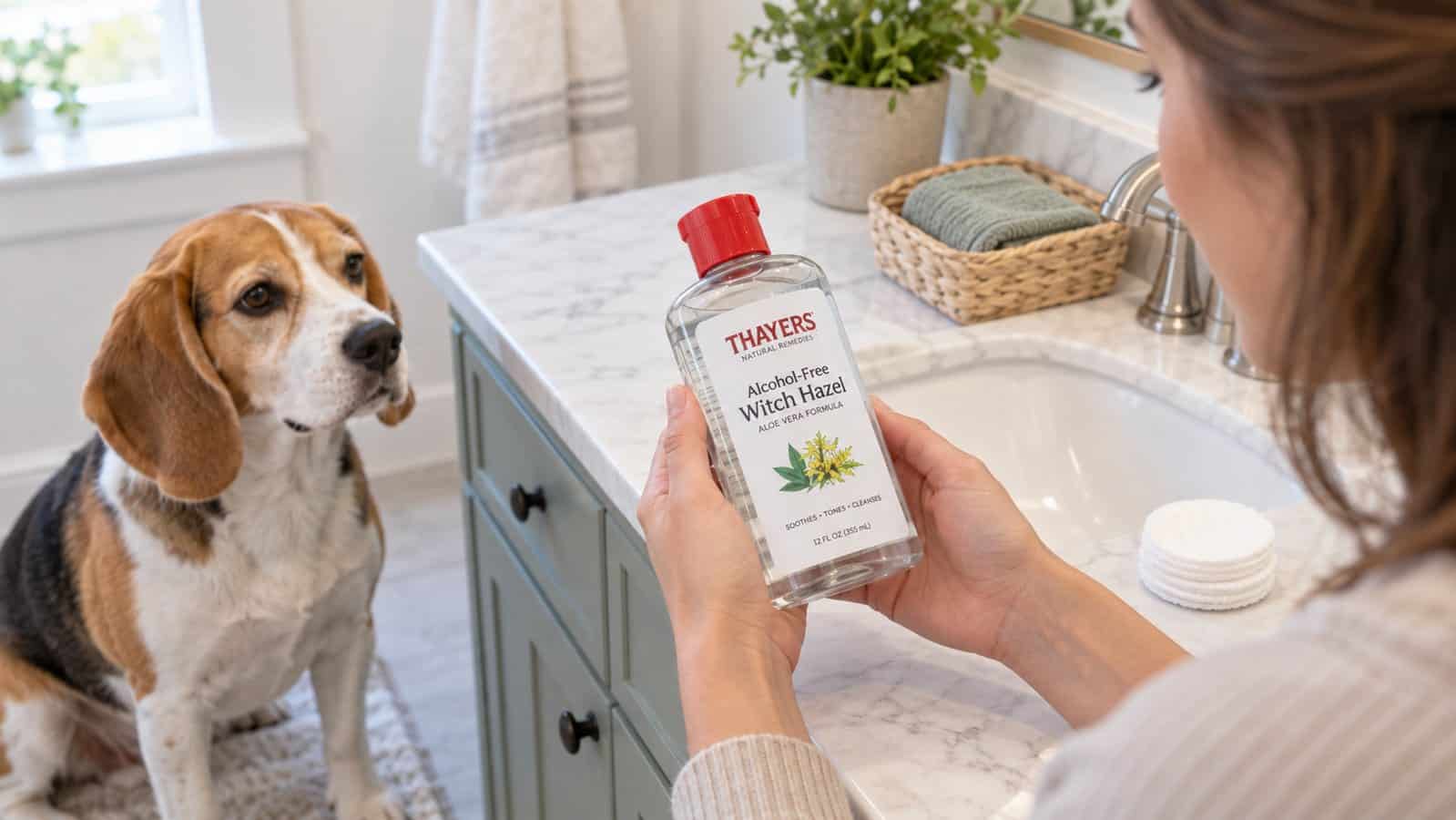
    Vetnique Labs Oticbliss Ear Cleaner Wipes ( 100% Natural )

    Vetnique Labs Oticbliss are ear cleaning wipes designed for both dogs and cats. These wipes, formulated by veterinarians, offer a gentle and easy-to-use solution for cleaning and drying the ears of cats and dogs. Infused with aloe vera, the Oticbliss wipes are safe for regular use on all dogs, cats, puppies, and kittens.
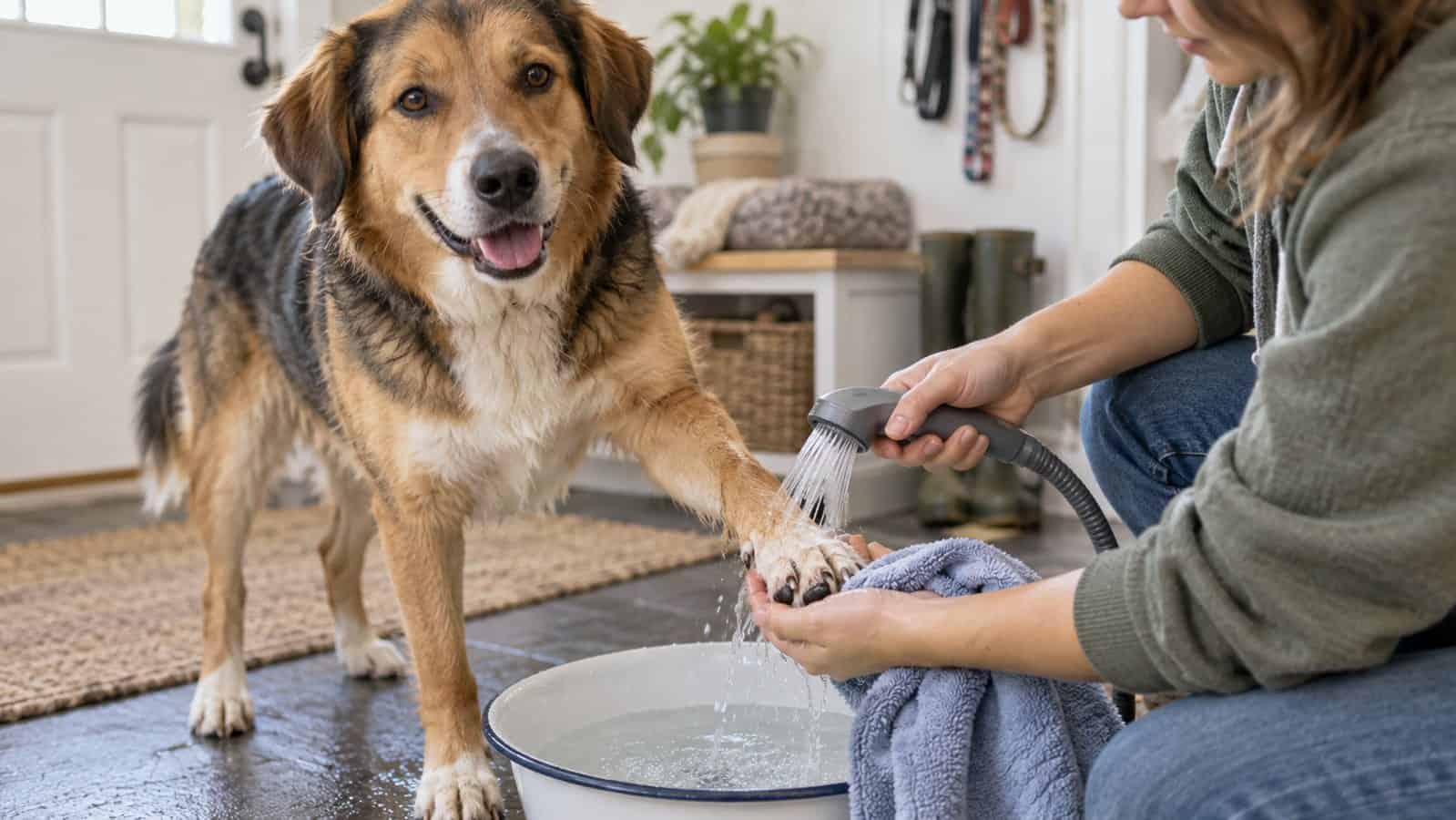

    Vetnique Labs Oticbliss Ear Cleaner Wipes

    PROs:

    • Vet-Approved Innovation: Vetnique Labs Oticbliss Ear Cleaner Wipes are veterinarian-formulated and recognized for their high-quality and proven effectiveness. The wipes are carefully crafted with a blend of powerful essential oils and botanical extracts that clean, soothe, and nourish the ears.
    • User-Friendly Application: The gentle, easy-to-use ear cleaner wipes allow for safe regular cleaning for all breeds of dogs, cats, puppies, and kittens. These large-sized wipes offer optimal coverage, making ear cleaning an easy part of pet grooming routines.
    • Enhanced Odor Control and Itch Relief: Besides serving as an ear cleanser, the wipes can significantly control odor and provide itch relief, thus preventing instances of head shaking and ear infections.

    CONs:

    • Durability Concerns: As a general experience, some may find the wipes to be flimsy, which could potentially pose a challenge while trying to clean deeper into the pet’s ears.
    • Strong Scent: Some may consider the fragrance of these wipes to be too strong. While scents can be subjective, this might lead to discomfort for some pets or their owners, and could possibly lessen the product’s appeal.

    Pet MD – Dog Ear Cleaner Wipes – Otic Cleanser for Dogs ( 100% Natural )

    Pet MD – Dog Ear Cleaner Wipes are advanced veterinary-formulated ear wipes designed to gently clean, deodorize, and dry your pet’s ears. These convenient wipes are perfect for routine ear cleaning and can help prevent potential ear problems.

    Pet MD - Dog Ear Cleaner Wipes

    PROs:

    • Designed with Veterinary Expertise: The Pet MD – Dog Ear Cleaner Wipes are formulated by veterinarians and are devised to stop ear itching and infections, displaying a commitment to pet health and wellness.
    • Convenient and Regular Use: These wipes are made for convenience and regular usage, aimed at preventing ear infections and reducing wax buildup. Being alcohol-free, soothing, and non-irritating, they are safe for dogs over 12 weeks old.
    • Manufactured in Federally Regulated Facilities: The wipes are manufactured in federally regulated facilities within the USA, ensuring a high standard of quality and safety.

    CONs:

    • Potential Durability Issues: Given that the wipes are designed to be gentle, they might be somewhat thin and fragile, causing difficulties for users when trying to clean deep within the pet’s ears.
    • Possible Strong Scent: Infused with Aloe and Eucalyptus, these wipes may have a strong aroma that might not be appealing or comfortable for all pets or their owners.

    Nootie Medicated Dog Wipes, 2% Chlorhexidine and 2% Miconazole Formulated Pet Wipes

    Nootie Medicated Dog Wipes are specially formulated to provide gentle and effective relief for dogs with skin conditions. These wipes are infused with essential ingredients that target and alleviate various skin issues, ensuring your pet remains comfortable and itch-free.

    Nootie Medicated Dog Wipes

    PROs:

    • The Nootie Medicated Dog Wipes are formulated with 2% Chlorhexidine and 2% Miconazole, which are effective in treating symptoms of ringworm, hotspots, allergy dermatitis, and ear and skin infections.
    • These wipes are 2″ in size, ideal for use on hard-to-reach areas. They also come in a pack of 70, providing a good quantity of wipes.
    • Easy to use and efficient. They have successfully helped in treating skin irritations and itchiness of pets, demonstrating efficacy.

    CONs:

    • Some users believe the smell of the wipes is quite strong. While not necessarily unpleasant, it smells as if there is an added fragrance which some people might find unnecessary or even bothersome.
    • They can also leave a sticky residue on hands after use.

    Great For: Stubborn fungal infections, ringworm

    Vet’s Best Ear Relief Finger Wipes | Ear Cleansing Finger Wipes

    Vet’s Best Ear Relief Finger Wipes are specially designed for easy and effective ear cleaning for pets. These convenient wipes provide a gentle yet thorough cleansing solution, ensuring your pet’s ears remain clean and healthy.

    Vet's Best Ear Relief Finger Wipes | Ear Cleansing Finger Wipes

    PROs:

    • Natural Ingredients: Vet’s Best Ear Relief Finger Wipes are formulated with all-natural components such as Witch Hazel, Aloe Vera, and Tea Tree Oil, which are safe and nourishing for dogs’ ears.
    • Routine Use: These ear wipes encourage regular upkeep to minimize visible wax or build-up, contributing to cleaner and healthier ears for dogs.
    • Convenient Application: With pre-moistened features that easily slip onto fingers, these wipes provide a simple approach to dog ear cleansing, without the rigmarole of complicated cleaning equipment or procedures.

    CONs:

    • Disposable Nature: While the disposability of the wipes might be seen as a boon for cleanliness and ease of use, it may also contribute to increased waste, which could be environmentally concerning for eco-conscious consumers.
    • Strong Aroma: These ear wipes carry a potent fragrance owing to the natural ingredients used, particularly the tea tree oil. This strong scent might be less appealing to some pets or their owners, potentially affecting compliance with the cleaning routine.

    Dechra MiconaHex + Triz Wipes For Dogs (50ct)

    Dechra MiconaHex + Triz Wipes are specially formulated wipes designed for dogs, offering a combination of miconazole and chlorhexidine to combat skin conditions. Available in a pack of 50, these wipes provide a convenient solution for pet owners to address skin issues in their canine companions.

    Dechra MiconaHex + Triz Wipes For Dogs (50ct)

    Pros:

    • Super Convenient: MiconaHex+Triz Wipes are convenient as they are designed for quick and easy use, offering a practical solution for maintaining coat and skin health on a daily basis.
    • Multi-modal Antiseptic: The active ingredients in the wipes—2% miconazole nitrate, 2% chlorhexidine gluconate, and USP tris-EDTA—offer beneficial properties such as antifungal, antibacterial, and barrier repair, contributing to the overall health and hygiene of the animal.
    • Residual Effects: Chlorhexidine is considered to have residual effects meaning that the medication can stay on skin and provide longer term protection. The product is designed for universal application making it useful for all areas and skin conditions without needing a prescription.

    Cons:

    • Sensitive Skin: Due to their use of specific active ingredients, MiconaHex+Triz Wipes may not be suitable for all dogs, particularly those with skin sensitivities or those allergic to components like miconazole nitrate or chlorhexidine gluconate.
    • Small Quantity Per Jar: The pack size offering is limited to 50 wipes, which may mean frequent repurchasing for owners of multiple dogs or for those dealing with severe or persistent skin conditions.

    Common Mistakes to Avoid When Cleaning Dog Ears

    Proper ear hygiene is vital for our canine companions, but even with the best intentions, it’s easy to make mistakes. Being aware of common pitfalls can help ensure that you’re providing the best care for your dog while avoiding potential complications. Here are some frequent missteps and how to steer clear of them:

    • Over-Cleaning: Cleaning too frequently can strip the ear canal of its natural oils, leading to irritation.
    • Using Human Products: Items like hydrogen peroxide or rubbing alcohol meant for humans can be harsh on a dog’s ears. Always opt for dog-specific products.
    • Pushing Too Deep: Be gentle during cleaning to avoid injury and prevent pushing debris further into the ear canal.
    • Ignoring Signs of Infections or Issues: Redness, swelling, foul odor, or discharge are signs that warrant a vet’s attention.
    • Neglecting Regular Checks: Even if not cleaning daily, regularly inspecting your dog’s ears helps in early detection of potential problems.
    • Using Cotton Swabs: These can push debris deeper and risk injuring the ear’s delicate structures.
    • Not Drying the Ears After Water Exposure: Always dry your dog’s ears thoroughly after baths or swims to prevent bacterial growth.
    • Not Rewarding or Comforting Your Dog: Use positive reinforcement to make the cleaning process more pleasant for your pet.
    • Not Seeking Professional Guidance: If unsure about the cleaning process, consult a veterinarian or professional groomer for guidance.

    While ear cleaning is a crucial aspect of dog care, it’s essential to approach it with knowledge and caution. By avoiding these common mistakes and prioritizing your dog’s comfort and safety, you can ensure optimal ear health for your furry friend.

    dog ear wipes

    When to See a Vet

    While regular ear cleaning is an essential aspect of dog care, there are instances where professional intervention is necessary. Recognizing the signs that warrant a visit to the veterinarian can ensure timely treatment and prevent complications. Here are some indicators that your dog might need expert attention:

    • Persistent Scratching or Shaking of the Head: If your dog constantly scratches their ears or shakes their head, it could be a sign of discomfort or an underlying issue.
    • Unpleasant Odor or Discharge: A foul smell or unusual discharge from the ears often indicates an infection or another medical condition.
    • Signs of Pain or Discomfort: If your dog yelps when their ears are touched or seems generally uncomfortable, it’s a clear sign that something’s amiss.
    • Swelling or Redness: Inflammation or redness in or around the ear can be indicative of infections or allergic reactions.
    • Hearing Loss: If your dog doesn’t respond to sounds or commands as they usually would, it could be a sign of hearing impairment, possibly due to an ear issue.
    • Visible Parasites: If you notice tiny moving creatures or a dark, coffee-ground-like substance in the ear, it could be a sign of ear mites.
    • Foreign Objects: Dogs are curious creatures, and sometimes they might get foreign objects like grass seeds or burrs lodged in their ears.
    • Bleeding or Open Sores: Any sign of bleeding or open sores in the ear warrants immediate veterinary attention.
    • Chronic Issues: If you’ve been cleaning your dog’s ears regularly but the problems persist or recur frequently, it’s time to consult a vet.

    While regular ear maintenance is crucial, it’s equally important to recognize when professional help is needed. Always prioritize your dog’s well-being, and when in doubt, seek the expertise of a veterinarian.

    ear wipes bulldog

    Conclusion

    Ear health is an often overlooked yet crucial aspect of our canine companions’ overall well-being. As responsible pet owners, it’s our duty to ensure that our furry friends are not only happy and active but also free from discomfort and potential ear ailments. Through regular checks, proper cleaning techniques, and a keen eye for signs of trouble, we can keep our dogs’ ears in optimal condition. Remember, it’s not just about cleaning but understanding the why, how, and when of the process. And in those moments of uncertainty, never hesitate to seek professional guidance. After all, our dogs offer us unconditional love and loyalty; the least we can do is ensure they lead a life free from preventable discomforts. Here’s to happy, healthy ears and even happier dogs!
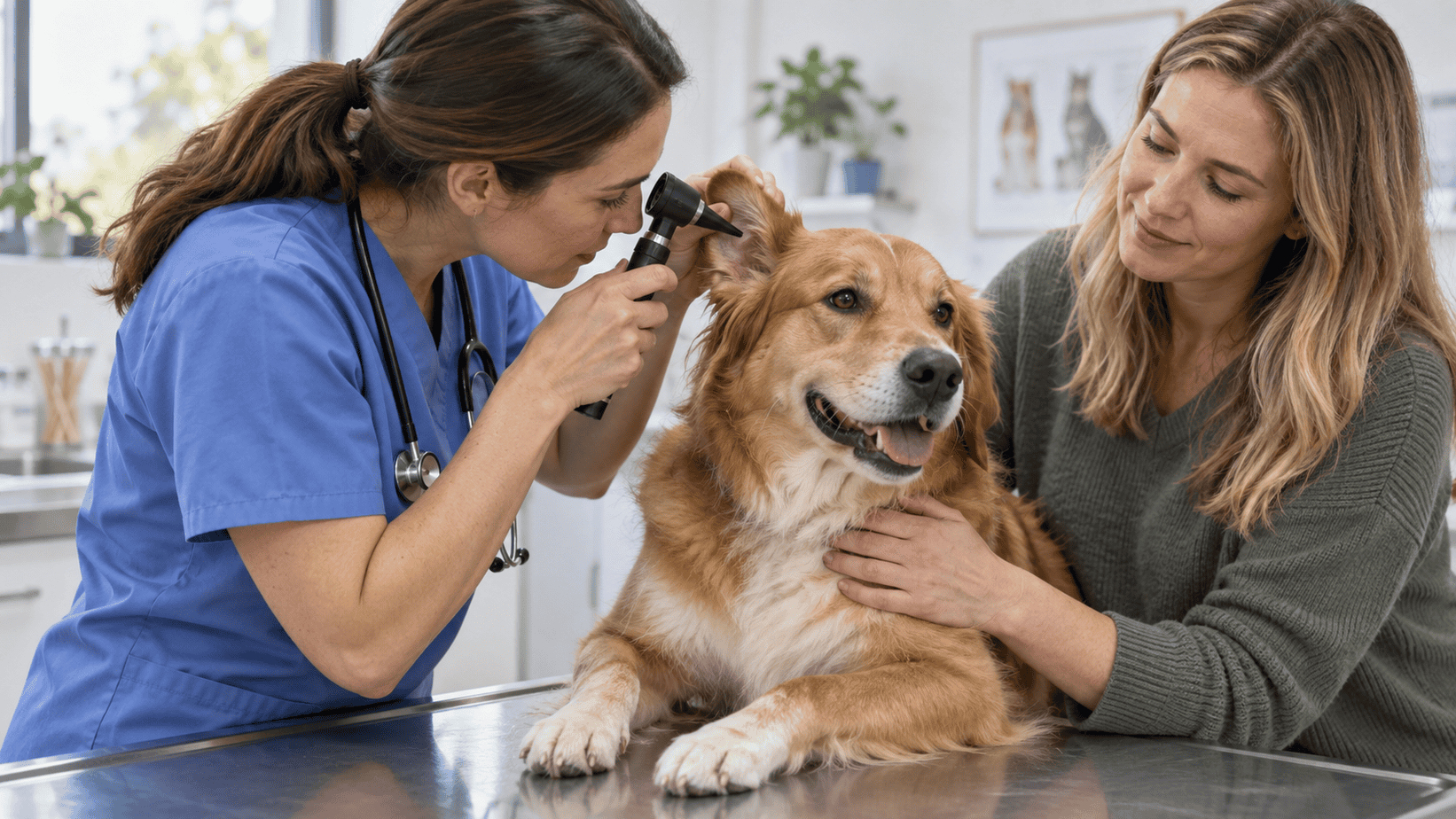
    Frequently Asked Questions

    How often should I clean my dog’s ears?

    The frequency of ear cleaning varies based on your dog’s breed, activity level, and ear shape. While some dogs may benefit from weekly cleanings, others might only need it once a month. It’s best to consult with your veterinarian for a tailored recommendation.

    Can I use baby wipes or other human products to clean my dog’s ears?

    It’s advisable to avoid using baby wipes or any human products on your dog’s ears. These might contain ingredients that are too harsh or not suitable for canine ears. Always opt for products specifically formulated for dogs.

    What are the signs of an ear infection in dogs?

    Common signs include redness, swelling, an unpleasant odor, discharge, persistent scratching or shaking of the head, and visible discomfort when the ears are touched. If you notice any of these symptoms, consult a veterinarian.

    Are certain breeds more prone to ear issues?

    Yes, some breeds, especially those with floppy ears like Basset Hounds, Cocker Spaniels, and Golden Retrievers, are more susceptible to ear infections due to limited air circulation. Regular checks and cleaning are essential for these breeds.

    Is it safe to pour liquid solutions into my dog’s ears for cleaning?

    While there are liquid ear cleaning solutions available for dogs, it’s essential to use them correctly. Overuse can lead to excessive moisture in the ear, which can promote bacterial growth. If unsure about the application, seek guidance from a veterinarian or professional groomer.

  • Mupirocin Topical Ointment for Dogs- Vet Gives OTC Alternatives

    Mupirocin Topical Ointment for Dogs- Vet Gives OTC Alternatives

    *This page may include affiliate links, which means that if you make a purchase through one of the product links, we may receive a small commission. For full affiliate disclosure please see our disclaimer page.

    Every dog owner knows the pang of seeing their furry friend in discomfort, scratching at an itchy patch or nursing a sore paw. Our dogs can’t tell us when something’s wrong, but their behaviors and physical symptoms often do the talking. In the world of canine care, the importance of choosing the right topical treatment can’t be overstated. Mupirocin, a common name on the list of ointments prescribed by veterinarians, often comes up as a solution. But, as with every medication or treatment, it’s crucial to understand its uses, benefits, and potential risks. In this comprehensive guide, we’ll dive deep into the world of Mupirocin ointment for dogs. If you’re curious about its safety profile, want to understand its uses, or are searching for over-the-counter alternatives, we have the information you need. Let’s help our four-legged companions lead happier, healthier lives, one paw at a time!

    Mupirocin for dog

    Is Mupirocin Ointment Safe for Dogs?

    For those of us with tail-wagging friends at home, their health and safety are paramount. We’re constantly asking ourselves: Is this treat okay for them? Is that toy safe? Similarly, when it comes to medications, we need to be doubly sure. Mupirocin often finds its way into our conversations, especially when dealing with topical infections in our pups. So, is Mupirocin ointment a safe choice for our four-legged buddies?

    Mupirocin, initially developed for human use, is an antibiotic ointment that targets a wide range of bacteria, making it a popular pick for various skin conditions. Over the years, vets have recognized its efficacy for dogs too, especially for those pesky bacterial skin infections.

    However, like any medication, it’s not a one-size-fits-all solution. The key lies in its appropriate use. A vet will prescribe Mupirocin for a dog after assessing the specific condition, its severity, and the dog’s overall health. It’s essential not to assume that what worked for one dog will work for another, even if the symptoms seem similar. Individual allergies, health conditions, or other medications might influence how a dog reacts to Mupirocin.

    In summary, yes, Mupirocin ointment can be safe for dogs when used correctly and under the watchful eye of a veterinarian. It’s a tool in our pet care arsenal, but as with all tools, it’s most effective – and safest – when used with understanding and care. Always consult with your vet and follow the prescribed guidelines to the letter to ensure your pup’s well-being. Because, at the end of the day, a happy dog means a happy home!

    muricin for dogs

    Side Effects of Mupirocin on Dogs

    Dogs, just like us, have their own unique bodily reactions to medications. Even if a product is deemed safe, it’s always wise to be aware of potential side effects. It allows us to make informed decisions and to spot any unusual changes in our pets swiftly. With Mupirocin, while many dogs handle it well, there can be exceptions. Let’s delve into what to watch out for after applying this ointment to your canine companion.

    Common Side Effects of Mupirocin

    Dogs, in most cases, tolerate Mupirocin quite well. However, some might experience:

    • Redness or Irritation: A mild reaction at the application site which usually subsides on its own.
    • Itchiness: Your dog might scratch the area more than usual.
    • Mild Swelling: Some puffiness around the application area.
    • Temporary Hair Loss: This is especially noticeable if the ointment is applied to a hairy area.

    Rare but Serious Side Effects of Mupirocin

    While uncommon, it’s good to be alert to the possibility of:

    • Severe Skin Reactions: Blistering or oozing at the application site.
    • Allergic Reactions: Symptoms could include facial swelling, hives, or difficulty breathing. If these appear, seek veterinary attention immediately.
    • Digestive Upset: This can happen if your dog licks the ointment. Signs might include vomiting or diarrhea.

    What to Do If Your Dog Exhibits Side Effects to Mupirocin

    1. Stay Calm: Panicking won’t help, and our dogs often pick up on our emotions.
    2. Clean the Area: If it’s a mild reaction, gently wipe off the ointment using a damp cloth.
    3. Document the Reaction: Take pictures and note down the symptoms. This will be helpful when consulting with the vet.
    4. Seek Veterinary Advice: Always call your vet to discuss any concerns. They might ask you to monitor the situation or bring your dog in for a check-up.

    The golden rule is always to observe. After applying any medication, keep a watchful eye on your dog, noting any changes in behavior or appearance. And remember, it’s never an inconvenience to call your vet with questions or concerns. They’re there to help, and your dog’s health and happiness are always the top priority. So, let’s be proactive paw-parents and keep our furry friends feeling their best!

    Comparison: Mupirocin for Dogs vs. Humans

    We’ve all been there – reaching for a medication in our cabinet, then hesitating, wondering if it’s okay for our furry friend too. This line of thought often emerges with Mupirocin, given its prevalence in human medicine. But how does Mupirocin for dogs stack up against its counterpart for humans? Let’s break it down.

    Origins and Similarities of Mupirocin

    Developers originally created Mupirocin for human use. It is a powerful antibiotic ointment designed to address various bacterial skin infections. The active ingredient in Mupirocin stays consistent, regardless of its intended use for humans or dogs.

    Differences in Formula and Concentration of Mupirocin

    While the active ingredient might be the same, there could be differences in:

    • Concentration: The strength of Mupirocin might vary based on the intended recipient.
    • For more severe human infections, doctors might use a higher concentration, while they might prefer a milder one for dogs to minimize potential side effects.
    • Additional Ingredients: The base or other inactive ingredients can differ, potentially affecting absorption or causing irritations in some dogs.

    Application and Safety Guidelines

    • Duration of Treatment: While a doctor might prescribe Mupirocin to a human for extended use, a vet might limit the duration to prevent potential complications in dogs.
    • Frequency of Application: Depending on the severity and type of infection, the frequency of application could differ for dogs compared to humans.
    • Safety Precautions: Dogs have a tendency to lick areas where ointments are applied. This ingestion risk is a concern and might not be as pronounced when considering human use.

    Why Not to Substitute Mupirocin Without Vet Advice

    • Individual Needs: Every dog is unique. What works for one might not work for another, and self-prescribing can be risky.
    • Potential Allergies or Reactions: Without a proper vet consultation, you run the risk of exposing your dog to unnecessary side effects or allergic reactions.
    • Drug Interactions: Dogs might be on other medications that could negatively interact with Mupirocin.

    While Mupirocin ointment for humans and dogs may seem similar, they serve specific needs and may have distinctions crucial to their effective and safe application. Before reaching into our medicine cabinets for a quick fix, always remember our pets deserve the same care and consideration we’d give to any human family member. If you’re uncertain, chatting quickly with the vet can eliminate confusion and ensure you provide the best care tailored to your pet’s needs.

    mupirocin ointment on dog paw

    Uses of Mupirocin Ointment in Dogs

    A dog’s life, with its joyful romps, curious sniffs, and occasional mischief, isn’t always without its small hitches. Bumps, scratches, and minor infections can come as part and parcel of their adventurous lives. That’s where treatments like Mupirocin come into play. Let’s explore the diverse ways Mupirocin ointment can be a boon for our four-legged friends.

    Hot Spots

    • What Are They? Hot spots, or acute moist dermatitis, are inflamed, infected, and often painful patches of skin. They can appear rapidly and spread if not treated.
    • Mupirocin’s Role: Mupirocin can help in treating the bacterial infections that often accompany hot spots, soothing the area and preventing the spread of the infection.

    Ears

    • Common Issues: Dogs, especially those with floppy ears, are prone to bacterial infections in the ear canal. This can cause itchiness, redness, and sometimes discharge.
    • Mupirocin’s Magic: Applied topically, Mupirocin can address superficial bacterial infections in the outer ear, providing relief and aiding in recovery.

    Paws

    • Paw Problems: From stepping on rough terrains to allergies, our dogs’ paws can become breeding grounds for infections, especially between the toes.
    • How Mupirocin Helps: It acts against bacteria that might infect small cuts or cracks in the paw pads, ensuring that a minor problem doesn’t escalate.

    Yeast Infections

    • The Yeasty Beast: Caused by the overgrowth of yeast, these infections can lead to itchy and smelly skin, often accompanied by a characteristic reddish-brown discoloration.
    • Mupirocin’s Role: While Mupirocin primarily tackles bacterial infections, in combination with antifungal treatments, it can prevent secondary bacterial infections that might arise due to skin damage from persistent scratching.

    Open Wounds

    • Timely Treatment: Whether it’s a scrape from a tussle with a fellow pooch or a minor cut from exploring, open wounds can become gateways for bacteria.
    • Mupirocin to the Rescue: By creating an inhospitable environment for bacteria, Mupirocin helps prevent wound infections, allowing the body to focus on healing.

    Mupirocin is like a versatile first-aid kit tailored for our dogs. Its myriad uses make it a potent ally in ensuring our pets’ minor health hiccups don’t transform into bigger issues. However, as always, a vet’s guidance is indispensable. An informed decision, combined with the therapeutic properties of Mupirocin, ensures our dogs continue their romps and explorations with their tails wagging high!

    mupirocin ointment label

    How Should I Use Mupirocin For Dogs?

    Ensuring the right method of application for any medication is just as crucial as its ingredients. When it comes to Mupirocin for dogs, this holds especially true. Here’s a step-by-step guide on how to use Mupirocin correctly for your canine companion.
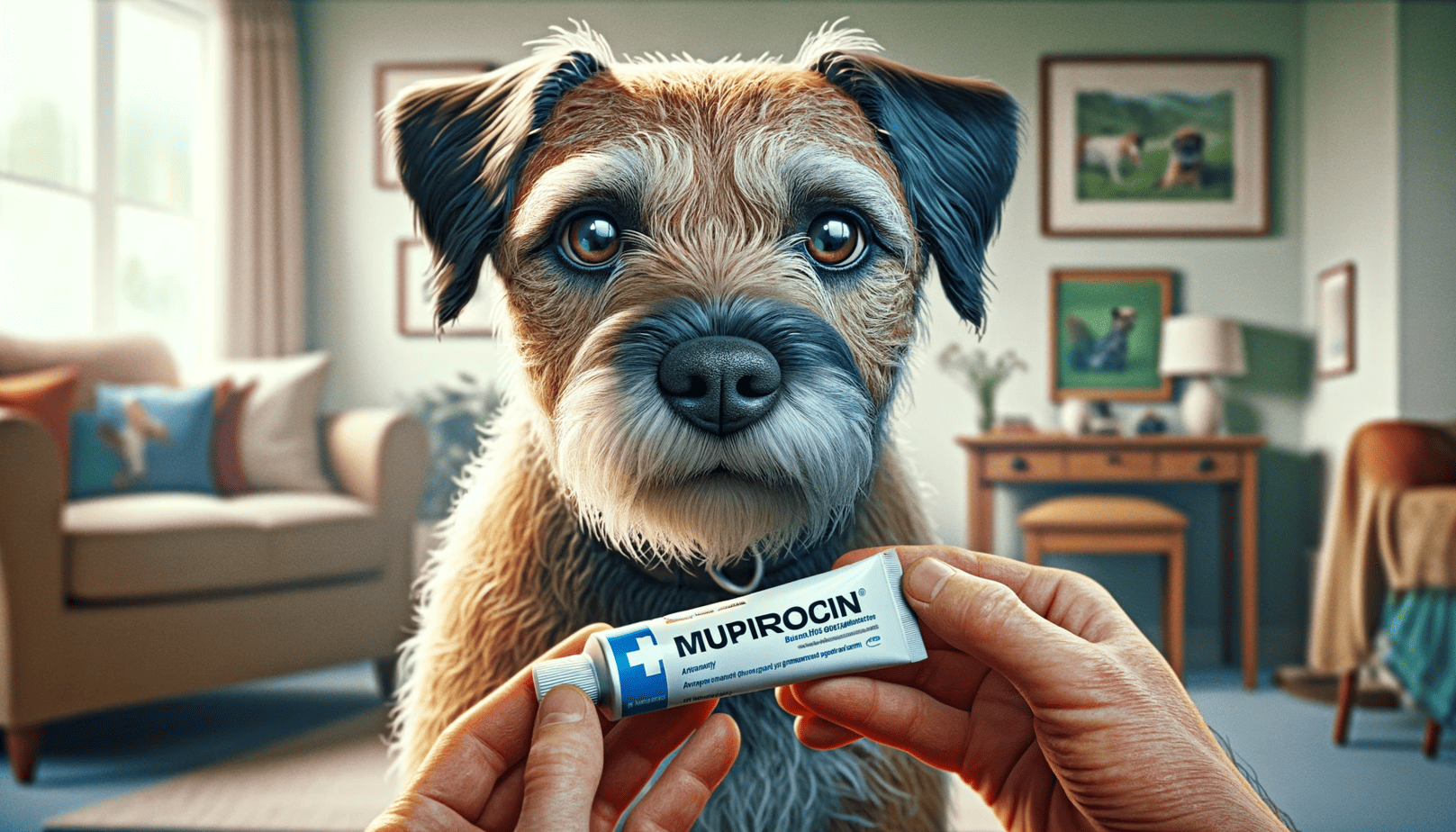
    Proper Dosage of Mupirocin

    For this medication to work effectively:

    • Always give it exactly as your veterinarian has prescribed.
    • Double-check the prescription label and package information to ensure you are administering the drug correctly.

    Preparation & Application of Mupirocin

    1. Cleanse: Before applying Mupirocin, cleanse the affected area as instructed by your veterinarian. This ensures optimal absorption and effectiveness.
    2. Puncture the Tube: When using Mupirocin for the first time, remove the entire applicator assembly. Use the white portion of the cap to puncture the tube, then replace the entire applicator assembly.
    3. Dispensing: Remove the white part of the cap. Gently squeeze the medicine out of the tube.
    4. Application: Ensure you apply enough ointment to cover the entire infected area thoroughly. The goal is to create a barrier that prevents further bacterial proliferation.
    5. Seal: After use, remember to replace the white cap securely to prevent contamination.

    Mupirocin Post-Application Care

    • Contact Time: The product requires at least 10 minutes of contact time with the affected area to work effectively.
    • Avoid Licking: Dogs have a natural instinct to lick wounds. However, ensure your pet does not lick or chew the affected area for at least 20 to 30 minutes post-application. Ingesting the product might lead to side effects.
    • Eye Safety: Exercise caution to ensure the ointment doesn’t come into contact with your pet’s eyes. If it does, seek veterinary advice promptly.
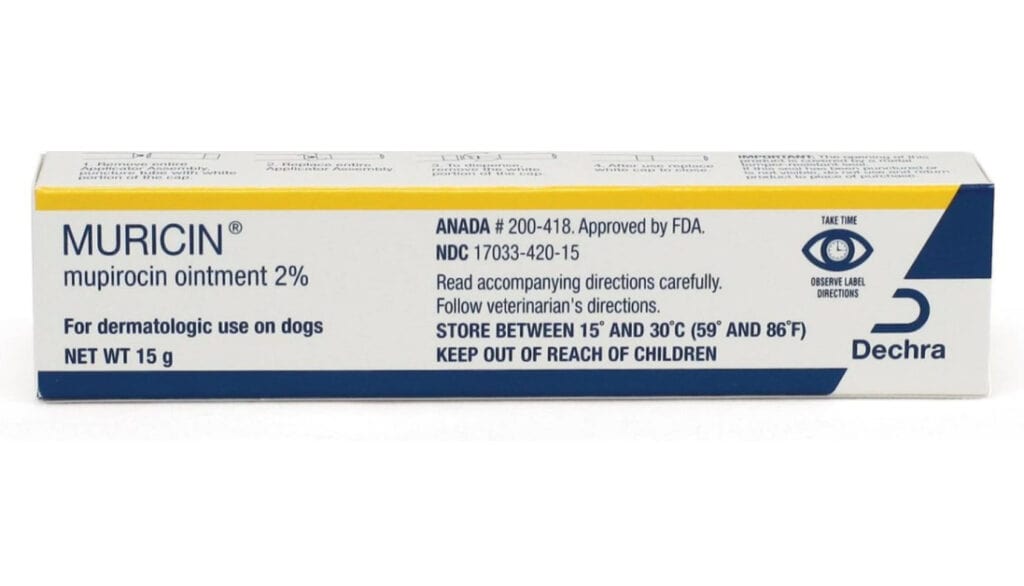
    Special Instructions

    • Duration of Treatment: This medication can be prescribed for various durations. However, according to the label, the maximum duration of treatment is 30 days. It’s crucial to understand how long your veterinarian wants you to continue the treatment. If necessary, make arrangements for prescription refills in advance.

    OTC Alternatives to Mupirocin for Dogs

    While Mupirocin remains a powerful ally in addressing various skin issues in dogs, it’s not the only tool available. Many pet parents seek over-the-counter (OTC) alternatives for a variety of reasons, from mild cases that don’t require prescription-strength treatment to preferences for more natural solutions. Let’s delve into some OTC alternatives to Mupirocin for our furry pals.

    ointment for rashes and abrasions

    Dermapaw Dog Skin and Paw Treatment

    • Best for: Rashes or self-inflicted scratches due to itching or allergies.
    • Features: This treatment is specially formulated for areas where most of the hair is still present, offering relief for abrasions and other minor injuries. It promotes healing and provides soothing relief to irritated areas.

    natural ointment for dogs

    RESQ Organics Skin Care with Manuka Honey

    • Best for: Superficial wounds or mild irritations.
    • Features: An all-natural, organic product that harnesses the healing properties of Manuka Honey. This honey is renowned for its antibacterial and anti-inflammatory properties, making it an excellent choice for minor skin issues.

    pet wound gel

    Forticept Blue Butter Pet Wound Filler Antimicrobial Gel

    • Best for: Deeper wounds such as those resulting from dog bites or unfortunate encounters with barbed wire.
    • Features: This gel provides a protective barrier against germs while promoting a moist environment conducive to wound healing.

    pet wound spray

    Davis Chlorhexidine Dog and Cat Spray

    • Best for: Serious infections that might have been overlooked for a day or two.
    • Features: Chlorhexidine is a potent antiseptic agent. This spray provides an easy-to-apply solution that can combat various bacterial, fungal, and yeast infections in pets.

    silver wound spray for dogs

    Colloidal Silver Wound and Skin Care for Dogs & Cats  

    • Best for: Wider wounds with significant skin layer damage where no hair remains. It’s also recommended for wounds under bandages that need to be kept for several days.
    • Features: Colloidal silver has been praised for its antimicrobial properties for years. It’s gentle yet effective for promoting the healing of wounds and is a popular choice among natural remedy enthusiasts.

    In wrapping up, it’s essential to remember that while OTC products can be incredibly useful, they should not replace a vet’s advice, especially in severe cases. Monitoring your dog’s skin condition is crucial. Regular checks can make the difference between a speedy recovery and a prolonged issue. If you ever feel uncertain or if a wound seems to be worsening, always reach out to your veterinarian. After all, a proactive approach is the key to ensuring our dogs remain happy, healthy, and ever-ready for their next adventure!

    Conclusion

    Navigating the health and well-being of our beloved canine companions often feels like a journey filled with love, concern, and the constant pursuit of knowledge. With tools like Mupirocin ointment in our pet care arsenal, we’re better equipped to face the minor setbacks that come with a dog’s adventurous life. But, as with every tool, it’s not just about having it—it’s about knowing when and how to use it. Through this guide, we’ve aimed to shed light on the nuances of Mupirocin for dogs, offering insights that empower you, the dedicated pet parent, to make informed decisions. Remember, a proactive approach, combined with regular vet consultations, is the hallmark of exceptional pet care. Because at the end of the day, our ultimate goal is to see our four-legged friends thrive, explore, and live their best lives, with their tails wagging in joy and contentment.

    Frequently Asked Questions

    How is Mupirocin useful?

    The FDA (U.S. Food & Drug Administration) has approved this drug for use in dogs for treating bacterial infections on the skin. The FDA allows veterinarians to prescribe and use products containing this drug in different species or for other conditions in certain situations. You and your veterinarian can discuss why this drug is the most appropriate choice.

    How long until I will know if Mupirocin is working, and how long will the effects of this medication last?

    This medication should start having effects within 1 to 2 hours; however, you may not see the effects of this medication outwardly. Your animal should begin feeling better within 1 to 2 days. The effects of this medication are short-lived, meaning they will stop working within 24 hours.

    What are the side effects of this medication?

    Side effects that usually are not serious include:
    – Pain, redness, and itching at the application site.
    If any of these signs are severe, worsen, or continue to be a problem, contact your veterinarian.

    Side effects that may be serious or indicate a serious problem:
    – Increased thirst and/or urinating more than usual
    – Vomiting
    – Poor appetite
    – Low energy level
    – Worsening of the skin problem

    If my animal gets too much of Mupirocin (an overdose), what should I do?

    If you witness or suspect an overdose or accidental ingestion of the product, contact your veterinarian or an animal poison control center for further advice. Animal poison control centers open 24-hours a day include: Pet Poison HELPLINE (855-764-7661) and ASPCA Animal Poison Control Center (888-426-4435); a consultation fee may be charged for these services.

  • Omeprazole For Dogs: Vet Gives Uses, Dosage, & Side Effects

    Omeprazole For Dogs: Vet Gives Uses, Dosage, & Side Effects

    *This page may include affiliate links, which means that if you make a purchase through one of the product links, we may receive a small commission. For full affiliate disclosure please see our disclaimer page.

    When it comes to our furry friends, their health and wellbeing are always at the top of our priority list. Just as humans occasionally need medications to soothe ailments or prevent health issues, our pets sometimes require them too. One such medication that has stirred up discussions among pet parents is Omeprazole for dogs. Originally known for its use in humans to treat conditions like heartburn, acid reflux, and stomach ulcers, it’s no surprise that many are curious about its application in canine care. But is it safe? Is it the same formulation we take? And are there better alternatives?

    As a devoted pet owner, you deserve clear, accurate answers. This comprehensive guide aims to delve deep into the subject, providing insights from a vet’s perspective on the uses, dosage, side effects, and even alternative treatments for your beloved pooch. Let’s embark on this informative journey together, ensuring that our four-legged family members receive the best care possible.

    omeprazole for dogs

    Is Omeprazole for Dogs Safe?

    Navigating the world of medications for our canine companions can sometimes feel like walking through a maze. One turn leads to promising benefits, while another might lead to cautionary tales. So, where does Omeprazole fit in this labyrinth of dog health?

    Omeprazole, commonly recognized in human medicine as a go-to remedy for various gastrointestinal issues, has indeed found its place in veterinary care. But, like all medications, it’s not a simple “one size fits all” scenario.

    For many dogs, Omeprazole acts as a godsend. Administered under the watchful eye of a vet, it can alleviate painful symptoms, improve quality of life, and bring relief from conditions like gastric ulcers or acid reflux. When you use it correctly and follow the recommended dosages and guidelines, it’s generally safe for canine use.

    However, there’s a catch – emphasis on the “when used correctly.” Like any medication, potential misuse or overuse can lead to complications. This is why it’s paramount to consult with a veterinarian before administering Omeprazole or any new medication to your dog. They can offer insights tailored to your dog’s unique health profile, considering factors like age, weight, existing health conditions, and other medications.

    In summary, while Omeprazole can be a beneficial tool in a vet’s arsenal for treating specific canine conditions, its safety largely hinges on responsible usage and professional guidance. After all, as we journey through the intricate maze of pet healthcare, it’s always best to have an expert guide by our side.

    Omeprazole for Humans vs. Dogs: Is There a Difference?

    Have you ever stood in front of your medicine cabinet, eyed a pill bottle, and thought, “Could this work for my pup?” Especially when you see certain medications, like Omeprazole, in both human and veterinary contexts. Let’s demystify this together.

    At its core, the active ingredient in Omeprazole stays the same whether packaged for humans or dogs. Both designs aim to reduce stomach acid production and treat conditions like acid reflux or ulcers.So, in essence, the basic drug is the same.

    However – and this is a big however – there are nuances to consider. The formulation or the additional inactive ingredients in human medications might differ from those in veterinary versions. These seemingly minor differences can be significant for our pets. For instance, certain additives harmless to us might be intolerable or even harmful for dogs.

    Moreover, the concentration or dosage available in human Omeprazole might not align with what’s appropriate for our four-legged friends. This is where things can get tricky and why a simple “pill-splitting” method isn’t always advisable.

    The takeaway? While the core of Omeprazole remains consistent across the board, the devil is in the details. Before raiding our medicine cabinets with the noble intention of helping our pets, it’s crucial to consult with a veterinarian. They’ll provide insights on safe usage and ensure our good intentions don’t inadvertently lead to unwanted complications.

    omeprazole for dogs safe

    Uses of Omeprazole in Dogs

    Ah, the versatile world of Omeprazole! Just as this little pill carves a niche in human medicine, it finds various uses in the realm of canine care. Let’s uncover some of the most common scenarios where our furry friends might benefit from this medication.

    Gastric Ulcers

    • What are they? Simply put, gastric ulcers form as sores on a dog’s stomach lining. They can be a real bother, causing discomfort and pain for our pets.
    • How does Omeprazole help? Omeprazole acts as a stomach shield. By reducing the amount of acid the stomach produces, it allows ulcers the chance to heal and prevents them from worsening. It’s like giving the stomach a little breather.

    Acid Reflux (GERD)

    • What is it? Similar to the heartburn humans often complain about after a spicy meal, dogs can experience acid reflux, too. This is when stomach acid irritates the esophagus, leading to symptoms like coughing, gagging, or even vomiting.
    • How does Omeprazole help? By acting as an acid suppressant, Omeprazole ensures that there’s less acid available to reflux into the esophagus. Think of it as turning down the volume on acid production, making meal times and post-meal lounging more comfortable for our pups.

    Preventative Measures

    • Why consider it? Vets sometimes prescribe medications or administer treatments to dogs that might raise the risk of stomach issues. In these cases, they might introduce Omeprazole as a precaution.
    • How does Omeprazole help? By keeping acid levels in check, Omeprazole can act as a protective layer, ensuring that other necessary treatments don’t come at the cost of stomach health.

    Delving into the world of dog health can sometimes feel like decoding a complex puzzle.
    But as we understand each piece like Omeprazole, we equip ourselves better to ensure our furry companions lead comfortable, happy lives. Remember, always work closely with your vet to determine the best course of action for your pet’s unique needs.

    omeprazole package

    Side Effects of Omeprazole in Dogs

    Navigating the realm of medications is a bit like setting sail on open waters. The destination is clear (better health!), but unexpected waves can arise along the journey. In the case of Omeprazole, while it offers many benefits, it’s essential to be aware of potential side effects that might surface. Let’s examine these closely so you can steer the ship with confidence.

    Common Side Effects of Omeprazole

    While not every dog will experience these, it’s good to have them on your radar:

    • Digestive Upset: This might manifest as diarrhea, vomiting, or even flatulence.
    • Loss of Appetite: You might notice Fido is less enthusiastic about mealtime. It’s a temporary reaction some dogs have while adjusting to the medication.
    • Lethargy: Just as we might feel a bit off after starting a new medication, dogs can too. They might seem a bit more tired or less playful initially.

    Less Common, but Serious Side Effects of Omeprazole

    These are rarer, but it’s crucial to be aware and consult your vet if you spot them:

    • Blood in Stools or Vomit: This is a sign that something isn’t sitting right, literally. It’s essential to address this promptly.
    • Severe Diarrhea: An occasional upset tummy is one thing, but persistent diarrhea needs attention.
    • Neurological Issues: If your pup seems unusually dizzy, uncoordinated, or has tremors, it’s a clear sign to get in touch with your veterinarian.

    While the list might seem a tad daunting, remember that many dogs take Omeprazole without any hitches. The goal isn’t to alarm but to arm you with knowledge. Every dog is unique, and what works seamlessly for one might require adjustments for another. Always maintain open communication with your vet and monitor your dog’s behavior and health closely when introducing any new medication. Being proactive ensures smooth sailing, even on the medicinal seas!

    How to Give Omeprazole to Your Dog

    Let’s face it – administering medicine to our canine companions can sometimes feel like a mission.
    When dogs wriggle, suddenly avoid treats, or spit out a pill you thought they swallowed, you need a mix of patience and technique to handle the task. Here’s a step-by-step guide on how to make the Omeprazole-giving process smoother for both you and your fur-baby.

    Step-by-step Administration of Omeprazole

    1. Preparation: Ensure you have the correct dosage ready. Always double-check the pill or liquid measurement before administering.
    2. Use Pill Pockets: If you’re using pill form, consider pill pockets – these tasty treats can be a game-changer. Hide the pill inside, and most dogs will gobble it up, none the wiser.
    3. Liquid Form: If your vet has prescribed a liquid form of Omeprazole, use a syringe or dropper. Ensure your dog is calm, gently open their mouth, and administer the liquid to the side of the cheek, not directly down the throat to prevent choking.
    4. Follow with a Treat: Positive reinforcement works wonders. After successfully administering the medicine, give your dog their favorite treat. This not only rewards them but also ensures that the pill goes down smoothly.
    5. Monitor After Administration: Keep an eye on your dog for a few minutes after giving the medicine. This ensures they don’t spit it out and helps in spotting any immediate adverse reactions.

    Omeprazole Dosing Chart For Dogs

    Please note that the following is a general guideline. Always use the specific dosage recommended by your vet:

    Dog SizeOmeprazole Dosage
    Small Dogs (10lbs or less)2.5 mg to 5 mg once daily
    Medium Dogs (10 to 20lbs)5 mg to 10 mg once daily
    Large Dogs (20 to 40lbs)10 mg to 20 mg once daily
    Extra Large Dogs (over 40lbs)20 mg to 40 mg once daily

    Remember, giving medication is a mix of art and science. While you aim for precision in dosage, the method might need some creative adjustments based on your dog’s temperament and preferences. Always prioritize safety, create a calm environment, and of course, give cuddles after completing the task to make the process smoother for next time!

    back of omeprazole package

    Omeprazole Alternatives & Dr. Candy’s Recommendations

    It’s worth exploring alternative routes, especially when we have expert guidance to light the way. Dr. Candy, with her vast experience and dedication to animal health, has some noteworthy recommendations to consider:

    Famotidine

    • What is it? People often recognize Famotidine by its commercial name, Pepcid, as another acid-reducing medication.
    • Why I recommend it: For some dogs, Famotidine might be gentler on the system, offering similar benefits without some of the side effects associated with Omeprazole.
    • Usage Tips: As with any medication, it’s essential to consult with a vet regarding dosage and suitability for your specific pet.

    Prilosec

    • What is it? A bit confusing, right? While Omeprazole and Prilosec might seem interchangeable, Prilosec is actually a brand name for Omeprazole.
    • Why I recommend it: The brand-specific formulation might sometimes offer a more consistent therapeutic effect due to its proprietary makeup.
    • Usage Tips: Always follow prescribed doses and watch for any reactions, especially when switching from generic Omeprazole to Prilosec.

    Slippery Elm

    • What is it? Venturing into the realm of natural remedies, people have used the herb slippery elm for centuries to treat various ailments.
    • Why I recommend it: For dogs that have minor digestive issues or for those who prefer a more holistic approach, slippery elm can soothe the digestive tract and reduce inflammation.
    • Usage Tips: Since it’s a natural remedy, it’s crucial to source high-quality products. And, as always, discuss with your vet before introducing it to your dog’s regimen.

    Health isn’t a one-size-fits-all approach. Every dog is a unique individual, and what works wonders for one might require tweaking for another. By staying informed, consulting experts, and always prioritizing our pet’s wellbeing, we can confidently navigate the multiple avenues of animal healthcare.

    omeprazole alternatives for dogs

    Conclusion

    Journeying through the world of canine health can often feel like a maze, with its twists, turns, and overwhelming options. But with the right information, a keen eye, and a loving heart, we can chart a course that leads to the well-being of our four-legged family members. Omeprazole, like many other tools in our pet care arsenal, holds the promise of relief and comfort for our dogs when used wisely. However, as with all health decisions, a close partnership with your veterinarian ensures that the choices we make are in the best interests of our furry companions.

    Navigating pet health isn’t just about medications or treatments; it’s a testament to the lengths we’ll go to ensure our pets lead the healthiest, happiest lives. Whether you’re exploring Omeprazole or seeking alternative routes, the compass that guides you should always be love, care, and informed choices. Here’s to many more tail-wagging, happy moments with your loyal companion!

    Frequently Asked Questions

    How is Omeprazole useful?

    Omeprazole is a medication that is used to prevent and/or treat stomach ulcers. The FDA (U.S. Food & Drug Administration) has approved this drug for use in horses and humans. The FDA allows veterinarians to prescribe and use products containing this drug in other animal species in certain situations. You and your veterinarian can discuss why this drug is the most appropriate choice.

    How long until I will know if Omeprazole is working, and how long will the effects of this medication last?

    This medication should help your animal feel better within 1 to 2 days. Your animal’s clinical signs should improve after that time. The effects of this medication are short-lived, meaning they will stop working within 24 hours, although the benefits may be prolonged if your animal has decreased kidney and/or liver function.

    If my animal gets too much of Omeprazole (an overdose), what should I do?

    Usually, overdoses of omeprazole are not serious, but if you know or think your animal got too much of this medication and they are showing adverse effects, contact your veterinarian or an animal poison control center for further advice. Animal poison control centers that are open 24 hours a day include: Pet Poison HELPLINE (855-764-7661) and ASPCA Animal Poison Control Center (888-
    426-4435); a consultation fee is charged for these services.

    How should Omeprazole be given?

    – For this medication to work, give it exactly as your veterinarian has prescribed. Do not cut or break tablets unless instructed to by your veterinarian or pharmacist. It’s a good idea to always check the prescription label to be sure you are giving the drug correctly.
    – Omeprazole should be given about 30 minutes before a meal, generally the first meal of the day. If your animal vomits or acts sick after getting it on an empty stomach, give it with the meal instead. If vomiting continues, contact your veterinarian.

    What should I do if I miss giving a dose of Omeprazole?

    If you miss a dose, wait and give the next dose when it is usually time to do so. Do not double-up doses or give an extra dose.

    What other information is important for Omeprazole?

    – Omeprazole is available OTC (over-the-counter, without a prescription). Do not give omeprazole (or any other OTC medications) to your animal without first consulting a veterinarian.
    – Do not change or switch dosage forms without first consulting with a veterinarian or pharmacist, as the dose may not be the same.
    – Use of this drug may not be allowed in certain animal competitions. Check rules and regulations before entering your animal in a competition while this medication is being administered.