Category: Dog Health

  • Omeprazole For Dogs: Vet Gives Uses, Dosage, & Side Effects

    Omeprazole For Dogs: Vet Gives Uses, Dosage, & Side Effects

    *This page may include affiliate links, which means that if you make a purchase through one of the product links, we may receive a small commission. For full affiliate disclosure please see our disclaimer page.

    When it comes to our furry friends, their health and wellbeing are always at the top of our priority list. Just as humans occasionally need medications to soothe ailments or prevent health issues, our pets sometimes require them too. One such medication that has stirred up discussions among pet parents is Omeprazole for dogs. Originally known for its use in humans to treat conditions like heartburn, acid reflux, and stomach ulcers, it’s no surprise that many are curious about its application in canine care. But is it safe? Is it the same formulation we take? And are there better alternatives?

    As a devoted pet owner, you deserve clear, accurate answers. This comprehensive guide aims to delve deep into the subject, providing insights from a vet’s perspective on the uses, dosage, side effects, and even alternative treatments for your beloved pooch. Let’s embark on this informative journey together, ensuring that our four-legged family members receive the best care possible.

    omeprazole for dogs

    Is Omeprazole for Dogs Safe?

    Navigating the world of medications for our canine companions can sometimes feel like walking through a maze. One turn leads to promising benefits, while another might lead to cautionary tales. So, where does Omeprazole fit in this labyrinth of dog health?

    Omeprazole, commonly recognized in human medicine as a go-to remedy for various gastrointestinal issues, has indeed found its place in veterinary care. But, like all medications, it’s not a simple “one size fits all” scenario.

    For many dogs, Omeprazole acts as a godsend. Administered under the watchful eye of a vet, it can alleviate painful symptoms, improve quality of life, and bring relief from conditions like gastric ulcers or acid reflux. When you use it correctly and follow the recommended dosages and guidelines, it’s generally safe for canine use.

    However, there’s a catch – emphasis on the “when used correctly.” Like any medication, potential misuse or overuse can lead to complications. This is why it’s paramount to consult with a veterinarian before administering Omeprazole or any new medication to your dog. They can offer insights tailored to your dog’s unique health profile, considering factors like age, weight, existing health conditions, and other medications.

    In summary, while Omeprazole can be a beneficial tool in a vet’s arsenal for treating specific canine conditions, its safety largely hinges on responsible usage and professional guidance. After all, as we journey through the intricate maze of pet healthcare, it’s always best to have an expert guide by our side.

    Omeprazole for Humans vs. Dogs: Is There a Difference?

    Have you ever stood in front of your medicine cabinet, eyed a pill bottle, and thought, “Could this work for my pup?” Especially when you see certain medications, like Omeprazole, in both human and veterinary contexts. Let’s demystify this together.

    At its core, the active ingredient in Omeprazole stays the same whether packaged for humans or dogs. Both designs aim to reduce stomach acid production and treat conditions like acid reflux or ulcers.So, in essence, the basic drug is the same.

    However – and this is a big however – there are nuances to consider. The formulation or the additional inactive ingredients in human medications might differ from those in veterinary versions. These seemingly minor differences can be significant for our pets. For instance, certain additives harmless to us might be intolerable or even harmful for dogs.

    Moreover, the concentration or dosage available in human Omeprazole might not align with what’s appropriate for our four-legged friends. This is where things can get tricky and why a simple “pill-splitting” method isn’t always advisable.

    The takeaway? While the core of Omeprazole remains consistent across the board, the devil is in the details. Before raiding our medicine cabinets with the noble intention of helping our pets, it’s crucial to consult with a veterinarian. They’ll provide insights on safe usage and ensure our good intentions don’t inadvertently lead to unwanted complications.
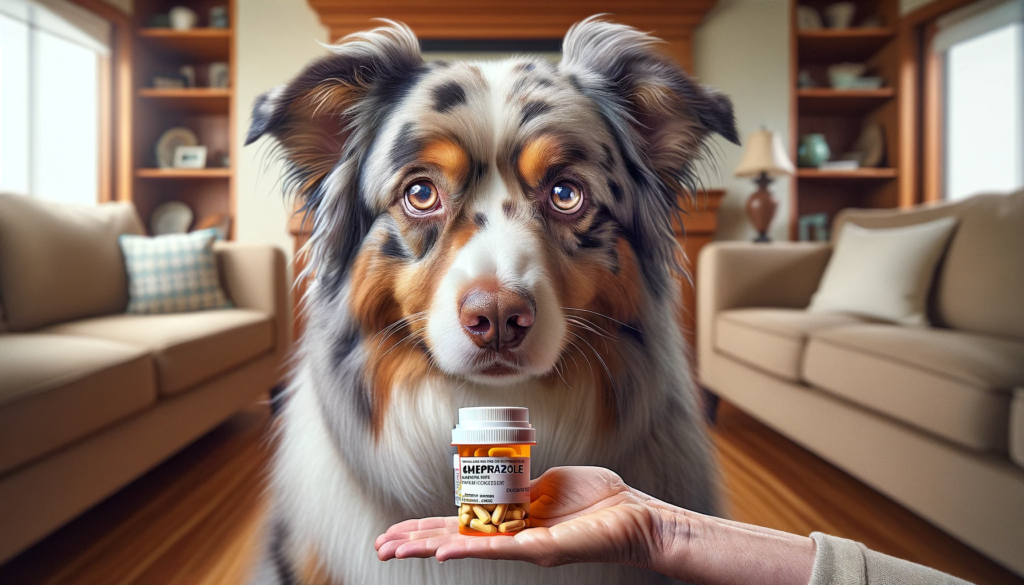
    omeprazole for dogs safe

    Uses of Omeprazole in Dogs

    Ah, the versatile world of Omeprazole! Just as this little pill carves a niche in human medicine, it finds various uses in the realm of canine care. Let’s uncover some of the most common scenarios where our furry friends might benefit from this medication.

    Gastric Ulcers

    • What are they? Simply put, gastric ulcers form as sores on a dog’s stomach lining. They can be a real bother, causing discomfort and pain for our pets.
    • How does Omeprazole help? Omeprazole acts as a stomach shield. By reducing the amount of acid the stomach produces, it allows ulcers the chance to heal and prevents them from worsening. It’s like giving the stomach a little breather.

    Acid Reflux (GERD)

    • What is it? Similar to the heartburn humans often complain about after a spicy meal, dogs can experience acid reflux, too. This is when stomach acid irritates the esophagus, leading to symptoms like coughing, gagging, or even vomiting.
    • How does Omeprazole help? By acting as an acid suppressant, Omeprazole ensures that there’s less acid available to reflux into the esophagus. Think of it as turning down the volume on acid production, making meal times and post-meal lounging more comfortable for our pups.

    Preventative Measures

    • Why consider it? Vets sometimes prescribe medications or administer treatments to dogs that might raise the risk of stomach issues. In these cases, they might introduce Omeprazole as a precaution.
    • How does Omeprazole help? By keeping acid levels in check, Omeprazole can act as a protective layer, ensuring that other necessary treatments don’t come at the cost of stomach health.

    Delving into the world of dog health can sometimes feel like decoding a complex puzzle.
    But as we understand each piece like Omeprazole, we equip ourselves better to ensure our furry companions lead comfortable, happy lives. Remember, always work closely with your vet to determine the best course of action for your pet’s unique needs.
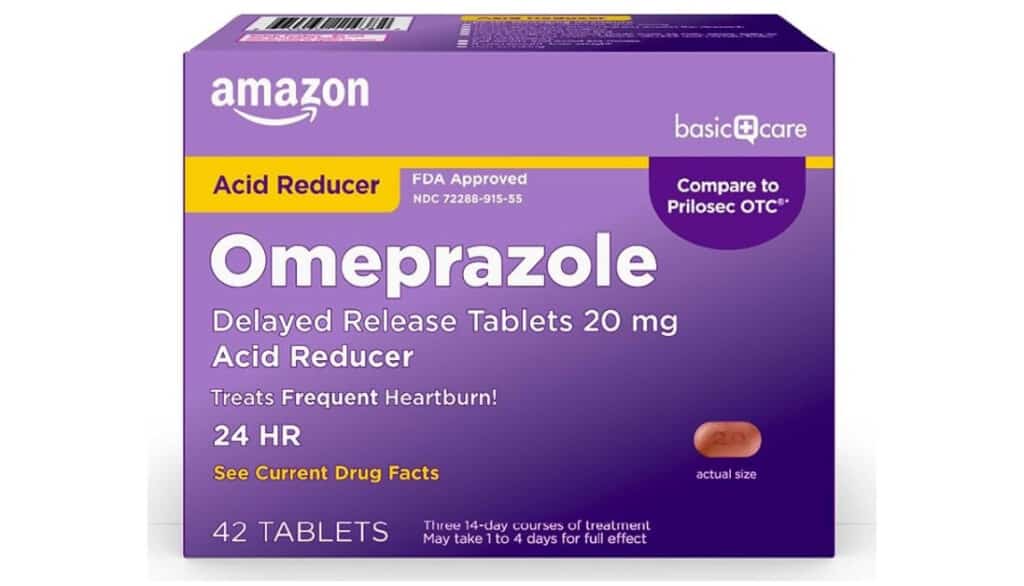
    omeprazole package

    Side Effects of Omeprazole in Dogs

    Navigating the realm of medications is a bit like setting sail on open waters. The destination is clear (better health!), but unexpected waves can arise along the journey. In the case of Omeprazole, while it offers many benefits, it’s essential to be aware of potential side effects that might surface. Let’s examine these closely so you can steer the ship with confidence.

    Common Side Effects of Omeprazole

    While not every dog will experience these, it’s good to have them on your radar:

    • Digestive Upset: This might manifest as diarrhea, vomiting, or even flatulence.
    • Loss of Appetite: You might notice Fido is less enthusiastic about mealtime. It’s a temporary reaction some dogs have while adjusting to the medication.
    • Lethargy: Just as we might feel a bit off after starting a new medication, dogs can too. They might seem a bit more tired or less playful initially.

    Less Common, but Serious Side Effects of Omeprazole

    These are rarer, but it’s crucial to be aware and consult your vet if you spot them:

    • Blood in Stools or Vomit: This is a sign that something isn’t sitting right, literally. It’s essential to address this promptly.
    • Severe Diarrhea: An occasional upset tummy is one thing, but persistent diarrhea needs attention.
    • Neurological Issues: If your pup seems unusually dizzy, uncoordinated, or has tremors, it’s a clear sign to get in touch with your veterinarian.

    While the list might seem a tad daunting, remember that many dogs take Omeprazole without any hitches. The goal isn’t to alarm but to arm you with knowledge. Every dog is unique, and what works seamlessly for one might require adjustments for another. Always maintain open communication with your vet and monitor your dog’s behavior and health closely when introducing any new medication. Being proactive ensures smooth sailing, even on the medicinal seas!
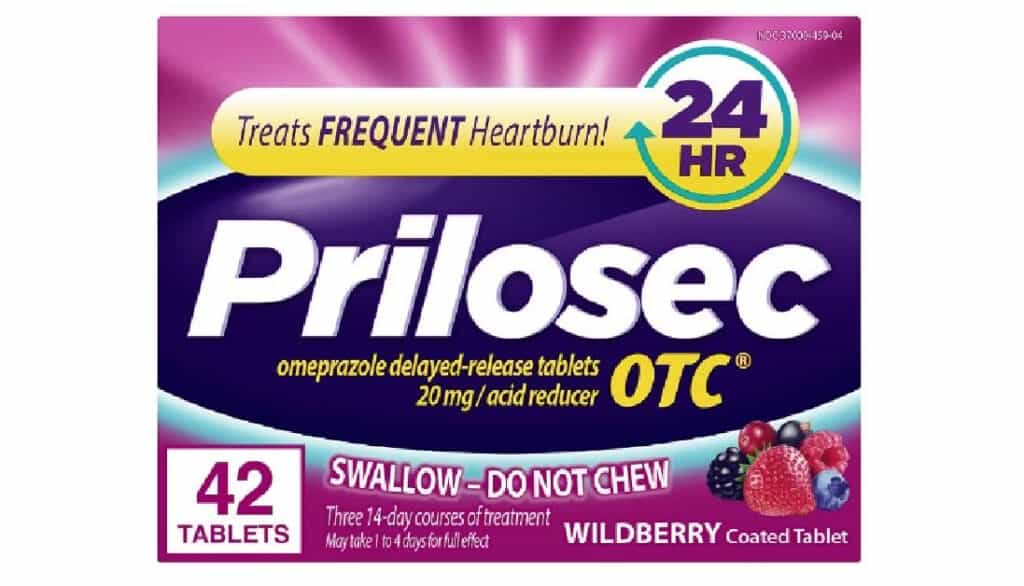
    How to Give Omeprazole to Your Dog

    Let’s face it – administering medicine to our canine companions can sometimes feel like a mission.
    When dogs wriggle, suddenly avoid treats, or spit out a pill you thought they swallowed, you need a mix of patience and technique to handle the task. Here’s a step-by-step guide on how to make the Omeprazole-giving process smoother for both you and your fur-baby.

    Step-by-step Administration of Omeprazole

    1. Preparation: Ensure you have the correct dosage ready. Always double-check the pill or liquid measurement before administering.
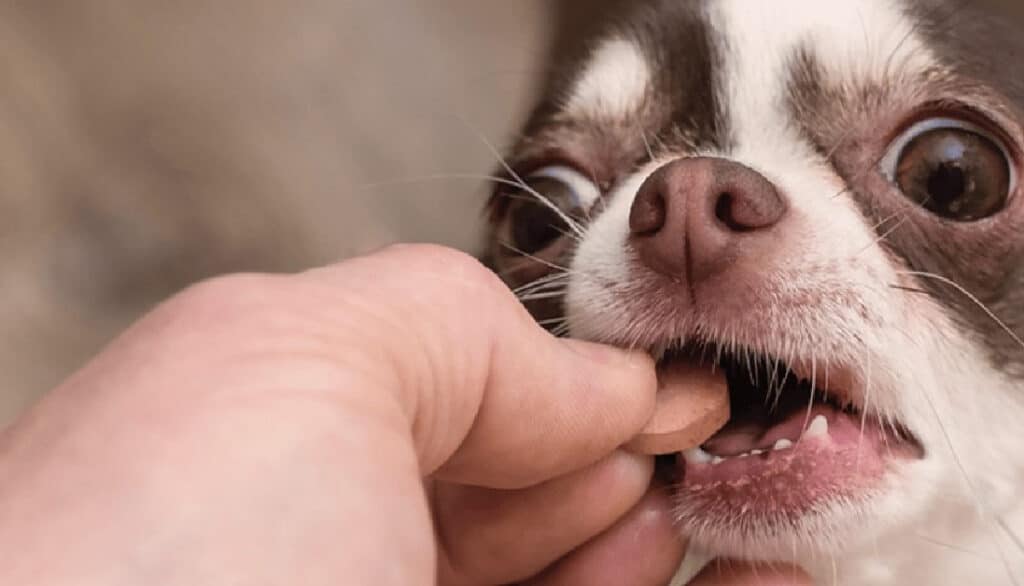
    2. Use Pill Pockets: If you’re using pill form, consider pill pockets – these tasty treats can be a game-changer. Hide the pill inside, and most dogs will gobble it up, none the wiser.
    3. Liquid Form: If your vet has prescribed a liquid form of Omeprazole, use a syringe or dropper. Ensure your dog is calm, gently open their mouth, and administer the liquid to the side of the cheek, not directly down the throat to prevent choking.
    4. Follow with a Treat: Positive reinforcement works wonders. After successfully administering the medicine, give your dog their favorite treat. This not only rewards them but also ensures that the pill goes down smoothly.
    5. Monitor After Administration: Keep an eye on your dog for a few minutes after giving the medicine. This ensures they don’t spit it out and helps in spotting any immediate adverse reactions.

    Omeprazole Dosing Chart For Dogs

    Please note that the following is a general guideline. Always use the specific dosage recommended by your vet:

    Dog SizeOmeprazole Dosage
    Small Dogs (10lbs or less)2.5 mg to 5 mg once daily
    Medium Dogs (10 to 20lbs)5 mg to 10 mg once daily
    Large Dogs (20 to 40lbs)10 mg to 20 mg once daily
    Extra Large Dogs (over 40lbs)20 mg to 40 mg once daily

    Remember, giving medication is a mix of art and science. While you aim for precision in dosage, the method might need some creative adjustments based on your dog’s temperament and preferences. Always prioritize safety, create a calm environment, and of course, give cuddles after completing the task to make the process smoother for next time!
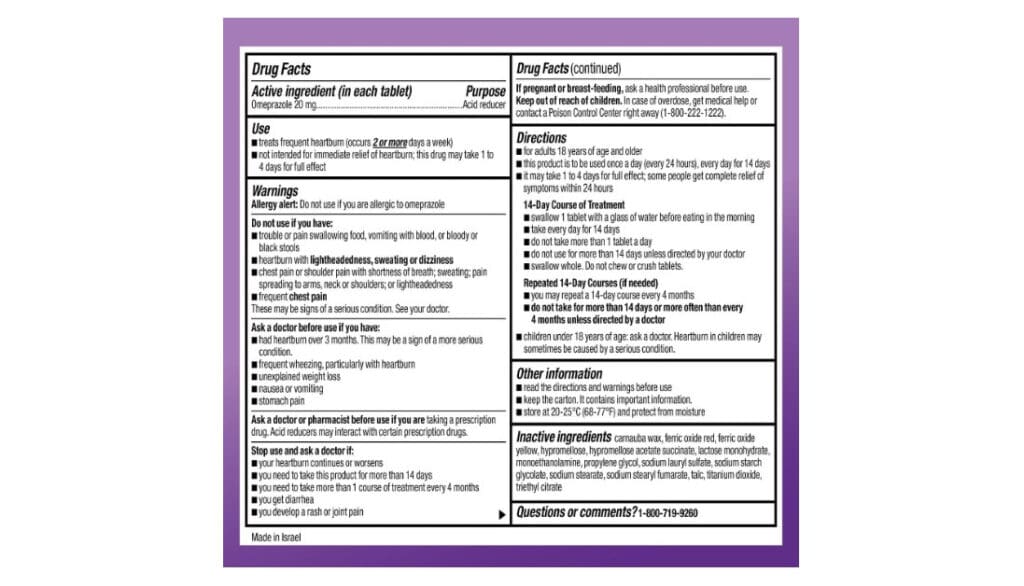
    back of omeprazole package

    Omeprazole Alternatives & Dr. Candy’s Recommendations

    It’s worth exploring alternative routes, especially when we have expert guidance to light the way. Dr. Candy, with her vast experience and dedication to animal health, has some noteworthy recommendations to consider:

    Famotidine

    • What is it? People often recognize Famotidine by its commercial name, Pepcid, as another acid-reducing medication.
    • Why I recommend it: For some dogs, Famotidine might be gentler on the system, offering similar benefits without some of the side effects associated with Omeprazole.
    • Usage Tips: As with any medication, it’s essential to consult with a vet regarding dosage and suitability for your specific pet.

    Prilosec

    • What is it? A bit confusing, right? While Omeprazole and Prilosec might seem interchangeable, Prilosec is actually a brand name for Omeprazole.
    • Why I recommend it: The brand-specific formulation might sometimes offer a more consistent therapeutic effect due to its proprietary makeup.
    • Usage Tips: Always follow prescribed doses and watch for any reactions, especially when switching from generic Omeprazole to Prilosec.

    Slippery Elm

    • What is it? Venturing into the realm of natural remedies, people have used the herb slippery elm for centuries to treat various ailments.
    • Why I recommend it: For dogs that have minor digestive issues or for those who prefer a more holistic approach, slippery elm can soothe the digestive tract and reduce inflammation.
    • Usage Tips: Since it’s a natural remedy, it’s crucial to source high-quality products. And, as always, discuss with your vet before introducing it to your dog’s regimen.

    Health isn’t a one-size-fits-all approach. Every dog is a unique individual, and what works wonders for one might require tweaking for another. By staying informed, consulting experts, and always prioritizing our pet’s wellbeing, we can confidently navigate the multiple avenues of animal healthcare.
    omeprazole alternatives for dogs

    Conclusion

    Journeying through the world of canine health can often feel like a maze, with its twists, turns, and overwhelming options. But with the right information, a keen eye, and a loving heart, we can chart a course that leads to the well-being of our four-legged family members. Omeprazole, like many other tools in our pet care arsenal, holds the promise of relief and comfort for our dogs when used wisely. However, as with all health decisions, a close partnership with your veterinarian ensures that the choices we make are in the best interests of our furry companions.

    Navigating pet health isn’t just about medications or treatments; it’s a testament to the lengths we’ll go to ensure our pets lead the healthiest, happiest lives. Whether you’re exploring Omeprazole or seeking alternative routes, the compass that guides you should always be love, care, and informed choices. Here’s to many more tail-wagging, happy moments with your loyal companion!

    Frequently Asked Questions

    How is Omeprazole useful?

    Omeprazole is a medication that is used to prevent and/or treat stomach ulcers. The FDA (U.S. Food & Drug Administration) has approved this drug for use in horses and humans. The FDA allows veterinarians to prescribe and use products containing this drug in other animal species in certain situations. You and your veterinarian can discuss why this drug is the most appropriate choice.

    How long until I will know if Omeprazole is working, and how long will the effects of this medication last?

    This medication should help your animal feel better within 1 to 2 days. Your animal’s clinical signs should improve after that time. The effects of this medication are short-lived, meaning they will stop working within 24 hours, although the benefits may be prolonged if your animal has decreased kidney and/or liver function.

    If my animal gets too much of Omeprazole (an overdose), what should I do?

    Usually, overdoses of omeprazole are not serious, but if you know or think your animal got too much of this medication and they are showing adverse effects, contact your veterinarian or an animal poison control center for further advice. Animal poison control centers that are open 24 hours a day include: Pet Poison HELPLINE (855-764-7661) and ASPCA Animal Poison Control Center (888-
    426-4435); a consultation fee is charged for these services.

    How should Omeprazole be given?

    – For this medication to work, give it exactly as your veterinarian has prescribed. Do not cut or break tablets unless instructed to by your veterinarian or pharmacist. It’s a good idea to always check the prescription label to be sure you are giving the drug correctly.
    – Omeprazole should be given about 30 minutes before a meal, generally the first meal of the day. If your animal vomits or acts sick after getting it on an empty stomach, give it with the meal instead. If vomiting continues, contact your veterinarian.

    What should I do if I miss giving a dose of Omeprazole?

    If you miss a dose, wait and give the next dose when it is usually time to do so. Do not double-up doses or give an extra dose.

    What other information is important for Omeprazole?

    – Omeprazole is available OTC (over-the-counter, without a prescription). Do not give omeprazole (or any other OTC medications) to your animal without first consulting a veterinarian.
    – Do not change or switch dosage forms without first consulting with a veterinarian or pharmacist, as the dose may not be the same.
    – Use of this drug may not be allowed in certain animal competitions. Check rules and regulations before entering your animal in a competition while this medication is being administered.

    A note about your dog’s health

    This article provides general education and does not replace an examination, diagnosis, or individualized advice from your veterinarian. Contact a veterinary professional if you are concerned about your dog’s symptoms.

    Dr. Candy Akers, DVM Avatar

    ABOUT THE AUTHOR

  • Butorphanol For Dogs: Vet Gives Dose, Side Effects & Alternatives

    Butorphanol For Dogs: Vet Gives Dose, Side Effects & Alternatives

    *This page may include affiliate links, which means that if you make a purchase through one of the product links, we may receive a small commission. For full affiliate disclosure please see our disclaimer page.

    As our furry friends age or face health challenges, navigating the world of veterinary medications can be overwhelming for dog owners. Butorphanol, a name that might sound intimidating at first, is one such medication you might encounter, especially if your dog deals with specific respiratory issues or pain. But what exactly is butorphanol? Is it safe for your loyal companion? And how does it compare to human medications? Designed to shed light on these questions, this guide dives deep into the world of butorphanol for dogs. From its uses and dosage to potential side effects and natural complementary treatments, we’re here to provide a comprehensive overview. So, take a deep breath (no pun intended) and let’s embark on this informative journey, ensuring your pup gets the best care possible!

    butorphanol for dogs

    Is Butorphanol Safe for Dogs?

    When it comes to the health and well-being of our beloved pets, safety is always a paramount concern. Butorphanol, commonly prescribed in the veterinary world, is no exception to the scrutiny every responsible dog owner should apply when introducing new medications.

    Safety Profile

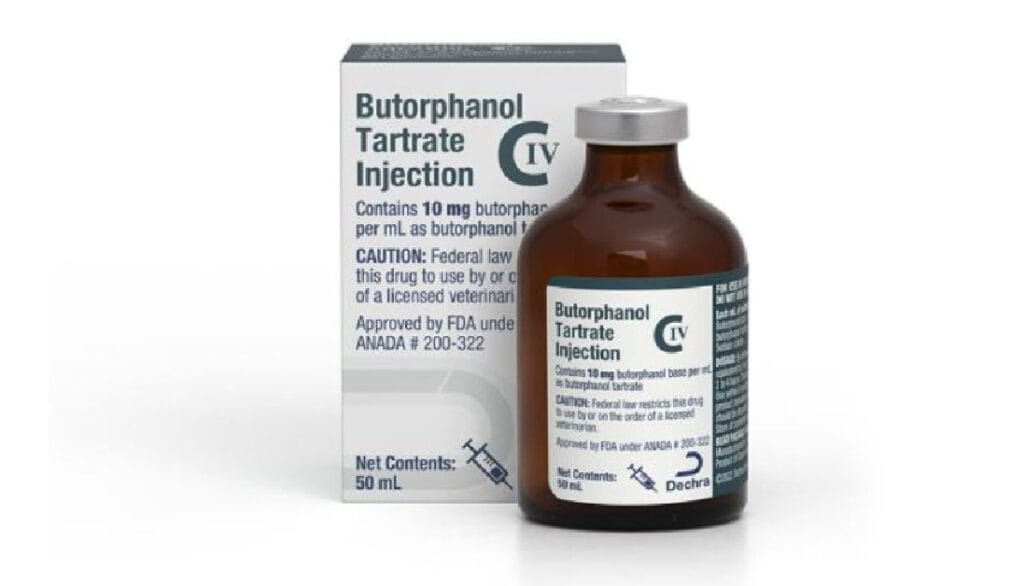
    At its core, butorphanol is an opiate analgesic, which means it relieves pain. Veterinarians prescribe it for various reasons, from cough suppression to pain relief post-surgery. When used appropriately and guided by a professional, dogs can safely take butorphanol. It’s worth noting, however, that like all medications, the key lies in the correct dosage and careful monitoring.

    Precautions

    While butorphanol is generally considered safe, there are precautions that should be heeded:

    1. Age and Health: Older dogs or those with kidney or liver problems may metabolize drugs differently. Always inform your vet about any underlying health conditions your pet might have.
    2. Interactions: Butorphanol can interact with other medications. Ensure your vet knows about all other drugs or supplements your dog is taking.
    3. Sensitivity: Some dogs might be more sensitive to the effects of butorphanol, experiencing more pronounced side effects. Keeping a close watch during the initial stages of administration can be crucial.

    Risk of Butorphanol Overdose

    Like any medication, there’s a risk of overdose with butorphanol. Administering more than the recommended dosage can lead to complications. Symptoms can include difficulty breathing, extreme drowsiness, or even loss of consciousness. If you suspect an overdose or observe any alarming reactions, seek emergency veterinary care immediately.

    To sum up, butorphanol can be safe for dogs when used judiciously and under the guidance of a veterinarian. Always ensure you’re administering the correct dose, be aware of potential interactions, and monitor your dog closely for any adverse reactions. Your dog’s health and safety are paramount, and staying informed is the first step in ensuring they receive the best care.

    is butorphanol safe for dog

    Is Butorphanol for Dogs the Same as for Humans?

    Navigating the maze of medications available for both humans and pets can sometimes lead to confusion. A question many pet owners ponder is whether the drugs given to their furry friends are the same as those prescribed to humans. When it comes to butorphanol, there’s a story to tell.

    The Basic Compound

    Butorphanol, at its molecular level, remains consistent whether it’s meant for humans or dogs. In essence, the active ingredient that provides its therapeutic effect is the same. Doctors prescribe butorphanol to both humans and dogs for its analgesic (pain-relieving) and antitussive (cough-suppressing) properties.

    Formulation Differences

    While the core compound is consistent, the formulation might differ. Human medications often come with additional ingredients or concentrations designed specifically for human physiology. These might not be safe or effective for dogs. For instance, a pill designed for humans might contain a coating or other ingredients that could be harmful or less digestible for dogs.

    Dosage and Strength

    The strength and dosage of butorphanol will differ greatly between humans and dogs. What’s considered a safe and effective dose for a human could be dangerous for a dog and vice versa. This difference is because of variations in metabolism, size, and physiology between the species.

    Regulations and Approvals

    Drugs intended for humans go through a different set of regulatory approvals than those for animals. Even if the active ingredient remains the same, testers and regulators approve the process differently to ensure safety and efficacy for the target audience, whether two-legged or four-legged.

    The Bottom Line

    While the base compound of butorphanol remains the same for both humans and dogs, it’s imperative not to interchange or substitute one for the other. Always use medications precisely as prescribed by the respective medical or veterinary professional. If you ever run out of your dog’s prescription or mistakenly believe that the human version could be a temporary replacement, resist the urge and consult your vet. It’s always better to be safe and ensure our pets receive treatments tailored specifically to their needs.

    Uses of Butorphanol for Dogs

    Dogs, much like humans, can suffer from a range of ailments and conditions that require medical intervention. Butorphanol is a versatile medication often prescribed in the veterinary realm. Let’s discuss the primary reasons veterinarians turn to butorphanol when treating man’s best friend.

    For Cough

    • Mechanism of Action: Butorphanol acts as an antitussive, meaning it suppresses the urge to cough. It affects certain parts of the brain to reduce the cough reflex.
    • Applications: Dogs with conditions like kennel cough or other respiratory diseases that cause persistent coughing can use it. However, it’s essential to treat the underlying cause alongside symptom management.

    For Collapsed Trachea

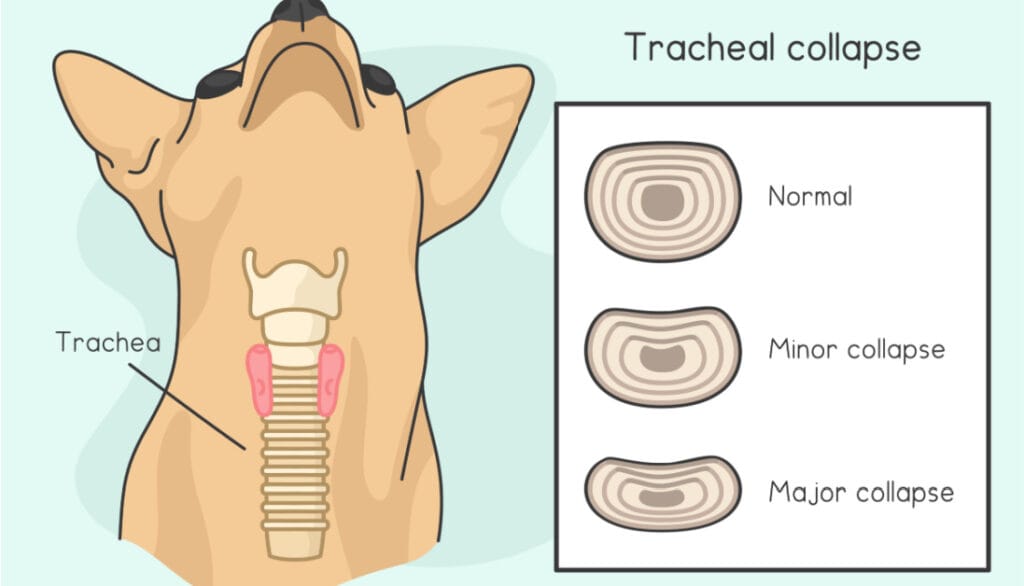
    • What is a Collapsed Trachea?: The trachea (windpipe) weakens or collapses in a condition called a collapsed trachea, causing breathing difficulties for dogs and often producing a characteristic “goose honk” cough.
    • How Butorphanol Helps: While butorphanol won’t treat the condition itself, it can alleviate the symptoms. By suppressing the cough reflex, it provides relief to dogs suffering from the discomfort and distress of frequent coughing.
    tracheal collapse in dogs

    Pain Relief

    • Types of Pain: Butorphanol is primarily an opiate analgesic, making it effective against various pain types, including post-operative pain, injury-induced pain, or chronic pain from conditions like arthritis.
    • How it Works: The drug works by acting on certain receptors in the brain, altering the perception of pain. It’s especially useful for short-term pain management, given its relatively short duration of action.
    • Comparison to Other Analgesics: While effective, butorphanol might not be as potent as some other opiates. However, its safety profile and reduced risk of side effects can make it a preferred choice in certain scenarios.

    Butorphanol boasts a range of uses, from cough suppression to pain management. However, it’s crucial to remember that while it might alleviate symptoms, it might not address the root cause of some conditions, like a collapsed trachea. Always consult with a veterinarian regarding the best treatment plan tailored for your pet’s unique needs, ensuring they lead a comfortable and happy life.

    Butorphanol Dosage Chart For Dogs

    Remember, you must base the dosage of butorphanol on the dog’s weight, age, health status, and the condition you are treating. Here are some possible dose ranges for butorphanol in dogs:

    Dog’s WeightRecommended Butorphanol Dosage
    Under 10 lbs0.1 – 0.5 mg/kg
    10 – 30 lbs0.2 – 0.6 mg/kg
    30 – 60 lbs0.3 – 0.7 mg/kg
    Over 60 lbs0.4 – 0.8 mg/kg
    **This table is entirely illustrative and should not be taken as medical advice. Always consult a veterinarian to determine the correct dosage of butorphanol for your dog based on its specific needs and circumstances.

    Forms of Butorphanol

    Butorphanol’s versatility isn’t just in its range of uses but also in the different formulations it comes in. Drug manufacturers create each form with specific applications and advantages to ensure the best possible care for dogs based on their unique needs. Let’s dive into the various forms of butorphanol and their respective characteristics.

    Liquids (Oral Solutions)

    • Description: This form is typically a liquid solution meant to be administered orally. It may come with a dropper or syringe for accurate dosing.
    • Advantages:
      • Easier administration for dogs that might resist tablets.
      • Faster absorption and onset of action.
      • Can adjust the dose with precision.
    • Considerations:
      • Shorter shelf life than some other forms.
      • Some dogs might not like the taste, requiring it to be mixed with food.

    Oral Tablets/Capsules

    • Description: These are traditional solid forms, either as a tablet or encapsulated powder.
    • Advantages:
      • Longer shelf life.
      • Convenient for travel or on-the-go dosing.
    • Considerations:
      • Some dogs might resist taking tablets or capsules.
      • Breaking tablets for accurate dosing can sometimes result in uneven amounts.

    Injections (Injectable Solution)

    • Description: This is a liquid form meant to be administered through an injection. It is often used in veterinary clinics or hospitals.
    • Advantages:
      • Immediate and potent action.
      • Useful for dogs that can’t take oral medications due to vomiting or other reasons.
      • Ensures complete dosage (no loss as might happen with oral solutions if the dog spits it out).
    • Considerations:
      • Requires a trained individual for administration.
      • Some dogs might experience discomfort at the injection site.
      • Not as convenient for regular at-home administration.

    Choosing the right form of butorphanol depends on the dog’s specific condition, the owner’s comfort level with administration, and the dog’s own preferences or behaviors. It’s always important to discuss with a veterinarian the most suitable form for your pet, ensuring that they not only get the medication they need but also in a manner that causes the least stress or discomfort.

    ways to give butorphanol to dogs

    Side Effects of Butorphanol

    Butorphanol, like all medications, can have potential side effects. While it’s a valuable drug for managing pain and other conditions in dogs, it’s essential for pet owners to be aware of its possible side effects to ensure the safety and well-being of their canine companions. All dogs may not experience these side effects, and many of them might be mild, but taking a proactive step in pet care requires staying informed.

    Common Side Effects:

    1. Sedation: One of the most frequently observed side effects. Dogs might seem drowsy or less alert.
    2. Ataxia: This refers to uncoordinated or stumbling movements, often as a result of the drug’s sedative effect.
    3. Decreased Heart Rate: Some dogs might experience a drop in their heart rate.
    4. Decreased Respiratory Rate: A potential decrease in the number of breaths a dog takes per minute.
    5. Vomiting and Diarrhea: Gastrointestinal upset can sometimes occur.
    6. Increased Urination: Some dogs might urinate more frequently than usual.

    Less Common Side Effects:

    1. Appetite Changes: This could be either an increased or decreased appetite.
    2. Agitation or Anxiety: Though it’s a sedative, some dogs might react oppositely and become restless.
    3. Digestive Issues: Beyond vomiting and diarrhea, some dogs might experience gas or bloating.
    4. Changes in Vision: Rare, but some dogs might have dilated pupils or seem to have altered vision.

    Severe Side Effects (Seek Veterinary Care Immediately):

    1. Difficulty Breathing: If your dog seems to be struggling to breathe, seek help right away.
    2. Allergic Reaction: Symptoms might include swelling, intense itching, hives, or difficulty breathing.
    3. Prolonged Sedation: If your dog seems excessively drowsy and doesn’t respond to stimuli, it might be a cause for concern.
    4. Collapse: Any sudden weakness or collapse warrants immediate veterinary attention.

    Interactions:

    It’s also important to note that butorphanol can interact with other medications. If your dog is on any other treatment, whether it’s prescription or over-the-counter, always inform your veterinarian.

    While the above list might seem intimidating, it’s important to understand that many dogs tolerate butorphanol well, and the benefits often outweigh potential risks. Regularly monitor and openly communicate with your veterinarian to catch and manage any side effects effectively early on.

    Remember, every dog is unique, so it’s about finding the right balance for your pet’s individual needs. Always prioritize their comfort and well-being, and don’t hesitate to reach out to professionals when in doubt.

    How Long Does Butorphanol Last?

    Understanding the duration of action of a medication is vital. It not only dictates the dosing frequency but also helps pet owners anticipate the window of relief for their pets and be aware of potential side effects. When it comes to butorphanol, its duration in the system is an essential aspect of its pharmacological profile.

    Duration of Action

    Butorphanol, when administered to dogs, generally has a relatively short duration of action. On average, its analgesic (pain-relieving) effects last:

    • Oral administration: Effects might be noticed within 30 minutes to an hour after dosing, and the pain-relieving properties often last between 2 to 4 hours.
    • Injectable form: The onset is quicker, usually within minutes, but its duration is typically in the same 2 to 4-hour range.

    Factors Influencing Duration

    Several factors can influence how long butorphanol lasts in a dog’s system:

    1. Metabolism: Just like humans, dogs have individual metabolic rates. Some dogs might process medications faster or slower than the average.
    2. Age: Older dogs might have a slower metabolism, meaning drugs could stay in their system for a longer period.
    3. Health Conditions: Liver and kidney function play a pivotal role in drug processing. Dogs with compromised organ function might metabolize drugs differently.
    4. Other Medications: If your dog is on other medications, these can potentially affect the metabolism of butorphanol.

    Clinical Implications

    Because butorphanol has a relatively short duration of action, you might need to administer it more frequently than some other pain relievers. This frequent dosing can be both an advantage (flexibility in adjusting dosages) and a limitation (more frequent dosing might be challenging for some pet owners).

    While butorphanol is effective in providing relief, its short-lived action necessitates a clear understanding and commitment to dosing schedules. Always monitor your dog’s reaction post-administration to gauge the effectiveness and duration in real-world scenarios. And, as always, consult with your veterinarian about any concerns or if you feel the medication’s effects aren’t lasting as long as expected.

    butorphaol tartrate bottle

    How to Give Butorphanol to Your Dog

    Administering medication to your pet can sometimes be a daunting task, especially if your furry friend is anxious or uncooperative. But with the right techniques and a calm approach, giving butorphanol to your dog can become a straightforward process. Here’s a guide to help you through it:

    1. Read the Prescription Carefully

    Before anything else, always ensure you’re clear about the dosage, frequency, and any specific instructions from the veterinarian.

    2. Prepare the Medication

    • Oral Solutions: If it’s a liquid form, shake the bottle well (if instructed), and draw up the required amount using a syringe or dropper.
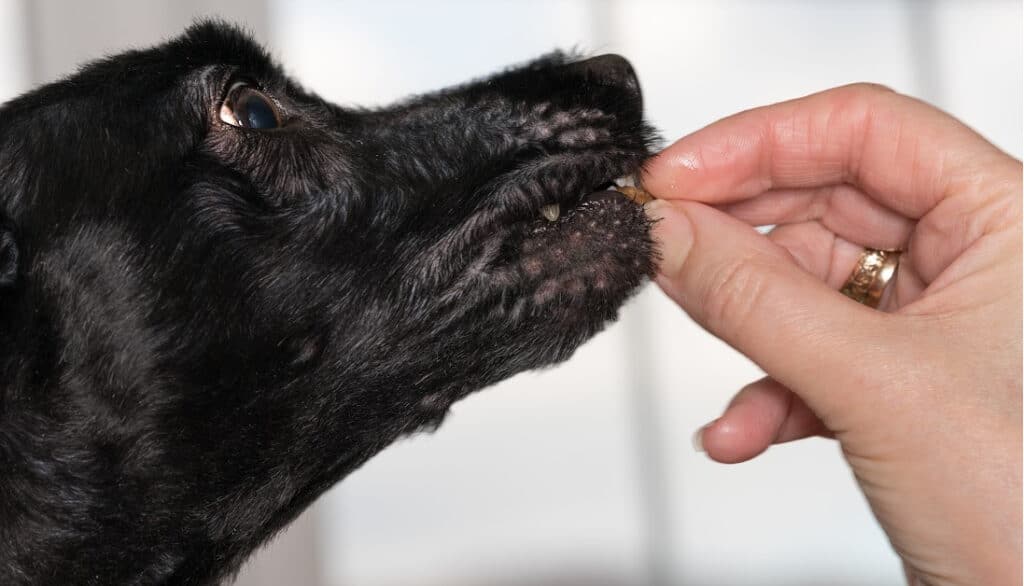
    • Tablets/Capsules: Have the pill ready. If your dog is reluctant to take tablets, consider a pill pocket or wrapping it in a tasty treat.

    3. Choose a Calm Environment

    Select a quiet spot with minimal distractions. This will help keep your dog calm and make the process smoother.

    4. Positioning

    • For Oral Solutions/Tablets: Hold your dog’s muzzle gently and tilt its head slightly back. Using your other hand, insert the dropper between the cheek and back teeth or place the pill as far back on the tongue as possible. Close the mouth and gently hold it shut while encouraging swallowing by massaging the throat.
    • For Injections: A veterinarian or trained professional typically performs this. If a professional instructs you to administer injections at home, make sure you receive proper training in the technique and always select a different site for each injection.

    5. Positive Reinforcement

    After administering the medication, reward your dog with praise, a gentle petting session, or a small treat (if allowed). This positive reinforcement can make future administrations easier.

    6. Monitor for Reactions

    Always keep an eye on your dog after giving medication to ensure there’s no adverse reaction. Look for signs of distress, excessive drooling (for oral medications), or any other unusual behavior.

    7. Storage

    Store butorphanol as advised by the veterinarian or as per the label. You should generally store it in a cool, dry place, keep it away from sunlight, and ensure it’s out of reach of children and pets.

    8. Missed Doses

    If you miss giving a dose, administer it as soon as you remember. However, if it’s close to the next dose, skip the missed one and continue with the regular schedule. Never give a double dose.

    9. Seek Assistance for Difficulties

    If your dog consistently resists taking the medication or if you feel unsure, don’t hesitate to consult your vet. They might offer alternative solutions or techniques.

    Administering butorphanol, like any medication, requires patience, consistency, and care. Familiarizing yourself with the process and ensuring a positive experience for your dog will make the task easier over time. Remember, the goal is to make your pet comfortable and healthy, so always approach the situation with calmness and compassion.

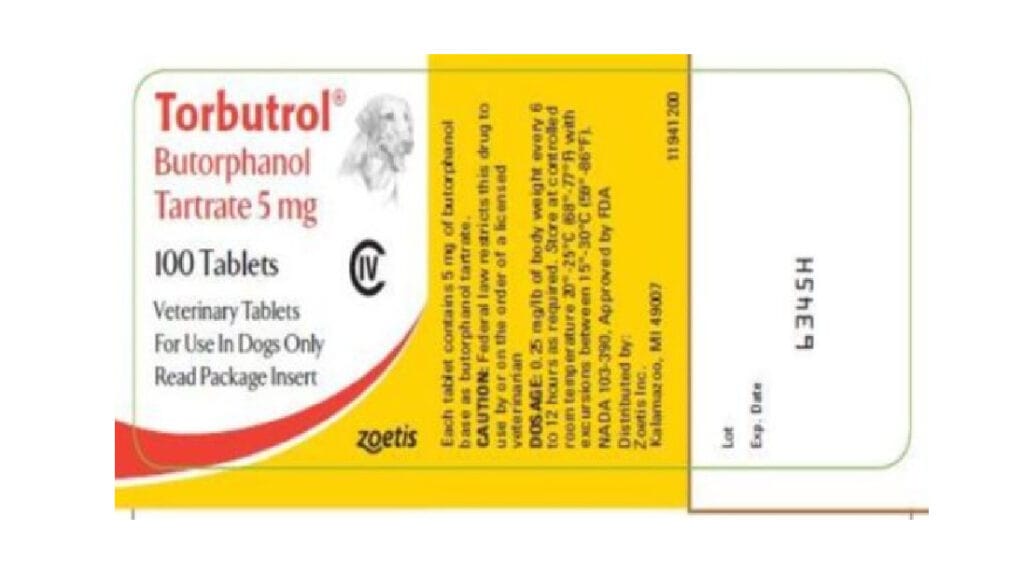
    torbutrol label

    Complementary Natural Products To Butorphanol That You Can Add To Your Treatment Plan

    Dr. Candy’s Recommendations

    Incorporating natural products alongside traditional medicines like butorphanol can offer holistic care for your dog, potentially boosting the therapeutic effects or even offering relief from some side effects. However, always consult with a veterinarian before introducing any new product into your dog’s regimen to ensure safety and compatibility. Here’s a list of natural products and their potential benefits:

    1. Breathe Essential Oils

    • Description: People believe that certain essential oils promote respiratory health and alleviate congestion.
    • Potential Benefits:
      • Eucalyptus and peppermint oils can help clear nasal passages.
      • Lavender can offer calming effects, reducing stress.
    • Caution: Ensure any essential oil used is pet-safe. Always dilute them and never apply directly to the skin or let pets ingest them.
    essential oils for dogs

    2. Air Purifier

    • Description: Devices that filter and purify indoor air to remove particles, allergens, and pollutants.
    • Potential Benefits:
      • Reduces allergens that can exacerbate respiratory issues.
      • Promotes a cleaner environment, beneficial for overall health.

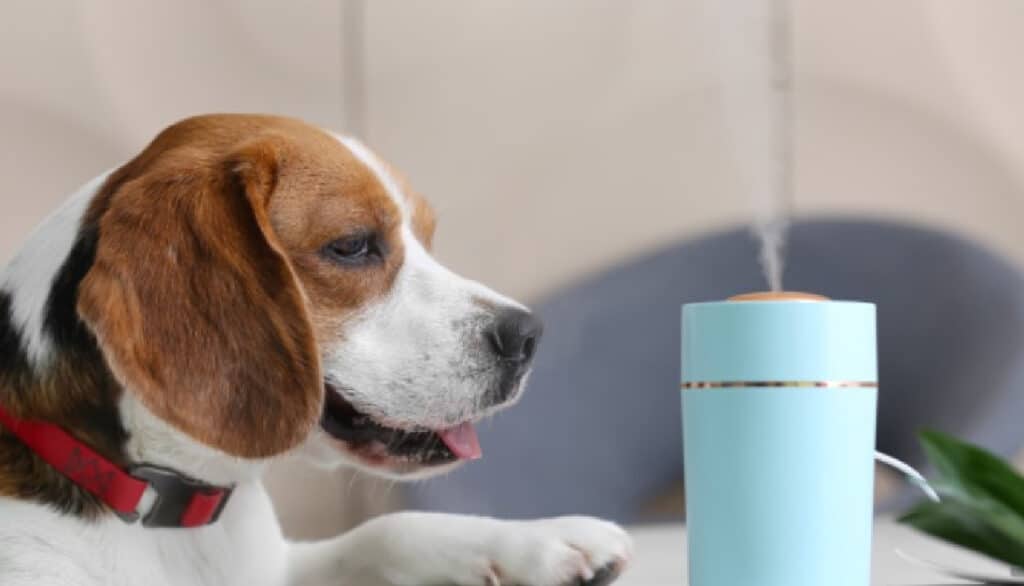
    3. Air Humidifier

    • Description: Adds moisture to indoor air, preventing dryness.
    • Potential Benefits:
      • Helps in keeping respiratory passages moist.
      • Beneficial in conditions like kennel cough or dry environments.
    air purifier for dogs

    4. Respiratory Herb Tinctures

    • Description: Herbal extracts are believed to support respiratory health.
    • Potential Benefits:
      • Herbs like mullein, licorice, and marshmallow can soothe irritated respiratory tracts.
      • Can offer natural anti-inflammatory effects.
    • Caution: Ensure the herbs used are safe for canine consumption.

    5. HomeoPet Cough

    • Description: A brand known for its natural homeopathic remedies for pets, this remedy helps provide temporary relief from barky cough, sneezing, and dry nose.
    • Dosage:
      • Dosing for Dogs/ Cats under 20 lbs/10 kg , 5 drops; 20-100 lbs/ 10-50 kg, 10 drops; over 100 lbs/50 kg, 15 drops. In acute cases the doses can be given every 15 minutes for the first hour, every 30 minutes in the second hour, once in the third hour, then reducing to 1 dose 3 times daily.
      • Dose this liquid medicine directly into your pet’s mouth, in their water, or at meal or snack time 3 times a day until symptoms improve.
    Homeopet Cough

    Natural additions and complementary products can offer a multi-pronged approach to your dog’s health, working alongside prescribed medications for optimal benefits. However, it’s crucial to remember that natural doesn’t always mean safe. Always consult your veterinarian, keep an eye out for any reactions, and ensure that the chosen products are safe and beneficial for your pet.

    Conclusion

    Navigating the world of canine health and well-being can often seem overwhelming with the myriad of options and decisions to make. Butorphanol stands as a testament to modern veterinary medicine’s ability to offer relief and comfort to our furry friends. While it’s an effective solution for various ailments, as with any medication, knowledge is key. Informing yourself about its uses, dosage, side effects, and complementary treatments ensures you make the best choices for your beloved companions.

    Moreover, embracing a holistic approach, which marries traditional medicine with complementary natural products, can offer a comprehensive care plan tailored to individual needs. Always remember, the goal is to ensure the happiness and health of your pet, so regular consultations with your trusted veterinarian and continuous education are paramount.

    In the journey of pet ownership, the well-being of our furry family members is a shared responsibility between owners, veterinarians, and even the wider community. Here’s to creating a world where our pets thrive, brimming with joy, health, and boundless energy!

    Frequently Asked Questions

    How is Butorphanol useful? 

    Butorphanol is an opiate drug used as a cough suppressant in dogs and, in a variety of species, as a pain reliever. It is also used in combination with other drugs as a sedative or restraining agent. Sometimes butorphanol is used during chemotherapy to prevent chemotherapy-induced vomiting. The FDA (U.S. Food & Drug Administration) has approved this drug for use in dogs, cats, and horses (not for horses to be used for food) as a pain reliever and as a cough suppressant for dogs.

    How long until I will know if Butorphanol is working, and how long will the effects of this medication last?

    This medication should help your animal feel better within 1 to 2 hours. Your animal’s clinical signs should improve after that time. The effects of this medication are short-lived, meaning they will stop working within 24 hours, although the benefits may be prolonged if your animal has decreased kidney and/or liver function. 

    What are the side effects of Butorphanol? 


    Side effects that usually are not serious include: 
    – Sedation (sleepiness, drowsiness) is the most common; however, some animals may become overly excited with this drug. 
    – Gastrointestinal effects (decreased appetite, vomiting, constipation, or diarrhea [rare]) can be seen. 
    You don’t have to be overly concerned if you see any of these signs unless they are severe, worsen, or continue to be a problem. 

    Side effects that may be serious orindicate a serious problem: 
    – Respiratory depression (rare; troubled breathing, inability to wake your animal up). 

    Contact your veterinarian immediately if you see any of these signs. 

    If my animal gets too much of Butorphanol (an overdose), what should I do? 

    If you witness or suspect an overdose, contact your veterinarian or an animal poison control center for further advice. Animal poison control centers that are open 24 hours a day include: ASPCA Animal Poison Control Center (888-426-4435) and Pet Poison HELPLINE (855-764-7661); a consultation fee is charged for these services. 

    How should Butorphanol be given?

    For this medication to work, give it exactly as your veterinarian has prescribed. It’s a good idea to always check the prescription label to be sure you are giving the drug correctly. 
    – Butorphanol can be given either as an oral tablet or injection. This drug comes in many different-sized tablets and strengths for injection. Make sure that you are using the correct amount as prescribed by your veterinarian. 
    – Tablets may be given either with food or on an empty stomach. Should your animal vomit or act sick after receiving the drug on an empty stomach, try giving the next dose with food or a small treat. If vomiting continues, contact your veterinarian. 

    What should I do if I miss giving a dose of Butorphanol?

    If you miss a dose, give it when you remember and then wait the amount of time between doses recommended by your veterinarian before giving another dose. Do not double-up or give extra doses. 

    A note about your dog’s health

    This article provides general education and does not replace an examination, diagnosis, or individualized advice from your veterinarian. Contact a veterinary professional if you are concerned about your dog’s symptoms.

    Dr. Candy Akers, DVM Avatar

    ABOUT THE AUTHOR

  • Tylosin For Dogs: Vet Gives Uses, Dosage, Alts & Side Effects

    Tylosin For Dogs: Vet Gives Uses, Dosage, Alts & Side Effects

    Ah, the joys of pet ownership! We share our homes, our hearts, and yes, sometimes even our beds with these four-legged family members. But being a pet parent isn’t just about the wagging tails and puppy kisses; it’s also about ensuring our furry friends are in the best of health. When your veterinarian prescribes a medication like Tylosin for your dog, you naturally have a ton of questions. Is it safe? How do you administer it? And, of course, are there any alternatives? As a responsible dog owner, you’re in the right place to find out. This blog will unravel the mystery behind Tylosin, its uses, dosages, side effects, and more. Whether you’re a seasoned dog owner or a newbie just starting out, consider this your comprehensive guide to Tylosin for dogs. So, fetch a comfy seat (treats optional!), and let’s dig into everything you need to know.

    tylosin for dogs

    What is Tylosin?

    Tylosin is an antibiotic that belongs to the macrolide class. Its primary use is to treat infections caused by certain bacteria. Originally developed for use in livestock and poultry, it has since gained popularity in the treatment of certain conditions in small animals, including our beloved dogs.

    Here’s a more in-depth look:

    • Historical Background: Introduced in the 1960s, Tylosin primarily served in veterinary medicine to treat bacterial infections in a wide range of animals. Its effectiveness against a variety of bacterial strains made it a favorite among livestock farmers.
    • Main Components and Active Ingredients: The active ingredient, Tylosin Tartrate, is the component that fights against bacterial infections. It acts by inhibiting protein synthesis in bacteria, making it harder for them to grow and multiply.
    • Uses in Dogs: Over time, veterinarians began to recognize the benefits of Tylosin for dogs, particularly in treating certain gastrointestinal conditions. One of the most common uses in dogs is for the treatment of chronic diarrhea, especially when caused by certain bacterial strains or inflammations like colitis.
    • Other Applications: While its primary use is antibacterial, Tylosin also has anti-inflammatory properties which can be beneficial in treating some inflammatory conditions in dogs.

    Note that while Tylosin can work incredibly well, you should always use it under a veterinarian’s guidance. Like all antibiotics, you must ensure it fits your dog’s specific condition and use it responsibly to prevent antibiotic resistance.

    In the following sections, we’ll delve into the specifics of how Tylosin works, how to administer it, and the important considerations every pet owner should be aware of before starting their dog on this medication.

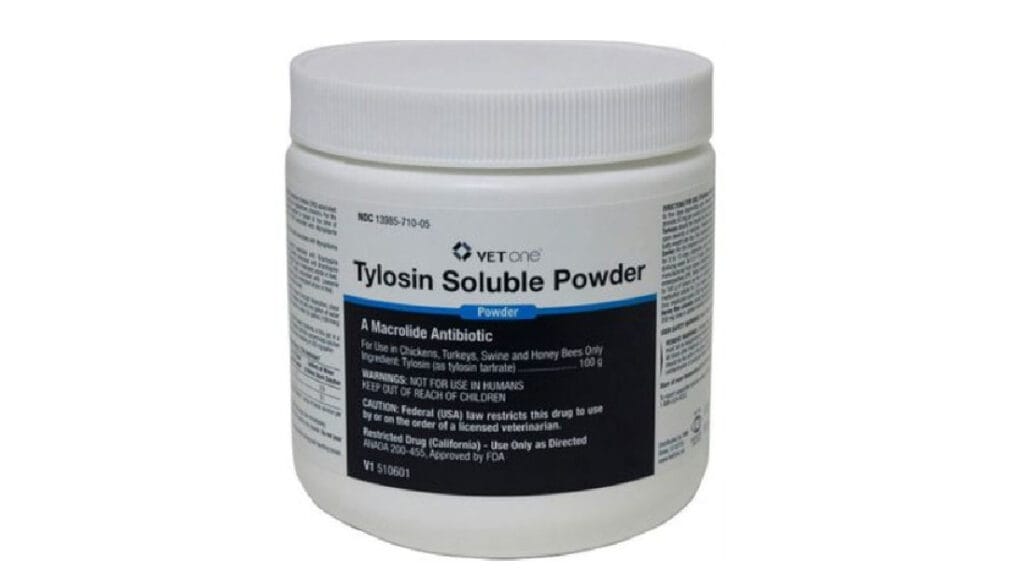
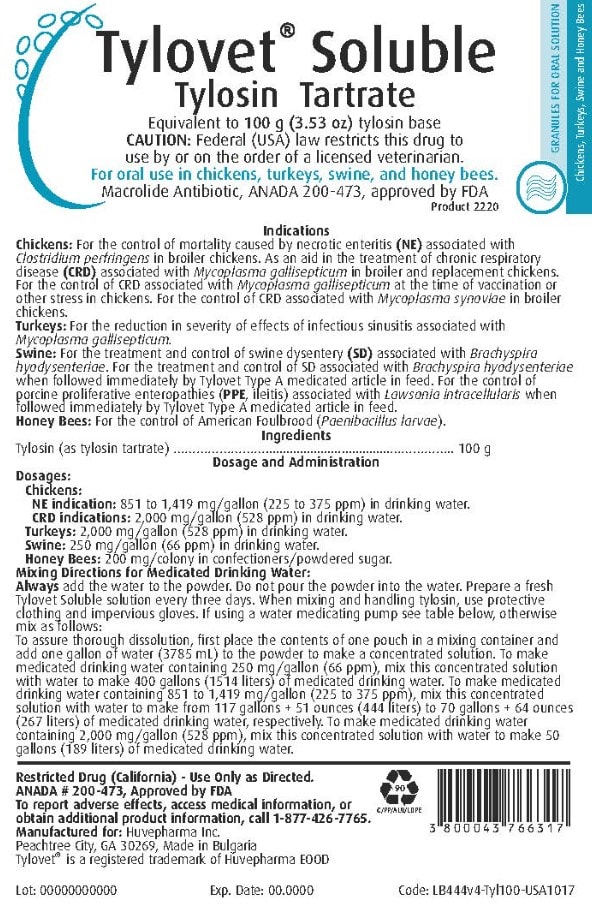
    tylosin soluble powder

    How Does Tylosin Work?

    At its core, Tylosin is a warrior against bacteria, but how does it manage to keep these microscopic invaders at bay? To truly understand Tylosin’s effectiveness, we need to delve a bit into the cellular level and its interaction with bacteria.

    • Targeting Protein Synthesis: Tylosin works by inhibiting protein synthesis in bacteria. Every bacterium needs to produce proteins to function, grow, and replicate. By interfering with this vital process, Tylosin effectively stalls the bacteria’s lifecycle, making it unable to multiply and spread.
    • Bacteriostatic vs. Bactericidal: While some antibiotics are bactericidal (they kill bacteria directly), Tylosin is primarily bacteriostatic. This means it doesn’t necessarily kill the bacteria but prevents them from growing and multiplying. This halt in bacterial growth allows the dog’s immune system to catch up and eliminate the invaders.
    • Specificity to Gram-positive Bacteria: Tylosin effectively combats a range of Gram-positive bacteria, which have a specific type of cell wall structure. This includes bacteria like Staphylococcus, Streptococcus, and certain Mycoplasma species. It’s also effective against some Gram-negative bacteria, though its primary strength lies with the Gram-positive ones.
    • Anti-inflammatory Properties: Beyond its antibacterial prowess, Tylosin has demonstrated anti-inflammatory effects. For dogs with conditions like colitis—an inflammation of the inner lining of the colon—this dual action can provide substantial relief. By reducing inflammation and tackling bacterial culprits, Tylosin can restore a sense of balance to the dog’s gastrointestinal tract.

    Understanding the ‘how’ behind Tylosin is crucial, especially when considering its use for our canine companions. It’s not just about eliminating bacteria; it’s about creating an environment where our dogs’ own defenses can flourish and help restore them to their playful, tail-wagging selves. Always consult with a veterinarian to ensure Tylosin is the right choice for your pup’s specific needs.

    How is Tylosin Administered?

    Administering medication to our furry friends can sometimes feel like a daunting task. With Tylosin, the good news is that there are multiple forms and methods to choose from, ensuring that both you and your dog have the smoothest experience possible. Here’s a breakdown:

    Oral Administration:

    • Capsules/Pills: Vets often provide Tylosin in capsule or pill form. Depending on your dog’s size and the prescription, they might instruct you to administer a full or partial pill. You can hide these in treats, mix with food, or give them directly.
    • Powder: Some vets like to prescribe Tylosin in a powder that you can blend into your dog’s meals. This option works well if you need dosage flexibility or if your dog dislikes pills.
    • Liquid (Soluble): Some manufacturers offer soluble Tylosin versions, which you can mix with water or food, though they’re less common.

    Intramuscular Injection:

    In specific cases or conditions, a veterinarian might administer Tylosin via an intramuscular injection. Clinicians often use this method in clinical settings, although it’s less common for routine at-home treatments.

    Considerations for Giving Tylosin:

    • With Food: Tylosin is typically well-tolerated when given with food. This can also help reduce the chances of stomach upset.
    • Consistency: It’s essential to administer the antibiotic at consistent times each day to maintain steady levels in the dog’s system.
    • Complete the Course: Just like with human antibiotics, it’s vital to ensure your dog completes the entire prescribed course of Tylosin, even if symptoms improve. This helps prevent antibiotic resistance.

    Storage:

    • Powder and Pills: Store these in a cool, dry place, away from direct sunlight.
    • Liquid: If you’re using a soluble form, it may require refrigeration. Always check the label or consult with your vet about proper storage.

    Monitoring:

    • Watch for Allergies: Though rare, dogs can be allergic to medications, including Tylosin. Symptoms might include hives, difficulty breathing, or swelling. Contact your vet immediately if you suspect an allergic reaction.
    • Appetite and Behavior: Monitor your dog’s appetite and behavior. If you notice a significant change or any signs of illness, consult your vet.

    Remember, while Tylosin is generally safe and effective, it’s not a one-size-fits-all solution. Your vet will provide guidance tailored to your dog’s specific needs, ensuring the best possible outcome. As always, when in doubt, reach out to a professional. Your dog’s health and comfort are worth that extra bit of care!

    Is Tylosin Safe for Dogs?

    As with any medication, the first question we often ask ourselves is, “Is this safe for my furry friend?” Tylosin, when used correctly and under veterinary supervision, is generally safe for dogs. However, like all drugs, there are nuances to consider and precautions to take.

    Safety Profile:

    • FDA Approval: The FDA approves Tylosin for use in certain livestock animals, but it’s important to note that its use in dogs is “off-label.” This means the FDA hasn’t specifically approved it for dogs.
    • However, veterinarians often prescribe medications off-label when they believe the benefits outweigh potential risks based on their medical expertise.
    • Common Usage: Vets have used Tylosin for years in veterinary medicine for dogs despite its off-label status, and many are familiar with its safety profile and potential side effects.

    Potential Concerns:

    • Overuse & Antibiotic Resistance: Like all antibiotics, the overuse or misuse of Tylosin can contribute to antibiotic resistance. This is when bacteria evolve and become immune to the antibiotic’s effects. It’s crucial to administer the drug as prescribed and complete the full course, even if your dog seems better.
    • Liver Function: If a dog has liver problems or a history of liver disease, it’s essential to discuss this with your vet.
    • The liver metabolizes Tylosin, so dogs with liver concerns might require regular monitoring.
    • Drug Interactions: Tylosin may interact with other medications, so always inform your vet of any other drugs, supplements, or treatments your dog is receiving.
    • Puppies & Senior Dogs: Age can play a role in how a dog reacts to medication. Puppies, with their developing systems, and senior dogs, with potential age-related health issues, might have different responses to Tylosin. Always consult with your vet about age-specific concerns.
    • Pregnant or Lactating Dogs: If your dog is pregnant or nursing, it’s crucial to discuss with your vet before administering Tylosin.

    While Tylosin is generally safe for many dogs, individual circumstances and health profiles can vary. The key to ensuring the safety and effectiveness of Tylosin—or any medication—is open communication with your vet and careful observation of your dog while they’re on the treatment. By staying informed and vigilant, you can ensure your pup gets the benefits of the medication while minimizing potential risks.

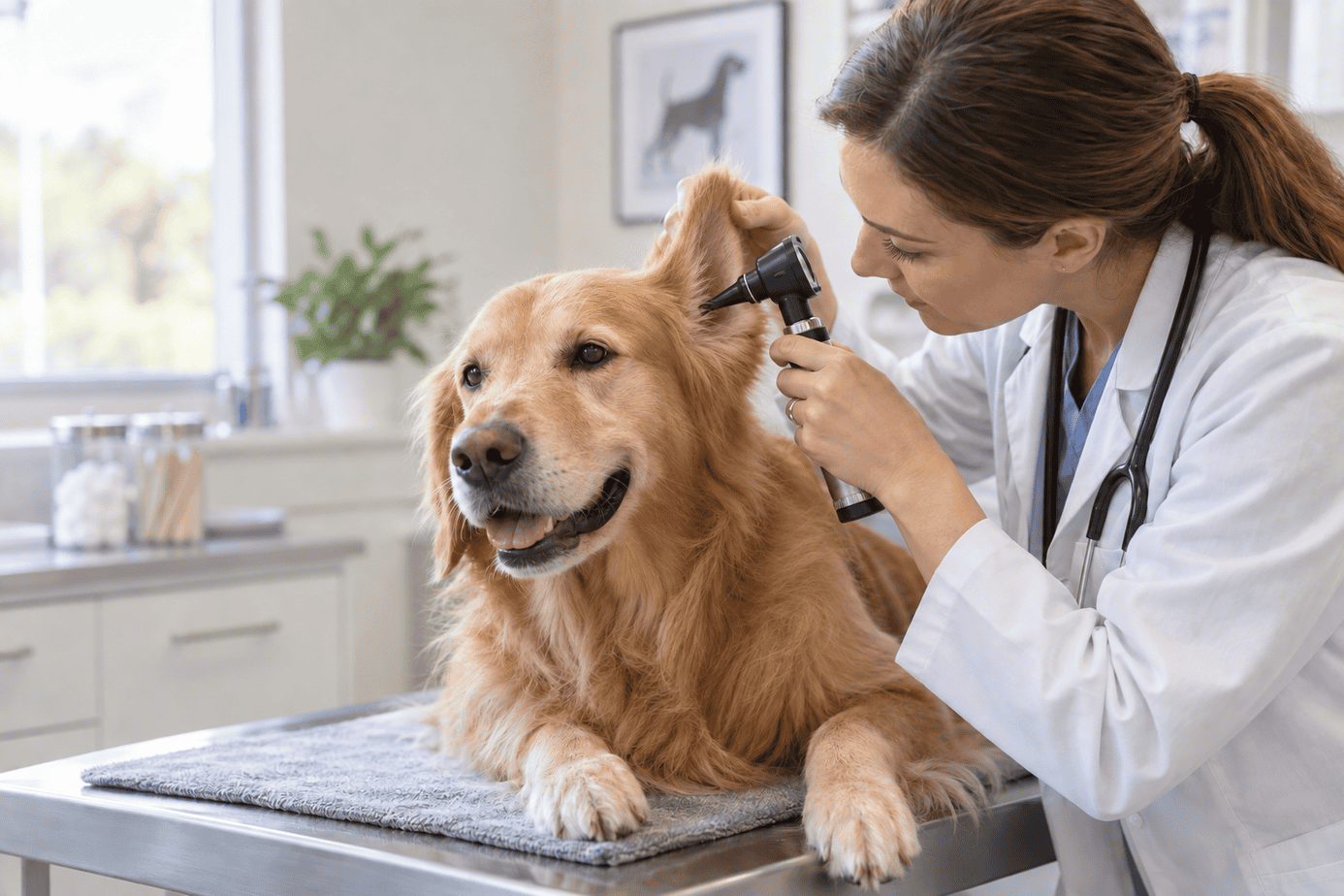
    dog getting exam at vet

    Tylosin Side Effects or Cautions

    Every medication, no matter how commonly used or well-tolerated, carries the potential for side effects. While Tylosin is generally safe for dogs, it’s essential for pet owners to be aware of possible side effects and exercise necessary precautions. Here’s a comprehensive look:

    1. Potential Side Effects of Tylosin:

    • Digestive Issues: The most common side effects are gastrointestinal in nature. Some dogs might experience:
      • Diarrhea or loose stools
      • Vomiting or nausea
      • Decreased appetite
    • Allergic Reactions: Though rare, dogs can develop an allergic reaction to Tylosin. Symptoms to watch out for include:
      • Swelling, particularly of the face, lips, or tongue
      • Hives or skin rashes
      • Difficulty breathing or rapid breathing
      • Sudden onset of itchiness
    • Yeast Overgrowth: Long-term use can occasionally lead to yeast overgrowth in the intestines, which might require additional treatment.

    2. Cautions When Using Tylosin:

    • Administer As Prescribed: Always give the prescribed dosage and follow your veterinarian’s instructions closely. Overdosing can exacerbate side effects or lead to other health concerns.
    • Avoid Abrupt Withdrawal: Don’t suddenly stop giving Tylosin without consulting your veterinarian, especially if it’s been a long-term treatment.
    • Interactions with Other Drugs: Tylosin can interact with other medications. Always inform your vet about any other drugs your dog might be taking, including over-the-counter meds, supplements, and herbal remedies.
    • Monitoring During Treatment: Especially if your dog is on Tylosin for an extended period, regular vet check-ups can help monitor liver function and ensure the medication remains appropriate for your dog’s condition.
    • Use in Specific Populations: If your dog is very young, elderly, pregnant, lactating, or has pre-existing health conditions, a discussion with your veterinarian before starting Tylosin is paramount.
    • Antibiotic Resistance: Using antibiotics inappropriately can contribute to antibiotic resistance, where bacteria become immune to the drug’s effects. This is a growing global health concern. Ensure you use Tylosin responsibly and as directed.

    3. What to Do If You Observe Tylosin Side Effects:

    • Immediate Action: If you notice severe reactions, especially symptoms of an allergic reaction like swelling or difficulty breathing, seek veterinary care immediately.
    • Milder Symptoms: For less urgent side effects, such as mild diarrhea or a slight decrease in appetite, make a note of the symptoms and discuss with your vet at the earliest opportunity. They might adjust the dosage or suggest other supportive care.
    • Record Keeping: Keeping a diary or log of any observed side effects can be helpful. This not only provides your vet with a clear picture but can also help in tailoring the best treatment plan moving forward.

    In conclusion, while Tylosin has proven to be a beneficial drug for many dogs, vigilance on the part of the pet owner is crucial. By being observant and maintaining open communication with your veterinarian, you can ensure your dog benefits from the treatment while minimizing potential adverse effects.

    side effects of tylosin

    Uses of Tylosin for Dogs

    Tylosin has been a staple in veterinary medicine for several decades. While it originated in the livestock sector, its efficacy and safety profile soon caught the attention of small animal veterinarians. In dogs, Tylosin has several key uses:

    1. Chronic Diarrhea and Gastrointestinal Issues:

    • Colitis: Veterinarians commonly prescribe Tylosin for dogs to treat colitis, an inflammation of the colon. Its anti-inflammatory and antibiotic properties soothe the gut lining and tackle bacterial imbalances contributing to the problem.
    • Antibiotic-Responsive Diarrhea (ARD): Some dogs experience persistent diarrhea that responds well to antibiotic treatment, even without identifying a specific bacterial cause. In these situations, veterinarians often choose Tylosin for its proven effectiveness.

    2. Bacterial Infections:

    • Specific Infections Treatment: Tylosin effectively treats certain Gram-positive bacteria, such as Staphylococcus, Streptococcus, and some Mycoplasma species. Veterinarians use it to treat infections these bacteria cause in different parts of the body.
    • Prevention: In certain situations, especially in kennels or shelters, veterinarians might use Tylosin prophylactically to prevent bacterial infections, especially during outbreaks or when risks are high.

    3. Respiratory Issues:

    • Mycoplasma Infections: Tylosin is effective against certain Mycoplasma species, which can cause respiratory issues in dogs. Doctors can prescribe it to treat coughs or other respiratory symptoms that result from this type of infection.

    4. Soft Tissue Infections:

    • Skin and Ear Infections: When bacteria susceptible to Tylosin cause infections of the skin or ears, you can use this antibiotic to treat them.

    Caveats:

    • Always Under Supervision: Always administer Tylosin under the supervision and guidance of a veterinarian, despite its multiple uses and benefits. It’s essential to ensure it’s the right treatment for the dog’s specific condition.
    • Short-term vs. Long-term: Some conditions might require short-term use of Tylosin, while others, like chronic gastrointestinal issues, might see the drug prescribed for longer durations. Regular vet check-ups are crucial, especially for long-term use, to monitor any potential side effects or changes in the dog’s condition.

    Tylosin is a versatile medication with various applications in canine health. Its longstanding history in veterinary medicine attests to its efficacy, but as always, individualized veterinary advice is paramount to ensure a dog’s health and well-being.

    uses for tylosin

    Tylosin Dosage Chart for Dogs

    When it comes to administering Tylosin or any medication to dogs, getting the correct dosage is crucial for effectiveness and safety. Below, we’ll provide general guidelines, an age and weight-based dosage chart, and tips for ensuring accurate dosing.

    General Dosage Guidelines:

    • The typical dosage range for Tylosin in dogs is around 5-20 mg/kg once to twice daily.
    • The specific condition being treated determines the exact dosage and duration.
    • Always administer the exact dose prescribed by the veterinarian and follow their instructions closely.

    Age and Weight-Based Dosage Chart:

    Weight RangePuppies (Up to 6 Months)Adult Dogs (6 Months & Older)Senior Dogs (8 Years & Older)
    Up to 10 lbs5 mg5-10 mg5 mg
    10-20 lbs10 mg10-20 mg10 mg
    20-40 lbs20 mg20-40 mg20 mg
    40-60 lbs30 mg40-60 mg40 mg
    60-80 lbs40 mg60-80 mg60 mg
    Over 80 lbs50 mg80-100 mg (max)80 mg

    Note: This table provides general dosage guidelines based on weight and age. However, individual needs can vary, so always consult with your veterinarian for the exact dosage.

    Tips for Ensuring Accurate Tylosin Dosing:

    1. Use a Dedicated Measuring Tool: If you’re administering liquid or powder form, use a dedicated measuring spoon or syringe provided by your vet or pharmacy. Avoid using household spoons as they can vary in size.
    2. Consistency is Key: Administer the medication at the same time(s) each day to maintain a consistent level in the dog’s system.
    3. Monitor for Side Effects: Especially when starting a new medication, observe your dog for any side effects or adverse reactions.
    4. Avoid Splitting Pills Without Guidance: If your dog requires a dosage that isn’t available in a pre-made pill, consult your vet about splitting the tablet. Some medications can lose effectiveness if broken.
    5. Store Medication Properly: Store the medication as directed, usually in a cool, dry place, to preserve its potency.
    6. Check Expiry: Regularly check the expiry date on the medication. Out-of-date medication can lose its effectiveness and may not be safe.
    7. Double-Check Dosage: Especially if multiple people in a household might administer medication, have a system in place to track doses, so the dog isn’t accidentally given too much.

    While the chart provides a general guideline, it’s crucial to reiterate that individual needs can vary. The veterinarian’s prescribed dose should always be the primary guide. Proper dosing ensures the medication’s efficacy and the safety of your furry friend.

    Forms of Tylosin

    Tylosin is a versatile antibiotic, and to cater to the various needs of animals, including dogs, it’s available in several forms. Each form has its advantages, making it suitable for different scenarios and preferences.

    1. Tylosin Powder:

    • Overview: This is one of the most common forms of Tylosin, especially for livestock. For dogs, the powder can be mixed with their food, ensuring they consume the entire dose.
    • Advantages:
      • Allows for easy dose adjustments.
      • Can be mixed with wet or dry food.
      • Suitable for dogs that resist taking pills.
    • Considerations:
      • Ensure even mixing to guarantee the dog receives the full dosage.
      • Some dogs might be wary if they detect a change in their food.

    2. Tylosin Capsules:

    • Overview: Tylosin capsules contain the antibiotic in a powdered form, enclosed in a gelatin casing. They can be given directly or opened to mix the inner powder with food.
    • Advantages:
      • Convenient and quick to administer.
      • Capsules can sometimes be easier for dogs to swallow than tablets.
      • Dosage is pre-measured, reducing the margin for error.
    • Considerations:
      • Some dogs might resist swallowing capsules.
      • Opening capsules to mix with food might make dosing less precise if not all contents are consumed.

    3. Tylosin Liquid (Injectable or Oral Solution):

    • Overview: Liquid Tylosin can either be an injectable solution or an oral suspension. The former is administered via injection, usually by a vet, while the latter is given orally.
    • Advantages:
      • Liquid solutions can be more comfortable for some dogs to consume, especially if mixed with a tasty treat.
      • Injectable form ensures that the dog receives the entire dose.
    • Considerations:
      • The oral solution must be shaken well before use to ensure even distribution of medication.
      • Injectable forms can be more invasive and might not be suitable for frequent dosing.

    4. Tylosin Tablets:

    • Overview: Tylosin tablets are a compact form that contains a pre-measured dose of the antibiotic.
    • Advantages:
      • Easy to administer for dogs accustomed to taking pills.
      • Convenient for travel or on-the-go dosing.
    • Considerations:
      • Some dogs might resist or spit out tablets.
      • Breaking tablets for dose adjustment can sometimes lead to uneven dosages.

    Choosing the Right Form of Tylosin:

    The ideal form of Tylosin for your dog will depend on various factors:

    • Frequency of Dosing: If it’s a one-time or short-term treatment, an injectable solution might be more straightforward. For long-term treatments, oral solutions or powders might be more manageable.
    • Dog’s Preferences: Some dogs have no issues with tablets or capsules, while others might prefer a powder mixed in their food.
    • Owner’s Convenience: If you’re comfortable giving injections and it’s the recommended form, that might be your choice. Otherwise, oral options might be more practical.

    Always consult with your veterinarian about which form of Tylosin is most suitable for your dog’s condition and lifestyle. Regardless of the type, ensuring that your dog receives the correct dose on the recommended schedule is paramount for the medication’s success.

    tylosin capsules

    How Long Does Tylosin Last in the System?

    The duration Tylosin remains active within a dog’s system can be essential knowledge for pet owners. Understanding this information is vital both for grasping the medication’s effectiveness and for knowing how long any potential side effects might take to subside after discontinuing the drug.

    Pharmacokinetics of Tylosin:

    1. Absorption: After oral administration, Tylosin is rapidly absorbed from the dog’s gastrointestinal tract. Peak plasma concentrations (the highest level of the drug in the bloodstream) typically occur within 1 to 2 hours post-dosing.
    2. Distribution: Tylosin, being a lipophilic compound, distributes widely throughout the body. This distribution is a reason it’s effective against infections in various parts of the body.
    3. Metabolism & Elimination: The liver metabolizes Tylosin, and the breakdown products, along with some unchanged Tylosin, are excreted primarily via bile into the feces. A smaller amount is eliminated through the urine.

    Duration in the System:

    • Half-life: The half-life of a drug indicates the time it takes for the concentration of the drug in the bloodstream to reduce by half. For Tylosin, the half-life in dogs is roughly 1 to 2 hours.
    • Complete Elimination: Based on its half-life and general pharmacokinetic principles, Tylosin is expected to be largely eliminated from a dog’s system within 6 to 12 hours. However, trace amounts might remain for up to 24 hours or longer, depending on various factors like the dog’s age, metabolism, liver function, and kidney function.

    Considerations:

    1. Duration of Effectiveness: While Tylosin may be cleared from the system within hours, its therapeutic effects can last longer. This lasting effect is because the drug has already exerted its action on bacteria or the condition being treated.
    2. Dosing Frequency: Due to its relatively short half-life, Tylosin is often prescribed to be given once to twice daily to maintain therapeutic levels in the dog’s system.
    3. Drug Interactions: The presence of other medications can sometimes impact how long Tylosin remains in the system. Always inform your veterinarian of any other medications or supplements your dog is taking.
    4. Age and Health: Older dogs or those with compromised liver or kidney function might process and eliminate medications more slowly than younger or healthier dogs.

    While Tylosin is metabolized and excreted relatively quickly, its therapeutic effects are sustained, ensuring that the drug remains effective. As always, pet owners should follow the dosing regimen provided by the veterinarian to maintain optimal therapeutic levels and should consult their vet with any concerns or queries about the medication.

    How Long Should Your Dog Take Tylosin?

    You should administer Tylosin to a dog for a duration that depends on several factors. These factors are the type of infection or condition you are treating, the dog’s overall health, and the dog’s response to the medication.

    General Guidelines:

    1. Specific Condition: The duration of Tylosin treatment often hinges on the particular condition being addressed:
      • For intestinal infections, treatment might last anywhere from a few days to several weeks.
      • For chronic conditions like colitis (inflammation of the colon), the treatment could extend for weeks or even months, depending on the severity and response.
    2. Veterinarian’s Prescription: Always adhere to the recommended treatment duration provided by the vet. If unsure or if there seems to be no improvement, seek clarification rather than discontinuing or extending the medication on your own.
    3. Completion of Full Course: Even if your dog appears to have recovered, it’s crucial to complete the entire prescribed course of antibiotics, including Tylosin. Discontinuing antibiotics prematurely can result in a resurgence of the infection or lead to antibiotic resistance.
    4. Regular Check-ups: Especially for prolonged treatments, regular veterinary check-ups are essential. The vet will assess how the dog is responding to the treatment and decide whether to continue, adjust the dose, or switch to another medication.

    Factors Influencing Tylosin Treatment Duration:

    1. Severity of the Condition: Acute infections might require a shorter treatment course, while chronic or severe infections might necessitate a longer period of medication.
    2. Age and Health of the Dog: Puppies, older dogs, or those with compromised immune systems might require extended treatment durations to ensure complete recovery.
    3. Potential Side Effects: If your dog experiences significant side effects, your veterinarian might adjust the duration or switch to a different medication.
    4. Reinfection or Recurrence: Some conditions, especially gastrointestinal ones, can recur. In such cases, your vet might prescribe another course of Tylosin or recommend preventative measures.

    Tylosin Cautions and Considerations:

    1. Monitor for Side Effects: While Tylosin is generally safe, any new or worsening symptoms should be immediately reported to the vet.
    2. Avoid Overuse: Over-reliance or prolonged use of antibiotics without a valid reason can contribute to antibiotic resistance. Always use Tylosin judiciously, as prescribed.
    3. Regular Communication: Keeping open communication with your veterinarian ensures that any concerns or observations about your dog’s health are addressed promptly.

    The length of time your dog should take Tylosin varies based on individual circumstances. Always follow your veterinarian’s advice, keep an eye out for any changes in your dog’s condition, and never hesitate to seek guidance if unsure about the medication’s duration or effects.

    Alternatives To Tylosin

    Dr. Candy’s Recommendations:

    While Tylosin is effective for various conditions in dogs, there might be situations where an alternative is needed, either due to potential side effects, resistance, or individual dog needs. Dr. Candy, with her vast experience in veterinary care, recommends the following alternatives and complementary treatments to Tylosin:

    1. Slippery Elm:

    • What it is: Slippery Elm, a tree native to North America, offers its inner bark for medicinal preparations.
    • Uses: Slippery Elm soothes and coats the digestive tract, benefiting conditions such as diarrhea, colitis, and stomach and intestine inflammation.
    • Advantages: As a natural remedy, Slippery Elm typically produces fewer side effects than synthetic drugs. It treats the stomach gently and works well with other treatments.

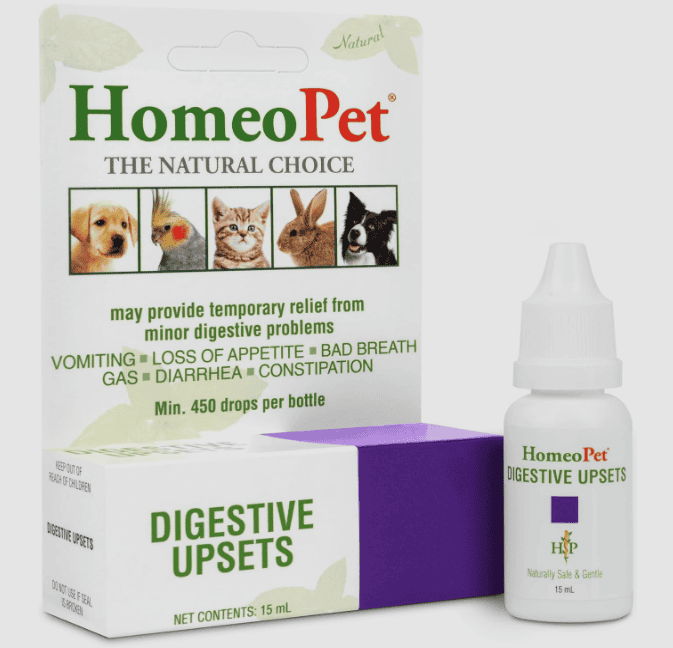
    2. Homeopet Digestive:

    • What it is: HomeoPet Digestive is a homeopathic remedy designed to alleviate digestive issues in pets.
    • Uses: It can treat various gastrointestinal symptoms like diarrhea, gas, vomiting, and constipation.
    • Advantages: As a homeopathic solution, it’s typically gentle on pets, non-addictive, and can work alongside other treatments without interference.

    3. Herbsmith Microflora:

    • What it is: Herbsmith Microflora is a probiotic supplement for dogs.
    • Uses: Probiotics are beneficial bacteria that help restore and maintain a healthy balance in the digestive system. They can aid in managing and preventing gastrointestinal issues, especially after antibiotic treatments which can disrupt the gut’s natural flora.
    • Advantages: Probiotics can boost the dog’s immune system, improve digestion, and reduce the likelihood of digestive issues.
    herbsmith probiotic for dogs

    4. Glacier Peak Pet Wellness Life Stress Scan:

    • What it is: This is a diagnostic tool that tests for food sensitivities and environmental stressors in pets.
    • Uses: By identifying specific sensitivities, owners can tailor their dog’s diet and environment to reduce potential triggers and related symptoms.
    • Advantages: Addressing the root cause (like a specific food sensitivity) can sometimes reduce the need for medications, leading to a more holistic approach to the dog’s health.
    • Where to get it: Available for purchase Here.

    Dr. Candy’s recommendations emphasize a balanced approach to pet care, incorporating both traditional medications and natural remedies. While Tylosin is effective, considering alternatives and complementary treatments can provide a more comprehensive and holistic approach to a dog’s health. Always consult with a veterinarian before starting, stopping, or combining any treatments.

    Complementary Natural Products to Tylosin That You Can Add To Your Treatment Plan

    Incorporating natural products into your dog’s treatment regimen can provide a holistic approach to health and healing. These products, when used alongside conventional treatments, can complement and sometimes enhance their effects, ensuring a more rounded and effective treatment strategy. Here are some complementary natural products you can consider:

    1. VF Omega-3 for Pets by Standard Process:

    • Benefits: Omega-3s, primarily found in fish oils, have anti-inflammatory properties. They can benefit dogs with skin allergies, joint issues, and certain inflammatory conditions.
    • How to Administer: Available in liquid form or capsules, it can be added to your dog’s food.
    VF Omega-3 for dogs

    2. Herbsmith Probiotics for Dogs:

    • Benefits: Probiotics help maintain a balanced gut flora, especially important after antibiotic treatments that can disrupt the natural balance of the digestive system.
    • How to Administer: This product comes in a capsule form. Simply open the capsule and administer the correct dosage on your dogs food as a daily supplement.
    herbsmith probiotic for dogs

    3. Digestive Enzymes:

    • Benefits: Assist in breaking down food components, ensuring better nutrient absorption and reduced gastrointestinal issues.
    • How to Administer: Generally in powder form, it can be sprinkled over your dog’s meal.

    4. Turmeric (Curcumin):

    • Benefits: Known for its potent anti-inflammatory and antioxidant properties, it can help with joint health, inflammation, and overall immune system support.
    • How to Administer: Turmeric can be mixed with a bit of black pepper (which increases its absorption) and added to food. There are also commercial supplements available specifically for pets.

    5. CBD Oil:

    • Benefits: CBD has gained traction for its potential anti-inflammatory, pain-relieving, and calming effects. It can be helpful for dogs with anxiety, pain, or inflammation.
    • How to Administer: CBD oil can be given directly or mixed with food. Ensure you’re using a dog-appropriate product and dose.

    6. Milk Thistle:

    • Benefits: Known for supporting liver health, it can be especially beneficial for dogs on medications that may impact the liver.
    • How to Administer: Supplements are often available in capsule or liquid form.

    7. Glucosamine and Chondroitin:

    • Benefits: These compounds support joint health and can be beneficial for dogs with arthritis or joint issues.
    • How to Administer: They are usually available in chewable tablet form or as liquids.

    8. Herbs:

    • Benefits: Many herbs like chamomile, ginger, and peppermint can have calming, anti-inflammatory, or digestive benefits for dogs.
    • How to Administer: Depending on the herb, they can be offered as teas, added to food, or given as supplements.

    Things to Remember:

    1. Consultation is Key: Always consult with your veterinarian before introducing any new product into your dog’s regimen. Natural doesn’t always mean safe, and some products can interfere with medications or have side effects of their own.
    2. Quality Matters: Opt for high-quality products from reputable brands. Ensure that they are suitable for pets and don’t contain harmful additives.
    3. Start Slow: When introducing a new natural product, start with a lower dose and monitor for any reactions or changes.

    Incorporating natural products into your dog’s treatment plan can offer an array of health benefits, but always ensure that these are suitable for your dog’s specific needs and conditions. They should complement, not replace, prescribed treatments unless advised otherwise by a veterinarian.

    Conclusion

    Caring for our furry friends often means diving deep into the realm of treatments, medications, and health regimens. Tylosin, as we’ve explored, is one of the tools in our arsenal to ensure the well-being of our pets. But like any medication, it’s vital to approach its use with knowledge and understanding. From recognizing its forms to gauging its appropriate dosage and exploring its alternatives, every piece of information equips us better to make informed decisions for our canine companions.

    It’s heartening to know that in today’s world, we have the luxury of blending conventional medications with natural remedies, creating a comprehensive treatment plan that looks at health holistically. Dr. Candy’s insights and recommendations remind us of the importance of always seeking the best for our pets, be it through age-old herbs or cutting-edge medications.

    Ultimately, as pet owners, our goal is the happiness and health of our four-legged family members. Whether you’re considering Tylosin or its alternatives, always remember that open communication with your veterinarian and staying informed are your best allies.

    Thank you for journeying with us through this comprehensive look at Tylosin for dogs. We hope this guide serves you well and helps pave the way for many happy, tail-wagging days ahead! 🐾

    Frequently Asked Questions

    How is Tylosin useful? 

    The FDA (U.S. Food & Drug Administration) has approved this drug for use in treating infections in dogs, cats, turkeys, chickens, cattle, pigs, and honeybees. The oral powder approved for turkeys, chickens, and pigs is most commonly used in companion animals (pets) to treat inflammatory bowel disease and in treating feline infectious peritonitis (FIP). You and your veterinarian can discuss why this drug is the most appropriate choice. 

    How long until I will know if Tylosin is working, and how long will the effects of this medication last?

    – This medication should start having effects within 1 to 2 hours; however, you may not see the effects of this medication outwardly.
    – Your animal should begin feeling better within 1 to 2 days.
    – The effects of this medication are short-lived, meaning they will stop working within 24 hours, although the benefits may be prolonged if your animal has decreased kidney and/or liver function. 

    If my animal gets too much of Tylosin (an overdose), what should I do? 

    Tylosin is relatively safe in most overdose situations. If you witness or suspect an overdose, contact your veterinarian or an animal poison control center for further advice. Animal poison control centers that are open 24 hours a day include: Pet Poison HELPLINE (855-764-7661) and ASPCA Animal Poison Control Center (888-426-4435); a consultation fee is charged for these services.

    How should Tylosin be given? 

    For this medication to work, give it exactly as your veterinarian has prescribed. It’s a good idea to always check the prescription label to be sure you are giving the drug correctly. 
    – The drug may be given either with food or on an empty stomach. If your animal vomits or acts sick after receiving the drug on an empty stomach, try giving the next dose with food or a small treat. If vomiting continues, contact your veterinarian. 
    – Tylosin powder has an extremely bitter taste. Placing the dose of powder in an empty gelatin capsule or cold butter may help your animal take it better. Liquids made from mixing the powder in water should be thrown out after 3 days and a new solution made up. 

    What should I do if I miss giving a dose of Tylosin?

    If you miss a dose, give it when you remember, but if it is close to the time for the next dose, skip the dose you missed and give it at the next scheduled time. After that, return to the regular dosing schedule. Do not double-up or give extra doses.

    What other information is important for Tylosin? 

    Use of this drug may not be allowed in certain animal competitions. Check rules and regulations before entering your animal in a competition while this medication is being administered.

    A note about your dog’s health

    This article provides general education and does not replace an examination, diagnosis, or individualized advice from your veterinarian. Contact a veterinary professional if you are concerned about your dog’s symptoms.

    Dr. Candy Akers, DVM Avatar

    ABOUT THE AUTHOR
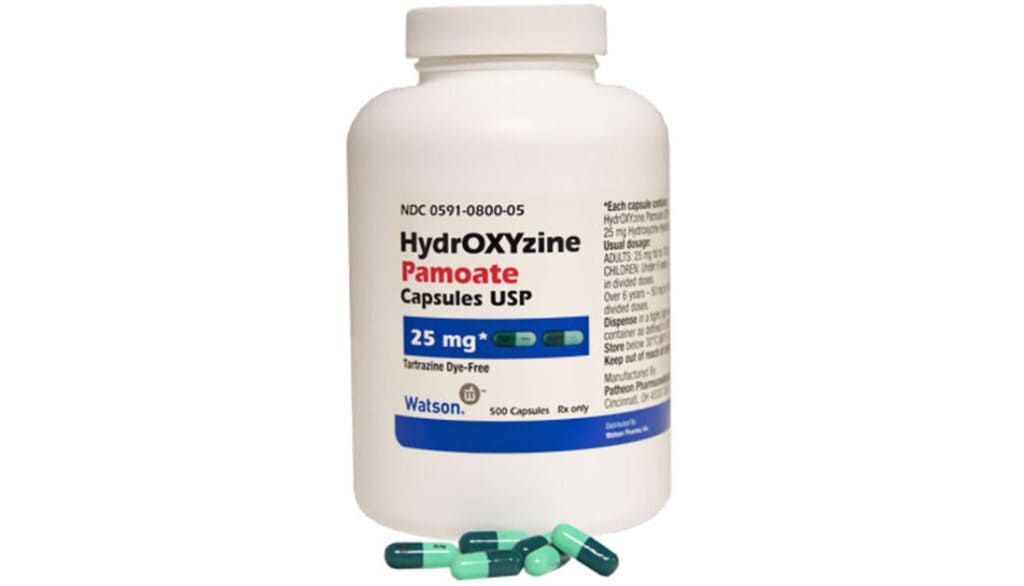
  • Hydroxyzine For Dogs: Vet Gives Dose, Side Effects & Alternatives

    Hydroxyzine For Dogs: Vet Gives Dose, Side Effects & Alternatives

    As a dedicated pet owner, there’s nothing more distressing than seeing your furry friend in discomfort or distress. From incessant itching due to allergies to bouts of anxiety, dogs, much like humans, experience a plethora of health issues. While there are many medicines available to help manage these ailments, understanding them is vital for the well-being of our pets. One such medication that’s gained traction in the veterinary world is Hydroxyzine. This versatile drug promises relief for various symptoms, but like any medication, it’s essential to know its ins and outs.

    In this blog, we will delve deep into Hydroxyzine for dogs. From its various uses and recommended dosages to potential side effects, we’ve got you covered. We’ll even touch upon natural alternatives that can complement your dog’s treatment plan. So, whether you’ve just heard of Hydroxyzine or are considering it for your four-legged buddy, join us on this informative journey to make the best healthcare decisions for your pet.

    hydroxyzine for dogs

    What is Hydroxyzine?

    Hydroxyzine, an antihistamine, primarily blocks or reduces the effects of the chemical histamine in the body. The body produces histamine in response to an allergic reaction, leading to symptoms like itching, hives, runny nose, and watery eyes. By blocking the action of histamine, Hydroxyzine helps in alleviating these symptoms.

    Developers initially created Hydroxyzine for human use in the 1950s. However, over the years, veterinarians discovered its benefits for animals, especially dogs, and began prescribing it for various conditions.

    Apart from its antihistamine properties, Hydroxyzine also has sedative effects. This makes it useful not just for allergies but also for conditions that require calming the pet, such as anxiety or nausea.

    It’s worth noting that while Hydroxyzine can be immensely beneficial, it’s a prescription medication. This means you should only administer it under the guidance of a veterinarian who knows your dog’s health history and specific needs.

    In the subsequent sections, we will delve deeper into the different brand names, specific uses, and other pertinent information about this versatile medication. But at its core, Hydroxyzine serves as a testament to the advancements in veterinary medicine, bridging the gap between human and animal healthcare to provide relief to our furry companions.

    Brand Names For Hydroxyzine

    When discussing medications, the active ingredient delivers the intended therapeutic effect. For us, Hydroxyzine is that ingredient. However, like many drugs, several brand names market Hydroxyzine, which helps consumers recognize it and veterinarians prescribe it. It’s like recognizing a popular tissue paper brand, even when the basic product is simply tissue. Here are some common brand names that sell Hydroxyzine:

    1. Atarax: Atarax, one of the most widely recognized names, primarily treats itching caused by allergies.
    2. Vistaril: Another popular brand, Vistaril is often prescribed for its sedative properties, helping manage anxiety in pets.
    3. Hytuss: Less common than the above two but still a noteworthy name in the world of Hydroxyzine.
    4. Rezine: A brand that might not be as prominently known but is equally effective as its counterparts.
    5. Vistazine: Often found in liquid forms, it’s useful for dogs that might have difficulty with oral tablets or capsules.

    These brand names, while different in labeling and sometimes in formulation (like added flavors or forms), primarily contain Hydroxyzine as their active ingredient. When considering any of these brands for your pet, it’s crucial to consult with your veterinarian. They will not only guide you to the appropriate brand based on availability and your pet’s preference, but they will also ensure your dog gets the correct dosage and form best suited for its needs.

    hydroxyzine capsules for dogs

    Uses of Hydroxyzine in Dogs

    Hydroxyzine, while initially developed for humans, has proven to be a multifaceted tool in the veterinary medicine chest. Its versatility lies in its ability to address various conditions that often plague our furry companions.

    • Allergies: Just like humans, dogs too can fall prey to seasonal allergies or react to specific allergens in their environment. These reactions can manifest as itching, hives, or even respiratory symptoms. Hydroxyzine, with its antihistamine properties, works to block or reduce the effects of histamine, providing relief from these allergic symptoms.
    • Atopy: A chronic skin allergy often triggered by environmental factors such as pollen, mold, or dust mites, atopy can cause significant discomfort for dogs. Regular itching, redness, and inflammation are common signs. Hydroxyzine can help manage these symptoms by reducing the allergic response.
    • Dermatitis: This general term for skin inflammation can be due to a myriad of causes, including allergies, irritants, or even underlying health conditions. Hydroxyzine’s anti-inflammatory and antipruritic (anti-itch) properties make it a suitable option for alleviating the distress associated with dermatitis.
    • Nausea: Beyond its allergy-relieving capabilities, Hydroxyzine also possesses antiemetic properties, meaning it can help reduce nausea and prevent vomiting. If your pet is experiencing gastrointestinal upset or nausea due to motion sickness, Hydroxyzine might be a recommended choice.
    • Anxiety: The sedative effects of Hydroxyzine are not just useful for its anti-nausea properties. These calming effects can also be beneficial for dogs that experience anxiety, be it from environmental factors like thunderstorms or situational triggers like vet visits. Hydroxyzine can help keep them calm and reduce anxiety-driven behaviors.

    It’s imperative to understand that while Hydroxyzine is effective, it isn’t a cure. Instead, it manages and alleviates symptoms. It’s often used in conjunction with other treatments or lifestyle changes to ensure a comprehensive approach to your pet’s health.

    Hydroxyzine Dosage Chart For Dogs

    Weight of DogRecommended DosageFrequency
    Under 10 lbs5-10 mgOnce or twice daily
    10-25 lbs10-25 mgOnce or twice daily
    25-50 lbs25-50 mgOnce or twice daily
    Over 50 lbs50-100 mgOnce or twice daily

    Points to Remember:

    1. Weight-based Dosage: The dosage primarily depends on the weight of the dog, but the specific condition being treated and the dog’s overall health also play a role.
    2. Frequency: Depending on the severity of the symptoms and the specific condition, Hydroxyzine can be given once or twice a day. For instance, mild itching may require a single daily dose, while severe allergic reactions might necessitate a twice-daily regimen.
    3. Formulation Matters: The dosage might differ based on the formulation (tablet, capsule, liquid). Ensure you’re using the correct measurement tools, especially for liquid forms.
    4. Veterinarian’s Guidance: This chart is a general guideline. The optimal dosage for your dog might differ based on factors beyond weight, like age, other health conditions, and tolerance to the medication.
    5. Monitor for Side Effects: Whenever introducing a new medication or changing dosage, closely monitor your dog for any signs of side effects or adverse reactions.

    Always keep in mind that while such charts offer valuable insights, there’s no substitute for personalized advice from a professional veterinarian who’s familiar with your dog’s health history and needs.

    Forms of Hydroxyzine

    When it comes to administering medication to our pets, having options can be a blessing. Some dogs might be more receptive to liquids over tablets or vice versa. Thankfully, Hydroxyzine is available in multiple forms to cater to different needs and preferences. Let’s delve into these various forms and their specifics:

    1. Tablets/Capsules:
      • Description: These are the most common forms in which Hydroxyzine is available. They come in various strengths, usually denoted in milligrams (mg).
      • Usage: Can be given directly to the dog or hidden in treats, food, or pill pockets to make ingestion easier.
      • Sizes: Common sizes include 10mg, 25mg, and 50mg, though the availability may vary based on the brand and region.
    2. Liquid Solution:
      • Description: A liquid form of Hydroxyzine, which might be flavored to make it more palatable for pets.
      • Usage: Can be given using a dropper or syringe, often directly into the dog’s mouth or mixed with a small amount of food.
      • Measure: Ensure you’re using the correct measuring device to provide the right dosage. A dropper or syringe is usually provided with the medication.
    3. Compounded Forms:
      • Description: Some pharmacies offer compounded versions of Hydroxyzine. This means the medication is tailored to the specific needs of the pet, which can be useful for dogs with specific allergies, dietary restrictions, or for those that are particularly resistant to taking medications.
      • Options: Can include flavored chews, different flavored liquids, or even topical forms, depending on the compounding pharmacy.

    Choosing the Right Form:

    Selecting the best form of Hydroxyzine for your dog often comes down to your pet’s preferences and the ease of administration. Some dogs might be more receptive to swallowing a pill, while others might prefer the taste of a liquid solution. Here are some tips:

    • Palatability: Liquid forms, especially those that are flavored, might be more palatable for some dogs.
    • Ease of Administration: If you find it challenging to give your dog tablets or capsules, liquid forms or compounded chews might be more straightforward.
    • Dosage Precision: Liquid forms can offer more precise dosage adjustments, especially for smaller dogs or those in between standard tablet sizes.

    Regardless of the form chosen, always ensure you’re administering the correct dosage and consult with your veterinarian about which form might be best suited for your dog’s needs.

    Side Effects of Hydroxyzine In Dogs

    As with any medication, Hydroxyzine, while beneficial, can come with potential side effects. While many dogs tolerate it well, it’s crucial for pet owners to be aware of possible reactions so they can promptly address any issues that arise. Here’s a rundown of the common and not-so-common side effects associated with Hydroxyzine in dogs:

    Common Side Effects:

    1. Sedation: Given its sedative properties, many dogs might experience drowsiness after taking Hydroxyzine. This is often expected and might even be the desired effect, especially if treating anxiety.
    2. Dry Mouth: Some dogs might experience increased thirst due to the drying effect of the medication.
    3. Increased Urination: It’s not uncommon for dogs on Hydroxyzine to urinate more frequently.
    4. Gastrointestinal Disturbances: This can include symptoms like nausea, vomiting, or diarrhea. However, these are less common and if persistent, should be discussed with a vet.

    Less Common Side Effects:

    1. Incoordination: Some dogs might appear clumsy or unsteady on their feet.
    2. Rapid Heart Rate: An increased heart rate isn’t typical but can occur in some dogs.
    3. Respiratory Depression: In rare cases, especially if overdosed, Hydroxyzine can cause a decrease in the respiratory rate, which can be dangerous.
    4. Hypotension: A drop in blood pressure is a rare but potential side effect.

    Signs of an Allergic Reaction:

    Just as vets use Hydroxyzine to treat allergic reactions, some dogs might paradoxically have an allergy to the medication itself. Signs of an allergic reaction include:

    • Hives or skin rashes
    • Swelling, especially of the face, lips, or tongue
    • Difficulty breathing
    • Rapid or irregular heartbeat

    If any of these signs are observed, it’s essential to seek veterinary care immediately.

    Points to Consider:

    • Monitoring: Always monitor your dog after administering any new medication, including Hydroxyzine. This ensures you quickly notice and address any adverse reactions.
    • Dosage: Many side effects, especially the severe ones, are often linked to overdosing. Ensure you’re giving the correct dose, and never administer more than the vet-recommended amount.
    • Interactions: Hydroxyzine can interact with other medications, which can amplify some side effects. Always inform your vet of any other medications or supplements your dog is taking.

    In conclusion, while Hydroxyzine is generally safe and well-tolerated by many dogs, it’s essential to be aware of potential side effects. If you observe any unusual behaviors or symptoms after administration, always consult with your veterinarian.

    Cautions When Using Hydroxyzine In Dogs

    Hydroxyzine can address a range of conditions in dogs, but you should observe certain precautions to ensure your pet’s safety and well-being. Awareness of these cautions can help prevent potential adverse effects and interactions.

    1. Pre-existing Conditions:

    Certain health conditions may make Hydroxyzine less suitable or require adjustments in dosage. It’s essential to inform your vet if your dog has:

    • Liver or kidney disease
    • Glaucoma
    • Heart conditions
    • Seizure disorders
    • Prostate enlargement
    • Urinary retention issues

    2. Other Medications:

    Hydroxyzine can interact with other drugs. Always provide your veterinarian with a comprehensive list of medications and supplements your dog is taking. Particular attention should be given if your dog is on:

    • Other sedatives or CNS depressants
    • Certain anticholinergic agents
    • Epinephrine
    • Barbiturates

    3. Pregnancy and Lactation:

    The safety of Hydroxyzine in pregnant or nursing dogs is not well-established. If your dog is pregnant, intending to breed, or lactating, discuss the potential risks and benefits with your vet.

    4. Age Considerations:

    Elderly dogs or very young puppies might be more susceptible to the effects of Hydroxyzine, requiring a dosage adjustment or close monitoring.

    5. Duration of Treatment:

    While you can give Hydroxyzine to your dog for extended periods, you should regularly visit your vet to evaluate its ongoing effectiveness and watch for any potential side effects or health changes.

    6. Avoid Overdosing:

    Always stick to the prescribed dose. If you suspect an overdose, which might manifest as excessive sedation, respiratory depression, or hypotension, seek veterinary attention immediately.

    7. Sudden Discontinuation:

    While Hydroxyzine doesn’t typically cause withdrawal, always consult your vet before stopping the medication, especially after long-term use.

    8. Storage:

    Store Hydroxyzine in a cool, dry place, away from direct sunlight and out of reach of children and pets.

    Points to Remember:

    • Open Communication: Maintaining transparent communication with your veterinarian is crucial. Any changes in behavior, new symptoms, or concerns should be promptly discussed.
    • Follow Directions: Always adhere to the veterinarian’s instructions regarding dosage, frequency, and duration.
    • Regular Check-ups: Periodic vet visits can help assess the ongoing efficacy of the medication and catch potential issues early on.

    In conclusion, while Hydroxyzine offers various benefits for dogs, understanding and observing these cautions can ensure the treatment remains both effective and safe.

    Drug Interactions

    When introducing any new medication to your dog, it’s essential to be aware of potential drug interactions, as these can affect how the medicine works and may increase the risk of side effects. Hydroxyzine, although a helpful drug for various conditions in dogs, can interact with certain other medications. Here’s what you should be aware of:

    1. Central Nervous System Depressants:

    • Examples: Barbiturates (like Phenobarbital), benzodiazepines (like diazepam or alprazolam), and certain anesthetics.
    • Potential Interaction: Combining Hydroxyzine with other CNS depressants can amplify the sedative effects, leading to increased drowsiness, respiratory depression, or even coma in severe cases.

    2. Anticholinergic Drugs:

    • Examples: Atropine, some antihistamines, tricyclic antidepressants (like amitriptyline), and certain medications used for urinary incontinence (like tolterodine).
    • Potential Interaction: Concurrent use can increase the risk of anticholinergic side effects such as dry mouth, urinary retention, constipation, and potential overheating.

    3. Sympathomimetic Agents:

    • Examples: Epinephrine, norepinephrine, or certain medications used for asthma like albuterol.
    • Potential Interaction: Hydroxyzine can enhance the effects of these agents, potentially leading to an increased heart rate or elevated blood pressure.

    4. Other Antihistamines:

    • Examples: Diphenhydramine (Benadryl), cetirizine (Zyrtec), fexofenadine (Allegra).
    • Potential Interaction: Using Hydroxyzine with other antihistamines can result in additive sedative effects and an increased risk of side effects.

    5. Monoamine Oxidase Inhibitors (MAOIs):

    • Examples: Selegiline or certain anti-depressants not typically used in dogs.
    • Potential Interaction: These can enhance the anticholinergic effects of Hydroxyzine.

    Points to Remember:

    • Full Disclosure: Always inform your veterinarian of all medications, supplements, and over-the-counter products your dog is taking.
    • Monitoring: If your dog must take Hydroxyzine with another drug known for interactions, frequent monitoring and dose adjustments might be necessary.
    • Immediate Attention: If you observe any unexpected symptoms or reactions in your dog after administering Hydroxyzine alongside another medication, seek veterinary attention immediately.

    While Hydroxyzine is generally safe for many dogs, it’s crucial to be aware of potential drug interactions to ensure the safety and efficacy of the treatment.

    How Long Does Hydroxyzine Last?

    Understanding the duration of a medication’s effect is crucial, as it not only informs dosing intervals but also gives pet owners an idea of what to expect in terms of relief for their dogs. With Hydroxyzine, its duration of action can be pivotal in managing symptoms like itching, anxiety, or nausea.

    1. Onset of Action:

    • Typically, after oral administration, Hydroxyzine begins to show its effects within 30 minutes to an hour.

    2. Peak Effects:

    • Hydroxyzine usually reaches its maximum concentration or peak effects within 2 to 3 hours after administration.

    3. Duration of Action:

    • For most dogs, the effects of Hydroxyzine can last anywhere from 4 to 8 hours. However, some dogs, especially those more sensitive to the drug or receiving higher doses, might experience longer-lasting sedative effects.

    4. Factors Affecting Duration:

    • Size and Weight: Smaller dogs might metabolize and eliminate drugs differently than larger breeds.
    • Age: Elderly dogs, or very young puppies, might experience prolonged effects due to differences in metabolism.
    • Health Status: Dogs with liver or kidney issues might metabolize Hydroxyzine slower, leading to prolonged effects.
    • Concurrent Medications: As discussed in the drug interactions section, certain medications can influence how Hydroxyzine is processed in the body.

    5. Elimination:

    • The liver primarily metabolizes Hydroxyzine, and the body excretes it through urine. The average half-life in dogs (the time it takes to eliminate half the drug from the body) is about 3 to 4 hours, but individual factors can cause variation.

    Points to Remember:

    • Consistent Dosing: Given its duration of action, Hydroxyzine is often prescribed to be given multiple times a day, especially for conditions that require continuous relief, such as allergies. Ensure you’re administering it at consistent intervals as directed by your vet.
    • Monitor for Prolonged Effects: Especially when starting the medication, observe your dog for prolonged sedation or other effects. If the dog seems excessively drowsy or lethargic well beyond the 8-hour mark, consult your veterinarian.
    • Avoid Missing Doses: Consistency is key, especially for chronic conditions. If you miss a dose, give it as soon as you remember. If it’s close to the time for the next dose, skip the missed dose and return to the regular schedule. Do not double the dose to catch up.

    While Hydroxyzine offers several hours of relief, it’s essential to administer it consistently and be aware of its duration to ensure optimum benefits for your pet.

    give the medication to your dog pet antihistamine safety

    How to Administer Hydroxyzine to Your Dog

    Ensuring the proper administration of medication is just as important as the medication itself. When given correctly, Hydroxyzine can offer maximum benefits with minimal side effects. Here’s a step-by-step guide to ensure you’re administering Hydroxyzine safely and effectively to your dog:

    1. Read the Prescription Label:

    • Always start by carefully reading the prescription label. This will give you information on the correct dosage, frequency, and any special instructions provided by your veterinarian.

    2. Measure the Dose:

    • If using liquid forms, use a syringe or the provided measuring tool to get the exact amount.
    • For tablets or capsules, ensure you’re using the correct strength and number of pills.

    3. Administering the Dose:

    • Oral Tablets/Capsules: You can give these directly by placing them at the back of the dog’s throat, then gently holding the mouth shut and massaging the throat to encourage swallowing. Alternatively, you can hide the pill in a treat or use a pill dispenser.
    • Liquid Form: Gently lift the side of your dog’s lip and insert the syringe or dropper between the cheek and gums. Slowly squirt the medicine into the back of the mouth. Ensure you’re not introducing the liquid too quickly or forcefully to prevent choking.

    4. Make it Palatable:

    • If your dog is resistant, consider using pill pockets or wrapping the tablet in a small piece of food. This can make the process smoother and less stressful for both of you.

    5. Monitor for Reactions:

    • After giving the medication, keep an eye on your dog for a little while to ensure there are no immediate adverse reactions or signs of distress.

    6. Store Properly:

    • Store Hydroxyzine in a cool, dry place, away from direct sunlight and out of reach of children and other pets.

    7. Stay Consistent:

    • Ensure you’re administering Hydroxyzine at consistent intervals as directed by your vet. This is crucial for conditions that require continuous relief.

    8. Missed Doses:

    • If you miss a dose, give it as soon as you remember. If it’s close to the time for the next dose, skip the missed dose and return to the regular schedule. Never double the dose to catch up.

    9. Seek Feedback:

    • If you find it consistently challenging to give your dog Hydroxyzine, or if your dog reacts poorly, seek feedback and alternatives from your vet.

    Points to Remember:

    • Positive Reinforcement: Reward your dog with praise, petting, or a small treat after administering the medication. This can create a positive association and make future doses easier.
    • Safety First: If your dog becomes overly aggressive or stressed, stop and consult with your veterinarian about possible alternative methods or medications.
    • Check for Interactions: Especially if introducing any new supplements or medications, ensure there’s no risk of interaction with Hydroxyzine.

    While giving medication to pets can sometimes be challenging, understanding the best techniques and practices can make the process smoother. Remember, consistency and patience are key.

    natural home allergy remedies

    Complementary Natural Products to Hydroxyzine for Your Treatment Plan

    Dr. Candy’s Recommendations

    While Hydroxyzine is a potent medication for various conditions in dogs, sometimes integrating natural products and supplements can offer additional relief or act as alternatives for milder symptoms. These complementary products can either boost the effects of Hydroxyzine or offer a natural solution where chemical medications might not be necessary. Always consult with your veterinarian before introducing any new remedies.

    1. Omega-3 Fatty Acids:

    VF Omega-3 for dogs

    2. Calendula:

    • Benefits: Known for its anti-inflammatory and wound-healing properties, calendula can be beneficial for skin irritations and minor wounds.
    • Application: Available as creams, sprays, ointments, or infusions. Make sure to choose products formulated for pets.

    3. Chamomile:

    • Benefits: This herb has calming properties and can help reduce anxiety and soothe gastrointestinal upsets.
    • Application: Chamomile tea can be cooled and offered in small amounts or applied topically to irritated skin.

    4. Probiotics:

    • Benefits: They can boost gut health, aid in digestion, and potentially reduce allergic reactions by strengthening the gut’s immune response.
    • Sources: Herbsmith Probiotic for dogs.
    herbsmith probiotic for dogs

    5. Lavender Essential Oil:

    • Benefits: Known for its calming effects, lavender can help reduce anxiety and stress.
    • Application: Always dilute essential oils and introduce slowly. A couple of drops can be placed on a bandana or diffused in the room. Ensure the oil is 100% pure.

    6. Coconut Oil:

    • Benefits: It has anti-inflammatory properties and can promote healthy skin and a shiny coat.
    • Application: Can be applied topically to itchy areas or added in small amounts to food.

    Points to Remember:

    • Consultation is Key: Before introducing any natural product, consult with your vet to ensure it’s safe for your specific dog and won’t interfere with any ongoing medications, including Hydroxyzine.
    • Allergies: Just as with any other product, dogs can be allergic to natural remedies. Start with small amounts and monitor your dog for any adverse reactions.
    • Quality Matters: Ensure you’re choosing high-quality, organic, and pet-safe products. Especially with essential oils, ensure they’re 100% pure without additives.

    Natural products can offer valuable complementary relief alongside or sometimes in place of medications like Hydroxyzine.

    hydroxyzine side effects for dogs

    Conclusion

    Navigating the health and well-being of our furry companions can be a complex journey, filled with decisions about their care and treatment. Hydroxyzine, as we’ve explored, offers substantial benefits for dogs struggling with allergies, anxiety, and other conditions. Its efficacy, however, lies not just in the drug itself, but in our understanding of its proper use, potential side effects, and complementary treatment options.

    The world of pet care is ever-evolving, with a blend of modern medications and natural remedies coming to the fore. As responsible pet owners, it’s our duty to stay informed and make decisions in consultation with trusted veterinarians. Whether you’re leaning towards pharmaceutical solutions like Hydroxyzine or considering natural remedies, always prioritize your dog’s unique needs and well-being.

    Remember, every dog is individual, and what works best for one might differ for another. Continuous observation, regular check-ups, and open communication with your vet will ensure your dog gets the best care possible. After all, our pets offer us unconditional love, and they deserve nothing less than our unconditional commitment to their health and happiness.

    Thank you for joining us on this deep dive into Hydroxyzine for dogs. Here’s to many happy, itch-free, and calm tail-wagging days ahead!

    Frequently Asked Questions

    How is hydroxyzine medication useful?

    Allergies cause histamine release, which causes itchy skin. Hydroxyzine blocks histamine’s effects to reduce itchiness associated with allergies. It can also be used as treatment for itching related to certain types of cancers (eg, mast cell tumors). Like other antihistamines, the response to this drug can vary between animals and be unpredictable, so your veterinarian may try several different antihistamines to see which one works best for your animal. Hydroxyzine may be used with another antihistamine to improve its effects.

    The FDA (U.S. Food & Drug Administration) has approved this drug for use in humans, but it is not officially approved for use in animals. The FDA allows veterinarians to prescribe products containing this drug in different species or for other conditions in certainbut it is situations. You and your veterinarian can discuss why this drug is the most appropriate choice.

    How long until I will know if hydroxyzine is working, and how long will the effects of this medication last?

    This medication should help your animal feel better within 1 to 2 hours. Your animal’s clinical signs should improve after that time. The effects of this medication are short-lived, meaning they will stop working within 24 hours, although the benefits may be prolonged if your animal has decreased kidney and/or liver function.

    What are the side effects of hydroxyzine?

    Side effects that usually are not serious include:
    – Sedation (sleepiness, fatigue) is the most common side effect. Most animals will become tolerant to this effect with time and will not get as sleepy when given the medication.
    – Excitement. Occasionally, hydroxyzine causes some animals to become overly excited.
    – Dogs: Muscle tremors (uncommon).
    – Cats: Greater thirst, behavior changes (uncommon).
    – Lack of appetite, low blood pressure (uncommon).
    You don’t have to be overly concerned if you see any of these signs unless they are severe, worsen, or continue to be a problem. Contact your veterinarian if this happens.

    Side effects that may be serious or indicate a serious problem:
    Dogs: Seizures. These are rare; contact your veterinarian immediately if they occur.

    If my animal gets too much hydroxyzine (an overdose), what should I do?

    Small overdoses of hydroxyzine are usually not serious, but larger overdoses may be serious. Excessive drowsiness, excitability, tremors, stumbling, collapsing (passing out), higher body temperature, or seizures are all signs of possible overdose. If you witness or suspect an overdose, contact your veterinarian or an animal poison control center immediately for further advice. Animal poison control centers that are open 24 hours a day include: ASPCA Animal Poison Control Center(888-426-4435) and Pet Poison HELPLINE (855-764-7661); a consultation fee is charged for these services.

    How should hydroxyzine be given?

    For hydroxyzine to work, give it exactly as your veterinarian has prescribed. It’s a good idea to always check the prescription label to be sure you are giving the drug correctly.
    – Hydroxyzine may be given either with food or on an empty stomach. If your animal vomits or acts sick after receiving the drug on an empty stomach, try giving the next dose with food or a small treat. If vomiting continues, contact your veterinarian.
    – Liquid forms of this medication must be measured carefully. Your veterinarian or pharmacist can help by providing special measuring spoons or syringes. Shake the oral suspension well before each use.
    – If you have difficulty getting your animal to take the medicine, contact your veterinarian or pharmacist for tips to help with dosing and reducing the stress of medication time.

    What should I do if I miss giving a dose of hydroxyzine?

    If you miss a dose, give it when you remember, but if it is close to the time for the next dose, skip the dose you missed and give it at the next scheduled time. After that, return to the regular dosing schedule. Do not double-up or give extra doses.

    What other information is important for using hydroxyzine safely in dogs?

    – Because this drug can cause dry mouth, be sure your pet has access to water at all times.
    – Use of this drug may not be allowed in certain animal competitions. Check rules and regulations before entering your animal in a competition while this medication is being administered.

    A note about your dog’s health

    This article provides general education and does not replace an examination, diagnosis, or individualized advice from your veterinarian. Contact a veterinary professional if you are concerned about your dog’s symptoms.

    Dr. Candy Akers, DVM Avatar

    ABOUT THE AUTHOR
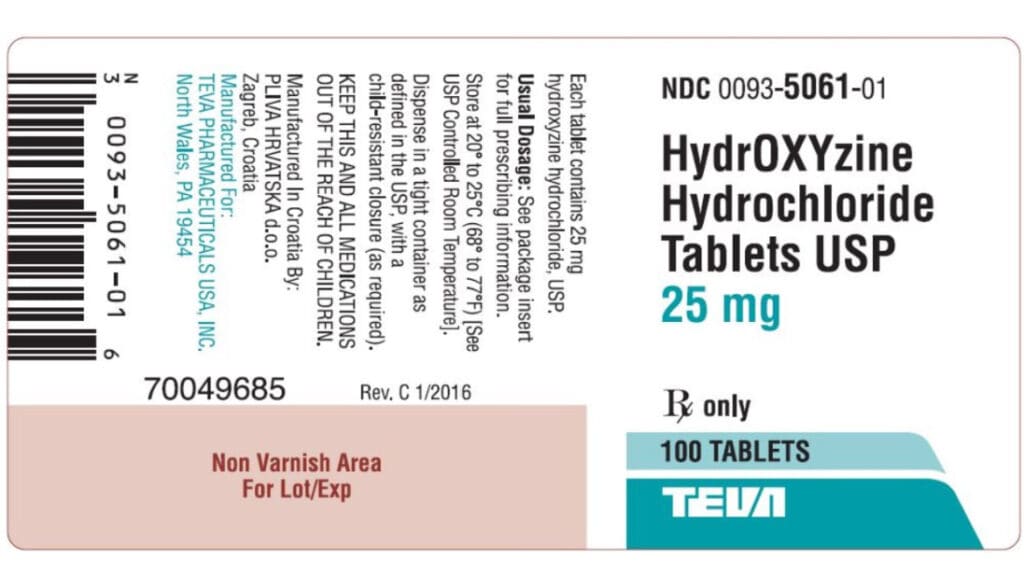
  • Triamcinolone For Dogs: Vet Gives Dose, Side Effects & Alternatives

    Triamcinolone For Dogs: Vet Gives Dose, Side Effects & Alternatives

    Navigating the world of canine health can sometimes feel like deciphering a complex puzzle. Navigating the plethora of medications, treatments, and natural remedies can easily overwhelm us as we strive to make the best choices for our furry friends. That’s why today, we’re diving deep into the subject of Triamcinolone for dogs. You might’ve come across this name during a vet visit or while scouring the web for answers about doggy health issues.

    Whatever the reason, we’re here to demystify this drug, discuss its uses, side effects, and even delve into some natural complementary products that can enhance your pet’s overall well-being. Think of this as your go-to guide, written with care and a pinch of love, to ensure your tail-wager gets the best possible care. So, grab a cup of tea (or perhaps a dog treat for your loyal companion) and let’s embark on this informative journey together!

    Triamcinolone oint in dogs

    What is Triamcinolone?

    Triamcinolone, often nestled amidst an array of medical terminologies, is a synthetic corticosteroid. But let’s break that down in simpler terms. Corticosteroids are a type of medication that mimics the action of steroids naturally produced by our adrenal glands, and yes, your dog has them too!

    This particular medication falls under the umbrella of glucocorticoids, which means it’s adept at reducing inflammation, suppressing immune responses, and even fighting certain types of cancers. Imagine it as a versatile tool in a veterinarian’s toolbox, useful for tackling a range of ailments.

    Its versatility is partly what makes Triamcinolone a go-to for many vets. Whether it’s addressing skin allergies, calming down an overactive immune system, or providing relief from chronic inflammatory conditions, Triamcinolone steps in like a reliable friend, ensuring our canine buddies get the relief they so rightfully deserve.

    But, like all medicines, it’s not just about knowing the ‘what’, but also the ‘how’, ‘when’, and ‘why’. So, as we explore further, you’ll get a comprehensive view of how Triamcinolone can play a role in your dog’s healthcare journey. Stick with us; we’re just scratching the surface!

    Uses of Triamcinolone in Dogs

    It’s a beautiful thing, watching our dogs play, explore, and enjoy life’s simple pleasures. But, as with all creatures, they too can face health challenges. In such times, medicines like Triamcinolone step in to lend a helping paw. Let’s dig into the array of uses this versatile medication offers for our canine companions.

    1. Anti-Inflammatory Superstar:
    Inflammation can be a real dampener, causing discomfort, pain, or even chronic ailments. Triamcinolone acts like a superhero cape for our pets, combatting inflammation in conditions such as allergies, skin conditions, or joint pain. Its powerful anti-inflammatory properties provide much-needed relief, ensuring that wagging tail doesn’t miss a beat!

    2. Immunosuppressive Agent:
    While a robust immune system is generally a boon, sometimes it can become too active, targeting the body’s own cells. Autoimmune disorders, where the body mistakenly attacks itself, can be distressing. That’s where Triamcinolone steps in, calming the immune system and ensuring it doesn’t go into overdrive.

    3. Tackling Addison’s Disease:
    Hypoadrenocorticism, more commonly known as Addison’s disease, is a condition where the body doesn’t produce enough corticosteroids. Triamcinolone can act as a supplement, helping to balance out the body’s internal environment and alleviate symptoms.

    4. An Antineoplastic Agent:
    While it’s a heart-wrenching topic, some dogs do face the challenge of cancer. In specific cases, you can use Triamcinolone as an antineoplastic or anticancer agent to combat this formidable foe.

    Understanding the uses of Triamcinolone provides a foundation, but it’s essential to remember that, like all medications, it’s vital to use it under the guidance of a trusted veterinarian. They will ensure that the treatment fits your pet’s specific needs and condition perfectly. After all, each dog is unique, and you should tailor their healthcare specifically for them!

    Triamcinolone Dosage Chart

    Please note: This chart is a general guideline. Always consult with your veterinarian for the precise dosage tailored to your dog’s specific needs.

    Weight of DogDosage for Anti-InflammatoryDosage for ImmunosuppressionDosage for Addison’s DiseaseDosage for Antineoplastic Use
    Up to 10 lbs0.25 – 0.5 mg0.5 – 1 mg0.25 – 0.5 mgConsult Vet
    11-20 lbs0.5 – 1 mg1 – 2 mg0.5 – 1 mgConsult Vet
    21-40 lbs1 – 2 mg2 – 4 mg1 – 2 mgConsult Vet
    41-60 lbs2 – 3 mg3 – 6 mg2 – 3 mgConsult Vet
    61-80 lbs3 – 4 mg4 – 8 mg3 – 4 mgConsult Vet
    Over 80 lbs4 – 5 mg5 – 10 mg4 – 5 mgConsult Vet
    • Anti-Inflammatory: Used for conditions where inflammation is the primary concern, such as allergies, certain skin conditions, or arthritic joint pain.
    • Immunosuppression: In cases of autoimmune disorders, we often need to suppress the immune system.
    • Addison’s Disease: For the treatment and management of hypoadrenocorticism, where the body does not produce sufficient corticosteroids.
    • Antineoplastic Use: The dosage for cancer treatments varies significantly based on the type of cancer, stage, and other individual factors. Always consult with a veterinarian for this.

    Disclaimer: This chart is meant to provide a general overview. Individual needs can vary based on the dog’s health condition, age, other medications, and more. Always rely on a veterinarian’s expert advice when administering Triamcinolone or any other medication.

    veterinarian expert advice says

    Available Forms of Triamcinolone

    Triamcinolone, like many medications, comes in various forms to cater to different needs and conditions. This versatility ensures that administering the medication is as convenient and effective as possible for our four-legged companions. Let’s discuss these different avatars of Triamcinolone and understand their unique characteristics.

    1. Liquids:

    • Description: This is a solution form of Triamcinolone, often available as an oral suspension.
    • Usage: It’s generally given directly into the dog’s mouth using a dropper or mixed with a small amount of food.
    • Benefits: Liquid forms allow for easy dose adjustments and can be a boon for pets that are resistant to swallowing pills.

    2. Oral Tablets/Capsules:

    • Description: These are the most common forms and come as pills or capsules containing a specific amount of Triamcinolone.
    • Usage: Given directly by mouth, often hidden inside a treat or pill pocket to make ingestion easier.
    • Benefits: They provide a precise dosage, are easy to administer for most dogs, and can be stored conveniently.

    3. Injections:

    • Description: Triamcinolone injections deliver the drug directly into the bloodstream or a specific area.
    • Usage: Administered by a veterinarian, these can be given into a muscle (intramuscular), under the skin (subcutaneous), or directly into a joint or lesion.
    • Benefits: Rapid action, suitable for dogs that cannot or should not take oral medications, and beneficial for localized conditions like specific joint inflammations.

    4. Topical Preparations:

    • Description: These are creams, ointments, or gels containing Triamcinolone, designed for external application.
    • Usage: Applied directly to the affected skin areas.
    • Benefits: Direct treatment of skin conditions, reduced systemic effects compared to oral forms, and provides localized relief.

    Choosing the right form of Triamcinolone for your dog depends on the condition being treated, the dog’s preferences, and the veterinarian’s recommendations. Each form has its pros and cons, but the overarching goal remains the same: to provide relief and support for our beloved pets in their times of need. As always, it’s imperative to follow the vet’s guidance when it comes to administering any form of medication.

    Side Effects of Triamcinolone in Dogs

    Every medication, no matter how beneficial, comes with the potential for side effects. Understanding these is crucial so you can keep a watchful eye on your canine companion and ensure they remain in the pink of health. Here’s a breakdown of the side effects that may arise from administering Triamcinolone to dogs:

    1. Increased Thirst and Urination:
    Triamcinolone, like other corticosteroids, can lead to polydipsia (increased thirst) and polyuria (increased urination). You might notice your dog drinking more water and needing more frequent potty breaks.

    2. Increased Appetite:
    Dogs on Triamcinolone might show an increased appetite, sometimes leading to weight gain.

    3. Gastrointestinal Issues:
    Stomach upset, including vomiting and diarrhea, can occasionally occur. Long-term use might also increase the risk of gastric ulcers.

    4. Suppressed Immune System:
    Being an immunosuppressive agent, Triamcinolone can potentially make your dog more susceptible to infections.

    5. Behavioral Changes:
    Some dogs might exhibit signs of restlessness, anxiety, or even aggression. Others might seem lethargic or depressed.

    6. Skin and Coat Changes:
    Prolonged use can lead to a thinner coat, dry skin, or the development of acne or hot spots.

    7. Muscle Weakness:
    In some cases, dogs might exhibit signs of muscle loss or weakness.

    8. Delayed Healing:
    Wounds or infections might take longer to heal due to the immunosuppressive nature of the drug.

    9. Development of Cushing’s Disease:
    With prolonged use at high doses, there’s a risk of inducing Cushing’s disease, a condition where the body produces too much cortisol.

    10. Potential for Diabetes:
    Long-term use can increase the risk of diabetes, especially in predisposed dogs.

    A Few Points to Ponder:

    • Short-Term vs. Long-Term: While short-term use is generally safe, prolonged use increases the risk of side effects. It’s essential to weigh the benefits against potential risks.
    • Communication is Key: Always keep an open line of communication with your vet. If you notice any unusual behavior or symptoms in your dog, it’s vital to bring it to their attention promptly.
    • Every Dog is Unique: Just like humans, dogs can react differently to medications. What might cause side effects in one dog might be completely benign for another.

    Being informed empowers you to offer the best care for your furry friend. While Triamcinolone can be a wonderful aid in treating various conditions, always remain observant and proactive in monitoring your dog’s health. After all, they rely on us to ensure they live their happiest, healthiest lives!

    Drug Interactions

    Just like when we mix different ingredients in a recipe, combining medications can sometimes result in unexpected outcomes. It’s essential to be aware of potential drug interactions, ensuring the safety and well-being of our pets. Here’s a rundown of some interactions to consider when your dog is on Triamcinolone:

    1. Non-Steroidal Anti-Inflammatory Drugs (NSAIDs):
    Examples include aspirin, carprofen (Rimadyl), and meloxicam (Metacam). Combining Triamcinolone with these drugs can increase the risk of gastrointestinal ulcers or bleeding.

    2. Diuretics:
    Medications like furosemide (Lasix) can potentially enhance the potassium-depleting effects of corticosteroids, leading to lower potassium levels in the body.

    3. Vaccines:
    Since Triamcinolone suppresses the immune system, it may reduce the efficacy of vaccines or increase the risk of neurological reactions to certain vaccines.

    4. Insulin:
    Corticosteroids can alter blood glucose levels. If your dog is diabetic and on insulin, the insulin dosage might need adjustment when Triamcinolone is introduced.

    5. Certain Antifungal Medications:
    Drugs like ketoconazole can increase the potency and duration of Triamcinolone, potentially intensifying its effects and side effects.

    6. Phenobarbital:
    Long-term use of this medication can reduce the efficacy of Triamcinolone.

    7. Anticholinesterase Agents:
    Used to treat myasthenia gravis, these agents can cause severe muscle weakness when combined with corticosteroids.

    8. Digoxin:
    Triamcinolone can elevate the risk of arrhythmias when administered alongside digoxin.

    A Couple of Crucial Points:

    • Open Dialogue: Before starting Triamcinolone, always provide your vet with a comprehensive list of all medications, supplements, and over-the-counter treatments your dog is taking. An informed vet is the best defense against harmful interactions.
    • Observe and Report: If you notice any unusual behavior or symptoms in your dog after introducing a new medication or changing dosages, contact your vet immediately.

    Understanding potential drug interactions is essential in ensuring that all medications work harmoniously in benefiting your dog’s health. Remember, while it might seem like a lot to keep track of, your vet is always there to guide you through the process. Trust in their expertise and always prioritize open communication for the sake of your furry family member’s well-being.

    understand potential drug interactions

    How Long Does Triamcinolone Last?

    Understanding the duration of a drug’s effect is crucial for maintaining effective and consistent treatment. It helps caregivers know when the next dose is due and what to expect in terms of relief and potential side effects. Here’s a breakdown of how long Triamcinolone typically lasts in dogs:

    1. Duration of Action:

    Triamcinolone is a medium to long-acting corticosteroid. Once administered:

    • Oral Tablets/Capsules: The effects can last anywhere from 12 to 48 hours, with most dogs requiring once or twice-daily dosing.
    • Injections: Depending on the specific formulation and the condition being treated, the effects of an injection can last from a few days to several weeks.
    • Topical Preparations: The duration largely depends on the condition of the skin, the severity of the issue, and how the skin metabolizes the drug, but generally, relief can be seen for 12-24 hours.
    • Liquids: Much like the oral tablets, the effects can last from 12 to 48 hours.

    2. Factors Influencing Duration:

    • Metabolism: Just as every dog has its own unique personality, each one metabolizes drugs differently. Some dogs might process Triamcinolone more quickly than others.
    • Health Conditions: Dogs with liver or kidney issues might metabolize the drug slower or faster than dogs without such conditions.
    • Age: Older dogs may process medications more slowly than their younger counterparts.

    3. What to Remember:

    • Consistency is Key: It’s important to administer the medication at the same times each day to maintain a consistent level of the drug in the dog’s system, especially for conditions that require continuous suppression, like allergies or autoimmune disorders.
    • Missed Doses: If you miss a dose, give it as soon as you remember. However, if it’s close to the time of the next dose, skip the missed dose and resume the regular schedule. Avoid doubling up, as this can lead to increased side effects.

    Triamcinolone’s longevity in a dog’s system is influenced by multiple factors, from the specific form of medication to the individual characteristics of the dog. Always follow your vet’s dosage recommendations and keep an eye out for any signs that might indicate the need for an adjustment. Remember, the aim is consistent relief, and understanding the drug’s duration helps ensure your pet remains comfortable and happy.

    How to Administer Triamcinolone to Your Dog

    Ensuring the correct administration of medication is just as crucial as the drug itself. Proper administration guarantees that the medication is most effective while minimizing potential discomfort for your furry friend. Here’s a step-by-step guide on how to administer Triamcinolone to your dog:

    1. Oral Tablets/Capsules:

    • Step 1: Check the prescribed dose and ensure you have the correct number of tablets or capsules.
    • Step 2: If your dog is eager, try giving the pill directly as a “treat.” If they’re skeptical, consider using pill pockets, wrapping it in a tasty treat, or disguising it in their food.
    • Step 3: Ensure they swallow it! Some dogs are crafty about spitting out medication.

    2. Liquids:

    • Step 1: Shake the bottle if instructed. Draw up the correct dose using the provided dropper or syringe.
    • Step 2: Approach your dog calmly and gently open their mouth.
    • Step 3: Administer the liquid on the side of their mouth, allowing them to swallow. It can help to offer a tasty treat afterward as a reward.

    3. Injections:

    • NOTE: Unless you’ve been specifically trained by your vet, it’s likely they will handle injection administration.
    • Step 1: Ensure the injection site is clean.
    • Step 2: If administering at home, draw up the correct dose into a sterile syringe, ensuring no air bubbles.
    • Step 3: Inject as instructed by your vet – subcutaneously (under the skin) or intramuscularly (into the muscle).

    4. Topical Preparations:

    • Step 1: Ensure the affected area is clean and dry.
    • Step 2: Apply the cream, ointment, or gel as directed. This might be a thin layer or a specific amount.
    • Step 3: Prevent your dog from licking or scratching the area. This might require the use of a cone or e-collar.

    General Tips:

    • Stay Calm and Positive: Your demeanor influences your pet. Stay calm and use a reassuring tone.
    • Reward Good Behavior: Praise your dog and give them a treat or extra attention after administering the medication.
    • Stick to a Schedule: Administering the medication at the same time each day helps maintain consistent levels in the body and establishes a routine.
    • Store Properly: Ensure that Triamcinolone is stored as per the instructions, away from light, heat, and out of reach of children and pets.
    • Wash Your Hands: Especially if handling topical preparations, always wash your hands before and after administration.

    Remember, administering medication is a process that becomes more manageable with practice. Don’t be disheartened if the first few times are challenging. Always communicate any difficulties to your vet – they can offer additional guidance or alternative solutions to make the process smoother for both you and your four-legged buddy.

    Veterinarian gives tips for giving medication to dogs

    Complementary Natural Products to Enhance Treatment

    While modern medications like Triamcinolone offer powerful benefits, many pet parents look for complementary natural products to support their dog’s overall well-being. These products, when used correctly, can enhance the primary treatment, providing a more holistic approach to canine health. Here’s a spotlight on some natural complementary products to consider:

    Canine Adrenal Support by Standard Process

    Canine Adrenal Support by Standard Process is a supplement for dogs that supports their adrenal glands’ ability to rebuild, regenerate, and respond normally to stress.

    • The adrenal glands help the body adapt to stress through the release of corticosteroids and hormones.
    • Best used with sudden stressful events and ongoing stress (internal or external)

    Probiotics:

    • Especially if your dog has had any gastrointestinal side effects from medications, probiotics can help restore gut balance, ensuring optimal digestion and nutrient absorption.
    herbsmith probiotic for dogs

    Points to Keep in Mind:

    • Consultation: Always consult your veterinarian before adding any natural or complementary products to your dog’s treatment plan. They can provide guidance on dosages and ensure there’s no interference with primary medications.
    • No Direct Replacements: Remember, while these products can support and enhance, they are not direct replacements for any medication. It’s essential to continue the primary treatment as prescribed by your vet.
    • Individual Responses: Just like humans, every dog is unique. Monitor your pet’s response to any new product and adjust (under veterinary guidance) as necessary.

    Blending modern medicine with natural remedies can offer a comprehensive approach to canine health. By ensuring everything works in harmony, you’re giving your furry friend the best chance at a happy, healthy life.

    adrenal support

    Conclusion

    Our four-legged companions rely on us to provide them with the best care, both medically and holistically. In navigating the vast landscape of canine health, the power of knowledge cannot be understated. With Triamcinolone offering a potent solution for specific health issues, it’s essential to be well-informed about its uses, dosages, and potential interactions. Moreover, blending modern medications with complementary natural products, like the Standard Process Canine Adrenal Support, can offer a comprehensive approach to well-being, ensuring our furry friends lead vibrant, comfortable lives.

    As pet parents, we always want the best for our beloved dogs. And while the journey to optimal health can sometimes be overwhelming, remember that every step taken is a stride towards happier tails and brighter doggy smiles. So, here’s to informed choices, holistic health, and the unbreakable bond we share with our canine companions.

    Frequently Asked Questions

    How is triamcinolone used in dogs?

    In animals, triamcinolone can be used to treat hypoadrenocorticism (Addison’s disease) and can be used as an anti-inflammatory drug, immunosuppressive drug, and antineoplastic (anticancer) agent. You and your veterinarian can discuss why this drug is the most appropriate choice.

    How long until I will know if triamcinolone is working, and how long will the effects of triamcinolone last?

    This medication should help your animal feel better within 1 to 2 hours. Your animal’s clinical signs should improve after that time. The effects of this medication are moderate in duration, meaning they may last for a few days, although the benefits may be prolonged if your animal has decreased kidney and/or liver function.

    What are the side effects of triamcinolone?

    Side effects that usually are not serious include:
    – Greater appetite, thirst, and need to urinate.
    – Vomiting, diarrhea.
    – Mild behavioral changes.
    – Panting more than normal (in dogs).
    You don’t have to be overly concerned if you see any of these unless they are severe, worsen, or continue to be a problem. Contact your veterinarian if this happens.

    If my animal gets too much triamcinolone (an overdose), what should I do?

    Contact your veterinarian or an animal poison control center for further advice if an overdose is suspected. Animal poison control centers that are open 24 hours a day include: Pet Poison HELPLINE (855-764-7661) and ASPCA Animal Poison Control Center (888-426-4435); a consultation fee is charged for these services.

    What should I do if I miss giving a dose of triamcinolone?

    If you miss a dose, give it when you remember, but if itis close to the time for the next dose, skip the dose you missed and give it at the next scheduled time. After that, return to the regular dosing schedule. Do not double-up or give extra doses.

    How should I store triamcinolone?

    – Store this medication in the original prescription bottle or an approved dosage reminder container (ie, pill minder) at room temperature and protected from light.
    – If your veterinarian or pharmacist has made (compounded) a special formulation for your animal, follow the storage recommendations and expiration date for the product.
    – Keep away from children and other animals.

    A note about your dog’s health

    This article provides general education and does not replace an examination, diagnosis, or individualized advice from your veterinarian. Contact a veterinary professional if you are concerned about your dog’s symptoms.

    Dr. Candy Akers, DVM Avatar

    ABOUT THE AUTHOR
  • Splinter in Dog Paw: How to Remove It Safely

    Splinter in Dog Paw: How to Remove It Safely

    A shallow splinter in a dog’s paw can sometimes be removed at home if you can see the whole object, grasp an exposed end without digging, and your dog will let you handle the paw calmly. Clean the paw, use clean tweezers, and pull in the same direction the splinter entered. Stop if the object is deep, hidden, barbed, fragile, near a nail or joint, painful to touch, or resistant to gentle traction.

    If your dog will not bear weight, has uncontrolled bleeding, or has marked swelling, pus, fever, or severe pain, skip home removal and contact a veterinarian. Grass awns and foxtails deserve special caution because their backward-facing barbs can carry them deeper into tissue.[1][2]

    Quick Decision: Home Removal or Veterinarian?

    I only recommend a home attempt when every item in the safe column is true. One red flag is enough to stop.

    Safe to try at home

    • The splinter is shallow and clearly visible.
    • An end sticks out far enough to grasp without touching the skin with a needle or blade.
    • It looks like one firm piece of wood or a simple thorn, not glass or a grass awn.
    • It is not beside a nail, deep between the toes, over a joint, or close to a blood vessel.
    • There is no spreading redness, major swelling, discharge, bad odor, or ongoing bleeding.
    • Your dog can stay relaxed with gentle support and treats.

    Call your veterinarian instead

    • You can see a puncture but cannot see or grasp the object.
    • The material is glass, metal, brittle wood, a locust thorn, a grass awn, or an unknown fragment.
    • The piece is deep, has broken, or meets resistance when you pull.
    • The paw is hot, swollen, draining, very tender, or repeatedly develops a bump.
    • Limping is marked, worsening, or still present after the object is removed.
    • Your dog jerks, growls, snaps, or cannot be safely restrained. Pain can make even a gentle dog react.

    Get urgent veterinary care for bleeding that does not stop with steady pressure, a large or gaping wound, pale gums, collapse, severe pain, or an inability to use the leg.

    Signs Your Dog May Have a Splinter

    The classic pattern is sudden attention to one paw after a walk, yard play, or time on a wood deck. You may notice:

    • Limping or holding one paw up
    • Focused licking or chewing
    • A tiny puncture, dark line, or visible tip
    • Redness, warmth, or swelling in one spot
    • A small bump between the toes
    • Blood, clear fluid, pus, or an unpleasant odor

    Move to a bright area and compare the sore paw with the matching paw on the other side. Look across every pad, along the pad edges, around each nail, and between the toes. Part long fur gently. Check the other paws too, since the same patch of brush or broken wood may have left more than one splinter.

    Do not squeeze a swollen spot to make an object appear. Squeezing can hurt, break a fragile object, or push it farther into the tissue. A draining bump that closes and returns is especially suspicious for a retained foreign body.

    Splinter, Thorn, Glass, or Grass Awn?

    Material matters. A short, firm wood splinter with a clean exposed end behaves very differently from a barbed seed or shard of glass.

    Protruding wood splinter and thorny twigs on an outdoor deck, with a dog in the background.

    Wood splinters and simple thorns

    A superficial wood sliver or straight thorn may be suitable for one careful attempt. Wood can still break, so inspect the piece after removal. If the tip looks incomplete or the entry site still contains a dark point, stop and call your veterinarian.

    Locust thorns and other long plant spines can penetrate farther than the visible portion suggests. If the thorn is long, deeply seated, very painful, or close to a joint, let a veterinarian remove it.

    Glass or metal

    Glass may have sharp edges, fragment under pressure, and be difficult to see. Metal can also break or leave contamination. Do not probe for either material at home. Keep your dog from walking on the paw and arrange veterinary care.

    Grass awns and foxtails

    A grass awn is not an ordinary splinter. Its backward-facing barbs can encourage one-way movement through tissue. UC Davis notes that foxtails can penetrate skin, cause wounds and abscesses, and migrate; complete removal is the treatment.[1] A systematic review also found that ultrasound can help veterinarians locate and guide removal of migrating grass awns, although deeper or difficult cases may need other imaging.[2]

    If you see a loose grass seed sitting on the coat, remove it before it enters the skin. If it is embedded, the paw is swollen, or any part may remain, contact your veterinarian promptly.

    What You Need

    Gather supplies before you handle the paw:

    Wash your hands. Clean the tweezers according to the manufacturer’s directions and let them dry. Do not pour rubbing alcohol or hydrogen peroxide into the puncture. For a small open wound, gentle rinsing with saline or clean water is a safer first-aid approach.[3]

    How to Remove a Superficial Splinter From a Dog’s Paw

    1. Settle your dog

    Choose a quiet room with good light and a nonslip surface. Have a helper offer treats while supporting your dog’s body. Hold the paw gently without twisting a toe or bending a joint. If your dog becomes frightened or painful, stop.

    2. Rinse and inspect

    Rinse away surface dirt with saline or clean lukewarm water, then pat the area dry. A short soak in plain warm water may soften debris on the surface, but it will not reliably draw out a deep splinter. Avoid baking-soda pastes, essential oils, caustic cleaners, and attempts to squeeze the object out.

    Find the entry point and the exposed end. Decide which direction the splinter entered. If you cannot see enough to understand its path, the home attempt ends here.

    3. Grasp the exposed end

    Place the tweezer tips as close to the skin as you can without pinching the paw. Grip the exposed end once. Do not dig with the tweezers, open the skin with a needle, or cut the pad. Paw pads bear weight and can be painful and difficult to bandage when injured.

    4. Pull along the entry path

    Use slow, steady traction in the same direction the splinter entered. Do not twist or yank. The piece should slide out with little resistance. If it bends, crumbles, breaks, or does not move easily, release it and call your veterinarian.

    One careful attempt is enough. Repeated attempts increase swelling and make later removal harder.

    5. Check the object and paw

    Lay the removed piece on a light surface and look for a complete tip. Compare its shape with what you saw before removal. Then inspect the puncture in bright light. Do not probe the hole to prove it is empty.

    If the object looks incomplete, you still see a fragment, or your dog remains sharply painful at the same point, assume something may remain.

    6. Rinse again

    Gently rinse the site with saline or clean water and pat it dry. Keep your dog indoors or on short leash walks while the spot settles. Prevent licking with supervision or an e-collar if needed.

    Aftercare and Bandaging

    Most tiny punctures left by an easily removed superficial splinter do not need a bulky home bandage. Clean, dry, protected skin is the goal.

    For the first 24 to 48 hours:

    • Check the paw morning and evening.
    • Keep the area clean and dry.
    • Limit running, rough play, and long walks if your dog is sore.
    • Prevent licking and chewing.
    • Watch the puncture, the space between the toes, and the toes beyond any wrap.

    Ask your veterinarian before applying antibiotic, pain-relief, or numbing ointments. Products made for people may be unsafe when licked or may hide a worsening problem. Never give human pain medication unless your veterinarian specifically prescribes it for your dog.

    If the site needs brief protection for a trip outside, a clean non-stick pad held lightly in place may help. Paw wraps are easy to apply too tightly and easy to get wet. Veterinary bandages need even padding and careful placement, and a wet, slipped, or tight wrap can injure tissue.[4] Remove a temporary cover if it becomes wet, dirty, twisted, or tight. Swollen or cold toes, color change, odor, new pain, or chewing at the wrap mean it should come off and the paw should be checked.

    When to Call Your Veterinarian

    Contact your veterinarian the same day if:

    Veterinarian gently examines a dog’s front leg while the owner reassures the dog.
    • The object is hidden, deep, fragile, barbed, or close to a nail or joint.
    • A splinter breaks or you cannot confirm that it came out whole.
    • You suspect glass, metal, a long thorn, a grass awn, or a foxtail.
    • Your dog will not let you examine the paw safely.
    • Limping is significant or does not clearly improve after removal and rest.
    • Redness, heat, swelling, discharge, odor, or pain is increasing.
    • A bump or draining tract appears between the toes.
    • Your dog seems lethargic, has a fever, or does not want to eat.

    A veterinarian may clip and examine the area, provide pain control or sedation, flush the wound, and use imaging when an object is hidden. Plant material may not show well on a standard X-ray, so ultrasound or other imaging can be useful in selected cases.[2]

    How to Prevent Paw Splinters

    You cannot prevent every sharp surprise, but a 30-second paw check after walks can catch trouble early.

    Handler gently checks a dog’s paw after an outdoor walk.
    • Scan decks, yards, and play areas for broken wood, thorny branches, glass, and construction debris.
    • Avoid dry foxtail patches, especially in late spring and summer.
    • After trail walks, check between the toes, around the pads, in the ears, and through the coat.
    • Keep excess hair between the toes tidy if it traps burrs and seeds.
    • Consider well-fitted dog boots in high-risk areas, then remove them after the walk and inspect the paws.
    • Teach your dog that brief paw handling predicts treats, not a struggle.

    UC Davis recommends avoiding foxtail areas, grooming after exposure, checking between the toes, and removing foxtail plants from the yard.[1]

    Final Thoughts

    The safest home splinter removal is the easy one: shallow, visible, firmly graspable, and painless enough for calm handling. Clean the paw, pull gently along the entry path, make sure the piece looks complete, rinse, and monitor.

    If you have to dig, squeeze, cut, chase a fragment, or hold a struggling dog down, it is no longer a simple home procedure. That is the moment to protect the paw and let your veterinary team take over.

    Frequently Asked Questions

    Can a splinter in a dog’s paw come out on its own?

    Some tiny surface debris may work loose, but you should not count on a true embedded splinter coming out. Wood can break, and grass awns can migrate farther into tissue. If you cannot easily see and grasp the object, have your veterinarian assess it.

    What if my dog is limping but I cannot see a splinter?

    Do not dig into the paw. Check the pads, nails, and spaces between the toes in bright light, then rest your dog and contact your veterinarian. A hidden foreign body, torn nail, pad injury, sting, burn, or orthopedic problem can look similar.

    What should I do if the splinter breaks during removal?

    Stop immediately. Do not probe for the fragment or squeeze the paw. Prevent licking, limit walking, and call your veterinarian. The entry site and the original object’s shape can help the veterinarian plan the next step.

    Should I soak or bandage my dog’s paw?

    A brief plain warm-water rinse or soak may loosen surface dirt, but it does not make a deep object safe to remove. A tiny clean puncture often does not need a bandage. If protection is needed, use a light temporary non-stick cover and keep it dry. Ask your veterinarian to bandage deeper or painful wounds.

    How long should my dog limp after a splinter is removed?

    Mild tenderness should begin improving after an uncomplicated superficial removal. Call your veterinarian if the limp is marked, worsens, lasts beyond the next day, or comes with swelling, heat, discharge, or continued focused licking. A retained piece is one possibility.

    References

    1. Young, A., & Olstad, E. (2023, May 8). Foxtails and dogs. University of California, Davis, School of Veterinary Medicine. https://healthtopics.vetmed.ucdavis.edu/health-topics/foxtails

    2. Caivano, D., Corda, F., Corda, A., Moretti, G., & Bufalari, A. (2023). Application of ultrasound in detecting and removing migrating grass awns in dogs and cats: A systematic review. Animals, 13(13), 2071. https://pubmed.ncbi.nlm.nih.gov/37443870/

    3. Texas A&M School of Veterinary Medicine & Biomedical Sciences. (2026, August 20). Basic first aid for pets: What to know as a pet owner. https://vetmed.tamu.edu/news/pet-talk/basic-first-aid-for-pets/

    4. MSD Veterinary Manual. (n.d.). Wound bandages and dressings for small animals. https://www.msdvetmanual.com/emergency-medicine-and-critical-care/wound-management/wound-bandages-and-dressings-for-small-animals

    Dr. Candy Akers, DVM Avatar

    ABOUT THE AUTHOR

  • How to Tell if Your Dog Has a Fever Without a Thermometer

    How to Tell if Your Dog Has a Fever Without a Thermometer

    You cannot measure your dog’s exact temperature without a thermometer. Touch, gum color, breathing, and behavior can tell you that something may be wrong, but they cannot confirm a fever or tell you how high or low the temperature is.

    That does not make your observations useless. They are the first layer of triage. If your normally bright dog is suddenly quiet, shivering, panting at rest, refusing food, or acting painful, pay attention. If you see trouble breathing, collapse, confusion, seizures, or pale, blue, gray, or very dark red gums, seek urgent veterinary help instead of spending time trying to estimate a number.

    As a house-call veterinarian, I often begin with observation and touch before I reach for a thermometer. Those clues help me decide what needs attention first. When temperature matters, though, I confirm it with an actual reading.

    Can You Take a Dog’s Temperature Without a Thermometer?

    Not accurately. You can look for signs that often travel with fever, overheating, shock, or hypothermia, but you cannot convert a warm ear or dry nose into a reliable body temperature.

    This distinction matters because a dog may feel warm after sleeping in the sun, playing, riding in a warm car, or becoming anxious. A sick dog may also have normal-feeling ears and nose. Even ear and underarm thermometers can differ enough from rectal readings that researchers do not recommend treating the methods as interchangeable. [1]

    Think of the no-thermometer check as a decision tool. It can help you answer, “Does my dog seem well enough to monitor while I get a thermometer or call my veterinarian?” It cannot answer, “Is my dog’s temperature 103.5°F?”

    Signs to Check When You Do Not Have a Thermometer

    Start with the whole dog. A cluster of changes is more meaningful than one warm body part.

    Behavior and energy

    Look for a sudden change from your dog’s normal pattern. Fever and other illnesses may come with lethargy, weakness, shivering, hiding, restlessness, reduced interest in food, or reluctance to move. A dog who cannot settle may be painful or overheated. A dog who is unusually difficult to wake needs prompt help.

    Breathing and panting

    Panting after exercise or on a warm day can be normal. Heavy panting at rest, noisy breathing, obvious effort to breathe, or breathing that does not settle in a cool room is more concerning. Overheating is not the same thing as a true fever. Fever raises the body’s internal set point, while environmental heat, intense exercise, seizures, and some medical emergencies can drive temperature up without changing that set point. [2]

    If heat exposure is possible and your dog is weak, confused, vomiting, collapsing, or struggling to breathe, move to a cooler area and seek emergency care. Do not delay help while searching for a thermometer.

    Gums and hydration

    Lift the lip only if your dog is comfortable being handled. Healthy gums are usually moist and pink, although normal pigment can make color checks harder in some dogs.

    Dry or tacky gums may suggest dehydration, but they do not prove a fever. Pale, white, blue, gray, or very dark red gums are urgent warning signs because they can point to problems with circulation, oxygen, heat illness, or shock. A slow return of color after gently pressing a pink area of gum is also concerning.

    Dog owner gently lifting a golden retriever's lip to check healthy pink gums

    Warm ears, belly, groin, or paws

    Use the back of your hand to compare a less-furry area with what feels normal for your dog. Warm ears, the groin, or the belly can support your concern when your dog also seems ill. Cold ears or paws paired with weakness, shaking, or collapse can be equally important.

    Touch is subjective. Room temperature, bedding, sunlight, exercise, coat thickness, and your own hand temperature all affect what you feel. Use touch to notice a change, not to diagnose a fever.

    Nose moisture

    A hot or dry nose is one of the least reliable fever checks. Dogs can have a dry nose after sleeping, being outdoors, or spending time near a heat source. A dog with a fever may still have a cool, wet nose. Check the dog, not just the nose.

    What Is a Normal Temperature for a Dog?

    Many veterinary references use about 100°F to 102.5°F as a practical normal range for adult dogs. A large 2024 study of more than 9,000 adult dogs calculated a rectal reference interval of 99.9°F to 103.1°F, with an average of 101.5°F. [3]

    That wider research interval is a useful reminder that context matters. Exercise, excitement, stress, age, environment, measurement technique, and the individual dog can influence a reading. A number should be interpreted alongside your dog’s behavior and symptoms.

    As a practical rule, call your veterinarian about a confirmed temperature around 103°F or higher, especially when your dog feels ill. A temperature near 106°F is an emergency. Most true fevers fall between 103°F and 106°F, while severe non-fever hyperthermia can also reach dangerous levels. [2]

    A reading below about 99°F also deserves prompt attention, especially if your dog is weak, very sleepy, shivering, cold, recently anesthetized, very young, elderly, or exposed to cold.

    The Most Accurate Way to Check at Home

    A digital rectal thermometer remains the most dependable practical option for measuring a dog’s temperature at home. Ear, forehead, no-contact, and underarm devices may be easier to use, but readings can vary by device, placement, coat, ear shape, inflammation, and environment. In one study, ear and underarm readings were poor substitutes for rectal temperature in dogs. [1]

    Dog owners preparing a digital thermometer and lubricant for a safe temperature check

    If you choose to take a rectal temperature:

    1. Use a digital thermometer reserved for your dog.
    2. Have another calm adult help if your dog accepts gentle handling.
    3. Apply a water-soluble lubricant to the tip.
    4. Lift the tail gently and insert only the lubricated tip, following the thermometer’s instructions.
    5. Keep hold of the thermometer until it signals, then remove and clean it.

    Never force the thermometer. Stop if your dog becomes frightened, painful, snaps, strains, or will not stay still. Zoetis advises gentle insertion and notes that the thermometer should never be forced. [4] A veterinary team can take the temperature safely when home handling is not a good fit.

    Can You Use an Ear or No-Touch Thermometer?

    A veterinary ear thermometer may be useful when you know that device’s normal range and use it consistently. It is still not automatically interchangeable with a rectal reading. In a clinical study, ear readings differed from rectal readings by an average of 1.2°F, with some individual differences much larger. Underarm readings differed even more. [1]

    Human forehead scanners and general-purpose infrared devices measure surface temperature, not core temperature. Fur, distance, angle, room temperature, and the body site can change the result. A surprisingly high or low reading should be confirmed with a reliable method or by your veterinary team.

    If your dog has painful ears, discharge, or an ear infection, do not put a thermometer into the ear canal.

    Fever, Overheating, and Hypothermia Are Different

    These problems can look similar at first, but the context helps.

    Possible fever

    A dog with fever may be quiet, shivery, less interested in food, or generally unwell. Fever is a regulated rise in body temperature and can accompany infection, inflammation, immune disease, or other illness. The temperature itself does not reveal the cause.

    Possible overheating

    Heavy panting after heat exposure, hot surroundings, intense exercise, seizures, or a closed vehicle points toward hyperthermia rather than fever. Weakness, vomiting, confusion, bright or dark red gums, collapse, and seizures are emergencies. Begin moving the dog to a cooler setting and contact an emergency veterinarian immediately.

    Dog resting on a cool floor while its owner calls a veterinarian about overheating

    Possible hypothermia or shock

    Cold skin or paws, shaking, weakness, pale gums, slow responses, or collapse after cold exposure can signal hypothermia. Similar signs may occur with shock even when the weather is not cold. Wrap the dog in a dry blanket, avoid direct high heat, and seek urgent veterinary guidance.

    When to Call a Veterinarian

    Call promptly when your dog seems ill and you cannot get a temperature, especially if the change is sudden or worsening. Seek urgent or emergency care for:

    • Trouble breathing, blue or gray gums, collapse, confusion, or seizures
    • Suspected heatstroke, toxin exposure, or severe pain
    • Repeated vomiting or diarrhea, a swollen abdomen, or inability to keep water down
    • Pale gums, profound weakness, or signs of shock
    • A confirmed temperature near 106°F or a very low temperature
    • A puppy, senior, pregnant dog, or dog with a serious medical condition who becomes weak or stops eating

    For milder signs, your veterinary team may ask about recent activity, heat or cold exposure, medications, vaccines, appetite, drinking, vomiting, diarrhea, coughing, pain, and possible toxin contact. Write down what changed and when. That simple timeline is often more useful than repeatedly feeling the nose.

    What Not to Do

    Do not give acetaminophen, ibuprofen, aspirin, or another human fever reducer unless your veterinarian specifically prescribed it for your dog. Common human medications can be toxic or can complicate treatment.

    Do not use ice baths or rubbing alcohol to cool a dog. Do not wrap an overheated dog in wet towels that can trap heat as they warm. If heatstroke is possible, move to a cool area, use cool water and airflow while arranging emergency care, and follow the clinic’s instructions.

    Do not wait for a number when your dog is clearly in distress. A thermometer adds information, but it should never become a barrier to care.

    Final Thoughts

    Your hands and eyes can tell you that your dog is not acting like themselves. That is valuable. Check behavior, breathing, gums, hydration, and recent heat or cold exposure, then use those clues to decide how quickly to call for help.

    For an exact temperature, you still need a thermometer. Keep a labeled digital thermometer and lubricant in your pet first-aid kit. When your dog is well, ask your veterinary team to show you the safest technique. A little preparation makes the next worried moment much easier.

    Frequently Asked Questions

    Can a dog have a fever with a wet nose?

    Yes. Nose moisture does not reliably reflect core temperature. A dog with a fever may have a wet nose, and a healthy dog may have a dry one.

    Are warm ears a sign of fever in dogs?

    Warm ears can support your concern when your dog also has lethargy, shivering, appetite loss, or another change. Warm ears alone cannot confirm a fever.

    Can I use a human digital thermometer on my dog?

    Yes, a standard digital thermometer can be used rectally if it is reserved for your dog, lubricated, and used gently. Stop if your dog resists or seems painful.

    Is 103°F a fever in a dog?

    About 103°F is commonly used as the point to call a veterinarian, especially when the dog feels ill. Exercise, excitement, and measurement technique can affect a reading, so symptoms and context still matter.

    What should I do if my dog feels hot but acts normal?

    Move your dog to a comfortable room, allow quiet rest, and check again after recent play or sun exposure has passed. If the warmth continues, symptoms appear, or heat exposure was significant, take an actual temperature or call your veterinarian.

    References

    1. Cichocki, B., Dugat, D., & Payton, M. (2017). Agreement of axillary and auricular temperature with rectal temperature in systemically healthy dogs undergoing surgery. Journal of the American Animal Hospital Association, 53(6), 291–296. https://pubmed.ncbi.nlm.nih.gov/28892426/
    2. MSD Veterinary Manual. (n.d.). Fever of unknown origin in animals. https://www.msdvetmanual.com/metabolic-disorders/fever-of-unknown-origin/fever-of-unknown-origin-in-animals
    3. Rösch, S., et al. (2024). Calculation of a reference interval for rectal temperature in adult dogs presenting for veterinary care using an algorithm for mixed data. Animals, 14(14), 2025. https://pmc.ncbi.nlm.nih.gov/articles/PMC11240782/
    4. Zoetis Petcare. (n.d.). How to safely take a dog or cat’s temperature at home. https://www.zoetispetcare.com/blog/article/take-dog-cat-temperature-at-home
    Dr. Candy Akers, DVM Avatar

    ABOUT THE AUTHOR
  • CPAP for Dogs: What Helps Canine Sleep Apnea?

    CPAP for Dogs: What Helps Canine Sleep Apnea?

    If you came looking for a CPAP machine for your dog, here is the important answer: do not fit your dog with a human CPAP at home. There is no standard consumer CPAP system routinely available for dogs. Veterinary teams can use positive airway pressure in selected hospital or research settings, but the mask or helmet, pressure, gas flow, and monitoring are chosen for that dog.

    Dogs can have sleep-disordered breathing. Short-nosed dogs and dogs carrying excess weight are at higher risk, but loud snoring by itself does not prove sleep apnea. Repeated pauses, gasping, restless waking, or daytime changes are the patterns I want you to notice.

    Can Dogs Use CPAP Machines?

    CPAP stands for continuous positive airway pressure. The machine provides pressure while the patient continues to breathe on their own. That pressure can help keep vulnerable airways open and improve oxygen delivery in the right clinical situation.

    Veterinary CPAP is real, but that does not make it a home appliance. Cornell researchers have evaluated a dedicated canine helmet and emphasized that gas flow and pressure must be selected carefully. Settings that are wrong for the patient can create new breathing or circulation problems. [1]

    What CPAP Does

    A CPAP system creates positive pressure throughout spontaneous breathing. It is different from simply placing a dog near oxygen. Oxygen changes the amount of oxygen in the gas being breathed, while CPAP also changes airway pressure. Mechanical ventilation is another step again because a ventilator may assist or deliver breaths through specialized equipment.

    These differences are especially important in a hospital. A veterinary team can watch breathing effort, oxygenation, comfort, blood pressure, and response to treatment. At home, an owner would not have the fitted interface or monitoring needed to make safe adjustments.

    Why a Human CPAP Is Not a Dog CPAP

    Human masks are shaped for human faces, not canine muzzles. Dogs also vary tremendously in skull shape, nostril size, neck length, and airway anatomy. A setup that leaks may be ineffective. A setup that seals poorly or uses unsuitable pressure may frighten the dog or make breathing harder.

    Please do not improvise with a human mask, hose, BiPAP machine, or homemade helmet. If your dog is struggling, the useful question is not “Which machine can I buy?” It is “What is narrowing the airway, and what support does my dog need right now?”

    Do Dogs Get Sleep Apnea?

    Yes, dogs can have obstructive sleep-disordered breathing. You may hear terms such as sleep apnea, obstructive sleep apnea, or sleep-disordered breathing. In veterinary research, sleep-disordered breathing is often the broader and more careful term because canine diagnostic methods and classifications are still developing.

    A 2023 study used a portable neckband to characterize obstructive breathing events during one night of sleep at home. The method was promising for research and showed more sleep-disordered breathing in the brachycephalic dogs studied. It was not a retail sleep-apnea test and did not turn an owner recording into a diagnosis. [2]

    That is why I take your observations seriously while still looking at the whole dog. Sleep sounds, position, breathing effort, airway anatomy, body condition, activity tolerance, and daytime behavior all help build the picture.

    Snoring or Sleep Apnea: What to Watch

    Some dogs snore because of sleep position, mild congestion, soft tissue vibration, or the natural shape of the face and throat. A soft, steady snore in a comfortable dog is different from a pattern of silence, effort, gasping, and repeated waking.

    When Snoring Is More Than Noise

    Breathing pauses. You may notice the chest continuing to work while little or no air seems to move. The pause may end with a snort, gasp, or abrupt breath.

    Restless recovery. A dog may wake suddenly, lift the head, change position, sit up, or extend the neck to make breathing easier.

    Noisy effort. Snoring becomes more concerning when it is joined by choking sounds, open-mouth breathing during sleep, or obvious abdominal effort.

    Daytime change. Poor-quality sleep may show up as unusual fatigue, irritability, reduced interest in play, or less stamina. Those signs are not specific to apnea, but they add useful context.

    One odd snore does not establish a disease. Look for a repeated pattern and compare it with your dog’s normal sleep.

    Nighttime Signs

    Watch where your dog chooses to sleep. Some dogs with airway trouble avoid curling tightly, keep the neck extended, sleep with the head raised, or even rest while sitting up. Researchers have recorded owner-observed signs that include restless sleep, snoring, sleeping upright, sleeping with a toy in the mouth, and apparent apneic episodes. [3]

    Do not force a new position if your dog keeps moving away from it. Position changes can be information. They may be your dog’s way of finding the easiest path for air.

    Daytime Clues

    Pay attention to breathing while your dog is awake. Does excitement, heat, or a short walk cause more noise or effort than it used to? Is recovery slower? Has your dog become reluctant to exercise, or do they fall asleep repeatedly after a restless night?

    Many conditions can cause fatigue or breathing changes. A useful sleep history includes both nighttime and daytime observations so the airway is not considered in isolation from the heart, lungs, body condition, pain, and overall health.

    Why Dogs Develop Sleep-Disordered Breathing

    Sleep-related airway obstruction is rarely just a bedtime problem. Sleep relaxes the muscles that help hold the airway open, which can expose narrowing that is present all day.

    Short-Nosed Breeds and BOAS

    Pugs, French Bulldogs, English Bulldogs, Boston Terriers, and other brachycephalic dogs are built with a shorter skull, but the soft tissues inside the airway are not proportionally smaller. Narrow nostrils, an elongated or thickened soft palate, crowded nasal passages, and changes around the larynx can contribute to brachycephalic obstructive airway syndrome, or BOAS.

    A prospective study of 63 dogs found that brachycephaly, excess weight, and more severe BOAS were significant risk factors for obstructive sleep-disordered breathing. Age was not a significant risk factor in that study. [3] This is a helpful reminder that noisy sleep in a young short-nosed dog should not be dismissed as normal for the breed.

    Cavalier King Charles Spaniels can also develop obstructive sleep-disordered breathing associated with nasal and soft-palate abnormalities, even though their faces may not look as flat as a Pug’s.

    Body Condition and Inflammation

    Extra tissue around the neck and airway can make an already narrow space more vulnerable during sleep. Excess weight can also make exercise harder, which creates an uncomfortable cycle. A dog breathes poorly, moves less, gains weight, and then has even less breathing reserve.

    Inflammation or obstruction in the nose and throat may add to the problem. Allergic irritation, infection, a foreign body, a mass, or other upper-airway disease can change airflow. These possibilities need individual evaluation because “sleep apnea” describes a pattern, not the cause.

    Other Health Problems

    Heart and lung disease, pain, sedating medications, neuromuscular problems, and severe deconditioning may change sleep, breathing, or daytime energy. They do not all cause obstructive sleep apnea, but they can mimic part of the picture or make breathing compromise more serious.

    I do not like to guess from snoring alone. The safest and most useful plan is to identify what is driving the pattern in this dog.

    What to Do If Your Dog Stops Breathing During Sleep

    Stay calm and observe before you touch or startle your dog. A short video is often more useful than a long verbal description because it preserves the sound, body position, chest movement, and recovery breath.

    Record the Pattern

    Take a short video from the side where the chest and abdomen are visible. If it is safe to do so, include the face and nostrils without shining a bright light or disturbing sleep.

    Dog owner recording a sleeping Boston Terrier’s breathing with a smartphone

    Keep a simple symptom diary for several nights. Note the time, sleep position, breathing noise, apparent pauses, gasping, how often the dog wakes, and how they act the next day. Also note heat, exercise, a new food or medication, nasal discharge, coughing, or recent weight change.

    The video and diary support the history. They do not tell us how much oxygen is reaching the blood, and they cannot identify every airway problem.

    When Breathing Is Urgent

    Seek urgent veterinary help if your dog has blue, gray, or very pale gums, collapses, cannot settle because of breathing effort, or struggles to breathe while awake. Pronounced belly effort, a stretched neck with distress, or rapidly worsening noise also deserves prompt attention.

    Do not wait for a sleeping video when your dog is in active distress. Keep them cool and quiet, minimize handling, and call ahead so the receiving team can prepare.

    How Canine Sleep-Disordered Breathing Is Diagnosed

    The workup begins with your dog’s history and a careful physical examination. I want to know when the problem started, whether it happens only during sleep, what positions make it better or worse, and how your dog breathes during activity, heat, excitement, eating, and drinking.

    An airway-focused examination may include the nostrils, mouth, soft palate, laryngeal area, heart and lungs, body condition, and neck. Depending on the pattern, a dog may need imaging, an examination under carefully managed sedation, oxygen measurement, heart or lung testing, or referral to a surgeon, internist, neurologist, or respiratory team.

    Veterinarian listening to a French Bulldog’s chest during an airway-focused exam

    Specialized sleep testing for dogs is not as widely standardized or available as human sleep-lab testing. Portable systems are being studied, including the neckband method used in client-owned dogs at home. [2] For most families, a good video and thorough clinical evaluation are the realistic first steps.

    Treatment Focuses on the Cause

    A CPAP machine does not remove an elongated soft palate, open narrow nostrils, clear a nasal obstruction, or change body condition. The most durable plan addresses the reason the airway is compromised.

    Airway and Surgical Treatment

    Dogs with significant BOAS or another structural obstruction may benefit from a surgical assessment. The exact procedure depends on what is found. It may involve the nostrils, soft palate, tonsils, laryngeal tissues, or abnormal tissue within the nose.

    In a small case series of five Cavalier King Charles Spaniels, advanced imaging and airway examination identified obstructive changes. All five improved after combinations of airway procedures, and four had complete resolution reported after treatment. [4] That is encouraging, but it is a small case series, not a promise for every dog.

    Weight and Whole-Food Support

    If your dog is above a healthy body condition, gradual fat loss can reduce one important risk factor and may improve exercise tolerance. I prefer an individualized plan built around appropriate calories, adequate protein, nutrient-dense whole foods when they fit the dog, measured portions, and regular reassessment.

    A crash diet is not a breathing treatment. We want steady progress while protecting muscle and keeping meals satisfying. Your dog’s age, activity, medical conditions, current food, and treat habits all shape the plan.

    Inflammation and Other Contributors

    Nasal or airway inflammation needs a cause-specific approach. That may include reducing environmental irritants, treating a confirmed infection, addressing dental or nasal disease, or managing an allergic pattern. Heart, lung, and neuromuscular conditions need their own evaluation.

    This is where a whole-dog view helps. Better sleep may require more than one change, but each change should have a clear purpose.

    When Veterinary Teams Use CPAP

    Veterinary positive airway pressure is monitored respiratory support. In an experimental study of 10 sedated Beagles, researchers compared a custom mask, a conical face mask, and a helmet. All three could deliver CPAP, but leaks and the risk of rebreathing or low oxygen when pressure was not maintained varied by interface. The researchers concluded that dogs should always be supervised during CPAP. [5]

    That hospital use is different from chronic sleep-apnea treatment in a bedroom. The dogs are selected for a specific medical reason. Trained staff watch response, tolerance, oxygenation, breathing effort, and circulation, then adjust or stop support when needed.

    If a specialist recommends positive airway pressure for your dog, ask what problem it is treating, which interface will be used, how pressure will be chosen, what monitoring is planned, and whether the goal is short-term stabilization or another clinical outcome.

    Holistic Support for Better Sleep and Breathing

    Holistic care should make the medical plan more complete, not compete with it. Food, movement, body condition, comfort, air quality, stress, and sleep position can all influence how a dog feels. They cannot physically correct a severely narrowed airway.

    Pug walking gently in a chest harness on a cool morning

    Sleep Position and Bedding

    Let your dog choose the position that feels easiest. Many dogs prefer room to stretch the neck rather than a deeply curled posture. A cool, quiet sleeping area with good airflow and low dust can reduce avoidable strain.

    A supportive orthopedic bed may help an older, heavy, or uncomfortable dog settle without constant repositioning. It is a comfort tool, not a way to hold the airway open. Avoid pillows or bolsters that force the head into a position your dog resists.

    Weight and Whole-Food Support

    Review every source of calories, including treats, chews, table food, and supplements. Small extras add up quickly in a compact dog. Measured meals and a steady routine are kinder than large swings in intake.

    When whole foods are appropriate, I use them as part of a balanced plan rather than scattering “healthy” extras on top of a complete diet. The goal is a body condition that supports comfortable breathing, strong muscle, and enjoyable movement.

    Movement and Musculoskeletal Comfort

    Gentle, regular activity can support weight, circulation, muscle, and sleep quality. Choose cooler times of day, use a harness that does not tighten around the throat, and stop before your dog is panting hard or struggling to recover.

    The existing Canine Musculoskeletal Support recommendation may still fit a broader mobility plan for an individual dog, especially when stiffness limits comfortable movement. I would not describe it as a treatment for sleep apnea or as a way to strengthen a narrowed airway.

    Chews and Essential Oils

    Cartilage-rich treats can be an enjoyable food or enrichment choice for dogs that chew safely. Pick an appropriate size, supervise chewing, and count the calories. Chewing should not be presented as a treatment for airway collapse.

    Essential oils are also not airway medicine. If you already use a pet-safe oil as part of a calm bedtime environment, keep the scent light, dilute it appropriately, make sure your dog can leave the area, and never apply oil around the nose or place it on bedding where exposure cannot be avoided. Skip it if your dog coughs, sneezes, seems irritated, or has sensitive airways.

    Final Thoughts

    Hearing your dog stop, gasp, and restart breathing can be frightening. You do not need to solve it with equipment on your own. The best first step is simple: record the pattern, notice how your dog breathes while awake, and arrange an airway-focused evaluation if the episodes repeat.

    A human CPAP is not the answer for home use. The better question is what is interfering with sleep and breathing, then how we can address that cause while supporting the whole dog. Sometimes the plan is weight and inflammation care. Sometimes it is a structural airway procedure. In a hospital, it may include monitored positive pressure. Good care matches the tool to the dog.

    Frequently Asked Questions

    Can I Buy a CPAP Machine for My Dog?

    There is no standard consumer CPAP setup routinely sold for dogs, and a human machine should not be adapted at home. Veterinary teams may use purpose-fitted positive airway pressure in selected monitored cases.

    Can a Dog Use a Human CPAP or BiPAP?

    Not safely without a veterinary specialist directing the setup. Human masks, pressures, alarms, and comfort settings are designed for people. A poor fit or inappropriate pressure can be ineffective, stressful, or harmful.

    Which Dogs Are Most at Risk for Sleep Apnea?

    Short-nosed dogs, dogs with more severe BOAS, and dogs carrying excess weight have the clearest research-supported risk. Any dog with an upper-airway obstruction or another condition that changes breathing may show sleep-disordered breathing.

    How Much Does CPAP for Dogs Cost?

    There is no meaningful retail home price because canine CPAP is not a routine consumer product. Cost depends on whether a dog needs emergency hospitalization, specialist evaluation, imaging, airway procedures, oxygen, or monitored respiratory support. Ask for an itemized estimate based on the recommended plan.

    Can Canine Sleep Apnea Improve With Weight Loss or Surgery?

    It can improve when treatment addresses the cause. Gradual weight loss may reduce an important risk factor in an overweight dog. Surgery may help when narrowed nostrils, an abnormal soft palate, or other structural obstruction is driving the problem. Results depend on the dog’s anatomy and overall health.

    References

    [1] Cornell University College of Veterinary Medicine. (n.d.). Refinement of continuous positive airway pressure (CPAP) therapy in dogs. https://www.vet.cornell.edu/research/awards/refinement-continuous-positive-airway-pressure-cpap-therapy-dogs

    [2] Niinikoski, I., Himanen, S.-L., Tenhunen, M., Lilja-Maula, L., & Rajamäki, M. M. (2023). Description of a novel method for detection of sleep-disordered breathing in brachycephalic dogs. Journal of Veterinary Internal Medicine, 37(4), 1475-1481. https://doi.org/10.1111/jvim.16783

    [3] Niinikoski, I., Himanen, S.-L., Tenhunen, M., Aromaa, M., Lilja-Maula, L., & Rajamäki, M. M. (2024). Evaluation of risk factors for sleep-disordered breathing in dogs. Journal of Veterinary Internal Medicine, 38(2), 1135-1145. https://doi.org/10.1111/jvim.17019

    [4] Hinchliffe, T. A., Liu, N.-C., & Ladlow, J. (2019). Sleep-disordered breathing in the Cavalier King Charles spaniel: A case series. Veterinary Surgery, 48(4), 497-504. https://doi.org/10.1111/vsu.13148

    [5] Meira, C., Joerger, F. B., Kutter, A. P. N., Waldmann, A., Ringer, S. K., Böhm, S. H., Iff, S., & Mosing, M. (2018). Comparison of three continuous positive airway pressure (CPAP) interfaces in healthy Beagle dogs during medetomidine-propofol constant rate infusions. Veterinary Anaesthesia and Analgesia, 45(2), 145-157. https://doi.org/10.1016/j.vaa.2017.11.001

    A note about your dog’s health

    This article provides general education and does not replace an examination, diagnosis, or individualized advice from your veterinarian. Contact a veterinary professional if you are concerned about your dog’s symptoms.

    Dr. Candy Akers, DVM Avatar

    ABOUT THE AUTHOR

  • Home Remedies For Ear Mites in Dogs – End Itching Fast!

    Home Remedies For Ear Mites in Dogs – End Itching Fast!

    As a veterinarian and dog owner, I know how concerning it can be to see your dog repeatedly scratching their ears or shaking their head. These behaviors often mean the ears are itchy, irritated, or painful, and ear mites may be the cause.

    The good news is that ear mites are treatable. In this article, I’ll explain what ear mites are, how dogs get them, the signs to watch for, and how veterinarians diagnose them. I’ll also discuss home remedies that may provide relief, important safety precautions, and when your dog needs veterinary care. With the right approach, you can help soothe your dog’s ears and prevent the problem from getting worse.

    Veterinarian examining a dog's ear for ear mites

    What Are Ear Mites?

    Those tiny, itch-inducing villains causing your dog distress go by the scientific name Otodectes cynotis, commonly known as ear mites. These are minuscule, spider-like parasites that live primarily in the ears of our canine companions. While they can be quite bothersome, understanding them can be the first step towards effectively addressing the problem.

    The Life of an Ear Mite:

    Ear mites thrive in the dark, warm environment of the ear canal, feasting on ear wax and skin oils. They have a fairly short life cycle, spanning just about 3 weeks from egg to adult. Female mites lay eggs, which hatch into larvae in about 4 days. These larvae mature, passing through a nymphal stage before becoming adults. And the cycle goes on.

    Ear mite life cycle from egg to adult

    Why Are They a Problem for Dogs?

    Ear mites can cause a significant amount of discomfort. As they feed and move, they trigger inflammation, leading to a dark, often smelly discharge that looks a lot like coffee grounds. This can be itchy and even painful for our furry friends. Continuous scratching and shaking by the dog can lead to secondary infections or more serious complications, such as a hematoma (a swelling filled with blood) on the ear flap.

    Though more common in cats, dogs aren’t spared from these tiny invaders. Dogs with compromised immune systems or those in close contact with other infested pets are especially at risk.

    While these facts might make any dog owner anxious, don’t fret. Recognizing the problem is half the battle won. With a bit of care, attention, and the right remedies, your dog will be free from these microscopic pests in no time!

    How Do Dogs Catch Ear Mites?

    Seeing our furry pals in distress might make us wonder, “How on Earth did they catch these bothersome mites?” Let’s dive into some of the common ways dogs become the unfortunate hosts to ear mites.

    1. Close Interaction with Infected Animals:

    The most common way dogs catch ear mites is through direct contact with an infected animal. Play sessions, shared sleeping spots, or even a curious nose-to-ear sniff can be enough for the mites to hop from one animal to another.

    2. From the Environment:

    While ear mites predominantly prefer the warm confines of an ear canal, they can survive for short durations in the environment. If your dog interacts with or rests in an area recently vacated by an infected animal, there’s a chance they might pick up these unwelcome guests. Beddings, carpets, or shared grooming tools can be potential hotspots.

    3. From Infested Wildlife:

    Your garden isn’t just a haven for your dog to play; it’s also frequented by wildlife. If animals like foxes or feral cats with ear mites venture into your yard, they can inadvertently leave behind mites or eggs. An unsuspecting frolic in that very garden might expose your dog to these parasites.

    4. Shelter or Boarding Facilities:

    Dogs that have recently been adopted from shelters or have stayed in boarding facilities may have been in close proximity to other infested animals, increasing their chances of catching ear mites.

    While ear mites might seem like crafty invaders, understanding their modes of transmission helps in prevention. By being observant and proactive, you can reduce the chances of your dog becoming host to these irksome critters.

    Signs & Symptoms Your Dog Might Have Ear Mites

    Ear mites, despite their tiny size, can cause a world of discomfort for our four-legged friends. Observing your dog’s behavior and checking for physical signs can be crucial in identifying an ear mite infestation early. Here’s what you need to keep an eye out for:

    1. Persistent Scratching: One of the first and most noticeable symptoms is an incessant scratching of the ears. If your dog seems to be scratching more than usual or seems agitated, ear mites could be the culprits.
    2. Shaking of the Head: In an attempt to get relief, dogs might frequently shake their heads. This is their way of trying to dislodge the mites or soothe the itch.
    3. Dark, Crumbly Discharge: Ear mites often lead to a distinctive dark, crumbly ear discharge, which looks a lot like coffee grounds. This discharge consists of a mix of blood, ear wax, mites, and their waste.
    4. Unpleasant Odor: The combination of the discharge and potential secondary bacterial or yeast infections can give off an unpleasant odor from the ears.
    5. Redness and Inflammation: The ear canal might appear red and inflamed due to the irritation caused by the mites and the dog’s constant scratching.
    6. Wounds or Scabs: Overzealous scratching can lead to wounds or scabs around the ear area. These, if left untreated, can become entry points for secondary infections.
    7. Swelling of the Ear Flap: In severe cases, the constant head shaking and scratching can lead to a hematoma, which is a swollen, fluid-filled pocket on the ear flap.

    It’s essential to note that while these symptoms can indicate ear mites, they might also be signs of other ear-related issues, such as bacterial infections or allergies. If you suspect ear mites, it’s crucial to get a proper diagnosis and then pursue the best treatment route.

    Dog scratching an itchy ear

    How To Diagnose Ear Mites In Dogs

    Suspecting that your dog has ear mites is one thing, but confirming the diagnosis is essential to ensure they receive the right treatment. Here’s a look at how ear mite infestations are typically diagnosed:

    1. Clinical Signs and History: Often, the initial suspicion arises from the signs your dog displays, such as the incessant scratching or the presence of a dark, crumbly discharge. A recent history of interaction with other infested animals can also point towards a potential mite problem.
    2. Physical Examination: A vet will begin by examining the dog’s ear with the naked eye, checking for visible signs of inflammation, discharge, and any other abnormalities.
    3. Otoscopic Examination: Using an otoscope (a special instrument designed to look deep inside the ear), the vet will search for evidence of mites. Adult ear mites, though tiny, can be seen as white specks moving against the dark background of the earwax.
    4. Microscopic Examination: To get a definitive diagnosis, the vet might take a sample of the ear discharge and examine it under a microscope. Here, not only adult mites but also their eggs and larvae can be seen, confirming their presence.
    5. Secondary Infections: Since ear mites can lead to bacterial or yeast infections due to the inflammation and open wounds they cause, a vet might also check for these secondary issues. This will help in outlining a comprehensive treatment plan.
    Adult ear mite under a microscope

    Why Proper Diagnosis is Important:

    It’s essential to know that the symptoms of ear mites can often mimic other ear problems in dogs. For instance, bacterial or fungal infections, allergies, or even foreign bodies lodged in the ear can cause similar symptoms. Misdiagnosis can lead to inadequate treatment, prolonging the dog’s discomfort.

    So, if you suspect your dog has ear mites, always consult with a veterinarian to ensure a correct diagnosis. They’ll guide you on the best course of action, be it conventional treatments or suggesting safe home remedies.

    Conventional Ear Mite Treatments

    When it comes to tackling ear mites in dogs, there are several conventional treatments available. While they’re effective, it’s essential to understand each treatment’s nuances to make an informed decision for your furry friend. Here’s a breakdown of standard treatments and some considerations:

    1. Ear Drops: Specifically formulated to target ear mites, these medicated ear drops usually contain ingredients like pyrethrins or selamectin. They not only kill adult mites but can also address eggs and larvae. The treatment typically involves applying the drops for a duration, as prescribed by the vet, ensuring the entire life cycle of the mite is disrupted.
    2. Miticidal Ointments: These are topical treatments applied directly to the affected ear. They aim to kill the mites on contact and are typically used once a day for a certain period.
    3. Injectable Medications: For severe infestations or dogs that are uncooperative with topical treatments, injectable medications like ivermectin might be recommended. However, it’s essential to note that certain dog breeds are sensitive to ivermectin, so always consult your vet.
    4. Cleaning and Maintenance: Alongside medications, thorough ear cleaning is crucial. This helps remove the accumulated discharge and provides relief. Some vets might recommend specialized ear cleaners that soothe the ear and maintain a hostile environment for mites.
    5. Treating All Pets in the Household: Ear mites are highly contagious among pets. If one pet is diagnosed with an infestation, it’s advisable to treat all pets in the home to prevent re-infestation.

    Considerations:

    • Possible Toxicity: Some treatments, especially if misused or overdosed, can be toxic. Always follow the vet’s guidelines and keep an eye out for any adverse reactions.
    • Tricky in Young Dogs: Puppies or younger dogs might have a sensitive reaction to certain medications. Ensure the chosen treatment is age-appropriate.
    • Risk to Ear Drum/Deafness: If the ear mite infestation has led to a damaged eardrum, certain medications can pose a risk. It’s essential to have the eardrum checked before treatment to avoid complications like deafness.

    While conventional treatments are effective, it’s paramount to consult with your veterinarian to decide on the best course of action tailored to your dog’s needs.

    3 Home Remedies For Ear Mites In Dogs

    Sometimes, pet owners prefer using home remedies either as a first line of defense against ear mites or to complement conventional treatments. Natural treatments can be gentler, and you might already have some of these ingredients at home. Here are three popular home remedies:

    Olive oil, garlic oil, and green tea home remedy ingredients

    1. Olive Oil:

    • How It Works: Olive oil can smother and kill the ear mites while also providing relief to an inflamed ear. The oil can help to loosen and remove the crumbly debris caused by mites.
    • How to Use: Warm up a small amount of olive oil to body temperature (ensure it’s not too hot). Using a dropper, place a few drops into the affected ear canal. Gently massage the base of the ear to ensure even distribution. Repeat once a day for a week.
    • Precautions: Always check the temperature of the oil before administering it to your dog. Too hot oil can cause burns.

    2. Garlic Oil:

    • How It Works: Garlic has natural antibacterial and antifungal properties. When infused with oil, it can help combat ear mites and secondary infections.
    • How to Use: Crush a few garlic cloves and let them infuse in olive or almond oil overnight. Strain the mixture and warm it slightly. Apply a few drops to the affected ear, massaging gently. This can be done once a day for about a week.
    • Precautions: Garlic, when consumed in large quantities, can be toxic to dogs. Ensure that the dog doesn’t ingest the oil and use it only in moderation.

    3. Green Tea:

    • How It Works: Green tea has natural antiseptic properties that can help soothe the dog’s ear and tackle any secondary bacterial infections.
    • How to Use: Brew a green tea bag in hot water and let it cool. Using a syringe or dropper, apply the cooled tea to the ear. This can also be used to gently flush out debris. Repeat once daily for several days.
    • Precautions: Ensure the tea is completely cooled before using. It should be at room temperature to avoid any discomfort to your dog.

    Note: While these remedies can offer relief, it’s vital to consult with a veterinarian before trying any home treatments. They can guide you on the best course of action and ensure that the remedies won’t interfere with any other treatments or existing conditions.

    How To Prevent Ear Mites

    When it comes to our four-legged friends, their comfort is paramount. Ensuring they’re free from the irksome presence of ear mites is crucial. Below are some effective strategies to keep those pesky mites at bay.

    Regular Ear Inspections

    One of the first lines of defense against ear mites is routine checks. Regularly inspect your dog’s ears for symptoms such as a dark, crumbly discharge or any signs of distress. Early detection can make treatment easier and more effective.

    Dog owner gently checking a dog's ear

    Prioritize Ear Hygiene

    It’s not just about checking; maintaining a clean ear environment is vital. Clean your dog’s ears using a vet-approved cleaner, which can not only offer relief but also help remove potential mites or their eggs.

    Isolate Affected Pets

    If one of your pets is diagnosed with ear mites, separate them from other animals in the household. This isolation helps prevent the mites from hopping from one host to another, curbing the spread.

    Maintain a Clean Living Environment

    Ear mites can survive briefly outside their host. Ensure you regularly clean your dog’s bedding, toys, and other belongings. This routine cleaning can substantially reduce the risk of a mite resurgence.

    Avoid Known Infested Animals

    If you’re aware of neighboring pets battling ear mites, limit your dog’s interaction with them until they’re declared mite-free.

    Embrace Preventative Measures

    There’s a range of topical treatments designed to fend off various parasites, including ear mites. Consult with your vet and apply these preventative treatments as recommended.

    Boost Their Immunity

    A dog with a strong immune system is better equipped to fight off infections, including those instigated by parasites. Regular exercise, a balanced diet, and up-to-date vaccinations fortify your dog’s health defenses.

    Limit Interaction in Risky Zones

    Certain areas might be renowned for a high presence of stray animals or wildlife, both of which could be mite carriers. It’s advisable to limit your dog’s exposure to these zones.

    Stay Informed

    Knowledge is power. By understanding ear mites’ lifecycle, transmission methods, and symptoms, you can adopt proactive measures to ensure prevention.

    With vigilance, informed care, and a routine focused on prevention, you can safeguard your canine companion from the discomfort of ear mites, ensuring their well-being and comfort.

    Conclusion

    Dealing with ear mites in dogs might seem daunting, but with the right knowledge and preventative measures, you can ensure your furry companion’s comfort and well-being. Remember, the key is not just to treat but to prevent. By staying vigilant, regularly checking your pet’s ears, and maintaining a clean environment, you’re already steps ahead in the fight against these pesky parasites. Your dog relies on you for their health and happiness, and by following the guidelines outlined in this blog, you’re well-equipped to provide them with a mite-free and joyful life. After all, a healthy dog is a happy dog, and there’s nothing more rewarding than seeing that wagging tail and those joyful eyes, free from any discomfort.

    Frequently Asked Questions (FAQs)

    What exactly are ear mites?

    Ear mites are tiny, spider-like parasites that infest the ears of pets, especially dogs and cats. They feed on the wax and oils in your pet’s ear canal and can cause a lot of discomfort.

    How can I tell if my dog has ear mites or just a regular ear infection?

    While some symptoms of ear mites can resemble those of regular ear infections, such as redness and inflammation, ear mites often produce a distinct dark, crumbly discharge that resembles coffee grounds. If you suspect mites, it’s best to consult a veterinarian for a proper diagnosis.

    Are ear mites contagious among pets?

    Yes, ear mites can easily spread from one animal to another, especially in close contact situations. If you have multiple pets, it’s crucial to check all of them if one gets diagnosed and take preventive measures to stop the spread.

    Do home remedies for ear mites really work?

    Home remedies, such as olive oil and green tea, can offer relief and might help in tackling the infestation. However, their efficacy can vary from one dog to another. While they can be used as a complementary treatment, it’s essential to consult with a vet for a comprehensive treatment plan.

    Can humans catch ear mites from their pets?

    While ear mites primarily affect animals, there’s a slight chance they can transfer to humans, causing itching and a rash. However, they cannot survive for long on human hosts. It’s always a good practice to maintain hygiene and wash your hands after handling an infested pet.

    Dr. Candy Akers, DVM Avatar

    ABOUT THE AUTHOR
  • Dog Bad Breath Remedy: How Yogurt Can Freshen Your Dog’s Breath

    Dog Bad Breath Remedy: How Yogurt Can Freshen Your Dog’s Breath

    We’ve all been there: your furry friend leans in for a cuddle or a kiss, and you’re greeted by a whiff of, well…less than pleasant breath. While doggie breath might be a common issue many pet owners laugh about, persistent bad breath could be a sign of underlying health concerns. Plus, let’s face it, fresher breath makes those close moments even more enjoyable!

    bad breath in dogs

    If you’re in search of natural remedies to combat that notorious doggy breath, you’re in the right place. This blog delves into how yogurt, a simple pantry staple, might be the answer to freshening your canine’s breath. And not only will we explore the wonders of yogurt, but we’ll also introduce you to a few other natural remedies that promise to bring a breath of fresh air into your dog’s life. Let’s journey together into the world of canine oral health and discover how a spoonful of yogurt might just be the fresh start your dog needs.

    The Culprit Behind Bad Dog Breath

    Ah, the infamous doggy breath! While some might shrug it off as a “normal” part of owning a dog, it’s essential to remember that a dog’s breath doesn’t naturally smell foul. In fact, persistent bad breath can often be a telltale sign of underlying issues, much like with us humans.

    First and foremost, the most common cause of unpleasant canine breath is a buildup of bacteria in the mouth. Just as we humans accumulate plaque and tartar, dogs too face this dental dilemma. Left unchecked, this buildup can not only produce a rancid aroma but also lead to gum disease and tooth decay.

    Another potential offender? A dog’s diet. Sometimes, what your pooch is munching on might be contributing to the issue. Certain foods can get stuck in between teeth, break down, and produce an unwanted odor. Moreover, gastrointestinal issues or a diet that doesn’t agree with their stomach can also be reflected in their breath.

    Additionally, various health concerns, from kidney disease to diabetes, can manifest as bad breath. This makes it crucial for pet owners to be vigilant and not simply dismiss bad breath as an “ordinary” dog trait.

    In essence, while a fleeting whiff of bad breath post-tuna treat might be expected, chronic bad breath is usually a cry for attention from your pup’s body. By addressing and understanding the root causes, we can find effective, natural solutions, like the potential power of yogurt, to combat and prevent this widespread issue.

    yogurt for dogs bad breath

    Yogurt: A Natural Breath Freshener

    There’s something quite delightful about digging into a creamy bowl of yogurt, especially on a warm day. But did you know that this cool treat could also be a secret weapon against that notorious doggy breath? Let’s dive into the wonderful world of yogurt and discover how it can be a game-changer for your furry friend’s oral health.

    How Yogurt Works

    Most yogurts are teeming with beneficial bacteria known as probiotics. These little microscopic heroes are fantastic for balancing out the gut flora. But what does the gut have to do with your dog’s breath? A lot, as it turns out! An imbalance in the gut can manifest as various issues, including bad breath. By ensuring a balanced gut microbiome, you’re essentially tackling the problem from the root.

    Additionally, the consistency of yogurt can have a gentle cleaning effect, helping to dislodge trapped food particles and bacteria, especially when given as a treat after meals.

    Choosing the Right Yogurt

    Now, before you dash off to the fridge and scoop out a generous helping of yogurt for your pooch, there are some things to consider. Not all yogurts are created equal, especially when it comes to our four-legged friends.

    • Watch Out for Added Sugars: Just as excessive sugars aren’t great for our health, they’re not ideal for our dogs either. Sugars can feed harmful bacteria, leading to dental issues and, you guessed it, bad breath. Always opt for plain, unsweetened yogurt.
    • Beware of Artificial Sweeteners: Some yogurts, especially those labeled as ‘low-calorie’ or ‘diet’, might contain artificial sweeteners. One in particular, xylitol, is extremely toxic to dogs and can be life-threatening. Always read the label carefully before sharing any food with your dog.
    • Go for Natural and Unflavored: To ensure your dog gets the best, always choose natural, unflavored yogurt. It ensures they’re getting the benefits without any potential harmful additives.

    In essence, yogurt isn’t just a tasty treat; it’s a powerhouse of potential benefits that can aid in freshening your dog’s breath. As with any dietary addition, moderation is key, and always observe your dog for any allergic reactions or sensitivities.

    Other Natural Remedies for Bad Breath in Dogs

    While yogurt might be stealing the limelight in our quest for fresher doggy breath, it’s far from the only natural remedy out there. Mother Nature has provided us with a bounty of solutions, many of which might be sitting in your kitchen right now! Let’s explore some of these tried-and-true natural alternatives to keep your canine’s kisses fresh and inviting.

    Coconut Oil

    Oh, the wonders of coconut oil! Dubbed a ‘superfood’ for both humans and pets alike, its benefits are vast. For our purposes, its antimicrobial properties are what make it shine. The lauric acid present in coconut oil can help eliminate harmful bacteria in your dog’s mouth, leading to fresher breath.

    How to use: Consider adding a small spoonful to your dog’s food or using it as a toothpaste alternative for a gentle brushing session.

    coconut oil and parsley are great treatments for bad breath in dogs says veterinarian

    Parsley

    Often dismissed as just a garnish, parsley is a potent fresh breath agent. It contains chlorophyll, known for its deodorizing properties, which can neutralize bad odors.

    How to use: Finely chop some fresh parsley and sprinkle it over your dog’s food. Alternatively, you can brew a weak parsley tea and add it to their drinking water.

    Mint

    Mint isn’t just for our mojitos; it’s a refreshing treat for our dogs too! Known for its instant breath-freshening properties, it’s a natural choice for combatting bad odors.

    How to use: Ensure you’re using a dog-safe mint variety (like spearmint). You can grow a pot in your garden for your pup to nibble on, or occasionally sprinkle some fresh mint leaves onto their meals.

    mint and coconut oil and parsley for dog breath

    Oral Health Specific Probiotic

    Much like yogurt, other probiotics are designed specifically to target oral health. These supplements are crafted to introduce beneficial bacteria that combat the bad bacteria causing foul odors in your dog’s mouth.

    How to use: Oral probiotics for dogs usually come in chewable tablet or powder form. Always follow the recommended dosage and consult with your vet before introducing any new supplement.

    It’s amazing how many natural solutions are at our fingertips (or, in this case, our dog’s tongue-tip!) when it comes to addressing canine bad breath. Each dog is unique, so it’s worth exploring different options to discover which remedy your pup responds to best. Remember, while these remedies are fantastic, they aren’t a substitute for regular vet check-ups and good oral hygiene practices.

    The Importance of Regular Dental Care

    When we think of our dogs’ health, we often focus on their diet, exercise, and regular check-ups. But how often do we consider their dental health? Just as our teeth and gums play a crucial role in our overall well-being, so too does our canine companions’ dental health impact their quality of life. Let’s delve into why regular dental care should be high on your list of pet priorities.

    1. Prevention is Better than Cure

    Regular dental care for dogs isn’t just about preventing bad breath—it’s about warding off potential diseases. Plaque and tartar buildup can lead to periodontal disease, a common ailment in dogs. This condition can be painful and lead to tooth loss. By maintaining a consistent dental care routine, you can prevent such issues from arising or catch them early on.

    2. Systemic Health Concerns

    Dental problems don’t always stay confined to the mouth. Bacteria from gum disease can enter the bloodstream and affect other organs, including the heart, liver, and kidneys. This connection highlights the importance of oral hygiene in ensuring the overall health of your dog.

    3. Discovering Underlying Issues

    Regular dental check-ups, whether at home or with a professional, can help spot issues that might not be evident initially. Broken teeth, tumors, or other oral abnormalities can be detected early on, ensuring prompt treatment and better outcomes.

    4. Enhancing Quality of Life

    A dog with a painful mouth or toothache might not show overt signs of distress. They might eat less, play less, and become more irritable. Ensuring their oral health is in top shape means you’re providing them with a comfortable and pain-free life.

    5. Cost Efficiency

    Investing in regular dental care, such as toothbrushes, dental treats, and annual check-ups, might seem like an added expense. However, in the long run, it’s far more cost-effective than treating advanced dental diseases or related health complications.

    6. Strengthening the Human-Dog Bond

    Taking time to brush your dog’s teeth, check their gums, and provide dental treats is not just a health routine; it’s a bonding activity. It shows your dog you care, and it’s an additional opportunity for you to spend quality time together.

    In conclusion, while natural remedies like yogurt and parsley are fantastic tools in the battle against bad breath, they should be part of a broader, comprehensive approach to canine oral health. By valuing and prioritizing regular dental care, you’re investing in a happier, healthier life for your beloved four-legged family member.

    bad breathe in dogs

    Conclusion

    In our journey through the world of canine oral health, we’ve unearthed some delightful and natural solutions, proving once again that nature often holds the best answers. From the creamy wonders of yogurt to the refreshing touch of mint, our kitchens are rife with remedies to ensure our furry friends’ kisses remain fresh and sweet.

    But beyond these remedies, the true essence of our exploration is the understanding that our dogs’ well-being goes deeper than just their wagging tails and playful barks. It extends to every tooth, every gum, and indeed, every breath they take. As pet parents, our responsibility is not just to cherish the joyful moments and playful days but to ensure that every facet of their health is attended to, oral hygiene being paramount among them.

    Remember, a simple act like checking your dog’s teeth or introducing a spoonful of yogurt can make a world of difference. For in these small gestures, we find the profound love and commitment we share with our pets. Here’s to fresher breath, happier days, and a bond that grows stronger with every nuzzle and lick.

    Frequently Asked Questions (FAQs)

    1. Can I give my dog any kind of yogurt to combat bad breath?

    No, not all yogurts are suitable for dogs. It’s essential to choose plain, unsweetened yogurt without any artificial sweeteners, especially xylitol, which is toxic to dogs. Always check the label before sharing with your canine companion.

    2. How often should I introduce these natural remedies for my dog’s bad breath?

    While many of these remedies can be used daily, such as adding coconut oil or yogurt to their meals, it’s essential to start slowly and observe your dog for any adverse reactions. It’s also a good idea to consult with your vet to determine the best frequency and portion size.

    3. Besides natural remedies, what are other ways to maintain my dog’s oral hygiene?

    Regular brushing of your dog’s teeth with dog-specific toothpaste, offering dental chews and toys designed to reduce plaque, and ensuring yearly vet check-ups for professional dental assessments are crucial steps in maintaining your dog’s oral health.

    4. My dog doesn’t like yogurt. Are there other probiotic sources suitable for dogs?

    Yes, if your dog isn’t a fan of yogurt, there are various canine-specific probiotic supplements available. These come in forms such as chews, powders, or tablets. Always consult your vet to choose the right product and dosage for your dog.

    5. How will I know if my dog’s bad breath is a sign of a more severe health issue?

    While occasional bad breath can be related to the foods they eat or temporary imbalances, persistent or worsening bad breath can be indicative of underlying health problems. If you’ve tried natural remedies and maintain good oral hygiene practices but see no improvement, it’s essential to consult with your veterinarian to rule out more serious health concerns.

    A note about your dog’s health

    This article provides general education and does not replace an examination, diagnosis, or individualized advice from your veterinarian. Contact a veterinary professional if you are concerned about your dog’s symptoms.

    Dr. Candy Akers, DVM Avatar

    ABOUT THE AUTHOR

  • What Dog Nail Clippers Do Vets Use The Most? Clinic Answers

    What Dog Nail Clippers Do Vets Use The Most? Clinic Answers

    Over the years, my team and I have garnered extensive experience working across various veterinary landscapes. Collectively, we have been a part of over 25 different vet clinics and had the privilege to visit hundreds more. This has provided us with a unique vantage point when it comes to understanding the tools of the trade. One common query that dog owners often present to us is about the best nail clippers for their furry friends.

    Today, I’m thrilled to share with you our findings on the top 3 nail clippers that are a favorite among MOST veterinarians. These aren’t your average nail clippers. The reasons these particular models stand out from the rest are because they:

    • Cut nails with precision and ease.
    • Can withstand the daily wear and tear, holding up to abuse.
    • Are designed to be easily maintained and sanitized.
    • Remain sharp for an impressive duration, making them a worthy investment.
    • And importantly, they’re robust enough to handle the thick nails of larger dog breeds.

    Traditionally, most of these top-notch clippers were accessible only through veterinary clinic suppliers and grooming specialists. However, the digital age has bridged this gap. Now, you too can equip yourself with the very same nail trimmers that professionals swear by, all available for purchase online. So why settle for less when you can give your beloved pet the best?

    Join me as we delve deeper into the world of dog nail clippers and unravel the tools that veterinary professionals hold in high regard!

    vet recommended nail clippers

    What to Look For in Dog Nail Clippers

    Choosing the right nail clippers for your furry friend can feel a tad overwhelming, especially with so many options out there. But fear not, I’m here to guide you through this maze. Drawing from years of experience and countless hands-on encounters with these tools, here’s a distilled list of what to look out for when making your choice:

    Types of Nail Clippers

    There are primarily three types to choose from. Understanding their features can help determine what’s best for your pup:

    1. Scissor Clippers:
      • Best for: Larger breeds with thicker nails.
      • Features: Looks like scissors and operates in a similar fashion.
      • Advantages: Powerful and can cut thick nails cleanly.
      • Caution: Might require more hand strength.
    2. Guillotine Clippers:
      • Best for: Smaller breeds with delicate nails.
      • Features: Has a hole where you insert the nail, and a blade slices it off when you press the handle.
      • Advantages: Easier to maneuver for small nails.
      • Caution: Might not work effectively for thick nails.
    3. Grinders:
      • Best for: Dogs scared of clipping sounds or for fine-tuning after a cut.
      • Features: Sands the nail down instead of cutting. Often battery-operated.
      • Advantages: Reduces chances of cutting the quick and provides a smooth finish.
      • Caution: Can produce a sound and vibration that might require some getting used to for your pet.

    Size and Blade Sharpness

    The right size and sharpness matter for precision and safety:

    • Size Matters: Ensure the clippers are appropriate for your dog’s breed and size. Using oversized or undersized clippers can lead to improper cuts.
    • Sharp Blades: A clean cut reduces the risk of splintering or cracking. Sharp blades also make the process quicker and less stressful for your dog.

    Safety Features

    Safety first! Keep an eye out for these:

    • quick Guards: These are barriers that prevent you from cutting too far into the nail and accidentally injuring the quick.
    • Safety Stops: Prevents the blade from over-cutting.
    • Ergonomic Handles and Grips: A comfortable grip ensures you can hold the clippers steadily, reducing chances of a mishap.

    Boshel Dog Nail Clippers with Safety Guard

    Material and Durability

    Quality tools are a smart long-term investment:

    • Stainless Steel vs. Plastic: Stainless steel blades remain sharp longer and are more durable. Look for handles that are sturdy yet comfortable.
    • Long-lasting Products: Check reviews or ask for recommendations. It’s better to invest in a slightly pricier tool that stands the test of time than to keep replacing cheaper ones.

    Ease of Maintenance

    Your clippers should be easy to clean and maintain:

    • Sanitization: Check if the clippers can be easily cleaned. This is crucial to prevent potential nail infections.
    • Replaceable Blades: Some premium clippers allow for blade replacements, ensuring longevity and consistent performance.

    In summary, picking the right nail clippers boils down to understanding your dog’s specific needs and prioritizing safety and quality. With the right tools, nail trimming can be a breeze for both you and your pet. Happy clipping!

    Best Dog Nail Clippers: Vet Recommendations

    Ah, the crux of the matter! Given the myriad of nail clippers available, we’ve often been asked, “Which ones do the pros actually use?” Well, based on our collective experience and insights gathered from various vet clinics, we’ve rounded up the top picks that veterinarians vouch for. Let’s dive right in!

    Scissor Clippers

    Recommended Brand: Millers Forge

    Millers Forge Dog Nail Clip, Large. Premium Pack

    • Number 1 choice of veterinarians and groomers
    • Strong stainless steel outlasts other nail clippers
    • Stays sharp for easy cutting

    Guillotine Clippers

    Recommended Brand: Coastal Pet Safari Guillotine

    Coastal Pet Safari Guillotine Dog Trimmer

    • Designed to give a clean and precise cut, minimizing the risk of splitting or fraying the nail.
    • Simple mechanism is user-friendly, making the nail-trimming process more efficient.
    • Ensures a comfortable hold, reducing the chance of slips or mishaps during nail clipping.

    Grinders

    Recommended Brand: Dremel PawControl Dog Nail Grinder

    Dremel PawControl Dog Nail Grinder

    • Reduces the risk of cutting into the quick, ensuring a safer trimming experience for the pet.
    • Produces smoother edges than traditional clippers, which can be less stressful for both pets and owners.
    • Suitable for pets of various sizes and nail thicknesses.

    It’s essential to remember that while these are top vet recommendations, the best tool for your dog is the one that both you and your pet are most comfortable with. If you’re ever in doubt, consider visiting a local vet or groomer for a live demonstration. Not only can this be educational, but it can also instill confidence in your own nail-trimming abilities. Happy grooming!

    Dog Nail Grinder vs. Clipper: What’s the Difference?

    Ah, the age-old debate in the dog grooming world: Should you go with the classic clipper or the modern grinder? Both tools aim to achieve the same result—keeping your dog’s nails at a safe and comfortable length. However, their methodologies differ, and each has its own set of advantages and challenges. Let’s delve deeper into the characteristics of each tool and help you determine which might be best suited for your furry friend.

    Dog Nail Clippers

    Overview: Clippers come in various types, including the scissor and guillotine styles. They function by cutting off the nail in chunks.

    Advantages:

    1. Speed: For experienced users, clipping is often faster than grinding.
    2. No Noise: Clippers are generally silent, which can be less stressful for dogs sensitive to noise.
    3. Cost: Typically, clippers are less expensive than grinders.

    Challenges:

    1. Risk of Overcutting: If not used carefully, it’s easy to cut into the quick, causing pain and bleeding.
    2. Splintering: Clippers can occasionally cause the nail to splinter, especially if not sharp.

    Dog Nail Grinders

    Overview: Grinders, often electric or battery-powered, use a rotating component to sand down the dog’s nail gradually.

    Advantages:

    1. Precision: Grinders allow for a more gradual and controlled reduction of the nail, reducing the risk of cutting into the quick.
    2. Smooth Finish: They leave the nails with a rounded, smooth edge, which can be gentler on floors and human skin.
    3. Less Risk of Splintering: Unlike clippers, grinders don’t pose the risk of causing the nail to split or crack.

    Challenges:

    1. Noise and Vibration: Grinders produce a sound and vibration, which might require acclimation for some dogs.
    2. Time-Consuming: Especially for thick nails, grinding can take longer than clipping.
    3. Maintenance: Grinders may require periodic replacement of the grinding tip or band.

    Whether to choose a grinder or clipper often boils down to personal preference, your dog’s temperament, and the specific needs of their nails. Some pet owners use both: a clipper for a quick trim followed by a grinder to smooth out the edges. Remember, no matter the tool, patience and positive reinforcement go a long way in making the nail-trimming experience pleasant for both you and your pup.

    Grinding dog toe nails is easy to do close up

    Why Nail Care is Important

    Caring for your pet extends beyond feeding them and providing them with love and shelter. Just like regular vet check-ups and a balanced diet are crucial, so is maintaining their nails. But why exactly is nail care so significant for dogs? Let’s dive into the reasons and the repercussions of neglecting this aspect of their grooming.

    1. Comfort and Mobility

    Overgrown nails can be tremendously uncomfortable for dogs. When nails become too long:

    • Pressure: Each time your dog sets their paw down, overgrown nails can force their toes to splay or twist awkwardly, causing discomfort or pain.
    • Walking Difficulties: This can even alter their natural posture and gait, which might lead to skeletal problems in the long run.

    2. Protection from Injuries

    Long nails are prone to:

    • Splitting or Breaking: Overly long nails can get caught on surfaces, potentially tearing, splitting, or even breaking. Such injuries are painful and can become infected.
    • Quick Growth: The ‘quick’ in the nail (the blood vessel and nerve inside) tends to grow along with the nail. This means that the longer you leave your dog’s nails, the longer the quick becomes, making future trims more challenging and riskier.

    3. Reduced Risk of Health Issues

    Neglecting nail care can lead to:

    • Joint and Bone Issues: Continuous pressure from long nails can cause joint pain and even contribute to issues like arthritis.
    • Infections: Nails that curl can grow into the foot pad. This not only is painful but can also lead to infections.

    4. Enhanced Interaction

    Short, well-maintained nails:

    • Safer Play: Ensure that your dog doesn’t inadvertently scratch or harm other pets or people while playing.
    • Protection for Your Home: Long nails can cause damage to furniture, carpets, and even scratch wooden floors.

    5. Routine Health Check

    Regular nail trims also give you a chance to:

    • Examine Their Paws: Check for any issues like fungal infections, cuts, or sores.
    • Bonding Time: While not all dogs love getting their nails trimmed, the routine, when paired with positive reinforcement, can become a bonding ritual between you and your pet.

    In essence, while nail trims might seem like a cosmetic concern, they play a pivotal role in your dog’s overall health and well-being. Establishing and maintaining a regular nail care routine ensures your dog stays comfortable, healthy, and happy

    vets and nail trims

    How Often Should You Trim Your Dog’s Nails?

    It’s a question that many dog owners grapple with: How frequently should those claws get a clip? The answer isn’t a straightforward “every X weeks,” because several factors come into play. Let’s walk through them to help you determine the right nail-trimming schedule for your pooch.

    1. Growth Rate Varies

    Much like human nails, the rate at which dog nails grow can differ:

    • Breed Differences: Some breeds naturally have faster-growing nails.
    • Age Factor: Puppies might require more frequent trims as their nails grow swiftly, while older dogs might see a slowdown in nail growth.

    2. Activity Level

    • Active Outdoors: Dogs that spend more time outdoors, especially on harder surfaces like concrete or asphalt, will naturally wear down their nails. These dogs might require less frequent trimming.
    • Indoor or Soft Terrains: Conversely, dogs that spend most of their time indoors or playing on grass won’t have the same natural wear, necessitating more regular trims.

    3. Nail Type

    • Dark vs. Clear Nails: Dogs with clear or white nails make it easier for owners to spot the quick, allowing for more confident, frequent trims. Those with darker nails might be trimmed less often due to uncertainty about where the quick is.

    General Guidelines

    While individual circumstances will dictate the exact frequency, here’s a general guideline:

    • Active Dogs: Every 3-4 weeks.
    • Less Active or Indoor Dogs: Every 2-3 weeks.
    • Puppies: Consider checking every week due to rapid growth.

    Signs It’s Time for a Trim

    Regardless of these general guidelines, keep an eye out for these tell-tale signs:

    1. Hearing the ‘Click’: If you hear your dog’s nails clicking on the floor, it’s a good indication that a trim is overdue.
    2. Examination: Check your dog’s nails. If they’re touching the ground when your dog is standing still, it’s time for a cut.
    3. Behavioral Signs: Dogs might start chewing at overly long nails, or you might notice changes in their walking pattern.

    In conclusion, the frequency of nail trims will vary based on individual dog needs. If you’re ever uncertain, a good rule of thumb is to do regular checks and listen for the telltale “clicking” sound. And remember, when in doubt, consult with your vet or a professional groomer to establish the best routine for your furry friend.

    How To Trim Your Dog’s Nails: Step By Step

    Trimming your dog’s nails might seem daunting, especially if you’ve never done it before or if your dog is apprehensive. But with patience, the right tools, and a systematic approach, it can become a hassle-free routine for both you and your canine companion. Here’s a step-by-step guide to help you confidently and safely trim those claws.

    1. Gather Your Supplies

    Before you begin, ensure you have:

    • Suitable dog nail clippers or grinder
    • A styptic powder or pencil (in case of any bleeding)
    • Dog treats (for positive reinforcement)
    • Good lighting
    • A towel or mat for your dog to sit or stand on

    2. Choose the Right Time

    • Post-Exercise: It’s best to trim your dog’s nails after they’ve had some exercise when they’re more relaxed and tired.
    • Quiet Environment: Minimize distractions and choose a calm environment.

    3. Get Your Dog Acclimated

    If it’s your dog’s first time:

    • Let them sniff and explore the clippers.
    • Gently handle their paws regularly to get them used to the sensation.
    • Give them treats and use positive reinforcement to create a positive association.

    4. Positioning

    • Have your dog sit or stand in a comfortable position.
    • If your dog is small, you might prefer to place them on a table or counter (with supervision).
    • For larger breeds, sitting beside them or having them stand is often easiest.

    5. Start Clipping

    • Hold the paw firmly but gently.
    • If your dog has clear nails, you’ll see a darker area, which is the quick. Avoid cutting into this to prevent pain and bleeding.
    • For dark nails, trim a little at a time, looking for a solid black dot in the center of the nail. This is an indication that you’re getting close to the quick.
    • Make smooth, confident cuts perpendicular to the nail.

    6. In Case of Bleeding

    If you accidentally cut into the quick:

    • Don’t panic; stay calm to keep your dog at ease.
    • Apply styptic powder or press the pencil onto the bleeding area.
    • Wait a minute or two for the bleeding to stop.

    7. Reward and Reinforce

    After each paw or even after each nail:

    • Give your dog a treat and praise them for being good.
    • This positive reinforcement will make future trims easier.

    8. Post-Trimming

    Check for any sharp edges, especially if using clippers. You can use a grinder or a nail file to smooth any rough spots.

    Remember, if you’re uncertain or nervous, consider doing just one nail a day or seek assistance from a vet or professional groomer. With practice and patience, nail trimming can become a straightforward and stress-free task.

    how to trim your dog's nails

    Should You Get a Professional to Trim Your Dog’s Nails?

    Many dog owners wrestle with the decision of whether to trim their pet’s nails themselves or seek the assistance of a professional. Both choices have their advantages and potential drawbacks. Let’s unpack the factors you might consider when deciding the best route for you and your furry friend.

    The Case for Professional Grooming

    1. Expertise and Experience: Professionals have handled countless paws and nails. Their experience means they can swiftly and safely trim nails, reducing the risk of cutting the quick.

    2. Equipment: Groomers have top-of-the-line equipment that’s regularly maintained and sanitized.

    3. Less Stress: If you’re anxious about trimming your dog’s nails, your pet can pick up on that anxiety. A groomer’s confidence can make the process smoother.

    4. Additional Services: Many grooming sessions include other perks like bathing, brushing, and ear cleaning.

    5. Ideal for Difficult Dogs: Some dogs are particularly squirmy or fearful. Professionals are trained to handle such challenges.

    The Case for DIY (Do It Yourself)

    1. Cost-Effective: Over time, trimming your dog’s nails at home can save you a significant amount.

    2. Bonding Time: With the right approach, nail trimming can become a bonding ritual between you and your pet.

    3. Flexibility: You can trim your dog’s nails whenever needed, rather than waiting for an appointment.

    4. Familiar Environment: Your dog might feel more at ease getting their nails trimmed at home rather than a new, unfamiliar place.

    5. Gradual Approach: If your dog has anxiety, you can take it one nail at a time, spreading the process over several days.

    Factors to Consider

    1. Dog’s Temperament: Is your dog generally calm or do they have grooming anxiety?

    2. Your Confidence Level: Are you comfortable handling your dog’s paws and using nail clippers or grinders?

    3. Equipment: Are you willing to invest in good quality nail trimmers and possibly grinders?

    4. Frequency: How often does your dog’s nails need trimming, and can you keep up with the routine?

    In conclusion, the decision to trim your dog’s nails yourself or opt for a professional boils down to personal preference, your dog’s temperament, and your comfort level. Whichever route you choose, the primary goal is to ensure your dog’s nails are kept at a healthy length, contributing to their overall well-being.

    Conclusion

    Your dog’s nails, while a small part of their body, play a significant role in their overall health and comfort. Whether you decide to take the DIY route or entrust a professional, the key lies in regular care and understanding the importance of nail maintenance. Throughout our time in various vet clinics and our interactions with hundreds more, we’ve realized that while there are several paths to achieving well-kept dog nails, the destination remains consistent: a happier, more comfortable pet. So, armed with knowledge and the best tools, let’s ensure our four-legged friends trot comfortably, with well-groomed paws hitting the pavement. Remember, every step you take in caring for your dog’s nails is a step towards a healthier, happier pup!

    Frequently Asked Questions (FAQs)

    How do I know if I’ve cut my dog’s nails too short?

    If you’ve cut into the quick, your dog might yelp in pain, and you’ll notice some bleeding. The quick is the sensitive part of the nail that contains blood vessels and nerves. Always have styptic powder on hand to stop any bleeding.

    What should I do if my dog is scared of nail clippers or the grinding tool?

    It’s essential to introduce the tools gradually. Start by letting your dog sniff and familiarize themselves with the clippers or grinder. You can also touch their paws without cutting to get them used to the sensation. Pair these actions with treats and positive reinforcement.

    Can I use human nail clippers on my dog?

    While it’s technically possible for very small breeds or puppies, human nail clippers aren’t designed for the thickness and shape of dog nails. It’s best to invest in clippers specifically made for dogs to ensure a safe and efficient trim.

    How can I tell where the quick is if my dog has dark nails?

    Trim a little at a time, looking at the cut end of the nail. As you approach the quick in darker nails, you’ll start to see a grey or whitish circle with a black dot in the center. When you see this, stop cutting.

    If I’m not comfortable trimming my dog’s nails, are there other alternatives apart from professional groomers?

    Absolutely! Many vet clinics offer nail trimming services. Some pet stores also host regular grooming events where professionals trim nails for a fee.

    A note about your dog’s health

    This article provides general education and does not replace an examination, diagnosis, or individualized advice from your veterinarian. Contact a veterinary professional if you are concerned about your dog’s symptoms.

    Dr. Candy Akers, DVM Avatar

    ABOUT THE AUTHOR
  • Is Nail Polish Safe for Dogs? Safer Paw Care Explained

    Is Nail Polish Safe for Dogs? Safer Paw Care Explained

    Human nail polish is not my first choice for dogs. A tiny, fully dried spot is unlikely to create the same risk as swallowing liquid polish, but human formulas are not made for dogs that lick their paws, chew their nails, or react to strong odors. If you want colorful paws, choose a product labeled for dogs, read its ingredient list, use it in fresh air, and prevent licking until it is completely dry.

    The bigger concern is exposure, not the color itself. Wet polish can be licked or spilled. Vapors can bother a sensitive dog. Remover adds another chemical exposure. I would rather skip the human manicure and use a simple, pet-specific option only when the dog is relaxed and comfortable.

    Why Human Nail Polish Is a Poor Choice for Dogs

    Nail polish formulas vary. That matters because broad claims such as “every human polish is toxic” are not accurate. The U.S. Food and Drug Administration explains that nail products may contain different solvents, resins, plasticizers, colorants, and other ingredients. Some can irritate the skin or cause harm if swallowed, even though the products are intended for normal human nail use [1].

    Dogs use their paws differently from people. They lick between their toes, chew at an itchy nail, walk on freshly painted surfaces, and sometimes investigate a dropped bottle before we can pick it up. Those habits create exposure routes that a human cosmetic label does not account for.

    The practical answer is simple: do not use a human product just because it says “free from” one or two ingredients. A “3-free,” “5-free,” or “non-toxic” marketing claim does not automatically make a polish appropriate for dogs. Read the full label and use only a formula specifically labeled for canine use.

    What About Formaldehyde, Toluene, and DBP?

    You may see warnings about a “toxic trio” of formaldehyde, toluene, and dibutyl phthalate, or DBP. Those ingredients have appeared in some nail products, but not every bottle contains all three. The FDA notes that formaldehyde can be present in some hardeners and polishes, that toluene use has declined, and that DBP was found in only a small number of products in an older agency survey [1].

    That nuance should not be mistaken for a green light. We do not have to prove that every human polish is dangerous before choosing the lower-risk option. The product was designed for human nails, while your dog may lick it, chew it, or inhale concentrated fumes close to the floor.

    Are Nail Polish Fumes Harmful to Dogs?

    Strong polish or remover odors can irritate the eyes, nose, and airways. The safest setup is a well-ventilated room with the bottle capped between coats. If the odor seems strong to you, move your dog away and air out the space.

    Stop the session if your dog coughs, sneezes repeatedly, drools, paws at the face, seems unsteady, or acts distressed. Move to fresh air and call your veterinarian or a pet poison service for guidance. A dog with trouble breathing, collapse, seizures, or rapidly worsening signs needs urgent veterinary care.

    Person closing a nail polish bottle near an open window while a dog rests at a safe distance

    What If My Dog Licked or Swallowed Nail Polish?

    Do not panic, but do not guess. The right response depends on the product, amount, timing, and your dog’s size and symptoms.

    1. Move your dog away from the spill and close the container.
    2. Wipe fresh product from the mouth or fur with a damp cloth if you can do so safely. Do not scrub the eyes or force water into the mouth.
    3. Save the bottle or take clear photos of the front label, ingredient list, and product number.
    4. Call your veterinarian, Pet Poison Helpline at 855-764-7661 [3], or ASPCA Animal Poison Control Center at 888-426-4435.
    5. Do not induce vomiting and do not give milk, oil, salt, or another home antidote unless a veterinary professional tells you to do so.

    Cornell’s veterinary first-aid guidance recommends having the brand, ingredients, estimated amount, exposure time, and your dog’s weight ready when you call. A poison expert can help decide whether home monitoring is reasonable or an examination is needed [2].

    Watch for vomiting, repeated drooling, coughing, breathing changes, weakness, wobbliness, unusual sleepiness, tremors, or seizures. These signs are not specific to nail polish, but they warrant prompt professional advice after a known exposure.

    When the Polish Is on Fur or Skin

    Keep your dog from licking the wet area. Blot gently with a damp cloth and mild dog shampoo, then rinse well. Avoid acetone, paint thinner, or other harsh solvents on the coat or skin. If polish is stuck near the eye, mouth, an open wound, or deeply between the toes, call your veterinary clinic before trying to remove it.

    Is Dog Nail Polish Safer?

    A product made and labeled for dogs is the better choice, but “pet-safe” does not mean risk-free. Look for a water-based, low-odor formula with a complete ingredient list and clear directions. Avoid products with missing labels, vague ingredients, or instructions that depend on acetone for removal.

    Check the label each time you buy. Formulas can change, and two products with similar names may have different ingredients. If your dog has allergies, irritated paws, cracked nails, or a history of licking, skip the polish and let the paws heal first.

    Dog nail polish pens can be easier to control than an open bottle because they reduce drips and drying time. The existing Healthy Happy Dogs recommendation for painting your dog’s nails can still be useful when the specific product is labeled for dogs and used exactly as directed.

    A Quick Product Checklist

    Look forSkip or question
    Labeled specifically for dogsHuman-only cosmetic directions
    Complete ingredient listMissing or vague ingredients
    Water-based, low-odor formulaStrong solvent odor
    Fast-drying directionsLong wet time that invites licking
    Clear removal instructionsAcetone required for removal
    Intact seal and current labelOld, separated, or unlabeled product
    Two labeled water-based dog nail polish bottles with a relaxed dog in the background

    How to Apply Dog Nail Polish Safely

    Pretty paws are optional. Comfort is not. If your dog dislikes paw handling, pulls away, pants, freezes, growls, or repeatedly licks the lips, stop. A color is never worth forcing a fearful dog through the process.

    For a dog who is comfortable with paw care, use this gentle routine:

    1. Read the product label from start to finish.
    2. Choose a ventilated room and protect the floor with a washable towel.
    3. Inspect each paw. Do not paint cracked, bleeding, inflamed, or infected nails.
    4. Clean and dry the nails. Trim only if your dog is already comfortable with nail care.
    5. Test one nail first, especially if your dog has sensitive skin.
    6. Apply one thin coat to the nail only. Keep polish off the cuticle, skin, paw pads, and fur.
    7. Keep the paw still with calm handling and food rewards until the coat is fully dry.
    8. Prevent licking and watch for redness, swelling, itching, or discomfort.

    Short sessions work best. You can paint one paw, take a break, and decide whether your dog wants to continue. That slower pace often looks less glamorous in the moment, but it protects trust and makes future paw care easier.

    Person gently painting one healthy dog nail with a brush from a dog nail polish bottle

    How to Remove Polish From a Dog’s Nails

    Follow the pet-product label. Water-based polish may soften with warm water or come off with the manufacturer’s remover. Use the smallest amount needed, keep it off the skin, and work in a ventilated area.

    Do not reach for human acetone remover by default. It can be irritating, has strong fumes, and gives your dog another substance to lick. Never peel or scrape hard polish from a damaged nail. If the polish will not come off without force, contact the manufacturer or ask your veterinarian or groomer for a safer plan.

    After removal, wash and dry the paws. Look for redness, cracking, swelling, odor, discharge, or pain. Those signs may reflect irritation, infection, or a nail injury rather than a cosmetic problem.

    When to Skip the Pawdicure

    Leave the nails bare if your dog has:

    • A cracked, split, bleeding, or loose nail
    • Red or swollen nail folds
    • An open sore between the toes
    • Frequent paw licking or chewing
    • A known contact allergy
    • Breathing disease that makes strong odors hard to tolerate
    • Fear or distress during paw handling

    If the paw is painful or infected, polish can hide changes you need to see. Treat the health issue first. Color can wait.

    Final Thoughts

    Human nail polish is not the safest choice for dogs because its ingredients, fumes, and removal process were not designed around canine behavior. If you want to add color, use a clearly labeled dog nail product, keep the room ventilated, apply a thin coat only to healthy nails, and prevent licking until everything is dry.

    When a spill or ingestion happens, save the label and call for advice instead of trying a home remedy. Most cosmetic plans can be postponed. A calm dog, healthy paws, and a clear view of the nails matter much more than a perfect finish.

    Frequently Asked Questions

    Can I put regular nail polish on my dog for one day?

    I do not recommend it. Even short wear time includes wet polish, fumes, licking risk, and removal. A product labeled for dogs is the better option.

    Is one lick of nail polish an emergency?

    Not every small lick causes poisoning, but the formula and amount matter. Save the bottle and call your veterinarian or a pet poison service for product-specific advice. Seek urgent care for breathing trouble, collapse, seizures, or rapidly worsening signs.

    Can I use acetone to remove polish from my dog’s nails?

    Avoid human acetone remover unless a veterinary professional or the dog-product manufacturer specifically directs you to use it. Follow the pet polish label and keep any remover off the skin, eyes, mouth, and paw pads.

    Is water-based dog nail polish safe if my dog licks it?

    Water-based and dog-labeled is a better starting point, but no cosmetic should be treated as food. Prevent licking until the polish is fully dry, and call for advice if your dog swallows wet product.

    Can I paint a dog’s black nails?

    Yes, if the nails and surrounding skin are healthy and your dog accepts paw handling. Some colors may need a dog-labeled base coat to show clearly. Keep every layer thin and allow it to dry fully.

    References

    1. U.S. Food and Drug Administration. (2023, November 15). Nail care products.
    2. Cornell University College of Veterinary Medicine. (n.d.). First aid for poisonous substances.
    3. Pet Poison Helpline. (n.d.). Pet poison control.

    A note about your dog’s health

    This article provides general education and does not replace an examination, diagnosis, or individualized advice from your veterinarian. Contact a veterinary professional if you are concerned about your dog’s symptoms.

    Dr. Candy Akers, DVM Avatar

    ABOUT THE AUTHOR

  • Is Aquaphor Safe for Dogs? Navigating the Terrain of Pet Skin Care

    Is Aquaphor Safe for Dogs? Navigating the Terrain of Pet Skin Care

    As devoted pet parents, we all want the best for our furry companions, especially when it comes to their health and comfort. Just like us, our four-legged friends occasionally suffer from skin irritations, dry patches, or minor injuries. Naturally, we’re tempted to reach into our own medicine cabinets to offer relief. One product that’s been getting some buzz among dog owners is Aquaphor. Traditionally a go-to for human skin ailments, its potential as a pet remedy has raised eyebrows and questions alike. Is it safe? Effective? Or just another trend that could potentially harm our pets?

    Navigating the vast world of pet skin care can be daunting, but don’t worry; we’re here to help. In this guide, we’ll delve deep into the topic, weighing the pros and cons of using Aquaphor on dogs and exploring safe alternatives. Let’s embark on this journey of ensuring our pets remain comfortable, healthy, and happy.

    aquaphor for dogs

    What is Aquaphor?

    Aquaphor is a popular ointment often found in household medicine cabinets and is renowned for its multi-purpose applications. At its core, it’s designed to soothe, protect, and heal the skin. Let’s delve deeper into its components and how they function:

    1. Petrolatum: This is the primary ingredient in Aquaphor, making up about 41% of the formula. Also known as white petroleum jelly, petrolatum acts as a skin protectant, creating a barrier that helps to retain moisture and aid in the healing of minor cuts, burns, and dry skin.
    2. Mineral Oil & Ceresin: Both serve as skin conditioning agents, working together to enhance the skin’s smooth texture.
    3. Lanolin Alcohol: This is a fatty alcohol derived from wool-bearing animals like sheep. It’s an emollient that helps soften and smooth the skin, preventing moisture loss.
    4. Panthenol & Glycerin: Both of these ingredients are humectants, which means they attract moisture. They aid in hydrating the skin and promoting faster healing.
    5. Bisabolol: Extracted from the chamomile plant, bisabolol acts as a skin-soothing agent, reducing redness and irritation.

    Given its formulation, it’s easy to see why Aquaphor is favored for a plethora of skin issues in humans. The ointment provides a protective barrier, locks in moisture, and aids in the skin’s natural healing process. But the question remains: can this popular human remedy translate effectively and safely to our canine companions? Read on as we unpack the potential benefits and concerns of using Aquaphor on our beloved pets.

    Common Skin Issues in Dogs

    Every dog owner has, at some point, witnessed their furry friend itching, licking, or showing signs of skin discomfort. Our dogs, just like us, can be susceptible to a variety of skin issues. Understanding these can aid in more effective care and treatment. Here are some of the most common skin issues dogs face:

    1. Allergies: Dogs can develop allergies to a range of substances including certain foods, dust mites, pollen, or even specific shampoos. Allergic reactions often manifest as itching, redness, and inflammation on the skin.
    2. Fleas, Ticks, and Mites: External parasites can be a significant source of discomfort. The bites from these pests can lead to itching, inflammation, and even secondary bacterial infections if the skin becomes broken from excessive scratching.
    3. Dermatitis: This is an inflammation of the skin that can be caused by a variety of factors including contact with irritants, environmental conditions, or underlying health issues.
    4. Dry or Flaky Skin: Just as humans suffer from dry skin, especially in colder months, dogs can also experience dryness and flakiness. This condition can make them itch and can be a sign of nutritional deficiencies or environmental factors.
    5. Fungal and Bacterial Infections: These can arise due to moisture (especially in breeds with skin folds), minor injuries, or a compromised immune system. Symptoms might include sores, crusty skin, and a distinct odor.
    6. Hot Spots (Acute Moist Dermatitis): These are red, moist, inflamed patches of skin that can appear suddenly. They’re painful and itchy, often leading dogs to bite, lick, or scratch the area, worsening the condition.

    Understanding the root cause of a skin issue is crucial. While some conditions might benefit from the soothing properties of products like Aquaphor, others might require more specific treatments or veterinary care.

    can i put aquaphor on my dog's skin

    The Good: Benefits of Using Aquaphor on Dogs

    As pet owners, our prime concern is the welfare and comfort of our furry companions. Given Aquaphor’s popularity in human skincare, it’s no surprise many are curious about its potential benefits for dogs. Here’s why some dog owners and vets might lean towards using Aquaphor for pet skin care:

    1. Moisturizing Properties: Just as it aids in human skin hydration, Aquaphor can help to alleviate dry or flaky patches on dogs. Its main ingredient, petrolatum, creates a protective barrier that locks in moisture, providing relief for parched skin.
    2. Wound Protection: Minor cuts, scrapes, or abrasions can benefit from Aquaphor’s protective qualities. It can act as a barrier against external irritants, helping wounds heal without getting infected or aggravated.
    3. Safe for Sensitive Skin: Due to its mild formulation devoid of many common irritants like fragrances or dyes, Aquaphor is often well-tolerated, even on dogs with sensitive skin.
    4. Relief from External Irritants: If your dog has been exposed to elements that cause skin irritation – say, a particular type of grass or an irritating substance – a thin layer of Aquaphor can soothe the affected area.
    5. Natural Ingredients: With ingredients like panthenol and bisabolol, which are known for their skin-soothing and hydrating properties, Aquaphor is often preferred over products that contain harsh chemicals.
    6. Versatility: From paw pads to noses, Aquaphor can be applied to various parts of a dog’s body, making it a versatile addition to a pet owner’s toolkit.

    While these benefits paint a positive picture, it’s essential to balance them with caution. Dogs, unlike humans, might ingest products they can reach, either from their skin or directly from the container. Moreover, what works for one dog might not necessarily be suitable for another.

    The Caution: Potential Concerns and Side Effects

    While Aquaphor offers numerous benefits, it’s crucial for dog owners to be aware of the possible side effects and concerns associated with its use on our furry companions. Informed decisions are the best decisions, especially when it comes to pet care. Here are some potential issues to consider:

    1. Ingestion Risk: One of the primary concerns with applying Aquaphor on dogs is the risk of ingestion. Dogs are known to lick unfamiliar substances off their skin, which might lead to them consuming a significant amount of the product. While Aquaphor isn’t necessarily toxic, consuming large amounts can cause digestive upset or, in rare cases, an intestinal blockage.
    2. Petrochemical Concerns: Petrolatum, the primary ingredient in Aquaphor, is a petrochemical. While it’s considered safe for topical application, some pet owners and experts have concerns about its long-term effects, especially if ingested.
    3. Allergic Reactions: Even though Aquaphor is generally mild, there’s always a possibility of an allergic reaction. Symptoms might include increased itching, redness, swelling, or the development of a rash.
    4. Respiratory Irritation: Dogs with pre-existing respiratory conditions might find the thick consistency of Aquaphor challenging, especially if applied near the nose. It might hinder comfortable breathing.
    5. Interference with Natural Healing: While Aquaphor can act as a protective barrier, it might also trap bacteria or other harmful agents in wounds, potentially hindering the natural healing process or leading to infections.
    6. Greasy Residue: Aquaphor can leave a greasy residue that might attract dirt or other particles, potentially leading to clogged pores or additional skin irritations.

    While Aquaphor might be beneficial in some instances, it’s essential to apply it with caution. Always monitor your dog after application, ensure they’re not consuming it, and consult with a veterinarian if you notice any adverse reactions or if you’re uncertain about its use.

    aquaphor varieties available on shelves in stores for dogs

    Tips for Safely Applying Aquaphor on Dogs

    If you’re considering using Aquaphor to address your dog’s skin issues, it’s crucial to do so with care. Adopting safe practices can help maximize the benefits while minimizing potential risks. Here are some expert-recommended tips for safely using Aquaphor on dogs:

    1. Patch Test First: Before fully committing to an application, try a small amount on a patch of your dog’s skin. Monitor for any adverse reactions like redness, swelling, or increased itching over 24 hours.
    2. Limit Licking: Dogs are curious creatures and might try to lick off anything applied to their skin. To prevent ingestion, distract your dog post-application – perhaps with a toy or treat. Consider using a protective collar if necessary.
    3. Apply Thin Layers: A little goes a long way. Apply a thin layer of Aquaphor to ensure it’s effective without becoming overly greasy or messy.
    4. Clean the Area First: Before applying Aquaphor, especially on wounds or irritated areas, make sure the skin is clean. This prevents trapping dirt or bacteria beneath the ointment.
    5. Avoid Sensitive Areas: Be cautious when applying near the eyes, nose, or mouth. Inhalation or ingestion could lead to complications.
    6. Regularly Monitor: Always keep an eye on the treated area after application. If you notice worsening conditions or any signs of infection, discontinue use and consult a veterinarian.
    7. Wash Your Hands: After applying Aquaphor, ensure you wash your hands to prevent any unintentional transfer to areas where it’s not intended (like your dog’s eyes).
    8. Store Safely: Always keep Aquaphor and other similar products out of your pet’s reach to prevent accidental ingestion.

    Remember, while Aquaphor can be a beneficial addition to your dog’s skincare arsenal, it’s not a cure-all. Regular check-ups with your vet are vital to ensure your dog’s overall well-being and address any underlying health concerns.

    Alternatives to Aquaphor for Dogs

    While Aquaphor has its merits, it’s always beneficial to be aware of alternative products or remedies, especially those designed explicitly for canine skin care. Here are some notable alternatives:

    1. Veterinary Ointments and Creams: There are numerous products formulated specifically for dogs that veterinarians often recommend. These are tailored to address canine skin issues, ensuring both safety and effectiveness.
    2. Coconut Oil: Known for its moisturizing and anti-inflammatory properties, coconut oil can be a natural remedy for dry skin or minor irritations. Ensure you’re using organic, cold-pressed coconut oil and always start with a small amount to gauge your dog’s reaction.
    3. Calendula Cream: Calendula, derived from marigold flowers, has natural anti-inflammatory and healing properties. It’s often used in natural creams or ointments for skin irritations or minor wounds.
    4. CBD-infused Balms: With the rise in popularity of CBD for pets, some companies now offer CBD-infused balms or ointments that can help with skin issues and inflammation. Always consult your vet before trying new products, especially those with active compounds like CBD.
    5. Pet-specific Lotions: Several brands design moisturizers and lotions specifically for pets, which can be ideal for addressing dry skin or flakiness without the risks associated with human products.
    6. Witch Hazel: An organic astringent, witch hazel can help with minor skin irritations or itching. Ensure it doesn’t contain alcohol, as this can dry out the skin further.
    7. Chamomile Tea Rinse: Chamomile has natural soothing properties. Brewing a chamomile tea and allowing it to cool, then using it as a rinse, can help alleviate skin irritations.

    Remember, while exploring alternatives is beneficial, the suitability of a product varies from one dog to another. Individual needs, allergies, and sensitivities should be considered, and consulting a veterinarian before introducing a new skincare product or remedy is always recommended.

    is aquafor safe for dogs

    Conclusion

    The world of pet care is vast and ever-evolving, with products like Aquaphor sparking discussions among dedicated dog owners searching for the best for their furry companions. While Aquaphor has several merits in soothing and protecting our dog’s skin, it’s equally essential to tread with caution, given the unique physiology and behavior of our canine friends.

    However, Aquaphor is just one of many tools in the expansive toolbox of pet skincare. Whether you opt for this product, its alternatives, or a combination of remedies, the key lies in informed decision-making, observation, and consultation. Every dog is unique, and their well-being often relies on a blend of tried-and-true solutions, vet advice, and the intuitive care only a loving owner can provide.

    In this journey of ensuring our dogs have healthy, comfortable skin, we’re reminded of the profound bond we share with these creatures. Their well-being becomes our mission, and in return, they gift us with unconditional love and loyalty. So, as you navigate the terrain of pet skincare, remember to cherish each moment, each wag, and each nuzzle – for in the end, it’s this shared journey of love and care that truly matters.

    Frequently Asked Questions

    1. Is Aquaphor toxic to dogs if ingested?

    While Aquaphor isn’t necessarily toxic to dogs, ingestion in large quantities can cause digestive upset. It’s essential to monitor your dog after application to ensure they’re not licking or consuming the product.

    2. Can I use Aquaphor on my dog’s paws?

    Yes, Aquaphor can be applied to a dog’s paws, especially if they’re dry or cracked. Its moisturizing properties can provide relief. However, ensure that your dog doesn’t lick it off immediately after application.

    3. How often should I apply Aquaphor to my dog’s skin issues?

    The frequency of application depends on the specific issue you’re addressing and how your dog reacts to the product. For minor irritations or dry spots, applying once a day might suffice. For more severe issues, consult your veterinarian for guidance.

    4. Are there specific dog breeds that shouldn’t use Aquaphor?

    No specific breed restrictions exist for using Aquaphor. However, individual dogs, regardless of breed, might have allergies or sensitivities. Always conduct a patch test first and monitor for any reactions.

    5. How does Aquaphor compare to products specifically designed for dogs?

    While Aquaphor offers several benefits similar to products formulated for dogs, it’s originally designed for human use. Dog-specific products might be tailored to canine skin needs and might have fewer risks of side effects or complications. Consulting with a vet can provide clarity on the best choice for your pet.

    A note about your dog’s health

    This article provides general education and does not replace an examination, diagnosis, or individualized advice from your veterinarian. Contact a veterinary professional if you are concerned about your dog’s symptoms.

    Dr. Candy Akers, DVM Avatar

    ABOUT THE AUTHOR
  • Is Febreze Safe for Dogs? What Pet Parents Should Know

    Is Febreze Safe for Dogs? What Pet Parents Should Know

    Yes, Febreze fabric refresher is generally considered safe around dogs when it is used exactly as directed. The ASPCA says pets that touch fabric while it is still wet may develop mild skin irritation or minor stomach upset, so let treated surfaces dry completely before your dog returns. Never spray Febreze directly on your dog, food, water, toys, or anything your dog is likely to lick. Open a window or run a fan when you use a scented product. [1]

    That answer has an important boundary. Febreze is a brand with fabric sprays, air sprays, plug-ins, and small-space products. The ASPCA guidance above specifically discusses fabric refresher. Check the label on the exact product in your hand because directions and exposure patterns vary.

    The Short Answer: Febreze Can Be Used Around Dogs

    My practical answer is that most households with dogs can use Febreze carefully, but “pet safe” does not mean “spray it anywhere.” A good routine has three parts: choose the right product for the job, apply it only where the label allows, and keep your dog away until wet fabric is dry or airborne mist has cleared.

    Febreze’s pet-safety guidance also says not to spray products directly on pets and to keep pets away from wet treated surfaces until they are dry. The company gives separate caution for birds because their respiratory systems are especially sensitive. If you share your home with a bird, move the bird to another room before using a spray and follow the label closely. [2]

    Your dog’s behavior matters too. A product may be acceptable for general household use and still bother an individual dog. If your dog starts sneezing, coughing, rubbing their face, scratching, or leaving the room soon after you use a fragrance product, stop using it and air out the space. You do not need to prove an allergy before choosing a lower-fragrance home.

    How Febreze Works

    Febreze products do not all use the same formula, but the brand commonly uses hydroxypropyl cyclodextrin in fabric refresher. Think of cyclodextrin as a tiny ring that can capture certain odor molecules. The formula may also contain water, alcohol, fragrance, and other ingredients that help the product spread, dry, and remain stable. The ingredient list on the bottle or the product’s SmartLabel is the best source for the exact formula you own. [3]

    Small dog resting comfortably by an open window and fan in a well-ventilated room.

    This distinction matters because “eliminates odors” does not mean “disinfects everything.” A fabric refresher can make a couch smell better, but it does not treat a skin infection, clean an ear, remove urine from carpet padding, or replace washing a dirty dog bed. When an odor keeps returning, I prefer to look for the source instead of adding more fragrance.

    It is also easy to hear a familiar ingredient name and assume the entire formula is harmless in every situation. Safety depends on the finished product, the amount, the route of exposure, and the animal. A light application on a sofa that dries before your dog returns is different from spraying a dog’s coat or letting a puppy chew the bottle.

    How to Use Febreze More Safely Around Dogs

    The lowest-stress plan is simple: remove your dog from the immediate area, use the smallest amount needed according to the label, and give the space time to dry and air out. Keep the container closed and stored where a curious dog cannot reach it.

    Fabric Refresher

    Use fabric refresher only on surfaces allowed by the label. Move your dog, bowls, treats, and loose toys before spraying. If you are treating a couch, rug, curtain, or washable dog-bed cover, use a light, even application rather than soaking the material.

    Febreze Fabric Refresher bottle on a shelf with a dog safely separated behind a pet gate.

    Keep your dog away until the fabric feels completely dry. Wet fur and paws make licking more likely, which turns a small skin exposure into an oral one. I would also avoid spraying the inner sleeping surface of a bed that a dog licks or presses their face against. Washing the cover is usually a better first choice for that area.

    Do not use fabric refresher as a deodorizing spray for your dog. Even if the bottle has a picture of a pet, it is designed for household surfaces unless the label clearly says otherwise.

    Air Sprays

    An air spray creates a brief cloud of droplets. Move your dog out of the room before spraying, aim away from doorways and vents, and avoid spraying near crates, food, water, or medication. Then open a window or run a fan and allow the mist to settle before your dog comes back.

    Febreze Air spray bottle on a high counter with a dog resting in a separate ventilated room.

    More fragrance is not better odor control. Several quick sprays in a small bathroom, laundry room, or car can create a much stronger exposure than one light spray in a larger room. If you can smell the product sharply, your dog’s nose is getting an even more intense message.

    Plug-Ins and Small Spaces

    Plug-ins and small-space products release fragrance for hours or days, so they are different from a one-time fabric treatment. Follow the exact label and place the product where your dog cannot lick it, chew it, knock it over, or rub against leaked liquid.

    Watch the room, not just the outlet. A plug-in in an open living area is not the same as one beside a closed dog crate or in a tiny room. If your dog avoids the area or develops repeated sneezing, coughing, eye watering, or itching after installation, unplug the product and ventilate. A continuous source is easy to forget, which is why a reaction can seem mysterious at first.

    Dog waiting behind a pet gate while a freshly treated sofa dries in a ventilated room.

    Which Dogs May Be More Sensitive?

    Any dog can dislike a strong scent. I am more cautious in homes with a dog who already has a chronic cough, sensitive airways, itchy skin, or a history of reacting to perfumes and cleaners. Puppies may investigate wet surfaces, while older dogs may spend more time resting in one spot near a plug-in or treated couch.

    This does not mean every puppy, senior, short-nosed dog, or itchy dog will react. It means their routine and health history should guide how much fragrance you use. If your dog is comfortable in a fragrance-free room but coughs or rubs their face when a product is present, that pattern is useful information.

    A short test is kinder than treating the whole house at once. Try the product in one well-ventilated area, keep your dog away until the label’s conditions are met, and observe how your dog does after returning. Stop if you notice a repeatable reaction.

    What to Do After Accidental Exposure

    Most small household mishaps call for calm cleanup and observation. The right response depends on whether the product reached the coat, eyes, lungs, or stomach. Keep the bottle or take a clear photo of the label. A poison-control professional needs the product name, ingredients, amount, time, and your dog’s weight to give useful advice.

    Spray on the Coat or Skin

    Move your dog to fresh air. If the coat or skin is still damp, rinse the area with lukewarm water. A mild dog shampoo can help remove oily or fragranced residue from the coat. Prevent licking until the dog is clean and dry.

    Watch for ongoing redness, itching, facial rubbing, drooling, vomiting, or unusual behavior. Mild irritation that settles after rinsing is different from worsening swelling or breathing trouble.

    Eye Exposure

    Gently flush the affected eye with lukewarm water or sterile saline. Do not scrub the eye or add oils, soap, or homemade drops. If your dog keeps squinting, holds the eye closed, has marked redness, or seems painful after rinsing, prompt veterinary care is appropriate because eye injuries can worsen quickly.

    Licked Wet Fabric

    The ASPCA notes that contact with wet Febreze-treated fabric may cause mild skin irritation or minor stomach upset. [1] Move your dog away, wipe or rinse wet paws, and let the surface dry. Offer normal drinking water, but do not force fluids or give a home antidote.

    One lick of slightly damp fabric is not the same as drinking from the bottle. Monitor for repeated vomiting, diarrhea, heavy drooling, weakness, or behavior that is clearly not normal for your dog.

    Drank Product or Chewed the Bottle

    Remove the product and check whether the bottle was punctured or any liquid is missing. Do not induce vomiting unless a veterinarian or poison-control professional specifically directs you to do so. Do not give milk, oil, salt, charcoal, or another home remedy on your own. Pet Poison Helpline advises removing the pet from the area, checking breathing and behavior, and calling with the product information ready. [4]

    Call promptly if your dog swallowed more than a lick, chewed a plug-in refill, has product in the mouth, or you cannot estimate the amount. Trouble breathing, collapse, repeated vomiting, severe weakness, tremors, or seizures require urgent veterinary care. These are emergency signs, not the expected outcome of ordinary label-directed use.

    Gentler Ways to Control Dog Odor

    If fragrance keeps losing the battle, the odor source is still winning. The most dog-friendly approach usually starts with cleaning and airflow.

    Wash removable dog-bed covers, blankets, crate pads, and couch throws with a fragrance-light detergent. Dry them fully because damp fabric can develop its own musty smell. Vacuum rugs, upholstery seams, and the places where hair collects. A vacuum with a sealed HEPA filter helps keep fine dust and dander from blowing back into the room.

    Person washing a removable dog-bed cover while a dog waits near a clean bed.

    Open windows when outdoor air quality and weather make that reasonable. A portable air purifier with a HEPA filter can capture particles, while an activated-carbon layer can help with some odors. Replace filters on schedule. A filter that is overdue for replacement becomes an expensive fan.

    Activated-charcoal odor absorbers can be useful when they are secured out of reach. Baking soda may help on dry carpet or upholstery, but keep your dog away while it sits and vacuum thoroughly before the dog returns. Large amounts should not be left where a dog can lick or eat them.

    For urine or vomit, use a cleaner made for that material and type of soil. Enzyme cleaners can be helpful for organic stains when used according to their label. Test any cleaner in a hidden spot, keep pets away during use, and let the area dry.

    I would not replace Febreze with a homemade essential-oil spray and assume it is safer because it is natural. Concentrated oils can cause problems when swallowed, applied to skin, or used heavily in poorly ventilated rooms. The ASPCA recommends caution with essential oils around pets, especially animals with respiratory problems and birds. [5] Fragrance-free cleaning, fresh air, and source control are less glamorous, but they are dependable.

    When the Odor Is Coming From Your Dog

    Sometimes the couch is innocent. A sour, yeasty, fishy, metallic, or unusually sweet smell may be coming from your dog’s ears, skin, mouth, urine, stool, or anal glands. Covering it with room spray can delay the moment you notice a pattern.

    Check where the smell is strongest. Look for ear redness or discharge, greasy or flaky skin, a damp skin fold, dental tartar, a sore paw, urine accidents, or scooting. A normal muddy-dog smell after a joyful backyard excavation is one thing. An odor that returns right after bathing or comes with pain, itching, discharge, appetite changes, or increased drinking deserves a closer look.

    You do not need to diagnose the problem by smell. Note when it started, what body area seems involved, and any other changes. That information helps a veterinarian focus the exam and keeps the household from chasing the odor with stronger and stronger products.

    Final Thoughts

    Febreze fabric refresher can generally be used in a home with dogs when you follow the label, never spray the dog, and keep pets away from treated fabric until it is fully dry. Air sprays and continuous-fragrance products need their own label-based decisions because the exposure is different.

    My favorite rule is easy to remember: clean the source first, add fragrance sparingly, and let your dog vote with their nose. If your dog coughs, sneezes, itches, or avoids a scented room, a fragrance-light home is a perfectly reasonable choice.

    Frequently Asked Questions

    Is Febreze Safe for Dogs to Breathe?

    A small amount used as directed in a well-ventilated room is unlikely to trouble most dogs. Move your dog out while you spray and let the mist clear before the dog returns. Stop using the product if your dog repeatedly coughs, sneezes, wheezes, rubs their face, or avoids the room.

    Can I Spray Febreze on Dog Bedding?

    Check the exact label first. For a washable bed cover, washing is usually the best first step. If the label allows use on that fabric, remove the dog, apply lightly, and let the material dry completely. Avoid areas your dog routinely licks or presses their face against.

    What Should I Do if I Accidentally Sprayed My Dog?

    Move your dog to fresh air and rinse damp coat or skin with lukewarm water. Prevent licking until the coat is clean and dry. Flush eyes with water or sterile saline if they were exposed. Get prompt help for breathing trouble, persistent eye pain, repeated vomiting, weakness, tremors, or other worsening signs.

    Are Febreze Plug-Ins Safe Around Dogs?

    Plug-ins create continuous fragrance exposure and are not covered by the same wet-fabric guidance. Follow the specific label, place the unit where your dog cannot reach or knock it over, and avoid putting it beside a crate or sleeping area. Unplug it and ventilate if your dog appears irritated or avoids the room.

    Is There a Pet-Safe Way to Make the House Smell Better?

    Start with the odor source. Wash dog bedding, vacuum hair and dander, use an appropriate enzyme cleaner for accidents, increase ventilation, and consider a HEPA purifier with activated carbon. Choose fragrance-free or lightly scented products when possible, and do not assume essential oils are automatically safer around pets.

    References

    1. American Society for the Prevention of Cruelty to Animals. (2024). Pet poisons: Be mindful of these household products and cleaning agents. https://www.aspca.org/news/pet-poisons-be-mindful-these-household-products-and-cleaning-agents

    2. Febreze. (n.d.). Pet safety. https://www.febreze.com/en-us/ingredients-safety/pet-safety

    3. Febreze. (n.d.). Our ingredients. https://www.febreze.com/en-us/ingredients-safety/our-ingredients

    4. Pet Poison Helpline. (n.d.). Pet Poison Helpline. https://www.petpoisonhelpline.com/

    5. American Society for the Prevention of Cruelty to Animals. (2022). The essentials of essential oils around pets. https://www.aspca.org/news/essentials-essential-oils-around-pets

    Dr. Candy Akers, DVM Avatar

    ABOUT THE AUTHOR
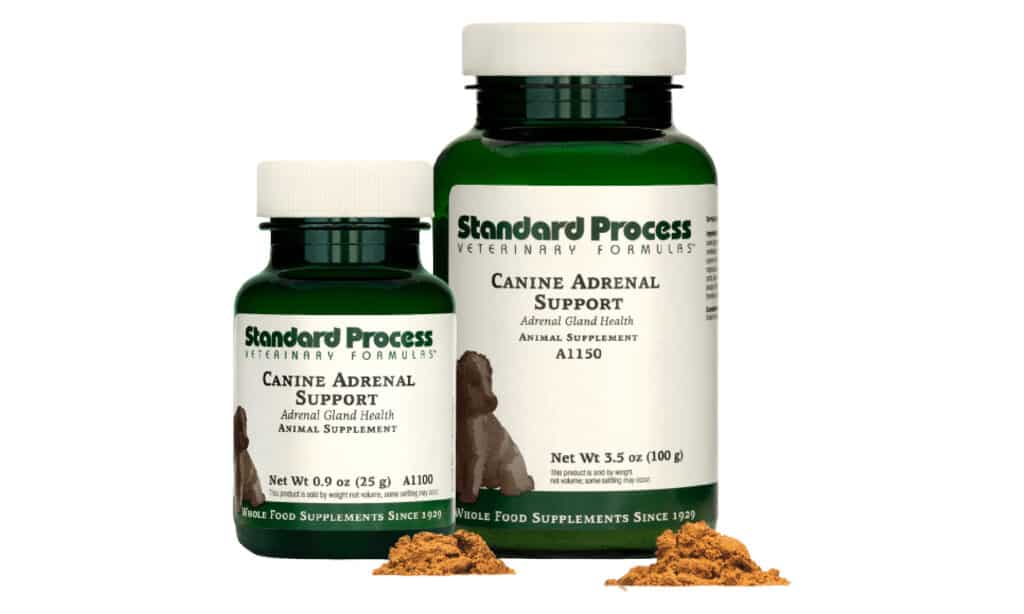
  • Can You Use Cortizone-10 on Dogs?

    Can You Use Cortizone-10 on Dogs?

    Yes, but be selective. A very small amount of plain 1% hydrocortisone can be a reasonable short-term option for a small patch of intact, mildly itchy skin on a dog. Hydrocortisone is also used in veterinary topical products. Cortizone-10, however, is a family of human products rather than one single formula. Check the exact label first, keep the cream away from the eyes and other sensitive areas, and do not let your dog lick it. [1]

    If the skin is raw, wet, oozing, infected, badly inflamed, or the itching keeps coming back, I would not keep covering the symptom with cream. That is when I want to look at why the skin is irritated in the first place.

    Owner applying a thin layer of hydrocortisone cream to a dog's intact leg

    Can You Use Cortizone-10 on Dogs?

    Hydrocortisone is a corticosteroid that reduces inflammation and itching. Topical corticosteroid preparations are used in dogs for some skin problems, and veterinary references specifically caution that topical ointments, gels, and sprays should be used sparingly so a dog does not lick excessive amounts. [2]

    That does not make every tube of Cortizone-10 interchangeable with a dog product. The active ingredient may be hydrocortisone 1%, but the rest of the formula can vary. For a dog, especially one that will lick the area, I prefer the simplest suitable formula or a pet-labeled hydrocortisone product.

    Check the Cortizone-10 Formula Before You Use It

    Cortizone-10 is a brand family. Current human drug labels list several Cortizone-10 products with hydrocortisone 1% as the active ingredient, but the inactive ingredients differ from one formula to another. Some are simple ointment-style products, while others contain ingredients added for cooling, texture, moisturization, or other human skin-care purposes.

    Before putting a human product on your dog, read the entire ingredient list. I would skip a formula if you are unsure what an added ingredient does, if it seems irritating, or if your dog is likely to lick a meaningful amount off the skin. A dog-specific product removes much of that guesswork.

    Dog owner checking a Cortizone-10 formula before using it on a dog

    When Hydrocortisone Is Reasonable and When to Skip It

    Small, Intact, Localized Skin

    The situation where I am most comfortable with short-term topical hydrocortisone is a small, localized patch of intact skin with mild redness or itching. Think of a minor insect bite or a small irritated spot that is not open, wet, infected, or spreading.

    Use only a thin film. More cream is not better. The goal is to calm a small irritated area while you watch what happens next.

    Open, Infected, Wet, or Very Irritated Skin

    I would skip hydrocortisone as a home remedy when the skin is broken, ulcerated, actively bleeding, wet, oozing, foul-smelling, very painful, or obviously infected. I would also avoid putting it in or around the eyes, mouth, nose, genitals, or other mucous membranes.

    A cream that quiets redness can make a problem look temporarily better without fixing the cause. If the area is getting larger, your dog is intensely uncomfortable, or the same rash keeps returning, the next useful step is figuring out what is driving the inflammation.

    How to Use Topical Hydrocortisone More Safely

    For a small area of intact skin, keep the application simple:

    • Check that the product is plain 1% hydrocortisone or another formula you have specifically decided is appropriate.
    • Apply a very thin layer to the affected skin.
    • Keep it away from the eyes and mucous membranes.
    • Prevent licking until the product has had time to remain on the skin.
    • Stop if the area becomes more irritated.
    • Do not keep repeating topical steroid use indefinitely when the itch keeps returning.

    Pet-labeled hydrocortisone products also instruct owners to avoid the eyes and to prevent licking, which is a good practical reminder that the medication belongs on the skin, not in the mouth. [3]

    What If Your Dog Licks Cortizone-10?

    A quick lick of a tiny amount is different from swallowing a noticeable quantity. I would not panic over a trace lick, but I would wipe away excess product and stop your dog from licking more.

    Human Cortizone-10 labels are for external use and tell people to seek help if the product is swallowed. With a dog, the sensible limit is similar: if your dog swallowed more than a trace amount, chewed the tube, or seems unwell afterward, get veterinary or animal poison guidance rather than guessing.

    For dogs that immediately lick every topical product, an Elizabethan collar, recovery collar, T-shirt, or another simple barrier may be more useful than repeatedly reapplying cream.

    Why Is Your Dog Itchy in the First Place?

    Fleas, Allergies, Irritants, and Skin Barrier Problems

    Hydrocortisone can turn down inflammation, but it does not tell you why the inflammation started. Repeated itching can come from fleas or other parasites, environmental allergies, food reactions, contact irritants, yeast or bacterial overgrowth, dry or damaged skin, or a combination of several factors.

    This is where my holistic approach matters most. I do not want to chase the itch forever. I want to look at the skin, coat, diet, environment, parasite exposure, bathing products, seasonal pattern, and the exact places your dog is chewing or scratching. Those details often point us toward the underlying cause.

    Owner checking a dog's paw for causes of recurring itching

    When Recurring Itch Needs a Different Plan

    If you are reaching for hydrocortisone over and over, the cream has become a signal. The dog needs a broader plan rather than another temporary layer of itch control.

    Pay attention to recurrent ear problems, paw licking, belly or armpit redness, greasy skin, odor, hair loss, scabs, hot spots, or itching that wakes your dog up. Those patterns give us more useful information than simply asking whether another application of cream is safe.

    Gentler Holistic Options for Mild Itchy Skin

    Calendula and Chamomile

    For mild skin irritation, I often consider gentle plant-based topical support once I know the skin is not dealing with a problem that needs a different treatment. Calendula and chamomile have a long history of topical use. A systematic review of medicinal plants in canine dermatology found evidence supporting antibacterial, antifungal, anti-inflammatory, and wound-healing properties across the plants it evaluated, including calendula and chamomile. [4]

    That does not mean every homemade herbal preparation belongs on every rash. Keep topical care simple, avoid heavily fragranced mixtures, and stop anything that makes the skin redder or itchier.

    Oatmeal and Skin-Barrier Support

    A plain oatmeal soak or rinse can be soothing for a dog with mild, diffuse itching. I prefer lukewarm water and gentle handling rather than aggressive scrubbing, which can make irritated skin feel worse.

    After bathing, dry the coat well, especially in skin folds and between the toes. Moisture trapped against already irritated skin can create another problem on top of the original itch.

    Owner drying a dog after a gentle oatmeal rinse for itchy skin

    Nutrition and Omega-3 Support

    When itching keeps returning, I also look at nutrition and fatty-acid balance. Skin is an organ, and it reflects what is happening inside the body as well as what touches it from the outside.

    A fresh, minimally processed diet that fits the individual dog, along with appropriate omega-3 support when indicated, can be part of a broader skin plan. I do not use nutrition as a quick substitute for identifying parasites, infection, allergies, or irritants. I use it as one piece of supporting healthier skin over time.

    Dog-Specific Hydrocortisone Options

    There are hydrocortisone products labeled specifically for pets, including products made for dogs. If you want topical hydrocortisone available at home, I generally prefer a dog-specific product because the directions and formulation are designed with animal use in mind.

    I like keeping a Dog-Specific Hydrocortisone Cream available for pet parents who want a practical pet-specific option.

    Final Thoughts

    Cortizone-10 is not an automatic yes or an automatic no for dogs. Plain 1% hydrocortisone can be useful for a small patch of intact, mildly irritated skin, but the exact formula matters, licking matters, and repeated itching deserves more than repeated symptom control.

    If you use it, think small area, thin layer, short term, and no licking. Then pay attention to what the skin is telling you. When the itch keeps returning, finding the cause is where the real progress begins.

    Frequently Asked Questions

    Is It Okay If My Dog Licks Cortisone Cream?

    Try to prevent licking. A trace lick is different from swallowing a meaningful amount, but topical hydrocortisone is meant to stay on the skin. Wipe off excess product and prevent more licking. If your dog chewed the tube, swallowed more than a trace amount, or seems unwell, get veterinary or animal poison guidance.

    What Anti-Itch Cream Can I Use on My Dog?

    For a small area of intact, mildly irritated skin, plain 1% hydrocortisone or a dog-specific hydrocortisone product can be reasonable for short-term relief. Avoid putting creams on open, infected, wet, or badly inflamed skin, and check all ingredients in human products before using them on a dog.

    Which Hydrocortisone Cream Is Best for a Dog?

    I prefer a simple formulation or a product labeled for pets. Human Cortizone-10 products can share the same 1% hydrocortisone active ingredient while using different inactive ingredients, so do not assume every tube is the same.

    Can I Put Cortizone-10 on My Dog’s Paw?

    Only if the skin is intact and the irritated area is small, and only if you can stop your dog from licking it. Paws are especially easy for dogs to lick, so a pet-specific product or another approach may be more practical.

    How Long Can I Use Hydrocortisone on My Dog?

    Think of topical hydrocortisone as short-term relief, not a recurring long-term skin plan. If you keep needing it, the important question becomes why your dog is still itchy. Recurrent itch deserves a closer look at parasites, allergies, infection, irritants, diet, and skin-barrier health.

    References

    1. U.S. National Library of Medicine. (2025). Cortizone-10 [Drug label]. DailyMed. https://dailymed.nlm.nih.gov/dailymed/drugInfo.cfm?setid=bb3d1a3e-4c0c-4694-9c05-80152dd9bd1c
    2. Moriello, K. A. (2024). Treatment of skin disorders in dogs. Merck Veterinary Manual. https://www.merckvetmanual.com/dog-owners/skin-disorders-of-dogs/treatment-of-skin-disorders-in-dogs
    3. U.S. National Library of Medicine. (2026). Just for Pets: Hydrocortisone 1% and pramoxine hydrochloride 0.5% spray [Drug label]. DailyMed. https://www.dailymed.nlm.nih.gov/dailymed/drugInfo.cfm?setid=4f5ee8d3-0f2f-4cf9-abde-b13de562d8a1
    4. Tresch, M., Mevissen, M., Ayrle, H., Melzig, M., Roosje, P., & Walkenhorst, M. (2019). Medicinal plants as therapeutic options for topical treatment in canine dermatology? A systematic review. BMC Veterinary Research, 15, 174. https://doi.org/10.1186/s12917-019-1854-4

    A note about your dog’s health

    This article provides general education and does not replace an examination, diagnosis, or individualized advice from your veterinarian. Contact a veterinary professional if you are concerned about your dog’s symptoms.

    Dr. Candy Akers, DVM Avatar

    ABOUT THE AUTHOR

  • Causes of Diarrhea in Dogs: Holistic Vet Explains

    Causes of Diarrhea in Dogs: Holistic Vet Explains

    Hello, fellow dog lovers and caretakers! I’m Dr. Candy Akers, a holistic veterinarian with years of experience in understanding the myriad of complexities within our four-legged companions. Time and again, one concern that many pet parents approach me with is the distressing occurrence of diarrhea in their dogs. While it might seem like a simple digestive upset at first glance, diarrhea can be a tell-tale sign of various underlying issues. From food allergies to viral infections, numerous factors can upset your dog’s tummy. This article is my attempt to shed light on these various causes, offering insights into prevention, recognition, and management. It’s essential for us to be well-informed to provide the best care for our pets. Let’s embark on this informative journey together, ensuring our dogs’ health and happiness are always at the forefront.

    causes of diarrhea in dogs

    Food Allergies in Dogs: Common Cause of Dog Diarrhea

    Food allergies occur when a dog’s immune system mistakenly identifies a specific food ingredient as harmful, leading to an allergic reaction. This reaction can manifest in various ways, from skin conditions to gastrointestinal disturbances, including diarrhea.

    Common Allergens for Dogs

    While any food can potentially cause an allergic response in sensitive dogs, there are some known culprits that often make their way to the top of the list:

    • Proteins: Chicken, beef, and dairy are some of the most common food allergens for dogs. Other meats such as lamb or pork can also be problematic for some canines.
    • Grains: Corn, wheat, and soy have been identified as common sources of allergies. This has led to an increase in grain-free diets, but it’s essential to consult with a veterinarian before making significant changes to your dog’s diet.
    • Eggs: Some dogs can develop allergies to eggs or specifically the proteins within them.
    • Additives and Fillers: Artificial colors, flavors, and certain preservatives can sometimes trigger allergic reactions in sensitive dogs.

    How Food Allergies Manifest as Diarrhea in Dogs

    When a dog ingests an allergen, the immune response can cause inflammation in the gastrointestinal tract. This inflammation disrupts the normal absorption of nutrients and can lead to increased water content in the intestines, resulting in diarrhea. The dog’s stool may be loose, more frequent, and sometimes contain mucus or blood.

    Diagnosis and Treatment For Food Allergies in Dogs

    Understanding and correctly diagnosing food allergies is crucial for providing the best care and treatment for your furry friend. Here’s a more detailed breakdown of the process and the treatment options available:

    Diagnostic Process For Food Allergies in Dogs:

    1. Clinical History and Physical Examination:
      • Review of the dog’s dietary history, including all foods and treats.
      • Examination for other symptoms of allergies, such as skin irritations, itching, or ear infections.
    2. Elimination Diet:
      • As mentioned, this involves feeding the dog a novel protein and carbohydrate source they haven’t been exposed to before.
      • The trial usually lasts for 8-12 weeks. During this period, it’s essential not to give any other foods, treats, or flavored medications.
      • If the symptoms resolve, each ingredient from the dog’s original diet is reintroduced one by one, monitoring for a recurrence of symptoms to pinpoint the offending allergen.
    3. Blood Tests:
      • Some veterinarians may suggest blood tests to detect specific food antibodies. However, it’s worth noting that blood tests are not always as definitive or accurate as elimination diets.
    4. Hair and Saliva Testing:
      • Hair and saliva testing are alternative methods used to identify potential allergies in dogs. These tests analyze specific proteins or markers in the hair and saliva to determine sensitivities to various allergens.

    Treatment Options For Food Allergies in Dogs:

    1. Dietary Management:
      • Once the allergenic ingredient is identified, it should be permanently eliminated from the dog’s diet.
      • Commercially available hypoallergenic diets can be beneficial. These diets are either formulated with hydrolyzed proteins (where the protein is broken down into small, unrecognizable fragments) or novel proteins that the dog hasn’t been exposed to.
    2. Supplements:
      • Omega-3 fatty acid supplements can help decrease inflammation and are beneficial for dogs with allergies.
      • Probiotics can also assist in restoring the gut’s natural flora, especially if the dog’s digestive system has been affected.
    3. Medication:
      • In some severe cases, where symptoms are extreme or causing distress, short-term medication might be prescribed to reduce inflammation or treat secondary infections that have arisen due to the allergy.
    4. Regular Monitoring:
      • Regular check-ups with the veterinarian to ensure that the treatment is effective and that no new allergies have developed.
      • Keeping a close eye on any new symptoms or a recurrence of diarrhea, itching, or any other signs.

    While food allergies in dogs can be a challenging condition to navigate, with the right diagnostic tools and treatment methods, they can be managed effectively. Always consult with a veterinarian when making decisions about your dog’s health and diet.

    diarrhea from food allergies in dogs

    Preventing Food Allergies in Dogs

    Food allergies in dogs can be discomforting and sometimes even distressing. While it’s not always possible to prevent every allergy, there are strategies that dog owners can implement to minimize the risk and ensure their furry friends remain healthy.

    1. Gradual Introduction of New Foods:

    • Start Early: Begin introducing varied proteins and carbohydrates to puppies from a young age. This helps their immune system recognize and tolerate a broad range of food items.
    • One at a Time: When introducing new foods, do it one by one. This way, if there’s a reaction, you’ll know exactly what caused it.

    2. Quality Over Quantity:

    • High-Quality Ingredients: Invest in high-quality dog foods that use wholesome ingredients without unnecessary fillers, artificial flavors, colors, or preservatives.
    • Read Labels: Become familiar with reading pet food labels. Know what goes into your dog’s food and opt for natural and limited-ingredient diets when possible.

    3. Avoid Overexposure:

    • Rotate Proteins: Instead of feeding the same protein source (like chicken) continuously, rotate between different proteins every few months. This rotation can help prevent the overexposure that sometimes leads to the development of allergies.
    • Diverse Diet: Encourage a diverse diet but ensure it is balanced and appropriate for your dog’s specific needs.

    4. Probiotics and Digestive Enzymes:

    • Boost Gut Health: Maintaining a healthy gut can be beneficial in preventing food sensitivities and allergies. Consider adding a canine-specific probiotic supplement to your dog’s diet.
    • Digestive Enzymes: These can aid in breaking down food more effectively, reducing the chance of undigested food causing allergic reactions.

    5. Monitor and Document:

    • Keep a Food Diary: Make a note of what your dog eats and any reactions, even if they seem minor. This documentation can be invaluable in identifying potential issues early on.
    • Regular Vet Visits: Ensure regular check-ups with the veterinarian. Discuss any concerns and get guidance on any dietary changes you’re considering.

    6. Be Cautious with Treats and Scraps:

    • Know the Ingredients: Just as with regular dog food, ensure that treats are made of high-quality ingredients. Avoid those with a long list of unrecognizable components.
    • Limit Table Scraps: While it’s tempting to share our food with our dogs, many human foods contain ingredients that are allergenic to dogs. If you do share, make sure it’s safe and given in moderation.

    7. Stay Updated on Pet Food Recalls:

    • Safety First: Occasionally, specific batches of pet foods might get recalled due to contamination. Staying updated ensures that your dog is not exposed to potential allergens or contaminants.

    In essence, while no strategy can guarantee the complete prevention of food allergies, these steps can significantly reduce the risk. Being proactive, observant, and maintaining open communication with your veterinarian are the cornerstones of ensuring your dog’s nutritional well-being.

    Understanding the nuances of food allergies in dogs is crucial for their overall health and well-being. By being observant of changes in your dog’s behavior, stool consistency, and other symptoms, and consulting with your veterinarian, you can address and manage these allergies effectively. Remember, every dog is unique, so what works for one might not necessarily work for another. Tailoring their diet to their specific needs, with the guidance of a professional, is the key.

    dog getting in trash

    Ingesting Spoiled Food: A Culprit Behind Dog Diarrhea

    While dogs often seem to have stomachs of steel, delving into trash bins or snatching up street-side morsels, their digestive systems aren’t invincible. One of the most common mistakes dogs make is ingesting spoiled food, leading to gastrointestinal issues, including diarrhea.

    Why Dogs Eat Spoiled Food

    1. Natural Scavengers: By nature, dogs are scavengers, making them less discerning about food freshness or source.
    2. Enticing Smells: To a dog’s keen nose, the pungent aroma of spoiled food can be alluring, drawing them to consume it.
    3. Opportunistic Feeders: If food is accessible, especially when unsupervised, many dogs will eat first and “think” later.

    Dangers of Consuming Spoiled Food

    • Bacterial Growth: Spoiled food can harbor harmful bacteria such as Salmonella or E. coli, which can cause severe gastrointestinal disturbances.
    • Toxins: As some foods spoil, they produce toxins. For example, molds on certain foods produce mycotoxins which can be harmful when ingested.
    • Foreign Objects: Dogs rummaging through garbage for food might inadvertently swallow non-food items, causing internal obstructions or injuries.
    • Chemical Contamination: Spoiled foods, especially those from trash bins, might be in contact with other chemicals or toxic substances.

    Symptoms Post Ingestion

    • Diarrhea: Often the most immediate and evident symptom.
    • Vomiting: Some dogs might throw up, especially if the food was particularly toxic.
    • Lethargy: A general lack of energy or enthusiasm.
    • Loss of Appetite: The dog may refuse to eat, even their favorite treats.
    • Abdominal Pain: The dog may show signs of discomfort or pain in the belly area, often noticeable by a hunched back or sensitivity to touch.

    Immediate Interventions

    1. Remove Access: Ensure the dog no longer has access to the source of the spoiled food.
    2. Hydration: Make sure your dog has access to clean water, especially if vomiting or diarrhea occurs.
    3. Do Not Induce Vomiting Unless Advised: Some toxins or objects can cause more harm if regurgitated. Always consult with a veterinarian before taking any action.
    4. Monitor Closely: Watch your dog for any worsening symptoms or signs of distress.

    Prevention Strategies

    1. Secure Trash Cans: Invest in dog-proof trash cans or store them in areas inaccessible to your dog.
    2. Regularly Clean Food Bowls: Ensure your dog’s food bowls are cleaned regularly to prevent old or spoiled food remnants.
    3. Proper Food Storage: Store dog food in cool, dry places and use it before the expiration date.
    4. Supervise Outdoor Time: When outside, especially in new or unfamiliar areas, keep a close eye on your dog to prevent them from scavenging.

    Ingesting spoiled food can cause immediate discomfort for dogs and lead to more severe complications. Awareness and proactive measures are the best strategies to ensure your dog stays safe and healthy. Always consult with a veterinarian if you suspect your dog has consumed spoiled or potentially harmful food.

    Intestinal Parasites in Dogs: Top Cause of Dog Diarrhea

    Intestinal parasites are all too common in the canine world. These unwelcome guests can cause a range of health issues, with diarrhea being one of the most prevalent symptoms. Recognizing, treating, and preventing these parasites is crucial for maintaining your dog’s overall health.

    Common Intestinal Parasites in Dogs

    Dogs, being curious creatures, often come into contact with a variety of organisms during their adventures. Among these, certain unwelcome invaders might set up residence in their intestines. Let’s delve into the most common intestinal parasites that our canine companions might encounter.

    • Roundworms (Toxocara canis): These are long, spaghetti-like worms that primarily affect puppies but can be found in dogs of all ages.
    • Hookworms: Small and thin, these parasites attach to the intestinal wall and feed on the dog’s blood, often causing anemia.
    • Whipworms: Found primarily in the large intestine, they can lead to inflammation and bloody diarrhea.
    • Tapeworms: Segmented worms that are often visible in the dog’s feces or around their rear end. They are commonly contracted through fleas.
    • Giardia and Coccidia: These are not worms but single-celled parasites that infect the intestines, leading to watery diarrhea.
    roundworm infection in dogs

    How Dogs Get Infected with Intestinal Parasites

    You might wonder, given the care and attention we shower on our pets, how do they end up contracting these parasitic infections? The avenues of infection are more common than one might assume. Here’s a breakdown of how dogs typically get infected by these microscopic troublemakers.

    1. Environmental Exposure: Many of these parasites lay eggs that are excreted in the feces of infected animals. Dogs can become infected by ingesting contaminated soil, water, or feces.
    2. Intermediate Hosts: Some parasites, like tapeworms, require an intermediate host, like fleas. When a dog consumes the intermediate host, they get infected.
    3. Mother to Pup: Puppies can get parasites like roundworms through their mother’s milk.

    Symptoms of Intestinal Parasites in Dogs

    A dog infected with parasites might not always exhibit noticeable symptoms immediately. However, as the infestation progresses, certain tell-tale signs begin to emerge. Being able to recognize these early on can be key to timely intervention and treatment.

    • Diarrhea: Can be watery, bloody, or mucus-filled depending on the parasite.
    • Weight Loss: Even if the dog is eating normally.
    • Bloated or Rounded Belly: Especially noticeable in puppies.
    • Visible Worms: In the feces or around the dog’s rear.
    • Lethargy: Due to nutrient malabsorption or anemia.
    • Scratching or “Scooting”: Caused by irritation around the anal area.

    Diagnosis and Treatment of Intestinal Parasites in Dogs

    Identifying a parasitic infection in its early stages can be the difference between a quick recovery and a prolonged ailment. Armed with the right knowledge and tools, veterinarians can diagnose and combat these intestinal invaders effectively. Let’s understand the process of diagnosis and the subsequent treatment steps.

    1. Fecal Examination: Veterinarians will often analyze a fecal sample under a microscope to identify the type and severity of the parasite infestation.
    2. Deworming Medications: Once identified, your vet will prescribe the appropriate deworming medication. Some parasites may require specific treatments, while others can be addressed with broad-spectrum dewormers.
    3. Repeat Treatments: Some parasites have life cycles that aren’t immediately eradicated by one round of medication, so repeat treatments might be necessary.
    4. Supportive Care: In severe cases, additional care like hydration therapy or nutritional support may be required.

    Preventing Intestinal Parasites in Dogs

    They say prevention is better than cure, and when it comes to parasitic infections in dogs, this adage holds true. Proactive measures can greatly reduce the chances of your dog contracting these pesky parasites. Dive into the essential steps to keep your furry friend safe and healthy.

    1. Regular Vet Check-ups: Routine fecal examinations can catch infestations early.
    2. Hygiene: Promptly clean up after your dog to minimize environmental contamination.
    3. Safe Play Areas: Ensure your dog’s play areas are free from feces, especially if frequented by other animals.
    4. Flea Prevention: Since fleas are an intermediate host for some parasites, keeping your dog flea-free can reduce the risk.
    5. Proper Food Handling: If you feed your dog raw food, ensure it’s sourced from reputable places and handled with care.

    Intestinal parasites are a common issue but with vigilance, timely treatment, and preventive measures, their impact can be minimized. Regular vet visits and being attentive to your dog’s behavior and health are your best defenses against these pesky invaders.

    Bacterial Infections in Dogs: Leading to Dog Diarrhea

    The canine digestive system, much like our own, is a delicate balance of beneficial and harmful bacteria. When this balance is disrupted, bacterial infections can manifest, often leading to symptoms such as diarrhea. This section explores the common bacterial culprits, their causes, symptoms, and what can be done to treat and prevent them.

    Clostridium in dogs. Photo credit: Wikipedia.com

    Common Bacterial Culprits

    Our dogs’ digestive tracts are bustling communities of bacteria, most of which coexist peacefully and even contribute to their health. However, when pathogenic bacteria overtake or invade this ecosystem, the outcome can be distressing. Let’s identify the main bacterial offenders that can lead to diarrhea in dogs.

    • Salmonella: Often contracted through contaminated food or water, this bacteria can cause severe gastrointestinal symptoms.
    • E. coli: Found naturally in the intestines, it becomes problematic when certain harmful strains proliferate or are ingested.
    • Campylobacter: This bacteria is commonly transmitted through raw or undercooked poultry and can lead to intense bouts of diarrhea.
    • Clostridium perfringens: Normally present in small amounts, issues arise when it multiplies rapidly, releasing toxins in the process.

    How Dogs Contract Bacterial Infections

    While we take various measures to keep our furry friends safe, the world they interact with is teeming with bacteria. Some of these are beneficial, while others are potential threats. Delving into the ways dogs get exposed can help us better protect them from these invisible assailants.

    1. Contaminated Food and Water: Consumption of spoiled food or water contaminated by feces can introduce harmful bacteria.
    2. Contact with Infected Animals: Interaction with other infected animals or their waste can be a source of transmission.
    3. Unsanitary Conditions: Living or playing in dirty environments can expose dogs to a myriad of harmful bacteria.
    4. Weak Immune System: Dogs with compromised immune systems are more susceptible to infections.

    Symptoms of Bacterial Infections in Dogs

    Like any ailment, bacterial infections leave their mark, often presenting a spectrum of symptoms that signal something’s amiss. Recognizing these signs is the first step in providing our pets the relief and care they need.

    • Diarrhea: Often the most prominent sign, it can vary from mild to severe, sometimes containing blood or mucus.
    • Vomiting: Some bacterial infections also induce nausea and vomiting.
    • Fever: A rise in body temperature can indicate the body’s attempt to fight off the infection.
    • Lethargy: The dog may appear tired or uninterested in regular activities.
    • Loss of Appetite: A reduced interest in food, even favorites, can be a concerning sign.

    Treatment and Recovery For Bacterial Infections in Dogs

    When our beloved pets fall victim to bacterial infections, time is of the essence. The right interventions can be the difference between a swift recovery and prolonged distress. Here’s an insight into how veterinarians approach these infections and the path to healing.

    1. Fecal Examination: A stool sample can help identify the bacteria causing the issue.
    2. Antibiotics: Once diagnosed, the vet may prescribe specific antibiotics to combat the bacterial infection.
    3. Probiotics: To restore gut health and balance, probiotics can be beneficial during and after antibiotic treatment.
    4. Supportive Care: Hydration and nutritional support can expedite the recovery process, especially in severe cases.

    Prevention Measures For Bacterial Infections in Dogs

    As the saying goes, “An ounce of prevention is worth a pound of cure.” In the realm of bacterial infections in dogs, this couldn’t be truer. Here, we’ll explore the actionable steps that every dog owner can take to minimize the risk of these infections.

    1. Hygienic Living Conditions: Regular cleaning of living areas and ensuring access to clean water.
    2. Safe Food Practices: Store dog food correctly and avoid feeding spoiled or questionable food.
    3. Regular Vet Check-ups: Regular visits can catch and address potential issues early.
    4. Vaccinations: Some bacterial infections can be prevented with appropriate vaccinations.

    Bacterial infections, though common, can be effectively managed with timely intervention. By understanding the causes and being proactive in prevention, dog owners can ensure the health and happiness of their four-legged companions.

    Viral Infections in Dogs: A Prominent Cause of Dog Diarrhea

    Viruses, unlike bacteria, are not living entities in the conventional sense, yet they can wreak havoc when they invade a host’s body, including our canine companions. Several viral infections can cause diarrhea in dogs, with varying degrees of severity. This section delves deep into understanding these viruses, their transmission, symptoms, treatment, and prevention.

    Prominent Viral Culprits

    In the intricate web of canine health, viruses stand as potent threats, sometimes hidden but always impactful. While a myriad of viruses can affect dogs, a select few are notorious for causing gastrointestinal distress. Let’s shine a light on these viral agents to better understand and combat them.

    • Canine Parvovirus: A highly contagious virus that often strikes puppies, leading to severe, bloody diarrhea and other complications.
    • Canine Coronavirus: Though not as severe as parvovirus, this virus can still cause diarrhea, especially when combined with other pathogens.
    • Canine Distemper: While primarily known for respiratory symptoms, it can also cause gastrointestinal issues in dogs.
    • Adenovirus: Commonly affects puppies, leading to mild diarrhea but is generally self-limiting.

    How Dogs Contract Viral Infections

    In our interconnected world, where dogs explore, play, and interact, the pathways for viral transmissions are multifold. By understanding how these microscopic invaders spread, we can better safeguard our furry companions from their grasp. Here’s how our four-legged friends typically get exposed to these infectious agents:

    1. Direct Contact: Interaction with an infected dog can transmit viruses, especially through nasal and mouth secretions.
    2. Fomites: Inanimate objects like bowls, toys, or shoes can carry the virus if contaminated.
    3. Contaminated Environment: Some viruses can survive in the environment for extended periods, waiting for a host.
    4. Infected Wildlife: Certain viruses, like distemper, can be transmitted by wildlife carriers.

    Symptoms of Viral Infections

    The silent onset of viral infections can be unsettling, as they often manifest before we’re even aware. Recognizing the tell-tale signs of a viral invasion in its nascent stages is the first step toward providing timely care and relief to our pets.

    Different viruses will manifest varying symptoms, but some common signs indicate a possible viral infection:

    • Diarrhea: Ranging from mild to severe, it can sometimes be bloody or mucus-filled.
    • Vomiting: Many viral infections also lead to frequent vomiting in dogs.
    • Fever: Elevated body temperature suggests the body is fighting off an invader.
    • Lethargy: Infected dogs may appear sluggish and show diminished interest in activities.
    • Appetite Loss: Affected dogs may eat less or refuse food altogether.
    dog recieving IV fluids

    Treatment and Recovery

    While viruses themselves are not “alive” in the traditional sense, their capacity to disrupt life is undeniable. Combatting these pathogens isn’t about destruction but about support, care, and management. Let’s explore the best practices in helping a dog recover from a viral onslaught.

    Contrary to bacterial infections, viral ones can’t be “cured” with medications, but supportive care plays a pivotal role:

    1. Supportive Care: This includes maintaining hydration, nutritional support, and addressing secondary bacterial infections if they arise.
    2. Isolation: To prevent the spread, infected dogs should be kept away from other animals until recovery.
    3. Vaccination: Some viral infections, once contracted, can provide immunity, but preventive vaccinations remain the best defense.
    4. Regular Monitoring: Frequent check-ups post-recovery ensure no lingering effects or complications.

    Preventing Viral Infections in Dogs

    In the world of viruses, the best defense is often a proactive offense. As guardians of our canine companions, understanding and employing preventive strategies can drastically reduce the risks they face from these infectious agents.

    Preventing viral infections is crucial, given their potential severity and rapid spread:

    1. Regular Vaccinations: Staying up-to-date with recommended vaccines significantly reduces the risk of many viral infections.
    2. Hygiene: Disinfecting common areas, toys, and bowls can curb the spread of viruses.
    3. Avoid High-Risk Areas: Limiting exposure in places with known outbreaks or high dog populations can be beneficial.
    4. Prompt Veterinary Care: At the first sign of symptoms, seeking veterinary attention can help in early diagnosis and management.

    Viral infections in dogs, while intimidating, can be managed and often prevented. Knowledge, timely interventions, and preventive measures are paramount in ensuring our dogs remain healthy, vibrant, and by our side for years to come.

    nervous dog

    Stress-Induced Diarrhea in Dogs: Causes and Solutions

    While physical ailments like infections and allergies often come to mind when we think of health issues in dogs, mental well-being is equally paramount. Stress, though intangible, can manifest in very tangible ways, including diarrhea. In this section, we’ll unravel the connection between stress and gastrointestinal issues in dogs, pinpointing causes and offering solutions for both immediate relief and long-term well-being.

    Understanding Stress in Dogs

    Much like humans, dogs can experience stress, anxiety, and emotional discomfort. While they might not grapple with financial worries or existential crises, their world is filled with stimuli and scenarios that can induce stress. Recognizing what constitutes stress for a dog is the first step towards alleviating it.

    • Changes in Environment: Moving homes, alterations in living space, or even redecorating can be unsettling.
    • New Faces or Loss: The introduction of new pets or family members, or the loss of a companion can evoke stress.
    • Loud Noises: Thunderstorms, fireworks, and loud urban sounds can be frightening to many dogs.
    • Routine Disruptions: Changes in feeding times, walks, or prolonged absences of family members can induce anxiety.

    Linking Stress to Diarrhea in Dogs

    The interplay between mind and body isn’t exclusive to humans; dogs too bear the brunt of emotional disturbances on their physical well-being. The connection between stress and digestive health is both intriguing and critical. Here’s how stress can affect the digestive system:

    1. Fight or Flight Response: Stress can trigger this ancient response, diverting blood away from the digestive system, leading to diarrhea.
    2. Gut Flora Imbalance: Prolonged stress can disrupt the balance of beneficial bacteria in the gut.
    3. Overactivity in the Digestive Tract: Anxiety can speed up digestive processes, leading to diarrhea.

    Identifying Stress-Induced Diarrhea in Dogs

    In the maze of canine health, discerning the true cause behind a symptom can be challenging. With various factors potentially leading to diarrhea, how do we pinpoint stress as the culprit? Before attributing diarrhea to stress, it’s essential to rule out other potential causes. Some indicators suggest stress might be the culprit:

    • Occurrence in Stressful Situations: Diarrhea that tends to appear during thunderstorms, family gatherings, or other stress-inducing scenarios.
    • Absence of Other Symptoms: If the dog doesn’t show signs of infections or allergies, stress could be the cause.
    • Behavioral Signs: Alongside diarrhea, signs like excessive licking, panting, or hiding can indicate stress.

    Solutions and Management For Stress-Induced Diarrhea in Dogs

    Addressing stress-induced ailments in dogs isn’t merely about treating the symptom; it’s about holistic well-being. Tending to a dog’s emotional health requires a blend of immediate interventions and long-term strategies:

    1. Safe Spaces: Create a calming environment or a dedicated space where the dog can retreat during stressful events.
    2. Routine: Keeping feeding, walks, and playtime consistent can provide a comforting structure.
    3. Probiotics: Supporting gut health can mitigate the impact of stress on the digestive system.
    4. Calming Aids: Consider natural calming supplements, toys, or even anxiety wraps to soothe the dog.
    5. Professional Help: For chronic stress, consulting with a vet or a pet behaviorist might be necessary.

    Stress-induced diarrhea in dogs serves as a poignant reminder that their emotional well-being is intricately linked to their physical health. By understanding, recognizing, and addressing the root causes of stress, we can foster an environment where our dogs thrive emotionally and physically.

    Medications Causing Dog Diarrhea: What Every Dog Owner Needs to Know

    Pharmaceutical interventions, while undeniably beneficial in addressing a range of health issues in dogs, can sometimes come with their set of challenges. One such challenge that many dog owners encounter is diarrhea as a side effect of certain medications. This section aims to provide a comprehensive understanding of this phenomenon, enabling informed decisions and proactive care when our pets are on medication.

    Why Some Medications Cause Diarrhea

    Medications are designed to elicit specific responses in the body, but they often interact with various physiological processes, leading to unintended effects. Here’s why certain drugs might cause diarrhea in dogs:

    • Direct Impact on the Gut: Some medications can irritate the lining of the intestines or alter gut motility.
    • Disruption of Gut Flora: Antibiotics, for instance, can disrupt the balance of good bacteria in the intestines.
    • Systemic Reactions: Some drugs might cause diarrhea as a broader reaction involving multiple body systems.

    Common Culprits: Drugs Known to Cause Diarrhea

    While any medication can potentially cause diarrhea, certain drugs have been more frequently associated with this side effect:

    1. Antibiotics: Especially broad-spectrum ones, can affect gut bacteria balance.
    2. Non-Steroidal Anti-Inflammatory Drugs (NSAIDs): These can sometimes irritate the gut lining.
    3. Heartworm Medications: Some preventive heartworm drugs can lead to gastrointestinal issues.
    4. Chemotherapy Drugs: Used for treating cancers, they can often lead to digestive upset.

    Managing Diarrhea Caused by Medications

    If you suspect your dog’s diarrhea is linked to a medication, here are steps to consider:

    • Consult Your Vet: Never stop or change a medication without consulting with the veterinarian.
    • Dietary Adjustments: Offering a bland diet can help soothe the digestive system.
    • Probiotics: Introducing good bacteria can help in restoring gut flora balance.
    • Monitor for Other Side Effects: Watch out for any other unusual behaviors or symptoms.

    Prevention and Proactive Care

    While it might not always be possible to prevent medication-induced diarrhea, some steps can mitigate its likelihood:

    1. Gradual Introduction: If possible, introduce new medications gradually to allow the body to adjust.
    2. Use Targeted Antibiotics: Instead of broad-spectrum, specific antibiotics can minimize gut flora disruption.
    3. Regular Health Checks: Periodic vet visits can help in monitoring any side effects of long-term medications.

    Pharmaceutical interventions are often a necessary component of canine health. Yet, as with everything, they come with their set of challenges. Being informed, observant, and proactive can make all the difference, ensuring our dogs derive the maximum benefit from medications while minimizing potential discomforts.

    diarrhea in dogs FI

    Dietary Changes and Dog Diarrhea: Key Points to Be Aware Of

    Nutrition plays a pivotal role in the overall well-being of our dogs. Just as the food we eat can significantly impact our health, the same holds true for our canine companions. While dietary changes are sometimes necessary, they can occasionally lead to digestive upsets, with diarrhea being a common symptom. This section seeks to shed light on the delicate interplay between diet and digestion in dogs, offering insights and solutions for those navigating dietary transitions.

    Understanding the Canine Digestive System

    Before delving into the impact of dietary changes, it’s crucial to have a grasp of a dog’s digestive anatomy and physiology:

    • Digestive Tract Design: Dogs have a relatively short digestive tract, designed for meat consumption but adaptable to a varied diet.
    • Gut Flora: A balanced mix of beneficial bacteria aids in digestion, immune function, and overall gut health.
    • Digestive Enzymes: These are crucial for breaking down food components, and their levels can vary based on diet.

    Why Dietary Changes Can Cause Diarrhea

    Switching foods or introducing new dietary components might seem straightforward, but even minor changes can impact digestion:

    1. Rapid Transition: Suddenly changing a dog’s diet doesn’t give the digestive system enough time to adjust.
    2. Ingredient Sensitivity: New foods might contain ingredients that a dog is sensitive or allergic to.
    3. Change in Nutrient Ratios: A drastic change in protein, fat, or fiber ratios can disrupt digestion.
    4. Quality of Ingredients: Lower quality or spoiled food can irritate the digestive system.

    Safely Transitioning to a New Diet

    For those looking to switch their dog’s diet or introduce new foods, here’s a guide to ensure a smooth transition:

    • Gradual Change: Start by mixing a small portion of the new food with the old, gradually increasing the new food’s proportion over 7-10 days.
    • Monitor for Reactions: Keep an eye out for any signs of digestive upset, allergies, or behavioral changes.
    • Seek High-Quality Foods: Prioritize quality, ensuring the food sources are reputable and the ingredients are fresh.
    • Hydration: Ensure your dog has access to plenty of fresh water, especially if showing signs of diarrhea.

    When to Consult a Vet

    While mild and short-lived diarrhea following a diet change can be typical, it’s essential to recognize when professional help is required:

    1. Persistent Diarrhea: If it continues for more than 48 hours.
    2. Other Symptoms: Such as vomiting, lethargy, or loss of appetite.
    3. Blood in Stool: This can indicate more severe digestive issues or internal injuries.
    4. Signs of Dehydration: Such as sunken eyes, dry gums, or excessive panting.

    Food is more than just fuel; it’s the foundation of health. As dog owners, ensuring our pets receive optimal nutrition, tailored to their specific needs, is paramount. By understanding the intricacies of the canine digestive system and being mindful during dietary transitions, we can pave the way for a happy and healthy life for our four-legged friends.

    Conclusion

    In the vast and intricate world of canine health, the proverbial saying, “knowledge is power,” couldn’t be more apt. From the nuances of dietary changes to the intricate dance of medications, our journey through the causes of diarrhea in dogs has underscored the importance of informed decision-making. Every pet owner, armed with the right information, becomes a pivotal player in their dog’s well-being.

    As we’ve seen, while some causes of diarrhea are relatively harmless and short-lived, others demand immediate attention and intervention. The balance lies in discerning which is which, and in that balance resides the health and happiness of our furry companions. It’s not just about mitigating the uncomfortable moments, but about enhancing the quality of life they lead every day.

    As responsible guardians, our aim should always be to provide a nurturing environment, replete with the best nutrition, timely medical care, and above all, an abundance of love. The bond between humans and dogs is ancient, sacred, and built on mutual trust. By staying educated, proactive, and compassionate, we don’t just address immediate health concerns; we fortify this bond, ensuring that our dogs lead lives as joyous and fulfilling as the memories they gift us.

    Thank you for joining me on this exploration. May every dog lover carry forth this knowledge, making the world a better place, one wagging tail at a time.

    Frequently Asked Questions

    1. Q: Why is my dog’s diarrhea persistent even after switching back to their old diet?

    A: While returning to a familiar diet can often alleviate symptoms, some dogs might still experience persistent diarrhea due to residual inflammation, a lasting imbalance in gut flora, or other underlying health issues. If diarrhea continues for more than 48 hours, it’s essential to consult a veterinarian to rule out other causes and receive targeted treatment.

    2. Q: Are certain breeds more prone to food allergies or sensitivities that could lead to diarrhea?

    A: Yes, some breeds, such as Golden Retrievers, Cocker Spaniels, and German Shepherds, have been observed to exhibit higher instances of food sensitivities or allergies. However, any dog, regardless of breed, can develop allergies or sensitivities. It’s essential to monitor for signs and consult a vet if symptoms arise.

    3. Q: If my dog accidentally ingests spoiled food, how quickly will symptoms appear?

    A: Symptoms from ingesting spoiled food, like diarrhea or vomiting, can appear within a few hours to 48 hours post-ingestion. It’s crucial to monitor your dog closely for any signs of discomfort or illness and seek veterinary care if symptoms are severe or persistent.

    4. Q: Can stress-induced diarrhea in dogs be a one-time occurrence, or is it always indicative of a chronic issue?

    A: Stress-induced diarrhea can be both a one-time event, triggered by a sudden stressful situation (like a move or loud noises), or a recurring issue due to chronic stress factors (like separation anxiety or frequent changes in the environment). Identifying and addressing the root cause of the stress is crucial for effective management.

    5. Q: How often should I consult my vet about my dog’s medication, especially if I suspect it’s causing diarrhea?

    A: If you believe a medication is causing diarrhea or any other side effect, it’s essential to consult your vet immediately. Additionally, regular health check-ups, at least once a year or as recommended by your vet, can help monitor your dog’s reaction to long-term medications and adjust dosages or types as necessary.

    A note about your dog’s health

    This article provides general education and does not replace an examination, diagnosis, or individualized advice from your veterinarian. Contact a veterinary professional if you are concerned about your dog’s symptoms.

    Dr. Candy Akers, DVM Avatar

    ABOUT THE AUTHOR
  • Side Effects of Clavamox in Dogs & What To Do- Answered By Vet

    Side Effects of Clavamox in Dogs & What To Do- Answered By Vet

    Every pet owner knows that feeling of concern when our furry friends fall ill or sustain an injury. Trusting in the expertise of our veterinarians, we rely on them to recommend the best medications for our pets. One such frequently prescribed antibiotic for our canine companions is Clavamox. But as with any medication, it’s crucial to be informed about what we’re giving our pets: How does it work? What are its side effects? Are there any natural remedies that can complement its benefits? Welcome to our comprehensive guide on Clavamox in dogs, where we delve deep into its uses, dosages, potential side effects, and much more.

    With insights from veterinary experts, this blog aims to equip you with all the knowledge you need to ensure your dog’s well-being. Whether you’re a new dog parent or an experienced one looking for some clarity, our guide will shed light on all your Clavamox-related queries. Let’s embark on this informative journey together, ensuring our pets remain happy, healthy, and well-taken-care-of.

    clavamox for dogs

    What is Clavamox?

    Clavamox is a potent antibiotic commonly prescribed for dogs, as well as cats. A combination of two main ingredients, amoxicillin and clavulanic acid, makes up this medication. Together, these ingredients pack a powerful punch against a broad spectrum of bacteria that might cause various infections in dogs.

    1. Amoxicillin: This is a penicillin antibiotic that works against bacteria by preventing them from building their cell walls. This leads to the eventual destruction of the bacteria. On its own, amoxicillin can be effective, but some bacteria produce a substance called beta-lactamase, which can make them resistant to the effects of amoxicillin.

    2. Clavulanic Acid: This is where clavulanic acid comes in. Acting as a beta-lactamase inhibitor, it ensures that the bacteria’s resistance mechanisms are curtailed, making them susceptible to the destructive effects of amoxicillin.

    The blend of these two ingredients in Clavamox increases the range of bacteria it can act against, making it particularly useful for treating a variety of bacterial infections in dogs, from skin infections to urinary tract infections and even some forms of respiratory infections.

    The beauty of Clavamox lies in its combination approach: while amoxicillin targets bacteria, clavulanic acid ensures that these bacteria don’t develop resistance, ensuring a more effective treatment for our pets.

    In a nutshell, Clavamox serves as a frontline defense against many common bacterial infections that might afflict our dogs, ensuring that they return to their playful and lively selves in no time.

    amoxicillin clavulanate generic tablets for clavamox

    Brand/Generic Names For Clavamox

    When navigating the world of pet medications, it’s essential to recognize the distinction between brand names and generic names. This understanding can make all the difference when purchasing or discussing medications with your veterinarian or pharmacist. Let’s break down the brand and generic nomenclature for Clavamox.

    1. Generic Name: The fundamental ingredients that make up Clavamox are amoxicillin and clavulanic acid. This combination is often referred to by these active ingredients. In the realm of human medicine, this combination might be familiar to some as Augmentin, especially when used in human healthcare.

    2. Brand Name: Clavamox is the most commonly recognized brand name for this antibiotic combination when prescribed for pets. It’s manufactured by Zoetis, one of the leading companies in animal health. When veterinarians prescribe this antibiotic, they often use the brand name, Clavamox, though the generic version with the same active ingredients may also be available.

    Why does this distinction matter?

    Understanding the difference between the brand and generic names is crucial for several reasons:

    • Cost: Generic versions of medications often cost less than their brand-name counterparts. If you’re looking to save on pet medications, knowing the generic name can be beneficial when shopping around or discussing options with your veterinarian.
    • Availability: Sometimes, due to supply chain issues or other market factors, a brand-name drug might be temporarily unavailable. Knowing the generic name allows pet owners to find suitable alternatives without compromising on treatment quality.
    • Consistency: While the active ingredients remain the same between brand-name and generic drugs, the fillers or binding agents might differ. In rare cases, pets might have sensitivities to these agents. Thus, if you switch between brand-name and generic, it’s essential to monitor your dog for any adverse reactions.

    While Clavamox is the prominent brand name associated with the antibiotic combination of amoxicillin and clavulanic acid for pets, being aware of its generic constituents can provide flexibility, potential cost savings, and a broader understanding when discussing your dog’s health.

    Uses For Clavamox in Dogs

    As a dog owner, understanding why a veterinarian prescribes a particular medication is crucial. This knowledge ensures peace of mind and allows for proactive care. Clavamox, with its powerful antibiotic combination of amoxicillin and clavulanic acid, has a range of uses in treating various bacterial infections in our canine companions.

    1. Skin and Soft Tissue Infections:

    • Abscesses: Clavamox can effectively treat abscesses caused by bacteria, helping reduce swelling, pain, and pus formation.
    • Wounds: Whether post-surgical or due to an injury, Clavamox can help in preventing or treating bacterial infections in wounds.
    • Pyoderma: This refers to any skin disease that leads to pus production. Clavamox is often prescribed to address bacterial causes of pyoderma.

    2. Dental Infections:

    3. Urinary Tract Infections (UTIs):

    • Bacteria are a common culprit behind UTIs in dogs. Clavamox is regularly prescribed to treat these infections, relieving symptoms like frequent urination, blood in urine, or pain.

    4. Respiratory Infections:

    • Clavamox can be used to treat certain bacterial infections affecting the respiratory system, such as bronchitis or pneumonia.

    5. Bone Infections:

    • In some cases, bacteria can infect a dog’s bones, leading to conditions like osteomyelitis. Clavamox can be effective in treating such infections, especially when caught early.

    6. Ear Infections:

    • While there are multiple causes for ear infections in dogs, bacterial infections are among the common reasons. Clavamox can help address bacterial ear infections, reducing inflammation, pain, and discharge.

    Why Clavamox?

    The strength of Clavamox lies in its dual-action approach. Amoxicillin targets the bacteria, while clavulanic acid ensures that these bacteria don’t develop resistance. This combination ensures a broad spectrum of action against numerous bacteria types, making it a favored choice among veterinarians.

    Clavamox serves as a versatile antibiotic in the arsenal of canine health. From skin to bones, this medication plays a pivotal role in addressing various bacterial infections, ensuring our furry friends remain in their prime health. Always consult with your veterinarian regarding the best treatment options and to understand if Clavamox is the right fit for your dog’s condition.

    utis can i give my dog clavamox for a uti

    Clavamox Dosage Chart for Dogs

    Clavamox Dosage Chart for Dogs

    Dog’s WeightClavamox Tablet Dosage (mg)Clavamox Liquid Dosage (mL)
    5 lbs31.25 mg0.5 mL
    10 lbs62.5 mg1.0 mL
    20 lbs125 mg2.0 mL
    30 lbs187.5 mg3.0 mL
    40 lbs250 mg4.0 mL
    50 lbs312.5 mg5.0 mL
    60 lbs375 mg6.0 mL
    70 lbs437.5 mg7.0 mL
    80 lbs500 mg8.0 mL
    90 lbs562.5 mg9.0 mL
    100 lbs625 mg10.0 mL

    Dosage Frequency: Typically, Clavamox is administered twice daily.

    Considerations:

    1. Type of Infection: The severity and type of infection can alter the required dosage. A vet might prescribe a higher or lower dose based on the dog’s specific condition.
    2. Formulation: Clavamox comes in different forms, such as chewable tablets and liquid suspension. Ensure you understand the correct measurement based on the prescribed formulation.
    3. Duration: Typically, the course of Clavamox lasts between 5 to 7 days, but it might be extended based on the dog’s response to treatment.
    4. Missed Dose: If a dose is missed, give it as soon as you remember. However, if it’s close to the time for the next dose, skip the missed dose and continue with the regular schedule.

    IMPORTANT: This chart serves as a general guideline. Individual circumstances, such as the dog’s overall health, age, other medications, and specific condition, can influence the appropriate dosage. Always consult with your veterinarian for personalized advice and never administer Clavamox without a prescription.

    Forms of Clavamox

    Understanding the various forms in which Clavamox is available helps dog owners administer the medication effectively and ensures that the pet receives the right dosage. Here’s a breakdown of the different forms of Clavamox available for dogs:

    1. Chewable Tablets:

    • Description: These are flavored tablets designed to make the administration process more manageable, especially for dogs that might resist taking medications.
    • Available Dosages: Clavamox chewable tablets are typically available in 62.5 mg, 125 mg, 250 mg, and 375 mg strengths.
    • Pros: They are often more palatable for dogs, making the medication process smoother. They also ensure a precise dose.
    • Cons: Some dogs might still refuse to take them or could have dietary restrictions that make flavored medications problematic.

    2. Liquid Suspension (Drops):

    • Description: This is a liquid form of Clavamox that can be measured and administered using a dropper or syringe.
    • Preparation: Before the first use, the liquid suspension needs to be reconstituted (mixed) with water. After mixing, it’s stored in the refrigerator.
    • Pros: It’s easier to administer to dogs that resist tablets or require a dosage that’s challenging to achieve with tablets. It’s also ideal for puppies or smaller dogs.
    • Cons: The liquid form has a shorter shelf life once mixed, typically around 10 days. It also requires refrigeration, and some owners might find it messier or more challenging to ensure their dog swallows the entire dose.

    3. Standard Tablets (Non-chewable):

    • Description: These are the traditional, non-flavored tablets.
    • Available Dosages: Similar to chewable tablets, they come in varying strengths such as 62.5 mg, 125 mg, 250 mg, and 375 mg.
    • Pros: These offer precise dosing and have a longer shelf life than the liquid suspension.
    • Cons: Some dogs might resist swallowing standard tablets, and they might need to be hidden in food or use a pill dispenser.

    Points to Consider When Choosing a Form:

    1. Dog’s Preference: Some dogs might prefer chewables over liquid or vice versa. Understanding your pet’s preference can make the medication process smoother.
    2. Ease of Administration: Consider which form you’re most comfortable administering, especially if you’ll be giving the medication for several days.
    3. Dosage Accuracy: It’s crucial to ensure the correct dosage, so choose a form that allows you to administer the prescribed amount accurately.
    4. Storage and Shelf Life: Consider the storage requirements (like refrigeration for the liquid form) and how long you’ll need to administer the medication.

    Clavamox offers flexibility in its administration, catering to the varied preferences of dogs and their owners. Whether your dog is a chewer, a licker, or a stubborn medication-taker, there’s likely a form of Clavamox that will suit both your needs.

    clavamox side effects

    Side Effects of Clavamox In Dogs

    While Clavamox is a commonly prescribed and generally safe antibiotic for dogs, like any medication, it can have potential side effects. Being informed about these side effects can help dog owners identify any issues early and seek veterinary advice when needed.

    1. Allergic Reactions:

    • Symptoms: Swelling of the lips, face, or tongue; hives; difficulty breathing; rapid heartbeat.
    • Note: Allergic reactions, while rare, require immediate veterinary attention. If you suspect your dog is having an allergic reaction to Clavamox, discontinue the medication and contact your vet promptly.

    2. Gastrointestinal Issues:

    • Diarrhea: Some dogs might experience loose or watery stools. If diarrhea is severe, persistent, or bloody, contact your veterinarian.
    • Vomiting: It’s not uncommon for some dogs to vomit after taking Clavamox, especially if given on an empty stomach.
    • Loss of Appetite: Some dogs might eat less while on Clavamox.

    3. Changes in Behavior:

    • Lethargy: Some dogs might become less active or seem drowsy.
    • Hyperactivity: Conversely, some dogs might become overly active or restless.

    4. Yellowing of the Skin or Eyes (Jaundice):

    • This could indicate a liver problem and requires immediate veterinary attention.

    5. Drooling or Changes in Urination:

    • Excessive drooling after administering Clavamox or changes in the frequency or color of urination can be side effects.

    Tips to Mitigate Side Effects:

    1. With Food: Administering Clavamox with a small amount of food can help reduce the risk of stomach upset.
    2. Consistent Timing: Give Clavamox at evenly spaced intervals, as directed by your vet, to maintain consistent drug levels in your dog’s system.
    3. Monitor: Keep a close eye on your dog after administering Clavamox, especially the first few times, to catch any adverse reactions early.
    4. Consult with Vet: If any side effect concerns you, or if your dog seems particularly uncomfortable, don’t hesitate to contact your veterinarian for advice.

    Most dogs tolerate Clavamox well, and the benefits of treating bacterial infections typically outweigh the risks of potential side effects. However, being observant and proactive in recognizing and addressing these side effects ensures that our canine companions remain safe and comfortable during their course of treatment.

    Cautions When Using Clavamox In Dogs

    Using Clavamox or any medication necessitates a degree of caution to ensure the safety and wellbeing of your pet. Being informed about potential risks and precautions ensures that you’re well-prepared to provide your dog with the best care while they’re on medication.

    1. Pre-existing Health Conditions:

    • Liver or Kidney Issues: Dogs with liver or kidney diseases might metabolize and excrete drugs differently. Ensure your vet is aware of any known conditions before starting Clavamox.
    • Allergies: If your dog has had allergic reactions to other penicillin-based drugs, they might also be allergic to Clavamox.

    2. Pregnancy and Lactation:

    • While Clavamox is generally considered safe for pregnant or lactating dogs, it’s essential to discuss any potential risks with your veterinarian.

    3. Drug Interactions:

    • Other Antibiotics: Clavamox can interact with other antibiotics, especially those of the tetracycline or chloramphenicol classes.
    • Antacids: Medications that reduce stomach acidity might interfere with the absorption of Clavamox.
    • Probenecid: This drug can increase the amount of amoxicillin in the dog’s bloodstream, potentially leading to side effects.

    4. Overdose Risks:

    • Accidental overdoses can occur. Signs might include muscle spasms, seizures, or severe vomiting. If you suspect an overdose, seek veterinary attention immediately.

    5. Duration of Treatment:

    • It’s essential to complete the entire course of Clavamox, even if your dog seems better. Stopping the medication early can lead to antibiotic resistance or a recurrence of the infection.

    6. Missed Doses:

    • If you forget a dose, give it as soon as you remember. If it’s close to the next dose’s time, wait and continue with the regular schedule. Never give two doses at once.

    Being cautious ensures that your dog benefits from the therapeutic effects of Clavamox without unnecessary risks. Regularly communicate with your veterinarian, report any unusual behaviors or side effects, and always follow the prescribed dosage and duration to ensure your dog’s health and safety.

    forms of clavamox for dogs

    Drug Interactions

    When your dog is on medication, it’s crucial to be aware of potential drug interactions, as certain combinations can either diminish the effect of the drugs or amplify potential side effects. Clavamox, being an amalgamation of amoxicillin and clavulanate, has some potential interactions with other drugs. Here’s what you should know:

    1. Other Antibiotics:

    • Tetracyclines and Macrolides: These classes of antibiotics may diminish the bactericidal effects of Clavamox. Using them concurrently can decrease the efficacy of Clavamox in treating infections.
    • Chloramphenicol: This antibiotic can also interfere with the bactericidal effects of Clavamox.

    2. Antacids, Laxatives, and Food:

    • Medications or substances that modify the stomach’s pH level can affect the absorption rate of Clavamox. If your dog is on antacids or certain types of laxatives, it may influence the efficacy of Clavamox.

    Important Considerations:

    • Always Inform Your Vet: When discussing any medication for your dog, always inform your veterinarian of any other drugs, supplements, or over-the-counter treatments your dog is currently taking or has recently taken.
    • Avoid Human Medications: Never give your dog human medications without explicit instruction from a veterinarian. Many human drugs can be harmful or fatal to pets.
    • Observe for Adverse Effects: If your dog is on multiple medications, be vigilant in monitoring them for any unusual behaviors, reactions, or symptoms that might indicate an interaction.
    • Stick to the Prescription: Always give the prescribed dose at the recommended times. If you suspect an interaction or if your dog seems to be experiencing side effects, contact your vet immediately.

    Drug interactions can be complex, and while Clavamox is a widely used and generally safe antibiotic for dogs, it’s essential to approach its administration with an understanding of potential interactions. Ensuring that you’re fully informed and in regular communication with your veterinarian is the best way to ensure your dog’s safety and health while on medication.

    How Long Does It Last?

    When prescribing Clavamox for dogs, pet owners often wonder about the medication’s duration in the system, its shelf life, and how long treatment might last. Here’s a detailed breakdown:

    1. Duration in the Dog’s System:

    • Half-Life: The half-life of a drug is the time it takes for half of it to be eliminated from the system. Clavamox’s active ingredients, amoxicillin and clavulanate, have a half-life ranging from 1 to 1.5 hours in dogs. This means that most of the drug is out of a dog’s system within 6 to 9 hours, which is why Clavamox is often prescribed to be given twice daily.

    2. Treatment Duration:

    • Standard Duration: The length of time a dog needs to be on Clavamox can vary based on the type and severity of the infection. Generally, treatment durations range from 5 to 14 days.
    • Follow the Vet’s Prescription: It’s imperative to complete the full course of antibiotics, even if your dog seems to have recovered. Stopping early can lead to antibiotic-resistant bacteria or an infection resurgence.
    • Re-Evaluation: If there’s no improvement in your dog’s condition after a few days of starting Clavamox, it’s essential to consult your veterinarian. They might need to adjust the treatment or consider alternative medications.

    3. Shelf Life and Storage:

    • Tablets: Clavamox tablets typically have a shelf life of several years if stored in a cool, dry place away from direct sunlight. Always check the expiration date before administering.
    • Liquid Suspension: Once mixed with water, Clavamox liquid suspensions should be refrigerated and used within 10 days. Unused portions after this period should be discarded.

    4. Signs of Drug Degradation:

    • Color or Consistency Changes: If the Clavamox suspension changes color, becomes cloudier than usual, or has an off odor, it might be a sign of degradation and shouldn’t be used.
    • Tablet Discoloration: Tablets that appear discolored or crumbly may have degraded and might not be effective.

    Understanding how long Clavamox lasts, both in the dog’s system and on your shelf, is crucial for ensuring effective treatment. Always adhere to your vet’s recommended treatment duration, store the medication appropriately, and remain vigilant to signs that the drug might have degraded or expired.

    How do I give clavamox to my dog?

    How To Give Clavamox To Your Dog

    Administering medication to your dog can sometimes be a challenge, especially if they’re wary of unfamiliar items or tastes. Here are step-by-step instructions and tips on how to give Clavamox, be it in tablet or liquid form, to your dog.

    1. Clavamox Tablets:

    • Step 1: Read the prescription label carefully for the correct dosage.
    • Step 2: Ensure your hands are clean.
    • Step 3: Hold the tablet between your thumb and forefinger.
    • Step 4: Using your other hand, gently open your dog’s mouth by holding onto the upper jaw.
    • Step 5: Tilt the head back slightly and place the tablet as far back on the tongue as possible.
    • Step 6: Close the dog’s mouth and hold it shut while gently rubbing or tapping the throat to encourage swallowing.

    Tips for Tablets:

    • Pill Dispensers: These are specially designed tools that can help make the process of giving tablets easier and safer.
    • Hide in Food: For dogs reluctant to take a tablet, consider hiding it in a small amount of their favorite treat or a special pill pocket treat.

    2. Clavamox Liquid Suspension:

    • Step 1: Ensure the suspension is well shaken so the medication is evenly distributed.
    • Step 2: Use the provided syringe or dropper to draw up the prescribed dose.
    • Step 3: Approach your dog calmly and gently open its mouth.
    • Step 4: Insert the tip of the syringe or dropper into the side of the mouth, between the cheek and back teeth.
    • Step 5: Slowly dispense the liquid. Allow your dog to swallow before dispensing more.

    Tips for Liquid Suspension:

    • Mix with Food: If your dog is reluctant, you can mix the liquid suspension with a small amount of wet food. Ensure they consume the entire portion to get the full dose.
    • Tasty Treat After: Offer a treat after administering the medication as a reward and to mask any aftertaste.

    General Tips:

    • Stay Calm: Your demeanor can influence your dog’s behavior. Approach the process calmly and confidently.
    • Consistent Timing: Give Clavamox at evenly spaced intervals to maintain consistent drug levels in your dog’s system.
    • Monitor for Reactions: After administering, keep an eye on your dog for any immediate allergic reactions or side effects.
    • Praise and Positive Reinforcement: Always reward your dog after giving medication. This can make future administrations smoother.

    Giving Clavamox to your dog might require some patience and technique, especially the first few times. With consistent positive reinforcement and a calm approach, it will become a more straightforward task over time, ensuring your pet gets the treatment they need.

    Complementary Natural Products That You Can Add To Your Treatment Plan

    In conjunction with conventional treatments like Clavamox, many pet owners seek natural remedies to boost overall health and potentially alleviate side effects. Here’s a guide to some complementary products you might consider. Always consult your vet before introducing any new product to ensure it’s safe and appropriate for your dog’s specific situation.

    1. Standard Process Canine Immune Support:

    • What It Is: A supplement made from a blend of whole food ingredients, targeted at boosting the immune system of dogs.
    • Benefits: Can help support a dog’s immune system, particularly when combating bacterial infections.

    2. Calcium Lactate:

    • What It Is: A calcium supplement derived from lactic acid.
    • Benefits: Can support cell functions and maintain proper calcium levels, especially if the dog’s diet is lacking or if there’s a need for additional calcium during recovery.

    3. Herbsmith Microflora Plus Probiotics for Dogs:

    • What They Are: Beneficial bacteria that promote a healthy gut environment.
    • Benefits: Antibiotics like Clavamox can sometimes disrupt the natural balance of the gut flora. Probiotics can help restore this balance, prevent diarrhea, and boost overall digestive health.

    4. Omega-3 Fatty Acids:

    • What They Are: Essential fatty acids found in fish oils or flaxseed oil.
    • Benefits: Omega-3s have anti-inflammatory properties and can support skin, coat, and joint health. They can also boost immunity and promote overall well-being.

    5. Echinacea:

    • What It Is: A herb known for its immune-boosting properties.
    • Benefits: Can support immune function, helping dogs to better fend off infections.

    Points to Remember:

    • Always Consult Your Vet: While these natural products can be beneficial, they might not be suitable for all dogs or might interact with other medications. Always discuss with your veterinarian before adding any new supplement or remedy.
    • Monitor Your Dog: After introducing a new product, observe your dog for any changes or reactions to ensure they’re tolerating it well.
    • Quality Matters: Always opt for high-quality, reputable brands when purchasing natural products to ensure they’re safe and effective.

    Natural products can be a valuable adjunct to conventional treatments, potentially boosting a dog’s overall health and speeding recovery. By being informed and working closely with your vet, you can craft a comprehensive treatment plan that benefits your furry friend.

    Conclusion

    The health and well-being of our four-legged companions is always a priority for pet owners. When your vet prescribes Clavamox for your dog, it comes with a responsibility to understand the medication fully—from its uses and side effects to the potential natural products that can complement the treatment.

    Clavamox is a trusted antibiotic in the veterinary world, effective in treating a variety of infections. While its benefits are significant, being aware of the potential side effects and interactions is crucial. By taking a proactive approach, understanding dosages, and monitoring your dog’s reactions, you can ensure that the treatment is both effective and safe.

    Moreover, the world of natural supplements offers promising avenues for enhancing your dog’s overall health and bolstering their immune system. But remember, the key is always collaboration with your veterinarian. They offer a wealth of knowledge and expertise that ensures your dog gets the best care possible.

    In the journey of pet ownership, there will inevitably be bumps along the road. But with knowledge, vigilance, and the right resources, you can navigate these challenges confidently, ensuring many happy, healthy years ahead for your beloved pet.

    Frequently Asked Questions

    What is the generic version of Clavamox?

    The generic version of Clavamox is a combination of amoxicillin and clavulanate potassium.

    What is Clavamox Used For in dogs?

    Clavamox is an antibiotic that is commonly prescribed for dogs to treat a variety of bacterial infections, including those affecting the skin, urinary tract, respiratory system, and wounds.

    How much Clavamox should I give my dog?

    The dosage of Clavamox depends on the weight of the dog and the type and severity of the infection being treated. It’s essential to follow your veterinarian’s recommended dosage. Never administer any medication without consulting a veterinarian first.

    How many times a day do I give Clavamox to my dog?

    Typically, Clavamox is given to dogs twice a day. However, the exact frequency may vary based on the veterinarian’s instructions.

    Do I need to refrigerate Clavamox?

    If you have Clavamox in liquid form (oral suspension), then yes, it should be refrigerated. However, Clavamox tablets do not require refrigeration.

    Should I give my dog Clavamox with or without food?

    It’s generally recommended to give Clavamox to dogs with food to reduce the potential for gastrointestinal upset.

    What do I do if I give my dog too much Clavamox?

    If you suspect you’ve given your dog an overdose of Clavamox, contact your veterinarian or an emergency animal clinic immediately. Overdose symptoms may include vomiting, diarrhea, or changes in behavior.

    What should I do if I miss giving a dose of Clavamox?

    If you miss a dose, give it as soon as you remember. If it’s close to the time for the next dose, skip the missed dose and go back to the regular dosing schedule. Do not give two doses at once. Always consult with your veterinarian if you have concerns about dosing.

    A note about your dog’s health

    This article provides general education and does not replace an examination, diagnosis, or individualized advice from your veterinarian. Contact a veterinary professional if you are concerned about your dog’s symptoms.

    Dr. Candy Akers, DVM Avatar

    ABOUT THE AUTHOR

  • Can Dogs Get Poison Ivy? What to Look For and Do

    Can Dogs Get Poison Ivy? What to Look For and Do

    Yes, dogs can get skin irritation from poison ivy, but it is uncommon. A dog’s coat usually limits the plant oil’s contact with the skin. Thinly haired areas such as the belly, groin, muzzle, and paws are more vulnerable.

    There is another concern that is easy to miss. Your dog may carry the plant’s oily resin, called urushiol, on the coat, collar, or leash. That oil can then reach your skin. If you suspect exposure, put on gloves, bathe your dog, clean the gear, and watch for skin or digestive signs.

    Outdoor plant questions come up often in my work with dog families. Most exposures do not become emergencies, so take a breath. A calm cleanup and a thoughtful check from nose to tail are usually the best first steps.

    How Poison Ivy Affects Dogs

    Poison ivy belongs to the Toxicodendron plant group, along with poison oak and poison sumac. These plants contain urushiol, the oily substance that triggers allergic contact dermatitis in sensitive people. The oil can remain on pets, clothing, tools, and other surfaces until it is removed. [1]

    A dog’s fur acts like a physical barrier. That helps explain why dogs seem to develop a rash less often than people do. The barrier is not perfect. Short-haired and hairless dogs have less protection, and any dog can have contact where the coat is sparse.

    Pay extra attention to:

    • The belly and groin
    • The skin between the toes
    • The muzzle, lips, and chin
    • The inner legs and armpits
    • Any clipped, shaved, or naturally thin-haired area

    Urushiol can also be transferred indirectly from animal fur or contaminated objects. [2] A dog may look perfectly comfortable and still bring the oil indoors.

    What to Do After Possible Poison Ivy Exposure

    Immediate Cleanup

    If your dog brushed through suspicious plants, start with cleanup rather than waiting for a rash.

    1. Keep your dog from rubbing against people, furniture, or other pets.
    2. Put on rubber or washable gloves.
    3. Rinse the coat with plenty of cool or lukewarm water.
    4. Bathe with a gentle pet shampoo, working from the neck toward the tail.
    5. Keep shampoo and rinse water away from the eyes, nose, mouth, and ear canals.
    6. Rinse thoroughly, then use a clean towel.
    7. Wash your gloved hands, forearms, and any skin that may have touched the dog or gear.

    The FDA specifically recommends wearing rubber gloves and washing an exposed pet with pet shampoo and water. [1] If the face or eyes may have been exposed, call your veterinarian before applying anything near them.

    Owner wearing rubber gloves rinsing a dog after possible poison ivy exposure

    Clean Gear and Home Surfaces

    Urushiol does not become harmless just because the hike is over. Wash the collar, harness, leash, clothing, towels, bedding, and washable brushes that may have touched the plant. Clean hard gear according to its care instructions.

    Keep used towels away from bare skin until they are laundered. Do not burn poison ivy, poison oak, or poison sumac. Smoke from burning plants can carry irritating material and cause serious exposure. [1]

    What Poison Ivy Looks Like on Dogs

    Skin Signs and Commonly Exposed Areas

    A mild reaction may look like many other skin problems. You might notice:

    • Red or pink skin
    • Itching, licking, chewing, or rubbing
    • Small bumps or fluid-filled blisters
    • Localized swelling
    • Tenderness when the area is touched
    • Moist, raw, or oozing skin if scratching continues

    Check the less-protected areas first. A rash on the belly after a trail walk fits the exposure pattern better than irritation hidden under a thick coat. Even so, appearance alone cannot confirm poison ivy. Insect bites, contact with another plant, environmental allergies, mites, and skin infection can look similar.

    Woman gently checking a dog's paw and belly for skin irritation after a walk

    Take a clear photo, note when the signs began, and think about where your dog walked. That information can help your veterinarian sort through the possibilities.

    Signs After Chewing the Plant

    A dog that chews an irritating plant may drool, lick the lips, paw at the mouth, vomit, have diarrhea, eat less, or seem unusually tired. These signs are not unique to poison ivy.

    Remove access to the plant and call your veterinarian or an animal poison service for guidance. If you are not certain which plant was eaten, take photos from a safe distance. Do not make your dog vomit unless a veterinarian or poison professional tells you to do so.

    Can You Get Poison Ivy From Your Dog?

    You cannot catch a poison ivy rash from your dog. The rash itself is not contagious. You can, however, develop a new reaction if urushiol on the coat or gear touches your skin. The FDA notes that the oil can cling to pet fur and objects. [1]

    That difference matters when everyone in the family is itchy after the same walk. The dog is not spreading a rash. The dog may be carrying the oil that causes each person’s separate skin reaction.

    Until cleanup is finished:

    • Wear gloves when handling the dog and gear.
    • Limit contact with upholstered furniture and bedding.
    • Wash exposed clothing separately.
    • Remind children not to hug or pet the dog.
    • Clean phones, car surfaces, or door handles touched during cleanup.

    Natural Comfort Care for Mild Skin Irritation

    Oatmeal and Cool-Rinse Options

    First remove the oil. Comfort care works best after the coat and skin are clean.

    For mild irritation on intact skin, a cool rinse or a gentle oatmeal pet shampoo may feel soothing. Colloidal oatmeal has documented anti-inflammatory and skin-barrier effects, although the published study was not specific to poison ivy in dogs. [3] Choose a plain pet product without strong fragrance, and rinse it away as directed.

    A cool, damp cloth can also be held against a small irritated area for a few minutes if your dog tolerates it. Pat rather than scrub. Friction can make sore skin feel worse.

    The original home-care approach also included plain aloe vera gel. I would use it cautiously, only on intact skin, and only when licking can be prevented. Many aloe products contain alcohol, fragrance, color, or other ingredients that do not belong on irritated canine skin. If you are unsure about a product, skip it and ask your veterinarian.

    What Not to Put on Irritated Skin

    Natural does not automatically mean gentle. A veterinary systematic review found that some medicinal plants have promising topical properties, but dog-specific clinical evidence is limited and preparations vary widely. [4]

    Avoid improvising with essential oils, concentrated herbal extracts, bleach, rubbing alcohol, fragranced human products, or numbing creams. Do not give diphenhydramine, steroids, pain medicine, or another oral drug unless your veterinarian has confirmed the product and dose for your dog.

    Stop home care and get guidance if the skin becomes more painful, swollen, wet, or widespread. A dog that cannot stop scratching may need treatment that protects the skin from self-trauma and infection.

    When Your Dog Needs More Help

    Call a veterinarian promptly if you notice:

    • Trouble breathing, collapse, or marked facial swelling
    • Eye exposure, squinting, or eye redness
    • Trouble swallowing or heavy drooling
    • Repeated vomiting or diarrhea
    • Weakness, severe restlessness, or unusual sleepiness
    • A large, painful, blistered, or oozing skin area
    • Pus, odor, heat, or spreading redness
    • Scratching or chewing that you cannot interrupt
    • Signs that continue to worsen after a thorough bath
    • Exposure to an unknown plant, herbicide, or pesticide

    Breathing trouble, collapse, or rapidly increasing facial swelling needs emergency care. For milder signs, your regular veterinarian can help decide whether the problem fits plant contact or another skin condition.

    Bring a photo of the plant if you can take one without touching it. Share what you used for bathing and any products already applied. Those details save time and help prevent ingredient conflicts.

    How to Prevent Poison Ivy Exposure

    You do not have to avoid every wooded walk. A few habits can lower the chance of bringing urushiol home.

    Poison ivy vine with clusters of three leaflets growing on a tree trunk
    • Learn the common plants in your region. Poison ivy often has three leaflets, but size, color, and growth pattern can vary.
    • Keep your dog on the trail in dense brush.
    • Use a leash near unknown vines or ground cover.
    • Check the belly, muzzle, paws, and inner legs after outdoor adventures.
    • Carry gloves and a clean towel in the car.
    • Bathe the dog and wash gear when exposure is likely.
    • Remove Toxicodendron plants from your property with safe methods, and never burn them.
    Beagle on leash staying on a trail beside poison ivy plants

    The FDA offers visual identification guidance for poison ivy, poison oak, and poison sumac. [1] A plant-identification app can be a helpful clue, but do not handle an unknown plant just to get a better photo.

    Poison Oak and Poison Sumac

    Poison oak and poison sumac contain urushiol too, so the same cleanup principles apply. Poison oak often has three leaflets with lobed edges. Poison sumac usually grows as a shrub or small tree in wet areas and has rows of smooth-edged leaflets.

    Plant appearance varies by season and region. If identification is uncertain, treat the outing as a possible exposure. Gloves, a dog bath, clean gear, and careful monitoring are safer than testing the plant with bare skin.

    Final Thoughts

    Dogs can react to poison ivy, especially where the coat is thin, but a major reaction is not the usual outcome. The more common family problem may be urushiol carried inside on fur or gear.

    Clean first, then look closely at your dog. Mild skin irritation may settle with a cool rinse and a plain oatmeal pet product. Digestive signs, eye exposure, severe itching, swelling, or worsening skin deserve veterinary guidance. You know your dog’s normal better than anyone, and a meaningful change is worth a call.

    Frequently Asked Questions

    Can Dogs Get a Poison Ivy Rash?

    Yes, but it appears to be uncommon. Fur helps limit skin contact with urushiol. The belly, groin, muzzle, paws, and other thinly haired areas are more exposed.

    Can I Get Poison Ivy From My Dog’s Fur?

    You can get urushiol from contaminated fur, but you cannot catch the rash itself. Wear gloves, bathe the dog with pet shampoo and water, and wash exposed gear and fabrics.

    What Should I Wash First After Exposure?

    Put on gloves, keep the dog away from furniture and people, then rinse and bathe the dog. After that, wash the collar, harness, leash, towels, clothes, bedding, and any hard surfaces touched during cleanup.

    Is Oatmeal Safe for Mild Irritation?

    A plain colloidal oatmeal pet shampoo is a gentle option for many dogs with mild, intact, already-clean skin. Choose an unscented pet product and follow its label. Ask your veterinarian first if the skin is broken, painful, infected-looking, or near the eyes.

    What if My Dog Ate Poison Ivy?

    Remove access to the plant and call your veterinarian or an animal poison service. Watch for drooling, mouth discomfort, vomiting, diarrhea, reduced appetite, or unusual tiredness. Do not make your dog vomit unless a veterinary professional directs you.

    References

    1. U.S. Food and Drug Administration. (2021, June 9). Outsmarting poison ivy and other poisonous plants. https://www.fda.gov/consumers/consumer-updates/outsmarting-poison-ivy-and-other-poisonous-plants

    2. Lofgran, T., & Mahabal, G. D. (2023). Toxicodendron toxicity. StatPearls Publishing. https://www.ncbi.nlm.nih.gov/books/NBK557866/

    3. Reynertson, K. A., Garay, M., Nebus, J., Chon, S., Kaur, S., Mahmood, K., Kizoulis, M., & Southall, M. D. (2015). Anti-inflammatory activities of colloidal oatmeal (Avena sativa) contribute to the effectiveness of oats in treatment of itch associated with dry, irritated skin. Journal of Drugs in Dermatology, 14(1), 43-48. https://pubmed.ncbi.nlm.nih.gov/25607907/

    4. Tresch, M., Mevissen, M., Ayrle, H., Melzig, M. F., Roosje, P., & Walkenhorst, M. (2019). Medicinal plants as therapeutic options for topical treatment in canine dermatology? A systematic review. BMC Veterinary Research, 15, 174. https://doi.org/10.1186/s12917-019-1854-4

    A note about your dog’s health

    This article provides general education and does not replace an examination, diagnosis, or individualized advice from your veterinarian. Contact a veterinary professional if you are concerned about your dog’s symptoms.

    Dr. Candy Akers, DVM Avatar

    ABOUT THE AUTHOR
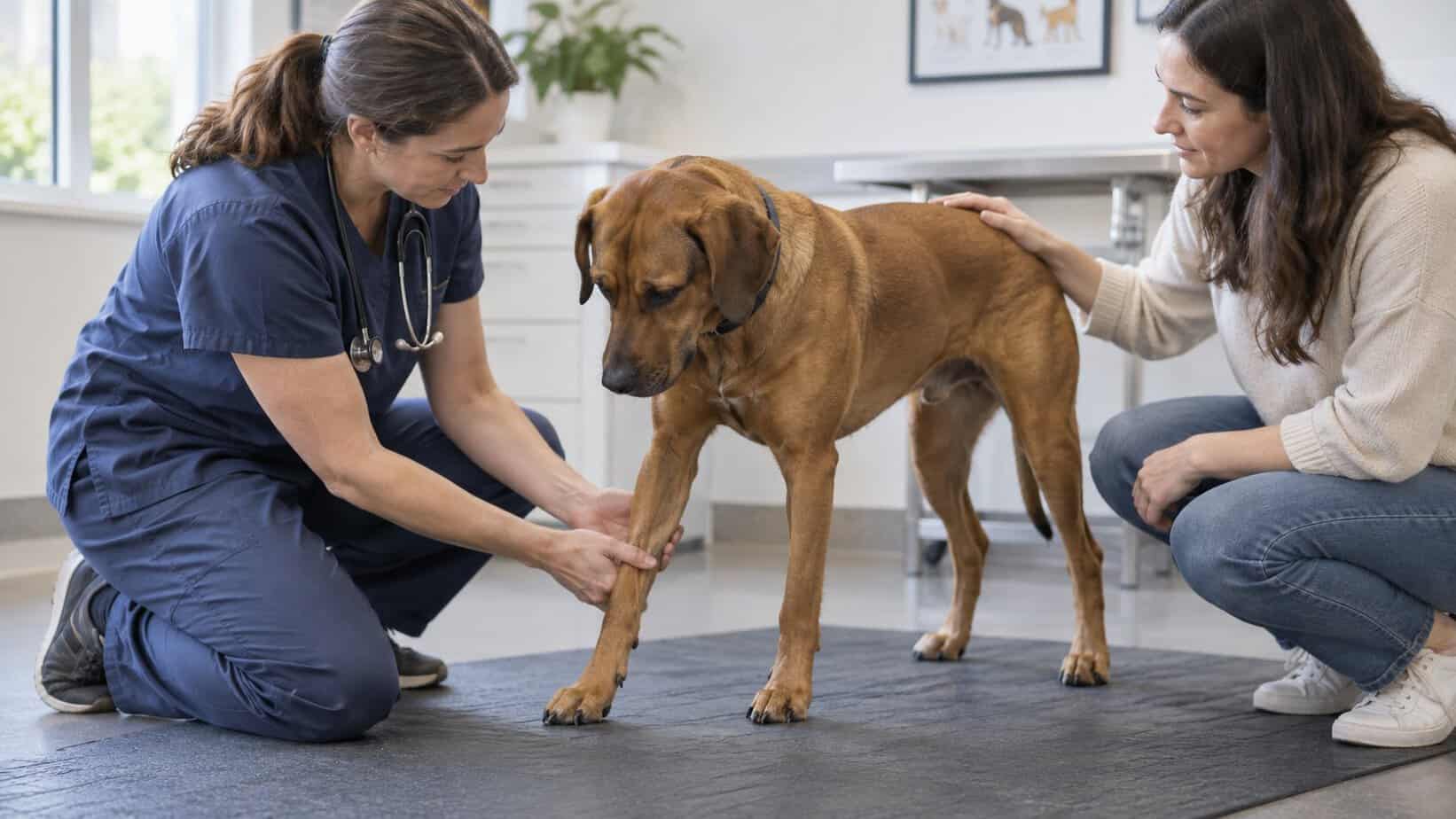
  • Methocarbamol For Dogs: Dosage Chart, Side Effects & Alternatives

    Methocarbamol For Dogs: Dosage Chart, Side Effects & Alternatives

    As a loving pet parent, you’re always seeking the best treatments and remedies for your furry friend, especially when they’re in discomfort or pain. Enter Methocarbamol – a drug that might have cropped up during your recent vet visit or while you were scouring the internet looking for relief options for your dog.

    While it may seem like just another medical term, it’s essential to understand the ins and outs of Methocarbamol for dogs to make informed decisions about their health. In this guide, we’ll unravel the mysteries surrounding Methocarbamol, from its brand names and primary uses to its dosages, side effects, and even natural alternatives. Dive in with us as we explore everything you need to know to ensure your canine companion remains safe, happy, and healthy!

    methocarbamol for dogs

    What is Methocarbamol?

    Methocarbamol, often known to many by its brand names, is a centrally-acting muscle relaxant that’s commonly prescribed in human medicine. It is primarily used to treat skeletal muscle spasms, those involuntary, often painful muscle contractions. The drug works by decreasing nerve impulses to the muscles, ensuring they relax and don’t contract unnecessarily.

    In the context of veterinary medicine, Methocarbamol has found its way into the toolkits of many veterinarians due to its efficacy in treating various muscle-related issues in pets, including our four-legged canine buddies. Whether it’s a spasm from a sudden injury, muscle poisoning due to ingestion of certain toxins, or chronic muscle issues, Methocarbamol offers potential relief.

    However, just like any other medication, it’s crucial to understand not just its benefits but also its potential side effects, interactions, and dosages. This comprehensive approach ensures we’re always prioritizing the health and well-being of our pets, administering treatments with knowledge and care. So, let’s delve deeper into the world of Methocarbamol and see how it might be beneficial for our dogs.

    Methocarbamol Brand Names

    When you’re browsing the shelves of your local pharmacy or listening closely during a vet appointment, you might come across Methocarbamol under various brand names. Recognizing these names can be crucial, ensuring you’re obtaining the right medication for your dog’s needs.

    1. Robaxin®: Perhaps the most widely recognized brand name for Methocarbamol, Robaxin is a staple in many pharmacies and is used both in human and veterinary medicine.
    2. Marbaxin®: Specifically formulated for pets, Marbaxin is another brand that’s tailored for veterinary use, making it a common recommendation by many vets for muscle spasm-related issues in animals.
    3. Skelaxin®: While not as common as Robaxin, Skelaxin is another brand under which Methocarbamol can be found, primarily used in human medicine but sometimes prescribed off-label for pets.
    4. Carbacot®: Another brand variant, Carbacot might not be as commonly seen as Robaxin or Marbaxin but is still Methocarbamol and can be prescribed depending on availability and a veterinarian’s preference.

    It’s essential to note that while the primary component, Methocarbamol, remains consistent across these brand names, the formulations might differ slightly, especially concerning inactive ingredients. Therefore, always consult with your veterinarian about which brand is most suitable for your dog’s unique needs. It’s also a good practice to stick to the same brand throughout the treatment duration to ensure consistency unless otherwise directed by your vet.

    methocarbamol uses in dogs

    Methocarbamol Uses in Dogs

    Just like humans, our canine companions can suffer from a variety of muscle-related issues, making the need for effective muscle relaxants evident in veterinary medicine. Methocarbamol, with its proven efficacy, has been a preferred choice for several reasons.

    Muscle Spasms and Inflammation:

    One of the primary uses of Methocarbamol in dogs is for the treatment of muscle spasms, which can be caused by acute injuries, overexertion, or underlying health conditions. The drug helps relax contracted muscles, providing relief from pain and discomfort.

    Intoxication/Poisoning:

    Methocarbamol is effective in treating muscle tremors caused by the ingestion of certain toxins. For instance, if a dog ingests rat poison or certain types of insecticides, it can lead to muscle tremors or spasms. Methocarbamol helps alleviate these symptoms by relaxing the muscles.

    Chronic Muscular Conditions:

    Some dogs, especially as they age or due to genetic predispositions, may suffer from chronic muscle issues. Methocarbamol can be prescribed as part of the long-term management plan for such conditions.

    Post-surgical Care:

    After certain surgical procedures, especially those involving the musculoskeletal system, dogs may experience muscle spasms or pain. Methocarbamol can be used to manage these post-operative symptoms, ensuring a more comfortable recovery process.

    Intervertebral Disc Disease (IVDD):

    IVDD is a condition where the cushioning discs between the vertebrae of the spinal column either bulge or burst (herniate) into the spinal cord space. This can lead to nerve inflammation, pain, and sometimes muscle spasms. Methocarbamol can be prescribed to manage the muscle spasms associated with this condition.

    While Methocarbamol serves as a versatile tool in treating a variety of muscle-related issues in dogs, it’s paramount that it’s administered under the guidance and prescription of a veterinarian. Given the diverse range of issues it addresses, correct dosage and duration are critical to achieving the desired therapeutic effects without compromising the health of our pets.

    Methocarbamol Dosage Chart for Dogs

    Determining the correct dosage of Methocarbamol for your dog is crucial to ensure its efficacy and safety. The dosage varies depending on the dog’s weight, the condition being treated, and the individual dog’s response to the medication. Below is a general dosage guideline; however, it’s of utmost importance to follow your veterinarian’s advice and prescription, as they’ll provide the exact dosage suitable for your dog’s specific needs.

    Note: This is a general overview and should not replace a veterinarian’s recommendation.

    Weight of DogTypical Methocarbamol Dosage Range
    Up to 10 lbs125 – 500 mg
    11-25 lbs250 – 1000 mg
    26-50 lbs500 – 1500 mg
    51-75 lbs750 – 2250 mg
    76 lbs and over1000 – 3000 mg
    1. Frequency: Methocarbamol is typically administered 1 to 3 times a day, depending on the condition being treated and the veterinarian’s recommendation.
    2. Adjustments: The dosage might be adjusted based on how your dog responds to the medication. Always monitor your pet for any side effects and report them to your veterinarian immediately.
    3. Duration: The length of treatment will depend on the condition. For acute issues like an injury or poisoning, the treatment might be short-term. However, for chronic conditions or post-surgical care, Methocarbamol might be prescribed for a longer duration.
    4. Tapering Off: It’s essential not to stop the medication abruptly, especially if it has been prescribed for a longer time. Your vet might advise tapering the dosage gradually.

    Remember, the above chart provides a general idea, but individual requirements can differ. Always store Methocarbamol out of reach of pets and children and use a pill dispenser or organizer to track the medication, ensuring consistent dosing and preventing accidental double doses.

    Side Effects of Methocarbamol for Dogs

    Just as with any medication, while Methocarbamol can be extremely beneficial in treating muscle spasms and related issues in dogs, it’s not without potential side effects. Being informed about these will allow you to monitor your dog closely and ensure that any adverse reactions are caught and addressed promptly.

    1. Drowsiness or Sedation: One of the most common side effects, Methocarbamol may cause your dog to become drowsy or less alert than usual. This is generally mild and may decrease as your dog becomes accustomed to the medication.
    2. Weakness or Lethargy: Some dogs might appear weaker or less energetic, especially shortly after receiving a dose.
    3. Stomach Upset: Gastrointestinal issues such as vomiting, diarrhea, or loss of appetite can occur in some dogs. If these symptoms persist or are severe, it’s essential to contact your vet.
    4. Coordination Difficulties: In some cases, dogs may experience problems with coordination, appearing unsteady on their feet or having difficulty navigating their environment.
    5. Allergic Reactions: While rare, allergic reactions can occur. Symptoms might include difficulty breathing, swelling of the lips, tongue, or face, or hives. If you notice any of these signs, seek emergency veterinary care.
    6. Changes in Urination: You might notice your dog urinating more or less than usual or showing changes in the color or consistency of their urine.
    7. Increased Thirst or Salivation: Some dogs might exhibit an increased desire to drink or may drool more than usual.
    8. Eye Changes: In very rare instances, Methocarbamol can affect the eyes, leading to changes in vision or eye appearance. If you notice anything unusual about your dog’s eyes, contact your veterinarian.
    9. Behavioral Changes: Some dogs might become more anxious, agitated, or exhibit behaviors that are out of the ordinary.

    What to Do If You Notice Methocarbamol Side Effects:

    1. Always keep a close watch on your dog after administering any new medication, including Methocarbamol.
    2. Document any side effects, noting their severity and duration.
    3. If the side effects are mild and short-lived, they might resolve on their own. However, if they persist or are concerning, stop the medication and consult with your veterinarian immediately.
    4. Never adjust the dosage or stop the medication abruptly without consulting your vet.

    It’s worth noting that while side effects are possible, many dogs tolerate Methocarbamol well when administered at the correct dosage and under a veterinarian’s guidance. Being informed and observant ensures your dog receives the benefits of the medication while staying safe.

    muscle relaxants for dogs

    Cautions When Using Methocarbamol for Dogs

    Administering Methocarbamol to your canine companion requires vigilance and awareness of certain precautions to ensure their safety. Here are some important cautions to keep in mind:

    1. Pre-existing Conditions: Dogs with certain medical conditions, including kidney or liver disease, may not be ideal candidates for Methocarbamol, or they may require adjusted dosages. Always provide your veterinarian with a complete medical history of your dog before starting the medication.
    2. Pregnancy and Lactation: The effects of Methocarbamol on pregnant or lactating dogs are not well-documented. If your dog is pregnant, nursing, or you plan to breed, consult with your veterinarian before administering the drug.
    3. Long-term Use: If Methocarbamol is prescribed for an extended period, regular check-ups and possibly periodic blood tests might be recommended to monitor liver and kidney function and ensure no adverse effects are developing.
    4. Concurrent Medications: Methocarbamol can interact with other medications your dog might be taking. Always inform your veterinarian about all medications, supplements, or over-the-counter drugs your dog is on.
    5. Abrupt Cessation: Avoid suddenly stopping Methocarbamol, especially if your dog has been on it for a while. Your veterinarian might recommend a tapering schedule to prevent potential withdrawal symptoms or flare-ups of the condition being treated.
    6. Overdose: Always ensure that Methocarbamol is stored out of reach of pets and children. If you suspect an overdose, seek emergency veterinary care immediately. Symptoms might include severe drowsiness, difficulty breathing, loss of coordination, or seizures.
    7. Environmental Stress: Dogs on Methocarbamol may be more sensitive to abrupt environmental changes, loud noises, or other stressors. Consider this when planning events or activities that might be stressful for your pet.

    While Methocarbamol can be a beneficial medication for many dogs, it’s essential to approach its use with an abundance of caution.

    Methocarbamol Drug Interactions

    When using medications, understanding possible drug interactions is paramount for ensuring safety and efficacy. Methocarbamol, like all drugs, has the potential to interact with other medications. Being informed of these interactions allows for more informed decisions and better care for your pet.

    1. Central Nervous System (CNS) Depressants: Medications that depress the central nervous system can have their effects enhanced when combined with Methocarbamol. This includes drugs like:
      • Benzodiazepines (e.g., diazepam, alprazolam)
      • Opioid pain medications (e.g., tramadol, morphine)
      • Certain antihistamines (e.g., diphenhydramine)
      • Anesthetic agents
      Effect: Combining these medications might lead to increased sedation, dizziness, or respiratory depression.
    2. Anticholinergic Drugs: Some drugs have anticholinergic effects, and when combined with Methocarbamol, might lead to increased side effects.
      • Examples include certain antihistamines, tricyclic antidepressants, and some antispasmodics.
      Effect: Possible side effects might include dry mouth, urinary retention, constipation, or blurred vision.
    3. Pyridostigmine: This drug, used for conditions like myasthenia gravis, might have its effects reduced when given with Methocarbamol.Effect: Reduced efficacy of pyridostigmine, potentially leading to a flare-up of myasthenia gravis symptoms.
    4. Other Muscle Relaxants: Combining Methocarbamol with other muscle relaxants might lead to additive effects.
      • Examples include baclofen and tizanidine.
      Effect: Enhanced muscle relaxation, but with increased risk of side effects like drowsiness or respiratory depression.
    5. Monoamine Oxidase Inhibitors (MAOIs): These are a class of antidepressants. When combined with Methocarbamol, there might be enhanced effects of the MAOI.
      • Examples include selegiline or tranylcypromine.
      Effect: Potentially increased side effects associated with MAOIs, like high blood pressure or serotonin syndrome.

    Key Takeaways

    It’s essential to understand that the above list isn’t exhaustive, and individual dogs might react differently to medication combinations. The key takeaways are:

    • Always inform your veterinarian about any and all medications, supplements, or over-the-counter products your dog is taking.
    • If a new medication is prescribed for your dog, remind your veterinarian that your pet is on Methocarbamol.
    • Monitor your dog closely when starting a new medication or adjusting the dose of a current one. Note any changes in behavior, health, or side effects.
    • If you suspect a drug interaction or see adverse reactions, contact your veterinarian immediately.

    Being proactive and informed about potential drug interactions ensures that Methocarbamol remains a beneficial tool in your dog’s health regimen without posing unnecessary risks.

    How Long Does Methocarbamol Last?

    How Long Does Methocarbamol Last in Dogs?

    Understanding the duration of action of Methocarbamol in dogs is vital for several reasons. It aids in determining the dosing frequency, understanding when its effects will peak and wear off, and it can provide clues about when side effects might become evident or abate. Here’s what you should know:

    1. Onset of Action: After administering Methocarbamol, especially in oral forms, you can generally expect to see its effects begin within 1 to 2 hours. This can vary depending on the dog’s metabolism, the presence of food in the stomach, and the specific condition being treated.
    2. Peak Effects: The maximum therapeutic effect of Methocarbamol is typically observed within 2 to 4 hours post-administration. This is when the drug’s concentration in the bloodstream is highest.
    3. Duration of Action: The effects of Methocarbamol, depending on the dosage and individual differences among dogs, typically last between 4 to 6 hours. This means that for continuous relief, the medication may need to be administered multiple times a day, as advised by your veterinarian.
    4. Elimination Half-life: The half-life of a drug refers to the time it takes for half of the drug’s active amount to be eliminated from the body. For Methocarbamol, the half-life in dogs ranges between 1 to 2 hours. However, just because the drug’s concentration reduces by half doesn’t mean its effects entirely stop. It simply begins to taper off.
    5. Complete Elimination: Most of the Methocarbamol dose will be eliminated from a dog’s system within 8 to 12 hours. This duration can be longer in dogs with liver or kidney issues, as these organs play a crucial role in processing and excreting the drug.

    Points to Consider:

    • The frequency of dosing will often be determined by the specific condition being treated and the severity of symptoms. While some dogs might require multiple doses a day, others might do well with just one dose.
    • Methocarbamol’s effects might vary slightly based on the formulation. For instance, injectable forms might act quicker but might also be eliminated faster.
    • Always monitor your dog after administering the drug to understand how long it takes for it to begin working and when its effects start to wane.
    • If you ever miss a dose, consult with your veterinarian about the best course of action. Avoid doubling up on doses unless specifically directed.

    In conclusion, while the general durations are provided here, it’s crucial to remember that individual dogs might process and respond to Methocarbamol slightly differently. Always adhere to your veterinarian’s guidance regarding dosing frequency and monitor your dog for optimal therapeutic benefits.

    muscle relaxer medication for dogs

    How to Give Methocarbamol to Your Dog

    Administering medications to dogs can sometimes be a challenging task. The key to success lies in patience, gentle handling, and often a bit of ingenuity. Here are step-by-step instructions and tips for giving Methocarbamol to your dog:

    1. Read the Prescription Label:

    • Always start by reading the label to ensure you’re giving the correct dosage. It will also indicate how often to administer the medication.

    2. Prepare the Medication:

    • If the Methocarbamol is in pill form, take out the necessary number of tablets or portion of a tablet.
    • For liquid forms, ensure you have the correct measurement ready in a syringe or dropper.

    3. Position Your Dog:

    • If your dog is small, place them on a non-slip surface at a comfortable height, like a table with a towel or mat.
    • For larger dogs, it might be easier to administer the medication while they’re standing or sitting.

    4. Administering the Pill:

    • Hold the pill between your thumb and index finger.
    • Use your other hand to gently open your dog’s mouth by pressing the lips against the teeth and tilting the head slightly upward.
    • Place the pill as far back on the tongue as possible.
    • Close the mouth and gently hold it shut. Blow softly on your dog’s nose or stroke their throat to encourage swallowing.

    5. Administering Liquid Medication:

    • Hold the syringe or dropper containing the Methocarbamol liquid.
    • Gently open your dog’s mouth and insert the tip of the syringe or dropper to the side, between the teeth and cheek.
    • Slowly push the plunger to release the medication, allowing your dog time to swallow.

    6. Offer a Treat or Food:

    • After successfully administering the medication, offer a small treat or some food. This can act as a reward and can also help ensure the pill is swallowed if hidden in the treat or food.
    • There are special pill pockets available in pet stores that can be used to hide the pill, making it easier for your dog to ingest.

    7. Liquid Mixing:

    • If you have difficulty administering liquid directly, consider mixing it with a small amount of a tasty liquid treat, like low-sodium broth, provided it’s approved by your vet.

    8. Monitor for Reactions:

    • Especially the first time you administer Methocarbamol, watch your dog for a few minutes to ensure they don’t vomit or show signs of an adverse reaction.

    9. Store the Medication Properly:

    • Ensure Methocarbamol is stored as per the manufacturer’s guidelines, typically in a cool, dry place away from sunlight. Always keep it out of reach of children and pets.

    Tips:

    • Consistency is key. Try to administer the medication at the same times each day.
    • If your dog is particularly resistant, consider asking your vet if a different form of the medication (like liquid instead of pills) might be available.
    • Some dogs might be pill-averse. Using a pill dispenser tool, available at pet stores, can help in such cases.

    Always remember to handle your dog gently and with patience. If you’re calm and reassuring, it’ll make the process smoother for both of you. If you consistently struggle with administering the medication, don’t hesitate to reach out to your veterinarian for alternative solutions or additional guidance.

    Complementary Natural Products To Methocarbamol That You Can Add to Your Treatment Plan

    When using Methocarbamol for conditions like muscle spasms in dogs, many pet owners are drawn to natural remedies. These products can potentially enhance the effects of Methocarbamol or provide support in ways traditional medications might not cover. Their organic nature makes them a favorite for those leaning towards a holistic approach to canine health. Nevertheless, always discuss with your vet before incorporating any of these into your pet’s treatment plan. Here’s a closer look at some popular natural alternatives:

    • Note: There is no direct OTC alternative and you should not stop this medication unless your supervising veterinarian directs you to. 
    • The following are products that support your dog, and are not direct replacements for any medication. 
    • These are complementary products that can be added to your treatment plan without interfering with your dog’s medication.

    Glucosamine and Chondroitin

    • Benefits: A go-to for many, these supplements are recognized for boosting joint health and alleviating arthritis symptoms, making them suitable for muscle spasms linked to joint concerns.
    • How to use: Look for dog-specific chewable tablets, capsules, or liquids.

    Omega-3 Fatty Acids (Fish Oil)

    • Benefits: Renowned for their anti-inflammatory attributes, Omega-3s are a boon for dogs dealing with muscle or joint inflammation.
    • How to use: Whether in liquid or soft gel capsule form, ensure the product is free of harmful contaminants.

    Turmeric (Curcumin)

    • Benefits: A powerhouse of anti-inflammatory and antioxidant properties, turmeric can be instrumental in minimizing pain and inflammation.
    • How to use: While available in powders and capsules, if opting for the raw spice, pair with black pepper to improve absorption.

    CBD Oil

    • Benefits: CBD has become a focal point for its potential in reducing inflammation, pain, and relaxing muscles.

    Massage and Physical Therapy

    • Benefits: Not a product per se, but techniques like massage can significantly relieve muscle tension, enhance blood flow, and foster relaxation.
    • How to use: Engage with professionals, either a canine massage or physical therapist, for the best results.

    Essential Oils

    • Benefits: Oils, especially lavender, are believed to instill calmness and diminish anxiety, valuable if stress triggers your dog’s spasms.
    • How to use: Use diluted essential oils, ensuring their safety for canines. Employ a diffuser or seek guidance from a holistic vet.

    Vitamin E

    • Benefits: An excellent antioxidant, Vitamin E, can bolster muscle health and contribute to general wellness.
    • How to use: Available as capsules or liquids, it’s vital to adhere to the right dosage as per your dog’s weight.

    Bach Flower Remedies

    • Benefits: Some advocates argue that certain flower essences, like the Rescue Remedy, can help balance a pet’s emotions, indirectly aiding muscle issues.
    • How to use: Administer the drops directly or add to water.

    Probiotics

    • Benefits: Even though they don’t directly target muscles, a well-maintained gut promotes general health, possibly aiding quicker recovery.
    • How to use: Go for probiotics designed specifically for dogs, available in various forms like powders, capsules, or chews.

    In closing, while these natural solutions can offer supplementary benefits, they shouldn’t substitute Methocarbamol or any other prescribed medications. Always keep your vet in the loop about any natural products you’re eyeing to prevent any potential complications or interactions.

    Conclusion

    Methocarbamol is a potent medication that can offer significant relief to dogs suffering from muscle spasms and related conditions. Like all medications, it’s crucial to approach its use with care, understanding both its benefits and potential risks. By taking the time to research and become informed – as you’ve done by reading this article – you’re taking an essential step towards ensuring your furry friend’s well-being.

    Always remember the importance of a veterinarian in any treatment plan. Whether you’re exploring complementary natural products or just seeking advice on dosing, their expertise is invaluable. Your dog’s health and safety should always be the top priority.

    In the end, it’s the love, care, and attention we give to our pets that make the most significant difference. Medications like Methocarbamol are tools in our arsenal to ensure their comfort and quality of life. By combining these tools with an informed, proactive approach, you’re doing the best for your canine companion.

    Frequently Asked Questions

    What is Methocarbamol, and how does it work for dogs?

    Methocarbamol is a muscle relaxant primarily used to treat muscle spasms in dogs. It helps by decreasing nerve impulses that cause muscle spasms, providing relief to the affected animal.

    How often should I administer Methocarbamol to my dog?

    The frequency of administration depends on the dog’s condition and the veterinarian’s recommendations. Always follow the prescription label and consult your vet for dosage instructions.

    Are there any natural supplements I can give alongside Methocarbamol?

    Yes, there are complementary natural products such as glucosamine, chondroitin, omega-3 fatty acids, and CBD oil that can be considered. However, always discuss with your vet before adding any supplement to your dog’s treatment.

    How will I know if my dog is experiencing side effects from Methocarbamol?

    Common side effects include drowsiness, dizziness, and stomach upset. If you observe any unusual behavior or symptoms in your dog, contact your veterinarian immediately.

    Can Methocarbamol interact with other medications?

    Yes, Methocarbamol can interact with certain drugs, affecting its efficacy or causing adverse reactions. Always inform your veterinarian about any other medications your dog is taking.

    What should I do if I miss giving a dose to my dog?

    If you miss a dose, give it as soon as you remember. However, if it’s close to the next scheduled dose, skip the missed one and continue with the regular schedule. Avoid giving double doses.

    A note about your dog’s health

    This article provides general education and does not replace an examination, diagnosis, or individualized advice from your veterinarian. Contact a veterinary professional if you are concerned about your dog’s symptoms.

    Dr. Candy Akers, DVM Avatar

    ABOUT THE AUTHOR

  • Can You Use Preparation H on Dogs? What to Know

    Can You Use Preparation H on Dogs? What to Know

    I do not recommend using an unspecified Preparation H product on your dog. Preparation H is a family of human products, not one formula, and a sore or swollen rear end in a dog is usually not a human-style hemorrhoid.

    If your veterinarian has examined your dog and approved one exact product for one exact problem, follow those directions. Otherwise, check the label, keep the product out of licking range, and focus on what is causing the redness, scooting, swelling, or itch.

    preparation h for dogs

    Can You Put Preparation H on a Dog?

    There is no blanket yes or no that fits every Preparation H product. Some formulas contain phenylephrine, some add a numbing ingredient, some contain hydrocortisone, and some are witch hazel wipes. Each formula has different concerns.

    My practical rule is simple. Do not put Preparation H inside a dog’s rectum, in the eyes or mouth, on a deep or infected wound, or anywhere your dog can quickly lick it off. Do not use a suppository made for people. If a veterinarian recommends a topical product, ask them to confirm the exact name and Drug Facts label.

    Why the Exact Preparation H Product Matters

    Before reaching for Preparation H, turn the package over. The brand name on the front does not tell you enough.

    Dog owner checking a Preparation H Drug Facts label while a beagle sits nearby

    Phenylephrine Ointments and Pain-Relief Creams

    One current maximum-strength cream label lists glycerin, phenylephrine hydrochloride, pramoxine hydrochloride, and white petrolatum. Phenylephrine narrows blood vessels. Pramoxine numbs the skin. Glycerin and petrolatum act as protectants. [1]

    Those ingredients were combined for human hemorrhoid symptoms. A dog with anal sac disease, infected skin, a wound, or a growth needs a different plan.

    Hydrocortisone Anti-Itch Cream

    A Preparation H anti-itch formula contains hydrocortisone 1 percent and is labeled for external human use. [2] Hydrocortisone can calm inflammation, but calming the redness does not identify the cause. It may also be the wrong choice if the area is infected, ulcerated, or being licked.

    Veterinarians sometimes use topical steroids for dogs. That does not make every human hydrocortisone cream appropriate for every itchy spot. The base ingredients, body location, duration, and diagnosis still matter.

    Preparation H ointment tube beside dog-care supplies with an English bulldog in the background

    Witch Hazel Wipes

    Preparation H medicated wipes use witch hazel and also contain ingredients such as aloe, glycerin, preservatives, surfactants, and propylene glycol. The label is for external human use. [3] A wipe may look gentle, but it is still a formulated product. Friction, preservatives, or repeated licking can make an already sore area more uncomfortable.

    Suppositories and Internal Products

    Do not insert a human hemorrhoid suppository or applicator into your dog. If tissue is protruding from the anus, if your dog cannot pass stool, or if there is significant bleeding, that needs prompt veterinary care.

    Dogs Rarely Have Human-Style Hemorrhoids

    People often use the word “hemorrhoid” for any red, swollen, or painful tissue near a dog’s anus. In dogs, another condition is much more likely.

    Anal sac disease is the most common disease of the anal region in dogs. The sacs can become impacted, infected, or abscessed. Other possible causes include irritated skin, a wound, parasites, a perineal hernia, a fistula, a mass, or rectal prolapse. [4]

    Anal sac problems are common enough to deserve a closer look. A large UK primary-care study found a one-year prevalence of 4.40 percent. It also found meaningful breed and body-weight patterns. [5] Small dogs are often affected, although any dog can have a problem. [6]

    Watch for scooting, repeated licking, a strong fishy odor, pain when sitting, swelling beside the anus, blood or pus, or straining to pass stool. These signs tell us where the discomfort is. They do not tell us the cause.

    Why Dog Owners Reach for Preparation H

    It is easy to see why a familiar human product comes to mind. The words “itch relief,” “pain relief,” or “shrinks swelling” seem to match what you see. The trouble is that the same outward sign can come from very different problems.

    Dog owner watching a terrier turn toward its hindquarters after scooting

    Anal Gland Discomfort and Scooting

    A dog who scoots may have full anal sacs, an infection, parasites, loose stool, allergies, or irritation caught in the coat. Cream on the surface cannot empty an impacted sac or treat an abscess. It may quiet the licking for a short time while the problem continues underneath.

    cream for anal gland problems in dogs

    Itchy Skin and Insect Bites

    Preparation H is sometimes suggested online for itchy skin, rashes, or insect bites. I prefer to begin with the least complicated care that fits the skin in front of me. A cool rinse or compress may be enough for a tiny patch of mild external irritation. Ongoing itch needs a reason, whether that is fleas, allergies, yeast, bacteria, mites, or contact irritation.

    Swelling, Ear Tips, and Small Wounds

    A blood vessel constrictor may sound useful for swelling or a bleeding ear tip. Yet an ear-edge injury can reopen with every head shake, and a swollen lump may not be simple inflammation. Deep, punctured, draining, or repeatedly bleeding wounds should not be covered with a human hemorrhoid product.

    Risks of Using Preparation H on Dogs

    The main concerns are the exact formula, the body site, and licking.

    Licking and Ingestion

    Dogs investigate discomfort with their mouths. Even a thin topical layer may be swallowed within minutes.

    Phenylephrine exposure in dogs most often causes vomiting. With larger exposures, agitation, nervousness, and high blood pressure are possible. [7] The risk is not identical for every dog or every lick. It depends on the product, amount, dog’s weight, and any other active ingredients.

    Do not assume a tiny lick guarantees poisoning. Do not assume a chewed tube is harmless either.

    Skin and Mucosal Irritation

    A human product can sting inflamed skin or cause a local reaction. The risk rises around the eyes, mouth, anus, genitals, broken skin, and moist folds. Redness that spreads, facial swelling, hives, or breathing trouble after a topical product needs immediate attention.

    Masking the Underlying Cause

    Temporary comfort can be misleading. If a dog stops licking because the skin is numb, an infection, abscess, wound, or mass can still worsen. A holistic plan should reduce discomfort while also asking why it is happening.

    What to Do If You Already Applied It

    Stay calm and gather useful details.

    1. Move the tube, wipes, or suppositories out of reach.
    2. Take a photo of the front label and the full Drug Facts panel.
    3. Prevent more licking with close supervision or a properly fitted recovery collar.
    4. If the product is only on external skin, gently remove the excess with a damp cloth. Do not scrub sore tissue.
    5. Call your veterinarian or an animal poison service if your dog swallowed more than a small lick, chewed the package, received an unknown amount, or has symptoms.
    6. Do not induce vomiting unless a veterinary professional specifically tells you to do so.

    Report the product name, active ingredients, estimated amount, time of exposure, your dog’s weight, where it was applied, and any signs you see. That information is far more helpful than the brand name alone.

    Safer Options by Symptom

    Safe care depends on the problem. These options are for comfort while you decide whether your dog needs an examination. They do not replace treatment for infection, injury, or anal sac disease.

    Veterinarian demonstrating a cool damp compress for a calm dog's mild skin irritation

    For Mild External Skin Irritation

    Rinse the area with cool or lukewarm water and pat it dry. A cool compress can calm a small, intact patch.

    For broader mild itch, a dog-formulated bath may be more practical than a human hemorrhoid cream. Studies support a short-term benefit from shampoo therapy for some itchy dogs, although the formula and diagnosis matter. [8] Gentle oatmeal shampoos fit Dr. Candy’s whole-dog approach when the skin is intact and there is no known oat sensitivity.

    A tiny amount of plain coconut oil may reduce friction on a very small patch of intact, dry skin, but evidence in dogs is limited. Stop if redness increases, and prevent licking. The linked oil is a preserved product reference, not medical evidence and not a treatment for yeast, bacteria, parasites, or an open wound.

    For a Sore Bottom or Scooting

    Gently clean visible debris with water and a soft cloth, then keep the area dry. Do not squeeze the anal sacs unless a veterinary professional has shown you that it is appropriate for your dog. Repeated or painful scooting deserves an examination.

    A warm, damp compress held against the outside of the area for a few minutes may be comforting if your dog allows it. Stop if your dog resists or seems more painful.

    dog hemorrhoid treatment

    For Wounds, Bleeding, or a Lump

    Use gentle pressure with clean gauze for minor surface bleeding. Do not push tissue back into the rectum and do not cover a draining wound or lump with Preparation H.

    A lump, pus, a deep wound, repeated bleeding, black tissue, or protruding tissue needs veterinary care. The goal is to identify the structure involved, not simply make it look smaller.

    A Holistic Plan for Recurring Irritation

    Recurring skin or anal irritation is a pattern worth investigating. I look at the whole dog, including digestion, stool quality, diet, allergies, parasites, grooming, weight, and the skin barrier.

    Keep a short log of stool consistency, scooting, licking, odor, diet changes, treats, seasonal itch, and grooming. Photos taken at the same distance can help your veterinary team see whether swelling is changing.

    Firm, comfortable stools help many dogs empty their anal sacs naturally. That does not mean every dog needs a large fiber supplement. A sudden fiber increase can create gas or change stool quality in the wrong direction. Ask your veterinarian how to adjust food gradually and whether recurrent loose stool, constipation, allergies, or weight are contributing.

    For itchy skin, use gentle bathing as support, not as a way to hide a flare. A complete, appropriate diet and good parasite control help create a steadier foundation. If the same problem keeps returning, a diagnosis gives you a much better chance of stopping the cycle.

    When to Get Veterinary Help

    Arrange same-day care if your dog has:

    • Pain when sitting or passing stool
    • Blood, pus, or a strong odor with swelling
    • A rapidly enlarging lump
    • Repeated straining
    • Constant scooting or licking
    • A wound that is deep, hot, draining, or reopening
    • Vomiting, marked restlessness, or weakness after exposure

    Seek emergency care for breathing trouble, tremors, collapse, severe distress, heavy bleeding, an inability to pass stool, or tissue protruding from the anus.

    Final Thoughts

    Preparation H is not one product, and “hemorrhoid” is usually not the right diagnosis for a dog’s sore bottom. That is why I do not recommend grabbing a tube based on the brand name alone.

    Check the exact label. Prevent licking. Match relief to the symptom, and look for the root cause when irritation returns. If a veterinarian recommends a particular formula for your dog, use only that product in the location and manner they specify.

    Frequently Asked Questions

    Can I Use Preparation H on My Dog’s Anal Glands?

    Do not put Preparation H into the anal sacs or rectum. A veterinarian may occasionally approve a specific topical product for irritated skin around the anus, but an impacted, infected, or abscessed anal sac needs condition-specific care.

    Do Dogs Get Hemorrhoids?

    Human-style hemorrhoids are not a common canine diagnosis. Swelling near a dog’s anus is more often related to anal sacs, irritated skin, a wound, a hernia, a fistula, a mass, or prolapsed tissue. [4]

    What If My Dog Licks Preparation H?

    Check the active ingredients and estimate how much was swallowed. Prevent more licking and call your veterinarian or an animal poison service for a chewed tube, an unknown amount, or symptoms such as repeated vomiting, agitation, weakness, tremors, or collapse. [7]

    Can I Use Hydrocortisone Preparation H on My Dog’s Itchy Skin?

    Not without checking the exact product and the cause of the itch. Hydrocortisone may be used in veterinary skin care, but a human formula can be inappropriate for infected, broken, moist, or easily licked skin. Your veterinarian can tell you whether a dog-specific product is a better fit.

    What Can I Put on My Dog’s Sore Bottom?

    For mild external irritation, gently rinse away debris, pat the area dry, and consider a warm external compress. Do not insert anything. Pain, swelling, blood, discharge, a lump, repeated scooting, or straining needs a veterinary examination.

    References

    1. U.S. National Library of Medicine. (n.d.). Preparation H: Glycerin, phenylephrine hydrochloride, pramoxine hydrochloride, and white petrolatum cream. DailyMed. Retrieved September 4, 2026, from https://dailymed.nlm.nih.gov/dailymed/drugInfo.cfm?setid=7cc03d2e-e708-589a-d9bb-58ebbda989c0
    2. U.S. National Library of Medicine. (n.d.). Preparation H Soothing Relief Anti-Itch: Hydrocortisone cream. DailyMed. Retrieved September 4, 2026, from https://dailymed.nlm.nih.gov/dailymed/drugInfo.cfm?setid=d6148d77-ef6f-4552-b5ba-43b429923f19
    3. U.S. National Library of Medicine. (n.d.). Preparation H Medicated Wipes: Witch hazel cloth. DailyMed. Retrieved September 4, 2026, from https://dailymed.nlm.nih.gov/dailymed/drugInfo.cfm?setid=8d9961f0-1ecf-d7fb-b6b4-856d636d68e1
    4. MSD Veterinary Manual. (n.d.). Disorders of the rectum and anus in dogs. Retrieved September 4, 2026, from https://www.msdvetmanual.com/dog-owners/digestive-disorders-of-dogs/disorders-of-the-rectum-and-anus-in-dogs
    5. O’Neill, D. G., Hendricks, A., Phillips, J. A., Brodbelt, D. C., Church, D. B., & Loeffler, A. (2021). Non-neoplastic anal sac disorders in UK dogs: Epidemiology and management aspects of a research-neglected syndrome. Veterinary Record, 189(2), e203. https://pubmed.ncbi.nlm.nih.gov/33645764/
    6. Cornell University College of Veterinary Medicine. (n.d.). Anal sac diseases. Retrieved September 4, 2026, from https://www.vet.cornell.edu/departments-centers-and-institutes/riney-canine-health-center/canine-health-information/anal-sac-diseases
    7. Merck Veterinary Manual. (n.d.). Toxicoses in animals from human cold and allergy medications. Retrieved September 4, 2026, from https://www.merckvetmanual.com/toxicology/toxicoses-from-human-cold-and-allergy-medications/toxicoses-in-animals-from-human-cold-and-allergy-medications
    8. Löflath, A., von Voigts-Rhetz, A., Jaeger, K., Schmid, M., Kuechenhoff, H., & Mueller, R. S. (2007). The efficacy of a commercial shampoo and whirlpooling in the treatment of canine pruritus: A double-blinded, randomized, placebo-controlled study. Veterinary Dermatology, 18(6), 427–431. https://pubmed.ncbi.nlm.nih.gov/17991160/

    A note about your dog’s health

    This article provides general education and does not replace an examination, diagnosis, or individualized advice from your veterinarian. Contact a veterinary professional if you are concerned about your dog’s symptoms.

    Dr. Candy Akers, DVM Avatar

    ABOUT THE AUTHOR