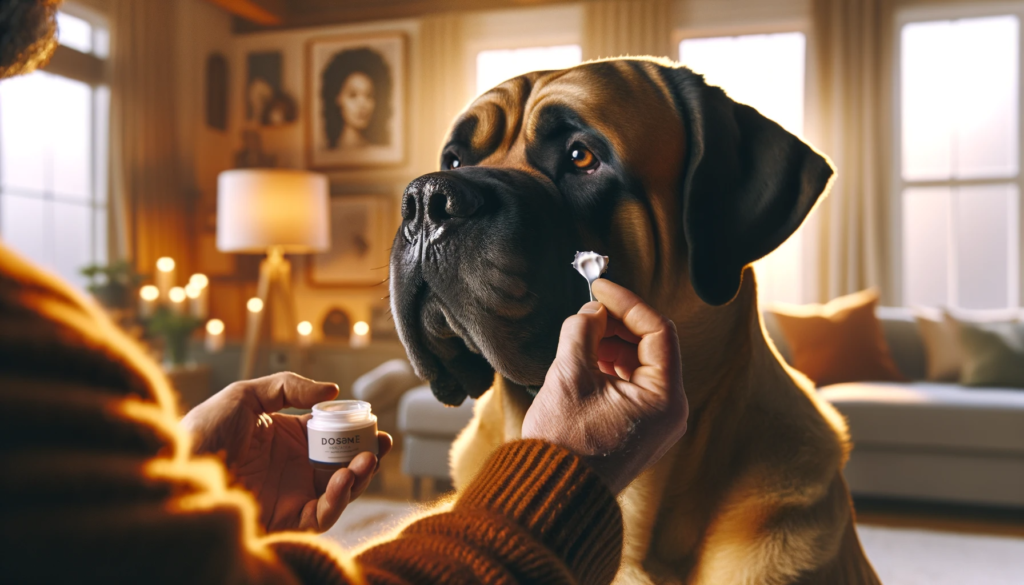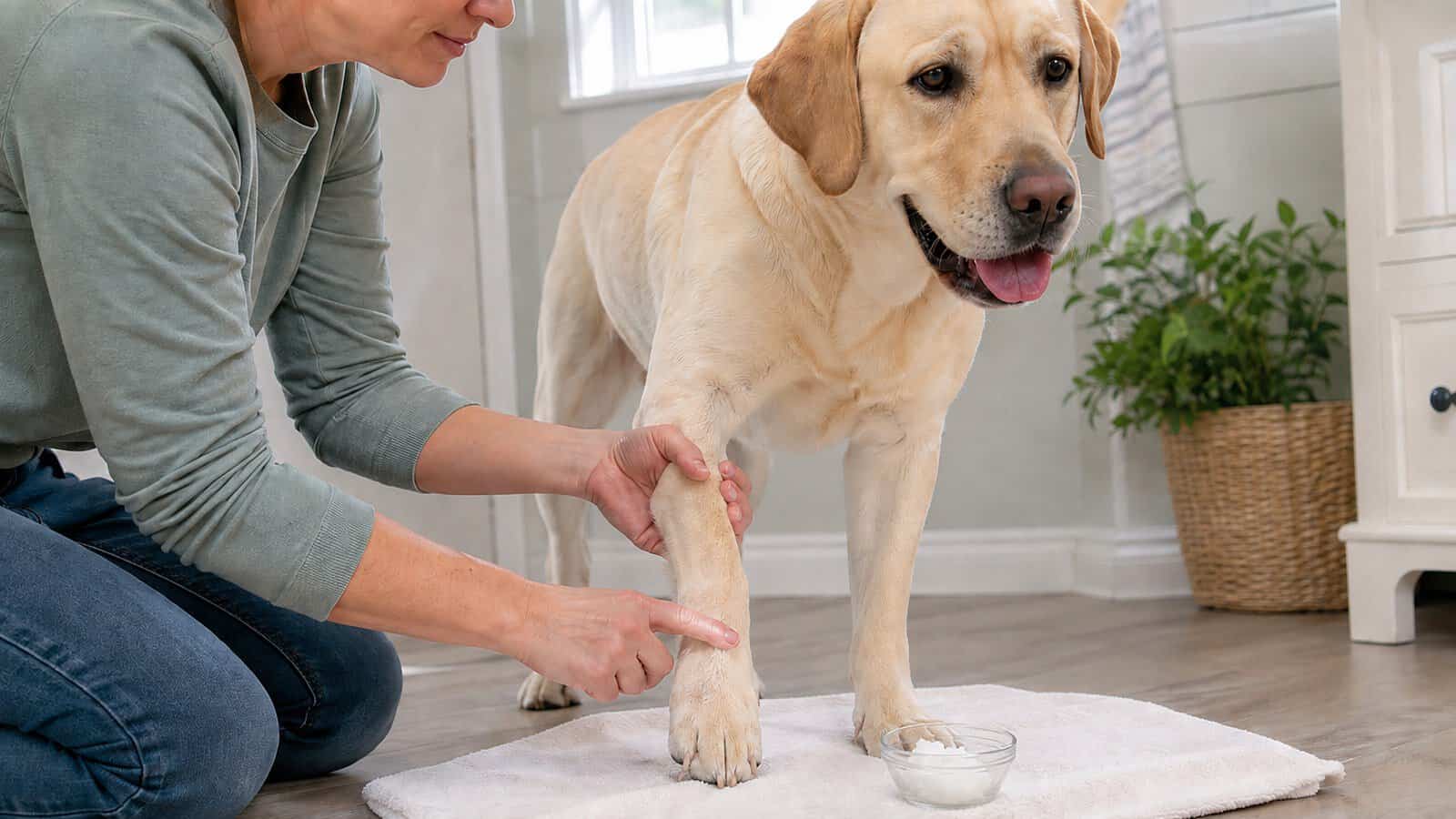
Category: Dog Health

  • Otomax Alternatives – Safer, Over The Counter- No Vet Prescription

    Otomax Alternatives – Safer, Over The Counter- No Vet Prescription

    Hello, I’m Dr. Candy Akers, and I’ve dedicated my life to understanding the intricate world of veterinary medicine. Over the years, I’ve encountered countless cases that have both challenged my expertise and deepened my passion for animal care. One such topic that often arises in my practice is the use of medications, specifically Otomax, for our beloved pets. It’s crucial for pet owners to be well-informed about the treatments they administer, understanding not just the benefits but also the potential risks. In this blog, I aim to shed light on Otomax, its ingredients, its uses, and its alternatives. My goal is to provide you with a comprehensive guide, rooted in professional experience and scientific knowledge, so you can make the best decisions for your furry family members. Let’s embark on this informative journey together.
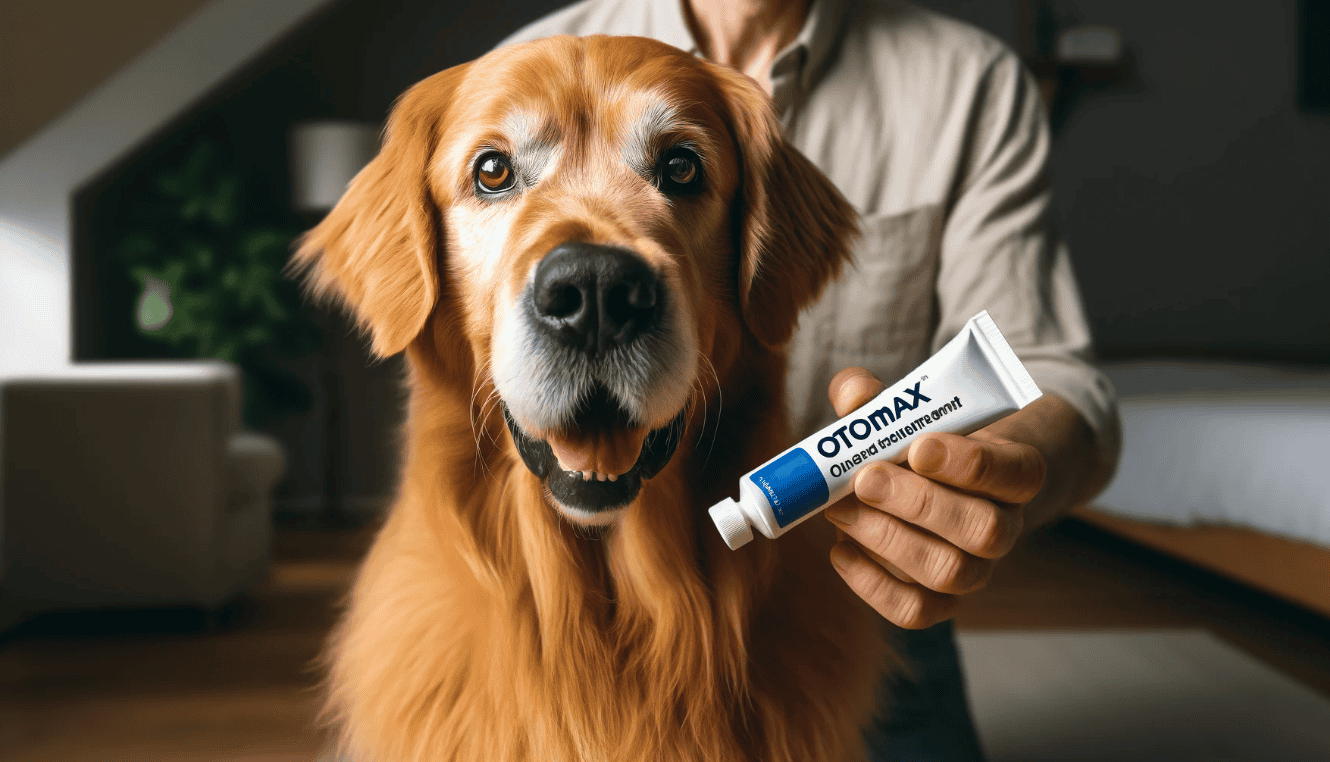
    otomax alternatives

    What is Otomax?

    Otomax is primarily formulated to treat acute and chronic otitis externa, an inflammation of the outer ear canal. Otitis externa can be caused by yeast, bacterial infections, or both. The combination of ingredients in Otomax makes it a potent treatment against the inflammation, bacterial, and fungal infections commonly found in cases of otitis externa.

    However, like all medications, Otomax should be used with caution and under the guidance of a veterinarian. It’s essential to ensure that the eardrum is intact before administering the ointment, as the medication can be harmful if it reaches the middle or inner ear.

    Key Ingredients of Otomax Ointment: A Comprehensive List

    Otomax is a prescription ointment used primarily in veterinary medicine, specifically for dogs. It’s a combination medication that contains three active ingredients:

    1. Betamethasone: This is a corticosteroid that helps reduce inflammation, itching, and redness. It’s particularly effective in reducing the swelling and discomfort associated with certain skin conditions.
    2. Clotrimazole: An antifungal agent, clotrimazole is effective against a variety of fungal infections. It’s commonly used to treat yeast infections in a dog’s ear, which can be a frequent issue for some breeds.
    3. Gentamicin: This is an antibiotic that fights against a wide range of bacteria. When used in combination with the other ingredients in Otomax, it can help treat bacterial infections that might accompany or exacerbate fungal infections.

    Otomax is a multifunctional ointment designed to combat a range of ear-related issues in dogs. Its combination of anti-inflammatory, antifungal, and antibiotic properties make it a go-to for many veterinarians when treating otitis externa. However, as with all treatments, understanding its uses, benefits, and potential side effects is crucial for the well-being of our pets.

    The Primary Uses: What is Otomax Ointment Used For?

    Otomax ointment is a versatile medication that has been formulated to address a range of ear-related issues in dogs. Its unique combination of ingredients makes it particularly effective for several conditions:

    1. Otitis Externa Treatment: The primary use of Otomax is to treat acute and chronic otitis externa. Otitis externa refers to the inflammation of the external ear canal. This condition can be particularly uncomfortable for dogs, leading to symptoms like itching, redness, swelling, and discharge. The causes can range from bacterial to fungal infections or even a combination of both. Otomax’s three active ingredients work in tandem to combat these infections and reduce inflammation, providing relief to the affected animals.
    2. Bacterial Infections: The gentamicin in Otomax is effective against a variety of bacteria, making the ointment a suitable treatment for bacterial infections in the ear. This includes infections caused by Pseudomonas aeruginosa and Staphylococcus aureus, among others.
    3. Fungal Infections: Dogs can sometimes develop fungal or yeast infections in their ears, especially in warm, humid conditions. The clotrimazole in Otomax targets these fungal pathogens, particularly those caused by the Candida and Malassezia (previously known as Pityrosporum) species.
    4. Anti-Inflammatory Properties: Dogs with ear infections often experience significant discomfort due to inflammation. The betamethasone in Otomax acts as an anti-inflammatory agent, reducing swelling, redness, and pain in the ear canal.

    It’s important to note that while Otomax is effective for the conditions mentioned above, it should always be used under the guidance of a veterinarian. Proper diagnosis is crucial to ensure that the medication addresses the underlying issue and doesn’t exacerbate any existing conditions. Additionally, regular monitoring during treatment is essential to track the pet’s progress and ensure no adverse reactions occur.

    Know Your Ingredients: The Science Behind Otomax

    Otomax is more than just a simple ointment; it’s a carefully formulated combination of ingredients, each playing a crucial role in treating various ear conditions in dogs. Let’s delve deeper into the science behind each of these components.

    1. Betamethasone

    Betamethasone is a corticosteroid, a class of steroids that are known for their potent anti-inflammatory properties. When applied topically:

    • Mechanism of Action: Betamethasone works by suppressing the inflammatory response at a cellular level. It does this by inhibiting the release of inflammatory mediators and reducing the dilation of blood vessels.
    • Benefits: This ingredient helps reduce symptoms like redness, swelling, itching, and pain, which are common in conditions like otitis externa.
    • Considerations: While effective, corticosteroids like betamethasone can have side effects if used excessively or for prolonged periods. It’s essential to follow the veterinarian’s prescribed dosage and duration.

    2. Clotrimazole

    Clotrimazole is an antifungal agent that’s effective against a variety of fungal species.

    • Mechanism of Action: Clotrimazole targets the cell membrane of fungi, disrupting its structure and leading to the death of the fungal cell.
    • Benefits: It’s particularly effective against yeast infections in dogs’ ears, which can be caused by fungi like Candida and Malassezia.
    • Considerations: While clotrimazole is generally safe, it’s essential to ensure that the eardrum is intact before applying any medication containing this ingredient.

    3. Gentamicin

    Gentamicin is an aminoglycoside antibiotic known for its broad-spectrum activity against various bacteria.

    • Mechanism of Action: Gentamicin works by binding to bacterial ribosomes, inhibiting protein synthesis and leading to bacterial cell death.
    • Benefits: It’s effective against several bacteria, including Pseudomonas aeruginosa and Staphylococcus aureus, which can cause ear infections in dogs.
    • Considerations: As with all antibiotics, it’s crucial to complete the full course of treatment, even if symptoms improve, to prevent antibiotic resistance.

    Understanding the science behind Otomax’s ingredients provides a clearer picture of how this ointment works and why it’s effective for treating various ear conditions in dogs. Each ingredient has been carefully chosen for its specific action, and together, they offer a comprehensive solution for ear infections and inflammations. As always, it’s essential to consult with a veterinarian before starting any treatment to ensure the safety and well-being of our furry friends.

    what is otomax for dogs

    Cautions When Using Otomax: Safety First

    While Otomax is a powerful and effective ointment for treating various ear conditions in dogs, it’s essential to approach its use with caution. Like all medications, there are specific guidelines and potential risks that pet owners should be aware of to ensure their pet’s safety and well-being.

    1. Intact Eardrum is Crucial

    Before administering Otomax, it’s imperative to ensure that the dog’s eardrum is intact. If the eardrum is ruptured and the medication reaches the middle or inner ear, it can lead to complications, including hearing loss or balance issues.

    2. Follow the Prescribed Dosage

    Always adhere to the dosage and duration recommended by the veterinarian. Overuse or prolonged use of Otomax can lead to potential side effects, including increased risk of secondary infections or resistance to the antibiotic component.

    3. Monitor for Allergic Reactions

    While rare, some dogs might be allergic to one or more of the ingredients in Otomax. Signs of an allergic reaction include increased redness, swelling, itching, or any unusual behavior. If you suspect an allergic reaction, discontinue use and consult your veterinarian immediately.

    4. Avoid Contact with Eyes

    Otomax is formulated for ear use only. If it accidentally comes into contact with the eyes, it can cause irritation. In such cases, rinse the eyes thoroughly with clean water and seek veterinary advice.

    5. Store Properly

    Keep Otomax in a cool, dry place, away from direct sunlight. Ensure it’s out of reach of children and pets to prevent accidental ingestion or misuse.

    6. Do Not Use Expired Medication

    Always check the expiration date before using Otomax. Using expired medication can reduce its effectiveness and may even be harmful.

    7. Consultation for Pregnant or Lactating Dogs

    If your dog is pregnant or lactating, consult with your veterinarian before using Otomax. The effects of the medication on unborn or nursing puppies are not well-documented, so it’s best to approach with caution.

    Otomax, while beneficial, should be used responsibly and with an understanding of its potential risks. By following the recommended guidelines and being aware of the cautions, pet owners can ensure that their dogs receive the best care while minimizing potential side effects. Always prioritize your pet’s safety and consult with a veterinarian if you have any concerns or questions about Otomax or any other medication.

    alternatives for otomax

    Exploring Safer Alternatives: Best Over-The-Counter Substitute to Otomax

    Dr. Candy’s Recommendation

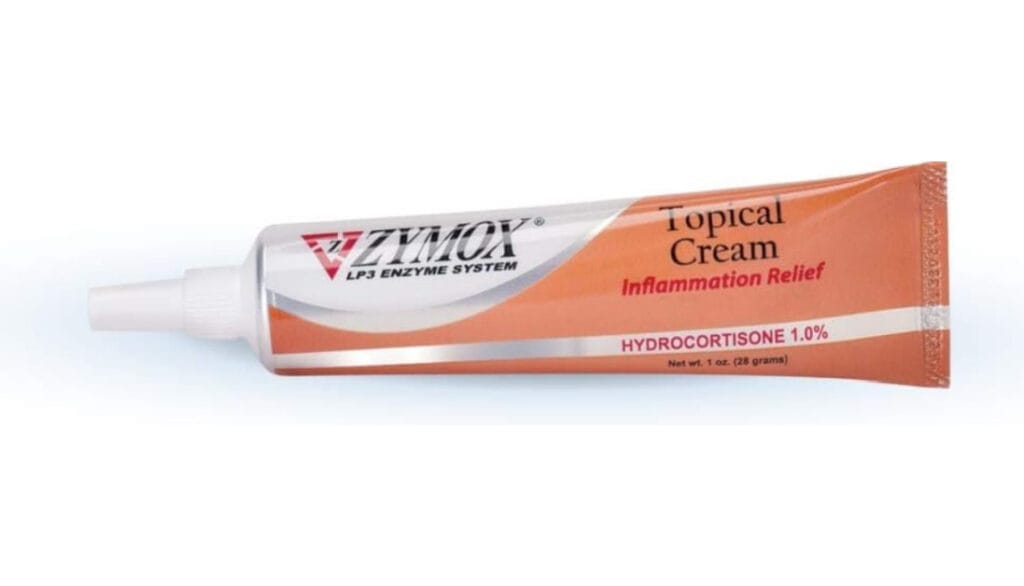
    While Otomax is a trusted prescription ointment for treating various ear conditions in dogs, there are instances where pet owners might be looking for over-the-counter (OTC) alternatives. Whether it’s due to concerns about potential side effects, the desire for a more natural approach, or simply the convenience of OTC availability, it’s essential to know your options. One such notable alternative is the Zymox Veterinarian Strength Topical Cream with 1% Hydrocortisone for Dogs.

    Zymox Veterinarian Strength Topical Cream with 1% Hydrocortisone for Dogs

    Zymox is a reputable brand in the pet care industry, known for its enzyme-based products that tackle a range of infections.

    • Active Ingredient: The primary active ingredient in this topical cream is hydrocortisone, which is a corticosteroid. At a 1% concentration, it effectively reduces inflammation, itching, and redness associated with skin conditions.
    • Enzyme-Based Approach: Zymox products are known for their patented LP3 Enzyme System. This system uses a combination of enzymes to combat bacterial, fungal, and yeast infections without the use of antibiotics.
    • Benefits:
      • Natural Defense: The enzymes in Zymox products mimic the body’s natural defense mechanism, making them a more natural approach to treating infections.
      • Reduced Risk of Resistance: Since Zymox doesn’t rely on antibiotics, there’s a reduced risk of bacteria developing resistance.
      • Safe for Regular Use: Zymox is gentle enough for regular use, making it suitable for chronic conditions or as a preventive measure.
    • Usage: It’s essential to follow the instructions on the product label or consult with a veterinarian for the best results. Generally, the cream is applied once a day for 7 to 14 days, depending on the severity of the condition.

    Other OTC Alternatives

    While Zymox is a prominent alternative, there are other OTC products available that might suit different needs or preferences. Always ensure that you research each product thoroughly and consult with a veterinarian before making a switch.

    Choosing the right treatment for your pet is a crucial decision that impacts their comfort and well-being. While Otomax is a powerful prescription ointment, it’s reassuring to know that there are effective OTC alternatives like Zymox Veterinarian Strength Topical Cream available. As always, prioritize your pet’s safety and well-being, and don’t hesitate to seek professional advice when exploring new treatments.
    otomax alternatives zymox

    Conclusion

    In the world of pet care, the choices we make for our furry companions can feel overwhelming. From the food they eat to the toys they play with, and most importantly, the medications they take – every decision impacts their well-being. As a dedicated pet owner, you’re always on the lookout for the best options, seeking knowledge that ensures your pet’s health and happiness. I hope that you feel confident in your knowledge of options and the use of Otomax.

    Frequently Asked Questions

    1. Why is it essential to ensure the eardrum is intact before using Otomax?

    Answer: If the eardrum is ruptured and Otomax reaches the middle or inner ear, it can lead to complications such as hearing loss, balance issues, or deeper infections. Always have a veterinarian check the eardrum’s integrity before starting any ear medication.

    2. Are there any natural remedies I can consider as an alternative to Otomax?

    Answer: Yes, there are natural remedies like apple cider vinegar solutions, coconut oil, and herbal extracts that some pet owners use for minor ear issues. However, it’s crucial to consult with a veterinarian before trying any home remedies to ensure they’re safe and appropriate for your pet’s condition.

    3. How long does it typically take to see improvements in my dog’s ear condition after using Otomax or its alternatives?

    Answer: While many dogs show improvement within a few days of starting treatment, the duration can vary based on the severity of the condition. Always follow the recommended treatment course and consult with your veterinarian if you don’t notice any improvement within a week.

    4. Can I use Otomax for other pets, like cats or rabbits?

    Answer: Otomax is primarily formulated for dogs. Using it for other animals without a veterinarian’s guidance can be risky. Always consult with a veterinarian before administering any medication to pets other than dogs.

    5. If my dog has used Otomax in the past, can I administer it again without a new prescription if the same symptoms reappear?

    Answer: It’s essential to consult with a veterinarian before re-administering Otomax, even if your dog has used it in the past. The symptoms might look similar, but the underlying cause could be different. Using the ointment without a proper diagnosis might not address the issue and could even exacerbate it.

    A note about your dog’s health

    This article provides general education and does not replace an examination, diagnosis, or individualized advice from your veterinarian. Contact a veterinary professional if you are concerned about your dog’s symptoms.

    Dr. Candy Akers, DVM Avatar

    ABOUT THE AUTHOR
  • Dog Rash Creams- Vet Tells How To Treat Dog Rash At Home

    Dog Rash Creams- Vet Tells How To Treat Dog Rash At Home

    Over the years, I’ve encountered countless concerned pet owners who’ve approached me with the same pressing question: “Why does my dog have a rash, and how can I treat it at home?” It’s a valid concern, and one that I believe every dog owner should be well-informed about. Rashes, while common, can be indicative of underlying health issues or external irritants that our furry friends come into contact with.

    Through this blog I aim to provide you with a comprehensive guide on understanding, diagnosing, and treating dog rashes from the comfort of your home. Remember, our pets rely on us for their well-being, and being equipped with the right knowledge can make all the difference. Let’s embark on this informative journey together.

    dog rash creams

    Root Causes of Dog Rashes

    Dogs, with their playful nature and boundless energy, often come into contact with various elements in their environment. While their fur offers some protection, their skin can still be susceptible to various irritants and conditions. Here’s a closer look at the root causes:

    Heat

    Heat rashes, also known as prickly heat, can develop when a dog is exposed to high temperatures and humidity. This type of rash occurs due to blocked sweat glands, leading to inflammation and small, itchy red bumps.

    • Appearance: Small red bumps, often clustered together.
    • Common Areas: Underbelly, between the legs, and other areas with less fur.
    • Prevention: Ensure your dog has a cool, shaded place to rest during hot days and consider using dog-safe sunscreen on exposed areas.

    Infections

    Infections can be bacterial, fungal, or yeast-based. They can arise from minor skin injuries, a compromised immune system, or prolonged exposure to dampness.

    • Appearance: Red, inflamed skin, sometimes with discharge or an unpleasant odor.
    • Common Areas: Anywhere on the body, but especially areas prone to moisture like the paws or ears.
    • Treatment: Depending on the type of infection, topical creams or oral medications may be prescribed.

    Food Allergies and Intolerances

    Just like humans, dogs can be allergic or intolerant to certain foods. This can manifest as a skin rash among other symptoms.

    • Appearance: Red, itchy hives or bumps.
    • Common Areas: Can appear anywhere on the body.
    • Diagnosis: An elimination diet can help pinpoint the specific allergen.

    Pests and Parasites

    Fleas, ticks, and mites are common external parasites that can cause skin rashes in dogs.

    • Appearance: Red, inflamed skin with signs of bites or scratches.
    • Common Areas: Neck, back, and base of the tail.
    • Prevention: Regular use of flea and tick preventatives.

    Contact Irritations

    Certain substances or materials can irritate a dog’s skin upon contact, leading to contact dermatitis.

    • Appearance: Red, swollen, and itchy skin.
    • Common Areas: Any area that came into contact with the irritant.
    • Common Irritants: Certain plants, chemicals, or fabrics.

    Something Deeper

    Sometimes, a rash can be indicative of a deeper underlying health issue, such as autoimmune disorders or hormonal imbalances.

    • Appearance: Varies depending on the condition.
    • Diagnosis: A thorough vet examination and possibly some diagnostic tests.

    By understanding these root causes, dog owners can be better equipped to address and treat rashes effectively. In the next sections, we’ll discuss treatment options and preventive measures to ensure the well-being of our furry companions.

    rash creams for dogs

    How To Fix Dog Rashes

    Discovering a rash on your beloved pet can be concerning. However, with the right knowledge and approach, many rashes can be treated effectively. Here’s a guide on addressing and treating common dog rashes:

    Immediate Steps

    1. Examine the Rash: Before applying any treatment, take a moment to closely examine the rash. Note its appearance, location, and any other accompanying symptoms.
    2. Clean the Area: Gently clean the affected area with lukewarm water and a mild dog-safe soap or shampoo. Pat dry with a soft towel.
    3. Prevent Scratching: If your dog is incessantly scratching the rash, consider using an e-collar or protective garment to prevent further irritation.

    Over-the-Counter Solutions

    1. Hydrocortisone Cream: This can help reduce itching and inflammation. Ensure you use a dog-safe version and follow the recommended dosage.
    2. Antiseptic Sprays or Lotions: These can help prevent infections, especially if the skin is broken.
    3. Aloe Vera Gel: A natural remedy that can soothe and moisturize irritated skin.

    Home Remedies

    1. Oatmeal Bath: Oatmeal has natural soothing properties. Grind oatmeal into a fine powder and mix it with lukewarm water for a calming bath.
    2. Chamomile or Green Tea Rinse: These teas have anti-inflammatory properties. Brew a strong batch, let it cool, and use it as a rinse after a regular bath.
    3. Coconut Oil: This can act as a moisturizer and has antibacterial properties. Apply a thin layer to the affected area.

    Consultation and Prescription Treatments

    1. Visit the Vet: If the rash persists, worsens, or is accompanied by other concerning symptoms, it’s crucial to consult with a veterinarian.
    2. Prescription Medications: Depending on the diagnosis, the vet may prescribe topical creams, oral medications, or special shampoos.
    3. Allergy Testing: If allergies are suspected, the vet might recommend an allergy test to identify specific triggers.

    Long-Term Solutions

    1. Dietary Adjustments: If food allergies are the cause, consider transitioning to hypoallergenic dog food or a specialized diet.
    2. Regular Grooming: Keeping your dog’s coat clean and free from tangles can prevent many skin issues.
    3. Environmental Changes: Ensure your dog’s living environment is clean and free from potential irritants.

    Treating dog rashes effectively requires a combination of immediate care, appropriate remedies, and sometimes professional consultation. By being proactive and attentive, you can ensure your dog’s comfort and well-being. In the following sections, we’ll delve into preventive measures to keep such issues at bay.

    rash creams for my dog

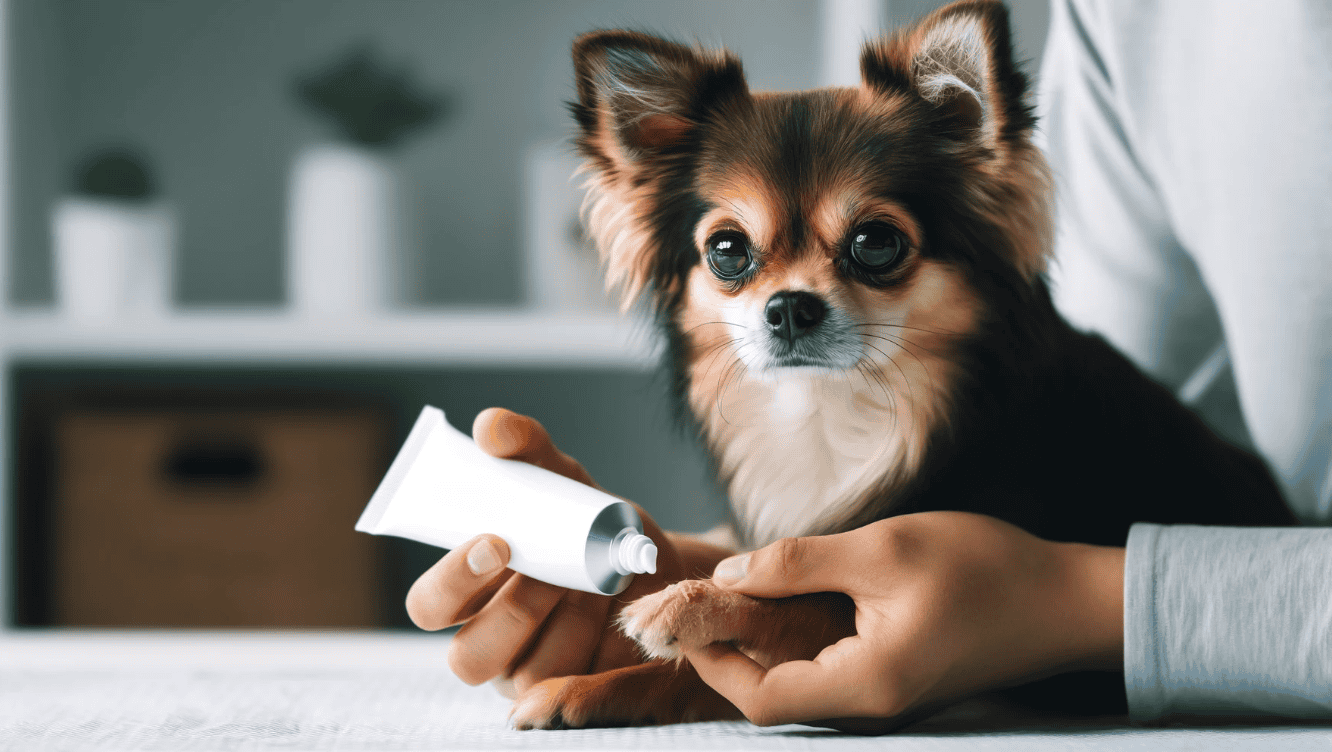
    When it comes to treating rashes on our furry friends, it’s essential to choose products that are both effective and safe. Over-the-counter creams can be a convenient solution for minor rashes, but it’s always a good idea to opt for those that come vet-recommended. Here are some of the best OTC dog rash creams that veterinarians often recommend:

    1. Zymox Veterinarian Strength Topical Cream with 1% Hydrocortisone for Dogs

    Pros:

    • Effective Skin Relief: Users generally experience relief from common pet skin irritations, such as itching, hot spots, and dermatitis, when using this hydrocortisone-based cream.
    • Ease of Application: The no-sting lotion formulation eliminates the need for pre-cleaning, making it easier and less painful to apply to pets’ affected areas.
    • Safe for Pets: This cream is made with gentle ingredients that are safe even if pets lick the treated area, making it suitable for dogs and cats of all ages.

    Cons:

    • Limited to External Use: One drawback is that the product is only intended for external use, limiting its application in situations where internal treatment might be necessary.
    • Temporary Relief: While providing soothing relief, the cream may offer only temporary relief for skin issues, and users may need to explore long-term solutions for chronic conditions.

    Zymox Veterinarian Strength Topical Cream with 1% Hydrocortisone offers effective relief from various pet skin irritations, with easy application and safety for pets. However, it has limitations in terms of its external use and potential for providing only temporary relief.

    Zymox Veterinarian Strength Topical Cream with 1% Hydrocortisone

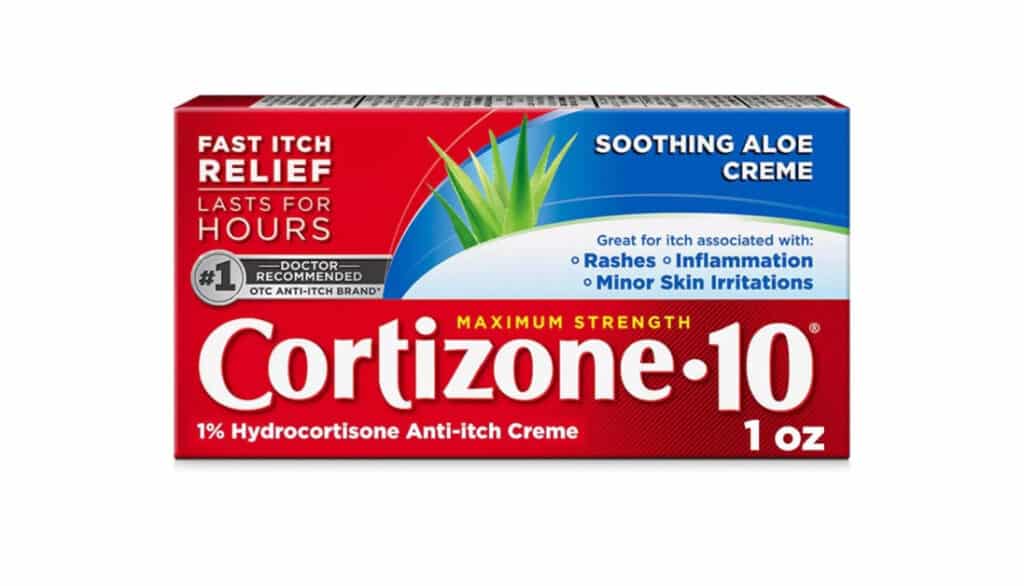
    2. Cortizone-10 Maximum Strength Water Resistant Anti-Itch Ointment

    Pros:

    1. Fast Itch Relief: Users typically experience quick and effective relief from itching and inflammation associated with common skin issues in dogs, such as eczema, psoriasis, and reactions to plants like poison oak, ivy, and sumac.
    2. Water-Resistant Barrier: The ointment contains petrolatum, which creates a protective water-resistant barrier on the dog’s skin. This feature allows for its use before swimming or bathing without compromising its effectiveness.
    3. Long-Lasting Relief: Cortizone-10’s maximum strength formula with 1% hydrocortisone offers long-lasting itch relief that can last for hours, ensuring your dog’s comfort.

    Cons:

    1. Potential Withdrawal Symptoms: Some users have reported concerns about potential withdrawal symptoms associated with the use of hydrocortisone-based products for itch relief in dogs, which may require discontinuation if severe symptoms arise.
    2. Packaging and Sealing Issues: There have been occasional reports of packaging problems, such as unsealed tubes or damaged boxes, raising quality and hygiene concerns for the product.

    Cortizone-10 Maximum Strength Water Resistant Anti-Itch Ointment offers fast and long-lasting relief for common dog skin irritations with its water-resistant barrier. However, potential withdrawal symptoms and occasional packaging issues should be considered when using this product on dogs.

    cortizone 10 for dogs

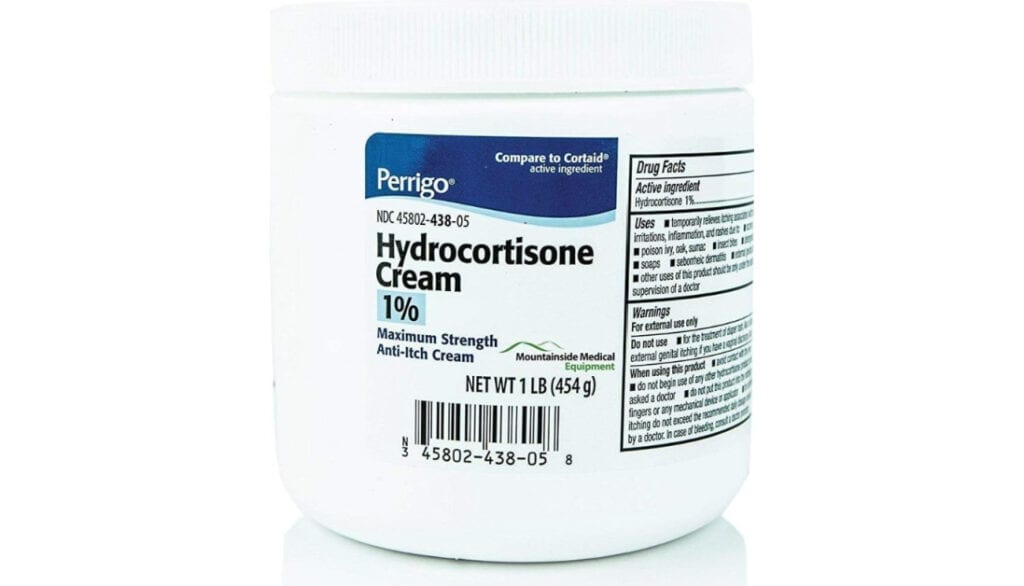
    3. Perrigo Hydrocortisone Cream 1% Maximum Strength

    Perrigo Hydrocortisone Cream is a 1% maximum strength formula designed to alleviate itching and inflammation. Suitable for various skin irritations, the cream can provide relief for a dog’s itchy or inflamed skin. Its formulation is intended to offer fast-acting relief, ensuring comfort for your canine companion.

    PROs:

    • Provides quick relief from itching and inflammation.
    • Suitable for a variety of skin irritations in dogs.
    • Maximum strength formula ensures effective results.

    CONs:

    1. Might not be suitable for prolonged use without veterinary advice.
    2. Some dogs might be sensitive to its ingredients, leading to further irritation.
    Perrigo Hydrocortisone Cream 1% Maximum Strength Anti-Itch Cream

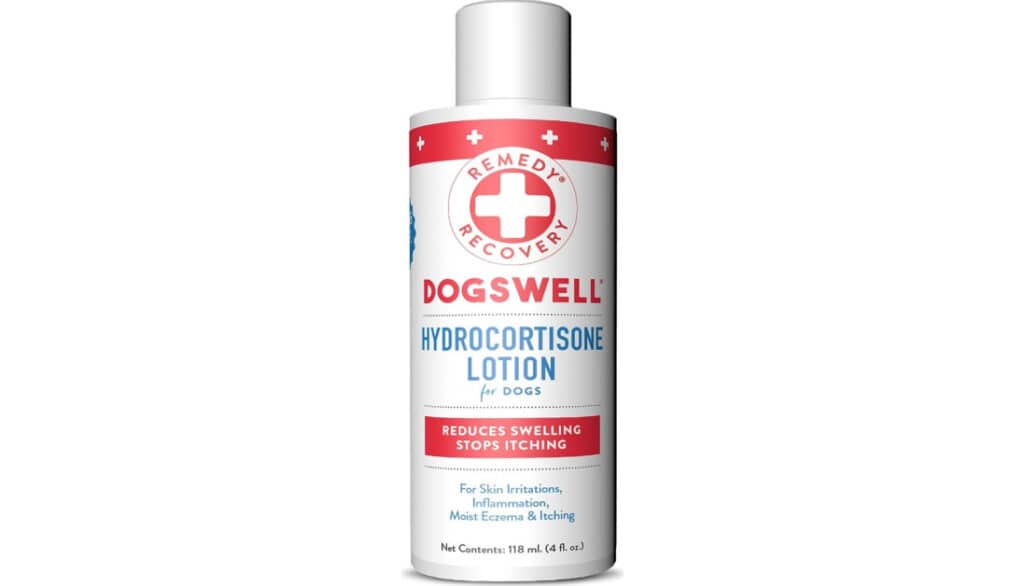
    4. DOGSWELL Remedy + Recovery 0.5% Hydrocortisone Lotion for Dogs

    DOGSWELL Remedy + Recovery 0.5% Hydrocortisone Lotion is specially formulated for dogs to provide quick relief from itching and rashes. The lotion is enriched with aloe vera and chamomile, which soothe and moisturize the skin. It’s a non-stinging formula that can be applied directly to affected areas, ensuring comfort for your canine companion.

    PROs:

    • Provides rapid relief from itching and rashes, ensuring the dog’s comfort.
    • Contains natural ingredients like aloe vera and chamomile that soothe and moisturize the skin.
    • The non-stinging formula ensures that the application is painless for the dog.

    CONs:

    • The lotion requires frequent reapplication for sustained relief.
    • Some dogs might be sensitive to certain ingredients, leading to potential allergic reactions.
    DOGSWELL Remedy + Recovery 0.5% Hydrocortisone Lotion for Dogs

    While these OTC creams and sprays can be highly effective for treating minor rashes and skin issues, it’s always essential to monitor your dog’s condition. If the rash persists, worsens, or if you notice any adverse reactions, consult with your veterinarian immediately. Remember, while OTC dog rash creams offer convenience, they are not a substitute for professional veterinary advice and care.

    How to Prevent Dog Rashes

    • issues. It also allows you to spot potential problems early.
    • Tips: Brush your dog regularly to remove dirt, debris, and loose fur. Bathe them with a mild dog shampoo, ensuring you rinse thoroughly to prevent residue.

    2. Diet and Nutrition

    • Importance: A balanced diet can boost your dog’s immune system, making them less susceptible to skin issues.
    • Tips: Ensure your dog’s food is of high quality and free from common allergens. If you suspect food allergies, consider an elimination diet to identify triggers.

    3. Flea and Tick Prevention

    • Importance: These pests are common culprits behind skin irritations and rashes.
    • Tips: Use vet-recommended flea and tick preventatives regularly. Check your dog’s coat for pests, especially after outdoor activities.

    4. Environmental Control

    • Importance: Many rashes arise from environmental irritants.
    • Tips: Ensure your dog’s bedding is clean and free from allergens. Avoid exposing your dog to harsh chemicals or irritants. If you notice your dog reacting to specific plants or substances, try to eliminate or reduce their exposure.

    5. Hydration and Protection

    • Importance: Just like in humans, hydrated skin is healthier and less prone to rashes.
    • Tips: Ensure your dog has access to fresh water at all times. In extreme weather conditions, consider dog-safe moisturizers or sunscreens.

    6. Regular Vet Check-ups

    • Importance: Regular check-ups can help identify and address potential issues before they become severe.
    • Tips: Schedule routine vet visits and discuss any concerns you might have about your dog’s skin health.

    7. Avoid Sudden Changes

    • Importance: Sudden changes in diet, grooming products, or environment can trigger skin reactions.
    • Tips: Introduce any changes gradually and monitor your dog for any adverse reactions.

    8. Protective Gear

    • Importance: In certain environments, protective gear can prevent contact with irritants.
    • Tips: Consider dog booties for rough terrains or areas with potential irritants. Use protective garments if your dog has a history of rashes.

    By taking these preventive measures, you can significantly reduce the risk of rashes and ensure your dog remains comfortable and healthy. Remember, a proactive approach to your dog’s well-being can make all the difference in their overall health and happiness.

    best rash creams for dogs

    Conclusion

    Rashes, while common in dogs, can be a source of discomfort and concern for both the pet and the owner. Through this comprehensive guide, we’ve journeyed from understanding the root causes of these rashes to exploring effective treatments and preventive measures. As a seasoned veterinarian, I, Dr. Candy Akers, cannot emphasize enough the importance of being proactive in your dog’s skin health. Regular check-ups, a keen eye for changes, and a well-informed approach can make a world of difference.

    Remember, while many rashes can be treated at home with over-the-counter solutions, always consult with a professional if you’re unsure or if the rash persists. Our furry companions rely on us for their well-being, and with the right knowledge and care, we can ensure they lead a comfortable, rash-free life.

    Thank you for joining me on this informative journey about dog rash creams. Here’s to the health and happiness of our four-legged friends!

    Frequently Asked Questions

    1. How long does it typically take for a dog rash to heal?

    While minor rashes may clear up within a few days with appropriate treatment, more severe or persistent rashes might take a week or longer. Always monitor the rash and consult with a veterinarian if it doesn’t show signs of improvement within a week.

    2. Can I use human rash creams on my dog?

    While some human creams might be safe for dogs, others can contain ingredients that are toxic to them. It’s always best to use dog-specific products or consult with a vet before applying any human medication to your pet.

    3. How can I differentiate between a simple rash and something more serious?

    Simple rashes are typically localized and might be accompanied by mild itching. More serious conditions might present with additional symptoms like hair loss, severe inflammation, discharge, or the rash spreading rapidly. If in doubt, always seek a vet’s opinion.

    4. Are certain dog breeds more prone to skin rashes than others?

    Yes, some breeds with specific skin types or genetic predispositions, like Bulldogs, Shar-Peis, or Cocker Spaniels, might be more susceptible to skin issues. However, any dog, regardless of breed, can develop rashes.

    5. My dog’s rash went away but returned after a few weeks. What should I do?

    Recurring rashes might indicate an underlying issue, such as an allergy or chronic condition. It’s essential to consult with a veterinarian to determine the root cause and receive guidance on long-term management and prevention.

    A note about your dog’s health

    This article provides general education and does not replace an examination, diagnosis, or individualized advice from your veterinarian. Contact a veterinary professional if you are concerned about your dog’s symptoms.

    Dr. Candy Akers, DVM Avatar

    ABOUT THE AUTHOR

  • Antiseptic Spray For Dogs- Best OTC Spray For Fast Healing

    Antiseptic Spray For Dogs- Best OTC Spray For Fast Healing

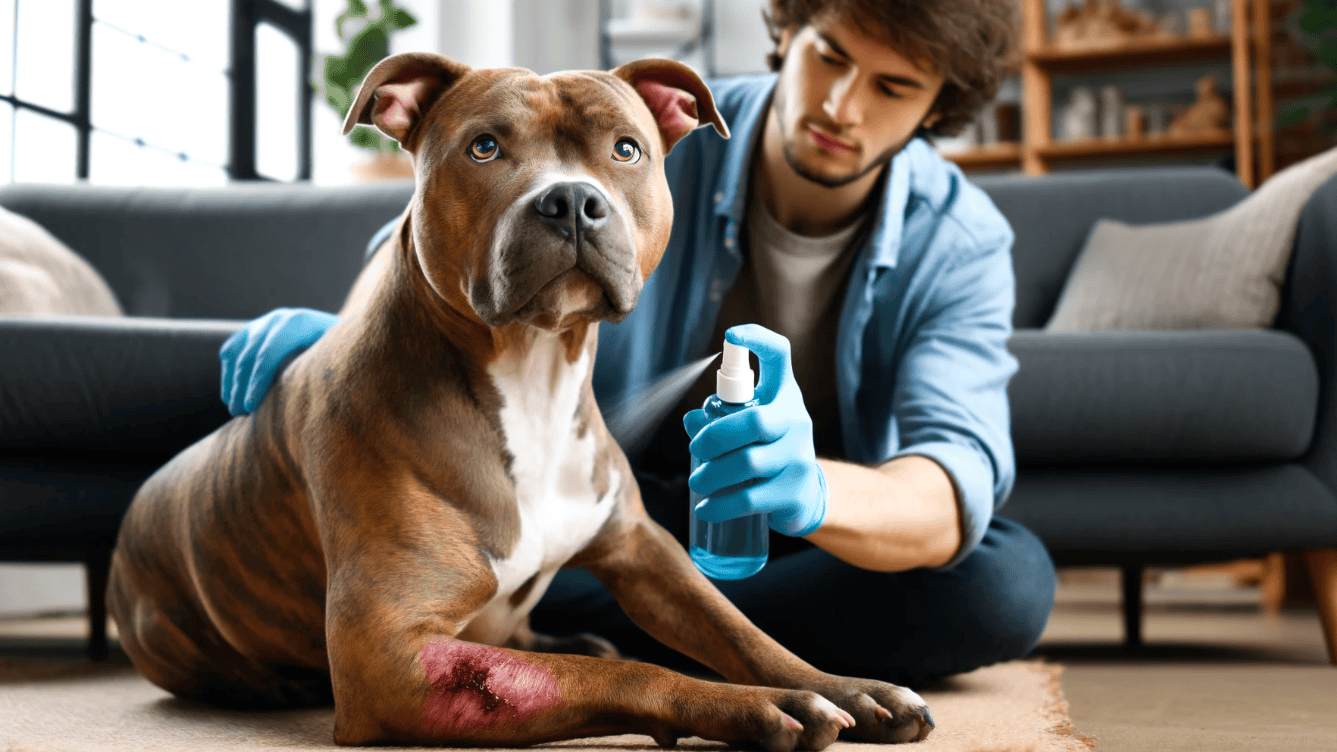
    Hello, I’m Dr. Candy Akers, and I’ve dedicated my life to the well-being of our furry companions. Over the years, I’ve encountered countless cases of dogs with minor injuries that, if left untreated, can lead to severe complications. It’s a common misconception that a small scratch or cut on a dog will heal on its own without any intervention. However, just as with humans, these seemingly insignificant wounds can become breeding grounds for bacteria, leading to infections and prolonged healing times. That’s why I cannot stress enough the importance of having a reliable antiseptic spray on hand.

    In this blog, I’ll be sharing my top recommendations for over-the-counter antiseptic sprays that promote fast healing. I’ll also guide you on the correct way to use these sprays to ensure your dog’s swift recovery. Let’s prioritize the health and comfort of our pets, ensuring they remain active and happy.

    antiseptic spray for dogs

    Why Do Dogs Need Antiseptic Sprays?

    Dogs, with their boundless energy and insatiable curiosity, are natural explorers. Whether it’s a romp in the park, a dig in the backyard, or a playful tussle with a fellow canine, they’re always on the move. However, this active lifestyle also makes them prone to minor injuries. Here’s why antiseptic sprays are essential for our four-legged friends:

    1. Prevention of Infections: Just like humans, dogs are susceptible to bacterial infections. A small cut or scrape, if left untreated, can become a hotspot for bacteria. Antiseptic sprays act as a first line of defense, killing harmful bacteria and preventing potential infections.
    2. Quick Healing: Antiseptic sprays not only disinfect the wound but also create an environment conducive to healing. Many sprays contain ingredients that promote cell regeneration and reduce inflammation, ensuring a faster recovery.
    3. Pain Relief: Some antiseptic sprays come with added pain-relieving ingredients. These can provide immediate relief to a dog in discomfort, making them less likely to lick or bite the affected area, which can further exacerbate the injury.
    4. Protection from External Contaminants: Dogs love to play in varied environments, from grassy fields to muddy puddles. An antiseptic spray forms a protective barrier over wounds, shielding them from dirt, debris, and other external contaminants.
    5. Cost-Effective Treatment: Treating a minor injury promptly with an antiseptic spray can prevent complications that might require more extensive and expensive veterinary care in the future.

    Antiseptic sprays are an indispensable tool in a dog owner’s arsenal. They offer immediate treatment for minor injuries, ensuring our pets remain healthy and active. As a veterinarian, I’ve seen firsthand the difference timely intervention can make, and I always advocate for proactive care. After all, prevention is always better than cure.

    Dr. Candy’s Top Recommendations for Antiseptic Sprays

    Over the years, I’ve had the opportunity to evaluate and test numerous antiseptic sprays available in the market. While many of them offer good results, there are a few that stand out due to their efficacy, ingredients, and overall performance. Here are my top recommendations:

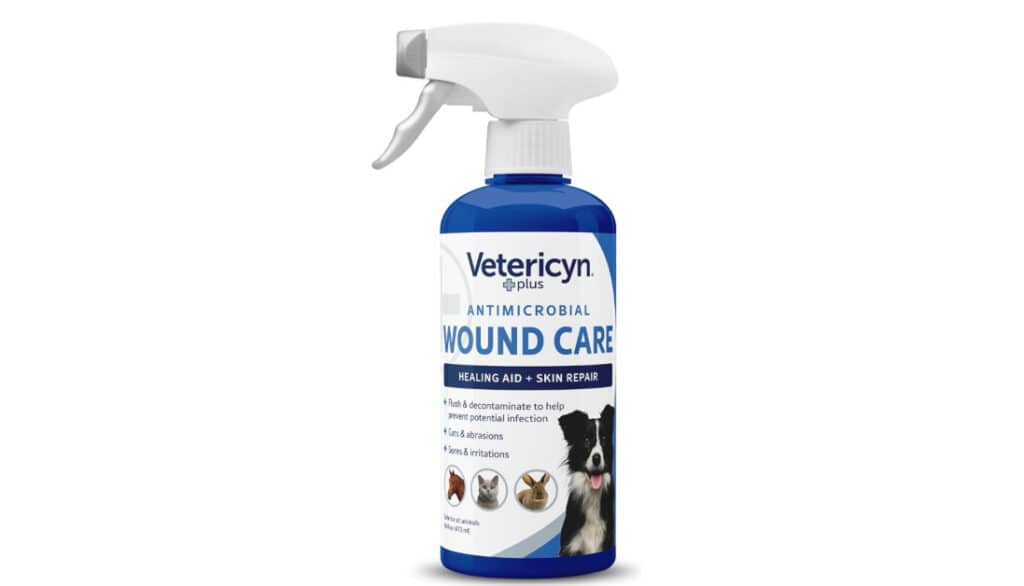
    1) Vetericyn Plus Dog Wound Care Spray | Healing Aid and Skin Repair

    Introduction: The Vetericyn Plus Dog Wound Care Spray is a versatile and effective solution designed to aid in the healing of various skin issues in animals, making it an excellent choice for pet owners. Here are three pros and two cons based on the information provided:

    Pros:

    • Versatile Application: This product is highly versatile, capable of addressing a wide range of skin issues in animals, including cuts, abrasions, scratches, rashes, and hot spots. Its versatility makes it a valuable addition to any pet owner’s first-aid kit, as it can be used on various types of wounds.
    • Non-Cytotoxic Formula: Vetericyn Plus is formulated to clean wounds without causing harm to healthy tissue, creating an ideal environment for proper wound healing. This non-cytotoxic property distinguishes it from some other products on the market, ensuring that it aids in the healing process without causing additional damage.
    • Safe and Trusted: Manufactured in the USA by a reputable company, Vetericyn has gained trust among pet owners as a reliable at-home animal health product. It contains no antibiotics or steroids, making it safe for prolonged use, from newborn puppies to aging dogs.

    Cons:

    • Limited Information: The product description on the webpage lacks detailed information about its ingredients and specific use cases. For customers seeking more in-depth knowledge about the product’s components and how it works, this limited information may be a drawback.
    • Potential Sensitivity: While the product is generally safe, individual animals may exhibit sensitivities or allergies to certain ingredients. Pet owners should monitor their pets for any adverse reactions, and it would be beneficial if the product provided clearer guidance on how to identify and handle such situations.

    Why I Recommend It: The Vetericyn Plus Dog Wound Care Spray offers a versatile and non-cytotoxic solution for addressing a variety of skin issues in animals. Its safety and effectiveness, coupled with its reputation as a trusted product, make it a valuable addition to any pet owner’s toolkit. However, potential customers may find the lack of detailed information about the product’s ingredients and possible sensitivities as areas for improvement. Overall, it presents a compelling option for pet owners seeking a reliable wound care solution for their beloved animals.

    Vetericyn Plus Dog Wound Care Spray

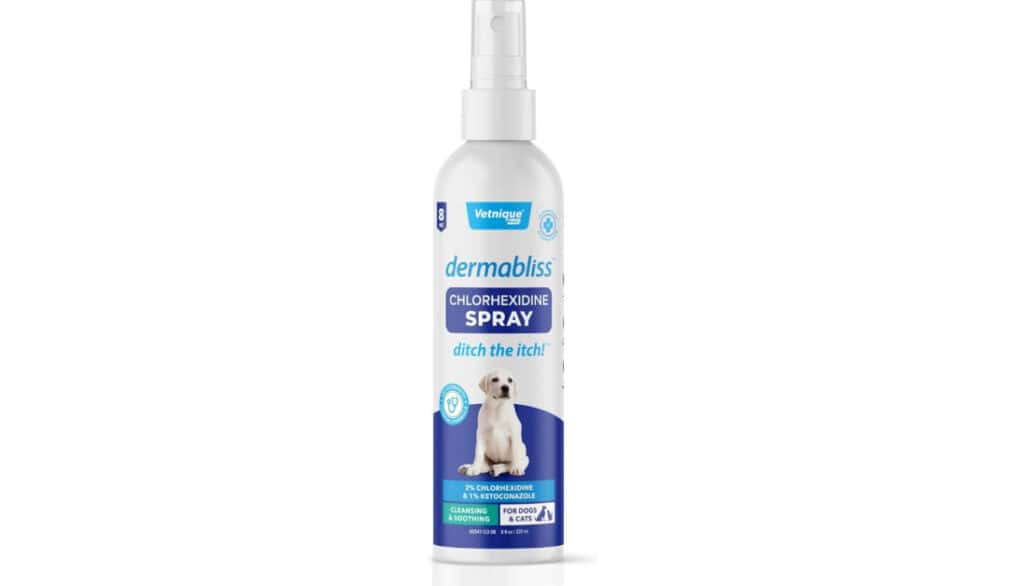
    2) Vetnique Labs Dermabliss Dog Chlorhexidine Spray

    The Vetnique Labs Dermabliss Dog Allergy and Itch Relief is a pet care product formulated to address common skin irritations and allergies in dogs and cats. This medicated relief spray offers a convenient solution for pet parents seeking to alleviate their furry friends’ skin problems. Below are three pros and two cons based on the information provided:

    Pros:

    • Veterinary Strength Formula: Dermabliss contains 2% Chlorhexidine and 1% Ketoconazole, making it a veterinary strength formula. This high-potency composition is effective in targeting and addressing common skin irritations in pets, offering a reliable solution for skin issues.
    • Soothing and Effective: This spray combines active ingredients with soothing Aloe Vera, providing an effective yet gentle solution for pets’ skin problems. It aims to alleviate discomfort and itching without causing further irritation, making it a suitable choice for pets with sensitive skin.
    • Safe for Dogs and Cats: Dermabliss is safe to use on both dogs and cats of all ages, making it a versatile product for pet households. The ability to use it on various pets adds to its convenience and value, catering to a broader range of pet owners.

    Cons:

    • Limited Information on Ingredients: The product description lacks detailed information about all the ingredients used in Dermabliss. Customers who are concerned about potential allergens or specific components may find it challenging to assess its suitability for their pets without more comprehensive ingredient information.
    • May Not Address All Skin Issues: While Dermabliss is designed to address common skin irritations and allergies, it may not be effective for more severe or specific skin conditions that require specialized treatment. Pet owners with pets suffering from such conditions may need to seek alternative solutions or consult a veterinarian.

    Why I Recommend It: The Vetnique Labs Dermabliss Dog Allergy and Itch Relief offers a veterinary strength formula for addressing common skin irritations in dogs and cats. Its soothing and effective composition, coupled with its safety for both dogs and cats, makes it a convenient choice for pet owners seeking to alleviate skin problems in their furry companions. However, the limited ingredient information and the potential inability to address all skin issues may be areas for improvement. Overall, it provides a valuable option for pet parents looking for a straightforward solution to common pet skin irritations.

    In the vast world of pet care products, these two antiseptic sprays have consistently delivered outstanding results. As a veterinarian, my primary concern is the well-being of our furry companions, and I can confidently say that these products align with that goal. Whether you’re dealing with a minor scratch or a more significant wound, having one of these sprays on hand can make a world of difference.

    Vetnique Labs Dermabliss Dog

    How To Use Antiseptic Spray For Dogs

    Using an antiseptic spray correctly is crucial to ensure the effective treatment of wounds and to promote swift healing. Here’s a step-by-step guide on how to use these sprays for optimal results:

    1. Preparing the Wound:
      • Cleaning the Area: Before applying any antiseptic, it’s essential to clean the wound thoroughly. Gently wash the affected area with lukewarm water and mild soap to remove any dirt or debris.
      • Pat Dry: Once cleaned, pat the area dry with a soft, clean cloth or towel. It’s crucial to ensure the wound is dry to allow the antiseptic to work effectively.
    2. Applying the Spray:
      • Positioning: Hold the spray bottle a few inches away from the wound to ensure even coverage.
      • Spray Evenly: Apply a generous amount of the antiseptic spray, ensuring the entire wound and its surrounding area are covered.
      • Avoid Touching: Try not to touch the wound or the nozzle of the spray bottle to prevent contamination.
    3. Post-application Care:
      • Monitor the Wound: Keep an eye on the wound for signs of healing or any indications of infection, such as increased redness, swelling, or discharge.
      • Limit Licking: Dogs have a natural instinct to lick their wounds. However, this can slow the healing process and introduce bacteria. Consider using an Elizabethan collar (commonly known as a “cone”) to prevent your dog from reaching the wound.
      • Reapply as Needed: Depending on the severity of the wound and the specific product’s instructions, you may need to reapply the spray once or twice daily.
    4. Consultation:
      • When to See a Vet: If the wound doesn’t show signs of improvement within a few days or if you notice signs of an infection, it’s essential to consult your veterinarian for further guidance.

    While antiseptic sprays are a fantastic tool for treating minor injuries, it’s crucial to use them correctly. By following the steps outlined above, you can ensure your dog’s wounds heal quickly and without complications. Remember, our pets rely on us for their well-being, so let’s give them the best care possible.

    antiseptic spray for dog

    Benefits of Over-The-Counter (OTC) Antiseptic Sprays

    Over-the-counter antiseptic sprays have become a staple in many pet owners’ first aid kits, and for good reasons. These readily available solutions offer a host of benefits that make them an excellent choice for treating minor injuries in dogs. Let’s delve into the advantages of OTC antiseptic sprays:

    1. Immediate Access:
      • OTC antiseptic sprays are available without a prescription, allowing pet owners to quickly address wounds as soon as they occur. Immediate treatment can prevent complications and speed up the healing process.
    2. Cost-Effective:
      • Compared to prescription medications or treatments, OTC antiseptic sprays are generally more affordable. This cost-effectiveness ensures that pet owners can always have a reliable treatment option on hand without breaking the bank.
    3. Tried and Tested:
      • Many OTC antiseptic sprays have been on the market for years and have undergone rigorous testing. Their continued presence on store shelves is a testament to their efficacy and safety.
    4. Versatility:
      • These sprays are formulated to treat a wide range of minor injuries, from cuts and scrapes to insect bites. Their broad-spectrum action makes them a versatile tool in a pet owner’s arsenal.
    5. Ease of Use:
      • OTC antiseptic sprays come in user-friendly packaging with clear instructions, making them easy to apply even for those without medical training.
    6. Safety:
      • Most OTC antiseptic sprays are formulated with safety in mind. They are free from harsh chemicals and are gentle on a dog’s skin, reducing the risk of adverse reactions.
    7. Travel-Friendly:
      • Due to their compact size, OTC antiseptic sprays are easy to carry, making them a must-have for trips, hikes, or any outdoor activity with your furry friend.

    OTC antiseptic sprays offer a combination of convenience, efficacy, and safety, making them an invaluable resource for every dog owner. While they are excellent for treating minor injuries, it’s essential to remember that severe wounds or persistent issues should always be addressed by a veterinarian. As always, the well-being of our pets should be our top priority.

    antiseptic spray for my dogs

    Safety Precautions When Using Antiseptic Sprays

    While antiseptic sprays are designed to be safe and effective for treating minor injuries in dogs, it’s essential to use them with care. Here are some safety precautions to keep in mind when using these products:

    1. Read the Label:
      • Always start by reading the product’s label and instructions. Different sprays may have varying ingredients and application methods. Familiarizing yourself with these details ensures you use the product correctly and safely.
    2. Avoid Contact with Eyes and Mouth:
      • While most antiseptic sprays are formulated for external use, they can irritate a dog’s eyes and mouth. Ensure you apply the spray carefully, avoiding these sensitive areas.
    3. Test for Allergies:
      • Before fully applying the spray to a wound, it’s a good idea to test a small amount on a patch of your dog’s skin. Monitor for any adverse reactions, such as redness, itching, or swelling.
    4. Keep Out of Reach:
      • Store antiseptic sprays in a place inaccessible to pets and children. While they are generally safe, ingestion or misuse can lead to complications.
    5. Do Not Substitute for Veterinary Care:
      • Antiseptic sprays are excellent for treating minor injuries, but they are not a replacement for professional veterinary care. If a wound is deep, doesn’t heal, or shows signs of infection, consult a veterinarian immediately.
    6. Wash Hands After Use:
      • After applying the spray, wash your hands thoroughly. This prevents any potential transfer of the antiseptic to your eyes, mouth, or other sensitive areas.
    7. Monitor Your Dog Post-Application:
      • Keep an eye on your dog after applying the antiseptic spray. Ensure they don’t lick or scratch the treated area, as this can slow the healing process and introduce bacteria.
    8. Check Expiration Date:
      • Like all medical products, antiseptic sprays have an expiration date. Using an expired product can reduce its effectiveness and may even harm your pet. Regularly check and replace outdated products.

    While antiseptic sprays are a valuable tool for pet owners, their safety and effectiveness lie in their correct usage. By following the precautions listed above, you can ensure that you’re providing the best care for your furry friend while keeping them safe from potential risks.

    best antiseptic spray for pets

    Conclusion

    Our furry companions bring immeasurable joy and love into our lives, and in return, it’s our responsibility to ensure their well-being and comfort. Minor injuries, though seemingly insignificant, can escalate if not treated promptly and correctly. Antiseptic sprays serve as a first line of defense, offering immediate relief and promoting swift healing. As we’ve explored in this blog, the right product, when used with care and precaution, can make a world of difference in your dog’s recovery.

    But beyond the products and techniques, it’s the diligence and love of a pet owner that truly matters. By staying informed and proactive, we can ensure that our pets remain healthy, active, and by our side for many years to come. After all, they’re not just pets; they’re family. Here’s to many more tail wags, playful barks, and cherished moments with our four-legged friends.

    Frequently Asked Questions

    1. What spray for dogs is antiseptic?

    Antiseptic sprays for dogs are specially formulated solutions designed to disinfect and promote healing of minor wounds, cuts, and scrapes. Popular recommendations include the GNC Ultra Medicated Antiseptic Spray and Vetnique Labs Dermabliss Dog, among others.

    2. Is antiseptic spray good for dogs?

    Yes, antiseptic sprays are beneficial for dogs. They help in preventing bacterial infections in wounds, provide pain relief, and create an environment conducive to quick healing. However, it’s essential to choose a product specifically designed for dogs and follow the recommended usage instructions.

    3. How often can you use antiseptic sprays on dogs?

    The frequency of application depends on the specific product and the severity of the wound. Generally, for minor injuries, antiseptic sprays can be applied once or twice daily. However, always refer to the product’s label for specific instructions and consult a veterinarian if unsure.

    4. Where can you buy antiseptic dog spray?

    Antiseptic sprays for dogs can be purchased at pet supply stores, veterinary clinics, and online retailers. It’s always a good idea to read reviews and possibly consult with a veterinarian before making a purchase.

    5. Can I use human antiseptic spray on dogs?

    While some human antiseptic sprays might be safe for dogs, it’s not always recommended. Dogs have different skin pH levels and sensitivities than humans. Using a product formulated for humans might cause irritation or an allergic reaction in dogs. It’s always best to use products specifically designed for canine use and consult a veterinarian if in doubt.

    A note about your dog’s health

    This article provides general education and does not replace an examination, diagnosis, or individualized advice from your veterinarian. Contact a veterinary professional if you are concerned about your dog’s symptoms.

    Dr. Candy Akers, DVM Avatar

    ABOUT THE AUTHOR

  • Can You Use Super Glue to Stop Dog Nail Bleeding?

    Can You Use Super Glue to Stop Dog Nail Bleeding?

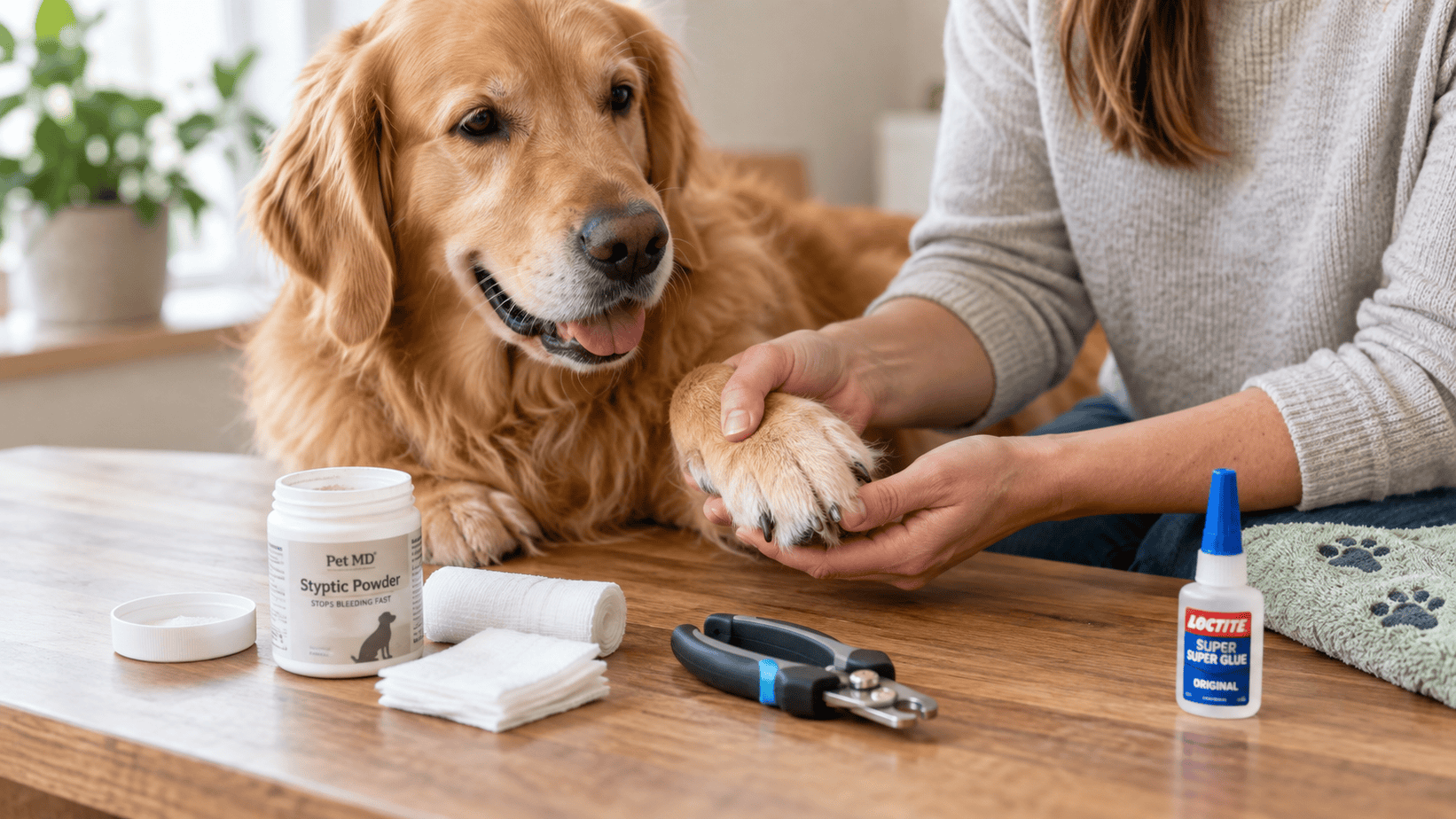
    No, I do not recommend putting household super glue on a dog’s bleeding nail. If you clipped the quick, the safer first response is to apply Styptic Powder and hold steady pressure. If you do not have styptic powder, cornstarch can be a temporary backup while you watch the bleeding closely.

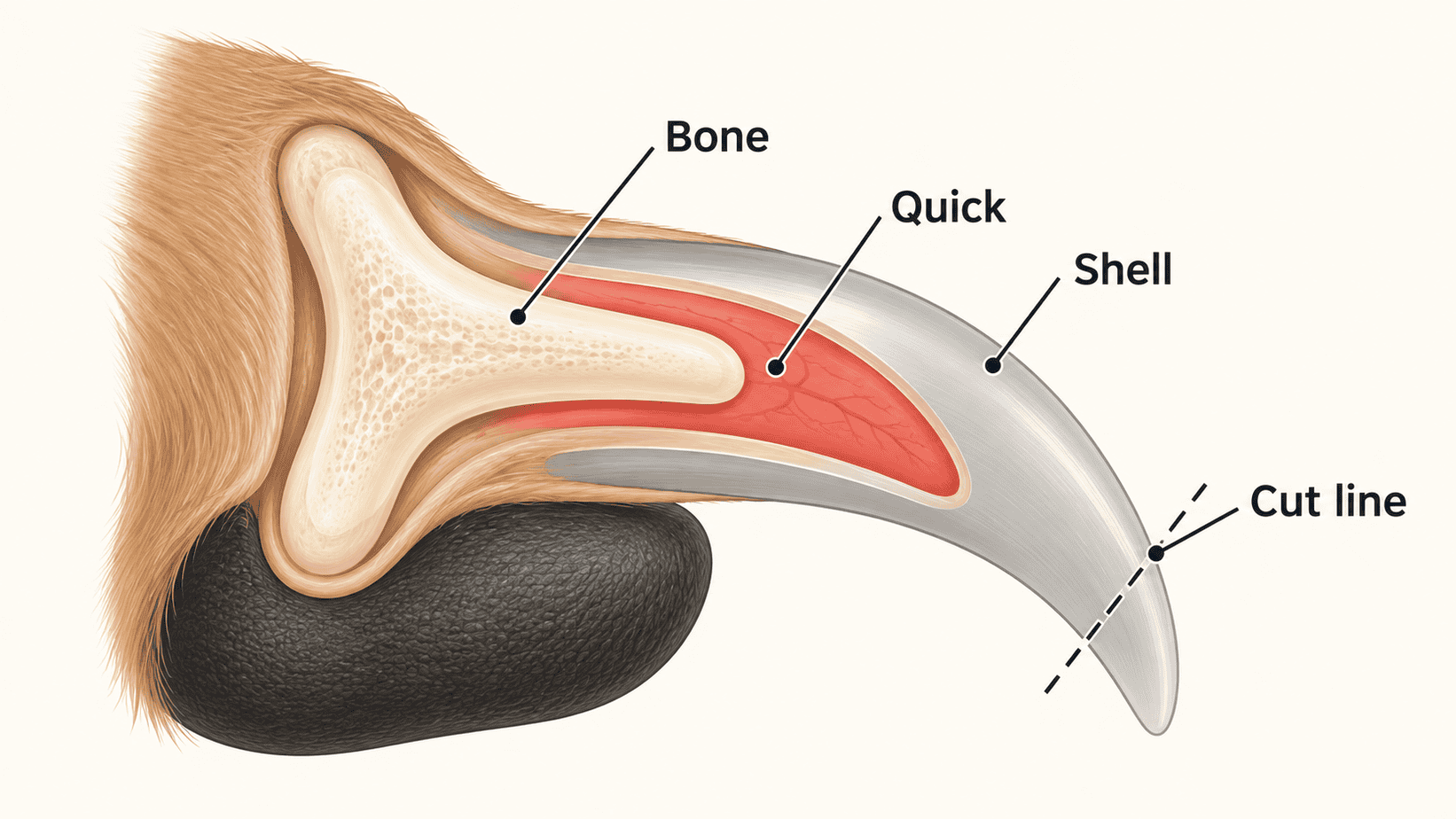
    A nicked quick often looks dramatic because that living center of the nail contains blood vessels and nerves. Most small trimming accidents can be managed at home, but a split, torn, or partly detached nail is a different problem. Those injuries can be painful, keep reopening, and need veterinary care.

    Dog nail cross-section showing the bone, quick, shell, and cut line near the nail tip

    What To Do Right Now

    Take a breath before you reach for anything. Your dog will notice if you are frightened or rushing, and a wiggling paw makes the situation harder for both of you.

    1. Move to a quiet, well-lit area. Ask someone to help if your dog is comfortable with a second person. Support the paw gently without twisting the leg.
    2. Blot away enough blood to see which nail is affected. Do not scrub the nail bed or keep wiping it every few seconds.
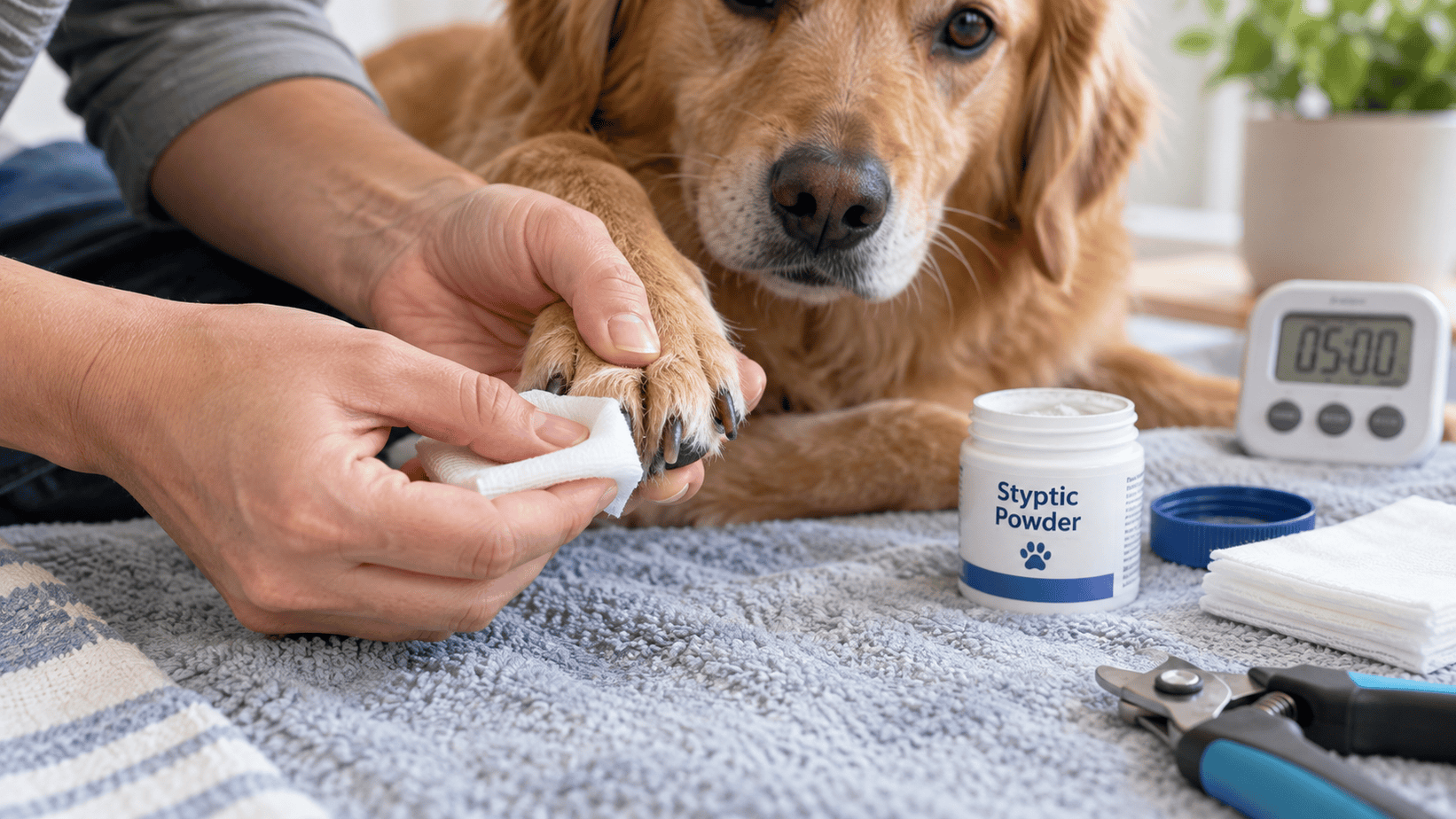
    3. Press styptic powder onto the cut surface. Then hold clean gauze or a folded paper towel firmly against the nail for two to three minutes without lifting it to check.
    4. Recheck once. If bleeding has stopped, keep your dog calm and off rough ground for the rest of the evening. If it is still active, repeat the powder and pressure once.

    Washington State University’s nail-trimming guidance recommends having styptic powder available in case a nail is cut too short. [1] I like keeping it with the grooming tools so it is within reach before a trim begins.

    Styptic powder and gauze held with steady pressure against a dog's clipped nail

    If You Have Styptic Powder

    Powder is usually easier to press onto a cut quick than to sprinkle from above. Put a small amount in the lid or on a clean surface, dip the bleeding nail into it, then apply pressure. Avoid packing product far under a lifted or broken nail.

    Styptic pencils can also help with a small quick nick, although some dogs dislike the sting. Wet the tip only as directed on the product label and touch it to the cut surface. If your dog is struggling or the nail is structurally damaged, stop and get help instead of forcing the paw still.

    If You Do Not Have Styptic Powder

    Cornstarch can provide a temporary physical barrier for a minor quick nick. Press it onto the nail and follow with steady pressure. It is less reliable than a purpose-made styptic product, so watch closely for renewed bleeding.

    I would not cycle through baking soda, flour, soap, glue, and multiple gels. Every new product means more handling and more material on an open surface. One simple backup, patient pressure, and a clear decision about when to call the clinic is a safer plan.

    Why Household Super Glue Is Not the Best Choice

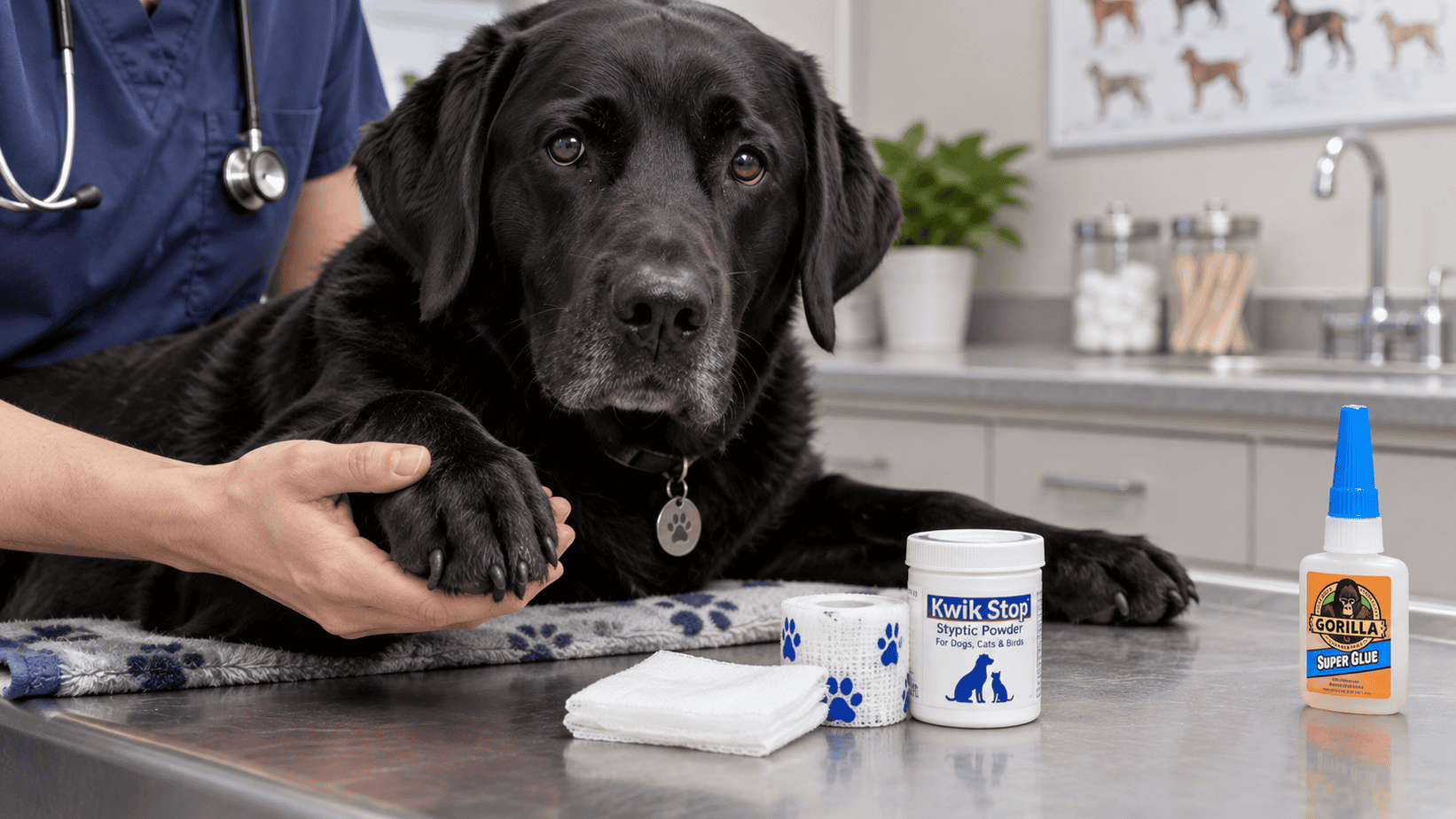
    Household cyanoacrylate sets quickly by bonding surfaces together. On a paw, that means it can bond fur, skin, pads, the nail, your fingers, or debris around the injury. It may also generate heat as it cures, especially when it contacts absorbent material such as cotton.

    Black Labrador with styptic powder and gauze separated from a closed Gorilla Super Glue bottle

    The ASPCA explains that cyanoacrylate super glues can irritate skin and mucous membranes but are relatively low in systemic toxicity. It separately warns that expandable construction and wood glues can swell in the stomach and cause a dangerous blockage. [2] These are different glue problems. The fact that ordinary cyanoacrylate is usually not highly poisonous does not make it a good wound-care product.

    For clarity, this household super glue is the type I do not recommend putting on an actively bleeding dog nail. A quick nick is contaminated easily, and sealing the surface can trap blood, moisture, powder, fur, or dirt where you cannot assess it.

    Veterinary Tissue Adhesive Is Different

    Veterinarians sometimes use medical-grade tissue adhesive in controlled situations. That does not make a bottle from the junk drawer interchangeable with a veterinary product. For example, 3M describes Vetbond as a veterinary tissue adhesive intended for procedures such as closing minor lacerations. [3] Product formulation, sterility, application site, tissue preparation, and professional judgment all matter.

    Even veterinary tissue adhesive is not a substitute for examining a nail that is split through the quick, dangling, or injured at the nail bed. The first question is not simply how to cover the bleeding. It is whether the nail is stable and whether damaged tissue needs treatment.

    If You Already Used Super Glue

    Do not panic, and do not pull bonded tissue apart. Forceful separation can tear skin or worsen the nail injury.

    Prevent licking while you look at the paw. If the glue is only on the hard nail shell and the toe looks comfortable, keep the area dry and monitor it. If skin, pads, fur, or your fingers are bonded, call your veterinarian for instructions. Do not use acetone on an open nail, irritated skin, or near the eyes or mouth.

    Get prompt professional help if glue entered the eye or mouth, the toe feels hot, your dog is very painful, swelling develops, or the nail is stuck to surrounding tissue. If your dog chewed a bottle of expandable polyurethane construction glue, treat that as a different and more urgent exposure. Call your veterinarian or a pet poison service immediately.

    A Clipped Quick vs. a Split or Torn Nail

    This distinction changes what you should do next.

    A clipped quick usually follows a nail trim. The nail remains solid and attached, but a small round surface at the tip bleeds. Once the bleeding stops, many dogs are comfortable with brief rest and monitoring.

    A split or torn nail may show a crack running up the nail, a loose shell, a hanging fragment, exposed tissue, bleeding near the base, limping, or repeated bleeding when the dog walks. Do not twist, cut, or pull a loose piece at home. The nail bed can be very sensitive, and your veterinarian may need to trim damaged material safely, control pain, and decide whether infection prevention is needed.

    When a Bleeding Nail Needs Veterinary Care

    Call your veterinary clinic promptly if:

    • Bleeding remains active after about 10 minutes of uninterrupted firm pressure and styptic powder.
    • Blood is spurting, pooling quickly, or soaking through repeated gauze.
    • The nail is split, partly detached, broken near the base, or pushed at an odd angle.
    • Your dog will not bear weight, cries when the toe is touched, or cannot settle.
    • The toe becomes swollen, warm, red, or produces discharge or odor.
    • Bleeding restarts repeatedly or more than one nail is bleeding without a clear trimming accident.
    • Your dog seems weak, unusually quiet, or has pale gums.

    If your dog takes medication that affects clotting or has a known bleeding disorder, call sooner. A simple quick nick should improve, not become progressively more painful or swollen.

    Aftercare for a Clipped Quick

    Once bleeding has stopped, the best aftercare is usually quiet and simple. Keep the paw clean and dry. Choose leash walks on clean, smooth ground for the next day, and skip running, digging, rough play, and muddy trails until the nail stays dry and comfortable.

    Check the nail later that day and again the next morning. A little dried blood at the tip is not unusual. Renewed bleeding, constant licking, limping, swelling, warmth, discharge, or a bad smell deserves a call to the clinic.

    A wrapped Cold Compress may help with comfort around an intact toe after bleeding has stopped, but it will not seal a cut quick. Keep it outside a thin towel and use it briefly. Do not hold a frightened dog down to apply it.

    An Over-the-Counter Gel should only be used if its label specifically says it is safe for pets and appropriate for nail bleeding. Human liquid bandage products are not automatically safe for a dog to lick, and they should not be used to hide a split or contaminated nail.

    Avoid tight home bandages unless your veterinary team has shown you how to place one. Paw wraps can slip, trap moisture, or restrict circulation. If you need a temporary cover for transport, use a loose clean gauze layer and remove it as directed by the clinic.

    Preventing Future Nail Bleeding

    Most nail-trim accidents happen because the quick is difficult to see, the tool crushes instead of cuts cleanly, or the dog moves at the wrong moment. A slower setup prevents more problems than any rescue product.

    Use the Right Tools

    Choose sharp nail clippers that fit your dog’s nail size, or use a grinder if your dog prefers it. Dull blades squeeze the nail and make control harder. Keep your styptic product open and ready before you start.

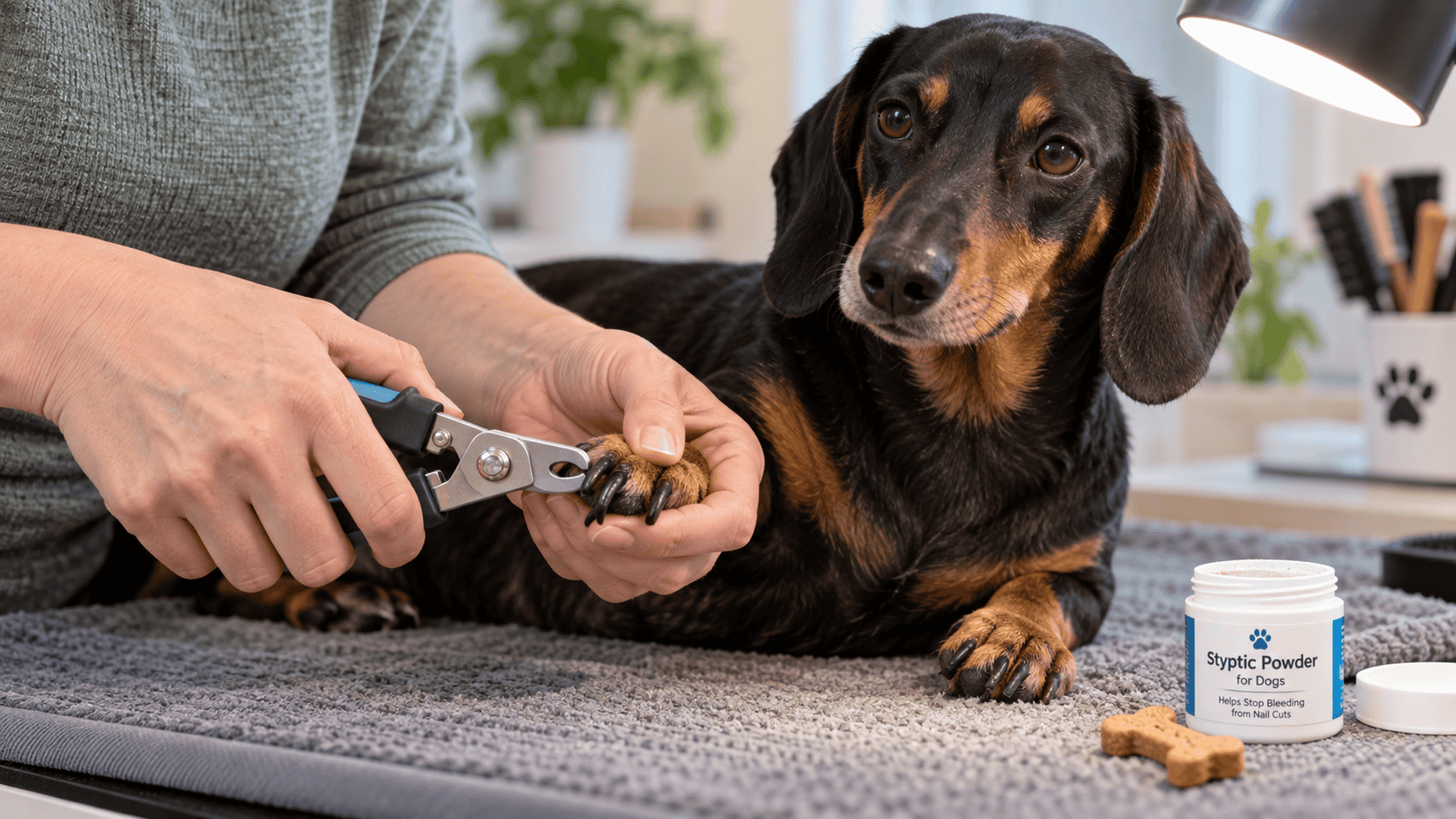
    Trim tiny amounts at a time. On pale nails, stop before the pink quick. On dark nails, examine the cut surface after each small trim. A dry, pale center gives way to a darker, softer-looking center as you approach the quick. Stop before that center becomes glossy or shows a small dark dot.

    Calm dachshund having a dark nail trimmed in tiny increments under a bright task light

    Tips for Dark Nails

    Bright light helps, but do not rely on shining a flashlight through every dark nail. Many black nails are too opaque for that to work. Instead, use repeated thin slices, steady paw support, and the changing texture of the cut surface.

    If the nails are very overgrown, do not try to restore ideal length in one session. The quick may have grown forward with the nail. Small trims at regular intervals are safer and more comfortable.

    Build Cooperative Handling

    Practice touching the shoulder, sliding your hand down the leg, holding the paw for one second, and releasing. Reward each calm step. On another day, touch the tool to one nail without trimming. Short sessions teach your dog that paw handling ends quickly and predictably.

    If your dog freezes, repeatedly pulls away, growls, snaps, or panics, stop. A professional groomer or veterinary team can help you build a lower-stress plan. Forcing a frightened dog through a full trim increases the chance of injury to everyone.

    Protective Paw Choices

    For dogs whose nails crack on rough terrain, well-fitted protective footwear may help during hiking or winter walks. Boots must fit correctly, stay dry inside, and be removed after activity so you can inspect the toes. They do not replace routine nail care.

    Final Thoughts

    A bleeding quick is upsetting, but household glue adds problems that pressure and styptic powder usually avoid. My practical rule is simple: control the bleeding, decide whether the nail is structurally intact, and do not cover damage you cannot assess.

    Keep a small nail-care kit with styptic powder, gauze, good lighting, and your dog’s preferred rewards. If the nail is split, the bleeding will not stop, or your dog is very painful, let your veterinary team take over.

    Frequently Asked Questions

    Can cornstarch stop a dog’s nail from bleeding?

    Cornstarch can help a minor quick nick by creating a temporary barrier when styptic powder is unavailable. Press it onto the cut surface and hold steady pressure. If bleeding stays active or the nail is damaged, contact your veterinarian.

    How long should a dog’s nail bleed after cutting the quick?

    A minor nick should begin slowing within a few minutes with powder and uninterrupted pressure. If bleeding remains active after about 10 minutes, or it is heavy at any point, call a veterinary clinic for guidance.

    What should I do if super glue is already on my dog’s paw?

    Prevent licking and do not pull bonded tissue apart. If skin, pads, fur, eyes, mouth, or people are bonded, call your veterinarian. Avoid acetone on the open nail or irritated tissue.

    Should I bandage a bleeding dog nail?

    Usually, pressure and styptic powder are safer first steps for a simple quick nick. Home paw bandages can become too tight or trap moisture. Use a wrap only when a veterinary professional recommends it and explains how long it should stay on.

    How can I trim black dog nails more safely?

    Use bright light, sharp tools, and very small cuts. Check the cut surface after each slice and stop as the center becomes darker, softer, or glossy. Frequent small trims are safer than trying to remove a large amount at once.

    References

    1. Washington State University Veterinary Teaching Hospital. (2026, February 25). How to clip a dog’s nails.
    2. American Society for the Prevention of Cruelty to Animals. (2019, August 2). These popular hobbies could pose a threat to pets!
    3. 3M. (n.d.). 3M Vetbond Tissue Adhesive, 1469SB, 0.1 oz (3 mL).
    Dr. Candy Akers, DVM Avatar

    ABOUT THE AUTHOR

  • OTC Antifungal Cream for Dogs: What Works and How to Use It

    OTC Antifungal Cream for Dogs: What Works and How to Use It

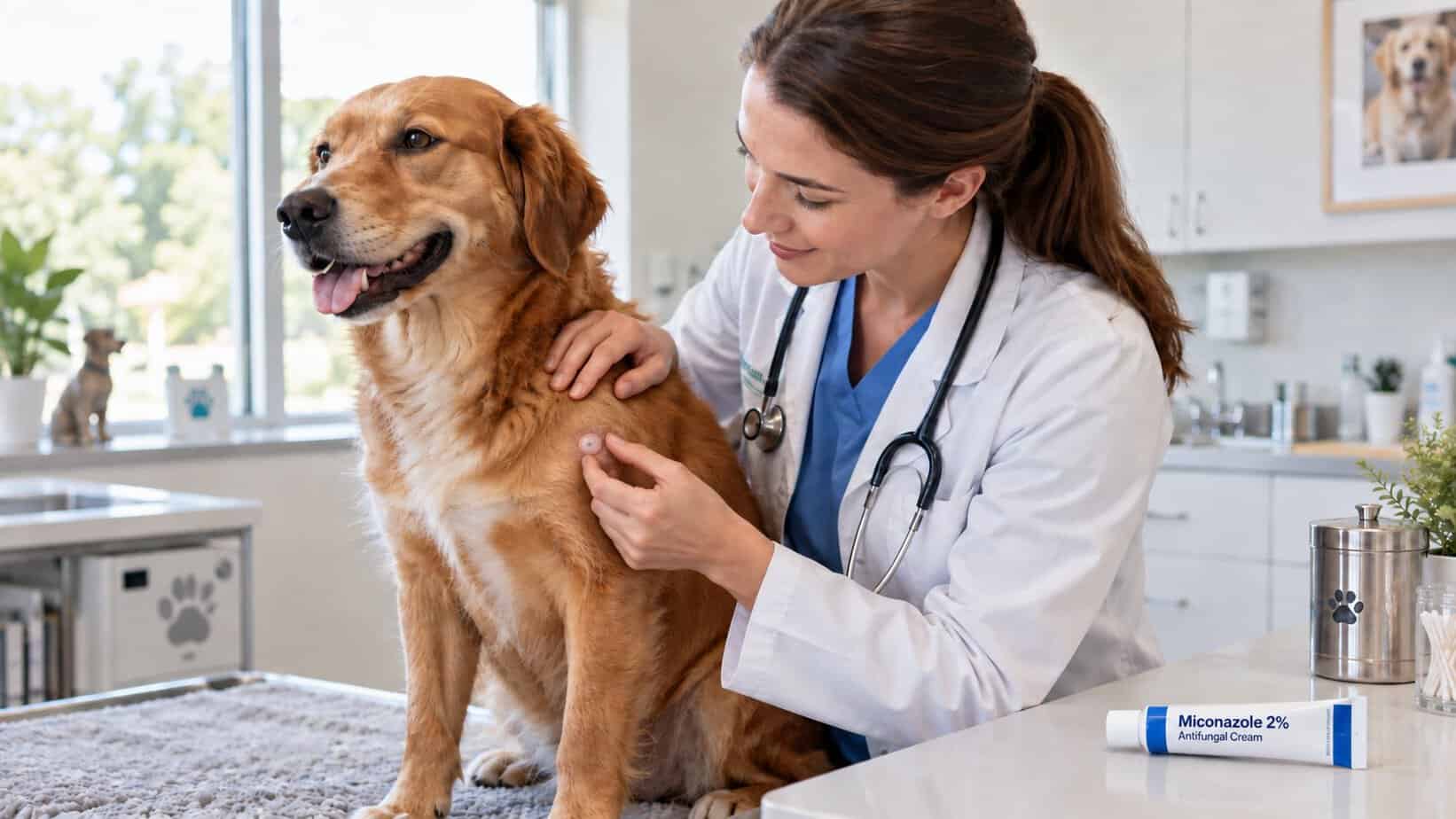
    Yes, an over-the-counter antifungal cream may be useful for a dog’s small, superficial skin spot, but only when the product, location, and suspected cause fit. I usually look for a plain, single-ingredient miconazole 2% or clotrimazole 1% cream. I would not put it in an eye, deep in an ear, on an open wound, over a large area, or anywhere your dog can immediately lick.

    I get this question often from dog owners. The tube in your medicine cabinet looks simple, and sometimes it is a practical choice. The catch is that red, itchy skin can come from yeast, ringworm, bacteria, allergies, mites, fleas, or irritation. The safest plan starts with deciding whether a cream truly matches the problem.

    Can You Use OTC Antifungal Cream on a Dog?

    A plain OTC antifungal can be reasonable for one small, dry, external spot when all of these are true:

    • The area is limited and easy to see.
    • The skin is not bleeding, oozing, badly swollen, or very painful.
    • The spot is away from the eyes, mouth, genitals, and inner ear.
    • You can keep your dog from licking it.
    • Your veterinarian has diagnosed a similar problem before or has advised topical antifungal care.

    If this is your dog’s first unexplained rash, I prefer a veterinary diagnosis. Yeast dermatitis can look greasy, red, darkened, flaky, or thickened. Ringworm may cause scaly hairless patches, but it does not always make a neat circle. Allergies and bacterial infections can look very similar.

    Veterinary dermatology guidance describes Malassezia yeast as a normal skin resident that can become an opportunistic problem. Treatment works best when we also identify and correct the factors that allowed it to overgrow. [1]

    When to Skip Home Treatment

    Skip the medicine-cabinet experiment and arrange an exam if the problem is spreading, keeps returning, has a strong odor, or covers more than a small spot. The same applies when your dog seems sick, painful, or unusually tired.

    A dog with several bald, scaly patches may have ringworm. Ringworm can spread to people and other animals. It often needs more than a dab of cream, so prompt diagnosis matters.

    Before You Reach for the Tube

    Start by looking at the entire label, not just the word “antifungal.”

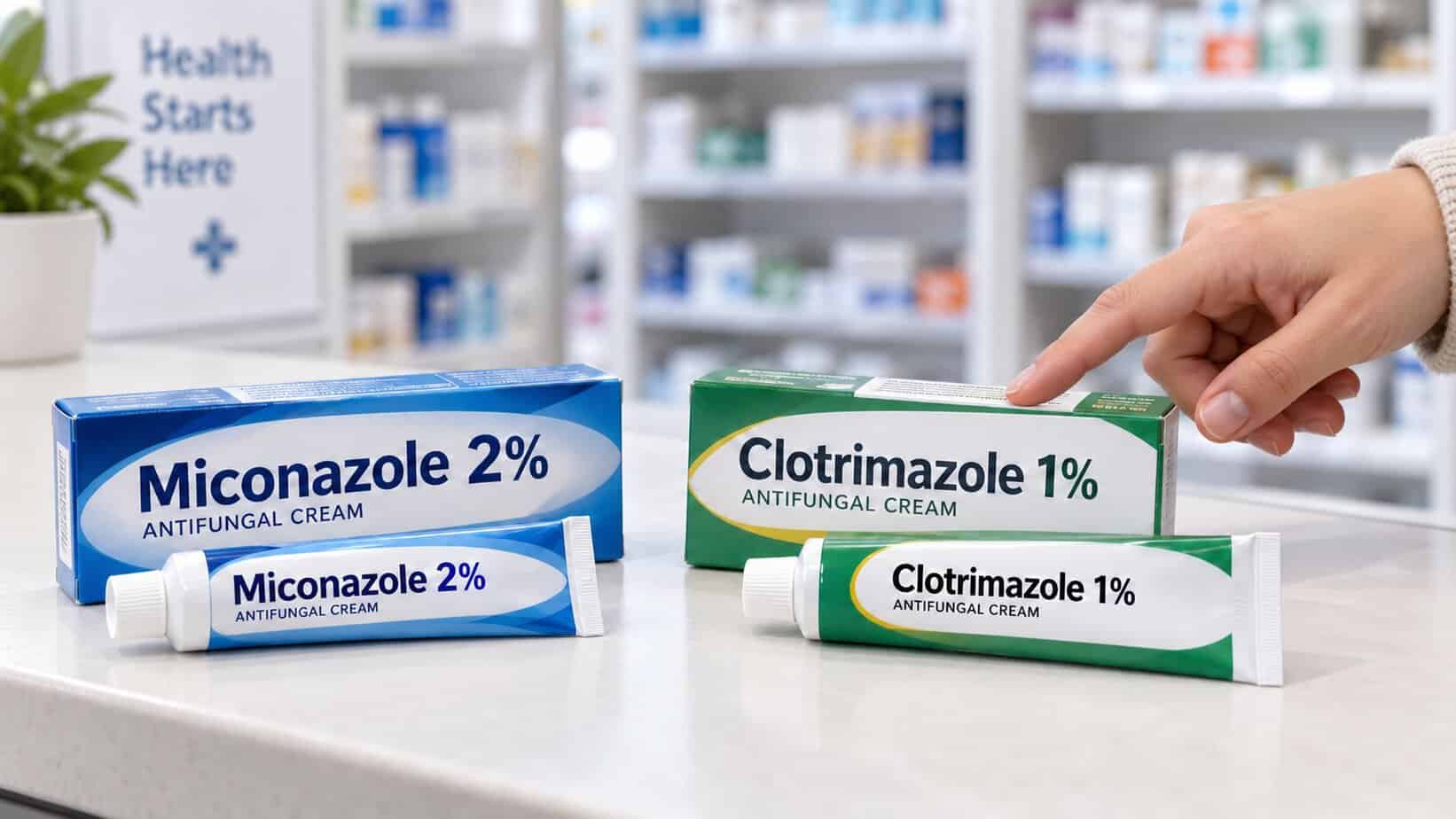
    Miconazole 2% and clotrimazole 1% antifungal cream packages on a pharmacy counter

    Choose a plain product with one antifungal active ingredient. Avoid combination creams that also contain a steroid, pain reliever, numbing medicine, essential oil, or several “itch relief” ingredients unless your veterinarian specifically recommended that formula. Extra ingredients can irritate the skin, mask a worsening problem, or create a risk if your dog licks them.

    Human OTC labels are written for people, not pets. A label for miconazole nitrate 2% identifies it as an external-use antifungal and warns about eye contact, irritation, and swallowing. [2] A clotrimazole 1% label gives similar external-use and eye-contact warnings. [3] Those labels help us check the formulation, but they do not diagnose a dog or set a canine treatment plan.

    Check the Location

    A skin cream belongs on external skin only. Do not place it:

    • In or around the eye
    • Deep in the ear canal
    • Inside the mouth
    • On an open, deep, or draining wound
    • Across a large part of the body
    • Under a bandage unless your veterinarian directs you

    Ears deserve special care. A red, smelly, itchy ear can involve yeast, bacteria, mites, a foreign body, or a damaged eardrum. The right ear medication depends on what is present and whether the eardrum is intact.

    Which OTC Antifungal Creams Can Work?

    Miconazole and clotrimazole are azole antifungals. Azoles interfere with ergosterol production, which fungal cell membranes need to function. That is more accurate than saying the cream simply “breaks down the fungal cell wall.”

    Miconazole 2%

    For a small, localized spot, I often prefer a plain 2% miconazole cream. It is widely available, easy to apply in a thin layer, and commonly used in veterinary topical care.

    My preferred OTC antifungal cream for dogs is Antifungal Cream 2% Miconazole. You can often get it shipped to you in 1 day.

    Clotrimazole 1%

    Plain clotrimazole 1% is another topical azole that veterinarians may use for selected superficial fungal problems. It can be a reasonable alternative when your veterinarian agrees that the lesion and diagnosis fit.

    I do not choose between these products by brand name alone. I look at the active ingredient, concentration, inactive ingredients, lesion location, and whether the dog can lick the area.

    How to Apply Antifungal Cream Safely

    Follow your veterinarian’s directions and the product label that applies to the chosen formulation. Do not borrow a human treatment schedule and assume it fits your dog.

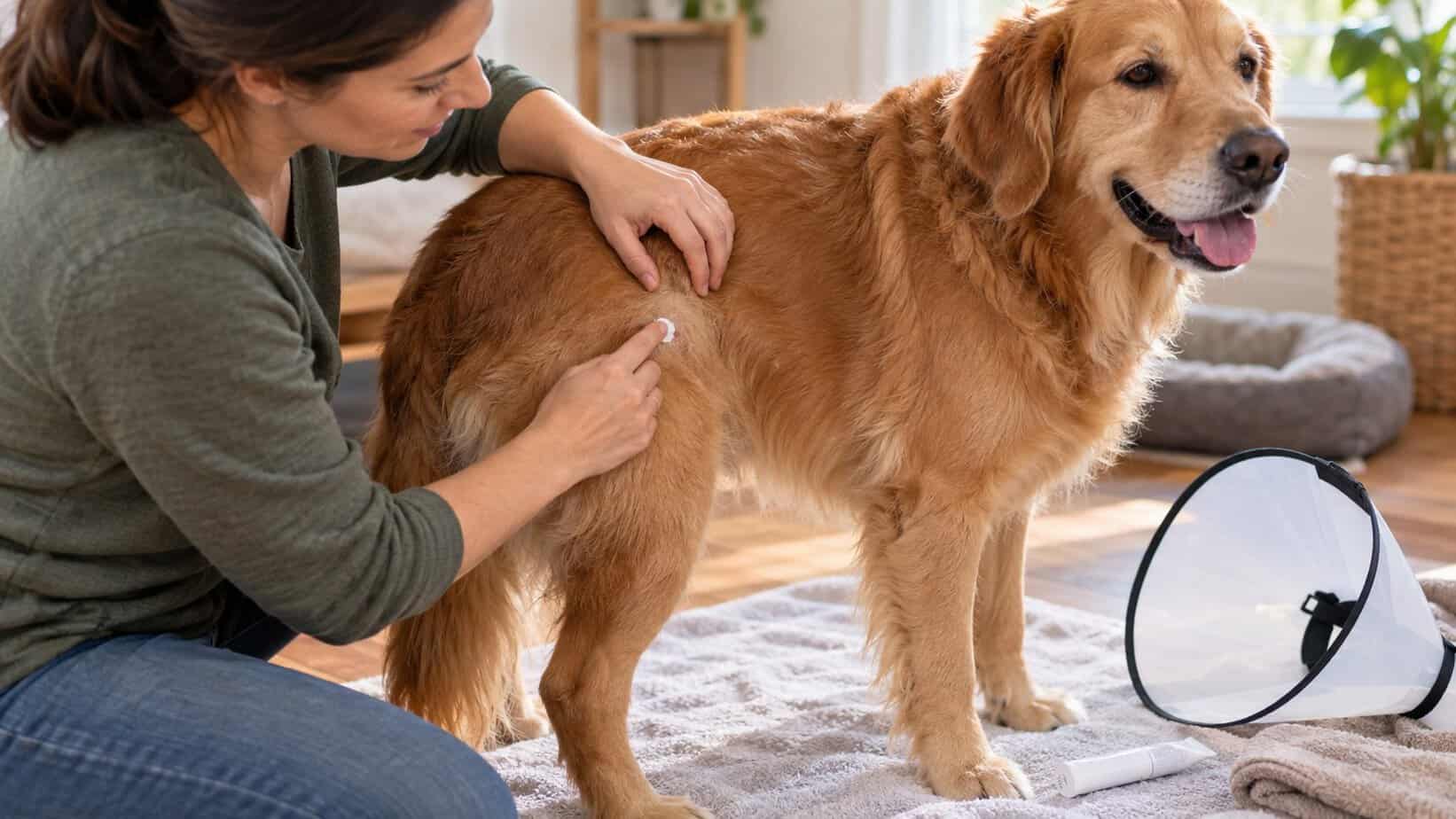
    For a small external spot, the practical sequence is:

    Dog owner applying a thin layer of antifungal cream to a small external skin spot
    1. Wash your hands.
    2. Part the hair and inspect the skin.
    3. Gently clean the area if needed, then dry it well.
    4. Apply a very thin layer to the affected skin.
    5. Prevent licking with close supervision, a cone, or another veterinarian-approved barrier.
    6. Wash your hands again.
    7. Check the spot at least daily for spread, irritation, moisture, odor, or pain.

    More cream is not better. A heavy coating invites licking and can trap moisture. It’s important to always wash your hands because some fungal infections that live on dogs can also infect humans.

    What to Do If Your Dog Licks the Cream

    Remove access to the tube and check the ingredient list. A small lick of a plain topical azole may cause drooling, vomiting, or stomach upset, but combination products can be more concerning.

    Call your veterinarian or an animal poison service promptly if your dog swallowed more than a small taste, chewed the tube, seems weak or wobbly, trembles, vomits repeatedly, or if the product contains other active drugs. Keep the package with you so the ingredients and strength are easy to identify.

    How Long Should It Take to Work?

    There is no honest universal promise. The answer depends on the organism, the diagnosis, the size and location of the lesion, the formulation, and the health of your dog’s skin.

    For a truly small superficial problem, I want to see a clear trend toward less redness, itching, scaling, or spread within several days. Stop and call your veterinarian sooner if the skin becomes more inflamed, wet, painful, or swollen.

    If you do not see clear improvement, do not keep switching creams. That is the point to confirm the diagnosis. A skin cytology, fungal culture, PCR test, hair examination, or other test may be needed.

    If your veterinarian prescribed a course, follow that plan even when the skin looks better. Stopping too early can leave the underlying problem unfinished.

    When Antifungal Cream Is Not Enough

    A small tube is best suited to a small problem. It is not a practical whole-body treatment.

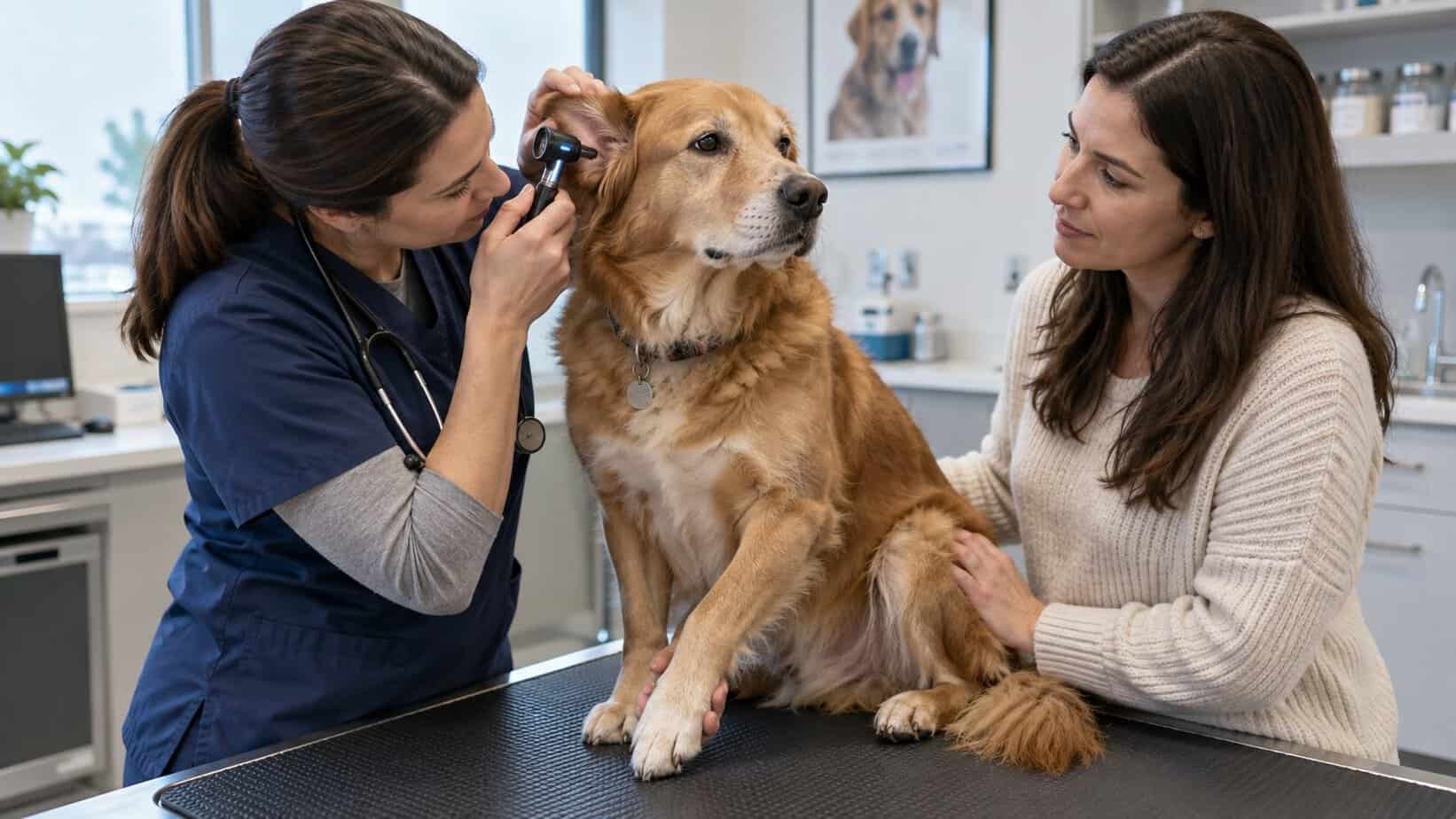
    Veterinarian examining a dog's ear while the owner calmly supports the dog

    Widespread Yeast Dermatitis

    Dogs with yeast overgrowth across the paws, belly, armpits, skin folds, or much of the body often need a medicated shampoo, mousse, wipe, spray, or systemic plan. Just as important, we need to look for the reason it keeps happening. Allergies, chronic moisture, skin-fold friction, endocrine disease, and other health problems can make yeast more likely to return.

    The World Association for Veterinary Dermatology consensus notes that both topical and systemic treatments can be effective, especially when predisposing factors are found and corrected. [1]

    Suspected Ringworm

    Ringworm is a dermatophyte (fungal) infection, not a worm. Cream alone may reduce fungus at one visible spot while infected hairs elsewhere continue to shed spores. Use better hygiene to remove spores from the environment.

    Clinical consensus guidance recommends treating the animal and reducing contamination of the coat and environment. Conventional treatment commonly combines systemic antifungal medication with topical disinfection. [4] But I highly recommend trying a topical approach when possible.

    Sprays, creams and antifungal shampoos apply the medication directly on the fungal infection on the skin. With this route of administration there is only minor systemic absorption.

    With oral systemic antifungal medications, it applies this medication to every cell in your dog’s body. Oral doses are often large because pets can have different levels of GI absorption. The oral dose has to pass through your dog’s liver before it gets distributed. Oral antifungal medications can be toxic to your dog’s organ systems. A risk of liver damage or kidney damage is possible with an oral systemic medication and these risks can increase in puppies or older dogs who have less capacity for internal detoxification.

    If ringworm is possible, protect children, older adults, and anyone with a weakened immune system from close contact until your veterinarian gives you a plan.

    Wash bedding and clean hair from the environment as directed. Use hot water, laundry detergent, and a splash of bleach if possible. Do not shave the whole dog unless your veterinarian recommends it, since skin trauma can make matters worse.

    Ear Problems

    Do not use skin cream inside an ear canal. Ear infections need an examination, a look at the eardrum, and testing of the debris. A product that is reasonable on intact body skin may be painful or unsafe in an inflamed ear.

    A Holistic Plan for Recurring Skin Trouble

    An over the counter cream can quiet one spot. My bigger goal is to understand why the skin lost its balance.

    Start with the basics. Keep skin folds and paws clean and dry. Rinse irritants from the coat after outdoor exposure when needed, then dry the skin thoroughly. Wash bedding, keep grooming tools clean, and use gentle bathing products that do not strip the skin barrier. Feed a complete, balanced diet and make sure an ongoing itch problem is evaluated for allergies, parasites, infection, or hormonal disease.

    If your dog’s skin seems dry or irritated you should look at the quality of fats included in their food. You can compare ratios of Omega-3’s to Omega-6s, and can supplement extra fish oil if the diet is not balanced.

    For some dogs, I also consider individualized nutritional and immune support. I have used Standard Process Canine Immune Support as part of a broader plan when it fits the dog. It is not a replacement for diagnosis or antifungal treatment, but it can really help your dog’s immune system keep up with small skin problems.

    Be Careful With Natural Products

    Natural does not automatically mean harmless or proven.

    Coconut oil has interesting laboratory research, but the details matter. A 2025 study tested coconut oil carried in chitosan nanoparticles against Microsporum canis in vitro. [5] It found that coconut oil in this formulation wiped out 99.99% of the fungus in 7-14 days. That does not show that plain coconut oil from the kitchen will cure ringworm on a dog in 7 days. But it shows that coconut oil can provide antifungal and antimicrobial support on the skin.

    Coconut oil may also serve as a skin-conditioning adjunct for some dogs when added to their diet. It has internal anti-inflammatory actions and I have found that it can be helpful in many dogs. It supports a calm nervous system and healthy cell membranes.

    I do not recommend concentrated tea tree oil for a dog’s fungal spot. A retrospective report of 443 dogs and cats exposed to 100% tea tree oil found signs such as drooling, lethargy, weakness, poor coordination, and tremors. [6] Essential oils must be properly diluted in all pet products. When it comes to tea tree oil, I usually don’t buy concentrates or make my own recipes. I usually recommend that dog parents purchase a reputable product labeled for pets.

    Research on medicinal plants for canine skin disease is promising, but much of it comes from laboratory, non-canine, or early clinical evidence. [7] I’ve also found a wide variation in the response that I see to a particular herb between individual dogs. Some dogs respond quickly to supplements, while other dogs may have a different underlying cause. Use herbs and botanicals carefully and always double check labels for an appropriate dose.

    When to Call Your Veterinarian

    Call promptly if you see:

    • Rapid spread or several new spots
    • Pus, bleeding, a strong odor, or an open wound
    • Significant pain, swelling, or nonstop scratching
    • A lesion near an eye, inside an ear, or on sensitive tissue
    • Fever, poor appetite, lethargy, weakness, or tremors
    • A puppy, pregnant dog, senior dog, or medically fragile dog with a new skin problem
    • Skin changes in another pet or person in the home
    • No clear improvement after several days of appropriate topical care
    • A problem that returns soon after treatment

    If the spot is mild but you are unsure what you are looking at, send your veterinary clinic a clear photo and the exact product label. That simple step can prevent days of treating the wrong condition.

    Final Thoughts

    An OTC antifungal cream can be a useful tool for the right small skin problem. The key is matching the active ingredient to a diagnosis, choosing a safe product, keeping the product out of your dog’s mouth, and watching the response.

    I often favor plain miconazole 2% for a small external spot, with clotrimazole 1% as another possible option. I do not rely on only topical cream when disease is widespread, recurrent, painful. In those cases, diagnosis and a whole-dog plan are the faster path to lasting relief.

    Frequently Asked Questions

    Can I Use My Own Antifungal Cream on My Dog?

    Sometimes, but check with your veterinarian first. A plain miconazole 2% or clotrimazole 1% product may fit a small external spot. Avoid combination formulas, unsafe locations, open wounds, large areas, and any spot your dog can lick.

    What If My Dog Licks Antifungal Cream?

    Take the product away, check every active ingredient, and watch for drooling, vomiting, weakness, wobbliness, tremors, or marked sleepiness. Call your veterinarian or an animal poison service if your dog chewed the tube, swallowed more than a small taste, shows symptoms, or licked a combination product.

    Can I Put Antifungal Cream in My Dog’s Ear?

    No. Do not put a skin cream deep in the ear canal unless a veterinarian has examined the ear and prescribed that exact product. Ear treatment depends on the cause and the condition of the eardrum.

    How Long Should I Try an OTC Antifungal Cream?

    Look for a clear trend toward improvement within several days. Stop sooner if the spot worsens, spreads, becomes painful, or develops discharge. If it is not clearly improving, have your veterinarian confirm the diagnosis instead of trying another cream.

    Does Coconut Oil Kill Fungus on Dogs?

    Laboratory research suggests some coconut-oil formulations can inhibit fungi, but that is not proof that any coconut oil cures all dog fungus infections. Many of my patients show improvement with local application of coconut oil, but it depends on the underlying cause.

    Can I Use Tea Tree Oil for a Dog’s Fungal Infection?

    I do not recommend concentrated tea tree oil. Dogs can absorb it through the skin and serious neurologic signs have been reported after exposure. I recommend using a pet-specific formulation and following the instructions so it doesn’t irritate your dog’s skin.

    References

    1. Bond, R., Morris, D. O., Guillot, J., Bensignor, E. J., Robson, D., Mason, K. V., Kano, R., & Hill, P. B. (2020). Biology, diagnosis and treatment of Malassezia dermatitis in dogs and cats: Clinical consensus guidelines of the World Association for Veterinary Dermatology. Veterinary Dermatology, 31(1), 28-74. https://doi.org/10.1111/vde.12809
    2. U.S. National Library of Medicine. (2026). Baza antifungal, miconazole nitrate cream, 2% [Drug label]. DailyMed. https://dailymed.nlm.nih.gov/dailymed/drugInfo.cfm?setid=75182cb7-840a-423a-9c20-10840d6e1d65
    3. U.S. National Library of Medicine. (2025). Clotrimazole 1% topical antifungal cream [Drug label]. DailyMed. https://dailymed.nlm.nih.gov/dailymed/drugInfo.cfm?setid=b3b83f3f-9349-fb75-e053-2995a90acb65
    4. Moriello, K. A., Coyner, K., Paterson, S., & Mignon, B. (2017). Diagnosis and treatment of dermatophytosis in dogs and cats: Clinical consensus guidelines of the World Association for Veterinary Dermatology. Veterinary Dermatology, 28(3), 266-e68. https://doi.org/10.1111/vde.12440
    5. Khalil, I. I., Al-Abedi, H. F. H., Jasim, A. S., & Younus, J. G. (2025). Evaluation of the antifungal activity of coconut oil/chitosan nanoparticles against Microsporum canis. Open Veterinary Journal, 15(10), 4984-4996. https://doi.org/10.5455/OVJ.2025.v15.i10.17
    6. Khan, S. A., McLean, M. K., & Slater, M. R. (2014). Concentrated tea tree oil toxicosis in dogs and cats: 443 cases (2002-2012). Journal of the American Veterinary Medical Association, 244(1), 95-99. https://pubmed.ncbi.nlm.nih.gov/24344857/
    7. Tresch, M., Mevissen, M., Ayrle, H., Melzig, M., Roosje, P., & Walkenhorst, M. (2019). Medicinal plants as therapeutic options for topical treatment in canine dermatology? A systematic review. BMC Veterinary Research, 15, 174. https://doi.org/10.1186/s12917-019-1854-4

    A note about your dog’s health

    This article provides general education and does not replace an examination, diagnosis, or individualized advice from your veterinarian. Contact a veterinary professional if you are concerned about your dog’s symptoms.

    Dr. Candy Akers, DVM Avatar

    ABOUT THE AUTHOR

  • Orange Chicken: Yummy for Humans, But Can Dogs Eat It Too?

    Orange Chicken: Yummy for Humans, But Can Dogs Eat It Too?

    Can Dogs Eat Orange Chicken?

    It’s not uncommon for dog owners to share their food with their furry friends. However, not all human foods are safe for dogs to eat. Have you ever thought “Can dogs eat orange chicken?” While orange chicken is not toxic to dogs, it’s also not very healthy for them.

    Orange Chicken is a popular Chinese-American dish consisting of battered chicken pieces coated in a sweet and tangy orange sauce. If you’re wondering whether it’s okay to feed your dog Orange Chicken, you’ve come to the right place.

    In this article, we’ll discuss the safety of feeding dogs human foods, including Orange Chicken. We’ll also offer alternatives and suggestions for healthier and safer options.

    can dogs eat orange chicken

    The Importance of Knowing What Human Foods Dogs Can and Cannot Eat

    As a responsible dog owner, it’s crucial to know which human foods are safe for your furry best friend. Some human foods can cause serious health issues such as pancreatitis or kidney failure in dogs.

    In some cases, a certain type of food can even be life-threatening or cause death. Dogs have different nutritional needs than humans do.

    They require a balanced diet that is tailored specifically for them in order for them to live long and healthy lives. Feeding them harmful human foods without realizing it could seriously harm their health.

    It’s important to also consider that while some dogs may be fine after eating certain types of food every now and then, others may have allergies or sensitivities that could lead to digestive issues or other health problems down the line. So before sharing your food with your pup or adding something new into their diet, always do your research first!

    What is Orange Chicken?

    You may have heard of Orange Chicken as a popular Chinese-American dish. It is typically made with battered and deep-fried chicken pieces coated in a sweet and tangy orange sauce. The dish is usually served over steamed rice, making it a filling and tasty meal.

    The origins of Orange Chicken are unclear, but it has become hugely popular in many parts of the world. You can find variations of this dish in Chinese restaurants around the world, as well as on many takeout menus.

    Description of Orange Chicken Dish

    The dish consists of juicy and crispy chicken pieces that have been coated in a batter or breading mixture before being deep-fried until golden brown. After frying, the chicken pieces are then tossed in a sweet and tangy sauce made from orange juice, sugar, vinegar, soy sauce, garlic, ginger and other seasonings. The resulting dish is both sweet and savory with hints of sourness from the vinegar.

    The texture is crispy on the outside while remaining juicy on the inside. It’s no wonder why so many people crave Orange Chicken!

    Ingredients Commonly Used in Orange Chicken

    Orange Chicken requires several ingredients to make it taste delicious:

    • Chicken: typically boneless chicken breasts or thighs are used for this recipe since they’re easy to cut into bite-sized pieces.
    • Batter/Breading: Some recipes call for dipping the chicken into a batter made from flour or cornstarch before frying it. Others will use breadcrumbs or panko instead to create a crispier texture.
    • Sauce: The sauce is the star component of this recipe. It’s usually made up of orange juice, sugar, vinegar, soy sauce, garlic, and ginger.
    • Vegetables: some recipes will add vegetables like bell peppers or broccoli to the dish for a bit of crunch and color.
    • Garnish: most orange chicken dishes are garnished with sesame seeds or sliced green onions for added flavor and texture.

    When these ingredients are combined correctly, they create a delicious and satisfying meal that many people love. However, as much as humans enjoy Orange Chicken, it’s important to consider whether it’s a safe food choice for your furry friend. Let’s explore this in the next section.

    Can Dogs Eat Orange Chicken?

    Explanation of Why Some Human Foods Are Not Safe for Dogs

    We all love to share our food with our furry friends, but not all human foods are safe for dogs. Some foods can cause an upset stomach, while others can be toxic and potentially fatal. It’s important to understand what ingredients in human food may harm our pets.

    One common ingredient in human food that is not safe for dogs is onion. Onions contain compounds that can damage a dog’s red blood cells and lead to anemia.

    Garlic contains the same compounds as onions and should also be avoided. Chocolate is another dangerous food for dogs because it contains theobromine, which can cause vomiting, diarrhea, seizures, and even death.

    Discussion on the Safety of Feeding Dogs Orange Chicken

    Now let’s talk about whether or not dogs can safely eat Orange Chicken. The answer is… it depends!

    While Orange Chicken does not contain any toxic ingredients like onions or chocolate, it does contain other ingredients that may not be ideal for your dog’s digestive system. The main issue with feeding your dog Orange Chicken is its high salt content.

    Too much salt can lead to an upset stomach, excessive thirst or urination, and even sodium ion poisoning in severe cases. Additionally, many store-bought brands of Orange Chicken contain added sugar or artificial flavors which are not healthy for your pup.

    Potential Risks and Health Concerns

    While feeding your dog a small amount of Orange Chicken as a treat may not cause any immediate harm or health issues, it’s important to pay attention to their reaction after eating it. Some dogs may be more sensitive to certain ingredients than others and could experience gastrointestinal distress such as vomiting or diarrhea.

    Over time, consistently feeding your dog high-sodium foods like Orange Chicken could lead to long-term health problems such as high blood pressure or kidney disease. It’s best to limit your dog’s consumption of high-sodium and high-fat human foods.

    Nutritional Value for Dogs

    When it comes to the nutritional value of Orange Chicken for dogs, there is not much benefit. While chicken itself is a good source of protein, the breading and sauce used in Orange Chicken can negate any nutritional benefit. If you’re looking for a healthy treat to give your pet, opt for fruits and vegetables that are safe for dogs, such as apples or carrots.

    For a protein boost, try feeding them plain cooked chicken or turkey. While Orange Chicken may not be toxic to dogs in small amounts, it’s not the healthiest treat option either.

    As responsible pet owners, we need to be mindful of what we feed our pets and understand how certain ingredients can affect their overall health. When in doubt about whether a food is safe for your dog to eat, consult with your veterinarian first.

    Alternatives to Feeding Dogs Orange Chicken

    Suggestions for Healthier and Safer Options

    While it’s tempting to share human food with our furry friends, it’s important to remember that not all foods are safe for them. Instead of feeding dogs Orange Chicken, consider offering them healthier alternatives that are specially formulated for their nutritional needs. Here are some suggestions:

    Home-Cooked Meals

    One of the best ways to ensure your dog is getting a balanced diet is by cooking their meals at home. This way, you know exactly what ingredients they’re consuming and can tailor their meals to suit their individual dietary requirements. Some popular home-cooked dog food recipes include chicken and rice, beef stew with vegetables, and salmon patties.

    Commercial Dog Food Brands

    There are many high-quality commercial dog food brands available that offer complete and balanced nutrition for dogs of all ages and sizes. Look for brands that use real meat as the first ingredient and avoid those that contain fillers or artificial preservatives.

    Raw Food Diets

    Raw food diets have become increasingly popular in recent years as a way to provide dogs with a more natural diet that closely resembles what they would eat in the wild. These diets typically consist of raw meat, bones, fruits, and vegetables.

    Homemade Dog Food Recipes

    If you decide to cook your dog’s meals at home, here are some easy homemade dog food recipes you can try:

    Chicken and Rice Recipe:

    Ingredients:

    • 1 pound boneless chicken breast
    • 1 cup brown rice
    • 1 cup chopped carrots
    • 1 cup chopped green beans
    • 2 tablespoons olive oil

    Instructions:

    1. Cook brown rice according to package instructions.
    2. Heat olive oil in a large skillet over medium heat. Add chicken and cook until browned on all sides.
    3. Add chopped carrots and green beans to the skillet and continue cooking for 5-7 minutes.
    4. Add cooked rice to the skillet and stir until well combined.

    Beef Stew with Vegetables Recipe:

    Ingredients:

    • 1 pound beef stew meat
    • 1 cup chopped sweet potato
    • 1 cup chopped carrots
    • 1 cup chopped celery
    • 1 cup beef broth

    Instructions:

    1. Preheat oven to 350°F.
    2. In a large bowl, combine beef stew meat, sweet potato, carrots, celery, and beef broth.
    3. Transfer mixture to an oven-safe baking dish and cover with foil.
    4. Bake for 60 minutes or until meat is tender.

    Commercial Dog Food Brands

    If you prefer to feed your dog commercial dog food, here are some of the best brands on the market:

    1. Blue Buffalo – Blue Buffalo offers a wide range of dog food products that are made with real meat as the first ingredient. Their formulas are designed to meet the nutritional needs of dogs of all life stages and sizes.
    2. Taste of the Wild – Taste of the Wild is known for their grain-free dog food formulas that feature real roasted meats as well as fruits and vegetables.
    3. Wellness Core – Wellness Core offers grain-free dog food formulas that are high in protein and made with real meat as well as antioxidant-rich fruits and vegetables. While Orange Chicken may be a tempting treat for our furry friends, it’s not worth risking their health over. Instead, opt for healthier options such as homemade meals or commercial dog food brands that offer complete nutrition for your four-legged companion.

    Final Thoughts

    Feeding your dog human foods can be tempting – after all, who doesn’t want to share their favorite meal with their beloved pet? However, it’s important to consider the potential risks associated with doing so.

    While there are some human foods that may be safe for dogs in moderation – such as small amounts of plain cooked chicken or vegetables – it’s generally best to stick with a well-balanced diet formulated specifically for your dog’s nutritional needs. If you do choose to feed your dog human food on occasion, always do so in moderation and avoid foods that are high in fat and sugar or contain potentially harmful ingredients like onions or garlic.

    As responsible pet owners, it’s our job to ensure our furry friends lead happy and healthy lives. By providing them with a proper diet tailored specifically for their needs and avoiding potentially harmful human foods like Orange Chicken, we can help ensure they live long and fulfilling lives by our side.

    ~Lindsie

    A note about your dog’s health

    This article provides general education and does not replace an examination, diagnosis, or individualized advice from your veterinarian. Contact a veterinary professional if you are concerned about your dog’s symptoms.

    Lindsie Parks B.S., CRDNS Avatar

    ABOUT THE AUTHOR

  • Can You Use Vaseline On Dogs? Is It Safe?

    Can You Use Vaseline On Dogs? Is It Safe?

    *This page may include affiliate links, which means that if you make a purchase through one of the product links, we may receive a small commission. For full affiliate disclosure please see our disclaimer page.

    When it comes to taking care of our furry companions, we often turn to common household products to help with their grooming needs. One such product is Vaseline. Can you use Vaseline on dogs? While it’s not toxic to dogs, it shouldn’t be used in excess or ingested. Additionally, if your dog has sensitive skin or is prone to acne-like bumps, Vaseline could aggravate those conditions. Instead of Vaseline, opt for pet-safe products specifically designed for grooming your furry friend.

    vaseline for dogs

    Using Vaseline on Dogs

    When it comes to the health of our furry friends, we often wonder if we can use our human products on them. Such is the case with Vaseline on dogs. While it is generally safe to use Vaseline on your dog, there are some important things to consider before doing so.

    Using Vaseline on your dog’s skin can help soothe dryness and irritation. However, it should not be used as a substitute for veterinary care if your dog has a serious issue with their skin or coat. Additionally, when applying Vaseline, make sure that your dog does not ingest or lick it off as it can cause digestive problems.

    Furthermore, not all types of Vaseline are created equal. Avoid using scented or flavored variants as they may contain ingredients that are harmful to dogs. Always opt for plain and unscented Vaseline.

    Is Using Vaseline Safe for Dogs?

    Using petroleum jelly on dogs: Is it safe?

    Applying Vaseline to your pet’s skin may have some benefits like preventing chapping or aiding in wound healing. However, this practice isn’t recommended for all dogs as some may develop an allergic reaction or ingest too much Vaseline while grooming themselves. It’s vital to check with a veterinarian before using Vaseline-based products on your dog.

    Moreover, if allowed by the vet, make sure you use only pure petroleum jelly and avoid applying around the mouth and nose area to prevent ingestion. Ingesting large amounts of Vaseline can cause nutrient deficiencies and lead to gastrointestinal disturbances. Therefore, it’s crucial to use such topical treatments carefully and under expert guidance.

    Petroleum jelly may offer several benefits for easing dryness or itchiness; it should be used sparingly and with careful discretion based on your dog’s health needs after discussing with your veterinarian. Always take proper care when applying remedies onto pets to keep them healthy.

    Alternatives to Using Vaseline on Dogs

    When it comes to caring for your furry friend, you might be tempted to use Vaseline for various reasons. However, there are safer alternatives available that can do the job without potentially harming your dog’s health. Here are some alternative solutions to Using Vaseline on Dogs:

    • Coconut oil – Coconut oil is an effective lubricant that can soothe minor skin irritations and moisturize dry or cracked paws.
    • Petroleum-free balms – There is a wide range of petroleum-free balms available that can protect your dog’s paws from harsh weather conditions and keep the skin hydrated.
    • Calendula cream – Calendula cream has natural antiseptic properties and can calm irritated or inflamed skin issues such as rashes, hotspots, and bug bites.

    It is essential to note that using any products on your dog should be done with caution. Be sure to consult with your veterinarian before applying anything new to their skin, especially if they have any pre-existing medical conditions or allergies.

    When looking for alternatives, it is also important to consider the application method. Some dogs may not like having certain products applied directly onto their skin and may attempt to lick it off. In these cases, you can try using products such as socks or booties to cover the affected area.

    Conclusion

    Protecting your furry friend’s skin is vital for their health and happiness. When it comes to moisturizing your dog’s dry, flaky paws or other skin issues, you might be tempted to use Vaseline. While Vaseline is safe for dogs in small doses, there are some important things to keep in mind.

    1. Vaseline is a petroleum product and can contain harmful chemicals. If ingested in large amounts, it can cause stomach upset, diarrhea and even lead to serious complications like pneumonia.
    2. Applying too much Vaseline on dogs’ skin can block their pores and prevent healthy airflow.

    It’s safer to opt for natural oils like coconut or olive oil instead of using Vaseline as these are healthier options that don’t come with any side effects. As dogs are prone to licking substances on their skin, natural oils pose less danger than chemicals found in products like Vaseline.

    Frequently Asked Questions

    1. Can I use Vaseline on my dog’s dry skin?

    Yes, Vaseline can be used to soothe dry, cracked skin on your dog. It can also be applied to minor cuts and abrasions to help them heal.

    2. Is Vaseline safe to use on dogs?

    Yes, Vaseline is safe to use on dogs in small amounts. However, it should not be ingested and should only be applied topically to the skin.

    3. Can I use Vaseline on my dog’s paws?

    Yes, Vaseline can be applied to your dog’s paws to help soothe and protect them from dryness and cracking.

    4. Are there any potential side effects of using Vaseline on dogs?

    If ingested, Vaseline can cause gastrointestinal upset. It can also cause problems if it gets into your dog’s eyes or ears. However, when used topically and in small amounts, Vaseline is generally safe for dogs.

    6. Are there any alternatives to Vaseline for dogs?

    Yes, there are many pet-specific products that are formulated to soothe and protect your dog’s skin and paws. These may be a better choice than using Vaseline.

    If you notice any adverse reactions, stop using the product immediately and consult your veterinarian. Additionally, there are alternative products that can be used on dogs to treat dry or irritated skin, such as coconut oil or aloe vera, which might be a better option for some dogs depending on their individual needs.

    A note about your dog’s health

    This article provides general education and does not replace an examination, diagnosis, or individualized advice from your veterinarian. Contact a veterinary professional if you are concerned about your dog’s symptoms.

    Lindsie Parks B.S., CRDNS Avatar

    ABOUT THE AUTHOR

  • Can Dogs Drink Sprite? Is It Safe?

    Can Dogs Drink Sprite? Is It Safe?

    The Great Dog Soda Debate

    Dogs are often considered a part of our family, and we want to share everything with them, even our favorite drinks. However, when it comes to soda, many dog owners are unsure whether it is safe or not for their furry friends. While there are many opinions and misconceptions about dogs consuming soda, the answer isn’t as simple as yes or no. When answering the question “Can dogs drink Sprite.” The short answer is no, dogs should not regularly consume any kind of soda.

    sprite for dogs

    What Is Sprite?

    Sprite is a popular carbonated soft drink made by The Coca-Cola Company that has been around since 1961. It contains carbonated water, high fructose corn syrup, citric acid, natural flavors, sodium citrate and sodium benzoate. It’s a sweet drink that has a lemon-lime flavor.

    Can Dogs Safely Consume Sprite?

    The quick answer is yes; dogs can drink Sprite without experiencing toxic effects. However, just because something isn’t toxic doesn’t mean it’s good for your pet. As a responsible pet owner, you need to consider the potential consequences of giving your dog soda.

    One of the main reasons why Sprite (and other sodas) are not recommended for dogs is because they contain high amounts of sugar and other artificial ingredients that can be harmful to their health. These ingredients can lead to obesity and diabetes in dogs.

    Additionally, sugary drinks like soda can cause dental problems in pets. Another important factor to keep in mind when considering giving your dog any kind of carbonated beverage like Sprite is the risk of bloating and discomfort caused by gas build-up in their stomachs.

    The Negative Effects Of Soda On A Dog’s Health

    It’s important to understand the negative effects that soda (and other sugary drinks) can have on your dog’s health before deciding whether or not you should give it to them. Drinking soda can lead to a range of health problems in dogs, including:

    • Obesity – the high sugar content in soda can cause weight gain in dogs if consumed regularly – Diabetes – just like humans, dogs can get diabetes from consuming too much sugar
    • Dental Problems – sugary drinks like soda can cause tooth decay and gum disease in pets, which can lead to more serious dental issues down the line
    • Digestive Issues – The carbonation in Sprite can cause discomfort, bloating, gas build-up or even vomiting.

    Alternatives To Soda For Dogs

    The good news is that there are plenty of healthy alternatives for your dog to drink instead of soda. Some options include:

    • Water – the best option for keeping your dog hydrated.
    • Unsweetened coconut water – this drink is low in calories and rich in electrolytes.
    • Diluted fruit juice – mix it with water to reduce its sugar content.

    Rarely Known Small Details About Dogs Drinking Soda

    While there isn’t a lot of research on the effects of soda specifically on dogs, it’s important to note that canine digestive systems are different from humans’. Dogs have shorter digestive tracts than people do, which means they don’t metabolize food and drink at the same rate as humans.

    This difference may make it harder for their bodies to process ingredients found in sodas. Additionally, some ingredients found in sodas (such as caffeine) can be harmful or toxic to dogs if consumed excessively.

    While Sprite doesn’t contain caffeine like other sodas do (like Coca-Cola), it’s still important to monitor how much your dog consumes. While it may be tempting to share your favorite soft drink with your furry friend; it’s not recommended that you give them soda like Sprite due to its high sugar content and artificial ingredients.

    Instead, opt for healthier alternatives like water, unsweetened coconut water, or diluted fruit juice. By keeping your dog hydrated with healthy drinks and avoiding soda and other sugary drinks, you can help keep them healthy and happy for years to come.

    Can Dogs Drink Sprite?

    The Main Question

    As a dog owner, it’s only natural to want to share everything with your furry companion, including your favorite soda. However, when it comes to Sprite, the answer isn’t as straightforward as you might think. So, can dogs drink Sprite?

    Well, the short answer is yes – dogs can technically consume Sprite without suffering from any immediate toxicity or health risks. However, that doesn’t mean that you should be giving your dog this sugary beverage on a regular basis.

    One of the main reasons why veterinarians advise against feeding dogs soda is because of its high sugar content. A single 12-ounce can of Sprite contains about 39 grams of sugar – which is almost 10 teaspoons! Consuming such high amounts of sugar can lead to obesity and other health issues in dogs.

    Moreover, dogs do not have the same tolerance for sugar as humans do, and their bodies may not be able to handle large amounts of it. In addition to its high sugar content, many sodas also contain artificial sweeteners like Aspartame and Splenda.

    These ingredients are known for causing digestive issues in some dogs and can even be toxic if ingested in large quantities. Another concern with soda consumption in dogs is dehydration.

    Soda has no nutritional value and does not provide any hydration benefits either. In fact, it may even worsen dehydration by increasing urine output due to its diuretic effect.

    Last but not least – carbonation! The fizziness found in sodas like Sprite comes from carbon dioxide gas bubbles which can cause bloating or discomfort when consumed in large amounts by our canine friends.

    While giving your dog a sip of Sprite once in a while may seem harmless – it’s best to avoid making it a habit. Instead, opt for healthier and dog-friendly alternatives like water or unsweetened coconut water. Remember that your dog’s health should always be a top priority, and the best way to keep them healthy is by providing them with a well-balanced diet that meets their nutritional needs.

    Why Dogs Should Not Drink Soda

    Dogs are man’s best friend, and we always want to treat them with love and affection. One way some pet owners show their affection is by sharing their favorite carbonated drinks like Sprite with their dogs.

    While it may seem harmless and fun, giving your furry friend soda can have negative health consequences. One of the main reasons why dogs should not drink soda is because it can lead to obesity.

    Just like humans, dogs need a balanced diet that provides enough nutrients to keep them healthy. However, soda is high in sugar and empty calories which can add up quickly over time, leading to weight gain.

    Moreover, consuming large amounts of sugary drinks like Sprite can also lead to diabetes in dogs. According to veterinarians, feeding your furry friend too much sugar puts extra stress on their pancreas which could eventually cause insulin resistance or even diabetes.

    Another reason why soda is not good for your dog’s health is because it can cause dental problems. The acidic nature of carbonated drinks erodes the enamel on teeth over time, leaving them vulnerable to decay and cavities.

    Dogs who regularly consume sugary drinks are at risk of developing dental issues such as tooth decay or gingivitis. Apart from that, carbonation in soda causes discomfort and bloating in some dogs.

    Effects of Carbonation

    Carbonation refers to the bubbles of CO2 present in carbonated beverages such as Sprite which gives off that fizzy sensation when you take a sip. This fizz effect may cause gastrointestinal distress in some dogs resulting in stomach aches or even diarrhea.

    Consuming large amounts of caffeine which is present in some sodas can be fatal for your dog’s health. Caffeine raises blood pressure and heart rate leading to restlessness or nervousness among other side effects.

    While giving your dog a sip of Sprite might seem like a fun idea at first glance; it’s important to remember that sugary drinks are not good for their health. Instead, it’s best to offer your furry friend healthier alternatives like water or unsweetened coconut water which provide the necessary hydration without any added sugars or artificial sweeteners.

    Alternatives to Soda for Dogs

    Hydration is Key

    While it may be tempting to offer your furry friend a sip of your soda, it’s important to remember that water is the best option for keeping your dog hydrated. Dogs need plenty of fresh, clean water throughout the day to maintain their health and well-being. Make sure your pup always has access to a bowl of water, especially during hot weather or after exercise.

    Unsweetened Coconut Water

    If you’re looking for a tasty and hydrating alternative to soda, unsweetened coconut water can be a great option for dogs. Coconut water contains important electrolytes like potassium and magnesium, which can help keep your dog’s body functioning properly. Just be sure to choose an unsweetened brand without added sugars or flavors.

    Diluted Fruit Juice

    Another option for adding some flavor to your dog’s water bowl is diluted fruit juice. Choose a 100% pure fruit juice and dilute it with equal parts water before giving it to your dog. This can be a nice treat on occasion but should not replace regular hydration with plain water.

    Bone Broth

    Some dogs enjoy sipping on warm bone broth as a treat or an alternative source of hydration. Bone broth contains essential nutrients like glucosamine and chondroitin which are beneficial for joint health in dogs. You can make bone broth at home with bones from beef, chicken, or other meats that are safe for dogs.

    Homemade Dog Smoothies

    For something extra special, try making a homemade smoothie for your furry friend using dog-friendly ingredients like plain yogurt, frozen fruit (such as blueberries), and peanut butter (without xylitol). Blend everything together until smooth and serve in small amounts as an occasional treat. Make sure to avoid any ingredients that may be harmful to dogs, such as chocolate or grapes.

    By offering your dog healthier alternatives to soda, you can help them stay hydrated while also providing important nutrients and keeping them safe from the negative effects of sugary drinks. Remember to always consult with your veterinarian before making any significant changes to your dog’s diet.

    The Hidden Science Behind Dogs Drinking Soda

    While it may be tempting to share a fizzy drink like Sprite with your furry friend, it’s important to understand that dogs have a different digestive system than humans. This means that they process food and drinks differently, making some human foods and beverages unsafe for them. Here are some rarely known details about dogs drinking soda.

    Digestive System Differences

    Dogs have shorter digestive tracts than humans, which means they are not designed to digest carbohydrates and sugar as efficiently as we are. Additionally, dogs do not produce as much of the enzyme amylase, which is responsible for breaking down starches in our own saliva. This means that when dogs consume sugary substances like soda, their bodies struggle to break down the sugars properly.

    The Effects of Caffeine

    Caffeine is a common ingredient in many sodas on the market today. While caffeine might give you an energy boost during the day, it can have serious effects on your dog’s health when ingested in large quantities.

    Caffeine stimulates the central nervous system and can cause restlessness or agitation in dogs. It can also lead to an increased heart rate or even seizures if consumed in high doses.

    Artificial Sweeteners’ Effect on Dogs

    Sodas like Sprite often contain artificial sweeteners like Aspartame, which has been linked to negative health effects in both humans and animals alike. Ingesting Aspartame can cause symptoms such as vomiting, diarrhea or even seizures in some dogs due to its effects on their nervous systems.

    The Risks of Carbonation

    In addition to causing discomfort and bloating for some dogs who consume carbonated beverages like Sprite due to them having more sensitive stomachs than humans, the carbonation can also lead to other issues. Carbonated drinks can also increase your dog’s risk of stomach torsion, which is when the stomach twists on itself and causes a blockage. This condition can be life-threatening and usually requires emergency surgery to correct.

    Overall Conclusion

    While dogs may be attracted to the sweet taste of soda like Sprite, it’s important to understand that these drinks are not designed for their digestive systems. From increased risks of obesity and diabetes due to high sugar content to potential negative health effects from artificial sweeteners and caffeine intake, there are many reasons why you should avoid giving your dog soda entirely. Opt for healthier options like water or diluted fruit juice instead.

    Conclusion: Can Dogs Drink Sprite?

    While dogs can technically drink Sprite without any immediate harm, it is not recommended due to the high sugar content and artificial ingredients. Giving your pup a sip of soda may seem harmless, but it can have negative long-term effects on their health. Throughout this article, we’ve discussed the reasons why soda is not a good choice for dogs.

    The high sugar content in Sprite can lead to obesity and diabetes in dogs over time. Additionally, the carbonation in soda can cause discomfort and bloating in some dogs.

    It’s important to remember that dogs have different digestive systems than humans, which means they process food and drinks differently. That’s why it’s always best to stick to options that are specifically designed for their dietary needs.

    Instead of soda, offer your dog healthier alternatives such as water or unsweetened coconut water. You could also try diluting fruit juice with water to give them a little bit of flavor without all the added sugar.

    In rare cases where you absolutely must give your dog something other than water or dog-friendly beverages, make sure you check the ingredients first. Certain ingredients found in soda such as caffeine or xylitol can be dangerous for your furry friend.

    Ultimately, while it may be tempting to give your furry friend a sip of something sweet like Sprite every now and then, it’s best to avoid it altogether. Your pup will thank you for keeping them healthy and happy!

    A note about your dog’s health

    This article provides general education and does not replace an examination, diagnosis, or individualized advice from your veterinarian. Contact a veterinary professional if you are concerned about your dog’s symptoms.

    Lindsie Parks B.S., CRDNS Avatar

    ABOUT THE AUTHOR
  • What Can I Put On My Dog’s Dry Nose? Find Out Here

    What Can I Put On My Dog’s Dry Nose? Find Out Here

    Dry Nose in Dogs is caused by a variety of factors, ranging from external to internal causes. External factors include weather conditions, dehydration and allergens. Internal factors include age, stress, medical issues such as autoimmune disorders, dermatitis and skin infections. These causes can result in cracking and drying of the nose.

    Moreover, some breeds like the chow chow, bulldogs and pugs are prone to having dry noses due to their facial structures or genetic predisposition. Providing adequate hydration through water intake and avoiding exposure to irritants may prevent dry nose in dogs. Maintaining general health through regular check-ups will also help identify underlying medical issues early.

    It is important to note that not all dry noses indicate an issue with the dog’s health. A moist nose does not necessarily equate to good health either. Assessing the dog’s overall behavior and daily activities can provide better insight into any underlying problems regarding their general well-being.

    creams for dry nose in dogs

    A dry nose in dogs can indicate a potential health problem. Concerns regarding this condition may range from minor discomfort to serious medical issues. Symptoms include cracks, bleeding, and abnormal discharge. Additionally, prolonged dryness may lead to loss of smell and appetite.

    It’s essential to keep your pet’s nose moistened with balms and veterinarian-prescribed treatments as necessary. Proper care reduces the risk of infections that can cause complications such as pneumonia or sinusitis.

    Home Remedies for Dry Nose in Dogs

    To alleviate your dog’s dry nose, try these home remedies. Coconut oil, shea butter, olive oil, vitamin E oil, and petroleum jelly can all offer relief. Each of these remedies provides unique benefits and can help restore moisture to your furry friend’s nose.

    Coconut Oil

    Using the versatile and natural substance extracted from coconuts, coconut oil is increasingly becoming a popular choice as a home remedy for addressing dry nose in dogs. Here are four reasons why:

    • Hydrating properties: Coconut oil contains fatty acids that can keep your dog’s nose moisturized and prevent excessive drying.
    • Antibacterial effects: Applying coconut oil to your dog’s nose can also help guard against any potential bacteria that may be present.
    • Safe ingestion: In case your dog ingests some of the coconut oil, rest assured it is non-toxic and safe for consumption.
    • Cost-effective solution: Coconut oil is relatively cheap and readily available in most grocery stores or online shops, making it a cost-effective remedy compared to other commercial options.

    It is important to note that while coconut oil has been proven to be effective in treating dry noses in dogs, it should only be used externally. Additionally, make sure to apply only a small amount as over-greasing can lead to skin irritation.

    Going the natural route with ingredients like coconut oil could be the best option when dealing with dryness on your canine’s nose. With its plethora of benefits, coconut oil remains one of the go-to at-home remedies recommended by vets worldwide.

    Shea Butter

    • Shea Butter contains high levels of fatty acids and vitamins that moisturize and soothe dry skin.
    • It can protect your dog’s nose from further damage such as cracking and bleeding.
    • Application of Shea Butter creates a barrier against harsh environmental conditions like wind, cold or heat.
    • The anti-inflammatory properties present in Shea Butter relieve itchiness and redness on the nose.
    • Shea butter is safe for your furry friend, and its application doesn’t pose any risk if ingested during licking.
    • If you use raw shea butter, store in an air-tight container and keep away from light and heat to preserve its nutrients.

    So, while nurturing your dog’s dry nose with the goodness of shea butter ensures their safety while also providing them with essential nourishment.

    Olive Oil

    Using a natural and healthy substance derived from fruits, this section offers ways to use one of nature’s finest oils for treating dry noses in dogs.

    Olive Oil PropertiesDry Nose Treatment
    Rich in antioxidants, vitamins B and E, and Omega-3 fatty acidsMoisturizes dry nose skin
    Acts as an anti-inflammatory agentPrevents cracking and bleeding of the nose
    Cleanses the skin naturally without causing harm or irritationTreats nose bumps and blemishes caused by dryness-induced itching and scratching

    Olive oil can be used as an effective remedy for treating dog’s dry nose. It not only moisturizes but also prevents various types of damages to the dog’s nasal skin. Using it even once a day can make your dog’s nose look pinkish with healthy hydration.

    Vitamin E Oil

    Vitamin E is a natural antioxidant known for its ability to reduce inflammation. Its oil can prove to be a helpful remedy for dry noses in dogs. Applying Vitamin E oil gently on the dried-out nose of dogs moisturizes it and promotes healing. The application should be done at night before bedtime, allowing the oil enough time to settle in for optimal results.

    It’s important to ensure that the source of Vitamin E is derived naturally, without any synthetic elements. We recommend purchasing Vitamin E capsules and extracting the oil contents out of them for worry-free administration on your furry friend’s nose.

    In addition to just providing moisture, Vitamin E oil can also protect your pet’s nose from future damage by supporting collagen production, which maintains skin elasticity and prevents cracking.

    Overall, using Vitamin E can help keep your furry friend’s nose healthy and comfortable.

    Petroleum Jelly

    Using a topical ointment such as a petroleum-based product can be an effective home remedy for treating your dog’s dry nose. It helps to moisturize and protect the skin on your pup’s nose from further cracking or chapping. A small amount of the ointment can be gently applied on the nose, making sure to avoid getting it inside their nostrils.

    Additionally, petroleum jelly can also help in reducing inflammation and itchiness, especially during allergy season. However, it is important to note that excessive use of petroleum jelly may cause other issues like infections, so it should be used in moderation.

    To ensure that your dog’s dry nose is treated properly, consult with your veterinarian first to rule out any underlying health conditions or allergies. By taking proper care and applying safe home remedies like petroleum jelly, you can help prevent your dog’s nose from becoming dry and irritated in the future.

    Commercial Products for Dry Nose in Dogs

    To treat your dog’s dry nose with commercial products, you can rely on dog nose balms and nose oils as a solution. In this section on “Commercial Products for Dry Nose in Dogs,” focusing on the article “What Can I Put On My Dog’s Dry Nose? Find Out Here,” we will introduce two types of products – dog nose balms and dog nose oils – that can help moisturize and soothe your furry friend’s dry nose.

    Dog Nose Balms

    Canine nasal balm products are a popular remedy for dogs experiencing discomfort due to dry nose. These balms offer relief and protection to the sensitive skin on a dog’s nose, which can easily become chapped, cracked or irritated.

    • Dog Nose Butter: A natural blend of moisturizing ingredients like shea butter, coconut oil and beeswax to soothe dry noses.
    • Snout Soother: Contains essential vitamins that aid in restoring moisture and healing dryness that can cause flaky crusts.
    • Natural Dog Company Snout Soother Balm: Rich in antioxidants with restorative powers that enhance speedy recovery from abrasions, cuts and cracks on a dog’s snout
    • Simply Nourish Nose Balm: A healing blend of nutrients, including rosemary extract with antibacterial properties- repairs growing tissue and provides daily maintenance care for canine nasal health,

    These balms also provide UV protection from harmful sun rays. While some products are silicone based, others are formulated using natural ingredients. With variations available in consistency and application preferences, dog nose balms cater to pet parents needs.

    Dog Nose Oils

    Using natural ingredients, oils made for dog noses are a great way to moisturize and soothe dryness on the surface and inside. They can protect from infection and inflammation in harsh environments. These products are also beneficial for dogs that use their nose frequently, like scent dogs or hunting breeds.

    Some popular oils include coconut, olive, and sweet almond oil which provide nourishment while beeswax protects against environmental damage. Essential oils like lavender or eucalyptus can also be added for an extra calming effect.

    It’s essential to note that not all essential oils are safe for dogs, so it’s best to do your research or ask a vet before using them. Furthermore, it’s recommended to check labels for any harmful chemicals and additives before applying.

    Prevention of Dry Nose in Dogs

    To prevent your furry friend from having a dry nose, try these solutions in the ‘Prevention of Dry Nose in Dogs’ section with ‘Tips to Keep Your Dog’s Nose Hydrated’ and ‘Grooming Techniques.’ Both sub-sections offer valuable insight into maintaining a healthy moisture level in your dog’s nose and preventing dryness from occurring.

    Tips to Keep Your Dog’s Nose Hydrated

    To keep your furry friend’s nose well-hydrated and glowing, here are some tips to follow:

    • Ensure that your dog drinks enough water daily.
    • Avoid leaving your dog exposed to arid environments for extended periods of time.
    • Incorporate moist foods in your dog’s meals.
    • Consider using a humidifier, especially in dry seasons.
    • Gently clean your dog’s nose regularly with a damp towel or sponge.
    • Use petroleum jelly to moisturize the dry parts of the snout area.

    Maintaining a hydrated and healthy snout not only ensures a balanced life for your furry baby but also prevents dehydration-related syndromes, such as painful cracks and nosebleeds. Remember, taking good care of their snout is just as important as their overall health status.

    Grooming Techniques

    Maintaining Canine Hygiene

    Implementing adequate grooming practices can do wonders for preventing dry nose in dogs. Here’s a 5-step guide to effective canine hygiene:

    1. Brush your pet’s coat regularly with a soft-bristled brush
    2. Bathe your dog with pH-balanced and mild shampoos
    3. Keep paws clean and nails clipped
    4. Clean your dog’s ears gently with a cotton ball or cloth moistened with mineral oil
    5. Ensure that the teeth and gums are cleaned regularly to avoid tartar formation

    It is recommended to seek advice from a qualified vet before initiating any grooming regimen for your furry friend.

    When to See a Veterinarian

    To ensure the proper health of your furry friend, being aware of the symptoms that require a visit to the veterinarian is crucial. In this segment titled “When to See a Veterinarian” with the sub-section “Symptoms that Indicate the Need to Visit a Vet,” we’ll cover the red flags that signify a need for professional attention.

    Symptoms that Indicate the Need to Visit a Vet

    Some Signs Your Pet May Need Veterinary Care

    If your pet is exhibiting unusual behavior, looks or feels different than normal, or has symptoms that seem out of the ordinary, it may be time to take them to see a veterinarian. Here are some signs that your pet may need medical attention:

    • Changes in appetite or thirst
    • Problems with urination or defecation
    • Persistent coughing, sneezing, or unexplained bleeding

    It’s important to remember that every pet is unique and may show different symptoms based on their individual health needs. If you notice any changes in your pet’s behavior or appearance, it’s always best to err on the side of caution and consult with a qualified veterinarian.

    Seeking veterinary care can prevent minor issues from becoming more serious and ensure the overall health and well-being of your beloved pet. If you’re unsure whether your pet needs medical attention, don’t hesitate to reach out to a trusted veterinary professional for guidance.

    Remember – by keeping an eye out for any sudden changes in your furry friend’s behavior and acting quickly when necessary, you can help ensure they stay happy and healthy for many years to come!

    Conclusion

    Treating your dog’s dry nose is essential for their overall health. There are several options available to pet owners, but the best solution depends on the cause of their dry nose. Popular remedies include applying coconut oil, petroleum jelly, or aloe vera gel to moisturize the area. However, if the nose is excessively dry or cracked, medical attention is required. It’s important to consult with a veterinarian to determine the root cause of your pet’s dry nose and discuss any concerns you may have regarding their treatment plan.

    Frequently Asked Questions

    Q: Why does my dog’s nose get dry?

    A: A dog’s nose may dry out due to several reasons including dry weather, dehydration, aging, or an underlying medical issue.

    Q: Can I put petroleum jelly on my dog’s dry nose?

    A: Yes, you can apply a small amount of petroleum jelly to your dog’s dry nose to help moisturize it. However, make sure your dog doesn’t lick it off.

    Q: Are there any natural remedies for dry dog noses?

    A: Yes, you can apply coconut oil, shea butter or vitamin E oil to your dog’s dry nose. These natural remedies are safe and effective in moisturizing and healing your dog’s nose.

    Q: Can frequent use of tissues cause my dog’s nose to dry out?

    A: Yes, frequent use of tissues or wipes may strip the natural oils from your dog’s nose, causing it to dry out. Instead, use a damp cloth to gently clean your dog’s nose.

    Q: Is it safe to use human products on my dog’s dry nose?

    A: No, it’s not recommended to use human products on your dog’s dry nose as they may contain ingredients that can be harmful to dogs. Always use products specifically made for dogs.

    Q: When should I take my dog to the vet for a dry nose?

    A: If your dog’s dry nose is accompanied by other symptoms such as lethargy, loss of appetite, or discharge from the nose, it’s best to take your dog to the vet for a check-up.

    A note about your dog’s health

    This article provides general education and does not replace an examination, diagnosis, or individualized advice from your veterinarian. Contact a veterinary professional if you are concerned about your dog’s symptoms.

    Lindsie Parks B.S., CRDNS Avatar

    ABOUT THE AUTHOR

  • Are Sunflowers Toxic to Dogs? What Owners Should Know

    Are Sunflowers Toxic to Dogs? What Owners Should Know

    Sunflowers are not toxic to dogs. The ASPCA includes sunflowers, or Helianthus species, among its non-toxic flowers and plants. [1], [2] If your dog takes a small bite of a clean petal or leaf and feels fine, careful observation is usually all that is needed.

    There is still a practical second question: what exactly did your dog eat? A thick stalk, a seed head, a pile of shells, heavily salted seeds, sunflower butter with xylitol, or a plant coated with garden chemicals can create a problem even though the sunflower itself is not poisonous.

    I find it helpful to separate the plant from everything around it. Check the part, amount, ingredients, and your dog’s symptoms. Those four details will usually tell you whether you can monitor calmly or need professional guidance.

    Are Sunflowers Safe for Dogs?

    Yes, the sunflower plant is considered non-toxic to dogs. [1], [2] Petals and leaves are generally the lowest-concern parts when a dog only nibbles a little. Stems, stalks, seed heads, and shells deserve more caution because they are tougher and bulkier. Seeds, butter, and oil add questions about quantity and ingredients.

    Plant Part or ProductMain ConcernPractical Response
    Petals or leavesLarge amounts may irritate digestionMonitor after a small, clean nibble
    Soft stem piecesDigestive upset if a lot was eatenNote the amount and watch for symptoms
    Thick stalk or seed headTough foreign materialCall for guidance if a large piece is missing
    Shelled, plain kernelsRich food and extra caloriesOffer only a few, if any
    Whole seeds or shellsChoking or intestinal blockageUse more caution, especially with a small dog
    Salted or flavored seedsSalt and added ingredientsCheck the label and amount
    Sunflower butterXylitol or other additivesRead every ingredient before offering
    Sunflower oilDigestive upset after a larger amountDo not use it as a routine supplement without a reason
    Garden plantPesticide, herbicide, or fertilizer residueCheck what was applied and follow the product label

    Which Parts of a Sunflower Can Cause Problems?

    Petals and Leaves

    A small amount of clean petal or leaf is unlikely to poison a dog. A larger serving of unfamiliar plant material can still irritate the stomach and lead to vomiting, reduced appetite, or loose stool. Dietary indiscretion and ingested plant or foreign material are recognized causes of acute gastritis in dogs. [3]

    If your dog is comfortable, interested in normal activities, and not vomiting, observe closely. Remove access to the rest of the plant so one experimental nibble does not become a full meal.

    Beagle safely sniffing a sunflower seed head held out of reach in a garden

    Stems, Stalks, and Seed Heads

    Sunflower stalks can become thick, fibrous, and woody. A swallowed chunk may behave more like a stick than a vegetable. Seed heads can also be bulky, particularly when they are dry.

    Foreign material can cause a partial or complete gastrointestinal obstruction. Repeated vomiting, loss of appetite, abdominal discomfort, diarrhea, and lethargy are among the signs described by the MSD Veterinary Manual. [4] Risk depends on the size and shape of the piece, your dog’s size, and whether it is moving through normally.

    Seed Shells and Whole Seeds

    The kernel inside a sunflower seed is different from the hard hull around it. Shells are not a useful dog treat. They add rough, indigestible material and may become a choking or obstruction concern when a dog eats many of them or swallows a compact clump.

    A few shells do not automatically mean an emergency. Count or estimate what is missing, think about the size of your dog, and watch for repeated vomiting, abdominal pain, loss of appetite, or difficulty passing stool. Call your veterinarian promptly when a large amount is involved or any of those signs appear.

    Salt, Seasonings, and Xylitol

    Packaged sunflower seeds are often salted or flavored. Too much sodium can cause gastrointestinal and neurologic signs, including vomiting, weakness, poor coordination, tremors, and seizures. [5] The amount matters, as does access to water and your dog’s health.

    Seasoning blends may contain ingredients that are not appropriate for dogs. If your dog got into a snack bag, save the package and read the full ingredient list.

    Do the same with sunflower seed butter. Some sugar-free products can contain xylitol. The FDA warns that xylitol is poisonous to dogs and can cause life-threatening low blood sugar, liver injury, or both. [6] Treat a known or possible xylitol exposure as urgent.

    Garden Chemicals and Moldy Material

    A sunflower can be non-toxic while something on it is not. Pesticides, herbicides, fertilizers, and slug or rodent products all need to be considered separately. The EPA advises keeping pets away from treated areas until a pesticide has dried or for the period stated on the label. [7]

    Also use caution with damp, decaying, or visibly moldy seed heads. Do not let a dog clean up material that has been sitting under a feeder or rotting in the garden. If the plant was treated or the material looks spoiled, contact your veterinarian or an animal poison-control service with the product label or a clear photo.

    What to Do if Your Dog Ate a Sunflower

    Check What Was Eaten

    Start with a quick, calm inventory:

    1. Identify the part or product. Was it a petal, leaf, stalk, seed head, kernel, shell, birdseed mix, butter, or oil?
    2. Estimate the amount and when it happened.
    3. Check labels for salt, seasonings, xylitol, pesticides, herbicides, or fertilizer.
    4. Consider your dog’s size, digestive history, and present behavior.

    You do not need perfect measurements. A sensible estimate and a photo often give a veterinarian enough context to guide the next step.

    Dog owner documenting a sunflower seed head and shells while the dog waits safely nearby

    Remove Access and Watch Closely

    Move the remaining plant or product out of reach. Save any packaging. If your dog allows it and you can do so safely, look for loose plant fibers or shells at the front of the mouth. Do not reach deep into the throat.

    Do not induce vomiting unless a veterinarian or animal poison expert specifically tells you to. The safest response depends on the material, amount, timing, and your dog’s condition.

    For a small bite of a clean petal or leaf in a symptom-free dog, monitor appetite, energy, comfort, vomiting, stool, and ability to drink normally. The whole dog matters more than one isolated detail.

    Know When to Get Help

    Get urgent veterinary help for choking, trouble breathing, collapse, seizures, severe weakness, or a known or possible xylitol exposure.

    Call your veterinarian promptly if your dog swallowed a large stalk piece, an entire dry seed head, many shells, a heavily salted product, or any treated garden material. Also call for repeated vomiting, a painful or swollen abdomen, marked lethargy, inability to keep water down, refusal of food, or straining without passing stool. Gastrointestinal obstruction can become an emergency and is best addressed early. [4]

    Can Dogs Eat Sunflower Seeds?

    Plain Shelled Seeds

    Plain, unsalted, shelled sunflower kernels are not the toxic part of the plant, but they are still optional human food. If you choose to share any, use only a few. They are not needed for wellness, and more is not better. [1], [2] I would rather keep the portion small and protect the balance of a dog’s regular whole-food nutrition than turn a seed into a daily supplement.

    Skip sunflower seeds if your dog is on a veterinarian-directed fat restriction, has a history of digestive trouble after rich foods, or cannot chew them comfortably. If you choose to offer any, use plain kernels only. Avoid shells, salt, and flavor coatings.

    Birdseed and Flavored Seeds

    Birdseed is not a dog treat. A mix can contain shells, stale or damp material, other seed types, and additives. Seed that has collected under a feeder may also be dirty or moldy.

    Flavored sunflower seeds create a different problem. The sunflower kernel may be non-toxic, but the salt and seasoning can change the risk. Put the bag away and choose a simple dog-appropriate treat instead.

    Are Sunflower Butter and Sunflower Oil Safe?

    Sunflower Butter

    Sunflower seed butter is an optional food, not a wellness supplement. The ingredient list and amount come first. Confirm that the product contains no xylitol and no concerning seasoning. [6] Because seed butter is concentrated and easy to overfeed, use only a little.

    If a dog has a medically restricted diet, recurrent digestive sensitivity, or a condition that requires tight calorie control, ask the treating veterinarian before sharing it.

    Sunflower Oil

    A small accidental lick of sunflower oil is not the same as eating a poisonous plant. A larger amount of oil can still trigger vomiting or diarrhea in a sensitive dog.

    There is usually no reason to pour sunflower oil over food simply because it comes from a non-toxic flower. Any added oil should have a specific nutritional purpose and fit the dog’s complete diet.

    How to Keep Sunflowers Dog-Safe

    Most problems are easier to prevent than to sort out after a dog raids the garden.

    Labrador relaxing beside a low barrier that separates the dog from a sunflower garden
    • Supervise dogs that like to chew plants.
    • Place a low barrier around thick stalks and maturing seed heads.
    • Collect fallen heads and loose seeds before they become a snack.
    • Store birdseed, packaged seeds, butter, and oil behind a closed door.
    • Teach a reliable “leave it” cue and reward the choice to move away.
    • Keep pets out of treated areas for the label-directed interval. [7]
    • Choose the least complicated garden routine that works, with secure storage and careful product use.

    These steps protect the garden without treating every sunflower like a threat.

    Final Thoughts

    Sunflowers are not toxic to dogs, so a small nibble of a clean petal or leaf is usually a low-concern event. The response changes when a dog eats a tough stalk, many shells, a seasoned product, xylitol-containing butter, spoiled material, or a treated plant.

    Check the part, amount, ingredients, and symptoms. That simple review gives you a calm way to decide whether to observe at home or call for help.

    ~Lindsie

    Are Sunflower Petals and Leaves Poisonous to Dogs?

    No. The ASPCA lists sunflowers among plants that are non-toxic to dogs. [1], [2] A large amount of any unfamiliar plant material may still cause stomach upset, so monitor for vomiting, diarrhea, poor appetite, or discomfort.

    What if My Dog Ate a Sunflower Stalk?

    A tiny soft piece may pass without trouble, but a thick or woody piece can act as foreign material. Call your veterinarian if a large section is missing, your dog is small, or you notice repeated vomiting, abdominal pain, lethargy, appetite loss, or difficulty passing stool. [4]

    Can Dogs Eat Sunflower Seed Shells?

    Sunflower seed shells are not recommended for dogs. They are hard and indigestible, and a large amount can create choking or obstruction concerns. Shelled, plain, unsalted kernels are the safer form if you offer any.

    Is Birdseed With Sunflower Seeds Safe for Dogs?

    No. Birdseed mixes are not formulated as dog treats and may include shells, other seed types, additives, or stale and moldy material. Keep bags secure and clean up fallen seed.

    Can Dogs Have Sunflower Seed Butter?

    Sunflower seed butter is not needed as a dog treat. If you plan to share it, use only a very small amount of a plain product after confirming that it contains no xylitol. A product containing xylitol is an urgent poisoning concern. [6]

    References

    1. American Society for the Prevention of Cruelty to Animals. (n.d.). Sunflower. https://www.aspca.org/pet-care/aspca-poison-control/toxic-and-non-toxic-plants/sunflower
    2. American Society for the Prevention of Cruelty to Animals. (2026, April 30). Do you know which flowers and plants are toxic to pets? Our experts explain. https://www.aspca.org/news/do-you-know-which-flowers-and-plants-are-toxic-pets-our-experts-explain
    3. MSD Veterinary Manual. (n.d.). Gastritis in small animals. https://www.msdvetmanual.com/digestive-system/diseases-of-the-stomach-in-small-animals/gastritis-in-small-animals
    4. MSD Veterinary Manual. (n.d.). Gastrointestinal obstruction in small animals. https://www.msdvetmanual.com/digestive-system/surgical-problems-of-the-gastrointestinal-tract-in-small-animals/gastrointestinal-obstruction-in-small-animals
    5. Merck Veterinary Manual. (n.d.). Salt toxicosis in animals. https://www.merckvetmanual.com/toxicology/salt-toxicosis/salt-toxicosis-in-animals
    6. U.S. Food and Drug Administration. (2025, February 14). Paws off! Xylitol is toxic to dogs. https://www.fda.gov/animal-veterinary/animal-health-literacy/paws-xylitol-toxic-dogs
    7. U.S. Environmental Protection Agency. (2026, June 10). Pesticide safety tips. https://www.epa.gov/pesticide-incidents/pesticide-safety-tips

    A note about your dog’s health

    This article provides general education and does not replace an examination, diagnosis, or individualized advice from your veterinarian. Contact a veterinary professional if you are concerned about your dog’s symptoms.

    Lindsie Parks B.S., CRDNS Avatar

    ABOUT THE AUTHOR
  • Can I Put Coconut Oil on My Dog’s Paws? What If They Lick It?

    Can I Put Coconut Oil on My Dog’s Paws? What If They Lick It?

    By Lindsie Parks, B.S., CRDNS

    Yes, you can put a very thin layer of plain virgin coconut oil on clean, intact dog paw pads. It softens mild dryness, leaves a light protective coating, and brings naturally occurring antimicrobial fatty acids to the skin surface. A small accidental lick is usually not a serious problem, but repeated licking or eating a larger amount can upset the stomach.

    I look at coconut oil as useful home care, not something to spread on every sore paw. The condition of the pads and the skin between the toes tells us whether a simple coating is enough or whether we need to find and address a deeper cause.

    What Can Coconut Oil Do for a Dog's Paws?

    Coconut oil works as an emollient. That means it softens and coats the outer surface of the skin. On mildly dry, rough paw pads, a thin film can reduce that dry, tight feeling and make the surface feel smoother.

    It also contains medium-chain fatty acids, including lauric acid, that are responsible for much of the scientific interest in coconut oil. Research supports real antibacterial activity from whole virgin coconut oil and coconut-derived compounds. In one laboratory study, virgin coconut oil inhibited Staphylococcus aureus and damaged the bacterial cell wall. The same study found increased phagocytosis, the process immune cells use to surround and clear microbes, at the tested concentration. [1]

    That gives coconut oil more value than a plain surface moisturizer. Still, the organism, preparation, concentration, and condition of the skin affect what it can do. A household layer of coconut oil on a dog's paw is not the same as a purified compound or a laboratory formulation.

    My holistic approach is to use simple natural support while also asking why the paws became dry, cracked, or itchy. Weather, rough surfaces, salt, lawn products, allergies, infection, injury, repeated licking, and nutrition can all change the plan. Coating the surface without addressing the trigger often leads to the same problem returning.

    What Coconut Oil May Do

    • Soften mildly dry, intact paw pads
    • Leave a light coating on the skin surface
    • Supply fatty acids with research-supported antimicrobial activity
    • Offer a simple, minimally processed home-care option

    What It Does Not Prove

    • That every red, itchy, cracked, or painful paw needs coconut oil
    • That plain coconut oil cures every bacterial, yeast, or fungal condition
    • That a laboratory concentration provides a household dose or schedule
    • That recurring paw trouble can be solved without finding the cause

    What Does Research Say About Coconut Oil's Antimicrobial Action?

    Coconut oil's antimicrobial action is not a myth. The research is useful, but each study tested a specific material against a specific organism. Reading those details keeps us from watering down a natural option or promising more than the evidence shows.

    Virgin Coconut Oil Against Staphylococcus Aureus

    A 2019 Heliyon study tested whole virgin coconut oil against S. aureus isolated from milk from goats with mastitis. The oil inhibited bacterial growth at the reported concentration, and electron microscopy showed damage to bacterial cell walls. [1]

    The researchers also found that mouse macrophages exposed to the effective concentration engulfed more S. aureus. This is a meaningful immune-cell effect in an experimental assay. It does not mean that rubbing coconut oil on one paw stimulates a dog's whole immune system.

    Monolaurin and Resistant Skin Bacteria

    Monolaurin is a compound derived from lauric acid. A 2025 Scientific Reports study tested purified, laboratory-synthesized monolaurin against S. aureus collected from human atopic dermatitis lesions, including antibiotic-resistant isolates. It inhibited the tested bacteria at low laboratory concentrations. [2]

    At the effective concentration, the researchers did not find cytotoxicity in cultured human keratinocytes or dermal fibroblasts, two types of skin cells. They also did not find an increase in the inflammatory cytokines they measured. [2] This supports continued interest in monolaurin for skin applications, but purified monolaurin is not interchangeable with the amount naturally present in a thin household layer of coconut oil.

    Antifungal Findings from a Veterinary Laboratory Study

    A 2025 veterinary study tested coconut oil combined with chitosan nanoparticles against Microsporum canis, a dermatophyte that causes ringworm. The formulation produced strong, concentration-dependent antifungal activity in the laboratory. [3]

    This is encouraging veterinary research, but the formulation matters. Chitosan has antimicrobial activity of its own, and the study did not test plain coconut oil on dogs' paws. The result supports the biologic potential of coconut oil-based formulations, not a promise that plain coconut oil will cure ringworm.

    Coconut Oil in a Living System

    Laboratory findings are not the only evidence available. In a 2016 human study, children who used coconut oil pulling for 30 days had a significant reduction in Streptococcus mutans in plaque and saliva. [4]

    That study involved the mouth, not paws, and a different bacterium. It still supports the broader conclusion that coconut oil can reduce a bacterial population in a living system. Taken together, the studies support antimicrobial action while leaving an important practical question open: how consistently does plain coconut oil change a specific bacterial or fungal paw condition in dogs?

    Research at a Glance

    2019 Heliyon study

    Material tested: Whole virgin coconut oil

    Organism or model: S. aureus from goat mastitis milk and mouse macrophages

    Main finding: Bacterial inhibition, cell-wall damage, and increased phagocytosis at the tested concentration

    Meaning for dog paws: Supports antibacterial and immune-cell activity from whole coconut oil, but does not establish a dog-paw dose

    2025 Scientific Reports study

    Material tested: Purified, laboratory-synthesized monolaurin

    Organism or model: Resistant S. aureus from human atopic dermatitis lesions and cultured human skin cells

    Main finding: Bacterial inhibition without cytotoxicity at the effective concentration or an increase in measured inflammatory cytokines

    Meaning for dog paws: Supports a coconut-derived fatty acid compound, but not a direct household coconut-oil protocol

    2025 Open Veterinary Journal study

    Material tested: Coconut oil with chitosan nanoparticles

    Organism or model: M. canis isolated from cattle

    Main finding: Strong concentration-dependent antifungal activity in vitro

    Meaning for dog paws: Supports antifungal potential in a specific combination formula, not plain coconut oil as a ringworm cure

    2016 oral study

    Material tested: Coconut oil pulling

    Organism or model: S. mutans in children's plaque and saliva

    Main finding: Reduced bacterial counts over 30 days

    Meaning for dog paws: Adds in vivo antibacterial evidence from a different body site and organism

    When Is Coconut Oil a Good Choice for Dog Paws?

    Mild Dryness on Intact Pads

    A brief home trial makes the most sense when the pads are mildly dry or rough but still intact. The dog should be walking normally, and the area should not be hot, swollen, bleeding, draining, or sharply painful.

    Weather and rough ground can leave healthy pads looking dull or dry. A thin layer of coconut oil can be reasonable after the paws are cleaned and dried, especially when you can supervise long enough to prevent slipping and repeated licking.

    When to Choose a Different Next Step

    Look more closely when you see a deep fissure, puncture, burn, lodged object, swelling, discharge, strong odor, marked redness, limping, or nonstop licking. One sore paw often points toward a local problem such as trauma or a foreign body. Several itchy paws can fit a broader pattern such as environmental exposure, allergy, or infection. Canine pododermatitis, which means inflammation of the paws, has many possible underlying causes and often includes secondary infection. [5]

    Coconut oil can still offer surface support in some situations, but it is not enough for every deeper or established problem. The goal is not to abandon a useful natural tool. It is to match that tool to what the paw actually needs.

    Reasonable to Try Briefly

    • Mild dryness or rough texture
    • Intact pads without bleeding or deep cracks
    • Recent exposure to dry weather or rough ground
    • Normal walking and no marked pain

    Look More Closely at the Cause

    • Strong odor, discharge, heat, or swelling
    • Deep fissures, bleeding, punctures, or burns
    • A possible splinter, grass awn, or other lodged object
    • Marked redness, limping, or pain
    • Persistent licking or a problem that keeps returning

    What Happens If My Dog Licks Coconut Oil Off Its Paws?

    A small lick after a thin application is usually not the same as eating spoonfuls from the container. Coconut and coconut-based products are not likely to cause serious harm in small amounts, although their oils can cause stomach upset, loose stool, or diarrhea. [6] Wipe away visible excess and watch how your dog feels.

    Repeated Licking or a Larger Amount

    If your dog keeps licking, the oil will not stay on the pads long enough to be useful. Persistent licking also tells us something. The paw may itch, sting, hurt, or smell different because of allergy, irritation, infection, or injury.

    A dog that eats a larger amount is more likely to develop vomiting, loose stool, diarrhea, or abdominal discomfort. Put the container away, wipe excess oil from the paws, and monitor. If signs are more than mild, continue, or the amount eaten was substantial for the dog's size, contact your veterinarian or an animal poison service for individualized guidance.

    Dogs That Are Sensitive to Dietary Fat

    Use extra caution with any dog that has a known history of pancreatitis or fat-triggered digestive trouble. Coconut oil is a concentrated fat. Current veterinary guidance for dogs with pancreatitis emphasizes fat restriction, so repeated licking or access to the jar deserves more attention in these dogs. [7]

    This does not make one tiny lick an emergency. It means the dog's history changes how comfortable I am with repeated exposure. A physical barrier, a dog-specific balm used under supervision, or closely supervised coconut-oil use may be a better fit.

    How to Apply Coconut Oil to Dog Paws

    Choose plain, single-ingredient, food-grade virgin coconut oil. Skip products with added fragrance, essential oils, sweeteners, or a long list of human cosmetic ingredients. A simple label makes it easier to know exactly what reached the skin and what the dog might lick.

    Owner applying a thin layer of coconut oil to a Labrador's front paw
    1. Inspect the pads and the skin between every toe. Do not coat over a puncture, burn, lodged object, bleeding crack, or draining area.

    2. Rinse away salt, dirt, lawn chemicals, cleaners, or other residue. Dry the paws well, including between the toes.

    3. Patch test a small intact area the first time. Give the skin time to show whether redness, itching, or licking increases.

    4. Warm a very small amount between your fingers. Massage a thin film into the pads rather than leaving a visible greasy layer.

    5. Wipe away excess and supervise until the surface is no longer slick. A quiet chew, gentle brushing, or a few calm minutes together can give the oil time to settle without turning lick prevention into a battle.

    6. Recheck the paws. Stop if the skin becomes red, irritated, or more itchy, or if your dog starts licking more than before.

    There is no universal teaspoon amount or research-based schedule for dog paws. Use the smallest amount that leaves a light film, then reassess. Repeatedly coating a paw that is getting redder, wetter, smellier, or more uncomfortable delays the more useful step of finding the cause.

    Why Are My Dog's Paws Dry, Cracked, or Itchy?

    Dry-looking paws are a symptom, not a diagnosis. I start with the pattern. Which paws are affected? Did it begin after a weather change, a walk on hot pavement, time in snow and salt, yard treatment, or a new floor cleaner? Is the dog licking, limping, or chewing between the toes?

    Weather, Hot or Rough Surfaces, and Low Humidity

    Heat, cold, dry air, and repeated contact with abrasive ground can roughen the pad surface. These paws often improve when the exposure ends, the feet are rinsed, and a light protective layer is used.

    Watch for pain, peeling, blisters, or a sudden change after hot pavement or ice treatment. Those signs fit more than simple dryness and need a different plan.

    Salt, Cleaners, Lawn Products, and Contact Irritation

    When several paws become irritated after a walk or household cleaning, think about what touched them. Rinsing can be more valuable than coating because it removes the trigger.

    Dry thoroughly after rinsing. Moisture trapped between the toes can add another problem, especially when the skin is already irritated.

    Allergy and Repeated Licking

    Allergies often affect more than one paw and can come and go with seasons or exposures. You may also notice itching around the ears, face, belly, or other areas. Licking then adds moisture and friction, which weakens the skin surface.

    If the pattern keeps returning, coconut oil alone is unlikely to end it. A cause-first plan looks at environment, food, skin health, and the timing of flare-ups instead of chasing each episode with another coating.

    Bacterial, Yeast, or Dermatophyte Involvement

    Odor, discharge, greasy debris, spreading redness, circular hair loss, or recurring sores raise concern for bacterial, yeast, or dermatophyte involvement. The exact organism matters because these are not interchangeable problems.

    Coconut oil has relevant antimicrobial properties, but an established condition may need a more specific topical or whole-body plan. Finding the organism and the reason it took hold gives us a better chance of lasting improvement.

    Injury, Burn, Foreign Body, or Hyperkeratosis

    One painful paw deserves a close look for a cut, puncture, grass awn, splinter, torn nail, sting, or burn. Hyperkeratosis creates a thick, overgrown, rough pad surface rather than ordinary mild dryness.

    Oil may soften the outer layer, but it will not remove a lodged object or correct the cause of abnormal keratin growth. Pain, limping, bleeding, or deep cracks are good reasons to move beyond a home moisture trial.

    Nutrition and Whole-Body Skin Support

    Skin reflects what is happening throughout the body. When dryness, flaking, or recurring inflammation is widespread, I also look at food quality, balance, digestion, fatty acid intake, and the dog's full pattern of health.

    Nutrition does not replace removing a splinter, protecting a burn, or identifying an established infection. It does support the skin's ability to maintain a healthy surface and recover. That broader view is one reason holistic care looks beyond the jar in front of us.

    Can Coconut Oil Treat Yeast, Bacteria, or Ringworm on Dog Paws?

    Coconut oil has research-supported antibacterial activity, and coconut oil-based formulations have shown antifungal activity. [1] [2] [3] That makes it biologically relevant, not just a cosmetic moisturizer.

    Plain coconut oil has not been established as a stand-alone cure for every bacterial, yeast, or ringworm condition on a dog's paw. S. aureus findings do not automatically apply to every paw bacterium. Purified monolaurin is not the same material or concentration as ordinary coconut oil. The M. canis study used coconut oil with chitosan nanoparticles, not coconut oil alone. [2] [3]

    For a mild, intact surface, coconut oil can be supportive care while you remove irritants and watch the response. For a confirmed, persistent, deep, spreading, painful, or foul-smelling condition, the paw needs a cause-specific plan. That might include identifying the organism, correcting allergy or environmental triggers, improving whole-body skin support, and choosing a targeted natural or conventional treatment that fits the actual problem.

    The studies do not give us a validated dog-paw dose, application frequency, or cure rate. I would not turn a laboratory concentration into a household recipe. Use the oil for the role it can fill, then let the dog's response and the condition of the skin guide the next step.

    Other Ways to Protect and Moisturize Dog Paws

    Coconut oil is not the only low-intervention option. Match the choice to the goal and the setting.

    Coconut oil

    Best use: Mild dryness on intact pads

    Main advantage: Simple, minimally processed, and easy to apply

    Main limitation: Slick, easy to lick off, and not a durable outdoor barrier

    Dog-specific balm or wax

    Best use: Longer-lasting moisture or protection during outdoor exposure

    Main advantage: A wax can stay on the surface longer

    Main limitation: Ingredients vary, so read the full label and avoid unnecessary fragrance or essential oils

    Booties

    Best use: Hot pavement, ice, salt, rough ground, or repeated outdoor exposure

    Main advantage: Provides a physical barrier instead of coating the skin

    Main limitation: Requires a good fit and gradual practice

    Border collie wearing four protective booties on a snowy sidewalk

    Rinsing and drying

    Best use: Salt, lawn products, cleaners, pollen, or other contact irritants

    Main advantage: Removes the likely trigger

    Main limitation: Does not provide lasting protection by itself

    Surface avoidance

    Best use: A known hot, abrasive, chemically treated, or irritating area

    Main advantage: Prevents repeat exposure

    Main limitation: Requires identifying and avoiding the trigger

    A balm or wax is not automatically better than coconut oil. Coconut oil is often enough for a short home trial on mildly dry pads. A wax may be the better choice before an outdoor walk. Booties protect against direct contact. Rinsing is the best first step when something irritating is already on the feet.

    When a Paw Problem Needs More Than Home Care

    Pause the coconut oil trial and identify the cause when you see:

    • Persistent or intense licking
    • Limping or marked pain
    • Swelling, heat, discharge, or a strong odor
    • Bleeding or deep fissures
    • A color change, blister, or suspected burn
    • A lodged object or puncture
    • Spreading lesions or circular areas of hair loss
    • Symptoms that return after the likely trigger is removed
    Veterinarian gently examining a dog's front paw in a clinic

    These signs do not mean coconut oil has no value. They mean the paw is asking for a more specific answer. A focused examination and, when needed, a skin test, culture, or other targeted check can help separate allergy, infection, injury, foreign material, and abnormal pad growth.

    Final Thoughts

    Coconut oil is a practical holistic option for clean, intact, mildly dry paw pads. It softens the surface, leaves a light coating, and contains fatty acids with research-supported antimicrobial properties. Use a very thin layer, wipe away excess, and watch both the skin and your dog's urge to lick.

    Start by inspecting the paws and removing anything that should not be there. If the pads are simply dry, a small amount of plain virgin coconut oil is reasonable. If the problem is painful, persistent, smelly, wet, swollen, bleeding, or repeatedly itchy, look past the dryness and address the cause.

    Frequently Asked Questions

    Is Coconut Oil Antibacterial on Dog Paws?

    Coconut oil and its fatty-acid derivatives have demonstrated antibacterial activity, including against S. aureus in laboratory studies. [1] [2] A human oral study also found a reduction in S. mutans after coconut oil pulling. [4]

    The strength of the effect depends on the organism, material, and concentration. Research supports antibacterial action, but direct clinical testing of plain coconut oil on bacterial dog-paw disease is limited.

    Can Coconut Oil Help Yeast or Ringworm on Dog Paws?

    Antifungal effects have been reported. A veterinary laboratory study found strong activity against M. canis, the fungus that causes ringworm, when coconut oil was combined with chitosan nanoparticles. [3]

    That specific combination is not the same as plain coconut oil. Coconut oil can support the skin surface, but a persistent or spreading fungal problem needs a cause-specific plan rather than relying on coconut oil alone.

    What Happens If My Dog Licks Coconut Oil Off Its Paws?

    A small accidental lick after a thin application is not likely to cause serious harm. [6] Wipe away excess and monitor your dog.

    Repeated licking or a larger amount can lead to vomiting, loose stool, diarrhea, or abdominal discomfort. Use extra caution when your dog has a history of pancreatitis or trouble with fatty foods. [7]

    How Often Can I Put Coconut Oil on My Dog's Paws?

    Apply a very thin layer as needed for mild dryness, then reassess the pads and your dog's response. There is no validated universal schedule from a dog-paw trial.

    If you need to keep reapplying it because the paws remain red, itchy, cracked, or uncomfortable, stop treating the surface as the whole problem. Look for the environmental, allergic, infectious, nutritional, or mechanical cause.

    Is Coconut Oil or Paw Balm Better?

    Coconut oil is a good simple choice for a short trial on mildly dry, intact pads. A dog-specific balm or wax can provide a longer-lasting barrier outdoors and may be less slick.

    Choose by purpose. Use rinsing to remove irritants, booties for physical protection, coconut oil for light conditioning, and a carefully selected balm or wax when you need more staying power.

    References

    1. Widianingrum, D. C., Noviandi, C. T., & Salasia, S. I. O. (2019). Antibacterial and immunomodulator activities of virgin coconut oil (VCO) against Staphylococcus aureus. Heliyon, 5(10), e02612. https://doi.org/10.1016/j.heliyon.2019.e02612

    2. Laowansiri, M., Suwanchote, S., Wannigama, D. L., Badavath, V. N., Hongsing, P., Edwards, S. W., Suratannon, N., Chatchatee, P., Lertpichitkul, P., Rerknimitr, P., Chantawarangul, K., Chatproedprai, S., Wananukul, S., Thammahong, A., Plongla, R., Chanachaithong, P., Chavasiri, W., Chatsuwan, T., & Chiewchengchol, D. (2025). Monolaurin inhibits antibiotic-resistant Staphylococcus aureus in patients with atopic dermatitis. Scientific Reports, 15, 23180. https://doi.org/10.1038/s41598-025-05667-w

    3. Khalil, I. I., Al-Abedi, H. F. H., Jasim, A. S., & Younus, J. G. (2025). Evaluation of the antifungal activity of coconut oil/chitosan nanoparticles against Microsporum canis. Open Veterinary Journal, 15(10), 4984-4996. https://doi.org/10.5455/OVJ.2025.v15.i10.17

    4. Peedikayil, F. C., Remy, V., John, S., Chandru, T. P., Sreenivasan, P., & Bijapur, G. A. (2016). Comparison of antibacterial efficacy of coconut oil and chlorhexidine on Streptococcus mutans: An in vivo study. Journal of International Society of Preventive & Community Dentistry, 6(5), 447-452. https://doi.org/10.4103/2231-0762.192934

    5. Bajwa, J. (2023). Canine pododermatitis: A complex, multifactorial condition. Canadian Veterinary Journal, 64(5), 489-492. https://pubmed.ncbi.nlm.nih.gov/37138722/

    6. American Society for the Prevention of Cruelty to Animals. (n.d.). People foods to avoid feeding your pets. https://www.aspca.org/pet-care/aspca-poison-control/people-foods-avoid-feeding-your-pets

    7. Steiner, J. M. (2025). Pancreatitis in dogs and cats. MSD Veterinary Manual. https://www.msdvetmanual.com/digestive-system/the-exocrine-pancreas/pancreatitis-in-dogs-and-cats

    A note about your dog’s health

    This article provides general education and does not replace an examination, diagnosis, or individualized advice from your veterinarian. Contact a veterinary professional if you are concerned about your dog’s symptoms.

    Lindsie Parks B.S., CRDNS Avatar

    ABOUT THE AUTHOR

  • Can I Put A Bandaid On My Dog? Will It Stay?

    Can I Put A Bandaid On My Dog? Will It Stay?

    The Instinct to Put A Bandaid On Your Dog: A Common Scenario

    It’s a typical afternoon, and you’re playing fetch with your furry best friend. Suddenly, he steps on a sharp object, lets out a yelp, and starts to limp. Your heart sinks as you rush over to examine his paw.

    There’s a small cut on the pad of his foot that’s barely bleeding, but it looks painful. What do you do?

    Many pet owners’ instinct is to put a bandaid on their dog’s injury – after all, it’s what we’ve been taught since childhood for our human cuts and scrapes. However, when it comes to our four-legged companions, the idea of using bandages is often debated among pet owners and veterinarians.

    On the one hand, bandaids can be helpful for certain injuries such as small cuts or abrasions – they can protect the wound from dirt and bacteria while also promoting healing. On the other hand, dogs are naturally curious creatures who like to lick or chew at anything that doesn’t belong on their bodies – including bandages!

    This can sometimes cause more harm than good by preventing proper healing or leading to infection. This topic presents several questions – Can I put a bandaid on my dog? The short answer is yes, but it’s not the best option.

    Is it always necessary? Are there situations where it may do more harm than good?

    In this article, we’ll explore these questions in-depth so that you feel confident in making informed decisions about your pet’s health and well-being. So grab your furry friend and let’s dive in!

    bandaid on dog

    Can you put a bandaid on your dog?

    As pet owners, we want to do everything we can to protect our furry friends. So, when they get injured, our first instinct may be to slap a bandaid on the wound and call it a day.

    But is this really the best course of action? Let’s take a look at the pros and cons of using a bandaid on dogs.

    The Pros

    For minor injuries like small cuts or scrapes, a bandaid can be an effective way to keep the wound clean and protected from bacteria. It can also help prevent your dog from licking or biting at the injury, which can slow down healing time. Plus, seeing your dog in a cute little bandage can just make you feel better about their injury.

    The Cons

    On the other hand, there are some potential downsides to using a bandage on your pup. For one thing, dogs have fur and their skin isn’t flat like ours. This means that it can be difficult to get the adhesive of the bandaid to stick properly. This could cause the bandage to fall off or move around, which could actually irritate the injury further.

    Additionally, if you’re not careful about keeping the area clean and dry underneath the bandage, it could actually trap bacteria next to your dog’s skin and make things worse. Your dog may get too curious about their new accessory and starts chewing or scratching at it. They could end up swallowing pieces of adhesive or even ingesting part of the actual bandage.

    When should you consider using a bandage?

    In general, small cuts or abrasions that are shallow enough for a regular old human-sized bandaid should be fine for dogs as well (assuming they don’t try to rip it off). It’s important though that before applying a bandaid, you clean the wound thoroughly to avoid any potential infections.

    However, keep in mind that for larger or more serious injuries, a bandaid may not be effective or necessary. In these cases, it’s best to seek veterinary care right away – your dog may need stitches or other medical attention beyond what a simple bandage can provide.

    Overall, using a bandaid on your dog can be both helpful and potentially harmful depending on the situation. It’s important to weigh the pros and cons and assess whether it’s really necessary for your pet’s specific injury.

    When to Use a Bandaid on Your Dog

    The Benefits of Using a Bandage

    As a pet owner, you want to keep your furry friend as safe and comfortable as possible. In some cases, using a bandage can help protect minor wounds and promote healing. Small cuts or abrasions are common among dogs, especially those who live an active lifestyle.

    These types of injuries can be easily sustained during playtime or while out on walks. However, not all cuts require a bandage – it depends on the severity of the injury.

    For example, if your dog has a deep wound or puncture, it’s best to seek veterinary care rather than attempting to bandage it yourself. But for minor scrapes and cuts, using a bandage can help prevent dirt and bacteria from entering the wound.

    How to Properly Clean and Dress the Wound

    Before applying a bandage to your dog’s wound, you need to clean and dress it properly. Start by washing your hands with soap and water – this will prevent any unwanted bacteria from getting into the wound.

    Then, use warm water or saline solution to clean the affected area. If there is debris in the wound (such as dirt or gravel), use sterile tweezers to carefully remove it.

    Be gentle so as not to cause further damage to the skin. Next, apply an antiseptic solution (such as hydrogen peroxide) or antibiotic ointment onto the wound with sterile gauze or cotton balls.

    This will help kill any remaining bacteria that may cause infection. Once you’ve cleaned and disinfected the wound, you’re ready for dressing!

    Cut off an appropriately sized piece of gauze pad that can fully cover the injury site (it’s better if you have non-stick gauze). The next step is wrapping that gauze pad around with adhesive tape – make sure it’s not too tight as it may cause further injury, so you can easily slide your finger under the bandage.

    Things to Keep in Mind

    It’s important to note that while using a bandage can be helpful for minor wounds, it’s not always necessary. In some cases, letting the wound breathe and heal on its own may be more effective. Keep an eye on your dog’s behavior – if they seem uncomfortable or are constantly trying to remove the bandage, it may be best to remove it entirely.

    In addition, make sure to change the bandage regularly (usually every 1-2 days) and monitor the healing process. If you notice any signs of infection (such as swelling or redness), contact your vet immediately.

    Overall, using a bandage on your dog can be a helpful way to promote healing and protect minor injuries. However, it’s important to properly clean and dress the wound before applying a bandage and to always monitor your dog for any signs of discomfort or infection.

    When Not to Use a Bandaid on Your Dog

    While bandages can be useful for minor cuts or scrapes, it’s important to realize that they are not always the best solution for every type of injury. In fact, using a bandage to treat deep wounds or punctures may actually do more harm than good. This is because these types of injuries often require more advanced medical treatment to prevent infection and promote healing.

    Deep wounds or punctures can easily become infected by bacteria, dirt, and debris that gets trapped in the wound. When you place a bandage over the wound, you create an environment that is ideal for bacteria to thrive and multiply.

    This can lead to serious infections that require extensive medical attention. In addition to increasing the risk of infection, using a bandage on deep wounds or punctures may also delay proper treatment.

    Instead of covering up the injury with a bandage, it’s important to seek veterinary care right away. This will ensure that your dog receives the necessary medical attention and treatments required for proper healing.

    The Importance of Seeking Veterinary Care for Serious Injuries

    It’s crucial not to underestimate the severity of certain injuries your dog might sustain. Often times when our furry friends are injured we want nothing more than to help them feel better and put our minds at ease by placing a simple solution like a standard adhesive strip from our first aid kit without thinking much about it.

    However, some injuries might be far worse than we think they are just by simply looking at them from the outside; this is where veterinary care comes into play. A qualified veterinarian has been professionally trained in diagnosing animal injuries and providing proper medical attention needed at each stage of recovery.

    Seeking veterinary care as soon as possible after an injury will increase your dog’s likelihood of full recovery. Your vet will check your dog over thoroughly to detect any underlying issues and properly diagnose the severity of the injury.

    The Alternative for Treating Deep Wounds or Punctures

    If your dog suffers from a deep wound or puncture, it’s important to follow certain steps before seeking veterinary care. First and foremost, clean the wound with mild soapy water and rinse gently but thoroughly with warm water once the debris has been removed. Do not use alcohol, hydrogen peroxide or iodine on wounds as this may damage healthy tissue surrounding the injury.

    After cleaning the wound dress it with a non-adhesive dressing such as sterile gauze under which you can place an absorbent sanitary pad to keep it in place. Secure this dressing with adhesive tape, making sure it’s not too tight but snug enough that it stays in place.

    It’s important to monitor your pet closely throughout their recovery, ensuring that no signs of infection occur such as discolouration of skin around the injury site, foul discharge from wound meanonskin or fever. Should you notice any changes seek veterinary attention immediately.

    Alternatives to Using a Bandaid on Your Dog

    The Elizabethan Collar

    One of the most effective alternatives to using a bandaid on your dog is the Elizabethan collar. Also known as an e-collar or cone, this device fits around your dog’s neck and prevents them from licking or biting at an injury. This can be especially helpful for injuries that are difficult to bandage, such as those on the face or head.

    E-collars come in various sizes and materials, and can be purchased at most pet stores or online. While some dogs may initially struggle with wearing an e-collar, it is important for their own safety and healing process.

    After all, licking or biting at a wound can introduce bacteria and delay healing. To help your dog adjust to wearing an e-collar, try positive reinforcement techniques such as offering treats and praise when they wear it without fussing.

    Gauze and Tape

    Another alternative to using a bandaid on your dog is covering the injury with gauze and tape. This method is particularly useful for larger injuries that cannot be fully covered with a bandage.

    To do this, first clean the wound thoroughly with soap and water or an antiseptic spray. Then cover the wound with sterile gauze (or non-stick pads) and secure it in place using medical tape.

    It’s important to make sure that the gauze isn’t too tight around your dog’s skin – you should still be able to fit two fingers between the gauze and their skin comfortably. Change the dressing daily (or more frequently if it becomes dirty or wet) until the wound has fully healed.

    Natural Remedies

    If you’re looking for a more natural approach to promoting healing for your dog’s injury, there are several remedies you can try. One of the most effective is raw honey, which has antibacterial and anti-inflammatory properties.

    Simply apply a small amount of honey directly to the wound (after cleaning it) and cover with gauze or a light bandage. Another natural remedy that can help promote healing is coconut oil.

    This versatile oil can be used both topically and orally for dogs, and contains lauric acid, which has antimicrobial properties. You can apply coconut oil directly to the wound or add a small amount to your dog’s food for added health benefits.

    While natural remedies may not be suitable for all injuries or situations, they can be a helpful addition to traditional treatments. As always, consult with your veterinarian before trying any new remedies or treatments for your dog’s injury.

    The use of band-aids or any other form of dressing on your dog depends on the nature and severity of the wound. While some injuries may require a bandage to help with healing, others may not.

    The most important thing is to keep your dog comfortable, prevent further injury, and promote healing. If you’re considering using a band-aid on your dog, it’s vital to understand that not all wounds can be effectively treated using this method.

    In many cases, particularly deeper wounds and punctures, bandaging may do more harm than good. It’s always better to err on the side of caution and seek veterinary care for significant injuries.

    Alternatives such as Elizabethan collars or covering with gauze and tape can be helpful if your dog doesn’t need a full-on band-aid. Natural remedies such as honey or coconut oil can also aid in promoting healing when used appropriately.

    Conclusion

    The bottom line is that when it comes to caring for our furry friends, we should always be mindful of their well-being and seek expert advice when necessary. When in doubt about whether or not to use a band-aid on your dog, it’s best practice to consult with a veterinarian who will determine the appropriate course of treatment for your pet’s particular injury.

    By doing so, you’ll ensure that your faithful companion receives proper care while also avoiding any potential complications that could arise from improper treatment methods. Remember: taking care of our pets is our utmost priority!

    A note about your dog’s health

    This article provides general education and does not replace an examination, diagnosis, or individualized advice from your veterinarian. Contact a veterinary professional if you are concerned about your dog’s symptoms.

    Lindsie Parks B.S., CRDNS Avatar

    ABOUT THE AUTHOR

  • Can Dogs Eat Prosciutto? Find Out Here!

    Can Dogs Eat Prosciutto? Find Out Here!

    Medically Reviewed by: Dr. Candy Akers, DVM

    Prosciutto is a dry-cured ham that originates from Italy. It is a popular delicacy enjoyed by many people worldwide, often served as an appetizer or topping for pizza and pasta dishes. Have you ever wondered “Can dogs eat prosciutto?” The short answer is no, dogs should not eat prosciutto.

    The salty taste and tender texture of prosciutto make it a favorite for many foodies out there. When it comes to our furry friends, dogs are no exception to the love of meat.

    Many pet parents want to share their food with their furry companions, but can dogs eat prosciutto? Many dog owners who like to share the occasional treat with their pets enjoy Prosciutto, a popular lunchtime snack.

    However, just because your dog likes something doesn’t mean it’s always safe for them to eat. In this comprehensive guide, we’ll take a closer look at whether or not dogs can eat prosciutto, what factors you should consider before feeding it to them, and alternative healthy meat options that are safe for your furry friend.

    can dogs eat prosciutto

    Overview of Prosciutto

    Prosciutto is a type of ham that is made using only two ingredients: pork leg and salt. It undergoes a lengthy curing process that involves salt drying the ham for several months depending on its size and thickness.

    The curing process causes the fat in the pork leg to break down into monounsaturated fats which make up most of the final product’s nutritional value. The longer it cures, the better-quality prosciutto becomes.

    There are two main types of prosciutto available – San Daniele Proscuitto from Northern Italy and Parma Ham from Central Italy.

    The unique flavor profile of each is based on various factors, such as the seasons when they are cured and the humidity levels in the specific regions where they are made.

    Prosciutto as a Delicacy

    Many parts of the world, including Italy, consider Prosciutto a delicacy that is associated with wealth and luxury. People often serve it thinly sliced and eat it either alone or with bread and cheese.

    In recent years, prosciutto has become increasingly popular in other countries such as the United States, where it’s used as an ingredient in various dishes. Some people even use it to wrap fruits like melons or figs to create unique flavor combinations.

    However, despite its popularity among humans, you should be careful when deciding whether or not to feed it to your furry friend. In the next section, we’ll explore whether dogs can eat prosciutto and what factors you should consider before giving them this treat.

    What is Prosciutto?

    Definition and Origin of Prosciutto

    Prosciutto is an Italian cured meat that is made from the hind leg of a pig. It is usually aged for at least a year before it’s sold, giving it a distinct salty and savory flavor. The name “prosciutto” comes from the Latin word “perexsuctum,” which means “dried” or “deprived of juice.

    The earliest known mention of prosciutto dates back to ancient Rome, where it was eaten as a delicacy among nobles. However, it was during the Renaissance period that this meat gained widespread popularity throughout Italy and beyond.

    Types of Prosciutto Available in the Market

    There are two main types of prosciutto: prosciutto crudo and prosciutto cotto. Proscuitto crudo, also known as raw or dry-cured ham, is made without cooking or smoking the meat.

    Instead, it’s salted and air-dried for several months to create its characteristic taste and texture. Some popular varieties include Proscuitto di Parma, which comes from the Parma region in Italy, and San Daniele prosciutto.

    On the other hand, proscuitto cotto is cooked ham that has been boiled or steamed before being sliced. It has a softer texture than its crudo counterpart and can be eaten cold or heated up as part of a dish.

    In addition to these two main types of prosciutto, there are also regional variations within Italy itself – such as Proscuitto di Modena or Proscuitto di Carpegna – each with their own unique flavor profiles. Whether you’re looking for something savory to add to your sandwich or an ingredient for your next pasta dish – there’s sure to be a prosciutto out there that’ll suit your taste buds.

    Can Dogs Eat Prosciutto?

    Prosciutto, the Italian cured ham, is a popular delicacy worldwide. It is a rich source of vitamins and minerals, and it’s no surprise that many dog owners wonder if their furry friends can have a taste. However, just because prosciutto is safe for humans to eat doesn’t mean dogs can eat it too.

    Explanation on whether dogs can eat prosciutto or not

    Dogs can technically eat prosciutto, but this does not mean that it is safe for them to consume. Prosciutto contains high levels of salt and fat that are not suitable for dogs’ digestive systems. Additionally, some variations of prosciutto may contain harmful preservatives such as nitrates or nitrites.

    Therefore, feeding your dog prosciutto should be avoided unless advised by a veterinarian or animal nutritionist. It is always better to err on the side of caution when it comes to your pet’s health.

    Factors to consider before feeding prosciutto to dogs

    Before feeding your dog any human food, including prosciutto, several factors must be considered. Firstly, you need to assess your dog’s overall health and existing medical conditions. Some dogs may have allergies or sensitivities that could be aggravated by consuming certain foods.

    Secondly, you need to consider the quality of the prosciutto you plan on giving your dog. Ensure that the meat has not been preserved using harmful chemicals such as nitrates or nitrites.

    You must also take into account the portion size when giving your dog any new food item. Small amounts of lean meat may be okay for some dogs in moderation but avoid giving them large amounts at one time.

    Risks associated with feeding prosciutto to dogs

    Feeding your dog too much prosciutto could lead to serious health issues. The high salt and fat content in the meat can cause digestive problems, including pancreatitis and obesity, particularly in older or overweight dogs. Moreover, prosciutto may contain added seasonings or spices that could be harmful to your dog.

    High levels of sodium can lead to dehydration and other conditions such as hypertension. It is important to remember that your pet’s health should always come first.

    If you have any doubts about whether prosciutto is safe for your dog, consult with a veterinarian or animal nutritionist before giving it to them. While prosciutto may be palatable for dogs, it’s best to avoid feeding it to them altogether.

    Instead, opt for healthier treats that are specifically formulated for dogs and approved by veterinarians. Remember that what is good for human consumption may not necessarily be good for your furry friend’s health.

    Nutritional Value of Prosciutto for Dogs

    Overview of the nutritional content in prosciutto

    Prosciutto is a type of cured pork that is high in sodium, fat, and protein. It also contains several vitamins and minerals such as vitamin B12, zinc, and iron. However, it is important to note that prosciutto is a processed food and may contain preservatives or additives that can be harmful to dogs.

    In terms of macronutrients, one ounce of prosciutto contains 5.5 grams of protein and 4.4 grams of fat. This makes it a relatively high-fat food compared to other protein sources such as chicken or turkey.

    Benefits and drawbacks of feeding prosciutto to dogs

    While prosciutto does contain some beneficial nutrients for dogs, such as protein and iron, the drawbacks outweigh the benefits when it comes to this particular food item. One major drawback is its high sodium content.

    Dogs require a certain amount of sodium in their diet for proper bodily function but too much can lead to health problems such as dehydration and kidney damage. Prosciutto has an extremely high sodium content which can easily exceed a dog’s daily recommended intake.

    Another significant disadvantage is its high fat content. Eating too much fat can lead to pancreatitis in dogs which can cause vomiting, diarrhea, loss of appetite, abdominal pain, and even death if left untreated.

    Since prosciutto is a processed meat product it may also contain preservatives or additives that are toxic to dogs. These include nitrates/nitrites which are commonly used in cured meats like prosciutto; these compounds have been linked with cancer risk in both humans and animals.

    While prosciutto does offer some nutritional benefits for dogs you should avoid feeding it due to its high sodium/fat content & potential for harmful additives. Instead, opt for safer and healthier protein sources such as boiled chicken or turkey.

    Alternatives to Prosciutto for Dogs

    A Healthy and Safe Options List

    If you want to give your dog a meaty treat, there are many safe options available. Here are some healthy alternatives that your furry friend will surely love:

    • Chicken – Grilled or boiled chicken is a great option for dogs as it is lean and packed with protein. It’s also an excellent source of B vitamins, phosphorus, and selenium.
    • Turkey – Another lean meat option that is high in protein but low in fat. It provides essential nutrients such as vitamin B6, niacin, and zinc.
    • Beef – Lean beef cuts like sirloin or round steak can be a good source of protein for dogs, but limit the amount you feed them as it can be high in calories. 4. Salmon – A rich source of omega-3 fatty acids that help promote healthy skin and coat in dogs.

    Cooked salmon is easy to digest and contains essential vitamins like B12, D, and E. 5. Lamb – This meat has high levels of vitamin B12 which helps keep your dog’s nervous system healthy while also providing iron which is essential for red blood cell production.

    Comparison Between Different Types of Meat Options

    While all the above-listed meats have their benefits when fed sparingly to dogs, some are healthier than others due to their nutritional value.

    Chicken

    • Pros: Low in calories and fat; High protein content; Rich in nutrients such as B vitamins
    • Cons: Can be high in cholesterol; Some chicken preparations may contain added salt or spices

    Turkey

    • Pros: High protein content; Low-fat content; Essential vitamins like Vitamin K
    • Cons: May contain additives like sodium nitrate which can harm your dog’s health

    Beef

    • Pros: Rich source of Protein; Contains essential minerals such as zinc and iron.
    • Cons: Too much beef can lead to obesity in dogs; Fatty cuts of beef can cause pancreatitis.

    Salmon

    • Pros: An excellent source of omega-3 fatty acids that help promote healthy coat and skin health.
    • Cons: Can contain dangerous levels of mercury; Avoid feeding raw salmon due to the risk of parasites.

    Lamb

    • Pros: High levels of vitamin B12 which helps keep your dog’s nervous system healthy; Contains Iron, which is essential in red blood cell formation.
    • Cons: High-fat content can lead to obesity if fed excessively.

    While prosciutto may be a favorite treat for humans, it is not recommended for dogs due to its high-fat content and added preservatives. Instead, opt for safe meat alternatives like chicken, turkey, salmon or lamb.

    Always consult with your veterinarian before introducing new food items into your dog’s diet. Remember that moderation is key and that a balanced diet consisting mostly of dog food supplemented by occasional treats will help maintain your pet’s overall health and wellbeing.

    So, Can Dogs Eat Prosciutto?

    After evaluating the factors discussed in this article, the answer to whether dogs can eat prosciutto is no. While prosciutto may be safe for human consumption, it poses several health risks to dogs.

    Dogs have different dietary requirements than humans and feeding them unhealthy foods like prosciutto can lead to serious health complications. Prosciutto is high in salt and fat, which can cause digestive upset, pancreatitis, and other health issues.

    Even small amounts of prosciutto can be harmful to dogs, especially if they are prone to weight gain or have pre-existing conditions like heart disease or diabetes. If you want to treat your furry friend with meat-based treats, there are several healthy alternatives available in the market that are safe for them.

    You can opt for lean meats like chicken or turkey instead of fatty options like bacon or prosciutto. Vegetables like carrots and green beans also make excellent treats that are low in calories and high in vitamins.

    It’s important to remember that our pets rely on us to ensure their safety and wellbeing. Feeding them a balanced diet with adequate exercise is essential for their health, happiness and longevity.

    Final Thoughts

    While it may be tempting to spoil your furry friend with human treats like prosciutto once in a while, it’s not worth putting their health at risk. Dogs have different nutritional needs than humans and feeding them unhealthy foods can cause serious health complications. As responsible pet owners, we must prioritize our pet’s well-being above all else.

    This involves educating ourselves on what foods are safe for our pets as well as providing them with a healthy balanced diet combined with regular exercise. While the idea of sharing some tasty meat snacks with your dog may seem harmless enough at first glance; certain types of food should always be off-limits when it comes to our pets.

    As much as our furry friends may beg or give us those puppy dog eyes, it’s our responsibility to ensure they are kept safe and healthy. When it comes to prosciutto, it’s definitely best to avoid feeding it to your dog and opt for healthier alternatives.

    A note about your dog’s health

    This article provides general education and does not replace an examination, diagnosis, or individualized advice from your veterinarian. Contact a veterinary professional if you are concerned about your dog’s symptoms.

    Sheena Keliher Avatar

    ABOUT THE AUTHOR
  • Can You Use Dawn on Dogs? Is It Safe?

    Can You Use Dawn on Dogs? Is It Safe?

    Yes, you can use Dawn on a dog for a narrow, one-time cleaning job, but it should not become the regular dog shampoo. It makes the most sense when you need strong grease removal, such as an oily or sticky mess. A soapy bath can also help remove adult fleas from the coat. For an ordinary bath, a gentle dog-formulated shampoo is a better fit. If your dog is only muddy, plain lukewarm water may be all you need.

    Golden retriever beside a bathtub and blue dish soap for a one-time Dawn wash

    ASPCA Animal Poison Control specifically recommends mild liquid dish soap for some oily or chemical residues, followed by very thorough rinsing. It also cautions that repeated bathing can dry or irritate the skin. [1] That distinction is useful: one careful decontamination bath is not the same thing as choosing dish detergent for every bath.

    Can You Use Dawn on Dogs Safely?

    Dawn is a degreasing detergent first, not a maintenance pet shampoo. Its job is to cut grease. That cleaning strength can be useful on a greasy coat, but it is more than most dogs need for routine dirt.

    Dogs also have their own skin-barrier chemistry. A 2024 review of epithelial barrier function notes that healthy canine skin usually has a surface pH around 6 to 7. The review also discusses how prolonged, frequent exposure to primary surfactants can alter skin-barrier conditions. [2]

    That does not mean one Dawn bath automatically damages a dog’s skin. It means occasional use and routine use are two different questions.

    Be more cautious if your dog already has:

    • red, raw, or broken skin
    • active itching or dermatitis
    • a history of reacting to shampoos or grooming products
    • a very dry, flaky coat
    • an open wound or recent skin procedure

    In those situations, a strong degreaser adds another stressor to skin that is already unhappy.

    Dawn products are made for dish cleaning, not for regular canine skin care. Formulas can also change, so avoid treating every bottle, scent, or Dawn product as interchangeable.

    When Dawn Can Be Useful

    Grease, Oil, and Sticky Contamination

    This is where Dawn makes the most sense. If a dog gets into cooking grease, oily residue, or another stubborn greasy mess, a small amount of liquid dish soap can cut through material that a mild routine shampoo may struggle to remove. ASPCA decontamination guidance uses this same grease-cutting reason when recommending mild liquid dish soap for some topical exposures. [1]

    Dog receiving a targeted one-time Dawn wash to remove greasy residue from its coat

    Use the cleanser only where you need it when possible. More soap is not better. The goal is to remove the contaminant and then get the detergent back off the skin and coat with a very thorough rinse.

    If your dog has been coated in something that could be toxic, caustic, or irritating, treat that as an exposure problem, not just a bathing problem. The safest cleaning method depends on what the substance is.

    A One-Time Flea Bath

    A soapy bath can help wash adult fleas off the dog. What it cannot do is reach the rest of the flea life cycle in your home.

    That part matters much more than the brand of soap you use.

    Why Dawn Is Not a Good Routine Dog Shampoo

    Your dog’s skin is a living barrier. It helps hold water in, keeps irritants out, and produces oils that help protect the coat.

    Repeated detergent washing can change that barrier. In a small 2021 study, eight Labrador Retrievers were washed daily for 14 days with a diluted dish-detergent solution. The researchers found increased transepidermal water loss and changes in sebum, both signs that repeated decontamination affected skin function. [3]

    This was an intense washing schedule, so the study should not be stretched into a claim that one Dawn bath is harmful. It does support a simple practical point: repeated degreasing is not neutral to canine skin.

    For regular bathing, choose a gentle cleanser made for dogs and suited to the individual coat and skin. If the skin is chronically itchy, greasy, flaky, or smelly, changing shampoos over and over may miss the real issue. The better question is why the skin keeps needing special treatment.

    Does Dawn Kill Fleas on Dogs?

    Dawn can kill adult fleas caught in soapy water, and bathing can help remove adult fleas from the dog. The bigger flea problem is usually what you do not see.

    Fleas have four life stages: egg, larva, pupa, and adult. Adult fleas feed on the pet, while eggs fall into the environment and the immature stages continue developing away from the dog. The HHD Source Library’s holistic parasite guide explains this off-host life cycle and emphasizes that effective flea control must address the environment as well as the pet. [4]

    That is why a dog can look much better right after a bath and then have fleas again later. The bath addresses fleas on the dog during the wash. It does not reset the home environment.

    A More Complete, Lower-Chemical Flea Plan

    If you want to minimize pesticide exposure, be very consistent with the mechanical and environmental pieces. [4]

    Owner using a realistic flea comb on a dog beside a bowl of soapy water
    • Use a flea comb regularly and check the neck, back, belly, and base of the tail.
    • Drop removed fleas into a bowl of soapy water.
    • Wash pet bedding and washable soft items frequently during an active problem.
    • Vacuum the places your dog rests, including edges, cracks, rugs, and upholstered furniture.
    • Empty the vacuum outside after cleaning.
    • Check every dog and cat in the home rather than treating the problem as if it belongs to only one pet.
    • Keep watching for new adult fleas while the environmental stages continue to emerge.

    This whole-picture approach is much more useful than repeatedly bathing the same dog and hoping the fleas stop coming back.

    How to Use Dawn for a One-Time Wash

    If there is a clear reason to use Dawn once, keep the process simple.

    1. Look at the skin first. If it is raw, open, very red, or painful, do not scrub it with a strong degreaser just because it is available.
    2. Wet the coat with comfortably warm water. Avoid very hot water.
    3. Use a small amount diluted in water. You do not need a concentrated layer over the entire dog if only one area is greasy.
    4. Work it through the dirty areas gently. Keep it out of the eyes, mouth, and ear canals.
    5. Rinse extremely well. Keep rinsing until the coat no longer feels slippery or soapy.
    6. Towel dry and recheck the skin. Watch for new redness, itching, or discomfort.

    Thorough rinsing is one of the most important parts of decontamination guidance. [1] The goal is to get both the unwanted substance and the soap residue off the dog.

    If your dog swallowed a meaningful amount of detergent, develops repeated vomiting, coughs, has trouble breathing, or has significant eye irritation, contact your veterinarian or an animal poison-control service.

    Better Alternatives for Routine Dog Baths

    The best alternative depends on why your dog is dirty.

    Dog being rinsed during a gentle routine bath with dog shampoo instead of Dawn

    For Normal Dirt or Mud

    Start with plain lukewarm water. A good rinse, towel dry, and brush-out can remove a surprising amount of ordinary dirt without adding another cleanser to the skin.

    For Regular Bathing

    Use a gentle shampoo made for dogs. Pay attention to how the individual dog’s skin responds rather than chasing a long list of trendy ingredients to include or avoid.

    A good routine shampoo should clean without leaving the coat harsh, tight, overly dry, or heavily perfumed. Rinse it thoroughly. If your dog needs frequent baths, watch how the skin and coat look between baths.

    If You Are Simply Out of Dog Shampoo

    You do not have to substitute another soap just because bath day arrived.

    If your dog is dusty or muddy, use water and wait until you have dog shampoo. If your dog is coated in heavy grease that needs to come off now, that is the kind of one-time situation where a carefully rinsed Dawn wash makes more sense.

    If Your Dog Has Sensitive or Itchy Skin

    Use the gentlest cleansing method that gets the job done. Persistent itch, odor, redness, greasy skin, recurrent flakes, or repeated skin infections deserve attention to the underlying cause.

    Bathing can be part of a skin plan. It should not become a cycle of stripping the skin harder every time the symptoms return.

    Dawn vs. Dog Shampoo vs. Plain Water

    SituationDawnDog ShampooPlain Water
    Routine bathNot the first choiceBest general optionFine for light dirt
    Muddy coat or pawsUsually unnecessaryUseful if water is not enoughGood first choice
    Greasy or oily contaminationUseful for a one-time degreasing jobMay work, depending on the productOften not enough
    Adult fleas on the dogCan help during a one-time bathBathing can also remove fleasLess useful by itself
    Dry, itchy, or irritated skinUsually skip itChoose a gentle skin-appropriate productOften the gentlest starting point

    Final Thoughts

    Dawn is useful because it is good at one specific job: cutting grease. That does not make it the best shampoo for every dirty dog.

    For a one-time greasy mess, Dawn can be a practical tool when used sparingly and rinsed off very thoroughly. For routine bathing, choose a gentler dog-formulated shampoo. If your dog is only muddy, start with water.

    With fleas, remember that the bath is only one piece. The dog, bedding, resting areas, and environmental life stages all have to be considered if you want the problem to stay gone.

    Frequently Asked Questions

    Can I Use Dawn If I Am Out of Dog Shampoo?

    If your dog is only dusty or muddy, plain lukewarm water is often enough until you have dog shampoo. A one-time Dawn wash makes more sense when you need strong grease removal than when you are simply missing your normal shampoo.

    Does Dawn Kill Fleas on Dogs?

    Yes. Dawn can kill adult fleas trapped in soapy water and can help wash adult fleas off the dog. It does not address flea eggs, larvae, or pupae developing in the environment, so combine the bath with flea-comb checks and environmental cleaning. [4]

    Can I Use Dawn on a Puppy?

    Avoid making Dawn the routine shampoo for a puppy. Use a puppy-appropriate cleanser whenever possible. If a puppy has a serious oily or chemical exposure, get guidance for that specific exposure rather than relying on a generic bath recipe.

    What Should I Do If My Dog Licks Dawn or Gets It in the Eyes?

    Rinse soap residue away with plenty of water. For a meaningful ingestion, repeated vomiting, coughing, breathing changes, or ongoing eye irritation, contact your veterinarian or an animal poison-control service. ASPCA decontamination guidance also recommends professional help when a potentially toxic substance may have been ingested. [1]

    References

    1. ASPCA. (2025). Pet decontamination at home: What to do after exposure. https://www.aspca.org/news/pet-decontamination-home-what-do-after-exposure
    2. Ardicli, O., et al. (2024). Epithelial barrier dysfunction and associated diseases in companion animals: Differences and similarities between humans and animals and research needs. Allergy. https://doi.org/10.1111/all.16343
    3. Cobb, M. L., et al. (2021). An assessment of the barrier function of canine skin after repeated decontamination. Journal of Animal Science, 99(Supplement_3), 274. https://academic.oup.com/jas/article/99/Supplement_3/274/6383911
    4. Morgan, J. (2023). Protecting Your Pets from Parasites: A Holistic Guide to Fleas, Ticks & Heartworms. Thirty Six Paws Press. https://drjudymorgan.com/collections/books/products/dr-judys-guide-to-fleas-ticks-heartworms

    A note about your dog’s health

    This article provides general education and does not replace an examination, diagnosis, or individualized advice from your veterinarian. Contact a veterinary professional if you are concerned about your dog’s symptoms.

    Sheena Keliher Avatar

    ABOUT THE AUTHOR

  • Can I Give My Dog Tums? Expert Answers

    Can I Give My Dog Tums? Expert Answers

    Introduction: Canine Digestive Issues

    As a dog owner, you know how important it is to keep your furry friend healthy and happy. But what do you do when your dog starts experiencing digestive issues? Whether it’s vomiting, diarrhea or upset stomach, many pet owners look for quick remedies to help their dogs feel better.

    One popular over-the-counter medication that people often turn to is Tums. But can dogs really have Tums?

    And is it safe for them? Before we dive into the details of giving Tums to dogs, let’s first discuss why digestive issues are so common in canines.

    Dogs have sensitive stomachs and are prone to developing digestive problems due to a variety of factors. One of the most common causes of digestive distress in dogs is a change in their diet.

    If your dog eats something new or suffers from food allergies or intolerances, they may experience diarrhea, vomiting or other symptoms. Another cause could be stress or anxiety.

    Just like humans, dogs can get nervous and stressed out in certain situations such as travel, visits to the vet, loud noises or separation anxiety. Certain medical conditions may also contribute to digestive issues in dogs such as pancreatitis, inflammatory bowel disease (IBD) and gastroenteritis.

    Whatever the cause of your dog’s upset stomach may be it’s essential that you find effective ways to alleviate their discomfort and prevent any further health complications. So let’s explore whether Tums can be an effective solution for canine digestive problems and whether it’s safe for our furry friends.

    can dogs eat TUMS

    Can Dogs Have Tums?

    Overview of Tums and Their Uses

    Tums are a type of antacid that is commonly used by humans to treat heartburn, indigestion, and upset stomach. They contain calcium carbonate, which helps to neutralize stomach acid and relieve symptoms. In recent years, some pet owners have begun to wonder if Tums can be given to their dogs as well.

    Why Some Pet Owners Consider Giving Tums to Their Dogs

    There are several reasons why pet owners might consider giving their dog Tums. Firstly, just like humans, dogs can experience heartburn and indigestion. This can be caused by a variety of factors such as eating too quickly or consuming foods that are difficult to digest.

    Additionally, some dogs may have an underlying medical condition that causes digestive issues. Another reason why pet owners might consider giving their dog Tums is that they have heard it can help with calcium deficiency.

    Calcium is an essential nutrient for dogs and is necessary for healthy bones and teeth. Some pet owners believe that giving their dog Tums will help supplement their calcium intake.

    Expert Opinion on Whether or Not It’s Safe for Dogs to Consume Tums

    While it may seem like a harmless solution, the truth is that giving your dog Tums without consulting with a veterinarian is not recommended. The active ingredient in Tums (calcium carbonate) isn’t toxic to dogs in small doses. However, there are potential risks associated with consuming too much. One risk of giving your dog Tums is that you could inadvertently give them too much calcium, which can lead to hypercalcemia (an excess of calcium in the blood).

    Symptoms of hypercalcemia in dogs include vomiting, weakness, increased thirst or urination, loss of appetite or weight loss. Additionally, Tums contain other ingredients that may not be suitable for dogs, such as sugar, artificial flavors, and colors.

    Ultimately, it’s important to consult with a veterinarian before giving your dog Tums or any new medication or supplement. They can help you determine the appropriate dosage based on your dog’s weight and overall health and advise on any potential risks or side effects.

    When is it Appropriate to Give a Dog Tums?

    As we mentioned earlier, Tums are primarily intended for humans, but some pet owners wonder if it’s okay to give them to their furry friends. The answer is yes and no. Tums may be effective for humans with heartburn or indigestion However, giving them to your dog without consulting your veterinarian can do more harm than good.

    Common Health Issues in Dogs that May Benefit from Tums

    In some cases, veterinarians may recommend giving Tums to dogs with certain health conditions. One such condition is a calcium deficiency.

    If your dog’s diet lacks sufficient amounts of calcium, they may experience muscle weakness and bone fractures. In this case, a veterinarian may prescribe Tums as an oral supplement.

    Another instance where a dog might be given Tums is when they have an upset stomach or diarrhea. Calcium carbonate acts as an antacid that neutralizes stomach acid and helps relieve symptoms of indigestion.

    Dosage Guidelines for Giving Tums to Dogs

    If you’re considering giving your dog Tums, it’s crucial that you consult with a licensed veterinarian first. Based on the size and weight of your canine companion, the vet will be able to determine the appropriate dosage.

    As a general rule of thumb, however:

    • Small dogs weighing less than 10 pounds should never consume more than half a regular-strength (500 mg) tablet
    • Medium-sized dogs weighing between 10-50 pounds can safely consume up to one regular-strength tablet per day
    • Large breed dogs weighing over 50 pounds can take up two regular-strength tablets daily

    Possible Side Effects and Risks Associated with Giving Dogs Tums

    While generally safe for most dogs when given in moderation under veterinary supervision, there are some potential side effects and risks associated with giving Tums to dogs. One common side effect is constipation, especially if the dog is given too much calcium carbonate. Excessive consumption of Tums may also lead to kidney stones or urinary tract problems.

    Additionally, dogs with kidney disease should avoid Tums altogether. They can elevate calcium levels in the blood and cause further complications. Before giving your pet any medication or supplement, it’s always essential to speak with a veterinarian first.

    They will be able to determine whether or not it’s safe for your specific pet and provide you with appropriate dosage instructions based on their individual health needs. While it’s possible to give Tums to some dogs under the guidance of a licensed veterinarian, caution should always be taken.

    Only give them when necessary and in appropriate dosages. Remember that every dog is unique and what works for one may not work for another.

    Alternatives to Giving a Dog Tums

    Natural Remedies for Digestive Issues in Dogs: What Works?

    While Tums may seem like a quick fix for digestive issues in dogs, there are actually many natural remedies that can help alleviate discomfort and promote gut health. One of the most popular is plain canned pumpkin, which is high in fiber and can help regulate bowel movements.

    Another option is probiotics, which introduce healthy bacteria into the digestive system to aid digestion and reduce inflammation. Other natural remedies include ginger, which has anti-inflammatory properties and can help soothe upset stomachs; peppermint oil, which can help relieve gas and bloating; and chamomile tea, which can calm nerves and reduce stress-related digestive issues.

    Prescription Medications: A More Effective Alternative?

    If natural remedies aren’t doing the trick for your dog’s digestive issues, there are several prescription medications that may be more effective than Tums. One of the most commonly prescribed is metoclopramide, which works by increasing muscle contractions in the intestines to improve motility. Another option is omeprazole, a proton pump inhibitor that reduces the production of stomach acid.

    This can be especially helpful for dogs with chronic acid reflux or GERD. For dogs with more severe digestive issues such as inflammatory bowel disease or pancreatitis, corticosteroids such as prednisone may be prescribed to reduce inflammation in the GI tract.

    The Bottom Line

    While Tums may seem like a simple solution for your dog’s upset stomach, it’s important to consider alternative options before turning to medication. Natural remedies such as pumpkin and probiotics can provide relief without any potential side effects or risks. If these options aren’t effective or if your dog has a more serious condition requiring medication intervention under professional veterinarian guidance will provide better relief and quicker healing.

    Final Thoughts on Giving Tums to Dogs

    Recap of Key Points

    In this article, we’ve explored the question of whether or not pet owners should give their dogs Tums. We’ve learned that Tums can be a safe and effective treatment for certain digestive issues in dogs, but they should only be given under the guidance of a veterinarian. It’s important to note that Tums are not a cure-all for all digestive problems in dogs and may not always be the best option.

    We also discussed some of the potential side effects and risks associated with giving Tums to dogs, including the risk of overdose and interference with other medications. Additionally, we provided alternatives to Tums such as natural remedies and prescription medications.

    Expert Advice on Whether or Not Pet Owners Should Give Their Dog Tums

    So, should pet owners give their dog Tums? According to experts, it really depends on the situation.

    If your dog is experiencing occasional mild digestive issues such as gas or an upset stomach, it may be safe to give them a small dose of Tums under veterinary guidance. However, if your dog is experiencing more serious gastrointestinal issues or has been diagnosed with a medical condition that affects their digestion, you should consult with your veterinarian before giving them any medication – including Tums.

    It’s also important to keep in mind that while some human medications can be used safely in pets when prescribed by a veterinarian (like antacids), many are toxic and could harm your furry friend. This is why it’s always best to consult with your vet before giving any medication to your dog.

    While there are situations where it may be appropriate to give your dog Tums for digestive issues, pet owners should always err on the side of caution and seek veterinary advice first. Your vet can help determine whether or not this type of medication is necessary for your dog’s particular situation and provide guidance on dosage, potential side effects, and alternative treatments.

    A note about your dog’s health

    This article provides general education and does not replace an examination, diagnosis, or individualized advice from your veterinarian. Contact a veterinary professional if you are concerned about your dog’s symptoms.

    Lindsie Parks B.S., CRDNS Avatar

    ABOUT THE AUTHOR

  • How to Get Rid Of Dog Anal Gland Scent From Furniture – Stop The Smell!

    How to Get Rid Of Dog Anal Gland Scent From Furniture – Stop The Smell!

    Have you ever walked into your home and been hit with an offensive odor that just won’t go away? Chances are, your furry friend’ anal glands are to blame. Have you ever wondered how to get rid of anal gland smell?

    Dogs have a unique scent that comes from their anal glands, which can leave behind an unpleasant odor on furniture if not properly taken care of. But what exactly is dog anal gland scent?

    These glands are located near a dog’s anus and produce a strong-smelling secretion that can be used for marking territory or communicating with other dogs. However, when these glands become impacted or infected, they can release an even stronger scent that is difficult to ignore.

    Not only is this scent unpleasant for humans to smell, but it can also signal a health issue in your pet. If left untreated, impacted anal glands can lead to discomfort and even infection in dogs.

    That’s why it’s important to stay on top of this issue and take steps to eliminate the odor from your furniture. In this article, we’ll explore different methods for getting rid of dog anal gland scent from furniture so you can enjoy a fresh-smelling home once again.

    From basic cleaning techniques to advanced methods like hiring professional services, we’ve got you covered. So let’s get started!

    anal gland smell

    Understanding Dog Anal Gland Scent

    Dogs communicate in many ways, and one of them is through their scent glands. One of the most pungent odors that dogs produce comes from their anal glands, located on either side of their rectum. Anal glands contain a potent mixture of chemicals that can range in smell from fishy to musky to downright unpleasant.

    What causes this scent and why do dogs produce it?

    The anal sacs or glands are small pouches located just inside your dog’s anus. When your dog defecates, the pressure applied by their bowel movements empties these sacs, releasing a mixture of fluid and strong-smelling compounds.

    While not much is known about why dogs specifically have anal glands, it’s theorized that they may be used for communication purposes. Dogs will often sniff each other’s behinds to learn more about each other or mark territory with their scent.

    The health implications of anal gland issues in dogs

    Although anal gland expression happens naturally during bowel movements most times, some dogs experience problems with these sacs becoming clogged or infected. Symptoms of an impacted or abscessed anal gland include scooting on the carpet or ground, licking or biting at the area around the anus, and a particularly foul-smelling odor emanating from the dog’s behind.

    If left untreated, an impacted or infected anal gland can lead to more serious health problems such as abscesses and even ruptures requiring surgery. So if you notice any signs that your dog is having issues with their anal glands, it’s crucial to contact your vet as soon as possible.

    Understanding what causes dog anal gland scent and its potential health implications is essential for any pet owner. While it might not be pleasant to deal with when it comes to cleaning up furniture odors left by this scent, addressing any underlying health issues should always be the first step.

    Identifying Dog Anal Gland Scent on Furniture

    If you have a pet dog, chances are that you’ve encountered the distinct smell of anal gland secretions. Your furry friend’s anal glands produce a pungent odor that can linger on furniture and carpets if not addressed promptly. It’s important to recognize this scent in order to take action before it becomes a bigger problem.

    One way to identify dog anal gland scent on furniture is through your sense of smell. The scent is often described as fishy or musky, and it can be quite strong.

    The odor may be more noticeable in certain areas of your home, such as where your dog likes to lounge or sleep. Additionally, you may notice greasy spots or stains on furniture where your dog has been sitting.

    This is due to the anal gland secretions staining the material they come into contact with. These stains are often difficult to remove and may require more intensive cleaning methods.

    It’s also worth noting that dogs may try to mark their territory by rubbing their behinds against furniture or other surfaces. This behavior can leave behind a strong scent even if the anal glands weren’t actually expressed.

    Why it can be challenging to remove

    Removing dog anal gland scent from furniture can be challenging for several reasons. First, the odor tends to penetrate deeply into fabrics and materials, making it difficult to eliminate with basic cleaning methods like wiping down surfaces. Moreover, many cleaning products aren’t effective at neutralizing this particular scent.

    Some air fresheners merely mask the odor without addressing its source. Another challenge is that dogs tend to return repeatedly to areas where they have previously marked their territory with their anal glands.

    This means that even if you manage to eliminate the current odor from your furniture, there’s a chance that it will return unless you address any underlying behavioral issues. In short, removing dog anal gland scent from furniture requires a combination of cleaning techniques and preventative measures to break the cycle of odor buildup.

    The importance of addressing dog anal gland scent on furniture

    It’s important to address dog anal gland scent on furniture not only for your own comfort but also for the health and wellbeing of your pet. Lingering odors can be a sign of underlying medical issues that need attention, such as impacted anal glands or an infection.

    In addition, allowing your dog to continue marking their territory on furniture can reinforce bad habits and lead to more persistent odor problems down the line. By addressing the problem promptly, you can help prevent further damage to your furniture and maintain a clean, healthy home for you and your furry friend.

    Tips for Getting Rid of Dog Anal Gland Scent from Furniture

    Basic Cleaning Techniques

    When it comes to getting rid of dog anal gland scent, the first step is always to clean the affected area thoroughly. There are two basic cleaning techniques that you can use: vacuuming and spot cleaning.

    Vacuuming: How to use a vacuum cleaner effectively

    Vacuuming is an effective way to remove surface dirt, dust, and hair from furniture. To use a vacuum cleaner effectively, start by removing any loose dirt or debris using a soft-bristled brush attachment. Next, switch to the upholstery attachment and work your way over the entire piece of furniture.

    Be sure to pay special attention to the area where your pet usually sits or sleeps. Use slow and deliberate strokes with the attachment, moving back and forth until you have covered every inch of the surface.

    Spot Cleaning: Using baking soda, vinegar or enzymatic cleaners

    If there are specific spots on your furniture that have been affected by dog anal gland scent, you can spot clean them using baking soda, vinegar or enzymatic cleaners. Baking soda is great for absorbing odors.

    Sprinkle a generous amount onto the affected area and let it sit for several hours before vacuuming it up. Vinegar is also effective at neutralizing odors.

    Mix one part vinegar with one part water in a spray bottle and apply it directly onto the affected area. Let it sit for several minutes before wiping it away with a clean cloth.

    Enzymatic cleaners contain special enzymes that break down organic matter like urine or feces. Apply them directly onto the affected area according to package instructions.

    Advanced Cleaning Techniques

    If basic cleaning techniques aren’t enough to get rid of dog anal gland scent from your furniture, there are more advanced techniques that you can try.

    Deep cleaning with steam cleaners

    Steam cleaners are great for deep cleaning furniture. They use high-pressure steam to remove dirt and grime from the surface of upholstery, as well as penetrate deeper into the fabric to remove odors.

    To use a steam cleaner, fill it with water according to the manufacturer’s instructions and turn it on. Once it has heated up, use the upholstery attachment to clean your furniture thoroughly.

    Hiring professional cleaning services

    If you’ve tried everything else and still can’t get rid of dog anal gland scent from your furniture, consider hiring a professional cleaning service. They have specialized equipment and experience in dealing with tough pet-related odors. Be sure to choose a reputable company that uses safe and eco-friendly products.

    Preventative Measures

    The best way to deal with dog anal gland scent is to prevent it from getting onto your furniture in the first place. Here are some preventative measures you can take:

    Covering furniture with slipcovers or blankets

    Covering your furniture with slipcovers or blankets can help protect them from pet-related odors. Choose washable fabrics that are easy to clean.

    Regularly washing pet bedding and other items that come into contact with your dog’s anal glands

    Regularly washing pet bedding, clothing, toys, and other items that come into contact with your dog’s anal glands is essential for keeping them clean and odor-free. Use a mild detergent and hot water to kill any bacteria or germs that might be present. Getting rid of dog anal gland scent from furniture requires thorough cleaning techniques like vacuuming, spot cleaning using baking soda or vinegar, advanced methods like deep-cleaning using steam cleaners or professional cleaning services depending on how tough the smell is; finally one has to adopt preventative measures like covering furniture with slipcovers or blankets and regularly washing pet bedding, clothing, toys, and other items that come into contact with your dog’s anal glands.

    Conclusion: Stop the Smell!

    Now that you know what dog anal gland scent is, why it’s important to get rid of it, and how to do so, you can finally eliminate this unpleasant odor from your furniture once and for all. Remember, anal gland issues in dogs are more than just a smelly inconvenience. They can lead to serious health problems if left unchecked.

    Regularly expressing your dog’s anal glands or having them done by a professional can help prevent issues from arising in the first place. If you do notice an odor on your furniture, don’t wait to take action.

    The longer you let it linger, the harder it will be to remove. Basic cleaning techniques like vacuuming and spot cleaning are good first steps.

    But if those methods don’t work, consider more advanced options like deep cleaning with a steam cleaner or hiring professional cleaning services. Don’t forget preventative measures like covering furniture with slipcovers or blankets and regularly washing pet bedding and other items that come into contact with your dog’s anal glands.

    These steps can go a long way in keeping your home smelling fresh and clean. Addressing dog anal gland scent on furniture is an important task for any pet owner.

    By taking proactive measures to prevent issues and using effective cleaning techniques when necessary, you can keep your home smelling fresh and avoid potential health problems for your furry friend. So don’t let the smell get the best of you – take action today!

    ~ Lindsie

    ‌

    A note about your dog’s health

    This article provides general education and does not replace an examination, diagnosis, or individualized advice from your veterinarian. Contact a veterinary professional if you are concerned about your dog’s symptoms.

    Lindsie Parks B.S., CRDNS Avatar

    ABOUT THE AUTHOR

  • Why Do Dogs Walk In Circles Before They Die? Veterinarian Answers

    Why Do Dogs Walk In Circles Before They Die? Veterinarian Answers

    A Mysterious Phenomenon

    It’s a question that has puzzled many pet owners: why do dogs sometimes walk in circles before they die? While some may believe it’s simply a ritualistic behavior, others theorize that it could be a symptom of something more sinister. Understanding this behavior is important for pet owners to recognize when their dog needs medical attention.

    As pet owners, we all hope our furry friends will live long and happy lives. However, the reality is that all living creatures eventually face death.

    Unfortunately, dogs are no exception to this rule. When dogs begin to circle before they pass away, it can be alarming for their owners.

    old dog walking in circles

    The Importance of Understanding

    Understanding why dogs walk in circles before they die is crucial for two reasons. First and foremost, it allows us to recognize when our pets may be reaching the end of their lives – giving us time to prepare and say goodbye properly. Second, recognizing these symptoms early can help us provide the appropriate medical care and support to help our pets feel as comfortable as possible during this difficult time.

    While there are many potential causes of circling behavior in dying dogs – including brain tumors and dementia – not every case is attributable to an underlying medical condition. Sometimes there may be environmental factors at play such as anxiety or confusion which can cause a dog to behave erratically before death.

    Potential Causes

    There are several potential causes of circling behavior in dying dogs that pet owners should be aware of:

    Brain Tumors

    One potential cause for circling behavior in dying dogs is the presence of a brain tumor. As these tumors grow, they can affect the dog’s motor skills and lead to uncontrolled movements such as pacing or circling.

    Other symptoms may include seizures, loss of appetite, and changes in personality. If you suspect your dog may have a brain tumor, it’s crucial to seek veterinary care immediately.

    Dementia

    Another potential cause for circling behavior in dying dogs is dementia. As dogs age, their cognitive abilities can decline just as they do in humans. Symptoms of canine dementia include confusion, memory loss, and disorientation – all of which can lead to circling behavior before death.

    Distress

    In some cases, circling behavior in dying dogs may be due to distress or anxiety. Dogs are sensitive creatures who crave routine and familiarity so any significant change to their environment can cause them distress. This can manifest as circling behavior before death.

    When it comes to understanding why dogs walk in circles before they die there is no one-size-fits-all answer since many factors could contribute to this phenomenon. However, by being aware of the potential causes and symptoms associated with this type of behavior pet owners can take the necessary steps to help our furry friends through this difficult time.

    Brain Tumor: When the Brain is Not Working Properly

    A brain tumor is a mass of abnormal cells that grow uncontrollably in the brain. These abnormal cells can affect the way a dog’s brain functions, leading to changes in behavior and motor skills. Dogs with brain tumors may experience seizures, difficulty walking or standing, and changes in personality.

    How Brain Tumors Affect Behavior and Motor Skills

    The location of the tumor within the brain determines which behaviors and motor skills are affected. For example, if the tumor is located in the part of the brain responsible for coordination and balance, a dog may have difficulty walking or standing. If it’s located in an area that affects mood or personality, a dog may become more aggressive or withdrawn.

    Symptoms to Look Out For

    Early signs of a brain tumor can be subtle and easily confused with other conditions. Changes in behavior such as increased aggression or confusion should be taken seriously. Other symptoms that may indicate a brain tumor include seizures, difficulty walking or standing, vision problems such as blindness or dilated pupils, loss of appetite, vomiting, and lethargy.

    brain tumor causing circling in dogs

    Circling Behavior Before Death

    In some cases, dogs with brain tumors will circle before they die. This circling behavior can be caused by several factors including loss of balance due to the location of the tumor or increased pressure on certain parts of the brain causing disorientation. As death approaches, dogs may become more restless and agitated leading to pacing around in circles.

    If you suspect your dog has a brain tumor based on changes in behavior and other symptoms mentioned above, it is important to seek veterinary care right away. Your veterinarian can conduct tests such as CT scans or MRI scans to diagnose whether there is indeed an abnormality present within your dog’s body.

    The Importance Of Immediate Veterinary Care

    Brain tumors are a serious condition that can lead to significant changes in a dog’s behavior and motor skills. While circling behavior before death is not always caused by a brain tumor, it is important to understand the potential causes of this behavior. Seeking veterinary care early on can help diagnose the underlying condition and ensure your dog is as comfortable as possible in their final moments.

    Dementia

    Definition and Causes of Dementia in Dogs

    Dementia, also known as cognitive dysfunction syndrome (CDS), is a common condition that affects senior dogs. It is caused by changes in the brain that result in a decline in cognitive function. The exact cause of dementia is not known, but it is believed to be related to a combination of genetic and environmental factors.

    In dogs with dementia, the neurons in their brains begin to degenerate, leading to a decrease in neurotransmitters such as dopamine and serotonin. This can result in behavioral changes including disorientation, confusion, and decreased social interaction.

    Symptoms to Look Out for in a Dog with Dementia

    Dogs with dementia may exhibit several symptoms that can be worrying for pet owners. Some common symptoms include increased anxiety or aggression, loss of house training skills or other previously-learned behaviors such as trick training or obedience training.

    They may show lack of interest or initiative towards things they used to enjoy like playing fetch. Other symptoms include wandering aimlessly around the house or yard; difficulty recognizing familiar people and places; not responding when called; barking excessively; sleeping more than usual during the day and waking up at night; getting stuck behind furniture or doors etc

    How Dementia Can Lead To Circling Behavior Before Death

    In some cases, dementia can lead to circling behavior before death. This could be because dogs with dementia have difficulty orienting themselves spatially which makes them walk around aimlessly in circles.

    Additionally, they might be trying to regain some familiarity by going back and forth over familiar ground. As their cognitive function deteriorates further, they may become more lethargic and unresponsive which could result in them falling into an endless loop of walking around aimlessly till their time comes.

    Unfortunately, there is no cure for dementia in dogs, but there are several things that pet owners can do to slow the progression of the disease. These include regular exercise, a nutritious diet, cognitive enrichment training and plenty of mental stimulation.

    It’s important to consult with your veterinarian if you suspect your dog is suffering from dementia symptoms. They may be able to offer medication or other treatments that can help improve your dog’s quality of life in their remaining days.

    Distress

    Dogs are very social animals and often bond strongly with their human family. When a dog experiences distress, it can be a sign that something is wrong. Distress can be caused by a variety of factors, including environmental stressors such as loud noises, changes in routine or living situation, separation anxiety, and physical pain.

    Causes of distress in dogs

    One common cause of distress in dogs is separation anxiety. Dogs are pack animals and crave companionship. When left alone for long periods of time, they may become anxious and start exhibiting destructive behaviors such as chewing on furniture or walls.

    Another cause of distress could be related to pain or illness. A dog that is experiencing physical discomfort may exhibit signs of restlessness or agitation.

    Additionally, loud noises such as thunderstorms or fireworks can also cause distress in dogs. They have more sensitive hearing than humans and the loud noises can trigger their fight-or-flight response causing them to feel anxious and stressed out.

    Symptoms to look out for in a distressed dog

    It’s important to recognize the symptoms of distress in your dog so you can help alleviate their discomfort. Common symptoms include panting excessively, pacing back and forth, trembling, drooling excessively or even vomiting due to the stress they are under. Circling behavior before death could also be an indication that your dog is feeling distressed – particularly if this behavior is new or different from their usual patterns of behavior.

    How distress can lead to circling behavior before death

    Distressful situations can lead dogs to exhibit unusual behaviors – including circling – especially if it offers them some level of comfort at the time. For instance: If a dog feels particularly scared because they are afraid of something outside (e.g., fireworks), they might walk around in circles trying to find comfort either by hiding or by simply wearing themselves out. It’s important to recognize when your dog is feeling stressed and try to alleviate the stressors.

    If your dog continues to exhibit distressful behaviors, it’s important to seek veterinary care in case there is an underlying medical condition causing the stress. Distress can be caused by a number of factors including separation anxiety, physical pain or illness, and environmental stressors like loud noises.

    Recognizing the symptoms of distress in your dog is important so you can help them feel more comfortable. Circling behavior before death could be related to distress – particularly if it is unusual for your dog – so it’s important to monitor their behavior closely and seek professional help if needed.

    Other Possible Reasons

    Other Medical Conditions

    Dogs walking in circles before they die might be suffering from conditions that are not commonly known to affect their behavior. For instance, vestibular disease can lead to loss of balance and disorientation in dogs, making them circle around uncontrollably. The disease damages the inner ear or brain stem, and can come on suddenly.

    Symptoms include circling, head tilt, and lack of coordination. Liver disease is another condition that can cause circling behavior before death.

    When the liver fails to function as it should, toxins build up in a dog’s bloodstream and start affecting the brain. This results in confusion, disorientation, and motor dysfunction such as circling.

    Other medical reasons why dogs walk in circles before they die could be due to trauma or stroke. Trauma caused by accidents like being hit by a car or falling from a height can result in head injuries that damage the brain causing abnormal behaviors like pacing or walking in circles.

    Environmental Factors

    Anxiety is a common cause of circular walking behavior among dogs. Dogs often become anxious when exposed to unfamiliar environments or situations such as thunderstorms, fireworks displays, new people etc.. This anxiety may manifest as repetitive behaviors such as pacing or circling. Confusion is also an environmental factor that may contribute to strange behavior patterns among dogs near the end of their lives.

    Confusion arises when a dog cannot recognize familiar places or objects anymore due to dementia or other cognitive problems. It’s important for pet owners with aging pets go above and beyond ensuring their dog feels safe at home amidst all these environmental factors including adjusting sleeping areas for comfort while providing an environment where they feel safe.

    Conclusion

    There are various reasons why dogs walk in circles before they die including underlying medical conditions (e.g., vestibular disease) and environmental factors such as anxiety and confusion. It’s important for pet owners to monitor their dogs for any unexplainable behaviors, and immediately seek veterinary help if they notice anything out of the ordinary.

    Even though there may never be a definitive answer as to why dogs walk in circles before they die, we can still do our best to make sure our furry friends live the best life possible by providing them with love, care, and attention throughout their entire lives. Dogs are more than just pets; they are family members who deserve nothing but the very best from us.

    While we may never fully understand why dogs walk in circles before they die, it’s clear that there are a number of potential underlying reasons. By being aware of some of these reasons and seeking veterinary care when necessary, we can help ensure our furry friends receive the best possible care throughout their lives.

    While it can be difficult to come to terms with the fact that our pets may experience health challenges or other difficulties during their lifetimes, the good news is that there are many resources available to provide support and care for our furry friends. Whether it’s through seeking veterinary care, ensuring a comfortable environment or providing emotional support during times of distress, pet owners have many tools at their disposal to help give their pets a happy healthy life.

    ~Lindsie

    A note about your dog’s health

    This article provides general education and does not replace an examination, diagnosis, or individualized advice from your veterinarian. Contact a veterinary professional if you are concerned about your dog’s symptoms.

    Lindsie Parks B.S., CRDNS Avatar

    ABOUT THE AUTHOR

  • Dried Dead Tick on Your Dog? What to Do Right Away

    Dried Dead Tick on Your Dog? What to Do Right Away

    By Lindsie Parks, B.S., CRDNS

    Finding a dried dead tick on your dog is unsettling, but you can usually handle it calmly at home. Remove the tick with fine-tipped tweezers or a tick-removal tool, clean the spot, note the date, and watch your dog. A dead tick cannot keep feeding, but it may have fed before it died, so “dead” does not mean the bite is irrelevant.

    Do not squeeze, twist, burn, or coat the tick with petroleum jelly or nail polish. Those methods can make removal harder and irritate your dog’s skin. The CDC recommends gripping an attached tick as close to the skin as possible and pulling upward with steady, even pressure. [1]

    What a Dried Dead Tick Means

    A dried tick often looks flat, shriveled, brittle, or gray-brown. Its legs may curl close to its body. It can still be firmly attached because tick mouthparts are designed to hold on during feeding.

    A tick may die while attached for several reasons. It may have finished feeding, dried out, or been killed by a flea-and-tick product. Some preventives kill ticks after they attach rather than stopping every attachment. This is why finding a dead tick does not automatically mean a product failed.

    The important question is not only whether the tick is dead. It is also how long it may have been attached, what species it is, where you live or traveled, and how your dog feels. Different tick-borne germs have different transmission patterns. There is no single safe cutoff that applies to every tick and every disease.

    Owner parts a golden retriever's fur to inspect a small attached tick
    Part the fur in bright light so you can see the tick’s body, legs, and attachment point.

    How to Tell a Dead Tick From a Scab or Skin Tag

    Part your dog’s fur and use bright light. A tick usually has a distinct oval or rounded body. Adult and nymph ticks have eight legs, though the legs can be tiny and tucked under a dried body.

    A scab is usually flatter and blends into the skin. A skin tag grows from the skin and may match your dog’s skin color. If the spot bleeds as soon as you touch it, seems to be living tissue, or has no visible tick body or legs, stop. Do not pull until you are confident it is a tick.

    When in doubt, take a clear close-up photo and ask your veterinary clinic. A short pause is safer than accidentally pulling on a nipple, skin tag, wart, or inflamed scab.

    Common Ticks Found on Dogs

    Several tick species may attach to dogs in the United States. Adult female American dog ticks have ornate cream markings on a brown shield. Brown dog ticks are more uniformly reddish brown and can infest homes and kennels. Adult female blacklegged ticks have a dark shield and legs with a reddish-orange abdomen. Adult female lone star ticks have one distinct white dot on the back.

    Markings can change with life stage, sex, and feeding. Save a clear photo or the tick for your veterinarian if identification matters. The comparison below shows typical adult female markings for four common species.

    American dog tick, brown dog tick, blacklegged tick, and lone star tick with common and scientific names
    From left: American dog tick (Dermacentor variabilis), brown dog tick (Rhipicephalus sanguineus), blacklegged tick (Ixodes scapularis), and lone star tick (Amblyomma americanum).

    How to Remove a Dead Tick From Your Dog

    Gather good lighting, gloves if you have them, and fine-tipped tweezers or a tick-removal tool. The current article’s exact recommended supply link is preserved here: tick-removal supplies.

    Gloved hand uses fine-tipped tweezers to remove a tick from a dog's skin
    Grip the tick close to the skin and pull upward with slow, steady pressure.
    1. Keep your dog still. Ask another person to offer treats or gently steady your dog. If your dog is painful, frightened, or likely to bite, let a veterinary team help.
    2. Part the fur. Make sure you can see where the tick enters the skin.
    3. Grip close to the skin. With fine-tipped tweezers, grasp the tick at the mouthparts or head end, not across the swollen body.
    4. Pull straight up. Use slow, steady pressure. Do not jerk or twist.
    5. Check the area. Confirm that the body is gone. Do not squeeze the removed tick with bare fingers.
    6. Clean up. Wash the bite and your hands with soap and water. A veterinarian-approved pet-safe cleanser is also reasonable.

    Do not use a hot match, flame, essential oil, rubbing alcohol, petroleum jelly, or nail polish to force an attached tick to release. These methods can burn or irritate the skin and delay clean removal. [1]

    What If the Tick’s Mouthparts Stay Behind?

    Sometimes a small dark speck remains after the body comes away. Do not dig at your dog’s skin with a needle or keep pinching the area. That can turn a tiny bite into a painful wound.

    If a fragment is clearly visible and comes away easily with clean fine-tipped tweezers, you can remove it. If it does not lift easily, leave it alone, clean the area, and monitor it. The skin often pushes a small fragment out as it heals. CDC guidance for attached ticks similarly advises leaving mouthparts alone when they cannot be removed easily. [1]

    Call your veterinarian if the spot becomes increasingly red, hot, swollen, painful, or starts draining. The same applies if the bite is near an eye, deep in an ear canal, or in another hard-to-reach area.

    How to Care for the Bite Site

    After removal, wash the area gently. You do not need to scrub, repeatedly soak it in alcohol or peroxide, or routinely apply a human antibiotic ointment. Strong products can irritate the skin, and dogs may lick ointments off.

    Owner checks a small tick-bite site on a relaxed dog after removal
    Photograph the bite site after removal so you can compare any change over the next several days.

    A tiny pink bump or small scab can remain for several days. Take a photo on the day you remove the tick so you can compare the site later. You can also place the tick in a sealed container or bag with the date and location written down. That may help your veterinarian identify it if your dog develops signs.

    Avoid picking at the scab. If your dog keeps licking or scratching, use a cone or recovery collar and ask your veterinary clinic what is safe for the location.

    What Symptoms Should You Watch For?

    Most dogs do not become ill after every tick bite. Still, check the site daily and pay attention to your dog’s energy, appetite, movement, and comfort.

    Call your veterinarian if you notice:

    • Redness, swelling, heat, pain, or discharge that is getting worse
    • A bump that continues growing instead of settling
    • Fever, unusual tiredness, poor appetite, or vomiting
    • Limping, stiff movement, joint pain, or reluctance to walk
    • Pale gums, unusual bruising, nosebleeds, or other bleeding
    • Weakness, wobbliness, trouble breathing, or collapse

    Signs of tick-borne illness may not appear immediately. CDC pet guidance notes that signs can take seven to 21 days or longer to show, and CDC’s ehrlichiosis guidance lists fever, lethargy, poor appetite, lameness, joint pain, and bleeding among possible signs in dogs. [2] [3]

    Weakness, breathing trouble, collapse, or rapidly worsening illness deserves urgent veterinary care. For a dog who feels normal, record the bite and monitor instead of assuming disease is present.

    Why a Dead Tick Can Still Be Attached

    A dead tick can remain anchored by its mouthparts after it stops moving. It may also stay in place after a systemic preventive kills it. Many oral products work after a tick bites and takes in the medication through the blood meal.

    That does not make prevention pointless. Preventives can shorten feeding time and reduce future infestations, but no method replaces hands-on tick checks. Tick risk also changes with region, season, travel, wildlife, and your dog’s health history.

    If you use a preventive and keep finding attached ticks, ask your veterinarian whether the product, dose, application, and schedule fit your dog’s risk. Do not combine products or add essential oils without professional guidance.

    How to Prevent the Next Tick

    Make a quick tick check part of your routine after walks, yard time, camping, or travel. Run your fingertips over the coat and inspect:

    • In and around the ears
    • Around the eyelids and muzzle
    • Under the collar
    • Under the front legs
    • Between the back legs
    • Between the toes
    • Around the tail

    CDC guidance recommends checking pets daily and removing ticks promptly. [2] Keep grass trimmed, reduce leaf litter near play areas, and discourage wildlife from feeding close to your dog’s space.

    Choose prevention with your veterinarian. CAPC recommends consistent tick control and notes that risk can extend through much of the year, depending on tick species and local conditions. [4] Your dog’s age, weight, medical history, lifestyle, travel, and local tick species all matter.

    Final Thoughts

    A dried dead tick is usually a practical removal problem, not a reason to panic. Take it off carefully, clean the bite, save a photo or the tick if useful, and watch both the skin and your dog.

    The calm plan is simple: remove, clean, note, and watch. If the spot worsens or your dog acts sick, call your veterinarian.

    ~Lindsie

    Frequently Asked Questions

    Will a dead tick fall off on its own?

    It may, but you should not wait for that. Prompt removal reduces skin irritation and ends uncertainty about whether the tick is truly dead.

    Can a tick be dead but still attached?

    Yes. Mouthparts can keep the body anchored after the tick dies. Some preventives also kill ticks after attachment.

    What does a dried dead tick look like?

    It often looks flat, shriveled, brittle, or gray-brown, with tiny legs curled near the body. Use bright light and magnification if needed.

    Should I worry if my dog seems normal?

    Do not panic, but keep a note of the bite and monitor your dog over the next few weeks. Call your veterinarian for worsening skin changes or whole-body signs such as fever, lethargy, poor appetite, limping, weakness, or unusual bleeding.

    Can I use Vaseline, heat, alcohol, or nail polish to remove it?

    No. These methods can irritate or burn the skin and delay clean removal. Use fine-tipped tweezers or a proper tick tool instead. [1]

    References

    1. Centers for Disease Control and Prevention. (2026). What to do after a tick bite.
    2. Centers for Disease Control and Prevention. (2024). Preventing ticks on pets.
    3. Centers for Disease Control and Prevention. (2022). Ehrlichiosis in dogs: Fast facts for veterinarians.
    4. Companion Animal Parasite Council. (2026). Ixodes scapularis and Ixodes pacificus.

    A note about your dog’s health

    This article provides general education and does not replace an examination, diagnosis, or individualized advice from your veterinarian. Contact a veterinary professional if you are concerned about your dog’s symptoms.

    Lindsie Parks B.S., CRDNS Avatar

    ABOUT THE AUTHOR

  • The Top 3 Best Ball Shooters for Dogs: Launch Your Dog’s Playtime to New Heights:

    The Top 3 Best Ball Shooters for Dogs: Launch Your Dog’s Playtime to New Heights:

    Playing fetch has been a beloved pastime for dog owners for centuries. There’s something special about the bond between a dog and their owner, and playing fetch just happens to strengthen that bond. In this article, we will discuss the best ball shooters for dogs that make playing fetch fun every time!

    Whether it’s in the backyard, at the park, or even in your living room, playing fetch is an excellent way to keep your pup entertained while getting some exercise. Not only does playing catch help keep dogs physically active, but it also provides stimulation for their minds.

    Dogs are intelligent creatures that need mental stimulation just as much as physical exercise. Playing fetch is one of the simplest and most enjoyable ways to provide both types of activity at once.

    best ball shooters

    The Concept of Best Ball Shooters for Dogs

    While playing fetch can be fun, it isn’t always easy for pet owners. Throwing a ball repeatedly can become tiring quickly. Especially if you have a high-energy pup that loves to play all day long.

    That’s where ball shooters come in – they provide an effortless way to play fetch without exhausting yourself. Ball shooters are devices that launch balls at varying distances and speeds so your dog can chase after them without you having to throw them manually each time.

    These devices are perfect for pet owners who want to give their furry friend exercise but don’t necessarily have the time or physical ability to do so themselves. There are many different types of ball shooters on the market today. They range from simple handheld launchers to automatic models that require no manual effort whatsoever.

    With so many options available, it can be challenging to decide which one is right for you and your pet. In this article, we’ll take a closer look at three of the best ball shooters available on the market today: Chuckit!

    Classic Launcher,iFetch Too Interactive Ball Launcher, and Nerf Dog Tennis Ball Blaster. We’ll explore their features and benefits while also highlighting some factors to consider when choosing a ball shooter for your pet.

    We’ll also provide some tips on how to use these devices safely and effectively with your furry friend. So, let’s dive in!

    dog playing with chuck it by the water

    Benefits of Using a Ball Shooter

    Playing fetch with your dog is a fun and rewarding activity, but it can also be tiring and time-consuming for the owner. This is where ball shooters come in – they offer a way to play fetch with your dog without having to constantly throw the ball yourself. In this section, we’ll discuss the benefits of using a ball shooter for both you and your furry friend.

    Saves Time and Energy for the Owner

    One of the biggest benefits of using a ball shooter is that it saves time and energy for the owner. Instead of having to throw the ball over and over again, you can simply load it into the launcher and let it do all the work. This means you can spend more time enjoying playing with your dog instead of getting tired out quickly.

    Not only does using a ball shooter save time and energy during playtime, but it also makes cleanup easier. Instead of having to pick up slobbery balls with your hands, most launchers allow you to pick up balls hands-free by scooping them up with the end of the launcher.

    Provides Exercise and Stimulation for the Dog

    In addition to making life easier for you as an owner, using a ball shooter provides exercise and stimulation for your dog. Retrieving balls help keep dogs physically fit by providing cardiovascular exercise as well as strengthening their muscles.

    Moreover, playing fetch with dogs helps stimulate their minds too. Dogs are natural hunters who enjoy chasing after things – retrieving balls satisfies that desire by giving them an opportunity to run fast like they are chasing prey without actually hunting anything.

    Some dogs may get bored easily if they engage in repetitive activities such as fetching without much change in the stimulus or playtime environment. Good quality best ball shooters provide variety and excitement at different distances which challenge pet’s natural instincts hence stimulating their minds too.

    Using a ball launcher can also help dogs who need to burn off extra energy. If you have a high-energy dog, playing fetch with a ball shooter can tire them out faster and more efficiently than simply throwing the ball yourself.

    Using a ball shooter can also teach your dog good behavior. For instance, making your pet sit, stay or drop the balls while using the launcher helps reinforce obedience training in them.

    Using a ball shooter is an excellent way to make playing fetch with your dog more efficient and enjoyable for both you and your furry friend. By providing exercise and stimulation for your dog while saving time and energy for you as an owner, it’s no wonder why these devices have become so popular among pet owners.

    handsome pitbull playing fetch on the beach

    Top 3 Best Ball Shooters for Dogs

    Playing fetch with your furry friend is one of the most enjoyable activities that strengthen the bond between you and your dog. However, constantly throwing a ball can be tiring and time-consuming.

    That’s where ball shooters come in. These devices not only save time and energy but also provide great exercise and stimulation for dogs to keep them healthy and happy.

    Here are our top 3 best ball shooters for dogs:

    Chuckit! Classic LauncherThe Chuckit!

    Classic Launcher is a popular choice among pet owners due to its durability, ease of use, and versatility. Its lightweight design makes it easy to carry around on walks or trips to the park. The launcher comes with a comfortable grip, allowing you to throw balls at great distances with minimal effort. The launcher also has an extended reach feature, making it easy to pick up balls without bending down. Customers love this product for its simple yet effective design. It receives high ratings due to its ability to launch tennis balls further than other launchers on the market.

    iFetch Too Interactive Ball Launcher

    If you’re looking for an automatic ball launcher that doesn’t require human intervention, look no further than the iFetch Too Interactive Ball Launcher. This device runs on rechargeable batteries and has a range of up to 40 feet which can be adjusted according to your preferences.

    One unique feature of this launcher is that it allows dogs to learn how to operate it themselves by dropping the ball into the opening at the top – perfect for independent dogs! Customers rave about this product’s ability to keep their dogs entertained all day long while they go about their daily routines.

    Nerf Dog Tennis Ball Blaster

    If you want a more interactive way of playing fetch with your dog, then consider getting the Nerf Dog Tennis Ball Blaster. The blaster-style launcher comes with an easy-to-hold grip and can shoot tennis balls up to 50 feet away.

    This launcher is designed with durability in mind, making it perfect for dogs that love to play rough. It also has a hands-free pickup feature, which allows you to pick up the ball without touching it.

    Customers love this product for its ability to launch balls long distances, making it perfect for outdoor playtime. Plus, the Nerf brand name adds a fun element of nostalgia for many pet owners who grew up playing with Nerf toys.

    Conclusion

    Using a ball shooter can be an excellent way to keep your dog physically and mentally active while allowing you to save time and energy. With so many options available on the market today, choosing the right one can be challenging. The Chuckit!

    Classic Launcher, iFetch Too Interactive Ball Launcher, and Nerf Dog Tennis Ball Blaster are our top picks based on their features, durability, customer reviews/ratings, and unique benefits. Whichever one you choose will undoubtedly add a new level of excitement to playtime between you and your furry friend!

    dog playing fetch with red ball

    Factors to Consider When Choosing a Ball Shooter

    When looking for a ball shooter for your dog, there are several factors you should consider to ensure you choose the right one. In this section, we will discuss three important factors: the size of the launcher, compatibility with different types/sizes of balls, and ease of use/cleaning/maintenance.

    Size of the Launcher (for Portability)

    If you plan on taking your ball shooter with you on walks or trips to the park, portability is an essential factor. A smaller launcher is more manageable and easier to carry around. However, if you have a larger breed dog that requires longer throws, a bigger launcher may be necessary.

    You should also consider where you will be storing your ball shooter when it’s not in use. If storage space is limited at home or in your car, a compact launcher that can easily fit in a bag or glove compartment would be ideal.

    Compatibility with Different Types/Sizes of Balls

    Another essential factor to consider when choosing a ball shooter is compatibility with different types/sizes of balls. Different launchers accept various balls sizes and types such as standard tennis balls or rubber chew toys.

    Ensure that the launcher you choose can work with various sizes and types of balls so that you have more options available for your games. This factor also affects the replacement costs if one breaks or gets lost; if only specific brands are compatible with your chosen ball launcher and they’re hard-to-find locally, then this might cause problems down the line.

    german shepard playing fetch in water

    Ease of Use/Cleaning/Maintenance

    Last but certainly not least, ease-of-use is another significant factor to consider when selecting a ball shooter. Make sure it’s easy both for humans and dogs to operate, and ensure that the launcher is safe for your dog to use on their own. Cleaning and maintenance are also important factors to keep in mind.

    Look for launchers with easy-to-clean parts that won’t rust or break after a few uses. Some launchers may require regular oiling or occasional replacement of parts such as batteries, so you must factor in these costs and how much time you need to devote to keeping the ball shooter functional.

    The Bottom Line

    When choosing a ball shooter for your dog, it’s essential to consider factors such as portability, compatibility with different types/sizes of balls, ease-of-use, and cleaning/maintenance needs. You want a launcher that is safe for your pet and easy enough for you to use while not breaking the bank. Take the time to do research on different models before making your purchase and read reviews from other pet owners who have used them- this will help ensure you get the best ball shooter possible!

    jack russell playing fetch

    Tips for Using a Ball Shooter Safely and Effectively with Your Dog

    Start Slow and Gradually Increase Distance/Pace as Your Dog Gets Used to It

    When starting out with a ball shooter, it’s important to take things slow. Many dogs may be intimidated by the sound of the launcher or the ball being launched.

    Begin by introducing your dog to the launcher without any balls. Allow them to sniff it and get used to its presence.

    Once they seem comfortable with it, load a ball into the launcher and launch it at a low speed and short distance. Gradually increase the speed and distance as your dog becomes more confident.

    Be sure to read the manufacturer’s instructions for recommended distances and settings based on your dog’s size and strength. This will help you avoid launching balls too far or fast, which could lead to injuries or accidents.

    Always Supervise Your Dog While Using a Ball Shooter to Prevent Injury or Accidents

    It’s essential that you supervise your dog while using a ball shooter. Even if your dog is well-behaved, accidents can still happen. Dogs can easily become overexcited while playing fetch and may accidentally run into objects or people.

    Additionally, some dogs may try to grab at the ball in mid-air instead of waiting for it to land, which could result in choking hazards or other injuries. Always keep an eye on your dog while they’re playing with the launcher so that you can intervene quickly if necessary.

    doodle playing fetch

    Choose an Appropriate Environment for Playing Fetch

    When using a ball shooter outdoors, make sure you choose an appropriate location where there are no obstacles that could trip up your dog or interfere with their playtime. Avoid playing in areas where there is heavy foot traffic or vehicles passing by as this can be dangerous for both you and your furry friend.

    Indoor play is also an option for those living in apartments or during inclement weather. However, make sure that the space is large enough to accommodate the ball launcher and that there are no valuable items or furniture that could be damaged.

    Use Appropriate Balls for Your Ball Shooter

    Not all balls are created equal when it comes to ball shooters. Some launchers are designed to work with specific types of balls, while others may be more versatile.

    Make sure to choose high-quality balls that won’t easily break apart or become a choking hazard for your dog. Additionally, avoid using tennis balls as they can wear down your dog’s teeth over time.

    strong pitbull catching ball

    Maintain Your Ball Shooter Properly

    Regular maintenance is necessary to ensure your ball shooter operates safely and effectively. Keep it clean by wiping it down after each use and storing it in a dry, cool place.

    If you notice any damage or wear on the launcher, such as cracks or loose parts, discontinue use until repairs have been made. This will help prevent accidents and prolong the lifespan of your ball shooter.

    Conclusion

    Using a ball shooter can be a fun and exciting way to play fetch with your furry friend while also providing them with ample exercise and stimulation. However, safety should always come first when playing with any type of toy. By following these tips for using a ball shooter safely and effectively, you can help prevent injuries or accidents from occurring during playtime.

    Remember to start slow, supervise your dog at all times, choose an appropriate environment for playing fetch, use appropriate balls for your launcher, and maintain it properly to ensure its longevity. With these precautions in mind, you can enjoy endless hours of excitement with your loyal companion by incorporating a ball shooter into their daily routine!

    ~Lindsie

    A note about your dog’s health

    This article provides general education and does not replace an examination, diagnosis, or individualized advice from your veterinarian. Contact a veterinary professional if you are concerned about your dog’s symptoms.

    Lindsie Parks B.S., CRDNS Avatar

    ABOUT THE AUTHOR

  • Do I Have To Rinse Coconut Oil Off My Dog? Healthy Grooming

    Do I Have To Rinse Coconut Oil Off My Dog? Healthy Grooming

    The Coconut Oil Doggy Dilemma: Do I Have to Rinse My Pup?

    If you’re a pet parent, you’ve probably heard about the wonders of coconut oil. It’s been touted as a cure-all for everything from dry skin to bad breath in dogs.

    But with all the buzz surrounding this natural remedy, there’s one question that keeps popping up: do I have to rinse my dog after applying coconut oil? Before we can answer that question, let’s take a closer look at why coconut oil is so popular among dog owners in the first place.

    rinse coconut oil off

    The Benefits of Using Coconut Oil on Dogs

    Coconut oil is packed with medium-chain fatty acids, which have been shown to provide various health benefits for dogs. Some of the most notable benefits include:

    • Promoting Healthy Skin and Coat: The fatty acids in coconut oil can help moisturize dry skin and reduce itchiness. It can also improve coat texture and shine.
    • Aiding Digestion: Coconut oil has antibacterial properties that can help combat digestive issues like constipation or diarrhea. It may also improve nutrient absorption.
    • Boosting Immunity: Coconut oil’s lauric acid has immune-boosting qualities that can aid dogs with its antifungal, antimicrobial, and antiviral properties.

    The Proper Way to Apply Coconut Oil to Your Dog

    Firstly, it’s important not to apply too much coconut oil. A little goes a long way.

    Apply only enough so that your pup doesn’t look greasy or wet afterward. When using unrefined virgin coconut oil, warm it up slightly in your hands before applying it onto their coat/skin.

    Then gently massage it into their skin, starting from the neck and working your way down their body. You can also apply a small amount to their paw pads.

    Try not to apply directly to their face, especially near their eyes or mouth. Instead, use a soft cloth or cotton ball to spread it onto the areas that need attention.

    Do You Need to Rinse Off Coconut Oil from Your Dog?

    No, you do not have to rinse off coconut oil from your dog. The vast majority of dogs will not experience any negative side effects from leaving coconut oil on their skin and coat.

    In fact, the longer it stays on, the more time it has to absorb into their skin and provide benefits. Some dog owners choose to rinse off coconut oil after application. They’re usually worried about attracting dirt or creating a mess around the house.

    But unless your pup is prone to rolling in mud or dust immediately after application, there’s really no need for concern. If your dog has sensitive skin or allergies, consult with your vet before using any new products.

    Potential Risks of Leaving Coconut Oil on Your Dog

    While leaving coconut oil on your pup is generally safe, there are some potential risks you should be aware of:

    • Attracting Dirt: Coconut oil is oily in nature and can attract dirt if too much is applied.
    • Skin Irritation: While rare, some dogs may develop skin irritation as a result of using coconut oil. If you notice redness or itching after applying coconut oil to your pup’s coat/skin then discontinue use immediately.

    Listen To Your Pup

    The decision of whether you want to rinse coconut oil off your dog or not ultimately comes down to personal preference. If you’re concerned about attracting dirt or creating a mess, then it’s fine to rinse it off. But if you want your pup to get the full benefits of coconut oil, then leaving it on is perfectly fine.

    Just be sure to monitor how your dog responds after use. Always start with a small amount and gradually increase the quantity as needed.

    And if you notice any adverse reactions, stop using immediately and consult with your vet. So go ahead and pamper your pooch with some lovely coconut oil – they’ll thank you for it!

    The Benefits of Using Coconut Oil on Dogs

    Coconut oil has become increasingly popular over the years, and not just for human consumption. Many pet owners have started using coconut oil on their furry friends as well. There are a variety of benefits that come with using coconut oil on your dog. These include promoting healthy skin and coat, aiding in digestion, and boosting immunity.

    Promoting Healthy Skin and Coat

    One of the benefits of using coconut oil on dogs is that it can promote healthy skin and coat. Coconut oil contains medium-chain fatty acids that act as a natural moisturizer for your dog’s skin. It can also help soothe dry or irritated skin by reducing inflammation.

    Coconut oil also contains lauric acid. This compound has antimicrobial properties that can help prevent infections such as hot spots or flea bites. Additionally, applying coconut oil to your dog’s fur can make it shinier and softer to the touch.

    Aiding in Digestion

    Coconut oil can also aid in digestion for dogs. The medium-chain fatty acids found in coconut oil are easily digestible. They can provide energy quickly without being stored as fat.

    This means that it can be particularly helpful for dogs with sensitive stomachs or digestive issues. Furthermore, coconut oil has been shown to improve nutrient absorption in dogs by assisting with the breakdown of fat-soluble vitamins like A, D, E, and K. By improving nutrient absorption and aiding in digestion, coconut oil may help boost your dog’s overall health.

    Boosting Immunity

    Another benefit of using coconut oil on dogs is its ability to boost their immune system. Lauric acid found in coconut oil has been shown to have antiviral properties. Coconut oil may help fight off viruses such as canine influenza or parvovirus.

    Additionally, taking regular doses of coconut oil has been linked to improving cognitive function. As well as reducing the risk of neurodegenerative diseases like Alzheimer’s in humans. Research on this topic is limited when it comes to dogs. It may be worth considering the potential benefits for your furry friend.

    Other Potential Benefits

    Aside from the benefits mentioned above, there are several other potential benefits of using coconut oil on dogs. For example, it can serve as a natural remedy for fleas or ticks by repelling them with its scent. It may also help reduce bad breath in dogs by killing harmful bacteria in their mouth.

    Coconut oil has also been known to act as a natural sunscreen for dogs. This is due to its high vitamin E content. This can be particularly helpful for breeds with short hair or no hair.

    Using coconut oil on your dog can provide a variety of benefits ranging from promoting healthy skin and coat to boosting immunity and aiding digestion. Further research may be needed to fully understand all of coconut oil’s potential benefits. However, incorporating coconut oil into your dog’s routine may be worth considering for improved overall health and well-being.

    The Proper Way to Apply Coconut Oil to Your Dog’s Skin and Coat

    When applying coconut oil to your dog’s skin and coat, it’s important to do it correctly. First, start off with a small amount of coconut oil and work it into your hands until it becomes liquid. This can be done by simply rubbing your hands together or by placing the container in a warm water bath.

    Once the coconut oil is melted, gently massage it onto your dog’s skin and coat. Make sure you get all the way down to their skin, working in a circular motion.

    Pay special attention to areas that tend to get dry or where they may have hot spots. Avoid excessive use of coconut oil on your dog to prevent oily residue.

    A general rule of thumb is 1 teaspoon per 10 pounds of body weight. For example, if your dog weighs 30 pounds, use no more than 3 teaspoons of coconut oil at once.

    In terms of frequency, applying coconut oil once or twice a week is typically sufficient for most dogs. However, if your dog has chronic dry skin or other skin issues, you may need to apply it more frequently.

    Benefits of Using Coconut Oil on Your Dog’s Skin and Coat

    Coconut oil provides several benefits when applied topically on dogs’ skin and coat. First and foremost, its moisturizing properties can help soothe dry or irritated skin. This makes it particularly useful for dogs with allergies or other conditions that may cause itching or rashes.

    Additionally, applying coconut oil can help improve the overall appearance of your dog’s coat by making it shiny and healthy-looking. It also has antimicrobial properties that can help prevent infections caused by bacteria or fungi.

    Using coconut oil on your dog’s skin and coat can help repel fleas and ticks. This is because the lauric acid found in coconut oil acts as a natural insect repellent.

    Why You Should Consider Using Coconut Oil on Your Dog

    If you’re looking for a natural way to improve your dog’s skin and coat health, look no further. Unlike other topical treatments that may contain harsh chemicals or irritants, coconut oil is gentle enough for even the most sensitive skin.

    In addition to its moisturizing and antimicrobial properties, coconut oil is also incredibly versatile. It can be used as a standalone treatment. Or it can be mixed with other ingredients to create DIY grooming products like shampoos or conditioners.

    Using coconut oil on your dog can be an affordable alternative to expensive vet treatments or grooming products. With just a few teaspoons per application, a small jar of coconut oil can last for weeks. Making it both effective and economical.

    The Bottom Line

    When it comes down to it, there’s no harm in leaving the coconut oil on your dog after applying it to their skin and coat. In fact, doing so may provide additional benefits by allowing the moisture from the coconut oil to continue working its magic over time.

    Of course, if you’re concerned about potential risks like attracting dirt or causing irritation, rinsing off your dog after applying coconut oil is certainly an option. However, this step is not necessary for most dogs and may actually reduce the effectiveness of the treatment by washing away some of the beneficial oils.

    Ultimately, whether you decide to rinse off your dog after applying coconut oil or leave it on is up to personal preference. Just remember that when used correctly, this natural remedy can be an effective way to promote healthy skin and coat in dogs of all ages and breeds.

    Do You Need to Rinse off Coconut Oil From Your Dog?

    Coconut oil is a popular natural remedy for dogs, and it has several benefits such as promoting healthy skin, reducing inflammation, and boosting immunity. Applying coconut oil on your dog can also help keep their coat shiny and healthy.

    However, many pet owners wonder if they need to rinse off the coconut oil after applying it. The answer is that it’s not necessary but optional.

    Why Rinsing off Coconut Oil is Not Necessary

    Coconut oil is a natural product that is easily absorbed into the skin of both humans and pets. It doesn’t contain any harmful chemicals or toxins, so there’s no need to worry about leaving it on your dog’s skin or coat. In fact, leaving the coconut oil on your dog can provide added benefits as it will continue to moisturize their skin and fur over time.

    Why Some People Choose to Rinse off Their Dogs After Applying Coconut Oil

    Despite the fact that rinsing off coconut oil isn’t necessary, some pet owners prefer to do so for various reasons. One of the reasons may be that they feel like leaving the oil on their dog causes dirt and dust to stick to its fur more easily. They believe that rinsing off the excess helps prevent dirt accumulation on their dogs’ coats.

    Another reason may be due to concerns about possible adverse effects of leaving too much of the product on their pets’ coats. While there are no known serious side effects resulting from using too much coconut oil topically in dogs, some pet owners prefer removing all excesses just in case.

    How Often Should You Apply Coconut Oil?

    The frequency with which you apply coconut oil depends entirely on your preferences or what your veterinarian recommends because every pet is unique with different needs similar to human hair care routines. If your dog has dry or itchy skin, you can apply coconut oil once or twice a week. However, if your dog’s coat is healthy and shiny, you can apply coconut oil every two weeks.

    How to Apply Coconut Oil to Your Dog’s Coat

    Applying coconut oil to your dog is simple. First, make sure that the coconut oil is in a liquid state.

    If it’s solidified, you can melt it by placing the container in hot water for a few minutes. Next, using your fingers or a brush, gently rub the coconut oil into your dog’s skin and coat.

    Make sure to massage it well so that it penetrates deep into their skin. You should also use enough amount of coconut oil to adequately treat all areas of concern.

    Potential Risks of Leaving Coconut Oil on Your Dog

    While leaving excess amounts of coconut oil on dogs’ coats may not be harmful per se, there are some potential risks associated with doing so that pet owners should be aware of. For instance:

    • Leaving too much excess oils may attract dirt and dust which may cause mats and tangles making grooming more difficult.
    • If too much of the product is applied on certain pets or in certain areas with sensitive skin or allergies, it could cause irritation or rashes.
    • In some cases where dogs consume a large quantity all at once could lead to gastrointestinal issues such as diarrhea or vomiting.

    When used properly with care and consideration for potential risks involved especially if it’s their first time trying this natural remedy out on their pets then pet owners can ensure the benefits outweigh the risks for their furry friends.

    Potential Risks of Leaving Coconut Oil on Your Dog

    The Downside of Leaving Too Much Coconut Oil on Your Dog

    While there are many benefits to using coconut oil on your dog, there are also some potential risks to keep in mind. One such risk is attracting dirt, which can be a problem if you apply too much coconut oil to your dog.

    This is because the excess oil can make dirt and debris stick to your dog’s fur, which can cause mats and tangles. Another potential risk of using too much coconut oil is that it can cause skin irritation.

    This is especially true if your dog has sensitive skin or if the oil is left on for an extended period of time. If you notice any redness or itching after applying coconut oil, it may be best to wash it off and try a different product.

    How Often Should You Use Coconut Oil?

    When it comes to using coconut oil on your dog, less is often more. While it may be tempting to slather on a lot of the stuff in hopes of achieving maximum benefits, doing so can actually do more harm than good.

    Ideally, you should only apply coconut oil once a week or as needed. This will help prevent any potential buildup or issues with attracting dirt while still allowing you to enjoy all the benefits that this natural remedy has to offer.

    How Much Should You Use?

    In addition to limiting how often you use coconut oil on your dog, it’s also important to carefully measure out how much you apply each time. As a general rule of thumb, one teaspoon per 10 pounds of body weight is a good starting point.

    However, keep in mind that some dogs may require less (or more) depending on their individual needs and coat type. If in doubt, start with a small amount and gradually increase as needed until you find the right balance for your furry friend.

    How to Avoid Potential Risks

    To avoid any potential risks associated with using coconut oil on your dog, it’s important to follow some basic guidelines. First and foremost, always start with a small amount and work your way up as needed.

    Additionally, be sure to choose a high-quality, unrefined coconut oil that is safe for use on dogs. Consider rinsing your dog off after applying coconut oil to help prevent any issues with attracting dirt or causing skin irritation.

    The Bottom Line

    Overall, there are both benefits and potential risks to using coconut oil on your dog. While it can promote healthy skin and coat and aid in digestion, it can also attract dirt and cause skin irritation if too much is used.

    To use coconut oil safely and effectively on your furry friend, be sure to limit how often you apply it, carefully measure out how much you use each time, choose a high-quality product that is safe for dogs, and consider rinsing off after application. With these tips in mind, you can enjoy all the benefits of this natural remedy without putting your dog at risk.

    Conclusion: To Rinse or Not To Rinse – That Is the Question

    After weighing the benefits and risks of using coconut oil on your dog and leaving it on versus rinsing it off, the decision ultimately comes down to personal preference and observation of your dog’s reaction. It is clear that coconut oil can provide numerous benefits for dogs, including promoting healthy skin and coat, aiding in digestion, and boosting immunity. It can also serve as a natural alternative to chemical-laden products found in stores. However, it is important to use coconut oil in moderation as excess amounts may attract dirt or cause skin irritation.

    When it comes to whether or not to rinse off coconut oil from your dog after application, there is no right or wrong answer. Some pet owners choose to rinse their dogs off after applying coconut oil due to personal preference or concern for potential risks. Others leave the oil on without any issues. Observation of your dog’s behavior and reaction is key in making this decision.

    Whether or not to rinse off the oil after application ultimately depends on personal preference and observation of your dog’s behavior and reaction. By using moderation when applying coconut oil and observing how your furry friend responds, you can make an informed decision that best suits your pet’s needs.

    ~Sheena

    A note about your dog’s health

    This article provides general education and does not replace an examination, diagnosis, or individualized advice from your veterinarian. Contact a veterinary professional if you are concerned about your dog’s symptoms.

    Lindsie Parks B.S., CRDNS Avatar

    ABOUT THE AUTHOR