Category: Grains for Dogs

  • Can Dogs Eat Oatmeal Cookies? Safe Or Risky? Symptoms & Solutions

    Can Dogs Eat Oatmeal Cookies? Safe Or Risky? Symptoms & Solutions

    Medically Reviewed by: Dr. Candy Akers, DVM

    As loving dog owners, we always want the best for our four-legged friends, and that includes keeping them safe and healthy. Naturally, questions arise about what foods are safe for our pets to eat, and what might be dangerous. One treat that often sparks curiosity is the oatmeal cookie. While it may appear innocent, certain ingredients can pose risks to our canine companions. In this blog, we’ll delve into whether it’s safe for dogs to eat oatmeal cookies, examining the concerns for puppies, adult dogs, sick dogs, and those with diarrhea. We’ll also take a closer look at the common ingredients and spices in these cookies, identify potential hazards, and discuss the differences between human and dog-friendly cookies. Lastly, we’ll outline the symptoms of oatmeal cookie toxicity and share solutions to help ensure your dog stays happy and healthy.

    oatmeal cookies

    Can Dogs Eat Oatmeal Cookies?

    Dogs should generally avoid eating oatmeal cookies, especially those made for human consumption. While oats themselves can be beneficial for dogs in moderate amounts, providing fiber and essential nutrients, the other ingredients commonly found in oatmeal cookies can pose risks to your pet’s health.

    Ingredients like sugar, chocolate, raisins, and certain spices are not suitable for dogs and can lead to serious health complications if consumed. Here is a breakdown of the potential risks:

    • Sugar: High sugar content in oatmeal cookies can contribute to obesity, dental problems, and diabetes in dogs. It is best to avoid feeding your dog sugary treats and opt for healthier alternatives.
    • Chocolate: Chocolate is toxic to dogs due to theobromine and caffeine. These can cause vomiting, diarrhea, seizures, and even death.
    • Raisins: Raisins and grapes can cause kidney failure in dogs, even in small amounts. Symptoms of toxicity include vomiting, diarrhea, abdominal pain, lethargy, and lack of appetite.
    • Xylitol: Some oatmeal cookies may contain the artificial sweetener xylitol, which is extremely toxic to dogs. Ingesting xylitol can lead to rapid insulin release, causing hypoglycemia (low blood sugar), seizures, liver failure, or even death.
    • Spices: Certain spices, such as nutmeg, can be toxic to dogs. They can cause disorientation, increased heart rate, high blood pressure, and seizures.

    It’s important to note that dogs have different dietary needs than humans and should be given treats specifically formulated for them. If you’d like to give your dog an oatmeal-based treat, consider making a dog-friendly oatmeal cookie recipe, like this one:

    Ingredients:

    • 1 1/2 cups rolled oats
    • 1 cup whole wheat flour
    • 1/2 cup unsweetened applesauce
    • 1/4 cup natural, unsalted peanut butter
    • 1/4 cup low-sodium chicken or vegetable broth
    • 1 large egg
    • 1/2 teaspoon cinnamon
    • 1 tablespoon honey (optional)

    Instructions:

    1. Preheat your oven to 350°F (175°C) and line a baking sheet with parchment paper or a silicone baking mat.
    2. In a large mixing bowl, combine the rolled oats and whole wheat flour. Mix well.
    3. In a separate bowl, mix together the unsweetened applesauce and natural, unsalted peanut butter. Add the chicken or vegetable broth and mix until smooth. If you’d like a slightly sweeter treat for your pup, stir in the optional honey.
    4. Crack the egg into the wet mixture and whisk to combine.
    5. Gradually pour the wet mixture into the dry mixture, stirring until fully incorporated. The dough should be thick and slightly sticky.
    6. Fold in the cinnamon, ensuring it is evenly distributed throughout the dough.
    7. Using a tablespoon or small cookie scoop, drop balls of dough onto the lined baking sheet, spacing them about 2 inches apart. Press dough with spoon/palm to flatten for desired cookie thickness.
    8. Bake the cookies for 20-25 minutes or until they’re golden brown and firm to the touch. The longer you bake them, the crunchier they’ll be.
    9. Let cookies cool briefly on baking sheet before moving to wire rack for complete cooling.
    10. Once cooled, store in an airtight container for up to a week in the refrigerator. Or freeze them for up to 3 months.

    Remember, these cookies are intended as occasional treats and should not replace your dog’s regular diet.

    are oatmeal cookies safe for dogs

    Ingredients and Spices Typically Found in Oatmeal Cookies

    Oatmeal cookies are a popular treat known for their chewy texture and comforting taste. While the ingredients may vary depending on the specific recipe, here are some common ingredients and spices typically used in oatmeal cookies:

    • Oats: As the main ingredient, rolled or old-fashioned oats provide texture and chewiness to the cookies. Oats are rich in fiber, antioxidants, and essential nutrients.
    • Flour: All-purpose or whole wheat flour is used as the base for the cookie dough, providing structure and helping the cookies hold their shape.
    • Sugar: Brown sugar and granulated sugar are used to sweeten oatmeal cookies, contributing to their flavor and texture.
    • Butter or oil: Butter, margarine, or vegetable oil is added to the dough to provide richness, moisture, and a tender crumb.
    • Eggs: Eggs are used as a binder and help to give the cookies structure and a slightly cakey texture.
    • Baking powder and/or baking soda: These leavening agents help the cookies rise and create a light, fluffy texture.
    • Vanilla extract: Vanilla extract adds flavor and enhances the taste of other ingredients.
    • Spices: Cinnamon and nutmeg are common spices added to oatmeal cookies for a warm, comforting flavor. Other spices like ginger or allspice may also be used.
    • Add-ins: Oatmeal cookies can be customized with various add-ins, such as chocolate chips, raisins, nuts (walnuts, pecans, or almonds), and dried fruits (cranberries, cherries, or apricots).

    While these ingredients and spices are generally safe for human consumption, it’s important to remember that some of them can be harmful to dogs. As mentioned earlier, chocolate, raisins, and certain spices like nutmeg can pose serious health risks to your canine companion. When making oatmeal cookies for your dog, it’s essential to use a dog-friendly recipe and avoid ingredients that can be toxic or harmful to their health.

    Nutrients in Oatmeal Cookies

    Oatmeal cookies contain a mix of nutrients due to the various ingredients used in the recipe. However, it is important to note that they are not an ideal source of nutrition for dogs. Here are some nutrients commonly found in oatmeal cookies:

    • Carbohydrates: Oats, flour, and sugar contribute to the carbohydrate content in oatmeal cookies. While oats provide complex carbohydrates and dietary fiber, the added sugar is a source of simple carbohydrates that can negatively impact a dog’s health if consumed in large quantities.
    • Protein: Oats and eggs offer some protein in oatmeal cookies, but the amount is relatively low compared to a dog’s daily protein requirements.
    • Fats: Butter or oil used in oatmeal cookies contribute fats, which can provide energy and contribute to a tender texture in the cookies. However, these fats are not the most suitable for dogs, and excessive consumption can lead to obesity and other health issues.
    • Fiber: Oats are a good source of dietary fiber, which can help with digestion and support overall gut health. However, the fiber content in oatmeal cookies may not be sufficient to provide significant benefits for dogs.
    • Vitamins and minerals: Oats contain essential nutrients like B vitamins, iron, magnesium, and zinc. However, the levels of these nutrients in oatmeal cookies may not be significant enough to contribute to a dog’s daily requirements, particularly when other unhealthy ingredients are included.

    While oatmeal cookies do contain some nutrients, they are not a balanced or ideal source of nutrition for dogs. It is important to remember that dogs have different dietary needs than humans, and feeding them treats specifically formulated for their nutritional requirements is essential. If you want to provide your dog with an oatmeal-based treat, consider making a dog-friendly recipe that omits harmful ingredients and prioritizes their health.
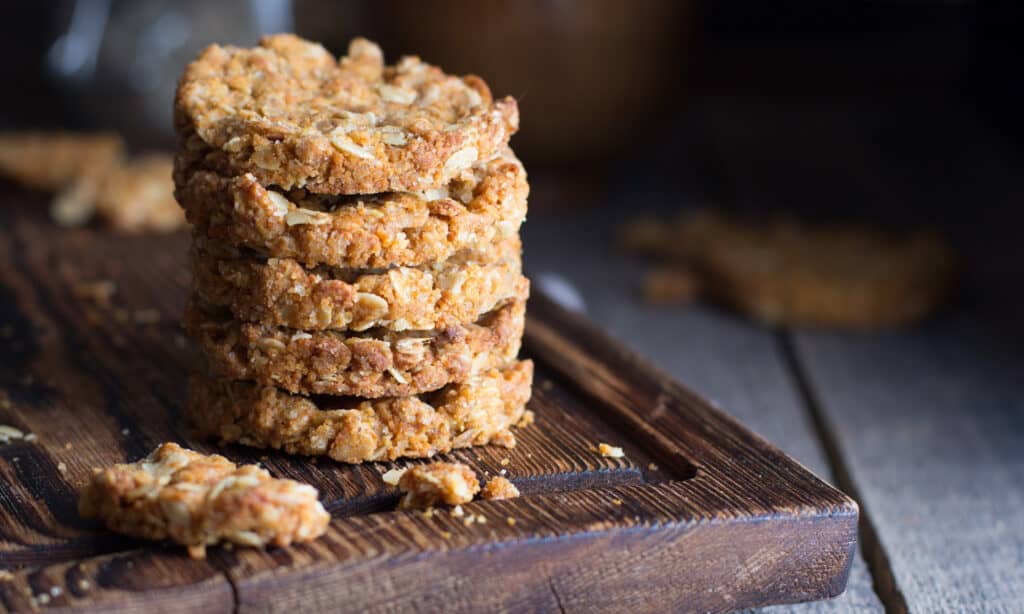
    safe oatmeal cookie recipe for dogs

    Cookies Made for Humans vs. Cookies Made for Dogs

    While cookies might seem like a delicious treat for both humans and dogs, it’s essential to understand the differences between cookies made for humans and those made specifically for dogs. The primary differences lie in the ingredients, nutritional content, and the purpose they serve.

    • Ingredients: Human cookies often contain ingredients that can be harmful or toxic to dogs, such as chocolate, raisins, xylitol, and certain spices. Dog-friendly cookies contain safe ingredients for dogs, such as whole grains, dog-friendly fruits/veggies, and natural sweeteners like honey.
    • Nutritional content: Human cookies are typically high in sugar, fats, and calories, which can contribute to health issues like obesity, dental problems, and diabetes in dogs.
    • Purpose: Human cookies are primarily made for taste and enjoyment, while dog-friendly cookies are designed to serve as treats that can provide some nutritional benefits or support training and positive reinforcement. Dog treats are often made with specific purposes, such as dental chews for dental health, calming treats for anxiety, or high-protein treats for training purposes.
    • Portion sizes: Cookies made for humans are often larger and contain more calories than those made for dogs. Dog-friendly cookies are generally smaller in size, making it easier to control portions and avoid overfeeding.
    • Additives and preservatives: Human cookies may contain artificial additives, preservatives, or colors that are not suitable for dogs. Dog-friendly cookies often use natural ingredients and avoid potentially harmful additives.

    It’s crucial to differentiate between cookies made for humans and those made for dogs. Feeding your dog human cookies can result in health complications due to harmful ingredients and improper nutritional content. Instead, opt for dog-friendly cookies that are formulated with your pet’s well-being in mind, and always consult with your veterinarian if you have concerns about your dog’s diet and treat options.

    Symptoms of Toxicity in Dogs

    Oatmeal cookie toxicity in dogs can occur if they consume cookies containing harmful ingredients, such as chocolate, raisins, xylitol, or certain spices. Each toxic ingredient can cause different symptoms in dogs. Here are some of the symptoms associated with the ingestion of these harmful ingredients:

    1. Chocolate toxicity:
      • Vomiting
      • Diarrhea
      • Rapid breathing
      • Increased heart rate
      • Restlessness
      • Tremors
      • Seizures
      • In severe cases, coma or death
    2. Raisin and grape toxicity:
      • Vomiting
      • Diarrhea
      • Abdominal pain
      • Lethargy
      • Lack of appetite
      • Dehydration
      • Increased urination followed by decreased or no urination (due to kidney failure)
    3. Xylitol poisoning:
      • Vomiting
      • Weakness
      • Lack of coordination
      • Seizures
      • Rapid insulin release leading to hypoglycemia (low blood sugar)
      • In severe cases, liver failure or death
    4. Allergic reactions to certain ingredients or spices:
      • Swelling around the face, mouth, or throat
      • Hives or rash
      • Difficulty breathing
      • Vomiting
      • Diarrhea
      • Itchiness

    If you suspect your dog has consumed an oatmeal cookie containing any of these toxic ingredients, it’s crucial to act quickly. Contact your veterinarian or an emergency animal clinic immediately for advice on how to proceed. In some cases, inducing vomiting may be recommended, but it’s essential to consult a professional before attempting this at home.

    Early intervention is key to preventing serious complications and ensuring your dog’s safety. It’s also important to take preventative measures, such as keeping human foods out of your dog’s reach and providing them with dog-friendly treats made with safe ingredients.

    Solutions for Treating Toxicity in Dogs

    If you suspect your dog has consumed an oatmeal cookie containing toxic ingredients, it’s crucial to seek immediate veterinary care. Your veterinarian will determine the appropriate course of action based on the specific toxic ingredient ingested and the severity of your dog’s symptoms. Here are some possible solutions and treatments for oatmeal cookie toxicity in dogs:

    • Inducing vomiting: In some cases, your veterinarian may recommend inducing vomiting to help expel the toxic substance from your dog’s system. This should only be done under the guidance of a veterinarian, as inducing vomiting inappropriately can cause harm to your dog.
    • Activated charcoal: Your veterinarian may administer activated charcoal, which can help bind to the toxic substance and prevent it from being absorbed into your dog’s bloodstream. This can reduce the severity of the toxic effects.
    • Intravenous (IV) fluids: Administering IV fluids can help to flush toxins from your dog’s system, prevent dehydration, and maintain electrolyte balance, particularly in cases of chocolate or raisin toxicity.
    • Medications: Depending on the symptoms and toxic ingredients, your veterinarian may prescribe medications to help manage your dog’s condition. These may include anti-seizure medications, anti-nausea medications, or medications to protect the liver in cases of xylitol poisoning.
    • Monitoring: In severe cases or with life-threatening symptoms, hospitalization may be recommended. Your vet will provide monitoring and supportive care.
    • Supportive care: Providing supportive care, such as maintaining a comfortable environment, encouraging hydration, and offering a bland diet, can help your dog recover from the effects of oatmeal cookie toxicity.

    Prevention is key to ensuring your dog’s safety. Be sure to keep human foods out of your dog’s reach, educate family members and guests about the dangers of feeding your dog harmful foods, and provide your dog with dog-friendly treats made with safe ingredients.

    cute dog having dog safe oatmeal cookie treat

    Conclusion

    In conclusion, while oatmeal cookies may seem like a tempting treat to share with your canine companion, it’s essential to be aware of the potential risks associated with feeding them human cookies. Ingredients commonly found in oatmeal cookies, such as chocolate, raisins, xylitol, and certain spices, can be toxic to dogs and lead to severe health complications. Instead of sharing human cookies with your pet, opt for dog-friendly treats made with safe ingredients that cater to their specific dietary needs.

    If you suspect your dog has consumed a toxic oatmeal cookie, it’s crucial to seek immediate veterinary care for appropriate treatment and monitoring. Prevention is key to ensuring your dog’s safety and well-being. Educate yourself and others about the potential dangers of feeding dogs human foods and always consult with your veterinarian if you have concerns about your dog’s diet and treat options. By making informed decisions about your dog’s treats, you can help keep them healthy and happy for years to come.

    ~Sheena

    Sailer, C. (2017, June 6). Can My Dog Eat Oatmeal Cookies? The Dog People by Rover.com. https://www.rover.com/blog/can-dog-eat-oatmeal-cookies/

    A note about your dog’s health

    This article provides general education and does not replace an examination, diagnosis, or individualized advice from your veterinarian. Contact a veterinary professional if you are concerned about your dog’s symptoms.

    Sheena Keliher Avatar

    ABOUT THE AUTHOR

  • Can Dogs Eat Jasmine Rice? Safe Or Dangerous? Rice Types That Dogs Can Have

    Can Dogs Eat Jasmine Rice? Safe Or Dangerous? Rice Types That Dogs Can Have

    Medically Reviewed by: Dr. Candy Akers, DVM

    If you’re a dog owner, you may have wondered about incorporating human foods into your furry friend’s diet. One of the popular questions is whether dogs can eat rice, particularly Jasmine Rice. While rice is often a staple in many cuisines worldwide, it’s essential to know whether it’s safe or dangerous for your canine companion. In general, the answer is yes! Dogs can eat Jasmine Rice in moderation. In this comprehensive guide, we’ll explore the benefits and risks of feeding your dog Jasmine Rice, as well as other types of rice that are safe for them. We’ll also discuss the spices commonly added to Jasmine Rice, the nutrients it provides, and whether it’s suitable for puppies, adult dogs, and sick dogs. So, read on to find out everything you need to know about feeding rice to your furry friend!

    can dogs eat jasmine rice

    Can Puppies Eat Jasmine Rice?

    When it comes to feeding puppies, it’s crucial to ensure that their diet meets their unique nutritional needs. Jasmine Rice can be a healthy addition to your puppy’s diet if introduced correctly. Puppies have sensitive digestive systems and may not tolerate large amounts of certain foods, including rice.

    That said, Jasmine Rice is generally considered safe for puppies to eat, provided it’s cooked and served plain without any spices or additives. Additionally, you should introduce rice to your puppy’s diet gradually and in small portions to avoid upsetting their stomachs.

    It’s also worth noting that while rice is a good source of carbohydrates, it should not be the only source of nutrition for your puppy. Feed your puppy a balanced mix of protein, fat, and essential nutrients for their growth and development.

    Overall, feeding Jasmine Rice to your puppy can be a healthy addition to their diet when done correctly. If you’re unsure about feeding rice to your puppy, consult with your veterinarian to determine the best course of action.

    Can Adult Dogs Eat Jasmine Rice?

    Adult dogs can safely consume Jasmine Rice in moderation as part of a balanced diet. As a source of carbohydrates, rice can provide energy for your dog’s activities, making it a healthy addition to their diet.

    However, it’s essential to note that not all adult dogs can tolerate rice. Some dogs may be allergic to rice or may have a sensitive digestive system, making it difficult for them to digest. In such cases, it’s best to avoid feeding rice to your dog or consult with your veterinarian before doing so.

    Additionally, Jasmine Rice should be served plain, without any spices or additives, as many spices can be harmful to dogs. Dogs should also not be fed with leftover rice that has been seasoned or mixed with other ingredients like onions or garlic, which are toxic to dogs.

    When feeding your dog Jasmine Rice, it’s crucial to introduce it gradually and in small amounts to avoid upsetting their stomach. Make sure to provide your dog with balanced nutrients, including protein and fat, for optimal health.

    Jasmine Rice can be a healthy addition to an adult dog’s diet when introduced correctly and served in moderation. As with any new food, it’s crucial to observe your dog’s reactions and consult with your veterinarian if you have any concerns.

    jasmine rice: is it good for my dog

    Is Jasmine Rice Good for Sick Dogs?

    Jasmine Rice can be beneficial for sick dogs, especially those experiencing digestive issues like diarrhea or vomiting. As a bland, low-fiber food, Jasmine Rice can help soothe your dog’s stomach and promote normal bowel movements.

    When feeding Jasmine Rice to sick dogs, it’s essential to serve it plain, without any spices or additives that can irritate their digestive system. Make sure to include protein and fat in their diet for overall health and wellbeing.

    It’s important to note that Jasmine Rice should not be the sole treatment for sick dogs and should only be used in combination with veterinary treatment. In cases of severe illness, it’s crucial to seek veterinary care immediately.

    If your dog has a chronic illness or digestive issues, consult with your veterinarian before introducing Jasmine Rice to their diet to determine the best course of action. Jasmine Rice can be a helpful addition to a sick dog’s diet, but it should only be used as part of a comprehensive veterinary treatment plan.

    Does Jasmine Rice Help Dogs with Diarrhea?

    Yes, Jasmine Rice can help dogs with diarrhea!

    When a dog has diarrhea, their digestive system is irritated and inflamed, and it’s crucial to feed them foods that are easy to digest and gentle on their stomach. Jasmine Rice is a bland, low-fiber food that can help soothe your dog’s digestive system and promote normal bowel movements.

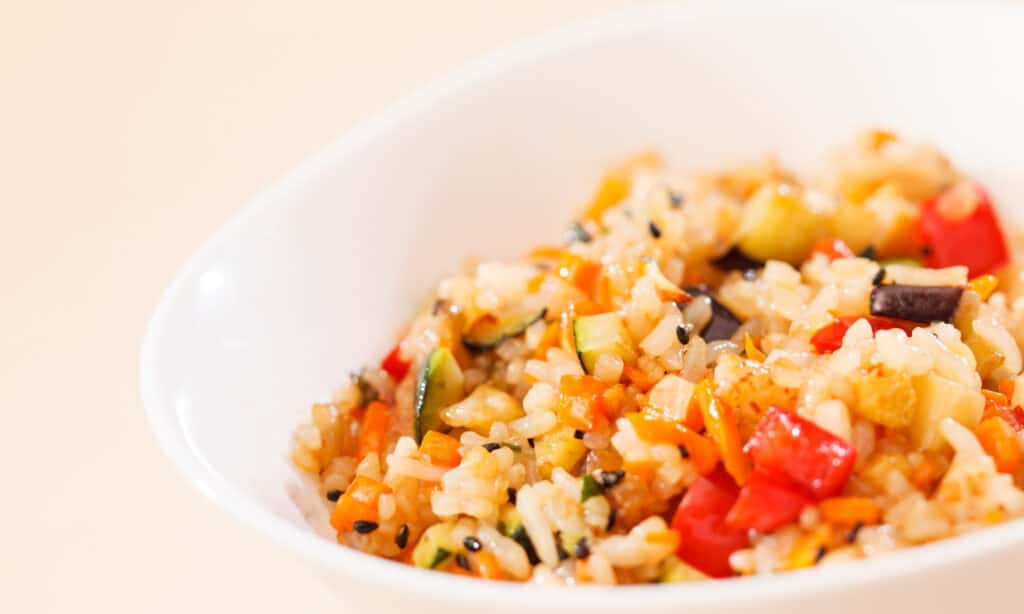
    The high starch content in Jasmine Rice can also help bind loose stools and reduce the frequency and severity of diarrhea. Serve plain cooked rice to prevent digestive issues in dogs; avoid spices and additives.

    Additionally, you can mix boiled chicken or boiled lean meat with the rice to provide some protein, as long as the meat is cooked and plain. Feed your dog frequent small meals of rice and meat to ease diarrhea and prevent dehydration.

    It’s important to note that while Jasmine Rice can help ease diarrhea, it should not be the sole treatment for your dog’s condition. If your dog has severe or persistent diarrhea, it’s crucial to seek veterinary care to determine the underlying cause and appropriate treatment.

    will jasmine rice help my dog's diarrhea

    Spices Commonly Added to Jasmine Rice

    Jasmine Rice is often served with various spices and seasonings to enhance its flavor and aroma. However, many of these spices can be harmful to dogs and should be avoided when feeding them Jasmine Rice.

    Spices like onion and garlic are particularly toxic to dogs and can cause serious health issues, including anemia and gastrointestinal problems. Other spices like cumin, chili powder, and paprika can also be harmful to dogs, causing digestive issues, respiratory problems, and even kidney failure in severe cases.

    It’s crucial to serve Jasmine Rice plain, without any spices or additives that can be harmful to your dog’s health. If you want to add some flavor to your dog’s rice, consider adding plain, cooked lean meat like boiled chicken or turkey.

    It’s important to note that while some spices may be safe for dogs, it’s best to consult with your veterinarian before introducing them to your dog’s diet. Additionally, always monitor your dog’s reactions and discontinue any foods that cause adverse effects.

    Nutrients in Jasmine Rice

    Jasmine Rice is a great source of carbohydrates that can provide your furry friend with energy for their daily activities. Not only is it low in fat and cholesterol-free, but it also contains essential vitamins and minerals like thiamin, niacin, and magnesium that help support your dog’s overall health and wellbeing.

    Thiamin, which is vitamin B1, plays a role in your dog’s nervous system and metabolism. Niacin, which is vitamin B3, helps keep their skin healthy and promotes normal digestion. Magnesium, on the other hand, is an essential mineral that helps maintain strong bones, muscles, and immune function.

    It’s essential to remember that Jasmine Rice should not be the only source of nutrition in your dog’s diet. A well-balanced diet should consist of various foods that provide them with the right amount of protein, fat, and other vital nutrients.

    can i give my dog jasmine rice

    Is All Rice Safe for Dogs?

    When it comes to feeding rice to dogs, not all types of rice are safe. Jasmine Rice is safe, but some rice types can be harmful and should be avoided for dogs.

    For example, wild rice and brown rice contain high levels of arsenic, a toxic substance that can cause cancer, skin lesions, and other health issues in dogs. Black and red rice may contain antioxidants that are healthy for humans but harmful to dogs.

    When feeding your dog rice, it’s crucial to choose plain, white rice that is cooked correctly and served without any additives or spices. Rice should also be served in moderation and should not make up the majority of your dog’s diet.

    It’s also essential to note that rice should not be the only source of nutrition in your dog’s diet. Dogs need protein, fat, and essential nutrients for overall health and wellbeing.

    Types of Rice for Dogs

    Type of RiceDescription
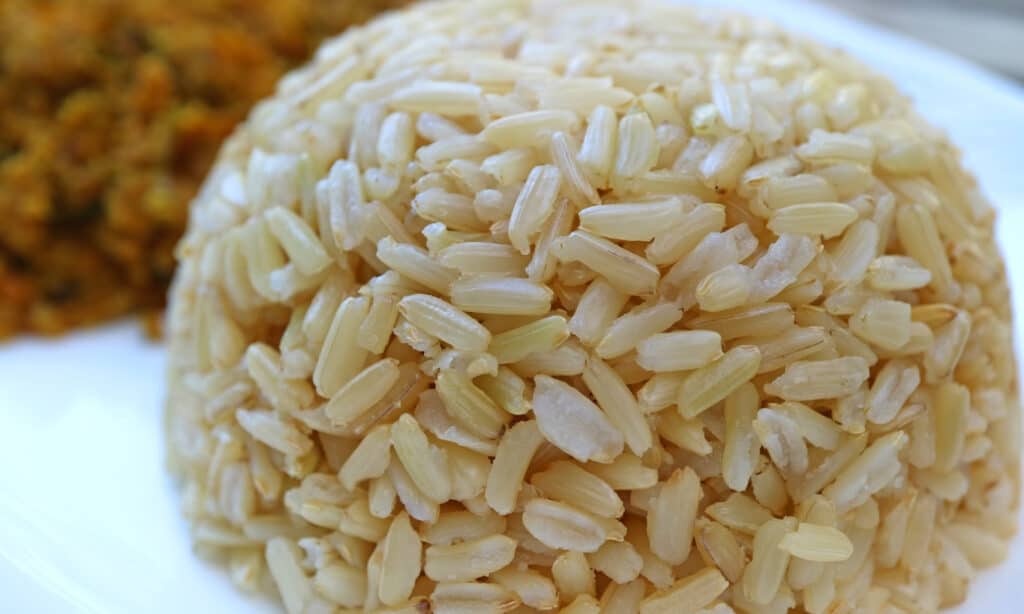
    Brown RiceWhole grain rice that is high in fiber and nutrients, including manganese and selenium. It’s a great source of carbohydrates and can help regulate blood sugar levels.
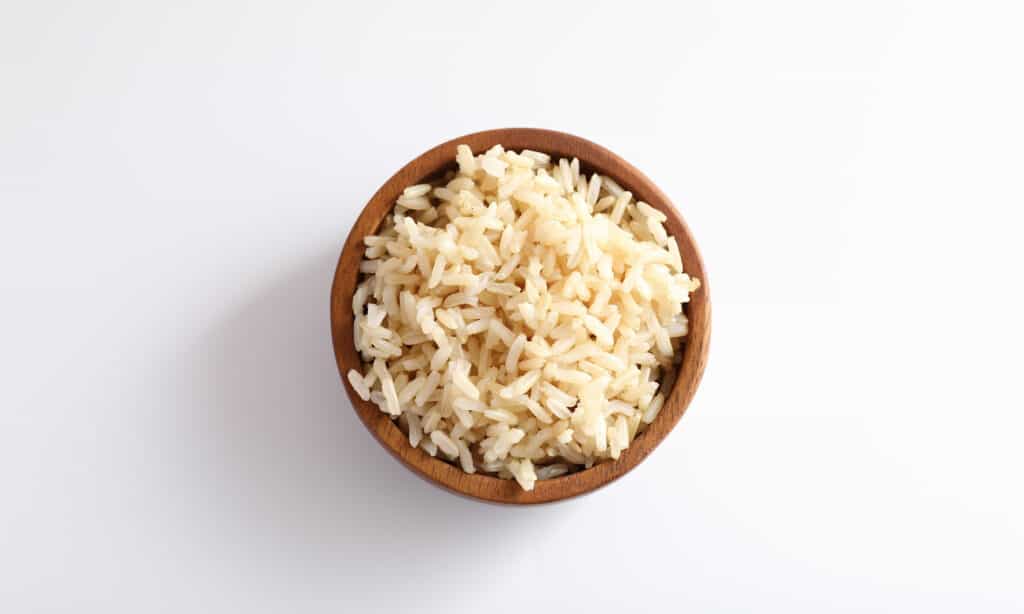
    White RiceRefined rice that has had the bran and germ removed, resulting in a lower fiber content. It’s still a good source of carbohydrates and can be easily digestible for dogs with sensitive stomachs.
    Basmati RiceA long-grain rice that is low in fat and high in carbohydrates. It has a unique flavor and aroma that some dogs may enjoy.
    Jasmine RiceAnother long-grain rice with a delicate flavor and aroma. It’s a good source of carbohydrates and can be easily digestible for dogs.
    Wild RiceNot actually a type of rice, but a seed from a type of grass. It’s high in fiber, protein, and minerals, and can provide some variety to a dog’s diet.
    can my dog eat jasmine rice

    Can Dogs Eat Jasmine Rice: Verdict and Final Thoughts

    In conclusion, feeding rice to dogs can be a healthy addition to their diet, but it’s important to choose the right type of rice and serve it correctly. While white rice is the most commonly recommended type for dogs, brown, Jasmine, and Basmati Rice are also safe options in moderation. Wild, black, and red rice should be avoided as they can be harmful to dogs.

    When serving rice to your furry friend, ensure that it’s plain, cooked, and served without any spices or additives. Rice should only make up a small portion of your dog’s diet, and it should not be the sole source of nutrition.

    Remember, consulting with your veterinarian can help determine the best diet plan for your dog based on their individual needs and health status. Choose the right rice, feed in moderation for a healthy and nutritious diet that supports dog’s health.

    Anastasio, A. (2022, August 8). Can Dogs Eat Rice? American Kennel Club; American Kennel Club. https://www.akc.org/expert-advice/advice/can-dogs-eat-rice/

    ~Sheena

    A note about your dog’s health

    This article provides general education and does not replace an examination, diagnosis, or individualized advice from your veterinarian. Contact a veterinary professional if you are concerned about your dog’s symptoms.

    Sheena Keliher Avatar

    ABOUT THE AUTHOR

  • Can Dogs Eat Granola? Is It Safe To Share?

    Can Dogs Eat Granola? Is It Safe To Share?

    Granola is a popular snack amongst humans, often touted as a healthy option to munch on throughout the day. However, as dog owners, we must be mindful of what we feed our furry friends. We may be tempted to share our granola with our dogs, but is it safe for them to eat? The short answer is yes! Dogs can eat granola in moderation as long as it doesn’t include certain dangerous ingredients.

    can dogs have granola

    It’s crucial for dog owners to be aware of what foods are safe for their pets to consume. While dogs can tolerate some human foods, others can cause severe health problems.

    Some foods that are harmless to humans can even be toxic to dogs. Therefore, it’s important always to check with a veterinarian before feeding any new food or treat.

    As pet owners, it’s natural for us to want to share everything with our loyal companions. Still, sometimes it’s better not to take risks when it comes down to their health and well-being.

    Defining Granola

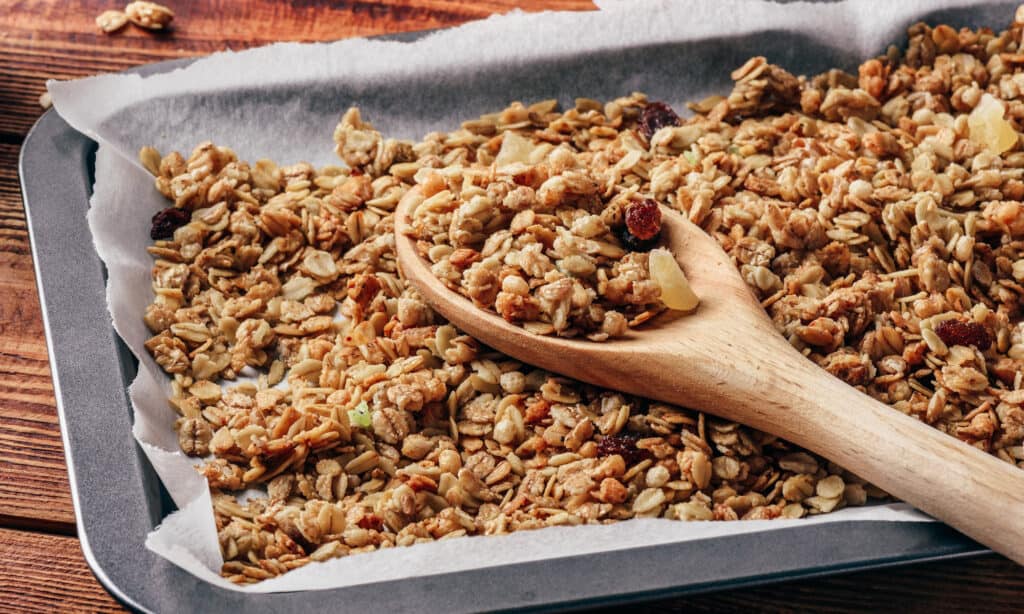
    Granola is typically made up of rolled oats mixed with various ingredients such as nuts and seeds or sweeteners like honey or maple syrup. It’s baked until crispy and then commonly served as a snack or breakfast cereal mixed in yogurt or milk. While granola may sound healthy because of its oats and other nutrient-dense ingredients like nuts and seeds, most store-bought granolas also contain high amounts of sugar and fat from added oils used in the baking process.

    is granola safe for dogs

    Is Granola Safe for Dogs?

    Unfortunately, granola isn’t an ideal food choice when it comes down to feeding your furry friend. While some ingredients found in granola such as oats are beneficial for dogs’ diets in small portions, many other components make this snack unsuitable.

    For instance, many store-bought granolas contain added sugars that can lead to obesity and other health problems. Additionally, some granolas contain raisins, which are toxic to dogs and can cause kidney failure.

    The Risks of Feeding Dogs Granola

    One of the most significant risks associated with feeding dogs granola is that it can cause gastrointestinal issues. The high fiber content in granola can be tough for dogs to digest, leading to stomach upset, diarrhea, or vomiting.

    Moreover, some store-bought granolas may contain artificial sweeteners like xylitol that are incredibly harmful to dogs. Xylitol ingestion can lead to a sudden drop in blood sugar levels and potentially result in seizures or liver failure.

    It’s always best to stick with dog-approved foods when feeding your pet. While granola may be tempting as a human snack option, it’s not worth putting your furry friend’s health at risk.

    can my dogs eat granola

    The Basics of Granola

    Granola is a popular snack that is often consumed by humans who are looking for a simple, healthy option to keep them satisfied and energized throughout the day. This tasty snack was first created in the late 1800s by Dr. James Caleb Jackson, who was looking for an easy way to feed his patients at his health spa in New York.

    The basic ingredients of granola include rolled oats, nuts, seeds, and dried fruit. However, there are many variations when it comes to granola recipes, so you may find additional ingredients such as honey or maple syrup added for extra sweetness.

    Common Ingredients Found in Granola

    While the main ingredients of granola are typically oats, nuts, seeds and dried fruit as mentioned earlier there are many different variations of granola that you might come across. Almonds, pecans or walnuts are some common nuts used in granola which add a crunchy texture along with healthy fats and proteins.

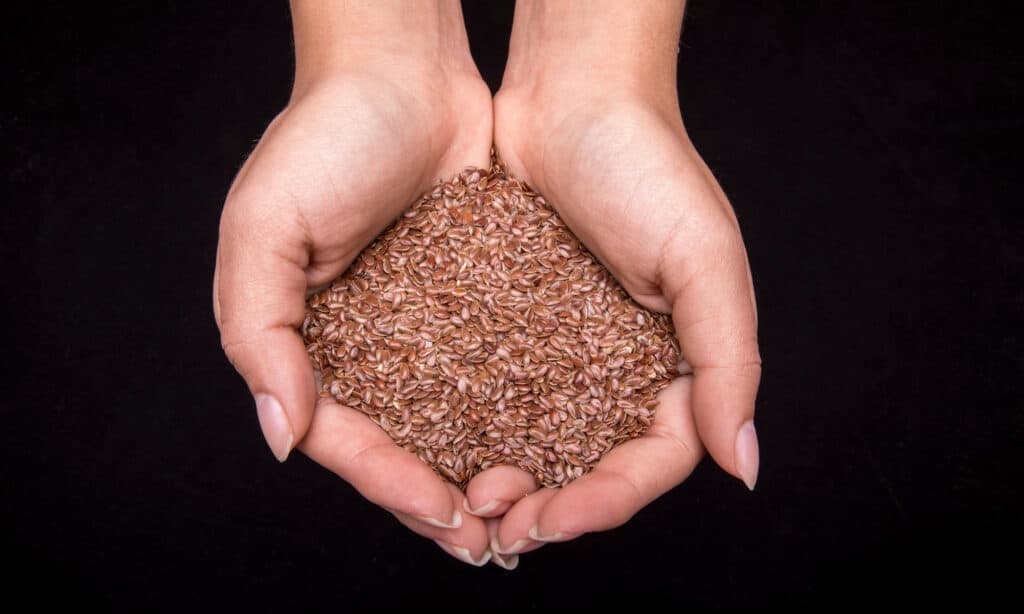
    Seeds like flaxseed or chia seeds often appear in granolas providing an excellent source of fiber and omega-3 fatty acids. Dried fruit is another common ingredient found in granolas like raisins or cranberries providing natural sweetness along with vitamins and minerals.

    Why Granola is Often Considered Healthy

    Granola is often considered a healthy snack due to its high nutritional value. The oats found in most granolas provide complex carbohydrates that can help fuel your body throughout the day while also providing important nutrients like fiber and protein.

    Additionally, nuts and seeds found within most recipes provide healthy fats that can help improve brain function along with protein necessary for various body functions such as muscle building and repair. adding dried fruit gives natural sweetness without any processed sugar which provides important vitamins and minerals giving sustained energy necessary for daily activities.

    It’s easy to see why granola has become a popular snack choice for many people. With its simplicity, high nutritional value and versatility it’s no wonder many people enjoy this snack on a daily basis.

    can my dog eat granola

    Can Dogs Eat Granola?

    Is it Safe for Dogs to Consume Granola?

    Granola is a snack that is typically made up of rolled oats, nuts, dried fruits, and sometimes honey or other sweeteners. While some of these ingredients can be healthy for dogs in moderation, granola itself is not an ideal snack for your furry friend. Granola often contains sugar and other sweeteners which are not good for dogs since they can upset their digestive system and cause weight gain.

    In addition to the high levels of sugar found in granola, it may also contain raisins or chocolate chips which can be toxic to dogs. Raisins contain a toxin that can lead to kidney failure and chocolate contains theobromine which can cause vomiting, diarrhea, and even death in severe cases.

    Potential Risks Associated with Feeding Dogs Granola

    Feeding your dog too much granola or any other human food can lead to digestive problems such as vomiting or diarrhea. Furthermore, the high-calorie content of granola means that it should only be given in small amounts as an occasional treat.

    Overfeeding your dog with any type of food can lead to weight gain which predisposes them to numerous health problems such as diabetes, heart disease, arthritis and others. Another potential risk associated with feeding dogs granola is choking or intestinal blockage due to the hard texture of some of its ingredients.

    Constipation may also occur if too much fiber is consumed by your dog. If you still want to give your dog some granola occasionally or as part of their diet you should first check with a veterinarian who will help determine whether this treat would be appropriate for your furry friend’s dietary needs.

    While small amounts of plain oatmeal may occasionally be given safely as a treat for dogs that have no known food allergies, granola is not a recommended snack for dogs. Feeding your furry friend human snacks such as granola can potentially cause health complications like obesity, diabetes and heart disease. So, it is best to stick with dog-friendly snacks when rewarding your pet’s good behavior or simply showing them love.

    can i feed my dogs granola when we go camping

    Health Benefits of Granola for Dogs

    Not All Granola is Created Equal

    Before discussing the potential health benefits of feeding granola to dogs, it is important to note that not all types of granola are created equal. Many store-bought granolas contain high levels of sugar, salt and other additives that can be harmful to your pet’s health. It is important to carefully read the nutritional labels before purchasing any type of granola for your dog.

    A Source of Fiber

    One potential benefit of feeding small amounts of plain, unsweetened granola to dogs is its fiber content. Fiber helps promote healthy digestion and can help prevent constipation in dogs. If you choose to feed your dog small amounts of granola on occasion, be sure to monitor their bowel movements and make sure they do not experience any adverse effects.

    A Protein Boost

    Many types of granolas contain nuts and seeds which are a good source of protein for dogs. Protein is essential for maintaining healthy muscles and tissue growth in canines. If you are looking for an added protein boost in your dog’s diet, plain nut-based granolas can be a healthy addition when fed in moderation.

    Vitamins & Minerals

    Some types of fruits or berries are often found in granolas such as raisins or cranberries that may offer some nutritional value for dogs due to their vitamin C content. However, it’s important to remember that some fruits may be toxic or harmful to your dog such as grapes or chocolate-covered raisins so always check with your vet before introducing new foods.

    Moderation is Key!

    Feeding too much human food, including granola, can lead to digestive issues such as vomiting and diarrhea in dogs. It’s important when feeding any human food item (not just pet food) to pets that it is done in moderation. When feeding granola to your dog, start with small amounts and monitor their reaction.

    If they seem to tolerate it well, you can continue to offer it as an occasional treat. If you want to feed your dog granola every now and then, choose a plain and unsweetened variety that is free from harmful additives.

    Remember that moderation is key when feeding any human food item to dogs, including granola. If you are unsure about the nutritional content of any human food item or how much to feed your dog, always consult with a veterinarian first for professional advice on nutrition and safe feeding practices.

    Alternatives to Granola for Dogs

    Safe and Healthy Snack Options for Your Furry Friend

    While granola may not be the best snack option for your dog, there are plenty of alternatives that are safe and healthy. When choosing snacks for your pup, it’s important to keep in mind their nutritional needs and any dietary restrictions they may have. Here are some dog-friendly snack options that will keep tails wagging:

    • Fruits and Vegetables – Fruits and veggies are a great snack option for dogs because they are low in calories and high in nutrients. Some tasty options include sliced apples (without seeds), baby carrots, green beans, bananas, blueberries, and watermelon. Just be sure to remove any seeds or pits that could be harmful to your pup.
    • Peanut Butter Treats – Most dogs love peanut butter, so why not use it to make some homemade treats? You can make simple peanut butter balls by mixing together peanut butter and rolled oats. For an extra special treat, try making frozen peanut butter cups by filling a muffin tin with melted peanut butter and freezing until hard.
    • Bone Broth Ice Cubes – Bone broth is a great source of vitamins, minerals, and collagen for dogs. To make bone broth ice cubes, simply simmer chicken or beef bones in water with some carrots, celery, garlic, and herbs until the broth is rich in flavor.
    • Dog-Friendly Baked Goods – If you love baking, why not whip up some dog-friendly treats? There are plenty of recipes online that use ingredients like pumpkin puree or sweet potato as the base. Just be sure to avoid using any ingredients that could be harmful to your pup such as chocolate or xylitol.
    • Rawhide Alternatives – If your dog loves to chew, there are plenty of safe alternatives to rawhide. You can try giving them a bully stick, an antler, or a Kong toy filled with peanut butter.
    can dog eat granola

    Making Your Own Dog-Friendly Snacks at Home

    One of the best things about making your own dog-friendly snacks is that you know exactly what goes into them. You can avoid any harmful additives or preservatives and tailor the ingredients to your pup’s taste preferences. Here are some simple recipes for homemade dog snacks:

    Pumpkin Peanut Butter Treats

    Ingredients:

    • 1 cup canned pumpkin puree
    • ½ cup natural peanut butter (no added sugar or salt)
    • 1 egg
    • 2 cups whole wheat flour

    Instructions:

    1. Preheat oven to 350 degrees F.
    2. In a large mixing bowl, combine pumpkin puree, peanut butter, and egg.
    3. Gradually stir in the whole wheat flour until a dough forms.
    4. Roll out the dough on a floured surface and cut into desired shapes.
    5. Place on a baking sheet lined with parchment paper and bake for 20-25 minutes or until golden brown.

    Banana Blueberry Bites

    Ingredients:

    • 1 ripe banana
    • ½ cup blueberries
    • 1 cup rolled oats

    Instructions:

    1. Preheat oven to 350 degrees F.
    2. In a blender or food processor, blend together banana and blueberries until smooth.
    3. Add rolled oats and pulse until combined.
    4. Scoop tablespoon-sized portions onto a baking sheet lined with parchment paper.
    5. Bake for approximately 10 minutes or until firm.

    Beef Jerky Strips

    Ingredients:

    • 1 lb. lean beef
    • ¼ cup soy sauce
    • 1 tsp. garlic powder

    Instructions:

    1. Preheat oven to 200 degrees F.
    2. Slice the beef into thin strips.
    3. In a mixing bowl, combine soy sauce and garlic powder.
    4. Dip each strip of beef into the mixture and place on a baking sheet lined with parchment paper.
    5. Bake for approximately 2 hours or until jerky is dry and chewy.

    Feeding your dog healthy snacks doesn’t have to be complicated or expensive.

    With a little bit of creativity, you can make delicious treats that will keep your furry friend happy and healthy. Always consult with your vet before introducing new foods into your dog’s diet, especially if they have any health issues or allergies.

    Conclusion

    After reading this article, you may be wondering if it’s safe to give your dog some granola. While granola is a favorite snack for many humans, it’s important to remember that not all human foods are safe for dogs.

    While these ingredients can provide some nutritional benefits for dogs, they can also pose health risks. In the second section of this article, we explored whether or not dogs can eat granola.

    While some types of granola may be safe for dogs to eat in small amounts as an occasional treat, others are best avoided altogether. Dogs have different dietary requirements than humans and their digestive systems may not be able to process certain ingredients found in granola.

    While it may be tempting to share your favorite snacks with your furry friend, it’s important to remember that not all human foods are safe for dogs. Granola contains several ingredients that can pose health risks or cause digestive upset in our canine companions.

    In general, it’s always a good idea to stick with dog-friendly snacks that are specifically designed for our four-legged friends. With so many safe and healthy treat options available, there’s no need to take unnecessary risks with our dogs’ health and well-being.

    ~Lindsie

    A note about your dog’s health

    This article provides general education and does not replace an examination, diagnosis, or individualized advice from your veterinarian. Contact a veterinary professional if you are concerned about your dog’s symptoms.

    Lindsie Parks B.S., CRDNS Avatar

    ABOUT THE AUTHOR

  • Is Bird Seed Bad For Dogs? – Symptoms, Solutions & FAQs

    Is Bird Seed Bad For Dogs? – Symptoms, Solutions & FAQs

    Medically Reviewed by: Dr. Candy Akers, DVM

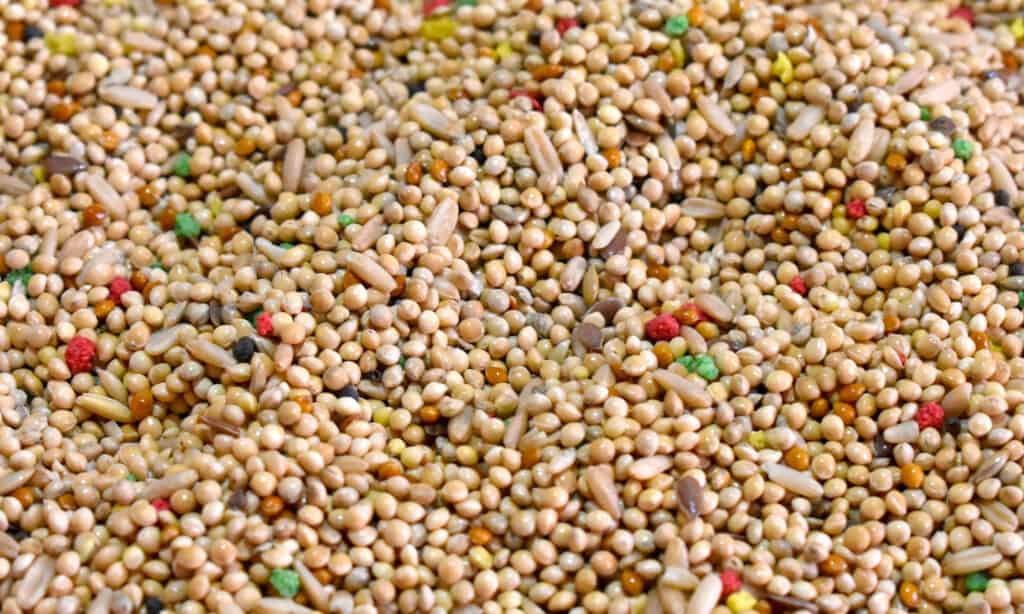
    As a dog owner, you want to keep your furry friend healthy and safe from harm. But what if your dog eats something they shouldn’t, like birdseed? Is bird seed bad for dogs and what to do if their furry friend gets into a stash of seeds? While bird seed is not inherently toxic to dogs, it can pose some health risks if ingested in large quantities or if it is contaminated with mold or bacteria. In this blog, we will answer the question “Can dogs eat bird seed?” We will explore the potential dangers of bird seed for dogs, the symptoms to watch for, and what to do if your dog eats some. We’ll also learn how to keep your dog safe and healthy around bird feeders in this article.

    can dogs eat bird seed

    Do Dogs Commonly Eat Bird Seed?

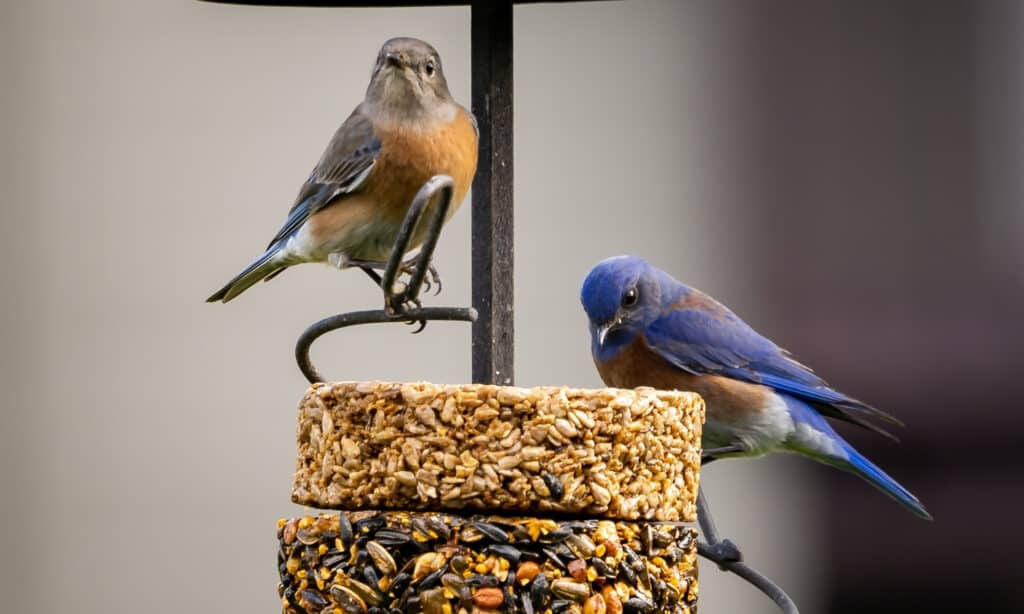
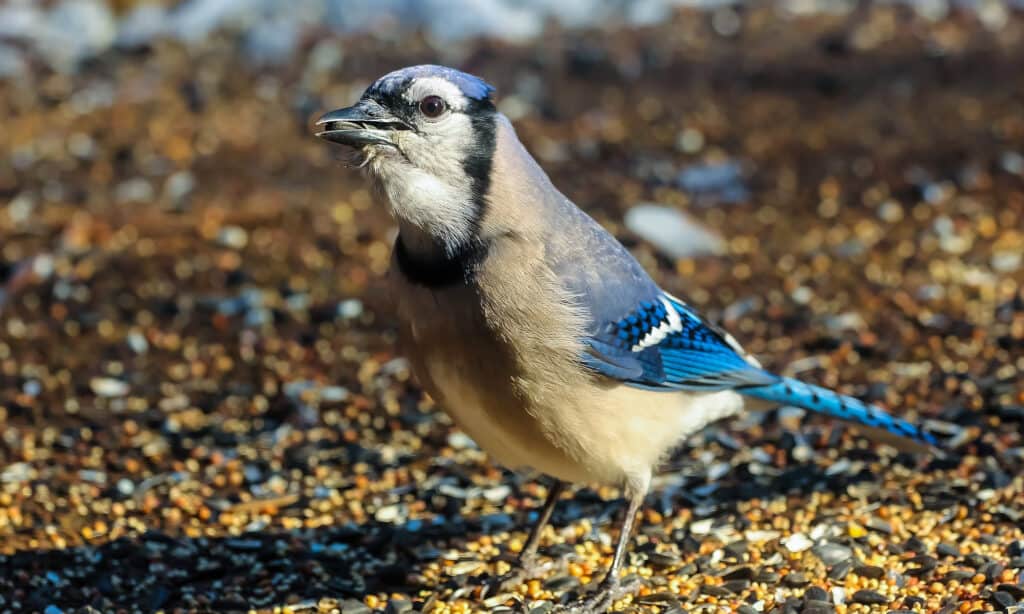
    It’s not uncommon for dogs to eat bird seed, especially if they have access to bird feeders or outdoor areas where wild birds congregate. Dogs may be attracted to the smell and taste of the seeds, or they may simply be curious and want to investigate the source of the food. Additionally, dogs may inadvertently ingest bird seed that has fallen onto the ground or onto catch trays under the feeders. Pet owners who enjoy feeding wild birds may also inadvertently contribute to the problem by offering seeds that are palatable to dogs, such as sunflower seeds or millet. Monitor your dog’s bird seed intake and prevent excessive consumption, although small amounts are usually harmless.

    Reasons Why Dogs May Eat Bird Seed

    Dogs may eat birdseed for a variety of reasons. One reason is simply curiosity – dogs are known for investigating their environment and may be drawn to the new and interesting sights and smells of bird feeders. Additionally, some dogs may be attracted to the taste and texture of certain types of bird seeds, such as sunflower seeds, nuts, or millet. These seeds are high in fat and protein, which can make them appealing to dogs. Dogs may also eat birdseed as a result of scavenging behaviors or because they are hungry and seeking additional sources of food.

    In some cases, dogs may have a nutritional deficiency or other health issues that leads them to seek out non-standard food sources, such as bird seed. Monitor your dog’s bird seed intake to prevent overconsumption and potential health issues.

    Can dogs eat bird seed? The answer may surprise you

    Possible Sources of Bird Seed for Dogs

    Bird seed can be found in many outdoor locations where wild birds gather, such as bird feeders, parks, and natural areas. Pet owners who enjoy feeding wild birds may also have bird seed in their yards or on their decks. In addition to these sources, bird seed can also be found in commercial dog foods or treats. Some dog food manufacturers include bird seed or other grains in their formulations as a source of carbohydrates or fiber. Look for ingredients such as millet and sorghum in dog foods.

    If your dog has access to bird feeders or other sources of seed, it’s important to take steps to prevent them from consuming large quantities that could lead to health problems. Move bird feeders away from your dog, use catch trays/screens to prevent seeds from falling, and clean up old seeds regularly.

    What Could Be Bad About Your Dog Eating Bird Seed?

    While bird seed is not inherently toxic to dogs, it can pose several health risks if ingested in large quantities or if it is contaminated with mold or bacteria. Some of the dangers of birdseed for dogs include:

    • Mold: Bird seed can become moldy if it is not stored properly or if it is exposed to moisture. Moldy seeds can produce toxins that can cause serious health issues in dogs, including vomiting, diarrhea, seizures, and even death.
    • Bacteria: Bird seed can also harbor harmful bacteria such as Salmonella, which can cause gastrointestinal issues in dogs.
    • Blockage/Obstruction: Bird seed can cause digestive blockages in dogs if ingested in large amounts. This can lead to vomiting, diarrhea, lethargy, and other serious health issues that require medical attention.
    • Bloating: Some types of seeds, particularly those that are high in fat and fiber, can cause bloating in dogs. This can be uncomfortable and can lead to more serious health issues if left untreated.
    • Ingesting Dirt and Parasites: Bird seed can contain contaminants that dogs may ingest if they eat it, including dirt and other substances. This can lead to the ingestion of parasites or other harmful substances.

    Overall, while bird seed may seem like a harmless snack for dogs, it’s important to monitor their intake and to take steps to prevent them from consuming large quantities or contaminated seed that could lead to health problems.

    Health Risks Associated with Bird Seed

    While bird seed may not be toxic to dogs, it can pose several health risks if ingested in large quantities or if it is contaminated with mold or bacteria. Some of the health risks associated with birdseed for dogs include:

    • Gastrointestinal issues: Eating large amounts of bird seed can cause gastrointestinal upset in dogs, including vomiting, diarrhea, and abdominal pain. These symptoms can be mild to severe, depending on the quantity of seed ingested.
    • Neurological symptoms: Moldy bird seed can produce toxins that can affect a dog’s nervous system. These toxins can cause symptoms such as tremors, seizures, and disorientation.
    • Respiratory issues: Bird seed dust can cause respiratory issues in dogs, especially those with pre-existing respiratory problems.
    • Blockage/obstruction: As previously mentioned, eating large quantities of bird seed can cause blockages or obstructions in a dog’s digestive tract. This can be a serious health issue that requires veterinary attention.
    • Bloating: Some types of bird seed, particularly those that are high in fat and fiber, can cause bloating in dogs. This can be uncomfortable and can lead to more serious health issues if left untreated.

    It’s important to note that the severity of these health risks can vary depending on the type and quantity of bird seed consumed, as well as the individual dog’s health and tolerance. Get veterinary help right away if your dog eats a lot of bird seed or shows signs of illness afterward.

    Bird seed toxicity in dogs: What every pet owner should know

    Dangers of Ingesting Dirt and Parasites

    In addition to the health risks associated with the bird seed itself, there are also potential dangers associated with the dirt and other contaminants that may be present in the seed. Birds often ingest dirt and other debris along with the seeds, and dogs that eat bird seed may also ingest these substances. This can lead to the ingestion of parasites or other harmful substances.

    Eating birdseed mixed with dirt can expose dogs to harmful substances like pesticides or fertilizers.

    It’s important to take precautions to prevent your dog from ingesting dirt or other contaminants along with the bird seed. This may include cleaning up spilled seed regularly, moving bird feeders to areas where your dog cannot access them, or using screens or catch trays to prevent seed from falling to the ground.

    Symptoms to Watch for in Dogs that Ate Bird Seed

    If your dog has ingested bird seed, it’s important to monitor them for any symptoms of illness. While most dogs may not show any adverse effects from eating small amounts of bird seed, others may experience symptoms that indicate a more serious health issue. As highlighted above, some of the symptoms to watch for in dogs that have eaten bird seed include:

    • Gastrointestinal issues
    • Neurological symptoms
    • Respiratory issues
    • Blockage/obstruction
    • Bloating

    The severity of the symptoms can vary depending on the amount and type of seed ingested, as well as your dog’s individual health and tolerance. Early intervention can help prevent more serious health issues and ensure that your dog receives the care they need.

    Some bird seed formulas are palatable to dogs

    When to Take Your Dog to the Vet for Eating Bird Seed

    If your dog has eaten bird seed and is exhibiting symptoms of illness, it’s important to seek veterinary attention immediately. Even small amounts of contaminated or moldy bird seed can cause serious health issues in dogs, and early intervention can help prevent more serious complications.

    Some signs that may indicate your dog needs veterinary attention after eating bird seed include:

    1. Vomiting or diarrhea that lasts longer than 24 hours
    2. Refusal to eat or drink
    3. Lethargy or weakness
    4. Abdominal pain or distension
    5. Difficulty breathing
    6. Seizures or other neurological symptoms

    If your dog has ingested a large amount of bird seed, or if they are exhibiting any of these symptoms, it’s important to seek veterinary attention as soon as possible. Your veterinarian can perform a physical exam and may recommend diagnostic tests such as blood work or imaging to determine the underlying cause of your dog’s symptoms. Treatment may include medication, fluid therapy, and supportive care to address symptoms and help your dog recover from gastrointestinal issues.

    A small amount of seeds usually doesn't cause any problems

    Possible Solutions for Your Dog Eating Bird Seed

    If your dog has a habit of eating bird seed, there are several steps you can take to prevent this behavior and keep your pet safe. Some possible solutions include:

    • Move bird feeders: Move bird feeders out of your dog’s reach to prevent them from accessing bird seed. Hang feeders out of reach to prevent your dog from getting to them.
    • Use catch trays: Using catch trays under bird feeders keeps seeds from falling to the ground, out of reach of dogs.
    • Clean up old seeds and waste: Clean up old seeds and waste to prevent contaminated seed ingestion by your dog.
    • Supervise your dog: Supervise your dog around bird feeders to keep them from accessing the seeds.
    • Consider deterrents: Bitter sprays and motion-activated deterrents can discourage dogs from eating bird seed.
    • Check your dog’s diet: If your dog eats bird seed, they might be hungry or deficient. Clean up old seeds, reevaluate their diet, and add food or supplements.

    Remember, prevention is key when it comes to keeping your dog safe from the potential health risks associated with eating bird seed. By taking proactive steps to prevent your dog from accessing seed, you can help ensure that they stay healthy and happy.

    Other Ways to Deter Your Dog from Eating Bird Seed

    If your dog has a habit of eating bird seed, there are several additional steps you can take to discourage this behavior and keep your pet safe. Some possible methods for deterring your dog from eating birdseed include:

    • Provide alternative sources of entertainment: Dogs may be more likely to eat birdseed if they are bored or have nothing else to do. Offering toys, exercise, and mental stimulation to your dog can deter seed consumption for amusement.
    • Train your dog: Teaching “leave it” and “drop it” commands can prevent dogs from accessing harmful items like bird seed.
    • Use positive reinforcement: Rewarding good behavior can reinforce positive habits and discourage undesirable ones like eating birdseed.
    • Use physical barriers: Fencing around birdseed areas can prevent dogs from accessing it.
    • Consider behavioral therapy: Address your dog’s bird seed-eating with an animal behaviorist’s help to tackle anxiety or behavioral issues.

    Remember, every dog is different, and what works for one dog may not work for another. Be patient and persistent in pet training, and work with professionals to ensure the best outcome for your furry friend.

    Dog exploring the things they find in the yard

    Conclusion

    In conclusion, while birdseed is not inherently toxic to dogs, it can pose several health risks if ingested in large quantities or if it is contaminated with mold or bacteria. If your dog has a habit of eating bird seed, it’s important to take proactive steps to prevent this behavior and keep your pet safe. Secure bird feeders, use catch trays or screens to prevent seed spillage and regularly clean up to keep dogs away.

    It’s also important to monitor your dog for any symptoms of illness after they have ingested bird seed. Early intervention can help prevent more serious health issues and ensure that your dog receives the care they need. Promptly seek veterinary attention if your dog shows signs of illness after consuming bird seed for the best outcome.

    Remember, prevention is key when it comes to keeping your dog safe from the potential health risks associated with eating bird seed. By taking proactive steps to prevent your dog from accessing seed and monitoring their health closely, you can help ensure that they stay healthy and happy. With a little effort and attention, you can keep your furry friend safe and sound while enjoying the beauty of backyard birds.

    ~Sheena

    A note about your dog’s health

    This article provides general education and does not replace an examination, diagnosis, or individualized advice from your veterinarian. Contact a veterinary professional if you are concerned about your dog’s symptoms.

    Sheena Keliher Avatar

    ABOUT THE AUTHOR
  • Can Dogs Eat Millet? Expert Answers

    Can Dogs Eat Millet? Expert Answers

    If you’re a dog owner who is conscious about your furry friend’s diet, you may have wondered whether millet is a safe and nutritious food option for your canine companion. While dogs are primarily known for being meat-eaters, incorporating other grains and vegetables into their diet can offer a range of benefits. In this blog post, we’ll explore whether dogs can eat millet and what nutritional benefits it may offer. As with any new food, it’s important to ensure that it is introduced into your dog’s diet in a safe and controlled manner. So, let’s dive in and find out if millet is a suitable food for your furry friend!

    can dogs have millet

    What Is Millet?

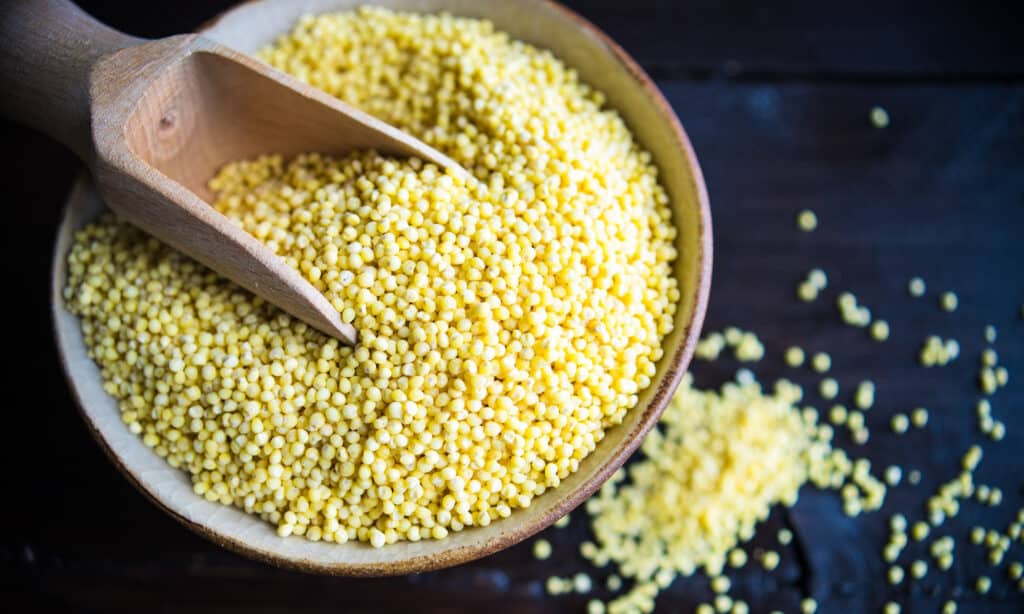
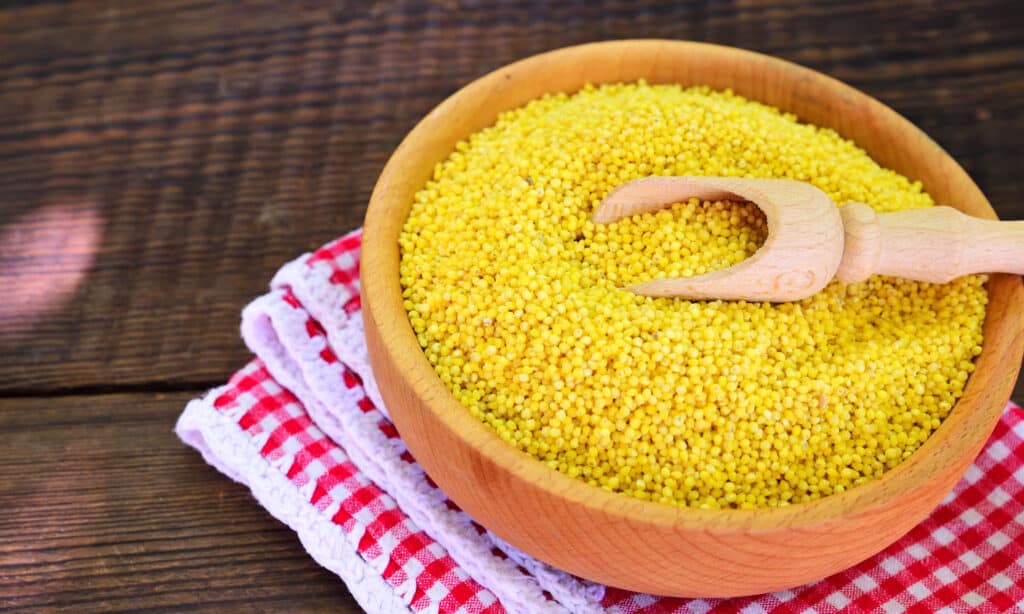
    Millet is a type of small-grain cereal that is widely cultivated around the world for its nutritional benefits and versatility in cooking. Millet is a popular food in Asia and Africa, with a nutty flavor and slightly chewy texture.

    There are several different varieties of millet, but the most commonly consumed types include pearl millet, finger millet, and foxtail millet. All millet varieties are high in fiber, protein, and essential vitamins and minerals, but their nutritional profiles differ.

    In addition to being a nutritious food source for humans, millet has also gained popularity as a potential food option for dogs. Millet isn’t as popular in dog food as rice or corn, but it provides nutritional benefits for dogs.

    So whether you’re looking to incorporate more millet into your own diet or considering adding it to your dog’s food, this versatile grain is definitely worth considering for its many health benefits.

    Can Dogs Eat Millet?

    Yes, dogs can eat millet as it is a safe and nutritious food option for them. In fact, millet is often included in high-quality commercial dog food as a source of protein, fiber, and essential vitamins and minerals.

    Millet is a gluten-free grain, which makes it a great option for dogs with food sensitivities or allergies to wheat or other grains. It is also high in antioxidants, which can help support your dog’s immune system and overall health.

    When introducing millet into your dog’s diet, it is important to do so gradually and in moderation. Too much millet at once can cause digestive upset, such as diarrhea or bloating. Cooked millet is better for dogs as uncooked grains can be tough to digest.

    Is millet a good option for your dog's diet?

    Are There Harmful Ingredients in Millet?

    Millet is generally considered to be a safe and nutritious food option for dogs. However, as with any food, there are potential risks associated with consuming it.

    Mycotoxins in millet can be harmful, produced by certain fungi that grow on grains like millet. These mycotoxins can be harmful to both humans and animals if consumed in large amounts. However, commercially available millet is typically tested for mycotoxins and is considered safe for consumption.

    Another consideration when feeding millet to dogs is the possibility of contamination with other harmful ingredients. Contaminated or chemically treated millet could be harmful to dogs. Source from reputable suppliers and wash properly. Make sure millet is safe for dogs by sourcing it from a trusted supplier and properly washing and preparing it.

    Consult your vet before changing your dog’s diet to ensure it’s appropriate for their individual needs.

    Yes, millet contains a variety of safe and nutritious ingredients that can benefit your dog’s health. Millet is high in protein, fiber, and essential vitamins and minerals, including magnesium, potassium, and B vitamins.

    Millet is gluten-free, good for dogs with food allergies or sensitivities to wheat and other grains. It is also low in fat and calories, which can help maintain a healthy weight for your furry friend.

    Millet also contains antioxidants, which can help support your dog’s immune system and overall health. Antioxidants can help reduce inflammation, protect against cell damage, and may even have anti-cancer properties.

    Millet for dogs: Benefits and considerations

    What Signs To Watch For If Your Dog Accidentally Ate A Lot of Millet?

    If your dog accidentally eats a lot of millet, there are several signs to watch for that may indicate that they are experiencing digestive upset or other health issues. Some common signs to watch for include:

    1. Vomiting: Excess millet in dogs may cause vomiting as their body tries to expel it.
    2. Diarrhea: Diarrhea is another common sign of digestive upset in dogs. Loose stools, diarrhea or frequent bowel movements in dogs may indicate excessive consumption of millet.
    3. Bloating: Eating too much millet can also cause your dog’s stomach to become distended or bloated. Abdominal pain and discomfort in dogs may indicate bloating.
    4. Lethargy: Eating too much millet can make your dog feel tired and slow as their body digests the excess food.

    If your dog shows signs of distress after eating millet, seek veterinary help immediately to ensure their well-being.

    When or If You Should Go To The Vet?

    If you notice any signs of digestive upset or other health issues in your dog after they have eaten a lot of millet, it is important to monitor them closely and seek veterinary attention if necessary.

    If your dog is exhibiting signs of mild digestive upset, such as vomiting or diarrhea, you may be able to manage their symptoms at home by withholding food for a period of time and providing plenty of water to keep them hydrated. However, if your dog is experiencing more severe symptoms, such as persistent vomiting, bloody diarrhea, or signs of abdominal pain or bloating, it is important to seek veterinary attention right away.

    Other signs that may indicate the need for veterinary attention include lethargy, loss of appetite, dehydration, or any other unusual or concerning behavior. If you have any worries about your dog’s health, it’s best to be cautious and consult a vet.

    Your veterinarian can help diagnose and treat any underlying health issues that may be causing your dog’s symptoms and provide appropriate treatment to help your furry friend feel better. Vets can advise on managing your dog’s diet to prevent digestive upset and other health problems.

    Millet: A gluten-free option for dogs

    Safe Dog-Friendly Alternative to Millet:

    If you’re looking for safe and nutritious alternatives to millet for your furry friend, there are several options to consider. Here are some dog-friendly alternatives to millet:

    1. Rice: Dogs benefit from rice in commercial dog food as it provides carbohydrates and fiber. It is also easy to digest and unlikely to cause digestive upset in most dogs.
    2. Oats: Oats are another safe and nutritious grain that can be included in your dog’s diet. They are high in fiber and protein, and can help regulate your dog’s digestion.
    3. Quinoa: Quinoa is a gluten-free grain that is high in protein and essential vitamins and minerals. It is also low in fat and calories, which can help maintain a healthy weight for your dog.
    4. Sweet potatoes: Sweet potatoes are a nutritious and tasty alternative to grains like millet. They are high in fiber and essential vitamins and minerals, and can help support your dog’s digestion and immune system.
    5. Green beans: Green beans are a healthy dog food option for fiber, vitamins, and minerals without excess calories.

    Introduce new dog food gradually and in moderation to avoid digestive issues.

    Healthy Store-Bought Options:

    In conclusion, millet can be a safe and nutritious addition to your dog’s diet when properly sourced, prepared, and introduced in moderation. It is a great source of protein, fiber, and essential vitamins and minerals, and can offer a range of health benefits for your furry friend.

    However, it is important to be mindful of the potential risks associated with consuming millet, such as mycotoxin contamination and other harmful ingredients. It is also important to monitor your dog for signs of digestive upset or other health issues if they have eaten a lot of millet or any other new food.

    If you have any concerns about your dog’s diet or health, it is always best to consult with your veterinarian. They can offer advice on how to properly incorporate millet or other safe and nutritious foods into your dog’s diet, as well as provide guidance on how to manage any digestive upset or other health issues that may arise.

    Ultimately, by making informed and thoughtful choices about your dog’s diet, you can help ensure that they are receiving the proper nutrition and care they need to thrive and live a happy, healthy life.

    ~Lindsie

    A note about your dog’s health

    This article provides general education and does not replace an examination, diagnosis, or individualized advice from your veterinarian. Contact a veterinary professional if you are concerned about your dog’s symptoms.

    Lindsie Parks B.S., CRDNS Avatar

    ABOUT THE AUTHOR
  • Can Dogs Eat Buckwheat? – Expert Answers

    Can Dogs Eat Buckwheat? – Expert Answers

    Welcome to my blog, where we explore the question of whether or not dogs can eat buckwheat. As a pet owner, it’s important to ensure that our furry friends are consuming a balanced and healthy diet. With so many different types of food available, it can be overwhelming to know what is safe and nutritious for our dogs to eat. Is buckwheat safe for our canine companions despite being a commonly used grain in many human foods? In this blog, we will delve into the nutritional benefits and potential risks of feeding buckwheat to dogs. Join me as we learn more about this popular grain and whether or not it should be a part of our dogs’ diet.

    Buckwheat and dogs: Everything you need to know

    What Is Buckwheat?

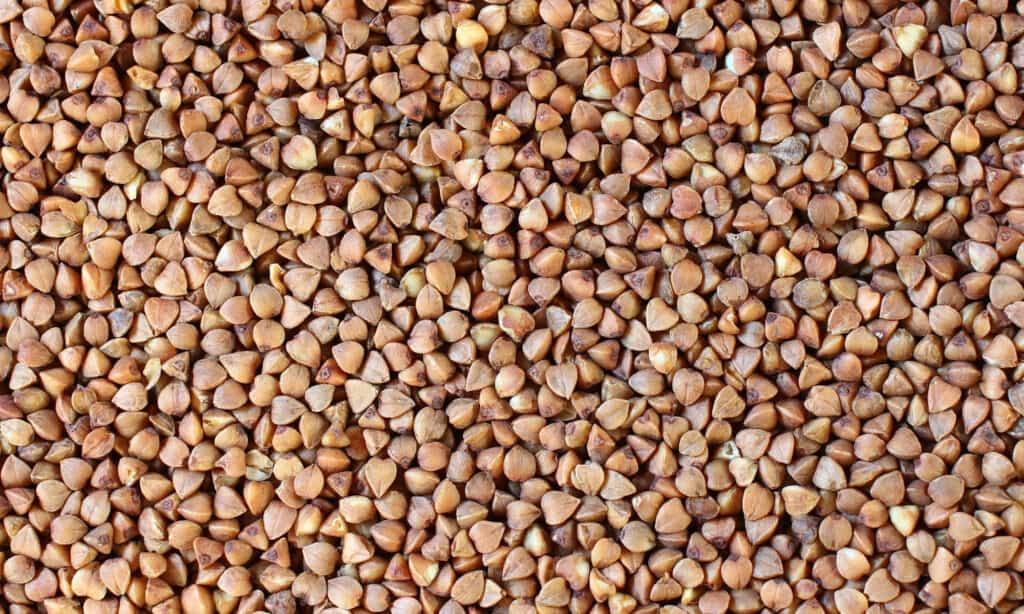
    Buckwheat is a plant-based food that has been consumed by humans for thousands of years. It is not actually a cereal grain, but rather a seed that is related to rhubarb and sorrel. Producers often use buckwheat to make flour, which they use to create a variety of foods like noodles, pancakes, and bread. Additionally, many health food manufacturers utilize buckwheat in their products because of its high protein content, fiber, and essential amino acids.Buckwheat has a nutty flavor and is a great alternative for those who have gluten intolerance or celiac disease. While it is a popular food for humans, many pet owners may wonder if their dogs can safely consume buckwheat as well. In the next section, we will discuss the nutritional benefits and potential risks of feeding buckwheat to dogs.

    Can Dogs Eat Buckwheat?

    The good news is that buckwheat is generally safe for dogs to consume in moderation. Buckwheat provides dogs with protein, fiber, and essential amino acids, promoting their overall health. “However, there are a few things to keep in mind when feeding buckwheat to your furry friend.

    Firstly, it is important to note that dogs have different nutritional needs than humans, and should not be fed a diet consisting solely of human foods. Buckwheat should only be given as a treat or supplement to your dog’s regular diet.

    Secondly, some dogs may have an allergic reaction to buckwheat. Signs of an allergic reaction can include vomiting, diarrhea, itching, and difficulty breathing. If your dog experiences these symptoms after eating buckwheat, stop feeding it and consult a veterinarian.

    Finally, you should always cook buckwheat before feeding it to your dog. Raw buckwheat can be difficult for dogs to digest and may cause digestive issues. You can mix cooked buckwheat with your dog’s regular food or serve it as a standalone treat.

    Buckwheat dog food: A high-fiber option

    Are There Any Harmful Ingredients in Buckwheat?

    Buckwheat itself does not directly harm dogs, although some buckwheat-based foods may contain harmful ingredients. Buckwheat noodles and pancakes with high salt or sugar levels may harm your dog’s health if eaten excessively.

    Additionally, some buckwheat products may contain other ingredients that are toxic to dogs, such as chocolate, raisins, or nuts. It’s important to always read the ingredient label carefully before feeding your dog any buckwheat-based foods and avoid products that contain harmful ingredients.

    Another consideration is the preparation method of buckwheat. Raw buckwheat can cause digestive issues, but cooked groats and flour are safe for dogs.

    Are There Safe Foods That Buckwheat Can Be Added To?

    Yes, there are many safe and nutritious ingredients that can be added to buckwheat to make it a healthy and tasty treat for dogs. Some examples include:

    1. Lean meats: Lean meats like chicken, turkey or beef give dogs extra protein and essential amino acids they need. Make sure the meat is cooked and free from any bones, skin, or fat.
    2. Vegetables: Many vegetables, such as carrots, green beans, and peas, are safe and nutritious for dogs. They can provide additional vitamins, minerals, and fiber to your dog’s diet.
    3. Fruits: Blueberries, apples, and bananas are healthy and tasty fruits that can be added to your dog’s diet in moderation. Avoid feeding dogs fruits with pits, like cherries or peaches, as these can cause choking hazards.
    4. Eggs: Adding cooked eggs to buckwheat can provide additional protein and nutrients to your dog’s diet. Just make sure to avoid feeding your dog any raw eggs, as they can contain harmful bacteria.
    5. Yogurt: Adding buckwheat to yogurt adds probiotics, supporting your dog’s digestive health.

    In summary, you can add many safe and nutritious ingredients to buckwheat to make a healthy and delicious treat for your furry friend. As with any new food, it’s important to introduce these ingredients slowly and in moderation and to always monitor your dog for any signs of digestive upset or allergic reactions.

    Buckwheat for dogs: Benefits and risks

    What Signs To Watch For If Your Dog Accidentally Ate A Lot of Buckwheat?

    If your dog accidentally eats a lot of buckwheat, there are several signs to watch for that may indicate they are experiencing digestive upset. Some of these signs include:

    1. Vomiting: If your dog has eaten a large amount of buckwheat, they may vomit as their body tries to expel the excess food.
    2. Diarrhea: Buckwheat can be high in fiber, and eating too much of it can lead to loose or watery stools.
    3. Abdominal pain: Your dog may show signs of abdominal discomfort, such as pacing, whining, or refusing to eat.
    4. Loss of appetite: If your dog is feeling unwell, they may lose their appetite and not want to eat.
    5. Lethargy: Your dog may appear tired, weak, or lethargic if they are experiencing digestive upset.

    If your dog shows any of these signs after eating a large amount of buckwheat, it’s important to monitor them closely and contact your veterinarian if their symptoms persist or worsen. Your vet may suggest withholding food or giving a bland diet to calm your dog’s digestive system. In more severe cases, your veterinarian may need to provide additional treatment or medication to address your dog’s symptoms.

    When or If You Should Go To The Vet?

    If your dog is experiencing severe or persistent symptoms after eating a large amount of buckwheat, it’s important to seek veterinary care right away. Some signs that may indicate a more serious issue include:

    1. Blood in the vomit or diarrhea: This could indicate a more serious gastrointestinal issue that requires immediate veterinary attention.
    2. Dehydration: Dehydrated dogs need veterinary care if they show signs like dry gums, sunken eyes, or lethargy.
    3. Abdominal swelling: A bloated abdomen in dogs is serious and requires immediate veterinary attention as it may be a sign of bloat.
    4. Difficulty breathing: Labored breathing in dogs may signal an allergic reaction or a severe health problem.
    5. Loss of consciousness: If your dog loses consciousness or is unresponsive, seek veterinary care immediately.

    In general, if you are unsure if your dog needs veterinary care, it’s always best to err on the side of caution and contact your veterinarian for advice. They can determine whether to see your dog immediately or monitor them at home.

    Can dogs safely consume buckwheat? Yes!

    Safe Dog-Friendly Alternative to Buckwheat:

    If you’re looking for a safe and healthy alternative to buckwheat for your furry friend, there are several options to consider. Here are a few dog-friendly alternatives to buckwheat:

    1. Brown rice: Brown rice is a nutritious and easily digestible grain that can be a good alternative to buckwheat. You can cook and serve it with lean meats or vegetables, as it is a great source of fiber, vitamins, and minerals.
    2. Quinoa: Quinoa is protein-rich and an excellent buckwheat alternative, containing essential amino acids that benefit your dog’s health. It’s also gluten-free and easy to digest, making it a good option for dogs with sensitive stomachs.
    3. Sweet potato: Sweet potato is a nutritious and tasty alternative to grains like buckwheat. It’s fiber-rich, packed with vitamins and minerals, and can be served alone or mixed with regular dog food.
    4. Oatmeal: Oatmeal is a great source of fiber and can be a healthy addition to your dog’s diet in moderation. It’s important to avoid flavored oatmeal packets that may contain added sugar or artificial ingredients.
    5. Barley: Barley is a nutritious and easily digestible grain that can be cooked and served with lean meats or vegetables. It’s a good source of fiber, vitamins, and minerals and can be a good alternative to buckwheat for dogs.

    In summary, there are many safe and healthy alternatives to buckwheat that can be a nutritious addition to your dog’s diet. As with any new food, it’s important to introduce these alternatives slowly and in moderation and to always monitor your dog for any signs of digestive upset or allergic reactions.

    Healthy Store-Bought Options:

    In conclusion, buckwheat can be a healthy and nutritious addition to your dog’s diet when fed in moderation and prepared properly. Although dogs can typically consume it safely, you should always be mindful of any added ingredients and cook it before feeding it to your furry friend. Monitor your dog for digestive upset or allergic reactions when introducing new foods.

    If you have any concerns about feeding buckwheat to your dog or if your dog experiences any adverse reactions after eating it, it’s always best to consult with your veterinarian. Get guidance on your dog’s nutrition for a balanced diet by consulting with a vet.

    Finally, if you’re looking for alternatives to buckwheat, there are many safe and healthy options available. Whether you choose brown rice, quinoa, sweet potato, oatmeal, or barley, there are plenty of nutritious options to choose from that can help support your dog’s overall health and well-being.

    ~Lindsie

    A note about your dog’s health

    This article provides general education and does not replace an examination, diagnosis, or individualized advice from your veterinarian. Contact a veterinary professional if you are concerned about your dog’s symptoms.

    Lindsie Parks B.S., CRDNS Avatar

    ABOUT THE AUTHOR
  • Can Dogs Eat Oat Milk? – Expert Answers

    Can Dogs Eat Oat Milk? – Expert Answers

    As a dog owner, it’s natural to want to share everything with your furry friend, including your favorite foods and drinks. Oat milk has become a popular alternative to dairy milk in recent years, but can dogs eat oat milk? While oat milk is generally considered safe for human consumption, it’s important to be cautious when giving it to your canine companion. Learn about oat milk for dogs: benefits, risks, and how to incorporate it safely into their diet in this blog.

    can dogs have oat milk

    What Is Oat Milk?

    Oat milk is a type of plant-based milk that is made by blending oats with water and then straining out the solids. The resulting liquid has a slightly sweet, nutty flavor and a creamy texture that is similar to cow’s milk. Oat milk has become increasingly popular in recent years as a vegan and dairy-free alternative to traditional milk.

    One of the reasons for its popularity is its nutritional content. Oat milk is fortified with vitamins & minerals like calcium, vitamin D, and B12, making it a good non-dairy source. Oat milk is low in fat and calories, making it ideal for those watching their weight.

    While oat milk is generally considered safe for human consumption, it’s important to note that it may not be suitable for everyone. Choose gluten-free certified oats if you have celiac disease or gluten intolerance due to possible cross-contamination during processing.

    Can Dogs Eat Oat Milk?

    While oat milk is generally safe for human consumption, it’s important to be cautious when giving it to your dog. Foods safe for humans can be harmful to dogs due to their unique nutritional needs.

    In small quantities, oat milk is unlikely to cause any harm to your dog. However, it’s important to keep in mind that dogs are lactose intolerant, and oat milk is not a natural part of their diet. Dogs may have oat milk allergies, causing digestive problems, skin irritations, and other health issues.

    If you do decide to give your dog oat milk, it’s important to choose a brand that does not contain any added sugars, flavors, or other additives. You should also introduce it gradually and in small amounts to see how your dog reacts. Stop giving oat milk to your dog and seek veterinary care if you notice vomiting, diarrhea, or abdominal pain.

    In general, it’s always a good idea to stick to a balanced and nutritionally complete diet for your dog that is based on their specific needs and requirements. Share human food with dogs in moderation and caution, even as an occasional treat.

    Oat milk: a non-dairy alternative for dogs

    Harmful Ingredients in Oat Milk:

    While oat milk is generally considered safe and healthy, some oat milk products may contain ingredients that are potentially harmful to our health. One such ingredient is added sugars, which can contribute to weight gain, tooth decay, and other health problems. Pick low-sugar or unsweetened oat milk to prevent health problems.

    Another ingredient to watch out for is carrageenan, which is sometimes used as a thickener in plant-based milks, including some oat milk products. While carrageenan is generally considered safe, some people report digestive problems after consuming it. If you’re concerned about carrageenan, look for an oat milk product that does not contain it.

    Lastly, some oat milk products may contain gluten, which can be a problem for people with celiac disease or gluten intolerance. If you’re gluten-sensitive, it’s important to choose an oat milk product that is certified gluten-free to avoid any potential issues.

    Overall, oat milk can be a healthy and nutritious alternative to dairy milk, as long as you choose a high-quality brand that does not contain any harmful ingredients. Read labels and enjoy oat milk worry-free by being mindful of its ingredients.

    Safe Ingredients in Oat Milk:

    When it comes to giving your dog oat milk, it’s important to proceed with caution. Dogs can have allergies or sensitivities to oats in oat milk, leading to digestive or skin issues.

    In small amounts, oat milk is unlikely to cause any harm to your furry friend. However, it’s important to keep in mind that dogs are lactose intolerant and oat milk is not a natural part of their diet. Dogs can have allergies or sensitivities to oats in oat milk, leading to digestive or skin issues.

    If you do decide to give your dog oat milk, it’s important to choose a brand that does not contain added sugars, flavors, or other additives. You should also start with a small amount and gradually introduce it to your dog’s diet to see how they react. Stop oat milk if dog shows signs of health issues. Consult vet for guidance on digestive upset or other concerns.

    Overall, it’s important to prioritize your dog’s nutritional needs and stick to a balanced and nutritionally complete diet that is specifically designed for their health and wellness. Moderation and caution are key when sharing human food with your dog as a treat.

    Oat milk: a safe and delicious choice for dogs

    What Signs To Watch For If Your Dog Accidentally Ate A Lot of Oat Milk?

    If your dog accidentally consumes a large amount of oat milk, there are a few signs to watch out for that could indicate an adverse reaction. These signs include:

    1. Digestive upset: Consuming a large amount of oat milk can cause digestive upset in dogs. This may include symptoms such as vomiting, diarrhea, bloating, gas, or abdominal discomfort.
    2. Allergic reactions: Some dogs may be allergic or sensitive to oats or other ingredients in oat milk. This can cause symptoms such as skin rashes, hives, itching, or swelling.
    3. Lethargy or weakness: Oat milk can cause lethargy or weakness in dogs if consumed in large amounts.

    If you notice any of these signs in your dog after they have consumed a lot of oat milk, it’s important to contact your veterinarian right away. Your vet can help determine the best course of action based on your dog’s specific symptoms and overall health. Be cautious when sharing human food with dogs and prioritize their nutritional needs.

    When or If You Should Go To The Vet?

    If you notice any of the signs mentioned previously after your dog has consumed a lot of oat milk, it’s important to monitor their symptoms closely. In most cases, digestive upset or mild allergic reactions will resolve on their own within a few hours or days.

    However, if your dog is experiencing severe symptoms such as vomiting, diarrhea, or difficulty breathing, or if their symptoms persist for more than 24-48 hours, it’s important to seek veterinary care right away. When in doubt about your dog’s oat milk intake, consult a veterinarian for their safety and well-being.

    When you bring your dog to the vet, they will likely perform a physical exam and may recommend additional testing or treatment depending on your dog’s symptoms and overall health. In some cases, they may recommend withholding food and water for a period of time to allow your dog’s digestive system to recover. If your dog is sick or has consumed a lot of oat milk, seek veterinary care to be safe.

    Can dogs have oat milk? Yes!

    Safe Dog-Friendly Alternative to Oat Milk:

    If you’re looking for a dog-friendly alternative to oat milk, there are several options to consider. Here are a few safe alternatives:

    1. Water: Dogs need access to fresh, clean water at all times, as it is the most essential nutrient for them.
    2. Bone broth: Bone broth is a nutritious and tasty alternative to milk that can be easily made at home. Simmer bones with veggies in water for hours to extract nutrients for bone broth (chicken or beef).
    3. Coconut milk: Coconut milk is a safe dairy milk alternative for dogs, best given in moderation for a healthy diet. However, it’s important to choose a brand that does not contain any added sugars or other harmful ingredients.
    4. Goat’s milk: Goat’s milk is another safe alternative to dairy milk that can be given to dogs in moderation. It’s important to choose a high-quality brand and to introduce it gradually to your dog’s diet.

    Overall, it’s important to prioritize your dog’s nutritional needs and choose safe and healthy alternatives to milk. If you have any concerns about your dog’s diet or health, be sure to consult with your veterinarian for advice and guidance.

    Healthy Store-Bought Options:

    In conclusion, oat milk can be a healthy and nutritious alternative to dairy milk for humans, but it’s important to be cautious when giving it to your dog. While oat milk is generally safe for dogs in small quantities, it’s important to keep in mind that dogs have different nutritional needs than humans and some foods that are safe for us can be harmful to our furry friends.

    If you do decide to give your dog oat milk, it’s important to choose a brand that does not contain any harmful or potentially harmful ingredients, such as added sugars or carrageenan. You should also introduce it gradually and in small amounts to see how your dog reacts. If you notice any signs of digestive upset or other health issues, stop giving oat milk to your dog and consult with your veterinarian.

    If you’re looking for a safe and healthy alternative to oat milk for your dog, there are several options to consider, such as bone broth, coconut milk, or goat’s milk. It’s important to prioritize your dog’s nutritional needs and choose safe and healthy alternatives to milk.

    ~Lindsie

    A note about your dog’s health

    This article provides general education and does not replace an examination, diagnosis, or individualized advice from your veterinarian. Contact a veterinary professional if you are concerned about your dog’s symptoms.

    Lindsie Parks B.S., CRDNS Avatar

    ABOUT THE AUTHOR

  • Can Dogs Eat Red Bean Paste? – Expert Answers

    Can Dogs Eat Red Bean Paste? – Expert Answers

    If you’re a dog owner, you might wonder if it’s safe to share human food with your furry friend. Recently, red bean paste has gained popularity worldwide, but can dogs eat it? In this article, we’ll discuss the nutritional benefits and potential risks of feeding this to your pup.

    can dogs eat red bean paste

    What is Red Bean Paste?

    This is a deliciously sweet and sticky filling made by boiling and mashing azuki beans, sugar, and sometimes salt. This delectable paste is commonly used in Asian desserts like mochi, dorayaki, and bean soup.

    Is Red Bean Paste Safe For Dogs?

    While red bean paste is not toxic to dogs, it’s important to feed it to your furry friend in moderation. The high sugar content in it can cause gastrointestinal upset and obesity in dogs. Additionally, some dogs may have trouble digesting beans, which can lead to bloating and discomfort.

    Can dogs eat red bean paste

    Beneficial Ingredients in Red Bean Paste

    Despite the potential risks, it does contain some beneficial ingredients. Azuki beans are a good source of protein and fiber, which can help support your dog’s digestive health. They also contain antioxidants that may help reduce inflammation and improve heart health.

    Harmful Ingredients in Red Bean Paste

    This may contain harmful ingredients for dogs like chocolate or artificial sweeteners. Chocolate can be toxic and cause vomiting, diarrhea, and seizures. Xylitol can cause a drop in blood sugar levels.

    Help?!? What if my dog accidentally ate a lot of Red Bean Paste?

    If your dog eats a large amount you should watch for GI upset.

    Post Snack Distress Signs & Symptoms

    Dogs that consume a large amount can experience digestive upset, including vomiting, diarrhea, and abdominal discomfort.

    Is red bean paste safe for dogs to eat?

    When or If You Should Go To The Vet?

    In most cases, there is no need to seek veterinary care if your dog consumes this paste. However, if your dog experiences continuous gi upset you should call your veterinarian.

    Canine-friendly and safe alternatives to Red Bean Paste

    If you want to treat your furry friend to something sweet, there are plenty of safe alternatives. Fresh fruits such as strawberries, bananas, and blueberries are not only delicious but also nutritious, with low calories and high in vitamins and antioxidants. You can also try making homemade dog treats using ingredients like peanut butter, pumpkin, and oats for a fun bonding activity with your furry friend. With these dog-friendly options, you can enjoy treats with your furry friend while keeping them healthy and happy.

    Healthy Store-Bought Recommendations

    While dogs can have red bean paste in small amounts, it’s important to watch out for its high sugar content and harmful ingredients. Choosing safe and healthy alternatives like fresh fruits and homemade dog treats is a better option to keep your furry friend happy and healthy. And, if you’re ever unsure about your dog’s diet, it’s always a good idea to consult with your veterinarian for advice.

    ~Lindsie

    A note about your dog’s health

    This article provides general education and does not replace an examination, diagnosis, or individualized advice from your veterinarian. Contact a veterinary professional if you are concerned about your dog’s symptoms.

    Lindsie Parks B.S., CRDNS Avatar

    ABOUT THE AUTHOR
  • Can Dogs Eat Sticky Rice? – Expert Answers

    Can Dogs Eat Sticky Rice? – Expert Answers

    As a dog owner, it’s natural to wonder what foods are safe and healthy for your furry friend to eat. Sticky rice is a popular ingredient in many cuisines, and you may be wondering if it’s okay to share some with your dog. In this blog, we’ll explore whether dogs can eat sticky rice, and what precautions you need to take to keep your furry friend safe and healthy.

    can dogs eat sticky rice

    What is Sticky Rice?

    Sticky rice, also called glutinous rice or sweet rice, is a popular ingredient in Southeast Asian cuisine. It’s stickier and more malleable than regular rice due to its higher starch content. You’ll find it in dishes like sushi, stir-fries, and desserts.

    Where Did Sticky Rice Come From?

    Sticky rice, also known as glutinous rice or sweet rice, has been a beloved food in Southeast Asia for centuries. Its origins are believed to be in China, and it has since become a staple ingredient in many Southeast Asian cuisines, including Thai, Vietnamese, and Filipino. Sticky rice is used in both sweet and savory dishes, and is often considered a symbol of prosperity and abundance. Its popularity has even spread to Western countries, where it has become a common ingredient in many fusion dishes. Whether you enjoy it in a traditional Southeast Asian recipe or a modern twist, sticky rice is a versatile and delicious ingredient loved by many.

    The ultimate guide to feeding your dog sticky rice

    Sticky Rice Ingredients

    The star of the show in sticky rice dishes is glutinous rice, a type of short-grain rice with a high starch content. Along with water, sticky rice recipes commonly include sugar, salt, and sometimes coconut milk or other flavorings. These ingredients work together to create the signature sticky and slightly sweet taste that makes this rice so irresistible.

    Beneficial Ingredients in Sticky Rice

    Sticky rice is made from glutinous rice, which is a great source of carbohydrates for your furry friend. This can give them the energy they need to run and play. While glutinous rice is not high in protein or fiber, some sticky rice dishes may contain nutritious ingredients like vegetables or herbs that can offer additional health benefits for your dog. These added ingredients can provide your pup with important vitamins and minerals to support their overall health and well-being.

    Can dogs digest sticky rice easily?

    Help?!? What if my dog accidentally ate a lot of Sticky Rice?

    If you dog gets into a large amount of sticky rice it is important to monitor for any GI distress. While a vet visit is likely not necessary, you pup may experience some bloating or GI discomfort.

    Post Snack Distress Signs & Symptoms

    Dogs that consume a large amount of sticky rice may experience some GI discomfort.

    When or If You Should Go To The Vet?

    A vet visit is typically not necessary after your dog consumes sticky rice. Rice is a very common ingredient in dog foods and is generally safe for most dogs.

    Canine-friendly and safe alternatives to Sticky Rice

    While sticky rice is generally considered safe for dogs to eat, it’s important to keep in mind that some dogs may have trouble digesting it. Additionally, sticky rice dishes may contain ingredients like sugar or coconut milk, which are not recommended for dogs.

    If you’re looking for dog-friendly alternatives to sticky rice, consider offering your furry friend some cooked brown rice or quinoa instead. Both of these grains are easy to digest and are a good source of carbohydrates, protein, and fiber. You can also mix some cooked vegetables like carrots or green beans into the rice or quinoa for added nutrition.

    Healthy Store-Bought Recommendations

    To sum it up, dogs can enjoy sticky rice in moderation, but it’s crucial to choose sticky rice dishes without harmful ingredients like sugar or coconut milk. If your furry friend has any difficulty digesting sticky rice or experiences discomfort after eating it, it’s best to steer clear of it. As always, it’s wise to seek advice from your veterinarian if you have any queries or worries about your dog’s diet. By following these guidelines, you can ensure that your furry friend stays happy and healthy.

    ~Lindsie

    A note about your dog’s health

    This article provides general education and does not replace an examination, diagnosis, or individualized advice from your veterinarian. Contact a veterinary professional if you are concerned about your dog’s symptoms.

    Lindsie Parks B.S., CRDNS Avatar

    ABOUT THE AUTHOR

  • Can Dogs Eat Fried Rice? – Expert Answers

    Can Dogs Eat Fried Rice? – Expert Answers

    As a pet health expert, I’m often asked about the human foods that are safe for dogs to eat. One dish that comes up frequently is fried rice. Many pet owners wonder if it’s safe to share this tasty dish with their furry friends. In this blog, we’ll take a closer look at the ingredients in fried rice, and whether or not it’s a safe treat for your pup. So, whether you’re looking to share your love of Chinese takeout with your dog or just want to make sure you’re feeding them the right foods, keep reading to learn more!

    can dogs eat fried rice

    What is Fried Rice?

    Fried rice is a dish that is commonly found in Chinese cuisine, and it’s made by stir-frying cooked rice with a variety of ingredients such as eggs, vegetables, and sometimes meat or seafood. The dish is typically flavored with soy sauce and other seasonings, and it can be customized with different ingredients depending on personal preference. This is a popular and delicious dish for humans, but as a pet parent, it’s important to consider whether or not it’s safe for dogs to eat.

    Fried rice seasoning and spices to avoid feeding dogs"

    Fried Rice Ingredients

    Fried rice can be made with a wide variety of ingredients, and the specific components can vary depending on the recipe. Common fried rice ingredients: rice, eggs, onions, carrots, peas, corn, chicken, beef, shrimp, and crab.

    Fried rice is often flavored with soy sauce, garlic, ginger, and sesame oil. These ingredients give the dish its signature savory and umami flavors that are loved by many.

    While fried rice can be a delicious and satisfying meal for humans, it’s important to consider whether or not it’s safe for dogs to eat. Some ingredients, such as onions and garlic, can be toxic to dogs and should be avoided. Additionally, the high sodium content in soy sauce can be harmful to dogs in large amounts. So, if you’re looking to share your fried rice with your furry friend, it’s important to make sure the ingredients are safe for them to eat.

    Inappropriate Ingredients in Fried Rice

    Onions and Garlic

    Onions and garlic contain compounds called thiosulphates, which can be toxic to dogs in large amounts. These compounds can cause damage to a dog’s red blood cells, leading to a condition called hemolytic anemia. Hemolytic anemia can cause symptoms such as lethargy, weakness, pale gums, and even collapse. In severe cases, it can be fatal.

    The toxic dose of onions and garlic can vary depending on the size of the dog and the amount consumed. However, as a general rule, it’s best to avoid giving dogs foods that contain these ingredients. This includes cooked or processed foods with onions or garlic, such as soups, stews, and seasoning blends.

    It’s important to note that small amounts of onions or garlic in a dog’s diet are not likely to cause harm. However, if you suspect that your dog has consumed a large amount of either of these ingredients, it’s important to seek veterinary care immediately. Early treatment can help prevent serious complications and ensure the best possible outcome for your furry friend.

    Salt

    It’s important to be careful when it comes to feeding your dog any treats that are high in salt. Although dogs need a certain amount of salt in their diet, too much can cause a variety of health issues, such as dehydration, electrolyte imbalances, and high blood pressure. 

    Treats high in salt cause vomiting or diarrhea. Choose natural treats for your dog’s health.

    Is fried rice safe for dogs to eat?

    Healthy Ingredients in Fried Rice?

    White Rice

    There are a few reasons why rice is a great food option for dogs. For one, rice is easy on a dog’s digestive system and can help soothe an upset stomach. When cooked, rice becomes soft and starchy, which can help to bind stool and reduce diarrhea.

    Additionally, rice is nutritious and can provide dogs with essential carbohydrates, energy, and nutrients like manganese and selenium. Dogs that need a little extra fiber in their diet can benefit from brown rice, which is known for its high fiber content.

    Rice is also a hypoallergenic food, which means it’s less likely to cause allergic reactions in dogs than other foods. This makes it a good option for dogs with food sensitivities or allergies.

    Plain rice is best for dogs – avoid added spices or seasonings Moderation is also key, as too much rice can lead to weight gain and other health issues.

    Eggs, Chicken, Beef

    Eggs, chicken, and beef are great sources of protein for dogs. Proteins are essential for muscle growth and repair, immune function, and hormone production in a dog’s body. These foods contain essential amino acids, which are the building blocks of protein.

    Eggs are a complete protein source, meaning they contain all the essential amino acids dogs need in their diet. Plus, they are rich in nutrients like vitamin D, vitamin A, and selenium.

    High-quality dog foods commonly include chicken and beef as excellent sources of protein.These meats not only provide essential amino acids but also contain important nutrients such as iron, zinc, and vitamin B12.

    Protein-rich foods like eggs, chicken, and beef can help dogs maintain healthy muscle mass and support a strong immune system. To avoid any risk of foodborne illness, it’s important to serve these foods in moderation and cook them properly.

    can dogs eat rice, including fried rice?

    Help?!? What if my dog accidentally ate a lot of fried rice?

    If your dog accidentally ate a lot of fried rice, it’s important to monitor them closely for any signs of distress. 

    Post Snack Distress Signs & Symptoms

    Dogs that consume a large amount of food that contains lots of spices and flavorings can experience digestive upset, including vomiting, diarrhea, and abdominal discomfort. In some cases, they may also develop pancreatitis, a condition that causes inflammation of the pancreas and can be quite serious.

    When or If You Should Go To The Vet?

    Generally, there will be no need for a vet visit if your dog eats some fried rice. However, if your dog ate more than a cup of fried rice, you should probably call your local vet clinic. They can advise you based on the size and health of your dog. 

    If your dog seems lethargic or unresponsive, go to the pet emergency hospital right away.

    Canine-friendly and safe alternatives to fried rice

    If you’re searching for a tasty and healthy snack to give your furry friend, there are plenty of great alternatives to fried rice that are both safe and delicious.

    Healthy Store-Bought Recommendations

    Of course, these are just a few of the many alternatives to fried rice that are safe and healthy for your furry friend. When choosing treats for your pet, it’s important to read the ingredient list carefully and opt for products that are made with natural, wholesome ingredients. Your dog will be grateful for the tasty and nutritious treats!

    While generally fried rice is not toxic for your dog to eat, you still need to be mindful of all the spices, salt, garlic and onions that are in a prepared dish of fried rice.  If in doubt it’s just better to avoid food like these for you pup.

    ~Lindsie

    A note about your dog’s health

    This article provides general education and does not replace an examination, diagnosis, or individualized advice from your veterinarian. Contact a veterinary professional if you are concerned about your dog’s symptoms.

    Lindsie Parks B.S., CRDNS Avatar

    ABOUT THE AUTHOR