
If your dog’s breath smells like fish, start with the mouth. Dental plaque, inflamed gums, a damaged tooth, trapped food, or something unpleasant your dog scavenged are all common explanations. Anal gland fluid can also reach the mouth when a dog licks the rear end. Less often, bad breath accompanies a digestive, kidney, metabolic, or other whole-body problem.
Most fishy breath is not an emergency by itself. Look at when the odor began, what your dog recently ate, the condition of the mouth, and whether you are seeing other changes. As a holistic veterinarian, I want to find the source of the odor instead of simply covering it with something minty. Your dog probably does not want minty kisses anyway.
Why Does Dog Breath Smell Like Fish?
A fishy smell can seem very specific to our noses, but it does not identify one particular disease. Several different substances can produce a similar odor.
Bacteria in the mouth break down proteins and release smelly compounds, including volatile sulfur compounds. Research connects these compounds with canine oral malodor, plaque, and periodontal disease.1
Common causes include:
- Plaque, gingivitis, or periodontal disease
- Food trapped between the teeth or under the gums
- An infected, fractured, or loose tooth
- A stick, bone fragment, string, hair, or other material caught in the mouth
- Fish-based food, treats, or supplements
- Garbage, feces, dead animals, or other scavenged material
- Anal gland fluid transferred to the mouth during licking
- Dirty, damp hair around the mouth, especially in bearded dogs
- Digestive or whole-body illness
The mouth is still the most likely place to begin. UC Davis veterinary guidance identifies oral and dental disease as the most common source of canine bad breath, although problems involving the nose, throat, digestive tract, kidneys, liver, or blood sugar can also change the breath.2
Check Your Dog’s Mouth First
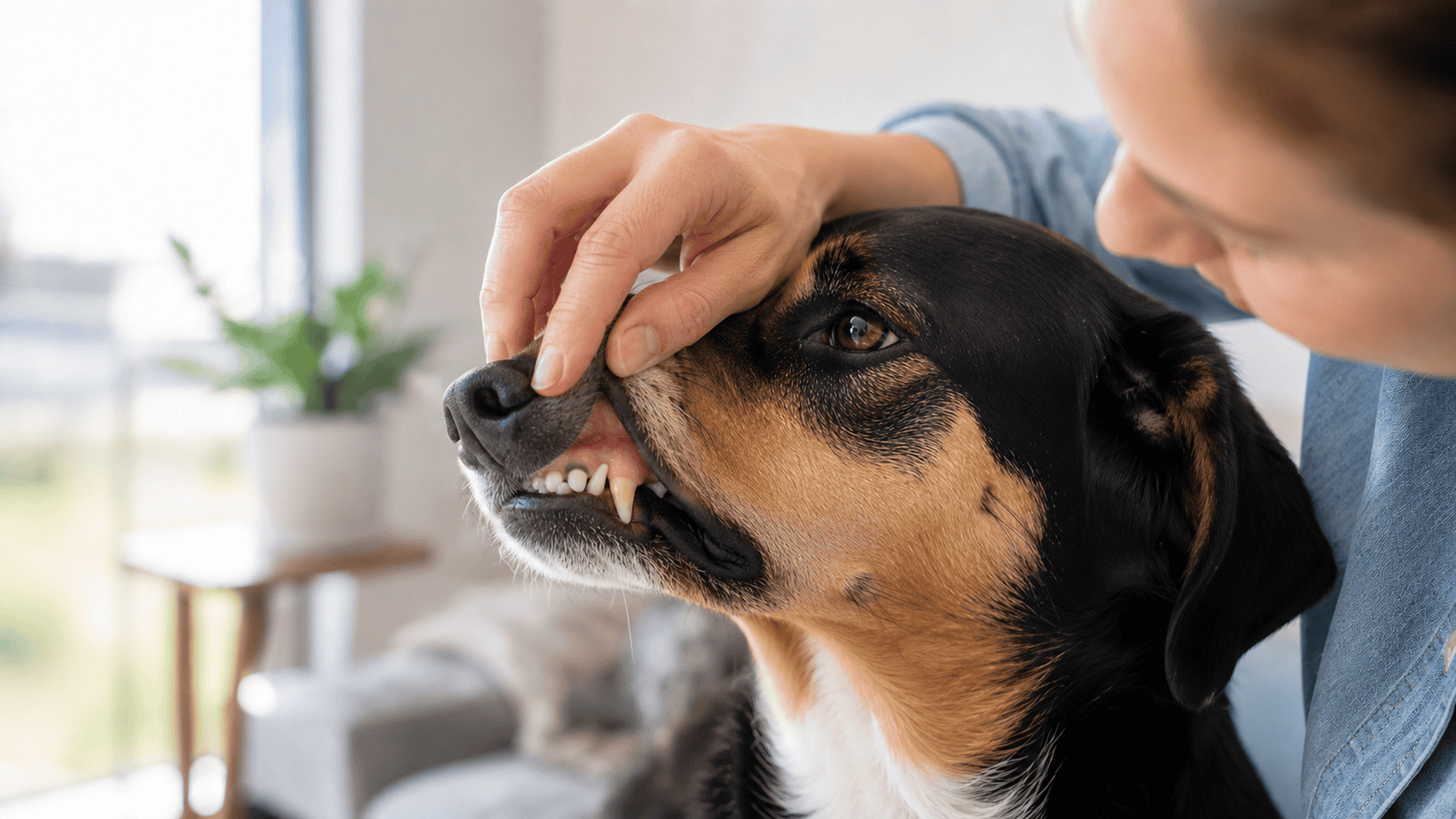
You do not have to pry your dog’s jaws open. In fact, please do not turn this into a wrestling match. Choose a calm moment, use good light, and gently lift the lips.
Look for:
- Red, puffy, or bleeding gums
- Yellow or brown tartar
- A cracked, darkened, loose, or missing tooth
- Swelling along the gums or face
- Sores, unusual growths, or areas of raw tissue
- Food, hair, sticks, string, or chew fragments
- Drool that is thicker or blood-tinged
- Pain when you touch one side of the face
A painful dog can bite even when normally gentle. Stop if your dog pulls away sharply, cries, growls, or will not let you near the mouth.
Do not pull on string that appears caught beneath the tongue or extends toward the throat. Part of it can be anchored farther down. A deeply wedged object, broken tooth, or obvious mouth wound also needs hands-on help.
Signs That The Mouth Is Painful
Dogs do not always stop eating when their teeth hurt. Some simply change how they eat.
Watch for chewing on one side, dropping pieces of food, swallowing food without chewing, avoiding hard treats, pawing at the mouth, rubbing the face, excessive drooling, or backing away from the food bowl. A dog who suddenly refuses a favorite chew is giving you useful information.
Fishy Breath In Puppies
Puppies can have temporary mouth odor while they are teething, especially if there is a small amount of gum bleeding. Persistent fishy or rotten breath is not something I would dismiss as ordinary puppy breath.
Check for a retained baby tooth, crowded teeth, an injured gum, a chew fragment, or something caught between the teeth. Puppies also investigate the world with their mouths, so the mysterious fish smell may have come from a very unmysterious trip to the trash.
Could The Smell Come From Anal Glands?
Anal gland fluid has a strong fishy odor. When a dog licks a leaking or uncomfortable anal gland area, the fluid can transfer to the tongue, lips, and hair around the mouth. That makes the breath smell fishy even though the original odor came from the other end of the dog.
Look for clues such as:
- Scooting
- Frequent rear-end licking
- A sudden fishy smell on bedding or furniture
- Discomfort while sitting
- Swelling or tenderness beside the anus
- Straining or discomfort during a bowel movement
If the mouth looks reasonably clean but your dog is licking the rear constantly, anal gland odor transfer moves higher on the list.

Anal glands usually empty as firm stool passes. Repeated trouble can be connected with soft stool, food sensitivity, weight, anatomy, skin inflammation, and the overall quality of the diet. Addressing those underlying factors is more useful than treating every episode as an isolated gland problem.
Food, Digestion, And Scavenging
If your dog recently ate fish, a fish-based treat, or a fish oil supplement, the answer may be sitting right in the food bowl. This odor should fade after drinking, eating another meal, and receiving normal oral care.
Scavenging can create the same short-lived smell. Check the trash, yard, litter box, and any suspiciously quiet corner where your dog was last seen. Vomiting, diarrhea, shaking, weakness, or known access to a toxin makes the situation more urgent.
I also look at the entire diet when bad breath keeps returning. Fresh, minimally processed food made from recognizable ingredients supports overall nutrition and makes it easier to identify foods that change the breath or digestion. Even an excellent diet cannot scrub plaque from the gumline or heal an infected tooth, so nutrition and direct oral care need to work together.
Digestive imbalance is more likely to be involved when the odor appears with burping, gas, nausea, stool changes, or a reduced appetite. A dog-specific probiotic supports healthy intestinal bacteria and is a useful part of a whole-dog plan when digestive symptoms are present.
What You Can Do At Home
The right first step depends on what else you see.
| What You Notice | Likely Direction | First Step |
|---|---|---|
| Odor began after fish food or treats | Food residue | Offer fresh water and gently clean the teeth |
| Red gums, tartar, bleeding, or chewing changes | Dental or gum disease | Begin gentle care only if comfortable and arrange an oral examination |
| Sudden odor after outdoor activity | Scavenging or trapped material | Check the mouth and watch for digestive or toxin-related signs |
| Scooting and rear-end licking | Anal gland odor transfer | Check the rear and address stool quality and recurring gland trouble |
| Bad breath with thirst, urination, appetite, or weight changes | Possible whole-body illness | Arrange an examination and appropriate testing |
| Facial swelling, breathing trouble, collapse, or uncontrolled bleeding | Urgent problem | Seek prompt veterinary care |
Brush The Teeth Regularly
Daily brushing is the most effective home method for removing fresh plaque. Every-other-day brushing also produces better plaque and gingivitis control than brushing weekly or every other week, although daily brushing gives the strongest results.3
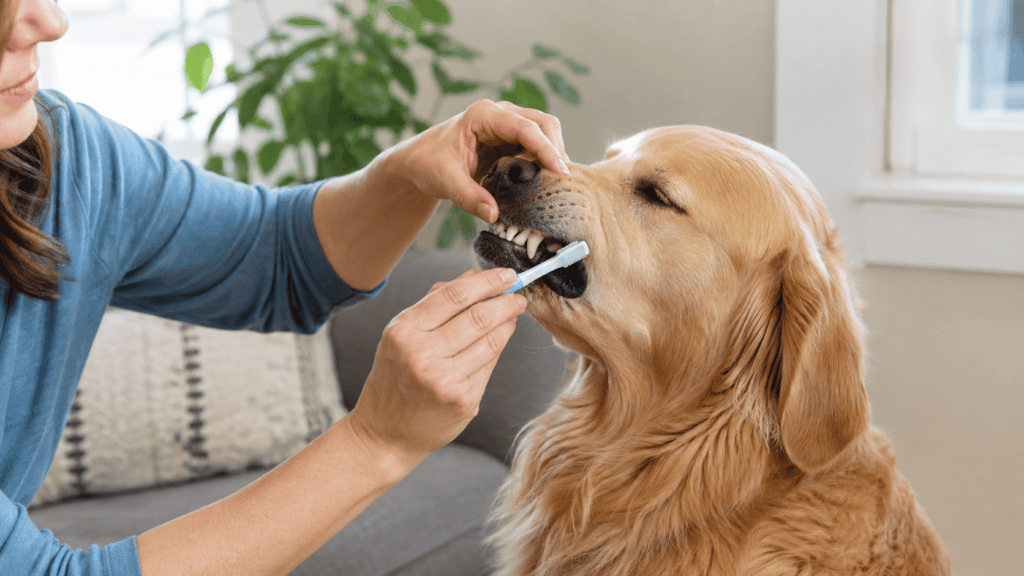
Use a soft dog toothbrush, finger brush, dental wipe, or damp gauze. Concentrate on the outer tooth surfaces and the gumline. You do not need to force the mouth wide open.
Start with a few teeth and stop while your dog is still comfortable. A calm 20-second session that happens regularly is more useful than a dramatic full-mouth cleaning that convinces your dog to hide whenever the toothbrush appears.
Brushing removes soft plaque. It does not remove hardened tartar or repair an infected tooth.
Use Only Dog-Safe Oral Products
Dogs swallow toothpaste and mouth rinses, so human products are not appropriate. Human toothpaste and mouthwash can contain alcohol, detergents, strong flavor oils, or xylitol.
Choose a toothpaste, rinse, wipe, or water additive made for dogs. These products can support an oral-care routine, but they should not be used to perfume an unhealthy mouth while disease continues underneath.
Offer Appropriate Chewing Options
Chewing provides mechanical cleaning and can support healthier teeth and gums. In one controlled study, dogs receiving a specific daily dental chew had less calculus, gingivitis, gum-pocket bleeding, and breath-related sulfur compounds than control dogs.4
The benefit depends on the product and the way the dog chews. Choose an appropriate size, supervise your dog, and avoid chews that are so hard they risk breaking a tooth. Dental chews and safe chew toys complement brushing rather than replacing it.
Natural Ways To Freshen Dog Breath
Natural remedies work best when the mouth is comfortable and the odor is mild or temporary. They should support cleaning and whole-body health, not hide a painful tooth.
Fresh Water
Keep clean water available at all times. Drinking rinses loose food particles from the mouth and supports normal saliva production. Wash the water bowl frequently because the slippery film along the inside contains bacteria.
Fresh Parsley
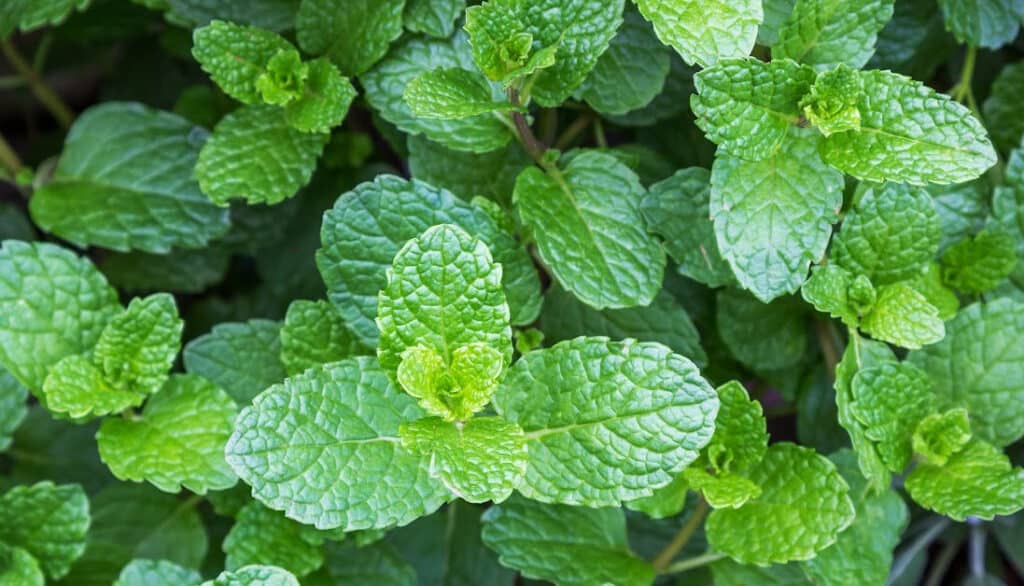
Roughly chopped fresh parsley mixed into food is a simple natural breath freshener. Use plain parsley rather than a seasoned herb blend containing garlic, onion, salt, or other added ingredients. Parsley contains phenolic compounds that have proven natural antioxidant and anti-inflammatory effects. It has even been studied in oral cancer in rats and has shown a reduction in cellular carcinogenic changes. (5)
I also like adding fresh parsley because its packed with vitamin A, which helps your dog’s immune cells fight infection. Parsley freshens the mouth, but it does not remove tartar or treat infection. Persistent odor still deserves a closer look.
Coconut Oil
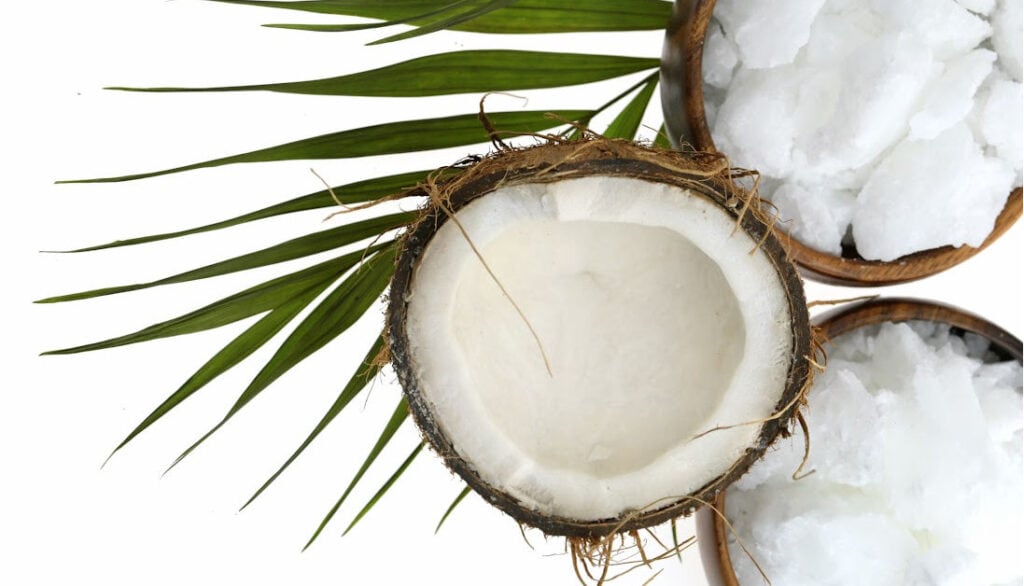
A small amount of coconut oil can be used on a soft toothbrush, dental wipe, or piece of gauze as a palatable mouth cleaner. Many dogs accept the taste readily, which can make the brushing routine easier.
Coconut oil is rich in fat, so use only the small amount needed for cleaning, especially if your dog has a sensitive digestive system. It will not replace treatment for a damaged tooth or deep periodontal disease.
Probiotics
A dog-specific probiotic supports a healthier microbial balance in the digestive tract. This is especially useful when bad breath appears alongside gas, stool changes, or other signs that digestion needs attention.
Some oral-care products also use beneficial bacteria or postbiotics. These can be part of a broader routine that includes nutrition, brushing, hydration, and safe chewing.
When Your Dog Needs A Dental Examination
Schedule an oral examination when the smell:
- Persists despite water and regular home cleaning
- Returns frequently
- Becomes stronger
- Comes with red or bleeding gums
- Appears with tartar, a loose tooth, or facial swelling
- Changes the way your dog chews or eats
- Is accompanied by repeated pawing at the mouth or drooling
Much of each tooth sits below the gumline. A dog can have a painful root, periodontal pocket, or bone loss that is not visible during a home check. Dental radiographs are useful when the examination suggests hidden disease.
Professional cleaning removes established plaque and tartar above and below the gums. Daily home care is still essential afterward because plaque begins forming again quickly.
When Fishy Breath Needs Prompt Care
Fishy breath alone is rarely an emergency. Seek prompt care when it occurs with:
- Trouble breathing
- Rapid facial or throat swelling
- Uncontrolled mouth bleeding
- Collapse or extreme weakness
- Repeated vomiting
- Known toxin exposure
- Inability to eat or drink
- Severe mouth pain
- String or another object extending into the throat
Changes in thirst, urination, appetite, weight, or energy are quieter reasons to arrange an examination. Kidney, liver, metabolic, and digestive conditions can affect the breath, but odor alone cannot tell us which condition is present.
Final Thoughts
Fishy dog breath is a clue. Begin with a gentle mouth check, then consider recent food, scavenging, digestion, and rear-end licking. Fresh water, consistent brushing, safe chewing, parsley, coconut oil, and probiotics all have useful places in a holistic home-care plan.
The goal is not just to make the odor disappear for an hour. We want to identify what created it and support a healthier mouth and body over time.
If the odor keeps returning and you want help reviewing your dog’s food, digestion, supplements, and home-care routine, consider a holistic veterinary consultation. Visible dental disease or mouth pain also deserves a hands-on oral examination.
Frequently Asked Questions
No. Temporary odor after fish, treats, or scavenging is understandable. Breath that remains unpleasant or repeatedly returns often means plaque, gum inflammation, a damaged tooth, trapped material, or another health problem needs attention.
Daily brushing gives the best plaque control. Every other day is still meaningfully better than occasional brushing. Introduce the toothbrush gradually and use only dog-safe toothpaste.
Yes. A dog can lick anal gland fluid from the rear and transfer the odor to the mouth. Scooting, rear-end licking, swelling, or discomfort while sitting makes this explanation more likely.
Usually not by itself. It needs prompt attention when accompanied by facial swelling, breathing difficulty, severe pain, uncontrolled bleeding, collapse, repeated vomiting, toxin exposure, or an inability to eat or drink.
Diet changes, fresh water, parsley, coconut oil, probiotics, and regular oral care can improve breath when food residue, digestion, or mild plaque is involved. They cannot repair a fractured tooth, remove hardened tartar, or treat a deep oral infection.
References
- Croft, J. M., Patel, K. V., Inui, T., Ruparell, A., Staunton, R., & Holcombe, L. J. (2022). Effectiveness of oral care interventions on malodour in dogs. BMC Veterinary Research, 18, 164. https://doi.org/10.1186/s12917-022-03267-8
- Gardiner, J. (2019, April 11). Halitosis in dogs. University of California, Davis School of Veterinary Medicine. https://healthtopics.vetmed.ucdavis.edu/health-topics/canine/halitosis-dogs
- Harvey, C., Serfilippi, L., & Barnvos, D. (2015). Effect of frequency of brushing teeth on plaque and calculus accumulation, and gingivitis in dogs. Journal of Veterinary Dentistry, 32(1), 16-21. https://pubmed.ncbi.nlm.nih.gov/26197686/
- Oba, P. M., Sieja, K. M., Schauwecker, A., Somrak, A. J., Hristova, T. S., Keating, S. C. J., & Swanson, K. S. (2024). Effects of a novel dental chew on oral health outcomes, halitosis, and microbiota of adult dogs. Journal of Animal Science, 102, skae071. https://doi.org/10.1093/jas/skae071
- Mohamed, H. S. E., Hegazy, R. H., Bashir, M. H., Aboushady, I. M., Meselhy, M. R., El-Askary, H. I., & AbuBakr, N. (2025). Potential protective role of parsley on induced tongue carcinogenesis in albino rats. Dental and medical problems, 62(1), 79–87. https://doi.org/10.17219/dmp/161507
A note about your dog’s health
This article provides general education and does not replace an examination, diagnosis, or individualized advice from your veterinarian. Contact a veterinary professional if you are concerned about your dog’s symptoms.

ABOUT THE AUTHOR