Category: Fruits and Vegetables For Dogs

  • Are Olives Toxic to Dogs? What Pet Parents Need to Know

    Are Olives Toxic to Dogs? What Pet Parents Need to Know

    By Lindsie Parks, B.S., CRDNS

    Golden retriever watches as an owner reads the ingredient label on a jar of olives

    Olive fruit itself is not generally toxic to dogs. The safer choice is a plain, pitted, unsalted olive offered only as a tiny taste. The real concerns are the pit, salty brine, garlic or onion, rich stuffing, marinades, alcohol, and a dog eating more than a small amount.

    That distinction matters. A black olive and a green olive can be equally simple or equally complicated, depending on how they were prepared. Start with the pit and ingredient label, not the color.

    Are Olives Toxic to Dogs?

    Table olives come from the culinary olive tree, Olea europaea. The fruit is not generally regarded as inherently poisonous to dogs. That does not make every olive product a good treat.

    Names can be confusing. Autumn olive and Russian olive are different plants, not varieties of the culinary olive. If your dog ate fruit from a tree and you are not certain of the plant, identify it before assuming it was Olea europaea.

    In a holistic nutrition plan, every food should earn its place. Dogs do not need olives to get healthy fats or plant compounds. When you want to share fresh food, simpler whole-food treats are usually easier to assess and less likely to hide salt, seasoning, or alcohol.

    Which Olives Are Safer, and Which Should Dogs Avoid?

    Preparation matters more than color. Use this quick guide before you share an olive or decide what to do after your dog steals one.
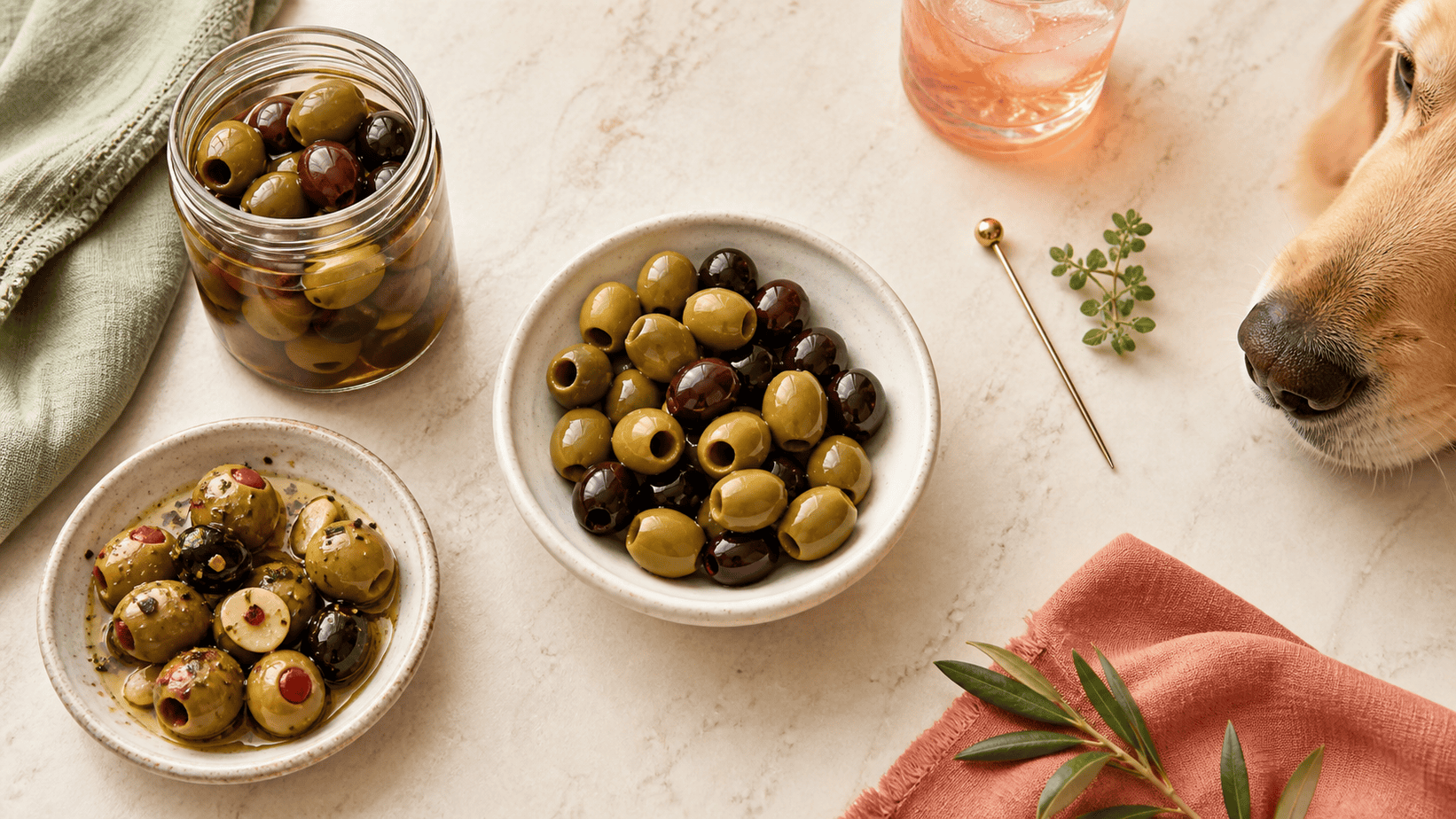
    Plain pitted olives beside brined and seasoned olives with a golden retriever nearby
    Olive type or preparationMain concernPractical guidance
    Plain, pitted, unsaltedNo hidden ingredients, but still optionalOffer only a tiny test taste
    Canned, brined, or pickledAdded sodiumCheck the label and skip routine sharing
    Stuffed, seasoned, or marinatedGarlic, onion, rich fillings, or mixed seasoningsAvoid if the label is unclear or lists risky ingredients
    Martini or alcohol-soakedAlcohol exposureDo not offer
    Black or greenColor does not determine safetyCheck the pit and preparation
    Fresh fruit from a treePit and plant identificationConfirm Olea europaea and remove the pit

    What Makes Olives Risky for Dogs?

    Olive Pits or Stones
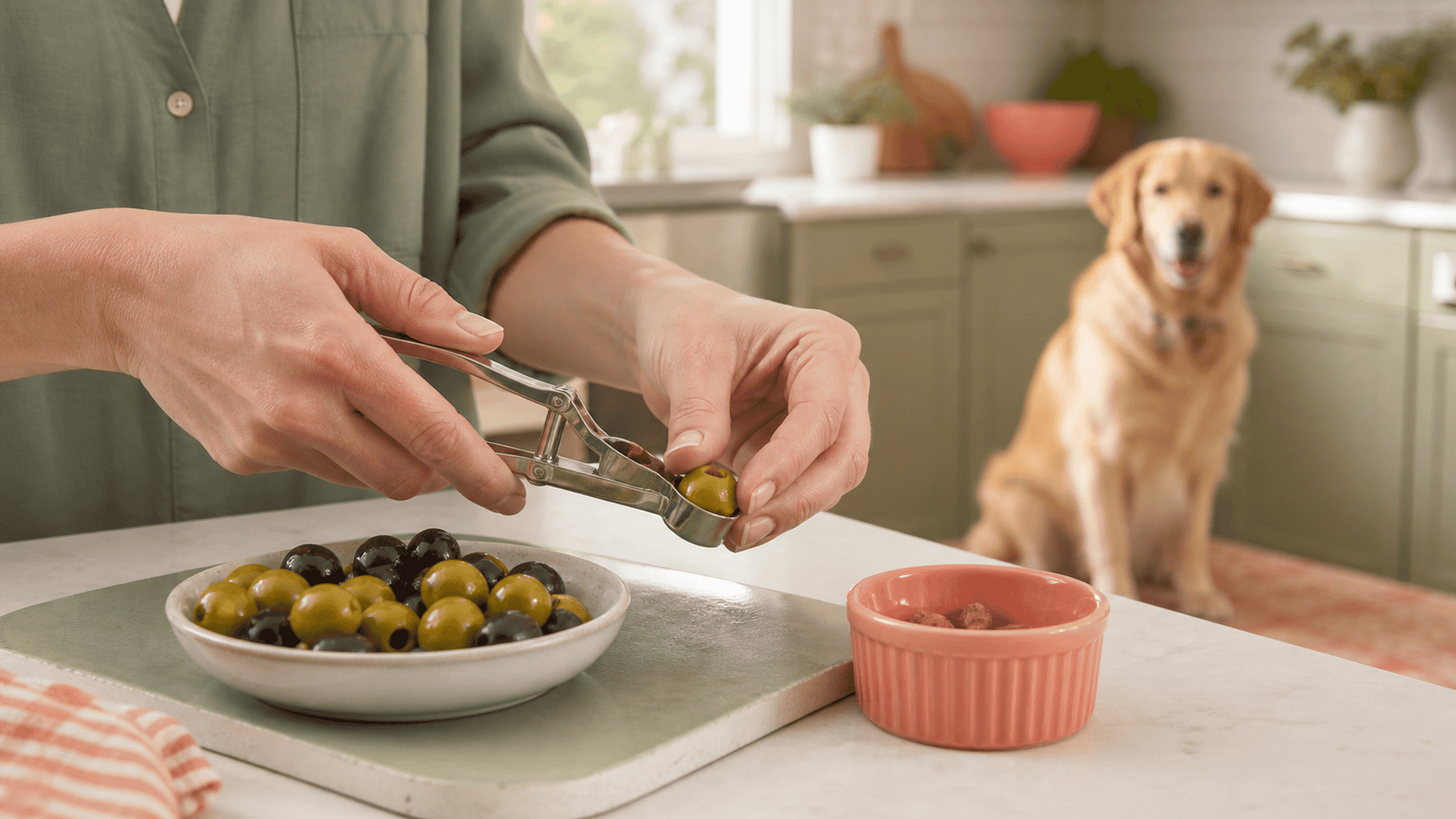
    Dog owner removes pits from olives while a golden retriever waits in the background

    An olive pit is not a poison, but it is hard and non-digestible. Like other swallowed foreign objects, it may become lodged in the stomach or intestines. Foreign-body problems can cause vomiting, loss of appetite, abdominal pain, dehydration, or diarrhea. [1]

    A pit may pass without trouble, especially in a larger dog, but you cannot predict that from appearance alone. Risk depends on the dog’s size, the number of pits, and whether signs develop. A swallowed pit deserves a prompt call for individual guidance.

    Sodium and Brine

    Many canned and jarred olives are packed with salt. One representative ripe-olive label lists 135 milligrams of sodium in a 15-gram serving, while a reduced-sodium version from the same manufacturer lists less. Labels vary, which is why the package matters. [2]

    Severe salt exposure can cause vomiting, weakness, diarrhea, tremors, and seizures in dogs. Fresh water and the amount consumed affect the risk, so a salty olive is not automatically a poisoning emergency. It is still a poor choice for routine sharing. [3]

    Added Ingredients

    Garlic, onion, chives, and leeks belong to the Allium family. Raw, cooked, dehydrated, and concentrated forms can damage red blood cells in dogs, and signs may not appear right away. [4] Stuffed or seasoned olives also may contain cheese, spicy peppers, rich oils, or unfamiliar flavor blends that are unnecessary for your dog.

    Read the complete ingredient list. A pimento by itself is not the same as a garlic-stuffed olive, but a mixed filling or marinade can contain several ingredients that change the risk.

    Alcohol

    Martini olives and olives taken from an alcoholic drink should stay off your dog’s menu. Alcohol is absorbed quickly and can cause vomiting, poor coordination, lethargy, tremors, breathing problems, seizures, or worse. [5]

    Quantity and Digestive Upset

    Even when an olive is plain and pitted, eating many at once can upset a dog’s stomach. If your dog has a sensitive stomach, even a small amount may trigger digestive upset. This is one reason a tiny test taste makes more sense than a bowl of leftovers.

    What Should I Do If My Dog Ate an Olive?

    If It Was Plain and Pitted

    If your dog ate one plain, pitted olive and is acting normal, remove the remaining olives, offer fresh water, and watch for digestive upset. Check the package again to be certain there was no garlic, onion, alcohol, or heavy seasoning.

    If Your Dog Swallowed a Pit

    Call your veterinarian or an animal poison resource for advice based on your dog’s size, the number of pits, and the time of ingestion. Do not try to make your dog vomit unless a veterinary professional specifically tells you to do so.

    Seek prompt care if you notice repeated vomiting, loss of appetite, abdominal pain, diarrhea, dehydration, or marked lethargy. Those signs can occur when a foreign object does not pass normally. [1]

    If It Was Seasoned, Stuffed, or Soaked

    Save the container or take a photo of the ingredient list. Note what your dog ate, how much may be missing, when it happened, and your dog’s approximate weight. Call promptly if the product contained garlic, onion, alcohol, or another ingredient you cannot identify.

    If Your Dog Ate a Large Amount or Has Concerning Signs

    Contact a veterinarian or animal poison resource if a large amount is missing or your dog develops repeated vomiting, weakness, tremors, poor coordination, unusual sleepiness, breathing changes, or seizures. [3][5] Give the product name and ingredient list so the advice can match the actual exposure.

    How to Offer an Olive More Safely

    If you choose to share an olive, keep it simple:

    • Choose a plain, pitted, unsalted olive with no stuffing, marinade, or seasoning.
    • Read the ingredient list every time. Products that look alike may be prepared differently.
    • Offer only a tiny test piece. There is no useful one-size-fits-all serving count.
    • Introduce one new food at a time so you can recognize digestive upset.
    • Skip olives when your dog has a sensitive stomach or an existing diet restriction. A simpler whole-food treat is easier.

    Do not let the idea of a human food being non-toxic turn it into a daily supplement. The goal is not to add as many foods as possible. It is to build a varied, biologically appropriate diet from foods that serve a clear purpose for your individual dog.

    Do Olives Offer Meaningful Health Benefits to Dogs?

    Olives contain fat and plant compounds, but that does not prove that an occasional olive produces a measurable health benefit in dogs. Human nutrition research and laboratory studies cannot be translated automatically into a canine feeding recommendation.

    For most dogs, an olive is simply an optional taste. It is not needed for skin, coat, heart, or immune health. If you want to improve your dog’s nutrition, the complete diet matters far more than one trendy ingredient.

    Better Whole-Food Treat Alternatives

    Simpler fresh foods are easier to prepare without hidden salt or seasonings. Depending on your dog’s needs and tolerance, options may include:

    Golden retriever beside cucumber, carrots, blueberries, pumpkin, and apple treat pieces
    • Cucumber pieces
    • Small pieces of carrot
    • Blueberries
    • Plain pumpkin
    • Apple pieces with the core and seeds removed

    Serve these foods plain and in bite-sized pieces. Introduce them gradually, especially if your dog usually eats a limited variety of foods.

    Final Thoughts

    Plain olive flesh is not the main worry for dogs. The pit, brine, added ingredients, alcohol, and quantity deserve more attention.

    Check the pit and ingredient label first. If the olive was plain, pitted, and unsalted, a tiny taste is usually the least complicated choice. If your dog swallowed a pit, ate a seasoned or alcohol-soaked olive, consumed a large amount, or developed concerning signs, get individualized guidance promptly.

    Frequently Asked Questions

    Can dogs eat black olives?

    Yes, a plain, pitted, unsalted black olive may be offered as a tiny occasional taste. Color is less important than the pit, sodium, and added ingredients.

    Can dogs eat green olives or pimento-stuffed olives?

    A plain green olive raises the same questions as a black olive. It should be pitted, unsalted, and free of risky additions. Pimento stuffing is not automatically the problem, but the full filling and seasoning list still needs to be checked.

    What if my dog swallowed an olive pit?

    Call for veterinary guidance based on your dog’s size, the number of pits, and when the ingestion happened. Watch for vomiting, loss of appetite, abdominal pain, diarrhea, dehydration, or marked lethargy. Do not induce vomiting unless a veterinary professional instructs you to do so.

    Are olives from a tree safe for dogs?

    First confirm that the tree is the culinary olive, Olea europaea. Other plants share the word olive in their common names. Whole fruit from a tree still contains a pit, so it should not be treated as a ready-made dog snack.

    References

    1. American College of Veterinary Surgeons. (n.d.). Gastrointestinal foreign bodies.
    2. Musco Family Olive Co. (n.d.). California ripe olives.
    3. Thompson, L. J. (2024). Salt toxicosis in animals. Merck Veterinary Manual.
    4. Hayes, C. (2024). Garlic and onion (Allium spp.) toxicosis in animals. Merck Veterinary Manual.
    5. Gwaltney-Brant, S. M. (2025). Toxicoses from alcohols in animals. Merck Veterinary Manual.
  • Can Dogs Eat Veggie Straws? What You Need To Know

    Can Dogs Eat Veggie Straws? What You Need To Know

    Veggie straws have become increasingly popular among humans in recent years as a snack option. These crispy treats are marketed as a healthier alternative to traditional potato chips and other processed snacks. This makes them a popular choice for those looking to make healthier choices in their diet. Have you ever wondered “Can dogs eat veggie straws?” The short answer is no, dogs should not eat veggie straws.

    One of the main reasons for the popularity of veggie straws is their perceived health benefits. Made from real vegetables such as potatoes, spinach, and tomatoes, many people believe that they are getting essential vitamins and minerals while satisfying their cravings for something crunchy and salty.

    Another reason why veggie straws have become so popular is that they come in a variety of flavors. From classic sea salt to more exotic options like ranch or BBQ. There seems to be a flavor for everyone’s taste buds.

    veggie straws for dogs

    Can Dogs Enjoy Veggie Straws Too?

    With the rise in popularity of veggie straws among humans, it’s only natural that pet owners would wonder if their furry friends can enjoy this snack too. After all, dogs love crunchy snacks just as much as we do!

    However, the answer isn’t quite as straightforward as one might think. Veggie straws may seem like a healthy snack option because they contain vegetables. However, it’s important to remember that dogs have different nutritional needs than humans.

    When considering whether or not dogs can eat veggie straws, there are several factors to consider. For example, what are the ingredients in the veggie straws?

    Are there any potential health risks associated with feeding dogs processed snacks like these? In addition to these questions, it’s also important to consider how your dog’s digestive system may react to eating something like veggie straws.

    Some dogs may have no problem digesting them. Others may experience stomach upset or even vomiting if they consume too many processed snacks. Overall, while it may be tempting to share your veggie straws with your furry friend, it’s best to err on the side of caution and stick to dog-friendly snack options.

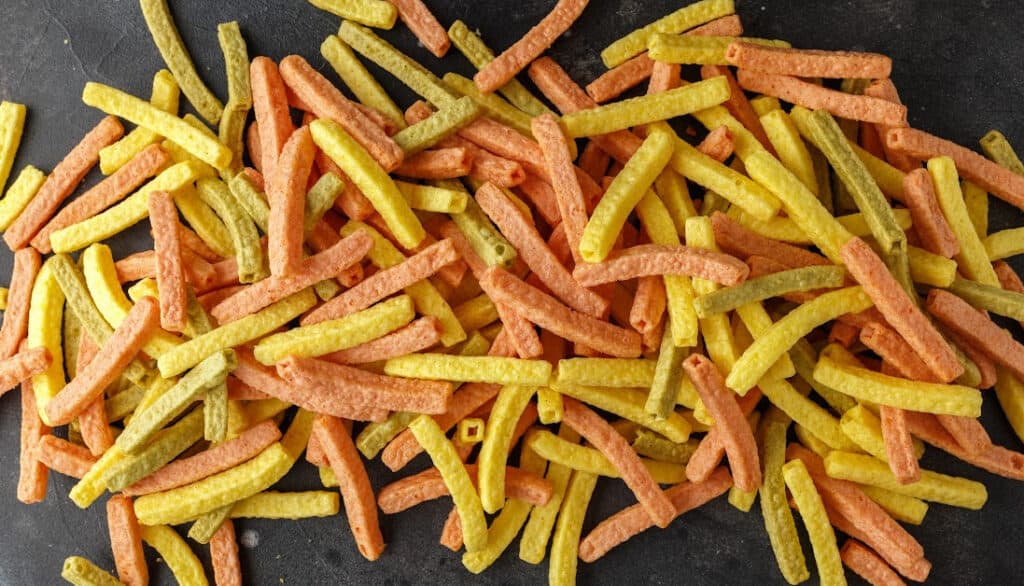
    picture of a pile of veggie straws on a black background

    Overview of Veggie Straws

    What are Veggie Straws?

    Veggie straws are a popular snack food that has gained popularity in recent years due to their crunchy texture and perceived health benefits. These snacks are typically made of a combination of potato starch, cornstarch, and vegetable powders like spinach, tomato, and beetroot. They are shaped like small tubes or sticks and often come in a variety of flavors.

    How are Veggie Straws Made?

    To make veggie straws, combine the ingredients to create a dough-like mixture for veggie straws. Then, feed this mixture into a machine, which extrudes it into small tubes or sticks. Finally, bake these snacks until they reach a crisp and crunchy texture.

    Nutritional Value of Veggie Straws

    One of the main selling points of veggie straws is their perceived nutritional value. While they do contain some vegetable powders, it’s important to note that they are still processed snack food. They should not be considered a replacement for fresh vegetables in your diet.

    That being said, some brands of veggie straws boast being lower in fat than traditional potato chips and may also contain less sodium. They may also contain vitamins like vitamin A or vitamin C from the vegetable powder ingredients.

    Potential Health Benefits for Humans

    There isn’t much research on the specific health benefits of eating veggie straws. Consuming more vegetables in general can have many positive health effects. Vegetables contain fiber which can aid digestion and help you feel full longer.

    They also provide important vitamins and minerals that your body needs to function properly. Some studies have also suggested that consuming more vegetables can help reduce your risk for chronic diseases such as heart disease, diabetes, and certain types of cancer.

    The Bottom Line

    Veggie straws may be a tasty and fun snack option. It’s important to remember that they are still processed food. They should not be relied upon as a primary source of vegetables in your diet. It’s always best to aim for fresh, whole vegetables whenever possible.

    That being said, if you’re looking for a crunchy snack that’s lower in fat and sodium than traditional potato chips, veggie straws could be an option worth considering. Just be sure to read the label and choose brands with simple ingredient lists and minimal added sugars or artificial flavors.

    veggie straws for dogs

    Can Dogs Eat Veggie Straws?

    The short answer is no, dogs should not eat veggie straws. While veggie straws may seem like a healthy snack option for humans, they are not nutritionally appropriate for dogs. In fact, feeding your dog veggie straws could potentially lead to health issues and complications.

    One of the main reasons why veggie straws are not suitable for dogs is that they are highly processed and contain ingredients that may be harmful to them. Many brands of veggie straws contain onion powder or garlic powder. Both of these are toxic to dogs in large quantities.

    Additionally, the high salt content in these snacks can be harmful to your dog’s health. This is true especially if they have kidney or heart problems. Moreover, although some ingredients in veggie straws may be safe for dogs in small amounts such as potato starch and cornstarch which have low nutritional value and low digestibility rate.

    Feeding your dog processed snacks like veggie straws can cause stomach upset. This includes diarrhea because their digestive system isn’t built for digesting human foods. While some people may argue that their dog has eaten veggie straws without any ill effects, it’s important to remember that every dog is different and may react differently to certain foods.

    Just because one dog was fine after eating a few stray pieces of veggie straw doesn’t mean that it’s safe or healthy for all dogs. If you’re looking for a snack option for your furry friend, there are plenty of healthier alternatives out there.

    While it may be tempting to share your favorite snack with your four-legged friend, it’s important to remember that not all human foods are safe for dogs. Veggie straws, in particular, are highly processed and contain ingredients that can be toxic to dogs.

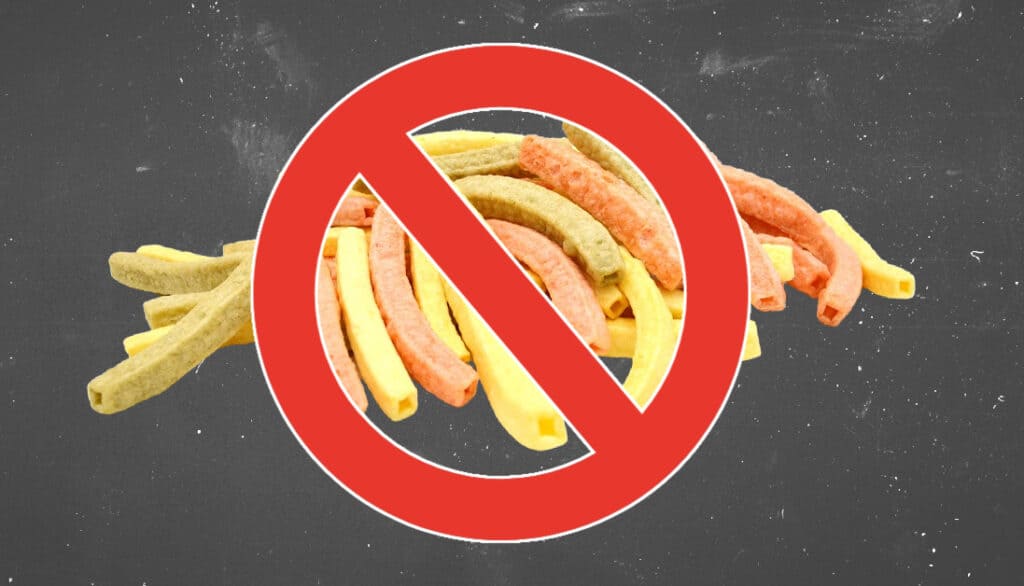
    picture of veggie straws with a forbidden sign

    Potential Risks for Dogs Eating Veggie Straws

    Dangerous Ingredients in Veggie Straws

    Veggie straws are made from a combination of carrots, potatoes, and spinach. However, some manufacturers add additional ingredients to enhance the flavor or color of the snack.

    Some of these added ingredients can be harmful to dogs. For example, onion powder and garlic powder are often included in veggie straws to give them a savory taste.

    These ingredients can damage a dog’s red blood cells and cause anemia if ingested in large quantities. Another danger ingredient is salt.

    Most veggie straws contain a high amount of sodium which can lead to dehydration if consumed excessively by your pooch. Too much salt can also cause electrolyte imbalances which could lead to other health issues.

    Digestive Issues From Processed Snacks Like Veggie Straws

    Veggie straws are processed snacks that contain artificial flavors and colors. They also contain preservatives that help to extend their shelf life. Unfortunately, these additives may cause digestive issues such as diarrhea or vomiting in dogs with sensitive stomachs. Moreover, the high fiber content in veggie straws may be too much for some dogs to handle which could lead to bloating and gas.

    The Importance of Reading Labels Before Giving Treats

    It is important always to check the label before giving your dog any snack including dog treats or human food such as veggie straws. Some seemingly healthy foods may include dangerous substances that will harm your furry friend. Checking food labels allows you to note any harmful ingredients beforehand. This way you can avoid them entirely while buying snacks for your dog at home.

    Consulting A Veterinarian Before Introducing New Foods Into Your Dog’s Diet

    In case you’re unsure what type of treats are safe for your dog, or if you’re considering adding new food to their diet, it’s always best to consult with your veterinarian first. Your vet may suggest specific snacks or foods that are ideal for your dog’s specific dietary requirements depending on their age, breed, and activity level. Your veterinarian can also help you determine the appropriate serving size based on your dog’s weight and calorie needs.

    Veggie straws aren’t necessarily toxic to dogs but they could potentially cause digestive issues and contain harmful ingredients. Onion powder, garlic powder, and salt could lead to health complications if consumed excessively. When it comes to feeding dogs any human food or treats even those labeled healthy, it is always best first to consult with a veterinarian before introducing anything new into their diet.

    picture of dog chewing on a snack

    Alternatives to Veggie Straws for Dogs

    Dog-Friendly Snacks

    While veggie straws may seem like a healthy snack option for humans, they are not necessarily the best choice for our furry friends. However, there are plenty of other alternatives that can be just as tasty and even more nutritious for dogs.

    One great option is carrots. Not only are they low in calories, but they also contain vitamins and minerals that can benefit a dog’s overall health. Carrots are also great for promoting healthy teeth and gums due to their crunchy texture. Another alternative is green beans. These vegetables are rich in fiber and protein, making them an excellent source of nutrition for dogs. They also contain antioxidants that can help support a dog’s immune system.

    Other healthy snack options for dogs include apples, bananas, blueberries, and pumpkin puree. These snacks not only provide essential vitamins and minerals but also add variety to a dog’s diet.

    The Importance of Consulting with a Veterinarian

    Before introducing any new food into a dog’s diet, it is always important to consult with a veterinarian first. While some foods may seem harmless or even beneficial to us humans, they may pose potential risks or complications for our pets.

    For example, certain fruits such as grapes or raisins can cause kidney failure in dogs if ingested in large amounts. Additionally, some human foods may be high in fat or salt content which can lead to digestive issues or obesity in dogs.

    By consulting with a veterinarian before introducing new foods into their diet, pet owners can ensure that they are providing their furry friend with the proper nutrition while minimizing potential risks. While veggie straws may seem like an appealing snack option due to their crunchy texture and vegetable-based ingredients, they might not be the best choice for our dogs.

    Instead, opting for healthier, dog-friendly snacks such as carrots or green beans can provide our pets with the nutrition they need while reducing potential health risks. Remember to always consult with a veterinarian before introducing new foods into a dog’s diet to ensure their health and wellness.

    Conclusion: Can Dogs Eat Veggie Straws?

    After much discussion and analysis, the answer to the question “Can dogs eat veggie straws?” is: it depends. While veggie straws themselves are not inherently toxic to dogs, the ingredients they contain can be harmful if consumed in large quantities.

    Onion powder and garlic powder, two common ingredients found in veggie straws, can cause gastrointestinal distress and anemia in dogs. While it may be tempting to share your snack with your furry friend, it’s important to consider their nutritional needs and digestive system.

    Dogs require a diet that is high in protein and fat, while also containing essential vitamins and minerals. Veggie straws are a processed snack that lack many of these necessary nutrients.

    However, if you still want to give your dog a taste of veggie straws as a special treat, there are some precautions you can take. First, make sure that the particular brand of veggie straws you choose does not contain any potentially harmful ingredients like onion or garlic powder.

    Second, only feed them in moderation as an occasional treat rather than as a regular part of their diet. Overall though, there are many healthier alternatives for dog treats that offer more nutritional value such as carrots or green beans which provide fiber and vitamins without the risk of any harmful additives.

    When considering introducing new foods into your dog’s diet it’s always best to consult with your veterinarian first. They will be able to provide specific recommendations based on your dog’s individual needs and health history.

    While it is technically possible for dogs to eat veggie straws, there are certainly better snack options out there for our furry friends. By making informed decisions about what we feed our pets we can ensure they stay healthy and happy for years to come!

  • Can Dogs Eat Chicken Noodle Soup?

    Can Dogs Eat Chicken Noodle Soup?

    Most canned, condensed, restaurant, and family-recipe chicken noodle soups are not a good choice for dogs. They often contain onion, garlic, concentrated seasonings, and more sodium than a dog needs.

    A plain homemade version can be offered occasionally if it is made with dog-friendly ingredients. If your dog already had a small lick, that is different from eating a full bowl. Check the ingredient list, estimate how much your dog ate, and consider your dog’s size and health before deciding what to do next.

    Can Dogs Eat Chicken Noodle Soup? The Quick Answer

    The recipe matters more than the name of the soup.

    • Canned or condensed soup: Usually avoid. It may contain onion, garlic, seasoning powders, concentrated broth, and a lot of sodium.
    • Restaurant or deli soup: Usually avoid unless you can confirm every ingredient.
    • Ordinary homemade soup: Check carefully. Family recipes often start with onion or garlic.
    • Dog-safe homemade soup: Fine as an occasional topper or short-term gentle food when it is plain, fully cooked, and free of unsafe ingredients.

    If you do not have the full ingredient list, it is safer to choose a plain alternative.

    Why Most Human Chicken Noodle Soup Is Not Dog-Friendly

    Chicken noodle soup with onion, garlic, seasoning powder, bouillon and salt that dogs should avoid

    Onion, Garlic, and Other Alliums

    Onion, garlic, leeks, and chives belong to the Allium family. These ingredients can damage a dog’s red blood cells. Garlic is more concentrated than onion, and dried powders or soup mixes can be more concentrated than fresh ingredients. [1] A peer-reviewed review also identifies onion and garlic among household foods that can poison dogs and cats. [2]

    Check the label for onion powder, garlic powder, dried onion, dried garlic, leek, chive, seasoning blends, bouillon, and soup base. Removing visible onion pieces does not make the broth safe because flavor and dissolved ingredients remain in the liquid.

    Sodium, Fat, and Seasonings

    Human soup is often salty. A small taste is not the same as a large exposure, and serious salt toxicosis is less likely when a healthy dog can regulate sodium normally and has free access to fresh water. Large amounts, restricted water access, and existing health problems can increase concern. [3]

    Even when the sodium level is not an emergency, salty soup is a poor routine food for a dog. Plain, minimally seasoned ingredients make the better choice.

    What to Do If Your Dog Ate Chicken Noodle Soup

    Stay calm and gather the details your veterinarian will need.

    Dog owner checking a chicken noodle soup can label after her dog tasted the soup
    1. Save the label or recipe. Look for onion, garlic, leeks, chives, powders, soup base, bouillon, and added salt.
    2. Estimate the amount and time. A lick, a few spoonfuls, and a full bowl are different exposures.
    3. Consider the whole dog. Size, age, current symptoms, water access, and medical history can change the level of concern.
    4. Offer fresh water. Do not induce vomiting unless a veterinarian or animal poison professional specifically tells you to do so.
    5. Call your veterinarian promptly if an Allium ingredient is listed, the amount was large or is unknown, your dog is very small, water was restricted, or your dog has a relevant medical condition.

    After an Allium exposure, early signs may include vomiting or diarrhea. Weakness, lethargy, pale gums, rapid breathing, a fast heart rate, or dark to reddish urine may develop later. [1] Seek veterinary care if you notice any of these signs.

    How to Make Dog-Safe Chicken Noodle Soup

    A simple homemade version gives you control over every ingredient. Keep it plain.

    Plain dog-safe homemade chicken noodle soup with chicken, noodles, carrots and green beans

    Simple Ingredients

    • 2 cups water or unsalted broth that you have confirmed contains no onion, garlic, leek, or chive
    • 1 cup plain, boneless, skinless cooked chicken or turkey, chopped
    • 1/2 cup cooked white rice or plain noodles
    • 1/4 cup finely chopped carrot or green beans, optional

    Do not add onion, garlic, leeks, chives, seasoning packets, bouillon, added salt, butter, chicken skin, or cooked bones.

    Easy Directions

    1. Put the water or verified allium-free broth in a saucepan.
    2. Add the cooked chicken or turkey, rice or noodles, and optional vegetables.
    3. Simmer until the vegetables are soft and all ingredients are heated through.
    4. Let the soup cool completely.
    5. Check once more for bones before serving.

    How to Serve It

    Start with a small spoonful as a topper and see how your dog responds. The right amount depends on your dog’s size, usual diet, and health.

    This simple recipe is intended as an occasional topper or short-term gentle food. It is not formulated as a complete long-term diet. If your dog needs a homemade diet for more than a brief period, ask your veterinarian for a nutritionally complete plan.

    Can Chicken Soup Help a Sick Dog?

    The warm aroma and soft texture of a plain homemade soup may encourage some dogs to take an interest in food. It can also provide fluid along with simple ingredients. Still, soup is supportive food. It does not diagnose or treat the reason a dog feels unwell.

    Call your veterinarian if your dog repeatedly vomits, cannot keep water down, seems very weak or painful, or continues to refuse food. Puppies, older dogs, and dogs with chronic health conditions may need help sooner. Do not force-feed a dog who is nauseated or struggling to swallow.

    Final Thoughts

    Most chicken noodle soup made for people is not worth the ingredient risk. The safer choice is a plain homemade version made without onion, garlic, other alliums, added salt, rich fat, or seasoning packets.

    If your dog already ate soup, check the full label and estimate the amount. When an Allium ingredient is present, the amount is large or uncertain, or your dog has symptoms, contact your veterinarian. If you want to share soup safely, use the simple dog-friendly recipe above and keep it as an occasional extra.

    Frequently Asked Questions

    Can dogs eat Campbell’s chicken noodle soup?

    Check the current label because formulas can change. Canned and condensed soups commonly use concentrated broth, seasonings, and substantial sodium, so they are usually not a good choice for dogs. If your dog already ate some, save the label and call your veterinarian when it contains an Allium ingredient or the amount was large or unknown.

    Can I remove the onion and give my dog the rest of the soup?

    No. Onion flavor and compounds can remain in the broth, and the recipe may also contain onion or garlic powder that you cannot remove. Choose a separate allium-free broth or make a plain soup from scratch. [1]

    Can puppies eat homemade chicken noodle soup?

    A puppy can have a small amount of a plain, allium-free homemade version as an occasional extra, but it should not replace a complete puppy diet. Because puppies are small and still growing, ask your veterinarian for advice if the puppy ate ordinary human soup or is not eating normally.

    Is chicken broth okay for dogs?

    It can be, but read the full label. Choose an unsalted product with no onion, garlic, leek, chive, seasoning mix, or concentrated soup base. When the label is unclear, plain water is the safer cooking liquid.

    References

    1. Merck Veterinary Manual. (n.d.). Allium spp toxicosis in animals. https://www.merckvetmanual.com/en-au/toxicology/food-hazards/allium-spp-toxicosis-in-animals
    2. Cortinovis, C., & Caloni, F. (2016). Household food items toxic to dogs and cats. Frontiers in Veterinary Science, 3, 26. https://pubmed.ncbi.nlm.nih.gov/27047944/
    3. Merck Veterinary Manual. (n.d.). Salt toxicosis in animals. https://www.merckvetmanual.com/toxicology/salt-toxicosis/salt-toxicosis-in-animals
  • Jicama for Dogs: Adding a Crunchy and Nutritious Snack to Their Diet

    Jicama for Dogs: Adding a Crunchy and Nutritious Snack to Their Diet

    The Jicama Superfood

    Jicama is a root vegetable that is native to Mexico and South America. It has a crunchy texture, and slightly sweet taste, and is often used in salads or as a healthy snack due to its low-calorie count. Jicama has been gaining popularity as a superfood in recent years because of its high nutritional value. But the question remains: can dogs eat jicama too?

    jicama for dogs

    Canine Taste Buds

    Before we dive into the question at hand, let’s talk about canine taste buds. Dogs have about 1,700 taste buds compared to humans’ 9,000.

    This means that their sense of taste is not as developed as ours. They are not as sensitive to flavors. This also means that dogs are less likely to enjoy certain foods such as jicama that do not have strong flavors.

    Is Jicama Safe for Dogs?

    The good news is that jicama is generally safe for dogs to eat in moderation. However, there are some precautions you should take before feeding it to your furry friend.

    Firstly, jicama should always be served in small amounts. It contains high levels of fiber which can cause digestive issues if given in large quantities. Additionally, it should always be cooked or steamed before serving because raw jicama may be difficult for dogs to digest.

    can i feed my dog jicama

    The Benefits of Jicama for Dogs

    Jicama is packed with nutrients such as vitamins C and E which can help boost your dog’s immune system function. It also contains dietary fiber which promotes healthy digestion. It also helps with weight management by making your dog feel fuller for longer periods of time. Additionally, jicama can be a great alternative snack option for dogs who suffer from food allergies or intolerances since it does not contain common allergens such as wheat or dairy.

    Potential Risks of Feeding Jicama to Dogs

    While jicama is generally safe for dogs to eat in moderation, there are still some potential risks to be aware of. As mentioned earlier, raw jicama can be difficult for dogs to digest and may cause digestive issues such as bloating or diarrhea. Another concern is the risk of choking if your dog does not chew the jicama well enough.

    To avoid this, it is best to cut the jicama into small pieces or shred it before serving. While dogs can eat jicama in moderation, you should always exercise caution and start with small amounts.

    Cooked or steamed jicama is easier for dogs to digest than raw and can offer some great health benefits such as boosting their immune system function and promoting healthy digestion. As with any new food, it’s important to monitor your dog’s reaction and consult with your veterinarian if you have any concerns.

    is jicama safe for my dog

    What is Jicama?

    Jicama, also known as Mexican turnip or yam bean, is a root vegetable that originated in Central and South America. It belongs to the legume family and is related to beans and peas.

    The plant itself can grow up to 20 feet tall and produces a large, edible tuberous root. The jicama root has a tan-colored exterior with a similar texture to that of a potato but with a slightly sweet taste.

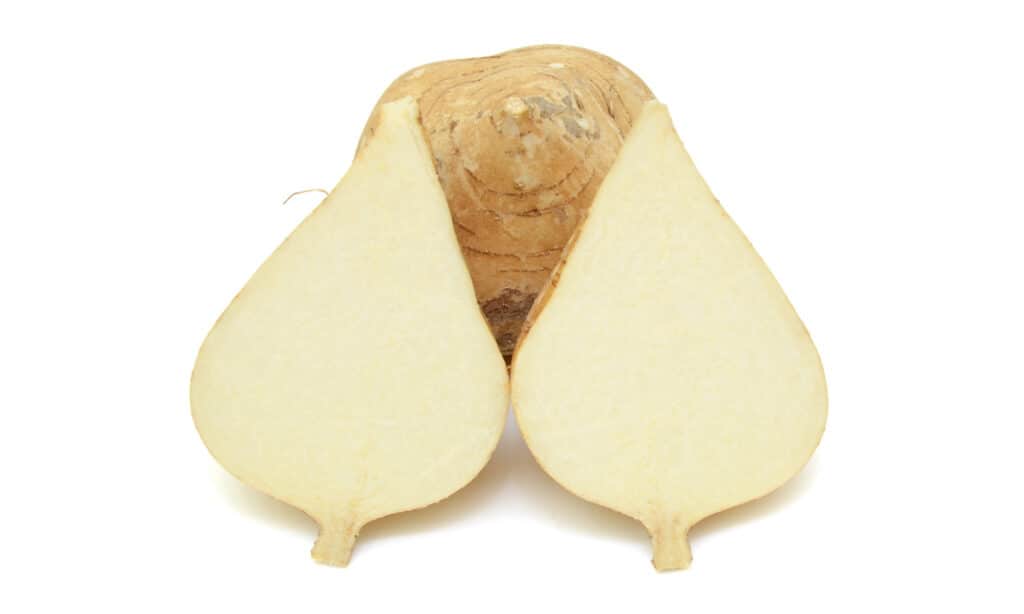
    The interior of the vegetable is white and juicy, similar to that of an apple or pear. The root can range in size from small (around the size of an avocado) to large (up to 6 pounds).

    safely feed jicama to your dog

    Definition and Description of Jicama

    Jicama is often described as a low-starch vegetable due to its high water content. It has been used for centuries in traditional medicine as it contains many nutrients that have numerous health benefits. In terms of appearance, jicama has thin brown skin that must be peeled before consuming the crisp white flesh inside.

    Some describe it as having an earthy yet slightly sweet flavor profile, though it mostly takes on whatever flavors it’s paired with. Jicama can be eaten raw or cooked and is often used in salads, slaws, stir-fries or roasted dishes.

    Nutritional Value of Jicama for Humans

    Jicama is considered one of the healthiest vegetables around due to its high levels of fiber and vitamin C. A cup of sliced raw jicama contains only about 50 calories but provides almost 7 grams of dietary fiber – over one-quarter your daily needs! It’s also rich in vitamin E which helps keep your skin healthy while supporting immune function thanks to its antioxidant properties. Additionally, jicama has potassium which helps regulate blood pressure by balancing out sodium levels in the body.

    Jicama is an excellent source of prebiotic fiber which feeds the good bacteria in our gut, promoting overall digestive health. While jicama is a great addition to a human’s diet, we need to ask if it’s safe for dogs to eat it too.

    add jicama to your dogs diet for good fiber

    Can Dogs Eat Jicama?

    Jicama is a popular vegetable among humans due to its crunchy texture and sweet taste. But can dogs eat jicama too? The answer is yes, dogs can safely consume jicama in moderation.

    It is a healthy, low-calorie snack that can offer nutritional benefits to your furry friend. However, it is important to note that not all dogs will react the same way to jicama.

    Some dogs may have difficulty digesting it due to its high fiber content, while others may experience an upset stomach or diarrhea if they consume too much. It is always best to introduce new foods slowly and in small amounts to monitor your dog’s reaction.

    Is Jicama Safe for Dogs?

    Jicama itself is not toxic or harmful to dogs, but there are some potential risks associated with feeding it to them. As mentioned above, the high fiber content of jicama can cause digestive issues for some dogs. It is also important to note that the skin and seeds of the jicama plant are not safe for consumption by either humans or animals.

    In addition, jicama should never be a substitute for a balanced diet specifically formulated for your dog’s needs. While it does contain beneficial nutrients such as vitamin C and E and potassium, it should only be given as an occasional treat.

    The Benefits of Jicama for Dogs

    When fed in moderation as part of a well-balanced diet, jicama can offer numerous health benefits for your furry friend. Firstly, it is low in calories and high in fiber which makes it an excellent snack option if you’re looking to help manage their weight.

    Jicama also contains vitamin C which supports immune system function and promotes healthy skin and coat. Additionally, vitamin E found in jicama has antioxidant properties that protect against cell damage and promote healthy aging.

    jicama is safe for dogs in moderation

    The Risks of Jicama for Dogs

    While jicama has many benefits, there are also some risks to consider before feeding it to your dog. As mentioned above, the high fiber content can cause digestive issues in some dogs.

    It is also important to note that jicama should only be given in small amounts and cut into small pieces or shredded to avoid the risk of choking. If you notice any adverse reactions such as vomiting, diarrhea, or lethargy after feeding your dog jicama, it’s important to contact your veterinarian right away.

    How to Feed Jicama to Your Dog

    If you decide to feed your dog jicama, there are a few things you should keep in mind. Firstly, it’s important to wash and peel the jicama thoroughly before serving. Next, cut it into small pieces or shred it so that your dog can easily digest it.

    It’s best to start with a small amount of jicama and monitor their reaction over time. If they tolerate it well and enjoy the flavor, you can gradually increase the amount you give them.

    However, as mentioned earlier in this article, remember that moderation is key when feeding any new food item to your dog. While there are some potential risks associated with feeding dogs jicama due to its high fiber content and choking hazard if not prepared properly – when given in moderation as part of a balanced diet – this vegetable can offer numerous health benefits for our furry friends.

    cross section of jicama

    The Benefits of Jicama for Dogs

    Jicama is High in Fiber

    Jicama is a great source of dietary fiber, which helps to promote healthy digestion in dogs. Fiber helps to keep things moving through the digestive tract and can prevent constipation and other gastrointestinal issues. This root vegetable is also low in fat, which makes it a great option for dogs who need to lose weight or maintain a healthy weight.

    Jicama is Low in Calories

    Another benefit of jicama for dogs is that it’s low in calories. This means that you can feed your dog larger portions of jicama without worrying about them consuming too many calories. In fact, jicama contains fewer calories per serving than many other fruits and vegetables.

    Jicama is Rich in Vitamins C and E

    Jicama is also rich in vitamins C and E, which are both important nutrients for dogs. Vitamin C helps to boost the immune system, while vitamin E acts as an antioxidant that helps to protect cells from damage caused by free radicals. These vitamins play important roles in promoting overall health and wellbeing in dogs.

    Jicama Can Promote Healthy Digestion

    As mentioned earlier, jicama’s high fiber content makes it great for promoting healthy digestion in dogs. The fiber found in this root vegetable can help regulate bowel movements and prevent digestive issues such as constipation or diarrhea. Additionally, the high water content found within jicama can help keep your dog hydrated while aiding digestion.

    safely prepare jicama for your dog

    Jicama Can Aid Weight Management

    If your dog needs to lose weight or maintain a healthy weight, incorporating jicama into their diet may be helpful. As previously stated, this vegetable contains relatively few calories yet high amounts of dietary fiber—both essential components for any dog’s weight management plan. The fiber can help your dog feel fuller for longer while the low-calorie content keeps their overall caloric intake within a healthy range.

    Jicama Can Boost Immune System Function

    The high levels of vitamin C found in jicama can help to boost your dog’s immune system. Vitamin C is an antioxidant that helps to protect cells from damage caused by free radicals and provides essential support to the immune system.

    Incorporating jicama into your dog’s diet can provide a natural source of this important nutrient. Jicama is not only safe for dogs to consume but also provides many health benefits.

    Thanks to its high fiber, low calorie and vitamin content, it can promote healthy digestion, weight management, immune system function, among other benefits. However, as with any new food or treat you introduce into your dog’s diet, it is always best to introduce it gradually and monitor their reaction to ensure they digest it well without having any adverse reactions or allergies.

    jicama for dogs; risks and benefits

    Risks of Jicama for Dogs

    Difficulty digesting due to high fiber content

    While jicama is packed with fiber, which is essential for maintaining good digestive health in dogs, too much of it can cause digestive problems. If your dog eats too much jicama, they may experience diarrhea or constipation. This can be especially problematic for dogs with sensitive stomachs or those prone to gastrointestinal issues.

    Dogs that are new to eating jicama should start slow and gradually introduce this nutritious vegetable into their diet. This will allow their digestive system to adjust and get used to the high fiber content.

    Potential choking hazard if not cut into small pieces

    Jicama has a crunchy texture that many dogs enjoy. However, this texture can also make it a potential choking hazard if not prepared properly. Dogs who are enthusiastic eaters may try to swallow large chunks of jicama without chewing it properly.

    To avoid the risk of choking, always cut up jicama into small pieces before feeding it to your dog. Additionally, you should always supervise your dog while they are eating and take away any large pieces that they may attempt to swallow whole.

    how to feed your dog jicama safely

    Pre-existing Medical Conditions

    Dogs with pre-existing medical conditions may be more susceptible to developing complications from consuming certain foods like jicama. For example, diabetic dogs need careful monitoring of their sugar intake so you need to make sure that you limit their intake of sweet vegetables like jicama.

    Dogs with kidney disease should also avoid high potassium foods like jicama as the excess potassium can worsen the condition. It’s important you talk with your veterinarian about any pre-existing medical conditions your dog might have before introducing them to new foods, including Jicam

    Allergies and Intolerances

    Dogs can develop allergies to any food, and jicama is no exception. While jicama itself is not considered an allergenic food, dogs that are already predisposed to certain allergies may have a reaction if they consume jicama.

    Additionally, some dogs may be intolerant to certain carbohydrates found in jicama, which can lead to digestive issues like bloating or gas. If you notice any signs of an allergic reaction or intolerance after feeding your dog jicama, stop giving it to them and consult your veterinarian.

    While many dogs can safely enjoy jicama as a healthy addition to their diet, there are potential risks associated with feeding this vegetable to your furry friend. By being aware of these risks and taking the necessary precautions when offering Jicama as a treat for your dog such as cutting it into small pieces or gradually introducing it into their diet will help you alleviate any health concerns related to feeding Jicama.

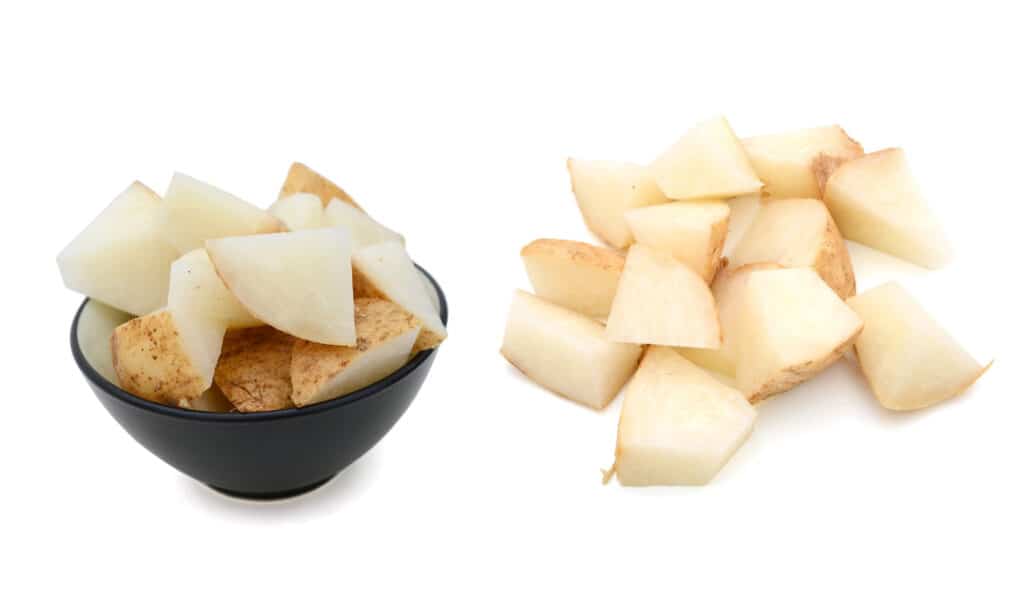
    slices of jicama

    How to Feed Jicama to Your Dog

    Tips on How to Safely Incorporate Jicama into Your Dog’s Diet

    Jicama is a safe and healthy addition to your dog’s diet, but it’s important to introduce it slowly and in moderation. Just like humans, dogs can have different reactions to certain foods, so it’s essential to monitor their response when introducing new foods. Start by offering small amounts of jicama mixed with your dog’s regular food.

    Start with Small Amounts and Monitor Their Reaction

    It’s recommended that you start with a small amount of jicama for your dog – about one or two slices per day. Observe your dog for any adverse reactions such as vomiting, diarrhea or stomach upset.

    If there are no signs of discomfort, you can gradually increase the amount over time. However, if you notice any negative symptoms after feeding jicama to your furry friend, stop giving them immediately.

    Cut into Small Pieces or Shred Before Serving

    To make sure that your dog can safely eat jicama without choking, cut it into small pieces or shred it before serving. It is best not to serve large chunks as this could lead to choking hazards or digestive problems for your furry friend.

    Small pieces will be easier for them to chew and digest. When cutting jicama into smaller sizes for dogs, ensure that they are not too tiny that they pose a choking hazard for them since this could cause respiratory distress in the worst-case scenario.

    jicama - a great choice of fiber for dogs

    Serving Methods

    There are several ways in which you can serve jicama as a snack or treat for your dog. You may decide to peel off the skin entirely before cutting it up into bite-sized pieces; this makes digestion easier since dogs tend not always able to digest some skins.

    Alternatively, you may leave the skin on and slice it up into thin rounds or sticks. You may also decide to mix jicama with other dog-safe fruits and vegetables such as apples, carrots, or sweet potatoes to create a healthy snack mix that your dog will love.

    Make sure that you do not introduce any new foods too fast since this could cause stomach upset. Dogs can eat jicama safely if it is introduced in moderation and cut up into small pieces.

    Jicama is an excellent source of vitamins C and E, fiber, and low in calories making it a perfect addition to your dog’s diet. Always monitor your pet’s reaction when introducing new foods since they can have different reactions to certain foods just like humans.

    ~Lindsie

  • Can Dogs Eat Jackfruit? Expert Answers

    Can Dogs Eat Jackfruit? Expert Answers

    Medically Reviewed by: Dr. Candy Akers, DVM

    In recent years, jackfruit has become widely popular as a versatile and healthy food option for many people. This unique fruit boasts a range of health benefits. Its meaty texture has made it a popular ingredient in vegetarian and vegan dishes. With such a trendy food making its way into our kitchens, it’s only natural for pet owners to wonder, “Can dogs eat jackfruit?”. It’s important to understand what our furry friends can and cannot eat to maintain their health. In this blog, we will delve into the world of jackfruit and canine nutrition. We will explore expert opinions on whether dogs can safely enjoy this exotic treat.

    Akita dog at the kitchen table looking at a jackfruit

    What is Jackfruit?

    Jackfruit is a large, tropical fruit native to South Asia, mainly found in countries like India, Bangladesh, Sri Lanka, and Malaysia. It belongs to the Moraceae plant family and its scientific name is Artocarpus heterophyllus. Over time, jackfruit cultivation has spread to other tropical regions, such as Southeast Asia, Africa, and South America.

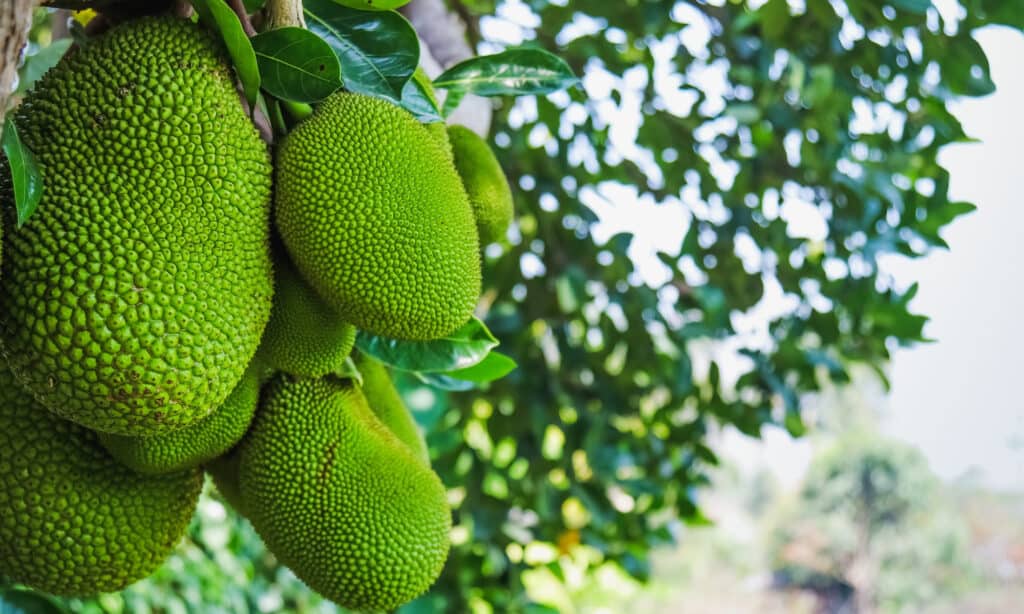
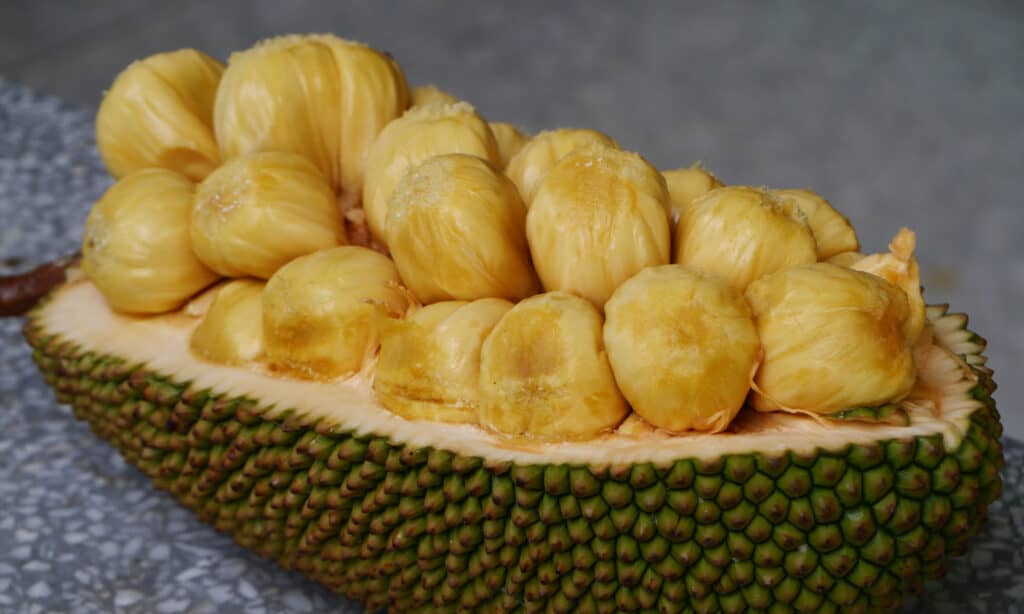
    The fruit has a different appearance, with a thick, spiky green rind that encases the edible portions. Inside the jackfruit, you’ll find fleshy, yellow bulbs that cover large seeds. These bulbs, or “arils,” are the main part of the fruit that is eaten. The seeds can also be cooked and eaten.

    Jackfruit has gained immense favor due to its numerous health benefits for humans, including being a good source of dietary fiber, vitamins (such as vitamin C and vitamin A), and minerals (like potassium and magnesium). The fruit is low in calories and fat, making it a healthy addition to many diets.

    One of the unique traits of jackfruit is its meaty texture when cooked. This has led to its broad use as a plant-based meat sub in vegetarian and vegan cuisine. The fruit can be eaten raw, cooked, or even processed into various products, such as jams, chips, and ice cream.

    Canine Dietary Needs

    Dogs, like humans, require a stable diet to meet their nutritional needs, but the specific nutrients and balance may differ. Here are the key factors of a dog’s diet:

    • Proteins: Proteins are the building blocks of your dog’s body and are important for maintaining healthy muscles, skin, coat, and immune system. High-quality protein sources for dogs include meats, poultry, fish, and eggs. Dogs can also obtain protein from certain plant-based sources, but these may not provide all the vital amino acids they need.
    • Fats: Fats are vital for providing energy, supporting cell function, and promoting healthy skin and coat. They also help with the absorption of fat-soluble vitamins (A, D, E, and K). Dogs require both saturated and unsaturated fats, including essential fatty acids like omega-3 and omega-6. Common sources of healthy fats for dogs include fish, chicken fat, and flax seed.
    • Carbohydrates: While not a strict must for dogs, carbs can be a valuable energy source and provide vital nutrients, such as fiber, vitamins, and minerals. Good carb sources for dogs include whole grains, fruits, and veggies. However, eating too much can lead to obesity and related health issues.
    • Vitamins and Minerals: Dogs need a variety of vitamins and minerals to support various bodily functions. Some examples are bone growth, immune system function, and regulating metabolism. These nutrients can be obtained through a diet that includes a variety of foods, including meats, grains, fruits, and vegetables.
    • Water: Proper hydration is essential for maintaining your dog’s health. Water plays a crucial role in regulating body temperature, digestion, and waste elimination. Always ensure your dog has access to clean, fresh water.

    It’s important to remember that dogs have different digestive systems than humans. This makes them more sensitive to certain foods that may be harmless to us.

    Expert Opinions on Dogs and Jackfruit

    Expert opinions on dogs and jackfruit vary. Some vets and pet nutritionists considering it safe for dogs to consume in moderation. Others advise caution due to potential risks and side effects. Here’s a summary of expert perspectives on the topic:

    Possible Benefits of Jackfruit for Dogs:

    • Nutritional value: Jackfruit contains dietary fiber, vitamins, and minerals that can be great for dogs when consumed in moderation. The fiber content can aid digestion and promote gut health.
    • Low in calories and fat: Jackfruit is low in calories and fat, making it a healthy treat option for dogs. Especially when compared to processed dog treats that may be high in calories and unhealthy additives.

    Potential risks and side effects:

    • Allergic reactions: Some dogs may be allergic or sensitive to jackfruit. This leads to symptoms like itching, skin irritation, or GI issues. It’s important to monitor your dog for any signs of an adverse reaction when introducing jackfruit into their diet.
    • Gastrointestinal problems: Jackfruit is high in fiber. Excessive consumption may lead to diarrhea or an upset stomach in some dogs. It’s crucial to introduce jackfruit in small amounts to avoid digestive issues.
    • Choking hazard: Jackfruit seeds and large chunks can pose a choking risk for dogs, especially smaller breeds. Always remove the seeds and cut the fruit into appropriate-sized pieces before offering it to your dog.

    It’s important to note that expert opinions on dogs and jackfruit may differ based on individual experiences and circumstances. While some dogs may tolerate and enjoy jackfruit as an occasional treat, others might experience adverse effects.

    How to Safely Introduce Jackfruit to Your Dog’s Diet

    You can safely introduce jackfruit to your dog’s diet by following these steps:

    • Start with small portions: As with any new food, it’s essential to begin with a small amount to gauge your dog’s reaction. Offer a tiny piece of jackfruit to your dog and observe them for any signs of upset or adverse reactions, such as vomiting, diarrhea, or itching.
    • Gradually increase the amount: If your dog tolerates the initial small portion without any issues, you can slowly increase the amount of jackfruit you give them. Jackfruit is an occasional treat and should not be a staple in their diet.
    • Prepare jackfruit properly: To ensure your dog’s safety, always remove the seeds and any tough parts of the jackfruit before offering it to your pet. Cut the fruit into small pieces appropriate for your dog’s size to minimize the risk of choking.
    • Monitor your dog’s reaction: Keep a close eye on your dog after feeding them jackfruit, and look for any signs of an upset stomach or allergic reaction. If you notice any unusual behavior or symptoms, discontinue feeding jackfruit to your dog and consult your vet.
    • Consult your veterinarian: Before introducing any new food, it’s always a good idea to consult with your vet. They can provide specific guidance based on your dog’s specific needs and dietary requirements.

    Remember, every dog is different, and their experience with jackfruit may vary.

    Alternatives to Jackfruit for Dogs

    There are many fruits and veggies that can serve as healthy alternatives to jackfruit for dogs. These options can provide additional nutrients and variety to your dog’s diet without posing the same potential risks:

    • Apples: Apples are a good source of vitamins A and C, fiber, and antioxidants. Make sure to remove the core and seeds before offering apple slices to your dog, as they can be harmful.
    • Blueberries: Rich in antioxidants, fiber, and vitamins, blueberries make a nutritious and low-calorie treat for dogs. Offer blueberries (fresh or frozen) in moderation.
    • Carrots: Carrots are low in calories and high in fiber, vitamins, and minerals, making them an excellent treat for dogs. They can also help maintain dental health when offered raw.
    • Green beans: These vegetables are low in calories and packed with vitamins and minerals, making them a healthy addition to your dog’s diet. Offer cooked, unsalted green beans to your dog as a treat or mix them into their regular food.
    • Pumpkin: Pumpkin is rich in fiber, vitamins, and minerals, and can be especially beneficial for dogs with digestive issues. Offer cooked, pureed, or canned pumpkin to your dog, but make sure it’s free of added sugars and spices.
    • Sweet potatoes: High in fiber, vitamins, and minerals, sweet potatoes can be a nutritious treat for dogs. Offer cooked, unseasoned sweet potato pieces or puree to your pet.
    • Bananas: Bananas are a good source of potassium, vitamins, and biotin, but they are also high in sugar. Offer small pieces of banana as an occasional treat.

    When incorporating these alternatives into your dog’s diet, moderation is key. Always consult your vet for personalized guidance on your dog’s nutritional needs, and closely monitor their reactions to any new foods.

    Conclusion

    The question of whether dogs can eat jackfruit has varying expert opinions. While some dogs may be able to safely consume jackfruit in moderation, others may experience adverse effects or allergic reactions. It’s important to consult with your vet before introducing new foods to your dog’s diet and to closely monitor their response to ensure their well-being.

    There are numerous dog-safe fruits and vegetables that can serve as healthy alternatives to jackfruit, providing additional nutrients and variety to your dog’s diet. It’s crucial to remember that moderation is key when offering these foods, and a balanced diet is vital for maintaining your dog’s overall health.

    As responsible pet owners, we must account for our furry friends’ safety and nutrition. Always seek expert guidance and take necessary precautions when introducing new foods. By doing so, we can ensure our dogs live happy, healthy lives by our side.

    ~ Sheena

  • Can Dogs Eat Dragon Fruit? Is it Toxic?

    Can Dogs Eat Dragon Fruit? Is it Toxic?

    Medically Reviewed by: Dr. Candy Akers, DVM

    As a dog owner, you know that your furry friend loves to snack on treats and sometimes even sneak a bite of your food. One such food that has gained popularity in recent years is the exotic and colorful dragon fruit. With its vibrant appearance and numerous health benefits, you might be wondering if this unique fruit is safe for your canine companion to enjoy. In this blog post, we’ll explore the question, “Can dogs eat dragon fruit?” and delve into the potential risks and benefits of this tropical treat for your pet. So, let’s get started and find out if your four-legged friend can safely indulge in this delicious fruit!

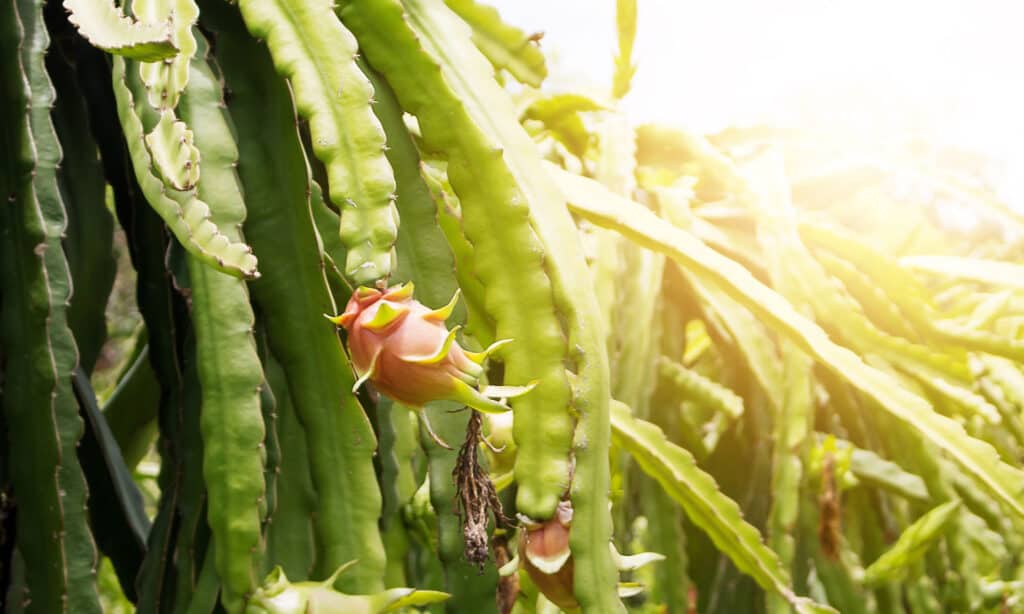
    dragon fruit

    Is Dragon Fruit Safe for Dogs to Eat?

    Good news for pet owners – dragon fruit is generally safe for dogs to eat! This exotic fruit is non-toxic to dogs and can provide numerous health benefits when consumed in moderation. However, it’s essential to be aware of potential risks and concerns when introducing any new food to your dog’s diet.

    General Safety of Dragon Fruit Consumption for Dogs: Dragon fruit does not contain any known toxic components for dogs, making it a safe treat for your furry friend. When fed in appropriate amounts, this fruit can be a nutritious and delicious addition to your dog’s diet.

    Potential Health Benefits for Dogs Eating Dragon Fruit: As we’ve discussed earlier, dogs can enjoy various health benefits from consuming dragon fruit, such as immune system support, improved digestion, and an overall boost in essential vitamins and minerals.

    Possible Risks and Concerns of Feeding Dragon Fruit to Dogs: While dragon fruit is safe for dogs to eat, it’s important to keep a few potential concerns in mind:

    • Allergic Reactions: Some dogs might be sensitive or allergic to dragon fruit or any new food. Always monitor your pet closely for signs of an allergic reaction, such as itching, hives, swelling, or difficulty breathing. If you notice any of these symptoms, stop feeding dragon fruit immediately and consult your veterinarian.
    • Gastrointestinal Upset: Overconsumption of any fruit, including dragon fruit, can lead to gastrointestinal upset in dogs. Too much sugar and fiber at once may cause diarrhea, vomiting, or stomach pain. To avoid this, always start with a small amount of dragon fruit and gradually increase the serving size over time, making sure your dog tolerates it well.

    Remember to introduce dragon fruit slowly.

    Dragon Fruit Nutritional Benefits for Dogs

    Dragon fruit, also known as pitahaya or pitaya, is not only a tasty treat but also packed with various nutrients that can be beneficial for your dog’s health. Let’s take a closer look at the nutritional benefits this exotic fruit offers to our canine friends:

    • Antioxidants: Dragon fruit is rich in antioxidants, which are essential for maintaining a healthy immune system. These antioxidants help neutralize free radicals in your dog’s body, protecting their cells from damage and promoting overall health.
    • Vitamins and Minerals: This vibrant fruit is an excellent source of essential vitamins and minerals that support various bodily functions in dogs. Dragon fruit contains vitamin C, which boosts the immune system, and vitamin A, which is vital for maintaining good vision and healthy skin. It also provides minerals like calcium and phosphorus, necessary for strong bones and teeth, as well as iron and magnesium, which support overall well-being.
    • Dietary Fiber: Dragon fruit has a high fiber content, which can be beneficial for your dog’s digestive health. Fiber helps regulate bowel movements, prevents constipation, and aids in maintaining a healthy weight by promoting a feeling of fullness.
    • Low-Calorie Treat: With its low calorie count, dragon fruit can be a perfect treat for dogs on a weight management plan or those prone to obesity. This nutritious fruit can satisfy your dog’s sweet tooth without adding too many extra calories to their diet.

    Dragon fruit is a nutrient-rich food that can offer numerous health benefits to your dog when fed in moderation. From immune support to digestive health, this exotic fruit can be a valuable addition to your dog’s diet. However, as with any new food, it’s essential to consider potential risks and monitor your pet for any adverse reactions.

    is dragon fruit toxic to dogs

    How to Properly Serve Dragon Fruit to Your Dog

    Introducing dragon fruit to your dog’s diet can be an exciting experience for both you and your furry friend. To make sure your pet enjoys the fruit safely, follow these guidelines on how to prepare and serve dragon fruit to your dog:

    Preparing Dragon Fruit for Dogs:

    • Select a ripe dragon fruit that is slightly soft to the touch.
    • Wash the fruit thoroughly to remove any dirt or pesticides.
    • Cut the fruit in half and scoop out the inner flesh, discarding the outer skin as it can be tough and difficult for dogs to digest.
    • Remove any seeds if your dog is sensitive to them, though they are generally safe for consumption.
    • Cut the flesh into small, bite-sized pieces appropriate for your dog’s size.

    Serving Sizes: The appropriate serving size for dragon fruit depends on your dog’s size, weight, and dietary needs. As a general rule, start with a small amount (a teaspoon for small dogs and a tablespoon for larger dogs) to ensure they don’t have an adverse reaction. You can gradually increase the serving size over time if your dog enjoys the fruit and tolerates it well.

    How Often to Include Dragon Fruit in Your Dog’s Diet: Dragon fruit should be fed as an occasional treat rather than a regular part of your dog’s diet. Feeding it once or twice a week should be sufficient to provide your dog with its nutritional benefits without causing any digestive issues. Always ensure that your dog’s primary source of nutrition comes from a balanced, high-quality dog food.

    By following these steps, you can safely serve dragon fruit to your dog as a delicious and nutritious treat.

    is dragon fruit safe for dogs

    Dog-Friendly Fruit Alternatives to Dragon Fruit

    While dragon fruit is a safe and nutritious option for your dog, there are several other fruits that you can also incorporate into your pet’s diet. Here’s a list of some dog-safe fruit alternatives that offer various health benefits:

    • Apples: Apples are a great source of vitamins A and C, as well as fiber. Be sure to remove the core and seeds, as they can be harmful to dogs. Cut apples into small, bite-sized pieces for a crunchy treat your dog will love.
    • Blueberries: These small berries are packed with antioxidants, vitamins, and fiber, making them a fantastic treat for your dog. They can be served fresh or frozen for a refreshing and healthy snack.
    • Bananas: Rich in potassium, vitamins, and biotin, bananas are a tasty and nutritious treat for dogs. Feed your dog small slices of banana as an occasional treat, but be mindful of the sugar content.
    • Strawberries: Strawberries are high in vitamin C, fiber, and antioxidants. Feed your dog fresh or frozen strawberries in moderation, as they also contain sugar. Make sure to cut them into small pieces for easier consumption.
    • Cantaloupe: This sweet melon is a good source of vitamins A, B, and C, as well as potassium and fiber. Remove the rind and seeds before serving cantaloupe to your dog, and offer small, bite-sized pieces as an occasional treat.

    When introducing any new fruit to your dog’s diet, always start with small amounts. Monitor their reaction to ensure they tolerate it well. Offering a variety of safe and nutritious fruits can add excitement and variety to your dog’s treat options.

    can my dog have dragon fruit

    Conclusion

    Dragon fruit is not only a safe but also a nutritious and delicious treat for your dog. This exotic fruit provides a range of health benefits thanks to its rich content of antioxidants, vitamins, minerals, and fiber. When properly prepared and served in moderation, dragon fruit can be a delightful addition to your dog’s treat options.

    There are several dog-friendly fruit alternatives that can also provide various health benefits when fed appropriately. Always remember to introduce new fruits slowly and monitor your dog’s reaction to ensure their safety and enjoyment.

    By incorporating dragon fruit and other safe fruits into your dog’s diet, you can offer exciting and nutritious treats. They will not only satisfy your pet’s taste buds but also contribute to their overall health and well-being. Go ahead and share the fruity goodness with your four-legged friend. Know that you’re providing them with a tasty and beneficial snack!

    ~Sheena

  • Can Dogs Eat Loquats? Expert Answers

    Can Dogs Eat Loquats? Expert Answers

    Are you a dog owner who’s ever wondered if your furry friend can indulge in the delicious fruit known as loquats? Well, you’re not alone! Many pet owners are curious about what human foods are safe for their pets to consume. In this blog, we’ll dive into the question of whether dogs can eat loquats and provide you with all the information you need to make an informed decision. So, if you’re interested in learning more about this tropical fruit and how it may affect your canine companion, keep reading!

    can dogs have loquat

    What Are Loquats?

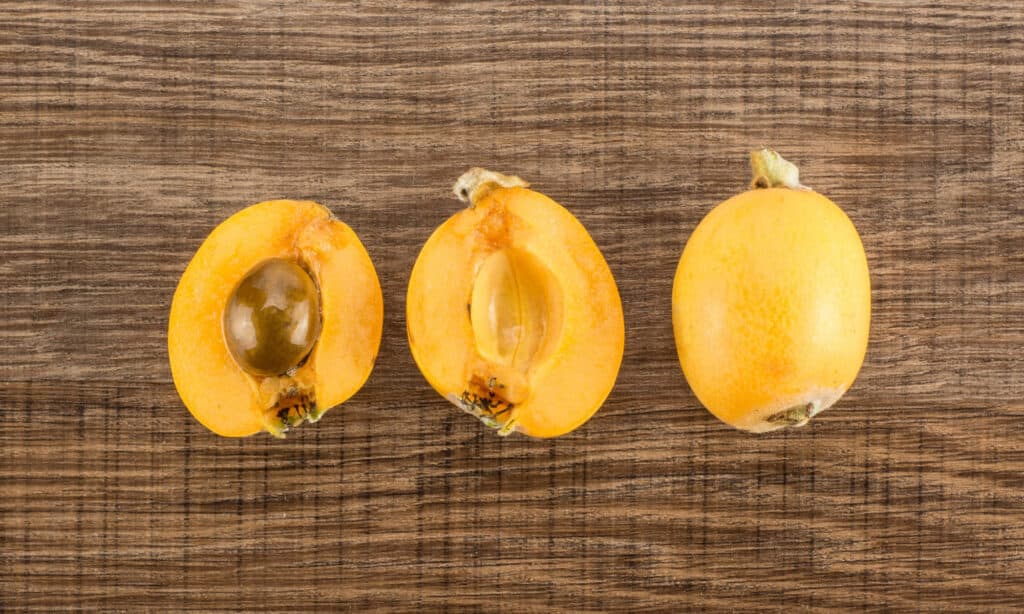
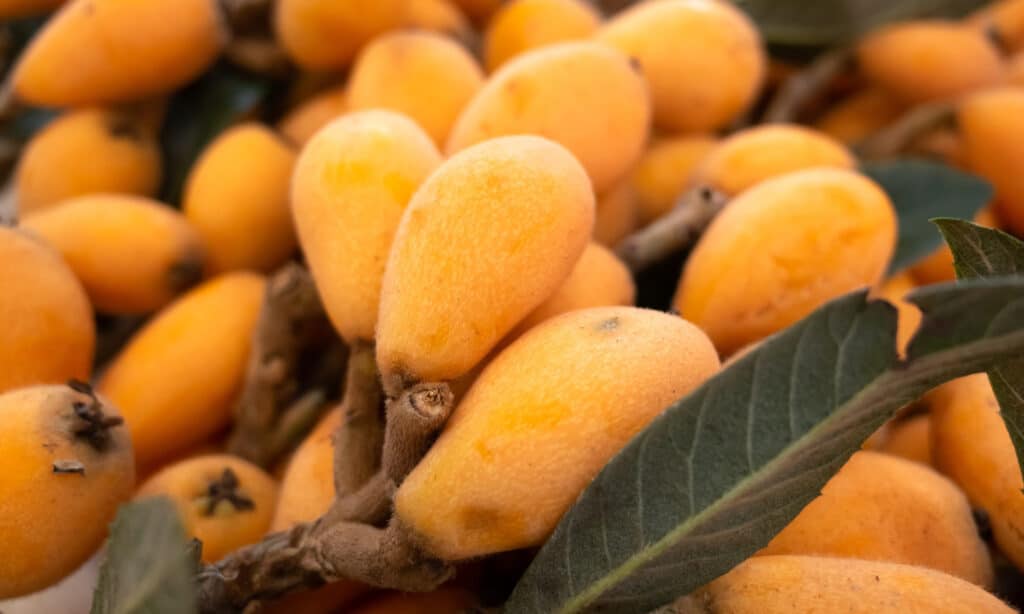
    Sure! Loquats are a fruit with a sweet and juicy flavor that originally come from China but are now grown in many parts of the world, including the United States. They have a small, round or oval shape with soft, fuzzy skin that can range in color from yellow to orange. The flesh inside is usually orange or yellow and contains a few large seeds in the center. People often enjoy eating fresh loquats, but they can also be used to make jams, jellies, and other desserts. Not only are they delicious, but they also provide important vitamins and minerals like vitamin A, potassium, and fiber. However, it’s crucial to consider whether loquats are safe for your furry companion to consume like any other food.

    Can Dogs Eat Loquats?

    While loquats are safe for humans to eat, the same can’t necessarily be said for our furry friends. Dogs have a different digestive system than humans and can sometimes have adverse reactions to certain foods, including some fruits. Loquat seeds and skin are toxic to dogs, causing digestive upset and serious health issues. As a result, it’s generally recommended that pet owners avoid feeding their dogs loquats altogether.

    Canine-friendly fruits: the truth about feeding loquats to dogs

    Are There Any Harmful Ingredients in Loquats

    Although loquats are generally safe for human consumption, it’s important to be aware that certain parts of the fruit can be harmful to both humans and pets. The seeds and skin of the fruit contain a compound called amygdalin that can break down into cyanide when ingested. Small amounts of this compound are harmless to humans, but risky for dogs, especially in large amounts.

    Loquats may contain traces of pesticides or other harmful chemicals, particularly if they were not grown organically. Therefore, it’s essential to wash the fruit thoroughly before consuming it to reduce the possibility of ingesting any hazardous substances.

    Are There Any Safe Ingredients in Loquats?

    Loquats are a great source of beneficial nutrients and minerals that can contribute to a healthy diet for humans. They are packed with essential vitamins A and C, which help maintain healthy skin, vision, and immune function. Loquats are a good source of heart-healthy potassium and digestion-aiding fiber.

    It’s worth noting, however, that while the flesh of loquats is generally safe for dogs to consume in moderation, the fruit’s seeds and skin contain potentially harmful compounds that should be avoided. It’s always best to consult with a veterinarian before feeding your furry friend any human food, including loquats.

    Furthermore, it’s essential to keep in mind that loquats may contain traces of harmful pesticides or chemicals, particularly if they were not grown organically. It’s crucial to wash the fruit thoroughly before consumption to reduce the risk of ingesting any toxic substances.

    Loquats and dogs: what every pet owner should know

    What Signs To Watch For If Your Dog Accidentally Ate A Lot of Loquats?

    If your dog accidentally eats a lot of loquats, it’s important to monitor them closely for any signs of illness or discomfort. The seeds and skin of loquats contain amygdalin, which can break down into cyanide and lead to digestive upset or more serious health issues in dogs.

    Symptoms to watch for include vomiting, diarrhea, lethargy, loss of appetite, and difficulty breathing. If your dog displays any of these symptoms or appears unwell after consuming loquats, it’s essential to seek veterinary care immediately.

    In the event that your dog only ingested a small amount of loquat, they may not display any symptoms at all. Be cautious and monitor your pet for behavior changes after consuming human food.

    When or If You Should Go To The Vet?

    If your dog has consumed a lot of loquats or shows any signs of illness after eating them, it’s crucial to seek veterinary care immediately. Loquat seeds and skin have amygdalin that converts into cyanide, causing severe health problems for dogs.

    Symptoms to watch for include vomiting, diarrhea, lethargy, loss of appetite, and difficulty breathing. If your dog displays any of these symptoms or appears unwell after consuming loquats, it’s best to take them to the veterinarian as soon as possible. Prompt medical attention can help prevent more serious health issues from developing and increase the likelihood of a positive outcome.

    It’s always better to err on the side of caution when it comes to your pet’s health. If you’re unsure whether your dog has consumed a dangerous amount of loquats or if they’re displaying any concerning symptoms, it’s best to seek the advice of a veterinarian.

    Loquats for dogs: a nutritious snack or not?

    Safe Dog-Friendly Alternative to Loquats:

    If you’re looking for safe and healthy alternatives to loquats that your furry friend can enjoy, there are plenty of options available! Here are a few dog-friendly fruits and vegetables that can make a great addition to your pet’s diet:

    1. Apples: Apples are a great source of vitamins and fiber, and most dogs enjoy their crunchy texture. Just be sure to remove the seeds and core, as they can be harmful to dogs.
    2. Bananas: Bananas are a good source of potassium and can help regulate digestion. They’re also a sweet and tasty treat that many dogs enjoy.
    3. Blueberries: Blueberries are packed with antioxidants and can help support your dog’s immune system. They’re also low in calories, making them a healthy snack option.
    4. Carrots: Carrots are an excellent source of beta-carotene, which supports healthy vision and skin. They’re also a low-calorie snack that can help clean your dog’s teeth and freshen their breath.
    5. Watermelon: Watermelon is a hydrating and refreshing fruit that most dogs enjoy. It’s also a good source of vitamins A and C and contains antioxidants that can benefit your pet’s health.

    Remember to always introduce new foods to your dog’s diet gradually and in moderation.

    Healthy Store-Bought Options:

    In conclusion, while loquats can be a delicious and nutritious fruit for humans, it’s important to be cautious when it comes to feeding them to our furry friends. The seeds and skin of loquats contain potentially harmful compounds that can cause serious health issues for dogs, and the presence of harmful pesticides or chemicals on the fruit can also pose a risk.

    If you’re looking for safe and healthy alternatives to loquats, there are plenty of dog-friendly fruits and vegetables that can make a great addition to your pet’s diet. From apples to watermelon, there are many options available that are packed with beneficial nutrients and are safe for dogs to consume in moderation.

    Ultimately, the key to keeping your furry friend healthy and happy is to practice moderation and make informed decisions about their diet. By consulting with your veterinarian and being mindful of what foods you feed your pet, you can help ensure that they stay safe and healthy for years to come.

    ~Lindsie

  • Can Dogs Eat Monk Fruit? Expert Answers

    Can Dogs Eat Monk Fruit? Expert Answers

    Monk fruit has become increasingly popular as a natural sweetener for people who are looking to reduce their sugar intake. However, as more and more pet owners become health-conscious, they may start to wonder if this sweet fruit is safe for their furry companions as well. In this blog post, we will explore the question “Can dogs eat monk fruit?” and discuss the potential benefits and risks associated with feeding this fruit to your four-legged friend. Whether you’re a dog owner who loves to share your food with your pup or you’re simply curious about the nutritional value of monk fruit, read on to find out what you need to know about feeding this fruit to your dog.

    can dogs have monk fruit

    What Is Monk Fruit?

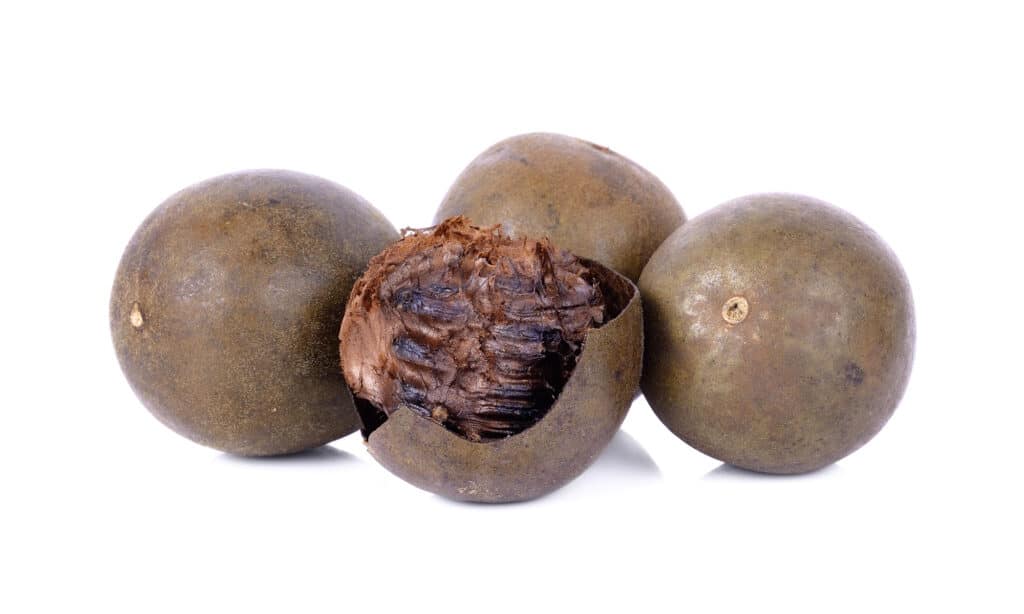
    Monk fruit, also known as lo han guo or Swingle fruit, is a small, round fruit native to southern China. It has been used in traditional Chinese medicine for centuries to treat coughs, sore throats, and other respiratory conditions.

    The fruit is named after the Buddhist monks who first cultivated it, and it is considered a symbol of longevity and good health in Chinese culture. The fruit is about the size of a lemon, and its flesh is sweet and juicy. However, the sweetness comes from natural compounds called mogrosides, rather than fructose or glucose like most fruits.

    Monk fruit extract is often used as a natural sweetener in food and beverages, particularly in products marketed to individuals who are looking to reduce their sugar intake. It’s 150-200 times sweeter than sugar and considered much sweeter, almost like sugar.

    While monk fruit is generally considered safe for human consumption, its safety for dogs is less clear. In the next section, we’ll explore whether dogs can eat monk fruit and whether it is safe for them to do so.

    Can Dogs Eat Monk Fruit?

    While monk fruit is generally safe for humans, it’s important to note that dogs have different digestive systems and nutritional needs than humans. As such, not all human foods are safe for dogs to consume.

    In the case of monk fruit, there is no definitive answer as to whether it is safe for dogs to eat. Monk fruit is generally safe for dogs in small amounts, although no studies have specifically examined its effects on them.

    However, it’s important to note that monk fruit extract products often contain other ingredients that may not be safe for dogs. Learn if dogs can eat millet, its nutritional benefits and risks, and safe alternatives for your furry friend.

    Feeding your dog large amounts of monk fruit or extract may cause digestive issues such as vomiting or diarrhea.

    If you’re considering feeding your dog monk fruit or a product containing monk fruit extract, it’s always best to consult with your veterinarian first. They can help you determine whether monk fruit is appropriate for your dog’s diet and recommend safe serving sizes.

    Is monk fruit safe for dogs to eat?

    Are There Any Harmful Ingredients in Monk Fruit?

    Monk fruit itself is generally considered safe and non-toxic for both humans and dogs. However, some products that contain monk fruit extract may also include other ingredients that could be harmful to dogs.

    One common ingredient found in many sugar-free and low-calorie products is xylitol. Xylitol is a sugar alcohol that is used as a sugar substitute and is toxic to dogs. Even small amounts of xylitol can cause a rapid insulin release in dogs, leading to hypoglycemia (low blood sugar). Symptoms of xylitol poisoning in dogs include vomiting, loss of coordination, seizures, and liver failure, which can be fatal.

    It’s important to always check the label of any product containing monk fruit extract before giving it to your dog. If the product also contains xylitol or any other potentially harmful ingredient, it should not be given to your dog.

    Feeding too much monk fruit or extract to your dog could cause digestive issues like diarrhea or vomiting.

    Are There Any Safe Ingredients in Monk Fruit?

    Monk fruit itself is a safe and natural ingredient that is non-toxic to dogs. It’s a healthy option for humans and could offer potential health benefits for dogs, as it’s a sugar/artificial sweetener alternative.

    Monk fruit extract contains natural compounds called mogrosides, which are responsible for its sweetness. Mogrosides are believed to have antioxidant properties and may help to reduce inflammation and improve immune function.

    In addition, monk fruit extract is low in calories and carbohydrates, which makes it a suitable option for dogs who are overweight or have diabetes. Millet is hypoallergenic and gluten-free, ideal for dogs with food sensitivities to soy, dairy, or nuts.

    However, it’s important to note that while monk fruit extract itself may be safe for dogs, many products that contain monk fruit extract may also contain other ingredients that could be harmful. Xylitol, found in sugar-free products, is toxic to dogs, as previously mentioned. Always check the label of any product containing monk fruit extract before giving it to your dog.

    Can dogs safely consume monk fruit?

    What Signs To Watch For If Your Dog Accidentally Ate A Lot of Monk Fruit?

    If your dog accidentally eats a large amount of monk fruit, there are several signs you should watch for that may indicate a potential problem. Monk fruit is safe for dogs, but overfeeding it can cause digestive upset and other health issues.

    Some signs to watch for if your dog has consumed a lot of monk fruit include:

    1. Vomiting
    2. Diarrhea
    3. Abdominal pain
    4. Loss of appetite
    5. Lethargy or weakness
    6. Increased thirst and urination

    If you notice any of these symptoms in your dog after they have consumed monk fruit or a product containing monk fruit extract, it’s important to contact your veterinarian right away. They can evaluate your dog and determine whether any treatment is necessary.

    In addition, as I mentioned earlier, some products that contain monk fruit extract may also contain xylitol or other potentially harmful ingredients. If your dog eats xylitol, seek vet care ASAP. Xylitol is quickly absorbed, causing low blood sugar and liver failure.

    When or If You Should Go To The Vet?

    If your dog has consumed a large amount of monk fruit and is showing signs of illness or discomfort, it’s important to contact your veterinarian right away. Your veterinarian can evaluate your dog and determine whether any treatment is necessary.

    In general, you should consider contacting your veterinarian if your dog has consumed a large amount of monk fruit or a product containing monk fruit extract and is experiencing any of the following symptoms:

    1. Vomiting or diarrhea that persists for more than 24 hours
    2. Abdominal pain or bloating
    3. Loss of appetite or refusal to eat
    4. Lethargy or weakness
    5. Difficulty breathing or coughing
    6. Seizures or other neurological symptoms

    In addition, if you suspect that your dog has consumed a product containing xylitol, it’s important to seek veterinary care immediately, even if your dog is not showing any symptoms. Small amounts of xylitol can cause low blood sugar and liver failure in dogs by being quickly absorbed into their bloodstream.

    Monk fruit snack for your furry friend

    Safe Dog-Friendly Alternative to Monk Fruit:

    If you’re looking for a safe and dog-friendly alternative to monk fruit, there are several options to consider. Here are a few suggestions:

    1. Sweet potato – Sweet potatoes are a nutritious and natural source of sweetness that many dogs enjoy. They are low in calories and high in fiber, vitamins, and minerals.
    2. Blueberries – Blueberries are a tasty and healthy treat for dogs that are also low in calories and high in antioxidants.
    3. Honey – Raw, unprocessed honey can be a sweet and healthy addition to your dog’s diet in moderation. However, it’s important to note that honey is high in natural sugars and should be given sparingly.
    4. Coconut sugar – Coconut sugar is a low-glycemic sweetener that is derived from the sap of coconut trees. It contains trace amounts of vitamins and minerals and is considered to be a healthier alternative to refined sugar.
    5. Cinnamon – Cinnamon is a natural spice that can add sweetness to your dog’s food without adding calories. It may also have anti-inflammatory and anti-bacterial properties.

    It’s important to remember that even natural sweeteners should be given in moderation and as part of a balanced diet. If you have any concerns about your dog’s diet or whether a particular food is safe for them to consume, it’s always best to consult with your veterinarian.

    Healthy Store-Bought Options:

    In conclusion, while monk fruit is generally considered safe for dogs in small amounts, it’s important to exercise caution when feeding your furry friend any new food or supplement. Some products that contain monk fruit extract may also contain other ingredients that could be harmful to dogs, such as xylitol.

    If you’re considering introducing monk fruit or a product containing monk fruit extract into your dog’s diet, it’s always best to consult with your veterinarian first. They can help you determine whether it’s appropriate for your dog’s nutritional needs and advise you on safe serving sizes.

    If your dog does accidentally consume a large amount of monk fruit or a product containing monk fruit extract and is showing signs of illness or discomfort, it’s important to contact your veterinarian right away. Your veterinarian can evaluate your dog and determine whether any treatment is necessary.

    There are several safe and natural alternatives to monk fruit that can add sweetness to your dog’s diet without compromising their health. Sweet potato, blueberries, honey, coconut sugar, and cinnamon are all dog-friendly options that can provide your pup with a tasty and nutritious treat.

    In the end, providing your dog with a healthy and balanced diet is one of the most important things you can do to ensure their well-being. By working with your veterinarian and making informed choices about what you feed your dog, you can help them to live a long and healthy life.

    ~Lindsie

  • Can Dogs Eat Daikon? Expert Answers

    Can Dogs Eat Daikon? Expert Answers

    What Is Daikon?

    If you’re a dog owner, you may be wondering if it’s safe to feed your furry friend certain human foods. One such food that may pique your interest is daikon, a type of radish commonly used in Asian cuisine. While it’s always important to be cautious about what you feed your dog, you may be surprised to learn that daikon can actually be a healthy addition to your pup’s diet. In this blog, we’ll explore whether dogs can eat daikon and the potential benefits and risks associated with this tasty root vegetable. So, if you’re curious about incorporating daikon into your dog’s meals, keep reading to learn more!

    can dogs eat daikon

    Can Dogs Eat Daikon?

    Daikon, also known as Japanese white radish, is a popular vegetable in many Asian cuisines. It’s low in calories and high in nutrients, making it a healthy addition to human diets. But what about dogs? Can they eat daikon too?

    The good news is that daikon is generally safe for dogs to eat in moderation. It’s low in fat and high in fiber, which can help with digestion and promote bowel regularity. Daikon also contains vitamins C and B6, as well as potassium and calcium, which can all contribute to your dog’s overall health.

    However, there are some important things to keep in mind if you’re considering feeding your dog daikon. First, make sure to cut the daikon into small, bite-sized pieces to prevent choking. You should also introduce daikon gradually to your dog’s diet, as sudden changes can upset their stomachs. And as with any human food, it’s important to monitor your dog for any signs of an allergic reaction or digestive issues.

    Additionally, it’s important to note that daikon should never be a replacement for a balanced and complete dog food diet. While daikon can be a healthy addition to your dog’s meals, it should only be given as a treat or supplement.

    Are There Any Harmful Ingredients in Daikon?

    While daikon is generally considered safe for dogs to eat, there are some potential risks to keep in mind. One of the main concerns with daikon is its high fiber content. While fiber can be beneficial for promoting healthy digestion, too much fiber can cause gastrointestinal upset, including diarrhea and flatulence. Additionally, daikon contains goitrogens, compounds that can interfere with the thyroid gland’s ability to produce hormones. While goitrogens are not necessarily harmful in small amounts, excessive consumption of daikon could potentially lead to thyroid problems in dogs.

    Another potential concern is the presence of oxalates in daikon. Oxalates are naturally occurring substances found in many plant-based foods, including daikon. In high concentrations, oxalates can cause kidney damage in dogs. However, the levels of oxalates in daikon are generally considered to be low and are unlikely to cause harm unless your dog consumes large amounts of the vegetable.

    Can Dogs Eat Daikon? Absolutely! Here's Why.

    Are There Any Safe Ingredients in Daikon?

    Daikon is a nutritious vegetable that can be a safe and healthy addition to your dog’s diet when given in moderation. One of the main benefits of daikon is its high fiber content, which can promote healthy digestion and regularity. Fiber can also help to reduce the risk of colon cancer and other digestive disorders in dogs.

    Daikon is also a good source of vitamins and minerals that can support your dog’s overall health. For example, daikon is rich in vitamin C, which can boost your dog’s immune system and help to fight off infections. It also contains vitamin B6, which is important for maintaining healthy brain function and supporting the nervous system. Daikon is also a good source of potassium and calcium, which can help to support strong bones and healthy muscle function.

    Another potential benefit of daikon is its low calorie content, which can be helpful for dogs that are overweight or prone to obesity. By replacing high-calorie treats with daikon, you can help your dog to maintain a healthy weight and reduce their risk of developing health problems related to obesity, such as diabetes and joint problems.

    What Signs To Watch For If Your Dog Accidentally Ate A Lot of Daikon?

    If your dog accidentally consumes a large amount of daikon, there are several signs to watch for that could indicate a potential problem. One of the most common issues associated with overconsumption of daikon is gastrointestinal upset, such as vomiting or diarrhea. This can be caused by the high fiber content of daikon, which can be difficult for some dogs to digest in large amounts.

    Another potential concern with overconsumption of daikon is the presence of goitrogens, which can interfere with thyroid hormone production. Signs of thyroid dysfunction can include lethargy, weight gain, and changes in appetite or behavior. However, it’s important to note that the levels of goitrogens in daikon are generally considered to be low, and significant thyroid problems are unlikely unless your dog consumes large amounts of the vegetable on a regular basis.

    If you notice any signs of gastrointestinal upset or changes in your dog’s behavior or appetite after they’ve consumed daikon, it’s important to monitor them closely and contact your veterinarian if necessary. Your veterinarian can help you determine the appropriate course of action based on your dog’s individual health needs and the amount of daikon they’ve consumed.

    Canine nutrition with daikon radish

    When or If You Should Go To The Vet?

    If you suspect that your dog has consumed a large amount of daikon or is exhibiting any signs of illness after consuming the vegetable, it’s important to monitor them closely and contact your veterinarian if necessary. Depending on the severity of the symptoms and the amount of daikon consumed, your veterinarian may recommend bringing your dog in for an examination to determine the best course of treatment.

    In general, it’s a good idea to contact your veterinarian if your dog exhibits any of the following symptoms after consuming daikon:

    • Vomiting or diarrhea that persists for more than 24 hours
    • Lethargy or weakness
    • Loss of appetite or difficulty eating or drinking
    • Signs of abdominal pain or discomfort, such as whining or pacing
    • Unusual behavior or changes in mood or activity level

    If you notice any of these symptoms, it’s important to act quickly to prevent any potential complications and to ensure that your dog receives appropriate care. Your veterinarian may recommend supportive treatments such as fluid therapy, anti-nausea medication, or dietary changes to help your dog recover.

    Canine cuisine: incorporating daikon into your dog's meals

    Safe Dog-Friendly Alternative to Daikon:

    If you’re searching for safe and nutritious alternatives to daikon for your furry friend, there are various options to consider. Carrots are an excellent choice as they are low in calories and high in vitamins and minerals such as vitamin A, potassium, and fiber. They are also a good source of beta-carotene which can aid in maintaining healthy vision and immune function in dogs.

    Another alternative to daikon is green beans, which are rich in fiber and low in calories. They can help promote healthy digestion and bowel movement regulation in dogs. Moreover, green beans are a good source of various vitamins and minerals like vitamin C, vitamin K, and manganese.

    Sweet potatoes are also a healthy option for dogs. They contain beta-carotene, fiber, potassium, and vitamin C, and are also low in fat and calories. This makes them an ideal choice for overweight or obese dogs.

    Aside from these alternatives, there are many other dog-friendly vegetables that you can include in their diet. Examples are broccoli, spinach, peas, pumpkin, among others. Nevertheless, introducing new foods gradually and in moderation is crucial. By ensuring a well-balanced and nutritious diet for your dog, you can help promote their overall health and well-being.

    Healthy Store-Bought Options:

    In conclusion, daikon can be a safe and healthy addition to your dog’s diet when given in moderation and with caution. While there are some potential risks associated with consuming daikon, these are generally minimal and can be avoided by introducing the vegetable gradually and monitoring your dog’s reactions. Additionally, there are many safe and nutritious alternatives to daikon that can provide similar health benefits for your dog. By providing your furry friend with a balanced and varied diet that includes a variety of healthy foods, you can help support their overall health and wellbeing.

    However, it’s always important to remember that every dog is different, and what works for one dog may not work for another. Always consult with your veterinarian before making any significant changes to your dog’s diet, and pay close attention to your dog’s reactions to new foods. With a little care and attention, you can help ensure that your furry friend stays happy, healthy, and well-nourished for years to come.

    ~Lindsie

  • Can Dogs Eat Bok Choy? Expert Answers

    Can Dogs Eat Bok Choy? Expert Answers

    As a dog owner, you want to ensure that your furry friend is getting the best nutrition possible. You may be wondering if it’s safe to share some of your favorite human foods with them, such as bok choy. Bok choy is a type of leafy green vegetable that is commonly used in Asian cuisine and is known for its high nutrient content. While it may be safe for humans to consume, you may be curious whether it’s safe for your pup. In this blog, we will dive into the question of whether dogs can eat bok choy and explore its potential health benefits and risks. So, let’s get started and find out if bok choy is a safe and healthy addition to your dog’s diet!

    can dogs have bok choy

    What Is Bok Choy?

    Have you ever been to an Asian restaurant and wondered what that beautiful vegetable is with the spoon-shaped leaves and white stalks? Well, wonder no more, because that’s bok choy! Not only is it aesthetically pleasing, but it’s also packed with nutrients. This low-calorie vegetable is full of vitamins and minerals, making it a great addition to any diet.

    But the best part about bok choy? It’s incredibly versatile! You can cook it in so many ways – from stir-frying to steaming, boiling, and even roasting. It’s used in countless dishes like soups, stews, salads, and entrees.

    Now, let’s talk about the flavor. Bok choy has a unique taste that’s both slightly sweet and slightly bitter. And the texture? Crunchy and refreshing! It’s no wonder bok choy is used in so many different cuisines around the world. It’s not only delicious but also incredibly nutritious. So go ahead, add some bok choy to your plate and enjoy all the health benefits it has to offer!

    Can Dogs Eat Bok Choy?

    As a dog owner, you always want to ensure that your furry friend is consuming a well-balanced and nutritious diet. You may be wondering whether bok choy is a safe addition to your dog’s diet. While bok choy is a nutrient-dense vegetable for humans, the question of whether it’s safe for dogs to eat requires further investigation.

    The good news is that bok choy is not toxic to dogs and is generally safe to feed to them. In fact, it can be a healthy addition to their diet as it’s low in calories, high in fiber, and contains a range of vitamins and minerals. However, it’s important to note that dogs have different nutritional requirements than humans. Too much of any food, including bok choy, can upset your dog’s stomach and potentially cause health issues.

    As with any new food you introduce to your dog’s diet, it’s important to start small and monitor their reaction. If your dog shows any signs of gastrointestinal distress, such as vomiting or diarrhea, discontinue feeding them bok choy and consult with your veterinarian.

    In summary, bok choy is not toxic to dogs and can be a healthy addition to their diet in moderation. As with any new food, it’s important to introduce it gradually and observe your dog’s reaction. As always, consult with your veterinarian before making any significant changes to your dog’s diet.

    Can dogs safely eat bok choy? Here's what you need to know

    Are There Any Harmful Ingredients in Bok Choy?

    When it comes to feeding our furry friends, it’s important to be mindful of the ingredients we’re giving them. While bok choy is generally considered safe for dogs to eat, there are a few things to keep in mind.

    Firstly, bok choy contains a compound called thiocyanate, which can interfere with iodine absorption in the body. Iodine is essential for thyroid function, so if your dog already has thyroid issues, it’s best to avoid feeding them large amounts of bok choy. However, small amounts are generally considered safe.

    Additionally, bok choy belongs to the cruciferous vegetable family, which also includes broccoli and cauliflower. These vegetables contain compounds called goitrogens, which can also interfere with thyroid function. However, the levels of goitrogens in bok choy are relatively low, and it’s unlikely to cause any issues in healthy dogs.

    It’s also important to note that bok choy, like many vegetables, contains a small amount of oxalates. In high amounts, oxalates can contribute to the formation of kidney stones. However, the levels of oxalates in bok choy are considered low, and it’s not likely to cause any issues unless your dog already has a history of kidney problems.

    Overall, bok choy is a healthy vegetable that’s safe for dogs to eat in moderation. However, as with any new food, it’s important to introduce it gradually and monitor your dog’s reaction. If you have any concerns about feeding your dog bok choy, be sure to consult with your

    Are There Any Safe Ingredients in Bok Choy?

    Yes, bok choy is a nutrient-dense vegetable that can be a healthy addition to your dog’s diet when fed in moderation. Here are some of the safe ingredients in bok choy that can benefit your furry friend:

    • Vitamins and minerals: Bok choy is packed with essential vitamins and minerals such as vitamin C, vitamin K, calcium, and potassium, all of which can support your dog’s overall health.
    • Fiber: Bok choy is a good source of dietary fiber, which can aid in digestion and promote bowel regularity.
    • Antioxidants: Bok choy is rich in antioxidants, which can help protect your dog’s cells from damage caused by free radicals and reduce the risk of chronic diseases.
    • Water: Bok choy has a high water content, which can help keep your dog hydrated and support their urinary tract health.

    When feeding bok choy to your dog, it’s important to avoid any seasonings or sauces that may contain harmful ingredients, such as garlic or onion. Stick to plain, cooked bok choy and avoid feeding your dog large amounts at once. As with any new food, it’s also important to start with small amounts and monitor your dog’s reaction. If your dog experiences any digestive upset or other adverse effects, stop feeding them bok choy and consult with your veterinarian.

    Feeding your dog bok choy: dos and don'ts

    What Signs To Watch For If Your Dog Accidentally Ate A Lot of Bok Choy?

    While bok choy is generally considered safe for dogs, consuming large amounts of it can lead to gastrointestinal upset. If your dog has accidentally eaten a lot of bok choy, here are some signs to watch out for:

    1. Vomiting: If your dog has consumed a large amount of bok choy, they may vomit to try to rid their body of the excess food.
    2. Diarrhea: Bok choy contains fiber, which can be difficult for some dogs to digest in large amounts. This can lead to diarrhea and loose stools.
    3. Abdominal pain: Eating a lot of bok choy can cause your dog’s stomach to become distended, leading to abdominal discomfort.
    4. Lethargy: If your dog is experiencing digestive upset, they may feel lethargic and have a decreased appetite.
    5. Dehydration: Diarrhea and vomiting can lead to dehydration, which can be dangerous for dogs. Be sure to offer your dog plenty of water and consult with your veterinarian if you notice any signs of dehydration.

    If your dog is showing any of these signs after eating a lot of bok choy, it’s important to monitor them closely and contact your veterinarian if their symptoms persist or worsen. In most cases, the symptoms of bok choy consumption in dogs are mild and will resolve on their own with time. However, it’s always better to err on the side of caution and seek medical advice if you have any concerns about your dog’s health.

    When or If You Should Go To The Vet?

    If your dog has accidentally eaten a large amount of bok choy and is experiencing any signs of gastrointestinal upset, it’s important to monitor them closely. In most cases, the symptoms will resolve on their own within 24-48 hours. However, there are certain situations where you should consider taking your dog to the vet:

    1. Severe symptoms: If your dog is vomiting excessively, has severe diarrhea, or is experiencing severe abdominal pain, it’s important to seek medical attention. These symptoms can lead to dehydration and other complications.
    2. Prolonged symptoms: If your dog’s symptoms persist for more than 24-48 hours, it’s important to seek medical attention. Prolonged gastrointestinal upset can lead to other health issues and may require medical intervention.
    3. Underlying health issues: If your dog has a pre-existing health condition, such as kidney disease or thyroid issues, it’s important to consult with your veterinarian before feeding them bok choy. They may be more susceptible to the potential negative effects of thiocyanate and goitrogens found in bok choy.
    4. Emergency situations: If your dog is experiencing any symptoms that indicate an emergency, such as difficulty breathing or severe lethargy, seek immediate veterinary attention.

    In summary, if your dog has eaten a large amount of bok choy and is experiencing mild gastrointestinal upset, you can monitor them closely at home. However, if their symptoms are severe or persist for more than 24-48 hours, or if your dog has a pre-existing health condition, it’s important to seek medical attention. As always, it’s better to be safe than sorry when it comes to your dog’s health.

    Is bok choy safe for dogs? Everything you need to know

    Safe Dog-Friendly Alternative to Bok Choy:

    If you’re looking for a safe and healthy alternative to bok choy to feed your furry friend, there are many dog-friendly vegetables to choose from. Here are a few options:

    1. Green beans: Green beans are low in calories and high in fiber, making them a great addition to your dog’s diet. They’re also a good source of vitamins and minerals.
    2. Carrots: Carrots are a great source of beta-carotene, which can support your dog’s eye health. They’re also low in calories and high in fiber.
    3. Broccoli: Broccoli is another cruciferous vegetable that’s safe for dogs to eat in moderation. It’s packed with vitamins and minerals, and the fiber can aid in digestion.
    4. Sweet potatoes: Sweet potatoes are a great source of dietary fiber and vitamins A and C. They’re also low in fat and calories.

    When feeding your dog any new vegetable, it’s important to introduce it gradually and monitor their reaction. Be sure to wash and cook the vegetables thoroughly before feeding them to your dog. And as always, consult with your veterinarian before making any significant changes to your dog’s diet. With a little experimentation, you’re sure to find a dog-friendly vegetable that your furry friend will love!

    Healthy Store-Bought Options:

    In conclusion, bok choy is a safe and nutritious vegetable for dogs when fed in moderation. While it contains compounds that can interfere with thyroid function in large amounts, bok choy is generally considered safe for healthy dogs to eat. However, as with any new food, it’s important to introduce it gradually and monitor your dog’s reaction.

    If you’re unsure about feeding your dog bok choy, there are many other safe and healthy vegetables to choose from, including green beans, carrots, broccoli, and sweet potatoes. These vegetables are packed with essential vitamins and minerals and can be a great addition to your dog’s diet.

    Remember, the key to keeping your furry friend healthy is to provide them with a well-balanced diet and plenty of exercise. As always, consult with your veterinarian before making any significant changes to your dog’s diet, and be sure to monitor their reaction to any new foods you introduce. By taking these steps, you can help ensure that your dog stays healthy and happy for years to come.

    ~ Lindsie

  • Can Dogs Eat Zucchini? – Expert Answers

    Can Dogs Eat Zucchini? – Expert Answers

    Welcome to our blog, “Can Dogs Eat Zucchini?” If you’re a dog owner, you probably know how important it is to provide your furry friend with a healthy and balanced diet. And, as a responsible pet owner, you may be curious about what human foods are safe for your canine companion to eat.

    One food that you may be wondering about is zucchini. This green vegetable is a staple in many human diets, but is it safe for dogs to eat? In this blog, we’ll explore the nutritional benefits of zucchini, whether or not it’s safe for dogs to eat, and how you can incorporate this vegetable into your pup’s diet.

    So, whether you’re looking to add some variety to your dog’s meals or simply curious about what your furry friend can and can’t eat, read on to learn more about whether dogs can eat zucchini.

    can dogs have zucchini

    What Is Zucchini?

    Zucchini is a type of summer squash that is native to the Americas but is now widely cultivated and consumed all over the world. It’s a cylindrical-shaped vegetable with a smooth, dark green skin and a light, white flesh on the inside.

    This versatile vegetable can be eaten raw or cooked in a variety of ways, such as grilled, roasted, sautéed, or even baked into bread or muffins. It has a mild, slightly sweet flavor and a tender texture, making it a popular ingredient in many dishes.

    Zucchini is also known for its impressive nutritional profile. This nutrient-rich vegetable is low in calories but high in fiber, vitamins, and minerals that benefit dogs and humans.

    Zucchini is a delicious and healthy vegetable that can be a great addition to your and your dog’s diet. Just make sure to prepare it properly and in moderation, especially if you’re feeding it to your furry friend for the first time.

    Can Dogs Eat Zucchini?

    If you’re a dog owner, you might be wondering if it’s safe to feed your furry friend zucchini. The good news is, dogs can definitely eat zucchini and it can even provide some health benefits for them.

    Zucchini is low in calories and high in fiber, making it a great addition to your dog’s diet if they need to shed a few pounds. It’s also a good source of vitamin C, potassium, and other essential nutrients that can support your pup’s overall health and well-being.

    It’s important to note that while zucchini is generally safe for dogs to eat, there are some things to keep in mind. First, always make sure to wash the zucchini thoroughly to remove any dirt or pesticides. Feed dogs zucchini moderately to avoid digestive issues like vomiting or diarrhea. Avoid seasoning or adding harmful ingredients like garlic or onion when feeding cooked zucchini to your dog.

    Dogs can safely eat zucchini

    Is There Anything Harmful About Zucchini?

    Overall, zucchini is a safe and healthy vegetable for dogs to eat, but there are some potential risks to be aware of.

    One issue to consider is the presence of cucurbitacins, which are natural toxins found in certain types of squash, including zucchini. Toxins in small amounts are usually safe for humans but can be hazardous for dogs, particularly in large quantities.

    Signs of cucurbitacin toxicity in dogs include vomiting, diarrhea, and difficulty breathing. If you suspect your dog has eaten a large amount of zucchini or is exhibiting these symptoms, it’s important to seek veterinary care immediately.

    Another thing to keep in mind is that zucchini seeds can be a choking hazard for dogs, especially small breeds or those with a history of digestive issues. If you’re feeding your dog zucchini, make sure to remove any seeds or cut the vegetable into small, manageable pieces.

    Avoid feeding seasoned or cooked zucchini to dogs as it may contain harmful ingredients like onion and garlic.

    Benefits of Adding Zucchini To Dogs Meals

    Adding zucchini to your dog’s meals can offer a number of benefits for their health and well-being.

    Zucchini is low-calorie, high-fiber, aiding healthy weight and digestion in dogs. The fiber in zucchini can also help regulate your dog’s blood sugar levels and reduce the risk of diabetes.

    Zucchini is also a good source of vitamin C, which can support your dog’s immune system and help protect against illness and disease. Additionally, the potassium in zucchini can help maintain healthy blood pressure levels and support proper kidney function.

    Zucchini is a nutritious and delicious addition to your dog’s meals, adding variety and interest to their diet. Zucchini is a great way to encourage picky eaters to try new foods, as many dogs love the taste.

    Zucchini as a safe food for dogs

    What Signs To Watch For If Your Dog Accidentally Ate A Lot of Zucchini?

    Watch for signs of potential issues if your dog eats too much zucchini by accident. While zucchini is generally safe for dogs to eat, consuming too much can lead to digestive issues or other complications.

    Some of the signs to watch for, if your dog has eaten a lot of zucchini, include:

    • Vomiting and/or diarrhea: Overeating zucchini can lead to common gastrointestinal issues in dogs like vomiting and diarrhea.
    • Abdominal pain: Your dog may show signs of discomfort or pain in their abdomen, such as hunching over or whining.
    • Lethargy: If your dog is feeling unwell, they may become more lethargic or less interested in activities they normally enjoy.
    • Loss of appetite: Eating too much zucchini can cause your dog to lose their appetite or refuse to eat.
    • Difficulty breathing: In rare cases, consumption of large amounts of zucchini can lead to respiratory distress.

    If your dog shows these symptoms after eating too much zucchini, seek immediate veterinary care.

    When or If You Should Go To The Vet?

    If your dog is exhibiting any signs of distress or illness after eating a lot of zucchini, it’s important to consult with your veterinarian right away.

    In general, if your dog is experiencing mild symptoms such as vomiting or diarrhea, you may be able to monitor them at home and provide supportive care such as plenty of water and a bland diet. If your dog has severe symptoms like breathing problems or abdominal pain, get veterinary help right away.

    Your veterinarian may recommend diagnostic tests such as blood work or imaging to determine the cause and severity of your dog’s symptoms. They may also provide treatment such as intravenous fluids or medications to manage your dog’s symptoms and promote healing.

    Zucchini consumption is generally safe for dogs, but consuming large amounts can lead to complications that require medical intervention.

    Zucchini: a vegetable for dogs too

    Safe Dog-Friendly Alternative to Zucchini:

    If you’re wondering how to incorporate zucchini into your dog’s diet, there are many safe and healthy ways to do so. One popular method is to steam or boil the zucchini and then mix it in with your dog’s regular food. Try adding small, diced pieces of raw zucchini as a treat or using it as a training reward.

    However, it’s important to keep in mind that while zucchini is generally safe for dogs, too much can lead to digestive issues or other complications. Always feed zucchini to your dog in moderation and watch for any signs of discomfort or illness.

    If your dog is not a fan of zucchini or you’re looking for some variety in their diet, there are plenty of other dog-friendly vegetables to choose from. These veggies provide essential nutrients for your pup: Carrots, green beans, sweet potatoes, broccoli, and pumpkin.

    Healthy Store-Bought Options:

    In conclusion, zucchini can be a healthy and tasty addition to your dog’s diet when prepared and served appropriately. This versatile vegetable is packed with nutrients and can offer a range of health benefits for your furry friend, from supporting healthy digestion to boosting their immune system.

    However, it’s important to feed zucchini to your dog in moderation and watch for any signs of discomfort or illness. If your dog doesn’t like zucchini or you want to diversify their diet, many other dog-safe vegetables are available.

    Remember to always consult with your veterinarian if you have any concerns about your dog’s diet or health. They can provide guidance on the best foods to feed your furry friend and help ensure that their nutritional needs are being met.

    Overall, with a little bit of care and attention, you can provide your dog with a healthy and balanced diet that includes a variety of nutritious and tasty foods, including zucchini. So go ahead and experiment with different foods and see what your furry friend enjoys the most!

    ~Lindsie

  • Can Dogs Eat Rutabaga? Expert Answers

    Can Dogs Eat Rutabaga? Expert Answers

    Hey there, fellow dog owners! If you’re anything like me, you’re always on the lookout for new and healthy foods to add to your furry friend’s diet. One vegetable that may have caught your eye recently is the rutabaga. But before you go ahead and toss some to your pup, you might be wondering: can dogs eat rutabaga? As a responsible pet owner, it’s important to make sure you’re giving your dog the right kind of nutrition. So, in this blog, we’ll be exploring the benefits and potential risks of feeding your dog rutabaga, as well as answering some common questions about this root vegetable. Let’s dig in!

    can dogs have rutabaga

    What Is Rutabaga?

    Rutabaga, also known as swede, is a root vegetable that belongs to the Brassica family. It’s a cross between a turnip and a cabbage and is commonly grown in colder climates. Rutabagas have a yellowish-orange flesh with a slightly sweet and earthy flavor. They’re packed with nutrients such as vitamin C, potassium, and fiber, making them a great addition to any healthy diet. In fact, rutabaga has been used in traditional medicine for centuries due to its potential health benefits. So, if you’re looking for a new vegetable to add to your own diet or your dog’s, rutabaga is definitely worth considering. Just be sure to take into account your dog’s individual needs and consult with a veterinarian before making any major changes to their diet.

    Can Dogs Eat Rutabaga?

    Yes, dogs can eat rutabaga in moderation as part of a balanced diet. Rutabaga is a nutritious vegetable that can provide your furry friend with important vitamins and minerals. However, it’s important to keep in mind that dogs have different nutritional requirements than humans, so their diet should be tailored to their specific needs. As with any new food, it’s best to introduce rutabaga gradually and in small amounts to make sure your dog tolerates it well.

    Some potential benefits of feeding your dog rutabaga include:

    • Vitamin C: Rutabaga is a good source of vitamin C, which is important for your dog’s immune system and overall health.
    • Fiber: Rutabaga is high in fiber, which can help regulate your dog’s digestive system and promote good bowel health.
    • Low in calories: Rutabaga is relatively low in calories, making it a good option for dogs who need to lose weight or maintain a healthy weight.

    However, there are also some potential risks to keep in mind when feeding your dog rutabaga. These include:

    • Digestive upset: Too much rutabaga can cause digestive upset in some dogs, including gas, bloating, and diarrhea.
    • Allergies: Some dogs may be allergic to rutabaga, so it’s important to monitor your dog for any signs of an allergic reaction after feeding them this vegetable.
    • Oxalates: Rutabaga contains oxalates, which can be harmful in large amounts. However, the levels of oxalates in rutabaga are relatively low, so it’s not usually a concern unless your dog is eating large quantities of the vegetable.

    Overall, rutabaga can be a healthy and nutritious addition to your dog’s diet as long as it’s fed in moderation and your dog tolerates it well. As always, it’s best to consult with your veterinarian before making any major changes to your dog’s diet.

    Dogs and Vegetables: The Benefits of Feeding Rutabaga

    Are There Any Harmful Ingredients in Rutabaga?

    Rutabaga is generally considered a safe and healthy food for dogs, but it’s important to keep in mind that there are some potential risks associated with feeding this vegetable to your furry friend. One of the main concerns with rutabaga is its oxalate content.

    Oxalates are naturally occurring compounds found in many plant-based foods, including rutabaga. In large amounts, oxalates can bind with calcium in the body and form crystals, which can cause health problems such as kidney stones. However, the levels of oxalates in rutabaga are relatively low and not usually a concern unless your dog is eating large quantities of the vegetable.

    Another potential issue with feeding rutabaga to dogs is its fiber content. While fiber is important for digestive health, too much fiber can cause digestive upset in some dogs. This can lead to symptoms such as gas, bloating, and diarrhea.

    It’s also possible for some dogs to be allergic to rutabaga, although this is relatively rare. Signs of an allergic reaction in dogs can include itching, swelling, hives, and difficulty breathing.

    Overall, rutabaga is generally considered safe and healthy for dogs when fed in moderation. However, it’s always a good idea to consult with your veterinarian before adding any new foods to your dog’s diet, especially if your dog has any underlying health issues or dietary restrictions.

    Are There Any Safe Ingredients in Rutabaga?

    Yes, there are many safe and beneficial ingredients in rutabaga that can provide your dog with important nutrients. Some of the key ingredients in rutabaga include:

    • Vitamin C: Rutabaga is a good source of vitamin C, which is important for immune system function, skin health, and wound healing in dogs.
    • Fiber: Rutabaga is high in fiber, which can help regulate your dog’s digestive system and promote good bowel health.
    • Potassium: Rutabaga is a good source of potassium, which is important for heart and muscle function in dogs.
    • Calcium: Rutabaga contains small amounts of calcium, which is important for bone health and muscle function in dogs.
    • Carotenoids: Rutabaga contains carotenoids, which are powerful antioxidants that can help protect your dog’s cells from damage.

    Overall, rutabaga can be a healthy and nutritious addition to your dog’s diet when fed in moderation. As with any new food, it’s important to introduce rutabaga gradually and in small amounts to make sure your dog tolerates it well. If you have any concerns about adding rutabaga to your dog’s diet, it’s always best to consult with your veterinarian first.

    The Lowdown on Dogs and Rutabaga

    What Signs To Watch For If Your Dog Accidentally Ate A Lot of Rutabaga?

    f your dog accidentally eats a large amount of rutabaga, there are several signs to watch for that may indicate a problem. These can include:

    1. Vomiting: If your dog has eaten too much rutabaga, they may start vomiting to get rid of the excess.
    2. Diarrhea: Eating too much rutabaga can also cause diarrhea, which can lead to dehydration if not managed properly.
    3. Abdominal pain: Your dog may show signs of abdominal pain, such as pacing, restlessness, or hunching over.
    4. Loss of appetite: If your dog is experiencing digestive upset due to eating too much rutabaga, they may refuse to eat or drink.
    5. Lethargy: Dogs who have eaten too much rutabaga may also become lethargic or weak.

    If you notice any of these symptoms in your dog after they’ve eaten a lot of rutabaga, it’s important to contact your veterinarian right away. They can help determine the best course of treatment, which may include fluid therapy, medications to control vomiting or diarrhea, or other supportive care measures. In severe cases, your dog may need to be hospitalized for monitoring and treatment.

    When or If You Should Go To The Vet?

    If you suspect that your dog has eaten an excessive amount of rutabaga and is displaying signs of digestive upset or any other concerning symptoms, it’s crucial to seek veterinary care as soon as possible. Your veterinarian can examine your dog and determine the severity of their condition, providing appropriate treatment as needed.

    Some indicators that your dog may require medical attention include:

    • Continued vomiting or diarrhea: Seek veterinary care if your dog vomits or has persistent diarrhea for over 24 hours.
    • Signs of dehydration: Dehydrated dog due to vomiting or diarrhea? They may need fluids or electrolyte replacement to recover.
    • Abdominal discomfort: If your dog is displaying signs of abdominal pain such as whining, hunching over or reluctance to move, it’s important to have them evaluated by a veterinarian.
    • Lethargy or weakness: Dogs who have ingested too much rutabaga may feel tired, weak, or unwell, which can indicate a more serious issue.
    • Changes in breathing or heart rate: If your dog is experiencing breathing difficulties or has an irregular heart rate, immediate veterinary attention is necessary.

    Generally, if you’re uncertain whether your dog needs veterinary care, it’s better to be safe than sorry and contact your veterinarian. They can evaluate your dog’s symptoms and provide guidance on the best course of action.

    Feed Your Pup Right: Can Dogs Safely Eat Rutabaga?

    Safe Dog-Friendly Alternative to Rutabaga:

    If you’re looking for a safe and healthy alternative to rutabaga to feed your dog, there are several options to consider. Here are some dog-friendly alternatives that can provide similar nutritional benefits:

    1. Carrots: Carrots are a great source of vitamin A and fiber, making them a healthy and low-calorie treat for dogs. They’re also easy to digest and can help keep your dog’s teeth clean.
    2. Sweet potatoes: Sweet potatoes are rich in vitamins A and C, as well as fiber and potassium. They can be baked or boiled and served as a nutritious treat for your dog.
    3. Green beans: Green beans are a low-calorie and fiber-rich vegetable that can help regulate your dog’s digestive system. They’re also a good source of vitamin C and potassium.
    4. Pumpkin: Pumpkin is high in fiber and can help soothe digestive issues in dogs. It’s also a good source of vitamins A and C, as well as beta-carotene.
    5. Broccoli: Broccoli is packed with nutrients such as vitamin C, fiber, and potassium. It’s also low in calories and can be steamed or roasted as a healthy treat for your dog.

    Remember to always introduce new foods gradually and in small amounts to ensure your dog tolerates them well. As always, it’s best to consult with your veterinarian before adding any new foods to your dog’s diet.

    Healthy Store-Bought Options:

    In conclusion, while rutabaga can be a nutritious and healthy addition to your dog’s diet, it’s important to feed it in moderation and with caution. Like with any new food, it’s always best to introduce rutabaga gradually and monitor your dog’s reaction to it. Be sure to consult with your veterinarian before adding any new foods to your dog’s diet, especially if they have any underlying health issues or dietary restrictions.

    If you’re concerned about feeding your dog rutabaga, there are many safe and healthy alternatives that can provide similar nutritional benefits. Carrots, sweet potatoes, green beans, pumpkin, and broccoli are just a few examples of dog-friendly vegetables that can add variety and nutrition to your dog’s diet.

    As a responsible pet owner, it’s important to prioritize your dog’s health and well-being. By providing a balanced and nutritious diet, as well as seeking veterinary care when necessary, you can help ensure that your furry friend lives a happy and healthy life.

    ~Lindsie

  • Can Dogs Eat Napa Cabbage – Expert Answers

    Can Dogs Eat Napa Cabbage – Expert Answers

    As a dog owner, you want to make sure your furry friend is getting all the nutrients they need to stay healthy and happy. One question that may come to mind is whether or not dogs can eat napa cabbage. While it may be a delicious and healthy addition to your own diet, it’s important to know if it’s safe for your pup to consume. In this blog post, we’ll explore the nutritional benefits of napa cabbage and whether or not it’s a good idea to share this leafy green with your four-legged friend. So, if you’re curious about feeding napa cabbage to your dog, keep reading!

    can dogs have napa cabbage

    What Is Napa Cabbage?

    Napa cabbage, also called Chinese cabbage or celery cabbage, is a leafy veggie that’s commonly used in Asian cooking. You may have spotted it at the market, with its oblong shape and pale green color, and its leaves are a tad more delicate than regular green cabbage. People describe its flavor as mildly sweet, with hints of both lettuce and cabbage.

    This leafy green isn’t just yummy; it’s also packed with nutrients. Napa cabbage is a rich source of vitamins C, K, and folate, as well as other essential vitamins and minerals. Plus, it’s low in calories, making it a go-to for those who are health-conscious.

    Since napa cabbage is a popular ingredient in Asian cuisine, it’s typically available at Asian markets and grocery stores. You can use it in a ton of dishes, from salads to soups to stir-fries to kimchi.

    Now that we’ve covered what napa cabbage is and its nutritional benefits, let’s move on to the question at hand: is it safe for dogs to eat? We’ll explore that in the following section.

    Can Dogs Have Napa Cabbage?

    As a dog owner, you might be curious if it’s safe to share your napa cabbage with your furry friend. The good news is that napa cabbage is not toxic to dogs and can be included in their diet in moderation.

    Napa cabbage can provide some nutritional benefits for dogs. It’s a good source of fiber, vitamin C, and vitamin K, which can all support your dog’s digestive and immune systems. However, it’s important to keep in mind that napa cabbage should not be a substitute for a balanced diet that meets all of your dog’s nutritional needs.

    When introducing napa cabbage to your dog’s diet, start with small amounts to see how they react. Some dogs may experience digestive upset or gas if they eat too much cabbage, so it’s best to err on the side of caution. Also, make sure to wash the cabbage thoroughly before giving it to your dog to remove any dirt or pesticides that may be on the leaves.

    Lastly, if your dog has a history of digestive issues or any other health concerns, it’s always best to consult with your veterinarian before making any significant changes to their diet.

    In conclusion, while napa cabbage can be a healthy addition to your dog’s diet in moderation, it’s important to introduce it slowly and keep an eye on how your dog reacts to it. With proper precautions, you can safely share some of your napa cabbage with your furry friend.

    Can dogs eat Napa cabbage? The answer might surprise you!

    Harmful Ingredients in Napa Cabbage:

    While napa cabbage is generally safe for dogs to consume in moderation, there are a few things to keep in mind. Like other members of the Brassica family, napa cabbage contains compounds called glucosinolates, which can affect thyroid function if consumed in large amounts over a prolonged period of time. However, the amount of glucosinolates in napa cabbage is relatively low, and it would take a significant amount to cause any problems.

    Additionally, like with any type of cabbage or leafy green, napa cabbage can sometimes be contaminated with bacteria, such as E. coli or Salmonella, which can cause digestive upset and other health problems in dogs. Therefore, it’s important to thoroughly wash any cabbage before feeding it to your dog and ensure it’s fresh and free of any signs of spoilage.

    Finally, some dogs may have an allergic reaction to napa cabbage or other types of cabbage. Signs of an allergic reaction can include itching, hives, vomiting, diarrhea, or difficulty breathing. If your dog has a history of food allergies or shows any of these symptoms after eating napa cabbage, it’s best to avoid feeding it to them in the future and consult with your veterinarian for further advice.

    Overall, napa cabbage is a safe and nutritious vegetable for dogs when fed in moderation and prepared properly. However, as with any new food or ingredient, it’s always a good idea to introduce it slowly and monitor your dog’s reaction to it. If you have any concerns or questions about feeding napa cabbage to your dog, don’t hesitate to speak with your veterinarian.

    Safe Ingredients in Napa Cabbage:

    Napa cabbage is a safe and nutritious vegetable for dogs when fed in moderation and prepared properly. It’s a good source of fiber, vitamins, and minerals that can support your dog’s overall health and well-being.

    Napa cabbage is low in calories and fat, making it a great addition to your dog’s diet if they need to lose weight or maintain a healthy weight. It’s also a good source of vitamin C, which can help boost your dog’s immune system and protect against illness and disease.

    Moreover, napa cabbage is a good source of vitamin K, which is essential for blood clotting and bone health. It can also provide your dog with some antioxidants, which can help protect against cell damage and reduce the risk of chronic diseases like cancer and heart disease.

    Overall, napa cabbage is a safe and nutritious vegetable that can be included in your dog’s diet in moderation. Just be sure to wash it thoroughly, prepare it properly, and introduce it slowly to avoid any digestive upset or other adverse reactions. If you have any concerns or questions about feeding napa cabbage to your dog, it’s always best to consult with your veterinarian.

    Can your dog indulge in Napa cabbage?

    What Signs To Watch For If Your Dog Accidentally Ate A Lot of Napa Cabbage?

    If your dog accidentally eats a large amount of napa cabbage, there are a few signs that you should watch for:

    1. Digestive upset: Dogs that eat too much cabbage may experience symptoms such as vomiting, diarrhea, or gas. These symptoms may be mild or severe, depending on how much cabbage your dog consumed.
    2. Abdominal discomfort: Your dog may experience discomfort or pain in their stomach after eating too much cabbage. This can manifest as restlessness, pacing, or whining.
    3. Decreased appetite: If your dog has eaten a large amount of cabbage, they may lose interest in their regular food or treats.
    4. Lethargy: Eating too much cabbage can also make your dog feel tired or lethargic.

    If your dog exhibits any of these symptoms after eating a large amount of cabbage, it’s best to contact your veterinarian for advice. Depending on the severity of the symptoms, your veterinarian may recommend monitoring your dog at home, bringing them in for an exam, or providing treatment to alleviate their discomfort. In some cases, your dog may need to be hospitalized for observation and supportive care.

    When or If You Should Go To The Vet?

    If your dog has accidentally eaten a large amount of napa cabbage and is showing signs of discomfort or digestive upset, it’s important to monitor them closely and contact your veterinarian for advice.

    Depending on the severity of the symptoms and your dog’s overall health, your veterinarian may recommend bringing them in for an exam or providing treatment to alleviate their discomfort. In some cases, your dog may need to be hospitalized for observation and supportive care, especially if they are showing signs of severe vomiting or diarrhea, dehydration, or other serious symptoms.

    You should go to the vet if your dog is exhibiting any of the following symptoms after eating a large amount of napa cabbage:

    1. Persistent vomiting or diarrhea that lasts for more than 24 hours
    2. Blood in the vomit or diarrhea
    3. Loss of appetite or refusal to eat for more than 24 hours
    4. Lethargy or weakness that persists for more than 24 hours
    5. Signs of dehydration, such as excessive thirst, dry gums, or sunken eyes

    Additionally, if your dog has a history of health problems or is on any medications, it’s important to inform your veterinarian of the situation so they can provide the best possible care.

    In general, it’s always better to err on the side of caution and seek veterinary advice if you have any concerns about your dog’s health or well-being.

    Nutritious Napa cabbage for your furry friend

    Safe Dog-Friendly Alternative to Napa Cabbage:

    If you’re looking for a dog-friendly alternative to napa cabbage, there are plenty of other vegetables that you can offer your furry friend. Some safe options include:

    1. Green beans: Green beans are a low-calorie, high-fiber vegetable that’s safe for dogs to eat. They’re also a good source of vitamins and minerals.
    2. Carrots: Carrots are another healthy vegetable that dogs can enjoy. They’re a good source of fiber, vitamin A, and beta-carotene, which can help support your dog’s immune system and eye health.
    3. Broccoli: Broccoli is a cruciferous vegetable that’s packed with nutrients like vitamins C and K, fiber, and antioxidants. However, like napa cabbage, it should be fed to dogs in moderation due to its potential to affect thyroid function.
    4. Sweet potatoes: Sweet potatoes are a tasty and nutritious vegetable that dogs can enjoy. They’re a good source of fiber, vitamin A, and potassium, and can help support digestive and immune health.
    5. Zucchini: Zucchini is a low-calorie vegetable that’s rich in vitamins and minerals like vitamin C, potassium, and manganese. It’s also a good source of fiber, which can help support your dog’s digestive health.

    Remember to always introduce new foods to your dog’s diet slowly and in small amounts to avoid any digestive upset or other adverse reactions. If you have any concerns or questions about feeding your dog a particular vegetable or food, it’s always best to consult with your veterinarian.

    Healthy Store-Bought Options:

    In conclusion, napa cabbage can be a healthy addition to your dog’s diet in moderation. It’s a safe and nutritious vegetable that’s low in calories and packed with vitamins and minerals that can support your dog’s overall health and well-being. However, as with any new food or ingredient, it’s important to introduce napa cabbage slowly and monitor your dog’s reaction to it. It’s also essential to prepare it properly and wash it thoroughly to avoid any potential contamination with bacteria or pesticides.

    If your dog accidentally eats too much napa cabbage and shows signs of discomfort or digestive upset, it’s important to monitor them closely and contact your veterinarian for advice. Depending on the severity of the symptoms, your veterinarian may recommend bringing them in for an exam or providing treatment to alleviate their discomfort.

    Remember that every dog is unique, and what works for one may not work for another. If you have any concerns or questions about feeding napa cabbage to your dog or introducing new foods to their diet, it’s always best to consult with your veterinarian for personalized advice.

    In the end, a balanced and varied diet, including a range of safe vegetables and other foods, is key to keeping your furry friend healthy and happy.

    ~Lindsie

  • Can Dogs Eat Bitter Melon? – Expert Answers

    Can Dogs Eat Bitter Melon? – Expert Answers

    Are you a dog owner who loves to share your meals with your furry friend? If so, you may be wondering if your pup can enjoy the unique taste and potential health benefits of bitter melon. This tropical fruit, also known as bitter gourd or karela, is a staple in many Asian cuisines and has gained popularity in the Western world for its potential health benefits. However, not all human foods are safe for dogs to eat, and it’s important to know whether bitter melon is a safe option for your four-legged companion. In this blog, we’ll explore whether dogs can eat bitter melon, its potential benefits, and any precautions you should take before feeding it to your furry friend.

    can dogs have bitter melon

    What Is Bitter Melon?

    Bitter melon, also known as bitter gourd or karela, is a tropical fruit that is widely used in many Asian cuisines, particularly in Indian, Chinese, and Filipino dishes. This oblong-shaped fruit has a bumpy, green exterior and a spongy white interior filled with seeds. As its name suggests, bitter melon has a distinct bitter taste that may take some getting used to. However, despite its bitter taste, it has become increasingly popular in recent years for its potential health benefits.

    Bitter melon is low in calories and high in fiber, making it a nutritious addition to any diet. It is also rich in vitamins and minerals, including vitamin C, potassium, iron, and beta-carotene. Additionally, bitter melon contains compounds like charantin, momordicin, and vicine, which have been shown to have potential benefits for managing blood sugar levels, improving insulin sensitivity, and reducing inflammation.

    While bitter melon is a staple in many cuisines, it’s important to note that not all human foods are safe for dogs to eat. In the next section, we’ll explore whether dogs can safely enjoy the potential health benefits of bitter melon.

    Can Dogs Have Bitter Melon?

    If you’re a dog owner who enjoys sharing your meals with your furry friend, you may be wondering whether bitter melon is a safe option for your pup. While bitter melon is a nutritious fruit with potential health benefits for humans, it’s important to know whether dogs can safely enjoy this tropical fruit.

    The short answer is that bitter melon is not toxic to dogs, and in small amounts, it is generally safe for them to eat. However, as with any human food, there are some precautions you should take before feeding it to your furry friend.

    Firstly, bitter melon has a very strong and bitter taste that not all dogs may enjoy. Some dogs may even find it unpalatable or refuse to eat it all together. Additionally, if your dog has a history of digestive issues or a sensitive stomach, feeding them bitter melon may cause stomach upset or diarrhea.

    Furthermore, bitter melon has blood sugar-lowering properties, which can be beneficial for humans with diabetes but may pose a risk for dogs. If your dog has diabetes or is on medication to manage their blood sugar levels, it’s essential to consult with your veterinarian before feeding them bitter melon or any other human food.

    Bitter melon and your dog's diet: what you need to know.

    Harmful Ingredients in Bitter Melon:

    While bitter melon is generally safe for dogs to eat, there are some potential risks and harmful effects to be aware of. Firstly, as mentioned earlier, bitter melon has blood sugar-lowering properties, which can be beneficial for humans with diabetes but may pose a risk for dogs. Feeding your dog large amounts of bitter melon can cause their blood sugar levels to drop too low, leading to hypoglycemia. This can be especially dangerous for dogs with diabetes or those on medication to manage their blood sugar levels.

    In addition, bitter melon contains compounds that may interfere with the absorption of certain medications. If your dog is on medication, particularly for diabetes or blood pressure, it’s crucial to consult with your veterinarian before feeding them bitter melon or any other human food.

    Furthermore, bitter melon has a high fiber content, which can be difficult for some dogs to digest. Feeding your dog too much bitter melon or introducing it too quickly to their diet can cause digestive issues, such as diarrhea, vomiting, and stomach upset.

    Lastly, it’s important to note that bitter melon should not be used as a substitute for veterinary care. While bitter melon may have potential health benefits, it is not a cure for any medical condition, and feeding it to your dog should not replace proper veterinary care and treatment.

    Safe Ingredients in Bitter Melon:

    While bitter melon poses some potential risks and harmful effects for dogs, there are also some benefits and safe aspects to be aware of. Firstly, bitter melon is a low-calorie, high-fiber fruit that can be a nutritious addition to your dog’s diet. It contains a variety of vitamins and minerals, such as vitamin C, potassium, iron, and beta-carotene, that can support your dog’s overall health.

    Additionally, bitter melon contains compounds like charantin, momordicin, and vicine, which have been shown to have potential benefits for managing blood sugar levels, improving insulin sensitivity, and reducing inflammation. While these benefits may be more relevant to humans, they can also be beneficial for dogs with certain health conditions, such as diabetes or arthritis.

    Moreover, bitter melon is not toxic to dogs, and in small amounts, it is generally safe for them to eat. If your dog enjoys the taste of bitter melon, it can be a healthy and tasty treat to add to their diet.

    Can dogs have bitter melon? The answer may surprise you

    What Signs To Watch For If Your Dog Accidentally Ate A Lot of Bitter Melon?

    If your dog accidentally eats a lot of bitter melon, there are some signs and symptoms to watch for that may indicate an adverse reaction. These can include:

    1. Stomach upset: Bitter melon has a high fiber content that can be difficult for some dogs to digest. Feeding your dog too much bitter melon can cause stomach upset, such as diarrhea, vomiting, and abdominal pain.
    2. Hypoglycemia: Bitter melon has blood sugar-lowering properties that can be dangerous for dogs with diabetes or those on medication to manage their blood sugar levels. Feeding your dog a large amount of bitter melon can cause their blood sugar levels to drop too low, leading to hypoglycemia. Symptoms of hypoglycemia can include lethargy, weakness, confusion, seizures, and coma.
    3. Gastrointestinal blockage: Bitter melon has a bumpy and fibrous exterior that can be difficult for some dogs to chew and swallow. If your dog eats a large amount of bitter melon, it may cause gastrointestinal blockage, which can be a medical emergency. Symptoms of gastrointestinal blockage can include vomiting, diarrhea, abdominal pain, loss of appetite, and lethargy.

    If your dog exhibits any of these symptoms after eating a lot of bitter melon, it’s essential to seek veterinary care immediately. Your veterinarian may recommend supportive care, such as fluid therapy and anti-nausea medication, to help manage your dog’s symptoms and prevent further complications. In severe cases, surgery may be necessary to remove any blockages or obstructions in your dog’s digestive system.

    When or If You Should Go To The Vet?

    If your dog accidentally eats a lot of bitter melon and exhibits any symptoms or signs of an adverse reaction, it’s important to seek veterinary care immediately. Even if your dog seems fine at first, it’s better to err on the side of caution and have them evaluated by a veterinarian.

    Your veterinarian can assess your dog’s condition and determine the best course of action. They may recommend supportive care, such as fluid therapy and anti-nausea medication, to help manage your dog’s symptoms and prevent further complications. In severe cases, surgery may be necessary to remove any blockages or obstructions in your dog’s digestive system.

    It’s important to note that some symptoms of an adverse reaction to bitter melon, such as hypoglycemia, can be life-threatening if left untreated. Therefore, it’s crucial to seek veterinary care as soon as possible if your dog exhibits any concerning symptoms after eating bitter melon.

    Canine nutrition: the benefits of bitter melon for dogs

    Safe Dog-Friendly Alternative to Bitter Melon:

    If you’re searching for a safe and healthy alternative to bitter melon for your furry companion, there are several fruits and vegetables that you can consider. Carrots, for example, are an excellent option since they’re low in calories and high in fiber, providing your dog with a nutritious and delicious treat. They’re also rich in vitamins and minerals such as beta-carotene, vitamin K, and potassium.

    Another vegetable that you can try is green beans, which are also low in calories and high in fiber, making them an excellent addition to your dog’s diet. Green beans are also a good source of vitamins and minerals such as vitamin C, vitamin K, and manganese.

    Sweet potatoes are another healthy and flavorful alternative to bitter melon. They’re packed with fiber, vitamins, and minerals such as beta-carotene, vitamin C, and potassium, making them a nutritious and tasty root vegetable for your furry friend.

    Apples are a sweet and crunchy fruit that can also be a healthy and safe treat for your dog. Apples are rich in fiber and vitamin C, and they contain antioxidants that can support your dog’s overall health.

    Remember to introduce these fruits and vegetables gradually and in small amounts, as they can cause stomach upset in some dogs. Always remove any seeds, stems, or cores before feeding these foods to your dog, as they can pose a choking hazard or cause digestive issues.

    In summary, while bitter melon may not be suitable for all dogs, there are many safe and healthy alternatives available that can provide similar nutritional benefits for your furry friend.

    Healthy Store-Bought Options:

    In conclusion, bitter melon can be a safe and nutritious addition to your dog’s diet in moderation. It contains a variety of vitamins and minerals and has potential health benefits that can support your dog’s overall health. However, it’s important to introduce it gradually and in small amounts and to consult with your veterinarian before feeding your dog bitter melon or any other human food.

    If you’re looking for a safe and healthy alternative to bitter melon, there are several fruits and vegetables that you can consider. Carrots, green beans, sweet potatoes, and apples are just a few examples of dog-friendly foods that can provide similar nutritional benefits for your furry friend.

    Remember to always introduce new foods gradually and in small amounts, and to consult with your veterinarian before making any significant changes to your dog’s diet. By following these guidelines, you can ensure that your dog receives a balanced and nutritious diet that supports their overall health and well-being.

    ~Lindsie

  • Can Dogs Eat Gooseberries? Expert Answers

    Can Dogs Eat Gooseberries? Expert Answers

    As pet owners, we all want to provide our furry friends with a healthy and balanced diet. However, with so many different types of fruits and vegetables out there, it can be difficult to know which ones are safe for our canine companions to consume. In this post, we will take a closer look at gooseberries and whether they are a suitable addition to your dog’s diet. We will explore the potential health benefits and risks associated with feeding your dog gooseberries, as well as provide some tips on how to incorporate them into your dog’s meals if they are deemed safe. So, if you’re curious about whether or not dogs eat gooseberries, read on to find out more!

    can dogs eat gooseberries

    What are Gooseberries?

    Gooseberries are these small, round fruits that grow on bushes in cooler regions. They come in a range of colors, from green to red, and have a sour-sweet taste. You’ve probably tasted them in pies, jams, or sauces. They’re not just delicious, they’re also packed with nutrients, such as vitamin C, vitamin A, potassium, and fiber, which make them a healthy choice for people.

    As a pet owner, you might be wondering whether your furry friend can safely eat gooseberries too. It’s a fair question, and we’ll delve deeper into this topic in the following sections. Depending on the type, gooseberries are usually ready for picking in late spring or early summer. They’re popular among humans, but is it okay for your dog to munch on them? We’ll find out soon.

    Can Dogs Eat Gooseberries?

    As a dog owner, you want to make sure you’re giving your furry friend the best nutrition possible. And you might be wondering if gooseberries are a healthy and safe treat for your dog.

    Well, the answer is yes and no. Small amounts of gooseberries are generally safe for dogs to eat and can provide some health benefits, such as vitamins and fiber. But too much of this fruit can cause stomach problems like diarrhea and vomiting because of the natural sugars in it.

    One thing to keep in mind is that the leaves and stems of the gooseberry plant are toxic to dogs and can lead to kidney damage or other health issues. So, make sure your dog doesn’t have access to any parts of the plant.

    Overall, gooseberries can be a tasty and healthy treat for your dog, but it’s important to give them in moderation and watch for any negative reactions. If you’re not sure whether gooseberries are safe for your dog, it’s always a good idea to check with your vet.

    How to serve gooseberries to your dog: tips and tricks

    What Signs To Watch For If Your Dog Accidentally Ate A Lot of Gooseberries?

    If your dog accidentally eats a large amount of gooseberries, you should keep an eye out for the following signs:

    1. Diarrhea: Excessive consumption of gooseberries can cause your dog’s digestive system to become upset, leading to loose stools and diarrhea.
    2. Vomiting: Your dog may vomit as a result of consuming too many gooseberries. This can be a natural response to try to rid their stomach of the excess fruit.
    3. Abdominal discomfort: If your dog is experiencing discomfort in their belly, such as bloating, cramping, or pain, this could be a sign that they’ve eaten too many gooseberries.
    4. Loss of appetite: Your dog may not feel like eating if their stomach is upset from the excess gooseberries.
    5. Lethargy: If your dog is feeling unwell, they may seem lethargic or less energetic than usual.

    If you notice any of these symptoms after your dog has consumed gooseberries, it’s important to monitor their condition closely. In most cases, these symptoms should subside within a few hours to a day or two. However, if your dog is experiencing severe symptoms or if their condition doesn’t improve, it’s important to contact your veterinarian for advice and treatment. Additionally, if you suspect your dog has consumed a large amount of gooseberry leaves or stems, contact your vet immediately as this can be more serious and potentially life-threatening.

    When or If You Should Go To The Vet?

    If your dog eats a lot of gooseberries and starts showing signs of discomfort like diarrhea, vomiting, loss of appetite, or lethargy, don’t panic. It’s usually a natural reaction to the excess fruit, and your furry friend will likely recover on their own within a few hours to a day or two.

    However, if your dog’s condition worsens or if they’re showing more severe symptoms like persistent vomiting or diarrhea, dehydration, difficulty breathing, or signs of neurological problems, you should take them to the vet right away. These symptoms could be a sign of a more serious condition that requires prompt attention.

    And if you suspect that your dog has consumed a lot of gooseberry leaves or stems, or if they’re exhibiting signs of kidney failure, such as excessive urination, thirst, or lethargy, you should seek veterinary attention immediately. These are serious symptoms that need prompt treatment.

    In summary, if you’re unsure whether to take your dog to the vet after consuming gooseberries, it’s always better to be safe than sorry. Your vet can give you the best advice based on your dog’s specific symptoms and help you determine the best course of action.

    Gooseberries for dogs: nutritional facts and benefits

    Safe Dog-Friendly Alternative to Gooseberries:

    Of course, here’s a more conversational version:

    Looking for a safe and healthy alternative to gooseberries for your furry friend? Here are some options that dogs tend to love:

    1. Blueberries: These little berries are packed with vitamins and antioxidants, and they make for a great snack that’s low in calories.
    2. Watermelon: This refreshing fruit is an excellent source of vitamins A and C, potassium, and fiber, and it’s safe for dogs to eat in moderation.
    3. Carrots: Dogs love the crunchy texture of carrots, and they’re a great source of fiber and beta-carotene, which the body converts into vitamin A.
    4. Pumpkin: This nutrient-rich vegetable is easy to digest and high in fiber, making it great for regulating your dog’s digestive system. It’s also a good source of vitamins A and C.
    5. Apples: Apples are another healthy option that’s safe for dogs as long as you remove the seeds and core. They’re rich in fiber and vitamins A and C, and they can even help freshen your dog’s breath.

    Remember to introduce new foods slowly and watch for any signs of digestive upset or allergies. And if you have any questions or concerns about your dog’s diet, don’t hesitate to reach out to your veterinarian for advice.

    Healthy Store-Bought Options:

    In conclusion, while gooseberries can be a healthy and safe treat for dogs in moderation, it’s important to monitor their intake and make sure they don’t overindulge. If your dog accidentally eats too many gooseberries, they may experience digestive upset and other symptoms. It’s also crucial to keep your dog away from the leaves and stems of the gooseberry plant, which are toxic and can cause serious health issues.

    Fortunately, there are plenty of safe and nutritious alternatives to gooseberries that you can offer your dog. Blueberries, watermelon, carrots, pumpkin, and apples are just a few of the options that can provide your furry friend with vitamins, minerals, and fiber without the risk of digestive upset or toxicity.

    As always, consult with your veterinarian if you have any questions or concerns about your dog’s diet or if you suspect that they’ve consumed a harmful substance. With a little bit of knowledge and caution, you can keep your dog healthy and happy for years to come.

    ~Lindsie

  • Can Dogs Eat Ube? – Expert Answers

    Can Dogs Eat Ube? – Expert Answers

    As pet owners, we all want to provide the best nutrition for our furry companions. And with the popularity of human foods that are not traditionally fed to dogs, such as avocados, blueberries, and even pumpkin spice, it’s natural to wonder: can my dog eat ube?

    Ube, also known as purple yam, is a root vegetable that’s native to the Philippines and commonly used in Southeast Asian cuisine. It’s a versatile ingredient that can be boiled, mashed, baked, or fried, and is often used in desserts like ice cream, cakes, and pastries. Ube is also a good source of fiber, vitamin C, and potassium, among other nutrients.

    But is it safe for dogs to consume? Can they reap the same health benefits as humans, or are there potential risks involved? In this blog post, we’ll explore the question of whether dogs can eat ube, and what pet owners should consider before sharing this colorful tuber with their four-legged friends.

    can dogs have ube

    What is Ube:

    Ube, also known as purple yam, is a root vegetable that’s commonly used in Southeast Asian cuisine. It has a distinct deep purple color and a mildly sweet taste that makes it popular for use in desserts like ice cream, cakes, and pastries. Ube is native to the Philippines but is also grown in other parts of Asia, as well as some tropical regions in South America and Africa. The vegetable is high in fiber and contains vitamins C and B6, potassium, and manganese. Due to its vibrant color and unique flavor, ube has gained popularity in Western countries in recent years and is now available in many specialty stores and restaurants.

    Can Dogs Eat Ube:

    While ube is generally considered safe for dogs to eat, it’s important to remember that dogs have different nutritional needs than humans. While humans can benefit from the fiber, vitamins, and minerals found in ube, dogs require a different balance of nutrients in their diet.

    Additionally, some dogs may be sensitive to new foods, and introducing a new food like ube too quickly can cause digestive upset, such as vomiting or diarrhea. It’s always a good idea to introduce new foods to your dog’s diet gradually, starting with small amounts and watching for any adverse reactions.

    Finally, some forms of ube-based desserts, such as cakes or ice cream, may contain ingredients that are harmful to dogs, such as chocolate, sugar, or artificial sweeteners. These can cause serious health problems like vomiting, diarrhea, seizures, or even death in extreme cases.

    In summary, while dogs can technically eat ube in moderation, it’s important to consider their individual nutritional needs and to introduce new foods slowly and with caution. If you’re unsure about whether a particular food is safe for your dog, it’s always best to consult with a veterinarian first.

    Harmful Ingredients in Ube:

    While ube itself is generally considered safe for dogs to eat in moderation, some ube-based desserts may contain ingredients that are harmful to dogs.

    One of the most common harmful ingredients found in desserts is chocolate, which can cause vomiting, diarrhea, and even seizures or death in dogs. Chocolate contains theobromine, a compound that dogs metabolize much more slowly than humans, leading to a buildup of toxins in their system.

    Other potentially harmful ingredients in ube-based desserts include sugar and artificial sweeteners. While small amounts of natural sugars are typically safe for dogs, consuming large amounts can cause upset stomach, obesity, and dental problems. Artificial sweeteners like xylitol, commonly used in sugar-free desserts, are especially dangerous for dogs, as they can cause a rapid insulin release and a drop in blood sugar levels, leading to seizures, liver failure, or even death.

    In general, it’s best to avoid giving your dog any desserts or human foods that contain chocolate, sugar, or artificial sweeteners. If you want to share ube with your dog, it’s best to prepare it plain, boiled, and mashed, without any added sugar or ingredients.

    Ube for dogs: a healthy and tasty addition to their diet

    Safe Ingredients in Ube:

    When it comes to incorporating ube into your dog’s diet, it’s best to stick to simple, plain preparations without added sugar or artificial sweeteners. Some safe ingredients that can be added to ube to make it more appealing and nutritious for dogs include:

    • Plain, cooked chicken or turkey: Adding a small amount of cooked, shredded chicken or turkey to boiled, mashed ube can make it more palatable for dogs and provide a source of lean protein.
    • Carrots or green beans: These vegetables are low in calories and high in fiber, vitamins, and minerals, making them a healthy addition to ube-based meals. Just be sure to cook them thoroughly and chop them into small pieces to prevent choking.
    • Plain, low-fat yogurt: A small amount of plain, low-fat yogurt can add a creamy texture and probiotics to ube-based meals, which can aid in digestion and promote healthy gut bacteria.
    • Coconut oil: Adding a small amount of coconut oil to ube can provide healthy fats and improve the texture of the food. Just be sure to use plain, unflavored coconut oil, and start with a small amount to avoid digestive upset.

    Overall, it’s important to remember that dogs have different nutritional needs than humans, and should be fed a balanced diet that meets their specific requirements. While ube can be a nutritious and tasty addition to your dog’s diet in moderation, it’s important to avoid adding any harmful ingredients and to consult with a veterinarian if you have any concerns or questions.

    What Signs To Watch For If Your Dog Accidentally Ate A Lot of Ube?

    While small amounts of ube are generally considered safe for dogs to eat, consuming a large amount can lead to digestive upset and other health problems. Here are some signs to watch for if your dog eats too much ube:

    • Vomiting or diarrhea: This is the most common sign of digestive upset in dogs and can occur shortly after consuming a large amount of ube.
    • Lethargy or weakness: If your dog seems unusually tired or has trouble standing or walking, this could be a sign of an underlying health problem.
    • Loss of appetite: If your dog refuses to eat or seems disinterested in food, this could be a sign of nausea or discomfort.
    • Increased thirst or urination: Eating a lot of ube can cause dehydration and increased urination, which can lead to further health problems if left untreated.
    • Abdominal pain or discomfort: If your dog is pacing, whining, or seems to be in pain, this could be a sign of abdominal discomfort.

    If you notice any of these signs in your dog after they have eaten a lot of ube, it’s important to contact your veterinarian right away.

    Feeding your dog Ube: tips and advice

    When or If You Should Go To The Vet?

    If your dog has consumed a small amount of ube and shows no signs of digestive upset, there’s usually no need to take them to the vet. However, if your dog has eaten a large amount of ube or shows any signs of illness or discomfort, it’s important to contact your veterinarian right away.

    Some signs that your dog may need veterinary attention after eating ube include:

    • Vomiting or diarrhea that persists for more than 24 hours
    • Signs of dehydration, such as dry gums, sunken eyes, or lethargy
    • Abdominal pain or discomfort that persists for more than a few hours
    • Loss of appetite or refusal to drink water
    • Blood in vomit or diarrhea
    • Lethargy or weakness that persists for more than a day
    • Seizures, collapse, or difficulty breathing

    If you’re unsure whether your dog needs veterinary attention after eating ube, it’s always best to err on the side of caution and contact your vet. Vets can evaluate your dog and advise treatment over the phone or in person, which may involve medication, exams, or at-home care.

    Remember, early intervention is key when it comes to treating any health problem in dogs, so don’t hesitate to reach out to your veterinarian if you have any concerns about your dog’s health after eating ube.

    Safe Dog-Friendly Alternative to Ube:

    Certainly! Here are some safe and dog-friendly alternatives to ube that you can incorporate into your dog’s diet:

    1. Sweet potatoes: Sweet potatoes, like ube, are low-fat root vegetables that are rich in fiber, vitamins, and minerals. You can boil or bake them, and then mash them up and add them to your dog’s regular meals.
    2. Pumpkin: Another nutritious root vegetable, pumpkin is high in fiber and is a great source of vitamins A and C. Cook fresh pumpkin or plain canned pumpkin puree and add it to your dog’s food for a nutritious alternative to ube.
    3. Carrots: Carrots are a crunchy and nutritious vegetable that’s low in calories and high in fiber, vitamins, and minerals. Raw or cooked, grated or chopped, carrots make a healthy treat for dogs.”
    4. Green beans: Green beans are a great source of fiber and vitamins, and are low in calories. They can be given cooked or raw, and can be a great snack or addition to your dog’s regular meals.
    5. Apples: Apples are a tasty and healthy fruit that’s high in fiber and vitamins. Remove apple seeds and core, chop into small pieces before giving as a treat or adding to dog’s food.

    These are just a few examples of safe and dog-friendly alternatives to ube. Remember to always introduce new foods gradually, and to monitor your dog for any signs of digestive upset or food allergies. If you’re unsure whether a particular food is safe for your dog, it’s always best to consult with a veterinarian first.

    Healthy Store-Bought Options:

    In conclusion, while ube can be a nutritious and flavorful addition to your own diet, it’s important to consider your dog’s individual nutritional needs and any potential health risks before sharing this food with them. Safe for dogs to eat plain, cooked ube in small amounts, but avoid harmful ingredients like chocolate, sugar, and sweeteners.

    If you do decide to share ube with your dog, it’s best to stick to simple preparations without added sugar or ingredients, and to introduce new foods gradually and in moderation.If your dog feels sick after eating ube, contact your vet for advice.

    Remember, while it can be tempting to share our favorite foods with our furry friends, their nutritional needs and digestive systems are different from ours. Mindful feeding helps ensure your dog’s long-term health and well-being.

    ~LIndsei

  • Can Dogs Eat Taro? – Expert Explains

    Can Dogs Eat Taro? – Expert Explains

    As a dog owner, you may wonder what human foods your furry friend can enjoy safely. Taro is a starchy root vegetable that’s popular in many cuisines, but is it safe for dogs to eat? In this article, we’ll take a closer look at taro and whether it’s a healthy and safe treat for your furry friend.

    can dogs eat taro

    What is Taro?

    Taro is a root veggie commonly found in tropical regions. It’s popular in Asian and Pacific Island cuisine and has a starchy texture with a mildly sweet taste. You can find it boiled, mashed, or fried in many savory dishes and desserts.

    Can Dogs Eat Taro?

    As a responsible pet owner, it’s natural to be curious about whether certain human foods are safe for our furry friends to consume. When it comes to taro, it’s important to note that while it can be a healthy addition to a human’s diet, it can be toxic to dogs if not prepared correctly.

    Taro root contains calcium oxalate crystals, which can cause a range of symptoms in dogs, including mouth irritation, excessive drooling, difficulty breathing, vomiting, and diarrhea. However, if the taro root is cooked thoroughly to remove these harmful crystals, it can be a healthy and nutritious addition to a dog’s diet. It’s better just to avoid taro root altogether when cooking for your pup.

    Taro and dogs: What you need to know

    Help?!? What if my dog accidentally ate a lot of Taro?

    If you dog gets into a large amount of taro it is important to monitor for any GI distress. While a vet visit is likely, not necessary, your pup may experience some bloating or GI discomfort.

    Post Snack Distress Signs & Symptoms

    Dogs that consume a large amount of taro may experience some GI discomfort.

    When or If You Should Go To The Vet?

    A vet visit is typically not necessary after your dog consumes taro. However, watch for any GI discomfort, vomiting or diarrhea.

    Can't decide if your dog can eat taro? Read this!

    Canine-friendly and safe alternatives to Taro

    Looking for healthy and safe alternatives to taro for your dog? Try sweet potatoes, carrots, green beans, peas, and squash! While taro is not toxic to dogs, it’s high in carbs and calories, which can lead to weight gain. It also contains calcium oxalate crystals, which can cause mouth and digestive irritation. Consult with your vet before introducing new foods to your dog’s diet.

    Healthy Store-Bought Recommendations

    In summary, while taro is not poisonous to dogs, it may not be the healthiest option for their diet. With its high carbohydrate and calorie content, along with the possibility of calcium oxalate crystals, it’s best to steer clear of feeding taro to your furry friend. Instead, consider dog-friendly vegetables such as sweet potatoes and carrots for a safe and nutritious alternative. This way, you can keep your furry friend happy and healthy while providing them with the nutrients they need.

    ~Lindsie