Category: Dairy For Dogs

  • Can Dogs Have Cheesecake? Expert Answers

    Can Dogs Have Cheesecake? Expert Answers

    *This page may include affiliate links, which means that if you make a purchase through one of the product links, we may receive a small commission. For full affiliate disclosure please see our disclaimer page.

    Today’s article delves into a treat that’s beloved by many and can be hard to resist for our furry friends too – cheesecake! But, “Can Dogs Have Cheesecake?” is a question that most dog parents have grappled with at one point or another. After all, those puppy dog eyes are hard to ignore when you’re indulging in a slice of this creamy, sweet dessert.

    In this post, we’ll be sharing insights from some of the most trusted veterinary nutrition experts, aiming to give you a comprehensive understanding of the effects of cheesecake on dogs. Our aim is to provide you with the knowledge you need to ensure your furry friend’s health and well-being. Remember, a well-informed pet owner is the best pet owner! So, whether you’re wondering about the safety of different cheesecake ingredients or looking for dog-friendly alternatives to this popular dessert, you’re in the right place. Let’s unravel the mystery together!

    can dogs eat cheesecake

    Brief History of Cheesecake

    The origins of cheesecake can be traced back to ancient Greece. Legend has it that the famous Greek author and philosopher, Athenaeus, wrote a cookbook containing a recipe for cheesecake in 230 AD. It is believed that the ancient Greeks served cheesecake to athletes during the first Olympic games held in 776 BC.

    In medieval times, English monks made their own version of cheesecake using curdled milk and herbs. They introduced their recipe to Europe during the Renaissance period.

    In America, cheesecakes were first introduced by European settlers in the late 19th century. However, it wasn’t until the early 20th century that cheesecakes gained popularity in America thanks to an increase in dairy production.

    Can Dogs Have Cheesecake?

    As a dog owner, you may be wondering whether your furry friend can enjoy this delicious dessert with you. While dogs can technically eat cheesecake as it doesn’t contain any toxic ingredients for them; however,it’s important to consider various factors before giving your dog any form of human food- such as their overall health and diet needs. This article will explore whether it’s safe for dogs to eat cheesecakes made with common ingredients such as cream cheese,sugar,eggs,and flour.We’ll also discuss some potential health risks associated with feeding dogs this sweet dessert.

    In addition,we’ll provide you with some dog-friendly cheesecake recipes that are safe and healthy for your beloved pet. Now let’s dive into the ingredients of cheesecake and how they may affect your furry friend’s health.

    The Ingredients in Cheesecake

    Cheesecake is a favorite dessert of many people, and it’s easy to see why. It has a creamy filling and a delicious crust, making it an irresistible treat. However, cheesecake is not suitable for dogs as it contains ingredients that can cause health problems for them.

    Cream cheese

    Cream cheese is the primary ingredient in cheesecake, and it’s made from milk and cream. While cream cheese may be safe for dogs in small amounts, too much of it can cause digestive issues such as diarrhea or vomiting.

    Cream cheese also has a high-fat content that can lead to obesity in dogs if consumed regularly. A single tablespoon of cream cheese contains around 50 calories, which may not seem like much, but in the long run, it adds up.

    • Nutritional value for dogs – Cream cheese does have some nutritional benefits for dogs. It is rich in calcium which helps maintain strong bones and teeth. Additionally, cream cheese contains protein which is essential for muscle growth and repair.
    • Potential health risks – High-fat content puts dogs at risk of developing pancreatitis or other digestive issues when they consume too much cream cheese.

    Sugar

    Sugar is another ingredient found in cheesecakes that can be harmful to dogs. Excessive sugar intake can lead to obesity and diabetes among other health problems.

    • Effects on a dog’s health – Sugar spikes insulin levels causing blood sugar levels to fluctuate leading to diabetes primarily when consuming large amounts over long periods.
    • Alternatives to sugar in dog-friendly cheesecakes – Dogs should steer clear of table sugar because there are alternative sweeteners available like honey or applesauce. These substitutes are healthier options that won’t affect your dog’s blood sugar levels while still providing a sweet taste in dog-friendly cheesecakes.

    Flour and Eggs

    The flour and eggs used to make the crust or filling in cheesecake are not toxic to dogs, but they can still cause health problems if consumed in large amounts.

    • Nutritional value for dogs – Eggs contain essential amino acids that dogs need for muscle growth and repair. Flour also contains carbohydrates that provide energy, but it has little nutritional value beyond that.
    • Potential health risks – Raw eggs can contain salmonella or E. coli bacteria, which can cause serious illness, including vomiting, diarrhea, and even death. Flour-based products can cause digestive upsets when consumed excessively as wheat-based ingredients alone are already quite unhealthy for all animals. While the ingredients found in cheesecake aren’t necessarily toxic to dogs. The high-fat content from cream cheese or excessive amounts of sugar can lead to health problems such as obesity or diabetes. As a responsible pet owner, it’s essential to limit your dog’s intake of cheesecake by offering healthier alternatives like fruit or protein-based treats instead.

    can dogs eat cheesecake

    Can Dogs Eat Cheesecake?

    Cheesecake is a delicious dessert enjoyed by many humans around the world, but can dogs eat cheesecake too? The answer to this question is yes, but with caution.

    While some ingredients in cheesecake are safe for dogs to consume in moderation, there are others that can be harmful or even toxic to them. As a responsible pet owner, it’s important to know what factors you should consider before feeding your dog any kind of cheesecake.

    The answer: Yes, but with caution

    Cheesecake made with simple and natural ingredients like cream cheese, flour, and eggs can be safe for dogs to eat in small amounts. However, if the cheesecake contains added sugars or artificial sweeteners like xylitol, it can be extremely dangerous for your furry friend. Ingestion of xylitol can cause a sudden release of insulin leading to hypoglycemia (low blood sugar), seizures and even liver failure which could be fatal.

    Factors to consider before feeding your dog cheesecake

    There are several factors that you should consider before deciding whether or not it’s safe to feed your dog cheesecake. These factors include age, weight, overall health and eating habits.

    • Age: Young puppies under six months old have developing digestive systems that may not tolerate rich foods like cheesecakes well; adult dogs over six months old should be able handle limited amounts of safely cooked human food treats such as plain baked chicken or steamed vegetables.
    • Weight: Your dog’s weight is important when considering how much food they can safely consume. Overfeeding them fatty foods like cheesecake could lead to obesity which has multiple negative side effects on pets’ health including diabetes and pancreatitis among other ailments
    • Overall Health: If your dog suffers from any preexisting health conditions such as diabetes, kidney disease, or pancreatitis, it’s best to avoid feeding them cheesecake altogether. Consult your veterinarian for advice on what kind of food is safe for your dog.
    • Eating Habits: If your dog has sensitive stomach or digestive issues, it’s best to avoid giving them any human food treats. Cheesecake might cause gastrointestinal upset and diarrhea in some dogs.
    • The amount and frequency of consumption: Even if you decide to allow your dog to eat cheesecake, it should be given in small amounts and only once in a while. Too much cheesecake can lead to obesity which can cause multiple health issues down the road.

    While cheesecake can be safe for dogs to consume in small amounts, it’s important to consider all factors related to your pet’s health before deciding whether or not to feed them this dessert. As with any human treat shared with pets, moderation is key – consult with your veterinarian if you’re unsure about the safety of feeding specific foods.

    Dog-Friendly Cheesecake Recipes

    Now that we have established that cheesecake can be enjoyed by dogs, it’s time to explore some delicious DIY dog-friendly cheesecake recipes. These easy-to-make treats are a great way to spoil your furry friend without compromising their health.

    No-Bake Peanut Butter and Pumpkin Cheesecake Recipe for Dogs

    This tasty recipe is perfect for dogs who love peanut butter and pumpkin! It’s also no-bake, making it very convenient for those who don’t have the time or the desire to bake. Ingredients:

    • 1/4 cup creamy peanut butter (make sure it doesn’t contain xylitol)
    • 1/4 cup canned pumpkin puree (not pumpkin pie filling)
    • 4 oz cream cheese, softened
    • 1/4 cup plain Greek yogurt
    • 2 tbsp honeySteps:
    1. In a large bowl, whisk together the softened cream cheese, Greek yogurt, and honey until smooth.
    2. Add in the peanut butter and canned pumpkin puree, and whisk again until well combined.
    1. Pour mixture into silicone muffin cups or ice cube trays. Freeze for at least two hours before serving.

    Banana and Blueberry Mini-Cheesecakes Recipe for Dogs

    This recipe is perfect for dogs who enjoy fruity flavors! The use of bananas provides a natural sweetness without having to add any sugar. Additionally, blueberries are packed with antioxidants that provide numerous health benefits! Ingredients:

    • 1/3 cup mashed ripe banana
    • 2 oz cream cheese, softened
    • 1/4 cup plain Greek yogurt
    • 1/4 cup fresh blueberries, mashed
    • 2 tbsp oat flour or almond flour (for binding)Steps:
    1. In a large bowl, whisk together the softened cream cheese, Greek yogurt, and oat/almond flour until smooth.
    2. Add the mashed bananas and blueberries to the mixture and whisk again until well combined.
    3. Pour mixture into silicone muffin cups or ice cube trays. Freeze for at least two hours before serving.

    Sweet Potato and Coconut Oil Mini-Cheesecakes Recipe for Dogs

    This recipe is perfect for dogs who enjoy a slightly savory flavor profile. The addition of sweet potato provides numerous health benefits as it’s packed with vitamins and minerals. Additionally, coconut oil has anti-inflammatory properties that can help improve a dog’s skin and coat health.

    Ingredients:

    • 1 small sweet potato (roasted and mashed)
    • 4 oz cream cheese, softened
    • I/4 cup plain Greek yogurt

    Steps:

    1. In a large bowl whisk together the roasted & mashed sweet potato with the cream cheese ,and greek yogurt until it is smooth.
    2. Mix in melted coconut oil to the above mix.
    3. Pour mixture into silicone muffin cups or ice cube trays. Freeze for at least two hours before serving.

    These dog-friendly cheesecake recipes are easy to make and delicious to eat! Just remember to always consider your dog’s health needs before introducing any new treat or food into their diet. With these recipes, you can spoil your furry friend while ensuring that they maintain a balanced and healthy diet!

    Conclusion

    After extensive research, it is clear that dogs can have cheesecake, but with caution. The ingredients in cheesecake, particularly the high sugar content and potential for xylitol toxicity, can be harmful to a dog’s health if consumed regularly or in large quantities.

    However, with proper consideration and moderation, cheesecake can be a safe and enjoyable treat for your furry companion. It is important to consider your dog’s age, weight, and overall health before feeding them any type of human food.

    If you do choose to give your dog cheesecake as an occasional treat, opt for a homemade recipe using natural ingredients that are safe for dogs. Avoid giving them store-bought cheesecakes or those that contain artificial sweeteners like xylitol. When making dog-friendly cheesecakes at home, consider using alternative sweeteners like honey or maple syrup instead of sugar.

    Coconut flour or almond flour can replace traditional wheat flour to make the recipe gluten-free and easier on a dog’s digestive system. Some popular recipes for dog-friendly cheesecakes include no-bake peanut butter and pumpkin cheesecake made with cream cheese, peanut butter, pumpkin puree, and honey; banana and blueberry mini-cheesecakes made with Greek yogurt cream cheese; and sweet potato and coconut oil mini-cheesecakes made with mashed sweet potatoes mixed with coconut oil cream cheese.

    While it may be tempting to share your favorite dessert with your furry friend, it is important to prioritize their health by being cautious about the ingredients they consume. With moderation and consideration of their individual dietary needs, you can safely indulge your dog in a delicious homemade cheesecake treat.

    ~Lindsie

  • Can Dogs Eat Cheeseballs? Will They Get Sick?

    Can Dogs Eat Cheeseballs? Will They Get Sick?

    Medically Reviewed by: Dr. Candy Akers, DVM

    Ah, cheeseballs. The perfect party snack. They are a favorite among many for their cheesy goodness and crunch, making them a staple at any get-together. But have you ever stopped to think “Can dogs eat cheeseballs?”

    The short answer is no, dogs should not eat cheeseballs. Although they may seem harmless, the high-fat content and artificial flavors found in cheeseballs can be harmful to our four-legged friends.

    However, this raises an important question – why shouldn’t dogs be able to enjoy the same treats that we do? Firstly, let’s take a closer look at what cheeseballs actually are.

    dog eating cheese puffs

    What Are Cheeseballs?

    Cheeseballs often use processed cheese. This is mixed with flour and seasonings. Then, they are shaped into small balls. Crunchy bits like nuts or breadcrumbs coat them. Due to their ingredients, they are often calorie-rich.

    Humans may handle their high-fat content and artificial flavors. However, our dogs have different nutritional needs. It’s crucial to remember this when feeding them.

    The Risks of Feeding Cheeseballs to Dogs

    One of the biggest risks associated with feeding cheeseballs to dogs is their high-fat content. Too much fat can lead to obesity which can then cause other health issues such as diabetes or heart problems if left unchecked.

    Additionally, some of the artificial flavors used in cheeseball production can upset a dog’s stomach or even cause allergic reactions. Furthermore, there is always the risk of choking on small pieces of nuts or breadcrumbs that coat the outside of each ball-shaped snack.

    Alternatives to Cheeseballs for Dog Snacks

    Luckily, there are plenty of healthy dog-friendly alternatives to cheeseballs that both you and your furry friend can enjoy. Consider offering them fruits like apple slices or veggies like carrots as a snack instead.

    There are also plenty of specially made dog treats available that are formulated with your dog’s nutritional needs in mind. Be sure to check the ingredients and nutritional information before purchasing any treats to ensure they are appropriate for your pet.

    Feeding Your Dog a Balanced Diet

    It’s important to remember that snacks should not make up the majority of your dog’s diet. Feeding them a balanced meal plan is crucial for their overall health and well-being. If you do decide to feed your dog human food, always do so in moderation and be aware of any potential risks associated with the ingredients you’re considering.

    While cheeseballs may be an enjoyable snack food for humans, they should be avoided when it comes to our furry friends. Opt for healthy alternatives or specially made dog treats instead, and always prioritize giving them a balanced diet.

    plate of cheese balls

    Can Dogs Eat Cheeseballs?

    The Risks of Feeding Cheeseballs to Dogs

    Cheeseballs are a popular snack that many people enjoy. They are often made with high amounts of fat and artificial flavors, which can make them dangerous for dogs to eat. While cheese is generally safe for dogs in small amounts, cheeseballs should be avoided due to the added ingredients.

    One of the primary concerns with cheeseballs is their high-fat content. Dogs’ bodies are not designed to handle large amounts of fat, and consuming too much can cause pancreatitis, a serious condition that can lead to vomiting, diarrhea, and even death.

    In addition to the high-fat content, cheeseballs also often contain artificial flavors and preservatives that can be harmful to dogs. These ingredients have been linked to digestive issues and allergies in some dogs.

    Small Amounts of Plain Cheese May Be Okay for Some Dogs

    While cheeseballs should generally be avoided, small amounts of plain cheese may be okay for some dogs. Cheese is a good source of protein and calcium, which are important nutrients for your dog’s health.

    It’s important to note that not all dogs can tolerate dairy products like cheese. Some dogs may experience digestive issues such as diarrhea or vomiting after consuming dairy products.

    Therefore, it’s essential always to start with small portions when introducing new foods into your dog’s diet. If you do decide to give your dog plain cheese as a treat or reward, make sure it’s in moderation and not too often because too much dairy can cause stomach upset or even weight gain.

    Cheeseball Alternatives For Your Furry Friend

    If you’re looking for healthy snack options for your furry friend, there are plenty of alternatives available! Many fruits and vegetables are safe for dogs to eat and provide nutrients without added fats or preservatives. For example, carrots are an excellent low-calorie option that is rich in vitamins, while apples provide fiber and can help clean your dog’s teeth.

    You can also find specially made dog treats at your local pet store that are designed specifically for canine nutrition. Remember, always check the ingredients before buying any treat or food for your dog, and if you have any doubts about a particular snack or ingredient, it’s best to consult with a veterinarian.

    Providing Your Dog A Balanced Diet

    Feeding your dog a balanced diet is crucial to their overall health and well-being. A well-balanced diet should include protein, carbohydrates, fats, vitamins, and minerals in the right amounts.

    While feeding your dog human foods like cheese as a treat is okay in moderation, it should never replace their regular meals. It’s vital to choose snacks that complement their regular diet rather than ones that will harm them.

    Make sure to talk to your veterinarian about what kind of foods you should avoid feeding your furry friend. Every dog has different nutritional needs based on factors like age, weight and breed.

    The Bottom Line

    Cheeseballs are not a safe snack for dogs due to their high fat content and artificial flavors. While small amounts of plain cheese may be okay for some dogs as a treat or reward occasionally if they tolerate it well enough.

    It’s best always to choose healthy snack alternatives such as carrots or apples when looking for something special to give them. Remember that feeding your furry friend human snacks without careful consideration of its impact on their diet can lead to stomach upset or even more severe health problems down the line.

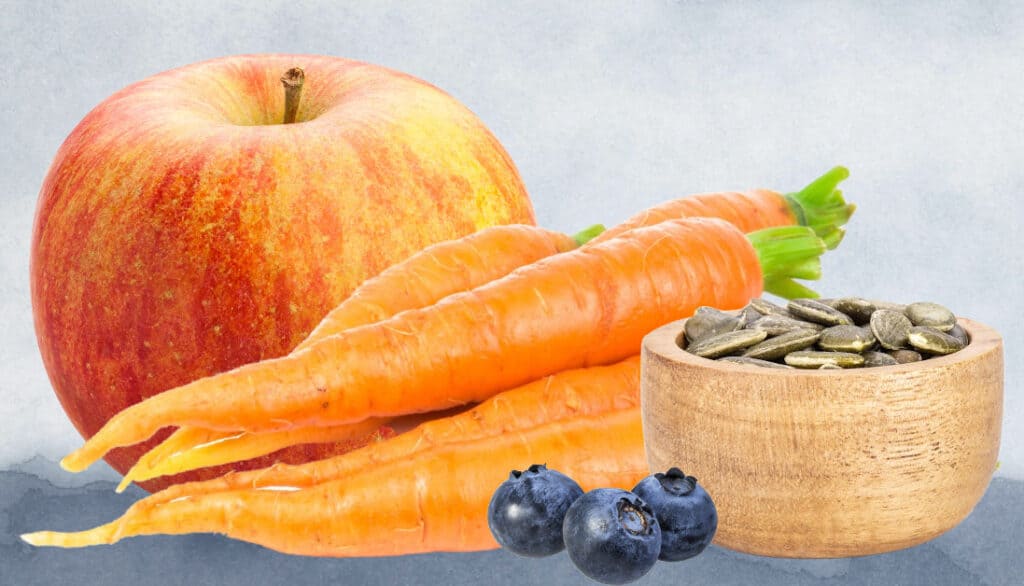
    picture of apple, carrots, pumpkin seeds, and blueberries

    Healthy Alternatives to Cheeseballs for Dog Snacks

    If you’re looking for a healthy alternative to cheeseballs as a treat for your dog, there are plenty of choices that can be good for their health. Dogs love fruits and vegetables just as much as humans do. They’re a great source of vitamins, fiber, and other essential nutrients that dogs need in their diet.

    Carrots

    Carrots are an excellent choice as a snack for dogs. Not only are they low in calories, but they also provide a good source of fiber and Vitamin A. They help support overall health, digestion and keep their teeth clean by providing some abrasion when chewed. Carrots are rich in beta-carotene which is an antioxidant that helps improve eyesight.

    Apples

    Apples are another delicious and healthy snack option for dogs. They are known to improve digestion, boost the immune system by providing vitamins B & C and it helps to keep teeth clean when eaten raw. Be sure to remove the seeds because they contain cyanide which is toxic if ingested.

    Specially Made Dog Treats

    There are plenty of specially made dog treats available on the market today that can provide healthy benefits without compromising on taste or enjoyment. These treats come in different flavors such as chicken or beef with added vitamins and minerals such as omega fatty acids or glucosamine which support joint mobility. When looking for dog treats, check the label carefully and ensure it’s free from artificial colors, flavorings or preservatives since these additives can lead to potential health issues such as allergies or weight gain.

    Pumpkin Seeds

    Pumpkin seeds can be roasted with low sodium seasoning making them a great snacking option since they’re rich in antioxidants, protein and magnesium which supports bone growth while reducing inflammation.

    Blueberries

    Blueberries are another healthy fruit option for dogs since they’re rich in antioxidants and vitamins. They’re low in calories, high in fiber that supports weight control and helps to regulate blood sugar levels.

    Cheeseballs should be avoided as a treat for dogs due to their high-fat content and artificial flavorings that can cause potential health issues. Instead, treat your furry friend with one of these healthy snack options such as carrots, apples, pumpkin seeds or specially made dog treats which will provide them with the essential nutrients they need to support overall good health.

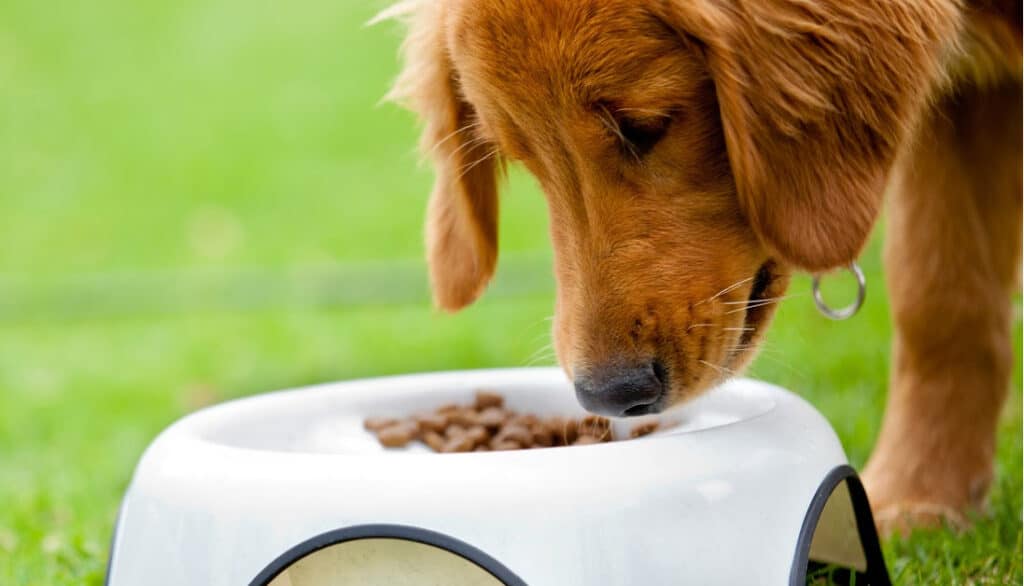
    golden retriever sniffing food in its bowl

    The Importance of a Balanced Diet for Dogs

    Dogs, like people, require a balanced diet to maintain good health. A healthy diet for dogs should include protein, carbohydrates, fats, vitamins and minerals.

    Protein is particularly important as it helps build and repair tissues. Carbohydrates provide energy while fats help to insulate the body and protect internal organs.

    When it comes to choosing food for your dog, it’s important to select high-quality dog food that is specifically formulated for their age and breed. While it may be tempting to feed them human food, this can be detrimental to their health in the long term.

    Emphasize the Importance of Providing a Balanced Diet for Your Furry Friend

    Feeding your furry friend a balanced diet helps ensure that they receive all the nutrients they need to maintain good health. If you’re unsure about what foods are best for your dog or how much you should be feeding them, speak with your veterinarian.

    Some dogs have unique dietary needs due to breed-specific conditions or allergies. For example, some breeds are prone to digestive issues or skin problems which can be exacerbated by certain foods.

    Mention That Feeding Them Human Food Should Always Be Done in Moderation

    While there’s nothing wrong with giving your furry friend an occasional treat from the table if done in moderation, human food should never replace quality dog food in their regular diet. Certain human foods can actually be dangerous for dogs such as chocolate or onions which can cause toxicity. Additionally, even safe human foods like cheeseballs can cause digestive upset due to their high-fat content.

    As always moderation is key when offering human food as treats. Stick with small amounts of safe options such as plain cooked chicken or vegetables instead of processed snacks like cheeseballs.

    Avoid Overfeeding Your Dog

    Overfeeding your dog not only leads to weight gain but can also increase their risk of developing health problems such as heart disease, diabetes, and joint issues. Make sure to measure out their food according to the recommended serving size for their weight and activity level.

    Additionally, avoid giving table scraps or treats too frequently as these can quickly add up in calories. If your dog is overweight or obese, speak with your veterinarian about a weight loss plan including a proper diet and exercise routine.

    Conclusion: Prioritize Your Dog’s Health

    Providing your furry friend with a well-balanced diet is essential for good health. Stick to quality dog food that meets their nutritional needs and limit human food only as an occasional treat. Remember that overfeeding or offering unhealthy snacks like cheeseballs can cause long-term problems so always prioritize your dog’s health when choosing what to feed them.

    cheeseballs for dogs

    The Final Word: Can Dogs Eat Cheeseballs?

    After reading through the potential risks of feeding cheeseballs to dogs and the alternatives available, it’s clear that cheeseballs are not an ideal snack for our furry friends. While some dogs may be able to handle small amounts of plain cheese, we can’t ignore the high fat content and artificial ingredients found in most cheeseball products.

    It’s important to remember that our pets rely on us to make choices that prioritize their health and well-being. Even if they beg with their puppy dog eyes, we must resist the urge to give in to unhealthy snacks.

    Feeding a nutritious, balanced diet and providing appropriate treats is key to keeping our pets healthy and happy. As mentioned earlier, there are plenty of alternatives available for those who want to treat their pups without risking their health.

    Crunchy vegetables like carrots or apples can satisfy a dog’s desire for a crunchy snack while also providing important nutrients like fiber and vitamins. If you’re looking for something even more specialized, there are many brands dedicated specifically to creating healthy dog treats using natural ingredients like fruits, vegetables, or lean meats.

    Remember that moderation is key when it comes to feeding human food to dogs. While it may be tempting to give them a bite of whatever we’re eating at the time, it’s important not to overdo it or introduce too many new foods into their diet too quickly.

    While it might be tempting to share your favorite cheesy snack with your loyal companion, cheeseballs should generally be avoided due to the risks they pose for our pet’s health. Instead of reaching for unhealthy snacks on store shelves, consider healthier alternatives or specially made dog treats as a way of showing love towards your furry friend while prioritizing their health at the same time.

  • Can Dogs Eat Sour Cream? What To Do If Your Dog Ate Sour Cream

    Can Dogs Eat Sour Cream? What To Do If Your Dog Ate Sour Cream

    As dog owners, we want to ensure that our furry friends are happy, healthy, and well-fed. That’s why it’s important to know what human foods are safe for dogs to eat. While some human foods can be nutritious and tasty treats for our pets, others can be dangerous and even fatal. In this article, we’ll take a closer look at the question of whether or not dogs can eat sour cream. We’ll examine the nutritional value of sour cream for dogs, any potential health risks associated with feeding sour cream to dogs, and explore some alternatives to sour cream.

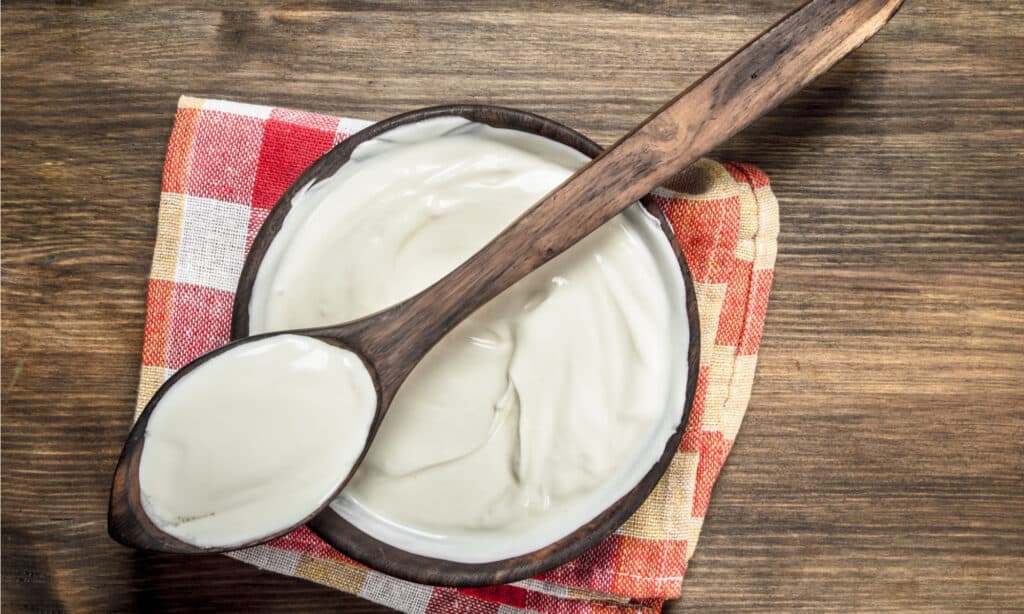
    can dogs eat sour cream

    The Sour Cream Question: Can Dogs Eat It?

    If you’re a fan of Mexican cuisine or baked potatoes, you may have wondered whether or not it’s okay to give your dog a taste of sour cream. The good news is that yes -dogs can eat sour cream safely when given in moderation. Sour cream is a dairy product made by fermenting cream with lactic acid bacteria.

    It’s high in fat and calories, but it also contains vitamins and minerals that can be beneficial for dogs. That being said, it’s important to feed sour cream to your dog in moderation.

    Too much fat in their diet can lead to obesity and other health issues. It’s also worth noting that some dogs may be allergic or intolerant to dairy products, so you should always introduce new foods gradually and keep an eye out for any adverse reactions.

    Can Dogs Eat Sour Cream?

    Sour cream is a popular dairy product used in many recipes, including dips, dressings, and sauces. It’s creamy and tangy taste can make any dish more flavorful.

    But can dogs eat sour cream? The answer is yes, dogs can eat sour cream in moderation.

    Sour cream is not toxic to dogs and does not pose any immediate danger to them. However, it’s important to note that just because food is safe for humans doesn’t necessarily mean it’s safe for our furry friends.

    Sour cream contains low levels of lactose, making it easier for dogs to digest compared to other dairy products like milk or cheese. However, some dogs may still be intolerant or allergic to lactose.

    It’s also worth noting that while sour cream is generally safe for dogs to consume in small quantities as an occasional treat or addition to their regular diet, too much can lead to health problems such as obesity and pancreatitis. As with any new food introduced into a dog’s diet, it’s essential to start with small amounts and pay attention to how your dog reacts before deciding whether or not they should continue eating sour cream.

    can my dog eat sour cream

    Why Sour Cream Is Safe For Dogs

    Sour cream has several benefits that make it a safe option for dogs when fed in moderation. It contains protein and calcium which are essential nutrients needed by our canine companions.

    Furthermore, the low levels of lactose make sour cream easier on a dog’s digestive system compared to other dairy products like milk or cheese. This makes it an excellent alternative if you’re looking for something creamy but less likely to cause digestive issues in your furry friend.

    Additionally, some pet owners use plain Greek yogurt as an alternative source of probiotics instead of expensive supplements — choosing plain Greek yogurt over sour cream does offer great benefits. Of course, it still depends on how your dog tolerates these foods.

    If you notice any digestive issues, it’s best to speak with your veterinarian as they may recommend an alternative. Sour cream is safe for dogs to consume in moderation.

    It’s important to remember that each dog is different and may react differently to new foods introduced into their diet, so always start with small amounts and observe your furry friend closely for any adverse reactions. If you’re unsure about feeding your dog sour cream or any human food in general, it’s always best to consult with a veterinarian first.

    Benefits of Feeding Sour Cream to Dogs

    Provides a Source of Calcium and Protein

    Calcium and protein are essential nutrients for dogs. Calcium helps in the development of strong bones, teeth, and muscles, while protein is important for building and repairing tissues. Sour cream is an excellent source of both calcium and protein.

    Just a small amount of sour cream can provide a good dose of these nutrients to your furry friend. Dogs that do not get enough calcium in their diet can suffer from weak bones, which can lead to fractures or breaks.

    Similarly, insufficient protein intake can cause muscle wasting or weakness. By feeding your dog sour cream in moderation, you can help ensure that they are getting adequate amounts of these vital nutrients.

    Helps with Digestion and Gut Health

    Sour cream contains probiotics, which are beneficial bacteria that live in the gut and help maintain a healthy digestive system. These probiotics aid in digestion by breaking down food more efficiently and helping the body absorb essential nutrients.

    Probiotics also play a role in keeping the gut healthy by preventing harmful bacteria from overgrowing. This is particularly important for dogs who may have sensitive stomachs or be prone to gastrointestinal issues such as diarrhea or constipation.

    can dogs eat sour cream

    Can Be a Tasty Treat for Dogs

    Dogs love treats! And sour cream can be a tasty addition to their diet when given in moderation. A dollop of sour cream on top of their food or as an occasional snack can make mealtime more enjoyable for your furry friend.

    It’s important to remember that while dogs may enjoy human foods like sour cream, they should not be given too much at once or too often. Overindulging in high-fat foods like sour cream can lead to weight gain and other health problems such as pancreatitis.

    Serving Suggestions

    When feeding your dog sour cream, it’s important to keep serving sizes small and infrequent. A tablespoon or two of sour cream per day is plenty for most dogs. Consider using sour cream as a topping for their food or mixing it in with other dog-friendly human foods like cooked chicken or vegetables.

    If your dog has a sensitivity to dairy products, it’s best to avoid feeding them sour cream altogether. Always consult with your veterinarian before introducing any new foods into your dog’s diet.

    Risks and Precautions

    Dairy allergies in some dogs

    While sour cream is generally safe for dogs, it’s important to note that some dogs can have dairy allergies. This means that feeding them sour cream could lead to digestive issues such as vomiting and diarrhea.

    Symptoms of a dairy allergy typically occur within a few hours after consumption, so it’s important to monitor your dog closely if you decide to feed them sour cream for the first time. If you suspect your dog may have a dairy allergy, it’s best to avoid feeding them sour cream altogether.

    Instead, opt for alternative treats that are less likely to trigger an allergic reaction. Consult with your veterinarian if you’re unsure whether or not your dog has a dairy allergy.

    is sour cream safe for dogs

    High-fat content can lead to obesity and pancreatitis

    Another risk associated with feeding dogs sour cream is its high-fat content. Too much fat in a dog’s diet can lead to obesity and even pancreatitis, which is a serious condition that can be life-threatening if left untreated.

    It’s important to keep in mind that while small amounts of sour cream may be safe for dogs, they should only be fed in moderation. If you choose to give your dog sour cream as an occasional treat or topping, make sure not to overdo it and always monitor their weight and overall health.

    Importance of feeding sour cream in moderation

    Feeding any human food items in excess can be harmful to dogs, including sour cream. As previously mentioned, high fat content puts dogs at risk of developing obesity and pancreatitis if they consume too much of it regularly.

    In addition, sour cream contains lactose which may cause digestive issues such as gas or bloating if given excessively. It’s paramount for pet owners not make the mistake of overfeeding their furry friends because they are showing excitement about new food.

    Therefore, while sour cream can be a tasty treat for your dog, it’s important to feed it in moderation and not make it a regular part of their diet. Consult with a veterinarian before adding any new human food items to your dog’s diet.

    Alternatives

    If you’re looking for a healthier alternative to sour cream for your dog, plain Greek yogurt is a good option. It contains less fat and lactose than sour cream but still provides similar nutritional benefits such as protein and calcium.

    Other dog-friendly human foods that can be used as toppings or treats include cooked meats such as chicken or turkey, fruits like blueberries or bananas, and vegetables like carrots or green beans. Just make sure to research any new foods before feeding them to your dog and always introduce them gradually to avoid digestive upset.

    is sour cream harmful for my dogs

    Alternatives to Sour Cream

    Plain Greek Yogurt as a Healthier Alternative

    Sour cream is not the only dairy product that can be safely given to dogs. Plain Greek yogurt is a healthier alternative that has even more benefits for your furry friend.

    This type of yogurt is rich in protein and probiotics, which can help improve your dog’s digestion and overall gut health. Plus, it has lower fat content than sour cream, making it less likely to cause weight gain or pancreatitis.

    When choosing Greek yogurt for your dog, make sure to select one that does not contain added sugars or artificial sweeteners. These can be harmful to dogs and may cause digestive issues or other health problems.

    One way to incorporate Greek yogurt into your dog’s diet is by using it as a topping for their food. Mix a spoonful of plain Greek yogurt with their dry kibble or wet food for a tasty and nutritious addition to mealtime.

    Other Dog-Friendly Human Foods That Can Be Used as Toppings or Treats

    In addition to sour cream and Greek yogurt, there are many other types of human foods that can be safely given to dogs in moderation. Here are some ideas:

    • Cooked lean meats such as chicken, turkey, or beef –
    • Fruits like apples, bananas, and strawberries (avoid grapes and raisins)
    • Vegetables such as carrots, green beans, and sweet potatoes
    • Small amounts of cheese (cheddar or cottage cheese)

    These foods should always be introduced gradually into your dog’s diet and given in moderation. It’s also important to avoid feeding them any foods that are toxic for dogs such as chocolate, onions, garlic, or avocados.

    When using these human foods as toppings or treats for your pooch remember moderation is key! Too much of anything – even healthy items – can lead to health issues such as weight gain and gastrointestinal issues.

    is sour cream harmful for my dog

    Conclusion

    After exploring whether dogs can eat sour cream, it is clear that a small amount of sour cream is safe for most dogs. Sour cream can even provide some nutritional benefits, including calcium and protein.

    However, it’s important to remember that feeding human foods to dogs should always be done in moderation and after consulting with a veterinarian. It’s also essential to keep in mind the potential risks associated with feeding sour cream or any other human food to your dog.

    Some dogs may have dairy allergies or be unable to handle the high-fat content in sour cream, which could lead to obesity and pancreatitis. Therefore, when giving your dog any human food as an occasional treat or topping on their regular diet, it’s important to start with small portions and monitor their reactions closely.

    If you notice any adverse effects, stop immediately and contact your vet. In addition to sour cream, there are many other dog-friendly human foods that can be used as toppings or treats for your furry friend.

    Plain Greek yogurt is a healthier alternative that still provides similar nutritional benefits as sour cream without the added fat. Overall, feeding your dog human foods can add variety and enjoyment to their diet while providing them with some additional nutrients.

    Just remember always to do so in moderation and after considering the potential health risks. By doing so, you can keep your dog happy and healthy for years to come!

    ~Lindsie

  • Can Dogs Eat Ricotta Cheese – Expert Answers

    Can Dogs Eat Ricotta Cheese – Expert Answers

    Ricotta cheese is a popular ingredient in many dishes, from lasagna and pizza to cheesecake and cannoli. It’s a soft, creamy cheese that’s made from the whey leftover from other cheesemaking processes, and it has a mild, slightly sweet flavor that many people love. If you’re a dog owner, you may be wondering can dogs eat ricotta cheese as well. After all, dogs have different dietary needs and preferences than humans, and some foods that are perfectly safe for us can be harmful or even toxic to our pets.

    In this blog post, we’ll take a closer look at ricotta cheese and whether it’s safe for dogs to eat. We’ll examine the nutritional content of ricotta cheese, the potential risks and benefits for dogs, and some tips for feeding your pup ricotta cheese safely (if at all). So, let’s get started!

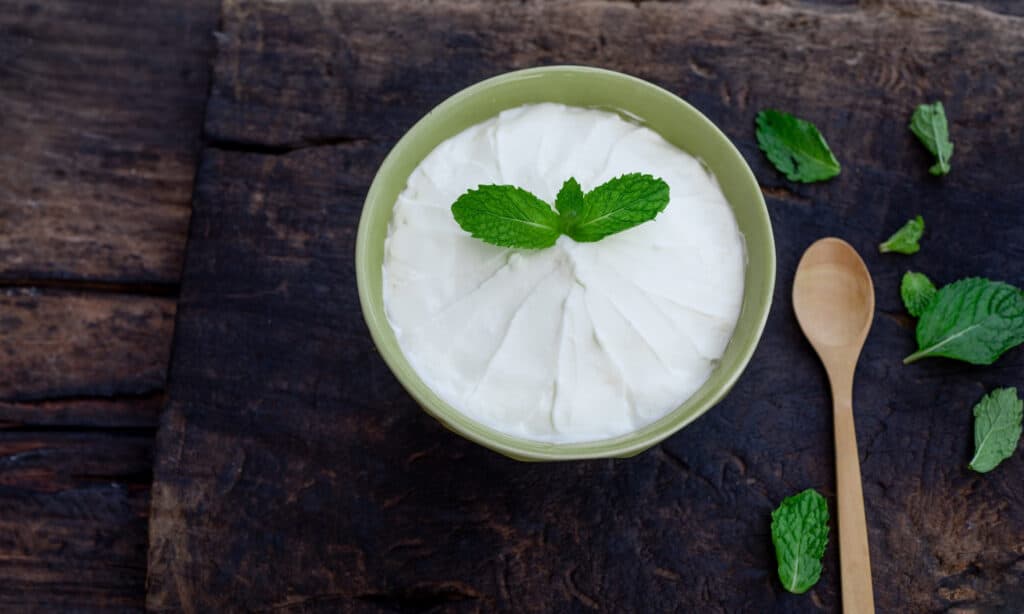
    can dogs eat ricotta cheese

    What Is Ricotta Cheese?

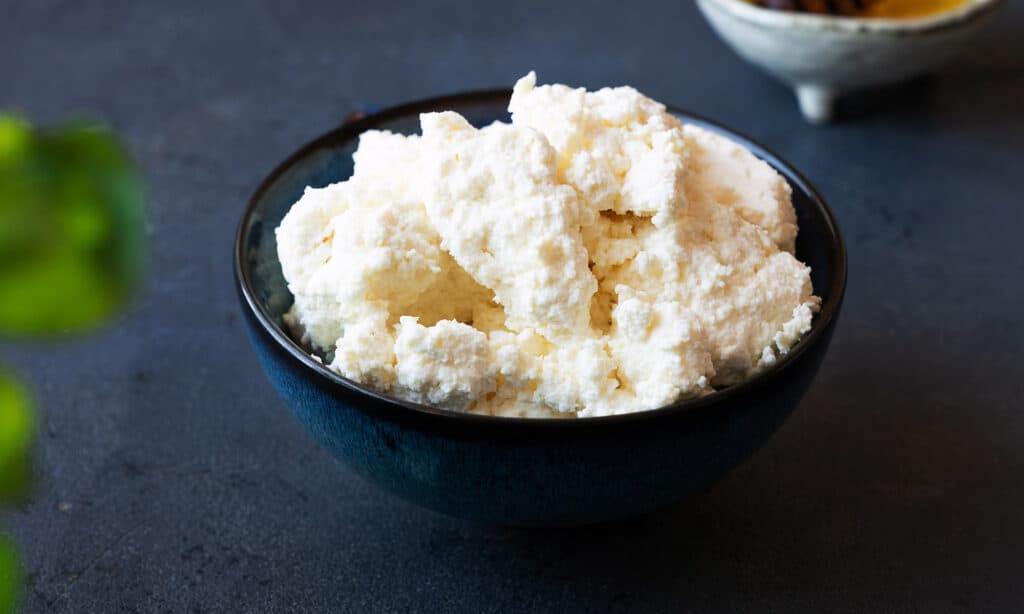
    Ricotta cheese is a soft and creamy cheese with a slightly sweet flavor and grainy texture. It’s made by using the whey leftover from making other types of cheese, like mozzarella or provolone.

    When cheese is made, milk is curdled using an acid or enzyme, which separates the solids from the liquid. The solids are then processed into cheese, while the liquid (whey) is often discarded. Ricotta is made by heating whey and adding an acid, causing proteins to coagulate and form curds. Strained and pressed curds result in soft and fluffy cheese used in sweet and savory Italian dishes.

    Ricotta cheese is high in protein, calcium, and phosphorus but also in fat and calories. Feed ricotta cheese to dogs in moderation as part of a balanced diet, like any food.

    Can Dogs Have Ricotta Cheese?

    When it comes to feeding dogs ricotta cheese, the answer is not a straightforward “yes” or “no.” Consider risks before feeding ricotta cheese to your dog; it’s not toxic but may not be beneficial.

    On the one hand, ricotta cheese is a good source of protein and calcium, which are important nutrients for dogs. High fat and calories in hay may cause issues if dog has digestive problems or is overweight.

    Most dogs are lactose intolerant and have trouble digesting lactose, a sugar found in milk and dairy products. Feeding lactose-containing foods like ricotta cheese to these dogs can lead to gastrointestinal upset, including diarrhea, vomiting, and gas.

    Ricotta cheese is safe for dogs in small amounts but consider their dietary needs and sensitivities before adding it. Introduce ricotta cheese gradually, and watch for signs of digestive upset or allergic reaction.

    Ricotta cheese for dogs: Benefits and precautions

    Harmful Ingredients in Ricotta Cheese:

    In general, ricotta cheese is considered safe for dogs to eat in moderation. However, there are a few potential harmful ingredients to be aware of.

    First, ricotta cheese is a dairy product, and some dogs may be lactose intolerant. Lactose is a sugar found in milk and dairy products, and dogs with lactose intolerance have difficulty digesting it. Feeding ricotta cheese to dogs with lactose intolerance can lead to gastrointestinal upset, including diarrhea, vomiting, and gas.

    Additionally, some brands of ricotta cheese may contain added salt, which can be harmful to dogs in large amounts. High levels of sodium can lead to dehydration, increased thirst, and even sodium ion poisoning, which can be life-threatening.

    Finally, some ricotta cheese may contain other additives or preservatives that could be harmful to dogs. Choose natural, high-quality ricotta cheese for dogs and read ingredient labels carefully before feeding.

    As with any new food or treat, it’s important to introduce ricotta cheese slowly and in small amounts, and to monitor your dog for any signs of digestive upset or allergic reaction. If your dog experiences any negative symptoms after eating ricotta cheese, discontinue feeding it and consult with your veterinarian.

    Safe Ingredients in Ricotta Cheese:

    There are several safe and beneficial ingredients in ricotta cheese that can make it a healthy addition to your dog’s diet when fed in moderation.

    Ricotta cheese is a good source of protein, calcium, and phosphorus, which are important nutrients for dogs. Protein is essential for building and repairing muscles, while calcium and phosphorus help support strong bones and teeth.

    In addition, ricotta cheese is relatively low in lactose compared to other dairy products, which means that some lactose-intolerant dogs may be able to tolerate it in small amounts. However, it’s still important to monitor your dog for any signs of digestive upset after feeding them ricotta cheese.

    When selecting ricotta cheese to feed your dog, look for a high-quality, all-natural brand that doesn’t contain added salt, preservatives, or other harmful ingredients. Choose low-fat ricotta for overweight dogs or those with digestive issues like pancreatitis to ensure safe consumption.

    As with any new food or treat, it’s important to introduce ricotta cheese slowly and in small amounts, and to monitor your dog for any signs of digestive upset or allergic reaction. If you have any concerns about feeding ricotta cheese to your dog, consult with your veterinarian.

    Ricotta cheese as an occasional dog treat

    What Signs To Watch For If Your Dog Accidentally Ate A Lot of Ricotta Cheese?

    f your dog eats too much ricotta cheese, they could experience some negative side effects that you should be aware of.

    The most common sign of a ricotta cheese “overdose” in dogs is digestive upset. This can include symptoms like diarrhea, vomiting, and gas. Depending on how much cheese your dog ate, these symptoms can be mild or more severe.

    In some cases, eating too much ricotta cheese can also cause pancreatitis in dogs. This is a condition where the pancreas becomes inflamed and can cause abdominal pain, loss of appetite, and lethargy. Pancreatitis can be life-threatening. Contact a vet immediately if you suspect your dog has this condition.

    Another possible side effect of consuming too much ricotta cheese is dehydration, especially if your dog is experiencing vomiting or diarrhea. You can tell if your dog is dehydrated by looking for symptoms like dry gums, sunken eyes, and lethargy.

    If you notice any of these symptoms in your dog after they’ve eaten a large amount of ricotta cheese, it’s important to get in touch with your veterinarian as soon as possible. Vets can advise on managing symptoms and recommend treatment or check-up if necessary.

    When or If You Should Go To The Vet?

    If you suspect that your dog has eaten too much ricotta cheese and is experiencing negative side effects, it’s important to know when you should seek veterinary care.

    If your dog is experiencing mild symptoms like diarrhea, vomiting, or gas, you can monitor them closely at home and try to manage their symptoms by providing plenty of water and a bland diet.

    However, if your dog is experiencing severe symptoms like vomiting uncontrollably, or if they are showing signs of pancreatitis, such as abdominal pain, loss of appetite, and lethargy, it’s important to contact your veterinarian right away. In severe cases, pancreatitis can be life-threatening, so prompt medical attention is crucial.

    In addition, if you notice any signs of dehydration in your dog, such as dry gums, sunken eyes, or lethargy, it’s important to seek veterinary care as soon as possible. Dehydration can be serious and may require treatment with IV fluids or other medications.

    If you’re ever in doubt about whether your dog needs veterinary care, it’s always better to err on the side of caution and contact your veterinarian. Vets can advise on symptom management and recommend examination and treatment if necessary.

    Ricotta cheese and dog health: What you need to know

    Safe Dog-Friendly Alternative to Ricotta Cheese:

    If you’re searching for a dog-friendly alternative to ricotta cheese, there are several options available that are both safe and nutritious for your pup.

    One alternative is cottage cheese, which is packed with protein and calcium but has fewer calories and less fat than ricotta cheese. When selecting cottage cheese, it’s important to choose a plain, unsweetened variety that doesn’t contain any added salt or preservatives.

    Another option is plain Greek yogurt, which is also rich in protein and calcium and can provide your dog with beneficial probiotics. Be sure to select a plain variety without any added sugars or artificial sweeteners.

    For those who prefer vegan alternatives, pureed tofu can be used as a substitute for ricotta cheese. Tofu is high in protein, low in fat, and can be seasoned with herbs and spices to mimic the flavor of ricotta cheese.

    It’s important to introduce these alternatives gradually and in small amounts, and to keep an eye out for any signs of digestive upset or allergic reaction. If you have any concerns about feeding these alternatives to your dog, it’s always a good idea to consult with your veterinarian for advice.

    Healthy Store-Bought Options:

    In conclusion, while ricotta cheese can be a tasty and nutritious addition to your dog’s diet in moderation, it’s important to be aware of the potential risks and benefits before feeding it to your furry friend.

    Feeding too much ricotta cheese to your dog can lead to digestive upset, pancreatitis, dehydration, and other negative side effects. It’s important to monitor your dog closely after feeding them ricotta cheese and to seek veterinary care if you notice any signs of illness or discomfort.

    However, there are several safe and dog-friendly alternatives to ricotta cheese, including cottage cheese, plain Greek yogurt, and pureed tofu. These alternatives are high in protein and calcium, and can be a healthy and delicious addition to your dog’s diet when fed in moderation.

    As with any food or treat, it’s important to consider your individual dog’s dietary needs and potential sensitivities when introducing new foods into their diet. By being mindful of what you feed your dog and monitoring their health closely, you can ensure that they stay happy, healthy, and well-nourished for years to come.

    ~Lindsie

  • Can Dogs Eat Mango Ice Cream? – Expert Answers

    Can Dogs Eat Mango Ice Cream? – Expert Answers

    As dog owners, we all love to spoil our furry friends with special snacks every now and then. And when it’s scorching hot outside, what could be more refreshing than a spoonful of fruity mango ice cream? But before you treat your four-legged buddy to this frozen delight, you might be wondering: is it okay for dogs to eat mango ice cream?

    That’s where this blog comes in. We’ll delve into the potential pros and cons of giving your pooch mango ice cream. We’ll examine the nutritional value of mangoes and dairy products, look at possible health risks associated with feeding your dog ice cream, and offer tips on how to make safe and healthy treats for your furry pal. So, if you’re pondering whether you can share your sweet treat with your pup, keep reading to discover the answer!

    can dog eat miso ice cream

    What is Mango Ice Cream?

    Mango ice cream is a delightful frozen treat that’s created by blending fresh or frozen mangoes with dairy products like cream, milk, and sugar. This luscious dessert boasts a smooth and creamy texture and a sweet, fruity flavor that makes it a fantastic pick-me-up on a hot summer day.

    There are loads of different ways to make mango ice cream, and many recipes add other tasty ingredients like vanilla extract, lemon juice, or additional fruits. For those with dietary restrictions, some recipes swap out dairy products for non-dairy alternatives like coconut milk or almond milk, making it a perfect option for those with lactose intolerance or vegan preferences.

    Mango ice cream is a popular dessert in many countries worldwide, particularly in places where mangoes are grown and harvested locally. You can enjoy this frozen treat on its own or use it as a topping for cakes, pies, or other sweet treats.

    However, if you’re considering sharing this tasty dessert with your furry friend, it’s crucial to think about whether it’s safe for dogs to consume.

    Can Dogs Eat Mango Ice Cream?

    If you’re a dog owner and you love mango ice cream, you might be wondering if it’s safe to share this tasty treat with your furry friend. Unfortunately, the answer isn’t straightforward.

    While mangoes themselves are generally safe for dogs to eat in small amounts, the ingredients that go into making ice cream can pose potential health risks to dogs. For instance, dairy products like cream and milk can be difficult for dogs to digest, especially if they are lactose intolerant. In addition, many store-bought ice creams contain added sugar or artificial sweeteners, which can be toxic to dogs.

    Moreover, dogs should not consume foods that contain xylitol, a sugar substitute that is commonly used in sugar-free products, including some ice creams. Xylitol can cause a sudden and dangerous drop in blood sugar levels, leading to symptoms such as vomiting, loss of coordination, and seizures.

    If you want to treat your dog to some mango goodness, it’s best to stick to plain, fresh mangoes. This juicy fruit is packed with vitamins and minerals that are beneficial to dogs, including vitamin C, vitamin A, and potassium. You can also consider making your own homemade mango ice cream using dog-friendly ingredients, such as plain Greek yogurt or unsweetened coconut milk, and skipping any sugar or artificial sweeteners. As always, it’s essential to talk to your veterinarian before giving your dog any new foods or treats to ensure their safety and well-being.

    Canine-safe mango ice cream in a cup

    Harmful Ingredients in Mango Ice Cream:

    While mango ice cream can be a delicious and refreshing dessert for humans, there are several ingredients commonly found in ice cream that can be harmful to dogs if consumed. Here are a few key ingredients to keep in mind:

    1. Dairy Products – Most ice cream contains dairy products such as milk, cream, and butter, which can be difficult for dogs to digest, particularly if they are lactose intolerant. Consumption of dairy products can lead to gastrointestinal upset, including diarrhea and vomiting.
    2. Sugar and Artificial Sweeteners – Many store-bought ice creams contain high amounts of sugar or artificial sweeteners, such as xylitol. Sugar can contribute to obesity and diabetes in dogs, while xylitol can be extremely toxic and can cause a rapid drop in blood sugar levels, leading to seizures, liver failure, and even death.
    3. Chocolate and Nuts – Some variations of mango ice cream may contain chocolate chips, nuts, or other ingredients that are toxic to dogs. Chocolate contains theobromine, which can cause vomiting, diarrhea, and seizures in dogs, while nuts like macadamias can cause weakness, tremors, and hyperthermia.
    4. Additives and Preservatives – Ice cream may also contain various additives and preservatives that can be harmful to dogs, such as artificial colors, flavors, and stabilizers. These ingredients can cause digestive upset, allergic reactions, or other health problems.

    To keep your dog safe, it’s best to avoid giving them mango ice cream or any other human desserts that contain these potentially harmful ingredients. Instead, consider making homemade treats for your furry friend using dog-friendly ingredients like plain Greek yogurt, unsweetened coconut milk, and fresh fruits like mango. Always consult with your veterinarian before introducing any new foods or treats to your dog’s diet to ensure their health and safety.

    Safe Ingredients in Mango Ice Cream:

    When it comes to making homemade mango ice cream for your furry friend, there are several safe and healthy ingredients that you can use. These ingredients will not only make the treat delicious, but also safe for your dog to consume.

    Fresh mango is a great ingredient to start with, as it is not only sweet and delicious, but also loaded with nutrients that can benefit your dog’s health. You can blend fresh, ripe mangoes with dog-friendly dairy alternatives like plain Greek yogurt or unsweetened coconut milk to create a yummy and healthy ice cream base.

    For dogs that are lactose intolerant or have trouble digesting dairy, non-dairy milk alternatives like coconut milk or almond milk can be used as a substitute. These alternatives are often low in fat and calories and can be consumed by dogs in small amounts.

    To add some sweetness to your homemade mango ice cream, you can use natural sweeteners like honey or maple syrup instead of processed sugars or artificial sweeteners. These natural sweeteners are safe for dogs in moderation and can help make the ice cream even more delicious.

    Plain, unsweetened yogurt is another safe and healthy ingredient that can be used as a base for homemade mango ice cream recipes. It’s a great source of protein and probiotics that can benefit your dog’s digestive health, and it can be mixed with fresh mango or other dog-friendly fruits to create a scrumptious and wholesome dessert.

    As always, it’s important to talk to your veterinarian before introducing any new foods or treats to your dog’s diet to ensure their health and safety. With these dog-friendly ingredients, you can create a safe and delectable mango ice cream treat that your furry friend will love!

    Canine summer delight: mango ice cream for dogs

    What Signs To Watch For If Your Dog Accidentally Ate A Lot of Mango Ice Cream?

    If your dog accidentally eats a large amount of mango ice cream or any other ice cream that contains harmful ingredients, there are several signs that you should watch for. Here are some common symptoms of ice cream poisoning in dogs:

    1. Gastrointestinal Upset – Consumption of dairy products, sugar, and artificial sweeteners can cause vomiting, diarrhea, and other digestive issues in dogs. You may notice your dog having difficulty digesting their food or experiencing an upset stomach.
    2. Lethargy – If your dog has consumed a lot of ice cream, they may become tired, lethargic, and less active than usual.
    3. Increased Thirst – High sugar content in ice cream can cause dehydration, leading your dog to drink more water than usual.
    4. Hyperactivity – Some dogs may become hyperactive or restless after consuming large amounts of sugar or artificial sweeteners.
    5. Tremors and Seizures – Consumption of xylitol, a sugar substitute found in some ice creams, can cause rapid insulin release, leading to seizures and loss of coordination in dogs.

    If you notice any of these symptoms in your dog after they have consumed mango ice cream, it’s important to contact your veterinarian right away. In severe cases, ice cream poisoning can cause life-threatening health issues, so it’s crucial to seek medical attention immediately to ensure the safety and well-being of your furry friend.

    When or If You Should Go To The Vet?

    If your dog has accidentally consumed a large amount of mango ice cream or any other ice cream containing harmful ingredients, it’s important to monitor their behavior closely for any signs of distress or discomfort. Depending on the severity of the symptoms, you may need to seek veterinary care right away.

    If your dog is exhibiting mild symptoms such as gastrointestinal upset, lethargy, or increased thirst, you may be able to monitor them at home and make them comfortable until the symptoms subside. It’s important to provide plenty of fresh water and monitor their food and water intake.

    However, if your dog is exhibiting more severe symptoms such as tremors, seizures, or loss of coordination, or if they have consumed ice cream containing xylitol, you should seek veterinary care immediately. Xylitol poisoning can be life-threatening if not treated promptly.

    If you are unsure whether your dog requires veterinary attention, it’s always better to err on the side of caution and contact your veterinarian. They can provide you with guidance on how to monitor your dog’s symptoms and whether further medical attention is necessary. Remember, early intervention is key to ensuring the safety and well-being of your furry friend.

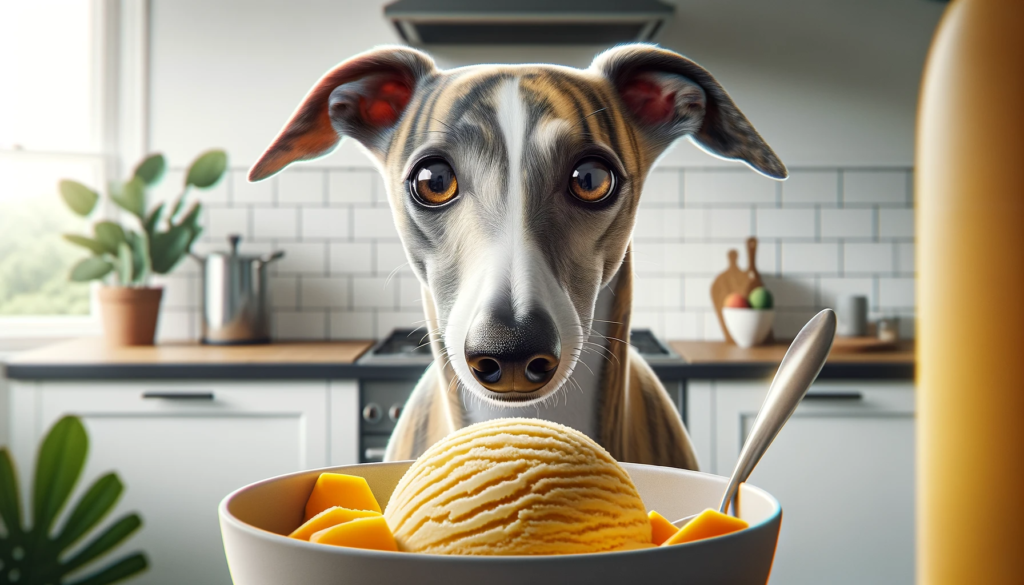
    Dogs enjoying a cool treat of mango ice cream

    Safe Dog-Friendly Alternative to Mango Ice Cream:

    If you’re looking for dog-friendly alternatives to mango ice cream, there are several tasty and healthy options that your furry friend will love! Here are a few ideas to get you started:

    1. Frozen Fruit Treats – Frozen fruit treats are an easy and healthy option for dogs. Simply blend up some fresh, dog-friendly fruits like bananas, strawberries, or blueberries, and freeze them in ice cube trays or silicone molds for a cool and refreshing treat.
    2. Yogurt-Based Treats – Yogurt is a great source of protein and probiotics that can benefit your dog’s digestive health. You can mix plain, unsweetened yogurt with dog-friendly fruits like apples or berries, and freeze them into small portions for a healthy and delicious snack.
    3. Coconut Cream-Based Treats – Coconut cream is a great dairy-free alternative to traditional cream, and it’s safe for dogs to consume in moderation. You can mix coconut cream with dog-friendly fruits like pineapple or mango and freeze them for a tropical and refreshing dessert.
    4. Peanut Butter-Based Treats – Most dogs love peanut butter, and it can be a great ingredient for homemade treats. Mix peanut butter with banana or pumpkin puree, freeze it in small portions, and you’ll have a tasty and healthy snack that your dog will go crazy for!

    Remember, it’s important to always consult with your veterinarian before introducing any new foods or treats to your dog’s diet to ensure their health and safety. With these dog-friendly alternatives, you can provide your furry friend with a delicious and healthy treat that they’ll love!

    .

    Healthy Store-Bought Options:

    In conclusion, while mango ice cream can be a delicious treat for humans on a hot summer day, it’s important to keep in mind that it may not be safe for dogs to consume. The dairy products, sugar, and artificial sweeteners commonly found in ice cream can cause digestive issues and other health problems in dogs. Additionally, some ice creams may contain toxic ingredients like chocolate or xylitol, which can be extremely dangerous for dogs.

    If you want to treat your furry friend to a frozen dessert, there are plenty of dog-friendly alternatives to mango ice cream that you can try, such as frozen fruit treats, yogurt-based treats, coconut cream-based treats, or peanut butter-based treats. These options are not only safe for dogs to consume, but they are also nutritious and delicious.

    As always, it’s important to consult with your veterinarian before introducing any new foods or treats to your dog’s diet, to ensure their health and safety. With these tips and alternatives in mind, you can provide your furry friend with a refreshing and healthy treat that they’ll love!

    ~ Lindsie