Category: Top Products & Reviews

  • Can You Use Bag Balm on Dogs? A Veterinarian Explains

    Can You Use Bag Balm on Dogs? A Veterinarian Explains

    Yes, you can use Bag Balm on dogs. The current animal label includes directions for dogs and lists paw pads, snouts, hot spots, and other areas of dry skin. I think of Bag Balm as a simple moisturizing and protective ointment for those surface-skin jobs, not as a catch-all treatment for every skin problem. [1]

    The practical boundary is straightforward. If your dog has dry paw pads after rough weather, a dry nose, or a small area of chapped skin, Bag Balm can be useful. If the skin is bleeding, deeply cracked, swollen, draining, painful, or repeatedly becoming irritated, I want you to look beyond the balm and figure out why the skin is struggling.

    What Is Bag Balm and What’s in It?

    Bag Balm started as a farm ointment, but it is no longer accurate to say it is only a product for cows or that it is not formulated for dogs. The current animal label specifically includes dogs. [1]

    The label lists four ingredients: petrolatum, lanolin, 8-hydroxyquinoline sulfate 0.3%, and paraffin wax. [1] Petrolatum and lanolin contribute to the ointment’s moisturizing and softening character, while the full formula is designed to remain on the treated area for a long-lasting effect. [1][2]

    The dog-specific Bag Balm Pet label lists the same four ingredients and directs owners to massage the product into paw pads or hot spots and allow it to remain for its softening effect. [2]
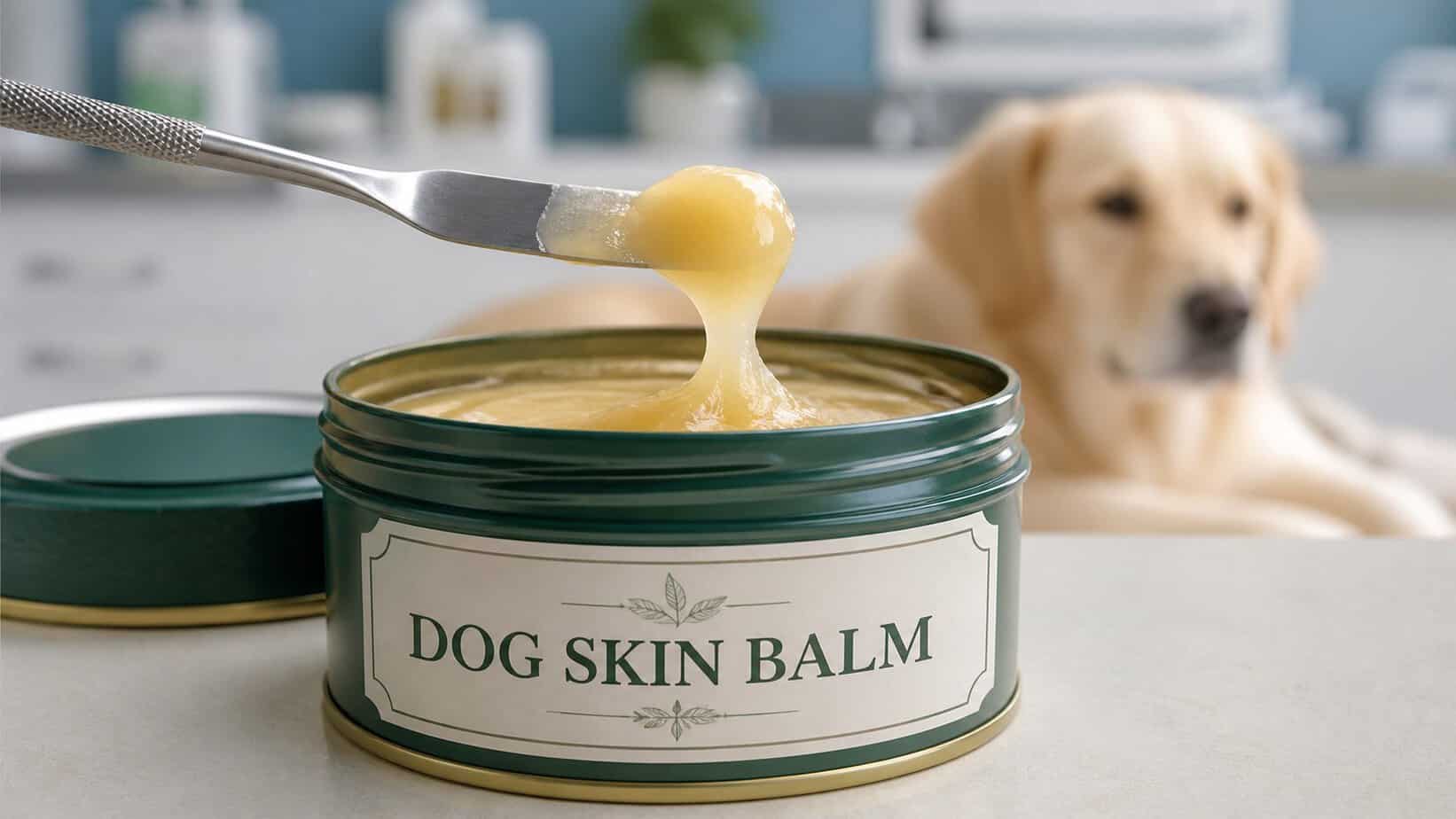
    Close-up of thick dog skin balm in an open green tin

    Is Bag Balm the Same as Vaseline?

    Not exactly. Plain Vaseline is petrolatum. Bag Balm contains petrolatum plus lanolin, 8-hydroxyquinoline sulfate, and paraffin wax. They have a similar heavy, protective feel, but they are not the same formula. [1]

    Where Bag Balm Can Be Useful for Dogs

    I like to separate the simple dry-skin problems from the problems that need more investigation.

    Bag Balm can be a reasonable fit for dry, rough paw pads, a dry or chapped snout, and other uncomplicated areas of dry skin. The label also includes hot spots. [1] It is not enough by itself for deep or puncture wounds, bleeding or gaping wounds, or skin problems that are swollen, draining, painful, or repeatedly inflamed.

    The manufacturer’s current animal directions specifically include paw pads, snouts, hot spots, and wherever dry skin occurs. The same label says to seek medical help for deep or puncture wounds and to discontinue use if a rash or irritation develops. [1]

    Dry Paw Pads

    Paw pads are supposed to be tougher than ordinary skin, so they do not need to feel baby-soft. But weather, rough ground, frequent walking, dry indoor air, and repeated wet-to-dry cycles can leave the surface rough and chapped.

    For uncomplicated dryness, an ointment such as Bag Balm can help hold moisture in the outer skin and soften rough areas. I would still pay attention to why the paws became dry. If the problem returns as soon as you stop applying balm, the dryness is giving you useful information.

    Dry Nose or Snout

    The current label also includes a dog’s snout. [1] A small amount can be useful when the surface is simply dry or chapped.

    A chronically crusted or excessively thickened nose is different. Moisturizing can soften the surface, but it does not explain why the tissue keeps building up. Persistent crusting, cracking, color changes, sores, or bleeding deserve a closer look.

    Hot Spots and Irritated Skin

    Bag Balm’s current labels include hot spots among its dog uses. [1][2] I would still be cautious about treating every red or itchy patch as a simple hot spot. Dogs develop skin lesions for many reasons, including allergy, infection, parasites, trauma, and skin-barrier problems. A systematic review of canine dermatology describes how different skin conditions have very different causes and treatment needs. [3]

    If a spot is wet, spreading, painful, foul-smelling, producing discharge, or your dog cannot leave it alone, a moisturizer alone is unlikely to solve the underlying problem.

    How to Apply Bag Balm Safely

    For a dry paw or small dry area, start with clean, dry skin. Work enough ointment into the surface to coat and soften it without leaving a huge glob for your dog to lick off or track across the floor.

    The original animal label says Bag Balm can be applied liberally to dog paw pads, snouts, hot spots, and dry skin. The Bag Balm Pet directions say to massage it thoroughly into paw pads or hot spots and allow it to remain for the full softening effect. [1][2]

    I usually prefer applying a topical product when a dog is settling down. That gives it a little time to stay on the skin instead of immediately ending up on the carpet or on the dog’s tongue.

    Stop using it if the skin becomes redder, more irritated, or develops a rash. That stop-use instruction is also on the current animal label. [1]

    What If My Dog Licks Bag Balm?

    The Bag Balm Pet formula is described as being made to discourage licking, but dogs are dogs, and some will still try. [2]
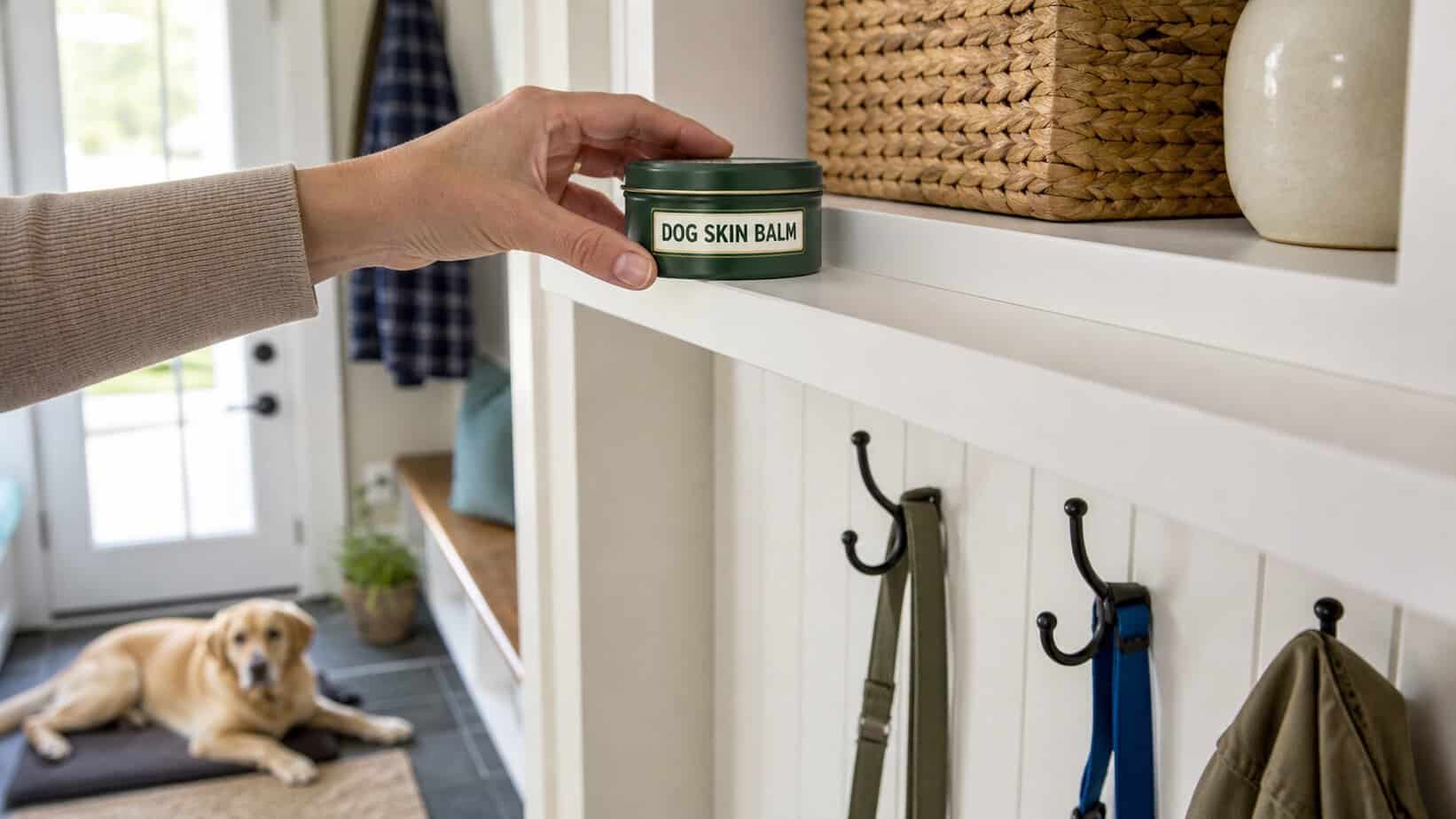
    Closed dog skin balm tin stored on a high shelf away from a dog

    A quick incidental lick from a treated paw is very different from a dog chewing open a tin or swallowing a meaningful amount of ointment. I would not deliberately let a dog eat any topical product. Apply it in a way that gives the ointment time to stay where you put it, and keep the container out of reach.

    If your dog eats a meaningful amount, chews the container, or develops concerning signs after an exposure, contact your veterinarian or an animal poison service for advice based on the product, amount, and your dog’s size.

    Can You Put Bag Balm on an Open Wound?

    I would not use Bag Balm as a substitute for proper wound care.

    The current animal label is very clear that deep or puncture wounds need medical help. [1] A superficial dry crack is not the same thing as a puncture, a gaping cut, a bite wound, or tissue that is bleeding and contaminated.

    Wounds can involve inflammation, pain, tissue damage, and bacterial contamination. Veterinary dermatology literature also shows that infected wounds can contain a broad range of bacteria, which is one reason I do not want owners relying on a moisturizing ointment as though it were complete wound treatment. [3]

    Have a wound properly evaluated when you see deep tissue, a puncture, uncontrolled bleeding, spreading redness, swelling, discharge, odor, significant pain, or worsening instead of steady improvement.

    When Dry or Cracked Skin Is a Sign of Something More

    This is where I think a holistic approach becomes especially useful. We can moisturize the surface while still asking why the skin keeps becoming dry, itchy, thick, or damaged.
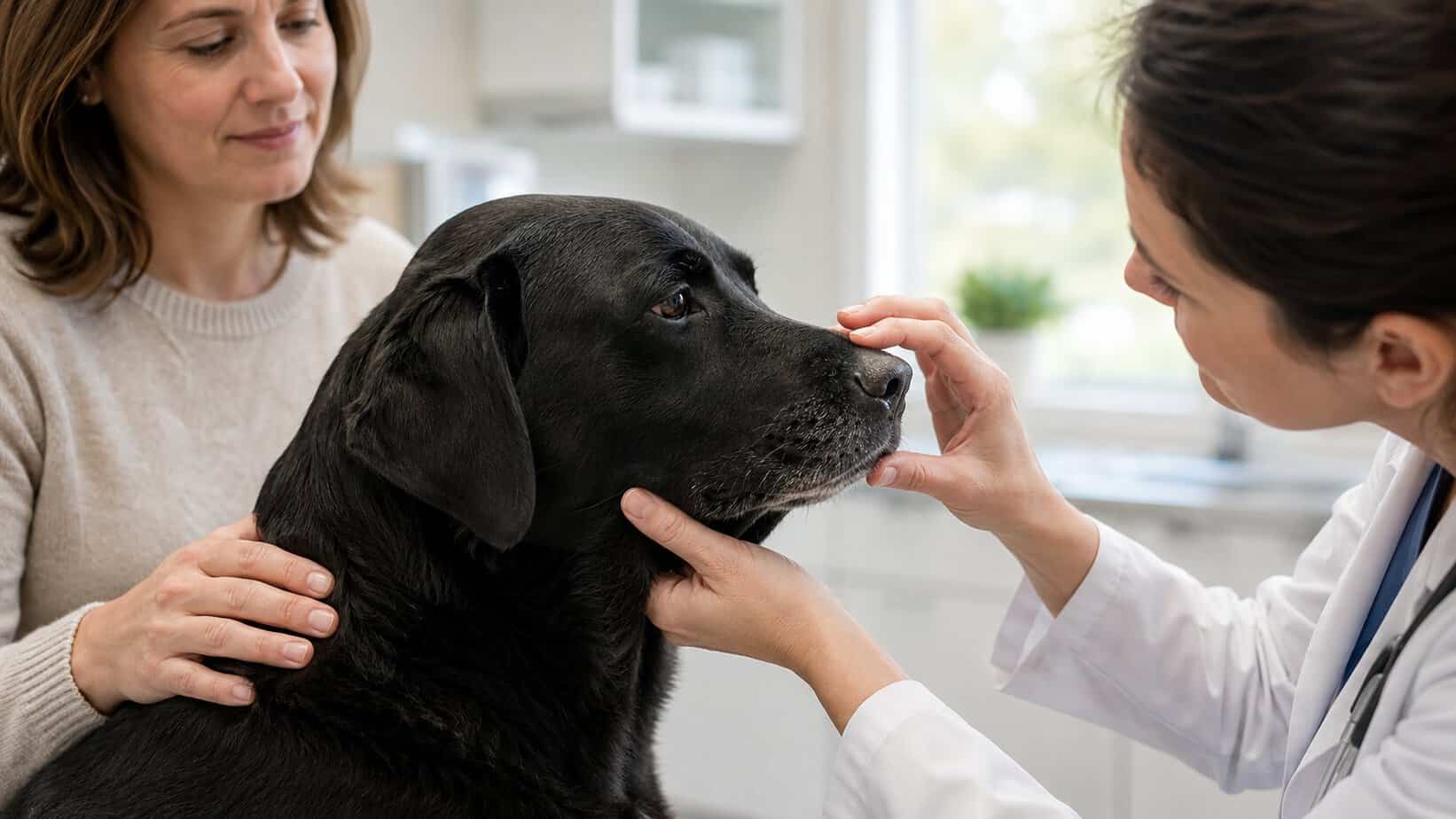
    Veterinarian examining persistent dryness on a dog’s nose

    Hyperkeratosis and Thickened Pads

    Some dogs develop excessive keratin on the paw pads or nose. It can look rough, thick, crusty, or almost hairy around the edges. An ointment can soften the surface, but recurring hyperkeratosis is not simply a lack of moisturizer.

    If the thickening becomes painful, creates deep fissures, changes the way your dog walks, or keeps worsening, the underlying cause deserves attention.

    Allergies and Dermatitis

    Repeated paw licking, redness between the toes, recurrent hot spots, ear problems, or seasonal itching can point toward a larger dermatologic pattern. Canine skin disease can involve allergies, secondary bacterial or yeast problems, parasites, wounds, and other causes. [3]

    That means the best long-term plan may involve more than choosing a stronger balm. I want to consider the whole picture: diet, environmental exposures, allergens, grooming products, parasites, activity surfaces, moisture, and the overall condition of the skin barrier.

    Environment and Friction

    Sometimes the explanation really is mechanical. Rough surfaces, repeated walking, and harsh or drying conditions can all contribute to chapped paw pads.

    In those cases, topical protection makes more sense when it is paired with reducing the irritating exposure and giving the pads time to recover.

    Better Options for Specific Skin Problems

    Bag Balm does not need to be either “good” or “bad.” It simply needs to be used for the right job.

    For routine paw protection, a dog-specific paw balm can be convenient. For a deep or infected wound, use appropriate wound care rather than relying on an occlusive moisturizer. For allergies or chronic dermatitis, address the trigger and the skin-barrier problem. For persistent hyperkeratosis, determine why the tissue is thickening and whether the excess keratin itself needs management.

    The more specific we are about the problem, the easier it is to choose something that actually fits.

    Final Thoughts

    Yes, Bag Balm can be used on dogs, and the current animal label specifically says so. I am comfortable thinking of it as a useful option for dry paw pads, a dry snout, and other uncomplicated areas of dry skin when your dog tolerates it well. [1]

    What I do not want is for the ointment to hide a problem that keeps asking for attention. If the skin repeatedly cracks, thickens, becomes inflamed, smells, drains, bleeds, or makes your dog lick and chew constantly, keep looking for the reason. The surface of the skin often gives us clues about what is happening underneath.

    Frequently Asked Questions

    Is Bag Balm Safe for Dogs?

    Yes, Bag Balm’s current animal label includes directions for dogs. It lists use on paw pads, snouts, hot spots, and areas of dry skin. Stop using it if your dog develops a rash or irritation. [1]

    Can Dogs Lick Bag Balm?

    The pet formula is designed to discourage licking, but you should still apply it so your dog does not immediately remove it. A small incidental lick is different from eating a large amount. Contact your veterinarian or an animal poison service if your dog consumes a significant quantity or develops concerning signs.

    Can I Put Bag Balm on My Dog’s Paws?

    Yes. Paw pads are specifically listed in the current directions for dogs. [1] It is most useful for uncomplicated dry or rough pads. Deep cracks, bleeding, swelling, discharge, or pain need a different level of care.

    Can I Put Bag Balm on My Dog’s Nose?

    Yes. The current animal label includes the snout, and the pet formula is marketed for noses as well as paws and hot spots. [1][2] Persistent crusting, bleeding, sores, or marked thickening should not be treated as simple dryness indefinitely.

    Can Bag Balm Be Used on an Open Wound?

    Do not rely on it for deep or puncture wounds. The current label specifically directs users to seek medical help for those injuries. [1] A gaping, contaminated, bleeding, swollen, draining, or painful wound needs appropriate wound assessment and care.

    References

    1. Drugs.com Veterinary. Bag Balm Ointment. Updated May 28, 2026.
    2. Drugs.com Veterinary. Bag Balm Pet. Updated May 28, 2026.
    3. Tresch M, Mevissen M, Ayrle H, et al. Medicinal plants as therapeutic options for topical treatment in canine dermatology? A systematic review. BMC Veterinary Research. 2019;15:174.

    A note about your dog’s health

    This article provides general education and does not replace an examination, diagnosis, or individualized advice from your veterinarian. Contact a veterinary professional if you are concerned about your dog’s symptoms.
    Dr. Candy Akers, DVM Avatar

    ABOUT THE AUTHOR

  • Can You Use Human Clippers On Dogs? Which Ones Are Best?

    Can You Use Human Clippers On Dogs? Which Ones Are Best?

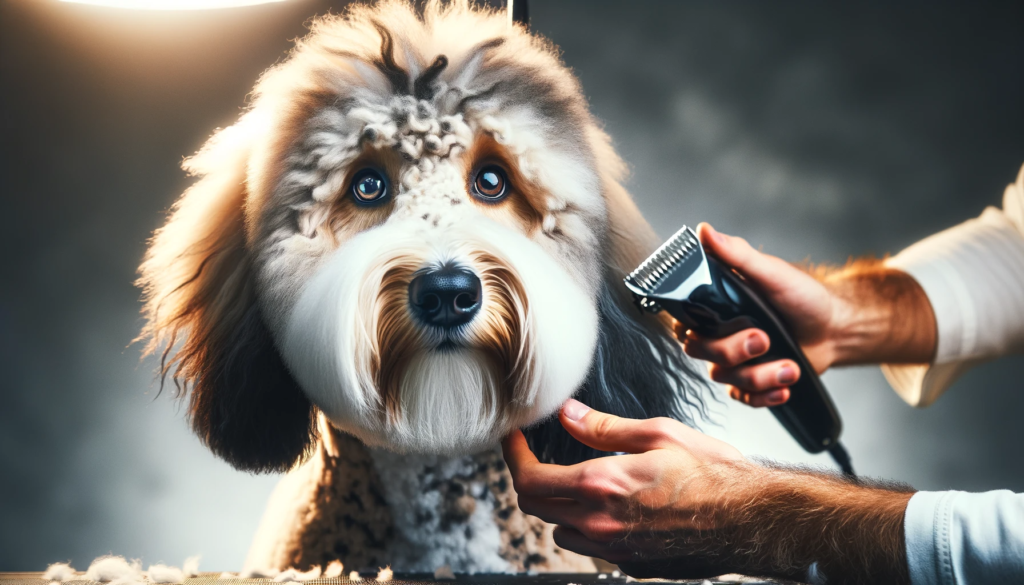
    When your dog’s coat starts looking shaggy, it might be tempting to grab your own set of hair clippers and give grooming a try. After all, clippers are clippers—right? Not quite. While human clippers and dog clippers may look similar, they’re designed very differently, and using the wrong tool could lead to an uneven cut, damaged blades, or even injury to your pup’s sensitive skin. In this article, we’ll explore the key differences between human and dog clippers, why it matters, and what you should consider before grooming your dog at home.

    Using human clippers on dogs

    Potential risks and benefits of using human clippers on dogs

    When it comes to grooming our furry friends, many dog owners ask the question if human clippers are suitable for their pets. While it may seem convenient to use what we already have at home, there are potential risks and benefits of using human clippers on dogs that need to be considered.

    Benefits:

    • Cost Savings: Using human clippers can save money as they’re often already in most homes.
    • Availability: They’re easily accessible and can be found in most households.

    Risks:

    • Skin Irritation: Human clippers may cause discomfort or skin irritation as they’re not designed for pet fur.
    • Inefficiency: They may not be as effective at cutting through thick, dense dog hair.

    Possible Alternatives:

    • Pet-specific Clippers: These are designed specifically for pet fur, ensuring safety and efficiency.
    • Professional Grooming Services: Consider taking your pet to a professional groomer for a safe and thorough grooming experience.

    Be cautious when using any tool that was not designed specifically for dogs, as it could result in unwanted injuries or discomfort. It is important that you research extensively before making decisions when it comes to your animal’s safety.

    Factors to consider when choosing a clipper for dogs

    When it comes to grooming your furry friend, having the right clipper makes all the difference. Here are some important factors to consider when selecting dog clippers.

    1. Blade Size: Choose a blade size that is appropriate for your dog’s coat length and texture.
    2. Speed: Clippers with multiple speed settings allow you to adjust the speed based on your dog’s individual needs.
    3. Noise Level: Some dogs may become anxious or frightened by loud noises, so choose a clipper with a low noise level if this is a concern.
    4. Ergonomics: Comfortable grip and lightweight design can minimize hand fatigue and ensure better control.

    It is also important to consider other features like corded versus cordless, battery life, and ease of cleaning. Taking the time to research and choose the right clipper will make grooming sessions more comfortable for both you and your furry friend.

    Best Clippers for Grooming Dogs

    To find the perfect clippers for grooming your furry friend, explore the Best Clippers for Grooming Dogs section with an overview of different types, features to look for, and the top five best clippers for dogs in the market. Discover which clipper type offers the ideal features for your dog grooming needs.

    Overview of different types of clippers available for dogs

    Different types of dog clippers available in the market have unique features that cater to various coats, sizes and needs of pets.

    TypeDescriptionUsage
    Corded ClippersNeed electricity to operate with a powerful motor, generates high-speeds, and provides high precision.Suitable for long hair breeds or dogs with thick and tangled coats.
    Cordless ClippersBattery powered make less noise and vibration than corded ones which help not to scare dogs while making grooming sessions convenient. They are portable, easy to handle.Suitable for all breed’s shorter haircuts depending on their battery timings.
    Silent ClippersIdeal for noise-sensitive pets or those prone to anxiety that cannot bear loud sounds while getting groomed. The lower vibrations keep them calm during grooming sessions.Suits smaller dogs as it doesn’t have too much power but designed solely for trimming ears, legs, muzzle areas.

    While selecting a perfect clipper that works efficiently is an essential factor- Knowing the types of clippers will allow you to pick the best one that suits your furry friend’s grooming requirements -the length of their coat, texture and breed.

    It is worth considering the blades’ sharpness as this has a significant effect on a clipper’s performance and lifespan. Proper cleaning & lubricating clippers after every usage increase durability.

    Overall, for complete pet grooming success, having the right clipper and accessories will make a lot of difference in the quality and quantity of your pet’s coat trimming experience.

    Features to look for in a dog clipper

    To select the perfect dog clipper for grooming, it is crucial to consider different features. Here are the essential features to look for when choosing a dog clipper:

    • Blade Quality
    • Power source and Type of motor
    • Noise level
    • Corded vs Cordless
    • Weight and Ergonomics of Clipper
    • Versatility of Blades and Comb attachments

    The blade quality is a top priority as it determines how effectively the fur will be trimmed. The power source and motors affect the overall performance of the clipper; hence they need to be considered. Furthermore, noise level can impact pet’s attitude towards grooming sessions, making corded vs cordless operation an essential consideration. Moreover, weight and ergonomic design have an impact on your comfort during the grooming process. Lastly, versatility in blades size options and comb attachments allows you to groom your dog’s fur precisely.

    It is crucial to note that there are many other technical features that may differ between clippers depending on personal preferences or breed-specific requirements; thus consulting with a professional would be wise before making a final decision.

    Top 5 Best Clippers for Grooming Dogs

    When it comes to grooming our furry friends, finding the best clippers is crucial for a successful and stress-free session. Here’s a rundown of top-performing dog clippers that can make your life easier.

    Clipper BrandFeaturesPrice Range
    Andis Pro-Animal ClipperCool-running motor, detachable blades, 5-speed settings$150-$200
    Oster A5 Turbo 2-Speed ClipperPowerful, great for heavily matted dogs & thick coats, 2-speed settings$120-$160
    Shernbao Professional Animal Grooming ClipperLightweight, quiet and cordless operation, adjustable blade sizes, good for sensitive dogs$130-$170
    Wahl Bravura Lithium Ion Pet Clipper KitCordless operation with low vibration and noise, 5-in-1 blade system for versatile grooming$150-$190
    Andis Excel Pro-Animal 5-Speed Detachable Blade ClipperSpecially designed for heavy use, easy-to-change blade system with 5 speed settings$220-$260

    All of these clippers have unique features that make them stand out from one another. While some are corded, others are cordless. Some come with adjustable blade sizes while some offer multi-speed options. It all depends on your dog’s needs and your preferences.

    It’s important to note that while expensive clippers may seem like the best option, they may not necessarily be the right fit for your dog. Consider your dog’s coat type, grooming needs and temperament before making a final decision. With the right tools and approach, grooming can become an enjoyable bonding experience for you and your furry companion.

    Dog Clipper Maintenance

    To maintain your dog clippers, with importance as the key factor, follow the steps to clean and maintain them. Avoid common mistakes when cleaning. In this section, we will introduce the importance of maintaining your dog clippers and how to keep them clean in order to maintain their longevity. Also, we will brief you on the common mistakes you should avoid while cleaning your dog clippers.

    Importance of maintaining dog clippers

    Maintaining dog clippers is integral to keeping them in optimal condition. Dog clipper maintenance helps to ensure safe and effective grooming while prolonging the device’s lifespan. Neglecting maintenance could result in poor performance, compromised pet safety, and increased repair costs.

    Why is Dog Clipper Maintenance Important?

    • Regular maintenance of your dog clipper ensures that the blade remains sharp, reducing the risk of nicks or cuts.
    • Routine cleaning and oiling reduces friction between parts, ensuring a smoother operation with less heat buildup.
    • Replacing worn-out parts, such as blades or motors, and fixing defects before they worsen can save you money in the long run.

    Proper maintenance ensures that your dog clipper is always ready for use when you need it. Skipping routine care could lead to a malfunction mid-grooming session, causing distress to both you and your pet.

    Maintaining Your Dog Clipper: Best Practices

    To keep your dog clipper in good shape, take time to clean it after every use. Use specialized tools to remove hair from under the blade guard, then wipe off any remaining debris using a soft cloth. Apply a drop of oil onto the blade pivot point before storing it away using a protective cover.

    Keeping your dog clipper well-maintained is key for optimal function while maximizing its lifespan. By performing regular maintenance like cleaning and oiling after every use and replacements as needed, you’ll ensure that your furry friend receives safe yet efficient grooming sessions every time.

    Steps to clean and maintain dog clippers

    Proper maintenance of dog clippers is mandatory to ensure that your pet’s grooming is done impeccably. It is essential to keep the clippers clean and well-maintained to avoid infections and injuries. Let’s understand the necessary steps to undertake for cleaning and maintaining dog clippers.

    1. Preparation: Before starting cleaning, always unplug the clipper and ensure that it has cooled down.
    2. Cleaning Blades: Remove the blades and clean any hair or debris attached to them using a small brush. Ensure that you do not lose any screws while taking off the blades. Then, soak the blades in a professional oil solution overnight to remove any rust or bacteria.
    3. Nose Hair Trimmer Removal – If your clipper has a nose hair trimmer attached, remove it carefully. Wipe it down with a soft damp cloth before reattaching it.
    4. Cleaning Clipper Body: Use a dry cloth to wipe away any loose hair on the clipper body, including areas around vents or holes as they may affect airflow. Then use an approved clipper cleaning spray to rinse and sterilize all surfaces of the clipper.

    To prevent damage to fur and skin when clipping your pet, maintain blade sharpness by sharpening them every few months with a professional sharpening machine. Always replace damaged parts with authentic ones offered by authorized dealerships or manufacturers who assure quality products.

    Regularly scheduled cleanings will enhance their longevity lifespan and guarantee excellent performance for future grooming sessions. Keep this guide handy, clean your clippers various times standardly during its life cycle, increased during dusty periods(approximately twice per week), followed by lubrication services(using proper oils).

    Common mistakes to avoid when cleaning dog clippers

    Cleaning your dog clippers is important and should be done regularly to maintain their effectiveness. However, there are certain misconceptions that need to be avoided in the process of cleaning these tools to keep them in optimal condition.

    To help you steer clear of these mistakes, here’s a four-step guide on the right way to clean your dog clippers:

    1. First and foremost, start by turning off and unplugging the clippers. This ensures your safety and prevents any damage.
    2. Remove the blades from the clipper – use a screwdriver or other appropriate tool for this – and brush off any excess hair or debris with a small brush or toothbrush.
    3. Cleanse each piece thoroughly using blade wash, cleaning solution or warm soapy water. Dry all pieces completely before reassembling everything back together.
    4. Finally, it’s important to lubricate your blades after cleaning- this helps prevent rusting and keeps them working at their peak performance levels

    It’s best not to soak your clippers in water as this can cause internal damage. Rubbing alcohol is also discouraged as it dries out the blade teeth. Instead make use of an adequate cleaning solution.

    A key example of a semantic variation would be ‘Important Dog Clipper Cleaning Tips’. By understanding common trends associated with clipper maintenance, one can avoid several misgivings regarding vibration which leads to broken parts as well as loss tolerance during cutting procedures. By following strict outlined steps of switching off appliances, brushing excess hair, etc., maintenance efforts become easier & promote better efficiency with pet grooming processes involved.

    Professional Grooming Vs DIY Grooming

    To make an informed decision between professional and DIY grooming, consider the pros and cons of each option, along with key factors that may influence your choice. Professional dog grooming has its benefits, but it can also be expensive and inconvenient. On the other hand, DIY grooming can save you money, but requires more time and effort on your part. In this section, we’ll explore the advantages and disadvantages of both approaches, along with important considerations to help you choose the best one for you and your furry best friend.

    Pros and cons of professional dog grooming

    Professional grooming for dogs: What are the benefits and drawbacks?

    Grooming plays a vital role in maintaining a dog’s health and hygiene. While many pet parents prefer to groom their furry friends at home, some prefer professional services. Professional grooming has both advantages and disadvantages.

    Pros of professional dog grooming:

    Pros of Professional Dog Grooming
    1Hygiene Maintenance: Professionals have the tools and skills necessary to clean dogs’ ears, teeth, and coat effectively, leading to better overall hygiene.
    2Nail Trimming: Trimming a dog’s nails can be challenging for many owners. Professional groomers know how to do this without causing any discomfort or harm.
    3Proper Grooming Equipment: They have access to high-quality grooming equipment, which makes the grooming process more efficient and effective.
    4Coat Care: Regular professional grooming can help keep the dog’s coat in good condition, reducing shedding and potential skin issues.
    5Parasite Detection: Professionals can spot early signs of fleas, ticks, or other skin infections and guide owners to appropriate treatments.
    6Expert Handling: Groomers have the expertise to handle dogs of all breeds and temperaments, ensuring a stress-free experience for the dog.
    7Aesthetics: Professional groomers can make your dog look its best, which is especially important if your dog participates in shows.
    8Early Detection of Health Issues: Groomers may notice abnormalities such as lumps, rashes, or skin discoloration, which could be signs of underlying health problems.
    9Saves Time and Effort: For busy pet owners, having a professional take care of grooming can save a lot of time and effort.
    10Reduced Risk of Injury: Professionals have been trained to groom without causing cuts or irritation to the skin, reducing the risk of injury during grooming.

    Cons of professional dog grooming:

    Cons of Professional Dog Grooming
    1Cost: Professional grooming services can be expensive, especially for large breeds or dogs with specific grooming needs.
    2Stress for the Dog: Some dogs might find the grooming process stressful, especially when handled by strangers in a new environment.
    3Risk of Injury: Although rare, there’s a small risk of injury if the groomer isn’t careful or the dog becomes agitated.
    4Inconvenience: Scheduling and transportation to grooming appointments can be inconvenient.
    5Possible Exposure to Diseases: If the grooming salon doesn’t maintain strict hygiene standards, there’s a risk of dogs catching diseases from other pets.
    6Incorrect Styling: Not all groomers are skilled in styling all breeds. Incorrect grooming can lead to discomfort or even health issues for some dogs.

    If you opt for professional dog grooming, it’s worth considering if the benefits outweigh any potential drawbacks before making your decision. While there are certainly advantages like the convenience of dropping off your pup for a full grooming session that includes pampering and snuggles for a few hours to style while you get some errands done it’s important to note the time and costs in addition to any potential effects on the bond between you and your pet.

    DIY Dog Grooming – Weighing the Pros and Cons

    Grooming your furry friend at home may seem like a good idea, but is it worth it? Let’s take a look at the pros and cons of DIY dog grooming.

    • Pros:
      • Saves money
      • Bonding experience
      • Familiarity with your pet’s body and behavior
      • Avoids stress caused by unfamiliar surroundings and people
    • Cons:
      • Possible injury due to lack of experience or tools
      • Might not achieve desired results in terms of appearance and hygiene level
      • Missed health issues or underlying problems
      • Takes up time and effort for cleaning up after the grooming session

    It is important to remember that certain breeds require special grooming needs, which may be out of your reach to meet. All in all, weighing the pros and cons of DIY dog grooming can help you determine whether it’s worth trying or leaving for a professional groomer.

    Factors to consider when choosing between professional and DIY dog grooming

    When deciding between grooming your dog at home or seeking professional services, various factors need to be taken into account. Carefully reviewing each aspect before choosing can save time and expenses.

    • Cost: While DIY grooming may seem less expensive, purchasing quality equipment can become a significant expense over time. Professional grooming services often provide necessary gear and are usually cost-effective in the long run.
    • Expertise: Professional groomers have training and experience that allows them to handle dogs of different breeds and temperaments. On the other hand, an owner may not have adequate knowledge or tools to cater to their dog’s specific needs.
    • Convenience: Time constraints may lead one to prefer either of the options. While home grooming can fit into a busy schedule, professional grooming often offers flexible schedules that suit pet owners’ needs.

    It is crucial to consider all aspects carefully before making a decision as no one method suits every dog’s needs. Keep in mind the breed, age, health condition of your pet, your availability, and budget when deciding which option suits both you and your four-legged friend best.

    Tips for Grooming Dogs at Home

    To achieve professional level grooming for your dog at home, follow these tips for grooming dogs at home with the focus on pre-grooming preparation, techniques to help your furry friend relax during the grooming process, and tips for ensuring excellent results. Prepare your dog for grooming, relax them during the process, and get salon-level results at home with these techniques.

    Importance of pre-grooming preparation

    Grooming your dog at home can be an enjoyable and rewarding experience for both you and your pet, but it requires pre-grooming preparation. Proper pre-grooming preparation ensures that you have all of the tools and equipment you need, and it also makes the grooming process more efficient. It is essential to prepare before starting any grooming activity with your furry friend.

    • Preparing yourself mentally and physically for the activity
    • Gathering all necessary grooming tools
    • Creating a safe environment for your doggy
    • Maintaining an organized grooming area to avoid any confusion or interruptions during the grooming session.

    It is crucial to take extra care when preparing for dog grooming because a lack of enough attention could pose risks such as injury from sharp dog grooming scissors or clippers that may cause cuts, scratches or nicks on their skin. Prioritize creating a comfortable environment that your dog will be relaxed in during the grooming activity. It’s best to consider investing in soft towels, a non-slip bathing mat, quality shampoo and conditioner to keep him calm while you are carrying out this duty. Remember to avoid stressful events such as using loud music or forcing water down their throat.

    Incorporate these tips into your pre-grooming routine to ensure when it’s time to groom Fido, he is relaxed enjoying the experience while keeping him looking stylish and hygienic without risking causing pains due to lack of adequate preparation.

    Techniques to make grooming less stressful for dogs

    To ensure that your dog undergoes grooming procedures without any stress, it is essential to use specific techniques. These techniques will help put your dog at ease and enable you to groom your furry friend effectively.

    • Introduce Grooming Techniques Gradually: It is critical to introduce your dog to grooming gradually. Try isolating one part of their body and begin by grooming that area before moving on to the others.
    • Reward Them for Good Behavior: Positive reinforcement goes a long way in making grooming less stressful for dogs. Reward them with treats when they behave well during their grooming sessions.
    • Use Safe and Effective Products: Ensure you choose products that are suitable for your dog’s age, breed, and skin type. Also, opt for high-quality tools that are comfortable and safe for your pooch.
    • Make Grooming Sessions Shorter: Lengthy grooming sessions can be stressful for dogs; keep them short but frequent. Establish a regular routine so that the more often you groom your pet, the more relaxed they’ll become.

    One of the most common mistakes pet owners make while grooming their dogs is using aggressive methods such as yelling or hitting when things don’t go smoothly. These techniques may have negative psychological effects on dogs, damaging trust and ultimately causing more stress in future grooming sessions.

    By following these tips, dog owners can reduce their pets’ stress levels during the grooming process, creating a bond between pet and owner while maintaining optimal coat health.

    Tips for achieving good results when grooming dogs at home

    Grooming a dog at home can be challenging without adequate knowledge and skills. Here are six tips to achieve excellent results when grooming your furry friend:

    • Choose the right grooming tools for your dog’s coat type.
    • Bathe your dog with quality shampoo and conditioner, ensuring the water is at an appropriate temperature.
    • Trim your dog’s nails regularly to avoid overgrowth and discomfort.
    • Clean your dog’s ears and teeth often to prevent infections and dental problems.
    • Brush your dog’s coat frequently to remove dirt, tangles, and mats.
    • Be gentle with your dog throughout the grooming process to avoid injuries or stress.

    Aside from these tips, make sure to seek professional help if you encounter any difficulty in grooming or notice any unusual symptoms on your pet. Consistency and patience are also crucial factors that contribute to achieving good results in home grooming.

    human clippers on dogs

    Conclusion

    When using human clippers on dogs, it is important to keep in mind the best practices for clipping to avoid causing injury. Utilizing clippers designed specifically for dogs can be a safer option, but if using human clippers, be sure to take precautions such as keeping the blades sharp and properly lubricated. Avoiding sensitive areas and taking frequent breaks can also help prevent accidents.

    Additionally, it’s important not to rush through the clipping process as this could lead to mistakes or overlooking areas that require attention. Taking time to carefully clip your dog can result in a better grooming job overall.

    Lastly, understanding your dog’s specific coat type and needs can help determine the most appropriate clipping technique. Whether your dog has short or long hair, a regular grooming routine that includes dematting and bathing can make the clipping process easier and more effective.

    Ultimately, prioritizing safety, taking your time, and understanding your dog’s unique needs are key factors in successful at-home grooming with human clippers.

    Frequently Asked Questions

    1. Can you use human clippers on dogs?

    Yes, you can use human clippers on dogs. However, the type of clipper you use will depend on the type of coat your dog has and the grooming job that needs to be done.

    2. What is the best type of clipper to use on dogs?

    The best type of clipper to use on dogs depends on their coat. For thick or double-coated breeds, a heavy-duty clipper with a powerful motor is best. For shorter or finer coats, a lightweight clipper with a smaller motor will work well.

    3. Can I use my beard trimmer on my dog?

    No, it is not recommended to use a beard trimmer on your dog. Human beard trimmers are not designed for the thick and coarse hair of dogs and can cause discomfort and potential harm to your pet.

    4. How do I choose the right clipper blade for my dog’s coat?

    You should choose a clipper blade based on the length and thickness of your dog’s coat. The lower the blade number, the shorter the cut. Shorter coats, use blades 10 or 15. For medium-length coats, use blades 4, 5, or 7. For longer coats, use blades 3, 3 ¾, or 5F.

    5. Should I use clippers on my dog’s sensitive areas?

    It is not recommended to use clippers on your dog’s sensitive areas such as their genitals or face. These areas require special attention and may require scissors or hand trimming.

    6. How do I maintain my dog clippers?

    To maintain your dog clippers, you should clean the blades after each use and oil them to prevent rusting. You should also regularly check the blades for dullness and have them sharpened or replaced when necessary.

    A note about your dog’s health

    This article provides general education and does not replace an examination, diagnosis, or individualized advice from your veterinarian. Contact a veterinary professional if you are concerned about your dog’s symptoms.

    Lindsie Parks B.S., CRDNS Avatar

    ABOUT THE AUTHOR

  • Can You Use Saline Solution on Dogs?

    Can You Use Saline Solution on Dogs?

    Written by Lindsie Parks, B.S., CRDNS

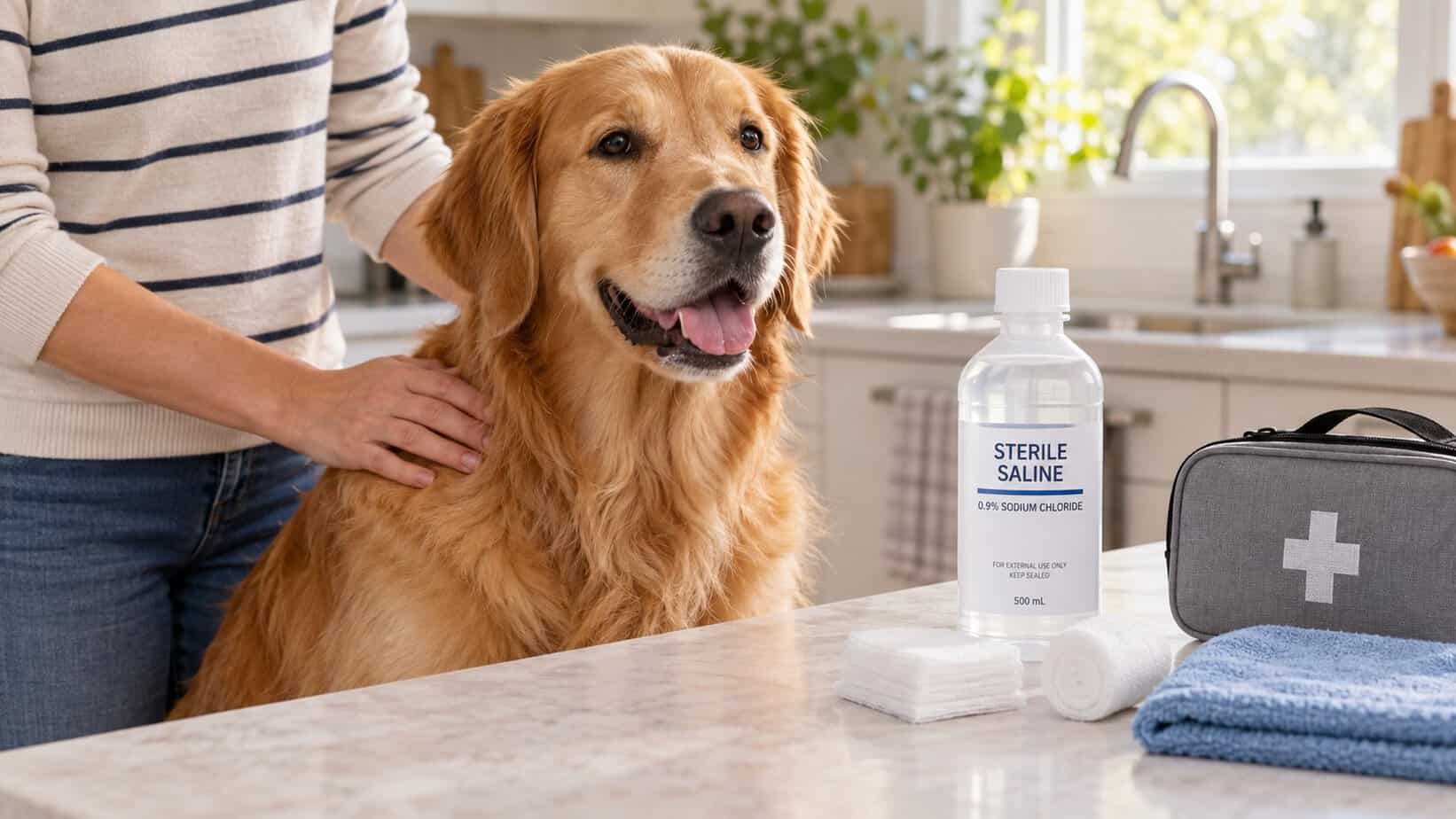
    Yes, you can use saline solution on dogs for limited external rinsing. For most at-home uses, choose a sealed, sterile product that contains plain 0.9% sodium chloride and is labeled as eye wash or irrigation. It can gently wash loose debris from the surface of an eye or a minor skin wound. It is not an antiseptic, and it does not treat infection. [1] [2]

    The body area matters just as much as the label. A product that is suitable for wound irrigation may not be packaged for the eyes. Contact lens cleaners, medicated eye drops, nasal decongestants, and injectable fluids are not interchangeable with plain saline. Never inject saline labeled for irrigation. [1]

    Quick Answer: Which Saline Is Safe for Dogs?

    Look for simple wording on the front and back of the package:

    Usually Appropriate for Limited External Rinsing

    • Sterile saline eye wash with plain 0.9% sodium chloride for the eye surface
    • Sterile 0.9% sodium chloride irrigation solution for minor wounds or skin
    • A new, sealed container that has not expired
    • A container with a clean tip that has not touched skin, fur, the eye, or another surface

    Avoid Unless Your Veterinarian Specifically Prescribed It

    • Multipurpose contact lens solution, enzymatic cleaner, or contact lens disinfectant
    • Redness-relief eye drops or any medicated human eye product
    • Medicated nasal spray or decongestant
    • Products containing alcohol, hydrogen peroxide, chlorhexidine, fragrance, essential oils, or other active ingredients
    • Saline irrigation solution used as an injection, oral rehydration drink, or home fluid treatment

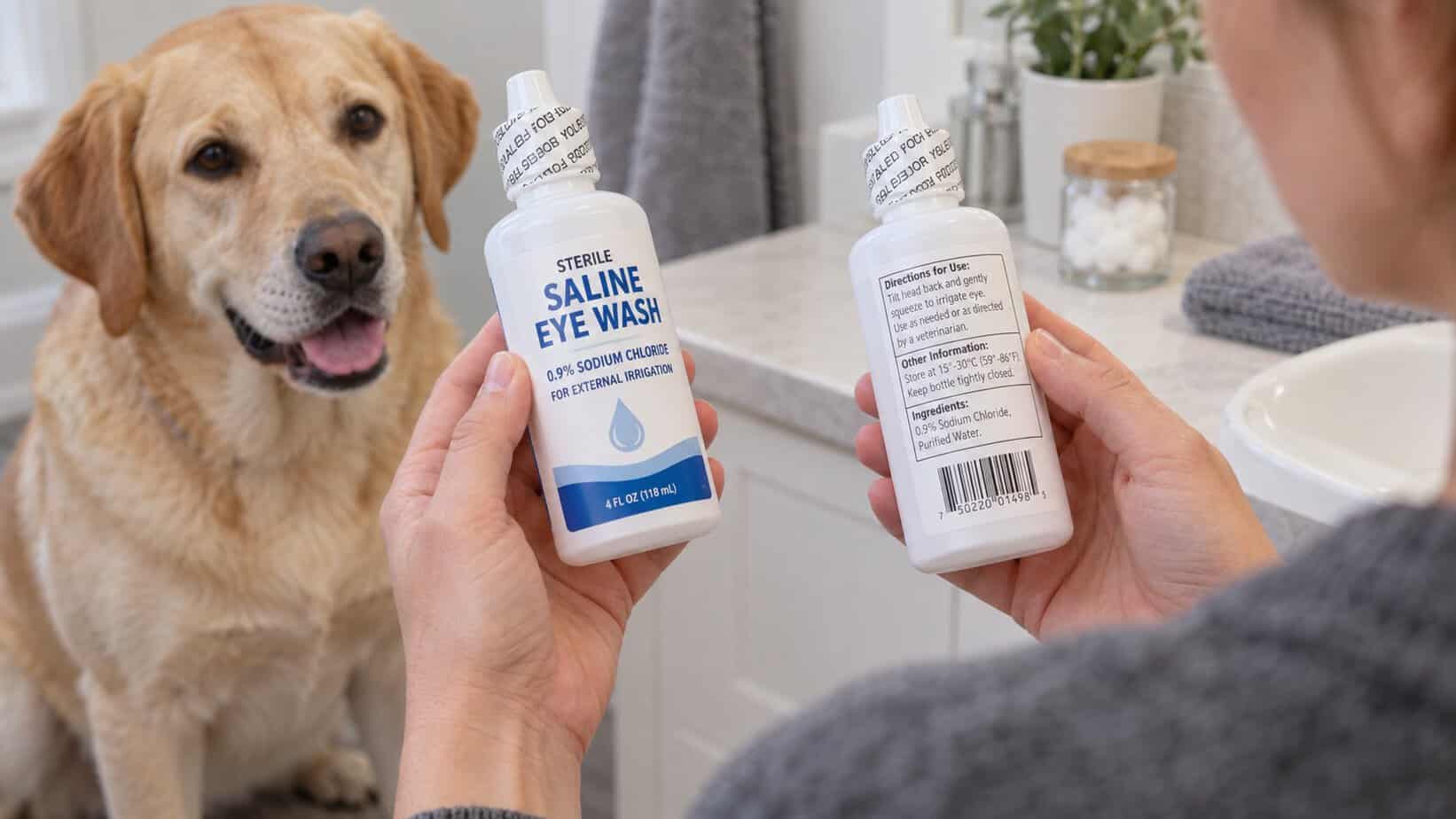
    The word “saline” is not enough by itself. Read the full label. When the package lists more than sodium chloride and sterile water, pause and confirm that the product is intended for the exact body site you plan to rinse.

    Dog owner checking the front and back labels on a sterile saline eye wash bottle.

    How to Use Saline on Dogs by Body Area

    For Your Dog’s Eyes

    Sterile saline eye wash can help rinse dust, loose debris, or mild surface discharge from a dog’s eye. The American College of Veterinary Ophthalmologists specifically distinguishes sterile saline eye wash from contact lens solution and advises against using contact lens solution on a pet’s eye. [3]

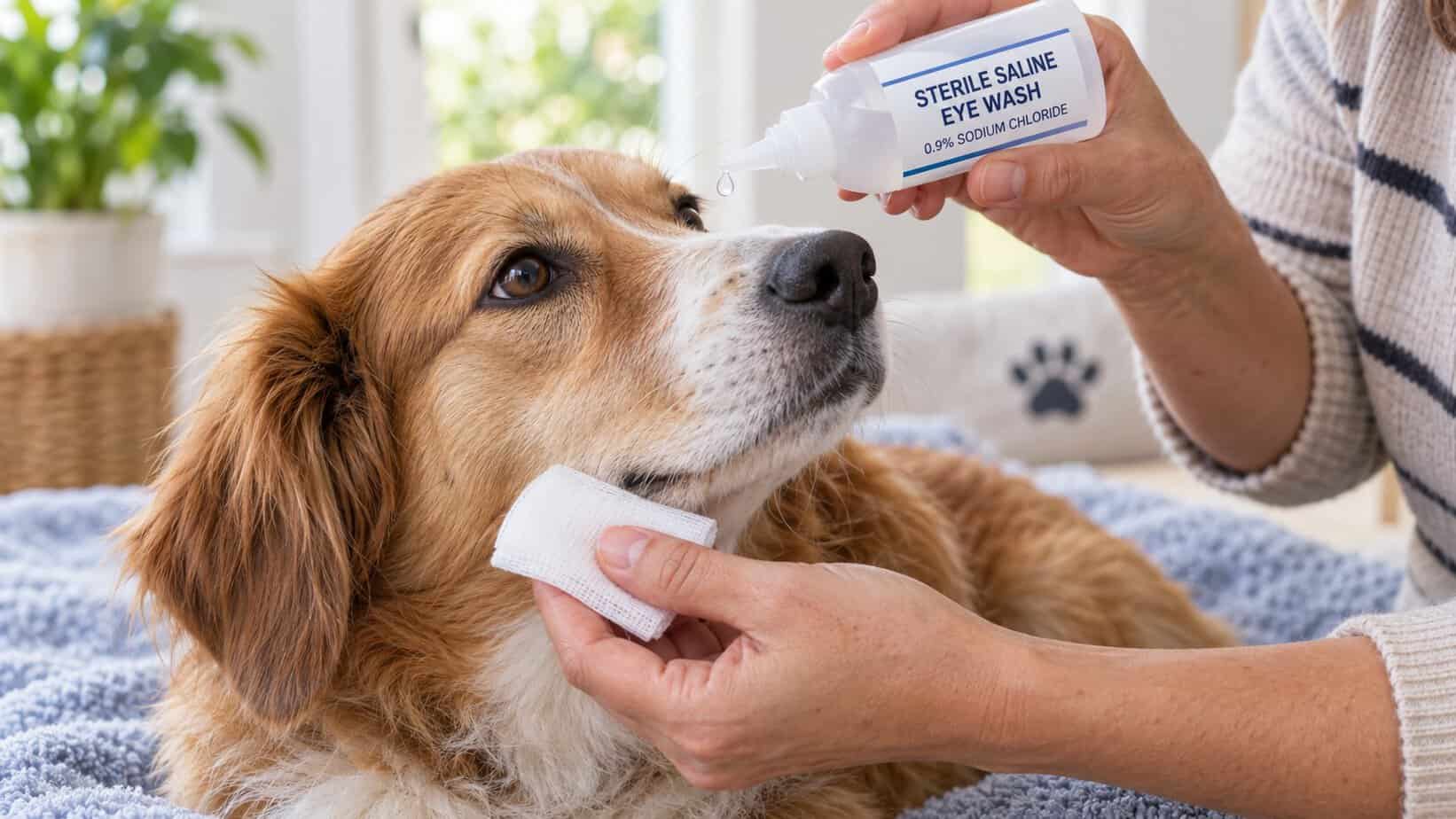
    Dog owner holding sterile saline eye wash above a calm dog’s eye without touching the bottle tip to the eye.

    To rinse an eye gently:

    1. Wash and dry your hands.
    2. Check the label again. It should say sterile saline eye wash and should not contain medication or a contact lens disinfectant.
    3. Keep the bottle tip away from the eye, eyelids, lashes, fur, and your fingers.
    4. Hold the eyelids open without squeezing the eye.
    5. Let a gentle stream flow across the surface and out toward the side of the face.
    6. Blot wet fur with clean gauze or a soft cloth. Do not rub the eye.

    If your dog uses prescribed eye drops or ointment, ACVO recommends using the rinse 10 to 15 minutes before the medication so the medicine is not washed away. Follow your veterinarian’s directions if they differ. [3]

    A rinse is reasonable for loose surface debris, but it should not delay care for squinting, obvious pain, cloudiness, swelling, blood, a chemical splash, a lodged object, a scratch, or discharge that returns quickly. Eye problems can worsen fast, and rubbing at a painful eye may cause more damage.

    For Minor Wounds and Skin

    Saline is useful for one simple job: lavage, which means washing debris away. Merck Veterinary Manual describes 0.9% sodium chloride as gentle on healing tissue while also making clear that it is not antiseptic. [2]

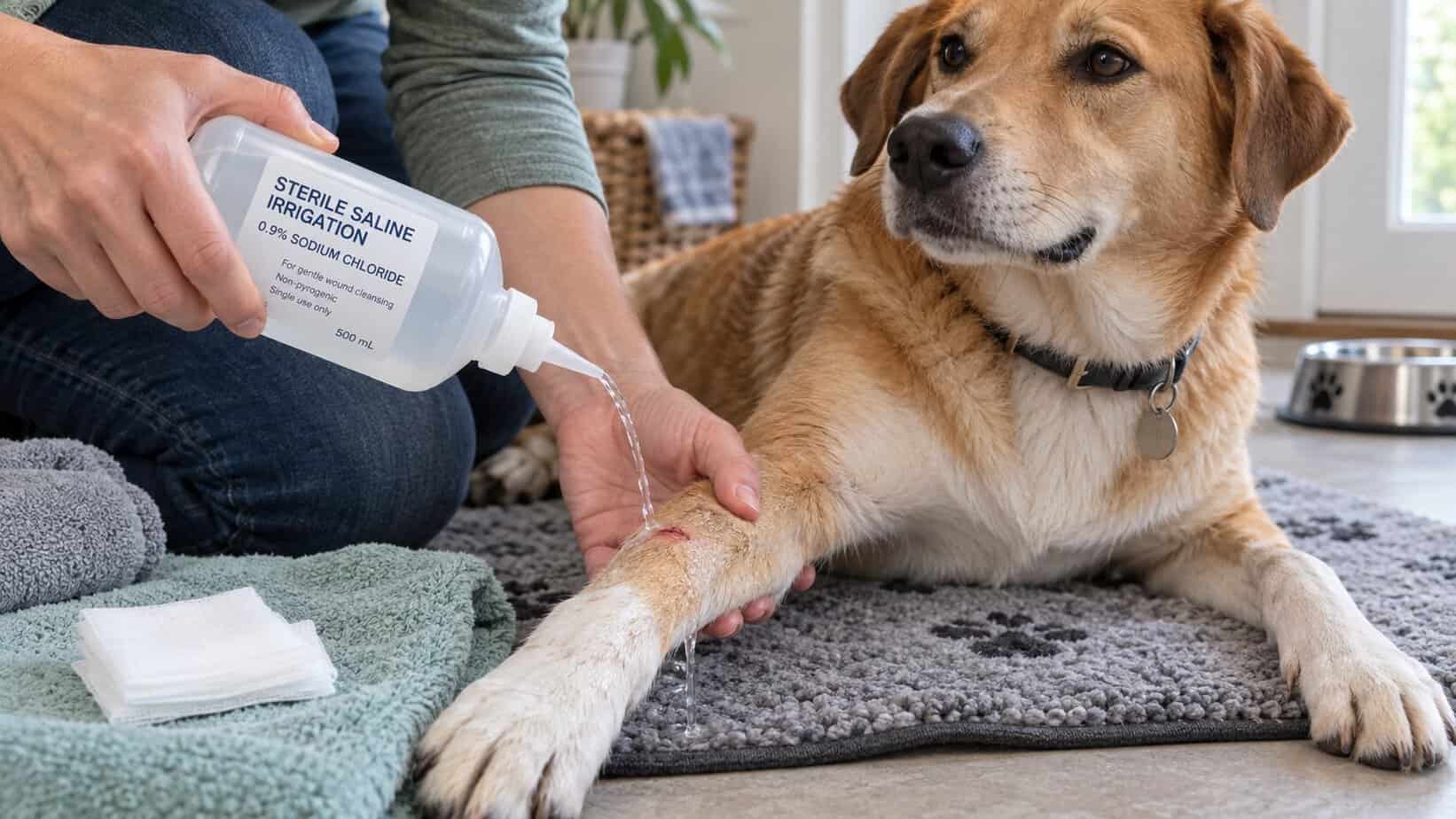
    Dog owner gently rinsing a small superficial leg wound with sterile saline.

    For a small, shallow scrape:

    1. Wash your hands and keep your dog as calm as possible.
    2. If the area is bleeding, apply steady pressure with clean gauze. Do not keep lifting the gauze to check every few seconds.
    3. Once bleeding is controlled, rinse with a generous amount of sterile saline using a gentle stream.
    4. Let the fluid carry dirt away. Do not scrub raw tissue or force fluid into a puncture.
    5. Blot the surrounding fur and skin. Avoid rubbing the wound itself.
    6. Prevent licking and watch the area over the next day for increasing redness, heat, swelling, odor, discharge, or pain.

    Large-volume rinsing removes more debris, but pressure should stay gentle for home first aid. Excessive pressure can push contamination deeper into tissue. [2]

    A deep, gaping, heavily contaminated, puncture, or bite wound needs veterinary assessment. The same is true when bleeding will not stop, material is embedded, a joint may be involved, or your dog seems weak or unusually painful. Saline can clean the surface while you arrange care, but it cannot show how much damage lies underneath.

    For Your Dog’s Nose

    A dog’s nose is not a wound to flush. Do not press the tip of a wound-wash bottle into a nostril or send a forceful stream into the nasal passages. If a veterinarian recommends saline drops or mist for a specific problem, use the exact product and technique they give you.

    Nasal discharge can come from several causes, so repeated rinsing can hide a pattern without solving it. Seek prompt help for trouble breathing, a nosebleed that does not settle, facial swelling, a suspected grass awn or other foreign object, or persistent discharge from only one nostril. One-sided discharge and pawing at the face can be clues that a foreign object is present. [4]

    For Your Dog’s Ears

    There is an important difference between wiping the visible outer ear and filling the ear canal.

    For a little dirt on the ear flap, you may moisten clean gauze with plain sterile saline and wipe only what you can easily see. You do not need to rinse saline off afterward. Blot away the excess and let the outer ear dry.

    For the ear canal, use a canine ear-cleaning solution selected for your dog’s needs rather than assuming plain saline is the right cleaner. Ear products are chosen partly by the type of debris, the condition of the canal, and whether infection is present. Cornell University College of Veterinary Medicine recommends gentle technique, avoiding forceful pressure, allowing the dog to shake, and wiping only as far as a finger can comfortably reach. Cotton swabs can push material deeper. [5]

    Stop if cleaning hurts. Redness, odor, discharge, head shaking, itching, or tenderness can signal infection or allergic ear disease. A head tilt, loss of balance, or sudden severe pain deserves prompt examination. [5]

    What Saline Can and Cannot Do

    Saline Can

    • Rinse loose dirt, dust, discharge, and small particles from a surface
    • Help clean a minor wound without the tissue toxicity associated with some harsh household products
    • Moisten gauze for wiping the visible outer ear or surrounding skin
    • Serve as one short first-aid step while you decide whether more care is needed

    Saline Cannot

    • Reliably kill bacteria or work as an antiseptic
    • Cure an eye, ear, skin, or wound infection
    • Replace antibiotics, antifungal medicine, pain relief, or another prescribed treatment
    • Remove an embedded foreign object
    • Repair a corneal ulcer, deep wound, or damaged eardrum
    • Rehydrate a sick dog when given by mouth or injected at home
    • Make every product labeled “saline” safe for every body area

    That distinction is the heart of safe use. Cleaning and treating are different jobs. Saline may support comfort and visibility, but the cause still matters.

    Should You Make Saline at Home?

    For eyes, the nose, and the ear canal, use a sealed sterile product intended for that body site. A homemade mixture is not sterile, even when the water was boiled, and kitchen measurements can produce the wrong concentration. It also becomes contaminated during mixing, cooling, storage, and handling.

    For a minor skin wound, commercial sterile saline is still the most predictable choice. If it is not available, clean running tap water can also be used to wash away surface debris. Veterinary wound guidance accepts warm saline or tap water for lavage, so there is usually no reason to improvise and store a homemade mixture. [6]

    Do not use a homemade preparation in an eye, nose, or ear canal. Do not nebulize or inject it. Do not keep a mixed jar on the counter for repeated use.

    When Saline Is Not Enough

    Eye Signs That Need Prompt Care

    Arrange an examination when your dog is squinting, holding an eye closed, pawing at the face, or showing marked redness, swelling, cloudiness, blood, or light sensitivity. A chemical exposure, sharp injury, or object stuck in or around the eye is also urgent. Rinsing may be part of first aid, but it is not a diagnosis.

    Wound Signs That Need Prompt Care

    Get help for a bite, puncture, deep cut, gaping edge, heavy contamination, uncontrolled bleeding, embedded material, exposed deeper tissue, or a wound near the eye, chest, abdomen, or a joint. Increasing heat, swelling, odor, discharge, pain, or low energy can mean the problem is moving beyond simple first aid. Merck notes that dirty, infected, and puncture wounds often need additional medical management. [2]

    Ear and Nose Signs That Need Prompt Care

    Ear pain, strong odor, thick discharge, a head tilt, balance trouble, or sudden hearing changes should not be managed with repeated rinsing. For the nose, breathing trouble, facial swelling, ongoing bleeding, or one-sided discharge needs an examination. These signs give useful clues about the underlying problem.

    A Whole-Dog View of Repeat Irritation

    A rinse can be soothing, but recurring discharge or itching is your dog’s way of showing that something else may be going on. Repeated ear trouble, for example, may be connected to allergies, mites, moisture, anatomy, or infection. Cornell notes that ear infection often has an underlying condition and that overcleaning can also irritate healthy ears. [5]

    The same whole-dog thinking helps with recurring eye discharge and slow-to-settle skin irritation. Notice when the problem started, whether it is one-sided, what makes it better or worse, and whether there are changes in food, environment, grooming, medications, or general health. Those patterns help a veterinarian look beyond the surface.

    Gentle cleaning has a place. Endless cleaning without asking why does not.

    Final Thoughts

    Plain sterile saline can be a useful item in a dog first-aid kit. Choose 0.9% sodium chloride in packaging intended for the body site, use it as a gentle external rinse, and keep the container tip clean. Remember that saline washes. It does not disinfect, cure infection, or replace an examination when your dog is painful or the problem keeps returning.

    If you are unsure, take a photo of the product label and the affected area before calling your veterinary team. That small step can make the conversation faster and more specific.

    Frequently Asked Questions

    Is Human Saline Safe for Dogs?

    Plain, sterile 0.9% sodium chloride sold for eye wash or irrigation can be appropriate for limited external use in dogs. The label and intended use matter more than whether the package is marketed for people. Do not use medicated drops, decongestants, contact lens disinfectants, or an irrigation product as an injection.

    Can I Use Contact Lens Solution in My Dog’s Eyes?

    No. Contact lens cleaning and disinfecting solutions may contain ingredients that are not meant for direct use on a dog’s eye. ACVO specifically warns against contact lens solution and recommends sterile saline eye wash instead. [3]

    Does Saline Need to Be Rinsed Out of a Dog’s Ear?

    If you used a small amount on gauze to wipe the visible outer ear, no second rinse is needed. Blot excess moisture. If your veterinarian instructed you to place a solution in the canal, follow that product’s directions, let your dog shake, and wipe only the material you can easily reach. Stop if the ear is painful. [5]

    Can Homemade Saline Be Used on Dogs?

    A sealed sterile product is best, especially for eyes and other sensitive areas. Homemade mixtures are not sterile and can have the wrong concentration. For a minor skin wound when saline is unavailable, clean running tap water is a reasonable rinse. Do not use homemade saline in the eyes, nose, or ear canal, and never inject it. [6]

    Can Saline Treat an Eye, Ear, or Wound Infection?

    No. Saline can wash away loose debris, but it is not an antiseptic and does not treat bacterial, fungal, or other infections. If redness, pain, swelling, odor, or discharge persists or worsens, your dog needs an examination and treatment directed at the cause. [2]

    References

    1. National Library of Medicine. (2025). 0.9% sodium chloride irrigation USP. DailyMed. https://dailymed.nlm.nih.gov/dailymed/fda/fdaDrugXsl.cfm?setid=5bd9b176-0402-4a3f-a6b4-c3f393fc092a&type=display
    2. Winkler, K. P. (2024, September). Initial wound management in small animals. Merck Veterinary Manual. https://www.merckvetmanual.com/emergency-medicine-and-critical-care/wound-management-in-small-animals/initial-wound-management-in-small-animals
    3. American College of Veterinary Ophthalmologists. (2020, October 28). How to clean your pet’s eyes. https://www.acvo.org/tips-treatments-tricks/how-to-clean-your-pets-eyes
    4. MSD Veterinary Manual. (n.d.). Rhinitis and sinusitis in dogs. https://www.msdvetmanual.com/dog-owners/lung-and-airway-disorders-of-dogs/rhinitis-and-sinusitis-in-dogs
    5. Cohen, A. (2025, October 21). How to clean your dog’s ears. Cornell University College of Veterinary Medicine. https://www.vet.cornell.edu/departments-centers-and-institutes/riney-canine-health-center/canine-health-topics/how-clean-your-dogs-ears
    6. Merck Veterinary Manual. (n.d.). Topical agents in wound management in small animals. https://www.merckvetmanual.com/emergency-medicine-and-critical-care/wound-management-in-small-animals/topical-agents-in-wound-management-in-small-animals

    A note about your dog’s health

    This article provides general education and does not replace an examination, diagnosis, or individualized advice from your veterinarian. Contact a veterinary professional if you are concerned about your dog’s symptoms.

    Lindsie Parks B.S., CRDNS Avatar

    ABOUT THE AUTHOR
  • Can You Use Baby Wipes On Dogs? Is It Safe?

    Can You Use Baby Wipes On Dogs? Is It Safe?

    Medically Reviewed by: Dr. Candy Akers, DVM

    Have you ever found yourself in a situation where your dog gets dirty after a walk or playtime but you don’t have access to a bath? Or maybe your pup stepped in something gross and you just want to clean their paws? You might be tempted to reach for some baby wipes, but can you use baby wipes on dogs? In this article, we’re going to answer the question of whether or not baby wipes are safe for dogs.

    We’ll also provide some context for why someone might want to use them on their pup. Dogs love getting dirty, but sometimes it’s just not practical or healthy for them to be covered in mud or other substances.

    That’s where baby wipes come in handy. They can be used as a quick and easy way of cleaning up your pet without having to give them a full bath. But before you start wiping down your dog with any old baby wipe, it’s important to understand that not all wipes are created equal. In this blog, we will discuss the chemicals to watch for and the ingredients that can actually be beneficial.

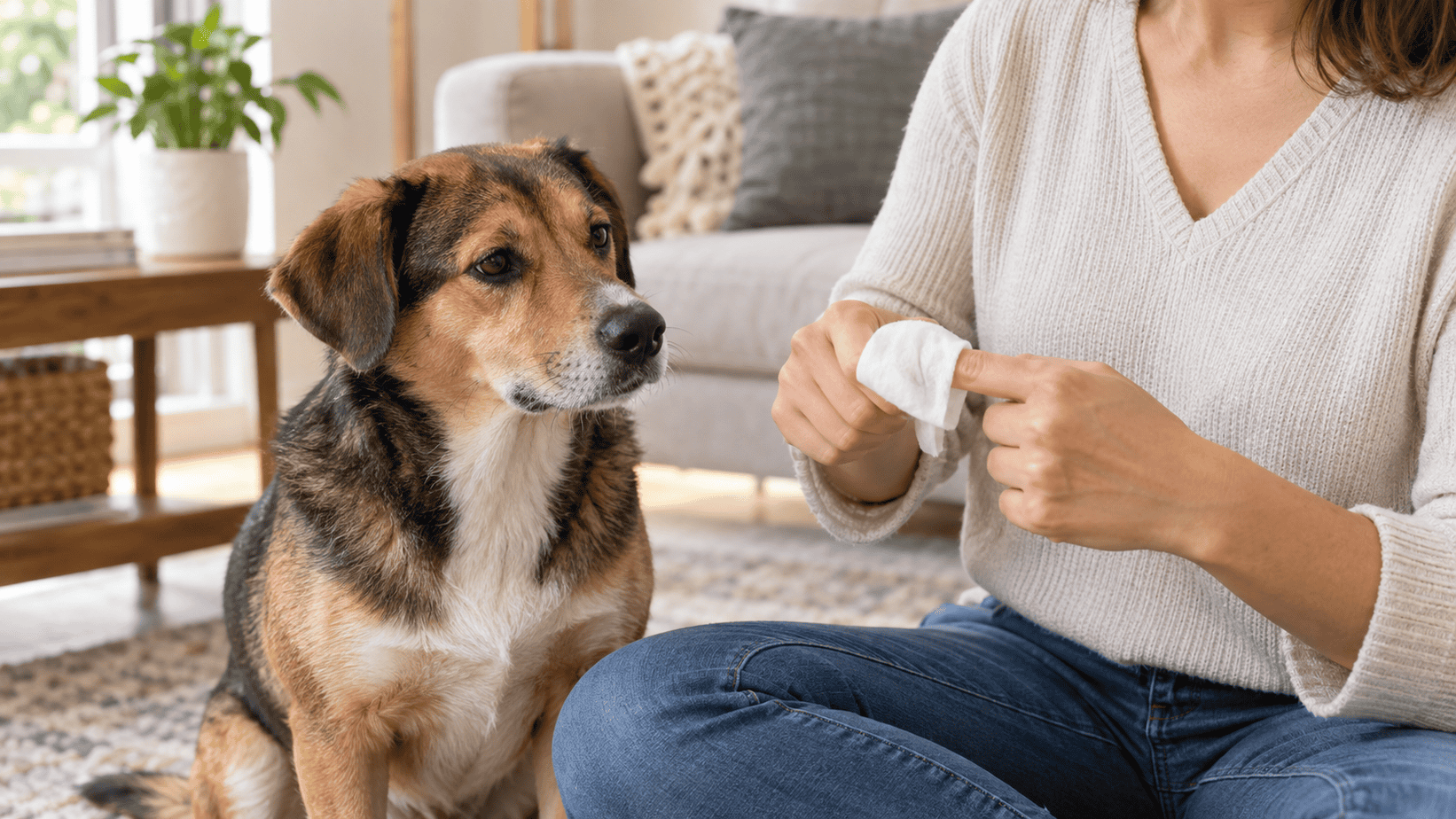
    using baby wipes on dogs

    What are baby wipes?

    If you have a baby or know someone who has one, you’re probably familiar with baby wipes. These moist towelettes are specifically designed for cleaning a baby’s delicate skin during diaper changes.

    But did you know that they can also be used to clean your furry friend’s paws and fur? Baby wipes come in various sizes and can be purchased in bulk or individually wrapped.

    They are made of soft, gentle materials that won’t irritate your baby’s skin. Some brands advertise as being “unscented,” while others offer various scents, like lavender or chamomile.

    What are they typically used for?

    As mentioned, the primary use of baby wipes is for cleaning babies during diaper changes. However, they can also be used for wiping away spit-up, food messes, and other general messes that come with having a little one.

    But what about dogs? Can they be used on them too?

    The answer is yes! Baby wipes offer an easy and convenient way to clean up your dog after a walk or playtime in the park.

    Common ingredients found in baby wipes

    Different brands have unique ingredients in their baby wipes. However, common ones exist. Water is primary, making up most of the wipe. Baby wipes also have mild cleansers. These include surfactants and emulsifiers. They break down dirt on the skin.

    Many wipes contain moisturizers like glycerin or petrolatum. They hydrate the skin. Other ingredients are preservatives, fragrances, and pH adjusters. Preservatives stop bacteria growth. Fragrances add scent. pH adjusters balance acidity levels.

    The difference between regular and pet-specific wipes

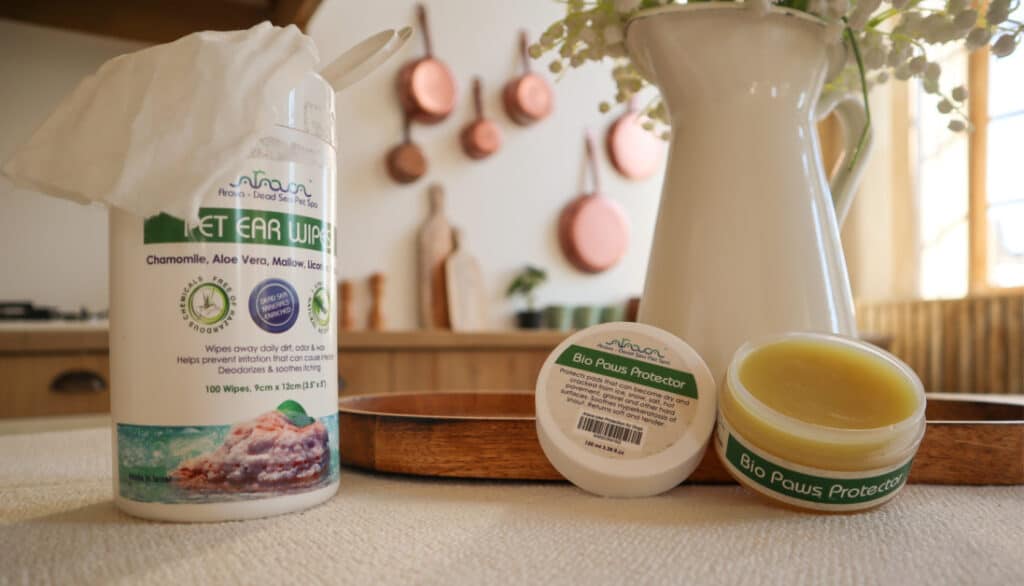
    While baby wipes can be used on dogs, there are some differences between regular baby wipes and pet-specific ones. Pet-specific wipes are specially designed for dogs and contain ingredients that cater to their needs.

    For example, pet wipes may contain ingredients like aloe vera or oatmeal to soothe irritated skin. Some may even have antibacterial properties to prevent infections. Additionally, pet-specific wipes are often larger than baby wipes, making them better suited for cleaning larger dogs.

    If you must clean your dog and lack pet-specific wipes, use a baby wipe. However, pick an unscented one. Ensure it’s free of harsh chemicals. These could irritate your dog’s skin

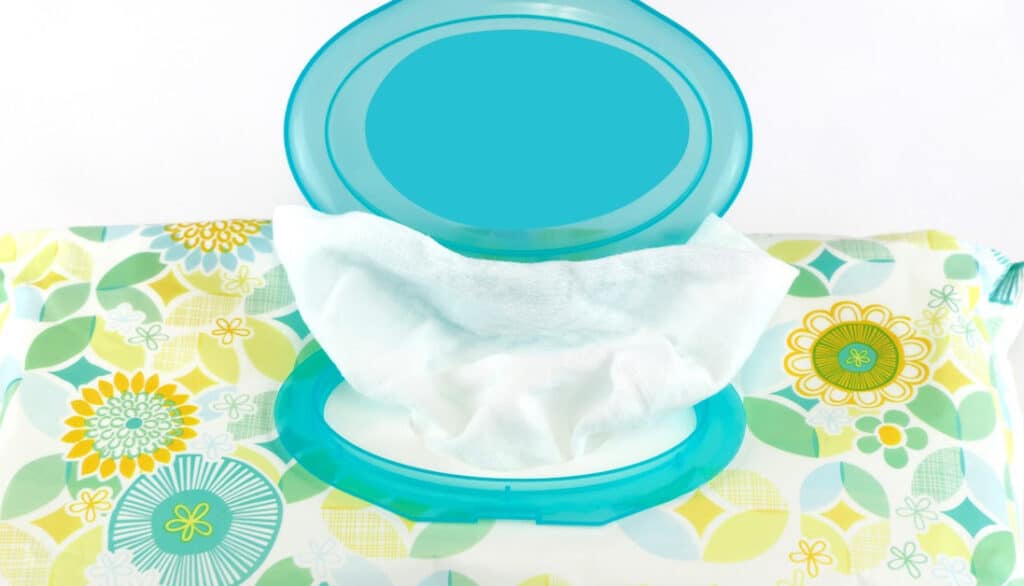
    out of focus picture of a package of baby wipes

    Can You Use Baby Wipes on Dogs?

    As a dog owner, you may be wondering if it’s safe to use baby wipes on your furry friend. The answer is yes, but with some important considerations.

    Not all types of baby wipes are created equal, and some can even be harmful to your dog’s skin. In this section, we’ll explore the ins and outs of using baby wipes on dogs and how to choose a safe brand.

    Not All Baby Wipes Are Safe for Dogs

    While many baby wipes are gentle enough for human babies, they may not be suitable for use on dogs. Some brands contain harsh chemicals or fragrances that can cause skin irritation or allergic reactions in dogs. Before using any type of wipe on your dog, it’s important to read the label carefully and make sure it’s safe for pets.

    Pet-Specific Wipes May Be a Better Option

    If you want to play it safe when cleaning your dog with wipes, consider purchasing pet-specific wipes. These are specially formulated for use on dogs (and sometimes cats), meaning they’re less likely to contain ingredients that could harm your pet. Pet-specific wipes also tend to be larger and more durable than standard baby wipes, making them easier to use on bigger dogs or messier situations.

    Choosing a Safe Brand of Baby Wipe

    If you decide to go with standard baby wipes instead of pet-specific ones, there are still ways to ensure the safety of your furry friend. Look for fragrance-free or hypoallergenic options that are gentle enough for sensitive skin. Avoid products that contain alcohol or other harsh chemicals known to cause irritation.

    It’s also a good idea to check the packaging for information about whether the manufacturer recommends using the product on pets. Some brands may explicitly state that their wipes are not intended for animal use.

    How to Use Baby Wipes on Your Dog Safely

    Using baby wipes on your dog can be a great way to quickly clean up messes or freshen up their coat between baths. However, it’s important to do so safely, to avoid causing irritation or other health problems. Start by choosing a wipe that’s safe for your dog and free of any potential allergens or irritants.

    Then, gently wipe down your dog’s fur, paying special attention to any areas that are particularly dirty or smelly. Avoid using wipes on open wounds or irritated skin, as this can further aggravate the problem.

    Also, don’t use too many wipes at once – one or two should suffice for most situations. Always dispose of used wipes in the trash rather than flushing them down the toilet.

    The Bottom Line: Baby Wipes Can Be Safe for Dogs When Used Properly

    Yes – you can use baby wipes on dogs! Just make sure to choose a safe brand and be careful when using them on your furry friend. By following these guidelines and taking care not to overuse wipes, you can help keep your pup clean and comfortable between baths.

    baby wipes for dogs

    When Should You Use Baby Wipes on Your Dog?

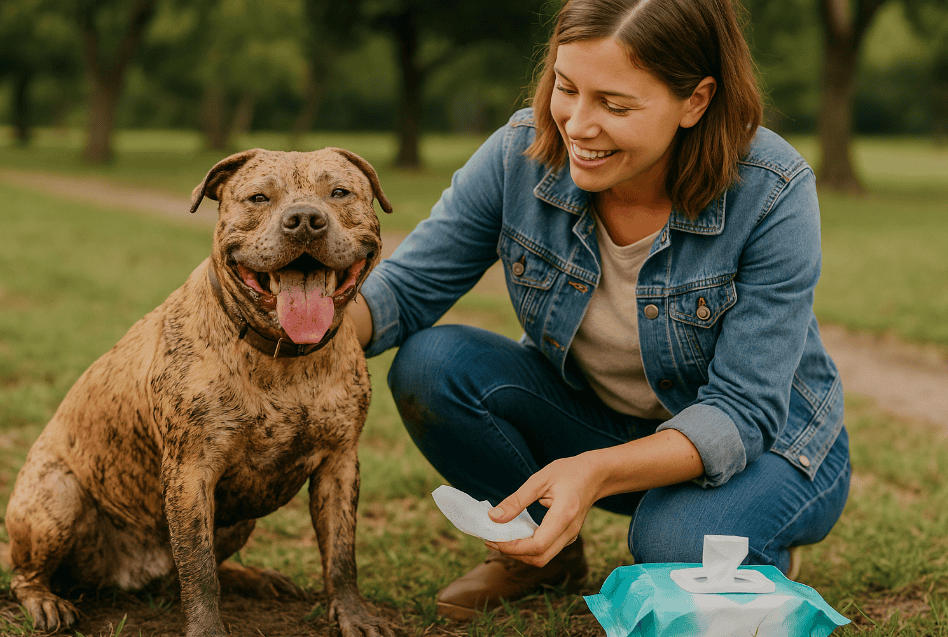
    As mentioned earlier, using baby wipes on dogs can be a convenient way to clean them up after a messy outdoor excursion. However, it’s important to know when and how often to use the wipes to avoid any adverse effects. One example of a situation where using a baby wipe on your dog is beneficial is after a muddy walk.

    If your dog enjoys exploring muddy puddles or rolling around in dirt, their fur can quickly become caked with mud and dirt. Instead of giving them a full bath every time this happens, using a baby wipe can help get rid of the excess dirt and prevent it from being tracked into your home.

    Another situation where baby wipes may come in handy is after playing in the park or going for a swim. Dogs are known for getting into all sorts of odorous messes, whether it be running through goose poop or rolling around in decomposing plant matter.

    Again, instead of resorting to a full bath every time this happens, wiping down your dog with baby wipes can help keep them clean and smelling fresh. However, it’s important not to overdo it with the wipes.

    Using too many wipes on your dog can strip their skin of natural oils and cause irritation. Only use as many as necessary for each cleaning session, and don’t make it an everyday routine unless absolutely necessary.

    How Often Should You Use Baby Wipes on Your Dog?

    It’s generally recommended that you limit the use of baby wipes on dogs to once or twice per week at most. Using them more frequently than that could lead to dry skin and other irritations. If you find that your dog frequently gets dirty or smelly during the week, consider using other methods besides baby wipes such as dry shampoo or giving them more regular baths.

    Choosing Safe Brands

    When choosing which brand of baby wipes to use on your dog, it’s important to read the ingredients list carefully. Look for wipes that are free from alcohol, fragrances, and other harsh chemicals that can irritate your dog’s skin.

    Additionally, you can look for pet-specific wipes that are designed with dogs in mind. These wipes will typically have a more neutral pH balance and be gentler on your dog’s skin than regular baby wipes.

    How to Use Baby Wipes Safely

    When using baby wipes on your dog, make sure to avoid sensitive areas such as their face or genitals. Instead, focus on wiping down their fur and paws, being careful not to apply too much pressure or rub too vigorously.

    Before using the wipe, it can also be helpful to test a small area of your dog’s skin first to make sure they don’t have any adverse reactions. If you notice any redness or irritation after using the wipe, discontinue use immediately.

    Baby wipes can be a useful tool for cleaning up after your furry friend without resorting to a full bath every time they get dirty. However, it’s important to use them in moderation and choose safe brands with gentle ingredients.

    Remember not to overdo it with the use of wipes and only use as many as necessary during each cleaning session. With proper precautions and care taken while using them safely on your dog’s body parts like paws etc., you can ensure that both you and your dog are happy with the results!

    How to use baby wipes on your dog

    Choosing the Right Baby Wipes

    Not all baby wipes are created equal, so it’s important to choose the right ones for your furry friend. Look for unscented, hypoallergenic wipes that are free of any harmful chemicals like alcohol or fragrances. It’s also a good idea to opt for wipes that are specifically designed for pets as they often come with added benefits like conditioning agents and natural essential oils.

    Preparing Your Dog

    Before using the baby wipe, make sure your dog is calm and relaxed. If they’re not used to being wiped down, it may be helpful to give them a treat or a toy to distract them. Use a leash or have someone hold onto your dog’s collar if they tend to move around a lot.

    Wiping Down Your Dog

    Start by wiping down your dog’s paws and work your way up their legs. Be gentle and avoid applying too much pressure as you don’t want to cause any discomfort or irritation. Pay extra attention to areas that tend to get dirty like their paws, belly, and underside.

    If you’re using pet-specific wipes with added ingredients like essential oils or moisturizers, make sure you follow the instructions on the package carefully. Some wipes may need to be rinsed off after use while others can be left on.

    Cleaning Sensitive Areas

    When wiping sensitive areas like around their eyes or ears, use caution and avoid getting too close. You may also want to switch out the wipe frequently if it becomes too soiled as bacteria can spread easily in these areas.

    Drying Off Your Dog

    After you’ve finished wiping down your dog, use a towel to dry them off thoroughly. Make sure they’re completely dry before letting them outside as wet fur can lead to skin irritation or infection.

    colorful package of baby wipes

    Conclusion

    Using baby wipes on your dog can be a great way to keep them clean and fresh in between baths, but it’s important to do so safely and responsibly. As always, if you have any concerns about your pet’s health or wellbeing, don’t hesitate to consult with your veterinarian.

    A note about your dog’s health

    This article provides general education and does not replace an examination, diagnosis, or individualized advice from your veterinarian. Contact a veterinary professional if you are concerned about your dog’s symptoms.

    Sheena Keliher Avatar

    ABOUT THE AUTHOR
  • Can You Use Cat Dewormer on Dogs? Is it Safe?

    Can You Use Cat Dewormer on Dogs? Is it Safe?

    Medically Reviewed by: Dr. Candy Akers, DVM

    Can you use cat dewormer on dogs? Do not assume that a dewormer labeled for cats is appropriate for a dog. Check the exact product first. Some deworming ingredients are used in both dogs and cats, and some products are labeled for both species. But the product strength, combination of ingredients, target parasites, weight range, age limits, and directions can be different. [1] [2]

    If your dog already swallowed or was given cat dewormer, the next step is to identify exactly what your dog received. Keep the package, find the active ingredient or ingredients and product strength, estimate how much was given and when, and note your dog’s current weight. Do not automatically give another dewormer on top of it while you are still trying to sort out the first product. [3]

    Can You Use Cat Dewormer on a Dog?

    There is an important difference between asking, “Can I use this cat product for my dog?” and asking, “My dog already got the cat product. Is my dog going to be okay?”

    For planned use, the practical answer is no unless the label specifically includes dogs or you have product-specific veterinary guidance. “Cat dewormer” is not one medication. It is a broad category that can include different active ingredients, different concentrations, and different parasite coverage.

    For an accidental dose, do not jump straight to the conclusion that your dog has been poisoned. Some anthelmintic drugs are used in both species. The exact product and amount matter much more than the word “cat” on the front of the package. [1]

    A blanket “never” answer sounds simple, but it is not precise enough to guide someone who is holding an actual package and trying to make a safe decision.

    Why Cat and Dog Dewormers Are Not Automatically Interchangeable

    Two products can have a familiar brand name or even share an active ingredient and still have different directions. One product may be made for cats, another for dogs, and another for both species.

    The most reliable way to compare them is to read the actual label.

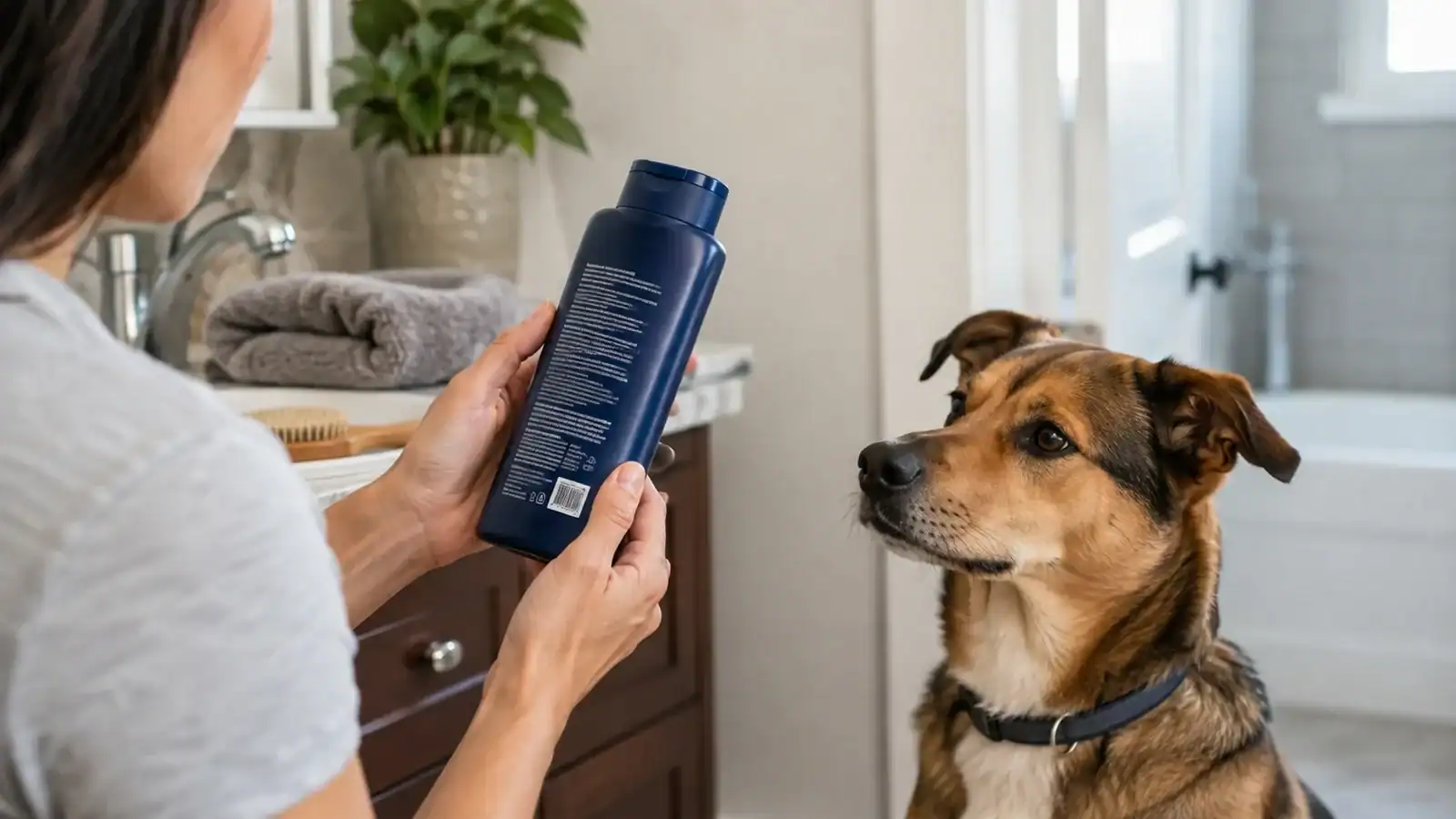
    Dog owner checking a veterinary dewormer package label before giving medication

    Check These 6 Things on the Label

    What To CheckWhy It Matters
    SpeciesConfirms whether the manufacturer’s directions include dogs
    Active ingredient or ingredientsTells you which anthelmintic drug or drug combination is present
    Strength or concentrationThe same active ingredient can be supplied at different strengths
    Parasite listedA safe medication can still be the wrong medication for the worm
    Weight and age rangeProduct directions can change by body size and age
    Directions and warningsTells you how that exact formulation is meant to be used

    The parasite target matters just as much as the species label. A product aimed at tapeworms is not automatically the right treatment for roundworms, hookworms, or whipworms. Using the wrong dewormer can leave the actual parasite untreated even if the medication itself is well tolerated.

    Same Active Ingredient Does Not Mean Same Product

    Praziquantel is a good example. Elanco’s Droncit line uses praziquantel for tapeworm treatment in both dogs and cats. The product information lists an injectable formulation for dogs and cats, along with separate canine and feline tablets that have different tablet strengths and species-specific directions. [1]

    That does not mean you should swap the dog and cat tablets. It means the active ingredient alone does not tell you the whole story.

    Drontal Plus for dogs gives us another useful example. It combines praziquantel with pyrantel pamoate and febantel and is labeled for dogs. That ingredient combination broadens the parasites covered by the product. [2] The U.S. FDA approval summary for Drontal Plus also identifies it as a canine broad-spectrum anthelmintic. [4]

    So when someone says, “They both contain dewormer medicine,” that is not enough information. We need to know which medicine, how much is in the product, what other ingredients are included, and which parasites the product is intended to treat.

    Some Dewormers Are Used in Both Dogs and Cats

    It is true that some deworming drugs are used in both dogs and cats. That is exactly why a blanket statement that every cat dewormer is dangerous to every dog is inaccurate.

    Droncit is one clear label-based example. Praziquantel is used for tapeworm treatment in both species, but the manufacturer still provides species-specific tablet products and directions. [1]

    The key distinction is simple:

    • A shared active ingredient does not automatically make two finished products interchangeable.
    • A product labeled for both dogs and cats is different from a cat-only product that happens to contain an ingredient also used in dogs.
    • A cat product that was accidentally given to a dog also needs a different kind of decision than choosing a product on purpose. After an accidental dose, the question becomes, “What exactly did my dog get, and how much?”

    What If My Dog Ate Cat Dewormer?

    If your dog has already swallowed cat dewormer, keep the product packaging and work from facts instead of guessing.

    Dog owner photographing a cat dewormer package after an accidental dose

    If Your Dog Already Got the Cat Product

    1. Save the box, bottle, tube, or package. Take a clear photo of the front and ingredient panel if that is easier.
    2. Find the active ingredient or ingredients and the strength or concentration.
    3. Estimate how much your dog received and when it happened.
    4. Note your dog’s current weight, age, and any health conditions that could affect medication safety.
    5. Do not give another dewormer or try to make your dog vomit unless a veterinary professional specifically tells you to do that.
    6. If the product is not labeled for dogs, the amount is uncertain, your dog got more than one medication, or your dog is acting abnormally, contact your veterinarian or an animal poison-control service with the package in hand.

    The ASPCA recommends gathering the package or remaining medication after a possible toxic exposure. Its poison-control team uses details such as the pet’s breed, age, weight, health, what was ingested, and the estimated amount to judge the risk and recommend the next step. [3]

    This is much more useful than assuming every cat dewormer causes the same reaction. Different products contain different drugs, and different exposures can have very different risk levels.

    The Right Dewormer Depends on the Worm

    A dewormer can be appropriate for dogs and still be the wrong dewormer for the parasite your dog actually has.

    Roundworms, hookworms, whipworms, and tapeworms are not one infection. Deworming products have different coverage, which is why knowing or strongly suspecting the parasite matters before choosing treatment.

    Testing Helps Match Treatment to the Parasite

    Current Companion Animal Parasite Council guidance recommends fecal testing more frequently in puppies than in adult dogs. CAPC recommends at least four fecal examinations during the first year of life and at least two per year for healthy adult animals, with the frequency adjusted for health, environmental exposure, travel, outdoor access, and contact with other animals. [5]

    That is a testing framework, not a reason to give every dog the same dewormer on the same schedule.

    A fecal test can also be helpful when a dog has recurring diarrhea, visible worms, suspected parasite exposure, or repeated reinfection. Some parasites can be harder to detect than others, so the testing method and timing matter too. [5]

    Fleas Matter When Tapeworms Are Involved

    Dipylidium caninum, the common flea tapeworm, affects both dogs and cats. Pets become infected when they swallow an infected flea. [6]

    That means treating the tapeworm without addressing the flea exposure leaves the door open for reinfection. In a household with both cats and dogs, flea control needs to account for every pet and the environment while still using products according to each species label.

    This is a good example of why parasite care should be bigger than simply asking which pill kills a worm.

    A Holistic Plan Also Prevents Reinfection

    A holistic approach to parasites is not about grabbing the most “natural” product and hoping it covers everything. It means looking at the whole situation.

    Ask:

    • Which parasite are we trying to control?
    • How was the dog likely exposed?
    • Is the infection confirmed, strongly suspected, or only a concern?
    • What can reduce reinfection after treatment?
    • Does the dog have lifestyle factors that change parasite risk?
    • Are fleas, scavenging, hunting, shared outdoor spaces, or contaminated feces part of the cycle?
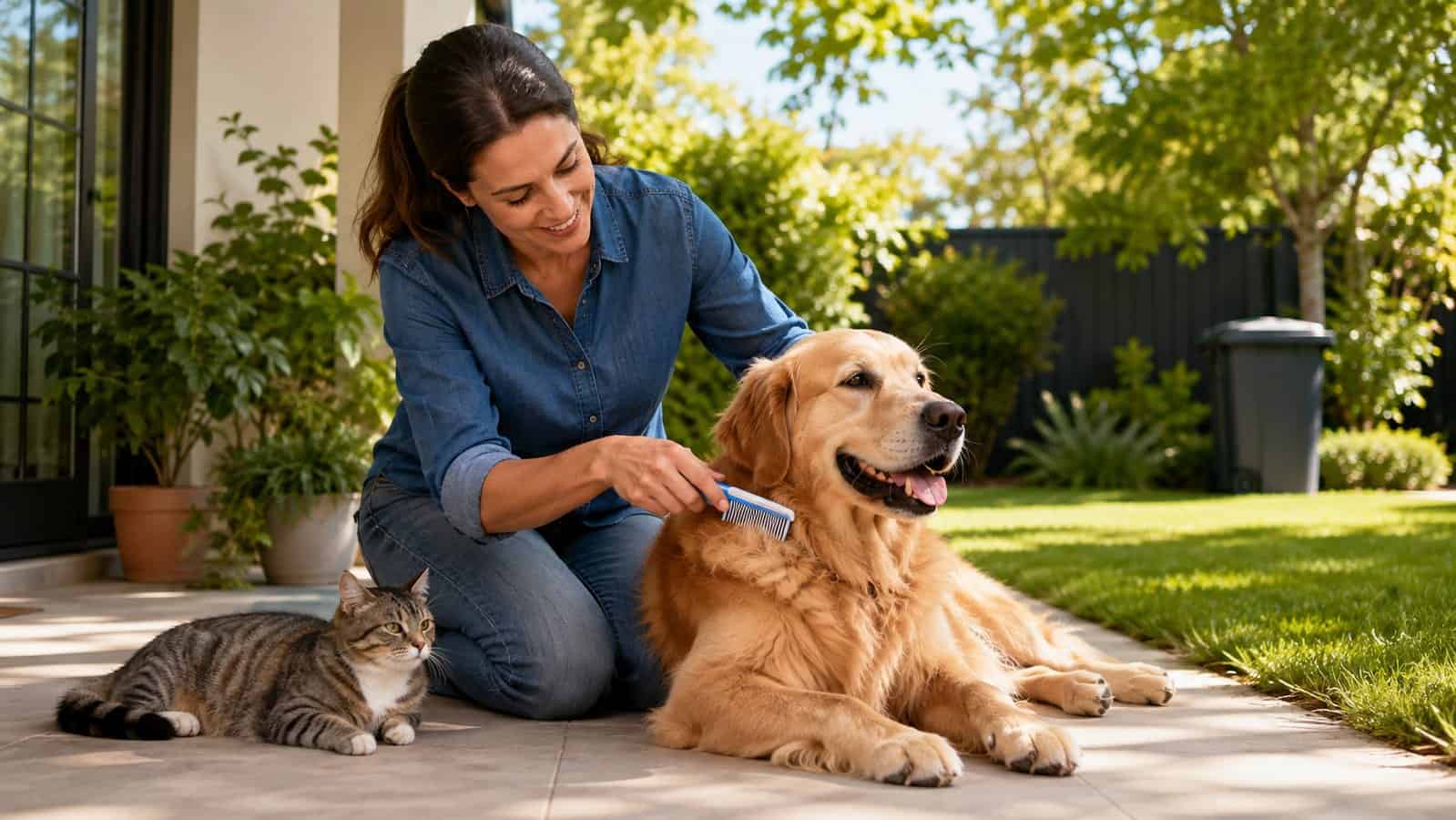
    Dog and cat with their owner using a flea comb as part of parasite reinfection prevention

    Prompt feces removal, good environmental hygiene, appropriate flea control, and reducing access to prey or scavenged material can all reduce parasite exposure. CAPC also recommends tailoring parasite-control programs to the individual pet’s health, environment, and lifestyle. [5]

    Good nutrition and digestive health are important parts of caring for the whole dog, but they cannot identify which parasite is present. They also cannot tell you whether a cat-labeled medication is the right drug, strength, or formulation for your dog.

    If you are interested in natural parasite support, keep the same standard: identify the parasite first, then evaluate the evidence and safety of the specific approach. “Natural” is not a substitute for knowing what you are treating.

    Final Thoughts

    So, can you use cat dewormer on dogs?

    Do not assume that a cat-labeled dewormer can be substituted for a dog product. Read the exact label first. Some deworming ingredients and some formulations are used in both species, but finished products can differ in strength, ingredient combinations, parasite coverage, and directions. [1] [2]

    If your dog already got cat dewormer, save the package and identify the active ingredients, strength, amount, and timing before giving anything else. The exact product matters more than a generic rule about “cat medicine.”

    Checking the real product instead of guessing from the front label makes the next step clearer and helps avoid adding another medication before the first exposure is understood.

    ~ Sheena

    Frequently Asked Questions

    Can Dogs and Cats Ever Use the Same Dewormer?

    Yes, some deworming products are labeled for both dogs and cats, and some active ingredients are used in both species. Droncit provides a clear example because praziquantel is used for tapeworms in dogs and cats. Even then, oral dog and cat products can have different strengths and directions, so follow the exact label for the product you have. [1]

    What Should I Do If My Dog Ate Cat Dewormer?

    Keep the package, identify the active ingredients and product strength, estimate how much your dog received and when, and note your dog’s weight. Do not automatically give another medication. If the product is not labeled for dogs, the amount is uncertain, or your dog is acting abnormally, contact your veterinarian or animal poison control with the packaging available. [3]

    Is Praziquantel Used in Both Dogs and Cats?

    Yes. Praziquantel is used for tapeworm treatment in both dogs and cats. The fact that the active ingredient overlaps does not mean every praziquantel product has the same strength, directions, or species label. [1]

    Will Cat Dewormer Kill Worms in Dogs?

    It depends on the exact active ingredient and the parasite. Some deworming drugs are active against parasites that infect both species, but a cat-labeled product may still have different strength, directions, or coverage. The better choice is to identify the worm and use a product whose label or veterinary instructions fit the dog and the parasite.

    Should I Give Dog Dewormer After an Accidental Cat-Dewormer Dose?

    Do not automatically stack another dewormer on top of the first product. First identify exactly what was given, how much, and when. After a possible medication exposure, ASPCA guidance recommends gathering the packaging and getting product-specific advice before taking additional steps. [3]

    References

    1. Elanco. (n.d.). Droncit® (praziquantel).
    2. Elanco. (n.d.). Drontal® Plus for Dogs.
    3. ASPCA. (n.d.). What to Do if Your Pet Is Poisoned.
    4. U.S. Food and Drug Administration. (n.d.). Freedom of Information Summary, NADA 141-007, Drontal Plus Broad Spectrum Anthelmintic Tablets.
    5. Companion Animal Parasite Council. (2025, April 24). General Guidelines for Dogs and Cats.
    6. Companion Animal Parasite Council. (2025). Dipylidium caninum.

    A note about your dog’s health

    This article provides general education and does not replace an examination, diagnosis, or individualized advice from your veterinarian. Contact a veterinary professional if you are concerned about your dog’s symptoms.

    Sheena Keliher Avatar

    ABOUT THE AUTHOR
  • Can You Use Head & Shoulders on Dogs?

    Can You Use Head & Shoulders on Dogs?

    If you are staring at a flaky dog and a bottle of Head & Shoulders, do not make it your dog’s routine shampoo. It is a human anti-dandruff product, and different versions contain different active and inactive ingredients. A dog-specific shampoo is the safer starting point.

    Already used it once? Take a breath. Rinse your dog thoroughly with lukewarm water, keep the shampoo away from the eyes and mouth, and watch for irritation or illness. The next step depends on the formula, the amount of exposure, and how your dog feels.

    The Short Answer

    There are three situations worth separating:

    • Routine bathing: Choose a shampoo labeled for dogs. Human dandruff shampoo is not the best everyday or occasional default for canine skin.
    • One accidental bath: Rinse away every trace you can, dry your dog gently, and monitor. A comfortable dog after a well-rinsed bath is different from a dog with eye pain, vomiting, or heavy ingestion.
    • Veterinarian-directed use: Some active ingredients found in human products also appear in veterinary dermatology. That does not make every human formula interchangeable with a dog product. If your veterinarian recommends a specific off-label product, follow the exact product, contact time, frequency, and rinsing directions you were given.

    Why Head & Shoulders Is Not the Best Routine Dog Shampoo

    Human dandruff shampoo is made and labeled for the human scalp. For example, a current U.S. Head & Shoulders Classic Clean 2-in-1 label lists pyrithione zinc 1% as the active ingredient, calls the product an anti-dandruff treatment, and warns that it is for external use only. It also says to avoid eye contact and seek help if swallowed. [1]

    That is useful label information, but it is not a canine bathing instruction.

    You may see a simple explanation online that human shampoo is always wrong because humans and dogs have different skin pH. There is some truth behind the concern, but the real picture is more nuanced. A small study in healthy dogs found that skin-surface pH varied by body site and changed differently after different veterinary shampoos. [2] Product pH is one factor. The complete formula, the dog’s skin condition, contact time, rinsing, and licking risk matter too.

    Most importantly, flakes do not tell you the cause. Washing away scale may make the coat look better for a day while leaving the underlying problem untouched.

    What Is in Head & Shoulders?

    Head & Shoulders is a product family, not one shampoo. Check the Drug Facts or ingredient panel on the exact bottle in your hand.

    Dog owner checking a shampoo ingredient label before using it around her dog

    Pyrithione Zinc

    The current Classic Clean 2-in-1 label lists pyrithione zinc 1%. The same label includes fragrance, cleansing agents, conditioners, colors, and other inactive ingredients. [1] A dog can react to the complete formulation, not only the named active ingredient.

    Selenium Sulfide

    Some Clinical Strength versions use selenium sulfide 1% instead. A current U.S. label identifies it as a human anti-dandruff and anti-seborrheic dermatitis product. [3] Again, the presence of a familiar medicated ingredient does not turn a human shampoo into a general dog-care product.

    Formulas can change over time and differ by country. That is why a blanket rule such as “dilute it half and half” is not dependable. The bottle label and your dog’s situation are more useful than advice written for an unspecified version.

    What to Do If You Already Used It

    If Your Dog Seems Comfortable

    Rinse the coat and skin very well with lukewarm water. Pay attention to skin folds, the belly, paws, and thick areas of coat where residue can hide. Do not layer on another shampoo to “neutralize” the first one.

    Towel-dry gently. Prevent licking while the coat is still damp, then watch for redness, increased scratching, hives, drooling, vomiting, diarrhea, unusual tiredness, or behavior that tells you your dog is uncomfortable.

    If Shampoo Reached the Eyes

    Rinse the eyes gently and thoroughly with clean, lukewarm water. The human product label itself directs users to rinse after eye contact. [1] If your dog keeps squinting, pawing at the face, tearing, or holding an eye closed after rinsing, contact a veterinarian promptly. Eyes can worsen quickly, and ongoing pain deserves care.

    If Your Dog Swallowed Shampoo

    Remove access to the bottle and stop further licking. Keep the label or take a clear photo of it so the exact product and ingredients are available.

    Do not induce vomiting or try a home antidote unless a veterinary professional tells you to. If more than a small lick may have been swallowed, or if you notice drooling, vomiting, diarrhea, weakness, tremors, breathing trouble, or unusual behavior, call your veterinarian, an emergency veterinary clinic, or ASPCA Animal Poison Control at (888) 426-4435. The ASPCA service is available around the clock, and a consultation fee may apply. [4]

    Owner rinsing a black Labrador thoroughly after shampoo exposure

    Why Does My Dog Have Flakes or Itching?

    Dandruff is a description of scaling, not a complete diagnosis. Primary seborrhea is uncommon. Most dogs with noticeable scaling have a secondary problem that is changing how the skin renews itself or how the coat holds oil and debris. Allergies and endocrine disorders are common underlying categories, and secondary bacterial or yeast problems may occur. [5]

    A quick look at the whole pattern is more helpful than focusing on flakes alone.

    Veterinarian examining a beagle's coat for dry flakes and skin irritation
    What you noticeWhat it may suggestSensible first step
    Fine, dry flakes with otherwise comfortable skinDry air, bathing routine, product irritation, or early skin imbalancePause new products and choose a gentle dog-labeled shampoo
    Greasy scale or a strong odorSeborrhea or microbial overgrowth may be presentArrange an exam rather than rotating through home remedies
    Redness, repeated scratching, or lickingAllergy, parasites, irritation, or infection may be involvedCheck parasite prevention and seek guidance if signs persist
    Hair loss, crusts, sores, or painA more significant skin problem needs diagnosisSchedule veterinary care promptly

    These clues overlap. They help you decide what to do next, but they cannot identify the cause by themselves.

    How to Choose a Safer Shampoo for Your Dog

    For a Routine Bath

    Look for a product clearly labeled for dogs and appropriate for your dog’s age. A simple formula with a mild scent or no added fragrance can be a comfortable starting point, especially for a dog with sensitive skin. Follow the product’s dilution, contact-time, and rinsing directions instead of borrowing a schedule from a different shampoo.

    For Flaky or Itchy Skin

    Start by asking whether the skin is dry, oily, smelly, red, sore, or intensely itchy. A moisturizing dog shampoo may suit uncomplicated dryness, while a medicated product may be needed for a diagnosed infection or keratinization problem. Those are different jobs.

    Avoid assuming that “natural” means gentle. Essential oils, acidic rinses, concentrated plant extracts, and kitchen ingredients can irritate skin or create a licking hazard when the formula and dose are not designed for dogs.

    For a Diagnosed Skin Condition

    Use the product chosen for that diagnosis. Medicated shampoos vary in active ingredient, strength, contact time, and bathing frequency. The MSD Veterinary Manual advises following veterinary guidance for seborrhea shampoo selection and not using a shampoo formulated for people without veterinary consent. [5]

    A Holistic Way to Think About Skin Health

    Healthy skin is shaped by more than the bottle in the shower. Look at the whole dog:

    • Has the itching changed with a season, food, medication, household cleaner, or new grooming product?
    • Is parasite prevention current and appropriate for your dog’s exposure?
    • Are the ears, paws, belly, or skin folds involved?
    • Is the coat dry, greasy, odorous, thinning, or painful?
    • Did the problem begin suddenly, or has it returned in a pattern?

    This wider view helps separate a one-time irritation from a recurring health issue.

    Plant-based care deserves the same thoughtful standard. A systematic review in the HHD Source Library found promising antimicrobial, anti-inflammatory, and wound-healing signals for several medicinal plants, but it also emphasized the need for more clinical research in dogs. [6] That supports careful investigation, not improvised essential-oil or herbal shampoo recipes.

    When to Contact Your Veterinarian

    A little flaking after dry weather or a recent bath is not always urgent. Contact your veterinarian when the problem lasts, keeps returning, or is getting worse. An appointment is especially useful if you notice:

    • intense or constant itching
    • greasy scale or a strong odor
    • spreading redness
    • hair loss, crusts, open sores, or pain
    • ear redness, discharge, or head shaking
    • widespread skin changes
    • symptoms that continue after you stop a new product

    Seek prompt help after shampoo exposure if your dog has ongoing eye pain, repeated vomiting, marked weakness, tremors, trouble breathing, collapse, or any other severe change. Bring the product label with you.

    Final Thoughts

    Head & Shoulders may be close at hand, but it is not the best routine shampoo for a dog. Choose a dog-specific product for everyday grooming, and let the pattern of flakes, itch, odor, and inflammation guide the next question.

    If you already used it once, rinse well and assess the dog in front of you. A comfortable dog with no symptoms can usually be monitored. Eye exposure, meaningful ingestion, or new signs call for individual advice. Recurring skin trouble deserves a cause-based plan, not a stronger guess from the bathroom shelf.

    Frequently Asked Questions

    Can I Use Head & Shoulders on My Dog Just Once?

    It is better to use a dog-labeled shampoo. If one bath has already happened, rinse thoroughly and monitor rather than panicking. Contact a veterinarian if irritation, eye pain, vomiting, unusual tiredness, or other concerning signs appear.

    Can Head & Shoulders Treat Dandruff or Yeast on Dogs?

    Do not use it as a do-it-yourself treatment. Flakes can come from many causes, and visible improvement does not prove the underlying problem is treated. A veterinarian can choose a dog-appropriate medicated shampoo when yeast, bacteria, seborrhea, or another condition is diagnosed.

    What Should I Do If My Dog Licked Head & Shoulders?

    Stop further licking, keep the bottle or a photo of the label, and watch closely. For more than a small lick or for drooling, vomiting, diarrhea, weakness, tremors, breathing trouble, or unusual behavior, contact your veterinarian or ASPCA Animal Poison Control at (888) 426-4435. [4]

    What Can I Use Instead of Head & Shoulders?

    For an ordinary bath, use a gentle shampoo labeled for dogs. For recurring flakes, odor, redness, or itch, choose a product based on the cause rather than the marketing word “dandruff.” A veterinarian can help match a medicated shampoo to a diagnosed problem.

    Is Baby Shampoo Safe for Dogs?

    Baby shampoo is still formulated for people, so it is not the best routine choice. If there is no urgent need to bathe your dog, wait until you have a dog-labeled product. If you are removing a harmful substance from the coat, call a veterinarian or animal poison-control service for product-specific decontamination advice.

    References

    1. DailyMed. (2026, March 12). Head and Shoulders 2in1 Classic Clean: Pyrithione zinc lotion/shampoo. U.S. National Library of Medicine.
    2. Oh, T. H., & Park, S. J. (2001). The comparison of various shampoos on skin pH in normal dogs. Journal of Veterinary Clinics, 18(4), 363–367.
    3. DailyMed. (2025, October 3). Head and Shoulders Clinical Strength Cooling Itch Relief: Selenium sulfide shampoo. U.S. National Library of Medicine.
    4. American Society for the Prevention of Cruelty to Animals. (n.d.). ASPCA Animal Poison Control.
    5. MSD Veterinary Manual. (n.d.). Seborrhea in dogs.
    6. Tresch, M., Mevissen, M., Ayrle, H., Melzig, M., Roosje, P., & Walkenhorst, M. (2019). Medicinal plants as therapeutic options for topical treatment in canine dermatology? A systematic review. BMC Veterinary Research, 15, 174.

    A note about your dog’s health

    This article provides general education and does not replace an examination, diagnosis, or individualized advice from your veterinarian. Contact a veterinary professional if you are concerned about your dog’s symptoms.

    Sheena Keliher Avatar

    ABOUT THE AUTHOR
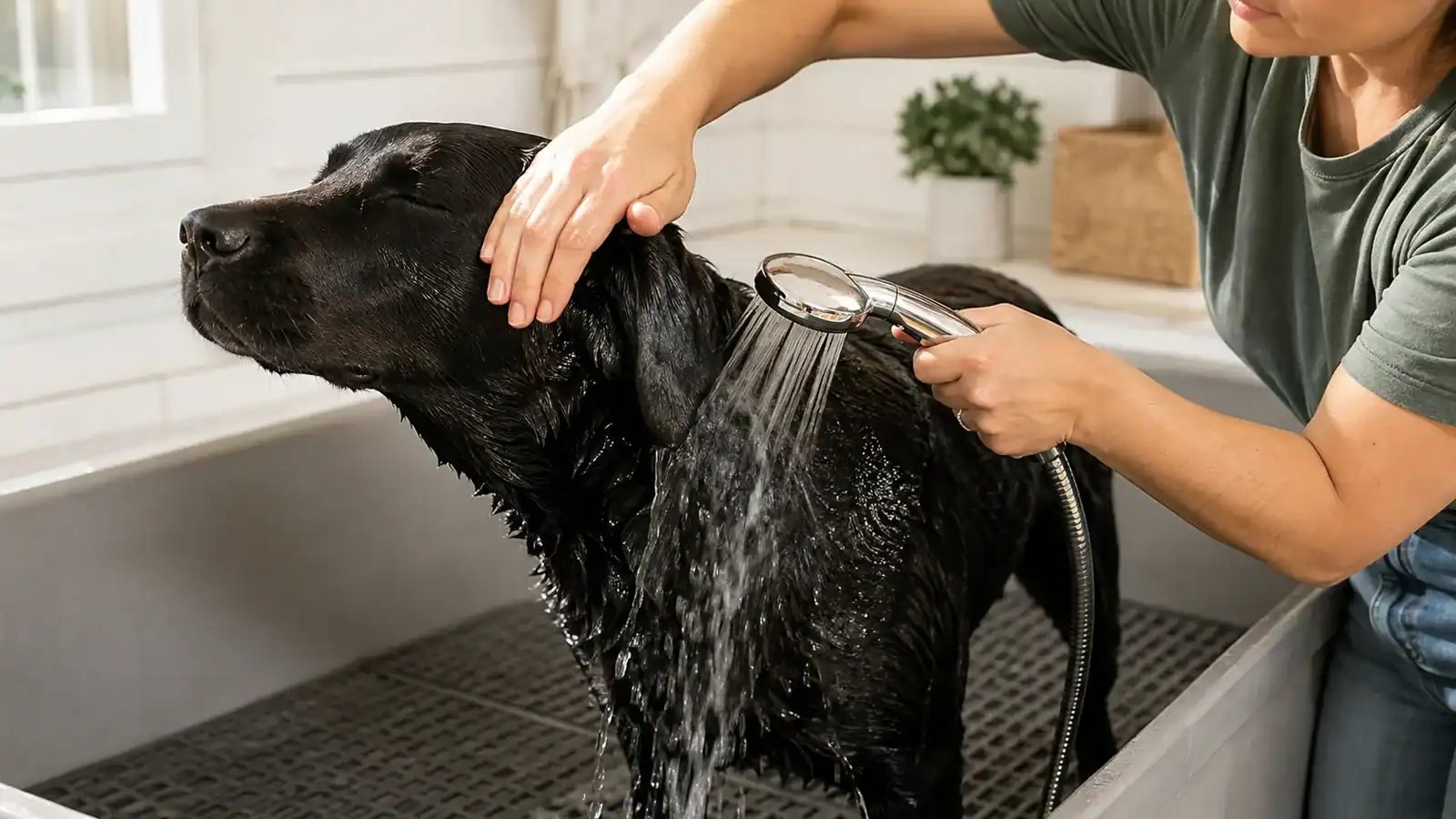
  • Can You Use Human Conditioner On Dogs? Find Out Here!

    Can You Use Human Conditioner On Dogs? Find Out Here!

    Medically Reviewed by: Dr. Candy Akers, DVM

    As a pet owner, you likely want your furry friend to look and feel their best. That’s why regular grooming is an essential part of pet care. You may have wondered “can you use human conditioner on dogs?”. The short answer is no.

    Grooming helps to keep your pet’s coat clean, healthy and free of tangles or mats. Additionally, it can help prevent skin problems and infections by removing dead skin cells and distributing the natural oils throughout the fur. Grooming is also important for maintaining good hygiene. Regular baths can help remove dirt, debris, and odors from your pet’s coat, preventing them from becoming smelly or uncomfortable.

    In addition to bathing, grooming may also include nail trimming, ear cleaning, teeth brushing and anal gland expression. Overall, proper grooming can contribute to a happier and healthier life for your furry friend.

    human conditioner on dogs

    Introducing Human Conditioner for Dogs

    Many of us use conditioner in our daily hair care routine to keep our locks soft and smooth. However, as a pet owner you may wonder if it’s safe to use human conditioner on your dog’s coat as well. While dogs have similar hair structures as humans do; they have different pH levels in their skin.

    Human shampoos and conditioners are designed with a pH level that works well for us but might not be ideal for dogs. If you use human conditioner on your dog’s coat regularly there could be negative side effects like dryness or sensitivity due to changes in the pH balance of their skin.

    That being said, there are some instances where using human conditioner on dogs might be okay if done properly with appropriate products under professional guidance; however this should not become a substitute for specialized dog products specifically formulated with safe ingredients that work best with dogs’ skins. Next up we will explore in detail some reasons why using human conditioners on dogs may not always be the safest choice along with possible side effects.

    Can You Use Human Conditioner on Dogs?

    You may have wondered if you can use your own conditioner on your furry friend to make their coat silky and smooth. Unfortunately, it’s not always a good idea. There are a few key differences between human hair and dog hair that make human conditioners unsuitable for dogs.

    Differences Between Human and Dog Hair

    First of all, dog hair is more prone to getting matted or tangled than human hair. This means that it needs to be brushed regularly to prevent mats from forming, especially in longhaired breeds.

    In addition, dog skin is much more sensitive than human skin. Using the wrong products can irritate their skin and cause discomfort.

    Dog hair is also much coarser and thicker than human hair. Dogs have two types of coat: undercoat and topcoat.

    The undercoat is soft, fluffy fur that keeps them warm in cold weather, while the topcoat is longer and stiffer. Some breeds only have an undercoat or a topcoat, while others have both.

    Why Using Human Conditioner on Dogs May Not Be Ideal

    Because of the differences between human and dog hair, using human conditioner on dogs may not be ideal. For one thing, most shampoos and conditioners designed for humans contain harsh chemicals that can strip the natural oils from your dog’s coat and leave it dry and brittle.

    In addition to stripping natural oils from your pet’s coat, using your own personal products could cause severe irritation or allergic reactions for some pooches! It’s crucial to remember that animals’ bodies process things differently than ours do.

    picture of dog being professionally bathed

    Potential Risks and Side Effects of Using Human Conditioners on Dogs

    Using conditioner meant for humans could lead to severe consequences such as extreme itchiness, flaky skin or even infections! If any type of swelling or skin irritation starts, make sure to contact your vet immediately. Another risk is that some human conditioners contain ingredients that are toxic to dogs.

    Certain essential oils, such as tea tree oil, can be harmful or even deadly if ingested. Human hair products are designed to work on our hair type and not meant to be consumed by pets.

    The Bottom Line: Use Dog-Specific Conditioner

    Instead of taking a risk with your furry friend’s well-being, it’s better to stick with a conditioner specially formulated for dogs. Dog-specific conditioners are made with ingredients that are safe and effective for their unique needs. They help keep their coat healthy and shiny without causing any harm.

    When choosing a dog conditioner, make sure you read the label carefully and choose one that matches your dog’s coat type and needs. For example, if you have a longhaired breed, look for a conditioner designed specifically for long coats that can help address the issue of mats.

    While using human conditioner may seem like an easy solution to keep your dog’s fur looking good, it could actually end up being more harm than good! When it comes down to grooming your beloved pet always opt for products specially formulated for them – after all you want them happy and healthy in the long run!

    dog being professionally bathed in a tub

    Alternatives to Human Conditioners for Dogs

    If you’ve decided that using human conditioner on your furry friend isn’t the best option, don’t worry! There are plenty of dog-specific conditioners on the market that are safe and effective.

    Here are some of our top picks:

    1. Earthbath Oatmeal and Aloe Dog Conditioner

    This conditioner is made with all-natural ingredients, including oatmeal and aloe vera which help soothe and moisturize your dog’s skin. It’s also pH-balanced for dogs, so it won’t cause any irritation or dryness.

    2. Burt’s Bees for Dogs Oatmeal Conditioner

    Burt’s Bees is a trusted brand among pet owners, and their oatmeal conditioner is no exception. It’s made with colloidal oat flour which helps soothe dry, itchy skin, and honey which adds extra moisture.

    3. Isle of Dogs Silky Coating Conditioner

    This conditioner is specifically designed for dogs with long coats who need extra detangling power. It contains jojoba oil which helps smooth out tangles and adds shine to your dog’s coat.

    4. Furminator deShedding Ultra Premium Dog Conditioner

    If your dog sheds a lot, this conditioner might be right up your alley! It’s designed to reduce shedding by removing loose undercoat hair without damaging the topcoat. It also contains omega-3 fatty acids which help promote healthy skin.

    The Benefits of Using Dog-Specific Conditioners

    There are several benefits to using conditioners that are specifically formulated for dogs:

    Better pH Balance:

    Dog skin has a different pH level than human skin, so using human conditioner can throw off your dog’s natural balance. Dog-specific conditioners are formulated to match your dog’s pH level, which helps prevent irritation and dryness.

    Safer Ingredients:

    Human conditioners often contain ingredients that can be harmful to dogs, such as sulfates and parabens. Dog-specific conditioners are made with safe ingredients that are gentle on your pup’s skin and coat.

    Improves Coat Health:

    Using a conditioner designed for dogs can help improve the overall health of their coat. These products often contain ingredients like omega-3 fatty acids and vitamins that promote healthy hair growth and reduce shedding.

    Easier Grooming:

    Dog-specific conditioners often have detangling properties that make brushing and grooming easier. This is especially helpful if you have a breed with long hair or if your dog is prone to matting.

    Long-Term Cost Savings:

    While dog-specific conditioners may seem more expensive than human ones at first glance, they actually provide long-term cost savings. Because they’re formulated specifically for dogs, you’ll use less product over time and won’t need to purchase additional grooming products like detanglers or anti-shedding sprays. While it may seem convenient to use human conditioner on your furry friend, it’s best to stick with products designed specifically for dogs.

    Not only will these conditioners help keep your pet’s skin and coat healthy, but they’ll also make grooming easier in the long run. So next time you’re shopping for grooming supplies, make sure to check out the dog-specific options!

    human conditioner on dogs

    How to choose the right conditioner for your dog

    Determine Your Dog’s Coat Type and Needs

    The first step in choosing the right conditioner for your dog is to determine its coat type. Just like humans, dogs have different hair types, and each requires specific care.

    Some breeds have long, thick coats that need more frequent brushing and conditioning than short-haired breeds. You should also consider any specific needs your dog may have.

    For example, if your dog has dry skin or allergies, you’ll want to look for a conditioner that’s gentle and moisturizing. If your pet spends a lot of time outdoors or is prone to getting dirty quickly, you may want to opt for a tougher conditioning formula.

    Tips for Selecting a Suitable Conditioner

    Once you’ve determined your dog’s coat type and needs, it’s time to select an appropriate moisturizer. Here are some tips to help you make the right choice:

    • Look for conditioners specially formulated for dogs: While it may be tempting to use human conditioners on pets because they’re readily available at home, most contain chemicals that aren’t safe for canines.
    • Choose natural ingredients: Avoid conditioners with harsh chemicals or synthetic fragrances that can irritate skin and cause discomfort.
    • Read reviews: A great way to learn about many products available in the market is by reading online reviews from other pet owners who have used them before.
    • Talk with your veterinarian: Your vet will typically know which products are safe and effective based on factors like breed, age, overall health status/issues of the pet.
    • Consider cost-effectiveness: While investing in good quality conditioners pays off in the long run because they nourish pets’ hair as well as skin making them strong and shiny; there are plenty of affordable options on the market so don’t shy away if you are on a tight budget.

    Ultimately, the key to choosing the right conditioner for your dog is to consider their unique needs and preferences. With a little bit of research and trial-and-error, you’ll find a product that works great for your furry friend, keeping their coat healthy and shiny.

    Conclusion

    While it may be tempting to simply use your own conditioner on your furry friend, it’s important to understand the differences between human and dog hair and the potential risks involved. Human hair is very different from dog hair, and using a product not specifically designed for a dog’s coat can cause irritation or even harm. That being said, there are many safe and effective conditioners specifically formulated for dogs.

    These products are designed with their unique coat types in mind and can provide great benefits when used properly. When choosing a conditioner for your pup, it’s important to consider their coat type and any specific needs they may have.

    Some dogs may require a moisturizing conditioner to combat dry skin, while others may need one that helps detangle their fur. It’s also important to choose products that are safe for animals.

    Look for conditioners that are made with natural ingredients and avoid those with harsh chemicals or fragrances that could irritate your pet’s skin. Remember, just because something is safe for humans doesn’t mean it’s safe for dogs!

    Take the time to research and choose products that are appropriate for your furry friend. At the end of the day, keeping our pets healthy and happy is our top priority.

    By using safe and effective products specifically formulated for dogs, we can ensure they get the care they need without putting them at risk. So next time you’re considering using human conditioner on your pup, think twice – there are plenty of better options out there!

    A note about your dog’s health

    This article provides general education and does not replace an examination, diagnosis, or individualized advice from your veterinarian. Contact a veterinary professional if you are concerned about your dog’s symptoms.

    Sheena Keliher Avatar

    ABOUT THE AUTHOR
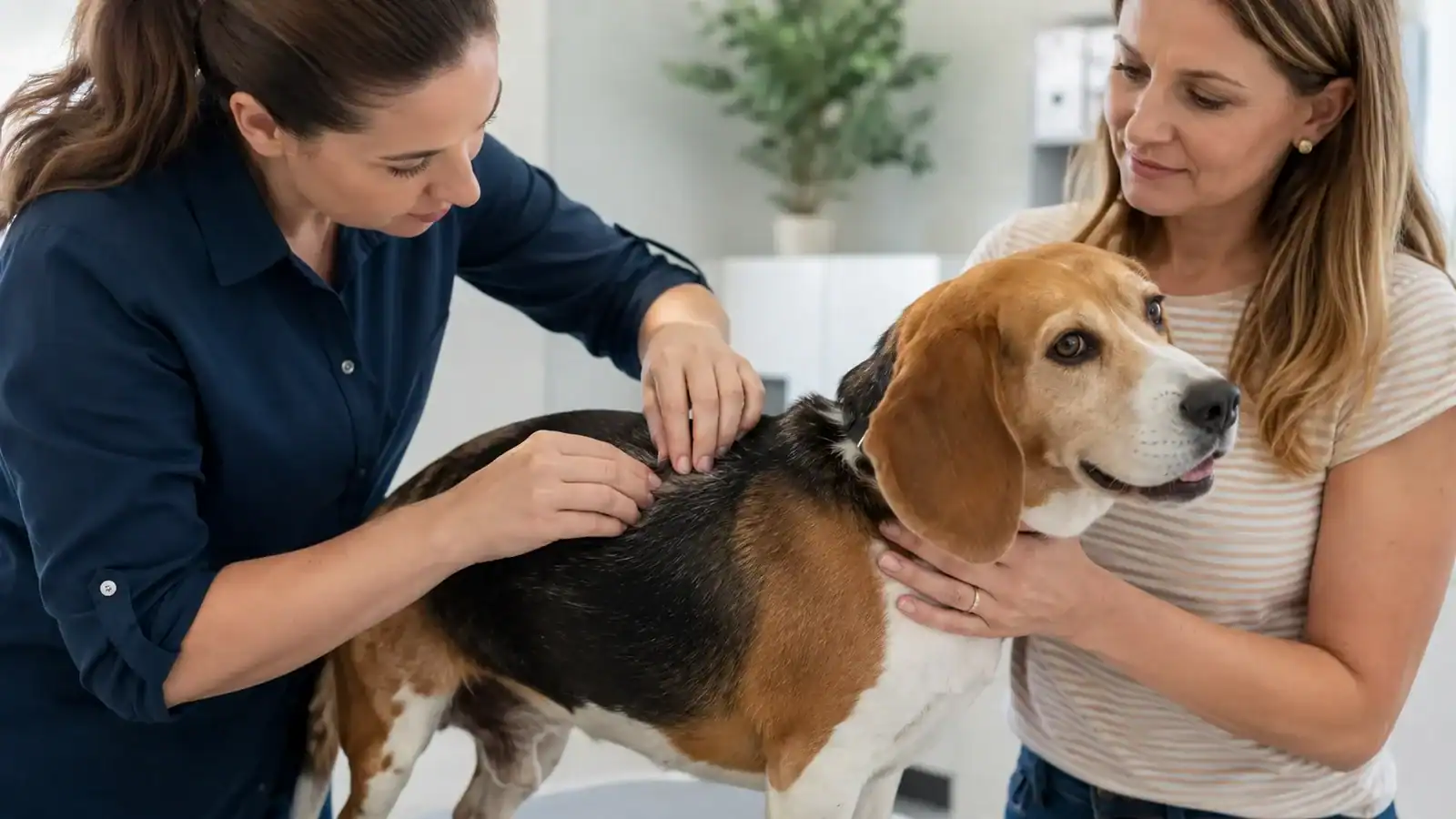
  • Dog Whitening Shampoo to Brighten Your Dog’s Coat – Top Vet Picks

    Dog Whitening Shampoo to Brighten Your Dog’s Coat – Top Vet Picks

    As a holistic veterinarian with over a decade of experience, I’ve always emphasized the importance of a comprehensive approach to pet care. This means not only focusing on treating ailments but also on preventive measures and overall well-being. One aspect that often gets overlooked, yet plays a significant role in a dog’s health and confidence, is the quality of their coat.

    A bright, clean coat is not just about aesthetics; it’s a reflection of a dog’s overall health and well-being. Over the years, I’ve encountered numerous pet parents who are concerned about the dullness or discoloration of their dog’s white or light-colored fur. While diet, health, and regular grooming play crucial roles, the right choice of shampoo can make a world of difference.

    In this article, we’ll delve into the realm of dog whitening shampoos. I’ll share my top picks based on years of research and firsthand experience, aiming to guide you towards making an informed decision for your furry friend. After all, our pets deserve the best, and it’s our responsibility to ensure they shine, both inside and out.

    best whitening shampoo

    Why Use a Dog Whitening Shampoo?

    Understanding the nuances of canine care is essential for every pet parent. One question I often encounter in my practice is, “Why should I use a whitening shampoo for my dog?” Let’s delve into the reasons:

    1. Targeted Cleaning for Specific Coats:
      • Not all dog coats are the same. Light-colored or white fur tends to show stains and discolorations more prominently than darker coats. Whitening shampoos are formulated to address these specific challenges, ensuring that your dog’s coat remains as pristine as possible.
    2. Safe Stain Removal:
      • Everyday activities, from playing in the yard to snuggling on the sofa, can lead to various stains on your dog’s coat. These can range from mud to food spills. Whitening shampoos are designed to tackle these stains without the use of harsh chemicals, ensuring your dog’s skin remains undisturbed.
    3. Enhanced Brightness and Shine:
      • Beyond just stain removal, whitening shampoos often contain ingredients that enhance the natural brightness and shine of your dog’s coat. This not only makes your pet look more vibrant but also feels softer to the touch.
    4. Maintaining Skin Health:
      • A good whitening shampoo doesn’t just focus on the fur. It also takes into account the skin underneath. By choosing a quality product, you’re ensuring that while the coat gets the brightness it deserves, the skin remains moisturized and free from irritations.
    5. Holistic Well-being:
      • As a holistic veterinarian, I believe in the interconnectedness of physical appearance and internal health. A bright, clean coat not only boosts your dog’s confidence but also indicates a well-maintained and healthy lifestyle.

    Using a dog whitening shampoo isn’t just about aesthetics. It’s about providing comprehensive care that addresses the unique needs of light-colored and white fur, ensuring your pet feels as good as they look.

    best whitening shampoo for dogs

    Factors to Consider When Choosing a Whitening Shampoo

    When it comes to selecting the ideal whitening shampoo for your dog, it’s essential to be both informed and discerning. Here are some key factors to keep in mind:

    1. Ingredients

    • Natural and Safe: Prioritize shampoos with natural ingredients, steering clear of harmful chemicals and artificial fragrances. Ingredients such as chamomile, lavender, and aloe vera not only clean effectively but also have soothing properties.
    • Active Whitening Agents: Seek out ingredients known for their brightening and whitening capabilities, like optical brighteners or natural blueing agents. These enhance the coat’s natural shine without causing harm.

    2. Skin Sensitivity

    • Dogs can have skin as sensitive as ours. It’s crucial to opt for hypoallergenic shampoos devoid of irritants. If your dog has had skin issues in the past, a consultation with your vet before choosing a shampoo is advisable.

    3. Brand Reputation

    • With the convenience of online shopping comes the advantage of reviews. Choose brands with a strong reputation in the pet care industry and positive feedback from fellow pet parents.

    4. pH Balanced

    • Dogs have a distinct skin pH compared to humans. It’s essential to pick a shampoo that’s pH balanced for dogs to ensure their skin remains irritation-free and retains its natural oils.

    5. Price vs. Quality

    • While budgeting is essential, so is ensuring you’re getting good value. Sometimes, investing a tad more in a quality product can prevent potential complications in the future.

    6. Eco-Friendly

    • As we grow more environmentally conscious, it’s worth considering shampoos that are biodegradable and packaged eco-friendly. This way, you’re caring for both your pet and the planet.

    7. Ease of Use

    • Factors like the shampoo’s consistency, its lathering capability, and ease of rinsing can significantly impact the bathing experience. These might seem minor, but they can make a world of difference for both you and your dog.

    By keeping these guidelines in mind, you’ll be better equipped to make an informed decision, ensuring your furry friend receives the best care possible.

    white dog getting bath

    How to Use Dog Whitening Shampoo for Best Results

    Achieving that pristine, gleaming coat for your dog involves more than just selecting the right shampoo. The application process plays a pivotal role. Here’s a step-by-step guide to ensure you get the most out of your dog whitening shampoo:

    1. Pre-Bath Preparation

    • Brush the Coat: Before bathing, brush your dog’s coat thoroughly to remove any tangles, mats, and loose fur. This ensures the shampoo penetrates evenly.
    • Wet the Fur: Using lukewarm water, wet your dog’s coat thoroughly. This helps in the even distribution of the shampoo.

    2. Applying the Shampoo

    • Amount: Pour a generous amount of shampoo into your palm. The exact amount will depend on your dog’s size and the thickness of their coat.
    • Massage: Gently massage the shampoo into your dog’s coat, working from the neck down to the tail. Ensure you cover all areas, paying special attention to stained or discolored patches.

    3. Let it Sit

    • Most whitening shampoos benefit from being left on the coat for a few minutes. This allows the active ingredients to work effectively. Always follow the instructions on the label for the recommended duration.

    4. Rinsing

    • Thoroughly Rinse: Using lukewarm water, rinse your dog thoroughly. Ensure all shampoo residues are washed out, as any remnants can cause skin irritations.

    5. Post-Bath Care

    • Towel Dry: Gently pat your dog dry with a soft towel. Avoid vigorous rubbing as it can tangle the fur.
    • Blow Drying: If you choose to blow dry, use a low heat setting and keep the dryer at a safe distance to prevent overheating.
    • Brush Again: Once your dog is dry, give them another thorough brushing to keep the coat smooth and shiny.

    By following these steps diligently, you’ll not only achieve a brighter and cleaner coat but also ensure your dog’s skin remains healthy and irritation-free. Remember, consistency is key, so make this routine a regular part of your dog’s grooming regimen for the best results.

    bathing white husky

    Common Myths and Misconceptions about Dog Whitening Shampoos

    In the realm of pet care, myths and misconceptions abound, and dog whitening shampoos are no exception. It’s essential to separate fact from fiction to make informed decisions for your furry friend. Let’s debunk some of the most common myths:

    1. Whitening Shampoos Contain Bleach

    • Truth: Quality dog whitening shampoos do not contain bleach or any harmful chemicals. Instead, they utilize natural ingredients and optical brighteners to enhance the coat’s whiteness without causing any damage.

    2. They’re Harsh on the Skin

    • Truth: While there might be some low-quality products on the market, reputable whitening shampoos are formulated to be gentle on a dog’s skin. Many contain soothing ingredients like aloe vera and chamomile to ensure the skin remains moisturized and irritation-free.

    3. Whitening Shampoos are Only for White Dogs

    • Truth: While they’re primarily designed for white or light-colored coats, whitening shampoos can benefit dogs of all colors. They help enhance the natural shine and brightness of the coat, making it look more vibrant.

    4. Frequent Use Can Damage the Coat

    • Truth: Quality whitening shampoos are designed for regular use. As long as you’re following the product’s instructions and ensuring thorough rinsing, there’s minimal risk of damaging the coat.

    5. Human Whitening Shampoos Can Be Used on Dogs

    • Truth: Dogs have a different skin pH compared to humans. Using human products, even if they’re whitening shampoos, can disrupt this balance and lead to skin irritations. Always opt for products specifically formulated for dogs.

    It’s always crucial to approach pet care with a discerning eye and an open mind. By debunking these myths, we hope to provide clarity and ensure that your dog receives the best care possible, leading to a bright, healthy coat they can proudly flaunt.

    white dog getting bath

    1) Top Performance Bright Magic Dog Shampoo Shampoo

    Top Performance Bright Magic Dog Shampoo Shampoo is a pet grooming product designed to enhance the appearance of a pet’s coat. It comes in a 17-ounce bottle and features a cherry scent that leaves pets smelling pleasant after baths. This formula is safe for young pets, suitable for puppies and kittens as young as 6 weeks old. It is known for brightening and highlighting the coat’s color, making it lustrous and vibrant.

    Pros:

    • Brightening Formula: The shampoo effectively brightens and highlights the coat of dogs and cats, giving them a more attractive appearance.
    • Safe for Young Pets: It can be used on puppies and kittens as young as 6 weeks old, making it suitable for a wide range of ages.
    • Pleasant Scent: The cherry scent of the shampoo leaves pets smelling great and fresh.

    Cons:

    • Price: The product may be relatively expensive, especially when considering the 17-ounce bottle’s cost, which may not last long with frequent use.
    • Scent Longevity: While the shampoo has a pleasant scent, some users have noted that it doesn’t last very long after the bath.

    The Top Performance Bright Magic Dog Shampoo Shampoo is a popular choice for pet owners looking to enhance their pets’ coat appearance and leave them smelling nice. It’s particularly well-suited for young pets. However, potential buyers should be aware of the product’s price and the fact that the scent may not linger on the pet for an extended period.

    Top Performance Bright Magic Dog Shampoo and Cat Shampoo

    2) Petpost | Dog Whitening Shampoo

    Petpost’s Dog Whitening Shampoo is a powerful whitening treatment specifically designed for dogs with white fur, such as Maltese, Shih Tzu, and Bichon Frise breeds. It offers a soothing watermelon scent and comes in a 16-ounce size. The formula is plant-based, featuring extracts from coconut and aloe, and it does not contain harsh chemicals or bleach. Petpost claims it can effectively whiten your dog’s coat and provide a fresh look. They also offer a “100% Happy Dog Guarantee,” promising a refund if you’re not satisfied.

    Pros:

    • Effective Whitening: The shampoo is designed to effectively whiten a dog’s coat, making it a suitable choice for owners of white-furred breeds.
    • Soothing Scent: The watermelon scent provides a pleasant grooming experience for both the dog and the owner.
    • Plant-Based Formula: The use of plant-based ingredients and the absence of harsh chemicals or bleach make it a safer and more environmentally friendly choice.

    Cons:

    • Not Suitable for All Stains: The product may not completely remove deeply ingrained stains, and some stains may require time to naturally grow out and be trimmed.
    • Scent Sensitivity: Some dogs may be sensitive to scents, so the watermelon scent might not be suitable for all pets.

    Petpost’s Dog Whitening Shampoo offers a potentially effective solution for pet owners looking to maintain or enhance the whiteness of their dog’s coat, particularly for specific breeds. However, it may not completely eliminate all types of stains, and some dogs may have sensitivities to scents, which should be considered before use.

    Petpost | Dog Whitening Shampoo

    3) PET CARE Sciences Dog Whitening Shampoo – Dog Shampoo for White Dogs

    PET CARE Sciences Dog Whitening Shampoo is designed for white dogs to brighten their coats and even darken black coats. It features a sulfate-free formula with a long-lasting Mountain Fresh fragrance. The shampoo is gentle, free from harmful ingredients like MEA, TEA, DEA, sulfate, phthalate, and paraben, making it suitable for sensitive skin. It is plant-based and removes excess oils without stripping essential oils from the coat. The product is proudly made in the USA and comes in various sizes, offering a solution for dog owners looking to enhance and maintain the whiteness of their pets’ fur.

    Pros:

    • Brightens and darkens coats: This shampoo effectively enhances the whiteness of white dog coats and can even darken black coats.
    • Gentle and safe: The sulfate-free, plant-based formula is gentle on dogs’ skin, making it suitable for dogs with sensitive skin.
    • Long-lasting fragrance: The Mountain Fresh fragrance leaves dogs smelling fresh and clean after each wash.

    Cons:

    • Price: Some customers may find the product a bit pricey compared to other dog shampoos on the market.
    • Limited to specific coat colors: This shampoo is primarily designed for white and black coats, which may not be suitable for dogs with different coat colors.

    PET CARE Sciences’ Dog Whitening Shampoo is a reliable choice for dog owners looking to maintain or enhance the whiteness of their pets’ coats. Its gentle and safe formula, coupled with a pleasant fragrance, offers a positive grooming experience for both dogs and their owners. However, potential buyers should consider the price and whether the product is suitable for their dog’s specific coat color before purchasing.

    PET CARE Sciences 16 fl oz Dog Whitening Shampoo - Dog Shampoo for White Dogs

    4) Lillian Ruff Ultra-Brightening Professional Whitening Shampoo for Dogs

    The Lillian Ruff Ultra-Brightening Professional Whitening Shampoo is a pet grooming product designed to brighten and whiten the coats of dogs and cats while also hydrating their skin. It contains natural essential oils and is pH-balanced, making it suitable for various pet types. This shampoo is known for removing stains, yellowing, and odors from pets’ fur, leaving it brighter and whiter. It also features a pleasant coconut scent that deodorizes and calms pets during bath time. Moreover, it is made in the USA and comes with a money-back guarantee.

    Pros:

    • Effective Whitening: The shampoo effectively removes stains and yellowing, restoring the natural brightness of your pet’s coat.
    • Hydrating Formula: It contains aloe and coconut oil, which hydrate and soothe your pet’s skin, making it suitable for sensitive skin types.
    • Deodorizing Scent: The coconut scent not only deodorizes but also provides a pleasant fragrance, leaving your pet smelling fresh.

    Cons:

    • Limited to White Coats: This shampoo is most effective on white or lighter-colored fur, and its brightening effects may not be as noticeable on dogs with darker coats.
    • Not Tearless: Unlike some pet shampoos, this product is not labeled as tearless, so extra care may be needed to avoid contact with your pet’s eyes.

    Lillian Ruff Ultra-Brightening Professional Whitening Shampoo is a quality grooming product that can enhance the appearance of your pet’s coat, especially for white or light-colored pets. Its hydrating and deodorizing properties make it a good choice for pet owners seeking to maintain their pet’s fur and skin health.

    5) Chris Christensen White on White Whitening Treatment Dog Shampoo

    The Chris Christensen White on White Whitening Treatment Dog Shampoo is designed to brighten and enhance the coat color of dogs, making it particularly suitable for white and light-colored breeds. It effectively removes yellow stains and imparts a lustrous sheen to darker coat colors as well. The shampoo is safe to use and does not contain harsh chemicals, bleaching agents, or softening agents. It is designed for all coat types and lasts up to 4 weeks without rubbing off on hands or clothing.

    Pros:

    • Versatile Use: Suitable for all coat colors, making it a versatile choice for dog owners with various breeds.
    • Color Correction: Acts as an optic intensifying treatment, effectively removing yellow stains and enhancing the vibrancy of darker coat colors.
    • Safe and Long-Lasting: Contains no harmful chemicals, and its effects can last for up to 4 weeks, providing a long-lasting solution for maintaining a dog’s coat appearance.

    Cons:

    • Scent: Some users may find the citrus scent of the shampoo less appealing or strong.
    • Stain Removal Effectiveness: While it generally works well, it may not completely remove tough stains in a single use and might require multiple applications.

    The Chris Christensen White on White Whitening Treatment Dog Shampoo offers a versatile and safe solution for dog owners looking to maintain the appearance of their pets’ coats. It effectively removes yellow stains and enhances coat colors, making it a valuable grooming tool for dog owners and professionals alike. However, users should be aware of the scent and the need for multiple applications for stubborn stains.

    Chris Christensen White on White Whitening Treatment Dog Shampoo

    Conclusion

    In the vast world of canine care, the choices we make for our furry companions are reflections of our love and commitment to their well-being. A dog’s coat, gleaming and vibrant, is more than just a visual delight; it’s a testament to their overall health and the care they receive.

    Whitening shampoos, when chosen and used correctly, can be a game-changer, transforming dull and stained coats into radiant mantles of pride. But as with all aspects of pet care, it’s essential to be informed, discerning, and always prioritize the health and happiness of our four-legged friends.

    As you embark on this journey to achieve that pristine coat for your dog, remember that it’s a blend of the right products, proper techniques, and consistent care. And in those moments when your dog gleams in the sunlight, know that it’s not just the shampoo working its magic, but the combined effort of love, care, and informed choices.

    Here’s to bright days and even brighter coats!

    Frequently Asked Questions

    Q: How often should I use a whitening shampoo on my dog?

    A: The frequency depends on your dog’s activity level, coat type, and specific needs. For most dogs, using a whitening shampoo once every 2-4 weeks is sufficient. However, always follow the product’s recommendations and consult with your vet if unsure.

    Q: Can I use a whitening shampoo on my puppy?

    A: While many whitening shampoos are gentle, it’s essential to ensure the product you choose is suitable for puppies. Always check the label for age recommendations and consider consulting with your vet for guidance.

    Q: My dog has sensitive skin. Are whitening shampoos safe for them?

    A: Many whitening shampoos are formulated to be hypoallergenic and suitable for dogs with sensitive skin. Look for products with natural, soothing ingredients like aloe vera and chamomile. However, always conduct a patch test before full application to ensure no adverse reactions.

    Q: Will whitening shampoos change the natural color of my dog’s coat?

    A: No, whitening shampoos are designed to enhance and brighten the coat’s natural color, not change it. They work by removing stains and discolorations, giving the coat a cleaner and more vibrant appearance.

    Q: Can I combine whitening shampoos with other grooming products, like conditioners or detanglers?

    A: Yes, you can use other grooming products in conjunction with whitening shampoos. After thoroughly rinsing out the shampoo, you can apply conditioners or detanglers as you normally would. Just ensure that all products are suitable for your dog’s coat and skin type.

    A note about your dog’s health

    This article provides general education and does not replace an examination, diagnosis, or individualized advice from your veterinarian. Contact a veterinary professional if you are concerned about your dog’s symptoms.

    Dr. Candy Akers, DVM Avatar

    ABOUT THE AUTHOR
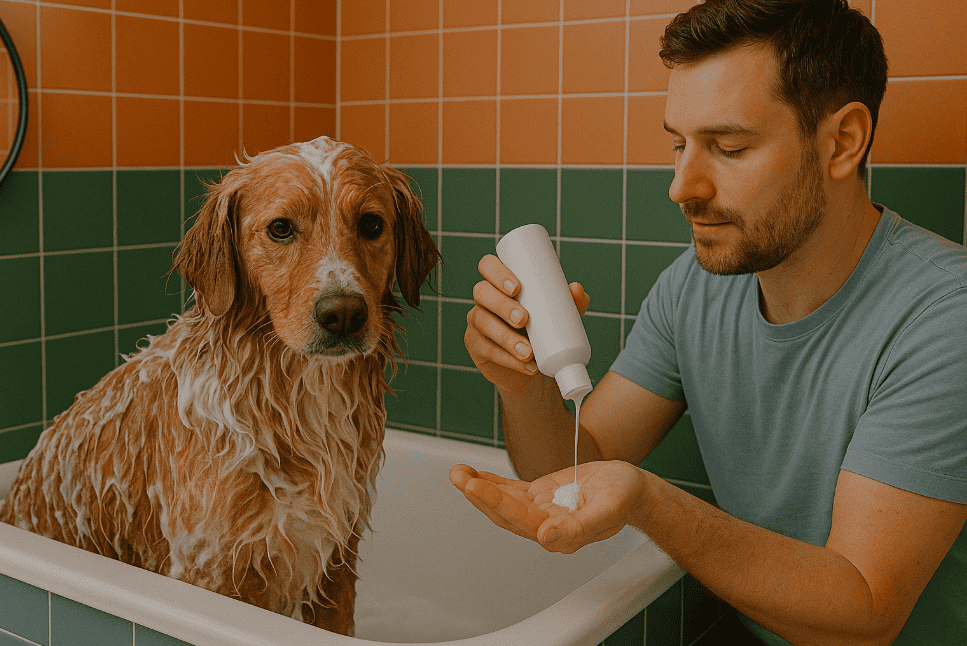
  • Top 10 Best Anti-dandruff Dog Shampoo for Your Dog

    Top 10 Best Anti-dandruff Dog Shampoo for Your Dog

    In the world of canine care, the health and appearance of a dog’s coat often serve as a reflection of their overall well-being. Just as humans grapple with hair and scalp issues, our four-legged companions aren’t immune to the pesky problem of dandruff. While those tiny white flakes might seem insignificant, they can be indicative of underlying health concerns or external factors affecting your beloved pet. As dog owners, we strive to provide the best for our furry friends, ensuring they not only look their best but feel their best too. This article delves deep into the realm of canine dandruff, exploring its causes and presenting a curated list of the top 10 anti-dandruff shampoos tailored for your dog’s unique needs.

    Whether you’re a seasoned dog parent or a new one, this guide aims to equip you with the knowledge to make informed choices for your pet’s skin and coat health. Let’s embark on this journey to a flake-free, lustrous coat for your canine companion!

    best dandruff shampoo dogs

    What is Dandruff in Dogs?

    In veterinary terms, we often refer to dandruff as “seborrhea.” It describes a condition where a dog’s coat excessively sheds dead skin cells. All animals, including humans, naturally and continuously shed these skin cells. However, we notice this shedding more when something accelerates the process or when the skin becomes especially dry.

    In dogs, dandruff manifests as tiny, white, flaky particles scattered throughout their fur. Depending on the severity and the dog’s coat color, it can be more or less visible. But beyond the aesthetics, dandruff can sometimes be a sign of discomfort or underlying health issues for the dog.

    There are two primary types of seborrhea in dogs:

    1. Seborrhea Sicca: This is the type most akin to what we think of as “classic” dandruff. It’s characterized by dry, flaky skin. Dogs with this condition often have coats that appear dull, and their skin may feel rough or dry to the touch.
    2. Seborrhea Oleosa: Unlike its dry counterpart, seborrhea oleosa is characterized by an excessive production of skin oils. Dogs with this condition may have a greasy coat accompanied by a strong odor. While they will still shed skin cells, these often stick to the fur due to the excess oil.

    It’s essential to understand that while dandruff can be a standalone issue, it often accompanies other skin conditions or can be a symptom of broader health concerns. Recognizing and addressing dandruff in its early stages can prevent potential complications and ensure your dog remains comfortable and itch-free.

    dandruff shampoo dogs

    Causes of Dandruff in Dogs

    Dandruff in dogs can arise from a myriad of factors, ranging from environmental conditions to underlying health issues. Understanding these causes is pivotal in addressing the problem effectively and ensuring your dog’s optimal skin health. Here are some of the primary reasons why your dog might be experiencing dandruff:

    1. Dry Skin: Just like humans, dogs can suffer from dry skin. Especially in colder months or in areas with low humidity. Dry skin can lead to increased shedding of dead skin cells, resulting in visible dandruff.
    2. Allergies: Dogs can be allergic to a variety of substances. This includes certain foods, pollen, dust mites, or even specific ingredients in their grooming products. These allergic reactions can cause skin irritations, leading to dandruff.
    3. Infections: Bacterial or fungal infections can cause skin flaking. Conditions like Malassezia, a type of yeast infection, can lead to dandruff and other skin issues in dogs.
    4. Poor Diet: A diet lacking essential fatty acids, particularly Omega-3 and Omega-6, can affect a dog’s skin health. These nutrients are vital for maintaining skin moisture and elasticity.
    5. Environmental Factors: Extreme weather conditions, such as cold winters or overly dry climates, can sap the moisture from a dog’s skin, leading to dandruff. Similarly, frequent baths with harsh shampoos can strip the skin of its natural oils.
    6. Underlying Health Issues: Certain diseases or conditions, such as hypothyroidism, Cushing’s disease, or autoimmune disorders, can manifest as skin problems, including dandruff.
    7. Parasitic Infestations: External parasites like mites or lice can cause skin irritations and flaking. Cheyletiella mites, often called “walking dandruff,” particularly cause dandruff-like symptoms.
    8. Hormonal Imbalances: Just as hormonal changes can affect human skin, they can also impact dogs. Conditions that alter a dog’s hormonal balance, such as pregnancy or certain diseases, can lead to skin changes and dandruff.

    Recognizing the root cause of your dog’s dandruff is the first step toward effective treatment and prevention.

    dog dandruff shampoo

    Factors to Consider for the Best Anti-dandruff Dog Shampoo

    Choosing the right anti-dandruff shampoo for your dog is crucial, not just for addressing the immediate issue of dandruff, but also for ensuring the long-term health and comfort of your pet’s skin and coat. Here are some key factors to consider when making your selection:

    Ingredients:

    • Natural and Soothing: Look for shampoos that contain natural ingredients known for their skin-soothing properties. These include oatmeal, aloe vera, chamomile, and tea tree oil.
    • Avoid Harsh Chemicals: Steer clear of shampoos with sulfates, parabens, artificial fragrances, and dyes. These can irritate the skin further.

    pH Balance:

    • Dogs have a different skin pH than humans, usually leaning towards alkaline. Make sure you choose a shampoo specifically formulated for dogs that maintains a pH balance gentle on their skin.
    • Moisturizing Properties:
    • Dandruff often arises from dry skin. Opt for shampoos that offer moisturizing benefits, with ingredients like shea butter, vitamin E, or jojoba oil.

    Medicated vs. Non-medicated:

    • For severe cases or if the dandruff is due to a specific skin condition, a medicated shampoo might be necessary. These shampoos often contain ingredients like coal tar, salicylic acid, or selenium sulfide. Always consult with a veterinarian before using medicated shampoos.

    Scent

    • While a pleasant scent is a bonus, it’s essential to ensure that the fragrance comes from natural sources. Essential oils like lavender or eucalyptus can offer a pleasant aroma without the potential irritation of artificial fragrances.

    Price and Brand Reputation:

    • While it’s tempting to go for the cheapest option, it’s vital to prioritize quality. Research brands, read reviews, and consider recommendations from trusted sources or professionals.

    Specific Needs:

    • Some dogs might have unique requirements due to their breed, age, or specific skin conditions. For instance, puppies might need a gentler formula, while breeds with thick undercoats might benefit from a more hydrating solution.

    Ease of Application:

    • Consider the shampoo’s consistency and how easy it is to apply and rinse. This can make the bathing experience more pleasant for both you and your dog.

    Eco-friendliness:

    • In today’s environmentally-conscious world, it’s worth considering shampoos that are biodegradable and come in eco-friendly packaging.

    By keeping these factors in mind, you can ensure that you’re choosing the best anti-dandruff shampoo tailored to your dog’s specific needs. This promotes not only a flake-free coat but also a happy and healthy pup.

    When it comes to the health and well-being of our furry companions, professional advice often carries the most weight. In this section, we’ll delve into the top anti-dandruff dog shampoos that come highly recommended by vets. Science backs these selections, and they have proven their worth in real-world scenarios, ensuring your dog gets the best care possible. Let’s explore these vet-approved solutions for a flake-free, radiant coat!

    1) Honest Paws Dog 5-in-1 Shampoo and Conditioner

    The Honest Paws Dog Shampoo and Conditioner is a 5-in-1 grooming product designed for dogs with allergies, dry, itchy, or sensitive skin. This plant-based and sulfate-free formula offers a one-step solution to cleanse, deodorize, condition, detangle, and hydrate your dog’s coat while soothing their skin. It contains natural ingredients such as aloe and oatmeal, providing several benefits in a single wash.

    Pros:

    • Multi-Benefit Grooming: This 5-in-1 shampoo and conditioner simplifies the grooming process by offering multiple benefits in one product. This saves time and effort for pet owners.
    • Natural and Non-Irritating: The formula is composed of natural ingredients, with 98.25% derived from natural sources like coconut and palm. It is gentle on your dog’s skin. This makes it suitable for dogs with sensitive skin and reducing the risk of irritation.
    • Hydrating and Softening: The product uses hydrating properties of soothing oats and aloe to replenish the skin’s moisture and leave the fur soft and shiny. It helps prevent matting and irritation, enhancing the overall comfort of your pet.

    Cons:

    • Limited Lather: Some users may find that this shampoo and conditioner produce less lather during cleaning. This might require using a larger quantity of the product to achieve effective results.
    • Quantity and Dryness: Users have reported that the quantity of the product may not be sufficient for extended use due to the need for more significant amounts for each bath. Additionally, some dogs’ fur might feel slightly dry after use.

    The Honest Paws Dog Shampoo and Conditioner offers a convenient 5-in-1 solution for pet owners seeking to care for their dogs’ skin and coat. It’s natural, non-irritating, and hydrating, making it a suitable choice for dogs with various skin sensitivities. However, some users may find the limited lather and potential for drier fur to be drawbacks.

    honest paws dandruff shampoo

    2) GNC Ultra Medicated Anti-Seborrheic Shampoo for Dogs

    GNC Ultra Medicated Anti-Seborrheic Shampoo is designed to provide relief for dogs with seborrhea, excess oil production, dandruff, and itchy skin. This specially formulated medicated dog shampoo uses salicylic acid to control oil production and sodium thiosulfate to promote healthy skin renewal. It’s pH-balanced for dogs, ensuring it protects their unique skin moisture balance. The shampoo may help reduce itchiness, oiliness, dandruff, and scaling flakes associated with seborrheic dermatitis.

    Pros:

    • Medicated Relief: This shampoo offers medicated relief for dogs with seborrhea and related skin issues. It targets the root causes of excess oil production and dandruff, providing relief from itching and discomfort.
    • Healthy Skin Renewal: The inclusion of sodium thiosulfate helps promote healthy skin renewal. This leaving your dog’s fur cleaner, silkier, and their skin healthier overall.
    • pH-Balanced for Dogs: The shampoo is pH-balanced to suit a dog’s unique skin needs. This ensures it doesn’t disrupt the delicate moisture balance of their skin and providing instant relief.

    Cons:

    • Frequency of Use: We recommend using this shampoo no more than once a week. This limitation might not suit dogs with severe skin issues needing more regular treatment.
    • Strong Fragrance: Some dogs might tolerate the fragrance well. It has a light scent that could overwhelm sensitive dogs or their owners.

    GNC Ultra Medicated Anti-Seborrheic Shampoo is a specialized solution for dogs with seborrhea and related skin problems. It offers medicated relief and promotes healthy skin renewal, although the recommended frequency of use and fragrance may not be suitable for all dogs and owners.

    GNC Ultra Medicated Anti-Seborrheic Shampoo

    3) Pet MD – Benzoyl Peroxide Medicated Shampoo for Dogs

    Pet MD Benzoyl Peroxide Medicated Shampoo is a powerful solution for addressing skin conditions in dogs and cats. It offers relief from itching, scaling, and pain caused by dermatitis, skin infections, and follicular plugging. The shampoo contains benzoyl peroxide, micronized sulfur, and salicylic acid, which work together to cleanse and degrease the skin effectively. It’s soap and paraben-free, making it gentle on your pet’s skin.

    Pros:

    • Effective Skin Relief: This shampoo is highly effective at providing relief from common skin issues in pets. This includes itching, scaling, and irritation. It addresses the root causes of these problems, promoting skin health.
    • Powerful Ingredients: The inclusion of benzoyl peroxide, micronized sulfur, and salicylic acid ensures thorough cleansing and degreasing. This enhances the shampoo’s keratolytic and keratoplastic activities, which are crucial for skin health.
    • Suitable for Dogs and Cats: This versatile shampoo is suitable for both dogs and cats. This makes it a convenient solution for pet owners with multiple furry companions.

    Cons:

    • Scent: While the shampoo is effective, some users may find the citrus scent less desirable. It may linger on your pet’s fur for a few days after bathing.
    • Price: The shampoo’s cost may be considered relatively high by some pet owners, particularly if it needs to be used regularly or for extended periods.

    Pet MD Benzoyl Peroxide Medicated Shampoo is a valuable tool for pet owners dealing with skin conditions in their dogs and cats. It effectively addresses skin problems, thanks to its powerful ingredients, but some may find the scent and price less appealing.

    Pet MD - Benzoyl Peroxide Medicated Shampoo for Dogs

    4) Veterinary Formula Clinical Care Antiparasitic & Antiseborrheic Medicated Dog Shampoo

    The Veterinary Formula Clinical Care Antiparasitic & Antiseborrheic Medicated Dog Shampoo is designed to address common skin issues in dogs such as dryness, flakiness, and excessive oiliness. It provides fast-acting relief by shedding dry skin and hydrating the pet’s skin. Veterinarians recommend this shampoo for its gentle, paraben-free formula, specifically designed for dogs with a balanced pH level. It contains powerful ingredients like salicylic acid, coal tar, micronized sulfur, colloidal oatmeal, and allantoin to treat various skin conditions, including seborrhea, mange, and bacterial infections. However, it’s important to note that it should not be used on cats due to its coal tar content.

    Pros:

    • Effective Skin Relief: This shampoo offers relief from common dog skin issues, including dryness, greasiness, and rashes, promoting healthy skin and coat.
    • Fast-Acting Formula: It provides quick results with a treatment regimen of 2-3 applications per week, effectively treating and hydrating the pet’s skin.
    • Veterinarian Recommended: Veterinarians recommend this gentle and paraben-free shampoo, ensuring its safety and efficacy for dogs.

    Cons:

    • Not Suitable for Cats: The product is not recommended for use on cats due to its coal tar content, limiting its applicability for multi-pet households.
    • Scent May Not Be for Everyone: While not explicitly mentioned on the page, the coconut scent of the shampoo may not be suitable for dogs sensitive to scents or for pet owners with personal scent preferences.

    This shampoo is a veterinarian-recommended solution for addressing common canine skin issues. Its fast-acting formula, gentle ingredients, and balanced pH level make it an effective choice for promoting healthy skin and coat in dogs. However, it’s essential to consider its limitations, such as not being suitable for use on cats and the presence of a coconut scent that may not appeal to all pet owners and their dogs.

     Veterinary Formula Clinical Care Antiparasitic & Antiseborrheic Medicated Dog Shampoo

    5) Douxo S3 SEB Shampoo – Relief for Seborrhea in Dogs

    DOUXO S3 SEB Shampoo is designed for both dogs with oily to flaky skin issues. It is formulated to address problems such as dandruff and unpleasant odors by normalizing sebum production, while also providing hydration to the skin. Additionally, it detangles fur and leaves the coat soft and shiny. Clinical studies have demonstrated its effectiveness in reducing dandruff, excess sebum, and odors in dogs.

    Pros:

    • Soothing for Sensitive Skin: It is suitable for pets with sensitive skin, making it a gentle option.
    • Improves Softness: Users have reported that it leaves the pet’s fur feeling soft and smooth.
    • Clinically Proven: The product’s effectiveness has been backed by clinical trials, instilling confidence in its performance.

    Cons:

    • Cost: Some users may find it relatively expensive compared to other pet shampoos on the market.
    • Application Time: It requires leaving the shampoo on for 10 minutes, which may be challenging for pets that are not fond of baths.

    The DOUXO S3 SEB Shampoo is a clinically proven solution for addressing seborrhea in pets with oily to flaky skin. It offers soothing benefits for sensitive skin and improves the softness of the fur. However, potential drawbacks include the cost and the need for a 10-minute application time during bath sessions.

    Douxo S3 SEB Shampoo

    6) SensoVet Dandruff Shampoo for Dogs

    SensoVet Dandruff Shampoo for Cats & Dogs is a medicated shampoo designed to address various dermatological issues in pets, including dandruff, itching, acne, and more. It contains benzoyl peroxide and vitamin E and is formulated to relieve skin problems, nourish the coat, and eliminate odors with a pleasant passion fruit scent. It is developed by veterinarians and made in the USA, ensuring safety for pets of all sizes.

    Pros:

    • Effective Treatment: SensoVet Dandruff Shampoo is effective in treating common dermatological issues in pets, providing relief from dandruff, itching, and other skin conditions.
    • Deep Cleaning: The shampoo’s benzoyl peroxide action not only treats dandruff but also helps degrease oily coats and maintain overall skin health.
    • Veterinarian Developed: It is created by pet experts and follows strict regulatory guidelines, assuring its safety and quality.

    Cons:

    • Lingering Scent: Some users have reported that the passion fruit scent may linger on their pets’ fur for an extended period, which might not be preferable for everyone.
    • Fabric Bleaching: The shampoo may bleach fabric, so extra care should be taken when using towels or other materials during or after the bath.

    SensoVet Dandruff Shampoo is a veterinarian-developed product designed to effectively treat a range of skin issues in cats and dogs. It offers deep cleaning and odor elimination, but users should be cautious of the lingering scent and potential fabric bleaching when using this product. Overall, it provides a reliable solution for pet owners seeking to improve their pets’ skin health and coat condition.

    7) Vet’s Best Medicated Oatmeal Shampoo for Dogs | Soothes Dog Dry Skin 

    Vet’s Best Medicated Oatmeal Shampoo for Dogs is designed to soothe dry skin, cleanse, moisturize, and condition both the skin and coat of dogs. It contains natural ingredients such as colloidal oatmeal, tea tree oil, and vitamin B5, along with salicylic acid, to eliminate dandruff and flaking while tightening pores. This shampoo can be used alongside other treatments and won’t interfere with flea and tick control products.

    Pros:

    • Effective Relief: The shampoo effectively addresses dry and itchy skin issues, making it suitable for dogs with allergies or skin sensitivities.
    • Natural Ingredients: It contains natural and beneficial ingredients like oatmeal and tea tree oil, which are known for their skin-soothing properties.
    • Complementary Products: This shampoo is part of a complete skin care system, which includes a conditioner and supplements, providing a holistic approach to pet skin health.

    Cons:

    • Scent: Some users may find the scent of the shampoo strong or unappealing.
    • Packaging Issues: There have been instances of packaging problems, with the product leaking during delivery, potentially causing a mess.

    Vet’s Best Medicated Oatmeal Shampoo for Dogs is a popular choice for dog owners looking to alleviate dry and itchy skin in their pets. It offers effective relief with its natural ingredients but may have a strong scent and occasional packaging concerns. Overall, it’s a valuable addition to a pet’s skincare routine.

    Vet's Best Medicated Oatmeal Shampoo for Dogs

    8) ResQ Organics Hypoallergenic Dog Shampoo

    ResQ Organics Hypoallergenic Dog Shampoo is a natural and hypoallergenic solution designed to clean and soothe dry, flaky skin in dogs. It helps reduce dandruff, shedding, itching, and scratching, leaving the coat soft and moisturized. The product contains organic ingredients such as aloe vera, manuka honey, and lemongrass oil, making it gentle and safe for all dogs, with no harsh chemicals or detergents. Moreover, it’s a small business brand that donates a portion of sales to pet rescues, offering a feel-good factor for consumers.

    Pros:

    • Natural Ingredients: The shampoo includes organic components like aloe vera and manuka honey, which are known for their soothing and moisturizing properties.
    • Suitable for All Dogs: It’s formulated to be safe and effective for all dogs, making it versatile for various breeds and skin types.
    • Charitable Contribution: Purchasing this product supports pet rescues, allowing consumers to contribute to a good cause while caring for their pets.

    Cons:

    • Price: It might be considered relatively expensive compared to some other dog shampoos on the market.
    • Scent: While most customers appreciate the product’s scent, individual preferences for fragrance may vary, so some dogs or owners might not find it to their liking.

    ResQ Organics’ Hypoallergenic Dog Shampoo is a natural and gentle solution for dogs with skin issues. Its organic ingredients and charitable aspect make it an attractive choice for pet owners who want to provide their dogs with a high-quality product while supporting pet rescues. However, the price and scent are factors that some consumers may want to consider before purchasing.

    ResQ Organics' Hypoallergenic Dog Shampoo

    9) Vetnique Labs Dermabliss Dog Allergy and Itch Relief

    Vetnique Labs Dermabliss Dog Allergy and Itch Relief is a medicated shampoo designed for dogs. It is formulated to gently cleanse and moisturize irritated skin without removing healthy skin oils. The shampoo contains Pramoxine Hydrochloride to numb the skin temporarily, providing relief from itching and scratching. It also includes soothing ingredients like Safflower Seed Oil and Oat Extract to alleviate skin irritations, making it suitable for pets of all ages. This product is created by veterinarians and is made in the USA.

    Pros:

    • Veterinary Strength: Dermabliss Anti-Itch Shampoo offers a high level of Pramoxine Hydrochloride, providing effective relief from itching and discomfort.
    • Skin Soothing: The inclusion of Oat Extract helps soothe various skin irritations, making it beneficial for pets with dermatitis.
    • Moisturizing Formula: The shampoo is safe for regular use and helps maintain healthy skin by not stripping away natural oils.

    Cons:

    • Residue: Some users reported that the product can leave a residue on the skin or fur, which may not be pleasant.
    • Price: It may be considered somewhat pricey compared to standard dog shampoos.

    Vetnique Labs Dermabliss Dog Allergy and Itch Relief is a veterinary-formulated shampoo with potent anti-itch properties and skin-soothing benefits. While it may leave a residue for some users and is relatively expensive, it offers a valuable solution for dogs suffering from skin allergies and itching.

    dandruff shampoo for dogs

    10) Burt’s Bees for Dogs Natural Itch Soothing Shampoo and Spray

    Burt’s Bees for Pets Oatmeal Dog Shampoo is a gentle and natural pet grooming shampoo suitable for all dogs and puppies. It is made in the USA and formulated with high-quality ingredients like colloidal oatmeal, honey, and beeswax, designed to cleanse, soothe, soften, and condition a dog’s dry skin and coat. This shampoo is pH-balanced, free of fragrances, sulfates, colorants, and harsh chemicals, making it suitable for sensitive skin. It is available for purchase at a price of $7.48 for a 16 oz bottle.

    Pros:

    • Made with Natural Ingredients: The shampoo uses natural ingredients like colloidal oatmeal and honey, which are known for their skin-soothing and moisturizing properties, making it a gentle choice for pets with sensitive skin.
    • Suitable for All Dogs: It is pH-balanced for all dogs and puppies, ensuring it can be used on pets of various breeds and ages.
    • Free of Harmful Chemicals: The formula is free from fragrances, sulfates, colorants, and harsh chemicals, making it a safe option for pet owners concerned about their dog’s well-being.

    Cons:

    • Limited Scent: Some users may prefer shampoos with stronger scents for their pets, but this product is fragrance-free.
    • Light Lathering: The shampoo may not produce a rich lather compared to some commercial shampoos, which might be a preference for those who like foamy products.

    Burt’s Bees for Pets Oatmeal Dog Shampoo is a natural and gentle option for pet owners looking to cleanse and nourish their dog’s skin and coat. It offers the benefits of natural ingredients without harsh chemicals and is suitable for a wide range of dogs. While it lacks a strong scent and may not lather as much as some other shampoos, its focus on gentle care makes it a popular choice among pet owners who prioritize their dog’s skin health.

    How to Ensure Healthy Skin and Coat

    Dandruff can be a nuisance, but with the right care and preventive measures, you can ensure your dog’s skin remains healthy and flake-free. Here are some additional tips to help you in this endeavor:

    1. Regular Grooming

    Regular brushing not only helps in removing loose fur and dander but also stimulates the skin, promoting the distribution of natural oils. For dogs with longer or thicker coats, consider brushing them several times a week.

    2. Balanced Diet

    Ensure your dog’s diet is rich in essential fatty acids, particularly Omega-3 and Omega-6. These nutrients play a vital role in maintaining skin health. Consider adding fish oil supplements or foods rich in these fatty acids to their diet.

    3. Hydration

    Just like humans, dogs need to stay hydrated for optimal skin health. Ensure your dog always has access to fresh water. Dehydration can lead to dry skin, which can exacerbate dandruff.

    4. Avoid Over-Bathing

    While it’s essential to keep your dog clean, over-bathing can strip the skin of its natural oils, leading to dryness. Use mild shampoos and bathe your dog only when necessary.

    5. Humidify Your Home

    If you live in a dry climate or use heaters during the winter, consider using a humidifier in your home. This can help maintain moisture in the air, benefiting both you and your dog.

    6. Regular Vet Check-ups

    Routine veterinary check-ups can help identify any underlying health issues that might be causing skin problems. Early detection and treatment can prevent more severe issues down the line.

    7. Use Natural Topical Treatments

    Consider using natural remedies like coconut oil or aloe vera gel to moisturize your dog’s skin. These can be applied directly to the skin and can help alleviate dryness.

    8. Limit Exposure to Allergens

    If you suspect your dog has allergies, try to identify and limit their exposure to the allergen. This might include changing their diet, using hypoallergenic bedding, or using air purifiers to reduce airborne allergens.

    By incorporating these tips into your dog’s care routine, you can significantly reduce the chances of dandruff and ensure a happy, healthy, and itch-free life for your furry friend.

    dog shampoo for dandruff

    Conclusion

    The journey to understanding and addressing dandruff in dogs is one filled with care, concern, and the desire to provide the best for our four-legged family members. From recognizing the causes of dandruff to selecting the most suitable anti-dandruff shampoo, every step is crucial in ensuring the comfort and health of our pets. Remember, while the right products play a significant role, regular check-ups with a veterinarian and a holistic approach to your dog’s well-being are paramount. After all, a healthy coat is a reflection of a healthy dog. Armed with the knowledge from this guide, you’re now better equipped to tackle dandruff head-on and ensure that your canine companion remains happy, comfortable, and flake-free. Here’s to many more days of joy, play, and lustrous coats with your furry friend!

    Frequently Asked Questions (FAQs)

    1. How often should I use anti-dandruff shampoo on my dog?

    While the frequency can vary based on the severity of the dandruff and the specific product recommendations, most dogs benefit from a bi-weekly or monthly bath with anti-dandruff shampoo. Always follow the product’s instructions and consult with your veterinarian for personalized advice.

    2. Can I use human anti-dandruff shampoo on my dog?

    No, it’s not advisable to use human shampoos on dogs. Dogs have a different skin pH than humans, and human shampoos can disrupt this balance, potentially leading to more skin issues. Always opt for products specifically formulated for dogs.

    3. How long will it take to see results after using an anti-dandruff dog shampoo?

    Results can vary based on the underlying cause of the dandruff and the specific product used. However, many dog owners notice a reduction in dandruff and improved coat health after 2-3 washes with a vet-recommended anti-dandruff shampoo.

    4. Are there any side effects to using anti-dandruff shampoos on dogs?

    Most anti-dandruff shampoos designed for dogs are safe when used as directed. However, some dogs might have allergic reactions to specific ingredients. Always monitor your dog after the first few uses for any signs of irritation, redness, or discomfort, and consult with a veterinarian if you notice any adverse reactions.

    5. Besides using anti-dandruff shampoo, what else can I do to prevent dandruff in my dog?

    Regular grooming, ensuring a balanced diet rich in essential fatty acids, keeping your dog hydrated, and maintaining a consistent bathing routine can all help prevent dandruff. Additionally, regular vet check-ups can help identify and address any underlying health issues that might be causing skin problems.

    A note about your dog’s health

    This article provides general education and does not replace an examination, diagnosis, or individualized advice from your veterinarian. Contact a veterinary professional if you are concerned about your dog’s symptoms.

    Dr. Candy Akers, DVM Avatar

    ABOUT THE AUTHOR
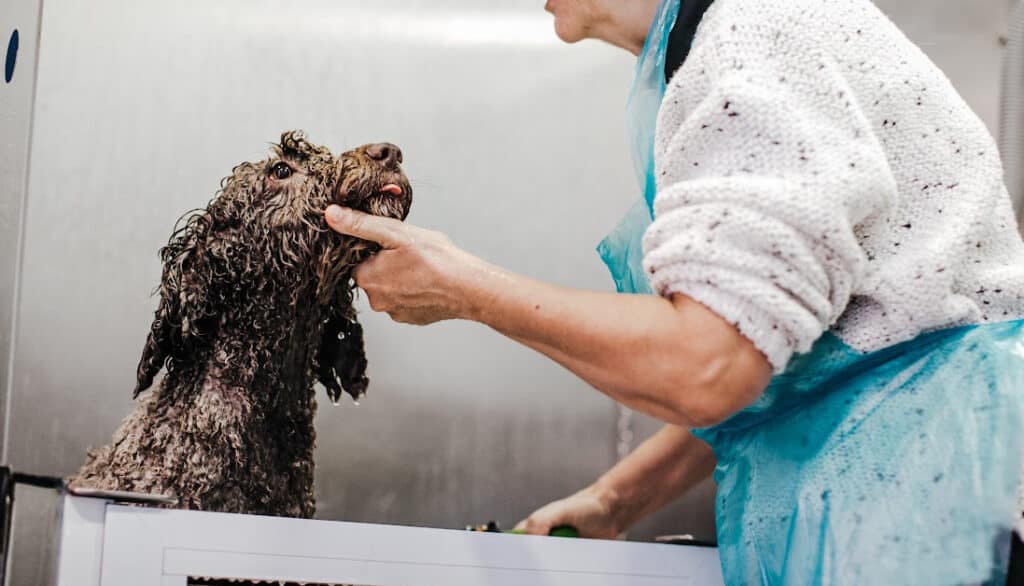
  • Best Dog Shampoo For Dry Skin – Holistic Vet Recommendations

    Best Dog Shampoo For Dry Skin – Holistic Vet Recommendations

    Over the years, I’ve come to understand the profound connection between the health of our pets and the products we use on them. One of the most common concerns I encounter in my practice is dogs with dry, itchy skin. It’s heartbreaking to see our furry friends in discomfort, and while there are numerous products on the market that claim to offer relief, not all are created equal.

    Choosing the right shampoo for your dog is not just about cleanliness; it’s about their overall skin health. Many commercial shampoos contain harsh chemicals that can exacerbate dry skin conditions, leading to more discomfort and potential health issues. As a holistic practitioner, I emphasize the importance of natural, nourishing ingredients that not only cleanse but also heal and soothe.

    In this blog, I’ll be sharing my insights on the best dog shampoos for dry skin, focusing on holistic and natural solutions. I hope to provide you with the knowledge to make informed decisions for the well-being of your beloved canine companion. Let’s embark on this journey to healthier skin and happier tails together.

    shampoo for dry skin in dogs

    Understanding Dry Skin in Dogs

    Dry skin in dogs is not just a cosmetic concern; it can be a sign of underlying health issues and can lead to significant discomfort for our four-legged friends. As a holistic veterinarian, I approach dry skin not just as an isolated issue but as a symptom of a larger imbalance in the dog’s overall health. Let’s delve deeper into understanding this condition.

    Causes of Dry Skin in Dogs:

    1. Environmental Factors: Just as humans can experience dry skin in cold, dry climates, dogs can too. Low humidity, especially during winter months, can lead to dehydrated skin. Similarly, overexposure to sun can also cause dryness.
    2. Poor Diet: Nutrition plays a pivotal role in skin health. A diet lacking essential fatty acids, especially Omega-3 and Omega-6, can result in dry and flaky skin.
    3. Allergies: Dogs can be allergic to a range of substances, from certain foods to environmental allergens like pollen or dust mites. These allergies can manifest as dry, itchy skin.
    4. Underlying Medical Conditions: Conditions such as hypothyroidism, Cushing’s disease, or certain autoimmune disorders can lead to skin dryness.
    5. Frequent Bathing: Bathing your dog too often or using harsh shampoos can strip the skin of its natural oils, leading to dryness.

    Symptoms to Look Out For:

    • Flaky or dandruff-like scales on the skin.
    • Persistent scratching or biting at certain areas.
    • Redness or inflammation.
    • Bald patches or hair loss.
    • Cracked or rough skin patches.
    • Unpleasant odor from the skin.

    The Role of Diet and Environment in Skin Health

    A holistic approach to treating dry skin in dogs goes beyond just topical treatments. It’s essential to consider the dog’s overall environment and diet. Ensuring your dog has a balanced diet rich in essential fatty acids can significantly improve skin health. Additionally, consider factors like indoor heating, which can reduce humidity and contribute to dry skin. Using a humidifier or ensuring your dog has access to shaded outdoor areas during hot weather can also help.

    dry skin in dogs

    The Holistic Approach to Treating Dry Skin

    In the realm of veterinary medicine, a holistic approach is not merely about treating symptoms but understanding and addressing the root causes. When we talk about dry skin in dogs, it’s essential to recognize that the skin, as the body’s largest organ, reflects the overall health of the animal. As a holistic veterinarian, I believe in harnessing the power of nature and the body’s innate healing abilities to address dry skin concerns. Let’s explore this holistic perspective further.

    1. Whole-Body Wellness:

    • Dietary Balance: Nutrition is the foundation of health. A diet rich in essential fatty acids, antioxidants, and vital nutrients ensures that the skin remains hydrated and resilient. Consider incorporating foods like fish and flaxseeds which are high in Omega-3s, into your dog’s diet.
    • Gut Health: A healthy gut contributes to healthy skin. Probiotics, either from natural sources like fermented foods or supplements, can help maintain a balanced gut flora, which in turn supports skin health.

    2. Natural Remedies:

    • Herbal Infusions: Herbs like chamomile, calendula, and aloe vera have soothing properties. Consider using shampoos infused with these herbs or applying herbal rinses post-bath.
    • Oils and Topical Treatments: Natural oils, such as coconut oil, can be applied directly to the dog’s skin to provide moisture and relief. These oils not only hydrate but also possess antimicrobial properties.

    3. Minimizing Environmental Stressors:

    • Chemical-Free Living: Reduce your dog’s exposure to harsh chemicals, whether in cleaning products, garden pesticides, or even certain dog shampoos. Opt for natural, organic alternatives whenever possible.
    • Mindful Bathing: While it’s essential to keep our dogs clean, over-bathing can strip the skin of its natural oils. Use gentle, natural shampoos and ensure you rinse thoroughly.

    4. Emotional and Mental Well-being:

    • Stress Reduction: Just like humans, dogs can experience stress, which can manifest as skin issues. Ensure your dog has a comfortable living environment, regular exercise, and plenty of affection.
    • Holistic Therapies: Consider therapies like acupuncture or massage, which can improve blood circulation and promote skin health.

    5. Regular Check-ups:

    • Holistic Veterinary Consultation: Regular check-ups with a holistic vet can help identify potential imbalances before they become significant issues. A holistic vet will consider all aspects of your dog’s life, from diet to emotional well-being, to provide comprehensive care.

    The holistic approach to treating dry skin in dogs is multifaceted, emphasizing prevention, natural remedies, and overall well-being. By understanding and addressing the root causes, we can ensure our furry friends not only have healthy skin but also lead happier, more vibrant lives.

    Ingredients to Look For in Dog Shampoo

    Choosing the right shampoo for your dog is crucial, especially if they suffer from dry skin. The ingredients in the shampoo can make a significant difference in alleviating symptoms and promoting healthy skin. As a holistic veterinarian, I always emphasize the importance of natural and beneficial ingredients. Here’s a guide to some of the best ingredients to look for in dog shampoos:

    1. Natural Oils:

    • Coconut Oil: Renowned for its moisturizing properties, coconut oil can deeply hydrate the skin and provide a protective barrier. It also has antimicrobial properties, making it excellent for dogs prone to skin infections.
    • Olive Oil: Rich in antioxidants and vitamins, olive oil can soothe and nourish the skin, promoting healing and reducing inflammation.

    2. Herbal Extracts:

    • Aloe Vera: A well-known soothing agent, aloe vera can provide immediate relief to irritated skin. It also hydrates and promotes skin healing.
    • Chamomile: With its anti-inflammatory properties, chamomile can calm redness and irritation, making it perfect for dogs with sensitive skin.
    • Calendula: Often used in natural remedies, calendula can accelerate skin healing and reduce inflammation.

    3. Essential Oils:

    • Lavender: Not only does it have a calming scent, but lavender oil also possesses antiseptic and anti-inflammatory properties, making it beneficial for skin health.
    • Tea Tree: With its potent antimicrobial properties, tea tree oil can help combat skin infections. However, it’s essential to use it in diluted form and ensure it’s dog-safe, as concentrated tea tree oil can be toxic to dogs.
    • Rosemary: This essential oil can stimulate blood circulation, promoting skin health and hair growth.

    4. Oatmeal:

    • Colloidal Oatmeal: A common ingredient in many dog shampoos, colloidal oatmeal can soothe and moisturize the skin, providing relief from itching and dryness.

    5. Natural Moisturizers:

    • Glycerin: A natural humectant, glycerin can draw moisture to the skin, ensuring it remains hydrated.
    • Vitamin E: An antioxidant, vitamin E can promote skin healing and provide moisture.

    When selecting a shampoo for your dog, always read the ingredient list carefully. Opt for products that prioritize natural and organic ingredients and avoid those laden with chemicals and artificial additives. Remember, the skin is a reflection of overall health, and by choosing the right products, you’re taking a step towards ensuring your dog’s well-being.

    poodle getting bath. dry skin in dogs

    Ingredients To Avoid In Dog Shampoo

    While there are numerous beneficial ingredients to look for in dog shampoos, there are also several that can be harmful or exacerbate skin issues, especially in dogs with sensitive or dry skin. As a holistic veterinarian, I’ve seen firsthand the adverse effects of certain ingredients on our furry friends. Here’s a list of ingredients you should be wary of when selecting a shampoo for your dog:

    1. Harsh Chemicals and Sulfates:

    • Sodium Lauryl Sulfate (SLS) & Sodium Laureth Sulfate (SLES): These are common foaming agents found in many shampoos. While they create a rich lather, they can strip the skin of its natural oils, leading to dryness and irritation.

    2. Artificial Fragrances and Dyes:

    • Synthetic fragrances can cause allergic reactions in some dogs, leading to itching and redness. It’s always better to opt for shampoos with natural fragrances derived from essential oils or herbal extracts.
    • Artificial dyes serve no purpose other than aesthetics and can be potential allergens for sensitive dogs.

    3. Alcohol:

    • Certain types of alcohols can be drying to the skin. While fatty alcohols like cetyl alcohol can be moisturizing, it’s best to avoid shampoos with simple alcohols like ethyl or isopropyl alcohol.

    4. Parabens:

    • Commonly used as preservatives, parabens like methylparaben and propylparaben have been linked to hormonal disruptions in animals. While the research is still ongoing, it’s best to err on the side of caution and choose paraben-free products.

    5. Mineral Oil:

    • Derived from petroleum, mineral oil can create a barrier on the skin, preventing it from breathing and potentially leading to clogged pores.

    6. Phthalates:

    • Often used to enhance the longevity of fragrances, phthalates have been linked to hormonal imbalances and other health concerns.

    7. Formaldehyde and Formaldehyde-Releasing Preservatives:

    • Used to prevent microbial growth, these chemicals can be irritants and have been linked to certain cancers.

    8. DEA (Diethanolamine), MEA (Monoethanolamine), and TEA (Triethanolamine):

    • These are pH adjusters that can be harmful in large amounts and have been linked to liver and kidney issues in animals.

    When choosing a shampoo for your dog, it’s essential to be an informed consumer. Always read the ingredient list and do your research. Opt for products that prioritize the health and well-being of your pet over aesthetics or long shelf life. Remember, what goes on your dog’s skin can be absorbed into their system, so it’s crucial to choose products that are safe and beneficial.

    chihuahua getting bath

    1) Burt’s Bees for Pets Oatmeal Dog Shampoo | With Colloidal Oat Flour & Honey

    This pet shampoo by Burt’s Bees is a gentle and natural solution for cleansing, soothing, and softening your dog’s dry skin and coat. It’s formulated with high-quality ingredients like colloidal oatmeal, honey, and beeswax, making it suitable for all dogs and puppies. The product is pH balanced specifically for canine skin and is free of fragrances, sulfates, colorants, and harsh chemicals, ensuring a safe and gentle cleaning experience.

    Pros:

    1. Natural and Gentle: This shampoo uses natural ingredients that cleanse and nourish your pet’s skin without harmful chemicals, making it suitable for sensitive skin.
    2. Moisturizing and Soothing: The formula includes colloidal oatmeal and honey, which help soothe and soften dry, itchy skin, leaving your dog feeling comfortable.
    3. Cruelty-Free and High Quality: Burt’s Bees is a trusted brand known for its commitment to quality and cruelty-free products, providing peace of mind to pet owners.

    Cons:

    1. Low Lather: Some users may find that the shampoo doesn’t lather well, requiring more product to achieve a sufficient foam.
    2. Watery Texture: It’s noted that the shampoo has a watery consistency, which could make application a bit tricky, especially for washing certain areas like paws.

    Burt’s Bees Oatmeal Dog Shampoo is a reliable choice for pet owners seeking a natural and gentle shampoo to care for their dog’s skin and coat. Its moisturizing and soothing properties make it effective for addressing dry and itchy skin concerns, although some users might find its low lather and watery texture less convenient during application.

    Burts Bees Oatmeal Shampoo

    2) Honest Paws Dog Shampoo and Conditioner – 5-in-1 for Sensitive Skin

    Honest Paws Dog Shampoo and Conditioner is a 5-in-1 solution designed to address allergies, dryness, and itching while moisturizing and conditioning sensitive skin. This sulfate-free product contains natural ingredients like aloe and oatmeal, making it suitable for dogs of all breeds and ages. It effectively cleanses, deodorizes, detangles, and hydrates your dog’s coat while soothing their skin, leaving them soft, clean, and shiny.

    Pros:

    1. 5-in-1 Convenience: This product offers multiple benefits in a single wash, making bath time easier and more efficient by cleansing, deodorizing, conditioning, detangling, and moisturizing in one step.
    2. Natural and Safe: With 98.25% of its ingredients derived from natural sources, including coconut and palm, it’s a safe and non-irritating option for your pet’s skin and coat.
    3. Suitable for All Breeds: It can be used on dogs of all breeds and puppies over 12 weeks old, providing versatility and convenience for dog owners.

    Cons:

    1. Scent Preferences: Some dogs may not enjoy the scent, and individual preferences vary, making it important to consider your pet’s reaction to the fragrance.
    2. Bathing Experience: While it’s effective, some dogs may not be as enthusiastic about bath time with this shampoo compared to other products, possibly due to scent or texture.

    Honest Paws Dog Shampoo and Conditioner offers a holistic solution for dog owners looking to address various skin and coat issues in a single wash. Its natural ingredients and versatility make it a valuable addition to your pet care routine, although individual dog preferences may influence their bath time experience.

    3) Natural [Dog] Company Oatmeal Sensitive Skin Shampoo

    Natural Dog Company Oatmeal Sensitive Skin Shampoo is a 12 oz. dog shampoo formulated to provide relief for dry and itchy skin while nourishing and hydrating your dog’s skin and coat. It is designed to reduce shedding and itching while promoting healthy skin and is suitable for dogs of all ages, sizes, and breeds. The hypoallergenic formula can relieve dog allergies, address dandruff, and assist in treating hot spots on sensitive skin. This dog shampoo is made in the USA and contains plant-based ingredients like manuka honey, argan oil, aloe vera, and chamomile for gentle and soothing cleansing.

    Pros:

    1. Hypoallergenic Formula: This shampoo is hypoallergenic and can provide relief for dogs with allergies, making it suitable for sensitive dogs.
    2. Natural Ingredients: The shampoo contains plant-based ingredients, including manuka honey and argan oil, which are known for their nourishing and soothing properties.
    3. Reduces Shedding: It is effective in reducing shedding and itching, promoting a healthier skin and coat for your canine companion.

    Cons:

    1. Limited Scent Options: The shampoo is available in mango and unscented options, which may limit choices for those who prefer a wider variety of scents.
    2. No Conditioner: Unlike some other dog shampoos, this product does not come with a matching conditioner, which could be a drawback for those looking for a complete grooming solution.

    Natural Dog Company Oatmeal Sensitive Skin Shampoo is a hypoallergenic and natural solution for dogs with dry, itchy skin. Its soothing and nourishing properties make it a beneficial option, though the limited scent choices and lack of a conditioner may affect user preferences.

    Natural [Dog] Company Oatmeal Sensitive Skin Shampoo

    4) Rosen Apothecary 5-in-1 Dog Wash Moisturizing Lavender Shampoo

    Rosen Apothecary 5-in-1 Dog Wash Moisturizing Lavender Shampoo is a pH-balanced dog shampoo that offers a 5-in-1 solution for pet grooming. It cleanses, soothes, deodorizes, softens, and conditions your dog’s skin and coat, making it safe and gentle for daily use. This shampoo is made with naturally derived ingredients, including soothing Lavender oil, nourishing Argan oil, and conditioning Macadamia oil, which deeply moisturizes dry and itchy skin while reducing tangles, knots, and mats. The product is easy to rinse and is designed to reduce future shedding, ultimately leaving your pet’s fur feeling soft and manageable.

    Pros:

    1. Naturally Derived Ingredients: This shampoo is infused with natural ingredients such as Lavender oil, Argan oil, and Macadamia oil, which provide moisturizing and soothing benefits for your dog’s skin and coat.
    2. 5-in-1 Grooming Solution: It offers a comprehensive grooming solution by cleansing, soothing, deodorizing, softening, and conditioning, saving time and effort during pet grooming.
    3. Reduces Shedding: The shampoo helps to reduce tangles, knots, and mats, resulting in improved manageability and a reduction in future shedding.

    Cons:

    1. Thinner Consistency: Some users have noted that the shampoo has a thin consistency, which may require using more product compared to thicker shampoos.
    2. Limited Scent Options: While Lavender is a popular and soothing scent, the shampoo may not be suitable for those looking for a variety of fragrance options for their pets.

    Rosen Apothecary 5-in-1 Dog Wash Moisturizing Lavender Shampoo provides an all-in-one grooming solution for pets, with a focus on natural ingredients and reduced shedding. However, its thinner consistency and limited scent options may influence individual preferences.

    Rosen Apothecary 5-in-1 Dog Wash Moisturizing Lavender Shampoo

    5) kin+kind Dog Shampoo 

    The kin+kind Dog Shampoo is a pet grooming product designed to provide a deep clean, remove dirt and odor from dogs, and leave them feeling refreshed. It contains activated charcoal as a key ingredient to effectively eliminate excess dirt and odor while brightening both white and colored coats. The shampoo features natural ingredients like coconut, aloe, and olive oils known for their softening properties, offering a gentle and wholesome cleanse for dogs. Additionally, it is infused with essential oils, such as Patchouli, for a pleasant natural fragrance. This plant-based, cruelty-free shampoo is made in the USA.

    Pros:

    1. Deep Cleaning: The activated charcoal in this shampoo helps to remove dirt and odor effectively, leaving dogs cleaner and refreshed.
    2. Natural Ingredients: The use of coconut, aloe, and olive oils in the formula provides a gentle and softening cleanse, while essential oils add a pleasant fragrance.
    3. Cruelty-Free and Ethical: kin+kind prioritizes pet health by offering a product that is plant-based, non-GMO, certified USDA organic, and Certified Leaping Bunny cruelty-free.

    Cons:

    1. Strong Scent: Some users with sensitive noses or allergies might find the scent too strong, as it has significant staying power.
    2. Lack of Lather: The shampoo may not produce a rich lather, which could be a preference concern for those accustomed to shampoos that do.

    Kin+kind Dog Shampoo is a deep-cleaning and natural grooming solution for dogs, with a focus on ethical production and cruelty-free practices. However, its strong scent and potential for a less foamy lather might affect individual preferences.

    kin + kind Dog Shampoo

    Tips for Bathing a Dog with Dry Skin

    Bathing is an essential aspect of dog care, but for those with dry skin, it requires a bit more attention and care. The way you bathe your dog can either alleviate their skin issues or exacerbate them. As a holistic veterinarian, I’ve compiled some essential tips to ensure that bath time is both enjoyable and beneficial for your furry friend with dry skin:

    1. Frequency Matters:

    • Less is More: Over-bathing can strip the skin of its natural oils, leading to increased dryness. Depending on your dog’s breed and lifestyle, aim for a bath every 4-6 weeks, or when they’re visibly dirty.

    2. Choose the Right Shampoo:

    • Opt for a gentle, moisturizing shampoo specifically formulated for dry or sensitive skin. Ensure it contains natural ingredients and is free from harsh chemicals, as discussed in the previous sections.

    3. Test the Water:

    • Temperature: Use lukewarm water. Hot water can strip the skin of its natural oils, while cold water might be uncomfortable for your dog.
    • Quality: If you live in an area with hard water, consider using a water softener or a filtered showerhead to reduce mineral buildup on the skin.

    4. Pre-Bath Brushing:

    • Gently brush your dog before the bath to remove loose fur and detangle any knots. This not only makes the bathing process smoother but also helps in the even distribution of shampoo.

    5. Gentle Application:

    • Apply the shampoo in a gentle, massaging motion. This not only cleans the fur but also stimulates blood circulation, promoting skin health.

    6. Rinse Thoroughly:

    • Ensure that all the shampoo is rinsed out completely. Residual shampoo can lead to skin irritation and increased dryness.

    7. Consider a Conditioner:

    • Just like with human hair, a conditioner can provide an extra layer of moisture and protection for your dog’s skin and coat. Opt for a natural, hydrating conditioner suitable for dogs with dry skin.

    8. Towel Dry Gently:

    • Vigorously rubbing your dog with a towel can irritate their skin. Instead, gently pat them dry, ensuring you get into all the nooks and crannies.

    9. Avoid Blow Dryers:

    • If possible, let your dog air dry. If you must use a blow dryer, use it on the lowest heat setting and keep it at a distance to prevent overheating and drying out the skin.

    10. Post-Bath Care:

    • Consider applying a natural moisturizer, like coconut oil, to your dog’s skin after the bath. This can lock in moisture and provide added relief from dryness.
    • If your dog’s skin is extremely dry or irritated, consult with a holistic veterinarian about potential topical treatments or ointments.

    Bathing a dog with dry skin requires a gentle touch and the right products. By following these tips, you can ensure that bath time is a soothing and beneficial experience for your canine companion.

    yorkie getting bath

    Additional Holistic Remedies for Dry Skin

    Beyond the regular bathing routine, there are several holistic remedies that can provide relief and promote healing for dogs with dry skin. As a holistic veterinarian, I’ve always believed in the power of nature and the body’s innate ability to heal. Here are some additional remedies that can be beneficial for your furry friend:

    1. Dietary Supplements:

    • Omega-3 Fatty Acids: These essential fats, found in fish oil or flaxseed oil, can significantly improve skin health. They reduce inflammation and provide the necessary moisture from within.
    • Vitamin E: This antioxidant can be given as a supplement or applied topically to soothe and heal dry skin.

    2. Topical Treatments:

    • Coconut Oil Massages: A gentle massage with coconut oil can hydrate the skin and provide a protective barrier. It also has antimicrobial properties, which can prevent skin infections.
    • Aloe Vera Gel: Fresh aloe vera gel can be applied to dry or irritated patches for immediate relief. It’s cooling and promotes skin healing.

    3. Herbal Teas and Rinses:

    • After bathing, consider rinsing your dog with a cooled herbal tea made from chamomile or calendula. These herbs have soothing properties and can provide relief to irritated skin.

    4. Environmental Changes:

    • Humidifiers: If you live in a dry climate or use indoor heating, a humidifier can add moisture to the air, preventing the skin from drying out.
    • Natural Bedding: Opt for natural fabrics like cotton for your dog’s bedding. Synthetic materials can create static and may irritate sensitive skin.

    5. Holistic Therapies:

    • Acupuncture: This ancient Chinese therapy can stimulate blood flow, balance internal systems, and promote skin health.
    • Massage: Regular massages can stimulate blood circulation, ensuring that the skin receives all the necessary nutrients. Use natural oils for added benefits.

    6. Hydration:

    • Ensure your dog has constant access to fresh water. Proper hydration is crucial for skin health and can prevent dryness from within.

    7. Probiotics:

    • A balanced gut can reflect in healthy skin. Consider adding a probiotic supplement to your dog’s diet to ensure a healthy gut flora.

    8. Avoiding Allergens:

    • If your dog’s dry skin is due to allergies, identify and eliminate the allergens. This might include certain foods, pollens, or household products.

    A holistic approach to treating dry skin in dogs involves a combination of internal and external remedies. By understanding the root causes and addressing them naturally, we can ensure our pets lead comfortable and healthy lives.

    pomeranian getting bath

    Conclusion

    Caring for a dog with dry skin goes beyond just finding the right shampoo or topical treatment. It’s about understanding the intricate balance of their overall health, environment, and the products we use on them. As we’ve explored in this blog, a holistic approach offers a comprehensive solution, focusing on natural remedies, dietary adjustments, and environmental considerations.

    I’m Dr. Candy Akers, and through my years as a holistic veterinarian, I’ve seen the transformative power of natural care. Our furry companions rely on us to make the best choices for their well-being. By being informed and proactive, we can ensure they lead not only comfortable lives free from the irritations of dry skin but also vibrant, healthy ones.

    Thank you for joining me on this journey to better canine skin health. May your days be filled with wagging tails, joyful barks, and the contentment of a happy, healthy pet.

    Frequently Asked Questions

    1. How often should I bathe my dog if they have dry skin?

    For dogs with dry skin, it’s recommended to bathe them every 4-6 weeks or when they’re visibly dirty. Over-bathing can strip the skin of its natural oils, exacerbating dryness.

    2. Are there any specific dog breeds more prone to dry skin?

    While any dog can develop dry skin, some breeds like Bulldogs, Dachshunds, and Spaniels are more predisposed due to their skin folds and coat types. However, environmental factors, diet, and overall health play a significant role in skin conditions.

    3. Can I use human shampoo on my dog?

    It’s best to avoid using human shampoos on dogs. The pH balance of human skin is different from that of dogs, and our shampoos can be too harsh for their skin, leading to increased dryness and irritation.

    4. My dog has dry skin but also has a foul odor. What could this indicate?

    A foul odor, combined with dry skin, could be a sign of a skin infection or an underlying medical condition. It’s essential to consult with a veterinarian, preferably one with a holistic approach, to diagnose and treat the issue.

    5. Besides bathing, what daily routines can help improve my dog’s dry skin?

    Daily brushing can help distribute natural oils, improve blood circulation, and remove dead skin cells. Ensuring your dog has a balanced diet, stays hydrated, and has limited exposure to environmental stressors can also make a significant difference.

    A note about your dog’s health

    This article provides general education and does not replace an examination, diagnosis, or individualized advice from your veterinarian. Contact a veterinary professional if you are concerned about your dog’s symptoms.

    Dr. Candy Akers, DVM Avatar

    ABOUT THE AUTHOR
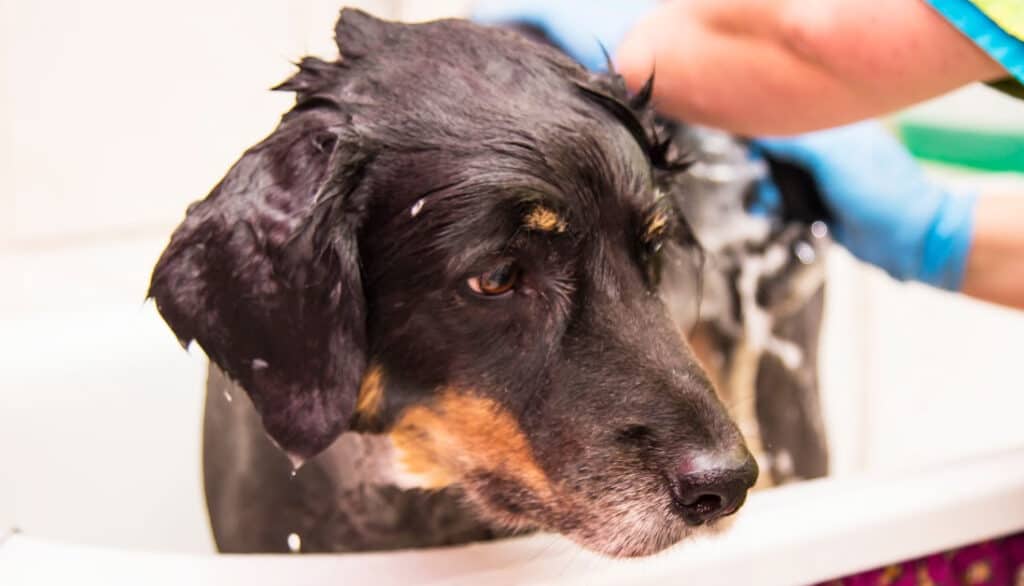
  • 10 Best Dog Bike Trailers

    10 Best Dog Bike Trailers

    Biking is not just a form of exercise; for many, it’s a beloved hobby, a mode of transportation, and a way to connect with nature. But for dog owners, there often comes the dilemma: how can we merge our love for biking with our commitment to our furry friends? The answer lies in dog bike trailers – a brilliant invention that ensures our pets are part of our adventures, safely and comfortably. As an increasing number of dog enthusiasts look for ways to integrate their pets into daily activities, the best dog bike trailers have emerged as the ultimate solution, providing a seamless blend of convenience and enjoyment.

    In this comprehensive guide, we’ll delve into the myriad benefits of these trailers, provide invaluable shopping tips, and of course, present a curated list of the 10 best dog bike trailers in the market. Whether you’re an avid cyclist, a weekend warrior, or someone looking for safe ways to take your canine companion on rides, this article promises insights that’ll guide your next purchase.

    Benefits of a Dog Bike Trailer

    Venturing out on bike rides with your furry friend has never been more appealing, thanks to dog bike trailers. These nifty contraptions, specifically designed for our four-legged buddies, are more than just an accessory – they’re a testament to how much we cherish our pets and wish to include them in our daily activities. Let’s dive into the myriad benefits that make dog bike trailers an excellent investment for dog-loving cyclists:

    Safety First:

    • Protection from External Hazards: Busy roads, bustling sidewalks, or the occasional squirrel can be a distraction or danger to your dog. A bike trailer keeps them safely contained, shielding them from potential threats.
    • Comfortable Ride: Designed with ample space and cushioning, these trailers ensure that your dog enjoys a smooth ride, free from the jolts and jerks of the outside world.

    Convenience for the Dog Owner:

    • Extended Adventures: Love long bike rides? With a trailer, you can venture out for more extended periods without worrying about tiring your dog out or needing to make frequent stops.
    • Multiple Pet Transport: If you’re a multi-pet owner, some trailers are spacious enough to accommodate more than one pet, making group outings easier than ever.

    Building Trust and Bonding:

    • Shared Experiences: There’s something heartwarming about sharing experiences with your pet. Whether it’s a ride through the park or a cross-country trail, these shared journeys foster deeper connections.
    • New Stimulation for Your Dog: Just as we crave new sights and sounds, dogs too appreciate a change of scenery. A bike trailer ride can be a delightful sensory experience for them.

    Enhanced Flexibility:

    • Ideal for All Dogs: From sprightly puppies to older, more lethargic dogs, bike trailers cater to all. They’re especially beneficial for dogs with health issues, ensuring they don’t miss out on outdoor adventures.
    • Adaptability: Many trailers are designed to handle various terrains, from city streets to dirt trails, ensuring your dog can accompany you wherever your journey might lead.

    Incorporating a dog bike trailer into your routine not only amplifies the fun but also ensures that your beloved pet remains by your side, experiencing the world just as you do. With the clear advantages they offer, it’s no wonder that they’re fast becoming a must-have for pet enthusiasts everywhere.

    best dog bike trailers

    Shopping Tips for the Best Dog Bike Trailer

    Selecting the perfect dog bike trailer requires careful consideration, given it’s not just about comfort but also the safety of your beloved pet. Here’s a comprehensive guide filled with tips to help you make an informed decision:

    Size and Weight Limit

    • Measure Your Dog: Before shopping, measure your dog’s length, height, and weight to ensure they’ll fit comfortably inside the trailer.
    • Growth & Multiple Pets: If you have a growing puppy or might adopt another pet in the future, consider a larger trailer to accommodate potential changes.

    Safety Features

    • Harness & Internal Leash: Ensure the trailer has a robust harness system or an internal leash point to keep your dog secured during the ride.
    • Visibility: Look for trailers with reflective strips, safety flags, and bright colors. These features increase visibility, especially during low-light conditions.
    • Stability & Balance: A low center of gravity and a broad wheelbase can prevent the trailer from tipping over, especially during sharp turns.

    Weather and Bug Protection:

    • Protective Screens: Mesh screens can protect your dog from bugs while allowing ventilation. Some trailers also offer rain covers or sunshades to shield against unfavorable weather.

    Ease of Entry and Exit:

    • Multiple Openings: A trailer with front, rear, and top openings offers versatile entry and exit options, making it easier for dogs of all sizes and temperaments.
    • Low Entry Point: Especially beneficial for elderly or injured dogs, a low entry point ensures they can step in or out without straining.

    Portability and Storage:

    • Foldable Design: If space is a constraint, opt for trailers that can be easily folded and stored.
    • Detachable Components: Some trailers feature detachable wheels or handles, making them compact and easy to store.

    Versatility and Multi-functionality

    • Conversion Kits: Some trailers come with conversion kits that transform them into strollers or joggers, offering multiple uses for varied activities.
    • Storage Pockets: If you often carry essentials like water, treats, or toys, look for a trailer with built-in storage pockets.

    Durable and Easy-to-Clean Materials

    • Water-Resistant Fabric: A trailer made of water-resistant or waterproof material will ensure your pet stays dry during unexpected showers.
    • Removable Flooring: This feature makes cleaning easier, especially after muddy or wet rides.

    Reviews and Recommendations:

    • Real User Feedback: Before purchasing, go through customer reviews to get insights into the product’s pros and cons.
    • Ask Fellow Cyclists: If you know other dog owners who bike with their pets, ask for their recommendations.

    Remember, the ideal dog bike trailer isn’t necessarily the most expensive one, but rather the one that aligns best with both your and your pet’s needs. Prioritize safety, comfort, and functionality to ensure a joyous ride every time.

    bike trailers for dogs

    Top 10 Best Dog Bike Trailers

    Navigating the vast market of dog bike trailers can be overwhelming. With numerous brands, designs, and features, how do you pinpoint the perfect match for your furry companion? Fear not, as we’ve done the legwork for you. After rigorous research, testing, and collating user feedback, we present to you the creme de la creme of dog bike trailers. Whether you’re seeking top-tier luxury, unbeatable durability, or the best bang for your buck, our curated list has got you covered. Let’s dive in and explore the ten best dog bike trailers that promise both style and substance for your next biking adventure.

    1) Burley Tail Wagon® Pet Bike Trailer

    The Burley Tail Wagon® Pet Bike Trailer is a versatile and eco-friendly solution for pet owners looking to enjoy outdoor activities with their furry companions. It provides a comfortable and safe ride for pets with features like ventilation, easy loading, and a sturdy floor. However, its higher price point and single-pet capacity may not be suitable for everyone. Overall, it’s an excellent choice for those who prioritize their pet’s comfort and environmental sustainability while engaging in various outdoor adventures.

    Pros

    • Versatile Pet Transportation: The Burley Tail Wagon® Pet Bike Trailer offers a flexible solution for pet owners who want to take their furry companions on outdoor adventures. Whether you’re going for a bike ride, stroll, hike, or even skiing, this trailer is designed to accommodate various activities, making it suitable for a range of outdoor enthusiasts.
    • Comfortable and Safe: With features like mesh windows for ventilation, a large rear tailgate for easy loading and unloading, and a sturdy, removable floor with a washable fabric cover for easy cleaning, the Burley Tail Wagon prioritizes your pet’s comfort and safety. It also has a maximum weight recommendation of 75 pounds, providing ample space for your pet to relax during the journey.
    • Eco-Friendly Design: This pet bike trailer is not just pet-friendly but also environmentally conscious. It contains recycled polyester and is BLUESIGN certified, using sustainable materials in its construction. This makes it an attractive choice for environmentally conscious pet owners who want to minimize their carbon footprint.

    Cons

    • High Price Point: One potential drawback is the relatively high price tag of $399.95. While it offers numerous features and versatility, the cost might be a deterrent for budget-conscious consumers.
    • Limited Seating: The Burley Tail Wagon is designed for one pet with a maximum weight recommendation of 75 pounds. This could be a limitation for those with multiple pets or larger dog breeds who wish to travel together.
    Burley Tail Wagon® Pet Bike Trailer

    2) Burley D-Lite Bike Trailer

    The Burley D’Lite X Bike Trailer & Stroller is an excellent choice for dog owners seeking a comfortable and versatile mode of transportation for their furry companions during outdoor activities. It offers a comfortable ride with premium features, adjustable suspension, and the ability to fine-tune the angle for added doggy comfort. The product’s dual functionality as both a bike trailer and a stroller makes it suitable for various outdoor adventures.

    Safety and durability are key aspects, ensuring your dog’s well-being while traveling. However, the higher price range and potentially complex folding process may be factors to consider. Overall, it’s an ideal solution for pet owners looking to provide their dogs with a comfortable and secure outdoor experience.

    Pros

    • Comfortable Ride: The Burley D’Lite X Kid Bike Trailer & Stroller offers a comfortable experience for your dog during outdoor adventures. It features premium seat pads, headrests, and adjustable suspension, ensuring a smooth and comfortable ride for your furry friend, even on rough terrains.
    • Versatile Design: This product serves as both a bike trailer and a stroller, providing versatility for dog owners. You can easily switch between modes using the Quick Receiver system, making it suitable for leisurely bike rides or strolls in the park.
    • Safety and Durability: Burley prioritizes safety and durability, meeting or exceeding industry standards. Rigorous testing ensures your dog’s safety while traveling, and the product is built to withstand outdoor conditions, making it a reliable choice for pet owners.

    Cons

    • Price Range: The cost of the Burley D’Lite X Bike Trailer & Stroller can be relatively high, ranging from $629.96 to $1,045.93. While it offers numerous features and comfort for your dog, the price may be a consideration for budget-conscious pet owners.
    • Complex Folding: Some users may find the folding mechanism of this trailer-stroller combination slightly complex. It might require more effort to fold and store compared to simpler designs, which could be less convenient for those looking for a more straightforward folding process.
    Burley D'Lite X Bike Trailer & Stroller

    3) Sepnine Leonpets 3 in 1 Large Pet Dog Bike Trailer

    The Sepnine Leonpets 3-in-1 Pet Dog Bike Trailer is a versatile and convenient solution for pet owners who want to take their furry friends on outdoor adventures. This product serves as a bike trailer, jogger, and stroller, offering flexibility for various activities. It features double entrances on the front and back, making it easy to load and unload your pet.

    Transparent windows provide visibility, while a cushion keeps your dog comfortable during the journey. With a maximum weight recommendation of 66 pounds, it accommodates medium-sized dogs, ensuring safety with a fastened safety belt and reflectors. This pet trailer enhances outdoor experiences for both pets and their owners.

    Pros

    • Versatile Functionality: The Sepnine Leonpets 3-in-1 Pet Dog Bike Trailer serves as a bike trailer, jogger, and stroller, offering pet owners multiple options for outdoor activities with their furry companions.
    • Safety Features: This product prioritizes pet safety with a fastened safety belt to prevent pets from jumping out and reflectors for increased visibility, ensuring a secure ride on the road.
    • Double Entrances and Ventilation: With entrances on the front and back and mesh windows, the trailer provides easy access for pets and optimal ventilation, keeping them comfortable throughout the journey.

    Cons

    • Complex Assembly: Some users may find the assembly instructions for this product challenging, with parts that are not clearly labeled and tiny, black-and-white, blurry pictures, potentially requiring extra effort for setup.
    • Handlebar Height: The handlebar’s height may not be suitable for all users, with some finding it too low, which can lead to discomfort during prolonged use, especially for taller individuals.

    The Sepnine Leonpets 3-in-1 Pet Dog Bike Trailer offers versatility and safety for pet owners looking to enjoy outdoor adventures with their medium-sized dogs. While assembly may be a bit challenging, the product’s functionality and safety features make it a valuable addition to outdoor excursions.

    4) Pet Gear 3-in-1 Travel System

    The Pet Gear 3-in-1 Travel System offers a versatile solution for pet owners, serving as a carrier, booster seat, and stroller for small dogs and cats. It includes frames for both the booster seat and stroller, providing flexibility in transportation. With a zipperless, dual push-button entry, accessing your pet from either side of the carrier is quick and easy. An interior tether can be attached to your pet’s harness to ensure their security during travel. Additionally, the system features a removable, washable fleece liner for added comfort.

    Pros:

    • Versatile 3-in-1 Functionality: This product combines a carrier, booster seat, and stroller in one, catering to various travel needs for small dogs and cats, making it a versatile and cost-effective choice.
    • Secure and Easy Access: The dual push-button entry system and the ability to tether your pet’s harness provide security and convenience during transportation, ensuring your pet remains safe and accessible.
    • Comfortable and Washable: The inclusion of a removable fleece liner enhances your pet’s comfort during travel, and it’s easily washable, maintaining a clean and cozy environment for your furry companion.

    Cons:

    • Lack of Fold Latch: Some users may find it inconvenient that this product lacks a latch to keep it folded when carrying it inside. This can lead to difficulties when transporting the folded stroller.
    • Limited Size: While suitable for small dogs and cats, the carrier’s size may not accommodate larger pets comfortably, potentially limiting its use for owners with larger breeds.

    The Pet Gear 3-in-1 Travel System offers a versatile and secure travel solution for small dogs and cats, making it a convenient choice for pet owners on the go. However, users should be aware of size limitations and the absence of a fold latch when considering this product.

    PetGear 3 in 1 Travel System

    5) Aosom 2-in-1 Pet Bike Trailer

    The Aosom 2-in-1 Dog Bike Trailer and Pet Stroller Carrier is a versatile travel solution for pet owners, designed for large dogs. It functions as both a bike trailer and a stroller, allowing pets and their owners to enjoy outdoor adventures together. The product features easy entry with front and rear unzippering doors and includes foot support for added stability. It offers excellent ventilation through mesh windows and a sunroof, ensuring pets stay comfortable and have a great view. The PVC cover on the front door can be rolled down for added protection.

    Pros:

    • Versatile 2-in-1 Design: This product serves as both a bike trailer and a pet stroller, offering flexibility for outdoor activities and travel with your large dog.
    • Safety Features: It includes safety measures like a red flag and reflectors, enhancing visibility and alerting others to the presence of the cart, ensuring the safety of both the pet and owner.
    • Comfort and Ventilation: Mesh windows and a sunroof provide good ventilation, and pets can enjoy the view while being shielded from the elements. The foot support adds to the pet’s comfort and security.

    Cons:

    • No Parking Brake: Some users may find it inconvenient that the stroller lacks a parking brake, which can be essential for keeping the cart in place when not in motion.
    • Size Limitations: The product is suitable for large dogs less than 23.5 inches in length and less than 66 pounds in weight. Owners with dogs exceeding these dimensions may need to consider alternative options.

    The Aosom 2-in-1 Dog Bike Trailer and Pet Stroller Carrier offers a versatile and safe way for owners of large dogs to enjoy outdoor activities with their pets. However, the absence of a parking brake and size limitations should be considered when evaluating this product.

    Aosom 2 in 1 Pet bike trailer

    6) Beberoad Pets R8 Luxury Foldable Pet Trailer

    The Beberoad Pets R8 Luxury Foldable Pet Stroller is a versatile solution designed for large and unmovable dogs, including elderly, disabled, and pregnant dogs. This pet stroller offers several key features to enhance comfort and convenience. It features a one-button foldable design with suspension, making it easy to carry in a car or store when not in use. The stroller can also be transformed into a bike trailer, allowing pet owners to enjoy bike rides with their dogs. It provides excellent ventilation with windows on all sides and includes a protective cover for use during rainy or windy weather. Additionally, the stroller offers a spacious storage bag and double bottle holders for carrying essentials on outings.

    Pros:

    • Convenient Foldable Design: The one-button foldable design makes it easy to fold and store the stroller when not in use, providing convenience for pet owners.
    • Versatile Bike Trailer: The ability to transform the stroller into a bike trailer allows pet owners to enjoy outdoor activities, including bike rides, with their dogs, promoting companionship and exercise.
    • Excellent Ventilation: The stroller’s design with windows on all sides ensures pets can enjoy fresh air and scenic views while being protected from the elements. The included protective cover offers additional weather shielding.

    Cons:

    • High Ground Clearance: Some users may find that the stroller has a significant ground clearance, which can be a drawback for certain dogs, especially those with mobility issues.
    • Zipping Direction: The design of the mesh windows, which zip from the bottom, may make it challenging for dogs to safely extend their heads without the risk of their paws getting caught in the wheel or mesh. This design aspect could be improved for added safety and convenience.

    The Beberoad Pets R8 Luxury Foldable Pet Stroller offers a versatile and comfortable solution for large and unmovable dogs, but users should be aware of the high ground clearance and zipping direction of the mesh windows when considering this product.

    Beberoad Pets R8 Luxury Foldable Pet Trailer

    7) Retrospec Rover Waggin’ Pet Bike Trailer

    The Retrospec Rover Waggin’ Pet Bike Trailer is designed for small to medium-sized dogs with a maximum weight recommendation of 50 pounds. It features water-resistant material, a foldable frame with 16-inch wheels, and a non-slip floor for a comfortable and safe ride for your furry companion. The trailer includes an internal leash and a rear doggy door for easy entry and exit. Additionally, it has a storage pouch for treats and toys.

    Pros:

    • Weather Resistance: The trailer is made from weather-resistant fabric with a 2-in-1 canopy, allowing your dog to enjoy the ride without being bothered by pesky critters or rain.
    • Foldable Design: The unique folding frame makes it easy to store and transport, making it convenient for various adventures.
    • Safety Features: The internal leash and no-slip floor ensure your pet’s safety and security during the ride.

    Cons:

    • Size Limitation: While suitable for small to medium-sized dogs, this trailer may not comfortably accommodate larger breeds.
    • Assembly: Some users may find it challenging to assemble, and it may require additional tools not included in the package.
    Retrospec Rover Waggin' Pet Bike Trailer

    8) Doggyhut Premium Pet Bike Trailer Bicycle Trailer

    The Doggyhut Premium Pet Bike Trailer is designed to cater to medium to large-sized dogs, accommodating pets with a maximum shoulder height of 24 inches and a length of 31 inches. This versatile trailer serves multiple purposes as it can be used as a bike trailer, crate, or car seat for your furry companion. Constructed from a powder-coated steel frame and waterproof 600D polyester, it offers durability and weather resistance. The trailer features a front door with a zippered mesh screen layer and a vinyl layer to shield your pet from wind and weather, along with a zipped rear door for easy pet entry. The anti-slip floor made of solid PE board ensures stability, while 20″ air-filled tires provide a smooth ride. Reflectors, a safety flag, and a dog leash enhance safety during outings.

    Pros:

    • Versatile Usage: This pet trailer can serve as a bike trailer, crate, or car seat, offering flexibility and convenience for pet owners who want to engage in various activities with their pets.
    • Durable and Weather-Resistant: Constructed from powder-coated steel frame and waterproof polyester, this trailer is built to withstand the elements and provide long-lasting use.
    • Safety Features: The trailer includes safety features such as reflectors, a safety flag, and a dog leash, ensuring the safety of both pet and owner during rides.

    Cons:

    • Mesh Durability: The plastic mesh on the windows may not be as durable, and pets that tend to scratch or escape may damage it quickly, potentially compromising the trailer’s containment.
    • Reinforcement Needed: Some users may find that the bottom of the trailer needs reinforcement for added durability, especially if their pets are active and may put extra strain on this area.

    The Doggyhut Premium Pet Bike Trailer offers versatility, durability, and safety for medium to large-sized dogs. However, potential issues with the durability of the window mesh and the need for reinforcement at the bottom should be considered by pet owners.

    Doggyhut Premium Pet Bike Trailer Bicycle Trailer

    9) Schwinn Rascal Pet Bike Trailer

    The Schwinn Rascal Bike Dog Trailer is designed to cater to small and large pets, with a maximum weight recommendation of 50 pounds. This pet trailer offers a convenient and safe way to take your furry companion on bike rides. It features an easy folding cart frame, a quick-release wheel for efficient storage, a universal bicycle coupler for easy attachment, and a washable non-slip lining for comfort. The trailer is suitable for pets up to 50 pounds and provides plenty of air ventilation to keep them comfortable during rides.

    Pros:

    • Versatile for Small and Large Pets: This pet trailer is suitable for both small and large pets, accommodating pets up to 50 pounds, providing versatility for pet owners with various pet sizes.
    • Convenient and Compact: The trailer features an easy folding cart frame and a quick-release wheel, making it easy to store and transport when not in use. This convenience is valuable for users with limited storage space.
    • Safety and Comfort: The internal leash is adjustable to prevent pets from leaping out of the trailer, and the washable non-slip lining ensures your pet’s comfort during rides. Ample air ventilation keeps pets well-aerated and content.

    Cons:

    • Tire Inner Tubes: Some users may find that the inner tubes in the tires need frequent replacement, especially when used to carry heavier loads, which could result in added maintenance costs.
    • Lack of Padding: The interior of the trailer lacks padding, which may be less comfortable for pets on longer rides. Users might consider adding additional padding or cushions for enhanced comfort.

    The Schwinn Rascal Bike Dog Trailer offers versatility for pet owners with small and large pets, and it’s designed for convenience, safety, and comfort. However, potential issues with tire inner tubes and the lack of interior padding should be taken into account by users.

    Schwinn Rascal Bike Dog Trailer

    10) PEXMOR 2-in-1 Dog Bike Trailer

    The PEXMOR 2-in-1 Dog Bike Trailer is a versatile pet transportation solution that serves as both a bicycle trailer and a pet stroller. It offers a spacious and durable design suitable for small to medium dogs, with a large cabin that can hold up to 88 pounds. The trailer’s 2-in-1 design allows you to easily switch between a bike trailer and a pet stroller by removing the swivel front wheel. It features a shock absorber system for a smooth ride and a 360-degree swivel front wheel paired with a 20″ inflatable rear wheel for maneuverability. The trailer is constructed with durable Oxford fabric on a steel frame, making it weather-resistant and UV-resistant.

    Pros:

    • Versatile 2-in-1 Design: The trailer’s ability to function as both a bike trailer and a pet stroller provides users with flexibility, allowing them to choose the mode that suits their needs best.
    • Durable and Weather-Resistant: Constructed with Oxford fabric and a steel frame, this trailer is built to withstand various weather conditions, ensuring the safety and comfort of your pet during rides.
    • Spacious and Well-Ventilated: With a large cabin and three zippered entrances, including front, back, and top openings, the trailer offers ample space and excellent ventilation for your pet to enjoy the journey comfortably.

    Cons:

    • Size and Portability: Some users may find the trailer’s size to be cumbersome, and it may not fit through standard doorways without disassembly, which could be inconvenient for transporting or storing it.
    • Non-Collapsible: Despite the claim of being foldable, the trailer does not fold easily, potentially causing difficulties when attempting to transport or store it, as disassembly may be required.

    The PEXMOR 2-in-1 Dog Bike Trailer and Pet Stroller offers versatility and durability for transporting small to medium dogs. Its spacious and well-ventilated design ensures the comfort of your pet during rides. However, its size and limited collapsibility might present challenges when it comes to transportation and storage.

    PEXMOR 2-in-1 Dog Bike Trailer,Pet Stroller Dog Trailer

    Conclusion

    Embarking on biking adventures with your loyal canine companion by your side has never been better thanks to the innovation of dog bike trailers. They stand as a testament to the ever-evolving bond between humans and their pets, merging safety, convenience, and shared joy. As you ponder over our list of the best dog bike trailers, always prioritize the comfort and security of your furry friend.

    The right trailer will not just be a mode of transportation but a vessel of countless memories, scenic routes, and shared sunsets. Remember, it’s not about the destination, but the journey, and with the ideal dog bike trailer, that journey is bound to be unforgettable. So, gear up, choose wisely, and let the adventures begin

    A note about your dog’s health

    This article provides general education and does not replace an examination, diagnosis, or individualized advice from your veterinarian. Contact a veterinary professional if you are concerned about your dog’s symptoms.

    Dr. Candy Akers, DVM Avatar

    ABOUT THE AUTHOR
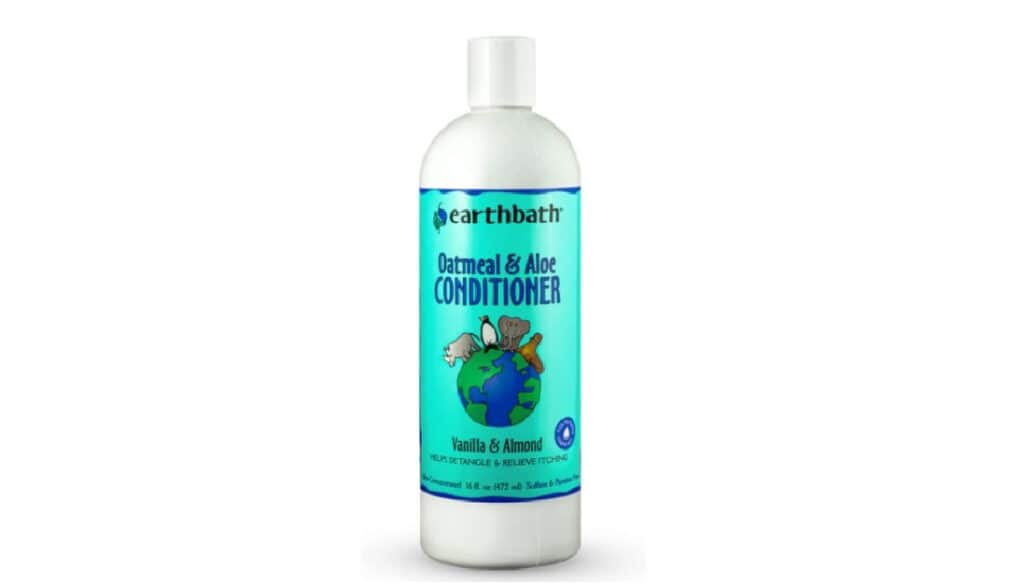
  • Is Febreze Safe for Dogs? What Pet Parents Should Know

    Is Febreze Safe for Dogs? What Pet Parents Should Know

    Yes, Febreze fabric refresher is generally considered safe around dogs when it is used exactly as directed. The ASPCA says pets that touch fabric while it is still wet may develop mild skin irritation or minor stomach upset, so let treated surfaces dry completely before your dog returns. Never spray Febreze directly on your dog, food, water, toys, or anything your dog is likely to lick. Open a window or run a fan when you use a scented product. [1]

    That answer has an important boundary. Febreze is a brand with fabric sprays, air sprays, plug-ins, and small-space products. The ASPCA guidance above specifically discusses fabric refresher. Check the label on the exact product in your hand because directions and exposure patterns vary.

    The Short Answer: Febreze Can Be Used Around Dogs

    My practical answer is that most households with dogs can use Febreze carefully, but “pet safe” does not mean “spray it anywhere.” A good routine has three parts: choose the right product for the job, apply it only where the label allows, and keep your dog away until wet fabric is dry or airborne mist has cleared.

    Febreze’s pet-safety guidance also says not to spray products directly on pets and to keep pets away from wet treated surfaces until they are dry. The company gives separate caution for birds because their respiratory systems are especially sensitive. If you share your home with a bird, move the bird to another room before using a spray and follow the label closely. [2]

    Your dog’s behavior matters too. A product may be acceptable for general household use and still bother an individual dog. If your dog starts sneezing, coughing, rubbing their face, scratching, or leaving the room soon after you use a fragrance product, stop using it and air out the space. You do not need to prove an allergy before choosing a lower-fragrance home.

    How Febreze Works

    Febreze products do not all use the same formula, but the brand commonly uses hydroxypropyl cyclodextrin in fabric refresher. Think of cyclodextrin as a tiny ring that can capture certain odor molecules. The formula may also contain water, alcohol, fragrance, and other ingredients that help the product spread, dry, and remain stable. The ingredient list on the bottle or the product’s SmartLabel is the best source for the exact formula you own. [3]

    Small dog resting comfortably by an open window and fan in a well-ventilated room.

    This distinction matters because “eliminates odors” does not mean “disinfects everything.” A fabric refresher can make a couch smell better, but it does not treat a skin infection, clean an ear, remove urine from carpet padding, or replace washing a dirty dog bed. When an odor keeps returning, I prefer to look for the source instead of adding more fragrance.

    It is also easy to hear a familiar ingredient name and assume the entire formula is harmless in every situation. Safety depends on the finished product, the amount, the route of exposure, and the animal. A light application on a sofa that dries before your dog returns is different from spraying a dog’s coat or letting a puppy chew the bottle.

    How to Use Febreze More Safely Around Dogs

    The lowest-stress plan is simple: remove your dog from the immediate area, use the smallest amount needed according to the label, and give the space time to dry and air out. Keep the container closed and stored where a curious dog cannot reach it.

    Fabric Refresher

    Use fabric refresher only on surfaces allowed by the label. Move your dog, bowls, treats, and loose toys before spraying. If you are treating a couch, rug, curtain, or washable dog-bed cover, use a light, even application rather than soaking the material.

    Febreze Fabric Refresher bottle on a shelf with a dog safely separated behind a pet gate.

    Keep your dog away until the fabric feels completely dry. Wet fur and paws make licking more likely, which turns a small skin exposure into an oral one. I would also avoid spraying the inner sleeping surface of a bed that a dog licks or presses their face against. Washing the cover is usually a better first choice for that area.

    Do not use fabric refresher as a deodorizing spray for your dog. Even if the bottle has a picture of a pet, it is designed for household surfaces unless the label clearly says otherwise.

    Air Sprays

    An air spray creates a brief cloud of droplets. Move your dog out of the room before spraying, aim away from doorways and vents, and avoid spraying near crates, food, water, or medication. Then open a window or run a fan and allow the mist to settle before your dog comes back.

    Febreze Air spray bottle on a high counter with a dog resting in a separate ventilated room.

    More fragrance is not better odor control. Several quick sprays in a small bathroom, laundry room, or car can create a much stronger exposure than one light spray in a larger room. If you can smell the product sharply, your dog’s nose is getting an even more intense message.

    Plug-Ins and Small Spaces

    Plug-ins and small-space products release fragrance for hours or days, so they are different from a one-time fabric treatment. Follow the exact label and place the product where your dog cannot lick it, chew it, knock it over, or rub against leaked liquid.

    Watch the room, not just the outlet. A plug-in in an open living area is not the same as one beside a closed dog crate or in a tiny room. If your dog avoids the area or develops repeated sneezing, coughing, eye watering, or itching after installation, unplug the product and ventilate. A continuous source is easy to forget, which is why a reaction can seem mysterious at first.

    Dog waiting behind a pet gate while a freshly treated sofa dries in a ventilated room.

    Which Dogs May Be More Sensitive?

    Any dog can dislike a strong scent. I am more cautious in homes with a dog who already has a chronic cough, sensitive airways, itchy skin, or a history of reacting to perfumes and cleaners. Puppies may investigate wet surfaces, while older dogs may spend more time resting in one spot near a plug-in or treated couch.

    This does not mean every puppy, senior, short-nosed dog, or itchy dog will react. It means their routine and health history should guide how much fragrance you use. If your dog is comfortable in a fragrance-free room but coughs or rubs their face when a product is present, that pattern is useful information.

    A short test is kinder than treating the whole house at once. Try the product in one well-ventilated area, keep your dog away until the label’s conditions are met, and observe how your dog does after returning. Stop if you notice a repeatable reaction.

    What to Do After Accidental Exposure

    Most small household mishaps call for calm cleanup and observation. The right response depends on whether the product reached the coat, eyes, lungs, or stomach. Keep the bottle or take a clear photo of the label. A poison-control professional needs the product name, ingredients, amount, time, and your dog’s weight to give useful advice.

    Spray on the Coat or Skin

    Move your dog to fresh air. If the coat or skin is still damp, rinse the area with lukewarm water. A mild dog shampoo can help remove oily or fragranced residue from the coat. Prevent licking until the dog is clean and dry.

    Watch for ongoing redness, itching, facial rubbing, drooling, vomiting, or unusual behavior. Mild irritation that settles after rinsing is different from worsening swelling or breathing trouble.

    Eye Exposure

    Gently flush the affected eye with lukewarm water or sterile saline. Do not scrub the eye or add oils, soap, or homemade drops. If your dog keeps squinting, holds the eye closed, has marked redness, or seems painful after rinsing, prompt veterinary care is appropriate because eye injuries can worsen quickly.

    Licked Wet Fabric

    The ASPCA notes that contact with wet Febreze-treated fabric may cause mild skin irritation or minor stomach upset. [1] Move your dog away, wipe or rinse wet paws, and let the surface dry. Offer normal drinking water, but do not force fluids or give a home antidote.

    One lick of slightly damp fabric is not the same as drinking from the bottle. Monitor for repeated vomiting, diarrhea, heavy drooling, weakness, or behavior that is clearly not normal for your dog.

    Drank Product or Chewed the Bottle

    Remove the product and check whether the bottle was punctured or any liquid is missing. Do not induce vomiting unless a veterinarian or poison-control professional specifically directs you to do so. Do not give milk, oil, salt, charcoal, or another home remedy on your own. Pet Poison Helpline advises removing the pet from the area, checking breathing and behavior, and calling with the product information ready. [4]

    Call promptly if your dog swallowed more than a lick, chewed a plug-in refill, has product in the mouth, or you cannot estimate the amount. Trouble breathing, collapse, repeated vomiting, severe weakness, tremors, or seizures require urgent veterinary care. These are emergency signs, not the expected outcome of ordinary label-directed use.

    Gentler Ways to Control Dog Odor

    If fragrance keeps losing the battle, the odor source is still winning. The most dog-friendly approach usually starts with cleaning and airflow.

    Wash removable dog-bed covers, blankets, crate pads, and couch throws with a fragrance-light detergent. Dry them fully because damp fabric can develop its own musty smell. Vacuum rugs, upholstery seams, and the places where hair collects. A vacuum with a sealed HEPA filter helps keep fine dust and dander from blowing back into the room.

    Person washing a removable dog-bed cover while a dog waits near a clean bed.

    Open windows when outdoor air quality and weather make that reasonable. A portable air purifier with a HEPA filter can capture particles, while an activated-carbon layer can help with some odors. Replace filters on schedule. A filter that is overdue for replacement becomes an expensive fan.

    Activated-charcoal odor absorbers can be useful when they are secured out of reach. Baking soda may help on dry carpet or upholstery, but keep your dog away while it sits and vacuum thoroughly before the dog returns. Large amounts should not be left where a dog can lick or eat them.

    For urine or vomit, use a cleaner made for that material and type of soil. Enzyme cleaners can be helpful for organic stains when used according to their label. Test any cleaner in a hidden spot, keep pets away during use, and let the area dry.

    I would not replace Febreze with a homemade essential-oil spray and assume it is safer because it is natural. Concentrated oils can cause problems when swallowed, applied to skin, or used heavily in poorly ventilated rooms. The ASPCA recommends caution with essential oils around pets, especially animals with respiratory problems and birds. [5] Fragrance-free cleaning, fresh air, and source control are less glamorous, but they are dependable.

    When the Odor Is Coming From Your Dog

    Sometimes the couch is innocent. A sour, yeasty, fishy, metallic, or unusually sweet smell may be coming from your dog’s ears, skin, mouth, urine, stool, or anal glands. Covering it with room spray can delay the moment you notice a pattern.

    Check where the smell is strongest. Look for ear redness or discharge, greasy or flaky skin, a damp skin fold, dental tartar, a sore paw, urine accidents, or scooting. A normal muddy-dog smell after a joyful backyard excavation is one thing. An odor that returns right after bathing or comes with pain, itching, discharge, appetite changes, or increased drinking deserves a closer look.

    You do not need to diagnose the problem by smell. Note when it started, what body area seems involved, and any other changes. That information helps a veterinarian focus the exam and keeps the household from chasing the odor with stronger and stronger products.

    Final Thoughts

    Febreze fabric refresher can generally be used in a home with dogs when you follow the label, never spray the dog, and keep pets away from treated fabric until it is fully dry. Air sprays and continuous-fragrance products need their own label-based decisions because the exposure is different.

    My favorite rule is easy to remember: clean the source first, add fragrance sparingly, and let your dog vote with their nose. If your dog coughs, sneezes, itches, or avoids a scented room, a fragrance-light home is a perfectly reasonable choice.

    Frequently Asked Questions

    Is Febreze Safe for Dogs to Breathe?

    A small amount used as directed in a well-ventilated room is unlikely to trouble most dogs. Move your dog out while you spray and let the mist clear before the dog returns. Stop using the product if your dog repeatedly coughs, sneezes, wheezes, rubs their face, or avoids the room.

    Can I Spray Febreze on Dog Bedding?

    Check the exact label first. For a washable bed cover, washing is usually the best first step. If the label allows use on that fabric, remove the dog, apply lightly, and let the material dry completely. Avoid areas your dog routinely licks or presses their face against.

    What Should I Do if I Accidentally Sprayed My Dog?

    Move your dog to fresh air and rinse damp coat or skin with lukewarm water. Prevent licking until the coat is clean and dry. Flush eyes with water or sterile saline if they were exposed. Get prompt help for breathing trouble, persistent eye pain, repeated vomiting, weakness, tremors, or other worsening signs.

    Are Febreze Plug-Ins Safe Around Dogs?

    Plug-ins create continuous fragrance exposure and are not covered by the same wet-fabric guidance. Follow the specific label, place the unit where your dog cannot reach or knock it over, and avoid putting it beside a crate or sleeping area. Unplug it and ventilate if your dog appears irritated or avoids the room.

    Is There a Pet-Safe Way to Make the House Smell Better?

    Start with the odor source. Wash dog bedding, vacuum hair and dander, use an appropriate enzyme cleaner for accidents, increase ventilation, and consider a HEPA purifier with activated carbon. Choose fragrance-free or lightly scented products when possible, and do not assume essential oils are automatically safer around pets.

    References

    1. American Society for the Prevention of Cruelty to Animals. (2024). Pet poisons: Be mindful of these household products and cleaning agents. https://www.aspca.org/news/pet-poisons-be-mindful-these-household-products-and-cleaning-agents

    2. Febreze. (n.d.). Pet safety. https://www.febreze.com/en-us/ingredients-safety/pet-safety

    3. Febreze. (n.d.). Our ingredients. https://www.febreze.com/en-us/ingredients-safety/our-ingredients

    4. Pet Poison Helpline. (n.d.). Pet Poison Helpline. https://www.petpoisonhelpline.com/

    5. American Society for the Prevention of Cruelty to Animals. (2022). The essentials of essential oils around pets. https://www.aspca.org/news/essentials-essential-oils-around-pets

    Dr. Candy Akers, DVM Avatar

    ABOUT THE AUTHOR
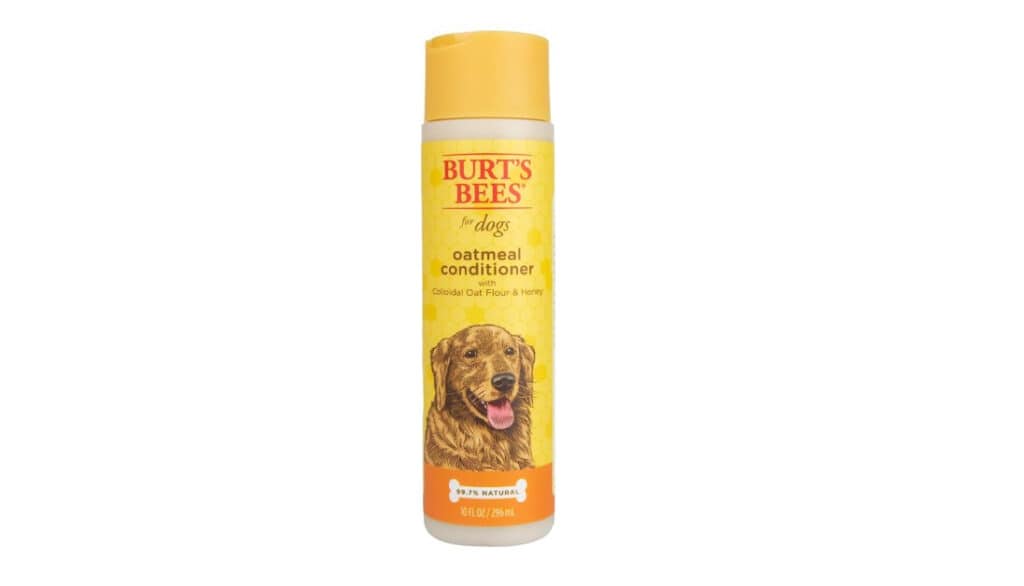
  • Can You Use Cat Shampoo on Dogs? Find Out Here

    Can You Use Cat Shampoo on Dogs? Find Out Here

    We’ve all been there: mid-way through bath time, you reach for your trusty bottle of dog shampoo, only to realize it’s empty. Your gaze shifts to the cat’s bottle sitting nearby, and you ponder, “What’s the harm in using cat shampoo on my dog?” In the vast world of pet care, it’s easy to assume that if two products look similar, they might be interchangeable. But, as any seasoned pet owner will tell you, looks can be deceiving. Pet hygiene, much like our own, is a nuanced affair. Each animal, from the sleek Siamese cat to the boisterous Beagle, has its unique set of needs. This article aims to delve deep into the furry conundrum and answer the pressing question: Can you use cat shampoo on dogs? The short answer is yes, but it should not replace shampoo made for dogs.

    The Basic Differences Between Cat and Dog Skin

    At a casual glance, the furry coat of your beloved Fluffy and Rover might seem quite similar. After all, they both serve the primary purpose of protecting our pets from environmental elements and keeping them warm. However, when you dig a little deeper (no pun intended), you’ll find that the skin beneath those coats is as distinct as the meow of a cat and the bark of a dog.

    1. Skin pH Levels: The first, and perhaps most crucial difference, is the pH level. Cats generally have a skin pH balance that veers towards the acidic side, usually around 6.2 to 7.5. Dogs, on the other hand, have a more neutral pH, hovering between 6.5 to 7.5. This might seem like minute details, but even a slight pH imbalance can make a world of difference, leading to issues like skin irritation or dryness.

    2. Sensitivity Variances: Cat’s skin is notably thinner and more delicate than that of dogs. This means that it can be more susceptible to chemicals and irritants. While a dog might seem unaffected by certain substances, the same can’t be said for cats, and vice versa.

    3. Natural Oil Production: Both cats and dogs produce sebum, a natural oil that keeps their skin moisturized and their fur glossy. However, the rate and consistency of this production vary. Overwashing or using the wrong products can strip this oil, leading to a lackluster coat and itchy skin.

    In the grand tapestry of pet care, understanding these basic differences is paramount. Just as you wouldn’t use a face wash meant for oily skin on a dry face, it’s essential to recognize and respect the distinct skincare needs of our feline and canine companions. And while both deserve the very best, what’s perfect for one might not be for the other.

    cat shampoo on dogs

    Ingredients Found in Cat Shampoo

    Ah, the back of the shampoo bottle – that place we sometimes venture into when we’re feeling particularly investigative or simply waiting for the conditioner to set. But when it comes to our furry friends, understanding what goes into their grooming products is not just a curiosity, it’s a necessity. Let’s pull back the curtain on common ingredients found in cat shampoos and their implications.

    Ingredient/ComponentDescription
    Aloe Vera and Oatmeal– Not just for smoothies.
    – Often found in cat shampoos due to their soothing properties.
    – Helps calm irritated skin and moisturize.
    – Provides a spa-like washing experience for cats.
    Essential Oils– Lavender and chamomile may sound delightful, but not all essential oils are cat-approved.
    – Cats have a unique metabolic system, making them sensitive to certain oils, which might be benign or even beneficial to dogs or humans.
    Parabens and Phthalates– Commonly used as preservatives and fragrances in both human and pet products.
    – Rising concerns about their potential health effects.
    – Many cat shampoos now opt for paraben-free and phthalate-free formulas.
    Lathering Agents– Responsible for the satisfying bubbles during a wash.
    – It’s crucial to know that some shampoos use harsh chemicals as lathering agents, possibly not ideal for a cat’s sensitive skin.
    pH Adjusters– Incorporated in some shampoos to keep or modify the pH level, ensuring it’s suitable for cat skin.

    To the untrained eye (or paw), one shampoo might look much like another. But, as we’ve learned, the devil is in the details—or, in this case, the ingredients list. So, before we even consider pouring that cat shampoo on our playful pups, it’s crucial to understand the unique blend crafted for feline finesse.

    Potential Risks of Using Cat Shampoo on Dogs

    Ah, the age-old pet owner’s shortcut: “If it’s good for the cat, surely it’s okay for the dog, right?” While sharing toys or even a sneaky treat now and then might not raise eyebrows, when it comes to grooming products, the story changes. Here’s a look into what might happen when we make our dogs partake in the feline grooming ritual.

    1. Skin Irritations and Allergies: Remember the pH difference we chatted about? Using a cat shampoo on a dog can disrupt their natural pH balance, leading to itchy, irritated skin. Dogs might start scratching incessantly, causing sores or hot spots.

    2. Over-Drying of the Coat: Cats and dogs have different sebum production levels. Using a shampoo designed for cats might strip away the essential oils in a dog’s coat, making it dry, brittle, and lacking its usual lustrous shine.

    3. Inefficacy Against Fleas and Ticks: If you’re using medicated cat shampoo to tackle fleas and ticks on your dog, think again! These formulations are often species-specific. Using one meant for cats might not give your dog the protection they need, leaving them vulnerable to pesky parasites.

    In essence, while it might be tempting to simplify our pet care routine, it’s essential to remember that our feline and canine companions are not just two sides of the same coin. They are distinct, with unique needs, and deserve products tailored just for them. Next time you find yourself reaching for that cat shampoo during Rover’s bath time, think twice – it’s always better to be safe than sorry.

    cat shampoo

    Importance of Specific Formulations

    Every pet owner wants the best for their furry friend, especially when it comes to grooming and overall well-being. Dive into any pet aisle, and you’ll quickly realize the sheer variety of products available for different needs. But is this just a marketing gimmick, or is there a real reason behind these specific formulations?

    The truth is, tailored formulations matter — and here’s why:

    Skin pH Balance

    • Cats: Felines typically have a skin pH balance of around 6.2 to 7.5.
    • Dogs: Canines, on the other hand, vary between 5.5 to 7.5 depending on the breed.

    Using the wrong formulation can disrupt this delicate balance, leading to skin irritations, dryness, or infections.

    Unique Skin and Coat Needs

    Different pets have different coat types, each with its unique requirements:

    • Short-haired pets might require shampoos that focus on deep cleaning, as their skin is more exposed.
    • Long-haired breeds benefit from moisturizing and detangling formulations.
    • Curly or wiry coats might need specialized products that maintain their natural texture and luster.

    Allergies and Sensitivities

    Pets, much like humans, can have allergies or sensitivities. Some dogs might be allergic to common ingredients found in general pet shampoos. Hence, hypoallergenic or sensitive skin formulations can be a godsend for these pets, reducing the risk of adverse reactions.

    Age-Appropriate Care

    Puppies and kittens have different skin and coat needs compared to their adult counterparts. For instance:

    • Puppy shampoos are often milder and gentler.
    • Adult dog formulations might focus more on deep cleaning or maintaining coat health.
    • Senior pets might need shampoos with added moisturizers to combat dryness.

    Health Conditions and External Parasites

    • Medicated Shampoos: Pets with fungal infections, eczema, or other skin conditions might need medicated solutions to address and alleviate their problems.
    • Flea and Tick Shampoos: These are specifically formulated to combat and prevent external parasites, a common concern among many pet owners.

    Environmental Considerations

    The environment in which a pet lives can influence the type of grooming products they need:

    • Dry Climates: Pets might need moisturizing shampoos to prevent skin from drying out.
    • Humid Climates: Anti-fungal or deep-cleaning shampoos can prevent infections.

    Understanding the importance of specific formulations isn’t just about giving your pet the spa-like experience (though they certainly deserve it!). It’s about recognizing their unique needs and ensuring that every bath, brush, and grooming session contributes positively to their overall health and happiness. So, the next time you’re browsing the pet aisle, remember that those specific formulations are more than just fancy labels — they’re tailored love in a bottle.

    chihuahua in bath

    Safe Alternatives for Dog Grooming

    Let’s face it: anyone with a furry friend has, at some point, stared at a muddy, happy dog and sighed, “Bath time again?” And while we’ve debunked the myth of using cat shampoo for our canine pals, the good news is there are plenty of alternatives tailored just for them. Let’s fetch some insights on safe and effective grooming options for our tail-wagging buddies.

    Dog-specific Shampoos

    Starting with the obvious, dog shampoos are formulated with a dog’s unique skin and coat needs in mind. Whether your pup has a thick double coat or curly waves, there’s a shampoo out there ready to give them the pampering they deserve.

    DIY Dog Shampoos

    Feeling a bit crafty? There are numerous homemade shampoo recipes that use natural ingredients like oatmeal, coconut oil, and baking soda. They’re gentle, effective, and you’ll have the peace of mind knowing exactly what’s going on your dog’s skin.

    Waterless Dog Shampoos

    For those days when you don’t have time for a full-blown bath or for dogs who detest water, waterless shampoos come to the rescue. They’re easy to apply, require no rinsing, and leave your dog smelling and feeling fresh.

    Medicated Dog Shampoos

    If Fido has specific skin conditions like eczema, fungal infections, or flea infestations, medicated shampoos are a godsend. However, always consult with your vet before choosing one to ensure it’s the right fit for your dog’s condition.

    Conditioners and Leave-in Sprays

    Much like our hair, sometimes a dog’s coat needs a little extra TLC. Dog conditioners can help detangle, moisturize, and add a glossy finish. Leave-in sprays, on the other hand, can provide a quick touch-up between baths, keeping that ‘just groomed’ look going a bit longer.

    Regular Brushing

    Often overlooked, regular brushing is a cornerstone of dog grooming. It helps distribute natural oils, removes dirt and debris, and is a fantastic bonding activity. Plus, with the right brush for your dog’s coat type, you’ll reduce shedding and matting.

    In the ever-evolving world of pet care, one thing remains constant: our undying love for our canine companions. And part of that love involves ensuring they look and feel their best. So, whether you’re reaching for a store-bought solution or whipping up a DIY concoction, remember: the right grooming routine can make all the difference in your dog’s health and happiness.

    cat shampoo on dogs

    Conclusion

    Stepping back and surveying the landscape of pet care, it’s crystal clear that the decisions we make, even the seemingly minor ones like choosing a shampoo, ripple through the lives of our furry friends. Cats and dogs, though they might both grace our living rooms and commandeer our beds, have unique intricacies that deserve recognition and respect. The takeaway? Using cat shampoo on dogs is much like trying to fit a square peg into a round hole; it’s just not the right match.

    But, as we’ve journeyed through the world of pet grooming, one thing shines brighter than a freshly bathed pup under the sun: our commitment to their well-being. Armed with knowledge and a heart full of love, we can make choices that keep our pets both dazzling on the outside and joyful within.

    So, the next time you find yourself standing in the pet aisle or staring at your muddy dog after a playful romp outside, remember this guide. Let’s cherish every splash, lather, and brush stroke, ensuring that our pets receive nothing but the best, tailored to their individual charms. After all, isn’t that what our four-legged family members truly deserve?

    Frequently Asked Questions (FAQs)

    Can I use human shampoo on my dog if I run out of dog shampoo?

    While it might be tempting, it’s best to avoid using human shampoo on dogs. Like cat shampoo, human shampoo might not align with the pH level suitable for dogs and could contain ingredients that irritate their skin.

    How often should I bathe my dog?

    The frequency depends on your dog’s breed, lifestyle, and specific needs. While some dogs might need a bath every week, others could go a month or more without one. Observe your dog’s skin and coat, and consult with your vet or a professional groomer to determine an optimal bathing routine.

    What should I do if I accidentally use cat shampoo on my dog?

    Don’t panic! Rinse your dog thoroughly with plenty of water to remove all traces of the shampoo. Monitor them for any signs of skin irritation, discomfort, or allergic reactions. If any adverse effects appear, consult your vet promptly.

    Are there any dog breeds that are more sensitive to shampoos than others?

    Yes, some breeds with thinner or less oily coats, like the Chinese Crested or the Xoloitzcuintli, might have more sensitive skin. Always choose a shampoo tailored to your dog’s specific needs, and when in doubt, ask your vet for recommendations.

    Can I use conditioner on my dog after shampooing?

    Absolutely! There are many dog-specific conditioners available that can help detangle, moisturize, and add shine to your dog’s coat. Just make sure it’s formulated for dogs to ensure safety and effectiveness.

    A note about your dog’s health

    This article provides general education and does not replace an examination, diagnosis, or individualized advice from your veterinarian. Contact a veterinary professional if you are concerned about your dog’s symptoms.

    Dr. Candy Akers, DVM Avatar

    ABOUT THE AUTHOR
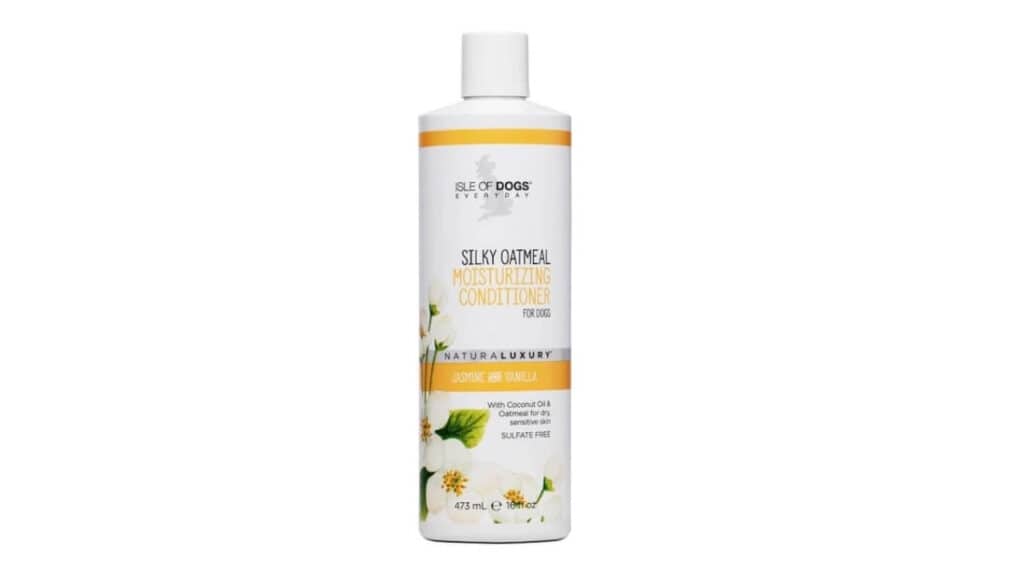
  • Can You Use Mane ‘n Tail on Dogs? A Vet Explains

    Can You Use Mane ‘n Tail on Dogs? A Vet Explains

    By Dr. Candy Akers, DVM

    Yes, you can use some Mane ‘n Tail products on many healthy adult dogs, provided the exact label allows animal use and your dog does not have sensitive, inflamed, or infected skin. The manufacturer states that its products are safe for pets, including dogs, but that does not mean every formula is the best choice for every dog. [1]

    If your dog is a puppy, has allergies, is already itchy, has open sores, or is being treated for a skin problem, I would reach for a dog-specific product or ask your veterinarian first. When you do use Mane ‘n Tail, follow the label, keep it away from the eyes and ear canals, rinse thoroughly, and stop if your dog becomes uncomfortable.

    What Is Mane ‘n Tail?

    Mane ‘n Tail began as a horse-grooming brand in 1970. People later started using the products on their own hair, and the company expanded into human and pet lines. The brand says its products have a pH between 6 and 6.5 and are safe for pets and other animals. [1]

    That history explains why a bottle may appear in a tack room, a family shower, or a grooming kit. It also explains some of the confusion. “Mane ‘n Tail” now refers to several formulas, not one single shampoo.

    What the manufacturer says is useful product information, but I still look at the whole dog before deciding what belongs on the skin. Coat type matters. So do age, allergies, recent skin problems, medications, and the condition of the skin on bath day.

    Is Mane ‘n Tail Safe for Every Dog?

    No grooming product is a perfect fit for every dog. A healthy adult dog with normal skin may tolerate an animal-labeled Mane ‘n Tail formula quite well. A dog with a damaged skin barrier may react to a product that causes no problem for another dog.

    Check the Exact Formula

    Read the bottle you have in your hand. Confirm that the label permits use on animals, then follow those directions. Do not assume that instructions for one Mane ‘n Tail shampoo, conditioner, detangler, or specialty formula apply to another.

    Formulas can also change. If you have used the product before, it is still worth checking the ingredient list and directions on a new bottle.

    Consider Your Dog’s Skin

    Choose a dog-specific gentle shampoo, or speak with your veterinarian, when your dog has:

    • Ongoing itching, redness, scaling, or an unusual odor
    • Hot spots, open sores, scabs, or a recent skin infection
    • A known fragrance or topical-product sensitivity
    • A prescription bathing plan
    • Very dry skin or a history of reactions after baths

    Puppies deserve extra care too. Their skin is not simply a smaller version of adult skin. If a product does not give clear puppy directions, choose one that does or ask your veterinary team.

    Why pH Is Only One Piece

    You may see pH used as a quick test of whether a shampoo is “safe for dogs.” It is not that simple.

    In a prospective study of 77 healthy dogs, skin pH varied by age and body location. Dogs older than 12 weeks had recorded values from 4.40 to 8.18, while puppies younger than 12 weeks had lower values in the areas tested. [2] That natural variation is a good reminder that a single product pH cannot guarantee comfort for every dog.

    I consider pH, ingredients, directions, skin condition, and the dog’s response together. That is a more useful, holistic way to make a grooming decision.

    How to Use Mane ‘n Tail on a Dog Safely

    The manufacturer’s dog-grooming guide recommends brushing first, using lukewarm water, keeping shampoo away from the eyes and inside the ears, and rinsing thoroughly. [3] Here is the careful approach I recommend.

    Owner lathering a Labrador's back with Mane 'n Tail shampoo in a bathtub

    1. Brush Before the Bath

    Remove loose hair and gently work through tangles before the coat gets wet. Water can tighten mats and make them more uncomfortable. Stop if brushing pulls on the skin.

    2. Use Lukewarm Water

    Wet the coat slowly with a gentle flow. Very hot water can be uncomfortable, especially on already sensitive skin. Keep water and product out of the ear canals.

    3. Follow the Exact Label

    Use only the amount and dilution directions printed for that formula. More shampoo does not make a cleaner dog. It usually makes rinsing harder.

    Work from the neck down. Avoid the eyes, nose, mouth, and genital area. Do not allow your dog to lick the lather.

    Owner pouring Mane 'n Tail shampoo into a measuring cup beside water before bathing a dog

    4. Rinse Until the Coat Feels Clean

    Lift thick or double coats so water reaches the skin. Keep rinsing until you no longer feel slippery residue. The manufacturer’s guide also emphasizes complete rinsing. [3]

    5. Dry Gently and Watch the Skin

    Towel blot rather than rubbing hard. If you use a dryer, choose a comfortable low setting and keep it moving. Check the skin over the next day for redness, increased scratching, bumps, or flaking.

    A patch test on a small area may help you notice an immediate reaction, but it cannot guarantee that a full bath will be problem-free. Careful observation still matters.

    Can You Use Mane ‘n Tail Conditioner on Dogs?

    Some Mane ‘n Tail conditioners can be used on dogs when the exact label permits it. Conditioner may help a long, thick, or tangle-prone coat feel smoother and easier to brush. The company also includes conditioner in its dog-grooming guidance. [3]

    I prefer rinse-out use unless the bottle specifically gives animal leave-in directions. A dog can lick product from the coat, and a leave-in layer remains in contact with the skin longer. For a dog with sensitive skin, a dog-formulated conditioner or detangler is usually the simpler choice.

    Apply conditioner to the coat rather than rubbing it heavily into the skin. Keep it away from the face and ear canals, then rinse as the label directs.

    What Benefits Can You Realistically Expect?

    Mane ‘n Tail may clean away dirt and leave the coat feeling softer, smoother, or easier to brush. A conditioner can be useful for manageability. Those are cosmetic grooming benefits.

    Owner gently towel-drying a wet border collie after a bath

    What it cannot promise is just as important. A shampoo does not correct the reason a dog is losing hair. It does not treat allergies, mites, hormonal disease, infection, or nutritional imbalance. A shinier coat after bathing can look lovely, but shine is not proof that the skin underneath is healthy.

    If hair is thinning, the coat is breaking, or bald areas are developing, look beyond the bottle. Skin and coat health reflect the whole dog, including nutrition, parasites, hormones, inflammation, grooming, and general health. That is where a thoughtful veterinary evaluation can save time and discomfort.

    When Dog-Specific Shampoo Is the Better Choice

    If your dog has normal skin and you already own an appropriate bottle of Mane and Tail, careful use may be reasonable. You do not need to buy a horse-origin product to get a clean coat, though. Dog-formulated products make the choice easier because their directions and intended use are written for dogs.

    Dog-Specific Shampoos

    For routine bathing, choose a gentle dog shampoo with clear directions for your dog’s age. An oatmeal-enriched option may appeal to families looking for a gentle dog-specific formula, although any dog with persistent itching still needs the cause investigated.

    Some families prefer natural and organic shampoos. “Natural” does not automatically mean non-irritating, so read the full label and stop if the skin becomes uncomfortable.

    Medicated Shampoos Need Veterinary Direction

    When a dog has a diagnosed skin problem, specialized shampoos may be part of treatment. The active ingredient, contact time, and bathing schedule should match the diagnosis. This is one area where guessing can delay relief.

    Waterless Products and Conditioners

    For a quick cleanup between baths, waterless shampoos can be convenient. They are not a substitute for rinsing away a known irritant or treating a skin condition.

    Long or easily tangled coats may also benefit from dog-specific conditioners. Use a light hand, follow the label, and keep the product away from the face.

    What to Do If Your Dog Reacts

    Stop using the product if you notice new redness, intense scratching, hives, swelling, squinting, eye redness, vomiting after licking the product, or unusual distress.

    Rinse the coat or affected skin with plenty of lukewarm water. If product gets in the eyes, flush gently with clean water and contact your veterinarian if discomfort continues.

    Call your veterinarian promptly for a spreading rash, persistent itching, repeated vomiting, painful skin, or eye irritation. Facial swelling, trouble breathing, collapse, or severe eye pain needs urgent veterinary care.

    Keep the bottle or take a clear photo of the front label, ingredient list, and lot number. That information can help your veterinary team or a pet poison service advise you.

    Final Thoughts

    The short answer is yes, some Mane ‘n Tail products can be used on many healthy adult dogs. The better answer is to check the exact formula, look closely at your dog’s skin, and choose the gentlest option that meets the real need.

    I am comfortable with careful, label-directed grooming when the skin is healthy and the product is intended for animals. I am more cautious with puppies, sensitive skin, active itching, open sores, and any dog already on a dermatology plan. In those situations, a dog-specific product or veterinary guidance is the kinder path.

    A healthy coat is not only about shine. Comfort, skin integrity, nutrition, and the dog’s overall well-being all belong in the picture.

    Frequently Asked Questions

    Is Mane ‘n Tail Safe for All Dog Breeds?

    Breed alone does not determine safety. Coat density, age, skin condition, allergies, and the exact formula matter more. Check the label and use a dog-specific product when the skin is sensitive or abnormal.

    Can You Use Mane ‘n Tail on Puppies?

    I prefer a shampoo clearly labeled for puppies. Canine skin pH differs with age, and puppies under 12 weeks had lower skin pH values than older dogs in one prospective study. [2] Ask your veterinarian before using a product without clear puppy directions.

    How Often Can You Use Mane ‘n Tail on a Dog?

    There is no one schedule for every dog. Follow the exact label and adjust bathing to coat type, activity, skin health, and your veterinarian’s advice. More frequent bathing is not automatically better.

    Does Mane ‘n Tail Make a Dog’s Hair Grow?

    There is no good evidence that it makes canine hair grow faster or treats hair loss. It may make the coat look cleaner or feel smoother. New thinning, bald patches, or broken hair deserve a veterinary check.

    What Can I Use Instead of Mane ‘n Tail?

    For routine care, use a gentle dog shampoo labeled for your dog’s age and skin type. Choose veterinarian-directed medicated shampoo for diagnosed skin disease. Dog-specific waterless products and conditioners can help with light cleanup or tangles when used as directed.

    References

    1. Mane ‘n Tail. (2026). Commonly asked questions. https://manentail.com/pages/faq
    2. Schlake, A., Devriendt, N., Talloen, L., Dadi, T. B., & de Rooster, H. (2022). Influence of age, sex, body condition score, rectal temperature, anatomical location and hair on skin pH in dogs. Veterinary Dermatology. https://pubmed.ncbi.nlm.nih.gov/34414614/
    3. Briggs, D. (2026, March 10). From Mane to Pup: How you can use Mane ‘n Tail products on your dog. Mane ‘n Tail Equine. https://manentailequine.com/blogs/mane-insights/from-mane-to-pup-how-you-can-use-mane-n-tail-products-on-your-dog

    A note about your dog’s health

    This article provides general education and does not replace an examination, diagnosis, or individualized advice from your veterinarian. Contact a veterinary professional if you are concerned about your dog’s symptoms.

    Dr. Candy Akers, DVM Avatar

    ABOUT THE AUTHOR
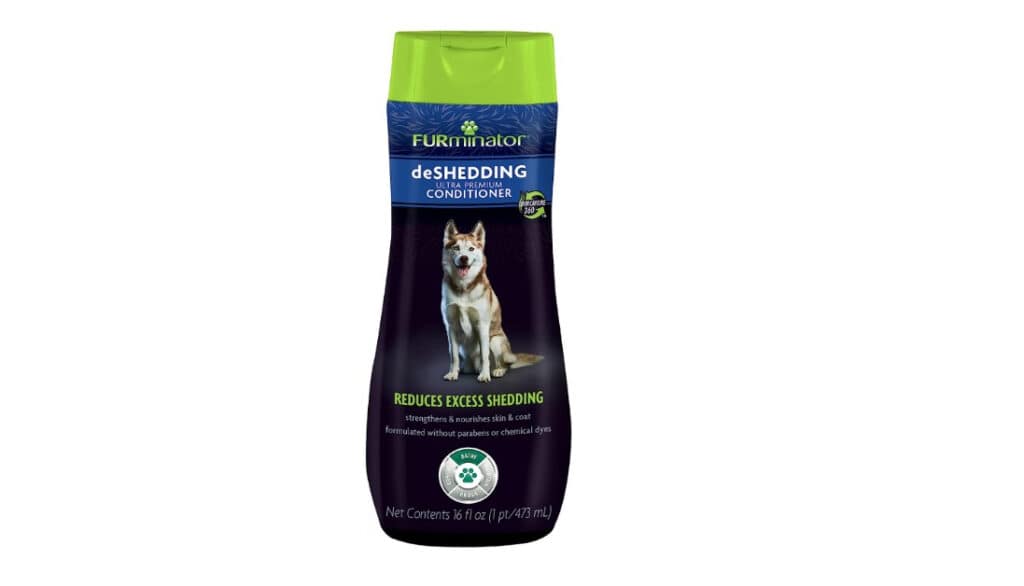
  • Best Calming Treats for Dogs – Holistic Vet Recommendations

    Best Calming Treats for Dogs – Holistic Vet Recommendations

    Hello, dear readers. I’m Dr. Candy Akers, and over the years of my veterinary practice, I’ve encountered countless pet parents concerned about their furry companions’ bouts of anxiety. It’s heart-wrenching to see our beloved dogs distressed, and as a holistic veterinarian, I firmly believe in seeking natural and gentle remedies to address such issues. Today, I’m delighted to share my insights on the best calming treats for dogs, based on a holistic approach. These recommendations are not just based on my personal experiences but are also backed by holistic veterinary science. My hope is that, by the end of this article, you’ll be equipped with the knowledge to make informed decisions about your dog’s well-being, ensuring they lead a calm and happy life. Let’s embark on this enlightening journey together.

    calming treats for dogs

    Understanding Dog Anxiety

    Anxiety in dogs, much like in humans, is a complex emotional response that can manifest in various ways. It’s essential to understand its root causes and signs to address it effectively. Let’s delve deeper into this topic.

    Common Causes of Anxiety in Dogs

    • Separation Anxiety: One of the most prevalent forms of anxiety in dogs. It occurs when dogs become distressed due to their owner’s absence.
    • Loud Noises: Events like thunderstorms, fireworks, or loud celebrations can be terrifying for many dogs.
    • New Environments: Moving to a new home, visiting unfamiliar places, or even the introduction of new household items can be unsettling.
    • Past Traumas: Dogs that have been rescued or have faced traumatic events in the past might develop anxiety triggers related to those experiences.
    • Social Anxiety: Just like humans, some dogs can be naturally more anxious around other dogs or people.

    Signs and Symptoms of an Anxious Dog

    Recognizing the signs of anxiety is the first step towards helping your dog. Here are some common indicators:

    • Excessive Barking or Whining: Especially when left alone or exposed to unfamiliar situations.
    • Pacing or Restlessness: An anxious dog might walk back and forth in a confined space.
    • Destructive Behavior: This includes chewing on furniture, shoes, or other household items.
    • Trembling or Shivering: Often seen during thunderstorms or loud events.
    • Avoidance or Hiding: An anxious dog might retreat to a secluded spot, avoiding interaction.
    • Excessive Licking or Chewing: Particularly on their paws or tail.

    Understanding the root causes and recognizing the signs of anxiety in dogs is crucial. With this knowledge, we can take proactive steps to ensure our furry friends feel safe, loved, and calm.

    dog anxiety treatment

    The Holistic Approach to Treating Dog Anxiety

    In the realm of veterinary medicine, the holistic approach is gaining traction, emphasizing the whole animal rather than just treating specific symptoms. When it comes to addressing dog anxiety, this approach offers a comprehensive and gentle way to ensure our pets’ overall well-being.

    What is Holistic Veterinary Medicine?

    Holistic veterinary medicine considers the entirety of the animal, including its physical, emotional, and environmental well-being. It’s not just about treating the symptoms but understanding the underlying causes and addressing them in a manner that’s in harmony with the animal’s natural state.

    Benefits of a Holistic Approach

    • Natural Remedies: Holistic treatments often rely on natural ingredients and methods, reducing the risk of side effects that some conventional medications might bring.
    • Emphasis on Prevention: Instead of just treating the symptoms, the holistic approach seeks to identify and address potential triggers, preventing future episodes of anxiety.
    • Balanced Well-being: By considering the dog’s overall health, holistic treatments ensure that the animal’s emotional, physical, and environmental needs are met.
    • Personalized Care: Every dog is unique, and holistic medicine acknowledges this by offering tailored treatments based on the individual dog’s needs and history.

    Integrating Holistic Treatments with Conventional Methods

    While the holistic approach offers numerous benefits, it’s essential to understand that it can also complement conventional treatments. For instance, a dog with severe separation anxiety might benefit from both natural calming treats and behavior modification training. It’s about finding the right balance and what’s best for your pet.

    The holistic approach to treating dog anxiety offers a comprehensive, gentle, and natural way to address the root causes of anxiety. By understanding and embracing this method, we can ensure our furry companions lead a balanced, happy, and stress-free life.

    l-theanine, chamomile, passion flower, valerian root, lemon balm

    Ingredients to Look for in Holistic Calming Treats

    When seeking holistic solutions for our anxious canine companions, it’s crucial to understand the ingredients that go into their calming treats. These ingredients, derived from nature, have been used for centuries in various cultures to promote relaxation and well-being. Let’s explore some of the most effective and commonly used ingredients in holistic calming treats for dogs.

    Chamomile

    • Overview: Chamomile is a herb known for its calming properties. It’s often used in teas for humans to promote relaxation and sleep.
    • Benefits for Dogs: Helps soothe an upset stomach, reduce anxiety, and promote better sleep.

    Valerian Root

    • Overview: Valerian root is a perennial herb that has been used as a remedy for various ailments, including insomnia and anxiety.
    • Benefits for Dogs: Acts as a natural sedative, helping to calm anxious behaviors and induce restfulness.

    L-Theanine

    • Overview: L-Theanine is an amino acid found primarily in tea leaves. It’s known to promote relaxation without causing drowsiness.
    • Benefits for Dogs: Helps reduce anxiety and stress without affecting energy levels or alertness.

    Passionflower

    • Overview: Passionflower, traditionally used by Native Americans, is known for its calming effects.
    • Benefits for Dogs: Helps alleviate restlessness and nervous tension, making it especially useful for dogs with separation anxiety.

    Lemon Balm

    • Overview: Lemon balm, a member of the mint family, has been used in traditional medicine for its calming properties.
    • Benefits for Dogs: Reduces anxiety and hyperactivity, promoting a sense of calm and relaxation.

    Hemp Oil

    • Overview: Derived from the seeds of the hemp plant, hemp oil contains beneficial fatty acids.
    • Benefits for Dogs: Supports brain health, reduces inflammation, and can help alleviate anxiety and stress.
    calming treats for scared dogs

    Choosing the Right Ingredients for Your Dog

    While all these ingredients offer calming properties, it’s essential to consider your dog’s specific needs and any potential allergies or sensitivities. Always consult with a holistic veterinarian before introducing new supplements or treats into your dog’s diet. They can provide guidance on the most suitable ingredients and dosages for your pet.

    In the realm of holistic calming treats, the power of nature is harnessed to provide our dogs with gentle and effective relief from anxiety. By understanding these ingredients and their benefits, we can make informed choices that prioritize our pets’ well-being.

    In my years of practice, I’ve come across various calming treats that have shown significant benefits for dogs experiencing anxiety. Based on their ingredients, effectiveness, and feedback from pet parents, here are the top 5 holistic vet-recommended calming treats for dogs:

    1) PREMIUM CARE Hemp Calming Chews for Dogs

    The PREMIUM CARE Hemp Calming Chews for Dogs are designed to help dogs cope with various stressors, anxiety, separation, barking, and stress relief. These chews come in a convenient 120-count package, with two flavor options, Calming Duck and Calming Bacon, making them a promising solution for pet owners seeking to address their dogs’ behavioral and stress-related issues.

    Pros:

    • Natural Calming Effects: These calming chews offer a natural way to alleviate stress and anxiety in dogs. They contain natural ingredients like organic passion flower, organic ginger root, chamomile, valerian root, and l-tryptophan, known for their calming properties. This natural approach can be appealing to pet owners who prefer to avoid pharmaceutical interventions.
    • Made in the USA: The appeal of these chews is enhanced by the fact that they are made in the USA and in a cGMP-compliant facility. Many pet owners prefer products manufactured in the USA because such facilities typically uphold rigorous quality and safety standards.
    • Positive Customer Feedback: Customer reviews indicate that these chews have been effective in helping dogs manage anxiety and stress. Many users have reported positive results, including reduced anxiety during car rides and vet visits. This positive feedback suggests that the chews may be a reliable solution for common dog behavioral issues.

    Cons:

    • Variability in Effectiveness: While many customers have experienced positive results with these chews, some dogs may not respond as effectively. The effectiveness of calming products can vary from one dog to another. This depends on their individual needs and the severity of their anxiety or stress. Pet owners may need to try different solutions to find the most suitable one for their dog.
    • Taste Preferences: Some dogs may have specific taste preferences, and not all dogs may enjoy the flavor of these chews. This can make it challenging for pet owners to administer the chews, especially if their dogs are picky eaters. It’s essential to consider the taste preferences of individual dogs when choosing a calming product.

    Why I Recommend It: The PREMIUM CARE Hemp Calming Chews for Dogs offer a natural and made-in-the-USA solution for addressing dog anxiety, separation issues, barking, and stress relief. With natural calming ingredients and positive customer feedback, they appear to be a promising option for pet owners seeking to improve their dogs’ behavior and well-being.

    PREMIUM CARE Hemp Calming Chews for Dogs

    2) Doggie Dailies Calming Chews for Dogs

    Doggie Dailies Calming Chews for Dogs are designed to help manage stress relief, calm, and relaxation in dogs during situations such as thunderstorms, fireworks, travel, and separation. With a formula that includes melatonin and chamomile, these chews aim to provide a sense of calmness for dogs facing various stressors.

    Pros:

    • Melatonin and Chamomile Formula: One of the notable advantages of Doggie Dailies Calming Chews is their formulation. It includes melatonin and chamomile. Melatonin is a hormone that can help regulate sleep-wake cycles and promote relaxation. Chamomile is known for its calming and soothing properties. This combination of ingredients can be beneficial in helping dogs manage stress and anxiety.
    • Versatile Stress Relief: These chews offer a versatile solution for addressing stress and anxiety in dogs across a range of scenarios, including thunderstorms, fireworks, travel, and separation anxiety. This versatility can make them a valuable addition to a pet owner’s toolkit for keeping their dogs calm and relaxed during various situations.
    • Third-Party Tested for Safety: Doggie Dailies emphasizes safety and purity by subjecting their products to third-party testing. This commitment to quality assurance can give pet owners peace of mind, as they know we produce the chews with stringent quality standards and subject them to safety checks.

    Cons:

    • Effectiveness Variability: Like many pet products, the effectiveness of Doggie Dailies Calming Chews can vary from one dog to another. Factors such as a dog’s size, age, and individual sensitivity to ingredients may influence how well these chews work. Pet owners should be prepared to monitor their dog’s response and consider alternative solutions if needed.
    • Taste Preferences: Some dogs may have specific taste preferences, and not all dogs may enjoy the flavor of these chews. Administering chews to dogs that are picky eaters can be a challenge. Pet owners should be mindful of their dog’s palate when choosing calming products, as the taste of the chews can impact their willingness to consume them.

    Why I Recommend It: Doggie Dailies Calming Chews for Dogs offer a versatile solution to help dogs manage stress, anxiety, and tension during various situations, including thunderstorms, fireworks, travel, and separation. The formula includes melatonin and chamomile, which is a notable advantage, as these ingredients are known for their calming properties.

    Doggie Dailies Calming Chews for Dogs, 225 Soft Chews, Melatonin

    3) Zesty Paws Calming Chews for Dogs

    Zesty Paws Calming Chews for Dogs aim to provide composure and relaxation for dogs facing everyday stress and separation anxiety. Ingredients like Ashwagandha, Organic Chamomile, L-Theanine, and L-Tryptophan, all known for their calming properties, formulate these soft chews. They are intended to aid dogs in staying calm, focused, and relaxed in various situations. This includes during thunderstorms, separation, travel, and moments of normal stress.

    Pros:

    • Comprehensive Calming Formula: Zesty Paws Calming Chews offer a comprehensive approach to calming dogs. They contain a blend of ingredients, including Ashwagandha, Organic Chamomile, L-Theanine, and L-Tryptophan. This combination is designed to address different aspects of stress and anxiety, promoting relaxation, calmness, focus, and clarity. The inclusion of multiple calming agents can enhance their effectiveness.
    • Wide Range of Stressful Situations: These chews are formulated to help dogs cope with a broad range of stressful scenarios. This includes thunderstorms, separation anxiety, car rides, and everyday anxiety. This versatility makes them a valuable solution for pet owners looking to support their dogs’ well-being in various situations. This ensures their pets feel comfortable and at ease.
    • Positive Customer Feedback: The product has received positive feedback from pet owners who have reported success in reducing their dogs’ anxiety levels. Reviews mention improvements in dogs’ behavior, such as reduced barking and nervousness. This suggests that many dogs find these chews palatable and effective in promoting relaxation.

    Cons:

    • Varied Effectiveness: While many dogs benefit from Zesty Paws Calming Chews, the effectiveness of calming products can vary among individual dogs. Factors like a dog’s size, age, and specific anxiety triggers can influence how well these chews work.
    • Price Consideration: These chews, like some other premium pet products, may be relatively more expensive compared to basic calming supplements. Pet owners on a budget may find the cost a drawback, especially if they have multiple dogs or need to use them regularly.

    Why I Recommend It: Zesty Paws Calming Chews for Dogs offer a comprehensive solution for addressing everyday stress and separation anxiety in dogs. Their blend of calming ingredients has proven effective for many dogs, helping them stay relaxed and focused in various challenging situations.

    Zesty Paws Calming Chews for Dogs

    4) NaturVet Quiet Moments Calming Aid Dog Supplement

    NaturVet Quiet Moments Calming Aid Dog Supplement offers pet owners a solution to promote relaxation and reduce stress in their dogs. The designers created this product to address various stress triggers such as thunderstorms, separation anxiety, and motion sickness. With its blend of calming ingredients, including Melatonin, Chamomile, and Thiamine Mononitrate, it aims to provide a sense of calmness for dogs in stressful situations.

    Pros:

    • Multiple Stress-Relief Ingredients: NaturVet’s Quiet Moments Calming Aid incorporates a variety of active ingredients, such as Chamomile, Thiamine Mononitrate, Passion Flower, and Melatonin. This diverse combination enhances its ability to effectively reduce stress and promote relaxation in dogs. The inclusion of Melatonin, known for its calming properties, can be especially beneficial during anxiety-inducing events.
    • Ease of Administration: The product comes in the form of soft chews, which many dogs find palatable and easy to consume. This can be advantageous for pet owners, as it simplifies the process of administering the calming supplement to their dogs. The convenience of these chews can make it less stressful for both pets and their owners.
    • Positive Customer Feedback: Reviews suggest that many pet owners have experienced success with NaturVet Quiet Moments Calming Aid in helping their dogs manage anxiety and stress. This positive feedback indicates that a significant number of dogs respond well to this product, which can provide peace of mind to pet owners seeking an effective stress-relief solution.

    Cons:

    • Variable Effectiveness: While the product receives positive reviews, the effectiveness of calming aids can vary among individual dogs. Factors like a dog’s size, age, and the severity of their anxiety may influence how well these chews work. Pet owners should prepare for potential variability in results and should consider alternative options if needed.
    • Potential Taste Preferences: Dogs can have varying taste preferences, and not all dogs may find the flavor of these soft chews appealing. Some picky eaters might resist eating them, which could pose a challenge for pet owners trying to administer the supplement. This could require creative tactics to ensure the dog consumes the recommended dosage.

    Why I Recommend It: NaturVet Quiet Moments Calming Aid Dog Supplement provides a diverse and comprehensive approach to alleviating stress and anxiety in dogs. With a blend of effective calming ingredients, it aims to promote relaxation during various anxiety-inducing situations.

    NaturVet Quiet Moments Calming Aid Dog Supplement

    5) VETRISCIENCE Composure Calming Treats for Dogs

    VETRISCIENCE Composure Calming Treats for Dogs is designed to address anxiety, separation stress, noise sensitivity, thunderstorm fears, and excessive barking in dogs. VETRISCIENCE, known for its commitment to quality and trustworthiness, formulates these tasty chews to promote relaxation and reduce stress in pets with the input of scientists and veterinarians. Composure aims to provide a safe and effective way to help dogs manage stress and anxiety in various situations.

    Pros:

    • Clinically Proven Calming Formula: VETRISCIENCE’s Composure features a clinically proven formula that promotes relaxation and helps dogs manage everyday stress. Ingredients like colostrum, l-theanine, and thiamine are known for their calming properties. This provides a natural approach to reducing anxiety. This formula is designed to work in as little as 30 minutes, offering relatively quick relief.
    • Versatile Stress Management: These calming treats are versatile in their application. They are suitable for use in various stressful situations, such as vet visits, grooming appointments, travel, or exposure to loud noises like fireworks or thunderstorms. The ability to address a wide range of stress triggers makes them a valuable tool for pet owners seeking to alleviate anxiety in their dogs.
    • Safe and Non-Sedating: VETRISCIENCE Composure treats are made with naturally sourced ingredients. This means they promote relaxation without sedating the pet or altering their personality. This aspect is essential as it allows dogs to remain alert and responsive while feeling calmer. These treats can be administered daily or as needed, providing flexibility in managing stress.

    Cons:

    • Packaging Quality Issues: Some users have reported concerns about the packaging of these calming treats. Instances, where packaging appeared bloated or expanded, have raised questions about product integrity. It’s essential for pet owners to inspect the packaging upon delivery to ensure product safety and effectiveness.
    • Variable Individual Response: Just like with any pet supplement, the effectiveness of VETRISCIENCE Composure can vary among individual dogs. Factors such as a dog’s size, age, and temperament may influence how well these treats work. Pet owners should be aware that while many dogs may benefit, there’s no one-size-fits-all solution for anxiety management.

    Why I Recommend It: VETRISCIENCE Composure Calming Treats for Dogs offers a clinically proven formula to help dogs manage stress and anxiety. Its versatility in addressing various stress triggers and the absence of sedating effects make it a valuable tool for pet owners seeking to improve their dogs’ well-being.

    Choosing the right calming treat for your dog involves understanding their specific needs, preferences, and any potential allergies. Always introduce new treats gradually and monitor your dog’s reaction. And, as always, consult with a holistic veterinarian to ensure you’re making the best choice for your furry friend’s well-being.

    How to Administer Calming Treats Effectively

    Administering calming treats to your dog might seem straightforward, but to ensure maximum effectiveness and safety, there are certain guidelines and best practices to follow. Let’s explore how to give these treats to your dog in the most beneficial manner.

    1. Follow the Recommended Dosage

    • Why It’s Important: Just like any supplement or medication, it’s crucial to give the correct dosage to avoid potential side effects and ensure the treat’s effectiveness.
    • Tip: Always refer to the product’s label for dosage recommendations, which are typically based on the dog’s weight. If in doubt, consult with your holistic veterinarian.

    2. Introduce Gradually

    • Why It’s Important: Suddenly introducing a new treat or supplement can sometimes upset a dog’s stomach or cause an allergic reaction.
    • Tip: Start with a smaller dose than recommended and gradually increase to the full dosage over a week.

    3. Observe for Allergic Reactions

    • Why It’s Important: While rare, some dogs might be allergic to ingredients in the treats.
    • Tip: Monitor your dog for signs like itching, redness, swelling, or digestive upset. If you notice any adverse reactions, discontinue use and consult your vet.

    4. Administer Before Stressful Events

    • Why It’s Important: For maximum effectiveness, it’s best to give the treat before your dog is exposed to a stressor.
    • Tip: If you know a thunderstorm is coming or you’re about to leave the house for an extended period, give the treat 30 minutes to an hour beforehand.

    5. Store Treats Properly

    • Why It’s Important: Proper storage ensures the treats remain fresh and maintain their potency.
    • Tip: Store in a cool, dry place, away from direct sunlight. Always seal the packaging tightly after use.

    6. Combine with Behavioral Training

    • Why It’s Important: While calming treats can provide immediate relief, combining them with behavioral training can offer long-term solutions to anxiety triggers.
    • Tip: Consider consulting a dog behaviorist or trainer who can provide techniques and exercises to help your dog cope with stressors.

    Administering calming treats effectively is about more than just giving your dog a tasty morsel. It’s about ensuring they receive the maximum benefit from the treat while prioritizing their safety and well-being. By following these guidelines and always keeping your dog’s best interests at heart, you can help them navigate the world with a little more calm and a lot less stress.

    essential oils and ingredients

    Additional Holistic Methods to Calm an Anxious Dog

    While holistic calming treats are a fantastic tool in our arsenal against canine anxiety, they are just one piece of a larger puzzle. To truly address the root causes of anxiety and promote overall well-being, it’s beneficial to incorporate a range of holistic methods. Let’s explore some additional techniques that can complement the use of calming treats.

    1. Aromatherapy and Essential Oils

    • Overview: Aromatherapy uses natural plant extracts, in the form of essential oils, to promote health and well-being.
    • How It Helps: Certain scents, like lavender and chamomile, have calming properties that can help reduce anxiety in dogs.
    • Tip: Always ensure the essential oils are diluted and safe for dogs. Use a diffuser or special pet-friendly sprays.

    2. Massage and Physical Touch

    • Overview: Physical touch, especially in the form of massage, can be incredibly soothing for dogs.
    • How It Helps: Massage helps release tension, improve circulation, and can create a deep bond between pet and owner.
    • Tip: Focus on areas like the neck, shoulders, and base of the tail. Use gentle, circular motions and observe your dog’s reactions to ensure they’re comfortable.

    3. Calming Music and Sounds

    • Overview: Certain frequencies and types of music have been shown to reduce anxiety in dogs.
    • How It Helps: Soft, classical music or nature sounds can mask distressing noises and create a peaceful environment.
    • Tip: There are playlists and CDs specifically designed for dogs available online. Play them during thunderstorms or when you’re away from home.

    4. Herbal Teas

    • Overview: Just like the ingredients in calming treats, certain herbal teas can offer soothing properties when given in moderation.
    • How It Helps: Teas like chamomile or valerian root can help relax an anxious dog.
    • Tip: Always ensure the tea is cooled to a safe temperature and given in appropriate amounts. Consult with your vet before introducing any new liquids to your dog’s diet.

    5. Interactive Toys and Puzzles

    • Overview: Engaging your dog’s mind can be a great distraction from anxiety-inducing stimuli.
    • How It Helps: Interactive toys and puzzles can keep your dog occupied, reducing feelings of boredom or loneliness.
    • Tip: Rotate toys regularly to keep your dog’s interest and challenge their cognitive abilities.

    Holistic care is about looking at the bigger picture and understanding that our dogs’ well-being is influenced by a myriad of factors. By incorporating a combination of these holistic methods, we can create a comprehensive approach to combat anxiety, ensuring our furry friends lead balanced, happy lives.

    calming treats for dog travel

    Conclusion

    Navigating the world of canine anxiety can be a challenging journey for many pet parents. However, with the holistic insights and recommendations provided in this blog, we hope to offer a beacon of guidance. From understanding the root causes of anxiety to exploring the myriad of natural treatments available, our aim has been to equip you with knowledge and options. I’ve witnessed the transformative power of holistic care in countless furry patients, and I genuinely believe in its potential to bring about positive change. Remember, every dog is unique, and while holistic methods offer a gentle approach, it’s essential to tailor treatments to your pet’s specific needs and always consult with professionals when in doubt. Here’s to a calmer, happier, and more balanced life for our beloved canine companions.

    Frequently Asked Questions

    1. How long does it take for calming treats to work?

    Answer: The time it takes for calming treats to show effects can vary based on the ingredients and the dog’s individual metabolism. Generally, most treats start showing results within 30 minutes to an hour. However, for some dogs, consistent use over a few days might be required to see noticeable changes.

    2. Are there any side effects associated with calming treats?

    Answer: While calming treats are generally safe and made from natural ingredients, some dogs might experience mild digestive upset, especially when introduced to these treats for the first time. It’s always essential to monitor your dog for any adverse reactions and consult with a veterinarian if you’re concerned.

    3. Can I give my dog calming treats every day?

    Answer: Many holistic calming treats are designed for daily use, especially if your dog experiences chronic anxiety. However, it’s crucial to follow the recommended dosage and consult with a holistic veterinarian to determine the best frequency for your pet.

    4. How do holistic calming treats differ from regular ones?

    Answer: Holistic calming treats prioritize natural, often organic, ingredients derived from plants and herbs known for their calming properties. In contrast, some regular calming treats might contain synthetic compounds or chemicals. Holistic treats focus on addressing the root causes of anxiety in a natural and gentle manner.

    5. Can puppies have calming treats?

    Answer: Many calming treats are safe for puppies, but it’s essential to choose products specifically formulated for younger dogs. Always check the label for age recommendations and consult with a veterinarian before introducing any new treats or supplements to a puppy’s diet.

    A note about your dog’s health

    This article provides general education and does not replace an examination, diagnosis, or individualized advice from your veterinarian. Contact a veterinary professional if you are concerned about your dog’s symptoms.

    Dr. Candy Akers, DVM Avatar

    ABOUT THE AUTHOR
  • Dental Wipes for Dogs: What They Can and Cannot Do

    Dental Wipes for Dogs: What They Can and Cannot Do

    By Dr. Candy Akers, DVM

    Yes, dental wipes for dogs can help remove soft plaque and food debris from the tooth surfaces you can reach. They may also freshen your dog’s breath for a while. I think of them as a practical bridge for dogs who will not yet accept a toothbrush, or as a simple way to keep a daily mouth-care habit going.

    They do have limits. A wipe does not clean between teeth or below the gumline as thoroughly as a toothbrush. It cannot remove hardened tartar, diagnose dental disease, or replace a professional dental cleaning when one is needed. If your dog has painful gums, loose teeth, facial swelling, or heavy brown buildup, start with a veterinary exam instead of trying to scrub the problem away.

    Do Dental Wipes for Dogs Work?

    Dental wipes work mainly through gentle friction. When you rub a textured pad over the outer tooth surfaces, it can lift some of the soft, bacteria-rich film called plaque. Tartar, also called calculus, is mineralized buildup that is hard and resistant to removal with ordinary home care. That distinction matters because marketing language often treats plaque and tartar as if they were the same thing. They are not.[1]

    A wipe may be worthwhile when your dog tolerates a finger near the mouth but becomes worried by a brush. It can also help you practice lip lifting and brief mouth handling. Those small, calm repetitions may make better dental care possible later.

    I would not judge a wipe only by how minty your dog’s breath smells afterward. Fragrance can mask odor without solving its cause. Persistent bad breath may come with plaque, inflamed gums, a damaged tooth, or disease below the gumline that you cannot see at home.

    Benefits and Limits of Dog Dental Wipes

    Wipes Compared With Brushing

    Brushing remains the better mechanical option because bristles can follow the gumline and reach small spaces more effectively. In a randomized canine study, daily or every-other-day brushing controlled plaque, calculus accumulation, and gingivitis better than weekly or every-other-week brushing. The researchers recommended daily brushing.[2]

    That does not make a wipe useless. A gentle routine your dog accepts can be more helpful than a toothbrush that never leaves the cabinet. If wiping is the only comfortable option today, use it consistently and keep working toward brushing a few teeth at a time.

    Dog dental wipe and soft toothbrush shown as two home dental-care options

    Wipes Compared With Professional Dental Care

    Home care is preventive maintenance. It cannot provide a complete oral examination, dental X-rays, cleaning below the gumline, or treatment for a loose, fractured, or infected tooth.

    Once tartar is firmly attached, do not try to chip or scrape it off at home. That can injure the gums or tooth surface, and it leaves disease below the gumline unaddressed. A veterinarian can examine the whole mouth and recommend professional care based on what your dog actually needs.

    How to Choose Dental Wipes for Your Dog

    Start with the label, not the front-of-package promises. I look for a product made specifically for dogs or for dogs and cats, with a complete ingredient list and clear directions. Formulas can change, so check the package you are holding even if you have bought the product before.

    Consider these practical details:

    • Fit and grip. A finger sleeve may stay in place better for some hands. A flat wipe may be easier to fold to a comfortable size for a small mouth.
    • Texture. A lightly textured surface can add friction, but it should not feel rough enough to irritate healthy gums.
    • Flavor and scent. Strong mint or fragrance may make some dogs back away. Acceptance matters more than a fresh smell.
    • Directions and age guidance. Follow the manufacturer’s species, age, frequency, and storage instructions. Do not assume that an adult formula is appropriate for a puppy.
    • Individual sensitivities. If your dog has food allergies, oral irritation, or a history of reacting to grooming products, review the full ingredient list with your veterinarian.
    • Evidence for the exact product. The Veterinary Oral Health Council, or VOHC, reviews submitted product data and awards a seal for a specific plaque claim, tartar claim, or both. The seal applies only to the product and claim named. It is not a blanket endorsement of every item made by that company.[3]

    Use only oral-care products labeled for pets, and follow the directions because dogs will swallow some residue. Human dental wipes and human toothpaste may contain ingredients or concentrations that are not appropriate for dogs.[4]

    How to Use Dental Wipes Safely

    The goal is not to force a perfect cleaning. It is to build a calm routine while removing soft buildup from the surfaces you can safely reach. WSAVA dental guidance emphasizes starting slowly, keeping the experience positive, and avoiding force because struggling can increase resistance and bite risk.[4]

    1. Choose a quiet time. Try after a walk or another calm part of the day.
    2. Let your dog investigate. Offer the closed package or a fresh wipe to sniff without putting it in the mouth.
    3. Position yourself to the side. Avoid leaning over your dog or forcing the jaws open.
    4. Secure the wipe. Wrap a flat wipe firmly around your index finger, or fit a finger-style wipe according to the label. It should not be loose enough to slip into the mouth.
    5. Lift the lip gently. Keep the mouth closed and expose only the outer surfaces of the teeth.
    6. Wipe a few teeth. Use light circular or side-to-side strokes along the outer tooth surfaces and gumline. Start with the canine teeth or an easy section, then work toward the back teeth as your dog becomes comfortable.
    7. Keep the first sessions short. Ten calm seconds can be a successful beginning. Stop before your dog feels trapped.
    8. Reward cooperation. Praise, play, or a small appropriate treat can help the routine feel predictable and safe.
    9. Reseal the container. A dry wipe provides less useful contact and may drag against the gums.

    Stop if your dog shows pain, sudden resistance, growling, snapping, bleeding, swelling, repeated pawing at the mouth, or excessive drooling. Do not wipe over a broken tooth, loose tooth, mouth ulcer, or visibly inflamed area. If you are worried about being bitten, do not put your finger in the mouth.

    Owner gently lifts a dog's lip while using a secure finger dental wipe on the outer teeth

    How Often Should You Use Dental Wipes?

    Follow the product label first. For mechanical plaque control, daily care is the useful goal when your dog tolerates it. Plaque begins returning quickly after a tooth surface is cleaned, which is why consistency matters more than an occasional long session.[1]

    If a full-mouth wipe is too much, clean a small section and rotate areas over several days. Keep each session easy. Continue brushing wherever your dog accepts it, since the evidence for daily brushing is stronger and the brush reaches more effectively along the gumline.[2]

    Five Dental Wipe Options to Compare

    Vet’s Best Dental Care Finger Wipes

    Vet’s Best Dental Care Finger Wipes use a fitted finger-sleeve design. That format may feel more secure than a loose pad and can make it easier to control pressure. The current product information includes scent and botanical ingredients, so read the complete label if your dog has a sensitive mouth or dislikes flavored products.

    Best fit: Someone who prefers a sleeve that stays on one finger.

    Keep in mind: A finger wipe still cannot reach tight spaces as well as a soft toothbrush, and it will not remove established tartar.

    Vet's Best Dental Care Finger Wipes

    Petkin Plaque Dental Toothwipes

    Petkin Dog and Cat Dental Wipes are flat, premoistened tooth wipes with a mint scent. A flat pad can be folded to suit your hand and your dog’s mouth, which may be helpful for a small dog.

    Best fit: Someone who wants a simple fold-around-the-finger format.

    Keep in mind: A noticeable mint scent may reduce acceptance for a scent-sensitive dog. Check the current count and directions because packaging can change.

    Petkin Plaque Dental Toothwipes (80ct)

    Maxi-Guard Dental Cleansing Wipes

    Maxi-Guard Dental Cleansing Wipes for Dogs are small pads with a zinc-based formula. The compact format may be convenient for short sessions and small areas of the mouth.

    Best fit: Someone looking for a small wipe and a short, targeted routine.

    Keep in mind: Check the dimensions and full ingredient list before buying. Small pads can be harder to grip securely on a larger finger.

    Maxi-Guard Dental Cleansing Wipes for Dogs (100ct)

    Pet MD Dental Wipes

    Pet MD dental wipes are textured flat pads sold in an apple-and-mint scented formula. Texture may add surface friction. The scent is mainly a question of acceptance, not proof of dental benefit.

    Best fit: Someone who wants a larger flat pad that can be folded around a finger.

    Keep in mind: Scent is not evidence of dental benefit. If your dog turns away from fragrance, choose a milder option.

    NaturVet Medicated Dental Wipes

    NaturVet Medicated Dental Wipes for Dogs are another premoistened option intended for pet oral care. The word “medicated” in a product name does not tell you which dental outcome has been demonstrated, so the ingredient panel and exact label claims deserve a careful read. This wipe contains a low concentration of chlorhexidine which can help destroy odor causing bacteria in the mouth.

    Best fit: When a dog has recurring bad breath or dental disease. Could also be helpful for dogs who eat poop.

    Keep in mind: Do not use a product claim as a reason to delay an examination for painful gums, heavy tartar, or persistent odor.

    NaturVet Medicated Dental Wipes for Dogs & Cats 50 Count

    A Whole-Dog Dental Care Plan

    I see dental care as part of the whole dog, not a cosmetic project focused on white teeth or minty breath. A useful plan considers comfort, behavior, nutrition, chewing habits, the shape and crowding of the mouth, and what the family can repeat without creating fear.

    Wipes may be one part of that plan. Brushing, when tolerated, offers better plaque control. Appropriate diet, chews, or other products with evidence for the exact claim may add support. Choose chewing items carefully for your dog’s size, chewing style, calorie needs, and tooth condition. Very hard objects can fracture teeth in puppies or senior dogs.[4]

    Regular oral examinations still matter. VOHC describes brushing as the gold standard, recommends frequent home hygiene, and notes that many dogs need periodic professional scaling in addition to ongoing plaque control.[3]

    When Your Dog Needs Veterinary Dental Care

    Arrange a dental examination if you notice:

    • persistent or suddenly worse bad breath
    • red, swollen, or bleeding gums
    • yellow or brown hardened buildup
    • a loose, broken, discolored, or missing tooth
    • drooling, mouth rubbing, or pawing at the face
    • dropping food, chewing on one side, or refusing hard food
    • facial swelling or swelling below an eye
    • a new reluctance to let you touch the muzzle

    These signs can reflect pain or disease that a wipe cannot correct. Seek prompt care for facial swelling, active bleeding, significant pain, trauma, or trouble eating or drinking.

    Veterinarian gently examines a calm dog's teeth while the owner provides reassurance

    Final Thoughts

    Dental wipes can be a sensible tool when you use them for the job they can actually do: gently removing some soft plaque and debris from reachable tooth surfaces. They are convenient, often easier to introduce than a brush, and may help turn mouth care into a steady habit.

    Keep your expectations grounded. Wipes do not remove hardened tartar or replace a thorough oral examination, brushing, dental X-rays, or professional treatment. A calm ten-second session that you can repeat is a good place to begin. From there, build the safest and most complete routine your dog will comfortably accept.

    Do Dental Wipes for Dogs Really Work?

    They can help remove some soft plaque and food debris from the outer tooth surfaces through friction. Their reach is limited, so they are less thorough than brushing and cannot treat disease below the gumline.

    Can Dental Wipes Remove Tartar?

    No. Tartar is hardened, mineralized buildup that resists ordinary home removal. Do not scrape it yourself. Ask your veterinarian whether your dog needs a professional dental cleaning.[1]

    Can Dental Wipes Replace Brushing?

    Not completely. A toothbrush reaches the gumline and small spaces more effectively, and daily brushing has stronger evidence for plaque control. A wipe can be a practical supplement or a bridge for a dog who is still learning to accept brushing.[2]

    How Often Should I Use Dental Wipes?

    Use them as often as the product label directs. Daily care is a reasonable goal when the mouth is healthy and your dog is comfortable, but do not force a session. Short, positive cleaning is safer than a struggle.

    Are Dental Wipes Safe for Puppies and Small Dogs?

    They may be appropriate if the label includes your puppy’s age and species and the wipe can be held securely. Start with gentle lip handling and a very short session. For a small mouth, fold the wipe so it does not bunch up. Ask your veterinarian before use if your puppy has mouth pain, ulcers, retained baby teeth, or another dental concern.

    References

    1. Veterinary Oral Health Council. (n.d.). Protocols and submissions. https://vohc.org/protocols-and-submissions/
    2. Harvey, C., Serfilippi, L., & Barnvos, D. (2015). Effect of frequency of brushing teeth on plaque and calculus accumulation, and gingivitis in dogs. Journal of Veterinary Dentistry, 32(1), 16-21. https://doi.org/10.1177/089875641503200102
    3. Veterinary Oral Health Council. (n.d.). Finding the most effective route to good oral health for your dog or cat. https://vohc.org/
    4. World Small Animal Veterinary Association. (2020). WSAVA global dental guidelines. https://wsava.org/wp-content/uploads/2020/01/Dental-Guidleines-for-endorsement_0.pdf

    A note about your dog’s health

    This article provides general education and does not replace an examination, diagnosis, or individualized advice from your veterinarian. Contact a veterinary professional if you are concerned about your dog’s symptoms.

    Dr. Candy Akers, DVM Avatar

    ABOUT THE AUTHOR
  • Best Dog Water Fountains – Uses, Benefits, and Vet Review

    Best Dog Water Fountains – Uses, Benefits, and Vet Review

    Throughout my career, I’ve emphasized the importance of hydration in pets, particularly dogs, and how it plays a pivotal role in their overall health. As pet owners, we often prioritize their food, shelter, and exercise, but sometimes overlook the quality and accessibility of their water. With advancements in pet care technology, dog water fountains have emerged as a game-changer, offering a constant supply of fresh water for our furry friends. In this blog I’ll discuss the uses, benefits, and my professional review of the best dog water fountains available in the market. Whether you’re a new dog parent or a seasoned one, this guide aims to provide valuable insights to ensure your pet remains hydrated and healthy.

    best water fountains for dogs

    Why Use a Dog Water Fountain?

    As a veterinarian, I’ve often encountered pet owners who believe that a simple water bowl is sufficient for their dogs. While it does serve the basic purpose, there are several compelling reasons to consider upgrading to a dog water fountain:

    1. Constant Fresh Water Supply:

    • Circulating Water: Dog water fountains are designed to keep water circulating, ensuring that your pet always has access to fresh and oxygenated water. This is a stark contrast to stagnant water in a bowl, which can quickly become stale.

    2. Encourages Drinking:

    • Natural Attraction: The movement and sound of flowing water can be enticing for dogs. Just as humans are drawn to streams and rivers, dogs are naturally attracted to moving water. A fountain can stimulate their drinking habits, ensuring they consume the necessary amount of water daily.

    3. Reduces Bacterial Growth:

    • Stagnation Leads to Contamination: Stagnant water can become a breeding ground for bacteria and algae, especially if left untouched for extended periods. With a water fountain, the continuous flow reduces the chances of bacterial growth, offering a cleaner drinking source for your pet.

    4. Filtration System:

    • Purified Drinking Water: Many dog water fountains come equipped with filters that remove impurities, debris, and even bad tastes and odors from the water. This not only ensures that your dog is drinking clean water but can also make the water more appealing to them.

    5. Convenience for Pet Owners:

    • Less Frequent Refills: With a larger reservoir and constant circulation, dog water fountains often require less frequent refills compared to traditional bowls. This is especially beneficial for pet owners who have busy schedules or are away from home for longer periods.

    6. Prevents Overturning:

    • Stable Design: The design of most dog water fountains is such that they are harder to overturn compared to lightweight bowls. This can prevent accidental spills and ensure that your pet always has access to water.

    While traditional bowls have served our pets well for years, dog water fountains offer a modern, efficient, and health-conscious alternative. Investing in one can make a significant difference in your dog’s hydration habits and overall well-being.

    water fountains for dogs

    Benefits of Dog Water Fountains

    As we transition into an era where pet care is becoming more sophisticated, dog water fountains stand out as one of the innovations that offer tangible benefits. Here are some of the key advantages:

    1. Health Benefits:

    • Improved Kidney Function: Adequate hydration is crucial for proper kidney function. The kidneys help filter out waste from the bloodstream, and sufficient water intake ensures they operate efficiently. A water fountain can encourage your dog to drink more, supporting their kidney health.
    • Better Digestion: Water aids in the digestion of food and the absorption of nutrients. With a constant supply of fresh water, dogs can better process their meals and absorb essential nutrients.
    • Enhanced Skin and Coat Health: Just like in humans, hydration plays a role in maintaining a dog’s skin elasticity and a shiny coat. Regular water intake can prevent dry skin and promote a healthier coat.

    2. Behavioral Benefits:

    • Stimulates Natural Instincts: Flowing water taps into a dog’s natural instincts. In the wild, moving water is often fresher than stagnant pools, so dogs are naturally drawn to it. A water fountain can satisfy this instinctual behavior.
    • Reduces Stress: The sound of flowing water can be calming for many dogs, providing a soothing backdrop in their environment.

    3. Convenience for Pet Owners:

    • Peace of Mind: Knowing that your dog has a continuous supply of fresh water, especially when you’re away, can offer peace of mind. You won’t have to worry about refilling their bowl multiple times a day.
    • Saves Time: With larger water capacities and self-circulating systems, dog water fountains reduce the frequency of refills, saving pet owners time in their daily routines.

    4. Environmentally Friendly:

    • Reduction in Plastic Use: For those who provide bottled water for their pets due to concerns about tap water quality, a water fountain with a filter can be a more eco-friendly alternative. This reduces the reliance on plastic bottles and the environmental impact associated with them.

    5. Aesthetic Appeal:

    • Modern Designs: Many dog water fountains come in sleek and modern designs, making them a stylish addition to your home. They can seamlessly blend with other home decor while serving a functional purpose.

    In essence, dog water fountains are not just a luxury but a beneficial tool for pet care. They address both the physiological needs of our furry friends and offer convenience and peace of mind for pet owners.

    Top Dog Water Fountains Reviewed by Dr. Candy Akers

    Over the years, I’ve had the opportunity to evaluate various dog water fountains, both in a professional capacity and for my own pets. Here are some of the top contenders that have stood out in terms of quality, functionality, and design:

    1. Nugget Lite Pet Water Fountain

    The Nugget Lite Pet Water Fountain is designed in a sleek black color, suitable for both cats and dogs. It offers a 2.5L water capacity, ensuring that pets have a consistent supply of fresh water. The fountain features a triple filtration system, which aids in providing cleaner water for pets.

    PROs:

    • Suitable for both cats and dogs, making it versatile for multi-pet households.
    • Generous 2.5L water capacity ensures pets have a continuous supply of water.
    • Triple filtration system ensures the provision of clean and fresh water.

    CONs:

    • The design might occupy more space due to its 2.5L capacity.
    • Requires regular maintenance to keep the filtration system effective.
    Nugget Lite Pet Water Fountain

    2. Kastty 300oz/9L Dog Water Fountain Extra Large Pet Fountain

    The Kastty 300oz/9L Dog Water Fountain is an extra-large pet fountain designed to provide ample hydration for pets. It boasts a larger filtration system that ensures cleaner water for pets. Made from BPA-free materials, it ensures safety and health for pets.

    PROs:

    • Provides ample hydration with its 300oz/9L capacity.
    • Features a larger filtration system for cleaner water.
    • Constructed from BPA-free materials for pet safety.

    CONs:

    • The larger size might take up more space.
    • Requires regular maintenance to keep the filtration system effective.
    Kastty 300oz/9L Dog Water Fountain Extra Large Pet Fountain

    3. NPET DF10 Dog Water Fountain

    The NPET DF10 Dog Water Fountain is designed with a 2.5L large capacity, ensuring that your pet has access to fresh water throughout the day. It features a triple filtration system, which effectively purifies and softens hard tap water, removing hair, sediment, and debris. The fountain operates quietly with a low-power consumption pump, making it energy-efficient and suitable for long-term use.

    PROs:

    • Large 2.5L capacity ensures ample water supply for pets.
    • Triple filtration system guarantees clean and soft water by removing impurities.
    • Energy-efficient with a quiet operation, causing minimal disturbance.

    CONs:

    • The design might occupy more space due to its large capacity.
    • Regular maintenance and filter replacement might be required to ensure optimal performance.
    NPET DF10 Dog Water Fountain

    4. NautyPaws Dog Water Fountain

    The NautyPaws Pet Water Fountain is an automatic water dispenser designed for pets, featuring a stainless steel top and a transparent water tank. It offers a 2.5L capacity, ensuring that pets have a consistent supply of fresh water. The fountain is equipped with a triple filtration system, which guarantees clean and healthy water for pets.

    PROs:

    • The stainless steel top is durable and resistant to rust, ensuring longevity.
    • A generous 2.5L capacity reduces the need for frequent refills.
    • The triple filtration system ensures that the water remains clean and free from impurities.

    CONs:

    • The design might be a bit bulky for smaller spaces.
    • Some pets might take time to adapt to the flowing water mechanism.
    NautyPaws Dog Water Fountain

    5. WOPET Dog Water Fountain, Automatic Dog Water Bowl

    The WOPET Dog Water Fountain W600 is an automatic water bowl designed to provide fresh water for pets. It features a 2L capacity, ensuring that pets have a consistent supply of clean water throughout the day. The fountain is equipped with a triple filtration system, which helps in removing impurities and ensuring the water remains fresh.

    PROs:

    • The WOPET Dog Water Fountain offers a large 2L capacity, reducing the need for frequent refills.
    • Its triple filtration system ensures that the water is free from impurities and remains fresh for pets.
    • The automatic design ensures a consistent supply of water, promoting hydration in pets.

    CONs:

    • Some users might find the fountain a bit noisy during operation.
    • The design may not be suitable for very large pets or multiple pet households due to its capacity.
    WOPET Dog Water Fountain, Automatic Dog Water Bowl

    Choosing the right dog water fountain depends on your pet’s needs, your aesthetic preferences, and your budget. However, investing in a quality fountain can make a significant difference in your dog’s hydration habits and overall well-being.

    Why Vets Recommend Dog Water Fountains

    As a veterinarian, my primary concern is always the well-being and health of the animals under my care. Over the years, I’ve come to recognize the immense benefits of dog water fountains, and here’s why many of my peers and I recommend them:

    1. Enhanced Hydration:

    • Importance of Water: Water is as vital to dogs as it is to humans. It aids in digestion, circulation, and temperature regulation. Ensuring dogs have access to fresh water at all times is crucial for their health.
    • Increased Water Intake: The flowing water in fountains can entice dogs to drink more, promoting better hydration.

    2. Improved Water Quality:

    • Filtration Systems: Many dog water fountains come equipped with filters that remove impurities, debris, and even bad tastes and odors. This ensures dogs are drinking cleaner and safer water.
    • Reduced Bacterial Growth: The continuous flow of water in fountains minimizes the chances of bacterial and algae growth, which can be common in stagnant water bowls.

    3. Prevention of Urinary Tract Infections (UTIs):

    • Flush Out Toxins: Adequate water intake helps dogs flush out toxins from their system, reducing the risk of UTIs and kidney stones.

    4. Support for Special Needs:

    • Elderly Dogs: Older dogs might have a reduced sense of thirst. The movement and sound of flowing water can stimulate their drinking habits.
    • Post-Surgery Recovery: After surgeries or medical treatments, ensuring a dog stays hydrated is paramount. Water fountains can encourage them to drink more frequently.

    5. Behavioral Benefits:

    • Natural Instincts: Flowing water taps into a dog’s natural instincts, making them more inclined to drink. In the wild, moving water sources are often fresher than stagnant ones.

    6. Convenience and Consistency:

    • Regular Supply: For pet owners who work long hours or travel, water fountains ensure that dogs have a consistent supply of fresh water throughout the day.

    7. Dental Health:

    • Flush Away Bacteria: Regular water intake can help flush away bacteria from a dog’s mouth, potentially aiding in dental health.

    Dog water fountains are not just a modern convenience but a tool that can significantly enhance the quality of life for our pets. Their benefits extend beyond mere hydration, touching on various aspects of a dog’s health and well-being. As a vet, I believe that investing in such tools showcases a commitment to providing the best care possible for our furry companions.

    Factors to Consider When Buying a Dog Water Fountain

    Selecting the right dog water fountain can be a game-changer for your pet’s hydration habits. However, with numerous options available in the market, it’s essential to make an informed decision. Here are some key factors to consider:

    1. Size and Capacity:

    • Pet’s Size: Larger breeds will require fountains with a bigger water capacity, while smaller breeds or cats can do with compact sizes.
    • Multiple Pets: If you have more than one pet, consider a fountain that can cater to all their needs without frequent refills.

    2. Material:

    • Plastic: While often the most affordable, ensure it’s BPA-free. Some dogs might also be allergic to certain plastics.
    • Stainless Steel: Durable, resistant to bacterial growth, and often more aesthetically pleasing. However, they might require more frequent cleaning to maintain their shine.
    • Ceramic: These can be heavy and less prone to being knocked over. They’re also stylish but can be fragile.

    3. Filter Type:

    • Carbon Filters: Effective in removing bad tastes and odors.
    • Foam Filters: Useful for catching hair and debris.
    • Replacement Frequency: Consider how often the filters need to be replaced and their availability.

    4. Ease of Cleaning:

    • Dismantling: Fountains that are easy to take apart can be cleaned more thoroughly.
    • Dishwasher-Safe Parts: This can save time and ensure a more effective clean.

    5. Noise Level:

    • Quiet Operation: Some dogs might be scared of noisy fountains. Ensure the pump is quiet, especially if it will be placed in a frequently used area.

    6. Design and Aesthetics:

    • Fit with Home Decor: While functionality is paramount, you might also want a fountain that complements your home’s design.
    • Appeal to Pets: Some designs, like flower fountains, can be more enticing for pets.

    7. Power Source:

    • Electricity vs. Batteries: While most fountains are electric, battery-operated ones can be useful during power outages or if placed in areas without a power outlet.

    8. Price and Brand Reputation:

    • Budget: While it’s essential to stay within budget, don’t compromise on quality. Sometimes, investing a bit more can ensure durability and better functionality.
    • Reviews and Recommendations: Look for brands with positive reviews, and consider recommendations from other pet owners or professionals.

    9. Additional Features:

    • Adjustable Flow: Some fountains allow you to adjust the flow of water, catering to your pet’s preference.
    • Water Level Indicator: This can help you know when it’s time for a refill.

    While the primary purpose of a dog water fountain is to provide fresh water, the various features and considerations can make a significant difference in its effectiveness and usability. Take the time to assess your pet’s needs and your preferences to find the perfect match.

    best water fountains for dogs

    Maintenance and Cleaning Tips

    To keep your dog water fountain functioning optimally and to ensure the health of your pet, regular maintenance and cleaning are crucial. Here are some guidelines to follow:

    1. Regular Cleaning:

    • Frequency: Depending on the material and design, it’s advisable to clean the fountain every 1-2 weeks.
    • Parts Cleaning: Ensure you clean all parts, including the pump, reservoir, and any other detachable components.

    2. Filter Replacement:

    • Carbon Filters: Typically, these should be replaced every 2-4 weeks, but always refer to the manufacturer’s guidelines.
    • Foam Filters: If your fountain has a foam filter to catch debris, check it regularly and clean or replace as needed.

    3. Check the Pump:

    • Debris Removal: Hair and other debris can get caught in the pump, reducing its efficiency. Regularly check and clean the pump to ensure smooth operation.
    • Water Level: Always ensure the water level is adequate. Running the pump without enough water can damage it.

    4. Use the Right Cleaning Agents:

    • Avoid Harsh Chemicals: Chemicals can leave residues that might harm your pet. Instead, use natural cleaning agents like white vinegar or mild dish soap.
    • Rinse Thoroughly: Ensure all parts are rinsed well to remove any soap or cleaning agent residues.

    5. Water Quality:

    • Filtered Water: If possible, use filtered water to fill the fountain. This can reduce the buildup of mineral deposits and prolong the life of the pump and filter.
    • Regular Water Changes: Even with continuous circulation, it’s a good practice to change the water every few days to ensure freshness.

    6. Inspect for Damage:

    • Regularly Check: Look for any signs of wear and tear, especially in the pump or power cords. Address any issues promptly to prevent bigger problems down the line.

    7. Store Properly:

    • If Not in Use: If you’re not using the fountain for an extended period, clean it thoroughly, let it dry, and store it in a cool, dry place.

    8. Troubleshooting Common Issues:

    • Reduced Water Flow: This could be due to a clogged filter or pump. Check both and clean or replace as necessary.
    • Noise: If the pump becomes noisier, it might be due to low water levels or debris caught in the pump.

    While dog water fountains offer numerous benefits, their effectiveness is closely tied to how well they’re maintained. Regular cleaning and maintenance not only prolong the life of the fountain but also ensure that your pet has access to clean and fresh water at all times.

    Conclusion

    In our ever-evolving world, the way we care for our pets is continually advancing, and dog water fountains are a testament to this progress. These innovative tools are not just about providing water; they’re about ensuring our furry companions have access to fresh, clean, and enticing hydration sources. As we’ve explored in this guide, the benefits are manifold, from promoting better health to offering convenience for pet owners.

    As a veterinarian, I’ve witnessed firsthand the difference proper hydration can make in a dog’s life. And while the choices in the market can be overwhelming, armed with the knowledge from this guide, you’re well-equipped to make an informed decision. Remember, it’s not just about quenching thirst; it’s about enhancing the quality of life for our beloved pets.

    So, whether you’re a seasoned dog owner or welcoming a new pup into your home, consider investing in a dog water fountain. It’s a small step that speaks volumes about your commitment to their well-being. After all, our pets offer us unconditional love and joy; ensuring they stay hydrated with the best water source is just one way we can reciprocate that affection.

    Frequently Asked Questions

    1. How often should I replace the water in the dog water fountain?

    Answer: While dog water fountains circulate and filter the water to keep it fresh, it’s recommended to change the water every few days. Regularly replacing the water ensures maximum freshness and reduces the chances of any contaminants building up.

    2. Are dog water fountains suitable for multiple pets, like cats and dogs living in the same household?

    Answer: Absolutely! Many dog water fountains are designed to cater to multiple pets. Just ensure the fountain’s size and water capacity are adequate for all your pets. Some fountains even have designs that appeal to both cats and dogs.

    3. My dog is hesitant to use the water fountain. How can I encourage them?

    Answer: Some dogs might be wary of new items in their environment. Start by placing the fountain next to their regular water bowl. Over time, reduce the water in the bowl, encouraging them to use the fountain. The sound and movement of the water will often pique their curiosity, leading them to explore and drink from the fountain.

    4. How can I ensure the longevity of the pump in the water fountain?

    Answer: Regular maintenance is key. Ensure the water level is always adequate, as running the pump without enough water can damage it. Clean the pump regularly to remove any debris or hair that might hinder its operation. Also, using filtered water can reduce mineral buildup, prolonging the pump’s life.

    5. Can I use additives or supplements in the water fountain?

    Answer: Before adding any supplements or additives, always consult with your veterinarian. If approved, ensure they are fully dissolved and won’t clog the fountain’s filter. Regularly check and clean the fountain to prevent any buildup from these additives.

    A note about your dog’s health

    This article provides general education and does not replace an examination, diagnosis, or individualized advice from your veterinarian. Contact a veterinary professional if you are concerned about your dog’s symptoms.

    Dr. Candy Akers, DVM Avatar

    ABOUT THE AUTHOR

  • Best Dog Ear Cleaners – OTC Cleaners Ranked by a Vet

    Best Dog Ear Cleaners – OTC Cleaners Ranked by a Vet

    Over the years, I’ve encountered countless cases of ear infections and complications in our furry friends. Many of these issues could have been prevented with proper ear hygiene and the right cleaning solutions. It’s crucial for dog owners to understand the importance of ear health and the role it plays in the overall well-being of their pets. In this blog, I’ll be sharing my expert insights on the best over-the-counter ear cleaners for dogs, ranked based on their efficacy and safety. My aim is to guide you in making informed choices that ensure the health and comfort of your beloved canine companions. Let’s dive in and explore the world of dog ear care together.

    best ear cleaners for dogs

    Why is Regular Ear Cleaning Important for Dogs?

    Dogs, much like humans, can be susceptible to a variety of ear-related issues. Their ears, especially in breeds with floppy or dense ear structures, provide an ideal environment for the growth of bacteria and yeast. Regular ear cleaning is not just a grooming routine; it’s a preventive health measure. Here’s why it’s paramount:

    1. Prevention of Infections: The warm, moist environment inside a dog’s ear can be a breeding ground for bacteria and yeast. Regular cleaning helps remove the debris and wax that these microorganisms thrive on, reducing the risk of infections.
    2. Early Detection of Issues: Regularly checking and cleaning your dog’s ears allows you to spot potential problems early on, such as mites, ticks, or foreign objects. Early detection can prevent complications and make treatments more effective.
    3. Avoidance of Painful Conditions: Ear infections can be extremely painful for dogs. They might shake their heads, scratch incessantly, or even whine. Regular cleaning can prevent such discomfort and pain.
    4. Improved Hearing: Just like in humans, excessive wax or debris can impair a dog’s hearing. By maintaining clean ears, you ensure that your dog’s hearing is at its best.
    5. Strengthening the Bond: The act of cleaning your dog’s ears can also serve as a bonding activity. It’s a time for you to reassure your pet, making them feel safe and cared for.
    6. Prevention of Odors: Unclean ears can produce a foul smell, which is often the first sign pet owners notice when an infection is present. Regular cleaning keeps your dog smelling fresh.

    Regular ear cleaning is not just about aesthetics or hygiene; it’s about ensuring the health, comfort, and happiness of your canine companion. As a veterinarian, I cannot stress enough the importance of this simple yet crucial routine. By incorporating it into your pet care regimen, you’re taking a proactive step towards a happier and healthier pet.

    Factors to Consider When Choosing an Ear Cleaner

    Selecting the right ear cleaner for your dog is crucial. With a myriad of products available in the market, it can be overwhelming for pet owners to make an informed choice. As a veterinarian, I’ve seen the good, the bad, and the ugly when it comes to ear cleaning solutions. Here are some essential factors you should consider:

    Ingredients:

    • Natural vs. Chemical: Some cleaners boast all-natural ingredients, which can be gentler on your dog’s ears. However, some conditions might require stronger, medicated solutions. Always check the ingredient list and be wary of harsh chemicals that might irritate your dog’s ears.
    • Active Agents: Look for ingredients known to combat common ear issues, such as salicylic acid for yeast or hydrocortisone for inflammation.

    Consistency:

    • Liquid vs. Gel: While liquid solutions can penetrate deeper and are easier to apply, gels might stay in the ear longer, providing prolonged relief. The choice often depends on your dog’s specific needs and your comfort in applying the product.

    Application Method:

    • Drops, Wipes, or Sprays: Drops are the most common and can be effective for deeper cleaning. Wipes are great for surface cleaning and quick touch-ups, while sprays can be easier for some pet owners to apply without stressing the dog.
    • pH Balance: A balanced pH ensures that the cleaner is neither too acidic nor too alkaline, both of which could irritate the ear canal. Ideally, an ear cleaner should mimic the natural pH of a dog’s ear.
    • Price and Brand Reputation: While it’s tempting to go for cheaper options, it’s essential to ensure you’re getting a quality product. Research brands, read reviews, and if in doubt, consult with your veterinarian.
    • Alcohol vs. Alcohol-Free: Alcohol can be effective in drying out the ear, which can be beneficial in some cases. However, it can also cause stinging, especially if the ear is inflamed or has open sores. Alcohol-free solutions might be gentler for regular cleaning.
    • Fragrance: While a pleasant scent might be appealing to pet owners, some fragrances can irritate a dog’s sensitive ears. It’s often best to opt for fragrance-free or cleaners with natural, mild scents.

    In essence, choosing the right ear cleaner for your dog is a balance between efficacy and gentleness. It’s always a good idea to start with a milder solution and consult with your veterinarian, especially if your dog has a history of ear issues or shows signs of discomfort after cleaning.

    labrador retriever playing in a creek

    Top 5 OTC Dog Ear Cleaners Ranked by Dr. Candy

    Navigating the vast array of over-the-counter dog ear cleaners can be daunting. As a veterinarian, I’ve had the opportunity to test, review, and recommend various products to my clients. Based on my experience and observations, here are my top 5 picks for OTC dog ear cleaners:

    Dechra EpiKlean Ear Cleanser for Cats and Dogs

    Dechra EpiKlean Ear Cleanser is an all-purpose cleaner specifically designed for cats and dogs that are free from ear infections but require routine cleaning. The cleanser is proudly made in the USA, ensuring high-quality production and safety standards. The product is formulated to cleanse and dry the ears of pets, preventing potential irritants and obstructions, including moisture that can lead to fungal growth.

    PROs:

    • The cleanser is versatile, suitable for both cats and dogs.
    • It is manufactured in the USA, ensuring adherence to American safety standards.
    • The product effectively removes potential irritants and moisture, reducing the risk of fungal infections.

    CONs:

    • Regular maintenance is required as it’s designed for pets that are ear infection-free.
    • The cleanser is not antifungal or antibacterial, so it may not be suitable for treating existing infections.

    Veterinary Formula Clinical Care Ear Therapy

    Veterinary Formula Clinical Care Ear Therapy is a medicated treatment formulated to alleviate infections, inflammation, and wax build-up. It is suitable for both dogs and cats, ensuring a broad spectrum of use. The formula is pH balanced, alcohol-free, and contains aloe vera to soothe the ear canal.

    PROs:

    • Alleviates infections, inflammation, and wax build-up effectively.
    • Suitable for both dogs and cats, offering versatility.
    • Contains aloe vera, providing a soothing effect on the ear canal.

    CONs:

    • May require consistent application for optimal results.
    • Some animals might be sensitive to its ingredients.
    Veterinary Formula Clinical Care Ear Therapy

    Virbac Epi-Otic Advanced Ear Cleanser for Dogs

    Virbac Epi-Otic Advanced Ear Cleanser is a non-irritating ear cleanser formulated with anti-adhesive properties to prevent microbial attachment. It is specifically designed for dogs with chronic otitis externa, a condition of the outer ear. The cleanser’s patented anti-odor technology eliminates ear canal odor, making it a suitable solution for maintaining ear hygiene.

    PROs:

    • Formulated with anti-adhesive properties that deter microbial growth.
    • Designed to address chronic otitis externa in dogs, targeting a specific health concern.
    • Features patented anti-odor technology to combat ear canal odor.

    CONs:

    • The product might be more specialized and not suitable for general ear cleaning.
    • Some dogs might be sensitive to the ingredients, leading to potential irritation.
    Virbac Epi-Otic Advanced Ear Cleanser for Dogs

    Zymox Otic Enzymatic Solution for Dogs

    Zymox Otic Enzymatic Solution is a non-invasive solution designed to treat acute and chronic otitis externa caused by bacterial, fungal, and yeast infections. The solution contains hydrocortisone, which aids in reducing inflammation and itchiness. It is a no-pre-cleaning treatment, meaning it can be directly applied to the ears without the need for prior cleaning.

    PROs:

    • Effectively treats acute and chronic otitis externa caused by various infections.
    • Contains hydrocortisone to alleviate inflammation and itching.
    • Simplifies the treatment process with its no-pre-cleaning feature.

    CONs:

    • The solution may not be suitable for all dogs, especially those with known allergies to ingredients.
    • Consistent usage is required for optimal results, which might be cumbersome for some pet owners.
    Zymox Otic Enzymatic Solution for Dogs

    Vet’s Best Ear Relief Wash Cleaner for Dogs

    Vet’s Best Ear Relief Wash Cleaner for Dogs is a veterinarian-formulated ear cleaner designed to cleanse and soothe raw, irritated, itchy, and smelly dog ears. The formula is alcohol-free and contains a unique blend of natural ingredients such as yucca, clove oil, and echinacea. It’s suitable for all dogs and puppies over 12 weeks old and is designed to prevent ear odor, itching, and the accumulation of wax.

    PROs:

    • Veterinarian-formulated, ensuring a professional and effective approach to ear care.
    • Contains natural ingredients, reducing the risk of side effects and allergic reactions.
    • Alcohol-free formula, ensuring it’s gentle on the dog’s ears and doesn’t cause dryness.

    CONs:

    • May require regular application for optimal results.
    • Some dogs might be sensitive to certain natural ingredients, necessitating patch testing before full use.
    Vet's Best Ear Relief Wash Cleaner for Dogs

    While these are my top picks, it’s essential to choose a product that aligns with your dog’s specific needs. Always monitor your dog’s reaction after using a new product and consult with your veterinarian if you notice any adverse reactions or if the ear issues persist.

    How to Properly Clean Your Dog’s Ears

    Cleaning your dog’s ears might seem like a daunting task, especially if your furry friend is a bit skittish. However, with the right technique and a calm approach, it can be a stress-free experience for both of you. I’ve guided countless pet owners through this process. Here’s a step-by-step guide to ensure you’re cleaning your dog’s ears safely and effectively:

    Preparation:

    • Gather Supplies: Ensure you have your chosen ear cleaner, cotton balls or pads, and treats for rewarding your dog afterward.
    • Choose a Calm Environment: Find a quiet spot where your dog feels comfortable, away from distractions.

    Positioning Your Dog:

    • If possible, have someone assist you by gently holding the dog or providing comfort. For smaller dogs, placing them on a table or elevated surface might make the process easier.

    Inspect the Ear:

    • Before cleaning, take a moment to inspect the ear. Look for signs of redness, swelling, discharge, or any foreign objects. If you notice severe issues, it might be best to consult with a vet before proceeding.

    Application of the Cleaner:

    • Gently hold the ear flap (pinna) upright to expose the ear canal.
    • Carefully pour or squeeze the recommended amount of ear cleaner into the ear canal. Ensure you don’t insert the applicator tip too deep.
    • Gently massage the base of the ear for about 20-30 seconds. You should hear a squishing sound, which helps in breaking up debris inside.
    ear cleaners for dogs

    Allow Your Dog to Shake:

    • After massaging, let go of the ear. Your dog will likely shake its head, which helps in bringing the loosened debris and excess cleaner to the surface.

    Wipe Away Debris:

    • Using a cotton ball or pad, gently wipe the inside of the ear flap and the entrance of the ear canal. Do not insert anything deep into the ear canal.
    • Continue wiping until no more debris comes out on the cotton.

    Reward and Comfort:

    • Once done, reward your dog with a treat and some affection. This positive reinforcement will make future cleanings easier.

    Repeat for the Other Ear:

    • If both ears need cleaning, repeat the process for the other ear.

    Post-Cleaning Inspection:

    • After cleaning, inspect the ears again to ensure they look clean and free from redness or irritation.

    Tips:

    • Never use Q-tips or pointed objects in your dog’s ear, as they can push debris further in or damage the eardrum.
    • If your dog shows signs of discomfort or pain during cleaning, stop immediately and consult with a veterinarian.
    • Regularly inspecting and cleaning your dog’s ears can prevent many common ear issues.

    Cleaning your dog’s ears is an essential aspect of their overall health and well-being. With patience, consistency, and the right technique, it can become a routine both you and your dog get accustomed to.

    Signs Your Dog Might Need a Professional Ear Cleaning or Check-Up

    While regular at-home ear cleaning is beneficial for maintaining your dog’s ear health, there are instances when professional intervention is necessary. Here are some signs that indicate your dog might need a professional ear cleaning or a check-up:

    1. Persistent Scratching: If your dog is constantly scratching its ears or shaking its head, even after regular cleanings, it could be a sign of an underlying issue.
    2. Unpleasant Odor: A foul smell emanating from the ears is often a clear indication of an infection.
    3. Visible Discharge: Yellow, brown, or bloody discharge is a cause for concern. It can be indicative of bacterial or yeast infections, or even a ruptured eardrum.
    4. Redness and Swelling: If the inner ear appears red, swollen, or feels warm to the touch, it could be a sign of inflammation or infection.
    5. Whining or Pain: If your dog yelps when its ears are touched or seems in pain, it’s crucial to seek professional help immediately.
    6. Hearing Loss: If you notice your dog isn’t responding to sounds or commands as usual, or seems disoriented, it could be experiencing hearing issues.
    7. Unusual Behavior: Changes in behavior, like loss of balance, walking in circles, or tilting the head to one side, can be indicative of inner ear problems or more severe conditions.
    8. Foreign Objects: Dogs are curious creatures. If you suspect they’ve gotten something stuck in their ear, like grass seeds, twigs, or even insects, it’s best to let a professional remove it to avoid injury.
    9. Chronic Issues: Some dogs, especially certain breeds, are prone to recurrent ear issues. If you find yourself treating the same problem repeatedly, a vet might offer a more long-term solution or identify an underlying cause.

    While regular home maintenance is essential, there are times when professional care is non-negotiable. Always trust your instincts as a pet owner. If something seems off, it’s better to be safe and consult with your veterinarian.

    labrador retriever sleeping

    Conclusion

    Ear health is an integral aspect of your dog’s overall well-being. As we’ve explored in this guide, regular ear cleaning can prevent a myriad of issues, from minor irritations to severe infections. But it’s not just about cleaning; it’s about being observant, understanding the signs of potential problems, and seeking professional help when needed.

    As a veterinarian, I’ve witnessed the difference proactive ear care can make in a dog’s life. It’s not just about preventing discomfort or health issues; it’s about ensuring your furry friend can enjoy the world around them without the hindrance of ear problems. Whether you’re choosing an ear cleaner or learning the proper cleaning technique, always prioritize your dog’s comfort and safety.

    Thank you for joining me on this journey into the world of canine ear care. I hope this guide empowers you to make informed decisions for your pet’s health. Remember, a little attention to detail and regular care can lead to a happier, healthier life for your beloved companion.

    Frequently Asked Questions

    How often should I clean my dog’s ears?

    Answer: The frequency of ear cleaning varies depending on the breed, age, and health of your dog. Dogs with floppy ears or those prone to ear infections might require more frequent cleanings, perhaps once a week. On the other hand, dogs with upright ears and no history of ear issues might only need cleaning once a month. Always monitor your dog’s ears and adjust the cleaning routine based on their needs.

    What should I do if my dog seems to be in pain after an ear cleaning?

    Answer: If your dog shows signs of discomfort, pain, or unusual behavior after an ear cleaning, it’s crucial to stop using the product and consult with your veterinarian immediately. They can provide guidance on the next steps and recommend alternative products or treatments if needed.

    Are there any breeds that are more prone to ear issues?

    Answer: Yes, some breeds are more susceptible to ear problems due to their ear structure, hair growth inside the ear, or genetic predispositions. Breeds with floppy ears, like Basset Hounds, Cocker Spaniels, and Golden Retrievers, often require more diligent ear care. Regular inspections and cleanings can help prevent issues in these breeds.

    Can I use human ear cleaners or home remedies for my dog?

    Answer: It’s essential to use products formulated specifically for dogs. Human ear cleaners or home remedies might not be pH balanced for dogs and could cause irritation or adverse reactions. If you’re considering a home remedy, always consult with your veterinarian first.

    Is it safe to clean my dog’s ears if I suspect an infection?

    Answer: If you suspect an infection, it’s best to consult with a veterinarian before attempting to clean your dog’s ears. Cleaning an infected ear without proper guidance can exacerbate the issue or cause pain to your dog. Your vet can provide appropriate treatments and guide you on cleaning protocols during the healing process.

    A note about your dog’s health

    This article provides general education and does not replace an examination, diagnosis, or individualized advice from your veterinarian. Contact a veterinary professional if you are concerned about your dog’s symptoms.

    Dr. Candy Akers, DVM Avatar

    ABOUT THE AUTHOR
  • Eye Wipes for Dogs: Safe Cleaning and Vet-Ranked Picks

    Eye Wipes for Dogs: Safe Cleaning and Vet-Ranked Picks

    Eye wipes can help remove dried tears, light crust, and debris from the fur and skin around a dog's eyes. They cannot treat an eye infection, ulcer, dry eye, blocked tear duct, or other medical problem. Choose a fragrance-free product made specifically for the eye area, use a fresh wipe for each eye, and keep the wipe on the eyelids and surrounding fur rather than the eyeball.

    If your dog is squinting, pawing at an eye, acting painful, or has redness, swelling, cloudiness, trauma, or yellow-green discharge, skip the grooming routine and call your veterinarian. Eye problems can worsen quickly, and cleaning away discharge does not fix the cause.

    I have seen how much easier eye care becomes when dogs learn that the routine is gentle and predictable. The right wipe can make everyday cleanup simple, but the technique and your dog's symptoms matter more than the brand.

    What Eye Wipes Can and Cannot Do

    Dog eye wipes are grooming products. Their main job is to soften and lift debris from the eyelids, facial folds, and hair below the eyes. That can help keep the area dry and comfortable, especially in dogs that have shallow eye sockets, facial folds, long facial hair, or mild tear overflow.

    Wipes do not prevent every infection. They also do not diagnose why an eye is watering. Excess tears, also called epiphora, are a symptom rather than a disease. Tears may overflow because the eye is irritated, tear production has increased, eyelid or eyelash anatomy directs tears onto the face, or the normal drainage pathway is narrowed or blocked (VCA Animal Hospitals, n.d.).

    That distinction matters. If the skin is simply damp or the fur has a little dried material, gentle cleaning may be useful. If the eye itself looks abnormal or your dog is uncomfortable, your veterinarian needs to examine it.

    When Eye Discharge Needs a Veterinary Exam

    A small amount of clear or pale crust after sleep can be normal for some dogs. A new change in amount, color, odor, or comfort deserves attention.

    Contact your veterinarian promptly if you notice:

    • Squinting, holding an eye closed, or avoiding light
    • Pawing or rubbing at the face
    • Redness or swelling
    • A cloudy, blue, or dull-looking eye surface
    • Thick yellow, green, or bloody discharge
    • Sudden heavy tearing, especially from one eye
    • A visible scratch, foreign object, or recent trauma
    • A change in vision or bumping into objects

    Redness, irritation, and thick green discharge can occur with dry eye, a condition that can lead to painful corneal ulcers and vision damage when untreated (Cornell University College of Veterinary Medicine, 2025). Do not assume that wiping away thick discharge makes the problem safe to watch.

    If a chemical gets in the eye, flush as directed by a veterinarian or poison-control professional and seek urgent care. Do not try to neutralize it with another household product.

    Dog owner checking eye discharge and preparing to contact a veterinarian.

    How to Choose a Safe Eye Wipe

    The front of the package is not enough. Read the intended-use statement and ingredient list before using any product near the eyes.

    Look for a wipe that is:

    • Made for dogs and labeled for the eye area or eyelids
    • Fragrance-free or very lightly formulated
    • Soft, low-lint, and large enough to control with your fingers
    • Packaged to stay moist and clean
    • Clear about whether rinsing is required

    Avoid products with alcohol, hydrogen peroxide, essential oils, strong fragrance, or harsh disinfectants. Human baby wipes and general household wipes are not designed for a dog's eye area. A product marketed as natural can still sting or irritate sensitive tissue.

    Most eye wipes are meant for the skin, eyelids, and fur around the eye. Unless the label specifically says the product is an ophthalmic solution, do not put the liquid directly into the eye.

    For dogs with allergies or sensitive skin, test a small area below the eye first. Stop if you see redness, itching, swelling, or increased tearing.

    How to Clean Around Your Dog's Eyes

    Set up before you bring your dog over. You will need the wipes, a clean towel, and a few treats. Good light helps you see the eye without pulling on the eyelids.

    • Wash and dry your hands.
    • Let your dog sniff the closed package, then reward calm behavior.
    • Support the head gently without squeezing the muzzle.
    • If debris is dry, hold a warm, damp cloth against the fur for several seconds to soften it. Do not press on the eye.
    • Wipe the eyelid and surrounding fur with a gentle motion that moves debris away from the eye.
    • Use a fresh wipe or clean section for the other eye. Never carry material from one eye to the other.
    • Pat the fur dry, then reward your dog and end the session.

    Never scrape hard crust with a fingernail or comb. If material is stuck to the eyelid margin, or your dog resists because the area hurts, stop and call your veterinarian.

    For a nervous dog, practice in five-second steps. Touch the cheek, reward. Lift the wipe near the face, reward. Wipe once, reward. Short, calm sessions build trust better than forcing a full cleaning.

    Safe wiping on a dog's eyelid and fur while avoiding the eyeball.

    Top 5 Eye Wipes for Dogs Ranked by a Vet

    These five products were featured in the original article and remain in the same order. Labels and formulas can change, so confirm the current directions and ingredients before use. I rank them by their practical fit for the eye area, ease of use, and how clearly they should be handled around sensitive tissue.

    Five dog eye wipe products arranged for comparison.
    Wet Ones for Pets Extra Gentle Hypoallergenic Dog Wipes with Witch Hazel

    1. Wet Ones for Pets Extra Gentle Hypoallergenic Dog Wipes With Witch Hazel

    These are general pet wipes rather than a dedicated ophthalmic product. Their larger size can be handy for cleaning facial fur, but I would keep them well below the eyelid and away from the eye itself. Witch hazel can sting sensitive tissue, so this is not my choice for wiping the eyelid margin.

    Best for: Light cleanup on facial fur below the eye.

    Use caution if: Your dog has sensitive skin, active redness, or wet discharge close to the eye.

    Miracle Care Eye Wash Pads for Dogs

    2. Miracle Care Eye Wash Pads for Dogs

    The premoistened pads are sized for controlled cleaning around the eyelids and inner corner. They are convenient when you need to soften and lift small amounts of dried debris without handling a large sheet.

    Best for: Routine eyelid and eye-corner cleanup.

    Use caution if: The eye is painful, cloudy, or producing thick discharge. Those signs need an exam, not repeated wiping.

    Project Watson Dog Eyelid Wipes

    3. Project Watson Dog Eyelid Wipes

    This product is designed for the eyelid area, which makes the intended use clearer than with an all-purpose pet wipe. The individual pad format also makes it easier to use one clean pad per eye.

    Best for: Dogs that need regular eyelid or facial-fold cleaning.

    Use caution if: Your dog develops more tearing or redness after use. Stop and contact your veterinarian.

    Earthbath All Natural Specialty Eye Wipes

    4. Earthbath All Natural Specialty Eye Wipes

    These wipes are made for the fur around the eyes and can help with everyday debris and tear-stained hair. Remember that natural ingredients are not automatically irritation-free. Keep the pad on the fur and eyelid skin, not the corneal surface.

    Best for: Routine grooming and light tear-stain cleanup.

    Use caution if: Your dog has known plant sensitivities or inflamed skin.

    Vet's Best Eye Cleansing Wipes for Dogs

    5. Vet’s Best Eye Cleansing Wipes for Dogs

    These small wipes are easy to control around the eye area and may be useful for daily grooming in dogs that collect light debris. Follow the label and avoid letting liquid run into the eye.

    Best for: Quick cleanup of small amounts of dried material.

    Use caution if: The eyelids are swollen, sore, or crusted. Those changes can need veterinary treatment.

    What About Tear Stains?

    Tear stains are the reddish-brown marks that develop when tears repeatedly wet light-colored fur. Pigments in tears contribute to the color, but staining is not simply a hygiene problem.

    Some dogs stain because of facial anatomy or hair that channels tears onto the face. Other possible contributors include eyelid or eyelash problems, irritation, allergies, excessive tear production, and poor tear drainage. VCA notes that tear overflow can be linked to many different conditions and may require an eye exam to find the cause (VCA Animal Hospitals, n.d.).

    Daily gentle cleaning may reduce buildup on the hair, but it will not correct a blocked duct, painful corneal problem, or abnormal eyelid. Ask your veterinarian about persistent staining, especially when it starts suddenly, affects one eye more than the other, smells bad, or comes with discomfort.

    Keep long hair trimmed by a groomer or veterinary professional so it does not rub the eye. Do not use bleach, peroxide, stain-removing powders, or human cosmetic products near the eyes.

    Safer Alternatives to Eye Wipes

    You do not always need a packaged wipe. For light debris on the outer fur, a soft cloth or cotton pad dampened with warm water may be enough. Use a separate clean area for each eye and dry the fur afterward.

    If your veterinarian wants you to rinse the eye, use a sterile saline eye wash or another ophthalmic product they recommend. Contact-lens disinfecting solution is not the same thing as sterile eye wash.

    Skip homemade saline, chamomile tea, coconut oil, aloe gel, apple cider vinegar, and witch hazel near the eye. Homemade mixtures can have the wrong salt concentration, may be contaminated, and can irritate the cornea. Oils and plant extracts can blur the surface or trigger more inflammation.

    A warm, wet washcloth can help loosen external crust, and VCA includes gentle warm-cloth cleaning as supportive care for dogs with medically managed dry eye (VCA Animal Hospitals, 2023). That does not replace prescribed medication or an exam.

    How Often Should You Use Eye Wipes?

    Use them only as often as your dog needs and the label allows. Some dogs need a quick daily wipe because of facial anatomy. Others need cleaning only after sleep or outdoor play.

    More is not always better. Frequent rubbing can make delicate skin sore. If you are wiping several times a day because discharge keeps returning, the next step is a veterinary exam.

    Final Thoughts

    Eye wipes can be useful grooming tools when the eye itself is comfortable and clear. Choose a product made for the eye area, keep it on the eyelids and fur, use a fresh wipe for each eye, and stop if your dog shows pain or irritation.

    The biggest safety rule is simple: do not clean away a warning sign and assume the problem is solved. Sudden tearing, squinting, redness, cloudiness, swelling, trauma, or colored discharge deserves veterinary attention.

    Frequently Asked Questions

    Can I Use Baby Wipes Around My Dog’s Eyes?

    No. Baby wipes are made for human skin and may contain fragrance, preservatives, or cleansers that irritate a dog’s eyes. Use a dog eye-area wipe or a soft cloth dampened with warm water on the outer fur.

    Can Eye Wipes Go Directly in My Dog’s Eye?

    Usually not. Most wipes are intended for eyelids and surrounding fur. Only use a liquid in the eye if it is clearly labeled as an ophthalmic product and your veterinarian or the product directions support that use.

    How Often Can I Wipe My Dog’s Eyes?

    Once daily or as needed may be reasonable for mild external buildup, depending on the label and your dog’s skin. If discharge returns quickly, becomes colored, or requires frequent cleaning, schedule an exam.

    What Is Best for Dog Tear Stains?

    Gentle daily cleaning and keeping the fur dry can help manage staining. Persistent or one-sided staining needs a veterinary exam because tear overflow can come from irritation, anatomy, or a drainage problem.

    When Is Eye Discharge an Emergency?

    Seek urgent veterinary care for squinting, obvious pain, a cloudy or blue eye, trauma, sudden vision change, a protruding eye, or chemical exposure. Thick yellow-green discharge with redness also needs prompt evaluation.

    References

    VCA Animal Hospitals. (n.d.). Eye discharge (epiphora) in dogs. https://vcahospitals.com/know-your-pet/eye-discharge-or-epiphora-in-dogs

    Cornell University College of Veterinary Medicine. (2025, December 2). Keratoconjunctivitis sicca (KCS) in dogs. https://www.vet.cornell.edu/departments-centers-and-institutes/riney-canine-health-center/canine-health-topics/keratoconjunctivitis-sicca-kcs-dogs

    VCA Animal Hospitals. (2023, January 18). Keratoconjunctivitis sicca (KCS) or dry eye in dogs. https://vcahospitals.com/know-your-pet/keratoconjunctivitis-sicca-kcs-or-dry-eye-in-dogs

    A note about your dog’s health

    This article provides general education and does not replace an examination, diagnosis, or individualized advice from your veterinarian. Contact a veterinary professional if you are concerned about your dog’s symptoms.

    Dr. Candy Akers, DVM Avatar

    ABOUT THE AUTHOR

  • Chlorhexidine Wipes for Dogs: Safe Use and Vet Picks

    Chlorhexidine Wipes for Dogs: Safe Use and Vet Picks

    Hello, I’m Dr. Candy Akers. Chlorhexidine wipes for dogs can be useful for targeted, external skin care when you choose a pet-specific product and follow its label or your veterinarian’s instructions. They help cleanse paws, skin folds, underarms, and other small areas, but they do not diagnose the cause of itching, odor, redness, or infection.

    The formula matters. Some wipes contain chlorhexidine alone. Others pair it with an antifungal ingredient such as ketoconazole or miconazole. Directions, concentrations, and safe body areas can differ, so I do not treat every chlorhexidine wipe as interchangeable.

    Are Chlorhexidine Wipes Safe for Dogs?

    For many dogs, pet-specific chlorhexidine wipes are well tolerated when used as directed. Safety depends on the complete formula, the condition of the skin, the body area, and how often the product is used.

    Quick Safety Checklist

    • Use a wipe made for animals, not a human disinfecting wipe.
    • Read the active and inactive ingredients before the first use.
    • Follow the label or your veterinarian’s directions for frequency.
    • Keep the product out of the eyes, nose, mouth, and other mucous membranes.
    • Do not put a skin wipe into the ear canal unless it is specifically labeled for ear use.
    • Do not use it on an open wound, cut, or raw area unless your veterinarian directs you to.
    • Prevent licking until the area is dry.
    • Stop if redness, swelling, pain, or itching appears or gets worse.

    The Pet MD chlorhexidine wipe label, for example, says the product is for topical use, warns against eye and mucous-membrane contact, advises preventing licking until dry, and says to avoid open wounds, cuts, and raw areas [1].

    What Chlorhexidine Wipes Can and Cannot Do

    Chlorhexidine is an antiseptic. In a pet wipe, it helps reduce microbes on the skin surface and make it easier to care for small, hard-to-reach areas. Combination wipes may include an azole antifungal ingredient for problems that are responsive to that ingredient.

    Research supports cautious use. A small pilot study found that wipes containing chlorhexidine, climbazole, and Tris-EDTA reduced Malassezia yeast on canine skin [2]. Another study found that a 2% chlorhexidine surgical scrub improved signs in some dogs with superficial pyoderma [3]. These studies involved specific formulas and small groups. They do not prove that every wipe will work for every itchy or infected dog.

    A wipe cannot tell you whether your dog has bacteria, yeast, mites, allergy, a foreign body, ringworm, an endocrine problem, or simple irritation. Those conditions can look similar. When a problem is persistent or recurrent, cytology and a veterinary exam can guide the right treatment.

    In my clinical experience, many skin problems that benefit from chlorhexidine care also involve yeast. That is one reason some veterinary products combine chlorhexidine with ketoconazole, miconazole, or another antifungal ingredient. Still, the right choice depends on what is actually happening on your dog’s skin.

    How to Choose the Right Wipe

    Check the Active Ingredients

    Start with the label. Note the chlorhexidine concentration and whether the formula includes ketoconazole, miconazole, climbazole, Tris-EDTA, a steroid, alcohol, fragrance, or soothing ingredients. Watch out for high concentrations of alcohol as using this can be painful and might create an unwanted “treatment experience” which could make future treatments more difficult.

    Beagle beside two clearly labeled pet chlorhexidine wipe formulas in a veterinary clinic.

    A higher chlorhexidine percentage is not automatically better. A 0.2% hygiene wipe and a 2% medicated wipe may be designed for different jobs. Choose the product that matches the body area and the plan for your dog.

    Match the Wipe to the Area

    Small pads can fit between toes and into narrow skin folds. Larger wipes are easier for a belly, groin, or several folds. For the face, use only a product whose label supports facial use, and stay well away from the eyes, nose, and mouth.

    Ear skin is not the same as the ear canal. A wipe may be appropriate for the outer ear flap, but the canal needs an ear-specific product and a clear plan. Chlorhexidine can harm the eye, and some chlorhexidine products should not be used in an ear when the eardrum’s condition is unknown.

    Consider the Whole Formula

    Dogs can react to active or inactive ingredients. Fragrance, preservatives, and added medications can matter as much as the main antiseptic. If your dog has very sensitive skin or a history of reactions, try to use products with only a few ingredients, and make sure they are not too concentrated.

    How to Use Chlorhexidine Wipes Safely

    Before You Start

    Look closely at the area. If the skin is open, bleeding, very painful, deeply cracked, or producing pus, skip home treatment and contact your veterinarian. If the problem is mild and the product is appropriate, check the label for the target area, frequency, and any age limits.

    Step-by-Step Use

    1. Wash and dry your hands, or wear gloves if the label recommends them.
    2. Remove loose dirt or debris gently if the label directs you to. Do not scrub inflamed skin.
    3. Take out one wipe. Close the container so the remaining wipes do not dry out.
    4. Wipe the targeted skin gently. For paws, separate the toes and reach the skin without forcing or rubbing.
    5. Use a fresh wipe for a different infected or irritated area when cross-contamination is a concern.
    6. Let the area air-dry unless the label says otherwise.
    7. Keep your dog from licking or chewing the area until it is dry. Some veterinary guidance recommends a longer no-lick period, or other practitioners might recommend covering the area with a shirt, so follow the appropriate instructions for your product.
    8. Discard the wipe after one use and wash your hands.

    Frequency and Contact Time

    Most of the time I recommend my clients use these chlorhexidine wipes once a day unless you are treating a very aggressive fungal or bacterial infection. There is no single schedule that fits every wipe. Some labels direct use one to three times daily. A veterinarian may recommend a different schedule based on the diagnosis and formula. Do not increase the frequency because the skin still looks red after one or two applications. More frequent use can worsen dryness or irritation.

    Where You Can Use Chlorhexidine Wipes

    Paws and Between the Toes

    Wipes are convenient for the webbing between toes, nail folds, and small areas of the paw. While you are there check for splinters, grass awns, cuts, swelling, or a broken nail first. Recurrent paw licking often needs a deeper look for allergy, infection, pain, or a foreign object.

    Veterinarian gently cleaning intact skin between a Labrador’s toes with a pet wipe.

    Skin Folds, Underarms, and Groin

    These warm, moist areas are common targets for pet-specific wipes. Gently open the fold, wipe the skin, and let it dry. If the fold smells strong, oozes, hurts, or quickly becomes irritated again, your dog may need cytology and a treatment plan.

    Face and Muzzle

    Never use a chlorhexidine wipe for your dog’s eyes. Use only a product labeled for facial skin. Keep a good distance from the eyes, nostrils, and lips. Do not wipe inside the mouth. If chlorhexidine reaches the eye, rinse with water and seek veterinary advice if irritation continues.

    Veterinarian safely wiping the external facial fold of a calm French bulldog.

    Ears

    Do not push a skin wipe into the ear canal. You may be able to wipe the outer ear flap with an appropriate product, but a newly painful, smelly, red, or draining ear needs an exam. The eardrum cannot be evaluated from home.

    Wounds and Surgical Sites

    Many medicated wipe labels say not to use the product on open wounds, cuts, or raw areas. Do not use a chlorhexidine wipe on an incision or post-surgical site unless the veterinarian who performed the procedure gives you specific instructions.

    My Vet-Selected Chlorhexidine Wipes for Dogs

    These are the five products that I recommend the most. Formulas and labels can change, so confirm the current package before buying or applying any product. My comments reflect practical product differences, not a promise that one wipe will treat every condition.

    Nootie Medicated Dog Wipes

    https://amzn.to/46hb5Cs

    This formula has traditionally paired 2% chlorhexidine with 2% miconazole. I consider it when you need both antibacterial and antifungal topical support. The larger wipe can be useful on the belly or several folds. The scent and residue may be too much for some households, and a strong combination formula is not necessary for routine dirt.

    Pet MD XL Topical Wipes With Aloe

    https://amzn.to/3ZqgzbW

    The XL size is convenient for wider areas. Some Pet MD formulas combine chlorhexidine with ketoconazole, so check the exact listing and label. Aloe and humectants may feel soothing, but inactive ingredients can still irritate a sensitive dog. Close the container firmly because large wipes can dry out.

    Dechra MiconaHex+Triz Wipes

    https://amzn.to/3Lt3w3I

    This type of product combines chlorhexidine, miconazole, and Tris-EDTA. It can be a practical fit when you want a combination product for a small localized area. The jar size and cost may be less convenient for long treatment courses.

    Vetnique Dermabliss Medicated Wipes

    https://amzn.to/3PIZUgp

    Dermabliss products come in more than one strength and formula. Confirm whether you are buying a lower-strength hygiene wipe or a stronger chlorhexidine plus antifungal product. I like the convenience for folds and small areas, but fragrance, residue, and ingredient sensitivity still deserve attention.

    Smiling Paws Medicated Wipes

    https://amzn.to/3rihNcw

    The small wipe size can fit between toes and into narrow folds. Combination versions have included chlorhexidine and ketoconazole. Small pads are less efficient for large areas, and the scent may bother some people or dogs.

    Side Effects and When to Call Your Vet

    Stop Using the Wipes If

    Stop and contact your veterinarian if the skin becomes redder, more swollen, more painful, or itchier after application. Also stop if you see hives, facial swelling, breathing trouble, or a rapidly spreading reaction. Breathing difficulty or significant facial swelling is an emergency.

    Dryness and flaking can occur with repeated use. A reaction may also come from fragrance, preservatives, alcohol, or an added antifungal ingredient rather than chlorhexidine alone.

    Schedule Veterinary Care If

    • The area is open, raw, bleeding, or draining.
    • There is pus, a strong odor, spreading hair loss, crusting, or marked pain.
    • Your dog keeps licking or chewing the same place.
    • The problem returns soon after treatment.
    • The ear is newly painful, smelly, or producing discharge.
    • You are unsure whether the cause is bacterial, fungal, allergic, parasitic, or traumatic.
    • Your dog swallowed a wipe or shows vomiting, drooling, weakness, or other unusual signs.

    A Holistic Look at Recurrent Skin Problems

    Topical care works best when it is part of a bigger plan. Recurrent paw, fold, or skin problems may be driven by allergies, fleas or mites, trapped moisture, anatomy, hormonal disease, or an infection that needs targeted treatment.

    I look at comfort, skin-barrier support, grooming, drying after swimming or bathing, parasite prevention, diet history, and the pattern of flare-ups. The goal is not just to quiet the surface for a day. It is to understand why the problem keeps returning.

    Final Thoughts

    Chlorhexidine wipes can be a useful tool for targeted external skin care. The safest approach is simple: choose a pet-specific formula, follow the exact label, protect the eyes and mucous membranes, prevent licking until dry, and stop if the skin worsens.

    If your dog’s skin problem is persistent or recurrent, you may have to look a little deeper. I’ve observed skin issues that look like a typical infection, but are driven by food sensitivities. Food goes in the mouth, but reactions can appear through the skin. Yes, even the ear canal, between the toes, and the anal glands near the rectum. It's all skin related.

    If you are facing a complicated or confusing issue with your dog and conventional veterinary medicine has failed to clear it, you may want a full holistic veterinary consultation which includes sensitivity testing, nutrition, supplements, and guidance. I offer a limited number of online consults to help pet parents develop a full plan to get your pup feeling better. If I’m all booked up I can point you to a trusted consultant.

    Frequently Asked Questions

    Are chlorhexidine wipes safe for all dogs?

    No product is safe for every dog. Many dogs tolerate pet-specific chlorhexidine wipes when they are used on the right body area and according to the label. Dogs can still react to chlorhexidine or another ingredient.

    Can I use chlorhexidine wipes on a puppy?

    Yes, unless a product label says a specific dog age. Most over the counter wipes sold in stores are safe. Watch closer for reaction or irritation since many young puppies have sensitive skin. Puppies also have smaller bodies and may lick treated areas quickly, so supervision matters.

    How often can I use chlorhexidine wipes?

    I usually recommend using these wipes once a day. Follow the exact product label or your veterinarian’s plan. Depending on the formula and condition, directions may range from occasional use to one or more applications per day. Do not assume more is better.

    What if my dog licks the treated area?

    Prevent licking until the area is fully dry. If your dog swallowed part of a wipe or develops drooling, vomiting, coughing, weakness, or unusual behavior, call your veterinarian or an animal poison service promptly.

    Can I use chlorhexidine wipes in my dog’s ears?

    Do not put a general skin wipe into the ear canal. Wipes can be used in the outer folds of the ear, but if you have an active ear infection use an ear-specific product. In ears, new pain, odor, head shaking, or discharge deserves an examination.

    References

    1. DailyMed. (2023). Pet MD chlorhexidine wipes: Chlorhexidine gluconate and ketoconazole cloth. https://dailymed.nlm.nih.gov/dailymed/drugInfo.cfm?setid=b5e7b5b4-da71-4f32-ac33-0c11e919c54e
    2. Cavana, P., Peano, A., Petit, J.-Y., Tizzani, P., Perrot, S., Bensignor, E., & Guillot, J. (2015). A pilot study of the efficacy of wipes containing chlorhexidine 0.3%, climbazole 0.5% and Tris-EDTA to reduce Malassezia pachydermatis populations on canine skin. Veterinary Dermatology, 26(4), 278-e61. https://doi.org/10.1111/vde.12220
    3. Murayama, N., Nagata, M., Terada, Y., Shibata, S., & Fukata, T. (2010). Efficacy of a surgical scrub including 2% chlorhexidine acetate for canine superficial pyoderma. Veterinary Dermatology, 21(6), 586-592. https://doi.org/10.1111/j.1365-3164.2010.00898.x

    A note about your dog’s health

    This article provides general education and does not replace an examination, diagnosis, or individualized advice from your veterinarian. Contact a veterinary professional if you are concerned about your dog’s symptoms.

    Dr. Candy Akers, DVM Avatar

    ABOUT THE AUTHOR