Category: Top Products & Reviews

  • Best Antifungal Wipes for Dogs: 5 OTC Picks From a Vet

    Best Antifungal Wipes for Dogs: 5 OTC Picks From a Vet

    Medicated antifungal wipes can be a good choice when your dog has a small, localized problem on a paw, ear, between skin folds, under an arm, or around the groin. I usually look for a clearly labeled veterinary product with chlorhexidine plus an azole antifungal such as ketoconazole or miconazole. The right formula depends on the body area and what is actually causing the skin irritation.

    Best Antifungal Wipes for Dogs: Quick Pick

    My best overall recommendation is Vetnique Dermabliss Medicated Wipes because the chlorhexidine-and-ketoconazole formula fits the most common skin need: convenient care for a small patch of skin or a hard-to-reach fold.

    Smiling Paws is useful for very small areas, Dechra MiconaHex + Triz offers a familiar veterinary-style formula, Nootie gives you a larger pad, and Curaseb is the ear-specific option. Do not put a skin wipe in the ear, and do not apply any medicated wipe to open or ulcerated skin unless the label or your veterinarian specifically directs it.

    Dog wipes have become more popular in the past few years. The wipe products have been found to be very effective, while also being super convenient. A small study in dogs found that wipes containing chlorhexidine, climbazole, and Tris-EDTA substantially reduced Malassezia yeast populations on treated skin. [1]

    Antifungal Wipes for Dogs at a Glance

    ProductFormula FocusBest ForPotential Drawback
    Vetnique DermablissChlorhexidine plus ketoconazoleBest overall for small skin areas and foldsSmall pad; confirm the latest label
    Smiling PawsChlorhexidine plus ketoconazoleToes, facial folds, and other tight spacesToo small for broad areas
    Dechra MiconaHex + TrizChlorhexidine, miconazole, and TrizEDTATargeted veterinary-style maintenanceMay leave a noticeable residue
    Nootie Medicated Wipes2% chlorhexidine plus 2% miconazoleLarger localized areasA shampoo or spray may be easier for widespread trouble
    Curaseb Ear Treatment WipesEar-focused medicated formulaAccessible outer-ear foldsNot a substitute for a skin wipe or treatment deep in the ear canal

    Understanding Canine Fungal Infections


    Fungal infections are common in dogs, but they do not all look or behave the same way. Some affect the skin, while others show up in the paws, skin folds, ears, or nose. Knowing the basic differences helps you choose sensible home care and recognize when a problem needs a closer look.

    What Are Canine Fungal Infections?


    Fungi are microorganisms that thrive in warm, moist places. Some live naturally on a dog’s skin without causing trouble. When the normal balance changes, however, those organisms can multiply and irritate the skin.

    Common Types of Fungal Infections in Dogs

    • Ringworm (dermatophytosis): Despite the name, ringworm is not a worm. It is a fungal infection that can cause circular, red, scaly patches and may spread to other animals or people.
    • Yeast infections (Malassezia dermatitis): Yeast commonly causes trouble in the ears, paws, and skin folds. Watch for itching, redness, greasy skin, or a distinctive odor.
    • Aspergillosis: This fungal infection usually affects the nasal cavity. Signs can include nasal discharge, nosebleeds, or swelling around the nose.

    Symptoms to Watch For

    – More itching or scratching than usual
    – Red, inflamed, or scaly skin
    – Patches of hair loss
    – An unpleasant odor from the skin or ears
    – Discharge from the ears or nose
    – Swelling or warmth in an affected area

    Causes and Risk Factors

    Warmth and moisture give fungi an easy place to grow. A dog may also be more vulnerable when allergies, hormone imbalances, immune problems, or prolonged antibiotic or steroid use disturb the skin’s normal defenses.

    Why Early Care Matters

    An irritated patch is much easier to manage before a dog has scratched it raw or spread the problem to a larger area. Some fungal infections can also pass to other pets or people. If the area keeps spreading, becomes painful, or returns soon after treatment, it is time to find out what is driving it rather than continuing to wipe the surface.

    Why Use Antifungal Wipes for Dogs?

    Pet parents often ask me for a practical option between full baths. Antifungal wipes fill that role nicely when the affected area is small and the product matches the problem.

    • They are convenient. The wipes come pre-moistened, so there is nothing to mix and very little mess. They are easy to keep on hand at home or while traveling.
    • They provide targeted care. A wipe lets you reach a paw, skin fold, outer ear flap, or other specific spot without treating the whole dog.
    • They can limit surface spread. Regularly cleaning areas that tend to stay damp can help keep yeast and other microbes from getting comfortable.
    • They are often less stressful than a bath. Some dogs will accept a quick, gentle wipe much more readily than a shampoo or spray treatment.
    • They can complement other treatment. When a dog is also receiving oral medication or another topical treatment, a wipe can support local skin care and help the area recover.

    Antifungal wipes are not the right answer for every rash or itchy spot, but they are a useful tool when you know what you are treating and choose a formula made for that part of the body.

    How I Chose These Medicated Wipes

    I ranked these products by the clarity of their formula, the body area they are meant for, pad size, ease of use, and how practical they are for a real dog-care routine. A good wipe should put the medication where you need it without turning a small paw or fold problem into a full bath.

    I also separate product specifications from proof of effectiveness. An ingredient list tells us what is in the jar. It does not tell us what organism is on your dog, whether the concentration is right for that problem, or whether a fungal infection is driving the cycle. The Merck Veterinary Manual notes that a topical wipe or cream can be appropriate for focal lesions, while also stressing that the underlying condition predisposing the skin to infection must be managed. [2]

    Formulas can change. Before you buy or apply any wipe, read the latest package label and make sure it matches the body area you plan to treat.

    The 5 Best OTC Antifungal Wipes for Dogs

    1. Vetnique Dermabliss Medicated Pet Wipes: Best Overall

    Vetnique Dermabliss is my best all-around choice for a small, localized patch because it combines chlorhexidine with ketoconazole in a convenient pad. This pairing gives owners a practical way to address a spot where both bacterial and yeast overgrowth may be part of the picture.

    Pros
    Veterinary-strength formula: These wipes contain 2% chlorhexidine, which helps reduce bacteria on the skin, and 1% ketoconazole, an antifungal ingredient. The combination is useful for skin problems such as ringworm and seborrhea.
    Easy and convenient: The small wipes are made for quick, targeted cleaning at home or on the go.
    Soothing aloe: Aloe vera leaf juice can calm itching and irritated skin, which is especially welcome for dogs with allergies or skin sensitivities.
    Cons
    Some customers report that the product leaves a residue that they or their pets find unpleasant.
    Great for: Irritated skin and mild infections

    Keep in mind: Do not use near the eyes or inside the ear unless the exact label says that use is safe.

    2. Smiling Paws Medicated Wipes: Best for Small, Hard-to-Reach Areas

    The Smiling Paws Pets Medicated Antibacterial & Antifungal Wipes are a handy size for tight spaces. They are easiest to use between toes, around nail folds, and in small facial or body folds where a large pad feels clumsy.

    Pros
    Broad topical support: Ketoconazole and chlorhexidine help address yeast, fungus, and bacteria on the skin. The formula is marketed for concerns that include mange, ringworm, hot spots, and pyoderma.
    A useful size for tight spaces: At about 2.5 by 2.5 inches, the thin wipes can reach paws and small creases without feeling bulky.
    Soothing ingredients: Aloe and essential fatty acids help calm irritated areas while the active ingredients do their work.
    Cons
    The container may not last long when a dog needs repeated treatment or when several pets are being treated.
    Some customers dislike the scent, especially those who prefer fragrance-free products.
    Great for: Hot spots, superficial infections, and crusty hair loss along the edge of the ear

    Keep in mind: Be sure to avoid the eyes and mucous membranes and to stop and consult a veterinarian if irritation develops or increases. [3] Always compare the jar in your hand with the label because brand ownership, packaging, and formulas can change.

    3. Dechra MiconaHex + Triz Wipes: Best Veterinary-Style Formula

    The Dechra MiconaHex + Triz Wipes combine a familiar topical approach: chlorhexidine, miconazole, and TrizEDTA. I like this type of formula for targeted maintenance when you have already identified the problem and want an easy way to reach paws, folds, or other small skin areas.

    Pros
    These versatile wipes can be used for dogs, cats, and horses, which is convenient in a multi-pet household.
    Customer reviews describe improvement in yeast-related skin trouble, itching, and redness.
    They are simple to use and less messy than many shampoos or sprays.
    Cons
    The small wipe size can be frustrating on a large dog or when you need to cover a broad area.
    The 50-count package can become expensive when a skin problem needs ongoing care.
    Great for: Small spots or areas with crusty hair loss, or focused maintenance in a diagnosis-guided skin plan.

    Keep in mind: The strong antiseptic formula can sometimes cause pain or irritation if the skin is affected deeply, cracked, or bleeding.

    4. Nootie Medicated Wipes: Best Larger Pad

    The Nootie Medicated Dog Wipes use 2% chlorhexidine and 2% miconazole in a larger pad. That extra surface area is useful when you are treating more than one toe, a broad fold, or a patch on the belly and do not want to reach for several tiny wipes.

    Pros
    The combination of 2% chlorhexidine and 2% miconazole is intended for problems that include ringworm, hot spots, allergy dermatitis, and ear or skin infections.
    The 2-inch wipes fit into hard-to-reach areas, and the 70-count package gives you a useful supply.
    Pet parents describe them as easy to use for irritated, itchy skin.
    Cons
    The scent is fairly strong. It is not necessarily unpleasant, but some people may find the added fragrance bothersome.
    The formula can leave a sticky residue on your hands.
    Great for: Stubborn fungal infections and ringworm, or larger but still localized areas.

    Keep in mind: Widespread or deep skin disease deserves a veterinarian’s examination rather than a larger stack of wipes.

    5. Curaseb Ear Treatment Wipes: Best Ear-Specific Option

    Curaseb Cat & Dog Ear Infection Treatment Wipes belong in a separate category. They are designed for the accessible parts of the outer ear, not for general body skin and not for pushing down into the ear canal.

    Ear odor and debris may accompany yeast, bacteria, allergy, a foreign body, or ear mites. A wipe can clean what you can safely see, but it cannot tell you why the ear is inflamed. Pain, marked swelling, a head tilt, loss of balance, pus, blood, or repeated trouble calls for a prompt veterinary visit.

    Pros
    These wipes are made to soothe itchy, inflamed ears while removing wax, dirt, and discharge from the areas you can safely see and reach.
    Curaseb makes its pet health products in the United States with an emphasis on quality and safety. I’ve been using this brand for decades, and I always have good results.
    The wipes are quick to use and have a cucumber-melon scent that many pet parents find pleasant.
    Cons
    A 100-count container can still run out quickly when a dog with chronic ear trouble needs daily cleaning.
    No ear product works the same way for every dog. Some dogs take several days to improve, while others need a different approach.
    Great for: Puppies and breeds with shorter hair. Quick maintenance cleaning of accessible outer-ear folds.

    Keep in mind: Never insert a wipe deeply into the canal or use a skin product in the ear just because the ingredients look similar.

    How to Choose the Right Wipe

    Choose by Body Area

    Start with location. Paws, groin, underarms, and skin folds need a product labeled for skin. The outer ear needs an ear-specific product. The eyes, lips, genital mucosa, open wounds, and deep ear canal deserve extra caution because a product that is comfortable on intact skin may be painful or unsafe there.

    If the label does not name the body area you intend to treat, choose another product or ask your vet. Pad size matters more than it seems. Small rounds are precise between toes. Larger squares cover a belly patch faster. When you need to wipe the same broad area repeatedly, consider whether a spray, mousse, or shampoo would make the routine gentler and more even.

    Ingredients to Look for in Antifungal Wipes

    The active ingredients tell you far more than the front of the package. Some formulas focus on fungus or yeast, some also address bacteria, and others add soothing ingredients to make repeated use more comfortable.

    Ketoconazole

    Ketoconazole is an antifungal medication. It disrupts the fungal cell membrane, which makes it useful against a broad range of fungi and explains why it appears in many medicated pet wipes.

    Chlorhexidine

    Chlorhexidine is an antiseptic and disinfectant with antibacterial and antifungal activity. It helps reduce yeast and bacteria on the skin surface, supporting a healthier environment while irritated skin settles down.

    Aloe Vera

    Aloe vera is not an antifungal ingredient, but it can soothe itching and inflammation. It also supports skin comfort and hydration while the medicated ingredients address the infection.

    Witch Hazel

    Witch hazel is a natural astringent that can calm irritated skin and help dry weepy areas where fungi tend to thrive. Multiple applications in a row can dry out the skin or cause irritation.

    Boric Acid

    Boric acid has antiseptic properties and can slow the growth of fungi and bacteria. It is often used for yeast-related problems and can help restore a healthier skin environment.

    Salicylic Acid

    Salicylic acid helps loosen and remove dead skin cells. That gentle exfoliating action reduces buildup where fungi or skin mites can flourish and can also ease redness and inflammation.


    When comparing antifungal wipes, look for a formula that pairs an appropriate antifungal or antiseptic with soothing ingredients. If the label does not make it clear where the product can be used, choose a different one rather than guessing.

    Consider Sensitive Skin, Scent, Pad Size, and Packaging

    For a dog with reactive skin, test a small area first. Always watch for increased redness, heat, swelling, discomfort, or frantic licking.

    Dr. Candy’s Pro-Tip: One additional tip that I can offer is to look at the container the wipes come in and choose a package that seals well. I personally get frustrated when I go to get a wipe but the sticker-type lid came open while in the cabinet. A medically sensible formula is not useful if the pads dry out before you finish the container. I also favor a pad you can handle without scrubbing. More friction is not more treatment.

    When Antifungal Wipes Can Help

    Medicated wipes make the most sense for a small area with a known or strongly suspected superficial overgrowth, especially when your veterinarian has already seen a similar episode. Common places include skin folds, between the toes, around nail beds, under the arms, and the groin.

    Malassezia pachydermatis is a yeast that normally lives on canine skin. Changes in the skin environment or the dog’s defenses can allow it to multiply. In the pilot wipe study, the treated areas included the axillae, groin, perianal area, and umbilical region, which helps explain why wipes are so often discussed for folds and localized sites. [1]
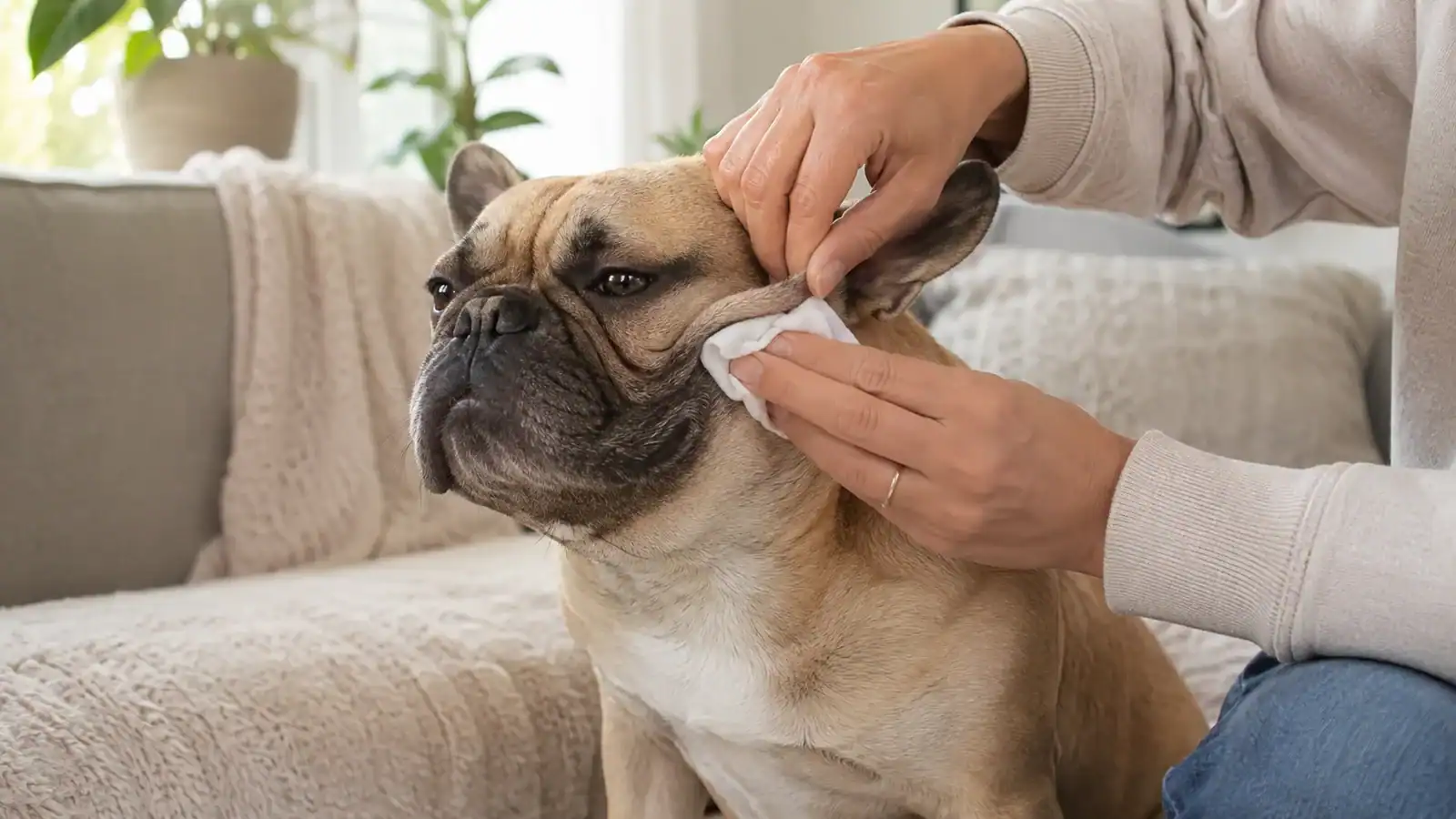
    Owner gently cleaning the outer facial fold of a calm French bulldog with a wipe

    A wipe is a poor fit for widespread hair loss, open or oozing sores, deep swelling, severe pain, rapidly spreading redness, or a dog who feels ill. Ringworm, parasites, bacterial infection, allergy, and immune or hormonal disease can overlap in appearance. If you keep treating the surface without understanding the pattern, the skin may improve briefly and then flare again.

    How to Use Antifungal Wipes Safely

    Medicated wipes are simple to use, but they still contain active ingredients. A few sensible habits make the treatment more comfortable for your dog and help prevent avoidable irritation.

    1. Read the label first. Products differ in how often they should be used, where they can be applied, and how they should be stored.
    2. Stay away from the eyes and mouth. A skin wipe can sting or irritate these sensitive tissues. Use an ear wipe only where the label directs, and never push it deep into the canal.
    3. Watch the first application closely. Check for new redness, swelling, itching, or unusual behavior. Stop using the product if the area becomes more irritated.
    4. Store the container out of reach. A curious dog may chew the package or swallow a wipe.
    5. Wash your hands afterward. This keeps medication from accidentally reaching your own eyes, mouth, or other sensitive areas.

    A medicated wipe should make home care easier, not turn it into a wrestling match or leave the skin looking angrier. Gentle application and a formula that suits the location usually make all the difference.
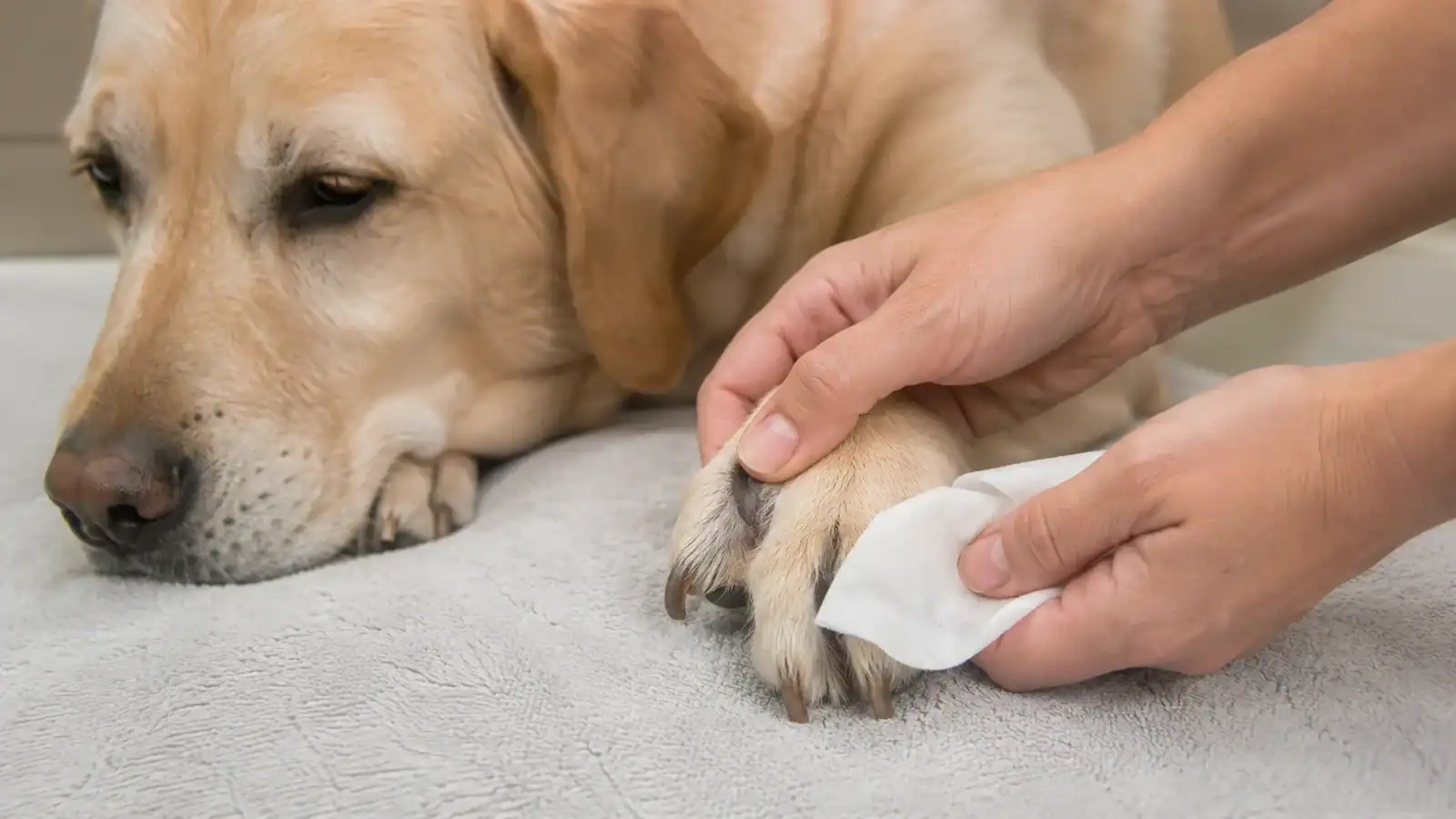
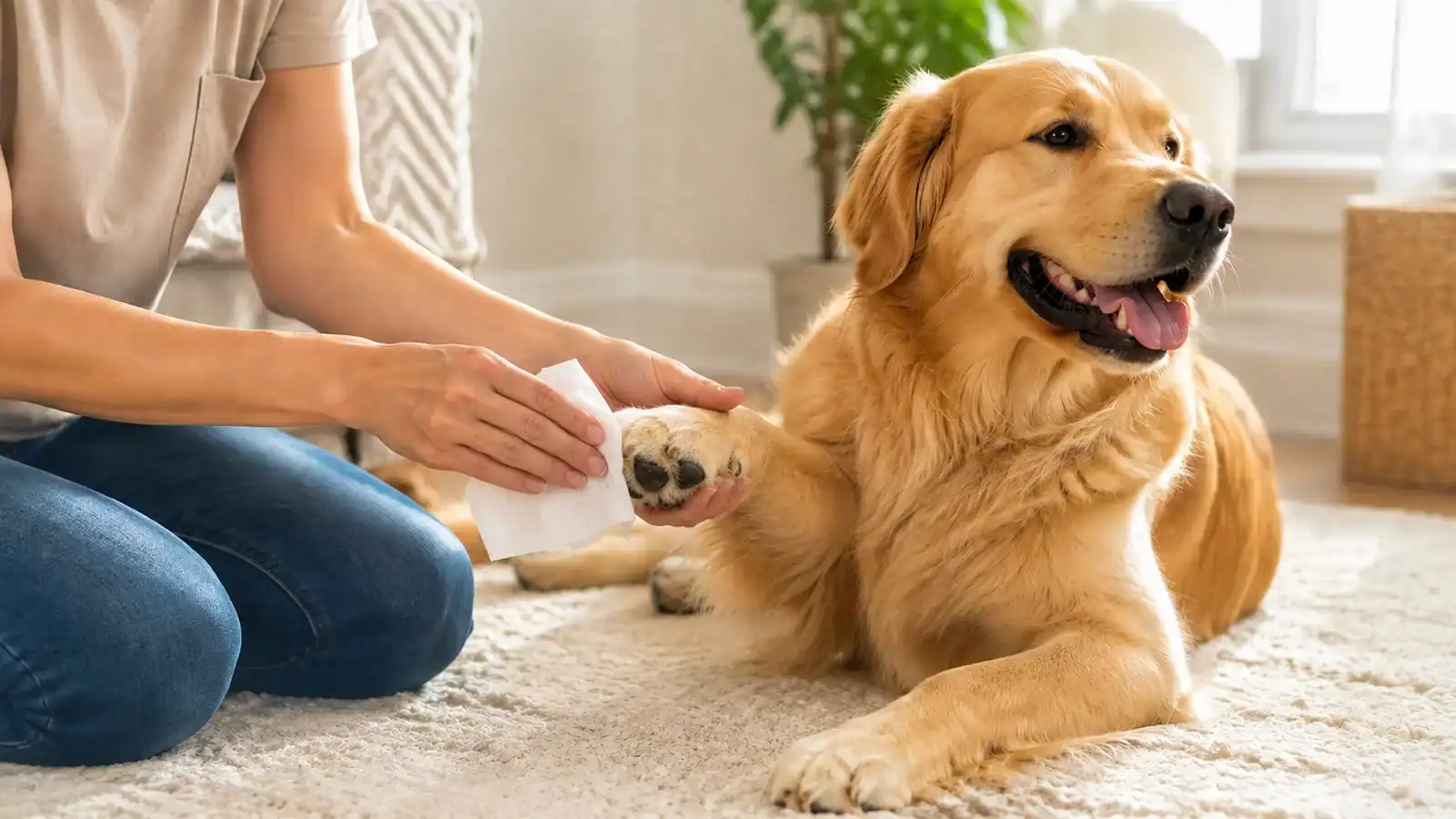
    Owner gently applying a medicated wipe between a calm Labrador retriever's toes

    What to Do About Licking or Irritation

    If your dog licks a freshly treated area, prevent more access and check the product label. If they ate the packaging or whole wipes call your veterinarian or an animal poison resource. Check if a meaningful amount may have been swallowed or if drooling, vomiting, weakness, coughing, or other symptoms appear.

    Offer a distraction to your dog when you apply an antifungal wipe. A toy or small treat can keep your dog busy for a few minutes while the area dries.

    Stop using the product and seek guidance if redness, swelling, pain, or itching increases. [3]

    A Holistic Plan for Recurring Skin Trouble

    Moisture, Friction, and the Home Environment

    Yeast and bacterial overgrowth are often the visible end of a longer story. Damp paws, deep folds, swimming, humid weather, tight collars or harnesses, repeated licking, and friction can keep the skin barrier under stress.

    Dry paws and folds well after bathing or wet walks. Wash bedding and grooming tools regularly. Keep hair mats from trapping moisture. If one season, room, cleaning product, or outdoor route seems to trigger a flare, write it down. A simple log can reveal patterns that are easy to miss from day to day.

    Nutrition, Allergy Patterns, and Skin-Barrier Support

    I look at skin from the inside and the outside. Nutrition, digestion, allergy patterns, grooming, stress, sleep, medications, movement, and the home environment all matter. A wipe may reduce surface organisms, but it cannot correct an allergy or rebuild a chronically damaged skin barrier on its own.

    Herbal or botanical options deserve thoughtful attention, not casual mixing. A systematic review found promising antibacterial, antifungal, anti-inflammatory, and wound-supporting signals for several medicinal plants. [4] But I don’t recommend making up a homemade antifungal wipe recipe or applying concentrated essential oils.

    You can find safe recipes and directions in holistic pet care books. My newest go-to is ‘The Forever Dog Life’ written by Dr. Karen Becker and Rodney Habib. I’m always reaching for Chapter 6 which covers recipes for the body.

    Wipes vs. Shampoo, Spray, or Prescription Treatment

    Choose a wipe when the area is small, easy to reach, and appropriate for the label. Choose a shampoo when several body regions need even coverage and your dog can tolerate bathing and contact time. A spray or mousse may be easier for a medium-sized area or a dog who dislikes rubbing.

    Prescription or systemic treatment may be needed when infection is confirmed, lesions are deep or widespread, topical care has failed, or an underlying immune disorder is driving repeated flares.

    When Your Dog Needs a Veterinarian

    Arrange veterinary care promptly for open sores, pus, bleeding, severe pain, rapidly spreading redness, marked swelling, strong discharge, fever, lethargy, facial swelling, or breathing trouble. Ear pain, a head tilt, loss of balance, or a swollen ear flap also deserves prompt attention.
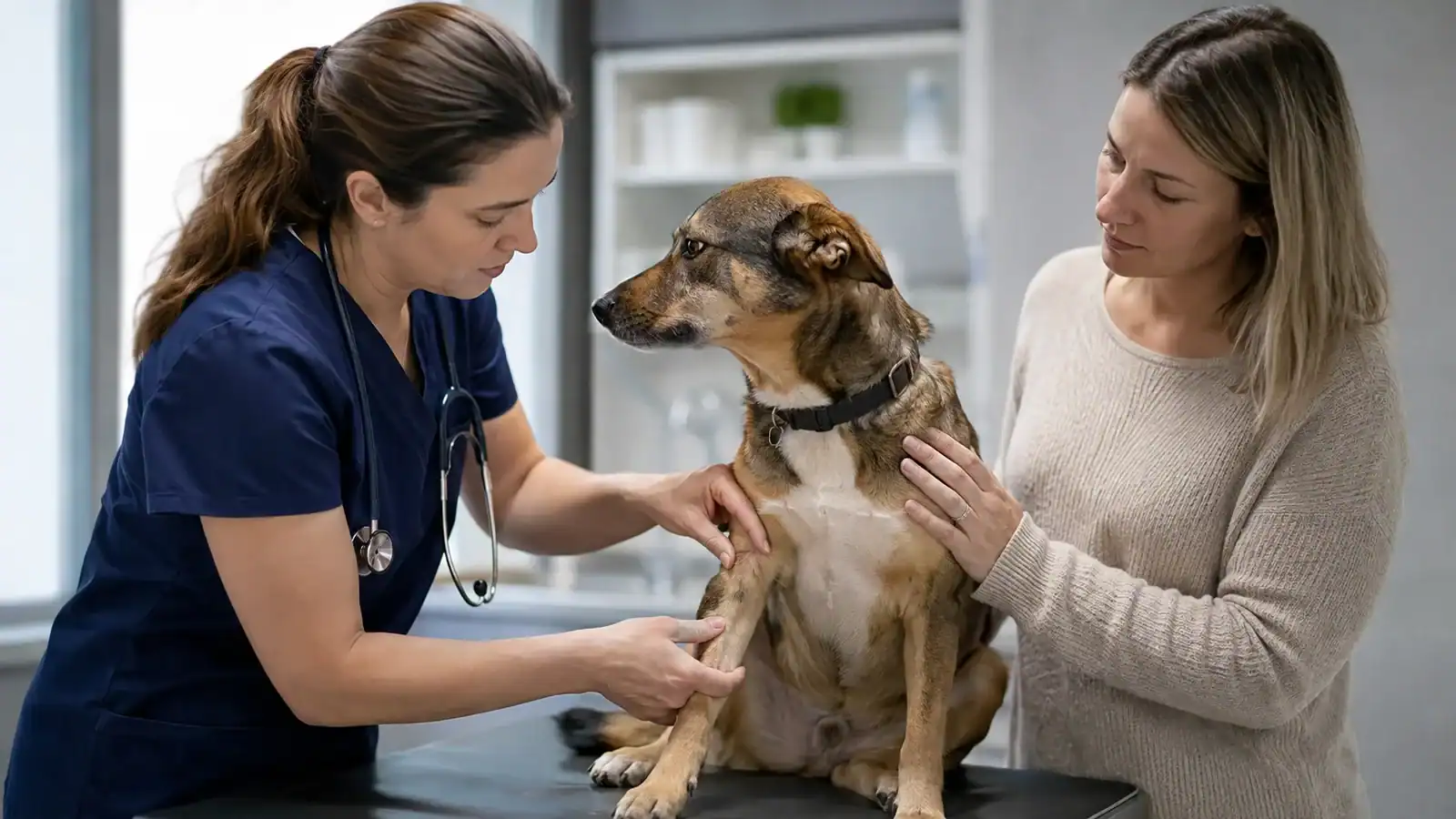
    Veterinarian examining the skin on a calm dog's front leg while the owner provides reassurance

    Book a recheck when the problem returns as soon as you stop wiping, spreads to new places, or fails to improve during the label-directed period. Your veterinarian may use skin cytology, fungal testing, culture, or other diagnostics to distinguish yeast, bacteria, dermatophytes, parasites, and inflammatory disease. That clarity can save your dog from weeks of trial and error.

    If you have tried conventional treatment patterns such as systemic antibiotics or steroids, you may need more personal guidance from a holistic or integrative veterinarian. I do a limited number of online consults that will go over a full plan to get your pup back on track. It includes food sensitivity testing, nutrition, supplements, topical care and more.

    Final Thoughts

    Fungal skin problems can make a dog miserable, even when the affected area looks small. Antifungal wipes give you a practical way to care for paws, folds, the outer ear flap, and other targeted areas without putting your dog through a full bath every time.
    Choose the product by its active ingredients and intended body area, then pay attention to how the skin responds. If the irritation is severe, persistent, or keeps coming back, the next useful step is figuring out why. The goal is not simply a cleaner patch of skin. It is a dog who feels comfortable again.

    Frequently Asked Questions

    How Often Should I Use Antifungal Wipes on My Dog?

    Follow the exact product label or your veterinarian’s plan. Frequency varies with the active ingredients, body area, diagnosis, and skin sensitivity. Using a wipe more often is not automatically more effective and can increase irritation.

    Can I Use Human Antifungal Wipes on My Dog?

    I do not recommend using a human antifungal wipe unless your veterinarian has reviewed the exact product and body area. Human products may have different active ingredients, concentrations, fragrances, solvents, and warnings, and dogs are likely to lick treated skin.

    What Should I Do if My Dog Licks the Treated Area?

    Prevent more licking, read the label, and watch your dog closely. Contact your veterinarian or an animal poison resource if a meaningful amount may have been swallowed or if your dog develops drooling, vomiting, coughing, weakness, or unusual behavior.

    How Long Should It Take to See Improvement?

    There is no honest one-size-fits-all promise. A localized superficial problem may begin to look calmer during the first week if the product matches the cause. If the skin worsens, remains painful, spreads, or does not improve as the label predicts, stop guessing and arrange a veterinary examination.

    Can Antifungal Wipes Cause Side Effects?

    Most dogs tolerate pet-specific antifungal wipes well. Possible problems include dryness, redness, stinging, increased itching, or contact sensitivity. Stop the product and get advice if irritation increases. Seek urgent care for facial swelling, hives, breathing difficulty, collapse, or another severe reaction.

    References

    1. Cavana, P., Peano, A., Petit, J.-Y., Tizzani, P., Perrot, S., Bensignor, E., & Guillot, J. (2015). A pilot study of the efficacy of wipes containing chlorhexidine 0.3%, climbazole 0.5% and Tris-EDTA to reduce Malassezia pachydermatis populations on canine skin. Veterinary Dermatology, 26(4), 278-e61. https://pmc.ncbi.nlm.nih.gov/articles/PMC4660877/
    2. Merck Veterinary Manual. (n.d.). Pyoderma in dogs and cats. https://www.merckvetmanual.com/integumentary-system/pyoderma/pyoderma-in-dogs-and-cats
    3. U.S. National Library of Medicine. (n.d.). Antibacterial & antifungal medicated wipes. DailyMed. https://dailymed.nlm.nih.gov/dailymed/fda/fdaDrugXsl.cfm?setid=0346ba3c-5e6b-45e2-bd06-653f267f4e2e&type=display
    4. Tresch, M., Mevissen, M., Ayrle, H., Melzig, M. F., Roosje, P., & Walkenhorst, M. (2019). Medicinal plants as therapeutic options for topical treatment in canine dermatology? A systematic review. BMC Veterinary Research, 15, 174. https://bmcvetres.biomedcentral.com/articles/10.1186/s12917-019-1854-4

    A note about your dog’s health

    This article provides general education and does not replace an examination, diagnosis, or individualized advice from your veterinarian. Contact a veterinary professional if you are concerned about your dog’s symptoms.
    Dr. Candy Akers, DVM Avatar

    ABOUT THE AUTHOR

  • Wrinkle Wipes For Dogs – Cleaning Tips & Best Ones Ranked By A Vet

    Wrinkle Wipes For Dogs – Cleaning Tips & Best Ones Ranked By A Vet

    I’m Dr. Candy Akers, a seasoned veterinarian with over a decade of experience in animal care and wellness. Throughout my career, I’ve encountered countless pet owners who are deeply committed to the health and happiness of their furry companions. One of the most common concerns I’ve come across, especially among owners of certain dog breeds, is the proper care of wrinkles. These adorable folds, while endearing, can harbor dirt and moisture, leading to various skin issues if not cleaned regularly. I’ve seen the consequences of neglect firsthand, and I’ve also witnessed the transformative power of proper wrinkle care. In this blog, I’ll be sharing my insights on the importance of cleaning dog wrinkles, along with a vet-approved ranking of the best wrinkle wipes available in the market. My aim is to equip you with the knowledge and tools to ensure your pet remains healthy, happy, and wrinkle-worry-free.

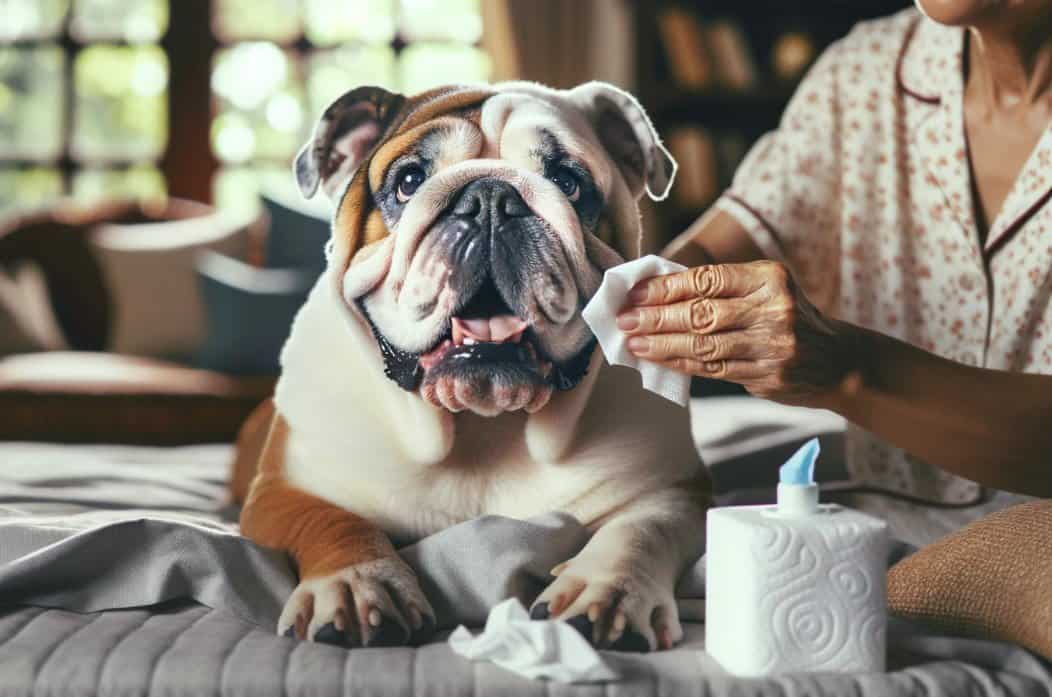
    wrinkle wipes for dogs

    Why Do Some Dogs Have Wrinkles?

    Dogs, with their diverse breeds and unique characteristics, have always been a subject of intrigue. Among these captivating features, wrinkles stand out, especially in breeds like the Shar-Pei or the Pug. But have you ever wondered why only certain breeds have these distinctive folds? Let’s explore.

    1. Genetic Heritage: The primary reason some dogs have wrinkles is genetics. Specific genes dictate the skin’s elasticity and the amount of hyaluronic acid produced, which affects skin texture. Breeds like the Shar-Pei have been selectively bred over generations to emphasize these skin folds, leading to their characteristic appearance.
    2. Historical Purpose: For some breeds, wrinkles had a functional purpose. The Shar-Pei, for instance, was originally bred for hunting and guarding. Their loose, wrinkled skin made it harder for predators to get a firm grip on them during confrontations. Similarly, the Bloodhound’s saggy, wrinkled skin helps trap scent particles, enhancing their tracking abilities.
    3. Protection and Insulation: The thick folds can also act as a protective barrier, preventing minor injuries or scratches from reaching the underlying skin. Additionally, for some breeds living in colder regions, these wrinkles provided an extra layer of insulation against the cold.
    4. Health Conditions: While genetics play a significant role, certain health conditions can also lead to the development of wrinkles or skin folds. Hypothyroidism, for example, can cause changes in skin texture and elasticity, leading to a wrinkled appearance.
    5. Evolutionary Residue: Some scientists believe that these skin folds are evolutionary residues from when dogs were aquatic animals. The wrinkles, in this theory, helped increase surface area, aiding in swimming and maneuvering underwater.

    While wrinkles add to the charm and uniqueness of certain dog breeds, they also come with their set of responsibilities. Proper care and regular cleaning are essential to ensure these folds don’t become breeding grounds for infections.

    The Importance of Proper Wrinkle Care

    Wrinkles and skin folds, while undeniably charming, come with their own set of challenges. As a veterinarian, I’ve often emphasized the importance of proper wrinkle care to pet owners. Here’s why it’s so crucial:

    • 1. Prevention of Infections: The crevices of wrinkles can trap moisture, dirt, and debris. This creates a perfect environment for bacteria and yeast to thrive, leading to infections. Regular cleaning ensures these folds remain dry and free from harmful microorganisms.
    • 2. Avoidance of Skin Irritation: Without proper care, the trapped moisture and debris can cause skin irritation, leading to redness, itching, and discomfort for your pet. Over time, this can develop into painful sores or hot spots.
    • 3. Reduction of Odor: The moist environment in the wrinkles can produce an unpleasant odor over time. Regular cleaning not only ensures your dog’s comfort but also keeps them smelling fresh.
    • 4. Early Detection of Issues: Routine wrinkle care allows pet owners to spot potential problems early on. Whether it’s an unusual lump, a rash, or an unexpected change in the skin’s texture, early detection can lead to timely interventions and better outcomes.
    • 5. Enhancing Comfort: Imagine having a constant itch or discomfort that you couldn’t address. That’s how dogs with unattended wrinkles might feel. Proper care ensures they remain comfortable and free from any skin-related distress.
    • 6. Maintaining Aesthetic Appeal: While health and comfort are paramount, let’s not forget the aesthetic aspect. Clean, well-maintained wrinkles enhance the natural beauty of breeds like Pugs, Bulldogs, and Shar-Peis.

    While wrinkles add a distinctive charm to certain breeds, they also demand dedicated care. As pet owners, understanding the importance of wrinkle care is paramount to ensure our furry friends lead a healthy, comfortable, and happy life.

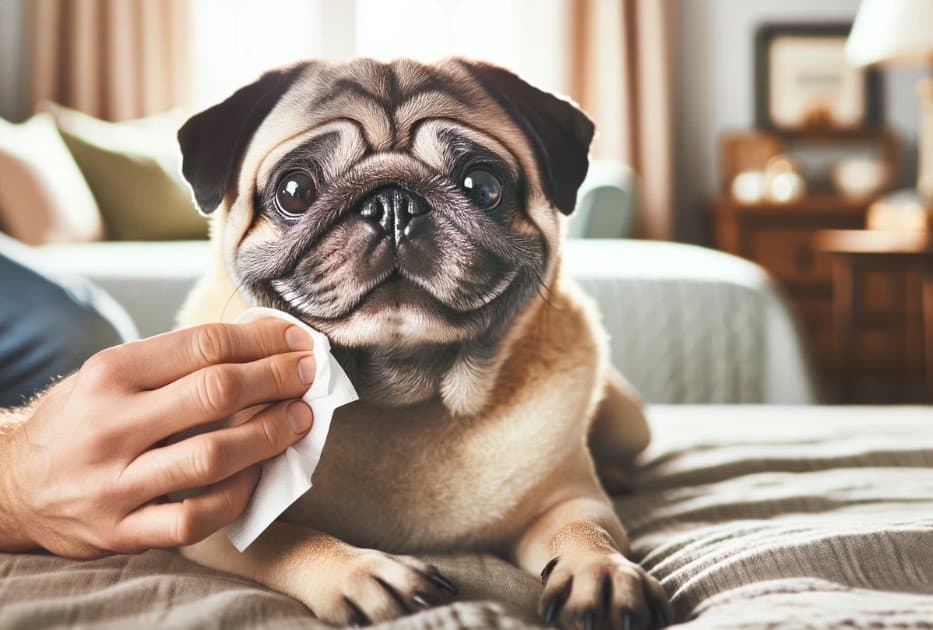
    wrinkle wipes for pugs

    Choosing the Right Wrinkle Wipe for Your Dog

    Ingredients Matter

    • Natural and Organic: Opt for wipes that contain natural ingredients. Ingredients like aloe vera, chamomile, and witch hazel can soothe the skin while cleaning.
    • Avoid Harsh Chemicals: Steer clear of wipes containing parabens, alcohol, or artificial fragrances. These can irritate the skin and exacerbate existing issues.

    Hypoallergenic

    Dogs with wrinkles often have sensitive skin. Choosing hypoallergenic wipes reduces the risk of allergic reactions and skin irritations.

    Texture and Thickness

    • Softness: The wipe should be gentle on the skin to prevent abrasions.
    • Durability: A thicker wipe ensures it won’t tear during use, providing a thorough cleaning without leaving residues.

    Moisture Level

    The wipe should be moist enough to clean effectively but not overly wet, as excessive moisture can exacerbate bacterial growth in the wrinkles.

    Size of the Wipe

    Consider the size of the wipe in relation to your dog’s size. For larger breeds with deeper folds, a bigger wipe might be more effective, while smaller breeds might benefit from a more compact size.

    Vet-Approved

    Always look for products that come with a vet’s endorsement or approval. This ensures the product has been tested and deemed safe for pets.

    Resealable Packaging

    To maintain the moisture and efficacy of the wipes, ensure they come in resealable packaging. This prevents them from drying out and ensures longevity.

    Price vs. Quality

    While it’s essential to stay within a budget, don’t compromise on quality. Sometimes, cheaper products can end up costing more in the long run if they lead to skin issues or don’t clean effectively.

    Reviews and Recommendations

    Before making a purchase, read reviews from other pet owners. Personal experiences can provide valuable insights. Additionally, consulting with your vet or fellow dog owners can lead to trusted recommendations.

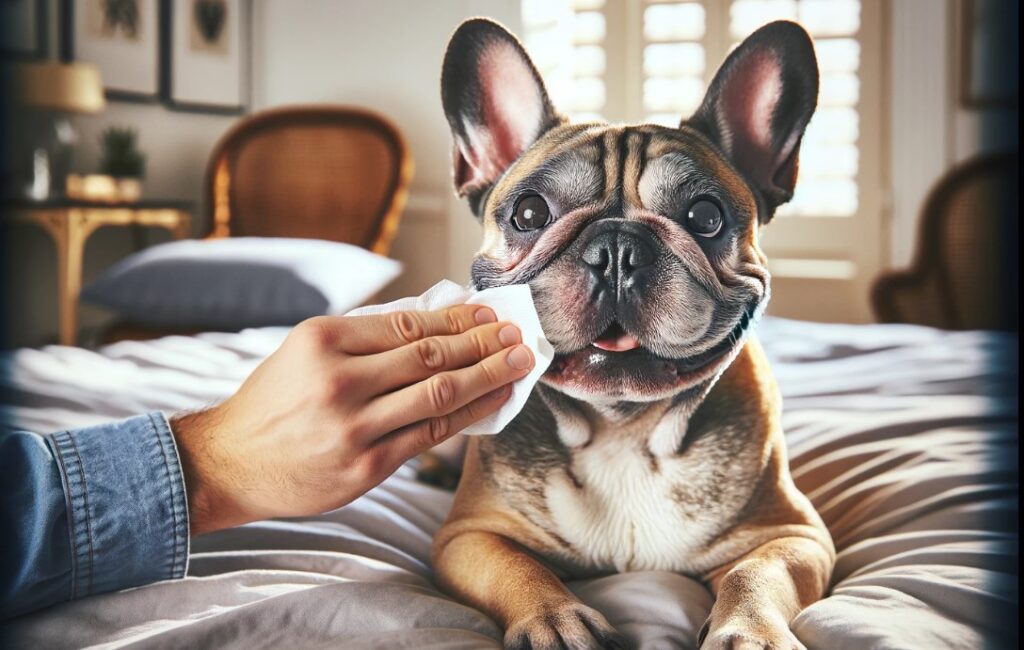
    wrinkle wipes for frenchie

    Top 5 Wrinkle Wipes Ranked by a Vet – Dr. Candy’s Recommendations

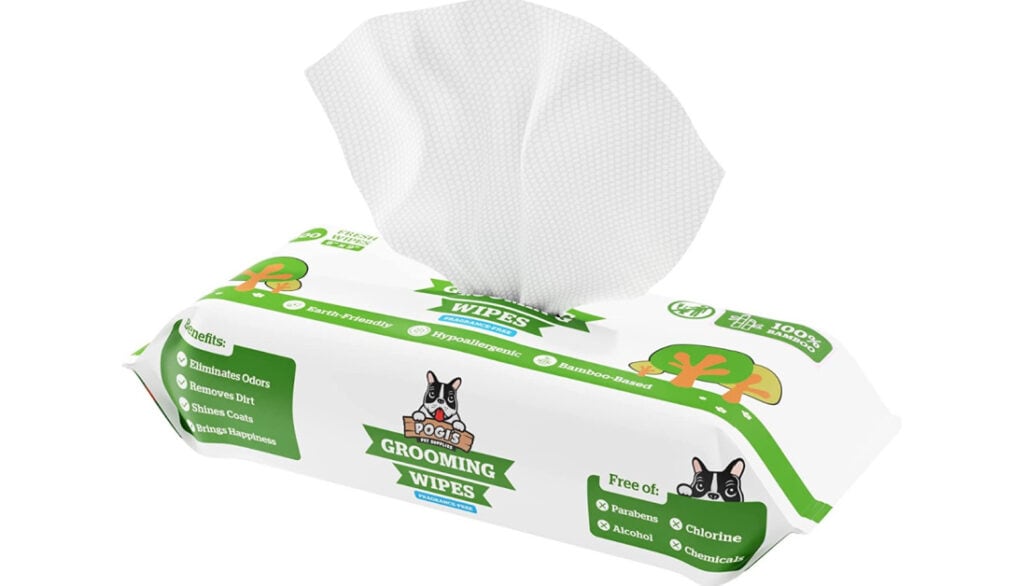
    Pogi’s Dog Grooming Wipes – 100 Dog Wipes for Cleaning and Deodorizing

    Pogi’s Dog Grooming Wipes are plant-based, hypoallergenic wipes designed for cleaning and deodorizing your pet. Enriched with conditioning ingredients like Aloe Vera, Vitamin E, and Hawaiian Awapuhi, these wipes not only help in freshening up but also give the coat a healthy shine. Perfect for removing dirt, odor, and dander from paws, bodies, and bums, they offer a quick and gentle cleaning solution, especially when a full bath isn’t feasible.

    Pogi's Dog Grooming Wipes - 100 Dog Wipes for Cleaning and Deodorizing

    PROs:

    • Great For Ultra-Sensitive Dogs: Pogi’s Dog Grooming Wipes are plant-based and hypoallergenic, indicating they are safe and gentle to use on sensitive skin and are less likely to cause an allergic reaction.
    • Multi-Use Cleaning Solution: These wipes can effectively serve multiple purposes from cleaning paws, eradicating odors, to refreshing the dog’s body in between bath times. This positions them as a versatile cleaning solution that caters to all the grooming needs of dogs.
    • Built for Durability: The wipes are designed to be durable and robust, preventing them from ripping or disintegrating while in use. This ensures effective cleaning without any inadvertent messes or inconvenience.

    CONs:

    • Unscented Nature: While being fragrance-free is beneficial for pets with allergies or sensitivity to scents, it may not appeal to everyone. Those who enjoy a fresh scent during or after cleaning their pets might not find this feature as desirable.
    • Effect on Persistent Dirt: While these wipes are suitable for regular cleanups, they may not always be sufficient to tackle stubborn or heavy dirty areas. 
    • Unmedicated: This gentle formula doesn’t pack the punch needed for yeast and bacterial infections. If your dog’s folds are smelly and crusty, you may need a medicated wipe for those wrinkles.

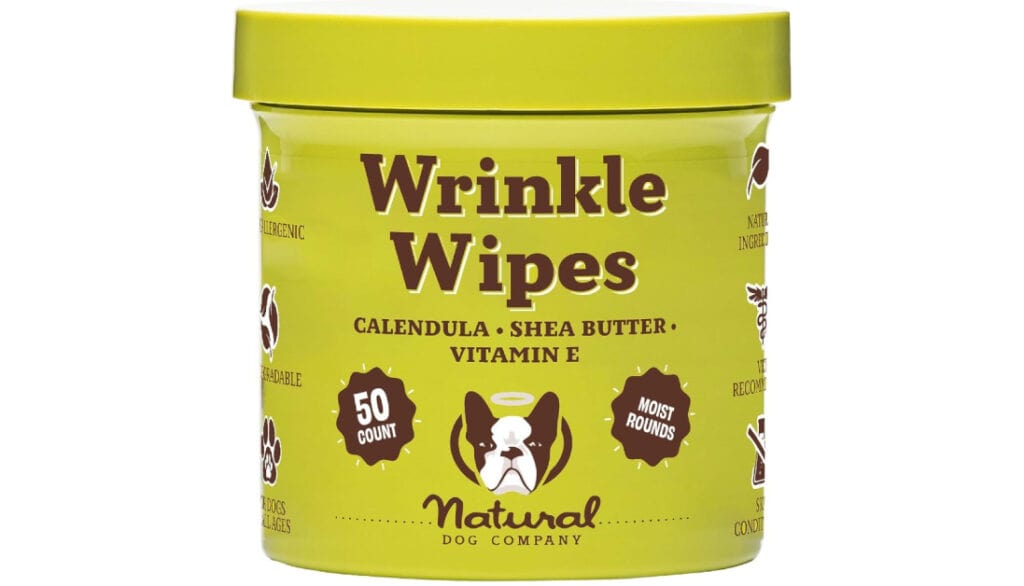
    Natural Dog Company Wrinkle Wipes for Dogs

    Natural Dog Company Wrinkle Wipes are specially designed to treat, heal, and protect your dog’s wrinkles. Made with organic and natural ingredients like Shea butter, Rosemary Extract, and Calendula, these hypoallergenic wipes are perfect for cleaning and deodorizing your dog’s face, paws, and butts, ensuring a barrier on the skin to retain moisture and keep bacteria out. Safe for all dog breeds and sizes, they are a must-have for on-the-go grooming adventures.

    Natural Dog Company Wrinkle Wipes for Dogs

    PROs:

    • Organic and Safe Ingredients: Natural Dog Company Wrinkle Wipes for Dogs have been curated with organic, safe ingredients that include Shea butter, Rosemary Extract, and Calendula. These ingredients not only clean but also nourish the skin, providing an all-rounder care for your pet’s skin.
    • Calendula: I love that these include Calendula. Calendula is an herb that is amazing for many types of skin conditions.
    • Multi-Purpose Use: These wipes are perfect for a host of grooming requirements including cleaning faces, paws, and butts and are even effective in deodorizing the pet, adding to their versatility.
    • Designed for Easy Application: Equipped with easy application features and stable storage conditions, the wipes come in a recyclable, screw-top jar that makes them an excellent option for on-the-go adventures with your pet.

    CONs:

    • Size of the Wipes: The wipes might seem small to provide a comprehensive cleaning for larger breeds, potentially requiring users to apply multiple wipes during each grooming session.
    • Less Effective on Severe Skin Conditions: While these wipes can help mitigate common skin concerns, they might not be enough to treat severe skin conditions such as chronic infections and wounds. 

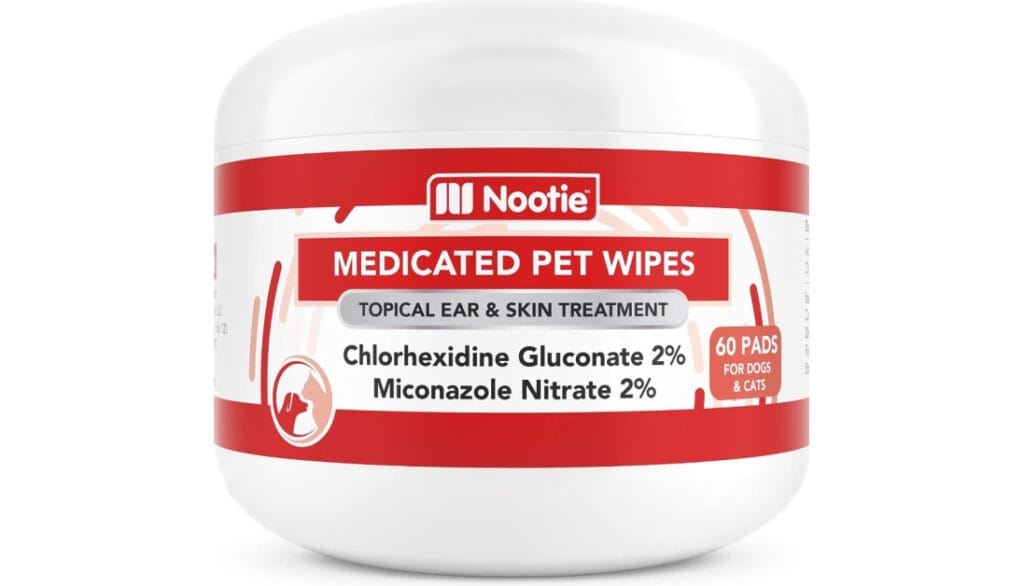
    Nootie Medicated Dog Wipes, 2% Chlorhexidine and 2% Miconazole Formulated Pet Wipes

    Nootie offers medicated wipes for pets, specifically formulated for both dogs and cats. These wipes contain veterinary-strength active ingredients, including 2% chlorhexidine gluconate and 2% miconazole nitrate, designed to provide relief from ear infections, skin conditions, ringworm, hot spots, and allergic dermatitis.

    Nootie Medicated Dog Wipes

    PROs:

    • The Nootie Medicated Dog Wipes are formulated with 2% Chlorhexidine and 2% Miconazole, which are effective in treating various infections that may occur in skin folds and wrinkles. These topical medications are antibacterial, antifungal, and anti-yeast. 
    • These wipes are 2″ in size, ideal for use on hard-to-reach areas. They may be too small for some large breed dogs.
    • Easy to use and efficient. They have successfully helped in treating skin irritations and itchiness of dog wrinkles.

    CONs:

    • Some users believe the smell of the wipes is quite strong. While not necessarily unpleasant, it smells as if there is an added fragrance which some people might find unnecessary or even bothersome.
    • They can also leave a sticky residue on hands after use.

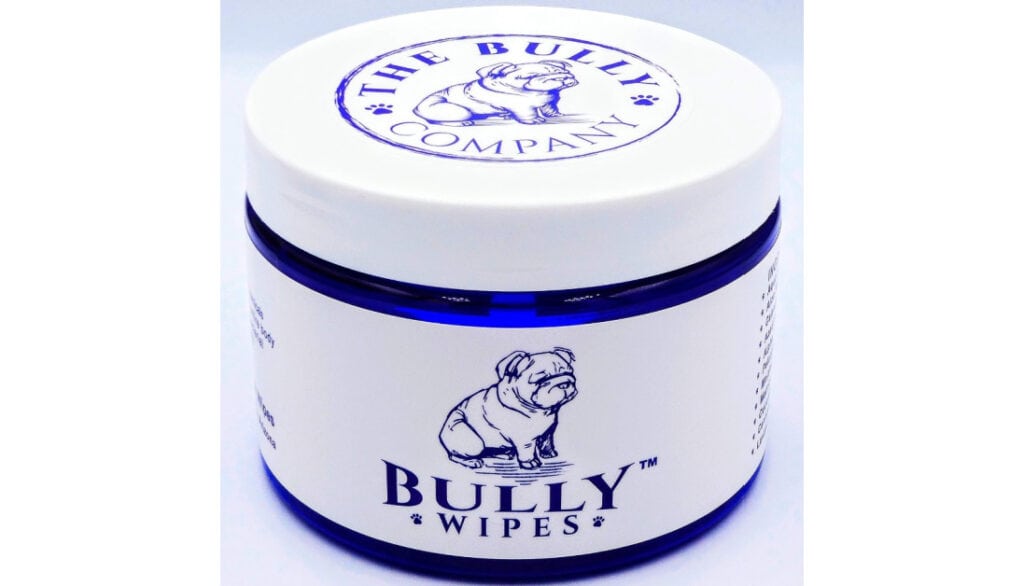
    Bully Wipes – Bulldog Wrinkle Wipes – All Natural Organic (50ct)

    Bully Wipes are specially designed wrinkle wipes tailored for Bulldog breeds. These wipes are infused with an all-natural organic formula that offers a refreshing botanical scent, effectively removing dirt and ensuring safety around sensitive areas like eyes, ears, paws, and wrinkles.

    Bully Wipes - Bulldog Wrinkle Wipes - All Natural Organic (50ct)

    Pros:

    • Great For Sensitive Breeds: Bully Wipes are created specifically for skin folds and wrinkles and are considered safe to use daily around various sensitive areas like the eyes, ears, paws, and skin folds. The wipes can effectively remove dirt and maintain a healthy skin barrier, addressing the unique needs of dog’s skin folds.
    • 100% Natural: The product includes high-quality, all-natural ingredients such as aloe vera, calendula, neem oil, and geranium among others, which can soothe itchiness, promote healing, treat skin conditions, and moisturize the skin. This makes the wipes beneficial for the dog’s overall skin health.

    Cons:

    • Fragrance: The scent of the Bully Wipes could potentially be overpowering for some Bulldogs, causing them to reject the application. This could make it challenging for pet owners to maintain regular grooming habits using the wipes.

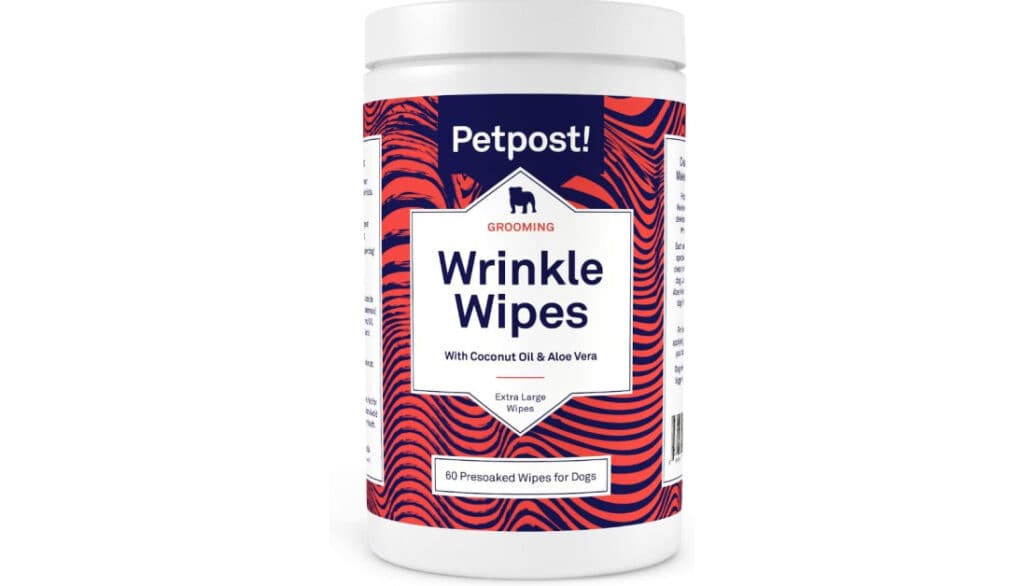
    Petpost Bulldog Wrinkle Wipes for Dogs – 5″ x 7″ Extra Large

    The Petpost Bulldog Wrinkle Wipes are specially designed for dogs with wrinkles, such as Bulldogs and Pugs. These extra-large 5″x7″ cotton pads are infused with a natural coconut oil and aloe formula, ensuring a gentle yet effective cleaning of the folds and wrinkles. The wipes not only remove dirt and gunk but also provide soothing relief to irritated skin. With regular use, these wipes can help maintain a cleaner and happier face for your furry friend.

    PROs:

    • Natural and Gentle Ingredients: Petpost Bulldog Wrinkle Wipes contain aloe and high-quality coconut oil in its solution. These naturally derived ingredients not only effectively clean the wrinkles on your pet’s skin but also ensure its gentle and soothing properties prevents serious skin irritations.
    • Environmentally Friendly Approach: With all-natural ingredients and recyclable packaging, Petpost’s approach to product development signifies a responsible and conscious pet company focused on minimizing its environmental impact.
    • Naturally Anti-inflammatory: Coconut oil has natural anti-inflammatory properties, which can help calm redness and irritation in skin folds.

    CONs:

    • Potential Size Limitation: While the wipes are described as extra-large, they might still be inadequate for larger breed dogs, causing users to resort to using multiple wipes in one cleaning session.

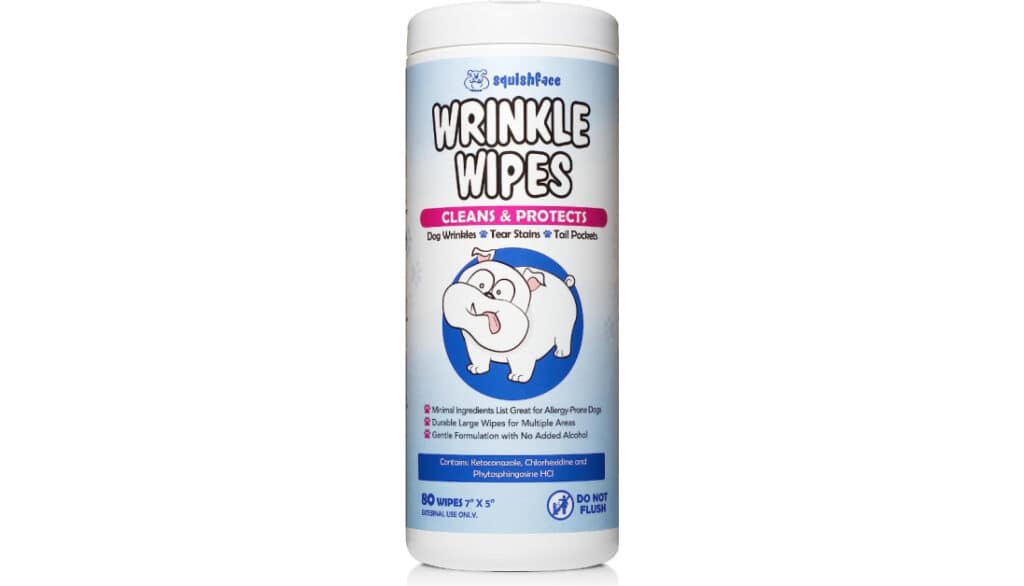
    Squishface Wrinkle Wipes – 5”x7” Large Dog Wipes

    Squishface Wrinkle Wipes are specially designed 5″x7″ large dog wipes that not only deodorize but also act as a tear stain remover. Ideal for breeds like English Bulldogs, Pugs, French Bulldogs, and more, these wipes are perfect for cleaning wrinkles, tear stains, and even paws, ensuring your furry friend remains fresh and cuddle-ready between baths.

    Squishface wrinkle wipes

    PROs:

    • Exceptional Skin Health Ingredients: Squishface Wrinkle Wipes are fortified with phytosphingosine and Ketoconazole. The former has excellent microbial properties while the latter is known for effectively targeting yeast and other fungal organisms.
    • Non-Stinging and Mild: These wipes are crafted with a paraben-free and alcohol-free formula that is non-stinging, which makes them suitable even for dogs with sensitive skin or allergies.

    CONs:

    • Potential Container Leakages: There have been experiences where the wipes’ fluid leaks out from the top of the container, which could create a mess and also leads to the drying out of the wraps faster than expected.

    When selecting a wrinkle wipe for your dog, it’s essential to consider their specific needs, any existing skin conditions, and the purpose of the wipe (routine cleaning vs. treating an issue). Always monitor your dog’s skin after introducing a new product to ensure there are no adverse reactions. And, as always, consulting with your veterinarian will provide the most tailored advice for your furry friend.

    Step-by-Step Guide to Cleaning Dog Wrinkles

    1. Preparation

    • Gather Supplies: Before you begin, ensure you have all the necessary items at hand. This includes:
      • Wrinkle wipes or a recommended cleaning solution
      • Soft, dry cloth or towel
      • A flashlight (for deeper wrinkles or dimly lit areas)
      • Barrier cream or ointment (if recommended by your vet)
    • Choose the Right Time: It’s best to clean your dog’s wrinkles when they are calm and relaxed, perhaps after a walk or play session.

    2. Create a Calm Environment

    • Find a quiet spot in your home, free from distractions.
    • You can place your dog on a comfortable surface, like a soft mat or a grooming table.

    3. Approach Gently

    • Approach your dog calmly, using a gentle voice.
    • Reward them with treats or soothing words to create a positive association with the cleaning process.

    4. Start Cleaning

    • Gently pull apart the skin fold to expose the wrinkle.
    • Use the wrinkle wipe or damp cloth with the cleaning solution to gently clean inside the fold. Ensure you reach all areas, but avoid excessive rubbing.
    • For deeper wrinkles or those hard to see, use a flashlight to ensure thorough cleaning.

    5. Dry The Area

    • After cleaning, it’s crucial to remove any moisture to prevent bacterial growth.
    • Gently pat the cleaned wrinkle with a soft, dry cloth or towel, ensuring it’s completely dry.

    6. Apply Barrier Cream (If Needed)

    • If your vet has recommended a barrier cream or ointment, apply a thin layer to the cleaned wrinkle.
    • This can help protect the skin and prevent moisture buildup.

    7. Reward Your Dog

    • After the cleaning process, reward your dog with their favorite treat or some playtime.
    • This helps reinforce a positive association with the cleaning routine.

    8. Monitor for Reactions

    • Keep an eye on the cleaned areas for any signs of irritation, redness, or discomfort.
    • If you notice any adverse reactions, consult your vet immediately.

    9. Establish a Routine

    • Depending on your dog’s breed and specific needs, establish a regular cleaning routine.
    • This could be daily, every other day, or weekly. Consult with your vet to determine the best frequency.

    Regular and proper cleaning of your dog’s wrinkles is essential for their health and comfort. By following this step-by-step guide and ensuring you’re gentle and thorough, you can keep your furry friend’s wrinkles clean and free from complications.

    wrinkle wipes for mastiffs

    Additional Tips for Maintaining Wrinkle Health

    1. Regular Inspections:

    • Why: Regularly inspecting your dog’s wrinkles helps in early detection of issues like redness, swelling, or unusual discharge.
    • How: Gently pull apart the skin folds and look for any signs of irritation or infection.

    2. Dry After Cleaning:

    • Why: Moist environments promote bacterial growth.
    • How: After using a wipe, gently pat the area with a soft, dry cloth to remove any residual moisture.

    3. Diet and Hydration:

    • Why: A healthy diet promotes good skin health.
    • How: Ensure your dog has a balanced diet rich in omega-3 fatty acids. Also, ensure they have constant access to fresh water to stay hydrated.

    4. Avoid Tight Collars:

    • Why: Tight collars can cause friction against the neck wrinkles, leading to irritation.
    • How: Opt for adjustable, comfortable collars. Consider harnesses for breeds with prominent neck wrinkles.

    5. Use Barrier Creams:

    • Why: They can protect the skin and prevent moisture buildup.
    • How: Apply a thin layer of vet-approved barrier cream to the wrinkles, especially in humid conditions.
    wrinkle wipes shar pei

    6. Regular Vet Check-ups:

    • Why: Routine check-ups can catch potential issues before they become severe.
    • How: Schedule regular appointments with your vet and discuss any concerns related to your dog’s wrinkle health.

    7. Avoid Over-cleaning:

    • Why: Over-cleaning can strip the skin of its natural oils, leading to dryness and irritation.
    • How: Clean the wrinkles based on your dog’s needs and the vet’s recommendation, not necessarily daily.

    8. Be Gentle:

    • Why: Rough handling can cause abrasions and discomfort.
    • How: Always be gentle when cleaning or inspecting the wrinkles. Use soft cloths and avoid excessive rubbing.

    9. Monitor Allergies:

    • Why: Allergies can exacerbate skin issues in the wrinkles.
    • How: If you notice your dog scratching or if the wrinkles appear more irritated during certain seasons, consult your vet about potential allergies.

    10. Educate Yourself:

    • Why: Understanding the specific needs of your dog’s breed can help in better care.
    • How: Read up on your dog’s breed, join breed-specific forums, or attend workshops to gain more insights into wrinkle care.

    Maintaining wrinkle health is a blend of regular care, vigilance, and understanding your dog’s specific needs. With the right practices in place, you can ensure that your dog’s charming wrinkles remain a source of joy and not discomfort.

    wrinkle wipes pekingese

    Conclusion

    In the world of canine care, the nuances often make all the difference. Wrinkles, those endearing folds that grace our furry friends, are more than just a charming trait; they’re a responsibility. As we’ve journeyed through the importance of wrinkle care, the best products to use, and the techniques to employ, it’s evident that our pets rely on us for their comfort and well-being. Armed with knowledge and the right tools, we can ensure that these wrinkles remain a source of joy rather than discomfort. Remember, the love and care we invest in our pets are returned to us tenfold in loyalty, affection, and those heartwarming moments that make pet ownership so rewarding. Here’s to happy, healthy wrinkles and even happier canine companions!

    Frequently Asked Questions

    1. How often should I clean my dog’s wrinkles?

    Answer: The frequency depends on the breed and specific needs of your dog. While some dogs may require daily cleaning, others might benefit from a weekly routine. Always monitor the wrinkles for signs of dirt or irritation and consult with your vet for a tailored recommendation.

    2. Can I use human skincare products or baby wipes to clean my dog’s wrinkles?

    Answer: It’s best to avoid human skincare products as they might contain ingredients that are not safe or suitable for dogs. While some baby wipes might be gentle, they may not effectively address the specific needs of dog wrinkles. Always opt for vet-approved or specially formulated wrinkle wipes for dogs.

    3. My dog’s wrinkles have a strong odor, even after cleaning. What should I do?

    Answer: A persistent odor might indicate a bacterial or yeast infection. It’s essential to consult with your veterinarian for a proper diagnosis and treatment plan.

    4. Are there any home remedies for cleaning dog wrinkles?

    Answer: While some pet owners use diluted solutions of apple cider vinegar or coconut oil for cleaning, it’s crucial to ensure any home remedy is safe for your dog. Always do a patch test and consult with your vet before trying any home remedies.

    5. How can I make the wrinkle cleaning process more comfortable for my dog?

    Answer: Start by creating a calm environment and choosing a time when your dog is relaxed. Use gentle, soothing strokes and reward your dog with treats or positive reinforcement throughout the process. Over time, your dog will associate wrinkle cleaning with positive experiences.

    A note about your dog’s health

    This article provides general education and does not replace an examination, diagnosis, or individualized advice from your veterinarian. Contact a veterinary professional if you are concerned about your dog’s symptoms.

    Dr. Candy Akers, DVM Avatar

    ABOUT THE AUTHOR

  • Dog Shampoo for Scabies: A Safe, Practical Guide

    Dog Shampoo for Scabies: A Safe, Practical Guide

    Dog shampoo can make a scabies bath gentler and more useful, but shampoo alone usually does not cure canine scabies. A veterinarian may recommend a product that loosens crusts, washes away debris, soothes irritated skin, or manages a secondary infection. Your dog still needs an appropriate treatment that targets Sarcoptes mites.

    That distinction matters when you are standing in front of a shelf packed with bottles promising relief. The word “medicated” does not tell you what a shampoo treats. The safest choice is the one that matches your dog’s diagnosis, treatment plan, age, skin condition, and product label.

    First, Make Sure It Is Sarcoptic Mange

    Sarcoptic mange, also called canine scabies, is caused by Sarcoptes scabiei mites. These mites burrow into the outer layers of the skin and can trigger intense itching. Common trouble spots include the ear edges, elbows, hocks, chest, and belly. You may also see redness, crusts, scales, hair loss, or sores from scratching. Severe cases can affect a dog’s appetite, energy, and body condition. [1] [2] [3]

    Puppy with patchy hair loss and irritated skin consistent with sarcoptic mange

    Other problems can look similar. Fleas, allergies, bacterial or yeast infections, and demodectic mange can all cause itchy or damaged skin. Demodectic mange involves a different mite and calls for a different diagnostic and treatment plan.

    A veterinarian may perform skin scrapings or other tests. Sarcoptic mites can be hard to find, so a negative scraping does not always rule out the disease. When the history and skin pattern strongly suggest scabies, a veterinarian may use response to treatment as part of the diagnosis. [1] [2]

    Canine scabies is contagious between dogs. Mites can also move on recently shared bedding, brushes, clippers, towels, or close-contact surfaces. People exposed to an affected dog may develop an itchy rash, although the canine mite does not usually maintain its life cycle on people. Contact your physician if anyone in the home develops a persistent or uncomfortable rash. [1] [2]

    What Shampoo Can And Cannot Do

    Think of shampoo as one member of the care team, not the whole team. A good supportive shampoo may soften crusts, lift debris, reduce excess scale, cleanse damaged skin, or make a dog more comfortable. An antimicrobial shampoo may help when a veterinarian has identified a secondary bacterial or yeast problem.

    Those jobs are useful, but they are not interchangeable with killing Sarcoptes mites. An antibacterial ingredient fights bacteria. An antifungal ingredient targets fungi or yeast. Oatmeal and aloe may soothe some dogs. None of those labels automatically means the product is an effective scabies treatment.

    Shampoo TypePrimary JobKills Sarcoptes Mites?Best Used When
    Veterinarian-directed anti-mite dip or rinseTargets mites when the active ingredient is labeled or prescribed for that purposeSome canYour veterinarian includes it in the treatment plan
    Keratolytic or antiseborrheic shampooLoosens crusts, oil, and scaleUsually noThick crusts or heavy scale need gentle removal
    Antimicrobial shampooHelps manage bacteria or yeastNo, unless it also contains a proven anti-mite active with appropriate directionsA secondary infection is diagnosed
    Soothing shampooCleans gently and eases dryness or itchNoComfort and skin-barrier support are needed

    Older topical plans sometimes pair an antiseborrheic wash with an acaricidal, or mite-killing, dip. Lime-sulfur is one option a veterinarian may select, especially in specific patients. It has a strong odor and must be prepared and used exactly as directed. Please do not create your own dilution from an agricultural product or an online recipe. [2]

    How To Choose A Dog Shampoo For Scabies

    Check The Active Ingredients And Label Claims

    Start with the label, not the front-of-bottle marketing. Look for the exact active ingredients, species, minimum age, directions, contact time, rinse instructions, warnings, and the condition the product is meant to address.

    Sulfur or benzoyl peroxide shampoos may help with crusts, scale, oil, and follicular debris. Chlorhexidine and antifungal ingredients may be useful for a diagnosed secondary infection. Colloidal oatmeal or aloe may offer soothing support. A bottle can contain helpful ingredients and still be the wrong choice for a particular dog.

    Match The Product To Your Dog

    A puppy, senior, pregnant dog, frail dog, or dog with raw skin needs extra care. Product choice also changes when a dog has a seizure history, takes other parasite medications, or lives with cats. Some dog-safe pesticide products and essential oils can be hazardous to cats.

    Tell your veterinarian about every topical, chew, collar, supplement, and home remedy you are using. Layering several products can increase irritation or toxicity. They can make bath day much more dramatic, though.

    Look For Skin-Soothing Support

    When your veterinarian approves it, a gentle shampoo can help a dry, uncomfortable dog. Fragrance-free products may be easier on sensitive skin. Oatmeal, aloe, and moisturizing ingredients are comfort measures, not mite treatments.

    After the mites are controlled, the skin may need time to rebuild. A mild bathing plan, complete and balanced nutrition, good hydration, rest, and clean bedding can support that process.

    Black Labrador resting with clean towels during recovery from irritated skin

    Be Careful With Essential Oils And Home Mixes

    Natural products deserve the same label-reading care as conventional ones. Concentrated essential oils can irritate damaged skin, and licking increases exposure. Avoid tea tree oil, improvised pesticide mixtures, and strong oils on raw or open areas unless your veterinarian has approved a specific dog-safe product.

    A systematic review of medicinal plants in canine dermatology found promising antibacterial, anti-inflammatory, and wound-support evidence for several plants, including calendula and chamomile. [4]

    Product Options For Dogs with Scabies

    Here are a few medicated shampoos that can help sooth and clean the skin of a puppy with scabies.

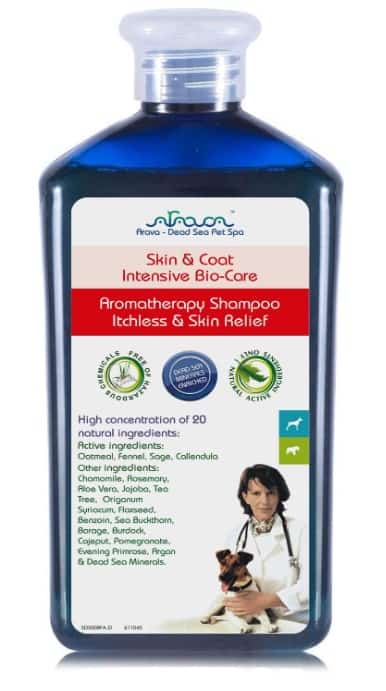
    Arava Medicated Dog Shampoo for scabies

    Arava Medicated Dog Shampoo

    Formulas and labels can change. Check the current package and ask your veterinarian what role, if any, this product should have in your dog’s plan.

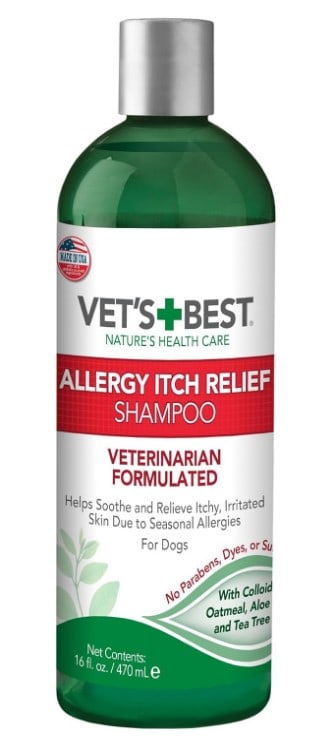
    Vet's Best Allergy Itch Relief Dog Shampoo for scabies

    Vet’s Best Allergy Itch Relief Dog Shampoo

    Formulas and labels can change. Check the current package and ask your veterinarian what role, if any, this product should have in your dog’s plan.

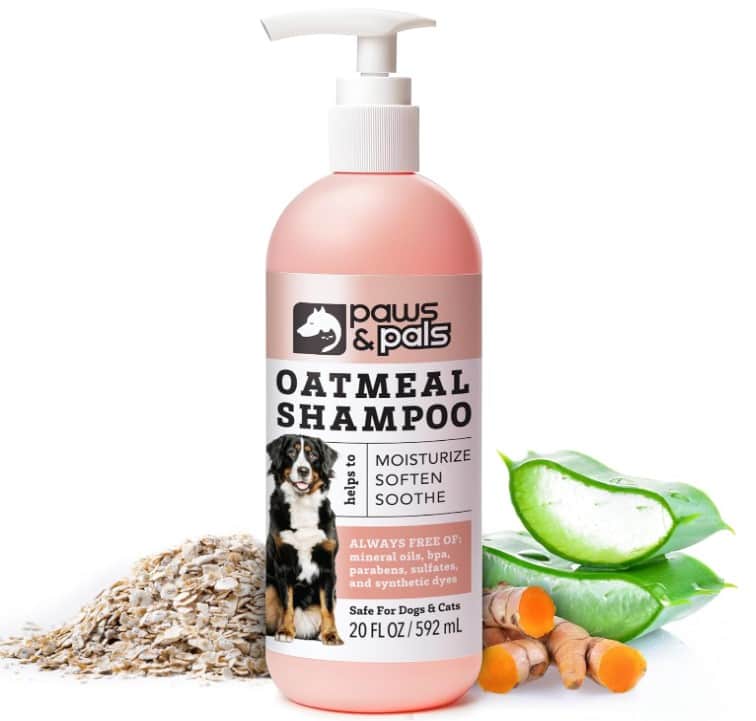
    Paws & Pals 6-In-1 Oatmeal Dog Shampoo for scabies

    Paws & Pals 6-In-1 Oatmeal Dog Shampoo

    Formulas and labels can change. Check the current package and ask your veterinarian what role, if any, this product should have in your dog’s plan.

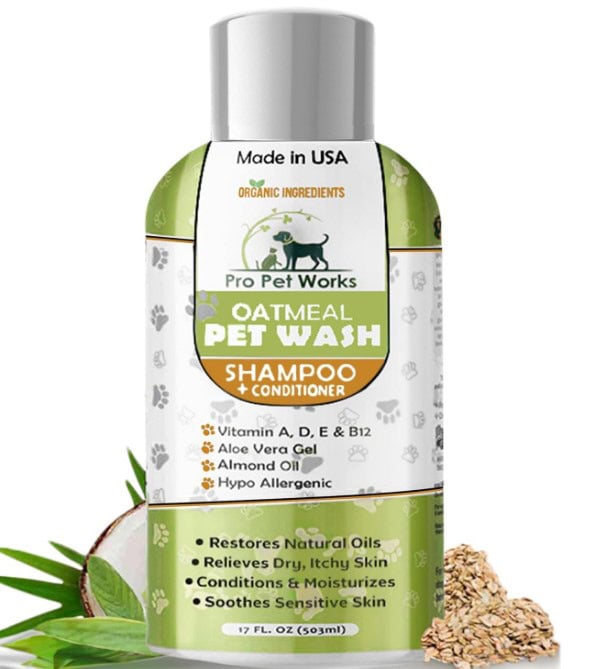
    Pro Pet Works All Natural Organic Oatmeal Pet Shampoo for scabies

    Pro Pet Works All Natural Organic Oatmeal Pet Shampoo

    Formulas and labels can change. Check the current package and ask your veterinarian what role, if any, this product should have in your dog’s plan.

    These products may have cleansing, soothing, or antimicrobial features. Do not assume that a product treats Sarcoptes mites unless its current label and your veterinarian say it does.

    How To Bathe A Dog With Suspected Scabies

    Bathing inflamed skin calls for a gentle hand. Scrubbing harder will not speed healing.

    1. Confirm the plan. Ask which product to use, whether it needs dilution, how often to bathe, and whether the shampoo should be used before another treatment.
    2. Read the whole label. Note the minimum age, warnings, contact time, and rinse directions.
    3. Protect yourself as directed. Gloves and washable clothing may be sensible when handling a contagious dog or a medicated product.
    4. Wet the coat with comfortably warm water. Hot water can make irritated skin feel worse.
    5. Apply gently. Work the product down to the skin without scraping crusts or rubbing open sores.
    6. Avoid the eyes, mouth, nose, and ear canals unless the label specifically directs otherwise.
    7. Keep the product on for exactly the directed contact time. Guessing is not helpful here.
    8. Rinse completely and dry with a clean towel. Do not share that towel or grooming tools with another pet.
    9. Watch for a reaction. Rinse and contact a veterinarian if redness, swelling, vomiting, tremors, weakness, breathing trouble, or sudden distress develops.

    There is no universal “once a week” rule for scabies shampoo. The correct schedule depends on the product and the full treatment plan.

    Treat The Mites, Not Just The Itch

    Modern scabies care often relies on veterinarian-selected topical or oral anti-parasite medication. Label-approved options include selamectin and topical moxidectin with imidacloprid. Veterinarians may also consider other products based on current evidence, local approval, a dog’s health, and individual risk. [1]

    A review of systemic treatments found that several macrocyclic lactones and isoxazolines can produce parasitological cure and meaningful improvement. The studies varied, and safety, licensing, breed sensitivity, application route, and owner preference still matter. [5] That is why a treatment that worked for a neighbor’s dog is not a prescription for yours.

    Every dog in close contact with an affected dog may need evaluation or treatment, even if only one is itchy today. Wash or replace bedding as directed, clean shared grooming equipment, and limit close dog-to-dog contact until your veterinarian says the risk has passed. [1] [2]

    Itching may not stop the moment the mites die. Inflamed skin, allergic response, and secondary infection can take time to settle. Call the clinic if your dog is not improving on the expected timeline rather than adding another shampoo on your own.

    Holistic Support While The Skin Heals

    A holistic plan looks at the whole dog while keeping the mite treatment nonnegotiable. The most helpful basics are wonderfully unglamorous:

    • Feed a complete and balanced diet that suits your dog.
    • Keep fresh water available.
    • Support rest and reduce unnecessary stress.
    • Use only gentle, veterinarian-approved skin products.
    • Keep nails short enough to reduce scratching damage.
    • Wash bedding and clean shared tools according to the treatment plan.
    • Recheck the skin if odor, discharge, pain, or new lesions appear.
    Owner preparing clean bedding and grooming tools during a dog's scabies treatment

    When To Call The Veterinarian Promptly

    Arrange prompt care when your dog has:

    • Intense or nonstop itching
    • Bleeding, raw, thick, or heavily crusted skin
    • Pus, odor, warmth, swelling, or obvious pain
    • Rapidly spreading hair loss or lesions
    • Low energy, poor appetite, weight loss, or fever
    • Symptoms in a puppy, senior, pregnant dog, or medically fragile dog
    • Tremors, weakness, vomiting, or collapse after a product
    • Facial swelling or breathing difficulty
    • Other dogs in the home starting to itch
    • A household member with a persistent itchy rash

    Frequently Asked Questions

    What shampoo kills scabies mites on dogs?

    Some veterinarian-directed anti-mite dips or rinses can kill Sarcoptes mites. Ordinary soothing, antibacterial, or antifungal shampoo usually cannot. Your dog may also need a prescription topical or oral treatment.

    How often should I bathe a dog with scabies?

    Follow the schedule for the exact product and treatment plan. Frequency varies, and overbathing can irritate already damaged skin.

    Can I use human scabies shampoo on my dog?

    No. Human products may contain ingredients or concentrations that are unsafe or inappropriate for dogs. Use a dog-labeled or veterinarian-prescribed product.

    Can dog scabies spread to people or other pets?

    It spreads readily between dogs. People can develop an itchy, usually self-limiting reaction after exposure. Other pets and family members should receive advice from the appropriate veterinarian or physician. [1] [2]

    How long does it take for the itching to improve?

    Improvement depends on the severity, treatment, secondary infection, and allergic inflammation. The itch can continue after mite numbers fall. Ask your veterinarian what timeline to expect and call if the skin worsens or does not improve.

    References

    1. Companion Animal Parasite Council. (2019). Sarcoptic mite. https://capcvet.org/guidelines/sarcoptic-mite/
    2. Dryden, M. W. (2025). Mange in dogs and cats. Merck Veterinary Manual. https://www.merckvetmanual.com/integumentary-system/mange/mange-in-dogs-and-cats
    3. Cornell University College of Veterinary Medicine. (n.d.). Sarcoptic mange (scabies). https://www.vet.cornell.edu/departments-centers-and-institutes/riney-canine-health-center/canine-health-topics/sarcoptic-mange-scabies
    4. Tresch, M., Mevissen, M., Ayrle, H., Melzig, M., Roosje, P., & Walkenhorst, M. (2019). Medicinal plants as therapeutic options for topical treatment in canine dermatology? A systematic review. BMC Veterinary Research, 15, 174. https://doi.org/10.1186/s12917-019-1854-4
    5. Dumitrache, M. O., & Cadiergues, M. C. (2023). The most effective systemic treatment in dogs with sarcoptic mange: A critically appraised topic. BMC Veterinary Research, 19, 189. https://doi.org/10.1186/s12917-023-03759-1

    A note about your dog’s health

    This article provides general education and does not replace an examination, diagnosis, or individualized advice from your veterinarian. Contact a veterinary professional if you are concerned about your dog’s symptoms.

    Lindsie Parks B.S., CRDNS Avatar

    ABOUT THE AUTHOR

  • Best Tennis Ball Machine for Dogs | Ball Shooter for Dogs

    Best Tennis Ball Machine for Dogs | Ball Shooter for Dogs

    Hello readers! I’m Dr. Candy Akers, and I have dedicated years to understanding the unique relationship between humans and their canine companions. As a proud dog owner and a professional in the field, I can’t stress enough the importance of playtime for our furry friends. Physical activity is not just a way to burn off energy but also an essential part of their mental well-being. Over the years, I’ve explored various tools and toys that can make playtime more engaging for our dogs, and one piece of equipment stands out – the tennis ball machine designed specifically for dogs.

    Today, we’re discussing the world of tennis ball machines, exploring their advantages, and finding out which ones are the best on the market. Whether you have an energetic pup that just can’t get enough of fetch or you’re seeking an effective way to train your dog, this guide will provide all the insights you need. Let’s embark on this journey together!

    tennis ball machine for dogs

    The Advantages of Tennis Ball Machines for Dogs

    1. Consistent Playtime

    Tennis ball machines provide consistent and reliable playtime for dogs. Whether rain or shine, you have a device that can engage your dog in their favorite activity—fetch!

    2. Physical Exercise

    With the regular launching of balls at varying distances, your dog gets ample physical exercise. This not only helps in keeping them fit but also aids in burning off excess energy, which can reduce destructive behaviors.

    3. Mental Stimulation

    Predicting the ball’s trajectory, chasing after it, and figuring out how to return it to the machine offers dogs a cognitive workout. This kind of mental stimulation is essential for their well-being and overall happiness.

    4. Training Opportunities

    These machines can be incorporated into training routines. Commands like “wait”, “fetch”, and “return” can be practiced and perfected using a tennis ball machine, enhancing your dog’s obedience and understanding.

    5. Independence

    While it’s essential for dogs to interact with their human counterparts, a tennis ball machine allows dogs to play independently. This is especially useful if you’re busy working from home or engaged in other tasks.

    6. Customizable Play

    Many tennis ball machines come with adjustable settings, allowing you to customize the distance and speed of the throws. This ensures that the play is tailored to your dog’s preferences and energy levels.

    7. Durability

    Tennis ball machines are typically designed to be sturdy and durable, ensuring they last a long time even with regular use. They can withstand the rough play that dogs often bring into the mix.

    tennis ball machine for dog

    Features to Consider When Buying a Tennis Ball Machine for Dogs

    Tennis ball machines come in a wide variety of options and its important to find the right one for your household and budget. Here are some things to consider while perusing the options:

    1. Distance Settings

    One of the most crucial features to consider is the machine’s ability to adjust the launch distance. Depending on the size of your yard or play area, you’ll want to ensure that the machine can cater to both short and long-range throws.

    2. Ball Size Compatibility

    Some dogs prefer standard tennis balls, while smaller breeds might be more comfortable with mini-sized balls. Check if the machine can accommodate various ball sizes or if it’s restricted to a particular dimension.

    3. Power Source

    Determine whether the machine operates on batteries, mains power, or both. A battery-operated machine offers portability, while a corded one ensures uninterrupted play. Some advanced models might even feature solar charging.

    4. Safety Features

    Safety should always be a top priority. Look for machines that come with sensors or mechanisms that prevent ball launches if your dog is too close to the machine. This can prevent potential injuries.

    5. Capacity

    If you want continuous play without having to reload the machine frequently, consider its ball storage capacity. Machines that can hold multiple balls provide longer play sessions.

    6. Portability and Design

    If you plan to move the machine or take it to different locations, a lightweight design with a handle is beneficial. Additionally, consider its overall build quality and durability, especially if it’s going to be used outdoors.

    7. Noise Levels

    Some machines can be noisy during operation, which might be unsettling for some dogs. Opt for a model that operates quietly to ensure a stress-free experience for your canine companion.

    8. Water Resistance

    For outdoor usage, especially in areas prone to unpredictable weather, a water-resistant or waterproof machine can be invaluable. This ensures longevity and consistent performance regardless of the weather.

    Top 5 Tennis Ball Machines for Dogs: Reviews and Recommendations

    1) PetPrime Dog Automatic Ball Launcher

    The PetPrime Dog Automatic Ball Launcher is an interactive toy designed for dogs, ensuring endless fun and exercise. It is equipped to launch 2” balls, making it suitable for a variety of dog breeds. With its automatic launching mechanism, it provides a hands-free play experience for pet owners.

    PROs:

    • Offers endless fun and exercise for dogs, keeping them engaged.
    • Suitable for various dog breeds due to its 2” ball launching capability.
    • Hands-free operation allows pet owners to multitask while their dogs play.

    CONs:

    • Requires a power source, limiting its portability.
    • The fixed ball size might not be suitable for dogs that prefer larger or smaller balls.
    PetPrime Dog Automatic Ball Launcher

    2) THE THOUGHTS OF FUN CO. Automatic Dog Ball Launcher

    The THOUGHTS OF FUN CO. Automatic Dog Ball Launcher is constructed from durable ABS and is designed to cater to both small and medium-sized dogs. The device offers three customizable launch modes, allowing users to set distances of 10 ft, 20ft, or 30ft, making it versatile for both indoor and outdoor play. It not only provides physical exercise but also stimulates the dog’s brain, ensuring they remain entertained for extended periods.

    PROs:

    • The launcher offers three distinct launch modes, allowing customization based on the dog’s play style and the environment.
    • It serves as both a source of physical exercise and mental stimulation, ensuring dogs remain engaged and active.
    • The device comes with dual power charging options, making it both convenient and portable for users.

    CONs:

    • The balls need to be dry to achieve the maximum launch distance, which can be limiting in certain play conditions.
    • The launcher might not perform optimally when exposed to dirt or excessive moisture, potentially requiring regular maintenance.
    THE THOUGHTS OF FUN CO. Automatic Dog Ball Launcher

    3) IDOGMATE Automatic Dog Ball Launcher

    The IDOGMATE Automatic Dog Ball Launcher is designed to accommodate both small and large dogs, offering two size options for balls. It boasts a rechargeable battery that can last up to 250 launches when fully charged. The launcher also features a remote control, allowing pet owners to adjust the distance of the throw to suit their dog’s play preferences.

    PROs:

    • Versatile design suitable for both small and large dogs.
    • Long-lasting rechargeable battery provides up to 250 launches on a full charge.
    • Comes with a remote control for adjustable throw distances.

    CONs:

    • The machine might be too large for some indoor spaces.
    • Requires regular cleaning to ensure optimal performance.
    IDOGMATE Automatic Dog Ball Launcher

    4) Hyper Pet GoDogGo Fetch Machine Dog Ball Launcher

    The Hyper Pet GoDogGo Fetch Machine Dog Ball Launcher is an automatic ball launcher designed specifically for dogs. It offers a variety of launching distances, adjustable from 10 to 40 feet, making it suitable for both indoor and outdoor use. The machine is equipped with a remote control, allowing pet owners to launch balls at their desired pace.

    PROs:

    • Offers adjustable launching distances, catering to different play spaces and dog preferences.
    • Comes with a remote control, providing convenience and flexibility for pet owners.
    • Suitable for both indoor and outdoor use, making it versatile for various play environments.

    CONs:

    • Requires batteries or an AC adapter, which may not always be convenient for outdoor play.
    • Some dogs might take time to get accustomed to the machine’s noise and operation.
    Hyper Pet GoDogGo Fetch Machine Dog Ball Launcher

    5) Franklin Pet Supply Ready Set Fetch Automatic Tennis Ball Launcher

    The Franklin Pet Supply Ready Set Fetch Automatic Tennis Ball Launcher is an interactive dog toy designed to keep your pet engaged and active. It offers an authentic thrower mechanism that can launch tennis balls for your dog to fetch. The device is priced at $139.00 and has garnered a rating of 3.6 out of 5 stars from 1,660 customers.

    PROs:

    • Interactive Engagement: The automatic launcher keeps dogs entertained and encourages physical activity through the game of fetch.
    • Authentic Thrower Mechanism: The device replicates the action of throwing, providing a genuine fetch experience for the dog.
    • Positive Customer Feedback: With over 1,660 reviews, the product has a decent rating, indicating satisfaction among many users.

    CONs:

    • Price Point: Some might find the product a bit on the pricier side.
    • Mixed Reviews: A rating of 3.6 out of 5 suggests that while many users are satisfied, there are some who might have had less than optimal experiences.
    Franklin Pet Supply Ready Set Fetch Automatic Tennis Ball Launcher

    How to Train Your Dog to Use a Ball Machine

    1. Introduction to the Machine

    Before turning the machine on, let your dog inspect it. Place some of their favorite treats around the machine to create positive associations. This step ensures your dog doesn’t view the machine as a threat.

    2. Start with Manual Throws

    Initially, don’t use the machine to launch balls. Instead, stand close to the machine and throw the ball manually, encouraging your dog to retrieve it. This helps them associate the machine with the game of fetch.

    3. Use the Machine on the Lowest Setting

    Once your dog is comfortable, turn the machine on, but use the shortest distance setting. As your dog becomes accustomed to the noise and action, they’ll start to understand that the machine is an automated fetch partner.

    4. Gradually Increase the Launch Distance

    As your dog gets more confident and understands the game, you can slowly increase the launch distance. Remember to always praise and reward them for returning the ball, reinforcing the behavior.

    5. Introduce the Drop Zone

    Train your dog to return the ball to the machine. Place treats near the ball drop zone or use clicker training to guide them. With consistency, they’ll learn to drop the ball into the machine for continuous play.

    6. Supervise Play Sessions

    Always supervise your dog when they’re playing with the machine. This ensures their safety and allows you to intervene if they become too excited or show signs of fatigue.

    7. Incorporate Commands

    Utilize commands like “wait,” “fetch,” and “drop” during play sessions. This not only strengthens their obedience skills but also creates a structured play routine with the machine.

    8. Be Patient and Positive

    Every dog learns at their own pace. If your dog shows signs of fear or disinterest, take a break and try again another day. Always use positive reinforcement to make the training process enjoyable for your canine companion.

    tennis ball machine for my dogs

    Maintenance and Care Tips for Your Tennis Ball Machine

    1. Regular Cleaning

    Keep your machine functioning at its best by wiping down its exterior with a damp cloth. For the ball chamber, ensure it’s free of dirt, fur, or other debris for optimal ball launches.

    2. Damage Inspection

    Periodically, look over the machine for signs of wear or cracks, particularly where the balls make contact. Address any visible damage promptly to maintain safety and performance.

    3. Battery Maintenance

    For battery-operated models, ensure a full charge before use. Avoid complete battery drainage and store in a moderate temperature environment to maximize battery lifespan.

    4. Proper Storage

    When not in active use, store your machine in a dry, cool place. Consider indoor storage or using protective covers to shield it from harsh weather elements.

    5. Software Updates

    If your machine is equipped with software or firmware, keep it updated. Regular updates can enhance functionality and ensure smooth operation.

    6. Mechanical Part Inspection

    Check moving parts like wheels or gears for any signs of wear. Unusual noises or irregular movement may indicate a need for part replacement or repair.

    7. Tennis Ball Quality

    Use balls in good condition. Dirty, wet, or overly worn balls can interfere with the machine’s performance and potentially be unsafe for your dog.

    8. Test Safety Features

    If your machine has built-in safety sensors or mechanisms, test them regularly. This ensures that the machine won’t launch balls when it’s unsafe to do so.

    9. Consult the User Manual

    Keep your machine’s manual accessible. It’s a primary resource for troubleshooting and understanding specific maintenance routines.

    10. Seek Professional Servicing

    For complex issues or annual check-ups, consider professional servicing. Some manufacturers may offer servicing to keep your machine in peak condition.

    best tennis ball machine for active dogs

    Conclusion

    The joy and excitement of a dog chasing after a tennis ball are truly unmatched. It’s a delightful spectacle that encapsulates the sheer simplicity of canine happiness. A tennis ball machine for dogs amplifies this joy, offering a consistent and engaging play partner for our furry friends, even on days when we’re too tired to play fetch ourselves.

    From understanding the numerous advantages of these machines, discerning the crucial features to look for, diving into top product recommendations, and acquiring insights into training and maintenance — we’ve covered it all. Investing in such a device isn’t merely about buying a toy; it’s about prioritizing your dog’s physical health, mental stimulation, and overall well-being.

    Remember, while machines and gadgets have their unique charm and benefits, they can never replace the genuine bond and companionship between a dog and its owner. Use the tennis ball machine as a tool to enhance your pet’s life, but always ensure you also spend quality time bonding, playing, and nurturing the special relationship you share.

    So, whether you’re a busy pet owner looking for ways to keep your dog entertained or someone seeking to add variety to your dog’s play routine, a tennis ball machine might just be the perfect solution. Happy fetching!

    A note about your dog’s health

    This article provides general education and does not replace an examination, diagnosis, or individualized advice from your veterinarian. Contact a veterinary professional if you are concerned about your dog’s symptoms.

    Dr. Candy Akers, DVM Avatar

    ABOUT THE AUTHOR

  • Best OTC Antifungal Shampoos for Dogs: What I Recommend

    Best OTC Antifungal Shampoos for Dogs: What I Recommend

    If you are looking for the best OTC antifungal shampoo for dogs, my top overall pick is Dechra MiconaHex + Triz Shampoo. It combines 2% miconazole with 2% chlorhexidine, plus TrizEDTA and ingredients intended to support the skin barrier [1]. That combination makes it a practical choice when a dog has a diagnosed or strongly suspected superficial yeast problem with possible bacterial overgrowth.

    The best bottle for your dog still depends on what is causing the redness, odor, scaling, or itching. Yeast, ringworm, bacteria, allergies, and mites can look frustratingly similar. A medicated shampoo treats the skin surface. It cannot tell you why the problem started or why it keeps returning. When symptoms are severe, spreading, painful, or recurrent, I want the diagnosis checked before you work through a shelf of products.

    Quick Answer: My Best Overall Pick

    For many dogs with superficial yeast and possible bacterial overgrowth, I prefer a formula that pairs an azole antifungal, such as miconazole or ketoconazole, with an antiseptic ingredient. That is why MiconaHex + Triz is my first choice in this group.

    Here is the quick way I sort the options:

    • Best overall combination: Dechra MiconaHex + Triz Shampoo
    • Straightforward miconazole option: Davis Miconazole Pet Shampoo
    • Widely available budget option: Veterinary Formula Clinical Care Antiseptic and Antifungal Medicated Shampoo
    • Degreasing combination for oily skin: Dechra Mal-A-Ket Shampoo
    • Retail alternative to evaluate by its bottle label: GNC Ultra Medicated Shampoo

    Formulas and directions can change. Always read the active-ingredient panel, age restrictions, warnings, contact time, and frequency on the bottle you actually buy.

    What Antifungal Shampoo Can and Cannot Treat

    Yeast Dermatitis

    Malassezia yeast normally lives on canine skin. It becomes a problem when the skin environment allows too much growth or when a dog reacts to it. Greasy scale, a musty odor, redness, darkened skin, and itching can fit the pattern, especially around paws, folds, the groin, or ears. Those signs are clues, not a diagnosis.

    Veterinary dermatology guidelines emphasize identifying and correcting predisposing factors along with topical or systemic treatment [2]. In practice, that often means looking for allergy, trapped moisture, skin-fold friction, an endocrine disorder, immune suppression, or another reason the skin barrier is struggling. Cytology, a quick look at cells and organisms collected from the skin, can help confirm yeast and bacteria.

    Ringworm

    Ringworm is not a worm. It is a contagious fungal infection of hair and skin caused by dermatophytes. Circular hair loss and scaling may raise suspicion, but many lesions do not look like a neat ring. Other skin diseases can mimic it.

    A shampoo may be part of a ringworm plan, but I would not rely on an OTC bath as the only step. Veterinary consensus guidance supports confirming the diagnosis and using a coordinated plan that may include whole-body topical therapy, oral medication, and environmental cleaning [3]. Ringworm can spread to other animals and people, so early identification matters.

    Mixed Bacterial and Yeast Problems

    Yeast and bacterial overgrowth can occur together. Scratching, moisture, damaged skin, and underlying allergy can create an environment that favors both. Combination shampoos are useful in this setting because the antifungal and antiseptic ingredients have different jobs.

    Still, a combination label does not prove that your dog has both problems. If the skin is painful, oozing, crusted, or rapidly worsening, a veterinarian should examine it.

    Problems That Can Look Fungal

    Allergies, fleas, mites, bacterial infections, contact irritation, and hormonal disease can all produce itching, odor, scale, or hair loss. A strong smell does not automatically mean yeast. If a shampoo repeatedly helps for a few days and the problem returns, that pattern is telling us to look deeper.

    Veterinarian gently examining a beagle's paw and skin in a clinic

    How to Choose the Right Active Ingredients

    Miconazole and Ketoconazole

    Miconazole and ketoconazole are azole antifungals. They are commonly used in medicated shampoos aimed at superficial yeast and fungal organisms. The important question is not which ingredient sounds strongest. It is whether the ingredient fits the diagnosed problem and whether the concentration and directions match the product evidence.

    Davis Miconazole Shampoo, for example, is labeled with 2% miconazole nitrate. Its DailyMed directions specify a 10-minute contact time and a twice-weekly schedule until symptoms subside, followed by weekly use or veterinary direction [4]. That is a label-specific regimen, not a universal schedule for every medicated shampoo.

    Chlorhexidine and Benzethonium Chloride

    Chlorhexidine and benzethonium chloride are antiseptic ingredients with antibacterial activity. They may be paired with an azole when mixed surface overgrowth is a concern. Chlorhexidine should not be treated as interchangeable with miconazole or ketoconazole. Read the complete active-ingredient list rather than assuming the word “medicated” means antifungal.

    Skin-Barrier and Supporting Ingredients

    Ceramides, oatmeal, aloe, and other conditioning ingredients may help reduce dryness or support comfort. TrizEDTA is included in some Dechra combinations as a supporting ingredient. Acetic acid can add a degreasing or acidifying effect.

    These features matter because a product that is too drying can make an already fragile skin barrier feel worse. A dog with greasy, oily skin may need something different from a dog with dry, cracked, highly sensitive skin.

    Best OTC Antifungal Shampoos for Dogs

    Dechra MiconaHex + Triz Shampoo bottle
    Dechra MiconaHex + Triz Shampoo: Best OverallThis is my top pick among the options preserved here. Dechra lists 2% miconazole nitrate, 2% chlorhexidine gluconate, and TrizEDTA in the product line [1]. I like the combination when yeast and bacterial surface overgrowth may be occurring together. The barrier-support positioning is also helpful for dogs who need repeated bathing.View Dechra MiconaHex + Triz Shampoo
    GNC Ultra Medicated Antifungal Shampoo for Dogs bottle
    GNC Ultra Medicated Shampoo: Retail AlternativeThis product remains included because it is part of the established product set and affiliate content. I could not verify a current official veterinary product page for it. If you consider it, turn the bottle around and confirm the active ingredients, concentrations, age limits, contact time, frequency, and manufacturer warnings before use.View GNC Ultra Medicated Shampoo
    Veterinary Formula Clinical Care Antiseptic and Antifungal Medicated Shampoo for Dogs bottle
    Veterinary Formula Clinical Care Antiseptic and Antifungal Medicated Shampoo: Budget-Friendly OptionVeterinary Formula lists ketoconazole and benzethonium chloride and directs owners to leave the shampoo on for 5 to 10 minutes before rinsing. The manufacturer recommends twice-weekly use until irritation subsides, with label-specific maintenance directions [5].View Veterinary Formula Antiseptic and Antifungal Shampoo
    Davis Miconazole Pet Shampoo bottle
    Davis Miconazole Pet Shampoo: Straightforward Miconazole OptionDavis is a clear option when you want a miconazole-focused product. The DailyMed label lists 2% miconazole nitrate and directs a 10-minute soak, prevention of licking, thorough rinsing, and twice-weekly use until symptoms subside, followed by weekly use or veterinary direction [4].View Davis Miconazole Pet Shampoo
    Dechra Mal-A-Ket Shampoo bottle for cats and dogs
    Dechra Mal-A-Ket Shampoo: Degreasing CombinationDechra lists 1% ketoconazole, 2% chlorhexidine, and 2% acetic acid in Mal-A-Ket Shampoo and describes it as antifungal, antibacterial, and degreasing [6]. That profile may make sense for oily, smelly skin when the diagnosis fits.View Dechra Mal-A-Ket Shampoo

    How to Use Medicated Dog Shampoo Safely

    Before the Bath

    Read the entire label before your dog is wet and impatient. Set out towels, a timer, and a nonslip mat. Brush out loose hair and tangles if brushing is comfortable. If the skin has open sores, active bleeding, or severe pain, pause and get veterinary guidance.

    Keep medicated shampoo away from the eyes, nose, mouth, and ear canals. A damp cloth is often easier for cleaning around the face. Do not plan to use leftover human antifungal shampoo unless your veterinarian has specifically approved that product for your dog.

    During the Bath

    1. Wet the coat thoroughly with comfortably warm water. Water must reach the skin, not only the top of the fur.
    2. Apply the amount directed on the label. Work the lather gently into affected areas without aggressive scrubbing.
    3. Start a timer for the label’s contact time. Many products use 5 to 10 minutes, but the bottle in your hand is the authority.
    4. Prevent licking while the shampoo is on the skin.
    5. Rinse until the water is clear and the coat no longer feels slippery.

    Longer is not necessarily better. Extending contact time beyond the label can increase dryness or irritation without adding a proven benefit.

    Caregiver gently lathering medicated shampoo into a calm dog's back during a bath

    After the Bath

    Towel dry gently and keep your dog warm. Dry paws, skin folds, and the area under a collar or harness. Wash towels after use. If ringworm is suspected or confirmed, follow the veterinarian’s environmental-cleaning plan rather than relying on routine laundry alone.

    Watch for increased redness, swelling, hives, agitation, vomiting, breathing trouble, or worsening itch. Rinse again and seek veterinary advice if a reaction occurs. Breathing trouble or facial swelling requires urgent care.

    Track the Response

    Take a photo before the first bath and note odor, itch level, redness, scale, and lesion size. Recheck the same features under similar lighting. You are looking for steady improvement, not just a temporary change in smell.

    If the label’s treatment period passes without clear progress, stop guessing. The organism may be different, the dog may need oral medication, or an underlying disease may be keeping the skin inflamed.

    A Holistic Plan for Recurrent Yeast and Skin Problems

    Look for the Predisposing Factor

    I think of medicated shampoo as one tool, not the whole plan. When yeast keeps returning, I want to know what is creating the opportunity. Allergies are common. Moisture between toes or in skin folds can contribute. So can chronic inflammation, endocrine disease, immune suppression, or repeated damage to the skin barrier [2].

    This is where a whole-dog approach earns its place. Treat what is on the skin, then ask why the skin could not hold its balance.

    Support the Skin from the Inside Out

    Start with a complete, balanced diet that your dog tolerates well. Review treats, flavored medications, and frequent diet changes if allergy is being investigated. Keep body condition healthy. Ask your veterinarian whether an appropriate essential fatty acid supplement makes sense for your dog rather than adding several oils at random.

    Gentle grooming matters too. Avoid heavily fragranced products when skin is reactive. Use conditioning or barrier-support products only when they are compatible with the medicated plan. More ingredients do not automatically mean more healing.

    Reduce Moisture and Reinfection

    Dry the coat well after swimming and bathing. Pay special attention to paws, armpits, groin, wrinkles, and heavy skin folds. Keep bedding and grooming tools clean and dry. If your dog wears boots, a harness, or protective clothing, make sure damp fabric is not sitting against the skin.

    For ringworm, ordinary moisture control is not enough. Follow a specific household and environmental plan because infected hairs can spread fungal material [3].

    Caregiver gently towel-drying a Labrador's paw after a bath

    Use Natural Adjuncts Carefully

    I understand the appeal of coconut oil, herbs, and essential oils. Some plant-based ingredients show antifungal or anti-inflammatory activity in laboratory research, but a systematic review found that direct canine clinical evidence remains limited for many topical botanicals [7]. Laboratory research on coconut-oil formulations also does not prove that kitchen coconut oil will treat a dog’s infection.

    Dogs lick their skin, and concentrated essential oils can irritate or be unsafe. I would rather use natural measures to support comfort and the skin barrier when they are appropriate, while keeping diagnosed antifungal treatment evidence-based.

    When Shampoo Is Not Enough

    Arrange a veterinary examination if you see:

    • Rapidly spreading hair loss, redness, or scale
    • Pain, pus, bleeding, open sores, or a strong worsening odor
    • Facial, eye, or ear involvement
    • Fever, lethargy, poor appetite, vomiting, or other whole-body signs
    • Severe itching that prevents sleep
    • A possible ringworm exposure in a home with children, older adults, or immunocompromised people
    • Repeated flare-ups after treatment stops
    • No clear improvement within the product label’s expected period

    Your veterinarian may use cytology, a fungal culture or PCR test, a skin scraping, or other tests. Some dogs need oral antifungal or antibacterial medication. Others improve only when the allergy, hormonal disorder, parasite, or environmental trigger is addressed.

    Final Thoughts

    The best OTC antifungal shampoo for dogs is the one that matches the diagnosed skin problem, uses well-documented active ingredients, and is applied exactly as directed. For many superficial yeast cases with possible bacterial overgrowth, MiconaHex + Triz remains my best overall pick.

    Give the shampoo enough contact time, rinse completely, and track what changes. If the problem returns again and again, do not just rotate bottles. Recurrent skin trouble is the body asking us to look for the reason underneath.

    Frequently Asked Questions

    What Dog Shampoos Contain Antifungal Ingredients?

    Look for dog shampoos that clearly list an azole antifungal such as miconazole or ketoconazole. MiconaHex + Triz, Davis Miconazole, Veterinary Formula Clinical Care Antiseptic and Antifungal, and Mal-A-Ket are examples in this guide. Confirm the current bottle label because formulas can change.

    Is Antifungal Shampoo Good for Dogs?

    It can be very helpful when the organism and product match. Medicated shampoo acts directly on the skin and may reduce surface yeast, scale, grease, and odor. It is less useful when the real problem is allergy, mites, or another condition. Stop and seek advice if irritation worsens.

    How Often Can I Bathe My Dog With Antifungal Shampoo?

    Follow the product label or your veterinarian’s instructions. Some labels direct twice-weekly bathing during an active problem and less frequent maintenance, but schedules vary by formula and diagnosis [4][5]. More frequent bathing is not automatically better and can dry or irritate the skin.

    Does Antifungal Shampoo Work for Ringworm in Dogs?

    Antifungal shampoo can be one part of ringworm treatment, but it should not be the only home remedy. Ringworm is contagious, and veterinary guidelines support diagnosis plus a coordinated treatment and environmental plan [3]. Other pets and people in the home may also need guidance.

    Where Can I Buy Antifungal Dog Shampoo?

    Many products are sold through veterinary clinics, pet retailers, pharmacies, and online stores. Buy from a reliable seller, inspect the seal and expiration date, and compare the bottle with the manufacturer’s official information. The product links above preserve the established shopping options for this page.

    References

    [1] Dechra. (n.d.). MiconaHex+Triz. https://www.dechra-us.com/our-products/us/companion-animal/dog/non-prescription/miconahex-triz

    [2] Bond, R., Morris, D. O., Guillot, J., Bensignor, E. J., Robson, D., Mason, K. V., Kano, R., & Hill, P. B. (2020). Biology, diagnosis and treatment of Malassezia dermatitis in dogs and cats: Clinical consensus guidelines of the World Association for Veterinary Dermatology. Veterinary Dermatology, 31(1), 28-74. https://pubmed.ncbi.nlm.nih.gov/31957204/

    [3] Moriello, K. A., Coyner, K., Paterson, S., & Mignon, B. (2017). Diagnosis and treatment of dermatophytosis in dogs and cats: Clinical consensus guidelines of the World Association for Veterinary Dermatology. Veterinary Dermatology, 28(3), 266-e68. https://pubmed.ncbi.nlm.nih.gov/28516493/

    [4] U.S. National Library of Medicine. (n.d.). Miconazole shampoo label. DailyMed. https://dailymed.nlm.nih.gov/dailymed/fda/fdaDrugXsl.cfm?setid=26715826-7c09-450a-831e-a028e91b79e7

    [5] Veterinary Formula Clinical Care. (n.d.). Antiseptic & antifungal medicated shampoo. https://www.veterinaryformula.com/products/antiseptic-antifungal-medicated-shampoo

    [6] Dechra. (n.d.). Mal-A-Ket shampoo. https://www.dechra-us.com/our-products/us/equine/horse/non-prescription/mal-a-ket

    [7] Tresch, M., Mevissen, M., Ayrle, H., Melzig, M., Roosje, P., & Walkenhorst, M. (2019). Medicinal plants as therapeutic options for topical treatment in canine dermatology? A systematic review. BMC Veterinary Research, 15, 174. https://doi.org/10.1186/s12917-019-1854-4

    A note about your dog’s health

    This article provides general education and does not replace an examination, diagnosis, or individualized advice from your veterinarian. Contact a veterinary professional if you are concerned about your dog’s symptoms.

    Dr. Candy Akers, DVM Avatar

    ABOUT THE AUTHOR

  • Dog Rash Creams- Vet Tells How To Treat Dog Rash At Home

    Dog Rash Creams- Vet Tells How To Treat Dog Rash At Home

    Over the years, I’ve encountered countless concerned pet owners who’ve approached me with the same pressing question: “Why does my dog have a rash, and how can I treat it at home?” It’s a valid concern, and one that I believe every dog owner should be well-informed about. Rashes, while common, can be indicative of underlying health issues or external irritants that our furry friends come into contact with.

    Through this blog I aim to provide you with a comprehensive guide on understanding, diagnosing, and treating dog rashes from the comfort of your home. Remember, our pets rely on us for their well-being, and being equipped with the right knowledge can make all the difference. Let’s embark on this informative journey together.

    dog rash creams

    Root Causes of Dog Rashes

    Dogs, with their playful nature and boundless energy, often come into contact with various elements in their environment. While their fur offers some protection, their skin can still be susceptible to various irritants and conditions. Here’s a closer look at the root causes:

    Heat

    Heat rashes, also known as prickly heat, can develop when a dog is exposed to high temperatures and humidity. This type of rash occurs due to blocked sweat glands, leading to inflammation and small, itchy red bumps.

    • Appearance: Small red bumps, often clustered together.
    • Common Areas: Underbelly, between the legs, and other areas with less fur.
    • Prevention: Ensure your dog has a cool, shaded place to rest during hot days and consider using dog-safe sunscreen on exposed areas.

    Infections

    Infections can be bacterial, fungal, or yeast-based. They can arise from minor skin injuries, a compromised immune system, or prolonged exposure to dampness.

    • Appearance: Red, inflamed skin, sometimes with discharge or an unpleasant odor.
    • Common Areas: Anywhere on the body, but especially areas prone to moisture like the paws or ears.
    • Treatment: Depending on the type of infection, topical creams or oral medications may be prescribed.

    Food Allergies and Intolerances

    Just like humans, dogs can be allergic or intolerant to certain foods. This can manifest as a skin rash among other symptoms.

    • Appearance: Red, itchy hives or bumps.
    • Common Areas: Can appear anywhere on the body.
    • Diagnosis: An elimination diet can help pinpoint the specific allergen.

    Pests and Parasites

    Fleas, ticks, and mites are common external parasites that can cause skin rashes in dogs.

    • Appearance: Red, inflamed skin with signs of bites or scratches.
    • Common Areas: Neck, back, and base of the tail.
    • Prevention: Regular use of flea and tick preventatives.

    Contact Irritations

    Certain substances or materials can irritate a dog’s skin upon contact, leading to contact dermatitis.

    • Appearance: Red, swollen, and itchy skin.
    • Common Areas: Any area that came into contact with the irritant.
    • Common Irritants: Certain plants, chemicals, or fabrics.

    Something Deeper

    Sometimes, a rash can be indicative of a deeper underlying health issue, such as autoimmune disorders or hormonal imbalances.

    • Appearance: Varies depending on the condition.
    • Diagnosis: A thorough vet examination and possibly some diagnostic tests.

    By understanding these root causes, dog owners can be better equipped to address and treat rashes effectively. In the next sections, we’ll discuss treatment options and preventive measures to ensure the well-being of our furry companions.

    rash creams for dogs

    How To Fix Dog Rashes

    Discovering a rash on your beloved pet can be concerning. However, with the right knowledge and approach, many rashes can be treated effectively. Here’s a guide on addressing and treating common dog rashes:

    Immediate Steps

    1. Examine the Rash: Before applying any treatment, take a moment to closely examine the rash. Note its appearance, location, and any other accompanying symptoms.
    2. Clean the Area: Gently clean the affected area with lukewarm water and a mild dog-safe soap or shampoo. Pat dry with a soft towel.
    3. Prevent Scratching: If your dog is incessantly scratching the rash, consider using an e-collar or protective garment to prevent further irritation.

    Over-the-Counter Solutions

    1. Hydrocortisone Cream: This can help reduce itching and inflammation. Ensure you use a dog-safe version and follow the recommended dosage.
    2. Antiseptic Sprays or Lotions: These can help prevent infections, especially if the skin is broken.
    3. Aloe Vera Gel: A natural remedy that can soothe and moisturize irritated skin.

    Home Remedies

    1. Oatmeal Bath: Oatmeal has natural soothing properties. Grind oatmeal into a fine powder and mix it with lukewarm water for a calming bath.
    2. Chamomile or Green Tea Rinse: These teas have anti-inflammatory properties. Brew a strong batch, let it cool, and use it as a rinse after a regular bath.
    3. Coconut Oil: This can act as a moisturizer and has antibacterial properties. Apply a thin layer to the affected area.

    Consultation and Prescription Treatments

    1. Visit the Vet: If the rash persists, worsens, or is accompanied by other concerning symptoms, it’s crucial to consult with a veterinarian.
    2. Prescription Medications: Depending on the diagnosis, the vet may prescribe topical creams, oral medications, or special shampoos.
    3. Allergy Testing: If allergies are suspected, the vet might recommend an allergy test to identify specific triggers.

    Long-Term Solutions

    1. Dietary Adjustments: If food allergies are the cause, consider transitioning to hypoallergenic dog food or a specialized diet.
    2. Regular Grooming: Keeping your dog’s coat clean and free from tangles can prevent many skin issues.
    3. Environmental Changes: Ensure your dog’s living environment is clean and free from potential irritants.

    Treating dog rashes effectively requires a combination of immediate care, appropriate remedies, and sometimes professional consultation. By being proactive and attentive, you can ensure your dog’s comfort and well-being. In the following sections, we’ll delve into preventive measures to keep such issues at bay.

    rash creams for my dog

    When it comes to treating rashes on our furry friends, it’s essential to choose products that are both effective and safe. Over-the-counter creams can be a convenient solution for minor rashes, but it’s always a good idea to opt for those that come vet-recommended. Here are some of the best OTC dog rash creams that veterinarians often recommend:

    1. Zymox Veterinarian Strength Topical Cream with 1% Hydrocortisone for Dogs

    Pros:

    • Effective Skin Relief: Users generally experience relief from common pet skin irritations, such as itching, hot spots, and dermatitis, when using this hydrocortisone-based cream.
    • Ease of Application: The no-sting lotion formulation eliminates the need for pre-cleaning, making it easier and less painful to apply to pets’ affected areas.
    • Safe for Pets: This cream is made with gentle ingredients that are safe even if pets lick the treated area, making it suitable for dogs and cats of all ages.

    Cons:

    • Limited to External Use: One drawback is that the product is only intended for external use, limiting its application in situations where internal treatment might be necessary.
    • Temporary Relief: While providing soothing relief, the cream may offer only temporary relief for skin issues, and users may need to explore long-term solutions for chronic conditions.

    Zymox Veterinarian Strength Topical Cream with 1% Hydrocortisone offers effective relief from various pet skin irritations, with easy application and safety for pets. However, it has limitations in terms of its external use and potential for providing only temporary relief.

    Zymox Veterinarian Strength Topical Cream with 1% Hydrocortisone

    2. Cortizone-10 Maximum Strength Water Resistant Anti-Itch Ointment

    Pros:

    1. Fast Itch Relief: Users typically experience quick and effective relief from itching and inflammation associated with common skin issues in dogs, such as eczema, psoriasis, and reactions to plants like poison oak, ivy, and sumac.
    2. Water-Resistant Barrier: The ointment contains petrolatum, which creates a protective water-resistant barrier on the dog’s skin. This feature allows for its use before swimming or bathing without compromising its effectiveness.
    3. Long-Lasting Relief: Cortizone-10’s maximum strength formula with 1% hydrocortisone offers long-lasting itch relief that can last for hours, ensuring your dog’s comfort.

    Cons:

    1. Potential Withdrawal Symptoms: Some users have reported concerns about potential withdrawal symptoms associated with the use of hydrocortisone-based products for itch relief in dogs, which may require discontinuation if severe symptoms arise.
    2. Packaging and Sealing Issues: There have been occasional reports of packaging problems, such as unsealed tubes or damaged boxes, raising quality and hygiene concerns for the product.

    Cortizone-10 Maximum Strength Water Resistant Anti-Itch Ointment offers fast and long-lasting relief for common dog skin irritations with its water-resistant barrier. However, potential withdrawal symptoms and occasional packaging issues should be considered when using this product on dogs.

    cortizone 10 for dogs

    3. Perrigo Hydrocortisone Cream 1% Maximum Strength

    Perrigo Hydrocortisone Cream is a 1% maximum strength formula designed to alleviate itching and inflammation. Suitable for various skin irritations, the cream can provide relief for a dog’s itchy or inflamed skin. Its formulation is intended to offer fast-acting relief, ensuring comfort for your canine companion.

    PROs:

    • Provides quick relief from itching and inflammation.
    • Suitable for a variety of skin irritations in dogs.
    • Maximum strength formula ensures effective results.

    CONs:

    1. Might not be suitable for prolonged use without veterinary advice.
    2. Some dogs might be sensitive to its ingredients, leading to further irritation.
    Perrigo Hydrocortisone Cream 1% Maximum Strength Anti-Itch Cream

    4. DOGSWELL Remedy + Recovery 0.5% Hydrocortisone Lotion for Dogs

    DOGSWELL Remedy + Recovery 0.5% Hydrocortisone Lotion is specially formulated for dogs to provide quick relief from itching and rashes. The lotion is enriched with aloe vera and chamomile, which soothe and moisturize the skin. It’s a non-stinging formula that can be applied directly to affected areas, ensuring comfort for your canine companion.

    PROs:

    • Provides rapid relief from itching and rashes, ensuring the dog’s comfort.
    • Contains natural ingredients like aloe vera and chamomile that soothe and moisturize the skin.
    • The non-stinging formula ensures that the application is painless for the dog.

    CONs:

    • The lotion requires frequent reapplication for sustained relief.
    • Some dogs might be sensitive to certain ingredients, leading to potential allergic reactions.
    DOGSWELL Remedy + Recovery 0.5% Hydrocortisone Lotion for Dogs

    While these OTC creams and sprays can be highly effective for treating minor rashes and skin issues, it’s always essential to monitor your dog’s condition. If the rash persists, worsens, or if you notice any adverse reactions, consult with your veterinarian immediately. Remember, while OTC dog rash creams offer convenience, they are not a substitute for professional veterinary advice and care.

    How to Prevent Dog Rashes

    • issues. It also allows you to spot potential problems early.
    • Tips: Brush your dog regularly to remove dirt, debris, and loose fur. Bathe them with a mild dog shampoo, ensuring you rinse thoroughly to prevent residue.

    2. Diet and Nutrition

    • Importance: A balanced diet can boost your dog’s immune system, making them less susceptible to skin issues.
    • Tips: Ensure your dog’s food is of high quality and free from common allergens. If you suspect food allergies, consider an elimination diet to identify triggers.

    3. Flea and Tick Prevention

    • Importance: These pests are common culprits behind skin irritations and rashes.
    • Tips: Use vet-recommended flea and tick preventatives regularly. Check your dog’s coat for pests, especially after outdoor activities.

    4. Environmental Control

    • Importance: Many rashes arise from environmental irritants.
    • Tips: Ensure your dog’s bedding is clean and free from allergens. Avoid exposing your dog to harsh chemicals or irritants. If you notice your dog reacting to specific plants or substances, try to eliminate or reduce their exposure.

    5. Hydration and Protection

    • Importance: Just like in humans, hydrated skin is healthier and less prone to rashes.
    • Tips: Ensure your dog has access to fresh water at all times. In extreme weather conditions, consider dog-safe moisturizers or sunscreens.

    6. Regular Vet Check-ups

    • Importance: Regular check-ups can help identify and address potential issues before they become severe.
    • Tips: Schedule routine vet visits and discuss any concerns you might have about your dog’s skin health.

    7. Avoid Sudden Changes

    • Importance: Sudden changes in diet, grooming products, or environment can trigger skin reactions.
    • Tips: Introduce any changes gradually and monitor your dog for any adverse reactions.

    8. Protective Gear

    • Importance: In certain environments, protective gear can prevent contact with irritants.
    • Tips: Consider dog booties for rough terrains or areas with potential irritants. Use protective garments if your dog has a history of rashes.

    By taking these preventive measures, you can significantly reduce the risk of rashes and ensure your dog remains comfortable and healthy. Remember, a proactive approach to your dog’s well-being can make all the difference in their overall health and happiness.

    best rash creams for dogs

    Conclusion

    Rashes, while common in dogs, can be a source of discomfort and concern for both the pet and the owner. Through this comprehensive guide, we’ve journeyed from understanding the root causes of these rashes to exploring effective treatments and preventive measures. As a seasoned veterinarian, I, Dr. Candy Akers, cannot emphasize enough the importance of being proactive in your dog’s skin health. Regular check-ups, a keen eye for changes, and a well-informed approach can make a world of difference.

    Remember, while many rashes can be treated at home with over-the-counter solutions, always consult with a professional if you’re unsure or if the rash persists. Our furry companions rely on us for their well-being, and with the right knowledge and care, we can ensure they lead a comfortable, rash-free life.

    Thank you for joining me on this informative journey about dog rash creams. Here’s to the health and happiness of our four-legged friends!

    Frequently Asked Questions

    1. How long does it typically take for a dog rash to heal?

    While minor rashes may clear up within a few days with appropriate treatment, more severe or persistent rashes might take a week or longer. Always monitor the rash and consult with a veterinarian if it doesn’t show signs of improvement within a week.

    2. Can I use human rash creams on my dog?

    While some human creams might be safe for dogs, others can contain ingredients that are toxic to them. It’s always best to use dog-specific products or consult with a vet before applying any human medication to your pet.

    3. How can I differentiate between a simple rash and something more serious?

    Simple rashes are typically localized and might be accompanied by mild itching. More serious conditions might present with additional symptoms like hair loss, severe inflammation, discharge, or the rash spreading rapidly. If in doubt, always seek a vet’s opinion.

    4. Are certain dog breeds more prone to skin rashes than others?

    Yes, some breeds with specific skin types or genetic predispositions, like Bulldogs, Shar-Peis, or Cocker Spaniels, might be more susceptible to skin issues. However, any dog, regardless of breed, can develop rashes.

    5. My dog’s rash went away but returned after a few weeks. What should I do?

    Recurring rashes might indicate an underlying issue, such as an allergy or chronic condition. It’s essential to consult with a veterinarian to determine the root cause and receive guidance on long-term management and prevention.

    A note about your dog’s health

    This article provides general education and does not replace an examination, diagnosis, or individualized advice from your veterinarian. Contact a veterinary professional if you are concerned about your dog’s symptoms.

    Dr. Candy Akers, DVM Avatar

    ABOUT THE AUTHOR

  • Best Air Purifiers for Pets – Vet’s Picks to Remove Hair, Odors, & Dander

    Best Air Purifiers for Pets – Vet’s Picks to Remove Hair, Odors, & Dander

    Over the years, I’ve encountered countless pet owners who are deeply concerned about the health and well-being of their beloved animals. One topic that frequently arises in our discussions is the quality of air in our homes. Many are unaware of the invisible threats that linger in the air, from pet dander to hair and odors, which can affect not only our health but also the health of our pets.

    As a veterinarian and a pet lover, I believe it’s crucial to address these concerns and provide solutions that can make our homes a safer haven for everyone. That’s why I’ve taken the time to research and compile a list of the best air purifiers specifically designed for pet owners. In this blog, I’ll be sharing my top picks to help you combat hair, odors, and dander, ensuring a cleaner and healthier environment for both you and your pets. Let’s embark on this journey to breathe easier and live better.

    air purifiers for pets

    Why Pet Owners Need an Air Purifier

    As pet owners, we cherish the joy, companionship, and unconditional love our furry friends bring into our lives. However, with these blessings come certain challenges, especially when it comes to maintaining the air quality in our homes. Here’s why every pet owner should consider investing in an air purifier:

    1. Pet Dander: One of the most common allergens in households, pet dander is composed of tiny, even microscopic, flecks of skin shed by cats, dogs, rodents, birds, and other animals with fur or feathers. For individuals with allergies or asthma, inhaling dander can trigger sneezing, congestion, and other respiratory symptoms.
    2. Hair and Fur: While pet hair itself isn’t an allergen, it can collect dander, dust, and pollen, spreading these allergens throughout the home. Hair and fur can also clog air vents and reduce the efficiency of your home’s heating and cooling systems.
    3. Odors: Let’s face it; pets can be smelly. Whether it’s that distinct wet dog smell or the scent of the litter box, pet odors can become pervasive. An air purifier with an activated carbon filter can help neutralize these odors, keeping your home smelling fresh.
    4. Reduced Airborne Allergens: Pets often bring in pollen, mold spores, and other outdoor allergens into the home on their fur and paws. An air purifier can help capture these particles, reducing the overall allergen load in your indoor environment.
    5. Healthier Living Environment: Clean air is essential for our well-being. By reducing the concentration of airborne pollutants, air purifiers can help decrease the risk of health issues related to poor air quality, benefiting both humans and pets.
    6. Protection for Sensitive Individuals: Infants, the elderly, and individuals with compromised immune systems or respiratory conditions are particularly vulnerable to airborne irritants. An air purifier can provide an added layer of protection for these sensitive family members.

    While our pets bring immeasurable joy to our lives, they also introduce specific challenges related to air quality. An air purifier serves as a proactive solution, ensuring that the air we breathe is as clean and healthy as possible. As pet owners, it’s our responsibility to create a safe and comfortable environment for all members of our household, and investing in an air purifier is a significant step in that direction.

    Vet’s Perspective: Why Clean Air Matters for Pets

    From my years in veterinary practice, I’ve come to realize that while many pet owners are keenly aware of the importance of nutrition, exercise, and regular check-ups for their pets, the quality of the air their pets breathe often goes overlooked. Yet, just as clean air is vital for human health, it’s equally crucial for our four-legged companions. Here’s why:

    1. Respiratory Health: Just like humans, pets can suffer from respiratory issues. Dogs and cats, in particular, have sensitive respiratory tracts. Polluted indoor air can exacerbate conditions like asthma in cats or lead to bronchitis in dogs. Ensuring clean air can help alleviate symptoms and reduce the frequency of flare-ups.
    2. Allergies in Pets: Believe it or not, pets can have allergies too. They can react to the same indoor allergens humans do, such as dust mites, mold, and of course, pet dander from other animals. Symptoms can range from itchy skin and ear infections to watery eyes and sneezing. An air purifier can help reduce the concentration of these allergens, providing relief for your pets.
    3. Enhanced Immune System: Clean air supports a robust immune system. Young pets, like puppies and kittens, as well as senior animals, can have weaker immune systems. By ensuring they breathe clean air, you’re giving their immune systems one less challenge to combat.
    4. Odor Sensitivity: Our pets have a much keener sense of smell than we do. Strong odors, which might be mildly unpleasant for us, can be overwhelmingly intense for them. By neutralizing odors, we’re creating a more comfortable environment for our pets.
    5. Longevity and Quality of Life: Just as with humans, the long-term effects of breathing clean air can contribute to a longer, healthier life for pets. Reducing their exposure to airborne pollutants can decrease the risk of chronic health issues and improve their overall quality of life.

    From a veterinarian’s standpoint, the health of your pet encompasses more than just regular check-ups, vaccinations, and a balanced diet. The environment in which they live, particularly the air they breathe, plays a pivotal role in their well-being. By prioritizing clean air in your home, you’re not only safeguarding your health but also ensuring that your pets lead happier, healthier lives.

    air purifiers for home with pets

    Key Features to Look for in an Air Purifier for Pets

    Selecting the right air purifier for your home, especially when you have pets, requires careful consideration. Not all air purifiers are created equal, and certain features are particularly beneficial for households with furry or feathered members. Here are the essential features to look for:

    1. HEPA Filters: A High Efficiency Particulate Air (HEPA) filter is a must-have. These filters can capture at least 99.97% of particles 0.3 microns in diameter, such as pet dander, pollen, and dust mites. This ensures that the most common allergens are effectively trapped and not recirculated into the room.
    2. Activated Carbon Filters: While HEPA filters are great for particles, activated carbon filters excel at removing odors. These filters are especially effective at neutralizing pet odors, including those from litter boxes, pet beds, and wet fur.
    3. Size and Coverage Area: Ensure the purifier is suitable for the size of the room where it will be placed. A unit that’s too small won’t effectively clean the air in a large room. Check the purifier’s Clean Air Delivery Rate (CADR) to gauge its efficiency for your space.
    4. Noise Level: Pets, especially those sensitive to sounds like cats and some dog breeds, can be startled or stressed by noisy appliances. Opt for an air purifier with a quiet operation mode, especially for nighttime use.
    5. Filter Replacement Indicators: A feature that indicates when it’s time to change the filter can be incredibly handy. This ensures that the purifier operates at peak efficiency and that you’re always aware of the filter’s status.
    6. Air Quality Sensors and Auto Mode: Some advanced air purifiers come equipped with sensors that detect the quality of air in real-time. When the air quality drops, the purifier automatically adjusts its settings to clean the air more aggressively.
    7. Ozone-Free: Ensure that the air purifier does not emit ozone, a lung irritant that can be harmful to both humans and pets. While some purifiers use ozone to neutralize odors, it’s best to avoid these models for the health and safety of your household.
    8. Ease of Maintenance: Look for models that are easy to clean and where filters can be replaced without much hassle. This ensures that your purifier remains in optimal working condition with minimal effort on your part.

    When shopping for an air purifier, especially with pets in mind, it’s essential to prioritize features that cater to the unique challenges pets introduce to our indoor environment. By focusing on these key features, you’ll be well-equipped to create a cleaner, fresher, and healthier living space for both you and your pets.

    Top 5 Air Purifiers for Pets: Dr. Candy’s Picks

    Choosing the right air purifier can be a daunting task, especially with the myriad of options available in the market. To simplify your decision-making process, I’ve curated a list of my top 5 picks based on efficiency, features, and user reviews. Here they are:

    Jafända Air Purifiers Home Large Room – Dust, Smoke, Pet Hair and Dander

    The Jafända Air Purifier is designed for large rooms and is equipped with a 4-stage filtration system. It utilizes a pre-filter, HEPA filter, activated carbon filter, and an ionizer to ensure comprehensive air purification. The purifier is effective in capturing pet hair, dander, smoke, dust, and pollen, making the indoor environment cleaner and fresher.

    PROs:

    • The 4-stage filtration system ensures thorough air purification, capturing even the smallest of particles.
    • It’s specifically designed for large rooms, ensuring optimal performance in spacious areas.
    • The inclusion of an ionizer provides an added layer of air purification, neutralizing airborne contaminants.

    CONs:

    • The product may require frequent filter replacements to maintain its efficiency.
    • The ionizer function, if overused, might produce trace amounts of ozone.
    Jafända Air Purifiers Home Large Room

    Clorox Air Purifiers for Home – Smoke, Allergies, Pet Allergens, Dust

    The Clorox Air Purifier has a large room capacity, making it suitable for spaces up to 300 sq. ft. It is designed to capture 99.97% of airborne particles as small as 0.3 microns, including pet hair and dander. The purifier features a 3-stage filtration system, including a True HEPA filter, an activated carbon filter, and a pre-filter.

    PROs:

    • Suitable for large rooms, covering up to 300 sq. ft.
    • Highly efficient in capturing minute particles, ensuring cleaner air.
    • Multi-stage filtration system ensures comprehensive air purification.

    CONs:

    • The product requires regular filter replacements, which might be an added cost.
    • The size might be too bulky for smaller spaces or for users looking for a more compact solution.
    Clorox Air Purifiers for Home

    Winix 5300-2 Air Purifier with True HEPA

    Winix 5300-2 Air Purifier has a large room capacity, making it suitable for spaces up to 300 sq. ft. It is designed to capture 99.97% of airborne particles as small as 0.3 microns, including pet hair and dander. The purifier features a 3-stage filtration system, including a True HEPA filter, an activated carbon filter, and a pre-filter.

    PROs:

    • Suitable for large rooms, covering up to 300 sq. ft.
    • Highly efficient in capturing minute particles, ensuring cleaner air.
    • Multi-stage filtration system ensures comprehensive air purification.

    CONs:

    • The product requires regular filter replacements, which might be an added cost.
    • The size might be too bulky for smaller spaces or for users looking for a more compact solution.

    LEVOIT Air Purifiers for Home Large Room – Captures Allergies, Pet Hair, Smoke, Pollen 

    The LEVOIT Air Purifier is designed for large rooms and features a high-efficiency activated carbon filter. It effectively captures allergens, pet hair, dander, smoke, mold, odor, and large dust particles. The purifier also boasts a washable preliminary filter and true HEPA filter.

    PROs:

    1. Efficiently captures a wide range of airborne particles, including pet hair and dander.
    2. Features a washable preliminary filter, reducing the need for frequent replacements.
    3. Designed specifically for large rooms, ensuring optimal air purification in spacious areas.

    CONs:

    1. The product might be too large or bulky for smaller spaces or rooms.
    2. The need for multiple filters may lead to additional maintenance and costs over time.
    LEVOIT Air Purifiers for Home Large Room

    Afloia Air Purifiers for Home Large Room – Pets Dust Dander Mold Pollen, Odor Smoke Eliminator

    The Afloia Air Purifier is designed for large rooms and efficiently purifies the air with its 3-stage filtration system. It boasts a high CADR rating, ensuring rapid air circulation and effective removal of contaminants. The purifier is equipped with a smart sensor that adjusts the fan speed based on the air quality, ensuring optimal performance.

    PROs:

    • The 3-stage filtration system effectively captures pet hair, dander, and other allergens.
    • Its high CADR rating guarantees quick air purification, making it ideal for spaces with pets.
    • The smart sensor feature ensures energy efficiency by adjusting the fan speed according to the air quality.

    CONs:

    • The device might be larger and bulkier than some other models, potentially taking up more space.
    • The initial cost of the purifier might be higher compared to other brands with similar features.
    Afloia Air Purifiers for Home Large Room

    In my years of experience, I’ve found that investing in a quality air purifier can make a world of difference for both pets and their owners. While the above list is by no means exhaustive, these models stand out for their performance, features, and overall value. Remember, the best air purifier for you will depend on your specific needs, the size of your living space, and the number of pets you have. Always consider these factors when making your final decision.

    Tips for Maximizing the Efficiency of Your Air Purifier

    Investing in a quality air purifier is a significant step towards creating a healthier living environment, especially for pet owners. However, to truly reap the benefits of your device, it’s essential to ensure it operates at its peak efficiency. Here are some expert tips to help you get the most out of your air purifier:

    1. Proper Placement: Position your air purifier in a location where it can circulate air effectively. Avoid placing it behind furniture or in a corner. For best results, place it near the primary source of pollutants, like a litter box or pet bed.
    2. Regular Maintenance: Clean the exterior vents and grills of your air purifier regularly to prevent dust buildup. This ensures unrestricted airflow and optimal performance.
    3. Timely Filter Replacement: Over time, filters become saturated with pollutants and lose their efficiency. Always replace filters as recommended by the manufacturer. Some purifiers come with indicators to notify you when a filter change is due.
    4. Limit Open Windows: While fresh air is beneficial, leaving windows open for extended periods can introduce outdoor allergens like pollen. When using your air purifier, especially during high pollen seasons, keep windows closed to maintain indoor air quality.
    5. Seal Sources of Pollutants: If possible, try to minimize the sources of pollutants in your home. For instance, regular grooming of your pets can reduce the amount of hair and dander in the environment.
    6. Use the Right Settings: Many air purifiers come with multiple settings. For peak pet-related pollutants, use the high setting for the first couple of hours, then switch to a lower, quieter setting for continuous operation.
    7. Room Size Matters: Ensure your air purifier is suitable for the size of the room. Using a small purifier in a large room can reduce its effectiveness. Check the device’s recommended room size before purchase.
    8. Regularly Vacuum and Clean: Complement the work of your air purifier by vacuuming regularly with a HEPA-filtered vacuum cleaner. This helps reduce the amount of pet hair, dander, and other pollutants on floors and furniture.
    9. Avoid Ozone Generators: Some air purifiers produce ozone, which can irritate the lungs and worsen chronic respiratory diseases. Always choose ozone-free models, especially if you have pets.
    10. Educate Yourself: Stay updated with the latest advancements in air purification technology. This knowledge can help you make informed decisions about upgrades or additional features that can benefit you and your pets.

    While an air purifier is a valuable tool in maintaining a clean and healthy environment, its efficiency largely depends on how you use and maintain it. By following these tips, you can ensure that you and your pets breathe easier and live healthier lives.

    air purifiers for dogs

    Common Myths About Air Purifiers and Pets

    In the age of information, it’s easy to come across various myths and misconceptions, especially when it comes to the intersection of technology and pet care. Air purifiers are no exception. Let’s debunk some of the most common myths surrounding air purifiers and pets:

    • Myth: All air purifiers remove pet odors.
      • Truth: While many air purifiers can capture pet dander and hair, not all are equipped to neutralize odors. For effective odor removal, look for purifiers with activated carbon filters.
    • Myth: Air purifiers can replace regular cleaning and grooming.
      • Truth: Air purifiers complement regular cleaning routines but don’t replace them. Regular grooming of pets and cleaning of living spaces is essential to minimize pollutants.
    • Myth: The more expensive the air purifier, the better it is for pets.
      • Truth: Price doesn’t always equate to effectiveness. While some premium models offer advanced features, it’s essential to assess individual needs and research specific models before purchasing.
    • Myth: Air purifiers can aggravate pets’ respiratory systems.
      • Truth: Quality air purifiers designed for home use are safe for pets. However, avoid models that emit ozone, as it can be harmful to both humans and animals.
    • Myth: If you don’t have allergies, you don’t need an air purifier for your pets.
      • Truth: Even if you’re not allergic, pets release dander, hair, and odors that can affect indoor air quality. An air purifier can help maintain a cleaner and fresher environment for everyone.
    • Myth: Air purifiers can eliminate the need for vet visits.
      • Truth: While air purifiers can reduce allergens and improve air quality, they’re not a substitute for regular vet check-ups and proper pet care.
    • Myth: All air purifiers can capture pet hair.
      • Truth: Not all air purifiers are efficient at trapping larger particles like pet hair. Ensure the model you choose has a pre-filter or is designed to handle pet hair.
    • Myth: Air purifiers are noisy and will disturb my pets.
      • Truth: Many modern air purifiers are designed with quiet operation modes, ensuring minimal disturbance to both humans and pets.
    • Myth: One air purifier is enough for the entire house, regardless of the number of pets.
      • Truth: The efficiency of an air purifier depends on its coverage area and the room’s size. Households with multiple pets or larger spaces might benefit from multiple units.
    • Myth: Air purifiers produce harmful radiation that can affect pets.
      • Truth: Quality air purifiers are designed to be safe for home use and do not emit harmful radiation.

    In the world of pet care, it’s essential to differentiate between fact and fiction. By debunking these myths, we hope to provide clarity and help pet owners make informed decisions that prioritize the health and well-being of their furry companions.

    air purifiers dog

    Conclusion

    Our pets are more than just animals; they are cherished members of our families. Their well-being is intricately linked to the environments we create for them, and as responsible pet owners, it’s our duty to ensure that these environments are as healthy as possible. Air purifiers emerge as a powerful tool in this endeavor, offering a solution to the myriad of airborne pollutants that our pets introduce into our homes.

    From understanding the importance of clean air for both humans and pets, to debunking common myths, we’ve delved deep into the world of air purification. The journey to optimal indoor air quality is one filled with choices, from selecting the right purifier to understanding its maintenance. But at its core, it’s a journey driven by love – love for our pets and the desire to provide them with the best.

    As you consider integrating an air purifier into your home, remember that it’s not just about improving air quality, but enhancing the quality of life for your pets and everyone in the household. Here’s to breathing easier, living healthier, and cherishing every moment with our furry companions.

    Frequently Asked Questions

    Q: How often should I change the filter in my air purifier if I have multiple pets?

    A: The frequency of filter replacement can vary based on the specific model of the air purifier and the level of pollutants in your home. Generally, households with multiple pets might require more frequent filter changes due to the increased amount of hair, dander, and odors. It’s best to check the manufacturer’s recommendations and monitor the filter’s condition regularly.

    Q: Can air purifiers help reduce my pet allergy symptoms?

    A: Yes, air purifiers equipped with HEPA filters can effectively trap pet dander, a common allergen. By reducing the concentration of pet dander in the air, air purifiers can help alleviate allergy symptoms for many individuals. However, it’s essential to combine this with other measures, like regular cleaning and grooming, for the best results.

    Q: Are there any side effects for pets when using an air purifier?

    A: Quality air purifiers designed for home use are generally safe for pets. However, it’s crucial to avoid air purifiers that emit ozone, as it can be harmful to both humans and animals. Always choose ozone-free models and ensure the device operates quietly to avoid causing stress to sensitive pets.

    Q: Do I need a separate air purifier for each room where my pets spend time?

    A: The need for multiple air purifiers depends on the size of your home, the purifier’s coverage area, and where your pets spend most of their time. While one central unit might suffice for smaller homes or apartments, larger homes or homes with multiple pets might benefit from having a unit in each primary living area.

    Q: Besides using an air purifier, what other steps can I take to improve indoor air quality for my pets?

    A: In addition to using an air purifier, consider regular grooming of your pets to reduce shedding and dander, vacuuming with a HEPA-filtered vacuum cleaner, washing pet bedding frequently, and ensuring good ventilation in your home. Combining these measures will provide a comprehensive approach to maintaining clean air.

    A note about your dog’s health

    This article provides general education and does not replace an examination, diagnosis, or individualized advice from your veterinarian. Contact a veterinary professional if you are concerned about your dog’s symptoms.

    Dr. Candy Akers, DVM Avatar

    ABOUT THE AUTHOR

  • Can You Use Dawn on Dogs? Is It Safe?

    Can You Use Dawn on Dogs? Is It Safe?

    Yes, you can use Dawn on a dog for a narrow, one-time cleaning job, but it should not become the regular dog shampoo. It makes the most sense when you need strong grease removal, such as an oily or sticky mess. A soapy bath can also help remove adult fleas from the coat. For an ordinary bath, a gentle dog-formulated shampoo is a better fit. If your dog is only muddy, plain lukewarm water may be all you need.

    Golden retriever beside a bathtub and blue dish soap for a one-time Dawn wash

    ASPCA Animal Poison Control specifically recommends mild liquid dish soap for some oily or chemical residues, followed by very thorough rinsing. It also cautions that repeated bathing can dry or irritate the skin. [1] That distinction is useful: one careful decontamination bath is not the same thing as choosing dish detergent for every bath.

    Can You Use Dawn on Dogs Safely?

    Dawn is a degreasing detergent first, not a maintenance pet shampoo. Its job is to cut grease. That cleaning strength can be useful on a greasy coat, but it is more than most dogs need for routine dirt.

    Dogs also have their own skin-barrier chemistry. A 2024 review of epithelial barrier function notes that healthy canine skin usually has a surface pH around 6 to 7. The review also discusses how prolonged, frequent exposure to primary surfactants can alter skin-barrier conditions. [2]

    That does not mean one Dawn bath automatically damages a dog’s skin. It means occasional use and routine use are two different questions.

    Be more cautious if your dog already has:

    • red, raw, or broken skin
    • active itching or dermatitis
    • a history of reacting to shampoos or grooming products
    • a very dry, flaky coat
    • an open wound or recent skin procedure

    In those situations, a strong degreaser adds another stressor to skin that is already unhappy.

    Dawn products are made for dish cleaning, not for regular canine skin care. Formulas can also change, so avoid treating every bottle, scent, or Dawn product as interchangeable.

    When Dawn Can Be Useful

    Grease, Oil, and Sticky Contamination

    This is where Dawn makes the most sense. If a dog gets into cooking grease, oily residue, or another stubborn greasy mess, a small amount of liquid dish soap can cut through material that a mild routine shampoo may struggle to remove. ASPCA decontamination guidance uses this same grease-cutting reason when recommending mild liquid dish soap for some topical exposures. [1]

    Dog receiving a targeted one-time Dawn wash to remove greasy residue from its coat

    Use the cleanser only where you need it when possible. More soap is not better. The goal is to remove the contaminant and then get the detergent back off the skin and coat with a very thorough rinse.

    If your dog has been coated in something that could be toxic, caustic, or irritating, treat that as an exposure problem, not just a bathing problem. The safest cleaning method depends on what the substance is.

    A One-Time Flea Bath

    A soapy bath can help wash adult fleas off the dog. What it cannot do is reach the rest of the flea life cycle in your home.

    That part matters much more than the brand of soap you use.

    Why Dawn Is Not a Good Routine Dog Shampoo

    Your dog’s skin is a living barrier. It helps hold water in, keeps irritants out, and produces oils that help protect the coat.

    Repeated detergent washing can change that barrier. In a small 2021 study, eight Labrador Retrievers were washed daily for 14 days with a diluted dish-detergent solution. The researchers found increased transepidermal water loss and changes in sebum, both signs that repeated decontamination affected skin function. [3]

    This was an intense washing schedule, so the study should not be stretched into a claim that one Dawn bath is harmful. It does support a simple practical point: repeated degreasing is not neutral to canine skin.

    For regular bathing, choose a gentle cleanser made for dogs and suited to the individual coat and skin. If the skin is chronically itchy, greasy, flaky, or smelly, changing shampoos over and over may miss the real issue. The better question is why the skin keeps needing special treatment.

    Does Dawn Kill Fleas on Dogs?

    Dawn can kill adult fleas caught in soapy water, and bathing can help remove adult fleas from the dog. The bigger flea problem is usually what you do not see.

    Fleas have four life stages: egg, larva, pupa, and adult. Adult fleas feed on the pet, while eggs fall into the environment and the immature stages continue developing away from the dog. The HHD Source Library’s holistic parasite guide explains this off-host life cycle and emphasizes that effective flea control must address the environment as well as the pet. [4]

    That is why a dog can look much better right after a bath and then have fleas again later. The bath addresses fleas on the dog during the wash. It does not reset the home environment.

    A More Complete, Lower-Chemical Flea Plan

    If you want to minimize pesticide exposure, be very consistent with the mechanical and environmental pieces. [4]

    Owner using a realistic flea comb on a dog beside a bowl of soapy water
    • Use a flea comb regularly and check the neck, back, belly, and base of the tail.
    • Drop removed fleas into a bowl of soapy water.
    • Wash pet bedding and washable soft items frequently during an active problem.
    • Vacuum the places your dog rests, including edges, cracks, rugs, and upholstered furniture.
    • Empty the vacuum outside after cleaning.
    • Check every dog and cat in the home rather than treating the problem as if it belongs to only one pet.
    • Keep watching for new adult fleas while the environmental stages continue to emerge.

    This whole-picture approach is much more useful than repeatedly bathing the same dog and hoping the fleas stop coming back.

    How to Use Dawn for a One-Time Wash

    If there is a clear reason to use Dawn once, keep the process simple.

    1. Look at the skin first. If it is raw, open, very red, or painful, do not scrub it with a strong degreaser just because it is available.
    2. Wet the coat with comfortably warm water. Avoid very hot water.
    3. Use a small amount diluted in water. You do not need a concentrated layer over the entire dog if only one area is greasy.
    4. Work it through the dirty areas gently. Keep it out of the eyes, mouth, and ear canals.
    5. Rinse extremely well. Keep rinsing until the coat no longer feels slippery or soapy.
    6. Towel dry and recheck the skin. Watch for new redness, itching, or discomfort.

    Thorough rinsing is one of the most important parts of decontamination guidance. [1] The goal is to get both the unwanted substance and the soap residue off the dog.

    If your dog swallowed a meaningful amount of detergent, develops repeated vomiting, coughs, has trouble breathing, or has significant eye irritation, contact your veterinarian or an animal poison-control service.

    Better Alternatives for Routine Dog Baths

    The best alternative depends on why your dog is dirty.

    Dog being rinsed during a gentle routine bath with dog shampoo instead of Dawn

    For Normal Dirt or Mud

    Start with plain lukewarm water. A good rinse, towel dry, and brush-out can remove a surprising amount of ordinary dirt without adding another cleanser to the skin.

    For Regular Bathing

    Use a gentle shampoo made for dogs. Pay attention to how the individual dog’s skin responds rather than chasing a long list of trendy ingredients to include or avoid.

    A good routine shampoo should clean without leaving the coat harsh, tight, overly dry, or heavily perfumed. Rinse it thoroughly. If your dog needs frequent baths, watch how the skin and coat look between baths.

    If You Are Simply Out of Dog Shampoo

    You do not have to substitute another soap just because bath day arrived.

    If your dog is dusty or muddy, use water and wait until you have dog shampoo. If your dog is coated in heavy grease that needs to come off now, that is the kind of one-time situation where a carefully rinsed Dawn wash makes more sense.

    If Your Dog Has Sensitive or Itchy Skin

    Use the gentlest cleansing method that gets the job done. Persistent itch, odor, redness, greasy skin, recurrent flakes, or repeated skin infections deserve attention to the underlying cause.

    Bathing can be part of a skin plan. It should not become a cycle of stripping the skin harder every time the symptoms return.

    Dawn vs. Dog Shampoo vs. Plain Water

    SituationDawnDog ShampooPlain Water
    Routine bathNot the first choiceBest general optionFine for light dirt
    Muddy coat or pawsUsually unnecessaryUseful if water is not enoughGood first choice
    Greasy or oily contaminationUseful for a one-time degreasing jobMay work, depending on the productOften not enough
    Adult fleas on the dogCan help during a one-time bathBathing can also remove fleasLess useful by itself
    Dry, itchy, or irritated skinUsually skip itChoose a gentle skin-appropriate productOften the gentlest starting point

    Final Thoughts

    Dawn is useful because it is good at one specific job: cutting grease. That does not make it the best shampoo for every dirty dog.

    For a one-time greasy mess, Dawn can be a practical tool when used sparingly and rinsed off very thoroughly. For routine bathing, choose a gentler dog-formulated shampoo. If your dog is only muddy, start with water.

    With fleas, remember that the bath is only one piece. The dog, bedding, resting areas, and environmental life stages all have to be considered if you want the problem to stay gone.

    Frequently Asked Questions

    Can I Use Dawn If I Am Out of Dog Shampoo?

    If your dog is only dusty or muddy, plain lukewarm water is often enough until you have dog shampoo. A one-time Dawn wash makes more sense when you need strong grease removal than when you are simply missing your normal shampoo.

    Does Dawn Kill Fleas on Dogs?

    Yes. Dawn can kill adult fleas trapped in soapy water and can help wash adult fleas off the dog. It does not address flea eggs, larvae, or pupae developing in the environment, so combine the bath with flea-comb checks and environmental cleaning. [4]

    Can I Use Dawn on a Puppy?

    Avoid making Dawn the routine shampoo for a puppy. Use a puppy-appropriate cleanser whenever possible. If a puppy has a serious oily or chemical exposure, get guidance for that specific exposure rather than relying on a generic bath recipe.

    What Should I Do If My Dog Licks Dawn or Gets It in the Eyes?

    Rinse soap residue away with plenty of water. For a meaningful ingestion, repeated vomiting, coughing, breathing changes, or ongoing eye irritation, contact your veterinarian or an animal poison-control service. ASPCA decontamination guidance also recommends professional help when a potentially toxic substance may have been ingested. [1]

    References

    1. ASPCA. (2025). Pet decontamination at home: What to do after exposure. https://www.aspca.org/news/pet-decontamination-home-what-do-after-exposure
    2. Ardicli, O., et al. (2024). Epithelial barrier dysfunction and associated diseases in companion animals: Differences and similarities between humans and animals and research needs. Allergy. https://doi.org/10.1111/all.16343
    3. Cobb, M. L., et al. (2021). An assessment of the barrier function of canine skin after repeated decontamination. Journal of Animal Science, 99(Supplement_3), 274. https://academic.oup.com/jas/article/99/Supplement_3/274/6383911
    4. Morgan, J. (2023). Protecting Your Pets from Parasites: A Holistic Guide to Fleas, Ticks & Heartworms. Thirty Six Paws Press. https://drjudymorgan.com/collections/books/products/dr-judys-guide-to-fleas-ticks-heartworms

    A note about your dog’s health

    This article provides general education and does not replace an examination, diagnosis, or individualized advice from your veterinarian. Contact a veterinary professional if you are concerned about your dog’s symptoms.

    Sheena Keliher Avatar

    ABOUT THE AUTHOR

  • Hit the Road with Your Best Friend: The Best Dog Motorcycle Carrier 2024

    Hit the Road with Your Best Friend: The Best Dog Motorcycle Carrier 2024

    As a dog owner and motorcycle rider, it can be a lot of fun to take your furry friend along for the ride. However, it’s important to make sure that your dog is safe, secure, and comfortable during the trip.

    That’s where a good dog motorcycle carrier comes in. A high-quality carrier will not only protect your dog from potential hazards on the road but also ensure that they enjoy the ride just as much as you do.

    Whether you’re planning a long road trip or just a quick jaunt around town, investing in a reliable carrier is an absolute must. But with so many options available on the market, how do you choose the right one?

    Factors like size, weight capacity, safety features, and comfort all play important roles in making this decision. In this article, we’ll explore these factors and highlight some of the best dog motorcycle carriers that are currently available.

    motor cycle carriers for dogs

    Types of Dog Motorcycle Carriers

    Soft-sided carriers

    If you’re looking for a dog motorcycle carrier that is lightweight and easy to store, a soft-sided carrier may be your best option. These carriers are made from durable materials like nylon or polyester, and typically have mesh windows for ventilation. They come in various sizes, so it’s important to measure your dog before purchasing.

    One of the most popular soft-sided carriers on the market is the Kuryakyn Pet Palace Carrier. This carrier has a sturdy steel frame that provides stability during rides and includes multiple internal pockets for storage.

    Another great option is the Saddlemen Pet Voyager Carrier. This carrier has a sleek design that can easily attach to your motorcycle’s passenger seat, and its waterproof exterior ensures your pup stays dry even in wet weather conditions.

    Hard-sided carriers

    Hard-sided carriers provide excellent protection for your dog while riding on a motorcycle. These carriers are typically made from durable materials like plastic or metal, and they often have ventilation holes to keep your pup cool during the ride.

    The PetEgo Jet Set Forma Frame Carrier is an excellent hard-sided carrier option because it combines durability with comfort. Its large mesh windows allow plenty of airflow while also giving your dog ample room to move around.

    The Kuryakyn GranThrow Over Saddlebags are another great hard-sided carrier option if you want something that looks more like traditional saddlebags but offers enough space for smaller dogs. They attach easily over the backseat of most motorcycles and have multiple compartments for storage.

    Backpack-style carriers

    If you’re planning on doing some hiking or walking around once you reach your destination, then a backpack-style carrier might be what you need. These carriers sit snugly against your back while allowing your pup to peek out from behind mesh windows so they can enjoy the view. The Outward Hound PoochPouch Front Carrier is a great backpack-style option because it provides extra padding to keep you and your dog comfortable during long rides.

    It also has a safety harness attachment point to keep your pup secure in the carrier. The Kurgo G-train K9 Backpack Carrier is another excellent option for those who plan on doing some hiking.

    This carrier has padded straps to make carrying your dog more comfortable, and it comes with a detachable storage bag so you can bring all of your hiking essentials with you. No matter which type of dog motorcycle carrier you choose, be sure to consider the size and weight capacity, safety features, comfort for your furry friend, and ease of installation and removal before making a purchase.

    Factors to Consider When Choosing a Carrier

    Choosing the right dog motorcycle carrier can be tricky. You want something that’s safe, comfortable, and easy to use. Here are some key factors you should consider when making your purchase.

    Size and Weight Capacity

    The first thing you need to consider is the size of your dog. You want to make sure that the carrier is big enough for them to sit or lie down comfortably, but not so big that they’re bouncing around inside it. Check the weight capacity of the carrier as well, as this will determine if it can safely support your furry friend’s weight.

    Safety Features

    Safety should always be a top priority when transporting your dog on a motorcycle. Look for carriers with safety features like straps or harnesses that keep your pet secure during the ride. Make sure that your chosen carrier doesn’t block any of your bike’s lights or signals as well, as this could be dangerous while riding.

    motorcycle carriers for dog

    Comfort for the Dog

    Your dog’s comfort is just as important as their safety while riding in a carrier. Look for carriers with soft padding and ventilated sides to keep them cool and cozy during the ride. Some carriers even have built-in water bowls so you can keep them hydrated on longer trips!

    Ease of Installation and Removal

    You don’t want anything complicated when it comes to setting up or removing a dog motorcycle carrier from your bike. Find one that easily snaps onto your bike without any fuss, preferably without any additional tools required. The easier it is for you to install and remove it from your motorcycle, the more likely you’ll use it regularly.

    Price Point

    While price shouldn’t be the only consideration when choosing a dog motorcycle carrier, it’s still an important factor. Determine what features are most important to you and your furry friend, then find a carrier within your budget. Keep in mind that higher-priced models typically have more features and better-quality materials.

    Choosing the right dog motorcycle carrier can make all the difference when it comes to traveling with your pup safely and comfortably. By keeping these factors in mind, you’ll be well on your way to finding the perfect carrier for you and your furry friend’s next adventure!

    motorcycle carriers for small dogs

    Top Dog Motorcycle Carriers on the Market

    If you’re a motorcycle enthusiast and a dog owner, there’s nothing more exciting than hitting the open road with your furry friend. However, it’s crucial to ensure your dog’s safety and comfort during the ride by investing in a quality motorcycle carrier.

    With so many options available on the market, choosing the right one can be overwhelming. In this section, we’ll take a closer look at some of the top dog motorcycle carriers available.

    Saddlemen Pet Voyager Carrier

    The Saddlemen Pet Voyager Carrier has revolutionized my pet travel routine in a mere few months. Boasting an exceptional build quality, it provides a sturdy and reliable solution for on-the-go pet care.

    Inside, the carrier is a haven of comfort. Plush padding and good ventilation make it a cozy and relaxing space for pets on long journeys. I’ve noticed it significantly reduces my pet’s travel anxiety compared to other carriers.

    Where it truly shines, however, is its versatility. Doubling as a functional luggage piece, it features additional compartments for pet essentials and personal items, combining all travel needs into one compact unit. Plus, its adaptable mounting system allows for easy attachment to motorcycles, while also being convenient to carry off the bike.

    That said, it does have its limitations. Larger pet breeds may not fit comfortably, so measure before you buy. And while the durable materials are built to last, they can be a bit tricky to clean after any pet accidents.

    Overall, the Saddlemen Pet Voyager Carrier is an outstanding mix of comfort, convenience, and versatility, albeit with a few areas for improvement.

    ProsCons
    High-quality buildNot suitable for larger pet breeds
    Comfortable and well-ventilatedMaterials can be tough to clean
    Versatile, doubles as a luggage bag
    Easy to attach to a motorcycle
    Seamless transition from riding to walking

    Kuryakyn Pet Palace Carrier

    The Kuryakyn Pet Palace Carrier is a top-tier pet travel accessory that has vastly improved my pet’s travel experiences. Its sturdy construction pairs durability with style, while its spacious interior provides ample room and a comfy foam cushion that my pet adores. The removable, washable liner is a practical addition that simplifies cleanups.

    Thoughtful design elements such as multiple vents and a sizable window allow for excellent ventilation and scenic views for my pet, keeping him cool and entertained. An internal leash tether adds an extra layer of security, ensuring my furry friend stays put when the carrier is opened.

    Handy external pockets make storing treats and toys a breeze, and the included rain cover is a godsend in unpredictable weather. While slightly heavier than other carriers, the weight is a small compromise for the overall quality and durability.

    In summary, the Kuryakyn Pet Palace Carrier is a worthy investment that delivers on safety, comfort, and convenience. Despite its weight, I’d highly recommend it to any mobile pet parent. Your pet will thank you for it!

    ProsCons
    Durable and robust constructionHeavier than some other carriers
    Spacious and comfortable interior with foam cushioningMight be considered expensive compared to other options
    Excellent ventilation and viewing window
    Internal leash tether for added safety
    Handy external pockets for storage
    Comes with a protective rain cover
    Removable, washable liner for easy cleanup

    PetEgo Jet Set Forma Frame Carrier

    The PetEgo Jet Set Forma Frame Carrier has been my go-to for pet travel over the past few months. Its blend of functionality, safety, and style sets it apart in a crowded market.

    The carrier’s quality is immediately apparent. Made of durable materials that withstand my pet’s activity, it pairs strength with a sleek design. Versatility is a standout feature – it can be a hand-carried, shoulder, or backpack style, and it even secures to car seats or luggage. Its airline approval eases flying stress.

    Prioritizing comfort and safety, the Forma Frame system offers a sturdy, safe space for your pet. Mesh windows provide ventilation and visibility, balancing exposure with calm. Cleaning is effortless, thanks to a removable, machine-washable pad.

    However, it’s a tad pricey and might not suit larger pets. Always verify dimensions and weight limits before purchasing.

    In brief, the PetEgo Jet Set Forma Frame Carrier is a top-tier, adaptable, and stylish pet carrier, offering superior comfort and safety. It’s worth considering for frequent pet travelers – it’s more than a carrier; it’s a game-changer.

    ProsCons
    Durable, high-quality materialsMay be pricey for some budgets
    Versatile carrying optionsMay not be suitable for larger pets
    Airline-approved design
    Excellent ventilation and visibility
    Easy to clean with a removable, machine-washable pad

    Outward Hound PupPak Front Carrier

    The Outward Hound PupPak Front Carrier has been a brilliant companion on my daily adventures with my pint-sized pup. This front-facing carrier, like a wearable doggie-window to the world, has relieved my arms and enhanced my pooch’s comfort during our outings, be it morning walks or grocery runs.

    Constructed with robust, easily cleanable material, this carrier handles regular use with grace. The thoughtful design includes mesh sides, ensuring my fur buddy stays cool and well-ventilated. An internal safety leash adds an extra layer of security for my adventurous companion, providing peace of mind.

    While it’s mostly a joy to use, the carrier’s shoulder straps could benefit from extra padding for enhanced comfort during prolonged use. It’s a minor setback in an otherwise excellent product.

    In a nutshell, the Outward Hound PupPak Front Carrier has revolutionized our pet-human bond, making it a joy to include my furry friend in daily routines. It’s a worthy investment for those who cherish their pets’ company as much as I do.

    ProsCons
    Thoughtful design, comfortable for petShoulder straps could use more padding
    Durable, easy-to-clean material
    Mesh siding for good ventilation
    Internal safety leash for pet security

    Kurgo G-train K9 Backpack Carrier

    Our adventures have been transformed thanks to the Kurgo G-Train K9 Backpack Carrier. This cleverly designed backpack, boasting superior quality and durability, is a dream for outdoor enthusiasts and their furry friends.

    Not only has it weathered various terrains and conditions, but the water-resistant fabric also offers assurance during unexpected showers. Storage-wise, it’s exceptional, with plenty of room for both human and canine essentials. Getting Max, my faithful companion, in and out is a breeze with top and front loading options.

    It did take a few tries for Max to acclimate, but now he appears quite comfortable and safe, thanks to the interior tether and ventilation mesh. The ergonomic design brilliantly distributes weight, preventing it from feeling too heavy even with Max onboard.

    However, the backpack isn’t without its flaws. Long periods of carrying can lead to some shoulder discomfort, indicating room for padding improvement. This minor issue aside, the backpack is impressive, earning it a solid four out of five stars from me.

    ProsCons
    High-quality, durable materialShoulder padding could be improved for better comfort
    Water-resistant fabricMay take time for pets to adapt to the backpack
    Ample storage with multiple compartments
    Top and front loading options
    Features an interior tether and ventilation mesh for pet safety and comfort
    Ergonomic design for weight distribution

    Choosing the right carrier for your furry companion depends on many factors such as size, weight capacity, safety features, comfort level, and ease of installation/removal among others. The options we’ve highlighted in this section offer superior quality in their respective categories but always check with other reviews before purchasing any product.

    Frequently Asked Questions about Dog Motorcycle Carriers

    Can any dog be safely transported on a motorcycle?

    The answer to this question is not straightforward since every dog has different temperaments and personalities. However, there are certain breeds and sizes of dogs that may be more suitable for motorcycle transportation. Small dogs are generally easier to transport, and they can fit comfortably in most carriers.

    Large dogs, on the other hand, may require more space and a sturdier carrier for comfort and safety. It’s also important to consider your dog’s personality before taking them on a motorcycle ride.

    If they are easily frightened or anxious, it may not be the best idea to take them along for the ride. Additionally, if your dog has a medical condition that could worsen with the vibrations of a motorcycle ride or exposure to wind, it would be best to leave them at home.

    motorcycle carriers for small dog
    How do I acclimate my dog to riding in a carrier?

    Acclimating your furry friend to riding in a carrier takes time and patience. The first step is getting the right carrier that fits your dog comfortably with enough room for stretching or standing up during breaks.

    Start by introducing your pet to the carrier inside your home by placing treats or toys inside it so that they get used to the scent of the carrier. Gradually transition by placing them inside it while lifting it off the ground so they get used to movement without feeling exposed.

    Once they become comfortable being inside but stationary, take them for short rides around your neighborhood so that they get used to movement without feeling scared or unsteady. Slowly increase ride duration over time until you reach longer distances.

    What should I do if my dog becomes anxious or uncomfortable during the ride?

    Even after successfully acclimating your pet, some dogs may still become anxious or uncomfortable during rides due to possible external stimuli, such as loud noises or strong wind currents. If you notice your dog becoming anxious or uncomfortable, pull over to a safe spot and take them out to stretch their legs, give them water and food, and offer some reassuring cuddles. Take breaks more frequently if needed or adjust the speed of the ride to make it more comfortable for your furry friend.

    Ensure that you’re following all safety guidelines and using a secure carrier to limit your animal’s movements to avoid injuries. The last thing you want is for your furry companion to get hurt during a ride.

    Taking your dog out for a motorcycle ride can be an enjoyable experience with proper preparation and consideration of their comfort and safety during transport. With patience, consistency in training, and care during rides, you can create memorable experiences riding together.

    motorcycle carriers for dogs

    Conclusion:

    After reviewing some of the best dog motorcycle carriers available on the market, it is clear that there are many options to choose from. Whether you prefer a soft-sided carrier, a hard-sided carrier, or a backpack-style carrier, there is sure to be an option that works for you and your furry companion. When choosing a dog motorcycle carrier, it’s important to consider the size and weight capacity of the carrier, as well as any safety features included.

    Comfort for your dog should also be taken into account, as well as how easy the carrier is to install and remove. It’s important to note that not all dogs will enjoy riding in a motorcycle carrier.

    Some may need time to acclimate or simply may not enjoy it at all. It’s important to start with short rides and gradually increase the distance and duration of your trips.

    Overall, riding with your furry friend can be an incredibly rewarding experience. With the right dog motorcycle carrier, you can make sure that both you and your pet have a safe and enjoyable ride every time.

    So whether you’re planning a long road trip or just taking a quick ride around town, consider investing in one of these top-rated dog motorcycle carriers. Your furry friend will thank you for it!

    ~Daniel

    A note about your dog’s health

    This article provides general education and does not replace an examination, diagnosis, or individualized advice from your veterinarian. Contact a veterinary professional if you are concerned about your dog’s symptoms.

    Daniel Bird Avatar

    ABOUT THE AUTHOR

  • Top 5 Best Heavy Duty Dog Clippers (2024)

    Top 5 Best Heavy Duty Dog Clippers (2024)

    The Importance of Grooming Dogs

    Grooming your dog is vital to its overall health and well-being. Regular grooming prevents matting of the fur, which can lead to painful skin conditions and infections. It also helps distribute natural oils throughout your dog’s coat, keeping it healthy and shiny. Grooming also provides an opportunity to check for any lumps, bumps or other abnormalities on your dog’s skin. Grooming is not just about making your dog look good; it is also about making sure they feel good. Dogs that are regularly groomed tend to have better temperaments and are less prone to anxiety and aggression. Let’s talk about the best heavy duty dog clippers for your furry pups.

    heavy duty dog clippers

    Why Heavy Duty Dog Clippers Are Necessary for Certain Breeds

    Not all dogs are created equal when it comes to their grooming needs. Some breeds have thick, double-layered coats that require heavy-duty clippers with powerful motors to get through. These breeds include the Siberian Husky, Alaskan Malamute, German Shepherd, Golden Retriever, and many others.

    Using regular clippers on these breeds can be inefficient and frustrating for both you and your dog. Some clippers may not be able to cut through the thick fur properly. Heavy-duty clippers are designed specifically for these types of coats and make grooming much easier.

    In addition to breed-specific grooming needs, heavy-duty clippers may also be necessary if your dog has a medical condition that affects its coat or skin. For example, dogs with Cushing’s disease may have a thicker than normal coat that requires more powerful clippers.

    Investing in heavy-duty clippers can make a world of difference in the grooming process for certain breeds or situations where regular clippers simply won’t do the job effectively. In the next section, we will discuss several factors you should consider when choosing the right set of heavy-duty clippers for your furry friend’s needs.

    Factors to Consider When Choosing Heavy Duty Dog Clippers

    Motor Power and Speed

    When looking for heavy-duty dog clippers, motor power, and speed are important factors to consider. The more powerful the motor, the easier it is to cut through thick or matted hair.

    Clippers with lower power may struggle with these types of coats. This will lead to an uneven cut or even getting stuck in the coat. Similarly, the speed of the clipper can also make a big difference. Higher speeds make for a smoother cut and allow you to work through more hair quickly.

    yorkie getting a hair cute with heavy duty clippers

    Blade Size and Type

    The size and type of blade that comes with your clippers is another factor that can affect their effectiveness on different types of coats. Standard blade sizes range from #10 (1/16 inch) up to #50 (1/125 inch), but some clippers come with specialty blades as well.

    For thicker coats, larger blades are usually better suited as they will cover a larger area at once, making for quicker cuts. However, if your dog has sensitive skin or if precision is required, a smaller blade may be necessary.

    Different blade types can also affect how well they work on different coat types. For example, skip tooth blades leave longer hairs between teeth which can handle thicker fur without clogging while finishing blades have tightly spaced teeth that give a very close clip but should not be used on thick fur.

    Noise Level and Vibration

    Dogs are sensitive animals and loud noises or vibrations from clippers can cause anxiety or discomfort. Finding clippers that operate at low decibels is important so that your pup stays calm during grooming sessions. Clippers that vibrate excessively can also cause discomfort or even injury to your pet’s skin. It’s important to find ones that have a smooth operation.

    cocker spaniel getting groomed

    Corded vs Cordless Options

    Corded clippers are typically more powerful than cordless ones, making them better suited for heavy-duty grooming jobs. However, cordless options offer more flexibility and mobility when working on your pet. You won’t have to worry about being tethered to an outlet, which makes it easier to move around the dog or work in hard-to-reach areas.

    Another consideration is battery life. If you choose cordless clippers, be sure to look for ones with long battery life so you don’t end up running out of power mid-grooming session.

    When choosing heavy-duty dog clippers, consider the power and speed of the motor, blade size and type of blade that comes with the clippers, noise level and vibration during operation as well as whether you prefer a corded or cordless option. Taking these factors into account will help ensure that you choose a clipper that can handle even the thickest fur while keeping your pet comfortable during grooming sessions.

    yorkie getting a haircut with heavy duty clippers

    Top 5 Best Heavy Duty Dog Clippers on the Market

    Grooming your dog is an essential part of pet ownership, but it can be a daunting task, especially when dealing with thick coats. Choosing the right clipper can make a huge difference in the process. Here are the top 5 best heavy duty dog clippers on the market.

    Andis Excel 5-Speed+ Detachable Blade Clipper with Super Blocking Blade

    I recently got my hands on the Andis Excel 5-Speed+ Detachable Blade Clipper with Super Blocking Blade, and I must say, it has exceeded my expectations! As someone who loves grooming pets at home, I was searching for a clipper that would be both efficient and easy to use, and this product has proven to be just that.

    First and foremost, the 5-speed setting is a game-changer. It allows me to choose the right speed for the grooming task at hand, whether it’s for my small dog or my long-haired cat. The higher speeds are perfect for getting through thick coats with ease, while the lower speeds offer precision and control for more delicate areas.

    The detachable Super Blocking Blade is another standout feature. It cuts through fur like butter and allows me to create clean, sharp lines with minimal effort. Additionally, the blade is easy to remove and clean, making maintenance a breeze.

    As for the design, the Andis Excel 5-Speed+ Clipper is ergonomically designed and lightweight, which means my hand doesn’t get fatigued during long grooming sessions. The cord is long enough to provide good maneuverability, and the build quality seems sturdy and durable.

    The only minor downside I found is that the clipper can get a bit warm after prolonged use. However, it’s not a deal-breaker for me since I take breaks in between grooming sessions.

    In conclusion, the Andis Excel 5-Speed+ Detachable Blade Clipper with Super Blocking Blade has made grooming my pets at home a much more enjoyable experience. Its versatility, ease of use, and efficient performance make it a fantastic investment for any pet owner.

    Pros and Cons

    ProsCons
    Versatile speed optionsRelatively expensive
    Detachable blade systemHeavyweight
    Super Blocking BladeCorded operation
    Quiet operationBlade heat during extended use
    Durable and reliableLimited accessories

    Oster A5 Turbo 2-Speed Professional Animal Clippers

    I recently purchased the Oster A5 Turbo 2-Speed Pet Hair Grooming Clipper, and I have been pleasantly surprised by its performance and reliability. As a pet owner who prefers to groom my furry friends at home, I was looking for a clipper that would provide consistent results and stand the test of time, and the Oster A5 Turbo has delivered on both counts.

    The 2-speed settings on this clipper are quite useful, with the lower speed being gentle enough for sensitive areas and the higher speed tackling thicker coats with ease. This feature allows me to customize my grooming experience to meet the needs of my pets.

    One of the things I appreciate most about the Oster A5 Turbo is its durability. The heavy-duty, sturdy build gives me the confidence that this clipper will last for years to come. The housing is also designed to be break-resistant, which provides an added layer of protection.

    The detachable blades are another great feature, as they make switching between blade sizes and cleaning a breeze. This clipper is compatible with all Oster A5 detachable blades, offering plenty of flexibility for various grooming needs.

    The only minor drawback I’ve encountered is that the clipper can be a bit noisy, which might be an issue for pets that are sensitive to loud sounds. However, my pets adjusted to the noise fairly quickly and didn’t seem too bothered by it.

    In summary, the Oster A5 Turbo 2-Speed Pet Hair Grooming Clipper is a reliable and durable option for at-home pet grooming. With its solid performance, ease of use, and compatibility with various blades, this clipper has quickly become a favorite in my grooming toolkit.

    Pros and Cons

    ProsCons
    Powerful motorWeight and size
    Two-speed settingsHeat generation
    Versatile for various grooming tasksCorded operation
    Durable and long-lastingAccessories sold separately
    Detachable blade systemMaintenance required
    Quiet operationRelatively high price

    Wahl KM10 Brushless 2-Speed Professional Dog & Cat Clipper

    I recently had the opportunity to try out the Wahl KM10 Brushless 2-Speed Professional Dog & Cat Clipper, and I am thrilled with its performance and user-friendly design. As someone who enjoys grooming my pets at home, I wanted a clipper that would offer professional-grade results without being overly complicated, and the Wahl KM10 has proven to be the perfect fit.

    One of the standout features of this clipper is its brushless motor, which provides consistent power and torque across both speed settings. The motor also runs cooler and quieter than traditional motors, which is a huge plus for pets that might be sensitive to noise and heat.

    The 2-speed settings on the Wahl KM10 allow me to adapt the clipper to the needs of my pets. The lower speed is ideal for precision grooming around sensitive areas, while the higher speed makes quick work of thick or matted fur.

    The ergonomic design of the clipper is another highlight. It is lightweight and well-balanced, reducing hand fatigue during extended grooming sessions. The clipper is also easy to maneuver, allowing me to achieve precise and even cuts.

    When it comes to blade compatibility, the Wahl KM10 accepts all Wahl Ultimate Competition and standard Competition series blades, providing plenty of options for different grooming styles and coat types.

    The only minor downside I’ve encountered is that the clipper might be a bit pricey for some pet owners. However, I believe the investment is worth it, considering the quality and performance of the product.

    In conclusion, the Wahl KM10 Brushless 2-Speed Professional Dog & Cat Clipper is a fantastic option for pet owners seeking a powerful and easy-to-use grooming tool. Its professional-grade performance, ergonomic design, and compatibility with various blades make it a top choice for at-home grooming.

    Pros and Cons

    ProsCons
    Brushless MotorPrice
    Two-Speed SettingsBlade Heating
    Ergonomic DesignBlade Durability
    Low Vibration and NoiseCorded Operation
    Detachable Blade System
    Excellent Cutting Performance
    Suitable for Various Coat Types

    Andis AGC2 UltraEdge 2-Speed Detachable Blade Clipper

    I recently decided to give the Andis AGC2 UltraEdge 2-Speed Detachable Blade Clipper a try, and I’m genuinely impressed with its consistent performance and efficiency. As an at-home pet groomer, I needed a clipper that could handle various coat types and provide a smooth, even cut, and the Andis AGC2 has more than delivered.

    The 2-speed settings on this clipper have proven to be quite useful for different grooming tasks. The lower speed is great for precision work around sensitive areas, while the higher speed effortlessly cuts through dense or matted fur. This versatility allows me to tailor my grooming approach to the needs of my pets.

    The UltraEdge blade that comes with the clipper is sharp and durable, resulting in clean and even cuts every time. Additionally, the clipper is compatible with all Andis UltraEdge, CeramicEdge, and ShowEdge blades, as well as Oster A5 blades, providing a wide range of grooming options.

    One of the things I appreciate most about the Andis AGC2 is its low-maintenance design. The sealed motor ensures that hair and debris don’t get inside the clipper, reducing the need for regular cleaning and prolonging the life of the product. The detachable blade system also makes it easy to switch blades and clean them when needed.

    The only minor drawback I’ve experienced is that the clipper can be slightly heavier than some other models, which might lead to hand fatigue during longer grooming sessions. However, the overall performance and efficiency of the Andis AGC2 more than make up for this minor issue.

    In summary, the Andis AGC2 UltraEdge 2-Speed Detachable Blade Clipper is a reliable and efficient choice for pet owners who groom their pets at home. With its versatile speed settings, compatibility with various blades, and low-maintenance design, this clipper has quickly become a go-to tool in my grooming arsenal.

    Pros and Cons

    ProsCons
    High-quality performanceHigher price compared to some alternatives
    Two-speed optionsSlightly heavier weight
    Detachable blade systemLimited accessories may need to be purchased separately
    DurabilityCorded design limits mobility
    Quiet operationBlade may get warm during prolonged use

    Wahl Bravura Lithium Ion Cordless Clippers

    I recently decided to give the Wahl Bravura Lithium Ion Cordless Clippers a try, and I must say, they have quickly become my favorite grooming tool! As a pet owner who enjoys grooming at home, I was looking for a clipper that offered both convenience and precision, and the Wahl Bravura has exceeded my expectations in both areas.

    The cordless design of these clippers is a game-changer. The lithium-ion battery provides an impressive 90 minutes of run time on a single charge, which is more than enough to complete a full grooming session. The freedom to move around without being tethered to an outlet has made grooming my pets so much more enjoyable and hassle-free.

    One of the standout features of the Wahl Bravura is the 5-in-1 adjustable blade, which allows me to easily switch between different cutting lengths without needing to change blades. This versatility has been particularly useful for grooming different areas of my pets’ coats and achieving a variety of styles.

    The clippers are also lightweight and ergonomically designed, which makes them comfortable to hold and easy to maneuver. The quiet operation is another plus, as it keeps my pets calm and relaxed throughout the grooming process.

    If I had to point out a minor drawback, it would be that the blade can get warm after extended use. However, it’s not a significant issue, as I simply monitor the blade temperature and take breaks if necessary.

    In conclusion, the Wahl Bravura Lithium Ion Cordless Clippers have proven to be an excellent investment for at-home pet grooming. Their cordless convenience, adjustable blade, and comfortable design make them a pleasure to use, and I couldn’t be happier with the results I’ve achieved.

    Pros and Cons

    ProsCons
    Cordless ConvenienceHigher Price
    Lithium Ion BatteryBlade Heat
    Quiet OperationBlade Durability
    Adjustable BladeLimited Battery Life
    Ergonomic DesignNot Suitable for Thick Coats
    Quick ChargingLimited Accessories

    Conclusion

    Choosing the right heavy duty dog clipper for your pet depends on several factors such as coat type and thickness, budget, noise level preference among others. Be sure to evaluate these factors before making your purchase decision so that you can choose the best clipper for your furry friend’s specific needs.

    Consider factors like motor power, blade size and type, noise level and vibration, and corded vs. cordless options when making your decision.

    No matter which models you choose, make sure to prioritize your pup’s comfort and safety during grooming sessions. With the right clippers in hand, you’ll be able to keep your furry friend looking great year-round.

    ~Lindsie

    A note about your dog’s health

    This article provides general education and does not replace an examination, diagnosis, or individualized advice from your veterinarian. Contact a veterinary professional if you are concerned about your dog’s symptoms.

    Lindsie Parks B.S., CRDNS Avatar

    ABOUT THE AUTHOR

  • The Top 3 Best Ball Shooters for Dogs: Launch Your Dog’s Playtime to New Heights:

    The Top 3 Best Ball Shooters for Dogs: Launch Your Dog’s Playtime to New Heights:

    Playing fetch has been a beloved pastime for dog owners for centuries. There’s something special about the bond between a dog and their owner, and playing fetch just happens to strengthen that bond. In this article, we will discuss the best ball shooters for dogs that make playing fetch fun every time!

    Whether it’s in the backyard, at the park, or even in your living room, playing fetch is an excellent way to keep your pup entertained while getting some exercise. Not only does playing catch help keep dogs physically active, but it also provides stimulation for their minds.

    Dogs are intelligent creatures that need mental stimulation just as much as physical exercise. Playing fetch is one of the simplest and most enjoyable ways to provide both types of activity at once.

    best ball shooters

    The Concept of Best Ball Shooters for Dogs

    While playing fetch can be fun, it isn’t always easy for pet owners. Throwing a ball repeatedly can become tiring quickly. Especially if you have a high-energy pup that loves to play all day long.

    That’s where ball shooters come in – they provide an effortless way to play fetch without exhausting yourself. Ball shooters are devices that launch balls at varying distances and speeds so your dog can chase after them without you having to throw them manually each time.

    These devices are perfect for pet owners who want to give their furry friend exercise but don’t necessarily have the time or physical ability to do so themselves. There are many different types of ball shooters on the market today. They range from simple handheld launchers to automatic models that require no manual effort whatsoever.

    With so many options available, it can be challenging to decide which one is right for you and your pet. In this article, we’ll take a closer look at three of the best ball shooters available on the market today: Chuckit!

    Classic Launcher,iFetch Too Interactive Ball Launcher, and Nerf Dog Tennis Ball Blaster. We’ll explore their features and benefits while also highlighting some factors to consider when choosing a ball shooter for your pet.

    We’ll also provide some tips on how to use these devices safely and effectively with your furry friend. So, let’s dive in!

    dog playing with chuck it by the water

    Benefits of Using a Ball Shooter

    Playing fetch with your dog is a fun and rewarding activity, but it can also be tiring and time-consuming for the owner. This is where ball shooters come in – they offer a way to play fetch with your dog without having to constantly throw the ball yourself. In this section, we’ll discuss the benefits of using a ball shooter for both you and your furry friend.

    Saves Time and Energy for the Owner

    One of the biggest benefits of using a ball shooter is that it saves time and energy for the owner. Instead of having to throw the ball over and over again, you can simply load it into the launcher and let it do all the work. This means you can spend more time enjoying playing with your dog instead of getting tired out quickly.

    Not only does using a ball shooter save time and energy during playtime, but it also makes cleanup easier. Instead of having to pick up slobbery balls with your hands, most launchers allow you to pick up balls hands-free by scooping them up with the end of the launcher.

    Provides Exercise and Stimulation for the Dog

    In addition to making life easier for you as an owner, using a ball shooter provides exercise and stimulation for your dog. Retrieving balls help keep dogs physically fit by providing cardiovascular exercise as well as strengthening their muscles.

    Moreover, playing fetch with dogs helps stimulate their minds too. Dogs are natural hunters who enjoy chasing after things – retrieving balls satisfies that desire by giving them an opportunity to run fast like they are chasing prey without actually hunting anything.

    Some dogs may get bored easily if they engage in repetitive activities such as fetching without much change in the stimulus or playtime environment. Good quality best ball shooters provide variety and excitement at different distances which challenge pet’s natural instincts hence stimulating their minds too.

    Using a ball launcher can also help dogs who need to burn off extra energy. If you have a high-energy dog, playing fetch with a ball shooter can tire them out faster and more efficiently than simply throwing the ball yourself.

    Using a ball shooter can also teach your dog good behavior. For instance, making your pet sit, stay or drop the balls while using the launcher helps reinforce obedience training in them.

    Using a ball shooter is an excellent way to make playing fetch with your dog more efficient and enjoyable for both you and your furry friend. By providing exercise and stimulation for your dog while saving time and energy for you as an owner, it’s no wonder why these devices have become so popular among pet owners.

    handsome pitbull playing fetch on the beach

    Top 3 Best Ball Shooters for Dogs

    Playing fetch with your furry friend is one of the most enjoyable activities that strengthen the bond between you and your dog. However, constantly throwing a ball can be tiring and time-consuming.

    That’s where ball shooters come in. These devices not only save time and energy but also provide great exercise and stimulation for dogs to keep them healthy and happy.

    Here are our top 3 best ball shooters for dogs:

    Chuckit! Classic LauncherThe Chuckit!

    Classic Launcher is a popular choice among pet owners due to its durability, ease of use, and versatility. Its lightweight design makes it easy to carry around on walks or trips to the park. The launcher comes with a comfortable grip, allowing you to throw balls at great distances with minimal effort. The launcher also has an extended reach feature, making it easy to pick up balls without bending down. Customers love this product for its simple yet effective design. It receives high ratings due to its ability to launch tennis balls further than other launchers on the market.

    iFetch Too Interactive Ball Launcher

    If you’re looking for an automatic ball launcher that doesn’t require human intervention, look no further than the iFetch Too Interactive Ball Launcher. This device runs on rechargeable batteries and has a range of up to 40 feet which can be adjusted according to your preferences.

    One unique feature of this launcher is that it allows dogs to learn how to operate it themselves by dropping the ball into the opening at the top – perfect for independent dogs! Customers rave about this product’s ability to keep their dogs entertained all day long while they go about their daily routines.

    Nerf Dog Tennis Ball Blaster

    If you want a more interactive way of playing fetch with your dog, then consider getting the Nerf Dog Tennis Ball Blaster. The blaster-style launcher comes with an easy-to-hold grip and can shoot tennis balls up to 50 feet away.

    This launcher is designed with durability in mind, making it perfect for dogs that love to play rough. It also has a hands-free pickup feature, which allows you to pick up the ball without touching it.

    Customers love this product for its ability to launch balls long distances, making it perfect for outdoor playtime. Plus, the Nerf brand name adds a fun element of nostalgia for many pet owners who grew up playing with Nerf toys.

    Conclusion

    Using a ball shooter can be an excellent way to keep your dog physically and mentally active while allowing you to save time and energy. With so many options available on the market today, choosing the right one can be challenging. The Chuckit!

    Classic Launcher, iFetch Too Interactive Ball Launcher, and Nerf Dog Tennis Ball Blaster are our top picks based on their features, durability, customer reviews/ratings, and unique benefits. Whichever one you choose will undoubtedly add a new level of excitement to playtime between you and your furry friend!

    dog playing fetch with red ball

    Factors to Consider When Choosing a Ball Shooter

    When looking for a ball shooter for your dog, there are several factors you should consider to ensure you choose the right one. In this section, we will discuss three important factors: the size of the launcher, compatibility with different types/sizes of balls, and ease of use/cleaning/maintenance.

    Size of the Launcher (for Portability)

    If you plan on taking your ball shooter with you on walks or trips to the park, portability is an essential factor. A smaller launcher is more manageable and easier to carry around. However, if you have a larger breed dog that requires longer throws, a bigger launcher may be necessary.

    You should also consider where you will be storing your ball shooter when it’s not in use. If storage space is limited at home or in your car, a compact launcher that can easily fit in a bag or glove compartment would be ideal.

    Compatibility with Different Types/Sizes of Balls

    Another essential factor to consider when choosing a ball shooter is compatibility with different types/sizes of balls. Different launchers accept various balls sizes and types such as standard tennis balls or rubber chew toys.

    Ensure that the launcher you choose can work with various sizes and types of balls so that you have more options available for your games. This factor also affects the replacement costs if one breaks or gets lost; if only specific brands are compatible with your chosen ball launcher and they’re hard-to-find locally, then this might cause problems down the line.

    german shepard playing fetch in water

    Ease of Use/Cleaning/Maintenance

    Last but certainly not least, ease-of-use is another significant factor to consider when selecting a ball shooter. Make sure it’s easy both for humans and dogs to operate, and ensure that the launcher is safe for your dog to use on their own. Cleaning and maintenance are also important factors to keep in mind.

    Look for launchers with easy-to-clean parts that won’t rust or break after a few uses. Some launchers may require regular oiling or occasional replacement of parts such as batteries, so you must factor in these costs and how much time you need to devote to keeping the ball shooter functional.

    The Bottom Line

    When choosing a ball shooter for your dog, it’s essential to consider factors such as portability, compatibility with different types/sizes of balls, ease-of-use, and cleaning/maintenance needs. You want a launcher that is safe for your pet and easy enough for you to use while not breaking the bank. Take the time to do research on different models before making your purchase and read reviews from other pet owners who have used them- this will help ensure you get the best ball shooter possible!

    jack russell playing fetch

    Tips for Using a Ball Shooter Safely and Effectively with Your Dog

    Start Slow and Gradually Increase Distance/Pace as Your Dog Gets Used to It

    When starting out with a ball shooter, it’s important to take things slow. Many dogs may be intimidated by the sound of the launcher or the ball being launched.

    Begin by introducing your dog to the launcher without any balls. Allow them to sniff it and get used to its presence.

    Once they seem comfortable with it, load a ball into the launcher and launch it at a low speed and short distance. Gradually increase the speed and distance as your dog becomes more confident.

    Be sure to read the manufacturer’s instructions for recommended distances and settings based on your dog’s size and strength. This will help you avoid launching balls too far or fast, which could lead to injuries or accidents.

    Always Supervise Your Dog While Using a Ball Shooter to Prevent Injury or Accidents

    It’s essential that you supervise your dog while using a ball shooter. Even if your dog is well-behaved, accidents can still happen. Dogs can easily become overexcited while playing fetch and may accidentally run into objects or people.

    Additionally, some dogs may try to grab at the ball in mid-air instead of waiting for it to land, which could result in choking hazards or other injuries. Always keep an eye on your dog while they’re playing with the launcher so that you can intervene quickly if necessary.

    doodle playing fetch

    Choose an Appropriate Environment for Playing Fetch

    When using a ball shooter outdoors, make sure you choose an appropriate location where there are no obstacles that could trip up your dog or interfere with their playtime. Avoid playing in areas where there is heavy foot traffic or vehicles passing by as this can be dangerous for both you and your furry friend.

    Indoor play is also an option for those living in apartments or during inclement weather. However, make sure that the space is large enough to accommodate the ball launcher and that there are no valuable items or furniture that could be damaged.

    Use Appropriate Balls for Your Ball Shooter

    Not all balls are created equal when it comes to ball shooters. Some launchers are designed to work with specific types of balls, while others may be more versatile.

    Make sure to choose high-quality balls that won’t easily break apart or become a choking hazard for your dog. Additionally, avoid using tennis balls as they can wear down your dog’s teeth over time.

    strong pitbull catching ball

    Maintain Your Ball Shooter Properly

    Regular maintenance is necessary to ensure your ball shooter operates safely and effectively. Keep it clean by wiping it down after each use and storing it in a dry, cool place.

    If you notice any damage or wear on the launcher, such as cracks or loose parts, discontinue use until repairs have been made. This will help prevent accidents and prolong the lifespan of your ball shooter.

    Conclusion

    Using a ball shooter can be a fun and exciting way to play fetch with your furry friend while also providing them with ample exercise and stimulation. However, safety should always come first when playing with any type of toy. By following these tips for using a ball shooter safely and effectively, you can help prevent injuries or accidents from occurring during playtime.

    Remember to start slow, supervise your dog at all times, choose an appropriate environment for playing fetch, use appropriate balls for your launcher, and maintain it properly to ensure its longevity. With these precautions in mind, you can enjoy endless hours of excitement with your loyal companion by incorporating a ball shooter into their daily routine!

    ~Lindsie

    A note about your dog’s health

    This article provides general education and does not replace an examination, diagnosis, or individualized advice from your veterinarian. Contact a veterinary professional if you are concerned about your dog’s symptoms.

    Lindsie Parks B.S., CRDNS Avatar

    ABOUT THE AUTHOR

  • Why Is My Dog Itching After Grooming? Expert Answers

    Why Is My Dog Itching After Grooming? Expert Answers

    Introduction: Unraveling the Mystery Behind Post-Grooming Itchiness

    As a loving dog owner, you know that regular grooming is essential for keeping your furry friend clean, healthy, and looking their best. But have you wondered why is my dog itching after grooming? This can be a cause for concern and leave you wondering what might be going wrong. In this blog post, we’ll dive into the mystery behind post-grooming itchiness, exploring its potential causes and offering expert advice on how to address and prevent this uncomfortable situation for your beloved pet.

    We understand how distressing it can be to watch your dog struggle with itchiness after what should have been a pleasant grooming experience. With the guidance of veterinary professionals and grooming experts, we’ve gathered valuable information to help you pinpoint the reasons behind your dog’s discomfort and provide the necessary care. By understanding the underlying causes of post-grooming itchiness, you’ll be better equipped to prevent it in the future. You can ensure that grooming sessions are a positive experience for both you and your canine companion. So, let’s embark on this journey together and unravel the mystery of post-grooming itchiness!

    dog itchy after grooming

    Common Causes of Itching After Grooming: Identifying the Culprits

    As you’ve probably noticed, dogs can be quite expressive, especially when they’re feeling itchy or uncomfortable. But when it comes to post-grooming itchiness, figuring out the exact cause can sometimes feel like solving a complex puzzle. Worry not, fellow dog lovers! In this section, we’ll explore the most common culprits behind your dog’s itchiness after a grooming session. By identifying these potential triggers, you’ll gain a clearer understanding of what might be causing your furry friend’s discomfort. This will empower you to make informed decisions and take appropriate action.

    From skin irritation to pesky parasites, there are numerous factors that could be contributing to your dog’s post-grooming itchiness. We’ve consulted with veterinarians and grooming experts to compile a comprehensive list of the most likely suspects. By learning about these common causes, you can better assess your dog’s situation and determine the next steps to help them find relief. So, let’s dive into the world of doggy detective work and uncover the root of your pet’s itchiness!

    Skin Irritation: Sensitive Skin and Grooming Techniques

    Much like their human counterparts, dogs can have varying degrees of skin sensitivity, making them more prone to irritation after a grooming session. As a caring pet owner, it’s essential to be aware of your dog’s unique needs and adjust grooming techniques accordingly to avoid any unnecessary discomfort.

    Sensitive skin in dogs can result from various factors, such as breed predisposition, environmental conditions, or underlying health issues. When grooming a dog with sensitive skin, it’s crucial to use gentle tools and techniques to minimize the risk of irritation. For example, using a soft-bristled brush or a grooming glove can be less abrasive than a metal comb or slicker brush. Additionally, applying light pressure while brushing and avoiding excessive pulling or tugging on the fur can make a world of difference for your pet’s comfort.

    When it comes to bathing, the water temperature and duration of the bath can also impact sensitive skin. Aim for lukewarm water and keep bath time short and sweet to prevent over-drying or chafing. Furthermore, be mindful of the grooming products you use, as harsh chemicals or fragrances can exacerbate skin irritation. Opting for gentle, hypoallergenic shampoos and conditioners specifically formulated for sensitive skin can help reduce the likelihood of post-grooming itchiness.

    why is dog my itchy after grooming pekingese getting groomed

    Allergic Reactions: Shampoos, Conditioners, and Ingredients to Watch Out For

    While grooming is essential for maintaining your dog’s overall health and well-being, it’s important to remember that not all grooming products are created equal. Just like humans, dogs can also have allergic reactions to certain ingredients in shampoos, conditioners, and other grooming products. Identifying potential allergens and avoiding them is crucial to ensure your furry friend’s comfort during and after grooming.

    Dogs can be sensitive to a variety of ingredients, including harsh chemicals, artificial fragrances, and synthetic dyes. These substances can cause skin irritation, itching, and even more severe allergic reactions in some cases. To minimize the risk of an adverse reaction, it’s wise to opt for natural, hypoallergenic grooming products that are free of these potential irritants. When selecting a shampoo or conditioner for your dog, look for products containing soothing ingredients such as aloe vera, oatmeal, or chamomile, which can help calm and nourish your dog’s skin.

    Before introducing a new grooming product to your dog, it’s a good idea to perform a patch test to check for any allergic reactions. Apply a small amount of the product to a discreet area of your dog’s skin and wait for 24 hours. If your dog shows no signs of irritation or discomfort, it’s likely safe to proceed with using the product. However, if you notice redness, swelling, or itching, it’s best to discontinue use and consult with a veterinarian for further guidance.

    why does dog itch after getting groomed

    Dry Skin: Over-Bathing and the Importance of Moisture

    A common misconception among dog owners is that frequent bathing is necessary for keeping their pets clean and healthy. However, over-bathing can actually strip your dog’s skin of its natural oils, leading to dry, itchy skin. Striking the right balance between cleanliness and skin health is vital to ensuring your dog’s comfort post-grooming.

    Each dog’s bathing needs will vary depending on factors such as breed, coat type, activity level, and environment. On average, most dogs require a bath every four to six weeks. Some may need more or less frequent bathing depending on their unique circumstances. Over-bathing can disrupt the skin’s natural moisture balance, causing dryness and itchiness. If you notice that your dog’s skin appears flaky, tight, or itchy, it might be time to reevaluate their bathing routine.

    When bathing your dog, be sure to use a gentle, moisturizing shampoo specifically designed for dogs. Products containing natural oils, like coconut oil or jojoba oil, can help replenish the skin’s moisture barrier and alleviate dryness. After bathing, consider using a leave-in conditioner or moisturizing spray to lock in hydration and further soothe your dog’s skin.

    In addition to adjusting your dog’s bathing routine, there are other steps you can take to promote healthy skin moisture levels. Regular grooming, such as brushing or combing, can help distribute your dog’s natural oils and prevent dryness. Providing your dog with a balanced diet rich in essential fatty acids, like omega-3 and omega-6, can also support healthy skin and coat from the inside out.

    Pesky Parasites: Fleas, Ticks, and Mites

    When it comes to post-grooming itchiness, external parasites like fleas, ticks, and mites are often the usual suspects. These pesky critters can cause significant discomfort for your dog, not to mention potential health issues if left untreated.

    Fleas are one of the most common external parasites affecting dogs. These tiny, jumping insects feed on your dog’s blood, leaving behind itchy, irritating bites. In some cases, dogs may even develop an allergy to flea saliva, resulting in severe itching, redness, and inflammation. Ticks are another common parasite that can latch onto your dog’s skin. They cause irritation and potentially transmit diseases such as Lyme disease or Rocky Mountain spotted fever. Mites, including the ones responsible for causing mange. These parasites burrow into your dog’s skin and cause itching, hair loss, and skin infections.

    Preventing and treating parasite infestations is crucial for maintaining your dog’s overall health and comfort. Regularly inspecting your dog’s coat and skin for signs of fleas, ticks, or mites can help you catch any issues early on. Using a flea comb, especially after grooming sessions, can also aid in the detection and removal of these unwanted guests.

    In addition to routine inspections, consider using preventive treatments such as topical flea and tick medications, oral medications, or flea collars to keep parasites at bay. It’s important to consult with your veterinarian to determine the most appropriate and effective preventive measures for your dog’s specific needs. If you suspect your dog has a parasite infestation, seek professional advice for the most suitable treatment plan.

    dog itch after grooming golden retriever getting groomed

    Anxiety and Stress: The Emotional Side of Grooming Itchiness

    While physical factors often play a significant role in post-grooming itchiness, it’s important not to overlook the emotional side of the equation. For some dogs, the grooming process can be a source of anxiety and stress, which can manifest as excessive itching or scratching.

    Dogs can experience stress and anxiety during grooming for a variety of reasons. Some may find the unfamiliar environment of a grooming salon or the presence of unfamiliar people unsettling. Others may be sensitive to the sounds and sensations associated with grooming tools, such as clippers or hairdryers. In response to these stressors, dogs may scratch or lick themselves excessively, leading to post-grooming itchiness and potential skin irritation.

    To help reduce your dog’s anxiety and stress during grooming, consider the following strategies:

    • Familiar Environment: If possible, groom your dog at home or in a familiar setting where they feel safe and comfortable. This can help alleviate some of the stress associated with new or unfamiliar environments.
    • Gradual Exposure: Introduce your dog to grooming tools and processes slowly and gently. Allow them to sniff and investigate the tools before using them. Be patient as they become accustomed to the sensations and sounds associated with grooming.
    • Positive Reinforcement: Praise and reward your dog throughout the grooming process. Offering treats, praise, or affection can help create a positive association with grooming. Make the experience more enjoyable for your pet.
    • Calming Aids: Consider using calming aids, such as pheromone sprays, calming collars, or even a snug-fitting anxiety-reducing garment, like a Thundershirt, to help your dog feel more at ease during grooming sessions.
    • Professional Help: If your dog’s anxiety is severe or you’re unsure how to handle their stress, consult with a veterinarian or a professional groomer who has experience working with anxious dogs.

    By addressing your dog’s anxiety and stress during grooming, you can help minimize post-grooming itchiness and create a more positive experience for both you and your furry friend.

    why does my dog itch after grooming

    How to Prevent Itching After Grooming: Proactive Steps for Happy Dogs

    Now that we’ve explored the various factors that can contribute to your dog’s itchiness after grooming, it’s time to focus on prevention. As a responsible and caring pet owner, taking proactive steps to minimize discomfort and ensure your dog’s well-being is essential.

    By understanding the potential causes of itchiness and implementing the right preventive measures, you can create a more positive grooming experience and keep your dog feeling their best. From choosing the right grooming products to managing anxiety and stress, every small step can make a significant difference in your dog’s comfort and overall health. So, let’s dive into these actionable tips and learn how to keep your dog’s post-grooming itchiness at bay, ensuring a happier and healthier pup!

    Choose the Right Grooming Products: Hypoallergenic Solutions and Natural Ingredients

    One of the most critical steps in preventing post-grooming itchiness is selecting the right grooming products for your dog’s unique needs. As we’ve discussed earlier, certain ingredients in shampoos, conditioners, and other grooming products can cause irritation or allergic reactions in some dogs.

    Hypoallergenic grooming products are specifically designed to minimize the risk of irritation and allergic reactions. These products typically exclude harsh chemicals, artificial fragrances, and synthetic dyes, which can be common irritants for sensitive dogs. Instead, hypoallergenic solutions often contain gentle, natural ingredients that cleanse and nourish your dog’s skin and coat without causing discomfort. Some examples of soothing ingredients include aloe vera, oatmeal, and chamomile, which have been known to calm and moisturize the skin.

    When shopping for grooming products, carefully read the labels and look for products that are labeled as hypoallergenic, fragrance-free, or specifically formulated for sensitive skin. Keep in mind that even natural ingredients can cause irritation in some dogs, so it’s essential to monitor your pet’s reaction to any new products and discontinue use if you notice any adverse effects.

    dog itching after grooming westie on the grooming table

    Mastering Grooming Techniques: Gentle Brushing and Ideal Bathing Frequency

    Effective grooming is more than just selecting the right products; it also involves mastering the proper techniques to ensure your dog’s comfort and well-being. Knowing how to groom properly reduces itchiness after grooming.

    Gentle brushing is an essential component of any grooming routine. Regular brushing helps remove loose hair, dirt, and debris while also distributing your dog’s natural oils. This can help maintain healthy skin and a shiny coat. When brushing your dog, use gentle strokes and avoid applying excessive pressure or pulling on the fur. Choose a brush or comb suitable for your dog’s coat type and be mindful of any sensitive areas, such as the ears or tail.

    Bathing is another important aspect of grooming, but it’s crucial to find the right balance to prevent over-bathing, which can lead to dry, itchy skin. The ideal bathing frequency will vary depending on factors such as your dog’s breed, coat type, and activity level. As a general rule, most dogs should be bathed every four to six weeks.

    When bathing your dog, use lukewarm water and a gentle, moisturizing shampoo designed for dogs. Be sure to rinse thoroughly to remove all shampoo residue, as leftover product can cause irritation and itching. After bathing, consider using a leave-in conditioner or a moisturizing spray to help lock in hydration and further soothe your dog’s skin.

    Maintaining a Healthy Coat and Skin: Balanced Diet and Regular Exercise

    Maintaining a healthy coat and skin is an ongoing process that involves providing your dog with a balanced diet and regular exercise.

    A balanced diet is essential for ensuring your dog receives the necessary nutrients to support healthy skin and a shiny coat. The right blend of vitamins, minerals, and essential fatty acids can have a significant impact on your dog’s skin health. Omega-3 fatty acids, in particular, play a vital role in maintaining skin elasticity, reducing inflammation, and promoting a healthy coat. These fatty acids can be found in various food sources, such as fish oil, flaxseed oil, and certain high-quality commercial dog foods.

    In addition to providing a balanced diet, it’s important to ensure your dog receives regular exercise. Exercise enhances your dog’s health and well-being, boosts circulation, and promotes healthier skin and a glossier coat. Regular physical activity can also help reduce stress and anxiety, which, as we’ve discussed earlier, can contribute to post-grooming itchiness.

    To maintain your dog’s skin and coat health, consider incorporating the following practices into your pet care routine:

    • Choose a high-quality, balanced dog food that provides the necessary nutrients for healthy skin and coat, including essential fatty acids.
    • Supplement your dog’s diet with omega-3 fatty acids, either through food sources or dietary supplements, as recommended by your veterinarian.
    • Provide your dog with regular exercise, including walks, playtime, and other physical activities to support overall health and well-being.
    • Monitor your dog’s skin and coat condition regularly, and consult with your veterinarian if you notice any changes or concerns.
    why does dog itch after grooming

    Stress Reduction: Creating a Comfortable Grooming Environment and Positive Reinforcement

    Grooming can be a stressful experience for some dogs, leading to increased agitation, anxiety, and post-grooming itchiness. Creating a comfortable grooming environment and providing positive reinforcement can go a long way in reducing stress. This will promote a more enjoyable experience for your furry friend. In this section, we’ll discuss some helpful tips for stress reduction during grooming.

    One effective way to reduce stress during grooming is to create a comfortable environment for your dog. This can involve selecting a quiet, well-lit area away from distractions or loud noises, such as other pets or the television. Provide comfortable bedding or a familiar toy to help your dog feel at ease and relaxed during the grooming process.

    Positive reinforcement is another powerful tool for reducing stress during grooming. Reward your dog with treats, praise, or playtime during and after grooming sessions to associate the experience with positive feelings. Use a calm, reassuring tone when speaking to your dog and take frequent breaks to allow them to stretch, move around, or simply take a breather.

    It’s also important to choose a grooming schedule that works best for your dog’s individual needs. For instance, if your dog tends to get anxious or agitated during grooming, consider breaking the session into shorter, more frequent intervals. Alternatively, you can try grooming your dog after exercise, when they are more relaxed and tired.

    why is dog itchy after grooming cocker spaniel getting groomed

    When to Consult a Professional: Recognizing the Signs of Serious Issues

    Despite our best efforts to prevent post-grooming itchiness, there may be instances when our canine companions still experience discomfort or show signs of more serious issues. In such cases, it’s crucial to recognize when professional help is needed to address the underlying cause and ensure your dog’s well-being.

    Being able to identify potential problems early on can make all the difference in safeguarding your dog’s health and comfort. From persistent itching to more severe symptoms, knowing when to consult a professional is an essential skill for any responsible pet owner. Let’s delve into the warning signs and learn how to take appropriate action when it comes to your dog’s post-grooming concerns.

    Persistent Itching: When to Seek Expert Help

    While some degree of itchiness following a grooming session might be expected, persistent itching that doesn’t subside or worsens over time could be an indication of a more serious issue. In such cases, it’s important to recognize when it’s time to seek expert help from your veterinarian or a professional groomer.

    If preventive measures don’t alleviate your dog’s post-grooming itchiness, consider consulting an expert. Here are some signs that indicate it’s time to seek professional help:

    • Intense itching that doesn’t subside within a few days after grooming
    • Redness, inflammation, or rash on your dog’s skin
    • Open sores, scabs, or signs of infection
    • Hair loss, patchiness, or thinning of your dog’s coat
    • Any sudden or significant changes in your dog’s behavior, such as increased agitation or lethargy

    If you notice any of these signs, it’s essential to promptly schedule a consultation with your veterinarian experienced in handling sensitive or problematic skin issues. They can help determine the root cause of your dog’s persistent itching and recommend a tailored treatment plan to address the problem effectively.

    Keep in mind that early intervention is key to preventing complications and ensuring your dog’s comfort and well-being. By staying vigilant and seeking expert help when necessary, you can better manage your dog’s post-grooming itchiness and safeguard their overall health.

    why is dog itching after grooming cute schnauzer getting groomed

    Visible Skin Issues: Red Flags to Watch For

    Sometimes, the signs of a serious issue are visibly evident on your dog’s skin after a grooming session. As a responsible pet owner, it’s crucial to stay alert for any red flags that may indicate a more significant problem requiring professional intervention.

    If you observe any of the following visible skin issues on your dog after grooming, it’s essential to take them seriously and consult an expert:

    • Unexplained bumps or lumps on the skin
    • Swelling or inflammation around specific areas, such as the paws, ears, or face
    • Hotspots or localized areas of red, irritated skin
    • Rashes, hives, or skin discoloration
    • Excessive flakiness or dandruff

    These visible skin issues could be indicative of various problems, such as allergies, infections, or even underlying health conditions. When you notice any of these red flags, promptly schedule an appointment with your veterinarian or an experienced groomer to discuss your concerns and seek professional guidance.

    During the consultation, provide the expert with detailed information about your dog’s grooming routine, the products you’ve been using, and any recent changes in their environment or habits. This information can help the professional identify potential triggers and recommend a suitable course of action to address the problem effectively.

    Other Concerning Symptoms: Health Factors Beyond Itching

    It’s essential to stay attuned to your dog’s health and well-being beyond just post-grooming itchiness. Certain symptoms and behaviors could be indicative of more significant health concerns that require expert attention.

    If you observe any of the following symptoms in your dog, it’s crucial to seek expert help promptly:

    • Excessive shedding or hair loss
    • Persistent diarrhea, vomiting, or other digestive issues
    • Lethargy, loss of appetite, or significant changes in behavior
    • Persistent coughing, sneezing, or other respiratory problems
    • Seizures, tremors, or other neurological symptoms

    These symptoms could be indicative of various health issues, ranging from mild to severe. Therefore, it’s crucial to schedule a consultation with your veterinarian promptly. During the appointment, provide detailed information about your dog’s symptoms, grooming routine, diet, and overall health history. Your vet can suggest suitable tests or treatments to tackle your dog’s symptoms’ root cause and boost overall well-being.

    Remember that early detection and intervention are crucial for effectively managing health concerns and ensuring your dog’s comfort and happiness. By staying vigilant and seeking expert help when needed, you can provide the best care possible for your canine companion and enjoy a long, healthy, and fulfilling life together.

    dog itchy after grooming cute maltese getting groomed

    Conclusion: Putting It All Together for Itch-Free Grooming Success

    Grooming your dog is an essential part of maintaining their health, happiness, and overall well-being. However, post-grooming itchiness can be a frustrating and uncomfortable issue that requires a proactive approach to manage effectively. By following the tips and guidance discussed in this blog, you can minimize the risk of itchiness and create a more enjoyable grooming experience for your furry friend.

    entify itchiness causes, master grooming techniques, and maintain a healthy coat to proactively prevent post-grooming discomfort. Additionally, recognizing the signs of more serious issues and seeking expert help promptly can ensure your dog receives the appropriate care and treatment they need.

    In summary, here are some key takeaways to put it all together for itch-free grooming success:

    • Choose hypoallergenic and natural grooming products that are gentle on your dog’s skin.
    • Master gentle brushing and determine the ideal bathing frequency for your dog’s specific needs.
    • Maintain a balanced diet and ensure your dog receives regular exercise to support healthy skin and a shiny coat.
    • Stay alert for visible skin issues and other concerning symptoms that may require expert attention.
    • Seek expert help promptly when needed to address any health concerns and safeguard your dog’s well-being.

    By following these proactive steps and staying vigilant about your dog’s grooming needs, you can help minimize the risk of post-grooming itchiness and promote their overall health and happiness. Remember, a little extra care and attention can make all the difference in creating a comfortable and enjoyable grooming experience for your beloved furry friend.

    ~Lindsie

    A note about your dog’s health

    This article provides general education and does not replace an examination, diagnosis, or individualized advice from your veterinarian. Contact a veterinary professional if you are concerned about your dog’s symptoms.

    Lindsie Parks B.S., CRDNS Avatar

    ABOUT THE AUTHOR

  • Can I Use Dove Soap on My Dog? What to Know First

    Can I Use Dove Soap on My Dog? What to Know First

    Medically Reviewed by: Dr. Candy Akers, DVM

    Dove soap is not the best choice for your dog’s regular baths. It is made for human skin, and some dogs become dry, itchy, flaky, or uncomfortable after using it. A dog-specific shampoo is the safer everyday choice.

    If you already used Dove once, take a breath. Rinse your dog again with plenty of lukewarm water, dry the coat gently, and watch for redness, persistent scratching, hives, eye discomfort, vomiting, or diarrhea. A single thorough wash is usually a rinse-and-monitor situation, not a reason to assume lasting harm. Dogs with allergies, inflamed skin, open sores, or a history of reacting to grooming products deserve extra caution.

    Can I Use Dove Soap on My Dog?

    For routine bathing, my answer is no. Dove Beauty Bars and body washes are designed around human cleansing and skin feel, not a dog’s coat, skin barrier, or tendency to lick after a bath. Even a product that feels creamy and mild in your hands can leave a dog’s skin dry or the coat coated with residue.

    The pH explanation is more nuanced than many quick answers suggest. Healthy canine skin does not have one fixed pH. In a study of 77 healthy dogs, skin pH varied with age, body location, sex, and hair characteristics [1]. That means pH matters, but it is not the only reason to choose a dog shampoo. The strength of the cleanser, fragrance, residue, bath frequency, and your dog’s individual skin health matter too.

    One use and repeated use are different decisions. If your dog rolled in something unpleasant and Dove was all you had, one careful wash may cause no obvious problem. That does not make it a good routine product. Repeated exposure can be harder on a dog who already has dry skin, allergies, a thin coat, or an irritated skin barrier.

    Owner rinsing a golden retriever thoroughly with lukewarm water in a bathtub

    What to Do If You Already Used Dove Soap

    The most useful response is simple:

    1. Rinse again. Use lukewarm water and work it through the coat until the water runs clear and the fur no longer feels slippery.
    2. Dry gently. Pat with a towel instead of rubbing hard. Keep your dog warm while the coat dries.
    3. Observe. Over the next day or two, look for new redness, flaking, hives, persistent scratching, facial swelling, eye pain, or digestive upset.

    Do not follow Dove immediately with another full shampoo unless a veterinary professional has told you to. Layering another cleanser onto skin that already feels tight or itchy may make the discomfort worse.

    If soap reached the eyes, flush them gently with clean lukewarm water. If your dog swallowed more than a lick, keeps vomiting, seems unusually quiet, or has trouble breathing, call your veterinarian or an animal poison service promptly. Do not try to make your dog vomit. Soap and shampoo can foam, and vomiting can increase the risk of aspiration [3]. Breathing difficulty, collapse, or rapidly increasing facial swelling needs urgent care.

    Why Dove Soap Is Not Ideal for Regular Dog Baths

    A dog’s skin and coat work as a connected protective system. The skin barrier helps hold in moisture and helps keep irritants out. The coat also traps product, which is why a bar or body wash that rinses easily from human skin may take more work to remove from dense fur.

    Dove products vary, but they may include fragrance and conditioning ingredients that are not necessary for a dog’s bath. Fragrance can be a problem for a sensitive dog, and leftover cleanser can contribute to itching or a dull, greasy feel. The concern is irritation and poor fit, not a vague claim that every ingredient is poisonous.

    Bathing can be genuinely helpful when the product and purpose match. Veterinary shampoo therapy can deliver cleansing, antimicrobial, itch-relieving, or skin-barrier-supporting ingredients directly to the skin. The right choice depends on the goal, and directions such as dilution, contact time, and rinsing matter [2]. That is a much better framework than choosing a product simply because it is already beside the sink.

    Which Dove Soap Is Safest in a Pinch?

    No Dove product is my first choice for a dog. If there is a true one-time need and you cannot wait for dog shampoo, this order helps you make the least irritating choice:

    Dove productOne-time useRoutine usePractical note
    Sensitive Skin Beauty BarLeast objectionable Dove optionNoChoose the plain fragrance-free version, use very little, and rinse completely.
    Original or scented Beauty BarBetter to avoidNoAdded scent may bother sensitive skin or noses.
    Body washAvoid when possibleNoLiquid formulas can spread quickly through the coat and may be difficult to rinse completely.
    Hand washAvoidNoIt is unnecessary for a full bath and may be too cleansing for repeated skin contact.

    “Least objectionable” does not mean dog-safe for every dog. Skip Dove altogether on the face, around the eyes, on broken or inflamed skin, and on a very young puppy. For muddy paws or a small dirty patch, lukewarm water and a soft washcloth will often do the job.

    Better Choices When You Have No Dog Shampoo

    If the bath can wait, waiting is often the wisest option. Brush out dry dirt, rinse the coat with lukewarm water, or clean one small area with a damp cloth. You do not need to add a cleanser simply because your dog got dusty.

    For an urgent one-time wash on intact skin, a small amount of mild, unscented liquid castile soap diluted well in water may be a practical fallback. It is still a human household cleanser, so use it sparingly, avoid the face, rinse completely, and do not turn it into a routine.

    I would not use essential-oil blends as an improvised shampoo. “Natural” is not the same as automatically gentle, and concentrated botanical ingredients can be irritating. Dish detergent, including Dawn, is best reserved for a specific degreasing reason rather than ordinary bathing. If your dog was exposed to an oily chemical, skunk spray, or another unusual substance, get product-specific guidance before experimenting.

    How to Choose a Dog Shampoo

    Start with the reason for the bath. A healthy dog who is simply dirty needs a gentle routine cleanser. A dog with odor, flakes, greasy skin, recurrent infections, or intense itching may need a different plan. Veterinary shampoos are chosen by therapeutic goal, not by scent alone [2].

    Golden retriever beside Earthbath, Burt’s Bees, and FURminator dog shampoos

    Look for clear dog labeling and directions you can realistically follow. For sensitive dogs, a simple fragrance-free formula is often easier to assess than a strongly scented product with a long list of botanical extras. If the label gives a contact time, set a timer. Rinsing too soon can make a therapeutic shampoo less useful, while leaving an ordinary cleanser behind may cause irritation.

    Take a whole-dog view when skin trouble keeps returning. Coat type, age, allergies, parasites, diet, medications, weather, swimming, and bath frequency can all affect what you see. A shampoo may soothe the surface, but recurring odor or itching can be a clue that the underlying problem needs attention.

    Dog Shampoos for Odor, Dry Skin, and Shedding

    These options are organized by grooming goal. Formulas can change, so check the current label before use. Stop if your dog becomes more itchy or uncomfortable.

    Odor Control Shampoos

    Dry Skin Shampoos

    Shedding Shampoos

    A shampoo can help clean the coat, but it cannot solve every source of odor, dryness, or hair loss. If you see bald patches, sores, heavy scaling, a yeasty smell, or a sudden change in shedding, pause the product search and address the reason for the change.

    How to Bathe Your Dog Without Irritating the Skin

    A calm setup makes a better bath for both of you.

    1. Gather supplies. Set out dog shampoo, towels, a brush or comb, a washcloth, and a non-slip mat before you bring your dog in.
    2. Brush first. Remove loose hair and work through tangles before the coat gets wet. Water can tighten mats.
    3. Choose a secure spot. Use a tub, shower, or outdoor area where your dog cannot slip or bolt.
    4. Check the water. Lukewarm is best. Hot water can make itchy skin feel worse.
    5. Wet the coat slowly. Keep the spray away from the eyes, ears, and nose.
    6. Apply shampoo as labeled. Work it through the coat with your fingertips. Do not scrub irritated skin.
    7. Respect contact time. Medicated products may need several minutes on the skin. Follow the label or your veterinary plan.
    8. Rinse longer than you think you need to. Keep going until the water is clear and the coat no longer feels slick.
    9. Clean the face separately. Use a damp washcloth without soap near the eyes, nostrils, and ear openings.
    10. Dry gently. Towel dry, keep the ear canals dry, and use only a pet-safe dryer on a cool, low setting if your dog is comfortable with it.
    11. End positively. Praise, a treat, and a quiet place to dry can make the next bath easier.

    Homemade Dog Shampoo Recipes

    Homemade does not automatically mean gentler. Do not use these mixes on broken, infected, or inflamed skin, around the eyes, or on a very young puppy. If your dog has an active skin condition, use a plan chosen for that condition.

    Patch test a small area first. Make a small fresh batch, rinse it out completely, and discard leftovers rather than storing a mixture without a tested preservative.

    Oats, baking soda, warm water, and a blender arranged for homemade dog shampoo

    Basic Oatmeal Shampoo

    Colloidal oatmeal has a skin-soothing rationale in dermatology, although the review most often cited is based on human atopic dermatitis rather than dog-specific bathing [4]. For dogs, keep the claim modest and pay attention to the individual response.

    Ingredients:

    • 1 cup uncooked oatmeal
    • 1/2 cup baking soda
    • 1 quart warm water

    Directions:

    1. Grind the oatmeal into a very fine powder.
    2. Mix the oatmeal, baking soda, and warm water in a large bowl.
    3. Wet your dog’s coat, then massage the mixture through the fur while avoiding the face.
    4. Rinse thoroughly with clean water and towel dry.

    Gentle Aloe Vera and Glycerin Shampoo

    Ingredients:

    • 1 cup water
    • 1 cup mild, unscented liquid castile soap
    • 2 tablespoons aloe vera gel
    • 1 tablespoon vegetable glycerin

    Directions:

    1. Combine the water, castile soap, aloe vera gel, and vegetable glycerin in a bottle or jar.
    2. Shake gently to mix.
    3. Patch test before a full bath.
    4. Apply to the wet coat, away from the eyes, ears, nose, and mouth.
    5. Rinse thoroughly and towel dry.

    Despite the name, this mixture may not feel gentle to every dog. Castile soap is still soap, and aloe products can contain added ingredients. Read labels and stop if the skin becomes red or itchy.

    Deodorizing Apple Cider Vinegar Shampoo

    Ingredients:

    • 2 cups water
    • 1/2 cup apple cider vinegar
    • 1/4 cup mild, unscented liquid castile soap

    Directions:

    1. Combine the water, apple cider vinegar, and castile soap in a bottle or jar.
    2. Shake gently to mix.
    3. Use only on intact skin after a small patch test.
    4. Massage into the wet coat, staying well away from the face.
    5. Rinse thoroughly and towel dry.

    Vinegar can sting raw or inflamed skin. If odor keeps returning, look beyond deodorizing. Ear disease, skin infection, anal gland trouble, and other conditions can create an odor that a bath will only cover briefly.

    When Skin Changes Need Attention

    Mild dryness after a bath may settle once the product is fully rinsed and the skin has time to recover. Persistent or worsening changes deserve more attention.

    Contact a veterinary professional if you notice:

    • Redness that spreads or does not settle
    • Intense or nonstop scratching
    • Hives or facial swelling
    • Eye redness, squinting, or obvious pain
    • Repeated vomiting or diarrhea after licking soap
    • Lethargy or unusual weakness
    • Open sores, discharge, or a strong new odor
    • Irritation that continues beyond a day or two

    Trouble breathing, collapse, or rapidly increasing facial swelling is an emergency. For a dog with known allergies or chronic skin disease, it is reasonable to call sooner because a small grooming change can create a bigger flare.

    Final Thoughts

    Dove soap belongs in the human shower, not in your dog’s regular bathing routine. If you used it once, rinse well, dry gently, and watch the skin. For future baths, choose a dog-specific shampoo that matches the job and your dog’s skin history.

    The best grooming plan is not the one with the fanciest ingredient list. It is the one that keeps the coat clean without leaving your dog itchy, dry, frightened, or overbathed. A little patience and a simple, well-matched product usually go a long way.

    ~Sheena

    Frequently Asked Questions

    Can I Use Dove Sensitive Skin on My Dog?

    Dove Sensitive Skin is the least objectionable Dove option for a true one-time pinch because the fragrance-free version removes one common source of irritation. It is still made for human skin, so do not use it as your dog’s regular shampoo. Use very little, keep it away from the face, and rinse completely.

    What Should I Do If I Already Washed My Dog With Dove?

    Rinse the coat again with lukewarm water until it no longer feels slippery, then towel dry and observe your dog. Watch for persistent itching, redness, hives, eye discomfort, vomiting, or diarrhea. Significant ingestion, facial swelling, or breathing trouble calls for prompt help.

    Can I Use Dove on My Dog’s Face or Paws?

    Do not use it on the face or around the eyes, nose, mouth, or ear openings. For ordinary paw dirt, lukewarm water and a damp cloth are usually enough. If paws are red, cracked, swollen, or constantly licked, cleaning alone may not address the cause.

    What Can I Use If I Do Not Have Dog Shampoo?

    For ordinary dirt, use lukewarm water, brushing, or a damp washcloth and wait until you can get dog shampoo. If a full wash truly cannot wait, a very small amount of well-diluted, mild, unscented castile soap may be used once on intact skin, followed by thorough rinsing.

    Can I Use Dove Soap on a Puppy?

    It is better not to. Puppy skin can be sensitive, and young puppies chill easily during bathing. Use a puppy-labeled cleanser only when a bath is necessary, keep the room warm, rinse carefully, and dry the puppy completely.

    References

    1. Schlake, A., Devriendt, N., Talloen, L., Dadi, T. B., & de Rooster, H. (2022). Influence of age, sex, body condition score, rectal temperature, anatomical location and hair on skin pH in dogs. Veterinary Dermatology, 33, 3-e2. https://doi.org/10.1111/vde.13011
    2. Bajwa, J. (2025). Shampoo therapy in veterinary dermatology: Benefits and practical tips. Canadian Veterinary Journal, 66(12), 1354-1357. https://pmc.ncbi.nlm.nih.gov/articles/PMC12825626/
    3. MSD Veterinary Manual. (n.d.). Toxicoses from household cleaners and personal care products in animals. Retrieved September 6, 2026, from https://www.msdvetmanual.com/toxicology/toxicoses-from-household-hazards/toxicoses-from-household-cleaners-and-personal-care-products-in-animals
    4. Fowler, J. F., Jr. (2014). Colloidal oatmeal formulations and the treatment of atopic dermatitis. Journal of Drugs in Dermatology, 13(10), 1180-1183. https://pubmed.ncbi.nlm.nih.gov/25607551/

    A note about your dog’s health

    This article provides general education and does not replace an examination, diagnosis, or individualized advice from your veterinarian. Contact a veterinary professional if you are concerned about your dog’s symptoms.

    Sheena Keliher Avatar

    ABOUT THE AUTHOR

  • Are Crayons Toxic to Dogs? What to Do

    Are Crayons Toxic to Dogs? What to Do

    Medically Reviewed by: Dr. Candy Akers, DVM

    Most standard children’s crayons are labeled non-toxic, so a small bite is generally more of a physical-ingestion concern than a poisoning emergency. Even so, “non-toxic” does not mean “safe to swallow.” A chunk of crayon, several crayons, a wrapper, or part of the box may cause stomach upset, choking, or a gastrointestinal blockage. Specialty, artist, fabric, industrial, antique, or unlabeled crayons need a separate look because their ingredients may differ. [1][2]

    If your dog ate a crayon, check four things: the exact product, the amount missing, whether paper or packaging was swallowed, and how your dog is acting. Save the package. These details, along with your dog’s size, help separate a small standard-crayon exposure from a situation that needs prompt veterinary guidance.

    Golden retriever mix watching as crayons are moved safely out of reach

    Are Crayons Toxic to Dogs?

    Most standard children’s crayons are made and labeled as non-toxic art materials. That is reassuring, but the label describes product toxicity. It does not promise that a swallowed object cannot upset a dog’s stomach, become lodged in the throat, or block the digestive tract. [1][3]

    Standard Children’s Crayons Versus Specialty Products

    The Art and Creative Materials Institute, or ACMI, uses an AP seal for art materials certified as non-toxic. A CL seal signals that cautionary labeling applies. These labels are useful when identifying the product, but neither is a dog-specific safety guarantee. Read the actual package rather than relying on the crayon’s color or shape. [1]

    Crayola states that its products are evaluated for safety and are non-toxic, including when ingested or inhaled. That manufacturer information helps identify an ordinary Crayola product. It does not remove the physical risks of swallowing pieces or packaging. [2]

    Artist pastels, oil sticks, fabric crayons, industrial marking crayons, older products, and unlabeled art supplies may not match the formulation of a standard children’s crayon. If the item is unusual or cannot be identified, keep the package or remaining pieces and get product-specific guidance.

    What “Non-Toxic” Does and Does Not Mean

    A non-toxic label lowers concern about poisoning from the product when used as intended. It does not make a crayon digestible. The practical risk depends on what was swallowed, how much was swallowed, whether paper or cardboard went with it, the dog’s size, and any symptoms that appear.

    Standard crayons, paper wrappers, and specialty art sticks compared on a table

    My Dog Ate a Crayon: What Should I Do Now?

    Start with a calm, quick check. The goal is to identify the exposure and notice anything that changes it from a small standard-crayon incident.

    • Check the exact product and label. Look for the brand, product name, AP or CL seal, and any caution statement.
    • Estimate the amount missing. One small bite is different from several whole crayons or a large chunk.
    • Look for wrappers and packaging. Note whether paper, foil, plastic, or part of the box is also missing.
    • Check your dog now. Notice breathing, comfort, appetite, energy, vomiting, and bowel movements.

    Save the package and any remaining pieces. Product identification is more useful than guessing from the crayon’s appearance. If you are unsure how much is missing, treat the amount as uncertain rather than assuming it was only a nibble.

    Owner checking a crayon box after a possible dog exposure

    What Changes the Risk?

    Risk depends more on the product, amount, packaging, dog’s size, and symptoms than on the word crayon alone.

    One Small Piece Versus Several Crayons

    A small piece of a standard labeled crayon is a different exposure from several crayons, a thick chunk, or a mixed handful of art supplies. More material creates more opportunity for stomach upset or a piece becoming a foreign body. There is no useful universal cutoff that fits every dog.

    Puppies and Small Dogs

    The same piece takes up more space in a small dog than it does in a large dog. Puppies also explore with their mouths and may swallow wrappers or other art materials along with the crayon. Size is one part of the decision, not the only part.

    Wrappers, Boxes, and Other Swallowed Material

    Paper, foil, plastic, and cardboard add material that was never meant to be swallowed. Packaging can matter as much as the crayon itself, especially when several pieces are missing. Foreign material in the digestive tract can cause a partial or complete obstruction. [3][4]

    Specialty or Unlabeled Products

    Do not assume every product called a crayon has the same ingredients. An artist product, industrial marker, pastel, antique item, or unlabeled stick deserves a separate evaluation. The package, product name, and caution label are the best starting points.

    Signs to Watch After a Dog Eats a Crayon

    A dog may have no obvious problem after a small exposure, or may develop mild digestive upset. Watch the dog, not just the clock. The pattern and persistence of symptoms matter.

    Possible Mild Digestive Signs

    Possible digestive changes include vomiting, loose stool, or reduced appetite. Watch for persistence, worsening, and changes in comfort, energy, food, water, or stool.

    Possible Choking or Obstruction Signs

    Foreign-body obstruction can cause vomiting, loss of appetite, abdominal discomfort, lethargy, diarrhea, straining, or failure to pass stool. Signs vary with the object’s location, how long it has been present, and whether the blockage is partial or complete. [3]

    Get prompt guidance if you notice any of the following:

    • Active choking or trouble breathing
    • Repeated vomiting or an inability to keep food or water down
    • Worsening appetite, marked tiredness, or abdominal discomfort
    • Straining to pass stool or not passing stool
    • Symptoms that persist, worsen, or appear after a large or uncertain exposure

    When to Get Veterinary Help

    A small amount of a standard labeled crayon in a comfortable dog is not the same as active choking, repeated vomiting, or an uncertain amount of a specialty product. Keep the decision quiet and symptom-based.

    Seek prompt veterinary guidance when breathing is affected, symptoms are significant or persistent, your dog cannot keep food or water down, the abdomen seems painful, appetite or energy drops sharply, or stool is not passing normally. Gastrointestinal obstruction can become serious and may require imaging and removal of the object. [3]

    The product itself also changes the decision. Get product-specific guidance when the crayon is an artist, fabric, industrial, antique, unlabeled, or otherwise unusual item, or when wrappers and packaging were swallowed. A large or uncertain amount deserves the same caution.

    Why Do Dogs Eat Crayons?

    A one-time crayon snack may simply reflect access, curiosity, texture, or boredom. Crayons are small, easy to carry, and often left where a dog can reach them. That does not prove a medical or behavioral disorder.

    When Repeated Non-Food Eating Needs Attention

    Pica is a term for repeatedly eating non-food items. It is a description, not a diagnosis. If a dog keeps seeking crayons or other household objects, look closely at the whole picture: access, daily routine, chewing needs, physical activity, mental enrichment, training, and health.

    Do not assume repeated crayon eating automatically means a nutrient deficiency, anxiety, or any other single cause. Repetition is the reason to investigate the pattern more carefully.

    How to Prevent Another Crayon Snack

    Prevention starts with the dog’s environment. A practical household plan is more reliable than expecting a curious dog to ignore an easy target.

    • Store crayons, pastels, markers, and art kits in a closed drawer, cabinet, or lidded container.
    • Clean up wrappers, broken pieces, and boxes as soon as an art activity ends.
    • Supervise children’s art time when the dog shares the room.
    • Offer safe, size-appropriate chewing outlets that fit the individual dog.
    • Practice a calm leave-it cue and reward the dog for moving away from dropped objects.
    • Build physical activity, sniffing, play, and problem-solving into the daily routine.

    Make the plan easy for the whole family to follow. One storage place, one cleanup routine, and consistent supervision reduce repeated access without turning the household into an emergency drill.

    Family storing crayons safely while a Labrador chews an appropriate dog toy

    Final Thoughts

    Most standard children’s crayons are labeled non-toxic, but type, amount, packaging, dog size, and symptoms still matter. Check the package, estimate what is missing, look for swallowed wrappers, and observe how your dog is acting.

    For a small standard-crayon exposure in a comfortable dog, calm observation may be reasonable. When the product is unusual, the amount is large or uncertain, packaging is missing, or symptoms appear, get prompt guidance. Then move the art supplies into secure storage and give your dog a more appropriate outlet for chewing and exploration.

    Frequently Asked Questions

    Can One Crayon Hurt a Dog?

    One small piece of a standard labeled crayon is generally a lower concern than several crayons, a large chunk, or swallowed packaging. Your dog’s size, the exact product, and any symptoms still matter. No single amount works as a universal cutoff for every dog.

    Are Crayola Crayons Toxic to Dogs?

    Crayola states that its products are non-toxic. That is reassuring product information, but it is not a dog-specific promise. A swallowed piece or wrapper may still cause stomach upset, choking, or obstruction. [2][3]

    Can a Crayon Wrapper Cause a Blockage?

    Yes, a wrapper or part of a box adds foreign material that can contribute to an obstruction, especially when several pieces or other packaging were swallowed. Watch for vomiting, appetite changes, abdominal discomfort, lethargy, straining, or failure to pass stool. [3][4]

    Why Does My Dog Keep Eating Crayons?

    Repeated access, curiosity, texture, boredom, or unmet chewing needs may be part of the pattern. Repeated non-food eating is called pica, but the word does not identify the cause. Review the dog’s environment, activity, enrichment, training, and health rather than assuming one explanation.

    References

    1. Art & Creative Materials Institute, Inc. (n.d.). Certified Products Search Tool.
    2. Crayola. (n.d.). Are Crayola and Silly Putty products nontoxic even if ingested or inhaled?
    3. Merck Veterinary Manual. (n.d.). Gastrointestinal obstruction in small animals.
    4. Merck Veterinary Manual. (n.d.). Household hazards.

    A note about your dog’s health

    This article provides general education and does not replace an examination, diagnosis, or individualized advice from your veterinarian. Contact a veterinary professional if you are concerned about your dog’s symptoms.

    Sheena Keliher Avatar

    ABOUT THE AUTHOR

  • Are Orbeez Toxic To Dogs? Expert Answers

    Are Orbeez Toxic To Dogs? Expert Answers

    Medically Reviewed by: Dr. Candy Akers, DVM

    Are Orbeez Toxic To Dogs? These tiny, colorful beads have become a popular sensory toy for kids and adults alike. However, as pet owners, it’s important to consider whether Orbeez are safe for our furry friends. Can dogs play with Orbeez or even ingest them without any health risks? In this blog post, we’ll explore the potential dangers of Orbeez for dogs and what you can do to keep your four-legged friend safe.

    are orbeez toxic to dogs

    What Are Orbeez?

    Orbeez are a type of hydrogel bead that starts as a small, hard, and colorless ball. Once they come into contact with water, they absorb it and expand up to 100 times their original size. This makes them a popular sensory toy for kids and adults, as they are squishy, bouncy, and come in a variety of colors.

    People use Orbeez in various ways, such as adding them as a decorative element in vases, incorporating them into sensory play bins or pools to make it more enjoyable, and utilizing them in sensory therapy as a stress-relieving tool. Home and garden products also contain Orbeez, such as moisture control beads for potted plants.

    Orbeez manufacturers produce them in different sizes and shapes, using various materials. However, the most prevalent kind of Orbeez is made from sodium polyacrylate, a superabsorbent polymer. Although these beads are non-toxic and safe for human usage, there are concerns about their safety for pets, particularly dogs that tend to chew and swallow non-food items.

    Are Orbeez Toxic To Dogs?

    While Orbeez are generally considered safe for human use, there are concerns about their safety for dogs. The primary risk is that dogs may ingest the beads, which can cause intestinal blockages or other health problems. If the beads expand in the dog’s digestive tract, they can become lodged and prevent food from passing through. This can be a serious and even life-threatening condition that requires immediate veterinary attention.

    Additionally, there is some concern that the dyes used to color Orbeez could be toxic to dogs if ingested in large quantities. While the exact amount of dye that could cause harm is not known, it’s best to err on the side of caution and keep your dog away from these beads.

    Overall, it’s important to be aware of the potential risks of Orbeez for dogs and take steps to keep your furry friend safe. If you suspect that your dog has ingested Orbeez, contact your veterinarian right away.

    keep orbeez out of reach of dogs

    What Should You Do If Your Dog Eats an Orbeez?

    If you suspect that your dog has ingested Orbeez, it’s important to act quickly. Here are the steps you should take:

    • Contact your veterinarian: Call your veterinarian or an animal poison control center right away. They can give you advice on what to do next and whether your dog needs to be seen by a vet.
    • Watch for symptoms: Keep an eye on your dog for any signs of illness or discomfort. Symptoms of Orbeez poisoning may include vomiting, diarrhea, lethargy, and loss of appetite. If you notice any of these symptoms, let your veterinarian know right away.
    • Do not induce vomiting: Unless directed by your veterinarian or animal poison control center, do not try to induce vomiting in your dog. This can cause further damage to the digestive tract.
    • Provide supportive care: Your veterinarian may recommend providing supportive care to help your dog pass the Orbeez. This may include feeding a bland diet or giving medication to help move the beads through the digestive tract.
    • Follow up with your veterinarian: Even if your dog seems to be feeling better, it’s important to follow up with your veterinarian to ensure that there are no long-term complications from the Orbeez ingestion.

    Remember, prevention is key when it comes to keeping your dog safe from potential hazards. Keep Orbeez and other small, non-food items out of your dog’s reach to prevent accidental ingestion.

    What Ingredients Are Used to Make Orbeez?

    Sodium polyacrylate is the superabsorbent polymer used to make the most common type of Orbeez. Manufacturers create this polymer by linking small molecules (monomers) together to form long chains (polymers) in a process known as polymerization. Various products, such as diapers, feminine hygiene products, and medical dressings, use sodium polyacrylate.

    To make Orbeez, the sodium polyacrylate is first ground into a fine powder and then mixed with water and dyes. The mixture is then heated and stirred until the beads form. The beads are then drained and dried before being packaged and sold.

    While sodium polyacrylate is generally considered safe for human use, there is some concern about its safety for pets. Ingesting Orbeez can cause intestinal blockages in dogs and other animals, which can be a serious and even life-threatening condition. If you have a pet, it’s important to keep Orbeez and other small, non-food items out of their reach to prevent accidental ingestion.

    orbeez are hazardous to dogs

    Potential Physical Dangers Presented by Orbeez

    The primary physical danger presented by Orbeez is the risk of intestinal blockages if ingested. If the beads expand in the digestive tract, they can become lodged and prevent food from passing through. This can be a serious and even life-threatening condition that requires immediate veterinary attention.

    The risk of choking due to swallowing small Orbeez beads or a dog biting off a piece of a larger bead are other physical dangers associated with Orbeez. Additionally, the beads can be a slipping hazard if spilled on the floor, as they can become slippery when wet.

    Although Orbeez are usually safe for human use, it is crucial to be aware of their potential physical hazards and take measures to avoid accidental ingestion or choking. Keep the beads out of your dog’s reach, and supervise children who are playing with them to ensure they don’t accidentally swallow or inhale the beads. If you do spill Orbeez on the floor, clean them up immediately to prevent slipping hazards.

    Signs and Symptoms of Choking or Gastric Obstruction

    If your dog chokes on an Orbeez or another foreign object, you may notice the following signs:

    • Coughing or gagging
    • Difficulty breathing
    • Pawing at the mouth or throat
    • Drooling or foaming at the mouth
    • Blue or pale gums
    • Unconsciousness (in severe cases)

    It is crucial to act promptly if you think that your dog is choking. In case your dog is conscious and coughing, it is advisable to prompt them to cough out the object. However, if your dog is unable to cough or is unconscious, there are various first aid techniques you can perform, including the Heimlich maneuver. However, it’s best to seek immediate veterinary care in any case of choking or gastric obstruction.

    Signs of gastric obstruction from Orbeez or another foreign object may include:

    • Vomiting
    • Diarrhea
    • Loss of appetite
    • Lethargy
    • Abdominal pain or bloating
    • Straining to defecate
    • Lack of stool production
    • Dehydration

    If you suspect that your dog has ingested Orbeez or another foreign object and is showing any of these symptoms, it’s important to seek veterinary care right away.

    orbeez are dangerous for dogs

    When Should You Take Your Dog To The Vet?

    If you suspect that your dog has ingested Orbeez or another foreign object, you should take them to the vet right away if they are showing any of the following symptoms:

    • Choking or difficulty breathing
    • Unconsciousness
    • Severe vomiting or diarrhea
    • Abdominal pain or bloating
    • Lack of stool production
    • Dehydration
    • Lethargy or weakness
    • Loss of appetite
    • Straining to defecate

    If you are unsure whether your dog has ingested Orbeez or another foreign object, it’s always better to err on the side of caution and take them to the vet for a check-up. The vet can perform an X-ray or other diagnostic tests to determine whether there is a blockage or other health problem.

    Remember, early intervention is key when it comes to foreign object ingestion in dogs. The longer you wait to seek veterinary care, the higher the risk of complications and long-term damage. If you suspect that your dog has ingested Orbeez or another foreign object, don’t hesitate to contact your veterinarian or an animal poison control center for advice.

    Prevention Is The Best Medicine – How To Prevent Your Dog from Eating Orbeez

    • Store Orbeez safely: Keep Orbeez and other small, non-food items out of your dog’s reach. Store them in a secure, elevated location or in a container with a tight-fitting lid.
    • Supervise your dog: When your dog is playing with toys or in a play area, keep a close eye on them to ensure they don’t accidentally ingest Orbeez or other non-food items.
    • Use dog-safe toys: Choose toys that are specifically designed for dogs and won’t break apart or pose a choking hazard. Avoid toys that are too small or have small parts that can be easily chewed off and ingested.
    • Train your dog: Teach your dog the “leave it” command, which can help prevent them from ingesting items that are not meant for consumption.
    • Be cautious with new toys: If you’re introducing a new toy or sensory material like Orbeez, monitor your dog’s reaction closely to ensure they’re not prone to chewing or ingesting the material.
    • Keep your home tidy: Keep small, non-food items picked up off the floor, and clean up any spills or messes immediately to prevent your dog from ingesting Orbeez or other foreign objects.

    Remember, prevention is key when it comes to keeping your dog safe from potential hazards like Orbeez. By taking these steps and being vigilant, you can help ensure your dog stays happy and healthy.

    keep your dog safe from orbeez

    So, Why Do Dogs Eat Orbeez?

    While every dog is different, there are a few reasons why dogs might be inclined to eat Orbeez:

    • Curiosity: Dogs are naturally curious creatures, and they may investigate Orbeez by sniffing or licking them. If they find the texture or taste interesting, they may be more likely to try to eat them.
    • Boredom: Dogs who are bored or under-stimulated may look for ways to entertain themselves, and chewing or eating non-food items like Orbeez can be a way to pass the time.
    • Hunger: Dogs who are not getting enough food or who have a nutritional deficiency may be more prone to eating non-food items in an attempt to satisfy their hunger.
    • Behavioral issues: In some cases, dogs may have underlying behavioral issues like anxiety or obsessive-compulsive disorder that lead them to engage in destructive or compulsive behaviors like eating non-food items.
    • Lack of training: Dogs who haven’t been properly trained or socialized may not understand what is and isn’t appropriate to chew or eat.

    If your dog is prone to eating non-food items like Orbeez, it’s important to address the underlying cause and take steps to prevent further ingestion. Work with a veterinarian or animal behaviorist to determine the root cause of the behavior and develop a plan to address it, such as providing more mental and physical stimulation, using positive reinforcement training techniques, or providing appropriate chew toys.

    Conclusion

    In conclusion, while Orbeez are generally considered safe for human use, they can pose a potential hazard to dogs if ingested. The primary risk is the potential for intestinal blockages, which can be a serious and even life-threatening condition. Additionally, the dyes used to color Orbeez may be harmful if ingested in large quantities.

    It’s important to be aware of the potential risks of Orbeez for dogs and take steps to prevent accidental ingestion. This includes storing Orbeez safely out of your dog’s reach, supervising your dog when they’re playing with toys, and using dog-safe toys that won’t pose a choking hazard. If you suspect that your dog has ingested Orbeez or another foreign object, seek veterinary care right away.

    Prevention is key when it comes to keeping your dog safe from potential hazards like Orbeez. By being aware of the risks and taking proactive steps to prevent ingestion, you can help ensure that your furry friend stays happy and healthy.

    ~Sheena

    A note about your dog’s health

    This article provides general education and does not replace an examination, diagnosis, or individualized advice from your veterinarian. Contact a veterinary professional if you are concerned about your dog’s symptoms.

    Sheena Keliher Avatar

    ABOUT THE AUTHOR

  • Can You Use Baby Shampoo on Dogs?

    Can You Use Baby Shampoo on Dogs?

    If a healthy adult dog needs one emergency bath and dog shampoo is unavailable, a small amount of mild, fragrance-free baby shampoo can be a reasonable backup. Use it once, keep it away from the face, and rinse it out completely.

    Baby shampoo is not the best choice for routine dog bathing. A label that says “mild” or “tear-free” for babies does not mean the formula was designed for canine skin. If your dog has itching, redness, a skin infection, open sores, or a prescribed skin-care plan, skip the baby shampoo and call your veterinarian for guidance.

    The Quick Decision: When One Use May Be Reasonable

    A one-time bath with baby shampoo may be reasonable when all of these points are true:

    • Your dog is a healthy adult.
    • The skin looks normal, with no rash, sores, infection, or painful areas.
    • You need to remove dirt or an unpleasant substance now.
    • Dog shampoo is not available.
    • The baby shampoo is mild, fragrance-free, and free of essential oils or medicated ingredients.
    • You can rinse your dog thoroughly and keep the product away from the face.

    Start with plain lukewarm water. Fresh mud, dust, and many small messes rinse away without any cleanser. Using the least amount of product that gets the job done is often the gentlest choice.

    When to Skip Baby Shampoo

    Do not improvise with baby shampoo if your dog has red, itchy, oily, flaky, infected, broken, or painful skin. Also skip it when your dog is using a medicated shampoo or another skin treatment. Adding a different product can interfere with the plan or make it harder to tell what caused a reaction.

    For a very young puppy, a frail dog, or a dog who becomes chilled easily, ask your veterinarian about the safest cleaning method. A small localized rinse may be more appropriate than a full bath.

    If the same odor, grease, or itch keeps returning, more baths may not solve the problem. Repeated skin changes can have an underlying cause that deserves attention.

    Why Baby Shampoo Is Not a Routine Choice

    Baby shampoo is made for human babies. Dog skin has its own structure, oil balance, hair-coat needs, and normal range of acidity. Research comparing skin across species shows that cutaneous pH varies by species, body site, and individual factors.[1]

    There is not one perfect pH number for every dog. A 2025 study of 149 healthy dogs found that skin pH and hydration varied with factors such as breed and age.[2] That is one reason to avoid simple claims that a human product “matches” every dog’s skin.

    Bathing technique matters too. In a controlled study, transepidermal water loss increased after a single bath in healthy dogs with either of two dog-focused shampoo methods.[3] Transepidermal water loss is a measurement of water moving through the skin. The study does not prove that one bath harms the skin. It does show that bathing can affect the skin barrier, even when the products are intended for dogs.

    A dog-formulated shampoo is the better routine default because its directions and safety information are written for dogs. If your dog has a diagnosed skin problem, use the product and schedule your veterinarian recommends.

    “Tear-Free” Still Requires Face Protection

    “Tear-free” describes how a product is marketed for human use. It is not permission to wash a dog’s eyes, ears, nose, or mouth.

    Clean the face with a separate damp cloth when needed. Do not pour shampoo over the head. If shampoo reaches an eye, rinse with clean lukewarm water. Call your veterinarian if squinting, redness, tearing, or discomfort continues.

    How to Use Baby Shampoo in a Pinch

    1. Try Plain Water First

    Rinse the dirty area with lukewarm water. If the mess comes off, stop there. A localized rinse is often enough for muddy paws, dust, or a small spot on the coat.

    Owner rinsing muddy Labrador paws with plain lukewarm water

    2. Read the Label

    Choose a simple, fragrance-free baby shampoo. Avoid products with essential oils, strong fragrance, exfoliating ingredients, medicated ingredients, colorants, or added treatments. Do not assume “natural” means gentle for dogs.

    Follow the product label. Do not invent a stronger mixture, add household ingredients, or combine products.

    3. Keep It Off the Face

    Wet the body from the neck down. Keep shampoo away from the eyes, ears, nose, mouth, and genital area. Use the smallest amount needed to loosen the mess.

    If the substance on your dog may be toxic, sticky, oily, or irritating, call your veterinarian or an animal poison resource before washing. Some exposures need specific removal instructions.

    4. Rinse Longer Than You Think

    Rinse with plenty of lukewarm water until the coat no longer feels slick and the water runs clear. Check the armpits, groin, belly, feet, and under the collar area. Residue can sit in skin folds and dense hair.

    Owner rinsing a beagle from the neck down during a bath

    5. Dry and Watch the Skin

    Towel-dry your dog and keep them comfortably warm. Avoid high heat.

    Watch the skin and behavior over the next day. Stop using the product if you notice redness, swelling, hives, persistent scratching, pain, or unusual discomfort. Rinse again with plain lukewarm water and call your veterinarian if the signs continue or worsen. Trouble breathing, facial swelling, collapse, or severe distress needs urgent veterinary care.

    Owner towel-drying a dog and checking its skin after a bath

    Better Options When You Have No Dog Shampoo

    The best alternative depends on what you need to remove.

    Plain lukewarm water is often enough for fresh mud or a small dirty area. A damp cloth can clean around the muzzle without putting shampoo near the eyes. Dog grooming wipes can be useful for a quick spot clean when their label says they are suitable for your dog’s age and skin.

    For a true bath, a gentle dog-formulated shampoo is the better choice. Look for a clear ingredient list and directions for dogs. Fragrance-free may be useful when your dog has reacted to scented products before, but a dog with active skin disease still needs veterinary guidance.

    Avoid using dish soap, strong human shampoo, laundry products, or homemade mixtures with essential oils. Also avoid putting baking soda or vinegar on irritated skin. These options can create a new problem while you are trying to solve the first one.

    A holistic approach does not mean adding more ingredients. It means using the least irritating method that works and paying attention to why the problem appeared. When odor, grease, flakes, or itch return, look for the cause instead of repeatedly washing the sign away.

    Baby Shampoo Does Not Replace Flea Treatment

    A bath may wash away a few fleas or flea dirt, but baby shampoo does not provide reliable ongoing flea control. It also does not address the flea stages in bedding, rugs, or the wider environment.

    Choose a dog-appropriate flea plan based on age, weight, health, other pets, and local risk. Your veterinarian can help you select a safe option, especially for a puppy, a dog with seizures or chronic illness, or a home with cats.

    Final Thoughts

    You can use a small amount of mild, fragrance-free baby shampoo for one careful emergency bath on a healthy adult dog. Try water first, protect the face, rinse completely, and watch the skin afterward.

    For routine bathing, use a dog-formulated product. If your dog’s odor, itch, or skin changes keep coming back, ask your veterinarian to help find the cause. The most useful next step may be diagnosis and a focused plan, not another bath.

    Frequently Asked Questions

    Is Johnson’s Baby Shampoo Safe for Dogs?

    Do not judge a shampoo by the brand name alone. Formulas can vary by product and can change over time. Check the exact label. If it is a simple, fragrance-free baby shampoo, one careful use may be reasonable for a healthy adult dog when no dog shampoo is available. It should not become the routine product.

    Can I Use Baby Shampoo on a Puppy?

    It is safer to use a product labeled for the puppy’s age. A very young puppy’s skin-care needs may differ from those of adult dogs. If a puppy needs more than a small water rinse, it’s best to use an appropriately labeled product for dogs.

    Can Baby Shampoo Help an Itchy Dog or Sensitive Skin?

    Baby shampoo is not a treatment for itch, redness, allergy, infection, or other skin disease. Even a mild human product may sting or leave residue. Rinse an itchy dog with plain water only if you need to remove a suspected surface irritant, then contact your veterinarian if the itch is persistent, intense, or paired with skin changes.

    What Can I Use If I Do Not Have Dog Shampoo?

    Use plain lukewarm water for mud, dust, or a small mess. A damp cloth or dog-labeled grooming wipe can help with a localized area. If a cleanser is truly needed for one emergency bath, a small amount of mild, fragrance-free baby shampoo can be a backup for a healthy adult dog. Replace it with a dog-formulated shampoo before the next routine bath.

    References

    1. Matousek, J. L., & Campbell, K. L. (2002). A comparative review of cutaneous pH. Veterinary Dermatology, 13(6), 293-300.
    2. Kwon, J. S., et al. (2025). Variations in skin biophysical parameters with age, sex and breed in dogs. Veterinary Dermatology.
    3. Esumi, M., et al. (2021). Preliminary evaluation of two bathing methods for the management of Malassezia overgrowth in dogs with atopic dermatitis. Veterinary Dermatology, 32(3), 228-e59.

    A note about your dog’s health

    This article provides general education and does not replace an examination, diagnosis, or individualized advice from your veterinarian. Contact a veterinary professional if you are concerned about your dog’s symptoms.

    Sheena Keliher Avatar

    ABOUT THE AUTHOR

  • Top 7 Best Professional Dog Grooming Kits Review (2023)

    Top 7 Best Professional Dog Grooming Kits Review (2023)

    Hey there! Are you looking for a way to groom your furry friend at home? Professional dog grooming kits can be a great solution! They come with all the necessary tools you need to give your pet a professional-looking cut. Plus, going to a groomer can be time-consuming and costly, not to mention some dogs can get anxious in unfamiliar environments.

    best grooming kits

    Investing in a good-quality professional dog grooming kit can help you avoid all of these issues. With the right tools, you can groom your dog at home and help them feel more comfortable. When you’re shopping for a professional dog grooming kit, be sure to look for a quality clipper. The clipper is one of the most important tools in the kit and will ensure a smooth and efficient grooming process. Good luck!

    If you’re a first-time buyer looking for the best professional dog grooming kit, don’t worry – I’m here to help! By understanding what to look for, you can easily choose a high-quality professional dog grooming kit that suits your needs. Here are some factors to consider when shopping for a professional grooming kit:

    Factors To Consider When Buying a Grooming Kit

    • Type of Coat: Make sure the grooming kit is designed for your dog’s coat type. Check product description for strokes per minute & blade type to ensure kit suits long, thick coats.
    • Noise Levels: Some clippers can be quite loud and startle your dog. Look for a clipper that doesn’t produce too much noise if your dog is easily frightened. A loud clipper can make your dog anxious, which can make grooming more difficult.
    • Additional Accessories: Check included accessories like guide combs and scissors for a pro-grade haircut. Clipper oil can also help keep the clipper clean and in good working order.
    • Ease of Use: Choose a grooming kit that’s easy to use and comfortable to hold. The clipper should not be too heavy, and the operation buttons should be located in a convenient spot. Choose a clipper with a long cord or go cordless based on your needs.
    • Safety Features: Safety should be a top priority when choosing a professional grooming kit. Seek safety features and speed variation for sensitive spots when choosing a dog grooming clipper.
    • Changeable Blades: Adjustable blades suit different coats or replaceable when hot to avoid injury.

    Hope these tips help you choose the best professional dog grooming kit for your furry friend!

    7 Best Dog Clipper Sets 2023

    The best professional dog grooming kit should provide you with all the items you need to achieve a professional cut on your dog’s coat. The items in the grooming kit should be easy to use and should be high-quality to ensure the safety of your pet and durability. We have selected and reviewed some of the best professional dog grooming kits available on the market. Here are reviews for the 10 best professional dog grooming kits.

    1. WAHL Clipper Pet-Pro Dog Grooming Kit

    Looking for a reliable dog grooming kit that can give your furry buddy a professional-looking haircut? Look no further than the Wahl Pet Clipper Dog Grooming Kit!

    This kit has got everything you need to groom your pooch to perfection, including a powerful clipper that’s self-sharpening and snag-free, making it ideal for even the thickest coats. Additionally, you’ll receive a blade guard, cleaning brush, and mirror, along with 4 guide combs that let you achieve the precise coat length you want.

    One of the standout features of this clipper is its ergonomic design, which ensures that it’s easy to hold and maneuver, even during longer grooming sessions. The blades are high-quality and will stay sharp for a long time.

    Another bonus is that this kit is made in the USA and is known for its durability and reliability, so you can rest assured that you’re investing in a quality product that will last.

    Overall, if you’re keen to groom your dog like a pro from the comfort of your own home, the Wahl Pet Clipper Dog Grooming Kit is definitely a smart choice!

    Pros

    • It features a high-power clipper that effectively cuts through even the thickest hair.
    • The grooming kit is made in the USA.
    • It has 4 guide combs to help you achieve a professional haircut on your dog.
    • The professional dog grooming kit comes with a blade guard, cleaning brush, and mirror for convenience.
    • It includes self-sharpening and snag-free blades that stay sharp for a long time.
    • The grooming kit is durable and easy to use.

    2. oneisall Professional Dog Grooming Kit

    The Oneisall Pet Grooming Kit is a top-notch kit that comes with high-quality clippers and other essential grooming tools. The clippers are designed to be user-friendly and have a powerful motor that can tackle even the thickest coats and longest hair. The kit also includes different comb attachments, scissors, and a cleaning brush, making it an all-in-one solution for your pet’s grooming needs. You can use this kit either at home or as a professional groomer, thanks to its cordless design and long battery life. Additionally, the clippers operate quietly, which helps keep your furry friend relaxed and at ease during grooming sessions.

    Pros

    • High-quality clippers with a powerful motor that can handle thick coats and long hair.
    • The kit includes various comb attachments, scissors, and a cleaning brush, making it an all-in-one solution for grooming your pet.
    • Cordless design and long battery life make it convenient for at-home use or for professional groomers.
    • The clippers operate quietly, which can help keep your pet calm and relaxed during grooming sessions.
    • User-friendly and easy to operate, making it suitable for both novice and experienced pet owners.

    3. Sminiker Rechargeable Cordless Low Noise Dog Grooming Clippers Kit

    If you’re looking for an easy and comfortable way to groom your furry friend, you might want to check out the Sminiker Professional Rechargeable Cordless Clippers. This grooming kit is designed to be of high-quality and help you get the job done with ease.

    One of the features that makes it stand out is the powerful motor that can handle even the thickest of coats, which is great for pets with long or curly hair. And to make things even better, the clipper operates quietly to avoid making your pet anxious or stressed out.

    Since the clipper is cordless and rechargeable, you can use it for up to 70 minutes continuously after charging it for only four hours. Additionally, the kit comes with four attachment combs that help you achieve the perfect length, as well as other accessories like scissors, a comb, and a cleaning brush.

    Overall, this kit is perfect for pet owners who want to give their furry friend a professional-looking haircut at home without any hassle.

    Pros

    • High-quality grooming kit designed for ease and comfort
    • Powerful motor that can cut through even the thickest of coats
    • Quiet operation to prevent pets from getting anxious or stressed
    • Cordless and rechargeable, providing up to 70 minutes of continuous use
    • Comes with four attachment combs for achieving the perfect length
    • Additional accessories like scissors, a comb, and a cleaning brush included
    • Perfect for pet owners who want to give their furry friend a professional-looking haircut at home
    • Easy to use and handle, even for beginners
    • Saves money and time on pet grooming expenses
    • Durable and long-lasting, making it a great investment for pet owners

    4. DOG CARE Smart Dog Clippers, Cordless Dog Grooming Clipper Kit

    The DOG CARE Rechargeable Heavy-Duty Professional Dog Clippers are an excellent choice for pet owners who want to groom their furry friend at home. They come equipped with a quiet motor, which is great for dogs who are easily spooked by loud noises. Additionally, the long battery life means that you won’t have to stop and recharge in the middle of a grooming session.

    The kit includes four different attachment combs, so you can choose the right length for your dog’s coat. This makes it easier to achieve a professional-looking cut without any hassle. The ergonomic design of the clippers makes them comfortable to hold and maneuver, which is important when you’re working on a wiggly pup.

    One thing to keep in mind is that these clippers may not be suitable for thicker or coarser dog hair. However, for most breeds, they will do an excellent job.

    Overall, the DOG CARE Rechargeable Heavy-Duty Professional Dog Clippers are a great investment for any pet owner looking to save money by grooming their dog at home. With everything you need in one kit, you can rest assured that your furry friend will look their best without having to leave the house.

    Pros

    • Quiet Motor: The clippers have a quiet motor, which is great for dogs who are easily scared by loud noises. This makes grooming less stressful for your furry friend.
    • Long Battery Life: With a long battery life, you won’t have to stop and recharge in the middle of a grooming session. This is a great feature for pet owners who want to get the job done quickly.
    • Versatile: The kit includes four different attachment combs, which allows you to choose the right length for your dog’s coat. This makes it easier to achieve a professional-looking cut without any hassle.
    • Ergonomic Design: The clippers have an ergonomic design, which makes them comfortable to hold and maneuver. This is especially important when working on a wiggly pup.
    • All-in-One Kit: The DOG CARE Rechargeable Heavy-Duty Professional Dog Clippers come with everything you need for a complete grooming experience. This includes the clippers, attachment combs, a cleaning brush, and a USB charging cable. This means you won’t have to purchase any additional items to groom your dog at home.

    Cons

    • It may not be ideal for dogs with thick and curly coats.

    5. Bunfly Pet Clipper Grooming Kit and Vacuum

    If you’re looking for a grooming kit that can handle even the thickest fur, the Bunfly Clipper Grooming Kit for Dogs might just be what you need. This powerful tool is designed to make grooming your furry friend at home a breeze.

    One of the things that makes this kit stand out is its versatility. It comes with four different blade sizes, so you can choose the one that’s best suited for your dog’s fur length and thickness. Plus, the kit includes a large capacity cup for easy clean-up after grooming.

    The corded design of the clippers ensures that they won’t lose power during use, which is especially important if you have a large dog or a lot of fur to trim. However, some users have reported that the clippers can get a bit hot during extended use, so it’s important to take breaks as needed to avoid discomfort for your dog or yourself.

    Overall, the Bunfly Clipper Grooming Kit for Dogs is a good choice for those looking for a powerful, affordable option for home dog grooming. With its range of blade sizes and convenient clean-up cup, this kit is sure to make grooming your furry friend a much easier and enjoyable experience for both of you.

    Pros

    • Versatile blade sizes: The kit includes four different blade sizes, making it suitable for dogs with various fur lengths and thicknesses.
    • Powerful and efficient: The clippers are designed to handle even the thickest fur, so you can groom your furry friend at home without the need for a professional.
    • Large capacity cup: The included cup makes clean-up a breeze, so you can spend more time bonding with your dog and less time worrying about the mess.
    • Corded design: The clippers are corded, which means that they won’t lose power during use, making them a reliable tool for grooming.
    • Affordable: Compared to other professional grooming kits on the market, the Bunfly Clipper Grooming Kit for Dogs is an affordable option that won’t break the bank.

    6. unibono Dog Grooming Clippers Kit

    This all-in-one grooming kit is designed to make pet grooming easier and more convenient. It comes equipped with a low noise paw trimmer, electric puppy clippers, and a nail grinder for cats and small to medium pets. The kit is rechargeable and cordless, so you can use it anywhere without worrying about tangled cords or finding a power outlet.

    One of the best things about this kit is that it’s waterproof with an IPx7 rating. This means you can easily rinse the clippers and grinder under the tap for easy cleaning. This is especially useful if you’re grooming a messy pet, as it can be tough to keep your tools clean.

    The unibono Dog Grooming Clippers Kit is also perfect for nervous pets who may be scared of loud noises. The low noise design helps keep them calm during grooming sessions, so you can trim their hair and nails without stressing them out.

    Overall, the unibono Dog Grooming Clippers Kit is a great choice for pet owners looking for a versatile, easy-to-use grooming tool. It’s well-suited for small to medium pets and is perfect for use at home or on-the-go.

    Pros

    • Versatile: The kit includes a low noise paw trimmer, electric puppy clippers, and a nail grinder, making it an all-in-one solution for pet grooming needs.
    • Easy to use: The clippers are cordless and rechargeable, which means you can use them anywhere without worrying about tangled cords or finding a power outlet.
    • Waterproof: The kit is waterproof with an IPx7 rating, making it easy to clean under the tap after use.
    • Suitable for nervous pets: The low noise design helps keep pets calm during grooming sessions, which is especially useful for pets that are easily stressed.
    • Good for small to medium pets: This kit is well-suited for pets with shorter hair, making it a great option for small to medium-sized dogs and cats.

    7. Gimars 2 in 1 Ceramic Blade Dog Grooming Clippers

    If you’re looking for a powerful, yet gentle clipper kit to groom your furry friend at home, the Gimars 2 in 1 Ceramic Blade Dog Grooming Clippers with Small Trimmer is a great option to consider.

    One of the standout features of this clipper kit is its 3-speed settings, which allows you to adjust the clipper speed to your pet’s coat type and length. The rechargeable battery makes it easy to use anywhere without being tethered to a power outlet.

    The ceramic blades are another highlight of this kit. They’re gentler on your pet’s skin compared to metal blades, and they reduce the risk of overheating. This is especially important when you’re grooming sensitive areas, such as the face and paws.

    Another bonus is that the kit comes with a comb and scissors, making it a complete grooming package. The small trimmer is also handy for more precise trimming around the face and ears.

    Overall, the Gimars 2 in 1 Ceramic Blade Dog Grooming Clippers with Small Trimmer is a great investment for pet owners who want to groom their pets at home. Its quiet operation, high power, and multiple speeds make it easy to use, even for beginners. Give it a try and see the difference it makes in your pet’s grooming routine!

    Pros

    • Versatile: With 3-speed settings, this clipper kit is suitable for pets of all sizes and coat types. You can adjust the speed to match your pet’s coat thickness and length, making it a versatile tool for all your grooming needs.
    • Gentle: The ceramic blades are gentler on your pet’s skin than metal blades, reducing the risk of irritation or injury. Plus, they stay cooler during use, so you won’t have to worry about overheating.
    • Complete kit: The included comb and scissors make it easy to groom your pet from head to paw. The small trimmer is also handy for trimming around the face and ears, giving you all the tools you need in one convenient package.
    • Rechargeable: The rechargeable battery means you can use the clipper kit anywhere without being tethered to a power outlet. This makes grooming your pet more convenient and less stressful for both of you.
    • Quiet: The Gimars clipper kit operates quietly, so it won’t scare or stress out your pet during grooming sessions. This makes it a great option for pets who are anxious or easily frightened by loud noises.

    Conclusion

    Keeping your furry friend well-groomed is an important part of pet care. However, grooming your dog at home can be challenging without the right tools. That’s why it’s important to invest in a good professional dog grooming kit. But, you also need to make sure that the kit you choose is appropriate for your dog’s coat length and thickness. Some kits may only work well for dogs with short and thin hair.

    To make it easier for you, we’ve provided reviews for the best professional dog grooming kits available on the market. Our recommendations are designed to help you choose a kit that’s perfect for your furry friend’s grooming needs.

    If you have any questions or need additional assistance, please don’t hesitate to reach out to us. Our team is here to help you take good care of your beloved pet!

    ~Annie

    A note about your dog’s health

    This article provides general education and does not replace an examination, diagnosis, or individualized advice from your veterinarian. Contact a veterinary professional if you are concerned about your dog’s symptoms.

    Angel Anneiz Avatar

    ABOUT THE AUTHOR

  • Is Hydrogen Peroxide Safe for Dogs? Here’s What You Need to Know

    Is Hydrogen Peroxide Safe for Dogs? Here’s What You Need to Know

    Pet owners are always on the lookout for ways to ensure their furry friends are healthy and safe. If you’ve ever found yourself rummaging through your medicine cabinet seeking a solution to a minor mishap involving your dog, you’ve likely come across that familiar brown bottle – hydrogen peroxide. Widely used for its antiseptic properties in humans, is hydrogen peroxide safe for dogs? As you strive to provide the best care for your beloved pup, understanding the dos and don’ts of common household items is crucial. Dive into our comprehensive guide on hydrogen peroxide and its safety implications for dogs. We’ve gathered essential insights to equip you with the knowledge every responsible dog owner should have. Let’s unravel the mystery together!

    hydrogen peroxide for dogs

    Some Wounds Always Require Veterinary Care

    As dedicated pet parents, we always want the best for our furry friends. However, no matter how prepared or cautious we might be, accidents can happen. And when they do, it’s crucial to know when a simple cleaning won’t suffice and when professional veterinary care is an absolute must. While some minor scrapes can often be treated at home, certain injuries and wounds necessitate an immediate trip to the vet.

    Deep Lacerations or Puncture Wounds

    • Depth matters: Superficial scrapes might be manageable, but deep cuts that expose underlying tissue, muscle, or bone definitely require professional attention.
    • Origin of wound: Animal bites or injuries from sharp objects, like nails or shards of glass, can introduce harmful bacteria and necessitate more advanced care.
    is hydrogen peroxide safe for dogs

    Wounds with Embedded Foreign Objects

    • Visibility: Even if you see a thorn or piece of gravel, it’s not always safe to remove it yourself. Some objects can cause more damage when extracted without proper technique.
    • Potential complications: Foreign objects can cause infections, abscesses, or other complications if not properly addressed.

    Injuries Near Vital Areas

    • Eye injuries: Any wound or trauma near the eye can impact your pet’s vision and needs immediate evaluation.
    • Joint injuries: Wounds near or on joints can impair movement and may involve deeper structures.

    Wounds that Won’t Stop Bleeding

    • Constant flow: If you’re unable to stop the bleeding with basic first aid after a few minutes, it’s time to see the vet.
    • Pooling blood: If blood is pooling or there’s a significant amount lost, this is a clear sign of an emergency.

    Signs of Infection

    While this may develop after an initial injury, it’s vital to monitor any wound for:

    • Swelling
    • Foul odor
    • Pus or discharge
    • Increased warmth around the wound area
    • Excessive redness

    It’s always better to err on the side of caution. If you’re unsure about the severity of your pet’s wound or its potential complications, a visit to the veterinarian is always the wisest choice. Your pet’s health and comfort should always be a priority, and it’s essential to ensure they get the necessary care during their time of need.

    cleaning a wound on a dog in a vet clinic

    When to Use (and NOT to Use) Hydrogen Peroxide for Cleaning Pet Wounds

    For many of us, hydrogen peroxide has been a staple in our medicine cabinets for as long as we can remember. This bubbly, clear solution is known for its disinfecting properties and has been a go-to for cleaning minor cuts and scrapes. But when it comes to our pets, is it always the right choice? Let’s delve into the situations where hydrogen peroxide might be beneficial and the times when it’s best left on the shelf.

    When to Use Hydrogen Peroxide for Pet Wounds

    • Fresh, Superficial Wounds: If your pet has a fresh scrape that’s just on the surface, a diluted hydrogen peroxide solution can be considered for initial cleaning. Ensure it’s diluted, usually with equal parts water, to minimize tissue irritation.

    When NOT to Use Hydrogen Peroxide for Pet Wounds

    • Deep Wounds: Hydrogen peroxide can delay wound healing, especially in deeper lacerations. Its bubbling action can damage underlying healthy tissue and impede the healing process.
    • Repeated Cleaning: While it might be okay for an initial clean, it’s not suitable for repeated wound cleaning. Repeated application can cause irritation and delay healing.
    • Older Wounds: If a wound isn’t fresh, using hydrogen peroxide might not only be ineffective but could also introduce additional complications.
    • Around Sensitive Areas: Eyes, ears, and mucous membranes can be easily irritated by hydrogen peroxide. It’s crucial to avoid using it near these regions.
    • If Your Vet Advises Against It: Always remember, your veterinarian knows your pet’s health the best. If they suggest avoiding hydrogen peroxide, heed their advice.

    In essence, while hydrogen peroxide has its moments in pet care, it’s not a one-size-fits-all remedy. Always approach wound care with caution and prioritize consultation with a professional. Your pet’s well-being and quick recovery should always be at the forefront of any decision you make.

    hydrogen peroxide is not the best product to clean dog wounds

    Why Hydrogen Peroxide is NOT Ideal for Cleaning Pet Wounds

    When we think of first aid, many of us reach for that familiar brown bottle: hydrogen peroxide. Its effervescent action on contact with a wound and its reputation as a disinfectant can give us a reassuring feeling that we’re taking action against potential infection. However, when it comes to our furry companions, hydrogen peroxide might not be the knight in shining armor we once believed it to be. Let’s explore why this household staple is often discouraged for wound care in pets.

    Damages Living Tissue

    Hydrogen peroxide’s bubbling effect is not just about cleaning the wound. Unfortunately, it doesn’t differentiate between bacteria and healthy living cells. This means:

    • It can destroy the very cells needed for wound repair.
    • This cellular damage can slow down the healing process, increasing the risk of complications.

    Delays Healing

    While it may seem counterintuitive given its cleaning properties, hydrogen peroxide can:

    • Cause vasoconstriction, reducing blood flow to the wound area.
    • With decreased blood flow, essential nutrients and cells necessary for wound repair may not reach the site as efficiently.

    Can be Painful

    Our pets may not always show it, but hydrogen peroxide can cause discomfort.

    • The fizzing action can irritate the wound.
    • Repeated use can exacerbate this discomfort, causing distress to your pet.

    Drying Effect

    • Hydrogen peroxide can dry out a wound, creating a less optimal environment for healing.
    • Dry wounds can become itchy, leading to increased scratching or licking, further delaying healing and introducing new complications.

    Risk of Ingestion

    Pets, especially dogs, have a knack for licking their wounds.

    • If a pet licks a wound treated with hydrogen peroxide, they might ingest some of the solution.
    • While small amounts may not be harmful, larger quantities can cause stomach upset.

    Better Alternatives Available

    • Today, there are many pet-specific wound cleaning solutions available that are gentler and more effective.
    • Saline solution, for example, is often recommended for wound cleaning as it’s gentle and mimics the body’s natural fluids.

    In conclusion, while hydrogen peroxide has served many households for years, it’s essential to understand its limitations, especially concerning our pets. Sometimes, the tried-and-true remedies we’ve grown up with need a second glance. Always prioritize your pet’s comfort and well-being, and when in doubt, consult with your veterinarian for the best wound care advice.

    dry skin and hair coat

    Alternatives to Using Hydrogen Peroxide to Clean a Wound

    As we’ve established, while hydrogen peroxide is a common household item with disinfecting properties, it’s not always the ideal choice for wound cleaning, especially for pets. Thankfully, there are safer and often more effective alternatives available that can help promote healing while minimizing discomfort. Let’s dive into some of these options.

    Saline Solution

    • Nature’s Mimic: Saline closely mirrors our body’s natural fluids, making it gentle yet effective for cleaning wounds.
    • DIY: You can make a saline solution at home by dissolving a teaspoon of salt in a cup of boiled, cooled water.

    Chlorhexidine Solution

    • Antiseptic Qualities: Chlorhexidine is an antiseptic used in various veterinary and human health applications.
    • Safe & Effective: It’s gentler than hydrogen peroxide and effective in cleaning wounds without damaging living tissues.

    Povidone-Iodine (Betadine)

    • Broad-Spectrum: This antiseptic effectively kills bacteria, viruses, and fungi.
    • Application: Always dilute with water (typically to a tea-like color) to ensure it’s not too strong for the wound.

    Aloe Vera

    • Natural Healer: Aloe Vera has natural healing and soothing properties.
    • Use with Caution: Ensure you’re using 100% pure aloe without additives, and remember, while topical application can be beneficial, ingestion can be harmful to pets.

    Honey

    • Ancient Remedy: Used for centuries in wound care, honey offers antimicrobial properties.
    • Go for Quality: Manuka honey, in particular, has gained popularity in modern wound care due to its enhanced healing properties.

    Water

    • Immediate Action: In the absence of anything else, flushing a wound with clean, cool water can help remove large debris and contaminants.
    • Temporary Solution: While water can help in the initial cleaning, it’s beneficial to follow up with an antiseptic solution.

    Commercial Pet Wound Cleansers

    • Tailored for Pets: Many pet care brands offer wound cleaning solutions specifically formulated for animals, ensuring they’re gentle and effective.
    • Convenience: These are often ready-to-use and come with applicators or sprays, making the process easier.

    In wrapping up, it’s essential to recognize that every wound and situation is unique. While the alternatives mentioned above can be great options, always consider the wound’s severity, location, and any specific needs of your pet. In cases of deep wounds, punctures, or uncertainty, it’s always wise to consult with a veterinarian to get the best possible care for your furry friend.

    alternatives to hydrogen peroxide for cleaning wounds in dogs

    Simple Pressurized Saline is One of the Best Options for Initial Flushing of a Wound

    When faced with a fresh wound, be it on ourselves or our beloved pets, the initial response is paramount. Amid the variety of cleaning solutions and methods, one stands out as particularly reliable and effective: pressurized saline. Let’s delve into why this simple solution is often hailed as a top pick for the first response in wound care and how you can prepare it right at home.

    Mimics Natural Body Fluids

    Saline solution is primarily just salt and water, closely resembling the body’s natural fluids. This makes it less likely to irritate the wound or surrounding tissue, offering a gentle yet effective cleansing action.

    Reduces Bacterial Load

    While saline might seem basic, its flushing action helps clear out debris and reduces the bacterial load in and around the wound, minimizing the risk of infection.

    No Harsh Chemicals

    Unlike many commercial wound cleaners, saline doesn’t introduce any harsh chemicals or potential irritants, making it suitable for sensitive areas or individuals.

    Easily Accessible and Affordable

    The ingredients for saline are straightforward and usually available in most households, making it an affordable and accessible choice for immediate wound care.

    The Power of Pressurization

    Pressurized saline, either from a squeeze bottle or syringe, offers added benefits:

    • The force can help dislodge foreign objects or contaminants.
    • It provides a deeper cleaning action than merely dabbing with a soaked cloth.

    Homemade Saline Solution Recipe

    Making a saline solution at home is straightforward. Here’s a simple recipe:

    Ingredients:

    • 1 teaspoon of non-iodized salt (sea salt or table salt without iodine is ideal)
    • 1 cup of boiled distilled water or filtered water

    Instructions:

    1. Bring the water to a boil and let it cool slightly.
    2. While still warm, dissolve the teaspoon of salt in the water.
    3. Allow the solution to cool to room temperature.
    4. Store in a clean, airtight container. For pressurized application, you can use a clean squeeze bottle or a syringe (without the needle) for more focused pressure.

    Note: It’s best to make fresh saline solution when you need it and discard any leftovers after 24 hours to ensure it remains uncontaminated.

    In conclusion, while there’s an array of options for wound care, sometimes the simplest solutions prove to be the best. Saline solution, especially when pressurized, provides a gentle, effective, and affordable method for initial wound cleaning. Whether you’re dealing with a scraped knee or a pet’s minor injury, it’s a handy remedy to have in your first aid repertoire.

    when should you use hydrogen peroxide on dogs wounds

    When is it OK to Use Hydrogen Peroxide in Cleaning Pet Wounds?

    Hydrogen peroxide has long been a staple in many households, often employed to cleanse and disinfect wounds. But when it comes to our pets, its use is a topic of debate among veterinarians and pet care experts. While it’s not universally recommended due to various concerns, there are specific situations where hydrogen peroxide might be considered appropriate for wound cleaning. Let’s explore those instances.

    Superficial Abrasions

    Hydrogen peroxide can be employed for very superficial scrapes and abrasions, as its bubbling action can help lift dirt and debris from the wound.

    Points to Consider:

    • Always use a diluted solution, typically mixing equal parts of water and hydrogen peroxide.
    • Avoid repeated applications, as this can delay healing and irritate the skin.

    Initial Disinfection

    For fresh wounds, especially those that have come into contact with potentially contaminated surfaces, a one-time use of hydrogen peroxide can be considered for its disinfectant properties.

    Points to Consider:

    • After the initial disinfection, switch to milder cleaning agents like saline for subsequent wound care.
    • Remember, hydrogen peroxide doesn’t differentiate between harmful bacteria and beneficial skin cells, so its frequent use can impede the healing process.

    Precautions and Things to Remember

    • Not for Deep Wounds: Hydrogen peroxide can damage the deeper tissue layers, potentially delaying healing and causing more harm than good.
    • Avoid Sensitive Areas: Areas such as eyes, ears, and mucous membranes can be easily irritated by hydrogen peroxide.
    • Monitor for Irritation: If your pet shows signs of increased discomfort, redness, or swelling after using hydrogen peroxide, discontinue its use and consult with your veterinarian.
    • Always Consult: When in doubt, it’s always best to consult with a veterinarian before applying any substance to your pet’s wounds.

    In essence, while hydrogen peroxide does have potential applications in pet care, its use should be approached with caution. Understanding when and how to use it safely can make a difference in ensuring your pet’s swift recovery and overall well-being.

    hydrogen peroxide bottle

    Other Uses for Hydrogen Peroxide

    Hydrogen peroxide is a versatile household product that goes beyond just wound care. For pet owners, it’s handy to know the various ways this common solution can be utilized in day-to-day pet care scenarios. Here’s a closer look at some of the other applications of hydrogen peroxide in the realm of pet care.

    Skunk Odor Removal

    Anyone who’s had a pet sprayed by a skunk knows how potent and persistent that smell can be! Hydrogen peroxide, when combined with baking soda and dish soap, can create a safe and effective de-skunking solution.

    Recipe:

    • 1 quart of 3% hydrogen peroxide
    • 1/4 cup baking soda
    • 1-2 teaspoons of liquid dish soap

    Application:

    1. Mix the ingredients together in an open container (don’t store in a sealed bottle as it can explode due to gas buildup).
    2. Using gloves, apply the mixture to your pet’s fur, avoiding the eyes, ears, and mouth.
    3. Let it sit for about five minutes, then rinse thoroughly.
    4. Always make a fresh batch when needed.

    Cleaning Ear Wax

    Some pets, especially certain dog breeds, are prone to ear wax buildup. A diluted hydrogen peroxide solution can assist in softening and removing this wax.

    Points to Consider:

    • Always consult with your vet before using hydrogen peroxide in your pet’s ears.
    • Ensure the solution is appropriately diluted, typically a mix of equal parts water and hydrogen peroxide.

    Disinfecting Pet Toys and Accessories

    From chew toys to food bowls, pets’ belongings can become breeding grounds for bacteria. A diluted hydrogen peroxide solution can be used as a non-toxic disinfectant.

    Instructions:

    1. Mix equal parts of water and hydrogen peroxide.
    2. Wipe down or soak pet items in the solution.
    3. Rinse thoroughly (especially important for items like bowls).

    Whitening Fur Stains

    Some pets, especially white-furred breeds, can develop tear or saliva stains. A diluted solution of hydrogen peroxide can help lighten these stains.

    Points to Consider:

    • Always conduct a patch test to ensure no adverse reactions or irritations.
    • Be cautious to avoid the eyes and mouth while applying.

    Preventing Algae in Water Bowls

    A few drops of hydrogen peroxide in your pet’s water bowl can help prevent the growth of algae, especially if the bowl is kept outdoors.

    Points to Consider:

    • Always use food-grade hydrogen peroxide for this purpose.
    • Consult with a vet to determine a safe concentration.

    In wrapping up, while hydrogen peroxide holds multiple uses in pet care, always prioritize safety. Remember that concentration matters, and what’s safe for one pet might not be for another. As a pet owner, your best resource will always be a trusted veterinarian, so don’t hesitate to reach out and consult before trying something new. After all, it’s all about keeping our furry friends happy and healthy!

    how to treat a dog wound at home

    How to Monitor Your Pet’s Healing

    Taking care of a wound or injury is just the beginning; monitoring your pet’s healing process is equally vital. It helps ensure that the wound is healing as expected and helps in identifying any potential complications early on. Here’s a comprehensive guide to effectively oversee your furry friend’s recovery.

    Check the Wound Regularly

    • Visual Inspection: At least once a day, inspect the wound for signs of healing, such as reduced redness, swelling, and a gradual decrease in discharge.
    • Photograph the Wound: Taking daily or regular photos can help you track subtle changes over time, giving a visual progression of the healing process.

    Recognize Signs of Healthy Healing

    • Reduction in Redness: While initial redness is common, it should reduce over time.
    • Formation of Scabs: A scab is a natural protective barrier that shields the wound as new skin forms beneath.
    • Gradual Shrinkage: The wound size should decrease as the skin starts to regenerate and close the gap.
    • Reduction in Pain or Discomfort: Your pet should seem more at ease each day, indicating less pain associated with the wound.

    Be Alert to Warning Signs

    • Persistent Swelling: While some swelling is normal initially, if it continues or worsens, it might indicate an infection or other complications.
    • Foul Odor: An unpleasant smell coming from the wound can be a sign of bacterial infection.
    • Increased Heat: If the wound feels warmer than surrounding areas, it might indicate inflammation or infection.
    • Pus or Discharge: While a small amount of clear discharge can be normal, yellow, green, or bloody discharge can signal complications.
    • Behavioral Changes: If your pet becomes lethargic, refuses food, or shows signs of distress, they may be feeling unwell.

    Keep the Wound Clean

    Gently cleaning the wound as advised by your vet helps in preventing infections and complications. Depending on the wound’s nature, a mild saline solution or a prescribed antiseptic might be recommended.

    Limit Physical Activity

    Based on the wound’s location and severity, limit your pet’s physical activity. Overexertion can strain the wound, possibly leading to reopening or complications.

    Prevent Chewing or Licking

    While pets often instinctively lick wounds, excessive licking can slow healing and introduce bacteria. Consider using protective collars or lightweight bandages to deter this behavior.

    Stay on Top of Medications

    If your veterinarian has prescribed antibiotics or pain medication, ensure your pet receives the full course, even if they seem better. This ensures that any underlying bacteria are thoroughly eradicated.

    Regular Vet Check-ups

    Schedule follow-up visits with your veterinarian to assess the healing progress. They can provide expert insights, address concerns, and adjust treatment plans if necessary.

    In conclusion, while the initial treatment of a wound is crucial, the steps you take afterward play a pivotal role in your pet’s recovery. Stay observant, be patient, and always prioritize your pet’s comfort. And remember, when in doubt, your veterinarian is just a call away to guide you through the healing journey.

    how to treat your dog's wound at home

    How to Tell if Your Pet’s Wound is Infected

    When our beloved pets suffer from injuries or wounds, ensuring their rapid and complication-free healing becomes a priority. One of the primary concerns during the healing process is the potential for infection. Identifying signs of an infection early can make all the difference in your pet’s recovery. Here’s a guide to help you discern if your pet’s wound might be infected.

    Prolonged Redness and Swelling

    While some redness and swelling can be expected initially, persistent or increasing redness after a few days might be a sign of infection. Swelling that doesn’t subside or intensifies can also be concerning.

    Warmth Around the Wound Area

    If you gently touch the area surrounding the wound and it feels significantly warmer than other parts of your pet’s body, it might indicate inflammation or an ongoing infection.

    Discharge or Pus

    A clear discharge in the initial stages of healing can be typical. However, if the wound starts oozing yellow, green, or even bloody pus, it’s a clear sign of infection.

    Foul Odor

    An unpleasant smell emanating from the wound is a common symptom of bacterial infection. A clean, healing wound shouldn’t produce any significant odor.

    Lethargy or Behavioral Changes

    Your pet might seem more tired than usual, lose their appetite, or become unusually aggressive or irritable due to the discomfort or pain associated with an infected wound.

    Fever

    Just like humans, pets can develop a fever when battling an infection. If your pet seems overly warm, is shivering, or shows other signs of fever, an infection might be the cause.

    Increased Pain or Sensitivity

    If your pet shows signs of increased discomfort, such as flinching when you come close to the wound or being reluctant to be touched, it could be due to the pain from an infection.

    Delayed Healing

    Wounds that don’t seem to be healing or look worse as days go by, rather than better, might be struggling with infection.

    Loss of Appetite

    An infected wound can make your pet feel unwell overall, leading to a reduced appetite or outright refusal to eat.

    Excessive Licking or Chewing

    While pets naturally tend to lick their wounds, excessive licking, biting, or chewing at the site can be their way of addressing discomfort, itchiness, or pain, often associated with infection.

    Final Thoughts:

    If you observe any of these signs, it’s essential to consult with your veterinarian promptly. Early intervention can prevent complications, ensuring your pet’s swift and full recovery. Remember, while keeping the wound clean is crucial, never self-prescribe treatments or antibiotics, as incorrect treatment can exacerbate the situation. Your vet will provide the best advice tailored to your pet’s specific needs.

    How to Tell if Your Pet’s Wound Is Healing

    Wound care for pets isn’t just about immediate treatment; it’s also essential to track the healing process. Monitoring the recovery ensures that everything is on the right track and helps spot potential issues before they escalate. Here’s how you can ascertain that your pet’s wound is on the path to successful healing.

    Reduction in Swelling and Redness

    The initial stages of a wound might exhibit redness and swelling. However, as the healing progresses, you should notice a gradual decline in both. The skin should begin to revert to its usual color and texture.

    Formation of a Scab

    A scab’s formation is a good sign as it indicates that the body is actively working to heal the wound. The scab serves as a protective cover, allowing the skin underneath to regenerate. As healing continues, the scab might start flaking away, revealing new skin beneath.

    Diminishing Discharge

    While a fresh wound might produce some clear fluid, known as exudate, this should decrease as days go by. The absence of yellow, green, or bloody discharge, which can signify infection, is a good indicator of healthy healing.

    Decrease in Pain

    As the wound starts healing, the pain and discomfort levels should subside. You might notice your pet becoming more active, less irritable, and showing less concern or focus on the wound area.

    The Edges of the Wound Get Closer

    For open wounds, you’ll notice the edges of the wound gradually moving closer together. This “contracting” is a sign of the skin working to close the wound.

    Regrowth of Hair

    Over time, as the skin heals entirely, you should observe the regrowth of fur or hair around the wound area. This is a final step in the healing process and a reassuring sign that your pet’s skin has mostly recovered.

    Increase in Overall Energy and Appetite

    A pet on the mend will often exhibit a resurgence in energy and a return to regular eating habits. Their demeanor will shift from possibly lethargic or listless to more lively and engaged.

    Wound Size Reduces

    The wound’s overall size should decrease over time. This reduction is a combination of the wound’s edges contracting and new skin forming.

    Final Thoughts:

    While these signs indicate a healthy healing trajectory, it’s still vital to maintain regular check-ins with your veterinarian, especially if any concerns arise. Healing can vary based on the wound’s nature, location, and your pet’s overall health. Always trust your instincts; you know your pet best, and if something feels off, it’s always a good idea to seek professional advice. Your dedication to monitoring their recovery, combined with expert care, ensures that your pet gets back to their playful self in no time.

    keeping your dog healthy and happy

    Conclusion

    Wounds and injuries can be distressing, not just for our pets, but for us as their caretakers. But with knowledge comes empowerment. Understanding the ins and outs of wound care, from the suitability of hydrogen peroxide to the subtle signs of healing, equips you with the tools to make the best decisions for your pet’s health.

    It’s heartening to see the resilience and strength pets display, even when faced with discomfort. And while they rely on their innate ability to heal, they also count on our love, care, and diligence to guide them through their recovery.

    Remember, the bond between you and your pet is like no other. It’s built on trust, understanding, and mutual care. So, even as you navigate the intricacies of wound management, always prioritize their comfort, trust your instincts, and collaborate closely with your veterinarian.

    As you come to the end of this guide, we hope you feel more prepared and confident. Whether it’s a minor scrape or a more significant injury, armed with this knowledge, you’ll be better positioned to support your furry friend on their journey back to frolics, tail wags, and purrs. Because after all, a happy pet means a happy home.

    Resource – Care of Open Wounds in Dogs | VCA Animal Hospitals. (2023). Vca. https://vcahospitals.com/know-your-pet/care-of-open-wounds-in-dogs

    A note about your dog’s health

    This article provides general education and does not replace an examination, diagnosis, or individualized advice from your veterinarian. Contact a veterinary professional if you are concerned about your dog’s symptoms.

    Dr. Candy Akers, DVM Avatar

    ABOUT THE AUTHOR

  • Say Goodbye to Cramped Crates: Plastic Playpens for More Space and Freedom

    Say Goodbye to Cramped Crates: Plastic Playpens for More Space and Freedom

    Are you in search of the perfect plastic playpens for dogs? As a responsible dog owner, ensuring the safety and comfort of your pup is essential, particularly in unfamiliar surroundings. While crating is a popular option for many pet owners, it can sometimes limit your dog’s movement and playtime, leaving them feeling frustrated and restless.

    plastic playpens for dogs

    Thankfully, there’s a solution that can provide your beloved pet with the space to play and move around while keeping them secure and protected. A top-quality plastic playpen offers a contained and safe area for your pup to explore and play while you’re busy with other tasks.

    By investing in a plastic playpen, you can have peace of mind knowing that your dog is content, happy, and safe, even when you’re not there to supervise them.

    A plastic playpen offers various benefits for your pet, including an area to play and explore without the risk of injury or getting into trouble. It’s also a great way to help your furry friend feel more comfortable and relaxed in new environments. Moreover, plastic playpens are easy to clean, durable, and come in different sizes and shapes to suit your pup’s specific needs.

    Overall, a plastic playpen can provide your dog with a secure and comfortable space to play and relax, allowing you to focus on other important tasks with peace of mind.

    Playpen for dogs with easy assembly and storage capabilities

    Benefits of Plastic Playpens for Dogs

    • A plastic playpen offers more room for your furry friend to move, play, and stretch compared to a crate, helping them stay active and happy.
    • Encourages exercise, promoting the development of muscles and joints and making them stronger.
    • By giving your dog their own space to play and explore, a plastic playpen can encourage independence and self-confidence.
    • Provides a safe and secure area for your dog to move around in, without having access to your entire home.
    • The playpen can be used to keep your pet out of mischief and prevent them from accessing certain rooms or areas, giving you peace of mind.
    Multifunctional playpen for dogs and puppies

    Things to Consider When Buying a Plastic Playpen for Dogs

    When choosing a plastic playpen for your furry friend, it’s essential to consider several factors to ensure you get the best playpen. Here are some things to keep in mind:

    Dog Size

    Make sure the playpen is spacious enough for your dog to move around and play in, and tall enough to prevent them from jumping out.

    Location

    Consider if you plan on using the playpen outdoors, you may want to look for a playpen with waterproofing features. For indoor playpens, look for a color that matches your décor.

    Stability and Durability

    The best dog playpen should be stable and durable enough to contain your pet. Look for playpens with stabilizing stakes to keep them in place, especially for large dogs.

    Material

    Plastic playpens are suitable for indoor and outdoor use, but not suitable for heavy chewers. Metal playpens are strong and durable but may scratch your floors. Wooden playpens are aesthetically pleasing but not durable enough for outdoor use. Mesh playpens are less durable but can be used indoors.

    Portability

    Collapsible playpens are a good option for those who need to move them around frequently.

    Flexibility

    Consider if you need a playpen that can accommodate multiple pets or one with a specific shape to fit your space. Some playpens can change size and shape with the removal of additional panels.

    Entry

    Playpens with doors can be helpful for large dogs who can’t be lifted over the fence, and can also prevent dogs from jumping over the playpen.

    By considering these factors, you can choose a high-quality plastic playpen that provides your pet with a safe, comfortable, and enjoyable play area.

    Portable playpen for dogs with mesh cover

    Top 5 Best Plastic Playpens for Dogs

    As a pet owner, you want to provide the best for your furry friend, including a safe and reliable playpen. With so many options on the market, finding the perfect one can be overwhelming. That’s why we’ve done the research and testing for you, compiling a list of the top 5 best plastic playpens for dogs. Our reviews take into account factors like safety, durability, and stability, to help you make an informed decision that prioritizes your pet’s safety and comfort.

    1. Iris Plastic Pet Playpen

    The Iris Plastic Pet Playpen is a great choice for small – to medium-sized dog breeds, especially if you have limited space in your home. This pet playpen is compact, lightweight, and a fantastic alternative to traditional wire playpens. It’s made of heavy-duty plastic and features double steel door latches, making it a sturdy option for your furry friend.

    You can select from different color options to match your home decor. This playpen is ideal for puppies who tend to chew on things they shouldn’t, keeping them safe and secure. Assembly is quick and easy, and the playpen can be used both indoors and outdoors. It even includes a sturdy dog door to allow easy access for your pup. Additionally, you can purchase add-on panels to increase the size of the playpen.

    Pros

    • Versatile: This playpen can be used for a variety of purposes, such as a dog play yard, play gate, or small dog fence. It’s a great option for pet owners who need flexibility in their pet containment options.
    • Portable: The Iris playpen is lightweight and easy to move around, making it a great option for pet owners who like to take their furry friends with them on trips.
    • Durable: Made of heavy-duty molded plastic, this playpen is built to last. It’s also designed with non-skid rubber feet to protect floors from scratches.
    • Expandable: If you need more play space for your pet, you can easily add on additional panels to create a larger playpen. This makes it a great investment for pet owners who anticipate their pet’s play needs evolving over time.
    • Spacious: With a total enclosure area of 21 sq. ft, this playpen provides plenty of room for your pet to run around and play. The door openings are also large enough to allow easy access for both you and your pet.

    Cons

    • It does not provide you with height choices to choose from.
    • The playpen may be too short for climbers/jumpers.

    2. Frisco Deco Horizontal Lines 3-Panel Dog Gate

    Looking for a pet gate that not only keeps your pup contained but also looks great in your home? Check out the Frisco Deco Horizontal Lines 3-Panel Pet Gate! It’s 24 inches tall, making it perfect for extra-small, small, and medium-sized breeds. The gate features a folding, freestanding design that works as a gate or room divider, giving your pet their own safe space wherever you need it.

    One of the best things about this gate is that it’s really easy to use. There’s no assembly required and no tools needed. Simply unfold the three panels and turn the support feet, and you’re good to go! The two swiveling, sturdy support feet add extra stability when needed, ensuring that your pet won’t accidentally knock it over.

    The Frisco Deco Horizontal Lines 3-Panel Pet Gate isn’t just functional, it’s also stylish. The gate features a deco-style design with horizontal line cutouts that add a touch of elegance to any room. It comes in two color options – clean white or rich espresso – so you can choose the one that matches your home decor.

    Pros

    • Stylish Design: This pet gate features a stylish deco-style design with horizontal line cutouts that add a touch of elegance to any room. It’s a great option for pet owners who want a functional pet gate that also looks great in their home.
    • Easy to Use: There’s no assembly required and no tools needed to use this pet gate. Simply unfold the three panels and turn the support feet, and you’re good to go! This makes it very convenient for pet owners who want a hassle-free solution.
    • Portable: The folding, freestanding design of this pet gate makes it easy to move around. You can use it as a gate or room divider wherever your pet needs their own safe space.
    • Sturdy: The two swiveling, sturdy support feet add extra stability to this pet gate when needed. This ensures that your pet won’t accidentally knock it over, providing peace of mind for pet owners.
    • Versatile: This pet gate is 24 inches tall, making it perfect for extra-small, small, and medium-sized breeds. Great option for pet owners needing a versatile pet gate for doorways, hallways, and open spaces.

    3. Frisco Dog Exercise Playpen with Door

    Looking for a safe and cozy playpen for your furry friend? Look no further than Frisco by Chewy! This portable and customizable pen offers a whopping 18 square feet of adjustable play space with an easy-to-use interlocking design and double-latch door. Non-skid rubber feet keep it in place while protecting your floors, and the durable, heavy-duty molded plastic is perfect for daily indoor use. With enough room for multiple pets, this spacious playpen provides a comfortable and secure play area. Give your pets the space they need to play, relax, and be happy with Frisco by Chewy’s amazing playpen.

    Pros

    • Spacious: With 18 square feet of adjustable play space, your furry friend will have plenty of room to stretch out and play.
    • Customizable: The configurable design of the playpen allows you to adjust the shape to fit your space and your pet’s needs, and even hold their food and water bowls, toys, and bed.
    • Easy to use: The interlocking design of the gate and the no added assembly feature of the door make it easy to set up and take down, saving you time and hassle.
    • Durable: Made with heavy-duty molded plastic, this playpen can withstand daily indoor use and can accommodate multiple pets, depending on their size.
    • Safe and secure: The non-skid rubber feet keep the playpen in place, preventing your pets from escaping and protecting your floors from scratches and scuffs.

    4. IRIS Indoor & Outdoor Plastic Dog PlayPen

    IRIS Indoor & Outdoor Plastic Pet Pen is a solid and sturdy pet pen that can be used indoors or outdoors. It is a quality puppy pen that is made in the US. The pen is designed to keep your pet safe and comfortable while providing him with enough space to play. It is made of durable heavy-duty molded plastic for durability and reliability.

    The Plastic Pet Pen features an 8-panel construction that is solid and comes with non-skid rubber feet to protect your flooring. The panels interlock together securely with full-length connecting rods. It easily folds for quick and easy transportation anywhere. The plastic material not only makes it lightweight but also makes it extremely easy to clean and disinfect. It comes in two sizes of either 4 or 8 panels and is available in different colors such as chocolate, white, green, blue, and chrome.

    Pros

    • Versatile: This playpen is versatile for indoor/outdoor use, creating a safe and secure play space for your furry friend.
    • Portable: IRIS Playpen is portable and lightweight. It provides 8 sq ft play area for pets.
    • Easy to Use: Easy setup and use with 33″W x 24″H panels and 14”W x 16.5”H door. The distance between the bars is 1.5”, ensuring that even small pets are safely contained.
    • Expandable: To create a more spacious exercise pet playpen, you can add any IRIS 24” Exercise 4-Panel Playpen Panel Add-On. This makes it a great investment for pet owners who anticipate their pet’s play needs evolving over time.
    • Durable: The IRIS Exercise Pet Playpen is made of durable, heavy-duty molded plastic that will never rust. This playpen lasts for years, providing a safe and secure space to play and exercise.

    5. Frisco 6-Panel Convertible Plastic Playpen

    Looking for a way to keep your pup safe and happy? Look no further than this versatile pen! With 19.10 square feet of secure space, you can use it as a freestanding pen or an extra-wide barrier for openings up to 201 inches wide. The small pet door with Grip-n-Twist Latch™ (11.13” x 8”) swings freely or locks for containment, ensuring your pup stays put when necessary. The six self-locking panels are pre-connected and adjustable to fit your space, and the weather-resistant plastic makes it suitable for indoor or outdoor use. It even comes with non-skid pads to prevent scratching and sliding on hard floors, and mounting hardware for added stability. Best of all, it’s easy to assemble and clean, so you can spend more time with your furry friend and less time setting up.

    Pros

    • Provides a secure and adjustable space for your pup to play and relax, whether you need a freestanding pen or a wide barrier for openings up to 201 inches wide.
    • Features a small pet door with a Grip-n-Twist Latch™ that swings freely or can be locked for containment, giving you peace of mind knowing your furry friend is safe and secure.
    • Self-locking panels can be pre-connected and adjusted to fit your space in various size configurations, making it easy to customize the pen to your needs.
    • Designed with weather-resistant plastic for indoor or outdoor use, with non-skid pads included to prevent scratching and sliding on hard floors.
    • Easy to assemble and clean, with hardware included for mounting to solid wood surfaces, and a portable design with a carry strap for convenience on the go.

    When it comes to keeping our furry friends safe, nothing is more important. But with so many options out there, finding the right plastic playpen for your dog can be overwhelming. That’s why we’ve taken the time to research and test the best playpens on the market.

    Our team has ensured that each playpen offers a secure and comfortable space for your pet to play and relax. We hope our reviews have been helpful in your search for the perfect playpen. And if you end up selecting one of our recommended playpens, we’d love to hear about your experience with it!

    Our ultimate goal is to help you find the right plastic playpen for your furry best friend, so they can stay safe and happy while you’re away. Trust us to find the perfect playpen for your pup.

    ~Angel

    A note about your dog’s health

    This article provides general education and does not replace an examination, diagnosis, or individualized advice from your veterinarian. Contact a veterinary professional if you are concerned about your dog’s symptoms.

    Angel Anneiz Avatar

    ABOUT THE AUTHOR

  • Portable and Practical: Soft-Sided Playpens for Dogs on the Go

    Portable and Practical: Soft-Sided Playpens for Dogs on the Go

    Looking for soft-sided playpens for dogs? As a responsible pet owner, keeping your dog safe is a top priority, especially in unfamiliar surroundings. Crating can restrict their movement and playtime, but a soft-sided playpen offers a secure and spacious environment for your active pup. It allows your pet to play, rest, and explore without any danger of getting hurt or creating a mess. With a soft-sided playpen, you can have peace of mind knowing that your beloved dog is happy and secure, even when you’re not around.

    soft sided playpens

    Benefits of Soft-Sided Playpens for Dogs

    • Soft-sided and portable: These playpens are lightweight and easy to set up and take down, making them perfect for travel and outdoor activities.
    • Secure and contained: Soft-sided playpens offer a safe and secure space for your furry friend to play and relax without the risk of running off or getting into trouble.
    • Easy to clean: Made of durable and easy-to-clean materials, maintaining hygiene is a breeze.
    • Encourages independence: Providing your dog with their own play area can encourage self-confidence and independence.
    • Flexible and versatile: Available in different sizes and shapes, soft-sided playpens are suitable for any living space and can be used both indoors and outdoors, providing more opportunities for playtime and exercise.
    Portable playpen for small dogs with removable top

    Things to Consider When Buying a Soft-Sided Playpen For Dogs

    Looking for the best foldable soft-sided playpen for your furry friend? Here are some essential factors to keep in mind:

    Size: Ensure that the playpen is spacious enough for your dog to move and play in and is tall enough to prevent them from jumping out.

    Location: Consider where you plan on using the playpen. If it’s for outdoor use, look for waterproofing, and if it’s for indoor use, choose a color that complements your decor.

    • Stability and Durability: For larger dogs, make sure the playpen is stable and durable enough to withstand potential knocking over. Playpens with stabilizing stakes are a great option.
    • Material: Consider the pros and cons of different materials to find the best option for your needs. For example, metal playpens are durable but could scratch floors.
    • Portability: If you plan on moving the playpen frequently, look for a lightweight option that’s easy to collapse and transport.
    • Flexibility: Consider if you need a playpen that can adjust to accommodate multiple pets or a specific shape to fit your space.
    • Entry: Playpens with doors can be helpful for larger dogs or to prevent jumping.

    By keeping these factors in mind, you can find the perfect soft-sided foldable playpen for your furry friend that provides a safe and comfortable space for them to play and relax.

    Lightweight dog playpen with water-resistant base

    Top 5 Best Soft-Sided Playpens for Dogs

    As a pet owner, you want to ensure your furry friend has a safe and comfortable playpen that encourages play and relaxation. That’s why we’ve put together a list of the top 5 best soft-sided playpens for dogs. Our reviews consider important factors such as safety, durability, and stability, as well as features like size and portability. You can trust our recommendations to help you make an informed decision and provide your pup with the best possible playpen.

    1. Parkland Soft-Sided Dog Playpen

    If you’re in the market for a lightweight, easy-to-set-up playpen for your furry friend, look no further than the Parkland Foldable Playpen. This thing is a breeze to assemble – no tools required – and it gives your pet plenty of room for all their favorite things, from blankets to toys to food and water.

    One of the best things about this playpen is how easy it is to clean and maintain. And if you’re planning a camping trip with your pet, it’s a great choice. It’s super affordable, too, so you won’t have to break the bank to keep your pet safe and happy on the go.

    The playpen features a zipper on the top and a door on the front, making it easy for your pet to get in and out whenever they please. And once you’ve unzipped the door, you can roll it up to keep it out of the way – no more tripping over the door when you’re playing with your pet!

    At just 1.94 pounds, this playpen is lightweight and easy to take with you wherever you go. Whether you’re hanging out indoors, enjoying the great outdoors, or hitting the road for a long trip, the Parkland Foldable Playpen is a great choice for pet owners who want convenience and ease of use.

    Pros

    • Hassle-Free Assembly: You won’t need any fancy tools or complicated instructions to set up this playpen – just unfold it and you’re good to go! It’s the perfect solution for pet owners who want a hassle-free play area for their furry friend.
    • Lightweight and Portable: This playpen is lightweight and portable for pet owners on-the-go. Ideal for travel or temporary containment, this playpen is an excellent option for pet owners.
    • Easy to Clean: Easy cleaning: wipe with a damp cloth – done! Durable materials ensure longevity, no need to worry about wear and tear.
    • Budget-Friendly: If you’re looking for a quality playpen that won’t break the bank, this is it. It’s an affordable option that still delivers all the features you need to keep your pet safe and happy.
    • Convenient Design: Easy pet access with top zipper and front door in this playpen. Roll up the door once open to keep it out of the way during playtime.

    Cons

    • The playpen is not water-resistant.

    2. Precision Soft Side Dog Playpen Indoor

    Looking for a strong and sturdy indoor playpen for your small or medium dog? Check out the Precision Soft Side Play Pen! It’s easy to set up and put away for storage or transport and even comes with a carrying case to make things even easier.

    The bottom panel is also a breeze to remove and wash, so your pet can always have a clean and cozy play area. And if you need to set it up outside for a bit, no worries – its water-resistant materials help protect it from the elements.

    Overall, the Precision Soft Side Play Pen is a great investment for pet owners who want a durable and reliable playpen that’s simple to use. It gives your pup plenty of space to stretch their legs and play indoors.

    Pros

    • Durable and Reliable: You can count on the Precision Soft Side Play Pen to keep your pet safely contained while they play and exercise. It’s made to be sturdy and strong, so you can trust it to last.
    • Easy to Use: Setting up and taking down this playpen is a breeze – it’s designed to be simple and user-friendly. And when you’re ready to pack it up, it folds up easily for storage or transport. Plus, the included carrying case is a nice touch!
    • Spacious and Comfy: Your furry friend will have plenty of room to stretch out and play in this playpen. It’s designed to provide a comfortable and spacious play area, both indoors and outdoors.
    • Easy to Clean: The removable bottom panel is a real game-changer when it comes to keeping the playpen clean. You can simply take it out and wash it whenever you need to, ensuring your pet always has a hygienic play area.
    • Water-Resistant: You don’t have to worry about spills or accidents damaging this playpen – it’s made from water-resistant materials to help protect it from the elements. This makes it a great option for indoor and outdoor use.

    Cons

    • It is not ideal for large dog breeds.

    3. Zampa Foldable Portable Dog Playpen

    Zampa Foldable Portable Pet Playpen is a portable playpen that is easy to set up. It easily folds down and comes with a handy carrying case for easy transportation and storage. The playpen is durable and comes with an attached floor mat. It includes reinforced corners and seams to keep your dog safe and secure.

    The portable pet playpen is water-resistant for the outdoors. It measures 24 inches high and 45 inches in diameter. The playpen is ideal for small and medium dog breeds but may not be ideal for larger breeds or older puppies once they grow bigger. It does not require any assembly. The pen has a zippered dog door that ensures easy entry and exit for your pet. It comes with a 1-year money-back guarantee.

    Pros

    • Safe and Durable: Water-resistant, high-quality materials with reinforced corners and protected seams for pet safety.
    • Spacious and Convenient: Plenty of space for pets to play with a 45″ diameter and 24″ height. Plus, the exterior side pockets and bottle holder make it easy to keep your personal items close by.
    • Easy to Use: Setting up this playpen is a breeze – it pops up in seconds with no assembly required! And when you’re not using it, the playpen folds flat, making it easy to store and transport. Plus, the included carrying case makes it easy to take with you on the go.
    • Mesh Top: The included mesh top can be zipped on when needed, providing added security and protection for your pet.
    • Great Customer Service: Zampa prioritizes top-notch customer service by not only providing a playpen and 4 metal spikes for outdoor safety but also committing their customer service team to make things right. Additionally, they offer a helpful video tutorial to assist you in getting started with your new playpen.

    Cons

    • It is not ideal for large dog breeds.
    • The playpen is not as sturdy as metal playpens.

    4. TASDISE Portable Pet Playpen, Foldable Dog Playpen

    Looking for a safe and comfortable playpen for your small pet? The TASDISE Portable Pet Playpen is a great alternative to traditional kennels. It’s lightweight, easy to assemble, and comes with a convenient carry case for on-the-go use. The playpen is made with durable, waterproof material and features reinforced corners and protected seams for added safety. With a roomy 8-panel design, two roll-up doors, and 360-degree open mesh, your pet will have plenty of space to play and relax. It’s perfect for rabbits, dogs, cats, and other small animals, and can be used indoors or outdoors. Maintenance is easy with hand washing in cold water and air-drying.

    Pros

    • Spacious and Comfortable: Your pet needs space to move and play, and this playpen provides just that. With ample room, your furry friend can play, relax, and move around comfortably.
    • Durable and Safe: Made with high-quality, waterproof materials, this playpen is built to last. Its reinforced seams and corners ensure your pet’s safety during playtime.
    • Portable and Convenient: Take the playpen with you wherever you go! Its lightweight design and convenient carry-case make it easy to transport and store. Use it for outdoor activities, trips, or in any room of your house.
    • Easy Access: Your pet can easily come and go with the two roll-up doors that fasten out of the way. The 360-degree open-mesh design also provides a clear view of the surroundings.
    • Multi-Purpose: This playpen is perfect for rabbits, cats, dogs, and other small animals. Its versatility means you can use it both indoors and outdoors, providing your pet with a safe and comfortable space to play, nap, hide, or isolate.

    5. Regalo Deluxe My Play Portable Soft-sided Dog & Cat Playpen, 6-Panel

    Are you in search of a high-quality and portable play yard for your beloved furry companion? Look no further than the Regalo Deluxe My Play Portable Dog Play Yard, available in 6-panel and 8-panel options. Not only can it be effortlessly set up and folded down, but it’s also built with a sturdy metal frame and reinforced stitching to withstand dogs of all sizes. The nylon bottom is a breeze to clean, while the mesh sides offer ventilation and an unobstructed view for your pup. Whether at home or on-the-go, this play yard will provide a safe and comfortable space for your furry friend.

    Pros:

    • Customizable size: Choose between a 6-panel or an 8-panel play yard to fit your specific needs and preferences.
    • Quick and easy setup: Sets up and folds down quickly and efficiently, saving you time and hassle when you need to move it.
    • Easy to clean: The nylon bottom is designed to be easy to clean, making the cleanup process a breeze.
    • Durable and long-lasting: The reinforced stitching on the edges adds durability to the design, ensuring that it will last for a long time.
    • Suitable for all sizes: The sturdy metal frame is built to accommodate pups of all sizes, providing a safe and secure play area for your furry friend.

    As a pet parent, you want to ensure the safety and comfort of your furry friend while they play in their soft-sided playpen. With so many options available, it can be challenging to choose the right one. That’s why we’ve taken the time to research and test the top-rated foldable playpens for dogs to help you make an informed decision.

    Our team has made sure that each playpen provides a secure and comfortable space for your pup to play and rest. We hope that our recommendations have helped you find the perfect playpen. If you choose one of our recommended playpens, we would love to hear about your experience. Our goal is to keep your furry best friend happy and safe while you’re away.

    Lindsie’s Pro-Tip: Make cleaning up after your pup’s playtime easier by placing a washable potty pad underneath the playpen if it’s kept indoors. This will absorb any accidents and prevent damage to your floors. Keep multiple pads on hand for easy swapping and washing. I personally keep 4-5 on rotation at all times in my house.

    ~Lindsie

    A note about your dog’s health

    This article provides general education and does not replace an examination, diagnosis, or individualized advice from your veterinarian. Contact a veterinary professional if you are concerned about your dog’s symptoms.

    Lindsie Parks B.S., CRDNS Avatar

    ABOUT THE AUTHOR