Category: Human Meals For Dogs

  • Can Dogs Have Cheesecake? Expert Answers

    Can Dogs Have Cheesecake? Expert Answers

    *This page may include affiliate links, which means that if you make a purchase through one of the product links, we may receive a small commission. For full affiliate disclosure please see our disclaimer page.

    Today’s article delves into a treat that’s beloved by many and can be hard to resist for our furry friends too – cheesecake! But, “Can Dogs Have Cheesecake?” is a question that most dog parents have grappled with at one point or another. After all, those puppy dog eyes are hard to ignore when you’re indulging in a slice of this creamy, sweet dessert.

    In this post, we’ll be sharing insights from some of the most trusted veterinary nutrition experts, aiming to give you a comprehensive understanding of the effects of cheesecake on dogs. Our aim is to provide you with the knowledge you need to ensure your furry friend’s health and well-being. Remember, a well-informed pet owner is the best pet owner! So, whether you’re wondering about the safety of different cheesecake ingredients or looking for dog-friendly alternatives to this popular dessert, you’re in the right place. Let’s unravel the mystery together!

    can dogs eat cheesecake

    Brief History of Cheesecake

    The origins of cheesecake can be traced back to ancient Greece. Legend has it that the famous Greek author and philosopher, Athenaeus, wrote a cookbook containing a recipe for cheesecake in 230 AD. It is believed that the ancient Greeks served cheesecake to athletes during the first Olympic games held in 776 BC.

    In medieval times, English monks made their own version of cheesecake using curdled milk and herbs. They introduced their recipe to Europe during the Renaissance period.

    In America, cheesecakes were first introduced by European settlers in the late 19th century. However, it wasn’t until the early 20th century that cheesecakes gained popularity in America thanks to an increase in dairy production.

    Can Dogs Have Cheesecake?

    As a dog owner, you may be wondering whether your furry friend can enjoy this delicious dessert with you. While dogs can technically eat cheesecake as it doesn’t contain any toxic ingredients for them; however,it’s important to consider various factors before giving your dog any form of human food- such as their overall health and diet needs. This article will explore whether it’s safe for dogs to eat cheesecakes made with common ingredients such as cream cheese,sugar,eggs,and flour.We’ll also discuss some potential health risks associated with feeding dogs this sweet dessert.

    In addition,we’ll provide you with some dog-friendly cheesecake recipes that are safe and healthy for your beloved pet. Now let’s dive into the ingredients of cheesecake and how they may affect your furry friend’s health.

    The Ingredients in Cheesecake

    Cheesecake is a favorite dessert of many people, and it’s easy to see why. It has a creamy filling and a delicious crust, making it an irresistible treat. However, cheesecake is not suitable for dogs as it contains ingredients that can cause health problems for them.

    Cream cheese

    Cream cheese is the primary ingredient in cheesecake, and it’s made from milk and cream. While cream cheese may be safe for dogs in small amounts, too much of it can cause digestive issues such as diarrhea or vomiting.

    Cream cheese also has a high-fat content that can lead to obesity in dogs if consumed regularly. A single tablespoon of cream cheese contains around 50 calories, which may not seem like much, but in the long run, it adds up.

    • Nutritional value for dogs – Cream cheese does have some nutritional benefits for dogs. It is rich in calcium which helps maintain strong bones and teeth. Additionally, cream cheese contains protein which is essential for muscle growth and repair.
    • Potential health risks – High-fat content puts dogs at risk of developing pancreatitis or other digestive issues when they consume too much cream cheese.

    Sugar

    Sugar is another ingredient found in cheesecakes that can be harmful to dogs. Excessive sugar intake can lead to obesity and diabetes among other health problems.

    • Effects on a dog’s health – Sugar spikes insulin levels causing blood sugar levels to fluctuate leading to diabetes primarily when consuming large amounts over long periods.
    • Alternatives to sugar in dog-friendly cheesecakes – Dogs should steer clear of table sugar because there are alternative sweeteners available like honey or applesauce. These substitutes are healthier options that won’t affect your dog’s blood sugar levels while still providing a sweet taste in dog-friendly cheesecakes.

    Flour and Eggs

    The flour and eggs used to make the crust or filling in cheesecake are not toxic to dogs, but they can still cause health problems if consumed in large amounts.

    • Nutritional value for dogs – Eggs contain essential amino acids that dogs need for muscle growth and repair. Flour also contains carbohydrates that provide energy, but it has little nutritional value beyond that.
    • Potential health risks – Raw eggs can contain salmonella or E. coli bacteria, which can cause serious illness, including vomiting, diarrhea, and even death. Flour-based products can cause digestive upsets when consumed excessively as wheat-based ingredients alone are already quite unhealthy for all animals. While the ingredients found in cheesecake aren’t necessarily toxic to dogs. The high-fat content from cream cheese or excessive amounts of sugar can lead to health problems such as obesity or diabetes. As a responsible pet owner, it’s essential to limit your dog’s intake of cheesecake by offering healthier alternatives like fruit or protein-based treats instead.

    can dogs eat cheesecake

    Can Dogs Eat Cheesecake?

    Cheesecake is a delicious dessert enjoyed by many humans around the world, but can dogs eat cheesecake too? The answer to this question is yes, but with caution.

    While some ingredients in cheesecake are safe for dogs to consume in moderation, there are others that can be harmful or even toxic to them. As a responsible pet owner, it’s important to know what factors you should consider before feeding your dog any kind of cheesecake.

    The answer: Yes, but with caution

    Cheesecake made with simple and natural ingredients like cream cheese, flour, and eggs can be safe for dogs to eat in small amounts. However, if the cheesecake contains added sugars or artificial sweeteners like xylitol, it can be extremely dangerous for your furry friend. Ingestion of xylitol can cause a sudden release of insulin leading to hypoglycemia (low blood sugar), seizures and even liver failure which could be fatal.

    Factors to consider before feeding your dog cheesecake

    There are several factors that you should consider before deciding whether or not it’s safe to feed your dog cheesecake. These factors include age, weight, overall health and eating habits.

    • Age: Young puppies under six months old have developing digestive systems that may not tolerate rich foods like cheesecakes well; adult dogs over six months old should be able handle limited amounts of safely cooked human food treats such as plain baked chicken or steamed vegetables.
    • Weight: Your dog’s weight is important when considering how much food they can safely consume. Overfeeding them fatty foods like cheesecake could lead to obesity which has multiple negative side effects on pets’ health including diabetes and pancreatitis among other ailments
    • Overall Health: If your dog suffers from any preexisting health conditions such as diabetes, kidney disease, or pancreatitis, it’s best to avoid feeding them cheesecake altogether. Consult your veterinarian for advice on what kind of food is safe for your dog.
    • Eating Habits: If your dog has sensitive stomach or digestive issues, it’s best to avoid giving them any human food treats. Cheesecake might cause gastrointestinal upset and diarrhea in some dogs.
    • The amount and frequency of consumption: Even if you decide to allow your dog to eat cheesecake, it should be given in small amounts and only once in a while. Too much cheesecake can lead to obesity which can cause multiple health issues down the road.

    While cheesecake can be safe for dogs to consume in small amounts, it’s important to consider all factors related to your pet’s health before deciding whether or not to feed them this dessert. As with any human treat shared with pets, moderation is key – consult with your veterinarian if you’re unsure about the safety of feeding specific foods.

    Dog-Friendly Cheesecake Recipes

    Now that we have established that cheesecake can be enjoyed by dogs, it’s time to explore some delicious DIY dog-friendly cheesecake recipes. These easy-to-make treats are a great way to spoil your furry friend without compromising their health.

    No-Bake Peanut Butter and Pumpkin Cheesecake Recipe for Dogs

    This tasty recipe is perfect for dogs who love peanut butter and pumpkin! It’s also no-bake, making it very convenient for those who don’t have the time or the desire to bake. Ingredients:

    • 1/4 cup creamy peanut butter (make sure it doesn’t contain xylitol)
    • 1/4 cup canned pumpkin puree (not pumpkin pie filling)
    • 4 oz cream cheese, softened
    • 1/4 cup plain Greek yogurt
    • 2 tbsp honeySteps:
    1. In a large bowl, whisk together the softened cream cheese, Greek yogurt, and honey until smooth.
    2. Add in the peanut butter and canned pumpkin puree, and whisk again until well combined.
    1. Pour mixture into silicone muffin cups or ice cube trays. Freeze for at least two hours before serving.

    Banana and Blueberry Mini-Cheesecakes Recipe for Dogs

    This recipe is perfect for dogs who enjoy fruity flavors! The use of bananas provides a natural sweetness without having to add any sugar. Additionally, blueberries are packed with antioxidants that provide numerous health benefits! Ingredients:

    • 1/3 cup mashed ripe banana
    • 2 oz cream cheese, softened
    • 1/4 cup plain Greek yogurt
    • 1/4 cup fresh blueberries, mashed
    • 2 tbsp oat flour or almond flour (for binding)Steps:
    1. In a large bowl, whisk together the softened cream cheese, Greek yogurt, and oat/almond flour until smooth.
    2. Add the mashed bananas and blueberries to the mixture and whisk again until well combined.
    3. Pour mixture into silicone muffin cups or ice cube trays. Freeze for at least two hours before serving.

    Sweet Potato and Coconut Oil Mini-Cheesecakes Recipe for Dogs

    This recipe is perfect for dogs who enjoy a slightly savory flavor profile. The addition of sweet potato provides numerous health benefits as it’s packed with vitamins and minerals. Additionally, coconut oil has anti-inflammatory properties that can help improve a dog’s skin and coat health.

    Ingredients:

    • 1 small sweet potato (roasted and mashed)
    • 4 oz cream cheese, softened
    • I/4 cup plain Greek yogurt

    Steps:

    1. In a large bowl whisk together the roasted & mashed sweet potato with the cream cheese ,and greek yogurt until it is smooth.
    2. Mix in melted coconut oil to the above mix.
    3. Pour mixture into silicone muffin cups or ice cube trays. Freeze for at least two hours before serving.

    These dog-friendly cheesecake recipes are easy to make and delicious to eat! Just remember to always consider your dog’s health needs before introducing any new treat or food into their diet. With these recipes, you can spoil your furry friend while ensuring that they maintain a balanced and healthy diet!

    Conclusion

    After extensive research, it is clear that dogs can have cheesecake, but with caution. The ingredients in cheesecake, particularly the high sugar content and potential for xylitol toxicity, can be harmful to a dog’s health if consumed regularly or in large quantities.

    However, with proper consideration and moderation, cheesecake can be a safe and enjoyable treat for your furry companion. It is important to consider your dog’s age, weight, and overall health before feeding them any type of human food.

    If you do choose to give your dog cheesecake as an occasional treat, opt for a homemade recipe using natural ingredients that are safe for dogs. Avoid giving them store-bought cheesecakes or those that contain artificial sweeteners like xylitol. When making dog-friendly cheesecakes at home, consider using alternative sweeteners like honey or maple syrup instead of sugar.

    Coconut flour or almond flour can replace traditional wheat flour to make the recipe gluten-free and easier on a dog’s digestive system. Some popular recipes for dog-friendly cheesecakes include no-bake peanut butter and pumpkin cheesecake made with cream cheese, peanut butter, pumpkin puree, and honey; banana and blueberry mini-cheesecakes made with Greek yogurt cream cheese; and sweet potato and coconut oil mini-cheesecakes made with mashed sweet potatoes mixed with coconut oil cream cheese.

    While it may be tempting to share your favorite dessert with your furry friend, it is important to prioritize their health by being cautious about the ingredients they consume. With moderation and consideration of their individual dietary needs, you can safely indulge your dog in a delicious homemade cheesecake treat.

    ~Lindsie

    A note about your dog’s health

    This article provides general education and does not replace an examination, diagnosis, or individualized advice from your veterinarian. Contact a veterinary professional if you are concerned about your dog’s symptoms.

    Lindsie Parks B.S., CRDNS Avatar

    ABOUT THE AUTHOR
  • Can Dogs Eat Pepperoni? Is It Safe?

    Can Dogs Eat Pepperoni? Is It Safe?

    Pepperoni, a common pizza topping and ingredient in Italian cuisine, might appeal to our canine companions, but is it safe for them? Can dogs eat pepperoni? The simple answer is no.

    Pepperoni may be a tasty pizza topping or snack for humans, but when it comes to our dogs, it’s not such a simple treat. While your pup might beg for a bite, pepperoni is a highly processed food that’s loaded with fat, sodium, and spices that can upset a dog’s digestive system and even pose long-term health risks. In this article, we’ll explore why pepperoni isn’t a safe choice for dogs, what potential health issues it can cause, and healthier alternatives you can offer when your furry friend is craving a savory snack.

    pepperoni for dogs

    The Truth About Dogs and Pepperoni

    The Potential Risks of Feeding Pepperoni to Dogs

    Pepperoni is a popular ingredient in many human foods, but it’s not always safe for dogs to eat. One of the biggest risks associated with feeding pepperoni to dogs is its high fat content.

    The fat in pepperoni can be difficult for dogs to digest and can lead to various health problems. For example, pancreatitis, obesity, and gastrointestinal issues. Another potential risk of feeding pepperoni to dogs is its high sodium content.

    Salt intake can cause dehydration, increased thirst, and other health problems if consumed in excess by your furry friend. Dogs who consume too much salt may experience vomiting, diarrhea, or even seizures.

    Small Amounts of Cooked Pepperoni May Be Safe for Some Dogs

    While there are risks associated with feeding pepperoni to dogs, some dog owners wonder if small amounts are okay. In moderation, plain cooked pepperoni may be okay for some dogs who do not have any underlying health issues. However, it’s crucial to keep in mind that moderation is key.

    Feeding too much pepperoni can lead to the potential health risks mentioned earlier in this article. If you do decide to feed your dog small amounts of cooked pepperoni as a treat or reward make sure that it doesn’t contain any additional ingredients like garlic or onions as these can be harmful.

    Implications on Your Dog’s Health

    We adore our pets and wish for their long, healthy lives. Sadly, spoiling them with fatty treats can harm them. Foods like bacon or sausage can reduce their lifespan. These treats may also increase their risk of diseases like diabetes and heart disease.

    Today, obesity in pets is a growing concern. It’s mainly due to owners feeding their pets with human-grade food. These foods are often high in unhealthy fats and calories. Many owners don’t realize this practice is harmful to their pets.

    Feeding your dog excessive pepperoni is harmful too. It can cause stomach upset and vomiting. Too much fat may also inflame their pancreas. This condition can be life-threatening.

    What You Can Do If Your Dog Consumes Pepperoni

    If your dog has accidentally consumed pepperoni or any other food that may be harmful, it’s important to monitor them closely for any signs of distress or illness. Contact your veterinarian immediately if you notice any unusual behavior such as vomiting, diarrhea, lethargy or a loss of appetite.

    While dogs may love the taste of pepperoni it’s important to remember that it’s not always safe for them to eat. The risks associated with high-fat and high-sodium content are serious and can lead to a variety of health problems in dogs.

    If you want to treat your furry friend make sure that you do so responsibly and in moderation. Remember, a healthy diet is crucial for keeping our pets happy and healthy!

    Health Benefits and Risks of Feeding Pepperoni to Dogs

    How the High Fat Content in Pepperoni Can Lead to Obesity and Other Health Issues in Dogs

    Pepperoni is a greasy, high-fat food that can cause significant health problems when fed to dogs regularly. It is essential to understand that dogs cannot metabolize fat as efficiently as humans can, and overfeeding them with fatty foods like pepperoni can lead to obesity.

    Obesity is a major health concern for dogs, contributing to arthritis, heart disease, respiratory problems, diabetes mellitus, cancer, and other risky conditions. Besides being high in fat content, pepperoni also lacks the necessary nutritional value that dogs need to stay healthy.

    Feeding your furry friend with such a nutritionally inadequate diet can lead to malnourishment and weaken their immune system. Therefore always ensure that you stick with recommended kibble diets for your dog’s daily meals.

    How Excessive Sodium Intake Can Cause Dehydration and Other Health Problems in Dogs

    Most commercial pet foods already have salt content required by the dog’s body; therefore adding an extra sodium intake from pepperoni treats could be harmful. The sodium content found in processed meats like pepperoni can cause dehydration leading to kidney disease or other life-threatening conditions.

    Dogs require hydration just like humans; however excessive consumption of salt expels water from their cells more than necessary hence causing dehydration. This condition reduces kidney function leading to further health issues such as bloating or even death.

    Hence, it’s best to offer salt-free pepperonis or dog-safe treats. Feeding dogs human food without a vet’s guidance can lead to serious problems.

    Consulting a vet will inform you about your dog’s dietary needs. These needs can change due to age or health issues.

    Always meet your dog’s nutritional needs. Keep them healthy with the right food and regular exercise.

    Alternatives to Feeding Pepperoni to Dogs

    Lean Meats like Chicken or Turkey

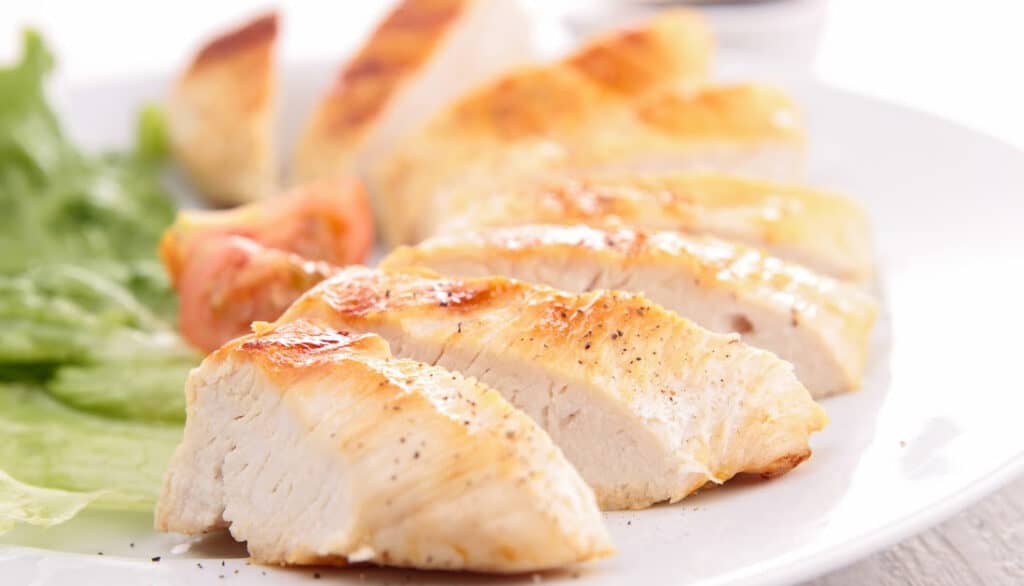
    When looking for alternatives to feeding pepperoni to your furry friend, a great option is lean meats like chicken or turkey. These meats are much lower in fat and sodium than pepperoni, making them a healthier choice for your dog.

    Not only are these meats delicious to dogs, but they are also packed with protein, which is essential for building and maintaining strong muscles. If you want to add some variety to your dog’s diet, consider cooking up some lean ground turkey or chicken breast and using it as a treat or meal topper.

    You can even mix it with their regular kibble for an added protein boost. Just be sure not to add any seasoning or spices that could upset their stomach.

    Commercially Available Dog Treats

    There are many commercially available dog treats on the market today that are specifically formulated for canine nutrition. These treats come in all shapes and sizes and can be found at most pet stores.

    When choosing a dog treat, be sure to read the label carefully and look for treats that are made with high-quality ingredients. Avoid treats that contain artificial preservatives or additives, as these can be harmful to your dog’s health.

    One popular brand of dog treats is Greenies Dental Chews. These tasty treats not only satisfy your dog’s craving for something chewy, but they also promote healthy teeth and gums by scraping away plaque and tartar buildup.

    Fruits and Vegetables

    Believe it or not, there are many fruits and vegetables that dogs love just as much as meat-based treats. Some examples include carrots, green beans, apples (without the seeds), bananas (in moderation), blueberries (also great frozen!), pumpkin puree (not pumpkin pie filling), sweet potatoes (cooked), watermelon (without the seeds), and strawberries. Not only do these fruits and vegetables provide a healthy alternative to traditional dog treats, but they also offer a variety of vitamins and minerals that are essential for your dog’s overall health and well-being.

    Dental Chews

    Dental chews are another great alternative to feeding pepperoni to your dog. Not only do they satisfy your dog’s natural urge to chew, but they also promote healthy teeth and gums by scraping away plaque and tartar buildup.

    When choosing a dental chew, look for one that is made with high-quality ingredients and is specifically formulated for canine dental health. Some popular brands include Pedigree Dentastix, Merrick Fresh Kisses, and Blue Buffalo Dental Bones.

    Homemade Dog Treats

    If you’re feeling adventurous in the kitchen, consider making homemade dog treats as an alternative to feeding pepperoni to your furry friend. There are many recipes available online that are easy to make and use simple ingredients like peanut butter, oats, eggs, and flour.

    Just be sure not to add any spices or seasonings that could upset your dog’s stomach. And always consult with your veterinarian before introducing any new foods into your dog’s diet.

    can dogs eat pepperoni

    Final Thoughts: Can Dogs Eat Pepperoni?

    The article primarily addresses whether dogs can consume pepperoni, a common pizza topping. In moderation, some dogs may tolerate small portions of cooked, unseasoned pepperoni. However, the food carries potential health risks due to its high fat and sodium content, which could lead to obesity, dehydration, and other health problems in dogs. Hence, excessive feeding of pepperoni is harmful and should be circumvented.

    Instead of pepperoni, healthier alternatives like lean chicken or turkey meat can be provided as treats. Numerous commercially manufactured dog treats are also available that are specially designed to cater to a dog’s nutritional requirements. Prior to introducing new foods into a dog’s diet, it’s crucial to consult a veterinarian, as every dog has distinct nutritional needs contingent upon their breed, age, weight, and overall health condition. A vet can provide personalized advice on suitable foods for your dog.

    It’s equally vital to observe your pet’s behavior and physical response to new foods. If they exhibit any signs of illness, such as vomiting or diarrhea, discontinue the food immediately. While we may desire to share our favorite human foods with our pets out of affection, their health must always take precedence. By focusing on their dietary needs and seeking professional advice before making significant dietary alterations, we can promote a long, healthy life for our cherished companions.

    A note about your dog’s health

    This article provides general education and does not replace an examination, diagnosis, or individualized advice from your veterinarian. Contact a veterinary professional if you are concerned about your dog’s symptoms.

    Dr. Candy Akers, DVM Avatar

    ABOUT THE AUTHOR

  • Can Dogs Eat Fortune Cookies? What to Do If Your Dog Ate One

    Can Dogs Eat Fortune Cookies? What to Do If Your Dog Ate One

    Most dogs are unlikely to have a serious problem after eating one plain, unwrapped fortune cookie. It is still not a treat I would choose for a dog. Fortune cookies are mostly refined flour and sugar, and the recipe can vary. The first things to check are the ingredient label, how many cookies were eaten, and whether your dog swallowed the paper fortune or plastic wrapper.

    Treat the situation differently if the cookie was sugar-free, chocolate-coated, unusually flavored, or eaten with its wrapper. Xylitol, which can also appear as birch sugar or wood sugar, can cause a rapid and dangerous drop in a dog’s blood sugar. The FDA advises calling a veterinarian immediately when a dog eats a product containing xylitol. FDA xylitol guidance

    Quick Answer

    • Plain cookie, no wrapper: One cookie is usually a low-concern exposure for an otherwise healthy medium or large dog. Check the ingredients and watch for stomach upset.
    • Sugar-free cookie: Read the label immediately. If it contains xylitol, birch sugar, or wood sugar, call your veterinarian or an animal poison service.
    • Chocolate-coated or specialty cookie: Check every ingredient. Chocolate and several common dessert additions can change the risk.
    • Paper fortune swallowed: A single small paper slip will often pass, but watch closely if your dog is small, gagging, vomiting, or acting uncomfortable.
    • Plastic wrapper swallowed: Call your veterinarian for guidance. Plastic is not digestible and creates more concern for choking or an intestinal blockage.

    What Is in a Fortune Cookie?

    A typical fortune cookie contains wheat flour, sugar, egg, oil or another fat, and flavoring such as vanilla. Recipes are not identical. An official fortune-cookie manufacturer lists wheat flour, sugar, margarine, egg, emulsifier, and flavoring in several products. Fortune cookie manufacturer ingredient list

    Those ordinary ingredients are not usually poisonous in the amount found in one cookie. They also do not offer much value to a dog. A dog with a sensitive stomach, diabetes, a prescribed diet, or a known reaction to wheat, egg, soy, or another listed ingredient needs more caution.

    Always read the package instead of assuming every fortune cookie has the standard recipe. Specialty cookies may be chocolate-dipped, filled, decorated, sugar-free, or made with additional nuts and flavorings.

    How Much Fortune Cookie Did Your Dog Eat?

    One Plain Cookie

    If an otherwise healthy dog eats one ordinary cookie without the wrapper, check the label and monitor. Mild gas, soft stool, vomiting, or diarrhea are possible after an unfamiliar sugary food, but many dogs will have no symptoms.

    Several Cookies

    Several cookies deliver more sugar, flour, and fat. A small dog that eats a handful has a different exposure from a large dog that steals one. Save the package, estimate the number eaten, and watch for repeated vomiting, persistent diarrhea, abdominal discomfort, loss of appetite, or unusual tiredness.

    There is no useful universal number of fortune cookies that is safe for every dog. Product recipes, cookie size, dog size, health history, and any added ingredients all matter.

    Check for Xylitol, Chocolate, and Other Added Ingredients

    Plain fortune cookies usually use regular sugar, but sugar-free baked goods can contain xylitol. In dogs, xylitol can trigger a sudden insulin release and severe low blood sugar. Signs can include vomiting, weakness, stumbling, collapse, and seizures. It can also injure the liver. FDA holiday hazard guidance

    Chocolate-coated cookies need a separate assessment because chocolate contains methylxanthines that dogs process poorly. Darker chocolate generally creates more risk than a small amount of milk chocolate. Do not guess based only on the appearance of the cookie. Check the package for the type of chocolate and estimate how much was eaten.

    Also look for raisins, macadamia nuts, or another ingredient already known to be unsafe for dogs. These are not standard fortune-cookie ingredients, but decorated and specialty products can contain unexpected additions.

    What If Your Dog Ate the Paper Fortune or Plastic Wrapper?

    The tiny paper message is not nutritious or digestible, but one small slip is less concerning than the plastic wrapper. Watch for gagging, repeated swallowing, drooling, coughing, or trouble breathing right away.

    A swallowed plastic wrapper creates a foreign-body concern. Non-digestible objects can become stuck in the esophagus, stomach, or intestines. Common signs of a gastrointestinal obstruction include vomiting, loss of appetite, abdominal pain, diarrhea, dehydration, and lethargy. American College of Veterinary Surgeons foreign-body guidance

    Call promptly if your dog swallowed the wrapper and is very small, swallowed more than one wrapper, is repeatedly vomiting, refuses food, appears painful, becomes unusually tired, or cannot keep water down. Do not try to make your dog vomit unless a veterinary professional specifically tells you to do so.

    What to Do After Your Dog Eats a Fortune Cookie

    1. Find the package and read the full ingredient list.
    2. Determine whether the cookie was plain, sugar-free, chocolate-coated, filled, or decorated.
    3. Estimate how many cookies were eaten.
    4. Check whether the paper fortune or plastic wrapper is missing.
    5. Note your dog’s approximate weight and any diabetes, pancreatitis, food allergy, or prescribed-diet history.
    6. Watch for vomiting, diarrhea, weakness, stumbling, tremors, repeated gagging, abdominal pain, appetite loss, or unusual tiredness.
    7. Call for help immediately if the product contains xylitol or if your dog is weak, uncoordinated, collapsing, or having a seizure.
    8. Contact your veterinarian for individualized guidance when a wrapper was swallowed, several cookies were eaten, the ingredients are uncertain, or symptoms develop.

    Safer Treats Than Fortune Cookies

    A familiar dog treat is the simplest replacement. If your dog tolerates them, small pieces of plain carrot, blueberry, apple without seeds or core, or unseasoned cooked meat are more useful than a sugary cookie. Portion size still matters.

    Do not use peanut butter as an automatic alternative without checking its label. Some sugar-free nut butters contain xylitol.

    Frequently Asked Questions

    Can One Fortune Cookie Hurt a Dog?

    One plain, unwrapped fortune cookie is unlikely to cause serious trouble for most healthy medium or large dogs. Check the ingredients and monitor because specialty recipes, small dog size, and medical conditions change the answer.

    Can the Paper Inside a Fortune Cookie Hurt a Dog?

    A single small paper fortune will often pass, but it can still cause gagging or irritation. The plastic wrapper creates more concern. Call for guidance if your dog is small, swallowed several papers or wrappers, or develops vomiting, appetite loss, pain, or lethargy.

    What If the Fortune Cookie Was Dipped in Chocolate?

    Check the type and amount of chocolate and your dog’s weight. Chocolate risk changes substantially with those details. Contact your veterinarian or an animal poison service when the amount is uncertain or symptoms occur.

    How Long Should I Watch My Dog?

    Watch closely for the rest of the day and continue checking appetite, energy, and bowel movements afterward. Xylitol-related signs can develop quickly, so do not wait for symptoms when xylitol appears on the label. Foreign-body signs can develop later if a wrapper was swallowed.

    A Practical Bottom Line

    A plain fortune cookie is usually more of a poor snack choice than a poisoning emergency. Check the label anyway. Sugar-free sweeteners, chocolate coatings, unusual additions, and the plastic wrapper create the situations that need a faster response.

    Keep the cookies and wrappers out of reach, and choose a familiar dog-safe treat next time.

    References

    A note about your dog’s health

    This article provides general education and does not replace an examination, diagnosis, or individualized advice from your veterinarian. Contact a veterinary professional if you are concerned about your dog’s symptoms.

    Lindsie Parks B.S., CRDNS Avatar

    ABOUT THE AUTHOR

  • Can Dogs Eat Turkey Bacon? Does It Cause Diarrhea? 

    Can Dogs Eat Turkey Bacon? Does It Cause Diarrhea? 

    Ah, the age-old question that has plagued pet owners for decades: can dogs eat turkey bacon? I get it.

    You’re eating breakfast, your dog is staring up at you with those big, pleading eyes, and you’re tempted to share a little bit of your meal. But before you do, it’s important to know “whether or not it’s safe for your furry friend to indulge in this tasty treat “Can dogs eat turkey bacon?”. The short answer is yes! Dogs can eat turkey bacon.

    The purpose of this article is to provide dog owners with all the information they need to make an informed decision about feeding their dog turkey bacon. We’ll discuss what turkey bacon is and how it differs from regular bacon.

    We’ll also explore whether or not it’s safe for dogs to eat and highlight potential health risks associated with feeding dogs human food. Furthermore, we’ll delve into the benefits of feeding your dog small amounts of turkey bacon such as protein and healthy fats.

    But we won’t stop there. We’ll also discuss potential risks associated with overfeeding your dog any type of human food such as obesity, pancreatitis, and gastrointestinal upset.

    We’ll suggest healthier alternatives to giving your dog human food such as lean meats or vegetables. By the end of this article, you’ll have all the information you need to determine whether or not turkey bacon is a suitable treat for your furry companion.

    can dogs safely eat turkey bacon

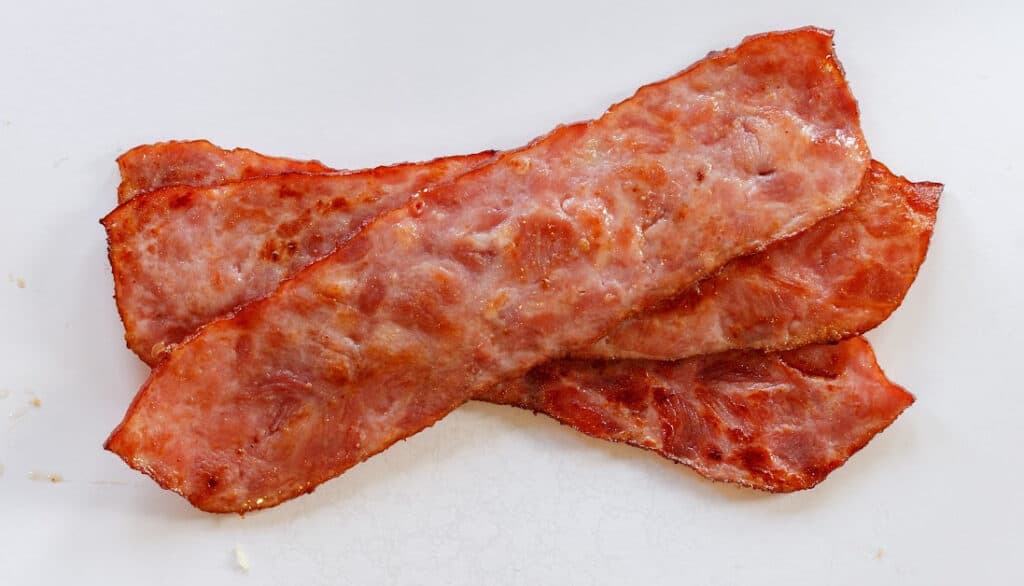
    Turkey bacon has become increasingly popular in recent years due in part to its lower fat content compared to traditional pork bacon. Made from ground turkey meat that’s been heavily processed and flavored with various additives and preservatives before being shaped into strips resembling traditional bacon strips.

    Some people prefer turkey bacon because they feel it’s a healthier alternative to regular pork-based products. While it’s true that turkey bacon has less fat and calories than traditional bacon, it’s still not considered a “health food” by any means.

    Dogs and Turkey Bacon: A Dangerous Combo?

    Now, let’s get down to the nitty-gritty. Can dogs eat turkey bacon? The short answer is yes, dogs can eat turkey bacon in moderation.

    However, there are some things you need to keep in mind before offering your pup a slice of this delicious treat. First and foremost, it’s important to remember that dogs have different dietary needs than humans.

    While we might be able to handle certain foods with ease, our pets may not be able to tolerate them as well. In fact, some human foods can be downright dangerous for dogs.

    In general, it’s best to stick with foods that are specifically formulated for dogs rather than feeding them human food. But if you do want to give your furry friend a taste of something from your plate, it’s important to make sure the food is safe for them to consume.

    What is Turkey Bacon?

    If you’re a fan of bacon, you may have heard of turkey bacon. It’s a type of bacon that is made from ground turkey meat and has a similar texture and appearance to traditional pork bacon. While it’s not as popular as regular bacon, some people prefer it for various reasons.

    How does turkey bacon differ from regular bacon?

    Unlike pork, which is high in saturated fat, turkey meat is leaner and contains less calories per serving. Turkey bacon typically has fewer calories than traditional pork bacon, making it an attractive option for those who are health-conscious or looking to lose weight.

    Additionally, turkey bacon contains less cholesterol than its pork counterpart. In terms of taste and texture, turkey bacon can be slightly different from regular pork belly strips.

    It tends to have a milder flavor that some people find more palatable than the strong taste of pork. The texture can also be different – while pork belly strips are typically chewy and fatty, turkey strips tend to be leaner and crispier.

    Why do some people prefer turkey bacon?

    There are several reasons why someone might choose to eat turkey instead of traditional pork belly strips. For example, if someone is trying to reduce their intake of saturated fat or cholesterol in their diet due to health concerns such as high blood pressure or heart disease.

    Another reason could be that they simply prefer the taste over regular pork because it has less grease and fat content. It may also appeal to those who follow religious dietary restrictions that prohibit eating certain types of meats like beef or pig.

    Some people also choose to eat only halal (permissible under Islamic law) meat products for religious reasons. In this case, they will typically look for halal-certified brands when shopping for food items like Turkey Bacon.

    Overall, whether you prefer the taste or are concerned about your health, turkey bacon is a delicious and healthy alternative to regular pork bacon. However, it’s important to remember that moderation is key, as with any type of food.

    can dogs eat turkey bacon

    Can Dogs Eat Turkey Bacon?

    It’s no secret that dogs love the smell and taste of bacon, but what about turkey bacon? While turkey bacon is generally considered safe for dogs to eat in small amounts, it should not be a regular part of their diet. Why?

    Because most types of bacon, including turkey bacon, are high in fat and sodium, which can be harmful to your dog’s health if consumed in excess. In moderation, however, turkey bacon can provide some nutritional benefits for your dog.

    It’s a source of protein and healthy fats that can help support their overall health and well-being. But before you start feeding your dog turkey bacon on a regular basis, let’s take a closer look at the potential risks associated with giving dogs human food.

    Potential Health Risks Associated with Feeding Dogs Human Food

    While many human foods are safe for dogs to eat in moderation, some can be harmful or even toxic. For example, foods like chocolate, grapes and raisins, avocado, onions and garlic can cause serious health problems if consumed by dogs.

    Additionally, feeding your dog too much human food (including turkey bacon) can lead to obesity or other health issues over time. When it comes specifically to turkey bacon though – the biggest risk is its high salt content which could lead to dehydration if consumed too frequently or in large quantities.

    Some brands also contain artificial preservatives that may not agree with your furry friend’s digestive system. It’s always best to err on the side of caution when feeding your dog human food – even something as seemingly harmless as turkey bacon – so always make sure to check with your veterinarian before introducing new foods into their diet.

    The Benefits of Feeding Your Dog Turkey Bacon

    While it is important not to overdo it on the turkey bacon, there are some benefits to feeding your dog this type of human food. For starters, it is a good source of protein that can help support muscle growth and repair. Additionally, turkey bacon contains healthy fats that can help support your dog’s skin and coat health.

    When choosing a brand of turkey bacon for your dog, look for one that is low in sodium and free from any artificial preservatives or additives. Also, make sure to feed it in moderation – as an occasional treat or training reward rather than a regular part of their diet.

    Risks of Feeding Your Dog Too Much Turkey Bacon

    As mentioned earlier, the biggest risk associated with feeding your dog too much turkey bacon (or any type of human food) is obesity. Dogs who consume too many calories from treats and table scraps are at risk of packing on extra pounds over time – which can lead to a range of health problems including joint pain, heart disease, and diabetes.

    Additionally, consuming too much salt can lead to dehydration which could have serious short-term effects on their wellbeing if not addressed immediately by increasing water intake. If you do decide to give your dog turkey bacon as an occasional treat or training reward, make sure to keep track of how much they’re consuming so you don’t inadvertently put them at risk for health issues down the road.

    Alternatives to Feeding Your Dog Turkey Bacon

    If you’re looking for healthier alternatives to feeding your dog human food like turkey bacon – there are plenty of options available! Some dogs enjoy raw fruits and vegetables such as carrots or apple slices as treats while others prefer lean meats like chicken or fish. Just remember: always check with your veterinarian before introducing new foods into your dog’s diet – even if they seem harmless – so you can be sure that they won’t cause any harm in the short or long term.

    The Benefits of Feeding Your Dog Turkey Bacon

    Protein Boost

    Turkey bacon is an excellent source of protein for dogs. Protein is essential for building and repairing tissues, muscles, and bones. It also helps to maintain a healthy coat, skin, and nails.

    One ounce of turkey bacon contains around 6 grams of protein. This is particularly beneficial for active or working dogs who require more protein in their diets.

    Healthy Fats

    Not all fats are bad for your dog, and turkey bacon contains healthy fats that are important to your dog’s health. Omega-3 fatty acids and omega-6 fatty acids are both found in turkey bacon which can help maintain a healthy coat and skin. These fats also promote brain development and support immune system function.

    Source of Vitamins & Minerals

    Turkey bacon is not only an excellent source of protein but also vitamins and minerals such as vitamin B12, niacin, selenium, phosphorus, zinc, and magnesium among others that your furry friend needs to stay healthy.

    An Excellent Training Treat

    Dogs love treats! And using turkey bacon as a training treat will surely be a hit with most dogs! As mentioned before turkey bacon is high in protein so you don’t have to give them much – one slice cut into small bites will go a long way!

    No Artificial Preservatives

    Unlike regular pork-based bacon that contains artificial preservatives such as nitrites which can be harmful to dogs’ digestive system; turkey bacon usually contains fewer preservatives. So you have less reason to worry about the adverse effects on your dog’s health. Overall feeding your dog small amounts of turkey bacon should not cause any harm as long it’s given in moderation which means no more than two slices per day (for large breeds) and one slice for smaller breeds.

    Remember, overfeeding your dog any human food can lead to obesity which is not good for their health. It’s always better to consult with a vet before feeding them anything new and observe them closely for any signs of discomfort or digestive issues when they try something new.

    The Risks of Overfeeding Your Dog Turkey Bacon

    While feeding your dog small amounts of turkey bacon may provide some health benefits, it’s important to remember that too much of any human food can be harmful to your furry friend. Here are some potential risks associated with overfeeding your dog turkey bacon:

    Obesity

    Turkey bacon is high in fat and calories, which makes it a tasty treat for dogs. However, if your dog consumes too much turkey bacon, they may start to put on extra weight. Obesity in dogs can lead to a range of health problems, including heart disease, joint pain and diabetes.

    Pancreatitis

    Dogs who eat too much fatty food like turkey bacon are at risk of developing pancreatitis, which is an inflammation of the pancreas. Symptoms include vomiting, diarrhea, and abdominal pain. In severe cases, pancreatitis can be fatal.

    Gastrointestinal Upset

    Feeding your dog too much turkey bacon can also cause gastrointestinal upset such as diarrhea or constipation. This is because their digestive system is not designed to handle large amounts of fatty or processed foods like humans.

    Allergic Reactions

    Sometimes dogs may have an allergic reaction to certain foods like turkey bacon. Common signs include itching, hives and swelling around the face or mouth area. While uncommon in most dogs when it comes to turkey bacon specifically it’s best to observe any symptoms that might develop right after they’ve been fed this type of meat.

    Nutritional Imbalance

    Another potential risk associated with feeding your dog excessive amounts of human food like turkey bacon is that their diet may become unbalanced nutritionally which means they might miss out on essential vitamins and minerals found in dog food. This can lead to health issues down the line.

    It’s important to remember that while turkey bacon may seem like a harmless treat, dogs should only be fed it in moderation as part of a balanced diet. To avoid any potential health risks associated with overfeeding your dog, always consult with your veterinarian before introducing new foods into your dog’s diet.

    Alternatives to feeding your dog turkey bacon

    The problem with feeding dogs human food

    Feeding dogs human food is a common practice among pet owners, but it isn’t always the healthiest option. While some human foods, like lean meats and vegetables, can be beneficial for dogs in moderation, many foods that are safe for humans to eat can be harmful or even toxic to dogs. In addition, feeding your dog too much human food can lead to weight gain and other health issues.

    Lean meats as an alternative

    If you’re looking for a healthier alternative to turkey bacon, consider lean meats like chicken or turkey. These meats are high in protein and low in fat, making them a great source of nutrition for your dog. Just be sure to remove any bones before feeding them to your furry friend.

    Chicken:

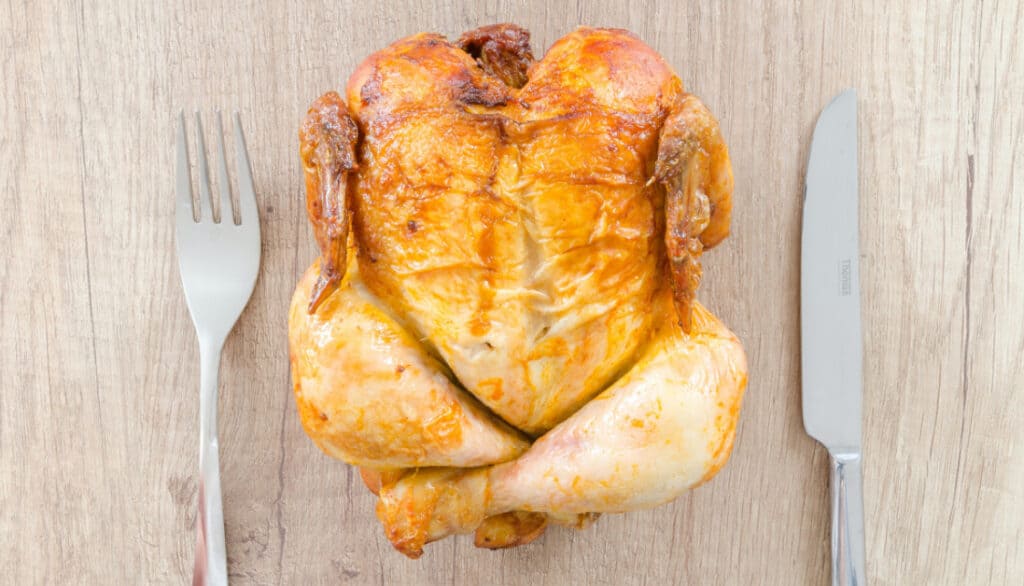
    Chicken is a great source of protein for dogs and is often used in commercial dog food. It’s also low in fat and easy on the digestive system. To feed chicken to your dog, cook it without any seasoning or spices and remove any bones before serving.

    Turkey:

    Like chicken, turkey is another great source of protein that’s low in fat. It’s also rich in vitamins B6 and B12, which help promote healthy skin and coat. When feeding your dog turkey, make sure it’s cooked without spices or seasonings and free of bones.

    Veggies as an alternative

    Vegetables are another healthy alternative to giving your dog human food that’s high in fat or sodium. Many vegetables have vitamins and minerals that are important for a balanced diet.

    Carrots:

    Carrots are an excellent source of fiber and vitamin A. They’re also low in calories which makes them ideal for overweight dogs who need to lose a few pounds. You can feed carrots to your dog raw or cooked, just make sure they’re cut into bite-sized pieces.

    Green beans:

    Green beans are a great source of fiber and vitamins C and K. They also contain small amounts of protein, making them a healthy alternative to high-fat human foods. You can feed green beans to your dog raw or cooked.

    While it’s natural to want to share our food with our furry friends, it’s important to remember that not all human foods are safe for dogs. When in doubt, stick with commercial dog food or talk to your veterinarian about which human foods are safe for your dog in moderation. By choosing healthier alternatives like lean meats and vegetables, you’ll be providing your furry friend with the nutrition they need without exposing them to unnecessary health risks.

    Conclusion

    After much consideration, it is evident that dogs can eat turkey bacon, but only in moderation. Turkey bacon is a great source of protein and healthy fats for your furry friend, but it should not be a staple in their diet. As with any human food, it is essential to consult with your veterinarian before introducing it to your dog’s diet.

    Remember that overfeeding your dog any type of food, including turkey bacon, can lead to obesity and other health issues such as pancreatitis and gastrointestinal problems. It is crucial to watch the amount of turkey bacon you give your dog and ensure that they are getting all the necessary nutrients they need from their regular dog food.

    If you decide to feed your dog turkey bacon, make sure it is fully cooked and free from any added spices or ingredients that may be harmful to dogs. Also, be mindful of feeding them too much at once as this can lead to an upset stomach or diarrhea.

    There are many healthier alternatives to turkey bacon that you can give your dog if you’re concerned about their overall health. Lean meats like chicken or fish are great options that provide essential nutrients without the added fat and sodium found in processed meats like turkey bacon.

    Vegetables like carrots or green beans also make excellent treats for dogs. If given in moderation and under proper supervision from your veterinarian, dogs can enjoy eating turkey bacon as a treat occasionally.

    However, it is crucial not to rely on human food as a primary source of nutrition for our furry friends. Always consult with a vet before introducing any new foods into their diet!

    A note about your dog’s health

    This article provides general education and does not replace an examination, diagnosis, or individualized advice from your veterinarian. Contact a veterinary professional if you are concerned about your dog’s symptoms.

    Lindsie Parks B.S., CRDNS Avatar

    ABOUT THE AUTHOR

  • Are Olives Toxic to Dogs? What Pet Parents Need to Know

    Are Olives Toxic to Dogs? What Pet Parents Need to Know

    By Lindsie Parks, B.S., CRDNS

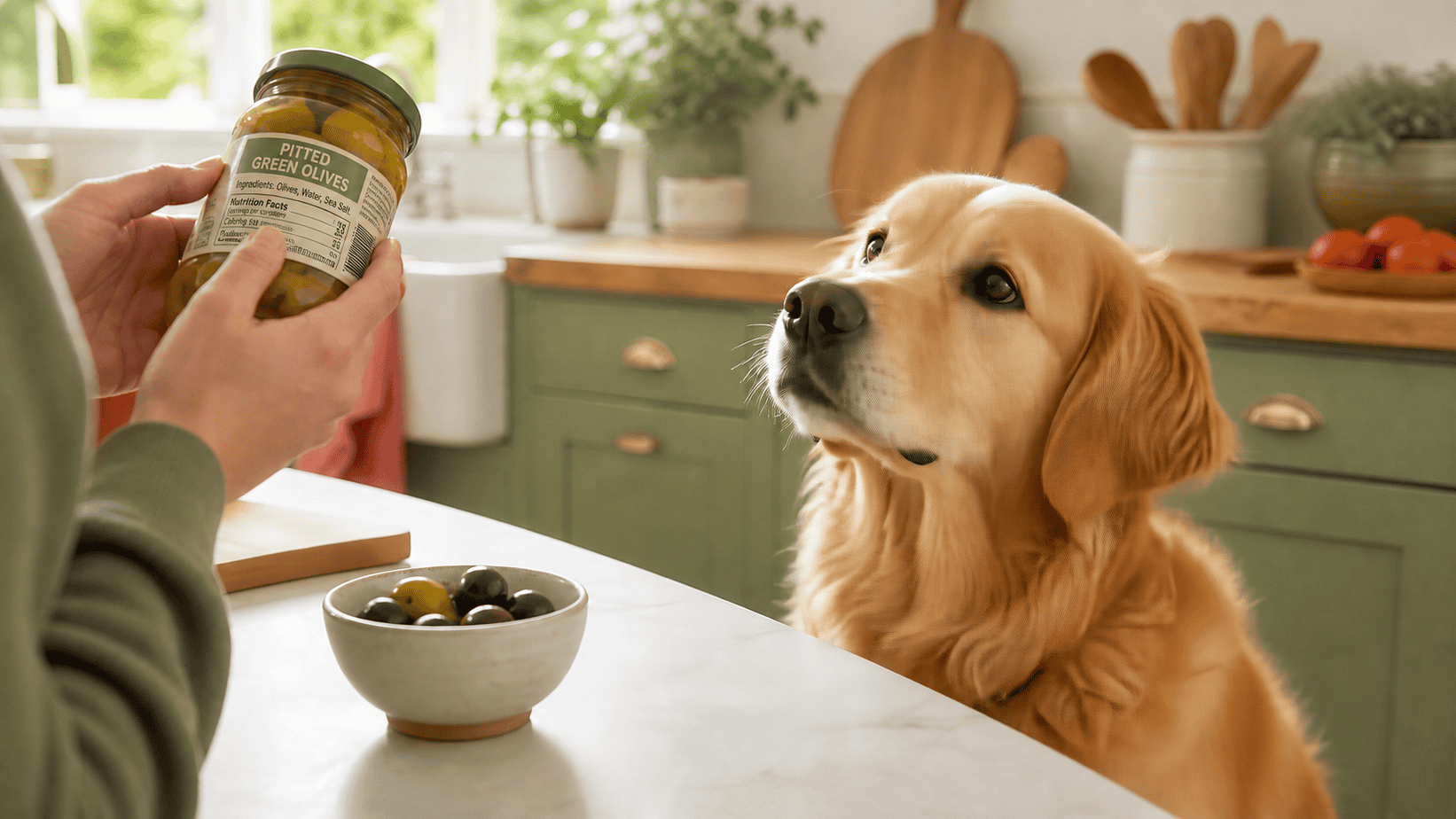
    Golden retriever watches as an owner reads the ingredient label on a jar of olives

    Olive fruit itself is not generally toxic to dogs. The safer choice is a plain, pitted, unsalted olive offered only as a tiny taste. The real concerns are the pit, salty brine, garlic or onion, rich stuffing, marinades, alcohol, and a dog eating more than a small amount.

    That distinction matters. A black olive and a green olive can be equally simple or equally complicated, depending on how they were prepared. Start with the pit and ingredient label, not the color.

    Are Olives Toxic to Dogs?

    Table olives come from the culinary olive tree, Olea europaea. The fruit is not generally regarded as inherently poisonous to dogs. That does not make every olive product a good treat.

    Names can be confusing. Autumn olive and Russian olive are different plants, not varieties of the culinary olive. If your dog ate fruit from a tree and you are not certain of the plant, identify it before assuming it was Olea europaea.

    In a holistic nutrition plan, every food should earn its place. Dogs do not need olives to get healthy fats or plant compounds. When you want to share fresh food, simpler whole-food treats are usually easier to assess and less likely to hide salt, seasoning, or alcohol.

    Which Olives Are Safer, and Which Should Dogs Avoid?

    Preparation matters more than color. Use this quick guide before you share an olive or decide what to do after your dog steals one.

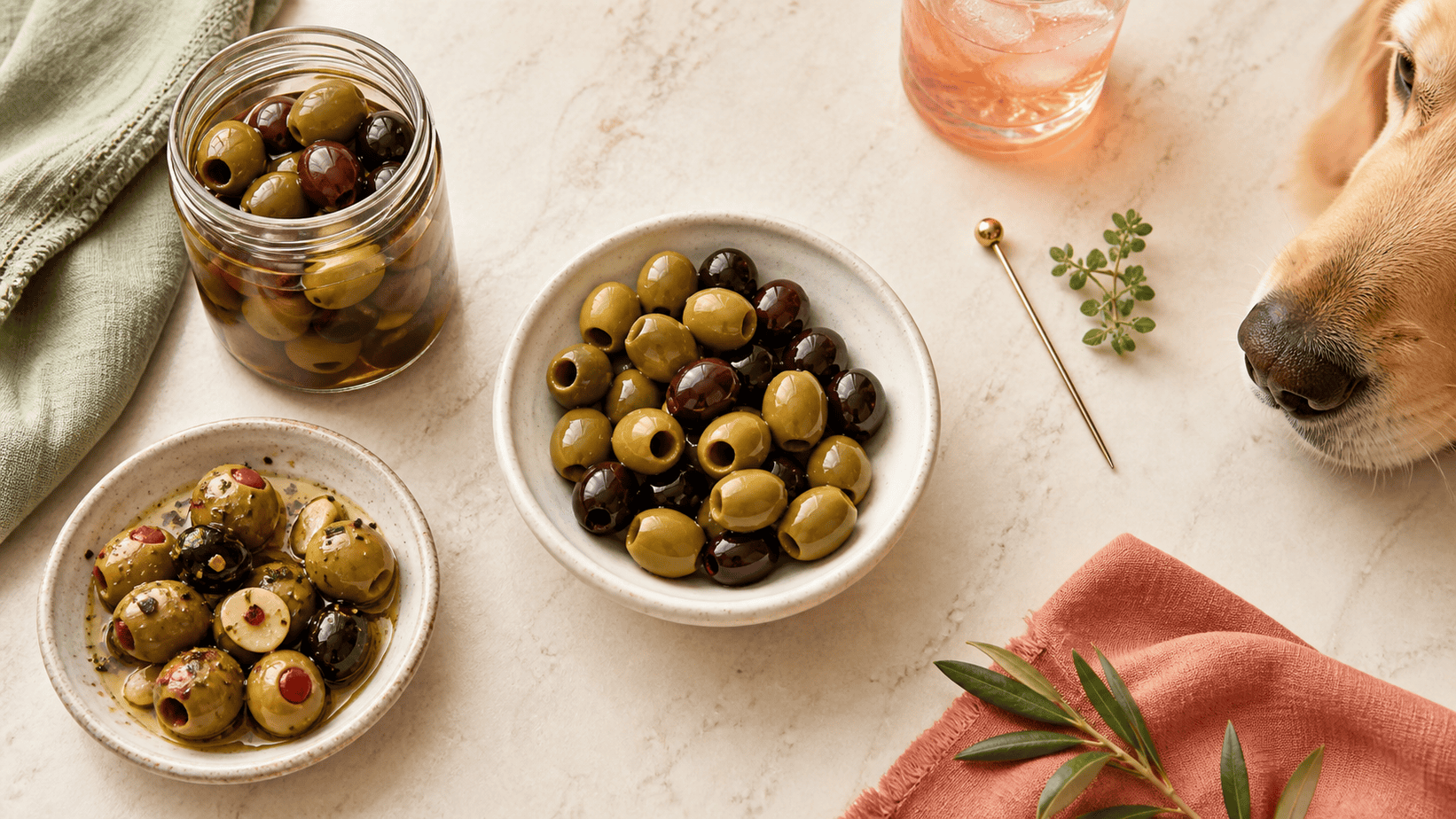
    Plain pitted olives beside brined and seasoned olives with a golden retriever nearby
    Olive type or preparationMain concernPractical guidance
    Plain, pitted, unsaltedNo hidden ingredients, but still optionalOffer only a tiny test taste
    Canned, brined, or pickledAdded sodiumCheck the label and skip routine sharing
    Stuffed, seasoned, or marinatedGarlic, onion, rich fillings, or mixed seasoningsAvoid if the label is unclear or lists risky ingredients
    Martini or alcohol-soakedAlcohol exposureDo not offer
    Black or greenColor does not determine safetyCheck the pit and preparation
    Fresh fruit from a treePit and plant identificationConfirm Olea europaea and remove the pit

    What Makes Olives Risky for Dogs?

    Olive Pits or Stones

    Dog owner removes pits from olives while a golden retriever waits in the background

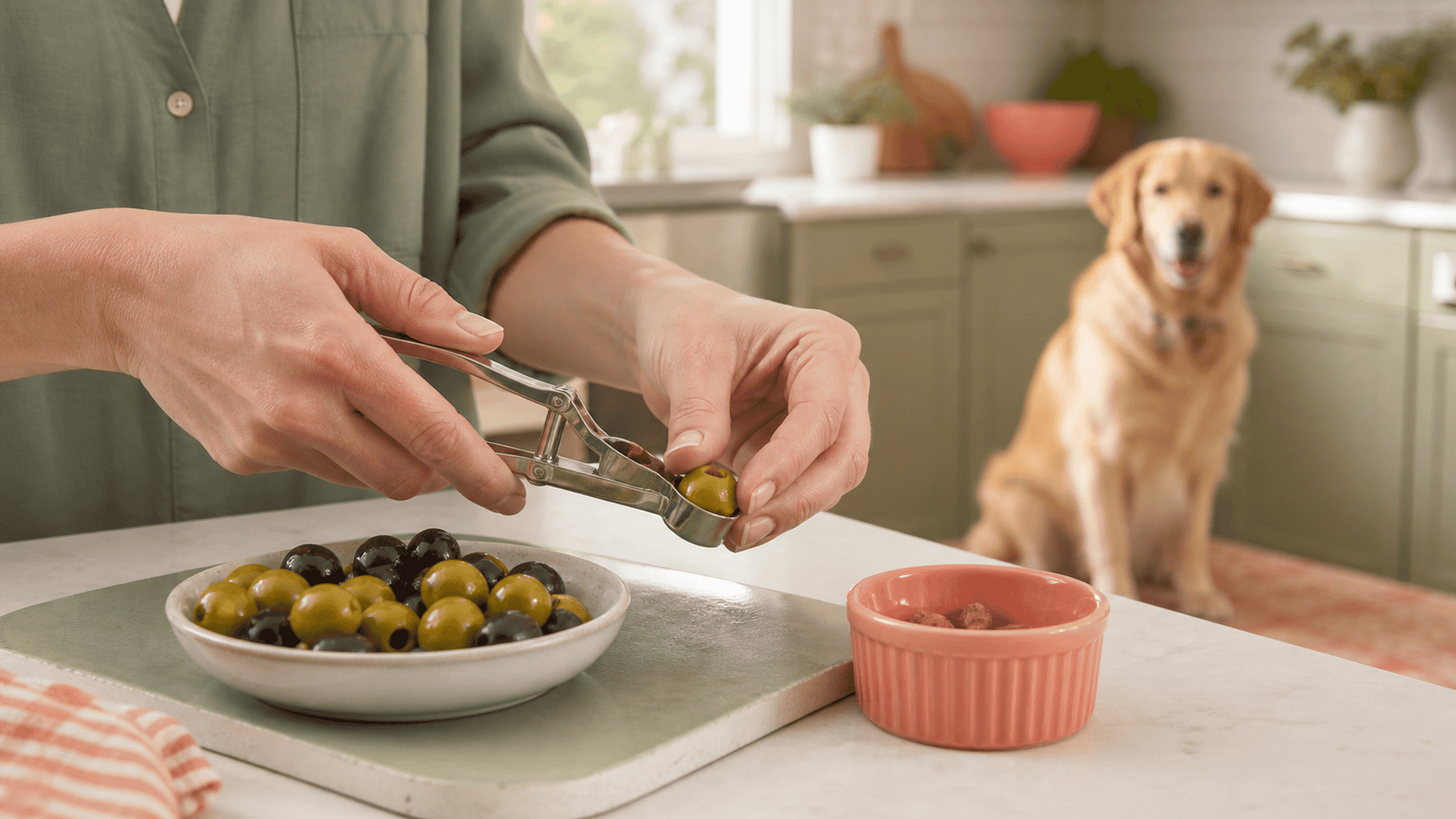
    An olive pit is not a poison, but it is hard and non-digestible. Like other swallowed foreign objects, it may become lodged in the stomach or intestines. Foreign-body problems can cause vomiting, loss of appetite, abdominal pain, dehydration, or diarrhea. [1]

    A pit may pass without trouble, especially in a larger dog, but you cannot predict that from appearance alone. Risk depends on the dog’s size, the number of pits, and whether signs develop. A swallowed pit deserves a prompt call for individual guidance.

    Sodium and Brine

    Many canned and jarred olives are packed with salt. One representative ripe-olive label lists 135 milligrams of sodium in a 15-gram serving, while a reduced-sodium version from the same manufacturer lists less. Labels vary, which is why the package matters. [2]

    Severe salt exposure can cause vomiting, weakness, diarrhea, tremors, and seizures in dogs. Fresh water and the amount consumed affect the risk, so a salty olive is not automatically a poisoning emergency. It is still a poor choice for routine sharing. [3]

    Added Ingredients

    Garlic, onion, chives, and leeks belong to the Allium family. Raw, cooked, dehydrated, and concentrated forms can damage red blood cells in dogs, and signs may not appear right away. [4] Stuffed or seasoned olives also may contain cheese, spicy peppers, rich oils, or unfamiliar flavor blends that are unnecessary for your dog.

    Read the complete ingredient list. A pimento by itself is not the same as a garlic-stuffed olive, but a mixed filling or marinade can contain several ingredients that change the risk.

    Alcohol

    Martini olives and olives taken from an alcoholic drink should stay off your dog’s menu. Alcohol is absorbed quickly and can cause vomiting, poor coordination, lethargy, tremors, breathing problems, seizures, or worse. [5]

    Quantity and Digestive Upset

    Even when an olive is plain and pitted, eating many at once can upset a dog’s stomach. If your dog has a sensitive stomach, even a small amount may trigger digestive upset. This is one reason a tiny test taste makes more sense than a bowl of leftovers.

    What Should I Do If My Dog Ate an Olive?

    If It Was Plain and Pitted

    If your dog ate one plain, pitted olive and is acting normal, remove the remaining olives, offer fresh water, and watch for digestive upset. Check the package again to be certain there was no garlic, onion, alcohol, or heavy seasoning.

    If Your Dog Swallowed a Pit

    Call your veterinarian or an animal poison resource for advice based on your dog’s size, the number of pits, and the time of ingestion. Do not try to make your dog vomit unless a veterinary professional specifically tells you to do so.

    Seek prompt care if you notice repeated vomiting, loss of appetite, abdominal pain, diarrhea, dehydration, or marked lethargy. Those signs can occur when a foreign object does not pass normally. [1]

    If It Was Seasoned, Stuffed, or Soaked

    Save the container or take a photo of the ingredient list. Note what your dog ate, how much may be missing, when it happened, and your dog’s approximate weight. Call promptly if the product contained garlic, onion, alcohol, or another ingredient you cannot identify.

    If Your Dog Ate a Large Amount or Has Concerning Signs

    Contact a veterinarian or animal poison resource if a large amount is missing or your dog develops repeated vomiting, weakness, tremors, poor coordination, unusual sleepiness, breathing changes, or seizures. [3][5] Give the product name and ingredient list so the advice can match the actual exposure.

    How to Offer an Olive More Safely

    If you choose to share an olive, keep it simple:

    • Choose a plain, pitted, unsalted olive with no stuffing, marinade, or seasoning.
    • Read the ingredient list every time. Products that look alike may be prepared differently.
    • Offer only a tiny test piece. There is no useful one-size-fits-all serving count.
    • Introduce one new food at a time so you can recognize digestive upset.
    • Skip olives when your dog has a sensitive stomach or an existing diet restriction. A simpler whole-food treat is easier.

    Do not let the idea of a human food being non-toxic turn it into a daily supplement. The goal is not to add as many foods as possible. It is to build a varied, biologically appropriate diet from foods that serve a clear purpose for your individual dog.

    Do Olives Offer Meaningful Health Benefits to Dogs?

    Olives contain fat and plant compounds, but that does not prove that an occasional olive produces a measurable health benefit in dogs. Human nutrition research and laboratory studies cannot be translated automatically into a canine feeding recommendation.

    For most dogs, an olive is simply an optional taste. It is not needed for skin, coat, heart, or immune health. If you want to improve your dog’s nutrition, the complete diet matters far more than one trendy ingredient.

    Better Whole-Food Treat Alternatives

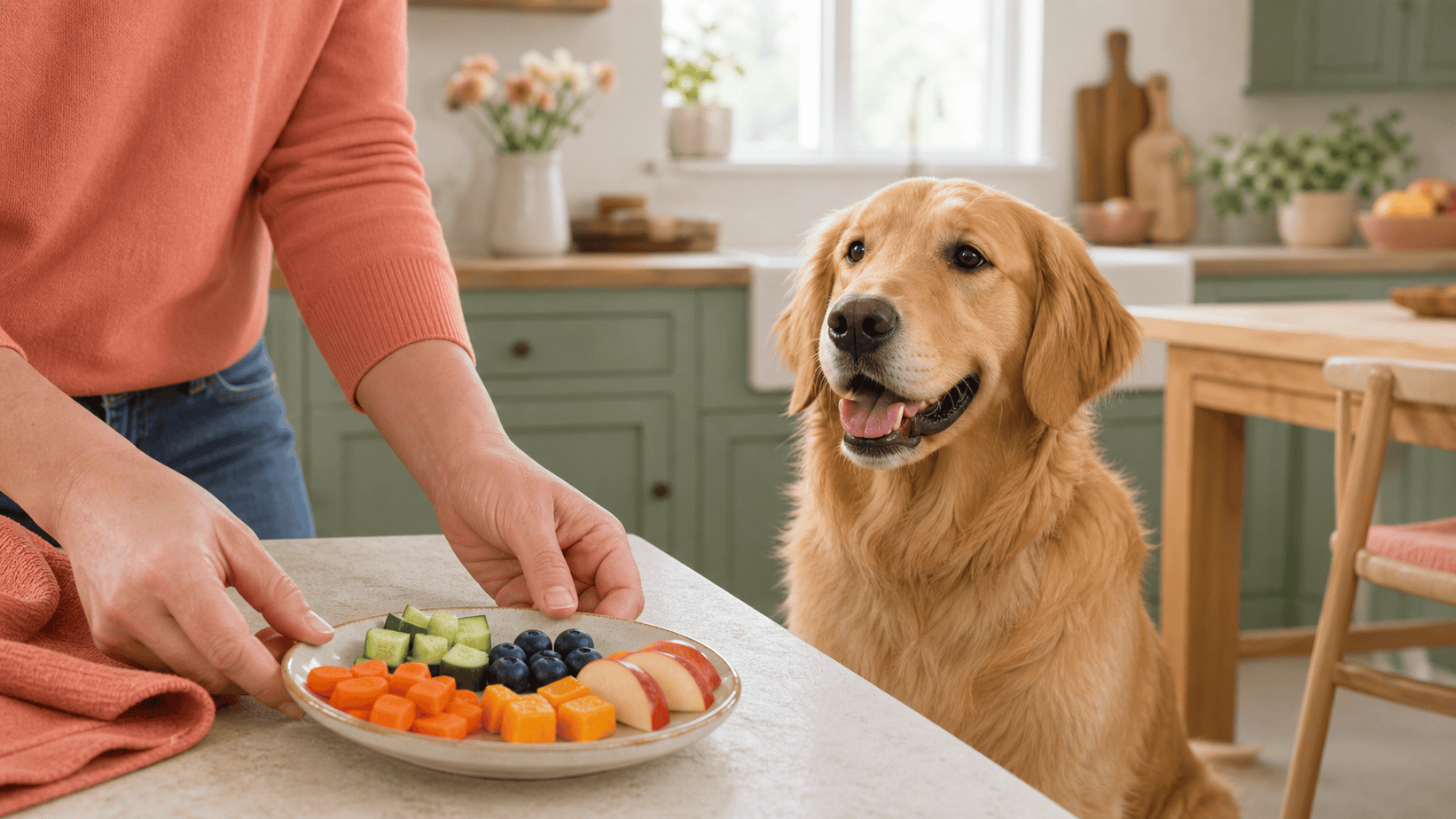
    Simpler fresh foods are easier to prepare without hidden salt or seasonings. Depending on your dog’s needs and tolerance, options may include:

    Golden retriever beside cucumber, carrots, blueberries, pumpkin, and apple treat pieces
    • Cucumber pieces
    • Small pieces of carrot
    • Blueberries
    • Plain pumpkin
    • Apple pieces with the core and seeds removed

    Serve these foods plain and in bite-sized pieces. Introduce them gradually, especially if your dog usually eats a limited variety of foods.

    Final Thoughts

    Plain olive flesh is not the main worry for dogs. The pit, brine, added ingredients, alcohol, and quantity deserve more attention.

    Check the pit and ingredient label first. If the olive was plain, pitted, and unsalted, a tiny taste is usually the least complicated choice. If your dog swallowed a pit, ate a seasoned or alcohol-soaked olive, consumed a large amount, or developed concerning signs, get individualized guidance promptly.

    Frequently Asked Questions

    Can dogs eat black olives?

    Yes, a plain, pitted, unsalted black olive may be offered as a tiny occasional taste. Color is less important than the pit, sodium, and added ingredients.

    Can dogs eat green olives or pimento-stuffed olives?

    A plain green olive raises the same questions as a black olive. It should be pitted, unsalted, and free of risky additions. Pimento stuffing is not automatically the problem, but the full filling and seasoning list still needs to be checked.

    What if my dog swallowed an olive pit?

    Call for veterinary guidance based on your dog’s size, the number of pits, and when the ingestion happened. Watch for vomiting, loss of appetite, abdominal pain, diarrhea, dehydration, or marked lethargy. Do not induce vomiting unless a veterinary professional instructs you to do so.

    Are olives from a tree safe for dogs?

    First confirm that the tree is the culinary olive, Olea europaea. Other plants share the word olive in their common names. Whole fruit from a tree still contains a pit, so it should not be treated as a ready-made dog snack.

    References

    1. American College of Veterinary Surgeons. (n.d.). Gastrointestinal foreign bodies.
    2. Musco Family Olive Co. (n.d.). California ripe olives.
    3. Thompson, L. J. (2024). Salt toxicosis in animals. Merck Veterinary Manual.
    4. Hayes, C. (2024). Garlic and onion (Allium spp.) toxicosis in animals. Merck Veterinary Manual.
    5. Gwaltney-Brant, S. M. (2025). Toxicoses from alcohols in animals. Merck Veterinary Manual.

    A note about your dog’s health

    This article provides general education and does not replace an examination, diagnosis, or individualized advice from your veterinarian. Contact a veterinary professional if you are concerned about your dog’s symptoms.

    Lindsie Parks B.S., CRDNS Avatar

    ABOUT THE AUTHOR

  • Can Dogs Eat Veggie Straws? What You Need To Know

    Can Dogs Eat Veggie Straws? What You Need To Know

    Veggie straws have become increasingly popular among humans in recent years as a snack option. These crispy treats are marketed as a healthier alternative to traditional potato chips and other processed snacks. This makes them a popular choice for those looking to make healthier choices in their diet. Have you ever wondered “Can dogs eat veggie straws?” The short answer is no, dogs should not eat veggie straws.

    One of the main reasons for the popularity of veggie straws is their perceived health benefits. Made from real vegetables such as potatoes, spinach, and tomatoes, many people believe that they are getting essential vitamins and minerals while satisfying their cravings for something crunchy and salty.

    Another reason why veggie straws have become so popular is that they come in a variety of flavors. From classic sea salt to more exotic options like ranch or BBQ. There seems to be a flavor for everyone’s taste buds.

    veggie straws for dogs

    Can Dogs Enjoy Veggie Straws Too?

    With the rise in popularity of veggie straws among humans, it’s only natural that pet owners would wonder if their furry friends can enjoy this snack too. After all, dogs love crunchy snacks just as much as we do!

    However, the answer isn’t quite as straightforward as one might think. Veggie straws may seem like a healthy snack option because they contain vegetables. However, it’s important to remember that dogs have different nutritional needs than humans.

    When considering whether or not dogs can eat veggie straws, there are several factors to consider. For example, what are the ingredients in the veggie straws?

    Are there any potential health risks associated with feeding dogs processed snacks like these? In addition to these questions, it’s also important to consider how your dog’s digestive system may react to eating something like veggie straws.

    Some dogs may have no problem digesting them. Others may experience stomach upset or even vomiting if they consume too many processed snacks. Overall, while it may be tempting to share your veggie straws with your furry friend, it’s best to err on the side of caution and stick to dog-friendly snack options.

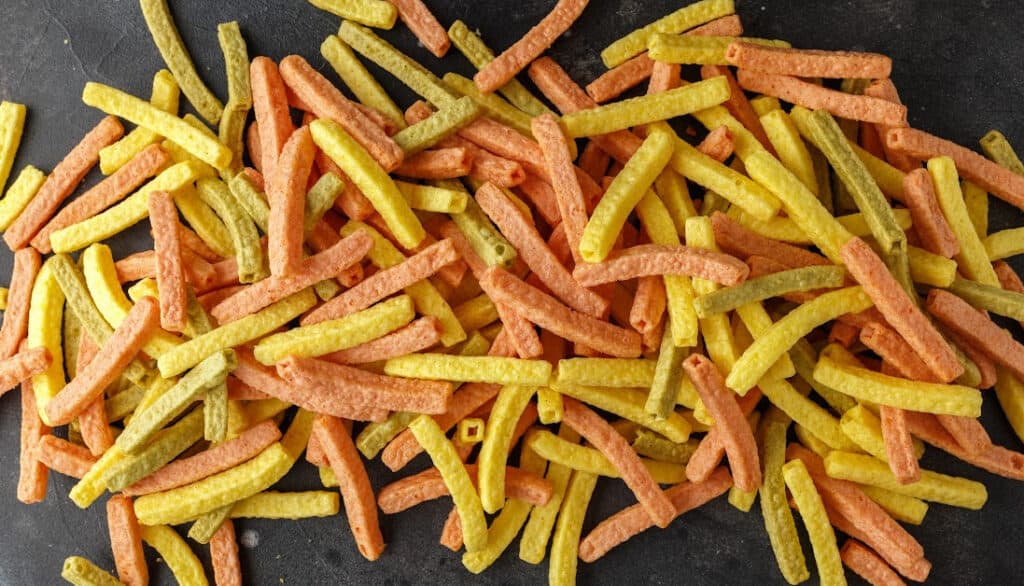
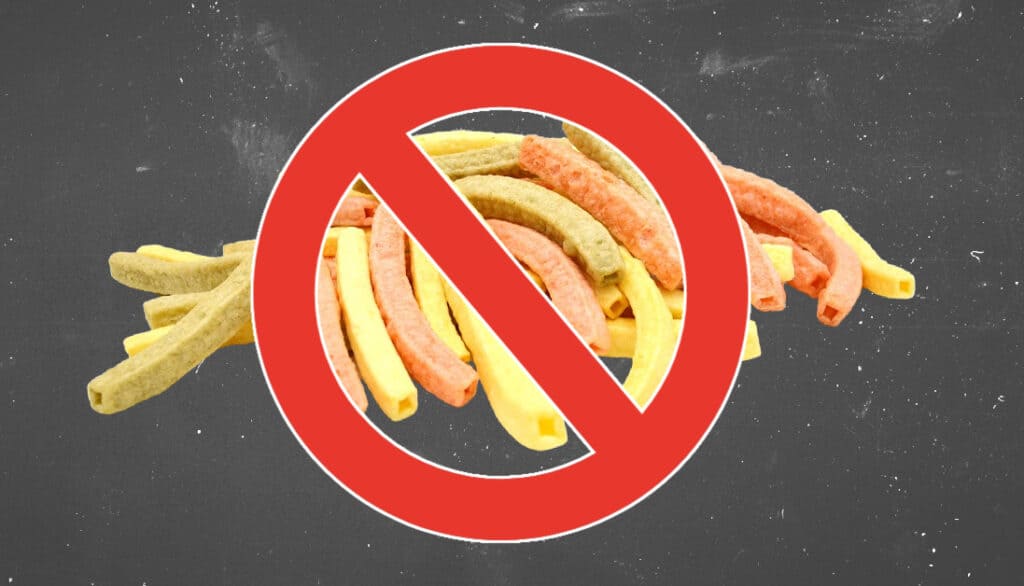
    picture of a pile of veggie straws on a black background

    Overview of Veggie Straws

    What are Veggie Straws?

    Veggie straws are a popular snack food that has gained popularity in recent years due to their crunchy texture and perceived health benefits. These snacks are typically made of a combination of potato starch, cornstarch, and vegetable powders like spinach, tomato, and beetroot. They are shaped like small tubes or sticks and often come in a variety of flavors.

    How are Veggie Straws Made?

    To make veggie straws, combine the ingredients to create a dough-like mixture for veggie straws. Then, feed this mixture into a machine, which extrudes it into small tubes or sticks. Finally, bake these snacks until they reach a crisp and crunchy texture.

    Nutritional Value of Veggie Straws

    One of the main selling points of veggie straws is their perceived nutritional value. While they do contain some vegetable powders, it’s important to note that they are still processed snack food. They should not be considered a replacement for fresh vegetables in your diet.

    That being said, some brands of veggie straws boast being lower in fat than traditional potato chips and may also contain less sodium. They may also contain vitamins like vitamin A or vitamin C from the vegetable powder ingredients.

    Potential Health Benefits for Humans

    There isn’t much research on the specific health benefits of eating veggie straws. Consuming more vegetables in general can have many positive health effects. Vegetables contain fiber which can aid digestion and help you feel full longer.

    They also provide important vitamins and minerals that your body needs to function properly. Some studies have also suggested that consuming more vegetables can help reduce your risk for chronic diseases such as heart disease, diabetes, and certain types of cancer.

    The Bottom Line

    Veggie straws may be a tasty and fun snack option. It’s important to remember that they are still processed food. They should not be relied upon as a primary source of vegetables in your diet. It’s always best to aim for fresh, whole vegetables whenever possible.

    That being said, if you’re looking for a crunchy snack that’s lower in fat and sodium than traditional potato chips, veggie straws could be an option worth considering. Just be sure to read the label and choose brands with simple ingredient lists and minimal added sugars or artificial flavors.

    veggie straws for dogs

    Can Dogs Eat Veggie Straws?

    The short answer is no, dogs should not eat veggie straws. While veggie straws may seem like a healthy snack option for humans, they are not nutritionally appropriate for dogs. In fact, feeding your dog veggie straws could potentially lead to health issues and complications.

    One of the main reasons why veggie straws are not suitable for dogs is that they are highly processed and contain ingredients that may be harmful to them. Many brands of veggie straws contain onion powder or garlic powder. Both of these are toxic to dogs in large quantities.

    Additionally, the high salt content in these snacks can be harmful to your dog’s health. This is true especially if they have kidney or heart problems. Moreover, although some ingredients in veggie straws may be safe for dogs in small amounts such as potato starch and cornstarch which have low nutritional value and low digestibility rate.

    Feeding your dog processed snacks like veggie straws can cause stomach upset. This includes diarrhea because their digestive system isn’t built for digesting human foods. While some people may argue that their dog has eaten veggie straws without any ill effects, it’s important to remember that every dog is different and may react differently to certain foods.

    Just because one dog was fine after eating a few stray pieces of veggie straw doesn’t mean that it’s safe or healthy for all dogs. If you’re looking for a snack option for your furry friend, there are plenty of healthier alternatives out there.

    While it may be tempting to share your favorite snack with your four-legged friend, it’s important to remember that not all human foods are safe for dogs. Veggie straws, in particular, are highly processed and contain ingredients that can be toxic to dogs.

    picture of veggie straws with a forbidden sign

    Potential Risks for Dogs Eating Veggie Straws

    Dangerous Ingredients in Veggie Straws

    Veggie straws are made from a combination of carrots, potatoes, and spinach. However, some manufacturers add additional ingredients to enhance the flavor or color of the snack.

    Some of these added ingredients can be harmful to dogs. For example, onion powder and garlic powder are often included in veggie straws to give them a savory taste.

    These ingredients can damage a dog’s red blood cells and cause anemia if ingested in large quantities. Another danger ingredient is salt.

    Most veggie straws contain a high amount of sodium which can lead to dehydration if consumed excessively by your pooch. Too much salt can also cause electrolyte imbalances which could lead to other health issues.

    Digestive Issues From Processed Snacks Like Veggie Straws

    Veggie straws are processed snacks that contain artificial flavors and colors. They also contain preservatives that help to extend their shelf life. Unfortunately, these additives may cause digestive issues such as diarrhea or vomiting in dogs with sensitive stomachs. Moreover, the high fiber content in veggie straws may be too much for some dogs to handle which could lead to bloating and gas.

    The Importance of Reading Labels Before Giving Treats

    It is important always to check the label before giving your dog any snack including dog treats or human food such as veggie straws. Some seemingly healthy foods may include dangerous substances that will harm your furry friend. Checking food labels allows you to note any harmful ingredients beforehand. This way you can avoid them entirely while buying snacks for your dog at home.

    Consulting A Veterinarian Before Introducing New Foods Into Your Dog’s Diet

    In case you’re unsure what type of treats are safe for your dog, or if you’re considering adding new food to their diet, it’s always best to consult with your veterinarian first. Your vet may suggest specific snacks or foods that are ideal for your dog’s specific dietary requirements depending on their age, breed, and activity level. Your veterinarian can also help you determine the appropriate serving size based on your dog’s weight and calorie needs.

    Veggie straws aren’t necessarily toxic to dogs but they could potentially cause digestive issues and contain harmful ingredients. Onion powder, garlic powder, and salt could lead to health complications if consumed excessively. When it comes to feeding dogs any human food or treats even those labeled healthy, it is always best first to consult with a veterinarian before introducing anything new into their diet.

    picture of dog chewing on a snack

    Alternatives to Veggie Straws for Dogs

    Dog-Friendly Snacks

    While veggie straws may seem like a healthy snack option for humans, they are not necessarily the best choice for our furry friends. However, there are plenty of other alternatives that can be just as tasty and even more nutritious for dogs.

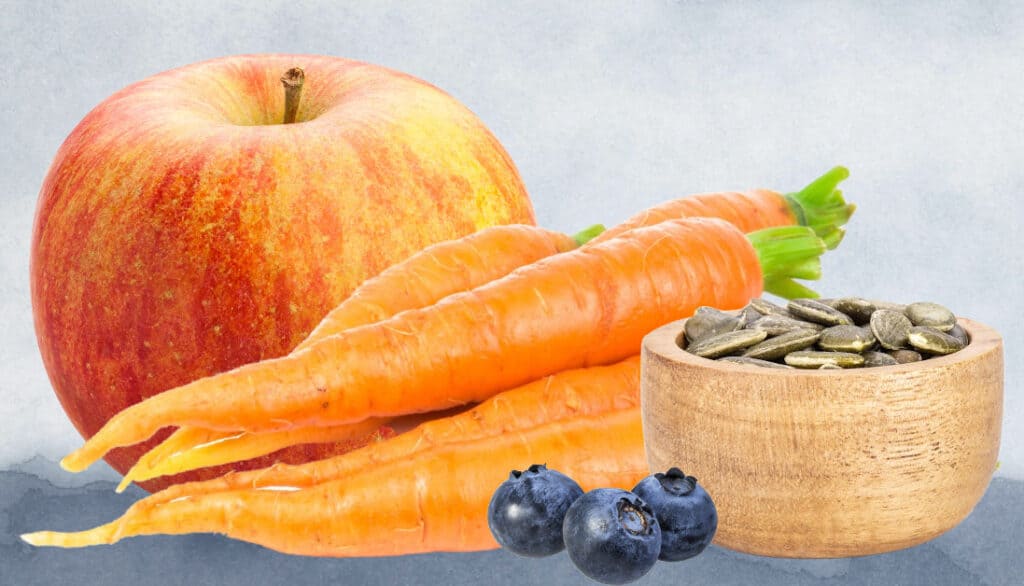
    One great option is carrots. Not only are they low in calories, but they also contain vitamins and minerals that can benefit a dog’s overall health. Carrots are also great for promoting healthy teeth and gums due to their crunchy texture. Another alternative is green beans. These vegetables are rich in fiber and protein, making them an excellent source of nutrition for dogs. They also contain antioxidants that can help support a dog’s immune system.

    Other healthy snack options for dogs include apples, bananas, blueberries, and pumpkin puree. These snacks not only provide essential vitamins and minerals but also add variety to a dog’s diet.

    The Importance of Consulting with a Veterinarian

    Before introducing any new food into a dog’s diet, it is always important to consult with a veterinarian first. While some foods may seem harmless or even beneficial to us humans, they may pose potential risks or complications for our pets.

    For example, certain fruits such as grapes or raisins can cause kidney failure in dogs if ingested in large amounts. Additionally, some human foods may be high in fat or salt content which can lead to digestive issues or obesity in dogs.

    By consulting with a veterinarian before introducing new foods into their diet, pet owners can ensure that they are providing their furry friend with the proper nutrition while minimizing potential risks. While veggie straws may seem like an appealing snack option due to their crunchy texture and vegetable-based ingredients, they might not be the best choice for our dogs.

    Instead, opting for healthier, dog-friendly snacks such as carrots or green beans can provide our pets with the nutrition they need while reducing potential health risks. Remember to always consult with a veterinarian before introducing new foods into a dog’s diet to ensure their health and wellness.

    Conclusion: Can Dogs Eat Veggie Straws?

    After much discussion and analysis, the answer to the question “Can dogs eat veggie straws?” is: it depends. While veggie straws themselves are not inherently toxic to dogs, the ingredients they contain can be harmful if consumed in large quantities.

    Onion powder and garlic powder, two common ingredients found in veggie straws, can cause gastrointestinal distress and anemia in dogs. While it may be tempting to share your snack with your furry friend, it’s important to consider their nutritional needs and digestive system.

    Dogs require a diet that is high in protein and fat, while also containing essential vitamins and minerals. Veggie straws are a processed snack that lack many of these necessary nutrients.

    However, if you still want to give your dog a taste of veggie straws as a special treat, there are some precautions you can take. First, make sure that the particular brand of veggie straws you choose does not contain any potentially harmful ingredients like onion or garlic powder.

    Second, only feed them in moderation as an occasional treat rather than as a regular part of their diet. Overall though, there are many healthier alternatives for dog treats that offer more nutritional value such as carrots or green beans which provide fiber and vitamins without the risk of any harmful additives.

    When considering introducing new foods into your dog’s diet it’s always best to consult with your veterinarian first. They will be able to provide specific recommendations based on your dog’s individual needs and health history.

    While it is technically possible for dogs to eat veggie straws, there are certainly better snack options out there for our furry friends. By making informed decisions about what we feed our pets we can ensure they stay healthy and happy for years to come!

    A note about your dog’s health

    This article provides general education and does not replace an examination, diagnosis, or individualized advice from your veterinarian. Contact a veterinary professional if you are concerned about your dog’s symptoms.

    Lindsie Parks B.S., CRDNS Avatar

    ABOUT THE AUTHOR
  • Can Dogs Eat Cheeseballs? Will They Get Sick?

    Can Dogs Eat Cheeseballs? Will They Get Sick?

    Medically Reviewed by: Dr. Candy Akers, DVM

    Ah, cheeseballs. The perfect party snack. They are a favorite among many for their cheesy goodness and crunch, making them a staple at any get-together. But have you ever stopped to think “Can dogs eat cheeseballs?”

    The short answer is no, dogs should not eat cheeseballs. Although they may seem harmless, the high-fat content and artificial flavors found in cheeseballs can be harmful to our four-legged friends.

    However, this raises an important question – why shouldn’t dogs be able to enjoy the same treats that we do? Firstly, let’s take a closer look at what cheeseballs actually are.

    dog eating cheese puffs

    What Are Cheeseballs?

    Cheeseballs often use processed cheese. This is mixed with flour and seasonings. Then, they are shaped into small balls. Crunchy bits like nuts or breadcrumbs coat them. Due to their ingredients, they are often calorie-rich.

    Humans may handle their high-fat content and artificial flavors. However, our dogs have different nutritional needs. It’s crucial to remember this when feeding them.

    The Risks of Feeding Cheeseballs to Dogs

    One of the biggest risks associated with feeding cheeseballs to dogs is their high-fat content. Too much fat can lead to obesity which can then cause other health issues such as diabetes or heart problems if left unchecked.

    Additionally, some of the artificial flavors used in cheeseball production can upset a dog’s stomach or even cause allergic reactions. Furthermore, there is always the risk of choking on small pieces of nuts or breadcrumbs that coat the outside of each ball-shaped snack.

    Alternatives to Cheeseballs for Dog Snacks

    Luckily, there are plenty of healthy dog-friendly alternatives to cheeseballs that both you and your furry friend can enjoy. Consider offering them fruits like apple slices or veggies like carrots as a snack instead.

    There are also plenty of specially made dog treats available that are formulated with your dog’s nutritional needs in mind. Be sure to check the ingredients and nutritional information before purchasing any treats to ensure they are appropriate for your pet.

    Feeding Your Dog a Balanced Diet

    It’s important to remember that snacks should not make up the majority of your dog’s diet. Feeding them a balanced meal plan is crucial for their overall health and well-being. If you do decide to feed your dog human food, always do so in moderation and be aware of any potential risks associated with the ingredients you’re considering.

    While cheeseballs may be an enjoyable snack food for humans, they should be avoided when it comes to our furry friends. Opt for healthy alternatives or specially made dog treats instead, and always prioritize giving them a balanced diet.

    plate of cheese balls

    Can Dogs Eat Cheeseballs?

    The Risks of Feeding Cheeseballs to Dogs

    Cheeseballs are a popular snack that many people enjoy. They are often made with high amounts of fat and artificial flavors, which can make them dangerous for dogs to eat. While cheese is generally safe for dogs in small amounts, cheeseballs should be avoided due to the added ingredients.

    One of the primary concerns with cheeseballs is their high-fat content. Dogs’ bodies are not designed to handle large amounts of fat, and consuming too much can cause pancreatitis, a serious condition that can lead to vomiting, diarrhea, and even death.

    In addition to the high-fat content, cheeseballs also often contain artificial flavors and preservatives that can be harmful to dogs. These ingredients have been linked to digestive issues and allergies in some dogs.

    Small Amounts of Plain Cheese May Be Okay for Some Dogs

    While cheeseballs should generally be avoided, small amounts of plain cheese may be okay for some dogs. Cheese is a good source of protein and calcium, which are important nutrients for your dog’s health.

    It’s important to note that not all dogs can tolerate dairy products like cheese. Some dogs may experience digestive issues such as diarrhea or vomiting after consuming dairy products.

    Therefore, it’s essential always to start with small portions when introducing new foods into your dog’s diet. If you do decide to give your dog plain cheese as a treat or reward, make sure it’s in moderation and not too often because too much dairy can cause stomach upset or even weight gain.

    Cheeseball Alternatives For Your Furry Friend

    If you’re looking for healthy snack options for your furry friend, there are plenty of alternatives available! Many fruits and vegetables are safe for dogs to eat and provide nutrients without added fats or preservatives. For example, carrots are an excellent low-calorie option that is rich in vitamins, while apples provide fiber and can help clean your dog’s teeth.

    You can also find specially made dog treats at your local pet store that are designed specifically for canine nutrition. Remember, always check the ingredients before buying any treat or food for your dog, and if you have any doubts about a particular snack or ingredient, it’s best to consult with a veterinarian.

    Providing Your Dog A Balanced Diet

    Feeding your dog a balanced diet is crucial to their overall health and well-being. A well-balanced diet should include protein, carbohydrates, fats, vitamins, and minerals in the right amounts.

    While feeding your dog human foods like cheese as a treat is okay in moderation, it should never replace their regular meals. It’s vital to choose snacks that complement their regular diet rather than ones that will harm them.

    Make sure to talk to your veterinarian about what kind of foods you should avoid feeding your furry friend. Every dog has different nutritional needs based on factors like age, weight and breed.

    The Bottom Line

    Cheeseballs are not a safe snack for dogs due to their high fat content and artificial flavors. While small amounts of plain cheese may be okay for some dogs as a treat or reward occasionally if they tolerate it well enough.

    It’s best always to choose healthy snack alternatives such as carrots or apples when looking for something special to give them. Remember that feeding your furry friend human snacks without careful consideration of its impact on their diet can lead to stomach upset or even more severe health problems down the line.

    picture of apple, carrots, pumpkin seeds, and blueberries

    Healthy Alternatives to Cheeseballs for Dog Snacks

    If you’re looking for a healthy alternative to cheeseballs as a treat for your dog, there are plenty of choices that can be good for their health. Dogs love fruits and vegetables just as much as humans do. They’re a great source of vitamins, fiber, and other essential nutrients that dogs need in their diet.

    Carrots

    Carrots are an excellent choice as a snack for dogs. Not only are they low in calories, but they also provide a good source of fiber and Vitamin A. They help support overall health, digestion and keep their teeth clean by providing some abrasion when chewed. Carrots are rich in beta-carotene which is an antioxidant that helps improve eyesight.

    Apples

    Apples are another delicious and healthy snack option for dogs. They are known to improve digestion, boost the immune system by providing vitamins B & C and it helps to keep teeth clean when eaten raw. Be sure to remove the seeds because they contain cyanide which is toxic if ingested.

    Specially Made Dog Treats

    There are plenty of specially made dog treats available on the market today that can provide healthy benefits without compromising on taste or enjoyment. These treats come in different flavors such as chicken or beef with added vitamins and minerals such as omega fatty acids or glucosamine which support joint mobility. When looking for dog treats, check the label carefully and ensure it’s free from artificial colors, flavorings or preservatives since these additives can lead to potential health issues such as allergies or weight gain.

    Pumpkin Seeds

    Pumpkin seeds can be roasted with low sodium seasoning making them a great snacking option since they’re rich in antioxidants, protein and magnesium which supports bone growth while reducing inflammation.

    Blueberries

    Blueberries are another healthy fruit option for dogs since they’re rich in antioxidants and vitamins. They’re low in calories, high in fiber that supports weight control and helps to regulate blood sugar levels.

    Cheeseballs should be avoided as a treat for dogs due to their high-fat content and artificial flavorings that can cause potential health issues. Instead, treat your furry friend with one of these healthy snack options such as carrots, apples, pumpkin seeds or specially made dog treats which will provide them with the essential nutrients they need to support overall good health.

    golden retriever sniffing food in its bowl

    The Importance of a Balanced Diet for Dogs

    Dogs, like people, require a balanced diet to maintain good health. A healthy diet for dogs should include protein, carbohydrates, fats, vitamins and minerals.

    Protein is particularly important as it helps build and repair tissues. Carbohydrates provide energy while fats help to insulate the body and protect internal organs.

    When it comes to choosing food for your dog, it’s important to select high-quality dog food that is specifically formulated for their age and breed. While it may be tempting to feed them human food, this can be detrimental to their health in the long term.

    Emphasize the Importance of Providing a Balanced Diet for Your Furry Friend

    Feeding your furry friend a balanced diet helps ensure that they receive all the nutrients they need to maintain good health. If you’re unsure about what foods are best for your dog or how much you should be feeding them, speak with your veterinarian.

    Some dogs have unique dietary needs due to breed-specific conditions or allergies. For example, some breeds are prone to digestive issues or skin problems which can be exacerbated by certain foods.

    Mention That Feeding Them Human Food Should Always Be Done in Moderation

    While there’s nothing wrong with giving your furry friend an occasional treat from the table if done in moderation, human food should never replace quality dog food in their regular diet. Certain human foods can actually be dangerous for dogs such as chocolate or onions which can cause toxicity. Additionally, even safe human foods like cheeseballs can cause digestive upset due to their high-fat content.

    As always moderation is key when offering human food as treats. Stick with small amounts of safe options such as plain cooked chicken or vegetables instead of processed snacks like cheeseballs.

    Avoid Overfeeding Your Dog

    Overfeeding your dog not only leads to weight gain but can also increase their risk of developing health problems such as heart disease, diabetes, and joint issues. Make sure to measure out their food according to the recommended serving size for their weight and activity level.

    Additionally, avoid giving table scraps or treats too frequently as these can quickly add up in calories. If your dog is overweight or obese, speak with your veterinarian about a weight loss plan including a proper diet and exercise routine.

    Conclusion: Prioritize Your Dog’s Health

    Providing your furry friend with a well-balanced diet is essential for good health. Stick to quality dog food that meets their nutritional needs and limit human food only as an occasional treat. Remember that overfeeding or offering unhealthy snacks like cheeseballs can cause long-term problems so always prioritize your dog’s health when choosing what to feed them.

    cheeseballs for dogs

    The Final Word: Can Dogs Eat Cheeseballs?

    After reading through the potential risks of feeding cheeseballs to dogs and the alternatives available, it’s clear that cheeseballs are not an ideal snack for our furry friends. While some dogs may be able to handle small amounts of plain cheese, we can’t ignore the high fat content and artificial ingredients found in most cheeseball products.

    It’s important to remember that our pets rely on us to make choices that prioritize their health and well-being. Even if they beg with their puppy dog eyes, we must resist the urge to give in to unhealthy snacks.

    Feeding a nutritious, balanced diet and providing appropriate treats is key to keeping our pets healthy and happy. As mentioned earlier, there are plenty of alternatives available for those who want to treat their pups without risking their health.

    Crunchy vegetables like carrots or apples can satisfy a dog’s desire for a crunchy snack while also providing important nutrients like fiber and vitamins. If you’re looking for something even more specialized, there are many brands dedicated specifically to creating healthy dog treats using natural ingredients like fruits, vegetables, or lean meats.

    Remember that moderation is key when it comes to feeding human food to dogs. While it may be tempting to give them a bite of whatever we’re eating at the time, it’s important not to overdo it or introduce too many new foods into their diet too quickly.

    While it might be tempting to share your favorite cheesy snack with your loyal companion, cheeseballs should generally be avoided due to the risks they pose for our pet’s health. Instead of reaching for unhealthy snacks on store shelves, consider healthier alternatives or specially made dog treats as a way of showing love towards your furry friend while prioritizing their health at the same time.

    A note about your dog’s health

    This article provides general education and does not replace an examination, diagnosis, or individualized advice from your veterinarian. Contact a veterinary professional if you are concerned about your dog’s symptoms.

    Sheena Keliher Avatar

    ABOUT THE AUTHOR
  • Can Dogs Eat Chicken Noodle Soup?

    Can Dogs Eat Chicken Noodle Soup?

    Most canned, condensed, restaurant, and family-recipe chicken noodle soups are not a good choice for dogs. They often contain onion, garlic, concentrated seasonings, and more sodium than a dog needs.

    A plain homemade version can be offered occasionally if it is made with dog-friendly ingredients. If your dog already had a small lick, that is different from eating a full bowl. Check the ingredient list, estimate how much your dog ate, and consider your dog’s size and health before deciding what to do next.

    Can Dogs Eat Chicken Noodle Soup? The Quick Answer

    The recipe matters more than the name of the soup.

    • Canned or condensed soup: Usually avoid. It may contain onion, garlic, seasoning powders, concentrated broth, and a lot of sodium.
    • Restaurant or deli soup: Usually avoid unless you can confirm every ingredient.
    • Ordinary homemade soup: Check carefully. Family recipes often start with onion or garlic.
    • Dog-safe homemade soup: Fine as an occasional topper or short-term gentle food when it is plain, fully cooked, and free of unsafe ingredients.

    If you do not have the full ingredient list, it is safer to choose a plain alternative.

    Why Most Human Chicken Noodle Soup Is Not Dog-Friendly

    Chicken noodle soup with onion, garlic, seasoning powder, bouillon and salt that dogs should avoid

    Onion, Garlic, and Other Alliums

    Onion, garlic, leeks, and chives belong to the Allium family. These ingredients can damage a dog’s red blood cells. Garlic is more concentrated than onion, and dried powders or soup mixes can be more concentrated than fresh ingredients. [1] A peer-reviewed review also identifies onion and garlic among household foods that can poison dogs and cats. [2]

    Check the label for onion powder, garlic powder, dried onion, dried garlic, leek, chive, seasoning blends, bouillon, and soup base. Removing visible onion pieces does not make the broth safe because flavor and dissolved ingredients remain in the liquid.

    Sodium, Fat, and Seasonings

    Human soup is often salty. A small taste is not the same as a large exposure, and serious salt toxicosis is less likely when a healthy dog can regulate sodium normally and has free access to fresh water. Large amounts, restricted water access, and existing health problems can increase concern. [3]

    Even when the sodium level is not an emergency, salty soup is a poor routine food for a dog. Plain, minimally seasoned ingredients make the better choice.

    What to Do If Your Dog Ate Chicken Noodle Soup

    Stay calm and gather the details your veterinarian will need.

    Dog owner checking a chicken noodle soup can label after her dog tasted the soup
    1. Save the label or recipe. Look for onion, garlic, leeks, chives, powders, soup base, bouillon, and added salt.
    2. Estimate the amount and time. A lick, a few spoonfuls, and a full bowl are different exposures.
    3. Consider the whole dog. Size, age, current symptoms, water access, and medical history can change the level of concern.
    4. Offer fresh water. Do not induce vomiting unless a veterinarian or animal poison professional specifically tells you to do so.
    5. Call your veterinarian promptly if an Allium ingredient is listed, the amount was large or is unknown, your dog is very small, water was restricted, or your dog has a relevant medical condition.

    After an Allium exposure, early signs may include vomiting or diarrhea. Weakness, lethargy, pale gums, rapid breathing, a fast heart rate, or dark to reddish urine may develop later. [1] Seek veterinary care if you notice any of these signs.

    How to Make Dog-Safe Chicken Noodle Soup

    A simple homemade version gives you control over every ingredient. Keep it plain.

    Plain dog-safe homemade chicken noodle soup with chicken, noodles, carrots and green beans

    Simple Ingredients

    • 2 cups water or unsalted broth that you have confirmed contains no onion, garlic, leek, or chive
    • 1 cup plain, boneless, skinless cooked chicken or turkey, chopped
    • 1/2 cup cooked white rice or plain noodles
    • 1/4 cup finely chopped carrot or green beans, optional

    Do not add onion, garlic, leeks, chives, seasoning packets, bouillon, added salt, butter, chicken skin, or cooked bones.

    Easy Directions

    1. Put the water or verified allium-free broth in a saucepan.
    2. Add the cooked chicken or turkey, rice or noodles, and optional vegetables.
    3. Simmer until the vegetables are soft and all ingredients are heated through.
    4. Let the soup cool completely.
    5. Check once more for bones before serving.

    How to Serve It

    Start with a small spoonful as a topper and see how your dog responds. The right amount depends on your dog’s size, usual diet, and health.

    This simple recipe is intended as an occasional topper or short-term gentle food. It is not formulated as a complete long-term diet. If your dog needs a homemade diet for more than a brief period, ask your veterinarian for a nutritionally complete plan.

    Can Chicken Soup Help a Sick Dog?

    The warm aroma and soft texture of a plain homemade soup may encourage some dogs to take an interest in food. It can also provide fluid along with simple ingredients. Still, soup is supportive food. It does not diagnose or treat the reason a dog feels unwell.

    Call your veterinarian if your dog repeatedly vomits, cannot keep water down, seems very weak or painful, or continues to refuse food. Puppies, older dogs, and dogs with chronic health conditions may need help sooner. Do not force-feed a dog who is nauseated or struggling to swallow.

    Final Thoughts

    Most chicken noodle soup made for people is not worth the ingredient risk. The safer choice is a plain homemade version made without onion, garlic, other alliums, added salt, rich fat, or seasoning packets.

    If your dog already ate soup, check the full label and estimate the amount. When an Allium ingredient is present, the amount is large or uncertain, or your dog has symptoms, contact your veterinarian. If you want to share soup safely, use the simple dog-friendly recipe above and keep it as an occasional extra.

    Frequently Asked Questions

    Can dogs eat Campbell’s chicken noodle soup?

    Check the current label because formulas can change. Canned and condensed soups commonly use concentrated broth, seasonings, and substantial sodium, so they are usually not a good choice for dogs. If your dog already ate some, save the label and call your veterinarian when it contains an Allium ingredient or the amount was large or unknown.

    Can I remove the onion and give my dog the rest of the soup?

    No. Onion flavor and compounds can remain in the broth, and the recipe may also contain onion or garlic powder that you cannot remove. Choose a separate allium-free broth or make a plain soup from scratch. [1]

    Can puppies eat homemade chicken noodle soup?

    A puppy can have a small amount of a plain, allium-free homemade version as an occasional extra, but it should not replace a complete puppy diet. Because puppies are small and still growing, ask your veterinarian for advice if the puppy ate ordinary human soup or is not eating normally.

    Is chicken broth okay for dogs?

    It can be, but read the full label. Choose an unsalted product with no onion, garlic, leek, chive, seasoning mix, or concentrated soup base. When the label is unclear, plain water is the safer cooking liquid.

    References

    1. Merck Veterinary Manual. (n.d.). Allium spp toxicosis in animals. https://www.merckvetmanual.com/en-au/toxicology/food-hazards/allium-spp-toxicosis-in-animals
    2. Cortinovis, C., & Caloni, F. (2016). Household food items toxic to dogs and cats. Frontiers in Veterinary Science, 3, 26. https://pubmed.ncbi.nlm.nih.gov/27047944/
    3. Merck Veterinary Manual. (n.d.). Salt toxicosis in animals. https://www.merckvetmanual.com/toxicology/salt-toxicosis/salt-toxicosis-in-animals

    A note about your dog’s health

    This article provides general education and does not replace an examination, diagnosis, or individualized advice from your veterinarian. Contact a veterinary professional if you are concerned about your dog’s symptoms.

    Lindsie Parks B.S., CRDNS Avatar

    ABOUT THE AUTHOR

  • Turkey Allergy in Dogs: Signs, Testing, and Diet Trial

    Turkey Allergy in Dogs: Signs, Testing, and Diet Trial

    Yes, a dog can be allergic to turkey. Turkey allergy is possible, but itching, ear trouble, vomiting, or diarrhea after a meal does not prove turkey is the cause. Fleas, environmental allergies, infections, parasites, and other food ingredients can create a very similar picture. The most reliable way to investigate a suspected food allergy is a strict elimination diet followed by a carefully planned food challenge with your veterinarian.[1]

    That distinction matters. Removing turkey at random may seem simple, but a casual food switch can hide the real trigger, leave a secondary infection untreated, or create an unbalanced diet. A methodical trial gives you much clearer answers.

    What a Turkey Allergy Means

    A true food allergy involves an immune reaction to a food protein. A food intolerance does not require an immune response. Intolerance is more likely to show up as digestive upset, although the signs can overlap so much that symptoms alone cannot reliably separate the two.

    Dog owner and veterinarian discussing a suspected turkey allergy with a calm dog

    Turkey is not automatically hypoallergenic. A protein is only “novel” for a particular dog if that dog has not eaten it before. Turkey appears in many foods, treats, chews, supplements, and flavored medications, so a dog may have been exposed even when turkey was never the main ingredient.

    Turkey is also not one of the best-documented common food allergens in dogs. A systematic review found beef, dairy, chicken, and wheat were reported most often, while turkey was not among the leading allergens.[2] That does not make turkey allergy impossible. It means there is no sound basis for calling turkey a common trigger or assuming every itchy dog needs a turkey-free diet.

    Signs That Deserve a Closer Look

    Food allergy in dogs often looks like other allergic skin disease. The pattern may include:

    • Itching that is present through much of the year
    • Repeated licking or chewing of the paws
    • Red, irritated skin on the face, feet, belly, groin, or under the tail
    • Recurrent ear inflammation or infections
    • Hair loss, hot spots, scabs, or darkened skin caused by chronic irritation
    • Repeated vomiting, loose stool, diarrhea, gas, or abdominal discomfort
    Owner gently checking a golden retriever's paw and ear for possible allergy signs

    Some dogs have skin signs without digestive problems. Others have digestive signs with little or no itching. Recurrent bacterial or yeast infections may be secondary to the underlying inflammation and often need treatment while the food question is being investigated.[1]

    Sudden facial swelling, hives, trouble breathing, weakness, or collapse is an emergency. Seek veterinary care immediately rather than trying a diet change at home.

    Symptoms Do Not Identify the Ingredient

    If a dog becomes itchy while eating a turkey recipe, turkey is only one possibility. The food may also contain chicken, beef, egg, dairy, wheat, soy, peas, fish oil with added flavoring, or another ingredient. The timing may be coincidental with flea exposure, pollen season, a skin infection, or an ear problem.

    A useful first step is to write down everything your dog consumes. Include meals, toppers, table scraps, dental chews, training treats, flavored preventives, supplements, pill pockets, and anything another family member may share. This diet history helps your veterinarian choose a trial food that is truly different from past exposures.

    Turkey Ingredients That Are Easy to Miss

    Reading the front of the bag is not enough. Check the complete ingredient list and ask the manufacturer about vague terms when needed.

    Dog owner reviewing food, treats, chews, supplements, and medication during a turkey-free diet trial
    Label TermWhat It Means During a Turkey-Free Trial
    Turkey, deboned turkey, turkey liver, or turkey heartDirect turkey protein and should be excluded
    Turkey meal or turkey by-product mealConcentrated turkey ingredients that still contain protein
    Turkey broth, stock, digest, or flavorMay contain turkey protein and should be excluded unless your veterinary team confirms otherwise
    Poultry meal, poultry by-products, or poultry flavorThe species may not be clear, so contact the manufacturer
    Turkey cartilage or collagenMay appear in joint supplements or chews and can contain turkey-derived protein
    Turkey fatAllergy is directed at protein, but purity and cross-contact vary, so most diagnostic trials exclude it unless the veterinarian approves it
    “Natural flavor”The source may not be obvious and may require manufacturer confirmation

    Ingredient lists can change. Recheck the label each time you buy food, treats, or supplements. For a diagnostic diet trial, an over-the-counter limited-ingredient food may also be exposed to undeclared proteins during manufacturing. A veterinary therapeutic diet is often preferred when avoiding cross-contact is important.[1]

    How a Veterinary Elimination Diet Trial Works

    An elimination diet trial is not simply changing brands. The new diet must avoid ingredients your dog has eaten before or use proteins broken down enough to reduce recognition by the immune system.

    Veterinarian and dog owner planning an elimination diet trial with a black Labrador

    1. Choose the Trial Diet

    Your veterinarian may recommend one of three approaches:

    • A veterinary therapeutic novel-protein diet based on a carefully reviewed diet history
    • A veterinary therapeutic hydrolyzed-protein diet
    • A complete home-prepared trial diet formulated for the individual dog by a veterinarian with nutrition expertise

    Home-cooked meat and starch recipes found online are not automatically complete and balanced. They may be used for a short diagnostic period only when specifically formulated and supervised. Puppies, pregnant dogs, and dogs with other medical conditions need especially careful nutritional planning.

    2. Remove Every Other Food Source

    During the trial, the assigned diet must be the only food that crosses your dog’s lips. One flavored chew or a handful of another pet’s kibble can muddy the result. Review treats, chews, supplements, toothpaste, flavored medications, and preventives with your veterinarian before the trial begins.

    Use pieces of the trial food as treats. Feed pets separately, secure trash, wash shared bowls, and make sure everyone in the household understands the plan. These small practical steps are often what make the trial useful.

    3. Continue Long Enough to Judge the Result

    Skin inflammation settles slowly. A review of elimination-diet studies found that more than 90 percent of dogs with food-responsive skin signs reached remission within eight weeks.[3] Some digestive signs may improve sooner, but an early change does not confirm turkey allergy. Follow the duration selected by your veterinarian, and do not stop the trial because the dog looks a little better after several days.

    Keep a simple weekly log. Record itch level, paw licking, ear redness, stool quality, vomiting, medications, and any accidental exposures. Photos of the same skin areas can make gradual changes easier to see.

    4. Treat Problems That Can Cloud the Trial

    An ear infection, bacterial skin infection, yeast overgrowth, or flea infestation can keep a dog itchy even when the diet is helping. Your veterinarian may treat those problems at the start of the trial. Keep medications consistent unless your veterinarian changes them, since starting or stopping anti-itch treatment midway can make the response harder to interpret.

    5. Perform a Planned Food Challenge

    Improvement on the trial diet tells you that food may be involved. It does not identify turkey by itself. Confirmation requires a controlled challenge in which the previous food or a specific ingredient is reintroduced and the dog is watched for a return of signs.[1]

    Challenges should be planned with your veterinarian. Do not deliberately re-expose a dog that previously had facial swelling, breathing trouble, collapse, or another severe reaction. If signs return after turkey is introduced and settle again when the elimination diet resumes, the evidence for turkey as a trigger becomes much stronger.

    Tests That Cannot Confirm Turkey Allergy

    Blood, saliva, and hair tests are marketed as convenient ways to identify food allergies. Current reviews have not found these tests reliable enough to diagnose adverse food reactions in dogs.[4] Skin testing is useful for selecting allergens for environmental allergy immunotherapy, but it does not replace a food elimination and challenge trial.

    This can feel frustrating because a strict diet trial takes work. Still, it is better to spend those weeks gathering meaningful information than to build a long avoid-list from a test that may produce false positives. Unnecessary restriction can make feeding more expensive, less balanced, and much more complicated than it needs to be.

    Can a Chicken-Allergic Dog Eat Turkey?

    Maybe, but do not assume turkey is safe simply because it is a different bird. Laboratory research has found that antibodies from some chicken-reactive dogs can recognize turkey and duck proteins, which supports a potential for poultry cross-reactivity.[5] That study measured antibody recognition, not whether every dog would develop clinical signs after eating turkey.

    The practical answer is individual. Some chicken-allergic dogs may tolerate turkey, while others may not. A veterinarian-guided diet history and challenge is safer and more informative than treating all poultry as interchangeable.

    The same caution applies in reverse. A confirmed turkey allergy does not automatically prove that chicken, duck, goose, quail, or egg will cause a reaction. Test only what is useful for the dog’s long-term diet, and introduce one ingredient at a time after the initial trial is complete.

    Is Turkey Meal, Turkey Fat, or Hydrolyzed Turkey Safe?

    Turkey meal and turkey by-products still contain proteins, so they are not suitable for a dog with a confirmed turkey allergy.

    Pure fat contains little protein, but pet-food fats may carry trace protein or encounter cross-contact during production. For a diagnostic trial, avoiding turkey fat is the clearest approach unless the supervising veterinarian has reviewed the specific product.

    Hydrolyzed protein has been broken into smaller pieces. The degree of hydrolysis matters. Research using poultry-reactive sera found that extensive hydrolysis reduced antibody recognition more effectively than partial hydrolysis.[5] Even so, no hydrolyzed food is perfect for every dog. If a dog does not improve on one properly conducted trial, the veterinarian may reassess the diet choice, compliance, infections, parasites, and nonfood allergies before choosing the next step.

    What to Feed After Turkey Allergy Is Confirmed

    The best long-term food is one your dog tolerates, enjoys, and can eat as a complete and balanced diet. It does not need to carry a “hypoallergenic” marketing label. Your veterinarian may recommend staying with the successful therapeutic diet or transitioning to another carefully selected food after the trigger is confirmed.

    Keep the plan simple:

    1. Avoid confirmed triggers rather than every ingredient that appeared on an unvalidated test.
    2. Choose a complete and balanced food appropriate for your dog’s life stage and medical needs.
    3. Check treats, chews, supplements, and flavored medications for the same trigger.
    4. Recheck labels because formulas can change.
    5. Contact your veterinarian if itching, ear disease, or digestive signs return. A relapse may come from accidental exposure, infection, fleas, environmental allergy, or a different medical problem.

    Nutrition works best as part of the whole picture. Skin health, parasite control, ear care, infection treatment, digestion, and a balanced diet all influence how comfortable a dog feels. Removing turkey helps only when turkey is truly part of the problem.

    Final Thoughts

    A turkey allergy is possible, but symptoms alone cannot diagnose it. Start with a complete diet history and veterinary exam, then use a strict elimination diet and planned challenge to separate a true food trigger from look-alike problems. That approach protects your dog from unnecessary restrictions and gives you a feeding plan based on evidence instead of guesswork.

    Frequently Asked Questions

    How Do I Know if My Dog Is Allergic to Turkey?

    You cannot tell from symptoms alone. A veterinarian first considers infections, parasites, environmental allergies, and other diet ingredients. A strict elimination diet followed by a controlled turkey challenge provides the strongest practical evidence.

    Is Turkey Hypoallergenic for Dogs?

    Not universally. Turkey may function as a novel protein for a dog that has never eaten it, but many dogs have already encountered turkey in foods, treats, or supplements. Any dietary protein can potentially become a trigger.

    Can Turkey Cause Ear Infections in Dogs?

    A food allergy can contribute to ear inflammation, and inflamed ears may develop secondary yeast or bacterial infections. Turkey cannot be identified as the cause from an ear infection alone. The ear still needs an examination and appropriate treatment.

    How Long Does a Turkey-Free Diet Trial Take?

    Many veterinary diet trials for skin signs last about eight weeks, although the exact plan depends on the dog. The clock starts when the dog is fully on the trial diet and receiving no unapproved foods, treats, chews, supplements, or flavored medications.

    Can a Dog Be Allergic to Turkey but Not Chicken?

    Yes. Turkey and chicken are distinct proteins, even though cross-reactivity may occur. A reaction to one does not automatically prove a reaction to the other. Test each ingredient only under a veterinarian-guided plan.

    References

    1. Mueller, R. S., & Unterer, S. (2018). Adverse food reactions: Pathogenesis, clinical signs, diagnosis and alternatives to elimination diets. The Veterinary Journal, 236, 89–95. https://doi.org/10.1016/j.tvjl.2018.04.014
    2. Mueller, R. S., Olivry, T., & Prélaud, P. (2016). Critically appraised topic on adverse food reactions of companion animals (2): Common food allergen sources in dogs and cats. BMC Veterinary Research, 12, 9. https://doi.org/10.1186/s12917-016-0633-8
    3. Olivry, T., Mueller, R. S., & Prélaud, P. (2015). Critically appraised topic on adverse food reactions of companion animals (1): Duration of elimination diets. BMC Veterinary Research, 11, 225. https://doi.org/10.1186/s12917-015-0541-3
    4. Mueller, R. S., & Olivry, T. (2017). Critically appraised topic on adverse food reactions of companion animals (4): Can we diagnose adverse food reactions in dogs and cats with in vivo or in vitro tests? BMC Veterinary Research, 13, 275. https://doi.org/10.1186/s12917-017-1142-0
    5. Bexley, J., Kingswell, N., Olivry, T., & Mueller, R. S. (2017). Extensive protein hydrolyzation is indispensable to prevent IgE-mediated poultry allergen recognition in dogs and cats. BMC Veterinary Research, 13, 251. https://doi.org/10.1186/s12917-017-1183-4

    A Note About Your Dog’s Health

    This information provides general education and does not replace an examination, diagnosis, or individualized advice from your veterinarian. Contact a veterinary professional if you are concerned about your dog’s symptoms.

    About the Author

    Lindsie Parks B.S., CRDNS

    Healthy Happy Dogs combines practical animal-care experience with responsible, evidence-informed guidance. Veterinary review is identified on individual articles when applicable.

  • Orange Chicken: Yummy for Humans, But Can Dogs Eat It Too?

    Orange Chicken: Yummy for Humans, But Can Dogs Eat It Too?

    Can Dogs Eat Orange Chicken?

    It’s not uncommon for dog owners to share their food with their furry friends. However, not all human foods are safe for dogs to eat. Have you ever thought “Can dogs eat orange chicken?” While orange chicken is not toxic to dogs, it’s also not very healthy for them.

    Orange Chicken is a popular Chinese-American dish consisting of battered chicken pieces coated in a sweet and tangy orange sauce. If you’re wondering whether it’s okay to feed your dog Orange Chicken, you’ve come to the right place.

    In this article, we’ll discuss the safety of feeding dogs human foods, including Orange Chicken. We’ll also offer alternatives and suggestions for healthier and safer options.

    can dogs eat orange chicken

    The Importance of Knowing What Human Foods Dogs Can and Cannot Eat

    As a responsible dog owner, it’s crucial to know which human foods are safe for your furry best friend. Some human foods can cause serious health issues such as pancreatitis or kidney failure in dogs.

    In some cases, a certain type of food can even be life-threatening or cause death. Dogs have different nutritional needs than humans do.

    They require a balanced diet that is tailored specifically for them in order for them to live long and healthy lives. Feeding them harmful human foods without realizing it could seriously harm their health.

    It’s important to also consider that while some dogs may be fine after eating certain types of food every now and then, others may have allergies or sensitivities that could lead to digestive issues or other health problems down the line. So before sharing your food with your pup or adding something new into their diet, always do your research first!

    What is Orange Chicken?

    You may have heard of Orange Chicken as a popular Chinese-American dish. It is typically made with battered and deep-fried chicken pieces coated in a sweet and tangy orange sauce. The dish is usually served over steamed rice, making it a filling and tasty meal.

    The origins of Orange Chicken are unclear, but it has become hugely popular in many parts of the world. You can find variations of this dish in Chinese restaurants around the world, as well as on many takeout menus.

    Description of Orange Chicken Dish

    The dish consists of juicy and crispy chicken pieces that have been coated in a batter or breading mixture before being deep-fried until golden brown. After frying, the chicken pieces are then tossed in a sweet and tangy sauce made from orange juice, sugar, vinegar, soy sauce, garlic, ginger and other seasonings. The resulting dish is both sweet and savory with hints of sourness from the vinegar.

    The texture is crispy on the outside while remaining juicy on the inside. It’s no wonder why so many people crave Orange Chicken!

    Ingredients Commonly Used in Orange Chicken

    Orange Chicken requires several ingredients to make it taste delicious:

    • Chicken: typically boneless chicken breasts or thighs are used for this recipe since they’re easy to cut into bite-sized pieces.
    • Batter/Breading: Some recipes call for dipping the chicken into a batter made from flour or cornstarch before frying it. Others will use breadcrumbs or panko instead to create a crispier texture.
    • Sauce: The sauce is the star component of this recipe. It’s usually made up of orange juice, sugar, vinegar, soy sauce, garlic, and ginger.
    • Vegetables: some recipes will add vegetables like bell peppers or broccoli to the dish for a bit of crunch and color.
    • Garnish: most orange chicken dishes are garnished with sesame seeds or sliced green onions for added flavor and texture.

    When these ingredients are combined correctly, they create a delicious and satisfying meal that many people love. However, as much as humans enjoy Orange Chicken, it’s important to consider whether it’s a safe food choice for your furry friend. Let’s explore this in the next section.

    Can Dogs Eat Orange Chicken?

    Explanation of Why Some Human Foods Are Not Safe for Dogs

    We all love to share our food with our furry friends, but not all human foods are safe for dogs. Some foods can cause an upset stomach, while others can be toxic and potentially fatal. It’s important to understand what ingredients in human food may harm our pets.

    One common ingredient in human food that is not safe for dogs is onion. Onions contain compounds that can damage a dog’s red blood cells and lead to anemia.

    Garlic contains the same compounds as onions and should also be avoided. Chocolate is another dangerous food for dogs because it contains theobromine, which can cause vomiting, diarrhea, seizures, and even death.

    Discussion on the Safety of Feeding Dogs Orange Chicken

    Now let’s talk about whether or not dogs can safely eat Orange Chicken. The answer is… it depends!

    While Orange Chicken does not contain any toxic ingredients like onions or chocolate, it does contain other ingredients that may not be ideal for your dog’s digestive system. The main issue with feeding your dog Orange Chicken is its high salt content.

    Too much salt can lead to an upset stomach, excessive thirst or urination, and even sodium ion poisoning in severe cases. Additionally, many store-bought brands of Orange Chicken contain added sugar or artificial flavors which are not healthy for your pup.

    Potential Risks and Health Concerns

    While feeding your dog a small amount of Orange Chicken as a treat may not cause any immediate harm or health issues, it’s important to pay attention to their reaction after eating it. Some dogs may be more sensitive to certain ingredients than others and could experience gastrointestinal distress such as vomiting or diarrhea.

    Over time, consistently feeding your dog high-sodium foods like Orange Chicken could lead to long-term health problems such as high blood pressure or kidney disease. It’s best to limit your dog’s consumption of high-sodium and high-fat human foods.

    Nutritional Value for Dogs

    When it comes to the nutritional value of Orange Chicken for dogs, there is not much benefit. While chicken itself is a good source of protein, the breading and sauce used in Orange Chicken can negate any nutritional benefit. If you’re looking for a healthy treat to give your pet, opt for fruits and vegetables that are safe for dogs, such as apples or carrots.

    For a protein boost, try feeding them plain cooked chicken or turkey. While Orange Chicken may not be toxic to dogs in small amounts, it’s not the healthiest treat option either.

    As responsible pet owners, we need to be mindful of what we feed our pets and understand how certain ingredients can affect their overall health. When in doubt about whether a food is safe for your dog to eat, consult with your veterinarian first.

    Alternatives to Feeding Dogs Orange Chicken

    Suggestions for Healthier and Safer Options

    While it’s tempting to share human food with our furry friends, it’s important to remember that not all foods are safe for them. Instead of feeding dogs Orange Chicken, consider offering them healthier alternatives that are specially formulated for their nutritional needs. Here are some suggestions:

    Home-Cooked Meals

    One of the best ways to ensure your dog is getting a balanced diet is by cooking their meals at home. This way, you know exactly what ingredients they’re consuming and can tailor their meals to suit their individual dietary requirements. Some popular home-cooked dog food recipes include chicken and rice, beef stew with vegetables, and salmon patties.

    Commercial Dog Food Brands

    There are many high-quality commercial dog food brands available that offer complete and balanced nutrition for dogs of all ages and sizes. Look for brands that use real meat as the first ingredient and avoid those that contain fillers or artificial preservatives.

    Raw Food Diets

    Raw food diets have become increasingly popular in recent years as a way to provide dogs with a more natural diet that closely resembles what they would eat in the wild. These diets typically consist of raw meat, bones, fruits, and vegetables.

    Homemade Dog Food Recipes

    If you decide to cook your dog’s meals at home, here are some easy homemade dog food recipes you can try:

    Chicken and Rice Recipe:

    Ingredients:

    • 1 pound boneless chicken breast
    • 1 cup brown rice
    • 1 cup chopped carrots
    • 1 cup chopped green beans
    • 2 tablespoons olive oil

    Instructions:

    1. Cook brown rice according to package instructions.
    2. Heat olive oil in a large skillet over medium heat. Add chicken and cook until browned on all sides.
    3. Add chopped carrots and green beans to the skillet and continue cooking for 5-7 minutes.
    4. Add cooked rice to the skillet and stir until well combined.

    Beef Stew with Vegetables Recipe:

    Ingredients:

    • 1 pound beef stew meat
    • 1 cup chopped sweet potato
    • 1 cup chopped carrots
    • 1 cup chopped celery
    • 1 cup beef broth

    Instructions:

    1. Preheat oven to 350°F.
    2. In a large bowl, combine beef stew meat, sweet potato, carrots, celery, and beef broth.
    3. Transfer mixture to an oven-safe baking dish and cover with foil.
    4. Bake for 60 minutes or until meat is tender.

    Commercial Dog Food Brands

    If you prefer to feed your dog commercial dog food, here are some of the best brands on the market:

    1. Blue Buffalo – Blue Buffalo offers a wide range of dog food products that are made with real meat as the first ingredient. Their formulas are designed to meet the nutritional needs of dogs of all life stages and sizes.
    2. Taste of the Wild – Taste of the Wild is known for their grain-free dog food formulas that feature real roasted meats as well as fruits and vegetables.
    3. Wellness Core – Wellness Core offers grain-free dog food formulas that are high in protein and made with real meat as well as antioxidant-rich fruits and vegetables. While Orange Chicken may be a tempting treat for our furry friends, it’s not worth risking their health over. Instead, opt for healthier options such as homemade meals or commercial dog food brands that offer complete nutrition for your four-legged companion.

    Final Thoughts

    Feeding your dog human foods can be tempting – after all, who doesn’t want to share their favorite meal with their beloved pet? However, it’s important to consider the potential risks associated with doing so.

    While there are some human foods that may be safe for dogs in moderation – such as small amounts of plain cooked chicken or vegetables – it’s generally best to stick with a well-balanced diet formulated specifically for your dog’s nutritional needs. If you do choose to feed your dog human food on occasion, always do so in moderation and avoid foods that are high in fat and sugar or contain potentially harmful ingredients like onions or garlic.

    As responsible pet owners, it’s our job to ensure our furry friends lead happy and healthy lives. By providing them with a proper diet tailored specifically for their needs and avoiding potentially harmful human foods like Orange Chicken, we can help ensure they live long and fulfilling lives by our side.

    ~Lindsie

    A note about your dog’s health

    This article provides general education and does not replace an examination, diagnosis, or individualized advice from your veterinarian. Contact a veterinary professional if you are concerned about your dog’s symptoms.

    Lindsie Parks B.S., CRDNS Avatar

    ABOUT THE AUTHOR

  • Can Dogs Eat Strawberry Ice Cream? How Much Is Bad? Answer

    Can Dogs Eat Strawberry Ice Cream? How Much Is Bad? Answer

    As summer approaches and the temperatures start to rise, many of us turn to ice cream as a way to cool off and satisfy our sweet cravings. And while we all know that dogs love treats just as much as we do, it’s important to be mindful of what we’re feeding them.

    So, can dogs eat strawberry ice cream? The short answer is no, you shouldn’t feed your dog strawberry ice cream. However, it’s a question that many dog owners have asked themselves, and the answer isn’t as straightforward as you might think.

    can dogs eat strawberry ice cream

    The Popularity of Ice Cream Among Humans (and Dogs!)

    Ice cream has been a beloved dessert for centuries, with evidence of frozen desserts dating back to ancient China in 200 BC. Fast forward to modern times and there are now countless flavors and variations of ice cream available around the world. It’s no wonder that many dog owners want to share this indulgence with their furry friends.

    After all, who wouldn’t want to see their pup’s face light up at the sight of an ice cream cone? However, before you start serving up scoops of your favorite flavor to your canine companion, it’s important to understand what exactly is in that bowl or cone.

    Can Dogs Eat Strawberry Ice Cream?

    The short answer is yes – dogs can technically eat strawberry ice cream. However, whether or not they should is another story entirely.

    The main concern when it comes to dogs eating human food is whether or not it is safe for them. While strawberries themselves are safe for dogs (and even offer some health benefits), there are a few potential issues with strawberry ice cream specifically.

    For one thing, most commercially-produced strawberry ice creams contain added sugar and artificial ingredients that can be harmful for dogs in large quantities. Additionally, some brands may use xylitol (a sugar substitute) which is toxic for dogs even in small amounts.

    is strawberry ice cream safe for my dogs

    The Nutritional Value of Strawberries

    Before we dive deeper into whether or not dogs can eat strawberry ice cream, let’s take a look at the nutritional value of strawberries themselves. Strawberries are packed with vitamins and minerals that are beneficial for both humans and dogs.

    They are high in vitamin C, which can help boost the immune system. They also contain fiber, which aids in digestion, and antioxidants, which help protect against disease. In fact, many commercial dog foods and treats contain strawberries as an ingredient. It’s safe to say that they can be a healthy addition to your pup’s diet in moderation.

    The Risks of Feeding Dogs Strawberry Ice Cream

    While we’ve established that strawberries themselves are safe for dogs, there are still a few risks associated with feeding them strawberry ice cream. For one thing, many brands contain artificial sweeteners like xylitol which can be toxic for dogs even in small amounts.

    Additionally, the high sugar content in ice cream (even natural sugars from the fruit) can lead to obesity and other health issues if consumed regularly. Another potential risk is lactose intolerance – while some dogs may be able to tolerate dairy products without issue, others may experience digestive upset like diarrhea or vomiting after consuming ice cream.

    can dogs eat strawberry ice cream

    Alternatives to Strawberry Ice Cream

    If you’re looking for a way to give your pup a cool treat on hot summer days without risking their health, there are plenty of alternatives to traditional strawberry ice cream. For example, you could try freezing fresh berries or making homemade frozen yogurt treats using plain yogurt and fresh fruit.

    There are also commercially-produced frozen dog treats available at pet stores that are formulated specifically for canine consumption. Ultimately, it’s up to individual dog owners to decide whether or not they want to feed their pups strawberry ice cream (or any human food) – but it’s important to keep these potential risks in mind when making that decision.

    The Ingredients in Strawberry Ice Cream

    Strawberry ice cream is a delicious treat that many humans enjoy during the summer months. However, as a dog owner, you may be wondering if it’s safe to share this delightful dessert with your furry friend. To determine whether or not strawberry ice cream is safe for dogs, it’s important to examine the ingredients found in this popular dessert.

    List of Common Ingredients Found in Strawberry Ice Cream

    The ingredients found in strawberry ice cream can vary depending on the brand and recipe. However, some of the most common ingredients include milk, cream, sugar, strawberries, and vanilla extract.

    Milk and cream are used to give the ice cream its creamy texture while sugar is added as a sweetener. Strawberries are commonly used to provide flavor and color while vanilla extract adds an additional layer of flavor.

    is strawberry ice cream safe for my dog

    Potential Harmful Ingredients for Dogs

    While many of the ingredients found in strawberry ice cream are safe for dogs to eat, there are some potentially harmful ingredients that you should be aware of. One such ingredient is xylitol which is commonly used as a sugar substitute in many sugar-free products including some types of gum and candy.

    This ingredient can be very toxic to dogs and can cause symptoms such as vomiting, loss of coordination, and even seizures. Another potentially harmful ingredient found in some types of chocolate-flavored strawberry ice creams is chocolate itself.

    Chocolate contains methylxanthines like caffeine which can cause serious health problems if ingested by your dog. Symptoms associated with chocolate toxicity include vomiting, diarrhea, hyperactivity or lethargy.

    It’s also important to note that some dogs may be lactose intolerant which means they don’t have enough lactase enzymes needed to digest lactose (a type of sugar present in milk). This can cause gastrointestinal issues such as gas or diarrhea when consuming dairy products like ice creams.

    It’s important to be aware of the ingredients found in strawberry ice cream before offering it to your dog as a treat. While many of the ingredients are safe for dogs, there are some potentially harmful ones such as xylitol and chocolate that can cause serious health problems.

    Additionally, lactose intolerance should also be considered when deciding whether or not to give your dog ice cream. It is always better to err on the side of caution and avoid giving your dog any foods that could harm them.

    The Nutritional Value of Strawberries

    Why Strawberries Are Good for You and Your Dog

    Strawberries are not only delicious but also packed with essential vitamins and minerals that provide many health benefits. One of the most significant benefits is their high vitamin C content. Vitamin C is a potent antioxidant that can help strengthen the immune system by fighting off harmful free radicals in the body.

    This powerful nutrient helps to maintain healthy skin, hair, and nails, as well as prevent infections. Strawberries are also an excellent source of fiber, which plays a crucial role in maintaining a healthy digestive system.

    Fiber promotes regular bowel movements, reduces constipation, and helps regulate blood sugar levels. Additionally, fiber keeps your dog feeling fuller for longer periods and prevents overeating.

    girl feeding her pug ice cream

    How Dogs Benefit from Strawberries

    Dogs can benefit from consuming strawberries just as much as humans do. The vitamin C present in strawberries helps to boost your dog’s immune system and prevent diseases like scurvy or infections. It also aids in collagen production that supports healthy skin, fur coats, and joints.

    The fiber content in strawberries promotes gut health by aiding digestion while reducing inflammation caused by digestive issues such as constipation or diarrhea. Regular consumption of strawberries can lead to improved bowel movements and overall gastrointestinal well-being.

    Folate Content in Strawberries

    Another critical nutrient found in strawberries is folate which is essential during pregnancy for both humans and dogs because it aids in fetal development by preventing birth defects like cleft lip or palate formation. However, pregnant dogs should consume balanced diets that include other folate sources besides strawberries.

    High Antioxidant Levels

    Strawberries contain antioxidants such as anthocyanin that help fight inflammation from chronic conditions such as arthritis or heart disease while promoting brain function, especially among senior dogs whose cognitive functions may decline with age.

    The Importance of Moderation

    Like any other food, strawberries should be consumed in moderation to avoid too much sugar intake that may lead to obesity or dental issues. A few pieces of sliced strawberries as a treat would suffice, but not a whole bowlful. Strawberries offer several essential vitamins and minerals that are beneficial for both humans and dogs.

    With their high vitamin C content, fiber, folate, antioxidants, and other nutrients discussed above, they can help promote good health and well-being in our furry friends. However, always remember to feed them in moderation alongside other balanced diets appropriate for their age and lifestyle needs.

    bowl of strawberries and ice cream. can my dog have it

    Can Dogs Eat Strawberries?

    Strawberries are a delicious and healthy fruit enjoyed by humans all over the world. But can dogs also enjoy this sweet treat? The simple answer is yes, dogs can eat strawberries, but there are a few things you should keep in mind before sharing them with your furry friend.

    Safe to Eat

    Strawberries are safe for dogs to eat in moderation. They are low in calories and high in fiber and vitamin C, making them a nutritious snack option for your pup. Moreover, strawberries contain antioxidants that help boost the immune system and prevent cell damage.

    Potential Risks

    While strawberries are generally safe for dogs to eat, there are some potential risks you should be aware of. One of the biggest risks is choking hazard, especially if your dog tries to swallow the whole berry instead of chewing it properly.

    To avoid this risk, make sure to cut the strawberries into small pieces before feeding them to your dog. Another potential risk is an allergic reaction.

    Although rare, some dogs may be allergic to strawberries or other fruits. If your dog shows any signs of an allergic reaction such as vomiting or diarrhea after consuming strawberries, stop giving them immediately and contact your vet.

    It’s important to note that while strawberries themselves are safe for dogs, some desserts containing strawberries may not be safe due to added sugars or harmful ingredients like chocolate or xylitol. So always read the labels carefully before sharing any strawberry-flavored treats with your pup.

    dog having some strawberries

    Serving Suggestions

    If you decide to treat your pup with some fresh strawberries, here are a few serving suggestions:

    • Wash the berries thoroughly before feeding them.
    • Cut the berries into small pieces.
    • Offer only a small amount at first and monitor how your dog reacts.
    • Do not feed too many berries as excessive consumption could lead to digestive issues. Strawberries are generally safe and healthy for dogs when given in moderation.

    They contain essential vitamins and nutrients that can benefit your pup’s health. However, as with any food, there are some potential risks to keep in mind.

    Make sure to cut the berries into small pieces, and watch out for signs of allergic reactions or choking hazards. With these precautions in mind, your dog can safely enjoy the sweet taste of strawberries.

    Can Dogs Eat Strawberry Ice Cream?

    The Safety of Consuming Strawberry Ice Cream

    So, you may be wondering if it is safe for dogs to eat strawberry ice cream. The answer is not as straightforward as a simple yes or no. While strawberries themselves are actually considered to be a healthy treat for dogs, the same cannot be said about strawberry ice cream.

    Many types of ice cream contain harmful ingredients that can be toxic to your furry friend. One ingredient commonly found in sweet treats like ice cream is xylitol.

    Xylitol is a sugar substitute that can cause hypoglycemia (low blood sugar) and liver failure in dogs. Additionally, chocolate is another potential danger for dogs and can cause vomiting, diarrhea, seizures, and even death.

    Another concern with feeding your dog strawberry ice cream is the high sugar content. Consuming large amounts of sugar can lead to obesity and other health problems such as diabetes.

    Lactose Intolerance

    In addition to harmful ingredients and high sugar content, lactose intolerance may also play a role in whether or not your dog should consume strawberry ice cream. Just like humans, some dogs have difficulty digesting lactose which can cause digestive issues such as diarrhea and stomach upset. If you must feed your pup some creamy sweetness from time to time, it’s best to opt for options that are made specifically for them since they’ll have less lactose content.

    dog eating an ice cream cone

    Alternative Treats

    While you may want nothing more than to share your favorite sweet treat with your furry companion on a hot summer day, it’s important to consider their overall health before whipping out the spoon. Thankfully there are plenty of alternative treats out there that will provide them with all the sweetness they need without any of the potentially harmful side effects. For example, frozen berries or yogurt-based treats are much safer options.

    The Bottom Line

    While dogs may be able to safely consume small amounts of fresh strawberries as a treat, strawberry ice cream should be avoided. Protect your pup by only feeding them dog-specific treats that are specifically designed to meet their dietary needs. Remember that what may seem like a harmless indulgence can cause serious harm to your furry friend — always consult with your vet before introducing any new foods into their diet.

    Alternatives to Strawberry Ice Cream

    The Importance of Choosing Safe and Healthy Treats for Your Dog

    Just like humans, dogs enjoy a good treat every now and then. But as their responsible owners, we should always keep in mind that not all treats are created equal.

    It’s important to choose treats that are not only delicious but also safe and healthy for our furry friends. This is especially true when it comes to frozen treats like ice cream, which can be loaded with sugar and harmful ingredients.

    strawberries and ice cream

    Frozen Berries: A Sweet and Nutritious Snack

    If you’re looking for a sweet and refreshing treat for your dog, frozen berries might just be the perfect option. Not only are they packed with vitamins and nutrients, but they’re also low in calories and sugar.

    Some of the best berries for dogs include blueberries, raspberries, blackberries, and strawberries. To make frozen berry treats for your dog, simply rinse the berries thoroughly to remove any dirt or debris.

    Then place them in a blender or food processor until they form a smooth puree. You can then pour the puree into silicone molds or ice cube trays and freeze overnight.

    Yogurt-Based Treats: A Cool Creamy Delight

    If your dog loves the creamy texture of ice cream but can’t tolerate dairy products, yogurt-based treats might be a great alternative. Yogurt is not only low in lactose (which can cause digestive upset), but it’s also rich in probiotics that help support gut health. To make yogurt-based treats for your pup at home, start by choosing a plain Greek yogurt that’s free from added sugars or artificial flavors.

    You can then mix in some fresh fruit or veggies (like carrots or pumpkin) to add extra flavor and nutrients. Pour the mixture into silicone molds or ice cube trays and freeze until solid.

    Peanut Butter Treats: A Classic Favorite

    If your dog is a fan of peanut butter, then they’re sure to love these frozen peanut butter treats. Peanut butter is not only delicious, but it’s also packed with healthy fats and protein. To make peanut butter treats for your dog, start by mixing together some plain Greek yogurt and natural peanut butter.

    You can also add in some mashed banana or honey for extra sweetness. Pour the mixture into silicone molds or ice cube trays and freeze overnight.

    sharing strawberry ice cream with your dog

    Vegetable-Based Treats: A Healthy Crunch

    For dogs who love their veggies, try making some frozen vegetable treats. Vegetables like carrots, sweet potatoes, and green beans are packed with vitamins and fiber that help support overall health. To make vegetable-based treats for your dog, simply chop up some fresh veggies into bite-sized pieces.

    Blanch them in boiling water for a few minutes to soften them up slightly before freezing them on a baking sheet. Once frozen solid, you can transfer them to a resealable bag or container for storage.

    While strawberry ice cream might be tempting to share with your furry friend on a hot summer day, it’s important to remember that not all treats are safe or healthy for dogs. By choosing alternatives like frozen berries, yogurt-based treats, peanut butter treats, or vegetable-based treats you can provide your dog with a refreshing snack that’s both tasty and nutritious!

    Conclusion

    So, Can Dogs Eat Strawberry Ice Cream? Throughout this article, we’ve explored the ingredients in strawberry ice cream, the nutritional value of strawberries, and whether or not it’s safe for dogs to consume strawberry ice cream. We’ve also discussed alternative treats that can be given to dogs as a healthier option.

    We have learned that some ingredients in strawberry ice cream may be harmful to dogs if ingested in large amounts. Xylitol is a sweetener commonly used in sugar-free products that can cause hypoglycemia, seizures and liver failure in dogs.

    Chocolate is another common ingredient found in some types of strawberry ice cream and is highly toxic to dogs. On the other hand, we’ve also discovered that strawberries themselves are packed with health benefits for both humans and dogs.

    They are high in vitamin C, fiber and antioxidants which promote healthy digestion and immune system function. Therefore, it’s safe to say that feeding small amounts of fresh strawberries as an occasional treat isn’t harmful to most dogs.

    When it comes specifically to strawberry ice cream, there are a few factors you need to consider before sharing your frozen dessert with your furry friend. First off, many commercial brands contain high amounts of sugar which can lead to weight gain or even diabetes if consumed regularly.

    Furthermore, some dog breeds such as bulldogs or pugs may have lactose intolerance which means they aren’t able to digest dairy products properly. This can result in digestive issues like diarrhea or vomiting if they eat too much of it.

    So what’s the answer? Can Dogs Eat Strawberry Ice Cream?

    The short answer is no – feeding your dog traditional strawberry ice cream isn’t recommended due to its high sugar content and potential risk for digestive issues or allergic reactions. However, there are alternatives you can explore such as homemade yogurt-based treats made from natural ingredients like fresh fruit puree or plain yogurt.

    These options offer a healthier option for your pet and still allow them to indulge in a frozen treat on hot summer days. Remember, when it comes to feeding your dog any type of human food, exercise caution and moderation.

    If you’re ever unsure about what’s safe for your pet, consult with your veterinarian to ensure they are receiving a balanced diet that meets their specific needs. By following these simple rules, you can keep your furry friend happy, healthy and safe.

    ~Lindsie

    A note about your dog’s health

    This article provides general education and does not replace an examination, diagnosis, or individualized advice from your veterinarian. Contact a veterinary professional if you are concerned about your dog’s symptoms.

    Lindsie Parks B.S., CRDNS Avatar

    ABOUT THE AUTHOR

  • Can Dogs Have Pesto? Is It Bad For Them HELP My Dog Ate Pesto

    Can Dogs Have Pesto? Is It Bad For Them HELP My Dog Ate Pesto

    Medically Reviewed by: Dr. Candy Akers, DVM

    As a dog owner, you’re always on the lookout for delicious treats and foods to share with your beloved canine companion. But sometimes, our curious pups get into things they shouldn’t, leaving us frantically searching the internet for answers. So, what about that tasty Italian sauce we all love—pesto? Can dogs have pesto, or is it bad for them? The short answer is no, dogs should not eat pesto. If you’ve just discovered that your furry friend has indulged in some pesto, don’t panic! We’re here to help you understand the potential risks and what to do next. In this comprehensive guide, we’ll break down the main ingredients of pesto, their effects on dogs, what to do if your dog eats pesto, and even offer some dog-friendly pesto alternatives. Grab a cup of tea, take a deep breath, and let’s dive into the world of dogs and pesto!

    pesto for dogs

    The Main Ingredients of Pesto and Their Effects on Dogs

    Before we delve into the potential risks of dogs consuming pesto, let’s first understand the key components of this popular Italian sauce. Pesto typically consists of five main ingredients: basil, garlic, pine nuts, Parmesan cheese, and olive oil. Each of these ingredients has its own set of potential benefits and drawbacks for dogs. By examining the effects of each ingredient, we can better assess the overall safety of pesto for our furry friends. So, let’s explore the impact of these ingredients on dogs and what to keep in mind when it comes to sharing—or safeguarding—your pesto.

    Basil

    In small amounts, basil can be safe for dogs and may even offer some health benefits. It contains vitamins A, C, and K, as well as antioxidants and anti-inflammatory properties that could promote overall well-being in your canine companion. While generally safe in moderation, large amounts of basil can cause digestive upset or diarrhea in some dogs. Additionally, certain types of basil, such as “lemon basil,” contain essential oils that can be toxic for dogs if consumed in excessive amounts.

    Garlic

    Garlic is toxic to dogs, as it contains compounds called thiosulfates that can damage red blood cells, leading to anemia. Even small amounts can be harmful, particularly if ingested regularly over time. Symptoms of garlic toxicity in dogs may include:

    • vomiting
    • diarrhea
    • abdominal pain
    • weakness
    • pale gums
    • rapid breathing

    If you suspect your dog has consumed garlic, contact your veterinarian immediately. They may recommend inducing vomiting, administering activated charcoal, or providing supportive care to help your dog recover.

    Pine Nuts

    Pine nuts aren’t poisonous to our canine friends and can actually offer them beneficial nutrients, such as healthy fats, vitamins, and minerals. However, it’s important to remember that pine nuts are calorie-dense and high in fat, so giving them to your dog in large amounts or too often could lead to obesity or even pancreatitis. Additionally, some dogs might have an allergic reaction to pine nuts, which could result in symptoms like:

    • itching
    • hives
    • swelling
    • trouble breathing

    If you ever notice your dog showing any of these signs after consuming pine nuts, it’s crucial to get in touch with your vet right away.

    Parmesan Cheese

    Many dogs are lactose intolerant and may experience gastrointestinal upset, such as diarrhea or vomiting, when consuming dairy products like Parmesan cheese. Parmesan cheese is high in fat and sodium, which can contribute to obesity, heart disease, or kidney problems in dogs when consumed in excessive amounts or frequently.

    Olive Oil

    In moderation, olive oil can be beneficial for dogs, providing healthy monounsaturated fats and antioxidants. It may support a shiny coat, healthy skin, and a strong immune system. Too much olive oil can lead to weight gain, diarrhea, or pancreatitis in dogs. Therefore, it is essential to use moderation when including olive oil in your dog’s diet.

    What to Do If Your Dog Eats Pesto

    • Assess the situation: First, try to determine how much pesto your dog has ingested. A small lick or taste may not cause serious harm, but larger amounts could lead to health issues due to the toxic ingredients, such as garlic, or high-fat content. The size and weight of your dog play a crucial role in how they might be affected by ingesting pesto. Smaller dogs are generally more susceptible to the negative effects of toxic or high-fat foods, while larger dogs may handle it better, although it’s still not recommended for them.
    • Monitoring your dog: Keep a close eye on your dog for any signs of discomfort or illness, including vomiting, diarrhea, lethargy, weakness, or changes in behavior. These symptoms can indicate an adverse reaction to the pesto ingredients, and prompt action is necessary. If your dog exhibits any symptoms or you’re concerned about the amount of pesto they’ve consumed, don’t hesitate to contact your veterinarian. They can provide guidance on the best course of action and determine whether an immediate visit to the clinic is necessary.
    • Treatment and prevention: In some cases, your veterinarian may recommend administering activated charcoal to help absorb toxins from the pesto, such as garlic. Always consult your vet before giving your dog any home treatments. Depending on the severity of your dog’s reaction, your veterinarian may provide supportive care, such as IV fluids, medications, or monitoring of vital signs, to help your dog recover. To prevent future incidents, take the time to familiarize yourself with dog-safe foods and those that can be toxic or harmful. Keep dangerous foods out of reach and be mindful of what you share with your canine companion.

    Safe Pesto Alternatives for Dogs

    Even though traditional pesto isn’t the best option for your dog, you can still create dog-friendly pesto alternatives that are both delicious and safe for your furry friend to enjoy. Here are some ideas for creating pesto-inspired treats that your dog will love:

    • Dog-friendly herbs: Instead of using basil, consider dog-safe herbs like parsley or cilantro, which have their own unique health benefits. Both parsley and cilantro are rich in vitamins and minerals, and they can help freshen your dog’s breath too!
    • Nut-free pesto recipes: To avoid potential allergic reactions or excessive fat consumption, consider creating a nut-free pesto. You can use dog-safe ingredients like cooked peas, spinach, or even pumpkin seeds as an alternative to pine nuts, adding flavor and texture without the risks associated with nuts.
    • Cheese substitutes: Since dairy products can cause gastrointestinal issues in lactose-intolerant dogs, try using a dairy-free cheese alternative or nutritional yeast in your dog-friendly pesto recipe. Nutritional yeast provides a cheesy flavor without the lactose and is a good source of B vitamins.
    • Homemade dog treat recipes with pesto flavors: Since dairy products can cause gastrointestinal issues in lactose-intolerant dogs, try using a dairy-free cheese alternative or nutritional yeast in your dog-friendly pesto recipe. Nutritional yeast provides a cheesy flavor without the lactose and is a good source of B vitamins.

    Remember, when preparing any homemade treat for your dog, always double-check the ingredients to ensure they are dog-safe and consult your veterinarian if you have any concerns about your dog’s dietary needs. By offering your dog these pesto alternatives, you can share the joy of pesto flavors without compromising their health.

    Dog-Friendly Pesto Recipe

    Ingredients:

    • 2 cups fresh parsley or cilantro, packed (or a combination of both)
    • 1 cup cooked peas (unsalted, fresh or frozen)
    • 1/4 cup pumpkin seeds (unsalted)
    • 2 tablespoons nutritional yeast
    • 1/4 cup water or low-sodium vegetable broth (more if needed for desired consistency)
    • 1 tablespoon olive oil (optional)

    Instructions:

    1. Thoroughly wash the parsley or cilantro and pat dry.
    2. In a food processor or blender, combine the fresh herbs, cooked peas, pumpkin seeds, and nutritional yeast. Pulse a few times to combine the ingredients.
    3. Slowly add the water or low-sodium vegetable broth while continuing to pulse the mixture, scraping down the sides as needed. You may need to add more liquid to achieve your desired pesto consistency. If you choose to include olive oil, add it at this stage, but remember that moderation is essential for dogs.
    4. Once the pesto reaches your preferred consistency, taste and adjust seasoning as necessary. Keep in mind not to add salt, as it’s not suitable for dogs.
    5. Transfer the dog-friendly pesto to an airtight container and store it in the refrigerator for up to 5 days.

    You can serve this dog-friendly pesto mixed into your dog’s regular food, use it as a topping for homemade dog treats, or freeze it in small portions as a refreshing summertime snack. Just remember to introduce any new food to your dog’s diet gradually and in moderation to avoid upsetting their stomach. And, as always, consult your veterinarian if you have any concerns about your dog’s dietary needs.

    Conclusion

    As dog owners, it’s essential to be aware of the foods that our canine companions can and cannot safely consume. While traditional pesto may be a delicious treat for us, it contains ingredients that can pose risks to our dogs’ health, such as garlic and high-fat components like pine nuts and Parmesan cheese. In the event that your dog does consume pesto, remain calm and closely monitor them for any signs of distress or illness, contacting your veterinarian if necessary.

    But don’t worry, your furry friend doesn’t have to miss out on the enticing flavors of pesto! By exploring dog-friendly pesto alternatives and creating homemade treats tailored to their dietary needs, you can safely share the joy of pesto with your beloved pet. Always remember to consult your veterinarian when introducing new foods to your dog’s diet, and keep a watchful eye on them to ensure their health and happiness. In doing so, you’ll be providing your canine companion with the love, care, and attention they deserve.

    ~Sheena

    A note about your dog’s health

    This article provides general education and does not replace an examination, diagnosis, or individualized advice from your veterinarian. Contact a veterinary professional if you are concerned about your dog’s symptoms.

    Sheena Keliher Avatar

    ABOUT THE AUTHOR

  • Can Dogs Eat PopTarts? Are They Safe?

    Can Dogs Eat PopTarts? Are They Safe?

    Medically Reviewed by: Dr. Candy Akers, DVM

    As a loving pet parent, it’s natural to want to share your favorite snacks with your furry friend. However, it’s important to know which human foods are safe for them to consume. One common question among dog owners is whether their canine friend can enjoy a tasty Pop-Tart now and then. The short answer is no, dogs should not eat PopTarts. In this blog post, we’ll delve into the world of Pop-Tarts, exploring their ingredients, nutritional content, and potential health hazards for dogs. By the end, you’ll have a better understanding of whether these sugary treats are a safe option for your four-legged friend or if it’s best to stick with dog-approved snacks. So, let’s unravel the mystery of Pop-Tarts and their suitability for our beloved canine pals.

    poptarts for dogs

    Nutritional Content of Pop-Tarts

    Pop-Tarts, a popular breakfast pastry, are filled with fruit or other sweet fillings and often topped with icing. While they may be a quick and easy treat for humans, it’s important to consider their nutritional content when determining if they’re appropriate for dogs.

    • Calories, Sugar, and Fat Content: Pop-Tarts are high in calories, sugar, and fat. One pastry typically contains around 200 calories, 14-17 grams of sugar, and 5-7 grams of fat, depending on the flavor. These levels are far from ideal for dogs, as their daily caloric and nutritional requirements are quite different from humans. Consuming excessive calories, sugar, and fat can lead to weight gain, obesity, and other health issues in dogs, such as diabetes and heart disease.
    • Artificial Colors, Flavors, and Preservatives: In addition to their high calorie, sugar, and fat content, Pop-Tarts also contain artificial colors, flavors, and preservatives. These ingredients are added to enhance the appearance, taste, and shelf-life of the product. However, they don’t offer any nutritional benefits for dogs and may even cause adverse reactions in some cases.

    The nutritional content of Pop-Tarts is far from ideal for dogs. Their high calorie, sugar, and fat content, along with the presence of artificial ingredients, make them an unhealthy choice for your canine companion. In the following sections, we’ll discuss the potential hazards associated with feeding PopTarts to dogs, and explore safer alternatives for treating your pet.

    are poptarts toxic to dogs

    Sugar and its Impact on Dogs

    As mentioned earlier, Pop-Tarts contain a significant amount of sugar. High sugar intake can lead to a variety of health issues in dogs, such as obesity, diabetes, and dental problems. Regularly feeding your dog sugary treats like Pop-Tarts can also result in an imbalanced diet and nutrient deficiencies, affecting their overall health and well-being.

    Xylitol: A Dangerous Ingredient for Dogs

    Some Pop-Tarts may contain xylitol, an artificial sweetener that is extremely toxic to dogs. Xylitol can cause a rapid release of insulin in dogs, leading to hypoglycemia (low blood sugar), seizures, liver failure, or even death. Always check the ingredients list of any human food you’re considering sharing with your dog, and avoid products containing xylitol at all costs.

    Artificial Ingredients and Potential Allergic Reactions

    Pop-Tarts contain artificial colors, flavors, and preservatives, which can cause allergic reactions or sensitivities in some dogs. Symptoms may include itching, skin irritation, gastrointestinal issues, or breathing issues. If your dog shows any of these signs after consuming a Pop-Tart, consult your veterinarian immediately.

    Choking Hazards and Dental Issues

    The texture of Pop-Tarts can also pose a risk to dogs, especially if they’re not broken into smaller, more manageable pieces. Choking is a concern, particularly for smaller breeds or dogs that tend to gulp their food. Additionally, the sticky, sugary filling can adhere to your dog’s teeth, leading to plaque buildup and dental problems.

    There are several potential hazards associated with feeding Pop-Tarts to dogs. The high sugar content, possible presence of xylitol, artificial ingredients, and physical risks make these pastries a poor choice for your canine baby. In the next sections, we’ll discuss the importance of moderation and explore healthy alternatives for treating your dog.

    can i give my dog poptarts

    The Role of Moderation in a Dog’s Diet

    While an every once in a while small treat may not cause immediate harm to your dog, it’s essential to remember that their nutritional needs are different from humans. Providing a balanced, species-appropriate diet is crucial for maintaining their overall health and well-being. Consistently feeding your dog unhealthy treats, even in small amounts, can still lead to long-term health issues. Instead, it’s better to opt for dog-friendly treats that cater to their specific nutritional requirements.

    Alternative Dog-Friendly Treats

    There are many healthy alternatives to Pop-Tarts that you can offer your dog as a treat. Some dog-friendly options include:

    • Fruits and vegetables: Many dogs enjoy fresh fruits and vegetables, such as apples, bananas, carrots, or green beans. These snacks provide essential vitamins, minerals, and fiber without the added sugar and artificial ingredients found in Pop-Tarts.
    • Dog biscuits and chews: A variety of dog-specific treats are available on the market, catering to your dog’s size, age, and dietary needs. Look for high-quality, natural options without added sugars, artificial colors, or preservatives.
    • Homemade treats: Preparing homemade dog treats allows you to control the ingredients and ensure they’re healthy and safe for your pet. There are countless recipes available online, from simple peanut butter cookies to more elaborate creations.

    While a tiny piece of Pop-Tart might not pose an immediate threat to your dog’s health, it’s best to avoid them and opt for healthier, dog-friendly alternatives instead. These options will help you provide your pet with the essential nutrients they need while still offering a tasty reward.

    Dog-Friendly “Pup-Tarts” Recipe

    Ingredients:

    Crust:

    • 2 cups whole wheat flour
    • 1/2 cup rolled oats
    • 1/4 cup unsweetened applesauce
    • 1/4 cup water
    • 1 large egg

    Filling:

    • 1/2 cup pure pumpkin puree (make sure it’s not pumpkin pie filling)
    • 1/4 cup natural, unsweetened peanut butter

    For the topping (optional):

    • 1/4 cup plain Greek yogurt

    Instructions:

    1. Preheat your oven to 350°F (180°C) and line a baking sheet with parchment paper.
    2. In a large bowl, combine the whole wheat flour and rolled oats. Add the applesauce, water, and egg to the dry ingredients. Mix until a dough forms. You may need to adjust the amount of water to achieve the desired dough consistency.
    3. On a floured surface, roll out the dough to approximately 1/4-inch thickness. Using a rectangular cookie cutter or a knife, cut out rectangles from the dough. You’ll need an even number of rectangles to make the “Pup-Tarts.”
    4. In a separate bowl, mix the pumpkin puree and peanut butter to create the filling.
    5. Place half of the dough rectangles on the prepared baking sheet. Spoon a small amount of the pumpkin-peanut butter filling onto the center of each rectangle, leaving space around the edges.
    6. Cover each filled rectangle with another dough rectangle, gently pressing the edges together to seal. You can use a fork to create a crimped edge if desired.
    7. Bake the “Pup-Tarts” for 20-25 minutes, or until they’re golden brown. Allow them to cool completely on a wire rack.
    8. If desired, you can spread a thin layer of plain Greek yogurt on top of each cooled “Pup-Tart” as a dog-friendly “frosting.” Be sure to store these treats in the refrigerator if you choose to add the yogurt topping.
    safe alternative to poptarts for dogs

    When to Seek Veterinary Help

    If your dog has accidentally consumed a PopTart or you suspect they may be experiencing adverse effects, it’s essential to know when to seek veterinary help. Here are some signs and symptoms to watch for:

    Symptoms of Xylitol Poisoning in Dogs

    If the Pop-Tart consumed by your dog contains xylitol, be vigilant for symptoms of xylitol poisoning. Signs may appear within 30 minutes to an hour and can include:

    • Vomiting
    • Weakness or lethargy
    • Loss of coordination or trouble walking
    • Tremors or seizures
    • Rapid or labored breathing

    If you notice any of these symptoms or suspect xylitol poisoning, contact your veterinarian or an emergency veterinary clinic immediately, as this is a life-threatening situation.

    Identifying an Allergic Reaction

    Dogs can have allergic reactions to the artificial ingredients in Pop-Tarts. Symptoms of an allergic reaction may include:

    • Itching or scratching
    • Red, inflamed skin or hives
    • Swelling of the face, ears, or lips
    • Gastrointestinal issues, such as diarrhea or vomiting
    • Difficulty breathing or wheezing

    If your dog shows signs of an allergic reaction, consult your veterinarian as soon as possible.

    What to Do in Case of an Emergency

    In any emergency situation involving your dog, remain calm and act quickly. Contact your veterinarian or the nearest emergency veterinary clinic for guidance. Be prepared to provide information about your dog’s age, weight, breed, medical history, and the details of the incident, including the ingredients and the amount of PopTart consumed.

    Knowing when to seek veterinary help is crucial for ensuring the health and safety of your dog. If you suspect that your dog is experiencing any adverse effects after consuming a Pop-Tart, don’t hesitate to contact your veterinarian for assistance.

    are poptarts good for dogs

    Conclusion

    As responsible pet parents, it’s essential to be careful about the foods we share with our canine companions. While Pop-Tarts may be a tempting treat to share with your dog, it’s clear that they are not a safe or healthy option. The high sugar content, presence of artificial ingredients, potential for xylitol poisoning, and physical risks make PopTarts an unsuitable choice for your furry friend.

    Instead, focus on providing your dog with a balanced diet and choose dog-friendly treats that cater to their specific nutritional needs. If you’re ever unsure about a particular food, consult with your veterinarian for personalized advice tailored to your pet’s health and dietary requirements.

    In the end, your dog’s health and well-being should be your top priority. By being mindful of the foods they consume and seeking expert guidance, you can ensure a long, happy, and healthy life for your beloved canine pal.

    ~Sheena

    A note about your dog’s health

    This article provides general education and does not replace an examination, diagnosis, or individualized advice from your veterinarian. Contact a veterinary professional if you are concerned about your dog’s symptoms.

    Sheena Keliher Avatar

    ABOUT THE AUTHOR

  • Can Dogs Eat Pizza Crust? Is It Safe to Share?

    Can Dogs Eat Pizza Crust? Is It Safe to Share?

    Medically Reviewed by: Dr. Candy Akers, DVM

    If you’re a pizza lover, you may have caught your furry friend giving you puppy dog eyes while you enjoy your favorite slice. While sharing your pizza crust with your dog may seem like a harmless way to show your love, you might be wondering if it’s actually safe for them to eat. In this blog post, we’ll take a closer look at whether dogs can eat pizza crust and explore the potential benefits and risks of sharing this popular snack. We’ll also offer some healthy alternatives that you can feel good about giving to your furry friend. So, let’s dive in and find out if sharing your pizza crust is a good idea for your dog!

    pizza crust for dogs

    Pizza crust is a beloved treat among many humans, but is it safe for our furry friends to enjoy too? The short answer is no, your don’t shouldn’t be eating lots of pizza crust. While it might be tempting to share a slice of pizza or a crust with your dog, it’s important to consider the potential risks and benefits before doing so.

    One of the main concerns with feeding dogs pizza crust is the ingredients that it contains. Traditional pizza crust is typically made with wheat flour, water, yeast, and salt, which may not be the best choice for all dogs. For example, some dogs may have difficulty digesting wheat flour, which could lead to gastrointestinal upset.

    Additionally, certain toppings commonly found on pizza, such as garlic and onions, can be toxic to dogs and should always be avoided. Even if the crust itself is safe, it’s important to ensure that any toppings you add to your pizza are also safe for your furry friend.

    Despite these potential risks, there are some potential benefits to feeding dogs pizza crust. For example, some dogs may find it to be a tasty and enjoyable snack, which can be a great way to bond with your furry friend. However, it’s important to keep in mind that moderation is key. Pizza crust should not be a regular part of your dog’s diet.

    What is Pizza Crust Made Of?

    Pizza crust is the foundation of any great pizza, but what exactly is it made of? In general, pizza crust is typically made with a few simple ingredients, including flour, water, yeast, and salt.

    The type of flour used in pizza crust can vary, but it’s usually a type of wheat flour. While wheat flour is generally safe for dogs to eat in small amounts, some dogs may have difficulty digesting it, which could lead to gastrointestinal upset. If you’re considering sharing pizza crust with your furry friend, it’s always a good idea to monitor their reaction and watch for any signs of discomfort or illness.

    Water is another key ingredient in pizza crust, as it helps to hydrate the dough and give it the right consistency. Yeast is also an important component, as it helps the dough to rise and become fluffy. Salt is usually added for flavor and to help regulate the dough’s fermentation.

    These ingredients are generally safe for dogs to eat in small amounts. However, it’s important to keep in mind that pizza crust is typically high in carbohydrates. It may not be the healthiest choice for your furry friend.

    is pizza crust safe for dogs

    Pizza Crust and Dogs: Understanding the Risks and Benefits

    If you’re considering sharing pizza crust with your furry friend, it’s important to understand both the risks and benefits. Let’s take a closer look.

    On the one hand, pizza crust can be a tasty and enjoyable treat for some dogs. It’s relatively easy to digest and may provide a small amount of carbohydrates and nutrients. Additionally, sharing pizza crust with your dog can be a great way to bond and show them some love.

    However, there are also some potential risks to feeding dogs pizza crust. As we mentioned earlier, some dogs may have difficulty digesting wheat flour, which could lead to gastrointestinal upset. Additionally, pizza crust is typically high in carbohydrates and may contribute to weight gain or other health issues if fed in excess. Finally, certain toppings commonly found on pizza, such as garlic and onions, can be toxic to dogs and should always be avoided.

    Offer small amounts of pizza crust and monitor your dog’s reaction to minimize the risks of feeding it to them. If your dog experiences any gastrointestinal issues or other adverse effects after eating pizza crust, it’s best to avoid feeding it to them in the future.

    Why Pizza Crust May Not Be the Best Choice for Your Furry Friend

    While pizza crust may seem like a harmless treat for your furry friend, there are a few reasons why it may not be the best choice for their health.

    Pizza crust is high in carbohydrates, which can contribute to weight gain or other health issues if fed in excess. Dogs have different nutritional needs than humans, and their diets should be tailored to their specific needs. Feeding them too many high-carbohydrate foods like pizza crust can throw off their nutritional balance and contribute to health problems.

    Second, some dogs may have difficulty digesting wheat flour, which is a common ingredient in pizza crust. This can lead to gastrointestinal upset, including vomiting and diarrhea. If your dog has a history of digestive issues or food sensitivities, it’s especially important to be cautious when offering them pizza crust.

    should i share pizza crust with my dog

    Alternatives to Pizza Crust for Dogs

    If you’re looking for a healthier alternative to pizza crust for your furry friend, there are plenty of options to choose from. Here are a few ideas to get you started:

    • Sweet potato slices: Sweet potatoes are a great source of fiber, vitamins, and antioxidants, and many dogs love the taste. Simply slice a sweet potato into thin rounds. Then bake them in the oven until they’re crispy, and offer them as a tasty snack.
    • Carrot sticks: Carrots are another nutritious and tasty option for dogs. They’re high in fiber and beta-carotene, which can support eye health and immune function. Simply chop up some carrot sticks and offer them as a crunchy treat.
    • Apple slices: Apples are a good source of fiber and vitamin C, and many dogs love the taste. Just be sure to remove the seeds and core before offering them to your furry friend.
    • Homemade dog treats: If you’re feeling creative, you can try making your own dog treats at home. There are plenty of easy recipes available online that use simple, healthy ingredients like peanut butter, pumpkin, and oats.

    By offering your furry friend these healthier alternatives to pizza crust, you can provide them with a tasty and nutritious snack that won’t compromise their health. Just be sure to introduce new foods gradually. Monitor your dog’s reaction to ensure they don’t experience any adverse effects.

    Conclusion

    In conclusion, while pizza crust may be a popular snack for humans, it’s important to consider the potential risks and benefits before sharing it with your furry friend. Pizza crust is a treat for dogs, not a nutritionally balanced food, so offer it in moderation.

    If you do decide to offer your dog pizza crust, be sure to avoid any toppings that may be harmful to their health, such as garlic or onions. Additionally, keep in mind that some dogs may have difficulty digesting wheat flour, which is a common ingredient in pizza crust.

    Overall, if you’re looking for a healthy and nutritious snack for your furry friend, there are plenty of alternatives to pizza crust to choose from. Sweet potato slices, carrot sticks, apple slices, and homemade dog treats are all great options. They can provide your dog with the nutrients they need without compromising their health.

    Remember, when it comes to feeding your dog, it’s important to prioritize their health and well-being above all else. By offering them a balanced and nutritious diet, you can help ensure they live a long and happy life by your side.

    ~Sheena

    A note about your dog’s health

    This article provides general education and does not replace an examination, diagnosis, or individualized advice from your veterinarian. Contact a veterinary professional if you are concerned about your dog’s symptoms.

    Sheena Keliher Avatar

    ABOUT THE AUTHOR

  • Can Dogs Eat Grits? Is it Safe to Share?

    Can Dogs Eat Grits? Is it Safe to Share?

    Medically Reviewed by: Dr. Candy Akers, DVM

    If you’re a dog owner, you’ve probably wondered whether or not it’s safe to share some of your favorite human foods with your furry friend. One such food that often comes up in this discussion is grits. But can dogs eat grits? The answer is not a simple yes or no. There are several factors to consider before sharing grits with your dog. In this article, we’ll explore the nutritional value of grits, the potential benefits and risks of feeding them to your dog, and provide some guidelines for safely sharing grits with your pet. By the end of this comprehensive guide, you’ll have a better understanding of whether or not grits are a safe and healthy food choice for your furry friend.

    grits for dogs

    What Are Grits?

    Grits are a popular Southern food made from ground corn kernels. They’re often served as a breakfast dish and can be prepared in a variety of ways, including boiled, baked, fried, or mixed with cheese or other ingredients. Grits are a good source of carbohydrates and fiber, and they also contain some vitamins and minerals, including iron and thiamin. While grits can be tasty and nutritious human food, you may be wondering if they’re safe for your dog to eat. In the following sections, we’ll take a closer look at the nutritional value of grits and whether or not they’re a good choice for your furry friend.

    Can Sharing Grits With Your Dog Be Harmful?

    Sharing human food with your dog can be a tempting way to show your furry friend some love, but it’s important to remember that not all human foods are safe for dogs to eat. When it comes to grits, there are several factors to consider before sharing them with your pet. First, you’ll want to make sure that your dog doesn’t have any allergies or sensitivities to corn, as grits are made from ground corn kernels. Additionally, grits are a high-carbohydrate food, which can be problematic for dogs that are overweight, diabetic, or have other health issues.

    Finally, feeding your dog large amounts of grits or adding unhealthy toppings like butter or salt can lead to digestive issues like bloating, gas, or diarrhea. However, with some precautions and moderation, it is possible to safely share grits with your dog. In the next section, we’ll take a closer look at the nutritional value of grits for dogs and how to determine if they’re a good choice for your furry friend.

    are grits harmful to dogs

    Can Dogs Eat Grits?

    If you’re wondering whether dogs can eat grits, the answer is yes, but with some caveats. Grits contain carbohydrates and fiber that can be beneficial for your dog’s digestive health. They also contain essential vitamins and minerals such as iron and thiamin. However, it’s important to remember that each dog has different nutritional needs and digestive capabilities, so not all dogs will benefit from eating grits. It’s important to consider factors like your dog’s age, weight, and any underlying health conditions they may have before sharing grits with them. Also, make sure the grits you’re sharing with your furry friend are plain and don’t contain unhealthy ingredients like butter, cheese, or salt. In the following sections, we’ll explore the nutritional value of grits for dogs in more detail and discuss the potential risks and benefits of feeding grits to your pet.

    Nutritional Value of Grits For Dogs

    When it comes to the nutritional value of grits for dogs, there are some benefits to consider. Grits are a good source of carbohydrates and fiber, which can help keep your dog’s digestive system working properly. They also contain important vitamins and minerals like iron and thiamin, which can support your furry friend’s overall health. However, it’s important to remember that grits should not be used as a substitute for your dog’s regular meals since they don’t provide all of the nutrients your dog needs to thrive. Plus, grits are calorie-dense and can cause weight gain if overfed. Additionally, dogs have different dietary needs than humans, so it’s best to check with your vet before giving your dog grits. In the next section, we’ll dive deeper into the potential risks and benefits of feeding grits to your pet.

    Factors To Consider Before Sharing Grits With Your Dog

    Before you share grits with your furry friend, there are some important factors to consider. First and foremost, you’ll want to assess your dog’s nutritional needs and any underlying health conditions they may have. For example, if your dog is overweight or has a history of pancreatitis, grits may not be the best choice for them since they are high in calories and can be hard for some dogs to digest. You’ll also want to make sure the grits are plain and not mixed with unhealthy ingredients like butter, cheese, or salt, which can be harmful to dogs. Additionally, dogs of different ages and sizes have different nutritional requirements, so it’s important to consult with your veterinarian before incorporating grits into your dog’s diet. In the next section, we’ll explore some of the potential risks and benefits of feeding grits to your furry friend.

    can dogs eat grits

    How Grits Affect Your Dog’s Digestive System

    When it comes to your dog’s digestive system, grits can have both positive and negative effects. On the positive side, grits contain fiber that can help regulate your dog’s bowel movements and prevent constipation. However, some dogs may struggle to digest grits properly, leading to gastrointestinal upset like diarrhea or vomiting. This is especially true if your dog has a sensitive stomach or a history of digestive issues. It’s also important to note that grits are high in carbohydrates, which can contribute to weight gain if overfed. So, while grits can be a nutritious addition to your dog’s diet when fed in moderation, it’s important to monitor your dog’s response and talk to your vet if you notice any digestive issues after feeding them grits. In the next section, we’ll discuss some potential benefits and risks of feeding grits to your furry friend.

    Benefits Of Feeding Grits To Dogs

    While there are some potential benefits to feeding grits to your dog, there are also some risks to keep in mind. One of the biggest risks is the possibility of digestive upset, especially if your dog has a sensitive stomach or a history of digestive issues. Grits can be high in carbohydrates and can cause weight gain if overfed, which can lead to other health problems down the line.

    Additionally, if you’re not careful about the ingredients you mix in with the grits, such as butter or salt, your dog could be at risk of consuming something that’s harmful to them. So, while grits can be a healthy and nutritious treat option for your dog, it’s important to be mindful of how much you’re feeding them and what else is going into the mix. In the next section, we’ll go over some tips for safely incorporating grits into your dog’s diet.

    Grits As A Source Of Carbohydrates For Dogs

    Grits are a good source of carbohydrates for dogs, which can be an important component of their diet. Carbohydrates provide energy for your dog’s body and help support their overall health and wellbeing. However, it’s important to remember that dogs have different nutritional requirements than humans, and their diet should primarily consist of protein and fat. While grits can be a healthy addition to your dog’s diet in moderation, it’s important to avoid overfeeding them or making it a staple of their meals. In the next section, we’ll discuss some potential risks of feeding grits to your furry friend.

    are grits dangerous to dogs

    Grits As A Source Of Fiber For Dogs

    Grits can also be a good source of fiber for dogs, which is important for maintaining their digestive health. Fiber helps keep your dog’s bowels regular and can prevent issues like constipation and diarrhea. However, as with carbohydrates, it’s important to remember that fiber should not make up the bulk of your dog’s diet. While grits can provide a healthy dose of fiber for your furry friend, they should still primarily consume protein and fat to meet their nutritional needs. Additionally, it’s important to feed grits in moderation to avoid any potential digestive upset. In the next section, we’ll discuss some potential risks of feeding grits to your dog.

    Risks Of Feeding Grits To Dogs

    While grits can be a healthy addition to your dog’s diet in moderation, there are some risks to keep in mind. One potential issue is that grits are often prepared with unhealthy ingredients like butter, cheese, or salt. These ingredients can be harmful to your dog’s health and can lead to issues like obesity or high blood pressure. Additionally, some dogs may be allergic or intolerant to corn, which is a common ingredient in grits. Signs of an allergic reaction can include vomiting, diarrhea, or skin irritation. Finally, overfeeding your dog grits can lead to digestive upset or even obesity. As with any human food, it’s important to feed grits to your furry friend in moderation and to monitor them for any signs of digestive distress.

    How To Safely Share Grits With Your Dog

    If you’re considering feeding your dog grits, it’s important to know how to do it safely. First and foremost, make sure the grits are plain and don’t contain any unhealthy ingredients like butter, cheese, or salt. These things can be harmful to your dog’s health and should be avoided. Also, be sure to give grits to your dog in moderation and as part of a balanced diet that includes plenty of protein and fat. While grits can be a nutritious addition to your dog’s diet, they should not make up the majority of their meals.

    After feeding your dog grits, keep an eye out for any signs of digestive upset or allergic reaction. If your dog experiences any issues, contact your veterinarian for advice. By following these guidelines, you can safely share a delicious bowl of grits with your furry friend.

    can dogs safely eat grits

    Recommended Serving Sizes For Dogs

    When it comes to serving sizes for dogs, it’s important to keep in mind that every dog is unique and may have different nutritional needs. As a general rule, a small dog should be given no more than a quarter cup of cooked grits per day, while a larger dog can have up to half a cup. However, you should always consult with your veterinarian before making any major changes to your dog’s diet or feeding them new foods.

    It’s also important to remember that grits should not make up the majority of your dog’s diet. While they can provide a source of carbohydrates and fiber, your dog still needs a balanced diet that includes protein, fat, and other essential nutrients. Be sure to feed your dog a variety of healthy foods and to monitor their weight and overall health regularly. By doing so, you can ensure that your furry friend stays happy, healthy, and well-nourished.

    Preparation Guidelines For Sharing Grits With Your Dog

    If you decide to share grits with your furry friend, there are a few important preparation guidelines to keep in mind to ensure their safety and well-being.

    First, it’s important to prepare plain grits without any added salt, butter, cheese, or other unhealthy ingredients. These additives can be harmful to your dog’s health and can cause digestive issues, such as upset stomach, diarrhea, and vomiting.

    It’s also important to let the grits cool down before serving them to your dog. Hot foods can cause burns in your dog’s mouth or throat and can lead to other complications.

    When serving grits to your dog, it’s best to start with small amounts and gradually increase the serving size over time. This will allow your dog’s digestive system to adjust to the new food and minimize the risk of any adverse reactions.

    Lastly, always supervise your dog while they eat and make sure that they have access to plenty of fresh water to drink. This will help them stay hydrated and prevent any choking hazards.

    By following these preparation guidelines, you can safely share grits with your furry friend and provide them with a tasty and nutritious treat.

    can i share my grits with my dog

    Dog Friendly Alternatives to feeding grits

    If you’re looking for something else to feed your furry friend besides grits, don’t worry – there are plenty of dog-friendly options available! Brown rice, oatmeal, quinoa, and sweet potatoes are all healthy and safe alternatives to consider. These options are all packed with nutrients such as carbohydrates, fiber, and essential vitamins and minerals that can benefit your dog’s health. Just make sure to prepare them simply without any added salt, sugar, or unhealthy ingredients. And remember, it’s always a good idea to consult with your veterinarian before introducing any new foods to your dog’s diet.

    Conclusion

    In conclusion, grits can be a safe and healthy addition to your dog’s diet when given in moderation and prepared correctly. They provide a good source of carbohydrates and fiber, and also contain essential vitamins and minerals. However, it’s important to consider your dog’s individual nutritional needs and any underlying health conditions before sharing grits with them. Always be sure to prepare grits plain without any unhealthy ingredients, and only feed them in small serving sizes. And if you’re looking for other dog-friendly alternatives, there are plenty of nutritious options to consider. As with any new food, it’s always best to consult with your veterinarian first to ensure that it’s safe for your furry friend to eat. With a little bit of care and attention, you can safely share some delicious grits with your pup!

    ~Sheena

    A note about your dog’s health

    This article provides general education and does not replace an examination, diagnosis, or individualized advice from your veterinarian. Contact a veterinary professional if you are concerned about your dog’s symptoms.

    Sheena Keliher Avatar

    ABOUT THE AUTHOR
  • Can Dogs Eat Boba? Find Out Here

    Can Dogs Eat Boba? Find Out Here

    Medically Reviewed by: Dr. Candy Akers, DVM

    Are you a fan of the popular and delicious boba drinks, also known as bubble tea? These sweet and chewy treats have taken the world by storm, but have you ever wondered if your canine companion can enjoy boba too? In this blog post, we will dive deep into the world of boba, its ingredients, and most importantly, answer the burning question: Can dogs eat boba? As responsible pet owners, it’s crucial to understand which human foods are safe for our furry friends and which ones could pose potential health risks. Read on to discover the answer and learn more about pet food safety, so you can keep your dog happy and healthy!

    boba for dogs

    What is Boba?

    Bubble tea, or boba, has taken the world by storm with its fun, chewy tapioca pearls and endless flavor options. Boba originated in Taiwan back in the 1980s and has since won the hearts of millions across the globe. But what exactly is boba?

    Boba is a tea-based drink, usually combined with milk or fruit flavors and sweetened with sugar or syrup. The star of the show, however, is the small, chewy tapioca pearls that sit at the bottom of the cup. These pearls are made from tapioca starch, which comes from the roots of the cassava plant. To create the pearls, the starch is processed into little balls, boiled in water, and sweetened with sugar.

    Boba drinks come in an incredible variety of flavors, from the classic milk tea to fruity concoctions. There are even some more adventurous options like taro, matcha, or salted cheese toppings. The boba craze has also inspired a range of other treats, such as ice cream, cakes, and puddings. The unique taste and texture of boba have made it a hit with people of all ages.

    Can Dogs Eat Boba? The Answer

    When it comes to our pups and their diet, it’s essential to be cautious about the foods we share. So, can dogs eat boba? The short answer is no, dogs should not eat boba.

    While the tea and some flavorings in boba drinks may not be harmful to dogs, the pearls themselves can pose several risks to their health. Firstly, the chewy texture of the pearls may be a choking hazard, especially for smaller dogs. Additionally, if a dog swallows multiple pearls, they may cause gastrointestinal blockages, leading to severe discomfort and potential complications.

    Furthermore, boba drinks are typically high in sugar, which is not suitable for dogs. Excessive sugar intake can lead to weight gain, dental problems, and even diabetes in dogs. Certain flavorings and additives in boba drinks may also cause digestive issues or allergic reactions in some pets.

    While boba drinks may be a tasty treat for humans, they are not suitable for dogs. To keep your canine companion safe and healthy, it’s best to stick to dog-friendly treats.

    is boba safe for dogs

    Health Concerns for Dogs Consuming Boba

    Feeding boba to your dog can lead to several health concerns. It’s important to be aware of these risks to ensure the safety and well-being of your pet. Here are some of the primary health concerns associated with dogs consuming boba:

    • Choking hazards and gastrointestinal blockage: The chewy tapioca pearls in boba can pose a choking hazard, particularly for small dogs. If your dog manages to swallow the pearls without choking, they may still cause gastrointestinal blockages. These blockages can lead to abdominal pain, vomiting, and constipation. In severe cases, may require surgery to remove the obstruction.
    • Allergic reactions and sensitivity to ingredients: Boba drinks often contain flavorings, additives, and milk products that dogs might be sensitive to. Ingestion of these ingredients can cause gastrointestinal upset, skin irritations, or more severe allergic reactions in dogs. It’s best to avoid giving your dog boba to prevent exposure to these potentially harmful ingredients.
    • High sugar content and its impact on dogs’ health: Boba drinks are typically high in sugar, which can be detrimental to your dog’s health. Excessive sugar consumption in dogs can lead to weight gain, dental issues, and an increased risk of diabetes. Dogs don’t need added sugar in their diet. It’s crucial to avoid giving treats with high sugar content to maintain their overall health.

    It’s important to be aware of the health concerns related to dogs consuming boba. To ensure your pet’s safety and well-being, provide them with dog-friendly treats. Also, avoid sharing boba or other human foods that may pose risks to their health.

    dogs shouldn't eat boba

    Safe Alternatives for Dog Treats

    As pet owners, we love to treat our pets, but it’s essential to choose safe and healthy options for them. Here are some safe alternatives to boba for dog treats:

    • Homemade dog treat recipes: One way to ensure that your dog’s treats are safe and nutritious is by making them yourself. Homemade dog treats allow you to control the ingredients and avoid any potential allergens or additives. You can find recipes online, ranging from simple peanut butter treats to complex options with fruits, vegetables, and protein sources. Just be sure to avoid any ingredients that are toxic to dogs, such as chocolate, grapes, and onions.
    • Vet-recommended dog treats: Consult with your veterinarian for recommendations on safe and healthy dog treats. They can provide you with options that cater to your dog’s specific dietary needs or preferences. Vet-recommended treats are often formulated with essential nutrients and may cater to specific health conditions, such as weight management.
    • Choosing healthy, store-bought dog treats: When purchasing dog treats from a store, look for options with natural ingredients and minimal additives. Opt for treats that are low in fat and sugar and made from high-quality protein sources. Check the label to ensure that the treats do not contain any artificial colors, flavors, or preservatives. You can also find grain-free or limited ingredient options for dogs with dietary sensitivities.

    Providing your dog with safe and healthy treats is crucial for their overall well-being. Always prioritize your dog’s health and safety over indulging them with human treats like boba.

    A Recipe to Try

    Here’s a simple and healthy recipe for homemade peanut butter dog treats that your furry friend is sure to love:

    Ingredients:

    • 2 cups whole wheat flour (or use a grain-free alternative like coconut or almond flour for dogs with sensitivities)
    • 1/2 cup rolled oats
    • 1 tablespoon flaxseed meal (optional)
    • 1 cup natural, unsalted peanut butter (make sure it does not contain xylitol, which is toxic to dogs)
    • 2 large eggs
    • 1/4 cup water (or more if needed)

    Instructions:

    1. Preheat your oven to 350°F (175°C) and line a baking sheet with parchment paper or a silicone baking mat.
    2. In a large mixing bowl, combine the whole wheat flour, rolled oats, and flaxseed meal (if using).
    3. In a separate bowl, mix the peanut butter and eggs until well combined.
    4. Gradually add the peanut butter mixture to the dry ingredients, stirring until a crumbly dough forms. Add water, starting with 1/4 cup, and mix until the dough comes together. You may need to add more water, in small amounts, until the dough is workable but not too sticky.
    5. On a lightly floured surface, roll out the dough to about 1/4-inch thickness. Use cookie cutters of your choice to cut out shapes, or simply cut the dough into small squares.
    6. Place the treats on the prepared baking sheet, leaving a small space between each one. Bake for 20-25 minutes, or until the treats are golden brown and firm to the touch.
    7. Remove the treats from the oven and let them cool completely on a wire rack before serving to your dog.

    Store the homemade dog treats in an airtight container at room temperature for up to a week. They will last in the refrigerator for up to two weeks. You can also freeze the treats for longer storage.

    can i give my dog boba

    What to Do if Your Dog Eats Boba

    If you suspect your dog has consumed boba, it’s essential to act quickly and take the appropriate steps to ensure their safety. Here’s what to do if your dog eats boba:

    • Assess the situation: Determine the amount of boba your dog has consumed and observe them for any signs of distress. Keep an eye out for choking, coughing, difficulty breathing, vomiting, diarrhea, abdominal pain, or lethargy. If your dog displays any of these symptoms, it’s crucial to seek veterinary help immediately.
    • Contact your veterinarian: Even if your dog isn’t showing immediate signs of distress, call your veterinarian for advice. They can provide guidance on whether you need to bring your dog in for a check-up.
    • Monitor your dog closely: Keep a close watch on your dog for the next 24-48 hours, as some symptoms may not appear immediately. If you notice any changes in their behavior, appetite, or energy levels, or if they begin to show any signs of distress, contact your veterinarian right away.
    • Prevent future incidents: To prevent your dog from eating boba or other potentially harmful human foods in the future, ensure that you keep such items out of their reach. Educate your family and friends on the dangers of feeding your dog inappropriate foods and always supervise your pet when they’re around food and drinks.

    Remember that your dog’s safety and well-being should always be your top priority. If you’re ever in doubt or concerned about your dog’s health after consuming boba or any other potentially harmful substance, don’t hesitate to contact your veterinarian for guidance and assistance.

    Preventing Accidental Boba Consumption

    Preventing accidental boba consumption by your dog is essential to ensure their safety and well-being. Here are some tips to help you create a pet-safe environment and minimize the chances of your dog coming into contact with boba or other harmful human foods:

    • Keep boba and other foods out of reach: Store boba drinks and food items in a secure location that your dog cannot access, such as high shelves or closed cabinets. When consuming boba, be mindful of where you place your drink to avoid accidental spills or easy access for your pet.
    • Supervise your dog around food and drinks: Always keep an eye on your dog when they’re around food and drinks, especially during gatherings or parties. Be vigilant in ensuring they do not have access to boba or other potentially harmful human foods.
    • Educate family members and friends: Inform your family members and friends about the dangers of feeding your dog inappropriate foods like boba. Make sure they understand the potential health risks and the importance of adhering to your dog’s regular diet and treats.
    • Provide designated pet-safe zones: Create designated pet-safe zones in your home, especially during social events, to keep your dog separated from areas where food and drinks are being served. This can help minimize the risk of accidental boba consumption and exposure to other harmful foods.

    By implementing these preventive measures, you can create a safe environment for your dog and significantly reduce the risk of accidental boba consumption. Remember, as a responsible pet owner, it’s your duty to protect your furry friend from potential hazards and ensure their overall health and happiness.

    is boba safe to give my dog

    Conclusion

    While boba drinks are a delightful and refreshing treat for humans, they are not suitable for our canine companions. The chewy tapioca pearls can pose choking hazards and lead to gastrointestinal blockages, while the high sugar content and potential allergens can negatively impact your dog’s health. By understanding the risks associated with boba and taking the necessary precautions to prevent accidental consumption, you can keep your furry friend safe and healthy.

    Instead of sharing boba with your dog, opt for pet-friendly treats that cater to their dietary needs and provide essential nutrients. Homemade dog treats, vet-recommended options, or carefully chosen store-bought snacks are excellent ways to indulge your pet without compromising their well-being. If your dog ever consumes boba or any other potentially harmful substance, don’t hesitate to contact your veterinarian for guidance and assistance. As a responsible pet owner, your top priority should always be the safety, health, and happiness of your beloved canine companion.

    ~ Sheena

    A note about your dog’s health

    This article provides general education and does not replace an examination, diagnosis, or individualized advice from your veterinarian. Contact a veterinary professional if you are concerned about your dog’s symptoms.

    Sheena Keliher Avatar

    ABOUT THE AUTHOR

  • Can Dogs Eat Oatmeal Cookies? Safe Or Risky? Symptoms & Solutions

    Can Dogs Eat Oatmeal Cookies? Safe Or Risky? Symptoms & Solutions

    Medically Reviewed by: Dr. Candy Akers, DVM

    As loving dog owners, we always want the best for our four-legged friends, and that includes keeping them safe and healthy. Naturally, questions arise about what foods are safe for our pets to eat, and what might be dangerous. One treat that often sparks curiosity is the oatmeal cookie. While it may appear innocent, certain ingredients can pose risks to our canine companions. In this blog, we’ll delve into whether it’s safe for dogs to eat oatmeal cookies, examining the concerns for puppies, adult dogs, sick dogs, and those with diarrhea. We’ll also take a closer look at the common ingredients and spices in these cookies, identify potential hazards, and discuss the differences between human and dog-friendly cookies. Lastly, we’ll outline the symptoms of oatmeal cookie toxicity and share solutions to help ensure your dog stays happy and healthy.

    oatmeal cookies

    Can Dogs Eat Oatmeal Cookies?

    Dogs should generally avoid eating oatmeal cookies, especially those made for human consumption. While oats themselves can be beneficial for dogs in moderate amounts, providing fiber and essential nutrients, the other ingredients commonly found in oatmeal cookies can pose risks to your pet’s health.

    Ingredients like sugar, chocolate, raisins, and certain spices are not suitable for dogs and can lead to serious health complications if consumed. Here is a breakdown of the potential risks:

    • Sugar: High sugar content in oatmeal cookies can contribute to obesity, dental problems, and diabetes in dogs. It is best to avoid feeding your dog sugary treats and opt for healthier alternatives.
    • Chocolate: Chocolate is toxic to dogs due to theobromine and caffeine. These can cause vomiting, diarrhea, seizures, and even death.
    • Raisins: Raisins and grapes can cause kidney failure in dogs, even in small amounts. Symptoms of toxicity include vomiting, diarrhea, abdominal pain, lethargy, and lack of appetite.
    • Xylitol: Some oatmeal cookies may contain the artificial sweetener xylitol, which is extremely toxic to dogs. Ingesting xylitol can lead to rapid insulin release, causing hypoglycemia (low blood sugar), seizures, liver failure, or even death.
    • Spices: Certain spices, such as nutmeg, can be toxic to dogs. They can cause disorientation, increased heart rate, high blood pressure, and seizures.

    It’s important to note that dogs have different dietary needs than humans and should be given treats specifically formulated for them. If you’d like to give your dog an oatmeal-based treat, consider making a dog-friendly oatmeal cookie recipe, like this one:

    Ingredients:

    • 1 1/2 cups rolled oats
    • 1 cup whole wheat flour
    • 1/2 cup unsweetened applesauce
    • 1/4 cup natural, unsalted peanut butter
    • 1/4 cup low-sodium chicken or vegetable broth
    • 1 large egg
    • 1/2 teaspoon cinnamon
    • 1 tablespoon honey (optional)

    Instructions:

    1. Preheat your oven to 350°F (175°C) and line a baking sheet with parchment paper or a silicone baking mat.
    2. In a large mixing bowl, combine the rolled oats and whole wheat flour. Mix well.
    3. In a separate bowl, mix together the unsweetened applesauce and natural, unsalted peanut butter. Add the chicken or vegetable broth and mix until smooth. If you’d like a slightly sweeter treat for your pup, stir in the optional honey.
    4. Crack the egg into the wet mixture and whisk to combine.
    5. Gradually pour the wet mixture into the dry mixture, stirring until fully incorporated. The dough should be thick and slightly sticky.
    6. Fold in the cinnamon, ensuring it is evenly distributed throughout the dough.
    7. Using a tablespoon or small cookie scoop, drop balls of dough onto the lined baking sheet, spacing them about 2 inches apart. Press dough with spoon/palm to flatten for desired cookie thickness.
    8. Bake the cookies for 20-25 minutes or until they’re golden brown and firm to the touch. The longer you bake them, the crunchier they’ll be.
    9. Let cookies cool briefly on baking sheet before moving to wire rack for complete cooling.
    10. Once cooled, store in an airtight container for up to a week in the refrigerator. Or freeze them for up to 3 months.

    Remember, these cookies are intended as occasional treats and should not replace your dog’s regular diet.

    are oatmeal cookies safe for dogs

    Ingredients and Spices Typically Found in Oatmeal Cookies

    Oatmeal cookies are a popular treat known for their chewy texture and comforting taste. While the ingredients may vary depending on the specific recipe, here are some common ingredients and spices typically used in oatmeal cookies:

    • Oats: As the main ingredient, rolled or old-fashioned oats provide texture and chewiness to the cookies. Oats are rich in fiber, antioxidants, and essential nutrients.
    • Flour: All-purpose or whole wheat flour is used as the base for the cookie dough, providing structure and helping the cookies hold their shape.
    • Sugar: Brown sugar and granulated sugar are used to sweeten oatmeal cookies, contributing to their flavor and texture.
    • Butter or oil: Butter, margarine, or vegetable oil is added to the dough to provide richness, moisture, and a tender crumb.
    • Eggs: Eggs are used as a binder and help to give the cookies structure and a slightly cakey texture.
    • Baking powder and/or baking soda: These leavening agents help the cookies rise and create a light, fluffy texture.
    • Vanilla extract: Vanilla extract adds flavor and enhances the taste of other ingredients.
    • Spices: Cinnamon and nutmeg are common spices added to oatmeal cookies for a warm, comforting flavor. Other spices like ginger or allspice may also be used.
    • Add-ins: Oatmeal cookies can be customized with various add-ins, such as chocolate chips, raisins, nuts (walnuts, pecans, or almonds), and dried fruits (cranberries, cherries, or apricots).

    While these ingredients and spices are generally safe for human consumption, it’s important to remember that some of them can be harmful to dogs. As mentioned earlier, chocolate, raisins, and certain spices like nutmeg can pose serious health risks to your canine companion. When making oatmeal cookies for your dog, it’s essential to use a dog-friendly recipe and avoid ingredients that can be toxic or harmful to their health.

    Nutrients in Oatmeal Cookies

    Oatmeal cookies contain a mix of nutrients due to the various ingredients used in the recipe. However, it is important to note that they are not an ideal source of nutrition for dogs. Here are some nutrients commonly found in oatmeal cookies:

    • Carbohydrates: Oats, flour, and sugar contribute to the carbohydrate content in oatmeal cookies. While oats provide complex carbohydrates and dietary fiber, the added sugar is a source of simple carbohydrates that can negatively impact a dog’s health if consumed in large quantities.
    • Protein: Oats and eggs offer some protein in oatmeal cookies, but the amount is relatively low compared to a dog’s daily protein requirements.
    • Fats: Butter or oil used in oatmeal cookies contribute fats, which can provide energy and contribute to a tender texture in the cookies. However, these fats are not the most suitable for dogs, and excessive consumption can lead to obesity and other health issues.
    • Fiber: Oats are a good source of dietary fiber, which can help with digestion and support overall gut health. However, the fiber content in oatmeal cookies may not be sufficient to provide significant benefits for dogs.
    • Vitamins and minerals: Oats contain essential nutrients like B vitamins, iron, magnesium, and zinc. However, the levels of these nutrients in oatmeal cookies may not be significant enough to contribute to a dog’s daily requirements, particularly when other unhealthy ingredients are included.

    While oatmeal cookies do contain some nutrients, they are not a balanced or ideal source of nutrition for dogs. It is important to remember that dogs have different dietary needs than humans, and feeding them treats specifically formulated for their nutritional requirements is essential. If you want to provide your dog with an oatmeal-based treat, consider making a dog-friendly recipe that omits harmful ingredients and prioritizes their health.

    safe oatmeal cookie recipe for dogs

    Cookies Made for Humans vs. Cookies Made for Dogs

    While cookies might seem like a delicious treat for both humans and dogs, it’s essential to understand the differences between cookies made for humans and those made specifically for dogs. The primary differences lie in the ingredients, nutritional content, and the purpose they serve.

    • Ingredients: Human cookies often contain ingredients that can be harmful or toxic to dogs, such as chocolate, raisins, xylitol, and certain spices. Dog-friendly cookies contain safe ingredients for dogs, such as whole grains, dog-friendly fruits/veggies, and natural sweeteners like honey.
    • Nutritional content: Human cookies are typically high in sugar, fats, and calories, which can contribute to health issues like obesity, dental problems, and diabetes in dogs.
    • Purpose: Human cookies are primarily made for taste and enjoyment, while dog-friendly cookies are designed to serve as treats that can provide some nutritional benefits or support training and positive reinforcement. Dog treats are often made with specific purposes, such as dental chews for dental health, calming treats for anxiety, or high-protein treats for training purposes.
    • Portion sizes: Cookies made for humans are often larger and contain more calories than those made for dogs. Dog-friendly cookies are generally smaller in size, making it easier to control portions and avoid overfeeding.
    • Additives and preservatives: Human cookies may contain artificial additives, preservatives, or colors that are not suitable for dogs. Dog-friendly cookies often use natural ingredients and avoid potentially harmful additives.

    It’s crucial to differentiate between cookies made for humans and those made for dogs. Feeding your dog human cookies can result in health complications due to harmful ingredients and improper nutritional content. Instead, opt for dog-friendly cookies that are formulated with your pet’s well-being in mind, and always consult with your veterinarian if you have concerns about your dog’s diet and treat options.

    Symptoms of Toxicity in Dogs

    Oatmeal cookie toxicity in dogs can occur if they consume cookies containing harmful ingredients, such as chocolate, raisins, xylitol, or certain spices. Each toxic ingredient can cause different symptoms in dogs. Here are some of the symptoms associated with the ingestion of these harmful ingredients:

    1. Chocolate toxicity:
      • Vomiting
      • Diarrhea
      • Rapid breathing
      • Increased heart rate
      • Restlessness
      • Tremors
      • Seizures
      • In severe cases, coma or death
    2. Raisin and grape toxicity:
      • Vomiting
      • Diarrhea
      • Abdominal pain
      • Lethargy
      • Lack of appetite
      • Dehydration
      • Increased urination followed by decreased or no urination (due to kidney failure)
    3. Xylitol poisoning:
      • Vomiting
      • Weakness
      • Lack of coordination
      • Seizures
      • Rapid insulin release leading to hypoglycemia (low blood sugar)
      • In severe cases, liver failure or death
    4. Allergic reactions to certain ingredients or spices:
      • Swelling around the face, mouth, or throat
      • Hives or rash
      • Difficulty breathing
      • Vomiting
      • Diarrhea
      • Itchiness

    If you suspect your dog has consumed an oatmeal cookie containing any of these toxic ingredients, it’s crucial to act quickly. Contact your veterinarian or an emergency animal clinic immediately for advice on how to proceed. In some cases, inducing vomiting may be recommended, but it’s essential to consult a professional before attempting this at home.

    Early intervention is key to preventing serious complications and ensuring your dog’s safety. It’s also important to take preventative measures, such as keeping human foods out of your dog’s reach and providing them with dog-friendly treats made with safe ingredients.

    Solutions for Treating Toxicity in Dogs

    If you suspect your dog has consumed an oatmeal cookie containing toxic ingredients, it’s crucial to seek immediate veterinary care. Your veterinarian will determine the appropriate course of action based on the specific toxic ingredient ingested and the severity of your dog’s symptoms. Here are some possible solutions and treatments for oatmeal cookie toxicity in dogs:

    • Inducing vomiting: In some cases, your veterinarian may recommend inducing vomiting to help expel the toxic substance from your dog’s system. This should only be done under the guidance of a veterinarian, as inducing vomiting inappropriately can cause harm to your dog.
    • Activated charcoal: Your veterinarian may administer activated charcoal, which can help bind to the toxic substance and prevent it from being absorbed into your dog’s bloodstream. This can reduce the severity of the toxic effects.
    • Intravenous (IV) fluids: Administering IV fluids can help to flush toxins from your dog’s system, prevent dehydration, and maintain electrolyte balance, particularly in cases of chocolate or raisin toxicity.
    • Medications: Depending on the symptoms and toxic ingredients, your veterinarian may prescribe medications to help manage your dog’s condition. These may include anti-seizure medications, anti-nausea medications, or medications to protect the liver in cases of xylitol poisoning.
    • Monitoring: In severe cases or with life-threatening symptoms, hospitalization may be recommended. Your vet will provide monitoring and supportive care.
    • Supportive care: Providing supportive care, such as maintaining a comfortable environment, encouraging hydration, and offering a bland diet, can help your dog recover from the effects of oatmeal cookie toxicity.

    Prevention is key to ensuring your dog’s safety. Be sure to keep human foods out of your dog’s reach, educate family members and guests about the dangers of feeding your dog harmful foods, and provide your dog with dog-friendly treats made with safe ingredients.

    cute dog having dog safe oatmeal cookie treat

    Conclusion

    In conclusion, while oatmeal cookies may seem like a tempting treat to share with your canine companion, it’s essential to be aware of the potential risks associated with feeding them human cookies. Ingredients commonly found in oatmeal cookies, such as chocolate, raisins, xylitol, and certain spices, can be toxic to dogs and lead to severe health complications. Instead of sharing human cookies with your pet, opt for dog-friendly treats made with safe ingredients that cater to their specific dietary needs.

    If you suspect your dog has consumed a toxic oatmeal cookie, it’s crucial to seek immediate veterinary care for appropriate treatment and monitoring. Prevention is key to ensuring your dog’s safety and well-being. Educate yourself and others about the potential dangers of feeding dogs human foods and always consult with your veterinarian if you have concerns about your dog’s diet and treat options. By making informed decisions about your dog’s treats, you can help keep them healthy and happy for years to come.

    ~Sheena

    Sailer, C. (2017, June 6). Can My Dog Eat Oatmeal Cookies? The Dog People by Rover.com. https://www.rover.com/blog/can-dog-eat-oatmeal-cookies/

    A note about your dog’s health

    This article provides general education and does not replace an examination, diagnosis, or individualized advice from your veterinarian. Contact a veterinary professional if you are concerned about your dog’s symptoms.

    Sheena Keliher Avatar

    ABOUT THE AUTHOR

  • Can Dogs Eat Lasagna? Is It Bad For Them? What Should You Do? 

    Can Dogs Eat Lasagna? Is It Bad For Them? What Should You Do? 

    Medically Reviewed by: Dr. Candy Akers, DVM

    Lasagna is a classic Italian dish that many of us love to indulge in from time to time. The layers of pasta, meat, cheese, and tomato sauce are simply irresistible. But what about our furry friends? Can dogs enjoy lasagna as much as we do? Unfortunately, the answer is not straightforward. While dogs can technically eat lasagna, it’s not recommended. In fact, feeding your dog this rich and heavy dish can be harmful to their health and lead to serious complications. So, if you’re a dog owner who loves lasagna and wants to treat your pooch to some, you need to read this post. We’ll explore the risks and benefits of feeding your dog lasagna and provide you with practical tips and alternatives to keep your furry friend healthy and happy.

    lasagna for dogs

    Can Dogs Eat Lasagna?

    You might be wondering if your furry friend can indulge in some lasagna with you. While it’s tempting to share your favorite Italian dish with your dog, it’s not recommended. Dogs can technically eat lasagna, but it’s not a dog-friendly food. Lasagna is typically high in fat, salt, and spices that can upset a dog’s stomach and lead to digestive issues. Plus, lasagna often contains ingredients that are toxic to dogs, such as onions and garlic, which can cause anemia and other serious health problems. While a small amount of plain, cooked pasta may not harm your dog, it’s best to avoid feeding them lasagna altogether. Instead, opt for dog-friendly treats and snacks that are specifically designed for their nutritional needs.

    Is Lasagna Bad for Dogs?

    As much as you love lasagna, it’s not the best food for your furry friend. Feeding your dog lasagna can lead to a host of health issues. For starters, lasagna is high in fat and calories, which can lead to obesity and other related health problems. The high salt content can also cause dehydration and electrolyte imbalances in dogs. Additionally, lasagna is often made with ingredients like onions and garlic, which are toxic to dogs and can cause damage to their red blood cells. The spices and seasonings used in a lasagna can also irritate your dog’s digestive system and cause vomiting, diarrhea, and abdominal pain. It’s essential to keep in mind that dogs have different nutritional needs than humans, and what may be a delicious treat for you can be harmful to your pup.

    The truth about dogs and lasagna

    Dog Friendly Alternative to Lasagna

    If you want to treat your dog to something special, there are plenty of dog-friendly options out there that are both safe and healthy. Offer dogs cooked chicken or fish instead of lasagna for easily digestible protein. Vegetables like carrots, green beans, and sweet potatoes can also make for great snacks that are low in calories and high in fiber. Find healthier pasta options for dogs made with whole wheat, rice, or potatoes. Always make sure to introduce new foods slowly and in small quantities to avoid any adverse reactions. And remember, treats should never make up more than 10% of your dog’s diet. Ultimately, the best way to keep your dog healthy and happy is by providing them with a well-balanced diet that meets their nutritional needs.

    If you want to go all out and make your pup their own version of lasagna, here is a dog-friendly recipe to follow:

    Pup-peroni Lasagna

    Ingredients:

    • 1 lb. ground turkey or beef
    • 1 cup cooked brown rice
    • 1/2 cup chopped carrots
    • 1/2 cup chopped spinach
    • 1/4 cup low-sodium chicken or beef broth
    • 1/4 cup grated parmesan cheese
    • 1 egg, beaten
    • 1/2 cup low-fat cottage cheese

    Instructions:

    1. Preheat your oven to 375°F (190°C).
    2. In a large skillet over medium-high heat, cook the ground turkey or beef until browned and no longer pink.
    3. Add the cooked rice, carrots, spinach, and chicken or beef broth to the skillet. Cook for 5-10 minutes, until the vegetables are tender.
    4. Remove the skillet from the heat and stir in the beaten egg and grated parmesan cheese.
    5. Spread a layer of the meat and vegetable mixture on the bottom of an 8×8 inch baking dish.
    6. Top the meat mixture with a layer of low-fat cottage cheese.
    7. Repeat the layers, ending with a layer of cottage cheese on top.
    8. Cover the baking dish with aluminum foil and bake for 25 minutes.
    9. Remove the foil and bake for an additional 10-15 minutes, until the top is golden brown.
    10. Allow the lasagna to cool before serving to your dog.

    Your pup will love this delicious and nutritious twist on classic lasagna!

    Remember, it is important to introduce new foods to your pup in small amounts. If your dog has a sensitive stomach it’s always a good idea to add in probiotics and digestive enzymes.

    Canine-approved lasagna recipe you must try

    Healthy Store-Bought Alternatives

    Conclusion

    To sum it up, while lasagna may be a tasty and satisfying dish for us humans, it’s not the best choice for our furry friends. Lasagna can lead to health issues in dogs due to its high fat, salt, and spice content. Furthermore, lasagna often contains ingredients like onions and garlic that can be harmful to dogs and cause significant health issues. Instead of risking your pup’s health, stick to dog-friendly snacks and treats that cater to their specific nutritional needs. By taking care of your dog’s health, you’re ensuring they live a happy and healthy life by your side.

    ~Sheena

    A note about your dog’s health

    This article provides general education and does not replace an examination, diagnosis, or individualized advice from your veterinarian. Contact a veterinary professional if you are concerned about your dog’s symptoms.

    Sheena Keliher Avatar

    ABOUT THE AUTHOR
  • Can Dogs Eat Vanilla Wafers? Expert Answers

    Can Dogs Eat Vanilla Wafers? Expert Answers

    The Scoop: Can Dogs Eat Vanilla Wafers?

    If you’re a pet owner, you know how tempting it is to share food with your furry friend. It can be hard to resist those pleading eyes and wagging tail, but it’s important to remember that not all human foods are safe for dogs to eat. In this article, we’ll explore whether or not dogs can eat vanilla wafers and what you should know before offering this sweet treat to your pooch.

    can dogs have vanilla wafers

    It’s All About Safety

    As a responsible pet owner, it’s crucial to understand the potential dangers of feeding your dog certain human foods. Some foods are perfectly safe for dogs to consume. Others can be toxic and even life-threatening if ingested in large quantities. That’s why it’s important to carefully research any new treats or snacks before giving them to your furry friend.

    Vanilla wafers may seem harmless enough, but they are not specifically designed for canine consumption. That means there could be potential health risks associated with feeding them to your dog.

    can dog have vanilla wafers

    The Ingredients in Vanilla Wafers

    Before we dive into whether or not dogs can eat vanilla wafers, let’s take a closer look at what these tasty treats are made of. Most vanilla wafers contain flour, sugar, vegetable oil, eggs, and artificial flavors. While these ingredients may be fine for humans in moderation, they can cause issues for our four-legged friends.

    The first ingredient listed on most vanilla wafer packages is flour. This means that these cookies are primarily made up of carbohydrates – which isn’t necessarily a bad thing. However, it does mean that they don’t offer much nutritional value beyond energy.

    Sugar is another key ingredient in vanilla wafers and one that can be problematic for dogs. Too much sugar can lead to weight gain, dental issues, and even diabetes over time.

    Can Dogs Eat Vanilla Wafers?

    Now that we know what’s in vanilla wafers, the big question is whether or not they are safe for dogs to eat. The short answer is that yes, dogs can technically eat vanilla wafers without it being immediately dangerous to their health. However, this doesn’t mean that they should.

    As we mentioned earlier, vanilla wafers contain a lot of sugar and carbohydrates with minimal nutritional value. This means that they aren’t an ideal treat for dogs who need a balanced diet to stay healthy.

    The Risks of Feeding Your Dog Vanilla Wafers

    If you decide to give your dog a vanilla wafer as an occasional treat or reward, there are a few things you should keep in mind:

    • Digestive issues: dogs who consume too many carbohydrates or sugars may experience digestive issues like diarrhea or stomach upset.
    • Tooth decay: Sugar is one of the leading causes of tooth decay in both humans and animals. If you regularly feed your dog sugary treats like vanilla wafers, it could lead to dental problems down the line.
    • Weight gain: As we mentioned earlier, too much sugar can lead to weight gain over time. If your dog isn’t getting enough exercise or eating a balanced diet, feeding them sugary snacks like vanilla wafers could contribute to obesity.

    A Better Alternative: Fruits and Vegetables

    If you’re looking for a healthier snack option for your dog, consider offering them fruits or vegetables instead of vanilla wafers. Many fruits and vegetables are safe for dogs to eat and can provide a range of nutritional benefits.

    Some top choices include:

    • Apples (without seeds)
    • Bananas
    • Carrots
    • Cucumbers
    • Sweet potatoes

    Whenever you’re introducing a new food to your dog’s diet, be sure to start with small amounts and monitor their reaction closely. If your dog shows signs of an upset stomach or an allergic reaction, stop serving that particular food immediately.

    The Bottom Line: Should You Feed Your Dog Vanilla Wafers?

    In general, it’s best to avoid feeding your dog vanilla wafers on a regular basis. While they may not be immediately harmful in small quantities, they don’t offer much nutritional value and can contribute to health issues over time.

    If you do decide to give your furry friend the occasional vanilla wafer as a treat or reward, be sure to monitor their intake closely and look out for any signs of digestive upset or other health problems. And remember – when in doubt, always consult with your veterinarian before giving your dog any new food.

    What are Vanilla Wafers?

    Vanilla wafers are a type of cookie that is popular in many households. They are thin, crispy biscuits that are flavored with vanilla extract. The texture of vanilla wafers is usually similar to that of a graham cracker, but they are smaller and thinner.

    These cookies have a mild, sweet flavor that makes them enjoyable for humans. Vanilla wafers are commonly used in baking and dessert recipes.

    They can be crushed up and used as a base for cheesecakes or pies, or they can be layered with pudding or whipped cream to create a quick dessert. In addition to being used as an ingredient, vanilla wafers can also be consumed on their own as a snack.

    The main ingredients in vanilla wafers include flour, sugar, eggs, butter or vegetable oil, and vanilla extract. Some recipes may include other additives such as baking powder or salt to enhance the flavor and texture of the cookies.

    Vanilla wafers usually have a light brown color and may be sprinkled with sugar on top before baking. Vanilla wafers are typically baked at high temperatures for short periods of time in order to achieve their crispy texture.

    They should not be over-baked as this can cause them to become dry and hard. In recent years, there has been an increase in the popularity of using natural ingredients when making cookies like these so you might find healthier alternatives such as oat flour instead of regular flour or coconut sugar instead of white sugar which could make it easier for dogs if you decide eventually that giving them some is ok (but we’ll get more into that later).

    Can dogs eat vanilla wafers?

    If you’re someone who loves to snack on vanilla wafers, you might wonder if your furry friend can also indulge in this sweet treat. However, just because something is safe for humans to eat doesn’t necessarily mean it’s safe for dogs.

    So, can dogs eat vanilla wafers? The short answer is yes, but there are some things you need to keep in mind.

    Potential health risks of feeding your dog vanilla wafers

    One of the biggest concerns with feeding your dog vanilla wafers is the high sugar content. Dogs have a much lower tolerance for sugar than humans do and consuming too much sugar can lead to a number of health problems such as obesity, dental problems and even diabetes. Another concern with feeding your dog vanilla wafers is the potential digestive issues that may arise.

    Many commercial brands contain additives such as artificial colors or flavors that could upset their stomach or even cause diarrhea. Eating too many vanilla wafers may also lead to weight gain which can lead to more serious health concerns down the line such as joint pain and heart disease.

    Moderation is key

    While it’s generally okay for dogs to have an occasional bite of a plain vanilla wafer, it’s important not to overdo it. You should never feed your dog more than one or two small pieces at most and always make sure they have access to plenty of fresh water afterwards. If you’re concerned about the sugar and unhealthy ingredients in commercial vanilla wafers, you can always make your own homemade version using healthy ingredients such as whole wheat flour, eggs and natural sweeteners like honey or applesauce.

    The Pros and Cons of Giving Your Dog Vanilla Wafers

    Benefits of Feeding Your Dog Vanilla Wafers

    Vanilla wafers are a sweet, crunchy treat that many dogs enjoy. They can also provide some nutritional benefits.

    For example, vanilla wafers contain carbohydrates which can provide energy for your dog. Additionally, giving your dog a vanilla wafer as a training treat can be an effective way to reinforce good behavior.

    One of the main benefits of giving your dog vanilla wafers is that they are easy to find and relatively inexpensive. You can purchase these treats at almost any grocery store or pet supply store.

    Drawbacks of Feeding Your Dog Vanilla Wafers

    Despite the potential benefits, there are also several drawbacks to feeding your dog vanilla wafers. The high sugar content in these treats means they should only be given to your dog in moderation. Consuming too many sugary foods can lead to weight gain, diabetes, and other health problems.

    Another potential issue with giving your dog vanilla wafers is digestive problems. Dogs have different digestive systems than humans, so they may not be able to tolerate certain ingredients in human foods like vanilla wafers.

    If you do decide to give your dog a vanilla wafer as a snack or training treat, it’s important to monitor their reaction closely for any signs of discomfort or distress. If you notice any issues with digestion or behavior changes after feeding them this treat, it’s best to avoid giving it again in the future.

    Alternatives to Feeding Your Dog Vanilla Wafers

    Fruits as a Treat for Your Dog

    Fruits are an excellent option for dogs as they provide natural sugar that is beneficial to their health. They are a great source of vitamins and minerals that can help keep your dog healthy and happy. Some of the best fruits to feed your dog include bananas, apples, blueberries, strawberries, and watermelon.

    Bananas are a great option for dogs as they are high in potassium and fiber. They also have natural anti-inflammatory properties that can help reduce inflammation in your dog’s joints.

    Apples are another great option as they contain antioxidants that can help boost your dog’s immune system. Blueberries are also excellent for dogs as they contain antioxidants that can help prevent cancer and other diseases.

    Strawberries are a good source of vitamin C which can help boost your dog’s immune system. Watermelon is a refreshing treat for dogs during the summer months as it contains a lot of water which keeps them hydrated.

    Vegetables as a Treat for Your Dog

    Vegetables are another great option for treats for your furry friend. They have low calories and offer many nutritional benefits without the added sugar found in many commercial dog treats.

    Some of the best vegetables to feed your dog include carrots, green beans, sweet potatoes, pumpkin, and spinach. Carrots make an excellent snack due to their crunchy texture which helps keep their teeth clean by scraping away plaque buildup on teeth surfaces.

    Green beans offer a tasty treat with high levels of iron which helps promote strong bones in dogs. Sweet potatoes make an excellent substitute because they offer dietary fiber which promotes good digestive health.

    Pumpkin is packed with nutrients such as vitamins A, E & C along with potassium & iron making it one of the most nutritious foods you could give to pups! Spinach provides anti-inflammatory properties and antioxidants that can help ward off cancer and other diseases.

    Healthy Store-Bought Treats

    If you prefer to buy your dog’s treats rather than making them yourself, there are many healthy options available in the market. Look for treats that are low in calories, made from natural ingredients, and free from any harmful additives.

    Brands such as Zuke’s Mini Naturals or Blue Buffalo Wilderness Trail Treats offer a variety of flavors that dogs love without compromising their health. These treats have limited ingredients, and they are great for training sessions or as rewards for good behavior.

    Cook Your Own Dog Treats

    Cooking your own dog treats is a fun and creative way to ensure that your furry friend gets the very best. You can customize the ingredients to suit your dog’s taste preferences, dietary needs, and allergies. Some yummy homemade treat recipes include peanut butter banana bites or sweet potato chews.

    Peanut butter banana bites require only two ingredients – peanut butter and ripe bananas – which makes it easy to make at home. Sweet potato chews involve slicing up sweet potatoes into thin strips before baking them slowly in the oven until crispy.

    There are many alternatives to vanilla wafers when it comes to treating your furry best friend right! Fruits, vegetables, healthy store-bought treats or cooking your own dog treats are all excellent options that will provide nutritional benefits without sacrificing taste!

    As always when trying new food items with your pet start off small quantities at first then gradually increase once you know how well they tolerate them! Remember no matter which option you choose always be mindful of portion sizes especially if weight management is a concern!

    Conclusion

    Whether or not dogs can eat vanilla wafers is a question that requires careful consideration. While it may seem harmless to give your furry friend a treat from time to time, certain human foods can pose a real danger to their health. Although vanilla wafers are not toxic to dogs, they should only be consumed in moderation and under the guidance of a veterinarian.

    Throughout this article, we have explored what vanilla wafers are made of and discussed whether or not they are safe for dogs to consume. We have also highlighted the potential benefits and drawbacks of feeding your dog this type of treat, as well as offered alternative options that are healthier and more nutritious.

    It is important to remember that every dog is unique when it comes to their dietary needs and preferences. Some dogs may be able to tolerate certain human foods like vanilla wafers without any issues, while others may experience negative side effects such as upset stomachs or weight gain.

    It is always best to err on the side of caution by consulting with your veterinarian before introducing any new foods into your dog’s diet. Overall, the best way to ensure your dog stays healthy and happy is by providing them with a balanced diet that meets all their nutritional needs.

    While occasional treats like vanilla wafers can be enjoyed in moderation, they should never replace proper nutrition from high-quality dog food. Before giving your pet any human food including vanilla wafers do research on the nutritional content and ingredients contained in it first.

    ~Lindsie

    A note about your dog’s health

    This article provides general education and does not replace an examination, diagnosis, or individualized advice from your veterinarian. Contact a veterinary professional if you are concerned about your dog’s symptoms.

    Lindsie Parks B.S., CRDNS Avatar

    ABOUT THE AUTHOR
  • Can Dogs Eat Tahini? Expert Answers

    Can Dogs Eat Tahini? Expert Answers

    As pet owners, we want to make sure that our furry friends are happy, healthy, and well-fed. However, it’s not always clear what foods are safe for our dogs to eat. One food that has gained popularity in recent years is tahini, a paste made from ground sesame seeds that is commonly used in Mediterranean and Middle Eastern cuisine. But can dogs eat tahini? While it may seem like a healthy addition to your pup’s diet, there are some important factors to consider before giving your dog this tasty spread. In this blog post, we’ll explore the benefits and risks of feeding your dog tahini, and provide some helpful tips for incorporating it into their diet safely.

    can dogs have tahini

    What Is Tahini?

    Tahini is a delicious paste made from toasted and ground sesame seeds. It has a creamy, smooth texture and a slightly nutty and bitter flavor. This versatile ingredient is commonly used in Mediterranean and Middle Eastern cuisine, especially in popular dishes like hummus, baba ganoush, and halva.

    To make tahini, sesame seeds are first toasted to enhance their natural oils and flavor. Then, they’re ground into a paste using a food processor or a mortar and pestle. Sometimes, oil or water is added to achieve the desired consistency.

    Tahini is an excellent source of healthy fats, protein, and fiber, and contains essential vitamins and minerals like magnesium, phosphorus, and zinc. While it’s a nutritious food for humans, it’s crucial to consider whether it’s safe for dogs to eat before sharing it with your furry friend.

    Can Dogs Eat Tahini?

    While tahini is a nutritious food for humans, it’s important to consider whether it’s safe for our furry friends. The good news is that, in moderation, tahini is generally safe for dogs to eat. It can even provide some nutritional benefits to your pup, including healthy fats, protein, and fiber.

    However, it’s crucial to keep in mind that dogs have different nutritional needs than humans, and some dogs may have allergies or sensitivities to certain foods. Before adding tahini to your dog’s diet, it’s always best to consult with your veterinarian to ensure that it’s a safe and appropriate addition to their meals.

    Additionally, it’s important to make sure that the tahini you’re giving your dog doesn’t contain any harmful ingredients, such as added sugar, salt, or preservatives. Plain, unsweetened tahini is the best option for your pup.

    As with any new food, it’s essential to introduce tahini to your dog’s diet gradually, in small amounts, and monitor them for any signs of digestive upset or allergic reactions. If your dog experiences any adverse reactions to tahini, such as vomiting, diarrhea, or itching, discontinue feeding it to them immediately and contact your veterinarian.

    Can dogs eat tahini? A vet weighs in

    Are There Any Harmful Ingredients in Tahini?

    Plain tahini, made from just sesame seeds, is a nutritious and healthy food for both humans and dogs. However, some commercial tahini products may contain added ingredients that could be harmful to your pup.

    For example, some tahini brands may contain added sugar, salt, or preservatives. Sugar and salt can be detrimental to your dog’s health, causing issues such as obesity, diabetes, and high blood pressure. Preservatives may also cause allergic reactions or digestive upset in some dogs.

    When purchasing tahini, it’s important to read the ingredients list carefully and opt for plain, unsweetened varieties. Look for products that contain only sesame seeds and maybe a small amount of oil or water to adjust the consistency. Avoid products that contain added sugars, salts, or preservatives.

    Are There Any Safe Ingredients in Tahini?

    Tahini is a healthy and nutritious food for both humans and dogs, made from just one ingredient: sesame seeds. However, some tahini products may contain additional safe ingredients that can be beneficial to your pup’s health.

    One example is olive oil. Adding a small amount of olive oil to tahini can help to balance out the fat content and provide additional healthy fats for your dog. Olive oil is a great source of monounsaturated and polyunsaturated fats, which can help support your dog’s overall health and well-being.

    Another safe ingredient to add to tahini is pumpkin. Pumpkin is a great source of fiber, which can help regulate your dog’s digestion and promote a healthy gut. It’s also low in calories and packed with essential vitamins and minerals like vitamin A, potassium, and iron.

    When adding safe ingredients to tahini for your dog, it’s essential to do so in moderation and under the guidance of your veterinarian. While sesame seeds and olive oil are generally safe for dogs, pumpkin can cause digestive upset in some pups. As with any new food, it’s best to introduce these ingredients gradually and monitor your dog’s reaction closely.

    Overall, tahini is a safe and nutritious food for dogs, and adding safe ingredients can help to enhance its nutritional value even further.

    Can dogs safely eat tahini?

    What Signs To Watch For If Your Dog Accidentally Ate A Lot of Tahini?

    While tahini is generally safe for dogs to eat in moderation, consuming a large amount of tahini can cause digestive upset and other health issues. If your dog has accidentally eaten a lot of tahini, there are several signs to watch for that may indicate that they’re experiencing an adverse reaction.

    One of the most common signs of overeating tahini is vomiting. Your dog may vomit shortly after eating the tahini or several hours later. In addition to vomiting, your dog may also experience diarrhea, which can be watery and may contain blood.

    Another sign of digestive upset is abdominal pain or discomfort. Your dog may whine or cry when you touch their belly or exhibit signs of restlessness, such as pacing or standing in an unusual position.

    Other signs of an adverse reaction to tahini include lethargy, loss of appetite, and dehydration. If you notice any of these symptoms in your dog after they’ve eaten a large amount of tahini, it’s essential to seek veterinary care immediately.

    When or If You Should Go To The Vet?

    If you suspect that your dog has consumed a large amount of tahini and is experiencing adverse reactions, it’s important to monitor their symptoms closely and seek veterinary care if necessary. While mild digestive upset is a common side effect of overeating tahini, more severe symptoms may require medical attention.

    You should consider taking your dog to the vet if they are exhibiting any of the following signs:

    • Persistent vomiting or diarrhea that lasts for more than 24 hours
    • Blood in their vomit or diarrhea
    • Abdominal pain or discomfort that doesn’t subside
    • Lethargy or weakness
    • Loss of appetite for an extended period
    • Dehydration, which can manifest as dry gums, sunken eyes, and lethargy

    If you’re unsure about whether your dog’s symptoms require veterinary care, it’s always best to err on the side of caution and contact your veterinarian for guidance. They can provide you with the best advice on how to manage your dog’s symptoms and when it’s appropriate to seek medical attention. With prompt treatment, most dogs can recover from overeating tahini and return to their normal, happy selves.

    Tahini for dogs: nutritional benefits and risks explained

    Safe Dog-Friendly Alternative to Tahini:

    Here are some safe, dog-friendly alternatives to tahini:

    1. Plain, unsweetened yogurt – Yogurt is a great source of probiotics, which can help support your dog’s digestive health. Opt for plain, unsweetened varieties without any added flavors or sugars.
    2. Peanut butter – Peanut butter is a popular treat for dogs and is an excellent source of protein and healthy fats. However, be sure to choose a brand that doesn’t contain added sugars or salt.
    3. Pureed pumpkin – Pureed pumpkin is a great source of fiber and can help regulate your dog’s digestion. Be sure to choose a plain, unsweetened variety without any added flavors or spices.
    4. Mashed sweet potato – Sweet potatoes are packed with essential vitamins and minerals and are a great source of fiber. Cooked and mashed sweet potato can be a delicious and nutritious addition to your dog’s meals.
    5. Homemade bone broth – Bone broth is rich in nutrients and can be a great addition to your dog’s diet. You can easily make bone broth at home using bones from chicken, beef, or pork.

    As with any new food, it’s important to introduce these alternatives gradually and monitor your dog’s reaction closely. If your dog exhibits any signs of digestive upset or allergic reactions, discontinue the food and consult with your veterinarian. By offering safe and nutritious alternatives to tahini, you can provide your pup with a variety of healthy and delicious options for their meals.

    Healthy Store-Bought Options:

    In conclusion, tahini is a nutritious and delicious food that is enjoyed by many humans around the world. While it can be safe for dogs to eat in moderation, it’s important to be mindful of the ingredients and potential risks associated with feeding tahini to your pup.

    By consulting with your veterinarian and introducing tahini and other new foods gradually, you can ensure that your dog is getting a safe and nutritious addition to their diet. And if you suspect that your dog has consumed too much tahini or is experiencing adverse reactions, it’s always best to seek veterinary care promptly.

    Finally, remember that there are plenty of safe and healthy alternatives to tahini that you can offer your dog. From plain yogurt to mashed sweet potatoes, these foods can provide your furry friend with a variety of essential nutrients and tasty options for their meals.

    By being mindful of your dog’s nutritional needs and offering safe and healthy foods, you can help them live a happy and healthy life. Thank you for reading this blog post, and we hope that it has provided you with useful information about feeding tahini to your furry friend!

    ~Lindsie

    A note about your dog’s health

    This article provides general education and does not replace an examination, diagnosis, or individualized advice from your veterinarian. Contact a veterinary professional if you are concerned about your dog’s symptoms.

    Lindsie Parks B.S., CRDNS Avatar

    ABOUT THE AUTHOR