Category: Human Meals For Dogs

  • Can Dogs Eat Fried Egg? Expert Answers

    Can Dogs Eat Fried Egg? Expert Answers

    If you’re a dog owner, you know how important it is to feed your furry friend a well-balanced diet. While you may be tempted to share some of your own food with your pup, it’s important to make sure that what you’re feeding them is safe and healthy. One food that many people wonder about is fried eggs. Can dogs eat fried eggs? Are they safe? Will they provide any nutritional benefits for your pooch? In this blog, we’ll explore all of these questions and more to help you make an informed decision about can dogs eat fried egg.

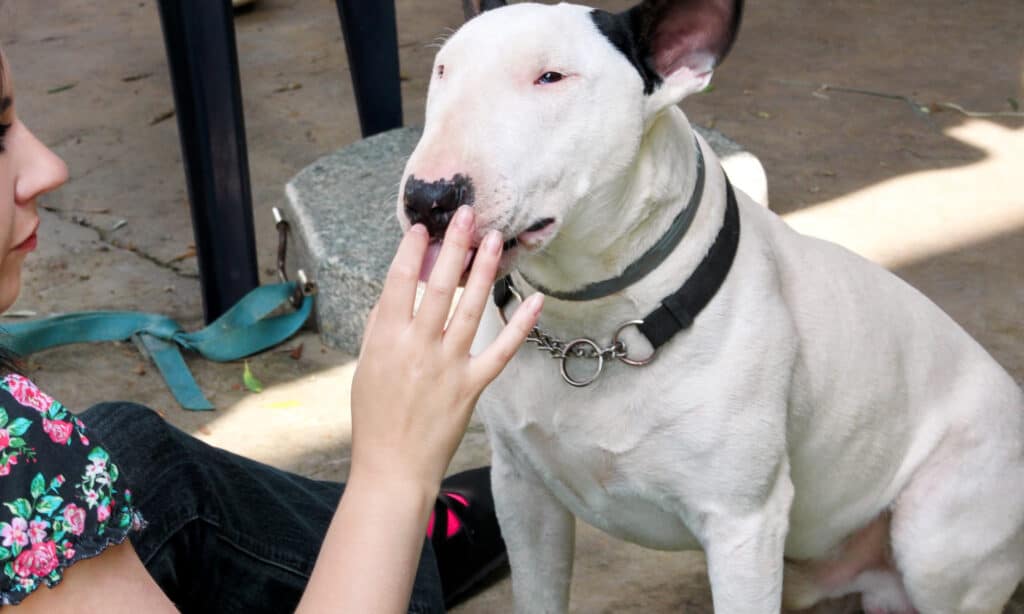
    Healthy dog food: Fried eggs for dogs

    What Is Fried Egg?

    A fried egg is a popular breakfast food that is made by cracking an egg into a hot pan or griddle that has been coated with cooking oil or butter. The egg is then cooked until the white part is set and the yolk is still runny. Some people prefer their fried eggs with the yolk fully cooked, while others enjoy the yolk still liquid. Fried eggs are versatile and can be eaten on their own or used as an ingredient in other dishes such as sandwiches or salads. They are also a good source of protein, vitamins, and minerals, which makes them a healthy breakfast option for humans. Consider safety and health factors when sharing fried eggs with your dog.

    Can Dogs Eat Fried Egg?

    Dog owners often question if sharing their own food with their pets is safe; this includes fried eggs. The good news is that dogs can eat fried eggs in moderation and they can even provide some nutritional benefits. Eggs are a good source of protein and amino acids, which can help support your dog’s muscle growth and repair. Eggs have vitamins and minerals like A, D, and iron for a healthy immune system, bones, skin, and coat.

    However, it’s important to remember that not all dogs can tolerate eggs. Some dogs may have an allergy or sensitivity to eggs, which can cause digestive upset such as vomiting or diarrhea. Fried eggs with salt, pepper, or spices can upset your dog’s stomach and may be toxic in large amounts.

    If you do decide to share fried eggs with your furry friend, it’s best to give them plain and cooked without any added oils, spices, or seasonings. Introduce eggs slowly and in small amounts to ensure your dog doesn’t have any negative side effects. Consult your vet before adding fried eggs to your dog’s diet as with any new food or treat.

    Can dogs eat fried eggs? Yes, but in moderation

    Are There Any Harmful Ingredients In Fried Egg?

    When it comes to feeding your dog fried eggs, the main concern is not the egg itself but the ingredients that may be added during the cooking process. For example, adding salt, pepper, or other spices can be harmful to your dog’s health. Too much salt causes dehydration and high blood pressure, and onions or garlic are toxic to dogs.

    Additionally, if the egg is cooked in oil or butter, this can add unnecessary fat and calories to your dog’s diet, which can lead to obesity and other health problems over time. Healthy fats are necessary for dogs but monitoring their intake is important to prevent overconsumption.

    It’s always best to give your dog plain, cooked eggs without any added ingredients or oils. This will provide your dog with the nutritional benefits of eggs without any harmful side effects.

    Safe Ingredients in Fried Egg

    When it comes to sharing fried eggs with your furry friend, it’s important to keep it simple and stick to safe ingredients. Cooked eggs are nutritious for dogs, offering vitamins and minerals beneficial for their health when given in moderation.

    If you want to add a little extra flavor to your dog’s eggs, there are a few safe ingredients that you can use. For example, you can add some cooked vegetables such as spinach, kale, or broccoli. These veggies are packed with vitamins and minerals that can help support your dog’s overall health.

    Another safe ingredient that you can add is a small amount of cheese. Cheese is high in fat and calories, so give it in moderation despite being a good source of calcium and protein.

    You can also try adding some cooked lean meats such as chicken or turkey to your dog’s eggs. These meats are a good source of protein and can add some extra flavor to your dog’s meal.

    Is it safe for dogs to eat fried egg?

    What Signs To Watch For If Your Dog Accidentally Ate A Lot of Fried Egg?

    If your dog accidentally eats a lot of fried egg, there are a few signs to watch for that could indicate that they are experiencing digestive upset or other health issues. Some common signs to look out for include vomiting, diarrhea, excessive drooling, lethargy, and loss of appetite.

    If your dog is experiencing any of these symptoms, it’s important to monitor them closely and seek veterinary care if necessary. Overeating fried eggs may cause pancreatitis, an inflamed pancreas, leading to more severe health issues.

    Keep human food out of reach and supervise meals to prevent dogs from overeating fried egg. Share a small amount of fried egg with your dog and monitor their reaction for any negative side effects.

    Overall, it’s always better to err on the side of caution when it comes to feeding your dog human food, especially fried eggs, as they can contain harmful ingredients such as salt, spices, and oil. If your dog eats too much fried egg or shows unusual symptoms, contact a veterinarian for guidance.

    When or If You Should Go To The Vet?

    If you suspect that your dog has eaten too much fried egg or is experiencing any unusual symptoms such as vomiting, diarrhea, or lethargy, it’s important to seek veterinary care as soon as possible. Plain eggs in small amounts are safe for dogs, but excess fried egg or additives can lead to health issues.

    If your dog is showing signs of distress or discomfort, don’t wait to seek veterinary care. Your vet can diagnose & treat the issue, using meds for symptoms or fluids to rehydrate your dog.

    In some cases, eating a large amount of fried egg or other human food can lead to more serious health problems such as pancreatitis or gastrointestinal obstruction, which may require surgery or other medical intervention. Quickly seeking vet care can ensure the best outcome for your furry friend, preventing further complications or health issues.
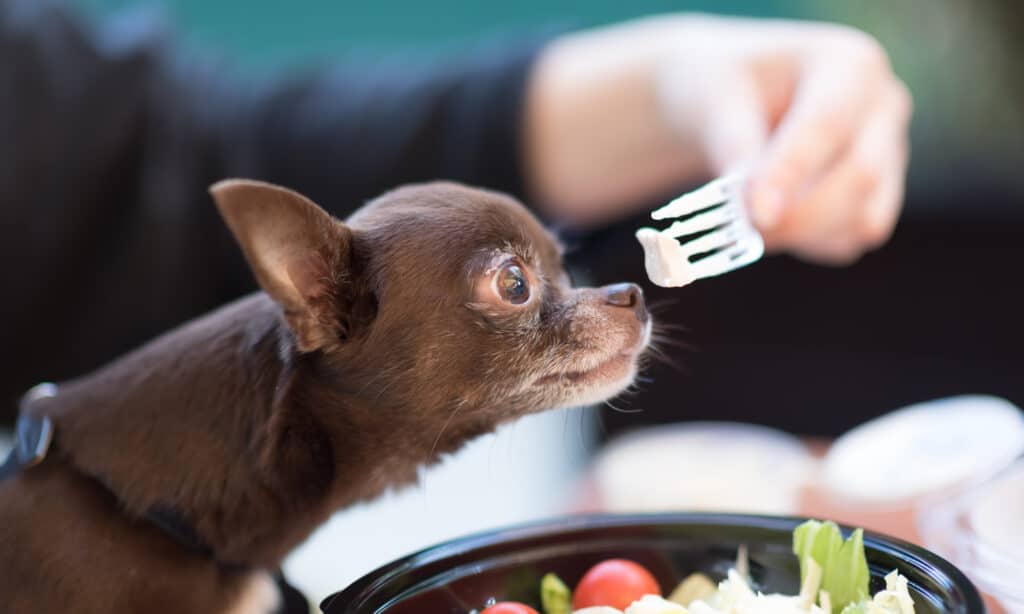
    Benefits of feeding your dog fried eggs

    Safe Dog-Friendly Alternative to Fried Egg

    If you’re looking for a safe and healthy alternative to fried egg to feed your furry friend, there are plenty of dog-friendly options to choose from. Here are some ideas to get you started:

    1. Scrambled Eggs: Scrambled eggs are a great alternative to fried eggs and are easy to prepare. Simply whisk together some eggs and cook them in a non-stick pan without any added oils or seasonings. You can also add some cooked veggies or lean meats for an extra boost of nutrition and flavor.
    2. Boiled Eggs: Boiled eggs are a healthy treat for dogs and can be served plain or mixed with sweet potato or pumpkin.
    3. Raw Eggs: Some dog owners choose to feed their dogs raw eggs as a source of protein and nutrition. Ensure fresh, reputable eggs to avoid salmonella or bacterial infections when feeding your dog.
    4. Balanced Dog Food: Dogs require a balanced diet of to meet their specific nutritional needs, despite enjoying human food treats. Feed your dog high-quality dog food, not table scraps or human food, to meet their specific nutritional needs.

    There are plenty of safe and healthy alternatives to fried egg that you can feed your furry friend.

    Healthy Store-Bought Options:

    In conclusion, fried eggs can be a healthy and nutritious addition to your dog’s diet when served in moderation and without any harmful ingredients. Eggs are a good source of protein, vitamins, and minerals that can help support your dog’s overall health and well-being.

    However, it’s important to be mindful of the ingredients that are added to fried eggs, as well as the amount that you feed your furry friend. Harmful ingredients such as salt, spices, and oil can lead to digestive upset and other health issues, while excessive consumption of eggs can lead to obesity and other health problems over time.

    If you choose to feed your dog fried eggs or any other human food, it’s important to do so in moderation and to avoid any harmful ingredients. It’s also a good idea to consult with your veterinarian to determine if a particular food is safe and healthy for your dog.

    Overall, while fried eggs can be a tasty and nutritious treat for your furry friend, it’s always best to prioritize a balanced and healthy diet of commercial dog food to meet your dog’s specific nutritional needs. By taking a thoughtful and responsible approach to feeding your dog, you can help ensure that they stay happy, healthy, and well-fed for years to come.

    ~Lindsie

    A note about your dog’s health

    This article provides general education and does not replace an examination, diagnosis, or individualized advice from your veterinarian. Contact a veterinary professional if you are concerned about your dog’s symptoms.

    Lindsie Parks B.S., CRDNS Avatar

    ABOUT THE AUTHOR

  • Can Dogs Eat Falafels? – Expert Answers

    Can Dogs Eat Falafels? – Expert Answers

    Are you a dog owner who loves falafels? Perhaps you’ve been tempted to share this delicious Middle Eastern treat with your furry friend, but you’re not sure if it’s safe for them to eat. As a dog lover myself, I understand your concern. While falafels are a healthy and nutritious food for humans, dogs have different dietary needs and restrictions. In this blog post, we’ll explore whether or not dogs can eat falafels and provide some tips on what foods are safe and healthy for your canine companion. So, let’s dig in and find out if falafels are on the menu for your furry friend!

    can dogs eat falafals

    What Are Falafels?

    If you’ve never tried falafels before, you might be wondering what exactly they are. Popular Middle Eastern dish made from ground chickpeas or fava beans mixed with herbs and spices, then deep-fried or baked. Served in pita with salad, pickled veggies, and sauces like tahini or hummus – Shawarma is a popular Middle Eastern dish.

    Falafels are a great source of protein and fiber, making them a healthy and nutritious food choice for humans. Dogs have different nutritional needs than humans, so what’s safe for us may not be suitable for them. Next, we’ll discuss if falafels are safe for dogs and which foods promote their health.

    Can Dogs Have Falafels?

    Now, let’s get to the question at hand: can dogs have falafels? The short answer is no, it’s not recommended to give your dog falafels.

    While falafels are a healthy and nutritious food for humans, they can be problematic for dogs. For one, falafels are typically deep-fried, which makes them high in fat and calories. Dogs have a different metabolism than humans, and consuming high-fat foods can lead to weight gain and other health issues.

    Moreover, falafels are often seasoned with onions and garlic, which can be toxic to dogs in large quantities. These ingredients contain compounds that can damage a dog’s red blood cells, leading to anemia.

    Another issue with falafels is that they may contain other ingredients that are harmful to dogs, such as salt, spices, or even raisins. Raisins are highly toxic to dogs and can cause kidney failure, so it’s crucial to keep them away from your furry friend.

    Falafel ingredients that are safe for dogs

    Harmful Ingredients in Falafels:

    Falafels are made from a mixture of ground chickpeas or fava beans, herbs, and spices, which may include onions, garlic, cumin, coriander, and parsley. While these ingredients are safe for human consumption, they can be harmful to dogs.

    Onions and garlic are toxic to dogs and can cause anemia, which is a serious condition that affects the red blood cells. Ingredients can harm red blood cells, causing weakness, lethargy, and loss of appetite in dogs. In severe cases, anemia can be life-threatening.

    Cumin and coriander are also spices commonly used in falafels that can cause digestive upset in dogs. These spices can cause bloating, gas, and diarrhea, which can be uncomfortable and potentially harmful to your furry friend.

    In addition to these ingredients, falafels may also contain high amounts of salt and oil, which can be harmful to dogs in large quantities. Too much salt causes dehydration and electrolyte imbalance. Too much oil leads to weight gain and health issues.

    It’s important to remember that dogs have different nutritional needs and restrictions than humans, so what’s safe and healthy for us may not be suitable for them. Garlic, onions, chocolate and more can be dangerous.

    Safe Ingredients in Falafels:

    While there are several ingredients in falafels that are not safe for dogs to consume, there are a few ingredients that are safe and even beneficial for them.

    Chickpeas in falafels provide protein and fiber for dogs, aiding digestive health and promoting satiety. Chickpeas are a nutrient-rich food for dogs, containing potassium, magnesium, and folate for overall health.

    Other herbs and spices used in falafels, such as parsley and turmeric, can also be beneficial for dogs in small amounts. Parsley freshens breath, turmeric fights inflammation. Both improve dog’s health.

    While generally safe, these ingredients should be fed in moderation and small amounts to dogs.

    Falafels not recommended for dogs due to high fat & spice content. Ingredients like chickpeas, parsley & turmeric can be healthy in moderation.

    Canine-friendly falafel recipe for your furry friend

    What Signs To Watch For If Your Dog Accidentally Ate A Lot of Falafels?

    If your dog accidentally eats a lot of falafels, there are several signs to watch for that could indicate they are experiencing digestive upset or other health issues.

    One of the most common symptoms of overeating falafels is vomiting and diarrhea. This can be caused by the high-fat content in falafels, as well as the presence of spices like cumin and coriander, which can irritate your dog’s digestive system.

    Other signs of digestive upset in dogs can include loss of appetite, lethargy, abdominal pain or discomfort, bloating, and gas. Symptoms vary based on falafel intake and overall health, ranging from mild to severe for dogs.

    In some cases, dogs may also experience more severe symptoms like dehydration, electrolyte imbalances, and even pancreatitis. Pancreatitis is a condition that occurs when the pancreas becomes inflamed and can cause symptoms like vomiting, diarrhea, abdominal pain, and fever. This condition can be life-threatening and requires immediate veterinary care.

    When or If You Should Go To The Vet?

    If your dog has consumed a large amount of falafels or is experiencing symptoms like vomiting, diarrhea, loss of appetite, or lethargy, it’s important to contact your veterinarian right away. Symptoms may indicate digestive upset, prompt vet care can help prevent complications.

    In some cases, such as if your dog has ingested a toxic ingredient like onions or garlic, you may need to seek emergency veterinary care. Symptoms of toxicity can include weakness, lethargy, pale gums, and difficulty breathing, among others. Consult your vet for proper treatment, which may include meds, hydration therapy, or diet changes for your dog’s symptoms.

    In general, it’s always better to take your dog to the vet sooner rather than later if you suspect they are experiencing any health issues. Quick vet care & treatment can help dogs recover from health issues & return to normal in no time.

    Healthy dog treats made with falafel ingredients"

    Dog-Friendly Falafel Recipe:

    Doggone Delicious Falafel Balls

    Ingredients:

    • 1 can of chickpeas
    • 1/4 cup of oat flour
    • 1/4 cup of finely grated carrot
    • 1/4 cup of finely chopped parsley
    • 1/4 cup of water

    Instructions:

    1. Preheat the oven to 375°F (190°C).
    2. Rinse and drain the chickpeas and mash them in a bowl with a fork or potato masher.
    3. Add the oat flour, grated carrot, parsley, and water to the bowl and mix until well combined.
    4. Roll the mixture into small balls or patties and place them on a baking sheet lined with parchment paper.
    5. Bake the falafels for 20-25 minutes or until they are lightly browned and crispy on the outside.
    6. Let the falafels cool completely before serving them to your dog.

    This recipe should yield about 12-15 falafels depending on the size you make them. Enjoy!

    Safe Dog-Friendly Alternative to Falafels:

    If you’re looking for a safe and healthy alternative to falafels to share with your furry friend, there are several options to consider.

    First and foremost, it’s always a good idea to stick to dog-specific treats and snacks, which are designed to meet your dog’s nutritional needs and restrictions. Some great options include dehydrated meat treats, dental chews, and freeze-dried fruit and vegetable snacks.

    If you’re looking for a more natural alternative, there are plenty of human foods that are safe and healthy for dogs to eat in moderation. Some good options include:

    • Carrots: These crunchy veggies are packed with vitamins and minerals and can help support your dog’s dental health.
    • Sweet potatoes: Cooked and mashed, root veggies are fiber, vitamin A and potassium-rich, making for a delicious treat.
    • Blueberries: These sweet and juicy berries are high in antioxidants and can help support your dog’s immune system.
    • Lean protein sources: Cooked chicken, turkey, or fish makes a healthy snack or meal topper for dogs, providing essential nutrients.

    It’s worth noting that even safe human foods should be fed in moderation and in appropriate portions.

    Healthy Store-Bought Options:

    In conclusion, while falafels may be a delicious and healthy food for humans, they are not recommended for dogs. Falafels contain several ingredients, such as onions, garlic, and spices, that can be harmful to dogs and can cause digestive upset and other health issues.

    If you suspect your dog has ingested falafels or is experiencing any symptoms of digestive upset, it’s important to contact your veterinarian right away for guidance on what to do next. With prompt veterinary care and appropriate treatment, most dogs can recover from digestive upset or other health issues and return to their normal happy, healthy selves.

    When it comes to sharing treats and snacks with your furry friend, it’s important to stick to dog-specific treats or consider safe human foods that are appropriate for their dietary needs and restrictions. Carrots, sweet potatoes, blueberries, and lean protein sources are just a few examples of safe and healthy alternatives to falafels that can make great snacks or meal toppers for your furry friend.

    As always, it’s important to talk to your veterinarian about your dog’s dietary needs and restrictions to ensure they’re getting the nutrition they need to stay healthy and happy. By being mindful of what foods are safe and healthy for your furry friend, you can help ensure they live a long and happy life by your side.

    ~Lindsie

    A note about your dog’s health

    This article provides general education and does not replace an examination, diagnosis, or individualized advice from your veterinarian. Contact a veterinary professional if you are concerned about your dog’s symptoms.

    Lindsie Parks B.S., CRDNS Avatar

    ABOUT THE AUTHOR

  • Can Dogs Eat Tamales – Expert Answers

    Can Dogs Eat Tamales – Expert Answers

    Tamales are a delicious and popular food item in many cultures, but if you’re a dog owner, you may be wondering if it’s safe to share this treat with your furry friend. While some human foods can be dangerous or even toxic to dogs, the answer to whether or not dogs can eat tamales isn’t necessarily straightforward. In this blog post, we’ll take a closer look at the ingredients in tamales and what they mean for your dog’s health. Whether you’re considering sharing your tamale with your pup or simply curious about their dietary needs, read on to learn more!

    can dogs have tamales

    What Are Tamales?

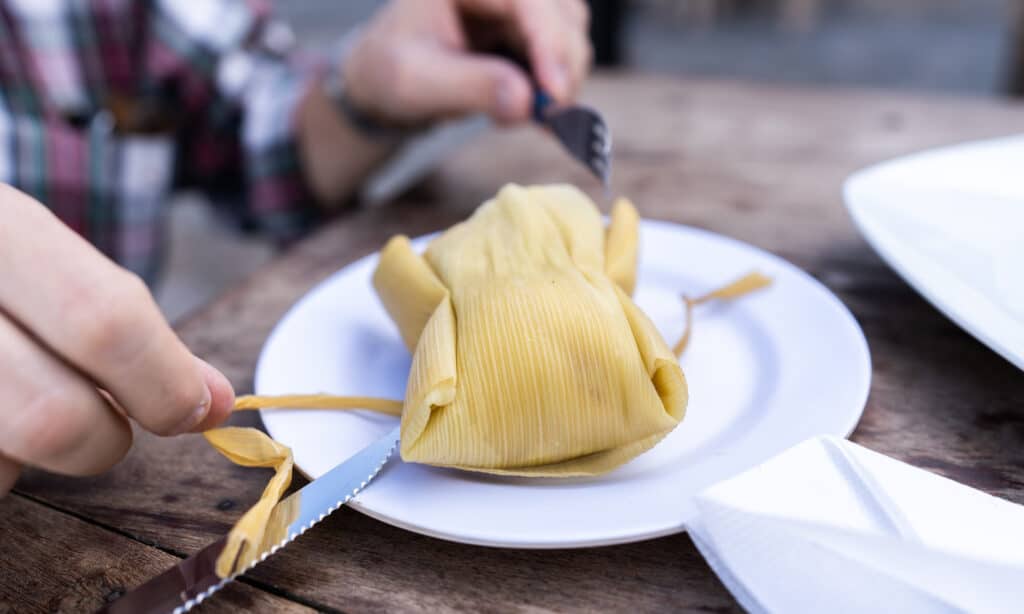
    Tamales are a traditional Latin American dish made from masa (a type of dough made from corn) that is filled with various ingredients, such as meat, cheese, vegetables, or chili peppers. The filling is then wrapped in corn husks and steamed until it’s fully cooked.

    The history of tamales can be traced back to the ancient Mayan and Aztec civilizations in Mexico, where they were a staple food source. Today, tamales are enjoyed in many Latin American countries and regions, and they have become a popular food item in the United States as well.

    Tamales come in a variety of flavors and can be served as a main course, appetizer, or snack. Some popular types of tamales include chicken, pork, beef, cheese and jalapeño, and sweet tamales with fruit or cinnamon.

    While tamales are a tasty and satisfying food for humans, it’s important to consider whether they’re safe for our furry friends to eat. In the next section, we’ll explore whether dogs can safely consume tamales and what potential risks there may be.

    Can Dogs Have Tamales?

    While tamales are a delicious and popular food item, they may not be the best choice for your furry friend. Dogs have different nutritional needs than humans, and certain ingredients in tamales may not agree with their digestive systems or could even be harmful to their health.

    For example, tamales often contain spices, such as garlic and onion, which can be toxic to dogs in large quantities. Additionally, the masa dough used to make tamales is high in carbohydrates and can be difficult for some dogs to digest, leading to upset stomach, diarrhea, or even pancreatitis.

    If you’re considering giving your dog a small bite of tamale, it’s best to err on the side of caution and avoid it altogether. Instead, consider giving your pup a treat specifically designed for dogs or some plain cooked meat or vegetables.

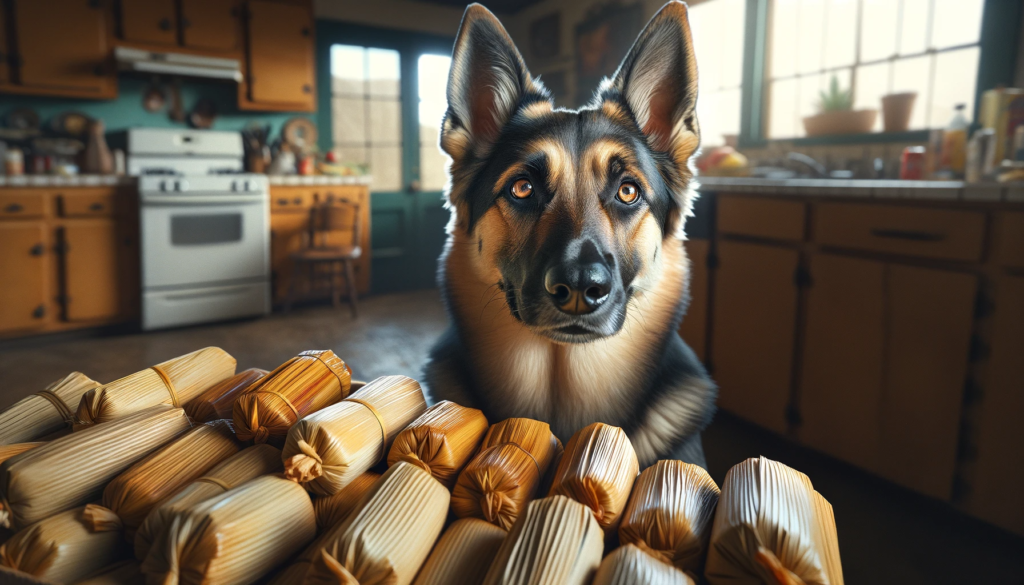
    Canine-friendly tamale with natural ingredients

    Harmful Ingredients in Tamales:

    While tamales can be a delicious treat for humans, they often contain ingredients that can be harmful to dogs. Here are some of the main ingredients in tamales that you should be cautious about feeding your furry friend:

    1. Garlic and onion: Garlic and onion can be toxic to dogs in large amounts, often used to season tamales. They contain compounds that can damage dogs’ red blood cells and lead to anemia.
    2. Spices: In addition to garlic and onion, many tamales are seasoned with spices like cumin, paprika, and chili powder. Small amounts of spices are not toxic, but too much can cause stomach upset or other digestive issues in dogs.
    3. Masa dough: The dough used to make tamales is made from cornmeal, which is high in carbohydrates. Small amounts of masa are safe for dogs, but too much can cause digestive issues.
    4. Filling ingredients: Tamale fillings like raisins, avocado, or chocolate can be toxic to dogs.

    In general, it’s best to avoid feeding your dog tamales or any other human food that contains potentially harmful ingredients. If you want to give your dog a special treat, there are plenty of dog-friendly foods and treats available that are formulated specifically for their dietary needs.

    Safe Ingredients in Tamales:

    Here are some safe ingredients in tamales that dogs can enjoy:

    1. Plain meat: Use plain, unseasoned meat as a filling for your dog’s tamale if you’re making tamales at home. Chicken, beef, and pork are all good options.
    2. Vegetables: Carrots, green beans, and sweet potatoes are safe and tasty veggies for dogs in a dog-friendly tamale.
    3. Cheese: In moderation, cheese can be a safe and delicious addition to a dog’s tamale. Stick to plain, unsalted varieties like mozzarella or cheddar.

    It’s important to remember that dogs have different nutritional needs than humans, so even safe ingredients should be fed in moderation. If you have any concerns about your dog’s diet or health, be sure to consult with your veterinarian before making any changes to their diet or feeding them any new foods.

    What Signs To Watch For If Your Dog Accidentally Ate A Lot of Tamales?

    Monitor dog for symptoms after eating tamales and contact vet if symptoms persist or worsen. Here are some of the most common signs to look out for:

    1. Vomiting: If your dog ate a large amount of tamales, they may start vomiting or retching. This could be a sign that their digestive system is struggling to process the food.
    2. Diarrhea: Loose or watery stools in dogs may indicate digestive upset.
    3. Loss of appetite: Sick dogs may have reduced appetite and drinking less than usual due to upset stomach.
    4. Lethargy: If your dog is feeling unwell, they may be more tired or less active than usual.
    5. Abdominal pain: Signs of belly pain in dogs may include whining, panting, and avoidance of touch.

    If you notice any of these signs after your dog has eaten tamales, it’s important to monitor them closely and contact your veterinarian if their symptoms persist or worsen. In some cases, your vet may recommend treatment to help alleviate your dog’s symptoms or prevent further complications.

    Can dogs have tamales? Yes, with these pet-safe ingredient

    When or If You Should Go To The Vet?

    Monitor your dog closely and contact a vet if they show symptoms after eating a lot of tamales. Keep an eye on your dog’s digestion after eating tamales; see a vet if symptoms persist or worsen.

    It’s especially important to seek veterinary attention if your dog has pre-existing health conditions that could be exacerbated by the tamales or if you’re unsure whether or not they have eaten something toxic. Bring a tamale sample and symptoms list to the vet if your dog eats them and requires medical attention. Your vet will be able to provide a proper diagnosis and treatment plan tailored to your dog’s specific needs.

    Dog-Friendly Tamale Recipe

    Tamale Tail-Waggers

    Ingredients:

    • 2 cups of corn flour
    • 1/2 teaspoon of baking powder
    • 1/2 teaspoon of salt
    • 1/2 cup of chicken broth
    • 1/2 cup of water
    • 1/2 cup of cooked and shredded chicken
    • 1/4 cup of shredded carrots
    • 1/4 cup of chopped green beans

    Instructions:

    1. Preheat the oven to 350°F (180°C).
    2. In a mixing bowl, combine the corn flour, baking powder, and salt. Mix well.
    3. Add the chicken broth and water to the bowl and stir until you have a smooth dough.
    4. In a separate bowl, mix the cooked and shredded chicken, shredded carrots, and chopped green beans.
    5. Roll out the dough on a flat surface and cut it into 4-inch squares.
    6. Place a spoonful of the chicken and vegetable mixture in the center of each square.
    7. Fold the dough over the filling to create a pocket, and then fold in the ends to seal the tamale.
    8. Place the tamales in a baking dish and bake for 30 minutes or until golden brown.
    9. Let the tamales cool before serving them to your furry friend.

    Note: You can adjust the ingredients according to your dog’s taste and dietary requirements. Also, make sure that the tamales are not too spicy and avoid using onions, garlic, and other harmful ingredients.

    Safe Dog-Friendly Alternative to Tamales:

    If you’re looking for safe and healthy alternatives to tamales that are suitable for dogs, there are plenty of options to choose from. One idea is to make homemade dog treats using simple and healthy ingredients like peanut butter, pumpkin, or sweet potato. These treats are a great way to reward your furry friend without exposing them to harmful or toxic ingredients.

    Raw vegetables like carrots, green beans, or broccoli can also make a tasty and nutritious snack for dogs. They are low in calories and high in nutrients, making them a good choice for dogs of all sizes and ages.

    Another option is to offer your dog a small piece of lean, cooked meat like chicken, turkey, or beef. Just be sure to remove any bones or fat before serving it to your dog.

    Fruits such as apples, bananas, or blueberries can also be a healthy and delicious snack for dogs when given in moderation. However, be sure to remove any seeds or pits and cut the fruit into small, bite-sized pieces.

    Lastly, you can also purchase commercial dog treats that are made from natural and high-quality ingredients. Be sure to read the labels and avoid treats that contain fillers or artificial additives.

    Remember to always feed your dog treats in moderation and to consider their individual dietary needs and preferences. It’s also a good idea to consult with your veterinarian if you have any concerns or questions about your dog’s diet or health.

    Healthy Store-Bought Options:

    In conclusion, while tamales can be a delicious treat for humans, they may not be the best choice for dogs. Certain ingredients in tamales, such as garlic, onion, and spices, can be harmful to dogs, and the high carbohydrate content of masa dough can also cause digestive issues. If sharing a tamale with your dog, avoid harmful ingredients and watch for digestive issues.

    Safe and healthy dog-friendly alternatives to tamales include homemade treats, raw veggies, lean meats, fruits, and natural commercial dog treats. By choosing these options, you can reward your dog with a tasty treat without putting their health at risk.

    As always, it’s important to consult with your veterinarian if you have any concerns or questions about your dog’s diet or health. By working together with your vet and providing your dog with a balanced and nutritious diet, you can help ensure that they stay happy and healthy for years to come.

    ~Lindsie

    A note about your dog’s health

    This article provides general education and does not replace an examination, diagnosis, or individualized advice from your veterinarian. Contact a veterinary professional if you are concerned about your dog’s symptoms.

    Lindsie Parks B.S., CRDNS Avatar

    ABOUT THE AUTHOR
  • Can Dogs Eat Egg Rolls? – Expert Answers

    Can Dogs Eat Egg Rolls? – Expert Answers

    If you’re a dog parent who loves indulging in eggrolls every now and then, you might be wondering whether your furry friend can join in on the fun. We all know that our dogs have different nutritional needs than we do, and it can be tough to figure out which human foods are safe for them to eat. In this blog post, we’re going to dive into the world of eggrolls and answer the burning question: can dogs eat eggrolls? We’ll discuss the nutritional value of eggrolls, any potential risks associated with feeding them to our four-legged friends, and offer up some alternative, dog-friendly treats. So, if you’re curious about whether your pup can chow down on some eggrolls, keep reading to find out!

    can dogs have egg rolls

    What Are Egg Rolls?

    Egg rolls are a popular Chinese-American dish that typically consists of a crispy, deep-fried shell filled with a mixture of vegetables, meat, and sometimes egg. The filling can vary widely, depending on the recipe and the cook’s preferences, but some common ingredients include cabbage, carrots, bean sprouts, celery, onions, and ground pork or shrimp.

    Egg rolls are typically served as an appetizer or snack, often accompanied by a sweet and sour sauce or a spicy dipping sauce. They’re enjoyed by many people around the world for their crispy texture, savory filling, and delicious flavor.

    While egg rolls may be a tasty treat for us humans, it’s important to consider whether they’re a safe and healthy choice for our furry friends. In the next section of this blog post, we’ll explore whether dogs can eat egg rolls and any potential risks associated with feeding them this popular snack.

    Can Dogs Eat Egg Rolls?

    The short answer is that it’s generally not a good idea to feed your dog egg rolls, or any human foods that are high in fat, salt, and spices. While some of the ingredients in egg rolls, such as vegetables and meat, may be safe for dogs in small amounts, the fried wrapper and seasoning could cause health problems for your pup.

    Foods that are high in fat, such as deep-fried egg rolls, can cause pancreatitis in dogs, which is a painful and potentially life-threatening condition. The seasoning and spices used in egg rolls can also upset your dog’s stomach and lead to vomiting, diarrhea, or other digestive issues.

    Additionally, the high salt content in egg rolls can cause dehydration in dogs and contribute to high blood pressure or other health issues over time.

    So, while your dog may be eyeing your egg rolls with interest, it’s best to resist the urge to share this snack with them. Instead, consider offering your dog some healthy, dog-friendly treats, such as carrots, green beans, or small pieces of cooked, lean meat.

    Dogs and Egg Rolls: Risks and Precautions

    Harmful Ingredients in Egg Rolls:

    As mentioned earlier, egg rolls typically contain a mixture of vegetables, meat, and sometimes egg, all wrapped in a deep-fried wrapper. While some of these ingredients may be safe for dogs in moderation, there are a few things to watch out for.

    First and foremost, the deep-fried wrapper of an egg roll is high in fat and calories, which can be harmful to your dog’s health. Foods that are high in fat can cause pancreatitis in dogs, which is a painful and potentially life-threatening condition.

    Another potential issue with egg rolls is the seasoning and spices used in the filling. Many egg roll recipes include garlic, onions, or other ingredients that can be toxic to dogs in large quantities. Additionally, the high salt content of egg rolls can cause dehydration in dogs and contribute to high blood pressure or other health problems over time.

    Finally, it’s important to note that many egg rolls are made with ingredients that could cause allergic reactions in dogs. For example, if your dog is allergic to shellfish, feeding them egg rolls that contain shrimp or other seafood could be dangerous.

    All in all, while it may be tempting to share your egg rolls with your dog, it’s best to err on the side of caution and avoid feeding them this snack altogether. If you’re looking for a safe and healthy way to treat your dog, consider offering them some fresh fruits or vegetables, or some lean, cooked meats. And as always, if you have any concerns about your dog’s diet or health, be sure to consult with your veterinarian.

    Egg Rolls for Dogs: Ingredients to Avoid

    Safe Ingredients in Egg Rolls:

    While egg rolls aren’t the healthiest snack for dogs, there are a few ingredients in them that could be okay for our furry friends to enjoy in moderation.

    Some of the veggies in egg rolls, like cabbage, carrots, and bean sprouts, contain nutrients that are good for dogs. For example, cabbage is a great source of vitamin C and fiber, while carrots are loaded with beta-carotene, which helps keep their eyes healthy.

    If you do want to give your dog a taste of the egg roll filling, it’s best to stick to the meat ingredients and avoid the fried wrapper. Cooked, lean ground pork or shrimp could be a safe and tasty option.

    Still, it’s important to keep in mind that egg rolls are high in fat and salt, and the seasoning could be harmful to your dog’s digestion. Plus, there’s always the risk of an allergic reaction to certain ingredients.

    Overall, while a few ingredients in egg rolls may be okay for dogs to eat, it’s best to play it safe and avoid giving them this snack altogether. Stick to dog-friendly treats that are specifically formulated for their nutritional needs, and if you have any questions or concerns about your dog’s diet, don’t hesitate to talk to your veterinarian.

    What Signs To Watch For If Your Dog Accidentally Ate A Lot of Egg Rolls?

    If your dog accidentally ate a lot of egg rolls, there are a few signs you should watch for that could indicate a health problem. Here are some of the most common signs to look out for:

    1. Vomiting: If your dog has eaten too much of any food, they may start to vomit as their body tries to expel the excess. Keep an eye out for frequent vomiting or vomiting that lasts for more than a few hours.
    2. Diarrhea: Diarrhea is another common sign of digestive distress in dogs. If your dog has loose or watery stools, or if they’re having accidents in the house, they may be suffering from gastrointestinal upset.
    3. Abdominal pain: Dogs who have eaten too much fatty or spicy food may experience abdominal pain or discomfort. Look for signs like whining, restlessness, or a hunched posture.
    4. Dehydration: If your dog has consumed a lot of salt, they may become dehydrated. Signs of dehydration include lethargy, dry gums, and sunken eyes.
    5. Pancreatitis: In some cases, consuming a lot of high-fat food like egg rolls can cause pancreatitis, a serious condition that can be life-threatening. Signs of pancreatitis in dogs include vomiting, diarrhea, abdominal pain, and loss of appetite.

    If you notice any of these signs in your dog after they’ve eaten a lot of egg rolls or any other human food, it’s important to seek veterinary care right away. Your veterinarian can help diagnose any underlying health issues and provide treatment to get your pup feeling better.

    When or If You Should Go To The Vet?

    If your furry pal has overindulged in egg rolls and you’re worried about their health, it’s important to take action and get them checked out by a vet if necessary. Here are some things to keep in mind:

    First off, give your vet a call and describe what’s going on with your pup. They can help you decide whether or not you should bring your four-legged friend in for an exam.

    Pay close attention to your dog’s behavior and look for any signs of trouble. If they’re barfing, experiencing diarrhea, or just seem out of sorts, it’s probably best to play it safe and take them to the vet as soon as you can.

    And if your vet thinks it’s a good idea to bring your dog in for an exam, make sure you listen to their advice. They may need to do some tests or give you some medication to help your pup feel better.

    Just remember, your dog’s health is a top priority. If you’re worried about them, don’t hesitate to seek veterinary care. Keep an eye out for any changes in their behavior or symptoms, and always trust your instincts when it comes to getting them the care they need.

    Feeding Egg Rolls to Dogs: What You Need to Know

    Safe Dog-Friendly Alternative to Egg Rolls:

    If you’re looking for some safe and healthy alternatives to egg rolls that your pup will enjoy, here are some ideas to try out:

    1. Baby carrots: Dogs love the crunch of these little veggies, and they’re packed with nutrients that are good for them.
    2. Apple slices: Apples are a tasty and nutritious treat for dogs, but be sure to remove the seeds and core before giving them to your furry friend.
    3. Cooked chicken: Dogs can digest chicken easily, and it’s a great source of protein. Just be sure to remove the skin and bones before feeding it to your pup.
    4. Green beans: These veggies are low in calories but high in vitamins and fiber, making them a good choice for dogs who need to watch their weight.
    5. Sweet potato: Sweet potatoes are full of vitamins and fiber, and they’re a tasty alternative to traditional dog treats.
    6. Homemade dog treats: If you enjoy cooking, try making your own dog treats using ingredients like peanut butter, pumpkin, and oats. There are plenty of recipes available online to get you started.

    Of course, it’s important to talk to your vet before introducing any new foods to your dog’s diet. They can help you figure out what foods are safe and healthy for your pup and give you guidance on portion sizes and feeding schedules.

    Healthy Store-Bought Options:

    In summary, while egg rolls can be a delicious treat for humans, they’re not the best choice for dogs. The high fat content and potential for harmful ingredients make them a risky choice for your furry friend. If your dog does accidentally eat egg rolls, be on the lookout for signs of digestive distress or other health problems, and seek veterinary care if necessary.

    On the other hand, there are plenty of safe and healthy alternatives to egg rolls that your pup will love. From baby carrots to homemade dog treats, there are plenty of options to choose from that are packed with nutrients and flavor.

    Ultimately, it’s important to prioritize your dog’s health and well-being when it comes to their diet. Consult with your veterinarian to figure out what foods are safe and healthy for your pup, and be sure to keep an eye on any changes in their behavior or health that could indicate a problem. With the right diet and care, your furry friend can enjoy a happy and healthy life.

    ~Lindsie

    A note about your dog’s health

    This article provides general education and does not replace an examination, diagnosis, or individualized advice from your veterinarian. Contact a veterinary professional if you are concerned about your dog’s symptoms.

    Lindsie Parks B.S., CRDNS Avatar

    ABOUT THE AUTHOR
  • Can Dogs Eat Meatballs? – Expert Answers

    Can Dogs Eat Meatballs? – Expert Answers

    As a dog owner, you’re always looking for ways to keep your furry friend healthy and happy. And since meatballs are a favorite dish for many people, you might be wondering if your dog can join in on the fun. After all, dogs are known for their love of meat, so it seems like a natural fit, right? But before you start sharing your meatballs with your pup, it’s important to consider whether it’s safe and healthy for them to eat this human food. In this blog post, we’ll take a closer look at the question of whether dogs can eat meatballs and what you need to know to keep your dog healthy and happy.

    can dogs eat meatballs

    What Are Meatballs?

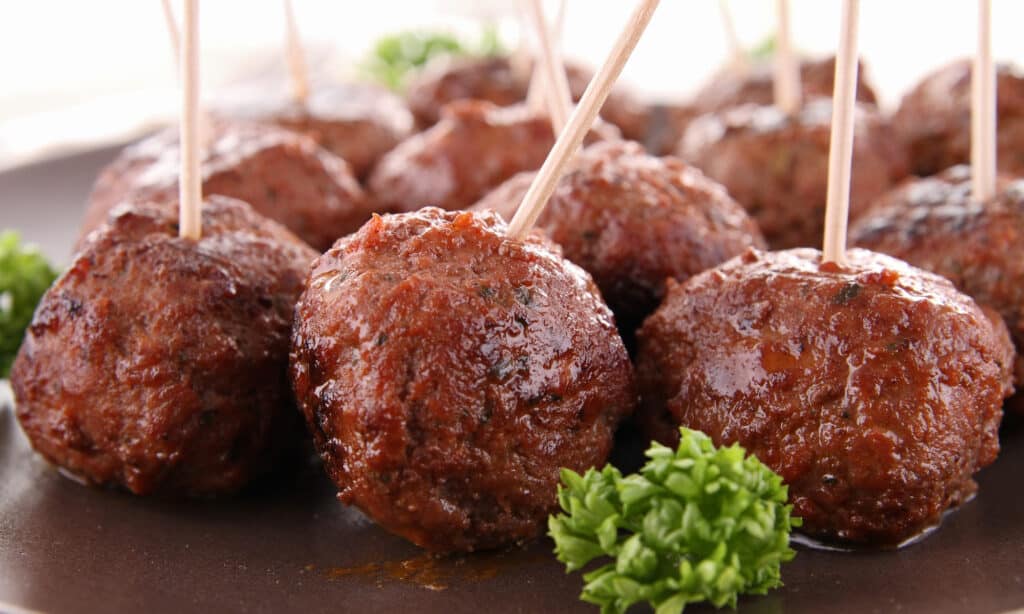
    Meatballs are a type of food made from ground meat, typically beef, pork, or a combination of the two, mixed with seasonings and sometimes other ingredients like breadcrumbs, eggs, and herbs. The mixture is rolled into small, bite-sized balls and cooked by frying, baking, or simmering in a sauce. Meatballs are a popular dish in many cuisines around the world, from Italian spaghetti and meatballs to Swedish meatballs served with lingonberry sauce. They can be eaten on their own as a snack or appetizer, or as a main course served with pasta, rice, or vegetables. While meatballs are a human food, some dog owners may wonder if it’s safe for their furry friends to eat them too.

    Can Dogs Have Meatballs?

    When it comes to feeding your dog, it’s important to know which human foods are safe and which ones can be harmful to their health. So, can dogs have meatballs? The answer is: it depends. While plain, cooked meatballs made from high-quality ingredients can be a tasty and nutritious addition to your dog’s diet, some types of meatballs are not safe for dogs to eat.

    Meatballs that contain onions, garlic, or other seasonings that are toxic to dogs should be avoided. Additionally, meatballs that are high in fat or salt can cause digestive upset or even lead to more serious health issues like pancreatitis.

    If you want to give your dog meatballs as a treat or part of their regular diet, it’s best to make them yourself using lean, unseasoned ground meat and avoid adding any harmful ingredients. You can also consult with your veterinarian to make sure that meatballs are a suitable food for your dog based on their individual health needs and dietary restrictions.

    Remember, while it can be tempting to share your human food with your furry friend, it’s important to prioritize their health and safety and only offer them foods that are appropriate for their specific needs.

    Can dogs eat meatballs? The answer is yes, with a few caveats

    Harmful Ingredients in Meatballs:

    While plain, cooked meatballs made from high-quality ingredients can be a tasty and nutritious addition to your dog’s diet, certain ingredients commonly found in meatballs can be harmful to dogs. Here are some examples:

    1. Onions and Garlic: These ingredients are toxic to dogs and can cause damage to their red blood cells, leading to anemia. Even small amounts of onions or garlic can be dangerous, so it’s best to avoid any meatballs that contain these ingredients.
    2. Salt: Meatballs that are high in salt can cause your dog to become dehydrated, leading to excessive thirst and urination. In severe cases, salt poisoning can cause seizures, vomiting, and even death.
    3. Fat: Meatballs that are high in fat can be difficult for your dog to digest and may cause diarrhea, vomiting, or even pancreatitis, a serious condition that can require hospitalization.
    4. Bread Crumbs: Breaded meatballs can be high in carbs, causing weight gain and health problems in some dogs.
    5. Spices and Seasonings: Seasoned meatballs can contain harmful ingredients to dogs such as chili powder, paprika, or rosemary.

    Overall, it’s best to stick to plain, unseasoned meatballs made from high-quality ingredients to ensure your dog stays healthy and happy.

    Safe Ingredients in Meatballs:

    If you want to treat your dog to some meatballs, it’s important to choose ingredients that are safe and healthy for them. Here are some examples of ingredients you can use to make safe and nutritious meatballs for your furry friend:

    1. Lean Meat: Choose high-quality lean meat such as ground beef, turkey, or chicken as the main ingredient in your meatballs. Avoid fatty meat, as it’s hard to digest and can cause health issues for your dog.
    2. Vegetables: Add veggies like carrots or sweet potato to meatballs for dogs to boost fiber and vitamins. Just make sure to avoid any vegetables that are toxic to dogs, such as onions, garlic, or avocado.
    3. Eggs: Egg in meatball mix binds ingredients, adds protein to your dog’s diet.
    4. Oats: Oats are a good source of fiber and can help keep your dog’s digestive system healthy. You can add a small amount of rolled oats to your meatball mixture as a healthy filler.
    5. Herbs: Herbs like parsley and basil add nutrition and flavor to meatballs without harming dogs. Just be sure to avoid any herbs that can be toxic to dogs, such as thyme or sage.

    By using these safe and healthy ingredients, you can make delicious meatballs that your dog can enjoy as a treat or part of their regular diet.

    Homemade meatballs for dogs: easy and nutritious

    What Signs To Watch For If Your Dog Accidentally Ate A Lot of Meatballs?

    If your dog accidentally eats a lot of meatballs or meatballs that contain harmful ingredients, it’s important to watch for signs of potential health issues. Here are some common symptoms to watch for:

    1. Vomiting: If your dog eats something that doesn’t agree with their stomach, they may vomit to expel the substance. If your dog vomits more than once or if the vomit contains blood or bile, contact your veterinarian.
    2. Diarrhea: Eating something that’s not part of their regular diet can upset your dog’s digestive system and cause diarrhea. If your dog has diarrhea that lasts for more than a day or that contains blood, contact your veterinarian.
    3. Loss of appetite: Loss of appetite or thirst in dogs may signal gastrointestinal distress or a serious health problem.If your dog refuses food or water for more than 24 hours, contact your veterinarian.
    4. Lethargy: If your dog seems unusually tired or sluggish, it may be a sign that they’re not feeling well. If your dog is lethargic for more than a day or if they’re also exhibiting other symptoms, contact your veterinarian.
    5. Abdominal pain: If your dog is experiencing abdominal pain, they may whine, whimper, or pant excessively. They may also appear to be hunched over or uncomfortable.

    If you notice any of these symptoms or if your dog appears to be in distress, contact your veterinarian immediately. Depending on the severity of the symptoms, your veterinarian may recommend bringing your dog in for an examination or treatment.

    When or If You Should Go To The Vet?

    If you suspect that your dog has eaten a lot of meatballs or meatballs containing harmful ingredients, it’s important to keep a close eye on them and watch for any signs of potential health issues. Err on caution & contact vet if your dog shows listed symptoms.

    In some cases, your veterinarian may recommend bringing your dog in for an examination or treatment. Depending on the severity of the symptoms, they may advise you to monitor your dog at home or bring them in for immediate treatment.

    If you’re not sure whether your dog needs to see a veterinarian, it’s always better to be safe than sorry. Your veterinarian can help you determine whether your dog needs treatment and can provide you with guidance on how to manage any symptoms at home.

    Remember, prevention is key. To avoid any potential issues, it’s best to only feed your dog meatballs made from safe, high-quality ingredients in moderate amounts. And always keep harmful ingredients like onions and garlic out of your dog’s reach. By taking these precautions, you can help keep your furry friend healthy and happy.

    Canine-friendly meatballs made with all-natural ingredients

    Safe Dog-Friendly Alternative to Meatballs:

    If you’re looking for a dog-friendly alternative to meatballs, there are plenty of safe and nutritious options to choose from. Here are some ideas:

    1. Homemade Dog Treats: DIY dog treats = healthy and tasty snacks for your furry friend. Make homemade dog treats using peanut butter, sweet potato, and pumpkin. Recipes are available online for tasty and nutritious options.
    2. Carrots: Carrots are a low-calorie, fiber-rich snack that many dogs enjoy. You can cut them into bite-sized pieces and offer them as a healthy treat throughout the day.
    3. Green Beans: Green beans are another low-calorie, fiber-rich snack that can help keep your dog feeling full and satisfied. Steam or blanch and give as snack or mix in regular meals for your dog
    4. Lean Meat: Choose lean chicken, turkey, or beef for your dog’s meaty treats. You can cook the meat and cut it into small pieces for a tasty and nutritious snack.
    5. Freeze-Dried Meat: Freeze-dried meat treats are a convenient and healthy option that many dogs enjoy. They’re made from high-quality, human-grade meat that has been freeze-dried to lock in nutrients and flavor.

    By choosing safe and healthy alternatives to meatballs, you can provide your dog with tasty and nutritious snacks without risking their health. Just remember to introduce new foods slowly and in moderation to avoid any digestive upset or food sensitivities.

    A cute pup eagerly waiting for a meatball snack

    Recipe For Healthy Meatballs for Dogs

    Here’s a simple and dog-friendly meatball recipe:

    Ingredients:

    • 1 pound lean ground beef
    • 1/2 cup cooked and mashed sweet potato
    • 1/4 cup finely chopped carrots
    • 1 egg
    • 1/4 cup rolled oats
    • 1/4 teaspoon dried parsley

    Instructions:

    1. Preheat your oven to 350°F (175°C).
    2. In a large mixing bowl, combine the ground beef, mashed sweet potato, chopped carrots, egg, rolled oats, and dried parsley. Mix well until all ingredients are fully incorporated.
    3. Using your hands, shape the mixture into small, bite-sized meatballs.
    4. Place the meatballs on a baking sheet lined with parchment paper.
    5. Bake for 20-25 minutes or until the meatballs are cooked through and lightly browned on the outside.
    6. Let the meatballs cool before serving to your furry friend.

    This recipe makes approximately 20-25 meatballs, depending on the size. You can store any leftover meatballs in an airtight container in the fridge for up to 5 days or in the freezer for up to 3 months.

    Healthy Store-Bought Options:

    As a responsible dog owner, it’s important to prioritize your furry friend’s health and safety when it comes to their diet. While meatballs can be a tasty and convenient human food, it’s important to be mindful of the potential risks and to only feed your dog meatballs made from safe and nutritious ingredients.

    If you do decide to give your dog meatballs as a treat or part of their regular diet, make sure to avoid any harmful ingredients like onions and garlic, and choose lean meats and healthy fillers like vegetables and oats. And always keep an eye on your dog for any signs of potential health issues, such as vomiting or diarrhea.

    Remember, there are many safe and healthy alternatives to meatballs that you can offer your dog, from homemade treats to lean meats and vegetables. By prioritizing your dog’s health and making informed choices about their diet, you can help ensure that they live a long, happy, and healthy life by your side.

    ~ Lindsie

    A note about your dog’s health

    This article provides general education and does not replace an examination, diagnosis, or individualized advice from your veterinarian. Contact a veterinary professional if you are concerned about your dog’s symptoms.

    Lindsie Parks B.S., CRDNS Avatar

    ABOUT THE AUTHOR

  • Can Dogs Eat Pizza Rolls? – Expert Answers

    Can Dogs Eat Pizza Rolls? – Expert Answers

    If you’re a dog owner, you’re probably familiar with the pleading eyes and hopeful wagging tail that come with every mealtime. And let’s be honest, it’s hard to resist giving in to those adorable requests for a bite of whatever we’re eating. But when it comes to pizza rolls, you may be wondering if they’re safe for your furry friend to indulge in. After all, dogs have different nutritional needs and digestive systems than humans, and what’s safe for us may not be safe for them. So, can dogs eat pizza rolls? In this blog, we’ll explore the potential risks and benefits of feeding pizza rolls to your dog, and give you all the information you need to make an informed decision about what to feed your canine companion.

    Can dogs safely eat pizza rolls?

    What Are Pizza Rolls?

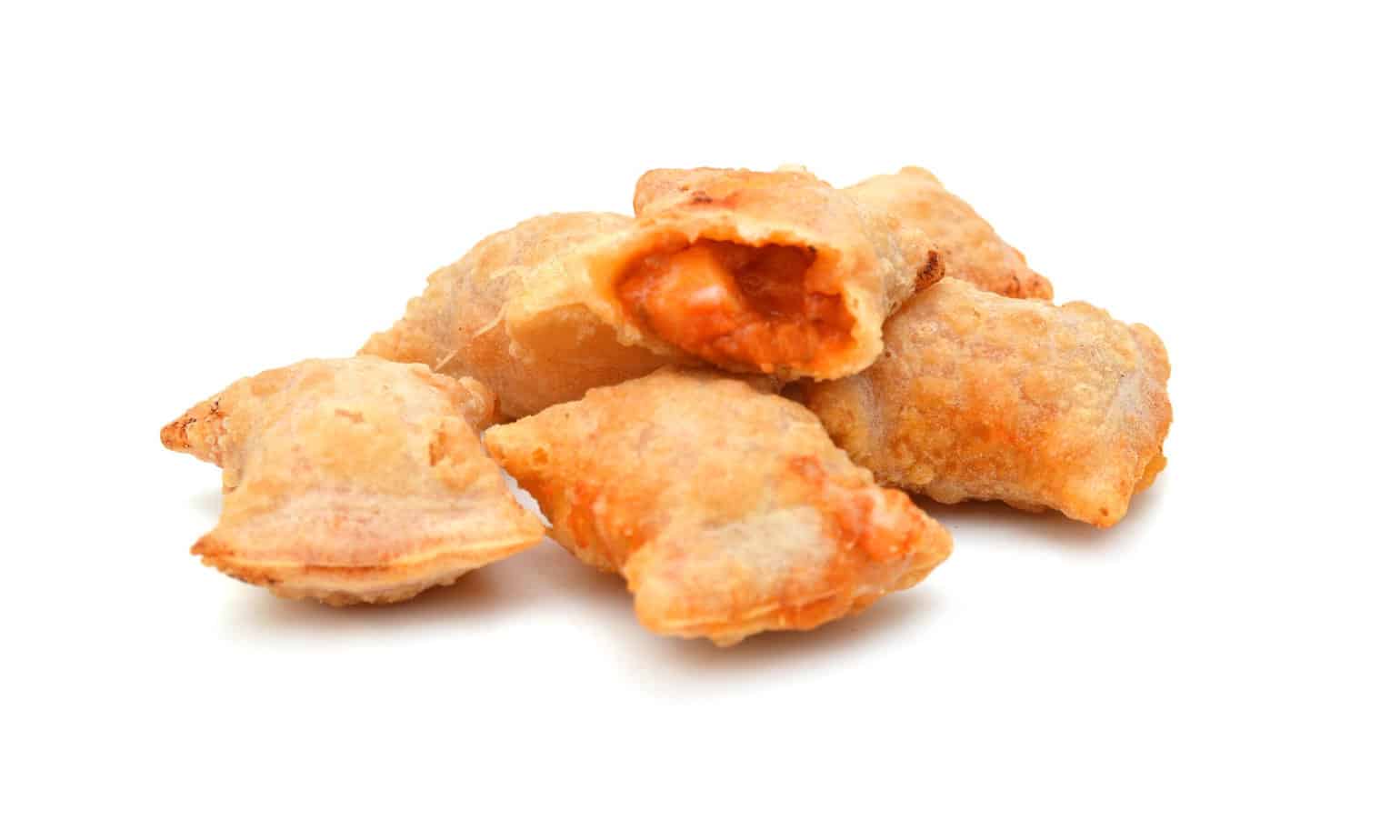
    Pizza rolls are a popular snack food that are often enjoyed as a quick and easy meal or snack. They are typically made by wrapping pizza ingredients such as cheese, sauce, and toppings inside a small, breaded and baked or fried dough shell. Pizza rolls are often sold frozen and can be heated up in the oven, microwave, or deep fryer for a crispy, convenient snack.

    While pizza rolls can be a tasty treat for humans, it’s important to keep in mind that they may not be suitable for our four-legged friends. Dogs have different nutritional needs and digestive systems than humans, and certain ingredients commonly found in pizza rolls could potentially be harmful to their health. In the next sections, we’ll explore the potential risks and benefits of feeding pizza rolls to dogs, so you can make an informed decision about what to feed your furry friend.

    Can Dogs Eat Pizza Rolls?

    When it comes to feeding pizza rolls to dogs, the short answer is that it’s best to avoid it if possible. While some ingredients in pizza rolls may not be harmful in small quantities, there are several reasons why they are not an ideal food for our canine companions.

    One of the main concerns is the high fat and calorie content of pizza rolls, which can lead to weight gain and obesity in dogs. Pizza rolls contain processed meats, like pepperoni or sausage, which are high in sodium and preservatives harmful to dogs.

    Another potential issue with feeding pizza rolls to dogs is the risk of gastrointestinal upset. Dogs have sensitive digestive systems and consuming foods that are high in fat, salt, or spices can lead to vomiting, diarrhea, or other digestive issues.

    Finally, some ingredients commonly found in pizza rolls, such as garlic or onion powder, can be toxic to dogs if consumed in large quantities.

    While it may be tempting to share your pizza rolls with your furry friend, it’s best to stick to dog-friendly snacks and treats that are specifically formulated for their nutritional needs. Consult your vet if unsure about your dog’s food safety to make the best choices for their wellbeing.

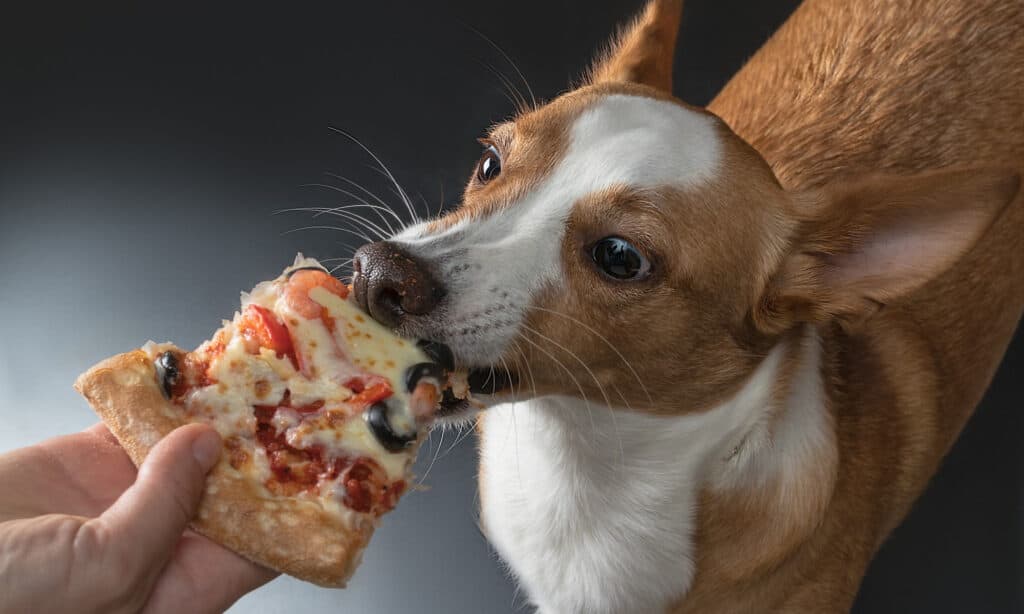
    Pizza rolls - a dog-friendly treat?

    Harmful Ingredients in Pizza Rolls:

    Pizza rolls may be a delicious and convenient snack for humans, but they can contain several ingredients that are potentially harmful to dogs. Some of the most concerning ingredients in pizza rolls include:

    1. Garlic and Onion Powder: Pizza roll ingredients can cause anemia in dogs if eaten excessively.
    2. Cheese: Cheese-filled pizza rolls may cause GI upset in dogs despite cheese being generally safe for them.
    3. Processed Meats: Avoid giving pizza rolls with processed meats to dogs, as they may contain harmful preservatives and high sodium.
    4. Dough: Pizza rolls’ dough high in calories & carbs can cause weight gain & health issues in dogs.
    5. Spices: Pizza rolls’ spices like oregano, basil, and red pepper flakes can cause digestive upset in some dogs.

    If your dog has consumed any of these ingredients, it’s important to monitor them closely for any signs of gastrointestinal upset, such as vomiting or diarrhea. When in doubt, consult your vet about whether certain foods are safe for your dog. Some ingredients may require attention.

    Safe Ingredients in Pizza Rolls:

    While there are several ingredients commonly found in pizza rolls that can be harmful to dogs, there are also some ingredients that are safe for our furry friends to consume in moderation. Some safe ingredients in pizza rolls include:

    1. Tomatoes: Tomatoes are a common ingredient in pizza sauce and are safe for dogs to eat in small quantities. Some dogs may be allergic to tomatoes or experience digestive upset if they consume too much.
    2. Vegetables: Many pizza rolls contain vegetables such as bell peppers, mushrooms, and onions. Small amounts of veggies are safe for dogs. Onions are harmful, but other options provide nutritional benefits.
    3. Meat: Pizza rolls with high-quality meats like grilled chicken or lean beef are safe for dogs in moderation; avoid processed meats.
    4. Herbs: Basil, parsley, and thyme in pizza rolls have health benefits for dogs and are safe for consumption.

    However, it’s important to remember that pizza rolls should never be a regular part of your dog’s diet, and any ingredients should be given in moderation. Additionally, it’s always best to consult with your veterinarian before introducing any new foods into your dog’s diet to ensure that they are safe and appropriate for your pet’s individual nutritional needs.

    Healthy or harmful? Pizza rolls for dogs

    What Signs To Watch For If Your Dog Accidentally Ate A Lot of Pizza Rolls?

    If your dog accidentally ate a lot of pizza rolls, you should keep an eye out for the following signs of gastrointestinal distress:

    1. Vomiting: Excess food or indigestible ingredients may cause vomiting in dogs.
    2. Diarrhea: Dogs’ diarrhea is a sign of digestive upset due to overconsumption of fat or hard-to-digest ingredients
    3. Abdominal Pain: Your dog may exhibit signs of discomfort such as whining or pacing if they are experiencing abdominal pain.
    4. Lethargy: Overeating can make dogs tired, less active than usual.
    5. Loss of Appetite: Sick dogs may lose appetite or refuse to eat.

    If your dog exhibits any of these symptoms, it’s important to monitor them closely and make sure they have access to plenty of fresh water. In some cases, exposure to certain ingredients in pizza rolls may require veterinary attention, so it’s always best to consult with your veterinarian if you’re ever unsure about whether a particular food is safe for your dog to eat or if your dog is exhibiting any signs of illness or distress.

    When or If You Should Go To The Vet?

    If your dog has accidentally consumed a large amount of pizza rolls or is exhibiting signs of gastrointestinal distress such as vomiting or diarrhea, you should monitor them closely for any changes in their condition. In some cases, exposure to certain ingredients in pizza rolls can be harmful to dogs and may require veterinary attention.

    You should consider taking your dog to the vet if they are exhibiting any of the following symptoms:

    1. Severe vomiting or diarrhea: Frequent vomiting or diarrhea in dogs can cause dehydration and electrolyte imbalances, which can be dangerous if untreated.
    2. Abdominal pain: Abdominal pain in dogs? Whining, pacing, or reluctance to move? Seek medical attention immediately.
    3. Difficulty breathing: Seek immediate veterinary care if your dog has breathing problems or is in distress.
    4. Loss of consciousness: If your dog becomes unresponsive or loses consciousness, they require emergency veterinary care.
    5. Allergic reaction: A dog allergic to pizza rolls or showing hives/difficulty breathing needs urgent medical attention.

    It’s always better to err on the side of caution and seek veterinary care if you’re unsure about your dog’s condition or if they are exhibiting any signs of illness or distress. Your veterinarian can help diagnose any underlying health issues and provide appropriate treatment to help your dog recover as quickly as possible.

    "Feeding your dog pizza rolls: what you need to know

    Safe Dog-Friendly Alternative to Pizza Rolls:

    If you’re looking for a safe and healthy alternative to pizza rolls for your furry friend, there are several dog-friendly snacks and treats that you can try. Here are a few options to consider:

    1. Homemade Dog Treats: There are many simple and easy-to-make dog treat recipes that you can try at home. DIY treats = high-quality, dog-friendly ingredients and customized recipe to suit your pup’s nutritional needs and taste buds.
    2. Vegetables: Carrots, sweet potatoes, and green beans are safe and healthy low-calorie snacks for dogs. You can try baking or steaming the vegetables to make them more appealing to your dog.
    3. Fruits: Some fruits such as apples, bananas, and blueberries can be a tasty and nutritious treat for dogs in moderation. However, it’s important to remove any seeds or pits that could be harmful to your dog’s health.
    4. Dental Chews: Dental chews promote good oral hygiene and clean teeth in dogs while providing a tasty snack. Be sure to choose dental chews that are appropriate for your dog’s size and chewing habits.
    5. Lean Meat: Grilled chicken or turkey is a healthy protein-rich snack for dogs in moderation. However, it’s important to avoid processed meats and to remove any bones that could be a choking hazard.

    Remember that while it’s important to provide your dog with healthy and nutritious snacks, treats should always be given in moderation and as part of a balanced diet. If you’re ever unsure about whether a particular food is safe for your dog to eat, it’s always best to consult with your veterinarian.

    Healthy Store-Bought Options:

    In conclusion, while pizza rolls may be a tempting snack for both humans and dogs alike, it’s important to keep in mind that they may not be the best choice for our furry friends. With their high fat and calorie content, as well as potential harmful ingredients such as garlic and onion powder, pizza rolls can lead to health issues such as obesity, digestive upset, and anemia in dogs.

    Fortunately, there are many safe and healthy alternatives that you can try, such as homemade dog treats, vegetables, fruits, dental chews, and lean meats. By choosing dog-friendly snacks and treats, you can ensure that your furry friend is getting the nutrients they need without risking their health.

    Remember, if your dog ever accidentally consumes a large amount of pizza rolls or is exhibiting signs of gastrointestinal distress, it’s always best to monitor them closely and consult with your veterinarian if you’re unsure about their condition. With proper care and attention, you can help ensure that your dog stays happy and healthy for years to come.

    ~Lindsie

    A note about your dog’s health

    This article provides general education and does not replace an examination, diagnosis, or individualized advice from your veterinarian. Contact a veterinary professional if you are concerned about your dog’s symptoms.

    Lindsie Parks B.S., CRDNS Avatar

    ABOUT THE AUTHOR

  • Can Dogs Eat Miso Soup? – Expert Answers

    Can Dogs Eat Miso Soup? – Expert Answers

    Welcome to my blog where we will be exploring the question, “Can dogs eat miso soup?” As a pet owner, it’s important to ensure that our furry friends are getting a well-balanced and nutritious diet. While dogs are known to be meat-eaters, there are some human foods that they may be able to enjoy in moderation. Miso soup, a traditional Japanese soup made from fermented soybeans, is a popular dish that many people enjoy. But is it safe for dogs to consume? In this blog, we will be discussing the potential benefits and risks of feeding miso soup to dogs, as well as exploring alternative food options that may be more suitable for our canine companions. Dog owners curious about miso soup for pets – keep reading to learn about safety, ingredients, and alternatives.

    can dogs have miso soup

    What is Miso Soup:

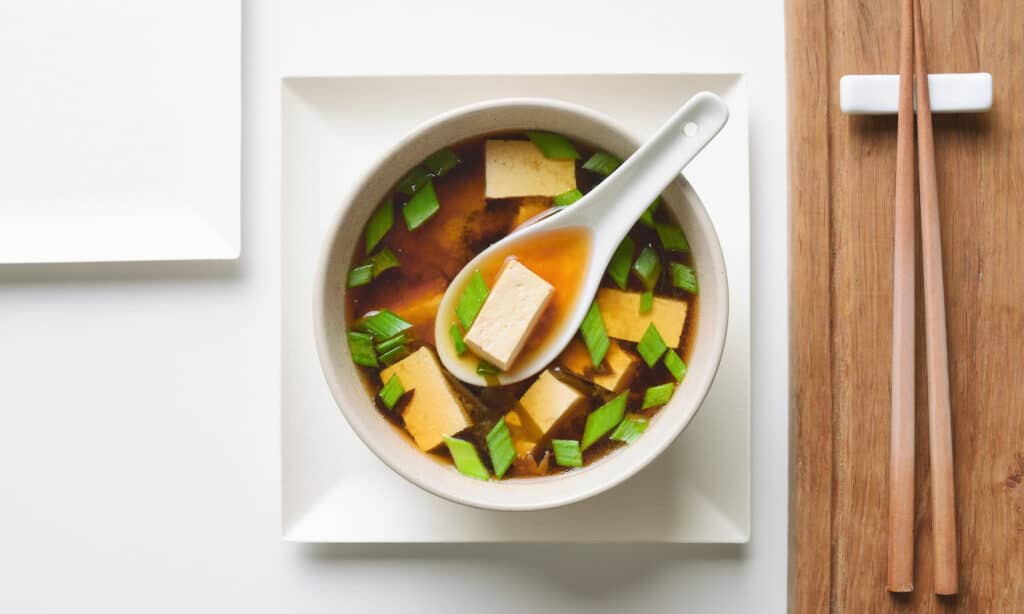
    Miso soup is a classic Japanese dish that’s made by fermenting soybeans. First, the soybeans are mashed and mixed with water and a paste made from rice or barley. Then, the mixture is left to ferment for several months, which breaks down the proteins and carbohydrates in the soybeans and creates a thick paste with a delicious umami flavor. This paste is mixed with dashi (Japanese fish stock), tofu, seaweed, scallions, or mushrooms for flavor and nutrition.

    Miso soup is a popular breakfast food or light meal in Japan and is known for its health benefits. Miso paste is packed with protein, vitamins, minerals, and probiotics that can help with digestion and strengthen the immune system. However, it’s also important to note that miso soup can be high in sodium and should be consumed in moderation, especially for those with high blood pressure or sensitivity to salt.

    While miso soup is a beloved dish for humans, it’s important to consider whether or not it’s safe for our furry friends to eat. In the next section, we’ll dive into the potential risks and benefits of feeding miso soup to dogs.

    Can Dogs Eat Miso Soup:

    When it comes to feeding our canine companions, it’s natural to wonder if they can enjoy some of the same foods that we do. One popular dish that some dog owners may be curious about is miso soup. So, can dogs eat miso soup?

    The short answer is that it depends. While miso soup can be a healthy and nutritious food for humans, it may not be the best choice for dogs. “Dogs can’t digest miso soup like humans, and some ingredients may not be safe for them.”

    One of the main concerns with feeding miso soup to dogs is its high sodium content. Dogs have a lower tolerance for salt than humans, and consuming too much sodium can lead to health problems such as dehydration, kidney damage, and high blood pressure. Onions and garlic in miso soup are toxic to dogs and should be avoided.

    If you’re considering feeding miso soup to your dog, it’s important to consult with a veterinarian first. A vet can advise if miso soup is safe for your dog and suggest alternative foods. Practice moderation and balance, feed safe and healthy foods tailored to your dog’s needs.

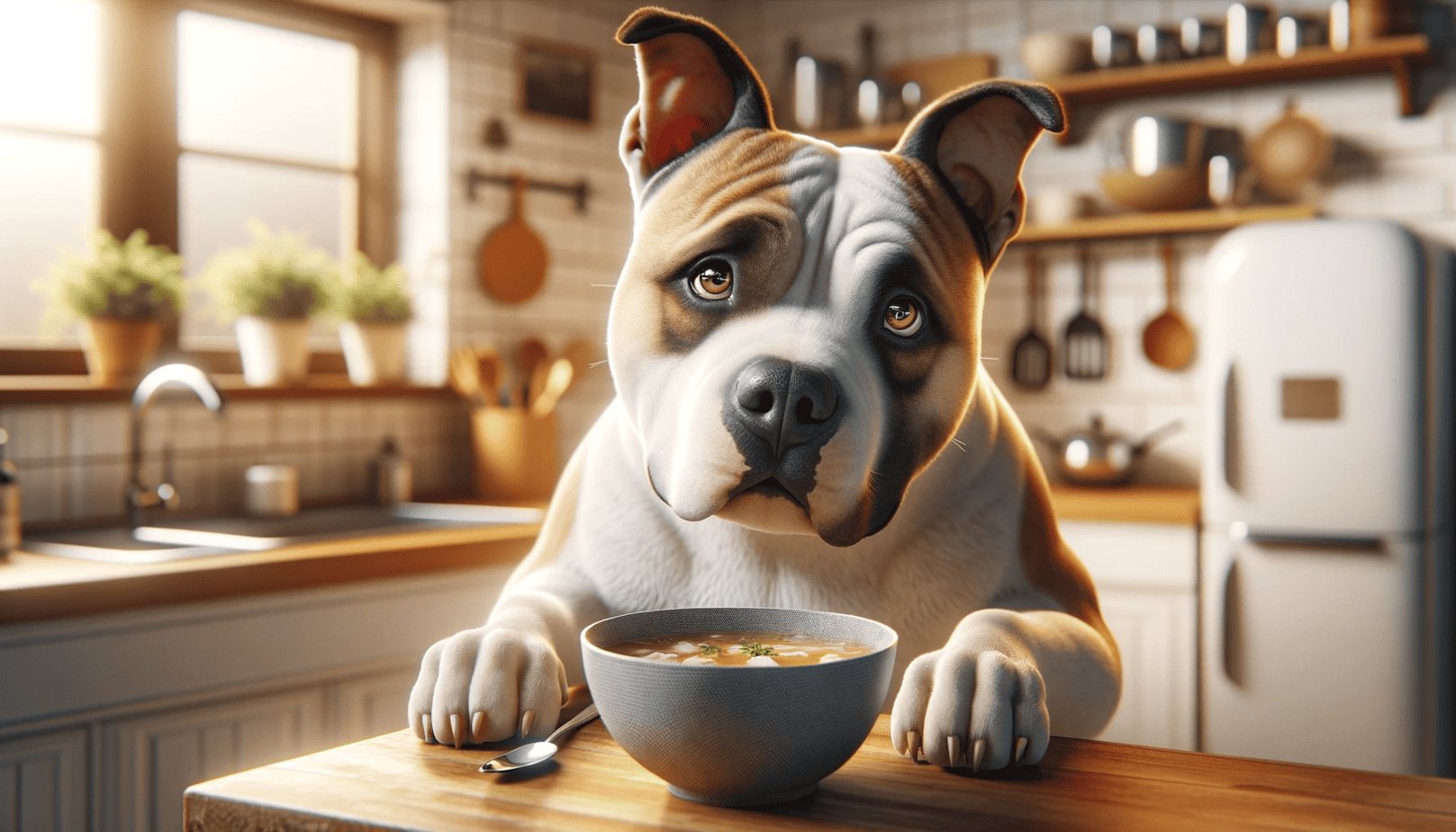
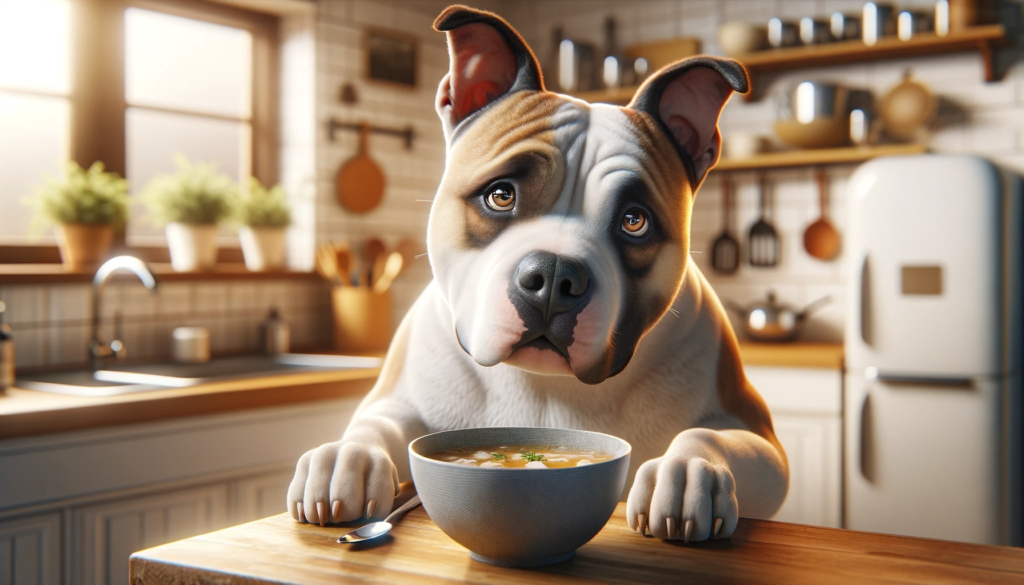
    Can dogs have miso soup?

    Harmful Ingredients in Miso Soup:

    While miso soup can be a healthy and flavorful dish for humans, it contains certain ingredients that can be harmful or toxic to dogs. One of the primary concerns is the high sodium content in miso soup. Dogs have a lower tolerance for salt than humans, and consuming too much sodium can lead to health problems such as dehydration, kidney damage, and high blood pressure.

    Another potential harmful ingredient in miso soup for dogs is onions and garlic. These ingredients are commonly used to enhance the flavor of miso soup, but they can be toxic to dogs and cause serious health problems such as anemia, lethargy, and gastrointestinal issues. Avoid miso soup with onions or garlic as even small amounts can be harmful to dogs.

    In addition to sodium and onions/garlic, some other ingredients in miso soup may also be problematic for dogs. For example, some miso soup recipes may include mushrooms, which can be toxic to dogs if they contain certain compounds. Seaweed, another common ingredient in miso soup, may be safe for dogs in small amounts but can cause gastrointestinal upset if consumed in excess.

    If you’re considering feeding miso soup to your dog, it’s important to carefully check the ingredients list and consult with a veterinarian first. They can help you determine if miso soup is a safe and appropriate addition to your dog’s diet, and offer suggestions for alternative foods that may be better suited to your furry friend’s nutritional needs. Be mindful of miso soup ingredients & moderate your dog’s diet to keep them healthy.

    Safe Ingredients in Miso Soup:

    Although some ingredients in miso soup can be harmful to dogs, there are also safe and nutritious ingredients that our furry friends can enjoy. Here are some examples of safe ingredients in miso soup for dogs:

    1. Miso paste: Miso paste is the primary ingredient in miso soup and is made from fermented soybeans. It’s a great source of protein, vitamins, and minerals and contains probiotics that can boost digestion and the immune system.
    2. Tofu: Tofu is a common ingredient in miso soup and is a low-fat, low-calorie source of protein and other nutrients. It’s ideal for dogs that need to maintain or lose weight.
    3. Carrots: Carrots are a healthy, low-calorie vegetable that can add nutrition and crunch to miso soup. They contain vitamins and minerals that are beneficial for dogs, and their texture can be good for dental health.
    4. Broccoli: Like carrots, broccoli is a nutrient-dense vegetable that can provide vitamins, minerals, and fiber to your dog’s diet. It’s a great ingredient to add to miso soup to increase its nutritional value.

    It’s important to remember that not all dogs will be able to tolerate all of these ingredients. Before introducing new foods to your dog’s diet, it’s best to consult with a veterinarian to ensure that they’re safe and appropriate. Incorporating some of these safe ingredients in moderation can add variety and nutrition to your dog’s diet, making mealtime more enjoyable for your furry friend.

    Can dogs safely eat miso soup?

    What Signs To Watch For If Your Dog Accidentally Ate A Lot of Miso Soup?

    If your dog accidentally eats a large amount of miso soup, it’s important to monitor them closely for any signs of adverse reactions or health problems. Here are some common signs to watch for if your dog ingests too much miso soup:

    1. Vomiting: Excessive consumption of miso soup can irritate your dog’s stomach and lead to vomiting. If your dog starts vomiting repeatedly or seems to be in distress, it’s important to seek veterinary attention right away.
    2. Diarrhea: Misos soup’s high sodium content can also cause diarrhea in dogs. If your dog has diarrhea after eating miso soup, hydrate them and contact a vet if symptoms persist.
    3. Dehydration: As mentioned earlier, high levels of sodium in miso soup can lead to dehydration in dogs. Signs of dehydration include lethargy, dry gums, and sunken eyes. If you notice these symptoms, it’s important to provide your dog with plenty of fresh water and contact your veterinarian.
    4. Hyperactivity: Miso soup can contain caffeine, which can make dogs hyperactive and restless. Watch for hyperactivity in your dog after eating miso soup; seek vet attention if needed.

    If your dog displays any of these symptoms or shows signs of distress after consuming miso soup, it’s important to seek veterinary attention right away. Your veterinarian can evaluate your dog’s condition and provide appropriate treatment to prevent further complications.

    When or If You Should Go To The Vet?

    If you suspect that your dog has consumed a large amount of miso soup or is experiencing any symptoms of illness after eating miso soup, it’s important to contact your veterinarian right away. Your veterinarian can provide advice on how to proceed and may recommend that you bring your dog in for an examination.

    In general, you should consider seeking veterinary attention if your dog displays any of the following symptoms:

    1. Repeated vomiting or diarrhea
    2. Severe or prolonged lethargy
    3. Dehydration
    4. Loss of appetite
    5. Difficulty breathing
    6. Seizures or tremors

    These symptoms may indicate that your dog is experiencing a serious health problem that requires immediate attention. It’s always better to err on the side of caution and seek veterinary care if you’re concerned about your dog’s health.

    If you’re unsure whether or not to seek veterinary attention, you can also contact a pet poison control hotline for advice. These hotlines can provide guidance on whether or not a particular food or substance is toxic to dogs and what steps you should take if your dog has consumed it.

    Is miso soup safe for dogs? Here's what you need to know

    Safe Dog-Friendly Alternative to Miso Soup:

    If you’re looking for a safe and tasty alternative to miso soup that your furry friend can enjoy, there are several options available. Here are some ideas to consider:

    1. Homemade broth: Make homemade broth by boiling bones with veggies like carrots, celery, and parsley. This provides a lot of nutrition for your dog and is a great alternative to miso soup.
    2. Bone broth: This is similar to homemade broth but made specifically from animal bones. It’s a nutrient-dense option that offers numerous health benefits for your dog and is simple to prepare.
    3. Wet dog food: Many wet dog foods come in flavors like chicken or beef that are comparable to miso soup. These can be a convenient and safe alternative for your dog.
    4. Cooked lean meats: Chicken, turkey, and lean cuts of beef are all healthy sources of protein for dogs. You can cook them and mix them with veggies or brown rice to make a nutritious meal for your dog.
    5. Fresh vegetables: Vegetables like carrots, green beans, and sweet potatoes are all safe and healthy options for dogs. You can cook or serve them raw to add some healthy variety to your dog’s diet.

    It’s worth noting that not all dogs will tolerate all of these options equally well. Before introducing any new foods to your dog’s diet, it’s always best to check with your veterinarian to make sure they are safe and appropriate. By opting for safe and nutritious alternatives to miso soup, you can ensure your furry friend stays healthy and happy.

    Healthy Store-Bought Options:

    Conclusion:

    In conclusion, while miso soup may be a popular and healthy dish for humans, it’s important to approach feeding it to our furry friends with caution. Certain ingredients in miso soup can be harmful or toxic to dogs, and excessive consumption can lead to a range of health problems.

    If you’re considering feeding miso soup to your dog, it’s important to be aware of the potential risks and to consult with a veterinarian before introducing new foods to your dog’s diet. Additionally, if your dog accidentally consumes a large amount of miso soup, it’s important to monitor them closely for any signs of adverse reactions or health problems and to seek veterinary attention if necessary.

    Fortunately, there are many safe and nutritious alternatives to miso soup that your dog can enjoy. Homemade broth, bone broth, wet dog food, cooked lean meats, and fresh vegetables are all healthy options that can provide a range of health benefits for your furry friend.

    By taking the time to educate yourself about the risks and benefits of feeding miso soup to your dog and exploring alternative options, you can ensure that your furry friend stays healthy, happy, and well-fed for years to come.

    A note about your dog’s health

    This article provides general education and does not replace an examination, diagnosis, or individualized advice from your veterinarian. Contact a veterinary professional if you are concerned about your dog’s symptoms.

    Lindsie Parks B.S., CRDNS Avatar

    ABOUT THE AUTHOR