Category: Meals For Dogs

  • Can Dogs Eat Cheeseballs? Will They Get Sick?

    Can Dogs Eat Cheeseballs? Will They Get Sick?

    Medically Reviewed by: Dr. Candy Akers, DVM

    Ah, cheeseballs. The perfect party snack. They are a favorite among many for their cheesy goodness and crunch, making them a staple at any get-together. But have you ever stopped to think “Can dogs eat cheeseballs?”

    The short answer is no, dogs should not eat cheeseballs. Although they may seem harmless, the high-fat content and artificial flavors found in cheeseballs can be harmful to our four-legged friends.

    However, this raises an important question – why shouldn’t dogs be able to enjoy the same treats that we do? Firstly, let’s take a closer look at what cheeseballs actually are.

    dog eating cheese puffs

    What Are Cheeseballs?

    Cheeseballs often use processed cheese. This is mixed with flour and seasonings. Then, they are shaped into small balls. Crunchy bits like nuts or breadcrumbs coat them. Due to their ingredients, they are often calorie-rich.

    Humans may handle their high-fat content and artificial flavors. However, our dogs have different nutritional needs. It’s crucial to remember this when feeding them.

    The Risks of Feeding Cheeseballs to Dogs

    One of the biggest risks associated with feeding cheeseballs to dogs is their high-fat content. Too much fat can lead to obesity which can then cause other health issues such as diabetes or heart problems if left unchecked.

    Additionally, some of the artificial flavors used in cheeseball production can upset a dog’s stomach or even cause allergic reactions. Furthermore, there is always the risk of choking on small pieces of nuts or breadcrumbs that coat the outside of each ball-shaped snack.

    Alternatives to Cheeseballs for Dog Snacks

    Luckily, there are plenty of healthy dog-friendly alternatives to cheeseballs that both you and your furry friend can enjoy. Consider offering them fruits like apple slices or veggies like carrots as a snack instead.

    There are also plenty of specially made dog treats available that are formulated with your dog’s nutritional needs in mind. Be sure to check the ingredients and nutritional information before purchasing any treats to ensure they are appropriate for your pet.

    Feeding Your Dog a Balanced Diet

    It’s important to remember that snacks should not make up the majority of your dog’s diet. Feeding them a balanced meal plan is crucial for their overall health and well-being. If you do decide to feed your dog human food, always do so in moderation and be aware of any potential risks associated with the ingredients you’re considering.

    While cheeseballs may be an enjoyable snack food for humans, they should be avoided when it comes to our furry friends. Opt for healthy alternatives or specially made dog treats instead, and always prioritize giving them a balanced diet.

    plate of cheese balls

    Can Dogs Eat Cheeseballs?

    The Risks of Feeding Cheeseballs to Dogs

    Cheeseballs are a popular snack that many people enjoy. They are often made with high amounts of fat and artificial flavors, which can make them dangerous for dogs to eat. While cheese is generally safe for dogs in small amounts, cheeseballs should be avoided due to the added ingredients.

    One of the primary concerns with cheeseballs is their high-fat content. Dogs’ bodies are not designed to handle large amounts of fat, and consuming too much can cause pancreatitis, a serious condition that can lead to vomiting, diarrhea, and even death.

    In addition to the high-fat content, cheeseballs also often contain artificial flavors and preservatives that can be harmful to dogs. These ingredients have been linked to digestive issues and allergies in some dogs.

    Small Amounts of Plain Cheese May Be Okay for Some Dogs

    While cheeseballs should generally be avoided, small amounts of plain cheese may be okay for some dogs. Cheese is a good source of protein and calcium, which are important nutrients for your dog’s health.

    It’s important to note that not all dogs can tolerate dairy products like cheese. Some dogs may experience digestive issues such as diarrhea or vomiting after consuming dairy products.

    Therefore, it’s essential always to start with small portions when introducing new foods into your dog’s diet. If you do decide to give your dog plain cheese as a treat or reward, make sure it’s in moderation and not too often because too much dairy can cause stomach upset or even weight gain.

    Cheeseball Alternatives For Your Furry Friend

    If you’re looking for healthy snack options for your furry friend, there are plenty of alternatives available! Many fruits and vegetables are safe for dogs to eat and provide nutrients without added fats or preservatives. For example, carrots are an excellent low-calorie option that is rich in vitamins, while apples provide fiber and can help clean your dog’s teeth.

    You can also find specially made dog treats at your local pet store that are designed specifically for canine nutrition. Remember, always check the ingredients before buying any treat or food for your dog, and if you have any doubts about a particular snack or ingredient, it’s best to consult with a veterinarian.

    Providing Your Dog A Balanced Diet

    Feeding your dog a balanced diet is crucial to their overall health and well-being. A well-balanced diet should include protein, carbohydrates, fats, vitamins, and minerals in the right amounts.

    While feeding your dog human foods like cheese as a treat is okay in moderation, it should never replace their regular meals. It’s vital to choose snacks that complement their regular diet rather than ones that will harm them.

    Make sure to talk to your veterinarian about what kind of foods you should avoid feeding your furry friend. Every dog has different nutritional needs based on factors like age, weight and breed.

    The Bottom Line

    Cheeseballs are not a safe snack for dogs due to their high fat content and artificial flavors. While small amounts of plain cheese may be okay for some dogs as a treat or reward occasionally if they tolerate it well enough.

    It’s best always to choose healthy snack alternatives such as carrots or apples when looking for something special to give them. Remember that feeding your furry friend human snacks without careful consideration of its impact on their diet can lead to stomach upset or even more severe health problems down the line.
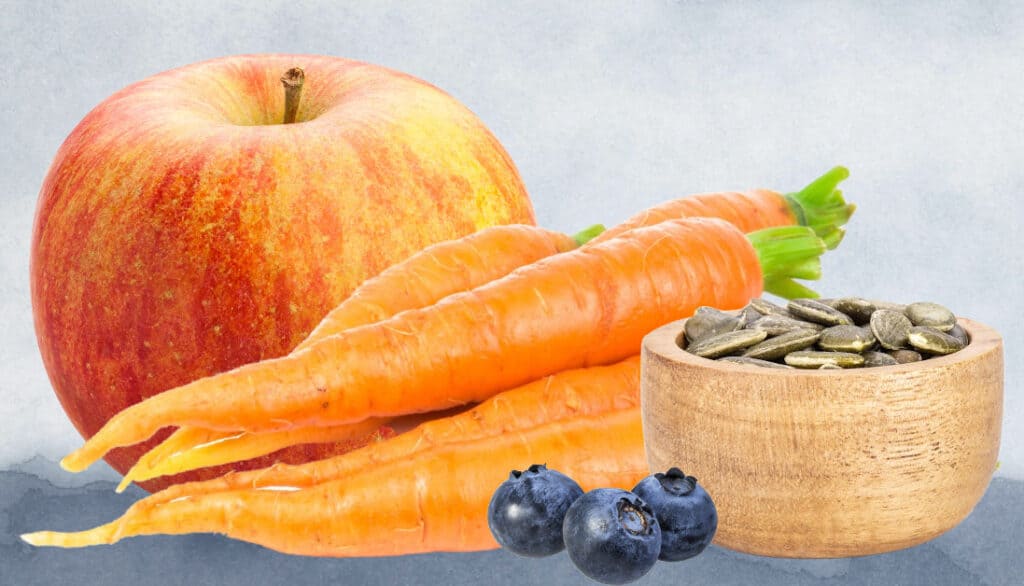
    picture of apple, carrots, pumpkin seeds, and blueberries

    Healthy Alternatives to Cheeseballs for Dog Snacks

    If you’re looking for a healthy alternative to cheeseballs as a treat for your dog, there are plenty of choices that can be good for their health. Dogs love fruits and vegetables just as much as humans do. They’re a great source of vitamins, fiber, and other essential nutrients that dogs need in their diet.

    Carrots

    Carrots are an excellent choice as a snack for dogs. Not only are they low in calories, but they also provide a good source of fiber and Vitamin A. They help support overall health, digestion and keep their teeth clean by providing some abrasion when chewed. Carrots are rich in beta-carotene which is an antioxidant that helps improve eyesight.

    Apples

    Apples are another delicious and healthy snack option for dogs. They are known to improve digestion, boost the immune system by providing vitamins B & C and it helps to keep teeth clean when eaten raw. Be sure to remove the seeds because they contain cyanide which is toxic if ingested.

    Specially Made Dog Treats

    There are plenty of specially made dog treats available on the market today that can provide healthy benefits without compromising on taste or enjoyment. These treats come in different flavors such as chicken or beef with added vitamins and minerals such as omega fatty acids or glucosamine which support joint mobility. When looking for dog treats, check the label carefully and ensure it’s free from artificial colors, flavorings or preservatives since these additives can lead to potential health issues such as allergies or weight gain.

    Pumpkin Seeds

    Pumpkin seeds can be roasted with low sodium seasoning making them a great snacking option since they’re rich in antioxidants, protein and magnesium which supports bone growth while reducing inflammation.

    Blueberries

    Blueberries are another healthy fruit option for dogs since they’re rich in antioxidants and vitamins. They’re low in calories, high in fiber that supports weight control and helps to regulate blood sugar levels.

    Cheeseballs should be avoided as a treat for dogs due to their high-fat content and artificial flavorings that can cause potential health issues. Instead, treat your furry friend with one of these healthy snack options such as carrots, apples, pumpkin seeds or specially made dog treats which will provide them with the essential nutrients they need to support overall good health.
    golden retriever sniffing food in its bowl

    The Importance of a Balanced Diet for Dogs

    Dogs, like people, require a balanced diet to maintain good health. A healthy diet for dogs should include protein, carbohydrates, fats, vitamins and minerals.

    Protein is particularly important as it helps build and repair tissues. Carbohydrates provide energy while fats help to insulate the body and protect internal organs.

    When it comes to choosing food for your dog, it’s important to select high-quality dog food that is specifically formulated for their age and breed. While it may be tempting to feed them human food, this can be detrimental to their health in the long term.

    Emphasize the Importance of Providing a Balanced Diet for Your Furry Friend

    Feeding your furry friend a balanced diet helps ensure that they receive all the nutrients they need to maintain good health. If you’re unsure about what foods are best for your dog or how much you should be feeding them, speak with your veterinarian.

    Some dogs have unique dietary needs due to breed-specific conditions or allergies. For example, some breeds are prone to digestive issues or skin problems which can be exacerbated by certain foods.

    Mention That Feeding Them Human Food Should Always Be Done in Moderation

    While there’s nothing wrong with giving your furry friend an occasional treat from the table if done in moderation, human food should never replace quality dog food in their regular diet. Certain human foods can actually be dangerous for dogs such as chocolate or onions which can cause toxicity. Additionally, even safe human foods like cheeseballs can cause digestive upset due to their high-fat content.

    As always moderation is key when offering human food as treats. Stick with small amounts of safe options such as plain cooked chicken or vegetables instead of processed snacks like cheeseballs.

    Avoid Overfeeding Your Dog

    Overfeeding your dog not only leads to weight gain but can also increase their risk of developing health problems such as heart disease, diabetes, and joint issues. Make sure to measure out their food according to the recommended serving size for their weight and activity level.

    Additionally, avoid giving table scraps or treats too frequently as these can quickly add up in calories. If your dog is overweight or obese, speak with your veterinarian about a weight loss plan including a proper diet and exercise routine.

    Conclusion: Prioritize Your Dog’s Health

    Providing your furry friend with a well-balanced diet is essential for good health. Stick to quality dog food that meets their nutritional needs and limit human food only as an occasional treat. Remember that overfeeding or offering unhealthy snacks like cheeseballs can cause long-term problems so always prioritize your dog’s health when choosing what to feed them.
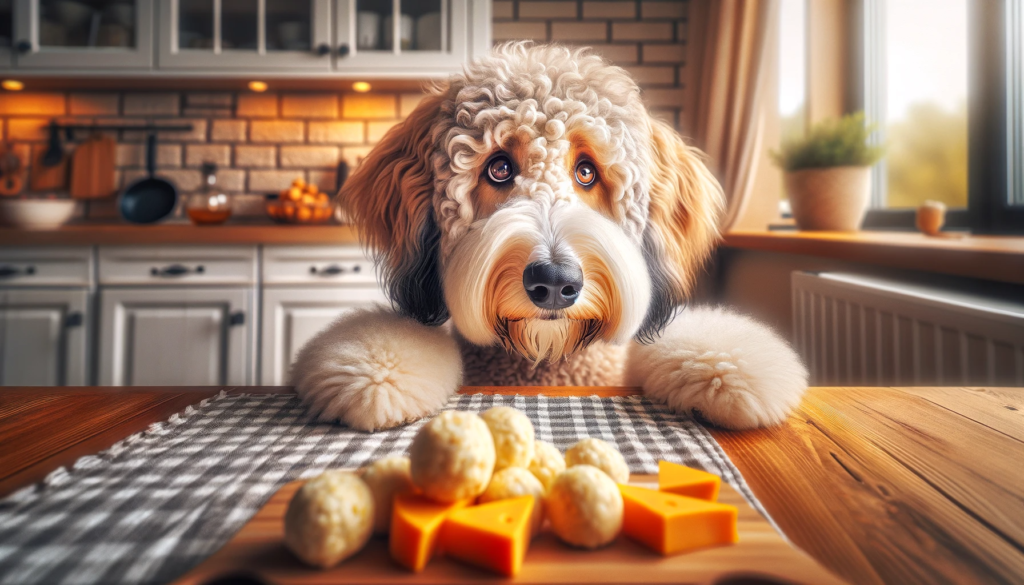
    cheeseballs for dogs

    The Final Word: Can Dogs Eat Cheeseballs?

    After reading through the potential risks of feeding cheeseballs to dogs and the alternatives available, it’s clear that cheeseballs are not an ideal snack for our furry friends. While some dogs may be able to handle small amounts of plain cheese, we can’t ignore the high fat content and artificial ingredients found in most cheeseball products.

    It’s important to remember that our pets rely on us to make choices that prioritize their health and well-being. Even if they beg with their puppy dog eyes, we must resist the urge to give in to unhealthy snacks.

    Feeding a nutritious, balanced diet and providing appropriate treats is key to keeping our pets healthy and happy. As mentioned earlier, there are plenty of alternatives available for those who want to treat their pups without risking their health.

    Crunchy vegetables like carrots or apples can satisfy a dog’s desire for a crunchy snack while also providing important nutrients like fiber and vitamins. If you’re looking for something even more specialized, there are many brands dedicated specifically to creating healthy dog treats using natural ingredients like fruits, vegetables, or lean meats.

    Remember that moderation is key when it comes to feeding human food to dogs. While it may be tempting to give them a bite of whatever we’re eating at the time, it’s important not to overdo it or introduce too many new foods into their diet too quickly.

    While it might be tempting to share your favorite cheesy snack with your loyal companion, cheeseballs should generally be avoided due to the risks they pose for our pet’s health. Instead of reaching for unhealthy snacks on store shelves, consider healthier alternatives or specially made dog treats as a way of showing love towards your furry friend while prioritizing their health at the same time.

    A note about your dog’s health

    This article provides general education and does not replace an examination, diagnosis, or individualized advice from your veterinarian. Contact a veterinary professional if you are concerned about your dog’s symptoms.

    Sheena Keliher Avatar

    ABOUT THE AUTHOR

  • Can Dogs Eat Chicken Noodle Soup?

    Can Dogs Eat Chicken Noodle Soup?

    Most canned, condensed, restaurant, and family-recipe chicken noodle soups are not a good choice for dogs. They often contain onion, garlic, concentrated seasonings, and more sodium than a dog needs.

    A plain homemade version can be offered occasionally if it is made with dog-friendly ingredients. If your dog already had a small lick, that is different from eating a full bowl. Check the ingredient list, estimate how much your dog ate, and consider your dog’s size and health before deciding what to do next.

    Can Dogs Eat Chicken Noodle Soup? The Quick Answer

    The recipe matters more than the name of the soup.

    • Canned or condensed soup: Usually avoid. It may contain onion, garlic, seasoning powders, concentrated broth, and a lot of sodium.
    • Restaurant or deli soup: Usually avoid unless you can confirm every ingredient.
    • Ordinary homemade soup: Check carefully. Family recipes often start with onion or garlic.
    • Dog-safe homemade soup: Fine as an occasional topper or short-term gentle food when it is plain, fully cooked, and free of unsafe ingredients.

    If you do not have the full ingredient list, it is safer to choose a plain alternative.

    Why Most Human Chicken Noodle Soup Is Not Dog-Friendly

    Chicken noodle soup with onion, garlic, seasoning powder, bouillon and salt that dogs should avoid

    Onion, Garlic, and Other Alliums

    Onion, garlic, leeks, and chives belong to the Allium family. These ingredients can damage a dog’s red blood cells. Garlic is more concentrated than onion, and dried powders or soup mixes can be more concentrated than fresh ingredients. [1] A peer-reviewed review also identifies onion and garlic among household foods that can poison dogs and cats. [2]

    Check the label for onion powder, garlic powder, dried onion, dried garlic, leek, chive, seasoning blends, bouillon, and soup base. Removing visible onion pieces does not make the broth safe because flavor and dissolved ingredients remain in the liquid.

    Sodium, Fat, and Seasonings

    Human soup is often salty. A small taste is not the same as a large exposure, and serious salt toxicosis is less likely when a healthy dog can regulate sodium normally and has free access to fresh water. Large amounts, restricted water access, and existing health problems can increase concern. [3]

    Even when the sodium level is not an emergency, salty soup is a poor routine food for a dog. Plain, minimally seasoned ingredients make the better choice.

    What to Do If Your Dog Ate Chicken Noodle Soup

    Stay calm and gather the details your veterinarian will need.

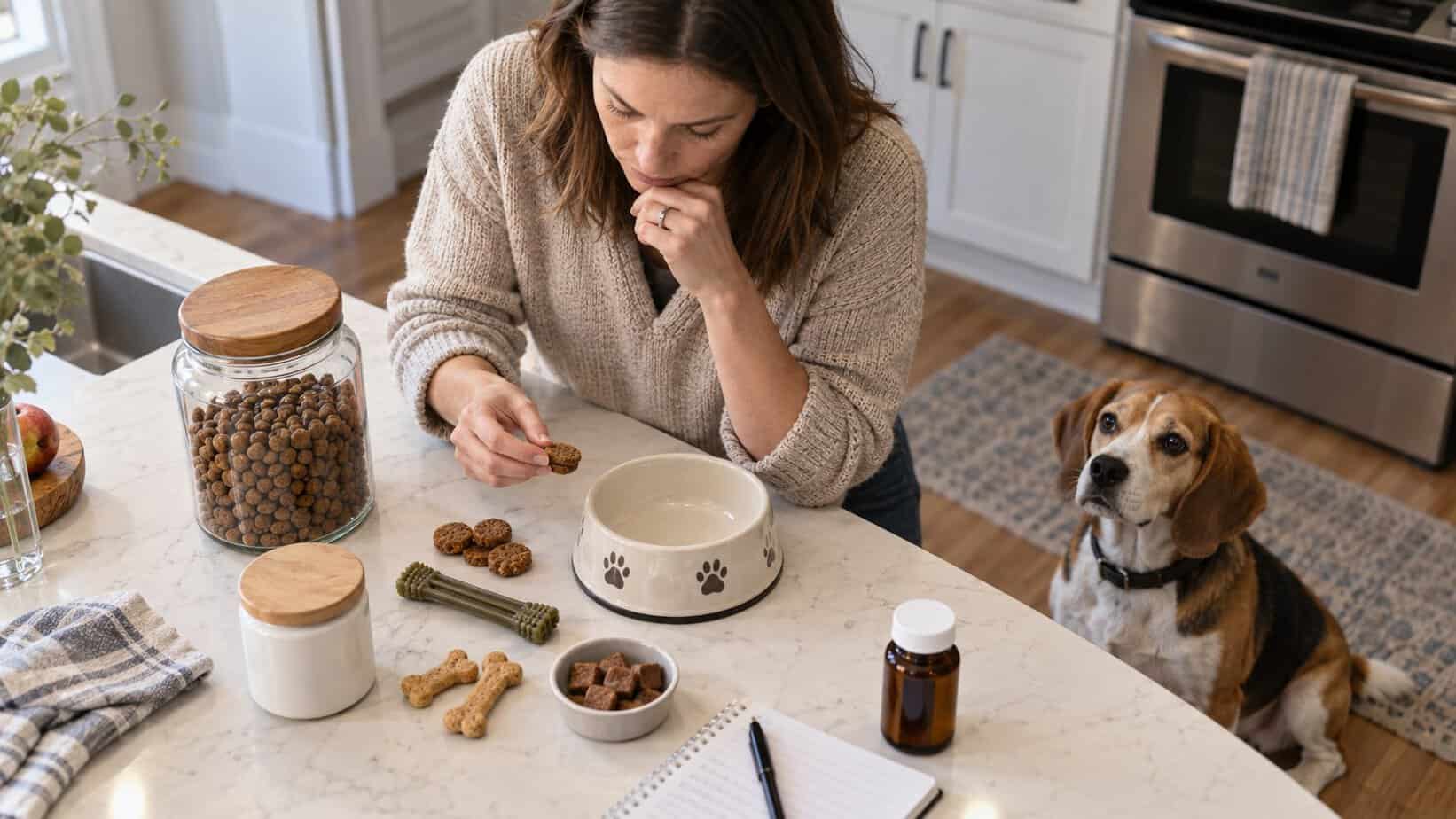
    Dog owner checking a chicken noodle soup can label after her dog tasted the soup
    1. Save the label or recipe. Look for onion, garlic, leeks, chives, powders, soup base, bouillon, and added salt.
    2. Estimate the amount and time. A lick, a few spoonfuls, and a full bowl are different exposures.
    3. Consider the whole dog. Size, age, current symptoms, water access, and medical history can change the level of concern.
    4. Offer fresh water. Do not induce vomiting unless a veterinarian or animal poison professional specifically tells you to do so.
    5. Call your veterinarian promptly if an Allium ingredient is listed, the amount was large or is unknown, your dog is very small, water was restricted, or your dog has a relevant medical condition.

    After an Allium exposure, early signs may include vomiting or diarrhea. Weakness, lethargy, pale gums, rapid breathing, a fast heart rate, or dark to reddish urine may develop later. [1] Seek veterinary care if you notice any of these signs.

    How to Make Dog-Safe Chicken Noodle Soup

    A simple homemade version gives you control over every ingredient. Keep it plain.

    Plain dog-safe homemade chicken noodle soup with chicken, noodles, carrots and green beans

    Simple Ingredients

    • 2 cups water or unsalted broth that you have confirmed contains no onion, garlic, leek, or chive
    • 1 cup plain, boneless, skinless cooked chicken or turkey, chopped
    • 1/2 cup cooked white rice or plain noodles
    • 1/4 cup finely chopped carrot or green beans, optional

    Do not add onion, garlic, leeks, chives, seasoning packets, bouillon, added salt, butter, chicken skin, or cooked bones.

    Easy Directions

    1. Put the water or verified allium-free broth in a saucepan.
    2. Add the cooked chicken or turkey, rice or noodles, and optional vegetables.
    3. Simmer until the vegetables are soft and all ingredients are heated through.
    4. Let the soup cool completely.
    5. Check once more for bones before serving.

    How to Serve It

    Start with a small spoonful as a topper and see how your dog responds. The right amount depends on your dog’s size, usual diet, and health.

    This simple recipe is intended as an occasional topper or short-term gentle food. It is not formulated as a complete long-term diet. If your dog needs a homemade diet for more than a brief period, ask your veterinarian for a nutritionally complete plan.

    Can Chicken Soup Help a Sick Dog?

    The warm aroma and soft texture of a plain homemade soup may encourage some dogs to take an interest in food. It can also provide fluid along with simple ingredients. Still, soup is supportive food. It does not diagnose or treat the reason a dog feels unwell.

    Call your veterinarian if your dog repeatedly vomits, cannot keep water down, seems very weak or painful, or continues to refuse food. Puppies, older dogs, and dogs with chronic health conditions may need help sooner. Do not force-feed a dog who is nauseated or struggling to swallow.

    Final Thoughts

    Most chicken noodle soup made for people is not worth the ingredient risk. The safer choice is a plain homemade version made without onion, garlic, other alliums, added salt, rich fat, or seasoning packets.

    If your dog already ate soup, check the full label and estimate the amount. When an Allium ingredient is present, the amount is large or uncertain, or your dog has symptoms, contact your veterinarian. If you want to share soup safely, use the simple dog-friendly recipe above and keep it as an occasional extra.

    Frequently Asked Questions

    Can dogs eat Campbell’s chicken noodle soup?

    Check the current label because formulas can change. Canned and condensed soups commonly use concentrated broth, seasonings, and substantial sodium, so they are usually not a good choice for dogs. If your dog already ate some, save the label and call your veterinarian when it contains an Allium ingredient or the amount was large or unknown.

    Can I remove the onion and give my dog the rest of the soup?

    No. Onion flavor and compounds can remain in the broth, and the recipe may also contain onion or garlic powder that you cannot remove. Choose a separate allium-free broth or make a plain soup from scratch. [1]

    Can puppies eat homemade chicken noodle soup?

    A puppy can have a small amount of a plain, allium-free homemade version as an occasional extra, but it should not replace a complete puppy diet. Because puppies are small and still growing, ask your veterinarian for advice if the puppy ate ordinary human soup or is not eating normally.

    Is chicken broth okay for dogs?

    It can be, but read the full label. Choose an unsalted product with no onion, garlic, leek, chive, seasoning mix, or concentrated soup base. When the label is unclear, plain water is the safer cooking liquid.

    References

    1. Merck Veterinary Manual. (n.d.). Allium spp toxicosis in animals. https://www.merckvetmanual.com/en-au/toxicology/food-hazards/allium-spp-toxicosis-in-animals
    2. Cortinovis, C., & Caloni, F. (2016). Household food items toxic to dogs and cats. Frontiers in Veterinary Science, 3, 26. https://pubmed.ncbi.nlm.nih.gov/27047944/
    3. Merck Veterinary Manual. (n.d.). Salt toxicosis in animals. https://www.merckvetmanual.com/toxicology/salt-toxicosis/salt-toxicosis-in-animals

    A note about your dog’s health

    This article provides general education and does not replace an examination, diagnosis, or individualized advice from your veterinarian. Contact a veterinary professional if you are concerned about your dog’s symptoms.

    Lindsie Parks B.S., CRDNS Avatar

    ABOUT THE AUTHOR

  • Turkey Allergy in Dogs: Signs, Testing, and Diet Trial

    Turkey Allergy in Dogs: Signs, Testing, and Diet Trial

    Yes, a dog can be allergic to turkey. Turkey allergy is possible, but itching, ear trouble, vomiting, or diarrhea after a meal does not prove turkey is the cause. Fleas, environmental allergies, infections, parasites, and other food ingredients can create a very similar picture. The most reliable way to investigate a suspected food allergy is a strict elimination diet followed by a carefully planned food challenge with your veterinarian.[1]

    That distinction matters. Removing turkey at random may seem simple, but a casual food switch can hide the real trigger, leave a secondary infection untreated, or create an unbalanced diet. A methodical trial gives you much clearer answers.

    What a Turkey Allergy Means

    A true food allergy involves an immune reaction to a food protein. A food intolerance does not require an immune response. Intolerance is more likely to show up as digestive upset, although the signs can overlap so much that symptoms alone cannot reliably separate the two.

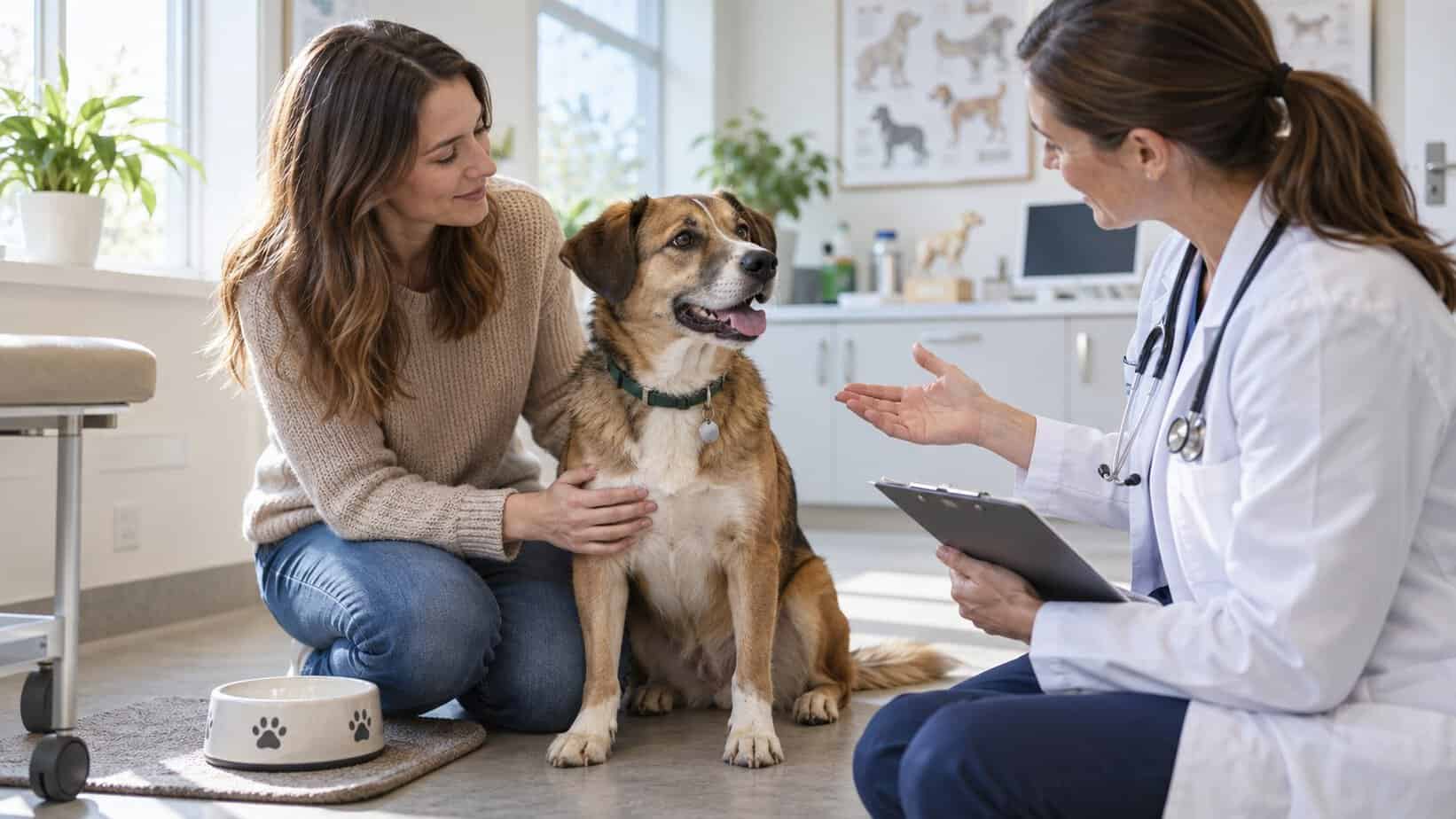
    Dog owner and veterinarian discussing a suspected turkey allergy with a calm dog

    Turkey is not automatically hypoallergenic. A protein is only “novel” for a particular dog if that dog has not eaten it before. Turkey appears in many foods, treats, chews, supplements, and flavored medications, so a dog may have been exposed even when turkey was never the main ingredient.

    Turkey is also not one of the best-documented common food allergens in dogs. A systematic review found beef, dairy, chicken, and wheat were reported most often, while turkey was not among the leading allergens.[2] That does not make turkey allergy impossible. It means there is no sound basis for calling turkey a common trigger or assuming every itchy dog needs a turkey-free diet.

    Signs That Deserve a Closer Look

    Food allergy in dogs often looks like other allergic skin disease. The pattern may include:

    • Itching that is present through much of the year
    • Repeated licking or chewing of the paws
    • Red, irritated skin on the face, feet, belly, groin, or under the tail
    • Recurrent ear inflammation or infections
    • Hair loss, hot spots, scabs, or darkened skin caused by chronic irritation
    • Repeated vomiting, loose stool, diarrhea, gas, or abdominal discomfort
    Owner gently checking a golden retriever's paw and ear for possible allergy signs

    Some dogs have skin signs without digestive problems. Others have digestive signs with little or no itching. Recurrent bacterial or yeast infections may be secondary to the underlying inflammation and often need treatment while the food question is being investigated.[1]

    Sudden facial swelling, hives, trouble breathing, weakness, or collapse is an emergency. Seek veterinary care immediately rather than trying a diet change at home.

    Symptoms Do Not Identify the Ingredient

    If a dog becomes itchy while eating a turkey recipe, turkey is only one possibility. The food may also contain chicken, beef, egg, dairy, wheat, soy, peas, fish oil with added flavoring, or another ingredient. The timing may be coincidental with flea exposure, pollen season, a skin infection, or an ear problem.

    A useful first step is to write down everything your dog consumes. Include meals, toppers, table scraps, dental chews, training treats, flavored preventives, supplements, pill pockets, and anything another family member may share. This diet history helps your veterinarian choose a trial food that is truly different from past exposures.

    Turkey Ingredients That Are Easy to Miss

    Reading the front of the bag is not enough. Check the complete ingredient list and ask the manufacturer about vague terms when needed.

    Dog owner reviewing food, treats, chews, supplements, and medication during a turkey-free diet trial
    Label TermWhat It Means During a Turkey-Free Trial
    Turkey, deboned turkey, turkey liver, or turkey heartDirect turkey protein and should be excluded
    Turkey meal or turkey by-product mealConcentrated turkey ingredients that still contain protein
    Turkey broth, stock, digest, or flavorMay contain turkey protein and should be excluded unless your veterinary team confirms otherwise
    Poultry meal, poultry by-products, or poultry flavorThe species may not be clear, so contact the manufacturer
    Turkey cartilage or collagenMay appear in joint supplements or chews and can contain turkey-derived protein
    Turkey fatAllergy is directed at protein, but purity and cross-contact vary, so most diagnostic trials exclude it unless the veterinarian approves it
    “Natural flavor”The source may not be obvious and may require manufacturer confirmation

    Ingredient lists can change. Recheck the label each time you buy food, treats, or supplements. For a diagnostic diet trial, an over-the-counter limited-ingredient food may also be exposed to undeclared proteins during manufacturing. A veterinary therapeutic diet is often preferred when avoiding cross-contact is important.[1]

    How a Veterinary Elimination Diet Trial Works

    An elimination diet trial is not simply changing brands. The new diet must avoid ingredients your dog has eaten before or use proteins broken down enough to reduce recognition by the immune system.

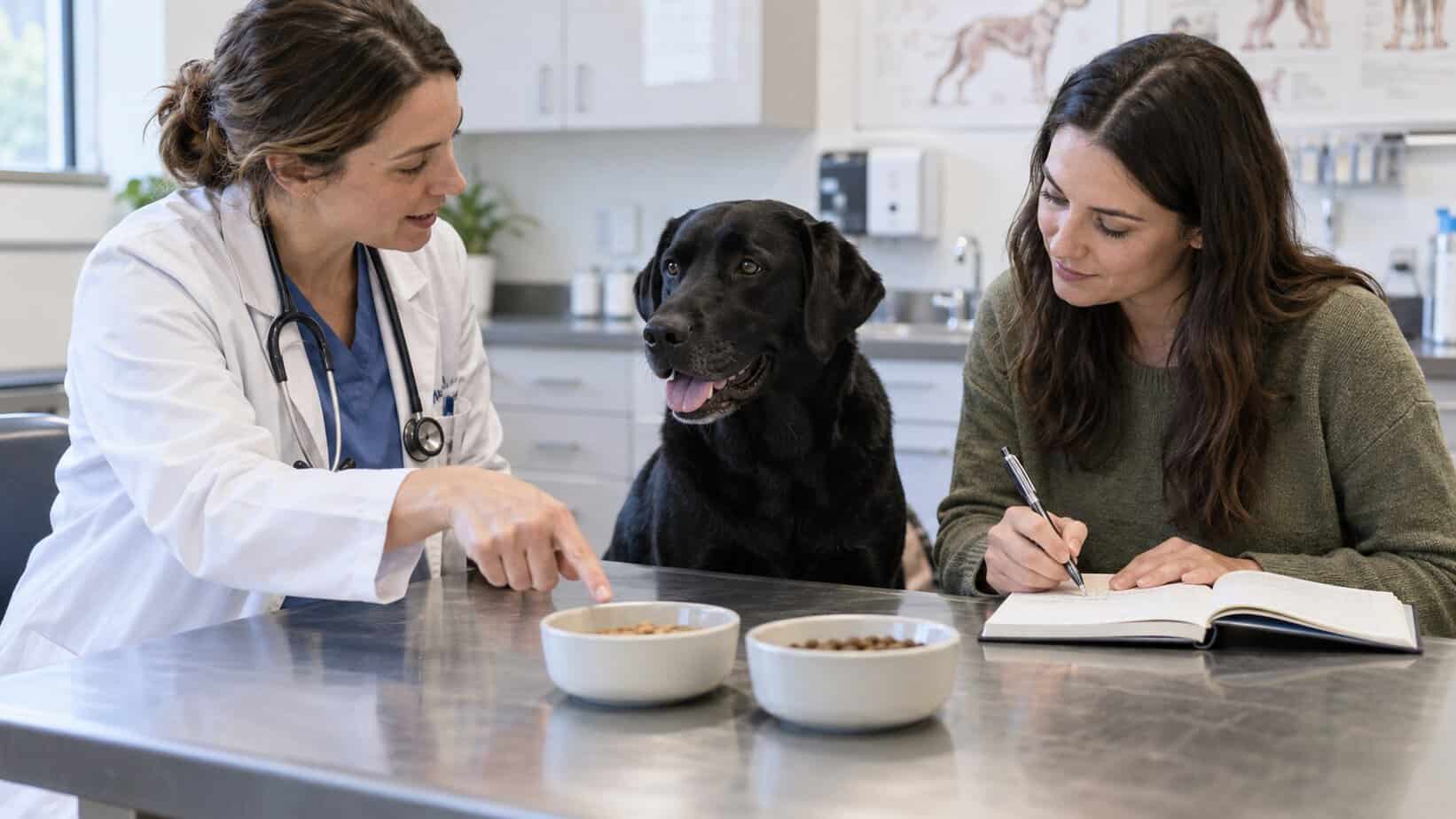
    Veterinarian and dog owner planning an elimination diet trial with a black Labrador

    1. Choose the Trial Diet

    Your veterinarian may recommend one of three approaches:

    • A veterinary therapeutic novel-protein diet based on a carefully reviewed diet history
    • A veterinary therapeutic hydrolyzed-protein diet
    • A complete home-prepared trial diet formulated for the individual dog by a veterinarian with nutrition expertise

    Home-cooked meat and starch recipes found online are not automatically complete and balanced. They may be used for a short diagnostic period only when specifically formulated and supervised. Puppies, pregnant dogs, and dogs with other medical conditions need especially careful nutritional planning.

    2. Remove Every Other Food Source

    During the trial, the assigned diet must be the only food that crosses your dog’s lips. One flavored chew or a handful of another pet’s kibble can muddy the result. Review treats, chews, supplements, toothpaste, flavored medications, and preventives with your veterinarian before the trial begins.

    Use pieces of the trial food as treats. Feed pets separately, secure trash, wash shared bowls, and make sure everyone in the household understands the plan. These small practical steps are often what make the trial useful.

    3. Continue Long Enough to Judge the Result

    Skin inflammation settles slowly. A review of elimination-diet studies found that more than 90 percent of dogs with food-responsive skin signs reached remission within eight weeks.[3] Some digestive signs may improve sooner, but an early change does not confirm turkey allergy. Follow the duration selected by your veterinarian, and do not stop the trial because the dog looks a little better after several days.

    Keep a simple weekly log. Record itch level, paw licking, ear redness, stool quality, vomiting, medications, and any accidental exposures. Photos of the same skin areas can make gradual changes easier to see.

    4. Treat Problems That Can Cloud the Trial

    An ear infection, bacterial skin infection, yeast overgrowth, or flea infestation can keep a dog itchy even when the diet is helping. Your veterinarian may treat those problems at the start of the trial. Keep medications consistent unless your veterinarian changes them, since starting or stopping anti-itch treatment midway can make the response harder to interpret.

    5. Perform a Planned Food Challenge

    Improvement on the trial diet tells you that food may be involved. It does not identify turkey by itself. Confirmation requires a controlled challenge in which the previous food or a specific ingredient is reintroduced and the dog is watched for a return of signs.[1]

    Challenges should be planned with your veterinarian. Do not deliberately re-expose a dog that previously had facial swelling, breathing trouble, collapse, or another severe reaction. If signs return after turkey is introduced and settle again when the elimination diet resumes, the evidence for turkey as a trigger becomes much stronger.

    Tests That Cannot Confirm Turkey Allergy

    Blood, saliva, and hair tests are marketed as convenient ways to identify food allergies. Current reviews have not found these tests reliable enough to diagnose adverse food reactions in dogs.[4] Skin testing is useful for selecting allergens for environmental allergy immunotherapy, but it does not replace a food elimination and challenge trial.

    This can feel frustrating because a strict diet trial takes work. Still, it is better to spend those weeks gathering meaningful information than to build a long avoid-list from a test that may produce false positives. Unnecessary restriction can make feeding more expensive, less balanced, and much more complicated than it needs to be.

    Can a Chicken-Allergic Dog Eat Turkey?

    Maybe, but do not assume turkey is safe simply because it is a different bird. Laboratory research has found that antibodies from some chicken-reactive dogs can recognize turkey and duck proteins, which supports a potential for poultry cross-reactivity.[5] That study measured antibody recognition, not whether every dog would develop clinical signs after eating turkey.

    The practical answer is individual. Some chicken-allergic dogs may tolerate turkey, while others may not. A veterinarian-guided diet history and challenge is safer and more informative than treating all poultry as interchangeable.

    The same caution applies in reverse. A confirmed turkey allergy does not automatically prove that chicken, duck, goose, quail, or egg will cause a reaction. Test only what is useful for the dog’s long-term diet, and introduce one ingredient at a time after the initial trial is complete.

    Is Turkey Meal, Turkey Fat, or Hydrolyzed Turkey Safe?

    Turkey meal and turkey by-products still contain proteins, so they are not suitable for a dog with a confirmed turkey allergy.

    Pure fat contains little protein, but pet-food fats may carry trace protein or encounter cross-contact during production. For a diagnostic trial, avoiding turkey fat is the clearest approach unless the supervising veterinarian has reviewed the specific product.

    Hydrolyzed protein has been broken into smaller pieces. The degree of hydrolysis matters. Research using poultry-reactive sera found that extensive hydrolysis reduced antibody recognition more effectively than partial hydrolysis.[5] Even so, no hydrolyzed food is perfect for every dog. If a dog does not improve on one properly conducted trial, the veterinarian may reassess the diet choice, compliance, infections, parasites, and nonfood allergies before choosing the next step.

    What to Feed After Turkey Allergy Is Confirmed

    The best long-term food is one your dog tolerates, enjoys, and can eat as a complete and balanced diet. It does not need to carry a “hypoallergenic” marketing label. Your veterinarian may recommend staying with the successful therapeutic diet or transitioning to another carefully selected food after the trigger is confirmed.

    Keep the plan simple:

    1. Avoid confirmed triggers rather than every ingredient that appeared on an unvalidated test.
    2. Choose a complete and balanced food appropriate for your dog’s life stage and medical needs.
    3. Check treats, chews, supplements, and flavored medications for the same trigger.
    4. Recheck labels because formulas can change.
    5. Contact your veterinarian if itching, ear disease, or digestive signs return. A relapse may come from accidental exposure, infection, fleas, environmental allergy, or a different medical problem.

    Nutrition works best as part of the whole picture. Skin health, parasite control, ear care, infection treatment, digestion, and a balanced diet all influence how comfortable a dog feels. Removing turkey helps only when turkey is truly part of the problem.

    Final Thoughts

    A turkey allergy is possible, but symptoms alone cannot diagnose it. Start with a complete diet history and veterinary exam, then use a strict elimination diet and planned challenge to separate a true food trigger from look-alike problems. That approach protects your dog from unnecessary restrictions and gives you a feeding plan based on evidence instead of guesswork.

    Frequently Asked Questions

    How Do I Know if My Dog Is Allergic to Turkey?

    You cannot tell from symptoms alone. A veterinarian first considers infections, parasites, environmental allergies, and other diet ingredients. A strict elimination diet followed by a controlled turkey challenge provides the strongest practical evidence.

    Is Turkey Hypoallergenic for Dogs?

    Not universally. Turkey may function as a novel protein for a dog that has never eaten it, but many dogs have already encountered turkey in foods, treats, or supplements. Any dietary protein can potentially become a trigger.

    Can Turkey Cause Ear Infections in Dogs?

    A food allergy can contribute to ear inflammation, and inflamed ears may develop secondary yeast or bacterial infections. Turkey cannot be identified as the cause from an ear infection alone. The ear still needs an examination and appropriate treatment.

    How Long Does a Turkey-Free Diet Trial Take?

    Many veterinary diet trials for skin signs last about eight weeks, although the exact plan depends on the dog. The clock starts when the dog is fully on the trial diet and receiving no unapproved foods, treats, chews, supplements, or flavored medications.

    Can a Dog Be Allergic to Turkey but Not Chicken?

    Yes. Turkey and chicken are distinct proteins, even though cross-reactivity may occur. A reaction to one does not automatically prove a reaction to the other. Test each ingredient only under a veterinarian-guided plan.

    References

    1. Mueller, R. S., & Unterer, S. (2018). Adverse food reactions: Pathogenesis, clinical signs, diagnosis and alternatives to elimination diets. The Veterinary Journal, 236, 89–95. https://doi.org/10.1016/j.tvjl.2018.04.014
    2. Mueller, R. S., Olivry, T., & Prélaud, P. (2016). Critically appraised topic on adverse food reactions of companion animals (2): Common food allergen sources in dogs and cats. BMC Veterinary Research, 12, 9. https://doi.org/10.1186/s12917-016-0633-8
    3. Olivry, T., Mueller, R. S., & Prélaud, P. (2015). Critically appraised topic on adverse food reactions of companion animals (1): Duration of elimination diets. BMC Veterinary Research, 11, 225. https://doi.org/10.1186/s12917-015-0541-3
    4. Mueller, R. S., & Olivry, T. (2017). Critically appraised topic on adverse food reactions of companion animals (4): Can we diagnose adverse food reactions in dogs and cats with in vivo or in vitro tests? BMC Veterinary Research, 13, 275. https://doi.org/10.1186/s12917-017-1142-0
    5. Bexley, J., Kingswell, N., Olivry, T., & Mueller, R. S. (2017). Extensive protein hydrolyzation is indispensable to prevent IgE-mediated poultry allergen recognition in dogs and cats. BMC Veterinary Research, 13, 251. https://doi.org/10.1186/s12917-017-1183-4

    A Note About Your Dog’s Health

    This information provides general education and does not replace an examination, diagnosis, or individualized advice from your veterinarian. Contact a veterinary professional if you are concerned about your dog’s symptoms.

    About the Author

    Lindsie Parks B.S., CRDNS

    Healthy Happy Dogs combines practical animal-care experience with responsible, evidence-informed guidance. Veterinary review is identified on individual articles when applicable.

  • Can Dogs Eat Meatballs? – Expert Answers

    Can Dogs Eat Meatballs? – Expert Answers

    As a dog owner, you’re always looking for ways to keep your furry friend healthy and happy. And since meatballs are a favorite dish for many people, you might be wondering if your dog can join in on the fun. After all, dogs are known for their love of meat, so it seems like a natural fit, right? But before you start sharing your meatballs with your pup, it’s important to consider whether it’s safe and healthy for them to eat this human food. In this blog post, we’ll take a closer look at the question of whether dogs can eat meatballs and what you need to know to keep your dog healthy and happy.

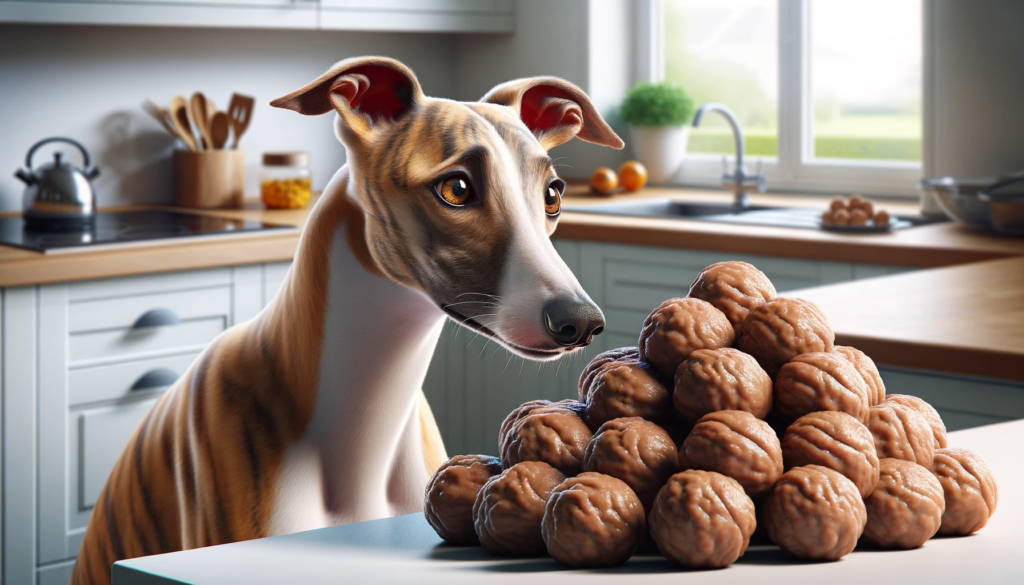
    can dogs eat meatballs

    What Are Meatballs?

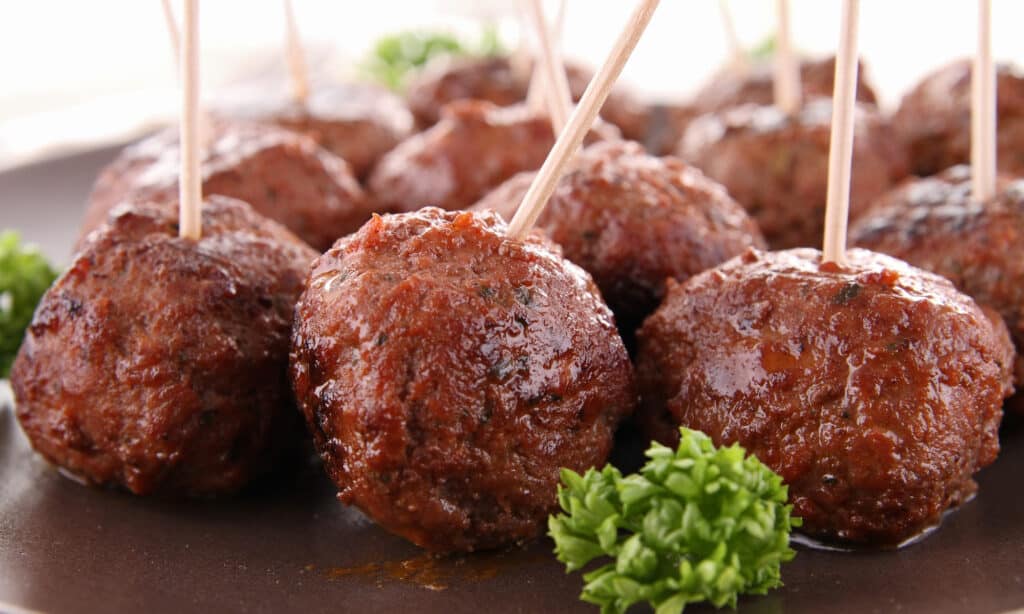
    Meatballs are a type of food made from ground meat, typically beef, pork, or a combination of the two, mixed with seasonings and sometimes other ingredients like breadcrumbs, eggs, and herbs. The mixture is rolled into small, bite-sized balls and cooked by frying, baking, or simmering in a sauce. Meatballs are a popular dish in many cuisines around the world, from Italian spaghetti and meatballs to Swedish meatballs served with lingonberry sauce. They can be eaten on their own as a snack or appetizer, or as a main course served with pasta, rice, or vegetables. While meatballs are a human food, some dog owners may wonder if it’s safe for their furry friends to eat them too.

    Can Dogs Have Meatballs?

    When it comes to feeding your dog, it’s important to know which human foods are safe and which ones can be harmful to their health. So, can dogs have meatballs? The answer is: it depends. While plain, cooked meatballs made from high-quality ingredients can be a tasty and nutritious addition to your dog’s diet, some types of meatballs are not safe for dogs to eat.

    Meatballs that contain onions, garlic, or other seasonings that are toxic to dogs should be avoided. Additionally, meatballs that are high in fat or salt can cause digestive upset or even lead to more serious health issues like pancreatitis.

    If you want to give your dog meatballs as a treat or part of their regular diet, it’s best to make them yourself using lean, unseasoned ground meat and avoid adding any harmful ingredients. You can also consult with your veterinarian to make sure that meatballs are a suitable food for your dog based on their individual health needs and dietary restrictions.

    Remember, while it can be tempting to share your human food with your furry friend, it’s important to prioritize their health and safety and only offer them foods that are appropriate for their specific needs.

    Can dogs eat meatballs? The answer is yes, with a few caveats

    Harmful Ingredients in Meatballs:

    While plain, cooked meatballs made from high-quality ingredients can be a tasty and nutritious addition to your dog’s diet, certain ingredients commonly found in meatballs can be harmful to dogs. Here are some examples:

    1. Onions and Garlic: These ingredients are toxic to dogs and can cause damage to their red blood cells, leading to anemia. Even small amounts of onions or garlic can be dangerous, so it’s best to avoid any meatballs that contain these ingredients.
    2. Salt: Meatballs that are high in salt can cause your dog to become dehydrated, leading to excessive thirst and urination. In severe cases, salt poisoning can cause seizures, vomiting, and even death.
    3. Fat: Meatballs that are high in fat can be difficult for your dog to digest and may cause diarrhea, vomiting, or even pancreatitis, a serious condition that can require hospitalization.
    4. Bread Crumbs: Breaded meatballs can be high in carbs, causing weight gain and health problems in some dogs.
    5. Spices and Seasonings: Seasoned meatballs can contain harmful ingredients to dogs such as chili powder, paprika, or rosemary.

    Overall, it’s best to stick to plain, unseasoned meatballs made from high-quality ingredients to ensure your dog stays healthy and happy.

    Safe Ingredients in Meatballs:

    If you want to treat your dog to some meatballs, it’s important to choose ingredients that are safe and healthy for them. Here are some examples of ingredients you can use to make safe and nutritious meatballs for your furry friend:

    1. Lean Meat: Choose high-quality lean meat such as ground beef, turkey, or chicken as the main ingredient in your meatballs. Avoid fatty meat, as it’s hard to digest and can cause health issues for your dog.
    2. Vegetables: Add veggies like carrots or sweet potato to meatballs for dogs to boost fiber and vitamins. Just make sure to avoid any vegetables that are toxic to dogs, such as onions, garlic, or avocado.
    3. Eggs: Egg in meatball mix binds ingredients, adds protein to your dog’s diet.
    4. Oats: Oats are a good source of fiber and can help keep your dog’s digestive system healthy. You can add a small amount of rolled oats to your meatball mixture as a healthy filler.
    5. Herbs: Herbs like parsley and basil add nutrition and flavor to meatballs without harming dogs. Just be sure to avoid any herbs that can be toxic to dogs, such as thyme or sage.

    By using these safe and healthy ingredients, you can make delicious meatballs that your dog can enjoy as a treat or part of their regular diet.

    Homemade meatballs for dogs: easy and nutritious

    What Signs To Watch For If Your Dog Accidentally Ate A Lot of Meatballs?

    If your dog accidentally eats a lot of meatballs or meatballs that contain harmful ingredients, it’s important to watch for signs of potential health issues. Here are some common symptoms to watch for:

    1. Vomiting: If your dog eats something that doesn’t agree with their stomach, they may vomit to expel the substance. If your dog vomits more than once or if the vomit contains blood or bile, contact your veterinarian.
    2. Diarrhea: Eating something that’s not part of their regular diet can upset your dog’s digestive system and cause diarrhea. If your dog has diarrhea that lasts for more than a day or that contains blood, contact your veterinarian.
    3. Loss of appetite: Loss of appetite or thirst in dogs may signal gastrointestinal distress or a serious health problem.If your dog refuses food or water for more than 24 hours, contact your veterinarian.
    4. Lethargy: If your dog seems unusually tired or sluggish, it may be a sign that they’re not feeling well. If your dog is lethargic for more than a day or if they’re also exhibiting other symptoms, contact your veterinarian.
    5. Abdominal pain: If your dog is experiencing abdominal pain, they may whine, whimper, or pant excessively. They may also appear to be hunched over or uncomfortable.

    If you notice any of these symptoms or if your dog appears to be in distress, contact your veterinarian immediately. Depending on the severity of the symptoms, your veterinarian may recommend bringing your dog in for an examination or treatment.

    When or If You Should Go To The Vet?

    If you suspect that your dog has eaten a lot of meatballs or meatballs containing harmful ingredients, it’s important to keep a close eye on them and watch for any signs of potential health issues. Err on caution & contact vet if your dog shows listed symptoms.

    In some cases, your veterinarian may recommend bringing your dog in for an examination or treatment. Depending on the severity of the symptoms, they may advise you to monitor your dog at home or bring them in for immediate treatment.

    If you’re not sure whether your dog needs to see a veterinarian, it’s always better to be safe than sorry. Your veterinarian can help you determine whether your dog needs treatment and can provide you with guidance on how to manage any symptoms at home.

    Remember, prevention is key. To avoid any potential issues, it’s best to only feed your dog meatballs made from safe, high-quality ingredients in moderate amounts. And always keep harmful ingredients like onions and garlic out of your dog’s reach. By taking these precautions, you can help keep your furry friend healthy and happy.

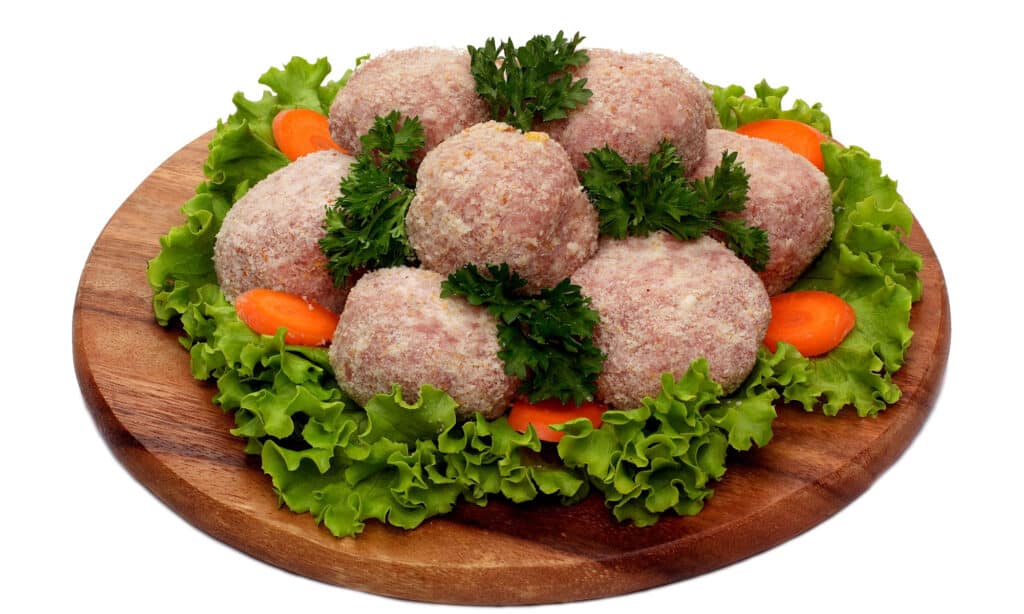
    Canine-friendly meatballs made with all-natural ingredients

    Safe Dog-Friendly Alternative to Meatballs:

    If you’re looking for a dog-friendly alternative to meatballs, there are plenty of safe and nutritious options to choose from. Here are some ideas:

    1. Homemade Dog Treats: DIY dog treats = healthy and tasty snacks for your furry friend. Make homemade dog treats using peanut butter, sweet potato, and pumpkin. Recipes are available online for tasty and nutritious options.
    2. Carrots: Carrots are a low-calorie, fiber-rich snack that many dogs enjoy. You can cut them into bite-sized pieces and offer them as a healthy treat throughout the day.
    3. Green Beans: Green beans are another low-calorie, fiber-rich snack that can help keep your dog feeling full and satisfied. Steam or blanch and give as snack or mix in regular meals for your dog
    4. Lean Meat: Choose lean chicken, turkey, or beef for your dog’s meaty treats. You can cook the meat and cut it into small pieces for a tasty and nutritious snack.
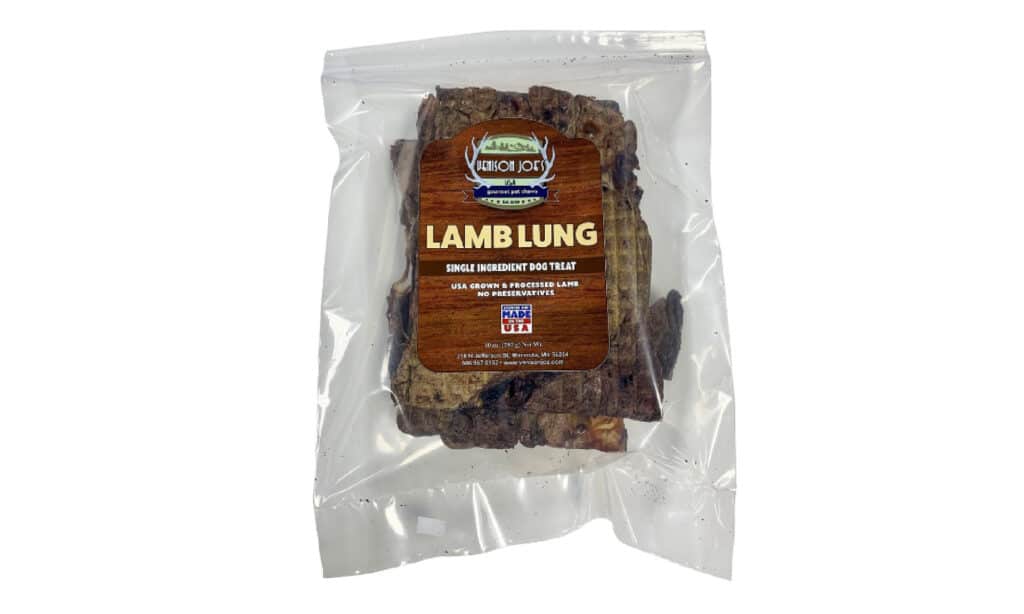
    5. Freeze-Dried Meat: Freeze-dried meat treats are a convenient and healthy option that many dogs enjoy. They’re made from high-quality, human-grade meat that has been freeze-dried to lock in nutrients and flavor.

    By choosing safe and healthy alternatives to meatballs, you can provide your dog with tasty and nutritious snacks without risking their health. Just remember to introduce new foods slowly and in moderation to avoid any digestive upset or food sensitivities.

    A cute pup eagerly waiting for a meatball snack

    Recipe For Healthy Meatballs for Dogs

    Here’s a simple and dog-friendly meatball recipe:

    Ingredients:

    • 1 pound lean ground beef
    • 1/2 cup cooked and mashed sweet potato
    • 1/4 cup finely chopped carrots
    • 1 egg
    • 1/4 cup rolled oats
    • 1/4 teaspoon dried parsley

    Instructions:

    1. Preheat your oven to 350°F (175°C).
    2. In a large mixing bowl, combine the ground beef, mashed sweet potato, chopped carrots, egg, rolled oats, and dried parsley. Mix well until all ingredients are fully incorporated.
    3. Using your hands, shape the mixture into small, bite-sized meatballs.
    4. Place the meatballs on a baking sheet lined with parchment paper.
    5. Bake for 20-25 minutes or until the meatballs are cooked through and lightly browned on the outside.
    6. Let the meatballs cool before serving to your furry friend.

    This recipe makes approximately 20-25 meatballs, depending on the size. You can store any leftover meatballs in an airtight container in the fridge for up to 5 days or in the freezer for up to 3 months.

    Healthy Store-Bought Options:

    As a responsible dog owner, it’s important to prioritize your furry friend’s health and safety when it comes to their diet. While meatballs can be a tasty and convenient human food, it’s important to be mindful of the potential risks and to only feed your dog meatballs made from safe and nutritious ingredients.

    If you do decide to give your dog meatballs as a treat or part of their regular diet, make sure to avoid any harmful ingredients like onions and garlic, and choose lean meats and healthy fillers like vegetables and oats. And always keep an eye on your dog for any signs of potential health issues, such as vomiting or diarrhea.

    Remember, there are many safe and healthy alternatives to meatballs that you can offer your dog, from homemade treats to lean meats and vegetables. By prioritizing your dog’s health and making informed choices about their diet, you can help ensure that they live a long, happy, and healthy life by your side.

    ~ Lindsie

    A note about your dog’s health

    This article provides general education and does not replace an examination, diagnosis, or individualized advice from your veterinarian. Contact a veterinary professional if you are concerned about your dog’s symptoms.

    Lindsie Parks B.S., CRDNS Avatar

    ABOUT THE AUTHOR