Category: Dog Hair Cleaning

  • Can You Use Baby Wipes On Dogs? Is It Safe?

    Can You Use Baby Wipes On Dogs? Is It Safe?

    Medically Reviewed by: Dr. Candy Akers, DVM

    Have you ever found yourself in a situation where your dog gets dirty after a walk or playtime but you don’t have access to a bath? Or maybe your pup stepped in something gross and you just want to clean their paws? You might be tempted to reach for some baby wipes, but can you use baby wipes on dogs? In this article, we’re going to answer the question of whether or not baby wipes are safe for dogs.

    We’ll also provide some context for why someone might want to use them on their pup. Dogs love getting dirty, but sometimes it’s just not practical or healthy for them to be covered in mud or other substances.

    That’s where baby wipes come in handy. They can be used as a quick and easy way of cleaning up your pet without having to give them a full bath. But before you start wiping down your dog with any old baby wipe, it’s important to understand that not all wipes are created equal. In this blog, we will discuss the chemicals to watch for and the ingredients that can actually be beneficial.
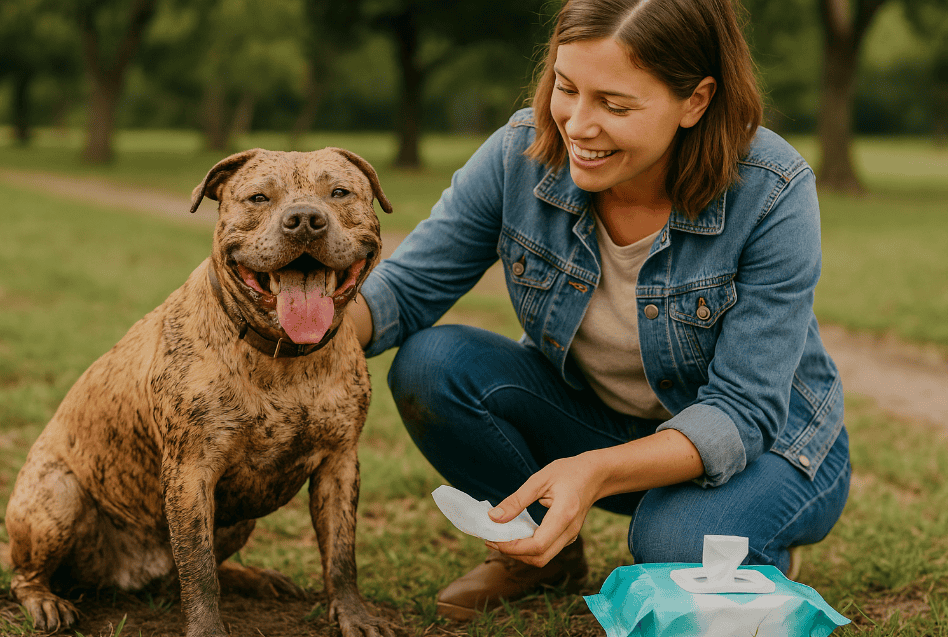
    using baby wipes on dogs

    What are baby wipes?

    If you have a baby or know someone who has one, you’re probably familiar with baby wipes. These moist towelettes are specifically designed for cleaning a baby’s delicate skin during diaper changes.

    But did you know that they can also be used to clean your furry friend’s paws and fur? Baby wipes come in various sizes and can be purchased in bulk or individually wrapped.

    They are made of soft, gentle materials that won’t irritate your baby’s skin. Some brands advertise as being “unscented,” while others offer various scents, like lavender or chamomile.

    What are they typically used for?

    As mentioned, the primary use of baby wipes is for cleaning babies during diaper changes. However, they can also be used for wiping away spit-up, food messes, and other general messes that come with having a little one.

    But what about dogs? Can they be used on them too?

    The answer is yes! Baby wipes offer an easy and convenient way to clean up your dog after a walk or playtime in the park.

    Common ingredients found in baby wipes

    Different brands have unique ingredients in their baby wipes. However, common ones exist. Water is primary, making up most of the wipe. Baby wipes also have mild cleansers. These include surfactants and emulsifiers. They break down dirt on the skin.

    Many wipes contain moisturizers like glycerin or petrolatum. They hydrate the skin. Other ingredients are preservatives, fragrances, and pH adjusters. Preservatives stop bacteria growth. Fragrances add scent. pH adjusters balance acidity levels.

    The difference between regular and pet-specific wipes

    While baby wipes can be used on dogs, there are some differences between regular baby wipes and pet-specific ones. Pet-specific wipes are specially designed for dogs and contain ingredients that cater to their needs.

    For example, pet wipes may contain ingredients like aloe vera or oatmeal to soothe irritated skin. Some may even have antibacterial properties to prevent infections. Additionally, pet-specific wipes are often larger than baby wipes, making them better suited for cleaning larger dogs.

    If you must clean your dog and lack pet-specific wipes, use a baby wipe. However, pick an unscented one. Ensure it’s free of harsh chemicals. These could irritate your dog’s skin
    out of focus picture of a package of baby wipes

    Can You Use Baby Wipes on Dogs?

    As a dog owner, you may be wondering if it’s safe to use baby wipes on your furry friend. The answer is yes, but with some important considerations.

    Not all types of baby wipes are created equal, and some can even be harmful to your dog’s skin. In this section, we’ll explore the ins and outs of using baby wipes on dogs and how to choose a safe brand.

    Not All Baby Wipes Are Safe for Dogs

    While many baby wipes are gentle enough for human babies, they may not be suitable for use on dogs. Some brands contain harsh chemicals or fragrances that can cause skin irritation or allergic reactions in dogs. Before using any type of wipe on your dog, it’s important to read the label carefully and make sure it’s safe for pets.

    Pet-Specific Wipes May Be a Better Option

    If you want to play it safe when cleaning your dog with wipes, consider purchasing pet-specific wipes. These are specially formulated for use on dogs (and sometimes cats), meaning they’re less likely to contain ingredients that could harm your pet. Pet-specific wipes also tend to be larger and more durable than standard baby wipes, making them easier to use on bigger dogs or messier situations.

    Choosing a Safe Brand of Baby Wipe

    If you decide to go with standard baby wipes instead of pet-specific ones, there are still ways to ensure the safety of your furry friend. Look for fragrance-free or hypoallergenic options that are gentle enough for sensitive skin. Avoid products that contain alcohol or other harsh chemicals known to cause irritation.

    It’s also a good idea to check the packaging for information about whether the manufacturer recommends using the product on pets. Some brands may explicitly state that their wipes are not intended for animal use.

    How to Use Baby Wipes on Your Dog Safely

    Using baby wipes on your dog can be a great way to quickly clean up messes or freshen up their coat between baths. However, it’s important to do so safely, to avoid causing irritation or other health problems. Start by choosing a wipe that’s safe for your dog and free of any potential allergens or irritants.

    Then, gently wipe down your dog’s fur, paying special attention to any areas that are particularly dirty or smelly. Avoid using wipes on open wounds or irritated skin, as this can further aggravate the problem.

    Also, don’t use too many wipes at once – one or two should suffice for most situations. Always dispose of used wipes in the trash rather than flushing them down the toilet.

    The Bottom Line: Baby Wipes Can Be Safe for Dogs When Used Properly

    Yes – you can use baby wipes on dogs! Just make sure to choose a safe brand and be careful when using them on your furry friend. By following these guidelines and taking care not to overuse wipes, you can help keep your pup clean and comfortable between baths.
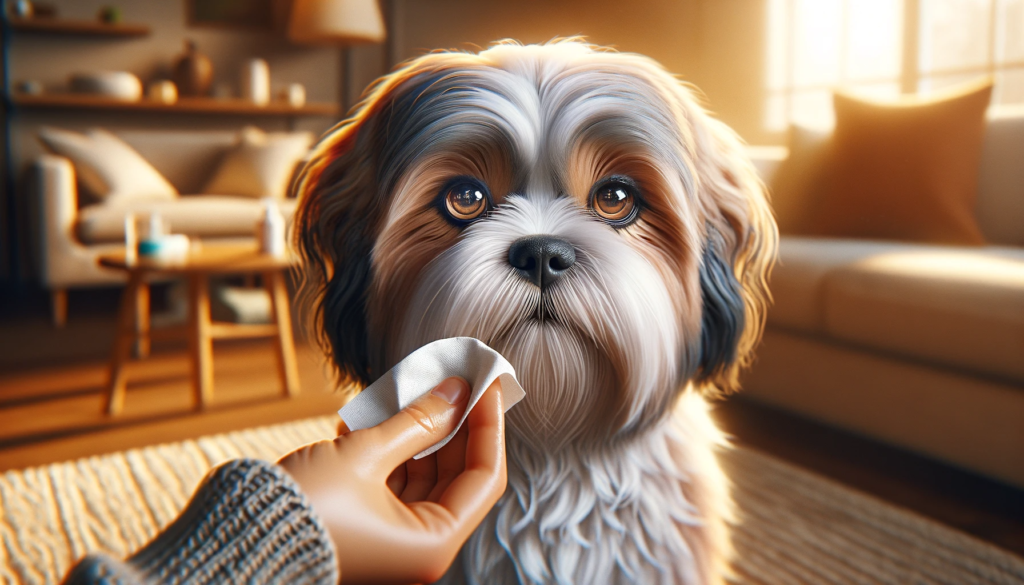
    baby wipes for dogs

    When Should You Use Baby Wipes on Your Dog?

    As mentioned earlier, using baby wipes on dogs can be a convenient way to clean them up after a messy outdoor excursion. However, it’s important to know when and how often to use the wipes to avoid any adverse effects. One example of a situation where using a baby wipe on your dog is beneficial is after a muddy walk.

    If your dog enjoys exploring muddy puddles or rolling around in dirt, their fur can quickly become caked with mud and dirt. Instead of giving them a full bath every time this happens, using a baby wipe can help get rid of the excess dirt and prevent it from being tracked into your home.

    Another situation where baby wipes may come in handy is after playing in the park or going for a swim. Dogs are known for getting into all sorts of odorous messes, whether it be running through goose poop or rolling around in decomposing plant matter.

    Again, instead of resorting to a full bath every time this happens, wiping down your dog with baby wipes can help keep them clean and smelling fresh. However, it’s important not to overdo it with the wipes.

    Using too many wipes on your dog can strip their skin of natural oils and cause irritation. Only use as many as necessary for each cleaning session, and don’t make it an everyday routine unless absolutely necessary.

    How Often Should You Use Baby Wipes on Your Dog?

    It’s generally recommended that you limit the use of baby wipes on dogs to once or twice per week at most. Using them more frequently than that could lead to dry skin and other irritations. If you find that your dog frequently gets dirty or smelly during the week, consider using other methods besides baby wipes such as dry shampoo or giving them more regular baths.

    Choosing Safe Brands

    When choosing which brand of baby wipes to use on your dog, it’s important to read the ingredients list carefully. Look for wipes that are free from alcohol, fragrances, and other harsh chemicals that can irritate your dog’s skin.

    Additionally, you can look for pet-specific wipes that are designed with dogs in mind. These wipes will typically have a more neutral pH balance and be gentler on your dog’s skin than regular baby wipes.

    How to Use Baby Wipes Safely

    When using baby wipes on your dog, make sure to avoid sensitive areas such as their face or genitals. Instead, focus on wiping down their fur and paws, being careful not to apply too much pressure or rub too vigorously.

    Before using the wipe, it can also be helpful to test a small area of your dog’s skin first to make sure they don’t have any adverse reactions. If you notice any redness or irritation after using the wipe, discontinue use immediately.

    Baby wipes can be a useful tool for cleaning up after your furry friend without resorting to a full bath every time they get dirty. However, it’s important to use them in moderation and choose safe brands with gentle ingredients.

    Remember not to overdo it with the use of wipes and only use as many as necessary during each cleaning session. With proper precautions and care taken while using them safely on your dog’s body parts like paws etc., you can ensure that both you and your dog are happy with the results!
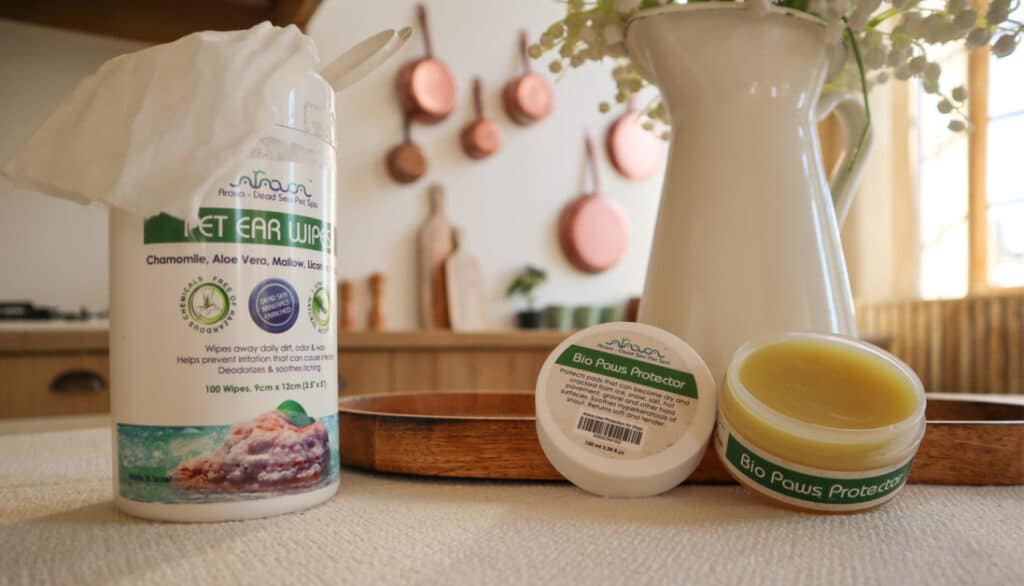
    How to use baby wipes on your dog

    Choosing the Right Baby Wipes

    Not all baby wipes are created equal, so it’s important to choose the right ones for your furry friend. Look for unscented, hypoallergenic wipes that are free of any harmful chemicals like alcohol or fragrances. It’s also a good idea to opt for wipes that are specifically designed for pets as they often come with added benefits like conditioning agents and natural essential oils.

    Preparing Your Dog

    Before using the baby wipe, make sure your dog is calm and relaxed. If they’re not used to being wiped down, it may be helpful to give them a treat or a toy to distract them. Use a leash or have someone hold onto your dog’s collar if they tend to move around a lot.

    Wiping Down Your Dog

    Start by wiping down your dog’s paws and work your way up their legs. Be gentle and avoid applying too much pressure as you don’t want to cause any discomfort or irritation. Pay extra attention to areas that tend to get dirty like their paws, belly, and underside.

    If you’re using pet-specific wipes with added ingredients like essential oils or moisturizers, make sure you follow the instructions on the package carefully. Some wipes may need to be rinsed off after use while others can be left on.

    Cleaning Sensitive Areas

    When wiping sensitive areas like around their eyes or ears, use caution and avoid getting too close. You may also want to switch out the wipe frequently if it becomes too soiled as bacteria can spread easily in these areas.

    Drying Off Your Dog

    After you’ve finished wiping down your dog, use a towel to dry them off thoroughly. Make sure they’re completely dry before letting them outside as wet fur can lead to skin irritation or infection.
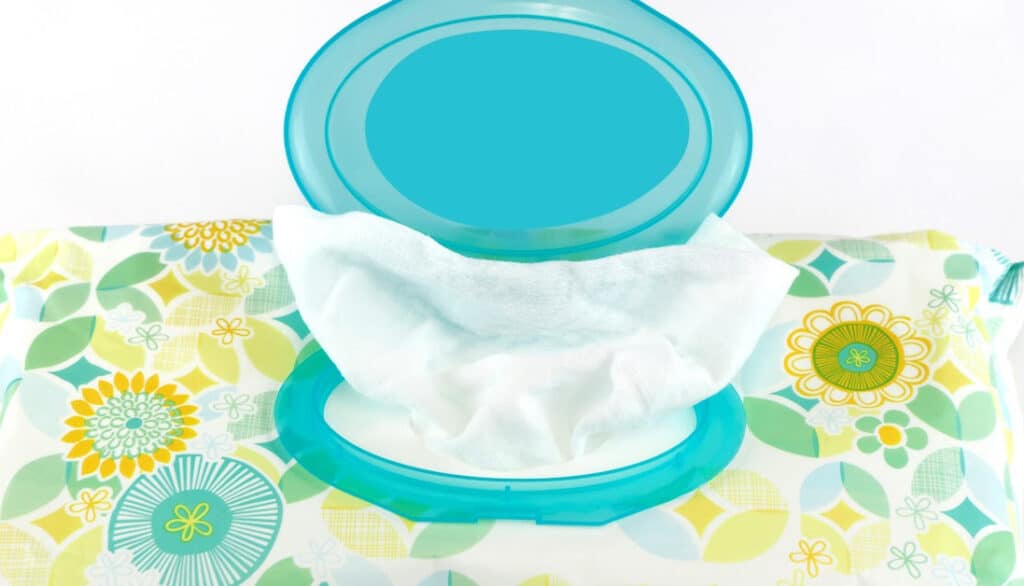
    colorful package of baby wipes

    Conclusion

    Using baby wipes on your dog can be a great way to keep them clean and fresh in between baths, but it’s important to do so safely and responsibly. As always, if you have any concerns about your pet’s health or wellbeing, don’t hesitate to consult with your veterinarian.

  • Can You Use Head and Shoulders On Dogs? Does It Work?

    Can You Use Head and Shoulders On Dogs? Does It Work?

    Medically Reviewed by: Dr. Candy Akers, DVM

    Head & Shoulders shampoo is widely used by humans around the world for treating dandruff-induced itchy scalp conditions while keeping hair healthy-looking throughout all seasons. The question arises head & shoulders shampoo can be used to wash dogs too? After all both human beings and dogs have hair or fur! The short answer is, in moderation.

    The use of human shampoos on pets isn’t always safe. They may cause allergies or toxicity. Dandruff is common in both humans and animals. This leads some people to think Head & Shoulders can be safe for dogs. It’s designed to combat dandruff. But is it effective for dogs too? The answer isn’t clear.

    On the other hand, others argue that dogs have different skin pH balance from humans and their skin is more sensitive. Using human shampoos can lead to dryness and other potential complications that could exacerbate skin problems.

    head and shoulders used on dogs

    The Importance of Properly Caring for Your Dog’s Skin & Coat

    Regardless of whether or not you choose to use head & shoulders shampoo on your dog, it’s crucial to understand the importance of proper skin and coat care for your furry friend. Regular grooming routine keeps your dog’s coat clean, healthy-looking and shiny.

    It helps remove dirt, dead hair, and debris while spreading natural oils evenly throughout the coat. Moreover, proper grooming can prevent certain skin conditions such as hotspots (acute moist dermatitis), matted fur or flea infestations that could lead to an uncomfortable experience for your furry friend.

    Taking care of a dog’s skin and coat is essential just as much as any other aspect in pet care. We will delve deeper into the topic of using Head & Shoulders shampoo on dogs in the next section.

    bottle of head & shoulders shampoo on a splashing water background

    What Is Head and Shoulders

    As mentioned earlier, Head and Shoulders is a medicated shampoo created for humans. The active ingredient in the formula is pyrithione zinc which helps to control the growth of malassezia furfur – a fungus known to cause dandruff in humans. It also contains other ingredients such as water, sodium laureth sulfate (SLS), fragrance, sodium lauryl sulfate (SLES), citric acid, etc.

    Is It Safe to Use Head and Shoulders on Dogs?

    “Yes” and “no” are both answers to this. Some vets endorse careful, limited use of Head and Shoulders. Others caution against it. The hesitation is due to the shampoo’s strong chemicals, which can harm if misused or overused.

    SLS/SLES are key ingredients. They’re strong cleansers, capable of removing dirt and oil. However, they can strip away protective skin oils, causing dryness or irritation. The shampoo’s pH is another issue. It’s between 4-5, while pet shampoos are 6-7, more suitable for dogs.

    This shampoo’s acidity may harm a dog’s skin acid mantle layer. This raises infection risks. Dogs often lick themselves too, and could ingest shampoo residue. This may cause symptoms like vomiting, diarrhea, or stomach discomfort.

    Before using Head and Shoulders on your dog, it’s best to consult with a veterinarian first. They can assess if it is appropriate for your dog and provide advice on how to use it safely.

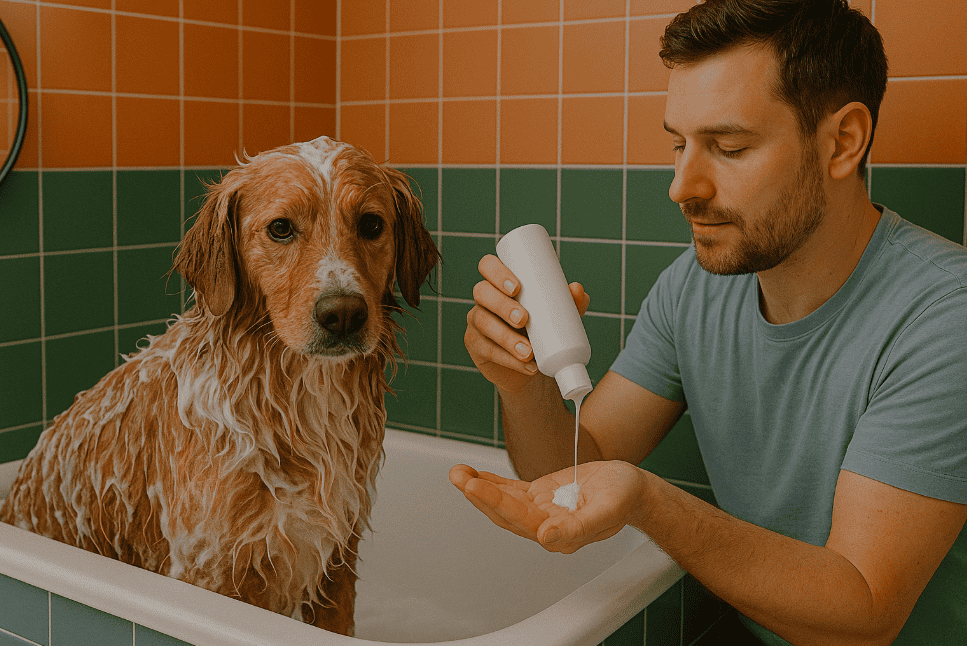
    tan and white scruffy dog in a tub outside getting bathed

    The Benefits of Using Head and Shoulders on Dogs

    How it can help with certain skin conditions

    Head and Shoulders is commonly known for its ability to effectively treat dandruff and other scalp conditions in humans. However, it can also be beneficial for dogs suffering from similar skin issues. Dandruff or flaky skin on dogs is usually caused by dryness, irritation, or fungal infections.

    Head and Shoulders has active ingredients like pyrithione zinc. This fights yeast, bacteria, and fungi that irritate dog’s skin. Using this shampoo can ease symptoms of uncomfortable hot spots in dogs.

    A hot spot is a moist, inflamed wound. It results from constant chewing or licking a body spot. Head and Shoulders’ anti-fungal properties can treat these spots. It eliminates bacteria and fungi. The moisturizing properties also soothe the area.

    How it can improve the appearance of a dog’s coat

    In addition to treating specific skin conditions, using head & shoulders on your dog regularly can also help improve their overall appearance. The shampoo contains moisturizing agents like glycerin that hydrate dry hair follicles making them appear shinier with time.

    If your furry friend has dull fur or sheds excessively then using head & shoulders may help restore luster to their coat while reducing shedding at the same time; two benefits that every pet owner will appreciate. Another important consideration when using head & shoulders on dogs is that they come in various formulas designed specifically for different hair types so you get an even better performance boost when you choose a product suited to your dog’s specific coat type.

    Head & Shoulders shampoo has been shown to be helpful in treating several skin conditions in dogs and can also improve the look and feel of their coat. However, it is important to use the shampoo with caution and in moderation because overuse or misuse can cause adverse reactions such as dryness or irritations.

    The Risks of Using Head and Shoulders on Dogs

    Possible Allergic Reactions

    Just like humans, dogs can have an allergic reaction to certain ingredients in shampoo. Head and Shoulders contains many different chemicals, including zinc pyrithione, which is used to treat dandruff in humans. However, this chemical can cause skin irritation and allergic reactions in dogs.

    Symptoms of an allergic reaction include itching, redness, swelling, and even hives. If you notice any of these symptoms after using Head and Shoulders on your dog, stop using it immediately and consult your veterinarian.

    Overuse Leading to Dry Skin

    Using too much shampoo or using it too frequently can also lead to dry skin in dogs. Head and Shoulders is designed for human scalps, which are different from dog skin.

    Dogs have a thinner dermis layer than humans do, so their skin is more sensitive to harsh chemicals found in shampoo. Overuse of Head and Shoulders can strip away the natural oils that keep your dog’s coat healthy and moisturized.

    This can lead to dryness and flakiness of the skin as well as dull looking fur. To avoid overusing Head and Shoulders on your dog’s coat try limiting use to once a month or less frequent if they don’t have any specific conditions such as dandruff that require more frequent application.

    shelves of all-natural shampoos and shower gels

    All-Natural Alternatives

    If you’re concerned about the risks associated with using Head & Shoulders on your furry friend’s coat but still want an effective treatment option for common skin irritations like dandruff or itchiness there are many all-natural alternatives available! Aloe vera gel has been shown to be effective in treating various kinds of skin issues including itchiness caused by allergies or insect bites.

    You could also opt for oatmeal shampoo, which has been shown to be very effective at treating dry and itchy skin in dogs. Additionally, olive oil can help moisturize your dog’s coat and soothe any itchiness or dryness.

    Consult with Your Veterinarian

    Ultimately, it’s best to consult with your vet before using any kind of shampoo on your dog’s coat to ensure they don’t have any underlying conditions that require specialized treatment. They may recommend a specific product or brand based on your dog’s needs or recommend alternative natural remedies that are safer for use on dogs. While Head & Shoulders might seem like an easy solution for treating dandruff in dogs, it does come with some potential risks such as allergic reactions and overuse leading to dry skin.

    There are many all-natural alternatives available as well as specialized products designed specifically for use on pets that can be just as effective without the added risks. Consult with your veterinarian before trying any new products on your pet’s coat!

    bottle of apple cider vinegar with q-tips and cotton pads

    Alternatives to Head and Shoulders for Dogs

    Natural remedies for common skin conditions

    While Head and Shoulders may be effective for some dogs, it’s not always the best solution. Some dogs may have sensitive skin or allergies that could react negatively to certain ingredients in commercial shampoos. In these cases, natural remedies are a great alternative.

    One popular natural remedy is oatmeal. Oatmeal contains anti-inflammatory properties that can soothe irritated and itchy skin.

    To use oatmeal for your dog’s bath, grind up plain oatmeal in a blender or food processor until it becomes a fine powder. Then mix the powder with water until it forms a paste-like consistency.

    Apply the paste to your dog’s coat and let sit for at least 10 minutes before rinsing off. Another natural remedy is apple cider vinegar.

    Apple cider vinegar has antimicrobial properties that can help fight bacteria and yeast on your dog’s skin. Mix equal parts apple cider vinegar and water in a spray bottle, then spray onto your dog’s coat after their bath.

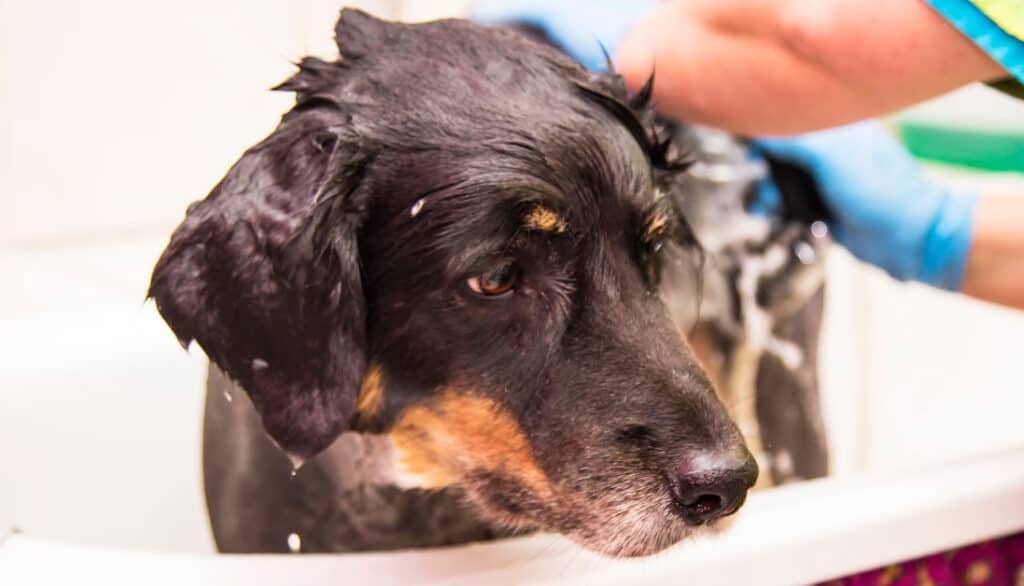
    tan and white dog in tub with dog shampoo

    Dog-Specific Shampoos

    Dog-specific shampoos are designed specifically for a dog’s delicate skin and coat needs. These shampoos are pH-balanced, meaning they won’t strip away essential oils from your dog’s coat or cause dryness like some human shampoos can.

    When choosing a dog shampoo, look for ones that contain natural ingredients like chamomile or lavender oil which have calming properties that can help soothe irritated skin. Also consider whether you want to buy an all-purpose shampoo or one tailored to specific needs such as flea prevention or medicated formulas for certain conditions.

    Some popular brands of dog shampoo include Earthbath, Burt’s Bees, and Isle of Dogs. If you’re looking for an alternative to Head and Shoulders for your dog, natural remedies and dog-specific shampoos are both excellent options.

    These products can leave your dog’s skin and coat feeling healthy and refreshed without the risk of harsh chemicals or allergic reactions. Be sure to do your research to find the best product for your furry friend’s specific needs.

    yorkshire terrier getting a bath

    How to Safely Use Head and Shoulders on Dogs

    Now that we have discussed the benefits and risks of using Head and Shoulders on dogs, let’s talk about how to use it safely. It is important to follow some guidelines to ensure that your furry friend stays healthy and happy.

    Proper Dilution Ratios

    The first thing you need to know when using Head and Shoulders on your dog is how much to dilute it. It is essential always to dilute the shampoo before applying it to your dog’s skin.

    The appropriate ratio depends on the type of shampoo you are using, so make sure you read the label carefully. A general rule of thumb is a 1:1 ratio for mild cases or up to 1:5 for more severe conditions.

    In any case, do not use concentrated formulas as they can harm your pet’s skin. If you are unsure about what ratio is best for your dog, consult with a veterinarian or a professional groomer before using any new shampoo products.

    Frequency of Use

    The frequency in which you bathe your dog with Head and Shoulders also plays an important role in keeping them healthy. While it may be tempting always to keep them clean, over-bathing can dry out their skin leading to further problems such as itchiness or flaking. We recommend bathing your dog no more than once every three weeks with Head and Shoulders unless explicitly directed otherwise by a vet. However, if the dog has a specific condition that requires frequent baths with medicated shampoos containing pyrithione zinc as an active ingredient (the main component of Head & Shoulders), then bathing once weekly may be okay.

    In any case, pay attention to how your dog reacts to the shampoo and adjust accordingly. If you notice any unusual symptoms such as rashes, redness, or excessive scratching, discontinue use immediately and contact a veterinarian.

    Remember that Head and Shoulders is not a substitute for regular grooming practices such as brushing your pet’s coat daily or cleaning their ears regularly. These practices are essential to keep your pup healthy and happy.

    Conclusion

    Using Head and Shoulders on dogs can be beneficial but also carries some risks, so it’s important to weigh the pros and cons carefully. If you do decide to try Head and Shoulders on your pet, make sure you take all necessary safety precautions such as properly diluting the shampoo prior to use.

    Alternatively, consider trying some natural remedies or dog-specific shampoos that can provide similar benefits without the potential risks. Ultimately, what’s most important is taking good care of your dog’s skin and coat to keep them healthy, happy, and comfortable for years to come!

  • Can You Use Human Conditioner On Dogs? Find Out Here!

    Can You Use Human Conditioner On Dogs? Find Out Here!

    Medically Reviewed by: Dr. Candy Akers, DVM

    As a pet owner, you likely want your furry friend to look and feel their best. That’s why regular grooming is an essential part of pet care. You may have wondered “can you use human conditioner on dogs?”. The short answer is no.

    Grooming helps to keep your pet’s coat clean, healthy and free of tangles or mats. Additionally, it can help prevent skin problems and infections by removing dead skin cells and distributing the natural oils throughout the fur. Grooming is also important for maintaining good hygiene. Regular baths can help remove dirt, debris, and odors from your pet’s coat, preventing them from becoming smelly or uncomfortable.

    In addition to bathing, grooming may also include nail trimming, ear cleaning, teeth brushing and anal gland expression. Overall, proper grooming can contribute to a happier and healthier life for your furry friend.

    human conditioner on dogs

    Introducing Human Conditioner for Dogs

    Many of us use conditioner in our daily hair care routine to keep our locks soft and smooth. However, as a pet owner you may wonder if it’s safe to use human conditioner on your dog’s coat as well. While dogs have similar hair structures as humans do; they have different pH levels in their skin.

    Human shampoos and conditioners are designed with a pH level that works well for us but might not be ideal for dogs. If you use human conditioner on your dog’s coat regularly there could be negative side effects like dryness or sensitivity due to changes in the pH balance of their skin.

    That being said, there are some instances where using human conditioner on dogs might be okay if done properly with appropriate products under professional guidance; however this should not become a substitute for specialized dog products specifically formulated with safe ingredients that work best with dogs’ skins. Next up we will explore in detail some reasons why using human conditioners on dogs may not always be the safest choice along with possible side effects.

    Can You Use Human Conditioner on Dogs?

    You may have wondered if you can use your own conditioner on your furry friend to make their coat silky and smooth. Unfortunately, it’s not always a good idea. There are a few key differences between human hair and dog hair that make human conditioners unsuitable for dogs.

    Differences Between Human and Dog Hair

    First of all, dog hair is more prone to getting matted or tangled than human hair. This means that it needs to be brushed regularly to prevent mats from forming, especially in longhaired breeds.

    In addition, dog skin is much more sensitive than human skin. Using the wrong products can irritate their skin and cause discomfort.

    Dog hair is also much coarser and thicker than human hair. Dogs have two types of coat: undercoat and topcoat.

    The undercoat is soft, fluffy fur that keeps them warm in cold weather, while the topcoat is longer and stiffer. Some breeds only have an undercoat or a topcoat, while others have both.

    Why Using Human Conditioner on Dogs May Not Be Ideal

    Because of the differences between human and dog hair, using human conditioner on dogs may not be ideal. For one thing, most shampoos and conditioners designed for humans contain harsh chemicals that can strip the natural oils from your dog’s coat and leave it dry and brittle.

    In addition to stripping natural oils from your pet’s coat, using your own personal products could cause severe irritation or allergic reactions for some pooches! It’s crucial to remember that animals’ bodies process things differently than ours do.

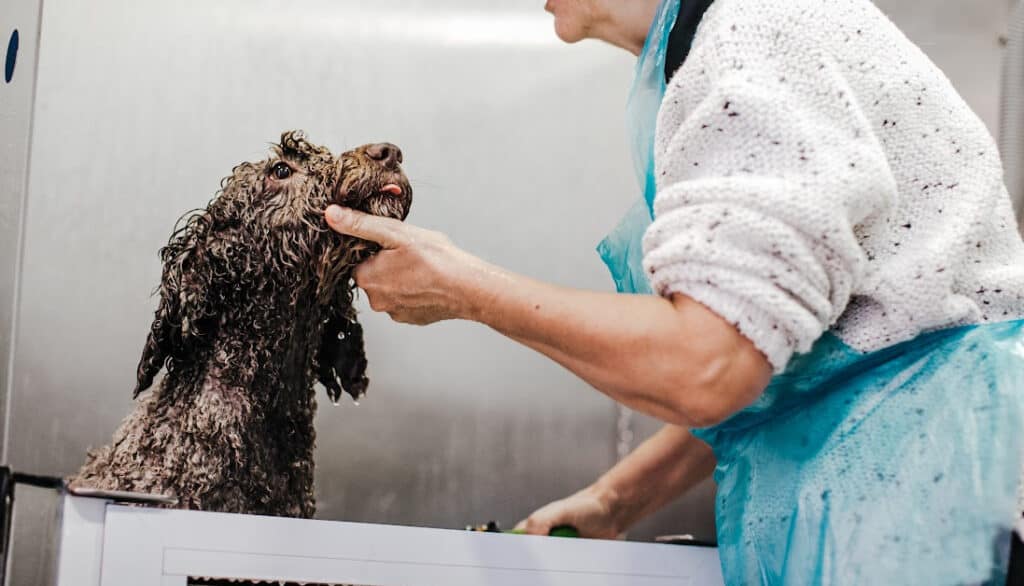
    picture of dog being professionally bathed

    Potential Risks and Side Effects of Using Human Conditioners on Dogs

    Using conditioner meant for humans could lead to severe consequences such as extreme itchiness, flaky skin or even infections! If any type of swelling or skin irritation starts, make sure to contact your vet immediately. Another risk is that some human conditioners contain ingredients that are toxic to dogs.

    Certain essential oils, such as tea tree oil, can be harmful or even deadly if ingested. Human hair products are designed to work on our hair type and not meant to be consumed by pets.

    The Bottom Line: Use Dog-Specific Conditioner

    Instead of taking a risk with your furry friend’s well-being, it’s better to stick with a conditioner specially formulated for dogs. Dog-specific conditioners are made with ingredients that are safe and effective for their unique needs. They help keep their coat healthy and shiny without causing any harm.

    When choosing a dog conditioner, make sure you read the label carefully and choose one that matches your dog’s coat type and needs. For example, if you have a longhaired breed, look for a conditioner designed specifically for long coats that can help address the issue of mats.

    While using human conditioner may seem like an easy solution to keep your dog’s fur looking good, it could actually end up being more harm than good! When it comes down to grooming your beloved pet always opt for products specially formulated for them – after all you want them happy and healthy in the long run!

    dog being professionally bathed in a tub

    Alternatives to Human Conditioners for Dogs

    If you’ve decided that using human conditioner on your furry friend isn’t the best option, don’t worry! There are plenty of dog-specific conditioners on the market that are safe and effective.

    Here are some of our top picks:

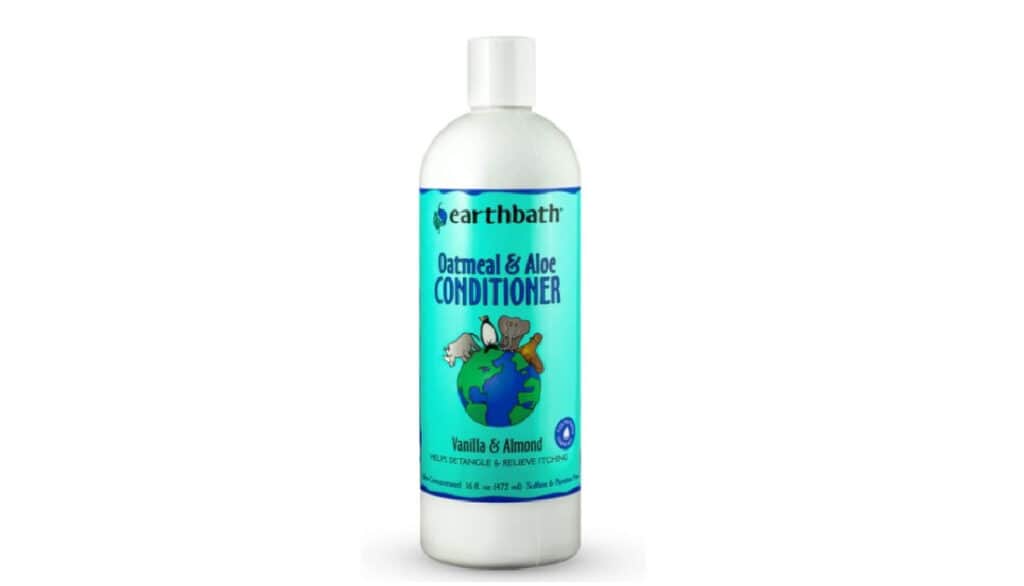
    1. Earthbath Oatmeal and Aloe Dog Conditioner

    This conditioner is made with all-natural ingredients, including oatmeal and aloe vera which help soothe and moisturize your dog’s skin. It’s also pH-balanced for dogs, so it won’t cause any irritation or dryness.

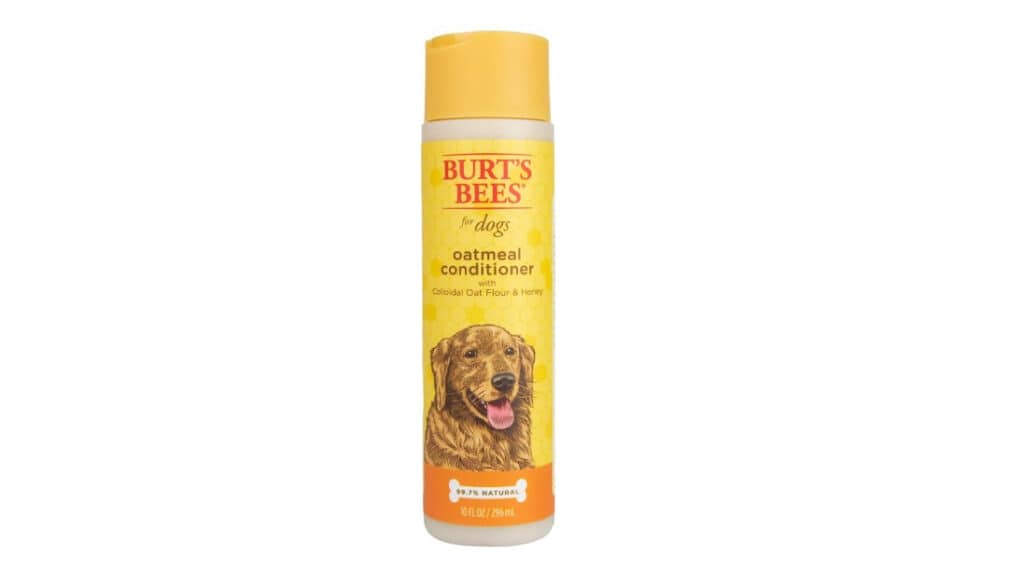
    2. Burt’s Bees for Dogs Oatmeal Conditioner

    Burt’s Bees is a trusted brand among pet owners, and their oatmeal conditioner is no exception. It’s made with colloidal oat flour which helps soothe dry, itchy skin, and honey which adds extra moisture.

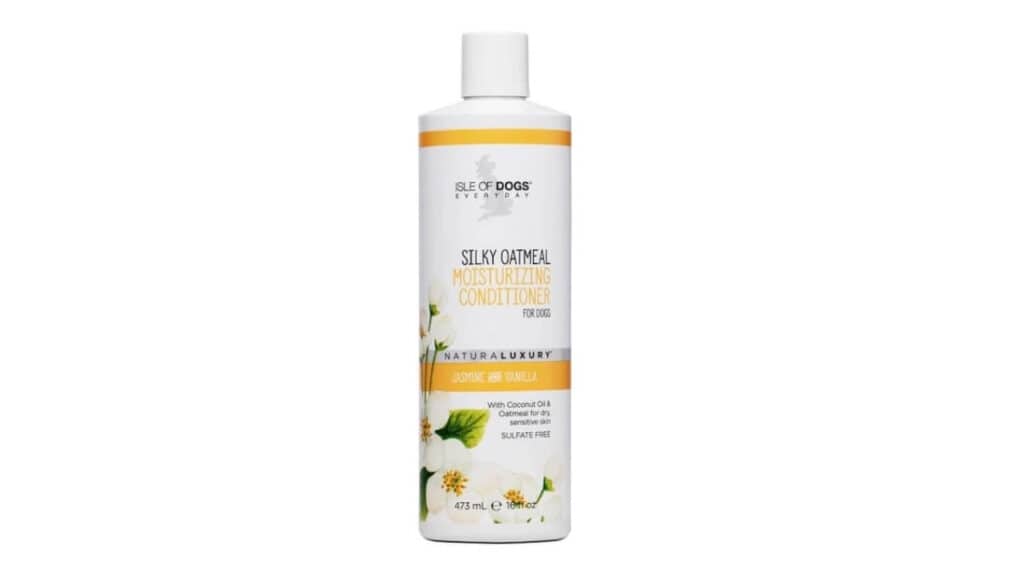
    3. Isle of Dogs Silky Coating Conditioner

    This conditioner is specifically designed for dogs with long coats who need extra detangling power. It contains jojoba oil which helps smooth out tangles and adds shine to your dog’s coat.

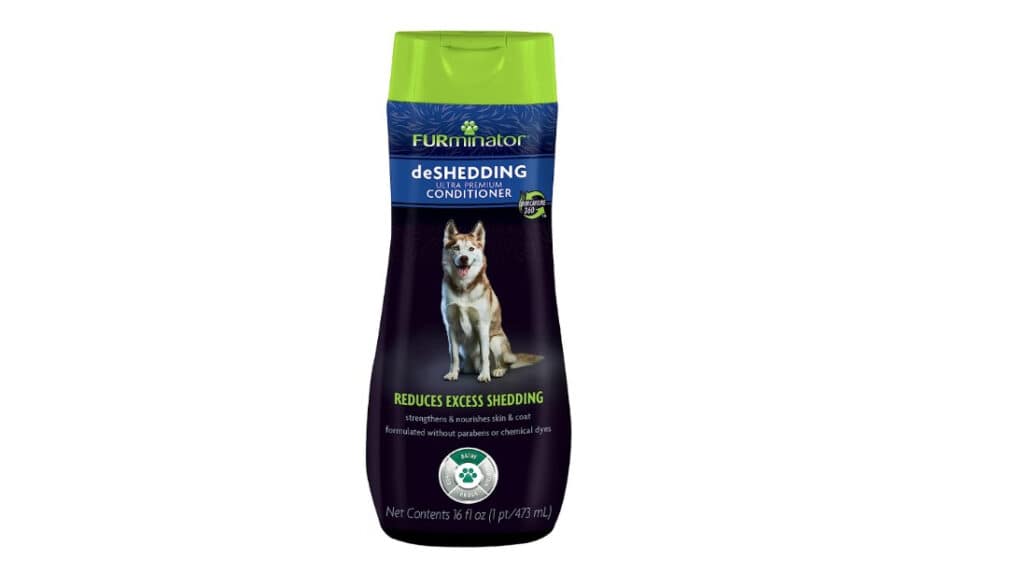
    4. Furminator deShedding Ultra Premium Dog Conditioner

    If your dog sheds a lot, this conditioner might be right up your alley! It’s designed to reduce shedding by removing loose undercoat hair without damaging the topcoat. It also contains omega-3 fatty acids which help promote healthy skin.

    The Benefits of Using Dog-Specific Conditioners

    There are several benefits to using conditioners that are specifically formulated for dogs:

    Better pH Balance:

    Dog skin has a different pH level than human skin, so using human conditioner can throw off your dog’s natural balance. Dog-specific conditioners are formulated to match your dog’s pH level, which helps prevent irritation and dryness.

    Safer Ingredients:

    Human conditioners often contain ingredients that can be harmful to dogs, such as sulfates and parabens. Dog-specific conditioners are made with safe ingredients that are gentle on your pup’s skin and coat.

    Improves Coat Health:

    Using a conditioner designed for dogs can help improve the overall health of their coat. These products often contain ingredients like omega-3 fatty acids and vitamins that promote healthy hair growth and reduce shedding.

    Easier Grooming:

    Dog-specific conditioners often have detangling properties that make brushing and grooming easier. This is especially helpful if you have a breed with long hair or if your dog is prone to matting.

    Long-Term Cost Savings:

    While dog-specific conditioners may seem more expensive than human ones at first glance, they actually provide long-term cost savings. Because they’re formulated specifically for dogs, you’ll use less product over time and won’t need to purchase additional grooming products like detanglers or anti-shedding sprays. While it may seem convenient to use human conditioner on your furry friend, it’s best to stick with products designed specifically for dogs.

    Not only will these conditioners help keep your pet’s skin and coat healthy, but they’ll also make grooming easier in the long run. So next time you’re shopping for grooming supplies, make sure to check out the dog-specific options!

    human conditioner on dogs

    How to choose the right conditioner for your dog

    Determine Your Dog’s Coat Type and Needs

    The first step in choosing the right conditioner for your dog is to determine its coat type. Just like humans, dogs have different hair types, and each requires specific care.

    Some breeds have long, thick coats that need more frequent brushing and conditioning than short-haired breeds. You should also consider any specific needs your dog may have.

    For example, if your dog has dry skin or allergies, you’ll want to look for a conditioner that’s gentle and moisturizing. If your pet spends a lot of time outdoors or is prone to getting dirty quickly, you may want to opt for a tougher conditioning formula.

    Tips for Selecting a Suitable Conditioner

    Once you’ve determined your dog’s coat type and needs, it’s time to select an appropriate moisturizer. Here are some tips to help you make the right choice:

    • Look for conditioners specially formulated for dogs: While it may be tempting to use human conditioners on pets because they’re readily available at home, most contain chemicals that aren’t safe for canines.
    • Choose natural ingredients: Avoid conditioners with harsh chemicals or synthetic fragrances that can irritate skin and cause discomfort.
    • Read reviews: A great way to learn about many products available in the market is by reading online reviews from other pet owners who have used them before.
    • Talk with your veterinarian: Your vet will typically know which products are safe and effective based on factors like breed, age, overall health status/issues of the pet.
    • Consider cost-effectiveness: While investing in good quality conditioners pays off in the long run because they nourish pets’ hair as well as skin making them strong and shiny; there are plenty of affordable options on the market so don’t shy away if you are on a tight budget.

    Ultimately, the key to choosing the right conditioner for your dog is to consider their unique needs and preferences. With a little bit of research and trial-and-error, you’ll find a product that works great for your furry friend, keeping their coat healthy and shiny.

    Conclusion

    While it may be tempting to simply use your own conditioner on your furry friend, it’s important to understand the differences between human and dog hair and the potential risks involved. Human hair is very different from dog hair, and using a product not specifically designed for a dog’s coat can cause irritation or even harm. That being said, there are many safe and effective conditioners specifically formulated for dogs.

    These products are designed with their unique coat types in mind and can provide great benefits when used properly. When choosing a conditioner for your pup, it’s important to consider their coat type and any specific needs they may have.

    Some dogs may require a moisturizing conditioner to combat dry skin, while others may need one that helps detangle their fur. It’s also important to choose products that are safe for animals.

    Look for conditioners that are made with natural ingredients and avoid those with harsh chemicals or fragrances that could irritate your pet’s skin. Remember, just because something is safe for humans doesn’t mean it’s safe for dogs!

    Take the time to research and choose products that are appropriate for your furry friend. At the end of the day, keeping our pets healthy and happy is our top priority.

    By using safe and effective products specifically formulated for dogs, we can ensure they get the care they need without putting them at risk. So next time you’re considering using human conditioner on your pup, think twice – there are plenty of better options out there!

  • Dog Whitening Shampoo to Brighten Your Dog’s Coat – Top Vet Picks

    Dog Whitening Shampoo to Brighten Your Dog’s Coat – Top Vet Picks

    As a holistic veterinarian with over a decade of experience, I’ve always emphasized the importance of a comprehensive approach to pet care. This means not only focusing on treating ailments but also on preventive measures and overall well-being. One aspect that often gets overlooked, yet plays a significant role in a dog’s health and confidence, is the quality of their coat.

    A bright, clean coat is not just about aesthetics; it’s a reflection of a dog’s overall health and well-being. Over the years, I’ve encountered numerous pet parents who are concerned about the dullness or discoloration of their dog’s white or light-colored fur. While diet, health, and regular grooming play crucial roles, the right choice of shampoo can make a world of difference.

    In this article, we’ll delve into the realm of dog whitening shampoos. I’ll share my top picks based on years of research and firsthand experience, aiming to guide you towards making an informed decision for your furry friend. After all, our pets deserve the best, and it’s our responsibility to ensure they shine, both inside and out.

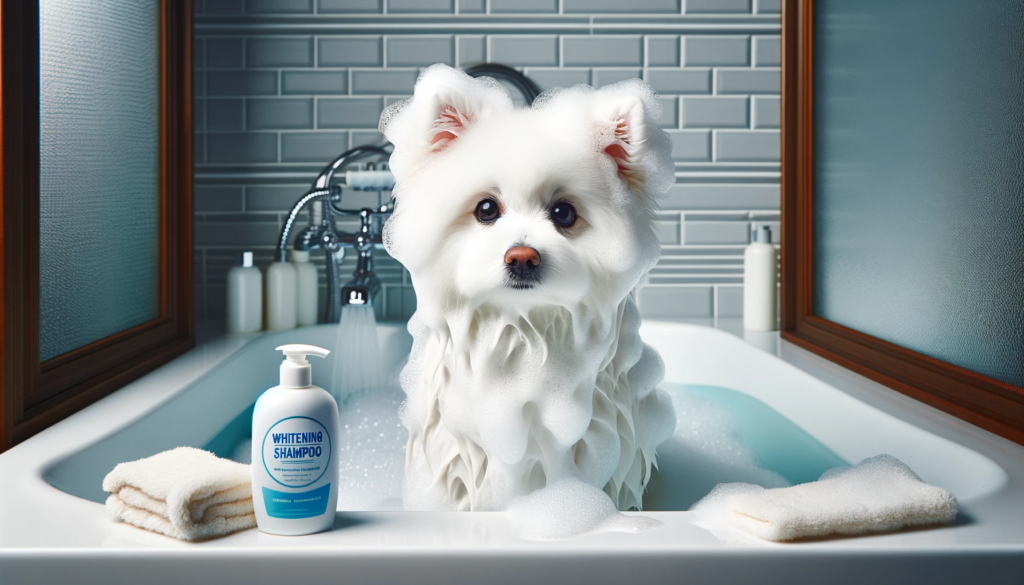
    best whitening shampoo

    Why Use a Dog Whitening Shampoo?

    Understanding the nuances of canine care is essential for every pet parent. One question I often encounter in my practice is, “Why should I use a whitening shampoo for my dog?” Let’s delve into the reasons:

    1. Targeted Cleaning for Specific Coats:
      • Not all dog coats are the same. Light-colored or white fur tends to show stains and discolorations more prominently than darker coats. Whitening shampoos are formulated to address these specific challenges, ensuring that your dog’s coat remains as pristine as possible.
    2. Safe Stain Removal:
      • Everyday activities, from playing in the yard to snuggling on the sofa, can lead to various stains on your dog’s coat. These can range from mud to food spills. Whitening shampoos are designed to tackle these stains without the use of harsh chemicals, ensuring your dog’s skin remains undisturbed.
    3. Enhanced Brightness and Shine:
      • Beyond just stain removal, whitening shampoos often contain ingredients that enhance the natural brightness and shine of your dog’s coat. This not only makes your pet look more vibrant but also feels softer to the touch.
    4. Maintaining Skin Health:
      • A good whitening shampoo doesn’t just focus on the fur. It also takes into account the skin underneath. By choosing a quality product, you’re ensuring that while the coat gets the brightness it deserves, the skin remains moisturized and free from irritations.
    5. Holistic Well-being:
      • As a holistic veterinarian, I believe in the interconnectedness of physical appearance and internal health. A bright, clean coat not only boosts your dog’s confidence but also indicates a well-maintained and healthy lifestyle.

    Using a dog whitening shampoo isn’t just about aesthetics. It’s about providing comprehensive care that addresses the unique needs of light-colored and white fur, ensuring your pet feels as good as they look.

    best whitening shampoo for dogs

    Factors to Consider When Choosing a Whitening Shampoo

    When it comes to selecting the ideal whitening shampoo for your dog, it’s essential to be both informed and discerning. Here are some key factors to keep in mind:

    1. Ingredients

    • Natural and Safe: Prioritize shampoos with natural ingredients, steering clear of harmful chemicals and artificial fragrances. Ingredients such as chamomile, lavender, and aloe vera not only clean effectively but also have soothing properties.
    • Active Whitening Agents: Seek out ingredients known for their brightening and whitening capabilities, like optical brighteners or natural blueing agents. These enhance the coat’s natural shine without causing harm.

    2. Skin Sensitivity

    • Dogs can have skin as sensitive as ours. It’s crucial to opt for hypoallergenic shampoos devoid of irritants. If your dog has had skin issues in the past, a consultation with your vet before choosing a shampoo is advisable.

    3. Brand Reputation

    • With the convenience of online shopping comes the advantage of reviews. Choose brands with a strong reputation in the pet care industry and positive feedback from fellow pet parents.

    4. pH Balanced

    • Dogs have a distinct skin pH compared to humans. It’s essential to pick a shampoo that’s pH balanced for dogs to ensure their skin remains irritation-free and retains its natural oils.

    5. Price vs. Quality

    • While budgeting is essential, so is ensuring you’re getting good value. Sometimes, investing a tad more in a quality product can prevent potential complications in the future.

    6. Eco-Friendly

    • As we grow more environmentally conscious, it’s worth considering shampoos that are biodegradable and packaged eco-friendly. This way, you’re caring for both your pet and the planet.

    7. Ease of Use

    • Factors like the shampoo’s consistency, its lathering capability, and ease of rinsing can significantly impact the bathing experience. These might seem minor, but they can make a world of difference for both you and your dog.

    By keeping these guidelines in mind, you’ll be better equipped to make an informed decision, ensuring your furry friend receives the best care possible.

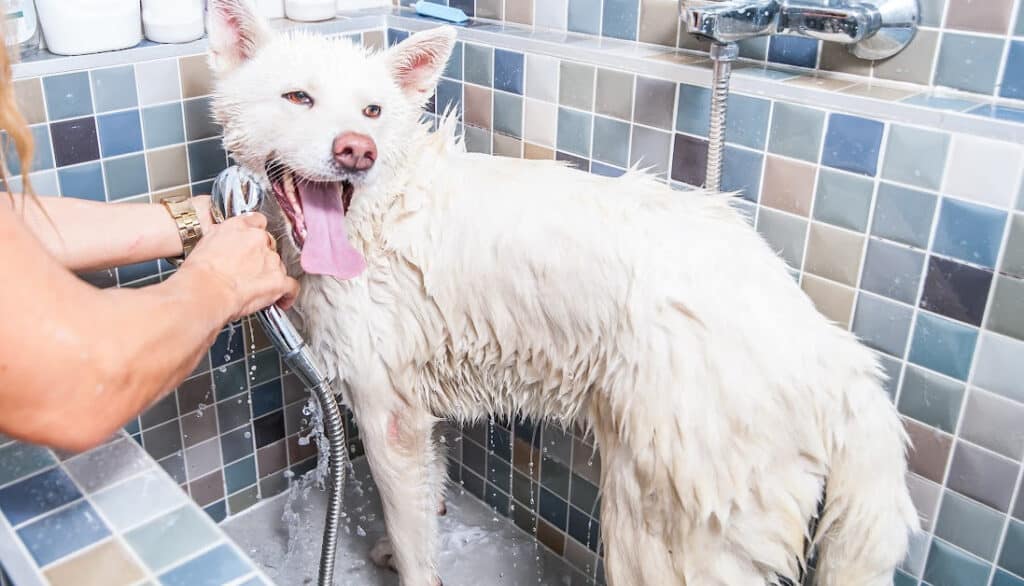
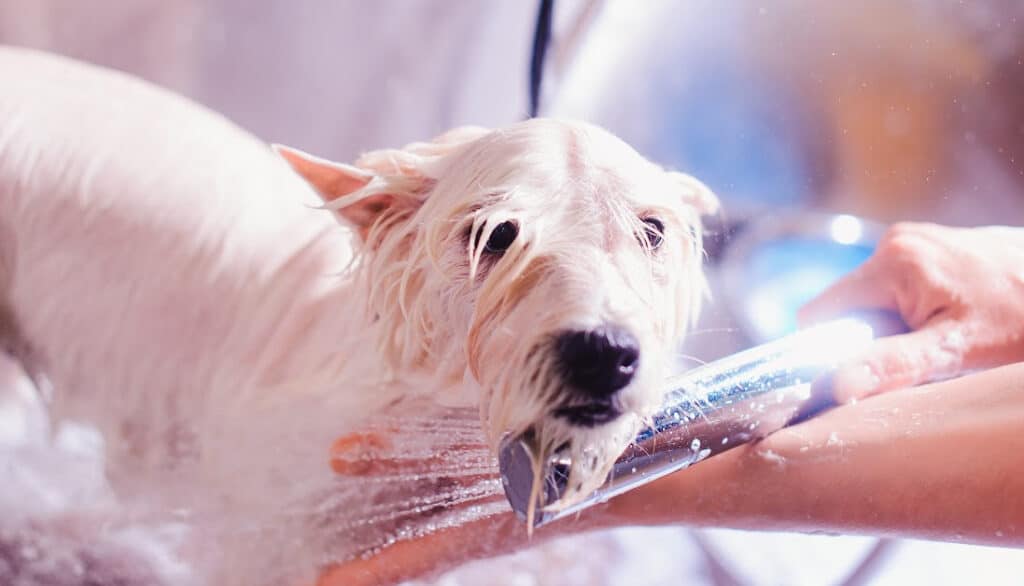
    white dog getting bath

    How to Use Dog Whitening Shampoo for Best Results

    Achieving that pristine, gleaming coat for your dog involves more than just selecting the right shampoo. The application process plays a pivotal role. Here’s a step-by-step guide to ensure you get the most out of your dog whitening shampoo:

    1. Pre-Bath Preparation

    • Brush the Coat: Before bathing, brush your dog’s coat thoroughly to remove any tangles, mats, and loose fur. This ensures the shampoo penetrates evenly.
    • Wet the Fur: Using lukewarm water, wet your dog’s coat thoroughly. This helps in the even distribution of the shampoo.

    2. Applying the Shampoo

    • Amount: Pour a generous amount of shampoo into your palm. The exact amount will depend on your dog’s size and the thickness of their coat.
    • Massage: Gently massage the shampoo into your dog’s coat, working from the neck down to the tail. Ensure you cover all areas, paying special attention to stained or discolored patches.

    3. Let it Sit

    • Most whitening shampoos benefit from being left on the coat for a few minutes. This allows the active ingredients to work effectively. Always follow the instructions on the label for the recommended duration.

    4. Rinsing

    • Thoroughly Rinse: Using lukewarm water, rinse your dog thoroughly. Ensure all shampoo residues are washed out, as any remnants can cause skin irritations.

    5. Post-Bath Care

    • Towel Dry: Gently pat your dog dry with a soft towel. Avoid vigorous rubbing as it can tangle the fur.
    • Blow Drying: If you choose to blow dry, use a low heat setting and keep the dryer at a safe distance to prevent overheating.
    • Brush Again: Once your dog is dry, give them another thorough brushing to keep the coat smooth and shiny.

    By following these steps diligently, you’ll not only achieve a brighter and cleaner coat but also ensure your dog’s skin remains healthy and irritation-free. Remember, consistency is key, so make this routine a regular part of your dog’s grooming regimen for the best results.

    bathing white husky

    Common Myths and Misconceptions about Dog Whitening Shampoos

    In the realm of pet care, myths and misconceptions abound, and dog whitening shampoos are no exception. It’s essential to separate fact from fiction to make informed decisions for your furry friend. Let’s debunk some of the most common myths:

    1. Whitening Shampoos Contain Bleach

    • Truth: Quality dog whitening shampoos do not contain bleach or any harmful chemicals. Instead, they utilize natural ingredients and optical brighteners to enhance the coat’s whiteness without causing any damage.

    2. They’re Harsh on the Skin

    • Truth: While there might be some low-quality products on the market, reputable whitening shampoos are formulated to be gentle on a dog’s skin. Many contain soothing ingredients like aloe vera and chamomile to ensure the skin remains moisturized and irritation-free.

    3. Whitening Shampoos are Only for White Dogs

    • Truth: While they’re primarily designed for white or light-colored coats, whitening shampoos can benefit dogs of all colors. They help enhance the natural shine and brightness of the coat, making it look more vibrant.

    4. Frequent Use Can Damage the Coat

    • Truth: Quality whitening shampoos are designed for regular use. As long as you’re following the product’s instructions and ensuring thorough rinsing, there’s minimal risk of damaging the coat.

    5. Human Whitening Shampoos Can Be Used on Dogs

    • Truth: Dogs have a different skin pH compared to humans. Using human products, even if they’re whitening shampoos, can disrupt this balance and lead to skin irritations. Always opt for products specifically formulated for dogs.

    It’s always crucial to approach pet care with a discerning eye and an open mind. By debunking these myths, we hope to provide clarity and ensure that your dog receives the best care possible, leading to a bright, healthy coat they can proudly flaunt.

    white dog getting bath

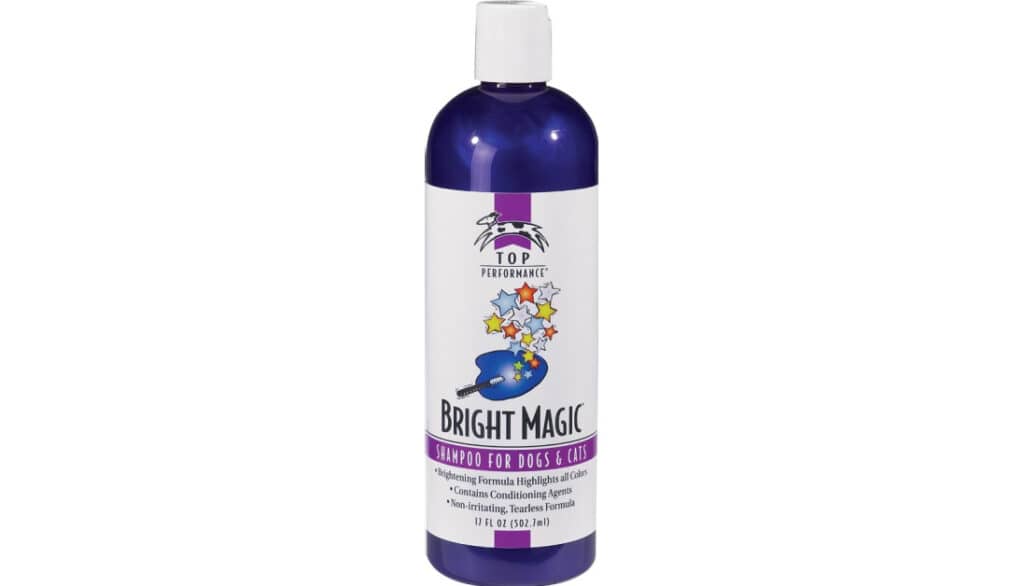
    1) Top Performance Bright Magic Dog Shampoo Shampoo

    Top Performance Bright Magic Dog Shampoo Shampoo is a pet grooming product designed to enhance the appearance of a pet’s coat. It comes in a 17-ounce bottle and features a cherry scent that leaves pets smelling pleasant after baths. This formula is safe for young pets, suitable for puppies and kittens as young as 6 weeks old. It is known for brightening and highlighting the coat’s color, making it lustrous and vibrant.

    Pros:

    • Brightening Formula: The shampoo effectively brightens and highlights the coat of dogs and cats, giving them a more attractive appearance.
    • Safe for Young Pets: It can be used on puppies and kittens as young as 6 weeks old, making it suitable for a wide range of ages.
    • Pleasant Scent: The cherry scent of the shampoo leaves pets smelling great and fresh.

    Cons:

    • Price: The product may be relatively expensive, especially when considering the 17-ounce bottle’s cost, which may not last long with frequent use.
    • Scent Longevity: While the shampoo has a pleasant scent, some users have noted that it doesn’t last very long after the bath.

    The Top Performance Bright Magic Dog Shampoo Shampoo is a popular choice for pet owners looking to enhance their pets’ coat appearance and leave them smelling nice. It’s particularly well-suited for young pets. However, potential buyers should be aware of the product’s price and the fact that the scent may not linger on the pet for an extended period.

    Top Performance Bright Magic Dog Shampoo and Cat Shampoo

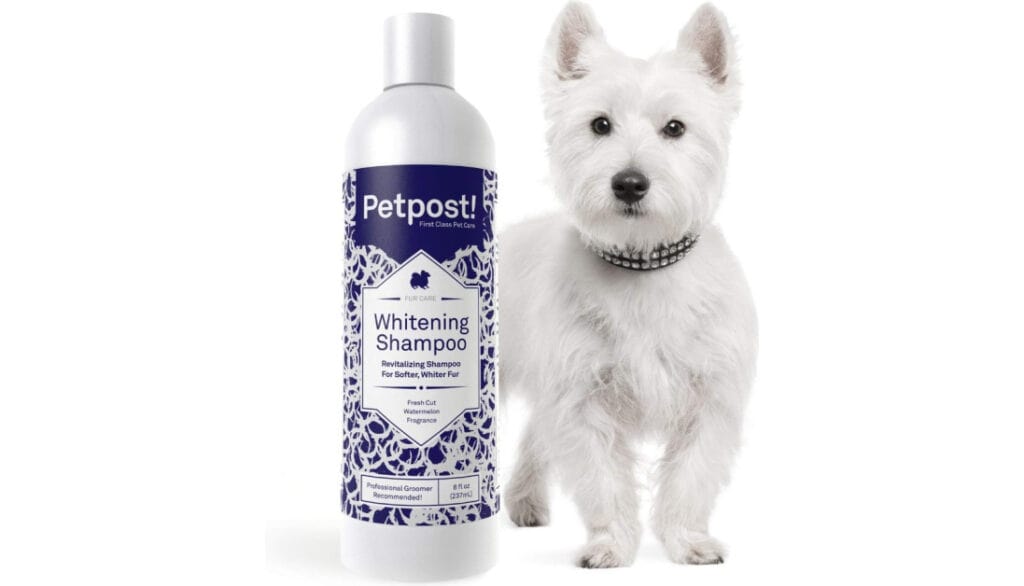
    2) Petpost | Dog Whitening Shampoo

    Petpost’s Dog Whitening Shampoo is a powerful whitening treatment specifically designed for dogs with white fur, such as Maltese, Shih Tzu, and Bichon Frise breeds. It offers a soothing watermelon scent and comes in a 16-ounce size. The formula is plant-based, featuring extracts from coconut and aloe, and it does not contain harsh chemicals or bleach. Petpost claims it can effectively whiten your dog’s coat and provide a fresh look. They also offer a “100% Happy Dog Guarantee,” promising a refund if you’re not satisfied.

    Pros:

    • Effective Whitening: The shampoo is designed to effectively whiten a dog’s coat, making it a suitable choice for owners of white-furred breeds.
    • Soothing Scent: The watermelon scent provides a pleasant grooming experience for both the dog and the owner.
    • Plant-Based Formula: The use of plant-based ingredients and the absence of harsh chemicals or bleach make it a safer and more environmentally friendly choice.

    Cons:

    • Not Suitable for All Stains: The product may not completely remove deeply ingrained stains, and some stains may require time to naturally grow out and be trimmed.
    • Scent Sensitivity: Some dogs may be sensitive to scents, so the watermelon scent might not be suitable for all pets.

    Petpost’s Dog Whitening Shampoo offers a potentially effective solution for pet owners looking to maintain or enhance the whiteness of their dog’s coat, particularly for specific breeds. However, it may not completely eliminate all types of stains, and some dogs may have sensitivities to scents, which should be considered before use.

    Petpost | Dog Whitening Shampoo

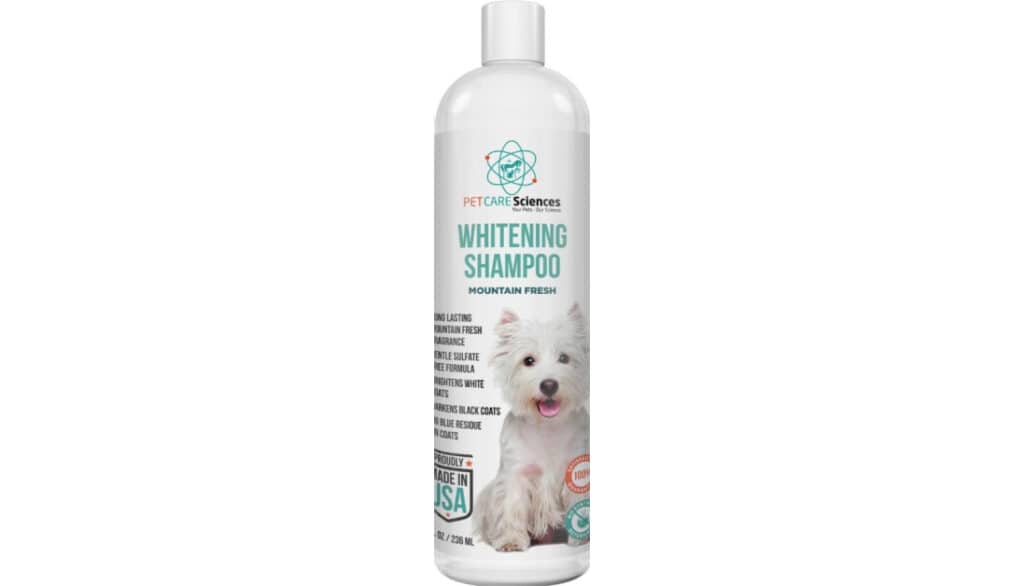
    3) PET CARE Sciences Dog Whitening Shampoo – Dog Shampoo for White Dogs

    PET CARE Sciences Dog Whitening Shampoo is designed for white dogs to brighten their coats and even darken black coats. It features a sulfate-free formula with a long-lasting Mountain Fresh fragrance. The shampoo is gentle, free from harmful ingredients like MEA, TEA, DEA, sulfate, phthalate, and paraben, making it suitable for sensitive skin. It is plant-based and removes excess oils without stripping essential oils from the coat. The product is proudly made in the USA and comes in various sizes, offering a solution for dog owners looking to enhance and maintain the whiteness of their pets’ fur.

    Pros:

    • Brightens and darkens coats: This shampoo effectively enhances the whiteness of white dog coats and can even darken black coats.
    • Gentle and safe: The sulfate-free, plant-based formula is gentle on dogs’ skin, making it suitable for dogs with sensitive skin.
    • Long-lasting fragrance: The Mountain Fresh fragrance leaves dogs smelling fresh and clean after each wash.

    Cons:

    • Price: Some customers may find the product a bit pricey compared to other dog shampoos on the market.
    • Limited to specific coat colors: This shampoo is primarily designed for white and black coats, which may not be suitable for dogs with different coat colors.

    PET CARE Sciences’ Dog Whitening Shampoo is a reliable choice for dog owners looking to maintain or enhance the whiteness of their pets’ coats. Its gentle and safe formula, coupled with a pleasant fragrance, offers a positive grooming experience for both dogs and their owners. However, potential buyers should consider the price and whether the product is suitable for their dog’s specific coat color before purchasing.

    PET CARE Sciences 16 fl oz Dog Whitening Shampoo - Dog Shampoo for White Dogs

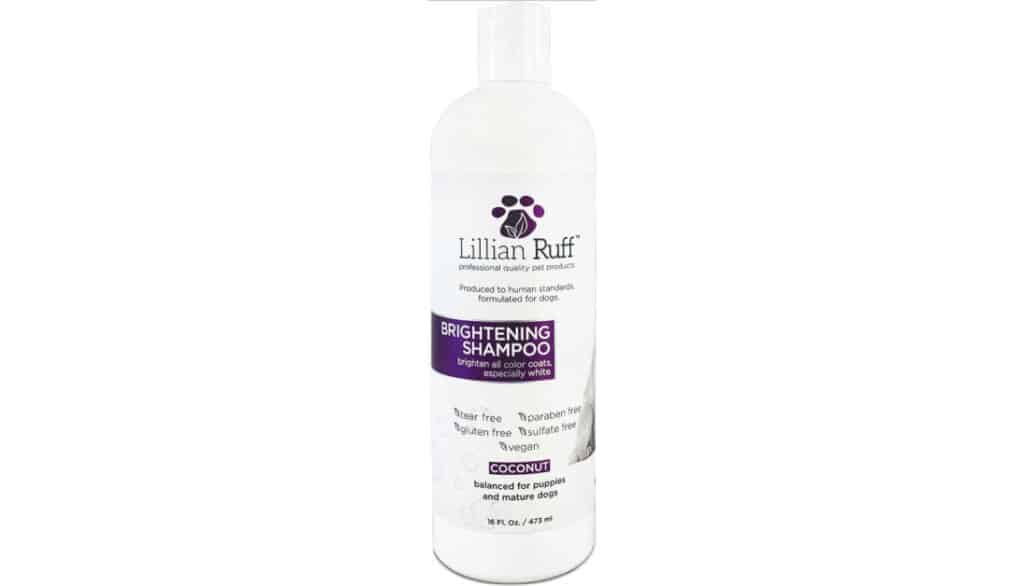
    4) Lillian Ruff Ultra-Brightening Professional Whitening Shampoo for Dogs

    The Lillian Ruff Ultra-Brightening Professional Whitening Shampoo is a pet grooming product designed to brighten and whiten the coats of dogs and cats while also hydrating their skin. It contains natural essential oils and is pH-balanced, making it suitable for various pet types. This shampoo is known for removing stains, yellowing, and odors from pets’ fur, leaving it brighter and whiter. It also features a pleasant coconut scent that deodorizes and calms pets during bath time. Moreover, it is made in the USA and comes with a money-back guarantee.

    Pros:

    • Effective Whitening: The shampoo effectively removes stains and yellowing, restoring the natural brightness of your pet’s coat.
    • Hydrating Formula: It contains aloe and coconut oil, which hydrate and soothe your pet’s skin, making it suitable for sensitive skin types.
    • Deodorizing Scent: The coconut scent not only deodorizes but also provides a pleasant fragrance, leaving your pet smelling fresh.

    Cons:

    • Limited to White Coats: This shampoo is most effective on white or lighter-colored fur, and its brightening effects may not be as noticeable on dogs with darker coats.
    • Not Tearless: Unlike some pet shampoos, this product is not labeled as tearless, so extra care may be needed to avoid contact with your pet’s eyes.

    Lillian Ruff Ultra-Brightening Professional Whitening Shampoo is a quality grooming product that can enhance the appearance of your pet’s coat, especially for white or light-colored pets. Its hydrating and deodorizing properties make it a good choice for pet owners seeking to maintain their pet’s fur and skin health.

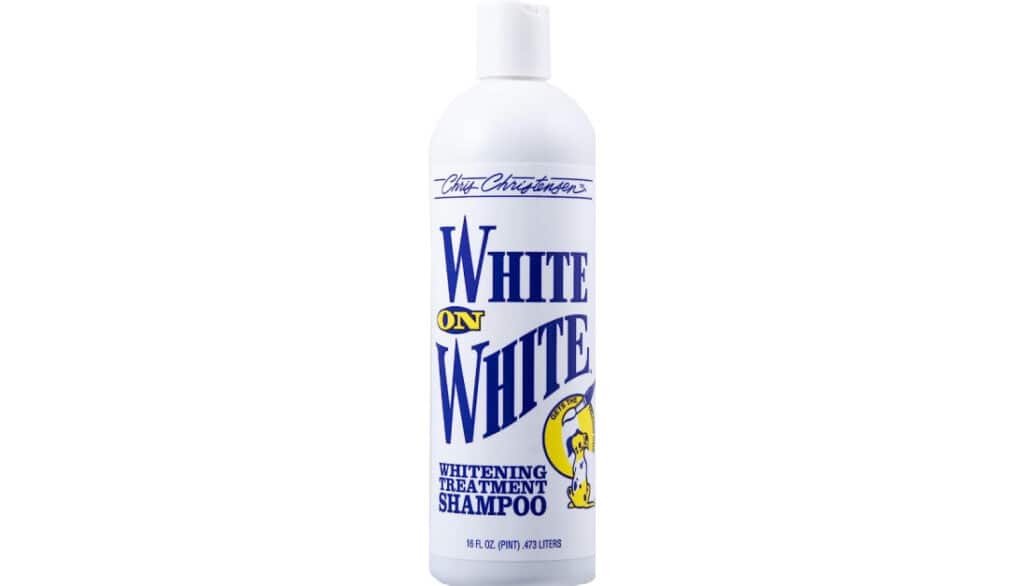
    5) Chris Christensen White on White Whitening Treatment Dog Shampoo

    The Chris Christensen White on White Whitening Treatment Dog Shampoo is designed to brighten and enhance the coat color of dogs, making it particularly suitable for white and light-colored breeds. It effectively removes yellow stains and imparts a lustrous sheen to darker coat colors as well. The shampoo is safe to use and does not contain harsh chemicals, bleaching agents, or softening agents. It is designed for all coat types and lasts up to 4 weeks without rubbing off on hands or clothing.

    Pros:

    • Versatile Use: Suitable for all coat colors, making it a versatile choice for dog owners with various breeds.
    • Color Correction: Acts as an optic intensifying treatment, effectively removing yellow stains and enhancing the vibrancy of darker coat colors.
    • Safe and Long-Lasting: Contains no harmful chemicals, and its effects can last for up to 4 weeks, providing a long-lasting solution for maintaining a dog’s coat appearance.

    Cons:

    • Scent: Some users may find the citrus scent of the shampoo less appealing or strong.
    • Stain Removal Effectiveness: While it generally works well, it may not completely remove tough stains in a single use and might require multiple applications.

    The Chris Christensen White on White Whitening Treatment Dog Shampoo offers a versatile and safe solution for dog owners looking to maintain the appearance of their pets’ coats. It effectively removes yellow stains and enhances coat colors, making it a valuable grooming tool for dog owners and professionals alike. However, users should be aware of the scent and the need for multiple applications for stubborn stains.

    Chris Christensen White on White Whitening Treatment Dog Shampoo

    Conclusion

    In the vast world of canine care, the choices we make for our furry companions are reflections of our love and commitment to their well-being. A dog’s coat, gleaming and vibrant, is more than just a visual delight; it’s a testament to their overall health and the care they receive.

    Whitening shampoos, when chosen and used correctly, can be a game-changer, transforming dull and stained coats into radiant mantles of pride. But as with all aspects of pet care, it’s essential to be informed, discerning, and always prioritize the health and happiness of our four-legged friends.

    As you embark on this journey to achieve that pristine coat for your dog, remember that it’s a blend of the right products, proper techniques, and consistent care. And in those moments when your dog gleams in the sunlight, know that it’s not just the shampoo working its magic, but the combined effort of love, care, and informed choices.

    Here’s to bright days and even brighter coats!

    Frequently Asked Questions

    Q: How often should I use a whitening shampoo on my dog?

    A: The frequency depends on your dog’s activity level, coat type, and specific needs. For most dogs, using a whitening shampoo once every 2-4 weeks is sufficient. However, always follow the product’s recommendations and consult with your vet if unsure.

    Q: Can I use a whitening shampoo on my puppy?

    A: While many whitening shampoos are gentle, it’s essential to ensure the product you choose is suitable for puppies. Always check the label for age recommendations and consider consulting with your vet for guidance.

    Q: My dog has sensitive skin. Are whitening shampoos safe for them?

    A: Many whitening shampoos are formulated to be hypoallergenic and suitable for dogs with sensitive skin. Look for products with natural, soothing ingredients like aloe vera and chamomile. However, always conduct a patch test before full application to ensure no adverse reactions.

    Q: Will whitening shampoos change the natural color of my dog’s coat?

    A: No, whitening shampoos are designed to enhance and brighten the coat’s natural color, not change it. They work by removing stains and discolorations, giving the coat a cleaner and more vibrant appearance.

    Q: Can I combine whitening shampoos with other grooming products, like conditioners or detanglers?

    A: Yes, you can use other grooming products in conjunction with whitening shampoos. After thoroughly rinsing out the shampoo, you can apply conditioners or detanglers as you normally would. Just ensure that all products are suitable for your dog’s coat and skin type.

  • Can You Use Cat Shampoo on Dogs? Find Out Here

    Can You Use Cat Shampoo on Dogs? Find Out Here

    We’ve all been there: mid-way through bath time, you reach for your trusty bottle of dog shampoo, only to realize it’s empty. Your gaze shifts to the cat’s bottle sitting nearby, and you ponder, “What’s the harm in using cat shampoo on my dog?” In the vast world of pet care, it’s easy to assume that if two products look similar, they might be interchangeable. But, as any seasoned pet owner will tell you, looks can be deceiving. Pet hygiene, much like our own, is a nuanced affair. Each animal, from the sleek Siamese cat to the boisterous Beagle, has its unique set of needs. This article aims to delve deep into the furry conundrum and answer the pressing question: Can you use cat shampoo on dogs? The short answer is yes, but it should not replace shampoo made for dogs.

    The Basic Differences Between Cat and Dog Skin

    At a casual glance, the furry coat of your beloved Fluffy and Rover might seem quite similar. After all, they both serve the primary purpose of protecting our pets from environmental elements and keeping them warm. However, when you dig a little deeper (no pun intended), you’ll find that the skin beneath those coats is as distinct as the meow of a cat and the bark of a dog.

    1. Skin pH Levels: The first, and perhaps most crucial difference, is the pH level. Cats generally have a skin pH balance that veers towards the acidic side, usually around 6.2 to 7.5. Dogs, on the other hand, have a more neutral pH, hovering between 6.5 to 7.5. This might seem like minute details, but even a slight pH imbalance can make a world of difference, leading to issues like skin irritation or dryness.

    2. Sensitivity Variances: Cat’s skin is notably thinner and more delicate than that of dogs. This means that it can be more susceptible to chemicals and irritants. While a dog might seem unaffected by certain substances, the same can’t be said for cats, and vice versa.

    3. Natural Oil Production: Both cats and dogs produce sebum, a natural oil that keeps their skin moisturized and their fur glossy. However, the rate and consistency of this production vary. Overwashing or using the wrong products can strip this oil, leading to a lackluster coat and itchy skin.

    In the grand tapestry of pet care, understanding these basic differences is paramount. Just as you wouldn’t use a face wash meant for oily skin on a dry face, it’s essential to recognize and respect the distinct skincare needs of our feline and canine companions. And while both deserve the very best, what’s perfect for one might not be for the other.

    cat shampoo on dogs

    Ingredients Found in Cat Shampoo

    Ah, the back of the shampoo bottle – that place we sometimes venture into when we’re feeling particularly investigative or simply waiting for the conditioner to set. But when it comes to our furry friends, understanding what goes into their grooming products is not just a curiosity, it’s a necessity. Let’s pull back the curtain on common ingredients found in cat shampoos and their implications.

    Ingredient/ComponentDescription
    Aloe Vera and Oatmeal– Not just for smoothies.
    – Often found in cat shampoos due to their soothing properties.
    – Helps calm irritated skin and moisturize.
    – Provides a spa-like washing experience for cats.
    Essential Oils– Lavender and chamomile may sound delightful, but not all essential oils are cat-approved.
    – Cats have a unique metabolic system, making them sensitive to certain oils, which might be benign or even beneficial to dogs or humans.
    Parabens and Phthalates– Commonly used as preservatives and fragrances in both human and pet products.
    – Rising concerns about their potential health effects.
    – Many cat shampoos now opt for paraben-free and phthalate-free formulas.
    Lathering Agents– Responsible for the satisfying bubbles during a wash.
    – It’s crucial to know that some shampoos use harsh chemicals as lathering agents, possibly not ideal for a cat’s sensitive skin.
    pH Adjusters– Incorporated in some shampoos to keep or modify the pH level, ensuring it’s suitable for cat skin.

    To the untrained eye (or paw), one shampoo might look much like another. But, as we’ve learned, the devil is in the details—or, in this case, the ingredients list. So, before we even consider pouring that cat shampoo on our playful pups, it’s crucial to understand the unique blend crafted for feline finesse.

    Potential Risks of Using Cat Shampoo on Dogs

    Ah, the age-old pet owner’s shortcut: “If it’s good for the cat, surely it’s okay for the dog, right?” While sharing toys or even a sneaky treat now and then might not raise eyebrows, when it comes to grooming products, the story changes. Here’s a look into what might happen when we make our dogs partake in the feline grooming ritual.

    1. Skin Irritations and Allergies: Remember the pH difference we chatted about? Using a cat shampoo on a dog can disrupt their natural pH balance, leading to itchy, irritated skin. Dogs might start scratching incessantly, causing sores or hot spots.

    2. Over-Drying of the Coat: Cats and dogs have different sebum production levels. Using a shampoo designed for cats might strip away the essential oils in a dog’s coat, making it dry, brittle, and lacking its usual lustrous shine.

    3. Inefficacy Against Fleas and Ticks: If you’re using medicated cat shampoo to tackle fleas and ticks on your dog, think again! These formulations are often species-specific. Using one meant for cats might not give your dog the protection they need, leaving them vulnerable to pesky parasites.

    In essence, while it might be tempting to simplify our pet care routine, it’s essential to remember that our feline and canine companions are not just two sides of the same coin. They are distinct, with unique needs, and deserve products tailored just for them. Next time you find yourself reaching for that cat shampoo during Rover’s bath time, think twice – it’s always better to be safe than sorry.

    cat shampoo

    Importance of Specific Formulations

    Every pet owner wants the best for their furry friend, especially when it comes to grooming and overall well-being. Dive into any pet aisle, and you’ll quickly realize the sheer variety of products available for different needs. But is this just a marketing gimmick, or is there a real reason behind these specific formulations?

    The truth is, tailored formulations matter — and here’s why:

    Skin pH Balance

    • Cats: Felines typically have a skin pH balance of around 6.2 to 7.5.
    • Dogs: Canines, on the other hand, vary between 5.5 to 7.5 depending on the breed.

    Using the wrong formulation can disrupt this delicate balance, leading to skin irritations, dryness, or infections.

    Unique Skin and Coat Needs

    Different pets have different coat types, each with its unique requirements:

    • Short-haired pets might require shampoos that focus on deep cleaning, as their skin is more exposed.
    • Long-haired breeds benefit from moisturizing and detangling formulations.
    • Curly or wiry coats might need specialized products that maintain their natural texture and luster.

    Allergies and Sensitivities

    Pets, much like humans, can have allergies or sensitivities. Some dogs might be allergic to common ingredients found in general pet shampoos. Hence, hypoallergenic or sensitive skin formulations can be a godsend for these pets, reducing the risk of adverse reactions.

    Age-Appropriate Care

    Puppies and kittens have different skin and coat needs compared to their adult counterparts. For instance:

    • Puppy shampoos are often milder and gentler.
    • Adult dog formulations might focus more on deep cleaning or maintaining coat health.
    • Senior pets might need shampoos with added moisturizers to combat dryness.

    Health Conditions and External Parasites

    • Medicated Shampoos: Pets with fungal infections, eczema, or other skin conditions might need medicated solutions to address and alleviate their problems.
    • Flea and Tick Shampoos: These are specifically formulated to combat and prevent external parasites, a common concern among many pet owners.

    Environmental Considerations

    The environment in which a pet lives can influence the type of grooming products they need:

    • Dry Climates: Pets might need moisturizing shampoos to prevent skin from drying out.
    • Humid Climates: Anti-fungal or deep-cleaning shampoos can prevent infections.

    Understanding the importance of specific formulations isn’t just about giving your pet the spa-like experience (though they certainly deserve it!). It’s about recognizing their unique needs and ensuring that every bath, brush, and grooming session contributes positively to their overall health and happiness. So, the next time you’re browsing the pet aisle, remember that those specific formulations are more than just fancy labels — they’re tailored love in a bottle.

    chihuahua in bath

    Safe Alternatives for Dog Grooming

    Let’s face it: anyone with a furry friend has, at some point, stared at a muddy, happy dog and sighed, “Bath time again?” And while we’ve debunked the myth of using cat shampoo for our canine pals, the good news is there are plenty of alternatives tailored just for them. Let’s fetch some insights on safe and effective grooming options for our tail-wagging buddies.

    Dog-specific Shampoos

    Starting with the obvious, dog shampoos are formulated with a dog’s unique skin and coat needs in mind. Whether your pup has a thick double coat or curly waves, there’s a shampoo out there ready to give them the pampering they deserve.

    DIY Dog Shampoos

    Feeling a bit crafty? There are numerous homemade shampoo recipes that use natural ingredients like oatmeal, coconut oil, and baking soda. They’re gentle, effective, and you’ll have the peace of mind knowing exactly what’s going on your dog’s skin.

    Waterless Dog Shampoos

    For those days when you don’t have time for a full-blown bath or for dogs who detest water, waterless shampoos come to the rescue. They’re easy to apply, require no rinsing, and leave your dog smelling and feeling fresh.

    Medicated Dog Shampoos

    If Fido has specific skin conditions like eczema, fungal infections, or flea infestations, medicated shampoos are a godsend. However, always consult with your vet before choosing one to ensure it’s the right fit for your dog’s condition.

    Conditioners and Leave-in Sprays

    Much like our hair, sometimes a dog’s coat needs a little extra TLC. Dog conditioners can help detangle, moisturize, and add a glossy finish. Leave-in sprays, on the other hand, can provide a quick touch-up between baths, keeping that ‘just groomed’ look going a bit longer.

    Regular Brushing

    Often overlooked, regular brushing is a cornerstone of dog grooming. It helps distribute natural oils, removes dirt and debris, and is a fantastic bonding activity. Plus, with the right brush for your dog’s coat type, you’ll reduce shedding and matting.

    In the ever-evolving world of pet care, one thing remains constant: our undying love for our canine companions. And part of that love involves ensuring they look and feel their best. So, whether you’re reaching for a store-bought solution or whipping up a DIY concoction, remember: the right grooming routine can make all the difference in your dog’s health and happiness.

    cat shampoo on dogs

    Conclusion

    Stepping back and surveying the landscape of pet care, it’s crystal clear that the decisions we make, even the seemingly minor ones like choosing a shampoo, ripple through the lives of our furry friends. Cats and dogs, though they might both grace our living rooms and commandeer our beds, have unique intricacies that deserve recognition and respect. The takeaway? Using cat shampoo on dogs is much like trying to fit a square peg into a round hole; it’s just not the right match.

    But, as we’ve journeyed through the world of pet grooming, one thing shines brighter than a freshly bathed pup under the sun: our commitment to their well-being. Armed with knowledge and a heart full of love, we can make choices that keep our pets both dazzling on the outside and joyful within.

    So, the next time you find yourself standing in the pet aisle or staring at your muddy dog after a playful romp outside, remember this guide. Let’s cherish every splash, lather, and brush stroke, ensuring that our pets receive nothing but the best, tailored to their individual charms. After all, isn’t that what our four-legged family members truly deserve?

    Frequently Asked Questions (FAQs)

    Can I use human shampoo on my dog if I run out of dog shampoo?

    While it might be tempting, it’s best to avoid using human shampoo on dogs. Like cat shampoo, human shampoo might not align with the pH level suitable for dogs and could contain ingredients that irritate their skin.

    How often should I bathe my dog?

    The frequency depends on your dog’s breed, lifestyle, and specific needs. While some dogs might need a bath every week, others could go a month or more without one. Observe your dog’s skin and coat, and consult with your vet or a professional groomer to determine an optimal bathing routine.

    What should I do if I accidentally use cat shampoo on my dog?

    Don’t panic! Rinse your dog thoroughly with plenty of water to remove all traces of the shampoo. Monitor them for any signs of skin irritation, discomfort, or allergic reactions. If any adverse effects appear, consult your vet promptly.

    Are there any dog breeds that are more sensitive to shampoos than others?

    Yes, some breeds with thinner or less oily coats, like the Chinese Crested or the Xoloitzcuintli, might have more sensitive skin. Always choose a shampoo tailored to your dog’s specific needs, and when in doubt, ask your vet for recommendations.

    Can I use conditioner on my dog after shampooing?

    Absolutely! There are many dog-specific conditioners available that can help detangle, moisturize, and add shine to your dog’s coat. Just make sure it’s formulated for dogs to ensure safety and effectiveness.

  • Can You Use Mane and Tail On Dogs? Is It Safe?

    Can You Use Mane and Tail On Dogs? Is It Safe?

    We’ve all been there — standing in the grooming aisle, our eyes catching the familiar bottle of Mane and Tail, the product originally designed for our equestrian friends but later claimed a spot in our own bathrooms. Its promise of lustrous, strong hair has not just charmed horse enthusiasts and humans, but it’s also sparked a curiosity among dog owners. After all, if it works wonders on horses and people alike, can you use mane and tail on dogs? The short answer is Yes! Mane and Tail is safe to use on dogs.

    However, before you take the leap and lather up your pup, let’s delve into this intriguing question. In this article, we’ll explore the origins of Mane and Tail, discuss its potential benefits and concerns for our four-legged friends, and see what the experts have to say. Whether you’re looking to give your dog a glossy show-ring shine or simply curious about this cross-species haircare, stick around for some enlightening insights.

    mane and tail for dogs

    What is Mane and Tail?

    Ah, Mane and Tail. It’s a product that has trotted its way from stables to human showers, surprising many with its equine origins. Let’s take a stroll down memory lane, shall we?

    In the beginning, Mane and Tail was formulated purely for horses. Its primary goal was to help enhance the health and appearance of equine manes and tails, ensuring they were sleek, shiny, and tangle-free. Picture majestic stallions with flowing manes galloping in the wind – that’s the image the creators likely had in mind.

    But, as with many innovative products, it didn’t take long for humans to get curious. Whisperings began among horse owners who, after witnessing the stunning results on their equine pals, dared to try the product on their own tresses. The results? Many reported healthier, stronger, and shinier hair, akin to their horse’s glossy mane.

    Diving deeper, the formulation of Mane and Tail boasts a blend of gentle cleansing agents, moisturizers, and fortifying proteins. Without getting too lost in the jargon, it’s this concoction that’s believed to promote hair strength and reduce breakage, not just for horses, but for humans too.

    Now that we’ve briefly cantered through its history, the burning question remains: If it’s fit for both horses and humans, could it possibly be a mane-taming miracle for our dogs too? Let’s continue our journey to find out.

    Benefits of Using Mane and Tail for Dogs

    Now, before we let our imaginations run wild with images of our beloved pooches sporting fabulously silky manes, let’s take a grounded, paws-on-the-floor look at the potential benefits of Mane and Tail for dogs.

    1. Stronger Fur: Just as Mane and Tail has built a reputation for strengthening human hair and horse manes, there’s reason to believe it can give Rover’s coat a boost too. The fortified proteins in the shampoo can aid in reducing breakage and shedding. Imagine fewer furballs around the house – that’s a win in any pet owner’s book!

    2. Shinier Coats: One of the delightful things about petting a dog is running your hands through a glossy, shiny coat. Mane and Tail’s moisturizing components might just give your canine that extra gleam and shimmer, making them the envy of the dog park.

    3. Easy Detangling: Those with long-haired breeds know the struggle all too well. Mats, tangles, and knots – oh my! Fortunately, the detangling magic of Mane and Tail might ease some of these hairy predicaments, simplifying grooming sessions and potentially resulting in fewer “ouch!” moments for your furry friend.

    4. Moisturization: Especially in harsher climates or seasons, a dog’s skin can become dry and flaky. The hydrating ingredients in Mane and Tail might provide some relief, ensuring their skin remains moisturized and their fur soft to the touch.

    Now, while these benefits paint a rosy picture, it’s essential to remember every dog is unique. What works wonders for Whiskers might not sit well with Spot. But the potential perks certainly make a compelling case for considering Mane and Tail as a grooming option. However, as with any new product, a sprinkle of caution and a dash of research can go a long way in ensuring our pets’ well-being.

    shampoo for dogs

    Concerns about Using Mane and Tail on Dogs

    Hold your horses! Before we go dousing our darling dogs in a waterfall of Mane and Tail, it’s only right to address the elephant (or should I say horse?) in the room: are there potential concerns when using this product on our canine companions?

    1. Differences in Skin and Fur: Dogs aren’t just tiny horses or furrier humans. Their skin’s pH levels differ from both humans and horses, making them potentially more sensitive to certain products. What leaves us with a silky sheen or a horse with a glistening mane might irritate a dog’s more delicate dermis.

    2. Harmful Ingredients: While Mane and Tail is largely considered gentle, we need to dive deep into the ingredients list. Certain chemicals, even if they’re safe for humans and horses, might not agree with our furry friends.

    3. Over-Moisturizing: Yes, it’s a thing! While we dream of our dogs having the softest and silkiest of coats, there’s a balance to strike. Over-conditioning can lead to a greasy coat and even clogged pores.

    4. Perfumes and Fragrances: We might adore the fresh scent left behind by some shampoos, but strong fragrances can be overwhelming for a dog’s keen nose. Plus, certain artificial fragrances could cause allergic reactions.

    5. Potential for Skin Dryness: Contradictory to the over-moisturizing point, some dogs might experience the opposite effect. If the product strips away too many natural oils, it could leave your pup’s skin dry and itchy.

    So, while the siren call of a multi-species miracle product is undoubtedly tempting, a thoughtful pet owner will always pause to research. It’s vital to approach Mane and Tail, or any new product, with an air of curiosity mixed with a healthy dose of caution. After all, our dogs rely on us to make the best choices for them, don’t they?

    mane n' tail for dogs

    Potential Side Effects to Watch For

    Say you’ve decided to give Mane and Tail a whirl on your pup. Just like trying out that new trendy restaurant in town, there’s a bit of anticipation, hope, and, yes, a pinch of caution. So, how do we know if our dog’s giving it two paws up or if it’s a hard no-go? Here’s a list of potential side effects to be on the lookout for:

    1. Skin Irritation: The first tell-tale sign might be an increase in scratching. If you notice your doggo suddenly trying to itch a spot more than usual, it could be a reaction to the shampoo.

    2. Hair Loss: It’s one thing for a dog to shed a little, but if you’re finding clumps of fur post-bath, you might want to re-evaluate. Excessive hair loss is not the souvenir we’re hoping for from a shampoo session.

    3. Changes in Behavior: Our furry friends might not speak our language, but they sure have ways to communicate. If they’re acting out of the ordinary, being more lethargic, or displaying signs of discomfort after a bath, it’s worth noting.

    4. Dry or Flaky Skin: While we did touch on the moisturizing effects of Mane and Tail, there’s always the chance of the scales tipping the other way.

    5. Allergic Reactions: Just like humans, dogs can be allergic to a variety of things. Symptoms might include watery eyes, sneezing, or even more severe reactions like swelling.

    6. Overwhelming Fragrance: If your pooch is running away from you post-bath or sneezing more, the fragrance might just be a tad too strong for their sensitive snouts.

    In the grand adventure of pet care, trying out new products can be a mixed bag. Always monitor your pet closely after introducing anything new into their routine.

    Alternatives to Mane and Tail for Dogs

    After weighing the pros and cons, perhaps you’re pondering, “Is Mane and Tail truly the best pick for my fur buddy?” No worries! The realm of dog grooming offers a myriad of options, each uniquely crafted for our four-legged friends. Let’s delve into some paws-itively great alternatives:

    1. Dog-Specific Shampoos

    Tailored for our canines, these are straightforward choices. Be it oatmeal-enriched or infused with soothing aloe vera, there’s a vast range of brands and formulas out there. So, whether your pooch has a penchant for itching or you’re chasing that glossy finish, there’s a product just waiting to be sniffed out.

    2. Natural and Organic Options

    For those who meticulously read every label (and hey, that’s commendable!), natural and organic shampoos could be your holy grail. They’re often devoid of any harsh chemicals and overpowering scents, promising a gentle pampering session.

    3. DIY Solutions

    Crafting aficionados, this one’s for you! Dive into the joy of creating a custom shampoo blend. With staples like coconut oil, baking soda, or aromatic rosemary, you can concoct a blend that’s just right. A word to the wise: always double-check the safety of your chosen ingredients!

    4. Medicated Shampoos

    For pooches with specific dermal woes, these specialized shampoos, often vet-endorsed, come to the rescue. From combatting fungal adversaries to easing severe allergies, these shampoos address distinct concerns.

    5. Waterless Dog Shampoos

    If your dog treats bath time like an Olympic sport of evasion, waterless shampoos are a game-changer. A quick spritz, a brisk rub, and voila! A refreshed coat without the watery chaos.

    6. Conditioners and Detanglers

    Yearning for that Mane and Tail softness and detangle magic? Fret not! There’s a multitude of dog-centric conditioners and detanglers ready to work their charm, sans the concerns.

    To wrap things up, our voyage through dog grooming often has its shares of hits, misses, and the occasional unexpected splash fests. While the allure of Mane and Tail is undeniable, it’s heartening to recognize the vast ocean of alternatives at our disposal. So, raise a toast to the quest of discovering that impeccable product, ensuring our canine pals not only look their best but feel on top of the world!

    is mane and tail safe for dogs

    Tips for Safely Using Mane and Tail on Dogs

    So you’re considering giving Mane and Tail a shot on your dog. Maybe you’re envisioning your furry friend’s coat rivaling that of a show horse’s splendid mane. While the potential perks can be enticing, it’s important to proceed with caution and care. Before you pop open that bottle, let’s go through some tips to ensure your dog’s experience is both safe and enjoyable.

    StepGuideline
    Patch Test FirstChoose a visible spot, like the back of the neck, to apply a bit of Mane and Tail. Monitor for 24 hours for irritations.
    Use SparinglyBegin with a small amount. Overusing can result in a greasy coat or product buildup.
    Rinse ThoroughlyDue to dogs’ sensitive skin, ensure complete rinse to prevent itchiness or irritation from any residue.
    Avoid Eyes and EarsAvoid contact with these sensitive areas to prevent discomfort or potential infections.
    Monitor After Bath TimeObserve your dog for a few days post-bath. Any behavioral changes might indicate an issue with the product.
    Consult Your VetWhen in doubt, consult with your vet about Mane and Tail’s suitability for your dog’s breed or skin condition.
    Dog-specific ConditionerIf Mane and Tail dries the coat, use a Dog-specific Conditioner to add moisture.
    Listen to Your DogDogs may show distress during or after bath if they dislike the product. Pay attention to their reactions.

    Grooming our pets is more than just a routine—it’s an act of love and care. As we navigate the myriad of products out there, our dog’s well-being remains the top priority. So, whether you decide to saddle up with Mane and Tail or gallop towards another option, here’s to happy, safe, and squeaky-clean bath times!

    Conclusion

    Mane and Tail, a product heralded by many and originally formulated for our equine friends, has made quite a stir in both human and pet grooming circles. It’s a testament to our ever-evolving quest to find that perfect product, even if it means borrowing from another species’ beauty regimen. But at the heart of this exploration is a simple, unwavering truth: our deep and abiding love for our furry family members.

    Whether you decide to give Mane and Tail a whirl or opt for a dog-specific alternative, the journey underscores our collective desire to give our pups the best. And isn’t that what being a pet parent is all about? Celebrating, nurturing, and sometimes getting a tad adventurous (with their well-being in mind, of course) in our efforts to see them wagging their tails with joy.

    In the great spectrum of doggy shampoos and conditioners, there’s no one-size-fits-all. But with research, a bit of trial and error, and heaps of affection, we inch closer to finding that grooming goldmine for our beloved pets. Until then, here’s to many more bath times filled with bubbles, splashes, and above all, the unmistakable bond between human and dog.

    Happy grooming to all, and to all a good bath!

    Frequently Asked Questions (FAQs)

    What is Mane and Tail originally formulated for?

    Answer: Mane and Tail was originally developed for horses to promote shiny and manageable manes and tails. However, its effectiveness led to its popularity among humans and, now, considerations for dog grooming.

    Is Mane and Tail safe for all dog breeds?

    Answer: While many dog owners have used Mane and Tail without issues, the product hasn’t been specifically formulated for dogs. It’s always a good idea to consult with your veterinarian, especially if your dog has a specific skin condition or sensitivity.

    How often should I use Mane and Tail on my dog?

    Answer: If you decide to use Mane and Tail on your dog, it’s best to use it as you would any other dog shampoo, based on how often your dog typically needs a bath. However, always monitor your dog’s skin and coat to ensure there’s no irritation or adverse reactions.

    Are there any specific ingredients in Mane and Tail that can be harmful to dogs?

    Answer: Mane and Tail is generally considered safe, but like any product, certain ingredients might not agree with every dog’s skin. If you’re concerned, review the ingredient list and consult with your vet.

    If Mane and Tail is not recommended for my dog, what are some alternatives?

    Answer: There are numerous dog-specific shampoos and conditioners on the market tailored to various needs, from itch relief to enhancing coat shine. Natural, organic, or even DIY solutions are other popular choices. It’s essential to find a product that suits your dog’s specific needs and sensitivities.

  • Can You Use Dawn on Dogs? Is It Safe?

    Can You Use Dawn on Dogs? Is It Safe?

    Yes, you can use Dawn on a dog for a narrow, one-time cleaning job, but it should not become the regular dog shampoo. It makes the most sense when you need strong grease removal, such as an oily or sticky mess. A soapy bath can also help remove adult fleas from the coat. For an ordinary bath, a gentle dog-formulated shampoo is a better fit. If your dog is only muddy, plain lukewarm water may be all you need.

    Golden retriever beside a bathtub and blue dish soap for a one-time Dawn wash

    ASPCA Animal Poison Control specifically recommends mild liquid dish soap for some oily or chemical residues, followed by very thorough rinsing. It also cautions that repeated bathing can dry or irritate the skin. [1] That distinction is useful: one careful decontamination bath is not the same thing as choosing dish detergent for every bath.

    Can You Use Dawn on Dogs Safely?

    Dawn is a degreasing detergent first, not a maintenance pet shampoo. Its job is to cut grease. That cleaning strength can be useful on a greasy coat, but it is more than most dogs need for routine dirt.

    Dogs also have their own skin-barrier chemistry. A 2024 review of epithelial barrier function notes that healthy canine skin usually has a surface pH around 6 to 7. The review also discusses how prolonged, frequent exposure to primary surfactants can alter skin-barrier conditions. [2]

    That does not mean one Dawn bath automatically damages a dog’s skin. It means occasional use and routine use are two different questions.

    Be more cautious if your dog already has:

    • red, raw, or broken skin
    • active itching or dermatitis
    • a history of reacting to shampoos or grooming products
    • a very dry, flaky coat
    • an open wound or recent skin procedure

    In those situations, a strong degreaser adds another stressor to skin that is already unhappy.

    Dawn products are made for dish cleaning, not for regular canine skin care. Formulas can also change, so avoid treating every bottle, scent, or Dawn product as interchangeable.

    When Dawn Can Be Useful

    Grease, Oil, and Sticky Contamination

    This is where Dawn makes the most sense. If a dog gets into cooking grease, oily residue, or another stubborn greasy mess, a small amount of liquid dish soap can cut through material that a mild routine shampoo may struggle to remove. ASPCA decontamination guidance uses this same grease-cutting reason when recommending mild liquid dish soap for some topical exposures. [1]

    Dog receiving a targeted one-time Dawn wash to remove greasy residue from its coat

    Use the cleanser only where you need it when possible. More soap is not better. The goal is to remove the contaminant and then get the detergent back off the skin and coat with a very thorough rinse.

    If your dog has been coated in something that could be toxic, caustic, or irritating, treat that as an exposure problem, not just a bathing problem. The safest cleaning method depends on what the substance is.

    A One-Time Flea Bath

    A soapy bath can help wash adult fleas off the dog. What it cannot do is reach the rest of the flea life cycle in your home.

    That part matters much more than the brand of soap you use.

    Why Dawn Is Not a Good Routine Dog Shampoo

    Your dog’s skin is a living barrier. It helps hold water in, keeps irritants out, and produces oils that help protect the coat.

    Repeated detergent washing can change that barrier. In a small 2021 study, eight Labrador Retrievers were washed daily for 14 days with a diluted dish-detergent solution. The researchers found increased transepidermal water loss and changes in sebum, both signs that repeated decontamination affected skin function. [3]

    This was an intense washing schedule, so the study should not be stretched into a claim that one Dawn bath is harmful. It does support a simple practical point: repeated degreasing is not neutral to canine skin.

    For regular bathing, choose a gentle cleanser made for dogs and suited to the individual coat and skin. If the skin is chronically itchy, greasy, flaky, or smelly, changing shampoos over and over may miss the real issue. The better question is why the skin keeps needing special treatment.

    Does Dawn Kill Fleas on Dogs?

    Dawn can kill adult fleas caught in soapy water, and bathing can help remove adult fleas from the dog. The bigger flea problem is usually what you do not see.

    Fleas have four life stages: egg, larva, pupa, and adult. Adult fleas feed on the pet, while eggs fall into the environment and the immature stages continue developing away from the dog. The HHD Source Library’s holistic parasite guide explains this off-host life cycle and emphasizes that effective flea control must address the environment as well as the pet. [4]

    That is why a dog can look much better right after a bath and then have fleas again later. The bath addresses fleas on the dog during the wash. It does not reset the home environment.

    A More Complete, Lower-Chemical Flea Plan

    If you want to minimize pesticide exposure, be very consistent with the mechanical and environmental pieces. [4]

    Owner using a realistic flea comb on a dog beside a bowl of soapy water
    • Use a flea comb regularly and check the neck, back, belly, and base of the tail.
    • Drop removed fleas into a bowl of soapy water.
    • Wash pet bedding and washable soft items frequently during an active problem.
    • Vacuum the places your dog rests, including edges, cracks, rugs, and upholstered furniture.
    • Empty the vacuum outside after cleaning.
    • Check every dog and cat in the home rather than treating the problem as if it belongs to only one pet.
    • Keep watching for new adult fleas while the environmental stages continue to emerge.

    This whole-picture approach is much more useful than repeatedly bathing the same dog and hoping the fleas stop coming back.

    How to Use Dawn for a One-Time Wash

    If there is a clear reason to use Dawn once, keep the process simple.

    1. Look at the skin first. If it is raw, open, very red, or painful, do not scrub it with a strong degreaser just because it is available.
    2. Wet the coat with comfortably warm water. Avoid very hot water.
    3. Use a small amount diluted in water. You do not need a concentrated layer over the entire dog if only one area is greasy.
    4. Work it through the dirty areas gently. Keep it out of the eyes, mouth, and ear canals.
    5. Rinse extremely well. Keep rinsing until the coat no longer feels slippery or soapy.
    6. Towel dry and recheck the skin. Watch for new redness, itching, or discomfort.

    Thorough rinsing is one of the most important parts of decontamination guidance. [1] The goal is to get both the unwanted substance and the soap residue off the dog.

    If your dog swallowed a meaningful amount of detergent, develops repeated vomiting, coughs, has trouble breathing, or has significant eye irritation, contact your veterinarian or an animal poison-control service.

    Better Alternatives for Routine Dog Baths

    The best alternative depends on why your dog is dirty.

    Dog being rinsed during a gentle routine bath with dog shampoo instead of Dawn

    For Normal Dirt or Mud

    Start with plain lukewarm water. A good rinse, towel dry, and brush-out can remove a surprising amount of ordinary dirt without adding another cleanser to the skin.

    For Regular Bathing

    Use a gentle shampoo made for dogs. Pay attention to how the individual dog’s skin responds rather than chasing a long list of trendy ingredients to include or avoid.

    A good routine shampoo should clean without leaving the coat harsh, tight, overly dry, or heavily perfumed. Rinse it thoroughly. If your dog needs frequent baths, watch how the skin and coat look between baths.

    If You Are Simply Out of Dog Shampoo

    You do not have to substitute another soap just because bath day arrived.

    If your dog is dusty or muddy, use water and wait until you have dog shampoo. If your dog is coated in heavy grease that needs to come off now, that is the kind of one-time situation where a carefully rinsed Dawn wash makes more sense.

    If Your Dog Has Sensitive or Itchy Skin

    Use the gentlest cleansing method that gets the job done. Persistent itch, odor, redness, greasy skin, recurrent flakes, or repeated skin infections deserve attention to the underlying cause.

    Bathing can be part of a skin plan. It should not become a cycle of stripping the skin harder every time the symptoms return.

    Dawn vs. Dog Shampoo vs. Plain Water

    SituationDawnDog ShampooPlain Water
    Routine bathNot the first choiceBest general optionFine for light dirt
    Muddy coat or pawsUsually unnecessaryUseful if water is not enoughGood first choice
    Greasy or oily contaminationUseful for a one-time degreasing jobMay work, depending on the productOften not enough
    Adult fleas on the dogCan help during a one-time bathBathing can also remove fleasLess useful by itself
    Dry, itchy, or irritated skinUsually skip itChoose a gentle skin-appropriate productOften the gentlest starting point

    Final Thoughts

    Dawn is useful because it is good at one specific job: cutting grease. That does not make it the best shampoo for every dirty dog.

    For a one-time greasy mess, Dawn can be a practical tool when used sparingly and rinsed off very thoroughly. For routine bathing, choose a gentler dog-formulated shampoo. If your dog is only muddy, start with water.

    With fleas, remember that the bath is only one piece. The dog, bedding, resting areas, and environmental life stages all have to be considered if you want the problem to stay gone.

    Frequently Asked Questions

    Can I Use Dawn If I Am Out of Dog Shampoo?

    If your dog is only dusty or muddy, plain lukewarm water is often enough until you have dog shampoo. A one-time Dawn wash makes more sense when you need strong grease removal than when you are simply missing your normal shampoo.

    Does Dawn Kill Fleas on Dogs?

    Yes. Dawn can kill adult fleas trapped in soapy water and can help wash adult fleas off the dog. It does not address flea eggs, larvae, or pupae developing in the environment, so combine the bath with flea-comb checks and environmental cleaning. [4]

    Can I Use Dawn on a Puppy?

    Avoid making Dawn the routine shampoo for a puppy. Use a puppy-appropriate cleanser whenever possible. If a puppy has a serious oily or chemical exposure, get guidance for that specific exposure rather than relying on a generic bath recipe.

    What Should I Do If My Dog Licks Dawn or Gets It in the Eyes?

    Rinse soap residue away with plenty of water. For a meaningful ingestion, repeated vomiting, coughing, breathing changes, or ongoing eye irritation, contact your veterinarian or an animal poison-control service. ASPCA decontamination guidance also recommends professional help when a potentially toxic substance may have been ingested. [1]

    References

    1. ASPCA. (2025). Pet decontamination at home: What to do after exposure. https://www.aspca.org/news/pet-decontamination-home-what-do-after-exposure
    2. Ardicli, O., et al. (2024). Epithelial barrier dysfunction and associated diseases in companion animals: Differences and similarities between humans and animals and research needs. Allergy. https://doi.org/10.1111/all.16343
    3. Cobb, M. L., et al. (2021). An assessment of the barrier function of canine skin after repeated decontamination. Journal of Animal Science, 99(Supplement_3), 274. https://academic.oup.com/jas/article/99/Supplement_3/274/6383911
    4. Morgan, J. (2023). Protecting Your Pets from Parasites: A Holistic Guide to Fleas, Ticks & Heartworms. Thirty Six Paws Press. https://drjudymorgan.com/collections/books/products/dr-judys-guide-to-fleas-ticks-heartworms
  • Can I Use Dove Soap On My Dog? Which Kinds Can You Use?

    Can I Use Dove Soap On My Dog? Which Kinds Can You Use?

    Medically Reviewed by: Dr. Candy Akers, DVM

    As a doting pet owner, you want the best for your furry friend, and that includes keeping them clean and well-groomed. But have you ever wondered if you can use Dove soap on your dog? It’s a common household product, and it works well for humans, but is it safe for your canine companion? The short answer is no, you shouldn’t use Dove soap on your dog. In this blog, we’ll delve into the world of dog grooming, specifically focusing on the use of Dove soap products on dogs. We’ll discuss the potential risks and alternatives to ensure your pooch stays clean, healthy, and happy.

    dove soap on dogs

    What Happens When You Use Dove Soap on Dogs?

    Using Dove soap on your dog may cause skin irritation and dryness. Dogs have a different pH level than humans, so products designed for human skin may disrupt the natural balance of your dog’s skin. This can lead to itchiness, redness, and flaking.

    Dove soap is formulated to be moisturizing, which may leave a residue on your dog’s coat. This residue can be difficult to rinse off, causing your dog’s fur to appear dull and feel greasy. Additionally, the residue may attract dirt, making your dog dirtier than before the bath.

    Some dogs may experience allergic reactions to the ingredients in Dove soap. These reactions can range from mild to severe and may include symptoms such as itching, hives, swelling, and difficulty breathing.

    Dogs are prone to licking themselves, which means they could accidentally ingest some soap during the bathing process. Ingesting soap can lead to gastrointestinal issues like vomiting, diarrhea, and upset stomach.

    Prolonged exposure to the chemicals found in Dove soap may lead to long-term health issues for your dog. These issues can include hormonal imbalances, organ damage, and an increased risk of certain cancers.

    Using Dove soap on your dog could lead to a variety of negative consequences. While it might seem convenient to use the same soap for both you and your pet, it is essential to consider the potential risks and opt for safer alternatives specifically formulated for dogs.

    Dove Soap and Dogs: Dangers and Risks

    Moisturizing Formulation

    Dove soap is designed to be moisturizing for human skin, which can cause problems for dogs. The rich, creamy lather may be difficult to rinse off completely, leading to a greasy coat and potential skin issues.

    The Sheer Quantity of Chemicals

    Dove soap contains a variety of chemicals that may not be suitable for dogs. These chemicals, such as fragrances, artificial colors, and preservatives, can cause irritation, allergies, and other health concerns for your pet.

    Soap Poisoning

    Ingesting soap can lead to soap poisoning in dogs. While it may not be a common occurrence, it’s important to be aware of the risk. Symptoms of soap poisoning may include vomiting, diarrhea, lethargy, and even seizures in severe cases.

    Disruption of Skin pH Balance

    Dogs have a different skin pH level than humans, so using human soap like Dove can disrupt their natural skin balance. This disruption can lead to dryness, irritation, and a higher susceptibility to skin infections.

    is dove soap safe to use on dogs

    Eye Irritation

    The chemicals in Dove soap can cause eye irritation if it accidentally comes into contact with your dog’s eyes during bathing. This may lead to redness, watering, and discomfort for your pet.

    Allergic Reactions

    As mentioned earlier, some dogs may experience allergic reactions to the ingredients in Dove soap. Allergic reactions can manifest as skin rashes, hives, or more severe symptoms like difficulty breathing and swelling.

    Long-term Health Issues

    The prolonged use of Dove soap on your dog may contribute to long-term health issues due to the potential toxicity of some ingredients. These issues can include hormonal imbalances, organ damage, and an increased risk of certain cancers.

    Understanding the dangers and risks associated with using Dove soap on your dog is crucial for making informed decisions about your pet’s grooming routine. To keep your furry friend clean, happy, and healthy, it’s best to opt for dog-specific grooming products that are gentle, pH-balanced, and free of harmful chemicals.

    is dove soap safe on my dog

    What Soap Is Safe for Dogs?

    When choosing a soap or shampoo for your dog, it’s so important to select products specifically formulated for dogs. Dog shampoos and soaps are designed to be gentle, pH-balanced, and free of harmful chemicals that could harm your furry friend. Here are some options for safe dog grooming products:

    • Dog-specific Shampoos and Soaps: Look for shampoos and soaps made explicitly for dogs, as these products are designed to cater to their unique skin and fur needs. Dog shampoos come in various formulations, such as hypoallergenic, medicated, or deodorizing, to address specific issues.
    • Mild, Unscented Castile Soap: Castile soap is a gentle, vegetable-based soap that can be safe for dogs when used in moderation. Opt for an unscented, mild castile soap to minimize the risk of irritation and allergies.
    • Oatmeal-based Dog Shampoos: Oatmeal-based shampoos are known for their soothing and moisturizing properties, making them ideal for dogs with dry, itchy skin. Ensure the shampoo is designed for dogs and is free of harmful chemicals.
    • Aloe Vera and Chamomile-infused Dog Shampoos: Aloe vera and chamomile are natural ingredients known for their soothing and calming properties. Shampoos containing these ingredients can be beneficial for dogs with sensitive skin or skin issues.

    Remember that while some human soaps and shampoos may be gentle enough for occasional use, it’s always best to use products specifically designed for dogs to ensure their safety and well-being. Regularly using a safe, dog-friendly soap will keep your furry friend’s skin and coat clean, healthy, and happy.

    Best Odor Control, Dry Skin, and Shedding Shampoos for Dogs

    To keep your dog clean and address specific grooming needs, it’s essential to choose the right shampoo. Here are some recommendations for the best dog shampoos to tackle odor control, dry skin, and shedding:

    Odor Control Shampoos

    Dry Skin Shampoos

    Shedding Shampoos

    • FURminator deShedding Ultra Premium Dog Shampoo: This shampoo is designed to reduce shedding by promoting a healthy skin and coat. It contains omega-3 and omega-6 fatty acids, calendula extract, and papaya leaf extract to help control excess shedding.
    • TropiClean Shed Control Shampoo: This shampoo helps to reduce shedding and nourish the skin with a blend of omega-3 and omega-6 fatty acids, aloe vera, and vitamin E.

    When selecting a shampoo for your dog, be sure to choose a product specifically formulated for dogs and free of harmful chemicals. By using the appropriate shampoo for your dog’s needs, you can keep them clean, comfortable, and well-groomed.

    is dove soap toxic to my dog

    How Can I Wash My Dog : Proper Bathing Techniques & Precautions

    Bathing your dog is an essential part of their grooming routine. It helps to remove dirt, debris, and odors from their coat while keeping their skin healthy. To ensure a safe and enjoyable bathing experience for your dog, follow these proper techniques and precautions:

    How To Bathe Your Dog – Step By Step:

    • Gather Supplies: Gather shampoo, towels, brush/comb, non-slip mat, and washcloth before starting the dog’s bath.
    • Brush Your Dog’s Coat: Brush your dog before bathing to remove tangles, mats, and loose hair for an easier and more effective bath.
    • Choose an Appropriate Location: Select a suitable location for the bath, such as a bathtub, shower, or outdoor area with access to water. Make sure the area is safe and secure, and place a non-slip mat on the surface to prevent your dog from slipping.
    • Adjust Water Temperature: Ensure the water temperature is comfortable for your dog – it should be lukewarm, not too hot or cold. Always test the water temperature with your hand before wetting your dog.
    • Wet Your Dog’s Coat: Using a showerhead, hose, or pitcher, gently wet your dog’s coat, being careful to avoid their eyes, ears, and nose.
    • Apply Shampoo: Apply dog shampoo to hands, massage into coat, avoiding eyes, ears, and nose, then rinse.
    • Rinse Thoroughly: Thoroughly rinse your dog’s coat with clean water to remove all shampoo and prevent irritation or discomfort.
    • Wash the Face: Using a damp washcloth, gently clean your dog’s face, taking care not to get water or soap in their eyes, ears, or nose.
    • Dry Your Dog: Gently towel-dry your dog, paying particular attention to their ears to prevent moisture buildup, which can lead to infections. If your dog is comfortable with it, you may also use a pet-specific hairdryer on a low, cool setting.
    • Praise and Reward: After the bath, praise your dog and offer them a treat to make the experience positive and rewarding.

    By following these proper bathing techniques and precautions, you can ensure a safe and enjoyable experience for both you and your dog. Regular baths will keep your furry friend clean, healthy, and happy.

    How to Make Homemade Dog Shampoo

    If you’re interested in making your own dog shampoo at home, there are several simple recipes you can try using natural, pet-safe ingredients. Homemade dog shampoos can be gentle, effective, and budget-friendly. Here are a few recipes to get you started:

    Basic Oatmeal Shampoo

    Ingredients:

    • 1 cup of uncooked oatmeal
    • 1/2 cup of baking soda
    • 1 quart of warm water

    Instructions:

    1. Grind the oatmeal into a fine powder using a blender or food processor.
    2. Mix the oatmeal powder, baking soda, and warm water in a large bowl until well combined.
    3. Wet your dog’s coat with warm water and then massage the oatmeal shampoo into their fur, avoiding their eyes, ears, and nose.
    4. Rinse thoroughly with clean water and towel dry.

    Gentle Aloe Vera and Glycerin Shampoo

    Ingredients:

    • 1 cup of water
    • 1 cup of mild, unscented liquid castile soap
    • 2 tablespoons of aloe vera gel
    • 1 tablespoon of vegetable glycerin

    Instructions:

    1. Combine the water, castile soap, aloe vera gel, and vegetable glycerin in a bottle or jar.
    2. Shake well to mix the ingredients.
    3. Wet your dog’s coat with warm water and then massage the aloe vera and glycerin shampoo into their fur, avoiding their eyes, ears, and nose.
    4. Rinse thoroughly with clean water and towel dry.

    Deodorizing Apple Cider Vinegar Shampoo

    Ingredients:

    • 2 cups of water
    • 1/2 cup of apple cider vinegar
    • 1/4 cup of mild, unscented liquid castile soap

    Instructions:

    1. Combine the water, apple cider vinegar, and castile soap in a bottle or jar.
    2. Shake well to mix the ingredients.
    3. Wet your dog’s coat with warm water and then massage the apple cider vinegar shampoo into their fur, avoiding their eyes, ears, and nose.
    4. Rinse thoroughly with clean water and towel dry.

    When using homemade dog shampoos, always do a patch test on a small area of your dog’s skin before applying it all over to ensure there is no irritation. If your dog shows signs of discomfort or irritation, discontinue use and consult your veterinarian. Homemade dog shampoos can be a great way to keep your pet clean and fresh while using natural, safe ingredients.

    alternatives to dove soap for dogs

    Conclusion

    Using Dove soap on your dog is not recommended due to the potential risks and dangers it poses. Instead, opt for dog-specific shampoos and grooming products that are specially formulated for your pet’s unique needs. If you’re in a pinch or prefer a more natural approach, consider using one of the gentle human soap alternatives or try making your own homemade dog shampoo. By choosing the right products and following proper bathing techniques, you can keep your dog clean, comfortable, and happy while ensuring their health and well-being. Remember, when it comes to grooming your furry friend, it’s always best to use products designed specifically for their unique needs.

    ~Sheena

  • Can You Use Baby Shampoo on Dogs?

    Can You Use Baby Shampoo on Dogs?

    If a healthy adult dog needs one emergency bath and dog shampoo is unavailable, a small amount of mild, fragrance-free baby shampoo can be a reasonable backup. Use it once, keep it away from the face, and rinse it out completely.

    Baby shampoo is not the best choice for routine dog bathing. A label that says “mild” or “tear-free” for babies does not mean the formula was designed for canine skin. If your dog has itching, redness, a skin infection, open sores, or a prescribed skin-care plan, skip the baby shampoo and call your veterinarian for guidance.

    The Quick Decision: When One Use May Be Reasonable

    A one-time bath with baby shampoo may be reasonable when all of these points are true:

    • Your dog is a healthy adult.
    • The skin looks normal, with no rash, sores, infection, or painful areas.
    • You need to remove dirt or an unpleasant substance now.
    • Dog shampoo is not available.
    • The baby shampoo is mild, fragrance-free, and free of essential oils or medicated ingredients.
    • You can rinse your dog thoroughly and keep the product away from the face.

    Start with plain lukewarm water. Fresh mud, dust, and many small messes rinse away without any cleanser. Using the least amount of product that gets the job done is often the gentlest choice.

    When to Skip Baby Shampoo

    Do not improvise with baby shampoo if your dog has red, itchy, oily, flaky, infected, broken, or painful skin. Also skip it when your dog is using a medicated shampoo or another skin treatment. Adding a different product can interfere with the plan or make it harder to tell what caused a reaction.

    For a very young puppy, a frail dog, or a dog who becomes chilled easily, ask your veterinarian about the safest cleaning method. A small localized rinse may be more appropriate than a full bath.

    If the same odor, grease, or itch keeps returning, more baths may not solve the problem. Repeated skin changes can have an underlying cause that deserves attention.

    Why Baby Shampoo Is Not a Routine Choice

    Baby shampoo is made for human babies. Dog skin has its own structure, oil balance, hair-coat needs, and normal range of acidity. Research comparing skin across species shows that cutaneous pH varies by species, body site, and individual factors.[1]

    There is not one perfect pH number for every dog. A 2025 study of 149 healthy dogs found that skin pH and hydration varied with factors such as breed and age.[2] That is one reason to avoid simple claims that a human product “matches” every dog’s skin.

    Bathing technique matters too. In a controlled study, transepidermal water loss increased after a single bath in healthy dogs with either of two dog-focused shampoo methods.[3] Transepidermal water loss is a measurement of water moving through the skin. The study does not prove that one bath harms the skin. It does show that bathing can affect the skin barrier, even when the products are intended for dogs.

    A dog-formulated shampoo is the better routine default because its directions and safety information are written for dogs. If your dog has a diagnosed skin problem, use the product and schedule your veterinarian recommends.

    “Tear-Free” Still Requires Face Protection

    “Tear-free” describes how a product is marketed for human use. It is not permission to wash a dog’s eyes, ears, nose, or mouth.

    Clean the face with a separate damp cloth when needed. Do not pour shampoo over the head. If shampoo reaches an eye, rinse with clean lukewarm water. Call your veterinarian if squinting, redness, tearing, or discomfort continues.

    How to Use Baby Shampoo in a Pinch

    1. Try Plain Water First

    Rinse the dirty area with lukewarm water. If the mess comes off, stop there. A localized rinse is often enough for muddy paws, dust, or a small spot on the coat.

    Owner rinsing muddy Labrador paws with plain lukewarm water

    2. Read the Label

    Choose a simple, fragrance-free baby shampoo. Avoid products with essential oils, strong fragrance, exfoliating ingredients, medicated ingredients, colorants, or added treatments. Do not assume “natural” means gentle for dogs.

    Follow the product label. Do not invent a stronger mixture, add household ingredients, or combine products.

    3. Keep It Off the Face

    Wet the body from the neck down. Keep shampoo away from the eyes, ears, nose, mouth, and genital area. Use the smallest amount needed to loosen the mess.

    If the substance on your dog may be toxic, sticky, oily, or irritating, call your veterinarian or an animal poison resource before washing. Some exposures need specific removal instructions.

    4. Rinse Longer Than You Think

    Rinse with plenty of lukewarm water until the coat no longer feels slick and the water runs clear. Check the armpits, groin, belly, feet, and under the collar area. Residue can sit in skin folds and dense hair.

    Owner rinsing a beagle from the neck down during a bath

    5. Dry and Watch the Skin

    Towel-dry your dog and keep them comfortably warm. Avoid high heat.

    Watch the skin and behavior over the next day. Stop using the product if you notice redness, swelling, hives, persistent scratching, pain, or unusual discomfort. Rinse again with plain lukewarm water and call your veterinarian if the signs continue or worsen. Trouble breathing, facial swelling, collapse, or severe distress needs urgent veterinary care.

    Owner towel-drying a dog and checking its skin after a bath

    Better Options When You Have No Dog Shampoo

    The best alternative depends on what you need to remove.

    Plain lukewarm water is often enough for fresh mud or a small dirty area. A damp cloth can clean around the muzzle without putting shampoo near the eyes. Dog grooming wipes can be useful for a quick spot clean when their label says they are suitable for your dog’s age and skin.

    For a true bath, a gentle dog-formulated shampoo is the better choice. Look for a clear ingredient list and directions for dogs. Fragrance-free may be useful when your dog has reacted to scented products before, but a dog with active skin disease still needs veterinary guidance.

    Avoid using dish soap, strong human shampoo, laundry products, or homemade mixtures with essential oils. Also avoid putting baking soda or vinegar on irritated skin. These options can create a new problem while you are trying to solve the first one.

    A holistic approach does not mean adding more ingredients. It means using the least irritating method that works and paying attention to why the problem appeared. When odor, grease, flakes, or itch return, look for the cause instead of repeatedly washing the sign away.

    Baby Shampoo Does Not Replace Flea Treatment

    A bath may wash away a few fleas or flea dirt, but baby shampoo does not provide reliable ongoing flea control. It also does not address the flea stages in bedding, rugs, or the wider environment.

    Choose a dog-appropriate flea plan based on age, weight, health, other pets, and local risk. Your veterinarian can help you select a safe option, especially for a puppy, a dog with seizures or chronic illness, or a home with cats.

    Final Thoughts

    You can use a small amount of mild, fragrance-free baby shampoo for one careful emergency bath on a healthy adult dog. Try water first, protect the face, rinse completely, and watch the skin afterward.

    For routine bathing, use a dog-formulated product. If your dog’s odor, itch, or skin changes keep coming back, ask your veterinarian to help find the cause. The most useful next step may be diagnosis and a focused plan, not another bath.

    Frequently Asked Questions

    Is Johnson’s Baby Shampoo Safe for Dogs?

    Do not judge a shampoo by the brand name alone. Formulas can vary by product and can change over time. Check the exact label. If it is a simple, fragrance-free baby shampoo, one careful use may be reasonable for a healthy adult dog when no dog shampoo is available. It should not become the routine product.

    Can I Use Baby Shampoo on a Puppy?

    It is safer to use a product labeled for the puppy’s age. A very young puppy’s skin-care needs may differ from those of adult dogs. If a puppy needs more than a small water rinse, it’s best to use an appropriately labeled product for dogs.

    Can Baby Shampoo Help an Itchy Dog or Sensitive Skin?

    Baby shampoo is not a treatment for itch, redness, allergy, infection, or other skin disease. Even a mild human product may sting or leave residue. Rinse an itchy dog with plain water only if you need to remove a suspected surface irritant, then contact your veterinarian if the itch is persistent, intense, or paired with skin changes.

    What Can I Use If I Do Not Have Dog Shampoo?

    Use plain lukewarm water for mud, dust, or a small mess. A damp cloth or dog-labeled grooming wipe can help with a localized area. If a cleanser is truly needed for one emergency bath, a small amount of mild, fragrance-free baby shampoo can be a backup for a healthy adult dog. Replace it with a dog-formulated shampoo before the next routine bath.

    References

    1. Matousek, J. L., & Campbell, K. L. (2002). A comparative review of cutaneous pH. Veterinary Dermatology, 13(6), 293-300.
    2. Kwon, J. S., et al. (2025). Variations in skin biophysical parameters with age, sex and breed in dogs. Veterinary Dermatology.
    3. Esumi, M., et al. (2021). Preliminary evaluation of two bathing methods for the management of Malassezia overgrowth in dogs with atopic dermatitis. Veterinary Dermatology, 32(3), 228-e59.
  • Top 7 Best Professional Dog Grooming Kits Review (2023)

    Top 7 Best Professional Dog Grooming Kits Review (2023)

    Hey there! Are you looking for a way to groom your furry friend at home? Professional dog grooming kits can be a great solution! They come with all the necessary tools you need to give your pet a professional-looking cut. Plus, going to a groomer can be time-consuming and costly, not to mention some dogs can get anxious in unfamiliar environments.

    best grooming kits

    Investing in a good-quality professional dog grooming kit can help you avoid all of these issues. With the right tools, you can groom your dog at home and help them feel more comfortable. When you’re shopping for a professional dog grooming kit, be sure to look for a quality clipper. The clipper is one of the most important tools in the kit and will ensure a smooth and efficient grooming process. Good luck!

    If you’re a first-time buyer looking for the best professional dog grooming kit, don’t worry – I’m here to help! By understanding what to look for, you can easily choose a high-quality professional dog grooming kit that suits your needs. Here are some factors to consider when shopping for a professional grooming kit:

    Factors To Consider When Buying a Grooming Kit

    • Type of Coat: Make sure the grooming kit is designed for your dog’s coat type. Check product description for strokes per minute & blade type to ensure kit suits long, thick coats.
    • Noise Levels: Some clippers can be quite loud and startle your dog. Look for a clipper that doesn’t produce too much noise if your dog is easily frightened. A loud clipper can make your dog anxious, which can make grooming more difficult.
    • Additional Accessories: Check included accessories like guide combs and scissors for a pro-grade haircut. Clipper oil can also help keep the clipper clean and in good working order.
    • Ease of Use: Choose a grooming kit that’s easy to use and comfortable to hold. The clipper should not be too heavy, and the operation buttons should be located in a convenient spot. Choose a clipper with a long cord or go cordless based on your needs.
    • Safety Features: Safety should be a top priority when choosing a professional grooming kit. Seek safety features and speed variation for sensitive spots when choosing a dog grooming clipper.
    • Changeable Blades: Adjustable blades suit different coats or replaceable when hot to avoid injury.

    Hope these tips help you choose the best professional dog grooming kit for your furry friend!

    7 Best Dog Clipper Sets 2023

    The best professional dog grooming kit should provide you with all the items you need to achieve a professional cut on your dog’s coat. The items in the grooming kit should be easy to use and should be high-quality to ensure the safety of your pet and durability. We have selected and reviewed some of the best professional dog grooming kits available on the market. Here are reviews for the 10 best professional dog grooming kits.

    1. WAHL Clipper Pet-Pro Dog Grooming Kit

    Looking for a reliable dog grooming kit that can give your furry buddy a professional-looking haircut? Look no further than the Wahl Pet Clipper Dog Grooming Kit!

    This kit has got everything you need to groom your pooch to perfection, including a powerful clipper that’s self-sharpening and snag-free, making it ideal for even the thickest coats. Additionally, you’ll receive a blade guard, cleaning brush, and mirror, along with 4 guide combs that let you achieve the precise coat length you want.

    One of the standout features of this clipper is its ergonomic design, which ensures that it’s easy to hold and maneuver, even during longer grooming sessions. The blades are high-quality and will stay sharp for a long time.

    Another bonus is that this kit is made in the USA and is known for its durability and reliability, so you can rest assured that you’re investing in a quality product that will last.

    Overall, if you’re keen to groom your dog like a pro from the comfort of your own home, the Wahl Pet Clipper Dog Grooming Kit is definitely a smart choice!

    Pros

    • It features a high-power clipper that effectively cuts through even the thickest hair.
    • The grooming kit is made in the USA.
    • It has 4 guide combs to help you achieve a professional haircut on your dog.
    • The professional dog grooming kit comes with a blade guard, cleaning brush, and mirror for convenience.
    • It includes self-sharpening and snag-free blades that stay sharp for a long time.
    • The grooming kit is durable and easy to use.

    2. oneisall Professional Dog Grooming Kit

    The Oneisall Pet Grooming Kit is a top-notch kit that comes with high-quality clippers and other essential grooming tools. The clippers are designed to be user-friendly and have a powerful motor that can tackle even the thickest coats and longest hair. The kit also includes different comb attachments, scissors, and a cleaning brush, making it an all-in-one solution for your pet’s grooming needs. You can use this kit either at home or as a professional groomer, thanks to its cordless design and long battery life. Additionally, the clippers operate quietly, which helps keep your furry friend relaxed and at ease during grooming sessions.

    Pros

    • High-quality clippers with a powerful motor that can handle thick coats and long hair.
    • The kit includes various comb attachments, scissors, and a cleaning brush, making it an all-in-one solution for grooming your pet.
    • Cordless design and long battery life make it convenient for at-home use or for professional groomers.
    • The clippers operate quietly, which can help keep your pet calm and relaxed during grooming sessions.
    • User-friendly and easy to operate, making it suitable for both novice and experienced pet owners.

    3. Sminiker Rechargeable Cordless Low Noise Dog Grooming Clippers Kit

    If you’re looking for an easy and comfortable way to groom your furry friend, you might want to check out the Sminiker Professional Rechargeable Cordless Clippers. This grooming kit is designed to be of high-quality and help you get the job done with ease.

    One of the features that makes it stand out is the powerful motor that can handle even the thickest of coats, which is great for pets with long or curly hair. And to make things even better, the clipper operates quietly to avoid making your pet anxious or stressed out.

    Since the clipper is cordless and rechargeable, you can use it for up to 70 minutes continuously after charging it for only four hours. Additionally, the kit comes with four attachment combs that help you achieve the perfect length, as well as other accessories like scissors, a comb, and a cleaning brush.

    Overall, this kit is perfect for pet owners who want to give their furry friend a professional-looking haircut at home without any hassle.

    Pros

    • High-quality grooming kit designed for ease and comfort
    • Powerful motor that can cut through even the thickest of coats
    • Quiet operation to prevent pets from getting anxious or stressed
    • Cordless and rechargeable, providing up to 70 minutes of continuous use
    • Comes with four attachment combs for achieving the perfect length
    • Additional accessories like scissors, a comb, and a cleaning brush included
    • Perfect for pet owners who want to give their furry friend a professional-looking haircut at home
    • Easy to use and handle, even for beginners
    • Saves money and time on pet grooming expenses
    • Durable and long-lasting, making it a great investment for pet owners

    4. DOG CARE Smart Dog Clippers, Cordless Dog Grooming Clipper Kit

    The DOG CARE Rechargeable Heavy-Duty Professional Dog Clippers are an excellent choice for pet owners who want to groom their furry friend at home. They come equipped with a quiet motor, which is great for dogs who are easily spooked by loud noises. Additionally, the long battery life means that you won’t have to stop and recharge in the middle of a grooming session.

    The kit includes four different attachment combs, so you can choose the right length for your dog’s coat. This makes it easier to achieve a professional-looking cut without any hassle. The ergonomic design of the clippers makes them comfortable to hold and maneuver, which is important when you’re working on a wiggly pup.

    One thing to keep in mind is that these clippers may not be suitable for thicker or coarser dog hair. However, for most breeds, they will do an excellent job.

    Overall, the DOG CARE Rechargeable Heavy-Duty Professional Dog Clippers are a great investment for any pet owner looking to save money by grooming their dog at home. With everything you need in one kit, you can rest assured that your furry friend will look their best without having to leave the house.

    Pros

    • Quiet Motor: The clippers have a quiet motor, which is great for dogs who are easily scared by loud noises. This makes grooming less stressful for your furry friend.
    • Long Battery Life: With a long battery life, you won’t have to stop and recharge in the middle of a grooming session. This is a great feature for pet owners who want to get the job done quickly.
    • Versatile: The kit includes four different attachment combs, which allows you to choose the right length for your dog’s coat. This makes it easier to achieve a professional-looking cut without any hassle.
    • Ergonomic Design: The clippers have an ergonomic design, which makes them comfortable to hold and maneuver. This is especially important when working on a wiggly pup.
    • All-in-One Kit: The DOG CARE Rechargeable Heavy-Duty Professional Dog Clippers come with everything you need for a complete grooming experience. This includes the clippers, attachment combs, a cleaning brush, and a USB charging cable. This means you won’t have to purchase any additional items to groom your dog at home.

    Cons

    • It may not be ideal for dogs with thick and curly coats.

    5. Bunfly Pet Clipper Grooming Kit and Vacuum

    If you’re looking for a grooming kit that can handle even the thickest fur, the Bunfly Clipper Grooming Kit for Dogs might just be what you need. This powerful tool is designed to make grooming your furry friend at home a breeze.

    One of the things that makes this kit stand out is its versatility. It comes with four different blade sizes, so you can choose the one that’s best suited for your dog’s fur length and thickness. Plus, the kit includes a large capacity cup for easy clean-up after grooming.

    The corded design of the clippers ensures that they won’t lose power during use, which is especially important if you have a large dog or a lot of fur to trim. However, some users have reported that the clippers can get a bit hot during extended use, so it’s important to take breaks as needed to avoid discomfort for your dog or yourself.

    Overall, the Bunfly Clipper Grooming Kit for Dogs is a good choice for those looking for a powerful, affordable option for home dog grooming. With its range of blade sizes and convenient clean-up cup, this kit is sure to make grooming your furry friend a much easier and enjoyable experience for both of you.

    Pros

    • Versatile blade sizes: The kit includes four different blade sizes, making it suitable for dogs with various fur lengths and thicknesses.
    • Powerful and efficient: The clippers are designed to handle even the thickest fur, so you can groom your furry friend at home without the need for a professional.
    • Large capacity cup: The included cup makes clean-up a breeze, so you can spend more time bonding with your dog and less time worrying about the mess.
    • Corded design: The clippers are corded, which means that they won’t lose power during use, making them a reliable tool for grooming.
    • Affordable: Compared to other professional grooming kits on the market, the Bunfly Clipper Grooming Kit for Dogs is an affordable option that won’t break the bank.

    6. unibono Dog Grooming Clippers Kit

    This all-in-one grooming kit is designed to make pet grooming easier and more convenient. It comes equipped with a low noise paw trimmer, electric puppy clippers, and a nail grinder for cats and small to medium pets. The kit is rechargeable and cordless, so you can use it anywhere without worrying about tangled cords or finding a power outlet.

    One of the best things about this kit is that it’s waterproof with an IPx7 rating. This means you can easily rinse the clippers and grinder under the tap for easy cleaning. This is especially useful if you’re grooming a messy pet, as it can be tough to keep your tools clean.

    The unibono Dog Grooming Clippers Kit is also perfect for nervous pets who may be scared of loud noises. The low noise design helps keep them calm during grooming sessions, so you can trim their hair and nails without stressing them out.

    Overall, the unibono Dog Grooming Clippers Kit is a great choice for pet owners looking for a versatile, easy-to-use grooming tool. It’s well-suited for small to medium pets and is perfect for use at home or on-the-go.

    Pros

    • Versatile: The kit includes a low noise paw trimmer, electric puppy clippers, and a nail grinder, making it an all-in-one solution for pet grooming needs.
    • Easy to use: The clippers are cordless and rechargeable, which means you can use them anywhere without worrying about tangled cords or finding a power outlet.
    • Waterproof: The kit is waterproof with an IPx7 rating, making it easy to clean under the tap after use.
    • Suitable for nervous pets: The low noise design helps keep pets calm during grooming sessions, which is especially useful for pets that are easily stressed.
    • Good for small to medium pets: This kit is well-suited for pets with shorter hair, making it a great option for small to medium-sized dogs and cats.

    7. Gimars 2 in 1 Ceramic Blade Dog Grooming Clippers

    If you’re looking for a powerful, yet gentle clipper kit to groom your furry friend at home, the Gimars 2 in 1 Ceramic Blade Dog Grooming Clippers with Small Trimmer is a great option to consider.

    One of the standout features of this clipper kit is its 3-speed settings, which allows you to adjust the clipper speed to your pet’s coat type and length. The rechargeable battery makes it easy to use anywhere without being tethered to a power outlet.

    The ceramic blades are another highlight of this kit. They’re gentler on your pet’s skin compared to metal blades, and they reduce the risk of overheating. This is especially important when you’re grooming sensitive areas, such as the face and paws.

    Another bonus is that the kit comes with a comb and scissors, making it a complete grooming package. The small trimmer is also handy for more precise trimming around the face and ears.

    Overall, the Gimars 2 in 1 Ceramic Blade Dog Grooming Clippers with Small Trimmer is a great investment for pet owners who want to groom their pets at home. Its quiet operation, high power, and multiple speeds make it easy to use, even for beginners. Give it a try and see the difference it makes in your pet’s grooming routine!

    Pros

    • Versatile: With 3-speed settings, this clipper kit is suitable for pets of all sizes and coat types. You can adjust the speed to match your pet’s coat thickness and length, making it a versatile tool for all your grooming needs.
    • Gentle: The ceramic blades are gentler on your pet’s skin than metal blades, reducing the risk of irritation or injury. Plus, they stay cooler during use, so you won’t have to worry about overheating.
    • Complete kit: The included comb and scissors make it easy to groom your pet from head to paw. The small trimmer is also handy for trimming around the face and ears, giving you all the tools you need in one convenient package.
    • Rechargeable: The rechargeable battery means you can use the clipper kit anywhere without being tethered to a power outlet. This makes grooming your pet more convenient and less stressful for both of you.
    • Quiet: The Gimars clipper kit operates quietly, so it won’t scare or stress out your pet during grooming sessions. This makes it a great option for pets who are anxious or easily frightened by loud noises.

    Conclusion

    Keeping your furry friend well-groomed is an important part of pet care. However, grooming your dog at home can be challenging without the right tools. That’s why it’s important to invest in a good professional dog grooming kit. But, you also need to make sure that the kit you choose is appropriate for your dog’s coat length and thickness. Some kits may only work well for dogs with short and thin hair.

    To make it easier for you, we’ve provided reviews for the best professional dog grooming kits available on the market. Our recommendations are designed to help you choose a kit that’s perfect for your furry friend’s grooming needs.

    If you have any questions or need additional assistance, please don’t hesitate to reach out to us. Our team is here to help you take good care of your beloved pet!

    ~Annie