
Category: Dog Ear Health

  • Can You Use Witch Hazel On Dogs? What Is It Used For?

    Can You Use Witch Hazel On Dogs? What Is It Used For?

    Witch Hazel is an astringent derived from the bark and leaves of the Witch Hazel plant. It has been used for centuries in traditional medicine due to its anti-inflammatory, antiseptic, and pain-relieving properties. Witch Hazel is commonly used to treat skin conditions such as acne, eczema, and psoriasis. It can also be used to treat minor cuts, bruises, and insect bites due to its soothing effect on the skin. But can you use witch hazel on dogs?

    Witch Hazel can be used on dogs to clean wounds and soothe irritated skin. Its anti-inflammatory properties make it effective in reducing swelling and inflammation caused by insect bites or allergies. However, it should always be diluted before use, as pure Witch Hazel can cause irritation to their sensitive skin.

    Overall, when using Witch Hazel on dogs or humans, it is important to follow the manufacturer’s instructions carefully and consult with a veterinarian if any adverse reactions occur.

    Using witch hazel on dogs

    Benefits of Using Witch Hazel on Dogs

    Witch hazel, an astringent obtained from the bark and leaves of Hamamelis virginiana, has numerous benefits when used on dogs. Some of them are:

    • Eliminates Odor: Witch hazel is known for its ability to remove unpleasant pet odors. It removes excess oil and dirt from your dog’s skin and coat, leaving it smelling better.
    • Treats Insect Bites And Stings: Witch hazel is an effective natural remedy for insect stings and bites. Its anti-inflammatory properties help alleviate itchiness, swelling, and pain when applied topically on the affected area.
    • Cleans Wounds: Witch hazel is a natural antiseptic that cleanses wounds without causing further damage. It eases pain and inflammation while healing the wound quickly.

    Additionally, witch hazel can provide relief for hot spots, dry skin, and allergies in dogs without any side effects.

    Overall, witch hazel has many advantages when used on dogs due to its hypoallergenic qualities making it safe for almost all canines with little to no side effects.

    witch hazel on dogs

    Common Uses of Witch Hazel on Dogs

    To effectively utilize witch hazel on your furry friend, it’s crucial to understand its common uses. This section on “Common Uses of Witch Hazel on Dogs” with sub-sections on “Soothe Skin Irritations, Clean Wounds and Cuts, Ear Cleaning, and Flea and Tick Prevention” will provide you with the necessary knowledge to incorporate witch hazel safely and effectively into your dog’s healthcare routine.

    Soothe Skin Irritations

    Witch hazel has been used for centuries to alleviate skin irritations in humans and dogs alike. This natural astringent acts as an anti-inflammatory agent by constricting blood vessels, reducing swelling and itching, and calming irritated skin. Using witch hazel on your dog can help soothe hot spots, eczema, dermatitis, insect bites, and other skin issues. Its gentle properties make it an ideal remedy for sensitive areas such as the face and paws. When using witch hazel on your pet, dilute it with water to avoid any further irritation.

    Aside from its ability to calm skin irritations, witch hazel can also serve as a natural cleaning solution for your dog’s ears. Its anti-inflammatory properties make it effective in treating ear infections caused by bacterial or fungal growth . Simply soak a cotton ball in diluted witch hazel and gently clean the inside of your dog’s ear canal.

    It is worth noting that excessive use of witch hazel can have adverse effects on your pet’s health. Ingestion of this solution can cause vomiting, diarrhea, and other digestive issues. Therefore, it is crucial to use witch hazel sparingly and under veterinary guidance.

    cleaning wound with q-tip

    Clean Wounds and Cuts

    Witch hazel has become a popular natural remedy for various dog-related skin conditions. One of its common uses is to sanitize and disinfect cuts and wounds.

    To clean wounds and cuts with witch hazel, follow these 3 simple steps:

    1. Start by trimming the fur around the affected area, if necessary. This will prevent any stray hairs from entering the wound when cleaning.
    2. Gently wash the wound with an antiseptic soap and rinse thoroughly with warm water. Pat dry with a clean towel.
    3. Apply a small amount of witch hazel to a cotton ball or gauze pad and gently dab it onto the wound. Allow it to air-dry before covering with a bandage or dressing.

    Apart from cleaning wounds, it’s important to note that witch hazel also has anti-inflammatory properties that can help reduce swelling and soothe irritated skin. However, consult your vet before using it for any specific skin condition.

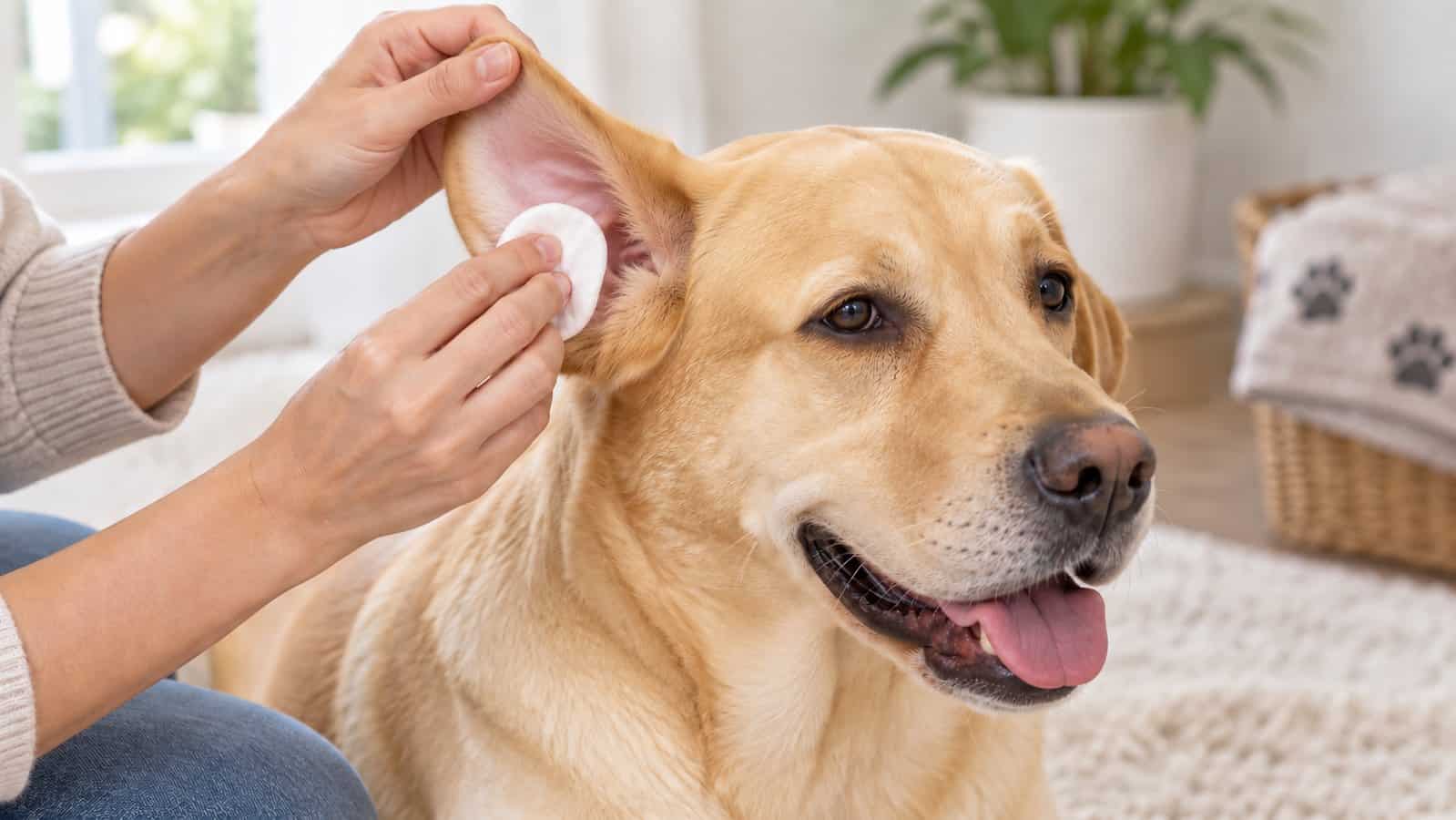
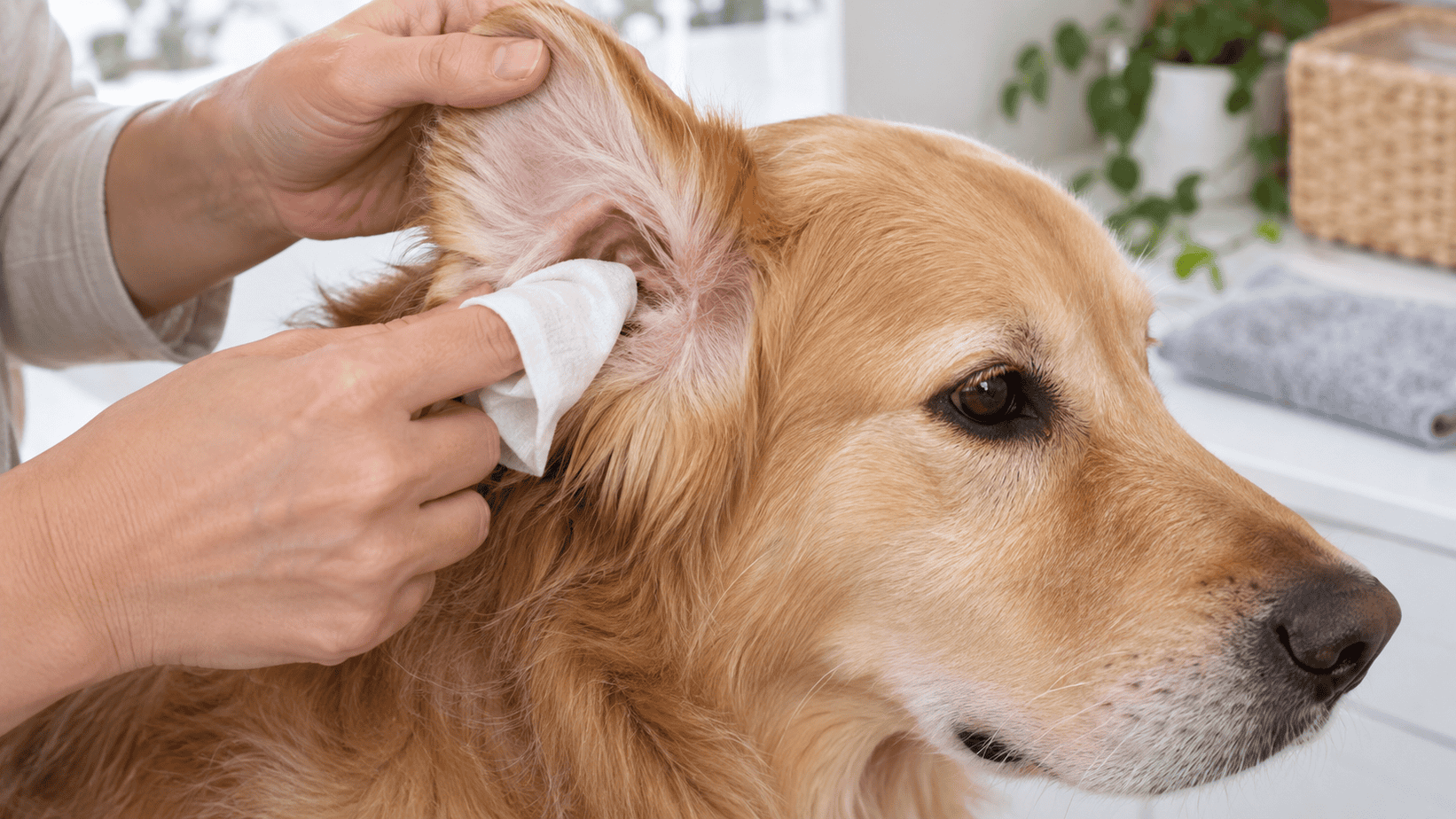
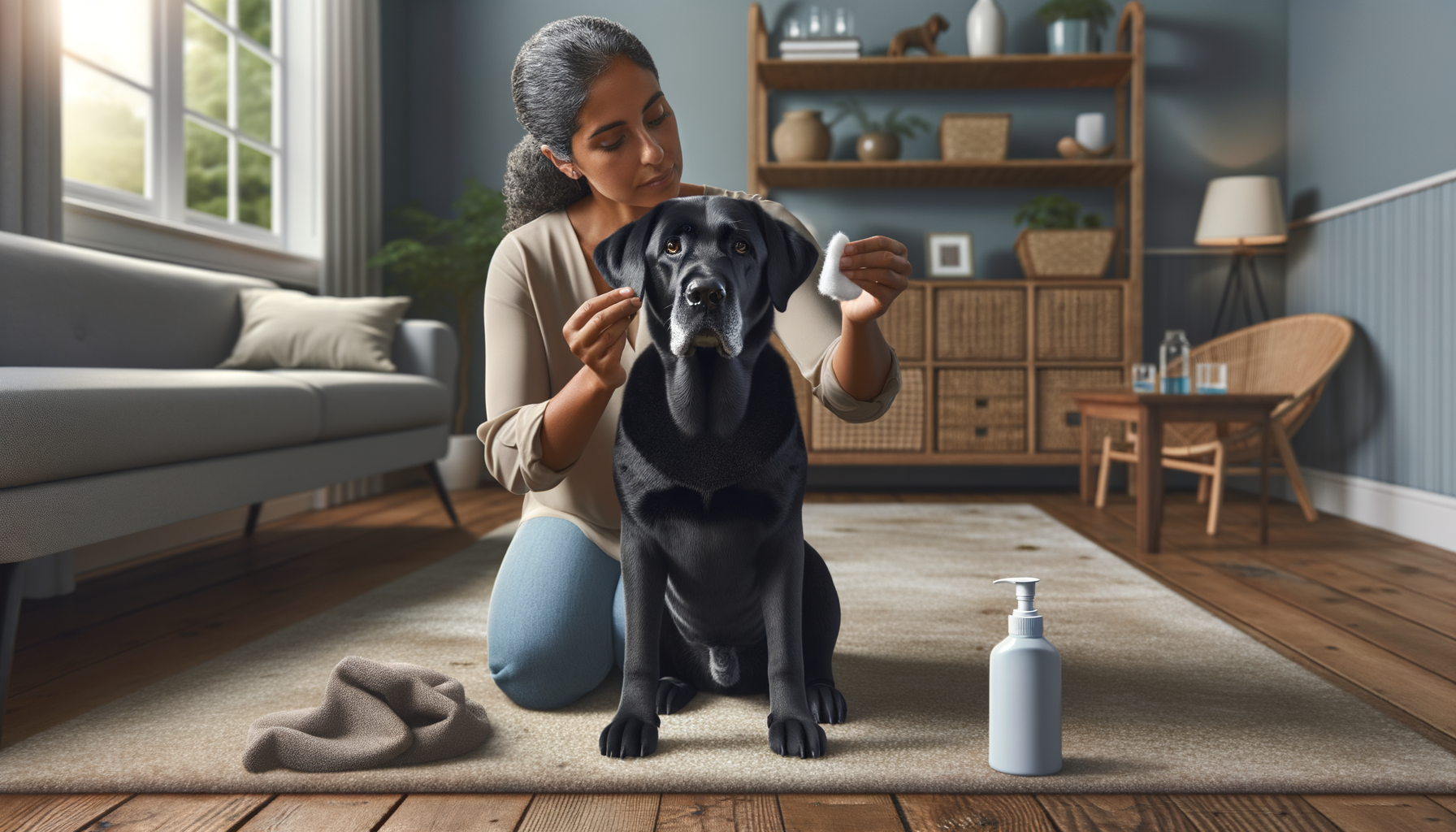
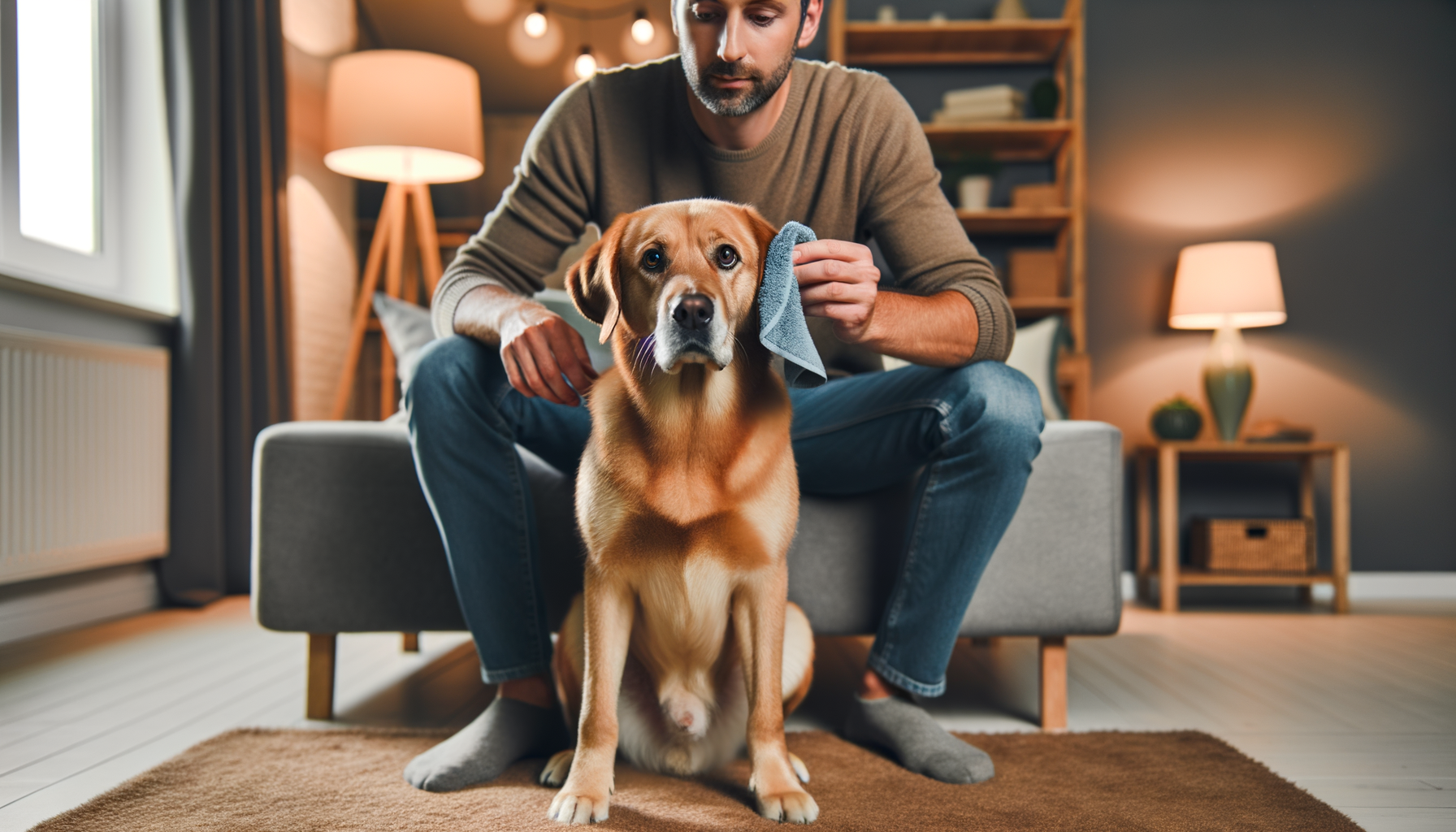
    person cleaning dog's ear with a q-tip

    Ear Cleaning

    Witch Hazel solution can be an effective way to clean a dog’s ears. It is a natural astringent that can help dry up any excess moisture, making it ideal for pets who swim regularly or have floppy ears. Here are some points on how to safely incorporate Witch Hazel in ear cleaning:

    • First, check for any signs of ear infections by examining your pet’s inner ears and smelling for any foul odors or discharge.
    • If everything looks healthy, moisten a cotton ball with Witch Hazel and gently wipe the inside of your dog’s ear flap.
    • Never insert anything into your dog’s ear canal as this could cause damage or discomfort.
    • For dogs with more significant ear issues, consult with your veterinarian before using any home remedies like Witch Hazel solution.

    It’s essential to stick to regular cleaning routines that keep your pet free of infections. Using Witch Hazel in moderation may help prevent these issues from arising. Remember not to overuse it and always monitor your furry friend while doing so!

    Flea and Tick Prevention

    Witch hazel has been known to act as a natural flea and tick preventative method for dogs. Here are 6 ways witch hazel can help to control parasites on your furry friend:

    1. Dilute witch hazel with water, so it becomes safe for direct application on the dog’s skin.
    2. Apply the solution on areas that fleas or ticks tend to occupy, such as the neck or behind the ears.
    3. Witch hazel acts as an astringent, which means that it will cause pores to contract. This helps by closing off locations where parasites may find entry into your pet’s skin.
    4. To increase efficiency, this treatment can be complemented with other natural remedies like diatomaceous earth powder and cedar oil.
    5. Witch hazel also works well in treating hot spots caused by scratching infested bites. It reduces inflammation and promotes healing.
    6. Since witch hazel helps improves coat health, applying it regularly can keep pests away.

    It is important to note that while witch hazel is a natural treatment solution, always consult with your veterinarian before starting any new treatment regime.

    Using Astringents

    Apart from controlling parasites, using astringents like witch hazel can also have other benefits for your canine companion. The topical application of these substances can clean and sterilize wounds from parasite bites; additionally, they improve the appearance of their skin and coat.

    In summary, holistic solutions that can benefit dogs include using natural astringents like witch hazel. In addition to its uses in parasite control, there are various additional applications for promoting overall wellness in pets.

    picture of witch hazel sitting on a bathroom sink

    Safety Precautions When Using Witch Hazel on Dogs

    When using Witch Hazel on dogs, certain safety measures need to be taken to avoid any harmful effects or potential risks. These precautions are essential to ensure your dog’s well-being and comfort.

    • Always dilute witch hazel before application.
    • Avoid contact with your dog’s eyes, nose or mouth.
    • Avoid prolonged use of witch hazel on the same area of the skin.
    • Consult a veterinarian before using witch hazel on dogs with skin allergies or other medical conditions.
    • Ensure your dog does not ingest witch hazel as it can be toxic in large quantities.

    It is important to note that Witch Hazel should only be used externally on dogs and should never replace prescribed medications from a veterinarian. While it can provide relief for various skin irritations, such as itching, inflammation and minor wounds, it does not treat underlying medical conditions.

    Though there are many natural remedies available for common pet ailments, always seek advice from a licensed veterinarian before applying any product onto your pet’s delicate skin. Your veterinarian can advise you on the proper usage and dosage for these remedies and offer advice on selecting safe alternatives if necessary.

    Frequently Asked Questions

    1. Can you use witch hazel on dogs?

    Yes, witch hazel is safe for dogs to use topically for skin irritations or cleansing wounds.

    2. What is witch hazel used for?

    Witch hazel is commonly used as a natural astringent to help soothe skin irritations, reduce inflammation and redness, and cleanse wounds.

    3. Can you use witch hazel on a dog’s itchy skin?

    Yes, using witch hazel on a dog’s itchy skin can help calm and soothe the irritation. However, it should not be used on open wounds or sensitive areas.

    4. How do you apply witch hazel to a dog?

    First, clean the affected area with a mild soap and warm water. Then, saturate a cotton ball or pad with witch hazel and gently apply it to the affected area. Do not allow your dog to lick or ingest the witch hazel.

    5. Are there any side effects to using witch hazel on dogs?

    In rare cases, dogs may have an allergic reaction to witch hazel. It is important to monitor your dog closely after applying and discontinue use if you notice any adverse effects.

    6. Can witch hazel be used as an alternative to veterinary care?

    No, witch hazel should not be used as a replacement for veterinary care. While it can be helpful for minor skin irritations, serious or chronic conditions require professional medical attention.

  • Dealing with Your Dog’s Smelly Ear Odor

    Dealing with Your Dog’s Smelly Ear Odor

    As a holistic veterinarian and dog parent myself, I understand the concern when your furry friend’s ears start giving off an unpleasant smell. Dogs smelly ear odor is a common issue and is usually a sign that something’s amiss. It could be an ear infection, a foreign object, or even allergies causing this distressing odor. But don’t worry, I’m here to guide you through understanding, treating and preventing this problem. So, let’s get started on our journey to restore your pup’s ear health and eliminate that smelly odor!

    dogs ear smelly odor

    Importance of Regular Ear Checkups for Dogs

    As a holistic veterinarian, I can’t stress enough the significance of regular ear checkups for your furry friends. A smelly odor from your dog’s ear is often a sign of an underlying issue that needs to be addressed. Regular ear checkups can help catch these issues early, making treatment more effective.

    How Often Should You Check Your Dog’s Ears?

    Ideally, you should check your dog’s ears at least once a week. This might sound like a lot, but it’s a small commitment that can make a big difference in your dog’s health. Regular checks can help you spot problems early, such as smelly odor, discharge, or redness, all of which could indicate an infection.

    What to Look for During Dog Ear Checkups?

    When checking your dog’s ears, there are a few things to look out for. First, note any unusual odor. A strong, foul smell could indicate a yeast or bacterial infection. Also, look for signs of discomfort in your dog. If they seem to be scratching their ears more than usual or shaking their head, this could also be a sign of an issue. Finally, take a look inside the ear. Discharge, redness, or swelling are all red flags.

    Regular ear checkups are an essential part of ensuring your dog’s health and comfort. By keeping a close eye on their ears, you’ll be able to spot potential problems early and take action to prevent them from becoming more serious. Remember, a smelly odor from your dog’s ear is more than just an annoyance – it’s a sign that something’s not right. Don’t ignore it. Instead, use it as a cue to give your dog’s ears some extra attention.

    In the end, regular ear checkups can save you and your dog from discomfort and distress. So, make it a part of your routine. Your dog will thank you for it.

    Common Dog Ear Infections Leading to Odor

    As a veterinarian, I often encounter cases where dogs ear smelly odor is a common concern for pet parents. Dogs’ ears are incredibly sensitive, and a foul odor could be a strong indicator of an underlying infection.

    Yeast Infections in Dogs’ Ears

    One of the most common causes of foul-smelling ears in dogs is a yeast infection. Dogs naturally have yeast in their ears, but when the yeast overgrows, it can lead to an infection.

    Here are some symptoms to look out for:

    • Intense itching
    • Redness and swelling
    • Brown, waxy discharge

    A yeast infection can make your dog’s ear smell quite unpleasant – often described as a “sweet” or “musty” odor. If you notice these symptoms, it’s crucial to get your dog checked by a vet to confirm the diagnosis and start treatment.

    Bacterial Infections in Dogs’ Ears

    Another culprit behind dogs ear smelly odor could be bacterial infections. Just like yeast, bacteria are also present in your dog’s ear. However, when the bacterial growth becomes uncontrolled, it can lead to infection and a foul smell.

    Signs of a bacterial infection include:

    • Persistent scratching
    • Red and inflamed ear canal
    • Purulent discharge

    The odor from a bacterial infection is different from a yeast infection and is often described as a “sour” or “rotten” smell. It’s crucial to seek veterinary help if you suspect a bacterial infection, as it can lead to serious complications if left untreated.

    Remember, a smelly ear is usually a sign of an underlying issue. If your dog’s ears smell bad, don’t ignore it. Seek veterinary help to ensure your furry friend gets the care they need.

    Home Remedies for Dog Ear Odor

    If your dog’s ear odor is getting unbearable, there are some home remedies that you can try. However, it’s important to remember that these should not replace a visit to the vet if the problem persists or worsens.

    Natural Remedies for Dog Ear Odor

    Natural remedies can be a good first step in addressing your dog’s ear odor. Here are a few you might want to try:

    Apple Cider Vinegar: Dilute apple cider vinegar with water in a 1:1 ratio. Use a dropper to apply the solution to your dog’s ears. The acidity of the vinegar can help balance the pH levels in your dog’s ears and reduce odor.

    apple cider vinegar for home remedies

    Coconut Oil: This has natural antifungal and antibacterial properties. Warm it slightly and apply a few drops into your dog’s ears. It can help soothe irritation and combat infection.

    Tea Tree Oil: Known for its antimicrobial properties, tea tree oil can be mixed with a carrier oil like olive oil and applied to your dog’s ears. Be sure to use it sparingly, as it can be toxic to dogs in large amounts.

    tea tree oil for treating dogs

    Remember to always consult with your vet before trying any new home remedy to ensure it’s safe for your pet.

    Over-the-counter Products for Dog Ear Odor

    If natural remedies aren’t enough, there are a number of over-the-counter products that can help with dog ear smelly odor.

    • Ear Drops: These are formulated to clean and deodorize your dog’s ears. They can also help to dissolve wax and debris that might be causing the odor.
    • Ear Wipes: These are designed for regular use to help maintain your dog’s ear health. They can remove dirt and wax build-up.
    • Medicated Ear Rinse: If your dog’s ear odor is caused by a yeast or bacterial infection, a medicated rinse can help. These products usually contain antifungal and antibacterial ingredients.

    Always follow the manufacturer’s instructions when using these products, and consult your vet if you’re unsure about anything.

    dogs ear stinks

    Professional Treatments for Dog Ear Odor

    When home remedies and preventative measures aren’t enough to combat your dog’s smelly ear odor, it’s time to consider professional treatments. These methods are typically more potent and efficient, providing relief for your furry friend.

    Veterinary Solutions for Dog Ear Odor

    Upon diagnosing the cause of your dog’s ear odor, a veterinarian may prescribe a variety of treatments. These can range from topical ointments and antibiotics to antifungal medications, all designed to combat the underlying cause of the odor.

    • Topical Ointments: These are applied directly to the dog’s ear to soothe inflammation and eliminate bacteria or yeast causing the smell.
    • Antibiotics: If a bacterial infection is present, your vet may prescribe antibiotics. These can either be oral or topical, depending on the severity of the infection.
    • Antifungal Medications: In the case of a yeast infection, antifungal medications will be used to kill the yeast and alleviate the odor.

    It’s crucial to follow your vet’s instructions closely when administering these treatments. Failure to do so could result in the infection or odor returning.

    Surgical Options for Chronic Dog Ear Infections

    In severe cases or when the ear infection is chronic, surgical intervention may be necessary. Procedures such as an ear canal ablation or a total ear canal ablation (TECA) can be performed to alleviate the issue.

    • Ear Canal Ablation: This procedure involves removing the diseased portion of the ear canal, allowing for improved air circulation and reducing the likelihood of future infections.
    • Total Ear Canal Ablation (TECA): In extreme cases, the entire ear canal may need to be removed. This is typically a last resort when other treatments have failed to provide relief.

    While these surgical options sound daunting, they can drastically improve your dog’s quality of life if their ear odor is a result of chronic infections. Your vet will be able to discuss these options with you in detail, ensuring you make the best decision for your furry friend.

    In conclusion, don’t let your dog suffer in silence with smelly ear odor. Whether it’s through home remedies, regular checkups, or professional treatments, there are plenty of ways to help your dog lead a comfortable, odor-free life.

    Preventing Dog Ear Odor

    Routine Ear Cleaning for Dogs

    Regular cleaning of your dog’s ears is crucial to prevent ear odor. It is essential to establish a routine that suits your dog’s needs. Dogs with floppy ears or those prone to infections might require more frequent cleaning, perhaps weekly. However, for most dogs, a monthly ear cleaning is sufficient.

    Start by visually inspecting your dog’s ears. They should be clean and pink with a small amount of wax. If you notice an excessive amount of wax, redness, or a strong smell, these could be signs of an infection. Always use a vet-approved ear cleaner. Avoid using cotton swabs as they can push debris further into the ear and potentially cause damage. Instead, use a clean cotton ball or a soft cloth soaked in the cleaner to gently wipe the inside of the ear.

    Dietary Changes to Prevent Dog Ear Odor

    What your dog eats can significantly impact their ear health. Some dogs are allergic or sensitive to certain food ingredients, which can lead to ear infections. Common culprits include dairy products, wheat, and soy.

    • Omega-3 Fatty Acids: These are essential for your dog’s overall health and can help reduce inflammation in the body, including the ears. Foods rich in omega-3s include fish like salmon and sardines.
    • Probiotics: These beneficial bacteria can help maintain a healthy balance of microorganisms in your dog’s body, which can prevent yeast overgrowth in the ears.
    • Antioxidants: Foods rich in antioxidants, like blueberries and spinach, can boost your dog’s immune system and help fight off infections.

    Remember, every dog is unique, and what works for one might not work for another. It’s always best to consult with your vet before making significant changes to your dog’s diet. They can help you devise a nutrition plan that’s tailored to your dog’s specific needs.

    Note: Never ignore persistent dog ear smelly odor. If preventative measures and home remedies don’t work, it’s time to seek professional help. Your dog could be suffering from an ear infection that requires medical treatment.

    Stinky dog ears

    When to Seek Veterinary Help for Dog Ear Odor

    Knowing when to seek professional help for your dog’s ear odor is crucial to their wellbeing. While some cases may be resolved with home remedies and regular cleaning, there are instances when the condition may require a veterinarian’s intervention.

    Signs Your Dog Needs Professional Help

    While an unpleasant smell is a clear indicator of an issue, there are additional signs that your dog may need professional help:

    • Excessive scratching or pawing at the ears
    • Redness or swelling in the ear canal
    • Discharge of a yellow, brown, or bloody substance
    • Visible discomfort or pain when touching the ears
    • Changes in behavior such as loss of appetite or lethargy
    • Head shaking or tilting to one side
    • Loss of balance or walking in circles

    If these symptoms persist even after home treatment, or if they worsen, it’s time to consult with a vet.

    Importance of Timely Veterinary Intervention

    Timely veterinary intervention for dogs ear smelly odor is essential to prevent further complications. If left untreated, an ear infection can lead to serious problems like hearing loss, facial paralysis, or an internal ear infection, which can affect your dog’s balance and coordination.

    Moreover, frequent or chronic ear infections could be a sign of underlying health issues such as allergies or hormonal imbalances. A vet can provide a comprehensive diagnosis and devise a treatment plan tailored to your dog’s needs.

    Veterinary treatment for ear odor often involves professional cleaning, topical medications, or oral antibiotics. In severe or chronic cases, a vet may suggest a surgical procedure like a lateral ear canal resection or total ear canal ablation to provide long-term relief.

    Remember, your dog’s ear health is an integral part of their overall wellbeing. As a responsible dog parent, it’s your duty to ensure that your furry friend gets the necessary care and treatment they need when they need it. Don’t ignore the signs – if your dog’s ears are smelly, itchy, or painful, it’s time to call the vet.

    Dealing with Your Dog’s Smelly Ear Odor

    Living with a dog that has chronic ear odor can be challenging, but it doesn’t have to be a struggle. It’s all about managing your dog’s comfort and ensuring their quality of life.

    Managing Your Dog’s Comfort

    Firstly, remember that your dog’s smelly ear odor might be causing them discomfort. Regular ear cleaning, using vet-recommended or natural products, is key to alleviating this. Always be gentle when cleaning your dog’s ears to avoid causing any pain. Also, consider incorporating soothing ear massages into your routine. These can help to stimulate blood flow and facilitate healing, while also making the cleaning process more enjoyable for your pet.

    Ensuring Quality of Life for Dogs with Chronic Ear Odor

    Beyond physical comfort, it’s also important to ensure your dog is happy and stress-free. Chronic ear infections can make dogs irritable or anxious, so be patient and understanding. Provide a quiet, comfortable space for your dog to rest and recover. Engage them in gentle play and provide lots of affection to reassure them.

    Additionally, dietary changes can play a significant role in managing ear odors. Certain foods can promote yeast growth, leading to infections and odors. Consult with your vet to establish a diet that supports your dog’s overall health and helps prevent ear infections.

    Finally, always keep an open line of communication with your vet. Regular check-ups and prompt treatment of any new infections can go a long way towards managing ear odors and ensuring your dog’s comfort and happiness.

    Remember, while dealing with your dog’s smelly ear odor might seem overwhelming at times, it’s completely manageable. With patience, diligence, and a little bit of help from your vet, you can ensure that your furry friend stays comfortable, happy, and healthy.

    Frequently Asked Questions

    Q1: Why does my dog’s ear smell bad?

    A: The unpleasant smell from your dog’s ear is usually due to an infection caused by yeast or bacteria. It could also be due to ear mites or a foreign object lodged in the ear.

    Q2: How can I get rid of my dog’s smelly ear odor?

    A: Regular cleaning with a vet-approved ear cleaner can help. If the odor persists, it’s best to consult with a vet as your dog may have an ear infection that needs medical treatment.

    Q3: Can I use human ear cleaning solutions for my dog?

    A: No, it’s not recommended to use human ear cleaning solutions for dogs as they may contain ingredients that are harmful to dogs. Always use a product that is specifically designed for dogs.

    Q4: How often should I clean my dog’s ears?

    A: The frequency of ear cleaning depends on your dog’s breed, age, and health. Generally, it’s recommended to clean your dog’s ears once a week. However, dogs with floppy ears or dogs that swim frequently may need more frequent cleanings.

    Q5: Can a smelly ear odor lead to serious health issues in my dog?

    A: Yes, if left untreated, an ear infection can lead to serious health issues including hearing loss. If your dog’s ear odor persists, it’s best to consult with a vet.

  • Ear Wipes For Dogs – Cleaning Tips & Best Ones Ranked By A Vet

    Ear Wipes For Dogs – Cleaning Tips & Best Ones Ranked By A Vet

    Hello, pet parents. I’m Dr. Candy Akers. Throughout my career, I’ve encountered countless pet owners who are eager to provide the best care for their beloved pets, yet are often unsure about the intricacies of certain aspects of pet health. One such area is the importance of ear hygiene in dogs. Regular ear cleaning is not just about keeping your dog looking and smelling fresh; it plays a pivotal role in preventing potential health issues. With the myriad of products available in the market, it can be overwhelming to choose the right one.

    That’s why I’ve decided to pen down this guide. In the following sections, I’ll be sharing insights on the significance of ear cleaning, tips on using ear wipes effectively, and my top recommendations based on years of hands-on experience. My hope is that by the end of this article, you’ll be equipped with the knowledge to make informed decisions for the well-being of your canine companion.

    ear wipes for dogs

    Why Dog Ear Cleaning is Essential

    The ears of our canine companions are intricate structures, serving not only as organs of hearing but also as a testament to their overall health. Here’s why regular ear cleaning is paramount:

    1. Prevention of Ear Infections: Dogs have a unique ear canal shape, which is more vertical and L-shaped compared to humans. This design can trap moisture, dirt, and debris, creating a conducive environment for bacteria and yeast to thrive. Regular cleaning helps remove these potential irritants, reducing the risk of infections.
    2. Combatting Ear Mites: These tiny parasites can take residence in your dog’s ears, leading to itching, inflammation, and a dark, coffee-ground-like discharge. Cleaning the ears can help in early detection and management.
    3. Reducing Wax Build-up: Just like humans, dogs produce earwax. However, excessive accumulation can obstruct the ear canal, impairing hearing and causing discomfort. Regular cleaning ensures that wax doesn’t build up to problematic levels.
    4. Avoiding Foul Odors: An unpleasant smell from your dog’s ears is often a sign of an underlying issue, be it an infection, mites, or trapped debris. Cleaning not only keeps odors at bay but also allows you to detect potential problems early on.
    5. Enhancing Comfort: Imagine the discomfort of having something constantly itching or irritating your ear. Dogs with dirty ears can frequently scratch or shake their heads, leading to further complications like ear hematomas.
    6. Regular Inspection: Cleaning sessions are also opportunities to inspect your dog’s ears for signs of abnormalities, such as growths, foreign bodies, or inflammation. Early detection often leads to more straightforward and less costly treatments.

    Ear cleaning is not just a grooming routine; it’s a preventive health measure. As pet owners, our responsibility extends beyond feeding and playing with our pets. Remember, a clean ear is a happy ear!

    Benefits of Using Ear Wipes for Dogs

    Dog ear hygiene is a multifaceted domain, and while there are various methods and products available, ear wipes have risen in popularity due to their distinct advantages. Here’s a closer look at the benefits of using ear wipes for our canine companions:

    1. Convenience and Ease of Use

    Ear wipes are pre-moistened, eliminating the need for additional solutions or applicators. This makes the cleaning process swift and hassle-free, especially for pet owners who are new to the practice.

    2. Less Mess Compared to Liquid Solutions

    Traditional liquid ear cleaners can sometimes be messy, with the potential for spillage or over-application. Ear wipes offer a cleaner alternative, ensuring that only the necessary amount of solution is used.

    3. Portability for On-the-Go Cleaning

    Compact and lightweight, ear wipes are perfect for travel. Whether you’re heading to the park, beach, or on a longer journey, you can easily slip a pack of ear wipes into your bag, ensuring your dog’s ears remain clean wherever you go.

    4. Reduced Risk of Over-Cleaning

    With ear wipes, there’s a lower risk of introducing excessive moisture into the ear canal, which can sometimes occur with liquid solutions. This helps in preventing conditions that thrive in damp environments, such as yeast infections.

    5. Gentle on the Ears

    Many ear wipes are formulated with natural ingredients that are gentle on the skin, reducing the risk of irritation. They often contain soothing agents like aloe vera or chamomile, which can be beneficial for dogs with sensitive ears.

    6. Eco-friendly Options

    With the growing emphasis on sustainability, many brands now offer biodegradable ear wipes. This allows pet owners to care for their dogs’ ears while also being mindful of the environment.

    Ear wipes provide a combination of convenience, efficiency, and gentleness, making them a valuable tool in the arsenal of dog ear hygiene. As with any product, it’s essential to choose wipes that are specifically designed for dogs and to consult with your veterinarian if you’re unsure about the best product for your pet.

    How to Choose the Right Ear Wipes for Your Dog

    Selecting the right ear wipes for your canine companion is crucial, not just for effective cleaning but also to ensure the safety and comfort of your pet. With a plethora of options available in the market, making an informed choice can seem daunting. Here’s a guide to help you navigate the choices:

    1. Check the Ingredients

    • Natural Ingredients: Opt for wipes that contain natural and soothing ingredients like aloe vera, chamomile, or witch hazel. These components can help reduce irritation and provide a gentle cleaning experience.
    • Avoid Harsh Chemicals: Steer clear of wipes that contain alcohol, parabens, or other harsh chemicals. These can cause irritation, especially if your dog has sensitive skin.

    2. Texture and Thickness

    A good ear wipe should be thick enough to handle the cleaning without tearing but also have a soft texture to ensure comfort. Some wipes also come with a textured surface, which can be effective in removing more stubborn debris or wax.

    3. Hypoallergenic Options

    If your dog has a history of allergies or sensitive skin, consider hypoallergenic ear wipes. These are formulated to minimize the risk of allergic reactions.

    4. Fragrance-Free vs. Scented

    While some pet owners might prefer scented wipes for a fresh-smelling finish, it’s essential to ensure that any fragrance used is mild and non-irritating. Alternatively, fragrance-free options are always a safe bet.

    5. Eco-friendly and Biodegradable

    In our increasingly eco-conscious world, choosing biodegradable ear wipes can be a nod to sustainability. These wipes break down over time, reducing environmental impact.

    6. Packaging and Moisture Retention

    Choose wipes that come in resealable packaging to ensure they remain moist and effective for longer. Dry wipes won’t clean as effectively and can be abrasive.

    7. Vet-Recommended

    Always consider products that come with a recommendation from veterinarians. These are often tried and tested, ensuring safety and effectiveness.

    8. Reviews and Testimonials

    Before making a purchase, it’s always a good idea to check reviews and testimonials from other dog owners. This can provide insights into the product’s effectiveness and any potential issues.

    Choosing the right ear wipes for your dog is a blend of understanding your dog’s specific needs and being informed about the product’s features. Remember, the goal is to ensure a safe, effective, and comfortable ear cleaning experience for your furry friend.

    dog ear wipes

    When to Use an Ear Wipe On Your Dog

    Ear hygiene is an integral part of your dog’s overall health regimen, but knowing when to use an ear wipe is equally crucial. Over-cleaning can be as detrimental as neglect, so striking the right balance is key. Here’s a guide to help you determine the optimal times to use an ear wipe on your canine companion:

    1. After Outdoor Activities

    Dogs love to explore, and during their outdoor adventures, they can pick up dirt, debris, and even pollen in their ears. After a day at the park, hiking, or any outdoor play, it’s a good idea to give their ears a gentle wipe.

    2. Post-Bathing or Swimming

    Water can get trapped in a dog’s ear canal after a bath or a swim, creating a moist environment conducive to bacterial growth. Using an ear wipe can help remove excess moisture and any trapped debris.

    3. When You Notice Excessive Wax

    A certain amount of earwax is normal and even beneficial as it helps trap foreign particles. However, excessive wax can lead to blockages. If you notice a buildup, it’s time for a gentle cleaning.

    4. If Your Dog is Scratching Their Ears Often

    Frequent scratching can be a sign of discomfort, possibly due to dirt or an impending infection. Regular checks and cleaning can alleviate the itch and prevent further complications.

    ear wipes for dog

    5. Prior to Applying Medications

    If your vet has prescribed ear drops or other medications, ensure the ear is clean before application. This ensures the medicine works effectively without being diluted or obstructed by wax or debris.

    6. Routine Maintenance

    Even if there are no apparent signs of dirt or discomfort, it’s good practice to clean your dog’s ears periodically. Depending on your dog’s breed, activity level, and ear shape, this could be once a week or once a month. Consult with your vet for a recommended routine.

    7. When There’s an Unpleasant Odor

    A foul smell from your dog’s ears is a clear sign that something’s amiss. It could be an infection, trapped debris, or mites. Cleaning can help address the immediate issue, but if the odor persists, a vet visit is in order.

    While ear wipes are a fantastic tool for maintaining your dog’s ear health, it’s essential to use them judiciously. Always monitor your dog’s behavior and the state of their ears, and when in doubt, consult with your veterinarian.

    ear wipes shepherd

    Step-by-Step Guide: How to Clean Your Dog’s Ears with Wipes

    Cleaning your dog’s ears might seem like a daunting task, especially if you’re new to it. However, with the right approach and a bit of patience, it can be a smooth and stress-free process for both you and your furry friend. Here’s a step-by-step guide to help you navigate the process using ear wipes:

    1. Preparation

    • Choose a Calm Environment: Opt for a quiet space where your dog feels relaxed. Avoid areas with loud noises or distractions.
    • Gather Your Supplies: Have the ear wipes ready, along with any treats or toys to reward and distract your dog.

    2. Approach with Calmness

    • Gently approach your dog, speaking in a soothing tone. If your dog seems anxious or agitated, spend a few minutes petting and calming them down before you begin.

    3. Hold the Ear Flap Up

    • Using one hand, gently hold the ear flap (pinna) upwards to expose the ear canal. This will give you clear access to the inner parts of the ear.

    4. Gently Clean the Ear

    • Take an ear wipe and start by cleaning the outer part of the ear. Use gentle, circular motions. As you move inwards, be cautious not to push too deep into the ear canal. The goal is to clean visible dirt and wax without causing discomfort.

    5. Address the Other Ear

    • Once you’ve finished with one ear, repeat the process on the other side. Remember, each ear might have different levels of dirt or wax, so approach each one based on its needs.
    best dog ear wipes

    6. Reward and Praise

    • After you’ve successfully cleaned both ears, reward your dog with a treat or some playtime. This positive reinforcement will make future cleaning sessions easier, as your dog will associate ear cleaning with rewards.

    7. Dispose of the Wipe Responsibly

    • If you’re using biodegradable wipes, you can compost them. Otherwise, ensure you dispose of them in the trash. Avoid flushing them down the toilet, as they can cause blockages.

    8. Monitor Your Dog’s Behavior

    • After cleaning, observe your dog for any signs of discomfort, such as excessive scratching or shaking of the head. If these behaviors persist, it might indicate an underlying issue that requires veterinary attention.

    9. Establish a Routine

    • Based on your dog’s needs and your vet’s recommendations, establish a regular ear cleaning routine. Consistency will help in preventing potential ear problems and ensuring your dog’s overall ear health.

    Cleaning your dog’s ears with wipes is a straightforward process, but it requires patience and gentleness. Always prioritize your dog’s comfort and never force the process if they seem too stressed or agitated. With time and consistency, ear cleaning can become a seamless part of your dog’s grooming routine.

    ear wipes cocker spaniel

    Top 5 Ear Wipes for Dogs Ranked by a Vet – Dr. Candy’s Recommendations:

    Some of these wipes will be medicated, and some will use 100% natural ingredients. For general use, preventative cleaning, or mild issues. The natural ones are great for pups with sensitive skin in their ears as well. For serious or active infections, I usually recommend using a medicated wipe.

    Vetnique Labs Oticbliss Ear Cleaner Wipes ( 100% Natural )

    Vetnique Labs Oticbliss are ear cleaning wipes designed for both dogs and cats. These wipes, formulated by veterinarians, offer a gentle and easy-to-use solution for cleaning and drying the ears of cats and dogs. Infused with aloe vera, the Oticbliss wipes are safe for regular use on all dogs, cats, puppies, and kittens.

    Vetnique Labs Oticbliss Ear Cleaner Wipes

    PROs:

    • Vet-Approved Innovation: Vetnique Labs Oticbliss Ear Cleaner Wipes are veterinarian-formulated and recognized for their high-quality and proven effectiveness. The wipes are carefully crafted with a blend of powerful essential oils and botanical extracts that clean, soothe, and nourish the ears.
    • User-Friendly Application: The gentle, easy-to-use ear cleaner wipes allow for safe regular cleaning for all breeds of dogs, cats, puppies, and kittens. These large-sized wipes offer optimal coverage, making ear cleaning an easy part of pet grooming routines.
    • Enhanced Odor Control and Itch Relief: Besides serving as an ear cleanser, the wipes can significantly control odor and provide itch relief, thus preventing instances of head shaking and ear infections.

    CONs:

    • Durability Concerns: As a general experience, some may find the wipes to be flimsy, which could potentially pose a challenge while trying to clean deeper into the pet’s ears.
    • Strong Scent: Some may consider the fragrance of these wipes to be too strong. While scents can be subjective, this might lead to discomfort for some pets or their owners, and could possibly lessen the product’s appeal.

    Pet MD – Dog Ear Cleaner Wipes – Otic Cleanser for Dogs ( 100% Natural )

    Pet MD – Dog Ear Cleaner Wipes are advanced veterinary-formulated ear wipes designed to gently clean, deodorize, and dry your pet’s ears. These convenient wipes are perfect for routine ear cleaning and can help prevent potential ear problems.

    Pet MD - Dog Ear Cleaner Wipes

    PROs:

    • Designed with Veterinary Expertise: The Pet MD – Dog Ear Cleaner Wipes are formulated by veterinarians and are devised to stop ear itching and infections, displaying a commitment to pet health and wellness.
    • Convenient and Regular Use: These wipes are made for convenience and regular usage, aimed at preventing ear infections and reducing wax buildup. Being alcohol-free, soothing, and non-irritating, they are safe for dogs over 12 weeks old.
    • Manufactured in Federally Regulated Facilities: The wipes are manufactured in federally regulated facilities within the USA, ensuring a high standard of quality and safety.

    CONs:

    • Potential Durability Issues: Given that the wipes are designed to be gentle, they might be somewhat thin and fragile, causing difficulties for users when trying to clean deep within the pet’s ears.
    • Possible Strong Scent: Infused with Aloe and Eucalyptus, these wipes may have a strong aroma that might not be appealing or comfortable for all pets or their owners.

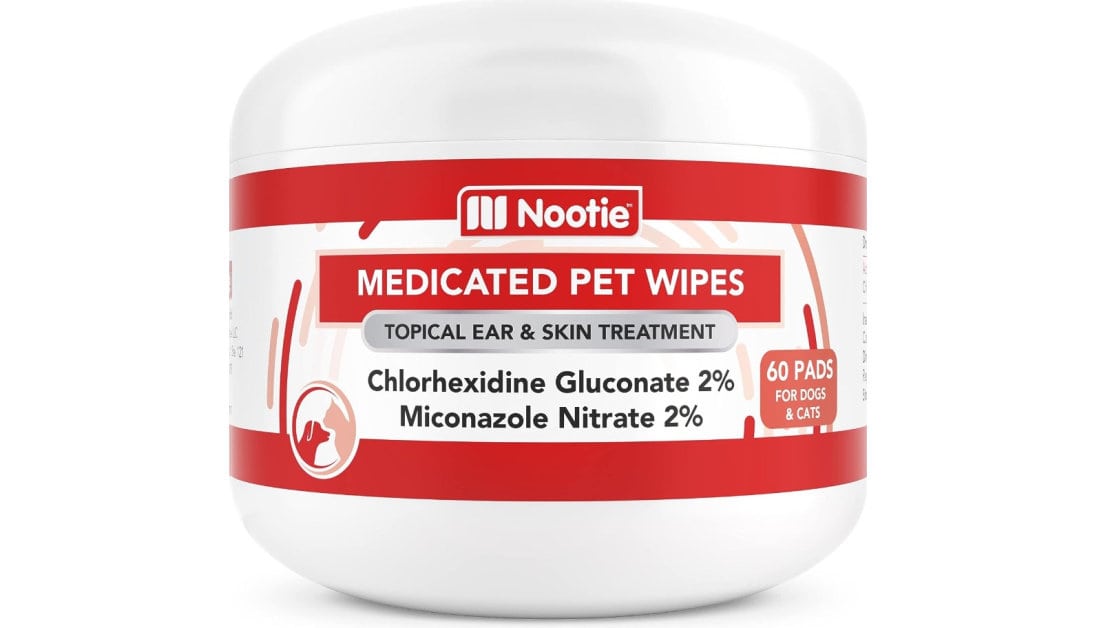
    Nootie Medicated Dog Wipes, 2% Chlorhexidine and 2% Miconazole Formulated Pet Wipes

    Nootie Medicated Dog Wipes are specially formulated to provide gentle and effective relief for dogs with skin conditions. These wipes are infused with essential ingredients that target and alleviate various skin issues, ensuring your pet remains comfortable and itch-free.

    Nootie Medicated Dog Wipes

    PROs:

    • The Nootie Medicated Dog Wipes are formulated with 2% Chlorhexidine and 2% Miconazole, which are effective in treating symptoms of ringworm, hotspots, allergy dermatitis, and ear and skin infections.
    • These wipes are 2″ in size, ideal for use on hard-to-reach areas. They also come in a pack of 70, providing a good quantity of wipes.
    • Easy to use and efficient. They have successfully helped in treating skin irritations and itchiness of pets, demonstrating efficacy.

    CONs:

    • Some users believe the smell of the wipes is quite strong. While not necessarily unpleasant, it smells as if there is an added fragrance which some people might find unnecessary or even bothersome.
    • They can also leave a sticky residue on hands after use.

    Great For: Stubborn fungal infections, ringworm

    Vet’s Best Ear Relief Finger Wipes | Ear Cleansing Finger Wipes

    Vet’s Best Ear Relief Finger Wipes are specially designed for easy and effective ear cleaning for pets. These convenient wipes provide a gentle yet thorough cleansing solution, ensuring your pet’s ears remain clean and healthy.

    Vet's Best Ear Relief Finger Wipes | Ear Cleansing Finger Wipes

    PROs:

    • Natural Ingredients: Vet’s Best Ear Relief Finger Wipes are formulated with all-natural components such as Witch Hazel, Aloe Vera, and Tea Tree Oil, which are safe and nourishing for dogs’ ears.
    • Routine Use: These ear wipes encourage regular upkeep to minimize visible wax or build-up, contributing to cleaner and healthier ears for dogs.
    • Convenient Application: With pre-moistened features that easily slip onto fingers, these wipes provide a simple approach to dog ear cleansing, without the rigmarole of complicated cleaning equipment or procedures.

    CONs:

    • Disposable Nature: While the disposability of the wipes might be seen as a boon for cleanliness and ease of use, it may also contribute to increased waste, which could be environmentally concerning for eco-conscious consumers.
    • Strong Aroma: These ear wipes carry a potent fragrance owing to the natural ingredients used, particularly the tea tree oil. This strong scent might be less appealing to some pets or their owners, potentially affecting compliance with the cleaning routine.

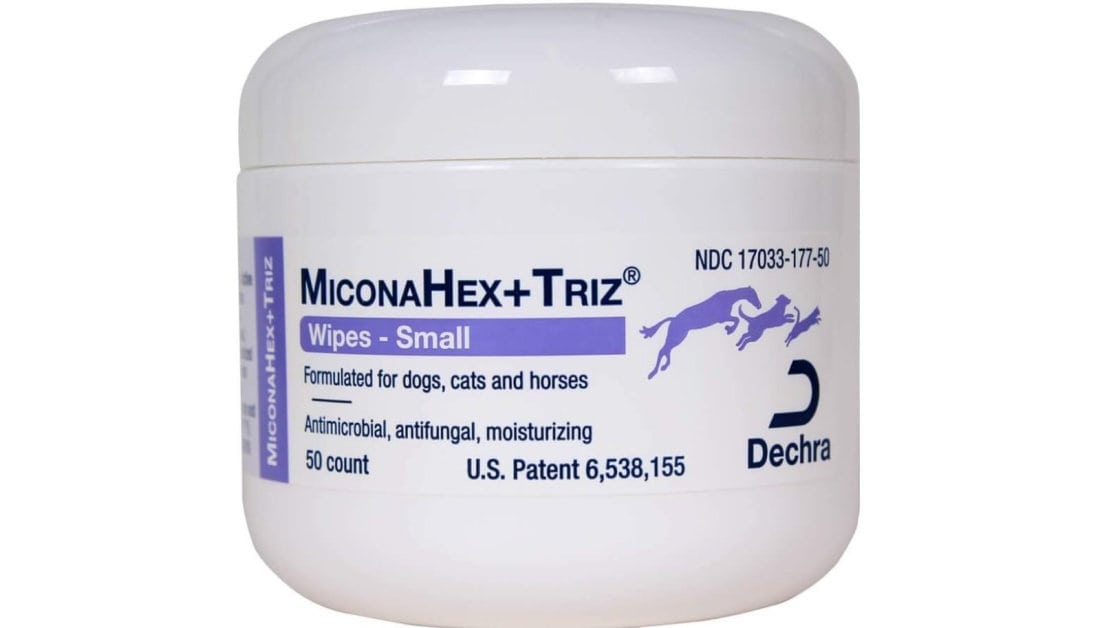
    Dechra MiconaHex + Triz Wipes For Dogs (50ct)

    Dechra MiconaHex + Triz Wipes are specially formulated wipes designed for dogs, offering a combination of miconazole and chlorhexidine to combat skin conditions. Available in a pack of 50, these wipes provide a convenient solution for pet owners to address skin issues in their canine companions.

    Dechra MiconaHex + Triz Wipes For Dogs (50ct)

    Pros:

    • Super Convenient: MiconaHex+Triz Wipes are convenient as they are designed for quick and easy use, offering a practical solution for maintaining coat and skin health on a daily basis.
    • Multi-modal Antiseptic: The active ingredients in the wipes—2% miconazole nitrate, 2% chlorhexidine gluconate, and USP tris-EDTA—offer beneficial properties such as antifungal, antibacterial, and barrier repair, contributing to the overall health and hygiene of the animal.
    • Residual Effects: Chlorhexidine is considered to have residual effects meaning that the medication can stay on skin and provide longer term protection. The product is designed for universal application making it useful for all areas and skin conditions without needing a prescription.

    Cons:

    • Sensitive Skin: Due to their use of specific active ingredients, MiconaHex+Triz Wipes may not be suitable for all dogs, particularly those with skin sensitivities or those allergic to components like miconazole nitrate or chlorhexidine gluconate.
    • Small Quantity Per Jar: The pack size offering is limited to 50 wipes, which may mean frequent repurchasing for owners of multiple dogs or for those dealing with severe or persistent skin conditions.

    Common Mistakes to Avoid When Cleaning Dog Ears

    Proper ear hygiene is vital for our canine companions, but even with the best intentions, it’s easy to make mistakes. Being aware of common pitfalls can help ensure that you’re providing the best care for your dog while avoiding potential complications. Here are some frequent missteps and how to steer clear of them:

    • Over-Cleaning: Cleaning too frequently can strip the ear canal of its natural oils, leading to irritation.
    • Using Human Products: Items like hydrogen peroxide or rubbing alcohol meant for humans can be harsh on a dog’s ears. Always opt for dog-specific products.
    • Pushing Too Deep: Be gentle during cleaning to avoid injury and prevent pushing debris further into the ear canal.
    • Ignoring Signs of Infections or Issues: Redness, swelling, foul odor, or discharge are signs that warrant a vet’s attention.
    • Neglecting Regular Checks: Even if not cleaning daily, regularly inspecting your dog’s ears helps in early detection of potential problems.
    • Using Cotton Swabs: These can push debris deeper and risk injuring the ear’s delicate structures.
    • Not Drying the Ears After Water Exposure: Always dry your dog’s ears thoroughly after baths or swims to prevent bacterial growth.
    • Not Rewarding or Comforting Your Dog: Use positive reinforcement to make the cleaning process more pleasant for your pet.
    • Not Seeking Professional Guidance: If unsure about the cleaning process, consult a veterinarian or professional groomer for guidance.

    While ear cleaning is a crucial aspect of dog care, it’s essential to approach it with knowledge and caution. By avoiding these common mistakes and prioritizing your dog’s comfort and safety, you can ensure optimal ear health for your furry friend.

    dog ear wipes

    When to See a Vet

    While regular ear cleaning is an essential aspect of dog care, there are instances where professional intervention is necessary. Recognizing the signs that warrant a visit to the veterinarian can ensure timely treatment and prevent complications. Here are some indicators that your dog might need expert attention:

    • Persistent Scratching or Shaking of the Head: If your dog constantly scratches their ears or shakes their head, it could be a sign of discomfort or an underlying issue.
    • Unpleasant Odor or Discharge: A foul smell or unusual discharge from the ears often indicates an infection or another medical condition.
    • Signs of Pain or Discomfort: If your dog yelps when their ears are touched or seems generally uncomfortable, it’s a clear sign that something’s amiss.
    • Swelling or Redness: Inflammation or redness in or around the ear can be indicative of infections or allergic reactions.
    • Hearing Loss: If your dog doesn’t respond to sounds or commands as they usually would, it could be a sign of hearing impairment, possibly due to an ear issue.
    • Visible Parasites: If you notice tiny moving creatures or a dark, coffee-ground-like substance in the ear, it could be a sign of ear mites.
    • Foreign Objects: Dogs are curious creatures, and sometimes they might get foreign objects like grass seeds or burrs lodged in their ears.
    • Bleeding or Open Sores: Any sign of bleeding or open sores in the ear warrants immediate veterinary attention.
    • Chronic Issues: If you’ve been cleaning your dog’s ears regularly but the problems persist or recur frequently, it’s time to consult a vet.

    While regular ear maintenance is crucial, it’s equally important to recognize when professional help is needed. Always prioritize your dog’s well-being, and when in doubt, seek the expertise of a veterinarian.

    ear wipes bulldog

    Conclusion

    Ear health is an often overlooked yet crucial aspect of our canine companions’ overall well-being. As responsible pet owners, it’s our duty to ensure that our furry friends are not only happy and active but also free from discomfort and potential ear ailments. Through regular checks, proper cleaning techniques, and a keen eye for signs of trouble, we can keep our dogs’ ears in optimal condition. Remember, it’s not just about cleaning but understanding the why, how, and when of the process. And in those moments of uncertainty, never hesitate to seek professional guidance. After all, our dogs offer us unconditional love and loyalty; the least we can do is ensure they lead a life free from preventable discomforts. Here’s to happy, healthy ears and even happier dogs!

    Frequently Asked Questions

    How often should I clean my dog’s ears?

    The frequency of ear cleaning varies based on your dog’s breed, activity level, and ear shape. While some dogs may benefit from weekly cleanings, others might only need it once a month. It’s best to consult with your veterinarian for a tailored recommendation.

    Can I use baby wipes or other human products to clean my dog’s ears?

    It’s advisable to avoid using baby wipes or any human products on your dog’s ears. These might contain ingredients that are too harsh or not suitable for canine ears. Always opt for products specifically formulated for dogs.

    What are the signs of an ear infection in dogs?

    Common signs include redness, swelling, an unpleasant odor, discharge, persistent scratching or shaking of the head, and visible discomfort when the ears are touched. If you notice any of these symptoms, consult a veterinarian.

    Are certain breeds more prone to ear issues?

    Yes, some breeds, especially those with floppy ears like Basset Hounds, Cocker Spaniels, and Golden Retrievers, are more susceptible to ear infections due to limited air circulation. Regular checks and cleaning are essential for these breeds.

    Is it safe to pour liquid solutions into my dog’s ears for cleaning?

    While there are liquid ear cleaning solutions available for dogs, it’s essential to use them correctly. Overuse can lead to excessive moisture in the ear, which can promote bacterial growth. If unsure about the application, seek guidance from a veterinarian or professional groomer.

  • Spotting Ear Mites in Dogs: Vet’s Quick Guide

    Spotting Ear Mites in Dogs: Vet’s Quick Guide

    As a holistic veterinarian, I understand how much you love your furry friends and want to keep them healthy and happy. One common issue that can cause discomfort in dogs is an ear mite infestation. So, how can you tell if your beloved pet has ear mites? In this article, we’ll explore the signs of ear mites in dogs, how they get them, and most importantly, what you can do to help. Spotting Ear Mites in Dogs: Vet’s Quick Guide is your go-to resource for understanding and addressing this common canine problem. Let’s get started on keeping those floppy (or pointy) ears mite-free!

    how to know if dog has ear mites

    As a holistic vet, I know how much you love your four-legged friend and want to keep them in the best health. That’s why it’s crucial to know how to spot the signs of ear mites in dogs early. Let’s dive into the common symptoms so you can stay one step ahead.

    Physical Signs of Ear Mites

    Ear mites can cause noticeable physical symptoms in your dog. You may notice a dark, coffee-ground-like substance in their ears – this is a key sign of an ear mite infestation. The dog’s ears may also become red and inflamed due to the irritation caused by these tiny parasites. In severe cases, your dog may develop sores or skin infections from excessive scratching.

    Behavioral Changes in Dogs with Ear Mites

    Ear mites can be highly irritating for dogs, leading to a number of behavioral changes. You might observe your dog shaking their head more often than usual or scratching their ears persistently. They may also be more restless, due to the discomfort caused by the mites. If you notice any of these behaviors, it’s a good idea to check their ears for signs of mites.

    Understanding the symptoms of ear mites in dogs is the first step in ensuring your pet’s health and comfort. By knowing what to look for, you can catch an infestation early and seek treatment before it becomes more serious. Remember, ear mites are a common problem, but with your vigilance and care, they can be effectively managed.

    As a loving dog parent, it’s your responsibility to keep an eye out for any changes in your dog’s behavior or physical condition. If you suspect ear mites, don’t hesitate to seek veterinary advice. Early detection and treatment can save your dog from unnecessary discomfort and prevent more serious complications. Keep the keyword how to know if dog has ear mites in mind and stay vigilant for these signs in your furry friend.

    Causes of Ear Mites in Dogs

    As your trusted vet, I find it crucial to help you understand how to know if your dog has ear mites and where these pesky parasites come from. Knowledge is power, and in this case, it can help you protect your furry friend from discomfort and potential complications.

    How Dogs Get Ear Mites

    Ear mites are highly contagious and can easily spread from one animal to another through direct contact. If your dog loves to socialize with other pets in the park, that’s one way they could pick up ear mites. Even indirect contact, such as sharing bedding or grooming tools with an infected pet, can lead to an infestation.

    Factors Contributing to Ear Mite Infestation

    Several factors can make your dog more susceptible to ear mite infestations:

    • Age: Puppies and younger dogs are more likely to get ear mites due to their immature immune systems.
    • Environment: Dogs that spend a lot of time outdoors or in close contact with other animals have a higher risk.
    • Health status: Dogs with a weakened immune system due to illness or stress are more prone to ear mite infestations.

    Understanding these factors is a key part of knowing how to know if your dog has ear mites. It’s not just about spotting the signs; it’s about being aware of your dog’s risk and taking steps to protect them.

    As a vet, I urge you to keep a close eye on your dog’s behavior and physical condition, especially if they fall into any of the above categories. Regular check-ups and ear inspections can go a long way in catching an infestation early and ensuring your beloved pet’s comfort and wellbeing.

    Understanding the Life Span of Ear Mites

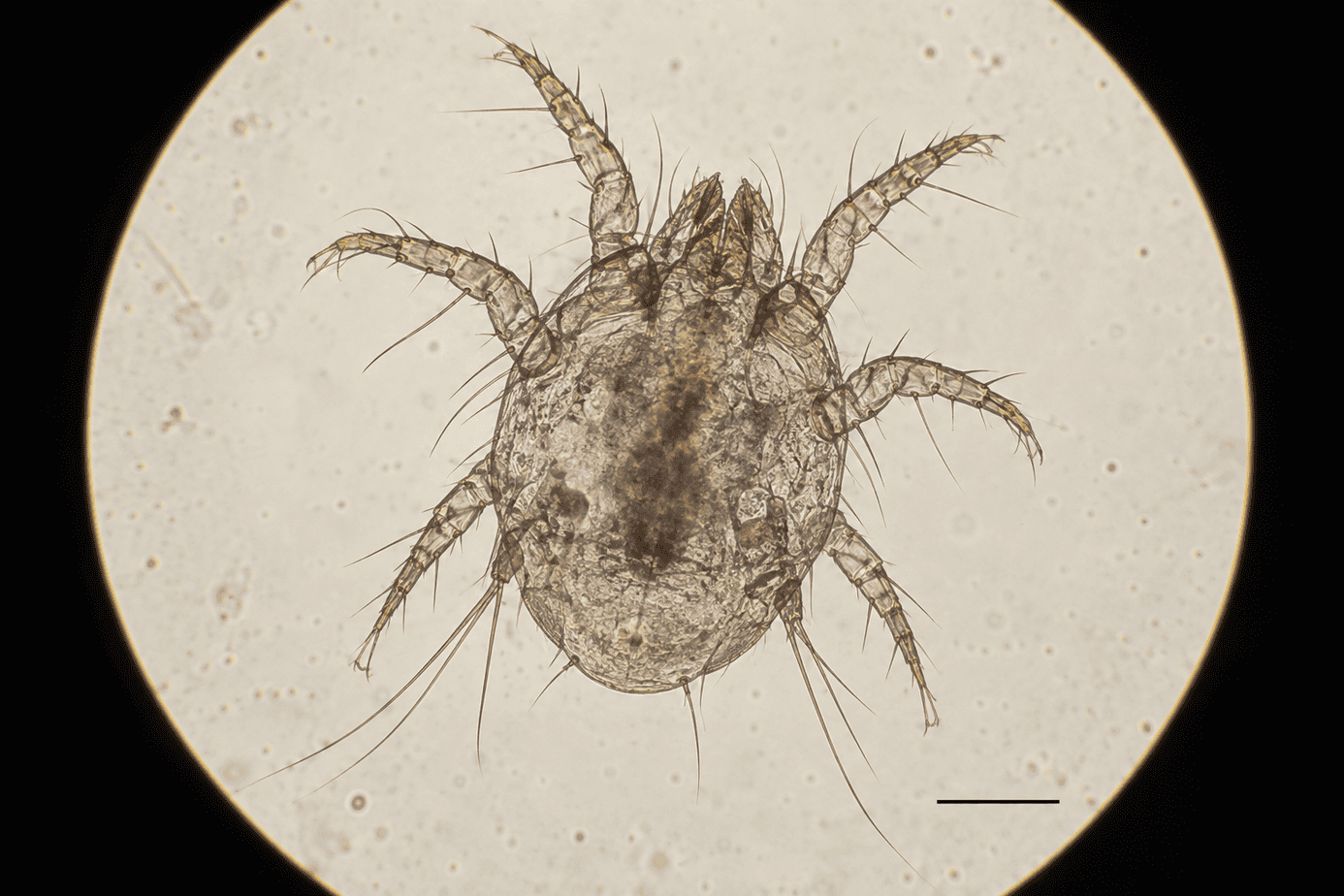
    Ear mites, specifically Otodectes cynotis, are tiny, spider-like parasites that live in the ears of dogs. They have a surprisingly long life cycle, lasting about three weeks. This life cycle begins when the female mite lays her eggs in the ear canal. Within four days, these eggs hatch into larvae, which then molt into nymphs after about three to five days.

    The nymphs undergo two molts over the next five days, transforming into adult mites. It’s during this stage that they become particularly troublesome, feeding on the ear tissue and causing inflammation and discomfort. The adult mites mate, and the females lay more eggs, continuing the cycle.

    How Ear Mites Multiply and Spread

    Ear mites are extremely contagious and can easily spread from one dog to another, especially in close quarters. They can also jump from dogs to cats and vice versa. The mites primarily spread through direct contact, as they crawl from the infested dog’s ear to another dog’s ear. They can also spread indirectly through shared bedding, grooming tools, or toys.

    It’s important to note that ear mites can survive for a limited time in the environment outside of a host. However, they need a host to breed and complete their life cycle. If a dog has ear mites and is scratching its ears frequently, it may inadvertently drop mites or eggs into its environment, which can then infest other pets in the household.

    Understanding the life cycle of ear mites can be helpful in managing an infestation and preventing future ones. It’s crucial to treat all pets in a household if one has been diagnosed with ear mites, even if the others aren’t showing symptoms. This is because the mites can be present and multiplying without causing noticeable discomfort at first. Remember, early detection and treatment can save your dog a lot of discomfort and prevent the spread of these pesky parasites.

    how to know if my dog has ear mites

    Vet’s Examination Procedures for Ear Mites

    When it comes to how to know if your dog has ear mites, a vet’s examination is the most reliable method. Your vet will start by conducting a thorough physical examination of your dog, paying particular attention to the ears. They will look for the common signs of an ear mite infestation, such as redness, swelling, and a dark, waxy discharge.

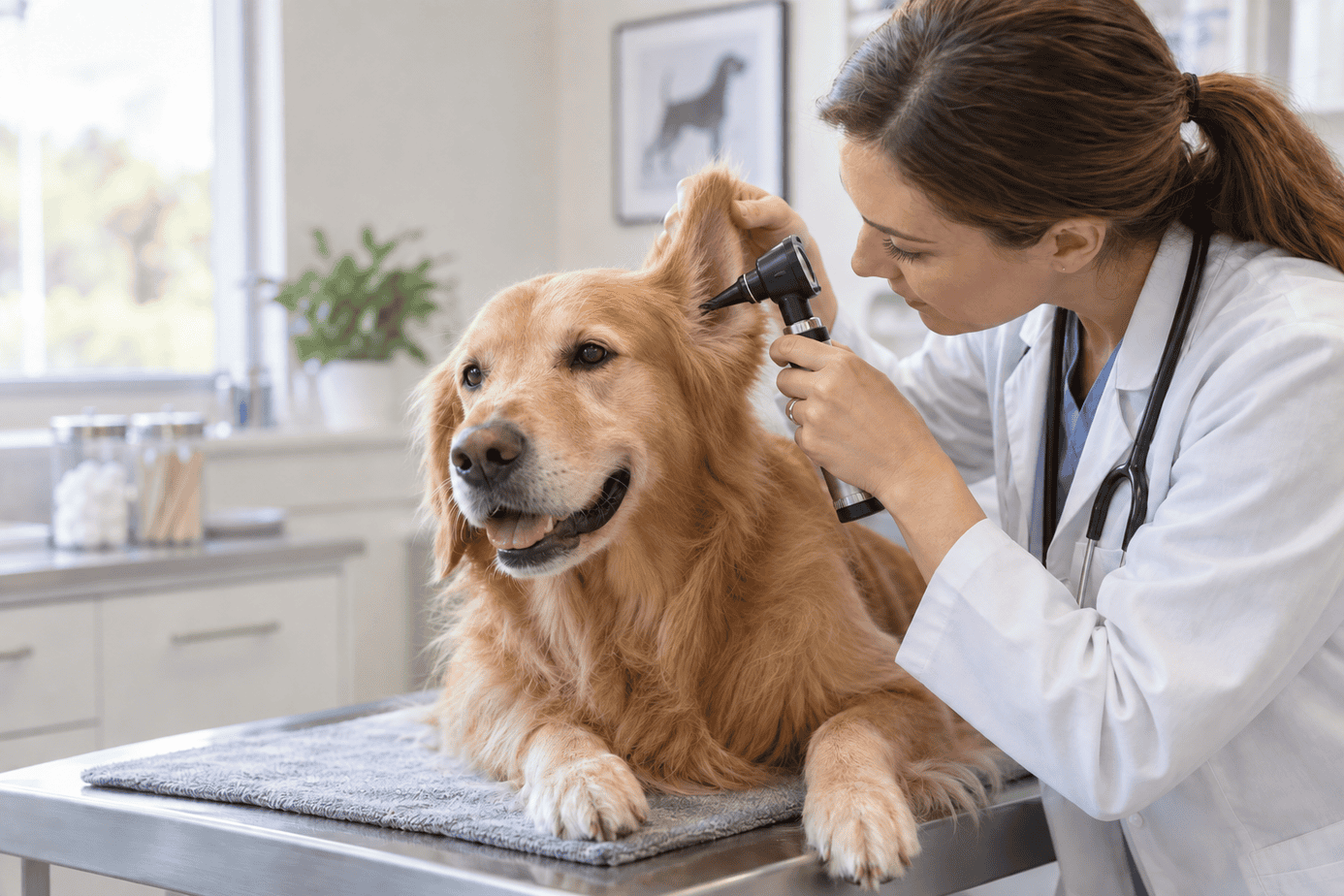
    Next, your vet may use a tool called an otoscope to look deep into your dog’s ear canal. This can help them see any mites that might be hiding out of sight. Sometimes, the mites can be seen moving around in the ear.

    Your vet may also take a sample of the discharge from your dog’s ear to examine under a microscope. This is the most definitive way to confirm the presence of ear mites, as it allows the vet to actually see the mites and their eggs.

    Confirming the Presence of Ear Mites

    Once the ear mite infestation is confirmed, your vet will be able to recommend the best course of treatment. It’s important to note that even if only one ear appears to be affected, treatment will usually be recommended for both ears. This is because ear mites can easily spread from one ear to the other.

    It’s also important to treat any other pets in the household, as ear mites can easily spread from one animal to another. Even if your other pets aren’t showing symptoms, they could still be carrying the mites.

    In summary, if you suspect your dog has ear mites, it’s important to get them to the vet as soon as possible. The sooner the mites are detected, the sooner your dog can start treatment and get back to feeling their best.

    Remember, knowing how to spot the signs of ear mites is the first step towards ensuring your dog’s ear health. So, stay vigilant, and don’t hesitate to seek professional help if you suspect an infestation.

    Treatment Options for Ear Mites in Dogs

    If you’re a dog parent suspecting your furry friend may have ear mites, it’s crucial to know the different treatment options available. Ear mites in dogs can be quite uncomfortable, but with proper care and treatment, your dog can be free from these pesky parasites. So, let’s dive into the available treatment options.

    Veterinary Treatments for Ear Mites

    The first step in any health-related issue in dogs, including ear mites, is to consult with a veterinarian. They will confirm the presence of ear mites and suggest the best treatment plan. Here are some common treatments your vet might recommend:

    • Topical Medications: Your vet may prescribe a topical medication to kill the ear mites. These are usually applied directly to the dog’s ear and may also contain ingredients to soothe inflammation and discomfort.
    • Oral Medications: In some cases, oral medications may be used alongside topical treatments. These can help kill ear mites that have migrated to other parts of the dog’s body.
    • Ear Cleaning: Your vet might also recommend a thorough ear cleaning to remove any debris and mites. This is usually done in the clinic, but they might show you how to do it at home for follow-up care.

    Home Remedies for Ear Mites

    While veterinary care is essential, some home remedies can help soothe your dog’s discomfort and help in the recovery process. However, always consult your vet before trying any home remedies to ensure they’re safe and effective for your pet. Here are a few you might consider:

    • Mineral Oil: A few drops of mineral oil in your dog’s ears can suffocate the mites and ease irritation. Do this for a few days until you see improvement, but remember, it’s not a substitute for veterinary treatment.
    • Vinegar and Water Solution: A 50/50 solution of vinegar and water can help create an environment in your dog’s ears that’s inhospitable to mites. However, only use this if your dog’s ears aren’t raw or inflamed, as vinegar can cause discomfort.

    Remember, treating ear mites in dogs is not a one-time process. Consistent treatment and follow-up care are crucial to completely eradicate the mites and prevent re-infestation. Always follow your vet’s instructions and keep an eye on your dog’s behavior and symptoms to ensure the treatment is working.

    how to know if a dog has ear mites

    Prevention of Ear Mites in Dogs

    Spotting ear mites in dogs is essential, but preventing them is even better. As a loving dog parent, you can take proactive steps to ensure that your furry friend stays healthy and happy. Here’s how to prevent ear mites in dogs:

    Regular Ear Cleaning Regimen

    Regular ear cleaning is vital for keeping ear mites at bay. A clean environment is less likely to harbor these tiny parasites. Here’s a simple, step-by-step guide on how to clean your dog’s ears:

    • First, gather the necessary supplies. You’ll need cotton balls or pads, a gentle dog ear cleaner, and treats for rewarding your dog after the procedure.
    • Gently hold your dog’s ear flap up and squirt a small amount of the ear cleaner into the ear canal. Be careful not to insert the applicator too deeply.
    • Massage the base of the ear gently for about 30 seconds. You’ll hear a squishing sound, which is normal and means the cleaner is reaching the necessary areas.
    • Let go of your dog’s ear and allow them to shake their head. This helps to bring up debris from the ear canal.
    • Finally, use the cotton balls or pads to clean the outer part of the ear. Never insert anything into the ear canal.

    Remember, consistency is key. Depending on your dog’s breed and individual needs, you might need to clean their ears weekly or monthly. Always consult with your vet to establish the most suitable ear cleaning regimen.

    Preventive Measures Against Ear Mite Infestation

    Besides regular ear cleaning, other preventive measures can help keep ear mites away. Here are some tips:

    • Regular vet check-ups: Regular vet visits can help detect ear mites early before they become a major problem. Your vet can also provide advice tailored to your dog’s specific needs.
    • Use of preventive medications: There are several products available that can prevent ear mites. These usually come in the form of drops that you apply to your dog’s ears. Always consult your vet before starting any new medication.
    • Quarantine new pets: If you bring a new pet into your home, keep them separated from your other pets until you’re sure they’re not carrying ear mites.
    • Regularly clean your dog’s environment: Regularly wash your dog’s bedding and clean their living area to reduce the chances of an ear mite infestation.

    Remember, prevention is always better than treatment. By following these preventive measures, you can help ensure that your furry friend stays free from ear mites. And of course, if you suspect your dog might have ear mites, always consult with your vet immediately.

    The Impact of Ear Mites on a Dog’s Health

    Long-Term Effects of Ear Mites on Dogs

    Did you know that prolonged ear mite infestation in your furry friend can lead to severe health issues? If left untreated, these tiny parasites can cause inflammation, infections, and even hearing loss. The incessant scratching can result in open sores and wounds, exposing your pet to secondary bacterial infections. In severe cases, the constant head shaking and scratching can lead to a painful condition called an aural hematoma, where blood vessels in the ear flap rupture, causing swelling.

    Importance of Timely Treatment for Ear Mites

    Just like any other health condition, early detection and treatment of ear mites is crucial. Timely treatment can prevent unnecessary discomfort and potential health complications. Remember, your dog relies on you to keep them healthy. So, if you notice any signs of ear mites, such as excessive scratching, head shaking, or a dark discharge from the ears, it’s time to visit your vet. Don’t worry, with the right treatment, your dog can be free of ear mites and back to their happy, playful self in no time.

    As a loving pet parent, knowing how to know if a dog has ear mites is essential to your dog’s health and happiness. Ear mites may be tiny, but they can cause significant discomfort and potentially severe health issues if left untreated. So, always be vigilant for signs of ear mites and act promptly if you suspect an infestation.

    Remember, a healthy dog is a happy dog, and a happy dog makes for a happy pet parent. So, let’s keep those ears clean, healthy, and mite-free!

    Frequently Asked Questions

    1. What are the common signs of ear mites in dogs?

    Ear mites in dogs often cause symptoms such as excessive scratching of the ears, head shaking, redness and inflammation, a strong odor, and a dark or waxy discharge from the ears.

    2. How can I confirm if my dog has ear mites?

    While the symptoms can suggest ear mites, the only sure way to confirm is by visiting a vet. They will take a sample from your dog’s ear and examine it under a microscope to look for mites.

    3. Can ear mites in dogs be treated at home?

    While there are home remedies available, it’s highly recommended to seek professional help from a vet. They can provide a proper diagnosis and prescribe the most effective treatment.

    4. Can ear mites be prevented?

    Regular cleaning of your dog’s ears can help prevent ear mites. Also, ensure your dog is not in contact with other animals that have ear mites.

    5. Are ear mites contagious to other pets or humans?

    Yes, ear mites can be transmitted from one pet to another through direct contact. However, they are not typically transmitted to humans.

  • Holistic Vet’s Guide: Dog Ear Mites Symptoms & Care

    Holistic Vet’s Guide: Dog Ear Mites Symptoms & Care

    As a holistic vet, I know how much you love your furry friend and want to keep them healthy and happy. That’s why it’s essential to be aware of common health issues like ear mites in dogs. These tiny parasites can cause significant discomfort and potentially lead to severe complications if not addressed promptly. In this comprehensive guide, we’ll explore the symptoms, causes, and natural remedies for dog ear mites, helping you understand how to prevent, detect, and treat this pesky problem. Remember, your dog’s health is in your hands, and knowledge is the first step towards a happy, mite-free pup!

    ear mites in dogs

    Recognizing Symptoms of Dog Ear Mites

    As a holistic veterinarian, I can’t stress enough how vital it is to recognize the symptoms of ear mites in dogs early. Spotting the signs gives your pet the best chance at a swift and full recovery, preventing discomfort and potential long-term damage.

    Common Signs of Dog Ear Mites

    Ear mites can cause a range of visible symptoms in your furry friend. Here are a few key signs to look out for:

    • Dark, crumbly discharge: This may resemble coffee grounds and is often the most noticeable symptom of ear mites.
    • Scratching and rubbing: Dogs with ear mites will frequently scratch their ears or rub them on furniture or the floor.
    • Redness and inflammation: The ears may appear red and swollen due to irritation.
    • Odor: A strong, unpleasant smell can often accompany an ear mite infestation.

    Behavioral Changes Indicating Dog Ear Mites

    Aside from physical signs, changes in your dog’s behavior can also indicate an issue with ear mites. Dogs suffering from ear mites may seem more restless and agitated due to the discomfort. They may also shake their heads frequently in an attempt to alleviate the itching.

    It’s essential to remember that these signs don’t necessarily mean your dog has ear mites, as they can also indicate other ear problems. Therefore, if you notice any of these symptoms, it’s crucial to consult your vet for an accurate diagnosis.

    As a holistic vet, I always encourage dog parents to maintain a close bond with their pets. This bond makes it easier to notice when something is amiss, including the symptoms of ear mites. It’s always better to be safe than sorry when it comes to your pet’s health, so don’t hesitate to seek professional help if you suspect ear mites.

    Causes and Transmission of Dog Ear Mites

    As a holistic vet, I often get asked about ear mites in dogs. Understanding how dogs get these parasites and how they are transmitted is crucial in preventing your pet from becoming affected.

    How Dogs Get Ear Mites

    Ear mites are tiny, spider-like parasites that thrive in the warm, moist environment of your dog’s ears. They feed on the ear wax and oils, which can cause significant discomfort for your furry friend. Dogs can get ear mites from various sources:

    • Direct contact: Ear mites are highly contagious and can easily spread from one dog to another through direct contact.
    • Indirect contact: Your dog can also get ear mites by coming into contact with contaminated objects such as bedding, toys, or grooming tools.

    Canine Ear Mites Transmission Methods

    Understanding the transmission methods of ear mites in dogs can help you protect your pet:

    • Close proximity: Dogs living in close proximity, such as in shelters or multi-pet households, are at a higher risk as ear mites can easily jump from host to host.
    • Outdoor exposure: Dogs that spend a lot of time outdoors, especially those that interact with other animals, are more susceptible to ear mites.

    Remember, ear mites can affect dogs of all ages, but puppies and young dogs are more prone due to their developing immune systems. The key to preventing ear mites in dogs is to maintain good hygiene, limit exposure to infested animals, and perform regular ear checks. If you notice any signs of ear mites, such as excessive scratching, shaking of the head, or a dark discharge from the ears, seek veterinary care immediately. Early detection and treatment can save your dog from unnecessary discomfort and potential hearing loss.

    Holistic Vet’s Methods for Diagnosing Ear Mites

    When it comes to diagnosing ear mites in dogs, a holistic vet will take a comprehensive approach. This often begins with a detailed discussion about your dog’s history, lifestyle, and any symptoms you may have noticed. The vet may ask about your dog’s behavior, diet, and any changes in their environment.

    Next, the vet will conduct a physical examination. This will typically involve examining your dog’s ears using an otoscope, a device that allows a closer look inside the ear canal. The vet may also take a sample of the ear discharge and examine it under a microscope. This can help identify ear mites, as well as any secondary infections that may have occurred.

    Some holistic vets may also use complementary diagnostic techniques, such as bioresonance testing or kinesiology, to provide an even more complete picture of your dog’s health.

    Importance of Accurate Diagnosis in Dog Ear Mites

    An accurate diagnosis is crucial when dealing with ear mites in dogs. While ear mites are a common cause of ear problems in dogs, there are other conditions that can cause similar symptoms, such as bacterial or yeast infections, allergies, or even foreign bodies lodged in the ear.

    By accurately diagnosing the problem, your vet can ensure that your dog receives the most appropriate treatment. This is particularly important when it comes to holistic treatments, as these often aim to address the root cause of a problem, rather than simply treating the symptoms.

    Misdiagnosis or delayed diagnosis can lead to unnecessary suffering for your dog and could potentially cause the condition to worsen. Therefore, if you suspect that your dog has ear mites, it’s important to seek veterinary advice as soon as possible. Remember, early detection and accurate diagnosis are key to successful treatment and recovery.

    Note: While home remedies can be helpful in managing minor ear issues, they should never replace a proper veterinary diagnosis and treatment. Always consult with a holistic vet before starting any home treatments for ear mites in dogs.

    ear mites in my dog

    Natural Remedies for Dog Ear Mites

    Holistic Treatments for Dog Ear Mites

    When it comes to treating ear mites in dogs, holistic methods can offer a gentle yet effective approach. Here are a few holistic treatments you might consider:

    • Herbal Ear Drops: A blend of anti-parasitic herbs like calendula, mullein, and garlic infused in olive oil can be used as ear drops. These herbs have natural antibacterial and antifungal properties that can help eliminate ear mites and soothe inflammation.
    • Homeopathic Remedies: Homeopathic remedies such as Psorinum and Sulphur can be beneficial in treating dog ear mites. They work by boosting your dog’s immune system to fight off the mites.
    • Acupuncture: While not a direct treatment for ear mites, acupuncture can improve your dog’s overall health and boost their immune system, making it harder for mites to thrive.

    Remember, it’s essential to consult with a holistic vet before starting any new treatment regimen to ensure it’s safe and suitable for your dog.

    Home Remedies for Dog Ear Mites

    In addition to holistic treatments, there are several home remedies that can help alleviate the symptoms of ear mites in dogs. Here are a few you can try:

    Apple Cider Vinegar: Dilute apple cider vinegar with equal parts water and use it to clean your dog’s ears. The acidity can help kill the mites and soothe inflammation.

    apple cider vinegar for home remedies

    Coconut Oil: Coconut oil has natural antifungal and antibacterial properties. Apply a few drops into your dog’s ears and massage gently. The oil can suffocate the mites and promote healing.

    coconut oil for home remedies

    Aloe Vera: Aloe vera’s soothing properties can help relieve itching and inflammation caused by ear mites. Apply a small amount of pure aloe vera gel to your dog’s ears, but be careful not to let it enter the ear canal.

    aloe vera for home remedies

    While these home remedies can help, they should not replace a visit to the vet. If your dog’s symptoms persist or worsen, seek professional help immediately. Remember, early detection and treatment of ear mites in dogs is crucial to prevent further complications.

    Tips for Preventing Dog Ear Mites

    Prevention is always better than cure, and this adage holds true when it comes to ear mites in dogs. Here are some practical tips to help you protect your beloved pet:

    • Regular Cleaning: Keeping your dog’s ears clean is crucial. Use a vet-recommended cleaner and gently clean the ear canal and outer ear. This helps to remove any potential mites and also makes the environment less hospitable for them.
    • Check for Signs: Always be on the lookout for symptoms of ear mites in dogs, such as excessive scratching, head shaking, or a dark discharge from the ears. Early detection can prevent a full-blown infestation.
    • Prevent Direct Contact: Ear mites can easily spread from one pet to another. If your dog is in close contact with other animals, ensure those animals are also free of ear mites.
    • Use Preventive Treatments: Several over-the-counter products can help prevent ear mites. Discuss with your holistic vet to choose a suitable product.

    Role of Regular Check-ups in Preventing Dog Ear Mites

    Regular vet check-ups play a significant role in preventing ear mites in dogs. These visits allow your vet to thoroughly examine your dog’s ears and spot any signs of an ear mite infestation.

    A holistic vet can also provide advice on natural preventive measures, such as specific diets or supplements that boost your dog’s overall immunity, making it harder for ear mites to establish an infestation.

    Regular check-ups also provide the opportunity for early detection. If your vet does find ear mites, they can start treatment immediately, preventing the condition from worsening and causing discomfort to your dog.

    Remember, a holistic approach to your dog’s health is not just about treating conditions as they arise, but also about taking proactive measures to prevent issues like ear mites. So, schedule those regular check-ups and keep your dog’s ears clean to ensure they stay happy and healthy.

    ear mites in dog

    Maintaining Your Dog’s Ear Health Post-Treatment

    Once your dog has been treated for ear mites, it’s crucial to maintain their ear health to prevent any recurrence. Here are a few tips to help keep your dog’s ears clean and healthy:

    • Regular cleaning: Keep your dog’s ears clean by gently wiping the inside with a cotton ball dampened with a vet-approved ear cleanser. Avoid using cotton swabs as they can push debris deeper into the ear.
    • Diet: A balanced diet can boost your dog’s immune system, making them less susceptible to ear mites and other infections. Include Omega-3 fatty acids in your dog’s diet as they have anti-inflammatory properties.
    • Hygiene: Regular grooming and bathing can keep ear mites at bay. Be sure to dry your dog’s ears thoroughly after baths or swimming to prevent moisture buildup, which can contribute to ear mite infestations.

    Monitoring for Recurrence of Dog Ear Mites

    Even after successful treatment, ear mites in dogs can recur. Therefore, it’s essential to monitor your dog closely for any signs of a new infestation. Here’s what to look out for:

    • Scratching: If your dog starts scratching their ears frequently again, it could be a sign of ear mites.
    • Discharge: Watch out for any black or brown discharge from the ears, which is a common symptom of ear mites.
    • Odor: A strong, unpleasant smell coming from your dog’s ears could indicate a new ear mite infestation or bacterial infection.

    If you notice any of these signs, it’s best to consult your vet immediately for a thorough check-up. Remember, early detection and treatment of ear mites in dogs can prevent severe infections and complications. Your furry friend depends on you for their well-being, so let’s keep those ears mite-free and healthy!

    Importance of Holistic Vet Care in Dog Ear Mites

    Role of Holistic Vet in Treating Dog Ear Mites

    When it comes to treating ear mites in dogs, a holistic vet plays an essential role. They focus on treating your furry friend as a whole rather than just addressing the symptoms. This approach includes using natural remedies, proper nutrition, and stress management techniques to enhance your dog’s overall well-being. Your vet will also consider your dog’s lifestyle, diet, and environment to provide a comprehensive treatment plan. This approach ensures that your dog’s immune system is strengthened, helping them to fight off ear mites more effectively.

    Benefits of Holistic Approach to Dog Ear Mites Care

    • Natural Remedies: A holistic approach often involves using natural remedies which are gentle on your dog’s system. These treatments not only fight off the ear mites but also promote overall ear health.
    • Preventative Care: Holistic vets focus on prevention as much as they do on treatment. They’ll provide guidance on how to minimize your dog’s risk of getting ear mites, such as regular ear cleaning and avoiding areas where ear mites are prevalent.
    • Whole Body Health: A holistic vet looks at your dog’s overall health. By addressing underlying health issues, your dog’s resistance to ear mites can be improved.

    Watching your beloved pet struggle with ear mites can be distressing, but remember, you’re not alone. With the help of a holistic vet, you can provide your furry friend with the best care possible. They’ll not only help you combat the ear mites but also give you the tools to keep your dog healthy and happy. Remember, early detection and treatment of ear mites in dogs is crucial. So, keep an eye out for symptoms and don’t hesitate to seek help if you suspect your dog has ear mites. Here’s to the health and happiness of your four-legged friend!

    Frequently Asked Questions

    1. What are the common symptoms of ear mites in dogs?

    Ear mites in dogs often cause symptoms such as excessive scratching of the ears, head shaking, redness and inflammation, a strong odor, and a dark or waxy discharge from the ears.

    2. How can I prevent my dog from getting ear mites?

    Regular cleaning of your dog’s ears can help prevent ear mites. Also, avoid letting your dog interact with other animals that have ear mites. Some preventative medications can also help.

    3. How are ear mites in dogs treated?

    Ear mites in dogs are typically treated with medications that kill the mites. These may be applied directly into the ear or given orally. In some cases, the vet may need to clean the dog’s ears before treatment can begin.

    4. Can ear mites in dogs lead to other health problems?

    Yes, if left untreated, ear mites can lead to serious infections and damage to the ear canal and eardrum. In severe cases, they can even cause hearing loss.

    5. Can humans get ear mites from dogs?

    While it’s rare, humans can potentially get ear mites from dogs. However, the mites don’t survive well on human skin, so the risk is low.

  • Treating Dog Ear Mites: Holistic Expert Tips

    Treating Dog Ear Mites: Holistic Expert Tips

    As a holistic veterinarian, I know the distress that dog ear mites can cause both you and your beloved pet. These tiny parasites can lead to severe discomfort and potential health complications if left untreated. But don’t worry, I’m here to help you understand how to treat ear mites in dogs using both conventional and holistic methods. In this comprehensive guide, we’ll explore everything from the signs and causes of ear mites, to natural remedies and dietary changes that can help alleviate your furry friend’s symptoms. Remember, your dog’s health is our shared priority!

    how to treat ear mites in dogs

    Unraveling the Causes of Dog Ear Mites

    Ear mites in dogs are a common concern for many pet owners. Understanding how your furry friend might contract these pesky parasites is key to preventing and treating the condition effectively. Here’s the scoop on the causes of dog ear mites.

    How Dogs Get Ear Mites

    In my years as a holistic vet, I’ve found that ear mites are usually contracted through contact with an infected animal. These tiny parasites can easily crawl from one pet to another during play dates, at dog parks, or even in your own backyard. The most common ear mite species, Otodectes cynotis, is not picky about its hosts. It can live on dogs, cats, rabbits, and other furry animals, making cross-species transmission a possibility.

    Risk Factors for Dog Ear Mites

    Certain factors can increase your dog’s risk of getting ear mites. Puppies, for instance, are more susceptible due to their immature immune systems. Dogs with long ears are also at a higher risk because their ear shape creates a warm, dark, and moist environment that mites love.

    Living conditions play a role as well. Dogs living in crowded conditions or those who spend a lot of time outdoors have a higher chance of contracting ear mites. Similarly, dogs that aren’t regularly groomed or don’t have their ears cleaned can easily get an infestation.

    But remember, any dog can get ear mites. Even the most pampered pooch isn’t immune. That’s why it’s so important to know the signs and symptoms of ear mites, which we’ll discuss in the next section.

    In summary, understanding how to treat ear mites in dogs starts with knowing how your pet may contract them and what might make them more susceptible. Armed with this knowledge, you can take steps to protect your furry friend from these pesky parasites. After all, prevention is always better than cure.

    Conventional Treatments for Dog Ear Mites

    When it comes to understanding how to treat ear mites in dogs, there are a couple of conventional methods that come to mind. These methods are usually the first line of action and can be very effective in managing the condition.

    Veterinary Approaches to Treating Ear Mites

    The most common approach used by veterinarians is a thorough ear cleaning followed by the application of a prescribed medication. The cleaning process removes the debris and mites from the ear, making the medication more effective. The medication, usually a pesticide like pyrethrin or a similar substance, works by killing the mites.

    Here are some steps a vet might take:

    • Physical examination: The vet will check your dog’s ears for signs of mites.
    • Ear cleaning: This is done to remove any debris and mites in the ear canal.
    • Medication: The vet will then apply a prescribed medication to kill the mites.

    Over-the-Counter Medications for Dog Ear Mites

    If you’re looking for ways on how to treat ear mites in dogs at home, over-the-counter medications can be a good option. These are usually available in the form of drops that you apply to your dog’s ear. Some popular options include:

    Product NameActive Ingredient
    Ear Mite KillerPyrethrin
    Mite-StopIvermectin
    Ear Mite TreatmentSelamectin

    It’s important to remember that while these treatments can be effective, they should be used with caution. Always follow the instructions on the label, and if your dog’s condition doesn’t improve or worsens, it’s best to consult a vet.

    Treating Dog Ear Mites: Holistic Expert Tips

    If you’re looking for a natural approach to treat ear mites in dogs, you’re in the right place. Here, we’ll discuss some holistic methods that can be effective in managing this common canine issue.

    Natural Remedies for Dog Ear Mites

    There are a number of natural remedies that can help alleviate the symptoms of ear mites and even eliminate the mites themselves. Here are a few you might consider:

    Mineral Oil: This can be used to smother the mites and soothe your dog’s irritated ears. Apply a few drops to your dog’s ear canal once a day for about three weeks.

    mineral oil for dogs

    Honey: Known for its antibacterial and antifungal properties, honey can be gently applied to your dog’s ears to help kill mites and soothe inflammation.

    honey for treating dogs

    Apple Cider Vinegar: When diluted with water, apple cider vinegar can help restore the natural pH balance of your dog’s ears, making it an unwelcoming environment for mites. Use a 50/50 mix and apply it with a cotton ball.

    apple cider vinegar for home remedies

    Homeopathic Treatments for Dog Ear Mites

    Homeopathy can also be a useful tool in treating ear mites. While it’s always best to consult with a holistic vet for a tailored treatment plan, here are a few homeopathic remedies known to help with ear mites:

    Sulphur: This remedy is often used for skin and ear issues in dogs, including ear mites. It can help soothe itching and inflammation.

    sulphur to treat ear mites in dogs

    Pulsatilla: This is a good option if your dog appears particularly distressed or anxious due to the ear mites.

    pulsatilla to treat ear mites in dogs

    Calcarea carbonica: This remedy can be useful for dogs with a tendency towards ear infections and mites, as it helps strengthen the immune system.

    calcarea carbonica to treat ear mites in dogs

    Remember, it’s crucial to consult with a holistic veterinarian before starting any new treatment. They can guide you on the appropriate remedies and dosages for your dog’s specific needs.

    ear mite treatment

    Treating Dog Ear Mites: Holistic Expert Tips

    Dietary Changes to Help Treat Dog Ear Mites

    When dealing with ear mites in dogs, it’s essential to consider not just the direct treatments, but also the dietary changes that can support your dog’s overall health and immune system. These changes can help your dog’s body fight off the mites more effectively.

    Foods to Boost Dog’s Immune System

    A strong immune system is a dog’s first line of defense against ear mites, and certain foods can help boost your dog’s immunity. Here are some foods that can help:

    • Fish: Rich in omega-3 fatty acids, fish like salmon and mackerel can help strengthen your dog’s immune system.
    • Vegetables: Carrots, broccoli, and spinach are packed with vitamins and antioxidants that can enhance your dog’s immunity.
    • Probiotics: Foods like yogurt and kefir can promote a healthy gut, which is crucial for a strong immune system.

    Foods to Avoid When Treating Dog Ear Mites

    Just as some foods can boost your dog’s immune system, others can weaken it, making it harder for your dog to fight off ear mites. Here are some foods to avoid:

    • Sugar: Sugar can suppress the immune system and should be avoided.
    • Processed Foods: These often contain additives and preservatives that can harm your dog’s health.
    • Grains: Some dogs are allergic to grains, which can weaken their immune system and make them more susceptible to ear mites.

    Remember, every dog is unique, and what works for one may not work for another. Always consult with your vet before making significant changes to your dog’s diet. With the right diet and a comprehensive treatment plan, you can help your furry friend overcome ear mites and enjoy a happier, healthier life.

    Preventing Dog Ear Mites

    Regular Cleaning and Grooming Tips

    Preventing ear mites in dogs begins with regular cleaning and grooming. It’s crucial to maintain hygiene to keep your furry friend healthy and happy. Here are some tips to keep in mind:

    • Regular Ear Checks: Always check your dog’s ears for any signs of infection or mites. This includes redness, swelling, or an unusual amount of wax.
    • Ear Cleaning: Use a vet-approved ear cleaner to keep your dog’s ears clean. Remember to be gentle and never insert anything into the ear canal.
    • Grooming: Regular grooming can help prevent ear mites. It’s a perfect opportunity to check for any signs of ear mites.

    Natural Preventive Measures Against Ear Mites

    Aside from regular grooming, there are natural preventive measures you can take to protect your dog from ear mites.

    • Healthy Diet: A healthy diet is key to a strong immune system, which can help prevent ear mites. Foods rich in omega-3 fatty acids like fish and flaxseeds can boost your dog’s immune system.
    • Herbal Remedies: Some herbs have been known to repel parasites, including ear mites. Consult with a holistic vet to find out which herbs are safe and effective for your dog.
    • Regular Vet Checks: Regular vet checks can help catch any issues early before they become a serious problem. It’s always better to be proactive when it comes to your dog’s health.

    Remember, prevention is always better than cure. By following these tips, you can help protect your dog from the discomfort and potential health risks associated with ear mites. But remember, each dog is unique, and what works for one might not work for another. Always consult with a vet or a holistic pet care expert to find the best preventive measures for your dog.

    how to treat my dogs ear mites

    Potential Complications from Untreated Ear Mites

    If left untreated, ear mites in dogs can lead to a variety of complications. To start, the persistent scratching and shaking can cause physical damage to your dog’s ears. This includes hematomas, which are blood-filled blisters that can form on the inner surface of the ear. These can be painful and often require surgical treatment.

    Moreover, the constant irritation and inflammation can also lead to secondary bacterial or yeast infections. These can be quite serious, leading to a foul-smelling discharge, severe pain, and even hearing loss if not treated promptly.

    In extreme cases, untreated ear mites can lead to a condition called otitis externa, an inflammation of the outer ear and ear canal. In the worst-case scenario, if the infection spreads to the middle and inner ear, it could lead to balance issues and irreversible hearing loss.

    Impact of Ear Mites on Dog’s Health and Behavior

    Beyond the physical health issues, ear mites can also have a significant impact on your dog’s wellbeing and behavior. Dogs with ear mites are often restless and uncomfortable. The constant itchiness can cause them to become irritable or agitated, and you may notice changes in their behavior.

    Your dog may also become less active due to the discomfort, or they may avoid playing or being petted, particularly around the head. This can lead to a decrease in their quality of life and can even impact their relationship with you and other pets in the household.

    Furthermore, the stress and discomfort caused by ear mites can weaken your dog’s immune system, making them more susceptible to other illnesses.

    Remember, early detection and treatment are key in preventing these complications. Regular check-ups and ear cleanings can help keep ear mites at bay and ensure that your dog remains happy and healthy. As always, if you notice any changes in your dog’s behavior or physical health, it’s important to consult with your vet immediately. They can provide the necessary treatment and advice on how to manage and prevent ear mites in the future.

    Case Studies: Success Stories of Holistic Treatments

    Dog Owners’ Experiences with Natural Remedies

    In the world of dog ear mite treatment, there are numerous success stories of dog owners turning to natural remedies with positive results. One such story involves a dog owner named Sarah, whose Labrador Retriever was constantly scratching his ears. After trying conventional treatments with little success, Sarah decided to try a natural remedy using a mixture of almond oil and vitamin E. In a few short weeks, Sarah noticed a significant decrease in her dog’s scratching and discomfort.

    Effectiveness of Holistic Approaches: Real-Life Examples

    Another case that highlights the effectiveness of holistic approaches comes from Mike, a dog owner who struggled to find a solution for his German Shepherd’s recurring ear mite issues. After researching and consulting with a holistic vet, Mike decided to boost his dog’s immune system through dietary changes. He started feeding his dog a diet rich in Omega-3 fatty acids and avoided foods that could potentially weaken the dog’s immune system. Mike also started regular ear cleaning using a natural cleaning solution made of apple cider vinegar and water. Within a month, Mike noticed a remarkable improvement in his dog’s condition with a drastic reduction in ear mite infestation.

    These real-life examples demonstrate that holistic treatments for how to treat ear mites in dogs can be effective. However, it’s important to remember that each dog is unique, and what works for one might not work for another. Always consult with a vet before starting any new treatment regimen.

    Final Words

    While dealing with dog ear mites can be challenging, remember that you are not alone in this journey. Many dog parents have successfully treated their furry friends using holistic treatments and lifestyle changes. It’s all about finding what works best for your dog and sticking to it. Remember, a healthy dog is a happy dog, and with the right approach, you can help your best friend live a comfortable and itch-free life. Here’s to your success in treating dog ear mites holistically!

    Frequently Asked Questions

    1. What are some holistic methods to treat dog ear mites?

    There are several holistic methods available to treat dog ear mites. These include using natural oils such as olive oil or almond oil, herbal remedies like garlic or calendula, and homeopathic treatments. Always consult with a holistic vet before starting any treatment.

    2. How effective are holistic treatments for dog ear mites?

    The effectiveness of holistic treatments can vary depending on the severity of the mite infestation and the overall health of the dog. Some dogs may respond well to holistic treatments, while others may require more conventional treatments. Always consult with a vet to determine the best course of action.

    3. Are there any side effects to holistic treatments for dog ear mites?

    Most holistic treatments are generally safe and have few side effects. However, some dogs may have allergic reactions to certain herbs or oils. It’s important to monitor your dog’s reaction to any new treatment and consult with a vet if you notice any adverse effects.

    4. How long does it take to see results with holistic treatments for dog ear mites?

    The length of time it takes to see results can vary depending on the severity of the mite infestation and the type of holistic treatment used. Some treatments may show results within a few days, while others may take several weeks. Always consult with a vet for guidance.

    5. Can I prevent dog ear mites with holistic treatments?

    While holistic treatments can help manage and treat dog ear mites, they may not always prevent future infestations. Regular ear checks and cleaning, a healthy diet, and minimizing your dog’s exposure to other infested animals can help prevent mites. Always consult with a vet for prevention strategies.

  • Ear Mites in Dogs: A Holistic Vet’s Basic Guide

    Ear Mites in Dogs: A Holistic Vet’s Basic Guide

    Hello there, fellow dog parents! As a holistic veterinarian, I’m often asked, “What are dog ear mites?” These tiny parasites can cause our furry friends a great deal of discomfort, but the good news is, there are effective ways to treat and prevent them. In this article, we’ll discuss everything you need to know about dog ear mites, from identifying the symptoms to exploring both conventional and natural treatment options. My aim is to provide you with a comprehensive guide that will help you ensure your dog’s ear health and happiness. So, let’s get started on this journey to understanding and combating ear mites in dogs!

    what are dog ear mites

    Identifying Symptoms of Ear Mites in Dogs

    As a holistic veterinarian, I often meet dog parents who are worried about their furry friends. One common concern is ear mites, tiny parasites that can make your dog’s life miserable. Let’s discuss how you can identify signs of these unwelcome guests in your dog’s ears.

    Common Signs of Ear Mites

    Ear mites in dogs often manifest with a range of symptoms. For starters, your dog may frequently scratch its ears or shake its head. This is because the ear mites cause significant discomfort and itching. You might also notice your dog rubbing its ears against furniture or the floor to alleviate the itch.

    • Excessive ear scratching
    • Head shaking
    • Ear rubbing against objects

    Physical Changes Indicating Ear Mites

    Beyond these behavioral changes, there are also some physical signs you can look out for. One of the most common is a dark, coffee-ground-like substance in your dog’s ears. This is ear mite excrement, and it’s a clear indication of an infestation. In severe cases, you may notice redness, swelling, or even wounds caused by your dog’s incessant scratching. Your dog’s ear might also emit a strong, unpleasant odor.

    • Dark, coffee-ground-like substance in the ears
    • Redness or swelling in the ears
    • Wounds from scratching
    • Unpleasant odor from the ears

    Understanding these symptoms is the first step to ensuring your dog’s comfort and health. Ear mites may be small, but they can cause significant discomfort for your beloved pet. As a dog parent, it’s crucial to stay vigilant and keep an eye out for these signs. Remember, the sooner you identify a potential ear mite infestation, the quicker you can seek treatment and relief for your furry friend.

    Next time you’re giving your dog a cuddle or a scratch behind the ears, take a moment to check for these signs. Your dog will thank you for it!

    How Dogs Contract Ear Mites

    As a veterinarian, one of the questions I often get asked is “what are dog ear mites and how do they get them?”. Ear mites are tiny parasites that love the warm, dark environment of your dog’s ear canal. They feed on the skin and wax inside the ear, causing irritation and discomfort to your furry friend.

    Common Sources of Ear Mites

    Ear mites are extremely contagious and can easily spread from one pet to another. The most common ways dogs contract ear mites include:

    • Direct contact with an infected animal: This is the most common way dogs get ear mites. If your dog interacts with another pet that has ear mites, there’s a high chance they will get them too.
    • Indirect contact with infected environments: Ear mites can survive for a short time in the environment. If your dog shares bedding, grooming tools, or other items with an infected pet, they can contract ear mites.

    Risk Factors for Ear Mites in Dogs

    While any dog can get ear mites, certain factors increase the risk. These include:

    • Younger age: Puppies are more likely to get ear mites due to their immature immune systems.
    • Living in multi-pet households: The more pets you have, the higher the chance of one contracting ear mites and spreading it to others.
    • Outdoor access: Dogs that spend a lot of time outdoors are at a higher risk as they are more likely to come into contact with infected animals.

    In conclusion, understanding what are dog ear mites and how they are contracted can help you take preventive measures to protect your dog from this uncomfortable condition.

    Diagnosing Ear Mites in Dogs

    So, you’ve noticed your furry friend scratching their ears more than usual, and you’re wondering what are dog ear mites and if they’re the culprits. Let’s talk about how you can diagnose this common canine issue.

    Veterinary Procedures for Diagnosing Ear Mites

    When it comes to diagnosing ear mites, your vet is your best resource. They will typically start with a thorough examination of your dog’s ears. This can involve a visual inspection and using a tool called an otoscope to look deep into the ear canal. They may also take a sample of the ear discharge and examine it under a microscope to identify the presence of mites.

    Ear mites are tiny, but they are visible to the naked eye. Under the microscope, they appear as small, white dots moving around. If your vet confirms the presence of ear mites, they will then recommend appropriate treatment options.

    Home Checks for Ear Mites

    While a vet’s diagnosis is always best, there are signs you can look for at home if you suspect your dog has ear mites. The most common sign is excessive scratching of the ears. You might also notice your dog shaking their head more than usual or see some physical changes in the ear.

    • Ear Discharge: One of the key signs of ear mites is a dark, coffee-ground like discharge in your dog’s ear. This discharge is a combination of ear wax, blood, and mites.
    • Redness and Swelling: The ears may appear red and swollen due to the irritation caused by the mites.
    • Odor: A strong, unpleasant odor can also be a sign of an ear mite infestation.

    Remember, these signs can also be indicative of other ear problems, so it’s essential to seek veterinary advice for an accurate diagnosis.

    Understanding what are dog ear mites and how to diagnose them is the first step towards ensuring your pet’s ear health. If you suspect your dog is suffering from ear mites, don’t hesitate to consult your vet for proper diagnosis and treatment.

    what are ear mites in dogs

    Treatment Options for Ear Mites in Dogs

    When it comes to treating dog ear mites, there are both conventional and natural methods available. Let’s explore both options so you can make an informed decision on which treatment is best for your furry friend.

    Conventional Treatments for Ear Mites

    Typically, a vet will recommend a topical medication to kill the mites and alleviate the symptoms. These treatments often contain chemicals like pyrethrins or rotenone. They are usually applied directly into the ear canal for a period of up to four weeks. Here are some commonly used products:

    • Revolution (Selamectin)
    • Advantage Multi (Moxidectin)
    • Acarexx (Ivermectin)

    It’s important to follow your vet’s instructions carefully when using these medications. Overuse or misuse can lead to other health issues, such as skin irritation or even toxicity.

    Natural Remedies for Ear Mites

    If you’re interested in a more natural approach to treating dog ear mites, there are several home remedies you can try. However, it’s crucial to consult with your vet before starting any home treatment to ensure it’s safe and effective for your dog. Here are a few options:

    • Garlic and Olive Oil: Garlic has natural antimicrobial properties, and olive oil can smother the mites. Combine two cloves of garlic with two tablespoons of olive oil, let it sit overnight, then apply a few drops into your dog’s ear.
    • Green Tea: A green tea rinse can help soothe the irritated skin in your dog’s ear. Simply brew a cup of green tea, let it cool, then use a bulb syringe to gently rinse your dog’s ear.
    • Apple Cider Vinegar: Dilute apple cider vinegar with equal parts water, then apply the mixture to your dog’s ear with a bulb syringe or a cotton ball. The vinegar can help restore the pH balance in your dog’s ear, creating an environment where mites can’t thrive.

    Remember, natural remedies may take longer to show results compared to conventional treatments. Patience and consistency are key when using these methods. Regardless of the treatment method you choose, it’s essential to keep your dog’s living environment clean to prevent re-infestation.

    Ear Mites in Dogs: A Holistic Vet’s Basic Guide

    As a loving dog parent, you’re always looking for the best ways to care for your fur baby. When it comes to ear mites, a holistic approach can be a great option to consider. This method involves using natural prevention methods and understanding the benefits of a holistic approach to ear mites.

    Holistic Prevention Methods for Ear Mites

    Preventing ear mites in dogs naturally involves a few different strategies. Here are some of them:

    • Regular Cleaning: Regular ear cleaning with natural ingredients can help prevent ear mites. A mixture of warm water and apple cider vinegar can be a good option. The acidity in the vinegar helps create an environment that’s not conducive for mites.
    • Healthy Diet: Providing your dog with a healthy diet rich in vitamins and minerals can boost their immune system and make them less susceptible to ear mites.
    • Essential Oils: Certain essential oils, like tea tree and lavender, have anti-parasitic properties that can help keep ear mites at bay. However, always dilute essential oils and consult with a holistic vet before using them on your dog.

    Benefits of a Holistic Approach to Ear Mites

    Opting for a holistic approach to ear mites in dogs comes with several benefits:

    • Natural and Non-Toxic: Holistic methods often involve using natural ingredients that are non-toxic and safer for your dog than some conventional treatments.
    • Boosts Immune System: Many holistic treatments are designed to boost your dog’s immune system, helping them fight off not just ear mites but other potential health issues as well.
    • Addresses the Root Cause: Instead of just treating the symptoms, holistic methods aim to address the root cause of the problem, helping to prevent future infestations.

    Remember, it’s always best to consult with a holistic vet before starting any new treatment or prevention method. They can provide guidance based on your dog’s specific needs and health condition.

    By taking a holistic approach, you can help ensure your furry friend stays happy, healthy, and free from dog ear mites.

    does my dog have ear mites

    Maintaining Ear Health Post-Treatment

    After your dog has undergone treatment for ear mites, it’s crucial to maintain their ear health to prevent a recurrence. Regular cleaning of your dog’s ears is a key part of this. You can use a veterinarian-approved ear cleaning solution, or a homemade mix of water and apple cider vinegar. Be gentle when cleaning your dog’s ears, as rough handling can cause additional problems.

    Also, remember to check your dog’s ears regularly for any signs of redness, inflammation, or discharge. If you notice anything unusual, it’s best to consult your vet immediately. It’s also important to keep your dog’s immune system healthy. A balanced diet, regular exercise, and avoiding stress can all contribute to a strong immune system, which can help prevent ear mites from returning.

    Preventing Future Ear Mite Infestations

    Prevention is always better than cure, and this holds true for ear mites in dogs as well. One of the best ways to prevent future infestations is to limit your dog’s exposure to other animals that might be carrying ear mites. This includes not only other dogs, but also cats, rabbits, and ferrets.

    Regularly cleaning your dog’s bedding and toys can also reduce the risk of ear mite infestation. Ear mites can survive in the environment for a short time, so keeping your dog’s living area clean can help prevent them from coming back.

    Using a preventative product can also be helpful. There are several options available, including topical treatments and oral medications. Talk to your vet about the best preventative approach for your dog.

    Remember, ear mites are a common issue in dogs, but with regular care and preventative measures, you can keep your furry friend’s ears healthy and free from these pesky parasites. Don’t forget, if you’re ever unsure or worried about your dog’s ear health, it’s always best to consult a professional.

    Case Studies: Dogs Successfully Treated for Ear Mites

    Successful Holistic Treatment

    Let’s talk about Bella, a three-year-old Golden Retriever. Bella was constantly scratching her ears and seemed quite distressed. Her owner, Jane, noticed a brownish discharge from Bella’s ears and brought her to the vet. It turned out Bella had dog ear mites. Jane decided to try a holistic treatment approach. She used a combination of natural remedies, such as olive oil and garlic drops, to kill the mites and soothe Bella’s discomfort. She also started Bella on a diet rich in vitamins A and C to boost her immune system. Within a few weeks, Bella’s ear mites were completely gone and she was back to her happy, playful self.

    Long-Term Management Success

    Then, there’s Max, a five-year-old Beagle with a history of recurring dog ear mites. Max’s owner, Paul, was frustrated with the constant cycle of conventional treatments. He turned to a long-term management plan involving regular ear cleanings with a natural solution of vinegar and water. Paul also began using a preventive ear mite repellent recommended by his vet. Today, Max has been ear mite-free for over a year!

    These stories are a testament to the fact that ear mites in dogs can be effectively managed and treated. By understanding what dog ear mites are, recognizing the symptoms, getting a proper diagnosis, and exploring both conventional and holistic treatment options, you as a pet parent can ensure your furry friend is happy, healthy, and mite-free. Remember, maintaining ear health doesn’t stop with treatment. Regular ear checks and preventive measures are key to keeping those pesky mites at bay. With patience and persistence, you can conquer ear mites and give your dog the comfort they deserve.

    Frequently Asked Questions

    1. What are ear mites and how do dogs get them?

    Ear mites are tiny parasites that live in the ears of dogs. They are highly contagious and can be easily transmitted from one animal to another through direct contact.

    2. What are the symptoms of ear mites in dogs?

    Common symptoms include excessive scratching of the ears, head shaking, redness and inflammation in the ear canal, and a dark, coffee-ground like discharge from the ears.

    3. How are ear mites in dogs diagnosed?

    A vet will usually diagnose ear mites by examining a sample of the dog’s ear wax under a microscope. The mites are visible as tiny white specks.

    4. How are ear mites in dogs treated?

    Treatment usually involves cleaning the dog’s ears to remove any wax and debris, followed by the application of a topical medication to kill the mites. In severe cases, a vet may prescribe oral medication.

    5. Can ear mites in dogs be prevented?

    Regular ear checks and cleaning can help prevent ear mites. Also, avoid letting your dog come into contact with other animals that have ear mites.

  • Vaseline for Dog Ear Mites: Vet’s Home Remedy View

    Vaseline for Dog Ear Mites: Vet’s Home Remedy View

    As a holistic veterinarian, I understand the worry you feel when your furry friend starts scratching their ears incessantly. It’s a common sign of ear mites, a pesky problem that can cause your dog discomfort. But don’t worry, there’s a simple home remedy that could help: Vaseline. Yes, you read that right! Vaseline for ear mites in dogs can be an effective treatment method. Let’s explore why this household staple might just be the solution you’ve been looking for.

    vaseline for ear mites in dogs

    Vaseline: A Vet’s Home Remedy for Dog Ear Mites

    Have you ever thought that the humble jar of Vaseline in your cabinet could be a lifesaver for your furry friend suffering from ear mites? Yes, you heard it right! Vaseline, or petroleum jelly, is a common household item that can be used to treat ear mites in dogs.

    Why Vaseline for Dog Ear Mites

    Ear mites in dogs can be a troublesome issue. These tiny parasites live in the ear canal and cause itching, discomfort, and sometimes even infections. While there are many treatments available, Vaseline offers a simple, cost-effective, and readily available solution. The thick consistency of Vaseline can smother and kill the mites, alleviating your dog’s discomfort.

    Furthermore, Vaseline can also create a barrier against further infestations. Its thick, sticky nature prevents mites from moving freely or reproducing, effectively stopping the problem from escalating. Plus, it’s safe for dogs, making it a viable home remedy for your pet’s discomfort.

    How Vaseline Works on Dog Ear Mites

    Vaseline works by creating an inhospitable environment for the mites. When you apply it to your dog’s ears, it fills the ear canal, cutting off the mites’ air supply. Unable to breathe, the mites eventually die off. The Vaseline also helps soothe the irritated skin in your dog’s ears, providing some relief from the itching and discomfort associated with ear mites.

    However, it’s important to remember that while Vaseline can kill the mites, it doesn’t eliminate their eggs. Therefore, consistent and regular application is necessary until all the mites and their eggs are gone. And don’t forget, while Vaseline is a handy home remedy, severe or persistent cases of ear mites should always be handled by a professional veterinarian.

    So, before you rush off to the vet, why not give Vaseline a try? This simple home remedy could be just what your dog needs to get rid of those pesky ear mites and restore their comfort. Remember, a happy dog makes a happy home!

    Step-by-Step Guide: Using Vaseline for Dog Ear Mites

    As a veterinarian, I’ve come across many pet parents who’ve successfully used vaseline for ear mites in dogs. As unconventional as it may sound, this household item can indeed be a viable solution. Here’s a simple, step-by-step guide on how to use vaseline to treat your furry friend’s ear mites:

    Preparing Your Dog for Vaseline Treatment

    Before you start, make sure your dog is calm and comfortable. It’s also essential to thoroughly clean your dog’s ears. This will remove any debris and make the treatment more effective. Here’s how:

    • Use a commercial dog ear cleaner or a homemade solution of equal parts vinegar and water.
    • Soak a cotton ball in the solution and gently wipe the inside of your dog’s ear.
    • Be careful not to go too deep into the ear canal as it can cause injury.
    • Once cleaned, dry the ear thoroughly with a soft towel.

    Applying Vaseline to Treat Dog Ear Mites

    After preparing your dog’s ears, it’s time to apply the vaseline. Remember, this process should be done with utmost care to avoid any discomfort or harm to your dog. Follow these steps:

    • Take a small amount of vaseline on your fingertip.
    • Gently apply it to the visible areas inside your dog’s ear. Again, avoid going too deep into the ear canal.
    • Make sure to cover all the areas where mites may reside.
    • Repeat this process for at least a week or until the mites are completely gone.

    The vaseline for ear mites in dogs works by suffocating the mites, eventually leading to their elimination. However, it’s crucial to monitor your dog’s reaction to the treatment and seek professional help if any adverse reactions occur.

    Safety Precautions: Using Vaseline for Dog Ear Mites

    Risks and Precautions of Using Vaseline

    As with any home remedy, there are certain risks and precautions you need to consider when using Vaseline for ear mites in dogs. First and foremost, never use Vaseline as a substitute for professional veterinary care. It can be an effective temporary solution, but it’s not a cure-all.

    Vaseline is generally safe for dogs, but it’s not designed for internal use. Be careful not to let your dog ingest it, and avoid getting it deep into the ear canal, as it can lead to complications like ear infections. It’s also essential to note that Vaseline can be messy and might be challenging to clean out of your dog’s ears.

    Before starting the treatment, ensure your dog is not allergic to petroleum jelly. You can do a patch test by applying a small amount of Vaseline on your dog’s skin and wait for 24 hours. If there’s no reaction, it’s safe to proceed.

    Signs of Adverse Reactions to Vaseline

    While it’s rare, some dogs might have an adverse reaction to Vaseline. Signs to look out for include skin irritation, redness, swelling, or any discomfort in the ear area. If your dog shows any of these signs, stop the treatment immediately and consult your vet.

    If your dog accidentally ingests Vaseline, they might experience diarrhea or vomiting. While it’s not typically toxic, in large amounts, it can cause gastrointestinal upset. In such cases, seek immediate veterinary help.

    Remember, the goal is to make your dog comfortable and relieve them from the discomfort of ear mites. If at any point you feel unsure or if your dog’s condition worsens, it’s always best to consult your vet. They can provide further guidance or recommend a more suitable treatment for your dog’s ear mite problem.

    can you treat ear mites with vaseline

    Alternative Home Remedies for Dog Ear Mites

    Other Home Remedies for Dog Ear Mites

    While Vaseline for ear mites in dogs is a popular home remedy, there are other options you can consider as well. Here are a few:

    • Mineral Oil: Mineral oil is a safe, non-toxic substance that can help suffocate ear mites and soothe the inflamed ear canal. Apply a few drops into your dog’s ear and gently massage.
    • White Vinegar: The acidic nature of white vinegar can help remove dirt and debris, which can house ear mites. However, do not use this if your dog’s ears are red or irritated as it may cause discomfort.
    • Garlic and Olive Oil: Garlic has natural anti-parasitic properties, and when combined with olive oil, it can help to kill ear mites. Crush a clove of garlic, mix it with a tablespoon of olive oil, and let it infuse overnight. Strain the mixture and apply a few drops to your dog’s ears.

    Comparing Vaseline to Other Home Remedies

    Each of these home remedies, including Vaseline for ear mites in dogs, has its own set of advantages and disadvantages. Here’s a quick comparison:

    RemedyAdvantagesDisadvantages
    VaselineEasy to apply, widely available, and can soothe irritated skin.Can be messy and may require multiple applications.
    Mineral OilSafe, non-toxic, and can suffocate mites.May not be as effective on severe infestations.
    White VinegarCan remove dirt and debris.May cause discomfort if ears are already irritated.
    Garlic and Olive OilNatural anti-parasitic properties.Requires preparation and some dogs may dislike the smell.

    Remember, while these home remedies can help, they may not completely eliminate a severe mite infestation. In such cases, it’s best to consult with a vet for professional treatment options.

    When to Seek Professional Help

    While home remedies like Vaseline for ear mites in dogs can be effective, there are situations when professional help is needed. If your dog’s symptoms persist despite your best efforts, it’s time to consult a vet. Prolonged scratching, head shaking, redness, inflammation, or exudate that has an unpleasant smell are signs that the infestation may be severe or there could be another underlying condition.

    Also, if your dog shows signs of discomfort or pain, such as whining or reluctance to let you touch their ears, it’s a clear sign to seek professional help. Unattended ear mite infestations can lead to serious complications like ear infections or even hearing loss.

    Veterinarians have several options for treating ear mites in dogs. Here are some of the most common:

    • Topical Medications: These are applied directly to the inside of your dog’s ear. They often contain ingredients like pyrethrin to kill the mites.
    • Injections: In severe cases, your vet may administer an injection to kill the mites.
    • Oral Medications: These are used in conjunction with topical treatments to ensure all mites are eradicated.
    • Ear Cleaning: Your vet will thoroughly clean your dog’s ears to remove any mites, eggs, and debris.

    Remember, each dog is unique, and what works best for one may not work as well for another. Your vet will take into consideration your dog’s breed, age, overall health, and the severity of the infestation before deciding on the best course of treatment.

    While Vaseline can be a useful home remedy for dog ear mites, it’s essential to know when professional intervention is required. Always monitor your dog’s condition closely and don’t hesitate to consult your vet if you’re in doubt. Your dog’s health and comfort should always be your top priority.

    vaseline for treating ear mites in dogs

    Preventing Dog Ear Mites: Tips and Tricks

    As a dog parent, you know that prevention is always better than cure. So, after successfully treating your dog’s ear mites with Vaseline, it’s essential to take steps to prevent a recurrence. Here, we’ll discuss some effective measures to keep ear mites at bay.

    Regular Ear Cleaning to Prevent Mites

    One of the simplest and most effective ways to prevent ear mites is through regular ear cleaning. This not only keeps your dog’s ears healthy but also helps you spot any signs of infection early on. Remember, a clean ear is less attractive to mites.

    • Step 1: Start by calmly sitting your dog down and reassuring them with gentle strokes.
    • Step 2: Use a vet-approved canine ear cleaning solution. Squirt a few drops into your dog’s ear canal.
    • Step 3: Gently massage the base of your dog’s ear to distribute the solution. You should hear a squishing sound.
    • Step 4: Allow your dog to shake their head. This will help bring the loosened debris out of the ear canal.
    • Step 5: Use a soft cloth or cotton ball to clean the outer ear. Never insert anything into your dog’s ear canal.

    Regular ear cleaning should be done weekly or as recommended by your vet.

    Other Prevention Measures for Dog Ear Mites

    Besides regular cleaning, there are other prevention measures you can take to keep your dog protected from ear mites:

    • Regular Vet Check-ups: Schedule regular vet visits for professional ear examinations. They can spot signs of ear mites that you might miss.
    • Isolate Infected Pets: If one of your pets has ear mites, isolate them to prevent the mites from spreading to your other pets.
    • Regularly Clean Bedding and Toys: Ear mites can live in your dog’s environment for a short time. Regularly wash and clean their bedding, toys, and other items they frequently use.
    • Use Preventative Treatments: There are several preventative treatments available, such as ear mite drops and monthly parasite preventatives. Consult with your vet to find the best option for your dog.

    Remember, vaseline for ear mites in dogs is an effective treatment, but the key to your dog’s ear health is regular care and prevention. Keep an eye out for any changes in your dog’s behavior or any symptoms of discomfort. Early detection and treatment can save your furry friend from unnecessary distress.

    Conclusion: Vaseline as a Home Remedy for Dog Ear Mites

    As we’ve traversed through the journey of understanding the use of Vaseline for ear mites in dogs, it’s clear that this simple home remedy can be a game-changer. Vaseline, commonly found in most households, has proven to be an effective and cost-efficient method of treating ear mites in our furry friends.

    Recap of Vaseline as a Dog Ear Mite Remedy

    From understanding the nature of dog ear mites, their common symptoms, to why and how Vaseline works against them, we’ve covered it all. The step-by-step guide to preparing your dog and applying Vaseline, along with the necessary safety precautions, provide a comprehensive toolkit for any dog parent dealing with this common issue.

    But remember, while Vaseline is a handy remedy, it’s not the only solution. We discussed alternative home remedies and professional treatments too. Regular ear cleaning and other preventive measures can also help keep ear mites at bay.

    Final Thoughts on Home Remedies for Dog Ear Mites

    The journey of pet parenting is filled with joy and challenges, and ear mites are just one of the many hurdles you may face. But with remedies like Vaseline, you’re well-equipped to handle such situations.

    However, it’s always important to remember that while home remedies are helpful, they don’t replace professional veterinary care. If your dog’s symptoms persist or worsen, don’t hesitate to seek professional help.

    With love, patience, and the right tools, you can ensure your furry friend leads a happy, healthy life. And remember, you’re not alone in this journey. There’s a whole community of pet parents out there who’ve got your back.

    So, here’s to happy, mite-free ears and the endless wagging of tails!

    Frequently Asked Questions

    1. Is Vaseline safe to use on dogs for ear mites?

    Yes, Vaseline is generally safe to use on dogs for ear mites. However, it’s always best to consult with a vet before starting any home remedy.

    2. How does Vaseline work to treat ear mites in dogs?

    Vaseline can suffocate ear mites, making it an effective home remedy. It also helps to soothe the irritation caused by the mites.

    3. How often should I apply Vaseline to my dog’s ears for mites?

    Typically, Vaseline should be applied once a day for a week. However, the frequency may vary depending on the severity of the infestation. Always follow your vet’s advice.

    4. Can I use Vaseline on my dog’s ears for other conditions?

    Vaseline can be used to soothe a variety of skin conditions, but it’s not a cure-all. Always consult with your vet before using Vaseline or any other home remedy for a specific condition.

    5. Are there any side effects of using Vaseline on my dog’s ears?

    While Vaseline is generally safe, some dogs may have a reaction to it. If you notice any signs of discomfort or worsening symptoms, stop using it and consult your vet immediately.

  • Ear Mites & Head Shaking in Dogs: The Connection

    Ear Mites & Head Shaking in Dogs: The Connection

    As a holistic veterinarian, I know how concerning it can be when your faithful companion starts shaking their head more than usual. You may be wondering, “What’s bothering my furry friend?” Well, the culprit could be ear mites, a common but treatable condition in dogs. Ear mites and head shaking often go hand in hand, and recognizing this connection is the first step towards helping your pet. This article will guide you through understanding ear mites, why they cause head shaking, and what you can do to help your pup feel better. Remember, your pet’s health is always worth wagging about!

    ear mites head shaking

    Does your furry friend seem to be constantly shaking their head or scratching their ears? If so, it’s entirely possible that they could be suffering from ear mites. Understanding the causes of ear mites in dogs can help you take preventative measures and provide timely treatment to your pet.

    How Dogs Get Ear Mites

    Ear mites are tiny, spider-like parasites that thrive in the warm, moist environment of a dog’s ear canal. They feed on the wax and oils in your dog’s ears. The most common way dogs get ear mites is through direct contact with another infested animal. This could be during play, at a dog park, or even in your own home if you have multiple pets. It’s important to note that ear mites can affect dogs of all ages and breeds.

    Risk Factors for Ear Mites in Dogs

    While any dog can get ear mites, certain factors increase the risk. Dogs that spend a lot of time outdoors or interact with other animals are more likely to get ear mites. Similarly, dogs living in crowded conditions, like shelters or kennels, are at higher risk because of the close proximity to other animals. Dogs with long, floppy ears are also more susceptible as their ear structure can create a more inviting environment for mites. Furthermore, puppies and young dogs are often more vulnerable to ear mites due to their developing immune systems.

    Understanding these risk factors can help you take proactive measures to protect your dog from ear mites. Regularly checking your dog’s ears, especially after they’ve interacted with other animals, can help you spot any signs of infection early. If your dog is at a higher risk, consider talking to your vet about preventative treatments.

    Remember, a dog shaking its head persistently is not normal and could indicate an issue like ear mites. So, if you notice such behavior, it’s best to check their ears and consult your vet promptly. After all, ear mites are a treatable condition, and your furry friend doesn’t need to suffer!

    The Connection Between Ear Mites and Head Shaking

    As a veterinarian, I often encounter pet parents who are concerned about their dogs’ repeated head shaking. One common cause of this behavior is an infestation of ear mites, tiny parasites that can make your dog’s life very uncomfortable. In this section, we’ll explore why ear mites cause head shaking in dogs and discuss other symptoms associated with these bothersome critters.

    Why Ear Mites Cause Head Shaking in Dogs

    Ear mites are microscopic parasites that live in the ears of dogs, causing inflammation and irritation. This discomfort prompts your dog to shake its head in an attempt to relieve the itchiness and discomfort. The shaking is not just a reaction to the physical irritation caused by the mites; it’s also a response to the noise that these tiny creatures make as they move around inside the ear. Imagine the sound of rustling leaves or scratching noises constantly in your ear – it’s no wonder your dog can’t stop shaking its head!

    Ear mites head shaking is a tell-tale symptom of an infestation, and it’s something that pet parents should never ignore. If left untreated, the constant shaking can lead to more serious issues, such as hematomas or skin infections.

    Other Symptoms Associated with Ear Mites

    Besides head shaking, there are other symptoms that may indicate your dog has ear mites:

    • Scratching: Dogs infested with ear mites will often scratch their ears relentlessly. This can lead to redness, swelling, and even open sores.
    • Dark discharge: A dark, coffee-ground-like discharge in your dog’s ear is a classic sign of an ear mite infestation.
    • Unpleasant odor: Ear mites can cause a foul smell to emanate from your dog’s ears.

    If you notice any of these symptoms, especially in conjunction with head shaking, it’s important to get your pet checked by a vet. Remember, prompt treatment can prevent further complications and help ensure your dog’s comfort and well-being.

    Understanding the presence of ear mites in your dog is crucial for their well-being. Diagnosing ear mites in dogs involves two primary steps: a veterinary diagnosis and a home inspection.

    Veterinary Diagnosis of Ear Mites

    If your dog is frequently shaking their head or showing other symptoms of discomfort, it’s time to visit the vet. The vet will conduct a thorough examination of your pet’s ears. This often involves using an otoscope to visually inspect the ear canal and eardrum. It’s not uncommon for ear mites to be visible to the naked eye.

    However, the most reliable method of diagnosis is through a microscopic examination. The vet will take a sample of the ear discharge and examine it under a microscope. Ear mites, if present, will be easily identifiable due to their distinct shape and movement.

    Home Inspection for Ear Mites

    While a veterinary diagnosis is the most accurate way to identify ear mites, there are signs you can look for at home. If your dog is constantly scratching their ears or shaking their head, check their ears for signs of inflammation, such as redness or swelling. Ear mites often cause a dark, coffee-ground-like discharge in the ear canal.

    It’s also important to note that ear mites can spread to other areas of the body. Therefore, if your dog is excessively scratching or grooming other parts of their body, this could also indicate a mite infestation.

    Finally, remember that while home inspections can provide valuable insights, they should never replace a professional veterinary diagnosis. If you suspect your dog has ear mites, it’s always best to consult with a vet to confirm the diagnosis and discuss appropriate treatment options.

    Understanding how to diagnose ear mites is the first step towards ensuring the comfort and health of your dog. If left untreated, ear mites can lead to more serious complications like ear infections, which can be painful and potentially damaging to your pet’s hearing. So, if your dog is frequently shaking their head, don’t ignore it – it’s time to take action.

    head shaking from ear mites

    Veterinary Treatments for Ear Mites

    When it comes to treating your furry friend for ear mites, it’s best to consult with a veterinarian. They will likely prescribe a topical medication to kill the mites and alleviate the symptoms. This could be an insecticide like Fipronil or Selamectin, which are typically applied directly into the ear canal. In some cases, the vet might also recommend a systemic treatment, such as an oral or injectable medication.

    It’s important to note that treatment should continue for the entire life cycle of the mite, which is typically about three weeks. This will ensure that all mites, including eggs and larvae, are eradicated. Additionally, all pets in the household should be treated simultaneously to prevent re-infestation.

    During this time, the vet may also suggest regular cleaning of your dog’s ears to remove any debris and soothe irritation. This can be done using a vet-approved ear cleaner and cotton balls or pads. Never use cotton swabs as they can damage your dog’s ear.

    Home Remedies for Ear Mites

    While veterinary treatment is the most effective way to tackle ear mites head shaking, there are some home remedies you can try. However, these should only be used as a supplement to veterinary treatment and not as a replacement.

    • Garlic and Olive Oil: Crush a clove of garlic and mix it with two tablespoons of olive oil. Let it infuse overnight, then strain it and apply a few drops to your dog’s ear. Garlic has natural antibacterial properties, and the oil can help soothe the ear.
    • White Vinegar: A mixture of equal parts water and white vinegar can help remove debris from the ear and create an environment where mites cannot thrive. However, do not use this if your dog’s ears are red or raw, as it can cause stinging.
    • Honey: Raw honey has natural antibacterial and antifungal properties. Apply a small amount to your dog’s ear, then gently massage it in. Be sure to rinse thoroughly afterwards.

    Remember, these remedies should not replace a visit to the vet. Ear mites can cause serious discomfort and potential complications if left untreated. So, if your dog is frequently shaking their head, it’s best to seek professional advice.

    Preventing Ear Mites in Dogs

    Preventing ear mites in dogs is a vital part of pet care. The first step in prevention is understanding how dogs contract ear mites. Since they are highly contagious and can be easily passed from one pet to another, it’s important to keep your dog’s environment clean and free from potential sources of infestation.

    If you have multiple pets, ensure that all are treated for ear mites to prevent re-infestation. Regularly clean your dog’s bedding and areas where they typically rest. Also, avoid close contact between your dog and stray animals who may carry ear mites.

    • Use a regular preventive treatment: There are numerous over-the-counter products available that can repel ear mites and other parasites. These are typically applied monthly and can be an effective part of your pet’s routine health care.
    • Regular grooming: Regular grooming can help prevent ear mites by removing debris that may harbor mites. This includes regular ear cleaning with a mild, vet-approved cleanser.
    • Regular vet check-ups: Regular veterinary check-ups can help detect ear mites early before they cause significant discomfort or health issues.

    Importance of Regular Ear Checks

    Regular ear checks are an essential part of preventing ear mites. Dogs’ ears are a warm, moist environment that is perfect for mites to thrive. By regularly checking your dog’s ears, you can spot the signs of an infestation early and seek treatment before the condition worsens.

    When checking your dog’s ears, look for signs of inflammation, redness, or excessive wax. Also, be aware of any foul smell, which could indicate an infection. If your dog is scratching their ears a lot or shaking their head, these could be signs of ear mites and you should consult with your vet.

    Remember, prevention is always better than cure. Regular ear checks, cleaning, and preventive treatments can go a long way in keeping your furry friend free from the discomfort and potential harm caused by ear mites.

    ear mites causing head shaking

    Head Shaking in Dogs: Other Causes

    While ear mites are a common cause of head shaking in dogs, it’s important to remember that they’re not the only possible cause. If your dog is persistently shaking their head, it could be due to a variety of other health issues.

    Other Common Causes of Head Shaking in Dogs

    Allergies: Dogs can develop allergies to certain foods, environmental factors, or substances they come into contact with. These allergies can cause inflammation in the ear, leading to discomfort and head shaking.

    Ear Infections: Bacterial or yeast infections in the ear can cause severe discomfort and lead to head shaking. These infections often produce a foul smell and may cause your dog to scratch their ears excessively.

    Foreign Bodies: If your dog has something stuck in their ear, such as a grass seed or a piece of dirt, they may shake their head in an attempt to dislodge it. This can cause further irritation and inflammation in the ear.

    Ear Hematoma: This condition occurs when blood accumulates in the ear flap due to excessive scratching or head shaking. It can cause the ear to swell and is often quite painful for the dog.

    When to Seek Veterinary Help for Head Shaking

    If your dog is shaking their head frequently and you can’t identify a clear cause, it’s important to seek veterinary help. Persistent head shaking can lead to complications, such as an ear hematoma, which may require surgical treatment.

    Signs that you should take your dog to the vet include:

    • Persistent head shaking, even after you’ve tried to clean their ears.
    • Signs of pain or discomfort, such as whining or pawing at their ears.
    • Visible signs of infection, such as redness, swelling, or discharge from the ear.
    • Behavioural changes, such as loss of appetite or lethargy.

    Remember, while ear mites are a common cause of head shaking in dogs, they’re not the only possibility. If your dog is shaking their head excessively and displaying signs of discomfort, it’s always best to consult with a vet to identify the underlying cause and ensure your furry friend gets the treatment they need.

    The Impact of Ear Mites on Your Dog’s Health

    Long-Term Effects of Ear Mites in Dogs

    Ear mites, if left untreated, can cause significant harm to your dog’s health. The continuous head shaking, scratching, and discomfort can lead to open wounds and infections. The constant irritation can also cause your dog to develop ear hematomas, which are painful blood-filled blisters on the ear flaps. Over time, chronic ear mite infestations can cause permanent damage to the ear canal and hearing loss. Moreover, the stress and discomfort of dealing with ear mites can affect your dog’s overall wellbeing, leading to behavioral changes or decreased appetite.

    Importance of Timely Treatment for Ear Mites

    Given the potential long-term effects, it’s crucial to seek treatment for ear mites as soon as you notice signs of infestation. Timely treatment can prevent the condition from escalating and causing severe damage. It can also provide immediate relief to your dog, reducing the incessant head shaking and scratching. Most treatments are simple and effective, often involving a course of medicated drops or ointments. In severe cases, your vet may need to clean your dog’s ears thoroughly before starting treatment. Remember, early intervention is the key to a quick recovery and the prevention of long-term complications.

    Wrapping Up

    As a responsible dog parent, it’s essential to stay vigilant for any signs of discomfort in your pet. Ear mites are common but highly treatable if caught early. So, if you notice your dog shaking their head more than usual, it might be time for a vet check. Keep their ears clean and monitor regularly to prevent ear mites and ensure your furry friend’s optimal health. Understanding the connection between ear mites and head shaking in dogs can help you spot the problem early and get your pet the help they need. Remember, a happy dog equals a happy home!

    Frequently Asked Questions

    Q1: What are ear mites and how do they affect dogs?

    Ear mites are tiny parasites that live in the ear canal of dogs. They feed on the wax and oils in your dog’s ear. This can cause inflammation and a heavy discharge, leading to uncomfortable itching and head shaking in dogs.

    Q2: How can I tell if my dog has ear mites?

    Common symptoms of ear mites in dogs include excessive scratching of the ear, frequent head shaking, redness and inflammation in the ear canal, and a dark, waxy discharge from the ear.

    Q3: How are ear mites transmitted between dogs?

    Ear mites are highly contagious and can be easily transmitted through direct contact between animals. If one pet in a household has ear mites, it’s likely that all pets will become infested.

    Q4: How can I prevent my dog from getting ear mites?

    Regular ear checks and cleaning can help prevent ear mites. Also, avoid contact with other animals that have a known infestation. There are also preventative treatments available that can be applied monthly.

    Q5: What should I do if my dog has ear mites?

    If you suspect your dog has ear mites, it’s important to seek veterinary care. Your vet can confirm the diagnosis and prescribe a course of treatment to eliminate the mites and soothe your dog’s discomfort.

  • How to Diagnose Ear Mites in Dogs Effectively

    How to Diagnose Ear Mites in Dogs Effectively

    As a holistic veterinarian, I understand how distressing it can be to see your furry friend in discomfort. One common issue that dogs often face is an infestation of ear mites, tiny parasites that can cause a great deal of irritation and discomfort. The good news is, with a little knowledge and proactive care, you can effectively diagnose and treat dog ear mite infections, ensuring your pup’s ears stay clean, healthy, and mite-free.

    In this article, we’ll explore everything you need to know about dog ear mite diagnosis, from understanding the symptoms to professional diagnosis and effective treatment options. We’ll also provide tips on preventing future infestations and maintaining your dog’s ear health in the long run. So let’s get started and help your dog shake off the discomfort of ear mites!

    dog ear mite diagnosis

    When your furry friend starts incessantly scratching their ears, it’s a clear sign of discomfort that shouldn’t be ignored. One of the common culprits behind this discomfort is ear mites in dogs. Recognizing the symptoms of ear mites early can save your dog from unnecessary distress and potential health complications.

    Physical Signs of Ear Mites

    Ear mites are tiny parasitic insects that thrive in the warm, moist environment of a dog’s ear canal. They feed on skin debris and cause severe itching. The most obvious sign of ear mites is a dog constantly shaking its head or scratching its ears. On closer inspection, you may notice redness, swelling, or even wounds from scratching. A key symptom to look for is a dark, coffee-ground-like discharge in your dog’s ear. This is a mixture of blood, ear wax, and mites themselves.

    Behavioral Changes in Dogs with Ear Mites

    In addition to physical signs, ear mites can cause significant changes in your dog’s behavior. The intense itching and discomfort can make your dog very irritable. They may also become less active or show signs of depression. Furthermore, the constant head shaking and ear scratching can disrupt their normal routines, including sleep. This can lead to more behavioral changes such as increased anxiety and restlessness.

    Recognizing these symptoms is the first step in dog ear mite diagnosis. However, it’s important to remember that these symptoms can also be indicative of other ear problems such as bacterial or yeast infections. Therefore, it’s crucial to seek professional help for an accurate diagnosis. A vet can perform a thorough examination and conduct laboratory tests to confirm the presence of ear mites.

    By keeping a keen eye on your dog’s behavior and regularly checking their ears, you can catch ear mites early and spare your beloved pet from unnecessary discomfort. Remember, early detection is key in effectively treating ear mites and preventing potential complications.

    Importance of Early Detection of Ear Mites

    As a veterinarian, I can’t stress enough the importance of early dog ear mite diagnosis. Catching and treating these tiny parasites early can save your furry friend from unnecessary discomfort and potential complications.

    Potential Complications of Untreated Ear Mites

    Left untreated, ear mites can lead to a range of health problems in dogs. Here’s what can happen if the mites are not addressed in a timely manner:

    • Ear Infections: Ear mites can cause bacterial and yeast infections in your dog’s ears, which can be painful and may lead to temporary or permanent hearing loss.
    • Skin Problems: The constant scratching can result in skin damage and secondary skin infections.
    • Otitis Externa: This is a severe inflammation of the external ear canal, often caused by an untreated ear mite infestation.

    Impact on Dog’s Health and Quality of Life

    Ear mites not only pose a threat to your dog’s physical health, but they can also significantly affect their overall quality of life. A dog ear mite diagnosis should not be taken lightly. Here’s how an infestation can impact your dog’s life:

    • Discomfort and Pain: Ear mites are incredibly itchy and can cause significant discomfort for your dog. This constant itch can lead to incessant scratching, causing your pet pain and distress.
    • Behavioral Changes: Dogs with ear mites may become irritable or anxious due to the constant itching and discomfort. They may also lose interest in activities they once enjoyed.
    • Reduced Quality of Life: Constant discomfort can lead to decreased appetite, sleep disturbances, and overall reduced quality of life for your dog.

    As a responsible pet owner, recognizing and addressing the signs of ear mites early is crucial. Remember, early dog ear mite diagnosis and treatment can prevent these potential complications and ensure your dog’s happiness and health.

    Step-by-Step Guide to Diagnosing Ear Mites in Dogs

    Visual Inspection for Ear Mites

    The first step in dog ear mite diagnosis is a visual inspection. You can do this at home before consulting a vet. Look for signs such as redness, inflammation, and dark discharge in your dog’s ear. Ear mites often leave behind a substance that looks like coffee grounds. This can be a clear indication of an infestation.

    Scratching and head shaking are common behaviors in dogs with ear mites. If your dog is exhibiting these symptoms along with visible signs in their ears, it’s likely they have an ear mite infestation.

    Using a Magnifying Glass for Ear Mites Diagnosis

    If you suspect your dog has ear mites, it can be helpful to use a magnifying glass for a closer look. Ear mites are tiny and difficult to see with the naked eye. With a magnifying glass, you might be able to spot these tiny parasites moving around in your dog’s ear.

    While examining your dog’s ear, look for small white specks moving around. These are the ear mites. Remember, ear mites are extremely tiny, so you’ll need to look closely. Additionally, be careful not to insert anything into your dog’s ear canal, as it can cause further damage.

    It’s important to note that a visual inspection can’t confirm an ear mite infestation with certainty. If you suspect your dog has ear mites based on your visual inspection, it’s best to consult a vet for a professional diagnosis.

    Finally, remember that early dog ear mite diagnosis and treatment can prevent complications and improve your dog’s quality of life. So, if you notice any signs of ear mites, don’t delay in seeking help.

    diagnosing ear mites in dogs

    If you suspect your furry friend might be suffering from ear mites, it’s important to seek professional help for an accurate diagnosis. Here’s what to expect when you take your dog to the vet for a dog ear mite diagnosis.

    Veterinary Examination for Ear Mites

    Firstly, the vet will conduct a thorough physical examination of your dog’s ears. This will include visually inspecting the ear canal and eardrum using an otoscope, a special instrument that allows the vet to see deep into the ear. They’ll be looking for signs of inflammation, discharge, and of course, mites.

    Ear mites are tiny and not always visible to the naked eye. However, they often leave behind a tell-tale sign: a dark, crumbly discharge in the ear that resembles coffee grounds. If your vet sees this during the examination, it’s a strong indication that your dog has ear mites.

    Laboratory Tests for Confirming Ear Mites

    To confirm the diagnosis, your vet may take a sample of the discharge from your dog’s ear to examine under a microscope. This is the most reliable way to identify ear mites. Under the microscope, ear mites appear as small, white specks moving among the debris.

    In some cases, your vet may also perform additional tests to rule out other possible causes of your dog’s symptoms, such as a bacterial or yeast infection. These might include a cytology test, where a sample of your dog’s ear discharge is stained with special dyes and examined under a microscope to identify any abnormal cells or microorganisms.

    Remember, while it’s possible to spot some signs of ear mites at home, only a professional can make an accurate diagnosis. If left untreated, ear mites can lead to serious complications, including permanent damage to your dog’s ears. So, if you suspect your dog might have ear mites, don’t hesitate to seek veterinary help.

    With a proper dog ear mite diagnosis, your vet can prescribe the most effective treatment to get your furry friend back to their happy, healthy self in no time.

    Treating Ear Mites in Dogs Effectively

    After a successful dog ear mite diagnosis, the next crucial step is treatment. There are a number of effective treatment options available, both over-the-counter and through prescription.

    Over-the-Counter Treatments for Ear Mites

    Over-the-counter (OTC) treatments are often the first line of defense against ear mites. These treatments typically come in the form of ear drops or ointments and are designed to kill the mites and soothe the dog’s irritated skin.

    • Ear Drops: These are usually applied once a day for a period of one to two weeks. It’s important to follow the instructions on the packaging to ensure the treatment is effective.
    • Ointments: These are applied directly to the inside of the dog’s ear. They work by killing the mites and reducing inflammation and itching.

    Prescription Medications for Ear Mites

    If OTC treatments are not effective, or if the ear mite infestation is severe, your vet may prescribe stronger medications.

    • Topical Medications: These are applied directly to the dog’s ear and are usually stronger than OTC treatments. They may also contain ingredients to help soothe the dog’s skin and reduce inflammation.
    • Oral Medications: In some cases, oral medications may be prescribed. These work by killing the mites from the inside out.
    • Injectable Medications: In severe cases, your vet may recommend an injectable medication. This is usually a last resort, used only when other treatments have failed.

    Remember, it’s crucial to follow your vet’s instructions when using prescription medications. Overuse or misuse of these medications can lead to side effects and may not effectively treat the ear mites.

    In conclusion, with the right dog ear mite diagnosis and treatment, your furry friend can be free of these pesky parasites in no time. Always consult with your vet for the best course of action, and remember to follow all treatment instructions closely for the best results.

    diagnosed ear mites

    Preventing Ear Mites in Dogs

    As a caring dog parent, you’ll want to do everything you can to prevent your beloved pet from experiencing the discomfort of ear mites. Let’s explore some effective preventive measures.

    Regular Ear Cleaning for Dogs

    One of the most effective ways to prevent dog ear mite diagnosis is regular ear cleaning. This not only helps to keep your dog’s ears clean and healthy but also allows you to spot any potential problems early on. Here’s how to do it:

    • Use a vet-approved ear cleaning solution. Pour a few drops into your dog’s ear canal, then gently massage the base of the ear to distribute the solution.
    • Let your dog shake their head to help loosen any debris inside the ear.
    • Wipe the outer part of the ear with a clean cloth or cotton ball. Never insert anything into the ear canal as this can cause injury.

    Remember, always reward your dog after each cleaning session to make it a positive experience.

    Preventive Measures Against Ear Mites

    Besides regular cleaning, there are other steps you can take to prevent ear mites in dogs:

    • Regular Vet Checks: Regular veterinary check-ups can help spot ear mites before they become a serious problem. Your vet can also give advice on how to prevent ear mites.
    • Use of Anti-Parasitic Treatments: Using anti-parasitic treatments can help prevent ear mites. Always use products recommended by your vet to ensure they’re safe and effective for your dog.
    • Isolate Infected Pets: If one of your pets has been diagnosed with ear mites, isolate them from other pets until they’ve completed their treatment. Ear mites can easily spread from one animal to another.

    Preventing ear mites isn’t just about keeping your dog comfortable; it’s also about protecting their overall health. By taking these steps, you can help ensure your dog stays ear mite-free and happy.

    Let’s now talk about the aftercare and follow-up needed for dogs that have been diagnosed and treated for ear mites. This is as important as the diagnosis and treatment itself.

    Monitoring for Recurrence of Ear Mites

    After the treatment, it’s crucial to keep a close eye on your dog for any signs of ear mites returning. This includes watching for symptoms such as scratching, head shaking, or any discharge from the ears. Regular checks of your dog’s ears for any signs of redness, swelling, or discharge can help you catch a recurrence early, making it easier to treat.

    Long-Term Care for Dogs After Ear Mites Treatment

    Long-term care involves maintaining a healthy environment for your dog. This includes regular cleaning of your dog’s ears using a vet-approved solution. This will not only keep your dog’s ears clean but will also prevent the build-up of wax, which is an ideal breeding ground for ear mites. It’s also advisable to clean your dog’s bedding and toys regularly to prevent re-infestation.

    Remember, ear mites can be a recurring problem if not monitored and managed properly. It’s important to stay vigilant and keep up with your dog’s ear care routine to keep these pesky parasites at bay.

    And remember, if you ever have any concerns or notice any signs of ear mites, it’s always best to seek advice from a professional. Your vet can provide the best course of action for your furry friend’s specific needs.

    So, there you have it – your guide to managing ear mites in your dog. With the right knowledge, regular checks, and a good ear care routine, you can ensure your dog stays happy, healthy, and free from ear mites. Good luck!

    Frequently Asked Questions

    Q1: What are the common symptoms of ear mites in dogs?

    A1: Dogs with ear mites often show signs such as excessive scratching of the ears, head shaking, redness and inflammation in the ear canal, dark and crumbly discharge from the ears, and a strong odor.

    Q2: How can I diagnose ear mites in my dog at home?

    A2: While a definitive diagnosis should be made by a veterinarian, you can look for common symptoms such as excessive scratching, head shaking, and dark discharge from the ears. However, these symptoms can also be caused by other ear conditions, so it’s important to get a professional diagnosis.

    Q3: Can humans get ear mites from dogs?

    A3: It’s very rare, but possible. Ear mites can potentially transfer from pets to humans, but they cannot complete their life cycle in human hosts, so any infestation is typically self-limiting and short-lived.

    Q4: How are ear mites in dogs treated?

    A4: Treatment typically involves a thorough cleaning of the dog’s ears followed by application of a prescribed miticide. Your vet may also prescribe an anti-inflammatory to reduce swelling and pain.

    Q5: Can ear mites in dogs be prevented?

    A5: Regular cleaning of your dog’s ears can help prevent an infestation. Some monthly flea and tick preventatives also protect against ear mites.

  • Transmission of Ear Mites in Dogs Explained

    Transmission of Ear Mites in Dogs Explained

    Hey there, fellow dog parent! I understand how worrying it can be when your beloved furry friend starts scratching their ears excessively. If you’re here, you’re probably suspecting ear mites, right? Well, you’ve come to the right place. In this article, we’re going to talk about dog ear mite transmission, how it happens, and what you can do to prevent it.

    As a holistic veterinarian, I’ve seen many cases of ear mites in dogs. They’re tiny, but they can cause a whole lot of discomfort for your pooch. But don’t worry, with the right knowledge and preventive measures, we can keep your dog’s ears mite-free. So, let’s get started and learn all about these pesky little parasites, shall we?

    dog ear mite transmission

    Understanding the life cycle of ear mites is crucial to preventing and treating an infestation. Let’s delve into this microscopic world and shed light on these tiny, yet troublesome creatures.

    Stages in the Life Cycle of Ear Mites

    Ear mites, scientifically known as Otodectes cynotis, undergo four stages in their life cycle: egg, larva, nymph, and adult. The female mite lays eggs in the ear canal of the host, which hatch into larvae after about four days. These larvae feed on the ear wax and skin oils of their host, maturing into nymphs after a few days. The nymph stage, which also feeds on the host, undergoes two molts before transforming into an adult mite. The adults mate, and the cycle begins anew with the female laying eggs.

    Duration of the Ear Mite Life Cycle

    The entire life cycle of an ear mite, from egg to adult, takes approximately three weeks. This rapid reproduction makes ear mite infestations highly contagious and challenging to control. It’s crucial to treat all animals in a household simultaneously, as even a single mite can restart the cycle.

    Understanding this life cycle is the first step in managing dog ear mite transmission. Armed with this knowledge, you can better recognize the signs of an infestation and take timely action to safeguard your furry friend’s health.

    The Importance of Understanding the Life Cycle of Ear Mites

    Why is it important to understand the life cycle of ear mites? Because it informs the best strategies for prevention and treatment. For instance, knowing that ear mites can live for several days without a host can help you understand the importance of thoroughly cleaning your dog’s environment during treatment. It also underscores the significance of treating all pets in a household simultaneously to prevent re-infestation.

    So, remember, knowledge is power. Understanding the life cycle of ear mites is a crucial step in protecting your beloved pet from these pesky parasites. As a caring and responsible pet parent, the health and happiness of your furry friend are in your hands.

    How Dogs Contract Ear Mites

    Understanding how dog ear mite transmission occurs can help in preventing the condition and ensuring your furry friend stays healthy.

    Direct Transmission of Ear Mites in Dogs

    Direct transmission is the most common way dogs get ear mites. This happens when a dog comes into direct contact with another animal that has ear mites. It could be during playtime, at the park, or even in your own backyard. Dogs are social animals and love to sniff and play with each other, which makes them prone to direct transmission of ear mites.

    Indirect Transmission of Ear Mites in Dogs

    Indirect transmission of ear mites in dogs is less common, but it’s still a possibility. This can happen when your dog comes into contact with objects that have been contaminated by an infected animal. These could be things like bedding, toys, or grooming tools. It’s essential to keep your dog’s environment clean and to avoid sharing items between pets if one has been diagnosed with ear mites.

    Remember, dog ear mite transmission is not limited to dogs. Cats, ferrets, and other pets can also carry ear mites and pass them onto your dog.

    The following are key points to remember:

    • Direct contact with an infected animal is the most common way for dog ear mite transmission.
    • Indirect contact with contaminated objects can also lead to transmission.
    • Other pets, not just dogs, can be carriers of ear mites.

    Understanding the ways in which dog ear mite transmission can occur is a crucial step in preventing this uncomfortable condition in your furry friend. The more you know, the better you can protect your pet.

    Risk Factors for Ear Mites in Dogs

    Environmental Risk Factors

    Several environmental factors can increase a dog’s risk of contracting ear mites. Dogs living in crowded or unsanitary conditions, such as shelters or kennels, are more likely to get ear mites. This is due to the close proximity to other dogs that may already be infested. The mites can easily jump from one host to another in such settings.

    Additionally, outdoor dogs are at a higher risk of getting ear mites. This is because they have more opportunities to come into contact with infested animals. Mites can live in the environment for a short time, so dogs can pick them up from the grass or soil where an infested animal has been.

    Behavioral Risk Factors

    Behavioral aspects can also play a significant role in dog ear mite transmission. Dogs that are social and spend a lot of time interacting with other dogs or animals are at a higher risk. This includes dogs that regularly visit dog parks, dog daycare facilities, or engage in group training classes.

    Furthermore, dogs that have a history of ear mites are more likely to get them again. This is because the mites can leave behind eggs or larvae in the ear, which can hatch and cause a new infestation.

    Young dogs and puppies are also more susceptible to ear mites. Their immune systems are not fully developed, making it easier for the mites to establish an infestation. Plus, they are more likely to come into contact with other young animals that could be carriers.

    In summary, understanding the risk factors can help you better protect your furry friend from these pesky parasites. It’s important to keep their living environment clean, limit their exposure to high-risk areas, and regularly check for signs of ear mites. Remember, early detection and treatment can prevent a minor issue from becoming a major problem.

    transmission of ear mite in dogs

    Diagnosis of Ear Mites in Dogs

    If you suspect your furry friend may have contracted ear mites, it’s essential to get a proper diagnosis. Here’s how you can identify the clinical signs and the diagnostic tests involved.

    Clinical Signs and Diagnosis

    Ear mites in dogs can cause a range of symptoms. The most common sign is intense itching, leading your pet to scratch their ears frequently. They may also shake their heads often. Over time, this can even lead to wounds and infections due to the excessive scratching.

    Another significant symptom is a dark, crumbly discharge from the ears that resembles coffee grounds. This is a result of the mites, their waste, and the debris they produce. You might also notice a strong, unpleasant smell from your dog’s ears.

    While these symptoms can indicate ear mites, they could also be signs of other ear infections. Therefore, it’s crucial to consult a vet for an accurate diagnosis.

    Diagnostic Tests for Ear Mites

    Your vet will likely start by conducting a thorough physical examination of your dog’s ears. This includes checking for signs of inflammation, redness, and the characteristic dark discharge.

    To confirm the diagnosis, the vet may collect a sample of the ear discharge for microscopic examination. Under the microscope, the mites are easily identifiable due to their distinct shape and movement.

    In some cases, the vet may also perform an otoscopic examination. This involves inserting a small instrument called an otoscope into your dog’s ear to visualize the ear canal and eardrum. This can help detect any mites present and assess the extent of the infection.

    Remember, ear mites are highly contagious and can easily spread to other pets in the household. Hence, prompt diagnosis and treatment are essential to prevent further transmission and complications. If you notice any signs of dog ear mite transmission, don’t hesitate to seek veterinary help.

    Transmission of Ear Mites in Dogs Explained: Treatment Options

    If you’ve noticed your furry friend incessantly scratching their ears or shaking their head, it’s possible they may have contracted ear mites. Once you’ve received a diagnosis from the vet, it’s time to discuss treatment options. There are two primary ways to treat ear mites in dogs: medicinal treatments and home remedies.

    Medicinal Treatments for Ear Mites

    Medicinal treatments are typically the first line of defense against ear mites. Your vet may prescribe a topical medication that you’ll need to apply directly into your dog’s ear. These medications often contain ingredients like pyrethrins or selamectin, which kill mites on contact.

    Another common medicinal approach is the use of injectable Ivermectin. This is a broad-spectrum antiparasitic medication that’s particularly effective against ear mites. However, some breeds have a sensitivity to Ivermectin, so it’s essential to discuss this option with your vet.

    Lastly, your vet may recommend an oral medication. These are often used in severe cases or when topical treatments aren’t effective.

    Home Remedies for Ear Mites

    If you’re seeking a more natural approach, there are a few home remedies you can try. Please remember that these should only be used under the guidance of a vet.

    Mineral oil: This can help smother the mites and soothe your dog’s irritated skin. Use a dropper to apply a few drops of oil into your dog’s ear, then gently massage the base of the ear to distribute the oil.

    Apple cider vinegar: When diluted with water, apple cider vinegar can help restore the pH balance in your dog’s ears, creating an inhospitable environment for mites. However, never use this remedy if your dog’s ears are red or raw, as it can cause further irritation.

    Remember, dog ear mite transmission can easily occur, so it’s essential to treat all pets in your household if one has been diagnosed with ear mites. Also, keep in mind that treatment isn’t instant – it can take several weeks to fully eradicate mites. Stay consistent with your chosen treatment method and follow up with your vet to ensure the mites are gone.

    ear mites contagious in dogs

    Prevention of Ear Mites in Dogs

    Regular Check-ups and Cleaning

    One of the most effective ways to prevent the transmission of ear mites in dogs is through regular check-ups and ear cleaning. As a pet parent, you should make it a habit to inspect your dog’s ears periodically. Look out for signs such as excessive scratching, head shaking, or dark, crumbly discharge, which can be indicative of an ear mite infestation.

    Regular cleaning of your dog’s ears can also play a crucial role in ear mite prevention. This helps to remove any debris or wax build-up, which can provide a conducive environment for ear mites. You can use a vet-approved ear cleaning solution and cotton balls to gently clean your dog’s ears. However, be careful not to probe too deep into the ear canal as it can cause injury.

    Preventive Measures for Ear Mites

    Alongside regular check-ups and cleaning, there are several preventive measures you can take to protect your dog from ear mite transmission:

    • Isolation of Infected Pets: If one of your pets has been diagnosed with ear mites, it’s crucial to isolate them from other pets to prevent the spread of the mites. Remember, ear mites can easily be transmitted from one animal to another through direct contact.
    • Treating All Pets Simultaneously: If you have multiple pets and one gets infested, consider treating all pets simultaneously. This is because ear mites can hop from host to host, causing a never-ending cycle of infestation.
    • Regular Use of Parasiticides: Regular use of parasiticides can help prevent ear mite infestations. These products, which are often applied topically, can kill ear mites and other parasites. Always consult your vet before using these products.
    • Keeping Your Dog’s Environment Clean: Regularly cleaning your dog’s environment, including bedding and toys, can help prevent ear mite infestation. This is because ear mites can survive for a short while without a host, waiting for the opportunity to infest your dog.

    Preventing dog ear mite transmission is not only about protecting your dog’s health but also about ensuring their comfort. Remember, ear mites can cause severe itching and discomfort, affecting your dog’s quality of life. Therefore, it’s crucial to stay vigilant and take the necessary preventive measures.

    Impact of Ear Mites on a Dog’s Health

    Short-term Effects of Ear Mites

    When you think about dog ear mite transmission, it’s important to understand the potential impact on your furry friend’s health. In the short term, ear mites can cause significant discomfort for your pup. Dogs with ear mites often scratch their ears excessively, which can lead to skin damage and secondary bacterial infections. They may also shake their head frequently and hold their head to one side. If left untreated, the intense itching can lead to wounds and bleeding.

    Long-term Effects of Ear Mites

    Over time, if ear mites in dogs are not treated, they can lead to more serious problems. Chronic ear infections can develop, which can cause a dog to lose his balance or even experience hearing loss. In severe cases, the infection can spread to the inner ear and affect the dog’s balance permanently. Moreover, constant scratching and shaking can lead to ‘aural hematoma’, a condition where blood vessels in the ear flap burst, causing painful swelling.

    Remember, while ear mites may seem like a minor issue, they can have a significant impact on your dog’s quality of life and overall health. It’s crucial to be vigilant for any signs of ear mites, seek prompt treatment, and take steps to prevent re-infestation. After all, we all want our dogs to be happy, healthy, and comfortable.

    Regular check-ups, proper hygiene, and preventive measures are key in managing the risk of ear mite infestation. The good news is, with the right care and attention, ear mites are entirely treatable, and your dog can be back to his playful, comfortable self in no time.

    Frequently Asked Questions

    1. How are ear mites transmitted among dogs?

    Ear mites are highly contagious and are usually transmitted through direct contact with an infected animal. This could be during play, grooming, or any other close interaction with an infected dog.

    2. Can humans get ear mites from dogs?

    While it is rare, humans can contract ear mites from pets. However, the mites do not survive long in humans and the infection is usually self-limiting.

    3. What are the symptoms of ear mites in dogs?

    Common symptoms include excessive scratching of the ears, head shaking, redness and inflammation, a strong odor, and a dark or waxy discharge from the ears.

    4. How can I prevent my dog from getting ear mites?

    Regularly check your dog’s ears for signs of infection and keep them clean. Avoid contact with infected animals and consider using a preventive treatment if your dog is at high risk.

    5. What is the treatment for ear mites in dogs?

    Treatment typically involves a thorough cleaning of the dog’s ears followed by a topical medication prescribed by a vet. In severe cases, oral medications may also be necessary.

  • Top Vet-Ranked OTC Dog Ear Mite Treatments

    Top Vet-Ranked OTC Dog Ear Mite Treatments

    Hi there, fellow dog parent! I know how distressing it can be to see your furry friend in discomfort due to ear mites. These tiny parasites can cause a world of trouble, but fear not, there are effective solutions available. In this article, we’re going to explore the best OTC ear mite treatment dogs can benefit from, according to top vets.

    While a trip to the vet is always recommended when dealing with ear mites, it’s good to know there are over-the-counter remedies that can help. These top-rated ear mite treatments for dogs have been vet-approved for their effectiveness and safety. So, if you’re seeking non-prescription solutions, you’re in the right place. Let’s dive in and discover how to help our four-legged friends find relief!

    best otc ear mite treatment dogs

    Recognizing Signs and Symptoms of Dog Ear Mites

    Understanding the signs and symptoms of ear mites in dogs is the first step in ensuring your furry friend gets the proper treatment. These tiny parasites can cause significant discomfort for your pet, and if left untreated, can lead to severe ear infections. So, let’s explore the common symptoms of ear mites in dogs and when it’s time to look for the best OTC ear mite treatment for dogs.

    Common Symptoms of Ear Mites in Dogs

    Ear mites in dogs often display several noticeable symptoms. If your pet has ear mites, you may notice:

    • Excessive scratching of the ears
    • Shaking their head often
    • Brown or black discharge in the ear
    • Redness and inflammation in the ear canal
    • Unpleasant odor coming from the ear

    These symptoms are a clear sign that your pet is uncomfortable and needs your help. It’s important to remember that ear mites can quickly spread to other pets in your home, so prompt treatment is crucial.

    When to Seek Vet-Ranked OTC Dog Ear Mite Treatments

    If you’ve noticed any of these symptoms in your dog, it’s time to take action. While severe cases may require a visit to the vet, many instances of ear mites can be effectively treated with over-the-counter (OTC) solutions. The best OTC ear mite treatments for dogs are often vet-recommended and can provide rapid relief for your pet.

    Keep in mind that not all OTC ear mite treatments are created equal. It’s essential to look for products that are vet-ranked, as these have been evaluated by professionals for their effectiveness and safety. Using a vet-ranked OTC dog ear mite treatment can give you peace of mind knowing you’re providing the best possible care for your furry friend.

    Remember, catching the signs of ear mites early and treating them promptly with the right OTC treatment can spare your pet from unnecessary discomfort and prevent more serious ear infections. Stay observant, act quickly, and always opt for vet-ranked products to ensure the best care for your canine companion.

    Top Vet-Ranked OTC Dog Ear Mite Treatments

    As a veterinarian, I understand the stress and worry that comes with seeing your furry friend uncomfortable. Ear mites can be a serious annoyance to your dog, but fortunately, there are several over-the-counter (OTC) treatments available that can help. Let’s discuss the best OTC ear mite treatment dogs can benefit from, as ranked by veterinarians.

    After evaluating numerous products, the following are the top three vet-recommended OTC ear mite treatments:

    Zymox Otic Pet Ear Treatment with Hydrocortisone: This treatment is highly effective for dog ear mites and also provides relief from inflammation and itchiness caused by the mites. It’s an enzymatic solution, which means it works by breaking down the ear wax and debris where mites typically reside.

    Arava Natural Ear Mite Treatment: If you prefer a natural approach, this product is a great choice. It uses botanical extracts to eliminate ear mites without harsh chemicals. Plus, it also soothes inflamed ears and promotes healing.

    PetArmor Ear Mite and Tick Treatment: This OTC treatment not only kills ear mites but also ticks and can be used for prevention as well. It’s easy to apply and starts working immediately.

    Benefits of Using Vet-Ranked OTC Dog Ear Mite Treatments

    Choosing a vet-ranked OTC treatment for your dog’s ear mites has several benefits:

    • These products have been vetted by professionals, ensuring their effectiveness and safety.
    • They are readily available at pet stores or online, making it easy for you to start treatment immediately.
    • Most of the top-ranked OTC treatments also provide relief from symptoms like itching and inflammation.
    • They are cost-effective compared to prescription treatments.

    Remember, while these OTC treatments are highly effective, it’s crucial to consult with a vet if your dog’s symptoms persist. Now, let’s get your pup back to their happy and healthy self with the best OTC ear mite treatment dogs can benefit from!

    How to Use OTC Dog Ear Mite Treatments

    Applying over-the-counter (OTC) ear mite treatments for your furry friend can seem daunting, but with the right guidance, it’s a task you can easily manage at home. Here’s a step-by-step guide to help you.

    Step-by-Step Guide on Applying OTC Dog Ear Mite Treatments

    1. Read the Instructions: Start by thoroughly reading the instructions provided with the best otc ear mite treatment dogs product you’ve chosen. This will give you an understanding of the recommended dosage and application method.
    2. Prepare Your Dog: Make sure your dog is calm and comfortable. It can help to have a second person holding your dog to prevent sudden movements.
    3. Apply the Treatment: Typically, you’ll need to apply a few drops of the treatment into the dog’s ear canal. Gently massage the base of the ear to help distribute the medication.
    4. Monitor Your Dog: After application, observe your dog for any immediate adverse reactions. If your dog appears distressed, contact your vet immediately.

    Safety Precautions When Using OTC Dog Ear Mite Treatments

    While OTC ear mite treatments are generally safe, it’s crucial to take some safety precautions to ensure the well-being of your pet.

    • Consult a Vet: Before starting any treatment, consult with your vet. They can confirm the presence of ear mites and recommend the most effective product.
    • Follow Directions: Always follow the directions on the product label. Overuse or misuse of products can lead to complications.
    • Watch for Side Effects: Keep an eye out for potential side effects like redness, irritation, or increased scratching. If these occur, stop the treatment and consult your vet.
    • Regular Check-ups: Regular vet check-ups can help monitor the effectiveness of the treatment and catch any complications early.

    Remember, every dog is unique and may react differently to treatments. The best otc ear mite treatment dogs product is one that suits your dog’s specific needs and condition. With careful application and monitoring, your dog can be mite-free in no time!

    treating ear mites in dogs at home

    Evaluating the Effectiveness of Vet-Ranked OTC Dog Ear Mite Treatments

    When it comes to treating ear mites in dogs, the effectiveness of over-the-counter (OTC) treatments can vary. However, the best otc ear mite treatment dogs are those vet-ranked and vet-recommended. These treatments have undergone rigorous testing and have proven to be effective in eliminating ear mites.

    When evaluating the effectiveness of these treatments, it’s crucial to consider several factors. First, how quickly does the treatment eliminate the mites? The faster the treatment works, the sooner your dog will experience relief from the discomfort caused by ear mites. Most top-rated OTC treatments start to work within a few days, with full eradication of the mites usually occurring within a week.

    Secondly, consider how easy the treatment is to apply. The best OTC ear mite treatments for dogs are those that are simple to use, with clear instructions. This ensures that you can administer the treatment correctly, maximizing its effectiveness.

    Lastly, look at the treatment’s safety record. A treatment might be effective, but if it causes severe side effects, it might not be the best choice. Vet-ranked treatments typically have a strong safety record, as they have been thoroughly tested.

    Success Stories of Using OTC Dog Ear Mite Treatments

    Many dog parents have seen great success with OTC ear mite treatments. Here are a few examples:

    • Case 1: Lucy, a Labrador Retriever, had been scratching her ears incessantly. Her owner tried a vet-ranked OTC ear mite treatment, and within a few days, Lucy’s discomfort had significantly decreased. After a week, her ear mites were completely gone.
    • Case 2: Max, a German Shepherd, had a severe ear mite infestation. His owner used a top-rated OTC treatment, and Max’s condition improved dramatically within a few days. After two weeks, his ear mites were completely eradicated.
    • Case 3: Bella, a French Bulldog, had been suffering from ear mites for several weeks. Her owner tried multiple treatments with no success. Finally, they tried a vet-ranked OTC treatment, and Bella’s ear mites were gone within a week.

    These success stories illustrate the effectiveness of the best otc ear mite treatment dogs. However, it’s important to remember that every dog is unique, and what works for one might not work for another. Always consult with your vet before starting any new treatment.

    Potential Side Effects of OTC Dog Ear Mite Treatments

    Understanding the Possible Side Effects of OTC Dog Ear Mite Treatments

    When treating your dog’s ear mites with over-the-counter (OTC) medications, it’s crucial to be aware of potential side effects. While these treatments are usually safe and effective, they may cause some discomfort or reactions in certain dogs.

    Most commonly, dogs may experience temporary discomfort or irritation at the application site. This can manifest as redness, swelling, or itchiness. In rare cases, dogs may also experience a more severe allergic reaction to the medication, leading to symptoms such as hives, difficulty breathing, or swelling of the face, lips, or tongue.

    Other possible side effects include:

    • Temporary hearing loss
    • Loss of balance or coordination
    • Loss of appetite
    • Vomiting or diarrhea

    Keep in mind that these side effects are not common, but it’s important to be aware of them so you can monitor your dog’s reaction to the treatment.

    How to Handle Side Effects from OTC Dog Ear Mite Treatments

    If your dog experiences mild irritation or discomfort after application of the best OTC ear mite treatment, try to distract them from scratching or shaking their head. This discomfort should subside within a few hours.

    However, if your dog shows signs of a severe allergic reaction, such as difficulty breathing or swelling of the face, seek immediate veterinary attention.

    In case of temporary hearing loss or loss of balance, it’s best to consult with your vet as these symptoms may indicate a more serious issue, such as an ear infection or damage to the inner ear.

    If your dog experiences loss of appetite, vomiting, or diarrhea, discontinue the treatment and consult with your vet. These symptoms could indicate that your dog is having a systemic reaction to the medication.

    Remember, while OTC treatments are a convenient and cost-effective solution for ear mites, they should be used responsibly. Always follow the manufacturer’s instructions and consult with your vet if you have any concerns about your dog’s reaction to the treatment. After all, your dog’s health and comfort are the top priorities in choosing the best OTC ear mite treatment dogs can benefit from.

    over the counter ear mite treatments

    Preventing Ear Mites in Dogs

    Tips for Preventing Ear Mites in Dogs

    As a dog parent, you undoubtedly want to do everything in your power to keep your furry friend healthy and happy. This includes preventing ear mites, a common but potentially distressing condition. Here are some effective strategies for keeping these pesky parasites at bay:

    • Regular Cleaning: Clean your dog’s ears regularly with a vet-approved cleaner. This can help keep the environment less hospitable for mites and prevent an infestation from taking hold.
    • Regular Check-ups: Regular veterinary check-ups can help catch ear mite infestations early before they become a major issue. Your vet can also provide guidance on prevention and treatment options.
    • Preventative Treatments: Some OTC treatments can be used preventatively to ward off ear mites. Always consult your vet before starting any new medication or treatment regimen.
    • Limit Exposure: If possible, limit your dog’s exposure to other animals that might be carrying ear mites. This includes both domestic pets and wild animals.

    Role of OTC Dog Ear Mite Treatments in Prevention

    Over-the-counter (OTC) treatments can play a crucial role in both treating and preventing ear mites. Many best otc ear mite treatment dogs are not only effective at eliminating existing mites, but can also help avoid future infestations.

    OTC ear mite treatments often contain ingredients like pyrethrins and piperonyl butoxide, which are designed to kill parasites. Some even include aloe or other soothing ingredients to help calm irritated skin. These treatments are typically applied directly to the dog’s ear canal, where they work to eliminate mites and soothe inflammation.

    Keep in mind, however, that OTC treatments should be just one part of a comprehensive prevention strategy. Regular cleaning and vet check-ups are equally important.

    Remember, every dog is unique and may react differently to various treatments. Always consult your vet before starting any new treatment regimen, and closely monitor your dog for any adverse reactions. By taking these steps, you can help ensure your dog stays happy, healthy, and ear mite-free.

    Conclusion: Choosing the Right OTC Dog Ear Mite Treatment

    After exploring the world of OTC dog ear mite treatments, we’ve discovered a range of proven solutions that can help your furry friend live a happy, mite-free life. From identifying the common symptoms of ear mites to understanding the importance and benefits of OTC treatments, we’ve covered it all.

    Recap of Top Vet-Ranked OTC Dog Ear Mite Treatments

    We’ve reviewed some of the top vet-recommended OTC dog ear mite treatments. These include brands like Eradimite, Hartz UltraGuard, and Zymox, all of which have shown effectiveness in treating and preventing ear mites. Remember, the best otc ear mite treatment dogs need will depend on their specific symptoms and overall health condition.

    Final Thoughts on Selecting the Best OTC Dog Ear Mite Treatment

    Choosing the right treatment for your dog doesn’t have to be a daunting task. Armed with the right knowledge, you’re now ready to make an informed decision. Remember, while OTC treatments are effective, they should be used responsibly. Always follow the recommended dosage and application instructions to ensure safety. If your dog’s symptoms persist or worsen, don’t hesitate to seek professional veterinary advice.

    Ultimately, the health and comfort of your dog are paramount. By choosing the best OTC ear mite treatment, you’re not just addressing a bothersome issue, but also taking a proactive step towards ensuring your dog’s overall well-being. Here’s to happy, healthy, and mite-free ears for your furry friend!

    Frequently Asked Questions

    Q1: How often should I use the OTC dog ear mite treatment?

    A: The frequency of use can vary depending on the severity of the infestation and the specific product instructions. However, most treatments are typically applied once a day for a period of 7-10 days.

    Q2: Are over-the-counter dog ear mite treatments safe?

    A: Yes, most OTC dog ear mite treatments are safe when used as directed. However, it’s always best to consult with your vet before starting any new treatment.

    Q3: Can I use OTC dog ear mite treatments for other pets?

    A: Some OTC dog ear mite treatments may also be safe for use in cats or other pets, but it’s important to read the product label or consult with a vet to ensure safety.

    Q4: How long does it take for the treatment to work?

    A: The length of time it takes for the treatment to work can vary depending on the severity of the infestation. However, most treatments should start to show improvement within a few days.

    Q5: What should I do if my dog’s condition doesn’t improve after using the treatment?

    A: If your dog’s condition doesn’t improve after using the treatment, or if it worsens, it’s important to stop using the product and consult with a vet immediately.

  • Step-by-Step: Cleaning Dog Ears with Mites

    Step-by-Step: Cleaning Dog Ears with Mites

    As a devoted dog parent, it’s always heart-wrenching to see your furry friend uncomfortable or in pain. One common issue that can cause significant discomfort for your pooch is ear mites. These tiny parasites can wreak havoc in your dog’s ears, leading to itching, inflammation, and even infection. But fear not, I’m here to guide you through the process of ear mite cleaning to help restore your dog’s comfort and health.

    ear mite cleaning

    In this article, we’ll explore what ear mites are, how to spot them, and most importantly, how to safely clean your dog’s ears to eliminate these pesky parasites. We’ll also discuss the importance of regular ear cleaning, preventative measures, and when it’s time to seek professional help. So, let’s start this journey towards a happier, healthier pup together.

    Understanding the Importance of Cleaning Dog Ears

    As a holistic veterinarian, I cannot stress enough the significance of regular dog ear cleaning, especially in the context of ear mite cleaning. You might be wondering why this routine task holds such importance. Let’s explore this further.

    The Role of Regular Dog Ear Cleaning

    Just like how we humans need to keep our ears clean, our furry friends also require the same care. Regular ear cleaning prevents the buildup of wax and debris, which can be a perfect breeding ground for ear mites. These tiny parasites can cause severe discomfort and possibly lead to infections if left untreated. By maintaining a regular cleaning regimen, you can keep your dog’s ears healthy and significantly reduce the risk of ear mite infestation.

    Moreover, regular ear cleaning allows you to monitor your dog’s ear health closely. You will be able to spot any abnormalities early on, such as redness, inflammation, or foul smell – all signs that something might be off. Early detection is crucial in treating conditions like ear mites effectively.

    Risks of Neglecting Dog Ear Cleaning

    Ignoring your dog’s ear hygiene can lead to several issues. The most common problem is ear mites, causing intense itching and discomfort for your dog. The mites feed on the ear wax and oils, causing inflammation and often secondary bacterial or yeast infections.

    Continuous scratching due to the irritation can also lead to wounds and hematomas in and around the ears, which are painful and may require surgical intervention. Additionally, if ear mites are not promptly addressed, they can spread to other parts of the body and other pets in the household.

    Therefore, regular ear mite cleaning is not just about keeping your dog comfortable – it’s about preventing more serious health issues. As a responsible pet parent, it’s crucial to make ear cleaning a regular part of your dog’s grooming routine.

    Remember, a clean ear is a happy ear, and a happy ear makes for a happy, healthy dog!

    how to clean ear mites dogs

    Preparing for the Cleaning Process

    As a practicing veterinarian, I understand the challenges that come with ear mite cleaning. So, let’s prepare for this process together to ensure an effective and stress-free experience for both you and your furry friend.

    Gathering Necessary Cleaning Supplies

    Firstly, gather all the necessary supplies for ear mite cleaning. This includes:

    • A good quality ear cleaning solution that’s safe for dogs
    • Cotton balls or gauze
    • A dropper or syringe without a needle
    • A towel or cloth to clean up any mess

    Remember, it’s crucial to use a cleaning solution recommended by a vet or a pet care professional. Some homemade mixtures or human products can be harmful to your dog’s ears.

    Creating a Comfortable Environment for Your Dog

    Next, create a calm and comfortable environment for your dog. This can greatly reduce stress and make the ear mite cleaning process smoother. Here are a few tips:

    • Choose a quiet, well-lit area in your home where your dog feels safe
    • Make sure your dog is calm and relaxed before you start. You can play with them or give them a treat
    • Speak to your dog in a soothing voice throughout the process. This can reassure them and keep them calm

    Note: If your dog shows signs of discomfort or pain, stop immediately and consult your vet. Ear mite cleaning should not cause any pain or distress to your pet. It’s also important to remember that severe ear mite infestations may require professional treatment.

    Once you have everything ready, you can move onto the actual process of cleaning your dog’s ears. This will involve safely cleaning the ears and taking special considerations when dealing with mites.

    Step-by-Step Guide: Identifying Dog Ear Mites

    Before you start the ear mite cleaning process, it’s crucial to identify if your dog has ear mites. Here’s a step-by-step guide to help you spot these pesky parasites.

    How to Spot Ear Mites in Dogs

    Ear mites are microscopic, but the havoc they wreak on your pet’s ears is quite noticeable. Look out for these symptoms:

    • Excessive scratching: If your dog can’t stop scratching their ears, it could be due to ear mites.
    • Dark discharge: Ear mites often cause a black or brown waxy secretion.
    • Unpleasant smell: A foul odor often accompanies an ear mite infestation.
    • Head shaking: Your dog may frequently shake their head or tilt it to one side.

    Confirming the Presence of Ear Mites

    Once you’ve spotted these signs, it’s time to confirm the presence of ear mites. Here’s how:

    • Examine the ear discharge: Collect some of the ear wax on a cotton swab and examine it under bright light. If you see tiny white specks moving, those are likely ear mites.
    • Use a magnifying glass: This can help you spot the mites in your dog’s ear canal.
    • Visit the vet: If you’re unsure, it’s always best to consult a vet. They can perform a definitive diagnosis using a microscopic examination.

    Remember, ear mite cleaning is crucial once you’ve confirmed their presence. These mites can cause severe discomfort and lead to infections if left untreated. So, let’s roll up our sleeves and get those mites out!

    cleaning dog ears with ear mites

    Now that you’ve identified your pet has ear mites, it’s time to embark on the cleaning process. Here’s a step-by-step guide on how to safely clean your dog’s ears and special considerations when dealing with mites.

    How to Safely Clean Your Dog’s Ears

    Before we begin, remember that ear mite cleaning should be done gently and carefully to avoid causing any harm to your furry friend. Here are some steps to follow:

    • Step 1: Start by calming your dog. It’s essential to make them feel comfortable and safe before starting the cleaning process.
    • Step 2: Using a vet-recommended ear cleaning solution, moisten a cotton ball or gauze. Never use a Q-tip as it can damage the ear canal.
    • Step 3: Gently wipe the inside of the ear flap, removing any visible dirt or debris. Do not insert anything into the ear canal.
    • Step 4: If your vet has prescribed a medication for the ear mites, apply it as directed after cleaning.

    Special Considerations When Cleaning Ears with Mites

    When dealing with ear mites, there are some additional factors to consider during the cleaning process:

    • Ear Mite Treatment: Over-the-counter treatments are available, but it’s always best to consult with your vet before using any new products.
    • Frequency: Dogs with ear mites may require more frequent cleanings. Follow your vet’s advice on this.
    • Discomfort: Ear mites can cause significant discomfort, so your dog may be more sensitive during cleaning. Always be gentle and patient.

    Remember, ear mite cleaning is not just about getting rid of the mites but also about providing relief to your dog from the itching and discomfort. If the infestation is severe or if your dog seems to be in pain, it’s time to seek veterinary assistance. They can perform a thorough cleaning and provide appropriate medication to help your dog recover quickly.

    Post-Cleaning Care for Dogs with Ear Mites

    Once you’ve completed the ear mite cleaning process, there are crucial steps to ensure your fur baby remains comfortable and prevent future infestations. After all, we don’t want our beloved pets to go through the same ordeal again, do we?

    Monitoring Your Dog After Cleaning

    After the cleaning process, it’s essential to keep a close eye on your dog. Look for signs of discomfort such as head shaking, scratching, or whining. If the symptoms persist, it’s possible that the ear mites may still be present or there might be an underlying infection. In such cases, it’s best to consult your vet immediately.

    Here are some things to keep in mind while monitoring your dog post-cleaning:

    • Check the ears daily for any redness, swelling, or discharge.
    • Notice if your dog is constantly shaking its head or scratching its ears.
    • Keep an eye for any signs of pain or discomfort.

    Preventing Future Ear Mite Infestations

    Prevention is always better than cure, especially when it comes to ear mites. Here are some preventative measures that you can take:

    • Regular cleaning: Regular ear cleaning can help keep ear mites at bay. Use a vet-approved ear cleaner and follow the instructions carefully.
    • Check for signs: Regularly check your dog’s ears for any signs of ear mites. Early detection can prevent a full-blown infestation.
    • Treat all pets: If you have multiple pets, treat all of them at the same time. Ear mites can easily spread from one pet to another.

    Remember, maintaining a clean environment for your dog is crucial in preventing ear mites. Regular grooming, including ear cleaning, can significantly reduce the risk of ear mite infestation.

    However, it’s important to note that even with the best care, ear mites can still occur. If you notice any signs of ear mites, it’s best to start the ear mite cleaning process immediately or seek veterinary assistance. The sooner you act, the quicker your dog can get relief and the less likely a severe infestation will occur.

    cleaning ear mites from dog ears

    When to Seek Veterinary Assistance

    While it’s great to take the initiative in maintaining your dog’s ear health, there are times when professional help is necessary. If your dog’s ear mite infestation is severe or if your dog is showing signs of discomfort and distress, it’s time to seek veterinary assistance.

    Recognizing Severe Cases of Ear Mites

    Ear mites can cause significant discomfort and pain for your dog. If you notice severe symptoms, such as persistent scratching, shaking of the head, redness, swelling, or a foul odor emanating from your dog’s ears, it’s a signal that the condition could be severe. Another sign of a severe infestation is the presence of a dark, coffee-ground-like substance in your dog’s ears, which is actually mite feces and debris.

    Moreover, if your dog’s behavior changes, such as becoming more irritable or less active, it could be due to the discomfort caused by the ear mites. If left untreated, ear mites can lead to more serious issues like ear infections or even hearing loss. In such cases, don’t hesitate to seek professional help.

    Understanding the Role of Professional Veterinary Care

    A professional veterinarian can provide a precise diagnosis and effective treatment for ear mite infestations. They can perform a thorough ear examination using specialist tools and equipment, which will not only confirm the presence of mites but also determine the severity of the infestation.

    Based on their findings, they can prescribe the most effective ear mite treatment for your dog, which might include medicated ear drops or ointments, oral medications, or even injections. Remember, over-the-counter treatments might not be sufficient for severe cases, and using them without professional advice can sometimes make the situation worse.

    Moreover, the vet can provide advice on how to prevent future infestations and can guide you on the best practices for ear mite cleaning and overall ear health. They can also educate you about the signs of potential complications, such as secondary bacterial or yeast infections, which can occur as a result of mite infestations.

    So, while it’s essential to regularly clean your dog’s ears and monitor them for signs of mites, it’s equally important to know when to seek professional help. After all, your dog’s health and comfort are of paramount importance.

    Conclusion

    In wrapping up, maintaining your dog’s ear health is a continuous and critical part of their overall well-being. Having a regular dog ear cleaning routine is a proactive way to keep ear mites at bay while ensuring your furry friend’s comfort.

    Establish a routine that suits both you and your dog. It could be weekly, bi-weekly, or monthly depending on your dog’s breed, lifestyle, and susceptibility to ear mites. Use the right cleaning supplies, and remember, gentle is the way to go. Consistency and care in this routine can prevent the discomfort and potential health risks associated with ear mite infestations.

    • Always be on the lookout for any changes in your dog’s behavior or any signs of discomfort.
    • Regularly inspect your dog’s ears for any signs of redness, swelling, or unusual discharge.
    • Keep an eye out for excessive scratching or shaking of the head, as these could be signs of an ear mite infestation.

    Another crucial aspect of maintaining your dog’s ear health is regular vet check-ups. These check-ups allow for professional assessment of your dog’s ear health and overall well-being. Your vet can spot any early signs of ear mite infestation that you might have missed and provide appropriate treatment. More so, they can offer advice on the best cleaning practices and products to use for your specific breed.

    In essence, your dog’s ear health is a significant part of their overall happiness and well-being. By being proactive with regular cleaning and veterinary check-ups, you’re not just battling ear mites; you’re ensuring a happy, healthy life for your furry friend. Remember, ear mite cleaning is not just about treatment; it’s about prevention and regular care.

    Frequently Asked Questions

    Q1: How often should I clean my dog’s ears if they have mites?

    A: It is recommended to clean your dog’s ears once a week if they have mites. However, if the infestation is severe, you may need to do it more frequently. Always consult with your vet for the best advice.

    Q2: What signs should I look for to know if my dog has ear mites?

    A: Signs of ear mites in dogs include excessive scratching of the ears, head shaking, redness and inflammation, dark and crumbly discharge from the ears, and a strong odor.

    Q3: Can I use any type of oil to clean my dog’s ears?

    A: Not all oils are safe or effective for cleaning a dog’s ears. It’s best to use a vet-approved ear cleaning solution or a specific type of oil recommended by your vet.

    Q4: Can ear mites in dogs lead to any complications?

    A: Yes, if left untreated, ear mites can lead to skin infections and can also cause damage to the ear canal and eardrum, which can result in hearing loss.

    Q5: Can I prevent my dog from getting ear mites?

    A: Regular and thorough cleaning of your dog’s ears can help prevent mite infestations. Also, avoid contact with other dogs that have ear mites. There are also certain medications that can be used for prevention, consult with your vet for the best options.

  • Top Ear Flushes for Dog Ear Mites: A 2025 Guide

    Top Ear Flushes for Dog Ear Mites: A 2025 Guide

    Hello, fellow dog parents! I know how distressing it can be to see your furry friend constantly shaking their head or scratching their ears. It’s a telltale sign of ear mites, a common yet pesky problem in dogs. But don’t worry, as a holistic veterinarian, I’m here to guide you through this. In this article, we’ll explore the best ear flushes for ear mites in dogs, a crucial step in your dog’s journey to relief and comfort.

    From understanding what ear mites are and their symptoms, to the role and benefits of ear flushes, we’ll cover it all. We’ll also dive into reviews of top-rated ear flushes, and discuss how to use them safely and effectively. And because I believe in the power of nature, we’ll also explore some natural alternatives. So, let’s get started on this path to your dog’s ear health!

    best ear flushes for ear mites in dogs

    Understanding the Role and Benefits of Ear Flushes in Treating Dog Ear Mites

    If your furry friend is constantly shaking its head, scratching its ears, or showing signs of discomfort, ear mites could be the culprit. These tiny parasites can cause a great deal of discomfort and even lead to serious infections if left untreated. Don’t worry, though! Ear flushes are here to save the day. They play a pivotal role in treating and managing dog ear mites, and in this section, we’ll delve into the importance of these products.

    The Role of Ear Flushes in Dog Ear Mite Treatment

    Ear flushes are essential in the treatment of dog ear mites. These products work by cleaning out the ear canal, removing debris, and creating an inhospitable environment for mites. This is crucial because ear mites thrive in dirty, moist environments. By keeping your dog’s ears clean and dry, you’re essentially cutting off the mites’ lifeline.

    Moreover, ear flushes often contain ingredients that directly kill mites, such as pyrethrins or rotenone. Some even contain anti-inflammatory agents to soothe your dog’s irritated ears and make them feel more comfortable. In other words, ear flushes are a multifaceted weapon against ear mites.

    Benefits of Using Ear Flushes for Dogs

    Using ear flushes for dogs comes with a host of benefits. Here are a few:

    • Effective Mite Eradication: As mentioned earlier, ear flushes can directly kill mites and prevent them from coming back.
    • Immediate Relief: Ear flushes often provide immediate relief from itching and discomfort, which is a godsend for dogs suffering from mite infestations.
    • Prevention of Secondary Infections: By keeping your dog’s ears clean, you’re reducing the risk of secondary bacterial or fungal infections, which can complicate mite infestations.
    • Easy to Use: Most ear flushes are easy to use, making them a convenient option for busy pet parents. All you need to do is apply the solution as directed, and you’re good to go!

    In conclusion, ear flushes are a safe and effective way to tackle dog ear mites. They not only provide immediate relief but also help prevent future infestations, making them an essential tool in your pet care arsenal. Remember, the sooner you start treatment, the quicker your dog can get back to being its happy, playful self!

    Top Rated Ear Flushes for Dog Ear Mites

    As a veterinarian, I understand how frustrating it can be dealing with ear mites in dogs. The good news is, there are several effective products on the market specifically designed to tackle this issue. Here are some of the best ear flushes for ear mites in dogs, based on my professional experience and customer reviews:

    Zymox Otic Pet Ear Treatment: Known for its patented LP3 Enzyme System, this ear flush not only cleans the ear but also acts against bacteria, yeast, and even mites. It’s a gentle yet highly effective solution.

    Vet’s Best Ear Relief Wash: This product is made from a carefully formulated blend of natural ingredients like chamomile, clove oil, and tea tree oil. It’s excellent for soothing itchiness and eliminating mites.

    Virbac Epi-Otic Advanced Ear Cleaner: This non-irritating solution is ideal for routine ear cleaning and is effective in keeping mites at bay. It also helps to dry the ear, thus preventing the growth of bacteria and yeast.

    When selecting the best ear flushes for ear mites in dogs, it’s crucial to consider a few key features. Here are some things to look for:

    • Ingredients: Look for products with natural or mild ingredients that won’t irritate your dog’s ears.
    • Effectiveness: The product should be able to eliminate mites effectively and prevent future infestations.
    • Ease of Use: The ear flush should be easy to apply, with clear instructions provided by the manufacturer.
    • Veterinarian Recommended: Products recommended by veterinarians are usually a safe bet as they are often clinically tested and proven to work.

    Remember, while these products are effective, they should be used as part of a comprehensive treatment plan for ear mites in dogs. Always consult with a vet for the best course of action for your furry friend.

    How to Use Ear Flushes on Dogs

    Now that we’ve established the importance of ear flushes and reviewed some of the best ones on the market, let’s walk through the process of using them correctly. Remember, ear flushes are an essential tool in your pet care arsenal, but they must be used responsibly to ensure your dog’s safety and comfort.

    Step-by-Step Guide on Using Ear Flushes

    Using ear flushes to treat ear mites in dogs is a relatively straightforward process. Here’s a step-by-step guide:

    1. Examine your dog’s ears: Before you start the treatment, check for any signs of severe infections or injuries. If you notice anything unusual, consult your vet before proceeding.
    2. Prepare your dog: Make your dog comfortable and calm. Remember, this process might be new to them, and they could be nervous.
    3. Apply the ear flush: Follow the product’s instructions carefully. Generally, you’ll need to fill the ear canal with the solution, then gently massage the base of the ear to distribute the flush.
    4. Clean the ear: After a few minutes, allow your dog to shake their head to remove the excess solution. Then, gently wipe the outer part of the ear with a clean cloth or cotton ball.
    5. Repeat as necessary: Depending on the severity of the mites, you may need to repeat this process every day until the infection is cleared.

    Precautions When Using Ear Flushes

    While ear flushes are generally safe, there are a few precautions to keep in mind:

    • Don’t overuse: Overusing ear flushes can lead to irritation and discomfort. Always follow the recommended dosage and frequency.
    • Avoid water: Try to keep your dog’s ears dry outside of treatment. Excess moisture can exacerbate mite infections.
    • Monitor your dog’s reactions: If your dog shows signs of discomfort or has an adverse reaction to the ear flush, stop using it immediately and consult your vet.

    With proper use, ear flushes can be a highly effective solution for treating ear mites in dogs. However, always remember to keep an eye on your dog’s overall health and consult with your vet if you have any concerns.

    ear flushes for ear mites in dogs

    Safety Measures for Using Ear Flushes on Dogs

    When it comes to your furry friend’s health, safety is paramount. This holds true even when dealing with something as seemingly straightforward as using ear flushes for ear mites in dogs. While these products are designed to be safe and effective, it’s essential to understand the safety measures associated with their use.

    Understanding the Safety of Ear Flushes

    Ear flushes are generally safe for use in dogs, but it’s important to remember that not all dogs react the same way to these treatments. Some dogs may have sensitive ears, and certain products might cause discomfort or even an allergic reaction. Therefore, it’s crucial to select an ear flush that is gentle, non-irritating, and designed specifically for dogs.

    Before using any new product, it’s always a good idea to consult with your vet. They can provide guidance based on your dog’s breed, age, health status, and specific needs. They can also teach you the correct way to administer the ear flush, which can help prevent any potential harm.

    Potential Side Effects of Ear Flushes

    While ear flushes are generally safe when used correctly, they can sometimes cause side effects. These can include:

    • Discomfort or irritation: Some dogs might find the ear flushing process uncomfortable, especially if their ears are already inflamed or infected.
    • Allergic reactions: Although rare, some dogs might be allergic to certain ingredients in the ear flush.
    • Ear infection: If not used properly, ear flushes could potentially lead to an ear infection. This is why it’s crucial to follow the instructions carefully and ensure the ear is thoroughly dried after flushing.

    If your dog shows signs of discomfort, such as excessive scratching, redness, swelling, or changes in behavior after using an ear flush, stop using the product and consult your vet immediately.

    Remember, the goal is to help your dog get rid of those pesky ear mites, not to cause additional discomfort. By understanding the safety measures and potential side effects associated with ear flushes, you can ensure a safe and effective treatment process for your beloved pet.

    Natural Alternatives to Ear Flushes

    While commercial ear flushes for dogs are highly effective in treating ear mites, some pet parents prefer natural remedies. These options could be beneficial if your furry friend has a sensitive reaction to certain chemicals or if you’re keen on a more holistic approach to pet care.

    Exploring Natural Remedies for Dog Ear Mites

    One popular natural remedy is olive oil. It works by suffocating the mites, and its antiseptic properties can help soothe the inflammation caused by the infestation. To use olive oil, simply warm it slightly (make sure it’s not hot), then drop a small amount into your dog’s ear canal. Gently massage the base of the ear to ensure the oil reaches the mites.

    Apple cider vinegar is another natural remedy often used for treating ear mites in dogs. Its acidic nature can create an inhospitable environment for mites, helping to eradicate them. However, it’s crucial to dilute the vinegar with water before use to avoid causing discomfort or irritation to your dog’s ear.

    Other natural remedies include coconut oil and aloe vera, both known for their soothing and healing properties. They can help alleviate the itching and inflammation caused by mites, providing your pet with much-needed relief.

    Effectiveness of Natural Alternatives

    It’s important to note that while these natural remedies can be helpful in managing ear mites, their effectiveness may not be as immediate or thorough as commercial ear flushes. They are best used as a complementary treatment or for mild infestations.

    Before using any natural remedies, it’s recommended to consult with your vet. They can provide guidance on the most effective treatment strategy for your dog, considering their overall health, breed, and the severity of the infestation. Remember, the best ear flushes for ear mites in dogs are those that not only eliminate the mites but also provide comfort and relief to your beloved pet.

    Ultimately, the health and happiness of your furry friend are paramount. Whether you choose to use a top-rated commercial ear flush or a natural alternative, your commitment to their well-being is what truly makes a difference.

    ear flushes for treating ear mites in dogs

    Preventive Measures Against Dog Ear Mites

    Tips to Prevent Dog Ear Mites

    Preventing ear mites in dogs is much easier than treating them. Here are some tips to keep these pesky parasites at bay:

    • Maintain regular ear cleaning: Regular use of the best ear flushes for ear mites in dogs can help prevent an infestation. It’s crucial to keep your pet’s ears clean and dry as mites thrive in moist environments.
    • Regular vet checks: Regular veterinary check-ups can help identify a problem before it becomes a full-blown infestation. Vets can also provide you with valuable advice on the best preventive measures.
    • Use anti-parasitic treatments: Some flea and tick treatments also protect against ear mites. Ask your vet for recommendations.
    • Isolate infected pets: If you have multiple pets and one becomes infected, it’s crucial to isolate them to prevent the mites from spreading.

    Role of Regular Ear Cleaning in Prevention

    Regular ear cleaning plays a vital role in preventing ear mites. It helps remove the debris and wax that mites feed on, making the ear less attractive to these parasites. Using a high-quality ear flush can effectively clean your dog’s ears without causing irritation.

    When cleaning your dog’s ears, be gentle and thorough. Use a good quality ear flush and a soft cloth or cotton ball. Avoid using cotton swabs as they can push debris further into the ear or damage the ear canal. After cleaning, dry your dog’s ears thoroughly as moisture can create a breeding ground for mites.

    Remember, the best ear flushes for ear mites in dogs are those that not only clean but also soothe and protect the ears. Look for products with natural ingredients like aloe vera and tea tree oil that have antiseptic and anti-inflammatory properties.

    Prevention is always better than cure. By taking these preventive measures, you can protect your furry friend from the discomfort and distress caused by ear mites and keep their ears healthy and clean.

    Choosing the Best Ear Flush for Dog Ear Mites

    We’ve covered a lot of ground in our quest to find the best ear flushes for ear mites in dogs. From understanding the troublesome ear mites and their common symptoms to the role of ear flushes in their treatment, we have explored all angles. We reviewed top-rated ear flushes, discussed how to use them, and looked into their safety measures. We also touched on natural alternatives and preventive measures against ear mites.

    Recap of Top Ear Flushes for Dog Ear Mites

    Final Thoughts

    Choosing the right ear flush for your furry friend is crucial. The best ear flushes for ear mites in dogs are those that successfully eradicate mites, soothe irritation, and maintain ear health. Always consider your dog’s specific needs and sensitivities, and consult with your vet before starting any new treatment.

    Remember, prevention is key. Regular ear cleaning and checking for early signs of mites can save your dog from discomfort and you from stress. Choose a product that not only treats but also helps prevent ear mites.

    Take your time, do your research, and make an informed decision for your beloved pet. After all, they depend on us for their well-being, and we owe it to them to provide the best care possible. You’re doing a great job, and I’m confident you’ll make the right choice.

    Frequently Asked Questions

    Q1: What are the best ear flushes for dog ear mites in 2024?

    A: Our 2024 guide recommends several top-rated ear flushes for dog ear mites. Please refer to the guide for detailed information.

    Q2: How often should I use ear flushes for my dog’s ear mites?

    A: The frequency of use depends on the severity of the infestation and the specific product you’re using. Always follow the instructions provided by the manufacturer.

    Q3: Are there any side effects of using ear flushes for dog ear mites?

    A: Most ear flushes are safe for use in dogs. However, some dogs may experience minor irritation. If your dog shows signs of discomfort or allergic reactions, discontinue use and consult a vet.

    Q4: Can I use ear flushes as a preventive measure against ear mites?

    A: Yes, some ear flushes can be used as a preventive measure. However, it’s best to consult with your vet to determine the most effective prevention strategy for your dog.

    Q5: What other measures can I take to protect my dog from ear mites?

    A: Regular grooming, keeping your dog’s living area clean, and regular vet check-ups can help prevent ear mite infestations. It’s also important to treat all pets in your household if one is infested, as ear mites can easily spread.

  • Prevent Ear Mites in Dogs: Effective Strategies 2024

    Prevent Ear Mites in Dogs: Effective Strategies 2024

    As a holistic veterinarian and a dog parent myself, I understand the worry that comes when your furry friend starts shaking their head or scratching their ears excessively. It could be a sign of ear mites, a common but highly preventable problem in dogs. In this article, we’re going to explore everything you need to know about how to prevent ear mites in dogs. We’ll discuss what ear mites are, how dogs get them, the symptoms, and most importantly, effective prevention strategies. So, let’s embark on this journey to ensure our beloved pets stay healthy, happy, and ear mite-free!

    how to prevent ear mites in dogs

    What if I told you that with a little knowledge and a few preventative measures, your furry friend could avoid the discomfort of ear mites? Let’s dive into the world of these pesky parasites and learn how to keep them at bay.

    Symptoms of Ear Mites in Dogs

    Understanding the signs of ear mites in dogs is the first step towards preventing an infestation. These tiny parasites can cause a great deal of discomfort, leading to symptoms such as:

    • Excessive scratching of the ears
    • Reddish-brown or black discharge from the ear
    • Inflammation and redness inside the ear
    • Unpleasant odor coming from the ear

    These symptoms are a result of the irritation and inflammation caused by the mites’ activity within the ear canal. If your dog is continuously scratching at their ears or shaking their head, ear mites could be the culprit.

    Complications of Untreated Ear Mites

    Left untreated, ear mites can lead to serious complications. The constant scratching can cause wounds and infections in and around the ear. In severe cases, the inflammation caused by ear mites can even lead to hearing loss. Therefore, it’s crucial to recognize the signs early and take steps to treat and prevent ear mites.

    Now that we understand the symptoms and potential complications of ear mites, we’re better equipped to prevent these pesky parasites from causing discomfort to our four-legged friends. Remember, prevention is always better than cure. By taking steps such as regular cleaning and grooming, using preventative medications, and scheduling regular vet check-ups, we can help keep our dogs’ ears mite-free.

    Stay tuned for more insightful tips on how to prevent ear mites in dogs. Together, we can ensure our furry friends lead happy, healthy lives, free from the discomfort of ear mites.

    Diagnosis of Ear Mites in Dogs

    As a vet, it’s crucial for me to help you understand how to prevent ear mites in dogs. But before we can prevent them, we first need to know how to diagnose them. Let’s discuss the veterinary diagnosis process and how you can detect ear mites at home.

    Veterinary Diagnosis Process

    When you bring your dog to the clinic suspecting ear mites, I’d first conduct a thorough examination of your dog’s ears. This includes visual inspection and using an instrument called an otoscope to view the ear canal. Sometimes, I may take a sample of the ear discharge and examine it under a microscope. This allows me to confirm the presence of ear mites or any other potential issues.

    Early diagnosis is key in preventing ear mites in dogs. The sooner we identify the problem, the quicker we can start the treatment to avoid complications.

    Home Detection of Ear Mites

    While it’s always best to consult a vet, there are signs you can look out for at home. If your dog is constantly scratching its ears, shaking its head, or if there’s an unusual amount of dark, waxy discharge from the ear, these could be signs of ear mites.

    • Scratching and head shaking: Dogs often scratch their ears and shake their heads to relieve the itch caused by ear mites.
    • Dark, waxy discharge: This is a common symptom of ear mites. The discharge is usually dark brown or black and has a consistency similar to coffee grounds.

    Remember, these signs are also common in other ear infections. So, it’s important to consult a vet for a proper diagnosis. As a responsible pet parent, knowing how to prevent ear mites in dogs starts with understanding how to detect their presence. This way, we can promptly address the issue and keep your furry friend healthy and comfortable.

    Treatment Options for Ear Mites in Dogs

    Veterinary Treatments for Ear Mites

    If you’re dealing with a case of ear mites in your dog, a visit to the vet is usually the first step. The vet will likely prescribe a specific medication to kill the mites and soothe the inflammation in your dog’s ears.

    These may include topical medications applied directly into the ear canal, or systemic treatments like oral medications or injectable drugs. Some common veterinary treatments include:

    • Ivermectin: A powerful anti-parasitic drug that can kill ear mites.
    • Selamectin: A topical medication that’s applied to the skin on the back of your dog’s neck.
    • Milbemycin: An oral medication that can also treat other parasites.

    Home Remedies for Ear Mites

    While professional veterinary care is the most effective way to treat ear mites, there are also some home remedies you can use. These can be especially handy for preventing a re-infestation after your dog has been treated by a vet.

    Regular ear cleaning can help keep mites at bay. Use a solution of half vinegar and half water to clean your dog’s ears, as the acidity can kill mites.

    Mineral oil can also be used to smother ear mites and soothe your dog’s irritated ears. Simply add a few drops to your dog’s ear canal, then gently massage the base of the ear to distribute the oil.

    Remember, while these remedies can help, they’re not a substitute for proper veterinary care. If your dog shows signs of ear mites, it’s important to consult a vet for a proper diagnosis and treatment plan.

    In dealing with ear mites, the best cure is indeed prevention. Regular grooming, cleaning, and preventative medications can all help keep your dog’s ears mite-free. And remember, regular vet check-ups are essential in catching and treating any potential ear mite infestations early.

    By understanding the facts about ear mites and debunking the common myths, you can ensure that your furry friend stays healthy and happy. With advances in veterinary medicine and emerging trends in dog healthcare, the future of ear mite prevention looks bright.

    how to prevent dog ear mites

    Prevention Strategies for Ear Mites in Dogs

    Regular Cleaning and Grooming

    One of the most effective ways to prevent ear mites in dogs is through regular cleaning and grooming. Just like us, dogs also need their ears cleaned regularly to prevent the buildup of wax and debris, which can create a suitable environment for ear mites to thrive. Here’s a simple routine for cleaning your dog’s ears:

    • First, ensure your dog is calm and comfortable. This can be achieved by petting them or giving them a treat.
    • Next, using a vet-approved ear cleaning solution, moisten a cotton ball or soft cloth and gently wipe the inside of your dog’s ear.
    • Never use a cotton swab as it could damage your dog’s ear canal.
    • Finally, reward your dog with a treat or playtime to make the experience positive.

    Remember, regular grooming can also help in early detection of ear mites.

    Using Preventative Medications

    Another effective strategy for preventing ear mites is the use of preventative medications. These medications not only kill existing mites but also prevent new infestations from occurring. They come in various forms including ear drops, oral medications, and topical treatments.

    Here are some tips when using preventative medications:

    • Always consult with your vet before starting any new medication.
    • Ensure to follow the recommended dosage and application instructions.
    • Monitor your dog for any adverse reactions and report them to your vet immediately.

    Regular use of these medications, combined with routine cleaning and grooming, can significantly reduce the risk of your dog getting ear mites.

    In conclusion, preventing ear mites in dogs is not a complicated process. It requires regular cleaning and grooming, as well as the use of preventative medications. By following these strategies, you can ensure that your furry friend stays healthy and free from the discomfort and potential complications of ear mites.

    Importance of Regular Vet Check-ups

    One of the best practices for preventing ear mites in dogs involves regular vet check-ups. As a responsible pet parent, it’s crucial to schedule periodic veterinary examinations for your furry friend. These check-ups often include a thorough examination of your dog’s ears, which can help detect any signs of ear mites early. Early detection is key in preventing the spread of ear mites and averting potential complications.

    During these check-ups, your vet can also provide expert advice on how to maintain your dog’s ear health. They might recommend specific cleaning routines or preventative medications to keep ear mites at bay. Remember, your vet is your best resource when it comes to your dog’s health, so don’t hesitate to ask questions or voice any concerns.

    Benefits of Preventative Dog Care

    Preventative dog care is another essential strategy in the fight against ear mites. Regular grooming, including cleaning your dog’s ears, is a crucial part of this care. By keeping your dog’s ears clean, you can prevent the build-up of wax and debris that ear mites thrive on.

    • Use a vet-recommended cleaner: A vet-approved ear cleaner can help remove debris and maintain a healthy ear environment. Always follow your vet’s instructions when using these products.
    • Watch for signs of ear mites: Regularly check your dog’s ears for signs of ear mites, such as excessive scratching, shaking of the head, or a dark, coffee-ground-like discharge.
    • Keep your dog’s environment clean: Regularly clean your dog’s bedding and toys to eliminate any ear mites that may be lurking. This can help prevent re-infestation.

    Implementing these preventative measures can help keep your dog’s ears healthy and ear mite-free. Remember, a proactive approach is always better than dealing with an infestation. Preventing ear mites in dogs isn’t just about treating an existing problem; it’s about taking steps to ensure the problem doesn’t occur in the first place.

    preventing ear mites for my dog

    Myths and Misconceptions about Ear Mites in Dogs

    When it comes to ear mites in dogs, there are several misconceptions that can lead to improper care or unnecessary worry. Let’s debunk some common myths and understand the facts about ear mites.

    Debunking Common Myths

    • Myth 1: Only outdoor dogs get ear mites. This is false. Indoor dogs can also get ear mites from other infected animals or even from the environment.
    • Myth 2: Ear mites are visible to the naked eye. The truth is that ear mites are microscopic parasites and cannot be seen without the aid of a microscope.
    • Myth 3: Dogs with ear mites are always scratching their ears. While scratching is a common symptom, not all dogs with ear mites show this behavior. Some dogs may not show any signs at all, which is why regular check-ups are essential.
    • Myth 4: Ear mites can be treated with home remedies alone. This isn’t always true. Home remedies may provide some relief, but they often cannot completely eliminate the mites. Veterinary intervention is usually required.

    Understanding the Facts about Ear Mites

    Now that we’ve debunked some common myths, let’s look at some facts about ear mites in dogs.

    • Fact 1: Ear mites are highly contagious. They can easily spread from one animal to another, especially in close quarters.
    • Fact 2: Ear mites can cause serious complications if left untreated. These include skin infections, inflammation, and even hearing loss.
    • Fact 3: Regular cleaning and grooming can help prevent ear mites. This includes cleaning your dog’s ears regularly and keeping their living area clean.
    • Fact 4: There are preventative medications available to protect your dog from ear mites. Consult with your vet about the best options for your pet.

    Understanding the myths and facts about ear mites will help you better care for your furry friend. Remember, prevention is always better than cure, and regular vet check-ups are essential for early detection and treatment.

    Looking forward, the field of veterinary medicine is continually evolving to offer better solutions for issues such as ear mites in dogs. Scientists are working tirelessly to develop more effective preventative measures and treatments. The future promises a range of innovative strategies that are not only more effective but also easier to administer.

    Advances in Veterinary Medicine

    One of the significant advancements is the development of newer and more potent medications. These medications are designed to offer longer-lasting protection against ear mites, reducing the frequency of application and making the treatment less stressful for both the pet and the owner. Additionally, research is underway to develop a vaccine that will provide dogs with immunity against ear mites. This is a revolutionary concept that could potentially eradicate the problem of ear mites in dogs.

    Aside from medication, there’s an increasing trend towards holistic and natural methods of preventing ear mites in dogs. This includes the use of essential oils, herbal extracts, and dietary changes to boost the dog’s immune system and create an unfavorable environment for mites. Furthermore, technology is playing a significant role in dog healthcare. For instance, there are now mobile apps that remind you when it’s time to administer preventative treatments, making it easier for busy pet owners to stay on top of their dog’s health.

    As we move forward, it’s essential to stay informed about these advancements and trends. Regular visits to the vet and keeping an open line of communication can help ensure that you’re providing the best possible care for your furry friend. By staying proactive, we can look forward to a future where ear mites in dogs become a thing of the past.

    So, as you continue on your journey of being a responsible and loving dog parent, remember that the future holds many promising solutions when it comes to preventing ear mites in dogs. With the combination of advanced veterinary medicine and emerging trends in dog healthcare, we’re moving towards a future where our dogs can live healthier, happier lives.

    Frequently Asked Questions

    1. What are the most effective strategies to prevent ear mites in dogs?

    There are several strategies to prevent ear mites in dogs. These include regular cleaning of your dog’s ears, using prescribed ear mite treatments, and maintaining a clean living environment for your dog.

    2. How often should I clean my dog’s ears to prevent ear mites?

    The frequency of ear cleaning can vary depending on your dog’s breed, age, and health. However, it is generally recommended to clean your dog’s ears once a week to prevent ear mites.

    3. Are certain breeds more susceptible to ear mites?

    While any dog can get ear mites, some breeds with long, floppy ears like Basset Hounds and Cocker Spaniels may be more susceptible because their ear structure can create a warm, dark environment that mites thrive in.

    4. Can ear mites be prevented with diet or supplements?

    While a healthy diet can boost your dog’s overall immune system, there is no specific food or supplement that has been proven to prevent ear mites. It’s best to focus on regular cleaning and check-ups.

    5. What are the signs that my dog might have ear mites?

    Signs of ear mites in dogs include excessive scratching of the ears, head shaking, redness and inflammation, and a dark or waxy discharge from the ears. If you notice any of these signs, it’s important to consult with a veterinarian.

  • Home Remedies For Ear Mites in Dogs – End Itching Fast!

    Home Remedies For Ear Mites in Dogs – End Itching Fast!

    Oh, the joys of dog ownership! From the playful tugs to the gentle nudges in the morning, it’s pure bliss. But, like every rose has its thorn, sometimes our furry friends come across little issues, like those pesky ear mites. If you’ve noticed your beloved pup shaking their head a bit too often or scratching their ears relentlessly, they might be sending you a signal: “Help! I think something’s bugging my ears!”

    First, breathe easy. You’re not alone, and more importantly, there are solutions right in the comfort of your home. In this blog, we’ll delve deep into the world of ear mites—understanding them, recognizing their signs, and, of course, some tried-and-true home remedies to give your dog the relief they deserve. So, whether you’re a seasoned dog owner or a newbie, read on. By the end, you’ll be equipped with the knowledge to bid those irksome mites goodbye!

    ear mites in dogs

    What Are Ear Mites?

    Those tiny, itch-inducing villains causing your dog distress go by the scientific name Otodectes cynotis, commonly known as ear mites. These are minuscule, spider-like parasites that live primarily in the ears of our canine companions. While they can be quite bothersome, understanding them can be the first step towards effectively addressing the problem.

    The Life of an Ear Mite:

    Ear mites thrive in the dark, warm environment of the ear canal, feasting on ear wax and skin oils. They have a fairly short life cycle, spanning just about 3 weeks from egg to adult. Female mites lay eggs, which hatch into larvae in about 4 days. These larvae mature, passing through a nymphal stage before becoming adults. And the cycle goes on.

    Why Are They a Problem for Dogs?

    Ear mites can cause a significant amount of discomfort. As they feed and move, they trigger inflammation, leading to a dark, often smelly discharge that looks a lot like coffee grounds. This can be itchy and even painful for our furry friends. Continuous scratching and shaking by the dog can lead to secondary infections or more serious complications, such as a hematoma (a swelling filled with blood) on the ear flap.

    Though more common in cats, dogs aren’t spared from these tiny invaders. Dogs with compromised immune systems or those in close contact with other infested pets are especially at risk.

    While these facts might make any dog owner anxious, don’t fret. Recognizing the problem is half the battle won. With a bit of care, attention, and the right remedies, your dog will be free from these microscopic pests in no time!

    ear mite treatments

    How Do Dogs Catch Ear Mites?

    Seeing our furry pals in distress might make us wonder, “How on Earth did they catch these bothersome mites?” Let’s dive into some of the common ways dogs become the unfortunate hosts to ear mites.

    1. Close Interaction with Infected Animals:

    The most common way dogs catch ear mites is through direct contact with an infected animal. Play sessions, shared sleeping spots, or even a curious nose-to-ear sniff can be enough for the mites to hop from one animal to another.

    2. From the Environment:

    While ear mites predominantly prefer the warm confines of an ear canal, they can survive for short durations in the environment. If your dog interacts with or rests in an area recently vacated by an infected animal, there’s a chance they might pick up these unwelcome guests. Beddings, carpets, or shared grooming tools can be potential hotspots.

    3. From Infested Wildlife:

    Your garden isn’t just a haven for your dog to play; it’s also frequented by wildlife. If animals like foxes or feral cats with ear mites venture into your yard, they can inadvertently leave behind mites or eggs. An unsuspecting frolic in that very garden might expose your dog to these parasites.

    4. Shelter or Boarding Facilities:

    Dogs that have recently been adopted from shelters or have stayed in boarding facilities may have been in close proximity to other infested animals, increasing their chances of catching ear mites.

    While ear mites might seem like crafty invaders, understanding their modes of transmission helps in prevention. By being observant and proactive, you can reduce the chances of your dog becoming host to these irksome critters.

    Signs & Symptoms Your Dog Might Have Ear Mites

    Ear mites, despite their tiny size, can cause a world of discomfort for our four-legged friends. Observing your dog’s behavior and checking for physical signs can be crucial in identifying an ear mite infestation early. Here’s what you need to keep an eye out for:

    1. Persistent Scratching: One of the first and most noticeable symptoms is an incessant scratching of the ears. If your dog seems to be scratching more than usual or seems agitated, ear mites could be the culprits.
    2. Shaking of the Head: In an attempt to get relief, dogs might frequently shake their heads. This is their way of trying to dislodge the mites or soothe the itch.
    3. Dark, Crumbly Discharge: Ear mites often lead to a distinctive dark, crumbly ear discharge, which looks a lot like coffee grounds. This discharge consists of a mix of blood, ear wax, mites, and their waste.
    4. Unpleasant Odor: The combination of the discharge and potential secondary bacterial or yeast infections can give off an unpleasant odor from the ears.
    5. Redness and Inflammation: The ear canal might appear red and inflamed due to the irritation caused by the mites and the dog’s constant scratching.
    6. Wounds or Scabs: Overzealous scratching can lead to wounds or scabs around the ear area. These, if left untreated, can become entry points for secondary infections.
    7. Swelling of the Ear Flap: In severe cases, the constant head shaking and scratching can lead to a hematoma, which is a swollen, fluid-filled pocket on the ear flap.

    It’s essential to note that while these symptoms can indicate ear mites, they might also be signs of other ear-related issues, such as bacterial infections or allergies. If you suspect ear mites, it’s crucial to get a proper diagnosis and then pursue the best treatment route.

    symptoms of ear mites in dogs

    How To Diagnose Ear Mites In Dogs

    Suspecting that your dog has ear mites is one thing, but confirming the diagnosis is essential to ensure they receive the right treatment. Here’s a look at how ear mite infestations are typically diagnosed:

    1. Clinical Signs and History: Often, the initial suspicion arises from the signs your dog displays, such as the incessant scratching or the presence of a dark, crumbly discharge. A recent history of interaction with other infested animals can also point towards a potential mite problem.
    2. Physical Examination: A vet will begin by examining the dog’s ear with the naked eye, checking for visible signs of inflammation, discharge, and any other abnormalities.
    3. Otoscopic Examination: Using an otoscope (a special instrument designed to look deep inside the ear), the vet will search for evidence of mites. Adult ear mites, though tiny, can be seen as white specks moving against the dark background of the earwax.
    4. Microscopic Examination: To get a definitive diagnosis, the vet might take a sample of the ear discharge and examine it under a microscope. Here, not only adult mites but also their eggs and larvae can be seen, confirming their presence.
    5. Secondary Infections: Since ear mites can lead to bacterial or yeast infections due to the inflammation and open wounds they cause, a vet might also check for these secondary issues. This will help in outlining a comprehensive treatment plan.

    Why Proper Diagnosis is Important:

    It’s essential to know that the symptoms of ear mites can often mimic other ear problems in dogs. For instance, bacterial or fungal infections, allergies, or even foreign bodies lodged in the ear can cause similar symptoms. Misdiagnosis can lead to inadequate treatment, prolonging the dog’s discomfort.

    So, if you suspect your dog has ear mites, always consult with a veterinarian to ensure a correct diagnosis. They’ll guide you on the best course of action, be it conventional treatments or suggesting safe home remedies.

    ear mite treatments at a vet clinic

    Conventional Ear Mite Treatments

    When it comes to tackling ear mites in dogs, there are several conventional treatments available. While they’re effective, it’s essential to understand each treatment’s nuances to make an informed decision for your furry friend. Here’s a breakdown of standard treatments and some considerations:

    1. Ear Drops: Specifically formulated to target ear mites, these medicated ear drops usually contain ingredients like pyrethrins or selamectin. They not only kill adult mites but can also address eggs and larvae. The treatment typically involves applying the drops for a duration, as prescribed by the vet, ensuring the entire life cycle of the mite is disrupted.
    2. Miticidal Ointments: These are topical treatments applied directly to the affected ear. They aim to kill the mites on contact and are typically used once a day for a certain period.
    3. Injectable Medications: For severe infestations or dogs that are uncooperative with topical treatments, injectable medications like ivermectin might be recommended. However, it’s essential to note that certain dog breeds are sensitive to ivermectin, so always consult your vet.
    4. Cleaning and Maintenance: Alongside medications, thorough ear cleaning is crucial. This helps remove the accumulated discharge and provides relief. Some vets might recommend specialized ear cleaners that soothe the ear and maintain a hostile environment for mites.
    5. Treating All Pets in the Household: Ear mites are highly contagious among pets. If one pet is diagnosed with an infestation, it’s advisable to treat all pets in the home to prevent re-infestation.

    Considerations:

    • Possible Toxicity: Some treatments, especially if misused or overdosed, can be toxic. Always follow the vet’s guidelines and keep an eye out for any adverse reactions.
    • Tricky in Young Dogs: Puppies or younger dogs might have a sensitive reaction to certain medications. Ensure the chosen treatment is age-appropriate.
    • Risk to Ear Drum/Deafness: If the ear mite infestation has led to a damaged eardrum, certain medications can pose a risk. It’s essential to have the eardrum checked before treatment to avoid complications like deafness.

    While conventional treatments are effective, it’s paramount to consult with your veterinarian to decide on the best course of action tailored to your dog’s needs.

    3 Home Remedies For Ear Mites In Dogs

    Sometimes, pet owners prefer using home remedies either as a first line of defense against ear mites or to complement conventional treatments. Natural treatments can be gentler, and you might already have some of these ingredients at home. Here are three popular home remedies:

    1. Olive Oil:

    • How It Works: Olive oil can smother and kill the ear mites while also providing relief to an inflamed ear. The oil can help to loosen and remove the crumbly debris caused by mites.
    • How to Use: Warm up a small amount of olive oil to body temperature (ensure it’s not too hot). Using a dropper, place a few drops into the affected ear canal. Gently massage the base of the ear to ensure even distribution. Repeat once a day for a week.
    • Precautions: Always check the temperature of the oil before administering it to your dog. Too hot oil can cause burns.
    can olive oil treat ear mites in dogs cats pets

    2. Garlic Oil:

    • How It Works: Garlic has natural antibacterial and antifungal properties. When infused with oil, it can help combat ear mites and secondary infections.
    • How to Use: Crush a few garlic cloves and let them infuse in olive or almond oil overnight. Strain the mixture and warm it slightly. Apply a few drops to the affected ear, massaging gently. This can be done once a day for about a week.
    • Precautions: Garlic, when consumed in large quantities, can be toxic to dogs. Ensure that the dog doesn’t ingest the oil and use it only in moderation.
    garlic oil can be used to treat ear mites and its antibacterial naturally

    3. Green Tea:

    • How It Works: Green tea has natural antiseptic properties that can help soothe the dog’s ear and tackle any secondary bacterial infections.
    • How to Use: Brew a green tea bag in hot water and let it cool. Using a syringe or dropper, apply the cooled tea to the ear. This can also be used to gently flush out debris. Repeat once daily for several days.
    • Precautions: Ensure the tea is completely cooled before using. It should be at room temperature to avoid any discomfort to your dog.

    Note: While these remedies can offer relief, it’s vital to consult with a veterinarian before trying any home treatments. They can guide you on the best course of action and ensure that the remedies won’t interfere with any other treatments or existing conditions.

    How To Prevent Ear Mites

    When it comes to our four-legged friends, their comfort is paramount. Ensuring they’re free from the irksome presence of ear mites is crucial. Below are some effective strategies to keep those pesky mites at bay.

    Regular Ear Inspections

    One of the first lines of defense against ear mites is routine checks. Regularly inspect your dog’s ears for symptoms such as a dark, crumbly discharge or any signs of distress. Early detection can make treatment easier and more effective.

    Prioritize Ear Hygiene

    It’s not just about checking; maintaining a clean ear environment is vital. Clean your dog’s ears using a vet-approved cleaner, which can not only offer relief but also help remove potential mites or their eggs.

    Isolate Affected Pets

    If one of your pets is diagnosed with ear mites, separate them from other animals in the household. This isolation helps prevent the mites from hopping from one host to another, curbing the spread.

    Maintain a Clean Living Environment

    Ear mites can survive briefly outside their host. Ensure you regularly clean your dog’s bedding, toys, and other belongings. This routine cleaning can substantially reduce the risk of a mite resurgence.

    Avoid Known Infested Animals

    If you’re aware of neighboring pets battling ear mites, limit your dog’s interaction with them until they’re declared mite-free.

    Embrace Preventative Measures

    There’s a range of topical treatments designed to fend off various parasites, including ear mites. Consult with your vet and apply these preventative treatments as recommended.

    Boost Their Immunity

    A dog with a strong immune system is better equipped to fight off infections, including those instigated by parasites. Regular exercise, a balanced diet, and up-to-date vaccinations fortify your dog’s health defenses.

    Limit Interaction in Risky Zones

    Certain areas might be renowned for a high presence of stray animals or wildlife, both of which could be mite carriers. It’s advisable to limit your dog’s exposure to these zones.

    Stay Informed

    Knowledge is power. By understanding ear mites’ lifecycle, transmission methods, and symptoms, you can adopt proactive measures to ensure prevention.

    With vigilance, informed care, and a routine focused on prevention, you can safeguard your canine companion from the discomfort of ear mites, ensuring their well-being and comfort.

    Conclusion

    Dealing with ear mites in dogs might seem daunting, but with the right knowledge and preventative measures, you can ensure your furry companion’s comfort and well-being. Remember, the key is not just to treat but to prevent. By staying vigilant, regularly checking your pet’s ears, and maintaining a clean environment, you’re already steps ahead in the fight against these pesky parasites. Your dog relies on you for their health and happiness, and by following the guidelines outlined in this blog, you’re well-equipped to provide them with a mite-free and joyful life. After all, a healthy dog is a happy dog, and there’s nothing more rewarding than seeing that wagging tail and those joyful eyes, free from any discomfort.

    Frequently Asked Questions (FAQs)

    What exactly are ear mites?

    Ear mites are tiny, spider-like parasites that infest the ears of pets, especially dogs and cats. They feed on the wax and oils in your pet’s ear canal and can cause a lot of discomfort.

    How can I tell if my dog has ear mites or just a regular ear infection?

    While some symptoms of ear mites can resemble those of regular ear infections, such as redness and inflammation, ear mites often produce a distinct dark, crumbly discharge that resembles coffee grounds. If you suspect mites, it’s best to consult a veterinarian for a proper diagnosis.

    Are ear mites contagious among pets?

    Yes, ear mites can easily spread from one animal to another, especially in close contact situations. If you have multiple pets, it’s crucial to check all of them if one gets diagnosed and take preventive measures to stop the spread.

    Do home remedies for ear mites really work?

    Home remedies, such as olive oil and green tea, can offer relief and might help in tackling the infestation. However, their efficacy can vary from one dog to another. While they can be used as a complementary treatment, it’s essential to consult with a vet for a comprehensive treatment plan.

    Can humans catch ear mites from their pets?

    While ear mites primarily affect animals, there’s a slight chance they can transfer to humans, causing itching and a rash. However, they cannot survive for long on human hosts. It’s always a good practice to maintain hygiene and wash your hands after handling an infested pet.

  • Dog Ear Mites: Signs and Symptoms to Watch For

    Dog Ear Mites: Signs and Symptoms to Watch For

    As a holistic veterinarian, I understand the concern you feel when your furry friend seems out of sorts. One common issue that can cause distress in dogs is ear mites. Recognizing the symptoms of ear mites in dogs is a crucial step in ensuring your pet’s comfort and health. In this guide, we’ll explore the signs of ear mite infection, from the physical and behavioral symptoms to the progression of the condition.

    We’ll also discuss how dogs get ear mites, the life cycle of these tiny parasites, and the importance of early detection. I’ll provide tips on how to check for ear mites at home and when to seek professional diagnosis. Finally, we’ll talk about both veterinary and home treatments for dog ear mites, and how to prevent future infestations. So, let’s get started on this journey of understanding, treating, and preventing ear mites in your beloved canine companion.

    symptoms of ear mites in dogs

    Recognizing the Signs of Dog Ear Mites

    Imagine having a constant itch that you can’t quite scratch, coupled with an irritating noise that never seems to stop. That’s what ear mites can feel like for your beloved dog. Recognizing the signs of ear mites early can save your furry friend from a lot of discomfort and prevent more serious complications.

    Physical Signs of Ear Mites in Dogs

    Ear mites can cause noticeable physical changes in your dog’s ears. Some of the most common physical signs include:

    • Dark, coffee-ground like debris in the ears: This is often the most noticeable sign and it’s caused by a mix of ear mites, their waste, and your dog’s blood.
    • Redness and inflammation: The constant itching and scratching can lead to inflamed, red ears.
    • Unpleasant smell: If an ear mite infestation is left untreated, a foul smell can develop due to a possible bacterial or yeast infection.

    Behavioral Signs of Ear Mites in Dogs

    Along with the physical signs, your dog’s behavior can also indicate the presence of ear mites. Watch out for:

    • Excessive scratching: If your dog is constantly scratching their ears, it’s a clear sign that something is wrong.
    • Shaking their head: Dogs often shake their heads in an attempt to get rid of the annoying mites.
    • Pain or discomfort: If your dog whines or pulls away when you touch their ears, it could be because of the discomfort caused by mites.

    Always remember, the sooner you spot these signs, the quicker you can get your dog the help they need. Your dog depends on you to keep them healthy and happy, so learning to recognize the signs of ear mites is an important part of responsible pet ownership. So, keep an eye out for these symptoms to ensure your dog’s ears stay mite-free!

    Understanding the Symptoms of Dog Ear Mites

    As a veterinarian, I often advise pet parents that understanding the symptoms of ear mites in dogs is crucial. This knowledge can help you identify an issue early and avoid your dog’s discomfort.

    Common Symptoms of Ear Mites in Dogs

    Ear mites can cause a variety of symptoms in dogs. Here are some of the most common ones you should look out for:

    • Excessive scratching: Dogs with ear mites often scratch their ears more than usual. This is due to the irritation caused by the mites.
    • Head shaking: Your dog may frequently shake its head or tilt it to one side.
    • Dark discharge: Ear mites can cause a dark, coffee-ground-like discharge in your dog’s ears.
    • Unpleasant odor: A strong, unpleasant smell often accompanies an ear mite infestation.
    • Inflammation: Your dog’s ears may become red and swollen due to the mites.

    Severity and Progression of Symptoms

    The severity of the symptoms of ear mites in dogs can vary greatly. In mild cases, your dog might only scratch its ears a little more than usual. In severe cases, the constant scratching can lead to wounds and infections.

    Without treatment, the symptoms of ear mites can progress over time. The mites can multiply, causing the symptoms to worsen. This can lead to more serious issues such as hearing loss or skin infections.

    Remember, as a pet parent, you play an important role in your dog’s health. By understanding the symptoms of ear mites in dogs, you can help ensure your furry friend gets prompt treatment if needed.

    How Dogs Get Ear Mites

    Ear mites are a common issue in dogs, but how exactly do dogs get them? Understanding the sources and contributing factors can help you keep your furry friend safe and healthy.

    Common Sources of Ear Mites in Dogs

    Ear mites in dogs, scientifically known as Otodectes cynotis, are tiny parasites that thrive in the ear canal. They are highly contagious and can easily be transferred from one animal to another. Here are the most common sources:

    • Direct Contact: Ear mites are often spread through direct contact with an infested animal. This can include other dogs, cats, rabbits, and even ferrets.
    • Shared Bedding or Grooming Tools: If your dog shares bedding, brushes, or other grooming tools with an infested animal, they are at risk for contracting ear mites.
    • Outdoor Exposure: While less common, dogs can also pick up ear mites from the environment, such as from infested grass or soil.

    Factors Contributing to Ear Mite Infestation in Dogs

    Now that we’ve covered where ear mites come from, let’s look at the factors that can increase your dog’s risk of an infestation:

    • Age: Puppies are at a higher risk of getting ear mites. Their immune systems are not fully developed, making them more susceptible to infestations.
    • Living Conditions: Dogs living in crowded or unsanitary conditions, such as shelters or kennels, are more likely to get ear mites.
    • Outdoor Activities: Dogs that spend a lot of time outdoors or interact with other animals are at a higher risk.
    • Weak Immune System: Dogs with compromised immune systems are more susceptible to ear mite infestations.

    Remember, even the most pampered pooch can get ear mites. Regular ear checks and prompt veterinary care can help ensure your dog remains ear mite-free. Knowledge is your best defense against these pesky parasites.

    dog ear mite symptoms

    The Life Cycle of Dog Ear Mites

    Understanding the life cycle of ear mites in dogs is essential in managing and eradicating an infestation. Let’s take a closer look at this process, and how it affects our furry friends.

    Understanding the Life Cycle of Ear Mites

    Ear mites are tiny, eight-legged parasites that live on the surface skin of your dog’s ear canal. Their life cycle is rather short, only about three weeks, but it’s during this time that they can cause a lot of discomfort and health issues for your dog.

    The life cycle of ear mites begins with the female laying eggs in your dog’s ear canal. After a few days, these eggs hatch into larvae, which feed on the ear wax and oils in your dog’s ear. After about a week, the larvae molt into nymphs, and then into adults.

    Adult ear mites can live for up to two months, and during this time, they can lay hundreds of eggs. This rapid reproduction is why an ear mite infestation can quickly get out of control if not treated promptly.

    How the Life Cycle of Ear Mites Affects Dogs

    The presence of ear mites in your dog’s ear can cause a variety of symptoms of ear mites in dogs. As the mites feed and reproduce, they cause inflammation and irritation in your dog’s ear canal. This can lead to symptoms such as:

    • Excessive scratching of the ears
    • Shaking of the head
    • Dark, waxy discharge from the ears
    • Swelling and redness in the ears
    • Unpleasant odor from the ears

    Furthermore, if left untreated, an ear mite infestation can lead to serious complications, such as skin infections and hearing loss. That’s why it’s so important to recognize the symptoms of ear mites in dogs and seek treatment promptly.

    In the next section, we’ll discuss how to diagnose an ear mite infestation in your dog, and what treatment options are available. So, stay tuned!

    Diagnosis of Dog Ear Mites

    When it comes to diagnosing ear mites in your furry friend, it’s crucial to know that there are two primary methods: professional diagnosis and at-home checks. Both can be effective, but they serve different purposes and have varying levels of accuracy.

    Professional Diagnosis of Ear Mites in Dogs

    A professional diagnosis by a vet is the most reliable way to confirm whether your dog has ear mites. Typically, the vet will perform an otoscopic exam, where they’ll use an instrument called an otoscope to look inside your dog’s ear. This allows them to see the mites directly and identify any potential damage they may have caused.

    Additionally, the vet may also take a sample of your dog’s ear discharge and examine it under a microscope. Ear mites are visible under microscopic examination, which makes this a highly effective method for a definite diagnosis.

    At-Home Checks for Ear Mites in Dogs

    While professional diagnosis is the most accurate, you can also perform some checks at home to identify potential symptoms of ear mites in dogs. Here’s what you can do:

    • Examine your dog’s ears: Look for signs like excessive wax, a foul smell, or a dark, coffee-ground-like discharge. These are often indicative of an ear mite infestation.
    • Watch your dog’s behavior: If your dog frequently scratches its ears, shakes its head, or shows signs of discomfort around its ears, this could suggest the presence of ear mites.
    • Check for physical symptoms: In severe cases, ear mites can cause inflammation and redness in the ear, or even lead to wounds from excessive scratching. If you notice these signs, it’s time to visit the vet.

    Remember, at-home checks are not as accurate as a professional diagnosis, and they should never replace a visit to the vet. If you suspect that your dog has ear mites based on your observations, it’s imperative to seek professional help immediately. Early detection and treatment can prevent further complications and ensure your dog’s well-being.

    ear mites in dogs

    Treatment Options for Dog Ear Mites

    When it comes to treating ear mites in dogs, there are several options available. It’s crucial to treat your furry friend as soon as possible to avoid serious complications like ear infections or hearing loss. Let’s look at the different treatment methods.

    Veterinary Treatments for Ear Mites in Dogs

    The first line of treatment usually involves a visit to your vet. Your vet may prescribe medicated ear drops that contain an insecticide to kill the mites. This treatment usually lasts for several weeks to ensure all mites and their eggs are eradicated.

    In severe cases, your vet might recommend an ear cleaning under sedation. This allows for a thorough cleaning of the ear canal and the application of medication directly into the ear.

    Another option is injectable medications. These are typically used when a dog is uncooperative or when topical treatment isn’t effective. These injections, usually Ivermectin, are given by your vet and can quickly kill the mites.

    Remember, it’s essential to follow your vet’s instructions carefully for the best results. This includes completing the full course of treatment, even if your dog’s symptoms seem to improve.

    Home Remedies for Dog Ear Mites

    While veterinary treatment is the most effective, there are some home remedies you can use. However, it’s important to consult your vet before starting any home treatment.

    • Mineral Oil: A few drops of mineral oil can help suffocate the mites and soothe your dog’s irritated ears.
    • White Vinegar: Diluted white vinegar can help break down debris and kill mites. However, don’t use this if your dog’s ears are red or irritated as it can cause discomfort.
    • Honey: Honey has natural antibacterial properties and can help soothe your dog’s ears. Apply a small amount to the ear, but be sure to clean it out thoroughly afterward.

    Keep in mind, home remedies may not be as effective as veterinary treatments and are generally used for mild cases of ear mites. If your dog’s symptoms persist or worsen, seek veterinary help immediately.

    Dealing with symptoms of ear mites in dogs can be distressing, but with the right treatment, your furry friend will be on the road to recovery in no time.

    Preventing Future Ear Mite Infestations in Dogs

    Now that we’ve covered the signs, symptoms, and treatments for ear mites in dogs, let’s discuss how to prevent future infestations. It’s crucial to remember that prevention is always better than cure, especially when it comes to the health of our furry friends.

    Preventative Measures for Ear Mites in Dogs

    Preventing ear mites involves several steps that you can integrate into your dog’s regular care routine. Here are some key measures:

    • Maintain Regular Cleaning: Clean your dog’s ears regularly with a vet-approved solution. This can help to keep the ear environment less conducive to mites.
    • Regular Vet Checks: Regular vet visits can help in early detection and treatment of ear mites, preventing them from becoming a severe problem.
    • Use Preventative Products: There are several products available that can help prevent ear mites, such as ear drops and monthly topical treatments.
    • Isolate Infected Pets: If one of your pets has ear mites, isolate them from other animals until they have been treated to prevent the mites from spreading.

    Importance of Regular Ear Checks for Dogs

    Regular ear checks are an essential part of preventing ear mites in dogs. By examining your dog’s ears regularly, you can spot any abnormalities early and seek treatment before the condition worsens. Look for signs such as redness, irritation, discharge, or an unusual smell. Remember, your dog may not show obvious signs of discomfort even when infected, so regular checks are crucial.

    Prevention of ear mites is a team effort that involves you, your dog, and your vet. By taking these preventative measures, you can ensure your dog’s ears stay healthy and free from mites. Remember, a happy dog means a happy home!

    Frequently Asked Questions

    1. What are the common signs and symptoms of ear mites in dogs?

    Common signs and symptoms include excessive scratching of the ear, head shaking, redness and inflammation, dark and crumbly discharge from the ear, and a strong odor.

    2. How can I tell if my dog has ear mites?

    Ear mites in dogs can cause several noticeable symptoms. If your dog is scratching their ears excessively, shaking their head, or if you notice a strong odor or dark discharge from their ears, it might be due to ear mites. However, a definitive diagnosis can only be made by a vet.

    3. Are ear mites in dogs contagious?

    Yes, ear mites are highly contagious. They can easily spread from one dog to another, especially in close contact situations. They can also spread to other pets in the household, including cats.

    4. How are ear mites in dogs treated?

    Ear mites in dogs are typically treated with medications prescribed by a vet. These can include topical ointments, drops, or injections. In severe cases, a vet may need to clean the dog’s ear canal before treatment can begin.

    5. Can I prevent my dog from getting ear mites?

    Regular cleaning of your dog’s ears can help prevent an infestation of ear mites. Additionally, there are preventative medications available that can help keep ear mites at bay. Always consult with your vet for the best preventative measures for your pet.

  • Decoding Dog Ear Wax: Health Insights

    Decoding Dog Ear Wax: Health Insights

    As a holistic veterinarian, I’ve seen how puzzling it can be for dog parents when they notice ear wax in their furry friend’s ears. You might be wondering, “dog ear wax, what it means?” Well, you’re not alone. Ear wax in dogs is quite common and understanding it is key to ensuring your pet’s optimal health. In this article, we’re going to decode the mystery of dog ear wax and provide insights into what it could mean for your dog’s health. From identifying normal and abnormal ear wax, to understanding common related conditions and how to clean your dog’s ears properly, we’ve got it all covered. So, let’s get started on this journey to better ear health for your canine companion.

    dog ear wax what it means

    Understanding the Anatomy of a Dog’s Ear

    Did you know that the structure of your dog’s ear is quite intricate and plays a significant role in their overall health? Let’s take a closer look at the anatomy of a dog’s ear and discover how ear wax is produced in our furry friends.

    Inner Structure of a Dog’s Ear

    The ear of a dog is composed of three parts: the outer ear, the middle ear, and the inner ear. The outer ear includes the ear flap (also known as the pinna) and the ear canal. The middle ear contains the eardrum and tiny bones that transmit sound vibrations. The inner ear is responsible for balance and hearing.

    The shape of a dog’s ear canal is vertical and then turns horizontally towards the eardrum, making it more susceptible to accumulating debris and causing infections. This unique structure is one of the many reasons why understanding your dog’s ear health is so crucial.

    How Dog’s Ear Wax is Produced

    Ear wax, or cerumen, is a normal substance produced by the glands in the ear canal. Its primary function is to trap dirt, dust, and other foreign particles, preventing them from reaching the eardrum. The wax also provides a layer of protection against bacteria and fungi, which helps to maintain the health of the ear canal.

    In dogs, the wax moves from the eardrum to the outer ear, carrying along any trapped debris. Regular grooming helps to keep this process functioning correctly. However, problems can arise if too much wax is produced, or if it doesn’t exit the ear canal as it should.

    Now that we’ve explored the intricate structure of your dog’s ear and the role of ear wax, you’ll be better equipped to spot any potential ear health issues. Remember, healthy ear wax is a sign of a healthy dog, but changes in its color, consistency, or quantity could indicate a problem. As a dog parent, you hold the key to your pet’s ear health, so stay vigilant and consult a vet if you notice any changes.

    Identifying Normal and Abnormal Dog Ear Wax

    As a veterinarian, I often get asked about dog ear wax and what it means. It’s important to know that a certain amount of ear wax is normal and necessary for your dog’s ear health. But like everything else, too much of it can be a sign of trouble. So, let’s understand what healthy and abnormal dog ear wax looks like.

    Characteristics of Healthy Dog Ear Wax

    In a healthy dog, ear wax is usually light brown in color, has a minimal odor, and is present in small quantities. It plays a crucial role in trapping dirt, debris, and parasites, protecting your dog’s inner ear from infections.

    • Color: Light brown
    • Odor: Minimal
    • Quantity: Small

    If your dog’s ear checks all these boxes, rest assured, your furry friend has healthy ears!

    Signs of Abnormal Dog Ear Wax

    Abnormal dog ear wax, on the other hand, can be a sign of an underlying issue. It’s important to regularly check your dog’s ears for the following signs:

    • Color: Dark brown, black, or yellow ear wax
    • Odor: Strong, unpleasant smell
    • Quantity: Excessive, often accompanied by discharge

    These signs could mean your dog is suffering from an ear infection, mites, or other health problems. It’s crucial to consult your vet if you notice any of these symptoms to get the right treatment for your dog.

    Remember, understanding dog ear wax and what it means is a vital part of pet care. So, keep an eye on your dog’s ears and seek veterinary advice when needed.

    When it comes to your furry friend’s health, it’s important to understand the common conditions related to dog ear wax. Let’s explore two prevalent issues: ear infections and ear mites.

    Ear Infections in Dogs

    Ear infections in dogs are a common health problem, often related to an excessive amount of ear wax. These infections can occur when bacteria or yeast overgrow in the warm, moist environment of the ear canal.

    Signs of an ear infection include:

    • Redness and swelling
    • Unpleasant odor
    • Excessive scratching or pawing at the ear
    • Discharge that is brown, yellow, or bloody

    It’s important to note that not all ear infections are caused by excessive wax. Other factors like allergies, injuries, or foreign bodies can also lead to infections. If your dog shows signs of an ear infection, it’s essential to seek veterinary care promptly.

    Dog Ear Mites and Other Parasites

    Another common issue related to dog ear wax is the presence of ear mites or other parasites. These tiny creatures thrive in the wax-filled environment of a dog’s ear. They can cause intense itching and discomfort, leading to excessive scratching and potentially, secondary infections.

    Signs of ear mites include:

    • Excessive shaking of the head
    • Dark, coffee-ground-like discharge in the ear
    • Scratches or scabs near the ear

    Again, prompt veterinary care is crucial if you suspect your dog has ear mites. Treatment usually involves a thorough ear cleaning followed by medication to kill the mites.

    Understanding these common conditions related to dog ear wax can help you keep a close eye on your dog’s ear health. Early detection and treatment of these issues can prevent more serious problems down the line, ensuring your dog stays happy, healthy, and comfortable.

    dog ear wax why

    The Impact of Excessive Dog Ear Wax

    While a certain amount of ear wax is normal and necessary for your dog’s ear health, an excessive amount can lead to several health risks and behavioral changes in your furry friend.

    Health Risks of Excessive Ear Wax in Dogs

    Excessive ear wax in dogs can lead to a variety of health issues. It can trap dirt, debris, and parasites, creating an ideal environment for infections to thrive. If left untreated, these infections can cause severe discomfort and even permanent damage to your dog’s ear. Some of the common health risks associated with excessive ear wax include:

    • Otitis Externa: This is inflammation or infection of the outer ear canal, often caused by excessive wax build-up.
    • Ear Mites: These tiny parasites thrive in the wax and debris in your dog’s ear. They can cause intense itching and discomfort.
    • Hearing Loss: In severe cases, excessive ear wax can lead to temporary or even permanent hearing loss.

    Behavioral Changes Due to Excessive Ear Wax

    Excessive ear wax can also cause noticeable changes in your dog’s behavior. If your dog is experiencing discomfort or pain due to excessive ear wax, they may exhibit symptoms such as:

    • Scratching and Pawing: Dogs with excessive ear wax may frequently scratch or paw at their ears.
    • Head Shaking: Your dog may shake their head in an attempt to dislodge the excess wax.
    • Whining or Crying: If the ear wax build-up is causing discomfort or pain, your dog may whine or cry, especially when their ears are touched.
    • Changes in Hearing: You may notice that your dog doesn’t respond to sounds as they normally would, indicating potential hearing loss.

    If you notice any of these signs, it’s important to consult with your vet as soon as possible. They can help diagnose the problem and provide appropriate treatment to help your dog feel better.

    Remember, understanding what your dog’s ear wax means can help you keep them healthy and happy. So, keep an eye on their ears and don’t hesitate to seek professional help if you notice anything unusual.

    Cleaning your dog’s ears is an essential part of their grooming routine, but it’s not always clear when and how to do it. Let’s break down some key steps to ensure you’re doing it right.

    When and How to Clean Your Dog’s Ears

    Firstly, it’s important to know that cleaning your dog’s ears too often can actually cause irritation. A good rule of thumb is to clean them once a month. However, if your dog is prone to ear infections or has floppy ears, they may require more frequent cleanings. Always consult with your vet to determine the best cleaning schedule for your pooch.

    When it comes to the cleaning process, start by gently lifting the ear flap to expose the ear canal. Using a dog-specific ear cleaning solution, dampen a cotton ball or gauze and gently wipe the inside of the ear. Remember, never insert anything into your dog’s ear canal. This can cause serious damage. If you notice any signs of infection, such as redness, swelling, or a foul odor, it’s time to consult your vet.

    Choosing the Right Dog Ear Cleaning Products

    When it comes to choosing the right cleaning products, it’s crucial to opt for items specifically designed for dogs. Human products can be too harsh for your dog’s sensitive ears. Look for a dog ear cleaning solution that’s gentle, yet effective at breaking down wax and debris. Avoid any products that contain alcohol or hydrogen peroxide, as these can cause irritation.

    For the cleaning process, cotton balls or gauze work best. They’re soft, absorbent, and safe to use. Avoid using Q-tips, as they can push debris further into the ear canal and potentially cause damage.

    Lastly, if your dog has a history of ear issues, your vet may recommend a specific product. Always follow your vet’s advice when it comes to your dog’s ear health.

    Remember, understanding ‘dog ear wax what it means’ isn’t just about identifying potential problems, but also knowing how to maintain your dog’s ear health. Regular cleaning is an essential part of this.

    what does ear wax in dog ears mean

    When to Seek Veterinary Care for Dog Ear Wax Problems

    If you’re a dog parent, it’s important to know when to seek professional help for your furry friend’s ear wax issues. While regular cleaning can help maintain your dog’s ear health, there are instances when you should consult a vet. Here are some signs to look out for:

    • Change in ear wax color: Healthy dog ear wax is usually light brown. If the color changes to dark brown, black, yellow or green, it could indicate an infection or a foreign object in the ear.
    • Unpleasant smell: A foul odor emanating from your dog’s ear is a clear sign of an infection.
    • Excessive scratching: If your dog is constantly scratching its ear or shaking its head, it could be a sign of discomfort caused by excessive ear wax or an infection.
    • Swelling or redness: Any visible inflammation in the ear is a red flag and should be checked by a vet immediately.
    • Behavioral changes: If your dog seems more irritable or less active than usual, it could be due to discomfort in the ear.

    Procedures and Treatments for Dog Ear Wax Issues

    Once you’ve identified a potential issue with your dog’s ear wax, it’s time to consult a vet. Here’s what you can expect:

    • Examination: The vet will likely start with a thorough examination of your dog’s ear. They may use a tool called an otoscope to look inside the ear canal and check for any abnormalities.
    • Diagnostic tests: If the vet suspects an infection or a parasite, they may take a sample of the ear wax for lab testing.
    • Medication: Depending on the cause of the problem, the vet may prescribe medication to treat the issue. This could be an antibiotic for an infection, a parasiticide for ear mites, or a corticosteroid to reduce inflammation.
    • Ear cleaning: The vet may also clean your dog’s ears using a special solution. This can help remove excessive wax and any foreign objects in the ear.
    • Surgery: In severe cases, your dog may require surgery. This is usually the last resort, used only when other treatments have failed or if there is a serious underlying issue such as a tumor.

    Remember, your dog’s ear health is crucial for its overall well-being. So, don’t hesitate to seek professional help if you notice any changes in your dog’s ear wax. It’s always better to be safe than sorry!

    Preventing Excessive Dog Ear Wax

    Regular Dog Ear Care Routine

    Keeping your dog’s ears clean is vital to prevent excessive wax build-up. This doesn’t mean you need to clean your dog’s ears daily. Over-cleaning can also lead to problems. Instead, aim for a regular schedule that suits your dog’s needs. This could be once a week or once a month, depending on your dog’s ear wax production.

    Use a soft cloth or cotton ball to gently wipe the inside of your dog’s ear, avoiding going too deep. Always use a dog-specific ear cleaner as human products can irritate your dog’s skin.

    Diet and Lifestyle Changes for Dog Ear Health

    Did you know that your dog’s diet can affect their ear health? Feeding your dog a balanced, nutritious diet can help keep their ears healthy. Avoid foods that your dog is allergic to as this can lead to inflammation and increased ear wax production.

    Regular exercise and grooming can also improve your dog’s overall health, including their ears. Grooming helps to remove any dirt or debris that could get trapped in your dog’s ears, leading to excessive wax.

    Remember, every dog is unique, so what works for one might not work for another. It’s always best to consult with your vet to create an ear care routine that suits your dog’s individual needs.

    Decoding Dog Ear Wax: Health Insights – A Conclusion

    Understanding your dog’s ear wax is more than just a cleanliness issue; it’s a window into their health. By adopting a regular ear care routine and making necessary diet and lifestyle changes, you can help ensure your dog’s ears remain healthy. If you notice any changes in your dog’s ear wax or behavior, don’t hesitate to seek professional care. After all, our furry friends rely on us to keep them healthy and happy. So let’s make ear health a priority!

    Note: This information is not a substitute for professional veterinary advice. Always consult with your vet for any concerns about your dog’s health.

    Frequently Asked Questions

    1. What can dog ear wax tell us about their health?

    Ear wax in dogs can provide insights into their overall health. Changes in color, consistency, or volume can indicate underlying health issues such as infections, allergies, or even more serious conditions.

    2. How often should I check my dog’s ears for wax?

    It’s recommended to check your dog’s ears at least once a week. Regular checks can help you catch any changes early and seek veterinary care if needed.

    3. What does it mean if my dog’s ear wax is a different color or consistency?

    Changes in color or consistency of your dog’s ear wax could indicate a health problem. For instance, black or brown wax could suggest a yeast infection, while a bloody or pus-like discharge could indicate a bacterial infection.

    4. Can I clean my dog’s ears at home?

    Yes, you can clean your dog’s ears at home using a vet-approved ear cleaner. However, it’s important to be gentle and not to insert anything into the ear canal, as this could cause damage.

    5. When should I seek veterinary care for my dog’s ear wax?

    If you notice changes in your dog’s ear wax, such as a different color or consistency, or if your dog seems to be in pain, it’s best to seek veterinary care. Your vet can diagnose any underlying issues and provide appropriate treatment.

  • Identifying Causes of Dog Ear Infections

    Identifying Causes of Dog Ear Infections

    Hi there, fellow dog parent! I’m Dr. Candy, your friendly neighborhood holistic veterinarian. If you’re here, chances are your furry friend might be dealing with a pesky ear infection, or you’re just being a proactive pet parent. Either way, I commend you! Understanding the causes of dog ear infections is crucial to preventing them and keeping your pup’s ears healthy. From bacteria and yeast to allergies and moisture, numerous factors can contribute to these uncomfortable conditions. But don’t worry – I’m here to guide you through it all, offering insights into symptoms, treatment, and most importantly, prevention. So, let’s get started and help your loyal companion live their best, healthiest life!

    causes of dog ear infections

    When your furry friend is in discomfort, it can be incredibly distressing. One common issue that can cause your pup pain is a dog ear infection. Recognizing the symptoms early can make a world of difference in their recovery and comfort. Let’s dive into the common signs you should be on the lookout for.

    Physical Signs of Dog Ear Infections

    There are several physical signs that your dog may have an ear infection. These may include:

    • Redness and inflammation: If your dog’s ear appears red, swollen, or warm to the touch, this could indicate an infection.
    • Discharge: A clear, yellow, or brownish discharge is a common symptom of an ear infection in dogs.
    • Odor: An unpleasant smell emanating from the ear is another telltale sign of an infection.
    • Scabs or crustiness: If you notice these around the ear, it could be a result of your dog scratching excessively due to discomfort.

    Behavioral Changes in Dogs with Ear Infections

    Physical signs are not the only indicators of an ear infection. Your dog’s behavior can also give you clues. A dog with an ear infection might:

    • Scratch or paw at their ear: This is often one of the first signs pet parents notice. If your dog is constantly scratching or pawing at their ear, it’s time for a closer inspection.
    • Shake their head: A dog with an ear infection will often shake their head or tilt it to one side, trying to alleviate the discomfort or dislodge something from their ear.
    • Show signs of pain or discomfort: If your dog yelps or withdraws when you touch their ear, it’s a clear sign that something is wrong.
    • Exhibit changes in behavior: If your normally lively pup is suddenly lethargic, or if they’re acting out of character, an ear infection could be the cause.

    Remember, early detection and treatment can prevent further complications and discomfort for your dog. If you suspect an ear infection, don’t hesitate to seek veterinary care. Your furry friend will thank you!

    Causes of Dog Ear Infections

    As a veterinarian, one of the most common issues I encounter in dogs are ear infections. The causes of dog ear infections can be quite varied, but most commonly, they are due to bacteria or yeast.

    Bacterial Causes of Dog Ear Infections

    Bacterial infections are a prevalent cause of ear infections in dogs. There’s a variety of bacteria that can lead to this condition. However, the most frequent culprits are Staphylococcus and Pseudomonas. These bacteria naturally exist in a dog’s ear but can cause an infection when their growth goes uncontrolled.

    • Staphylococcus: This bacteria naturally exists in your dog’s ear but can overgrow and cause an infection, especially when the ear environment changes due to allergies or moisture.
    • Pseudomonas: This is a more severe type of bacteria that can cause significant discomfort and damage if left untreated. It’s generally resistant to many antibiotics, making it harder to treat.

    Yeast and Fungal Causes of Dog Ear Infections

    Another common cause of ear infections in dogs is yeast. Yeast, particularly a type called Malassezia, can overgrow in a dog’s ear and lead to an infection. This usually happens when the dog’s immune system is compromised or the ear environment changes, similar to bacterial infections. Here’s what you need to know:

    • Malassezia: This yeast is a normal part of your dog’s ear flora. However, when conditions allow it to proliferate, it can lead to a yeast infection, causing itchiness and discomfort for your dog.

    In conclusion, the causes of dog ear infections are typically bacterial or yeast overgrowth, which can result from changes in the ear’s environment or a compromised immune system. As a dog parent, it’s crucial to be aware of these causes, so you can take steps to prevent them and keep your furry friend’s ears healthy.

    Role of Allergies in Dog Ear Infections

    Did you know that allergies are a common cause of ear infections in dogs? Yes, it’s true! There are two primary types of allergies that can lead to ear trouble for your furry friend: food allergies and environmental allergies.

    Food Allergies and Dog Ear Infections

    Food allergies can cause a host of problems for dogs, including ear infections. This happens because the allergic reaction can lead to inflammation in various parts of the body, including the ears. As the ear canal swells, it can trap bacteria and yeast, leading to an infection.

    Common dog food allergens include:

    If you suspect your dog has a food allergy, it’s best to consult with a vet. They can guide you through an elimination diet to identify the culprit.

    Environmental Allergies and Dog Ear Infections

    Just like humans, dogs can also be allergic to things in their environment. This includes allergens like pollen, dust mites, mold, and even certain fabrics or cleaning products. When a dog with environmental allergies comes into contact with an allergen, they can develop inflammation in their ears, which can lead to an infection.

    Common environmental allergens for dogs include:

    • Pollen
    • Dust mites
    • Mold
    • Flea saliva

    Identifying environmental allergies can be a bit trickier since the allergens are often present in the dog’s daily environment. Your vet can perform tests to identify the allergens causing your dog’s discomfort.

    Remember, preventing dog ear infections often involves managing underlying conditions like allergies. By identifying and addressing these allergens, you can help keep your dog’s ears healthy and infection-free.

    causes of ear infections in dogs

    Role of Ear Mites in Dog Ear Infections

    Ear mites are tiny creatures that often go unnoticed until they cause significant discomfort for your furry friend. They are one of the common causes of dog ear infections, and understanding them can help you keep your dog’s ears healthy.

    Identifying Ear Mites in Dogs

    Ear mites, also known as Otodectes cynotis, are microscopic parasites that live in the ears of dogs. They feed on the wax and oils in your dog’s ear canal, leading to inflammation and infection if left untreated.

    Identifying ear mites can be challenging due to their microscopic size. However, there are some signs you can look out for:

    • Excessive scratching: If your dog constantly scratches its ears or shakes its head, it could be a sign of ear mites.
    • Dark discharge: Ear mites often cause a dark, coffee-ground-like discharge in the dog’s ear.
    • Unpleasant odor: An unusually strong, unpleasant smell from your dog’s ear is another sign of a possible ear mite infestation.

    Remember, it’s always best to consult with your vet if you suspect your dog has ear mites. They can confirm the presence of mites through a simple ear swab and microscope examination.

    Treatment and Prevention of Ear Mites

    Treating ear mites is crucial to prevent further complications like ear infections. Your vet may prescribe a topical medication that kills ear mites. This treatment usually needs to be applied for several weeks as it does not kill mite eggs, and re-infestation can occur as the eggs hatch.

    Preventing ear mites is just as important as treating them. Here are some prevention tips:

    • Regular cleaning: Keeping your dog’s ears clean can help prevent mite infestations. Use a vet-approved ear cleaner and gently clean your dog’s ears as per the instructions.
    • Regular vet check-ups: Routine vet visits can help catch an ear mite infestation early before it leads to an infection.
    • Use preventive treatments: There are several mite-preventive treatments available, like topical solutions or ear drops. Discuss with your vet to find a suitable option for your dog.

    Understanding the role of ear mites in dog ear infections can help you take the necessary steps to maintain your dog’s ear health. Remember, early detection and treatment are key to preventing severe infections and ensuring your dog’s comfort and well-being.

    Impact of Water and Moisture on Dog Ear Infections

    Just like you, your furry friend loves to splash around in the water. But, did you know that this fun activity could be one of the causes of dog ear infections? Let’s dive into the details.

    When water gets trapped in your dog’s ears, it creates a damp and warm environment that’s perfect for the growth of bacteria and yeast – common culprits behind dog ear infections. This is especially true after a swim or bath, if the ears are not properly dried.

    Additionally, dogs with floppy ears are more susceptible to water-related ear infections. The anatomy of their ears can easily trap water, preventing it from drying out quickly. So, if you have a breed like a Basset Hound, Cocker Spaniel, or a Labrador, be extra diligent about drying their ears after water exposure.

    Preventing water-related ear infections mainly involves keeping your dog’s ears dry. Here are a few tips:

    • Thoroughly Dry Ears After Baths or Swims: Use a towel to gently dry your dog’s ears after they’ve been in the water. You can also use a hairdryer on a low, cool setting to dry the ears, but be careful not to burn them.
    • Use an Ear Cleaner: There are special ear cleaners available for dogs that can help dry out the ears and prevent infections. These should be used only as directed by your vet.
    • Regular Checkups: Regular ear checkups can help catch any potential infections early. If you notice any redness, swelling, or a foul smell from your dog’s ears, it’s time to visit the vet.

    Remember, prevention is always better than cure. By keeping your dog’s ears dry and clean, you can significantly reduce the risk of them developing an ear infection. So, next time you’re having fun with your pooch in the water, don’t forget about their ears!

    causes of ear infections in my dog

    Breed-Specific Susceptibility to Dog Ear Infections

    Just like humans, certain dog breeds are more susceptible to specific health conditions than others. When it comes to ear infections, some breeds are more prone due to their physical characteristics and genetic predispositions. Understanding this can help you take proactive steps to prevent these painful conditions.

    Breeds Prone to Dog Ear Infections

    Generally, breeds with long, floppy ears are more susceptible to ear infections. This is because their ear structure can trap moisture and create an ideal environment for bacteria or yeast to thrive. Some of these breeds include:

    • Basset Hounds: Known for their droopy ears, Basset Hounds are prone to infections due to limited airflow into their ear canals.
    • Cocker Spaniels: These dogs have heavy, floppy ears that can easily trap moisture and debris, leading to infections.
    • Poodles and Schnauzers: These breeds often have hair growing in their ear canals, which can trap debris and cause infections.
    • Labrador Retrievers: As water-loving dogs, Labradors are more likely to get water in their ears, which can lead to infections.

    However, any dog can get an ear infection, so it’s important to regularly check your pup’s ears regardless of their breed.

    Special Care for Breeds Prone to Ear Infections

    If your furry friend belongs to a breed that’s more susceptible to ear infections, there are specific steps you can take to minimize their risk. Here are some tips:

    • Regular Cleaning: Clean your dog’s ears regularly using a vet-approved cleaner. This helps remove any debris or excess moisture.
    • Avoid Water in the Ears: Try to keep your dog’s ears dry, especially after baths or swims. You can use a towel or a hair dryer on a low setting to dry their ears.
    • Regular Vet Checks: Regular vet check-ups can help catch any potential ear infections early, making them easier to treat.
    • Proper Diet: A balanced diet can boost your dog’s immune system, making them less likely to develop infections.

    Remember, early detection and prevention are key in managing causes of dog ear infections. With a little extra care, you can keep your pup’s ears healthy and infection-free!

    Preventing and Treating Dog Ear Infections

    Home Remedies for Dog Ear Infections

    There are a few home remedies that can help in the prevention and treatment of dog ear infections. Remember, these should be used as preventative measures or for mild cases. Severe infections require professional medical attention.

    • Vinegar Solution: A mix of equal parts water and apple cider vinegar can help maintain the pH balance in your dog’s ears, making it less hospitable for bacteria and yeast. This solution can be applied using a syringe or dropper, but do not force it deep into the ear canal.
    • Coconut Oil: Known for its antifungal properties, a few drops of warmed coconut oil can help combat yeast infections. However, it’s essential to ensure your dog isn’t allergic to coconut oil.
    • Probiotics: Adding probiotics to your dog’s diet can boost their immune system and help prevent infections from occurring in the first place.

    When to Seek Veterinary Care for Dog Ear Infections

    If your dog’s symptoms persist or worsen despite your best efforts, it’s time to seek veterinary care. Prolonged or untreated ear infections can lead to serious complications, including deafness. Veterinarians can provide a precise diagnosis and prescribe necessary treatments such as antibiotics or antifungal medications.

    Remember, the best cure is prevention. Regular ear checks and cleaning, a healthy diet, and prompt attention to any symptoms are key in preventing dog ear infections. Understanding the causes of dog ear infections can help you keep your furry friend’s ears healthy and infection-free. It’s all about being proactive and vigilant because your dog’s health and comfort are worth it. And remember, when in doubt, always consult with a professional. Your dog’s wellbeing is always worth that extra care and attention.

    Frequently Asked Questions

    Q1: What are the common causes of dog ear infections?

    A: The most common causes of dog ear infections are bacteria and yeast. Other factors like allergies, ear mites, foreign bodies, trauma, and tumors can also lead to ear infections.

    Q2: How can I identify if my dog has an ear infection?

    A: Signs of an ear infection in dogs include scratching of the ear or area around the ear, brown, yellow, or bloody discharge, odor in the ear, redness, swelling, crusted or scaly skin on or near the ear, hair loss around the ear, and loss of balance or hearing.

    Q3: Can certain breeds of dogs be more susceptible to ear infections?

    A: Yes, certain breeds that have floppy ears like Basset Hounds, Cocker Spaniels, or other breeds with a lot of ear hair like Miniature Poodles, can be more prone to ear infections. However, any breed can get an ear infection.

    Q4: How are dog ear infections treated?

    A: Treatment for dog ear infections usually involves a professional cleaning followed by medication given at home. The type of medication used will depend on the type of organism identified in the ear.

    Q5: Can dog ear infections be prevented?

    A: Yes, regular cleaning of your dog’s ears can help prevent ear infections. Also, keeping the ears dry, especially after swimming or bathing, can help prevent bacterial and yeast infections.

  • Best Dog Ear Cleaners – OTC Cleaners Ranked by a Vet

    Best Dog Ear Cleaners – OTC Cleaners Ranked by a Vet

    Over the years, I’ve encountered countless cases of ear infections and complications in our furry friends. Many of these issues could have been prevented with proper ear hygiene and the right cleaning solutions. It’s crucial for dog owners to understand the importance of ear health and the role it plays in the overall well-being of their pets. In this blog, I’ll be sharing my expert insights on the best over-the-counter ear cleaners for dogs, ranked based on their efficacy and safety. My aim is to guide you in making informed choices that ensure the health and comfort of your beloved canine companions. Let’s dive in and explore the world of dog ear care together.

    best ear cleaners for dogs

    Why is Regular Ear Cleaning Important for Dogs?

    Dogs, much like humans, can be susceptible to a variety of ear-related issues. Their ears, especially in breeds with floppy or dense ear structures, provide an ideal environment for the growth of bacteria and yeast. Regular ear cleaning is not just a grooming routine; it’s a preventive health measure. Here’s why it’s paramount:

    1. Prevention of Infections: The warm, moist environment inside a dog’s ear can be a breeding ground for bacteria and yeast. Regular cleaning helps remove the debris and wax that these microorganisms thrive on, reducing the risk of infections.
    2. Early Detection of Issues: Regularly checking and cleaning your dog’s ears allows you to spot potential problems early on, such as mites, ticks, or foreign objects. Early detection can prevent complications and make treatments more effective.
    3. Avoidance of Painful Conditions: Ear infections can be extremely painful for dogs. They might shake their heads, scratch incessantly, or even whine. Regular cleaning can prevent such discomfort and pain.
    4. Improved Hearing: Just like in humans, excessive wax or debris can impair a dog’s hearing. By maintaining clean ears, you ensure that your dog’s hearing is at its best.
    5. Strengthening the Bond: The act of cleaning your dog’s ears can also serve as a bonding activity. It’s a time for you to reassure your pet, making them feel safe and cared for.
    6. Prevention of Odors: Unclean ears can produce a foul smell, which is often the first sign pet owners notice when an infection is present. Regular cleaning keeps your dog smelling fresh.

    Regular ear cleaning is not just about aesthetics or hygiene; it’s about ensuring the health, comfort, and happiness of your canine companion. As a veterinarian, I cannot stress enough the importance of this simple yet crucial routine. By incorporating it into your pet care regimen, you’re taking a proactive step towards a happier and healthier pet.

    Factors to Consider When Choosing an Ear Cleaner

    Selecting the right ear cleaner for your dog is crucial. With a myriad of products available in the market, it can be overwhelming for pet owners to make an informed choice. As a veterinarian, I’ve seen the good, the bad, and the ugly when it comes to ear cleaning solutions. Here are some essential factors you should consider:

    Ingredients:

    • Natural vs. Chemical: Some cleaners boast all-natural ingredients, which can be gentler on your dog’s ears. However, some conditions might require stronger, medicated solutions. Always check the ingredient list and be wary of harsh chemicals that might irritate your dog’s ears.
    • Active Agents: Look for ingredients known to combat common ear issues, such as salicylic acid for yeast or hydrocortisone for inflammation.

    Consistency:

    • Liquid vs. Gel: While liquid solutions can penetrate deeper and are easier to apply, gels might stay in the ear longer, providing prolonged relief. The choice often depends on your dog’s specific needs and your comfort in applying the product.

    Application Method:

    • Drops, Wipes, or Sprays: Drops are the most common and can be effective for deeper cleaning. Wipes are great for surface cleaning and quick touch-ups, while sprays can be easier for some pet owners to apply without stressing the dog.
    • pH Balance: A balanced pH ensures that the cleaner is neither too acidic nor too alkaline, both of which could irritate the ear canal. Ideally, an ear cleaner should mimic the natural pH of a dog’s ear.
    • Price and Brand Reputation: While it’s tempting to go for cheaper options, it’s essential to ensure you’re getting a quality product. Research brands, read reviews, and if in doubt, consult with your veterinarian.
    • Alcohol vs. Alcohol-Free: Alcohol can be effective in drying out the ear, which can be beneficial in some cases. However, it can also cause stinging, especially if the ear is inflamed or has open sores. Alcohol-free solutions might be gentler for regular cleaning.
    • Fragrance: While a pleasant scent might be appealing to pet owners, some fragrances can irritate a dog’s sensitive ears. It’s often best to opt for fragrance-free or cleaners with natural, mild scents.

    In essence, choosing the right ear cleaner for your dog is a balance between efficacy and gentleness. It’s always a good idea to start with a milder solution and consult with your veterinarian, especially if your dog has a history of ear issues or shows signs of discomfort after cleaning.

    labrador retriever playing in a creek

    Top 5 OTC Dog Ear Cleaners Ranked by Dr. Candy

    Navigating the vast array of over-the-counter dog ear cleaners can be daunting. As a veterinarian, I’ve had the opportunity to test, review, and recommend various products to my clients. Based on my experience and observations, here are my top 5 picks for OTC dog ear cleaners:

    Dechra EpiKlean Ear Cleanser for Cats and Dogs

    Dechra EpiKlean Ear Cleanser is an all-purpose cleaner specifically designed for cats and dogs that are free from ear infections but require routine cleaning. The cleanser is proudly made in the USA, ensuring high-quality production and safety standards. The product is formulated to cleanse and dry the ears of pets, preventing potential irritants and obstructions, including moisture that can lead to fungal growth.

    PROs:

    • The cleanser is versatile, suitable for both cats and dogs.
    • It is manufactured in the USA, ensuring adherence to American safety standards.
    • The product effectively removes potential irritants and moisture, reducing the risk of fungal infections.

    CONs:

    • Regular maintenance is required as it’s designed for pets that are ear infection-free.
    • The cleanser is not antifungal or antibacterial, so it may not be suitable for treating existing infections.

    Veterinary Formula Clinical Care Ear Therapy

    Veterinary Formula Clinical Care Ear Therapy is a medicated treatment formulated to alleviate infections, inflammation, and wax build-up. It is suitable for both dogs and cats, ensuring a broad spectrum of use. The formula is pH balanced, alcohol-free, and contains aloe vera to soothe the ear canal.

    PROs:

    • Alleviates infections, inflammation, and wax build-up effectively.
    • Suitable for both dogs and cats, offering versatility.
    • Contains aloe vera, providing a soothing effect on the ear canal.

    CONs:

    • May require consistent application for optimal results.
    • Some animals might be sensitive to its ingredients.
    Veterinary Formula Clinical Care Ear Therapy

    Virbac Epi-Otic Advanced Ear Cleanser for Dogs

    Virbac Epi-Otic Advanced Ear Cleanser is a non-irritating ear cleanser formulated with anti-adhesive properties to prevent microbial attachment. It is specifically designed for dogs with chronic otitis externa, a condition of the outer ear. The cleanser’s patented anti-odor technology eliminates ear canal odor, making it a suitable solution for maintaining ear hygiene.

    PROs:

    • Formulated with anti-adhesive properties that deter microbial growth.
    • Designed to address chronic otitis externa in dogs, targeting a specific health concern.
    • Features patented anti-odor technology to combat ear canal odor.

    CONs:

    • The product might be more specialized and not suitable for general ear cleaning.
    • Some dogs might be sensitive to the ingredients, leading to potential irritation.
    Virbac Epi-Otic Advanced Ear Cleanser for Dogs

    Zymox Otic Enzymatic Solution for Dogs

    Zymox Otic Enzymatic Solution is a non-invasive solution designed to treat acute and chronic otitis externa caused by bacterial, fungal, and yeast infections. The solution contains hydrocortisone, which aids in reducing inflammation and itchiness. It is a no-pre-cleaning treatment, meaning it can be directly applied to the ears without the need for prior cleaning.

    PROs:

    • Effectively treats acute and chronic otitis externa caused by various infections.
    • Contains hydrocortisone to alleviate inflammation and itching.
    • Simplifies the treatment process with its no-pre-cleaning feature.

    CONs:

    • The solution may not be suitable for all dogs, especially those with known allergies to ingredients.
    • Consistent usage is required for optimal results, which might be cumbersome for some pet owners.
    Zymox Otic Enzymatic Solution for Dogs

    Vet’s Best Ear Relief Wash Cleaner for Dogs

    Vet’s Best Ear Relief Wash Cleaner for Dogs is a veterinarian-formulated ear cleaner designed to cleanse and soothe raw, irritated, itchy, and smelly dog ears. The formula is alcohol-free and contains a unique blend of natural ingredients such as yucca, clove oil, and echinacea. It’s suitable for all dogs and puppies over 12 weeks old and is designed to prevent ear odor, itching, and the accumulation of wax.

    PROs:

    • Veterinarian-formulated, ensuring a professional and effective approach to ear care.
    • Contains natural ingredients, reducing the risk of side effects and allergic reactions.
    • Alcohol-free formula, ensuring it’s gentle on the dog’s ears and doesn’t cause dryness.

    CONs:

    • May require regular application for optimal results.
    • Some dogs might be sensitive to certain natural ingredients, necessitating patch testing before full use.
    Vet's Best Ear Relief Wash Cleaner for Dogs

    While these are my top picks, it’s essential to choose a product that aligns with your dog’s specific needs. Always monitor your dog’s reaction after using a new product and consult with your veterinarian if you notice any adverse reactions or if the ear issues persist.

    How to Properly Clean Your Dog’s Ears

    Cleaning your dog’s ears might seem like a daunting task, especially if your furry friend is a bit skittish. However, with the right technique and a calm approach, it can be a stress-free experience for both of you. I’ve guided countless pet owners through this process. Here’s a step-by-step guide to ensure you’re cleaning your dog’s ears safely and effectively:

    Preparation:

    • Gather Supplies: Ensure you have your chosen ear cleaner, cotton balls or pads, and treats for rewarding your dog afterward.
    • Choose a Calm Environment: Find a quiet spot where your dog feels comfortable, away from distractions.

    Positioning Your Dog:

    • If possible, have someone assist you by gently holding the dog or providing comfort. For smaller dogs, placing them on a table or elevated surface might make the process easier.

    Inspect the Ear:

    • Before cleaning, take a moment to inspect the ear. Look for signs of redness, swelling, discharge, or any foreign objects. If you notice severe issues, it might be best to consult with a vet before proceeding.

    Application of the Cleaner:

    • Gently hold the ear flap (pinna) upright to expose the ear canal.
    • Carefully pour or squeeze the recommended amount of ear cleaner into the ear canal. Ensure you don’t insert the applicator tip too deep.
    • Gently massage the base of the ear for about 20-30 seconds. You should hear a squishing sound, which helps in breaking up debris inside.
    ear cleaners for dogs

    Allow Your Dog to Shake:

    • After massaging, let go of the ear. Your dog will likely shake its head, which helps in bringing the loosened debris and excess cleaner to the surface.

    Wipe Away Debris:

    • Using a cotton ball or pad, gently wipe the inside of the ear flap and the entrance of the ear canal. Do not insert anything deep into the ear canal.
    • Continue wiping until no more debris comes out on the cotton.

    Reward and Comfort:

    • Once done, reward your dog with a treat and some affection. This positive reinforcement will make future cleanings easier.

    Repeat for the Other Ear:

    • If both ears need cleaning, repeat the process for the other ear.

    Post-Cleaning Inspection:

    • After cleaning, inspect the ears again to ensure they look clean and free from redness or irritation.

    Tips:

    • Never use Q-tips or pointed objects in your dog’s ear, as they can push debris further in or damage the eardrum.
    • If your dog shows signs of discomfort or pain during cleaning, stop immediately and consult with a veterinarian.
    • Regularly inspecting and cleaning your dog’s ears can prevent many common ear issues.

    Cleaning your dog’s ears is an essential aspect of their overall health and well-being. With patience, consistency, and the right technique, it can become a routine both you and your dog get accustomed to.

    Signs Your Dog Might Need a Professional Ear Cleaning or Check-Up

    While regular at-home ear cleaning is beneficial for maintaining your dog’s ear health, there are instances when professional intervention is necessary. Here are some signs that indicate your dog might need a professional ear cleaning or a check-up:

    1. Persistent Scratching: If your dog is constantly scratching its ears or shaking its head, even after regular cleanings, it could be a sign of an underlying issue.
    2. Unpleasant Odor: A foul smell emanating from the ears is often a clear indication of an infection.
    3. Visible Discharge: Yellow, brown, or bloody discharge is a cause for concern. It can be indicative of bacterial or yeast infections, or even a ruptured eardrum.
    4. Redness and Swelling: If the inner ear appears red, swollen, or feels warm to the touch, it could be a sign of inflammation or infection.
    5. Whining or Pain: If your dog yelps when its ears are touched or seems in pain, it’s crucial to seek professional help immediately.
    6. Hearing Loss: If you notice your dog isn’t responding to sounds or commands as usual, or seems disoriented, it could be experiencing hearing issues.
    7. Unusual Behavior: Changes in behavior, like loss of balance, walking in circles, or tilting the head to one side, can be indicative of inner ear problems or more severe conditions.
    8. Foreign Objects: Dogs are curious creatures. If you suspect they’ve gotten something stuck in their ear, like grass seeds, twigs, or even insects, it’s best to let a professional remove it to avoid injury.
    9. Chronic Issues: Some dogs, especially certain breeds, are prone to recurrent ear issues. If you find yourself treating the same problem repeatedly, a vet might offer a more long-term solution or identify an underlying cause.

    While regular home maintenance is essential, there are times when professional care is non-negotiable. Always trust your instincts as a pet owner. If something seems off, it’s better to be safe and consult with your veterinarian.

    labrador retriever sleeping

    Conclusion

    Ear health is an integral aspect of your dog’s overall well-being. As we’ve explored in this guide, regular ear cleaning can prevent a myriad of issues, from minor irritations to severe infections. But it’s not just about cleaning; it’s about being observant, understanding the signs of potential problems, and seeking professional help when needed.

    As a veterinarian, I’ve witnessed the difference proactive ear care can make in a dog’s life. It’s not just about preventing discomfort or health issues; it’s about ensuring your furry friend can enjoy the world around them without the hindrance of ear problems. Whether you’re choosing an ear cleaner or learning the proper cleaning technique, always prioritize your dog’s comfort and safety.

    Thank you for joining me on this journey into the world of canine ear care. I hope this guide empowers you to make informed decisions for your pet’s health. Remember, a little attention to detail and regular care can lead to a happier, healthier life for your beloved companion.

    Frequently Asked Questions

    How often should I clean my dog’s ears?

    Answer: The frequency of ear cleaning varies depending on the breed, age, and health of your dog. Dogs with floppy ears or those prone to ear infections might require more frequent cleanings, perhaps once a week. On the other hand, dogs with upright ears and no history of ear issues might only need cleaning once a month. Always monitor your dog’s ears and adjust the cleaning routine based on their needs.

    What should I do if my dog seems to be in pain after an ear cleaning?

    Answer: If your dog shows signs of discomfort, pain, or unusual behavior after an ear cleaning, it’s crucial to stop using the product and consult with your veterinarian immediately. They can provide guidance on the next steps and recommend alternative products or treatments if needed.

    Are there any breeds that are more prone to ear issues?

    Answer: Yes, some breeds are more susceptible to ear problems due to their ear structure, hair growth inside the ear, or genetic predispositions. Breeds with floppy ears, like Basset Hounds, Cocker Spaniels, and Golden Retrievers, often require more diligent ear care. Regular inspections and cleanings can help prevent issues in these breeds.

    Can I use human ear cleaners or home remedies for my dog?

    Answer: It’s essential to use products formulated specifically for dogs. Human ear cleaners or home remedies might not be pH balanced for dogs and could cause irritation or adverse reactions. If you’re considering a home remedy, always consult with your veterinarian first.

    Is it safe to clean my dog’s ears if I suspect an infection?

    Answer: If you suspect an infection, it’s best to consult with a veterinarian before attempting to clean your dog’s ears. Cleaning an infected ear without proper guidance can exacerbate the issue or cause pain to your dog. Your vet can provide appropriate treatments and guide you on cleaning protocols during the healing process.