A small amount of pale yellow to light brown dog ear wax is usually normal when it is soft, has little odor, and your dog’s ear looks comfortable. A sudden change in color, amount, smell, or texture deserves a closer look, especially when it comes with redness, scratching, head shaking, pain, or balance changes.
Wax color gives you a clue, not a diagnosis. Yeast, bacteria, mites, allergies, trapped moisture, foreign material, and ordinary dirt can look surprisingly similar. The safest decision comes from looking at the whole picture and, when needed, checking the ear canal and a sample of debris.
Quick Check: Normal Ear Wax Or A Possible Problem?
A healthy ear has its own normal pattern. One dog may leave a faint tan mark on a cotton pad, while another may have almost no visible wax. Compare both ears and notice what has changed.
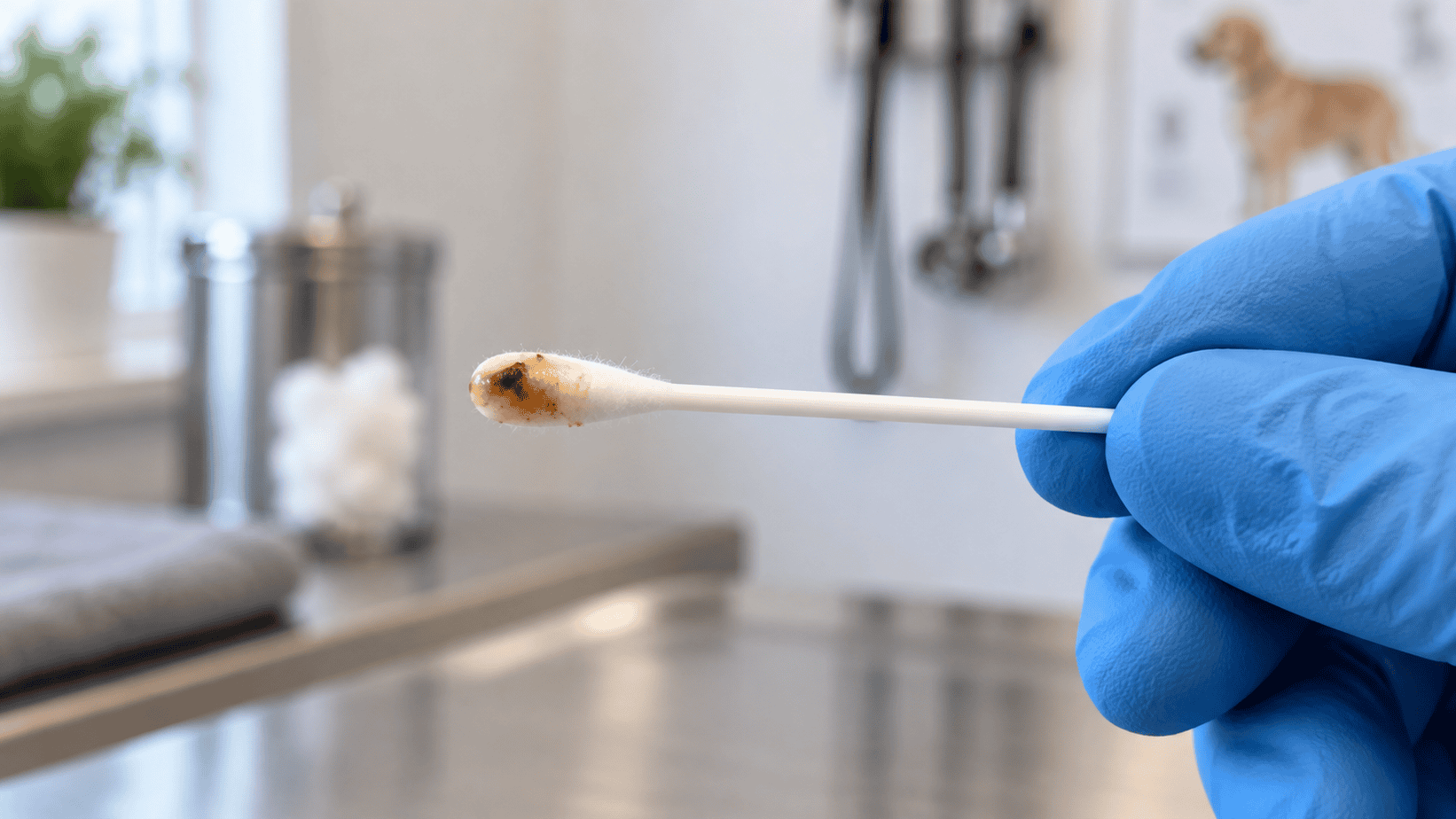
Usually reassuring:
- Small amount of pale yellow, tan, or light brown wax
- Soft or slightly oily texture
- Little to no odor
- Pale pink skin without swelling
- No scratching, head shaking, pain, or change in behavior
Worth closer attention:
- A sudden increase or one ear that looks different from the other
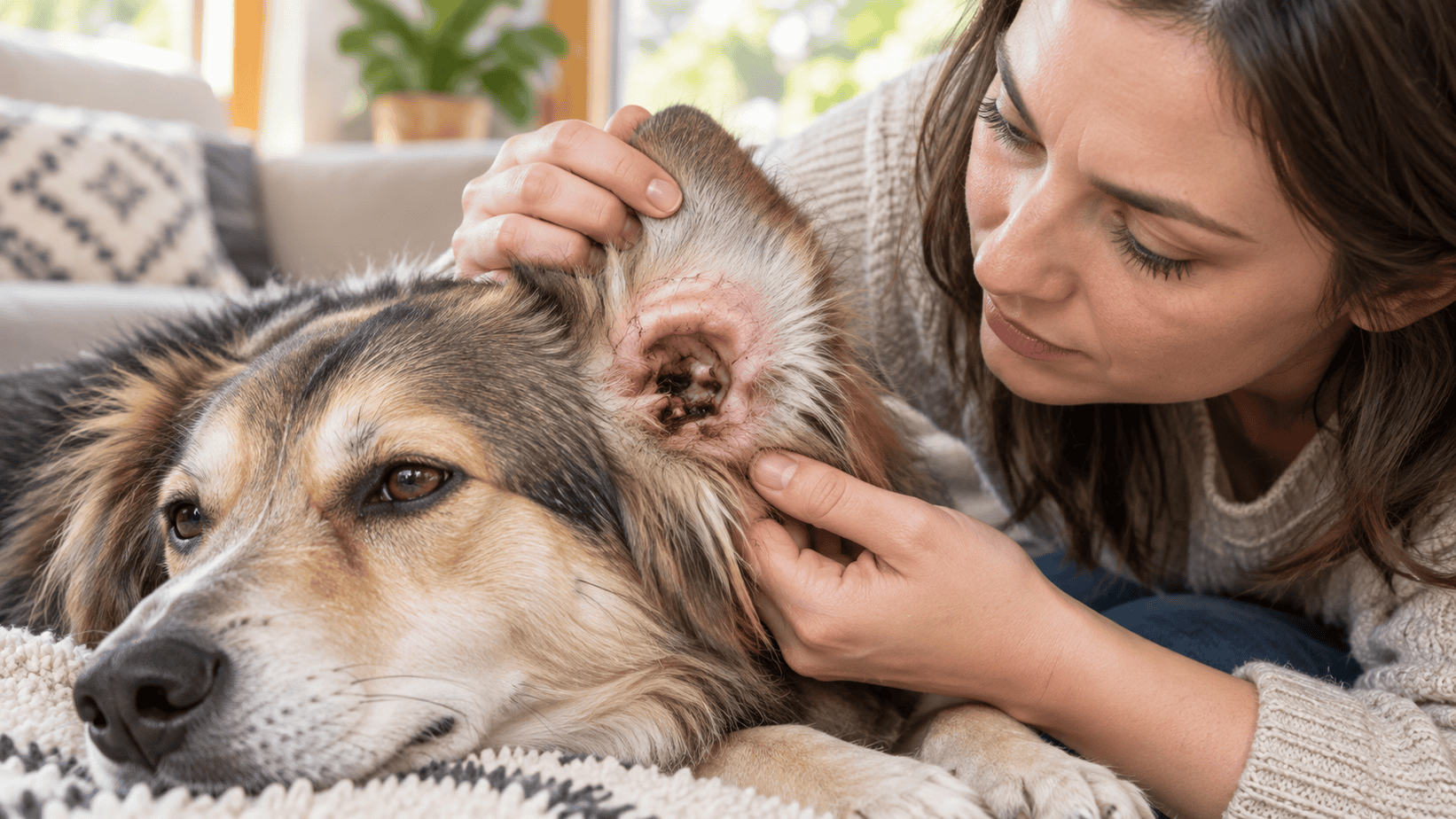
- Thick, wet, crumbly, green, bloody, or very dark debris
- Sour, musty, or foul odor
- Redness, heat, swelling, crusts, or moisture
- Scratching, rubbing, head shaking, tenderness, head tilt, or poor balance
Ear inflammation has several possible causes, and secondary yeast or bacterial overgrowth can develop after the canal environment changes. That is why a symptom pattern is more useful than one color by itself. [1]
Dog Ear Wax Color And Texture Guide
| Appearance | Possible Clues | What Else Matters | Sensible Next Step |
|---|---|---|---|
| Pale yellow to light brown, soft, small amount | Common normal cerumen | Little odor and a comfortable ear | Monitor your dog’s usual pattern |
| Dark brown or black, waxy | Old wax, dirt, yeast or bacterial overgrowth, or other inflammation | Odor, itch, redness, and amount | Arrange an exam if new, heavy, smelly, or uncomfortable |
| Dark and crumbly, like coffee grounds | Ear mites are one possibility | Strong itch, head shaking, contact with an affected pet | Have debris checked instead of treating by appearance alone |
| Yellow or green, wet or pus-like | Inflammation or infection is possible | Odor, pain, swelling, warmth | Leave the ear alone and arrange an exam |
| Red, rust-colored, or bloody | Irritation, scratching, injury, or severe inflammation | Pain, swelling, wound, or head shaking | Do not clean deeply. Seek prompt help |
| Gray or dusty | Dirt, skin debris, old cleaner, or inflammation | Recurrence, odor, itch, and redness | Gently wipe only if comfortable, then reassess |
This guide is meant to help you notice patterns. Different problems can produce the same color, and the same problem can look different from one dog to another.
Amount, Odor, And Consistency
The amount of wax often tells you more than its shade. A little tan wax that stays consistent for months is less concerning than a large new buildup, even if both look “brown.” One-sided buildup can also point toward a local problem, such as trapped plant material, rather than a whole-body issue.
Odor is another useful clue. Healthy ears are not perfectly scent-free, but a new musty, sour, or foul smell often travels with inflammation. Thick moisture, sticky discharge, or rapidly returning debris deserves testing rather than repeated cleaning.
Symptoms That Matter More Than Color
Your dog’s comfort is the best tie-breaker when the wax is hard to interpret. Make an appointment soon if you notice ongoing scratching, head shaking, redness, swelling, odor, or discharge. Pain when the ear flap is touched means the canal may be too sore for home cleaning.
Get prompt veterinary help for active bleeding, marked swelling, a head tilt, stumbling, loss of balance, sudden hearing change, or severe pain. These signs can involve deeper structures or significant inflammation. Keep the advice calm, but do not wait several days to see whether a painful ear settles on its own.
Why Dogs Develop Excess Ear Wax
Ear wax is not the disease. It is part of the ear’s protective system, and extra wax often reflects a change in the canal. A useful plan asks what started the change and what is keeping it going.
Allergy And Skin Inflammation
Allergy and other skin inflammation can affect the ears before the rest of the body looks obviously irritated. Recurrent wax may travel with paw licking, seasonal itch, belly redness, or digestive changes. Looking at those patterns supports a root-cause plan instead of treating each dirty ear as a separate event.
A whole-dog approach may include reviewing food ingredients, treats, seasonal exposure, bathing products, and the timing of flare-ups. The goal is not to guess at one culprit. It is to gather a clear pattern that can guide testing and a practical care plan.
Moisture, Ear Shape, And Airflow
Swimming, bathing, humid weather, dense ear hair, narrow canals, and pendulous ear flaps can hold moisture or reduce airflow. These factors raise risk, but they do not mean every floppy-eared dog needs frequent cleaning. Your dog’s comfort, history, and actual debris should guide the routine.
Dry the outer ear gently after water play. If your dog has repeated trouble after swimming, note the timing and discuss a preventive routine tailored to that ear rather than adding more cleaning on your own.
Parasites, Foreign Material, And Chronic Change
Ear mites, grass awns, other foreign material, masses, and long-standing inflammation can all increase debris. A foreign object often causes a sudden one-sided problem. Chronic inflammation can narrow the canal and trap more wax, which creates a frustrating cycle.
This is where a holistic view is especially helpful. The visible wax is one piece of the story. Skin health, allergies, environment, moisture, anatomy, and past ear problems can all shape what is happening today. [1]
Ear Mites Versus Ordinary Wax
Ear mites can cause intense itching and dark, crumbly debris, but coffee-ground material does not prove mites. Yeast, bacteria, dried blood, and dirt can create a similar appearance. Otodectes cynotis is found in dogs, cats, foxes, and ferrets and spreads readily between animals, although it is more common in cats than dogs. [3]
If one pet has been diagnosed with mites, the other pets in the home may need evaluation. For an individual dog, the reliable next step is to look for mites or eggs with an otoscope or microscope. Guessing from a photo can send care in the wrong direction.
How Ear Problems Are Diagnosed
Otoscopy
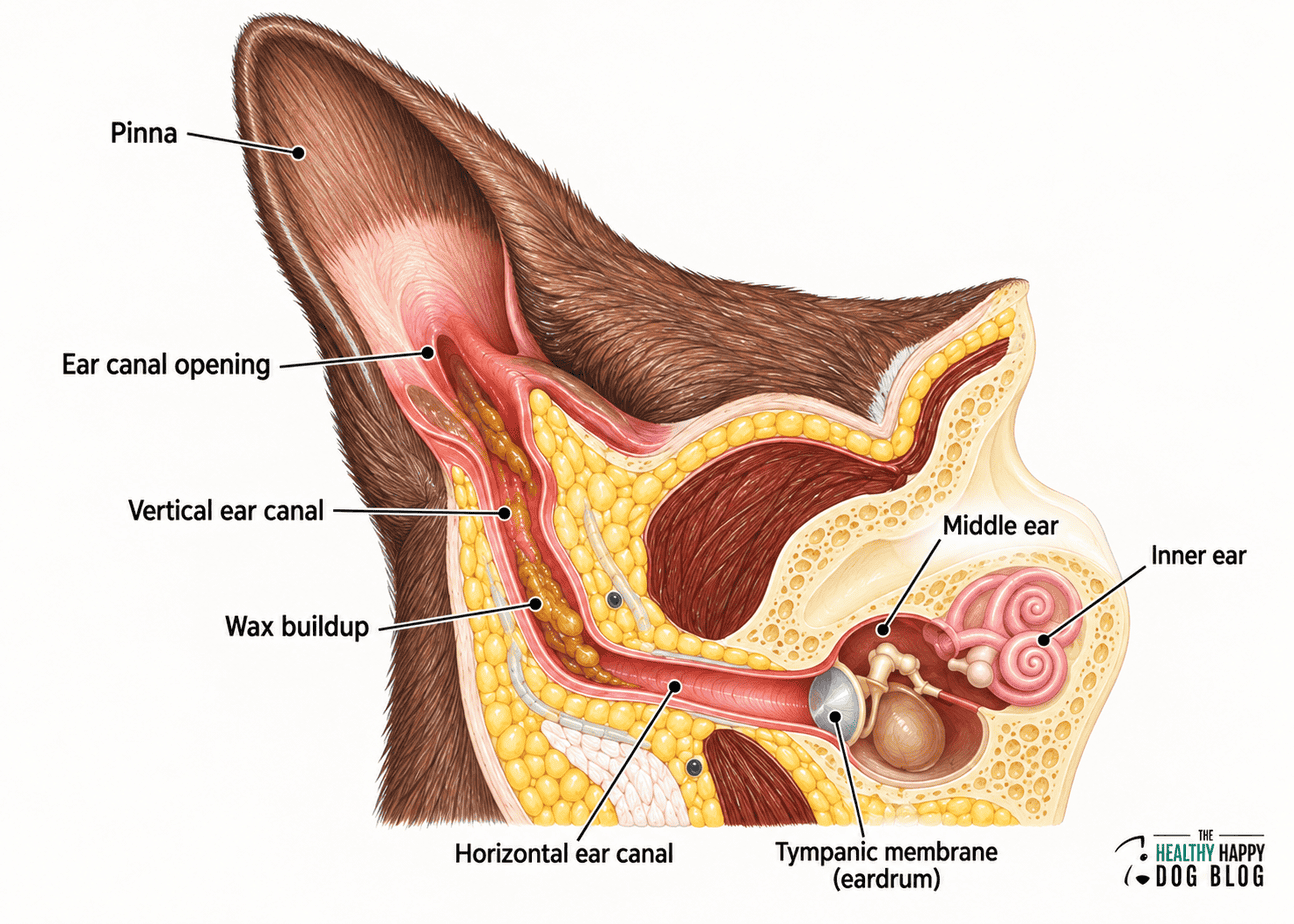
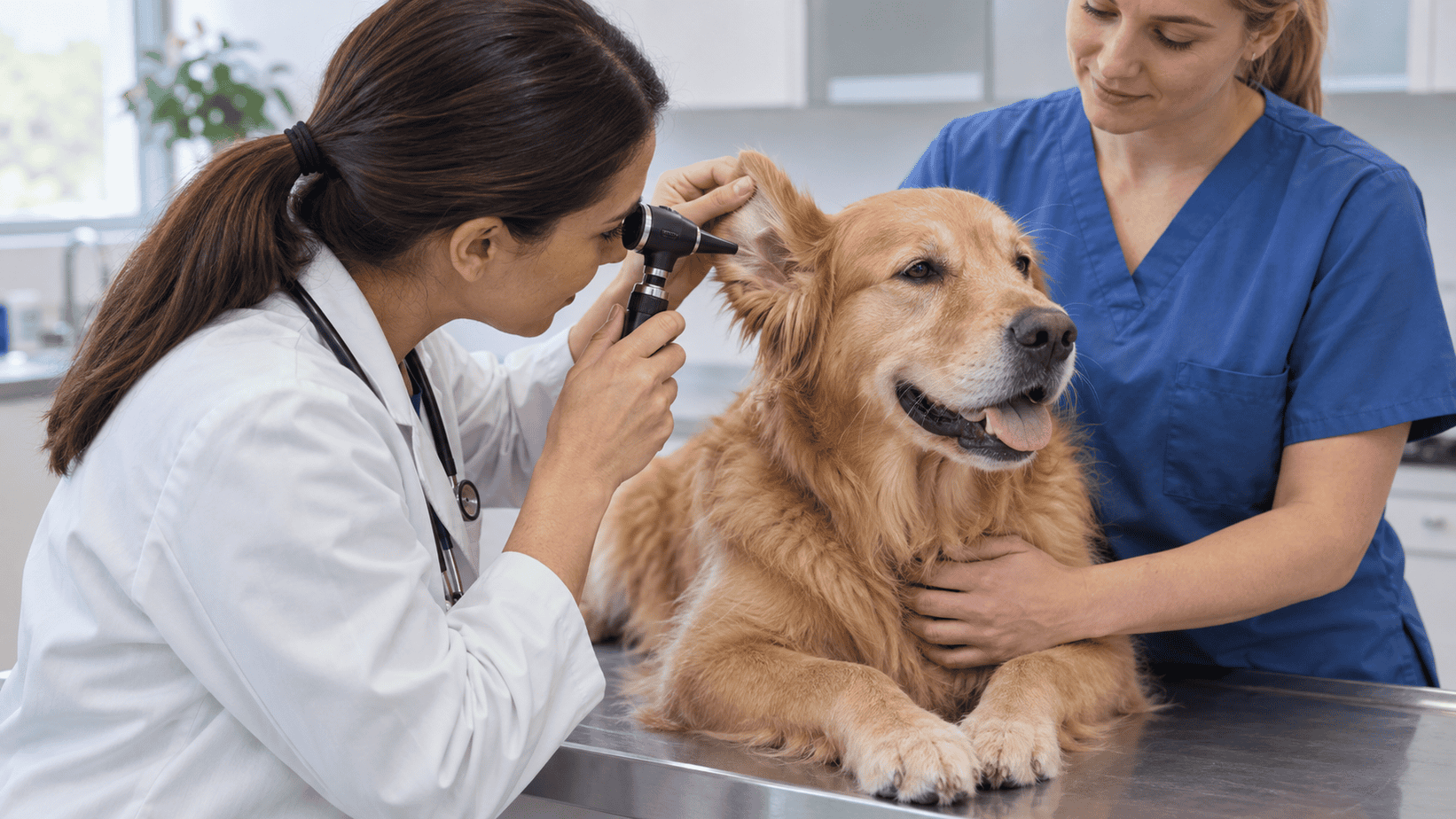
An otoscope lets a veterinarian see the vertical and horizontal ear canal, the eardrum when visible, and problems such as swelling, narrowing, foreign material, masses, and heavy discharge. A very painful or blocked ear may need extra comfort measures before a complete view is possible.
Cytology
Cytology means examining a small sample of ear debris under a microscope. It can show yeast, bacteria, mites, and inflammatory cells within minutes. This simple test helps separate problems that look alike and guides treatment choices. It is also useful when an ear keeps relapsing or does not respond as expected. [1]
How much testing is needed depends on the pattern. A first mild flare and a long-standing one-sided problem are not the same. Recurrent or severe disease may call for culture, imaging, or a closer search for an underlying cause.
When To Clean And When To Leave The Ear Alone
Gentle Cleaning For A Comfortable Ear
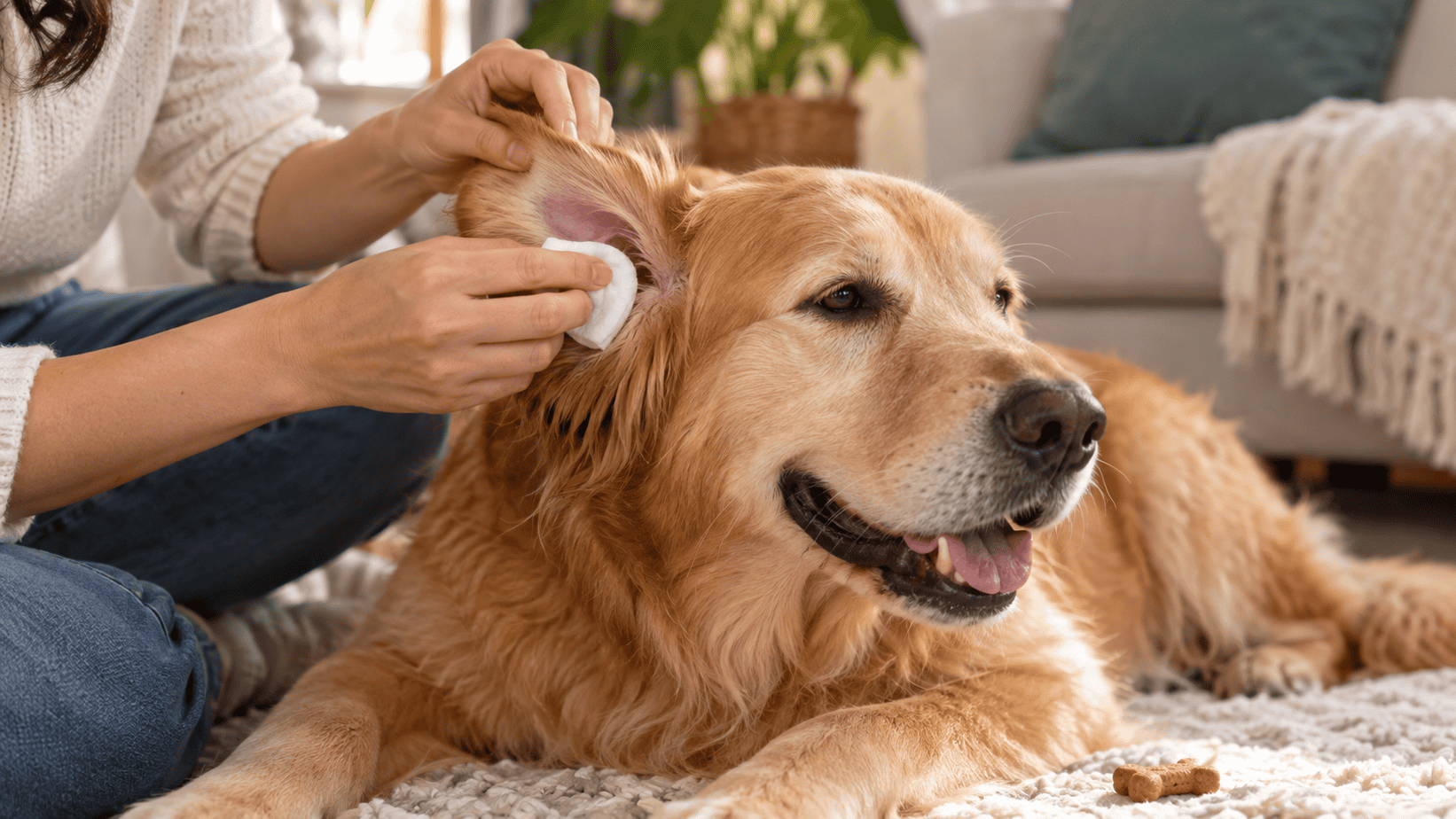
A comfortable ear with ordinary wax can be cleaned gently when needed. Use a dog ear-cleaning solution, massage the base only if your dog accepts it comfortably, let your dog shake, and wipe the visible folds with cotton or gauze. Do not push a cotton swab or other tool down the canal. Cornell’s veterinary guidance also recommends wiping only as far as a finger can easily reach. [2]
Recommended Products For Routine Dog Ear Care
These products are intended for routine care of comfortable ears. A cleaner that works well for ordinary wax may not be right for a painful, infected, bleeding, or injured ear. Ask your veterinarian before putting anything into an ear when the eardrum may be injured.
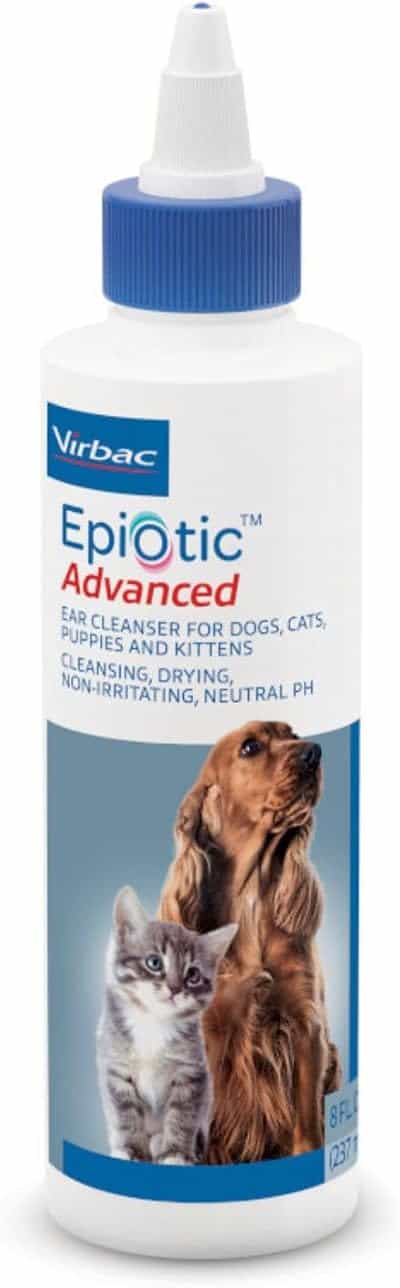
Virbac EPIOTIC Advanced Ear Cleanser
A neutral-pH cleanser for routine wax and debris removal, including after swimming or bathing when your veterinarian recommends it.
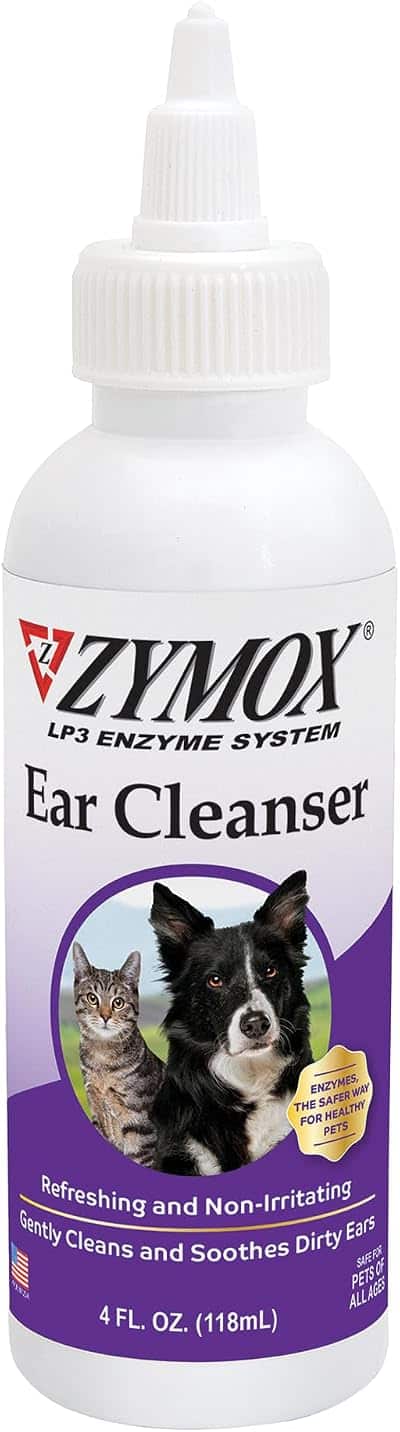
ZYMOX Ear Cleanser Solution
A gentle liquid option for flushing ordinary wax and debris from comfortable dog ears.
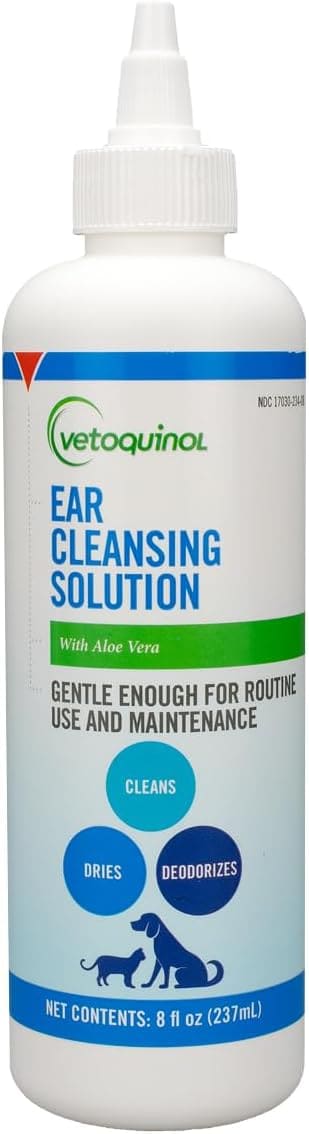
Vetoquinol Ear Cleansing Solution
Easy-to-use drops designed to remove routine dirt and debris and help keep ears fresh.
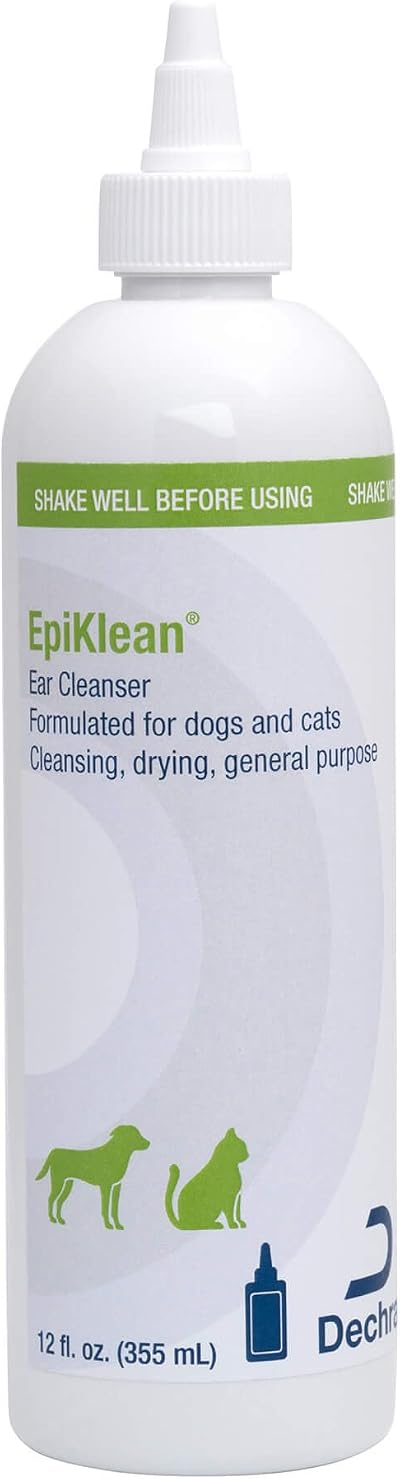
EpiKlean Ear Cleanser
A general-purpose cleansing and drying solution for routine ear care in dogs and cats.

Earth Rated Dog Ear Wipes
Pre-moistened wipes for dirt and wax on the visible ear flap and outer folds. Never push a wipe down into the ear canal.
Not every dog needs a weekly cleaning. Some healthy ears rarely need help, while dogs with a known history may have a personalized schedule. Stop if the ear becomes red, sore, or more irritated. Over-cleaning can disrupt the canal and add to the problem.
Do Not Clean Before An Exam When
Leave the ear alone and arrange an examination when there is:
- Significant pain or your dog pulls away sharply
- Active bleeding, marked swelling, or pus-like discharge
- A head tilt, stumbling, or balance change
- A suspected grass awn or other foreign object
- Sudden hearing change
- A request from the clinic to preserve debris for sampling
Do not pour cleaner into an ear if you suspect an injured eardrum or cannot tell why the ear is severely painful. A photograph of the visible debris and notes about odor, timing, swimming, grooming, and other skin signs can be more useful than a freshly scrubbed ear.
A Root-Cause Plan For Recurrent Wax
When wax keeps returning, track the pattern for a few weeks. Note which ear is affected, what the debris looks and smells like, whether your dog has been swimming, and whether paw licking or skin itch flares at the same time. This turns “dirty ears again” into usable information.
A good plan may combine testing, gentle ear care, moisture control, and attention to allergy or skin health. Nutrition can be part of that larger picture, especially when ear flares travel with other signs, but repeated painful discharge should not be managed by diet changes or cleaning alone.
Final Thoughts
Your dog does not need perfectly wax-free ears. A small, stable amount of light wax can be normal and useful. Pay attention to change, comfort, odor, and the skin around the canal. If something feels off, compare both ears, take a clear photo, and arrange an ear exam before cleaning away the evidence.
Frequently Asked Questions
Normal varies by dog, but it is usually a small amount that stays close to your dog’s usual pattern. Pale yellow to light brown, soft wax with little odor and no redness or itch is generally reassuring.
No. Dark brown material can be old wax or dirt, but it can also accompany yeast, bacteria, mites, inflammation, or dried blood. Odor, quantity, texture, redness, pain, and microscopic testing provide a clearer answer.
Clean only when your dog needs it or when a clinician has given you a specific routine. Many healthy ears do not need weekly cleaning. Dogs with recurring problems may need an individualized plan.
A heavy plug of wax or swelling can muffle sound, but sudden hearing change can have other causes. Do not probe a blocked ear. Have the canal examined so the wax can be removed safely and the deeper ear can be checked.
Not if the ear is painful, bleeding, very swollen, producing pus-like discharge, or showing neurologic signs. Leaving debris in place can help with cytology and diagnosis. Ask the clinic if you are unsure.
References
- Bajwa, J. (2019). Canine otitis externa: Treatment and complications. The Canadian Veterinary Journal, 60(1), 97-99.
- Cornell University College of Veterinary Medicine. (2025). How to clean your dog’s ears.
- Companion Animal Parasite Council. (2019). Otodectic mite.
A note about your dog’s health
This article provides general education and does not replace an examination, diagnosis, or individualized advice from your veterinarian. Contact a veterinary professional if you are concerned about your dog’s symptoms.

ABOUT THE AUTHOR