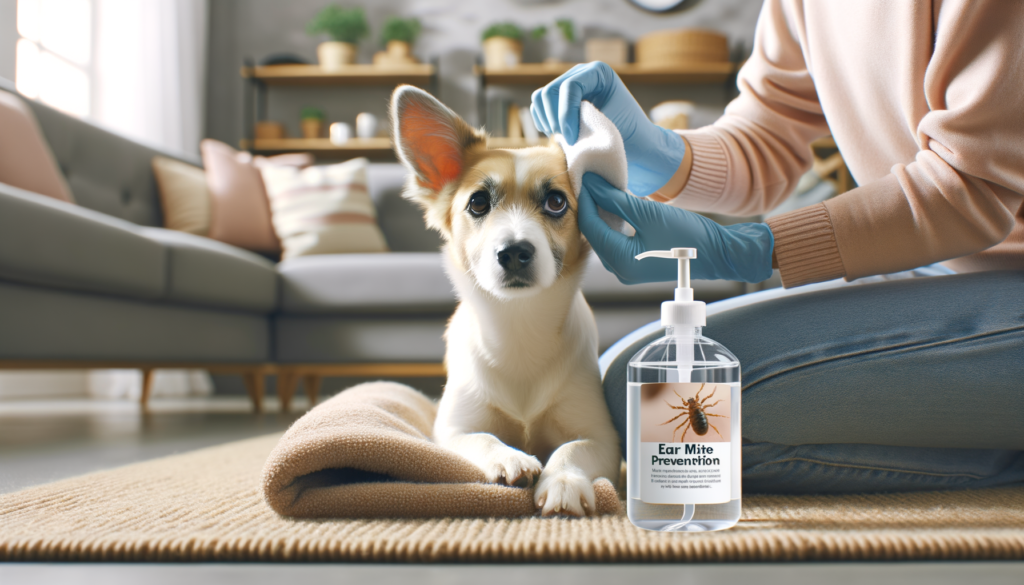
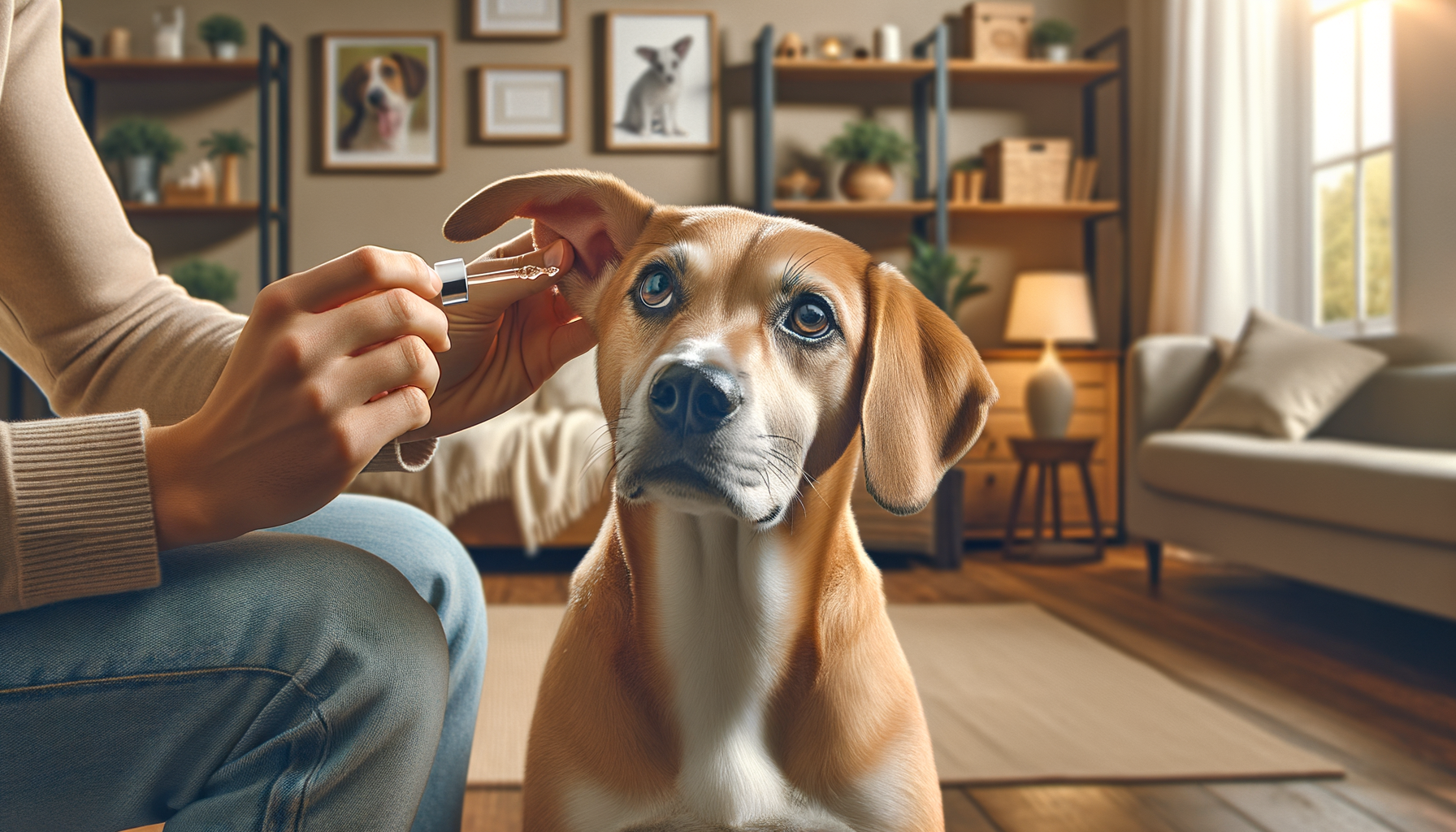
Tag: ear mites in dogs

  • Ear Mites in Dogs: A Holistic Vet’s Basic Guide

    Ear Mites in Dogs: A Holistic Vet’s Basic Guide

    Hello there, fellow dog parents! As a holistic veterinarian, I’m often asked, “What are dog ear mites?” These tiny parasites can cause our furry friends a great deal of discomfort, but the good news is, there are effective ways to treat and prevent them. In this article, we’ll discuss everything you need to know about dog ear mites, from identifying the symptoms to exploring both conventional and natural treatment options. My aim is to provide you with a comprehensive guide that will help you ensure your dog’s ear health and happiness. So, let’s get started on this journey to understanding and combating ear mites in dogs!

    what are dog ear mites

    Identifying Symptoms of Ear Mites in Dogs

    As a holistic veterinarian, I often meet dog parents who are worried about their furry friends. One common concern is ear mites, tiny parasites that can make your dog’s life miserable. Let’s discuss how you can identify signs of these unwelcome guests in your dog’s ears.

    Common Signs of Ear Mites

    Ear mites in dogs often manifest with a range of symptoms. For starters, your dog may frequently scratch its ears or shake its head. This is because the ear mites cause significant discomfort and itching. You might also notice your dog rubbing its ears against furniture or the floor to alleviate the itch.

    • Excessive ear scratching
    • Head shaking
    • Ear rubbing against objects

    Physical Changes Indicating Ear Mites

    Beyond these behavioral changes, there are also some physical signs you can look out for. One of the most common is a dark, coffee-ground-like substance in your dog’s ears. This is ear mite excrement, and it’s a clear indication of an infestation. In severe cases, you may notice redness, swelling, or even wounds caused by your dog’s incessant scratching. Your dog’s ear might also emit a strong, unpleasant odor.

    • Dark, coffee-ground-like substance in the ears
    • Redness or swelling in the ears
    • Wounds from scratching
    • Unpleasant odor from the ears

    Understanding these symptoms is the first step to ensuring your dog’s comfort and health. Ear mites may be small, but they can cause significant discomfort for your beloved pet. As a dog parent, it’s crucial to stay vigilant and keep an eye out for these signs. Remember, the sooner you identify a potential ear mite infestation, the quicker you can seek treatment and relief for your furry friend.

    Next time you’re giving your dog a cuddle or a scratch behind the ears, take a moment to check for these signs. Your dog will thank you for it!

    How Dogs Contract Ear Mites

    As a veterinarian, one of the questions I often get asked is “what are dog ear mites and how do they get them?”. Ear mites are tiny parasites that love the warm, dark environment of your dog’s ear canal. They feed on the skin and wax inside the ear, causing irritation and discomfort to your furry friend.

    Common Sources of Ear Mites

    Ear mites are extremely contagious and can easily spread from one pet to another. The most common ways dogs contract ear mites include:

    • Direct contact with an infected animal: This is the most common way dogs get ear mites. If your dog interacts with another pet that has ear mites, there’s a high chance they will get them too.
    • Indirect contact with infected environments: Ear mites can survive for a short time in the environment. If your dog shares bedding, grooming tools, or other items with an infected pet, they can contract ear mites.

    Risk Factors for Ear Mites in Dogs

    While any dog can get ear mites, certain factors increase the risk. These include:

    • Younger age: Puppies are more likely to get ear mites due to their immature immune systems.
    • Living in multi-pet households: The more pets you have, the higher the chance of one contracting ear mites and spreading it to others.
    • Outdoor access: Dogs that spend a lot of time outdoors are at a higher risk as they are more likely to come into contact with infected animals.

    In conclusion, understanding what are dog ear mites and how they are contracted can help you take preventive measures to protect your dog from this uncomfortable condition.

    Diagnosing Ear Mites in Dogs

    So, you’ve noticed your furry friend scratching their ears more than usual, and you’re wondering what are dog ear mites and if they’re the culprits. Let’s talk about how you can diagnose this common canine issue.

    Veterinary Procedures for Diagnosing Ear Mites

    When it comes to diagnosing ear mites, your vet is your best resource. They will typically start with a thorough examination of your dog’s ears. This can involve a visual inspection and using a tool called an otoscope to look deep into the ear canal. They may also take a sample of the ear discharge and examine it under a microscope to identify the presence of mites.

    Ear mites are tiny, but they are visible to the naked eye. Under the microscope, they appear as small, white dots moving around. If your vet confirms the presence of ear mites, they will then recommend appropriate treatment options.

    Home Checks for Ear Mites

    While a vet’s diagnosis is always best, there are signs you can look for at home if you suspect your dog has ear mites. The most common sign is excessive scratching of the ears. You might also notice your dog shaking their head more than usual or see some physical changes in the ear.

    • Ear Discharge: One of the key signs of ear mites is a dark, coffee-ground like discharge in your dog’s ear. This discharge is a combination of ear wax, blood, and mites.
    • Redness and Swelling: The ears may appear red and swollen due to the irritation caused by the mites.
    • Odor: A strong, unpleasant odor can also be a sign of an ear mite infestation.

    Remember, these signs can also be indicative of other ear problems, so it’s essential to seek veterinary advice for an accurate diagnosis.

    Understanding what are dog ear mites and how to diagnose them is the first step towards ensuring your pet’s ear health. If you suspect your dog is suffering from ear mites, don’t hesitate to consult your vet for proper diagnosis and treatment.

    what are ear mites in dogs

    Treatment Options for Ear Mites in Dogs

    When it comes to treating dog ear mites, there are both conventional and natural methods available. Let’s explore both options so you can make an informed decision on which treatment is best for your furry friend.

    Conventional Treatments for Ear Mites

    Typically, a vet will recommend a topical medication to kill the mites and alleviate the symptoms. These treatments often contain chemicals like pyrethrins or rotenone. They are usually applied directly into the ear canal for a period of up to four weeks. Here are some commonly used products:

    • Revolution (Selamectin)
    • Advantage Multi (Moxidectin)
    • Acarexx (Ivermectin)

    It’s important to follow your vet’s instructions carefully when using these medications. Overuse or misuse can lead to other health issues, such as skin irritation or even toxicity.

    Natural Remedies for Ear Mites

    If you’re interested in a more natural approach to treating dog ear mites, there are several home remedies you can try. However, it’s crucial to consult with your vet before starting any home treatment to ensure it’s safe and effective for your dog. Here are a few options:

    • Garlic and Olive Oil: Garlic has natural antimicrobial properties, and olive oil can smother the mites. Combine two cloves of garlic with two tablespoons of olive oil, let it sit overnight, then apply a few drops into your dog’s ear.
    • Green Tea: A green tea rinse can help soothe the irritated skin in your dog’s ear. Simply brew a cup of green tea, let it cool, then use a bulb syringe to gently rinse your dog’s ear.
    • Apple Cider Vinegar: Dilute apple cider vinegar with equal parts water, then apply the mixture to your dog’s ear with a bulb syringe or a cotton ball. The vinegar can help restore the pH balance in your dog’s ear, creating an environment where mites can’t thrive.

    Remember, natural remedies may take longer to show results compared to conventional treatments. Patience and consistency are key when using these methods. Regardless of the treatment method you choose, it’s essential to keep your dog’s living environment clean to prevent re-infestation.

    Ear Mites in Dogs: A Holistic Vet’s Basic Guide

    As a loving dog parent, you’re always looking for the best ways to care for your fur baby. When it comes to ear mites, a holistic approach can be a great option to consider. This method involves using natural prevention methods and understanding the benefits of a holistic approach to ear mites.

    Holistic Prevention Methods for Ear Mites

    Preventing ear mites in dogs naturally involves a few different strategies. Here are some of them:

    • Regular Cleaning: Regular ear cleaning with natural ingredients can help prevent ear mites. A mixture of warm water and apple cider vinegar can be a good option. The acidity in the vinegar helps create an environment that’s not conducive for mites.
    • Healthy Diet: Providing your dog with a healthy diet rich in vitamins and minerals can boost their immune system and make them less susceptible to ear mites.
    • Essential Oils: Certain essential oils, like tea tree and lavender, have anti-parasitic properties that can help keep ear mites at bay. However, always dilute essential oils and consult with a holistic vet before using them on your dog.

    Benefits of a Holistic Approach to Ear Mites

    Opting for a holistic approach to ear mites in dogs comes with several benefits:

    • Natural and Non-Toxic: Holistic methods often involve using natural ingredients that are non-toxic and safer for your dog than some conventional treatments.
    • Boosts Immune System: Many holistic treatments are designed to boost your dog’s immune system, helping them fight off not just ear mites but other potential health issues as well.
    • Addresses the Root Cause: Instead of just treating the symptoms, holistic methods aim to address the root cause of the problem, helping to prevent future infestations.

    Remember, it’s always best to consult with a holistic vet before starting any new treatment or prevention method. They can provide guidance based on your dog’s specific needs and health condition.

    By taking a holistic approach, you can help ensure your furry friend stays happy, healthy, and free from dog ear mites.

    does my dog have ear mites

    Maintaining Ear Health Post-Treatment

    After your dog has undergone treatment for ear mites, it’s crucial to maintain their ear health to prevent a recurrence. Regular cleaning of your dog’s ears is a key part of this. You can use a veterinarian-approved ear cleaning solution, or a homemade mix of water and apple cider vinegar. Be gentle when cleaning your dog’s ears, as rough handling can cause additional problems.

    Also, remember to check your dog’s ears regularly for any signs of redness, inflammation, or discharge. If you notice anything unusual, it’s best to consult your vet immediately. It’s also important to keep your dog’s immune system healthy. A balanced diet, regular exercise, and avoiding stress can all contribute to a strong immune system, which can help prevent ear mites from returning.

    Preventing Future Ear Mite Infestations

    Prevention is always better than cure, and this holds true for ear mites in dogs as well. One of the best ways to prevent future infestations is to limit your dog’s exposure to other animals that might be carrying ear mites. This includes not only other dogs, but also cats, rabbits, and ferrets.

    Regularly cleaning your dog’s bedding and toys can also reduce the risk of ear mite infestation. Ear mites can survive in the environment for a short time, so keeping your dog’s living area clean can help prevent them from coming back.

    Using a preventative product can also be helpful. There are several options available, including topical treatments and oral medications. Talk to your vet about the best preventative approach for your dog.

    Remember, ear mites are a common issue in dogs, but with regular care and preventative measures, you can keep your furry friend’s ears healthy and free from these pesky parasites. Don’t forget, if you’re ever unsure or worried about your dog’s ear health, it’s always best to consult a professional.

    Case Studies: Dogs Successfully Treated for Ear Mites

    Successful Holistic Treatment

    Let’s talk about Bella, a three-year-old Golden Retriever. Bella was constantly scratching her ears and seemed quite distressed. Her owner, Jane, noticed a brownish discharge from Bella’s ears and brought her to the vet. It turned out Bella had dog ear mites. Jane decided to try a holistic treatment approach. She used a combination of natural remedies, such as olive oil and garlic drops, to kill the mites and soothe Bella’s discomfort. She also started Bella on a diet rich in vitamins A and C to boost her immune system. Within a few weeks, Bella’s ear mites were completely gone and she was back to her happy, playful self.

    Long-Term Management Success

    Then, there’s Max, a five-year-old Beagle with a history of recurring dog ear mites. Max’s owner, Paul, was frustrated with the constant cycle of conventional treatments. He turned to a long-term management plan involving regular ear cleanings with a natural solution of vinegar and water. Paul also began using a preventive ear mite repellent recommended by his vet. Today, Max has been ear mite-free for over a year!

    These stories are a testament to the fact that ear mites in dogs can be effectively managed and treated. By understanding what dog ear mites are, recognizing the symptoms, getting a proper diagnosis, and exploring both conventional and holistic treatment options, you as a pet parent can ensure your furry friend is happy, healthy, and mite-free. Remember, maintaining ear health doesn’t stop with treatment. Regular ear checks and preventive measures are key to keeping those pesky mites at bay. With patience and persistence, you can conquer ear mites and give your dog the comfort they deserve.

    Frequently Asked Questions

    1. What are ear mites and how do dogs get them?

    Ear mites are tiny parasites that live in the ears of dogs. They are highly contagious and can be easily transmitted from one animal to another through direct contact.

    2. What are the symptoms of ear mites in dogs?

    Common symptoms include excessive scratching of the ears, head shaking, redness and inflammation in the ear canal, and a dark, coffee-ground like discharge from the ears.

    3. How are ear mites in dogs diagnosed?

    A vet will usually diagnose ear mites by examining a sample of the dog’s ear wax under a microscope. The mites are visible as tiny white specks.

    4. How are ear mites in dogs treated?

    Treatment usually involves cleaning the dog’s ears to remove any wax and debris, followed by the application of a topical medication to kill the mites. In severe cases, a vet may prescribe oral medication.

    5. Can ear mites in dogs be prevented?

    Regular ear checks and cleaning can help prevent ear mites. Also, avoid letting your dog come into contact with other animals that have ear mites.

    A note about your dog’s health

    This article provides general education and does not replace an examination, diagnosis, or individualized advice from your veterinarian. Contact a veterinary professional if you are concerned about your dog’s symptoms.

    Lindsie Parks B.S., CRDNS Avatar

    ABOUT THE AUTHOR

  • Step-by-Step: Cleaning Dog Ears with Mites

    Step-by-Step: Cleaning Dog Ears with Mites

    As a devoted dog parent, it’s always heart-wrenching to see your furry friend uncomfortable or in pain. One common issue that can cause significant discomfort for your pooch is ear mites. These tiny parasites can wreak havoc in your dog’s ears, leading to itching, inflammation, and even infection. But fear not, I’m here to guide you through the process of ear mite cleaning to help restore your dog’s comfort and health.

    ear mite cleaning

    In this article, we’ll explore what ear mites are, how to spot them, and most importantly, how to safely clean your dog’s ears to eliminate these pesky parasites. We’ll also discuss the importance of regular ear cleaning, preventative measures, and when it’s time to seek professional help. So, let’s start this journey towards a happier, healthier pup together.

    Understanding the Importance of Cleaning Dog Ears

    As a holistic veterinarian, I cannot stress enough the significance of regular dog ear cleaning, especially in the context of ear mite cleaning. You might be wondering why this routine task holds such importance. Let’s explore this further.

    The Role of Regular Dog Ear Cleaning

    Just like how we humans need to keep our ears clean, our furry friends also require the same care. Regular ear cleaning prevents the buildup of wax and debris, which can be a perfect breeding ground for ear mites. These tiny parasites can cause severe discomfort and possibly lead to infections if left untreated. By maintaining a regular cleaning regimen, you can keep your dog’s ears healthy and significantly reduce the risk of ear mite infestation.

    Moreover, regular ear cleaning allows you to monitor your dog’s ear health closely. You will be able to spot any abnormalities early on, such as redness, inflammation, or foul smell – all signs that something might be off. Early detection is crucial in treating conditions like ear mites effectively.

    Risks of Neglecting Dog Ear Cleaning

    Ignoring your dog’s ear hygiene can lead to several issues. The most common problem is ear mites, causing intense itching and discomfort for your dog. The mites feed on the ear wax and oils, causing inflammation and often secondary bacterial or yeast infections.

    Continuous scratching due to the irritation can also lead to wounds and hematomas in and around the ears, which are painful and may require surgical intervention. Additionally, if ear mites are not promptly addressed, they can spread to other parts of the body and other pets in the household.

    Therefore, regular ear mite cleaning is not just about keeping your dog comfortable – it’s about preventing more serious health issues. As a responsible pet parent, it’s crucial to make ear cleaning a regular part of your dog’s grooming routine.

    Remember, a clean ear is a happy ear, and a happy ear makes for a happy, healthy dog!

    how to clean ear mites dogs

    Preparing for the Cleaning Process

    As a practicing veterinarian, I understand the challenges that come with ear mite cleaning. So, let’s prepare for this process together to ensure an effective and stress-free experience for both you and your furry friend.

    Gathering Necessary Cleaning Supplies

    Firstly, gather all the necessary supplies for ear mite cleaning. This includes:

    • A good quality ear cleaning solution that’s safe for dogs
    • Cotton balls or gauze
    • A dropper or syringe without a needle
    • A towel or cloth to clean up any mess

    Remember, it’s crucial to use a cleaning solution recommended by a vet or a pet care professional. Some homemade mixtures or human products can be harmful to your dog’s ears.

    Creating a Comfortable Environment for Your Dog

    Next, create a calm and comfortable environment for your dog. This can greatly reduce stress and make the ear mite cleaning process smoother. Here are a few tips:

    • Choose a quiet, well-lit area in your home where your dog feels safe
    • Make sure your dog is calm and relaxed before you start. You can play with them or give them a treat
    • Speak to your dog in a soothing voice throughout the process. This can reassure them and keep them calm

    Note: If your dog shows signs of discomfort or pain, stop immediately and consult your vet. Ear mite cleaning should not cause any pain or distress to your pet. It’s also important to remember that severe ear mite infestations may require professional treatment.

    Once you have everything ready, you can move onto the actual process of cleaning your dog’s ears. This will involve safely cleaning the ears and taking special considerations when dealing with mites.

    Step-by-Step Guide: Identifying Dog Ear Mites

    Before you start the ear mite cleaning process, it’s crucial to identify if your dog has ear mites. Here’s a step-by-step guide to help you spot these pesky parasites.

    How to Spot Ear Mites in Dogs

    Ear mites are microscopic, but the havoc they wreak on your pet’s ears is quite noticeable. Look out for these symptoms:

    • Excessive scratching: If your dog can’t stop scratching their ears, it could be due to ear mites.
    • Dark discharge: Ear mites often cause a black or brown waxy secretion.
    • Unpleasant smell: A foul odor often accompanies an ear mite infestation.
    • Head shaking: Your dog may frequently shake their head or tilt it to one side.

    Confirming the Presence of Ear Mites

    Once you’ve spotted these signs, it’s time to confirm the presence of ear mites. Here’s how:

    • Examine the ear discharge: Collect some of the ear wax on a cotton swab and examine it under bright light. If you see tiny white specks moving, those are likely ear mites.
    • Use a magnifying glass: This can help you spot the mites in your dog’s ear canal.
    • Visit the vet: If you’re unsure, it’s always best to consult a vet. They can perform a definitive diagnosis using a microscopic examination.

    Remember, ear mite cleaning is crucial once you’ve confirmed their presence. These mites can cause severe discomfort and lead to infections if left untreated. So, let’s roll up our sleeves and get those mites out!

    cleaning dog ears with ear mites

    Now that you’ve identified your pet has ear mites, it’s time to embark on the cleaning process. Here’s a step-by-step guide on how to safely clean your dog’s ears and special considerations when dealing with mites.

    How to Safely Clean Your Dog’s Ears

    Before we begin, remember that ear mite cleaning should be done gently and carefully to avoid causing any harm to your furry friend. Here are some steps to follow:

    • Step 1: Start by calming your dog. It’s essential to make them feel comfortable and safe before starting the cleaning process.
    • Step 2: Using a vet-recommended ear cleaning solution, moisten a cotton ball or gauze. Never use a Q-tip as it can damage the ear canal.
    • Step 3: Gently wipe the inside of the ear flap, removing any visible dirt or debris. Do not insert anything into the ear canal.
    • Step 4: If your vet has prescribed a medication for the ear mites, apply it as directed after cleaning.

    Special Considerations When Cleaning Ears with Mites

    When dealing with ear mites, there are some additional factors to consider during the cleaning process:

    • Ear Mite Treatment: Over-the-counter treatments are available, but it’s always best to consult with your vet before using any new products.
    • Frequency: Dogs with ear mites may require more frequent cleanings. Follow your vet’s advice on this.
    • Discomfort: Ear mites can cause significant discomfort, so your dog may be more sensitive during cleaning. Always be gentle and patient.

    Remember, ear mite cleaning is not just about getting rid of the mites but also about providing relief to your dog from the itching and discomfort. If the infestation is severe or if your dog seems to be in pain, it’s time to seek veterinary assistance. They can perform a thorough cleaning and provide appropriate medication to help your dog recover quickly.

    Post-Cleaning Care for Dogs with Ear Mites

    Once you’ve completed the ear mite cleaning process, there are crucial steps to ensure your fur baby remains comfortable and prevent future infestations. After all, we don’t want our beloved pets to go through the same ordeal again, do we?

    Monitoring Your Dog After Cleaning

    After the cleaning process, it’s essential to keep a close eye on your dog. Look for signs of discomfort such as head shaking, scratching, or whining. If the symptoms persist, it’s possible that the ear mites may still be present or there might be an underlying infection. In such cases, it’s best to consult your vet immediately.

    Here are some things to keep in mind while monitoring your dog post-cleaning:

    • Check the ears daily for any redness, swelling, or discharge.
    • Notice if your dog is constantly shaking its head or scratching its ears.
    • Keep an eye for any signs of pain or discomfort.

    Preventing Future Ear Mite Infestations

    Prevention is always better than cure, especially when it comes to ear mites. Here are some preventative measures that you can take:

    • Regular cleaning: Regular ear cleaning can help keep ear mites at bay. Use a vet-approved ear cleaner and follow the instructions carefully.
    • Check for signs: Regularly check your dog’s ears for any signs of ear mites. Early detection can prevent a full-blown infestation.
    • Treat all pets: If you have multiple pets, treat all of them at the same time. Ear mites can easily spread from one pet to another.

    Remember, maintaining a clean environment for your dog is crucial in preventing ear mites. Regular grooming, including ear cleaning, can significantly reduce the risk of ear mite infestation.

    However, it’s important to note that even with the best care, ear mites can still occur. If you notice any signs of ear mites, it’s best to start the ear mite cleaning process immediately or seek veterinary assistance. The sooner you act, the quicker your dog can get relief and the less likely a severe infestation will occur.

    cleaning ear mites from dog ears

    When to Seek Veterinary Assistance

    While it’s great to take the initiative in maintaining your dog’s ear health, there are times when professional help is necessary. If your dog’s ear mite infestation is severe or if your dog is showing signs of discomfort and distress, it’s time to seek veterinary assistance.

    Recognizing Severe Cases of Ear Mites

    Ear mites can cause significant discomfort and pain for your dog. If you notice severe symptoms, such as persistent scratching, shaking of the head, redness, swelling, or a foul odor emanating from your dog’s ears, it’s a signal that the condition could be severe. Another sign of a severe infestation is the presence of a dark, coffee-ground-like substance in your dog’s ears, which is actually mite feces and debris.

    Moreover, if your dog’s behavior changes, such as becoming more irritable or less active, it could be due to the discomfort caused by the ear mites. If left untreated, ear mites can lead to more serious issues like ear infections or even hearing loss. In such cases, don’t hesitate to seek professional help.

    Understanding the Role of Professional Veterinary Care

    A professional veterinarian can provide a precise diagnosis and effective treatment for ear mite infestations. They can perform a thorough ear examination using specialist tools and equipment, which will not only confirm the presence of mites but also determine the severity of the infestation.

    Based on their findings, they can prescribe the most effective ear mite treatment for your dog, which might include medicated ear drops or ointments, oral medications, or even injections. Remember, over-the-counter treatments might not be sufficient for severe cases, and using them without professional advice can sometimes make the situation worse.

    Moreover, the vet can provide advice on how to prevent future infestations and can guide you on the best practices for ear mite cleaning and overall ear health. They can also educate you about the signs of potential complications, such as secondary bacterial or yeast infections, which can occur as a result of mite infestations.

    So, while it’s essential to regularly clean your dog’s ears and monitor them for signs of mites, it’s equally important to know when to seek professional help. After all, your dog’s health and comfort are of paramount importance.

    Conclusion

    In wrapping up, maintaining your dog’s ear health is a continuous and critical part of their overall well-being. Having a regular dog ear cleaning routine is a proactive way to keep ear mites at bay while ensuring your furry friend’s comfort.

    Establish a routine that suits both you and your dog. It could be weekly, bi-weekly, or monthly depending on your dog’s breed, lifestyle, and susceptibility to ear mites. Use the right cleaning supplies, and remember, gentle is the way to go. Consistency and care in this routine can prevent the discomfort and potential health risks associated with ear mite infestations.

    • Always be on the lookout for any changes in your dog’s behavior or any signs of discomfort.
    • Regularly inspect your dog’s ears for any signs of redness, swelling, or unusual discharge.
    • Keep an eye out for excessive scratching or shaking of the head, as these could be signs of an ear mite infestation.

    Another crucial aspect of maintaining your dog’s ear health is regular vet check-ups. These check-ups allow for professional assessment of your dog’s ear health and overall well-being. Your vet can spot any early signs of ear mite infestation that you might have missed and provide appropriate treatment. More so, they can offer advice on the best cleaning practices and products to use for your specific breed.

    In essence, your dog’s ear health is a significant part of their overall happiness and well-being. By being proactive with regular cleaning and veterinary check-ups, you’re not just battling ear mites; you’re ensuring a happy, healthy life for your furry friend. Remember, ear mite cleaning is not just about treatment; it’s about prevention and regular care.

    Frequently Asked Questions

    Q1: How often should I clean my dog’s ears if they have mites?

    A: It is recommended to clean your dog’s ears once a week if they have mites. However, if the infestation is severe, you may need to do it more frequently. Always consult with your vet for the best advice.

    Q2: What signs should I look for to know if my dog has ear mites?

    A: Signs of ear mites in dogs include excessive scratching of the ears, head shaking, redness and inflammation, dark and crumbly discharge from the ears, and a strong odor.

    Q3: Can I use any type of oil to clean my dog’s ears?

    A: Not all oils are safe or effective for cleaning a dog’s ears. It’s best to use a vet-approved ear cleaning solution or a specific type of oil recommended by your vet.

    Q4: Can ear mites in dogs lead to any complications?

    A: Yes, if left untreated, ear mites can lead to skin infections and can also cause damage to the ear canal and eardrum, which can result in hearing loss.

    Q5: Can I prevent my dog from getting ear mites?

    A: Regular and thorough cleaning of your dog’s ears can help prevent mite infestations. Also, avoid contact with other dogs that have ear mites. There are also certain medications that can be used for prevention, consult with your vet for the best options.

    A note about your dog’s health

    This article provides general education and does not replace an examination, diagnosis, or individualized advice from your veterinarian. Contact a veterinary professional if you are concerned about your dog’s symptoms.

    Lindsie Parks B.S., CRDNS Avatar

    ABOUT THE AUTHOR

  • Prevent Ear Mites in Dogs: Effective Strategies 2024

    Prevent Ear Mites in Dogs: Effective Strategies 2024

    As a holistic veterinarian and a dog parent myself, I understand the worry that comes when your furry friend starts shaking their head or scratching their ears excessively. It could be a sign of ear mites, a common but highly preventable problem in dogs. In this article, we’re going to explore everything you need to know about how to prevent ear mites in dogs. We’ll discuss what ear mites are, how dogs get them, the symptoms, and most importantly, effective prevention strategies. So, let’s embark on this journey to ensure our beloved pets stay healthy, happy, and ear mite-free!

    how to prevent ear mites in dogs

    What if I told you that with a little knowledge and a few preventative measures, your furry friend could avoid the discomfort of ear mites? Let’s dive into the world of these pesky parasites and learn how to keep them at bay.

    Symptoms of Ear Mites in Dogs

    Understanding the signs of ear mites in dogs is the first step towards preventing an infestation. These tiny parasites can cause a great deal of discomfort, leading to symptoms such as:

    • Excessive scratching of the ears
    • Reddish-brown or black discharge from the ear
    • Inflammation and redness inside the ear
    • Unpleasant odor coming from the ear

    These symptoms are a result of the irritation and inflammation caused by the mites’ activity within the ear canal. If your dog is continuously scratching at their ears or shaking their head, ear mites could be the culprit.

    Complications of Untreated Ear Mites

    Left untreated, ear mites can lead to serious complications. The constant scratching can cause wounds and infections in and around the ear. In severe cases, the inflammation caused by ear mites can even lead to hearing loss. Therefore, it’s crucial to recognize the signs early and take steps to treat and prevent ear mites.

    Now that we understand the symptoms and potential complications of ear mites, we’re better equipped to prevent these pesky parasites from causing discomfort to our four-legged friends. Remember, prevention is always better than cure. By taking steps such as regular cleaning and grooming, using preventative medications, and scheduling regular vet check-ups, we can help keep our dogs’ ears mite-free.

    Stay tuned for more insightful tips on how to prevent ear mites in dogs. Together, we can ensure our furry friends lead happy, healthy lives, free from the discomfort of ear mites.

    Diagnosis of Ear Mites in Dogs

    As a vet, it’s crucial for me to help you understand how to prevent ear mites in dogs. But before we can prevent them, we first need to know how to diagnose them. Let’s discuss the veterinary diagnosis process and how you can detect ear mites at home.

    Veterinary Diagnosis Process

    When you bring your dog to the clinic suspecting ear mites, I’d first conduct a thorough examination of your dog’s ears. This includes visual inspection and using an instrument called an otoscope to view the ear canal. Sometimes, I may take a sample of the ear discharge and examine it under a microscope. This allows me to confirm the presence of ear mites or any other potential issues.

    Early diagnosis is key in preventing ear mites in dogs. The sooner we identify the problem, the quicker we can start the treatment to avoid complications.

    Home Detection of Ear Mites

    While it’s always best to consult a vet, there are signs you can look out for at home. If your dog is constantly scratching its ears, shaking its head, or if there’s an unusual amount of dark, waxy discharge from the ear, these could be signs of ear mites.

    • Scratching and head shaking: Dogs often scratch their ears and shake their heads to relieve the itch caused by ear mites.
    • Dark, waxy discharge: This is a common symptom of ear mites. The discharge is usually dark brown or black and has a consistency similar to coffee grounds.

    Remember, these signs are also common in other ear infections. So, it’s important to consult a vet for a proper diagnosis. As a responsible pet parent, knowing how to prevent ear mites in dogs starts with understanding how to detect their presence. This way, we can promptly address the issue and keep your furry friend healthy and comfortable.

    Treatment Options for Ear Mites in Dogs

    Veterinary Treatments for Ear Mites

    If you’re dealing with a case of ear mites in your dog, a visit to the vet is usually the first step. The vet will likely prescribe a specific medication to kill the mites and soothe the inflammation in your dog’s ears.

    These may include topical medications applied directly into the ear canal, or systemic treatments like oral medications or injectable drugs. Some common veterinary treatments include:

    • Ivermectin: A powerful anti-parasitic drug that can kill ear mites.
    • Selamectin: A topical medication that’s applied to the skin on the back of your dog’s neck.
    • Milbemycin: An oral medication that can also treat other parasites.

    Home Remedies for Ear Mites

    While professional veterinary care is the most effective way to treat ear mites, there are also some home remedies you can use. These can be especially handy for preventing a re-infestation after your dog has been treated by a vet.

    Regular ear cleaning can help keep mites at bay. Use a solution of half vinegar and half water to clean your dog’s ears, as the acidity can kill mites.

    Mineral oil can also be used to smother ear mites and soothe your dog’s irritated ears. Simply add a few drops to your dog’s ear canal, then gently massage the base of the ear to distribute the oil.

    Remember, while these remedies can help, they’re not a substitute for proper veterinary care. If your dog shows signs of ear mites, it’s important to consult a vet for a proper diagnosis and treatment plan.

    In dealing with ear mites, the best cure is indeed prevention. Regular grooming, cleaning, and preventative medications can all help keep your dog’s ears mite-free. And remember, regular vet check-ups are essential in catching and treating any potential ear mite infestations early.

    By understanding the facts about ear mites and debunking the common myths, you can ensure that your furry friend stays healthy and happy. With advances in veterinary medicine and emerging trends in dog healthcare, the future of ear mite prevention looks bright.

    how to prevent dog ear mites

    Prevention Strategies for Ear Mites in Dogs

    Regular Cleaning and Grooming

    One of the most effective ways to prevent ear mites in dogs is through regular cleaning and grooming. Just like us, dogs also need their ears cleaned regularly to prevent the buildup of wax and debris, which can create a suitable environment for ear mites to thrive. Here’s a simple routine for cleaning your dog’s ears:

    • First, ensure your dog is calm and comfortable. This can be achieved by petting them or giving them a treat.
    • Next, using a vet-approved ear cleaning solution, moisten a cotton ball or soft cloth and gently wipe the inside of your dog’s ear.
    • Never use a cotton swab as it could damage your dog’s ear canal.
    • Finally, reward your dog with a treat or playtime to make the experience positive.

    Remember, regular grooming can also help in early detection of ear mites.

    Using Preventative Medications

    Another effective strategy for preventing ear mites is the use of preventative medications. These medications not only kill existing mites but also prevent new infestations from occurring. They come in various forms including ear drops, oral medications, and topical treatments.

    Here are some tips when using preventative medications:

    • Always consult with your vet before starting any new medication.
    • Ensure to follow the recommended dosage and application instructions.
    • Monitor your dog for any adverse reactions and report them to your vet immediately.

    Regular use of these medications, combined with routine cleaning and grooming, can significantly reduce the risk of your dog getting ear mites.

    In conclusion, preventing ear mites in dogs is not a complicated process. It requires regular cleaning and grooming, as well as the use of preventative medications. By following these strategies, you can ensure that your furry friend stays healthy and free from the discomfort and potential complications of ear mites.

    Importance of Regular Vet Check-ups

    One of the best practices for preventing ear mites in dogs involves regular vet check-ups. As a responsible pet parent, it’s crucial to schedule periodic veterinary examinations for your furry friend. These check-ups often include a thorough examination of your dog’s ears, which can help detect any signs of ear mites early. Early detection is key in preventing the spread of ear mites and averting potential complications.

    During these check-ups, your vet can also provide expert advice on how to maintain your dog’s ear health. They might recommend specific cleaning routines or preventative medications to keep ear mites at bay. Remember, your vet is your best resource when it comes to your dog’s health, so don’t hesitate to ask questions or voice any concerns.

    Benefits of Preventative Dog Care

    Preventative dog care is another essential strategy in the fight against ear mites. Regular grooming, including cleaning your dog’s ears, is a crucial part of this care. By keeping your dog’s ears clean, you can prevent the build-up of wax and debris that ear mites thrive on.

    • Use a vet-recommended cleaner: A vet-approved ear cleaner can help remove debris and maintain a healthy ear environment. Always follow your vet’s instructions when using these products.
    • Watch for signs of ear mites: Regularly check your dog’s ears for signs of ear mites, such as excessive scratching, shaking of the head, or a dark, coffee-ground-like discharge.
    • Keep your dog’s environment clean: Regularly clean your dog’s bedding and toys to eliminate any ear mites that may be lurking. This can help prevent re-infestation.

    Implementing these preventative measures can help keep your dog’s ears healthy and ear mite-free. Remember, a proactive approach is always better than dealing with an infestation. Preventing ear mites in dogs isn’t just about treating an existing problem; it’s about taking steps to ensure the problem doesn’t occur in the first place.

    preventing ear mites for my dog

    Myths and Misconceptions about Ear Mites in Dogs

    When it comes to ear mites in dogs, there are several misconceptions that can lead to improper care or unnecessary worry. Let’s debunk some common myths and understand the facts about ear mites.

    Debunking Common Myths

    • Myth 1: Only outdoor dogs get ear mites. This is false. Indoor dogs can also get ear mites from other infected animals or even from the environment.
    • Myth 2: Ear mites are visible to the naked eye. The truth is that ear mites are microscopic parasites and cannot be seen without the aid of a microscope.
    • Myth 3: Dogs with ear mites are always scratching their ears. While scratching is a common symptom, not all dogs with ear mites show this behavior. Some dogs may not show any signs at all, which is why regular check-ups are essential.
    • Myth 4: Ear mites can be treated with home remedies alone. This isn’t always true. Home remedies may provide some relief, but they often cannot completely eliminate the mites. Veterinary intervention is usually required.

    Understanding the Facts about Ear Mites

    Now that we’ve debunked some common myths, let’s look at some facts about ear mites in dogs.

    • Fact 1: Ear mites are highly contagious. They can easily spread from one animal to another, especially in close quarters.
    • Fact 2: Ear mites can cause serious complications if left untreated. These include skin infections, inflammation, and even hearing loss.
    • Fact 3: Regular cleaning and grooming can help prevent ear mites. This includes cleaning your dog’s ears regularly and keeping their living area clean.
    • Fact 4: There are preventative medications available to protect your dog from ear mites. Consult with your vet about the best options for your pet.

    Understanding the myths and facts about ear mites will help you better care for your furry friend. Remember, prevention is always better than cure, and regular vet check-ups are essential for early detection and treatment.

    Looking forward, the field of veterinary medicine is continually evolving to offer better solutions for issues such as ear mites in dogs. Scientists are working tirelessly to develop more effective preventative measures and treatments. The future promises a range of innovative strategies that are not only more effective but also easier to administer.

    Advances in Veterinary Medicine

    One of the significant advancements is the development of newer and more potent medications. These medications are designed to offer longer-lasting protection against ear mites, reducing the frequency of application and making the treatment less stressful for both the pet and the owner. Additionally, research is underway to develop a vaccine that will provide dogs with immunity against ear mites. This is a revolutionary concept that could potentially eradicate the problem of ear mites in dogs.

    Aside from medication, there’s an increasing trend towards holistic and natural methods of preventing ear mites in dogs. This includes the use of essential oils, herbal extracts, and dietary changes to boost the dog’s immune system and create an unfavorable environment for mites. Furthermore, technology is playing a significant role in dog healthcare. For instance, there are now mobile apps that remind you when it’s time to administer preventative treatments, making it easier for busy pet owners to stay on top of their dog’s health.

    As we move forward, it’s essential to stay informed about these advancements and trends. Regular visits to the vet and keeping an open line of communication can help ensure that you’re providing the best possible care for your furry friend. By staying proactive, we can look forward to a future where ear mites in dogs become a thing of the past.

    So, as you continue on your journey of being a responsible and loving dog parent, remember that the future holds many promising solutions when it comes to preventing ear mites in dogs. With the combination of advanced veterinary medicine and emerging trends in dog healthcare, we’re moving towards a future where our dogs can live healthier, happier lives.

    Frequently Asked Questions

    1. What are the most effective strategies to prevent ear mites in dogs?

    There are several strategies to prevent ear mites in dogs. These include regular cleaning of your dog’s ears, using prescribed ear mite treatments, and maintaining a clean living environment for your dog.

    2. How often should I clean my dog’s ears to prevent ear mites?

    The frequency of ear cleaning can vary depending on your dog’s breed, age, and health. However, it is generally recommended to clean your dog’s ears once a week to prevent ear mites.

    3. Are certain breeds more susceptible to ear mites?

    While any dog can get ear mites, some breeds with long, floppy ears like Basset Hounds and Cocker Spaniels may be more susceptible because their ear structure can create a warm, dark environment that mites thrive in.

    4. Can ear mites be prevented with diet or supplements?

    While a healthy diet can boost your dog’s overall immune system, there is no specific food or supplement that has been proven to prevent ear mites. It’s best to focus on regular cleaning and check-ups.

    5. What are the signs that my dog might have ear mites?

    Signs of ear mites in dogs include excessive scratching of the ears, head shaking, redness and inflammation, and a dark or waxy discharge from the ears. If you notice any of these signs, it’s important to consult with a veterinarian.

    A note about your dog’s health

    This article provides general education and does not replace an examination, diagnosis, or individualized advice from your veterinarian. Contact a veterinary professional if you are concerned about your dog’s symptoms.

    Lindsie Parks B.S., CRDNS Avatar

    ABOUT THE AUTHOR