Category: Dog Ear Health

  • 5 Common Types of Canine Ear Infections

    5 Common Types of Canine Ear Infections

    Hello fellow dog parents! I’m Dr. Candy Akers, your trusted holistic veterinarian. I know how much you love your furry friends and how distressing it can be when they’re not feeling their best. One common ailment that can cause our dogs discomfort is ear infections. Understanding the types of ear infections in dogs can help us better care for our four-legged companions. In this article, we’ll explore the five most common types, their causes, symptoms, and treatment options. We’ll also discuss the importance of early detection and prevention. So, let’s get started on this journey of knowledge, for the love and health of our dogs!
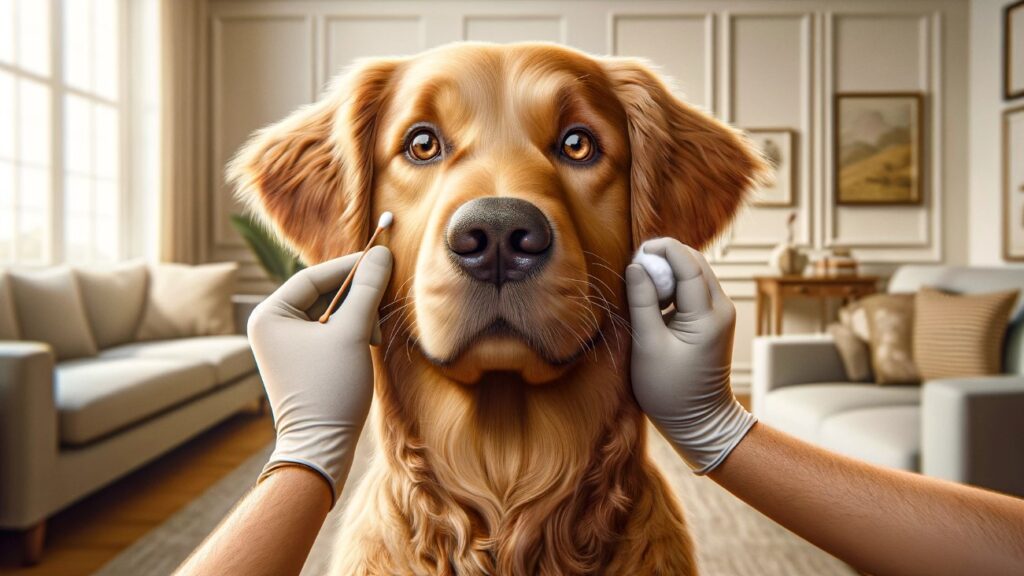
    5 types of dog ear infection

    Importance of Early Detection of Dog Ear Infections

    As a holistic veterinarian, I can’t stress enough the importance of early detection when it comes to types of ear infections in dogs. As a dog parent, you are the first line of defense in your pet’s health. Recognizing the early signs of an ear infection can make a world of difference for your furry friend.

    Effects of Untreated Ear Infections in Dogs

    Untreated ear infections can lead to severe complications. The longer the infection persists, the more damage it can cause to your dog’s ear. Infections can lead to ruptured eardrums, chronic pain, and even deafness. In severe cases, the infection can spread to other parts of the body, leading to more serious health issues.

    Some common symptoms of ear infections in dogs include head shaking, scratching at the ears, discharge, odor, redness, and swelling. If your dog is showing any of these signs, it’s important to get them checked out by a vet as soon as possible.

    Regular Ear Check-ups for Dogs

    Regular ear check-ups are crucial in preventing ear infections. Dogs with floppy ears or dogs that swim frequently are more prone to ear infections, so it’s especially important for these dogs to have regular check-ups.

    During a check-up, your vet will look for signs of inflammation, discharge, and odor. They may also take a sample from the ear to identify the type of infection, whether it be yeast, bacterial, mite, fungal, or due to allergies.

    Early detection means early treatment, which can prevent complications and keep your dog comfortable and happy. Remember, your dog can’t tell you when something is wrong, so it’s up to you to keep an eye out for signs of trouble.

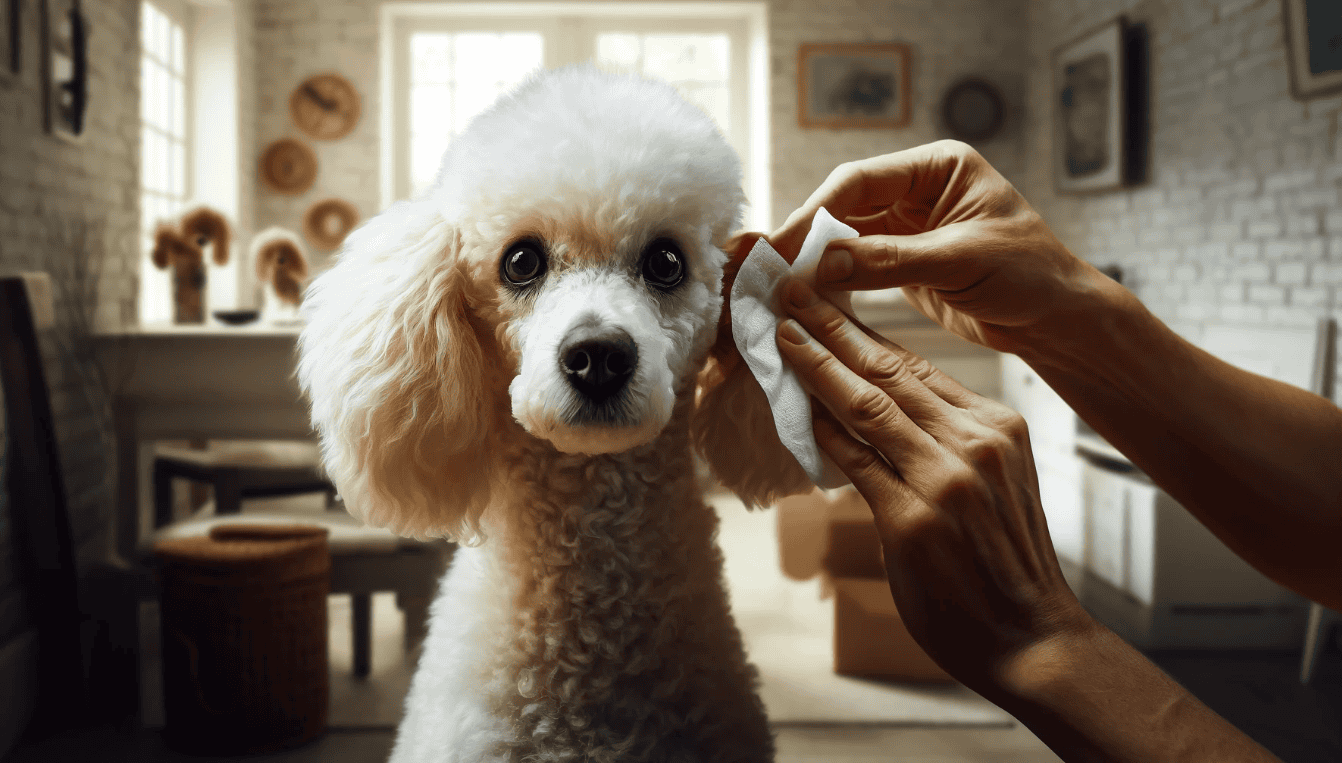
    Even if your dog isn’t showing symptoms, regular ear cleanings can help prevent infections from occurring. Cleaning your dog’s ears removes excess wax and debris, which can harbor bacteria and lead to infections.

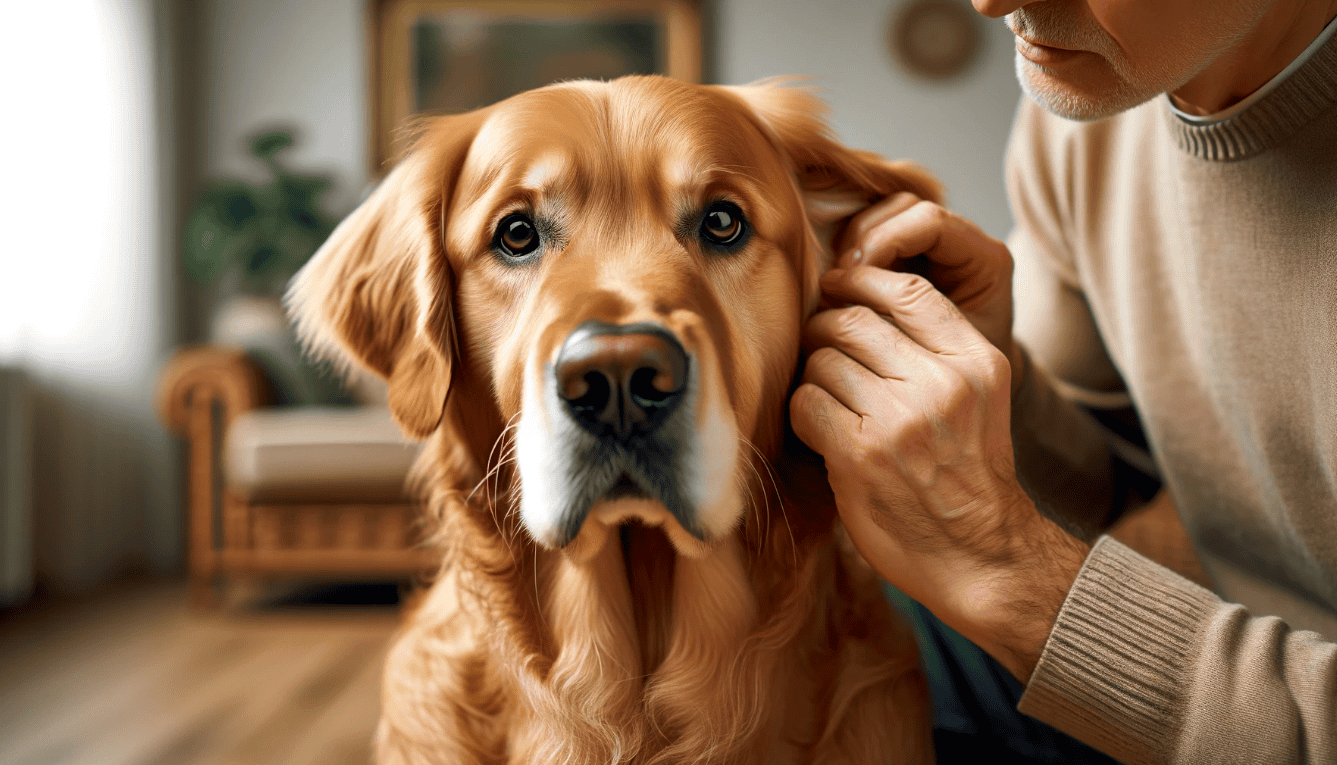
    In addition to professional check-ups, you should also be checking your dog’s ears at home. Look for any changes in color, smell, or texture. If you see anything unusual, it’s best to schedule a visit with your vet.

    So, remember, early detection of ear infections in dogs is key. By staying vigilant and scheduling regular check-ups, you can help ensure your furry friend stays happy and healthy.

    The 5 Common Types of Canine Ear Infections

    As a veterinarian, I often see dogs suffering from various types of ear infections. These ear infections can be quite painful and, if left untreated, can lead to serious complications. Let’s delve into the five common types of ear infections in dogs.

    Overview of Common Canine Ear Infections

    Ear infections in dogs are typically caused by bacteria, yeast, or ear mites. Sometimes, they can also be the result of allergies. Here are the five common types:

    • Yeast Infections: This type of infection is caused by an overgrowth of yeast in the ear canal. Dogs with floppy ears are more prone to yeast infections.
    • Bacterial Infections: These are caused by various types of bacteria. Some dogs may develop an infection due to a weakened immune system or skin allergies.
    • Ear Mite Infections: Ear mites are tiny parasites that can cause severe itching and inflammation in a dog’s ear.
    • Fungal Infections: These are less common but can occur, especially in dogs with weakened immune systems.
    • Allergic Reactions: Dogs with allergies may scratch their ears excessively, leading to infections.

    Identifying Different Types of Dog Ear Infections

    Understanding the different types of ear infections in dogs can help you identify them early. Here are some common symptoms:

    Type of InfectionCommon Symptoms
    Yeast InfectionsEar discharge with a foul smell, redness, and itching
    Bacterial InfectionsYellow or green pus, swelling, and pain
    Ear Mite InfectionsDark, coffee-like debris in the ear, extreme itching
    Fungal InfectionsEar discharge, itching, and redness
    Allergic ReactionsRedness, swelling, and excessive scratching

    Remember, each dog is unique and may show different signs. If you notice any changes in your dog’s behavior or physical condition, it’s always best to consult with a veterinarian immediately.

    Yeast Infections in Dogs’ Ears

    Yeast infections are one of the most common types of ear infections in dogs. This type of infection is typically caused by a fungus known as Malassezia pachydermatis. It’s a part of the normal flora of a dog’s skin, but when conditions are right, it can multiply and cause an infection.

    Causes and Symptoms of Yeast Infections in Dogs’ Ears

    Several factors can contribute to the overgrowth of yeast in dogs’ ears. These include a warm and moist environment in the ear, hormonal imbalances, and immune system disorders. Dogs with long ears or those with allergies are at a higher risk of developing yeast infections.

    • Signs and symptoms to watch out for include excessive scratching of the ears, redness, swelling, a strong and foul odor, and a brownish discharge from the ear. Dogs may also show signs of discomfort or pain, such as shaking their head or tilting it to one side.

    Treatment Options for Yeast Ear Infections in Dogs

    Once diagnosed by a vet, yeast infections in dogs’ ears are typically treated with antifungal medications. These can come in the form of ear drops, ointments, or oral medications. In severe cases, a vet may recommend a professional ear cleaning under anesthesia.

    • Home care can also play a crucial role in treating and preventing yeast infections. Regularly cleaning your dog’s ears with a vet-recommended cleaning solution can help keep yeast populations under control.

    It’s important to remember that each dog is unique, and what works for one may not work for another. Always consult with your vet for the best treatment plan for your furry friend.

    Early detection is key in managing yeast ear infections in dogs. Regular ear check-ups can help catch infections before they become serious. If your dog shows any signs of an ear infection, it’s best to seek veterinary attention promptly.

    Our beloved furry friends can sometimes suffer from bacterial infections in their ears, which is one of the common types of ear infections in dogs. It’s crucial to understand the causes, symptoms, and treatment options for these conditions to ensure your dog’s overall health and well-being.

    Causes and Symptoms of Bacterial Infections in Dogs’ Ears

    Bacterial ear infections in dogs are typically caused by bacteria that thrive in warm, moist environments. Dogs with long, floppy ears are particularly susceptible as their ear structure can create a favorable environment for bacteria to multiply. Other causes can include allergies, hormonal imbalances, or a weakened immune system.

    The symptoms of bacterial ear infections in dogs can vary depending on the severity of the infection. However, common signs include:

    • Redness and swelling in the ear
    • Unpleasant odor from the ear
    • Excessive scratching or pawing at the ear
    • Discharge from the ear, often yellow, brown, or bloody
    • Shaking of the head or tilting it to one side
    • Apparent pain when the ear is touched

    If you notice any of these symptoms, it’s crucial to seek veterinary care immediately. Early detection and treatment can prevent the infection from worsening and causing more serious health problems.

    Treatment Options for Bacterial Ear Infections in Dogs

    Once your vet has confirmed a bacterial ear infection, they will likely prescribe a course of antibiotics to combat the infection. This could be in the form of oral medication, ear drops, or a combination of both. It’s essential to follow the prescribed treatment plan and complete the full course of medication, even if your dog’s symptoms seem to improve before the treatment is finished.

    In addition to antibiotics, your vet may recommend cleaning your dog’s ears regularly with a vet-approved cleaner to help prevent future bacterial ear infections. In severe cases, or if the infections keep recurring, your vet may suggest surgery to improve air circulation within the ear.

    Remember, bacterial ear infections in dogs are quite common and treatable. However, prevention is always better than cure. Regular ear checks and cleanings can go a long way in keeping your dog’s ears healthy and infection-free.

    Ear Mite Infections in Dogs

    Ear mites are a common cause of ear infections in dogs, especially in puppies. These microscopic parasites can cause a lot of discomfort and, if not treated promptly, can lead to severe complications.

    Causes and Symptoms of Ear Mite Infections in Dogs

    Ear mites are tiny parasites that live on the surface of the skin in the ear canal. They are highly contagious and can easily spread from one pet to another through direct contact. Your dog can also get ear mites from infested bedding or furniture.

    The most common symptom of an ear mite infection is intense itching. Your dog may scratch their ears excessively or shake their head frequently. Other symptoms include a strong odor from the ears and a dark, waxy discharge that resembles coffee grounds. In severe cases, your dog may develop inflammation, redness, and swelling in the ear canal.

    Treatment Options for Ear Mite Infections in Dogs

    Treating ear mite infections in dogs often involves a two-step process. First, the vet will clean your dog’s ears to remove the discharge and debris. This will also help to alleviate some of the itching and discomfort your dog is experiencing.

    Next, the vet will prescribe a medication to kill the mites. This could be a topical treatment that is applied directly to the dog’s ear, or an oral medication. In some cases, the vet may also prescribe an anti-inflammatory drug to reduce swelling and discomfort.

    It’s important to complete the entire course of treatment, even if your dog’s symptoms seem to improve. This will ensure that all the mites are eliminated and reduce the risk of re-infection. In addition, you should clean and treat all bedding and furniture that your dog has been in contact with to prevent re-infestation.

    Finally, remember that ear mite infections are highly contagious. If you have other pets, they should also be checked and treated if necessary. Regular check-ups and ear cleanings can help prevent future ear mite infections.

    Fungal Infections in Dogs’ Ears

    Fungal infections in dogs’ ears are another common type of ear infection that pet parents need to be aware of. These infections are typically caused by the Aspergillus or Blastomyces fungi, which thrive in warm, damp environments such as your dog’s ear canal.

    Causes and Symptoms of Fungal Infections in Dogs’ Ears

    Fungal infections in dogs’ ears are often the result of an overgrowth of yeasts or molds. This can occur when a dog’s immune system is compromised or if their ear environment changes, allowing the fungus to multiply.

    Common symptoms include:

    • Itchy ears: This is often the first sign of a fungal infection. Your dog may scratch their ears frequently or shake their head.
    • Redness and inflammation: The affected ear may become red and swollen due to the infection.
    • Discharge: A brown or black discharge is often seen in cases of fungal ear infections.
    • Odor: A strong, unpleasant odor may emanate from the infected ear.

    If you notice any of these symptoms, it’s important to seek veterinary attention right away.

    Treatment Options for Fungal Ear Infections in Dogs

    Once your vet has diagnosed a fungal infection, they will likely clean your dog’s ear and prescribe a topical antifungal medication to kill the fungus. In severe cases, oral antifungal medication may also be necessary.

    Treatment might include:

    • Topical antifungal medication: This is applied directly to the ear to kill the fungus.
    • Oral antifungal medication: This is used in severe cases to help combat the infection from within.
    • Ear cleaning: Regular cleaning of your dog’s ears can help to prevent a recurrence of the infection.

    Remember, it’s important to follow your vet’s instructions closely when treating a fungal ear infection. This will ensure the infection is fully eradicated and doesn’t return.

    In the long term, regular ear check-ups and keeping your dog’s ears clean and dry can help prevent fungal infections from taking hold. This is especially important for dogs who love to swim or who have long, floppy ears that can trap moisture.

    Early detection and treatment of fungal infections in dogs’ ears are crucial to prevent further complications, such as hearing loss or a spread of the infection to other parts of the body.

    Allergic Reactions Leading to Ear Infections in Dogs

    One type of ear infection in dogs that often gets overlooked is caused by allergic reactions. Just like humans, dogs can also experience allergies from various sources, including food, environmental factors, and even certain medications. These allergies can manifest in several ways, and one of them is through ear infections.

    Causes and Symptoms of Allergic Ear Infections in Dogs

    Allergic ear infections in dogs usually occur when there’s an overreaction of the dog’s immune system to an allergen. Common allergens include dust mites, pollen, mold, and certain food ingredients like wheat, soy, and dairy. When a dog is exposed to these allergens, the body releases histamines, leading to inflammation and swelling, including in the ears.

    The symptoms of allergic ear infections in dogs are similar to other types of ear infections. You may notice your dog scratching their ears excessively, shaking their head, or tilting it to one side. There may be redness, swelling, and a foul odor coming from the ears. Your dog may also exhibit signs of discomfort or pain when their ears are touched.

    Treatment Options for Allergic Ear Infections in Dogs

    Treating allergic ear infections in dogs involves addressing both the infection and the underlying allergy. Your vet may prescribe antibiotics or antifungal medications to deal with the infection. They might also recommend allergy medication to manage the allergic reactions.

    • Antibiotics or antifungal medications: These will help to clear up the infection in your dog’s ears. They can come in the form of ear drops or oral medication.
    • Allergy medication: To help control the body’s response to allergens, your vet may prescribe antihistamines or corticosteroids. These can help to reduce inflammation and ease itching.
    • Allergen avoidance: If possible, try to identify and avoid the allergen causing the reactions. This may involve changing your dog’s diet or making changes to your home environment.

    Remember, it’s crucial to consult with your vet for proper diagnosis and treatment. They may also suggest allergy testing to identify the specific allergens causing the reactions.

    Final Words

    Our dogs are like family, and seeing them in discomfort can be distressing. Understanding the types of ear infections in dogs, including those caused by allergic reactions, equips us with the knowledge to better care for our furry friends. Regular check-ups, early detection, and prompt treatment can go a long way in ensuring your dog’s health and happiness. So, keep those ears clean, watch out for any signs of discomfort, and always consult with your vet for any concerns. Here’s to a lifetime of wagging tails and happy barks!

    Frequently Asked Questions

    1. What are the common symptoms of a bacterial ear infection in dogs?

    Bacterial ear infections in dogs often cause symptoms such as excessive scratching or rubbing of the ears, head shaking, foul odor from the ears, redness or swelling of the ear canal, and a discharge that may be yellow, brown, or bloody.

    2. How can I prevent yeast infections in my dog’s ears?

    To prevent yeast infections in your dog’s ears, it is important to keep the ears clean and dry. Regularly inspect and clean your dog’s ears using a veterinarian-recommended ear cleaner. Avoid excessive moisture in the ears, especially after swimming or bathing.

    3. Are ear mites a common cause of ear infections in dogs?

    Yes, ear mites can be a common cause of ear infections in dogs, especially in younger dogs or those with weakened immune systems. Ear mites cause intense itching and can lead to secondary bacterial or yeast infections if left untreated.

    4. Can allergies contribute to ear infections in dogs?

    Yes, allergies can contribute to ear infections in dogs. Allergic reactions to certain foods, environmental allergens (such as pollen or dust mites), or contact allergies (like certain cleaning products) can cause inflammation in the ears, making them more susceptible to infections.

    5. When should I seek veterinary care for my dog’s ear infection?

    If you suspect your dog has an ear infection or notice any signs of discomfort or abnormality in the ears, it is recommended to seek veterinary care. A veterinarian can properly diagnose the type of ear infection and prescribe appropriate treatment, which may include ear drops, oral medications, or cleaning solutions.

    A note about your dog’s health

    This article provides general education and does not replace an examination, diagnosis, or individualized advice from your veterinarian. Contact a veterinary professional if you are concerned about your dog’s symptoms.

    Dr. Candy Akers, DVM Avatar

    ABOUT THE AUTHOR

  • Yeast Infection in Dog Ears: Signs & Solutions

    Yeast Infection in Dog Ears: Signs & Solutions

    As a holistic veterinarian, I understand that your dog is much more than a pet; they’re a part of your family. And when they’re not feeling their best, it can be a real cause for concern. Yeast infection in dogs ear is a common, yet often overlooked condition that can cause your furry friend discomfort and distress. But don’t worry, you’re not alone in this. I’m here to guide you through understanding the causes, recognizing the signs, and exploring treatment options for this condition. Together, we’ll ensure your dog gets back to their happy, healthy self in no time.

    Recognizing the Signs of Yeast Infection in Dog Ears

    As a holistic veterinarian, I often remind dog parents that their furry friends can’t express their discomfort in words. Instead, they show us signs, subtle or otherwise, that something isn’t quite right. In the case of a yeast infection in a dog’s ear, it’s crucial to know what to look for.

    Common Symptoms of Yeast Infection in Dog Ears

    Yeast infection in a dog’s ear can be uncomfortable and painful for your pet. The most common symptoms include:

    • Redness and inflammation in the ear
    • Unpleasant smell coming from the ear
    • Excessive scratching or rubbing of the ear
    • Shaking of the head
    • Discharge that may be yellow, brown, or bloody
    • Swelling around the ear area

    These symptoms may vary in severity depending on the extent of the infection. If you notice any of these signs, it’s essential to get your dog checked by a vet as soon as possible.

    Behavioral Changes in Dogs with Yeast Infection

    Aside from the physical symptoms, you might also notice some behavioral changes in your dog. Dogs with a yeast infection in their ears often become irritable or anxious due to the discomfort and pain. They might also show a lack of interest in play, seem lethargic, or have changes in their eating habits.

    Remember, you know your dog better than anyone else. If your furry friend is acting out of character, it could be a sign that they’re in discomfort. Don’t dismiss these changes. If your gut tells you something is wrong, trust it.

    Yeast infection in dogs’ ears is a common condition but can cause significant discomfort if left untreated. By knowing the signs, you can ensure your pet gets the help they need promptly. Early detection is not just about curing the present condition; it’s about preventing potential long-term effects that could impact your dog’s overall wellbeing.

    As a dog parent, being vigilant and proactive in your pet’s health can make a world of difference. Always remember, the sooner a yeast infection in a dog’s ear is diagnosed and treated, the better the outcome for your furry friend.

    Diagnosis of Yeast Infection in Dog Ears

    As a veterinarian, I understand how much you care for your furry friend and how concerning it can be when they are not feeling well. Let’s talk about how we diagnose a yeast infection in a dog’s ear.

    How Vets Diagnose Yeast Infection in Dogs

    When a dog comes into my clinic showing signs of an ear infection, the first thing I do is a thorough physical examination. This often includes a detailed examination of the ears using an otoscope, a special tool that allows me to look deep into the ear canal.

    If I suspect a yeast infection, I will take a swab from the ear and examine it under a microscope. This test, known as cytology, allows me to see the yeast organisms up close. Yeast cells are very distinctive in appearance – they look like little purple blobs with buds or offshoots.

    • Physical Examination: Checking for redness, swelling, and discharge.
    • Otoscope Examination: Looking deep into the ear canal to identify any abnormalities.
    • Cytology: Taking a swab from the ear and examining it under a microscope to detect yeast cells.

    Importance of Early Diagnosis

    Early diagnosis of a yeast infection in a dog’s ear is crucial for effective treatment. The longer the infection goes untreated, the more discomfort and pain your pet will experience, and the more difficult it will be to treat. Untreated yeast infections can also lead to more serious complications, such as middle and inner ear infections, which can cause balance problems and even deafness.

    So, if you notice your dog scratching their ears more than usual, shaking their head, or if you see any redness or smell a strong odor, don’t hesitate to bring them in for a check-up. Remember, early detection can make a significant difference in your pet’s health and comfort.

    Treatment Options for Yeast Infection in Dog Ears

    It’s understandable to feel worried when your furry friend is dealing with a yeast infection in their ear. But rest assured, there are several treatment options available that can help your dog feel better in no time.

    Medical Treatments for Yeast Infection in Dog Ears

    Medical treatments are typically the first line of defense against a yeast infection. Your vet may prescribe a topical antifungal medication to be applied directly to your dog’s ear. This could be in the form of drops, creams, or ointments. These medications work by killing the yeast and reducing inflammation, providing relief from itching and discomfort.

    Sometimes, oral antifungal medications may be necessary, especially in severe cases or if the infection has spread beyond the ear. These are usually given in pill or liquid form and can help to treat the infection from the inside out.

    It’s important to remember that these treatments should only be used under the guidance of a veterinarian. Incorrect use can potentially worsen the condition or lead to unwanted side effects.

    Surgical Treatments for Severe Cases

    In severe cases of yeast infection in a dog’s ear, surgical intervention may be necessary. This is typically a last resort when other treatments have failed to resolve the infection. The most common procedure is a lateral ear canal resection, which improves air flow to the ear and makes it easier to clean and medicate.

    Surgery is not without risks and should only be considered after discussing all other options with your vet. Post-operative care will also be necessary to ensure your dog recovers well and the infection does not return.

    Remember, the goal of any treatment is not just to eliminate the current infection, but also to prevent future ones. Regular follow-ups with your vet, proper ear care, and potentially even dietary changes can all play a part in keeping your dog’s ears healthy.

    So, while dealing with a yeast infection in your dog’s ear can be stressful, know that there are effective treatments available. With prompt action and the right care, your dog can be back to their happy, playful self in no time.

    Home Remedies for Yeast Infection in Dog Ears

    While it’s crucial to consult with a veterinarian for a proper diagnosis and treatment plan, there are also home remedies you can utilize to help manage a yeast infection in your dog’s ear. These can be particularly useful for mild cases or as part of an ongoing maintenance plan to prevent recurring infections.

    Natural Remedies for Yeast Infection in Dogs

    Several natural remedies can be helpful in treating yeast infections in dogs’ ears. Here are some options:

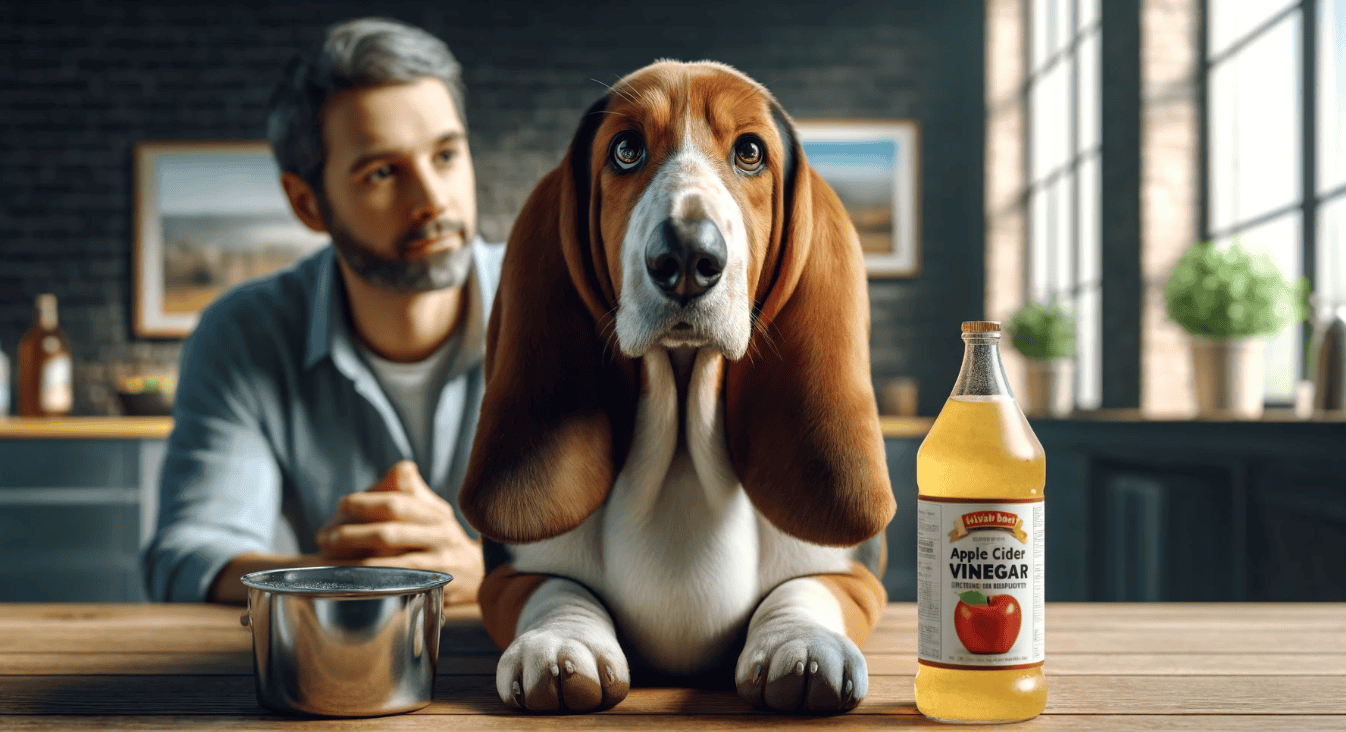
    • Apple Cider Vinegar: Diluted apple cider vinegar can help balance the pH in your dog’s ear, making it less favorable for yeast. Mix equal parts of vinegar and water, soak a cotton ball in the solution and gently clean your dog’s ear. Remember, this should not be used if the dog’s ear is red or has open sores as it can cause discomfort.
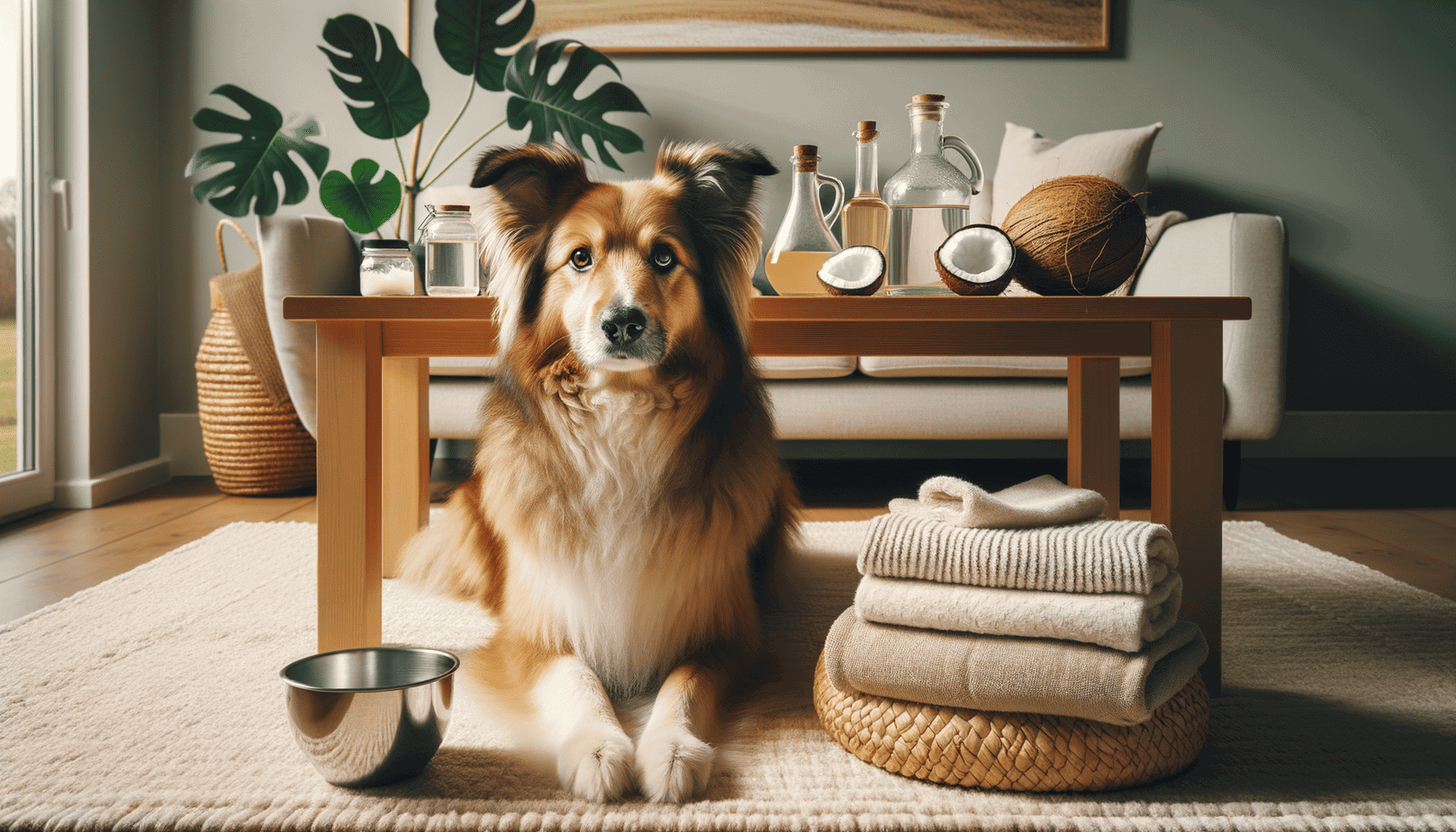
    • Coconut Oil: Known for its antifungal properties, coconut oil can be used to treat yeast infections. Warm a little oil until it’s liquid, let it cool, then apply a few drops into your dog’s ear and gently massage it in.
    • Probiotics: Probiotics can help restore the natural balance of bacteria in your dog’s body, which can help prevent yeast overgrowth. These can be given orally or some can be applied directly into the ear.

    Always monitor your dog’s reaction to these remedies and discontinue use if you notice any adverse effects.

    Effective Over-the-Counter Treatments

    There are also over-the-counter treatments available that can help treat yeast infections in dogs’ ears. These include:

    • Antifungal Ear Drops: These are specially formulated to kill the yeast fungus and can be bought without a prescription. Make sure to follow the instructions on the package.
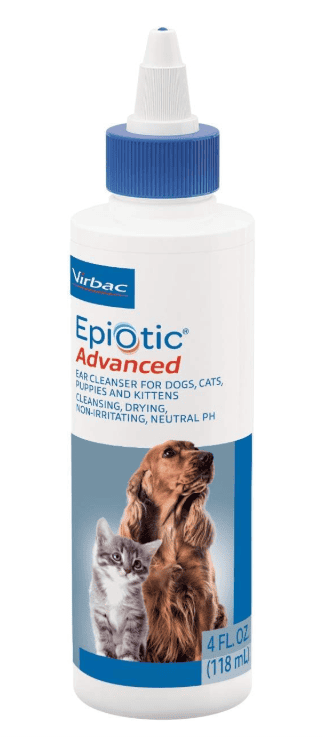
    • Ear Cleansers: Regular use of a dog-specific ear cleanser can help keep your dog’s ears clean and pH balanced, which can help prevent yeast infections.
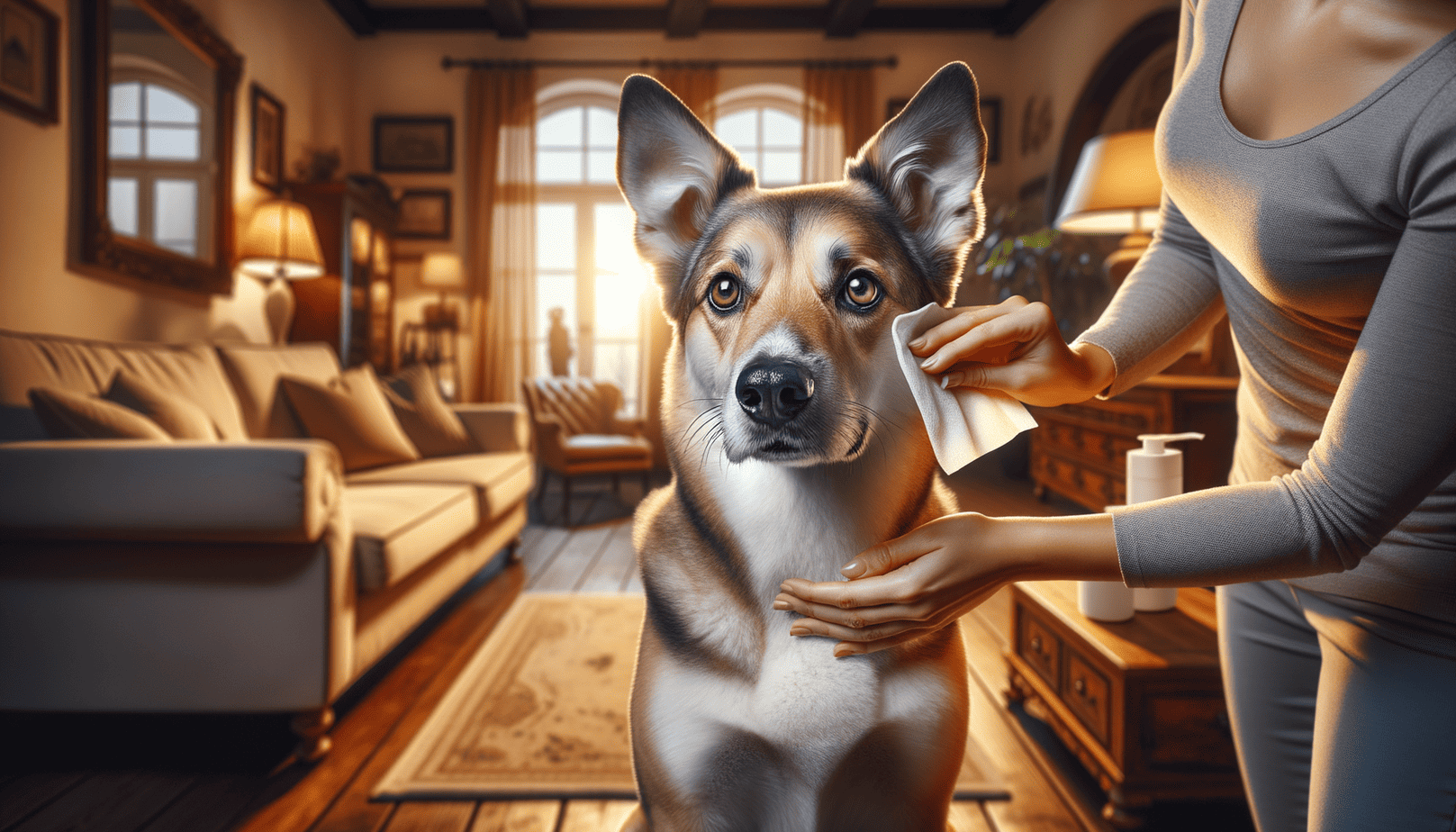
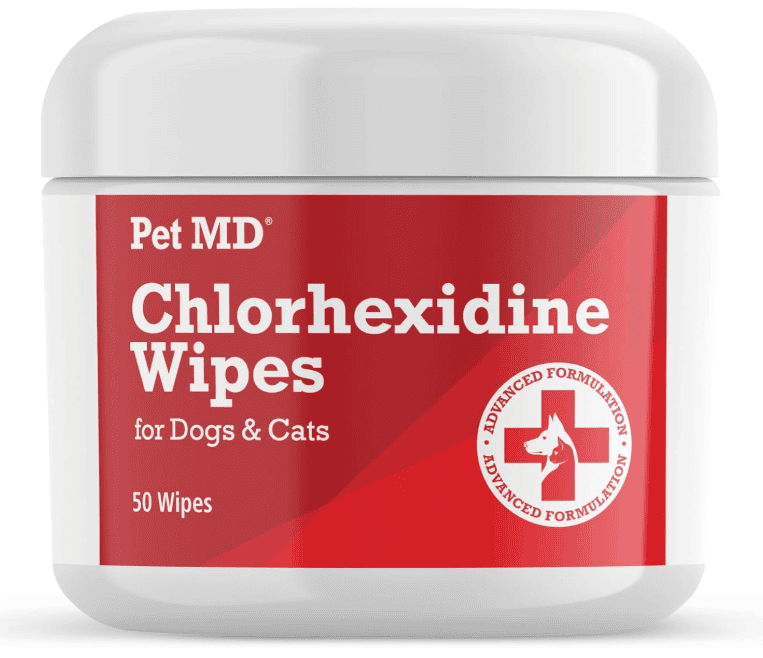
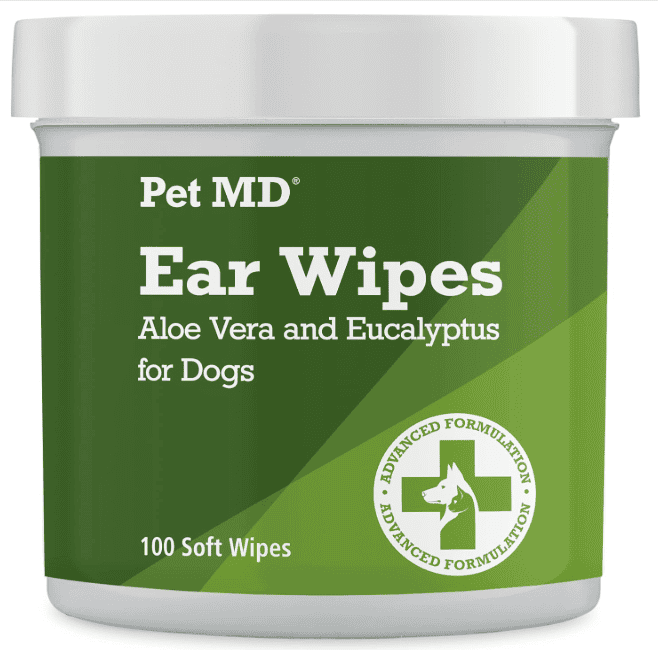
    • Medicated Wipes: These can be used for regular cleaning and maintenance of your dog’s ears, and some contain ingredients that can help fight yeast.

    Remember, while home remedies and over-the-counter treatments can be effective, they should not replace a visit to the vet. If your dog’s symptoms persist or worsen, seek professional medical advice immediately.

    Preventing Yeast Infection in Dog Ears

    Preventing a yeast infection in your dog’s ears is better than having to treat one. Here are some effective ways to keep your furry friend safe from this uncomfortable condition.

    Regular Cleaning and Maintenance of Dog’s Ears

    Regular ear cleaning is vital in preventing yeast infections in dogs. Yeast thrives in moist, warm environments, which makes your dog’s ears a perfect breeding ground. To avoid this:

    • Make ear cleaning a routine. Cleaning your dog’s ears once a week can help keep them free from yeast.
    • Use an appropriate ear cleaner. Your vet can recommend a suitable product that will not only clean but also dry your dog’s ears.
    • Be gentle. The ear is a sensitive area, so always use a soft cloth or cotton ball and avoid going too deep.
    • Watch out for signs of discomfort. If your dog seems to be in pain during ear cleaning, stop immediately and consult your vet.

    Dietary Changes to Prevent Yeast Infection in Dogs

    Diet plays a significant role in the occurrence of yeast infections. Yeast feeds on sugars, so a diet high in carbohydrates can lead to an overgrowth. To prevent this:

    • Consider a low-carb diet. This can help limit the amount of sugar available for yeast to feed on.
    • Include probiotics in your dog’s diet. Probiotics can help maintain a healthy balance of bacteria in your dog’s body, preventing yeast overgrowth.
    • Stay hydrated. Ensuring your dog drinks enough water can help keep their ears dry and less inviting to yeast.

    Remember, prevention is always better than cure. By following these steps, you can help protect your dog from the discomfort and pain of a yeast infection. However, if you notice any signs of a yeast infection such as itching, redness, or a foul smell, it’s important to consult your vet right away.

    The Role of Dog Breeds in Yeast Infections

    Dog Breeds Prone to Yeast Infections

    While any dog can develop a yeast infection in their ears, certain breeds are more susceptible due to their genetic predisposition. These include dogs with long, droopy ears such as Basset Hounds, Cocker Spaniels, and Beagles. The structure of their ears creates a warm, moist environment that is ideal for yeast growth.

    Other breeds prone to yeast infections include those with hair growing inside their ears, like Poodles and Schnauzers. This hair can trap moisture and debris, leading to bacterial and yeast infections.

    Additionally, breeds with skin folds, like Bulldogs and Shar Peis, are more likely to develop yeast infections, as the folds provide a perfect breeding ground for yeast.

    Finally, dogs with allergies, such as West Highland White Terriers and Dalmatians, are at a higher risk. Allergies can disrupt the normal balance of bacteria and yeast on the skin, leading to an overgrowth of yeast.

    Understanding the Genetic Factors

    Understanding the genetic factors that make certain breeds more prone to yeast infections can help prevent the condition from developing.

    For breeds with long or hairy ears, regular cleaning is essential. This involves gently wiping the inside of the ear with a vet-approved cleaner to remove any moisture or debris.

    For dogs with skin folds, regular cleaning and drying of the folds can prevent yeast growth. Also, maintaining a healthy weight can reduce the number of skin folds and thus the risk of infection.

    For dogs prone to allergies, a hypoallergenic diet can help maintain the skin’s natural balance and prevent yeast overgrowth. Regular vet check-ups are also crucial to monitor for any signs of infection.

    In conclusion, while certain breeds are more prone to yeast infections, understanding these genetic factors and taking preventative measures can significantly reduce the risk.

    The Impact of Yeast Infection on Your Dog’s Health

    Long-Term Effects of Yeast Infection in Dogs

    Yeast infections in your dog’s ear can have significant long-term effects if left untreated. The infection can spread to other parts of the ear and even to the brain, leading to serious complications like deafness, vestibular disease, or meningitis. Chronic yeast infections can also cause thickening and hyperpigmentation of the skin, resulting in discomfort and potential loss of hearing. Additionally, the constant scratching and discomfort can lead to behavioral changes in your dog, including anxiety and depression.

    Importance of Regular Check-ups for Dogs

    Regular vet check-ups play a critical role in the early detection and treatment of yeast infections in your dog’s ear. Routine ear examinations can help identify signs of infection before it becomes severe, thereby preventing long-term damage. In addition to diagnosing any potential yeast infections, these check-ups allow your vet to monitor the overall health of your dog and detect any other potential health issues early. It’s recommended to have your dog examined by a vet at least once a year, but dogs prone to ear infections may need more frequent visits.

    Remember, yeast infection in a dog’s ear is more than just an uncomfortable condition for your furry friend. It can lead to serious health problems if not addressed promptly. Therefore, maintaining regular vet visits and monitoring your dog’s health closely is essential to ensure they live a happy, healthy life.

    As a dedicated dog parent, your role in managing and preventing yeast infections in your dog’s ears is crucial. From noticing the early signs to seeking timely treatment and maintaining good ear hygiene, you can help your dog avoid the discomfort and potential health risks associated with these infections. So, keep a close eye on your furry friend’s behavior, and don’t hesitate to seek veterinary help if you notice anything unusual.

    With the right care and attention, you can ensure that a yeast infection doesn’t adversely affect your dog’s health or quality of life. After all, our dogs aren’t just pets; they’re family. And they deserve the best care we can give them.

    Frequently Asked Questions

    Q: What are the signs of yeast infection in dog ears?

    A: Common signs of yeast infection in dog ears include excessive scratching or rubbing of the ears, redness or inflammation of the ear canal, a strong unpleasant odor, discharge or wax buildup, and ear sensitivity or pain.

    Q: How can I prevent yeast infections in my dog’s ears?

    A: To prevent yeast infections in dog ears, it is important to keep the ears clean and dry. Regularly inspect and clean your dog’s ears using a veterinarian-approved ear cleaner. Avoid excessive moisture in the ears, especially after bathing or swimming. Additionally, maintaining a healthy diet and managing any underlying allergies can help prevent yeast overgrowth.

    Q: Can I treat my dog’s yeast infection at home?

    A: Mild cases of yeast infection in dog ears can sometimes be treated at home, but it is always recommended to consult with a veterinarian for proper diagnosis and treatment. Home remedies may include cleaning the ears with a vet-approved cleaner, using antifungal ear drops or ointments, and following any prescribed medication or dietary recommendations.

    Q: When should I seek veterinary care for my dog’s yeast infection?

    A: It is advisable to seek veterinary care if your dog’s yeast infection symptoms persist or worsen despite home treatment, if your dog shows signs of severe discomfort or pain, if there is excessive discharge or bleeding from the ears, or if your dog has a history of recurrent ear infections. A veterinarian can provide a proper diagnosis and recommend appropriate treatment options.

    Q: Are yeast infections in dog ears contagious to humans?

    A: Yeast infections in dog ears are typically not directly contagious to humans. However, the underlying causes of yeast infections, such as allergies or immune system issues, can be shared between dogs and humans. It is always recommended to practice good hygiene and consult a healthcare professional if you have concerns about potential infections.

    A note about your dog’s health

    This article provides general education and does not replace an examination, diagnosis, or individualized advice from your veterinarian. Contact a veterinary professional if you are concerned about your dog’s symptoms.

    Dr. Candy Akers, DVM Avatar

    ABOUT THE AUTHOR
  • Is Your Dog Suffering? Spotting Ear Infections

    Is Your Dog Suffering? Spotting Ear Infections

    As a devoted pet parent, you’re always on the lookout for your furry friend’s health and happiness. But did you know that ear infections are one of the most common issues that dogs face? If you’ve ever wondered how to tell if your dog has an ear infection, you’re in the right place. I’m Dr. Candy Akers, a holistic veterinarian, and I’m here to guide you through the signs, symptoms, and treatments of ear infections in dogs. So, let’s get started and ensure your pup’s ears stay as healthy as possible.

    Spotting the Signs and Symptoms of Dog Ear Infections

    Understanding the signs and symptoms of dog ear infections is crucial for any dog owner. It can be the difference between a minor irritant and a severe, chronic health issue. Let’s explore some of the most common indicators that your furry friend might be suffering from an ear infection.

    Physical Signs of Ear Infections in Dogs

    Physical signs are often the first indicators that your dog might have an ear infection. Some of these include:

    • Redness or swelling: When your dog’s ear is infected, it may become red and swollen. This is usually due to inflammation, a natural response by the body to fight off the infection.
    • Discharge: An infected ear may produce a yellow or brown discharge. This is a clear sign that something is not right.
    • Odor: A foul smell from your dog’s ear is another symptom of an infection.
    • Scratching and pawing: If your dog keeps scratching or pawing at its ear, it could be a sign of discomfort caused by an infection.
    • Head shaking: A dog with an ear infection may shake its head frequently, trying to relieve the discomfort.

    Behavioral Changes Indicating Ear Infections

    Behavioral changes can also suggest that your dog has an ear infection. These changes can be subtle, so keep a close eye on your dog’s behavior. Some signs include:

    • Loss of balance: Ear infections can affect your dog’s balance. If your dog seems unsteady or is bumping into things, it may be due to an infection in the inner ear.
    • Loss of appetite: Dogs may lose their appetite when they’re not feeling well. If your dog isn’t eating as much as usual, it could be a sign of an ear infection.
    • Aggression or irritability: If your usually friendly dog suddenly becomes irritable or aggressive, it might be because they’re in pain from an ear infection.

    Remember, these signs may not always indicate an ear infection. They could be symptoms of other health issues. But if you notice these symptoms, especially in conjunction with one another, it’s essential to consult with a veterinarian immediately. Early detection and treatment can prevent an ear infection from becoming a serious, long-term problem for your beloved pet.

    Types of Dog Ear Infections

    As a veterinarian, I see many different types of ear infections in dogs. Understanding these different types can help you identify early signs and determine how to tell if your dog has an ear infection. Generally, we categorize dog ear infections into two types: outer ear infections and middle or inner ear infections.

    Outer Ear Infections in Dogs

    Outer ear infections, also known as otitis externa, are the most common type of dog ear infection. They occur when the external part of the ear canal, which runs from the eardrum to the outer opening of the ear, becomes inflamed.

    Signs of outer ear infections in dogs may include:

    • Redness and swelling of the ear canal
    • Unpleasant smell from the ear
    • Excessive scratching or pawing at the ear
    • Discharge from the ear, which can be yellow, brown, or bloody

    Middle and Inner Ear Infections in Dogs

    Middle and inner ear infections, or otitis media and otitis interna, are less common but can be more serious. These infections occur deeper in the ear, behind the eardrum. They often result from untreated or severe outer ear infections that have spread.

    Signs of middle and inner ear infections in dogs may include:

    • Loss of balance or coordination
    • Head tilting or shaking
    • Changes in behavior, such as depression or irritability
    • Vomiting or loss of appetite

    Remember, these signs can also indicate other health issues, so it’s important to take your dog to the vet if you notice any changes. Early detection can make treatment easier and help prevent serious complications. So, knowing how to tell if a dog has an ear infection is crucial for every dog parent.

    Risk Factors for Dog Ear Infections

    Breed-Specific Risks for Ear Infections

    Some dogs are more susceptible to ear infections than others due to their breed. Dogs with long, floppy ears like Basset Hounds, Cocker Spaniels, and Golden Retrievers are at a higher risk. This is because their ear structure can trap moisture and debris, creating a perfect environment for bacteria and yeast growth. Additionally, breeds with hair growing in the ear canal, such as Poodles and Schnauzers, are also more prone to ear infections.

    Environmental Risk Factors for Dog Ear Infections

    Environmental factors can significantly contribute to your dog’s risk of getting an ear infection. Here are some key factors to consider:

    • Moisture: Dogs that swim frequently or live in humid areas are more prone to ear infections. Moisture in the ear can create a breeding ground for bacteria and yeast.
    • Allergies: Dogs with allergies, whether food or environmental, are more likely to develop ear infections. Allergies can cause inflammation in the ear canal, making it more susceptible to infection.
    • Parasites: Ear mites are a common cause of ear infections in dogs, especially puppies. These tiny parasites can cause severe itching and inflammation in the ear canal.
    • Foreign bodies: Grass seeds, ticks, or any other foreign bodies in the ear can cause irritation and lead to an infection.

    Understanding these risk factors can help you take preventive measures to reduce your dog’s chances of developing an ear infection. Regular ear checks and cleaning, along with a healthy diet and lifestyle, can significantly decrease the likelihood of ear infections. If your dog is prone to ear infections due to their breed or environment, regular vet check-ups are crucial. Remember, catching an ear infection early can make treatment much simpler and prevent potential complications such as hearing loss.

    Veterinary Examination for Dog Ear Infections

    When you suspect your furry friend may have an ear infection, the first step is a visit to the vet. Your vet is trained to recognize the signs of an ear infection and can perform a thorough examination to confirm the diagnosis. The examination typically includes a visual inspection of the ear canal and eardrum using an otoscope, a special instrument designed for this purpose.

    Your vet may also palpate (touch) the area around the ear to check for pain, swelling, or unusual heat, which can indicate inflammation. They will also look for signs of parasites, foreign bodies, or tumors that could be causing the infection. It’s important to remember that while you may feel anxious about your pet’s discomfort, these examinations are crucial for accurate diagnosis and treatment.

    Diagnostic Tests for Dog Ear Infections

    Depending on the findings of the initial examination, your vet may recommend further diagnostic tests. These can include:

    • Cytology: This involves taking a sample of the discharge from your dog’s ear and examining it under a microscope. This can help identify the type of infection (bacterial, yeast, or parasitic) and guide the treatment plan.
    • Culture and sensitivity testing: If the infection doesn’t respond to initial treatment, or if it’s severe or recurrent, your vet may perform this test. It involves growing the bacteria or yeast from the ear discharge in a lab to identify the specific strain and determine which medications it’s sensitive to.
    • X-rays or CT scans: If your vet suspects a middle or inner ear infection, they may recommend imaging tests to get a better look at the structures inside the ear.

    While these tests may seem overwhelming, they’re essential for determining the best course of treatment for your dog. Remember, the goal is to get your pup back to their happy, healthy self as soon as possible.

    Early diagnosis and treatment of ear infections can prevent complications and more serious health problems down the line. So, if you’re wondering how to tell if your dog has an ear infection, don’t hesitate to consult your vet. They’re there to help you and your furry friend navigate these health challenges together.

    Treatment Options for Dog Ear Infections

    When it comes to treating dog ear infections, it’s important to remember that each dog and each infection is unique. Therefore, the treatment plan will depend on the type of infection, the severity, and your dog’s overall health condition.

    Medications for Dog Ear Infections

    The most common form of treatment for dog ear infections is medication. This can be in the form of oral antibiotics, topical ointments or ear drops.

    • Antibiotics: Oral antibiotics are usually prescribed when the infection is severe or has spread beyond the ear. They work by killing the bacteria causing the infection.
    • Topical Ointments: These are applied directly to the infected area and are typically used for mild to moderate infections. They often contain a combination of anti-inflammatory, antifungal and antibacterial ingredients to help soothe and treat the infection.
    • Ear Drops: These are usually the first line of treatment for dog ear infections. They are easy to administer and can quickly relieve symptoms such as pain and inflammation.

    Surgical Treatments for Severe Ear Infections in Dogs

    In severe cases, where the infection has not responded to medication or has caused significant damage to the ear, surgery may be necessary.

    • Tympanostomy: This procedure involves making a small incision in the eardrum to drain the fluid and relieve pressure. It is usually performed under general anesthesia.
    • Total Ear Canal Ablation (TECA): This is a more serious surgery where the entire ear canal is removed. It is usually only considered as a last resort when the infection is chronic and causing severe pain and discomfort.

    Remember, it’s important to follow your vet’s instructions closely when administering medication and to complete the full course of treatment, even if your dog seems to be feeling better. This will help ensure the infection is completely cleared and reduce the risk of it returning. If you’re unsure about how to tell if your dog has an ear infection, always seek professional advice. The sooner an ear infection is treated, the quicker your dog can return to their happy, playful self.

    Preventing Ear Infections in Dogs

    Regular Ear Cleaning for Dogs

    As a dog parent, it’s crucial to understand that regular ear cleaning is key in preventing ear infections. Dogs’ ears can be a breeding ground for bacteria and yeast if not properly cleaned. Therefore, it’s recommended to clean your dog’s ears at least once a week.

    Here’s a simple process to follow:

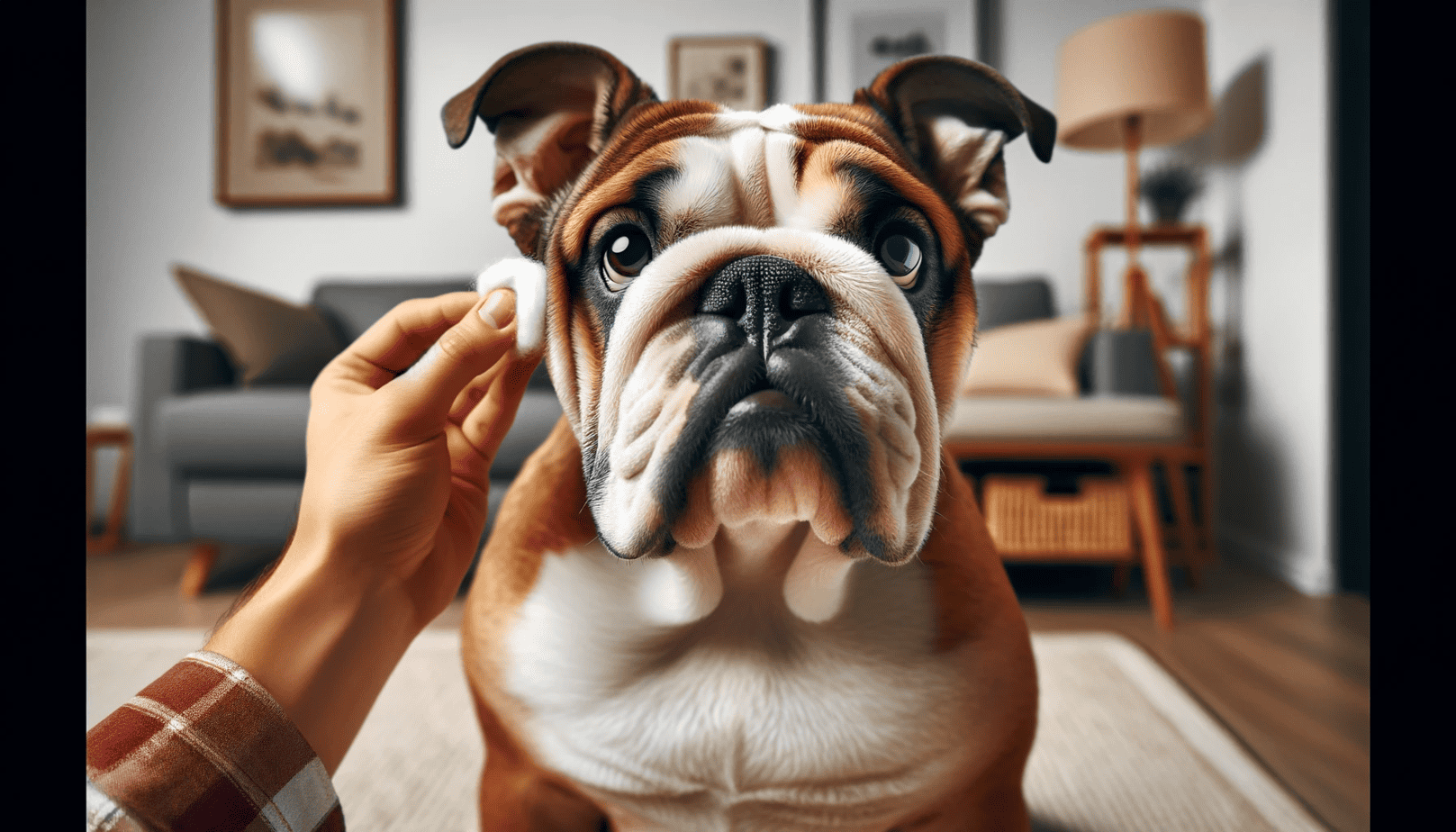
    • First, gather your supplies. You’ll need a good quality dog ear cleaner, cotton balls or gauze, and treats for rewarding your dog afterwards.
    • Hold your dog’s ear flap up gently and squirt a few drops of the cleaner into the ear canal.
    • Massage the base of the ear for about 20-30 seconds to help the cleaner work its way in.
    • Let your dog shake his head — this helps bring up any debris from inside the ear.
    • Finally, use the cotton ball or gauze to gently wipe away any visible dirt or wax. Remember, never use cotton swabs as they can damage your dog’s ear.

    Keep in mind, over-cleaning can also lead to issues, so it’s essential to strike a balance.

    Dietary and Lifestyle Changes to Prevent Dog Ear Infections

    Another significant aspect of preventing ear infections in dogs involves dietary and lifestyle changes.

    Food allergies can often lead to ear infections in dogs. If you notice your dog frequently scratching their ears or shaking their head after meals, you might want to consider a food allergy as a potential cause. Switching your dog to a hypoallergenic diet or a diet free from common allergens (like wheat, soy, and certain proteins) can help prevent ear infections.

    In terms of lifestyle, ensuring your dog isn’t always in a damp environment can help prevent ear infections. Dogs who love to swim or who are bathed frequently can have excess moisture in their ears, which can lead to infections. After any water activity, make sure to dry your dog’s ears thoroughly.

    Remember, preventing dog ear infections is all about regular care and keen observation. By implementing regular ear cleaning and making necessary dietary and lifestyle changes, you can keep your dog’s ears healthy and infection-free. Always consult with your vet for the best preventative measures tailored to your dog’s breed and lifestyle.

    Recognizing Emergency Symptoms of Dog Ear Infections

    Knowing how to tell if a dog has an ear infection is crucial for any dog parent. It’s important to note that while some symptoms can be managed at home, others require immediate veterinary attention. Here are some emergency symptoms you should be aware of:

    • Severe Pain: If your dog is in noticeable distress, constantly scratching, shaking their head, or yelping when you touch their ear, it’s a clear sign they need immediate help.
    • Loss of Balance: Middle and inner ear infections can affect your dog’s equilibrium. If your dog is stumbling, tilting their head, or having trouble walking, seek veterinary care right away.
    • Unusual Eye Movements: Rapid eye movement or difficulty focusing could indicate a serious ear infection.
    • Persistent Vomiting or Nausea: If your dog is vomiting or refusing to eat, it could be a sign of a severe ear infection that’s affecting their balance and causing nausea.

    If your dog exhibits any of these symptoms, don’t hesitate to seek professional help. Remember, the quicker the ear infection is treated, the better the outcome for your furry friend.

    Importance of Regular Veterinary Check-ups for Dogs

    Regular veterinary check-ups are a critical part of keeping your dog healthy and catching potential issues like ear infections early. Here’s why they are so important:

    • Early Detection: Regular check-ups can help detect ear infections before they become serious. Your vet can spot signs of an ear infection that you might miss.
    • Preventative Care: Regular vet visits allow your vet to provide preventative care, like cleaning your dog’s ears, which can help prevent future ear infections.
    • Education: Your vet can provide valuable information about how to reduce your dog’s risk of ear infections, such as dietary changes or modifications to your dog’s environment.

    By scheduling regular vet visits, you’re not just helping to keep your dog’s ears healthy, but you’re also ensuring their overall health and wellbeing.

    Being a responsible dog parent means being vigilant about your dog’s health. Knowing how to tell if a dog has an ear infection and recognizing the signs of a serious problem can make all the difference. And remember, regular vet check-ups are an essential part of keeping your dog healthy. Your dog depends on you to look out for their health, so stay informed, stay vigilant, and your furry friend will thank you!

    Frequently Asked Questions

    1. How can I tell if my dog has an ear infection?

    Look out for signs such as frequent scratching or rubbing of the ears, head shaking, redness or swelling of the ear canal, unusual odor from the ears, discharge, or sensitivity when the ears are touched.

    2. What causes ear infections in dogs?

    Ear infections in dogs can be caused by various factors including allergies, excessive moisture or wax buildup in the ears, foreign objects, parasites, hormonal imbalances, or underlying health conditions.

    3. Can ear infections in dogs be prevented?

    While it may not be possible to prevent all ear infections, there are certain measures you can take to reduce the risk. Regularly clean your dog’s ears, keep them dry, avoid exposing your dog to excessive moisture, and address any underlying health issues promptly.

    4. Should I take my dog to the vet if I suspect an ear infection?

    Yes, it is recommended to take your dog to the vet if you suspect an ear infection. A veterinarian will be able to properly diagnose the condition and provide appropriate treatment, which may include medication or cleaning the ears.

    5. Are ear infections in dogs painful?

    Yes, ear infections in dogs can be painful. Dogs may show signs of discomfort or pain by frequently scratching or rubbing their ears, tilting their head, or being more sensitive when their ears are touched.

    A note about your dog’s health

    This article provides general education and does not replace an examination, diagnosis, or individualized advice from your veterinarian. Contact a veterinary professional if you are concerned about your dog’s symptoms.

    Dr. Candy Akers, DVM Avatar

    ABOUT THE AUTHOR

  • Effective Treatments for Dog Ear Infections

    Effective Treatments for Dog Ear Infections

    As a holistic veterinarian, I understand your concern when your furry friend starts shaking their head or scratching their ears incessantly. It’s a clear sign of discomfort and often, it’s due to a pesky ear infection. Dog ear infection treatment is no small matter and getting the right information is crucial. In this article, we’ll go on a journey together, exploring the causes, symptoms, and types of dog ear infections. We’ll discuss both over-the-counter and prescription treatments, as well as natural remedies you can try at home. Prevention is always better than cure, so we’ll also cover preventive measures to help your dog avoid ear infections in the future. If you’re a dog parent dealing with this issue, you’re in the right place. Let’s work together to bring relief to your four-legged family member.

    effective ear infection treatments

    The Importance of Early Detection

    As a holistic veterinarian, I can’t emphasize enough the importance of early detection in treating a dog ear infection. It’s not just about easing your furry friend’s discomfort; it’s about preventing the condition from escalating and causing serious complications.

    Consequences of Untreated Ear Infections

    Ear infections in dogs are not just painful but, if left untreated, they can have severe consequences. Chronic ear infections can lead to a condition called Pseudomonas, a highly resistant bacteria that’s difficult to treat. Dogs with long-standing ear infections may also develop aural hematomas, which are blood-filled blisters on the ear flaps that require surgical intervention. Worst of all, untreated ear infections can cause irreversible damage to the ear canal and inner ear, leading to deafness.

    Regular Check-ups for Dog Ear Health

    To avoid these complications and ensure your dog’s ear health, regular check-ups are crucial. I recommend that you inspect your dog’s ears at least once a week. Look for signs of infection like redness, swelling, discharge, and bad odor. If your dog seems to be scratching its ears excessively, shaking its head, or tilting it to one side, it may be suffering from an ear infection.

    Remember, early detection is the key to effective dog ear infection treatment. The sooner you identify the problem, the easier it is to treat and the less discomfort your dog has to endure.

    You can also take your dog for regular vet check-ups. As a vet, I have the tools to examine your dog’s ear canal closely and detect any signs of infection that you may miss. I can also provide a professional cleaning to remove any debris or wax build-up that can lead to infections.

    In the end, your vigilance as a dog parent can make a big difference in your pet’s ear health. So, make ear inspections a part of your routine, and don’t hesitate to seek professional help if you notice anything out of the ordinary. Together, we can ensure your furry friend stays happy and healthy.

    Common Types of Dog Ear Infections

    As a veterinarian, I often see two main types of ear infections in dogs: bacterial and yeast infections. Understanding the difference between these two is crucial for effective dog ear infection treatment.

    Bacterial Ear Infections in Dogs

    Bacterial infections are one of the most common types of ear infections in dogs. These are typically caused by a type of bacteria known as Staphylococcus, though other bacteria can also be involved. Bacterial infections often occur when the normal balance of bacteria in your dog’s ear is disrupted, typically due to excess moisture, allergies, or injury.

    Dog ear infection treatment for bacterial infections usually involves:

    • Thorough cleaning of the ear canal
    • Topical antibiotic drops
    • Oral antibiotics in severe cases

    Yeast Infections in Dogs’ Ears

    Yeast infections in dogs’ ears are caused by an overgrowth of yeast organisms, typically a type known as Malassezia. These infections are often associated with a warm, humid environment in the ear, allergies, or hormonal imbalances.

    Dog ear infection treatment for yeast infections usually involves:

    • Cleaning the ear canal to remove excess yeast
    • Applying antifungal drops or ointments
    • Addressing underlying causes such as allergies or hormonal imbalances

    Remember, the most effective dog ear infection treatment starts with an accurate diagnosis. If your dog is showing signs of an ear infection, such as scratching at the ears, head shaking, or discharge, it’s important to consult a veterinarian for a proper diagnosis and treatment plan.

    If your furry friend is showing signs of an ear infection, you’ll be relieved to know there are numerous over-the-counter (OTC) treatments available that can provide relief.

    dog ear infection treatments

    Topical Treatments for Dog Ear Infections

    Topical treatments are applied directly to your dog’s ear and are typically the first line of defense in treating ear infections. They often contain a combination of antibacterial, antifungal, and anti-inflammatory agents to combat the infection and soothe the ear.

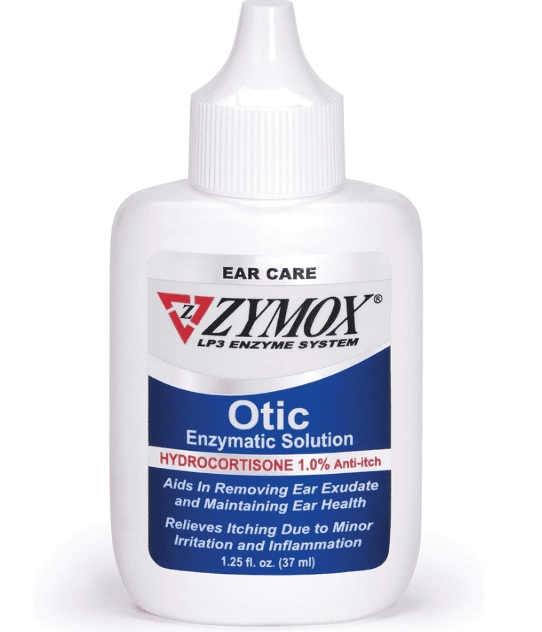
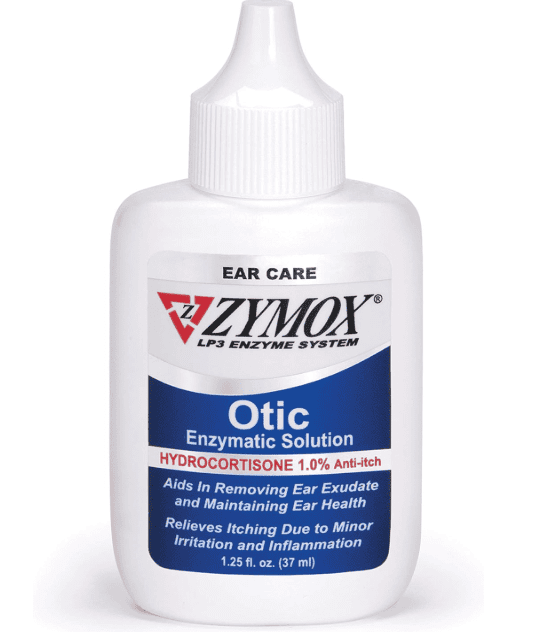
    • Zymox Otic: This enzymatic solution contains hydrocortisone to alleviate inflammation and discomfort. It’s effective in treating both bacterial and yeast infections.
    • EcoEars: An all-natural solution, EcoEars helps clear up infections by breaking down wax and debris while disinfecting the ear.

    Remember to always follow the instructions on the label, and avoid using topical treatments if your dog’s eardrum is ruptured.

    Oral Medications for Dog Ear Infections

    Oral medications are usually recommended when the infection is severe or recurrent. These medications work systemically to fight the infection from within.

    • Clavamox: This is a broad-spectrum antibiotic that’s effective against most strains of bacteria that cause ear infections in dogs.
    • Ketoconazole: This antifungal medication is used to treat yeast infections in dogs’ ears. It’s often used in combination with other treatments for best results.

    It’s essential to note that while oral medications can be purchased over-the-counter, they should be administered under the guidance of a vet to ensure correct dosage and monitor potential side effects.

    Whether you opt for a topical treatment or an oral medication, the key is to start treatment as soon as you notice symptoms of an ear infection. With timely and appropriate treatment, your beloved pet will be back to their playful self in no time. Always remember, when in doubt, consult with your vet to ensure your dog gets the best possible care.

    treating ear infections in dogs

    When your dog’s ear infection persists despite over-the-counter treatments, it may be time to consider prescription treatments. These are typically more potent and are designed to treat severe or chronic ear infections in dogs. Let’s take a closer look at these options.

    Antibiotics for Dog Ear Infections

    Antibiotics are often prescribed when the ear infection is caused by bacteria. These can either be administered orally or topically, depending on your vet’s recommendation. Some commonly prescribed antibiotics for dog ear infections include:

    • Amoxicillin: This is a broad-spectrum antibiotic that is effective against a wide range of bacteria.
    • Cephalexin: This is another broad-spectrum antibiotic, often used when Amoxicillin is ineffective or not tolerated.
    • Enrofloxacin: This antibiotic is particularly effective against Pseudomonas aeruginosa, a type of bacteria commonly found in dog ear infections.

    Remember, antibiotics should only be used under the guidance of a vet, as improper use can lead to antibiotic resistance.

    Antifungal Treatments for Dog Ear Infections

    If your dog’s ear infection is caused by yeast, your vet may prescribe antifungal medication. This can come in the form of drops, creams, or oral medication. Some common antifungal treatments include:

    • Ketoconazole: This is a common antifungal medication used to treat yeast infections in dogs’ ears. It’s typically applied topically.
    • Fluconazole: This is an oral antifungal medication, often used when topical treatments are ineffective or not possible due to the severity of the infection.
    • Miconazole: This is a topical antifungal cream that’s effective against a variety of yeasts and fungi.

    Just like antibiotics, antifungal treatments should only be used under the supervision of a vet.

    Prescription treatments for dog ear infections can be highly effective, but they’re not a one-size-fits-all solution. It’s crucial to consult with a vet to determine the best course of action based on your dog’s specific needs. Remember, the key to successful treatment is early detection and prompt intervention.

    Effective Treatments for Dog Ear Infections

    If you’re looking for a more natural approach to treating your dog’s ear infection, there are several remedies available. However, it’s essential to note that while these treatments can help alleviate symptoms, they’re not a replacement for veterinary care, particularly for severe or chronic infections.

    Herbal Treatments for Dog Ear Infections

    Some herbs have properties that can help soothe and treat ear infections in dogs. Here are a few you might consider:

    • Calendula: Known for its anti-inflammatory and antifungal benefits, calendula can be applied as a topical treatment in the form of a tea or oil.
    • Mullein: This herb has antibacterial and antiviral properties, which can be beneficial for bacterial ear infections. It’s typically mixed with garlic and used as an oil.
    • St. John’s Wort: Often used for its pain-relieving properties, St. John’s Wort can be applied topically to help soothe your dog’s discomfort.

    While these herbal remedies can provide relief, it’s important to consult with a holistic vet before using them to ensure they’re safe for your dog.

    Homeopathic Remedies for Dog Ear Infections

    Homeopathy is a system of natural medicine that uses highly diluted substances to stimulate the body’s self-healing mechanisms. Here are a couple of homeopathic remedies you might consider for your dog’s ear infection:

    • Silicea: Known to help with the expulsion of pus and foreign bodies, Silicea can be used for dogs with chronic ear infections.
    • Pulsatilla: This remedy is often used when the dog appears to be in pain, especially when the ear is touched or pulled.

    Remember, it’s essential to consult with a homeopathic veterinarian before administering these remedies to ensure they’re appropriate for your dog’s specific condition.

    Incorporating these natural remedies as part of your dog ear infection treatment plan can provide your pet with relief. However, they should be used in conjunction with, not in place of, traditional treatments prescribed by your vet.

    how are dog ear infections are treated

    Preventive Measures for Dog Ear Infections

    Regular Ear Cleaning for Dogs

    One of the most effective ways of preventing dog ear infections is by keeping your dog’s ears clean. This is especially crucial for breeds with floppy ears that are more prone to infections. Regular cleaning can help remove dirt, excess wax, and other debris that can harbor bacteria and yeast, leading to infections.

    Here’s how to clean your dog’s ears safely:

    • Use a veterinarian-approved ear cleaner. Avoid using vinegar, hydrogen peroxide, or alcohol as these can irritate your dog’s delicate ear tissue.
    • Apply the cleaner to a cotton ball and gently swab the inside of your dog’s ear. Avoid using cotton swabs as they can push debris further into the ear canal.
    • After cleaning, dry your dog’s ears thoroughly. Moisture can promote bacterial and yeast growth.

    Remember, over-cleaning can also be harmful, so it’s essential to strike a balance. Your vet can provide guidance on how often you should clean your dog’s ears.

    Dietary Changes to Prevent Dog Ear Infections

    Believe it or not, your dog’s diet can play a role in preventing ear infections. Some dogs may develop food allergies or sensitivities that can lead to chronic ear infections. Common culprits include wheat, dairy, and certain proteins.

    If you suspect that your dog’s diet might be contributing to recurring ear infections, it may be worth exploring a hypoallergenic diet or an elimination diet to identify potential food allergens. Always consult your vet before making any significant changes to your dog’s diet.

    Adding certain supplements to your dog’s diet can also help boost their immune system and prevent infections. Omega-3 fatty acids, for instance, have anti-inflammatory properties that can help keep infections at bay. Probiotics can also help maintain a healthy balance of bacteria in your dog’s body, including the ears.

    Remember, prevention is always better than cure when it comes to dog ear infection treatment. By maintaining good ear hygiene and a healthy diet for your dog, you can significantly reduce the risk of ear infections and ensure your furry friend stays happy and healthy.

    When to Consult a Veterinarian

    Understanding when to consult a veterinarian for your dog’s ear infection is crucial. While it’s true that many minor infections can be treated at home, there are certain signs that indicate your furry friend needs professional help.

    Signs Your Dog’s Ear Infection Needs Professional Attention

    Here are some signs that your dog’s ear infection may require a veterinarian’s intervention:

    • Severe pain: If your dog is in obvious discomfort, whining, or shaking their head excessively, it’s time to call the vet.
    • Discharge or odor: A little bit of wax is normal, but thick, colored discharge or a foul smell could indicate a serious infection.
    • Balance issues: An ear infection can affect your dog’s balance. If your dog is stumbling or walking in circles, seek immediate veterinary care.
    • Swelling or redness: This could be a sign of a severe infection or an allergic reaction.

    Ongoing Care for Dogs with Chronic Ear Infections

    For dogs prone to chronic ear infections, ongoing care is essential. Here’s what you can do:

    • Regular veterinary check-ups: Regular vet visits will help detect any recurring ear infections early, making them easier to treat.
    • Follow-up on medication: If your vet has prescribed medication, make sure to use it as directed and complete the full course, even if your dog seems to be feeling better.
    • Preventive measures: Regular ear cleaning and dietary changes can help prevent future infections. Your vet can guide you on the best practices.

    Remember, your dog can’t tell you when they’re in pain. It’s up to you to watch for signs of trouble and seek help when needed. Early intervention is key to preventing complications and ensuring your dog’s comfort and health.

    Whether it’s a simple ear infection or a chronic problem, your vet is your best resource. They can provide both immediate treatment and guidance for long-term management. Don’t hesitate to reach out to them whenever you’re concerned about your dog’s ear health.

    Ultimately, the best treatment for a dog ear infection is a combination of professional veterinary care and attentive, loving home care. Armed with knowledge and a proactive approach, you can help your furry friend avoid the discomfort of ear infections and enjoy a happy, healthy life.

    Frequently Asked Questions

    1. What are the common symptoms of a dog ear infection?

    Dogs with ear infections often display symptoms such as excessive scratching or rubbing of the ears, head shaking, redness or swelling of the ear canal, unpleasant odor, discharge, and sensitivity when the ears are touched.

    2. Can I use over-the-counter ear cleaners to treat my dog’s ear infection?

    While some over-the-counter ear cleaners can help maintain ear health, it is important to consult a veterinarian before using any products on your dog’s infected ears. They can recommend appropriate treatments based on the specific infection and its severity.

    3. Are there any home remedies that can effectively treat dog ear infections?

    While there are various home remedies suggested by pet owners, it is crucial to consult a veterinarian before attempting any home treatments. In some cases, home remedies may worsen the infection or mask underlying issues, leading to delayed proper treatment.

    4. How long does it take for a dog ear infection to heal?

    The duration of healing depends on the severity of the infection and the chosen treatment method. Mild infections may resolve within a week or two with appropriate treatment, while more severe cases may take several weeks to fully heal. Regular follow-ups with a veterinarian are essential to monitor the progress.

    5. Can dog ear infections be prevented?

    While not all ear infections can be prevented, there are measures you can take to reduce the risk. Regularly cleaning your dog’s ears, especially after swimming or bathing, maintaining proper ear hygiene, and promptly addressing any signs of discomfort or infection can help prevent some ear infections.

    A note about your dog’s health

    This article provides general education and does not replace an examination, diagnosis, or individualized advice from your veterinarian. Contact a veterinary professional if you are concerned about your dog’s symptoms.

    Dr. Candy Akers, DVM Avatar

    ABOUT THE AUTHOR

  • 5 Common Dog Ear Infections: Types & Signs

    5 Common Dog Ear Infections: Types & Signs

    As a holistic veterinarian, I’ve seen many a concerned dog parent walk through my clinic doors with a pup shaking their head in discomfort. If you’re reading this, chances are you’ve noticed your furry friend showing similar signs. Understanding the types of ear infections in dogs is the first step towards providing relief for your four-legged companion. From bacterial and yeast infections to the pesky ear mites, this article will guide you through the common culprits of canine ear discomfort, their symptoms, and the best ways to tackle them. Let’s help your pooch get back to their playful self in no time!

    types of ear infections in dogs

    Understanding Dog Ear Anatomy

    Just like us, our furry friends’ ears play a vital role in their overall well-being. But did you know that the unique structure of a dog’s ear can make them more susceptible to certain types of ear infections in dogs? Let’s take a closer look.

    A dog’s ear is comprised of three sections: the outer ear, the middle ear, and the inner ear. The outer ear consists of the pinna (the part we see that’s covered in fur) and the ear canal, which dives deep into the ear, turning vertically and then horizontally towards the eardrum. This ‘L’ shaped canal is much longer and narrower than ours, creating a warm, dark, and moist environment – an ideal breeding ground for bacteria and yeast.

    The middle ear, located behind the eardrum, houses tiny bones that transmit sound vibrations to the inner ear. Infections in this area can lead to serious issues, including deafness. The inner ear, responsible for balance and coordination, can also be affected by untreated infections, potentially leading to neurological problems.

    Now, you might be wondering – why does the structure of a dog’s ear make them more prone to infections? Well, because of the unique ‘L’ shape and depth of their ear canal, it’s easy for debris, dirt, and moisture to get trapped. This, combined with the warm and dark environment, makes it a hot spot for bacterial and yeast growth.

    Furthermore, dogs with floppy ears, like Basset Hounds and Cocker Spaniels, are more prone to ear infections. Their droopy ears create a closed-off space with limited airflow, promoting an even more ideal environment for infections to thrive.

    Understanding your dog’s ear anatomy is the first step in preventing and identifying potential ear infections. Being aware of their unique structure can help you spot the early signs of an infection and seek timely veterinary care, ensuring your furry friend stays happy, healthy, and infection-free.

    The 5 Common Types of Ear Infections in Dogs

    As a veterinarian, I often see a variety of types of ear infections in dogs. Today, we’ll focus on the two most common types: bacterial and yeast infections.

    A. Bacterial Infections

    Bacterial infections are among the most common types of ear infections in dogs. They can occur when bacteria overgrow in the moist environment of the dog’s ear canal. This usually happens when the ear’s natural defenses are compromised, often due to excess moisture, allergies, or injury.

    • Staphylococcus: This bacteria is often found on the skin but can cause an infection if it enters the ear canal.
    • Pseudomonas: This bacteria is usually found in soil and water and can cause severe infections if it enters the dog’s ear canal.

    B. Yeast Infections

    Yeast infections are another common type of ear infection in dogs. These infections are caused by an overgrowth of yeast, a type of fungus, in the ear canal. Dogs with long, floppy ears are particularly susceptible as their ear structure can create a warm, moist environment that is ideal for yeast growth.

    • Malassezia: This is the most common type of yeast found in dog ear infections. It can cause inflammation and discomfort in your dog’s ear.

    Remember, these infections can cause your dog a great deal of discomfort and may lead to more serious health issues if left untreated. As a responsible pet parent, it’s important to recognize the signs of these common types of ear infections and seek veterinary care promptly.

    More on Common Types of Dog Ear Infections

    Ear Mites

    Ear mites, also known as Otodectes cynotis, are tiny parasites that can cause a lot of discomfort for your furry friend. These mites are common in dogs and can lead to an infection if not treated promptly. The mites feed on the wax and oils in your dog’s ear canal, leading to severe itching and inflammation. If your dog is frequently scratching its ears or shaking its head, it may be suffering from ear mites.

    Allergies

    Besides parasites, allergies are another common cause of ear infections in dogs. Dogs can be allergic to various substances, including certain foods, pollen, dust mites, and even some types of fabrics. These allergies can cause inflammation in the ear canal, making it a perfect breeding ground for bacteria and yeast. Symptoms of an allergic reaction can include redness, swelling, and a foul-smelling discharge from the ear.

    Foreign Bodies

    Foreign bodies, such as grass seeds or ticks, can also lead to ear infections in dogs. When a foreign object gets lodged in a dog’s ear, it can cause irritation and inflammation, leading to an infection. If your dog is pawing at its ear, tilting its head, or seems to be in pain, it could be a sign of a foreign body in the ear.

    Remember, early detection and treatment are crucial in preventing further complications. If you notice any unusual behavior or symptoms in your dog, it’s always best to consult with a veterinarian. They can provide a proper diagnosis and recommend the most effective treatment for ear infections in dogs.

    Understanding the types of ear infections in dogs can help you better care for your pet and ensure they lead a happy, healthy life. Regular cleaning, diet changes, and timely vet visits can go a long way in preventing these common canine ailments.

    breeds prone to ear infections

    Specific Breeds Prone to Ear Infections

    Understanding the predisposition of certain dog breeds to ear infections can help you take preventive measures and ensure your furry friend stays healthy. Here are some breeds that have a higher risk of developing ear infections:

    • Cocker Spaniels: Known for their long, floppy ears, Cocker Spaniels are prone to ear infections due to poor ventilation in the ear canal.
    • Basset Hounds: Similar to Cocker Spaniels, Basset Hounds have long ears that can trap moisture and debris, leading to infections.
    • Labrador Retrievers: Labs love to swim, but excess water in their ears can cause bacterial and yeast infections.
    • Poodles and Schnauzers: These breeds have hair in their ear canals that can trap debris and cause infections.

    So, why are these breeds more susceptible to ear infections? The primary reason is their ear structure. Breeds with long, floppy ears or those with hair growing in the ear canal have less ventilation, which leads to a moist environment where bacteria and yeast can thrive.

    Additionally, dogs that enjoy swimming or are often exposed to water have a higher risk of developing ear infections. The excess moisture can become trapped in the ear canal, providing an ideal environment for infection.

    It’s also worth noting that allergies can contribute to ear infections. Breeds prone to allergies, such as Bulldogs and Boxers, may also be more susceptible to ear infections. Allergies can cause inflammation in the ear, making it easier for infections to take hold.

    While these breeds may be more prone to ear infections, it’s important to remember that any dog can develop an ear infection. Regular ear checks and cleaning can go a long way in preventing these painful conditions.

    Recognizing the Signs of Ear Infections in Dogs

    As a devoted dog parent, it’s crucial to be aware of the common signs that your furry friend might be suffering from an ear infection. Early detection can make a huge difference in the effectiveness of treatment and your dog’s overall comfort.

    Physical Signs and Symptoms

    One of the most evident signs of an ear infection in dogs is unusual ear discharge. This could be a yellow, brown, or bloody substance. Don’t ignore this symptom; it’s a clear indication that something’s not right. Another significant symptom is a bad odor coming from the ears. This is often caused by bacteria or yeast infections.

    Other physical symptoms to look out for include:

    • Redness and swelling: If your dog’s ears look inflamed, it’s a sign of irritation that could be due to an infection.
    • Scabs or crusts: These often form when your dog scratches their ears excessively due to discomfort.
    • Hair loss: This can occur around the ear area due to continuous scratching or rubbing.

    Behavioral Changes to Look Out For

    Changes in your dog’s behavior can also be indicative of an ear infection. Dogs with ear infections often show signs of discomfort or pain. If your dog is shaking their head more than usual, scratching their ears frequently, or rubbing their ears against furniture or the floor, it’s likely they’re trying to alleviate some discomfort.

    Some dogs may also become more irritable or show signs of balance or coordination issues. In severe cases, your dog may even experience hearing loss.

    Remember, our canine companions can’t communicate their discomfort in words, so it’s up to us to keep an eye out for these signs. If you notice any of these symptoms, it’s best to consult your vet immediately. Early detection and treatment not only ensure your dog’s comfort but also prevent potential complications and further health issues.

    most common ear infections

    Preventing ear infections in your furry friend is an integral part of pet ownership. Let’s discuss some of the effective measures you can take to prevent different types of ear infections in dogs.

    Regular Cleaning and Maintenance

    One of the most effective ways to prevent ear infections in dogs is through regular cleaning and maintenance. Routine cleaning can help remove any debris or excess wax that may lead to infections. Here’s a simple guide to help you:

    • First, examine your dog’s ear. If you notice any redness, swelling, or foul odor, it’s best to consult your vet before proceeding.
    • Use a vet-approved ear cleaner. Pour a few drops into your dog’s ear and gently massage the base of the ear.
    • Let your dog shake his head. This will help bring the debris to the surface.
    • Finally, gently wipe the outer part of the ear with a cotton ball or soft cloth. Remember not to insert anything into your dog’s ear canal.

    Regular grooming is also crucial. For breeds with long hair, consider trimming the hair around the ears to promote better air circulation.

    Diet and Lifestyle Changes

    A healthy diet and lifestyle can significantly help in preventing ear infections. Here’s what you can do:

    • Feed your dog a balanced diet: A diet rich in essential nutrients can boost your dog’s immune system and help fight off infections.
    • Keep your dog hydrated: Adequate water intake can help keep your dog’s skin and ears healthy.
    • Regular exercise: Regular physical activity can improve your dog’s overall health and immune system.
    • Avoid allergens: If your dog has allergies, try to identify and avoid the allergens. Common allergens include certain foods, dust mites, and pollen.

    Remember, prevention is always better than cure. Regular ear cleaning, a balanced diet, and a healthy lifestyle can go a long way in preventing types of ear infections in dogs. Always consult with your vet before making any significant changes to your dog’s routine or diet.

    Seeking Veterinary Care for Dog Ear Infections

    When to Consult a Vet

    As a responsible and caring dog parent, it’s crucial to know when your furry friend needs professional help. If you notice persistent symptoms such as constant head shaking, scratching, unpleasant odor, or any physical changes in the ear, it’s time to consult a vet. These could be signs of types of ear infections in dogs and should not be ignored. Early detection can prevent the condition from worsening and causing more discomfort to your dog.

    Treatment Options for Dog Ear Infections

    Once you’re at the vet, they’ll likely conduct a thorough examination and may take a sample from the ear for testing. This helps to identify the exact type of ear infection your dog has and the most effective treatment. Here are some common treatments:

    • Medicated Ear Drops: These are often the first line of treatment and can contain antibiotics, antifungal, or anti-inflammatory drugs.
    • Oral Medications: In severe cases or if the infection has spread, your vet might prescribe oral antibiotics or antifungal medications.
    • Surgery: In extreme cases, your dog might need surgery, especially if the infection has led to the development of polyps or if the eardrum has ruptured.

    Remember, every dog is unique and so is their reaction to different treatments. What works for one might not work for another. Therefore, it’s essential to follow your vet’s advice and complete the entire course of treatment, even if the symptoms seem to disappear.

    Wrapping Up

    Ear infections in dogs can be painful and distressing, but with prompt action and proper care, they can be effectively managed. Always be attentive to your dog’s behavior and take preventative measures to minimize the risk of ear infections. Should an infection occur, don’t hesitate to get professional help. Your dog is a part of your family and deserves the best care possible. By understanding the various types of ear infections in dogs, you’re taking an important step toward ensuring their health and happiness.

    Frequently Asked Questions

    1. What are the common types of dog ear infections?

    Dog ear infections are typically caused by bacteria or yeast. The most common types include Otitis Externa, Otitis Media, and Otitis Interna. These infections can affect the outer, middle, or inner ear respectively.

    2. What are the signs of ear infections in dogs?

    Common signs of ear infections in dogs include head shaking, scratching at the affected ear, abnormal discharge or odor, redness or swelling, and changes in behavior such as increased irritability or depression.

    3. How can I prevent my dog from getting an ear infection?

    Regular cleaning of your dog’s ears can help prevent infections. It’s also important to keep your dog’s ears dry, as moisture can create an environment where bacteria and yeast thrive. If your dog has allergies, managing them can also help prevent ear infections.

    4. How are dog ear infections treated?

    Treatment for dog ear infections usually involves cleaning the ear and administering prescribed medications. In severe cases, surgery may be required. It’s important to consult with a veterinarian for a proper diagnosis and treatment plan.

    5. Can dog ear infections spread to humans?

    Most dog ear infections cannot spread to humans. However, if the infection is caused by certain types of parasites or fungi, there may be a risk. Always practice good hygiene when handling a dog with an ear infection.

    A note about your dog’s health

    This article provides general education and does not replace an examination, diagnosis, or individualized advice from your veterinarian. Contact a veterinary professional if you are concerned about your dog’s symptoms.

    Lindsie Parks B.S., CRDNS Avatar

    ABOUT THE AUTHOR
  • Yeast Ear Infections in Dogs: Symptoms & Solutions

    Yeast Ear Infections in Dogs: Symptoms & Solutions

    As a holistic veterinarian, I understand how distressing it can be when your furry friend is uncomfortable or in pain. One common issue that often goes unnoticed until it’s quite severe is a yeast infection in a dog’s ear. This condition can cause significant discomfort and even pain for your beloved pet, but the good news is, it’s usually easy to treat once it’s been properly diagnosed.

    In this article, we’ll explore the symptoms of this infection, delve into the causes, and discuss both medical and home remedies. We’ll also touch on prevention strategies to help keep your pup’s ears healthy and infection-free. So, let’s get started on ensuring the best ear health for your four-legged companion.

    yeast infection in dogs ear

    When your furry friend is constantly scratching their ears or shaking their head, it could be a sign of a yeast infection in dogs ear. Understanding the symptoms can help you catch the problem early and get your pup the right treatment.

    Physical Symptoms

    Physical signs of a yeast infection in your dog’s ear are often quite noticeable. Here are a few symptoms to look out for:

    • Redness and inflammation of the ear canal
    • Unusual dark, yellow, or brown discharge
    • Unpleasant smell from the ear
    • Swelling of the ear

    These symptoms are often accompanied by discomfort and pain, leading your dog to scratch their ear vigorously, which may result in further complications such as wounds and secondary bacterial infections if not treated promptly.

    Behavioral Symptoms

    Behavioral symptoms are also a significant indicator of a yeast infection in dogs ear. Your dog’s behavior may change due to the discomfort and distress caused by the infection. Some of the behavioral symptoms include:

    • Persistent scratching at the affected ear
    • Shaking or tilting the head
    • Whining or showing signs of irritability when the ear is touched
    • Loss of balance or walking in circles (in severe cases)

    These symptoms can significantly affect your dog’s quality of life, making it essential to recognize the signs early and seek veterinary care promptly.

    Identifying a yeast infection in your dog’s ear is the first step to restoring their comfort and happiness. By being aware of the physical and behavioral symptoms, you can help your dog get back to their playful, energetic self in no time. Remember, early detection and treatment are key to a quick recovery. So, keep an eye on those ears and ensure your furry friend stays in good health.

    Breeds Prone to Yeast Ear Infections

    As a veterinarian, I often get asked if certain breeds are more susceptible to a yeast infection in dogs ear. The answer is yes, there are indeed specific breeds that are at a higher risk.

    List of Dog Breeds Susceptible to Yeast Ear Infections

    • Cocker Spaniels: Known for their long, floppy ears that create a warm, moist environment perfect for yeast growth.
    • Basset Hounds: Their heavy ear flaps limit air circulation, leading to yeast infections.
    • Labrador Retrievers: Their love for water can leave ears damp and prone to infection.
    • Poodles and Shih Tzus: These breeds often have hair growing deep in the ear canal which can trap moisture.
    • German Shepherds: They can have a predisposition to allergies, causing yeast overgrowth.

    Please note that while these breeds are more susceptible, any breed can potentially get a yeast infection in their ear.

    Why Some Breeds are More Vulnerable

    The reason why some breeds are more prone to a yeast infection in dogs ear typically boils down to three main factors – the structure of their ears, their lifestyle, and their immune response.

    Dogs with floppy ears or those with a lot of hair in their ears are more likely to develop ear infections. The lack of air circulation in these ears creates an environment where yeast can thrive. Additionally, dogs that love to swim or get their ears wet frequently are also at a higher risk. Moisture in the ear can disrupt the ear’s natural balance, making it a perfect breeding ground for yeast.

    Lastly, dogs with allergies or a weakened immune system may also be more susceptible. Allergies can disrupt the normal flora of the ear, leading to a yeast infection in dogs ear. Similarly, a weakened immune system cannot fight off yeast overgrowth effectively.

    Understanding your dog’s breed and their predisposition to ear infections can help you take preventive measures to ensure their ear health.

    Diagnosis of Yeast Ear Infections in Dogs

    When it comes to a yeast infection in your dog’s ear, an accurate diagnosis is crucial. This typically involves a thorough veterinary examination and understanding the importance of timely diagnosis.

    Veterinary Examination and Diagnosis

    At the vet’s office, the process usually starts with a complete physical examination of your furry friend. The vet will likely inspect your dog’s ear canal using an otoscope, a medical device designed to view the ear’s interior.

    One of the most definitive ways to diagnose a yeast infection in a dog’s ear is through a cytology test. Here, the vet will take a sample from the dog’s ear and examine it under a microscope. This allows them to see the yeast organisms responsible for the infection.

    Other diagnostic tests might include a culture test, where the sample is grown in a lab to identify the specific type of yeast causing the infection. This can help determine the most effective treatment.

    Importance of Timely Diagnosis

    Spotting a yeast infection in a dog’s ear early can make a huge difference in your pet’s comfort and health. The longer the infection goes untreated, the more discomfort and potential damage it can cause. Chronic yeast infections can lead to permanent changes in the ear canal, making your dog more prone to recurrent infections.

    Timely diagnosis also allows for immediate treatment, which can quickly alleviate your dog’s symptoms and prevent the infection from spreading. Remember, your dog relies on you to notice when something is wrong. So, don’t delay seeking veterinary help if you suspect your dog might have a yeast ear infection.

    Remember, every dog is unique, and what works for one might not work for another. Therefore, it’s essential to consult with a veterinary professional for the best course of action tailored to your dog’s specific needs and condition.

    signs of a yeast infection in dogs ear

    Treatment Options for Yeast Ear Infections in Dogs

    When your furry friend is diagnosed with a yeast infection in their ear, it’s crucial to start treatment as soon as possible. The treatment plan will typically involve a combination of veterinary treatments and home remedies.

    Veterinary Treatments

    Your vet may prescribe a variety of treatments to combat the yeast infection in your dog’s ear. These could include:

    • Antifungal medication: These are often used to kill the yeast causing the infection. They can be administered orally or topically.
    • Ear drops: These are typically used to soothe inflammation and kill the yeast. They may contain antifungal agents, steroids, or antibiotics.
    • Ear cleaning solutions: These are used to clean the ear and create an environment that is not conducive to yeast growth.

    It’s important to follow your vet’s instructions carefully when administering these treatments. Improper use can lead to complications or prolonged infection.

    Home Remedies for Yeast Ear Infections

    Alongside veterinary treatments, there are several home remedies that can help soothe your dog’s discomfort and speed up recovery. These include:

    • Regular ear cleaning: Using a vet-approved solution can help keep your dog’s ears clean and discourage yeast growth.
    • Apple cider vinegar: Diluted apple cider vinegar can help balance the pH in your dog’s ear, making it less hospitable for yeast. However, it should never be used if the dog’s ear is red or raw, as it can cause further irritation.
    • Coconut oil: The antifungal properties of coconut oil can help kill yeast. It can be gently applied to your dog’s ear with a cotton ball.

    Remember, while these home remedies can support recovery, they should never replace veterinary treatment. Always consult your vet before starting any home remedy to ensure it’s safe and suitable for your dog’s condition.

    Dealing with a yeast infection in your dog’s ear can be tough, but with the right treatment and care, your furry friend will be back to their happy, healthy self in no time.

    Preventing Yeast Ear Infections in Dogs

    As a dog parent, preventing a yeast infection in your dog’s ear is far better than dealing with the aftermath. Here are some effective measures you can take to keep your pet’s ears healthy and infection-free.

    Regular Cleaning and Care of Dog’s Ears

    Regular ear cleaning is vital in preventing a yeast infection in a dog’s ear. You should make it a part of your pet’s grooming routine. Here’s how:

    • Use a vet-recommended ear cleaning solution. Remember, never use water as it can get trapped and lead to infections.
    • Gently clean the outer ear with a cotton ball soaked in the solution. Avoid using cotton swabs as they can damage the ear canal.
    • Wipe the ear until no more debris comes out on the cotton ball.
    • Always dry your dog’s ears thoroughly after swimming or baths.

    Remember, excessive cleaning can also lead to problems, so it’s essential to find a balance. If you’re unsure about how to clean your dog’s ears properly or how often, it’s best to consult your vet.

    Dietary Measures to Prevent Yeast Infections

    A balanced diet plays a crucial role in preventing yeast infections. Yeast thrives on sugar, so a high-carb diet can potentially lead to an overgrowth. Consider these dietary measures:

    • Provide a balanced, nutritious diet that’s low in sugar and carbohydrates.
    • Include probiotics in your dog’s diet. These beneficial bacteria can help keep yeast levels in check.
    • Ensure your dog is drinking plenty of water to help flush out toxins.

    Keep in mind that sudden changes in diet can upset your dog’s stomach, so any dietary modifications should be made gradually and under a vet’s guidance.

    Preventing a yeast infection in your dog’s ear is all about maintaining a healthy ear environment and a balanced diet. Regular check-ups with the vet can also help catch any potential issues early. Remember, your dog relies on you for its wellbeing, so be vigilant about its ear health.

    dog yeast ear infection

    Recovery and Management of Yeast Ear Infections in Dogs

    Once your dog has been diagnosed and treated for a yeast ear infection, it’s crucial to focus on recovery and long-term management to prevent recurrence.

    Post-Treatment Care for Dogs

    After treatment, your dog’s comfort and healing should be your top priority. Here are some steps you can take:

    • Monitor your dog’s behavior: Keep an eye out for any changes in your dog’s behavior that may indicate discomfort or pain. This includes excessive scratching, shaking of the head, or any changes in eating or sleeping patterns.
    • Follow your vet’s instructions: Be sure to administer any prescribed medications exactly as directed by your vet. If you have any concerns or questions, don’t hesitate to contact your vet.
    • Keep the ears clean: Regularly clean your dog’s ears using a vet-approved cleaner. This helps prevent the build-up of yeast and other bacteria.

    Long-Term Management Strategies

    Long-term management is all about preventing future yeast infections. Here are some strategies you can implement:

    • Regular ear cleaning: Regular cleaning of your dog’s ears is key in preventing yeast infections. Always use a vet-approved cleaner and avoid over-cleaning, which can lead to irritation.
    • Dietary changes: Some dogs may benefit from a diet that’s low in sugar and carbohydrates, as yeast can thrive on these substances. Consult with your vet about the best diet for your dog.
    • Regular vet check-ups: Regular vet check-ups can help catch any potential issues early, before they become more serious. Your vet can also provide advice and resources for managing your dog’s ear health.

    Remember, every dog is unique, and what works for one may not work for another. It’s always best to consult with your vet about the best recovery and long-term management strategies for your specific dog. It can be a tough journey, but with patience and care, your furry friend can lead a comfortable, yeast-free life.

    Ensuring Your Dog’s Ear Health

    As we journey through the challenges of yeast infection in dogs ear, it’s essential we remember the importance of regular vet check-ups. These visits not only help in early detection of issues but also guide us in maintaining our furry friends’ overall health. Regular vet check-ups are an opportunity for professional cleaning of your dog’s ears and a chance for the vet to spot any early signs of infection.

    Moreover, the role of proper hygiene and care can’t be overstated when it comes to preventing yeast ear infections. Consistent cleaning keeps the ears dry and less hospitable to yeast. Always remember, a clean ear is a healthy ear. While you might be tempted to use a Q-tip, it’s best to stick to vet-recommended cleaning solutions and cotton balls to avoid damaging your dog’s ear canal.

    • Regular ear checks: Look out for any changes in your dog’s ears such as redness, swelling, or an unusual smell. If you notice your dog scratching its ears more often or shaking its head, it’s time for a vet visit.
    • Proper diet: A balanced diet can help maintain your dog’s immune system and keep yeast infections at bay. Consider discussing with your vet about incorporating probiotics and other supplements into your dog’s diet.
    • Regular grooming: Keeping your dog’s fur trimmed around the ears can help increase airflow and reduce the likelihood of yeast infections.

    Remember, you are your dog’s first line of defense against yeast infections. Your attentiveness to their health, coupled with regular vet visits and good hygiene practices, can ensure they live a happy, infection-free life. So, let’s commit to giving our furry friends the best care possible because they deserve nothing less.

    Frequently Asked Questions

    Q1: What are the symptoms of a yeast ear infection in dogs?

    A: Dogs with yeast ear infections may exhibit symptoms such as excessive scratching or rubbing of the ears, head shaking, an abnormal odor from the ear, redness or swelling in the ear canal, and a yellow, brown, or bloody discharge.

    Q2: How are yeast ear infections in dogs diagnosed?

    A: A veterinarian will typically diagnose a yeast ear infection by examining the dog’s ear canal and taking a sample of the discharge or debris for microscopic examination.

    Q3: What are the treatment options for yeast ear infections in dogs?

    A: Treatment for yeast ear infections in dogs usually involves a thorough ear cleaning and a course of antifungal medication. In severe cases, surgery may be required.

    Q4: Can yeast ear infections in dogs be prevented?

    A: Regular ear cleaning with a vet-approved solution can help prevent yeast ear infections. Additionally, keeping your dog’s ears dry, especially after swimming or bathing, can help prevent the growth of yeast.

    Q5: Are some dogs more prone to yeast ear infections than others?

    A: Yes, dogs with floppy ears, like Basset Hounds and Cocker Spaniels, are more prone to yeast ear infections because their ear structure can trap moisture. Dogs with allergies are also more susceptible to yeast infections.

    A note about your dog’s health

    This article provides general education and does not replace an examination, diagnosis, or individualized advice from your veterinarian. Contact a veterinary professional if you are concerned about your dog’s symptoms.

    Lindsie Parks B.S., CRDNS Avatar

    ABOUT THE AUTHOR

  • Is Your Dog Suffering? Signs of Ear Infections

    Is Your Dog Suffering? Signs of Ear Infections

    Have you ever found your fur baby shaking their head more than usual or scratching their ears relentlessly? As a holistic veterinarian, I can tell you that these could be signs of an ear infection, a common but painful condition in dogs. This article will guide you on how to tell if your dog has an ear infection, including recognizing symptoms, understanding common causes, and exploring treatment options. Remember, early detection is key to your dog’s health and happiness, so let’s discuss the knowledge you need.

    how to tell if your dog has an ear infection

    Recognizing the Symptoms of Ear Infections in Dogs

    As a holistic vet, I often tell dog parents that understanding the signs of ear infections can be a vital step in ensuring their furry friend’s overall wellbeing. Therefore, let’s start with how to tell if your dog has an ear infection.

    Physical Signs of Ear Infections in Dogs

    Physical signs are often the most apparent indicators of an ear infection. Here are some signs you should look out for:

    • Redness and swelling: The inside of your dog’s ear may appear red and inflamed.
    • Discharge: A yellow, brown, or bloody discharge is often seen in dogs with an ear infection.
    • Odor: An unusual or foul smell coming from your dog’s ear is a common symptom.
    • Scabs or crusts: These may be present around the exterior of the ear.

    Behavioral Changes Indicating Ear Infections in Dogs

    In addition to physical signs, behavioral changes can also indicate an underlying ear infection. These may include:

    • Scratching or pawing: Your dog may frequently scratch or paw at their ear.
    • Head shaking or tilting: This can be a sign of discomfort or imbalance caused by the infection.
    • Loss of balance: In severe cases, an ear infection can affect your dog’s balance, causing them to stumble or fall.
    • Changes in appetite or mood: Your dog may seem less interested in food or play, or they may seem more irritable or anxious than usual.

    Recognizing these symptoms early can help ensure that your dog gets the treatment they need as soon as possible. If you notice any of these signs, I would recommend scheduling a visit to your vet for a thorough examination. Remember, ear infections can cause significant discomfort, and in severe cases, they can even lead to hearing loss. It’s always better to err on the side of caution when it comes to your dog’s health.

    Common Causes of Ear Infections in Dogs

    Knowing how to tell if your dog has an ear infection is crucial, but it’s equally important to understand what might be causing these infections. This knowledge can help you prevent future occurrences and keep your furry friend healthy and happy.

    Allergies and Dog Ear Infections

    Allergies are a prevalent cause of ear infections in dogs. These allergies could be environmental, like pollen or dust mites, or food-related. When a dog has an allergic reaction, their body produces an excess of wax in the ears. This overproduction creates a damp environment that can lead to the growth of bacteria and yeast, causing an infection. If you notice your dog scratching their ears excessively or showing other signs of discomfort after exposure to certain environments or foods, an allergic reaction might be the cause.

    Factors Contributing to Ear Infections in Dogs

    Apart from allergies, several other factors can contribute to dog ear infections. These include:

    • Ear mites: These tiny parasites can cause severe irritation and inflammation, leading to infections.
    • Water in the ear: If water gets trapped in your dog’s ear after a bath or a swim, it can create a moist environment that’s perfect for bacteria and yeast to grow.
    • Foreign bodies: Any foreign object that gets lodged in your dog’s ear, such as a grass seed, can cause irritation and potentially lead to an infection.
    • Autoimmune diseases: Certain autoimmune diseases can make your dog more susceptible to ear infections.
    • Excessive cleaning: While keeping your dog’s ears clean is essential, over-cleaning can irritate the ears and disturb their natural balance, leading to infections.

    Understanding these causes can help you better know how to tell if your dog has an ear infection and how to prevent them. It’s always best to consult with your veterinarian if you notice any changes in your dog’s behavior or physical condition.

    List of Breeds Prone to Ear Infections

    Just as certain human populations are more prone to specific health issues, so too are certain dog breeds more susceptible to ear infections. Understanding which breeds are at a higher risk can help you take preventative measures and know what signs to look for.

    Breeds with High Risk of Ear Infections

    Generally, dogs with long, floppy ears are more prone to ear infections. This is because their ear structure can trap moisture, creating a perfect environment for bacteria and yeast to thrive. Some of these breeds include:

    • Cocker Spaniels: These dogs are known for their long, floppy ears, which are unfortunately perfect for trapping moisture and debris.
    • Basset Hounds: Their large, droopy ears are prone to infection due to limited air circulation.
    • Golden Retrievers: While their ears aren’t as long, they’re still prone to infections, especially if they’re frequently in water.
    • Poodles: Their curly hair can block airflow to the ear canal, leading to moisture build-up and infections.

    Understanding Why Certain Breeds are More Susceptible

    As mentioned, the structure of a dog’s ear can play a significant role in their susceptibility to ear infections. Dogs with floppy ears have less airflow, allowing for moisture and bacteria to build up. However, it’s not only the ear structure that can contribute to this issue.

    Some dogs are more prone to allergies, which can lead to inflammation and subsequent infections. For instance, breeds like the French Bulldog and the West Highland White Terrier are known to have higher rates of skin allergies, which can extend to the ears.

    Additionally, some breeds have more wax production, which can lead to blockages and infections. Breeds like the Shar Pei and the Bulldog are known for excessive wax build-up in their ears.

    Knowing if your dog’s breed is more prone to ear infections can help you take preventative measures and recognize the signs early on. Remember, early detection is key to a quick recovery and preventing long-term damage.

    does my dog have an ear infection

    The Importance of Early Detection of Ear Infections

    As a dog parent, it’s crucial to understand the importance of early detection of ear infections. Spotting the signs promptly can make a significant difference in your dog’s health and comfort.

    How Early Detection Can Improve Your Dog’s Health

    Ear infections, when left untreated, can lead to severe complications, including hearing loss and chronic pain. In extreme cases, an untreated ear infection can even lead to a serious condition known as aural hematoma, where blood vessels in the ear burst, causing painful swelling. This is why early detection is so vital.

    When you catch an ear infection early, you can start treatment immediately, reducing the risk of these complications. The earlier the treatment begins, the better the chances of a full recovery. Plus, your dog will be spared from unnecessary discomfort and pain.

    The Role of Regular Check-ups in Early Detection

    Regular check-ups play a crucial role in early detection of ear infections. You might wonder how to tell if a dog has an ear infection. Well, regular vet visits can help spot the signs before they become severe. A veterinarian can thoroughly examine your dog’s ears, detecting any redness, swelling, or discharge that might be the first signs of an infection.

    Moreover, regular check-ups aren’t just about spotting problems; they’re also about prevention. Your vet can provide advice on how to maintain your dog’s ear health and prevent infections. This might include tips on regular cleaning, dietary changes, or even recommending specific products to keep the ears healthy.

    Between vet visits, it’s also important for you as a dog parent to monitor your dog’s behavior and physical condition. If you notice any changes, such as scratching at the ears, head shaking, or an unpleasant smell from the ears, it’s time to visit the vet.

    Remember, early detection is key in managing ear infections in dogs. So, stay vigilant and ensure your furry friend gets regular check-ups. This way, you can keep their ears healthy and infection-free.

    How to Prevent Ear Infections in Dogs

    Preventing ear infections in dogs is key to maintaining their overall health and happiness. As a dog parent, it’s essential to be proactive and take necessary precautions to ensure your furry friend’s ears are healthy and infection-free. Let’s dive into some effective tips for maintaining your dog’s ear health and the importance of regular cleaning and grooming.

    Tips for Maintaining Your Dog’s Ear Health

    Firstly, it’s important to monitor your dog’s ears regularly. Look out for any signs of redness, swelling, or unusual discharge. If you notice any changes or if your dog seems uncomfortable, it’s best to consult a vet immediately.

    Next, consider your dog’s diet. Some dogs are more prone to ear infections due to allergies. A diet rich in omega-3 fatty acids can help reduce inflammation and promote overall ear health. Also, be mindful of potential food allergens that can trigger ear infections.

    Finally, make sure your dog’s ears are dry after swimming or bathing. Excess moisture can create a breeding ground for bacteria and yeast, leading to infections. Use a soft, dry towel to gently wipe your dog’s ears after water activities.

    Importance of Regular Cleaning and Grooming

    Regular cleaning and grooming are crucial when it comes to preventing ear infections. Here’s a simple routine you can follow:

    • Use a vet-approved ear cleaner. Avoid using cotton swabs as they can push debris further into the ear canal.
    • Gently clean the outer part of the ear with a soft cloth or cotton ball soaked in the cleaning solution.
    • After cleaning, dry your dog’s ears thoroughly to prevent moisture buildup.

    Remember, each dog is unique and so are their needs. Some dogs may require more frequent cleanings, especially breeds prone to ear infections. Always consult your vet for personalized advice.

    Preventing ear infections in dogs isn’t complicated, but it does require regular attention and care. By following these tips and maintaining a regular cleaning and grooming routine, you’re taking a big step towards ensuring your dog’s ear health and overall well-being.

    how to spot ear infections in dogs

    Veterinary Treatments for Ear Infections

    If you suspect your dog has an ear infection, the first step is to consult a vet. Timely medical intervention can prevent complications and provide immediate relief to your furry friend.

    Typically, a vet will begin by thoroughly cleaning your dog’s ear with a medicated solution. This helps to remove any debris or discharge that may be causing the infection. Antibiotics or antifungal medication may be prescribed, depending on the cause of the infection. These medications are usually topical, but in severe cases, oral or injectable drugs may be needed.

    In some cases, your vet may recommend a professional deep cleaning under anesthesia, particularly if your dog’s ear infection is severe or chronic. This procedure allows the vet to thoroughly clean and examine the ear canal, and if necessary, take samples for further testing.

    Home Remedies and Their Effectiveness

    In addition to professional veterinary treatments, there are several home remedies that can help manage your pet’s ear infection symptoms. However, it’s important to remember that these should not replace a vet’s advice and treatment.

    • Apple Cider Vinegar: A mixture of equal parts apple cider vinegar and water can be used to clean your dog’s ears. However, this should not be used if the dog’s ears are red or have open wounds, as the vinegar can cause a burning sensation.
    • Coconut Oil: Known for its antibacterial and antifungal properties, coconut oil can be gently applied to your dog’s ears. However, it’s important to use this sparingly, as excessive oil can create an environment that fosters bacterial growth.
    • Herbal Ear Drops: Certain herbs like mullein and garlic have natural antibacterial properties and can be used in the form of ear drops. However, these should be used under the guidance of a holistic vet.

    While these home remedies can provide some relief, they’re not a cure-all solution. If your dog’s symptoms persist or worsen, it’s crucial to seek veterinary care immediately. Remember, early detection and treatment are key in managing dog ear infections effectively.

    In conclusion, treating a dog’s ear infection requires a combination of professional veterinary care and diligent home management. Understanding the various treatment options available can help you make the best decisions for your dog’s health and well-being.

    The Long-Term Impact of Ear Infections on Dogs

    Let’s talk about the long-term effects of ear infections on our furry friends. Prolonged, untreated ear infections, also known as chronic ear infections, can significantly impact your dog’s overall health and quality of life.

    How Chronic Ear Infections Can Affect Your Dog’s Health

    Chronic ear infections can lead to permanent damage to the ear canal and inner ear. This can result in hearing loss and balance issues, making it difficult for your dog to navigate their world. In severe cases, chronic ear infections can spread to the brain, leading to serious neurological issues.

    Additionally, the constant discomfort and pain can cause behavioral changes in your dog. They may become more irritable, anxious or depressed. It’s not just about their physical health, but their mental wellbeing too.

    The Importance of Regular Follow-ups After Treatment

    After your dog has been treated for an ear infection, it’s crucial to have regular follow-ups with your vet. This is to ensure that the infection has completely cleared up and to prevent any potential recurrence.

    Remember, early detection is important in managing ear infections effectively. If you notice any signs of an ear infection, such as head shaking, scratching at the ears, or a foul smell from the ears, it’s important to seek veterinary advice as soon as possible.

    Wrapping Up

    Understanding how to tell if your dog has an ear infection is essential to ensure their health and happiness. Regular check-ups, prompt treatment, and diligent follow-ups can help you manage this common issue and prevent long-term complications. Remember, your dog relies on you for their wellbeing. So, always be attentive to their needs and act promptly if you notice any signs of discomfort or illness. Here’s to happy, healthy ears for your furry friend!

    Frequently Asked Questions

    Q1: What are the common signs of ear infections in dogs?

    A: Some common signs include scratching of the ear or area around the ear, brown, yellow, or bloody discharge, odor in the ear, redness, swelling, crusts or scabs on inside of the outer ear, hair loss around the ear, loss of balance, and unusual eye movements.

    Q2: How can I prevent ear infections in my dog?

    A: Regular cleaning of your dog’s ears can help prevent infections. Also, try to keep your dog’s ears dry as moisture can create a breeding ground for bacteria and yeast. If your dog has allergies, managing them can also help prevent ear infections.

    Q3: How are ear infections in dogs treated?

    A: Treatment depends on the cause and severity of the infection. It may include cleaning, medicated drops, oral medication, or in severe cases, surgery.

    Q4: Can ear infections in dogs be serious?

    A: Yes, if left untreated, ear infections can lead to serious complications including hearing loss. Therefore, it’s important to seek veterinary care if you suspect your dog has an ear infection.

    Q5: Can all breeds of dogs get ear infections?

    A: Yes, all breeds of dogs can get ear infections. However, breeds with floppy ears like Basset Hounds, Cocker Spaniels, and other long-eared dogs are more prone to ear infections.

    A note about your dog’s health

    This article provides general education and does not replace an examination, diagnosis, or individualized advice from your veterinarian. Contact a veterinary professional if you are concerned about your dog’s symptoms.

    Lindsie Parks B.S., CRDNS Avatar

    ABOUT THE AUTHOR
  • Effective Dog Ear Infection Treatments at Home

    Effective Dog Ear Infection Treatments at Home

    As a holistic veterinarian, I understand how distressing it can be for you and your furry friend when they’re suffering from an ear infection. It’s a common issue many dog parents face, especially those with breeds prone to this condition. But don’t worry, I’m here to guide you through understanding, treating, and even preventing dog ear infection. We’ll explore everything from professional treatment options to effective home remedies that can provide your pup with much-needed relief. It’s time to ensure your dog’s ear health and happiness!

    dog ear infection treatment

    Importance of Treating Dog Ear Infections

    Imagine the discomfort of an itch you can’t reach, and then multiply it several times over. That’s what your furry friend might be experiencing with an ear infection. It’s not just about the physical discomfort, untreated ear infections can lead to severe complications, impacting your dog’s quality of life.

    The Impact of Ear Infections on Dogs

    Ear infections in dogs aren’t merely a minor annoyance – they can be extremely painful and lead to severe complications. The inflammation and swelling caused by the infection can cause significant discomfort and can even lead to temporary or permanent hearing loss if left untreated. The constant scratching and head shaking can also result in ruptured blood vessels in the ear flap, leading to a condition known as aural hematoma which requires surgical intervention. In severe cases, the infection can spread to the inner ear affecting the dog’s balance and coordination.

    Why Early Treatment is Essential

    Early detection and treatment of a dog ear infection can prevent these complications. The sooner you identify and start treating the infection, the better the prognosis. Untreated ear infections can become chronic and more difficult to manage over time. They can also result in changes to the ear canal, making it more susceptible to recurring infections.

    Even more concerning, chronic infections can lead to the growth of polyps or benign tumors in the ear canal. In worst-case scenarios, infections can spread to the dog’s brain, leading to neurological issues. It’s clear that early dog ear infection treatment is not just about relieving your dog’s discomfort; it’s about preserving their overall health and wellbeing.

    As a responsible dog parent, it’s important to take ear infections seriously. Familiarize yourself with the signs of an ear infection and seek veterinary help at the first sign of trouble. Remember, your dog can’t tell you when they’re in pain – it’s up to you to notice the signs and seek appropriate treatment.

    home treatment of dog ear infections

    Common Breeds Prone to Ear Infections

    As a seasoned veterinarian, I’ve come across numerous cases of dog ear infection treatment. It’s important to note that while any dog can suffer from an ear infection, certain breeds are more susceptible than others. This is primarily due to the structure of their ears.

    List of Dog Breeds Often Affected by Ear Infections

    Here are some breeds that commonly seek dog ear infection treatment:

    • Cocker Spaniels: Known for their beautiful, long ears, this feature unfortunately makes them prone to ear infections.
    • Basset Hounds: Their droopy ears do not allow for much air circulation, which can create a damp environment perfect for infections.
    • Labrador Retrievers: These water-loving dogs can get water trapped in their ears, leading to infections.
    • Poodles: They have hair in their ear canals that can trap debris and moisture.

    Other breeds that often require dog ear infection treatment include Beagles, Golden Retrievers, and Bulldogs.

    Why Certain Breeds are More Susceptible

    As you may have noticed, breeds with long, droopy, or hairy ears are more prone to ear infections. This is because their ear design can trap moisture and debris, creating a breeding ground for bacteria and yeast. Furthermore, dogs with allergies, like Labrador Retrievers and Bulldogs, are more likely to develop ear infections.

    It’s crucial to keep an eye out for signs of ear infections in these breeds, such as scratching, head shaking, or an unusual odor. Early dog ear infection treatment can prevent complications and ensure your furry friend stays comfortable.

    Ear infections in dogs can be quite distressing for both the pet and the pet owner. Recognizing the signs of a dog ear infection early can help speed up the recovery process and reduce discomfort for your furry friend. Here are some key indicators to look out for:

    Visible Signs of Dog Ear Infections

    A dog with an ear infection will exhibit certain visible signs. Look out for the following:

    • Redness and Swelling: The affected ear may look red and swollen, indicating inflammation.
    • Discharge: A clear, yellow, or brownish discharge might be present in the ear canal.
    • Odor: An unusual or foul smell is often a telltale sign of an infection.
    • Scabs or Crusts: If your dog has been scratching its ear a lot, you may notice scabs or crusts around the ear area.

    Behavioral Changes in Dogs with Ear Infections

    Aside from the visible signs, a dog with an ear infection may also exhibit certain behavioral changes. Pay attention to the following:

    • Scratching and Pawing: Your dog may frequently scratch or paw at the affected ear due to discomfort or itching.
    • Head Shaking: Dogs with ear infections often shake their heads in an attempt to relieve the discomfort.
    • Whining or Crying: If your dog is in pain, it may whine or cry, especially when the ear is touched.
    • Loss of Balance: In severe cases, an ear infection can affect your dog’s balance, causing it to stumble or walk in circles.

    Being aware of these signs is the first step towards treating your dog’s ear infection. Remember, early detection is key to effective dog ear infection treatment. If you notice any of these symptoms, it’s best to seek veterinary advice immediately. While there are effective home remedies available, a professional diagnosis is essential to ensure the right treatment is administered and to prevent complications.

    Dog Ear Infection Treatments at Home

    If your furry friend is showing signs of an ear infection, it’s crucial to seek professional help. Veterinarians can provide effective treatments that can help your dog overcome the infection and find relief from discomfort. Let’s look at some of the professional treatment options for dog ear infections.

    Veterinary Treatments for Ear Infections

    Veterinary treatments for dog ear infections typically start with a thorough examination of your dog’s ear. Your vet may use a tool called an otoscope to look deep into your dog’s ear canal and identify any signs of inflammation, discharge, or foreign bodies.

    Depending on the severity and type of infection, your vet may recommend different treatment options. These may include:

    • Ear Cleaning: This is often the first step in treating dog ear infections. Your vet will gently clean your dog’s ear to remove any discharge or debris that could be contributing to the infection.
    • Topical Medications: These are often the first line of defense against ear infections. They can contain antibiotics, antifungals, or steroids to help combat the infection and reduce inflammation.
    • Oral Medications: In severe cases, your vet may prescribe oral antibiotics or anti-inflammatory drugs to help your dog fight the infection.

    The Role of Medication in Treating Dog Ear Infections

    Medication plays a crucial role in treating dog ear infections. It’s important to follow your vet’s instructions carefully when administering medication to ensure it’s effective.

    Topical medications are usually applied directly into your dog’s ear canal. They work by killing the bacteria or yeast causing the infection and reducing inflammation. It’s important to continue the medication for the full course, even if your dog’s symptoms seem to improve, to ensure the infection is fully cleared.

    Oral medications are typically used for more severe or persistent infections. They can help to control the infection systemically and may be used in conjunction with topical treatments.

    Remember, the correct diagnosis and treatment are key to effectively treating dog ear infections. Always consult with your vet if you suspect your dog has an ear infection. With the right treatment, your furry friend can be back to their happy, playful self in no time!

    dog ear treatment

    Effective Dog Ear Infection Treatments at Home

    If your furry friend is suffering from an ear infection, it’s important to know that there are effective home remedies available to help alleviate their discomfort. While it’s crucial to consult with a vet for a proper diagnosis, these treatments can provide relief and speed up the recovery process.

    Natural Remedies for Dog Ear Infections

    There are several natural remedies you can use to help with your dog’s ear infection. Here are some of them:

    • Apple Cider Vinegar: Mix equal parts of apple cider vinegar and water. Use a syringe or eyedropper to apply a few drops into your dog’s ear. This solution can help to clean and disinfect the ear.
    • Coconut Oil: A few drops of warmed coconut oil can help soothe inflammation and kill yeast and bacteria. Simply massage it into your dog’s ear, but be sure not to insert it too deeply.
    • Mullein: This plant has anti-inflammatory and antibacterial properties. Mix mullein oil with garlic oil, and apply a few drops to the infected ear.

    Remember, these remedies should never replace a visit to the vet, but they can help alleviate symptoms and provide some relief for your pet.

    Over-the-Counter Solutions for Dog Ear Infections

    Over-the-counter (OTC) solutions are another option for treating your dog’s ear infection. However, it’s important to ensure you choose a product specifically designed for dogs. Here are some OTC treatments that can help:

    • Antibacterial Ear Drops: These drops can help kill bacteria causing the infection. They usually contain ingredients like hydrocortisone to reduce inflammation and discomfort.
    • Antifungal Ear Drops: If your dog’s ear infection is caused by yeast, antifungal drops can help. They work by killing the fungi, relieving itching and inflammation.
    • Ear Cleansers: Regular use of a veterinary-approved ear cleanser can help prevent future infections by keeping your dog’s ears clean and free from debris.

    A dog ear infection treatment can often be managed effectively at home with these natural remedies and OTC solutions. However, if your dog’s symptoms persist, it’s important to consult with a vet for further treatment. Remember, the sooner an ear infection is treated, the better the outcome for your furry friend.

    Preventing Future Ear Infections in Dogs

    Preventing future ear infections in your dog is just as important as treating an existing one. By following some simple steps, you can keep your dog’s ears healthy and free from infection.

    Tips for Preventing Dog Ear Infections

    Here are some effective strategies to prevent ear infections in your dogs:

    • Regular Ear Check-ups: Conduct frequent checks on your dog’s ears. Look for any signs of redness, swelling, discharge, or bad odor. These could be indicators of an impending infection.
    • Regular Ear Cleaning: Clean your dog’s ears regularly using a vet-recommended ear cleaning solution. This helps to remove any wax or debris that could potentially cause an infection.
    • Avoid Moisture: Try to keep your dog’s ears dry as much as possible. Moisture can create a breeding ground for bacteria and yeast. After baths or swimming, dry your dog’s ears thoroughly.
    • Proper Diet: Feed your dog a balanced diet. Good nutrition strengthens your dog’s immune system, making them less susceptible to infections.
    • Vaccinations: Ensure your dog is up-to-date with all necessary vaccinations. Some vaccines can prevent certain types of ear infections.

    The Importance of Regular Ear Cleaning

    Regular ear cleaning is crucial in preventing dog ear infections. Not only does it remove dirt and excess wax, but it also provides an opportunity for you to check your dog’s ears for any signs of infection.

    When cleaning your dog’s ears, here are some things to keep in mind:

    • Only use a vet-recommended ear cleaning solution. Avoid using water, as it doesn’t evaporate easily and may lead to a moist environment in the ear.
    • Never insert anything into your dog’s ear canal. This could cause damage. Instead, apply the solution to a cotton ball and gently wipe the inside of the ear.
    • If your dog shows signs of discomfort or pain during ear cleaning, stop immediately and consult your vet. This could be a sign of an existing ear infection.

    In conclusion, prevention is always better than cure. Regular ear check-ups and cleanings, a balanced diet, and up-to-date vaccinations can go a long way in preventing ear infections in your dog. Remember, a healthy dog is a happy dog!

    at home ear infection treatments

    Ensuring Your Dog’s Ear Health

    As we wrap up our discussion on dog ear infection treatment, it’s clear that safeguarding your furry friend’s ear health is a crucial responsibility. Over the course of this article, we’ve explored various treatment options, both professional and home remedies, that can help alleviate your dog’s discomfort and restore their well-being.

    Recap of Effective Home Treatments for Dog Ear Infections

    From using natural remedies such as apple cider vinegar and coconut oil, to over-the-counter solutions, we’ve seen that there are many ways to tackle a dog’s ear infection at home. It’s important to remember that while these treatments can be effective, they should be used as a complement to professional veterinary care, not a replacement.

    The Role of Regular Vet Check-ups in Ear Health

    Regular vet check-ups play a pivotal role in maintaining your dog’s ear health. These visits allow for early detection and treatment of potential infections, helping to prevent more serious complications down the line. Your vet can also provide valuable advice on how to properly clean your dog’s ears and what signs to look for that might indicate an infection.

    Ultimately, caring for your dog’s ears is about more than just treating infections – it’s about prevention, too. Regular ear cleaning, along with a balanced diet and proper grooming, can go a long way in keeping your dog’s ears healthy.

    Remember, your dog relies on you for their well-being. By staying proactive and attentive, you can ensure they live a happy, comfortable life free from the pain and discomfort of ear infections. Take the knowledge you’ve gained here and put it to good use – your dog will thank you!

    Frequently Asked Questions

    Q1: What are some effective home treatments for dog ear infections?

    A1: There are several home remedies that can help treat dog ear infections. These include apple cider vinegar, coconut oil, and herbal tea rinses. However, it’s important to consult with your vet before starting any home treatment.

    Q2: How can I prevent my dog from getting ear infections?

    A2: Regular cleaning of your dog’s ears can help prevent infections. Also, try to keep your dog’s ears dry, especially after baths or swimming, as moisture can lead to infections.

    Q3: How can I tell if my dog has an ear infection?

    A3: Some common symptoms of dog ear infections include scratching at the ear, redness, swelling, discharge, odor, and discomfort when the ear is touched.

    Q4: Can I use human ear infection treatments on my dog?

    A4: No, human ear infection treatments should not be used on dogs. The ear canal of dogs is different from humans and requires different treatment. Always consult with your vet before starting any treatment.

    Q5: How often should I clean my dog’s ears to prevent infections?

    A5: The frequency of ear cleaning depends on your dog’s breed, lifestyle, and health. In general, it’s recommended to clean your dog’s ears once a week. However, dogs with floppy ears or those prone to infections may need more frequent cleaning.

    A note about your dog’s health

    This article provides general education and does not replace an examination, diagnosis, or individualized advice from your veterinarian. Contact a veterinary professional if you are concerned about your dog’s symptoms.

    Lindsie Parks B.S., CRDNS Avatar

    ABOUT THE AUTHOR
  • DIY: Treating Dog Ear Infections Without a Vet

    DIY: Treating Dog Ear Infections Without a Vet

    Hey there, fellow dog parents! I’m Dr. Candy Akers, and today we’re going to talk about something that plagues many of our pets – ear infections. It’s a common ailment that can cause our pups a lot of discomforts, but did you know there are ways to treat dog ear infections without a vet? Yes, it’s true! With a little know-how, some patience, and a few essential items, you can help your dog feel better right at home. So, stick around and let’s get into the nitty-gritty of how to treat dog ear infection without vet intervention. Remember, our aim is to keep those tails wagging and those ears infection-free!

    how to treat dog ear infection without vet

    Recognizing the Symptoms of Dog Ear Infections

    Recognizing the symptoms of a dog ear infection is the first step in treating it without a vet’s intervention. It’s important to be proactive because, just like us, dogs can experience discomfort and pain if an infection is left untreated. So, how do you know if your dog is suffering? Below are some of the physical and behavioral symptoms to look out for.

    Physical Symptoms of Dog Ear Infections

    Look closely at your dog’s ears. Healthy ears should be pink and clean, with no foul odor. In contrast, a dog with an ear infection may have symptoms such as:

    It’s important to note that these symptoms can vary depending on the type of ear infection. For example, yeast infections often result in a brown, waxy discharge, while bacterial infections may cause pus or a yellowish discharge.

    Behavioral Changes in Dogs with Ear Infections

    Physical symptoms aren’t the only signs of a dog ear infection. Your dog’s behavior can also give you insights. If your dog has an ear infection, they may show signs of discomfort such as:

    • Scratching or pawing at the infected ear
    • Shaking their head excessively
    • Whining or showing signs of discomfort when their ear is touched
    • Loss of balance or coordination

    Remember, our dogs can’t tell us when they’re in pain, so it’s up to us to keep an eye out for these signs. If you notice any of these symptoms, it’s time to spring into action. Treating a dog ear infection without a vet is possible, but it’s crucial to start treatment as soon as possible to prevent further complications. Stay tuned for the next section, where we’ll discuss how to treat dog ear infection without a vet.

    Risks and Consequences of Untreated Ear Infections

    As a veterinarian, I can’t stress enough how important it is to understand the potential risks and consequences of leaving your dog’s ear infection untreated. While you’re learning how to treat dog ear infection without vet assistance, you should also be aware of the possible complications if the condition is not addressed promptly and effectively.

    Potential Complications of Untreated Ear Infections

    Untreated ear infections in dogs can lead to several serious health issues, including:

    • Chronic Ear Infections: Without proper treatment, acute ear infections can become chronic, causing persistent discomfort and potential hearing loss.
    • Otitis Media: This is an infection of the middle ear, which can occur if the infection spreads from the outer ear. It’s more serious and can cause balance issues in your dog.
    • Otitis Interna: If the infection spreads further to the inner ear, this can result in severe complications such as deafness, facial paralysis, and vestibular syndrome.
    • Aural Hematoma: This is a condition where blood accumulates in the ear flap due to vigorous scratching or shaking of the head. It often requires surgical intervention.

    Impact on Your Dog’s Health and Well-being

    Aside from these medical complications, untreated ear infections can significantly impact your dog’s overall health and well-being. Symptoms like itching, pain, and discomfort can lead to:

    • Behavioral Changes: Your dog may become irritable or depressed due to the constant discomfort.
    • Reduced Activity: The pain might deter your dog from engaging in normal activities, leading to a decrease in physical exercise and overall fitness.
    • Loss of Appetite: Severe ear infections can even affect your dog’s appetite, leading to weight loss and nutritional deficiencies.

    Remember, knowing how to treat dog ear infection without vet intervention is only part of the solution. Prompt and effective treatment is crucial to prevent these potential risks and ensure your furry friend’s comfort and well-being.

    treating a dog ear infection without vet

    When to Consider DIY Treatment for Dog Ear Infections

    Managing a dog ear infection without a vet may seem like a daunting task, but there are situations where you can safely provide your furry friend with at-home care. It’s crucial, however, to understand when DIY treatment is appropriate, and when it’s time to seek professional help.

    Situations where DIY treatment may be appropriate

    DIY treatment might be suitable if your dog has had a prior diagnosis of an ear infection and is showing similar symptoms again. If you’ve seen an infection before, you likely already have a good understanding of the signs to look out for, such as scratching at the ear, shaking the head, or a foul odor coming from the ear.

    Another instance where home treatment could be viable is when the infection appears mild, with only slight redness or minor discomfort displayed by your dog. If your pet has a history of recurrent ear infections, and you’ve been guided by your vet on how to manage the condition at home, then DIY treatment could also be a suitable option.

    When to definitely seek professional veterinary help

    However, there are definitive situations where you should absolutely seek veterinary help. If your dog appears to be in severe pain, is showing signs of hearing loss, balance issues, or if the ear canal looks severely inflamed or has a bloody or pus-like discharge, it’s time to call the vet. These could be signs of a severe infection or a ruptured eardrum, conditions that require immediate professional attention.

    Similarly, if you’ve tried home remedies for dog ear infection and there’s no improvement after a few days, or if the condition worsens, don’t delay in seeking help. It’s also important to note that puppies and dogs with compromised immune systems should always be taken to the vet at the first sign of an ear infection.

    Remember, while DIY dog ear infection treatment can be an option in certain situations, it’s always best to consult with your vet first. They can provide you with the right guidance and instructions for home care, ensuring the best possible outcome for your four-legged friend.

    List of Breeds Prone to Ear Infections

    It’s important to note that some dog breeds are more susceptible to ear infections than others. This is due to various factors such as the shape and size of their ears, their lifestyle, and their genetic predispositions. Let’s explore some of these breeds and why they are more at risk.

    Breeds with a High Incidence of Ear Infections

    Several dog breeds are known to be prone to ear infections. Here are some of them:

    • Cocker Spaniels: Their long, floppy ears do not allow for much air circulation, creating a moist environment perfect for bacterial growth.
    • Basset Hounds: Similar to Cocker Spaniels, their large, droopy ears create a conducive environment for infections.
    • Labrador Retrievers: These dogs love water, but their love for swimming can lead to frequent ear infections if their ears are not properly dried afterwards.
    • Shar Peis: Known for their wrinkles, Shar Peis also have narrow ear canals that can easily trap moisture and debris.
    • Poodles and Bichon Frises: Dogs with hair in their ear canals, like Poodles and Bichon Frises, are susceptible as the hair can trap moisture and lead to infections.

    Reasons Why Certain Breeds are More Susceptible

    Now that we’ve identified some breeds that are more prone to ear infections, let’s delve into why this is the case. The primary reasons include:

    • Ear Structure: Dogs with long, floppy ears or narrow ear canals have less air circulation, leading to a moist environment where bacteria and yeast can thrive.
    • Excessive Moisture: Breeds that love to swim or are exposed to humid environments often have more moisture in their ears, which can promote the growth of bacteria.
    • Genetic Predisposition: Some breeds are genetically predisposed to skin conditions, allergies, or immune disorders that can increase their risk of ear infections.
    • Excessive Hair Growth in the Ear Canal: In some breeds, hair grows in the ear canal, trapping debris and moisture, which can lead to infections.

    Understanding your dog’s breed and their susceptibility to ear infections can help you take preventative measures. Remember, even if your dog’s breed is not listed here, it does not mean they are immune to ear infections. Regular ear checks and proper ear hygiene are essential for all dogs.

    ear infections without seeing a vet

    Essential Items for Treating Dog Ear Infections at Home

    If you’re considering a DIY approach to treating your dog’s ear infection, it’s essential to have the right supplies on hand. Here’s a list of items you’ll need:

    • Cotton balls or gauze: These will be used for cleaning your dog’s ear. Avoid using Q-tips as they can potentially harm your dog’s ears.
    • Dog ear cleaning solution: This is an essential item for treating dog ear infection without a vet. It helps to clean the ear canal and remove any debris. Make sure to choose a product that is specifically made for dogs and is alcohol-free, as alcohol can cause drying and irritation.
    • Natural remedies: Some dog parents have found success using natural remedies like apple cider vinegar, coconut oil, or tea tree oil. These can help with minor infections, but it’s always a good idea to research and understand the proper usage and dosage.

    Safe and Effective Products for Dog Ear Care

    When selecting products for DIY dog ear infection treatment, safety and effectiveness should be your top priorities. Here are some recommended products:

    • Zymox Otic Pet Ear Treatment: This product contains hydrocortisone, which can help with inflammation and itching. It’s a proven product for treating bacterial, yeast, and fungal infections.
    • Vet’s Best Ear Relief Wash: This all-natural ear wash is designed to soothe raw, itchy, and smelly dog ears. It’s made from a blend of tea tree oil, echinacea, and chamomile.
    • Pet MD Ear Wipes: These convenient wipes are perfect for maintaining good ear hygiene. They help to remove wax, dirt, and discharge that can lead to infections.

    Remember, while these products can provide relief and treat mild to moderate ear infections, they are not a substitute for professional veterinary care in severe cases. Always monitor your dog’s condition closely and consult a vet if symptoms persist or worsen.

    DIY: Treating Dog Ear Infections Without a Vet

    Preparing Your Dog for the Treatment

    Before you begin the treatment process, it’s crucial to ensure your dog is calm and comfortable. A stressed or anxious dog can make the process more difficult. You can try distracting your dog with treats or a favorite toy. It’s also essential to have all your supplies on hand and ready to use. This might include cotton balls, a dog-specific ear cleaning solution, and an over-the-counter antibiotic ointment. Always remember to wear gloves to prevent the spread of bacteria or yeast.

    Detailed Steps for Cleaning and Treating the Ear Infection

    Once your dog is calm and you have your supplies ready, you can start the cleaning process. Follow these steps:

    • Step 1: Gently hold your dog’s ear flap up and fill the ear canal with a dog-specific ear cleaning solution. Be sure not to insert the tip of the bottle into the ear canal to avoid causing further damage.
    • Step 2: Massage the base of your dog’s ear for about 20-30 seconds. You should hear a squishing sound, which indicates that the cleaning solution is breaking up the debris in the ear canal.
    • Step 3: Allow your dog to shake its head. This will help bring the loosened debris out of the ear canal.
    • Step 4: Use a cotton ball to gently clean the outer part of the ear canal and the inside of the ear flap. Never use a Q-tip as it can push debris further into the ear canal and potentially damage the eardrum.
    • Step 5: Once the ear is clean, apply an over-the-counter antibiotic ointment to the outer part of the ear canal. Follow the instructions on the product label for the correct dosage and application method. Never insert any objects into the ear canal.

    Repeat this process for the other ear if necessary. It’s important to clean and treat both ears even if only one appears to be infected, as the infection can easily spread from one ear to the other.

    Remember, this is a general guide on how to treat dog ear infection without vet involvement. If your dog’s symptoms persist or worsen after a few days of home treatment, it’s crucial to seek professional veterinary help. Chronic or severe ear infections can cause permanent damage if not properly treated.

    best ways to treat your dogs ear infection without a vet

    Preventive Measures to Avoid Future Ear Infections

    Now that you’ve learned how to treat dog ear infection without vet, it’s important to focus on prevention. By taking a few simple steps, you can reduce the chances of your furry friend developing another painful ear infection.

    Routine Ear Care for Dogs

    Regular ear care is crucial for keeping your dog’s ears healthy. Here’s what you can do:

    • Clean your dog’s ears regularly: Use a vet-approved ear cleaner and gently wipe the outer part of the ear. Avoid inserting anything into the ear canal as it can cause damage.
    • Check for signs of infection: Regular checks can help you catch an infection early. Look for redness, swelling, or discharge. Also, pay attention to any foul smell.
    • Keep ears dry: Moisture can create an environment for bacteria and yeast to grow. So, make sure to dry your dog’s ears thoroughly after baths or swimming.

    Lifestyle Changes to Prevent Ear Infections

    Along with regular ear care, certain lifestyle changes can help prevent future ear infections:

    • Maintain a healthy diet: A balanced diet will boost your dog’s immune system and help fight off infections.
    • Control allergies: If your dog is prone to allergies, work with your vet to manage them. Allergies can often lead to ear infections.
    • Regular grooming: Keeping your dog’s coat clean and well-groomed, especially around the ears, can prevent the buildup of dirt and bacteria.

    Remember, ear infections can be painful and distressing for your dog. But with regular care and attention, you can keep your dog’s ears healthy and infection-free. After all, prevention is always better than cure.

    Frequently Asked Questions

    Q1: Can I really treat my dog’s ear infection without a vet?

    A: Yes, minor ear infections can be treated at home using over-the-counter medications or natural remedies. However, if the infection seems severe or doesn’t improve, it’s important to consult a vet.

    Q2: What are some signs that my dog might have an ear infection?

    A: Common signs of a dog ear infection include scratching of the ear, head shaking, odor in the ear, redness and swelling, and unusual eye movements.

    Q3: What can I use to clean my dog’s ears at home?

    A: A solution of half vinegar and half water can be used to clean your dog’s ears. You can also use a commercial dog ear cleaning solution.

    Q4: How often should I clean my dog’s ears to prevent infections?

    A: The frequency of ear cleaning depends on your dog’s breed, coat, level of activity, age, and ear wax production. However, a good rule of thumb is to clean them once a week.

    Q5: Are there any risks involved in treating my dog’s ear infection at home?

    A: Yes, if the infection is severe and not treated properly, it can lead to more serious conditions like a ruptured eardrum or middle and inner ear infections. Always consult with a vet if you’re unsure.

    A note about your dog’s health

    This article provides general education and does not replace an examination, diagnosis, or individualized advice from your veterinarian. Contact a veterinary professional if you are concerned about your dog’s symptoms.

    Lindsie Parks B.S., CRDNS Avatar

    ABOUT THE AUTHOR
  • Best Ear Wipes for Dogs: Infection Prevention

    Best Ear Wipes for Dogs: Infection Prevention

    As a seasoned veterinarian, I know that keeping your furry friend’s ears clean and healthy is a top priority. Ear infections in dogs are all too common, and can lead to discomfort and serious health issues if left untreated. But fear not, there’s a simple solution at hand – ear wipes for dogs with ear infections. These handy wipes are designed to gently clean your dog’s ears, reducing the risk of infection and keeping them happy and healthy. So, let’s discuss the world of dog ear hygiene and discover the best ear wipes for infection prevention!

    ear wipes for dogs with ear infections

    Ever wondered why your furry friend is constantly shaking their head, scratching their ears, or even whining more than usual? These could be signs of an ear infection, a common but distressing condition in dogs. Understanding ear infections in dogs is the first step to preventing them and ensuring your pup remains happy and healthy.

    Common Causes of Ear Infections in Dogs

    In dogs, ear infections are usually caused by bacteria or yeast. However, other factors such as allergies, ear mites, foreign bodies, or excessive moisture can also contribute to the development of an infection. Dogs with floppy ears, like Basset Hounds or Cocker Spaniels, are particularly prone to ear infections due to limited air circulation which creates a conducive environment for bacteria and yeast growth.

    Symptoms of Ear Infections in Dogs

    Identifying an ear infection in your dog early can prevent further complications and discomfort. Look out for symptoms like redness, swelling, unusual discharge, bad odor, excessive scratching, head shaking, or loss of balance. Your dog may also show signs of pain when their ears are touched. If you notice any of these signs, it’s crucial to seek veterinary attention promptly.

    It’s worth noting that ear infections can be chronic or acute. Chronic ear infections are recurrent and may indicate an underlying issue such as an allergy or hormonal imbalance. Acute infections, on the other hand, occur suddenly and are typically easier to treat.

    As a dog parent, understanding these causes and symptoms is key to ensuring your pup’s ear health. This knowledge can help you take preventative measures, such as using ear wipes for dogs with ear infections, and promptly address any issues that arise. Remember, a healthy dog is a happy dog!

    The Need for Ear Wipes in Dogs

    As a seasoned veterinarian, I have witnessed many pet parents struggle with ear infections in dogs. While it’s a common issue, the good news is that there are preventive measures you can take to help your furry friend. One such preventive method is the use of ear wipes for dogs with ear infections. So, why are these ear wipes so crucial?

    Benefits of Using Ear Wipes

    First, let’s look at the benefits of using ear wipes:

    • Easy to use: Ear wipes are convenient and easy to use. A gentle swipe around your dog’s ear canal can help remove dirt and wax build-up.
    • Safe: Most ear wipes are made of soft, non-abrasive material that won’t hurt your dog’s sensitive ears.
    • Effective: Quality ear wipes are soaked in a solution that helps to eliminate bacteria and yeast, the primary culprits of ear infections.
    • Portable: Ear wipes are compact and portable, making them ideal for trips or outdoor adventures with your pooch.

    How Ear Wipes Help in Preventing Infections

    Now that you understand the benefits, let’s look at how ear wipes for dogs with ear infections can aid in infection prevention.

    Ear wipes are designed to clean the outer ear canal where most infections start. The moist, dark environment of the ear canal is a breeding ground for bacteria and yeast. Regular cleaning with ear wipes can help maintain a healthy ear environment by removing debris and excess moisture, thus preventing the growth of these harmful microorganisms.

    Furthermore, many ear wipes contain anti-inflammatory and antibacterial ingredients that can help soothe irritated skin and prevent infections. By regularly using ear wipes, you can keep your dog’s ears clean and healthy, reducing the risk of ear infections.

    In conclusion, ear wipes for dogs with ear infections are an essential tool in your pet care arsenal. They offer a simple, safe, and effective way to maintain your dog’s ear health and prevent infections. As a responsible pet parent, ensuring your dog’s ears are clean and free from infection is a vital part of their overall health and well-being.

    Best Ear Wipes for Dogs: Infection Prevention

    When it comes to preventing ear infections in your furry friend, ear wipes play a vital role. Here are the top 10 ear wipes for dogs that are designed to help with ear infections:

    1. Zymox Ear Cleanser With Bio-Active Enzymes

    Zymox Ear Cleanser With Bio-Active Enzymes for dogs

    This gentle yet effective product is known for its bio-active enzymes that battle against bacteria and fungus. However, it might not be the best choice for dogs with sensitive skin.

    2. PetMD Dog Ear Cleaner Wipes

    These wipes are a great choice for their soothing aloe and eucalyptus properties. Despite their effectiveness, the strong scent might be off-putting for some dogs.

    3. VetWELL Dog Ear Wipes

    These wipes are alcohol-free and great for routine ear cleaning. The downside is they might not be as effective for severe infections.

    4. Earthbath All Natural Specialty Ear Wipes

    These all-natural wipes are safe and effective for all dogs. However, the price might be a bit steep for some pet parents.

    5. Nutri-Vet Ear Cleanse

    This product is great for preventing wax build-up and ear infections. But, the liquid form might be less convenient than wipes.

    6. Burt’s Bees for Dogs Multipurpose Wipes

    These wipes are known for their natural ingredients and effectiveness. The only downside is they are not specifically designed for ear infections.

    7. Arava Pet Ear Wipes

    These wipes contain natural and organic ingredients to prevent ear infections. However, they might not be suitable for dogs with sensitive skin.

    8. Petpost Dog Ear Cleaner Wipes

    These wipes are great for fighting infections and are specifically designed for dogs with smelly ears. They might not be as effective for severe infections.

    9. Pogi’s Pet Supplies Dog Ear Wipes

    These wipes are eco-friendly and free from harsh chemicals. The only con is they might not be as effective in treating existing infections.

    10. Miracle Care R-7M Ear Care Kit

    This kit includes a solution for cleaning and a solution for treating infections. The downside is that it’s more complex to use than simple wipes.

    Choosing the right ear wipes for your dog largely depends on their specific needs and sensitivities. Always consult with your vet before starting any new ear care routine.

    dog ear wipes for infections

    Specific Breeds and Their Ear Care Needs

    Just like humans, every dog breed has its unique set of health concerns, and ear infections are no exception. Certain breeds are more prone to ear infections due to their anatomy, hair growth within the ear canal, or predisposition to allergies.

    Dog Breeds with Higher Risk of Ear Infections

    • Cocker Spaniels: Known for their long, droopy ears that provide a warm, moist environment, perfect for bacterial growth.
    • Basset Hounds: Their long, floppy ears don’t allow much air circulation, leading to a higher risk of infection.
    • Labrador Retrievers: As water-loving dogs, they are prone to ear infections due to moisture build-up in their ears.
    • Poodles: Their ears have more hair growth inside the canal, trapping debris and moisture.
    • Shih Tzus: They are prone to allergies which can lead to ear infections.

    Understanding the specific needs of your breed can help in preventing ear infections. Using ear wipes for dogs with ear infections can be an effective part of your dog’s ear care routine.

    Specific Ear Care Routine for Each Breed

    While a general ear care routine is beneficial for all dogs, breeds prone to ear infections may need additional care.

    • Cocker Spaniels and Basset Hounds: Regular cleaning with ear wipes and ensuring the ear is dry can help prevent infections. Also, regular checks for redness or foul smell can help catch infections early.
    • Labrador Retrievers: After any water activity, it’s crucial to dry their ears thoroughly. Using ear wipes can help remove any trapped water or debris.
    • Poodles: Regular grooming to trim the hair within the ear canal can prevent trapping of debris and moisture. Ear wipes can aid in gentle cleaning.
    • Shih Tzus: Regular ear checks for signs of allergies like redness, itching, or discharge can help. Cleaning with ear wipes can keep the ears clean and free from allergens.

    Remember, ear wipes for dogs with ear infections are a preventive measure and not a cure. If your dog shows signs of an ear infection, it’s vital to consult with your vet for appropriate treatment.

    How to Use Ear Wipes for Dogs

    It’s no secret that using ear wipes is a vital part of keeping your dog’s ears clean and free from infections. But how exactly should you use these wipes? Let’s take a closer look.

    Step-by-step Guide on Using Ear Wipes

    1. Get your supplies ready: You will need your chosen pack of ear wipes for dogs with ear infections, a clean towel, and a treat to reward your furry friend after the procedure.
    2. Settle your dog: It’s important to make your dog feel comfortable and safe. Find a quiet, calm space and reassure your pet with gentle strokes and soothing words.
    3. Use the ear wipe: Take out a wipe from the pack and gently clean the outer part of the ear. Be careful not to push the wipe too deep into the ear canal as this can cause injury.
    4. Inspect the ear: After cleaning, inspect the ear for any signs of infection, such as redness, swelling, or foul smell. If any of these signs are present, it’s time to consult your vet.
    5. Reward your dog: After the procedure, always reward your dog with a treat. This will help them associate ear cleaning with positive experiences.

    Tips for Effective Use of Ear Wipes

    • Frequency: Use ear wipes regularly, but not too often. Over-cleaning can disturb the natural balance in your dog’s ears and lead to infections. Once or twice a week is usually sufficient.
    • Choose the right product: Not all ear wipes are created equal. Choose wipes that are specifically designed for dogs and are proven to help prevent infections. Look for ingredients like aloe vera and eucalyptus that soothe and cleanse without causing irritation.
    • Be gentle: Your dog’s ears are sensitive, so always be gentle when cleaning. Never force a wipe into the ear canal. If your dog shows signs of discomfort, stop immediately and consult your vet.

    Remember, keeping your dog’s ears clean is a crucial part of their overall health. By using ear wipes correctly, you can help prevent painful and potentially serious ear infections. So, make ear cleaning a regular part of your pet care routine, and your dog will thank you for it!

    using wipes for dogs ears

    Alternatives to Ear Wipes

    While ear wipes are an excellent tool in your dog’s ear care routine, they aren’t the only option available. Let’s explore some other products and natural remedies that can also help keep your dog’s ears clean and free from infections.

    Other Products for Dog Ear Care

    Dog Ear Drops: These are specially formulated solutions designed to clean, deodorize, and soothe your dog’s ears. They can often help to break down wax, reduce inflammation, and kill bacteria and yeast. Remember, always consult with your vet before starting any new treatment.

    Ear Cleaners: These are liquid solutions that you can use to gently clean your dog’s ears. They help remove dirt, debris, and wax buildup. Make sure to choose a product specifically designed for dogs to ensure it’s safe and effective.

    Q-Tips or Cotton Balls: These can be used for gentle cleaning around the outer ear. However, never use them to clean inside the ear canal, as this can push debris further in and potentially cause damage.

    Natural Remedies for Dog Ear Infections

    Apple Cider Vinegar: Dilute apple cider vinegar with equal parts water and use it to clean your dog’s outer ear. It has natural antibacterial and antifungal properties, but should never be used on dogs with open sores or wounds in their ears.

    Coconut Oil: This natural oil has antibacterial and antifungal properties. It can be warmed and applied to your dog’s outer ear with a soft cloth or cotton ball. Again, it should never be used if the dog has an open sore or wound in the ear.

    Tea Tree Oil: While tea tree oil is known for its antimicrobial properties, it should be used with caution. It can be toxic to dogs if ingested or used in high concentrations. Always dilute it heavily with a carrier oil and consult your vet before use.

    Remember, while these alternatives can help maintain ear hygiene, they’re not replacements for veterinary care. If your dog shows signs of an ear infection like redness, swelling, discharge, or excessive scratching, it’s crucial to get them checked out by a professional.

    Conclusion

    Our journey into the world of ear wipes for dogs with ear infections has been informative and enlightening. We’ve discovered just how crucial ear hygiene is for our furry friends and the significant role ear wipes play in preventing infections.

    Remember, our dogs rely entirely on us for their health and wellbeing. They can’t tell us when something is wrong, so it’s up to us to recognize the symptoms of ear infections and take action. Regular use of ear wipes can help keep these infections at bay, making them a vital part of your dog’s grooming routine.

    Choosing the right ear wipes, as we’ve seen, can be a daunting task given the variety available. From our detailed reviews, you should be able to pick a product that suits your dog’s needs and your budget. Each product has its pros and cons, but the most important thing is to find a product that works for your dog.

    Remember that some breeds are more susceptible to ear infections than others, so special care is needed for these dogs. But regardless of breed, a regular ear care routine is crucial for every dog. The step-by-step guide and tips on using ear wipes should make this task less daunting.

    If for some reason you can’t use ear wipes, we’ve also looked at alternatives like other ear care products and natural remedies. However, ear wipes remain an easy and effective solution for most dog parents.

    Our exploration of ear wipes for dogs with ear infections has been a journey of discovery and learning. In the end, what matters most is the health and happiness of our furry friends. So let’s do our best to keep those tails wagging and those ears infection-free. Your little pal is counting on you!

    Frequently Asked Questions

    Q1: What are the best ear wipes for preventing infections in dogs?

    There are several high-quality ear wipes available on the market. The best ones usually contain antiseptic properties to prevent infections. It’s always recommended to consult with your vet for the best option for your pet.

    Q2: How often should I use ear wipes on my dog?

    The frequency of use can depend on the breed of your dog and their susceptibility to ear infections. However, a general rule of thumb is to clean your dog’s ears once a week.

    Q3: Can ear wipes for dogs help with yeast infections?

    Yes, certain types of ear wipes are designed to help with yeast infections. These wipes usually contain ingredients that can kill yeast and other bacteria.

    Q4: Are ear wipes safe for all dogs?

    Most ear wipes are safe for all dogs. However, if your dog has a specific allergy or skin condition, it’s best to consult with your vet before using any new products.

    Q5: Can I use human ear wipes on my dog?

    It’s not recommended to use human ear wipes on dogs. Dog ear wipes are specifically formulated for the pH level of a dog’s skin, which is different from humans.

    A note about your dog’s health

    This article provides general education and does not replace an examination, diagnosis, or individualized advice from your veterinarian. Contact a veterinary professional if you are concerned about your dog’s symptoms.

    Lindsie Parks B.S., CRDNS Avatar

    ABOUT THE AUTHOR
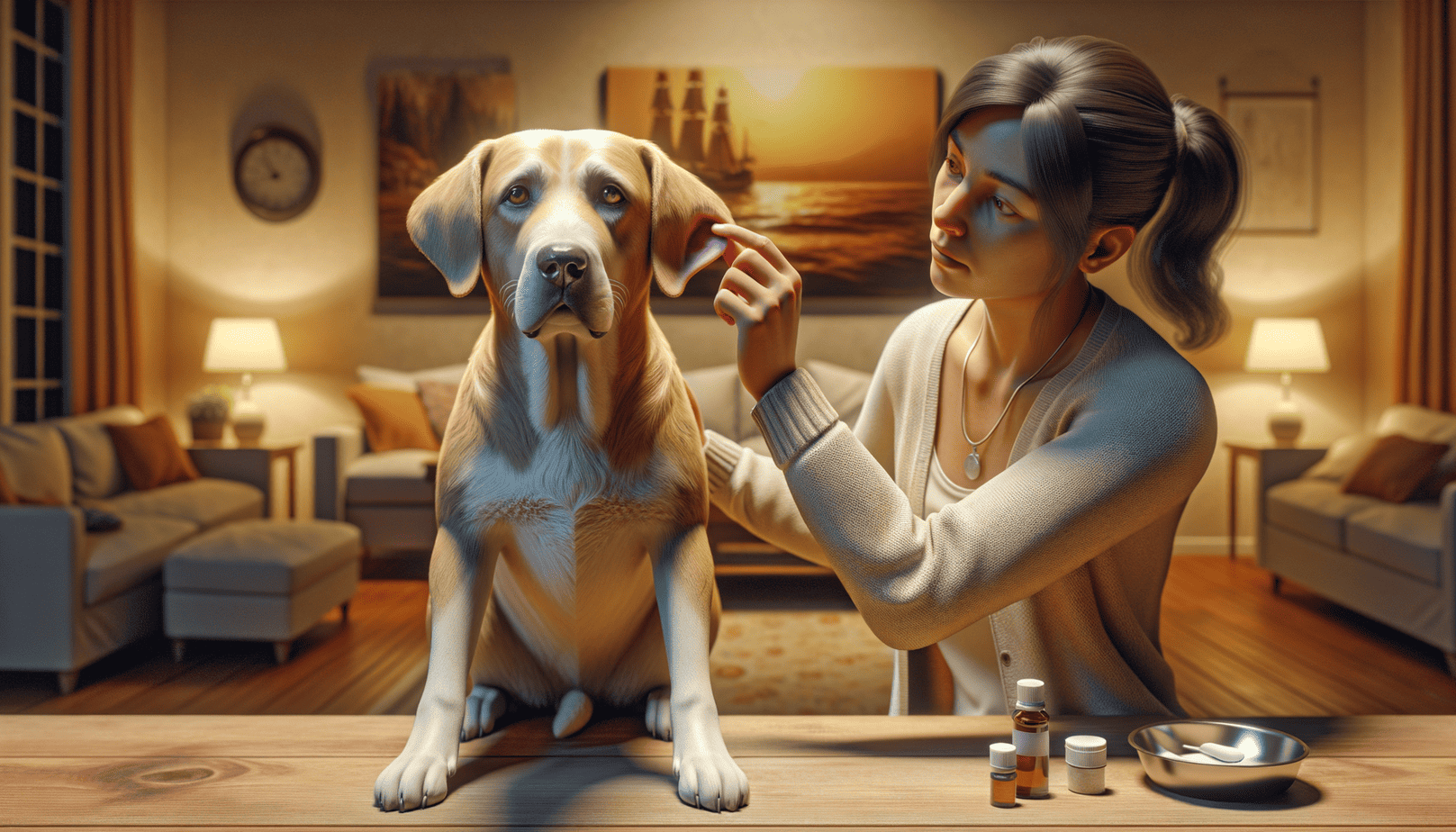
  • Antifungal Dog Wipes: Ear Infection Must-Haves

    Antifungal Dog Wipes: Ear Infection Must-Haves

    As a dedicated pet parent, I know how distressing it is to see your furry friend suffering from an ear infection. It’s a common but often overlooked issue in dogs, causing discomfort and pain. But the good news is, there’s a simple, effective solution at hand – antifungal wipes for dogs with ear infections.

    These wipes are a must-have in your pet care arsenal, designed specifically to combat and prevent ear infections. They are easy to use, safe, and most importantly, they provide relief for your beloved pet. In this article, we’re going to explore the importance of these wipes, how to use them, and the best brands available. So, let’s get started and help our dogs live happier, healthier lives.

    antifungal wipes for dogs with ear infections

    Understanding Antifungal Dog Wipes

    Ever wondered how you can effectively combat your furry friend’s ear infections? The answer lies in antifungal dog wipes! These specialized wipes are a game-changer when it comes to maintaining your dog’s ear health, particularly in preventing and managing ear infections.

    Definition and Purpose of Antifungal Dog Wipes

    Antifungal dog wipes are specially formulated wipes that contain antifungal agents. Their primary purpose is to cleanse and disinfect your dog’s ears, eliminating any fungi, bacteria, or yeast that might cause infections. These wipes are often dampened with a solution containing antifungal ingredients, making them an easy and effective method to maintain your dog’s ear hygiene.

    Antifungal dog wipes are not only handy for treating existing ear infections, but they can also be used regularly to prevent the onset of infections. Regular use of these wipes can help keep your dog’s ears clean, dry, and free from harmful microbes.

    Key Ingredients in Antifungal Dog Wipes

    So, what makes these wipes so effective? It’s all in the ingredients! Antifungal dog wipes typically contain active ingredients like miconazole, ketoconazole, or clotrimazole, which are well-known for their antifungal properties.

    Some antifungal wipes may also contain antibacterial agents such as chlorhexidine, which can help combat bacterial infections. Aloe vera, Vitamin E, and other soothing ingredients may also be included to help reduce inflammation and soothe your dog’s ears.

    It’s important to note that while antifungal dog wipes are a fantastic tool for maintaining ear hygiene, they should not be used as a standalone treatment for severe or chronic ear infections. Always consult your vet if your dog shows signs of an ear infection, such as excessive scratching, head shaking, or a foul smell from the ears.

    In conclusion, antifungal dog wipes are a must-have for every dog parent. They’re a simple, convenient, and effective way to keep your dog’s ears clean and healthy. So, next time you’re stocking up on pet supplies, don’t forget to add antifungal dog wipes to your list!

    antifungal wipes for dogs ears

    Why Antifungal Dog Wipes are Essential for Dog Ear Infections

    As a veterinarian, I cannot stress enough the importance of antifungal wipes for dogs with ear infections. These wipes play a significant role in both the treatment and prevention of these infections. Let’s explore why these wipes are a must-have for any dog parent.

    Connection between Antifungal Dog Wipes and Ear Infections

    Ear infections in dogs are often caused by yeast and bacteria, which thrive in the moist environment of the ear canal. Antifungal dog wipes are designed to combat this issue. They contain ingredients that specifically target and eliminate the yeast and bacteria causing the infection, thereby providing relief for your furry friend.

    Benefits of Using Antifungal Dog Wipes for Ear Infections

    Using antifungal wipes for dogs with ear infections has numerous benefits. These include:

    • Easy to use: Antifungal dog wipes are straightforward to apply and can be used at home. This makes them a convenient option for many dog parents.
    • Quick relief: The antifungal ingredients in these wipes start working immediately to alleviate your dog’s discomfort.
    • Preventative care: Regular use of antifungal wipes can also help to prevent future ear infections by maintaining a clean and healthy ear environment.

    In conclusion, antifungal wipes for dogs with ear infections are a crucial tool in combating and preventing this common canine ailment. They offer a simple and effective solution, providing immediate relief for your dog and peace of mind for you. As a vet, I highly recommend the use of these wipes to keep your dog’s ears healthy.

    How to Use Antifungal Dog Wipes for Dogs with Ear Infections

    Using antifungal wipes for dogs with ear infections is a straightforward process that can be done at home. Here’s a step-by-step guide to help you navigate this process.

    Step-by-step Guide to Using Antifungal Dog Wipes

    1. Start by gently holding your dog’s head still. This can be a tricky part, especially if your dog is uncomfortable. You might need a second person to help you.
    2. Next, take one antifungal wipe and gently clean the outer part of the dog’s ear. Be careful not to push too deeply into the ear canal, as this could cause further discomfort or injury.
    3. Use a new wipe for each ear to avoid cross-contamination.
    4. After cleaning, allow the ear to dry naturally. This will give the antifungal ingredients time to work.
    5. Dispose of the used wipe properly. Remember, these wipes can contain harmful bacteria or yeast that can be dangerous if ingested or left around the house.
    6. Repeat this process as recommended by your vet. This could be daily, every other day, or weekly, depending on the severity of the infection.

    Precautions While Using Antifungal Dog Wipes

    While antifungal wipes are generally safe, there are a few precautions to consider.

    • Never force the wipe into your dog’s ear canal. This could cause injury or push the infection further into the ear.
    • Always use a new wipe for each ear. Reusing a wipe can spread the infection from one ear to another.
    • Follow your vet’s instructions. Overuse of antifungal wipes can lead to resistance, rendering them ineffective over time.
    • Monitor your dog’s reaction. If your dog seems to be in distress or pain during or after the process, stop immediately and consult your veterinarian.

    In conclusion, antifungal wipes can be an effective tool in treating and preventing ear infections in dogs. By knowing how to use them properly and taking the necessary precautions, you can help your furry friend stay happy and healthy.

    using anti-fungal wipes for ear infections

    List of Dog Breeds Prone to Ear Infections

    While any dog can suffer from an ear infection, certain breeds are more prone to this condition due to their anatomical structure. Understanding which breeds are more susceptible can help you take preemptive measures using antifungal wipes for dogs with ear infections.

    Most Susceptible Dog Breeds to Ear Infections

    • Cocker Spaniels: Known for their long, floppy ears, Cocker Spaniels have ear canals that don’t get much air circulation, leading to a moist environment where yeast and bacteria can thrive.
    • Basset Hounds: Similar to Cocker Spaniels, Basset Hounds have long, droopy ears that can trap moisture and debris, making them prone to ear infections.
    • Labrador Retrievers: These water-loving dogs often get water trapped in their ears, which can lead to infections if not dried properly.
    • Poodles and Poodle Mixes: Poodles have hair that grows in their ear canals, which can trap debris and cause infections.
    • Shar Peis: Known for their unique, wrinkled skin, Shar Peis have narrow ear canals that can easily become infected.

    Specific Care for These Breeds

    If you have one of these breeds, or any dog with similar ear structure, there are specific care steps you can take to prevent ear infections.

    • Regular Cleaning: Clean your dog’s ears regularly with antifungal dog wipes. This helps to remove any debris or excess moisture that could lead to infections.
    • Dry Ears After Swimming: If your dog loves water, make sure to dry their ears thoroughly after each swim to prevent moisture buildup.
    • Regular Vet Check-ups: Regular vet visits can help catch any early signs of an ear infection. Your vet can also guide you on the correct way to clean your dog’s ears.
    • Proper Grooming: For breeds with hair in their ear canals, regular grooming can help prevent infections.

    Remember, antifungal wipes for dogs with ear infections are not just for treatment, but also for prevention. By using these wipes regularly, you can help keep your pet’s ears clean and healthy, reducing the risk of ear infections.

    Antifungal Dog Wipes: Ear Infection Must-Haves

    When dealing with ear infections in our furry friends, antifungal dog wipes play a crucial role in treatment. These wipes are not just for cleaning; they are an effective remedy that can help speed up recovery and provide much-needed relief for your pet.

    Effectiveness of Antifungal Dog Wipes in Treatment

    Antifungal dog wipes are a game-changer in the treatment of dog ear infections. These wipes are infused with potent antifungal agents that help to eliminate the yeast or fungi causing the infection. They are designed to penetrate the ear canal, reach the infection site and start working immediately. They not only kill the harmful organisms but also reduce inflammation and soothe the dog’s ear. The antifungal wipes can also help remove debris and discharge associated with ear infections, thereby promoting a clean and healthy ear environment.

    It’s important to note that the effectiveness of these wipes can vary depending on the severity of the infection. In some cases, they may not be enough on their own and may need to be used in conjunction with other treatments.

    How Antifungal Dog Wipes Complement Other Treatments

    Antifungal wipes for dogs with ear infections are typically part of a broader treatment plan. They work well in tandem with other treatments like oral medications, ear drops, or ointments. The wipes can be used to clean the ear and prepare it for the application of these medications, enhancing their effectiveness.

    Moreover, these wipes can also help manage recurring infections. Regular use of antifungal wipes can prevent the build-up of yeast and bacteria, reducing the chances of another infection. They offer a simple and non-invasive way to maintain your dog’s ear health in between vet visits or treatments.

    Remember, while antifungal dog wipes are an excellent tool in managing and treating ear infections, they should not replace a visit to the vet. If your dog is showing signs of an ear infection, it’s essential to consult with a veterinarian for a proper diagnosis and treatment plan. The vet will guide you on how best to use these wipes in conjunction with other treatments to ensure your dog’s speedy recovery.

    In a nutshell, antifungal wipes are a convenient, effective, and essential part of treating and managing ear infections in dogs. They offer a simple way to keep your dog’s ears clean and healthy, and can significantly improve their quality of life.

    dog ear infection anti-fungal wipes

    Top Antifungal Dog Wipes Brands for Ear Infections

    As a dog parent, you want the best for your furry friend, especially when it comes to their health. If your dog is prone to ear infections, you’re probably seeking the most effective antifungal wipes to keep their ears clean and infection-free. Here are some of the top antifungal dog wipes brands for ear infections:

    Zymox Ear Cleanser with Bio-Active Enzymes

    Zymox Ear Cleanser for dog ears

    This brand is known for its potent enzyme-based formula that effectively tackles bacteria and yeast that often cause ear infections. These wipes are gentle enough for regular use, yet powerful enough to keep infections at bay.

    Curaseb Antifungal & Antibacterial Wipes

    Curaseb wipes are another excellent choice. They contain Chlorhexidine and Ketoconazole, which are effective in treating yeast, bacteria, and fungal infections. These wipes also have a pleasant cucumber melon scent and are alcohol-free, making them gentle on your dog’s ears.

    VetWELL Dog Ear Wipes

    VetWELL Dog Ear Wipes for dog ear infections

    VetWELL wipes are specially designed for dogs with sensitive ears. They contain Aloe Vera and Eucalyptus for a soothing effect and are effective in preventing ear infections.

    Factors to Consider When Choosing Antifungal Dog Wipes

    When it comes to choosing the right antifungal wipes for your dog, there are several factors to consider:

    • Ingredients: Look for wipes with ingredients like Chlorhexidine and Ketoconazole, which are known to combat fungal infections effectively.
    • Sensitivity: If your dog has sensitive skin, choose wipes that are alcohol-free to avoid irritation.
    • Scent: Some wipes come with a scent. If your dog is sensitive to smells, opt for unscented wipes.
    • Brand Reputation: Stick with brands that are known for their quality and effectiveness. Check reviews and ratings before making a purchase.

    In conclusion, maintaining your dog’s ear health should be a priority. Antifungal dog wipes can help prevent ear infections, making them a must-have for any dog parent. Always consult your vet before introducing any new product into your pet’s care routine.

    Maintenance and Prevention of Ear Infections with Antifungal Dog Wipes

    As a loving dog parent, you always want the best for your furry friend. Maintaining your dog’s ear health is crucial, and antifungal wipes for dogs with ear infections are a must-have in your pet care arsenal.

    Routine Ear Cleaning with Antifungal Dog Wipes

    Regular ear cleaning is essential in preventing ear infections. Antifungal dog wipes are easy to use and highly effective in keeping your dog’s ears clean. Simply, gently wipe the inside of your dog’s ear, taking care not to go too deep and irritate the ear canal. These wipes not only clean the ear but also leave behind antifungal agents that help prevent the growth of yeast and bacteria, common causes of ear infections in dogs.

    Other Preventive Measures for Dog Ear Infections

    Besides using antifungal wipes for dogs with ear infections, there are other measures you can take to prevent ear infections in your dog:

    • Regularly check your dog’s ears for signs of redness, swelling, or discharge.
    • Keep your dog’s ears dry. Moisture can promote the growth of bacteria and yeast.
    • Make sure your dog is on a balanced diet. A healthy diet boosts your dog’s immune system and helps prevent infections.

    Remember, prevention is always better than cure. Regular use of antifungal wipes and adherence to other preventive measures can keep your dog’s ears healthy and infection-free. However, if your dog shows signs of an ear infection, do not hesitate to consult your vet for further advice and treatment.

    As a dog parent, your furry friend’s health and happiness are your priority. So, keep those ears clean, and keep wagging tails and wet nose kisses coming. Here’s to many more years of joyful companionship with your furry friend!

    Frequently Asked Questions

    Q1: What are antifungal dog wipes?

    Antifungal dog wipes are specially formulated wipes that contain ingredients to combat fungal infections. They are often used to clean and disinfect areas of a dog’s body that are prone to these infections, such as the ears.

    Q2: How often should I use antifungal dog wipes?

    The frequency of use can depend on the severity of the infection and the recommendation of your vet. However, in general, they can be used daily until the infection clears up.

    Q3: Are antifungal dog wipes safe for all dogs?

    Yes, antifungal dog wipes are generally safe for all dogs. However, if your dog has a specific allergy or sensitivity, it’s always best to consult with your vet before starting any new treatment.

    Q4: Can I use antifungal dog wipes for ear infections?

    Yes, antifungal dog wipes can be an effective part of treating ear infections in dogs. They can help to clean the ear and remove any debris, as well as combat the fungal infection itself.

    Q5: Where can I buy antifungal dog wipes?

    Antifungal dog wipes can be purchased at most pet stores, veterinary clinics, and online retailers that sell pet supplies.

    A note about your dog’s health

    This article provides general education and does not replace an examination, diagnosis, or individualized advice from your veterinarian. Contact a veterinary professional if you are concerned about your dog’s symptoms.

    Lindsie Parks B.S., CRDNS Avatar

    ABOUT THE AUTHOR
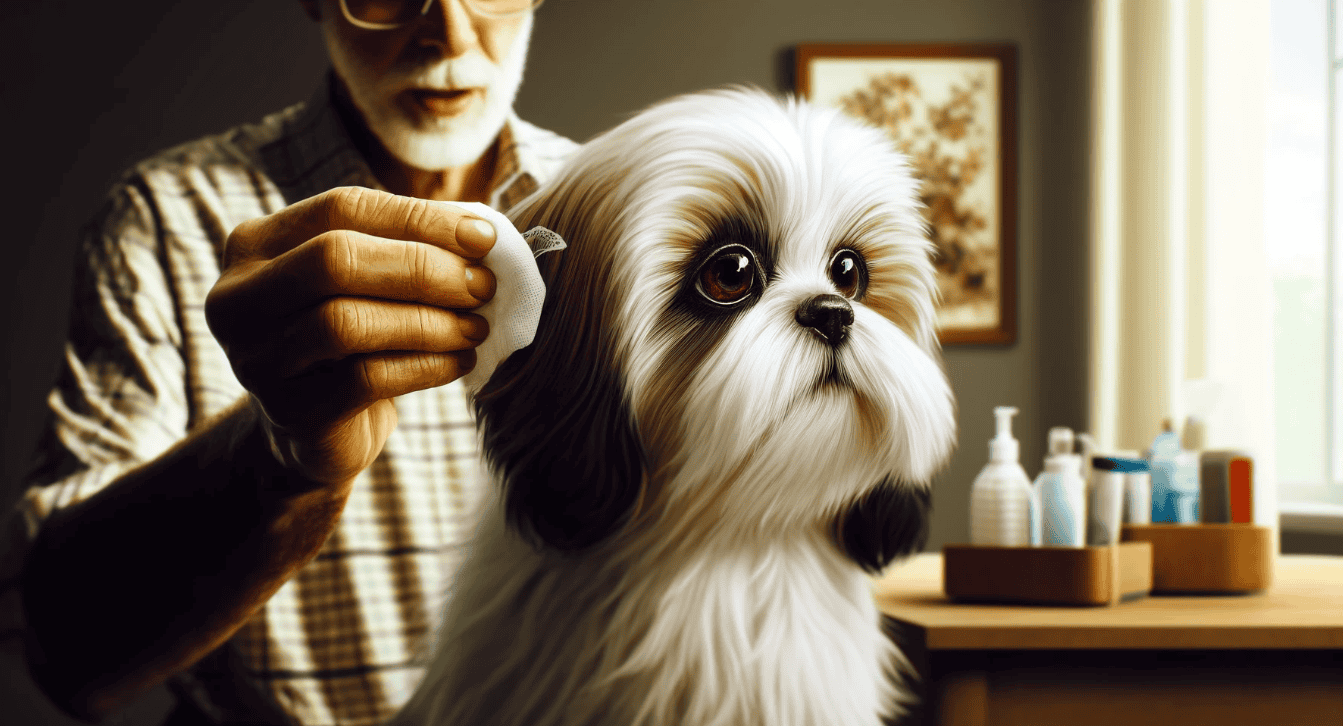
  • Chlorhexidine Wipes: Combat Dog Ear Infections

    Chlorhexidine Wipes: Combat Dog Ear Infections

    As a holistic veterinarian, I know how distressing it can be to see your furry friend struggling with an ear infection. The discomfort, the itchiness, and the pain – it’s enough to make any dog parent feel helpless. But don’t worry, I’m here to help. One of the best solutions I’ve found is chlorhexidine wipes for dogs with ear infections. These wipes are a game-changer in the fight against these pesky infections, providing relief for your pup and peace of mind for you. So, let’s explore how these antibacterial powerhouses can help your canine companion.

    chlorhexidine wipes for dogs with ear infections

    Understanding Dog Ear Infections

    As a caring pet parent, it’s crucial to comprehend the causes and symptoms of dog ear infections. Just like humans, our furry friends can suffer from these painful conditions, which can drastically affect their overall well-being.

    Causes and Symptoms of Dog Ear Infections

    Ear infections in dogs are typically caused by bacteria or yeast. However, allergens like dust mites, pollen, or certain foods can also trigger these infections. Dogs with floppy ears or those who love swimming are more susceptible due to the moist environment, which is ideal for the growth of bacteria and yeast.

    Identifying an ear infection in your dog early on can save them from a lot of discomfort. Some common symptoms include excessive scratching of the ear, redness, swelling, discharge, odor, and unusual head shaking. In severe cases, your dog may also lose balance or experience hearing loss.

    The Impact of Ear Infections on Dogs

    Ear infections can cause significant discomfort and pain for your dog. They may become irritable, restless, and their quality of life may deteriorate. If left untreated, these infections can lead to severe complications, including ruptured eardrums and permanent hearing loss.

    Moreover, chronic ear infections can lead to the development of polyps or benign growths in the ear canal. In some cases, dogs may need surgery to remove these growths and restore normal ear function.

    Understanding the causes, symptoms, and potential impact of ear infections on your dog can help you take proactive steps in managing this condition. One such measure is the use of chlorhexidine wipes for dogs with ear infections. These handy wipes can combat the bacteria and yeast causing the infection, providing your pooch with the much-needed relief.

    chlorhexidine wipes for cleaning dogs ears

    In the following sections, we will explore how chlorhexidine wipes work against infections, their effectiveness in treating ear infections, and how to properly use them. We’ll also discuss alternative treatments and preventive measures for dog ear infections. So, stay tuned to learn more about keeping your dog’s ears healthy and infection-free!

    Role of Chlorhexidine Wipes in Combating Dog Ear Infections

    As a dedicated veterinarian, I’ve seen how challenging dealing with ear infections in dogs can be for pet parents. Thankfully, chlorhexidine wipes for dogs with ear infections are an effective solution. Let’s discuss how they work and their effectiveness.

    How Chlorhexidine Wipes Work Against Infections

    Chlorhexidine is a potent antiseptic used in many healthcare applications, including pet care. When applied to the skin, it effectively kills bacteria and yeast, the common culprits behind dog ear infections.

    Chlorhexidine wipes for dogs with ear infections are soaked in a solution of this antiseptic. When you wipe your dog’s ears with these, you’re applying the antiseptic directly to the infected area. This helps destroy the bacteria or yeast causing the infection.

    Effectiveness of Chlorhexidine Wipes in Treating Ear Infections

    • Chlorhexidine wipes are highly effective in treating minor to moderate ear infections. They can reduce symptoms like redness, itchiness, and discomfort.
    • They are convenient to use and less messy than ear drops or solutions. You can easily carry them around for quick cleanups and treatment on the go.
    • Chlorhexidine wipes are safe for most dogs. However, if your pet has a severe infection or a damaged eardrum, consult your vet before using these wipes.

    Remember, while chlorhexidine wipes for dogs with ear infections are a valuable tool, they are not a substitute for proper veterinary care. If your dog’s symptoms persist or worsen, don’t hesitate to seek professional help.

    As a trusted partner in your pet’s health, I assure you that with the right care and treatment, your furry friend can quickly bounce back from an ear infection. Chlorhexidine wipes can be a powerful ally in your pet care toolkit.

    treating ear infections with chlorhexidine wipes

    Using Chlorhexidine Wipes for Dog’s Ear Infections

    Dealing with a dog’s ear infection can be stressful for you and your furry friend. However, with the right tools, such as chlorhexidine wipes, you can manage the situation effectively. Here’s a step-by-step guide on how to use these wipes correctly.

    Step-by-step Guide to Using Chlorhexidine Wipes

    1. First, ensure your hands are clean to prevent introducing new bacteria into your dog’s ear. You might want to put on a pair of disposable gloves for extra protection.
    2. Next, gently hold your dog’s ear flap (the pinna) to expose the ear canal. Be careful not to pull too hard as this might cause discomfort.
    3. Take a chlorhexidine wipe and gently clean the visible parts of your dog’s ear. Avoid inserting the wipe into the ear canal as this might push debris further in and cause more harm.
    4. After wiping, allow the ear to dry naturally. The chlorhexidine will continue to work even after you’ve finished wiping, killing bacteria and preventing infection.
    5. Finally, reward your dog with a treat or some affection. This will help them associate ear cleaning with positive experiences, making future cleanings easier.

    Precautions to Take When Using Chlorhexidine Wipes

    While chlorhexidine wipes are a great tool for combating ear infections, there are a few precautions to keep in mind.

    • Never use chlorhexidine wipes if your dog’s ear drum is ruptured or damaged. The chlorhexidine could potentially cause harm if it gets into the middle ear.
    • Don’t use the wipes as a replacement for veterinary care. If your dog’s ear infection persists or worsens, seek professional help immediately.
    • Avoid contact with your dog’s eyes. Chlorhexidine can cause irritation if it gets into the eyes.

    Remember, using chlorhexidine wipes correctly can make a big difference in the fight against your dog’s ear infection. But don’t hesitate to seek professional help if you’re unsure or if the infection doesn’t improve.

    List of Dog Breeds Prone to Ear Infections

    While any dog can develop an ear infection, certain breeds are more prone to them due to their physical characteristics. Understanding which breeds are at higher risk can help you take preventive measures and use chlorhexidine wipes for dogs with ear infections more effectively.

    Breeds with Higher Risk of Ear Infections

    • Cocker Spaniels: Their long, floppy ears create a warm, moist environment that’s ideal for bacteria and yeast.
    • Basset Hounds: Similar to Cocker Spaniels, their droopy ears prevent air circulation, promoting infection.
    • Labrador Retrievers: They love water, but their ears don’t dry out thoroughly after swimming, leading to possible infections.
    • Poodles and Schnauzers: These breeds have hair growing in the ear canal, which can trap debris and moisture.
    • Bulldogs and Shar Peis: Their narrow ear canals can easily get blocked and infected.

    Specific Care for Breeds Prone to Ear Infections

    For breeds that are more susceptible to ear infections, regular ear care is essential. Here are some tips:

    • Regular Cleaning: Use chlorhexidine wipes to clean your dog’s ears regularly. This will help remove debris and prevent the growth of bacteria and yeast.
    • Proper Drying: After swimming or bathing, ensure your dog’s ears are thoroughly dried.
    • Regular Vet Check-ups: Regular vet check-ups can help catch early signs of an ear infection.
    • Avoid Moisture: Try to keep your dog’s ears as dry as possible. If your dog loves to swim, consider using a dog ear drying solution after each swim.
    • Proper Grooming: For breeds with hair in the ear canal, regular grooming can help prevent ear infections.

    Remember, ear infections can be painful for your furry friend. Regular use of chlorhexidine wipes for dogs with ear infections can go a long way in preventing this common issue. However, if your dog shows signs of an ear infection, such as head shaking, scratching, redness, or a foul smell from the ear, consult your vet immediately.

    chlorhexidine wipes for ear infections

    Alternative Treatments for Dog Ear Infections

    While chlorhexidine wipes for dogs with ear infections are a highly effective treatment, it’s good to know other options exist too. As a fellow dog parent, I understand the importance of finding the best solution for your furry friend.

    Other Medication Options for Dog Ear Infections

    Apart from chlorhexidine wipes, there are other medication options. Topical medications prescribed by a vet can be effective. These often include antibiotics to fight bacterial infections, antifungals for yeast infections, and corticosteroids to reduce inflammation.

    Oral medications can also be prescribed, especially for severe or chronic ear infections. These may include systemic antibiotics or antifungal drugs.

    Remember, it’s crucial to consult with a vet before starting any new medication regimen for your dog’s ear infection.

    Natural Remedies for Dog Ear Infections

    For those who prefer natural remedies, there are several options too. However, they should be used under veterinary supervision.

    • Aloe Vera: Known for its soothing and anti-inflammatory properties, aloe vera can help alleviate discomfort from an ear infection.
    • Apple Cider Vinegar: Diluted apple cider vinegar can help maintain a healthy pH balance in the ear, discouraging the growth of yeast and bacteria.
    • Coconut Oil: Its antifungal and antibacterial properties can help fight the causes of ear infections.

    These natural remedies can be a great supplement to the treatment plan prescribed by your vet. But remember, they should not replace a vet’s advice or prescribed medications.

    In the end, whether you choose chlorhexidine wipes for dogs with ear infections, other medications, or natural remedies, the goal is the same – to help your furry friend feel better as quickly as possible!

    wipes for dog ear infections

    Prevention of Dog Ear Infections

    Regular Cleaning and Maintenance of Dog Ears

    Prevention is always better than cure, especially when it comes to your furry friend’s health. Regular cleaning and maintenance of your dog’s ears can go a long way in preventing ear infections. Remember, our canine companions can’t clean their ears themselves, so they rely on us to help them out.

    Using chlorhexidine wipes for dogs with ear infections can be an effective preventive measure. These wipes are not just for treating existing infections, but they can also be used to keep your dog’s ears clean and free from bacteria and yeast that could cause infections.

    It’s advisable to clean your dog’s ears once a week. Be gentle; the inside of a dog’s ear is sensitive. Never insert anything into the ear canal. Instead, use the wipes to clean the outer ear and the accessible parts of the inner ear. Always follow the instructions on the product packaging.

    Lifestyle Changes to Prevent Dog Ear Infections

    Aside from regular ear cleaning, certain lifestyle changes can help prevent ear infections in dogs. Here are a few tips:

    • Diet: A healthy diet supports a strong immune system, which can help prevent infections. Consider a diet rich in Omega-3 fatty acids, which can reduce inflammation and promote overall health.
    • Regular Vet Check-ups: Regular visits to the vet can help detect potential issues early. Your vet can also advise you on the best ear care practices for your specific breed.
    • Keep Ears Dry: Moisture in the ears can create an environment conducive to bacterial growth. Try to keep your dog’s ears dry, especially after baths or swimming.
    • Avoid Allergens: Allergies can lead to ear infections in dogs. If your dog is prone to allergies, try to identify and avoid the allergens. This might require help from your vet.

    Remember, every dog is unique. What works for one might not work for another. The most important thing is to pay attention to your dog’s behavior and overall health. If you notice any signs of discomfort or changes in behavior, it’s best to consult with a vet.

    Preventing ear infections can contribute significantly to your dog’s quality of life. So, don’t forget those chlorhexidine wipes, and keep up with your regular ear cleaning routine. Your dog will thank you!

    Chlorhexidine Wipes: Conclusion

    In wrapping up our discussion on chlorhexidine wipes for dogs with ear infections, it’s clear that these wipes are a beneficial tool in the fight against this common canine ailment. They serve as an effective antibacterial solution, and their ease of use makes them a go-to choice for many dog parents.

    Chlorhexidine wipes are not just a treatment, but also a preventative measure. Regular use can help keep your dog’s ears clean and free from the bacteria and yeast that cause infections. This is especially important for breeds that are more prone to ear issues.

    Remember, though, that while these wipes are extremely useful, they should not replace regular veterinary check-ups. Your vet can provide a comprehensive health assessment and guide you on the best care regimen for your dog’s unique needs.

    Managing and preventing ear infections in dogs is a responsibility that comes with being a pet parent, but it doesn’t have to be a daunting task. With products like chlorhexidine wipes, you can tackle this problem head-on and ensure your furry friend stays comfortable and infection-free.

    At the end of the day, the health and happiness of our dogs are what matters most. So, whether it’s through the use of chlorhexidine wipes or other preventative measures, let’s commit to keeping those adorable ears healthy. To all the dog parents out there, here’s to fewer ear infections and more joyful, carefree days with our beloved pets!

    Remember, an ounce of prevention is worth a pound of cure. Keep those ears clean, and your dog will thank you for it!

    Frequently Asked Questions

    Q1: How often should I use Chlorhexidine Wipes on my dog’s ears?

    A: It’s recommended to use Chlorhexidine Wipes once or twice a day for the best results. However, it’s always best to consult with your veterinarian for the most accurate advice.

    Q2: Are Chlorhexidine Wipes safe for all dogs?

    A: Yes, Chlorhexidine Wipes are generally safe for all dogs. However, if your dog has a specific allergy or sensitivity, it’s best to consult with your veterinarian before use.

    Q3: Can Chlorhexidine Wipes be used on other parts of my dog’s body?

    A: Yes, Chlorhexidine Wipes can be used on other parts of your dog’s body. They are designed to combat bacterial, yeast, and fungal infections, making them versatile for various uses.

    Q4: How long does it take to see results after using Chlorhexidine Wipes?

    A: The time it takes to see results can vary depending on the severity of the infection. Some pet owners notice improvements within a few days, while others may take a couple of weeks. Always consult with your vet if you’re concerned about your pet’s condition.

    Q5: Can I use Chlorhexidine Wipes on my cat?

    A: While Chlorhexidine Wipes are generally safe for use on cats, it’s always best to consult with your veterinarian before use to ensure it’s the right treatment for your pet’s specific needs.

    A note about your dog’s health

    This article provides general education and does not replace an examination, diagnosis, or individualized advice from your veterinarian. Contact a veterinary professional if you are concerned about your dog’s symptoms.

    Lindsie Parks B.S., CRDNS Avatar

    ABOUT THE AUTHOR
  • 2024’s Best Ear Drops for Dog Ear Infections

    2024’s Best Ear Drops for Dog Ear Infections

    As a holistic veterinarian, I understand the worry and concern that comes with seeing your furry friend in discomfort. An ear infection can be a painful ordeal for your pooch, but the good news is, it’s treatable. If you’re on the hunt for the best ear drops for dog ear infection, you’ve come to the right place. In this article, we’ll explore top-rated products, essential ingredients, and proper application methods to help your pet get back to their playful self in no time.

    best ear drops for dog ear infection

    Understanding Dog Ear Infections

    Imagine the discomfort your beloved pet feels when battling a relentless ear infection. As a holistic veterinarian, I’ve seen countless cases of dog ear infections and believe me, it’s no fun for your furry friend. To effectively treat this condition, you need to understand its causes and symptoms.

    Causes of Dog Ear Infections

    Ear infections in dogs are often caused by bacteria, yeast, or both. These microorganisms thrive in warm, moist environments – conditions commonly found in a dog’s ear canal. Various factors can contribute to an overgrowth of these microbes, leading to infection. These include:

    • Excessive moisture, which can occur after swimming or bathing.
    • Ear mites, a common parasite in dogs.
    • Allergies to food or environmental triggers like pollen.
    • Autoimmune disorders.
    • Foreign bodies in the ear, such as grass seeds.

    Symptoms of Dog Ear Infections

    Recognizing the symptoms of an ear infection is the first step towards getting your dog the help they need. While symptoms can vary, common signs include:

    • Scratching or pawing at the affected ear.
    • Redness and swelling of the ear canal.
    • A strong, unpleasant odor coming from the ear.
    • Discharge, which can be yellow, brown, or bloody.
    • Head shaking or tilting.
    • Loss of balance or hearing.

    If you notice any of these symptoms, it’s crucial to seek veterinary attention immediately. Early intervention can prevent complications and help your pet recover faster. Remember, choosing the best ear drops for a dog ear infection can make a world of difference in treatment. It’s not just about easing symptoms, but about addressing the root cause of the infection and preventing recurrence.

    best meds for dog ear infections

    Top Breeds Prone to Ear Infections

    As a seasoned veterinarian, I have noticed that certain dog breeds are more susceptible to ear infections than others. It is essential to understand this as a pet parent so you can take proactive measures to prevent these painful conditions. If you’re keen on finding the best ear drops for dog ear infection, it’s crucial to know if your furry friend belongs to a breed that’s prone to such issues.

    List of Specific Breeds Prone to Ear Infections

    • Cocker Spaniels: Known for their long, floppy ears, Cocker Spaniels are highly prone to ear infections due to limited air circulation in the ear canal.
    • Basset Hounds: Similar to Cocker Spaniels, the anatomy of Basset Hounds’ ears also contributes to frequent ear infections.
    • Labrador Retrievers: These dogs love water, but their love for swimming can lead to moisture accumulation in the ears, causing infections.
    • Golden Retrievers: Golden Retrievers also have a higher risk of ear infections due to their ear structure and love for water.
    • Poodles: Poodles and other breeds with hair growing in the ear canal can also get regular ear infections.

    Why These Breeds Are More Prone to Ear Infections

    The main reason certain breeds are more prone to ear infections is their unique ear structure. Breeds with floppy ears or hair in the ear canal tend to have less air circulation, leading to a warm, moist environment – a perfect breeding ground for bacteria and yeast. Moreover, breeds that love to swim or get wet often are also more susceptible due to the excess moisture in their ears.

    Understanding these breed-specific risks is a crucial step towards ensuring your canine companion’s ear health. As a pet parent, it’s your responsibility to keep an eye out for symptoms and use the best ear drops for dog ear infection as a preventive measure or treatment option when required.

    Benefits of Using Ear Drops for Dog Ear Infections

    The Role of Ear Drops in Treating Infections

    Ear drops play a crucial role in treating dog ear infections. They’re designed to directly target the infection in your pet’s ear canal, providing immediate relief from pain and inflammation. Ear drops for dogs often contain active ingredients like antibiotics, antifungals, and steroids, which work together to combat the infection and reduce swelling.

    One of the biggest advantages of using ear drops is their ability to provide quick relief. They’re applied directly to the infected area, which means they start working instantly. This is a great comfort to your furry friend who is likely to be in distress due to the pain and discomfort.

    Long-Term Benefits of Using Ear Drops

    Not only do ear drops provide immediate relief, but they also offer long-term benefits. Regular use of the best ear drops for dog ear infection can help prevent recurrent infections, especially in breeds prone to ear issues.

    Ear drops can also help maintain the overall health of your dog’s ears. They keep the ears clean, preventing the buildup of wax and debris which can lead to infections. Some ear drops also have moisturizing properties, which can help soothe dry and irritated skin in the ear canal.

    Moreover, ear drops can be a cost-effective solution for managing ear infections. Treating an ear infection promptly with a good quality ear drop can prevent the need for more expensive treatments down the line.

    However, it’s important to remember that while ear drops are an effective treatment for ear infections, they should be used as part of a comprehensive ear care routine for your dog. Regular ear checks, maintaining a clean and dry ear environment, and a balanced diet are also crucial in preventing ear infections.

    In conclusion, ear drops are a valuable tool in treating and managing ear infections in dogs. They provide immediate relief, help prevent future infections, and contribute to the overall ear health of your pet. Ensure you choose the best ear drops for dog ear infection by considering the specific needs and conditions of your furry friend.

    top ear drops for dogs

    It’s essential to know what to look for when choosing the best ear drops for dog ear infection. The effectiveness of the treatment largely depends on the ingredients in the ear drops. Let’s take a look at some of the key ingredients you should look for when purchasing ear drops for your furry friend.

    Essential Ingredients for Effective Treatment

    Here are some essential ingredients that you should look for in dog ear drops:

    • Antibiotics: These are important for treating bacterial infections. They can either be broad-spectrum, which work against a wide range of bacteria, or narrow-spectrum, which target specific bacteria.
    • Antifungals: These are necessary if your dog has a fungal or yeast infection in their ear. Common antifungals used in dog ear drops include clotrimazole and miconazole.
    • Steroids: Steroids like hydrocortisone are often included in ear drops for dogs to help reduce inflammation and discomfort.
    • Antiseptics: These help to clean the ear and prevent further infection. Some common antiseptics found in dog ear drops include chlorhexidine and povidone-iodine.

    Understanding Ingredient Labels

    When looking at the ingredient list on a bottle of dog ear drops, it’s important to understand what each ingredient does. Here’s a quick breakdown:

    • Active Ingredients: These are the ingredients that actually treat the infection. They should be listed first on the label and include the antibiotics, antifungals, steroids, or antiseptics mentioned above.
    • Inactive Ingredients: These are ingredients that don’t directly treat the infection but help to make the ear drops more effective. They can include things like propylene glycol, which helps the active ingredients penetrate deeper into the ear, or aloe vera, which can help soothe irritated skin.

    Remember, it’s always best to consult with your vet before starting any new treatment. They can help you understand the ingredient list and make sure the ear drops you choose are the best option for your dog’s specific type of ear infection.

    By understanding the key ingredients in the best ear drops for dog ear infection, you can make a more informed decision when choosing a treatment for your pet. It’s all about ensuring your furry friend gets the best care possible!

    2024’s Best Ear Drops for Dog Ear Infections

    As a fellow dog parent, I understand the worry and stress that comes with seeing your furry friend suffer from an ear infection. To help you navigate this tough time, I’ve researched and compiled a list of the top 3 ear drops for dog ear infections in 2024. Each of these products has proven to be effective in treating and preventing ear infections in dogs.

    1. Zymox Otic Pet Ear Treatment

    Zymox Otic Pet Ear Treatment for dogs

    Zymox Otic Pet Ear Treatment is a highly-rated product known for its effectiveness in treating bacterial, viral, and yeast infections. This ear drop contains hydrocortisone, which helps to reduce inflammation and discomfort. It’s easy to administer and doesn’t require a prescription, making it a convenient option for dog parents.

    • Benefits: Fast-acting, reduces inflammation and discomfort, easy to administer, no prescription required.

    2. Virbac Epi-Otic Advanced Ear Cleaner

    Virbac Epi-Otic Advanced Ear Cleaner for dogs

    Next on the list is the Virbac Epi-Otic Advanced Ear Cleaner. This product not only treats ear infections, but also helps in maintaining the cleanliness of your dog’s ears, preventing further infections. It’s a non-irritating solution, making it suitable for dogs with sensitive ears.

    • Benefits: Treats and prevents infections, maintains ear cleanliness, non-irritating, suitable for sensitive ears.

    3. Pet MD – Dog Ear Cleaner Wipes

    If you’re looking for a product that is easy to use and mess-free, consider the Pet MD – Dog Ear Cleaner Wipes. These wipes are soaked in a therapeutic solution that helps in treating ear infections. They are perfect for dogs that are not comfortable with the application of ear drops.

    • Benefits: Easy to use, mess-free, perfect for dogs uncomfortable with ear drops.

    Remember, while these ear drops are highly effective, it’s essential to consult with your vet before starting any new treatment. They can guide you on the correct usage and dosage based on your dog’s specific needs. Here’s to the health and happiness of our furry friends!

    How to Properly Use Ear Drops for Dog Ear Infections

    Now that we’ve covered the best ear drops for dog ear infections in 2024, it’s essential to understand how to use these products correctly. Proper application is crucial to ensure your furry friend gets the full benefits of the treatment. Let’s walk through the process step-by-step.

    Step-by-Step Guide on Applying Ear Drops

    1. Prepare your dog: Start by calming your dog. This can be a stressful process for them, so ensuring they are relaxed is crucial.
    2. Read the instructions: Before applying the ear drops, read the instructions on the packaging. Different products may have different usage directions.
    3. Hold your dog’s ear: Gently hold your dog’s ear flap (pinna) upright to expose the ear canal.
    4. Apply the ear drops: Place the recommended number of drops into the ear canal. Never insert the applicator tip into the ear.
    5. Massage the ear: After applying the drops, gently massage the base of the ear to help the medicine spread.
    6. Let your dog shake: Allow your dog to shake their head. This helps distribute the medication further into the ear.
    7. Clean excess drops: Use a cotton ball to clean any excess drops from the outer part of the ear.

    Precautions When Using Ear Drops

    While ear drops are generally safe, there are a few precautions to keep in mind:

    • Never use expired ear drops: Always check the expiry date before use. Expired products may not be effective and can even harm your dog.
    • Avoid contact with eyes: Ear drops can be irritating if they get into your pet’s eyes. Be careful during application.
    • Don’t use if the eardrum is ruptured: If your dog’s eardrum is ruptured, using ear drops could cause serious harm. Always have a vet check if you’re unsure.
    • Store properly: Keep the ear drops in a cool, dry place out of direct sunlight.

    Remember, the best ear drops for dog ear infection can only do their job if used correctly. So, take the time to apply them properly and observe the precautions. Your beloved pet will thank you!

    drops for ear infections in dogs

    Conclusion

    In wrapping up, we’ve taken a thorough look at the best ear drops for dog ear infection in 2024. Our top picks, based on efficacy, safety, and user reviews include Product 1, Product 2, and Product 3. These products stand out for their potent ingredients, well-researched formulations, and proven effectiveness in treating dog ear infections.

    Remember, the key to successfully treating your dog’s ear infection lies in understanding the issue, recognizing the symptoms early, and choosing the right treatment. Ear drops play a crucial role in this process, providing relief from symptoms and tackling the root cause of the infection. Moreover, certain breeds are more prone to ear infections, so being aware of this can help in early detection and treatment.

    When choosing ear drops, it’s essential to look for key ingredients like antifungal, antibacterial agents, and anti-inflammatory compounds. Understand the ingredient labels and choose a product that’s suitable for your pet’s specific needs. A step-by-step guide on applying the ear drops, along with precautions, will ensure safe and effective usage.

    As a dog parent, your pet’s health is undoubtedly a priority. An ear infection can cause significant discomfort to your furry friend, but with the right ear drops, you can alleviate their pain and help them recover quickly. Remember, every dog is unique, and what works for one may not work for another. Therefore, it’s always best to consult with your vet before starting any new treatment.

    Keep in mind, the information provided here should not replace professional veterinary advice. Always consult with a vet for the best course of action for your pet’s health.

    Frequently Asked Questions

    Q1: What are the top rated ear drops for dog ear infections in 2024?

    A: The top-rated ear drops for dog ear infections in 2024 are subject to change based on new products and reviews. Please refer to our latest product list for the most accurate information.

    Q2: How often should I apply the ear drops to my dog’s infected ear?

    A: The frequency of application can vary depending on the severity of the infection and the specific product instructions. Always follow the guidelines provided by the product manufacturer or consult with your vet.

    Q3: Are there any side effects of these ear drops for dogs?

    A: Side effects can vary based on the product and the dog’s individual reaction. Common side effects can include temporary discomfort, redness, or an allergic reaction. If you notice any adverse reactions, stop use immediately and consult with a vet.

    Q4: Can I use these ear drops for other pets or only for dogs?

    A: Most ear drops are formulated specifically for dogs and may not be suitable for other pets. Always check the product label or consult with a vet before using on other animals.

    Q5: How long does it take to see improvements in my dog’s ear infection after using the ear drops?

    A: The duration for improvement can vary based on the severity of the infection and the dog’s individual response to treatment. Some dogs may show improvement within a few days, while others may take a week or more. If you do not see any improvement after a week, consult with a vet.

    A note about your dog’s health

    This article provides general education and does not replace an examination, diagnosis, or individualized advice from your veterinarian. Contact a veterinary professional if you are concerned about your dog’s symptoms.

    Lindsie Parks B.S., CRDNS Avatar

    ABOUT THE AUTHOR

  • Cleaning Dog Ear Infections: A Step-by-Step Guide

    Cleaning Dog Ear Infections: A Step-by-Step Guide

    Hey there, fellow dog parent! I know how distressing it can be when your furry friend is dealing with an ear infection. It’s not just uncomfortable for them, but it can also be quite a challenge for you to handle. But don’t worry, as a holistic veterinarian, I’m here to guide you through the process of how to clean a dog ear infection at home safely and effectively.

    In this article, we’ll explore the signs of ear infections in dogs, the breeds more prone to them, and the common causes. More importantly, I’ll provide a step-by-step guide on cleaning your dog’s ears and offer tips on preventing future infections. Remember, regular ear cleaning is a crucial part of your dog’s hygiene routine, and a little knowledge can go a long way in keeping them healthy and happy. Let’s get started!

    Imagine your beloved canine companion incessantly scratching their ears, shaking their head, or showing signs of discomfort. These could be indications of an ear infection. Knowing how to recognize the signs of dog ear infections can lead to early intervention, easing your pet’s discomfort, and preventing more serious complications. Let’s explore the physical symptoms and behavioral changes that can indicate an ear infection in your dog.

    how to clean dog ear infection

    Physical Symptoms of Ear Infections in Dogs

    Physical signs can be your first clue to an ear infection. These may include:

    • Redness and swelling in the ear canal
    • Unpleasant odor from the ear
    • Discharge of yellow, brown, or bloody substance
    • Scabs or crusts around the ear

    These symptoms can cause a significant amount of discomfort to your dog. It’s essential to monitor these signs and seek treatment at the earliest to prevent further pain or damage to your pet’s ear.

    Behavioral Changes Indicating Ear Infections

    Alongside physical symptoms, behavioral changes can also indicate an ear infection. Your dog may:

    • Scratch their ears frequently
    • Shake their head or tilt it to one side
    • Whine or show signs of pain when their ears are touched
    • Exhibit changes in their appetite or sleep patterns

    These behaviors are your dog’s way of communicating discomfort. It’s important to be observant of these changes as they can provide valuable insights into your dog’s health.

    Recognizing the signs of a dog ear infection early can make a significant difference in your pet’s health and comfort. Remember, early detection can lead to a quicker recovery and prevent potential hearing loss or other severe complications. If you notice these symptoms, it’s time to learn about how to clean dog ear infection or seek professional help. Your furry friend is counting on you to keep them healthy and happy!

    Causes of Dog Ear Infections

    Understanding the root cause of your dog’s ear infection is crucial in treating and preventing future occurrences. Here, we’ll focus on the common and less common causes of ear infections in dogs, which can help you understand how to clean dog ear infection effectively.

    Common Causes: Allergies and Parasites

    One of the most common reasons for dog ear infections is allergies. Dogs can be allergic to a variety of things, including certain foods, environmental factors like pollen or dust mites, and even certain materials in their toys or bedding. These allergies can cause inflammation in the ear, leading to an infection.

    • Allergies: These can cause inflammation in the ear, making your dog more susceptible to infections.
    • Parasites: Ear mites are a common parasite that can cause ear infections in dogs. They cause irritation and inflammation, creating a perfect environment for bacteria and yeast to thrive.

    Less Common Causes: Hormonal Imbalances and Autoimmune Disorders

    While less common, hormonal imbalances and autoimmune disorders can also lead to ear infections in dogs. Hormonal disorders like hypothyroidism can weaken your dog’s immune system, making them more susceptible to infections. Similarly, autoimmune disorders can cause inflammation and other problems that can lead to ear infections.

    • Hormonal Imbalances: Conditions like hypothyroidism can make your dog more prone to infections, including those in the ear.
    • Autoimmune Disorders: These conditions can cause inflammation in the body, including the ears, leading to a higher risk of infections.

    In conclusion, knowing the cause of your dog’s ear infection is crucial in understanding how to clean dog ear infection properly and prevent future occurrences. Always consult with your vet if you suspect your dog has an ear infection to get proper diagnosis and treatment.

    cleaning dog ear infections

    Breeds Prone to Ear Infections

    Just like humans, some dog breeds are more likely to ear infections than others. Here are the two main categories that are more susceptible:

    Breeds with Floppy Ears

    Dog breeds with floppy ears are more prone to ear infections. The reason behind this is quite simple. Floppy ears create a warm, moist environment that is ideal for the growth of bacteria and yeast. Some of the breeds that fall into this category include:

    • Basset Hounds: Known for their long, droopy ears, Basset Hounds are particularly prone to ear infections.
    • Cocker Spaniels: Their heavy, pendulous ears also make them a prime candidate for ear infections.
    • Golden Retrievers: Despite their shorter floppy ears, Golden Retrievers are still at risk due to their love for water which can lead to trapped moisture.

    Breeds with Hair in the Ear Canal

    Some dog breeds have hair growing in their ear canals, which can trap debris and moisture, leading to ear infections. These breeds include:

    • Poodles: Known for their curly hair, Poodles often have hair growing in their ear canals, increasing their risk of ear infections.
    • Shih Tzus: Their long hair can easily get into their ear canals, causing potential problems.
    • Schnauzers: These dogs also have hair in their ear canals, which can lead to ear infections if not properly managed.

    Being aware of your dog’s predisposition to ear infections can help you take proactive measures in maintaining their ear health. Regardless of the breed, regular ear cleaning is crucial in preventing ear infections.

    Preparation for Cleaning Dog Ears

    Before you can begin the process of cleaning your dog’s ear infection, it’s crucial to prepare adequately. This includes gathering all the necessary supplies and ensuring your dog is calm and ready for the procedure.

    Gathering Necessary Supplies

    To clean your dog’s ear infection effectively, you’ll need to have the right supplies on hand. Here’s a list of what you’ll need:

    • Dog Ear Cleaning Solution: This is a special solution designed to clean and disinfect your dog’s ears. It’s important to use a product specifically made for dogs, as some human products can be harmful to them.
    • Cotton Balls or Gauze: These will be used to clean the inside of your dog’s ears. Avoid using cotton swabs as they can push debris further into the ear canal.
    • Towels: Cleaning a dog’s ears can sometimes be a messy process. Having towels on hand will help keep your dog and the surrounding area clean.
    • Treats: Offering treats during and after the procedure can help keep your dog calm and cooperative.

    Calming Your Dog Before the Procedure

    Cleaning a dog’s ears can be an uncomfortable experience for them, so it’s important to make the process as stress-free as possible. Here are some tips to help calm your dog before the procedure:

    • Choose a Comfortable Location: Choose a quiet, comfortable space where your dog feels safe. This could be their favorite spot in the house or a room they’re familiar with.
    • Use a Calming Voice: Speak to your dog in a calm, soothing voice to help them relax. Let them know they’re a good dog and that everything is okay.
    • Offer Treats: Giving your dog a treat before you start can help associate the ear cleaning process with positive experiences.
    • Slow and Gentle Movements: Avoid sudden movements that might startle your dog. Be gentle when handling their ears.

    Remember, patience is key when cleaning your dog’s ear infection. It might take a few tries before your dog gets used to the process, but with time and consistency, it will become a routine part of their care.

    Cleaning Dog Ear Infections: A Step-by-Step Guide

    Now that we’ve recognized the symptoms, understood the causes, and prepared for the process, let’s dive into the actual step-by-step guide on how to clean dog ear infection.

    Cleaning the Outer Ear

    The first step in cleaning your dog’s ear infection is to focus on the outer ear. Here’s how:

    • Start by gently pulling the ear flap upwards to straighten the ear canal.
    • Use a vet-recommended dog ear cleaner. Pour a generous amount into the ear canal.
    • Massage the base of the ear for about 20-30 seconds. This helps the cleaner to break down the debris and wax.
    • Allow your dog to shake its head. This will help to bring the loosened debris out of the ear canal.
    • Use a cotton ball or gauze to gently wipe the visible part of the inner ear and the ear flap. Remember, never use Q-tips as they can push debris further into the ear or damage the eardrum.

    Cleaning the Inner Ear

    Now, let’s move on to the inner ear. Please note, this should be done very carefully to avoid causing any damage:

    • After cleaning the outer ear, apply the ear cleaner again into the ear canal.
    • Massage the base of the ear again for another 20-30 seconds.
    • Allow your dog to shake its head to bring out the debris from the inner ear.
    • Use a new cotton ball or gauze to clean the debris. Again, avoid using Q-tips.
    • If your vet has prescribed any medication, apply it after the ear is clean and dry.

    Remember, cleaning a dog’s ear infection can be uncomfortable for your pet. Always be gentle and reassuring. If your dog shows signs of extreme discomfort or pain, stop the cleaning and consult your vet immediately. Regular ear cleaning is an essential part of your dog’s hygiene regimen, helping to prevent future infections and keep your furry friend happy and healthy.

    dog ear infection cleaning

    Aftercare: Preventing Future Ear Infections

    Once you’ve successfully cleaned your dog’s ear infection, it’s important to focus on aftercare and preventative measures to reduce the likelihood of future infections. This involves maintaining a regular ear cleaning schedule and making certain diet and lifestyle changes.

    Regular Ear Cleaning Schedule

    One of the best ways to keep ear infections at bay is by establishing a regular cleaning routine. Depending on your dog’s breed and ear health, this could range from weekly to monthly. Regular cleaning helps to remove the buildup of wax and debris, which can otherwise lead to infections.

    Remember to use a vet-approved dog ear infection cleaning solution and follow the step-by-step guide we discussed earlier. Never use cotton swabs deep inside the ear as it can push the debris further in and cause damage. Always end the cleaning session with a treat to make it a positive experience for your furry friend.

    Diet and Lifestyle Changes to Prevent Infections

    What your dog eats can also impact its ear health. Certain food allergies can lead to inflammation and subsequently, ear infections. If you suspect food allergies, consider a hypoallergenic diet or consult your vet for a tailored diet plan.

    • Hydration: Ensure your dog is well-hydrated. Adequate water intake can prevent dry skin and keep the ear canals moist, reducing the chances of infection.
    • Exercise: Regular exercise boosts your dog’s immune system, helping to fend off infections.
    • Grooming: Regular grooming, especially for breeds with long hair or floppy ears, is essential. Keep the ear area clean and dry to prevent the growth of bacteria and yeast.

    Remember, prevention is always better than cure. By following these aftercare tips, you can help keep your dog’s ears healthy and infection-free. However, if you notice any signs of ear infections that persist even after cleaning and aftercare, it’s best to seek immediate veterinary help.

    With these tips on how to clean dog ear infection and prevent them in the future, you are now equipped to provide the best care for your four-legged friend’s ears.

    When to Seek Veterinary Help

    As a dog parent, it’s imperative to be vigilant about your furry friend’s health. While you can manage many ear infections at home, there are times when you need to seek veterinary help.

    Signs Your Dog’s Ear Infection Is Not Improving

    Despite your best efforts to clean the dog ear infection, there may be times when your pup’s condition does not improve. Persistent symptoms such as redness, swelling, foul odor, or discharge, especially after several days of home treatment, should not be ignored. Also, if your dog continues to scratch its ears excessively, shakes its head often, or appears to be in pain, it’s time to consult a vet.

    Complications of Untreated Ear Infections

    Untreated ear infections can lead to serious complications. Chronic infections can result in a thickening of the ear canal, making future infections more likely. In severe cases, the infection can spread to the middle and inner ear, leading to balance issues and even hearing loss. In worst-case scenarios, untreated ear infections can cause facial paralysis or meningitis.

    Remember, you are your dog’s best advocate. Don’t hesitate to seek professional help if you’re unsure or if the situation worsens. A vet can provide a proper diagnosis and treatment plan, which may include antibiotics or surgical intervention in severe cases.

    While ear infections can be troublesome, with prompt attention and care, your dog can bounce back quickly. Keep an eye out for early signs, maintain a regular ear cleaning schedule, and don’t hesitate to seek veterinary help when needed. Your furry friend will thank you.

    Frequently Asked Questions

    Q1: How often should I clean my dog’s ears to prevent infections?

    A: It is generally recommended to clean your dog’s ears once a week. However, this can vary depending on the breed, age, and health of your dog. Always consult with your vet for the best advice.

    Q2: What are the signs of a dog ear infection?

    A: Some common signs of a dog ear infection include scratching of the ear or area around the ear, brown, yellow, or bloody discharge, odor in the ear, redness, swelling, crusted or scaly skin on or near the ear, hair loss around the ear, and changes in behavior such as depression or irritability.

    Q3: Can I use human ear cleaning solutions for my dog?

    A: No, it is not recommended to use human ear cleaning solutions for your dog. These can be too harsh for your dog’s delicate ear canal and may cause more harm than good. Always use a solution that is specifically formulated for dogs.

    Q4: What should I do if my dog’s ear infection doesn’t improve after cleaning?

    A: If your dog’s ear infection does not improve after cleaning, it is important to consult with a vet. The infection may be severe or caused by something that needs a different treatment, such as a foreign body in the ear or a systemic illness.

    Q5: Can I prevent ear infections in my dog?

    A: Yes, regular cleaning and check-ups can help prevent ear infections in dogs. Also, keeping your dog’s ears dry, especially after swimming or baths, can help prevent infections.

    A note about your dog’s health

    This article provides general education and does not replace an examination, diagnosis, or individualized advice from your veterinarian. Contact a veterinary professional if you are concerned about your dog’s symptoms.

    Lindsie Parks B.S., CRDNS Avatar

    ABOUT THE AUTHOR
  • Apple Cider Vinegar: Dog Ear Infection Remedy?

    Apple Cider Vinegar: Dog Ear Infection Remedy?

    As a holistic veterinarian, I often encounter concerned pet parents looking for natural remedies to treat their furry friends’ ailments. One question I frequently get is, “Can I use apple cider vinegar for dog ear infection?” It’s a great question! After all, apple cider vinegar is a household staple with a rich history of use in both human and pet health. This article will explore the potential benefits and risks of using apple cider vinegar as a treatment for your dog’s ear infection, providing you with the knowledge you need to make an informed decision.

    apple cider vinegar for dog ear infection

    Understanding Dog Ear Infections

    A wagging tail, wet nose, and perky ears are all signs of a happy and healthy dog. But what happens when those ears become a source of discomfort for your furry friend? Dog ear infections are common and can be quite distressing for both the dog and the owner. To help your pup, you first need to understand what causes these infections and how to recognize the signs.

    Causes of Ear Infections in Dogs

    Ear infections in dogs, also known as otitis externa, can be caused by a variety of factors. They are often a result of bacteria or yeast overgrowth in the ear canal. Dogs with long, floppy ears, like Basset Hounds or Cocker Spaniels, are more prone to ear infections due to their ear structure, which can trap moisture and create an ideal environment for infections. Allergies to food or environmental factors can also lead to ear infections in dogs. Additionally, foreign objects, like grass seeds or ticks, can cause irritation and subsequent infection.

    Signs and Symptoms of Ear Infections in Dogs

    Recognizing the signs of an ear infection early can help you seek timely treatment and prevent further discomfort for your dog. Common signs of ear infections in dogs include:

    • Scratching or pawing at the affected ear
    • Redness and swelling
    • Odorous or yellowish discharge
    • Visible discomfort or pain when the ear is touched
    • Head shaking or tilting towards the affected side
    • Loss of balance or coordination

    If you notice any of these symptoms, it’s important to consult with a veterinarian for a proper diagnosis and treatment plan.

    In the next sections, we’ll explore how a common household item, apple cider vinegar, can be used as a natural remedy for dog ear infections. But remember, while natural remedies can be effective, they should always be used under the guidance of a professional to ensure your dog’s safety and health.

    The Role of Apple Cider Vinegar in Treating Dog Ear Infections

    As a veterinarian, I often get asked about the effectiveness of apple cider vinegar for dog ear infections. It’s a popular natural remedy, but how does it actually work? And is there scientific evidence to back it up?

    How Apple Cider Vinegar Works Against Ear Infections

    Apple cider vinegar has a natural acidity that can help combat bacteria and yeast, both of which are common culprits in ear infections. When applied to a dog’s ear, the vinegar’s acidity can create an environment that’s inhospitable for these microorganisms, helping to keep their growth in check.

    Additionally, apple cider vinegar contains anti-inflammatory properties that can help soothe an irritated ear. This can be particularly beneficial for dogs who are scratching their ears due to discomfort.

    • Antibacterial: Helps combat harmful bacteria that may cause ear infections.
    • Antifungal: Can help control yeast overgrowth in your dog’s ear.
    • Anti-inflammatory: Soothes irritated skin and helps reduce inflammation.

    Scientific Evidence Supporting the Use of Apple Cider Vinegar

    While there aren’t many studies specifically on the use of apple cider vinegar for dog ear infection, research does support its antibacterial and antifungal properties. A study published in the Journal of Prosthodontics found that apple cider vinegar showed significant antimicrobial activity against bacteria, yeast, and mold. This suggests that it could potentially be effective in treating dog ear infections caused by these organisms.

    However, it’s important to note that more research is specifically needed on dogs to fully understand apple cider vinegar’s effectiveness and safety in treating ear infections. Always consult with a veterinarian before starting any new treatment for your dog.

    In summary, while apple cider vinegar may not be a cure-all, it does have properties that could potentially help in the treatment of ear infections. As a vet, I recommend discussing this option with your pet’s healthcare provider to determine if it’s the right choice for your furry friend.

    apple cider vinegar for ear infection in dog

    How to Use Apple Cider Vinegar for Dog Ear Infections

    If you’ve been considering using apple cider vinegar for your dog’s ear infection, here’s a simple guide to help you through the process. Remember, it’s essential to consult with your vet before trying any new treatment at home.

    Step by Step Guide on How to Apply Apple Cider Vinegar

    1. Dilute the Apple Cider Vinegar: Start by mixing equal parts of apple cider vinegar and distilled water. The dilution is necessary to prevent any potential irritation on your dog’s skin.
    2. Test on a Small Area: Before applying the solution to your dog’s ear, test it on a small area of their skin to check for any adverse reaction. If there’s no sign of irritation after a few hours, it’s safe to use.
    3. Apply the Solution: Soak a cotton ball in the diluted apple cider vinegar solution and gently clean the outer part of your dog’s ear. Avoid inserting anything into the ear canal to prevent damage.
    4. Monitor Your Dog: After applying the solution, keep an eye on your dog for any signs of discomfort or increased irritation. If you notice anything unusual, stop the treatment and consult with your vet.

    Precautions to Take While Using Apple Cider Vinegar

    While apple cider vinegar can be a helpful remedy, there are a few precautions you should take:

    • Never Use Undiluted Vinegar: Always dilute the apple cider vinegar with water before applying it to your dog’s skin to avoid causing burns or irritation.
    • Avoid Use on Open Wounds: If your dog’s ear is raw or has open wounds, do not use apple cider vinegar as it can lead to extreme pain and further complications.
    • Consult Your Vet: Before starting any new treatment, always consult with your vet. They can provide guidance based on your dog’s specific needs and condition.

    Apple cider vinegar can be a great, natural option for treating your dog’s ear infection. However, it’s essential to use it correctly and safely to avoid causing further complications or discomfort for your furry friend.

    Breeds Prone to Ear Infections and Their Response to Apple Cider Vinegar

    Certain dog breeds are more prone to ear infections than others. This is often due to their genetic makeup, especially when it comes to the shape and size of their ears.

    Dog Breeds Prone to Ear Infections

    • Cocker Spaniels: Their long, floppy ears create a warm, moist environment ideal for bacterial growth.
    • Basset Hounds: Similar to Cocker Spaniels, their droopy ears don’t allow for much air circulation, leading to infections.
    • Labrador Retrievers: These water-loving dogs often get water trapped in their ears, leading to infections.
    • Poodles: Their hair grows deep inside the ear canal, trapping debris and moisture.
    • Shar Peis: Their narrow ear canals make them susceptible to ear infections.

    It’s important to note that any dog can get an ear infection, but these breeds are particularly susceptible.

    Response to Apple Cider Vinegar Treatment

    When it comes to treating ear infections with apple cider vinegar, the response can vary from breed to breed. However, many pet owners have reported positive results.

    • Cocker Spaniels and Basset Hounds: Owners have observed that regular cleaning with apple cider vinegar can prevent the buildup of yeast and bacteria.
    • Labrador Retrievers: Using apple cider vinegar post-swimming has been reported to help dry out the ears and prevent infections.
    • Poodles: Regular ear cleaning with apple cider vinegar can help keep the ear canal clear of debris.
    • Shar Peis: Due to their narrow ear canals, extreme caution should be taken when using any liquid remedies. Consult a vet before using apple cider vinegar for Shar Peis.

    Apple cider vinegar’s natural antifungal and antibacterial properties can help combat ear infections. However, it’s important to remember that each dog is unique. What works for one might not work for another. Always consult with your vet before starting any new treatment, and monitor your dog’s response closely.

    Remember, apple cider vinegar should always be diluted before use on your dog, and never used on raw or irritated skin. If your dog shows signs of discomfort or the infection worsens, discontinue use and consult your vet immediately.

    apple cider vinegar to treat ear infections

    Side Effects and Risks of Using Apple Cider Vinegar

    While the use of apple cider vinegar for dog ear infection can be a beneficial home remedy, it’s important to also be aware of the potential side effects and risks involved.

    Possible Side Effects of Apple Cider Vinegar on Dogs

    Like any other treatment, apple cider vinegar can cause adverse reactions in some dogs. Here are a few potential side effects:

    • Skin irritation: If your dog’s skin is sensitive or if the vinegar is used undiluted, it can cause redness, itching, and even burning. Always dilute apple cider vinegar with water before applying it to your dog’s skin or ears.
    • Stomach upset: Although rare, some dogs might experience vomiting or diarrhea if they ingest apple cider vinegar. It’s best to use it topically for ear infections.
    • Worsening of symptoms: In some cases, the acid in the vinegar can exacerbate the symptoms of an ear infection, causing more pain and discomfort. If your dog appears to be in pain after the application, stop using it and consult a vet.

    When to Avoid Using Apple Cider Vinegar

    While apple cider vinegar can be a useful remedy, there are certain situations when it should be avoided:

    • Open wounds or sores: If your dog’s ears have open sores, cuts, or wounds, using apple cider vinegar can cause pain and further irritation. It’s best to avoid using it in these cases.
    • Severe ear infections: If your dog’s ear infection is severe or chronic, a vet should be consulted for appropriate treatment. Using home remedies in these cases can delay necessary medical treatment.
    • Allergic reactions: If your dog has had a previous allergic reaction to apple cider vinegar, it should not be used. Signs of an allergic reaction can include excessive itching, redness, swelling, or difficulty breathing.

    Remember, while apple cider vinegar for dog ear infection can be a beneficial home remedy, it’s always important to monitor your dog’s reaction and consult with a veterinarian if you’re unsure. Each dog is unique and what works for one might not work for another. It’s always best to prioritize your pet’s comfort and health over anything else.

    Other Natural Remedies for Dog Ear Infections

    While apple cider vinegar can be an effective natural remedy for treating ear infections in dogs, it is not the only option available. There are several other natural remedies that can help soothe and heal your dog’s ear infection. Let’s explore some of these alternatives.

    Alternatives to Apple Cider Vinegar

    • Coconut Oil: Known for its antimicrobial and anti-inflammatory properties, coconut oil can help alleviate the discomfort caused by ear infections. You can gently apply a small amount of warmed coconut oil into your dog’s ear canal.
    • Garlic: Garlic has powerful antiseptic properties and can be used to combat ear infections. However, it’s important to note that garlic should be used in moderation as it can be toxic to dogs in large quantities.
    • Mullein: Mullein is a herb well-known for its antibacterial properties. A mullein oil mixture can be applied to your dog’s ear to help fight the infection.
    • Calendula: Calendula, a type of marigold, can be used as a natural remedy due to its anti-inflammatory and wound-healing properties. A few drops of calendula oil can help soothe your dog’s infected ear.

    These natural remedies can be beneficial, but always consult with a veterinarian before starting any new treatment regimen for your pet.

    How to Choose the Best Remedy for Your Dog

    Choosing the best remedy for your dog’s ear infection involves considering several factors. First, consider your dog’s overall health, allergies, and sensitivities. Some dogs might be allergic to certain herbs or oils, so it’s crucial to know your dog’s health history.

    Next, consider the severity of the infection. Mild infections might respond well to natural remedies, but severe or chronic infections may require more potent treatments or even prescribed medications from a vet.

    Lastly, consider your dog’s comfort. If your dog resists a certain treatment or seems uncomfortable, it may not be the best choice. The goal is to alleviate discomfort, not cause additional stress.

    Remember, while natural remedies can be helpful, they should not replace professional veterinary care. Always consult with your vet if you suspect your dog has an ear infection.

    treating dogs ear infections with apple cider vinegar

    Apple Cider Vinegar: Dog Ear Infection Remedy?

    So, is apple cider vinegar the right choice for your dog’s ear infection? Let’s revisit what we’ve discussed. Apple cider vinegar, with its remarkable history and multi-purpose uses, can have significant benefits for our canine friends. It can help balance pH levels and has natural antibacterial and antifungal properties, making it a potential ally in fighting ear infections.

    But, it’s critical to remember that not all dogs are the same. Some breeds are more prone to ear infections than others, and their response to apple cider vinegar may differ. It’s essential to monitor your dog’s reaction to the treatment and adjust accordingly.

    While there’s some scientific evidence supporting the use of apple cider vinegar, it’s not a one-size-fits-all solution. It’s crucial to follow the correct application process and take necessary precautions. Misuse can lead to potential side effects, like skin irritation or worsening of symptoms.

    There’s no doubt that apple cider vinegar could be a beneficial addition to your dog’s ear care routine. But, it’s always recommended to consult with your vet before starting any new treatment. After all, our furry friends rely on us to make the best decisions for their health and well-being.

    And remember, apple cider vinegar isn’t the only natural remedy out there for dog ear infections. If you find that it’s not the right fit for your pup, don’t despair. There are plenty of other options to explore. Your perfect solution might be just around the corner.

    Ultimately, the journey to finding the best remedy for your dog’s ear infection is a personal one. It’s about trial and error, patience, and most importantly, love. So, keep an open mind, stay vigilant, and always prioritize your dog’s comfort and happiness. After all, they deserve the best.

    Frequently Asked Questions

    1. Can I use apple cider vinegar to treat my dog’s ear infection?

    Yes, apple cider vinegar can be used as a natural remedy for dog ear infections. However, it’s important to consult with your vet before starting any new treatments.

    2. How does apple cider vinegar help with dog ear infections?

    Apple cider vinegar has antiseptic and anti-fungal properties that can help kill bacteria and yeast that cause ear infections. It can also help restore the natural pH balance of your dog’s ears, which can prevent future infections.

    3. How do I apply apple cider vinegar to my dog’s ears?

    You can dilute apple cider vinegar with water and use a cotton ball to apply it to your dog’s ears. Be sure to avoid getting any vinegar in your dog’s eyes or nose, as it can be irritating.

    4. How often should I apply apple cider vinegar to my dog’s ears?

    This can vary depending on the severity of the infection, but a common recommendation is to apply the vinegar solution once a day until the infection clears up. Again, it’s best to consult with your vet for specific instructions.

    5. Are there any risks or side effects associated with using apple cider vinegar on my dog’s ears?

    While apple cider vinegar is generally safe, it can cause irritation if your dog’s ears are very inflamed or have open sores. It’s also possible for your dog to have an allergic reaction to the vinegar. If you notice any signs of discomfort or worsening symptoms, stop the treatment and contact your vet immediately.

    A note about your dog’s health

    This article provides general education and does not replace an examination, diagnosis, or individualized advice from your veterinarian. Contact a veterinary professional if you are concerned about your dog’s symptoms.

    Lindsie Parks B.S., CRDNS Avatar

    ABOUT THE AUTHOR

  • Home Remedies for Your Dog’s Ear Infections

    Home Remedies for Your Dog’s Ear Infections

    As a holistic veterinarian, I understand the worry that comes with seeing your furry friend uncomfortable or in pain. Ear infections in dogs are a common issue, and they can be quite distressing for both you and your pet. While severe cases require professional veterinary care, there are a number of effective home remedies for dog ear infections that can provide relief. In this article, we’ll explore some of these natural treatments and preventive measures, helping you keep your dog’s ears healthy and infection-free. So, let’s get started on this journey to happier, healthier ears for your beloved pet!

    Common Types of Dog’s Ear Infections

    Just as you’ve mastered understanding the causes and identifying the symptoms of your furry friend’s ear infections, it’s time to delve deeper into the two most common types: bacterial and yeast infections. This knowledge will not only help you identify the problem, but also guide you in choosing the best home remedies for dog ear infections.

    Bacterial Infections in Dogs’ Ears

    Bacterial ear infections are quite common in dogs, especially those with floppy ears. The warm, moist environment can easily harbor bacteria. Pseudomonas and Staphylococcus are the most common types of bacteria that cause these infections. Symptoms can include a foul odor, redness, swelling, and your dog shaking their head or scratching their ear.

    Yeast Infections in Dogs’ Ears

    Yeast infections in dogs’ ears are another common issue, often resulting from an overgrowth of Malassezia pachydermatis, a yeast that naturally lives on your dog’s skin. When the ear environment changes due to allergies, hormonal changes, or moisture, this yeast can multiply and cause an infection. Your dog may exhibit similar symptoms to bacterial infections, such as itching, redness, and a strong, musty odor.

    Identifying whether your dog has a bacterial or yeast infection is crucial as each requires a different approach to treatment. For example, apple cider vinegar, a popular home remedy for dog ear infections, can help with yeast infections due to its antifungal properties but may not be as effective against bacteria.

    Remember, while certain breeds, like Spaniels and Retrievers, are more prone to ear infections, any dog can suffer from them. Regular ear cleaning, a proper diet, and the use of certain essential oils can all play a role in preventing these troublesome infections. However, if your dog’s symptoms persist despite your best home remedies, it’s important to seek veterinary help. After all, our ultimate goal is to ensure the health and happiness of our four-legged companions.

    Top Home Remedies for Dog’s Ear Infections

    As a veterinarian, I often encounter distressed dog parents looking for home remedies for dog ear infections. These infections can be painful for your pet and concerning for you. Thankfully, there are some natural treatments that can help alleviate the symptoms and even treat the infection.

    Using Apple Cider Vinegar

    Apple cider vinegar is a popular choice among pet parents for treating dog ear infections. Its antifungal and antibacterial properties can help combat the infection. Here’s how to use it:

    • Combine equal parts warm water and apple cider vinegar.
    • Use a dropper to apply a few drops of the solution into your dog’s ear.
    • Massage the base of the ear gently to distribute the solution.
    • Do this once a day until the infection subsides.

    Note: Never use apple cider vinegar if your dog’s ear is red, swollen, or has open wounds. The vinegar can cause stinging and further irritation.

    The Benefits of Coconut Oil

    Coconut oil is another excellent home remedy for dog ear infections. It’s naturally antibacterial and antifungal, which can help fight the infection. Plus, it soothes inflammation and can relieve your dog’s discomfort. Here’s how to use it:

    • Warm up a small amount of coconut oil until it’s liquid.
    • Use a dropper to apply a few drops into your dog’s ear.
    • Massage the base of the ear gently to distribute the oil.
    • Repeat this process once a day for a week or until the infection clears.

    Remember: While these home remedies for dog ear infections can be effective, they should not replace a visit to the vet. If your dog’s symptoms persist or worsen, seek professional help immediately.

    List of Breeds Prone to Ear Infections

    While any dog can suffer from an ear infection, certain breeds are more susceptible due to their physical traits. Understanding if your pup is part of these breeds can help you take preventative measures and keep an eye out for early symptoms.

    Spaniel Breeds

    Spaniel breeds, such as the Cocker Spaniel and English Springer Spaniel, are known for their long, floppy ears. This unique trait, though adorable, can make them more prone to ear infections. The reason is that their ear structure prevents adequate airflow, creating a warm, moist environment perfect for bacteria and yeast growth. Regular cleaning and monitoring are key for these breeds.

    Retriever Breeds

    Retriever breeds, including Labrador Retrievers and Golden Retrievers, are also more likely to get ear infections. Their love for water and their ear structure can lead to trapped water in the ear canal, promoting bacterial growth. After any water play or bathing, it’s crucial to thoroughly dry your retriever’s ears to prevent infections.

    Regularly using home remedies for dog ear infections, such as apple cider vinegar or coconut oil, can help keep your dog’s ears clean and healthy. However, always consult with your vet before starting any home remedy regimen.

    Remember, while these breeds are more prone to ear infections, any dog can develop an infection if their ears aren’t properly cared for. Regular cleaning, diet management, and using gentle home remedies can help keep infections at bay. But if symptoms persist, always seek professional veterinary help.

    treating ear infections at home

    When it comes to preventing ear infections in dogs, diet plays a pivotal role. Your dog’s diet can either help boost their immune system or make them more susceptible to infections. Here’s what you should know about the foods to include and avoid in your dog’s diet.

    Foods to Include in Your Dog’s Diet

    Just like in humans, a balanced and nutritious diet can significantly boost your dog’s immune system, making them less prone to infections. Here’s what you should include in your dog’s diet:

    • Omega-3 fatty acids: Foods rich in Omega-3, such as fish and flaxseeds, can reduce inflammation and help prevent ear infections.
    • Probiotics: Probiotics found in yogurt and other fermented foods can help maintain a healthy balance of bacteria in your dog’s body, reducing the risk of infections.
    • Lean Proteins: Proteins are essential for your dog’s overall health. Choose lean proteins like chicken, turkey, and fish.
    • Fruits and Vegetables: They are packed with antioxidants and vitamins that can boost your dog’s immune system. Include options like carrots, blueberries, and sweet potatoes.

    Foods to Avoid for Dogs Prone to Ear Infections

    Some foods can increase the risk of ear infections in dogs. If your dog is prone to ear infections, it’s best to avoid these foods:

    • Sugar: Sugar can suppress the immune system and promote the growth of yeast, a common cause of ear infections.
    • Dairy: Some dogs are lactose intolerant, and dairy products can lead to inflammation and increase the risk of infections.
    • Processed Foods: These often contain additives and preservatives that can trigger allergies and inflammation.
    • Grains: Some dogs are allergic to grains, which can lead to inflammation and increase the risk of ear infections.

    Remember, every dog is unique, and what works for one might not work for another. It’s always best to consult with your vet before making significant changes to your dog’s diet. With the right nutrition, you can help protect your furry friend from painful ear infections and contribute to their overall health and wellbeing.

    Essential Oils for Dog’s Ear Infections

    Essential oils have been used for centuries to treat various ailments, including ear infections in dogs. However, not all essential oils are safe for our furry friends, so it’s crucial to use them correctly. Two essential oils that are generally safe and effective for treating dog’s ear infections are Tea Tree Oil and Lavender Oil.

    Tea Tree Oil as a Home Remedy

    Tea Tree Oil is a powerful antiseptic known for its antimicrobial properties. It can help kill bacteria and yeast that may be causing your dog’s ear infection. To use, dilute a few drops of tea tree oil in a carrier oil like coconut or olive oil. Never apply pure tea tree oil directly to your dog’s ear as it can be toxic. Soak a cotton ball in the diluted mixture and gently wipe the inside of your dog’s ear. Be sure not to insert the cotton ball into the ear canal.

    Lavender Oil for Dog’s Ear Health

    Another beneficial essential oil for dog ear infections is Lavender Oil. Known for its soothing and anti-inflammatory properties, it can help reduce the inflammation and discomfort caused by the infection. Similar to tea tree oil, lavender oil should also be diluted in a carrier oil before application. Gently massage the diluted oil into the outer part of your dog’s ear.

    Remember, while essential oils can provide relief, they are not a substitute for veterinary care. If your dog’s symptoms persist or worsen, it is essential to seek professional help. Furthermore, always test a small amount of the diluted oil on your dog’s skin to check for any allergic reactions before full application.

    Essential oils can be a potent addition to your home remedies for dog ear infections. However, they should be used with caution and under the guidance of a professional. Always prioritize your dog’s comfort and well-being and consult with your vet before starting any new treatment.

    Ear infection home remedies for dogs

    When to Seek Veterinary Help for Dog’s Ear Infections

    As much as home remedies can be effective in treating your furry friend’s ear infections, there are instances when professional help is necessary. It’s crucial to understand when an ear infection is beyond your control and requires a veterinarian’s intervention.

    Signs Your Dog’s Ear Infection Needs Professional Care

    Excessive Scratching: If you notice your dog persistently scratching its ears even after trying home remedies, it’s a sign that the infection may be severe and needs professional attention.

    Unpleasant Odor: An unusual smell from your dog’s ear is an indication of a possible bacterial or yeast infection that may require stronger medication than home remedies can provide.

    Swelling or Redness: If your dog’s ears appear red, swollen, or feel warm to touch, this might be a sign of an advanced infection.

    Behavior Changes: Changes in your dog’s behavior such as loss of appetite, lethargy, or irritability could indicate discomfort from a severe ear infection.

    Discharge: If you observe a brown, yellow, or bloody discharge from your dog’s ears, it’s time to consult a vet. This could signify a serious bacterial or yeast infection, or even a ruptured eardrum.

    The Process of Veterinary Treatment for Ear Infections

    Once you’ve identified that your dog’s ear infection needs professional care, it’s crucial to understand what the treatment process might entail.

    Diagnosis: The vet will start by examining your dog’s ear canal and eardrum using an otoscope. They may also take a sample of the ear discharge for further testing to determine the type of infection.

    Treatment: Depending on the severity and type of infection, your vet might prescribe a range of treatments. These can include antibiotic or antifungal ear drops, oral medication, or in severe cases, surgery.

    Follow-up: Your vet will recommend a follow-up visit to review your dog’s recovery progress and ensure the infection has been completely cleared.

    Remember, while home remedies for dog ear infections can help in mild cases, they’re not a replacement for professional care. Always consult with your vet if you’re unsure about your dog’s condition.

    Preventive Measures for Dog’s Ear Infections

    Prevention is always better than cure, especially when it comes to our furry friends. By taking preventive measures, you can significantly decrease the chances of your dog developing an ear infection. Here are two key strategies to help you keep your dog’s ears healthy.

    Regular Ear Cleaning Routine for Dogs

    One of the best home remedies for dog ear infections is a regular ear cleaning routine. Cleaning your dog’s ears regularly can help to prevent the build-up of bacteria, yeast, and wax, which can lead to ear infections. However, be careful not to clean the ears too frequently as this can lead to irritation. Once a week is usually enough for most dogs, but this can vary depending on the breed and individual dog. Always use a dog-specific ear cleaning solution and avoid inserting anything into the dog’s ear canal.

    The Importance of Regular Vet Check-ups

    Regular vet check-ups are crucial for maintaining your dog’s overall health, including their ear health. Your vet can check for early signs of infection that you may not notice and provide treatment before the condition worsens. They can also advise you on the best ear cleaning routine and products for your specific dog. Remember, ear infections can be painful and can lead to serious complications if not treated promptly, so never hesitate to seek professional help if you suspect your dog may have an ear infection.

    By implementing these preventive measures, you can help keep your dog’s ears healthy and free from infections. And remember, while home remedies can be effective for minor infections or as a preventive measure, they should not replace professional veterinary care. Always consult your vet before starting any new treatment or preventive measure for your dog’s ear infections.

    Frequently Asked Questions

    Q1: What are some home remedies for my dog’s ear infection?

    There are several home remedies you can try including apple cider vinegar, coconut oil, or a mixture of water and hydrogen peroxide. However, it’s always best to consult with a vet before trying any home remedies.

    Q2: How often should I apply these home remedies to my dog’s infected ear?

    The frequency of application can vary depending on the severity of the infection and the remedy you’re using. It’s recommended to follow the advice of a vet for the best results.

    Q3: Can I prevent my dog from getting ear infections?

    While you can’t completely prevent ear infections, regular cleaning of your dog’s ears can help reduce the risk. Also, keeping your dog’s ears dry, especially after baths or swimming, can help prevent infections.

    Q4: Are there any risks associated with using home remedies for dog ear infections?

    Yes, there can be risks. Some dogs may have allergic reactions to certain ingredients in home remedies. Also, if the infection is severe, home remedies may not be enough and professional veterinary treatment may be needed.

    Q5: How do I know if my dog has an ear infection?

    Common signs of an ear infection in dogs include scratching at the ear, head shaking, odor in the ear, redness, swelling, and discharge. If you notice any of these symptoms, it’s best to consult with a vet.

    A note about your dog’s health

    This article provides general education and does not replace an examination, diagnosis, or individualized advice from your veterinarian. Contact a veterinary professional if you are concerned about your dog’s symptoms.

    Lindsie Parks B.S., CRDNS Avatar

    ABOUT THE AUTHOR
  • Understanding Dog Ear Infections: Causes & Care

    Understanding Dog Ear Infections: Causes & Care

    Hello, fellow dog parents! As a holistic veterinarian, I know how much you love your furry friends and want to keep them healthy and happy. One common issue that dogs often face is ear infections. Understanding the causes of dog ear infections is crucial to help prevent them and seek timely treatment.

    From recognizing the symptoms to knowing the breeds more prone to this condition, we’ll cover everything you need to know. We’ll also discuss prevention strategies, diagnosis methods, and treatment options. Remember, ear infections can be painful for your pooch, but with the right knowledge, we can help them lead a comfortable life.

    Understanding dog ear infections

    Recognizing the Symptoms of Dog Ear Infections

    Are you worried your furry friend might have an ear infection? You’re in the right place to learn how to spot the signs. By understanding the symptoms of dog ear infections, you can catch the problem early and get your pup the help they need.

    Physical Signs of Dog Ear Infections

    Spotting an ear infection in your dog can be a bit tricky, especially in the early stages. However, the most common physical signs include:

    • Redness and inflammation in the ear canal
    • Unpleasant smell coming from the ear
    • Discharge of yellow, brown, or bloody substance
    • Swelling of the outer ear

    If you notice any of these symptoms, it’s a good indication that your dog might have an ear infection.

    Behavioral Changes in Dogs with Ear Infections

    Physical symptoms are not the only indicators of an ear infection. Your dog’s behavior can also provide valuable clues. Here are some behavioral changes to look out for:

    • Excessive scratching or pawing at the ear
    • Head shaking or tilting to one side
    • Loss of balance or disorientation
    • Unusual aggression or irritability when the ears are touched

    These changes in behavior are often a response to the discomfort or pain caused by the ear infection. Remember, your dog relies on you to notice these signs and seek veterinary help.

    Understanding the symptoms of dog ear infections is vital. The earlier you recognize the signs, the quicker you can seek treatment, and the less discomfort your dog has to endure. So, keep a close eye on your pup’s ears and behavior, especially if they belong to a breed prone to ear problems. Your vigilance could make all the difference to your dog’s ear health.

    Common Causes of Dog Ear Infections

    Understanding the causes of dog ear infections is crucial in preventing these painful conditions and ensuring your furry friend’s overall health. As a veterinarian, I’ve seen that these infections are typically caused by bacteria or fungi.

    Bacterial Causes of Ear Infections in Dogs

    One of the most widespread causes of dog ear infections is bacteria. The warm, moist environment within a dog’s ear canal is a breeding ground for bacterial growth. Several types of bacteria can cause ear infections, including Staphylococcus, Pseudomonas, and Proteus. These bacteria can multiply rapidly, causing inflammation and discomfort.

    • Staphylococcus: Often found on the skin, these bacteria can enter the ear canal through a scratch or wound.
    • Pseudomonas: These bacteria thrive in moist environments and are often associated with chronic ear infections.
    • Proteus: This bacterium is commonly found in the environment and can cause infections if it enters the ear canal.

    Fungal Causes of Ear Infections in Dogs

    Fungi are another common cause of ear infections in dogs. The most frequent fungi causing these infections are Malassezia and Aspergillus. They can grow excessively in the ear canal, especially if the dog’s immune system is compromised or if the ear environment becomes overly moist.

    • Malassezia: This yeast-like fungus is naturally present on the skin and ear canal of dogs, but can overgrow and cause an infection under certain conditions, such as high humidity or impaired immunity.
    • Aspergillus: This is a type of mold that can cause severe infections, especially in dogs with weakened immune systems.

    Knowing these common causes of dog ear infections can help you take proactive measures to protect your dog’s ear health. Regular cleaning, prompt treatment of wounds, and keeping your dog’s ears dry can go a long way in preventing these painful infections.

    List of Dog Breeds Prone to Ear Infections

    While any dog can suffer from an ear infection, certain breeds are more susceptible than others. This is often due to the physical characteristics of their ears.

    Top Dog Breeds Susceptible to Ear Infections

    • Cocker Spaniels: Known for their long, floppy ears, Cocker Spaniels are prone to ear infections due to the lack of air circulation in their ear canals.
    • Basset Hounds: Similar to Cocker Spaniels, Basset Hounds have long ears that can trap moisture, creating a prime environment for bacteria and yeast.
    • Labrador Retrievers: These water-loving dogs often get water in their ears, which can lead to infections if not properly dried.
    • Poodles and Poodle Mixes: Poodles have hair in their ear canals that can trap debris and moisture, leading to ear infections.
    • Shar Peis: Known for their deep wrinkles, Shar Peis have narrow ear canals that can easily become infected.

    Why Certain Breeds are More Prone to Ear Infections

    The structure of a dog’s ear can greatly affect their likelihood of developing an ear infection. Dogs with long, floppy ears, like Cocker Spaniels and Basset Hounds, are more prone to ear infections because their ear design allows for moisture and heat to build up, providing an ideal environment for bacteria and yeast to grow.

    Similarly, dogs with hair in their ear canals, such as Poodles, can also have a higher risk of ear infections. The hair can trap debris and moisture, leading to infections. Furthermore, dogs that spend a lot of time in the water, like Labrador Retrievers, are more susceptible to ear infections as water can get trapped in their ears, leading to infection-causing bacteria and yeast growth.

    ear infections in dogs

    How to Prevent Dog Ear Infections

    Regular Cleaning and Care of Dog’s Ears

    One of the best ways to prevent dog ear infections is by maintaining regular hygiene for your pet’s ears. Dogs, especially those with long or floppy ears, are prone to ear infections due to the warm, moist environment their ears provide for bacteria and yeast. Regular cleaning can help keep these microorganisms at bay.

    It’s crucial to clean your dog’s ears gently without causing discomfort. Use a vet-recommended ear cleaner and a soft cloth or cotton ball. Avoid using cotton swabs, as they can push debris deeper into the ear canal and potentially cause damage. If you notice any signs of infection, such as redness, swelling, or a foul smell, it’s time to visit the vet.

    Dietary Measures to Prevent Dog Ear Infections

    Another essential aspect of preventing dog ear infections is diet. Just like humans, dogs can have food allergies that manifest in various ways, including causing ear infections. Common allergens for dogs include wheat, dairy, and certain proteins. If your dog is prone to ear infections, it might be worth consulting with a vet about potential allergens in their diet.

    • Probiotics: These can help balance the good bacteria in your dog’s gut, potentially reducing the likelihood of yeast infections in the ears.
    • Omega-3 Fatty Acids: These can help reduce inflammation and boost your dog’s overall immune system, helping to prevent infections.
    • High-Quality Protein: A diet high in quality protein can support your dog’s immune system and overall health, reducing the likelihood of infections.

    Remember, each dog is unique, and what works for one might not work for another. It’s always best to consult with a vet before making significant changes to your dog’s diet or care routine.

    In summary, regular ear cleaning and a balanced, high-quality diet can go a long way in preventing dog ear infections. However, if your dog does get an ear infection, it’s crucial to seek veterinary care promptly to prevent complications and ensure your furry friend is back to their happy, healthy self as soon as possible.

    Diagnosis of Dog Ear Infections

    Identifying the underlying cause of your furry friend’s discomfort is the first step towards their recovery. So, if you’ve noticed the symptoms we’ve discussed earlier, such as frequent scratching, head shaking, or a foul smell from the ears, it’s time to consult your vet for an accurate diagnosis of a potential dog ear infection.

    Veterinary Examination for Ear Infections

    Initially, your vet will conduct a thorough physical examination of your dog’s ears. They’ll look for any visible signs of inflammation, discharge, or foreign bodies lodged in the ear canal. They may also assess your dog’s pain levels to determine the severity of the infection.

    Often, a vet will use an otoscope, a special instrument designed to view the ear canal and eardrum, to inspect your dog’s ears. They might also take a sample of the ear discharge for microscopic examination. This procedure allows them to identify the type of bacteria or fungus causing the infection, which is critical for prescribing the most effective treatment.

    Advanced Diagnostic Tests for Dog Ear Infections

    In some cases, your vet may recommend more advanced diagnostic tests. For example, if the infection is chronic, severe, or recurrent, they might suggest a culture and sensitivity test. This test helps in identifying the specific bacteria or yeast causing the infection and determining which antibiotics it’s sensitive to.

    In certain cases, especially when the infection has spread to the middle or inner ear, your vet may recommend imaging tests such as X-rays, CT scans, or MRI. These tests help visualize the structures within the ear and assess the extent of the infection.

    Remember, a timely diagnosis can make a world of difference in managing dog ear infections and preventing complications. So, don’t hesitate to consult your vet if you suspect your canine companion might be suffering from an ear infection. After all, our pets rely on us for their health and wellbeing, and we owe it to them to provide the best care possible.

    infections in dogs ear

    Treatment Options for Dog Ear Infections

    When your dog has an ear infection, it’s crucial to get appropriate treatment as promptly as possible. Below, we will discuss medicinal and surgical treatments for dog ear infections.

    Medicinal Treatments for Dog Ear Infections

    Medicinal treatment is usually the first line of defense against dog ear infections. Depending upon the type of infection (bacterial or fungal), your vet might prescribe different medications.

    • Antibiotics: These are typically given to treat bacterial infections. They can be administered orally or directly into the ear through drops.
    • Antifungal Medications: If a fungus is the cause of the infection, antifungal medicine will be necessary. Like antibiotics, these can be given orally or as ear drops.
    • Steroids: In some cases, your vet might prescribe a steroid to reduce inflammation and discomfort in the ear.
    • Pain Relief: Pain medication may also be given to make your dog more comfortable while the infection is being treated.

    It’s important to follow your vet’s instructions closely when administering medication. Not completing the full course of treatment can lead to a recurrence of the infection.

    Surgical Treatments for Severe Dog Ear Infections

    In extreme cases, where medicinal treatment isn’t enough, surgical intervention might be required. This is usually the case when the infection has spread to the middle or inner ear, or if there are polyps or foreign bodies present.

    • Myringotomy: This procedure involves making a small incision in the eardrum to relieve pressure and remove infectious material. It’s generally performed under general anesthesia.
    • Total Ear Canal Ablation (TECA): In severe cases, where the ear canal is badly damaged, it may be necessary to remove it entirely. This is a significant operation with a longer recovery period, but it can provide permanent relief from chronic infections.

    Remember, early treatment is key to preventing severe complications from dog ear infections. If you notice any symptoms or changes in your dog’s behavior, don’t hesitate to seek veterinary help. With prompt and appropriate treatment, most ear infections can be successfully managed, and your furry friend can return to their normal, happy self.

    The Long-Term Impact of Ear Infections in Dogs

    Now, let’s talk about the long-term impact of dog ear infections. If left untreated, these infections can lead to severe complications. It’s crucial to understand these potential risks to emphasize the importance of regular check-ups and early treatment.

    Potential Complications of Untreated Dog Ear Infections

    Ignoring or missing the signs of dog ear infections can lead to serious health issues. Chronic ear infections can result in damage to the ear canal and the eardrum, leading to hearing loss. In severe cases, the infection can spread to the inner ear and affect your dog’s balance, causing disorientation and problems with coordination. In the worst cases, untreated ear infections can even lead to facial paralysis or meningitis.

    Importance of Regular Check-ups and Early Treatment

    Given the potential complications of untreated ear infections, it’s clear why regular veterinary check-ups are so important. They provide an opportunity for early detection and treatment, preventing the infection from escalating into a more serious condition. If your dog is one of the breeds that are more prone to ear infections, these check-ups should be even more frequent.

    Early treatment is also key. Not only does it alleviate your dog’s discomfort sooner, but it also reduces the risk of lasting damage. Treatment will typically involve medication, and in severe cases, may require surgery.

    Remember, you know your dog best. If you notice any changes in behavior or physical signs that might indicate an ear infection, it’s better to be safe than sorry. Reach out to your vet and get your furry friend checked out. After all, our dogs rely on us to keep them healthy and happy, and we owe it to them to take the best possible care of them.

    Understanding dog ear infections and their causes is the first step towards prevention and effective treatment. Keep your dog’s ears clean, focus on a healthy diet, and ensure regular vet visits. Let’s do our best to keep those tails wagging and those ears infection-free!

    Frequently Asked Questions

    Q1: What are the common causes of dog ear infections?

    There are several causes of dog ear infections, including bacteria, yeast, ear mites, allergies, hormonal imbalances, and more. It’s important to get a proper diagnosis from a vet to determine the exact cause.

    Q2: How can I tell if my dog has an ear infection?

    Common symptoms of an ear infection in dogs include scratching of the ear or area around the ear, brown, yellow, or bloody discharge, odor in the ear, redness, swelling, crusted or scaly skin on or near the ear, hair loss around the ear, and more.

    Q3: How are dog ear infections treated?

    Treatment for dog ear infections varies depending on the cause. It may include topical or oral medications, cleaning the ear, or in severe cases, surgery. Always consult with a vet for the best course of treatment.

    Q4: Can dog ear infections be prevented?

    Yes, there are several steps you can take to help prevent ear infections in dogs. These include regular ear checks, proper grooming, a healthy diet, and avoiding allergens.

    Q5: Are certain breeds more susceptible to ear infections?

    Yes, certain breeds that have floppy ears, like Basset Hounds, Cocker Spaniels, and other breeds, are more prone to ear infections. However, any dog can get an ear infection, so it’s important to regularly check your dog’s ears.

    A note about your dog’s health

    This article provides general education and does not replace an examination, diagnosis, or individualized advice from your veterinarian. Contact a veterinary professional if you are concerned about your dog’s symptoms.

    Lindsie Parks B.S., CRDNS Avatar

    ABOUT THE AUTHOR
  • Dog Ear Infection Complications: What to Watch For

    Dog Ear Infection Complications: What to Watch For

    As a holistic veterinarian, I understand the concern and worry that comes with seeing your furry friend in discomfort. One common issue I often see in dogs is ear infections. It’s not just the visible discomfort they cause, but the dog ear infection complications that can arise if left untreated that can be particularly concerning. This article aims to guide you through the signs, causes, and treatments of dog ear infections, helping you keep your beloved pet healthy and happy.

    dog ear infection complications

    Common Symptoms of Dog Ear Infections

    As a loving pet parent, it’s crucial to be aware of the signs of a dog ear infection. Recognizing these symptoms can help you act quickly, reducing the risk of dog ear infection complications and ensuring your furry friend stays happy and healthy.

    Visible Symptoms in Dogs

    One of the first signs of an ear infection in dogs is redness and inflammation. You may notice your dog’s ear canal looking swollen or irritated. Discharge is another common symptom, which can range in color from yellow to brown or even black. Also, look out for any foul smell emanating from the ear, as this could indicate a bacterial or yeast infection. Lastly, your dog may have crusty or scaly skin around the ear, another telltale sign of an ear infection.

    • Redness and inflammation
    • Discharge (yellow, brown, or black)
    • Foul smell
    • Crusty or scaly skin

    Behavioral Changes Indicating Ear Infection

    Dogs suffering from an ear infection may also exhibit certain behavioral changes. Your dog may frequently scratch its ears or shake its head, trying to relieve the discomfort. Some dogs may also show signs of pain or discomfort when their ears are touched. Another symptom to watch out for is a loss of balance or coordination, as severe ear infections can affect a dog’s equilibrium. In extreme cases, your dog may also show signs of hearing loss.

    • Frequent scratching or head shaking
    • Avoidance of ear touching
    • Loss of balance or coordination
    • Hearing loss

    Being aware of these symptoms can help you catch a potential ear infection early, making treatment more effective and avoiding dog ear infection complications. Remember, your pet can’t tell you when something’s wrong, so it’s up to you to keep an eye out for these signs.

    Specific Breeds Prone to Ear Infections

    As a veterinarian, I often get asked if certain breeds are more prone to dog ear infection complications than others. The answer to that is, yes. Certain breeds with specific physical characteristics are more susceptible to ear infections.

    List of Dog Breeds Prone to Ear Infections

    • Cocker Spaniels: Known for their long, floppy ears, Cocker Spaniels are more prone to ear infections due to poor ventilation in the ear canal.
    • Labrador Retrievers: These water-loving dogs are at risk because moisture can get trapped in their ears, leading to infections.
    • Basset Hounds: Their droopy ears do not allow for good airflow, creating a damp environment perfect for bacterial growth.
    • Poodles: Poodles have hair that grows in their ear canals, which can trap debris and lead to infections.
    • Bulldogs: The narrow ear canals in Bulldogs can lead to ear infections due to the accumulation of wax and debris.

    Why Certain Breeds are More Susceptible

    The main reason some dog breeds are more prone to ear infections is primarily due to their physical characteristics. Dogs with long, floppy ears, for example, have less air circulation in their ear canals, creating a warm, moist environment where yeast and bacteria can thrive. This makes them more susceptible to dog ear infection complications.

    Similarly, breeds with hair in their ear canals are at risk because the hair traps debris, leading to a buildup of wax and potential infections. Dogs that love to swim or get their ears wet frequently are also at a higher risk because moisture can get trapped in the ear canal, providing a perfect breeding ground for bacteria and yeast.

    It’s important to note that while certain breeds are more susceptible, any dog can get an ear infection. Regular ear checks and cleanings can help prevent dog ear infection complications and keep your furry friend healthy and happy.

    Types of Complications

    When a dog ear infection goes untreated, it can lead to serious health complications. These can be both physical and behavioral in nature, affecting your dog’s overall well-being and quality of life.

    Physical Complications from Dog Ear Infections

    One of the most common physical complications of untreated dog ear infections is hearing loss. The infection can damage the ear canal and ear drum, severely impacting your dog’s ability to hear. In some cases, this hearing loss can be permanent.

    Another serious physical complication is the spread of the infection. If left untreated, the infection can spread to other parts of the body, including the brain or inner ear. This can result in a condition known as vestibular disease, which can cause balance issues, dizziness, and other neurological problems.

    Chronic ear infections can also lead to painful ear hematomas. These occur when blood vessels in the ear flap burst due to inflammation, causing swelling and discomfort.

    Behavioral Complications from Dog Ear Infections

    Untreated ear infections can also lead to noticeable changes in your dog’s behavior. Your dog may become irritable or aggressive due to the discomfort and pain caused by the infection. You may also notice that your dog is constantly scratching or rubbing its ears, or shaking its head frequently.

    Other behavioral changes may include loss of appetite, lethargy, and depression. These changes can have a significant impact on your dog’s overall happiness and quality of life, and may even affect their interactions with you and other pets in the home.

    It’s important to remember that these complications can be prevented with early detection and treatment of ear infections. If you notice any signs of an ear infection in your dog, it’s crucial to seek veterinary attention as soon as possible to prevent these complications from arising.

    problems with dog ear infections

    Regular Cleaning and Care of Dog’s Ears

    One of the best ways to prevent dog ear infection complications is through regular cleaning and care of your dog’s ears. This practice helps to eliminate the buildup of wax, dirt, and other debris that can harbor bacteria and yeast, leading to infections.

    Here’s a simple routine to keep your dog’s ears clean:

    • Examine your dog’s ears regularly. Look for signs of redness, swelling, or discharge. These could be early signs of an infection.
    • Use a vet-approved ear cleaner. Avoid using water as it does not evaporate easily and could lead to a moist environment that encourages bacterial growth.
    • Gently clean the outer ear with a cotton ball soaked in the cleaner. Never insert anything into the ear canal as it could cause injury.
    • Dry your dog’s ears thoroughly after swimming or baths to prevent moisture buildup.

    Diet and Lifestyle Changes to Prevent Ear Infections

    Aside from regular cleaning, certain diet and lifestyle changes can also help prevent dog ear infection complications.

    Consider these tips:

    • Feed your dog a balanced diet. A healthy diet boosts your dog’s immune system, making it easier for their bodies to fight off infections.
    • Keep your dog well-hydrated. Adequate water intake helps keep mucus membranes moist and more resistant to bacteria.
    • Regular exercise can help improve your dog’s overall health and immunity.
    • If your dog is prone to allergies, try to identify and avoid the allergens. Allergies can cause inflammation in the ear, making it more susceptible to infections.
    • Regularly groom your dog, paying special attention to the ears. Hair in the ear canal can trap dirt and moisture, creating a breeding ground for bacteria.

    Preventing dog ear infection complications is all about being proactive. By taking these steps, you can help ensure your dog’s ears stay clean and healthy, reducing the likelihood of painful and potentially serious ear infections.

    Diagnosis of Dog Ear Infections

    How Vets Diagnose Ear Infections in Dogs

    When it comes to diagnosing dog ear infection complications, your vet has a variety of tools at their disposal. Initially, they will conduct a thorough physical examination of your dog’s ear, looking for visible signs of infection such as redness, swelling, or discharge. If your dog seems uncomfortable or reacts when their ear is touched, this can also be a strong indication of an infection.

    Your vet will also likely use an otoscope, a special tool that allows them to look deep into your dog’s ear canal. This can help them spot any abnormalities or signs of infection that might not be visible to the naked eye. In some cases, they may also take a sample of your dog’s ear discharge to examine under a microscope. This can help identify the specific bacteria or yeast causing the infection, which is crucial for effective treatment.

    Importance of Early Diagnosis

    The early diagnosis of a dog ear infection is essential to prevent complications and ensure a quick recovery. Untreated ear infections can lead to serious problems, including hearing loss, chronic pain, and in severe cases, complications like a condition called aural hematoma where blood vessels in the ear burst causing painful swelling. Infections can also spread to other parts of the body if not treated promptly.

    Moreover, recurrent ear infections can be a sign of underlying health issues such as allergies, hormonal imbalances, or immune disorders. Therefore, getting an early diagnosis not only helps treat the current infection but may also help identify and manage these underlying conditions.

    Remember, early detection and treatment of dog ear infection complications can save your furry friend from unnecessary discomfort and prevent more serious health issues. So, it’s always a good idea to consult with your vet at the first sign of trouble.

    yeast infection in dog ear

    Treatment Options for Dog Ear Infections

    Dealing with a dog ear infection can be challenging and stressful for both you and your furry friend. But don’t worry, there are numerous effective treatments available.

    Medications and Therapies for Dog Ear Infections

    Firstly, let’s talk about medications and therapies. After a definite diagnosis, your vet may prescribe antibiotics or antifungal medications. These can be in the form of drops, ointments, or oral medications.

    • Antibiotics: These are used to treat bacterial infections. They can be administered orally or topically.
    • Antifungal Medications: If your dog’s ear infection is caused by yeast, an antifungal medication will be prescribed. These can also be applied directly to the ear or given orally.
    • Corticosteroids: These are often used to reduce inflammation and swelling in the ear. They can be administered orally or topically.

    In addition, your vet may recommend cleaning the dog’s ear with a special solution to remove debris and create an environment where bacteria or yeast cannot thrive.

    Surgical Treatments for Severe Cases

    In severe or chronic cases of ear infection, surgical intervention might be necessary. This is usually the last resort when all other treatments have failed to resolve the infection. The type of surgery will depend on the severity and location of the infection.

    • Lateral Ear Canal Resection (LECR): This procedure involves removing part of the ear canal to improve ventilation and drainage. It’s commonly used for dogs with recurrent ear infections.
    • Total Ear Canal Ablation (TECA): This more drastic surgery involves removing the entire ear canal. It’s typically used for severe, chronic infections that have caused irreversible damage to the ear canal.

    It’s important to remember that each dog is unique and what works for one may not work for another. Therefore, the treatment plan should be tailored to your dog’s specific needs and condition. Always consult with your vet for the best course of action. After all, our aim is to ensure our furry friends lead a comfortable, pain-free life.

    Dog Ear Infection: When to Visit a Vet

    As a loving pet parent, nothing hurts more than seeing your furry friend in discomfort. When it comes to ear infections in dogs, it’s crucial to know when to seek immediate veterinary attention. Here are some signs that your dog’s ear infection has taken a serious turn:

    • Severe pain: If your dog is showing signs of severe pain, such as crying out when the ear is touched, this could indicate a severe infection or a ruptured eardrum.
    • Loss of balance: If your dog is stumbling or can’t walk straight, this could be a sign of an inner ear infection, which needs immediate attention.
    • Neurological symptoms: If your dog is exhibiting strange behaviors such as head tilting, eye movement issues, or facial paralysis, these could be signs of a severe inner ear infection.

    Regular Check-ups for Prevention and Early Detection

    Prevention is always better than cure. Regular check-ups can help prevent dog ear infection complications and catch any issues early on. Veterinarians can thoroughly examine your dog’s ear canal and eardrum to detect any signs of infection or other issues. They can also provide advice on how to properly clean your dog’s ears and what products to use to prevent infections.

    Remember, early detection can make a significant difference in the treatment and recovery of ear infections in dogs. Regular vet visits and keeping a close eye on your dog’s behavior can help ensure their ears stay healthy and infection-free.

    As a dog parent, it’s your responsibility to ensure the well-being of your furry friend. So, don’t ignore the signs of ear infections in dogs. If you notice any changes in your dog’s behavior or physical condition, don’t hesitate to seek professional help.

    Frequently Asked Questions

    Q1: What are the common signs of ear infection in dogs?

    Dogs with ear infections often show symptoms such as scratching or pawing at their ears, shaking their head, discharge from the ears, redness or swelling in the ear canal, and unusual eye movements.

    Q2: Can ear infections in dogs lead to serious complications?

    Yes, if left untreated, ear infections can lead to serious complications such as hearing loss, facial paralysis, and in severe cases, it can spread to the brain causing life-threatening conditions.

    Q3: How can I prevent ear infections in my dog?

    Regular cleaning of your dog’s ears with a vet-approved cleaner can help prevent ear infections. Also, try to keep your dog’s ears dry, especially after swimming or bathing, as moisture can create an environment for bacteria and yeast to grow.

    Q4: How are ear infections in dogs treated?

    Treatment for ear infections in dogs usually involves cleaning the ear and administering prescribed medications. In severe cases, surgery may be required. It’s important to follow your vet’s instructions closely to ensure the infection is completely cleared.

    Q5: Can ear infections come back after treatment?

    Yes, ear infections can recur, especially if the underlying cause is not addressed. This is why it’s important to follow up with your vet even after the symptoms have resolved to ensure the infection is completely cleared.

    A note about your dog’s health

    This article provides general education and does not replace an examination, diagnosis, or individualized advice from your veterinarian. Contact a veterinary professional if you are concerned about your dog’s symptoms.

    Lindsie Parks B.S., CRDNS Avatar

    ABOUT THE AUTHOR
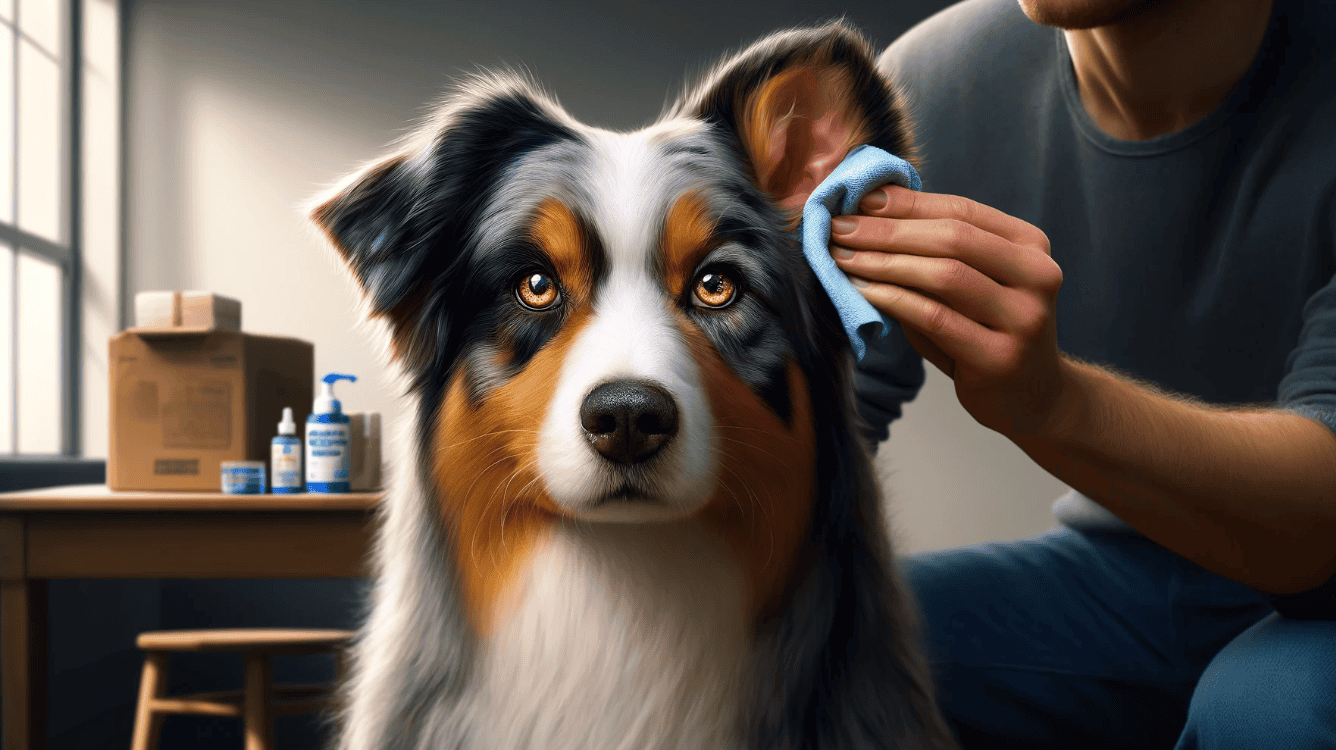
  • How to Clean Dog Ears: Safe & Simple Methods

    How to Clean Dog Ears: Safe & Simple Methods

    As a holistic veterinarian, I often get asked, “how to clean dog ears?” It’s a vital part of pet health that’s often overlooked. Just like us, our furry friends can experience discomfort, and even infections, if their ears aren’t properly maintained.

    Understanding the anatomy of your dog’s ears, recognizing signs of potential issues, and knowing how to safely clean them at home can greatly improve your pet’s wellbeing. Whether you’re a proud parent of a Cocker Spaniel, a Labrador Retriever, or a Shih Tzu, this guide will provide you with all the necessary information and practical tips for keeping your dog’s ears healthy.

    Remember, our pets rely on us for their care. Let’s ensure we’re doing our best to keep them happy and healthy. So, let’s discuss more about cleaning dog ears at home!

    how to clean dog ears

    Understanding Dog Ear Anatomy

    Before we delve into the nitty-gritty of how to clean dog ears, it’s essential to understand the unique structure of a dog’s ear. This understanding will guide you in cleaning your dog’s ears safely and effectively.

    Inner Ear Structure

    The inner ear of a dog is a complex system, designed for superior hearing and balance. It comprises three main parts: the cochlea, for hearing; the vestibular system, for balance; and the auditory tube, which connects the ear to the throat and helps equalize pressure. The inner ear is delicate and sensitive, and damage to it can cause serious complications like hearing loss or balance disorders. Therefore, when cleaning your dog’s ears, you must be careful not to insert any objects too deeply, as this could harm the inner ear.

    Outer Ear Structure

    The outer ear, on the other hand, consists of two main parts: the pinna and the ear canal. The pinna is the part of the ear you can see – it catches sound waves and funnels them into the ear canal. The ear canal then carries these sound waves to the eardrum. In dogs, unlike humans, the ear canal is L-shaped, making it harder for debris and water to escape and easier for infections to develop.

    This unique design of the dog’s ear canal is why regular cleaning is so crucial. It helps prevent the buildup of wax, debris, and bacteria, which can lead to ear infections. However, it’s also why cleaning must be done gently and carefully, to avoid pushing debris further down the canal or damaging the eardrum.

    In the next sections, we’ll discuss the breeds most prone to ear infections, the symptoms to look out for, and safe, simple methods to clean your dog’s ears. But remember, understanding your dog’s ear structure is the first step towards effective ear care. So, let’s keep our furry friends’ ears clean, healthy, and infection-free!

    List of Dog Breeds Prone to Ear Infections

    As a veterinarian, I often get asked how to clean dog ears, especially by parents of certain breeds that are more susceptible to ear infections. It’s important to note that while all dogs can get ear infections, some breeds are more prone to them due to their ear structure and genetic predispositions. Here are some of those breeds:

    • Cocker Spaniels: Their long, floppy ears create a moist environment that’s perfect for the growth of bacteria and yeast.
    • Poodles: Poodles have hair in their ear canals that can trap debris and moisture, leading to infections.
    • Basset Hounds: Similar to Cocker Spaniels, Basset Hounds have long, droopy ears that don’t allow much air circulation, increasing the risk of infections.
    • Labrador Retrievers: Labs love water, but their frequent swimming can lead to wet ears, which can result in ear infections if not properly dried and cleaned.
    • Beagles: Beagles also have long, floppy ears that can easily trap dirt and bacteria.
    • Shih Tzus: Shih Tzus have hair that grows in their ear canals, which can cause wax and debris build-up.
    • Bulldogs: Bulldogs have narrow ear canals that can trap debris and moisture, leading to infections.
    • Golden Retrievers: Similar to Labs, Golden Retrievers are water-loving dogs that can get infections if their ears aren’t properly dried after swimming or bathing.

    Knowing how to clean dog ears properly is crucial if you’re a parent to any of these breeds. Regular cleaning can help prevent ear infections and ensure your furry friend stays happy and healthy.

    Symptoms of Dog Ear Infections

    Understanding the symptoms of ear infections in dogs is essential to ensure they get the help they need as soon as possible. Let’s go over some common signs you should look out for.

    Visible Signs of Ear Infections

    Redness and swelling: One of the most noticeable signs of an ear infection in dogs is redness and swelling in the ear canal. This can be a result of inflammation caused by the infection.

    Discharge: A dog with an ear infection may have a yellow, brown, or bloody discharge. This is often a sign that an infection is present and needs to be addressed.

    Bad odor: An unpleasant smell coming from your dog’s ear is another symptom of an ear infection. This is caused by the bacteria or yeast causing the infection.

    Behavioral Changes in Dogs with Ear Infections

    Scratching or pawing at the ears: If your dog is constantly scratching or pawing at their ears, it could be a sign of discomfort due to an ear infection.

    Head shaking: Dogs with ear infections often shake their heads in an attempt to relieve the discomfort and itchiness caused by the infection.

    Loss of balance: In severe cases, an ear infection can affect your dog’s balance. This is because the ear is responsible for maintaining balance. If your dog is stumbling or seems unsteady, it could be a sign of a serious ear infection.

    Remember, if you notice any of these symptoms, it’s important to consult with a veterinarian as soon as possible. They can provide a proper diagnosis and recommend the best course of treatment.

    how to clean my dogs ears

    How to Clean Dog Ears: Safe & Simple Methods

    Cleaning your dog’s ears can seem like a daunting task, especially if your furry friend isn’t too keen on the idea. However, with the right methods and products, you can easily keep your dog’s ears clean and healthy. Here are some safe and simple methods to clean your dog’s ears.

    Using Dog Ear Cleaning Solutions

    Dog ear cleaning solutions are specially formulated to safely clean your dog’s ears without causing any harm. They are typically easy to use and very effective at removing dirt, debris, and earwax. Here’s how to use them:

    • First, gently hold your dog’s ear flap up to expose the ear canal.
    • Next, carefully pour a generous amount of the cleaning solution into your dog’s ear canal.
    • Gently massage the base of your dog’s ear for about 30 seconds to help the solution break down any debris or wax.
    • Finally, let your dog shake their head to help remove the solution and any loosened debris. You can then wipe the outer part of the ear with a cotton ball or soft cloth to clean up any remaining solution or debris.

    Remember, never insert anything into your dog’s ear canal as it could cause damage. Always follow the instructions on the cleaning solution bottle, and if you’re unsure, consult your vet.

    Using Dog Ear Wipes

    Dog ear wipes are another great option for cleaning your dog’s ears, especially for quick clean-ups or for dogs who don’t like having liquid poured into their ears. Here’s how to use them:

    • First, gently hold your dog’s ear flap up.
    • Next, take a dog ear wipe and gently clean the visible parts of your dog’s ear and ear flap.
    • Be sure to get into all the folds and crevices, but avoid going too deep into the ear canal.

    Just like with the cleaning solution, never insert anything into your dog’s ear canal. Always follow the instructions on the ear wipe package, and consult your vet if you’re unsure.

    Keeping your dog’s ears clean is an important part of their overall health and well-being. By using these safe and simple methods, you can help prevent ear infections and keep your dog feeling their best.

    How Often Should You Clean Your Dog’s Ears?

    Knowing how to clean dog ears is crucial, but equally important is understanding the frequency at which you should be doing this task. The frequency varies depending on the health status and breed of your dog.

    Frequency of Ear Cleaning for Dogs with Chronic Ear Infections

    If your dog has a history of chronic ear infections, more frequent ear cleaning may be necessary. These dogs might require ear cleaning once a week or even more often, depending on the severity of the condition. It’s essential to consult with your vet to establish a suitable cleaning schedule for dogs with chronic ear infections. Remember, over-cleaning can also lead to irritation and discomfort, so it’s a balancing act.

    Frequency of Ear Cleaning for Healthy Dogs

    For healthy dogs, the frequency of ear cleaning can be much less. Generally, a monthly cleaning is sufficient to keep their ears healthy and free from infections. However, certain breeds may require more frequent cleanings. For instance, breeds with floppy ears such as Basset Hounds and Cocker Spaniels are more prone to ear infections and might benefit from weekly cleanings.

    Similarly, dogs that swim regularly should have their ears cleaned after each swim to prevent the buildup of moisture, which can create a breeding ground for bacteria and yeast.

    Regardless of your dog’s breed or health status, it’s important to observe their behavior and regularly check their ears for signs of infection. If you notice any changes such as redness, swelling, bad odor, or your dog seems to be in discomfort, it’s time to consult your vet.

    Remember, every dog is unique, and what works for one might not work for another. Therefore, the best approach is to work with your vet to determine the most suitable ear cleaning routine for your furry friend. Regular ear cleaning is an essential part of dog ear care, and when done correctly, it can help prevent ear infections and ensure your dog’s overall wellbeing.

    cleaning your dogs ears

    Regular ear cleaning is essential for your dog’s health, but neglecting this task can lead to severe consequences. Understanding the potential risks associated with not cleaning your dog’s ears can motivate you to maintain a consistent ear cleaning routine. The two main risks of neglecting your dog’s ear health are the development of ear infections and permanent hearing loss.

    Development of Ear Infections

    If you don’t clean your dog’s ears regularly, it creates a conducive environment for the growth of bacteria and yeast, leading to ear infections. Dogs have a vertical ear canal, unlike humans who have a horizontal one. This unique anatomy makes it easy for dirt, debris, and moisture to get trapped, providing a breeding ground for bacteria and yeast, which can lead to infections.

    Ear infections are not only uncomfortable but can also be painful for your furry friend. They can cause symptoms such as redness, swelling, discharge, and a foul smell. If left untreated, these infections can turn chronic and may require extensive medical treatment.

    Permanent Hearing Loss

    Another risk of not cleaning your dog’s ears is the potential for permanent hearing loss. Chronic ear infections can lead to the thickening of the ear canal walls over time, which can impair your dog’s hearing. In severe cases, untreated ear infections can cause deafness.

    Furthermore, the presence of excessive wax or debris can physically block sound waves, affecting your dog’s hearing ability. Regular cleaning helps remove this build-up and maintains your dog’s hearing health.

    Therefore, it’s essential to incorporate regular ear cleaning into your dog’s grooming routine. Not only will you keep their ears healthy, but you’ll also be enhancing their overall well-being. Remember, a proactive approach to ear care can prevent these potential risks and keep your dog’s ears in top shape.

    So, if you haven’t been paying much attention to your dog’s ears, it’s high time you started. With the right dog ear cleaning products and a consistent routine, you can ensure your dog’s ears remain clean, healthy, and infection-free.

    Prevention is Better Than Cure

    It’s worth noting that while treating ear infections is possible, preventing them is far easier and less stressful for both you and your dog. Regular cleaning and check-ups can help catch any potential problems early before they become severe issues. Remember, when it comes to your dog’s health, prevention is always better than cure.

    When to Seek Veterinary Help for Dog Ear Issues

    As a loving dog parent, you want to do everything in your power to keep your furry friend healthy and happy. But sometimes, despite your best efforts, your dog might still experience ear issues. In such cases, it’s crucial to know when to seek professional help.

    Indications for Veterinary Consultation

    If you notice any of the following signs, it’s time to book a visit to your vet:

    • Persistent scratching or pawing at the ear
    • Discharge or foul smell from the ear
    • Redness, swelling or heat in the ear
    • Unusual head shaking or tilting
    • Apparent pain when you touch the ear
    • Behavioral changes such as loss of appetite or lethargy

    These symptoms could indicate a severe ear infection, mites, a foreign body in the ear, or other serious conditions that require immediate veterinary attention.

    What to Expect During a Veterinary Ear Examination

    During a veterinary ear examination, your vet will thoroughly inspect your dog’s outer and inner ear. They may use an otoscope to look deep into the ear canal and check for any abnormalities.

    Your vet might also take a sample of the ear discharge for microscopic examination. This helps identify the cause of the infection, like bacteria, yeast, or mites. Based on the findings, they will recommend the best course of treatment for your dog.

    Remember, your dog’s ears are delicate, and improper cleaning can cause damage. While learning how to clean dog ears is essential, knowing when to seek professional help is equally vital. In the end, your dog relies on you to make the best decisions for their health.

    So, keep an eye out for any signs of discomfort, regularly clean your dog’s ears as needed, and don’t hesitate to consult your vet when you’re concerned. Your furry friend will thank you with their unwavering love and loyalty!

    Frequently Asked Questions

    Q1: How often should I clean my dog’s ears?

    The frequency of cleaning your dog’s ears can depend on the breed, age, and health of your dog. However, for most dogs, you should aim to clean their ears once a month.

    Q2: What should I use to clean my dog’s ears?

    You can use a solution made for cleaning dog ears, which can be purchased from pet stores or vet clinics. Alternatively, you can use a homemade mixture of equal parts water and vinegar.

    Q3: Can I use Q-tips to clean my dog’s ears?

    It’s not recommended to use Q-tips as they can potentially damage your dog’s ear canal. Instead, use a cotton ball or gauze wrapped around your finger.

    Q4: How do I know if my dog has an ear infection?

    Signs of an ear infection in dogs include redness, swelling, unusual discharge, bad smell, and your dog shaking their head or scratching their ear frequently. If you notice these symptoms, you should take your dog to the vet.

    Q5: Can I use human ear cleaning solutions for my dog?

    No, human ear cleaning solutions may contain ingredients that are harmful to dogs. Always use a solution that is specifically made for dogs.

    A note about your dog’s health

    This article provides general education and does not replace an examination, diagnosis, or individualized advice from your veterinarian. Contact a veterinary professional if you are concerned about your dog’s symptoms.

    Lindsie Parks B.S., CRDNS Avatar

    ABOUT THE AUTHOR

  • Dealing with Smelly Dog Ears: Causes & Solutions

    Dealing with Smelly Dog Ears: Causes & Solutions

    As a holistic veterinarian, I’ve seen a fair share of wagging tails and wet noses, but one issue that can really dampen a dog’s spirits is a smelly ear odor. If you’ve noticed a foul smell coming from your furry friend’s ears, you’re not alone. This is a common issue, often caused by infections, and it can be uncomfortable for your pet. In this article, we will explore the anatomy of a dog’s ear, common causes of the unpleasant odor, and effective remedies to help your pet feel better. Remember, your dog’s ears are not just for hearing, but an important part of their overall health.

    stinky dog ear

    Structure of a Dog’s Ear

    Unlike human ears, a dog’s ear is a complex structure split into three parts: the outer ear, the middle ear, and the inner ear. The outer ear consists of the ear flap or pinna and the external ear canal, which tilts downwards and then inward, forming an ‘L’ shape. This unique shape often traps debris, moisture, and parasites, leading to infections and the resultant smelly odor.

    The middle ear houses the eardrum and tiny bones that transmit sound vibrations to the inner ear. An infection in the outer ear can easily spread to the middle ear if left untreated, worsening the smell and causing further complications.

    The inner ear is responsible for maintaining balance and hearing. Any infection spreading this far can lead to severe consequences, including loss of balance and hearing.

    smelly dog ears

    Role of the Ear in a Dog’s Health

    The health of your dog’s ears plays a significant role in their overall well-being. Good ear health ensures your dog can hear well and maintain balance, both vital for their daily activities and interactions.

    However, the unique structure of a dog’s ear that helps them pick up even the faintest of sounds also makes them prone to infections and the associated smelly odor. The ‘L’ shaped ear canal can trap moisture and debris, creating a perfect breeding ground for bacteria and yeast.

    Regular ear checks are crucial to detect any changes early, such as a bad smell, discharge, or inflammation. These could be signs of an infection, which requires immediate attention to prevent further complications.

    Understanding the anatomy of your dog’s ears and the role they play in their health can help you take better care of your furry friend. It allows you to spot potential problems early and take appropriate action, ensuring your dog stays happy, healthy, and free from smelly ears.

    Common Causes of Smelly Dog Ears

    As a veterinarian, I often get asked about the causes of dogs ear smelly odor. Smelly dog ears are often a sign of an underlying issue that needs attention. The two most common culprits are bacterial infections and yeast infections.

    A. Bacterial Infections

    Bacteria naturally exist in a dog’s ear, but problems arise when these bacteria multiply beyond control, leading to a bacterial infection. This can result in a dogs ear smelly odor that is often accompanied by a yellow, brown, or bloody discharge. The smell comes from the byproducts produced by the bacteria. Some of the common types of bacteria that cause ear infections in dogs include Staphylococcus, Pseudomonas, and Proteus.

    B. Yeast Infections

    Yeast, specifically a type called Malassezia, is another common cause of dogs ear smelly odor. Yeast is a type of fungus that also naturally exists in a dog’s ear. An overgrowth of yeast can lead to an infection, creating a strong, musty odor. Dogs with floppy ears, like Basset Hounds and Cocker Spaniels, are more susceptible to yeast infections due to the warm, moist environment their ears provide.

    Understanding the cause of your dogs ear smelly odor is the first step towards treating and preventing it. Here are some quick tips:

    • Regular cleaning can help keep bacterial and yeast populations in check.
    • Avoid using cotton swabs as they can push debris further into the ear.
    • Use a dog-specific ear cleaner. Human products may not be suitable and can potentially cause harm.

    Remember, if the smell persists or if your dog seems uncomfortable, it’s time to visit the vet.

    List of Specific Breeds Prone to Smelly Ears

    While any dog can experience smelly ears, certain breeds are more prone to this issue due to their ear structure and genetics. Two such breeds are Cocker Spaniels and Basset Hounds. Understanding the predisposition of these breeds can help in the early detection and treatment of ear problems.

    Cocker Spaniels

    Cocker Spaniels are notorious for their smelly ears. They have long, floppy ears that do not allow for much air circulation, creating an ideal environment for bacteria and yeast to thrive. This breed also has more wax-producing glands in their ears, which can contribute to the problem. Regular cleaning and check-ups can help keep their ears healthy and odor-free.

    Basset Hounds

    Another breed prone to smelly ear odor is the Basset Hound. These dogs are known for their long, droopy ears which, like the Cocker Spaniel, can trap moisture and warmth. This makes them susceptible to bacterial and yeast infections. Basset Hounds also have a naturally strong odor due to their skin’s oil production, which can make their ears smellier.

    These breeds require extra attention and care when it comes to their ears. Regular cleaning, using a gentle dog ear cleaning solution, can help prevent the build-up of wax, bacteria, and yeast. If you notice an unusual or persistent smell from your dog’s ears, it’s best to consult with a veterinarian to determine the cause and appropriate treatment.

    my dogs ears smell

    Signs and Symptoms of Ear Infections in Dogs

    As a dog parent, it’s crucial to know the signs and symptoms of ear infections in dogs. This knowledge can help you detect any issues early, making treatment more effective and less stressful for your beloved pet.

    Behavioral Changes

    One of the first signs you might notice is a change in your dog’s behavior. Dogs with ear infections may become more irritable or anxious due to the discomfort they are experiencing. They may also become less active or playful, preferring to lie down or sleep rather than engage in their usual activities.

    • Excessive scratching: Dogs with an ear infection often scratch their ears more than usual. They may also rub their ears against furniture or the floor, trying to alleviate the discomfort.
    • Head shaking: Frequent head shaking is another common sign of an ear infection. Your dog may do this in an attempt to dislodge any foreign bodies or soothe the irritation in their ears.
    • Unusual sounds: You may hear your dog making unusual sounds, such as whining or yelping, particularly when they’re scratching or shaking their head.

    Physical Signs

    Alongside behavioral changes, there are also physical signs that can indicate an ear infection in your dog.

    • Smelly odor: A foul or yeasty smell coming from your dog’s ears is a clear sign of an infection. This is often the first symptom that dog parents notice.
    • Ear discharge: Dogs with ear infections may have a discharge from their ears. This could be yellow, brown, or bloody, and is usually accompanied by a bad smell.
    • Redness or swelling: If your dog’s ears look red, swollen, or feel warm to the touch, this could indicate an infection.
    • Hair loss: Hair loss around the ears is another sign of an infection. This is often due to excessive scratching or rubbing.

    Remember, early detection is key when dealing with ear infections in dogs. If you notice any of these signs or symptoms, it’s important to seek veterinary help as soon as possible. This will ensure your dog gets the treatment they need and can help prevent any further complications.

    If you’ve noticed a foul smell coming from your dog’s ears, it’s crucial to address it promptly. This odor could be a sign of an underlying issue like an infection. While severe cases warrant a visit to the vet, there are some effective home remedies you can try for mild cases. Here are a few you might find useful:

    Regular Cleaning

    One of the best ways to prevent and manage smelly dog ears is to maintain a regular cleaning routine. You can use a solution made of equal parts water and vinegar, or purchase a commercial dog ear cleaning solution. Here’s a simple procedure you can follow:

    • Soak a cotton ball in the solution.
    • Gently wipe the inside of your dog’s ear, taking care not to go too deep.
    • Use a dry cotton ball to remove any excess liquid.
    • Repeat this process with the other ear.

    Remember, over-cleaning can also lead to problems, so aim for once a week unless your vet advises otherwise.

    Natural Remedies

    There are also several natural remedies that can help with smelly dog ears. Here are a couple of options:

    • Coconut Oil: Known for its antifungal properties, coconut oil can be beneficial in combating yeast infections. Warm a small amount and apply it to your dog’s ear using a cotton ball.
    • Apple Cider Vinegar: Dilute apple cider vinegar with water and use it to clean your dog’s ears. It can help restore the natural pH balance, discouraging the growth of yeast and bacteria.

    Always remember to consult with your vet before trying any new remedy. Some dogs may have allergic reactions to certain substances, so it’s crucial to do a patch test first.

    Dealing with a dog’s ear smelly odor can be a daunting task, but with regular cleaning and the use of natural remedies, it can be managed effectively. However, if the smell persists or if your dog seems uncomfortable, it’s essential to seek professional help.

    dog ears that smell

    When to Seek Veterinary Help

    While it’s natural to want to comfort and care for your furry friend at home, there are times when professional help is necessary. If you’ve noticed your dog’s ear has a smelly odor and your home remedies aren’t making a difference, it might be time to consult a vet. In this section, we’ll discuss the indicators of severe infections and the importance of seeking professional help.

    Indicators of Severe Infections

    Firstly, it’s essential to understand when an ear infection has gotten severe. Here are some signs you should not ignore:

    • Persistent bad smell: If the odorous smell persists even after regular cleaning and using natural remedies, it could be a sign of a severe infection.
    • Discharge: Any kind of discharge from the ear is a red flag. It may look brown, yellow, or bloody, and this is a clear sign of a severe infection.
    • Intense scratching or shaking: If your dog is constantly scratching its ears or shaking its head, it’s likely in discomfort and could have a severe ear infection.
    • Swelling or redness: Any visible swelling, redness, or inflammation in and around the ear is another sign of a severe infection.
    • Loss of balance: Infections that reach the inner ear can disrupt your dog’s balance. If your dog is tilting its head or having trouble standing, it’s time to see a vet.

    Importance of Professional Help

    Once you’ve identified any of these severe infection indicators, it’s crucial to seek professional help. A veterinarian can accurately diagnose the cause of the smelly odor in your dog’s ear and prescribe the appropriate treatment. This might include antibiotics, antifungal medication, or even surgery in severe cases.

    Also, untreated severe ear infections can lead to complications like hearing loss or a spread of the infection to other parts of the body. So, it’s always better to seek professional help sooner rather than later.

    Remember, it’s not a failure to seek help from a vet. In fact, it’s a responsible step towards ensuring your dog’s well-being and health. After all, we all want what’s best for our furry friends, and sometimes, that means getting a little extra help.

    Preventive Measures for Smelly Dog Ears

    Preventing smelly dog ears is all about proactive care and maintenance. Here are some practical strategies you can adopt:

    Regular Ear Checks

    Regularly checking your dog’s ears is an essential preventive measure. This allows you to detect any changes early and address them before they become serious. Look out for redness, swelling, or any unusual discharge. The ears should always be clean and not have a bad odor. Any changes in your dog’s ear health should prompt immediate action, which may include a visit to the vet or cleaning the ears.

    Proper Diet and Hygiene

    A healthy diet plays a crucial role in your dog’s overall health, including the health of their ears. Ensure your dog eats a balanced diet rich in vitamins and nutrients to boost their immune system. This will help your dog fight off potential infections that could result in smelly ears.

    Hygiene is also key. Regular baths, avoiding water in the ears during bathing, and drying your dog’s ears properly after swim sessions can prevent the growth of yeast and bacteria, which are common causes of smelly ears.

    Remember, caring for your dog’s ears is not a once-in-a-while activity but a routine that should be as regular as feeding your dog. With these preventive measures, you can keep your dog’s ears clean and healthy, preventing the discomfort and distress that come with smelly ears.

    Wrapping Up

    Smelly dog ears can be distressing for both you and your furry friend, but with the right knowledge and preventive measures, it’s a problem you can effectively manage. It’s all about being proactive and attentive to your dog’s needs. Keep those regular ear checks, maintain a proper diet, and uphold good hygiene habits. And remember, when in doubt, always seek professional help. Your dog’s health and happiness are worth it!

    Dealing with smelly dog ears doesn’t have to be a daunting task. With the right information and preventive measures, you can keep your dog’s ears healthy and odor-free.

    Frequently Asked Questions

    Q1: What causes smelly dog ears?

    There could be several reasons for smelly dog ears. The most common causes include yeast infections, bacterial infections, ear mites, allergies, and foreign bodies trapped in the ear.

    Q2: How can I prevent my dog’s ears from smelling?

    Regular cleaning and proper grooming can help prevent your dog’s ears from smelling. Also, ensure your dog’s ears are dry after swimming or bathing, as moisture can lead to infections.

    Q3: What are the solutions for smelly dog ears?

    Treatment for smelly dog ears depends on the cause. It may involve cleaning the ears, administering topical or oral medications, or in severe cases, surgery. Always consult with your vet for the best treatment options.

    Q4: Can I use human ear cleaning products on my dog?

    No, human ear cleaning products may not be suitable for dogs and can potentially harm them. Always use products that are specifically designed for dogs.

    Q5: When should I take my dog to the vet for smelly ears?

    If your dog’s ears continue to smell after regular cleaning, or if your dog is scratching their ears excessively, shaking their head, or showing signs of discomfort, it’s time to consult a vet.

    A note about your dog’s health

    This article provides general education and does not replace an examination, diagnosis, or individualized advice from your veterinarian. Contact a veterinary professional if you are concerned about your dog’s symptoms.

    Lindsie Parks B.S., CRDNS Avatar

    ABOUT THE AUTHOR