Category: Diarrhea

  • Causes of Diarrhea in Dogs: Holistic Vet Explains

    Causes of Diarrhea in Dogs: Holistic Vet Explains

    Hello, fellow dog lovers and caretakers! I’m Dr. Candy Akers, a holistic veterinarian with years of experience in understanding the myriad of complexities within our four-legged companions. Time and again, one concern that many pet parents approach me with is the distressing occurrence of diarrhea in their dogs. While it might seem like a simple digestive upset at first glance, diarrhea can be a tell-tale sign of various underlying issues. From food allergies to viral infections, numerous factors can upset your dog’s tummy. This article is my attempt to shed light on these various causes, offering insights into prevention, recognition, and management. It’s essential for us to be well-informed to provide the best care for our pets. Let’s embark on this informative journey together, ensuring our dogs’ health and happiness are always at the forefront.
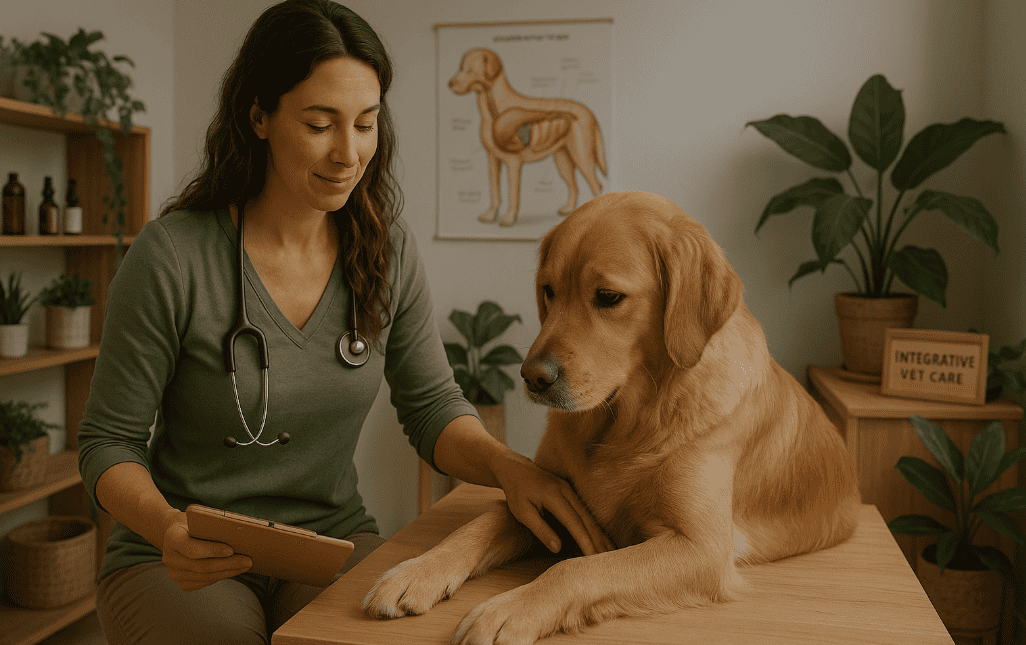
    causes of diarrhea in dogs

    Food Allergies in Dogs: Common Cause of Dog Diarrhea

    Food allergies occur when a dog’s immune system mistakenly identifies a specific food ingredient as harmful, leading to an allergic reaction. This reaction can manifest in various ways, from skin conditions to gastrointestinal disturbances, including diarrhea.

    Common Allergens for Dogs

    While any food can potentially cause an allergic response in sensitive dogs, there are some known culprits that often make their way to the top of the list:

    • Proteins: Chicken, beef, and dairy are some of the most common food allergens for dogs. Other meats such as lamb or pork can also be problematic for some canines.
    • Grains: Corn, wheat, and soy have been identified as common sources of allergies. This has led to an increase in grain-free diets, but it’s essential to consult with a veterinarian before making significant changes to your dog’s diet.
    • Eggs: Some dogs can develop allergies to eggs or specifically the proteins within them.
    • Additives and Fillers: Artificial colors, flavors, and certain preservatives can sometimes trigger allergic reactions in sensitive dogs.

    How Food Allergies Manifest as Diarrhea in Dogs

    When a dog ingests an allergen, the immune response can cause inflammation in the gastrointestinal tract. This inflammation disrupts the normal absorption of nutrients and can lead to increased water content in the intestines, resulting in diarrhea. The dog’s stool may be loose, more frequent, and sometimes contain mucus or blood.

    Diagnosis and Treatment For Food Allergies in Dogs

    Understanding and correctly diagnosing food allergies is crucial for providing the best care and treatment for your furry friend. Here’s a more detailed breakdown of the process and the treatment options available:

    Diagnostic Process For Food Allergies in Dogs:

    1. Clinical History and Physical Examination:
      • Review of the dog’s dietary history, including all foods and treats.
      • Examination for other symptoms of allergies, such as skin irritations, itching, or ear infections.
    2. Elimination Diet:
      • As mentioned, this involves feeding the dog a novel protein and carbohydrate source they haven’t been exposed to before.
      • The trial usually lasts for 8-12 weeks. During this period, it’s essential not to give any other foods, treats, or flavored medications.
      • If the symptoms resolve, each ingredient from the dog’s original diet is reintroduced one by one, monitoring for a recurrence of symptoms to pinpoint the offending allergen.
    3. Blood Tests:
      • Some veterinarians may suggest blood tests to detect specific food antibodies. However, it’s worth noting that blood tests are not always as definitive or accurate as elimination diets.
    4. Hair and Saliva Testing:
      • Hair and saliva testing are alternative methods used to identify potential allergies in dogs. These tests analyze specific proteins or markers in the hair and saliva to determine sensitivities to various allergens.

    Treatment Options For Food Allergies in Dogs:

    1. Dietary Management:
      • Once the allergenic ingredient is identified, it should be permanently eliminated from the dog’s diet.
      • Commercially available hypoallergenic diets can be beneficial. These diets are either formulated with hydrolyzed proteins (where the protein is broken down into small, unrecognizable fragments) or novel proteins that the dog hasn’t been exposed to.
    2. Supplements:
      • Omega-3 fatty acid supplements can help decrease inflammation and are beneficial for dogs with allergies.
      • Probiotics can also assist in restoring the gut’s natural flora, especially if the dog’s digestive system has been affected.
    3. Medication:
      • In some severe cases, where symptoms are extreme or causing distress, short-term medication might be prescribed to reduce inflammation or treat secondary infections that have arisen due to the allergy.
    4. Regular Monitoring:
      • Regular check-ups with the veterinarian to ensure that the treatment is effective and that no new allergies have developed.
      • Keeping a close eye on any new symptoms or a recurrence of diarrhea, itching, or any other signs.

    While food allergies in dogs can be a challenging condition to navigate, with the right diagnostic tools and treatment methods, they can be managed effectively. Always consult with a veterinarian when making decisions about your dog’s health and diet.
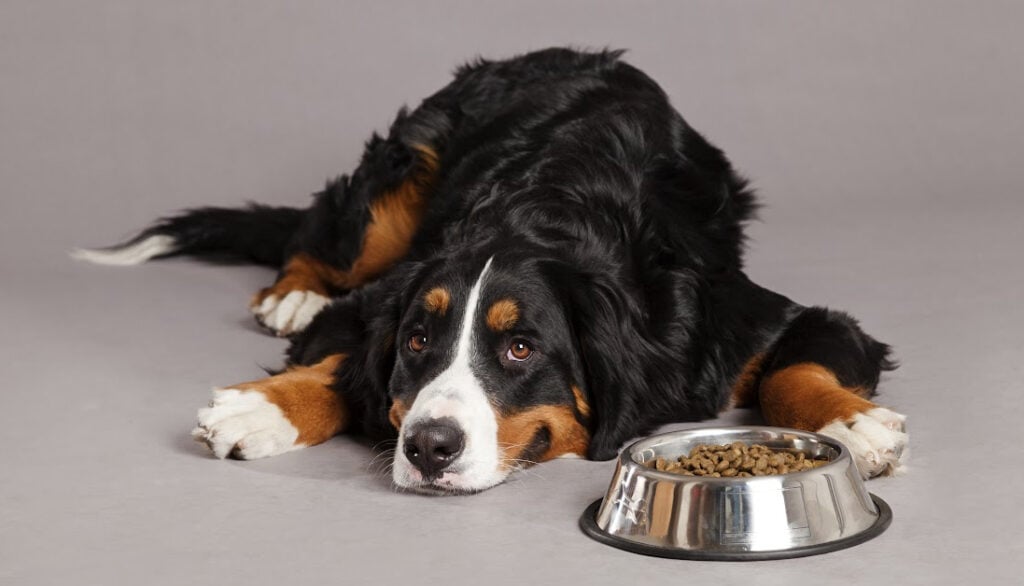
    diarrhea from food allergies in dogs

    Preventing Food Allergies in Dogs

    Food allergies in dogs can be discomforting and sometimes even distressing. While it’s not always possible to prevent every allergy, there are strategies that dog owners can implement to minimize the risk and ensure their furry friends remain healthy.

    1. Gradual Introduction of New Foods:

    • Start Early: Begin introducing varied proteins and carbohydrates to puppies from a young age. This helps their immune system recognize and tolerate a broad range of food items.
    • One at a Time: When introducing new foods, do it one by one. This way, if there’s a reaction, you’ll know exactly what caused it.

    2. Quality Over Quantity:

    • High-Quality Ingredients: Invest in high-quality dog foods that use wholesome ingredients without unnecessary fillers, artificial flavors, colors, or preservatives.
    • Read Labels: Become familiar with reading pet food labels. Know what goes into your dog’s food and opt for natural and limited-ingredient diets when possible.

    3. Avoid Overexposure:

    • Rotate Proteins: Instead of feeding the same protein source (like chicken) continuously, rotate between different proteins every few months. This rotation can help prevent the overexposure that sometimes leads to the development of allergies.
    • Diverse Diet: Encourage a diverse diet but ensure it is balanced and appropriate for your dog’s specific needs.

    4. Probiotics and Digestive Enzymes:

    • Boost Gut Health: Maintaining a healthy gut can be beneficial in preventing food sensitivities and allergies. Consider adding a canine-specific probiotic supplement to your dog’s diet.
    • Digestive Enzymes: These can aid in breaking down food more effectively, reducing the chance of undigested food causing allergic reactions.

    5. Monitor and Document:

    • Keep a Food Diary: Make a note of what your dog eats and any reactions, even if they seem minor. This documentation can be invaluable in identifying potential issues early on.
    • Regular Vet Visits: Ensure regular check-ups with the veterinarian. Discuss any concerns and get guidance on any dietary changes you’re considering.

    6. Be Cautious with Treats and Scraps:

    • Know the Ingredients: Just as with regular dog food, ensure that treats are made of high-quality ingredients. Avoid those with a long list of unrecognizable components.
    • Limit Table Scraps: While it’s tempting to share our food with our dogs, many human foods contain ingredients that are allergenic to dogs. If you do share, make sure it’s safe and given in moderation.

    7. Stay Updated on Pet Food Recalls:

    • Safety First: Occasionally, specific batches of pet foods might get recalled due to contamination. Staying updated ensures that your dog is not exposed to potential allergens or contaminants.

    In essence, while no strategy can guarantee the complete prevention of food allergies, these steps can significantly reduce the risk. Being proactive, observant, and maintaining open communication with your veterinarian are the cornerstones of ensuring your dog’s nutritional well-being.

    Understanding the nuances of food allergies in dogs is crucial for their overall health and well-being. By being observant of changes in your dog’s behavior, stool consistency, and other symptoms, and consulting with your veterinarian, you can address and manage these allergies effectively. Remember, every dog is unique, so what works for one might not necessarily work for another. Tailoring their diet to their specific needs, with the guidance of a professional, is the key.
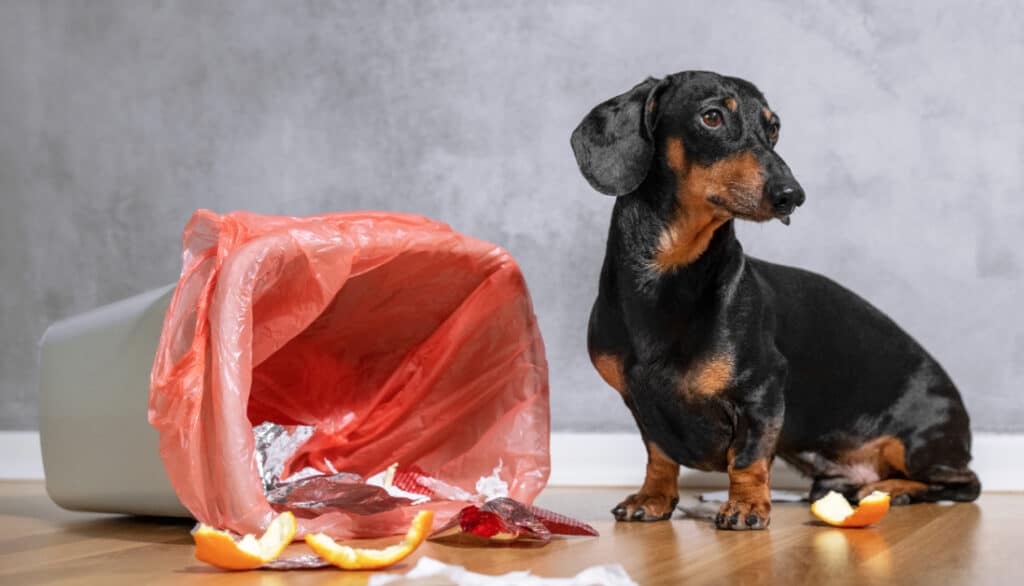
    dog getting in trash

    Ingesting Spoiled Food: A Culprit Behind Dog Diarrhea

    While dogs often seem to have stomachs of steel, delving into trash bins or snatching up street-side morsels, their digestive systems aren’t invincible. One of the most common mistakes dogs make is ingesting spoiled food, leading to gastrointestinal issues, including diarrhea.

    Why Dogs Eat Spoiled Food

    1. Natural Scavengers: By nature, dogs are scavengers, making them less discerning about food freshness or source.
    2. Enticing Smells: To a dog’s keen nose, the pungent aroma of spoiled food can be alluring, drawing them to consume it.
    3. Opportunistic Feeders: If food is accessible, especially when unsupervised, many dogs will eat first and “think” later.

    Dangers of Consuming Spoiled Food

    • Bacterial Growth: Spoiled food can harbor harmful bacteria such as Salmonella or E. coli, which can cause severe gastrointestinal disturbances.
    • Toxins: As some foods spoil, they produce toxins. For example, molds on certain foods produce mycotoxins which can be harmful when ingested.
    • Foreign Objects: Dogs rummaging through garbage for food might inadvertently swallow non-food items, causing internal obstructions or injuries.
    • Chemical Contamination: Spoiled foods, especially those from trash bins, might be in contact with other chemicals or toxic substances.

    Symptoms Post Ingestion

    • Diarrhea: Often the most immediate and evident symptom.
    • Vomiting: Some dogs might throw up, especially if the food was particularly toxic.
    • Lethargy: A general lack of energy or enthusiasm.
    • Loss of Appetite: The dog may refuse to eat, even their favorite treats.
    • Abdominal Pain: The dog may show signs of discomfort or pain in the belly area, often noticeable by a hunched back or sensitivity to touch.

    Immediate Interventions

    1. Remove Access: Ensure the dog no longer has access to the source of the spoiled food.
    2. Hydration: Make sure your dog has access to clean water, especially if vomiting or diarrhea occurs.
    3. Do Not Induce Vomiting Unless Advised: Some toxins or objects can cause more harm if regurgitated. Always consult with a veterinarian before taking any action.
    4. Monitor Closely: Watch your dog for any worsening symptoms or signs of distress.

    Prevention Strategies

    1. Secure Trash Cans: Invest in dog-proof trash cans or store them in areas inaccessible to your dog.
    2. Regularly Clean Food Bowls: Ensure your dog’s food bowls are cleaned regularly to prevent old or spoiled food remnants.
    3. Proper Food Storage: Store dog food in cool, dry places and use it before the expiration date.
    4. Supervise Outdoor Time: When outside, especially in new or unfamiliar areas, keep a close eye on your dog to prevent them from scavenging.

    Ingesting spoiled food can cause immediate discomfort for dogs and lead to more severe complications. Awareness and proactive measures are the best strategies to ensure your dog stays safe and healthy. Always consult with a veterinarian if you suspect your dog has consumed spoiled or potentially harmful food.

    Intestinal Parasites in Dogs: Top Cause of Dog Diarrhea

    Intestinal parasites are all too common in the canine world. These unwelcome guests can cause a range of health issues, with diarrhea being one of the most prevalent symptoms. Recognizing, treating, and preventing these parasites is crucial for maintaining your dog’s overall health.

    Common Intestinal Parasites in Dogs

    Dogs, being curious creatures, often come into contact with a variety of organisms during their adventures. Among these, certain unwelcome invaders might set up residence in their intestines. Let’s delve into the most common intestinal parasites that our canine companions might encounter.

    • Roundworms (Toxocara canis): These are long, spaghetti-like worms that primarily affect puppies but can be found in dogs of all ages.
    • Hookworms: Small and thin, these parasites attach to the intestinal wall and feed on the dog’s blood, often causing anemia.
    • Whipworms: Found primarily in the large intestine, they can lead to inflammation and bloody diarrhea.
    • Tapeworms: Segmented worms that are often visible in the dog’s feces or around their rear end. They are commonly contracted through fleas.
    • Giardia and Coccidia: These are not worms but single-celled parasites that infect the intestines, leading to watery diarrhea.
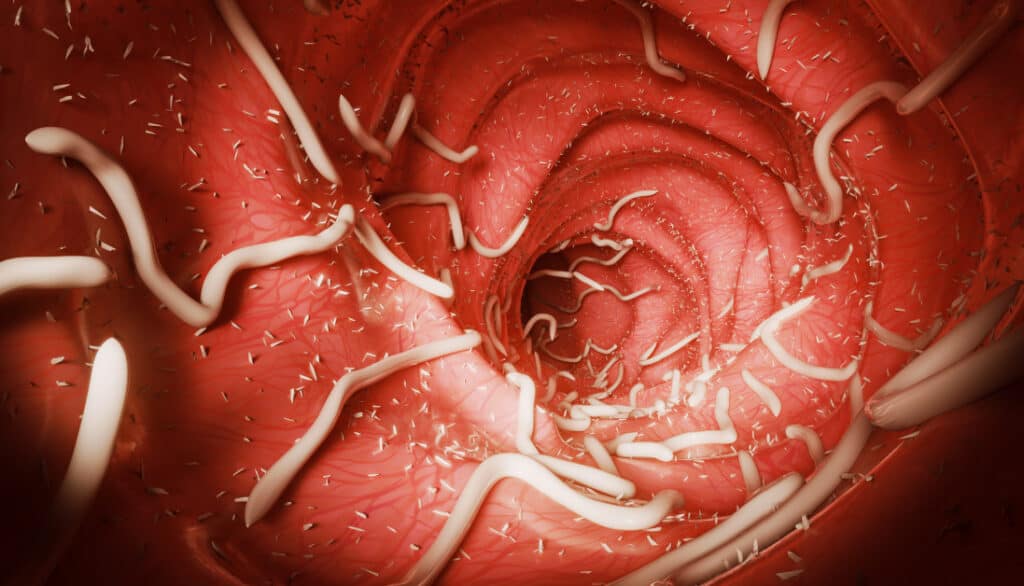
    roundworm infection in dogs

    How Dogs Get Infected with Intestinal Parasites

    You might wonder, given the care and attention we shower on our pets, how do they end up contracting these parasitic infections? The avenues of infection are more common than one might assume. Here’s a breakdown of how dogs typically get infected by these microscopic troublemakers.

    1. Environmental Exposure: Many of these parasites lay eggs that are excreted in the feces of infected animals. Dogs can become infected by ingesting contaminated soil, water, or feces.
    2. Intermediate Hosts: Some parasites, like tapeworms, require an intermediate host, like fleas. When a dog consumes the intermediate host, they get infected.
    3. Mother to Pup: Puppies can get parasites like roundworms through their mother’s milk.

    Symptoms of Intestinal Parasites in Dogs

    A dog infected with parasites might not always exhibit noticeable symptoms immediately. However, as the infestation progresses, certain tell-tale signs begin to emerge. Being able to recognize these early on can be key to timely intervention and treatment.

    • Diarrhea: Can be watery, bloody, or mucus-filled depending on the parasite.
    • Weight Loss: Even if the dog is eating normally.
    • Bloated or Rounded Belly: Especially noticeable in puppies.
    • Visible Worms: In the feces or around the dog’s rear.
    • Lethargy: Due to nutrient malabsorption or anemia.
    • Scratching or “Scooting”: Caused by irritation around the anal area.

    Diagnosis and Treatment of Intestinal Parasites in Dogs

    Identifying a parasitic infection in its early stages can be the difference between a quick recovery and a prolonged ailment. Armed with the right knowledge and tools, veterinarians can diagnose and combat these intestinal invaders effectively. Let’s understand the process of diagnosis and the subsequent treatment steps.

    1. Fecal Examination: Veterinarians will often analyze a fecal sample under a microscope to identify the type and severity of the parasite infestation.
    2. Deworming Medications: Once identified, your vet will prescribe the appropriate deworming medication. Some parasites may require specific treatments, while others can be addressed with broad-spectrum dewormers.
    3. Repeat Treatments: Some parasites have life cycles that aren’t immediately eradicated by one round of medication, so repeat treatments might be necessary.
    4. Supportive Care: In severe cases, additional care like hydration therapy or nutritional support may be required.

    Preventing Intestinal Parasites in Dogs

    They say prevention is better than cure, and when it comes to parasitic infections in dogs, this adage holds true. Proactive measures can greatly reduce the chances of your dog contracting these pesky parasites. Dive into the essential steps to keep your furry friend safe and healthy.

    1. Regular Vet Check-ups: Routine fecal examinations can catch infestations early.
    2. Hygiene: Promptly clean up after your dog to minimize environmental contamination.
    3. Safe Play Areas: Ensure your dog’s play areas are free from feces, especially if frequented by other animals.
    4. Flea Prevention: Since fleas are an intermediate host for some parasites, keeping your dog flea-free can reduce the risk.
    5. Proper Food Handling: If you feed your dog raw food, ensure it’s sourced from reputable places and handled with care.

    Intestinal parasites are a common issue but with vigilance, timely treatment, and preventive measures, their impact can be minimized. Regular vet visits and being attentive to your dog’s behavior and health are your best defenses against these pesky invaders.

    Bacterial Infections in Dogs: Leading to Dog Diarrhea

    The canine digestive system, much like our own, is a delicate balance of beneficial and harmful bacteria. When this balance is disrupted, bacterial infections can manifest, often leading to symptoms such as diarrhea. This section explores the common bacterial culprits, their causes, symptoms, and what can be done to treat and prevent them.
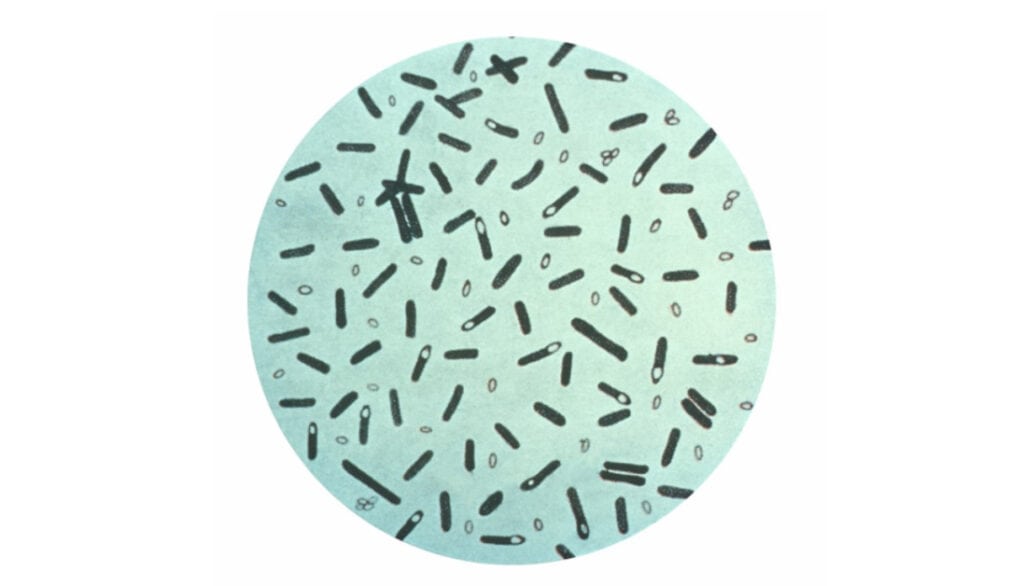
    Clostridium in dogs. Photo credit: Wikipedia.com

    Common Bacterial Culprits

    Our dogs’ digestive tracts are bustling communities of bacteria, most of which coexist peacefully and even contribute to their health. However, when pathogenic bacteria overtake or invade this ecosystem, the outcome can be distressing. Let’s identify the main bacterial offenders that can lead to diarrhea in dogs.

    • Salmonella: Often contracted through contaminated food or water, this bacteria can cause severe gastrointestinal symptoms.
    • E. coli: Found naturally in the intestines, it becomes problematic when certain harmful strains proliferate or are ingested.
    • Campylobacter: This bacteria is commonly transmitted through raw or undercooked poultry and can lead to intense bouts of diarrhea.
    • Clostridium perfringens: Normally present in small amounts, issues arise when it multiplies rapidly, releasing toxins in the process.

    How Dogs Contract Bacterial Infections

    While we take various measures to keep our furry friends safe, the world they interact with is teeming with bacteria. Some of these are beneficial, while others are potential threats. Delving into the ways dogs get exposed can help us better protect them from these invisible assailants.

    1. Contaminated Food and Water: Consumption of spoiled food or water contaminated by feces can introduce harmful bacteria.
    2. Contact with Infected Animals: Interaction with other infected animals or their waste can be a source of transmission.
    3. Unsanitary Conditions: Living or playing in dirty environments can expose dogs to a myriad of harmful bacteria.
    4. Weak Immune System: Dogs with compromised immune systems are more susceptible to infections.

    Symptoms of Bacterial Infections in Dogs

    Like any ailment, bacterial infections leave their mark, often presenting a spectrum of symptoms that signal something’s amiss. Recognizing these signs is the first step in providing our pets the relief and care they need.

    • Diarrhea: Often the most prominent sign, it can vary from mild to severe, sometimes containing blood or mucus.
    • Vomiting: Some bacterial infections also induce nausea and vomiting.
    • Fever: A rise in body temperature can indicate the body’s attempt to fight off the infection.
    • Lethargy: The dog may appear tired or uninterested in regular activities.
    • Loss of Appetite: A reduced interest in food, even favorites, can be a concerning sign.

    Treatment and Recovery For Bacterial Infections in Dogs

    When our beloved pets fall victim to bacterial infections, time is of the essence. The right interventions can be the difference between a swift recovery and prolonged distress. Here’s an insight into how veterinarians approach these infections and the path to healing.

    1. Fecal Examination: A stool sample can help identify the bacteria causing the issue.
    2. Antibiotics: Once diagnosed, the vet may prescribe specific antibiotics to combat the bacterial infection.
    3. Probiotics: To restore gut health and balance, probiotics can be beneficial during and after antibiotic treatment.
    4. Supportive Care: Hydration and nutritional support can expedite the recovery process, especially in severe cases.

    Prevention Measures For Bacterial Infections in Dogs

    As the saying goes, “An ounce of prevention is worth a pound of cure.” In the realm of bacterial infections in dogs, this couldn’t be truer. Here, we’ll explore the actionable steps that every dog owner can take to minimize the risk of these infections.

    1. Hygienic Living Conditions: Regular cleaning of living areas and ensuring access to clean water.
    2. Safe Food Practices: Store dog food correctly and avoid feeding spoiled or questionable food.
    3. Regular Vet Check-ups: Regular visits can catch and address potential issues early.
    4. Vaccinations: Some bacterial infections can be prevented with appropriate vaccinations.

    Bacterial infections, though common, can be effectively managed with timely intervention. By understanding the causes and being proactive in prevention, dog owners can ensure the health and happiness of their four-legged companions.

    Viral Infections in Dogs: A Prominent Cause of Dog Diarrhea

    Viruses, unlike bacteria, are not living entities in the conventional sense, yet they can wreak havoc when they invade a host’s body, including our canine companions. Several viral infections can cause diarrhea in dogs, with varying degrees of severity. This section delves deep into understanding these viruses, their transmission, symptoms, treatment, and prevention.

    Prominent Viral Culprits

    In the intricate web of canine health, viruses stand as potent threats, sometimes hidden but always impactful. While a myriad of viruses can affect dogs, a select few are notorious for causing gastrointestinal distress. Let’s shine a light on these viral agents to better understand and combat them.

    • Canine Parvovirus: A highly contagious virus that often strikes puppies, leading to severe, bloody diarrhea and other complications.
    • Canine Coronavirus: Though not as severe as parvovirus, this virus can still cause diarrhea, especially when combined with other pathogens.
    • Canine Distemper: While primarily known for respiratory symptoms, it can also cause gastrointestinal issues in dogs.
    • Adenovirus: Commonly affects puppies, leading to mild diarrhea but is generally self-limiting.

    How Dogs Contract Viral Infections

    In our interconnected world, where dogs explore, play, and interact, the pathways for viral transmissions are multifold. By understanding how these microscopic invaders spread, we can better safeguard our furry companions from their grasp. Here’s how our four-legged friends typically get exposed to these infectious agents:

    1. Direct Contact: Interaction with an infected dog can transmit viruses, especially through nasal and mouth secretions.
    2. Fomites: Inanimate objects like bowls, toys, or shoes can carry the virus if contaminated.
    3. Contaminated Environment: Some viruses can survive in the environment for extended periods, waiting for a host.
    4. Infected Wildlife: Certain viruses, like distemper, can be transmitted by wildlife carriers.

    Symptoms of Viral Infections

    The silent onset of viral infections can be unsettling, as they often manifest before we’re even aware. Recognizing the tell-tale signs of a viral invasion in its nascent stages is the first step toward providing timely care and relief to our pets.

    Different viruses will manifest varying symptoms, but some common signs indicate a possible viral infection:

    • Diarrhea: Ranging from mild to severe, it can sometimes be bloody or mucus-filled.
    • Vomiting: Many viral infections also lead to frequent vomiting in dogs.
    • Fever: Elevated body temperature suggests the body is fighting off an invader.
    • Lethargy: Infected dogs may appear sluggish and show diminished interest in activities.
    • Appetite Loss: Affected dogs may eat less or refuse food altogether.
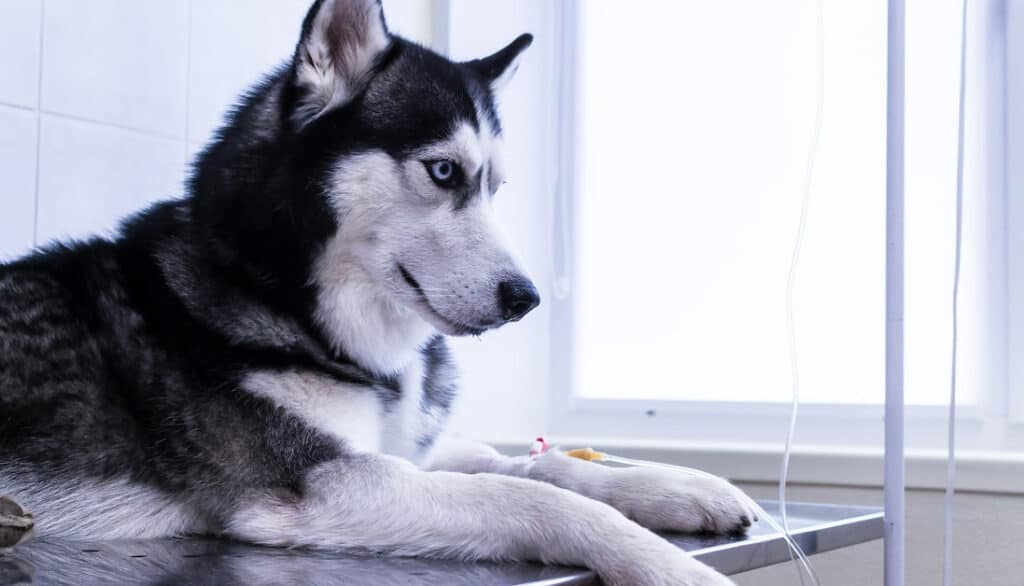
    dog recieving IV fluids

    Treatment and Recovery

    While viruses themselves are not “alive” in the traditional sense, their capacity to disrupt life is undeniable. Combatting these pathogens isn’t about destruction but about support, care, and management. Let’s explore the best practices in helping a dog recover from a viral onslaught.

    Contrary to bacterial infections, viral ones can’t be “cured” with medications, but supportive care plays a pivotal role:

    1. Supportive Care: This includes maintaining hydration, nutritional support, and addressing secondary bacterial infections if they arise.
    2. Isolation: To prevent the spread, infected dogs should be kept away from other animals until recovery.
    3. Vaccination: Some viral infections, once contracted, can provide immunity, but preventive vaccinations remain the best defense.
    4. Regular Monitoring: Frequent check-ups post-recovery ensure no lingering effects or complications.

    Preventing Viral Infections in Dogs

    In the world of viruses, the best defense is often a proactive offense. As guardians of our canine companions, understanding and employing preventive strategies can drastically reduce the risks they face from these infectious agents.

    Preventing viral infections is crucial, given their potential severity and rapid spread:

    1. Regular Vaccinations: Staying up-to-date with recommended vaccines significantly reduces the risk of many viral infections.
    2. Hygiene: Disinfecting common areas, toys, and bowls can curb the spread of viruses.
    3. Avoid High-Risk Areas: Limiting exposure in places with known outbreaks or high dog populations can be beneficial.
    4. Prompt Veterinary Care: At the first sign of symptoms, seeking veterinary attention can help in early diagnosis and management.

    Viral infections in dogs, while intimidating, can be managed and often prevented. Knowledge, timely interventions, and preventive measures are paramount in ensuring our dogs remain healthy, vibrant, and by our side for years to come.
    nervous dog

    Stress-Induced Diarrhea in Dogs: Causes and Solutions

    While physical ailments like infections and allergies often come to mind when we think of health issues in dogs, mental well-being is equally paramount. Stress, though intangible, can manifest in very tangible ways, including diarrhea. In this section, we’ll unravel the connection between stress and gastrointestinal issues in dogs, pinpointing causes and offering solutions for both immediate relief and long-term well-being.

    Understanding Stress in Dogs

    Much like humans, dogs can experience stress, anxiety, and emotional discomfort. While they might not grapple with financial worries or existential crises, their world is filled with stimuli and scenarios that can induce stress. Recognizing what constitutes stress for a dog is the first step towards alleviating it.

    • Changes in Environment: Moving homes, alterations in living space, or even redecorating can be unsettling.
    • New Faces or Loss: The introduction of new pets or family members, or the loss of a companion can evoke stress.
    • Loud Noises: Thunderstorms, fireworks, and loud urban sounds can be frightening to many dogs.
    • Routine Disruptions: Changes in feeding times, walks, or prolonged absences of family members can induce anxiety.

    Linking Stress to Diarrhea in Dogs

    The interplay between mind and body isn’t exclusive to humans; dogs too bear the brunt of emotional disturbances on their physical well-being. The connection between stress and digestive health is both intriguing and critical. Here’s how stress can affect the digestive system:

    1. Fight or Flight Response: Stress can trigger this ancient response, diverting blood away from the digestive system, leading to diarrhea.
    2. Gut Flora Imbalance: Prolonged stress can disrupt the balance of beneficial bacteria in the gut.
    3. Overactivity in the Digestive Tract: Anxiety can speed up digestive processes, leading to diarrhea.

    Identifying Stress-Induced Diarrhea in Dogs

    In the maze of canine health, discerning the true cause behind a symptom can be challenging. With various factors potentially leading to diarrhea, how do we pinpoint stress as the culprit? Before attributing diarrhea to stress, it’s essential to rule out other potential causes. Some indicators suggest stress might be the culprit:

    • Occurrence in Stressful Situations: Diarrhea that tends to appear during thunderstorms, family gatherings, or other stress-inducing scenarios.
    • Absence of Other Symptoms: If the dog doesn’t show signs of infections or allergies, stress could be the cause.
    • Behavioral Signs: Alongside diarrhea, signs like excessive licking, panting, or hiding can indicate stress.

    Solutions and Management For Stress-Induced Diarrhea in Dogs

    Addressing stress-induced ailments in dogs isn’t merely about treating the symptom; it’s about holistic well-being. Tending to a dog’s emotional health requires a blend of immediate interventions and long-term strategies:

    1. Safe Spaces: Create a calming environment or a dedicated space where the dog can retreat during stressful events.
    2. Routine: Keeping feeding, walks, and playtime consistent can provide a comforting structure.
    3. Probiotics: Supporting gut health can mitigate the impact of stress on the digestive system.
    4. Calming Aids: Consider natural calming supplements, toys, or even anxiety wraps to soothe the dog.
    5. Professional Help: For chronic stress, consulting with a vet or a pet behaviorist might be necessary.

    Stress-induced diarrhea in dogs serves as a poignant reminder that their emotional well-being is intricately linked to their physical health. By understanding, recognizing, and addressing the root causes of stress, we can foster an environment where our dogs thrive emotionally and physically.

    Medications Causing Dog Diarrhea: What Every Dog Owner Needs to Know

    Pharmaceutical interventions, while undeniably beneficial in addressing a range of health issues in dogs, can sometimes come with their set of challenges. One such challenge that many dog owners encounter is diarrhea as a side effect of certain medications. This section aims to provide a comprehensive understanding of this phenomenon, enabling informed decisions and proactive care when our pets are on medication.

    Why Some Medications Cause Diarrhea

    Medications are designed to elicit specific responses in the body, but they often interact with various physiological processes, leading to unintended effects. Here’s why certain drugs might cause diarrhea in dogs:

    • Direct Impact on the Gut: Some medications can irritate the lining of the intestines or alter gut motility.
    • Disruption of Gut Flora: Antibiotics, for instance, can disrupt the balance of good bacteria in the intestines.
    • Systemic Reactions: Some drugs might cause diarrhea as a broader reaction involving multiple body systems.

    Common Culprits: Drugs Known to Cause Diarrhea

    While any medication can potentially cause diarrhea, certain drugs have been more frequently associated with this side effect:

    1. Antibiotics: Especially broad-spectrum ones, can affect gut bacteria balance.
    2. Non-Steroidal Anti-Inflammatory Drugs (NSAIDs): These can sometimes irritate the gut lining.
    3. Heartworm Medications: Some preventive heartworm drugs can lead to gastrointestinal issues.
    4. Chemotherapy Drugs: Used for treating cancers, they can often lead to digestive upset.

    Managing Diarrhea Caused by Medications

    If you suspect your dog’s diarrhea is linked to a medication, here are steps to consider:

    • Consult Your Vet: Never stop or change a medication without consulting with the veterinarian.
    • Dietary Adjustments: Offering a bland diet can help soothe the digestive system.
    • Probiotics: Introducing good bacteria can help in restoring gut flora balance.
    • Monitor for Other Side Effects: Watch out for any other unusual behaviors or symptoms.

    Prevention and Proactive Care

    While it might not always be possible to prevent medication-induced diarrhea, some steps can mitigate its likelihood:

    1. Gradual Introduction: If possible, introduce new medications gradually to allow the body to adjust.
    2. Use Targeted Antibiotics: Instead of broad-spectrum, specific antibiotics can minimize gut flora disruption.
    3. Regular Health Checks: Periodic vet visits can help in monitoring any side effects of long-term medications.

    Pharmaceutical interventions are often a necessary component of canine health. Yet, as with everything, they come with their set of challenges. Being informed, observant, and proactive can make all the difference, ensuring our dogs derive the maximum benefit from medications while minimizing potential discomforts.
    diarrhea in dogs FI

    Dietary Changes and Dog Diarrhea: Key Points to Be Aware Of

    Nutrition plays a pivotal role in the overall well-being of our dogs. Just as the food we eat can significantly impact our health, the same holds true for our canine companions. While dietary changes are sometimes necessary, they can occasionally lead to digestive upsets, with diarrhea being a common symptom. This section seeks to shed light on the delicate interplay between diet and digestion in dogs, offering insights and solutions for those navigating dietary transitions.

    Understanding the Canine Digestive System

    Before delving into the impact of dietary changes, it’s crucial to have a grasp of a dog’s digestive anatomy and physiology:

    • Digestive Tract Design: Dogs have a relatively short digestive tract, designed for meat consumption but adaptable to a varied diet.
    • Gut Flora: A balanced mix of beneficial bacteria aids in digestion, immune function, and overall gut health.
    • Digestive Enzymes: These are crucial for breaking down food components, and their levels can vary based on diet.

    Why Dietary Changes Can Cause Diarrhea

    Switching foods or introducing new dietary components might seem straightforward, but even minor changes can impact digestion:

    1. Rapid Transition: Suddenly changing a dog’s diet doesn’t give the digestive system enough time to adjust.
    2. Ingredient Sensitivity: New foods might contain ingredients that a dog is sensitive or allergic to.
    3. Change in Nutrient Ratios: A drastic change in protein, fat, or fiber ratios can disrupt digestion.
    4. Quality of Ingredients: Lower quality or spoiled food can irritate the digestive system.

    Safely Transitioning to a New Diet

    For those looking to switch their dog’s diet or introduce new foods, here’s a guide to ensure a smooth transition:

    • Gradual Change: Start by mixing a small portion of the new food with the old, gradually increasing the new food’s proportion over 7-10 days.
    • Monitor for Reactions: Keep an eye out for any signs of digestive upset, allergies, or behavioral changes.
    • Seek High-Quality Foods: Prioritize quality, ensuring the food sources are reputable and the ingredients are fresh.
    • Hydration: Ensure your dog has access to plenty of fresh water, especially if showing signs of diarrhea.

    When to Consult a Vet

    While mild and short-lived diarrhea following a diet change can be typical, it’s essential to recognize when professional help is required:

    1. Persistent Diarrhea: If it continues for more than 48 hours.
    2. Other Symptoms: Such as vomiting, lethargy, or loss of appetite.
    3. Blood in Stool: This can indicate more severe digestive issues or internal injuries.
    4. Signs of Dehydration: Such as sunken eyes, dry gums, or excessive panting.

    Food is more than just fuel; it’s the foundation of health. As dog owners, ensuring our pets receive optimal nutrition, tailored to their specific needs, is paramount. By understanding the intricacies of the canine digestive system and being mindful during dietary transitions, we can pave the way for a happy and healthy life for our four-legged friends.

    Conclusion

    In the vast and intricate world of canine health, the proverbial saying, “knowledge is power,” couldn’t be more apt. From the nuances of dietary changes to the intricate dance of medications, our journey through the causes of diarrhea in dogs has underscored the importance of informed decision-making. Every pet owner, armed with the right information, becomes a pivotal player in their dog’s well-being.

    As we’ve seen, while some causes of diarrhea are relatively harmless and short-lived, others demand immediate attention and intervention. The balance lies in discerning which is which, and in that balance resides the health and happiness of our furry companions. It’s not just about mitigating the uncomfortable moments, but about enhancing the quality of life they lead every day.

    As responsible guardians, our aim should always be to provide a nurturing environment, replete with the best nutrition, timely medical care, and above all, an abundance of love. The bond between humans and dogs is ancient, sacred, and built on mutual trust. By staying educated, proactive, and compassionate, we don’t just address immediate health concerns; we fortify this bond, ensuring that our dogs lead lives as joyous and fulfilling as the memories they gift us.

    Thank you for joining me on this exploration. May every dog lover carry forth this knowledge, making the world a better place, one wagging tail at a time.

    Frequently Asked Questions

    1. Q: Why is my dog’s diarrhea persistent even after switching back to their old diet?

    A: While returning to a familiar diet can often alleviate symptoms, some dogs might still experience persistent diarrhea due to residual inflammation, a lasting imbalance in gut flora, or other underlying health issues. If diarrhea continues for more than 48 hours, it’s essential to consult a veterinarian to rule out other causes and receive targeted treatment.

    2. Q: Are certain breeds more prone to food allergies or sensitivities that could lead to diarrhea?

    A: Yes, some breeds, such as Golden Retrievers, Cocker Spaniels, and German Shepherds, have been observed to exhibit higher instances of food sensitivities or allergies. However, any dog, regardless of breed, can develop allergies or sensitivities. It’s essential to monitor for signs and consult a vet if symptoms arise.

    3. Q: If my dog accidentally ingests spoiled food, how quickly will symptoms appear?

    A: Symptoms from ingesting spoiled food, like diarrhea or vomiting, can appear within a few hours to 48 hours post-ingestion. It’s crucial to monitor your dog closely for any signs of discomfort or illness and seek veterinary care if symptoms are severe or persistent.

    4. Q: Can stress-induced diarrhea in dogs be a one-time occurrence, or is it always indicative of a chronic issue?

    A: Stress-induced diarrhea can be both a one-time event, triggered by a sudden stressful situation (like a move or loud noises), or a recurring issue due to chronic stress factors (like separation anxiety or frequent changes in the environment). Identifying and addressing the root cause of the stress is crucial for effective management.

    5. Q: How often should I consult my vet about my dog’s medication, especially if I suspect it’s causing diarrhea?

    A: If you believe a medication is causing diarrhea or any other side effect, it’s essential to consult your vet immediately. Additionally, regular health check-ups, at least once a year or as recommended by your vet, can help monitor your dog’s reaction to long-term medications and adjust dosages or types as necessary.

    A note about your dog’s health

    This article provides general education and does not replace an examination, diagnosis, or individualized advice from your veterinarian. Contact a veterinary professional if you are concerned about your dog’s symptoms.

    Dr. Candy Akers, DVM Avatar

    ABOUT THE AUTHOR

  • Home Remedies for Dogs With Bloody Diarrhea

    Home Remedies for Dogs With Bloody Diarrhea

    Blood in your dog’s diarrhea deserves a call to your veterinarian. A small streak of bright red blood in a dog who is alert, drinking, and comfortable may come from an irritated colon, but large amounts of blood, black tarry stool, repeated vomiting, weakness, pain, or dehydration can signal an emergency. Puppies, seniors, tiny dogs, and dogs with other health problems need an especially cautious approach.

    If your veterinarian agrees that your dog is stable enough for home support, the basics are simple: offer water without forcing it, feed gentle foods that your dog tolerates, support the gut with a quality probiotic, and watch closely for any change. I also use selected herbs and homeopathic remedies as part of an individualized whole-dog plan. These options support recovery. They do not replace finding the cause of the bleeding.

    Is Bloody Diarrhea an Emergency?

    Bloody diarrhea can look dramatic, even when a dog still wants breakfast and a walk. I understand why people hope for a quick home remedy. The first job, though, is not choosing a food or supplement. It is deciding how urgently your dog needs hands-on care.

    Acute hemorrhagic diarrhea syndrome, often shortened to AHDS, can cause a sudden loss of fluid into the intestines. A dog may go from seeming fairly normal to weak and dehydrated in a short time. Prompt fluid therapy is the main part of treatment for a seriously affected dog. [1]

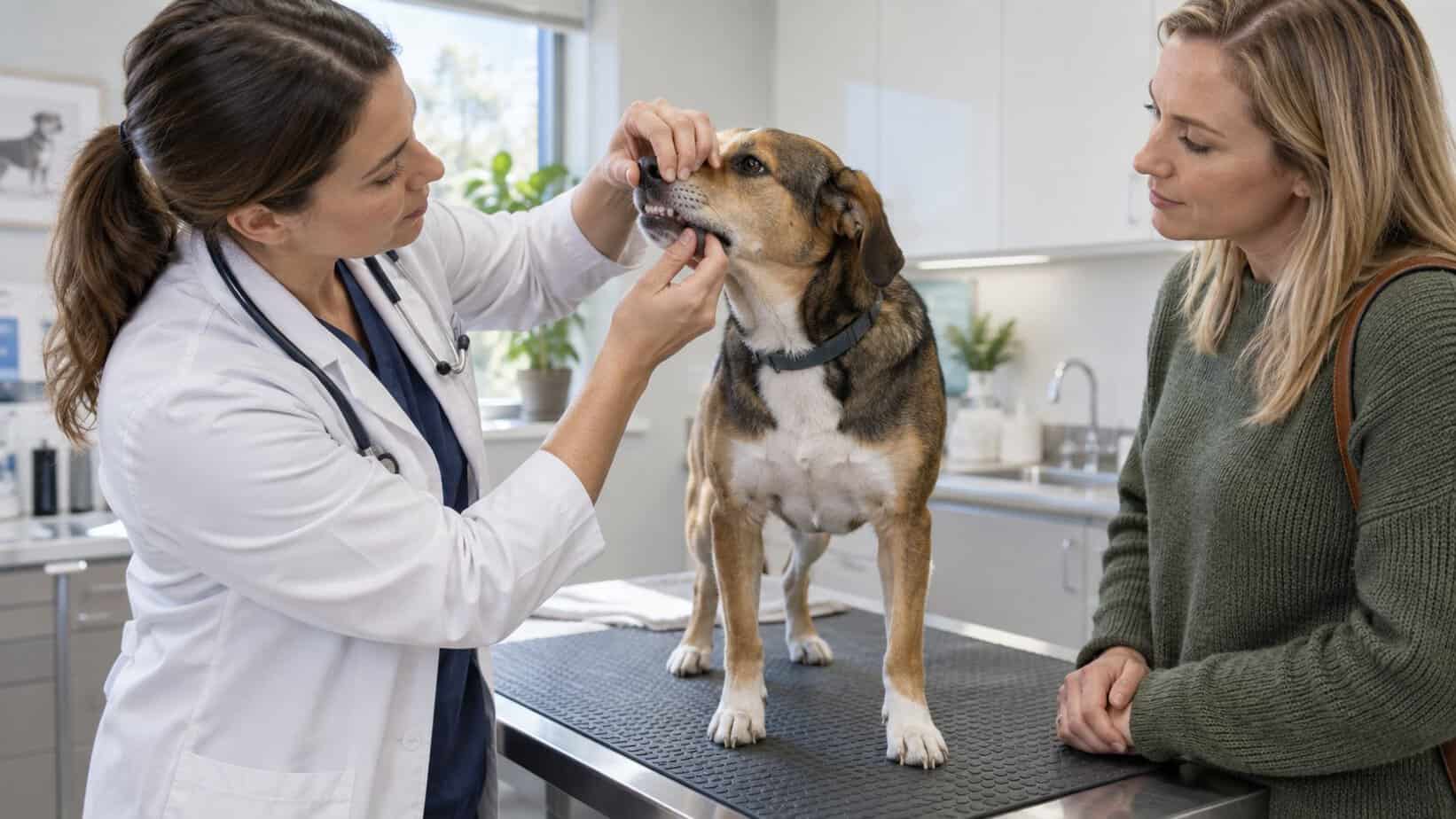
    Veterinarian checks a dog's gums and hydration while the owner watches

    Call your regular veterinarian the same day whenever you see blood in loose stool. Go to an urgent or emergency clinic if you notice any of these signs:

    • A large amount of blood, repeated bloody stool, or diarrhea that looks like raspberry jam
    • Black, sticky, or tarry stool
    • Repeated vomiting or an inability to keep water down
    • Weakness, collapse, shaking, confusion, or unusual sleepiness
    • A painful, tight, or swollen belly
    • Pale, white, gray, or tacky gums
    • Fast breathing or a racing heartbeat at rest
    • Little interest in water, very dry gums, or other signs of dehydration
    • Possible access to a toxin, medication, trash, bones, toys, string, or another foreign object
    • A puppy, unvaccinated dog, senior, very small dog, pregnant dog, or dog with a chronic disease

    Do not wait for a dog to “look sick enough” if the bleeding is heavy or the condition is changing quickly. Trust the part of you that knows your dog’s normal behavior.

    Bright Red Blood Versus Black, Tarry Stool

    Fresh red blood is called hematochezia. It usually comes from the lower digestive tract, often the colon or rectum. A few red streaks with mucus can happen when an irritated colon makes a dog strain and pass stool frequently. Stress, a sudden diet change, scavenging, or colitis may be involved.

    Black, shiny, tar-like stool is called melena. It can mean blood was digested after bleeding higher in the stomach or small intestine. Melena is not the same as a naturally dark stool. If you are unsure, take a clear photo in good light and call your veterinarian.

    Color gives us a clue, not a diagnosis. Bright red blood is not automatically harmless, and black stool is not the only emergency pattern. The amount of blood and the dog’s full condition matter more than color alone.

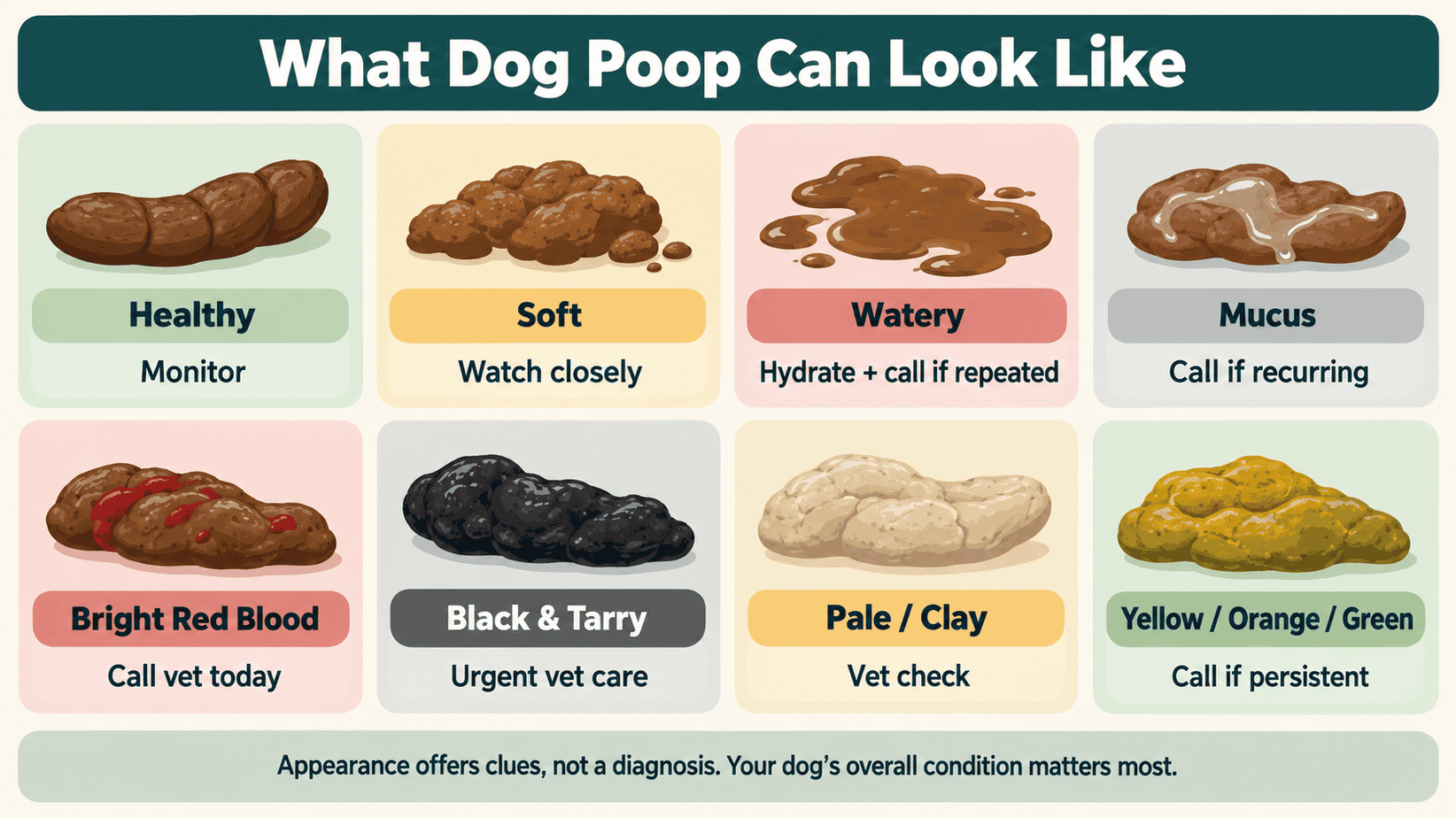
    What Dog Poop Can Look Like

    Stool appearance can offer clues, but it cannot identify the cause by itself. Use this chart to describe what you see when you call your veterinarian.

    Illustrated chart of eight dog stool appearances with guidance on when to monitor or call a veterinarian

    Take a clear photo in natural light when it is safe to do so. Color can be affected by food, treats, supplements, and lighting, so your dog’s overall condition remains the most important guide.

    What Can Cause Bloody Diarrhea?

    Bloody diarrhea is a symptom, not one disease. My holistic approach starts with the same question I ask about any recurring digestive problem: what is driving the irritation?

    Common possibilities include:

    • Eating spoiled food, garbage, fatty scraps, bones, or a nonfood object
    • A sudden change in food, treats, chews, or supplements
    • Stress colitis after boarding, travel, visitors, storms, or a major routine change
    • Intestinal parasites such as Giardia, hookworms, whipworms, roundworms, or coccidia
    • Viral or bacterial infection
    • Acute hemorrhagic diarrhea syndrome
    • Food sensitivity or ongoing intestinal inflammation
    • Pancreatitis
    • A toxin or an adverse response to medication
    • A foreign body or intestinal injury
    • A bleeding or clotting problem
    • Disease involving the liver, kidneys, adrenal glands, or other organs

    Parasites cannot be ruled out because you do not see worms. Giardia and several intestinal worms are diagnosed with fecal testing, and repeat or combined testing may be needed in some cases. [2]

    A puppy with bloody diarrhea and vomiting needs prompt testing for canine parvovirus, especially if vaccination is incomplete. Parvovirus is highly contagious and can cause severe dehydration, infection, and death without timely treatment. [3] Keep a possibly infected puppy away from other dogs while you arrange care.

    What to Do Right Now

    Call the clinic and describe exactly what you see. Tell them when the diarrhea began, how often it is happening, how much blood is present, whether the stool is bright red or black, and whether your dog is vomiting, eating, drinking, urinating, and acting normally.

    A short, accurate history can speed up the next step. Gather these details before you call:

    • Every food, treat, chew, supplement, and medication given during the past few days
    • Any sudden food change
    • Access to trash, compost, dead animals, standing water, plants, chemicals, or human medication
    • Recent boarding, travel, grooming, visitors, storms, or other stress
    • Vaccination and parasite-prevention history
    • The time and appearance of each diarrhea or vomiting episode

    Save a fresh stool sample in a clean sealed container if you can do so safely. A photo is helpful when a sample is not available. Wash your hands well after cleanup, and keep children and other animals away from the stool.

    Offer fresh water, but let your dog drink voluntarily. Do not squirt water into the back of the mouth. A weak, nauseated, or struggling dog can inhale liquid. A dog who cannot keep water down needs veterinary fluid support, not more liquid forced by mouth.

    Gentle Home Support for a Stable Dog

    Home care is appropriate only when your dog is bright, comfortable, drinking, and not repeatedly vomiting, and when your veterinarian agrees that careful monitoring is reasonable. Check your dog often. If the blood increases, diarrhea becomes frequent, vomiting starts, or your dog’s behavior changes, stop the home plan and seek care.

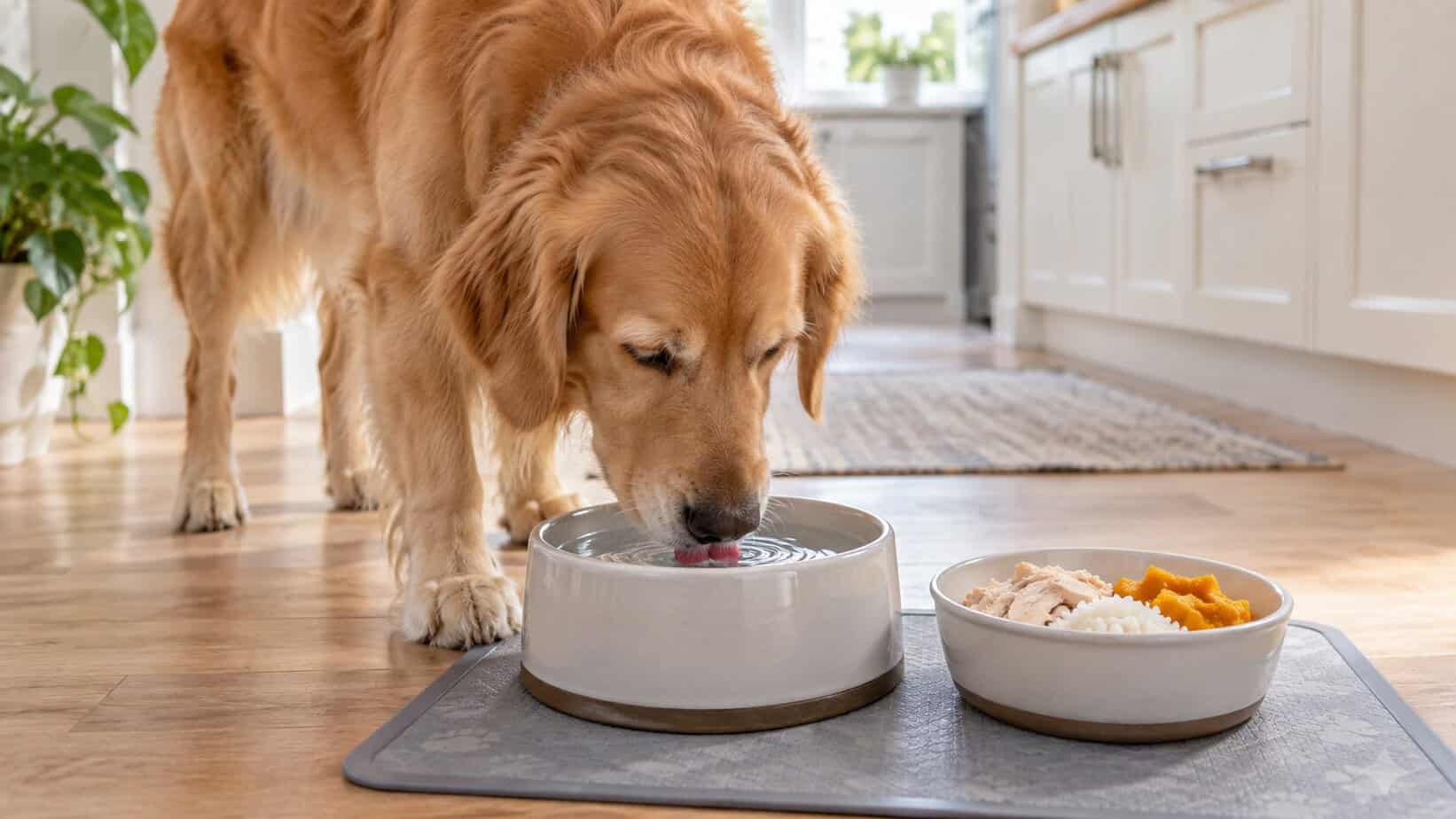
    Safe Hydration

    Fresh water should always be available. Some dogs drink more willingly when you replace the bowl often or offer a second bowl in a quiet place. Small, voluntary drinks are gentler on a queasy stomach than gulping a large amount at once.

    Low-sodium broth can make fluid more appealing, but read the label. It must not contain onion, garlic, chives, or heavy seasoning. Wet food may add moisture once your dog is ready to eat.

    Dog drinks fresh water beside a bowl of plain chicken, rice, and pumpkin

    Recommended Foods

    When your veterinarian says feeding is appropriate, choose a small amount of simple, low-fat food. My familiar short-term options include:

    • Plain boiled chicken with white rice
    • Plain canned pumpkin, not sweetened pie filling
    • Moist food with a simple ingredient list
    • Low-sodium, onion-free, garlic-free broth

    These foods are not a balanced long-term diet. They are gentle options for a short digestive reset while you watch your dog. I do not reach for a highly processed kibble or a prescription food by default. I prefer fresh, minimally processed ingredients selected for the individual dog.

    Some dogs do better with a different lean protein or a cooked vegetable such as sweet potato. Food allergies, pancreatitis, kidney disease, diabetes, and other conditions change what is safe. A puppy should not go through a long fast, and neither should a tiny dog or a dog with a condition affected by missed meals. When in doubt, ask for a feeding plan that fits your dog.

    As stool improves, move back toward the dog’s regular balanced food slowly. A sudden switch in either direction can restart diarrhea.

    Probiotics and Herbal Support

    Probiotics

    The gut is home to a large community of organisms that help with digestion, immune signaling, and the intestinal barrier. Diarrhea, stress, diet changes, and some medications can disturb that community. A dog-specific probiotic may support a healthier balance and firmer stool as the gut settles.

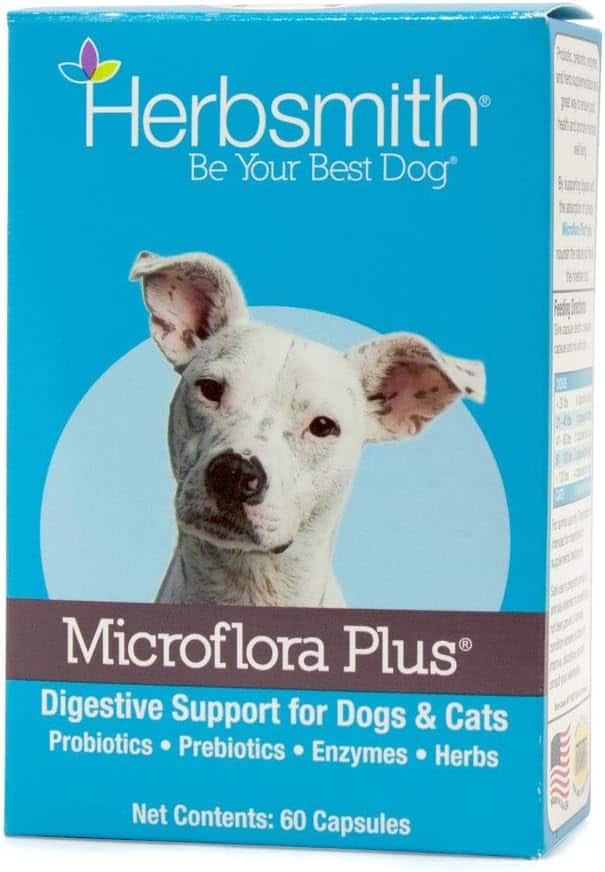
    I often use and rotate quality probiotics as part of digestive care. Product quality and strains vary, so the label matters.

    Herbsmith Microflora Plus probiotic and digestive enzyme supplement for dogs

    Herbsmith Microflora Plus

    A dog digestive supplement combining probiotics, prebiotics, digestive enzymes, and gut-soothing herbs.

    Do not mix several new products at once. You want to know what your dog tolerates and what is helping.

    A probiotic is supportive and can help your dog’s gut stabilize. It cannot remove a swallowed object, reverse a toxin, treat severe dehydration, or replace testing for parasites and infection. If your veterinarian has prescribed an antibiotic or medication, don’t give a probiotic in the same meal.

    Slippery Elm, Marshmallow Root, and Chamomile

    Three herbs I commonly consider for gentle digestive support are slippery elm, marshmallow root, and chamomile.

    • Slippery elm: Forms a soothing mucilage when mixed with liquid. I use it to support an irritated digestive lining.
    • Marshmallow root: Has a similar demulcent quality and can be useful when the tissues feel dry and inflamed.
    • Chamomile: May help soothe the gut and a tense dog when stress is part of the pattern.

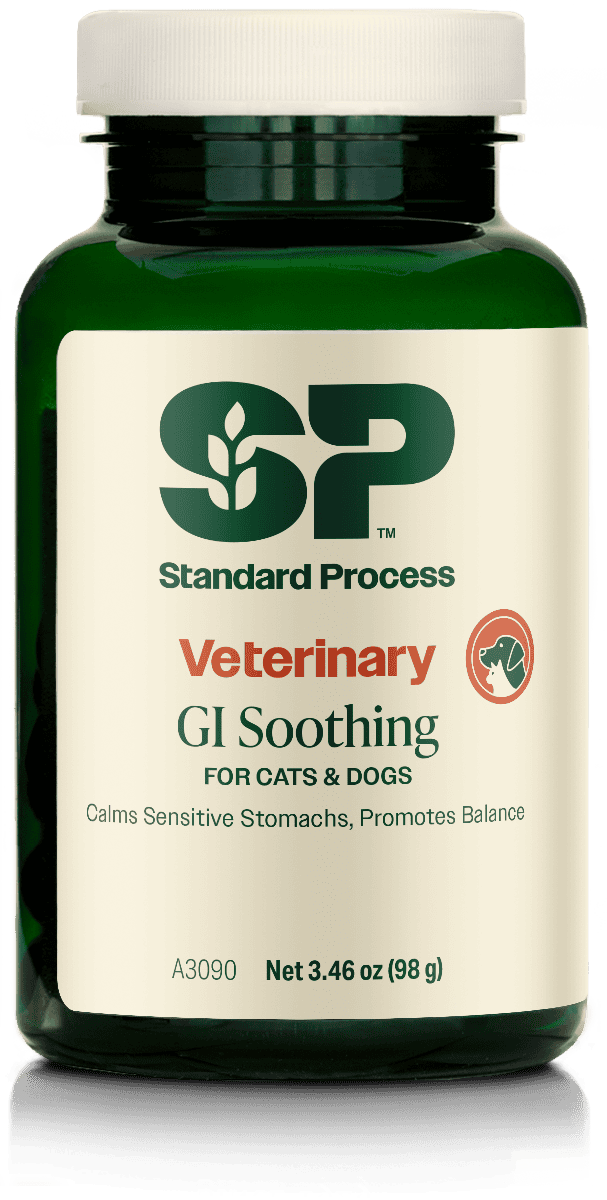
    When I want one formula that brings these digestive supports together, I recommend Standard Process Veterinary GI Soothing. It combines marshmallow root, slippery elm bark, and okra mucilage with probiotics and postbiotics to support digestive comfort and healthy bowel function.

    Standard Process Veterinary GI Soothing supplement bottle for dogs and cats

    Standard Process Veterinary GI Soothing

    A veterinary gut-health formula for dogs and cats with S. boulardii, Lactobacillus fermentate, marshmallow root, slippery elm, and okra.

    Herbs are active products. They can affect medication absorption, allergies, pregnancy, and some health conditions. Product concentration also varies. Use a veterinarian-guided amount for your dog instead of borrowing a human dose from the internet. Separate mucilaginous herbs from prescription medication administration.

    Homeopathy for Bloody Diarrhea

    Homeopathy is a part of my holistic toolkit but its effectiveness depends on knowing the pet in front of you. So I generally don’t give individualized advice online. Its guiding principle is “like cures like,” and the remedy is matched to the individual’s complete symptom picture. I do not select a remedy from the word diarrhea alone.

    I recommend that you consult with a homeopathic practitioner that is very experienced with veterinary cases. Here are four remedies I may consider:

    • Arsenicum album may fit a restless, anxious dog with foul diarrhea, frequent small stools, or digestive upset after questionable food. The dog may seek warmth and take small drinks.
    • Nux vomica may fit digestive upset after rich food, overeating, scavenging, stress, or medication exposure. Straining and irritability may be part of the picture.
    • Phosphorus may come to mind when blood is bright red and the dog is thirsty, sensitive, or seeking company. The pattern and the dog’s behavior guide the choice.
    • Mercurius solubilis may fit frequent urgent stools with mucus, straining, a strong odor, or a dog who seems uncomfortable before and after passing stool.

    These descriptions explain how I differentiate remedies. They are not a diagnosis and do not mean the remedy will stop bleeding. If your dog is weak, dehydrated, vomiting, painful, passing a lot of blood, or getting worse, the correct next step is urgent veterinary care.

    I also avoid stacking multiple homeopathic remedies without a clear reason. A clean symptom picture and close observation are more useful than giving every option at once.

    Dr. Candy’s Whole-Dog Plan

    A short episode may end once the irritant passes and the colon settles. However, repeated bloody diarrhea asks for a wider look. We need to find the underlying cause but we often don’t see the small details. If your pup is experiencing recurring bouts of bloody diarrhea I recommend getting a full consultation with a holistic veterinarian.

    I review the dog’s food, treats, water, stress, medications, parasite exposure, scavenging habits, and stool history. I want to know whether the pattern began after antibiotics, a boarding stay, a new bag of food, a rich chew, lawn chemicals, or a household change. Small details often point toward the next test or adjustment.

    For long-term gut health, I favor a fresh, balanced, minimally processed diet that agrees with the dog. I also pay attention to clean water, regular movement, restful sleep, stress reduction, and a healthy microbiome. These basics make the whole dog more resilient while we address the actual cause.

    Keep a simple log if episodes repeat. Record meals, treats, supplements, medications, stool quality, vomiting, appetite, energy, and unusual events. A pattern that feels invisible day to day may become clear on paper.

    Dr. Candy’s Pro-Tip

    I had a miniature Dachshund named Sully who would get stressed by big changes and develop bloody diarrhea a few times a year. It often happened when I had to travel and leave him with a pet sitter. Once I figured out the connection I was able to prepare for the changes and I would start probiotics and a bland diet before the big stressor.

    What Not to Give a Dog With Bloody Diarrhea

    Do not give Pepto-Bismol, Imodium, aspirin, ibuprofen, naproxen, or another human medication unless your veterinarian specifically directs it for this dog. Some products can be toxic, interact with other drugs, worsen bleeding, or hide signs that help with diagnosis.

    If a toxin or human medication may have been swallowed, call your veterinarian or a poison-control service right away. Do not induce vomiting unless a professional tells you to do it. The ASPCA maintains a current list of common people foods that are dangerous to pets and operates a 24-hour poison-control line. [4]

    Also avoid:

    • Forcing water, broth, food, or supplements into a weak or vomiting dog
    • Broth containing onion, garlic, chives, or heavy seasoning
    • Fatty meat, skin, grease, rich treats, and table scraps
    • Raw meat while the gut is irritated
    • Sudden food changes
    • Several new supplements started together
    • Leftover antibiotics

    The safest home plan is simple enough that you can see whether your dog is improving.

    Preventing Another Episode

    Not every case is preventable, but a few steady daily habits can lower several common risks and help protect your dog’s digestive system.

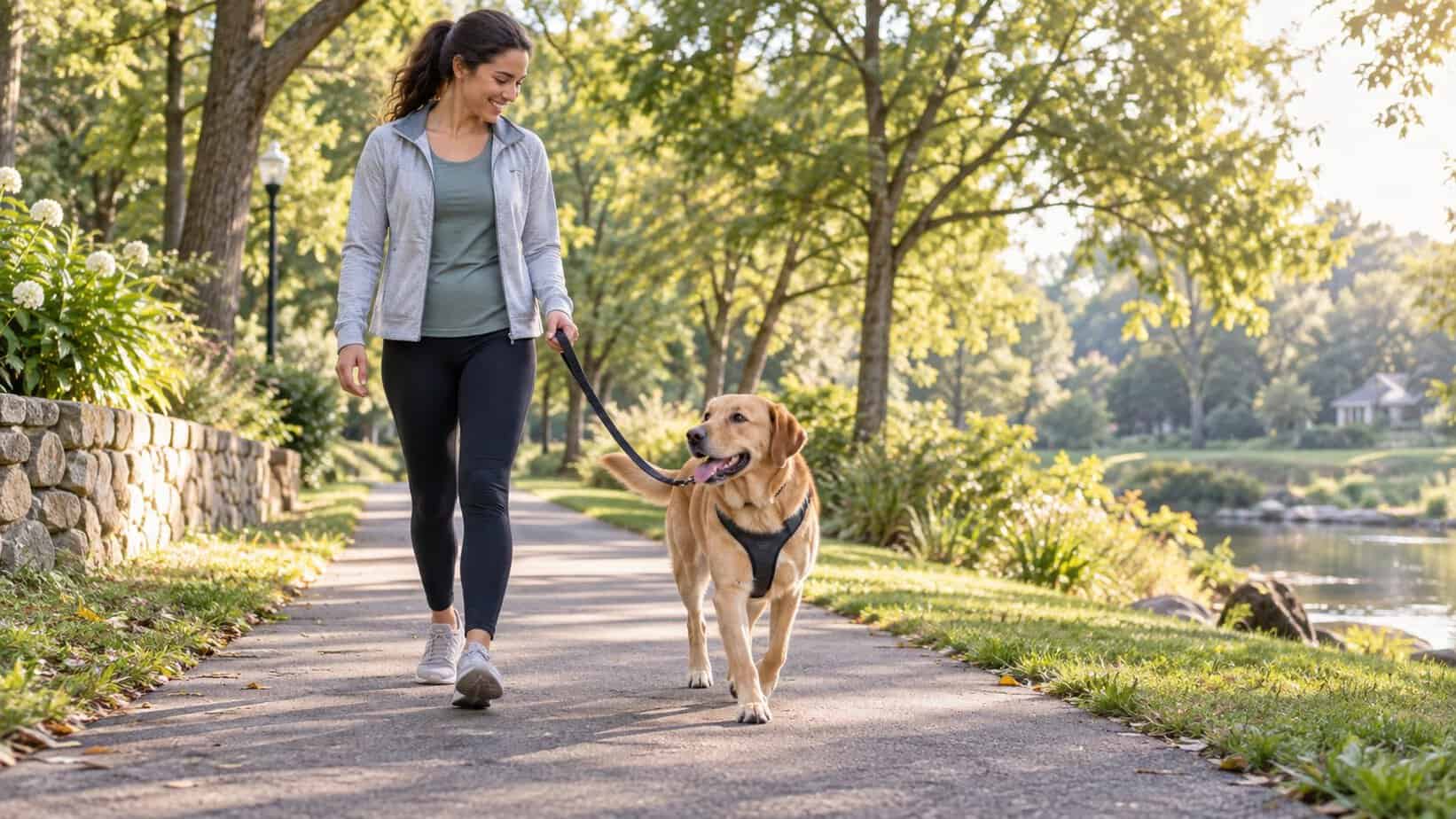
    Healthy dog takes a relaxed walk with its owner to support digestive health and stress reduction

    Keep trash, compost, medications, chemicals, and small objects safely out of reach. Make diet changes slowly, and stick with foods your dog already digests well. Try not to introduce too many new treats, chews, or extras all at once, even when they seem healthy. Keep parasite testing and prevention current for your dog’s location and lifestyle, and vaccinate puppies on the schedule your veterinarian recommends.

    Stress can be a very real trigger for colitis. If your dog is sensitive, plan ahead for boarding, travel, schedule changes, or busy household seasons. Keep routines steady when you can, and give your dog a quiet place to rest when life gets noisy. After an episode, ease back into normal exercise gradually instead of jumping right back in.

    Regular veterinary checks matter, especially when diarrhea keeps coming back. Recurring diarrhea can be an early clue that something deeper is going on in the digestive tract or elsewhere in the body. Bring your symptom log and a fresh stool sample if you can. Good notes help us move faster, avoid guesswork, and choose testing more thoughtfully.

    Final Thoughts

    Bloody diarrhea is one of those symptoms that calls for both calm and respect. Start with a veterinary call and a clear look at your dog’s condition. Heavy bleeding, black stool, vomiting, pain, weakness, dehydration, or a vulnerable dog moves this out of the home-care category.

    For a stable dog whose veterinarian supports home care, gentle food, hydration, probiotics, selected herbs, and carefully matched homeopathy can be valuable parts of a whole-dog plan. Watch closely, change one thing at a time, and let your dog’s response guide the next step.

    FAQs

    Can Bloody Diarrhea Resolve on Its Own?

    A mild episode caused by colon irritation may settle, but blood can also appear with an infection, parasites, toxins, a foreign body, or another serious problem. Call your veterinarian the same day and seek urgent care if bleeding is heavy or your dog has other symptoms.

    Why Is My Dog Pooping Blood but Acting Normal?

    A bright, active dog may have lower-colon irritation from stress, scavenging, or a diet change. Acting normal is reassuring, but it does not identify the cause or guarantee the problem will stay mild. Monitor closely and call your veterinarian for guidance.

    What Should I Feed My Dog With Bloody Diarrhea?

    When your veterinarian agrees that feeding at home is appropriate, offer a small amount of plain, low-fat food such as boiled chicken and white rice. Plain pumpkin may help, and plain yogurt or kefir may suit a dog who tolerates dairy. Avoid rich, fatty, seasoned, or unfamiliar foods.

    Can Pumpkin or Probiotics Help?

    Plain canned pumpkin can add soluble fiber, and a dog-specific probiotic may support the gut microbiome. Both are supportive options for the right stable dog. Neither one treats severe dehydration, bleeding from an ulcer, parvovirus, poisoning, a foreign body, or another urgent cause.

    What Does Black, Tarry Stool Mean?

    Black, sticky, tar-like stool may be melena, which can signal digested blood from higher in the digestive tract. It needs prompt veterinary assessment. Take a photo if you can, note any medications or possible toxin exposure, and call your veterinarian.

    References

    [1] Merck Veterinary Manual. (n.d.). Acute hemorrhagic diarrhea syndrome in small animals. https://www.merckvetmanual.com/digestive-system/diseases-of-the-stomach-and-intestines-in-small-animals/acute-hemorrhagic-diarrhea-syndrome-in-small-animals

    [2] Companion Animal Parasite Council. (n.d.). Giardia. https://capcvet.org/guidelines/giardia/

    [3] Cornell University College of Veterinary Medicine. (n.d.). Canine parvovirus. https://www.vet.cornell.edu/departments-centers-and-institutes/riney-canine-health-center/canine-health-information/canine-parvovirus

    [4] ASPCA. (n.d.). People foods to avoid feeding your pets. https://www.aspca.org/pet-care/animal-poison-control/people-foods-avoid-feeding-your-pets

    Dr. Candy Akers, DVM with her dog Reese

    ABOUT THE AUTHOR

    Dr. Candy Akers, DVM

    Dr. Candy Akers earned her Doctor of Veterinary Medicine degree from Oklahoma State University in 2009 after completing undergraduate studies at the University of Delaware. Her experience includes companion-animal nutrition, chronic disease, allergies, autoimmune conditions, cold laser therapy, wildlife rehabilitation, and emergency wildlife response. She combines conventional veterinary knowledge with a whole-animal perspective to help pet parents understand their options and recognize when individualized veterinary care is needed.

  • Puppy Has Soft Stool but Seems Fine? What to Watch

    Puppy Has Soft Stool but Seems Fine? What to Watch

    If your puppy has one or two soft stools but is still playful, eating, drinking, and comfortable, a minor diet or stress-related upset is possible. For the next 12 to 24 hours, keep fresh water available, feed the usual puppy food in measured meals, and stop table scraps, new treats, rich chews, and sudden food changes. Do not fast a growing puppy.

    Puppies can dehydrate and become ill faster than adult dogs, so watch closely. Call your veterinarian the same day if the stool becomes watery or keeps recurring, your puppy is very young or not fully vaccinated, or the soft stool lasts more than 24 hours. Seek urgent care for repeated vomiting, weakness, marked sleepiness, belly pain or swelling, refusal to eat or drink, pale or sticky gums, a suspected toxin or swallowed object, a large amount of red blood, or black, tarry stool.

    Soft Stool Versus Diarrhea

    Soft stool still has some shape. You can usually pick it up, although it may flatten or leave a smear. Diarrhea is unformed or watery and often comes with increased frequency, urgency, or straining.

    Puppy stool consistency: visual guide

    Photographic-style reference images

    Photographic-style example of firm, formed puppy stool that holds its shape
    Formed

    Keeps its shape and is usually easy to pick up.

    Photographic-style example of soft puppy stool that partly holds its shape and leaves a smear
    Soft but formed

    Still has some shape. It may flatten or leave a smear.

    Photographic-style example of loose, watery puppy stool that does not hold a shape
    Unformed or watery

    Does not hold a shape and may come with urgency or more frequent trips.

    That difference helps with triage, but it does not tell us the cause by itself. A bright puppy with one soft, formed stool is a different situation from a puppy passing liquid stool every hour. Color and coating also matter. A small streak of bright red blood can come from lower bowel irritation, while black, tarry stool can indicate bleeding higher in the digestive tract and needs prompt veterinary attention [1].

    I also pay attention to the whole puppy, not only the poop. Appetite, water intake, energy, comfort, vomiting, urination, and hydration tell us whether the digestive tract is having a small wobble or the puppy may be getting sick.

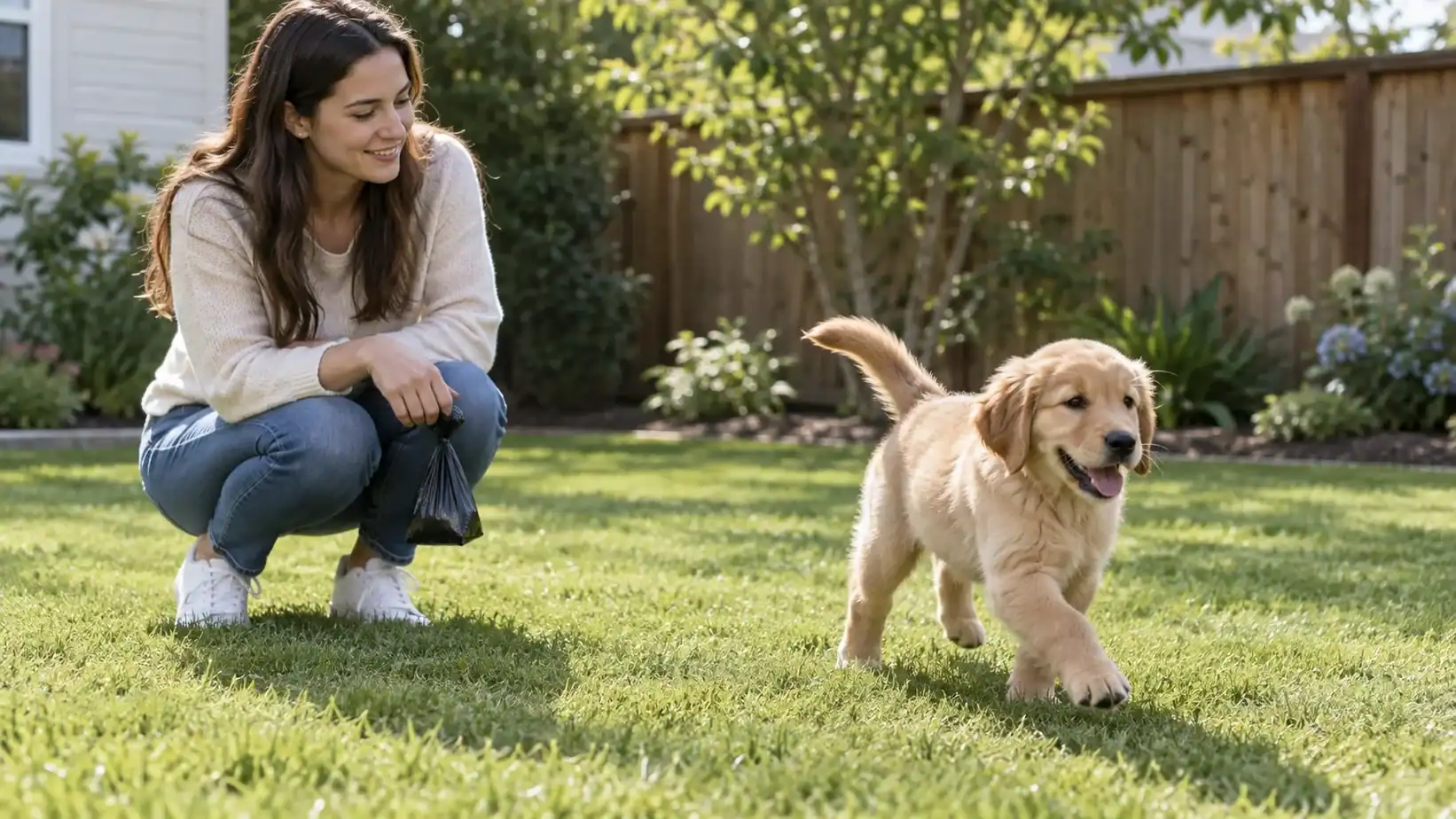
    Owner watches a playful puppy in the backyard while holding a waste bag

    Common Reasons a Puppy Has Soft Stool but Acts Normal

    Sudden Food Changes

    A fast switch from one puppy food to another is a common trigger. The ingredients, fat level, fiber, and how the food is processed may all change at once. The intestinal microbes that help digest food need time to adapt.

    If the stool softened during a food transition, return to the last ratio your puppy tolerated and call your veterinarian for a transition plan. When your puppy is well, many food changes are made gradually over about a week or longer. Sensitive puppies may need more time.

    Overfeeding, Treats, and Table Scraps

    Puppies need enough calories to grow, but more is not always better. Oversized meals, too many training treats, rich chews, fatty scraps, and access to another pet’s bowl can all soften stool. Tiny extras add up quickly in a small puppy.

    Measure meals rather than filling the bowl by eye. Count treats as part of the daily food allowance, and keep a note of anything unusual your puppy ate. If several family members train the puppy, use one daily treat container so nobody accidentally doubles the snack budget.

    Stress and Excitement

    Moving to a new home, crate training, travel, daycare, visitors, a noisy night, or a big change in routine can affect the gut. A puppy may remain cheerful while passing softer stool for a short time.

    Predictable meals, sleep, bathroom breaks, and quiet time support the nervous system and the digestive tract together. This is one place where a holistic view is especially useful. Food, stress, rest, and environment all influence the same puppy.

    Parasites

    Roundworms, hookworms, coccidia, and Giardia are common considerations in puppies. Some infected puppies still look and act normal, so energy alone cannot rule parasites out. The Companion Animal Parasite Council recommends frequent fecal examinations during a dog’s first year because young animals are more susceptible [2].

    A routine deworming product does not cover every parasite, and a single fecal test may not identify every infection. Giardia can be shed intermittently, and veterinarians may combine testing methods or repeat a test when suspicion remains [3]. Do not give a natural or over-the-counter dewormer based only on soft stool. The right treatment depends on the organism, the puppy’s weight, and the product.

    Infections

    Viral and bacterial infections can begin with digestive changes before a puppy looks dramatically ill. Parvovirus is a special concern in young or incompletely vaccinated puppies. Cornell lists lethargy, decreased appetite, vomiting, diarrhea, weakness, belly pain, fever, and dehydration among the signs, and the illness can progress quickly [4].

    Soft stool by itself does not mean parvovirus. Still, call your veterinarian promptly if your puppy is not fully vaccinated, recently came from a shelter, breeder, transport, kennel, or pet store, or has had contact with sick dogs or contaminated areas.

    Eating Something That Is Not Food

    Puppies use their mouths like little vacuum cleaners. Trash, compost, plants, medication, cleaners, string, socks, toy pieces, and other objects can cause irritation, poisoning, or an intestinal blockage.

    Do not wait for severe diarrhea if you know or strongly suspect your puppy swallowed something dangerous. Contact your veterinarian, an emergency clinic, or an animal poison service right away. Do not induce vomiting unless a veterinary professional specifically tells you to do so.

    What to Do During the First 12 to 24 Hours

    Keep the Diet Steady

    If your puppy is bright, comfortable, and having only mildly soft stool, feed the usual complete and balanced puppy food in small, measured meals. Avoid fasting. Young puppies have limited energy reserves, and toy-breed puppies can be especially vulnerable when meals are skipped.

    Pause new treats, table scraps, fatty chews, dairy, and unfamiliar supplements. Resist the urge to switch foods repeatedly. Too many changes make it harder to know what helped and can create more digestive upset.

    If your veterinarian has already made a diet plan for this puppy, follow that plan. A homemade chicken-and-rice diet is not nutritionally complete for growth and is not the right choice for every puppy, so ask before using it.

    Support Hydration

    Keep clean, fresh water available. You can add a little warm water to the puppy’s regular food if that encourages normal fluid intake and your veterinarian has not restricted water for another reason.

    Watch the water bowl rather than guessing. Also note urination. A puppy who stops drinking, cannot keep water down, urinates much less, or develops dry or sticky gums needs veterinary advice promptly. Do not force water by syringe because aspiration can occur.

    Track the Pattern

    Write down the time, consistency, color, and frequency of each bowel movement. Note mucus, blood, worms, foreign material, vomiting, appetite, water intake, energy, and any recent changes in food, treats, medication, routine, travel, or exposure to other dogs.

    Take a clear photo if the stool changes. If your veterinarian wants an appointment, bring a fresh stool sample in a clean, sealed container. The clinic can tell you how to store it and how fresh it needs to be.

    Puppy beside fresh water and a measured bowl of its usual food

    Use Gut Support Carefully

    The gut microbiome, dietary fiber, hydration, and stress response all affect stool quality. That makes gentle gut support appealing, but more is not automatically better for a growing puppy.

    Plain canned pumpkin, a canine probiotic, or another fiber source may help some puppies, yet the correct choice and amount depend on body size, current diet, and the cause of the soft stool. Probiotic effects are also product and strain specific. One randomized trial in dogs with acute diarrhea found no statistically significant difference in time to acceptable stool among a probiotic, metronidazole, and placebo group [5]. Ask your veterinarian before adding a supplement, especially for a very young puppy or one with repeated diarrhea.

    Skip Human Medicines

    Do not give bismuth, loperamide, leftover antibiotics, pain relievers, or other human medications unless your veterinarian directs you. Some are unsafe for certain dogs, can interact with other drugs, or can hide signs your veterinarian needs to see. Antibiotics are not a routine home treatment for soft stool and may further disturb the intestinal microbiome.

    When to Call the Veterinarian

    Call the Same Day If

    • Your puppy has repeated soft or watery stools.
    • Soft stool continues for more than 24 hours.
    • Your puppy is under about four months old, very small, or not fully vaccinated.
    • You see mucus repeatedly, a small amount of fresh blood, worms, or persistent straining.
    • Appetite, thirst, urination, or energy is starting to change.
    • Your puppy recently started a medication or may have eaten spoiled food.
    • The problem keeps returning even though your puppy seems fine between episodes.

    Seek Urgent or Emergency Care If

    • There is a large amount of red blood or the stool is black and tarry.
    • Vomiting is repeated or your puppy cannot keep water down.
    • Your puppy is weak, collapses, seems unusually sleepy, or has pale gums.
    • The belly looks swollen, feels painful, or your puppy repeatedly tries to vomit without producing anything.
    • Your puppy refuses food or water, urinates much less, or shows signs of dehydration.
    • You suspect a toxin, medication exposure, or swallowed object.
    • Diarrhea is frequent and watery, especially in a young or incompletely vaccinated puppy.

    Puppies do not read the textbook, and they can change quickly. If your instincts say something is wrong, call. A quick conversation with the veterinary team is far better than losing valuable time.

    What Your Veterinarian May Check

    Your veterinarian will consider age, vaccination history, parasite prevention, diet, exposure, and the full pattern of symptoms. The physical exam may include hydration, temperature, gum color, abdominal comfort, and body weight.

    A fecal examination may look for worms and protozoa. Depending on the puppy’s history and signs, the veterinarian may recommend Giardia antigen or PCR testing, a parvovirus test, bloodwork, or imaging. Testing is not overkill in a puppy with persistent stool changes. It helps separate a simple food issue from a problem that needs specific treatment.

    If the first fecal test is negative but soft stool continues, ask whether repeat or combined testing is appropriate. Parasite shedding can vary, and the best test depends on what the veterinarian suspects.

    Veterinarian gently examines a puppy while its owner supports it on a nonslip table

    How to Help Prevent Soft Stool

    Make Food Changes Gradually

    Use a measured transition instead of changing the whole bowl overnight. If stool softens, pause at the last tolerated step and get veterinary guidance before moving forward. Keep the puppy on a complete and balanced growth diet unless your veterinarian recommends something different.

    Keep Meals and Treats Consistent

    Feed measured portions on a predictable schedule. Use some of the puppy’s regular food for training, or count training treats toward the day’s total. Limit table scraps and keep trash, compost, cat food, and other pets’ bowls out of reach.

    Follow a Veterinary Parasite Plan

    Ask about fecal testing, prevention, and deworming based on your puppy’s age and exposure. Pick up stool promptly from the yard, wash food and water bowls, and discourage drinking from puddles or shared outdoor containers. These steps support your puppy and reduce environmental contamination.

    Protect Sleep and Routine

    Growing puppies need a surprising amount of sleep. A steady rhythm of meals, potty breaks, play, training, and rest can reduce stress-related digestive changes. Introduce daycare, travel, and busy social events gradually when possible.

    Think in Patterns, Not One Poop

    One soft stool after a busy day may be a small blip. Repeated soft stool, poor growth, weight loss, a dull coat, ongoing gas, or recurring mucus deserves a veterinary workup even if your puppy is playful. Chronic stool problems are not something a puppy should simply outgrow without an explanation.

    Final Thoughts

    When a puppy has soft stool but seems fine, start with calm observation and simple consistency. Keep water available, feed measured portions of the usual puppy diet, remove extras, and track what happens over the next 12 to 24 hours.

    The reassuring signs are normal play, appetite, drinking, urination, and comfort. The concerning signs are watery or frequent diarrhea, vomiting, blood, black stool, pain, weakness, dehydration, appetite loss, or a puppy who is very young or not fully vaccinated. When those appear, or the stool does not improve within a day, call your veterinarian.

    Frequently Asked Questions

    What Can I Give My Puppy to Firm Up Stool?

    Start with the safest basics: measured meals of the usual complete puppy food, no table scraps or new treats, and free access to water. Ask your veterinarian before adding pumpkin, fiber, probiotics, or a bland diet because amounts and products vary with the puppy’s size, diet, and cause of the stool change. Do not give human anti-diarrheal medicine without veterinary direction.

    Is Soft but Formed Puppy Poop Normal?

    An occasional soft but formed stool can happen after excitement, a new treat, overfeeding, or a food transition. It should not become the daily pattern. If it recurs, lasts more than 24 hours, or comes with another symptom, call your veterinarian and consider bringing a stool sample.

    When Should I Worry About Puppy Diarrhea?

    Call the same day for repeated or watery diarrhea, a very young or incompletely vaccinated puppy, or symptoms lasting more than 24 hours. Seek urgent care for repeated vomiting, marked lethargy, weakness, belly pain or swelling, refusal to eat or drink, dehydration, a large amount of blood, black stool, or possible toxin or foreign-object exposure.

    Why Does My Puppy Have Soft Stool but Still Eat and Play?

    Mild diet upset, overfeeding, treats, stress, and some parasite infections may affect stool before they affect appetite or energy. Acting normal is reassuring, but it cannot rule out parasites or an early infection. Watch the whole pattern and contact your veterinarian if stools worsen, repeat, or fail to improve within a day.

    Should I Fast a Puppy With Soft Stool?

    No. Do not fast a growing puppy unless a veterinarian gives specific instructions. Feed small, measured meals of the puppy’s usual complete diet and stop rich extras. Very young and toy-breed puppies can have limited energy reserves, so skipped meals may create a separate problem.

    References

    [1] Merck Veterinary Manual. (n.d.). Introduction to digestive disorders of dogs. https://www.merckvetmanual.com/dog-owners/digestive-disorders-of-dogs/introduction-to-digestive-disorders-of-dogs

    [2] Companion Animal Parasite Council. (2025, April 24). General guidelines for dogs and cats. https://capcvet.org/guidelines/general-guidelines/

    [3] Companion Animal Parasite Council. (2026, August 3). Giardia. https://capcvet.org/guidelines/giardia/

    [4] Cornell University College of Veterinary Medicine. (n.d.). Parvovirus: Transmission to treatment. https://www.vet.cornell.edu/departments-centers-and-institutes/riney-canine-health-center/canine-health-topics/parvovirus-transmission-treatment

    [5] Shmalberg, J., Montalbano, C., Morelli, G., & Buckley, G. J. (2019). A randomized double blinded placebo-controlled clinical trial of a probiotic or metronidazole for acute canine diarrhea. Frontiers in Veterinary Science, 6, 163. https://doi.org/10.3389/fvets.2019.00163

    A note about your dog’s health: This article is educational and is not a diagnosis or a substitute for care from your veterinarian. Puppies can worsen quickly, so contact your veterinary team when symptoms are severe, persistent, or simply do not feel right.

    Dr. Candy Akers, DVM Avatar

    ABOUT THE AUTHOR

  • Dog Has Diarrhea With Blood But Acts Fine- What To Do By A Vet

    Dog Has Diarrhea With Blood But Acts Fine- What To Do By A Vet

    As a holistic veterinarian, I understand that seeing your beloved pooch suffer from diarrhea with blood can be distressing. Especially when they’re acting as if nothing’s wrong, it can leave you feeling confused and worried. Dog has diarrhea with blood but acts fine – sounds familiar? If so, you’re not alone. Many dog parents have shared similar concerns with me over the years. But remember, our furry friends are masters of disguise when it comes to hiding discomfort or illness. So, let’s unravel this mystery together and help you better understand what’s going on with your four-legged friend. We’ll talk about potential causes, symptoms, when to seek veterinary help, and how to care for your dog at home. Because knowledge is power, my friend, and it’s the first step towards ensuring your dog’s health and happiness.

    dog bloody diarrhea

    Signs and Symptoms of Bloody Diarrhea in Dogs

    As a holistic vet, I know how alarming it can be when your beloved pet has bloody diarrhea yet acts as if everything is perfectly fine. However, it’s crucial to understand the signs and symptoms to help your furry friend get the right treatment promptly.

    Physical Symptoms of Diarrhea in Dogs

    When your dog has diarrhea with blood but acts fine, there are some physical signs you should watch out for. These include:

    • Bloody or mucus-filled stools
    • Increased frequency of defecation
    • Straining during bowel movements
    • Changes in stool consistency, such as watery or loose stools
    • Unusual stool color, such as black, tarry stools which could indicate bleeding in the upper digestive tract

    Remember, while your dog may seem okay, these symptoms should not be ignored. They could indicate serious conditions like gastrointestinal infections, parasites, or even cancer.

    Behavioral Signs in Dogs with Diarrhea

    Even if your dog appears to be behaving normally, there might be subtle behavioral changes that you could miss if you’re not paying close attention. These could include:

    • Increased water consumption due to dehydration caused by diarrhea
    • Decreased appetite or refusal to eat
    • Signs of discomfort or restlessness

    It’s important to note that dogs are very good at hiding discomfort or pain. So, even if your dog is acting fine, these symptoms may indicate that they are not feeling their best.

    Understanding these signs and symptoms of bloody diarrhea are essential for your dog’s health. It’s always better to err on the side of caution and consult with your vet if you notice any of these symptoms. Remember, early detection and treatment can significantly improve your dog’s prognosis and quality of life.

    So, even if your dog has diarrhea with blood but acts fine, don’t ignore the signs. Your dog might be acting brave, but they are relying on you to notice when something is wrong and take action.

    Why Your Dog Acts Fine Despite Having Bloody Diarrhea

    As a vet, I often get asked, “My dog has diarrhea with blood but acts fine, why is that?” It’s a common question, and understandably concerning for many pet parents. Let’s delve into why this might be happening.

    Dogs’ Pain Tolerance and Behavior

    It’s important to remember that dogs are remarkably resilient creatures. They often have a high pain tolerance and their instinct is to hide their discomfort. This is a survival trait inherited from their wild ancestors, who needed to appear strong to avoid becoming prey. So, even if your dog has diarrhea with blood but acts fine, it doesn’t necessarily mean they aren’t experiencing discomfort.

    Possible Reasons for Normal Behavior

    There are several possible reasons why your dog might be acting normal despite having bloody diarrhea:

    • Minor gastrointestinal upset: Sometimes, a minor upset in the digestive system can cause bloody diarrhea, but it’s not enough to change your dog’s behavior. This could be due to eating something they shouldn’t have, or a slight change in their diet.
    • Early stages of a disease: In the early stages of certain diseases, the only visible symptom might be bloody diarrhea. Your dog might not show any other signs of illness because they aren’t feeling unwell yet.
    • High pain tolerance: As mentioned earlier, dogs can often tolerate discomfort well, so they might not show any changes in behavior even when they’re not feeling their best.

    It’s crucial to remember that while your dog has diarrhea with blood but acts fine, it doesn’t mean there isn’t a problem. Diarrhea, especially with blood, is not normal and should always be checked out by a vet. Early detection and treatment can make a significant difference in your pet’s health and wellbeing.

    When to Seek Veterinary Help for Dog Diarrhea with Blood

    Emergency Signs in Dogs with Bloody Diarrhea

    If your dog has diarrhea with blood but acts fine, it’s still crucial to keep an eye out for any emergency signs. While your furry friend may seem okay, there are still serious internal issues that need immediate attention. These include:

    • Passing large amounts of blood in the stool
    • Black, tarry stools (indicating digested blood)
    • Signs of severe pain such as whimpering, restlessness, or loss of appetite
    • Other symptoms like vomiting, lethargy, or sudden weight loss
    • Increased thirst and urination, which could indicate a systemic issue like kidney disease

    These symptoms may indicate serious conditions such as gastrointestinal ulcers, hemorrhagic gastroenteritis, or even cancer. Therefore, if your dog shows any of these signs, seek veterinary help immediately.

    Importance of Timely Veterinary Consultation

    Even if your dog seems to be acting normal, bloody diarrhea is not a symptom to ignore. It’s always safer to consult with a veterinary professional as soon as you notice any blood in your dog’s stool. Timely veterinary intervention can make a significant difference in your dog’s health and recovery.

    A prompt veterinary consultation can:

    • Help identify the underlying cause of the bloody diarrhea
    • Prevent the condition from getting worse
    • Ensure your dog gets the right treatment promptly
    • Lessen the risk of your dog developing severe health complications

    Remember, your dog can’t tell you when something is wrong. So, it’s up to you to notice the signs and seek professional help when needed. Even if your dog seems fine, it’s better to err on the side of caution when it comes to their health.

    Never hesitate to contact your vet if your dog has diarrhea with blood, even if they seem to be acting just fine. Your quick response could potentially save your dog’s life.

    Diagnostic Tests for Dogs with Bloody Diarrhea

    If your dog has diarrhea with blood but acts fine, it’s essential to get a proper diagnosis from a vet. Here are some common diagnostic procedures your vet may use to determine the cause of your dog’s bloody diarrhea.

    Common Diagnostic Procedures for Dog Diarrhea

    • Fecal Examination: This test involves analyzing a sample of your dog’s stool under a microscope. The vet will look for signs of parasites, bacteria, or other pathogens that could be causing the bloody diarrhea.
    • Blood Tests: Blood tests can help the vet rule out systemic diseases or infections that might be causing your dog’s symptoms.
    • Ultrasound or X-rays: These imaging tests can help the vet see if there are any abnormalities in your dog’s digestive tract, such as tumors or obstructions.
    • Endoscopy: In some cases, the vet may need to use an endoscope (a thin, flexible tube with a camera on the end) to get a closer look at your dog’s digestive tract.

    Remember, only a trained vet can accurately diagnose the cause of your dog’s bloody diarrhea. If your dog is acting fine but has bloody diarrhea, it’s still important to seek veterinary care as soon as possible.

    Understanding the Results of Dog Diarrhea Tests

    Once the vet has conducted the necessary tests, they will explain the results to you. Depending on the cause of your dog’s bloody diarrhea, the vet may recommend different treatment options.

    If your dog’s bloody diarrhea is caused by a parasite or bacterial infection, the vet may prescribe a course of antibiotics or anti-parasitic medication. If the cause is a dietary issue, they may recommend changes to your dog’s food or feeding schedule. In more serious cases, such as if a tumor or obstruction is found, the vet may recommend surgery or other treatments.

    It’s important to remember that even if your dog acts fine, bloody diarrhea can be a sign of a serious health issue. Therefore, it’s crucial to take your dog to the vet if they’re experiencing this symptom, even if they seem otherwise normal.

    Understanding the results of your dog’s diagnostic tests can provide valuable insight into their health and help guide the best course of treatment. Always follow your vet’s advice and don’t hesitate to ask questions if you’re unsure about anything.

    Treatment Options for Dogs with Bloody Diarrhea

    Dealing with a dog that has diarrhea with blood but acts fine can be quite distressing. However, it’s essential to know that numerous treatment options can help manage this condition and restore your furry friend’s health. Let’s look at some of the common treatments, including medications and dietary changes.

    Medications for Dog Diarrhea

    Depending on the underlying cause of the bloody diarrhea, your vet might prescribe certain medications to help treat your dog. These could include:

    • Antibiotics: If bacterial infection is the cause of bloody diarrhea, antibiotics will be prescribed to fight the infection.
    • Antiparasitic drugs: Parasites like giardia or worms can cause bloody stools. In such cases, antiparasitic medications will be necessary.
    • Anti-inflammatory drugs: These can help if your dog’s bloody diarrhea is due to inflammation of the gastrointestinal tract.
    • Probiotics: These can help restore the balance of good bacteria in your dog’s gut, improving digestion and stool quality.

    Dietary Changes for Dogs with Diarrhea

    Alongside medication, dietary changes can be significantly beneficial in managing your dog’s condition. Here are some tips:

    • Switch to a bland diet: A diet of boiled chicken and rice can be gentle on your dog’s stomach and help firm up stools.
    • Include fiber-rich foods: Foods like pumpkin and sweet potatoes can add bulk to your dog’s stool, reducing diarrhea.
    • Hydrate: Make sure your dog has access to fresh water at all times. Diarrhea can lead to dehydration, and it’s crucial to replenish lost fluids.
    • Gradual diet transition: If you need to change your dog’s regular diet, do it gradually to prevent further digestive upset.

    Remember, while your dog may act fine, bloody diarrhea is a serious symptom that requires veterinary attention. Always consult with your vet before starting any treatment regimen or making significant changes to your dog’s diet.

    Home Care for Dogs with Bloody Diarrhea

    As a dog parent, it’s worrying when your dog has diarrhea with blood but acts fine. It’s essential to know how to care for your furry friend during this time and how to prevent dehydration, a common risk associated with diarrhea.

    How to Care for a Dog with Diarrhea at Home

    When your dog is experiencing bloody diarrhea, but otherwise seems fine, there are a few steps you can take to ensure they remain comfortable:

    • Provide a Clean Environment: Cleanliness is crucial. Regularly clean your dog’s bedding and the areas they frequent to prevent bacteria spread.
    • Regular Toilet Breaks: Dogs with diarrhea may need to go more often than usual. Ensure they have easy access to a garden or take them on more frequent walks.
    • Monitor Food Intake: If your vet hasn’t prescribed a specific diet, feed your dog bland, easily digestible foods like boiled chicken and rice.
    • Keep Them Hydrated: Ensure your dog has constant access to clean, fresh water to prevent dehydration.

    Preventing Dehydration in Dogs with Diarrhea

    Dehydration is a serious risk when your dog has diarrhea. Here’s how to keep your dog hydrated:

    • Encourage Drinking: Always have fresh water available and encourage your dog to drink regularly. You can also offer them ice cubes to lick if they refuse to drink.
    • Offer Hydrating Foods: Foods high in water content, like cucumbers or watermelon (without seeds), can also help keep your dog hydrated.
    • Look for Signs of Dehydration: Monitor your dog for signs of dehydration, such as dry gums, excessive panting, or lethargy. If you notice any of these symptoms, contact your vet immediately.

    Remember, while home care can help manage symptoms, it’s crucial to seek veterinary consultation to address the root cause of bloody diarrhea in your dog. Keep a close eye on your pet’s behavior and symptoms, and consult a vet if you notice any changes or if the condition persists.

    Preventing Bloody Diarrhea in Dogs

    Regular Check-ups and Vaccinations

    Keeping your dog’s health in check is crucial, and one of the ways to achieve this is through regular vet check-ups. These visits allow your vet to monitor your dog’s overall health and possibly detect any underlying issues early. It’s during these visits that your dog gets vaccinated against certain diseases that could lead to bloody diarrhea. Diseases like parvovirus, distemper, and coronavirus can cause severe diarrhea with blood, but they can be prevented with proper vaccinations. Remember, a dog has diarrhea with blood but acts fine doesn’t mean there’s no underlying problem. It’s always better to prevent than to treat.

    Proper Diet and Exercise for Dogs

    A healthy diet and regular exercise play a significant role in preventing bloody diarrhea in dogs. Feeding your dog a balanced diet that’s rich in fiber can help maintain a healthy digestive system, reducing the chances of diarrhea. Avoid feeding your dog with leftovers or foods that are not designed for dogs. These can upset their stomach and potentially lead to diarrhea.

    • Fiber-rich foods: These help in maintaining a healthy digestive system and solid stools. Foods like pumpkin, sweet potatoes, and certain dog foods designed for digestive health can be beneficial.
    • Regular exercise: Physical activities help stimulate the digestive system, reducing the chances of constipation or diarrhea. Regular walks, playtime, and other forms of exercise are essential.

    Remember, every dog is unique, and what works for one might not work for another. Always consult with your vet before making significant changes to your dog’s diet or exercise routine.

    So, there you have it. Even though your dog might seem fine, bloody diarrhea is not something to ignore. Always seek veterinary advice when you notice such symptoms. However, the best course of action is prevention, through regular check-ups, proper vaccinations, a balanced diet, and regular exercise. This way, you’re less likely to utter the words “dog has diarrhea with blood but acts fine” and more likely to enjoy a healthy, happy life with your furry friend. Remember, our pets depend on us to keep them healthy and safe. Let’s do our best to ensure they live the best life possible.

    Frequently Asked Questions

    1. What could be causing my dog to have diarrhea with blood?

    There are several potential causes for a dog to have diarrhea with blood. Some common causes include dietary indiscretion, parasites, infections, food allergies, inflammatory bowel disease, or ingestion of a foreign object. It is important to consult a veterinarian for a proper diagnosis.

    2. Should I be concerned if my dog is acting fine despite having diarrhea with blood?

    While it is a good sign that your dog is acting fine, it is still important to take the presence of blood in the diarrhea seriously. Blood in the stool can indicate an underlying issue that needs to be addressed. It is recommended to seek veterinary advice to determine the cause and appropriate treatment.

    3. Can I treat my dog’s diarrhea with blood at home?

    It is not advisable to attempt treating your dog’s diarrhea with blood at home without consulting a veterinarian first. The cause of the bloody diarrhea needs to be identified in order to provide appropriate treatment. Home remedies may not address the underlying issue and could potentially worsen the condition.

    4. What should I expect during a veterinary visit for my dog’s bloody diarrhea?

    During a veterinary visit, the veterinarian will perform a thorough examination of your dog and may recommend additional diagnostic tests such as fecal analysis, blood work, or imaging. Based on the findings, the vet will determine the cause of the bloody diarrhea and provide a suitable treatment plan.

    5. How can I prevent my dog from having diarrhea with blood in the future?

    To help prevent your dog from experiencing diarrhea with blood, it is important to maintain a balanced and appropriate diet, avoid feeding table scraps or foods that may upset their stomach, keep them up to date on vaccinations and parasite prevention, and promptly address any signs of gastrointestinal distress by seeking veterinary care.

    A note about your dog’s health

    This article provides general education and does not replace an examination, diagnosis, or individualized advice from your veterinarian. Contact a veterinary professional if you are concerned about your dog’s symptoms.

    Dr. Candy Akers, DVM Avatar

    ABOUT THE AUTHOR

  • Symptoms of Dog Diarrhea – A Detailed Explanation from a Vet

    Symptoms of Dog Diarrhea – A Detailed Explanation from a Vet

    Hello, dear readers. I’m Dr. Candy Akers, and as a seasoned veterinarian with years of experience under my belt, I’ve encountered and treated a plethora of health issues in our beloved canine companions. One of the most common, yet distressing, concerns I often come across is dog diarrhea. While it’s a topic that might make some squirm, it’s crucial for dog owners to be informed about. Our furry friends can’t articulate their discomfort, but understanding the nuances of their symptoms can pave the way for prompt and effective intervention. In this blog, I’ve provided a detailed breakdown of the symptoms of dog diarrhea, underpinned by both my clinical experiences and the latest in veterinary research. It’s my hope that this guide will arm you with the knowledge you need to ensure the health and well-being of your pet.

    causes of diarrhea in dogs

    Watery Dog Diarrhea: Causes and Treatment

    Before digging into the causes, it’s essential to differentiate between regular loose stools and genuinely watery diarrhea. Watery diarrhea is more fluid and can often be expelled with more force, indicating a rapid transit through the intestines. Such a consistency usually implies that the intestines haven’t had enough time to absorb the fluids.

    Understanding Watery Diarrhea in Dogs

    Every dog parent has encountered those unexpected bouts of diarrhea, but not all diarrhea is created equal. Distinguishing the nature and consistency of your dog’s stool can provide valuable insights into potential underlying causes, with watery diarrhea often indicating a swift passage through the intestines. Let’s take a closer look at what this entails.

    Common Causes of Watery Dog Diarrhea

    Dogs, with their curious nature, often end up ingesting things that might not sit well with their digestive system. While some causes of watery diarrhea are innocent enough, others can be indicative of more severe health concerns. From dietary choices to infections, let’s explore the various reasons your dog might be experiencing this condition.

    1. Dietary Indiscretions: The most common reason dogs experience watery diarrhea is due to eating something they shouldn’t have. This can include garbage, spoiled food, or non-food items.
    2. Sudden Change in Diet: Rapidly switching a dog’s food can disrupt their digestive system. It’s always recommended to make dietary changes gradually over a week or so.
    3. Intestinal Parasites: Parasites such as giardia, roundworms, and whipworms can lead to watery stools.
    4. Viral Infections: Viruses like Parvovirus and Coronavirus can cause severe watery diarrhea in dogs.
    5. Toxins: Ingesting toxic substances, such as certain plants, chemicals, or contaminated foods, can lead to rapid-onset diarrhea.
    6. Underlying Health Conditions: Diseases like inflammatory bowel disease, liver disease, or certain cancers can manifest with watery diarrhea as a symptom.

    Treatment Options and Recommendations

    Seeing your furry friend in distress is never easy, and watery diarrhea can certainly cause its share of discomfort. Thankfully, with a combination of home care and veterinary guidance, you can alleviate symptoms and address the root cause. Here’s a comprehensive guide on treatment avenues and recommendations to consider.

    1. Dietary Management: Feed a bland diet like boiled chicken and rice for a few days. Gradually reintroduce their regular food.
    2. Hydration: Ensure your dog has access to plenty of clean water. Dehydration is a significant concern with watery diarrhea.
    3. Probiotics and Prebiotics: These can help restore the natural balance of the gut flora. Consult your vet for suitable options.
    4. Anti-diarrheal Medications: Over-the-counter meds can be helpful, but always consult with a vet before administering any medication to your dog.
    5. Vet Consultation: If the diarrhea is persistent, accompanied by other symptoms (like vomiting, lethargy, or blood in the stool), or if you suspect your dog ingested something toxic, seek veterinary care immediately.

    Prevention and Long-term Care

    An ounce of prevention is worth a pound of cure, especially when it comes to the health of our four-legged family members. By taking proactive steps and understanding potential triggers, you can drastically reduce the chances of recurrent watery diarrhea episodes. Dive into these preventive measures and care tips to keep your dog in tip-top shape.

    1. Maintain a Consistent Diet: Avoid giving table scraps or making sudden dietary changes.
    2. Regular Deworming: Ensure your dog is on a regular deworming schedule as recommended by your vet.
    3. Vaccination: Keep up with your dog’s vaccinations to prevent viral infections.
    4. Safe Environment: Ensure that your living space is free from toxic plants, chemicals, and other substances harmful to dogs.

    Understanding and being vigilant about the potential causes of watery diarrhea in dogs is the key to ensuring their optimal health and well-being. Always be in tune with your dog’s habits and symptoms and seek veterinary guidance when in doubt.

    diarrhea in dogs

    Blood in Dog Diarrhea: Causes and Cures

    Discovering blood in your dog’s stool can be a particularly distressing sight for any pet owner. While it’s essential not to jump to worst-case scenarios, understanding why this occurs and how to address it is crucial. This segment sheds light on the causes behind bloody diarrhea in dogs and offers guidance on treatments and cures.

    Identifying Blood in Dog Diarrhea

    Blood in a dog’s stool can manifest in various ways, ranging from bright red streaks to a darker, tarry appearance. Being able to correctly identify the type of blood present can provide clues to its origin and the potential underlying issue. Let’s explore the nuances of spotting and distinguishing blood in dog diarrhea.

    1. Fresh Blood (Hematochezia): Bright red blood that is often streaked on the outside of the stool. It indicates bleeding from the lower intestines or rectum.
    2. Digested Blood (Melena): Dark, tarry, and often foul-smelling stools. This signifies bleeding from the upper gastrointestinal tract.

    Potential Causes of Bloody Stools in Dogs

    From simple gastrointestinal irritation to more concerning health issues, a myriad of factors can lead to the presence of blood in your dog’s stool. Recognizing these potential causes is the first step in ensuring prompt and appropriate care. Here’s a detailed exploration of the reasons your dog might be passing bloody stools.

    1. Gastrointestinal Ulcers: Caused by medications, toxins, or underlying diseases.
    2. Parasitic Infections: Worms like hookworms can cause bleeding in the intestines.
    3. Trauma or Injury: Ingesting sharp objects or severe worm infestations can lead to internal injuries.
    4. Colitis: Inflammation of the colon can result in bloody diarrhea.
    5. Anal Gland Issues: Infected or abscessed anal glands can cause blood in the stool.
    6. Cancer: Tumors in the gastrointestinal tract can result in bloody stools.
    7. Infectious Diseases: Conditions like parvovirus can cause severe bloody diarrhea.

    Effective Cures and Treatments

    Once you’ve identified blood in your dog’s stool and potentially pinpointed a cause, the next step is treatment. Depending on the severity and underlying issue, the approach can range from home care to more intensive medical interventions. Here are some guidelines on addressing and treating bloody diarrhea in dogs.

    1. Dietary Adjustments: Feeding a bland diet can help soothe the digestive tract.
    2. Anti-inflammatory Medications: For conditions like colitis, certain medications can help reduce inflammation.
    3. Deworming: If parasitic infections are the cause, deworming medications will be required.
    4. Antibiotics or Antivirals: For bacterial or viral infections.
    5. Surgery: In the case of tumors, obstructions, or severe injuries, surgical intervention might be necessary.
    6. Hydration and Supportive Care: Fluid therapy might be needed, especially if the dog is dehydrated.

    When to Seek Veterinary Care

    While some mild cases of bloody diarrhea can resolve on their own, it’s always better to err on the side of caution. Persistent symptoms, accompanying signs of distress, or if your dog appears lethargic and unwell, it’s essential to consult a veterinarian promptly. Remember, early detection and treatment can make all the difference in your pet’s recovery.

    symptoms of diarrhea in dogs

    Mucus in Dog Diarrhea: What it Means

    The sight of mucus in your dog’s stool might initially be alarming. While it’s not as commonly discussed as other symptoms, it’s something many dog owners encounter at some point. Mucus plays a specific role in your dog’s gastrointestinal system, and its presence in the stool can convey vital information about your pet’s health. Let’s delve into the significance of mucus in dog diarrhea and decode what it means.


    What is Mucus and Why is it in the Stool?

    Mucus is a slippery secretion produced by the intestines to help lubricate and protect the inner lining of the digestive tract. While a small amount can be a normal occurrence, a notable increase in its presence in the stool can be indicative of certain health issues. Understanding the function of mucus helps in interpreting what excessive amounts might signify.


    Common Reasons for Mucus in Dog Diarrhea

    Several factors can lead to the presence of mucus in a dog’s stool. Whether it’s due to dietary choices, infections, or underlying health concerns, recognizing these causes is pivotal for ensuring the well-being of your canine companion. Here’s a comprehensive breakdown of the potential reasons behind mucus-laden stools.

    1. Dietary Indiscretion: Consuming spoiled food or unfamiliar items can irritate the intestines, leading to mucus production.
    2. Intestinal Infections: Bacterial or viral infections can cause inflammation in the intestines, leading to increased mucus secretion.
    3. Parasitic Infestations: Worms or protozoan parasites can irritate the intestinal lining.
    4. Colitis: Inflammation of the colon or large intestine can cause an overproduction of mucus.
    5. Irritable Bowel Syndrome (IBS): A chronic condition affecting the large intestine, often resulting in mucus in the stool.
    6. Food Allergies or Sensitivities: Some dogs may produce mucus in response to certain foods that don’t agree with them.

    Addressing Mucus in Dog Diarrhea

    If you’ve identified mucus in your dog’s stool, the next step is understanding how to approach the situation. Depending on the underlying cause, the solution can range from simple dietary adjustments to more involved medical treatments. Here’s a guide to tackling mucus in dog diarrhea.

    1. Dietary Changes: Switching to a bland diet or a hypoallergenic diet can help if food is the irritant.
    2. Probiotics: These can aid in restoring gut health and balance.
    3. Deworming: If parasites are suspected, a vet-prescribed dewormer can help.
    4. Medications: Anti-inflammatory drugs or antibiotics may be prescribed based on the cause.
    5. Monitor and Consult: If the presence of mucus is persistent or if it’s accompanied by other symptoms like blood or vomiting, it’s crucial to consult with a veterinarian.

    Keeping a Vigilant Eye

    Mucus in a dog’s stool can often be a transient issue, resolving on its own. However, as responsible pet owners, it’s crucial to observe any recurring or accompanying symptoms. Consistent vigilance and a proactive approach to any changes in your dog’s health can ensure they remain happy and thriving.

    Dehydration in Dogs with Diarrhea

    The repercussions of diarrhea in dogs extend beyond the immediate discomfort and distress; one significant consequence is dehydration. As dogs lose vital fluids and electrolytes through frequent bowel movements, their risk of becoming dehydrated increases considerably. Understanding the signs, causes, and treatment of dehydration in dogs battling diarrhea is essential for every pet owner. Let’s explore this critical aspect of canine health in depth.


    Understanding Dehydration in Dogs

    At its core, dehydration is the result of the body losing more fluids than it’s taking in, disrupting the balance of essential minerals. Especially in dogs, even mild dehydration can lead to serious complications if not addressed promptly. Being aware of the science behind dehydration allows us to recognize its onset and implications more effectively.


    Why Diarrhea Causes Dehydration

    While it might seem evident that diarrhea can result in fluid loss, the connection between the two runs deeper. When a dog experiences diarrhea, it’s not just the obvious fluid that’s being expelled. Vital electrolytes and minerals are also lost, intensifying the dehydrating effect. Here are the primary ways diarrhea accelerates dehydration in dogs:

    1. Rapid Fluid Loss: Frequent, watery stools cause dogs to lose fluids at an accelerated rate.
    2. Loss of Electrolytes: Essential minerals like sodium, potassium, and chloride, crucial for many bodily functions, are expelled with the stools.
    3. Reduced Water Intake: Some dogs may drink less when they’re feeling unwell due to diarrhea, further exacerbating dehydration.

    Signs of Dehydration in Dogs

    Spotting dehydration early can be the key to preventing more severe complications. Familiarizing yourself with these telltale signs ensures that you can take swift action when needed:

    1. Sunken Eyes: Eyes might appear deep-set and lack their usual brightness.
    2. Dry Nose and Gums: A moist nose and gums are signs of a hydrated dog; dryness can indicate dehydration.
    3. Loss of Skin Elasticity: When pinched, the skin of a dehydrated dog might not return to its place quickly.
    4. Increased Heart Rate: A rapid heartbeat can be a sign of dehydration.
    5. Lethargy: Dehydrated dogs may appear more tired and less active than usual.

    Treating and Preventing Dehydration

    If you suspect your dog is dehydrated, especially in the context of diarrhea, it’s essential to act promptly. Here are steps and precautions to ensure your dog remains hydrated:

    1. Access to Clean Water: Ensure your dog always has access to fresh, clean water. Encourage them to drink, but don’t force them.
    2. Oral Rehydration Solutions: These can help replenish lost electrolytes. Consult with a vet for recommendations.
    3. Fluid Therapy: In severe cases, intravenous or subcutaneous fluid administration at a vet clinic might be required.
    4. Monitor Water Intake: Be observant of how much your dog is drinking daily.
    5. Dietary Management: Feeding a bland diet can help in reducing diarrhea and, in turn, potential dehydration.

    The Importance of Proactive Care

    While diarrhea is an unpleasant experience for your canine friend, its side effects, like dehydration, can be even more detrimental. By understanding the close link between the two and being proactive in your care, you can safeguard your dog’s health and well-being.

    Coping with Frequent Dog Diarrhea

    Dealing with an occasional bout of diarrhea in your dog can be a trying experience, but when such episodes become recurrent, it can be both alarming and overwhelming. Frequent dog diarrhea is more than just a messy inconvenience; it could be indicative of underlying health concerns. This guide aims to assist pet owners in understanding, managing, and coping with regular occurrences of dog diarrhea.


    Why is My Dog Having Diarrhea So Often?

    Recurrent diarrhea can stem from a variety of reasons, ranging from simple dietary triggers to more complex health issues. Before delving into treatments, it’s imperative to identify potential causes behind the frequent bouts.

    1. Dietary Indiscretions: Dogs might frequently ingest unsuitable food or foreign objects, leading to recurring episodes.
    2. Chronic Conditions: Conditions such as Inflammatory Bowel Disease (IBD) can result in constant bouts of diarrhea.
    3. Food Allergies or Intolerances: Regular consumption of allergenic foods can cause continuous digestive issues.
    4. Intestinal Parasites: Persistent infestations can be a culprit behind the repeated diarrhea.
    5. Stress or Anxiety: Emotional disturbances can manifest as gastrointestinal symptoms in some dogs.

    Management Strategies for Frequent Diarrhea

    If your dog is regularly experiencing diarrhea, implementing specific management strategies can mitigate the effects and offer some relief. Here are some key approaches:

    1. Dietary Adjustments: Opt for a consistent, bland diet or a hypoallergenic food recommended by a vet.
    2. Regular Deworming: Ensure that your dog is dewormed routinely to prevent parasitic issues.
    3. Probiotics and Digestive Aids: These can help maintain gut health and potentially reduce the frequency of diarrhea episodes.
    4. Stress Reduction: If anxiety is a contributing factor, consider calming aids or behavioral therapy.
    5. Hydration Monitoring: Given the risk of dehydration, ensure your dog has constant access to fresh water.

    Consultation and Diagnostics

    For dogs with chronic diarrhea, veterinary consultation is essential. Here are steps to expect:

    1. Detailed History: Your vet will want a comprehensive history, including diet, frequency of episodes, and any other symptoms.
    2. Diagnostic Tests: This might include fecal tests, blood work, X-rays, or ultrasounds.
    3. Dietary Trials: A vet might recommend specific diets to rule out food allergies or intolerances.

    The Emotional Toll and Support

    Beyond the physical health of your pet, recurrent dog diarrhea can be emotionally taxing for pet owners. Finding support in online forums, local pet groups, or from your veterinarian can offer solace. Remember, you’re not alone, and many have navigated similar challenges with their furry friends.


    The Way Forward

    While coping with frequent dog diarrhea can be daunting, armed with knowledge and a proactive approach, you can improve the quality of life for your canine companion. Consistent care, vet consultations, and being attuned to your dog’s needs are pivotal in this journey.

    Loss of Appetite with Dog Diarrhea

    It’s disheartening to watch our beloved pets turn away from their food, especially when we are trying to nourish them back to health. Loss of appetite in conjunction with diarrhea not only signifies a potential underlying problem but also poses the risk of malnourishment and further complications. Let’s dive into this concerning symptom, understanding its causes, implications, and solutions.


    Linking Loss of Appetite and Diarrhea

    While these two symptoms might seem unrelated at first glance, they frequently present together, especially when a dog is feeling unwell. Understanding how and why a loss of appetite might accompany diarrhea can provide clarity on the issue.

    1. Gastrointestinal Discomfort: Discomfort in the digestive tract can make a dog hesitant to eat, fearing further pain or discomfort.
    2. Systemic Illness: Some illnesses that cause diarrhea also affect a dog’s overall well-being, leading to reduced appetite.
    3. Medications: Some medications prescribed for diarrhea or related conditions might decrease appetite as a side effect.

    Potential Causes of Appetite Loss with Diarrhea

    Several factors can lead to decreased appetite in dogs experiencing diarrhea. Identifying the root cause is crucial for effective treatment.

    1. Intestinal Infections: Bacterial or viral infections can cause both diarrhea and a decreased desire to eat.
    2. Parasitic Infestations: Worms or protozoan parasites can disturb the intestinal environment and affect appetite.
    3. Pancreatitis: Inflammation of the pancreas can lead to diarrhea and significantly reduce appetite.
    4. Food Intolerances or Allergies: If certain foods irritate a dog’s system, they might become wary of eating.
    5. Stress or Behavioral Issues: Emotional factors can manifest as physical symptoms, including diarrhea and reduced appetite.

    Managing and Stimulating Appetite

    When a dog is experiencing a loss of appetite coupled with diarrhea, there are several strategies to encourage eating and ensure they receive adequate nutrition.

    1. Bland Diet: Offering a simple, bland diet can be less intimidating and more palatable for ailing dogs.
    2. Warming Food: Slightly warming the food can make it more aromatic and appealing.
    3. Homemade Broths: These can entice dogs with their aroma and can be nutritionally beneficial.
    4. Appetite Stimulants: In some cases, vets might prescribe medication to stimulate a dog’s appetite.
    5. Hydration: Always ensure that your dog has access to fresh water, as dehydration can further suppress appetite.

    When to Seek Veterinary Care

    A brief period of decreased appetite might not be alarming, especially if your dog is otherwise behaving normally. However, if this loss of appetite persists for more than 24 hours, is accompanied by other serious symptoms, or if your dog appears lethargic, it’s imperative to seek veterinary advice.

    Abdominal Pain in Dogs with Diarrhea

    When our canine companions suffer from diarrhea, it’s evident that they’re in distress. However, a less visible yet significantly concerning symptom that can accompany diarrhea is abdominal pain. Recognizing and addressing this pain is paramount to ensuring the comfort and swift recovery of our pets. In this section, we will explore the intricacies of abdominal pain in dogs with diarrhea, its causes, signs, and the means to alleviate it.


    Understanding the Connection: Diarrhea and Abdominal Pain

    While diarrhea is a clear manifestation of gastrointestinal upset, abdominal pain often lurks in the shadows, presenting as an internal discomfort that your dog might not outwardly show. Here’s how the two are intertwined:

    1. Inflammation: Inflammatory conditions in the gut can lead to both diarrhea and pain.
    2. Gastrointestinal Spasms: Muscle spasms in the intestines can cause painful cramps along with diarrhea.
    3. Obstructions: Any blockages can lead to diarrhea and cause significant discomfort.

    Signs Your Dog Might be Experiencing Abdominal Pain

    Dogs, being non-verbal, communicate their pain through behavior. Observing certain signs can give you insights into their discomfort:

    1. Restlessness: Constantly changing positions or being unable to settle.
    2. Whining or Groaning: Vocal indications of pain or discomfort.
    3. Swollen Abdomen: A bloated or tight belly can indicate pain or other issues.
    4. Avoidance of Touch: Being hesitant or aggressive when their belly area is touched.
    5. Hunched Back: A curved or hunched posture can be a defensive stance against pain.

    Common Causes of Abdominal Pain with Diarrhea

    Several factors can lead to abdominal pain in dogs, especially when accompanied by diarrhea. Identifying the root cause can aid in effective treatment:

    1. Gastroenteritis: Inflammation of the stomach and intestines can cause pain and diarrhea.
    2. Foreign Bodies: Ingestion of non-food items can irritate the gut, leading to pain and loose stools.
    3. Intestinal Parasites: Worms or other parasites can disturb the intestinal lining and cause pain.
    4. Pancreatitis: As previously mentioned, inflammation of the pancreas can result in both symptoms.
    5. Gastric Ulcers: Open sores in the stomach lining can be painful and disrupt normal bowel movements.

    Alleviating Abdominal Pain in Dogs

    Once you suspect your dog is in pain, there are measures to help ease their discomfort:

    1. Seek Veterinary Care: A proper diagnosis is crucial for effective treatment.
    2. Pain Relievers: Administer only those prescribed by a vet specifically for your dog.
    3. Dietary Adjustments: A temporary bland diet can reduce strain on the digestive system.
    4. Warm Compress: Applying a warm cloth to the belly can provide some relief (ensure it’s not too hot).
    5. Hydration: Dehydration can exacerbate pain, so ensure your dog is well-hydrated.

    Prioritizing Comfort and Well-being

    While diarrhea is an overt sign of discomfort, abdominal pain might go unnoticed until it becomes severe. Being attuned to your dog’s behaviors and prioritizing their comfort will foster a trusting bond and ensure they receive the care they need during such challenging times.

    Weight Loss Due to Dog Diarrhea


    Witnessing our pets shed pounds unintentionally can be deeply concerning. When diarrhea is persistent, one of the unfortunate consequences can be unintentional weight loss. This not only impacts a dog’s physical health but also its energy levels, mood, and overall well-being. In this segment, we’ll delve into the association between diarrhea and weight loss, the potential risks, and ways to combat and reverse these effects.


    Diarrhea’s Role in Weight Loss

    While weight loss can stem from various causes, chronic diarrhea is a significant contributor. Here’s how diarrhea can lead to such drastic reductions in weight:

    1. Nutrient Malabsorption: Diarrhea can prevent the intestines from effectively absorbing essential nutrients.
    2. Increased Caloric Loss: Rapid transit of food through the digestive system leads to caloric wastage.
    3. Loss of Appetite: As discussed earlier, diarrhea can cause a diminished desire to eat.

    Signs of Unintentional Weight Loss in Dogs

    Identifying weight loss in its early stages can be crucial to addressing any underlying issues promptly. Watch out for these signs:

    1. Visible Ribcage: An increasingly prominent ribcage might be an indication of weight loss.
    2. Lethargy: A decrease in energy levels or reluctance to play can signify caloric deficiency.
    3. Changes in Eating Habits: Refusing food or eating less than usual.
    4. Loose Skin: Skin that seems less elastic or hangs more loosely than before.

    Potential Health Impacts of Weight Loss

    Sustained weight loss due to diarrhea can have several repercussions on a dog’s health:

    1. Muscle Atrophy: Reduced protein absorption can lead to muscle wastage.
    2. Weakened Immune System: Nutrient deficiencies can compromise the immune system, making dogs more susceptible to infections.
    3. Reduced Stamina: Weight loss can lead to diminished energy reserves, affecting overall stamina.
    4. Bone Health: Persistent weight loss can affect bone density, making them more prone to fractures.

    Combatting Weight Loss from Diarrhea

    Once you’ve recognized the weight loss in your pet, there are actionable steps to help them regain their health:

    1. Veterinary Consultation: Always begin with professional advice to address the root cause of diarrhea.
    2. Nutritional Supplements: Under a vet’s guidance, introduce supplements to fill nutritional gaps.
    3. High-Calorie Diet: Opt for high-quality, calorie-dense foods to help your dog regain weight.
    4. Regular Monitoring: Keep a consistent check on your dog’s weight and adjust the dietary plan as needed.
    5. Hydration: Alongside nutrient loss, diarrhea can lead to dehydration, which further exacerbates weight loss. Ensure your dog stays hydrated.

    Restoring Health and Vigor

    Tackling weight loss due to diarrhea can be challenging, but with the right approach, determination, and guidance, your dog can return to its healthy, vivacious self. Through vigilant care, nutritional adjustments, and love, you can help your canine companion bounce back from the adverse effects of persistent diarrhea.

    Conclusion

    Navigating the complexities of our canine companions’ health is a journey every pet owner undertakes with love and dedication. Diarrhea, though common, can manifest with a myriad of symptoms, from the overt to the subtle. As we’ve delved into the nuances of these signs, from abdominal pain to unintended weight loss, it’s evident that our role goes beyond just observation. We must be proactive, understanding, and always ready to seek expert advice. Remember, while the internet offers valuable insights, always consult with your veterinarian when in doubt. Your dog’s health and well-being is a shared responsibility between you and your trusted vet. By working together, armed with knowledge and compassion, we can ensure our furry friends lead happy, healthy lives. Here’s to the many joyful moments and memories ahead with your beloved pet!

    Frequently Asked Questions

    1. How long should I wait before consulting a vet if my dog has diarrhea?

    While occasional, mild diarrhea might resolve on its own, it’s crucial to consult with your veterinarian if the diarrhea persists for more than 24 hours, if there are other alarming symptoms (like blood or mucus in the stool), or if your dog seems particularly unwell or lethargic.


    2. Can I give my dog human medications for diarrhea or abdominal pain?

    Never administer human medications to your dog without consulting a veterinarian. Some human medicines can be toxic to dogs and might exacerbate the condition or lead to other serious health issues.


    3. How can I prevent my dog from getting diarrhea in the future?

    Ensuring a consistent, balanced diet, regular deworming, timely vaccinations, and avoiding abrupt dietary changes can help reduce the risk of diarrhea. Also, try to prevent your dog from scavenging or ingesting foreign items during walks.


    4. Is it normal for my dog to lose appetite along with diarrhea?

    It’s not uncommon for dogs with diarrhea to experience a temporary loss of appetite. However, if this persists or is accompanied by other severe symptoms, it’s essential to seek veterinary care to address any underlying issues.


    5. My dog has had multiple episodes of diarrhea in the past few months. Should I be concerned?

    Frequent bouts of diarrhea could indicate an underlying health condition, food allergies, or sensitivities. It’s essential to consult with your veterinarian to pinpoint the cause and devise a suitable treatment or management plan.

    A note about your dog’s health

    This article provides general education and does not replace an examination, diagnosis, or individualized advice from your veterinarian. Contact a veterinary professional if you are concerned about your dog’s symptoms.

    Dr. Candy Akers, DVM Avatar

    ABOUT THE AUTHOR