If your puppy has one or two soft stools but is still playful, eating, drinking, and comfortable, a minor diet or stress-related upset is possible. For the next 12 to 24 hours, keep fresh water available, feed the usual puppy food in measured meals, and stop table scraps, new treats, rich chews, and sudden food changes. Do not fast a growing puppy.
Puppies can dehydrate and become ill faster than adult dogs, so watch closely. Call your veterinarian the same day if the stool becomes watery or keeps recurring, your puppy is very young or not fully vaccinated, or the soft stool lasts more than 24 hours. Seek urgent care for repeated vomiting, weakness, marked sleepiness, belly pain or swelling, refusal to eat or drink, pale or sticky gums, a suspected toxin or swallowed object, a large amount of red blood, or black, tarry stool.
Soft Stool Versus Diarrhea
Soft stool still has some shape. You can usually pick it up, although it may flatten or leave a smear. Diarrhea is unformed or watery and often comes with increased frequency, urgency, or straining.
Puppy stool consistency: visual guide
Photographic-style reference images

Keeps its shape and is usually easy to pick up.

Still has some shape. It may flatten or leave a smear.

Does not hold a shape and may come with urgency or more frequent trips.
That difference helps with triage, but it does not tell us the cause by itself. A bright puppy with one soft, formed stool is a different situation from a puppy passing liquid stool every hour. Color and coating also matter. A small streak of bright red blood can come from lower bowel irritation, while black, tarry stool can indicate bleeding higher in the digestive tract and needs prompt veterinary attention [1].
I also pay attention to the whole puppy, not only the poop. Appetite, water intake, energy, comfort, vomiting, urination, and hydration tell us whether the digestive tract is having a small wobble or the puppy may be getting sick.
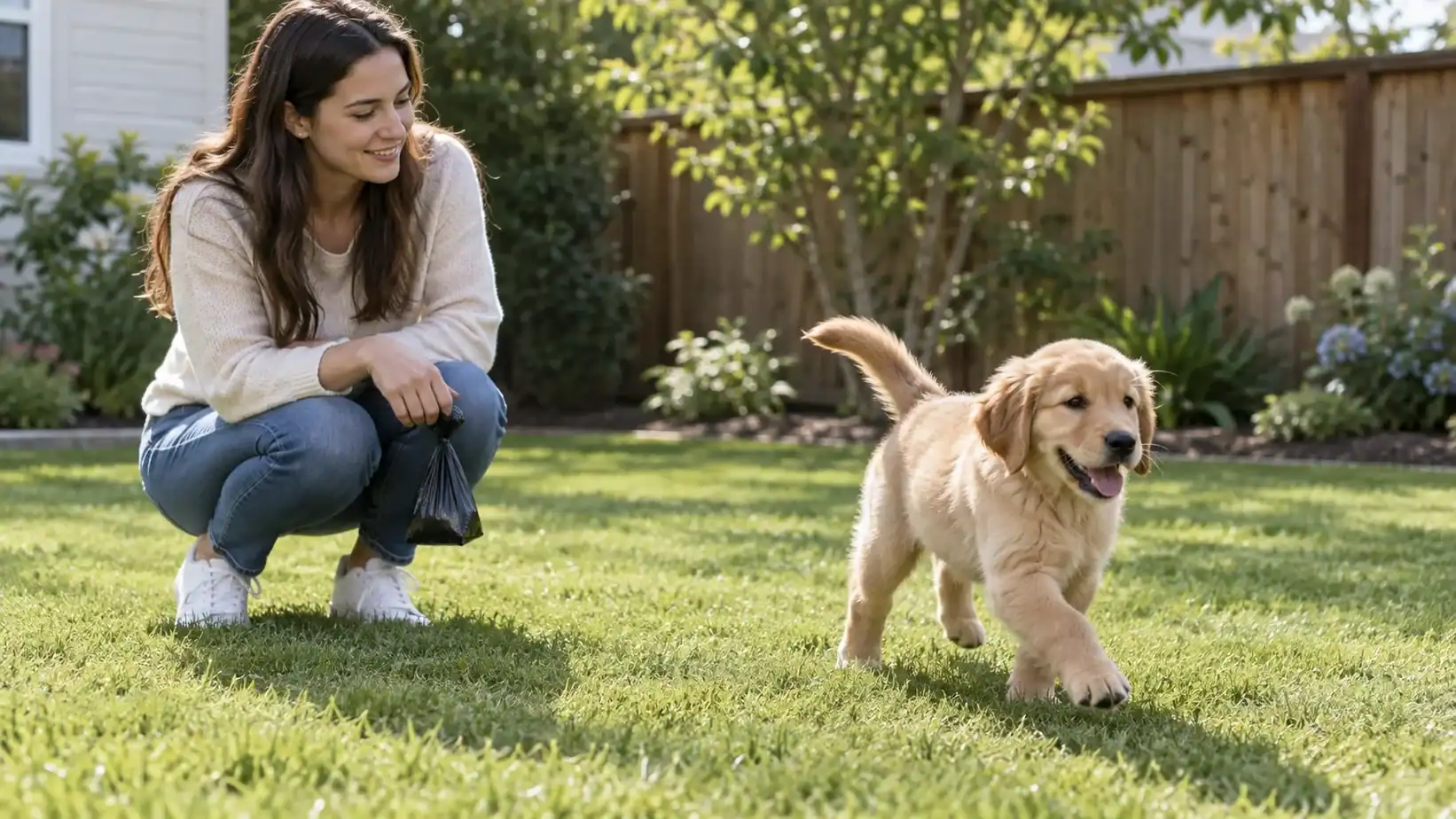
Common Reasons a Puppy Has Soft Stool but Acts Normal
Sudden Food Changes
A fast switch from one puppy food to another is a common trigger. The ingredients, fat level, fiber, and how the food is processed may all change at once. The intestinal microbes that help digest food need time to adapt.
If the stool softened during a food transition, return to the last ratio your puppy tolerated and call your veterinarian for a transition plan. When your puppy is well, many food changes are made gradually over about a week or longer. Sensitive puppies may need more time.
Overfeeding, Treats, and Table Scraps
Puppies need enough calories to grow, but more is not always better. Oversized meals, too many training treats, rich chews, fatty scraps, and access to another pet’s bowl can all soften stool. Tiny extras add up quickly in a small puppy.
Measure meals rather than filling the bowl by eye. Count treats as part of the daily food allowance, and keep a note of anything unusual your puppy ate. If several family members train the puppy, use one daily treat container so nobody accidentally doubles the snack budget.
Stress and Excitement
Moving to a new home, crate training, travel, daycare, visitors, a noisy night, or a big change in routine can affect the gut. A puppy may remain cheerful while passing softer stool for a short time.
Predictable meals, sleep, bathroom breaks, and quiet time support the nervous system and the digestive tract together. This is one place where a holistic view is especially useful. Food, stress, rest, and environment all influence the same puppy.
Parasites
Roundworms, hookworms, coccidia, and Giardia are common considerations in puppies. Some infected puppies still look and act normal, so energy alone cannot rule parasites out. The Companion Animal Parasite Council recommends frequent fecal examinations during a dog’s first year because young animals are more susceptible [2].
A routine deworming product does not cover every parasite, and a single fecal test may not identify every infection. Giardia can be shed intermittently, and veterinarians may combine testing methods or repeat a test when suspicion remains [3]. Do not give a natural or over-the-counter dewormer based only on soft stool. The right treatment depends on the organism, the puppy’s weight, and the product.
Infections
Viral and bacterial infections can begin with digestive changes before a puppy looks dramatically ill. Parvovirus is a special concern in young or incompletely vaccinated puppies. Cornell lists lethargy, decreased appetite, vomiting, diarrhea, weakness, belly pain, fever, and dehydration among the signs, and the illness can progress quickly [4].
Soft stool by itself does not mean parvovirus. Still, call your veterinarian promptly if your puppy is not fully vaccinated, recently came from a shelter, breeder, transport, kennel, or pet store, or has had contact with sick dogs or contaminated areas.
Eating Something That Is Not Food
Puppies use their mouths like little vacuum cleaners. Trash, compost, plants, medication, cleaners, string, socks, toy pieces, and other objects can cause irritation, poisoning, or an intestinal blockage.
Do not wait for severe diarrhea if you know or strongly suspect your puppy swallowed something dangerous. Contact your veterinarian, an emergency clinic, or an animal poison service right away. Do not induce vomiting unless a veterinary professional specifically tells you to do so.
What to Do During the First 12 to 24 Hours
Keep the Diet Steady
If your puppy is bright, comfortable, and having only mildly soft stool, feed the usual complete and balanced puppy food in small, measured meals. Avoid fasting. Young puppies have limited energy reserves, and toy-breed puppies can be especially vulnerable when meals are skipped.
Pause new treats, table scraps, fatty chews, dairy, and unfamiliar supplements. Resist the urge to switch foods repeatedly. Too many changes make it harder to know what helped and can create more digestive upset.
If your veterinarian has already made a diet plan for this puppy, follow that plan. A homemade chicken-and-rice diet is not nutritionally complete for growth and is not the right choice for every puppy, so ask before using it.
Support Hydration
Keep clean, fresh water available. You can add a little warm water to the puppy’s regular food if that encourages normal fluid intake and your veterinarian has not restricted water for another reason.
Watch the water bowl rather than guessing. Also note urination. A puppy who stops drinking, cannot keep water down, urinates much less, or develops dry or sticky gums needs veterinary advice promptly. Do not force water by syringe because aspiration can occur.
Track the Pattern
Write down the time, consistency, color, and frequency of each bowel movement. Note mucus, blood, worms, foreign material, vomiting, appetite, water intake, energy, and any recent changes in food, treats, medication, routine, travel, or exposure to other dogs.
Take a clear photo if the stool changes. If your veterinarian wants an appointment, bring a fresh stool sample in a clean, sealed container. The clinic can tell you how to store it and how fresh it needs to be.

Use Gut Support Carefully
The gut microbiome, dietary fiber, hydration, and stress response all affect stool quality. That makes gentle gut support appealing, but more is not automatically better for a growing puppy.
Plain canned pumpkin, a canine probiotic, or another fiber source may help some puppies, yet the correct choice and amount depend on body size, current diet, and the cause of the soft stool. Probiotic effects are also product and strain specific. One randomized trial in dogs with acute diarrhea found no statistically significant difference in time to acceptable stool among a probiotic, metronidazole, and placebo group [5]. Ask your veterinarian before adding a supplement, especially for a very young puppy or one with repeated diarrhea.
Skip Human Medicines
Do not give bismuth, loperamide, leftover antibiotics, pain relievers, or other human medications unless your veterinarian directs you. Some are unsafe for certain dogs, can interact with other drugs, or can hide signs your veterinarian needs to see. Antibiotics are not a routine home treatment for soft stool and may further disturb the intestinal microbiome.
When to Call the Veterinarian
Call the Same Day If
- Your puppy has repeated soft or watery stools.
- Soft stool continues for more than 24 hours.
- Your puppy is under about four months old, very small, or not fully vaccinated.
- You see mucus repeatedly, a small amount of fresh blood, worms, or persistent straining.
- Appetite, thirst, urination, or energy is starting to change.
- Your puppy recently started a medication or may have eaten spoiled food.
- The problem keeps returning even though your puppy seems fine between episodes.
Seek Urgent or Emergency Care If
- There is a large amount of red blood or the stool is black and tarry.
- Vomiting is repeated or your puppy cannot keep water down.
- Your puppy is weak, collapses, seems unusually sleepy, or has pale gums.
- The belly looks swollen, feels painful, or your puppy repeatedly tries to vomit without producing anything.
- Your puppy refuses food or water, urinates much less, or shows signs of dehydration.
- You suspect a toxin, medication exposure, or swallowed object.
- Diarrhea is frequent and watery, especially in a young or incompletely vaccinated puppy.
Puppies do not read the textbook, and they can change quickly. If your instincts say something is wrong, call. A quick conversation with the veterinary team is far better than losing valuable time.
What Your Veterinarian May Check
Your veterinarian will consider age, vaccination history, parasite prevention, diet, exposure, and the full pattern of symptoms. The physical exam may include hydration, temperature, gum color, abdominal comfort, and body weight.
A fecal examination may look for worms and protozoa. Depending on the puppy’s history and signs, the veterinarian may recommend Giardia antigen or PCR testing, a parvovirus test, bloodwork, or imaging. Testing is not overkill in a puppy with persistent stool changes. It helps separate a simple food issue from a problem that needs specific treatment.
If the first fecal test is negative but soft stool continues, ask whether repeat or combined testing is appropriate. Parasite shedding can vary, and the best test depends on what the veterinarian suspects.

How to Help Prevent Soft Stool
Make Food Changes Gradually
Use a measured transition instead of changing the whole bowl overnight. If stool softens, pause at the last tolerated step and get veterinary guidance before moving forward. Keep the puppy on a complete and balanced growth diet unless your veterinarian recommends something different.
Keep Meals and Treats Consistent
Feed measured portions on a predictable schedule. Use some of the puppy’s regular food for training, or count training treats toward the day’s total. Limit table scraps and keep trash, compost, cat food, and other pets’ bowls out of reach.
Follow a Veterinary Parasite Plan
Ask about fecal testing, prevention, and deworming based on your puppy’s age and exposure. Pick up stool promptly from the yard, wash food and water bowls, and discourage drinking from puddles or shared outdoor containers. These steps support your puppy and reduce environmental contamination.
Protect Sleep and Routine
Growing puppies need a surprising amount of sleep. A steady rhythm of meals, potty breaks, play, training, and rest can reduce stress-related digestive changes. Introduce daycare, travel, and busy social events gradually when possible.
Think in Patterns, Not One Poop
One soft stool after a busy day may be a small blip. Repeated soft stool, poor growth, weight loss, a dull coat, ongoing gas, or recurring mucus deserves a veterinary workup even if your puppy is playful. Chronic stool problems are not something a puppy should simply outgrow without an explanation.
Final Thoughts
When a puppy has soft stool but seems fine, start with calm observation and simple consistency. Keep water available, feed measured portions of the usual puppy diet, remove extras, and track what happens over the next 12 to 24 hours.
The reassuring signs are normal play, appetite, drinking, urination, and comfort. The concerning signs are watery or frequent diarrhea, vomiting, blood, black stool, pain, weakness, dehydration, appetite loss, or a puppy who is very young or not fully vaccinated. When those appear, or the stool does not improve within a day, call your veterinarian.
Frequently Asked Questions
Start with the safest basics: measured meals of the usual complete puppy food, no table scraps or new treats, and free access to water. Ask your veterinarian before adding pumpkin, fiber, probiotics, or a bland diet because amounts and products vary with the puppy’s size, diet, and cause of the stool change. Do not give human anti-diarrheal medicine without veterinary direction.
An occasional soft but formed stool can happen after excitement, a new treat, overfeeding, or a food transition. It should not become the daily pattern. If it recurs, lasts more than 24 hours, or comes with another symptom, call your veterinarian and consider bringing a stool sample.
Call the same day for repeated or watery diarrhea, a very young or incompletely vaccinated puppy, or symptoms lasting more than 24 hours. Seek urgent care for repeated vomiting, marked lethargy, weakness, belly pain or swelling, refusal to eat or drink, dehydration, a large amount of blood, black stool, or possible toxin or foreign-object exposure.
Mild diet upset, overfeeding, treats, stress, and some parasite infections may affect stool before they affect appetite or energy. Acting normal is reassuring, but it cannot rule out parasites or an early infection. Watch the whole pattern and contact your veterinarian if stools worsen, repeat, or fail to improve within a day.
No. Do not fast a growing puppy unless a veterinarian gives specific instructions. Feed small, measured meals of the puppy’s usual complete diet and stop rich extras. Very young and toy-breed puppies can have limited energy reserves, so skipped meals may create a separate problem.
References
[1] Merck Veterinary Manual. (n.d.). Introduction to digestive disorders of dogs. https://www.merckvetmanual.com/dog-owners/digestive-disorders-of-dogs/introduction-to-digestive-disorders-of-dogs
[2] Companion Animal Parasite Council. (2025, April 24). General guidelines for dogs and cats. https://capcvet.org/guidelines/general-guidelines/
[3] Companion Animal Parasite Council. (2026, August 3). Giardia. https://capcvet.org/guidelines/giardia/
[4] Cornell University College of Veterinary Medicine. (n.d.). Parvovirus: Transmission to treatment. https://www.vet.cornell.edu/departments-centers-and-institutes/riney-canine-health-center/canine-health-topics/parvovirus-transmission-treatment
[5] Shmalberg, J., Montalbano, C., Morelli, G., & Buckley, G. J. (2019). A randomized double blinded placebo-controlled clinical trial of a probiotic or metronidazole for acute canine diarrhea. Frontiers in Veterinary Science, 6, 163. https://doi.org/10.3389/fvets.2019.00163
A note about your dog’s health: This article is educational and is not a diagnosis or a substitute for care from your veterinarian. Puppies can worsen quickly, so contact your veterinary team when symptoms are severe, persistent, or simply do not feel right.

ABOUT THE AUTHOR