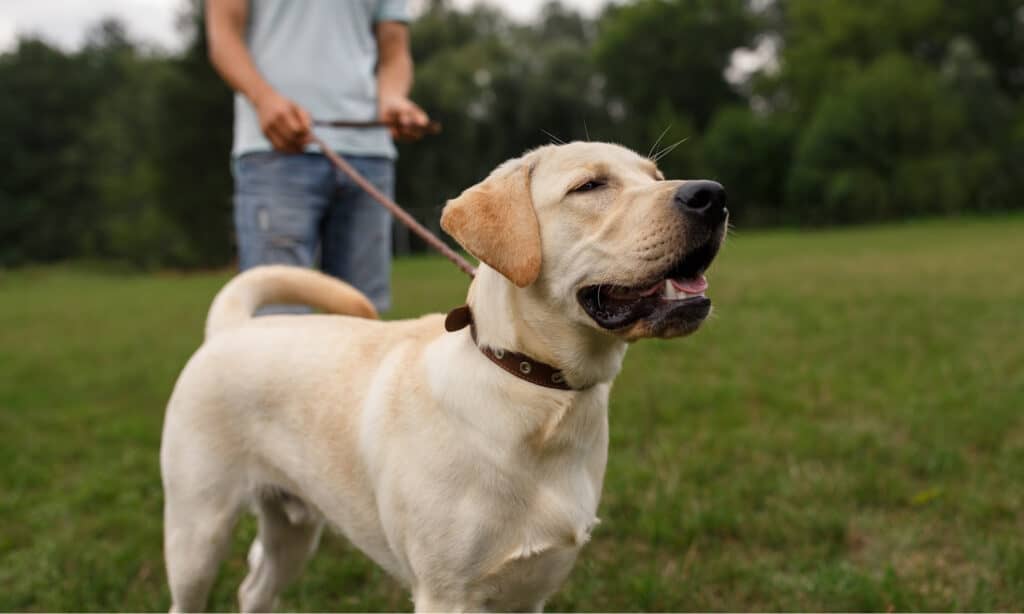
Category: Spay and Neuter

  • Do Dog Nipples Shrink After Spaying? What You Need to Know

    Do Dog Nipples Shrink After Spaying? What You Need to Know

    Introduction

    Spaying is the process of surgically removing a female dog’s reproductive organs, typically the ovaries and uterus. The procedure is an important consideration for any responsible pet owner. It can greatly reduce the risk of certain health issues and undesirable behaviors in dogs. For example, spaying can lower the risk of developing breast tumors, eliminate the heat cycle (and accompanying mess), and curtail aggressive or overly sexual behavior. However, many dog owners may be curious about one particular aspect of spaying: do dog nipples shrink after surgery?

    It’s a natural question to ask, as both male and female dogs have nipples that can be impacted by hormonal changes. In female dogs that undergo spaying surgery, there are often noticeable changes in nipple size and appearance.

    So what exactly happens to a dog’s nipples after spaying? Let’s explore this topic further.

    do nipple shrink after spay

    The Mystery Surrounding Dog Nipples

    Dog nipples are a bit of a mystery for many owners. Humans typically only have two nipples, but dogs have anywhere from 6-10 depending on their breed and litter size. These nipples serve an important biological function: they supply milk to nursing puppies.

    However, even when not actively nursing puppies, dog nipples can still be impacted by hormones circulating through the body. So it’s not surprising that some owners may notice changes in their dog’s nipple size after spaying surgery.

    But why does this happen? And is it something to be concerned about?

    Hormonal Changes After Spaying

    To understand why dog nipples may shrink or change shape after spaying surgery, it’s helpful to know more about the hormonal changes that occur in female dogs during the procedure. When a female dog is spayed, her ovaries (which produce estrogen) are removed along with her uterus.

    This means that she no longer has the same levels of estrogen circulating through her body as she did before. Estrogen is a hormone that plays a key role in breast development. When levels drop, it can impact nipple size as well.

    How Nipples Change After Spaying

    So what do these hormonal changes mean for a dog’s nipples? In general, many female dogs who undergo spaying surgery will experience some degree of nipple shrinkage. This can be because their glands and connective tissues are no longer being stimulated by estrogen. This leads to a reduction in overall breast size.

    However, it’s important to note that not all dogs will experience significant changes in their nipple size after spaying. The extent of the changes can depend on factors like age, breed, health status, and individual hormonal variability.
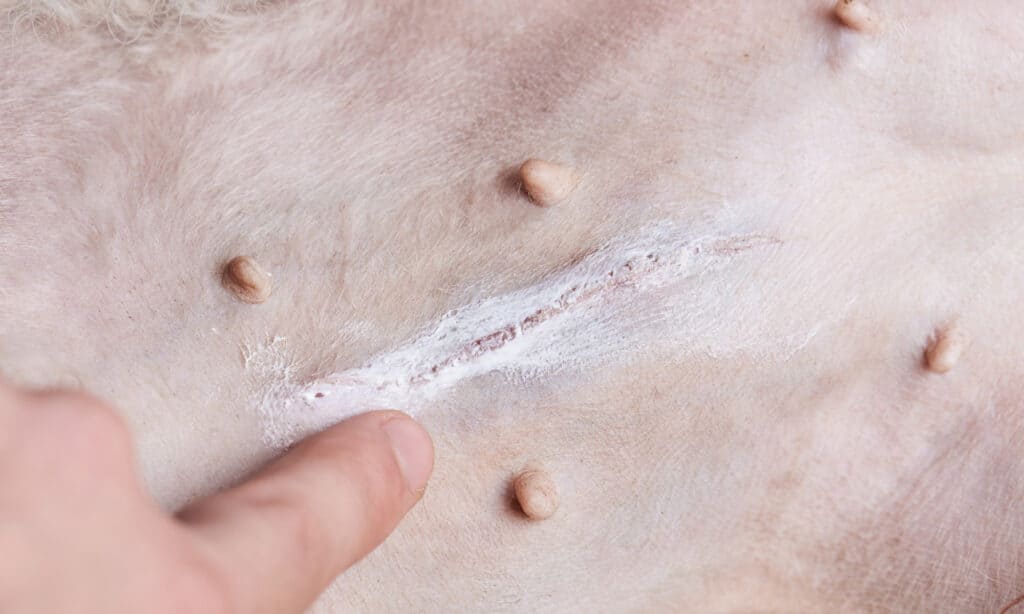
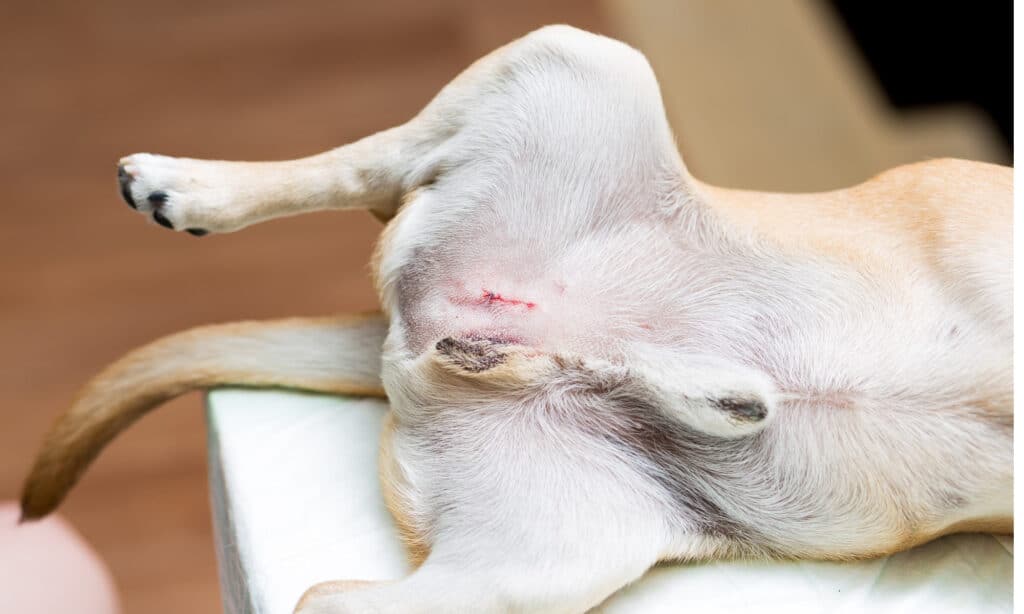
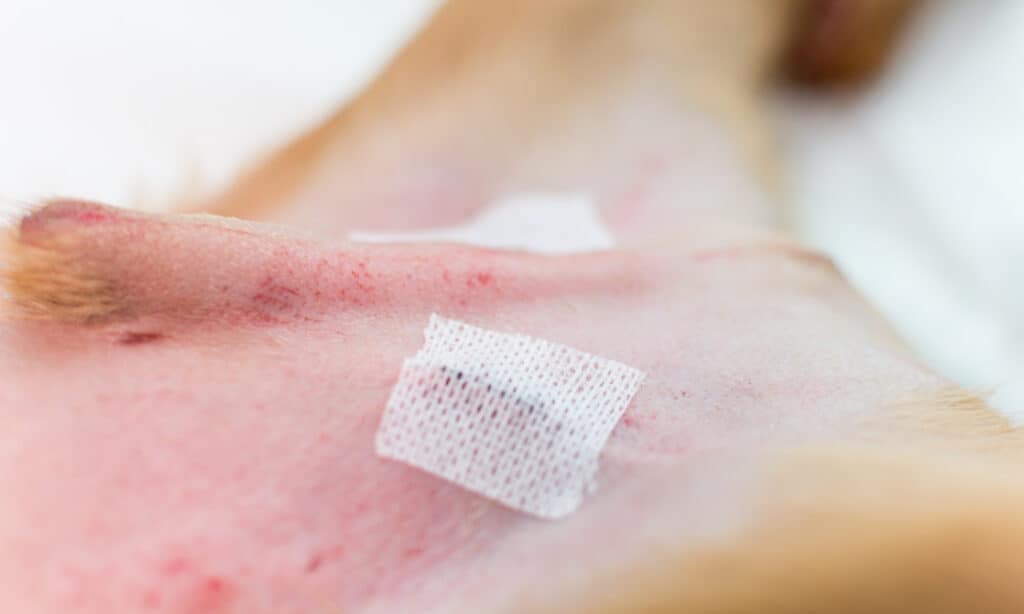
    dog nipples shrinks after being spayed post op spay

    The Importance of Monitoring Your Dog’s Health

    While nipple shrinkage may not seem like a big deal at first glance, it’s still important to monitor your dog’s overall health after spaying surgery. Any noticeable changes in breast or nipple appearance should be discussed with your veterinarian to rule out any potential issues or concerns.

    In addition to keeping an eye on your dog’s breasts and nipples post-surgery. It’s also crucial to continue providing them with proper nutrition and exercise as they recover. A healthy lifestyle can help support optimal healing and minimize any potential complications associated with spaying surgery.

    Overall, while there may be some noticeable changes to your dog’s nipples after spaying surgery, these typically aren’t cause for alarm. By staying informed about the procedure and monitoring your pet’s recovery closely, you can help ensure they stay healthy and happy for years to come.

    Do Dog Nipples Shrink After Spaying?

    As a dog owner, you may wonder if your furry friend’s nipples will change in size after spaying. The answer is yes, dog nipples do shrink after spaying.

    The reason for this is due to hormonal changes that occur in dogs after the procedure. Specifically, spaying removes the ovaries and uterus which produce estrogen and progesterone hormones.

    These hormones play a significant role in nipple size changes in dogs. After spaying, estrogen and progesterone levels decrease rapidly, causing a reduction in breast tissue development.

    This reduction can also result in nipple shrinkage. It’s important to note that while nipple shrinkage is common after spaying, it doesn’t always occur immediately.

    In some cases, it may take several weeks or even months for the change to be noticeable. The amount of shrinkage can also vary from dog to dog depending on factors such as age, breed, and overall health.

    For example, older dogs may experience more significant nipple shrinkage than younger ones due to decreased glandular tissue production over time. While nipple shrinkage is a normal occurrence after spaying, it’s essential to monitor your dog closely during recovery.

    Any ongoing swelling or inflammation should be reported to your veterinarian as soon as possible. Overall, while it may be concerning for some pet owners initially. Rest assured that nipple shrinkage is a normal part of the recovery process for dogs following spaying surgery.
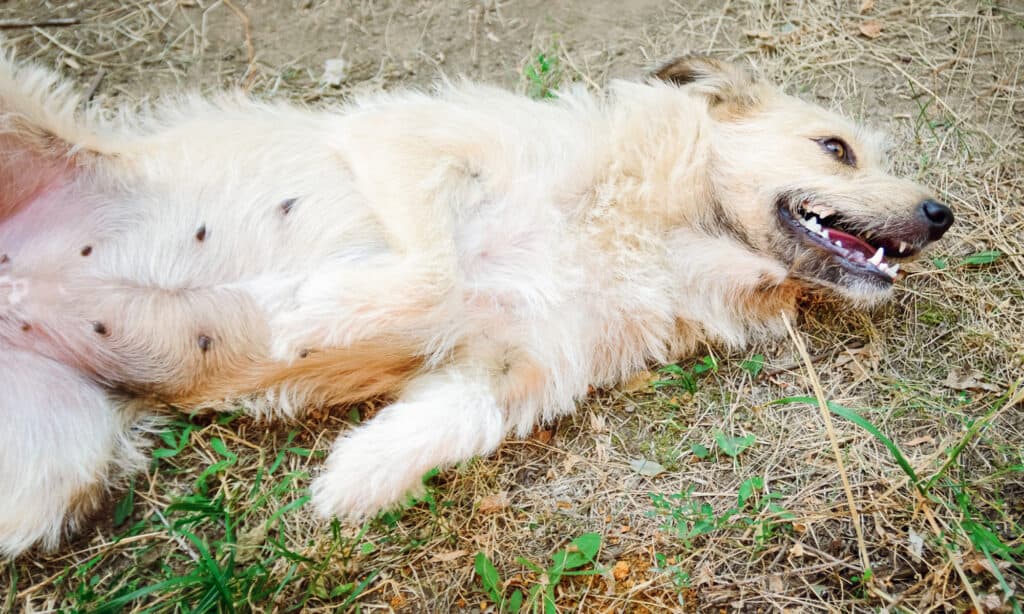
    do dogs nipples shrink after spay

    Why Do Dog Nipples Shrink After Spaying?

    Spaying is a common surgical procedure performed on female dogs to prevent them from becoming pregnant. During the surgery, the dog’s ovaries and uterus are removed, which ultimately results in changes to her hormone levels.

    These changes can lead to various physical changes in dogs, including a reduction in nipple size. After spaying, the dog’s body undergoes significant hormonal changes.

    Specifically, the levels of estrogen and progesterone–two hormones that play a key role in regulating a dog’s reproductive cycle–decrease dramatically. As a result, dogs may experience some temporary physical side effects such as lethargy, decreased appetite, and even minor behavioral changes.

    One of the more noticeable physical effects of reduced estrogen and progesterone production is the reduction in nipple size. The nipples themselves may appear flatter or less prominent than they were prior to spaying.

    This is because these hormones play an important role in maintaining breast tissue health and elasticity. As estrogen levels drop after spaying, breast tissue may begin to atrophy or shrink.

    This can cause not just nipple size reduction but also saggy breasts with loose skin around the mammary glands. Pet owners shouldn’t worry about natural changes in their pet’s behavior unless other symptoms of poor health are present.

    It’s also worth noting that while reduced estrogen production after spaying does affect nipple size reduction along with other noticeable side effects like weight gain, it’s not solely responsible for it. After spaying female dogs’ hormone levels will decrease dramatically leading to various physical changes such as lethargy or reduced appetite. However, one of the most visible signs of these hormonal shifts is reductions in nipple size due specifically decreased estrogen levels post-surgery which can ultimately affect breast tissue too negatively over time if left unmonitored.

    do dogs nipples shrink after being spayed

    How Long Does It Take for Dog Nipples to Shrink After Spaying?

    One of the most common questions that dog owners ask is how long it takes for their dog’s nipples to shrink after spaying. The answer is not straightforward as there are various factors that can affect the timeline.

    Generally speaking, most dogs will begin to experience a reduction in nipple size within a few weeks of being spayed. It’s important to keep in mind that every dog is different. There’s no set timeline for when nipple size changes occur.

    Some dogs may experience a quicker reduction in nipple size while others may take longer for the changes to become noticeable. It’s also important to remember that some dogs may not experience any noticeable changes in their nipple size at all.

    Factors That May Affect How Long It Takes for Nipples to Shrink

    Several factors can influence how long it takes for a dog’s nipples to shrink after being spayed. One crucial factor is age. Younger dogs often experience more significant hormonal changes than older ones and might require more time before their nipples reduce in size. Another factor is breed. Some breeds are predisposed to hormonal imbalances that can cause prolonged swelling and increased likelihood of mammary gland hyperplasia. This can lead to larger nipples or lumps under the skin around the nipples area post-spaying.

    Overall health plays an essential role in determining how quickly a dog’s body responds post-surgery. Dogs with pre-existing health issues or those who have undergone extended periods of stress may take longer before seeing significant changes in their nipple size.
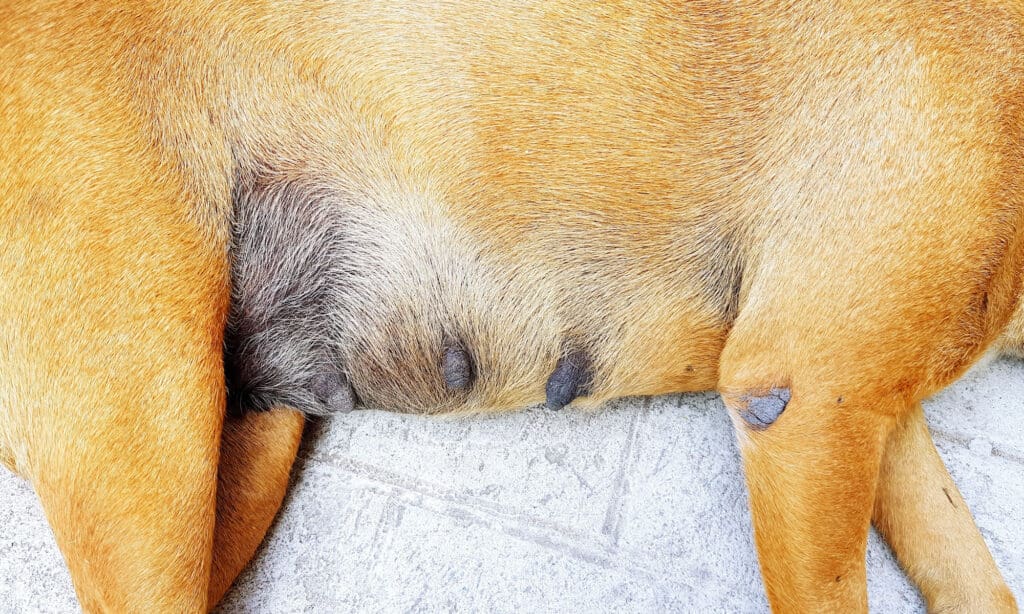
    dog with big nipples after having puppies

    The General Timeline of Nipple Size Changes Post-Spaying

    The general timeline for when dog owners can expect their pet’s nipples’ sizes to decrease varies from case-by-case basis. Immediately after surgery, your dog will be swollen around her belly, including her mammary glands, for the first few days. The swelling should subside after two to three weeks post-surgery. The nipples should begin to reduce in size shortly after.

    By the end of six to eight weeks post-surgery, most dogs will have experienced a noticeable reduction in nipple size. However, it’s essential to keep monitoring your dog’s nipple size regularly as some dogs may take longer before they experience significant changes.

    What if Nipple Size Changes Don’t Occur?

    In some cases, dog owners may notice their pet’s nipples have not reduced in size several months following spaying. Should this happen, it is essential for pet parents to consult with their veterinarian right away.

    There may be underlying issues that could be causing the lack of change in nipple size. In some cases, lack of change could be due to an incorrect diagnosis of spaying or hormonal imbalances. For example, hypothyroidism or Cushing’s disease that might require further testing and treatment by a veterinarian.

    Ultimately, while there is no set timeline for when nipple size changes occur post-spaying. Most dogs will experience a reduction in nipple size within a few weeks of surgery. Pet parents must monitor any signs of swelling and growth occurring around the nipple area and seek veterinary attention if there are any concerns or unusual experiences observed around this area post-spaying.
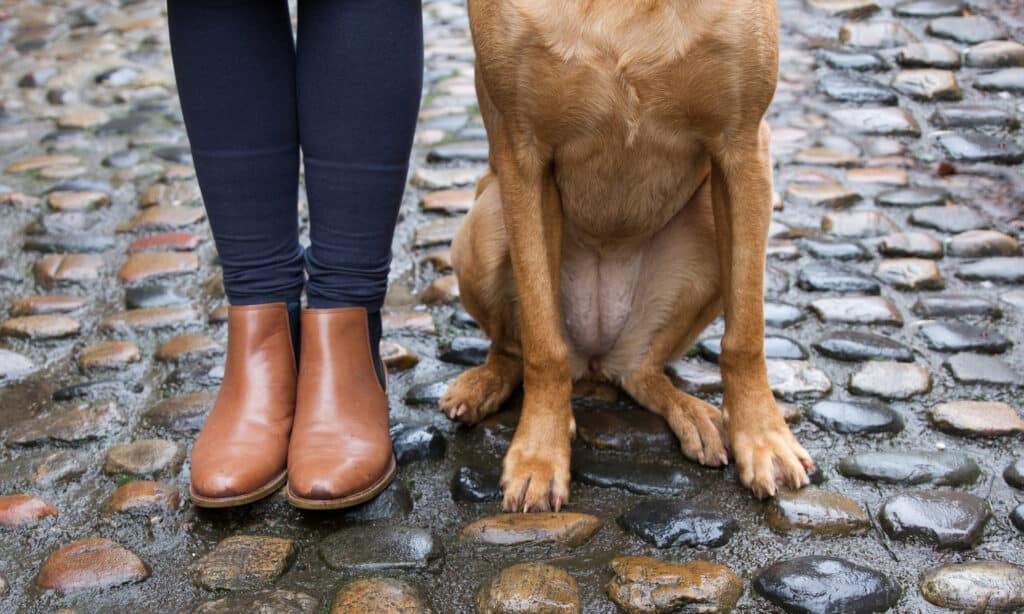
    do dogs nipples shrink after a spay

    Preventative Measures to Minimize Nipple Size Changes After Spaying

    As a dog owner, it’s natural to want to do everything you can to ensure your furry friend stays healthy and happy. One way you can help your dog maintain its physical appearance after spaying is by taking preventative measures before the procedure.

    While there’s no guarantee that these measures will completely prevent nipple size changes, they may help minimize the extent of the changes. One such measure is ensuring that your dog maintains a healthy weight both before and after spaying.

    Dogs who are overweight or obese have a higher risk of developing hormonal imbalances, which can lead to larger nipples after spaying. By keeping your dog at a healthy weight, you may be able to reduce this risk.

    Another preventative measure is providing your dog with proper nutrition both before and after spaying. A diet rich in nutrients like protein, vitamins, and minerals will help ensure that your dog’s body stays in balance post-surgery, which may help minimize nipple size changes.

    It’s important to keep up with regular veterinary check-ups both before and after spaying. Your vet can monitor your dog’s hormone levels and overall health and provide guidance on any additional preventative measures that may be appropriate for your specific pet.

    Treatments Available to Reverse Nipple Size Changes After Spaying

    If you’ve already had your female dog spayed and have noticed significant nipple size changes after the procedure, you may be wondering if there are any treatment options available to reverse these changes. Unfortunately, there are no guaranteed treatments available for this issue. However, some pet owners have reported success with certain home remedies such as massaging the nipples or applying natural oils like coconut oil or vitamin E oil to the affected area.

    These remedies can help improve blood flow to the nipples and potentially reduce their size over time. In more severe cases where nipple size changes are impacting your dog’s quality of life or causing discomfort, surgical options may be available.

    Your veterinarian will be able to provide guidance on whether these options are appropriate for your specific pet. It’s important to note that regardless of the severity of the nipple size changes, regular veterinary check-ups and communication with your vet about any concerns or issues is crucial for maintaining your dog’s overall health and wellbeing.

    dog nipples after being spayed

    While it’s natural to feel concerned about potential nipple size changes after spaying your female dog, it’s important to remember that this is a common side effect of the procedure. By taking preventative measures before spaying and seeking guidance from your veterinarian if you notice significant changes after surgery, you can help minimize any discomfort or impact on your dog’s quality of life.

    Remember that every dog is different and there is no guaranteed way to prevent or reverse nipple size changes after spaying. The most important thing you can do as a pet owner is maintain open communication with your vet and prioritize your dog’s overall health and happiness.

    Summary

    After reading this article, it’s clear that dog nipples can indeed shrink after spaying. This occurs due to the hormonal changes that take place in dogs after they’re spayed. While the size of a dog’s nipples may decrease, it’s important for pet owners to understand that this is normal and not a cause for concern.

    We’ve discussed why dog nipples shrink after spaying, and how long it typically takes for this change to occur. There are no preventative measures that can be taken to avoid nipple size changes after spaying, so pet owners should be prepared for potential changes in their dog’s body.

    It’s worth noting that while nipple size changes are common after spaying, they’re not the only change pet owners may see in their dogs. It’s important to monitor your dog closely after surgery and speak with your vet if you notice any other concerning symptoms.

    do dog nipples shrink after a spay

    Final Thoughts

    While there are many benefits of having your female dog spayed, such as reducing their risk of certain cancers and preventing unwanted litters, it’s important for pet owners to also understand the potential physical changes their dogs may undergo post-surgery. It can be difficult seeing our furry friends go through any type of difficulty or pain.

    Knowing what is “normal” during recovery and what signs could indicate something more serious is crucial in helping our pets get back on their feet as quickly as possible. In addition to monitoring our dogs closely during recovery from surgery, we should also focus on supporting them through other means – whether it’s providing comfort or adjusting their daily routine as needed.

    Our pets rely on us to be their advocates and caretakers. By staying informed and paying close attention to any changes in our dog’s body, we can provide the best care possible and ensure they have a long, happy life.

    ~Lindsie

    A note about your dog’s health

    This article provides general education and does not replace an examination, diagnosis, or individualized advice from your veterinarian. Contact a veterinary professional if you are concerned about your dog’s symptoms.

    Lindsie Parks B.S., CRDNS Avatar

    ABOUT THE AUTHOR

  • How Long After Neutering Dog Is Testosterone Gone? Vet Answers

    How Long After Neutering Dog Is Testosterone Gone? Vet Answers

    The Basics of Neutering and Its Purpose

    Neutering, also known as castration, is a surgical procedure that removes the testicles of male dogs. Typically, people perform the procedure to control reproduction or to curb unwanted behavioral issues associated with testosterone production.

    The primary purpose of neutering is to prevent male dogs from impregnating females, but it can also help reduce aggressive behaviors and lower the risk of certain health problems.

    There are both advantages and disadvantages to neutering a dog. Advantages include reduced risks of certain diseases, such as testicular cancer and prostate problems, while disadvantages include potential changes in behavior and other health risks.

    One important thing to consider before deciding whether or not to neuter your dog is the effect it will have on testosterone levels. Testosterone plays an essential role in many aspects of male dog behavior and physiology. It’s crucial to understand how neutering affects testosterone production. But how long does it take for testosterone to be gone after neutering? The short answer is around six weeks, depending on may varying factors.

    testosterone after neutering

    The Importance of Understanding the Effects of Neutering on Testosterone Levels

    It’s essential to understand the effects that neutering has on testosterone levels because this hormone plays a crucial role in several aspects of male dog behavior and physiology. Testosterone helps regulate aggression, sexual behavior, and social interactions between dogs. When someone neuters a male dog, they remove his testicles, which eliminates his source for producing testosterone.

    Without these organs producing testosterone anymore – at least not in significant quantities – you can expect some changes in your pet’s behavior. Pet owners need to understand how long it takes for testosterone to disappear after neutering because it helps them anticipate the behavioral changes their furry friend may undergo after the procedure.

    Pet owners can make informed decisions about the medical care and behavior of their male dogs by knowing how long neutering takes to eliminate testosterone. Furthermore, this knowledge can help pet owners prepare for any necessary training or adjustments their pets may require after surgery.

    The specific timeline for the decrease in testosterone levels varies depending on several factors, including age, breed, and size. However, by understanding how neutering affects testosterone levels and what behavioral changes may result from decreased hormones, you can help ensure that your furry friend stays happy and healthy.

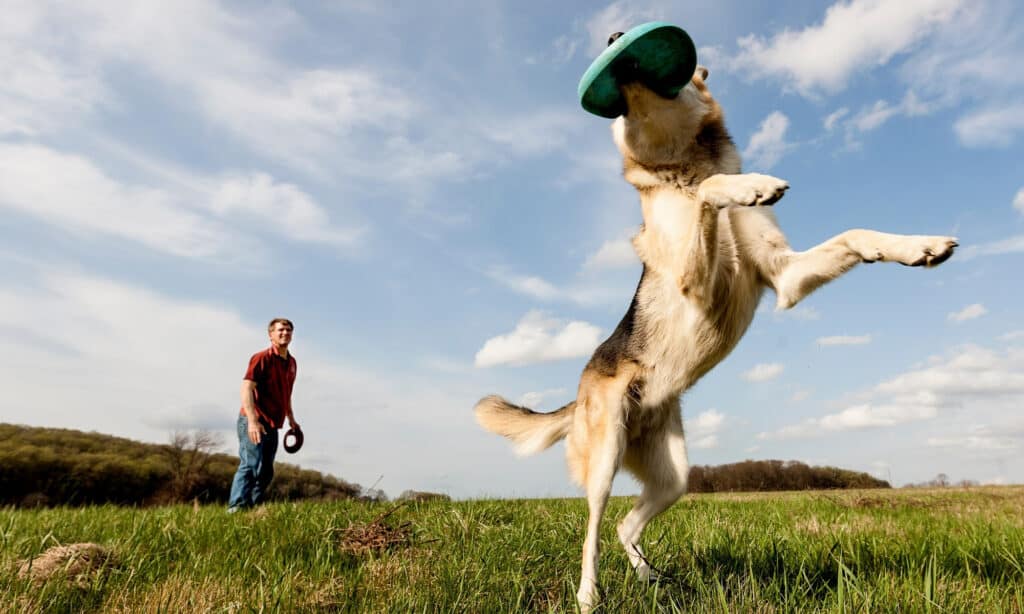
    male dog catching frisbee - is neutering safe

    Testosterone Production in Male Dogs

    Explanation of How Testosterone is Produced in the Testes

    The testes of male dogs produce a hormone called testosterone. It is an androgen, which means it promotes the development of male characteristics.

    The production of testosterone begins at puberty, when the testes start to mature and produce sperm. The Leydig cells in the testes are responsible for producing testosterone.

    Luteinizing hormone (LH), produced by the pituitary gland, stimulates them. The process of producing testosterone begins with the conversion of cholesterol into pregnenolone, which is then converted into progesterone.

    Progesterone is then converted into androstenedione, which can be used to produce either estrogen or testosterone. In males, most of the androstenedione is converted into testosterone.

    Role of Testosterone in Male Dog Behavior and Physiology

    Testosterone plays a significant role in many aspects of male dog behavior and physiology. It affects not only reproductive function but also social behavior, aggression levels, and physical characteristics.

    One key physiological effect of testosterone on male dogs is its influence on muscle mass and bone density. Higher levels of testosterone have been associated with increased muscle growth and strength as well as stronger bones.

    Behaviorally, high levels of testosterone can lead to increased dominance displays. These include marking behaviors or territorial aggression toward other dogs or people. High levels can also cause an increase in sexual behavior such as mounting or excessive interest in mating.

    However, it’s important to note that not all male dogs display these behaviors equally. Individual variation plays a big part in how much influence hormones like testosterone have on behavior. Testosterone’s effects on dogs’ physiology and behavior after neutering can be explained by understanding its role in their body. Keeping this information top-of-mind may help owners prepare for and manage any changes that occur.

    testosterone production in dogs

    Neutering and its Effects on Testosterone Levels

    How Neutering Affects the Production of Testosterone

    One of the primary effects of neutering on male dogs is a decrease in testosterone production. This is because neutering involves removing the testes, which are responsible for producing testosterone. Without testicles, the body can no longer produce as much testosterone as it did before.

    Testosterone is important for male dogs because it affects a wide range of physiological and behavioral functions. The include muscle development, bone growth, aggression, and sexual behavior. Neutering typically alters these functions due to the decrease in testosterone levels.

    Timeline for Decrease in Testosterone Levels After Neutering

    The timeline for how long testosterone is gone after neutering varies depending on a number of factors. Generally speaking, neutered male dogs will experience a significant decrease in testosterone levels within the first few weeks. However, it can take several months for testosterone levels to fully stabilize after neutering.

    During this time period, dogs may still exhibit some behavioral changes associated with decreased testosterone levels. Neutering age, size, breed, and individual differences impact how fast a dog adjusts and experiences testosterone level decline. Larger breeds typically take longer to adjust, while older dogs may also take longer. Additionally, some dogs may adjust more quickly than others due to individual variations.

    In addition to affecting behavior and physiology, decreased testosterone levels can also have health benefits for male dogs who are prone to certain health problems such as prostatic disease and testicular cancer. Overall, while there are some potential downsides to neutering your male dog (such as reduced muscle mass), decreased aggression and other behavioral changes associated with decreased testosterone levels can make it a worthwhile option for many pet owners.

    effects on testosterone in neutered dogs

    Factors that Affect the Timeline for Decrease in Testosterone Levels

    Age at Which Dog is Neutered

    The age at which a dog is neutered can have a significant impact on how long it takes for testosterone levels to decrease. The earlier a dog is neutered, the quicker the decrease in testosterone levels.

    This is because the testes have not had as much time to develop and produce large amounts of testosterone. Dogs that are neutered before puberty may see their testosterone levels decrease within just a few days.

    On the other hand, dogs that are neutered after puberty may take longer to see a decrease in their testosterone levels. This is because their testes have been producing testosterone for longer. It may take more time for the hormone to be completely metabolized and eliminated from their system.

    Size and Breed of Dog

    The size and breed of a dog can also affect how long it takes for their testosterone levels to decrease after being neutered. Larger dogs tend to have higher levels of testosterone than smaller dogs. It may take longer for their hormone levels to drop after surgery.

    Certain breeds exhibit more sensitivity to changes in hormone levels than others. Neutering can cause behavior changes in specific breeds such as Golden Retrievers and Labrador Retrievers due to decreased hormone production.

    what affect does neutering have on dogs

    Individual Variations

    Just like with humans, there can be individual variations in how quickly dogs’ bodies metabolize hormones like testosterone. Some dogs may see a rapid decrease in hormone production within days or weeks of being neutered, while others may take several months. Additionally, factors such as overall health status and diet can also impact how quickly an individual dog’s body metabolizes hormones.

    Dogs that are generally healthy with well-functioning organs may process hormones more efficiently than those with underlying health conditions. Several factors can impact how long it takes for a dog’s testosterone levels to decrease after neutering.

    Age at the time of surgery, size and breed of dog, and individual variations all play a role in determining the timeline for decreased hormone production. However, regardless of these factors, neutering remains an effective way to reduce aggressive behavior and protect against certain health issues related to testosterone production.

    Behavioral Changes Associated with Decreased Testosterone Levels

    Decreased Aggression

    One of the most well-known behavioral changes associated with neutering is a reduction in aggression. This is because testosterone plays a major role in male dogs’ aggressive behavior. By removing the source of this hormone, neutering can significantly decrease a dog’s tendency to show aggression towards other dogs or humans.

    This can be especially helpful for dogs who have a history of aggressive behavior or who live in households with children or other animals. It’s important to note that neutering doesn’t guarantee that your dog will never show signs of aggression again.

    Other factors, such as fear or anxiety, can still trigger aggressive responses even in neutered dogs. However, neutering can be an effective tool in managing and reducing aggression.

    do i need to neuter my dog

    Reduced Marking Behavior

    Another common behavioral change associated with decreased testosterone levels is a reduction in marking behavior. Male dogs use urine marking as a way to communicate their presence and territory to other dogs. Neutered male dogs are less likely to engage in this behavior because they no longer have the same level of testosterone driving them to mark every available surface.

    While some neutered male dogs may still occasionally mark, it’s usually not as frequent or intense as before the surgery. Owners who are tired of dealing with urine stains and odors around their home can especially benefit from this.

    Changes in Social Interactions

    Neutering can also have an impact on how male dogs interact with other animals and people. Without high levels of testosterone driving them to compete for mates. Neutered male dogs may be more social and less territorial towards other animals they encounter on walks or at dog parks. In addition, some owners report that their neutered male dogs become more affectionate and cuddly after surgery.

    The reduction in aggressive or territorial behavior, or the absence of distraction due to the desire to mate, may be causing this change in the dog. It’s important to note that not all neutered male dogs will experience these changes in social interactions.

    Some dogs may still be wary of other animals or people, while others may become overly friendly or clingy. As with any behavioral change, it’s important to monitor your dog’s interactions and work with a professional trainer if necessary to address any issues.

    Neutering can have a significant impact on male dogs’ behavior. This could include decreased aggression, reduced marking behavior, and changes in social interactions. While not all dogs will experience these changes in the same way, neutering can be an effective tool for managing and reducing certain types of unwanted behaviors. As always, it’s important to work closely with your veterinarian and a professional trainer to ensure that your dog is healthy and happy before and after surgery.

    effects of neutering on testosterone in dogs

    Physiological Changes Associated With Decreased Testosterone Levels

    Reduced risk of prostatic disease

    When veterinarians neuter a male dog, they remove its testicles, which prevents the dog from producing testosterone. This decrease in testosterone levels can have a significant impact on the dog’s health, particularly when it comes to the prostate gland. Studies have shown that neutered dogs have a greatly reduced risk of developing prostatic disease later in life, including benign prostatic hyperplasia (BPH) and prostatic cancer.

    BPH is a common condition in unneutered male dogs that causes the prostate gland to enlarge and press on other organs. This can lead to uncomfortable symptoms like difficulty urinating and constipation.

    In severe cases, BPH can even cause life-threatening complications like kidney damage or ruptured bladders. By removing the source of testosterone production (the testicles), neutering effectively eliminates the risk of developing this condition.

    Reduced risk of testicular cancer

    Another major advantage of neutering is that it greatly reduces a dog’s risk of developing testicular cancer. Unneutered male dogs commonly experience testicular tumors, whereas neutered male dogs rarely develop them.

    In fact, after neutering, there is almost no chance for a dog to develop testicular cancer because there are no more testicles left for tumors to grow on. There are two main types of testicular tumors: seminomas and non-seminomas.

    Seminomas tend to be slow-growing and may not metastasize (spread) as quickly as non-seminomas do. Non-seminomas tend to be more aggressive and can spread rapidly if not treated promptly.

    is neutering safe for dogs

    Improved urinary tract health

    Neutering also offers some benefits when it comes to urinary tract health by reducing the incidence of urinary tract infections (UTIs). UTIs are relatively common in male dogs. They can cause a range of symptoms like frequent urination, difficulty urinating, and blood in the urine. These infections can be painful and uncomfortable for dogs and can even lead to kidney damage if left untreated.

    By reducing testosterone levels, neutering helps to prevent the prostate gland from becoming enlarged and pressing on other organs like the bladder. This reduces the likelihood of bacteria being trapped in the urinary tract and leading to an infection.

    Reduced likelihood of perianal tumors

    Perianal tumors, which are tumors that occur around the anus, are much less common in neutered male dogs than in intact males. The reason for this is not entirely clear, but it may have something to do with reduced exposure to certain hormones after neutering.

    Perianal tumors can be benign or malignant, but they tend to be more aggressive than testicular tumors. It’s important to take your dog to a veterinarian as soon as possible if you notice a lump or bump around their anus or tail base.

    Overall, neutering offers many benefits when it comes to male dog health. By removing testosterone production from the equation, neutering greatly reduces a dog’s risk of developing prostatic disease and testicular cancer. It also helps prevent urinary tract infections and perianal tumors while providing other health benefits like reducing aggression levels.

    Summary of Key Points: How Long After Neutering is Testosterone Gone?

    After neutering, the production of testosterone decreases significantly. Testosterone levels can take anywhere from a few weeks to a few months to decrease fully.

    Several factors affect the timeline for decreasing testosterone levels after neutering. These age at which the dog is neutered, size and breed of dog, and individual variations. One key factor that affects the timeline for decreasing testosterone levels after neutering is age.

    If you neuter a dog before puberty, around 6 months old, the dog’s testosterone production has not yet reached its peak. In such cases, the dog’s levels may drop faster compared to dogs that are neutered later in life.

    Another factor that affects the timeline is size and breed of dog. Large breeds tend to have slower metabolisms than small breeds and may take longer for testosterone levels to decrease fully.

    Additionally, some breeds may be more susceptible to changes in behavior or physiology after being neutered. Behavioral changes associated with decreased testosterone levels include reduced aggression and marking behavior.

    With reduced aggression comes a decreased risk of fighting with other dogs or people as well as less inclination towards territorial behavior. Reduced marking behavior can also make living indoors with an owner much easier.

    Physiological changes associated with decreased testosterone levels include a reduced risk of certain health problems such as prostatic disease and testicular cancer. Prostatic disease can be common in unneutered male dogs due to inflammation or enlargement of the prostate gland while testicular cancer occurs predominantly in intact male dogs.

    sweet neutered beagle shaking hands

    Conclusion

    Pet owners choose to neuter their pets for convenience or health reasons, but it’s crucial to comprehend that the procedure has potential risks. Changes in behavior or physiology are some of the risks that need to be considered when deciding whether or not to neuter a furry friend. Pet owners who are considering the procedure must understand how long testosterone takes to disappear after neutering.

    The timeline for decreasing testosterone levels after neutering can vary based on several factors such as age, size and breed of dog, and individual variations. It’s also important to consider the behavioral and physiological changes associated with decreased testosterone levels when deciding whether or not to have a pet neutered.

    ~Lindsie

    A note about your dog’s health

    This article provides general education and does not replace an examination, diagnosis, or individualized advice from your veterinarian. Contact a veterinary professional if you are concerned about your dog’s symptoms.

    Lindsie Parks B.S., CRDNS Avatar

    ABOUT THE AUTHOR