Category: Candy For Dogs

  • Can Dogs Eat Sour Patch Kids? Is it Safe To Share?

    Can Dogs Eat Sour Patch Kids? Is it Safe To Share?

    The Sweet and Sour Temptation: Can Dogs Really Eat Sour Patch Kids?

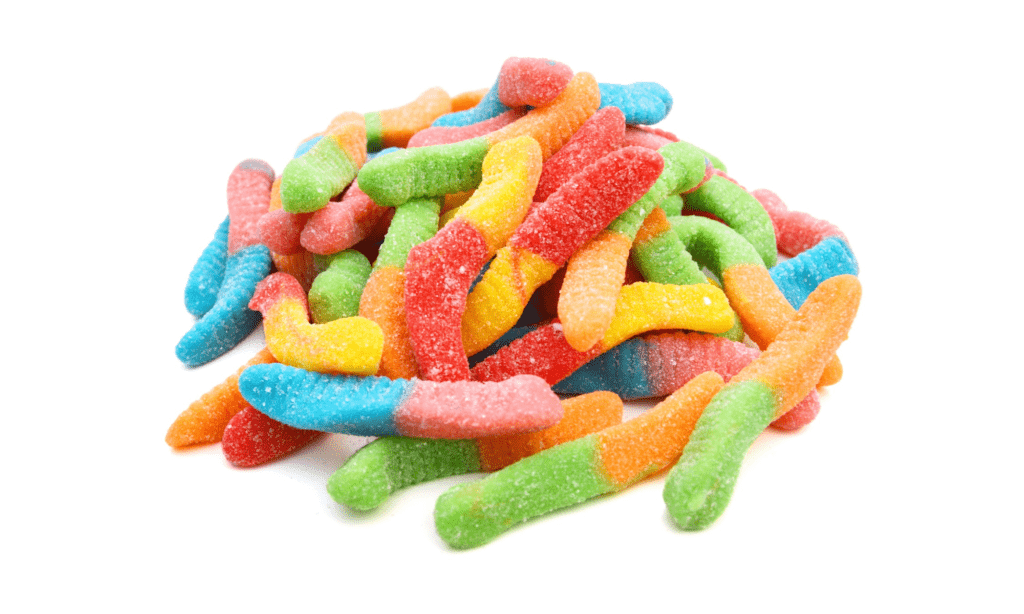
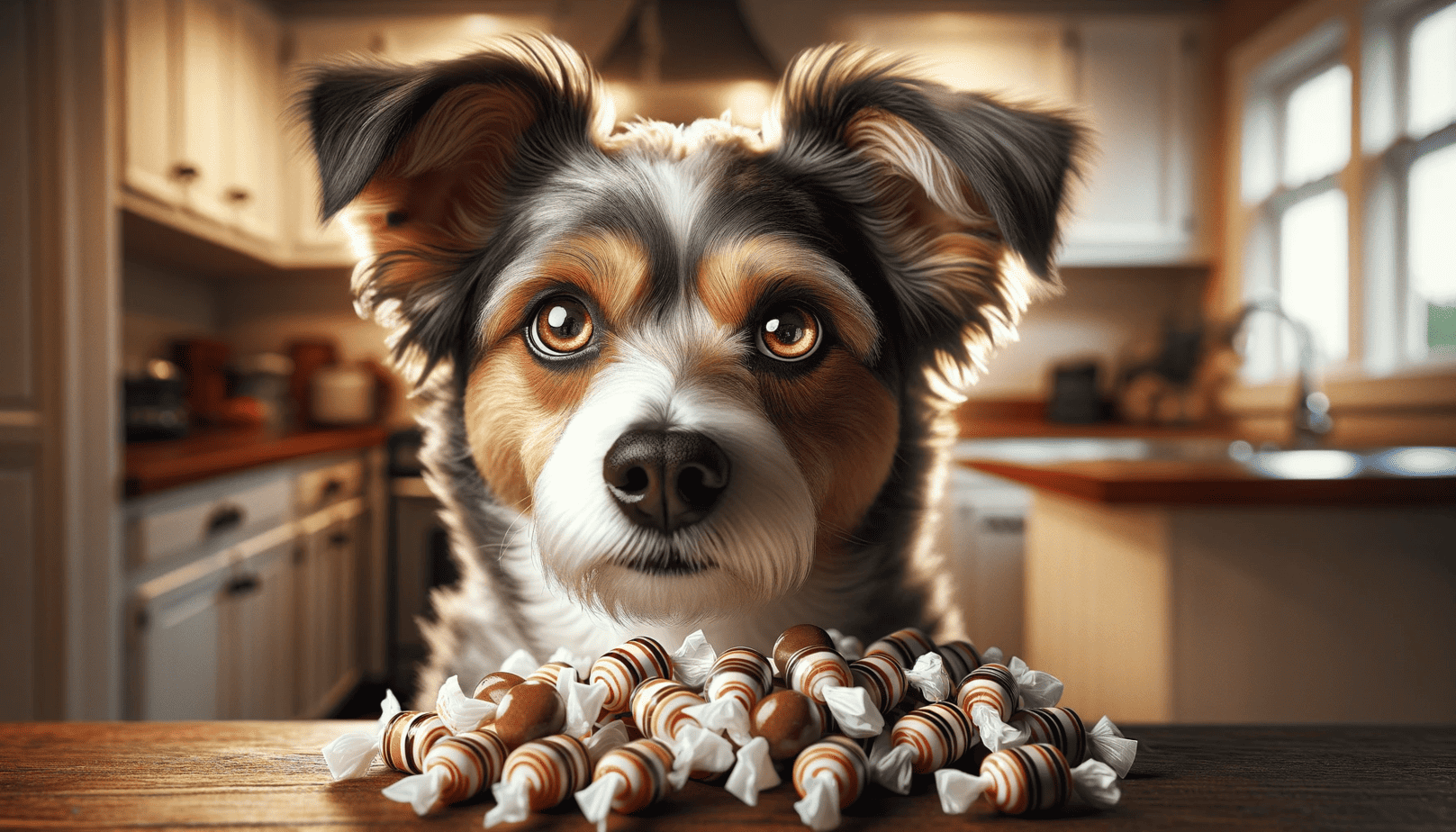
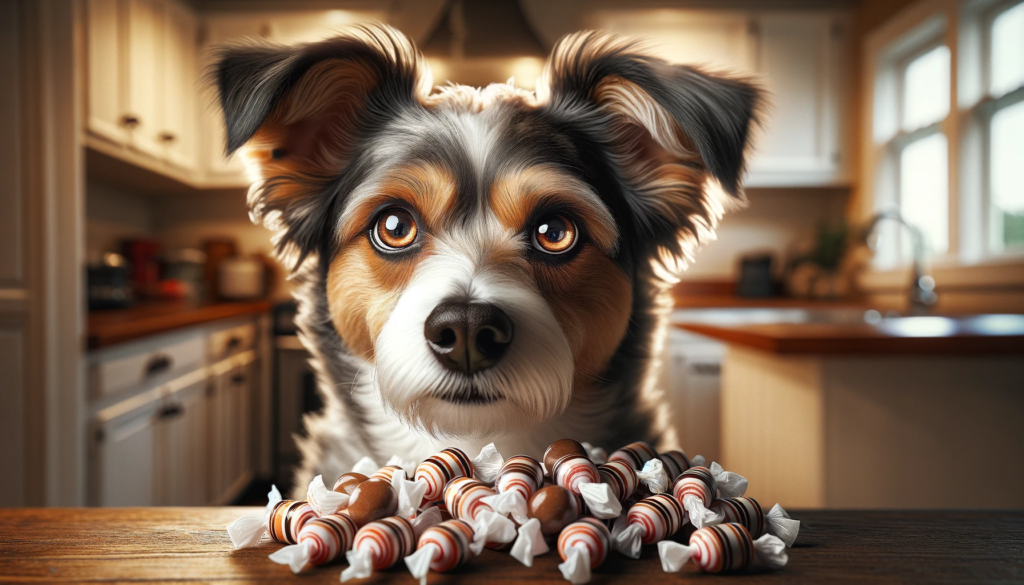
    You’ve probably seen those brightly colored, sugar-coated candies called Sour Patch Kids. They’re sour, then sweet – a popular treat among kids and adults alike. But have you ever wondered can dogs eat sour patch kids too?

    As a dog owner, it’s essential to be careful about what you feed your pet. In this article, we’ll explore the question “Can dogs eat Sour Patch Kids?” and explain why they’re not a good choice for your canine companion.
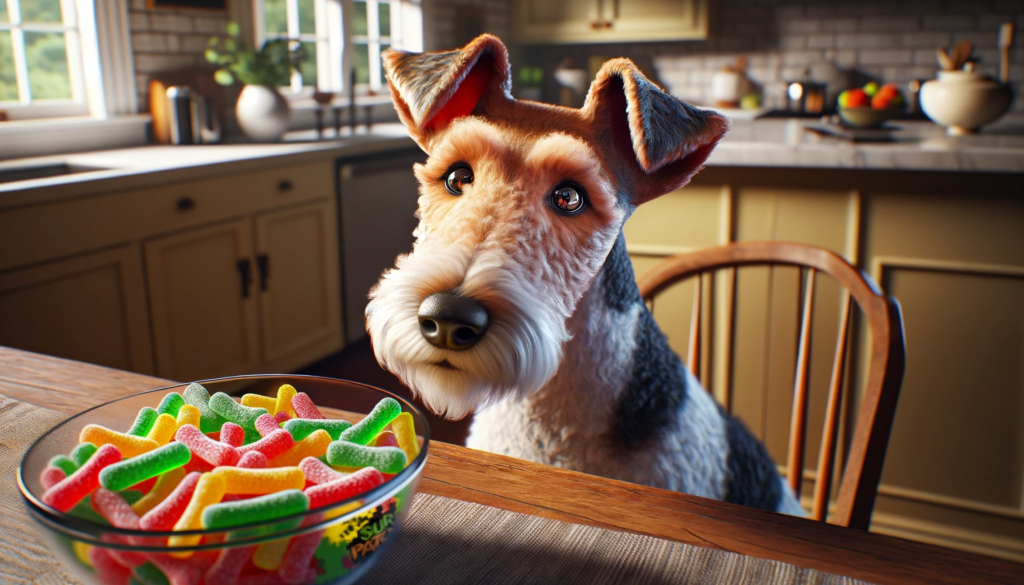
    can dogs eat sour patch kids

    What are Sour Patch Kids?

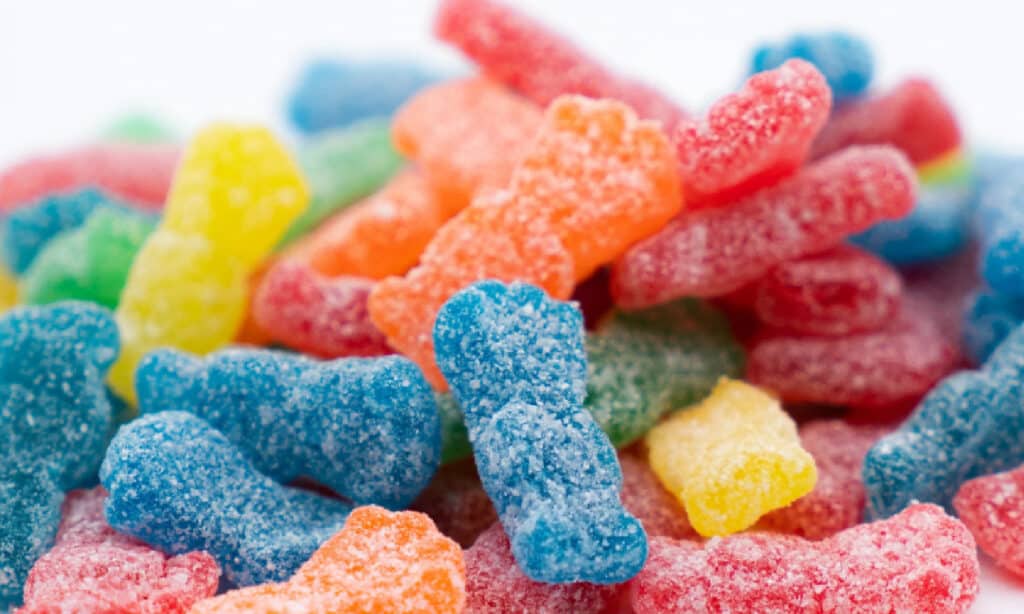
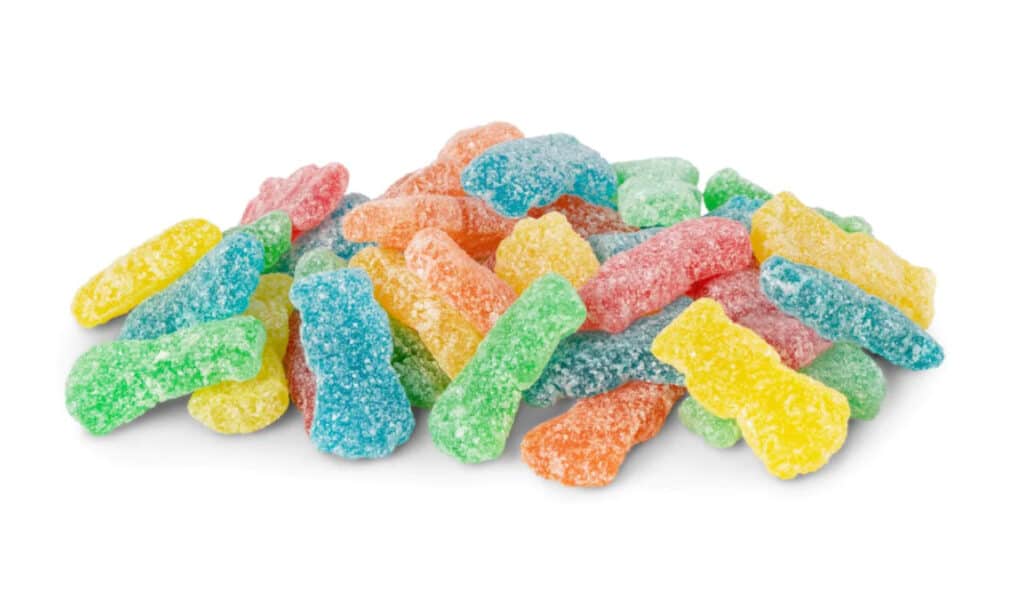
    Sour Patch Kids are a type of candy that has been around since the 1980s. They’re small, soft candies coated in sour sugar that turns sweet after a few seconds of chewing. Originally created by a Canadian company called Jaret International (now owned by Mondelēz International), these treats have become increasingly popular over the years.

    Why Do People Wonder if Dogs Can Eat Them?

    Pet owners often wonder if their furry friends can join them in enjoying their favorite foods. Dogs have different digestive systems than humans and are prone to certain health issues when consuming certain foods.

    Some dog owners may think that since Sour Patch Kids are made with sugar and gelatin, they might not be harmful to their pets. However, while it’s true that dogs enjoy sweet flavors just like humans do, there are many factors to consider before feeding them any type of junk food or candy – including Sour Patch Kids.
    can i give my dog sour patch kids

    The Dangers of Feeding Your Dog Candy

    Feeding your dog candy can lead to serious health problems such as tooth decay, obesity, diabetes, digestive issues or even death in some cases. Most candies contain high amounts of sugar and other additives like artificial colors and flavors which aren’t suitable for dogs’ digestive system.

    Why are Sour Patch Kids Bad for Dogs?

    While Sour Patch Kids don’t contain xylitol (a sugar substitute that can be toxic to dogs), they still pose several risks to your furry friend. For starters, these candies have a very high sugar content which can lead to weight gain and other health problems. Additionally, the artificial colors and flavors found in these candies can cause digestive issues such as diarrhea, vomiting or even pancreatitis – a serious condition that affects the pancreas’ ability to function properly.

    While it might be tempting to share your favorite treats with your furry friends, it’s best to avoid feeding them candy like Sour Patch Kids. Dogs have different nutritional requirements than humans and need a diet that is specifically tailored for their needs. As responsible pet owners, we should make every effort to ensure our pets stay healthy and happy by feeding them proper food and treats.
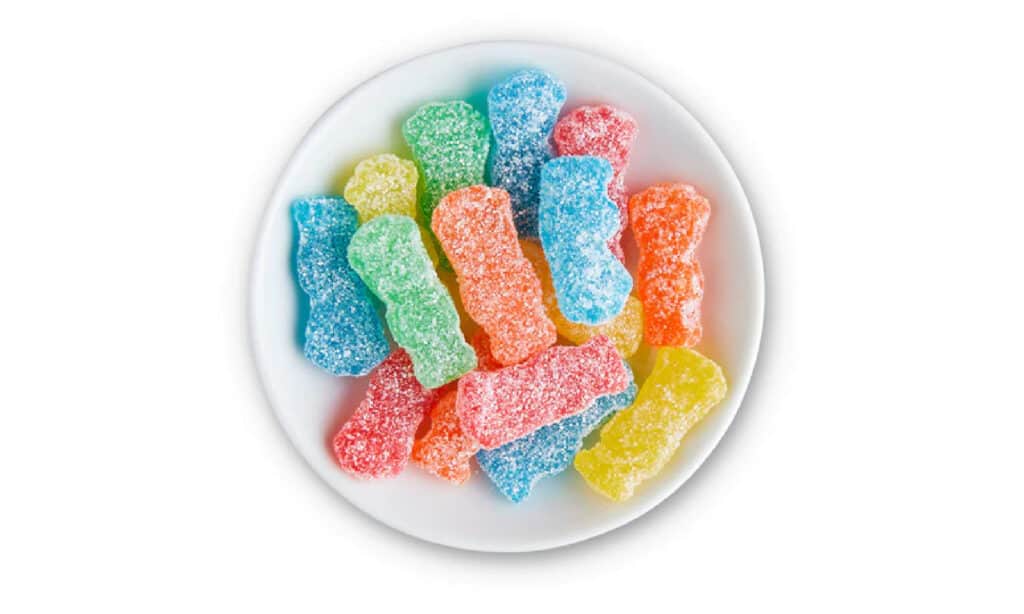
    sour patch kids for dog

    Can Dogs Eat Sour Patch Kids?

    Dangers of Feeding Dogs Candy

    As much as we all love to spoil our furry friends, it’s important to remember that not all human foods are safe for dogs. In fact, some can be downright dangerous!

    One such food is candy, which can pose a number of health risks for our four-legged companions. One of the biggest dangers of candy is the presence of xylitol, a sugar substitute commonly found in sugar-free gum and other sweets.

    Xylitol is highly toxic to dogs and can cause rapid insulin release, leading to hypoglycemia (low blood sugar), seizures, liver failure and even death. Therefore, it’s always important to check the ingredients list before giving any type of candy or sweet treat to your dog.

    Sour Patch Kids and Xylitol

    Thankfully for those with a sweet toothed pooch at home, Sour Patch Kids do not contain xylitol. However, this doesn’t mean that they’re a safe choice for dogs either.

    Even though they might not be directly harmful like candy containing xylitol would be it’s still best practice not sharing any human candy with your dog. Sour Patch Kids are loaded with sugar – just one serving contains 16 grams!

    This amount may seem small compared to other sugary treats but it should still be considered when thinking about what your pet is consuming. In addition to high levels of sugar content in sour patch kids there are also artificial colors and flavorings that may not sit well with every dog’s digestive system.

    Some dogs may experience upset stomachs or other digestive issues after consuming these types of ingredients. In sum: while Sour Patch Kids don’t contain xylitol (which is great news!) they’re still not an ideal choice when it comes to feeding your dog.

    Candy in general is not a healthy option and can lead to a number of potential health problems, both in the short and long term. If you’re looking for safe, healthy treats for your dog, consider alternatives such as fruits or vegetables (such as blueberries or carrots) but as always, practice moderation when it comes to treating your furry friend.
    can i give dogs sour patch kids

    Why Are Sour Patch Kids Bad for Dogs?

    High Sugar Content

    Sour Patch Kids, like most candies, contain high levels of sugar. While sugar may be a tasty treat for humans, it can have detrimental effects on our furry friends.

    Just like in humans, too much sugar can lead to obesity in dogs. Obesity can cause a variety of health issues such as joint problems, heart disease, and even diabetes.

    Additionally, the high sugar content in Sour Patch Kids can also lead to dental problems in dogs. Sugar feeds harmful bacteria that live in your dog’s mouth and can cause cavities and gum disease.

    Artificial Colors and Flavors

    In addition to the high sugar content of Sour Patch Kids, there are also artificial colors and flavors present that can cause digestive issues in some dogs. Many artificial additives have been linked to gastrointestinal disorders such as vomiting or diarrhea when ingested by animals. One particular color to avoid is Red 40 (also known as Allura Red AC), which is commonly found in many candies including Sour Patch Kids.

    This color has been linked to hyperactivity and behavioral issues in dogs. It’s important to pay attention to ingredient lists on any food or treat you give your furry friend.
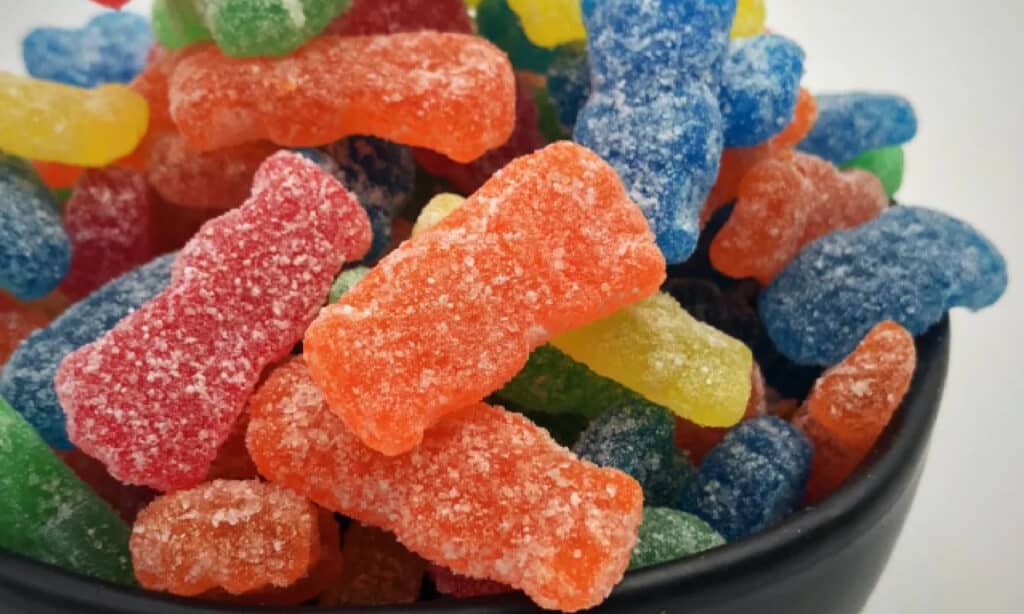
    The Importance of Monitoring Your Dog’s Diet

    As pet owners, it’s important to remember that our dogs are not just our companions but also members of our family. We want them around for as long as possible with the best quality of life possible too! Feeding them treats like candy may seem harmless on occasion but doing so regularly will have negative consequences down the line.

    While it may be tempting to share your favorite treats with your dog, it is essential always to consider their health first when choosing what they consume. Relying too heavily on highly processed foods and treats could lead your pet down a path of poor health and shortened lifespan.

    Alternatives to Sour Patch Kids

    Fortunately, there are many dog-friendly alternatives to Sour Patch Kids. Instead of reaching for candy next time you want to treat your furry friend, consider healthy and nutritious choices like apple slices, carrot sticks, or a tablespoon of plain yogurt.

    It’s important to remember that even these alternative treats should always be given in moderation. Dogs still need a balanced diet consisting mainly of high-quality kibble or wet food that will provide them with the nutrients they need for optimal health.

    While sharing your favorite treats with your pup may seem like a fun idea, feeding dogs candy like Sour Patch Kids can have negative consequences. The high sugar content can lead to obesity and dental problems while the artificial colors and flavors can cause digestive issues in some dogs.

    Pet owners should always monitor their dog’s diet closely and choose healthy alternatives whenever possible. Remember: A happy pet is a healthy pet!
    can i give dog sour patch kids

    What Should You Do If Your Dog Eats Sour Patch Kids?

    Monitor Your Dog’s Behavior for Signs of Discomfort or Illness

    If your dog has eaten a Sour Patch Kid, the first thing you should do is monitor their behavior for any signs of discomfort or illness. Some dogs may experience digestive issues, such as vomiting or diarrhea, after eating candy or other sugary treats. Keep an eye on your dog’s energy level and appetite as well.

    If they seem lethargic or refuse to eat, it could be a sign that they’re not feeling well. It’s also important to watch for any changes in their behavior, such as increased anxiety or restlessness.

    If your dog does show any signs of discomfort or illness after eating a Sour Patch Kid, it’s best to contact your veterinarian right away. They can help determine if further treatment is necessary and provide guidance on how to care for your pet while they recover.

    Contact Your Veterinarian If There Are Any Concerns About Your Dog’s Health

    If you’re unsure whether your dog has ingested a significant amount of Sour Patch Kids or if you notice any unusual symptoms, contact your veterinarian immediately. They can advise you on the best course of action and let you know if any further treatment is necessary.

    In some cases, the vet may recommend bringing your dog in for an examination to make sure there are no underlying health issues. They may also suggest monitoring their symptoms at home and providing supportive care until they start feeling better.

    It’s important not to wait too long before seeking veterinary attention if you have concerns about your pet’s health. Dogs can’t tell us when something is wrong, so it’s up to us as responsible pet owners to be vigilant about monitoring their behavior and seeking medical help when needed.
    are sour patch kids good for dog

    Prevention Is Key

    The best way to avoid any potential health issues related to candy or sugary treats is to prevent your dog from eating them in the first place. Keep all candy and other sweets out of reach of your pets, and make sure your family and guests are aware of the dangers of feeding dogs human food.

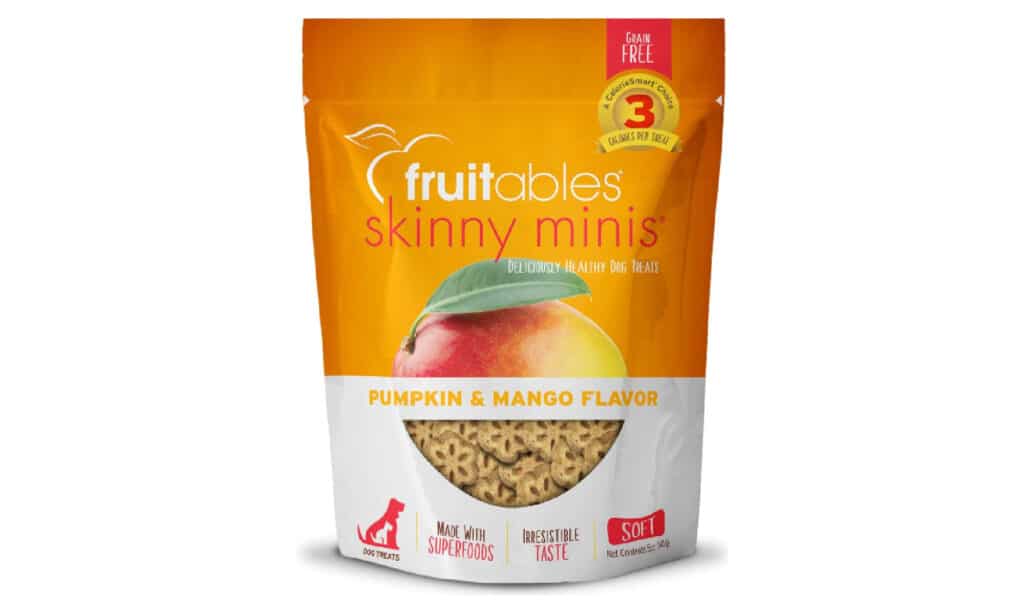
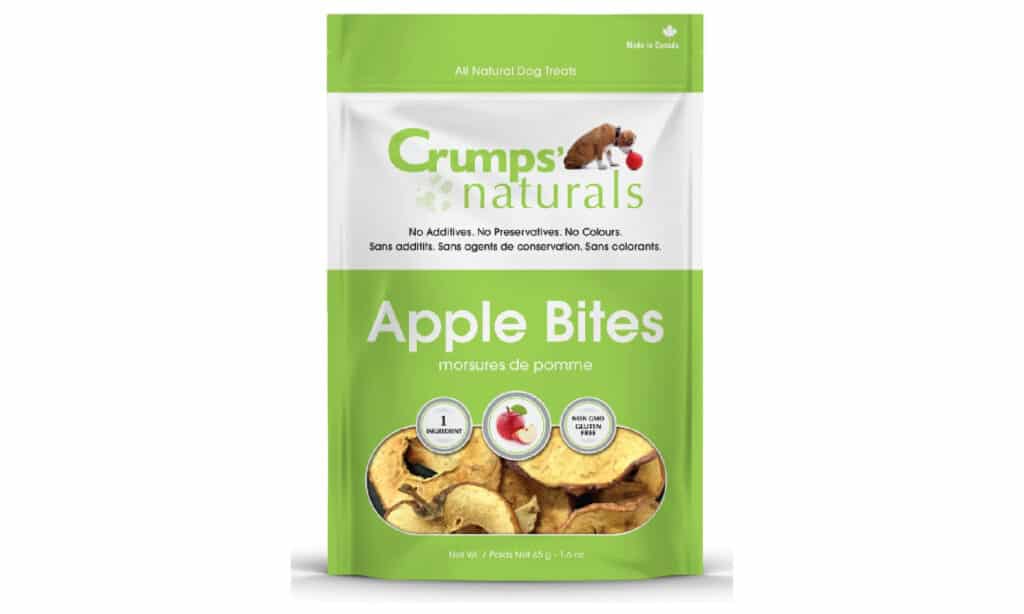
    Instead, offer your dog healthier treat options such as fresh fruits or vegetables, or specially formulated dog treats that are designed to be safe and nutritious for pets. With a little bit of planning and some extra attention, you can help keep your furry friend healthy and happy for years to come.

    The Bottom Line

    While it’s tempting to share our favorite treats with our furry friends, it’s important to remember that not all human foods are safe for dogs. Sour Patch Kids may not contain xylitol like some other candies do, but they still pose a risk to pets due to their high sugar content. If your dog does happen to eat a Sour Patch Kid or any other type of candy, monitor their behavior closely for any signs of discomfort or illness.

    Contact your veterinarian right away if you have concerns about their health. And most importantly, take steps to prevent any future incidents by keeping all potentially harmful foods out of reach of your pets.

    are sour patch kids safe for my dog

    Alternatives to Feeding Your Dog Candy

    Fruits and Vegetables as Treats

    If you’re looking for a healthier alternative to candy, consider giving your dog fruits and vegetables as a treat. Not only are they low in calories and high in fiber, but many dogs enjoy them too. Some fruits that are safe for dogs include apples, bananas, blueberries, and strawberries.

    Vegetables such as carrots, green beans, and sweet potatoes are also great options. Just be sure to cut the fruits into bite-sized pieces and remove any seeds or pits before feeding them to your dog.

    Peanut Butter Treats

    Another great alternative to candy is peanut butter treats. Many dogs love the taste of peanut butter, and it’s a good source of protein and healthy fats.

    You can purchase peanut butter flavored treats at most pet stores or make your own at home using all-natural peanut butter. Just make sure the peanut butter doesn’t contain xylitol which can be toxic to dogs.

    Bully Sticks

    Bully sticks are a popular treat among dog owners because not only do they satisfy your dog’s desire to chew but they are also packed with protein. These natural beef chews come in many different sizes making them ideal for all breeds of dogs.
    are sour patch kids for dog

    Freeze-Dried Meat Treats

    Freeze-dried meat treats like chicken liver or salmon can be an excellent source of protein for your furry friend while still satisfying their need for something tasty. These treats come in small bite-sized pieces that make them perfect training rewards or just as an occasional snack.

    Remember: Moderation is Key

    While it’s important to offer your dog healthy alternatives when it comes to treats, it’s important not to go overboard with any type of treat including fruits, vegetables or meats. Too much of anything can be harmful and lead to obesity or other health issues. Follow the guidelines on the package when it comes to serving sizes, and always consider your dog’s overall daily calorie intake.

    are sour patch kids safe for dogs

    Conclusion: Be Mindful of What You Feed Your Dog

    While it may be tempting to share your favorite candy with your furry friend, it’s important to be mindful of what you feed them. As we’ve discussed in this article, Sour Patch Kids can cause a range of health issues for dogs, from obesity to digestive problems.

    And while they don’t contain xylitol like some other candies do, they’re still not a good choice for our four-legged companions. So what should you feed your dog instead?

    There are plenty of healthy and tasty options out there that won’t put your dog’s health at risk. Fruits and vegetables are always a safe bet – just make sure to avoid those that are toxic to dogs, such as grapes and onions.

    Carrots and apples are great options that most dogs love. Another option is to make homemade treats for your dog.

    This not only ensures that you know exactly what’s going into their food, but it can also be a fun activity for both you and your pup. There are countless recipes online for everything from peanut butter biscuits to frozen yogurt treats.

    Of course, even when feeding your dog healthy treats, it’s important to practice moderation. Treats should make up no more than 10% of your dog’s daily caloric intake – anything more than that can lead to weight gain and other health issues.

    Overall, the key takeaway here is that while sharing our favorite foods with our pets may seem like a way to show them love, it’s ultimately not worth risking their health over. By being mindful of what we feed our dogs and opting for healthy alternatives instead of candy or other unhealthy foods, we can help ensure they live long and happy lives by our sides.

    ~Lindsie

    A note about your dog’s health

    This article provides general education and does not replace an examination, diagnosis, or individualized advice from your veterinarian. Contact a veterinary professional if you are concerned about your dog’s symptoms.

    Lindsie Parks B.S., CRDNS Avatar

    ABOUT THE AUTHOR
  • Can Dogs Eat Caramel Popcorn? Will It Hurt Their Teeth?

    Can Dogs Eat Caramel Popcorn? Will It Hurt Their Teeth?

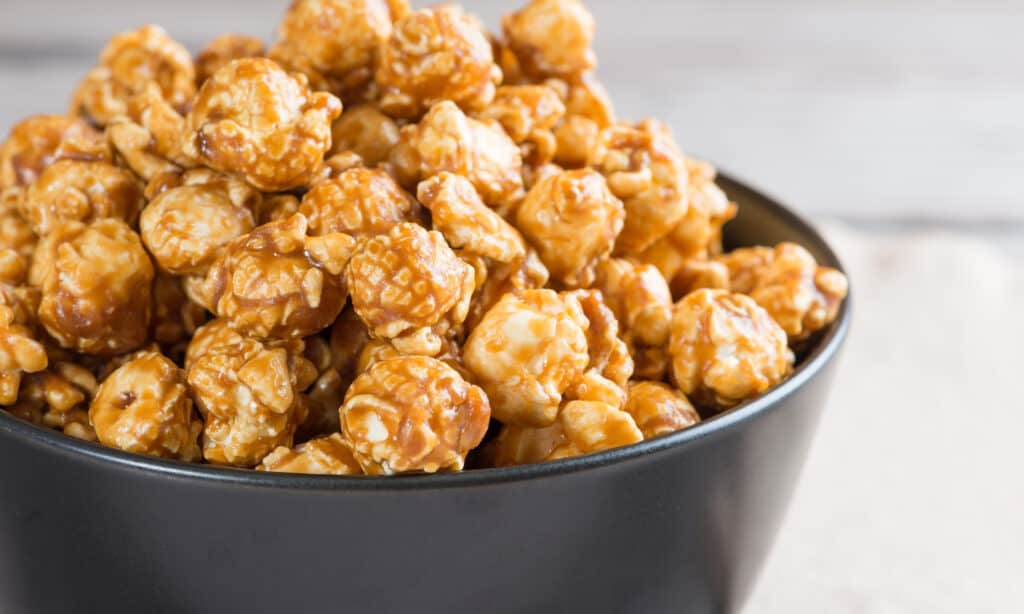
    Have you ever been munching on caramel popcorn and noticed your furry friend staring at you longingly? Maybe you thought about giving them a piece but then hesitated, wondering if it was safe for them to eat. Can dogs eat caramel popcorn? The answer is technically, no.

    This is a common concern among dog owners when it comes to human food. While most dogs are happy eating their regular kibble or canned food, they can sometimes develop an interest in “people food”.

    As pet parents, we want to make sure that what we feed our dogs is not only safe but also healthy. So let’s dive into the topic of whether or not dogs can eat caramel popcorn.

    can dogs eat caramel popcorn

    Why People Might Wonder if Dogs Can Eat Caramel Popcorn

    Popcorn is a popular snack for humans and often enjoyed during movie nights or as a quick snack on-the-go. It’s light, crunchy, and satisfying.

    Caramel popcorn takes this snack to another level with its sweet and savory flavor combination. Naturally, when our pets see us enjoying something that smells delicious to them too, they may beg for a bite.

    Some pet owners might wonder if it’s okay to share this snack with their dog. Others may not even give it a second thought and simply toss their furry friend a piece without considering the potential risks involved.

    As responsible pet owners, we should always be aware of what foods are safe for our beloved pets so they can live long and healthy lives. In the next section, we’ll delve deeper into whether or not dogs can safely consume caramel popcorn.

    can my dog have caramel popcorn

    Can Dogs Eat Caramel Popcorn?

    Popcorn is a favorite snack of many humans, and it’s easy to see why. It’s easy to make, affordable, tasty, and comes in a variety of flavors. Caramel popcorn is especially popular because it has a sweet and salty taste that people love.

    But what about dogs? Can they eat caramel popcorn too?

    The answer is yes; dogs can technically eat caramel popcorn. Popcorn itself is not harmful to dogs in moderation.

    It’s actually an excellent source of carbohydrates, fiber, and protein. However, when we add caramel sauce to the popcorn, things get a bit complicated.

    While small amounts of caramel sauce are unlikely to harm your dog, large amounts can lead to serious health problems. One risk associated with feeding your dog caramel popcorn is the added sugar content in the caramel sauce.

    Too much sugar can cause obesity and other health problems like diabetes in dogs just as it does in humans. Moreover, some dogs have sensitive digestive systems that cannot tolerate high levels of sugar or processed foods.

    Another potential danger associated with feeding your dog caramel popcorn is choking hazards. Popcorn kernels are small enough for them to choke on or get caught in their teeth or throat causing injury or infection later on.

    is caramel popcorn safe for dogs

    Will it hurt their teeth?

    Dogs love to chew on things, but not everything we give them is safe for their dental health. Caramel popcorn is a good example of a snack that can be hazardous to dogs’ teeth. This tasty treat can stick to your dog’s teeth and gums, promoting the growth of bacteria in their mouth.

    Over time, this can lead to tooth decay and other dental issues. When dogs eat caramel popcorn, the sugar sticks to their teeth and gums.

    The sugar feeds the bacteria in their mouth which produces acid that eats away at tooth enamel over time. The longer the caramel stays in contact with the dog’s teeth, the higher likelihood of developing cavities or gum disease.

    It’s important for dog owners to know that there are several potential risks associated with feeding human food to dogs beyond just caramel popcorn. Foods high in sugar or carbohydrates like candy or sugary drinks can cause similar damage as well.

    Additionally, hard foods such as bones or ice cubes can cause tooth fractures when your pet chews them. If you want your furry friend’s pearly whites to stay healthy, avoid giving them sweet treats like caramel popcorn as much as possible.

    How Caramel Popcorn Can Damage A Dog’s Teeth

    When dogs eat foods high in sugars or carbohydrates like caramel popcorn repeatedly over time, it leads to plaque buildup on their teeth surface which leads ultimately to dental problems. When combined with normal oral bacteria present in a dog’s mouth, it forms acids that attack tooth enamel over time leading to decay if left untreated.

    Caramel is sticky by nature which makes it an especially problematic food for canine dental health because it will cling onto surfaces even after being chewed up by saliva. This increases the risk of causing cavities since its residue will remain on your pet’s teeth long after consumption unless properly brushed off soon after eating.

    Many dog owners are not aware of the impact that human food can have on a dog’s dental health. Other than sugar and carbohydrate-rich foods, there are several other types of human foods that could potentially damage your pet’s teeth. For example, bones and hard chews can cause tooth fractures or even break their teeth.

    Aside from the physical hazards of certain human foods, another major concern is the potential ingestion of toxins or harmful ingredients like xylitol (a sugar substitute) which could be fatal for dogs. It is important for all dog owners to understand that feeding dogs with high-sugar or high-carb food endangers their oral health.

    This doesn’t mean that you have to totally cut out treats though! There are several alternative options such as carrots, apples, and green beans which are excellent low-sugar snacks for your furry friend.

    sharing caramel popcorn with dog

    Suggestions for healthier, dog-friendly snack options

    When it comes to treating your furry friend, it’s important to choose foods that are healthy and safe for them. While caramel popcorn may be a tempting treat to share with your dog, there are plenty of other options that will satisfy their cravings without harming their health. Here are some suggestions for dog-friendly snacks:

    • Carrots: Not only do carrots offer a satisfying crunch, they’re also packed with vitamins and minerals that promote good health. They’re low in calories and high in fiber, making them an excellent choice for dogs who need to watch their weight.
    • Apples: Like carrots, apples are loaded with nutrients and fiber but also provide natural sweetness that many dogs enjoy. Just be sure to remove the seeds and core before feeding them to your pup.
    • Peanut butter and banana bites: This is a quick and easy snack you can make at home by slicing up a banana into bite-sized pieces and spreading peanut butter on top. Not only will your dog love the flavor combination, but peanut butter is also a great source of protein.
    • Frozen yogurt treats: Mix plain non-fat Greek yogurt with some mashed up fruit like blueberries or strawberries then freeze it in ice cube trays or silicone molds for an easy-to-serve treat on hot days.
    • Sweet potato chews: Thinly slice sweet potatoes into long strips then bake them at 250°F until they’re crispy around the edges but still slightly soft in the middle – this makes an excellent chew option that dogs go crazy over!

    Tips for keeping your dog’s teeth healthy and clean

    Maintaining good dental hygiene is just as important for dogs as it is for humans – after all, no one likes bad breath! Here are some tips to help keep your pup’s teeth healthy:

    • Brush regularly: Invest in a toothbrush and toothpaste specially formulated for dogs and make it a point to brush your dog’s teeth regularly – ideally every day or at least a few times a week.
    • Offer chew toys: Chewing on hard toys can help scrape away plaque and tartar buildup, which in turn helps prevent gum disease and tooth decay. Just be sure to choose sturdy, non-toxic toys that are appropriate for your dog’s size and chewing habits.
    • Choose dental treats: There are plenty of treats on the market that are designed to promote good dental health by cleaning teeth and freshening breath.
    • Schedule regular checkups: Just like humans, dogs should have their teeth checked by a veterinarian on a regular basis – ideally once a year at their annual checkup. This will help catch any potential dental issues early on before they become more serious.
    • Avoid sugary or sticky foods: Just like with humans, sugary or sticky foods can wreak havoc on dogs’ teeth by promoting bacteria growth – so avoid sharing sweet treats like caramel popcorn with your furry friend!

    Conclusion

    When it comes to feeding your dog snacks like caramel popcorn, it’s important to keep their health and well-being in mind. While it might be tempting to share your favorite treats with them, doing so could lead to serious health issues down the line.

    Instead of offering your dog sweet or salty snacks from your own plate, consider investing in some high-quality dog treats that are specifically formulated for healthy canine nutrition. Not only will this help keep them healthy and happy, but it will also ensure that you’re not inadvertently contributing to any harmful behaviors or habits.

    Remember: Your dog relies on you for their nutrition and overall well-being. By sticking with good-quality foods and avoiding harmful ingredients like those found in caramel popcorn, you’ll be able to give them everything they need to live a long and happy life by your side!

    ~Lindsie

    A note about your dog’s health

    This article provides general education and does not replace an examination, diagnosis, or individualized advice from your veterinarian. Contact a veterinary professional if you are concerned about your dog’s symptoms.

    Lindsie Parks B.S., CRDNS Avatar

    ABOUT THE AUTHOR

  • Can Dogs Have Caramel? Everything You Need To Know

    Can Dogs Have Caramel? Everything You Need To Know

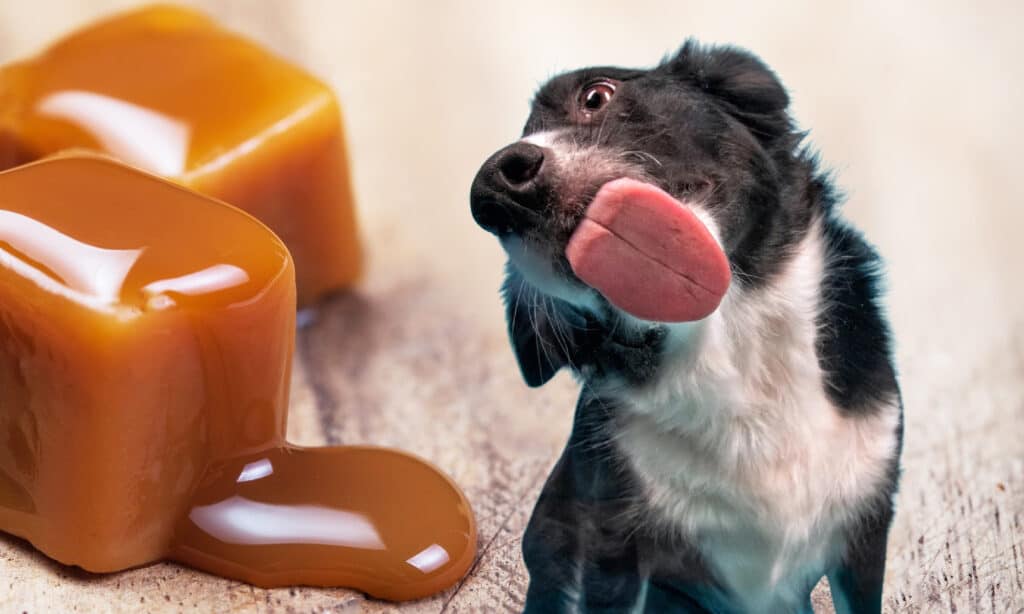
    We all adore our furry companions and want the best for them. But as we all know, keeping them safe and healthy is more than just regular walks and a good scratch behind the ears. It involves knowing what’s good and what’s bad for their diet too. And that’s why we’ve got a scrumptious topic to discuss today – caramel. It’s sweet, it’s sticky, and it’s a common ingredient in so many of our favorite treats. But can dogs have caramel? The short answer is no, dogs should not have caramel.

    As you’re unwrapping that caramel candy or slicing a piece of caramel-drizzled cake, your pooch might be looking at you with those irresistible, pleading eyes. Should you give in and let them have a taste? Or could that bite lead to health issues?

    In this blog post, we’ll dive deep into the world of caramel and dogs. We’ll discuss what caramel is, the possible health effects it might have on your canine companion, and how to handle situations where your dog might have snuck a bite. Read on to ensure that you’re informed, prepared, and able to give your furry friend the best care possible!

    can my dog eat caramel

    What is Caramel?

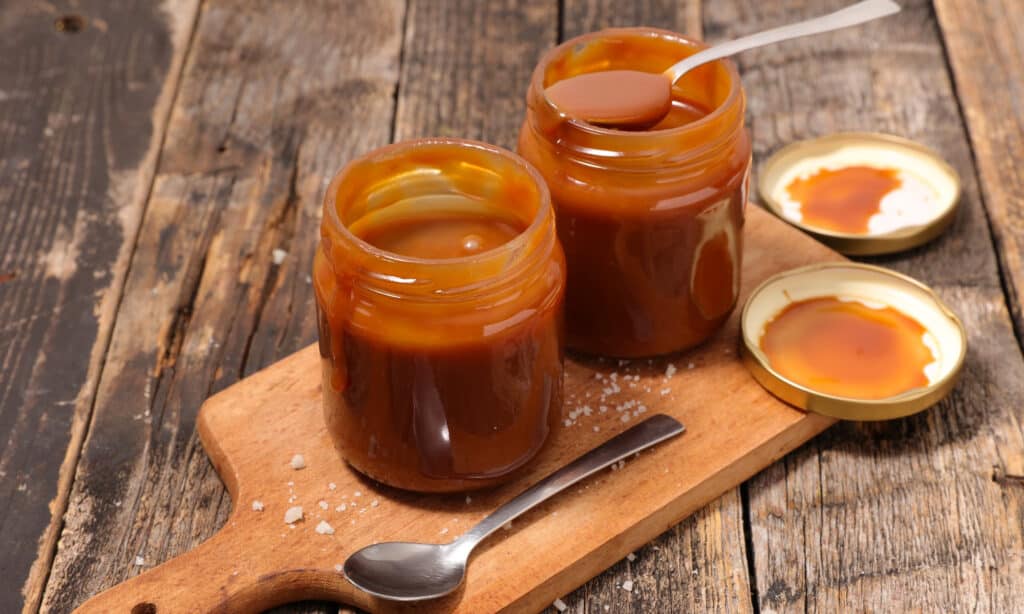
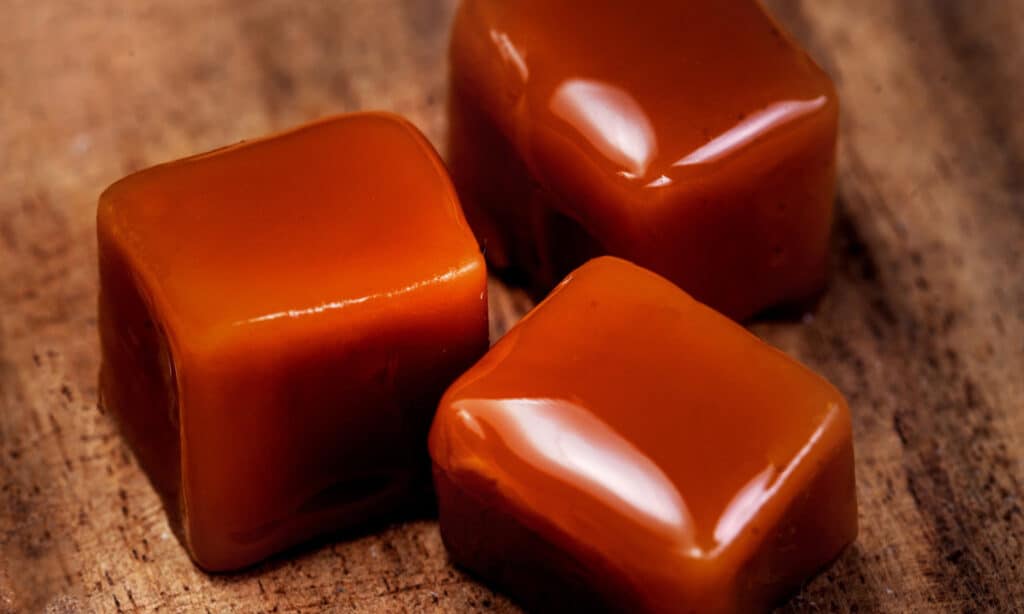
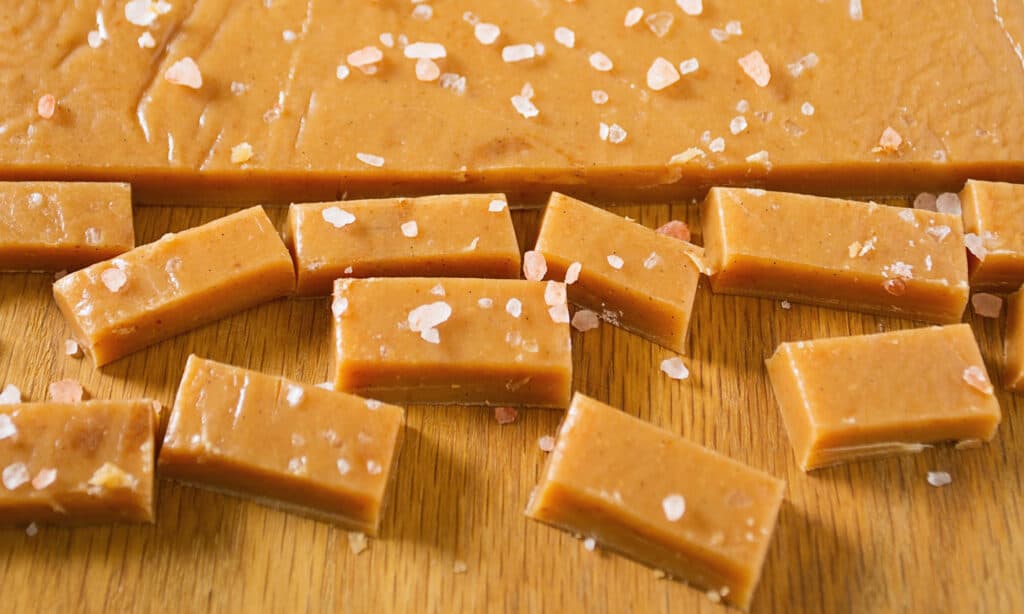
    Caramel, that delightful, gooey substance that makes our desserts even more irresistible, is a confectionery product made by heating various types of sugars. It can range in color from golden to deep brown, depending on how long it’s been heated. The process of making caramel is known as caramelization, where sugar is slowly heated to around 170°C (340°F). This results in sugar molecules breaking down and forming a complex mixture of compounds, giving caramel its unique flavor and color.

    Typically, caramel is made up of sugar, water, and sometimes a bit of salt or vanilla for extra flavor. Commercially produced caramels may also contain milk or cream, making them softer and chewier. You’ll find caramel in a variety of treats, from candies and chocolates to sauces and flans. It’s a versatile ingredient loved for its rich, sweet, and slightly buttery taste.

    However, as we all know, just because something is delicious to us humans, doesn’t mean it’s good for our four-legged friends. So, before you succumb to your pup’s pleading eyes, it’s important to understand the impact caramel might have on their health. Let’s delve into that next.

    is caramel safe for dogs

    The Canine Diet: What’s Healthy?

    Dogs, being the loyal companions that they are, often seem to be interested in whatever we’re eating. But it’s crucial to remember that dogs’ dietary needs and digestive systems are very different from ours. So, what exactly constitutes a healthy diet for a dog?

    First and foremost, dogs are primarily carnivorous but can be considered omnivores in a dietary sense. This means their diet should be rich in animal protein sources like meat, poultry, and fish. But it’s not all about the meat. Dogs also need a balanced intake of vegetables, fruits, and grains for essential vitamins, minerals, and fiber.

    In terms of nutrients, a dog’s diet should be high in protein, followed by a balanced amount of fats, and a small portion of carbohydrates. Essential nutrients like vitamins A, B, D, E, and K, as well as minerals like calcium, potassium, and iron, play vital roles in a dog’s overall health and well-being.

    It’s important to note that while dogs can consume some fruits and vegetables, not all are safe for them. Foods like grapes, raisins, onions, garlic, chocolate, and anything containing caffeine or alcohol are toxic to dogs and should be avoided.

    Commercial dog foods are typically formulated to meet these dietary needs. They come in various forms – kibble, canned, raw, and dehydrated. Feeding your dog high-quality, vet-approved dog food is usually the easiest way to ensure they’re getting the balanced nutrition they need.

    Treats are also part of a dog’s diet, but they should not make up more than 10% of a dog’s daily calorie intake. Treats are often used for training purposes and as a way to show affection. However, it’s essential to choose dog-friendly treats that are safe and healthy.

    With all this in mind, it’s clear that the question of whether dogs can have caramel is not just about whether they’ll enjoy it (they probably will!), but whether it’s good for their health. So, let’s dig deeper into this sweet conundrum.

    is caramel toxic for dogs

    Can Dogs Have Caramel

    The short answer is: it’s best to avoid feeding your dog caramel. Although small amounts of caramel aren’t likely to be toxic to dogs, it’s not a healthy treat option for them. There are several reasons why caramel is not suitable for our furry friends.

    Firstly, caramel is high in sugar. Dogs do not need added sugars in their diet. Unlike humans, dogs can get all the energy they need from a balanced diet of proteins, fats, and complex carbohydrates. Consuming excess sugar can lead to obesity and other health problems in dogs, such as diabetes and dental issues.

    Secondly, some ingredients often found alongside caramel in various foods can be harmful, or even deadly, to dogs. For instance, chocolate and certain artificial sweeteners like xylitol, often found in candies, are toxic to dogs. So, a caramel-flavored treat that’s safe for humans might be dangerous for your pup.

    Lastly, caramel, especially when consumed in large amounts, can lead to gastrointestinal issues in dogs. The high sugar and fat content can cause upset stomach, vomiting, and diarrhea.

    So, while your dog might find the smell of caramel tantalizing and might gobble it up if given the chance, it’s better to resist those puppy dog eyes. Remember, as pet parents, our job is to ensure our furry friends stay healthy and happy. Stick to dog-friendly treats, and you can’t go wrong.

    is caramel safe for dogs

    Why Caramel Can Be Harmful to Dogs

    While those puppy dog eyes can be hard to resist, it’s essential to understand why caramel can be harmful to dogs. Let’s delve into the reasons a little deeper.

    • High Sugar Content: Caramel is made primarily from sugar, and it’s no secret that too much sugar is bad for anyone’s health, including our dogs. Unlike humans, dogs don’t need added sugars in their diet. Their bodies are designed to get all the necessary energy from proteins, fats, and some complex carbohydrates. Consuming excess sugar can lead to several health problems in dogs, including obesity, diabetes, and dental issues like tooth decay and gum disease.
    • Digestive Issues: Caramel, especially when consumed in large amounts, can cause gastrointestinal problems in dogs. This is due to its high sugar and fat content. Your dog might experience symptoms like an upset stomach, vomiting, and diarrhea after eating caramel.
    • Potential Presence of Toxic Substances: While caramel itself isn’t toxic to dogs, it’s often found in foods that contain ingredients which are harmful to dogs. For example, chocolate, a common partner to caramel, is toxic to dogs. Similarly, many sugar-free or reduced sugar foods and candies use artificial sweeteners like xylitol, which is extremely dangerous for dogs, even in small amounts.
    • Risk of Choking or Blockages: This might not apply to all types of caramel, but some candies or treats, like caramel apples or hard caramel candies, can pose a choking hazard or cause blockages in the digestive system, especially in small breed dogs.

    The key takeaway is that while a tiny lick of caramel might not immediately harm your dog, regularly allowing them to consume caramel or foods containing caramel can lead to serious health issues over time. It’s always better to err on the side of caution and keep your pup’s diet healthy, balanced, and dog-friendly.

    can my dog eat caramel

    Symptoms of Caramel Ingestion in Dogs

    Despite our best efforts, sometimes our dogs manage to get into foods they shouldn’t. If your dog has snuck some caramel, it’s important to know the potential symptoms that may arise.

    The symptoms your dog might experience can vary widely based on the amount of caramel they’ve consumed, the presence of any additional harmful ingredients, and your dog’s size, age, and overall health condition. Here are some signs to watch for:

    • Upset Stomach: One of the most common symptoms of caramel ingestion in dogs is an upset stomach. This could manifest as restlessness, discomfort, and decreased appetite.
    • Vomiting and Diarrhea: If your dog’s system is trying to get rid of something it doesn’t agree with, you might notice vomiting or diarrhea. If these symptoms persist, it’s important to contact your vet immediately.
    • Increased Thirst and Urination: High sugar content can cause an increase in thirst and urination. If you notice your dog drinking and urinating more than usual, it could be a sign that they’ve eaten something high in sugar like caramel.
    • Hyperactivity: Excess sugar can also lead to temporary hyperactivity. If your dog is more excitable, restless, or energetic than usual, they might have consumed a high-sugar food.
    • Lethargy: On the other hand, if your dog consumed caramel with toxic substances such as chocolate or xylitol, they might show signs of lethargy or weakness, and this requires immediate veterinary attention.
    • Other Serious Symptoms: In the worst-case scenario, if the caramel contained a toxic ingredient like xylitol, more severe symptoms like difficulty walking or standing, seizures, and even loss of consciousness could occur. These are emergency signs, and you should seek veterinary help immediately.

    Remember, these symptoms may not appear immediately and could develop several hours after ingestion. If your dog has eaten caramel and is showing any of these signs, or if you’re simply worried, it’s always a good idea to call your vet for advice. Prevention is always the best approach, but knowing the signs of trouble can make all the difference if your pup manages to sneak a sweet treat.

    The Role of Vets in Handling Caramel Ingestion

    If you suspect your dog has eaten caramel, especially in large quantities or if it contained other harmful ingredients like chocolate or xylitol, it’s crucial to contact your veterinarian immediately. Let’s take a look at the role of vets in handling caramel ingestion in dogs.

    • Assessing the Situation: Upon reaching out to your vet, they’ll likely ask questions about your dog’s size, the amount of caramel consumed, and any symptoms your dog may be displaying. This will help them assess the severity of the situation and guide you on the next best steps.
    • Treatment Plan: Depending on the situation, your vet might suggest monitoring your dog at home for any developing symptoms or advise you to bring your dog in for a check-up. In severe cases, immediate veterinary attention will be necessary.
    • Inducing Vomiting: In some instances, if your dog consumed the caramel recently, your vet might instruct you on how to induce vomiting at home, or they may do this at the clinic. This can help get rid of the harmful substance before it’s fully digested. However, you should never try to induce vomiting without the guidance of a vet.
    • Providing Supportive Care: If your dog has consumed a toxic ingredient, your vet might provide supportive care such as intravenous fluids, and medications to control symptoms, and in severe cases, hospitalization might be required.
    • Follow-up Checks: Your vet might also schedule follow-up appointments to monitor your dog’s recovery and ensure there are no long-term effects from caramel ingestion.
    • Preventive Advice: Your vet can provide advice on how to prevent such incidents in the future and educate you about safe treat alternatives for your dog.

    Remember, your vet is your best resource when it comes to your dog’s health. Don’t hesitate to reach out if you’re worried. It’s always better to be safe than sorry when it comes to the health and well-being of our furry friends.

    Preventive Measures: Keeping Caramel Away from Dogs

    The best way to keep our furry friends safe from the potential harm caused by caramel is prevention. Here are some steps you can take to ensure caramel and other potentially harmful foods stay out of your dog’s reach:

    • Safe Storage: Keep caramel and foods containing caramel safely stored away. This might mean placing them in high cupboards or using child-proof containers that your dog can’t open. Remember, dogs can be crafty, so it’s better to be safe than sorry.
    • Education: Make sure everyone in your household knows about the dangers of feeding caramel to dogs. This includes children, who might be tempted to share their sweet treats with their furry friends.
    • Trash Security: Dogs often find a way into the trash can, where they might find discarded caramel wrappers or food. Ensure your trash can is securely closed or stored in a place your dog can’t access.
    • Training: Train your dog to understand the command “leave it.” This can be a lifesaver, especially when your dog is about to pick up something harmful off the ground.
    • Use Dog-Safe Treats: To curb your dog’s sweet tooth, use dog-safe treats instead. There are plenty of dog-friendly treats available that can satisfy their craving for something tasty without the harmful effects.
    • Supervision: Keep an eye on your dog during walks or when they’re exploring new environments. Dogs are naturally curious and might pick up something harmful when unattended.

    Remember, prevention is always the best cure. By taking these steps, you’ll be helping to keep your dog safe, healthy, and happy. Dogs trust us to look out for them, and that includes keeping them safe from foods that could harm them.

    caramel: should i give it to my dog

    Alternatives to feeding dogs caramel

    List of Safe and Healthy Treats for Dogs

    If you’re looking for some safe and healthy alternatives to caramel, fear not! There are plenty of treats out there that your furry friend will love just as much. Here are a few options:

    • Carrots – Not only are they low in calories, but also high in fiber and vitamins. Plus, they’re great for keeping your pup’s teeth clean.
    • Apples – Apples are another great option for a low-calorie snack that is also high in fiber and vitamins.
    • Peanut Butter – As long as it doesn’t contain xylitol (a sugar substitute that is toxic to dogs), peanut butter can be a tasty treat filled with protein and healthy fats.
    • Blueberries – These little guys are packed with antioxidants, vitamins, and fiber.
    • Green Beans – Dogs love the crunchiness of green beans, which are also low in calories and high in vitamins.

    Homemade Dog Treat Recipes Without Using Caramel

    Another way to make sure your dog is getting safe treats is by making them yourself! Here are some easy homemade dog treat recipes that don’t use caramel:

    Peanut Butter Banana Bites

    • Mash up one ripe banana with 1/4 cup of creamy peanut butter until smooth.
    • Spoon the mixture into silicone molds or onto a baking sheet lined with parchment paper, then freeze until firm.

    Carrot Oatmeal Cookies

    • 1 cup of rolled oats
    • 1/2 cup of grated carrot,
    • 1/4 cup of unsweetened applesauce
    • 1 egg together until combined.

    Mix ingredients together. Drop onto a baking sheet lined with parchment paper and bake at 350°F for 20-25 minutes or until golden brown.

    should i feed my dog caramel

    Blueberry Yogurt Bites

    • 1 cup of plain non-fat Greek yogurt 1
    • 1/2 cup of fresh blueberries

    Mix ingredients together. Spoon the mixture into silicone molds or onto a baking sheet lined with parchment paper, then freeze until firm.

    Sweet Potato Chews

    • Slice a sweet potato into thin rounds and bake at 250°F for 3 hours or until crispy.

    These make great long-lasting chews that dogs love!

    Chicken Jerky

    • Cut boneless, skinless chicken breasts into thin strips and bake at 200°F for several hours or until fully dried out.

    This is a high-protein treat that dogs go crazy for. So next time you’re tempted to give your pup some caramel, consider one of these safe and healthy alternatives instead!

    Conclusion

    In conclusion, while we love to spoil our furry friends, it’s important to remember that not all human treats are safe for dogs. Caramel, with its high sugar content and potential presence of other harmful ingredients, is one such treat that’s best kept out of reach of our four-legged companions.

    It can be tough to resist those pleading eyes as we enjoy our sweet treats, but as responsible pet parents, our primary concern should always be the health and well-being of our dogs. Feeding your dog a balanced, nutritious diet and dog-safe treats is the best way to keep them healthy and satisfied.

    If your dog does manage to sneak some caramel, remember not to panic. Keep an eye out for any symptoms of discomfort, and don’t hesitate to reach out to your vet if you’re worried.

    In the end, our dogs depend on us to make the right decisions for their health. By keeping caramel off their menu, we’re doing just that.

    Thank you for joining us in exploring this topic. Keep following our blog for more insights into your dog’s health, nutrition, and overall well-being. Here’s to many happy, healthy years with your canine companion!

    ~Lindsie

    A note about your dog’s health

    This article provides general education and does not replace an examination, diagnosis, or individualized advice from your veterinarian. Contact a veterinary professional if you are concerned about your dog’s symptoms.

    Lindsie Parks B.S., CRDNS Avatar

    ABOUT THE AUTHOR

  • Can Dogs Have Cotton Candy? Is It Bad For Them? 

    Can Dogs Have Cotton Candy? Is It Bad For Them? 

    Medically Reviewed by: Dr. Candy Akers, DVM

    What is Cotton Candy?

    Cotton candy, a tasty and nostalgic treat, has been a staple at carnivals, fairs, and festivals for decades. Its melt-in-your-mouth texture and vibrant colors make it a favorite among children and adults alike. While humans may enjoy this sugary confection, it’s important to know if your furry friend should have it. The short answer is no, dogs should not have cotton candy. In this article, we’ll delve into the history of cotton candy, its ingredients, and the potential risks it poses to dogs. We’ll also explore safe alternatives for your furry friend. And provide tips on how to prevent your dog from consuming cotton candy and other harmful substances.

    can dogs have cotton candy

    What Do They Make Cotton Candy From?

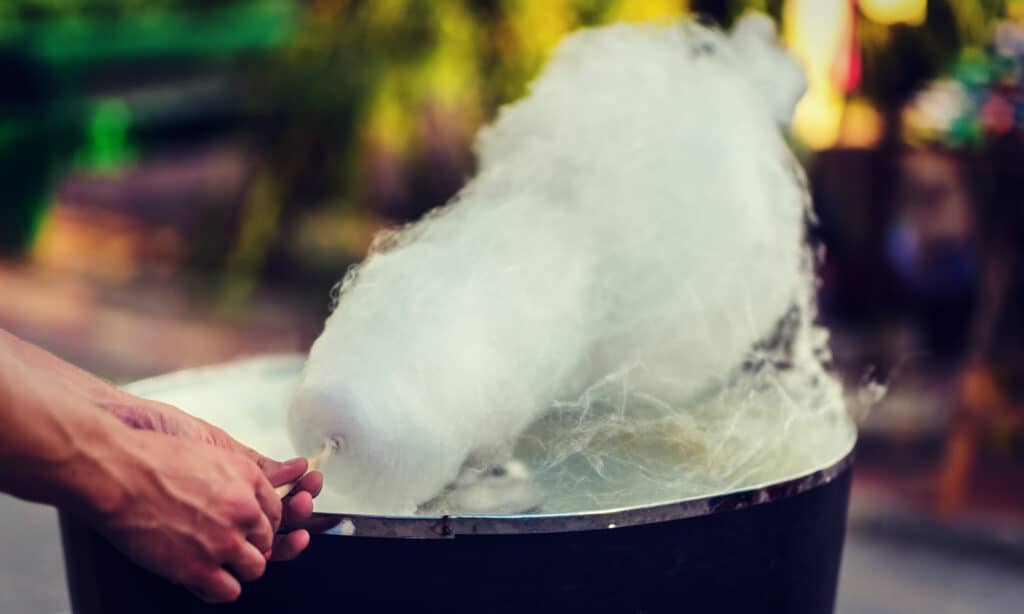
    Cotton candy is a spun sugar confection that consists mostly of refined sugar. It’s mixed with small amounts of flavorings and food coloring. The unique texture of cotton candy results from the process of heating and spinning sugar into thin strands. They are then collected and formed into a fluffy, cloud-like mass.

    How is Cotton Candy Made?

    The process of making cotton candy uses a machine called a cotton candy machine. The machine consists of a central heating unit, a spinning head, and a collecting bowl. First, granulated sugar is poured into the central heating unit, where it is heated to a high temperature, causing it to melt. Flavorings and food coloring are then added to the molten sugar.

    The spinning head contains tiny holes, and centrifugal force forces the molten sugar through them. The sugar solidifies into thin strands upon contact with the air. These strands collect on the sides of the collecting bowl, forming a fluffy mass. Finally, gather the cotton candy using a paper cone or a stick to serve as a delicious treat.

    is cotton candy safe for dogs

    Cotton Candy Ingredients

    • Refined sugar: The primary ingredient in cotton candy is refined sugar. This provides its sweet taste and serves as the base for creating the fluffy texture.
    • Xylitol: Some cotton candy companies may use xylitol as a sugar substitute, particularly for sugar-free variants. Xylitol is a sugar alcohol that is lower in calories and has a lower glycemic index than sugar. However, it is toxic to dogs and can pose serious health risks.
    • Artificial color: Cotton candy comes in various colors, most commonly pink and blue. These colors are achieved by adding artificial food coloring to the molten sugar mixture. While most food colorings are safe for human consumption, some may not be suitable for dogs, especially in large quantities.

    Risks Associated with Xylitol Consumption

    Xylitol, a sugar substitute commonly used in sugar-free products, poses a significant threat to dogs. When ingested, xylitol can cause a rapid release of insulin in dogs. This leads to hypoglycemia (low blood sugar) within a short period. Hypoglycemia can result in various symptoms, including weakness, vomiting, loss of coordination, seizures, and, in severe cases, even death. Additionally, xylitol can cause acute liver failure in dogs, which can also be fatal.

    It is crucial never to feed cotton candy containing xylitol to your dog. While not all cotton candy contains xylitol, it’s best to err on the side of caution. Avoid giving cotton candy to your dog altogether. Apart from xylitol, the high sugar content in cotton candy can also be a danger to your dog’s health.

    what do i do if my dog eats cotton candy

    Nutritional Impact of Cotton Candy on Dogs

    Cotton candy offers little to no nutritional value for dogs. Its primary ingredient, refined sugar, provides only empty calories, with no essential vitamins, minerals, or nutrients required for a dog’s well-being. Feeding cotton candy to your dog may not only lack nutritional benefits but may also harm their overall health.

    Potential Health Consequences of Cotton Candy Consumption:

    • Obesity: The high sugar content in cotton candy can lead to an excess caloric intake, increasing the risk of obesity in dogs. Obesity can cause a variety of health issues, including joint problems, heart disease, and a shortened lifespan.
    • Dental problems: The sticky and sugary nature of cotton candy can contribute to plaque buildup on your dog’s teeth, leading to dental issues such as cavities, gingivitis, and periodontal disease.
    • Diabetes: Regular consumption of sugary treats like cotton candy can increase the risk of developing diabetes in dogs, as it may cause insulin resistance and elevated blood sugar levels.

    Given the potential health consequences, it’s best to avoid feeding cotton candy to your dog and instead opt for healthier, dog-friendly treats that provide nutritional benefits and support their overall health.

    What to Do if Your Dog Accidentally Eats Cotton Candy

    If your dog accidentally consumes cotton candy, it’s essential to remain calm and act quickly. First, try to determine the amount of cotton candy your dog has eaten and whether it contains xylitol. If the cotton candy is xylitol-free, the primary concern would be the sugar content, and you should monitor your dog for any signs of gastrointestinal upset or unusual behavior.

    is cotton candy dangerous for dogs

    What Should I Do if My Dog Consumes Xylitol-Rich Cotton Candy?

    If the cotton candy contains xylitol, it’s crucial to seek immediate veterinary attention. Xylitol toxicity can develop rapidly, and prompt treatment can make a significant difference in your dog’s prognosis. Do not attempt to induce vomiting at home without consulting your veterinarian, as it may cause further complications.

    Symptoms to Watch For

    If your dog has consumed cotton candy containing xylitol, be vigilant for signs of hypoglycemia and liver toxicity. Symptoms may include:

    • Weakness or lethargy
    • Vomiting
    • Loss of coordination
    • Seizures
    • Collapse
    • Jaundice (yellowing of the skin and eyes)
    • Diarrhea
    is cotton candy harmful for dogs: signs and symtoms

    Treatments for Cotton Candy and Cotton Candy Wrapper Poisoning

    If your dog has consumed cotton candy or the wrapper, the treatment will depend on the severity of the situation and the specific symptoms presented. For xylitol poisoning, your veterinarian may:

    • Induce vomiting if deemed appropriate and safe.
    • Administer intravenous fluids and dextrose to stabilize blood sugar levels.
    • Provide liver protectants to minimize liver damage.
    • Monitor blood sugar levels, liver function, and other vital parameters closely.

    In cases where only the sugar content is a concern or if the wrapper has been ingested, your veterinarian may provide supportive care to manage gastrointestinal symptoms and ensure no obstructions are caused by the wrapper. Always consult with your veterinarian for the most appropriate course of action for your dog’s specific situation.

    Safe Alternatives to Cotton Candy for Dogs

    While it’s best to avoid giving your dog cotton candy, there are plenty of dog-friendly treats that are both safe and nutritious. When choosing a treat for your dog, look for options that are made with natural ingredients and are free from added sugars, artificial colors, and xylitol. Some healthy alternatives include:

    • Fresh fruits and vegetables: Many dogs enjoy fruits and vegetables such as blueberries, strawberries, carrots, and green beans. These provide essential nutrients and antioxidants that support your dog’s overall health. Always ensure that the fruits and vegetables you offer your dog are safe for canine consumption and avoid those that are toxic, such as grapes, raisins, onions, and garlic.
    • Dog-specific treats: Choose high-quality commercial dog treats made with wholesome ingredients and formulated specifically for dogs. Look for options with limited ingredients, natural preservatives, and no added sugars or artificial colors.
    • Homemade treats: Making your dog treats at home allows you to control the ingredients and ensure they are healthy and safe. You can find various dog-friendly recipes online, from simple baked biscuits to frozen fruit and yogurt treats. Always use dog-safe ingredients and avoid common canine allergens.

    How to Choose the Right Treat for Your Dog

    When selecting a treat for your dog, consider their dietary needs, preferences, and any allergies or sensitivities they may have. You may need to experiment with different treats to find one that your dog enjoys and that meets their nutritional requirements. Always consult with your veterinarian if you have concerns about your dog’s diet or if you are unsure about the safety of a particular treat.

    cotton candy is bad for dogs

    Prevention and Safety Measures

    Preventing your dog from consuming cotton candy and other harmful substances like xylitol requires vigilance and proactive measures. Here are some tips to keep your dog safe:

    • Store sweets and treats out of reach: Ensure that cotton candy, gum, and other sweets containing xylitol are stored in secure locations that your dog cannot access. This may include high shelves, locked cabinets, or containers with tight-fitting lids.
    • Educate family members and guests: Make sure everyone in your household, as well as any visitors, is aware of the dangers of xylitol and the importance of keeping sweets and treats out of your dog’s reach. Encourage them to be cautious when enjoying these items and to promptly clean up any spills or leftovers.
    • Keep an eye on your dog during outings: When attending events like carnivals or fairs, where cotton candy may be present, closely supervise your dog to prevent them from scavenging or stealing food.
    • Use pet-proof trash cans: Invest in a trash can with a secure lid or a pet-proof locking mechanism to prevent your dog from rummaging through the garbage and ingesting harmful substances.

    By taking these preventive measures and closely monitoring your dog’s diet, you can help ensure their safety and well-being while minimizing the risk of accidental ingestion of harmful substances like cotton candy and xylitol.

    Peanut Butter and Pumpkin Dog Treats

    Ingredients:

    • 2 1/2 cups whole wheat flour (or a grain-free alternative such as coconut or almond flour)
    • 1/2 cup canned pumpkin (make sure it’s pure pumpkin, not pumpkin pie filling)
    • 1/4 cup unsweetened peanut butter (ensure it does not contain xylitol or added sugars)
    • 2 large eggs
    • 1/2 teaspoon cinnamon (optional)

    Instructions:

    1. Preheat your oven to 350°F (175°C) and line a baking sheet with parchment paper or a silicone baking mat.
    2. In a large bowl, mix the pumpkin, peanut butter, and eggs until well combined. You can use a hand mixer or a wooden spoon.
    3. Gradually add the whole wheat flour (or alternative flour) and cinnamon, if using, to the wet mixture. Stir until the dough is well combined and holds together. If the dough is too dry, you can add a small amount of water; if it’s too wet, add a bit more flour.
    4. On a lightly floured surface, roll out the dough to a thickness of about 1/4 inch. Use dog-themed cookie cutters or a knife to cut the dough into your desired shapes.
    5. Place the treats onto the prepared baking sheet, leaving a small gap between each one.
    6. Bake for 20-25 minutes, or until the treats are lightly golden and firm to the touch. Baking times may vary depending on the size and thickness of the treats.
    7. Allow the treats to cool completely on a wire rack before serving them to your dog. Store any leftovers in an airtight container at room temperature for up to a week or refrigerate for up to 3 weeks.
    don't give your dog cotton candy

    Conclusion: Can Dogs Eat Cotton Candy?

    While cotton candy may be a tempting and nostalgic treat for humans, it’s crucial to recognize that it’s not a suitable snack for our canine companions. The high sugar content, potential presence of xylitol, and lack of nutritional value make cotton candy an unhealthy choice for dogs. By being proactive in storing sweets out of reach, educating family members and guests about the risks, and providing dog-friendly treats, you can keep your furry friend safe and healthy.

    Opting for nutritious alternatives, such as fresh fruits and vegetables, high-quality commercial dog treats, or homemade snacks like the peanut butter and pumpkin dog treats, can satisfy your dog’s taste buds without compromising their well-being. Remember, it’s always best to consult with your veterinarian if you have concerns about your dog’s diet or if you’re unsure about the safety of a particular treat. By prioritizing your dog’s health and making informed decisions, you can enjoy a long and happy life together.

    ~Sheena

    A note about your dog’s health

    This article provides general education and does not replace an examination, diagnosis, or individualized advice from your veterinarian. Contact a veterinary professional if you are concerned about your dog’s symptoms.

    Sheena Keliher Avatar

    ABOUT THE AUTHOR

  • Can Dogs Have Gummy Worms? Are They Bad?

    Can Dogs Have Gummy Worms? Are They Bad?

    Medically Reviewed by: Dr. Candy Akers, DVM

    *This page may include affiliate links, which means that if you make a purchase through one of the product links, we may receive a small commission. For full affiliate disclosure please see our disclaimer page.

    Are you a dog owner who’s snacked on gummy worms and wondered “Can dogs have gummy worms”? Well, you’re not alone! As dog owners, we often want to share our favorite treats with our beloved pets. However, it’s essential to understand what’s safe for them to consume and what could potentially be harmful. In this blog, we will delve into the world of gummy worms and explore whether dogs can have them and if they pose any risks to their health. We’ll also discuss key factors to consider when giving treats to our canine pals.

    gummy worms for dogs

    Gummy Worms: What Are They?

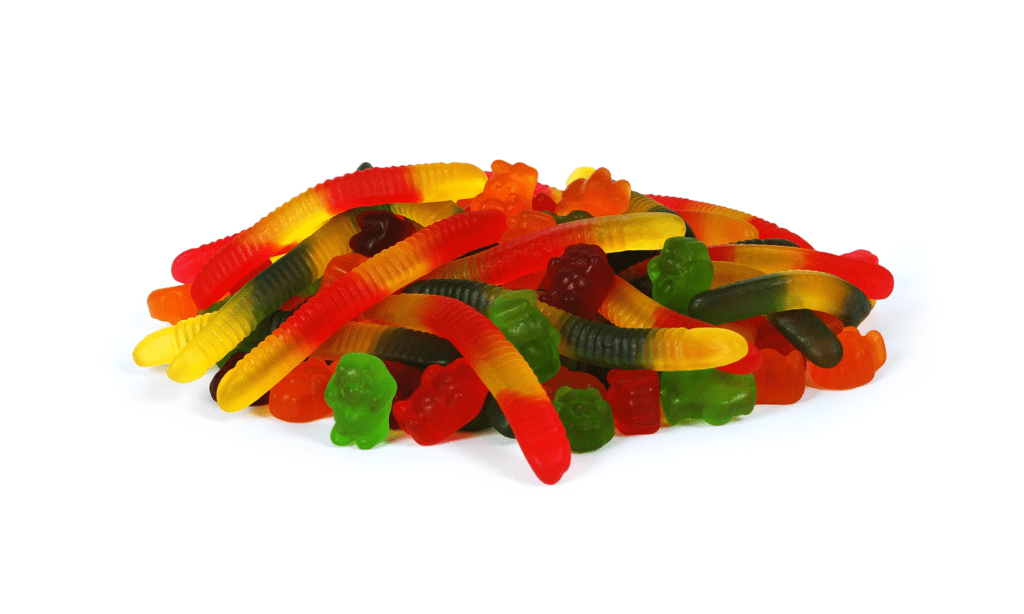
    Gummy worms are a popular candy made from a combination of sugar, gelatin, water, and various flavorings. These chewy, colorful treats come in a variety of shapes, sizes, and flavors, making them a favorite among children and adults alike. Some gummy worms contain all-natural ingredients, while others may include artificial flavors, colors, and sweeteners.

    The wide array of gummy worms available in the market caters to different likes, from classic fruit flavors to sour and tangy arrays. Some brands even offer vegan gummy worms that substitute gelatin with plant-based alternatives like agar-agar or pectin.

    When it comes to our furry friends, the main concerns with gummy worms are their sugar content, artificial sweeteners, and other potentially harmful substances. In the following sections, we’ll discuss each of these concerns in detail and explain why gummy worms might not be the best treat for our canine companions.

    Sugar and Dogs: A Problematic Pair

    Just like humans, dogs require a balanced diet to maintain optimal health. This diet should consist of proteins, fats, carbs, vitamins, and minerals in the right proportions. While dogs can safely consume small amounts of sugar, excessive sugar intake can lead to various health issues.

    Consuming too much sugar can negatively impact a dog’s health in several ways:

    • Weight gain and obesity: Excess sugar adds extra calories to a dog’s diet, which can lead to weight gain and obesity. Overweight dogs face an increased risk of various health problems, including heart disease, joint issues, and a reduced lifespan.
    • Dental issues: Sugary treats like gummy worms can contribute to plaque buildup and tooth decay in dogs. Poor dental hygiene may cause gum disease, tooth loss, and bad breath.
    • Diabetes: Consistently high sugar intake can put a strain on a dog’s pancreas, possibly leading to diabetes. This chronic condition requires lifelong management and can result in further health complications if left untreated.

    As a responsible pet parent, it’s important to monitor your dog’s sugar intake and limit it to a safe amount. Generally, sugar should not make up more than 5% of a dog’s daily caloric intake. Always check the labels of treats and food items for added sugars. Consider opting for healthier alternatives to keep your dog happy and healthy.

    Beware of Artificial Sweeteners

    Many gummy worms and other candies contain artificial sweeteners to enhance their flavor without adding extra calories. Common artificial sweeteners include aspartame, sucralose, and saccharin. However, one particular sweetener, xylitol, is highly toxic to dogs and poses significant risks to their health.

    Xylitol is a sugar substitute often found in sugar-free products, such as gum, candy, and baked goods. While it is safe for human consumption, xylitol can be extremely dangerous for dogs. This is due to its ability to rapidly release insulin, causing a rapid decrease in blood sugar levels. The consequences of xylitol ingestion in dogs can be severe and even fatal:

    • Hypoglycemia: Ingesting xylitol can lead to a sudden drop in blood sugar levels (hypoglycemia) within 30 minutes to an hour. Symptoms of hypoglycemia in dogs include vomiting, loss of coordination, lethargy, seizures, and even coma.
    • Liver failure: Xylitol can cause acute liver failure in dogs, which can be life-threatening. Signs of liver failure include jaundice (yellowing of the skin and eyes), vomiting, diarrhea, and swollen abdomen.
    • Death: In severe cases, xylitol poisoning can lead to death, especially if not treated promptly.

    If you suspect your dog has ingested a product containing xylitol, it’s crucial to seek veterinary care immediately. Early intervention can significantly improve your dog’s chances of recovery. To prevent accidental xylitol ingestion, always keep products containing this sweetener out of your dog’s reach. Double-check the ingredients list on any treats or snacks before sharing them with your furry friend.

    Harmful Substances to Avoid

    In addition to sugar and artificial sweeteners, gummy worms may contain other ingredients that could be harmful to dogs. As a responsible pet owner, it’s essential to be aware of these substances.

    • Artificial colors: Many gummy worms are brightly colored using artificial food dyes, such as Red 40, Yellow 5, and Blue 1. While these colorings are generally recognized as safe for human consumption, they can cause adverse reactions in some dogs. Allergic reactions may include skin irritations, gastrointestinal upset, or hyperactivity. To minimize the risk of an allergic reaction, opt for treats made with natural colorings or avoid colored treats altogether.
    • Preservatives and additives: Gummy worms and other processed treats may contain chemical preservatives, such as sodium benzoate or potassium sorbate, and additives like glycerin or corn syrup. Some dogs may be sensitive or allergic to these ingredients, leading to gastrointestinal issues, skin irritations, or other health problems. Always read the label of any treat you plan to give your dog. Choose products made with minimal preservatives and additives to reduce the risk of adverse reactions.

    By being vigilant about the ingredients you offer your dog, you can help ensure their safety and overall well-being. When in doubt, consult with your vet for guidance on selecting the most suitable treats for your furry companion.

    Try Safe Alternatives for Dog Treats

    Instead of giving your dog gummy worms or other potentially harmful human treats, consider providing them with safer, dog-friendly alternatives. These options will not only satisfy your dog’s cravings but also contribute positively to their health and well-being.

    • Natural, dog-friendly treats: There are numerous commercially available treats specifically formulated for dogs. Look for options made with natural ingredients, such as pure meat treats, dehydrated fruits or veggies, and dental chews designed to help clean your dog’s teeth. Always choose treats appropriate for your dog’s size and chewing habits to lessen the risk of choking or digestive issues.
    • Homemade dog treat recipes: Making your own dog treats at home allows you to control the ingredients and ensure they are safe for your canine companion. There are countless homemade dog treat recipes available online, ranging from simple peanut butter cookies to nutritious veggie snacks. Just remember to avoid ingredients that are toxic to dogs, such as chocolate, grapes, onions, and garlic.

    A Recipe to Try

    Wholesome Peanut Butter & Pumpkin Dog Treats

    Ingredients:

    • 1 1/2 cups whole wheat flour (feel free to swap with gluten-free flour if your dog has a sensitivity)
    • 1/2 cup canned pumpkin puree (just the plain pumpkin, not the pumpkin pie filling)
    • 1/4 cup natural, unsweetened peanut butter (make sure it doesn’t contain xylitol)
    • 1 large egg
    • 1/2 teaspoon ground cinnamon (optional, but it adds a nice touch)

    Instructions:

    1. Start by preheating your oven to 350°F (175°C) and lining a baking sheet with parchment paper or a silicone baking mat.
    2. Grab a large mixing bowl and combine the pumpkin puree, peanut butter, and egg. Give it a good mix until everything is smooth and nicely blended.
    3. Now it’s time to add the whole wheat flour and cinnamon (if using) to your pumpkin mixture. Keep mixing until your dough comes together and isn’t sticky anymore. You might need to adjust the flour a bit, depending on how your dough feels.
    4. Lightly flour your working surface and roll out the dough to about 1/4-inch thickness. Get creative with your favorite cookie cutter shapes (bones, hearts, stars, you name it) and cut out your doggy treats. Place them on the prepared baking sheet.
    5. Pop the treats in the oven for 20-25 minutes or until they turn golden brown and are firm when you touch them. The exact baking time might vary, depending on the size and thickness of your treats.
    6. Once they’re done, take them out of the oven and let them cool completely on a wire rack.

    To store the treats, keep them in an airtight container at room temperature for up to a week, or in the fridge for a couple of weeks. You can even freeze them for up to 3 months and thaw them whenever your dog needs a special snack.

    Conclusion

    While gummy worms might be a tempting treat to share with our dogs, they’re not the best choice. The high sugar content, potential presence of harmful artificial sweeteners like xylitol, and other substances make them unsuitable for dogs. Instead, opt for healthier alternatives like natural dog treats or homemade recipes that cater to your pet’s specific dietary needs.

    Remember, moderation and portion control are essential when offering treats to your dog. It’s always a good idea to consult your veterinarian for personalized advice on your dog’s diet and nutrition. By making informed choices and prioritizing your dog’s health, you can build a strong bond with your canine companion.

    ~ Sheena

    A note about your dog’s health

    This article provides general education and does not replace an examination, diagnosis, or individualized advice from your veterinarian. Contact a veterinary professional if you are concerned about your dog’s symptoms.

    Sheena Keliher Avatar

    ABOUT THE AUTHOR

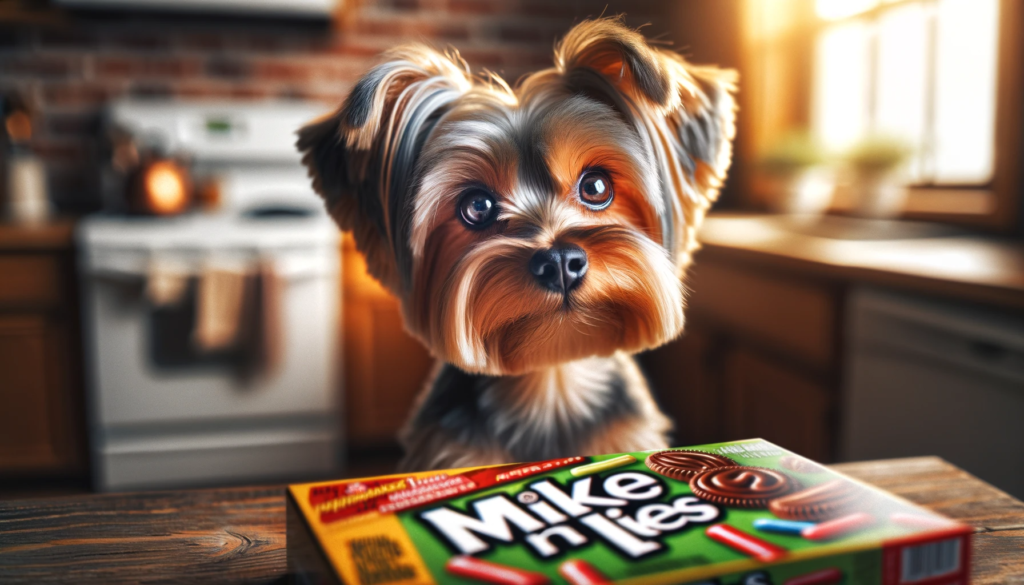
  • Can Dogs Eat Mike and Ikes – Expert Answers

    Can Dogs Eat Mike and Ikes – Expert Answers

    As a dog owner, it’s natural to want to share your favorite snacks with your furry friend. However, not all human foods are safe for dogs to eat. One popular candy that often raises questions is Mike and Ikes. These colorful chewy candies are a favorite among many, but can dogs safely consume them? In this blog, we’ll take a closer look at the ingredients in Mike and Ikes and the potential risks they pose to our four-legged companions. So, if you’re curious about whether or not your dogs can eat Mike and Ikes, keep reading!

    can dogs have mike n ikes

    What Are Mike and Ikes?

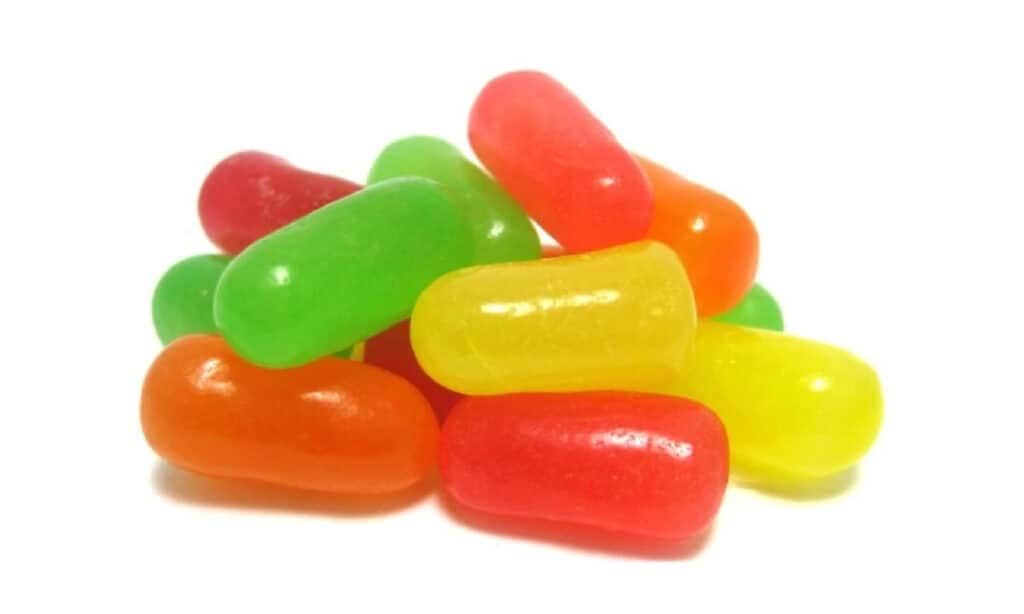
    Have you ever heard of Mike and Ikes? They’re a type of candy that was first introduced in the US way back in 1940. These chewy, colorful treats come in a range of flavors, including cherry, lemon, lime, orange, and strawberry. The candy was actually named after its creators, Mike and Ike, who were two Ukrainian immigrants that started a candy company in Bethlehem, Pennsylvania. While the candy began as a flavored jelly bean, it eventually evolved into the chewy form we know and love today. Nowadays, you can find Mike and Ikes in many candy aisles and movie theaters throughout the US. While they’re a delicious snack for humans, many pet owners may wonder if it’s safe for their furry companions to indulge in a few pieces. It’s definitely worth considering whether or not the ingredients in Mike and Ikes could be harmful to dogs.

    Can Dogs Have Mike and Ikes?

    While Mike and Ikes may be a tasty treat for humans, it’s important to consider whether or not they are safe for dogs to consume. Unfortunately, the answer is no. These candies contain a variety of ingredients that can be harmful to dogs, such as high levels of sugar, artificial colors and flavors, and potential allergens like wheat and soy.

    Eating too much sugar can lead to a variety of health problems for dogs, such as obesity, dental issues, and even diabetes. Artificial colors and flavors may also be problematic for some dogs, as they can cause allergic reactions or gastrointestinal upset. Additionally, wheat and soy are common allergens for dogs, which means that if your furry friend has a food sensitivity, consuming Mike and Ikes could result in a serious allergic reaction.

    Overall, it’s best to avoid feeding Mike and Ikes to your dog, no matter how tempting they may be. Instead, stick to dog-friendly treats that are specifically designed for canine consumption. Your dog will appreciate the special attention, and you can feel good knowing that you’re keeping them healthy and safe.

    Harmful Ingredients in Mike and Ikes:

    Mike and Ikes are a candy that contains several ingredients that can be harmful to dogs. Here are some of the most concerning ingredients:

    1. High levels of sugar: Mike and Ikes contain a significant amount of sugar, which can lead to health problems such as obesity, diabetes, and dental issues in dogs.
    2. Artificial colors and flavors: These candies contain artificial colors and flavors that may cause allergic reactions or gastrointestinal upset in dogs. These ingredients are also known to be linked to various health concerns, including cancer.
    3. Wheat and soy: Mike and Ikes may also contain wheat and soy, which are common allergens for dogs. Consuming these ingredients could result in a serious allergic reaction for dogs that are sensitive to them.

    In addition to these ingredients, Mike and Ikes may also contain other additives, preservatives, and chemicals that could be harmful to dogs. It’s always best to stick to dog-friendly treats and avoid feeding your furry friend any human foods that could be potentially harmful. If you’re ever unsure about whether or not a particular food is safe for your dog to eat, it’s always best to consult with your veterinarian for advice.

    Candies for dogs: A look at Mike and Ikes

    Safe Ingredients in Mike and Ikes:

    Unfortunately, there are no safe ingredients in Mike and Ikes for dogs. The candy contains high levels of sugar, artificial colors and flavors, and potential allergens like wheat and soy, which can all be harmful to dogs. While some ingredients in human food can be beneficial for dogs, such as certain fruits and vegetables, Mike and Ikes do not fall into this category. These candies are not nutritionally beneficial for dogs and should be avoided. It’s important to always read the ingredient labels of any human food or candy before sharing it with your furry friend, and to consult with your veterinarian if you’re unsure about whether or not a particular food is safe for your dog to consume.

    What Signs To Watch For If Your Dog Accidentally Ate A Lot of Mike and Ikes?

    If your dog accidentally ate a lot of Mike and Ikes, it’s important to monitor them closely for any signs of discomfort or illness. Here are some of the signs that you should watch for:

    1. Vomiting: If your dog ingested a significant amount of candy, they may start to vomit shortly afterward. This can be a sign that their body is trying to expel the harmful ingredients in the candy.
    2. Diarrhea: Diarrhea is another common symptom of consuming something that the dog’s body is not used to. It could be an indication that the candy is causing gastrointestinal issues for your dog.
    3. Lethargy: If your dog is feeling sick or uncomfortable, they may become lethargic or listless. They may appear tired or disinterested in their usual activities.
    4. Increased thirst and urination: Consuming a large amount of sugar can cause an increase in thirst and urination in dogs. If your dog is drinking and urinating more than usual, it may be a sign that they are experiencing sugar-related issues.
    5. Upset stomach: Dogs may exhibit signs of an upset stomach after consuming Mike and Ikes, such as excessive drooling, licking their lips, or abdominal pain.

    If you notice any of these symptoms, it’s important to contact your veterinarian right away. They can provide guidance on the best course of action to help your dog feel better and avoid any potential complications.

    the truth about feeding dogs Mike and Ikes

    When or If You Should Go To The Vet?

    If you notice that your dog is exhibiting signs of discomfort or illness after consuming a large amount of Mike and Ikes, it’s important to act quickly. In some cases, you may need to take your furry friend to the vet for treatment.

    If your dog is experiencing severe or persistent vomiting or is unable to keep any food or water down, it’s definitely time to get professional help. Similarly, if your dog has diarrhea that lasts more than a day, it’s important to seek veterinary care. Dehydration is a serious concern for dogs, so if your dog is showing signs of dehydration, such as dry gums or sunken eyes, it’s important to get them the help they need.

    If your dog is exhibiting signs of an allergic reaction, such as swelling of the face or difficulty breathing, it’s important to seek veterinary care immediately. Allergic reactions can be very dangerous and require prompt treatment.

    In general, if you’re unsure whether or not your dog needs to go to the vet, it’s always better to err on the side of caution and seek professional advice. Your veterinarian can provide guidance on the best course of action to help your dog feel better and avoid any potential complications.

    Safe Dog-Friendly Alternative to Mike and Ikes:

    If you’re looking for a safe dog-friendly alternative to Mike and Ikes, there are many great options to choose from. Here are a few ideas:

    1. Natural dog treats: You can find a variety of natural dog treats that are made from high-quality ingredients and are free from harmful additives and preservatives. Look for treats that are specifically formulated for your dog’s size and breed.
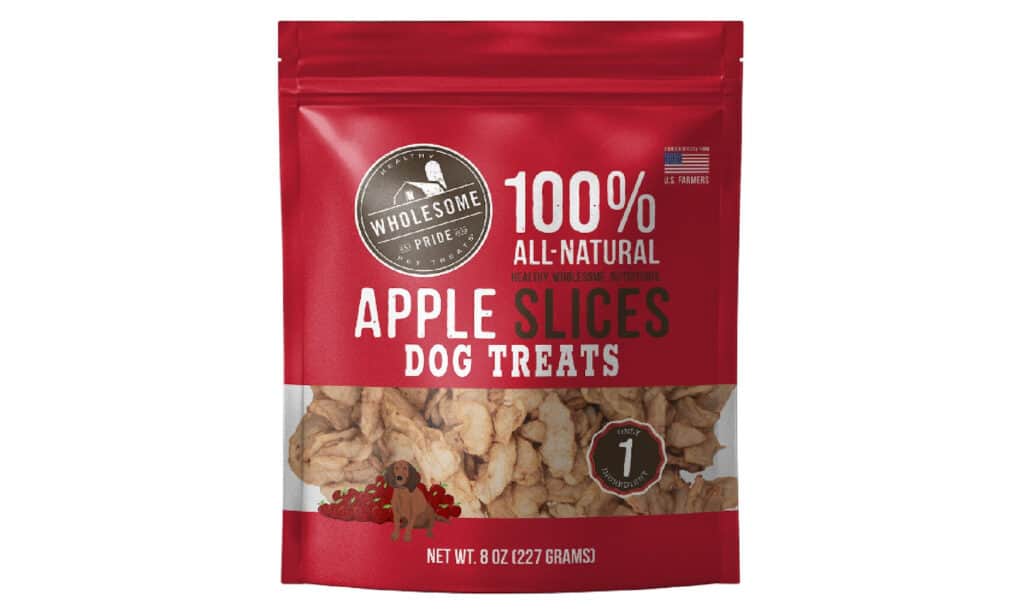
    2. Fruits and vegetables: Many fruits and vegetables are safe and healthy for dogs to eat in moderation. Some examples include apples, bananas, blueberries, carrots, and green beans. Be sure to remove any seeds or pits, and avoid feeding your dog grapes, raisins, onions, and garlic, as these can be harmful to dogs.
    3. Frozen dog treats: During hot weather, frozen dog treats can be a great way to cool down your furry friend while providing a tasty snack. You can make your own frozen dog treats using ingredients like yogurt, fruit, and peanut butter.
    4. Chews and bones: Chewing is a natural behavior for dogs, and providing them with appropriate chews and bones can help to satisfy their urge to chew while promoting healthy teeth and gums. Look for chews that are made from natural ingredients and avoid giving your dog cooked bones, as these can splinter and cause serious harm.

    Remember, when giving your dog any new treats or foods, it’s important to introduce them gradually and in moderation. Always read the ingredient labels and avoid any foods that could be harmful to your furry friend. With a little bit of research, you can find plenty of safe and tasty alternatives to Mike and Ikes that your dog will love.

    Healthy Store-Bought Options:

    In conclusion, while Mike and Ikes may be a delicious treat for humans, they are not safe for dogs to consume. The candy contains a variety of harmful ingredients, including high levels of sugar, artificial colors and flavors, and potential allergens like wheat and soy. If your dog accidentally ingests a large amount of Mike and Ikes, it’s important to monitor them closely for any signs of discomfort or illness and to contact your veterinarian if necessary.

    Fortunately, there are many safe and healthy alternatives to Mike and Ikes that you can give your furry friend. Natural dog treats, fruits and vegetables, frozen dog treats, and chews and bones are all great options to consider. By choosing dog-friendly treats and foods, you can help to keep your furry friend healthy and happy.

    Remember, as a responsible pet owner, it’s important to always be mindful of what your dog is consuming and to avoid feeding them any foods or treats that could be potentially harmful. With a little bit of research and careful consideration, you can ensure that your dog is getting the nutrition they need while still enjoying a few tasty treats along the way.

    ~Lindsie

    A note about your dog’s health

    This article provides general education and does not replace an examination, diagnosis, or individualized advice from your veterinarian. Contact a veterinary professional if you are concerned about your dog’s symptoms.

    Lindsie Parks B.S., CRDNS Avatar

    ABOUT THE AUTHOR
  • Can Dogs Eat Tootsie Rolls? – Expert Answers

    Can Dogs Eat Tootsie Rolls? – Expert Answers

    As a pet owner, it’s important to be mindful of what your furry friend is consuming. While it’s tempting to share some of your favorite treats with your dog, not all human foods are safe for dogs to eat. One common treat that may come to mind is Tootsie Rolls. These small chocolatey candies have been a beloved treat for many of us since childhood, but can dogs eat tootsie rolls too? In this blog, we’ll explore the potential risks feeding Tootsie Rolls to your dog, and provide some expert advice on how to keep your pup healthy and happy.

    can dogs have tootsie rolls

    What Are Tootsie Rolls?

    Tootsie Rolls have been a beloved candy for over a century. They were first introduced in 1896 by the Sweets Company of America and have since become a staple in candy aisles worldwide. Tootsie Rolls are made by melting together a blend of cocoa powder, sugar, and other ingredients, which are then formed into small, chewy logs with a smooth yet slightly gritty texture. Along with the classic chocolate flavor, Tootsie Rolls come in a variety of other flavors such as cherry, vanilla, and grape. They have become a cultural icon in their own right, enjoyed by people of all ages. However, when it comes to sharing these treats with our furry friends, it’s important to consider whether they are safe for dogs to eat.

    Can Dogs Have Tootsie Rolls?

    When it comes to sharing human food with our furry companions, it’s important to consider whether or not it is safe for them to consume. So, can dogs have Tootsie Rolls?

    Unfortunately, the answer is no. Tootsie Rolls are not safe for dogs to eat. The primary reason for this is that they contain chocolate, which is toxic to dogs. Chocolate contains a chemical called theobromine, which can cause a range of symptoms in dogs such as vomiting, diarrhea, seizures, and even death in severe cases. The amount of theobromine in Tootsie Rolls varies depending on the type and size of the candy, but even small amounts can be dangerous for dogs.

    In addition to the chocolate content, Tootsie Rolls are also high in sugar and artificial additives, which can cause digestive upset and contribute to obesity in dogs. While a small piece of Tootsie Roll may not cause immediate harm, it’s best to err on the side of caution and avoid feeding these candies to your furry friend altogether.

    In conclusion, while Tootsie Rolls may be a nostalgic and delicious treat for humans, they are not safe for our canine companions. If you’re looking to spoil your dog with a special treat, there are many safe and healthy options available specifically designed for dogs, such as dog-friendly biscuits and treats.

    Harmful Ingredients in Tootsie Rolls:

    Tootsie Rolls are a popular candy, but they contain several harmful ingredients that can be dangerous for dogs and humans alike.

    Firstly, Tootsie Rolls contain chocolate, which as previously mentioned, contains theobromine. This chemical is toxic to dogs and can cause a range of symptoms such as vomiting, diarrhea, seizures, and even death in severe cases. The darker the chocolate, the more theobromine it contains, which means that the darker chocolate Tootsie Rolls pose a higher risk to dogs.

    Secondly, Tootsie Rolls are high in sugar and artificial additives. Sugar can contribute to dental problems, obesity, and diabetes in dogs, while artificial additives can cause digestive upset and allergic reactions.

    Additionally, Tootsie Rolls contain corn syrup, a sweetener that has been linked to health problems such as obesity, type 2 diabetes, and heart disease in humans. While the effects of corn syrup on dogs are not as well understood, it’s best to avoid feeding your furry friend any foods that contain this ingredient.

    Overall, while Tootsie Rolls may be a tasty treat for humans, they contain several harmful ingredients that make them unsafe for dogs to eat. If you want to treat your dog to something special, it’s best to opt for dog-specific treats that are free from these harmful ingredients.

    The dangers of Tootsie Rolls for dogs: what you need to know

    What Signs To Watch For If Your Dog Accidentally Ate A Lot of Tootsie Rolls?

    If your dog accidentally ate a lot of Tootsie Rolls, it’s important to watch for signs of chocolate toxicity and digestive upset. The symptoms may not appear immediately after ingestion, so it’s important to monitor your dog closely for the next few hours or even days.

    Some signs to watch for include:

    1. Vomiting and/or diarrhea
    2. Increased thirst and urination
    3. Hyperactivity or restlessness
    4. Muscle tremors or seizures
    5. Rapid heart rate or abnormal heart rhythm
    6. Elevated body temperature
    7. Difficulty breathing or panting
    8. Staggering or loss of coordination

    If you notice any of these symptoms in your dog, it’s important to seek veterinary attention immediately. Chocolate toxicity can be life-threatening, and prompt treatment is crucial for the best chance of recovery.

    In conclusion, if you suspect that your dog has eaten a lot of Tootsie Rolls or any other chocolate-containing product, it’s important to watch for signs of chocolate toxicity and seek veterinary attention if necessary. Prevention is the best approach, so it’s always best to keep chocolate and other harmful foods out of reach of your furry friend.

    When or If You Should Go To The Vet?

    If you suspect that your dog has eaten a lot of Tootsie Rolls or any other chocolate-containing product, and they show signs of chocolate toxicity or digestive upset, it’s important to seek veterinary attention immediately.

    If your dog is showing any of the following symptoms, you should go to the vet:

    1. Vomiting or diarrhea that persists for more than 24 hours
    2. Blood in the vomit or diarrhea
    3. Signs of dehydration, such as dry mouth, sunken eyes, or lethargy
    4. Difficulty breathing or panting
    5. Rapid heart rate or abnormal heart rhythm
    6. Muscle tremors or seizures
    7. Loss of consciousness

    These symptoms may indicate a more serious condition that requires immediate veterinary attention.

    It’s also important to note that chocolate toxicity can be fatal, especially in smaller dogs or those with pre-existing health conditions. If you’re unsure whether your dog has eaten enough chocolate to cause a problem, it’s always best to err on the side of caution and seek veterinary attention.

    In conclusion, if your dog has eaten a lot of Tootsie Rolls or any other chocolate-containing product and shows signs of chocolate toxicity or digestive upset, it’s important to seek veterinary attention immediately. Prompt treatment can make all the difference in the outcome of your dog’s health.

    Sweet temptation: why Tootsie Rolls can be dangerous for dogs

    Safe Dog-Friendly Alternative to Tootsie Rolls:

    If you’re searching for a yummy and healthy alternative to Tootsie Rolls for your four-legged friend, there are lots of options available. For example, dog biscuits are a great choice because they’re designed just for dogs and come in many different flavors and textures. Crunchy and nutritious snacks like carrot or apple slices are also a fantastic option that are low in calories and high in fiber. You could also whip up some homemade frozen treats by blending fruits with yogurt or peanut butter and freezing them. Jerky treats are another tasty option that are high in protein and come in a variety of flavors. And if you’re looking for something natural and low-calorie, pumpkin or sweet potato chews are a great choice since they’re high in fiber and vitamins.

    Overall, there are plenty of safe and dog-friendly alternatives to Tootsie Rolls that will make your furry friend happy without compromising their health. By choosing treats that are made from wholesome ingredients and specifically designed for dogs, you can give your pet a delicious and healthy snack they’ll love.

    Healthy Store-Bought Options:

    In conclusion, while Tootsie Rolls may be a beloved candy for humans, they are not safe for our furry friends to consume. They contain chocolate, sugar, and artificial additives that can be harmful to dogs and cause digestive upset, obesity, and other health issues. If your dog accidentally eats Tootsie Rolls or any other chocolate-containing product, it’s important to monitor them closely for signs of chocolate toxicity and seek veterinary attention if necessary.

    Fortunately, there are plenty of safe and dog-friendly alternatives to Tootsie Rolls that you can offer your furry friend. From dog biscuits to frozen treats, jerky treats, and natural chews, there are many options available that are made from wholesome ingredients and designed specifically for dogs. By choosing these treats, you can give your dog a special snack without compromising their health.

    As a responsible pet owner, it’s important to be mindful of what your dog is consuming and ensure that their diet is balanced and healthy. By avoiding harmful foods like Tootsie Rolls and providing your dog with nutritious treats, you can help them live a long and happy life.

    ~Lindsie

    A note about your dog’s health

    This article provides general education and does not replace an examination, diagnosis, or individualized advice from your veterinarian. Contact a veterinary professional if you are concerned about your dog’s symptoms.

    Lindsie Parks B.S., CRDNS Avatar

    ABOUT THE AUTHOR