
Category: Fermented Foods For Dogs

  • Can Dogs Eat Natto? Expert Answers

    Can Dogs Eat Natto? Expert Answers

    If you’re a dog owner and a fan of Japanese cuisine, you may be wondering can dogs eat natto? Natto is a traditional Japanese food made from fermented soybeans and is known for its strong smell and sticky texture. While natto is a popular dish in Japan, it may not be a common food for dogs in other parts of the world.

    In this blog post, we’ll explore whether or not dogs can safely consume natto and what potential benefits or risks it may have for your canine companion. We’ll also discuss some other dog-friendly alternatives to natto that you can share with your pet. So, if you’re curious about whether or not your dog can eat natto, keep reading to find out!

    can dogs eat nato

    What Is Natto?

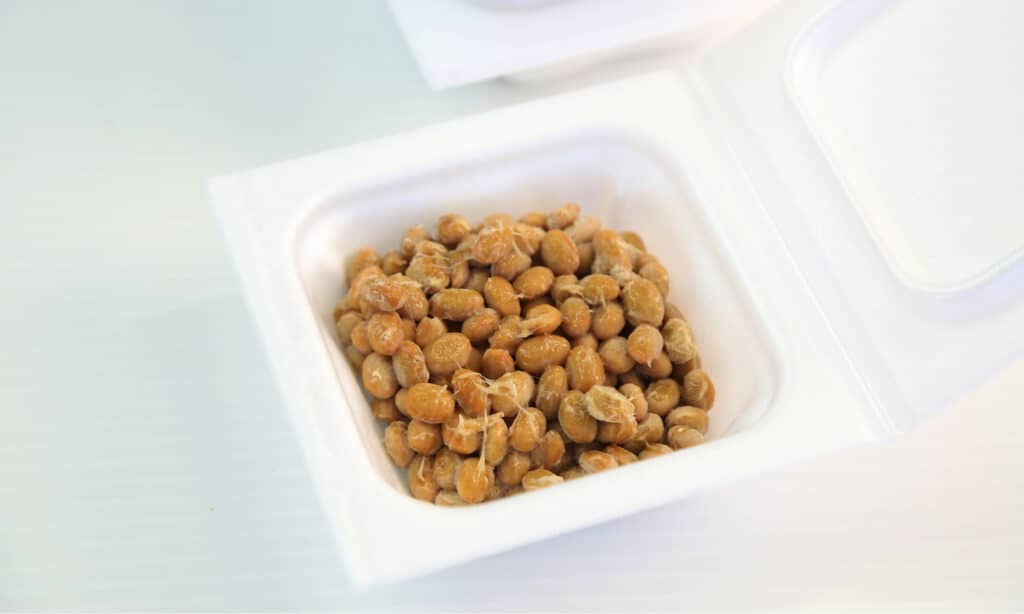
    Natto is a Japanese dish made from fermented soybeans that has a distinct texture and aroma. Boiled soybeans are fermented with Bacillus subtilis var. natto, giving them their unique texture and flavor.

    The texture of natto can be slimy and sticky, which may take some getting used to for those who are trying it for the first time. The taste is often described as nutty or cheesy and can have a pungent aroma.

    In Japan, natto is a popular breakfast food and is typically served with rice and various condiments like soy sauce, mustard, and green onion. It can also be used as a topping for sushi or mixed into other dishes for added flavor and nutrition.

    Although the smell and texture of natto may not appeal to everyone, it is considered a healthy food in Japan due to its high protein and probiotic content. In recent years, natto has become more popular worldwide as a unique and nutritious food option.

    Can Dogs Eat Natto?

    While natto is a nutritious food for humans, it’s important to consider whether or not it’s safe for dogs to eat. While there is no definitive answer to this question, it’s generally not recommended to feed natto to your canine companion.

    One of the main reasons for this is the fact that natto is a soy-based product, and many dogs are allergic to soy. Additionally, natto has a sticky, slimy texture that may be difficult for dogs to digest, leading to potential gastrointestinal issues.

    Another consideration is the strong odor and taste of natto, which may not appeal to many dogs. While some dogs may be curious and try a small amount of natto, it’s best to avoid feeding it to them regularly or in large quantities.

    If you’re looking for a healthy treat to share with your dog, there are plenty of other options available that are more suitable for their digestive system and taste preferences. Feed your dog lean proteins, fruits, and veggies.
    Natto for dogs: a complete guide

    Are There Harmful Ingredients in Natto?

    When it comes to feeding natto to dogs, it’s important to consider the potential risks associated with its ingredients. While natto is generally considered a safe and nutritious food for humans, it may not be suitable for dogs due to its soy content and sticky texture.

    One potential concern with natto is its high vitamin K content. While vitamin K is essential for blood clotting and bone health, excessive amounts can be harmful to dogs taking certain medications.

    Another consideration is the potential for allergic reactions to soy. Some dogs may be allergic to soy, and consuming natto may lead to an allergic reaction and potential complications.

    Additionally, the slimy texture of natto may be difficult for dogs to digest and lead to gastrointestinal upset.

    What Signs To Watch For If Your Dog Accidentally Ate A Lot of Natto?

    If your dog accidentally eats a lot of natto, there are several signs that you should watch for that may indicate a potential problem. Natto is safe for humans, but not suitable for dogs due to soy and sticky texture.

    One of the first signs to watch for is vomiting or diarrhea. The sticky texture of natto may be difficult for dogs to digest, and consuming too much of it may lead to gastrointestinal distress.

    Another sign to look out for is lethargy or a lack of energy. If your dog has eaten a large amount of natto, they may feel unwell and exhibit signs of fatigue or weakness.

    In more severe cases, your dog may experience difficulty breathing, swelling of the face or throat, or seizures. These symptoms may indicate an allergic reaction to soy or another ingredient in the natto and require immediate veterinary attention.

    If you suspect that your dog has consumed a large amount of natto and is exhibiting any of these symptoms, it’s important to seek veterinary care right away. Avoid feeding dogs natto or soy-based products to prevent gastrointestinal upset and allergic reactions.

    When or If You Should Go To The Vet?

    If you suspect that your dog has eaten a large amount of natto and is exhibiting any signs of distress, it’s important to seek veterinary care as soon as possible. Signs to look out for include vomiting, diarrhea, lethargy, difficulty breathing, facial or throat swelling, or seizures.

    If your dog is experiencing mild gastrointestinal distress after consuming natto, it may be best to monitor them closely at home and provide plenty of water to prevent dehydration. However, if the symptoms persist or worsen, it’s best to seek veterinary care.

    In more severe cases, such as if your dog is having difficulty breathing or is experiencing an allergic reaction, it’s crucial to seek immediate veterinary attention. Anaphylactic reactions to food can be life-threatening and require prompt medical treatment.

    If you’re unsure whether or not your dog requires veterinary care, it’s always best to err on the side of caution and contact your veterinarian for guidance. They can help you determine the best course of action based on your dog’s individual situation.

    Is Natto safe for dogs to eat?

    Safe Dog-Friendly Alternative to Natto:

    Safe, dog-friendly alternatives to natto provide similar nutrients without risks. Options include lean proteins, veggies, yogurt, and bone broth.

    Lean proteins such as chicken, turkey, and fish are great options for dogs and can provide a high-quality source of protein that is easy to digest. Add sweet potatoes, carrots, or green beans to your dog’s diet for extra fiber and nutrients.

    Add plain yogurt or kefir to your dog’s food for a probiotic-rich alternative to natto. These foods contain live cultures of beneficial bacteria that can help support digestive health.

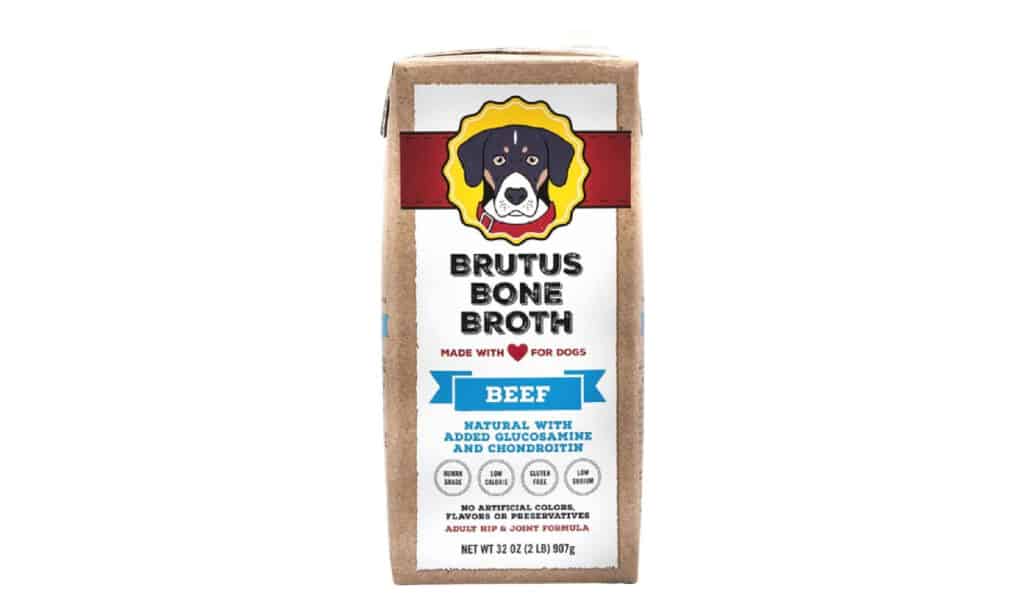
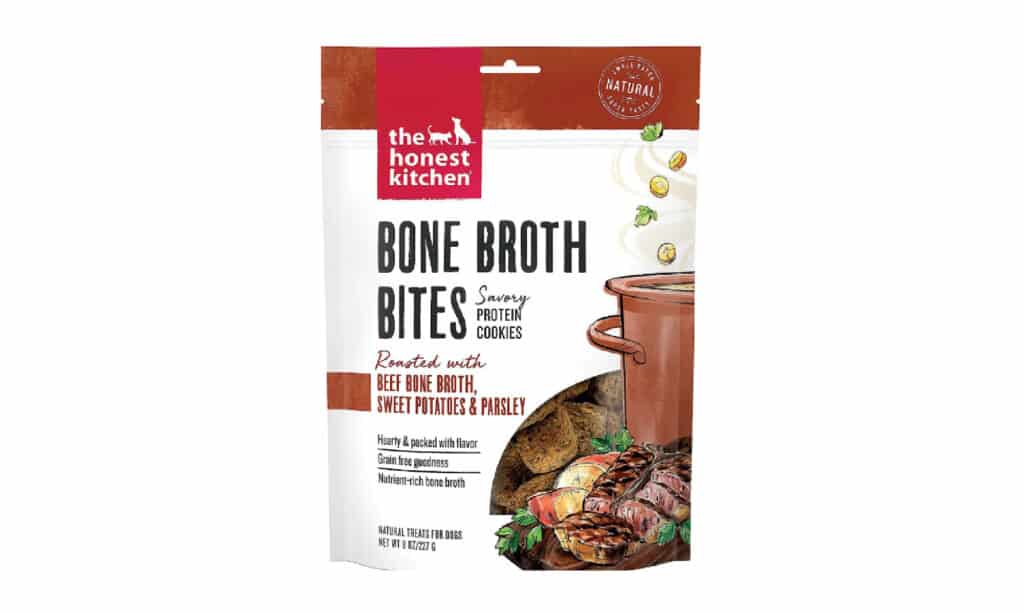
    Another option is to incorporate bone broth into your dog’s diet. Bone broth is rich in amino acids and collagen, which can help support joint health and promote healthy skin and coat.

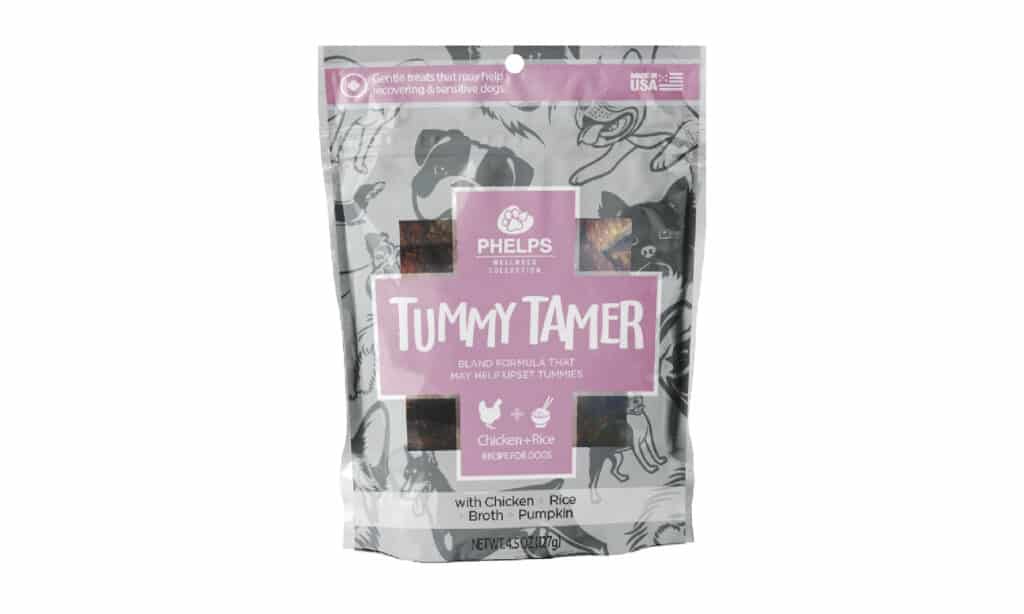
    Healthy Store-Bought Options:

    Natto may not be safe for dogs due to its soy content and sticky texture. Monitor for symptoms of GI distress or allergies & seek vet care if needed, should your dog eat natto accidentally.

    Fortunately, there are many safe and nutritious alternatives to natto that can provide similar nutritional benefits for your furry friend. Adding lean proteins, veggies, and probiotic-rich foods like yogurt to your dog’s diet can improve their health.

    As with any changes to your dog’s diet, it’s important to consult with your veterinarian to ensure that their nutritional needs are being met. Collaborate with your vet to design a diet that meets your dog’s unique nutritional needs and preferences.

    ~Lindsie

  • Can Dogs Eat Miso Soup? – Expert Answers

    Can Dogs Eat Miso Soup? – Expert Answers

    Welcome to my blog where we will be exploring the question, “Can dogs eat miso soup?” As a pet owner, it’s important to ensure that our furry friends are getting a well-balanced and nutritious diet. While dogs are known to be meat-eaters, there are some human foods that they may be able to enjoy in moderation. Miso soup, a traditional Japanese soup made from fermented soybeans, is a popular dish that many people enjoy. But is it safe for dogs to consume? In this blog, we will be discussing the potential benefits and risks of feeding miso soup to dogs, as well as exploring alternative food options that may be more suitable for our canine companions. Dog owners curious about miso soup for pets – keep reading to learn about safety, ingredients, and alternatives.

    can dogs have miso soup

    What is Miso Soup:

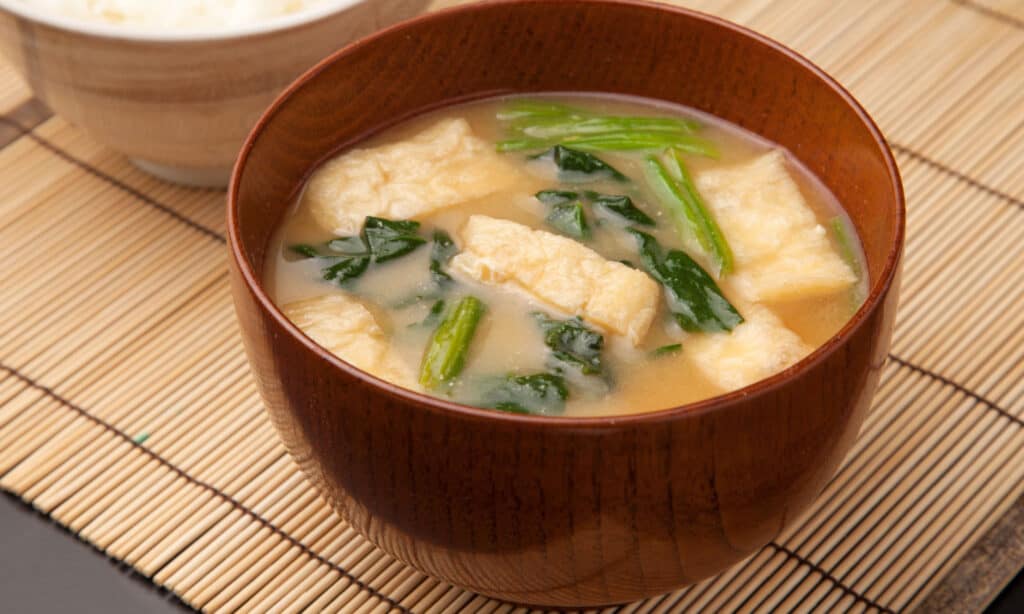
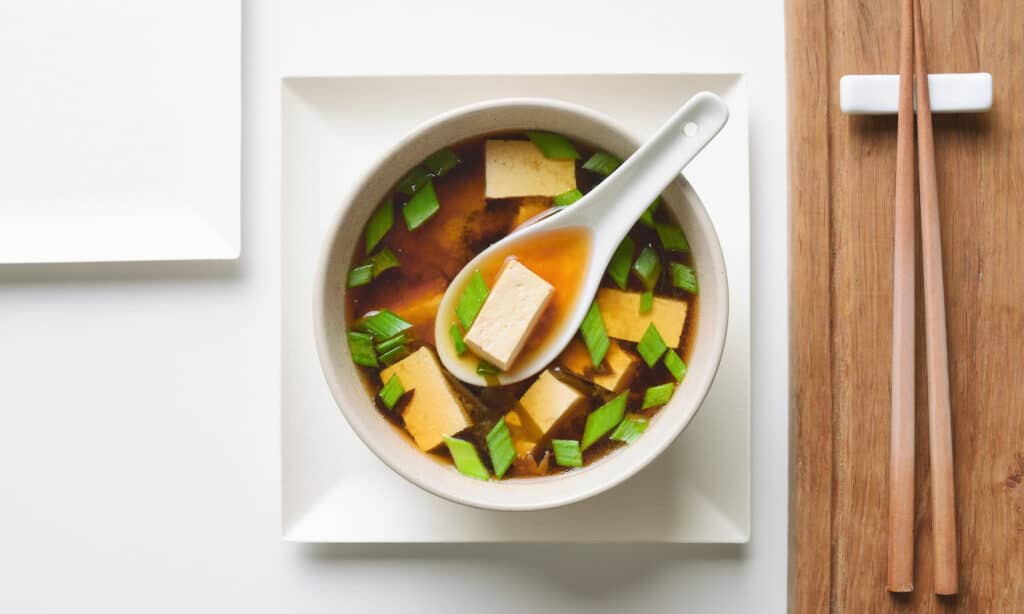
    Miso soup is a classic Japanese dish that’s made by fermenting soybeans. First, the soybeans are mashed and mixed with water and a paste made from rice or barley. Then, the mixture is left to ferment for several months, which breaks down the proteins and carbohydrates in the soybeans and creates a thick paste with a delicious umami flavor. This paste is mixed with dashi (Japanese fish stock), tofu, seaweed, scallions, or mushrooms for flavor and nutrition.

    Miso soup is a popular breakfast food or light meal in Japan and is known for its health benefits. Miso paste is packed with protein, vitamins, minerals, and probiotics that can help with digestion and strengthen the immune system. However, it’s also important to note that miso soup can be high in sodium and should be consumed in moderation, especially for those with high blood pressure or sensitivity to salt.

    While miso soup is a beloved dish for humans, it’s important to consider whether or not it’s safe for our furry friends to eat. In the next section, we’ll dive into the potential risks and benefits of feeding miso soup to dogs.

    Can Dogs Eat Miso Soup:

    When it comes to feeding our canine companions, it’s natural to wonder if they can enjoy some of the same foods that we do. One popular dish that some dog owners may be curious about is miso soup. So, can dogs eat miso soup?

    The short answer is that it depends. While miso soup can be a healthy and nutritious food for humans, it may not be the best choice for dogs. “Dogs can’t digest miso soup like humans, and some ingredients may not be safe for them.”

    One of the main concerns with feeding miso soup to dogs is its high sodium content. Dogs have a lower tolerance for salt than humans, and consuming too much sodium can lead to health problems such as dehydration, kidney damage, and high blood pressure. Onions and garlic in miso soup are toxic to dogs and should be avoided.

    If you’re considering feeding miso soup to your dog, it’s important to consult with a veterinarian first. A vet can advise if miso soup is safe for your dog and suggest alternative foods. Practice moderation and balance, feed safe and healthy foods tailored to your dog’s needs.

    Can dogs have miso soup?

    Harmful Ingredients in Miso Soup:

    While miso soup can be a healthy and flavorful dish for humans, it contains certain ingredients that can be harmful or toxic to dogs. One of the primary concerns is the high sodium content in miso soup. Dogs have a lower tolerance for salt than humans, and consuming too much sodium can lead to health problems such as dehydration, kidney damage, and high blood pressure.

    Another potential harmful ingredient in miso soup for dogs is onions and garlic. These ingredients are commonly used to enhance the flavor of miso soup, but they can be toxic to dogs and cause serious health problems such as anemia, lethargy, and gastrointestinal issues. Avoid miso soup with onions or garlic as even small amounts can be harmful to dogs.

    In addition to sodium and onions/garlic, some other ingredients in miso soup may also be problematic for dogs. For example, some miso soup recipes may include mushrooms, which can be toxic to dogs if they contain certain compounds. Seaweed, another common ingredient in miso soup, may be safe for dogs in small amounts but can cause gastrointestinal upset if consumed in excess.

    If you’re considering feeding miso soup to your dog, it’s important to carefully check the ingredients list and consult with a veterinarian first. They can help you determine if miso soup is a safe and appropriate addition to your dog’s diet, and offer suggestions for alternative foods that may be better suited to your furry friend’s nutritional needs. Be mindful of miso soup ingredients & moderate your dog’s diet to keep them healthy.

    Safe Ingredients in Miso Soup:

    Although some ingredients in miso soup can be harmful to dogs, there are also safe and nutritious ingredients that our furry friends can enjoy. Here are some examples of safe ingredients in miso soup for dogs:

    1. Miso paste: Miso paste is the primary ingredient in miso soup and is made from fermented soybeans. It’s a great source of protein, vitamins, and minerals and contains probiotics that can boost digestion and the immune system.
    2. Tofu: Tofu is a common ingredient in miso soup and is a low-fat, low-calorie source of protein and other nutrients. It’s ideal for dogs that need to maintain or lose weight.
    3. Carrots: Carrots are a healthy, low-calorie vegetable that can add nutrition and crunch to miso soup. They contain vitamins and minerals that are beneficial for dogs, and their texture can be good for dental health.
    4. Broccoli: Like carrots, broccoli is a nutrient-dense vegetable that can provide vitamins, minerals, and fiber to your dog’s diet. It’s a great ingredient to add to miso soup to increase its nutritional value.

    It’s important to remember that not all dogs will be able to tolerate all of these ingredients. Before introducing new foods to your dog’s diet, it’s best to consult with a veterinarian to ensure that they’re safe and appropriate. Incorporating some of these safe ingredients in moderation can add variety and nutrition to your dog’s diet, making mealtime more enjoyable for your furry friend.

    Can dogs safely eat miso soup?

    What Signs To Watch For If Your Dog Accidentally Ate A Lot of Miso Soup?

    If your dog accidentally eats a large amount of miso soup, it’s important to monitor them closely for any signs of adverse reactions or health problems. Here are some common signs to watch for if your dog ingests too much miso soup:

    1. Vomiting: Excessive consumption of miso soup can irritate your dog’s stomach and lead to vomiting. If your dog starts vomiting repeatedly or seems to be in distress, it’s important to seek veterinary attention right away.
    2. Diarrhea: Misos soup’s high sodium content can also cause diarrhea in dogs. If your dog has diarrhea after eating miso soup, hydrate them and contact a vet if symptoms persist.
    3. Dehydration: As mentioned earlier, high levels of sodium in miso soup can lead to dehydration in dogs. Signs of dehydration include lethargy, dry gums, and sunken eyes. If you notice these symptoms, it’s important to provide your dog with plenty of fresh water and contact your veterinarian.
    4. Hyperactivity: Miso soup can contain caffeine, which can make dogs hyperactive and restless. Watch for hyperactivity in your dog after eating miso soup; seek vet attention if needed.

    If your dog displays any of these symptoms or shows signs of distress after consuming miso soup, it’s important to seek veterinary attention right away. Your veterinarian can evaluate your dog’s condition and provide appropriate treatment to prevent further complications.

    When or If You Should Go To The Vet?

    If you suspect that your dog has consumed a large amount of miso soup or is experiencing any symptoms of illness after eating miso soup, it’s important to contact your veterinarian right away. Your veterinarian can provide advice on how to proceed and may recommend that you bring your dog in for an examination.

    In general, you should consider seeking veterinary attention if your dog displays any of the following symptoms:

    1. Repeated vomiting or diarrhea
    2. Severe or prolonged lethargy
    3. Dehydration
    4. Loss of appetite
    5. Difficulty breathing
    6. Seizures or tremors

    These symptoms may indicate that your dog is experiencing a serious health problem that requires immediate attention. It’s always better to err on the side of caution and seek veterinary care if you’re concerned about your dog’s health.

    If you’re unsure whether or not to seek veterinary attention, you can also contact a pet poison control hotline for advice. These hotlines can provide guidance on whether or not a particular food or substance is toxic to dogs and what steps you should take if your dog has consumed it.

    Is miso soup safe for dogs? Here's what you need to know

    Safe Dog-Friendly Alternative to Miso Soup:

    If you’re looking for a safe and tasty alternative to miso soup that your furry friend can enjoy, there are several options available. Here are some ideas to consider:

    1. Homemade broth: Make homemade broth by boiling bones with veggies like carrots, celery, and parsley. This provides a lot of nutrition for your dog and is a great alternative to miso soup.
    2. Bone broth: This is similar to homemade broth but made specifically from animal bones. It’s a nutrient-dense option that offers numerous health benefits for your dog and is simple to prepare.
    3. Wet dog food: Many wet dog foods come in flavors like chicken or beef that are comparable to miso soup. These can be a convenient and safe alternative for your dog.
    4. Cooked lean meats: Chicken, turkey, and lean cuts of beef are all healthy sources of protein for dogs. You can cook them and mix them with veggies or brown rice to make a nutritious meal for your dog.
    5. Fresh vegetables: Vegetables like carrots, green beans, and sweet potatoes are all safe and healthy options for dogs. You can cook or serve them raw to add some healthy variety to your dog’s diet.

    It’s worth noting that not all dogs will tolerate all of these options equally well. Before introducing any new foods to your dog’s diet, it’s always best to check with your veterinarian to make sure they are safe and appropriate. By opting for safe and nutritious alternatives to miso soup, you can ensure your furry friend stays healthy and happy.

    Healthy Store-Bought Options:

    Conclusion:

    In conclusion, while miso soup may be a popular and healthy dish for humans, it’s important to approach feeding it to our furry friends with caution. Certain ingredients in miso soup can be harmful or toxic to dogs, and excessive consumption can lead to a range of health problems.

    If you’re considering feeding miso soup to your dog, it’s important to be aware of the potential risks and to consult with a veterinarian before introducing new foods to your dog’s diet. Additionally, if your dog accidentally consumes a large amount of miso soup, it’s important to monitor them closely for any signs of adverse reactions or health problems and to seek veterinary attention if necessary.

    Fortunately, there are many safe and nutritious alternatives to miso soup that your dog can enjoy. Homemade broth, bone broth, wet dog food, cooked lean meats, and fresh vegetables are all healthy options that can provide a range of health benefits for your furry friend.

    By taking the time to educate yourself about the risks and benefits of feeding miso soup to your dog and exploring alternative options, you can ensure that your furry friend stays healthy, happy, and well-fed for years to come.

  • Can Dogs Eat Kimchi? – Expert Answers

    Can Dogs Eat Kimchi? – Expert Answers

    As a pet health expert, I’m often asked about the human foods that are safe for dogs to eat. One dish that comes up frequently is fried rice. Many pet owners wonder if it’s safe to share this tasty dish with their furry friends. In this blog, we’ll take a closer look at the ingredients in fried rice, and whether or not it’s a safe treat for your pup. So, whether you’re looking to share your love of Chinese takeout with your dog or just want to make sure you’re feeding them the right foods, keep reading to learn more!

    can dogs eat kimchi

    What is Kimchi?

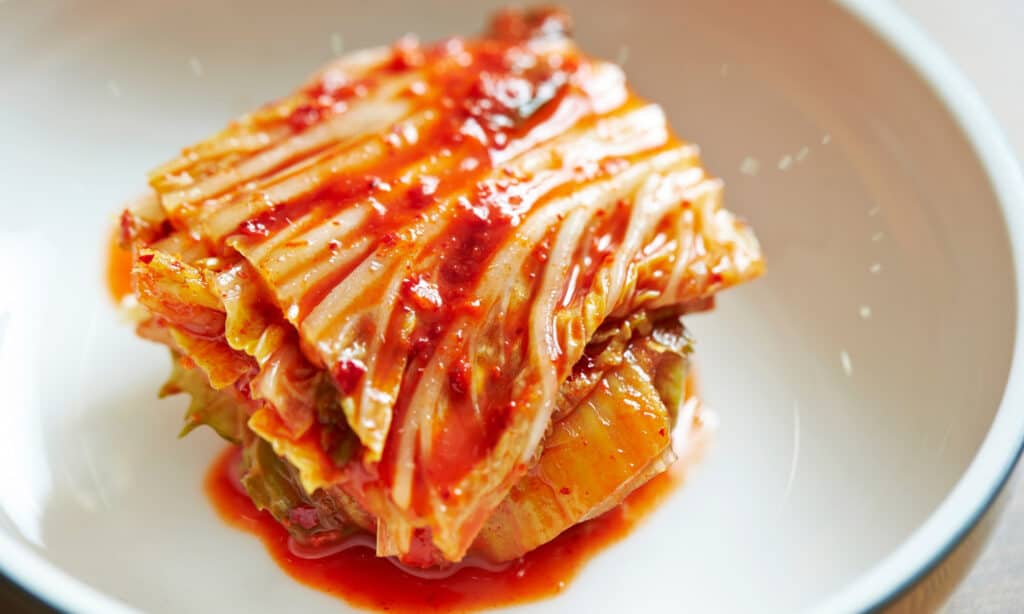
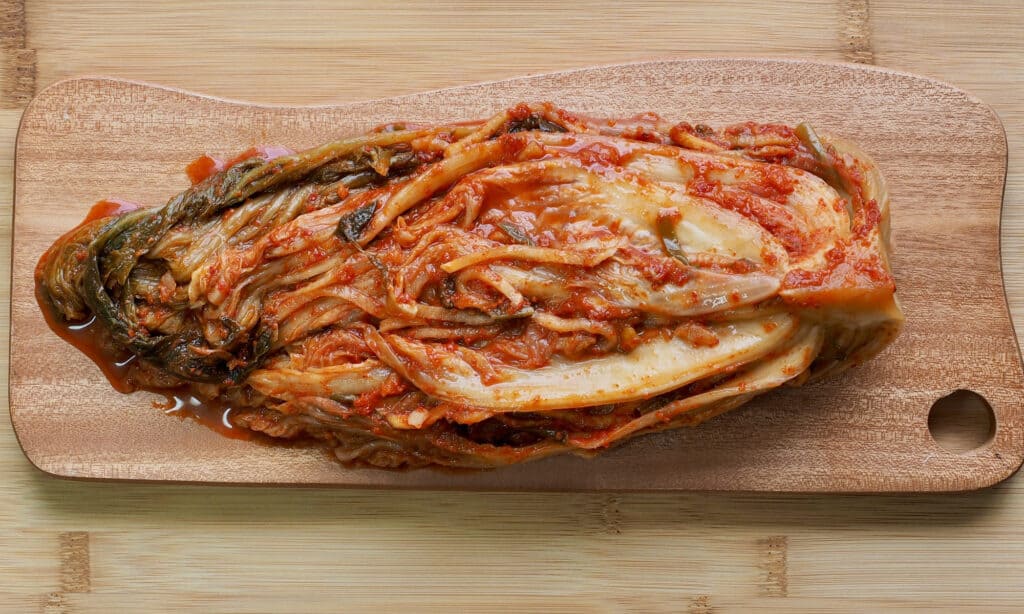
    Kimchi is a traditional Korean dish that has been enjoyed for centuries. It’s a spicy and tangy vegetable dish that’s made with ingredients like cabbage, radish, scallions, garlic, ginger, and chili pepper. The ingredients are mixed together and fermented, creating a complex blend of flavors that’s both savory and spicy.

    It can be served as a side dish with Korean meals, or used in a variety of recipes like soups, stews, and fried rice. Depending on the recipe and personal preferences, kimchi can be customized to be extra spicy or milder.

    The fermentation process creates beneficial bacteria that support gut health, and kimchi is low in calories and fat while being high in fiber and nutrients.

    Where Did Kimchi Come From?

    Kimchi is a spicy and tangy dish that’s been around for over 2000 years. Originally, it was just made with vegetables and salt, but over time, it’s evolved into the delicious recipe that we know and love today.

    Kimchi is a staple in Korean cuisine and is often served as a side dish. It contains an array of ingredients that can be used in a variety of recipes, like soups, stews, and fried rice. Kimchi has become really popular all over the world, and you can now find it in many supermarkets and restaurants.

    is kimchi safe for dogs?

    Kimchi Ingredients

    The first thing to consider when it comes to feeding your dog kimchi is the ingredients. Some ingredients in kimchi can be harmful to dogs, so it’s important to know what’s in the dish before sharing it with your pup. Garlic and onions, for example, are both ingredients commonly found in kimchi that are toxic to dogs. These vegetables contain compounds that can damage a dog’s red blood cells, leading to anemia. If your dog ingests garlic or onions, they may experience symptoms such as vomiting, diarrhea, lethargy, and a decreased appetite. In severe cases, garlic and onion toxicity can be life-threatening.

    When it comes to feeding your furry friend kimchi, it’s important to be cautious. While most kimchi recipes contain garlic and onions, which are generally safe for dogs in small quantities, some variations may include harmful ingredients like chili peppers. Capsaicin, the compound found in chili peppers, can irritate a dog’s digestive system and cause discomfort.

    So, if you’re thinking about giving your pup a taste of this spicy Korean dish, it’s crucial to check the ingredients carefully first. Make sure that there are no harmful ingredients that could make your dog sick. Remember, your furry friend’s health and well-being should always come first, so when in doubt, it’s best to err on the side of caution.

    Inappropriate Ingredients in Kimchi

    Onions and Garlic

    Onions and garlic contain compounds called thiosulphates, which can be toxic to dogs in large amounts. These compounds can cause damage to a dog’s red blood cells, leading to a condition called hemolytic anemia. Hemolytic anemia can cause symptoms such as lethargy, weakness, pale gums, and even collapse. In severe cases, it can be fatal.

    The toxic dose of onions and garlic can vary depending on the size of the dog and the amount consumed. However, as a general rule, it’s best to avoid giving dogs foods that contain these ingredients. This includes cooked or processed foods with onions or garlic, such as soups, stews, and seasoning blends.

    It’s important to note that small amounts of onions or garlic in a dog’s diet are not likely to cause harm. However, if you suspect that your dog has consumed a large amount of either of these ingredients, it’s important to seek veterinary care immediately. Early treatment can help prevent serious complications and ensure the best possible outcome for your furry friend.

    Capsaicin

    While chili peppers may add a spicy kick to human food, they can actually be harmful to our furry friends. The compound responsible for the heat in chili peppers is called capsaicin, and it can cause discomfort and even illness in dogs.

    When a dog ingests capsaicin, it can irritate their digestive system, leading to symptoms like vomiting, diarrhea, and stomach pain. In more severe cases, it can even cause breathing difficulties or other serious health problems.

    It’s important to note that dogs are more sensitive to capsaicin than humans, so even a small amount can have a significant impact on their health. That’s why it’s crucial to avoid feeding your dog any food that contains chili peppers or capsaicin.

    So, while you may love the spicy kick of chili peppers in your food, it’s best to keep them away from your furry friend’s diet. Stick to dog-friendly foods and treats to ensure that your pup stays happy and healthy.

    can my dog have kimchi?

    Healthy Ingredients in Kimchi?

    Fermented Foods

    Fermented foods like kimchi can actually be good for dogs in moderation. During the fermentation process, beneficial bacteria are created, which can promote good gut health and boost the immune system.

    When dogs consume fermented foods, the good bacteria help to balance out the bad bacteria in their digestive system, leading to better overall health. Fermented foods are also high in fiber, which can aid in digestion and promote regular bowel movements.

    In addition to the health benefits, fermented foods can also add a unique and delicious flavor to your dog’s diet. Just be sure to introduce them in moderation, as too much of a good thing can cause digestive issues.

    When feeding your dog fermented foods, it’s important to choose the right ones. Stick to homemade options or reputable brands that use high-quality ingredients. Avoid feeding your dog any fermented foods that contain harmful ingredients like garlic, onions, or chili peppers.

    So, if you’re looking to mix up your furry friend’s diet, consider adding some fermented foods like kimchi to their meals. Not only will it add some variety to their diet, but it can also promote good gut health and overall wellness.

    kimchi for dogs

    Help?!? What if my dog accidentally ate a lot of Kimchi?

    If your dog accidentally ate a lot of kimchi, it’s important to monitor them closely for any signs of distress. 

    Post Snack Distress Signs & Symptoms

    Dogs that consume a large amount of food that contains lots of spices and flavorings can experience digestive upset, including vomiting, diarrhea, and abdominal discomfort. In some cases, they may also develop pancreatitis, a condition that causes inflammation of the pancreas and can be quite serious.

    When or If You Should Go To The Vet?

    Generally, there will be no need for a vet visit if your dog eats some kimchi. However, if your dog ate more than a cup of fried rice, you should probably call your local vet clinic. They can advise you based on the size and health of your dog. 

    If your dog seems lethargic or unresponsive, go to the pet emergency hospital right away.

    Canine-friendly and safe alternatives to Kimchi

    If you’re searching for a tasty and healthy snack to give your furry friend, there are plenty of great alternatives to fried rice that are both safe and delicious.

    Healthy Store-Bought Recommendations

    While kimchi can have some potential benefits for dogs, it’s important to be aware of the potential risks too. Kimchi is a fermented food, which means that it contains beneficial bacteria that can support digestive health. These bacteria help maintain a healthy balance of gut flora, which is important for overall health and wellbeing. Plus, kimchi is low in calories and fat, making it a healthy option for dogs that need to maintain a healthy weight.

    However, it’s essential to remember that dogs have different nutritional needs than humans. While kimchi may have some benefits, it’s not a complete or balanced meal for our furry friends. Dogs need a diet that’s high in protein and fat and low in carbohydrates, while kimchi is primarily a vegetable-based dish.

    So, while it’s okay to offer your pup small amounts of kimchi as an occasional treat, it should not be a significant part of their diet. As always, it’s important to talk to your veterinarian before making any significant changes to your dog’s diet. They can help you determine what’s best for your furry friend’s unique needs and ensure that they’re getting all the nutrients they need to stay happy and healthy.

    ~Lindsie