
Category: Plants Toxic To Dogs

  • Can Dogs Get Poison Ivy? What to Look For and Do

    Can Dogs Get Poison Ivy? What to Look For and Do

    Yes, dogs can get skin irritation from poison ivy, but it is uncommon. A dog’s coat usually limits the plant oil’s contact with the skin. Thinly haired areas such as the belly, groin, muzzle, and paws are more vulnerable.

    There is another concern that is easy to miss. Your dog may carry the plant’s oily resin, called urushiol, on the coat, collar, or leash. That oil can then reach your skin. If you suspect exposure, put on gloves, bathe your dog, clean the gear, and watch for skin or digestive signs.

    Outdoor plant questions come up often in my work with dog families. Most exposures do not become emergencies, so take a breath. A calm cleanup and a thoughtful check from nose to tail are usually the best first steps.

    How Poison Ivy Affects Dogs

    Poison ivy belongs to the Toxicodendron plant group, along with poison oak and poison sumac. These plants contain urushiol, the oily substance that triggers allergic contact dermatitis in sensitive people. The oil can remain on pets, clothing, tools, and other surfaces until it is removed. [1]

    A dog’s fur acts like a physical barrier. That helps explain why dogs seem to develop a rash less often than people do. The barrier is not perfect. Short-haired and hairless dogs have less protection, and any dog can have contact where the coat is sparse.

    Pay extra attention to:

    • The belly and groin
    • The skin between the toes
    • The muzzle, lips, and chin
    • The inner legs and armpits
    • Any clipped, shaved, or naturally thin-haired area

    Urushiol can also be transferred indirectly from animal fur or contaminated objects. [2] A dog may look perfectly comfortable and still bring the oil indoors.

    What to Do After Possible Poison Ivy Exposure

    Immediate Cleanup

    If your dog brushed through suspicious plants, start with cleanup rather than waiting for a rash.

    1. Keep your dog from rubbing against people, furniture, or other pets.
    2. Put on rubber or washable gloves.
    3. Rinse the coat with plenty of cool or lukewarm water.
    4. Bathe with a gentle pet shampoo, working from the neck toward the tail.
    5. Keep shampoo and rinse water away from the eyes, nose, mouth, and ear canals.
    6. Rinse thoroughly, then use a clean towel.
    7. Wash your gloved hands, forearms, and any skin that may have touched the dog or gear.

    The FDA specifically recommends wearing rubber gloves and washing an exposed pet with pet shampoo and water. [1] If the face or eyes may have been exposed, call your veterinarian before applying anything near them.

    Owner wearing rubber gloves rinsing a dog after possible poison ivy exposure

    Clean Gear and Home Surfaces

    Urushiol does not become harmless just because the hike is over. Wash the collar, harness, leash, clothing, towels, bedding, and washable brushes that may have touched the plant. Clean hard gear according to its care instructions.

    Keep used towels away from bare skin until they are laundered. Do not burn poison ivy, poison oak, or poison sumac. Smoke from burning plants can carry irritating material and cause serious exposure. [1]

    What Poison Ivy Looks Like on Dogs

    Skin Signs and Commonly Exposed Areas

    A mild reaction may look like many other skin problems. You might notice:

    • Red or pink skin
    • Itching, licking, chewing, or rubbing
    • Small bumps or fluid-filled blisters
    • Localized swelling
    • Tenderness when the area is touched
    • Moist, raw, or oozing skin if scratching continues

    Check the less-protected areas first. A rash on the belly after a trail walk fits the exposure pattern better than irritation hidden under a thick coat. Even so, appearance alone cannot confirm poison ivy. Insect bites, contact with another plant, environmental allergies, mites, and skin infection can look similar.

    Woman gently checking a dog's paw and belly for skin irritation after a walk

    Take a clear photo, note when the signs began, and think about where your dog walked. That information can help your veterinarian sort through the possibilities.

    Signs After Chewing the Plant

    A dog that chews an irritating plant may drool, lick the lips, paw at the mouth, vomit, have diarrhea, eat less, or seem unusually tired. These signs are not unique to poison ivy.

    Remove access to the plant and call your veterinarian or an animal poison service for guidance. If you are not certain which plant was eaten, take photos from a safe distance. Do not make your dog vomit unless a veterinarian or poison professional tells you to do so.

    Can You Get Poison Ivy From Your Dog?

    You cannot catch a poison ivy rash from your dog. The rash itself is not contagious. You can, however, develop a new reaction if urushiol on the coat or gear touches your skin. The FDA notes that the oil can cling to pet fur and objects. [1]

    That difference matters when everyone in the family is itchy after the same walk. The dog is not spreading a rash. The dog may be carrying the oil that causes each person’s separate skin reaction.

    Until cleanup is finished:

    • Wear gloves when handling the dog and gear.
    • Limit contact with upholstered furniture and bedding.
    • Wash exposed clothing separately.
    • Remind children not to hug or pet the dog.
    • Clean phones, car surfaces, or door handles touched during cleanup.

    Natural Comfort Care for Mild Skin Irritation

    Oatmeal and Cool-Rinse Options

    First remove the oil. Comfort care works best after the coat and skin are clean.

    For mild irritation on intact skin, a cool rinse or a gentle oatmeal pet shampoo may feel soothing. Colloidal oatmeal has documented anti-inflammatory and skin-barrier effects, although the published study was not specific to poison ivy in dogs. [3] Choose a plain pet product without strong fragrance, and rinse it away as directed.

    A cool, damp cloth can also be held against a small irritated area for a few minutes if your dog tolerates it. Pat rather than scrub. Friction can make sore skin feel worse.

    The original home-care approach also included plain aloe vera gel. I would use it cautiously, only on intact skin, and only when licking can be prevented. Many aloe products contain alcohol, fragrance, color, or other ingredients that do not belong on irritated canine skin. If you are unsure about a product, skip it and ask your veterinarian.

    What Not to Put on Irritated Skin

    Natural does not automatically mean gentle. A veterinary systematic review found that some medicinal plants have promising topical properties, but dog-specific clinical evidence is limited and preparations vary widely. [4]

    Avoid improvising with essential oils, concentrated herbal extracts, bleach, rubbing alcohol, fragranced human products, or numbing creams. Do not give diphenhydramine, steroids, pain medicine, or another oral drug unless your veterinarian has confirmed the product and dose for your dog.

    Stop home care and get guidance if the skin becomes more painful, swollen, wet, or widespread. A dog that cannot stop scratching may need treatment that protects the skin from self-trauma and infection.

    When Your Dog Needs More Help

    Call a veterinarian promptly if you notice:

    • Trouble breathing, collapse, or marked facial swelling
    • Eye exposure, squinting, or eye redness
    • Trouble swallowing or heavy drooling
    • Repeated vomiting or diarrhea
    • Weakness, severe restlessness, or unusual sleepiness
    • A large, painful, blistered, or oozing skin area
    • Pus, odor, heat, or spreading redness
    • Scratching or chewing that you cannot interrupt
    • Signs that continue to worsen after a thorough bath
    • Exposure to an unknown plant, herbicide, or pesticide

    Breathing trouble, collapse, or rapidly increasing facial swelling needs emergency care. For milder signs, your regular veterinarian can help decide whether the problem fits plant contact or another skin condition.

    Bring a photo of the plant if you can take one without touching it. Share what you used for bathing and any products already applied. Those details save time and help prevent ingredient conflicts.

    How to Prevent Poison Ivy Exposure

    You do not have to avoid every wooded walk. A few habits can lower the chance of bringing urushiol home.
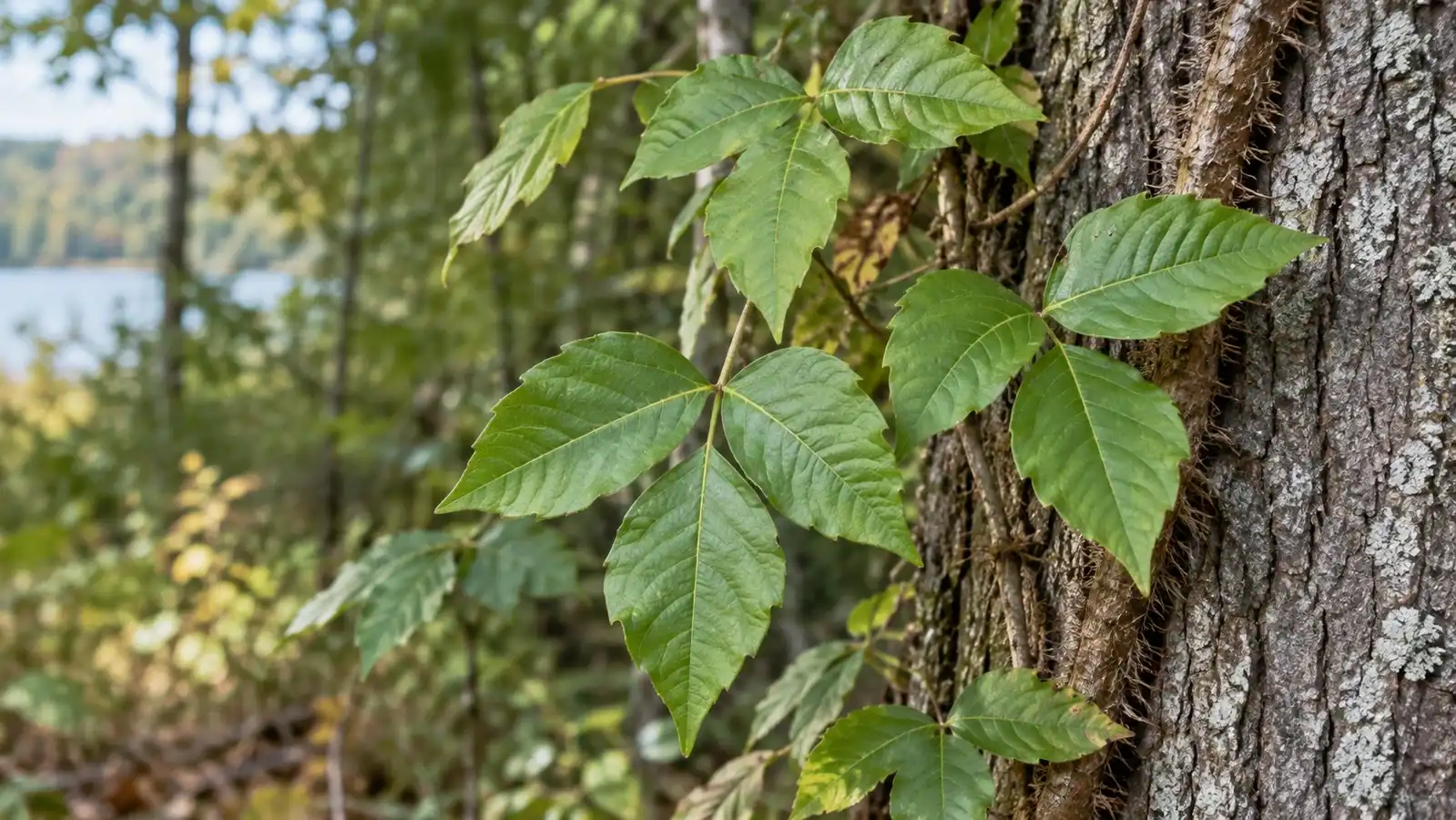
    Poison ivy vine with clusters of three leaflets growing on a tree trunk
    • Learn the common plants in your region. Poison ivy often has three leaflets, but size, color, and growth pattern can vary.
    • Keep your dog on the trail in dense brush.
    • Use a leash near unknown vines or ground cover.
    • Check the belly, muzzle, paws, and inner legs after outdoor adventures.
    • Carry gloves and a clean towel in the car.
    • Bathe the dog and wash gear when exposure is likely.
    • Remove Toxicodendron plants from your property with safe methods, and never burn them.

    Beagle on leash staying on a trail beside poison ivy plants

    The FDA offers visual identification guidance for poison ivy, poison oak, and poison sumac. [1] A plant-identification app can be a helpful clue, but do not handle an unknown plant just to get a better photo.

    Poison Oak and Poison Sumac

    Poison oak and poison sumac contain urushiol too, so the same cleanup principles apply. Poison oak often has three leaflets with lobed edges. Poison sumac usually grows as a shrub or small tree in wet areas and has rows of smooth-edged leaflets.

    Plant appearance varies by season and region. If identification is uncertain, treat the outing as a possible exposure. Gloves, a dog bath, clean gear, and careful monitoring are safer than testing the plant with bare skin.

    Final Thoughts

    Dogs can react to poison ivy, especially where the coat is thin, but a major reaction is not the usual outcome. The more common family problem may be urushiol carried inside on fur or gear.

    Clean first, then look closely at your dog. Mild skin irritation may settle with a cool rinse and a plain oatmeal pet product. Digestive signs, eye exposure, severe itching, swelling, or worsening skin deserve veterinary guidance. You know your dog’s normal better than anyone, and a meaningful change is worth a call.

    Frequently Asked Questions

    Can Dogs Get a Poison Ivy Rash?

    Yes, but it appears to be uncommon. Fur helps limit skin contact with urushiol. The belly, groin, muzzle, paws, and other thinly haired areas are more exposed.

    Can I Get Poison Ivy From My Dog’s Fur?

    You can get urushiol from contaminated fur, but you cannot catch the rash itself. Wear gloves, bathe the dog with pet shampoo and water, and wash exposed gear and fabrics.

    What Should I Wash First After Exposure?

    Put on gloves, keep the dog away from furniture and people, then rinse and bathe the dog. After that, wash the collar, harness, leash, towels, clothes, bedding, and any hard surfaces touched during cleanup.

    Is Oatmeal Safe for Mild Irritation?

    A plain colloidal oatmeal pet shampoo is a gentle option for many dogs with mild, intact, already-clean skin. Choose an unscented pet product and follow its label. Ask your veterinarian first if the skin is broken, painful, infected-looking, or near the eyes.

    What if My Dog Ate Poison Ivy?

    Remove access to the plant and call your veterinarian or an animal poison service. Watch for drooling, mouth discomfort, vomiting, diarrhea, reduced appetite, or unusual tiredness. Do not make your dog vomit unless a veterinary professional directs you.

    References

    1. U.S. Food and Drug Administration. (2021, June 9). Outsmarting poison ivy and other poisonous plants. https://www.fda.gov/consumers/consumer-updates/outsmarting-poison-ivy-and-other-poisonous-plants

    2. Lofgran, T., & Mahabal, G. D. (2023). Toxicodendron toxicity. StatPearls Publishing. https://www.ncbi.nlm.nih.gov/books/NBK557866/

    3. Reynertson, K. A., Garay, M., Nebus, J., Chon, S., Kaur, S., Mahmood, K., Kizoulis, M., & Southall, M. D. (2015). Anti-inflammatory activities of colloidal oatmeal (Avena sativa) contribute to the effectiveness of oats in treatment of itch associated with dry, irritated skin. Journal of Drugs in Dermatology, 14(1), 43-48. https://pubmed.ncbi.nlm.nih.gov/25607907/

    4. Tresch, M., Mevissen, M., Ayrle, H., Melzig, M. F., Roosje, P., & Walkenhorst, M. (2019). Medicinal plants as therapeutic options for topical treatment in canine dermatology? A systematic review. BMC Veterinary Research, 15, 174. https://doi.org/10.1186/s12917-019-1854-4

  • Are Monstera Plants Toxic To Dogs? Expert Answers

    Are Monstera Plants Toxic To Dogs? Expert Answers

    Medically Reviewed by: Dr. Candy Akers, DVM

    Monstera plants have become a trendy houseplant for their unique, tropical appearance and easy-to-care-for nature. However, as a dog owner, it is important to consider whether these plants are safe to have around your furry friend. In this blog, we will explore the question: are Monstera plants toxic to dogs? We will delve into the potential dangers of Monstera plants, signs and symptoms of ingestion, and what you should do if your dog eats this plant. Additionally, we will cover prevention tips and the reasons why dogs may be drawn to these plants. As pet owners, our priority is always the safety and well-being of our furry friends, so let’s dive into this important topic together.

    are monsteras toxic to dogs

    What Are Monstera Plants?

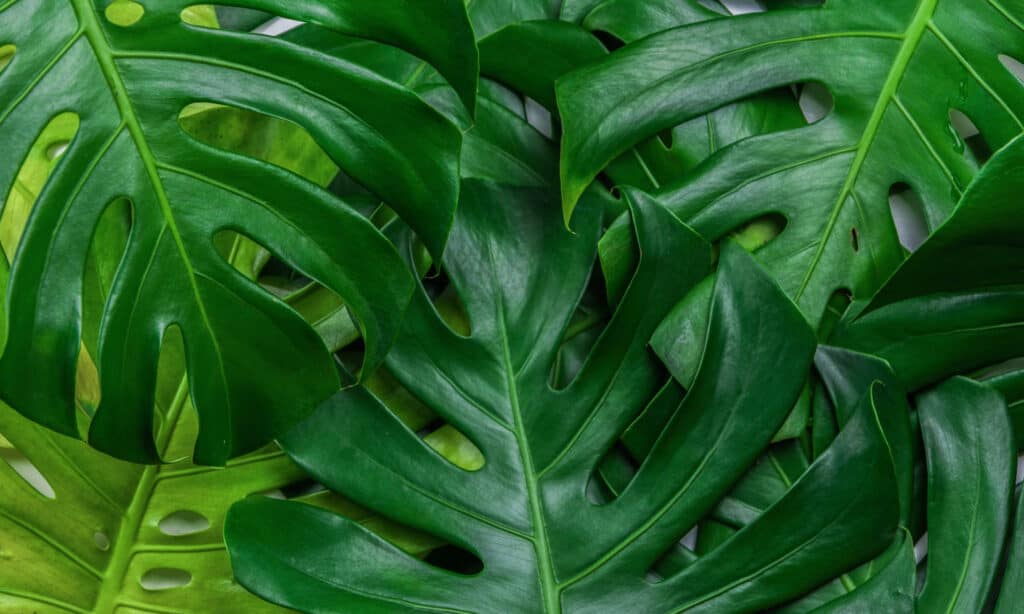
    Monstera plants, also known as Monstera deliciosa or the “Swiss cheese plant,” are tropical plants native to Central and South America. They are known for their large, glossy leaves with unique patterns of holes and splits. Monstera plants are popular indoor plants due to their unique appearance and ability to thrive in low-light conditions. They are relatively easy to care for and can grow up to ten feet tall. While Monstera plants are generally safe for humans, it is important to consider whether they pose any risks to our furry friends, particularly dogs.

    Are Monstera Plants Toxic To Dogs?

    Yes, Monstera plants can be toxic to dogs. The plant contains a compound called calcium oxalate crystals, which can cause irritation and swelling of the mouth, lips, and tongue when ingested. This can lead to drooling, difficulty swallowing, and even vomiting. In some cases, more severe symptoms such as respiratory distress, seizures, and kidney damage may occur. Therefore, it is essential to keep Monstera plants out of reach of dogs and to take immediate action if you suspect your dog has ingested any part of the plant.

    Close-up of monstera plant's toxic leaves

    What Should You Do If Your Dog Eats Monstera Plants?

    If you suspect that your dog has eaten any part of a Monstera plant, it is important to take immediate action. Here are the steps you should follow:

    • Remove any remaining plant material: If you notice that your dog has ingested any part of a Monstera plant, remove any remaining pieces of the plant from their mouth and surroundings.
    • Observe your dog’s symptoms: Watch for any signs or symptoms of plant ingestion, such as drooling, pawing at the mouth, difficulty swallowing, vomiting, or diarrhea.
    • Contact your veterinarian: If your dog shows any signs of illness, or you are unsure if they have ingested any part of the plant, contact your veterinarian immediately. Your vet may recommend bringing your dog in for an examination or inducing vomiting if the ingestion occurred recently.
    • Provide supportive care: Depending on the severity of the symptoms, your veterinarian may recommend providing supportive care, such as administering fluids or medication to relieve pain and discomfort.

    Remember, the sooner you seek veterinary care, the better the outcome will be for your furry friend.

    Potential Physical Dangers Presented by Monstera Plants

    The physical dangers presented by Monstera plants are primarily due to the presence of calcium oxalate crystals. When ingested, these crystals can cause a range of symptoms, including irritation and swelling of the mouth, lips, and tongue. In severe cases, ingestion of Monstera plants can lead to respiratory distress, seizures, and kidney damage.

    If your dog ingests a significant amount of Monstera plant material or exhibits any severe symptoms, it is crucial to seek veterinary care immediately. The longer your dog goes without treatment, the more severe the symptoms may become.

    In addition to the physical dangers, it is also important to note that Monstera plants have large leaves that can pose a choking hazard if ingested whole. It is important to keep these plants out of reach of curious dogs who may be tempted to nibble on the leaves.

    Symptoms of monstera plant poisoning in dogs

    Signs and Symptoms of Monstera Plant Ingestion

    The signs and symptoms of Monstera plant ingestion in dogs can vary depending on the amount ingested and the individual dog’s sensitivity to the plant. Here are some common signs and symptoms to watch for:

    • Drooling and pawing at the mouth
    • Swelling of the lips, mouth, and tongue
    • Difficulty swallowing
    • Vomiting
    • Diarrhea
    • Lethargy
    • Loss of appetite
    • Respiratory distress (e.g., coughing, wheezing)
    • Seizures (in rare cases)
    • Kidney damage (in severe cases)

    If you notice any of these symptoms in your dog and suspect that they have ingested Monstera plant material, it is essential to seek veterinary care immediately. Early intervention can prevent more severe symptoms and improve your dog’s chances of a full recovery.

    When Should You Take Your Dog To The Vet?

    If you suspect that your dog has ingested any part of a Monstera plant, it is always better to err on the side of caution and contact your veterinarian immediately. They can provide guidance on whether or not you need to bring your dog in for an examination.

    However, there are certain situations when you should take your dog to the vet right away, such as:

    • Your dog has ingested a significant amount of Monstera plant material.
    • Your dog is exhibiting severe symptoms, such as difficulty breathing or seizures.
    • Your dog has preexisting medical conditions that could be exacerbated by the ingestion of Monstera plants.
    • You are unsure if your dog has ingested any part of the plant, but they are exhibiting unusual symptoms.

    Remember, the faster you seek veterinary care, the better the outcome will be for your furry friend.

    Monstera deliciosa plant with a warning sign for dog owners

    Prevention Is The Best Medicine – How To Prevent Your Dog from Eating Monstera Plants

    Prevention is always the best medicine when it comes to keeping our furry friends safe. Here are some tips on how to prevent your dog from eating Monstera plants:

    • Keep Monstera plants out of reach: This is the most obvious and effective way to prevent your dog from ingesting Monstera plant material. Keep plants on high shelves, in rooms that are off-limits to your dog, or behind barriers.
    • Train your dog: Teach your dog commands such as “leave it” and “drop it” to discourage them from chewing or ingesting non-food items.
    • Provide alternative chew toys: Some dogs may be more prone to chewing on plants out of boredom or anxiety. Providing alternative chew toys can help redirect their attention.
    • Monitor your dog: Keep an eye on your dog when they are in the same room as Monstera plants, and discourage them from approaching the plants.

    By following these tips, you can help ensure that your furry friend stays safe and healthy, even in the presence of potentially toxic plants like Monstera.

    are monstera toxic to dogs

    So, Why Do Dogs Eat Monstera Plants?

    There are several reasons why dogs may be drawn to Monstera plants:

    • Curiosity: Dogs are naturally curious animals, and the unique shape and texture of Monstera leaves may attract their attention.
    • Boredom: Some dogs may chew on plants out of boredom, especially if they are left alone for long periods of time.
    • Nutritional deficiency: In rare cases, dogs may eat plants as a way to supplement their diet with missing nutrients. However, this is unlikely to be the case with Monstera plants.
    • Anxiety: Dogs with separation anxiety or other forms of anxiety may chew on plants as a way to relieve stress.

    Regardless of the reason, it is important to prevent your dog from ingesting Monstera plant material. By following the prevention tips outlined earlier, you can help keep your furry friend safe and healthy.

    Conclusion

    In conclusion, while Monstera plants may be a popular indoor plant choice for their unique appearance and easy-to-care-for nature, they can be toxic to dogs. The presence of calcium oxalate crystals in the plant material can cause irritation and swelling of the mouth, lips, and tongue when ingested, leading to a range of symptoms that can be potentially life-threatening.

    If you suspect that your dog has ingested Monstera plant material, it is essential to take immediate action and seek veterinary care. Remember, prevention is always the best medicine, so take steps to keep Monstera plants out of reach of your furry friend and provide alternative chew toys to redirect their attention.

    By being aware of the potential risks associated with Monstera plants and taking steps to prevent ingestion, you can help ensure that your furry friend stays safe and healthy.

    ~Sheena

  • Are Carnations Toxic To Dogs? Expert Answers

    Are Carnations Toxic To Dogs? Expert Answers

    Medically Reviewed by: Dr. Candy Akers, DVM

    Carnations are beautiful, popular flowers that come in a variety of colors and are often used for decorative purposes. However, as a responsible pet owner, it’s important to know whether carnations can be harmful to your furry friend.

    In this blog post, we’ll discuss the potential dangers of carnations to dogs, what to do if your dog eats them, signs and symptoms of plant ingestion, and when to take your dog to the vet. Additionally, we’ll cover preventative measures you can take to keep your dog safe and explore the reasons why dogs might be attracted to carnations in the first place.

    We’ve consulted with experts in the field to provide you with accurate and reliable information on this topic. So, if you’re a dog owner who loves flowers, keep reading to learn everything you need to know about carnations and your canine companion.

    are carnations toxic to dogs

    What Are Carnations?

    Carnations, Dianthus caryophyllus, are popular flowers with various colors such as white, pink, red, yellow, and purple. They are often used in floral arrangements, as gifts, and for decorative purposes.

    Carnations are native to the Mediterranean region but have been cultivated and grown worldwide for centuries. They are also used in the production of essential oils, perfumes, and cosmetics due to their pleasant fragrance.

    While carnations are generally considered safe for humans, it’s important to determine whether they are safe for dogs as well. So, let’s explore whether carnations are toxic to dogs in the next section.

    Are Carnations Toxic To Dogs?

    Have you ever wondered whether carnations are safe for dogs? Carnations are safe for humans but mildly toxic to dogs.

    If your dog ingests carnations, they may experience digestive upset, such as vomiting, diarrhea, and abdominal pain. They could also experience mild to moderate skin irritation if they come into contact with the plant’s sap or leaves.

    The severity of the toxicity can vary depending on the amount ingested, the size of the dog, and the dog’s overall health. Some types of pink carnations may contain a chemical called naphthalene, which can lead to anemia in dogs by breaking down red blood cells.

    Although carnations are not as toxic as some other plants, it’s still important to keep them away from your furry friend. If you suspect that your dog has ingested carnations or is experiencing any symptoms of toxicity, seek veterinary care right away.

    Dogs and Carnations: Can they coexist?

    What Should You Do If Your Dog Eats Carnations?

    If you suspect that your dog has ingested carnations, the first thing you should do is call your veterinarian. They can give you advice on what steps to take next and whether you need to bring your dog in for an evaluation.

    Depending on the amount of carnations your dog ate and their size, your veterinarian may recommend inducing vomiting or monitoring them closely for any signs of toxicity. They may also recommend a physical exam or bloodwork to check for any underlying health issues that could be exacerbating the effects of the carnations.

    It’s important to remember that not all dogs will show immediate signs of toxicity, so monitoring your dog closely for any symptoms is crucial. If you notice any signs of digestive upset, such as vomiting or diarrhea, or if your dog seems lethargic or has a loss of appetite, contact your veterinarian immediately.

    In some cases, your veterinarian may recommend hospitalization or supportive care to help your dog recover.

    Remember, the best way to prevent your dog from eating carnations is to keep them out of reach. If you have carnations in your home or garden, make sure they are in a place where your dog cannot access them. If you’re unsure whether a plant is safe for your dog, it’s always better to err on the side of caution and avoid exposing them to it.

    Potential Physical Dangers Presented by Carnations

    While carnations are not necessarily lethal to dogs, they can still cause a variety of physical dangers.

    One of the main dangers of carnations is gastrointestinal upset. If your dog ingests carnations, they may experience vomiting, diarrhea, abdominal pain, and loss of appetite. These symptoms can range from mild to severe depending on the amount of carnations ingested and the size of your dog.

    Another potential danger of carnations is skin irritation. Some dogs may develop mild to moderate skin irritation if they come into contact with the plant’s sap or leaves. This can lead to redness, swelling, and itching.

    In some cases, dogs may also experience an allergic reaction to carnations, which can cause symptoms such as hives, facial swelling, and difficulty breathing. If your dog experiences any of these symptoms after coming into contact with carnations, seek veterinary care immediately.

    Lastly, certain types of carnations may contain a chemical called naphthalene, which can cause red blood cells to break down and lead to anemia in dogs. This is a more serious complication and requires immediate veterinary care.

    It’s important to remember that every dog is different, and some may be more sensitive to carnations than others. If you suspect that your dog has ingested or come into contact with carnations, monitor them closely for any signs of physical distress and contact your veterinarian for advice.

    Carnations and your furry friend

    Signs and Symptoms of Carnation Plant Ingestion

    If your dog ingests carnations, they may exhibit a variety of signs and symptoms, including:

    • Vomiting
    • Diarrhea
    • Abdominal pain
    • Loss of appetite
    • Lethargy
    • Excessive drooling
    • Mouth irritation
    • Skin irritation
    • Redness, swelling, or itching of the skin
    • Allergic reactions, such as hives, facial swelling, or difficulty breathing

    The severity of these symptoms can vary depending on the amount of carnations ingested and the size of your dog. Some dogs may only experience mild symptoms, while others may exhibit more severe symptoms requiring immediate veterinary care.

    It’s important to remember that not all dogs will exhibit immediate signs of toxicity, so it’s crucial to monitor your dog closely if you suspect they have ingested carnations. If you notice any signs of digestive upset, skin irritation, or allergic reactions, contact your veterinarian immediately.

    Early intervention can help prevent more serious complications and improve your dog’s chances of a full recovery.

    When Should You Take Your Dog To The Vet?

    If you suspect that your dog has ingested carnations, it’s important to contact your veterinarian right away. They can provide you with advice on what steps to take next and whether your dog needs to come in for an evaluation.

    You should take your dog to the vet immediately if they exhibit any of the following signs and symptoms:

    • Difficulty breathing
    • Severe vomiting or diarrhea
    • Abdominal bloating or distension
    • Severe abdominal pain
    • Loss of consciousness or seizures
    • Lethargy or weakness
    • Pale gums or tongue
    • Inability to stand or walk normally
    • Rapid heartbeat or breathing
    • Collapse

    These symptoms may indicate a more serious complication, such as an allergic reaction, anemia, or other complications that require immediate medical attention.

    Even if your dog is not exhibiting these severe symptoms, it’s still important to contact your veterinarian and seek their advice on the best course of action. They may recommend monitoring your dog closely for any signs of toxicity or bringing them in for an evaluation.

    Carnations and dogs: What you need to know

    Prevention Is The Best Medicine – How To Prevent Your Dog from Eating Carnations

    Prevention is the best medicine when it comes to keeping your dog safe from toxic plants like carnations. Here are some tips to help you prevent your dog from eating carnations:

    • Keep carnations out of reach: If you have carnations in your home or garden, make sure they are in a place where your dog cannot access them. This can mean keeping them on high shelves, in closed rooms, or behind barriers.
    • Train your dog: Train your dog to stay away from plants and other items that are off-limits. This can include using positive reinforcement training and teaching your dog a “leave it” command.
    • Use deterrents: You can use bitter-tasting sprays or other deterrents to keep your dog away from plants like carnations. These can be found at pet stores and online.
    • Identify toxic plants: Make sure you are aware of all the toxic plants in your home and garden. This will help you take steps to prevent your dog from coming into contact with them.
    • Supervise your dog: Supervise your dog when they are outside or in areas where there are plants. This can help you catch any attempts to eat carnations or other toxic plants.

    It’s important to remember that prevention is the most effective way to ensure your dog’s safety when it comes to toxic plants. If you’re unsure about a plant’s safety, it’s always best to err on the side of caution and avoid exposing your dog to it. By taking steps to keep toxic plants out of your dog’s reach and being vigilant, you can help prevent accidental ingestion and keep your dog healthy and happy.

    So, Why Do Dogs Eat Carnations?

    Dogs are naturally curious creatures and may be attracted to the scent and taste of carnations. Some dogs may also be drawn to the texture and shape of the flower or enjoy the act of chewing on plants.

    In some cases, dogs may eat carnations out of boredom or as a way to relieve stress or anxiety. This is why it’s important to provide your dog with plenty of mental and physical stimulation through activities such as daily walks, playtime, and puzzle toys.

    It’s also possible that dogs may eat carnations simply because they are accessible and within reach. This is why it’s crucial to keep all potentially toxic plants out of your dog’s reach and to supervise them closely when they are around plants.

    Lastly, some dogs may have an underlying health issue that is causing them to crave non-food items, including plants. If your dog consistently shows a strong desire to eat non-food items, it’s important to bring them in for an evaluation to rule out any medical issues.

    Dog owners: Carnations are safe

    Conclusion

    Carnations can pose a potential threat to dogs if ingested. While they may not be as toxic as some other plants, they can still cause digestive upset, skin irritation, and other physical dangers. It’s important to be aware of the signs and symptoms of carnation plant ingestion and to take your dog to the veterinarian if you suspect they have ingested carnations.

    Prevention is key when it comes to keeping your dog safe from toxic plants like carnations. By keeping all potentially toxic plants out of reach, training your dog to avoid plants, and supervising them when they are around plants, you can help prevent accidental ingestion.

    ~Lindsie

  • Are Coleus Toxic To Dogs? Expert Answers

    Are Coleus Toxic To Dogs? Expert Answers

    Medically Reviewed by: Dr. Candy Akers, DVM

    If you’re a plant lover and a dog owner, you might have wondered if some of your indoor or outdoor plants can be harmful to your furry friend. Coleus, a popular ornamental plant known for its colorful foliage, is no exception. In this blog post, we’ll answer the question on many dog owners’ minds: Are Coleus toxic to dogs? We’ll also explore what you should do if your dog eats Coleus, the potential physical dangers that the plant presents, signs and symptoms of ingestion, and when to take your dog to the vet. Additionally, we’ll provide tips on how to prevent your dog from eating Coleus, and lastly, we’ll delve into the reasons why dogs are drawn to this plant. Keep reading to learn everything you need to know about Coleus and your furry friend’s health.

    is coleus toxic to dogs

    What Are Coleus

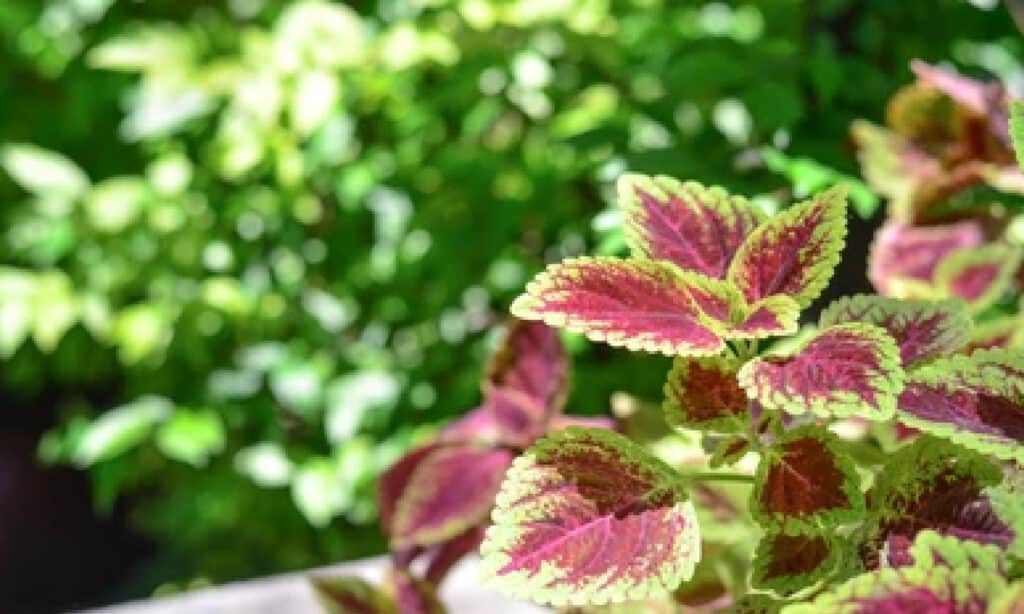
    Coleus is a type of plant that is also known as Solenostemon. These plants are tropical and belong to the mint family, Lamiaceae. What makes them so popular are their eye-catching, colorful leaves, which can come in shades of green, purple, pink, yellow, and red. People often use Coleus plants for decoration, whether it’s for landscaping, container gardening, or indoor arrangements. Coleus plants originally come from Southeast Asia and have been grown for centuries for both their medicinal and ornamental uses. There are many different types of Coleus plants, and they come in a range of sizes, from small potted plants to large shrubs. Taking care of Coleus plants is relatively easy as they do well in warm, humid environments, require moderate watering, and prefer indirect sunlight.

    Are Coleus Toxic To Dogs?

    Yes, if dogs eat Coleus plants, it can cause them harm. These plants contain oils and chemicals that are not good for dogs and can lead to various symptoms such as vomiting, diarrhea, loss of appetite, excessive drooling, and dehydration. In severe cases, ingesting Coleus can even cause dogs to feel tired, muscle tremors, seizures, and death.

    The amount of damage Coleus can do to your dog depends on how much they eat and their size. Larger dogs might handle small amounts of ingestion, while smaller dogs can be badly affected even by a little bit. It’s vital to make sure Coleus plants are kept away from dogs and other pets to avoid them accidentally eating them.

    If you think your dog has ingested Coleus, take them to see a vet right away. Treatment may involve induced vomiting, activated charcoal to soak up toxins, intravenous fluids to rehydrate, and medicine to manage symptoms. Getting help as soon as possible will give your dog the best chance of a full recovery.

    What Should You Do If Your Dog Eats Coleus?

    If you suspect that your dog has eaten Coleus, it’s crucial to act quickly. The first step is to remove any remaining plant material from your dog’s mouth and call your veterinarian immediately. Your veterinarian will ask about the symptoms your dog is showing and may advise you to bring your dog in for an examination.

    In some cases, your veterinarian may recommend inducing vomiting to help remove any remaining plant material from your dog’s stomach. This is typically done within two hours of ingestion, and it’s essential to follow your veterinarian’s instructions carefully.

    If it’s too late to induce vomiting or if your dog is already showing symptoms, your veterinarian may recommend other treatments. These can include administering activated charcoal to absorb toxins in the stomach, providing intravenous fluids to rehydrate your dog, and giving medication to manage symptoms such as vomiting and diarrhea.

    In severe cases, your dog may need to be hospitalized for monitoring and supportive care, such as oxygen therapy or intravenous medication.

    Remember, prevention is always the best medicine. If you have Coleus plants in your home or garden, make sure they are kept out of reach of your dog to prevent accidental ingestion. If you suspect that your dog has ingested any toxic substance, don’t wait for symptoms to develop – call your veterinarian right away. Early intervention can make all the difference in your dog’s health and recovery.

    Potential Physical Dangers Presented by Coleus

    There are several potential physical dangers presented by Coleus plants, especially when ingested by dogs. These plants contain essential oils and chemicals that can cause various symptoms, including gastrointestinal distress, lethargy, muscle tremors, seizures, and even death.

    Ingesting Coleus plants can cause vomiting, diarrhea, and loss of appetite in dogs. These symptoms can lead to dehydration, which, if left untreated, can be life-threatening. In severe cases, dogs may experience muscle tremors, seizures, and respiratory distress, which can require emergency medical attention.

    The toxicity of Coleus plants varies depending on the size of the dog and the amount ingested. Smaller dogs are more susceptible to the toxic effects of Coleus than larger dogs. It’s crucial to keep Coleus plants out of reach of dogs to prevent accidental ingestion.

    Other physical dangers of Coleus plants include skin irritation and allergies. The essential oils in the plant can cause a rash or other skin irritations in both dogs and humans. If you notice any skin irritations after handling Coleus plants, wash the affected area immediately with soap and water.

    It’s essential to be aware of the potential physical dangers of Coleus plants and take steps to prevent accidental ingestion by dogs. If you suspect that your dog has ingested Coleus, seek veterinary care immediately to prevent the onset of severe symptoms.

    Signs and Symptoms of Coleus Plant Ingestion

    If your dog ingests Coleus, there are several signs and symptoms that you should watch out for. These symptoms can range from mild to severe, depending on the amount of plant material ingested and the size of your dog.

    Some of the common signs and symptoms of Coleus plant ingestion in dogs include:

    • Vomiting
    • Diarrhea
    • Loss of appetite
    • Excessive drooling
    • Lethargy
    • Dehydration
    • Muscle tremors
    • Seizures
    • Difficulty breathing

    It’s important to note that these symptoms can appear quickly or over time, depending on the severity of the ingestion. If you notice any of these symptoms in your dog and suspect they have ingested Coleus, seek veterinary care immediately.

    In some cases, your dog may not show any symptoms for several hours after ingestion. It’s essential to keep an eye on your dog and monitor them closely for any changes in behavior or signs of distress.

    Remember, prevention is always the best medicine. Keep Coleus plants out of reach of your dog to prevent accidental ingestion and monitor your dog closely for any signs of illness. If you suspect that your dog has ingested any toxic substance, don’t wait for symptoms to develop – call your veterinarian right away.

    When Should You Take Your Dog To The Vet?

    If you suspect that your dog has ingested Coleus plants, it’s essential to seek veterinary care immediately. The sooner your dog receives treatment, the better their chances of a full recovery.

    You should take your dog to the vet if they are showing any of the following symptoms:

    • Vomiting
    • Diarrhea
    • Loss of appetite
    • Lethargy
    • Dehydration
    • Muscle tremors
    • Seizures
    • Difficulty breathing

    Even if your dog is not showing any symptoms, it’s still a good idea to call your veterinarian for advice. They may recommend monitoring your dog closely for any changes in behavior or signs of distress.

    When you take your dog to the vet, be sure to provide as much information as possible about the ingestion, including how much plant material your dog ingested, when they ingested it, and any symptoms they are exhibiting. This information will help your veterinarian determine the best course of treatment.

    In some cases, your veterinarian may recommend inducing vomiting to help remove any remaining plant material from your dog’s stomach. They may also administer activated charcoal to absorb any toxins in the stomach and provide intravenous fluids to rehydrate your dog.

    If your dog is experiencing severe symptoms, they may need to be hospitalized for monitoring and supportive care, such as oxygen therapy or intravenous medication.

    Prevention Is The Best Medicine – How To Prevent Your Dog from Eating Coleus

    Prevention is the best medicine when it comes to keeping your dog safe from the potential dangers of Coleus plants. Here are some tips on how to prevent your dog from eating Coleus:

    • Keep Coleus plants out of reach: Make sure that any Coleus plants in your home or garden are kept out of reach of your dog. Consider placing them on high shelves, hanging them from the ceiling, or using plant stands to elevate them.
    • Use barriers: Protect your dog from Coleus plants in your garden with barriers like fencing or netting.
    • Supervise outdoor time: Supervise outdoor dogs to prevent access to Coleus plants.
    • Use deterrents: Consider using natural deterrents such as citrus spray or cayenne pepper around your Coleus plants to discourage your dog from eating them.
    • Provide alternatives: Give your dog safe and healthy alternatives to chew on, such as toys or bones, to keep them occupied and away from Coleus plants.
    • Educate yourself: Learn to identify Coleus plants and other toxic plants that may be growing in your home or garden. This knowledge will help you keep your dog safe and avoid any potential accidents.

    By taking these preventative measures, you can help keep your dog safe from the potential dangers of Coleus plants.

    So, Why Do Dogs Eat Coleus?

    The reasons why dogs eat Coleus plants are not entirely clear, but there are a few possible explanations. One is that the plant’s sweet aroma and taste can be appealing to dogs, especially those with a heightened sense of smell.

    Another possible reason is that dogs have a natural instinct to explore their environment and satisfy their urge to chew. This may lead them to investigate and nibble on Coleus plants out of curiosity.

    Additionally, some dogs may eat Coleus as a form of self-medication for digestive or other health issues. However, it’s important to note that dogs don’t have the same knowledge as humans when it comes to self-medicating, and some plants can be harmful to them.

    Regardless of the reason why your dog may be drawn to Coleus, it’s crucial to take preventative measures to keep them safe. Make sure to keep Coleus plants out of reach and provide your dog with safe alternatives to chew on. If you suspect that your dog has ingested any toxic substance, don’t hesitate to seek veterinary care right away.

    Conclusion

    In conclusion, while Coleus plants can be a beautiful addition to your home or garden, they can be potentially dangerous to your furry friend. The essential oils and chemicals in these plants can cause various symptoms, including vomiting, diarrhea, lethargy, seizures, and even death, if ingested by dogs.

    Prevention is the key to keeping your dog safe. By keeping Coleus plants out of reach, using barriers, supervising outdoor time, and providing safe alternatives to chew on, you can significantly reduce the risk of accidental ingestion. Additionally, it’s crucial to learn to identify toxic plants and seek veterinary care immediately if you suspect that your dog has ingested any toxic substance.

    By taking these preventative measures, you can help ensure your dog’s safety and well-being. Remember, your dog’s health is in your hands, and the best way to keep them healthy is to take proactive steps to prevent accidents from happening. So, if you’re a dog owner and have Coleus plants around your home or garden, make sure to take the necessary precautions to keep your furry friend safe.

    ~Sheena

  • Are Crotons Toxic To Dogs? Expert Answers

    Are Crotons Toxic To Dogs? Expert Answers

    Medically Reviewed by: Dr. Candy Akers, DVM

    If you’re a dog owner who loves to decorate your home with indoor plants, you may have wondered whether certain plants are safe for your furry friend. One plant that may have caught your eye is the croton plant. These tropical plants are known for their bright and colorful foliage, making them a popular choice for indoor decor. However, if you’re considering adding a croton to your home, you may be wondering: are crotons toxic to dogs?

    The answer is not a straightforward yes or no. While crotons do contain toxins that can be harmful to dogs if ingested, the severity of the toxicity can vary depending on the size of the dog and the amount of plant material consumed. In this blog post, we’ll explore the potential risks of crotons for dogs and provide expert answers to help you make an informed decision about whether to bring this plant into your home.

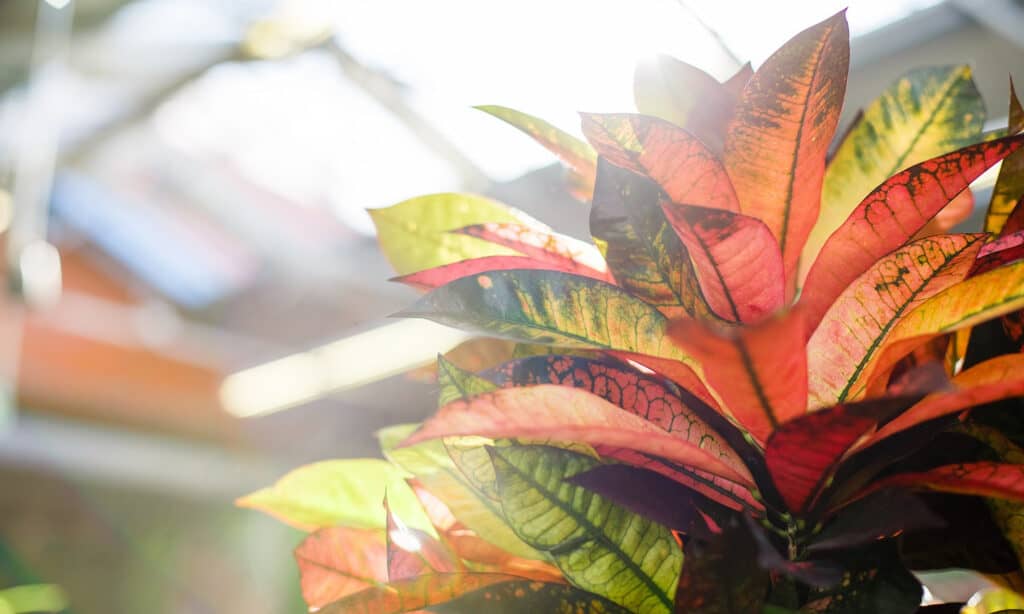
    Toxicity alert: Keep your dogs away from Croton

    What Are Crotons?

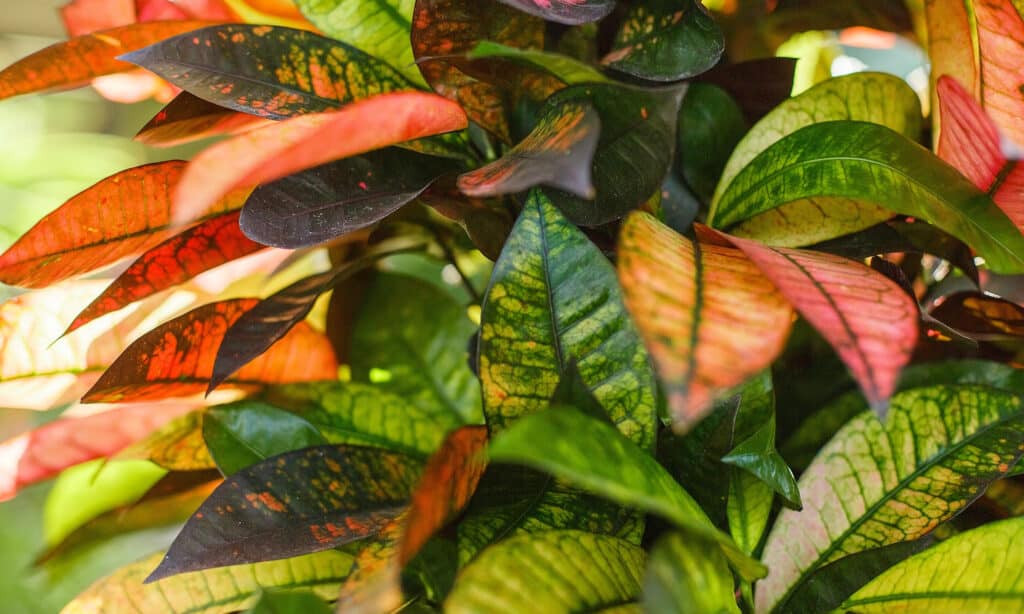
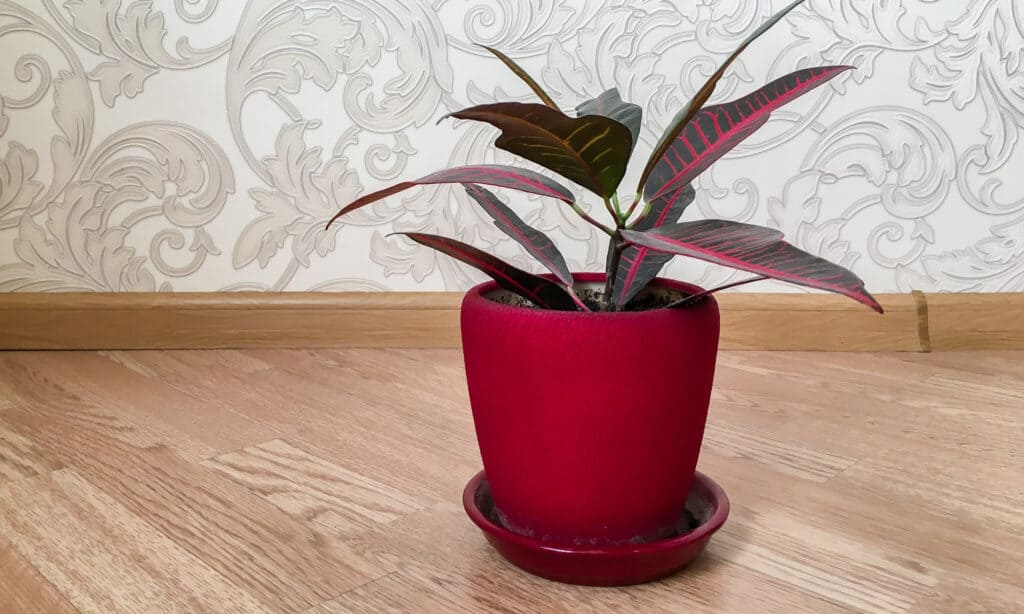
    Crotons are absolutely stunning tropical plants that boast gorgeous and vibrant foliage. Originally hailing from Southeast Asia, specifically Indonesia and Malaysia, they have rapidly become popular both indoors and outdoors worldwide. They are part of the Euphorbiaceae family, which comprises over 2,000 plant species, and are scientifically known as Codiaeum variegatum. Sometimes referred to as variegated crotons or garden crotons, their most distinguishing feature is their leaves, which come in a vast array of hues, including yellow, green, purple, and red. The leaves also display a diverse range of shapes and patterns, such as spirals or lobes. This variety in color and pattern is dependent on the species of croton and the conditions under which it’s grown.

    Gardeners and landscapers love to use crotons as ornamental plants in both indoor and outdoor spaces due to their relative ease of care and ability to thrive in various conditions. They require periodic watering and well-draining soil, and they are adaptable to a wide range of environments. In addition, certain species of croton have long been employed in traditional Southeast Asian medicine.

    Are Crotons Toxic To Dogs?

    If you’re a dog owner who loves to decorate your home with indoor plants, you may have wondered whether certain plants are safe for your furry friend. One plant that may have caught your eye is the croton plant.

    Crotons are beloved for their stunning foliage and come in a variety of colors, shapes, and patterns. Unfortunately, the answer to the question of whether crotons are toxic to dogs is not a simple yes or no. Although crotons contain toxins that can be harmful to dogs if ingested, the severity of the toxicity varies based on the size of the dog and the quantity of plant material consumed.

    Some of the symptoms your dog may experience if they ingest croton include vomiting, diarrhea, and loss of appetite. If they consume a large amount of the plant, it can cause more serious complications, such as liver or kidney damage.

    As a responsible pet owner, it’s crucial to ensure that any plants you have in your home are safe for your furry friend. If you have a curious dog who loves to explore and potentially eat plants, it may be best to avoid having crotons in your home altogether. However, if you’re determined to add these beautiful plants to your indoor garden, it’s essential to keep them in a location that your dog cannot access, such as on a high shelf or in a room where your dog is not allowed.

    Crotons and dogs don't mix: toxicity warning"

    What Should You Do If Your Dog Eats A Crotons?

    If you suspect that your dog has eaten any part of a croton plant, it’s crucial to act quickly. The severity of the symptoms your dog experiences will depend on the amount of plant material ingested, so it’s essential to contact your veterinarian right away.

    The first step is to monitor your dog closely for any signs of illness or discomfort, such as vomiting, diarrhea, loss of appetite, or lethargy. If your dog is experiencing severe symptoms, it’s best to seek veterinary care immediately.

    When you contact your veterinarian, be sure to provide as much information as possible about the situation. Let them know when you first noticed the symptoms, how much plant material you think your dog may have consumed, and any other relevant details.

    Depending on the severity of the situation, your veterinarian may recommend inducing vomiting or administering medication to help alleviate the symptoms. In some cases, hospitalization may be necessary to provide supportive care, such as intravenous fluids or medications to protect the liver or kidneys.

    To avoid future incidents, it’s crucial to keep all potentially toxic plants, including crotons, out of your dog’s reach. This includes not only indoor plants but also any plants in your yard or garden that your dog may have access to. With some caution and awareness, you can help keep your furry friend safe and healthy.

    Potential Physical Dangers Presented by Crotons

    Crotons are stunning plants that can brighten up any space with their colorful and unique foliage. However, while they are undoubtedly beautiful, crotons can also present some physical dangers, particularly for curious pets and young children.

    The most significant danger associated with crotons is their toxicity. Crotons contain toxins that can cause serious health problems in both humans and pets if ingested. These toxins can affect various organs, including the liver, kidneys, and gastrointestinal tract. Symptoms of toxicity can include vomiting, diarrhea, abdominal pain, loss of appetite, and even death in severe cases.

    In addition to their toxicity, crotons can also present a physical hazard due to their sharp edges and thorns. The leaves of some species of croton are sharp and can cause injury if handled roughly or accidentally brushed against. The thorns of some varieties can also cause puncture wounds if not handled carefully.

    To minimize the physical dangers presented by crotons, it’s essential to take precautions when handling and caring for these plants. Keep crotons out of reach or in a secure room if you have children or pets. When handling crotons, be sure to wear gloves to avoid injury from the sharp edges or thorns.

    Keep your dogs safe: Crotons are poisonous to them

    Signs and Symptoms of Crotons Plant Ingestion

    If you suspect that your pet has ingested any part of a Croton plant, it’s essential to monitor them closely for any signs and symptoms of illness. The severity of the symptoms can vary depending on the size of the animal and the amount of plant material consumed.

    Some of the most common signs and symptoms of croton plant ingestion include:

    • vomiting
    • diarrhea
    • loss of appetite
    • lethargy
    • abdominal pain

    In some cases, pets may also experience excessive salivation, tremors, or seizures.

    If your pet is exhibiting any of these symptoms and you suspect that they may have ingested Croton, it’s crucial to contact your veterinarian right away. Providing your veterinarian with information on the plant species, the amount ingested, and symptoms can help them determine the best course of treatment.

    Avoid harm to your pets: Crotons are harmful to dogs

    When Should You Take Your Dog To The Vet?

    If you suspect that your dog has ingested any part of a croton plant, it’s important to monitor them closely for any signs or symptoms of illness. In some cases, the symptoms may be mild and may resolve on their own with minimal intervention. However, in other cases, croton plant ingestion can cause severe symptoms that require immediate veterinary care.

    If your dog is exhibiting any of the following symptoms, it’s crucial to take them to the vet as soon as possible:

    • Severe vomiting or diarrhea that persists for more than 24 hours
    • Refusal to eat or drink
    • Lethargy or weakness
    • Abdominal pain or swelling
    • Difficulty breathing or wheezing
    • Seizures or tremors
    • Collapse or loss of consciousness

    These symptoms can indicate severe toxicity or other complications that require prompt intervention.

    Prevention Is The Best Medicine – How To Prevent Your Dog from Eating Crotons Plants

    Prevention is the best medicine when it comes to keeping your furry friend safe from croton plants. Here are some tips to help prevent your dog from eating crotons:

    • Keep Croton plants out of reach: Keep croton plants out of reach to prevent dogs from eating them. Place them on high shelves or in a room that your dog cannot access.
    • Use barriers: If you can’t keep croton plants out of reach, consider using barriers to prevent your dog from getting to them. This could include using baby gates or putting the plants in a locked room.
    • Provide alternative toys and chews: Sometimes dogs will eat plants out of boredom or a desire to chew. To prevent this, provide your dog with plenty of toys and chews to keep them entertained.
    • Train your dog: Train your dog to leave plants alone. Reward your dog when they leave plants alone and provide verbal cues to discourage them from approaching plants.
    • Be aware of your dog’s behavior: Keep an eye on your dog’s behavior around plants. Intervene if you see them trying to eat them. Redirect their attention to a toy or treat to discourage them from eating the plants.

    By taking these steps, you can help prevent your dog from eating crotons and keep them safe from the potential dangers of this toxic plant. If you have any concerns about your dog’s behavior or health, be sure to contact your veterinarian for advice and assistance.

    Dog owners beware: Crotons are harmful to pets

    So, Why Do Dogs Eat Crotons Plants?

    Dogs may eat croton plants for a variety of reasons. Some dogs may be attracted to the bright and colorful foliage of crotons. Some may try to eat them out of curiosity or boredom. Others may be drawn to the texture of the leaves or the scent of the plant.

    In some cases, dogs may eat Croton plants as a form of self-medication. Crotons have been used in traditional Southeast Asian medicine for their medicinal properties. Some dogs may instinctively seek out plants that can help alleviate certain health conditions.

    Unfortunately, dogs don’t have the ability to distinguish between toxic and non-toxic plants, so they may inadvertently eat plants that can cause harm. This is why it’s essential to be aware of the potential dangers of crotons and to take steps to prevent your dog from eating them.

    If you suspect that your dog has eaten Croton or any other toxic plant, it’s crucial to seek veterinary care immediately. Early intervention can help prevent serious complications and improve the chances of a positive outcome for your furry friend.

    Conclusion

    In conclusion, croton plants can add a beautiful and colorful touch to your home or garden. However, it’s important to be aware of the potential risks associated with these plants, especially if you have pets or young children in your home. Crotons are toxic to dogs and can cause a range of symptoms, including vomiting, diarrhea, and even liver or kidney damage in severe cases.

    To keep your furry friend safe, it’s crucial to take steps to prevent them from eating Croton plants. This can include keeping the plants out of reach, providing alternative toys and chews, and training your dog to leave plants alone. If you suspect that your dog has ingested croton or any other toxic plant, it’s crucial to seek veterinary care immediately.

    By being aware of the potential dangers of crotons and taking proactive steps to prevent your dog from eating them, you can enjoy the beauty of these plants safely and without worry. Remember, when it comes to your pet’s health and safety, prevention is always the best medicine.

    ~Sheena