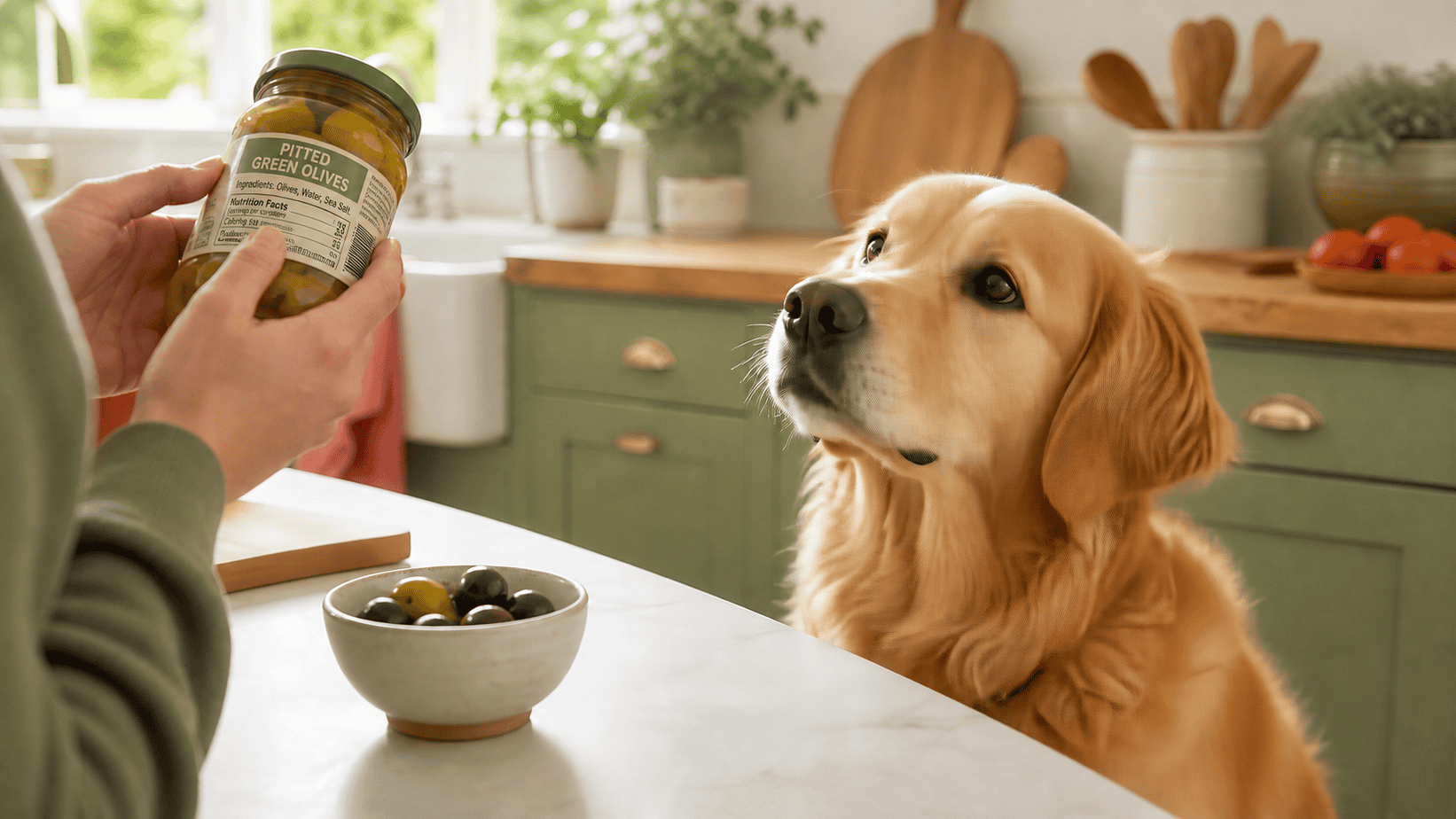
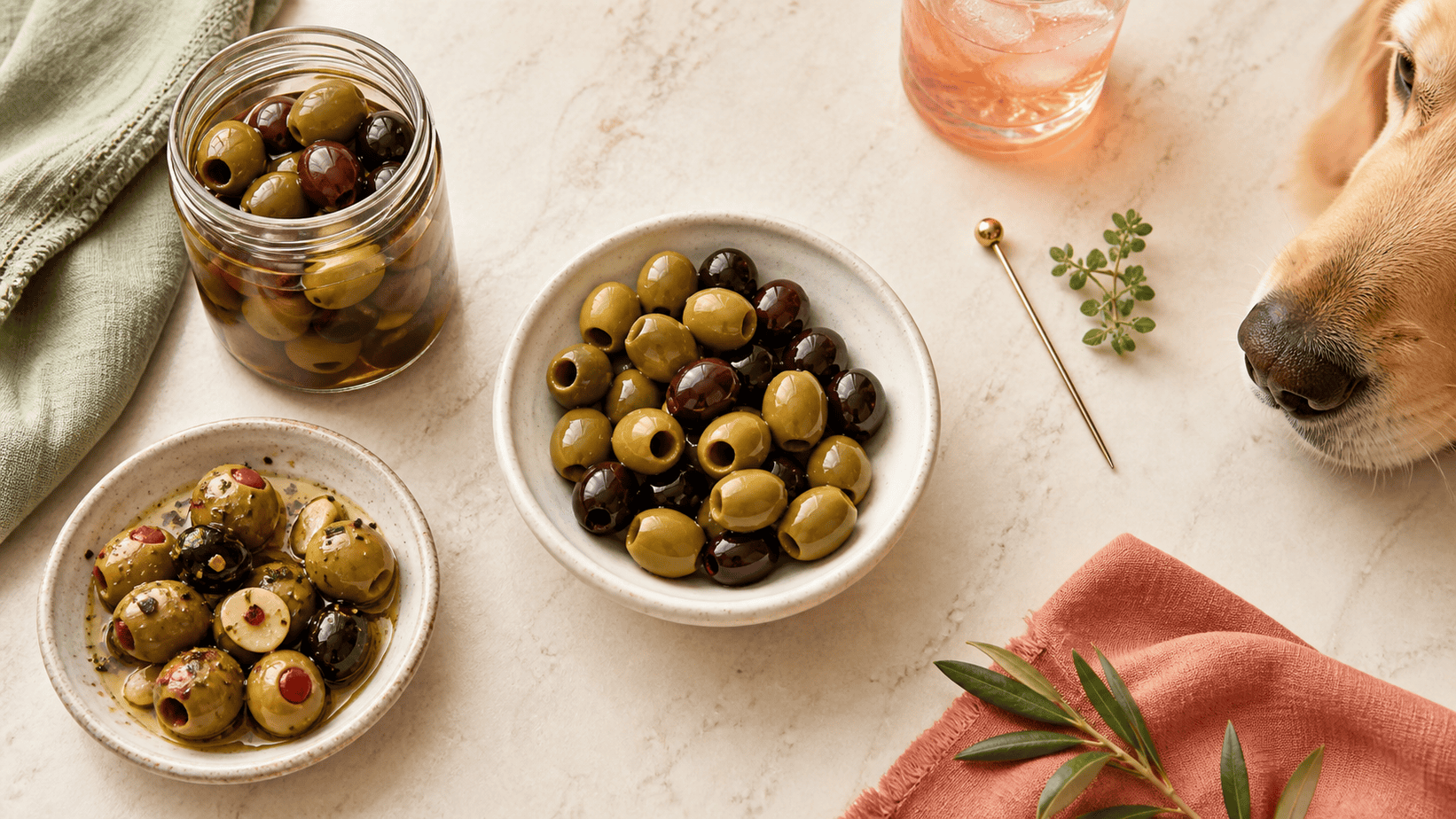
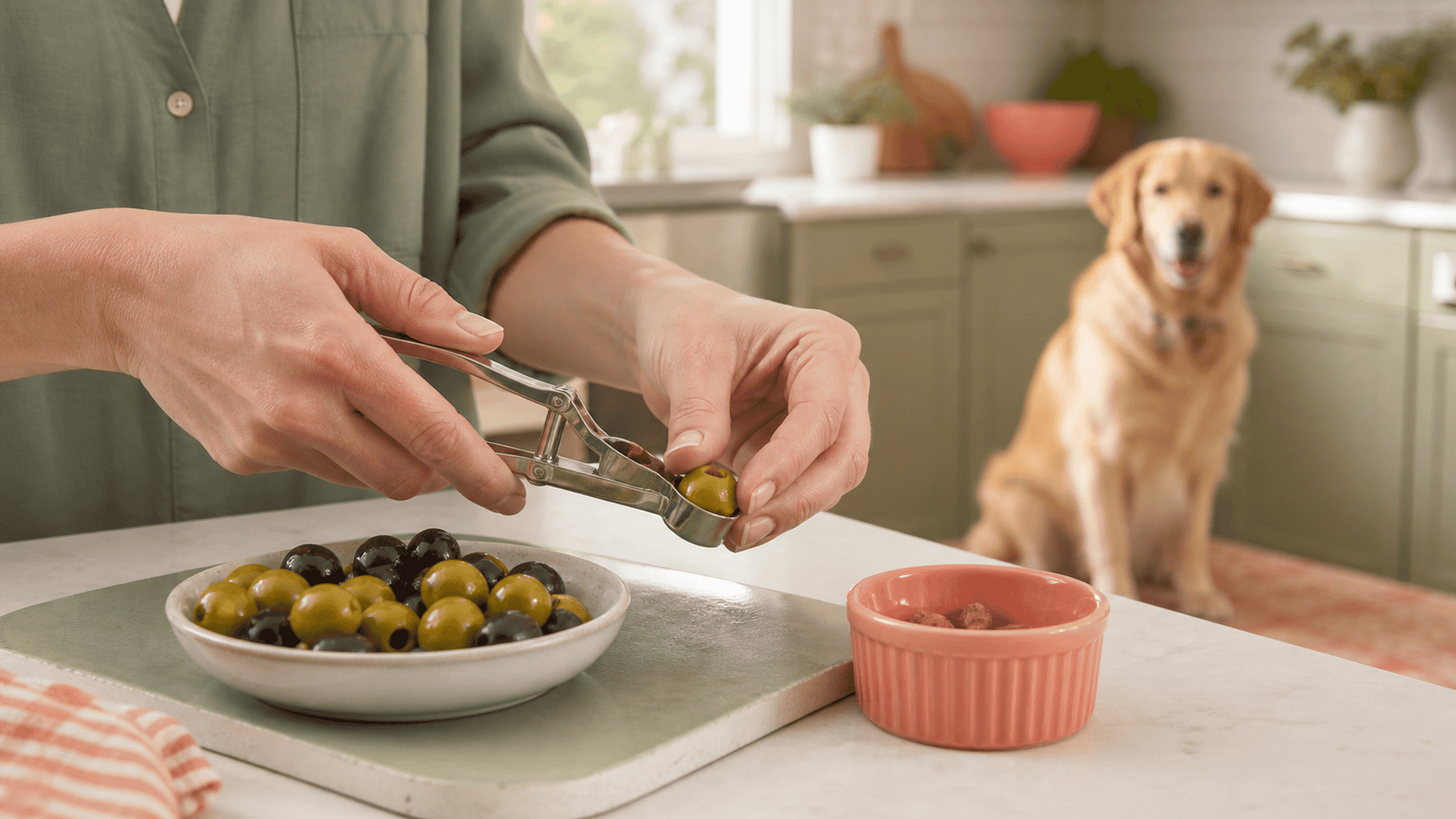
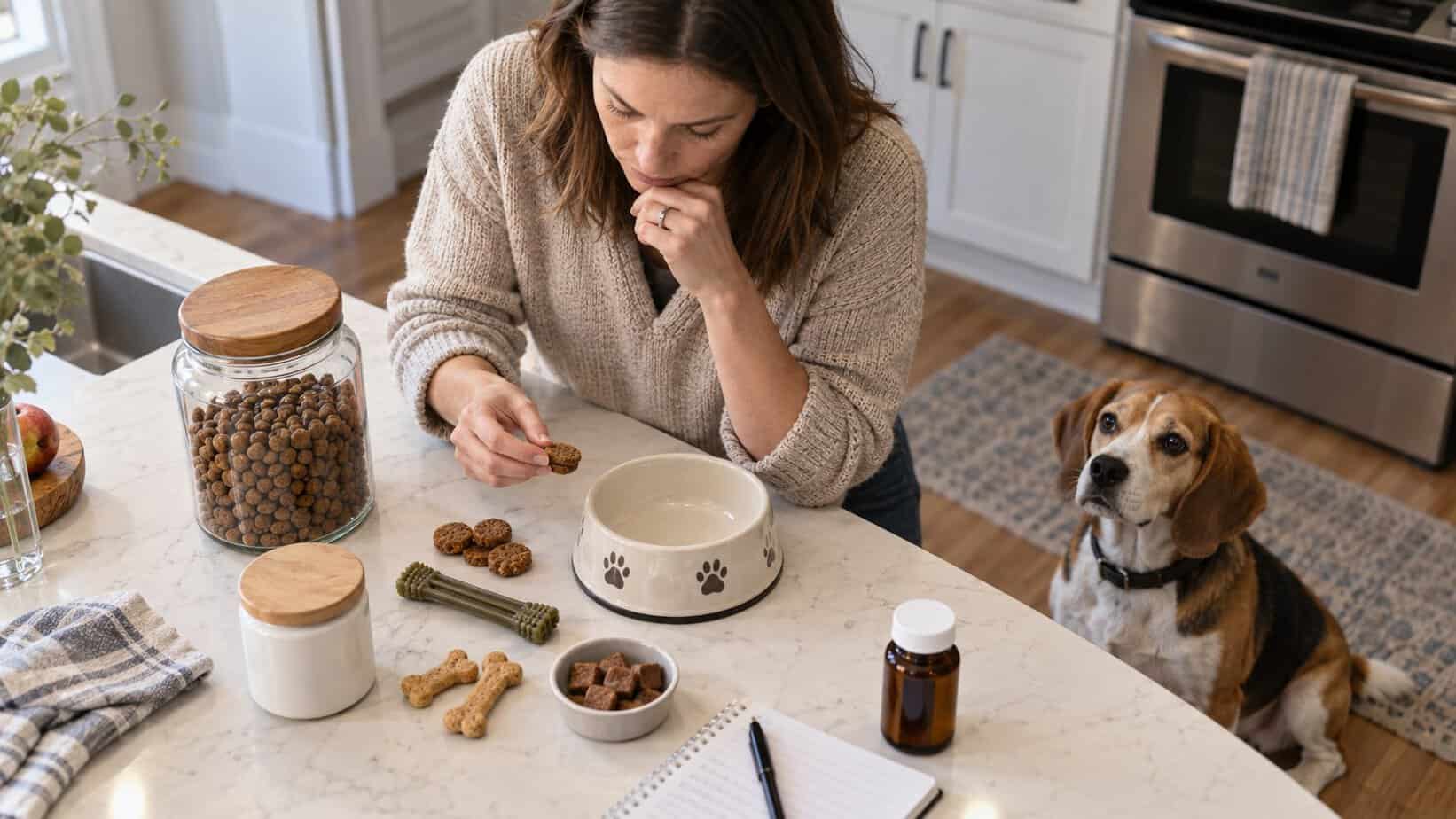
Olive fruit itself is not generally toxic to dogs. The safer choice is a plain, pitted, unsalted olive offered only as a tiny taste. The real concerns are the pit, salty brine, garlic or onion, rich stuffing, marinades, alcohol, and a dog eating more than a small amount.
That distinction matters. A black olive and a green olive can be equally simple or equally complicated, depending on how they were prepared. Start with the pit and ingredient label, not the color.
Are Olives Toxic to Dogs?
Table olives come from the culinary olive tree, Olea europaea. The fruit is not generally regarded as inherently poisonous to dogs. That does not make every olive product a good treat.
Names can be confusing. Autumn olive and Russian olive are different plants, not varieties of the culinary olive. If your dog ate fruit from a tree and you are not certain of the plant, identify it before assuming it was Olea europaea.
In a holistic nutrition plan, every food should earn its place. Dogs do not need olives to get healthy fats or plant compounds. When you want to share fresh food, simpler whole-food treats are usually easier to assess and less likely to hide salt, seasoning, or alcohol.
Which Olives Are Safer, and Which Should Dogs Avoid?
Preparation matters more than color. Use this quick guide before you share an olive or decide what to do after your dog steals one.
Olive type or preparation
Main concern
Practical guidance
Plain, pitted, unsalted
No hidden ingredients, but still optional
Offer only a tiny test taste
Canned, brined, or pickled
Added sodium
Check the label and skip routine sharing
Stuffed, seasoned, or marinated
Garlic, onion, rich fillings, or mixed seasonings
Avoid if the label is unclear or lists risky ingredients
An olive pit is not a poison, but it is hard and non-digestible. Like other swallowed foreign objects, it may become lodged in the stomach or intestines. Foreign-body problems can cause vomiting, loss of appetite, abdominal pain, dehydration, or diarrhea. [1]
A pit may pass without trouble, especially in a larger dog, but you cannot predict that from appearance alone. Risk depends on the dog’s size, the number of pits, and whether signs develop. A swallowed pit deserves a prompt call for individual guidance.
Sodium and Brine
Many canned and jarred olives are packed with salt. One representative ripe-olive label lists 135 milligrams of sodium in a 15-gram serving, while a reduced-sodium version from the same manufacturer lists less. Labels vary, which is why the package matters. [2]
Severe salt exposure can cause vomiting, weakness, diarrhea, tremors, and seizures in dogs. Fresh water and the amount consumed affect the risk, so a salty olive is not automatically a poisoning emergency. It is still a poor choice for routine sharing. [3]
Added Ingredients
Garlic, onion, chives, and leeks belong to the Allium family. Raw, cooked, dehydrated, and concentrated forms can damage red blood cells in dogs, and signs may not appear right away. [4] Stuffed or seasoned olives also may contain cheese, spicy peppers, rich oils, or unfamiliar flavor blends that are unnecessary for your dog.
Read the complete ingredient list. A pimento by itself is not the same as a garlic-stuffed olive, but a mixed filling or marinade can contain several ingredients that change the risk.
Alcohol
Martini olives and olives taken from an alcoholic drink should stay off your dog’s menu. Alcohol is absorbed quickly and can cause vomiting, poor coordination, lethargy, tremors, breathing problems, seizures, or worse. [5]
Quantity and Digestive Upset
Even when an olive is plain and pitted, eating many at once can upset a dog’s stomach. If your dog has a sensitive stomach, even a small amount may trigger digestive upset. This is one reason a tiny test taste makes more sense than a bowl of leftovers.
What Should I Do If My Dog Ate an Olive?
If It Was Plain and Pitted
If your dog ate one plain, pitted olive and is acting normal, remove the remaining olives, offer fresh water, and watch for digestive upset. Check the package again to be certain there was no garlic, onion, alcohol, or heavy seasoning.
If Your Dog Swallowed a Pit
Call your veterinarian or an animal poison resource for advice based on your dog’s size, the number of pits, and the time of ingestion. Do not try to make your dog vomit unless a veterinary professional specifically tells you to do so.
Seek prompt care if you notice repeated vomiting, loss of appetite, abdominal pain, diarrhea, dehydration, or marked lethargy. Those signs can occur when a foreign object does not pass normally. [1]
If It Was Seasoned, Stuffed, or Soaked
Save the container or take a photo of the ingredient list. Note what your dog ate, how much may be missing, when it happened, and your dog’s approximate weight. Call promptly if the product contained garlic, onion, alcohol, or another ingredient you cannot identify.
If Your Dog Ate a Large Amount or Has Concerning Signs
Contact a veterinarian or animal poison resource if a large amount is missing or your dog develops repeated vomiting, weakness, tremors, poor coordination, unusual sleepiness, breathing changes, or seizures. [3][5] Give the product name and ingredient list so the advice can match the actual exposure.
How to Offer an Olive More Safely
If you choose to share an olive, keep it simple:
Choose a plain, pitted, unsalted olive with no stuffing, marinade, or seasoning.
Read the ingredient list every time. Products that look alike may be prepared differently.
Offer only a tiny test piece. There is no useful one-size-fits-all serving count.
Introduce one new food at a time so you can recognize digestive upset.
Skip olives when your dog has a sensitive stomach or an existing diet restriction. A simpler whole-food treat is easier.
Do not let the idea of a human food being non-toxic turn it into a daily supplement. The goal is not to add as many foods as possible. It is to build a varied, biologically appropriate diet from foods that serve a clear purpose for your individual dog.
Do Olives Offer Meaningful Health Benefits to Dogs?
Olives contain fat and plant compounds, but that does not prove that an occasional olive produces a measurable health benefit in dogs. Human nutrition research and laboratory studies cannot be translated automatically into a canine feeding recommendation.
For most dogs, an olive is simply an optional taste. It is not needed for skin, coat, heart, or immune health. If you want to improve your dog’s nutrition, the complete diet matters far more than one trendy ingredient.
Better Whole-Food Treat Alternatives
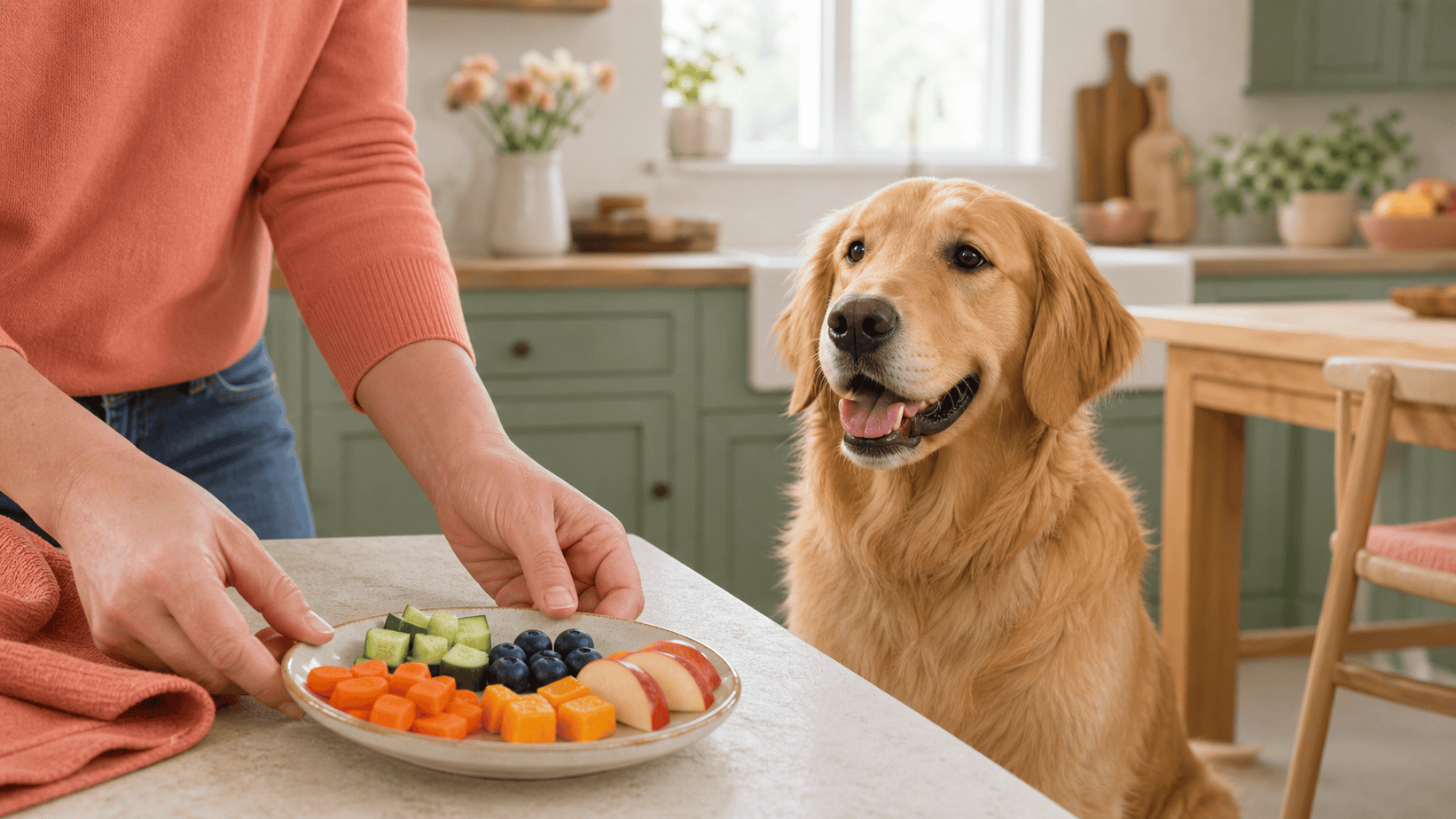
Simpler fresh foods are easier to prepare without hidden salt or seasonings. Depending on your dog’s needs and tolerance, options may include:
Cucumber pieces
Small pieces of carrot
Blueberries
Plain pumpkin
Apple pieces with the core and seeds removed
Serve these foods plain and in bite-sized pieces. Introduce them gradually, especially if your dog usually eats a limited variety of foods.
Final Thoughts
Plain olive flesh is not the main worry for dogs. The pit, brine, added ingredients, alcohol, and quantity deserve more attention.
Check the pit and ingredient label first. If the olive was plain, pitted, and unsalted, a tiny taste is usually the least complicated choice. If your dog swallowed a pit, ate a seasoned or alcohol-soaked olive, consumed a large amount, or developed concerning signs, get individualized guidance promptly.
Frequently Asked Questions
Can dogs eat black olives?
Yes, a plain, pitted, unsalted black olive may be offered as a tiny occasional taste. Color is less important than the pit, sodium, and added ingredients.
Can dogs eat green olives or pimento-stuffed olives?
A plain green olive raises the same questions as a black olive. It should be pitted, unsalted, and free of risky additions. Pimento stuffing is not automatically the problem, but the full filling and seasoning list still needs to be checked.
What if my dog swallowed an olive pit?
Call for veterinary guidance based on your dog’s size, the number of pits, and when the ingestion happened. Watch for vomiting, loss of appetite, abdominal pain, diarrhea, dehydration, or marked lethargy. Do not induce vomiting unless a veterinary professional instructs you to do so.
Are olives from a tree safe for dogs?
First confirm that the tree is the culinary olive, Olea europaea. Other plants share the word olive in their common names. Whole fruit from a tree still contains a pit, so it should not be treated as a ready-made dog snack.
This article provides general education and does not replace an examination, diagnosis, or individualized advice from your veterinarian. Contact a veterinary professional if you are concerned about your dog’s symptoms.
Lindsie Parks is the founder of Healthy Happy Dogs and holds a bachelor’s degree in biology. She brings more than 19 years of experience across veterinary medicine, animal welfare, practice leadership, nutrition, cold laser therapy, rescue work, and emergency animal response. Her goal is to give pet parents clear information, practical options, and greater confidence in the decisions they make for their animals.
As a responsible dog owner, you probably keep a close eye on your furry friend’s behavior and health. So when you notice something unusual in their poop, like hair, it’s completely normal to be concerned. In fact, many dog owners have wondered why their dog pooped hair at some point in their pet’s life. There are many reasons why dogs may have hair in their stool, but before we dive into the causes and treatments, let’s first understand what dog hair is.
Understanding Dog Hair
Dog hair comes in different types and lengths depending on the breed. For example, a Golden Retriever has long hairs that are meant to protect them from water while swimming.
On the other hand, pugs have short hairs that don’t offer much protection but help them regulate body temperature. All dogs have two types of hair: undercoat and guard hairs.
Undercoat is soft and fluffy fur that helps keep them warm while guard hairs are long strands of stiff fur that protect the skin against external damage. Dogs shed their fur regularly as part of their natural growth cycle.
Shedding is important because it helps remove old or damaged fur and make way for new growth. However, excessive shedding can cause dogs to ingest too much hair which could lead to the development of matted clumps or even serious health complications.
In addition to shedding naturally, there are other ways for dogs to ingest too much hair such as if they groom themselves excessively or consume human hair lying around the house. Now that you know more about dog hair let’s dive into the main topic – why do some dogs poop out hair?
Understanding Dog Hair
The Different Types of Dog Hair
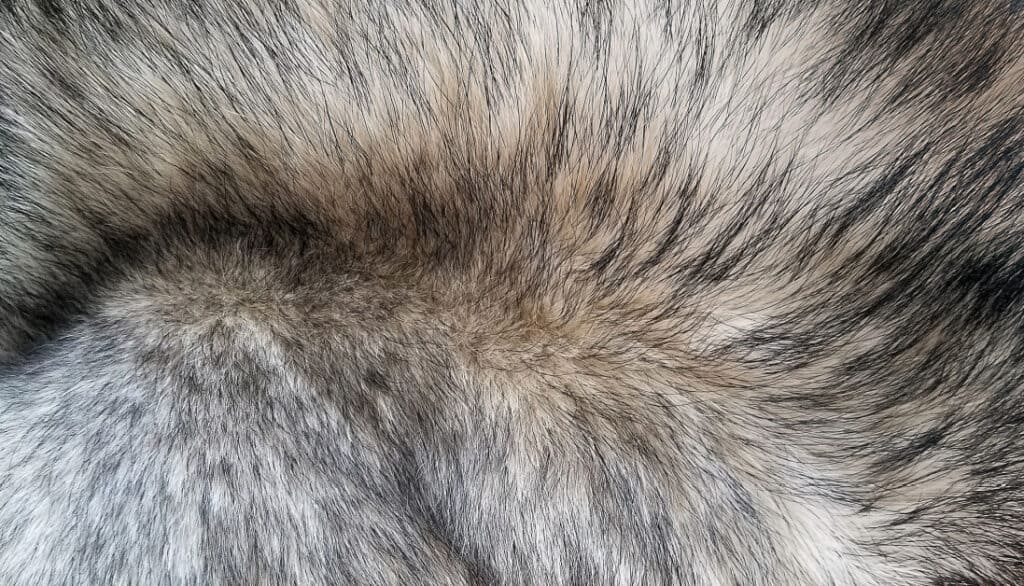
When it comes to dog hair, there are several different types that you may see on your pooch. The first type is the undercoat, which is made up of short, fluffy hairs that help regulate a dog’s body temperature.
Some breeds have double coats, which means they have both an undercoat and a topcoat of longer guard hairs. The second type of hair is known as guard hairs.
These are the longer, coarser hairs that make up a dog’s outer coat. Guard hairs provide protection from the elements and can help deter insects and other pests.
Some dogs also have whiskers or vibrissae. These are long sensory hairs typically found around a dog’s muzzle and are used to help them sense their environment.
Shedding and How Much Hair a Dog can Lose in a Day
All dogs shed to some extent, but some breeds shed more than others. For example, heavy shedders like German Shepherds or Huskies may lose large amounts of hair year-round, while breeds like Poodles or Bichon Frises shed very little. On average, most dogs will lose between 50-100 hairs per day.
This may not sound like much until you consider how many dogs there are in the world! With so many pups shedding every day, it’s no wonder why we sometimes find clumps of fur all over our homes.
However, excessive shedding can be a sign of underlying health issues such as allergies or hormonal imbalances. If you notice your dog losing more hair than usual or bald patches on their skin, it’s important to consult with your veterinarian to rule out any potential problems.
Regular grooming can also help reduce shedding by removing loose hair before it has a chance to fall out on its own. Brushing your dog daily can also help distribute natural oils throughout their coat, keeping it healthy and shiny.
Understanding the different types of dog hair and how much they shed is important for any dog owner. By knowing what to expect from your pooch’s coat, you can better prepare for the inevitable furry mess that comes with owning a dog.
Causes of Hair in Dog Poop
Where is that hair coming from?
Do you ever look down at your dog’s poop and think, “Why is there so much hair in here?” It may be a mystery to you, but there are actually several possible reasons why your dog may be pooping out hair. One common reason is that they are ingesting their own fur during grooming.
This happens because dogs don’t have the ability to spit out the hair like humans do when they get a hair in their mouth. Another cause of hair in dog poop is eating human hair.
Dogs can be sneaky little scavengers and may eat anything they find laying around the house, including hair from brushes or clumps left on the floor. This can lead to an excess of hair being passed through their digestive system and ending up in their poop.
Monitoring your Dog’s Behavior
It’s important to keep an eye on your dog’s behavior to determine if they are ingesting too much fur. If you notice excessive grooming or licking, it could be a sign that they are consuming too much fur during the process. Additionally, if you notice any changes in their appetite or bowel movements, it could indicate an underlying health issue.
You should also keep track of any changes in your dog’s diet as this can affect how much fur they shed and how often they groom themselves. A diet lacking in proper nutrients can lead to dry skin and increased shedding which means more fur for them to ingest.
The Importance of Regular Grooming
Regular grooming can also help prevent excessive amounts of fur being ingested by your pet. Brushing them frequently helps remove loose hairs before your dog has the chance to swallow them while grooming themselves later.
If you have a long-haired breed like a Golden Retriever or a Cocker Spaniel, you may need to groom them more frequently to prevent mats from forming. These mats can trap dead hair and prevent it from being removed during normal grooming.
The Role of Digestive Problems
If your dog is consistently pooping out hair, it could indicate a larger issue with their digestive system. For example, if they are not digesting food properly or have an obstruction in their digestive tract, it can cause undigested fur to pass through with their stool.
Other issues such as allergies or inflammation in the gut can also contribute to excessive shedding and hair in your dog’s poop. If you notice any concerning changes in your pet’s poop, be sure to consult with a vet to rule out any serious health problems.
There are several possible reasons why your dog may be pooping out hair. From ingesting their own fur during grooming to eating human hair found around the house, it’s important to monitor your dog’s behavior and diet if you notice excessive amounts of fur in their poop.
Regular grooming can also help prevent this issue from occurring in the first place. Remember that excessive shedding and hair in your dog’s poop could indicate a larger health concern so be sure to consult with a veterinarian if you notice any concerning changes.
Health Concerns
The Connection Between Excessive Hair in Dog Poop and Health Issues
As a responsible pet owner, it’s important to keep an eye on your dog’s poop. Not only does it help you keep track of their digestive health, but it can also indicate underlying health issues. One such issue is the presence of excessive hair in your dog’s poop.
If you notice that your furry friend is pooping more hair than usual, it could be a sign of gastrointestinal problems or allergies. Dogs with sensitive stomachs might struggle to digest certain types of food, leading to irritation and inflammation in their intestines.
In severe cases, this could result in diarrhea or constipation accompanied by excessive hair in their poop. Allergies are another potential cause of excessive hair in dog poop.
Just like humans, dogs can have allergic reactions to certain foods, environmental factors or even parasites like fleas or ticks. An allergy that affects the gut may cause irritation and inflammation within the digestive tract that can lead to an increase in shedding and hair excretion.
The Importance of Consulting a Veterinarian
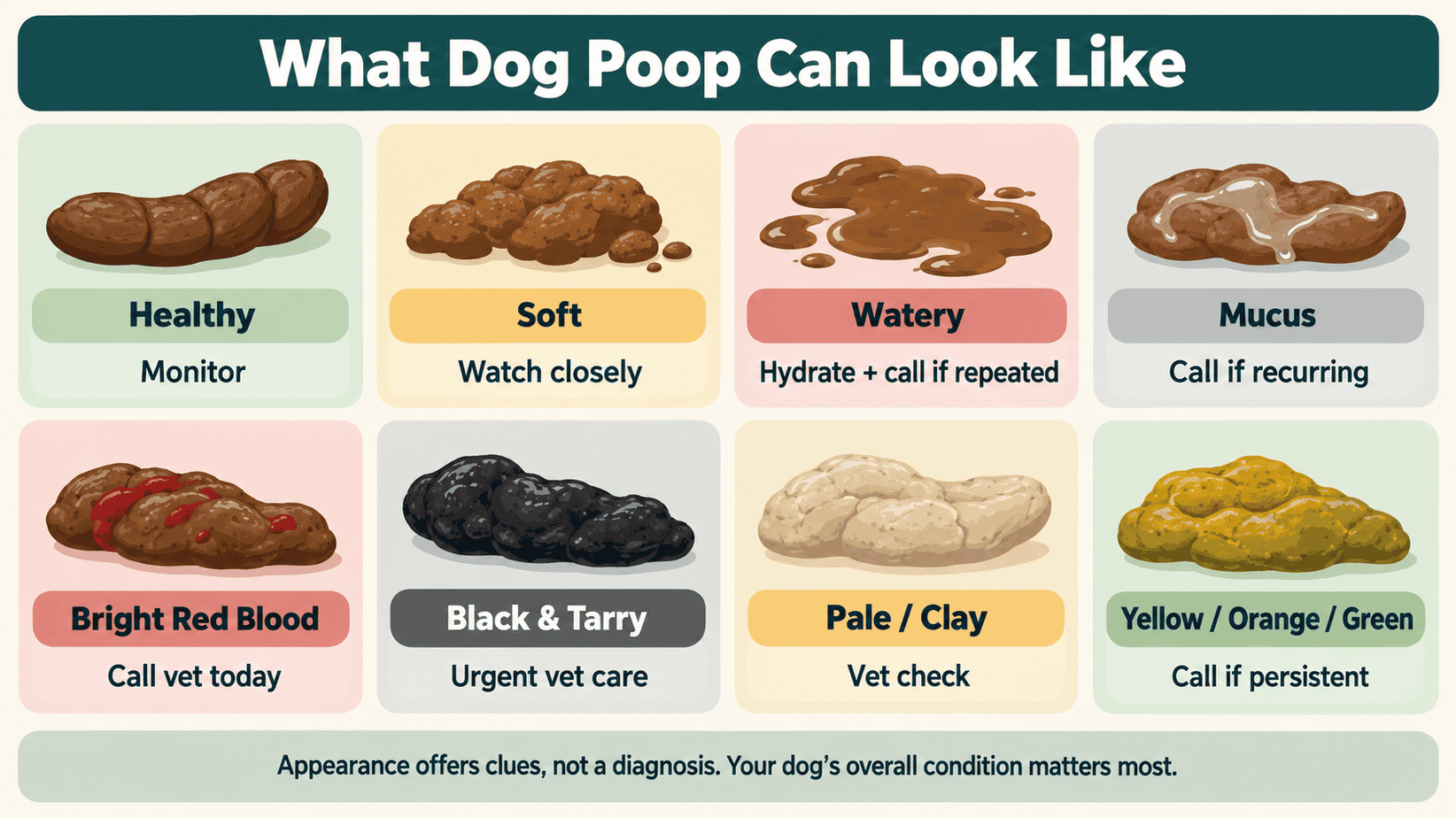
If you notice any concerning changes in your dog’s poop such as blood or mucus along with excessive hair shedding, you should not hesitate to consult with a veterinarian for further examination. A vet will conduct tests to determine whether there are any underlying health issues contributing to this problem.
They will also be able to provide treatment options once they identify what exactly is causing the issue. In many cases, dietary changes and medication are effective remedies for resolving gastrointestinal problems and allergies that may be causing your dog’s pooch problem with excess hair shedding.
Other Health Issues That Can Result From Excessive Hair Shedding:
Apart from diarrhea and constipation mentioned earlier as common effects when there’s too much hair coming out when your canine goes potty, there are other potential health problems to watch out for when this occurs over time. For example:
Hairballs: When hair accumulates in a dog’s stomach, it can form hairballs that can cause blockages in their intestines which can be fatal if left untreated.
Skin irritation: Dogs shedding too much hair may experience itchiness and discomfort brought about by skin inflammation. This can lead to other problems such as sores or infections if the affected areas are not well taken care of.
Dehydration: Excessive pooping with excessive hair shedding could lead to dehydration.
This is especially true when your pet has diarrhea which results in frequent bowel movements that increase fluid loss. Excessive shedding of hair by dogs into their poop could be a sign of underlying health issues.
It’s important to monitor your dog’s poop and seek veterinary advice should you notice any concerning changes like blood, mucus or frequency changes accompanied by excess shedding of fur in their stool. Consulting a vet early enough is key as they will help find the root cause and recommend appropriate treatments or preventatives necessary to keep your furry friend healthy and happy for years to come.
Preventing Your Dog from Ingesting Too Much Hair
As a responsible dog owner, you want to ensure that your furry friend is healthy and happy. One way to do this is by preventing your dog from ingesting too much hair.
Here are some tips:
Regular Grooming – Regular grooming is essential for maintaining your dog’s coat and preventing excessive shedding. Brushing your dog’s fur every day will help remove loose hair before it has a chance to be ingested. Use a high-quality brush or comb that is appropriate for your dog’s coat type.
Proper Diet – A proper diet can also help prevent excessive shedding and the ingestion of hair in dogs. Make sure you are feeding your doghigh-quality food that contains all the necessary nutrients for a healthy coat and skin.
If you notice that there is an excessive amount of hair in your dog’s poop, it could be an indication of an underlying health issue that needs to be addressed. Here are some suggestions for treating these issues:
Gastrointestinal Problems – Gastrointestinal problems, such as inflammatory bowel disease or parasites, can cause excessive shedding and hair in the stool of dogs. If you suspect that this may be the case with your furry friend, consult with a veterinarian who can provide guidance on appropriate treatment options.
Allergies – Allergies are another common cause of excessive shedding and hair in the stool of dogs. If you suspect that your dog has allergies, consult with a veterinarian to determine the cause and appropriate treatment options.
Hairball Remedies – If your dog is prone to hairballs, there are over-the-counter remedies available that can help pass the hair through their digestive system. Consult with a veterinarian to determine which remedy would be best for your furry friend.
Surgical Intervention – In some cases, surgical intervention may be necessary to remove hair that has become lodged in your dog’s digestive system. This is typically reserved for extreme cases and should only be considered after consulting with a veterinarian.
Behavioral Modification – If you notice that your dog is excessively grooming or licking themselves, it may be a sign of anxiety or boredom. Behavioral modification can help address these underlying issues and prevent excessive shedding and ingestion of hair. By following these tips for prevention and treatment, you can help ensure that your furry friend stays healthy and happy for years to come!
Conclusion: Taking Care of Your Furry Friend
If you notice your dog pooping hair, don’t panic—it’s usually a sign of over-grooming, stress, or minor digestive issues, but it can also point to underlying skin or dietary concerns. By keeping your dog’s coat healthy, minimizing stress, and offering a balanced, species-appropriate diet, you can often reduce the problem naturally. However, if the behavior persists or you see other symptoms, consulting your holistic veterinarian ensures your pup gets the care and support they need for overall well-being.
If your dog is showing unusual digestive changes, reach out to a trusted veterinarian near you. They can help uncover the underlying cause and guide you toward safe, natural solutions that support your dog’s long-term health and happiness.
A note about your dog’s health
This article provides general education and does not replace an examination, diagnosis, or individualized advice from your veterinarian. Contact a veterinary professional if you are concerned about your dog’s symptoms.
Lindsie Parks is the founder of Healthy Happy Dogs and holds a bachelor’s degree in biology. She brings more than 19 years of experience across veterinary medicine, animal welfare, practice leadership, nutrition, cold laser therapy, rescue work, and emergency animal response. Her goal is to give pet parents clear information, practical options, and greater confidence in the decisions they make for their animals.
Yes, a dog can be allergic to turkey. Turkey allergy is possible, but itching, ear trouble, vomiting, or diarrhea after a meal does not prove turkey is the cause. Fleas, environmental allergies, infections, parasites, and other food ingredients can create a very similar picture. The most reliable way to investigate a suspected food allergy is a strict elimination diet followed by a carefully planned food challenge with your veterinarian.[1]
That distinction matters. Removing turkey at random may seem simple, but a casual food switch can hide the real trigger, leave a secondary infection untreated, or create an unbalanced diet. A methodical trial gives you much clearer answers.
What a Turkey Allergy Means
A true food allergy involves an immune reaction to a food protein. A food intolerance does not require an immune response. Intolerance is more likely to show up as digestive upset, although the signs can overlap so much that symptoms alone cannot reliably separate the two.
Turkey is not automatically hypoallergenic. A protein is only “novel” for a particular dog if that dog has not eaten it before. Turkey appears in many foods, treats, chews, supplements, and flavored medications, so a dog may have been exposed even when turkey was never the main ingredient.
Turkey is also not one of the best-documented common food allergens in dogs. A systematic review found beef, dairy, chicken, and wheat were reported most often, while turkey was not among the leading allergens.[2] That does not make turkey allergy impossible. It means there is no sound basis for calling turkey a common trigger or assuming every itchy dog needs a turkey-free diet.
Signs That Deserve a Closer Look
Food allergy in dogs often looks like other allergic skin disease. The pattern may include:
Itching that is present through much of the year
Repeated licking or chewing of the paws
Red, irritated skin on the face, feet, belly, groin, or under the tail
Recurrent ear inflammation or infections
Hair loss, hot spots, scabs, or darkened skin caused by chronic irritation
Repeated vomiting, loose stool, diarrhea, gas, or abdominal discomfort
Some dogs have skin signs without digestive problems. Others have digestive signs with little or no itching. Recurrent bacterial or yeast infections may be secondary to the underlying inflammation and often need treatment while the food question is being investigated.[1]
Sudden facial swelling, hives, trouble breathing, weakness, or collapse is an emergency. Seek veterinary care immediately rather than trying a diet change at home.
Symptoms Do Not Identify the Ingredient
If a dog becomes itchy while eating a turkey recipe, turkey is only one possibility. The food may also contain chicken, beef, egg, dairy, wheat, soy, peas, fish oil with added flavoring, or another ingredient. The timing may be coincidental with flea exposure, pollen season, a skin infection, or an ear problem.
A useful first step is to write down everything your dog consumes. Include meals, toppers, table scraps, dental chews, training treats, flavored preventives, supplements, pill pockets, and anything another family member may share. This diet history helps your veterinarian choose a trial food that is truly different from past exposures.
Turkey Ingredients That Are Easy to Miss
Reading the front of the bag is not enough. Check the complete ingredient list and ask the manufacturer about vague terms when needed.
Label Term
What It Means During a Turkey-Free Trial
Turkey, deboned turkey, turkey liver, or turkey heart
Direct turkey protein and should be excluded
Turkey meal or turkey by-product meal
Concentrated turkey ingredients that still contain protein
Turkey broth, stock, digest, or flavor
May contain turkey protein and should be excluded unless your veterinary team confirms otherwise
Poultry meal, poultry by-products, or poultry flavor
The species may not be clear, so contact the manufacturer
Turkey cartilage or collagen
May appear in joint supplements or chews and can contain turkey-derived protein
Turkey fat
Allergy is directed at protein, but purity and cross-contact vary, so most diagnostic trials exclude it unless the veterinarian approves it
“Natural flavor”
The source may not be obvious and may require manufacturer confirmation
Ingredient lists can change. Recheck the label each time you buy food, treats, or supplements. For a diagnostic diet trial, an over-the-counter limited-ingredient food may also be exposed to undeclared proteins during manufacturing. A veterinary therapeutic diet is often preferred when avoiding cross-contact is important.[1]
How a Veterinary Elimination Diet Trial Works
An elimination diet trial is not simply changing brands. The new diet must avoid ingredients your dog has eaten before or use proteins broken down enough to reduce recognition by the immune system.
1. Choose the Trial Diet
Your veterinarian may recommend one of three approaches:
A veterinary therapeutic novel-protein diet based on a carefully reviewed diet history
A veterinary therapeutic hydrolyzed-protein diet
A complete home-prepared trial diet formulated for the individual dog by a veterinarian with nutrition expertise
Home-cooked meat and starch recipes found online are not automatically complete and balanced. They may be used for a short diagnostic period only when specifically formulated and supervised. Puppies, pregnant dogs, and dogs with other medical conditions need especially careful nutritional planning.
2. Remove Every Other Food Source
During the trial, the assigned diet must be the only food that crosses your dog’s lips. One flavored chew or a handful of another pet’s kibble can muddy the result. Review treats, chews, supplements, toothpaste, flavored medications, and preventives with your veterinarian before the trial begins.
Use pieces of the trial food as treats. Feed pets separately, secure trash, wash shared bowls, and make sure everyone in the household understands the plan. These small practical steps are often what make the trial useful.
3. Continue Long Enough to Judge the Result
Skin inflammation settles slowly. A review of elimination-diet studies found that more than 90 percent of dogs with food-responsive skin signs reached remission within eight weeks.[3] Some digestive signs may improve sooner, but an early change does not confirm turkey allergy. Follow the duration selected by your veterinarian, and do not stop the trial because the dog looks a little better after several days.
Keep a simple weekly log. Record itch level, paw licking, ear redness, stool quality, vomiting, medications, and any accidental exposures. Photos of the same skin areas can make gradual changes easier to see.
4. Treat Problems That Can Cloud the Trial
An ear infection, bacterial skin infection, yeast overgrowth, or flea infestation can keep a dog itchy even when the diet is helping. Your veterinarian may treat those problems at the start of the trial. Keep medications consistent unless your veterinarian changes them, since starting or stopping anti-itch treatment midway can make the response harder to interpret.
5. Perform a Planned Food Challenge
Improvement on the trial diet tells you that food may be involved. It does not identify turkey by itself. Confirmation requires a controlled challenge in which the previous food or a specific ingredient is reintroduced and the dog is watched for a return of signs.[1]
Challenges should be planned with your veterinarian. Do not deliberately re-expose a dog that previously had facial swelling, breathing trouble, collapse, or another severe reaction. If signs return after turkey is introduced and settle again when the elimination diet resumes, the evidence for turkey as a trigger becomes much stronger.
Tests That Cannot Confirm Turkey Allergy
Blood, saliva, and hair tests are marketed as convenient ways to identify food allergies. Current reviews have not found these tests reliable enough to diagnose adverse food reactions in dogs.[4] Skin testing is useful for selecting allergens for environmental allergy immunotherapy, but it does not replace a food elimination and challenge trial.
This can feel frustrating because a strict diet trial takes work. Still, it is better to spend those weeks gathering meaningful information than to build a long avoid-list from a test that may produce false positives. Unnecessary restriction can make feeding more expensive, less balanced, and much more complicated than it needs to be.
Can a Chicken-Allergic Dog Eat Turkey?
Maybe, but do not assume turkey is safe simply because it is a different bird. Laboratory research has found that antibodies from some chicken-reactive dogs can recognize turkey and duck proteins, which supports a potential for poultry cross-reactivity.[5] That study measured antibody recognition, not whether every dog would develop clinical signs after eating turkey.
The practical answer is individual. Some chicken-allergic dogs may tolerate turkey, while others may not. A veterinarian-guided diet history and challenge is safer and more informative than treating all poultry as interchangeable.
The same caution applies in reverse. A confirmed turkey allergy does not automatically prove that chicken, duck, goose, quail, or egg will cause a reaction. Test only what is useful for the dog’s long-term diet, and introduce one ingredient at a time after the initial trial is complete.
Is Turkey Meal, Turkey Fat, or Hydrolyzed Turkey Safe?
Turkey meal and turkey by-products still contain proteins, so they are not suitable for a dog with a confirmed turkey allergy.
Pure fat contains little protein, but pet-food fats may carry trace protein or encounter cross-contact during production. For a diagnostic trial, avoiding turkey fat is the clearest approach unless the supervising veterinarian has reviewed the specific product.
Hydrolyzed protein has been broken into smaller pieces. The degree of hydrolysis matters. Research using poultry-reactive sera found that extensive hydrolysis reduced antibody recognition more effectively than partial hydrolysis.[5] Even so, no hydrolyzed food is perfect for every dog. If a dog does not improve on one properly conducted trial, the veterinarian may reassess the diet choice, compliance, infections, parasites, and nonfood allergies before choosing the next step.
What to Feed After Turkey Allergy Is Confirmed
The best long-term food is one your dog tolerates, enjoys, and can eat as a complete and balanced diet. It does not need to carry a “hypoallergenic” marketing label. Your veterinarian may recommend staying with the successful therapeutic diet or transitioning to another carefully selected food after the trigger is confirmed.
Keep the plan simple:
Avoid confirmed triggers rather than every ingredient that appeared on an unvalidated test.
Choose a complete and balanced food appropriate for your dog’s life stage and medical needs.
Check treats, chews, supplements, and flavored medications for the same trigger.
Recheck labels because formulas can change.
Contact your veterinarian if itching, ear disease, or digestive signs return. A relapse may come from accidental exposure, infection, fleas, environmental allergy, or a different medical problem.
Nutrition works best as part of the whole picture. Skin health, parasite control, ear care, infection treatment, digestion, and a balanced diet all influence how comfortable a dog feels. Removing turkey helps only when turkey is truly part of the problem.
Final Thoughts
A turkey allergy is possible, but symptoms alone cannot diagnose it. Start with a complete diet history and veterinary exam, then use a strict elimination diet and planned challenge to separate a true food trigger from look-alike problems. That approach protects your dog from unnecessary restrictions and gives you a feeding plan based on evidence instead of guesswork.
Frequently Asked Questions
How Do I Know if My Dog Is Allergic to Turkey?
You cannot tell from symptoms alone. A veterinarian first considers infections, parasites, environmental allergies, and other diet ingredients. A strict elimination diet followed by a controlled turkey challenge provides the strongest practical evidence.
Is Turkey Hypoallergenic for Dogs?
Not universally. Turkey may function as a novel protein for a dog that has never eaten it, but many dogs have already encountered turkey in foods, treats, or supplements. Any dietary protein can potentially become a trigger.
Can Turkey Cause Ear Infections in Dogs?
A food allergy can contribute to ear inflammation, and inflamed ears may develop secondary yeast or bacterial infections. Turkey cannot be identified as the cause from an ear infection alone. The ear still needs an examination and appropriate treatment.
How Long Does a Turkey-Free Diet Trial Take?
Many veterinary diet trials for skin signs last about eight weeks, although the exact plan depends on the dog. The clock starts when the dog is fully on the trial diet and receiving no unapproved foods, treats, chews, supplements, or flavored medications.
Can a Dog Be Allergic to Turkey but Not Chicken?
Yes. Turkey and chicken are distinct proteins, even though cross-reactivity may occur. A reaction to one does not automatically prove a reaction to the other. Test each ingredient only under a veterinarian-guided plan.
References
Mueller, R. S., & Unterer, S. (2018). Adverse food reactions: Pathogenesis, clinical signs, diagnosis and alternatives to elimination diets. The Veterinary Journal, 236, 89–95. https://doi.org/10.1016/j.tvjl.2018.04.014
Mueller, R. S., Olivry, T., & Prélaud, P. (2016). Critically appraised topic on adverse food reactions of companion animals (2): Common food allergen sources in dogs and cats. BMC Veterinary Research, 12, 9. https://doi.org/10.1186/s12917-016-0633-8
Olivry, T., Mueller, R. S., & Prélaud, P. (2015). Critically appraised topic on adverse food reactions of companion animals (1): Duration of elimination diets. BMC Veterinary Research, 11, 225. https://doi.org/10.1186/s12917-015-0541-3
Mueller, R. S., & Olivry, T. (2017). Critically appraised topic on adverse food reactions of companion animals (4): Can we diagnose adverse food reactions in dogs and cats with in vivo or in vitro tests? BMC Veterinary Research, 13, 275. https://doi.org/10.1186/s12917-017-1142-0
Bexley, J., Kingswell, N., Olivry, T., & Mueller, R. S. (2017). Extensive protein hydrolyzation is indispensable to prevent IgE-mediated poultry allergen recognition in dogs and cats. BMC Veterinary Research, 13, 251. https://doi.org/10.1186/s12917-017-1183-4
A Note About Your Dog’s Health
This information provides general education and does not replace an examination, diagnosis, or individualized advice from your veterinarian. Contact a veterinary professional if you are concerned about your dog’s symptoms.
About the Author
Lindsie Parks B.S., CRDNS
Healthy Happy Dogs combines practical animal-care experience with responsible, evidence-informed guidance. Veterinary review is identified on individual articles when applicable.
Can you use cat dewormer on dogs? Do not assume that a dewormer labeled for cats is appropriate for a dog. Check the exact product first. Some deworming ingredients are used in both dogs and cats, and some products are labeled for both species. But the product strength, combination of ingredients, target parasites, weight range, age limits, and directions can be different. [1][2]
If your dog already swallowed or was given cat dewormer, the next step is to identify exactly what your dog received. Keep the package, find the active ingredient or ingredients and product strength, estimate how much was given and when, and note your dog’s current weight. Do not automatically give another dewormer on top of it while you are still trying to sort out the first product. [3]
Can You Use Cat Dewormer on a Dog?
There is an important difference between asking, “Can I use this cat product for my dog?” and asking, “My dog already got the cat product. Is my dog going to be okay?”
For planned use, the practical answer is no unless the label specifically includes dogs or you have product-specific veterinary guidance. “Cat dewormer” is not one medication. It is a broad category that can include different active ingredients, different concentrations, and different parasite coverage.
For an accidental dose, do not jump straight to the conclusion that your dog has been poisoned. Some anthelmintic drugs are used in both species. The exact product and amount matter much more than the word “cat” on the front of the package. [1]
A blanket “never” answer sounds simple, but it is not precise enough to guide someone who is holding an actual package and trying to make a safe decision.
Why Cat and Dog Dewormers Are Not Automatically Interchangeable
Two products can have a familiar brand name or even share an active ingredient and still have different directions. One product may be made for cats, another for dogs, and another for both species.
The most reliable way to compare them is to read the actual label.
Check These 6 Things on the Label
What To Check
Why It Matters
Species
Confirms whether the manufacturer’s directions include dogs
Active ingredient or ingredients
Tells you which anthelmintic drug or drug combination is present
Strength or concentration
The same active ingredient can be supplied at different strengths
Parasite listed
A safe medication can still be the wrong medication for the worm
Weight and age range
Product directions can change by body size and age
Directions and warnings
Tells you how that exact formulation is meant to be used
The parasite target matters just as much as the species label. A product aimed at tapeworms is not automatically the right treatment for roundworms, hookworms, or whipworms. Using the wrong dewormer can leave the actual parasite untreated even if the medication itself is well tolerated.
Same Active Ingredient Does Not Mean Same Product
Praziquantel is a good example. Elanco’s Droncit line uses praziquantel for tapeworm treatment in both dogs and cats. The product information lists an injectable formulation for dogs and cats, along with separate canine and feline tablets that have different tablet strengths and species-specific directions. [1]
That does not mean you should swap the dog and cat tablets. It means the active ingredient alone does not tell you the whole story.
Drontal Plus for dogs gives us another useful example. It combines praziquantel with pyrantel pamoate and febantel and is labeled for dogs. That ingredient combination broadens the parasites covered by the product. [2] The U.S. FDA approval summary for Drontal Plus also identifies it as a canine broad-spectrum anthelmintic. [4]
So when someone says, “They both contain dewormer medicine,” that is not enough information. We need to know which medicine, how much is in the product, what other ingredients are included, and which parasites the product is intended to treat.
Some Dewormers Are Used in Both Dogs and Cats
It is true that some deworming drugs are used in both dogs and cats. That is exactly why a blanket statement that every cat dewormer is dangerous to every dog is inaccurate.
Droncit is one clear label-based example. Praziquantel is used for tapeworm treatment in both species, but the manufacturer still provides species-specific tablet products and directions. [1]
The key distinction is simple:
A shared active ingredient does not automatically make two finished products interchangeable.
A product labeled for both dogs and cats is different from a cat-only product that happens to contain an ingredient also used in dogs.
A cat product that was accidentally given to a dog also needs a different kind of decision than choosing a product on purpose. After an accidental dose, the question becomes, “What exactly did my dog get, and how much?”
What If My Dog Ate Cat Dewormer?
If your dog has already swallowed cat dewormer, keep the product packaging and work from facts instead of guessing.
If Your Dog Already Got the Cat Product
Save the box, bottle, tube, or package. Take a clear photo of the front and ingredient panel if that is easier.
Find the active ingredient or ingredients and the strength or concentration.
Estimate how much your dog received and when it happened.
Note your dog’s current weight, age, and any health conditions that could affect medication safety.
Do not give another dewormer or try to make your dog vomit unless a veterinary professional specifically tells you to do that.
If the product is not labeled for dogs, the amount is uncertain, your dog got more than one medication, or your dog is acting abnormally, contact your veterinarian or an animal poison-control service with the package in hand.
The ASPCA recommends gathering the package or remaining medication after a possible toxic exposure. Its poison-control team uses details such as the pet’s breed, age, weight, health, what was ingested, and the estimated amount to judge the risk and recommend the next step. [3]
This is much more useful than assuming every cat dewormer causes the same reaction. Different products contain different drugs, and different exposures can have very different risk levels.
The Right Dewormer Depends on the Worm
A dewormer can be appropriate for dogs and still be the wrong dewormer for the parasite your dog actually has.
Roundworms, hookworms, whipworms, and tapeworms are not one infection. Deworming products have different coverage, which is why knowing or strongly suspecting the parasite matters before choosing treatment.
Testing Helps Match Treatment to the Parasite
Current Companion Animal Parasite Council guidance recommends fecal testing more frequently in puppies than in adult dogs. CAPC recommends at least four fecal examinations during the first year of life and at least two per year for healthy adult animals, with the frequency adjusted for health, environmental exposure, travel, outdoor access, and contact with other animals. [5]
That is a testing framework, not a reason to give every dog the same dewormer on the same schedule.
A fecal test can also be helpful when a dog has recurring diarrhea, visible worms, suspected parasite exposure, or repeated reinfection. Some parasites can be harder to detect than others, so the testing method and timing matter too. [5]
Fleas Matter When Tapeworms Are Involved
Dipylidium caninum, the common flea tapeworm, affects both dogs and cats. Pets become infected when they swallow an infected flea. [6]
That means treating the tapeworm without addressing the flea exposure leaves the door open for reinfection. In a household with both cats and dogs, flea control needs to account for every pet and the environment while still using products according to each species label.
This is a good example of why parasite care should be bigger than simply asking which pill kills a worm.
A Holistic Plan Also Prevents Reinfection
A holistic approach to parasites is not about grabbing the most “natural” product and hoping it covers everything. It means looking at the whole situation.
Ask:
Which parasite are we trying to control?
How was the dog likely exposed?
Is the infection confirmed, strongly suspected, or only a concern?
What can reduce reinfection after treatment?
Does the dog have lifestyle factors that change parasite risk?
Are fleas, scavenging, hunting, shared outdoor spaces, or contaminated feces part of the cycle?
Prompt feces removal, good environmental hygiene, appropriate flea control, and reducing access to prey or scavenged material can all reduce parasite exposure. CAPC also recommends tailoring parasite-control programs to the individual pet’s health, environment, and lifestyle. [5]
Good nutrition and digestive health are important parts of caring for the whole dog, but they cannot identify which parasite is present. They also cannot tell you whether a cat-labeled medication is the right drug, strength, or formulation for your dog.
If you are interested in natural parasite support, keep the same standard: identify the parasite first, then evaluate the evidence and safety of the specific approach. “Natural” is not a substitute for knowing what you are treating.
Final Thoughts
So, can you use cat dewormer on dogs?
Do not assume that a cat-labeled dewormer can be substituted for a dog product. Read the exact label first. Some deworming ingredients and some formulations are used in both species, but finished products can differ in strength, ingredient combinations, parasite coverage, and directions. [1][2]
If your dog already got cat dewormer, save the package and identify the active ingredients, strength, amount, and timing before giving anything else. The exact product matters more than a generic rule about “cat medicine.”
Checking the real product instead of guessing from the front label makes the next step clearer and helps avoid adding another medication before the first exposure is understood.
~ Sheena
Frequently Asked Questions
Can Dogs and Cats Ever Use the Same Dewormer?
Yes, some deworming products are labeled for both dogs and cats, and some active ingredients are used in both species. Droncit provides a clear example because praziquantel is used for tapeworms in dogs and cats. Even then, oral dog and cat products can have different strengths and directions, so follow the exact label for the product you have. [1]
What Should I Do If My Dog Ate Cat Dewormer?
Keep the package, identify the active ingredients and product strength, estimate how much your dog received and when, and note your dog’s weight. Do not automatically give another medication. If the product is not labeled for dogs, the amount is uncertain, or your dog is acting abnormally, contact your veterinarian or animal poison control with the packaging available. [3]
Is Praziquantel Used in Both Dogs and Cats?
Yes. Praziquantel is used for tapeworm treatment in both dogs and cats. The fact that the active ingredient overlaps does not mean every praziquantel product has the same strength, directions, or species label. [1]
Will Cat Dewormer Kill Worms in Dogs?
It depends on the exact active ingredient and the parasite. Some deworming drugs are active against parasites that infect both species, but a cat-labeled product may still have different strength, directions, or coverage. The better choice is to identify the worm and use a product whose label or veterinary instructions fit the dog and the parasite.
Should I Give Dog Dewormer After an Accidental Cat-Dewormer Dose?
Do not automatically stack another dewormer on top of the first product. First identify exactly what was given, how much, and when. After a possible medication exposure, ASPCA guidance recommends gathering the packaging and getting product-specific advice before taking additional steps. [3]
This article provides general education and does not replace an examination, diagnosis, or individualized advice from your veterinarian. Contact a veterinary professional if you are concerned about your dog’s symptoms.
Sheena Keliher is a passionate and knowledgeable pet expert with over a decade of experience in the veterinary profession and rescue work. She has always been dedicated to caring for animals and has spent countless hours helping them in any way she can. Throughout her career, Sheena has provided valuable insights to pet owners and helped them make informed decisions about their furry friends.
In her 13 years in the veterinary profession, Sheena has gained extensive knowledge and experience in animal health and wellness, including diagnostics, treatments, and surgeries. She has worked with a wide range of animals, from dogs and cats to exotic pets and wildlife, and has always been committed to providing the best possible care for each and every one of them.
In addition to her work in the veterinary field, Sheena has also been actively involved in rescue work for the past 15 years. She has helped countless animals find loving homes and has been a tireless advocate for animal welfare. Sheena’s dedication to rescue work has been unwavering, and she continues to be a source of inspiration to many in the animal welfare community.
At home, Sheena is a proud parent of one German Wirehaired Pointer named Jasper and three cats named Sammie, Bat, and Ezra. Her pets are her family, and she always goes above and beyond to ensure that they are happy and healthy.
With her wealth of knowledge and experience, Sheena is an exceptional resource for pet-related advice and assistance. Her love for animals is evident in everything she does, and she is committed to making a positive difference in the lives of pets and their owners.
*This page may include affiliate links, which means that if you make a purchase through one of the product links, we may receive a small commission. For full affiliate disclosure please see our disclaimer page.
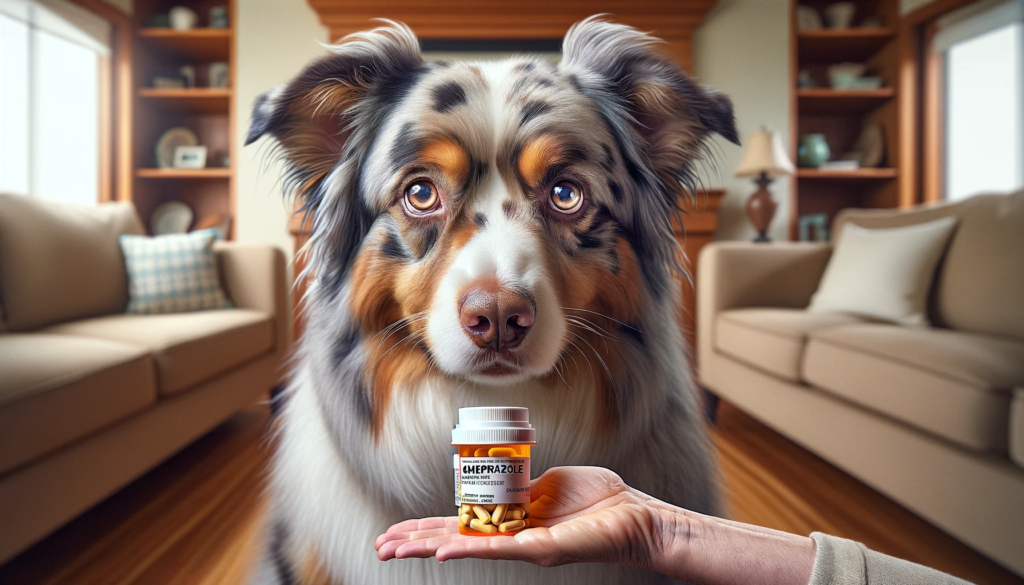
When it comes to our furry friends, their health and wellbeing are always at the top of our priority list. Just as humans occasionally need medications to soothe ailments or prevent health issues, our pets sometimes require them too. One such medication that has stirred up discussions among pet parents is Omeprazole for dogs. Originally known for its use in humans to treat conditions like heartburn, acid reflux, and stomach ulcers, it’s no surprise that many are curious about its application in canine care. But is it safe? Is it the same formulation we take? And are there better alternatives?
As a devoted pet owner, you deserve clear, accurate answers. This comprehensive guide aims to delve deep into the subject, providing insights from a vet’s perspective on the uses, dosage, side effects, and even alternative treatments for your beloved pooch. Let’s embark on this informative journey together, ensuring that our four-legged family members receive the best care possible.
Is Omeprazole for Dogs Safe?
Navigating the world of medications for our canine companions can sometimes feel like walking through a maze. One turn leads to promising benefits, while another might lead to cautionary tales. So, where does Omeprazole fit in this labyrinth of dog health?
Omeprazole, commonly recognized in human medicine as a go-to remedy for various gastrointestinal issues, has indeed found its place in veterinary care. But, like all medications, it’s not a simple “one size fits all” scenario.
For many dogs, Omeprazole acts as a godsend. Administered under the watchful eye of a vet, it can alleviate painful symptoms, improve quality of life, and bring relief from conditions like gastric ulcers or acid reflux. When you use it correctly and follow the recommended dosages and guidelines, it’s generally safe for canine use.
However, there’s a catch – emphasis on the “when used correctly.” Like any medication, potential misuse or overuse can lead to complications. This is why it’s paramount to consult with a veterinarian before administering Omeprazole or any new medication to your dog. They can offer insights tailored to your dog’s unique health profile, considering factors like age, weight, existing health conditions, and other medications.
In summary, while Omeprazole can be a beneficial tool in a vet’s arsenal for treating specific canine conditions, its safety largely hinges on responsible usage and professional guidance.After all, as we journey through the intricate maze of pet healthcare, it’s always best to have an expert guide by our side.
Omeprazole for Humans vs. Dogs: Is There a Difference?
Have you ever stood in front of your medicine cabinet, eyed a pill bottle, and thought, “Could this work for my pup?” Especially when you see certain medications, like Omeprazole, in both human and veterinary contexts. Let’s demystify this together.
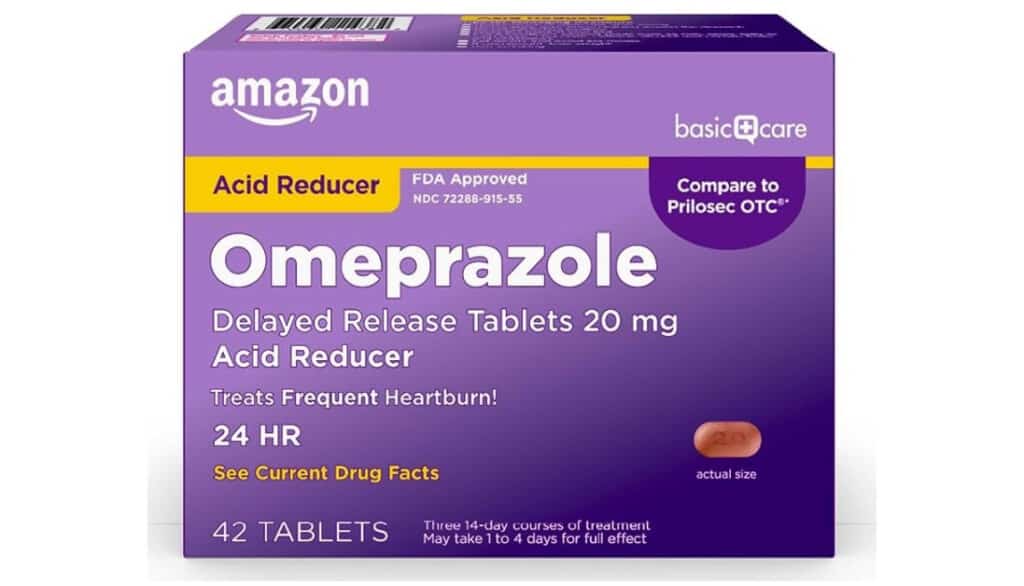
At its core, the active ingredient in Omeprazole stays the same whether packaged for humans or dogs. Both designs aim to reduce stomach acid production and treat conditions like acid reflux or ulcers.So, in essence, the basic drug is the same.
However – and this is a big however – there are nuances to consider. The formulation or the additional inactive ingredients in human medications might differ from those in veterinary versions. These seemingly minor differences can be significant for our pets. For instance, certain additives harmless to us might be intolerable or even harmful for dogs.
Moreover, the concentration or dosage available in human Omeprazole might not align with what’s appropriate for our four-legged friends. This is where things can get tricky and why a simple “pill-splitting” method isn’t always advisable.
The takeaway? While the core of Omeprazole remains consistent across the board, the devil is in the details. Before raiding our medicine cabinets with the noble intention of helping our pets, it’s crucial to consult with a veterinarian. They’ll provide insights on safe usage and ensure our good intentions don’t inadvertently lead to unwanted complications.
Uses of Omeprazole in Dogs
Ah, the versatile world of Omeprazole! Just as this little pill carves a niche in human medicine, it finds various uses in the realm of canine care. Let’s uncover some of the most common scenarios where our furry friends might benefit from this medication.
Gastric Ulcers
What are they? Simply put, gastric ulcers form as sores on a dog’s stomach lining. They can be a real bother, causing discomfort and pain for our pets.
How does Omeprazole help? Omeprazole acts as a stomach shield. By reducing the amount of acid the stomach produces, it allows ulcers the chance to heal and prevents them from worsening. It’s like giving the stomach a little breather.
Acid Reflux (GERD)
What is it? Similar to the heartburn humans often complain about after a spicy meal, dogs can experience acid reflux, too. This is when stomach acid irritates the esophagus, leading to symptoms like coughing, gagging, or even vomiting.
How does Omeprazole help? By acting as an acid suppressant, Omeprazole ensures that there’s less acid available to reflux into the esophagus. Think of it as turning down the volume on acid production, making meal times and post-meal lounging more comfortable for our pups.
Preventative Measures
Why consider it? Vets sometimes prescribe medications or administer treatments to dogs that might raise the risk of stomach issues. In these cases, they might introduce Omeprazole as a precaution.
How does Omeprazole help? By keeping acid levels in check, Omeprazole can act as a protective layer, ensuring that other necessary treatments don’t come at the cost of stomach health.
Delving into the world of dog health can sometimes feel like decoding a complex puzzle. But as we understand each piece like Omeprazole, we equip ourselves better to ensure our furry companions lead comfortable, happy lives. Remember, always work closely with your vet to determine the best course of action for your pet’s unique needs.
Side Effects of Omeprazole in Dogs
Navigating the realm of medications is a bit like setting sail on open waters. The destination is clear (better health!), but unexpected waves can arise along the journey. In the case of Omeprazole, while it offers many benefits, it’s essential to be aware of potential side effects that might surface. Let’s examine these closely so you can steer the ship with confidence.
Common Side Effects of Omeprazole
While not every dog will experience these, it’s good to have them on your radar:
Digestive Upset: This might manifest as diarrhea, vomiting, or even flatulence.
Loss of Appetite: You might notice Fido is less enthusiastic about mealtime. It’s a temporary reaction some dogs have while adjusting to the medication.
Lethargy: Just as we might feel a bit off after starting a new medication, dogs can too. They might seem a bit more tired or less playful initially.
Less Common, but Serious Side Effects of Omeprazole
These are rarer, but it’s crucial to be aware and consult your vet if you spot them:
Blood in Stools or Vomit: This is a sign that something isn’t sitting right, literally. It’s essential to address this promptly.
Severe Diarrhea: An occasional upset tummy is one thing, but persistent diarrhea needs attention.
Neurological Issues: If your pup seems unusually dizzy, uncoordinated, or has tremors, it’s a clear sign to get in touch with your veterinarian.
While the list might seem a tad daunting, remember that many dogs take Omeprazole without any hitches. The goal isn’t to alarm but to arm you with knowledge. Every dog is unique, and what works seamlessly for one might require adjustments for another. Always maintain open communication with your vet and monitor your dog’s behavior and health closely when introducing any new medication. Being proactive ensures smooth sailing, even on the medicinal seas!
How to Give Omeprazole to Your Dog
Let’s face it – administering medicine to our canine companions can sometimes feel like a mission. When dogs wriggle, suddenly avoid treats, or spit out a pill you thought they swallowed, you need a mix of patience and technique to handle the task. Here’s a step-by-step guide on how to make the Omeprazole-giving process smoother for both you and your fur-baby.
Step-by-step Administration of Omeprazole
Preparation: Ensure you have the correct dosage ready. Always double-check the pill or liquid measurement before administering.
Use Pill Pockets: If you’re using pill form, consider pill pockets – these tasty treats can be a game-changer. Hide the pill inside, and most dogs will gobble it up, none the wiser.
Liquid Form: If your vet has prescribed a liquid form of Omeprazole, use a syringe or dropper. Ensure your dog is calm, gently open their mouth, and administer the liquid to the side of the cheek, not directly down the throat to prevent choking.
Follow with a Treat: Positive reinforcement works wonders. After successfully administering the medicine, give your dog their favorite treat. This not only rewards them but also ensures that the pill goes down smoothly.
Monitor After Administration: Keep an eye on your dog for a few minutes after giving the medicine. This ensures they don’t spit it out and helps in spotting any immediate adverse reactions.
Omeprazole Dosing Chart For Dogs
Please note that the following is a general guideline. Always use the specific dosage recommended by your vet:
Remember, giving medication is a mix of art and science. While you aim for precision in dosage, the method might need some creative adjustments based on your dog’s temperament and preferences. Always prioritize safety, create a calm environment, and of course, give cuddles after completing the task to make the process smoother for next time!
Omeprazole Alternatives & Dr. Candy’s Recommendations
It’s worth exploring alternative routes, especially when we have expert guidance to light the way. Dr. Candy, with her vast experience and dedication to animal health, has some noteworthy recommendations to consider:
Famotidine
What is it? People often recognize Famotidine by its commercial name, Pepcid, as another acid-reducing medication.
Why I recommend it: For some dogs, Famotidine might be gentler on the system, offering similar benefits without some of the side effects associated with Omeprazole.
Usage Tips: As with any medication, it’s essential to consult with a vet regarding dosage and suitability for your specific pet.
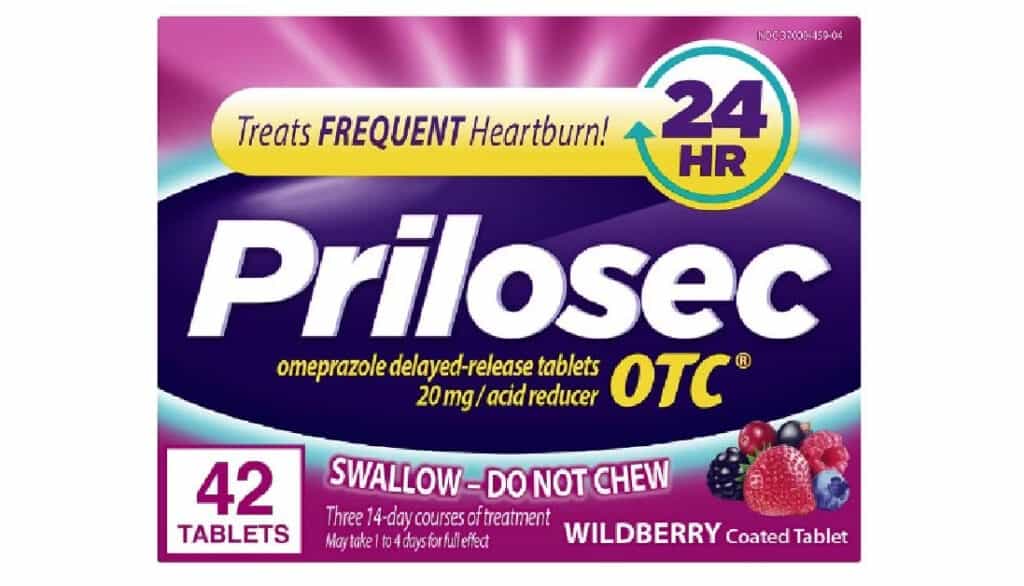
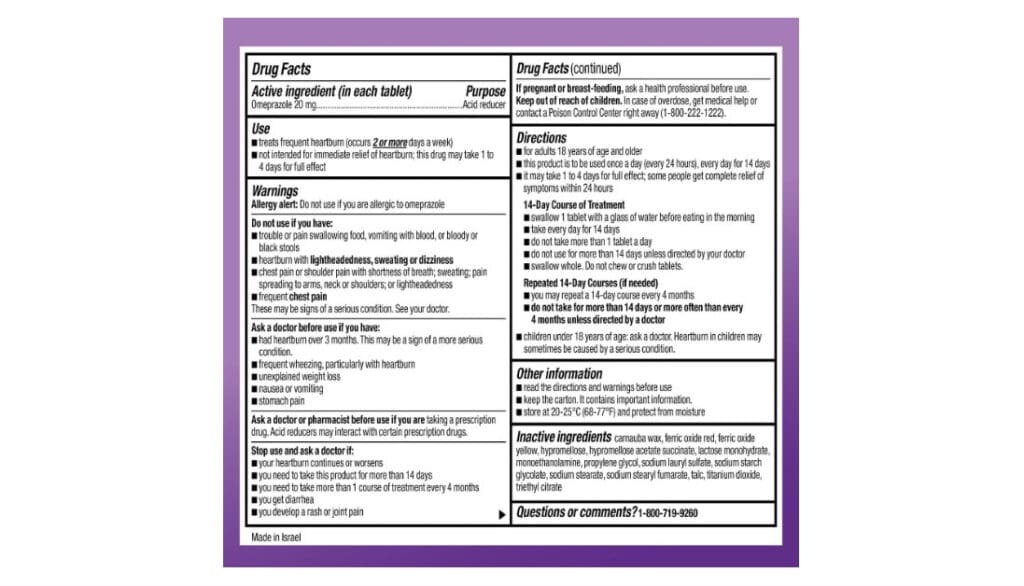
Prilosec
What is it? A bit confusing, right? While Omeprazole and Prilosec might seem interchangeable, Prilosec is actually a brand name for Omeprazole.
Why I recommend it: The brand-specific formulation might sometimes offer a more consistent therapeutic effect due to its proprietary makeup.
Usage Tips: Always follow prescribed doses and watch for any reactions, especially when switching from generic Omeprazole to Prilosec.
Slippery Elm
What is it? Venturing into the realm of natural remedies, people have used the herb slippery elm for centuries to treat various ailments.
Why I recommend it: For dogs that have minor digestive issues or for those who prefer a more holistic approach, slippery elm can soothe the digestive tract and reduce inflammation.
Usage Tips: Since it’s a natural remedy, it’s crucial to source high-quality products. And, as always, discuss with your vet before introducing it to your dog’s regimen.
Health isn’t a one-size-fits-all approach. Every dog is a unique individual, and what works wonders for one might require tweaking for another. By staying informed, consulting experts, and always prioritizing our pet’s wellbeing, we can confidently navigate the multiple avenues of animal healthcare.
Conclusion
Journeying through the world of canine health can often feel like a maze, with its twists, turns, and overwhelming options. But with the right information, a keen eye, and a loving heart, we can chart a course that leads to the well-being of our four-legged family members. Omeprazole, like many other tools in our pet care arsenal, holds the promise of relief and comfort for our dogs when used wisely. However, as with all health decisions, a close partnership with your veterinarian ensures that the choices we make are in the best interests of our furry companions.
Navigating pet health isn’t just about medications or treatments; it’s a testament to the lengths we’ll go to ensure our pets lead the healthiest, happiest lives. Whether you’re exploring Omeprazole or seeking alternative routes, the compass that guides you should always be love, care, and informed choices. Here’s to many more tail-wagging, happy moments with your loyal companion!
Frequently Asked Questions
How is Omeprazole useful?
Omeprazole is a medication that is used to prevent and/or treat stomach ulcers. The FDA (U.S. Food & Drug Administration) has approved this drug for use in horses and humans. The FDA allows veterinarians to prescribe and use products containing this drug in other animal species in certain situations. You and your veterinarian can discuss why this drug is the most appropriate choice.
How long until I will know if Omeprazole is working, and how long will the effects of this medication last?
This medication should help your animal feel better within 1 to 2 days. Your animal’s clinical signs should improve after that time. The effects of this medication are short-lived, meaning they will stop working within 24 hours, although the benefits may be prolonged if your animal has decreased kidney and/or liver function.
If my animal gets too much of Omeprazole (an overdose), what should I do?
Usually, overdoses of omeprazole are not serious, but if you know or think your animal got too much of this medication and they are showing adverse effects, contact your veterinarian or an animal poison control center for further advice. Animal poison control centers that are open 24 hours a day include: Pet Poison HELPLINE (855-764-7661) and ASPCA Animal Poison Control Center (888- 426-4435); a consultation fee is charged for these services.
How should Omeprazole be given?
– For this medication to work, give it exactly as your veterinarian has prescribed. Do not cut or break tablets unless instructed to by your veterinarian or pharmacist. It’s a good idea to always check the prescription label to be sure you are giving the drug correctly. – Omeprazole should be given about 30 minutes before a meal, generally the first meal of the day. If your animal vomits or acts sick after getting it on an empty stomach, give it with the meal instead. If vomiting continues, contact your veterinarian.
What should I do if I miss giving a dose of Omeprazole?
If you miss a dose, wait and give the next dose when it is usually time to do so. Do not double-up doses or give an extra dose.
What other information is important for Omeprazole?
– Omeprazole is available OTC (over-the-counter, without a prescription). Do not give omeprazole (or any other OTC medications) to your animal without first consulting a veterinarian. – Do not change or switch dosage forms without first consulting with a veterinarian or pharmacist, as the dose may not be the same. – Use of this drug may not be allowed in certain animal competitions. Check rules and regulations before entering your animal in a competition while this medication is being administered.
A note about your dog’s health
This article provides general education and does not replace an examination, diagnosis, or individualized advice from your veterinarian. Contact a veterinary professional if you are concerned about your dog’s symptoms.
Dr. Candy Akers earned her Doctor of Veterinary Medicine degree from Oklahoma State University in 2009 after completing undergraduate studies at the University of Delaware. Her experience includes companion-animal nutrition, chronic disease, allergies, autoimmune conditions, cold laser therapy, wildlife rehabilitation, and emergency wildlife response. She combines conventional veterinary knowledge with a whole-animal perspective to help pet parents understand their options and recognize when individualized veterinary care is needed.
Ah, the joys of pet ownership! We share our homes, our hearts, and yes, sometimes even our beds with these four-legged family members. But being a pet parent isn’t just about the wagging tails and puppy kisses; it’s also about ensuring our furry friends are in the best of health. When your veterinarian prescribes a medication like Tylosin for your dog, you naturally have a ton of questions. Is it safe? How do you administer it? And, of course, are there any alternatives? As a responsible dog owner, you’re in the right place to find out. This blog will unravel the mystery behind Tylosin, its uses, dosages, side effects, and more. Whether you’re a seasoned dog owner or a newbie just starting out, consider this your comprehensive guide to Tylosin for dogs. So, fetch a comfy seat (treats optional!), and let’s dig into everything you need to know.
What is Tylosin?
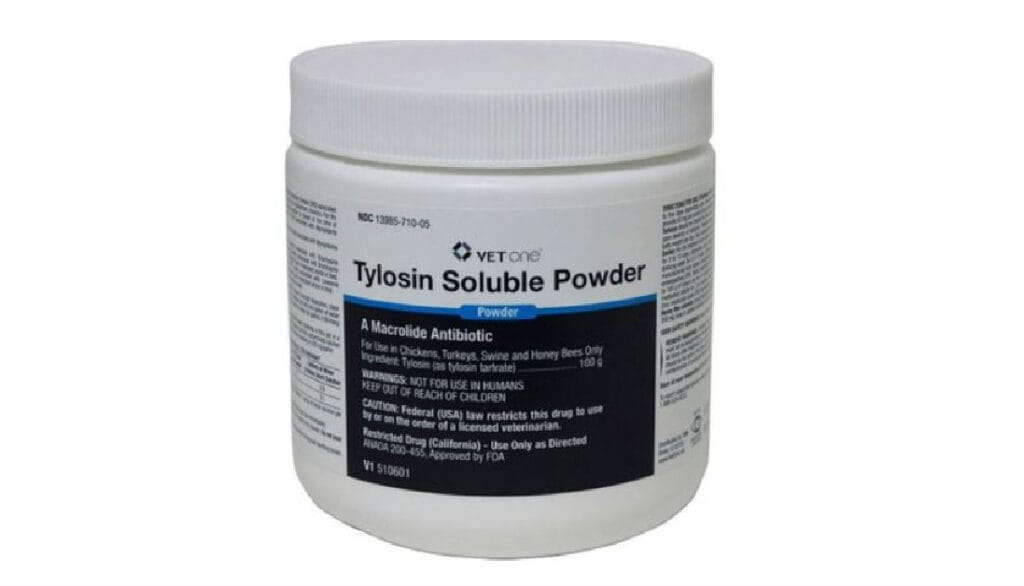
Tylosin is an antibiotic that belongs to the macrolide class. Its primary use is to treat infections caused by certain bacteria. Originally developed for use in livestock and poultry, it has since gained popularity in the treatment of certain conditions in small animals, including our beloved dogs.
Here’s a more in-depth look:
Historical Background: Introduced in the 1960s, Tylosin primarily served in veterinary medicine to treat bacterial infections in a wide range of animals. Its effectiveness against a variety of bacterial strains made it a favorite among livestock farmers.
Main Components and Active Ingredients: The active ingredient, Tylosin Tartrate, is the component that fights against bacterial infections. It acts by inhibiting protein synthesis in bacteria, making it harder for them to grow and multiply.
Uses in Dogs: Over time, veterinarians began to recognize the benefits of Tylosin for dogs, particularly in treating certain gastrointestinal conditions. One of the most common uses in dogs is for the treatment of chronic diarrhea, especially when caused by certain bacterial strains or inflammations like colitis.
Other Applications: While its primary use is antibacterial, Tylosin also has anti-inflammatory properties which can be beneficial in treating some inflammatory conditions in dogs.
Note that while Tylosin can work incredibly well, you should always use it under a veterinarian’s guidance. Like all antibiotics, you must ensure it fits your dog’s specific condition and use it responsibly to prevent antibiotic resistance.
In the following sections, we’ll delve into the specifics of how Tylosin works, how to administer it, and the important considerations every pet owner should be aware of before starting their dog on this medication.
How Does Tylosin Work?
At its core, Tylosin is a warrior against bacteria, but how does it manage to keep these microscopic invaders at bay? To truly understand Tylosin’s effectiveness, we need to delve a bit into the cellular level and its interaction with bacteria.
Targeting Protein Synthesis: Tylosin works by inhibiting protein synthesis in bacteria. Every bacterium needs to produce proteins to function, grow, and replicate. By interfering with this vital process, Tylosin effectively stalls the bacteria’s lifecycle, making it unable to multiply and spread.
Bacteriostatic vs. Bactericidal: While some antibiotics are bactericidal (they kill bacteria directly), Tylosin is primarily bacteriostatic. This means it doesn’t necessarily kill the bacteria but prevents them from growing and multiplying. This halt in bacterial growth allows the dog’s immune system to catch up and eliminate the invaders.
Specificity to Gram-positive Bacteria: Tylosin effectively combats a range of Gram-positive bacteria, which have a specific type of cell wall structure. This includes bacteria like Staphylococcus, Streptococcus, and certain Mycoplasma species. It’s also effective against some Gram-negative bacteria, though its primary strength lies with the Gram-positive ones.
Anti-inflammatory Properties: Beyond its antibacterial prowess, Tylosin has demonstrated anti-inflammatory effects. For dogs with conditions like colitis—an inflammation of the inner lining of the colon—this dual action can provide substantial relief. By reducing inflammation and tackling bacterial culprits, Tylosin can restore a sense of balance to the dog’s gastrointestinal tract.
Understanding the ‘how’ behind Tylosin is crucial, especially when considering its use for our canine companions. It’s not just about eliminating bacteria; it’s about creating an environment where our dogs’ own defenses can flourish and help restore them to their playful, tail-wagging selves. Always consult with a veterinarian to ensure Tylosin is the right choice for your pup’s specific needs.
Administering medication to our furry friends can sometimes feel like a daunting task. With Tylosin, the good news is that there are multiple forms and methods to choose from, ensuring that both you and your dog have the smoothest experience possible. Here’s a breakdown:
Oral Administration:
Capsules/Pills: Vets often provide Tylosin in capsule or pill form. Depending on your dog’s size and the prescription, they might instruct you to administer a full or partial pill. You can hide these in treats, mix with food, or give them directly.
Powder: Some vets like to prescribe Tylosin in a powder that you can blend into your dog’s meals. This option works well if you need dosage flexibility or if your dog dislikes pills.
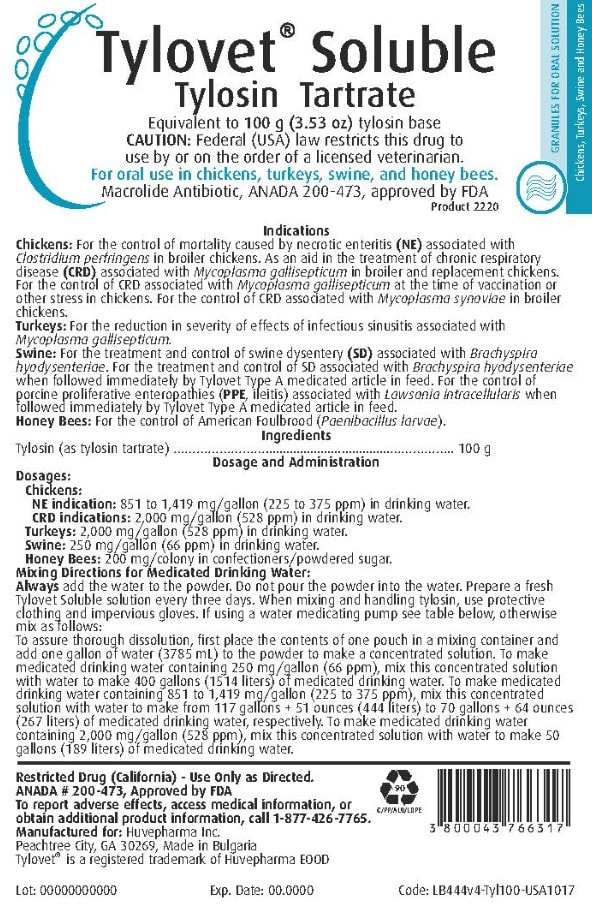
Liquid (Soluble): Some manufacturers offer soluble Tylosin versions, which you can mix with water or food, though they’re less common.
Intramuscular Injection:
In specific cases or conditions, a veterinarian might administer Tylosin via an intramuscular injection. Clinicians often use this method in clinical settings, although it’s less common for routine at-home treatments.
Considerations for Giving Tylosin:
With Food: Tylosin is typically well-tolerated when given with food. This can also help reduce the chances of stomach upset.
Consistency: It’s essential to administer the antibiotic at consistent times each day to maintain steady levels in the dog’s system.
Complete the Course: Just like with human antibiotics, it’s vital to ensure your dog completes the entire prescribed course of Tylosin, even if symptoms improve. This helps prevent antibiotic resistance.
Storage:
Powder and Pills: Store these in a cool, dry place, away from direct sunlight.
Liquid: If you’re using a soluble form, it may require refrigeration. Always check the label or consult with your vet about proper storage.
Monitoring:
Watch for Allergies: Though rare, dogs can be allergic to medications, including Tylosin. Symptoms might include hives, difficulty breathing, or swelling. Contact your vet immediately if you suspect an allergic reaction.
Appetite and Behavior: Monitor your dog’s appetite and behavior. If you notice a significant change or any signs of illness, consult your vet.
Remember, while Tylosin is generally safe and effective, it’s not a one-size-fits-all solution. Your vet will provide guidance tailored to your dog’s specific needs, ensuring the best possible outcome. As always, when in doubt, reach out to a professional. Your dog’s health and comfort are worth that extra bit of care!
Is Tylosin Safe for Dogs?
As with any medication, the first question we often ask ourselves is, “Is this safe for my furry friend?” Tylosin, when used correctly and under veterinary supervision, is generally safe for dogs. However, like all drugs, there are nuances to consider and precautions to take.
Safety Profile:
FDA Approval: The FDA approves Tylosin for use in certain livestock animals, but it’s important to note that its use in dogs is “off-label.” This means the FDA hasn’t specifically approved it for dogs.
However, veterinarians often prescribe medications off-label when they believe the benefits outweigh potential risks based on their medical expertise.
Common Usage: Vets have used Tylosin for years in veterinary medicine for dogs despite its off-label status, and many are familiar with its safety profile and potential side effects.
Potential Concerns:
Overuse & Antibiotic Resistance: Like all antibiotics, the overuse or misuse of Tylosin can contribute to antibiotic resistance. This is when bacteria evolve and become immune to the antibiotic’s effects. It’s crucial to administer the drug as prescribed and complete the full course, even if your dog seems better.
Liver Function: If a dog has liver problems or a history of liver disease, it’s essential to discuss this with your vet.
The liver metabolizes Tylosin, so dogs with liver concerns might require regular monitoring.
Drug Interactions: Tylosin may interact with other medications, so always inform your vet of any other drugs, supplements, or treatments your dog is receiving.
Puppies & Senior Dogs: Age can play a role in how a dog reacts to medication. Puppies, with their developing systems, and senior dogs, with potential age-related health issues, might have different responses to Tylosin. Always consult with your vet about age-specific concerns.
Pregnant or Lactating Dogs: If your dog is pregnant or nursing, it’s crucial to discuss with your vet before administering Tylosin.
While Tylosin is generally safe for many dogs, individual circumstances and health profiles can vary. The key to ensuring the safety and effectiveness of Tylosin—or any medication—is open communication with your vet and careful observation of your dog while they’re on the treatment. By staying informed and vigilant, you can ensure your pup gets the benefits of the medication while minimizing potential risks.
Tylosin Side Effects or Cautions
Every medication, no matter how commonly used or well-tolerated, carries the potential for side effects. While Tylosin is generally safe for dogs, it’s essential for pet owners to be aware of possible side effects and exercise necessary precautions. Here’s a comprehensive look:
1. Potential Side Effects of Tylosin:
Digestive Issues: The most common side effects are gastrointestinal in nature. Some dogs might experience:
Diarrhea or loose stools
Vomiting or nausea
Decreased appetite
Allergic Reactions: Though rare, dogs can develop an allergic reaction to Tylosin. Symptoms to watch out for include:
Swelling, particularly of the face, lips, or tongue
Hives or skin rashes
Difficulty breathing or rapid breathing
Sudden onset of itchiness
Yeast Overgrowth: Long-term use can occasionally lead to yeast overgrowth in the intestines, which might require additional treatment.
2. Cautions When Using Tylosin:
Administer As Prescribed: Always give the prescribed dosage and follow your veterinarian’s instructions closely. Overdosing can exacerbate side effects or lead to other health concerns.
Avoid Abrupt Withdrawal: Don’t suddenly stop giving Tylosin without consulting your veterinarian, especially if it’s been a long-term treatment.
Interactions with Other Drugs: Tylosin can interact with other medications. Always inform your vet about any other drugs your dog might be taking, including over-the-counter meds, supplements, and herbal remedies.
Monitoring During Treatment: Especially if your dog is on Tylosin for an extended period, regular vet check-ups can help monitor liver function and ensure the medication remains appropriate for your dog’s condition.
Use in Specific Populations: If your dog is very young, elderly, pregnant, lactating, or has pre-existing health conditions, a discussion with your veterinarian before starting Tylosin is paramount.
Antibiotic Resistance: Using antibiotics inappropriately can contribute to antibiotic resistance, where bacteria become immune to the drug’s effects. This is a growing global health concern. Ensure you use Tylosin responsibly and as directed.
3. What to Do If You Observe Tylosin Side Effects:
Immediate Action: If you notice severe reactions, especially symptoms of an allergic reaction like swelling or difficulty breathing, seek veterinary care immediately.
Milder Symptoms: For less urgent side effects, such as mild diarrhea or a slight decrease in appetite, make a note of the symptoms and discuss with your vet at the earliest opportunity. They might adjust the dosage or suggest other supportive care.
Record Keeping: Keeping a diary or log of any observed side effects can be helpful. This not only provides your vet with a clear picture but can also help in tailoring the best treatment plan moving forward.
In conclusion, while Tylosin has proven to be a beneficial drug for many dogs, vigilance on the part of the pet owner is crucial. By being observant and maintaining open communication with your veterinarian, you can ensure your dog benefits from the treatment while minimizing potential adverse effects.
Uses of Tylosin for Dogs
Tylosin has been a staple in veterinary medicine for several decades. While it originated in the livestock sector, its efficacy and safety profile soon caught the attention of small animal veterinarians. In dogs, Tylosin has several key uses:
1. Chronic Diarrhea and Gastrointestinal Issues:
Colitis: Veterinarians commonly prescribe Tylosin for dogs to treat colitis, an inflammation of the colon. Its anti-inflammatory and antibiotic properties soothe the gut lining and tackle bacterial imbalances contributing to the problem.
Antibiotic-Responsive Diarrhea (ARD): Some dogs experience persistent diarrhea that responds well to antibiotic treatment, even without identifying a specific bacterial cause. In these situations, veterinarians often choose Tylosin for its proven effectiveness.
2. Bacterial Infections:
Specific Infections Treatment: Tylosin effectively treats certain Gram-positive bacteria, such as Staphylococcus, Streptococcus, and some Mycoplasma species. Veterinarians use it to treat infections these bacteria cause in different parts of the body.
Prevention: In certain situations, especially in kennels or shelters, veterinarians might use Tylosin prophylactically to prevent bacterial infections, especially during outbreaks or when risks are high.
3. Respiratory Issues:
Mycoplasma Infections: Tylosin is effective against certain Mycoplasma species, which can cause respiratory issues in dogs. Doctors can prescribe it to treat coughs or other respiratory symptoms that result from this type of infection.
4. Soft Tissue Infections:
Skin and Ear Infections: When bacteria susceptible to Tylosin cause infections of the skin or ears, you can use this antibiotic to treat them.
Caveats:
Always Under Supervision: Always administer Tylosin under the supervision and guidance of a veterinarian, despite its multiple uses and benefits. It’s essential to ensure it’s the right treatment for the dog’s specific condition.
Short-term vs. Long-term: Some conditions might require short-term use of Tylosin, while others, like chronic gastrointestinal issues, might see the drug prescribed for longer durations. Regular vet check-ups are crucial, especially for long-term use, to monitor any potential side effects or changes in the dog’s condition.
Tylosin is a versatile medication with various applications in canine health. Its longstanding history in veterinary medicine attests to its efficacy, but as always, individualized veterinary advice is paramount to ensure a dog’s health and well-being.
Tylosin Dosage Chart for Dogs
When it comes to administering Tylosin or any medication to dogs, getting the correct dosage is crucial for effectiveness and safety. Below, we’ll provide general guidelines, an age and weight-based dosage chart, and tips for ensuring accurate dosing.
General Dosage Guidelines:
The typical dosage range for Tylosin in dogs is around 5-20 mg/kg once to twice daily.
The specific condition being treated determines the exact dosage and duration.
Always administer the exact dose prescribed by the veterinarian and follow their instructions closely.
Age and Weight-Based Dosage Chart:
Weight Range
Puppies (Up to 6 Months)
Adult Dogs (6 Months & Older)
Senior Dogs (8 Years & Older)
Up to 10 lbs
5 mg
5-10 mg
5 mg
10-20 lbs
10 mg
10-20 mg
10 mg
20-40 lbs
20 mg
20-40 mg
20 mg
40-60 lbs
30 mg
40-60 mg
40 mg
60-80 lbs
40 mg
60-80 mg
60 mg
Over 80 lbs
50 mg
80-100 mg (max)
80 mg
Note: This table provides general dosage guidelines based on weight and age. However, individual needs can vary, so always consult with your veterinarian for the exact dosage.
Tips for Ensuring Accurate Tylosin Dosing:
Use a Dedicated Measuring Tool: If you’re administering liquid or powder form, use a dedicated measuring spoon or syringe provided by your vet or pharmacy. Avoid using household spoons as they can vary in size.
Consistency is Key: Administer the medication at the same time(s) each day to maintain a consistent level in the dog’s system.
Monitor for Side Effects: Especially when starting a new medication, observe your dog for any side effects or adverse reactions.
Avoid Splitting Pills Without Guidance: If your dog requires a dosage that isn’t available in a pre-made pill, consult your vet about splitting the tablet. Some medications can lose effectiveness if broken.
Store Medication Properly: Store the medication as directed, usually in a cool, dry place, to preserve its potency.
Check Expiry: Regularly check the expiry date on the medication. Out-of-date medication can lose its effectiveness and may not be safe.
Double-Check Dosage: Especially if multiple people in a household might administer medication, have a system in place to track doses, so the dog isn’t accidentally given too much.
While the chart provides a general guideline, it’s crucial to reiterate that individual needs can vary. The veterinarian’s prescribed dose should always be the primary guide. Proper dosing ensures the medication’s efficacy and the safety of your furry friend.
Forms of Tylosin
Tylosin is a versatile antibiotic, and to cater to the various needs of animals, including dogs, it’s available in several forms. Each form has its advantages, making it suitable for different scenarios and preferences.
1. Tylosin Powder:
Overview: This is one of the most common forms of Tylosin, especially for livestock. For dogs, the powder can be mixed with their food, ensuring they consume the entire dose.
Advantages:
Allows for easy dose adjustments.
Can be mixed with wet or dry food.
Suitable for dogs that resist taking pills.
Considerations:
Ensure even mixing to guarantee the dog receives the full dosage.
Some dogs might be wary if they detect a change in their food.
2. Tylosin Capsules:
Overview: Tylosin capsules contain the antibiotic in a powdered form, enclosed in a gelatin casing. They can be given directly or opened to mix the inner powder with food.
Advantages:
Convenient and quick to administer.
Capsules can sometimes be easier for dogs to swallow than tablets.
Dosage is pre-measured, reducing the margin for error.
Considerations:
Some dogs might resist swallowing capsules.
Opening capsules to mix with food might make dosing less precise if not all contents are consumed.
3. Tylosin Liquid (Injectable or Oral Solution):
Overview: Liquid Tylosin can either be an injectable solution or an oral suspension. The former is administered via injection, usually by a vet, while the latter is given orally.
Advantages:
Liquid solutions can be more comfortable for some dogs to consume, especially if mixed with a tasty treat.
Injectable form ensures that the dog receives the entire dose.
Considerations:
The oral solution must be shaken well before use to ensure even distribution of medication.
Injectable forms can be more invasive and might not be suitable for frequent dosing.
4. Tylosin Tablets:
Overview: Tylosin tablets are a compact form that contains a pre-measured dose of the antibiotic.
Advantages:
Easy to administer for dogs accustomed to taking pills.
Convenient for travel or on-the-go dosing.
Considerations:
Some dogs might resist or spit out tablets.
Breaking tablets for dose adjustment can sometimes lead to uneven dosages.
Choosing the Right Form of Tylosin:
The ideal form of Tylosin for your dog will depend on various factors:
Frequency of Dosing: If it’s a one-time or short-term treatment, an injectable solution might be more straightforward. For long-term treatments, oral solutions or powders might be more manageable.
Dog’s Preferences: Some dogs have no issues with tablets or capsules, while others might prefer a powder mixed in their food.
Owner’s Convenience: If you’re comfortable giving injections and it’s the recommended form, that might be your choice. Otherwise, oral options might be more practical.
Always consult with your veterinarian about which form of Tylosin is most suitable for your dog’s condition and lifestyle. Regardless of the type, ensuring that your dog receives the correct dose on the recommended schedule is paramount for the medication’s success.
How Long Does Tylosin Last in the System?
The duration Tylosin remains active within a dog’s system can be essential knowledge for pet owners. Understanding this information is vital both for grasping the medication’s effectiveness and for knowing how long any potential side effects might take to subside after discontinuing the drug.
Pharmacokinetics of Tylosin:
Absorption: After oral administration, Tylosin is rapidly absorbed from the dog’s gastrointestinal tract. Peak plasma concentrations (the highest level of the drug in the bloodstream) typically occur within 1 to 2 hours post-dosing.
Distribution: Tylosin, being a lipophilic compound, distributes widely throughout the body. This distribution is a reason it’s effective against infections in various parts of the body.
Metabolism & Elimination: The liver metabolizes Tylosin, and the breakdown products, along with some unchanged Tylosin, are excreted primarily via bile into the feces. A smaller amount is eliminated through the urine.
Duration in the System:
Half-life: The half-life of a drug indicates the time it takes for the concentration of the drug in the bloodstream to reduce by half. For Tylosin, the half-life in dogs is roughly 1 to 2 hours.
Complete Elimination: Based on its half-life and general pharmacokinetic principles, Tylosin is expected to be largely eliminated from a dog’s system within 6 to 12 hours. However, trace amounts might remain for up to 24 hours or longer, depending on various factors like the dog’s age, metabolism, liver function, and kidney function.
Considerations:
Duration of Effectiveness: While Tylosin may be cleared from the system within hours, its therapeutic effects can last longer. This lasting effect is because the drug has already exerted its action on bacteria or the condition being treated.
Dosing Frequency: Due to its relatively short half-life, Tylosin is often prescribed to be given once to twice daily to maintain therapeutic levels in the dog’s system.
Drug Interactions: The presence of other medications can sometimes impact how long Tylosin remains in the system. Always inform your veterinarian of any other medications or supplements your dog is taking.
Age and Health: Older dogs or those with compromised liver or kidney function might process and eliminate medications more slowly than younger or healthier dogs.
While Tylosin is metabolized and excreted relatively quickly, its therapeutic effects are sustained, ensuring that the drug remains effective. As always, pet owners should follow the dosing regimen provided by the veterinarian to maintain optimal therapeutic levels and should consult their vet with any concerns or queries about the medication.
How Long Should Your Dog Take Tylosin?
You should administer Tylosin to a dog for a duration that depends on several factors. These factors are the type of infection or condition you are treating, the dog’s overall health, and the dog’s response to the medication.
General Guidelines:
Specific Condition: The duration of Tylosin treatment often hinges on the particular condition being addressed:
For intestinal infections, treatment might last anywhere from a few days to several weeks.
For chronic conditions like colitis (inflammation of the colon), the treatment could extend for weeks or even months, depending on the severity and response.
Veterinarian’s Prescription: Always adhere to the recommended treatment duration provided by the vet. If unsure or if there seems to be no improvement, seek clarification rather than discontinuing or extending the medication on your own.
Completion of Full Course: Even if your dog appears to have recovered, it’s crucial to complete the entire prescribed course of antibiotics, including Tylosin. Discontinuing antibiotics prematurely can result in a resurgence of the infection or lead to antibiotic resistance.
Regular Check-ups: Especially for prolonged treatments, regular veterinary check-ups are essential. The vet will assess how the dog is responding to the treatment and decide whether to continue, adjust the dose, or switch to another medication.
Factors Influencing Tylosin Treatment Duration:
Severity of the Condition: Acute infections might require a shorter treatment course, while chronic or severe infections might necessitate a longer period of medication.
Age and Health of the Dog: Puppies, older dogs, or those with compromised immune systems might require extended treatment durations to ensure complete recovery.
Potential Side Effects: If your dog experiences significant side effects, your veterinarian might adjust the duration or switch to a different medication.
Reinfection or Recurrence: Some conditions, especially gastrointestinal ones, can recur. In such cases, your vet might prescribe another course of Tylosin or recommend preventative measures.
Tylosin Cautions and Considerations:
Monitor for Side Effects: While Tylosin is generally safe, any new or worsening symptoms should be immediately reported to the vet.
Avoid Overuse: Over-reliance or prolonged use of antibiotics without a valid reason can contribute to antibiotic resistance. Always use Tylosin judiciously, as prescribed.
Regular Communication: Keeping open communication with your veterinarian ensures that any concerns or observations about your dog’s health are addressed promptly.
The length of time your dog should take Tylosin varies based on individual circumstances. Always follow your veterinarian’s advice, keep an eye out for any changes in your dog’s condition, and never hesitate to seek guidance if unsure about the medication’s duration or effects.
Alternatives To Tylosin
Dr. Candy’s Recommendations:
While Tylosin is effective for various conditions in dogs, there might be situations where an alternative is needed, either due to potential side effects, resistance, or individual dog needs. Dr. Candy, with her vast experience in veterinary care, recommends the following alternatives and complementary treatments to Tylosin:
1. Slippery Elm:
What it is:Slippery Elm, a tree native to North America, offers its inner bark for medicinal preparations.
Uses: Slippery Elm soothes and coats the digestive tract, benefiting conditions such as diarrhea, colitis, and stomach and intestine inflammation.
Advantages: As a natural remedy, Slippery Elm typically produces fewer side effects than synthetic drugs. It treats the stomach gently and works well with other treatments.
2. Homeopet Digestive:
What it is:HomeoPet Digestive is a homeopathic remedy designed to alleviate digestive issues in pets.
Uses: It can treat various gastrointestinal symptoms like diarrhea, gas, vomiting, and constipation.
Advantages: As a homeopathic solution, it’s typically gentle on pets, non-addictive, and can work alongside other treatments without interference.
Uses: Probiotics are beneficial bacteria that help restore and maintain a healthy balance in the digestive system. They can aid in managing and preventing gastrointestinal issues, especially after antibiotic treatments which can disrupt the gut’s natural flora.
Advantages: Probiotics can boost the dog’s immune system, improve digestion, and reduce the likelihood of digestive issues.
4. Glacier Peak Pet Wellness Life Stress Scan:
What it is: This is a diagnostic tool that tests for food sensitivities and environmental stressors in pets.
Uses: By identifying specific sensitivities, owners can tailor their dog’s diet and environment to reduce potential triggers and related symptoms.
Advantages: Addressing the root cause (like a specific food sensitivity) can sometimes reduce the need for medications, leading to a more holistic approach to the dog’s health.
Dr. Candy’s recommendations emphasize a balanced approach to pet care, incorporating both traditional medications and natural remedies. While Tylosin is effective, considering alternatives and complementary treatments can provide a more comprehensive and holistic approach to a dog’s health. Always consult with a veterinarian before starting, stopping, or combining any treatments.
Complementary Natural Products to Tylosin That You Can Add To Your Treatment Plan
Incorporating natural products into your dog’s treatment regimen can provide a holistic approach to health and healing. These products, when used alongside conventional treatments, can complement and sometimes enhance their effects, ensuring a more rounded and effective treatment strategy. Here are some complementary natural products you can consider:
Benefits:Omega-3s, primarily found in fish oils, have anti-inflammatory properties. They can benefit dogs with skin allergies, joint issues, and certain inflammatory conditions.
How to Administer: Available in liquid form or capsules, it can be added to your dog’s food.
Benefits: Probiotics help maintain a balanced gut flora, especially important after antibiotic treatments that can disrupt the natural balance of the digestive system.
How to Administer: This product comes in a capsule form. Simply open the capsule and administer the correct dosage on your dogs food as a daily supplement.
3. Digestive Enzymes:
Benefits: Assist in breaking down food components, ensuring better nutrient absorption and reduced gastrointestinal issues.
How to Administer: Generally in powder form, it can be sprinkled over your dog’s meal.
4. Turmeric (Curcumin):
Benefits: Known for its potent anti-inflammatory and antioxidant properties, it can help with joint health, inflammation, and overall immune system support.
How to Administer:Turmeric can be mixed with a bit of black pepper (which increases its absorption) and added to food. There are also commercial supplements available specifically for pets.
5. CBD Oil:
Benefits: CBD has gained traction for its potential anti-inflammatory, pain-relieving, and calming effects. It can be helpful for dogs with anxiety, pain, or inflammation.
How to Administer: CBD oil can be given directly or mixed with food. Ensure you’re using a dog-appropriate product and dose.
6. Milk Thistle:
Benefits: Known for supporting liver health, it can be especially beneficial for dogs on medications that may impact the liver.
How to Administer: Supplements are often available in capsule or liquid form.
7. Glucosamine and Chondroitin:
Benefits: These compounds support joint health and can be beneficial for dogs with arthritis or joint issues.
How to Administer: They are usually available in chewable tablet form or as liquids.
8. Herbs:
Benefits: Many herbs like chamomile, ginger, and peppermint can have calming, anti-inflammatory, or digestive benefits for dogs.
How to Administer: Depending on the herb, they can be offered as teas, added to food, or given as supplements.
Things to Remember:
Consultation is Key: Always consult with your veterinarian before introducing any new product into your dog’s regimen. Natural doesn’t always mean safe, and some products can interfere with medications or have side effects of their own.
Quality Matters: Opt for high-quality products from reputable brands. Ensure that they are suitable for pets and don’t contain harmful additives.
Start Slow: When introducing a new natural product, start with a lower dose and monitor for any reactions or changes.
Incorporating natural products into your dog’s treatment plan can offer an array of health benefits, but always ensure that these are suitable for your dog’s specific needs and conditions. They should complement, not replace, prescribed treatments unless advised otherwise by a veterinarian.
Conclusion
Caring for our furry friends often means diving deep into the realm of treatments, medications, and health regimens. Tylosin, as we’ve explored, is one of the tools in our arsenal to ensure the well-being of our pets. But like any medication, it’s vital to approach its use with knowledge and understanding. From recognizing its forms to gauging its appropriate dosage and exploring its alternatives, every piece of information equips us better to make informed decisions for our canine companions.
It’s heartening to know that in today’s world, we have the luxury of blending conventional medications with natural remedies, creating a comprehensive treatment plan that looks at health holistically. Dr. Candy’s insights and recommendations remind us of the importance of always seeking the best for our pets, be it through age-old herbs or cutting-edge medications.
Ultimately, as pet owners, our goal is the happiness and health of our four-legged family members. Whether you’re considering Tylosin or its alternatives, always remember that open communication with your veterinarian and staying informed are your best allies.
Thank you for journeying with us through this comprehensive look at Tylosin for dogs. We hope this guide serves you well and helps pave the way for many happy, tail-wagging days ahead! 🐾
Frequently Asked Questions
How is Tylosin useful?
The FDA (U.S. Food & Drug Administration) has approved this drug for use in treating infections in dogs, cats, turkeys, chickens, cattle, pigs, and honeybees. The oral powder approved for turkeys, chickens, and pigs is most commonly used in companion animals (pets) to treat inflammatory bowel disease and in treating feline infectious peritonitis (FIP). You and your veterinarian can discuss why this drug is the most appropriate choice.
How long until I will know if Tylosin is working, and how long will the effects of this medication last?
– This medication should start having effects within 1 to 2 hours; however, you may not see the effects of this medication outwardly. – Your animal should begin feeling better within 1 to 2 days. – The effects of this medication are short-lived, meaning they will stop working within 24 hours, although the benefits may be prolonged if your animal has decreased kidney and/or liver function.
If my animal gets too much of Tylosin (an overdose), what should I do?
Tylosin is relatively safe in most overdose situations. If you witness or suspect an overdose, contact your veterinarian or an animal poison control center for further advice. Animal poison control centers that are open 24 hours a day include: Pet Poison HELPLINE (855-764-7661) and ASPCA Animal Poison Control Center (888-426-4435); a consultation fee is charged for these services.
How should Tylosin be given?
For this medication to work, give it exactly as your veterinarian has prescribed. It’s a good idea to always check the prescription label to be sure you are giving the drug correctly. – The drug may be given either with food or on an empty stomach. If your animal vomits or acts sick after receiving the drug on an empty stomach, try giving the next dose with food or a small treat. If vomiting continues, contact your veterinarian. – Tylosin powder has an extremely bitter taste. Placing the dose of powder in an empty gelatin capsule or cold butter may help your animal take it better. Liquids made from mixing the powder in water should be thrown out after 3 days and a new solution made up.
What should I do if I miss giving a dose of Tylosin?
If you miss a dose, give it when you remember, but if it is close to the time for the next dose, skip the dose you missed and give it at the next scheduled time. After that, return to the regular dosing schedule. Do not double-up or give extra doses.
What other information is important for Tylosin?
Use of this drug may not be allowed in certain animal competitions. Check rules and regulations before entering your animal in a competition while this medication is being administered.
A note about your dog’s health
This article provides general education and does not replace an examination, diagnosis, or individualized advice from your veterinarian. Contact a veterinary professional if you are concerned about your dog’s symptoms.
Dr. Candy Akers earned her Doctor of Veterinary Medicine degree from Oklahoma State University in 2009 after completing undergraduate studies at the University of Delaware. Her experience includes companion-animal nutrition, chronic disease, allergies, autoimmune conditions, cold laser therapy, wildlife rehabilitation, and emergency wildlife response. She combines conventional veterinary knowledge with a whole-animal perspective to help pet parents understand their options and recognize when individualized veterinary care is needed.
Hello, fellow dog lovers and caretakers! I’m Dr. Candy Akers, a holistic veterinarian with years of experience in understanding the myriad of complexities within our four-legged companions. Time and again, one concern that many pet parents approach me with is the distressing occurrence of diarrhea in their dogs. While it might seem like a simple digestive upset at first glance, diarrhea can be a tell-tale sign of various underlying issues. From food allergies to viral infections, numerous factors can upset your dog’s tummy. This article is my attempt to shed light on these various causes, offering insights into prevention, recognition, and management. It’s essential for us to be well-informed to provide the best care for our pets. Let’s embark on this informative journey together, ensuring our dogs’ health and happiness are always at the forefront.
Food Allergies in Dogs: Common Cause of Dog Diarrhea
Food allergies occur when a dog’s immune system mistakenly identifies a specific food ingredient as harmful, leading to an allergic reaction. This reaction can manifest in various ways, from skin conditions to gastrointestinal disturbances, including diarrhea.
Common Allergens for Dogs
While any food can potentially cause an allergic response in sensitive dogs, there are some known culprits that often make their way to the top of the list:
Proteins: Chicken, beef, and dairy are some of the most common food allergens for dogs. Other meats such as lamb or pork can also be problematic for some canines.
Grains: Corn, wheat, and soy have been identified as common sources of allergies. This has led to an increase in grain-free diets, but it’s essential to consult with a veterinarian before making significant changes to your dog’s diet.
Eggs: Some dogs can develop allergies to eggs or specifically the proteins within them.
Additives and Fillers: Artificial colors, flavors, and certain preservatives can sometimes trigger allergic reactions in sensitive dogs.
How Food Allergies Manifest as Diarrhea in Dogs
When a dog ingests an allergen, the immune response can cause inflammation in the gastrointestinal tract. This inflammation disrupts the normal absorption of nutrients and can lead to increased water content in the intestines, resulting in diarrhea. The dog’s stool may be loose, more frequent, and sometimes contain mucus or blood.
Diagnosis and Treatment For Food Allergies in Dogs
Understanding and correctly diagnosing food allergies is crucial for providing the best care and treatment for your furry friend. Here’s a more detailed breakdown of the process and the treatment options available:
Diagnostic Process For Food Allergies in Dogs:
Clinical History and Physical Examination:
Review of the dog’s dietary history, including all foods and treats.
Examination for other symptoms of allergies, such as skin irritations, itching, or ear infections.
Elimination Diet:
As mentioned, this involves feeding the dog a novel protein and carbohydrate source they haven’t been exposed to before.
The trial usually lasts for 8-12 weeks. During this period, it’s essential not to give any other foods, treats, or flavored medications.
If the symptoms resolve, each ingredient from the dog’s original diet is reintroduced one by one, monitoring for a recurrence of symptoms to pinpoint the offending allergen.
Blood Tests:
Some veterinarians may suggest blood tests to detect specific food antibodies. However, it’s worth noting that blood tests are not always as definitive or accurate as elimination diets.
Hair and saliva testing are alternative methods used to identify potential allergies in dogs. These tests analyze specific proteins or markers in the hair and saliva to determine sensitivities to various allergens.
Treatment Options For Food Allergies in Dogs:
Dietary Management:
Once the allergenic ingredient is identified, it should be permanently eliminated from the dog’s diet.
Commercially available hypoallergenic diets can be beneficial. These diets are either formulated with hydrolyzed proteins (where the protein is broken down into small, unrecognizable fragments) or novel proteins that the dog hasn’t been exposed to.
Probiotics can also assist in restoring the gut’s natural flora, especially if the dog’s digestive system has been affected.
Medication:
In some severe cases, where symptoms are extreme or causing distress, short-term medication might be prescribed to reduce inflammation or treat secondary infections that have arisen due to the allergy.
Regular Monitoring:
Regular check-ups with the veterinarian to ensure that the treatment is effective and that no new allergies have developed.
Keeping a close eye on any new symptoms or a recurrence of diarrhea, itching, or any other signs.
While food allergies in dogs can be a challenging condition to navigate, with the right diagnostic tools and treatment methods, they can be managed effectively. Always consult with a veterinarian when making decisions about your dog’s health and diet.
Preventing Food Allergies in Dogs
Food allergies in dogs can be discomforting and sometimes even distressing. While it’s not always possible to prevent every allergy, there are strategies that dog owners can implement to minimize the risk and ensure their furry friends remain healthy.
1. Gradual Introduction of New Foods:
Start Early: Begin introducing varied proteins and carbohydrates to puppies from a young age. This helps their immune system recognize and tolerate a broad range of food items.
One at a Time: When introducing new foods, do it one by one. This way, if there’s a reaction, you’ll know exactly what caused it.
2. Quality Over Quantity:
High-Quality Ingredients: Invest in high-quality dog foods that use wholesome ingredients without unnecessary fillers, artificial flavors, colors, or preservatives.
Read Labels: Become familiar with reading pet food labels. Know what goes into your dog’s food and opt for natural and limited-ingredient diets when possible.
3. Avoid Overexposure:
Rotate Proteins: Instead of feeding the same protein source (like chicken) continuously, rotate between different proteins every few months. This rotation can help prevent the overexposure that sometimes leads to the development of allergies.
Diverse Diet: Encourage a diverse diet but ensure it is balanced and appropriate for your dog’s specific needs.
4. Probiotics and Digestive Enzymes:
Boost Gut Health: Maintaining a healthy gut can be beneficial in preventing food sensitivities and allergies. Consider adding a canine-specific probiotic supplement to your dog’s diet.
Digestive Enzymes: These can aid in breaking down food more effectively, reducing the chance of undigested food causing allergic reactions.
5. Monitor and Document:
Keep a Food Diary: Make a note of what your dog eats and any reactions, even if they seem minor. This documentation can be invaluable in identifying potential issues early on.
Regular Vet Visits: Ensure regular check-ups with the veterinarian. Discuss any concerns and get guidance on any dietary changes you’re considering.
6. Be Cautious with Treats and Scraps:
Know the Ingredients: Just as with regular dog food, ensure that treats are made of high-quality ingredients. Avoid those with a long list of unrecognizable components.
Limit Table Scraps: While it’s tempting to share our food with our dogs, many human foods contain ingredients that are allergenic to dogs. If you do share, make sure it’s safe and given in moderation.
7. Stay Updated on Pet Food Recalls:
Safety First: Occasionally, specific batches of pet foods might get recalled due to contamination. Staying updated ensures that your dog is not exposed to potential allergens or contaminants.
In essence, while no strategy can guarantee the complete prevention of food allergies, these steps can significantly reduce the risk. Being proactive, observant, and maintaining open communication with your veterinarian are the cornerstones of ensuring your dog’s nutritional well-being.
Understanding the nuances of food allergies in dogs is crucial for their overall health and well-being. By being observant of changes in your dog’s behavior, stool consistency, and other symptoms, and consulting with your veterinarian, you can address and manage these allergies effectively. Remember, every dog is unique, so what works for one might not necessarily work for another. Tailoring their diet to their specific needs, with the guidance of a professional, is the key.
Ingesting Spoiled Food: A Culprit Behind Dog Diarrhea
While dogs often seem to have stomachs of steel, delving into trash bins or snatching up street-side morsels, their digestive systems aren’t invincible. One of the most common mistakes dogs make is ingesting spoiled food, leading to gastrointestinal issues, including diarrhea.
Why Dogs Eat Spoiled Food
Natural Scavengers: By nature, dogs are scavengers, making them less discerning about food freshness or source.
Enticing Smells: To a dog’s keen nose, the pungent aroma of spoiled food can be alluring, drawing them to consume it.
Opportunistic Feeders: If food is accessible, especially when unsupervised, many dogs will eat first and “think” later.
Dangers of Consuming Spoiled Food
Bacterial Growth: Spoiled food can harbor harmful bacteria such as Salmonella or E. coli, which can cause severe gastrointestinal disturbances.
Toxins: As some foods spoil, they produce toxins. For example, molds on certain foods produce mycotoxins which can be harmful when ingested.
Foreign Objects: Dogs rummaging through garbage for food might inadvertently swallow non-food items, causing internal obstructions or injuries.
Chemical Contamination: Spoiled foods, especially those from trash bins, might be in contact with other chemicals or toxic substances.
Symptoms Post Ingestion
Diarrhea: Often the most immediate and evident symptom.
Vomiting: Some dogs might throw up, especially if the food was particularly toxic.
Lethargy: A general lack of energy or enthusiasm.
Loss of Appetite: The dog may refuse to eat, even their favorite treats.
Abdominal Pain: The dog may show signs of discomfort or pain in the belly area, often noticeable by a hunched back or sensitivity to touch.
Immediate Interventions
Remove Access: Ensure the dog no longer has access to the source of the spoiled food.
Hydration: Make sure your dog has access to clean water, especially if vomiting or diarrhea occurs.
Do Not Induce Vomiting Unless Advised: Some toxins or objects can cause more harm if regurgitated. Always consult with a veterinarian before taking any action.
Monitor Closely: Watch your dog for any worsening symptoms or signs of distress.
Prevention Strategies
Secure Trash Cans: Invest in dog-proof trash cans or store them in areas inaccessible to your dog.
Regularly Clean Food Bowls: Ensure your dog’s food bowls are cleaned regularly to prevent old or spoiled food remnants.
Proper Food Storage: Store dog food in cool, dry places and use it before the expiration date.
Supervise Outdoor Time: When outside, especially in new or unfamiliar areas, keep a close eye on your dog to prevent them from scavenging.
Ingesting spoiled food can cause immediate discomfort for dogs and lead to more severe complications. Awareness and proactive measures are the best strategies to ensure your dog stays safe and healthy. Always consult with a veterinarian if you suspect your dog has consumed spoiled or potentially harmful food.
Intestinal Parasites in Dogs: Top Cause of Dog Diarrhea
Intestinal parasites are all too common in the canine world. These unwelcome guests can cause a range of health issues, with diarrhea being one of the most prevalent symptoms. Recognizing, treating, and preventing these parasites is crucial for maintaining your dog’s overall health.
Common Intestinal Parasites in Dogs
Dogs, being curious creatures, often come into contact with a variety of organisms during their adventures. Among these, certain unwelcome invaders might set up residence in their intestines. Let’s delve into the most common intestinal parasites that our canine companions might encounter.
Roundworms (Toxocara canis): These are long, spaghetti-like worms that primarily affect puppies but can be found in dogs of all ages.
Hookworms: Small and thin, these parasites attach to the intestinal wall and feed on the dog’s blood, often causing anemia.
Whipworms: Found primarily in the large intestine, they can lead to inflammation and bloody diarrhea.
Tapeworms: Segmented worms that are often visible in the dog’s feces or around their rear end. They are commonly contracted through fleas.
Giardia and Coccidia: These are not worms but single-celled parasites that infect the intestines, leading to watery diarrhea.
How Dogs Get Infected with Intestinal Parasites
You might wonder, given the care and attention we shower on our pets, how do they end up contracting these parasitic infections? The avenues of infection are more common than one might assume. Here’s a breakdown of how dogs typically get infected by these microscopic troublemakers.
Environmental Exposure: Many of these parasites lay eggs that are excreted in the feces of infected animals. Dogs can become infected by ingesting contaminated soil, water, or feces.
Intermediate Hosts: Some parasites, like tapeworms, require an intermediate host, like fleas. When a dog consumes the intermediate host, they get infected.
Mother to Pup: Puppies can get parasites like roundworms through their mother’s milk.
Symptoms of Intestinal Parasites in Dogs
A dog infected with parasites might not always exhibit noticeable symptoms immediately. However, as the infestation progresses, certain tell-tale signs begin to emerge. Being able to recognize these early on can be key to timely intervention and treatment.
Diarrhea: Can be watery, bloody, or mucus-filled depending on the parasite.
Weight Loss: Even if the dog is eating normally.
Bloated or Rounded Belly: Especially noticeable in puppies.
Visible Worms: In the feces or around the dog’s rear.
Lethargy: Due to nutrient malabsorption or anemia.
Scratching or “Scooting”: Caused by irritation around the anal area.
Diagnosis and Treatment of Intestinal Parasites in Dogs
Identifying a parasitic infection in its early stages can be the difference between a quick recovery and a prolonged ailment. Armed with the right knowledge and tools, veterinarians can diagnose and combat these intestinal invaders effectively. Let’s understand the process of diagnosis and the subsequent treatment steps.
Fecal Examination: Veterinarians will often analyze a fecal sample under a microscope to identify the type and severity of the parasite infestation.
Deworming Medications: Once identified, your vet will prescribe the appropriate deworming medication. Some parasites may require specific treatments, while others can be addressed with broad-spectrum dewormers.
Repeat Treatments: Some parasites have life cycles that aren’t immediately eradicated by one round of medication, so repeat treatments might be necessary.
Supportive Care: In severe cases, additional care like hydration therapy or nutritional support may be required.
Preventing Intestinal Parasites in Dogs
They say prevention is better than cure, and when it comes to parasitic infections in dogs, this adage holds true. Proactive measures can greatly reduce the chances of your dog contracting these pesky parasites. Dive into the essential steps to keep your furry friend safe and healthy.
Regular Vet Check-ups: Routine fecal examinations can catch infestations early.
Hygiene: Promptly clean up after your dog to minimize environmental contamination.
Safe Play Areas: Ensure your dog’s play areas are free from feces, especially if frequented by other animals.
Flea Prevention: Since fleas are an intermediate host for some parasites, keeping your dog flea-free can reduce the risk.
Proper Food Handling: If you feed your dog raw food, ensure it’s sourced from reputable places and handled with care.
Intestinal parasites are a common issue but with vigilance, timely treatment, and preventive measures, their impact can be minimized. Regular vet visits and being attentive to your dog’s behavior and health are your best defenses against these pesky invaders.
Bacterial Infections in Dogs: Leading to Dog Diarrhea
The canine digestive system, much like our own, is a delicate balance of beneficial and harmful bacteria. When this balance is disrupted, bacterial infections can manifest, often leading to symptoms such as diarrhea. This section explores the common bacterial culprits, their causes, symptoms, and what can be done to treat and prevent them.
Our dogs’ digestive tracts are bustling communities of bacteria, most of which coexist peacefully and even contribute to their health. However, when pathogenic bacteria overtake or invade this ecosystem, the outcome can be distressing. Let’s identify the main bacterial offenders that can lead to diarrhea in dogs.
Salmonella: Often contracted through contaminated food or water, this bacteria can cause severe gastrointestinal symptoms.
E. coli: Found naturally in the intestines, it becomes problematic when certain harmful strains proliferate or are ingested.
Campylobacter: This bacteria is commonly transmitted through raw or undercooked poultry and can lead to intense bouts of diarrhea.
Clostridium perfringens: Normally present in small amounts, issues arise when it multiplies rapidly, releasing toxins in the process.
How Dogs Contract Bacterial Infections
While we take various measures to keep our furry friends safe, the world they interact with is teeming with bacteria. Some of these are beneficial, while others are potential threats. Delving into the ways dogs get exposed can help us better protect them from these invisible assailants.
Contaminated Food and Water: Consumption of spoiled food or water contaminated by feces can introduce harmful bacteria.
Contact with Infected Animals: Interaction with other infected animals or their waste can be a source of transmission.
Unsanitary Conditions: Living or playing in dirty environments can expose dogs to a myriad of harmful bacteria.
Weak Immune System: Dogs with compromised immune systems are more susceptible to infections.
Symptoms of Bacterial Infections in Dogs
Like any ailment, bacterial infections leave their mark, often presenting a spectrum of symptoms that signal something’s amiss. Recognizing these signs is the first step in providing our pets the relief and care they need.
Diarrhea: Often the most prominent sign, it can vary from mild to severe, sometimes containing blood or mucus.
Vomiting: Some bacterial infections also induce nausea and vomiting.
Fever: A rise in body temperature can indicate the body’s attempt to fight off the infection.
Lethargy: The dog may appear tired or uninterested in regular activities.
Loss of Appetite: A reduced interest in food, even favorites, can be a concerning sign.
Treatment and Recovery For Bacterial Infections in Dogs
When our beloved pets fall victim to bacterial infections, time is of the essence. The right interventions can be the difference between a swift recovery and prolonged distress. Here’s an insight into how veterinarians approach these infections and the path to healing.
Fecal Examination: A stool sample can help identify the bacteria causing the issue.
Antibiotics: Once diagnosed, the vet may prescribe specific antibiotics to combat the bacterial infection.
Probiotics: To restore gut health and balance, probiotics can be beneficial during and after antibiotic treatment.
Supportive Care: Hydration and nutritional support can expedite the recovery process, especially in severe cases.
Prevention Measures For Bacterial Infections in Dogs
As the saying goes, “An ounce of prevention is worth a pound of cure.” In the realm of bacterial infections in dogs, this couldn’t be truer. Here, we’ll explore the actionable steps that every dog owner can take to minimize the risk of these infections.
Hygienic Living Conditions: Regular cleaning of living areas and ensuring access to clean water.
Safe Food Practices: Store dog food correctly and avoid feeding spoiled or questionable food.
Regular Vet Check-ups: Regular visits can catch and address potential issues early.
Vaccinations: Some bacterial infections can be prevented with appropriate vaccinations.
Bacterial infections, though common, can be effectively managed with timely intervention. By understanding the causes and being proactive in prevention, dog owners can ensure the health and happiness of their four-legged companions.
Viral Infections in Dogs: A Prominent Cause of Dog Diarrhea
Viruses, unlike bacteria, are not living entities in the conventional sense, yet they can wreak havoc when they invade a host’s body, including our canine companions. Several viral infections can cause diarrhea in dogs, with varying degrees of severity. This section delves deep into understanding these viruses, their transmission, symptoms, treatment, and prevention.
Prominent Viral Culprits
In the intricate web of canine health, viruses stand as potent threats, sometimes hidden but always impactful. While a myriad of viruses can affect dogs, a select few are notorious for causing gastrointestinal distress. Let’s shine a light on these viral agents to better understand and combat them.
Canine Parvovirus: A highly contagious virus that often strikes puppies, leading to severe, bloody diarrhea and other complications.
Canine Coronavirus: Though not as severe as parvovirus, this virus can still cause diarrhea, especially when combined with other pathogens.
Canine Distemper: While primarily known for respiratory symptoms, it can also cause gastrointestinal issues in dogs.
Adenovirus: Commonly affects puppies, leading to mild diarrhea but is generally self-limiting.
How Dogs Contract Viral Infections
In our interconnected world, where dogs explore, play, and interact, the pathways for viral transmissions are multifold. By understanding how these microscopic invaders spread, we can better safeguard our furry companions from their grasp. Here’s how our four-legged friends typically get exposed to these infectious agents:
Direct Contact: Interaction with an infected dog can transmit viruses, especially through nasal and mouth secretions.
Fomites: Inanimate objects like bowls, toys, or shoes can carry the virus if contaminated.
Contaminated Environment: Some viruses can survive in the environment for extended periods, waiting for a host.
Infected Wildlife: Certain viruses, like distemper, can be transmitted by wildlife carriers.
Symptoms of Viral Infections
The silent onset of viral infections can be unsettling, as they often manifest before we’re even aware. Recognizing the tell-tale signs of a viral invasion in its nascent stages is the first step toward providing timely care and relief to our pets.
Different viruses will manifest varying symptoms, but some common signs indicate a possible viral infection:
Diarrhea: Ranging from mild to severe, it can sometimes be bloody or mucus-filled.
Vomiting: Many viral infections also lead to frequent vomiting in dogs.
Fever: Elevated body temperature suggests the body is fighting off an invader.
Lethargy: Infected dogs may appear sluggish and show diminished interest in activities.
Appetite Loss: Affected dogs may eat less or refuse food altogether.
Treatment and Recovery
While viruses themselves are not “alive” in the traditional sense, their capacity to disrupt life is undeniable. Combatting these pathogens isn’t about destruction but about support, care, and management. Let’s explore the best practices in helping a dog recover from a viral onslaught.
Contrary to bacterial infections, viral ones can’t be “cured” with medications, but supportive care plays a pivotal role:
Supportive Care: This includes maintaining hydration, nutritional support, and addressing secondary bacterial infections if they arise.
Isolation: To prevent the spread, infected dogs should be kept away from other animals until recovery.
Vaccination: Some viral infections, once contracted, can provide immunity, but preventive vaccinations remain the best defense.
Regular Monitoring: Frequent check-ups post-recovery ensure no lingering effects or complications.
Preventing Viral Infections in Dogs
In the world of viruses, the best defense is often a proactive offense. As guardians of our canine companions, understanding and employing preventive strategies can drastically reduce the risks they face from these infectious agents.
Preventing viral infections is crucial, given their potential severity and rapid spread:
Regular Vaccinations: Staying up-to-date with recommended vaccines significantly reduces the risk of many viral infections.
Hygiene: Disinfecting common areas, toys, and bowls can curb the spread of viruses.
Avoid High-Risk Areas: Limiting exposure in places with known outbreaks or high dog populations can be beneficial.
Prompt Veterinary Care: At the first sign of symptoms, seeking veterinary attention can help in early diagnosis and management.
Viral infections in dogs, while intimidating, can be managed and often prevented. Knowledge, timely interventions, and preventive measures are paramount in ensuring our dogs remain healthy, vibrant, and by our side for years to come.
Stress-Induced Diarrhea in Dogs: Causes and Solutions
While physical ailments like infections and allergies often come to mind when we think of health issues in dogs, mental well-being is equally paramount. Stress, though intangible, can manifest in very tangible ways, including diarrhea. In this section, we’ll unravel the connection between stress and gastrointestinal issues in dogs, pinpointing causes and offering solutions for both immediate relief and long-term well-being.
Understanding Stress in Dogs
Much like humans, dogs can experience stress, anxiety, and emotional discomfort. While they might not grapple with financial worries or existential crises, their world is filled with stimuli and scenarios that can induce stress. Recognizing what constitutes stress for a dog is the first step towards alleviating it.
Changes in Environment: Moving homes, alterations in living space, or even redecorating can be unsettling.
New Faces or Loss: The introduction of new pets or family members, or the loss of a companion can evoke stress.
Loud Noises: Thunderstorms, fireworks, and loud urban sounds can be frightening to many dogs.
Routine Disruptions: Changes in feeding times, walks, or prolonged absences of family members can induce anxiety.
Linking Stress to Diarrhea in Dogs
The interplay between mind and body isn’t exclusive to humans; dogs too bear the brunt of emotional disturbances on their physical well-being. The connection between stress and digestive health is both intriguing and critical. Here’s how stress can affect the digestive system:
Fight or Flight Response: Stress can trigger this ancient response, diverting blood away from the digestive system, leading to diarrhea.
Gut Flora Imbalance: Prolonged stress can disrupt the balance of beneficial bacteria in the gut.
Overactivity in the Digestive Tract: Anxiety can speed up digestive processes, leading to diarrhea.
Identifying Stress-Induced Diarrhea in Dogs
In the maze of canine health, discerning the true cause behind a symptom can be challenging. With various factors potentially leading to diarrhea, how do we pinpoint stress as the culprit? Before attributing diarrhea to stress, it’s essential to rule out other potential causes. Some indicators suggest stress might be the culprit:
Occurrence in Stressful Situations: Diarrhea that tends to appear during thunderstorms, family gatherings, or other stress-inducing scenarios.
Absence of Other Symptoms: If the dog doesn’t show signs of infections or allergies, stress could be the cause.
Behavioral Signs: Alongside diarrhea, signs like excessive licking, panting, or hiding can indicate stress.
Solutions and Management For Stress-Induced Diarrhea in Dogs
Addressing stress-induced ailments in dogs isn’t merely about treating the symptom; it’s about holistic well-being. Tending to a dog’s emotional health requires a blend of immediate interventions and long-term strategies:
Safe Spaces: Create a calming environment or a dedicated space where the dog can retreat during stressful events.
Routine: Keeping feeding, walks, and playtime consistent can provide a comforting structure.
Probiotics: Supporting gut health can mitigate the impact of stress on the digestive system.
Professional Help: For chronic stress, consulting with a vet or a pet behaviorist might be necessary.
Stress-induced diarrhea in dogs serves as a poignant reminder that their emotional well-being is intricately linked to their physical health. By understanding, recognizing, and addressing the root causes of stress, we can foster an environment where our dogs thrive emotionally and physically.
Medications Causing Dog Diarrhea: What Every Dog Owner Needs to Know
Pharmaceutical interventions, while undeniably beneficial in addressing a range of health issues in dogs, can sometimes come with their set of challenges. One such challenge that many dog owners encounter is diarrhea as a side effect of certain medications. This section aims to provide a comprehensive understanding of this phenomenon, enabling informed decisions and proactive care when our pets are on medication.
Why Some Medications Cause Diarrhea
Medications are designed to elicit specific responses in the body, but they often interact with various physiological processes, leading to unintended effects. Here’s why certain drugs might cause diarrhea in dogs:
Direct Impact on the Gut: Some medications can irritate the lining of the intestines or alter gut motility.
Disruption of Gut Flora: Antibiotics, for instance, can disrupt the balance of good bacteria in the intestines.
Systemic Reactions: Some drugs might cause diarrhea as a broader reaction involving multiple body systems.
Common Culprits: Drugs Known to Cause Diarrhea
While any medication can potentially cause diarrhea, certain drugs have been more frequently associated with this side effect:
Antibiotics: Especially broad-spectrum ones, can affect gut bacteria balance.
Non-Steroidal Anti-Inflammatory Drugs (NSAIDs): These can sometimes irritate the gut lining.
Heartworm Medications: Some preventive heartworm drugs can lead to gastrointestinal issues.
Chemotherapy Drugs: Used for treating cancers, they can often lead to digestive upset.
Managing Diarrhea Caused by Medications
If you suspect your dog’s diarrhea is linked to a medication, here are steps to consider:
Consult Your Vet: Never stop or change a medication without consulting with the veterinarian.
Dietary Adjustments: Offering a bland diet can help soothe the digestive system.
Probiotics: Introducing good bacteria can help in restoring gut flora balance.
Monitor for Other Side Effects: Watch out for any other unusual behaviors or symptoms.
Prevention and Proactive Care
While it might not always be possible to prevent medication-induced diarrhea, some steps can mitigate its likelihood:
Gradual Introduction: If possible, introduce new medications gradually to allow the body to adjust.
Use Targeted Antibiotics: Instead of broad-spectrum, specific antibiotics can minimize gut flora disruption.
Regular Health Checks: Periodic vet visits can help in monitoring any side effects of long-term medications.
Pharmaceutical interventions are often a necessary component of canine health. Yet, as with everything, they come with their set of challenges. Being informed, observant, and proactive can make all the difference, ensuring our dogs derive the maximum benefit from medications while minimizing potential discomforts.
Dietary Changes and Dog Diarrhea: Key Points to Be Aware Of
Nutrition plays a pivotal role in the overall well-being of our dogs. Just as the food we eat can significantly impact our health, the same holds true for our canine companions. While dietary changes are sometimes necessary, they can occasionally lead to digestive upsets, with diarrhea being a common symptom. This section seeks to shed light on the delicate interplay between diet and digestion in dogs, offering insights and solutions for those navigating dietary transitions.
Understanding the Canine Digestive System
Before delving into the impact of dietary changes, it’s crucial to have a grasp of a dog’s digestive anatomy and physiology:
Digestive Tract Design: Dogs have a relatively short digestive tract, designed for meat consumption but adaptable to a varied diet.
Gut Flora: A balanced mix of beneficial bacteria aids in digestion, immune function, and overall gut health.
Digestive Enzymes: These are crucial for breaking down food components, and their levels can vary based on diet.
Why Dietary Changes Can Cause Diarrhea
Switching foods or introducing new dietary components might seem straightforward, but even minor changes can impact digestion:
Rapid Transition: Suddenly changing a dog’s diet doesn’t give the digestive system enough time to adjust.
Ingredient Sensitivity: New foods might contain ingredients that a dog is sensitive or allergic to.
Change in Nutrient Ratios: A drastic change in protein, fat, or fiber ratios can disrupt digestion.
Quality of Ingredients: Lower quality or spoiled food can irritate the digestive system.
Safely Transitioning to a New Diet
For those looking to switch their dog’s diet or introduce new foods, here’s a guide to ensure a smooth transition:
Gradual Change: Start by mixing a small portion of the new food with the old, gradually increasing the new food’s proportion over 7-10 days.
Monitor for Reactions: Keep an eye out for any signs of digestive upset, allergies, or behavioral changes.
Seek High-Quality Foods: Prioritize quality, ensuring the food sources are reputable and the ingredients are fresh.
Hydration: Ensure your dog has access to plenty of fresh water, especially if showing signs of diarrhea.
When to Consult a Vet
While mild and short-lived diarrhea following a diet change can be typical, it’s essential to recognize when professional help is required:
Persistent Diarrhea: If it continues for more than 48 hours.
Other Symptoms: Such as vomiting, lethargy, or loss of appetite.
Blood in Stool: This can indicate more severe digestive issues or internal injuries.
Signs of Dehydration: Such as sunken eyes, dry gums, or excessive panting.
Food is more than just fuel; it’s the foundation of health. As dog owners, ensuring our pets receive optimal nutrition, tailored to their specific needs, is paramount. By understanding the intricacies of the canine digestive system and being mindful during dietary transitions, we can pave the way for a happy and healthy life for our four-legged friends.
Conclusion
In the vast and intricate world of canine health, the proverbial saying, “knowledge is power,” couldn’t be more apt. From the nuances of dietary changes to the intricate dance of medications, our journey through the causes of diarrhea in dogs has underscored the importance of informed decision-making. Every pet owner, armed with the right information, becomes a pivotal player in their dog’s well-being.
As we’ve seen, while some causes of diarrhea are relatively harmless and short-lived, others demand immediate attention and intervention. The balance lies in discerning which is which, and in that balance resides the health and happiness of our furry companions. It’s not just about mitigating the uncomfortable moments, but about enhancing the quality of life they lead every day.
As responsible guardians, our aim should always be to provide a nurturing environment, replete with the best nutrition, timely medical care, and above all, an abundance of love. The bond between humans and dogs is ancient, sacred, and built on mutual trust. By staying educated, proactive, and compassionate, we don’t just address immediate health concerns; we fortify this bond, ensuring that our dogs lead lives as joyous and fulfilling as the memories they gift us.
Thank you for joining me on this exploration. May every dog lover carry forth this knowledge, making the world a better place, one wagging tail at a time.
Frequently Asked Questions
1. Q: Why is my dog’s diarrhea persistent even after switching back to their old diet?
A: While returning to a familiar diet can often alleviate symptoms, some dogs might still experience persistent diarrhea due to residual inflammation, a lasting imbalance in gut flora, or other underlying health issues. If diarrhea continues for more than 48 hours, it’s essential to consult a veterinarian to rule out other causes and receive targeted treatment.
2. Q: Are certain breeds more prone to food allergies or sensitivities that could lead to diarrhea?
A: Yes, some breeds, such as Golden Retrievers, Cocker Spaniels, and German Shepherds, have been observed to exhibit higher instances of food sensitivities or allergies. However, any dog, regardless of breed, can develop allergies or sensitivities. It’s essential to monitor for signs and consult a vet if symptoms arise.
3. Q: If my dog accidentally ingests spoiled food, how quickly will symptoms appear?
A: Symptoms from ingesting spoiled food, like diarrhea or vomiting, can appear within a few hours to 48 hours post-ingestion. It’s crucial to monitor your dog closely for any signs of discomfort or illness and seek veterinary care if symptoms are severe or persistent.
4. Q: Can stress-induced diarrhea in dogs be a one-time occurrence, or is it always indicative of a chronic issue?
A: Stress-induced diarrhea can be both a one-time event, triggered by a sudden stressful situation (like a move or loud noises), or a recurring issue due to chronic stress factors (like separation anxiety or frequent changes in the environment). Identifying and addressing the root cause of the stress is crucial for effective management.
5. Q: How often should I consult my vet about my dog’s medication, especially if I suspect it’s causing diarrhea?
A: If you believe a medication is causing diarrhea or any other side effect, it’s essential to consult your vet immediately. Additionally, regular health check-ups, at least once a year or as recommended by your vet, can help monitor your dog’s reaction to long-term medications and adjust dosages or types as necessary.
A note about your dog’s health
This article provides general education and does not replace an examination, diagnosis, or individualized advice from your veterinarian. Contact a veterinary professional if you are concerned about your dog’s symptoms.
Dr. Candy Akers earned her Doctor of Veterinary Medicine degree from Oklahoma State University in 2009 after completing undergraduate studies at the University of Delaware. Her experience includes companion-animal nutrition, chronic disease, allergies, autoimmune conditions, cold laser therapy, wildlife rehabilitation, and emergency wildlife response. She combines conventional veterinary knowledge with a whole-animal perspective to help pet parents understand their options and recognize when individualized veterinary care is needed.
Seeing a jelly-like coating on your dog’s poop can be alarming. A little clear mucus once can happen when the colon is irritated, but repeated mucus, diarrhea, blood, vomiting, pain, or a change in behavior deserves closer attention.
If your adult dog is bright, drinking, eating reasonably well, and has only one mild episode, you can often monitor closely and use gentle home care for 24 to 48 hours. Call your veterinarian sooner for a puppy, senior, medically fragile dog, or any dog with warning signs.
As a holistic veterinarian, I have seen many worried dog parents bring in a stool photo and ask whether the mucus means something serious. The appearance alone does not give us a diagnosis. The safest approach is to look at the whole dog, the amount and color of the stool, how often it is happening, and whether other symptoms are present.
Quick decision guide
Home care and close monitoring may be reasonable when:
Your dog is a healthy adult.
The mucus appeared once or twice.
Your dog is alert, comfortable, and interested in water.
There is no repeated vomiting, weakness, black stool, or large amount of blood.
You do not suspect a toxin, spoiled food, bone, toy, sock, or other foreign object.
Call your veterinarian today when:
Mucus or diarrhea keeps returning or lasts longer than 24 to 48 hours.
There is repeated straining, urgency, or frequent small stools.
You see more than a small streak of fresh red blood.
Your dog has a poor appetite, mild lethargy, weight loss, or abdominal discomfort.
Your dog is a puppy, senior, pregnant, diabetic, very small, or has another medical condition.
A new medication, diet, boarding stay, dog park visit, or untreated water exposure may be relevant.
Seek urgent veterinary care now when:
Stool is black and tarry.
There is a large amount of blood or rapidly worsening diarrhea.
Your dog repeatedly vomits, cannot keep water down, collapses, seems very weak, or has pale gums.
The abdomen looks swollen or is painful.
You suspect a toxin or foreign object.
Your dog shows signs of dehydration, such as tacky gums, sunken eyes, or marked weakness.
What does mucus in dog poop mean?
The intestines normally make mucus. It helps stool move through the colon. A tiny amount may be invisible or appear as a light coating from time to time.
When the colon is irritated, it can produce enough mucus to become obvious. Owners often describe it as jelly, slime, or a clear to yellow coating. Large-bowel irritation can also cause urgency, frequent small bowel movements, straining, and bright red blood near the end of a bowel movement.
Mucus is a sign, not a disease. It does not tell us whether the cause is a sudden food change, stress, parasites, infection, chronic intestinal inflammation, medication, or something your dog swallowed.
A safe 24- to 48-hour home-care plan
This plan is for an otherwise well adult dog with mild signs and no warning signs. If you are unsure whether your dog fits that description, call your veterinarian.
1. Encourage water
Keep fresh water available and refresh it often. You can add a little water to food if your dog normally tolerates that. Do not force water by syringe because liquid can enter the airway.
Hydration supports recovery, but water is not a cure for the cause of mucus. A dog who will not drink, vomits after drinking, or appears dehydrated needs veterinary help.
2. Offer small, digestible meals
For many adult dogs with a mild upset, smaller meals are easier to tolerate than one large meal. Use a food your dog has handled well before, or follow the temporary diet your veterinarian has previously recommended.
Avoid making several diet changes at once. A sudden switch to a new protein can create another variable and may worsen stool quality. Do not fast puppies, toy breeds, seniors, pregnant dogs, diabetic dogs, or medically fragile dogs unless a veterinarian specifically directs you.
If signs continue, ask your veterinarian about a complete gastrointestinal diet rather than feeding an unbalanced homemade diet for more than a very short period.
3. Use fiber carefully
Plain canned pumpkin can help some dogs because it provides soluble fiber, but it is not right for every cause of diarrhea or mucus. Choose plain pumpkin, not pumpkin pie filling. The amount should be based on your dog’s size, current diet, and medical history.
More fiber is not always better. Too much can increase gas, urgency, or loose stool. If your dog has a history of pancreatitis, diabetes, food reactions, or a prescription diet, ask your veterinarian before adding anything.
4. Consider a canine probiotic
Probiotics are not interchangeable. Different products contain different organisms, doses, and added ingredients. In one randomized trial of uncomplicated acute canine diarrhea, a synbiotic did not significantly shorten the time to formed stool compared with placebo. Another trial found a shorter duration with one specific multi-ingredient paste. Together, those studies support a product-specific approach rather than a promise that every probiotic will work [1] [2].
If you want to discuss a supplement with your veterinarian, this Probiotics option is the existing product linked in this article. Check the label, avoid doubling products with overlapping ingredients, and stop if symptoms worsen.
I do not recommend relying on yogurt, kefir, or fermented vegetables as a treatment. Dairy can upset some dogs, and human foods do not provide the same strain, dose, or quality control as a veterinary product.
5. Keep the day calm
Stress can contribute to large-bowel diarrhea in some dogs. Keep walks short enough for comfort and bathroom needs. Skip strenuous exercise, rich treats, table scraps, and dog park visits while you monitor.
Calm does not mean ignoring symptoms. Note the time of each bowel movement, stool consistency, mucus, blood, appetite, drinking, vomiting, and energy level.
6. Avoid risky home remedies
Do not give human antidiarrheal medication unless your veterinarian has confirmed that it is safe for your dog. Some products are dangerous for dogs with certain genetic variants, medical conditions, or possible toxin or foreign-body exposure.
Avoid apple cider vinegar, essential oils, leftover antibiotics, and several new supplements at once. These can irritate the digestive tract, interact with medication, or make it harder to tell what helped.
Common causes of mucus in dog stool
Diet change or dietary indiscretion
A quick food switch, fatty leftovers, trash, unfamiliar treats, or scavenged material can irritate the gut. Mild cases may settle with a consistent, digestible diet and time. Repeated episodes deserve investigation rather than repeated food experiments.
Stress-related colitis
Boarding, travel, a new pet, visitors, storms, or a disrupted routine can be associated with sudden large-bowel signs. Stress may contribute, but it should not be assumed when a dog has pain, persistent symptoms, or blood.
Parasites
Giardia and other intestinal parasites can cause intermittent or ongoing diarrhea, sometimes with mucus. Giardia shedding can be inconsistent, so a single test may miss infection. The Companion Animal Parasite Council recommends a combination of fecal testing methods for symptomatic dogs and notes that repeat testing may be needed [3].
Do not use a leftover dewormer without advice. Different parasites require different tests and treatment plans.
Infection or inflammation
Bacterial imbalance, viral disease, inflammatory bowel conditions, and other intestinal disorders can look similar at home. Puppies and incompletely vaccinated dogs need prompt veterinary attention because they can become dehydrated quickly and may be at risk for serious infection.
Medication or toxin exposure
Antibiotics, anti-inflammatory drugs, sudden supplement changes, and toxic substances can affect the digestive tract. Tell your veterinarian about every medication, chew, powder, and human food your dog may have received.
Foreign material or obstruction
A dog that swallowed a toy, bone, fabric, corn cob, or other object may first show vague digestive signs. Repeated vomiting, pain, loss of appetite, bloating, or inability to pass normal stool is urgent.
Chronic or recurring disease
Mucus that keeps coming back can be associated with food-responsive disease, chronic enteropathy, endocrine disease, pancreatic problems, or other conditions. Recurrent signs should not be managed by cycling through proteins and supplements without a plan.
What to document for your veterinarian
A little preparation can make the appointment more useful:
Take a clear photo of the stool.
Record when the problem began and how often your dog passes stool.
Note the color and amount of mucus or blood.
List recent food, treat, medication, supplement, trash, toxin, travel, boarding, and dog park exposures.
Bring a fresh stool sample in a clean, sealed container if your clinic requests one. Ask the clinic how to store and transport it.
Note appetite, drinking, vomiting, energy, pain, and urination.
What your veterinarian may check
Your veterinarian will assess hydration, temperature, abdominal comfort, body condition, and overall behavior. A fecal test may look for parasites. Because some organisms shed intermittently, a combination of methods or samples collected on different days may be appropriate [3].
Blood tests can help evaluate dehydration, anemia, infection, organ function, and other causes. Imaging may be recommended when pain, vomiting, a possible foreign object, or another abdominal problem is suspected.
Not every dog needs every test. The history and examination guide the safest next step.
How to reduce future episodes
You cannot prevent every episode, but a few habits help:
Change food gradually unless your veterinarian directs otherwise.
Keep trash, compost, bones, toys, and rich leftovers out of reach.
Use veterinarian-recommended parasite prevention and fecal screening.
Pick up stool promptly and limit access to fecal-contaminated water.
Keep a simple record if signs recur, including foods, stressors, and medications.
Avoid frequent, unplanned changes to proteins, supplements, and treats.
Final thoughts
A small amount of mucus once in an otherwise happy adult dog may be a short-lived sign of colon irritation. The key is not finding the strongest home remedy. It is choosing low-risk supportive care, watching the whole dog, and setting a firm time limit.
If mucus returns, lasts beyond 24 to 48 hours, or comes with another symptom, schedule a veterinary evaluation. Bring your notes, a photo, and a stool sample if requested. That information is often more useful than another round of diet or supplement changes.
Frequently asked questions
Why is my dog’s poop covered in jelly-like mucus?
Visible mucus often appears when the colon is irritated. A sudden diet change, scavenging, stress, parasites, infection, or chronic intestinal disease can all be involved. The appearance alone cannot identify the cause.
What can I give my dog for mucus in the stool?
For a healthy adult dog with one mild episode and no warning signs, offer water and small amounts of a familiar, digestible food. Ask your veterinarian before adding fiber or a probiotic, especially if your dog has another condition or takes medication.
How long can I monitor mucus at home?
A mild, isolated episode in an otherwise well adult dog can often be watched closely for 24 to 48 hours. Call sooner if signs increase, your dog is vulnerable, or you see vomiting, pain, weakness, dehydration, black stool, or more than a small streak of fresh blood.
Can stress cause mucus in dog poop?
Yes, stress can contribute to large-bowel diarrhea in some dogs. However, stress should not be used to explain away persistent, painful, bloody, or worsening signs.
Should I bring a stool sample to the vet?
Yes, if your clinic requests one. A fresh sample can help with parasite testing, but one negative result does not rule out every parasite. Ask your clinic how much to collect and how to store it.
References
1. Shmalberg, J., Montalbano, C., Morelli, G., & Buckley, G. J. (2019). A randomized double-blinded placebo-controlled clinical trial of a probiotic or metronidazole for acute canine diarrhea. Frontiers in Veterinary Science, 6, 163. https://pmc.ncbi.nlm.nih.gov/articles/PMC6593266/
2. Nixon, S. L., Rose, L., & Muller, A. T. (2019). Efficacy of an anti-diarrheal probiotic paste in dogs with acute diarrhea. Journal of Veterinary Internal Medicine. https://pmc.ncbi.nlm.nih.gov/articles/PMC6524086/
Dr. Candy Akers earned her Doctor of Veterinary Medicine degree from Oklahoma State University in 2009 after completing undergraduate studies at the University of Delaware. Her experience includes companion-animal nutrition, chronic disease, allergies, autoimmune conditions, cold laser therapy, wildlife rehabilitation, and emergency wildlife response. She combines conventional veterinary knowledge with a whole-animal perspective to help pet parents understand their options and recognize when individualized veterinary care is needed.
Blood in your dog’s diarrhea deserves a call to your veterinarian. A small streak of bright red blood in a dog who is alert, drinking, and comfortable may come from an irritated colon, but large amounts of blood, black tarry stool, repeated vomiting, weakness, pain, or dehydration can signal an emergency. Puppies, seniors, tiny dogs, and dogs with other health problems need an especially cautious approach.
If your veterinarian agrees that your dog is stable enough for home support, the basics are simple: offer water without forcing it, feed gentle foods that your dog tolerates, support the gut with a quality probiotic, and watch closely for any change. I also use selected herbs and homeopathic remedies as part of an individualized whole-dog plan. These options support recovery. They do not replace finding the cause of the bleeding.
Is Bloody Diarrhea an Emergency?
Bloody diarrhea can look dramatic, even when a dog still wants breakfast and a walk. I understand why people hope for a quick home remedy. The first job, though, is not choosing a food or supplement. It is deciding how urgently your dog needs hands-on care.
Acute hemorrhagic diarrhea syndrome, often shortened to AHDS, can cause a sudden loss of fluid into the intestines. A dog may go from seeming fairly normal to weak and dehydrated in a short time. Prompt fluid therapy is the main part of treatment for a seriously affected dog. [1]
Call your regular veterinarian the same day whenever you see blood in loose stool. Go to an urgent or emergency clinic if you notice any of these signs:
A large amount of blood, repeated bloody stool, or diarrhea that looks like raspberry jam
Black, sticky, or tarry stool
Repeated vomiting or an inability to keep water down
Weakness, collapse, shaking, confusion, or unusual sleepiness
A painful, tight, or swollen belly
Pale, white, gray, or tacky gums
Fast breathing or a racing heartbeat at rest
Little interest in water, very dry gums, or other signs of dehydration
Possible access to a toxin, medication, trash, bones, toys, string, or another foreign object
A puppy, unvaccinated dog, senior, very small dog, pregnant dog, or dog with a chronic disease
Do not wait for a dog to “look sick enough” if the bleeding is heavy or the condition is changing quickly. Trust the part of you that knows your dog’s normal behavior.
Bright Red Blood Versus Black, Tarry Stool
Fresh red blood is called hematochezia. It usually comes from the lower digestive tract, often the colon or rectum. A few red streaks with mucus can happen when an irritated colon makes a dog strain and pass stool frequently. Stress, a sudden diet change, scavenging, or colitis may be involved.
Black, shiny, tar-like stool is called melena. It can mean blood was digested after bleeding higher in the stomach or small intestine. Melena is not the same as a naturally dark stool. If you are unsure, take a clear photo in good light and call your veterinarian.
Color gives us a clue, not a diagnosis. Bright red blood is not automatically harmless, and black stool is not the only emergency pattern. The amount of blood and the dog’s full condition matter more than color alone.
What Dog Poop Can Look Like
Stool appearance can offer clues, but it cannot identify the cause by itself. Use this chart to describe what you see when you call your veterinarian.
Take a clear photo in natural light when it is safe to do so. Color can be affected by food, treats, supplements, and lighting, so your dog’s overall condition remains the most important guide.
What Can Cause Bloody Diarrhea?
Bloody diarrhea is a symptom, not one disease. My holistic approach starts with the same question I ask about any recurring digestive problem: what is driving the irritation?
Common possibilities include:
Eating spoiled food, garbage, fatty scraps, bones, or a nonfood object
A sudden change in food, treats, chews, or supplements
Stress colitis after boarding, travel, visitors, storms, or a major routine change
Intestinal parasites such as Giardia, hookworms, whipworms, roundworms, or coccidia
Viral or bacterial infection
Acute hemorrhagic diarrhea syndrome
Food sensitivity or ongoing intestinal inflammation
Pancreatitis
A toxin or an adverse response to medication
A foreign body or intestinal injury
A bleeding or clotting problem
Disease involving the liver, kidneys, adrenal glands, or other organs
Parasites cannot be ruled out because you do not see worms. Giardia and several intestinal worms are diagnosed with fecal testing, and repeat or combined testing may be needed in some cases. [2]
A puppy with bloody diarrhea and vomiting needs prompt testing for canine parvovirus, especially if vaccination is incomplete. Parvovirus is highly contagious and can cause severe dehydration, infection, and death without timely treatment. [3] Keep a possibly infected puppy away from other dogs while you arrange care.
What to Do Right Now
Call the clinic and describe exactly what you see. Tell them when the diarrhea began, how often it is happening, how much blood is present, whether the stool is bright red or black, and whether your dog is vomiting, eating, drinking, urinating, and acting normally.
A short, accurate history can speed up the next step. Gather these details before you call:
Every food, treat, chew, supplement, and medication given during the past few days
Any sudden food change
Access to trash, compost, dead animals, standing water, plants, chemicals, or human medication
Recent boarding, travel, grooming, visitors, storms, or other stress
Vaccination and parasite-prevention history
The time and appearance of each diarrhea or vomiting episode
Save a fresh stool sample in a clean sealed container if you can do so safely. A photo is helpful when a sample is not available. Wash your hands well after cleanup, and keep children and other animals away from the stool.
Offer fresh water, but let your dog drink voluntarily. Do not squirt water into the back of the mouth. A weak, nauseated, or struggling dog can inhale liquid. A dog who cannot keep water down needs veterinary fluid support, not more liquid forced by mouth.
Gentle Home Support for a Stable Dog
Home care is appropriate only when your dog is bright, comfortable, drinking, and not repeatedly vomiting, and when your veterinarian agrees that careful monitoring is reasonable. Check your dog often. If the blood increases, diarrhea becomes frequent, vomiting starts, or your dog’s behavior changes, stop the home plan and seek care.
Safe Hydration
Fresh water should always be available. Some dogs drink more willingly when you replace the bowl often or offer a second bowl in a quiet place. Small, voluntary drinks are gentler on a queasy stomach than gulping a large amount at once.
Low-sodium broth can make fluid more appealing, but read the label. It must not contain onion, garlic, chives, or heavy seasoning. Wet food may add moisture once your dog is ready to eat.
Recommended Foods
When your veterinarian says feeding is appropriate, choose a small amount of simple, low-fat food. My familiar short-term options include:
Plain boiled chicken with white rice
Plain canned pumpkin, not sweetened pie filling
Moist food with a simple ingredient list
Low-sodium, onion-free, garlic-free broth
These foods are not a balanced long-term diet. They are gentle options for a short digestive reset while you watch your dog. I do not reach for a highly processed kibble or a prescription food by default. I prefer fresh, minimally processed ingredients selected for the individual dog.
Some dogs do better with a different lean protein or a cooked vegetable such as sweet potato. Food allergies, pancreatitis, kidney disease, diabetes, and other conditions change what is safe. A puppy should not go through a long fast, and neither should a tiny dog or a dog with a condition affected by missed meals. When in doubt, ask for a feeding plan that fits your dog.
As stool improves, move back toward the dog’s regular balanced food slowly. A sudden switch in either direction can restart diarrhea.
Probiotics and Herbal Support
Probiotics
The gut is home to a large community of organisms that help with digestion, immune signaling, and the intestinal barrier. Diarrhea, stress, diet changes, and some medications can disturb that community. A dog-specific probiotic may support a healthier balance and firmer stool as the gut settles.
I often use and rotate quality probiotics as part of digestive care. Product quality and strains vary, so the label matters.
A dog digestive supplement combining probiotics, prebiotics, digestive enzymes, and gut-soothing herbs.
Do not mix several new products at once. You want to know what your dog tolerates and what is helping.
A probiotic is supportive and can help your dog’s gut stabilize. It cannot remove a swallowed object, reverse a toxin, treat severe dehydration, or replace testing for parasites and infection. If your veterinarian has prescribed an antibiotic or medication, don’t give a probiotic in the same meal.
Slippery Elm, Marshmallow Root, and Chamomile
Three herbs I commonly consider for gentle digestive support are slippery elm, marshmallow root, and chamomile.
Slippery elm: Forms a soothing mucilage when mixed with liquid. I use it to support an irritated digestive lining.
Marshmallow root: Has a similar demulcent quality and can be useful when the tissues feel dry and inflamed.
Chamomile: May help soothe the gut and a tense dog when stress is part of the pattern.
When I want one formula that brings these digestive supports together, I recommend Standard Process Veterinary GI Soothing. It combines marshmallow root, slippery elm bark, and okra mucilage with probiotics and postbiotics to support digestive comfort and healthy bowel function.
A veterinary gut-health formula for dogs and cats with S. boulardii, Lactobacillus fermentate, marshmallow root, slippery elm, and okra.
Herbs are active products. They can affect medication absorption, allergies, pregnancy, and some health conditions. Product concentration also varies. Use a veterinarian-guided amount for your dog instead of borrowing a human dose from the internet. Separate mucilaginous herbs from prescription medication administration.
Homeopathy for Bloody Diarrhea
Homeopathy is a part of my holistic toolkit but its effectiveness depends on knowing the pet in front of you. So I generally don’t give individualized advice online. Its guiding principle is “like cures like,” and the remedy is matched to the individual’s complete symptom picture. I do not select a remedy from the word diarrhea alone.
I recommend that you consult with a homeopathic practitioner that is very experienced with veterinary cases. Here are four remedies I may consider:
Arsenicum album may fit a restless, anxious dog with foul diarrhea, frequent small stools, or digestive upset after questionable food. The dog may seek warmth and take small drinks.
Nux vomica may fit digestive upset after rich food, overeating, scavenging, stress, or medication exposure. Straining and irritability may be part of the picture.
Phosphorus may come to mind when blood is bright red and the dog is thirsty, sensitive, or seeking company. The pattern and the dog’s behavior guide the choice.
Mercurius solubilis may fit frequent urgent stools with mucus, straining, a strong odor, or a dog who seems uncomfortable before and after passing stool.
These descriptions explain how I differentiate remedies. They are not a diagnosis and do not mean the remedy will stop bleeding. If your dog is weak, dehydrated, vomiting, painful, passing a lot of blood, or getting worse, the correct next step is urgent veterinary care.
I also avoid stacking multiple homeopathic remedies without a clear reason. A clean symptom picture and close observation are more useful than giving every option at once.
Dr. Candy’s Whole-Dog Plan
A short episode may end once the irritant passes and the colon settles. However, repeated bloody diarrhea asks for a wider look. We need to find the underlying cause but we often don’t see the small details. If your pup is experiencing recurring bouts of bloody diarrhea I recommend getting a full consultation with a holistic veterinarian.
I review the dog’s food, treats, water, stress, medications, parasite exposure, scavenging habits, and stool history. I want to know whether the pattern began after antibiotics, a boarding stay, a new bag of food, a rich chew, lawn chemicals, or a household change. Small details often point toward the next test or adjustment.
For long-term gut health, I favor a fresh, balanced, minimally processed diet that agrees with the dog. I also pay attention to clean water, regular movement, restful sleep, stress reduction, and a healthy microbiome. These basics make the whole dog more resilient while we address the actual cause.
Keep a simple log if episodes repeat. Record meals, treats, supplements, medications, stool quality, vomiting, appetite, energy, and unusual events. A pattern that feels invisible day to day may become clear on paper.
Dr. Candy’s Pro-Tip
I had a miniature Dachshund named Sully who would get stressed by big changes and develop bloody diarrhea a few times a year. It often happened when I had to travel and leave him with a pet sitter. Once I figured out the connection I was able to prepare for the changes and I would start probiotics and a bland diet before the big stressor.
What Not to Give a Dog With Bloody Diarrhea
Do not give Pepto-Bismol, Imodium, aspirin, ibuprofen, naproxen, or another human medication unless your veterinarian specifically directs it for this dog. Some products can be toxic, interact with other drugs, worsen bleeding, or hide signs that help with diagnosis.
If a toxin or human medication may have been swallowed, call your veterinarian or a poison-control service right away. Do not induce vomiting unless a professional tells you to do it. The ASPCA maintains a current list of common people foods that are dangerous to pets and operates a 24-hour poison-control line. [4]
Also avoid:
Forcing water, broth, food, or supplements into a weak or vomiting dog
Broth containing onion, garlic, chives, or heavy seasoning
Fatty meat, skin, grease, rich treats, and table scraps
Raw meat while the gut is irritated
Sudden food changes
Several new supplements started together
Leftover antibiotics
The safest home plan is simple enough that you can see whether your dog is improving.
Preventing Another Episode
Not every case is preventable, but a few steady daily habits can lower several common risks and help protect your dog’s digestive system.
Keep trash, compost, medications, chemicals, and small objects safely out of reach. Make diet changes slowly, and stick with foods your dog already digests well. Try not to introduce too many new treats, chews, or extras all at once, even when they seem healthy. Keep parasite testing and prevention current for your dog’s location and lifestyle, and vaccinate puppies on the schedule your veterinarian recommends.
Stress can be a very real trigger for colitis. If your dog is sensitive, plan ahead for boarding, travel, schedule changes, or busy household seasons. Keep routines steady when you can, and give your dog a quiet place to rest when life gets noisy. After an episode, ease back into normal exercise gradually instead of jumping right back in.
Regular veterinary checks matter, especially when diarrhea keeps coming back. Recurring diarrhea can be an early clue that something deeper is going on in the digestive tract or elsewhere in the body. Bring your symptom log and a fresh stool sample if you can. Good notes help us move faster, avoid guesswork, and choose testing more thoughtfully.
Final Thoughts
Bloody diarrhea is one of those symptoms that calls for both calm and respect. Start with a veterinary call and a clear look at your dog’s condition. Heavy bleeding, black stool, vomiting, pain, weakness, dehydration, or a vulnerable dog moves this out of the home-care category.
For a stable dog whose veterinarian supports home care, gentle food, hydration, probiotics, selected herbs, and carefully matched homeopathy can be valuable parts of a whole-dog plan. Watch closely, change one thing at a time, and let your dog’s response guide the next step.
FAQs
Can Bloody Diarrhea Resolve on Its Own?
A mild episode caused by colon irritation may settle, but blood can also appear with an infection, parasites, toxins, a foreign body, or another serious problem. Call your veterinarian the same day and seek urgent care if bleeding is heavy or your dog has other symptoms.
Why Is My Dog Pooping Blood but Acting Normal?
A bright, active dog may have lower-colon irritation from stress, scavenging, or a diet change. Acting normal is reassuring, but it does not identify the cause or guarantee the problem will stay mild. Monitor closely and call your veterinarian for guidance.
What Should I Feed My Dog With Bloody Diarrhea?
When your veterinarian agrees that feeding at home is appropriate, offer a small amount of plain, low-fat food such as boiled chicken and white rice. Plain pumpkin may help, and plain yogurt or kefir may suit a dog who tolerates dairy. Avoid rich, fatty, seasoned, or unfamiliar foods.
Can Pumpkin or Probiotics Help?
Plain canned pumpkin can add soluble fiber, and a dog-specific probiotic may support the gut microbiome. Both are supportive options for the right stable dog. Neither one treats severe dehydration, bleeding from an ulcer, parvovirus, poisoning, a foreign body, or another urgent cause.
What Does Black, Tarry Stool Mean?
Black, sticky, tar-like stool may be melena, which can signal digested blood from higher in the digestive tract. It needs prompt veterinary assessment. Take a photo if you can, note any medications or possible toxin exposure, and call your veterinarian.
Dr. Candy Akers earned her Doctor of Veterinary Medicine degree from Oklahoma State University in 2009 after completing undergraduate studies at the University of Delaware. Her experience includes companion-animal nutrition, chronic disease, allergies, autoimmune conditions, cold laser therapy, wildlife rehabilitation, and emergency wildlife response. She combines conventional veterinary knowledge with a whole-animal perspective to help pet parents understand their options and recognize when individualized veterinary care is needed.
If your dog passes stool that is truly black, shiny, sticky, and tar-like, call your veterinarian promptly. That appearance can be melena, which means blood has been digested as it moved through the stomach or small intestine. A dog can still seem fairly normal early on, so energy level alone does not rule out bleeding.
Dark brown stool is not always melena. Food pigments, swallowed blood from the mouth or nose, iron, activated charcoal, and medicines containing bismuth can darken stool. Still, it is safer to describe the stool, take a photo, and ask your veterinary team what to do than to guess at home. If your dog is weak, collapses, vomits blood or coffee-ground material, has pale gums, breathes rapidly, or has a painful or swollen belly, go to an emergency clinic now.
Black Stool Versus Dark Brown Stool
Pet parents often use “black” for any very dark bowel movement. The texture and finish matter as much as the color.
From left: normal medium-brown formed stool, very dark brown formed stool, and jet-black glossy tar-like stool. Black, sticky stool can signal bleeding and needs prompt veterinary advice.
What Melena Usually Looks Like
Melena is commonly described as jet black, glossy, sticky, or tar-like. It may smear rather than hold the usual shape, and it can have a strong, unusual odor. It develops when blood is exposed to digestive enzymes and acids before leaving the body. Veterinary references treat melena as a sign of gastrointestinal hemorrhage, not a diagnosis by itself [1].
Sometimes bleeding is significant even when you do not see melena. In a 2024 veterinary case report, the authors noted that melena is specific for upper gastrointestinal bleeding but not very sensitive, meaning many dogs with bleeding do not develop the classic black stool [2]. That is one reason your dog’s whole picture matters.
Things That Can Darken Stool Without Bleeding
A meal containing very dark pigments may temporarily change stool color. Iron supplements, activated charcoal, and bismuth-containing stomach products can also make stool look gray-black or black. Blood swallowed after a nosebleed, dental bleeding, or an oral injury can later appear digested in the stool.
Do not use that list to reassure yourself too quickly. If the stool is tarry, keeps recurring, or you cannot identify a harmless explanation, contact your veterinarian. Bring every medication and supplement name with you, including human products and anything your dog could have reached.
What to Do Right Now
The best first steps are simple and useful. They help your veterinary team triage your dog without delaying care.
Take a clear photo in good light. Include a normal-colored object nearby for scale if practical.
If you can do so safely, collect a fresh sample in a sealed bag or clean container.
Write down when the change started and how many abnormal stools you have seen.
List recent foods, treats, chews, garbage exposure, medications, supplements, and possible toxins.
Check how your dog is acting. Note appetite, water intake, vomiting, belly pain, breathing, gum color, weakness, and collapse.
Call your regular veterinarian or an emergency hospital and describe the color and texture, not just “dark stool.”
Offer fresh water unless a veterinarian tells you otherwise. Keep your dog quiet, prevent access to trash or medications, and do not force food if your dog is nauseated or vomiting.
When Black Stool Is an Emergency
Go to an emergency clinic now if black or tarry stool occurs with any of the following:
Pale, white, gray, or blue-tinged gums
Weakness, wobbling, collapse, or unusual sleepiness
Rapid breathing, a racing heartbeat, or difficulty settling
Vomiting blood or dark material that resembles coffee grounds
Repeated vomiting, retching, or inability to keep water down
A swollen, tense, or painful abdomen
Possible rat poison, human pain reliever, sharp object, or foreign-body exposure
Heavy bleeding anywhere else on the body
Puppies, senior dogs, very small dogs, and dogs with chronic illness can lose stability faster. I would rather have you call early and learn that the situation is less serious than wait through a preventable crisis.
Why Dogs Develop Black, Tarry Stool
Melena usually points toward bleeding in the upper digestive tract, though swallowed blood and some lower gastrointestinal problems can also darken stool. The causes range from treatable irritation to life-threatening disease.
Stomach or Intestinal Ulcers
Ulcers and erosions can bleed into the digestive tract. Risk factors include certain medications, serious systemic illness, severe inflammation, liver or kidney disease, and some tumors. Nonsteroidal anti-inflammatory drugs, often shortened to NSAIDs, are a particular concern. Never give ibuprofen, naproxen, aspirin, or another human pain reliever unless your veterinarian has specifically prescribed it for your dog.
If your dog is already taking a veterinary NSAID or a steroid and develops black stool, stop and call the prescribing veterinarian for instructions before giving the next dose. Do not combine pain medicines unless the veterinarian managing your dog has told you to do so.
Foreign Material and Irritation
Bones, sharp chews, fabric, wood, toys, and other swallowed material can injure or obstruct the digestive tract. In one published canine case, retained pine shavings caused repeated stomach injury and severe upper gastrointestinal bleeding [2]. A dog with a foreign body may vomit, refuse food, strain, seem painful, or become very quiet, but signs vary.
Clotting Problems and Toxins
Anticoagulant rodenticide can prevent normal clotting. Other clotting disorders may result from severe liver disease, immune-mediated disease, inherited conditions, or overwhelming illness. Bruising, bleeding from the nose or gums, pinpoint red spots on the skin, or blood in urine can appear along with dark stool.
Inflammation, Infection, Parasites, and Tumors
Severe gastrointestinal inflammation, some infections, parasites, and masses can lead to bleeding. These problems cannot be separated by stool color alone. Age, exposure history, examination findings, and diagnostic tests guide the next step.
What Not to Give for Black Stool
There is no reliable home remedy that treats melena because melena is evidence of bleeding, not a simple digestive upset. Pumpkin, rice, probiotics, broth, and extra fiber do not stop an ulcer, remove a foreign body, reverse poisoning, or correct a clotting disorder.
Avoid bismuth products such as Pepto-Bismol unless your veterinarian directs their use. Bismuth can darken stool, which makes it harder to judge whether bleeding is continuing, and the salicylate component may be unsafe for some dogs. Do not give human antacids, anti-diarrheal drugs, aspirin, ibuprofen, naproxen, herbal styptics, essential oils, or leftover prescriptions.
Fasting is not a one-size-fits-all answer either. Puppies, toy breeds, diabetic dogs, and dogs that are already weak or ill can be harmed by an unnecessary fast. Your veterinarian may recommend temporary food changes after assessing the likely cause, but that plan should fit the individual dog.
Safe Home Support After a Veterinarian Rules Out Bleeding
Once your veterinarian determines that the stool is dark rather than tarry, or identifies a mild digestive cause, simple supportive care may be reasonable. Follow the plan you were given, since the right food and timing depend on the diagnosis.
Fresh water matters. Keep bowls clean and easy to reach. Some dogs drink better when a second bowl is placed in a quiet location. If your veterinarian approves, adding moisture to food can support hydration.
Diet changes should be gradual whenever the situation is not urgent. A sudden switch can create gas, soft stool, or diarrhea even though it does not explain true melena. I prefer to build long-term digestive health with an appropriate, balanced diet and carefully chosen whole-food ingredients rather than piling on supplements at the first sign of trouble.
Probiotics may help some dogs with specific digestive problems, but they are not a treatment for black, tarry stool. Product strains and quality vary, and a dog with suspected bleeding needs evaluation first. If your veterinarian recommends a supplement during recovery, Herbsmith Microflora Plus for Dogs is one option that combines probiotics with prebiotics and digestive enzymes. Use only the product and dose your veterinarian recommends.
A capsule supplement formulated with probiotics, prebiotics, digestive enzymes, and herbs to support digestive balance. It is not a treatment for black or tarry stool. Use it only after your veterinarian has ruled out bleeding and approved the product and dose.
Affiliate link. Ask your veterinarian whether a probiotic is appropriate for your dog.
Fiber, including plain pumpkin, may help selected dogs with ordinary stool-quality concerns. It can also be the wrong choice for a dog with an obstruction, severe vomiting, or another urgent condition. Treat it as a nutrition tool, not a way to hide a warning sign.
What Your Veterinarian May Check
Your veterinary team will start with the history and a physical examination. Details about medications, toxins, chews, appetite, vomiting, and the timing of the stool change can quickly narrow the possibilities.
Tests may include:
A complete blood count to look for anemia and platelet changes
A chemistry panel to assess organs and hydration
Clotting tests when poison exposure or a bleeding disorder is possible
Fecal or parasite testing when appropriate
Abdominal X-rays or ultrasound to look for foreign material, masses, or changes in the digestive tract
More advanced imaging or endoscopy when an ulcer, lesion, or ongoing upper gastrointestinal bleed is suspected
One normal result does not always close the case. Acute blood loss can evolve, and some lesions are difficult to see on basic imaging. Your veterinarian may recommend repeat bloodwork, monitoring, hospitalization, medication, endoscopy, surgery, or transfusion depending on what is found.
Helping Prevent Future Episodes
Not every cause of black stool is preventable, but a few habits reduce avoidable risks.
Store human and veterinary medicines where pets cannot reach them.
Use pain medicines only as prescribed, and never combine them without veterinary direction.
Keep rodenticide, compost, trash, and sharp objects secured.
Choose chews that are appropriate for your dog’s size and chewing style. Supervise chewing and remove damaged pieces.
Make diet changes gradually when your dog is otherwise well.
Keep a current medication and supplement list.
Schedule follow-up care for chronic digestive, liver, kidney, or clotting conditions.
A nourishing diet and a healthy gut are valuable, but they are part of prevention and recovery, not substitutes for diagnosis when bleeding is possible. Holistic care works best when it uses the least invasive safe option without overlooking a serious cause.
Final Thoughts
Black stool is one of those signs where appearance changes the plan. Very dark brown, normally formed stool after a known food or medication may be less alarming. Jet-black, sticky, tar-like stool deserves prompt veterinary attention, even if your dog is still wagging a tail and asking for dinner.
Take a photo, save a sample, gather the medication and exposure history, and call. Skip the kitchen-cabinet remedies until bleeding has been ruled out. Once you know what you are treating, gentle nutrition, hydration, and targeted digestive support can play their proper role.
Frequently Asked Questions
Can My Dog Have Black Stool and Still Act Normal?
Yes. A dog can appear normal early in a gastrointestinal bleed. Energy and appetite are useful clues, but they cannot rule out melena. Call your veterinarian if the stool is black, shiny, sticky, or tar-like, or if the change repeats.
What Foods or Medicines Can Make Dog Stool Look Black?
Very dark foods, iron, activated charcoal, bismuth products, and swallowed blood can darken stool. Tell your veterinarian exactly what your dog ate or received. A known color change is reassuring only when the stool is not tar-like and the dog has no other concerning signs.
Can Pumpkin Help a Dog With Black Stool?
Pumpkin does not treat bleeding. It may help some routine stool-quality problems after a veterinarian has ruled out urgent causes, but it should not delay care for true black, tarry stool.
Should I Feed a Bland Diet?
Do not assume a bland diet is enough. If your dog is vomiting, painful, weak, very young, diabetic, or possibly bleeding, call before changing food or withholding meals. A veterinarian may recommend a temporary diet once the cause and your dog’s needs are clearer.
When Is Black Stool an Emergency?
Seek emergency care for black stool with pale gums, weakness, collapse, rapid breathing, a painful or swollen abdomen, repeated vomiting, blood or coffee-ground material in vomit, or possible toxin, pain-medicine, or foreign-body exposure.
Bowen, C., et al. (2024). Critical upper gastrointestinal bleeding secondary to pine stall shaving ingestion and mechanical gastritis in a young dog. Veterinary Record Case Reports, 12, e904. https://doi.org/10.1002/vrc2.904
Dr. Candy Akers earned her Doctor of Veterinary Medicine degree from Oklahoma State University in 2009 after completing undergraduate studies at the University of Delaware. Her experience includes companion-animal nutrition, chronic disease, allergies, autoimmune conditions, cold laser therapy, wildlife rehabilitation, and emergency wildlife response. She combines conventional veterinary knowledge with a whole-animal perspective to help pet parents understand their options and recognize when individualized veterinary care is needed.
If your puppy has one or two soft stools but is still playful, eating, drinking, and comfortable, a minor diet or stress-related upset is possible. For the next 12 to 24 hours, keep fresh water available, feed the usual puppy food in measured meals, and stop table scraps, new treats, rich chews, and sudden food changes. Do not fast a growing puppy.
Puppies can dehydrate and become ill faster than adult dogs, so watch closely. Call your veterinarian the same day if the stool becomes watery or keeps recurring, your puppy is very young or not fully vaccinated, or the soft stool lasts more than 24 hours. Seek urgent care for repeated vomiting, weakness, marked sleepiness, belly pain or swelling, refusal to eat or drink, pale or sticky gums, a suspected toxin or swallowed object, a large amount of red blood, or black, tarry stool.
Soft Stool Versus Diarrhea
Soft stool still has some shape. You can usually pick it up, although it may flatten or leave a smear. Diarrhea is unformed or watery and often comes with increased frequency, urgency, or straining.
Puppy stool consistency: visual guide
Photographic-style reference images
Formed
Keeps its shape and is usually easy to pick up.
Soft but formed
Still has some shape. It may flatten or leave a smear.
Unformed or watery
Does not hold a shape and may come with urgency or more frequent trips.
That difference helps with triage, but it does not tell us the cause by itself. A bright puppy with one soft, formed stool is a different situation from a puppy passing liquid stool every hour. Color and coating also matter. A small streak of bright red blood can come from lower bowel irritation, while black, tarry stool can indicate bleeding higher in the digestive tract and needs prompt veterinary attention [1].
I also pay attention to the whole puppy, not only the poop. Appetite, water intake, energy, comfort, vomiting, urination, and hydration tell us whether the digestive tract is having a small wobble or the puppy may be getting sick.
Common Reasons a Puppy Has Soft Stool but Acts Normal
Sudden Food Changes
A fast switch from one puppy food to another is a common trigger. The ingredients, fat level, fiber, and how the food is processed may all change at once. The intestinal microbes that help digest food need time to adapt.
If the stool softened during a food transition, return to the last ratio your puppy tolerated and call your veterinarian for a transition plan. When your puppy is well, many food changes are made gradually over about a week or longer. Sensitive puppies may need more time.
Overfeeding, Treats, and Table Scraps
Puppies need enough calories to grow, but more is not always better. Oversized meals, too many training treats, rich chews, fatty scraps, and access to another pet’s bowl can all soften stool. Tiny extras add up quickly in a small puppy.
Measure meals rather than filling the bowl by eye. Count treats as part of the daily food allowance, and keep a note of anything unusual your puppy ate. If several family members train the puppy, use one daily treat container so nobody accidentally doubles the snack budget.
Stress and Excitement
Moving to a new home, crate training, travel, daycare, visitors, a noisy night, or a big change in routine can affect the gut. A puppy may remain cheerful while passing softer stool for a short time.
Predictable meals, sleep, bathroom breaks, and quiet time support the nervous system and the digestive tract together. This is one place where a holistic view is especially useful. Food, stress, rest, and environment all influence the same puppy.
Parasites
Roundworms, hookworms, coccidia, and Giardia are common considerations in puppies. Some infected puppies still look and act normal, so energy alone cannot rule parasites out. The Companion Animal Parasite Council recommends frequent fecal examinations during a dog’s first year because young animals are more susceptible [2].
A routine deworming product does not cover every parasite, and a single fecal test may not identify every infection. Giardia can be shed intermittently, and veterinarians may combine testing methods or repeat a test when suspicion remains [3]. Do not give a natural or over-the-counter dewormer based only on soft stool. The right treatment depends on the organism, the puppy’s weight, and the product.
Infections
Viral and bacterial infections can begin with digestive changes before a puppy looks dramatically ill. Parvovirus is a special concern in young or incompletely vaccinated puppies. Cornell lists lethargy, decreased appetite, vomiting, diarrhea, weakness, belly pain, fever, and dehydration among the signs, and the illness can progress quickly [4].
Soft stool by itself does not mean parvovirus. Still, call your veterinarian promptly if your puppy is not fully vaccinated, recently came from a shelter, breeder, transport, kennel, or pet store, or has had contact with sick dogs or contaminated areas.
Eating Something That Is Not Food
Puppies use their mouths like little vacuum cleaners. Trash, compost, plants, medication, cleaners, string, socks, toy pieces, and other objects can cause irritation, poisoning, or an intestinal blockage.
Do not wait for severe diarrhea if you know or strongly suspect your puppy swallowed something dangerous. Contact your veterinarian, an emergency clinic, or an animal poison service right away. Do not induce vomiting unless a veterinary professional specifically tells you to do so.
What to Do During the First 12 to 24 Hours
Keep the Diet Steady
If your puppy is bright, comfortable, and having only mildly soft stool, feed the usual complete and balanced puppy food in small, measured meals. Avoid fasting. Young puppies have limited energy reserves, and toy-breed puppies can be especially vulnerable when meals are skipped.
Pause new treats, table scraps, fatty chews, dairy, and unfamiliar supplements. Resist the urge to switch foods repeatedly. Too many changes make it harder to know what helped and can create more digestive upset.
If your veterinarian has already made a diet plan for this puppy, follow that plan. A homemade chicken-and-rice diet is not nutritionally complete for growth and is not the right choice for every puppy, so ask before using it.
Support Hydration
Keep clean, fresh water available. You can add a little warm water to the puppy’s regular food if that encourages normal fluid intake and your veterinarian has not restricted water for another reason.
Watch the water bowl rather than guessing. Also note urination. A puppy who stops drinking, cannot keep water down, urinates much less, or develops dry or sticky gums needs veterinary advice promptly. Do not force water by syringe because aspiration can occur.
Track the Pattern
Write down the time, consistency, color, and frequency of each bowel movement. Note mucus, blood, worms, foreign material, vomiting, appetite, water intake, energy, and any recent changes in food, treats, medication, routine, travel, or exposure to other dogs.
Take a clear photo if the stool changes. If your veterinarian wants an appointment, bring a fresh stool sample in a clean, sealed container. The clinic can tell you how to store it and how fresh it needs to be.
Use Gut Support Carefully
The gut microbiome, dietary fiber, hydration, and stress response all affect stool quality. That makes gentle gut support appealing, but more is not automatically better for a growing puppy.
Plain canned pumpkin, a canine probiotic, or another fiber source may help some puppies, yet the correct choice and amount depend on body size, current diet, and the cause of the soft stool. Probiotic effects are also product and strain specific. One randomized trial in dogs with acute diarrhea found no statistically significant difference in time to acceptable stool among a probiotic, metronidazole, and placebo group [5]. Ask your veterinarian before adding a supplement, especially for a very young puppy or one with repeated diarrhea.
Skip Human Medicines
Do not give bismuth, loperamide, leftover antibiotics, pain relievers, or other human medications unless your veterinarian directs you. Some are unsafe for certain dogs, can interact with other drugs, or can hide signs your veterinarian needs to see. Antibiotics are not a routine home treatment for soft stool and may further disturb the intestinal microbiome.
When to Call the Veterinarian
Call the Same Day If
Your puppy has repeated soft or watery stools.
Soft stool continues for more than 24 hours.
Your puppy is under about four months old, very small, or not fully vaccinated.
You see mucus repeatedly, a small amount of fresh blood, worms, or persistent straining.
Appetite, thirst, urination, or energy is starting to change.
Your puppy recently started a medication or may have eaten spoiled food.
The problem keeps returning even though your puppy seems fine between episodes.
Seek Urgent or Emergency Care If
There is a large amount of red blood or the stool is black and tarry.
Vomiting is repeated or your puppy cannot keep water down.
Your puppy is weak, collapses, seems unusually sleepy, or has pale gums.
The belly looks swollen, feels painful, or your puppy repeatedly tries to vomit without producing anything.
Your puppy refuses food or water, urinates much less, or shows signs of dehydration.
You suspect a toxin, medication exposure, or swallowed object.
Diarrhea is frequent and watery, especially in a young or incompletely vaccinated puppy.
Puppies do not read the textbook, and they can change quickly. If your instincts say something is wrong, call. A quick conversation with the veterinary team is far better than losing valuable time.
What Your Veterinarian May Check
Your veterinarian will consider age, vaccination history, parasite prevention, diet, exposure, and the full pattern of symptoms. The physical exam may include hydration, temperature, gum color, abdominal comfort, and body weight.
A fecal examination may look for worms and protozoa. Depending on the puppy’s history and signs, the veterinarian may recommend Giardia antigen or PCR testing, a parvovirus test, bloodwork, or imaging. Testing is not overkill in a puppy with persistent stool changes. It helps separate a simple food issue from a problem that needs specific treatment.
If the first fecal test is negative but soft stool continues, ask whether repeat or combined testing is appropriate. Parasite shedding can vary, and the best test depends on what the veterinarian suspects.
How to Help Prevent Soft Stool
Make Food Changes Gradually
Use a measured transition instead of changing the whole bowl overnight. If stool softens, pause at the last tolerated step and get veterinary guidance before moving forward. Keep the puppy on a complete and balanced growth diet unless your veterinarian recommends something different.
Keep Meals and Treats Consistent
Feed measured portions on a predictable schedule. Use some of the puppy’s regular food for training, or count training treats toward the day’s total. Limit table scraps and keep trash, compost, cat food, and other pets’ bowls out of reach.
Follow a Veterinary Parasite Plan
Ask about fecal testing, prevention, and deworming based on your puppy’s age and exposure. Pick up stool promptly from the yard, wash food and water bowls, and discourage drinking from puddles or shared outdoor containers. These steps support your puppy and reduce environmental contamination.
Protect Sleep and Routine
Growing puppies need a surprising amount of sleep. A steady rhythm of meals, potty breaks, play, training, and rest can reduce stress-related digestive changes. Introduce daycare, travel, and busy social events gradually when possible.
Think in Patterns, Not One Poop
One soft stool after a busy day may be a small blip. Repeated soft stool, poor growth, weight loss, a dull coat, ongoing gas, or recurring mucus deserves a veterinary workup even if your puppy is playful. Chronic stool problems are not something a puppy should simply outgrow without an explanation.
Final Thoughts
When a puppy has soft stool but seems fine, start with calm observation and simple consistency. Keep water available, feed measured portions of the usual puppy diet, remove extras, and track what happens over the next 12 to 24 hours.
The reassuring signs are normal play, appetite, drinking, urination, and comfort. The concerning signs are watery or frequent diarrhea, vomiting, blood, black stool, pain, weakness, dehydration, appetite loss, or a puppy who is very young or not fully vaccinated. When those appear, or the stool does not improve within a day, call your veterinarian.
Frequently Asked Questions
What Can I Give My Puppy to Firm Up Stool?
Start with the safest basics: measured meals of the usual complete puppy food, no table scraps or new treats, and free access to water. Ask your veterinarian before adding pumpkin, fiber, probiotics, or a bland diet because amounts and products vary with the puppy’s size, diet, and cause of the stool change. Do not give human anti-diarrheal medicine without veterinary direction.
Is Soft but Formed Puppy Poop Normal?
An occasional soft but formed stool can happen after excitement, a new treat, overfeeding, or a food transition. It should not become the daily pattern. If it recurs, lasts more than 24 hours, or comes with another symptom, call your veterinarian and consider bringing a stool sample.
When Should I Worry About Puppy Diarrhea?
Call the same day for repeated or watery diarrhea, a very young or incompletely vaccinated puppy, or symptoms lasting more than 24 hours. Seek urgent care for repeated vomiting, marked lethargy, weakness, belly pain or swelling, refusal to eat or drink, dehydration, a large amount of blood, black stool, or possible toxin or foreign-object exposure.
Why Does My Puppy Have Soft Stool but Still Eat and Play?
Mild diet upset, overfeeding, treats, stress, and some parasite infections may affect stool before they affect appetite or energy. Acting normal is reassuring, but it cannot rule out parasites or an early infection. Watch the whole pattern and contact your veterinarian if stools worsen, repeat, or fail to improve within a day.
Should I Fast a Puppy With Soft Stool?
No. Do not fast a growing puppy unless a veterinarian gives specific instructions. Feed small, measured meals of the puppy’s usual complete diet and stop rich extras. Very young and toy-breed puppies can have limited energy reserves, so skipped meals may create a separate problem.
[5] Shmalberg, J., Montalbano, C., Morelli, G., & Buckley, G. J. (2019). A randomized double blinded placebo-controlled clinical trial of a probiotic or metronidazole for acute canine diarrhea. Frontiers in Veterinary Science, 6, 163. https://doi.org/10.3389/fvets.2019.00163
A note about your dog’s health: This article is educational and is not a diagnosis or a substitute for care from your veterinarian. Puppies can worsen quickly, so contact your veterinary team when symptoms are severe, persistent, or simply do not feel right.
Dr. Candy Akers earned her Doctor of Veterinary Medicine degree from Oklahoma State University in 2009 after completing undergraduate studies at the University of Delaware. Her experience includes companion-animal nutrition, chronic disease, allergies, autoimmune conditions, cold laser therapy, wildlife rehabilitation, and emergency wildlife response. She combines conventional veterinary knowledge with a whole-animal perspective to help pet parents understand their options and recognize when individualized veterinary care is needed.
As a holistic veterinarian, I understand that seeing your beloved pooch suffer from diarrhea with blood can be distressing. Especially when they’re acting as if nothing’s wrong, it can leave you feeling confused and worried. Dog has diarrhea with blood but acts fine – sounds familiar? If so, you’re not alone. Many dog parents have shared similar concerns with me over the years. But remember, our furry friends are masters of disguise when it comes to hiding discomfort or illness. So, let’s unravel this mystery together and help you better understand what’s going on with your four-legged friend. We’ll talk about potential causes, symptoms, when to seek veterinary help, and how to care for your dog at home. Because knowledge is power, my friend, and it’s the first step towards ensuring your dog’s health and happiness.
Signs and Symptoms of Bloody Diarrhea in Dogs
As a holistic vet, I know how alarming it can be when your beloved pet has bloody diarrhea yet acts as if everything is perfectly fine. However, it’s crucial to understand the signs and symptoms to help your furry friend get the right treatment promptly.
Physical Symptoms of Diarrhea in Dogs
When your dog has diarrhea with blood but acts fine, there are some physical signs you should watch out for. These include:
Bloody or mucus-filled stools
Increased frequency of defecation
Straining during bowel movements
Changes in stool consistency, such as watery or loose stools
Unusual stool color, such as black, tarry stools which could indicate bleeding in the upper digestive tract
Remember, while your dog may seem okay, these symptoms should not be ignored. They could indicate serious conditions like gastrointestinal infections, parasites, or even cancer.
Behavioral Signs in Dogs with Diarrhea
Even if your dog appears to be behaving normally, there might be subtle behavioral changes that you could miss if you’re not paying close attention. These could include:
Increased water consumption due to dehydration caused by diarrhea
Decreased appetite or refusal to eat
Signs of discomfort or restlessness
It’s important to note that dogs are very good at hiding discomfort or pain. So, even if your dog is acting fine, these symptoms may indicate that they are not feeling their best.
Understanding these signs and symptoms of bloody diarrhea are essential for your dog’s health. It’s always better to err on the side of caution and consult with your vet if you notice any of these symptoms. Remember, early detection and treatment can significantly improve your dog’s prognosis and quality of life.
So, even if your dog has diarrhea with blood but acts fine, don’t ignore the signs. Your dog might be acting brave, but they are relying on you to notice when something is wrong and take action.
Why Your Dog Acts Fine Despite Having Bloody Diarrhea
As a vet, I often get asked, “My dog has diarrhea with blood but acts fine, why is that?” It’s a common question, and understandably concerning for many pet parents. Let’s delve into why this might be happening.
Dogs’ Pain Tolerance and Behavior
It’s important to remember that dogs are remarkably resilient creatures. They often have a high pain tolerance and their instinct is to hide their discomfort. This is a survival trait inherited from their wild ancestors, who needed to appear strong to avoid becoming prey. So, even if your dog has diarrhea with blood but acts fine, it doesn’t necessarily mean they aren’t experiencing discomfort.
Possible Reasons for Normal Behavior
There are several possible reasons why your dog might be acting normal despite having bloody diarrhea:
Minor gastrointestinal upset: Sometimes, a minor upset in the digestive system can cause bloody diarrhea, but it’s not enough to change your dog’s behavior. This could be due to eating something they shouldn’t have, or a slight change in their diet.
Early stages of a disease: In the early stages of certain diseases, the only visible symptom might be bloody diarrhea. Your dog might not show any other signs of illness because they aren’t feeling unwell yet.
High pain tolerance: As mentioned earlier, dogs can often tolerate discomfort well, so they might not show any changes in behavior even when they’re not feeling their best.
It’s crucial to remember that while your dog has diarrhea with blood but acts fine, it doesn’t mean there isn’t a problem. Diarrhea, especially with blood, is not normal and should always be checked out by a vet. Early detection and treatment can make a significant difference in your pet’s health and wellbeing.
When to Seek Veterinary Help for Dog Diarrhea with Blood
Emergency Signs in Dogs with Bloody Diarrhea
If your dog has diarrhea with blood but acts fine, it’s still crucial to keep an eye out for any emergency signs. While your furry friend may seem okay, there are still serious internal issues that need immediate attention. These include:
Passing large amounts of blood in the stool
Black, tarry stools (indicating digested blood)
Signs of severe pain such as whimpering, restlessness, or loss of appetite
Other symptoms like vomiting, lethargy, or sudden weight loss
Increased thirst and urination, which could indicate a systemic issue like kidney disease
These symptoms may indicate serious conditions such as gastrointestinal ulcers, hemorrhagic gastroenteritis, or even cancer. Therefore, if your dog shows any of these signs, seek veterinary help immediately.
Importance of Timely Veterinary Consultation
Even if your dog seems to be acting normal, bloody diarrhea is not a symptom to ignore. It’s always safer to consult with a veterinary professional as soon as you notice any blood in your dog’s stool. Timely veterinary intervention can make a significant difference in your dog’s health and recovery.
A prompt veterinary consultation can:
Help identify the underlying cause of the bloody diarrhea
Prevent the condition from getting worse
Ensure your dog gets the right treatment promptly
Lessen the risk of your dog developing severe health complications
Remember, your dog can’t tell you when something is wrong. So, it’s up to you to notice the signs and seek professional help when needed. Even if your dog seems fine, it’s better to err on the side of caution when it comes to their health.
Never hesitate to contact your vet if your dog has diarrhea with blood, even if they seem to be acting just fine. Your quick response could potentially save your dog’s life.
Diagnostic Tests for Dogs with Bloody Diarrhea
If your dog has diarrhea with blood but acts fine, it’s essential to get a proper diagnosis from a vet. Here are some common diagnostic procedures your vet may use to determine the cause of your dog’s bloody diarrhea.
Common Diagnostic Procedures for Dog Diarrhea
Fecal Examination: This test involves analyzing a sample of your dog’s stool under a microscope. The vet will look for signs of parasites, bacteria, or other pathogens that could be causing the bloody diarrhea.
Blood Tests: Blood tests can help the vet rule out systemic diseases or infections that might be causing your dog’s symptoms.
Ultrasound or X-rays: These imaging tests can help the vet see if there are any abnormalities in your dog’s digestive tract, such as tumors or obstructions.
Endoscopy: In some cases, the vet may need to use an endoscope (a thin, flexible tube with a camera on the end) to get a closer look at your dog’s digestive tract.
Remember, only a trained vet can accurately diagnose the cause of your dog’s bloody diarrhea. If your dog is acting fine but has bloody diarrhea, it’s still important to seek veterinary care as soon as possible.
Understanding the Results of Dog Diarrhea Tests
Once the vet has conducted the necessary tests, they will explain the results to you. Depending on the cause of your dog’s bloody diarrhea, the vet may recommend different treatment options.
If your dog’s bloody diarrhea is caused by a parasite or bacterial infection, the vet may prescribe a course of antibiotics or anti-parasitic medication. If the cause is a dietary issue, they may recommend changes to your dog’s food or feeding schedule. In more serious cases, such as if a tumor or obstruction is found, the vet may recommend surgery or other treatments.
It’s important to remember that even if your dog acts fine, bloody diarrhea can be a sign of a serious health issue. Therefore, it’s crucial to take your dog to the vet if they’re experiencing this symptom, even if they seem otherwise normal.
Understanding the results of your dog’s diagnostic tests can provide valuable insight into their health and help guide the best course of treatment. Always follow your vet’s advice and don’t hesitate to ask questions if you’re unsure about anything.
Treatment Options for Dogs with Bloody Diarrhea
Dealing with a dog that has diarrhea with blood but acts fine can be quite distressing. However, it’s essential to know that numerous treatment options can help manage this condition and restore your furry friend’s health. Let’s look at some of the common treatments, including medications and dietary changes.
Medications for Dog Diarrhea
Depending on the underlying cause of the bloody diarrhea, your vet might prescribe certain medications to help treat your dog. These could include:
Antibiotics: If bacterial infection is the cause of bloody diarrhea, antibiotics will be prescribed to fight the infection.
Antiparasitic drugs: Parasites like giardia or worms can cause bloody stools. In such cases, antiparasitic medications will be necessary.
Anti-inflammatory drugs: These can help if your dog’s bloody diarrhea is due to inflammation of the gastrointestinal tract.
Probiotics: These can help restore the balance of good bacteria in your dog’s gut, improving digestion and stool quality.
Dietary Changes for Dogs with Diarrhea
Alongside medication, dietary changes can be significantly beneficial in managing your dog’s condition. Here are some tips:
Switch to a bland diet: A diet of boiled chicken and rice can be gentle on your dog’s stomach and help firm up stools.
Include fiber-rich foods: Foods like pumpkin and sweet potatoes can add bulk to your dog’s stool, reducing diarrhea.
Hydrate: Make sure your dog has access to fresh water at all times. Diarrhea can lead to dehydration, and it’s crucial to replenish lost fluids.
Gradual diet transition: If you need to change your dog’s regular diet, do it gradually to prevent further digestive upset.
Remember, while your dog may act fine, bloody diarrhea is a serious symptom that requires veterinary attention. Always consult with your vet before starting any treatment regimen or making significant changes to your dog’s diet.
Home Care for Dogs with Bloody Diarrhea
As a dog parent, it’s worrying when your dog has diarrhea with blood but acts fine. It’s essential to know how to care for your furry friend during this time and how to prevent dehydration, a common risk associated with diarrhea.
How to Care for a Dog with Diarrhea at Home
When your dog is experiencing bloody diarrhea, but otherwise seems fine, there are a few steps you can take to ensure they remain comfortable:
Provide a Clean Environment: Cleanliness is crucial. Regularly clean your dog’s bedding and the areas they frequent to prevent bacteria spread.
Regular Toilet Breaks: Dogs with diarrhea may need to go more often than usual. Ensure they have easy access to a garden or take them on more frequent walks.
Monitor Food Intake: If your vet hasn’t prescribed a specific diet, feed your dog bland, easily digestible foods like boiled chicken and rice.
Keep Them Hydrated: Ensure your dog has constant access to clean, fresh water to prevent dehydration.
Preventing Dehydration in Dogs with Diarrhea
Dehydration is a serious risk when your dog has diarrhea. Here’s how to keep your dog hydrated:
Encourage Drinking: Always have fresh water available and encourage your dog to drink regularly. You can also offer them ice cubes to lick if they refuse to drink.
Offer Hydrating Foods: Foods high in water content, like cucumbers or watermelon (without seeds), can also help keep your dog hydrated.
Look for Signs of Dehydration: Monitor your dog for signs of dehydration, such as dry gums, excessive panting, or lethargy. If you notice any of these symptoms, contact your vet immediately.
Remember, while home care can help manage symptoms, it’s crucial to seek veterinary consultation to address the root cause of bloody diarrhea in your dog. Keep a close eye on your pet’s behavior and symptoms, and consult a vet if you notice any changes or if the condition persists.
Preventing Bloody Diarrhea in Dogs
Regular Check-ups and Vaccinations
Keeping your dog’s health in check is crucial, and one of the ways to achieve this is through regular vet check-ups. These visits allow your vet to monitor your dog’s overall health and possibly detect any underlying issues early. It’s during these visits that your dog gets vaccinated against certain diseases that could lead to bloody diarrhea. Diseases like parvovirus, distemper, and coronavirus can cause severe diarrhea with blood, but they can be prevented with proper vaccinations. Remember, a dog has diarrhea with blood but acts fine doesn’t mean there’s no underlying problem. It’s always better to prevent than to treat.
Proper Diet and Exercise for Dogs
A healthy diet and regular exercise play a significant role in preventing bloody diarrhea in dogs. Feeding your dog a balanced diet that’s rich in fiber can help maintain a healthy digestive system, reducing the chances of diarrhea. Avoid feeding your dog with leftovers or foods that are not designed for dogs. These can upset their stomach and potentially lead to diarrhea.
Fiber-rich foods: These help in maintaining a healthy digestive system and solid stools. Foods like pumpkin, sweet potatoes, and certain dog foods designed for digestive health can be beneficial.
Regular exercise: Physical activities help stimulate the digestive system, reducing the chances of constipation or diarrhea. Regular walks, playtime, and other forms of exercise are essential.
Remember, every dog is unique, and what works for one might not work for another. Always consult with your vet before making significant changes to your dog’s diet or exercise routine.
So, there you have it. Even though your dog might seem fine, bloody diarrhea is not something to ignore. Always seek veterinary advice when you notice such symptoms. However, the best course of action is prevention, through regular check-ups, proper vaccinations, a balanced diet, and regular exercise. This way, you’re less likely to utter the words “dog has diarrhea with blood but acts fine” and more likely to enjoy a healthy, happy life with your furry friend. Remember, our pets depend on us to keep them healthy and safe. Let’s do our best to ensure they live the best life possible.
Frequently Asked Questions
1. What could be causing my dog to have diarrhea with blood?
There are several potential causes for a dog to have diarrhea with blood. Some common causes include dietary indiscretion, parasites, infections, food allergies, inflammatory bowel disease, or ingestion of a foreign object. It is important to consult a veterinarian for a proper diagnosis.
2. Should I be concerned if my dog is acting fine despite having diarrhea with blood?
While it is a good sign that your dog is acting fine, it is still important to take the presence of blood in the diarrhea seriously. Blood in the stool can indicate an underlying issue that needs to be addressed. It is recommended to seek veterinary advice to determine the cause and appropriate treatment.
3. Can I treat my dog’s diarrhea with blood at home?
It is not advisable to attempt treating your dog’s diarrhea with blood at home without consulting a veterinarian first. The cause of the bloody diarrhea needs to be identified in order to provide appropriate treatment. Home remedies may not address the underlying issue and could potentially worsen the condition.
4. What should I expect during a veterinary visit for my dog’s bloody diarrhea?
During a veterinary visit, the veterinarian will perform a thorough examination of your dog and may recommend additional diagnostic tests such as fecal analysis, blood work, or imaging. Based on the findings, the vet will determine the cause of the bloody diarrhea and provide a suitable treatment plan.
5. How can I prevent my dog from having diarrhea with blood in the future?
To help prevent your dog from experiencing diarrhea with blood, it is important to maintain a balanced and appropriate diet, avoid feeding table scraps or foods that may upset their stomach, keep them up to date on vaccinations and parasite prevention, and promptly address any signs of gastrointestinal distress by seeking veterinary care.
A note about your dog’s health
This article provides general education and does not replace an examination, diagnosis, or individualized advice from your veterinarian. Contact a veterinary professional if you are concerned about your dog’s symptoms.
Dr. Candy Akers earned her Doctor of Veterinary Medicine degree from Oklahoma State University in 2009 after completing undergraduate studies at the University of Delaware. Her experience includes companion-animal nutrition, chronic disease, allergies, autoimmune conditions, cold laser therapy, wildlife rehabilitation, and emergency wildlife response. She combines conventional veterinary knowledge with a whole-animal perspective to help pet parents understand their options and recognize when individualized veterinary care is needed.
Hello, dear readers. I’m Dr. Candy Akers, and as a seasoned veterinarian with years of experience under my belt, I’ve encountered and treated a plethora of health issues in our beloved canine companions. One of the most common, yet distressing, concerns I often come across is dog diarrhea. While it’s a topic that might make some squirm, it’s crucial for dog owners to be informed about. Our furry friends can’t articulate their discomfort, but understanding the nuances of their symptoms can pave the way for prompt and effective intervention. In this blog, I’ve provided a detailed breakdown of the symptoms of dog diarrhea, underpinned by both my clinical experiences and the latest in veterinary research. It’s my hope that this guide will arm you with the knowledge you need to ensure the health and well-being of your pet.
Watery Dog Diarrhea: Causes and Treatment
Before digging into the causes, it’s essential to differentiate between regular loose stools and genuinely watery diarrhea. Watery diarrhea is more fluid and can often be expelled with more force, indicating a rapid transit through the intestines. Such a consistency usually implies that the intestines haven’t had enough time to absorb the fluids.
Understanding Watery Diarrhea in Dogs
Every dog parent has encountered those unexpected bouts of diarrhea, but not all diarrhea is created equal. Distinguishing the nature and consistency of your dog’s stool can provide valuable insights into potential underlying causes, with watery diarrhea often indicating a swift passage through the intestines. Let’s take a closer look at what this entails.
Common Causes of Watery Dog Diarrhea
Dogs, with their curious nature, often end up ingesting things that might not sit well with their digestive system. While some causes of watery diarrhea are innocent enough, others can be indicative of more severe health concerns. From dietary choices to infections, let’s explore the various reasons your dog might be experiencing this condition.
Dietary Indiscretions: The most common reason dogs experience watery diarrhea is due to eating something they shouldn’t have. This can include garbage, spoiled food, or non-food items.
Sudden Change in Diet: Rapidly switching a dog’s food can disrupt their digestive system. It’s always recommended to make dietary changes gradually over a week or so.
Intestinal Parasites: Parasites such as giardia, roundworms, and whipworms can lead to watery stools.
Viral Infections: Viruses like Parvovirus and Coronavirus can cause severe watery diarrhea in dogs.
Toxins: Ingesting toxic substances, such as certain plants, chemicals, or contaminated foods, can lead to rapid-onset diarrhea.
Underlying Health Conditions: Diseases like inflammatory bowel disease, liver disease, or certain cancers can manifest with watery diarrhea as a symptom.
Treatment Options and Recommendations
Seeing your furry friend in distress is never easy, and watery diarrhea can certainly cause its share of discomfort. Thankfully, with a combination of home care and veterinary guidance, you can alleviate symptoms and address the root cause. Here’s a comprehensive guide on treatment avenues and recommendations to consider.
Dietary Management: Feed a bland diet like boiled chicken and rice for a few days. Gradually reintroduce their regular food.
Hydration: Ensure your dog has access to plenty of clean water. Dehydration is a significant concern with watery diarrhea.
Probiotics and Prebiotics: These can help restore the natural balance of the gut flora. Consult your vet for suitable options.
Anti-diarrheal Medications: Over-the-counter meds can be helpful, but always consult with a vet before administering any medication to your dog.
Vet Consultation: If the diarrhea is persistent, accompanied by other symptoms (like vomiting, lethargy, or blood in the stool), or if you suspect your dog ingested something toxic, seek veterinary care immediately.
Prevention and Long-term Care
An ounce of prevention is worth a pound of cure, especially when it comes to the health of our four-legged family members. By taking proactive steps and understanding potential triggers, you can drastically reduce the chances of recurrent watery diarrhea episodes. Dive into these preventive measures and care tips to keep your dog in tip-top shape.
Maintain a Consistent Diet: Avoid giving table scraps or making sudden dietary changes.
Regular Deworming: Ensure your dog is on a regular deworming schedule as recommended by your vet.
Vaccination: Keep up with your dog’s vaccinations to prevent viral infections.
Safe Environment: Ensure that your living space is free from toxic plants, chemicals, and other substances harmful to dogs.
Understanding and being vigilant about the potential causes of watery diarrhea in dogs is the key to ensuring their optimal health and well-being. Always be in tune with your dog’s habits and symptoms and seek veterinary guidance when in doubt.
Blood in Dog Diarrhea: Causes and Cures
Discovering blood in your dog’s stool can be a particularly distressing sight for any pet owner. While it’s essential not to jump to worst-case scenarios, understanding why this occurs and how to address it is crucial. This segment sheds light on the causes behind bloody diarrhea in dogs and offers guidance on treatments and cures.
Identifying Blood in Dog Diarrhea
Blood in a dog’s stool can manifest in various ways, ranging from bright red streaks to a darker, tarry appearance. Being able to correctly identify the type of blood present can provide clues to its origin and the potential underlying issue. Let’s explore the nuances of spotting and distinguishing blood in dog diarrhea.
Fresh Blood (Hematochezia): Bright red blood that is often streaked on the outside of the stool. It indicates bleeding from the lower intestines or rectum.
Digested Blood (Melena): Dark, tarry, and often foul-smelling stools. This signifies bleeding from the upper gastrointestinal tract.
Potential Causes of Bloody Stools in Dogs
From simple gastrointestinal irritation to more concerning health issues, a myriad of factors can lead to the presence of blood in your dog’s stool. Recognizing these potential causes is the first step in ensuring prompt and appropriate care. Here’s a detailed exploration of the reasons your dog might be passing bloody stools.
Gastrointestinal Ulcers: Caused by medications, toxins, or underlying diseases.
Parasitic Infections: Worms like hookworms can cause bleeding in the intestines.
Trauma or Injury: Ingesting sharp objects or severe worm infestations can lead to internal injuries.
Colitis: Inflammation of the colon can result in bloody diarrhea.
Anal Gland Issues: Infected or abscessed anal glands can cause blood in the stool.
Cancer: Tumors in the gastrointestinal tract can result in bloody stools.
Infectious Diseases: Conditions like parvovirus can cause severe bloody diarrhea.
Effective Cures and Treatments
Once you’ve identified blood in your dog’s stool and potentially pinpointed a cause, the next step is treatment. Depending on the severity and underlying issue, the approach can range from home care to more intensive medical interventions. Here are some guidelines on addressing and treating bloody diarrhea in dogs.
Dietary Adjustments: Feeding a bland diet can help soothe the digestive tract.
Anti-inflammatory Medications: For conditions like colitis, certain medications can help reduce inflammation.
Deworming: If parasitic infections are the cause, deworming medications will be required.
Antibiotics or Antivirals: For bacterial or viral infections.
Surgery: In the case of tumors, obstructions, or severe injuries, surgical intervention might be necessary.
Hydration and Supportive Care: Fluid therapy might be needed, especially if the dog is dehydrated.
When to Seek Veterinary Care
While some mild cases of bloody diarrhea can resolve on their own, it’s always better to err on the side of caution. Persistent symptoms, accompanying signs of distress, or if your dog appears lethargic and unwell, it’s essential to consult a veterinarian promptly. Remember, early detection and treatment can make all the difference in your pet’s recovery.
Mucus in Dog Diarrhea: What it Means
The sight of mucus in your dog’s stool might initially be alarming. While it’s not as commonly discussed as other symptoms, it’s something many dog owners encounter at some point. Mucus plays a specific role in your dog’s gastrointestinal system, and its presence in the stool can convey vital information about your pet’s health. Let’s delve into the significance of mucus in dog diarrhea and decode what it means.
What is Mucus and Why is it in the Stool?
Mucus is a slippery secretion produced by the intestines to help lubricate and protect the inner lining of the digestive tract. While a small amount can be a normal occurrence, a notable increase in its presence in the stool can be indicative of certain health issues. Understanding the function of mucus helps in interpreting what excessive amounts might signify.
Common Reasons for Mucus in Dog Diarrhea
Several factors can lead to the presence of mucus in a dog’s stool. Whether it’s due to dietary choices, infections, or underlying health concerns, recognizing these causes is pivotal for ensuring the well-being of your canine companion. Here’s a comprehensive breakdown of the potential reasons behind mucus-laden stools.
Dietary Indiscretion: Consuming spoiled food or unfamiliar items can irritate the intestines, leading to mucus production.
Intestinal Infections: Bacterial or viral infections can cause inflammation in the intestines, leading to increased mucus secretion.
Parasitic Infestations: Worms or protozoan parasites can irritate the intestinal lining.
Colitis: Inflammation of the colon or large intestine can cause an overproduction of mucus.
Irritable Bowel Syndrome (IBS): A chronic condition affecting the large intestine, often resulting in mucus in the stool.
Food Allergies or Sensitivities: Some dogs may produce mucus in response to certain foods that don’t agree with them.
Addressing Mucus in Dog Diarrhea
If you’ve identified mucus in your dog’s stool, the next step is understanding how to approach the situation. Depending on the underlying cause, the solution can range from simple dietary adjustments to more involved medical treatments. Here’s a guide to tackling mucus in dog diarrhea.
Dietary Changes: Switching to a bland diet or a hypoallergenic diet can help if food is the irritant.
Probiotics: These can aid in restoring gut health and balance.
Deworming: If parasites are suspected, a vet-prescribed dewormer can help.
Medications: Anti-inflammatory drugs or antibiotics may be prescribed based on the cause.
Monitor and Consult: If the presence of mucus is persistent or if it’s accompanied by other symptoms like blood or vomiting, it’s crucial to consult with a veterinarian.
Keeping a Vigilant Eye
Mucus in a dog’s stool can often be a transient issue, resolving on its own. However, as responsible pet owners, it’s crucial to observe any recurring or accompanying symptoms. Consistent vigilance and a proactive approach to any changes in your dog’s health can ensure they remain happy and thriving.
Dehydration in Dogs with Diarrhea
The repercussions of diarrhea in dogs extend beyond the immediate discomfort and distress; one significant consequence is dehydration. As dogs lose vital fluids and electrolytes through frequent bowel movements, their risk of becoming dehydrated increases considerably. Understanding the signs, causes, and treatment of dehydration in dogs battling diarrhea is essential for every pet owner. Let’s explore this critical aspect of canine health in depth.
Understanding Dehydration in Dogs
At its core, dehydration is the result of the body losing more fluids than it’s taking in, disrupting the balance of essential minerals. Especially in dogs, even mild dehydration can lead to serious complications if not addressed promptly. Being aware of the science behind dehydration allows us to recognize its onset and implications more effectively.
Why Diarrhea Causes Dehydration
While it might seem evident that diarrhea can result in fluid loss, the connection between the two runs deeper. When a dog experiences diarrhea, it’s not just the obvious fluid that’s being expelled. Vital electrolytes and minerals are also lost, intensifying the dehydrating effect. Here are the primary ways diarrhea accelerates dehydration in dogs:
Rapid Fluid Loss: Frequent, watery stools cause dogs to lose fluids at an accelerated rate.
Loss of Electrolytes: Essential minerals like sodium, potassium, and chloride, crucial for many bodily functions, are expelled with the stools.
Reduced Water Intake: Some dogs may drink less when they’re feeling unwell due to diarrhea, further exacerbating dehydration.
Signs of Dehydration in Dogs
Spotting dehydration early can be the key to preventing more severe complications. Familiarizing yourself with these telltale signs ensures that you can take swift action when needed:
Sunken Eyes: Eyes might appear deep-set and lack their usual brightness.
Dry Nose and Gums: A moist nose and gums are signs of a hydrated dog; dryness can indicate dehydration.
Loss of Skin Elasticity: When pinched, the skin of a dehydrated dog might not return to its place quickly.
Increased Heart Rate: A rapid heartbeat can be a sign of dehydration.
Lethargy: Dehydrated dogs may appear more tired and less active than usual.
Treating and Preventing Dehydration
If you suspect your dog is dehydrated, especially in the context of diarrhea, it’s essential to act promptly. Here are steps and precautions to ensure your dog remains hydrated:
Access to Clean Water: Ensure your dog always has access to fresh, clean water. Encourage them to drink, but don’t force them.
Oral Rehydration Solutions: These can help replenish lost electrolytes. Consult with a vet for recommendations.
Fluid Therapy: In severe cases, intravenous or subcutaneous fluid administration at a vet clinic might be required.
Monitor Water Intake: Be observant of how much your dog is drinking daily.
Dietary Management: Feeding a bland diet can help in reducing diarrhea and, in turn, potential dehydration.
The Importance of Proactive Care
While diarrhea is an unpleasant experience for your canine friend, its side effects, like dehydration, can be even more detrimental. By understanding the close link between the two and being proactive in your care, you can safeguard your dog’s health and well-being.
Coping with Frequent Dog Diarrhea
Dealing with an occasional bout of diarrhea in your dog can be a trying experience, but when such episodes become recurrent, it can be both alarming and overwhelming. Frequent dog diarrhea is more than just a messy inconvenience; it could be indicative of underlying health concerns. This guide aims to assist pet owners in understanding, managing, and coping with regular occurrences of dog diarrhea.
Why is My Dog Having Diarrhea So Often?
Recurrent diarrhea can stem from a variety of reasons, ranging from simple dietary triggers to more complex health issues. Before delving into treatments, it’s imperative to identify potential causes behind the frequent bouts.
Dietary Indiscretions: Dogs might frequently ingest unsuitable food or foreign objects, leading to recurring episodes.
Chronic Conditions: Conditions such as Inflammatory Bowel Disease (IBD) can result in constant bouts of diarrhea.
Food Allergies or Intolerances: Regular consumption of allergenic foods can cause continuous digestive issues.
Intestinal Parasites: Persistent infestations can be a culprit behind the repeated diarrhea.
Stress or Anxiety: Emotional disturbances can manifest as gastrointestinal symptoms in some dogs.
Management Strategies for Frequent Diarrhea
If your dog is regularly experiencing diarrhea, implementing specific management strategies can mitigate the effects and offer some relief. Here are some key approaches:
Dietary Adjustments: Opt for a consistent, bland diet or a hypoallergenic food recommended by a vet.
Regular Deworming: Ensure that your dog is dewormed routinely to prevent parasitic issues.
Probiotics and Digestive Aids: These can help maintain gut health and potentially reduce the frequency of diarrhea episodes.
Stress Reduction: If anxiety is a contributing factor, consider calming aids or behavioral therapy.
Hydration Monitoring: Given the risk of dehydration, ensure your dog has constant access to fresh water.
Consultation and Diagnostics
For dogs with chronic diarrhea, veterinary consultation is essential. Here are steps to expect:
Detailed History: Your vet will want a comprehensive history, including diet, frequency of episodes, and any other symptoms.
Diagnostic Tests: This might include fecal tests, blood work, X-rays, or ultrasounds.
Dietary Trials: A vet might recommend specific diets to rule out food allergies or intolerances.
The Emotional Toll and Support
Beyond the physical health of your pet, recurrent dog diarrhea can be emotionally taxing for pet owners. Finding support in online forums, local pet groups, or from your veterinarian can offer solace. Remember, you’re not alone, and many have navigated similar challenges with their furry friends.
The Way Forward
While coping with frequent dog diarrhea can be daunting, armed with knowledge and a proactive approach, you can improve the quality of life for your canine companion. Consistent care, vet consultations, and being attuned to your dog’s needs are pivotal in this journey.
Loss of Appetite with Dog Diarrhea
It’s disheartening to watch our beloved pets turn away from their food, especially when we are trying to nourish them back to health. Loss of appetite in conjunction with diarrhea not only signifies a potential underlying problem but also poses the risk of malnourishment and further complications. Let’s dive into this concerning symptom, understanding its causes, implications, and solutions.
Linking Loss of Appetite and Diarrhea
While these two symptoms might seem unrelated at first glance, they frequently present together, especially when a dog is feeling unwell. Understanding how and why a loss of appetite might accompany diarrhea can provide clarity on the issue.
Gastrointestinal Discomfort: Discomfort in the digestive tract can make a dog hesitant to eat, fearing further pain or discomfort.
Systemic Illness: Some illnesses that cause diarrhea also affect a dog’s overall well-being, leading to reduced appetite.
Medications: Some medications prescribed for diarrhea or related conditions might decrease appetite as a side effect.
Potential Causes of Appetite Loss with Diarrhea
Several factors can lead to decreased appetite in dogs experiencing diarrhea. Identifying the root cause is crucial for effective treatment.
Intestinal Infections: Bacterial or viral infections can cause both diarrhea and a decreased desire to eat.
Parasitic Infestations: Worms or protozoan parasites can disturb the intestinal environment and affect appetite.
Pancreatitis: Inflammation of the pancreas can lead to diarrhea and significantly reduce appetite.
Food Intolerances or Allergies: If certain foods irritate a dog’s system, they might become wary of eating.
Stress or Behavioral Issues: Emotional factors can manifest as physical symptoms, including diarrhea and reduced appetite.
Managing and Stimulating Appetite
When a dog is experiencing a loss of appetite coupled with diarrhea, there are several strategies to encourage eating and ensure they receive adequate nutrition.
Bland Diet: Offering a simple, bland diet can be less intimidating and more palatable for ailing dogs.
Warming Food: Slightly warming the food can make it more aromatic and appealing.
Homemade Broths: These can entice dogs with their aroma and can be nutritionally beneficial.
Appetite Stimulants: In some cases, vets might prescribe medication to stimulate a dog’s appetite.
Hydration: Always ensure that your dog has access to fresh water, as dehydration can further suppress appetite.
When to Seek Veterinary Care
A brief period of decreased appetite might not be alarming, especially if your dog is otherwise behaving normally. However, if this loss of appetite persists for more than 24 hours, is accompanied by other serious symptoms, or if your dog appears lethargic, it’s imperative to seek veterinary advice.
Abdominal Pain in Dogs with Diarrhea
When our canine companions suffer from diarrhea, it’s evident that they’re in distress. However, a less visible yet significantly concerning symptom that can accompany diarrhea is abdominal pain. Recognizing and addressing this pain is paramount to ensuring the comfort and swift recovery of our pets. In this section, we will explore the intricacies of abdominal pain in dogs with diarrhea, its causes, signs, and the means to alleviate it.
Understanding the Connection: Diarrhea and Abdominal Pain
While diarrhea is a clear manifestation of gastrointestinal upset, abdominal pain often lurks in the shadows, presenting as an internal discomfort that your dog might not outwardly show. Here’s how the two are intertwined:
Inflammation: Inflammatory conditions in the gut can lead to both diarrhea and pain.
Gastrointestinal Spasms: Muscle spasms in the intestines can cause painful cramps along with diarrhea.
Obstructions: Any blockages can lead to diarrhea and cause significant discomfort.
Signs Your Dog Might be Experiencing Abdominal Pain
Dogs, being non-verbal, communicate their pain through behavior. Observing certain signs can give you insights into their discomfort:
Restlessness: Constantly changing positions or being unable to settle.
Whining or Groaning: Vocal indications of pain or discomfort.
Swollen Abdomen: A bloated or tight belly can indicate pain or other issues.
Avoidance of Touch: Being hesitant or aggressive when their belly area is touched.
Hunched Back: A curved or hunched posture can be a defensive stance against pain.
Common Causes of Abdominal Pain with Diarrhea
Several factors can lead to abdominal pain in dogs, especially when accompanied by diarrhea. Identifying the root cause can aid in effective treatment:
Gastroenteritis: Inflammation of the stomach and intestines can cause pain and diarrhea.
Foreign Bodies: Ingestion of non-food items can irritate the gut, leading to pain and loose stools.
Intestinal Parasites: Worms or other parasites can disturb the intestinal lining and cause pain.
Pancreatitis: As previously mentioned, inflammation of the pancreas can result in both symptoms.
Gastric Ulcers: Open sores in the stomach lining can be painful and disrupt normal bowel movements.
Alleviating Abdominal Pain in Dogs
Once you suspect your dog is in pain, there are measures to help ease their discomfort:
Seek Veterinary Care: A proper diagnosis is crucial for effective treatment.
Pain Relievers: Administer only those prescribed by a vet specifically for your dog.
Dietary Adjustments: A temporary bland diet can reduce strain on the digestive system.
Warm Compress: Applying a warm cloth to the belly can provide some relief (ensure it’s not too hot).
Hydration: Dehydration can exacerbate pain, so ensure your dog is well-hydrated.
Prioritizing Comfort and Well-being
While diarrhea is an overt sign of discomfort, abdominal pain might go unnoticed until it becomes severe. Being attuned to your dog’s behaviors and prioritizing their comfort will foster a trusting bond and ensure they receive the care they need during such challenging times.
Weight Loss Due to Dog Diarrhea
Witnessing our pets shed pounds unintentionally can be deeply concerning. When diarrhea is persistent, one of the unfortunate consequences can be unintentional weight loss. This not only impacts a dog’s physical health but also its energy levels, mood, and overall well-being. In this segment, we’ll delve into the association between diarrhea and weight loss, the potential risks, and ways to combat and reverse these effects.
Diarrhea’s Role in Weight Loss
While weight loss can stem from various causes, chronic diarrhea is a significant contributor. Here’s how diarrhea can lead to such drastic reductions in weight:
Nutrient Malabsorption: Diarrhea can prevent the intestines from effectively absorbing essential nutrients.
Increased Caloric Loss: Rapid transit of food through the digestive system leads to caloric wastage.
Loss of Appetite: As discussed earlier, diarrhea can cause a diminished desire to eat.
Signs of Unintentional Weight Loss in Dogs
Identifying weight loss in its early stages can be crucial to addressing any underlying issues promptly. Watch out for these signs:
Visible Ribcage: An increasingly prominent ribcage might be an indication of weight loss.
Lethargy: A decrease in energy levels or reluctance to play can signify caloric deficiency.
Changes in Eating Habits: Refusing food or eating less than usual.
Loose Skin: Skin that seems less elastic or hangs more loosely than before.
Potential Health Impacts of Weight Loss
Sustained weight loss due to diarrhea can have several repercussions on a dog’s health:
Muscle Atrophy: Reduced protein absorption can lead to muscle wastage.
Weakened Immune System: Nutrient deficiencies can compromise the immune system, making dogs more susceptible to infections.
Reduced Stamina: Weight loss can lead to diminished energy reserves, affecting overall stamina.
Bone Health: Persistent weight loss can affect bone density, making them more prone to fractures.
Combatting Weight Loss from Diarrhea
Once you’ve recognized the weight loss in your pet, there are actionable steps to help them regain their health:
Veterinary Consultation: Always begin with professional advice to address the root cause of diarrhea.
Nutritional Supplements: Under a vet’s guidance, introduce supplements to fill nutritional gaps.
High-Calorie Diet: Opt for high-quality, calorie-dense foods to help your dog regain weight.
Regular Monitoring: Keep a consistent check on your dog’s weight and adjust the dietary plan as needed.
Hydration: Alongside nutrient loss, diarrhea can lead to dehydration, which further exacerbates weight loss. Ensure your dog stays hydrated.
Restoring Health and Vigor
Tackling weight loss due to diarrhea can be challenging, but with the right approach, determination, and guidance, your dog can return to its healthy, vivacious self. Through vigilant care, nutritional adjustments, and love, you can help your canine companion bounce back from the adverse effects of persistent diarrhea.
Conclusion
Navigating the complexities of our canine companions’ health is a journey every pet owner undertakes with love and dedication. Diarrhea, though common, can manifest with a myriad of symptoms, from the overt to the subtle. As we’ve delved into the nuances of these signs, from abdominal pain to unintended weight loss, it’s evident that our role goes beyond just observation. We must be proactive, understanding, and always ready to seek expert advice. Remember, while the internet offers valuable insights, always consult with your veterinarian when in doubt. Your dog’s health and well-being is a shared responsibility between you and your trusted vet. By working together, armed with knowledge and compassion, we can ensure our furry friends lead happy, healthy lives. Here’s to the many joyful moments and memories ahead with your beloved pet!
Frequently Asked Questions
1. How long should I wait before consulting a vet if my dog has diarrhea?
While occasional, mild diarrhea might resolve on its own, it’s crucial to consult with your veterinarian if the diarrhea persists for more than 24 hours, if there are other alarming symptoms (like blood or mucus in the stool), or if your dog seems particularly unwell or lethargic.
2. Can I give my dog human medications for diarrhea or abdominal pain?
Never administer human medications to your dog without consulting a veterinarian. Some human medicines can be toxic to dogs and might exacerbate the condition or lead to other serious health issues.
3. How can I prevent my dog from getting diarrhea in the future?
Ensuring a consistent, balanced diet, regular deworming, timely vaccinations, and avoiding abrupt dietary changes can help reduce the risk of diarrhea. Also, try to prevent your dog from scavenging or ingesting foreign items during walks.
4. Is it normal for my dog to lose appetite along with diarrhea?
It’s not uncommon for dogs with diarrhea to experience a temporary loss of appetite. However, if this persists or is accompanied by other severe symptoms, it’s essential to seek veterinary care to address any underlying issues.
5. My dog has had multiple episodes of diarrhea in the past few months. Should I be concerned?
Frequent bouts of diarrhea could indicate an underlying health condition, food allergies, or sensitivities. It’s essential to consult with your veterinarian to pinpoint the cause and devise a suitable treatment or management plan.
A note about your dog’s health
This article provides general education and does not replace an examination, diagnosis, or individualized advice from your veterinarian. Contact a veterinary professional if you are concerned about your dog’s symptoms.
Dr. Candy Akers earned her Doctor of Veterinary Medicine degree from Oklahoma State University in 2009 after completing undergraduate studies at the University of Delaware. Her experience includes companion-animal nutrition, chronic disease, allergies, autoimmune conditions, cold laser therapy, wildlife rehabilitation, and emergency wildlife response. She combines conventional veterinary knowledge with a whole-animal perspective to help pet parents understand their options and recognize when individualized veterinary care is needed.
Finding a dried dead tick on your dog is unsettling, but you can usually handle it calmly at home. Remove the tick with fine-tipped tweezers or a tick-removal tool, clean the spot, note the date, and watch your dog. A dead tick cannot keep feeding, but it may have fed before it died, so “dead” does not mean the bite is irrelevant.
Do not squeeze, twist, burn, or coat the tick with petroleum jelly or nail polish. Those methods can make removal harder and irritate your dog’s skin. The CDC recommends gripping an attached tick as close to the skin as possible and pulling upward with steady, even pressure. [1]
What a Dried Dead Tick Means
A dried tick often looks flat, shriveled, brittle, or gray-brown. Its legs may curl close to its body. It can still be firmly attached because tick mouthparts are designed to hold on during feeding.
A tick may die while attached for several reasons. It may have finished feeding, dried out, or been killed by a flea-and-tick product. Some preventives kill ticks after they attach rather than stopping every attachment. This is why finding a dead tick does not automatically mean a product failed.
The important question is not only whether the tick is dead. It is also how long it may have been attached, what species it is, where you live or traveled, and how your dog feels. Different tick-borne germs have different transmission patterns. There is no single safe cutoff that applies to every tick and every disease.
Part the fur in bright light so you can see the tick’s body, legs, and attachment point.
How to Tell a Dead Tick From a Scab or Skin Tag
Part your dog’s fur and use bright light. A tick usually has a distinct oval or rounded body. Adult and nymph ticks have eight legs, though the legs can be tiny and tucked under a dried body.
A scab is usually flatter and blends into the skin. A skin tag grows from the skin and may match your dog’s skin color. If the spot bleeds as soon as you touch it, seems to be living tissue, or has no visible tick body or legs, stop. Do not pull until you are confident it is a tick.
When in doubt, take a clear close-up photo and ask your veterinary clinic. A short pause is safer than accidentally pulling on a nipple, skin tag, wart, or inflamed scab.
Common Ticks Found on Dogs
Several tick species may attach to dogs in the United States. Adult female American dog ticks have ornate cream markings on a brown shield. Brown dog ticks are more uniformly reddish brown and can infest homes and kennels. Adult female blacklegged ticks have a dark shield and legs with a reddish-orange abdomen. Adult female lone star ticks have one distinct white dot on the back.
Markings can change with life stage, sex, and feeding. Save a clear photo or the tick for your veterinarian if identification matters. The comparison below shows typical adult female markings for four common species.
From left: American dog tick (Dermacentor variabilis), brown dog tick (Rhipicephalus sanguineus), blacklegged tick (Ixodes scapularis), and lone star tick (Amblyomma americanum).
How to Remove a Dead Tick From Your Dog
Gather good lighting, gloves if you have them, and fine-tipped tweezers or a tick-removal tool. The current article’s exact recommended supply link is preserved here: tick-removal supplies.
Grip the tick close to the skin and pull upward with slow, steady pressure.
Keep your dog still. Ask another person to offer treats or gently steady your dog. If your dog is painful, frightened, or likely to bite, let a veterinary team help.
Part the fur. Make sure you can see where the tick enters the skin.
Grip close to the skin. With fine-tipped tweezers, grasp the tick at the mouthparts or head end, not across the swollen body.
Pull straight up. Use slow, steady pressure. Do not jerk or twist.
Check the area. Confirm that the body is gone. Do not squeeze the removed tick with bare fingers.
Clean up. Wash the bite and your hands with soap and water. A veterinarian-approved pet-safe cleanser is also reasonable.
Do not use a hot match, flame, essential oil, rubbing alcohol, petroleum jelly, or nail polish to force an attached tick to release. These methods can burn or irritate the skin and delay clean removal. [1]
What If the Tick’s Mouthparts Stay Behind?
Sometimes a small dark speck remains after the body comes away. Do not dig at your dog’s skin with a needle or keep pinching the area. That can turn a tiny bite into a painful wound.
If a fragment is clearly visible and comes away easily with clean fine-tipped tweezers, you can remove it. If it does not lift easily, leave it alone, clean the area, and monitor it. The skin often pushes a small fragment out as it heals. CDC guidance for attached ticks similarly advises leaving mouthparts alone when they cannot be removed easily. [1]
Call your veterinarian if the spot becomes increasingly red, hot, swollen, painful, or starts draining. The same applies if the bite is near an eye, deep in an ear canal, or in another hard-to-reach area.
How to Care for the Bite Site
After removal, wash the area gently. You do not need to scrub, repeatedly soak it in alcohol or peroxide, or routinely apply a human antibiotic ointment. Strong products can irritate the skin, and dogs may lick ointments off.
Photograph the bite site after removal so you can compare any change over the next several days.
A tiny pink bump or small scab can remain for several days. Take a photo on the day you remove the tick so you can compare the site later. You can also place the tick in a sealed container or bag with the date and location written down. That may help your veterinarian identify it if your dog develops signs.
Avoid picking at the scab. If your dog keeps licking or scratching, use a cone or recovery collar and ask your veterinary clinic what is safe for the location.
What Symptoms Should You Watch For?
Most dogs do not become ill after every tick bite. Still, check the site daily and pay attention to your dog’s energy, appetite, movement, and comfort.
Call your veterinarian if you notice:
Redness, swelling, heat, pain, or discharge that is getting worse
A bump that continues growing instead of settling
Fever, unusual tiredness, poor appetite, or vomiting
Limping, stiff movement, joint pain, or reluctance to walk
Pale gums, unusual bruising, nosebleeds, or other bleeding
Weakness, wobbliness, trouble breathing, or collapse
Signs of tick-borne illness may not appear immediately. CDC pet guidance notes that signs can take seven to 21 days or longer to show, and CDC’s ehrlichiosis guidance lists fever, lethargy, poor appetite, lameness, joint pain, and bleeding among possible signs in dogs. [2][3]
Weakness, breathing trouble, collapse, or rapidly worsening illness deserves urgent veterinary care. For a dog who feels normal, record the bite and monitor instead of assuming disease is present.
Why a Dead Tick Can Still Be Attached
A dead tick can remain anchored by its mouthparts after it stops moving. It may also stay in place after a systemic preventive kills it. Many oral products work after a tick bites and takes in the medication through the blood meal.
That does not make prevention pointless. Preventives can shorten feeding time and reduce future infestations, but no method replaces hands-on tick checks. Tick risk also changes with region, season, travel, wildlife, and your dog’s health history.
If you use a preventive and keep finding attached ticks, ask your veterinarian whether the product, dose, application, and schedule fit your dog’s risk. Do not combine products or add essential oils without professional guidance.
How to Prevent the Next Tick
Make a quick tick check part of your routine after walks, yard time, camping, or travel. Run your fingertips over the coat and inspect:
In and around the ears
Around the eyelids and muzzle
Under the collar
Under the front legs
Between the back legs
Between the toes
Around the tail
CDC guidance recommends checking pets daily and removing ticks promptly. [2] Keep grass trimmed, reduce leaf litter near play areas, and discourage wildlife from feeding close to your dog’s space.
Choose prevention with your veterinarian. CAPC recommends consistent tick control and notes that risk can extend through much of the year, depending on tick species and local conditions. [4] Your dog’s age, weight, medical history, lifestyle, travel, and local tick species all matter.
Final Thoughts
A dried dead tick is usually a practical removal problem, not a reason to panic. Take it off carefully, clean the bite, save a photo or the tick if useful, and watch both the skin and your dog.
The calm plan is simple: remove, clean, note, and watch. If the spot worsens or your dog acts sick, call your veterinarian.
~Lindsie
Frequently Asked Questions
Will a dead tick fall off on its own?
It may, but you should not wait for that. Prompt removal reduces skin irritation and ends uncertainty about whether the tick is truly dead.
Can a tick be dead but still attached?
Yes. Mouthparts can keep the body anchored after the tick dies. Some preventives also kill ticks after attachment.
What does a dried dead tick look like?
It often looks flat, shriveled, brittle, or gray-brown, with tiny legs curled near the body. Use bright light and magnification if needed.
Should I worry if my dog seems normal?
Do not panic, but keep a note of the bite and monitor your dog over the next few weeks. Call your veterinarian for worsening skin changes or whole-body signs such as fever, lethargy, poor appetite, limping, weakness, or unusual bleeding.
Can I use Vaseline, heat, alcohol, or nail polish to remove it?
No. These methods can irritate or burn the skin and delay clean removal. Use fine-tipped tweezers or a proper tick tool instead. [1]
This article provides general education and does not replace an examination, diagnosis, or individualized advice from your veterinarian. Contact a veterinary professional if you are concerned about your dog’s symptoms.
Lindsie Parks is the founder of Healthy Happy Dogs and holds a bachelor’s degree in biology. She brings more than 19 years of experience across veterinary medicine, animal welfare, practice leadership, nutrition, cold laser therapy, rescue work, and emergency animal response. Her goal is to give pet parents clear information, practical options, and greater confidence in the decisions they make for their animals.