By Dr. Candy Akers, DVM
If your dog passes stool that is truly black, shiny, sticky, and tar-like, call your veterinarian promptly. That appearance can be melena, which means blood has been digested as it moved through the stomach or small intestine. A dog can still seem fairly normal early on, so energy level alone does not rule out bleeding.
Dark brown stool is not always melena. Food pigments, swallowed blood from the mouth or nose, iron, activated charcoal, and medicines containing bismuth can darken stool. Still, it is safer to describe the stool, take a photo, and ask your veterinary team what to do than to guess at home. If your dog is weak, collapses, vomits blood or coffee-ground material, has pale gums, breathes rapidly, or has a painful or swollen belly, go to an emergency clinic now.
Black Stool Versus Dark Brown Stool
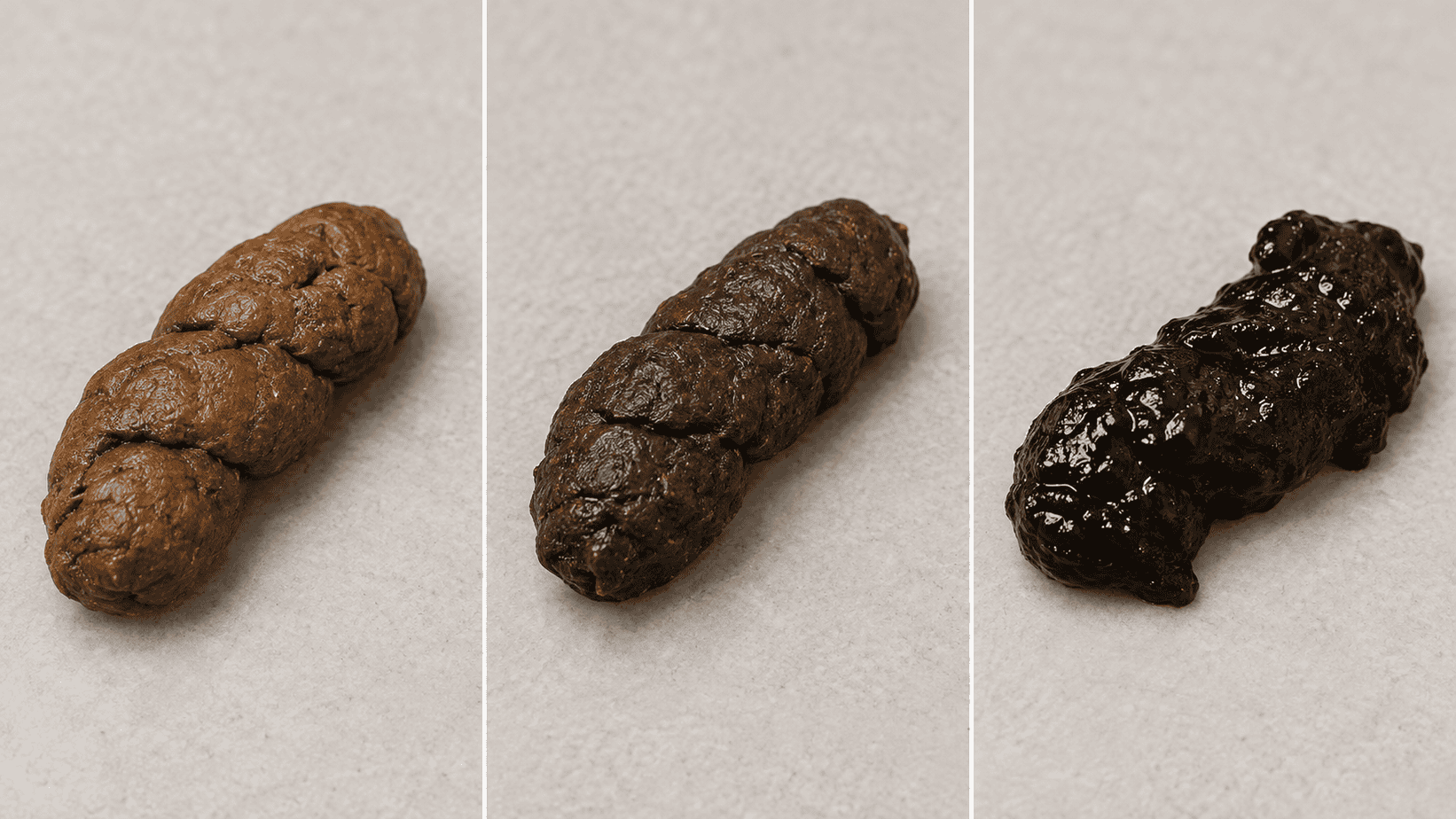
Pet parents often use “black” for any very dark bowel movement. The texture and finish matter as much as the color.
What Melena Usually Looks Like
Melena is commonly described as jet black, glossy, sticky, or tar-like. It may smear rather than hold the usual shape, and it can have a strong, unusual odor. It develops when blood is exposed to digestive enzymes and acids before leaving the body. Veterinary references treat melena as a sign of gastrointestinal hemorrhage, not a diagnosis by itself [1].
Sometimes bleeding is significant even when you do not see melena. In a 2024 veterinary case report, the authors noted that melena is specific for upper gastrointestinal bleeding but not very sensitive, meaning many dogs with bleeding do not develop the classic black stool [2]. That is one reason your dog’s whole picture matters.
Things That Can Darken Stool Without Bleeding
A meal containing very dark pigments may temporarily change stool color. Iron supplements, activated charcoal, and bismuth-containing stomach products can also make stool look gray-black or black. Blood swallowed after a nosebleed, dental bleeding, or an oral injury can later appear digested in the stool.
Do not use that list to reassure yourself too quickly. If the stool is tarry, keeps recurring, or you cannot identify a harmless explanation, contact your veterinarian. Bring every medication and supplement name with you, including human products and anything your dog could have reached.
What to Do Right Now
The best first steps are simple and useful. They help your veterinary team triage your dog without delaying care.
- Take a clear photo in good light. Include a normal-colored object nearby for scale if practical.
- If you can do so safely, collect a fresh sample in a sealed bag or clean container.
- Write down when the change started and how many abnormal stools you have seen.
- List recent foods, treats, chews, garbage exposure, medications, supplements, and possible toxins.
- Check how your dog is acting. Note appetite, water intake, vomiting, belly pain, breathing, gum color, weakness, and collapse.
- Call your regular veterinarian or an emergency hospital and describe the color and texture, not just “dark stool.”
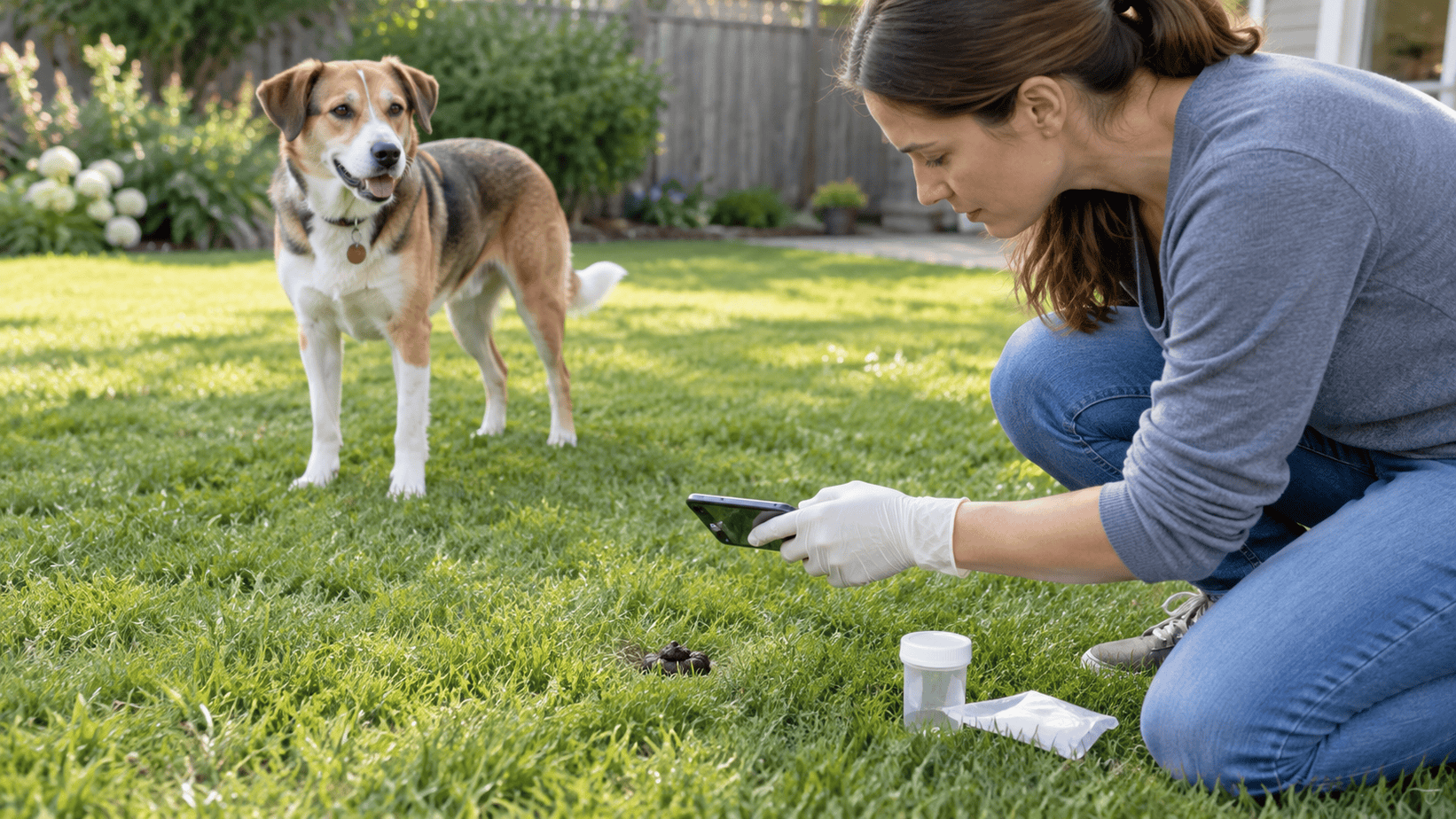
Offer fresh water unless a veterinarian tells you otherwise. Keep your dog quiet, prevent access to trash or medications, and do not force food if your dog is nauseated or vomiting.
When Black Stool Is an Emergency
Go to an emergency clinic now if black or tarry stool occurs with any of the following:
- Pale, white, gray, or blue-tinged gums
- Weakness, wobbling, collapse, or unusual sleepiness
- Rapid breathing, a racing heartbeat, or difficulty settling
- Vomiting blood or dark material that resembles coffee grounds
- Repeated vomiting, retching, or inability to keep water down
- A swollen, tense, or painful abdomen
- Possible rat poison, human pain reliever, sharp object, or foreign-body exposure
- Heavy bleeding anywhere else on the body
Puppies, senior dogs, very small dogs, and dogs with chronic illness can lose stability faster. I would rather have you call early and learn that the situation is less serious than wait through a preventable crisis.
Why Dogs Develop Black, Tarry Stool
Melena usually points toward bleeding in the upper digestive tract, though swallowed blood and some lower gastrointestinal problems can also darken stool. The causes range from treatable irritation to life-threatening disease.
Stomach or Intestinal Ulcers
Ulcers and erosions can bleed into the digestive tract. Risk factors include certain medications, serious systemic illness, severe inflammation, liver or kidney disease, and some tumors. Nonsteroidal anti-inflammatory drugs, often shortened to NSAIDs, are a particular concern. Never give ibuprofen, naproxen, aspirin, or another human pain reliever unless your veterinarian has specifically prescribed it for your dog.
If your dog is already taking a veterinary NSAID or a steroid and develops black stool, stop and call the prescribing veterinarian for instructions before giving the next dose. Do not combine pain medicines unless the veterinarian managing your dog has told you to do so.
Foreign Material and Irritation
Bones, sharp chews, fabric, wood, toys, and other swallowed material can injure or obstruct the digestive tract. In one published canine case, retained pine shavings caused repeated stomach injury and severe upper gastrointestinal bleeding [2]. A dog with a foreign body may vomit, refuse food, strain, seem painful, or become very quiet, but signs vary.
Clotting Problems and Toxins
Anticoagulant rodenticide can prevent normal clotting. Other clotting disorders may result from severe liver disease, immune-mediated disease, inherited conditions, or overwhelming illness. Bruising, bleeding from the nose or gums, pinpoint red spots on the skin, or blood in urine can appear along with dark stool.
Inflammation, Infection, Parasites, and Tumors
Severe gastrointestinal inflammation, some infections, parasites, and masses can lead to bleeding. These problems cannot be separated by stool color alone. Age, exposure history, examination findings, and diagnostic tests guide the next step.
What Not to Give for Black Stool
There is no reliable home remedy that treats melena because melena is evidence of bleeding, not a simple digestive upset. Pumpkin, rice, probiotics, broth, and extra fiber do not stop an ulcer, remove a foreign body, reverse poisoning, or correct a clotting disorder.
Avoid bismuth products such as Pepto-Bismol unless your veterinarian directs their use. Bismuth can darken stool, which makes it harder to judge whether bleeding is continuing, and the salicylate component may be unsafe for some dogs. Do not give human antacids, anti-diarrheal drugs, aspirin, ibuprofen, naproxen, herbal styptics, essential oils, or leftover prescriptions.
Fasting is not a one-size-fits-all answer either. Puppies, toy breeds, diabetic dogs, and dogs that are already weak or ill can be harmed by an unnecessary fast. Your veterinarian may recommend temporary food changes after assessing the likely cause, but that plan should fit the individual dog.
Safe Home Support After a Veterinarian Rules Out Bleeding
Once your veterinarian determines that the stool is dark rather than tarry, or identifies a mild digestive cause, simple supportive care may be reasonable. Follow the plan you were given, since the right food and timing depend on the diagnosis.
Fresh water matters. Keep bowls clean and easy to reach. Some dogs drink better when a second bowl is placed in a quiet location. If your veterinarian approves, adding moisture to food can support hydration.
Diet changes should be gradual whenever the situation is not urgent. A sudden switch can create gas, soft stool, or diarrhea even though it does not explain true melena. I prefer to build long-term digestive health with an appropriate, balanced diet and carefully chosen whole-food ingredients rather than piling on supplements at the first sign of trouble.
Probiotics may help some dogs with specific digestive problems, but they are not a treatment for black, tarry stool. Product strains and quality vary, and a dog with suspected bleeding needs evaluation first. If your veterinarian recommends a supplement during recovery, Herbsmith Microflora Plus for Dogs is one option that combines probiotics with prebiotics and digestive enzymes. Use only the product and dose your veterinarian recommends.
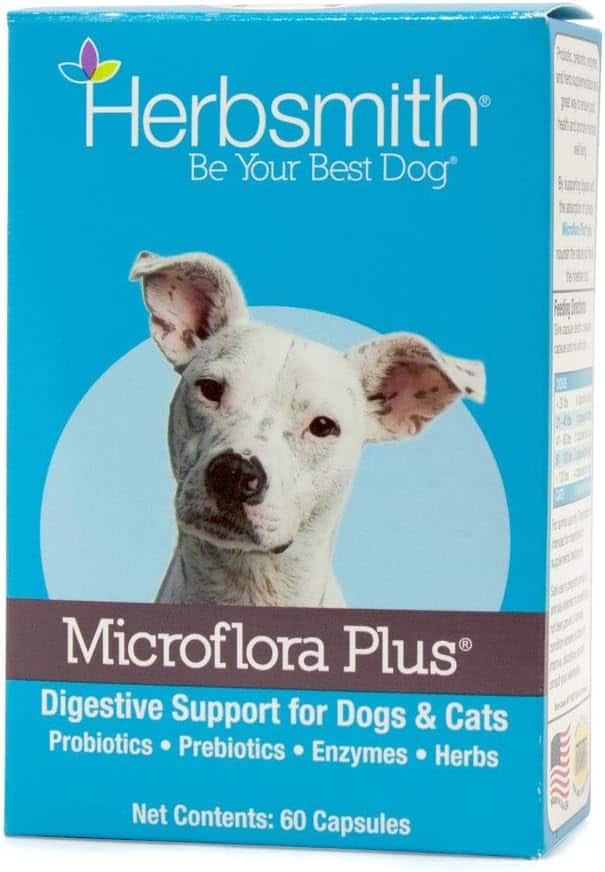
Herbsmith Microflora Plus for Dogs
A capsule supplement formulated with probiotics, prebiotics, digestive enzymes, and herbs to support digestive balance. It is not a treatment for black or tarry stool. Use it only after your veterinarian has ruled out bleeding and approved the product and dose.
Affiliate link. Ask your veterinarian whether a probiotic is appropriate for your dog.
Fiber, including plain pumpkin, may help selected dogs with ordinary stool-quality concerns. It can also be the wrong choice for a dog with an obstruction, severe vomiting, or another urgent condition. Treat it as a nutrition tool, not a way to hide a warning sign.
What Your Veterinarian May Check
Your veterinary team will start with the history and a physical examination. Details about medications, toxins, chews, appetite, vomiting, and the timing of the stool change can quickly narrow the possibilities.
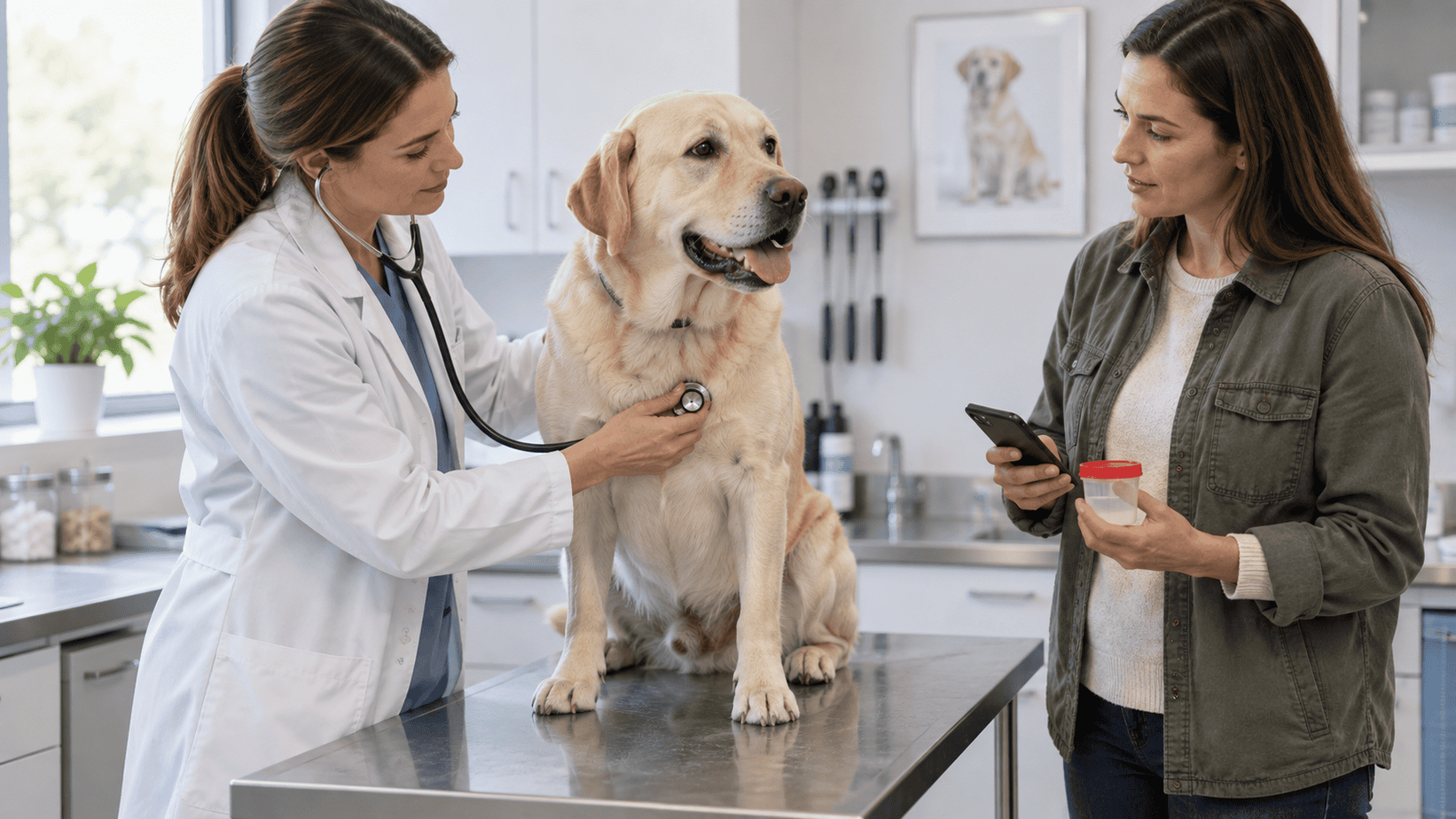
Tests may include:
- A complete blood count to look for anemia and platelet changes
- A chemistry panel to assess organs and hydration
- Clotting tests when poison exposure or a bleeding disorder is possible
- Fecal or parasite testing when appropriate
- Abdominal X-rays or ultrasound to look for foreign material, masses, or changes in the digestive tract
- More advanced imaging or endoscopy when an ulcer, lesion, or ongoing upper gastrointestinal bleed is suspected
One normal result does not always close the case. Acute blood loss can evolve, and some lesions are difficult to see on basic imaging. Your veterinarian may recommend repeat bloodwork, monitoring, hospitalization, medication, endoscopy, surgery, or transfusion depending on what is found.
Helping Prevent Future Episodes
Not every cause of black stool is preventable, but a few habits reduce avoidable risks.
- Store human and veterinary medicines where pets cannot reach them.
- Use pain medicines only as prescribed, and never combine them without veterinary direction.
- Keep rodenticide, compost, trash, and sharp objects secured.
- Choose chews that are appropriate for your dog’s size and chewing style. Supervise chewing and remove damaged pieces.
- Make diet changes gradually when your dog is otherwise well.
- Keep a current medication and supplement list.
- Schedule follow-up care for chronic digestive, liver, kidney, or clotting conditions.
A nourishing diet and a healthy gut are valuable, but they are part of prevention and recovery, not substitutes for diagnosis when bleeding is possible. Holistic care works best when it uses the least invasive safe option without overlooking a serious cause.
Final Thoughts
Black stool is one of those signs where appearance changes the plan. Very dark brown, normally formed stool after a known food or medication may be less alarming. Jet-black, sticky, tar-like stool deserves prompt veterinary attention, even if your dog is still wagging a tail and asking for dinner.
Take a photo, save a sample, gather the medication and exposure history, and call. Skip the kitchen-cabinet remedies until bleeding has been ruled out. Once you know what you are treating, gentle nutrition, hydration, and targeted digestive support can play their proper role.
Frequently Asked Questions
Yes. A dog can appear normal early in a gastrointestinal bleed. Energy and appetite are useful clues, but they cannot rule out melena. Call your veterinarian if the stool is black, shiny, sticky, or tar-like, or if the change repeats.
Very dark foods, iron, activated charcoal, bismuth products, and swallowed blood can darken stool. Tell your veterinarian exactly what your dog ate or received. A known color change is reassuring only when the stool is not tar-like and the dog has no other concerning signs.
Pumpkin does not treat bleeding. It may help some routine stool-quality problems after a veterinarian has ruled out urgent causes, but it should not delay care for true black, tarry stool.
Do not assume a bland diet is enough. If your dog is vomiting, painful, weak, very young, diabetic, or possibly bleeding, call before changing food or withholding meals. A veterinarian may recommend a temporary diet once the cause and your dog’s needs are clearer.
Seek emergency care for black stool with pale gums, weakness, collapse, rapid breathing, a painful or swollen abdomen, repeated vomiting, blood or coffee-ground material in vomit, or possible toxin, pain-medicine, or foreign-body exposure.
References
- Silverstein, D. C., & Hopper, K. (Eds.). (2015). Gastrointestinal hemorrhage. Small Animal Critical Care Medicine. https://pmc.ncbi.nlm.nih.gov/articles/PMC7152363/
- Bowen, C., et al. (2024). Critical upper gastrointestinal bleeding secondary to pine stall shaving ingestion and mechanical gastritis in a young dog. Veterinary Record Case Reports, 12, e904. https://doi.org/10.1002/vrc2.904

ABOUT THE AUTHOR