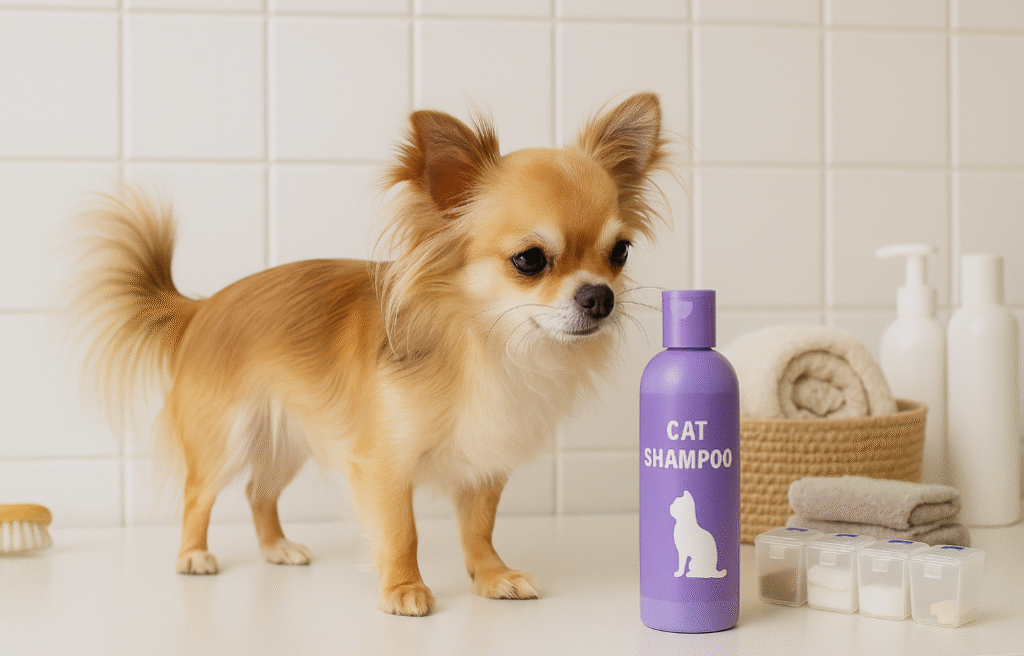
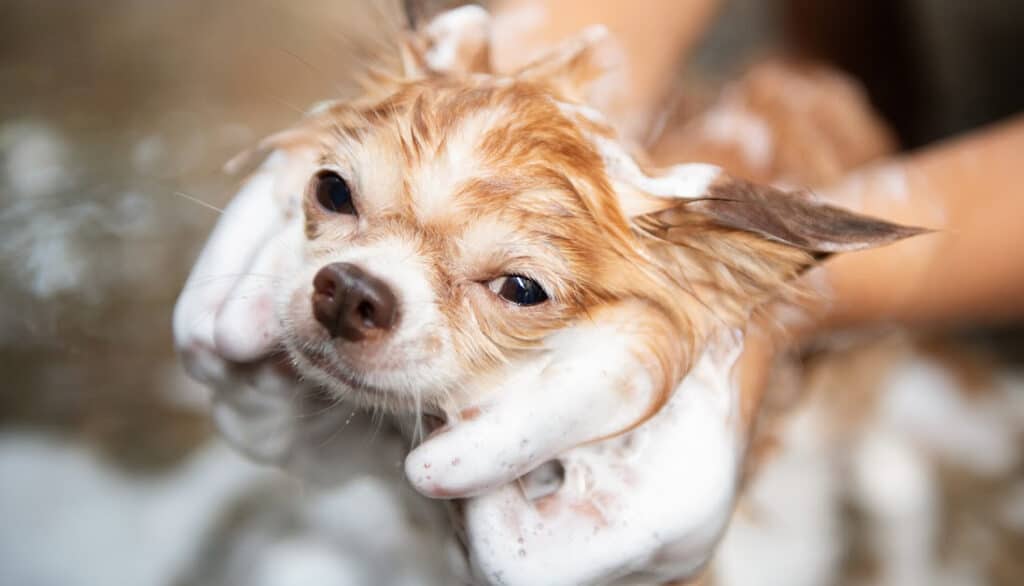
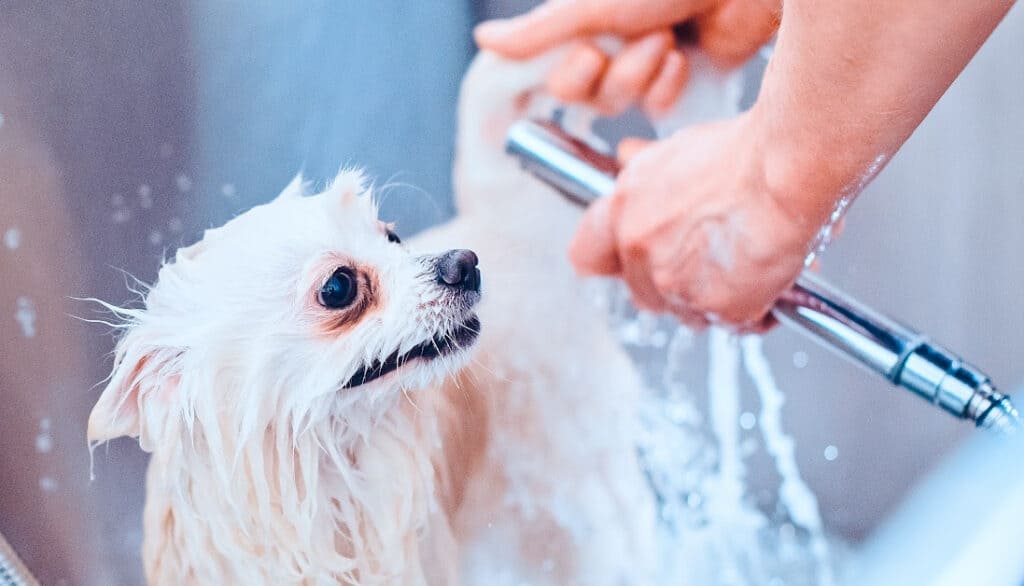
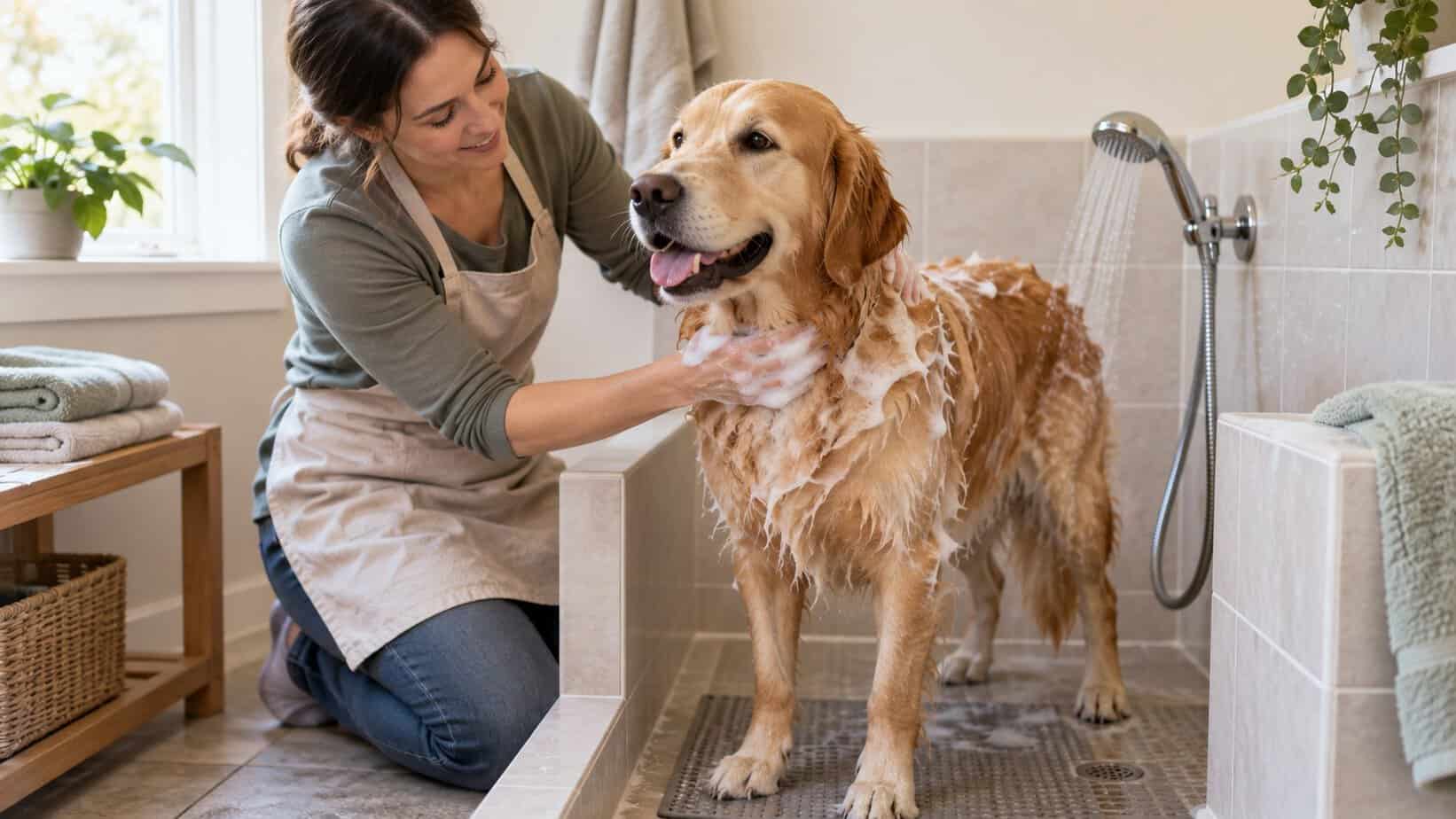
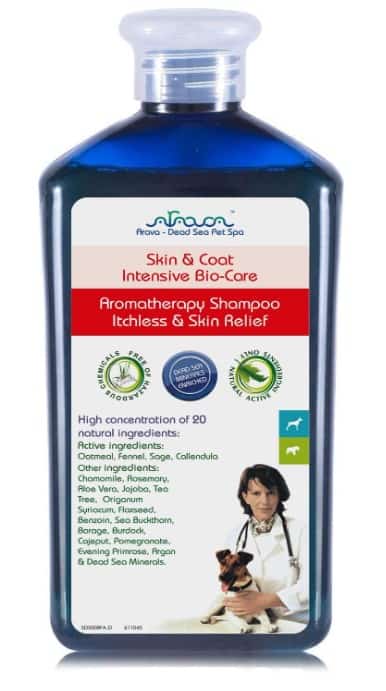
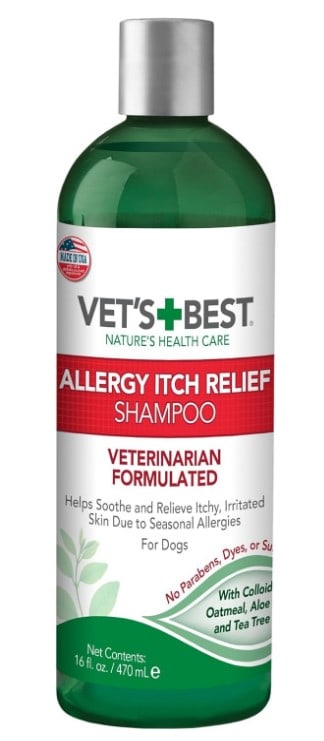
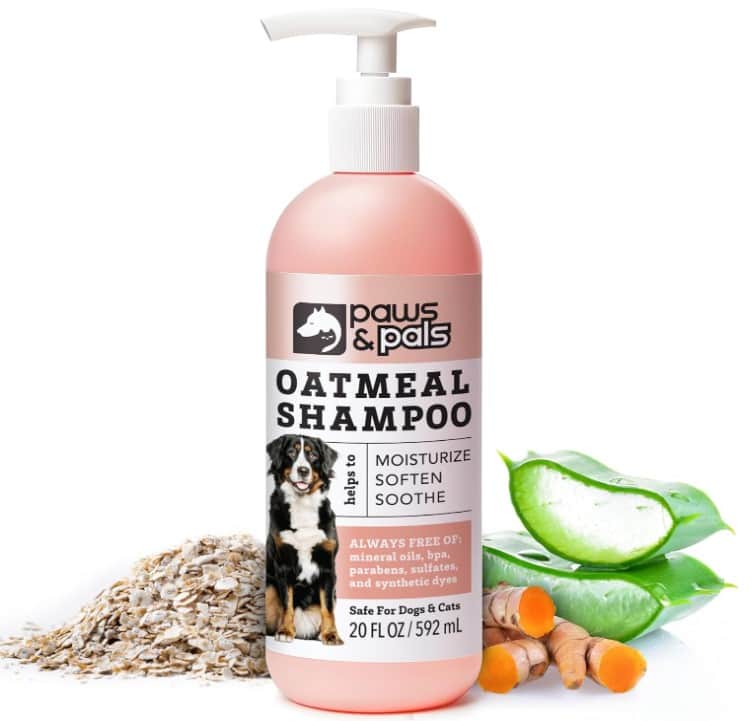
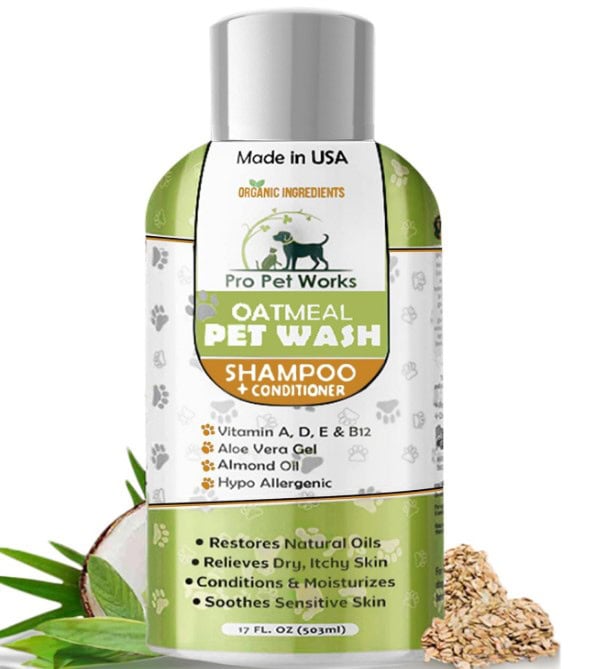
If you are staring at a flaky dog and a bottle of Head & Shoulders, do not make it your dog’s routine shampoo. It is a human anti-dandruff product, and different versions contain different active and inactive ingredients. A dog-specific shampoo is the safer starting point.
Already used it once? Take a breath. Rinse your dog thoroughly with lukewarm water, keep the shampoo away from the eyes and mouth, and watch for irritation or illness. The next step depends on the formula, the amount of exposure, and how your dog feels.
The Short Answer
There are three situations worth separating:
Routine bathing: Choose a shampoo labeled for dogs. Human dandruff shampoo is not the best everyday or occasional default for canine skin.
One accidental bath: Rinse away every trace you can, dry your dog gently, and monitor. A comfortable dog after a well-rinsed bath is different from a dog with eye pain, vomiting, or heavy ingestion.
Veterinarian-directed use: Some active ingredients found in human products also appear in veterinary dermatology. That does not make every human formula interchangeable with a dog product. If your veterinarian recommends a specific off-label product, follow the exact product, contact time, frequency, and rinsing directions you were given.
Why Head & Shoulders Is Not the Best Routine Dog Shampoo
Human dandruff shampoo is made and labeled for the human scalp. For example, a current U.S. Head & Shoulders Classic Clean 2-in-1 label lists pyrithione zinc 1% as the active ingredient, calls the product an anti-dandruff treatment, and warns that it is for external use only. It also says to avoid eye contact and seek help if swallowed. [1]
That is useful label information, but it is not a canine bathing instruction.
You may see a simple explanation online that human shampoo is always wrong because humans and dogs have different skin pH. There is some truth behind the concern, but the real picture is more nuanced. A small study in healthy dogs found that skin-surface pH varied by body site and changed differently after different veterinary shampoos. [2] Product pH is one factor. The complete formula, the dog’s skin condition, contact time, rinsing, and licking risk matter too.
Most importantly, flakes do not tell you the cause. Washing away scale may make the coat look better for a day while leaving the underlying problem untouched.
What Is in Head & Shoulders?
Head & Shoulders is a product family, not one shampoo. Check the Drug Facts or ingredient panel on the exact bottle in your hand.
Pyrithione Zinc
The current Classic Clean 2-in-1 label lists pyrithione zinc 1%. The same label includes fragrance, cleansing agents, conditioners, colors, and other inactive ingredients. [1] A dog can react to the complete formulation, not only the named active ingredient.
Selenium Sulfide
Some Clinical Strength versions use selenium sulfide 1% instead. A current U.S. label identifies it as a human anti-dandruff and anti-seborrheic dermatitis product. [3] Again, the presence of a familiar medicated ingredient does not turn a human shampoo into a general dog-care product.
Formulas can change over time and differ by country. That is why a blanket rule such as “dilute it half and half” is not dependable. The bottle label and your dog’s situation are more useful than advice written for an unspecified version.
What to Do If You Already Used It
If Your Dog Seems Comfortable
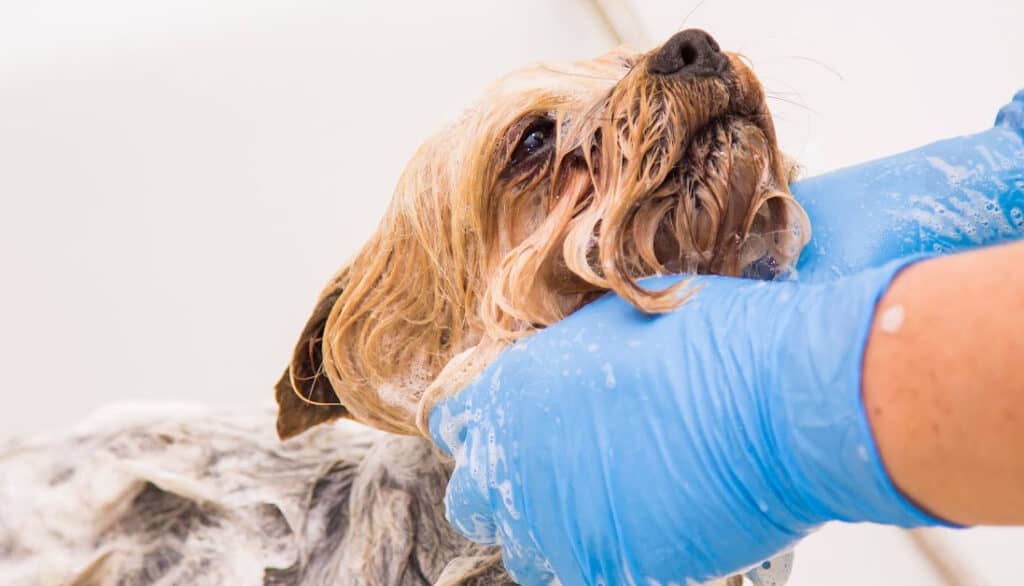
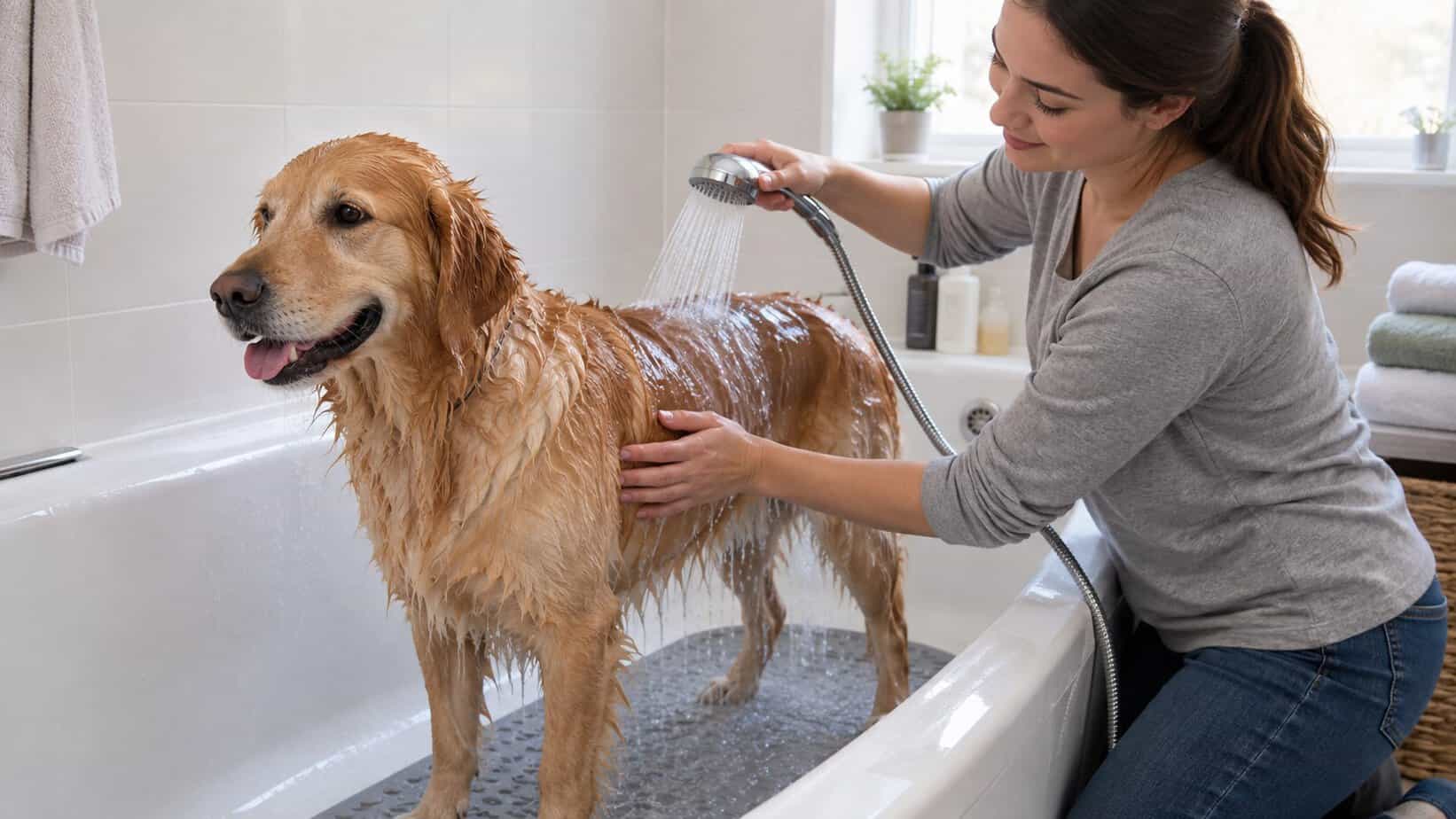
Rinse the coat and skin very well with lukewarm water. Pay attention to skin folds, the belly, paws, and thick areas of coat where residue can hide. Do not layer on another shampoo to “neutralize” the first one.
Towel-dry gently. Prevent licking while the coat is still damp, then watch for redness, increased scratching, hives, drooling, vomiting, diarrhea, unusual tiredness, or behavior that tells you your dog is uncomfortable.
If Shampoo Reached the Eyes
Rinse the eyes gently and thoroughly with clean, lukewarm water. The human product label itself directs users to rinse after eye contact. [1] If your dog keeps squinting, pawing at the face, tearing, or holding an eye closed after rinsing, contact a veterinarian promptly. Eyes can worsen quickly, and ongoing pain deserves care.
If Your Dog Swallowed Shampoo
Remove access to the bottle and stop further licking. Keep the label or take a clear photo of it so the exact product and ingredients are available.
Do not induce vomiting or try a home antidote unless a veterinary professional tells you to. If more than a small lick may have been swallowed, or if you notice drooling, vomiting, diarrhea, weakness, tremors, breathing trouble, or unusual behavior, call your veterinarian, an emergency veterinary clinic, or ASPCA Animal Poison Control at (888) 426-4435. The ASPCA service is available around the clock, and a consultation fee may apply. [4]
Why Does My Dog Have Flakes or Itching?
Dandruff is a description of scaling, not a complete diagnosis. Primary seborrhea is uncommon. Most dogs with noticeable scaling have a secondary problem that is changing how the skin renews itself or how the coat holds oil and debris. Allergies and endocrine disorders are common underlying categories, and secondary bacterial or yeast problems may occur. [5]
A quick look at the whole pattern is more helpful than focusing on flakes alone.
What you notice
What it may suggest
Sensible first step
Fine, dry flakes with otherwise comfortable skin
Dry air, bathing routine, product irritation, or early skin imbalance
Pause new products and choose a gentle dog-labeled shampoo
Greasy scale or a strong odor
Seborrhea or microbial overgrowth may be present
Arrange an exam rather than rotating through home remedies
Redness, repeated scratching, or licking
Allergy, parasites, irritation, or infection may be involved
Check parasite prevention and seek guidance if signs persist
Hair loss, crusts, sores, or pain
A more significant skin problem needs diagnosis
Schedule veterinary care promptly
These clues overlap. They help you decide what to do next, but they cannot identify the cause by themselves.
How to Choose a Safer Shampoo for Your Dog
For a Routine Bath
Look for a product clearly labeled for dogs and appropriate for your dog’s age. A simple formula with a mild scent or no added fragrance can be a comfortable starting point, especially for a dog with sensitive skin. Follow the product’s dilution, contact-time, and rinsing directions instead of borrowing a schedule from a different shampoo.
For Flaky or Itchy Skin
Start by asking whether the skin is dry, oily, smelly, red, sore, or intensely itchy. A moisturizing dog shampoo may suit uncomplicated dryness, while a medicated product may be needed for a diagnosed infection or keratinization problem. Those are different jobs.
Avoid assuming that “natural” means gentle. Essential oils, acidic rinses, concentrated plant extracts, and kitchen ingredients can irritate skin or create a licking hazard when the formula and dose are not designed for dogs.
For a Diagnosed Skin Condition
Use the product chosen for that diagnosis. Medicated shampoos vary in active ingredient, strength, contact time, and bathing frequency. The MSD Veterinary Manual advises following veterinary guidance for seborrhea shampoo selection and not using a shampoo formulated for people without veterinary consent. [5]
A Holistic Way to Think About Skin Health
Healthy skin is shaped by more than the bottle in the shower. Look at the whole dog:
Has the itching changed with a season, food, medication, household cleaner, or new grooming product?
Is parasite prevention current and appropriate for your dog’s exposure?
Are the ears, paws, belly, or skin folds involved?
Is the coat dry, greasy, odorous, thinning, or painful?
Did the problem begin suddenly, or has it returned in a pattern?
This wider view helps separate a one-time irritation from a recurring health issue.
Plant-based care deserves the same thoughtful standard. A systematic review in the HHD Source Library found promising antimicrobial, anti-inflammatory, and wound-healing signals for several medicinal plants, but it also emphasized the need for more clinical research in dogs. [6] That supports careful investigation, not improvised essential-oil or herbal shampoo recipes.
When to Contact Your Veterinarian
A little flaking after dry weather or a recent bath is not always urgent. Contact your veterinarian when the problem lasts, keeps returning, or is getting worse. An appointment is especially useful if you notice:
intense or constant itching
greasy scale or a strong odor
spreading redness
hair loss, crusts, open sores, or pain
ear redness, discharge, or head shaking
widespread skin changes
symptoms that continue after you stop a new product
Seek prompt help after shampoo exposure if your dog has ongoing eye pain, repeated vomiting, marked weakness, tremors, trouble breathing, collapse, or any other severe change. Bring the product label with you.
Final Thoughts
Head & Shoulders may be close at hand, but it is not the best routine shampoo for a dog. Choose a dog-specific product for everyday grooming, and let the pattern of flakes, itch, odor, and inflammation guide the next question.
If you already used it once, rinse well and assess the dog in front of you. A comfortable dog with no symptoms can usually be monitored. Eye exposure, meaningful ingestion, or new signs call for individual advice. Recurring skin trouble deserves a cause-based plan, not a stronger guess from the bathroom shelf.
Frequently Asked Questions
Can I Use Head & Shoulders on My Dog Just Once?
It is better to use a dog-labeled shampoo. If one bath has already happened, rinse thoroughly and monitor rather than panicking. Contact a veterinarian if irritation, eye pain, vomiting, unusual tiredness, or other concerning signs appear.
Can Head & Shoulders Treat Dandruff or Yeast on Dogs?
Do not use it as a do-it-yourself treatment. Flakes can come from many causes, and visible improvement does not prove the underlying problem is treated. A veterinarian can choose a dog-appropriate medicated shampoo when yeast, bacteria, seborrhea, or another condition is diagnosed.
What Should I Do If My Dog Licked Head & Shoulders?
Stop further licking, keep the bottle or a photo of the label, and watch closely. For more than a small lick or for drooling, vomiting, diarrhea, weakness, tremors, breathing trouble, or unusual behavior, contact your veterinarian or ASPCA Animal Poison Control at (888) 426-4435. [4]
What Can I Use Instead of Head & Shoulders?
For an ordinary bath, use a gentle shampoo labeled for dogs. For recurring flakes, odor, redness, or itch, choose a product based on the cause rather than the marketing word “dandruff.” A veterinarian can help match a medicated shampoo to a diagnosed problem.
Is Baby Shampoo Safe for Dogs?
Baby shampoo is still formulated for people, so it is not the best routine choice. If there is no urgent need to bathe your dog, wait until you have a dog-labeled product. If you are removing a harmful substance from the coat, call a veterinarian or animal poison-control service for product-specific decontamination advice.
This article provides general education and does not replace an examination, diagnosis, or individualized advice from your veterinarian. Contact a veterinary professional if you are concerned about your dog’s symptoms.
Sheena Keliher is a passionate and knowledgeable pet expert with over a decade of experience in the veterinary profession and rescue work. She has always been dedicated to caring for animals and has spent countless hours helping them in any way she can. Throughout her career, Sheena has provided valuable insights to pet owners and helped them make informed decisions about their furry friends.
In her 13 years in the veterinary profession, Sheena has gained extensive knowledge and experience in animal health and wellness, including diagnostics, treatments, and surgeries. She has worked with a wide range of animals, from dogs and cats to exotic pets and wildlife, and has always been committed to providing the best possible care for each and every one of them.
In addition to her work in the veterinary field, Sheena has also been actively involved in rescue work for the past 15 years. She has helped countless animals find loving homes and has been a tireless advocate for animal welfare. Sheena’s dedication to rescue work has been unwavering, and she continues to be a source of inspiration to many in the animal welfare community.
At home, Sheena is a proud parent of one German Wirehaired Pointer named Jasper and three cats named Sammie, Bat, and Ezra. Her pets are her family, and she always goes above and beyond to ensure that they are happy and healthy.
With her wealth of knowledge and experience, Sheena is an exceptional resource for pet-related advice and assistance. Her love for animals is evident in everything she does, and she is committed to making a positive difference in the lives of pets and their owners.
As a pet owner, you likely want your furry friend to look and feel their best. That’s why regular grooming is an essential part of pet care. You may have wondered “can you use human conditioner on dogs?”. The short answer is no.
Grooming helps to keep your pet’s coat clean, healthy and free of tangles or mats. Additionally, it can help prevent skin problems and infections by removing dead skin cells and distributing the natural oils throughout the fur. Grooming is also important for maintaining good hygiene. Regular baths can help remove dirt, debris, and odors from your pet’s coat, preventing them from becoming smelly or uncomfortable.
In addition to bathing, grooming may also include nail trimming, ear cleaning, teeth brushing and anal gland expression. Overall, proper grooming can contribute to a happier and healthier life for your furry friend.
Introducing Human Conditioner for Dogs
Many of us use conditioner in our daily hair care routine to keep our locks soft and smooth. However, as a pet owner you may wonder if it’s safe to use human conditioner on your dog’s coat as well. While dogs have similar hair structures as humans do; they have different pH levels in their skin.
Human shampoos and conditioners are designed with a pH level that works well for us but might not be ideal for dogs. If you use human conditioner on your dog’s coat regularly there could be negative side effects like dryness or sensitivity due to changes in the pH balance of their skin.
That being said, there are some instances where using human conditioner on dogs might be okay if done properly with appropriate products under professional guidance; however this should not become a substitute for specialized dog products specifically formulated with safe ingredients that work best with dogs’ skins. Next up we will explore in detail some reasons why using human conditioners on dogs may not always be the safest choice along with possible side effects.
Can You Use Human Conditioner on Dogs?
You may have wondered if you can use your own conditioner on your furry friend to make their coat silky and smooth. Unfortunately, it’s not always a good idea. There are a few key differences between human hair and dog hair that make human conditioners unsuitable for dogs.
Differences Between Human and Dog Hair
First of all, dog hair is more prone to getting matted or tangled than human hair. This means that it needs to be brushed regularly to prevent mats from forming, especially in longhaired breeds.
In addition, dog skin is much more sensitive than human skin. Using the wrong products can irritate their skin and cause discomfort.
Dog hair is also much coarser and thicker than human hair. Dogs have two types of coat: undercoat and topcoat.
The undercoat is soft, fluffy fur that keeps them warm in cold weather, while the topcoat is longer and stiffer. Some breeds only have an undercoat or a topcoat, while others have both.
Why Using Human Conditioner on Dogs May Not Be Ideal
Because of the differences between human and dog hair, using human conditioner on dogs may not be ideal. For one thing, most shampoos and conditioners designed for humans contain harsh chemicals that can strip the natural oils from your dog’s coat and leave it dry and brittle.
In addition to stripping natural oils from your pet’s coat, using your own personal products could cause severe irritation or allergic reactions for some pooches! It’s crucial to remember that animals’ bodies process things differently than ours do.
Potential Risks and Side Effects of Using Human Conditioners on Dogs
Using conditioner meant for humans could lead to severe consequences such as extreme itchiness, flaky skin or even infections! If any type of swelling or skin irritation starts, make sure to contact your vet immediately. Another risk is that some human conditioners contain ingredients that are toxic to dogs.
Certain essential oils, such as tea tree oil, can be harmful or even deadly if ingested. Human hair products are designed to work on our hair type and not meant to be consumed by pets.
The Bottom Line: Use Dog-Specific Conditioner
Instead of taking a risk with your furry friend’s well-being, it’s better to stick with a conditioner specially formulated for dogs. Dog-specific conditioners are made with ingredients that are safe and effective for their unique needs. They help keep their coat healthy and shiny without causing any harm.
When choosing a dog conditioner, make sure you read the label carefully and choose one that matches your dog’s coat type and needs. For example, if you have a longhaired breed, look for a conditioner designed specifically for long coats that can help address the issue of mats.
While using human conditioner may seem like an easy solution to keep your dog’s fur looking good, it could actually end up being more harm than good! When it comes down to grooming your beloved pet always opt for products specially formulated for them – after all you want them happy and healthy in the long run!
Alternatives to Human Conditioners for Dogs
If you’ve decided that using human conditioner on your furry friend isn’t the best option, don’t worry! There are plenty of dog-specific conditioners on the market that are safe and effective.
Here are some of our top picks:
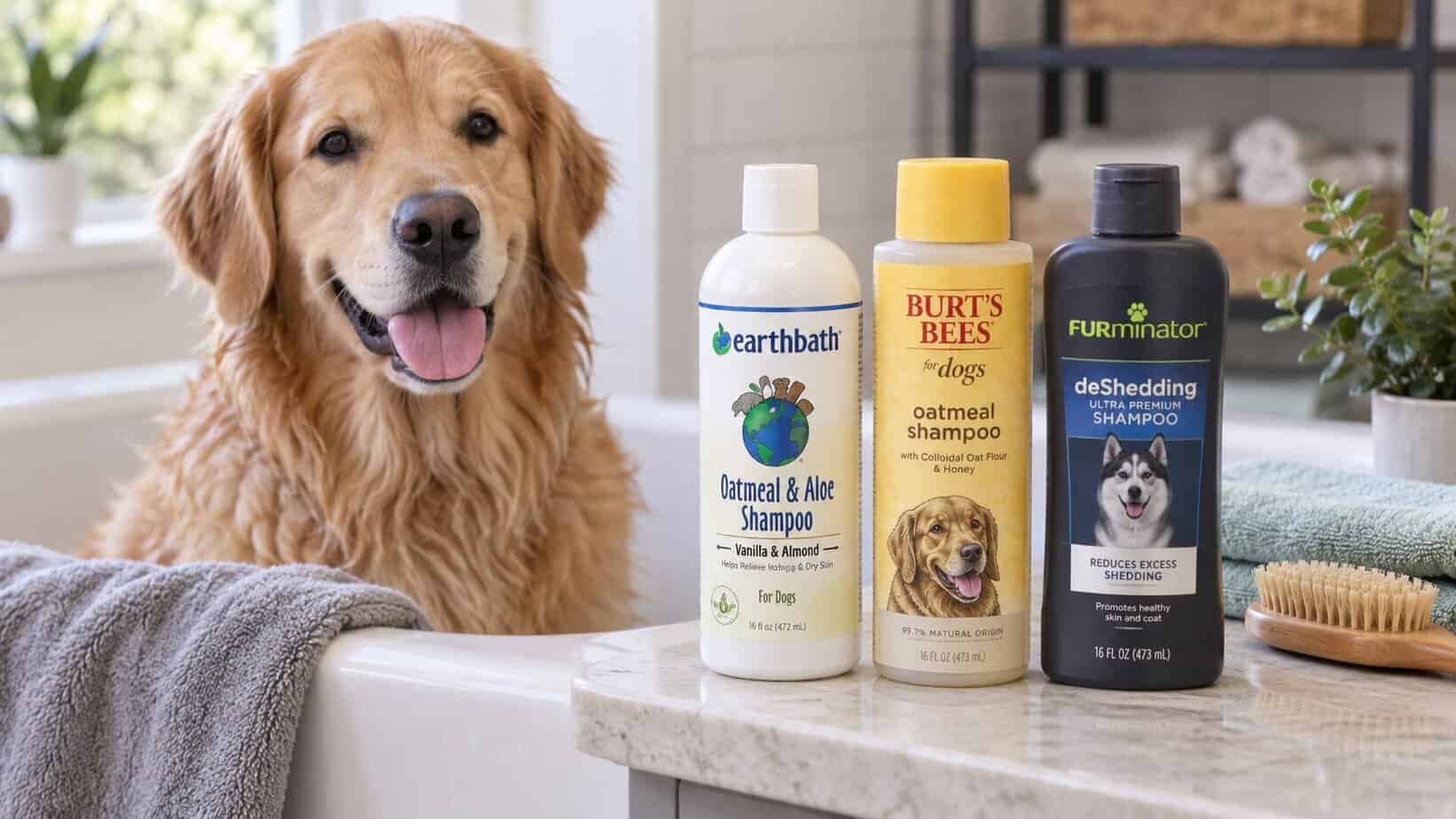
1. Earthbath Oatmeal and Aloe Dog Conditioner
This conditioner is made with all-natural ingredients, including oatmeal and aloe vera which help soothe and moisturize your dog’s skin. It’s also pH-balanced for dogs, so it won’t cause any irritation or dryness.
Burt’s Bees is a trusted brand among pet owners, and their oatmeal conditioner is no exception. It’s made with colloidal oat flour which helps soothe dry, itchy skin, and honey which adds extra moisture.
This conditioner is specifically designed for dogs with long coats who need extra detangling power. It contains jojoba oil which helps smooth out tangles and adds shine to your dog’s coat.
4. Furminator deShedding Ultra Premium Dog Conditioner
If your dog sheds a lot, this conditioner might be right up your alley! It’s designed to reduce shedding by removing loose undercoat hair without damaging the topcoat. It also contains omega-3 fatty acids which help promote healthy skin.
There are several benefits to using conditioners that are specifically formulated for dogs:
Better pH Balance:
Dog skin has a different pH level than human skin, so using human conditioner can throw off your dog’s natural balance. Dog-specific conditioners are formulated to match your dog’s pH level, which helps prevent irritation and dryness.
Safer Ingredients:
Human conditioners often contain ingredients that can be harmful to dogs, such as sulfates and parabens. Dog-specific conditioners are made with safe ingredients that are gentle on your pup’s skin and coat.
Improves Coat Health:
Using a conditioner designed for dogs can help improve the overall health of their coat. These products often contain ingredients like omega-3 fatty acids and vitamins that promote healthy hair growth and reduce shedding.
Easier Grooming:
Dog-specific conditioners often have detangling properties that make brushing and grooming easier. This is especially helpful if you have a breed with long hair or if your dog is prone to matting.
Long-Term Cost Savings:
While dog-specific conditioners may seem more expensive than human ones at first glance, they actually provide long-term cost savings. Because they’re formulated specifically for dogs, you’ll use less product over time and won’t need to purchase additional grooming products like detanglers or anti-shedding sprays. While it may seem convenient to use human conditioner on your furry friend, it’s best to stick with products designed specifically for dogs.
Not only will these conditioners help keep your pet’s skin and coat healthy, but they’ll also make grooming easier in the long run. So next time you’re shopping for grooming supplies, make sure to check out the dog-specific options!
How to choose the right conditioner for your dog
Determine Your Dog’s Coat Type and Needs
The first step in choosing the right conditioner for your dog is to determine its coat type. Just like humans, dogs have different hair types, and each requires specific care.
Some breeds have long, thick coats that need more frequent brushing and conditioning than short-haired breeds. You should also consider any specific needs your dog may have.
For example, if your dog has dry skin or allergies, you’ll want to look for a conditioner that’s gentle and moisturizing. If your pet spends a lot of time outdoors or is prone to getting dirty quickly, you may want to opt for a tougher conditioning formula.
Tips for Selecting a Suitable Conditioner
Once you’ve determined your dog’s coat type and needs, it’s time to select an appropriate moisturizer. Here are some tips to help you make the right choice:
Look for conditioners specially formulated for dogs: While it may be tempting to use human conditioners on pets because they’re readily available at home, most contain chemicals that aren’t safe for canines.
Choose natural ingredients: Avoid conditioners with harsh chemicals or synthetic fragrances that can irritate skin and cause discomfort.
Read reviews: A great way to learn about many products available in the market is by reading online reviews from other pet owners who have used them before.
Talk with your veterinarian: Your vet will typically know which products are safe and effective based on factors like breed, age, overall health status/issues of the pet.
Consider cost-effectiveness: While investing in good quality conditioners pays off in the long run because they nourish pets’ hair as well as skin making them strong and shiny; there are plenty of affordable options on the market so don’t shy away if you are on a tight budget.
Ultimately, the key to choosing the right conditioner for your dog is to consider their unique needs and preferences. With a little bit of research and trial-and-error, you’ll find a product that works great for your furry friend, keeping their coat healthy and shiny.
Conclusion
While it may be tempting to simply use your own conditioner on your furry friend, it’s important to understand the differences between human and dog hair and the potential risks involved. Human hair is very different from dog hair, and using a product not specifically designed for a dog’s coat can cause irritation or even harm. That being said, there are many safe and effective conditioners specifically formulated for dogs.
These products are designed with their unique coat types in mind and can provide great benefits when used properly. When choosing a conditioner for your pup, it’s important to consider their coat type and any specific needs they may have.
Some dogs may require a moisturizing conditioner to combat dry skin, while others may need one that helps detangle their fur. It’s also important to choose products that are safe for animals.
Look for conditioners that are made with natural ingredients and avoid those with harsh chemicals or fragrances that could irritate your pet’s skin. Remember, just because something is safe for humans doesn’t mean it’s safe for dogs!
Take the time to research and choose products that are appropriate for your furry friend. At the end of the day, keeping our pets healthy and happy is our top priority.
By using safe and effective products specifically formulated for dogs, we can ensure they get the care they need without putting them at risk. So next time you’re considering using human conditioner on your pup, think twice – there are plenty of better options out there!
A note about your dog’s health
This article provides general education and does not replace an examination, diagnosis, or individualized advice from your veterinarian. Contact a veterinary professional if you are concerned about your dog’s symptoms.
Sheena Keliher is a passionate and knowledgeable pet expert with over a decade of experience in the veterinary profession and rescue work. She has always been dedicated to caring for animals and has spent countless hours helping them in any way she can. Throughout her career, Sheena has provided valuable insights to pet owners and helped them make informed decisions about their furry friends.
In her 13 years in the veterinary profession, Sheena has gained extensive knowledge and experience in animal health and wellness, including diagnostics, treatments, and surgeries. She has worked with a wide range of animals, from dogs and cats to exotic pets and wildlife, and has always been committed to providing the best possible care for each and every one of them.
In addition to her work in the veterinary field, Sheena has also been actively involved in rescue work for the past 15 years. She has helped countless animals find loving homes and has been a tireless advocate for animal welfare. Sheena’s dedication to rescue work has been unwavering, and she continues to be a source of inspiration to many in the animal welfare community.
At home, Sheena is a proud parent of one German Wirehaired Pointer named Jasper and three cats named Sammie, Bat, and Ezra. Her pets are her family, and she always goes above and beyond to ensure that they are happy and healthy.
With her wealth of knowledge and experience, Sheena is an exceptional resource for pet-related advice and assistance. Her love for animals is evident in everything she does, and she is committed to making a positive difference in the lives of pets and their owners.
As a holistic veterinarian with over a decade of experience, I’ve always emphasized the importance of a comprehensive approach to pet care. This means not only focusing on treating ailments but also on preventive measures and overall well-being. One aspect that often gets overlooked, yet plays a significant role in a dog’s health and confidence, is the quality of their coat.
A bright, clean coat is not just about aesthetics; it’s a reflection of a dog’s overall health and well-being. Over the years, I’ve encountered numerous pet parents who are concerned about the dullness or discoloration of their dog’s white or light-colored fur. While diet, health, and regular grooming play crucial roles, the right choice of shampoo can make a world of difference.
In this article, we’ll delve into the realm of dog whitening shampoos. I’ll share my top picks based on years of research and firsthand experience, aiming to guide you towards making an informed decision for your furry friend. After all, our pets deserve the best, and it’s our responsibility to ensure they shine, both inside and out.
Why Use a Dog Whitening Shampoo?
Understanding the nuances of canine care is essential for every pet parent. One question I often encounter in my practice is, “Why should I use a whitening shampoo for my dog?” Let’s delve into the reasons:
Targeted Cleaning for Specific Coats:
Not all dog coats are the same. Light-colored or white fur tends to show stains and discolorations more prominently than darker coats. Whitening shampoos are formulated to address these specific challenges, ensuring that your dog’s coat remains as pristine as possible.
Safe Stain Removal:
Everyday activities, from playing in the yard to snuggling on the sofa, can lead to various stains on your dog’s coat. These can range from mud to food spills. Whitening shampoos are designed to tackle these stains without the use of harsh chemicals, ensuring your dog’s skin remains undisturbed.
Enhanced Brightness and Shine:
Beyond just stain removal, whitening shampoos often contain ingredients that enhance the natural brightness and shine of your dog’s coat. This not only makes your pet look more vibrant but also feels softer to the touch.
Maintaining Skin Health:
A good whitening shampoo doesn’t just focus on the fur. It also takes into account the skin underneath. By choosing a quality product, you’re ensuring that while the coat gets the brightness it deserves, the skin remains moisturized and free from irritations.
Holistic Well-being:
As a holistic veterinarian, I believe in the interconnectedness of physical appearance and internal health. A bright, clean coat not only boosts your dog’s confidence but also indicates a well-maintained and healthy lifestyle.
Using a dog whitening shampoo isn’t just about aesthetics. It’s about providing comprehensive care that addresses the unique needs of light-colored and white fur, ensuring your pet feels as good as they look.
Factors to Consider When Choosing a Whitening Shampoo
When it comes to selecting the ideal whitening shampoo for your dog, it’s essential to be both informed and discerning. Here are some key factors to keep in mind:
1. Ingredients
Natural and Safe: Prioritize shampoos with natural ingredients, steering clear of harmful chemicals and artificial fragrances. Ingredients such as chamomile, lavender, and aloe vera not only clean effectively but also have soothing properties.
Active Whitening Agents: Seek out ingredients known for their brightening and whitening capabilities, like optical brighteners or natural blueing agents. These enhance the coat’s natural shine without causing harm.
2. Skin Sensitivity
Dogs can have skin as sensitive as ours. It’s crucial to opt for hypoallergenic shampoos devoid of irritants. If your dog has had skin issues in the past, a consultation with your vet before choosing a shampoo is advisable.
3. Brand Reputation
With the convenience of online shopping comes the advantage of reviews. Choose brands with a strong reputation in the pet care industry and positive feedback from fellow pet parents.
4. pH Balanced
Dogs have a distinct skin pH compared to humans. It’s essential to pick a shampoo that’s pH balanced for dogs to ensure their skin remains irritation-free and retains its natural oils.
5. Price vs. Quality
While budgeting is essential, so is ensuring you’re getting good value. Sometimes, investing a tad more in a quality product can prevent potential complications in the future.
6. Eco-Friendly
As we grow more environmentally conscious, it’s worth considering shampoos that are biodegradable and packaged eco-friendly. This way, you’re caring for both your pet and the planet.
7. Ease of Use
Factors like the shampoo’s consistency, its lathering capability, and ease of rinsing can significantly impact the bathing experience. These might seem minor, but they can make a world of difference for both you and your dog.
By keeping these guidelines in mind, you’ll be better equipped to make an informed decision, ensuring your furry friend receives the best care possible.
How to Use Dog Whitening Shampoo for Best Results
Achieving that pristine, gleaming coat for your dog involves more than just selecting the right shampoo. The application process plays a pivotal role. Here’s a step-by-step guide to ensure you get the most out of your dog whitening shampoo:
1. Pre-Bath Preparation
Brush the Coat: Before bathing, brush your dog’s coat thoroughly to remove any tangles, mats, and loose fur. This ensures the shampoo penetrates evenly.
Wet the Fur: Using lukewarm water, wet your dog’s coat thoroughly. This helps in the even distribution of the shampoo.
2. Applying the Shampoo
Amount: Pour a generous amount of shampoo into your palm. The exact amount will depend on your dog’s size and the thickness of their coat.
Massage: Gently massage the shampoo into your dog’s coat, working from the neck down to the tail. Ensure you cover all areas, paying special attention to stained or discolored patches.
3. Let it Sit
Most whitening shampoos benefit from being left on the coat for a few minutes. This allows the active ingredients to work effectively. Always follow the instructions on the label for the recommended duration.
4. Rinsing
Thoroughly Rinse: Using lukewarm water, rinse your dog thoroughly. Ensure all shampoo residues are washed out, as any remnants can cause skin irritations.
5. Post-Bath Care
Towel Dry: Gently pat your dog dry with a soft towel. Avoid vigorous rubbing as it can tangle the fur.
Blow Drying: If you choose to blow dry, use a low heat setting and keep the dryer at a safe distance to prevent overheating.
Brush Again: Once your dog is dry, give them another thorough brushing to keep the coat smooth and shiny.
By following these steps diligently, you’ll not only achieve a brighter and cleaner coat but also ensure your dog’s skin remains healthy and irritation-free. Remember, consistency is key, so make this routine a regular part of your dog’s grooming regimen for the best results.
Common Myths and Misconceptions about Dog Whitening Shampoos
In the realm of pet care, myths and misconceptions abound, and dog whitening shampoos are no exception. It’s essential to separate fact from fiction to make informed decisions for your furry friend. Let’s debunk some of the most common myths:
1. Whitening Shampoos Contain Bleach
Truth: Quality dog whitening shampoos do not contain bleach or any harmful chemicals. Instead, they utilize natural ingredients and optical brighteners to enhance the coat’s whiteness without causing any damage.
2. They’re Harsh on the Skin
Truth: While there might be some low-quality products on the market, reputable whitening shampoos are formulated to be gentle on a dog’s skin. Many contain soothing ingredients like aloe vera and chamomile to ensure the skin remains moisturized and irritation-free.
3. Whitening Shampoos are Only for White Dogs
Truth: While they’re primarily designed for white or light-colored coats, whitening shampoos can benefit dogs of all colors. They help enhance the natural shine and brightness of the coat, making it look more vibrant.
4. Frequent Use Can Damage the Coat
Truth: Quality whitening shampoos are designed for regular use. As long as you’re following the product’s instructions and ensuring thorough rinsing, there’s minimal risk of damaging the coat.
5. Human Whitening Shampoos Can Be Used on Dogs
Truth: Dogs have a different skin pH compared to humans. Using human products, even if they’re whitening shampoos, can disrupt this balance and lead to skin irritations. Always opt for products specifically formulated for dogs.
It’s always crucial to approach pet care with a discerning eye and an open mind. By debunking these myths, we hope to provide clarity and ensure that your dog receives the best care possible, leading to a bright, healthy coat they can proudly flaunt.
Top Vet-Recommended Dog Whitening Shampoos
1) Top Performance Bright Magic Dog Shampoo Shampoo
Top Performance Bright Magic Dog Shampoo Shampoo is a pet grooming product designed to enhance the appearance of a pet’s coat. It comes in a 17-ounce bottle and features a cherry scent that leaves pets smelling pleasant after baths. This formula is safe for young pets, suitable for puppies and kittens as young as 6 weeks old. It is known for brightening and highlighting the coat’s color, making it lustrous and vibrant.
Pros:
Brightening Formula: The shampoo effectively brightens and highlights the coat of dogs and cats, giving them a more attractive appearance.
Safe for Young Pets: It can be used on puppies and kittens as young as 6 weeks old, making it suitable for a wide range of ages.
Pleasant Scent: The cherry scent of the shampoo leaves pets smelling great and fresh.
Cons:
Price: The product may be relatively expensive, especially when considering the 17-ounce bottle’s cost, which may not last long with frequent use.
Scent Longevity: While the shampoo has a pleasant scent, some users have noted that it doesn’t last very long after the bath.
The Top Performance Bright Magic Dog Shampoo Shampoo is a popular choice for pet owners looking to enhance their pets’ coat appearance and leave them smelling nice. It’s particularly well-suited for young pets. However, potential buyers should be aware of the product’s price and the fact that the scent may not linger on the pet for an extended period.
2) Petpost | Dog Whitening Shampoo
Petpost’s Dog Whitening Shampoo is a powerful whitening treatment specifically designed for dogs with white fur, such as Maltese, Shih Tzu, and Bichon Frise breeds. It offers a soothing watermelon scent and comes in a 16-ounce size. The formula is plant-based, featuring extracts from coconut and aloe, and it does not contain harsh chemicals or bleach. Petpost claims it can effectively whiten your dog’s coat and provide a fresh look. They also offer a “100% Happy Dog Guarantee,” promising a refund if you’re not satisfied.
Pros:
Effective Whitening: The shampoo is designed to effectively whiten a dog’s coat, making it a suitable choice for owners of white-furred breeds.
Soothing Scent: The watermelon scent provides a pleasant grooming experience for both the dog and the owner.
Plant-Based Formula: The use of plant-based ingredients and the absence of harsh chemicals or bleach make it a safer and more environmentally friendly choice.
Cons:
Not Suitable for All Stains: The product may not completely remove deeply ingrained stains, and some stains may require time to naturally grow out and be trimmed.
Scent Sensitivity: Some dogs may be sensitive to scents, so the watermelon scent might not be suitable for all pets.
Petpost’s Dog Whitening Shampoo offers a potentially effective solution for pet owners looking to maintain or enhance the whiteness of their dog’s coat, particularly for specific breeds. However, it may not completely eliminate all types of stains, and some dogs may have sensitivities to scents, which should be considered before use.
3) PET CARE Sciences Dog Whitening Shampoo – Dog Shampoo for White Dogs
PET CARE Sciences Dog Whitening Shampoo is designed for white dogs to brighten their coats and even darken black coats. It features a sulfate-free formula with a long-lasting Mountain Fresh fragrance. The shampoo is gentle, free from harmful ingredients like MEA, TEA, DEA, sulfate, phthalate, and paraben, making it suitable for sensitive skin. It is plant-based and removes excess oils without stripping essential oils from the coat. The product is proudly made in the USA and comes in various sizes, offering a solution for dog owners looking to enhance and maintain the whiteness of their pets’ fur.
Pros:
Brightens and darkens coats: This shampoo effectively enhances the whiteness of white dog coats and can even darken black coats.
Gentle and safe: The sulfate-free, plant-based formula is gentle on dogs’ skin, making it suitable for dogs with sensitive skin.
Long-lasting fragrance: The Mountain Fresh fragrance leaves dogs smelling fresh and clean after each wash.
Cons:
Price: Some customers may find the product a bit pricey compared to other dog shampoos on the market.
Limited to specific coat colors: This shampoo is primarily designed for white and black coats, which may not be suitable for dogs with different coat colors.
PET CARE Sciences’ Dog Whitening Shampoo is a reliable choice for dog owners looking to maintain or enhance the whiteness of their pets’ coats. Its gentle and safe formula, coupled with a pleasant fragrance, offers a positive grooming experience for both dogs and their owners. However, potential buyers should consider the price and whether the product is suitable for their dog’s specific coat color before purchasing.
4) Lillian Ruff Ultra-Brightening Professional Whitening Shampoo for Dogs
The Lillian Ruff Ultra-Brightening Professional Whitening Shampoo is a pet grooming product designed to brighten and whiten the coats of dogs and cats while also hydrating their skin. It contains natural essential oils and is pH-balanced, making it suitable for various pet types. This shampoo is known for removing stains, yellowing, and odors from pets’ fur, leaving it brighter and whiter. It also features a pleasant coconut scent that deodorizes and calms pets during bath time. Moreover, it is made in the USA and comes with a money-back guarantee.
Pros:
Effective Whitening: The shampoo effectively removes stains and yellowing, restoring the natural brightness of your pet’s coat.
Hydrating Formula: It contains aloe and coconut oil, which hydrate and soothe your pet’s skin, making it suitable for sensitive skin types.
Deodorizing Scent: The coconut scent not only deodorizes but also provides a pleasant fragrance, leaving your pet smelling fresh.
Cons:
Limited to White Coats: This shampoo is most effective on white or lighter-colored fur, and its brightening effects may not be as noticeable on dogs with darker coats.
Not Tearless: Unlike some pet shampoos, this product is not labeled as tearless, so extra care may be needed to avoid contact with your pet’s eyes.
Lillian Ruff Ultra-Brightening Professional Whitening Shampoo is a quality grooming product that can enhance the appearance of your pet’s coat, especially for white or light-colored pets. Its hydrating and deodorizing properties make it a good choice for pet owners seeking to maintain their pet’s fur and skin health.
5) Chris Christensen White on White Whitening Treatment Dog Shampoo
The Chris Christensen White on White Whitening Treatment Dog Shampoo is designed to brighten and enhance the coat color of dogs, making it particularly suitable for white and light-colored breeds. It effectively removes yellow stains and imparts a lustrous sheen to darker coat colors as well. The shampoo is safe to use and does not contain harsh chemicals, bleaching agents, or softening agents. It is designed for all coat types and lasts up to 4 weeks without rubbing off on hands or clothing.
Pros:
Versatile Use: Suitable for all coat colors, making it a versatile choice for dog owners with various breeds.
Color Correction: Acts as an optic intensifying treatment, effectively removing yellow stains and enhancing the vibrancy of darker coat colors.
Safe and Long-Lasting: Contains no harmful chemicals, and its effects can last for up to 4 weeks, providing a long-lasting solution for maintaining a dog’s coat appearance.
Cons:
Scent: Some users may find the citrus scent of the shampoo less appealing or strong.
Stain Removal Effectiveness: While it generally works well, it may not completely remove tough stains in a single use and might require multiple applications.
The Chris Christensen White on White Whitening Treatment Dog Shampoo offers a versatile and safe solution for dog owners looking to maintain the appearance of their pets’ coats. It effectively removes yellow stains and enhances coat colors, making it a valuable grooming tool for dog owners and professionals alike. However, users should be aware of the scent and the need for multiple applications for stubborn stains.
Conclusion
In the vast world of canine care, the choices we make for our furry companions are reflections of our love and commitment to their well-being. A dog’s coat, gleaming and vibrant, is more than just a visual delight; it’s a testament to their overall health and the care they receive.
Whitening shampoos, when chosen and used correctly, can be a game-changer, transforming dull and stained coats into radiant mantles of pride. But as with all aspects of pet care, it’s essential to be informed, discerning, and always prioritize the health and happiness of our four-legged friends.
As you embark on this journey to achieve that pristine coat for your dog, remember that it’s a blend of the right products, proper techniques, and consistent care. And in those moments when your dog gleams in the sunlight, know that it’s not just the shampoo working its magic, but the combined effort of love, care, and informed choices.
Here’s to bright days and even brighter coats!
Frequently Asked Questions
Q: How often should I use a whitening shampoo on my dog?
A: The frequency depends on your dog’s activity level, coat type, and specific needs. For most dogs, using a whitening shampoo once every 2-4 weeks is sufficient. However, always follow the product’s recommendations and consult with your vet if unsure.
Q: Can I use a whitening shampoo on my puppy?
A: While many whitening shampoos are gentle, it’s essential to ensure the product you choose is suitable for puppies. Always check the label for age recommendations and consider consulting with your vet for guidance.
Q: My dog has sensitive skin. Are whitening shampoos safe for them?
A: Many whitening shampoos are formulated to be hypoallergenic and suitable for dogs with sensitive skin. Look for products with natural, soothing ingredients like aloe vera and chamomile. However, always conduct a patch test before full application to ensure no adverse reactions.
Q: Will whitening shampoos change the natural color of my dog’s coat?
A: No, whitening shampoos are designed to enhance and brighten the coat’s natural color, not change it. They work by removing stains and discolorations, giving the coat a cleaner and more vibrant appearance.
Q: Can I combine whitening shampoos with other grooming products, like conditioners or detanglers?
A: Yes, you can use other grooming products in conjunction with whitening shampoos. After thoroughly rinsing out the shampoo, you can apply conditioners or detanglers as you normally would. Just ensure that all products are suitable for your dog’s coat and skin type.
A note about your dog’s health
This article provides general education and does not replace an examination, diagnosis, or individualized advice from your veterinarian. Contact a veterinary professional if you are concerned about your dog’s symptoms.
Dr. Candy Akers earned her Doctor of Veterinary Medicine degree from Oklahoma State University in 2009 after completing undergraduate studies at the University of Delaware. Her experience includes companion-animal nutrition, chronic disease, allergies, autoimmune conditions, cold laser therapy, wildlife rehabilitation, and emergency wildlife response. She combines conventional veterinary knowledge with a whole-animal perspective to help pet parents understand their options and recognize when individualized veterinary care is needed.
In the world of canine care, the health and appearance of a dog’s coat often serve as a reflection of their overall well-being. Just as humans grapple with hair and scalp issues, our four-legged companions aren’t immune to the pesky problem of dandruff. While those tiny white flakes might seem insignificant, they can be indicative of underlying health concerns or external factors affecting your beloved pet. As dog owners, we strive to provide the best for our furry friends, ensuring they not only look their best but feel their best too. This article delves deep into the realm of canine dandruff, exploring its causes and presenting a curated list of the top 10 anti-dandruff shampoos tailored for your dog’s unique needs.
Whether you’re a seasoned dog parent or a new one, this guide aims to equip you with the knowledge to make informed choices for your pet’s skin and coat health. Let’s embark on this journey to a flake-free, lustrous coat for your canine companion!
What is Dandruff in Dogs?
In veterinary terms, we often refer to dandruff as “seborrhea.” It describes a condition where a dog’s coat excessively sheds dead skin cells. All animals, including humans, naturally and continuously shed these skin cells. However, we notice this shedding more when something accelerates the process or when the skin becomes especially dry.
In dogs, dandruff manifests as tiny, white, flaky particles scattered throughout their fur. Depending on the severity and the dog’s coat color, it can be more or less visible. But beyond the aesthetics, dandruff can sometimes be a sign of discomfort or underlying health issues for the dog.
There are two primary types of seborrhea in dogs:
Seborrhea Sicca: This is the type most akin to what we think of as “classic” dandruff. It’s characterized by dry, flaky skin. Dogs with this condition often have coats that appear dull, and their skin may feel rough or dry to the touch.
Seborrhea Oleosa: Unlike its dry counterpart, seborrhea oleosa is characterized by an excessive production of skin oils. Dogs with this condition may have a greasy coat accompanied by a strong odor. While they will still shed skin cells, these often stick to the fur due to the excess oil.
It’s essential to understand that while dandruff can be a standalone issue, it often accompanies other skin conditions or can be a symptom of broader health concerns. Recognizing and addressing dandruff in its early stages can prevent potential complications and ensure your dog remains comfortable and itch-free.
Causes of Dandruff in Dogs
Dandruff in dogs can arise from a myriad of factors, ranging from environmental conditions to underlying health issues. Understanding these causes is pivotal in addressing the problem effectively and ensuring your dog’s optimal skin health. Here are some of the primary reasons why your dog might be experiencing dandruff:
Dry Skin: Just like humans, dogs can suffer from dry skin. Especially in colder months or in areas with low humidity. Dry skin can lead to increased shedding of dead skin cells, resulting in visible dandruff.
Allergies: Dogs can be allergic to a variety of substances. This includes certain foods, pollen, dust mites, or even specific ingredients in their grooming products. These allergic reactions can cause skin irritations, leading to dandruff.
Infections: Bacterial or fungal infections can cause skin flaking. Conditions like Malassezia, a type of yeast infection, can lead to dandruff and other skin issues in dogs.
Poor Diet: A diet lacking essential fatty acids, particularly Omega-3 and Omega-6, can affect a dog’s skin health. These nutrients are vital for maintaining skin moisture and elasticity.
Environmental Factors: Extreme weather conditions, such as cold winters or overly dry climates, can sap the moisture from a dog’s skin, leading to dandruff. Similarly, frequent baths with harsh shampoos can strip the skin of its natural oils.
Underlying Health Issues: Certain diseases or conditions, such as hypothyroidism, Cushing’s disease, or autoimmune disorders, can manifest as skin problems, including dandruff.
Parasitic Infestations: External parasites like mites or lice can cause skin irritations and flaking. Cheyletiella mites, often called “walking dandruff,” particularly cause dandruff-like symptoms.
Hormonal Imbalances: Just as hormonal changes can affect human skin, they can also impact dogs. Conditions that alter a dog’s hormonal balance, such as pregnancy or certain diseases, can lead to skin changes and dandruff.
Recognizing the root cause of your dog’s dandruff is the first step toward effective treatment and prevention.
Factors to Consider for the Best Anti-dandruff Dog Shampoo
Choosing the right anti-dandruff shampoo for your dog is crucial, not just for addressing the immediate issue of dandruff, but also for ensuring the long-term health and comfort of your pet’s skin and coat. Here are some key factors to consider when making your selection:
Ingredients:
Natural and Soothing: Look for shampoos that contain natural ingredients known for their skin-soothing properties. These include oatmeal, aloe vera, chamomile, and tea tree oil.
Avoid Harsh Chemicals: Steer clear of shampoos with sulfates, parabens, artificial fragrances, and dyes. These can irritate the skin further.
pH Balance:
Dogs have a different skin pH than humans, usually leaning towards alkaline. Make sure you choose a shampoo specifically formulated for dogs that maintains a pH balance gentle on their skin.
Moisturizing Properties:
Dandruff often arises from dry skin. Opt for shampoos that offer moisturizing benefits, with ingredients like shea butter, vitamin E, or jojoba oil.
Medicated vs. Non-medicated:
For severe cases or if the dandruff is due to a specific skin condition, a medicated shampoo might be necessary. These shampoos often contain ingredients like coal tar, salicylic acid, or selenium sulfide. Always consult with a veterinarian before using medicated shampoos.
Scent
While a pleasant scent is a bonus, it’s essential to ensure that the fragrance comes from natural sources. Essential oils like lavender or eucalyptus can offer a pleasant aroma without the potential irritation of artificial fragrances.
Price and Brand Reputation:
While it’s tempting to go for the cheapest option, it’s vital to prioritize quality. Research brands, read reviews, and consider recommendations from trusted sources or professionals.
Specific Needs:
Some dogs might have unique requirements due to their breed, age, or specific skin conditions. For instance, puppies might need a gentler formula, while breeds with thick undercoats might benefit from a more hydrating solution.
Ease of Application:
Consider the shampoo’s consistency and how easy it is to apply and rinse. This can make the bathing experience more pleasant for both you and your dog.
Eco-friendliness:
In today’s environmentally-conscious world, it’s worth considering shampoos that are biodegradable and come in eco-friendly packaging.
By keeping these factors in mind, you can ensure that you’re choosing the best anti-dandruff shampoo tailored to your dog’s specific needs. This promotes not only a flake-free coat but also a happy and healthy pup.
Best Anti-Dandruff Dog Shampoo – Vet Recommended
When it comes to the health and well-being of our furry companions, professional advice often carries the most weight. In this section, we’ll delve into the top anti-dandruff dog shampoos that come highly recommended by vets. Science backs these selections, and they have proven their worth in real-world scenarios, ensuring your dog gets the best care possible. Let’s explore these vet-approved solutions for a flake-free, radiant coat!
1) Honest Paws Dog 5-in-1 Shampoo and Conditioner
The Honest Paws Dog Shampoo and Conditioner is a 5-in-1 grooming product designed for dogs with allergies, dry, itchy, or sensitive skin. This plant-based and sulfate-free formula offers a one-step solution to cleanse, deodorize, condition, detangle, and hydrate your dog’s coat while soothing their skin. It contains natural ingredients such as aloe and oatmeal, providing several benefits in a single wash.
Pros:
Multi-Benefit Grooming: This 5-in-1 shampoo and conditioner simplifies the grooming process by offering multiple benefits in one product. This saves time and effort for pet owners.
Natural and Non-Irritating: The formula is composed of natural ingredients, with 98.25% derived from natural sources like coconut and palm. It is gentle on your dog’s skin. This makes it suitable for dogs with sensitive skin and reducing the risk of irritation.
Hydrating and Softening: The product uses hydrating properties of soothing oats and aloe to replenish the skin’s moisture and leave the fur soft and shiny. It helps prevent matting and irritation, enhancing the overall comfort of your pet.
Cons:
Limited Lather: Some users may find that this shampoo and conditioner produce less lather during cleaning. This might require using a larger quantity of the product to achieve effective results.
Quantity and Dryness: Users have reported that the quantity of the product may not be sufficient for extended use due to the need for more significant amounts for each bath. Additionally, some dogs’ fur might feel slightly dry after use.
The Honest Paws Dog Shampoo and Conditioner offers a convenient 5-in-1 solution for pet owners seeking to care for their dogs’ skin and coat. It’s natural, non-irritating, and hydrating, making it a suitable choice for dogs with various skin sensitivities. However, some users may find the limited lather and potential for drier fur to be drawbacks.
2) GNC Ultra Medicated Anti-Seborrheic Shampoo for Dogs
GNC Ultra Medicated Anti-Seborrheic Shampoo is designed to provide relief for dogs with seborrhea, excess oil production, dandruff, and itchy skin. This specially formulated medicated dog shampoo uses salicylic acid to control oil production and sodium thiosulfate to promote healthy skin renewal. It’s pH-balanced for dogs, ensuring it protects their unique skin moisture balance. The shampoo may help reduce itchiness, oiliness, dandruff, and scaling flakes associated with seborrheic dermatitis.
Pros:
Medicated Relief: This shampoo offers medicated relief for dogs with seborrhea and related skin issues. It targets the root causes of excess oil production and dandruff, providing relief from itching and discomfort.
Healthy Skin Renewal: The inclusion of sodium thiosulfate helps promote healthy skin renewal. This leaving your dog’s fur cleaner, silkier, and their skin healthier overall.
pH-Balanced for Dogs: The shampoo is pH-balanced to suit a dog’s unique skin needs. This ensures it doesn’t disrupt the delicate moisture balance of their skin and providing instant relief.
Cons:
Frequency of Use: We recommend using this shampoo no more than once a week. This limitation might not suit dogs with severe skin issues needing more regular treatment.
Strong Fragrance: Some dogs might tolerate the fragrance well. It has a light scent that could overwhelm sensitive dogs or their owners.
GNC Ultra Medicated Anti-Seborrheic Shampoo is a specialized solution for dogs with seborrhea and related skin problems. It offers medicated relief and promotes healthy skin renewal, although the recommended frequency of use and fragrance may not be suitable for all dogs and owners.
3) Pet MD – Benzoyl Peroxide Medicated Shampoo for Dogs
Pet MD Benzoyl Peroxide Medicated Shampoo is a powerful solution for addressing skin conditions in dogs and cats. It offers relief from itching, scaling, and pain caused by dermatitis, skin infections, and follicular plugging. The shampoo contains benzoyl peroxide, micronized sulfur, and salicylic acid, which work together to cleanse and degrease the skin effectively. It’s soap and paraben-free, making it gentle on your pet’s skin.
Pros:
Effective Skin Relief: This shampoo is highly effective at providing relief from common skin issues in pets. This includes itching, scaling, and irritation. It addresses the root causes of these problems, promoting skin health.
Powerful Ingredients: The inclusion of benzoyl peroxide, micronized sulfur, and salicylic acid ensures thorough cleansing and degreasing. This enhances the shampoo’s keratolytic and keratoplastic activities, which are crucial for skin health.
Suitable for Dogs and Cats: This versatile shampoo is suitable for both dogs and cats. This makes it a convenient solution for pet owners with multiple furry companions.
Cons:
Scent: While the shampoo is effective, some users may find the citrus scent less desirable. It may linger on your pet’s fur for a few days after bathing.
Price: The shampoo’s cost may be considered relatively high by some pet owners, particularly if it needs to be used regularly or for extended periods.
Pet MD Benzoyl Peroxide Medicated Shampoo is a valuable tool for pet owners dealing with skin conditions in their dogs and cats. It effectively addresses skin problems, thanks to its powerful ingredients, but some may find the scent and price less appealing.
4) Veterinary Formula Clinical Care Antiparasitic & Antiseborrheic Medicated Dog Shampoo
The Veterinary Formula Clinical Care Antiparasitic & Antiseborrheic Medicated Dog Shampoo is designed to address common skin issues in dogs such as dryness, flakiness, and excessive oiliness. It provides fast-acting relief by shedding dry skin and hydrating the pet’s skin. Veterinarians recommend this shampoo for its gentle, paraben-free formula, specifically designed for dogs with a balanced pH level. It contains powerful ingredients like salicylic acid, coal tar, micronized sulfur, colloidal oatmeal, and allantoin to treat various skin conditions, including seborrhea, mange, and bacterial infections. However, it’s important to note that it should not be used on cats due to its coal tar content.
Pros:
Effective Skin Relief: This shampoo offers relief from common dog skin issues, including dryness, greasiness, and rashes, promoting healthy skin and coat.
Fast-Acting Formula: It provides quick results with a treatment regimen of 2-3 applications per week, effectively treating and hydrating the pet’s skin.
Veterinarian Recommended: Veterinarians recommend this gentle and paraben-free shampoo, ensuring its safety and efficacy for dogs.
Cons:
Not Suitable for Cats: The product is not recommended for use on cats due to its coal tar content, limiting its applicability for multi-pet households.
Scent May Not Be for Everyone: While not explicitly mentioned on the page, the coconut scent of the shampoo may not be suitable for dogs sensitive to scents or for pet owners with personal scent preferences.
This shampoo is a veterinarian-recommended solution for addressing common canine skin issues. Its fast-acting formula, gentle ingredients, and balanced pH level make it an effective choice for promoting healthy skin and coat in dogs. However, it’s essential to consider its limitations, such as not being suitable for use on cats and the presence of a coconut scent that may not appeal to all pet owners and their dogs.
5) Douxo S3 SEB Shampoo – Relief for Seborrhea in Dogs
DOUXO S3 SEB Shampoo is designed for both dogs with oily to flaky skin issues. It is formulated to address problems such as dandruff and unpleasant odors by normalizing sebum production, while also providing hydration to the skin. Additionally, it detangles fur and leaves the coat soft and shiny. Clinical studies have demonstrated its effectiveness in reducing dandruff, excess sebum, and odors in dogs.
Pros:
Soothing for Sensitive Skin: It is suitable for pets with sensitive skin, making it a gentle option.
Improves Softness: Users have reported that it leaves the pet’s fur feeling soft and smooth.
Clinically Proven: The product’s effectiveness has been backed by clinical trials, instilling confidence in its performance.
Cons:
Cost: Some users may find it relatively expensive compared to other pet shampoos on the market.
Application Time: It requires leaving the shampoo on for 10 minutes, which may be challenging for pets that are not fond of baths.
The DOUXO S3 SEB Shampoo is a clinically proven solution for addressing seborrhea in pets with oily to flaky skin. It offers soothing benefits for sensitive skin and improves the softness of the fur. However, potential drawbacks include the cost and the need for a 10-minute application time during bath sessions.
6) SensoVet Dandruff Shampoo for Dogs
SensoVet Dandruff Shampoo for Cats & Dogs is a medicated shampoo designed to address various dermatological issues in pets, including dandruff, itching, acne, and more. It contains benzoyl peroxide and vitamin E and is formulated to relieve skin problems, nourish the coat, and eliminate odors with a pleasant passion fruit scent. It is developed by veterinarians and made in the USA, ensuring safety for pets of all sizes.
Pros:
Effective Treatment: SensoVet Dandruff Shampoo is effective in treating common dermatological issues in pets, providing relief from dandruff, itching, and other skin conditions.
Deep Cleaning: The shampoo’s benzoyl peroxide action not only treats dandruff but also helps degrease oily coats and maintain overall skin health.
Veterinarian Developed: It is created by pet experts and follows strict regulatory guidelines, assuring its safety and quality.
Cons:
Lingering Scent: Some users have reported that the passion fruit scent may linger on their pets’ fur for an extended period, which might not be preferable for everyone.
Fabric Bleaching: The shampoo may bleach fabric, so extra care should be taken when using towels or other materials during or after the bath.
SensoVet Dandruff Shampoo is a veterinarian-developed product designed to effectively treat a range of skin issues in cats and dogs. It offers deep cleaning and odor elimination, but users should be cautious of the lingering scent and potential fabric bleaching when using this product. Overall, it provides a reliable solution for pet owners seeking to improve their pets’ skin health and coat condition.
7) Vet’s Best Medicated Oatmeal Shampoo for Dogs | Soothes Dog Dry Skin
Vet’s Best Medicated Oatmeal Shampoo for Dogs is designed to soothe dry skin, cleanse, moisturize, and condition both the skin and coat of dogs. It contains natural ingredients such as colloidal oatmeal, tea tree oil, and vitamin B5, along with salicylic acid, to eliminate dandruff and flaking while tightening pores. This shampoo can be used alongside other treatments and won’t interfere with flea and tick control products.
Pros:
Effective Relief: The shampoo effectively addresses dry and itchy skin issues, making it suitable for dogs with allergies or skin sensitivities.
Natural Ingredients: It contains natural and beneficial ingredients like oatmeal and tea tree oil, which are known for their skin-soothing properties.
Complementary Products: This shampoo is part of a complete skin care system, which includes a conditioner and supplements, providing a holistic approach to pet skin health.
Cons:
Scent: Some users may find the scent of the shampoo strong or unappealing.
Packaging Issues: There have been instances of packaging problems, with the product leaking during delivery, potentially causing a mess.
Vet’s Best Medicated Oatmeal Shampoo for Dogs is a popular choice for dog owners looking to alleviate dry and itchy skin in their pets. It offers effective relief with its natural ingredients but may have a strong scent and occasional packaging concerns. Overall, it’s a valuable addition to a pet’s skincare routine.
8) ResQ Organics Hypoallergenic Dog Shampoo
ResQ Organics Hypoallergenic Dog Shampoo is a natural and hypoallergenic solution designed to clean and soothe dry, flaky skin in dogs. It helps reduce dandruff, shedding, itching, and scratching, leaving the coat soft and moisturized. The product contains organic ingredients such as aloe vera, manuka honey, and lemongrass oil, making it gentle and safe for all dogs, with no harsh chemicals or detergents. Moreover, it’s a small business brand that donates a portion of sales to pet rescues, offering a feel-good factor for consumers.
Pros:
Natural Ingredients: The shampoo includes organic components like aloe vera and manuka honey, which are known for their soothing and moisturizing properties.
Suitable for All Dogs: It’s formulated to be safe and effective for all dogs, making it versatile for various breeds and skin types.
Charitable Contribution: Purchasing this product supports pet rescues, allowing consumers to contribute to a good cause while caring for their pets.
Cons:
Price: It might be considered relatively expensive compared to some other dog shampoos on the market.
Scent: While most customers appreciate the product’s scent, individual preferences for fragrance may vary, so some dogs or owners might not find it to their liking.
ResQ Organics’ Hypoallergenic Dog Shampoo is a natural and gentle solution for dogs with skin issues. Its organic ingredients and charitable aspect make it an attractive choice for pet owners who want to provide their dogs with a high-quality product while supporting pet rescues. However, the price and scent are factors that some consumers may want to consider before purchasing.
9) Vetnique Labs Dermabliss Dog Allergy and Itch Relief
Vetnique Labs Dermabliss Dog Allergy and Itch Relief is a medicated shampoo designed for dogs. It is formulated to gently cleanse and moisturize irritated skin without removing healthy skin oils. The shampoo contains Pramoxine Hydrochloride to numb the skin temporarily, providing relief from itching and scratching. It also includes soothing ingredients like Safflower Seed Oil and Oat Extract to alleviate skin irritations, making it suitable for pets of all ages. This product is created by veterinarians and is made in the USA.
Pros:
Veterinary Strength: Dermabliss Anti-Itch Shampoo offers a high level of Pramoxine Hydrochloride, providing effective relief from itching and discomfort.
Skin Soothing: The inclusion of Oat Extract helps soothe various skin irritations, making it beneficial for pets with dermatitis.
Moisturizing Formula: The shampoo is safe for regular use and helps maintain healthy skin by not stripping away natural oils.
Cons:
Residue: Some users reported that the product can leave a residue on the skin or fur, which may not be pleasant.
Price: It may be considered somewhat pricey compared to standard dog shampoos.
Vetnique Labs Dermabliss Dog Allergy and Itch Relief is a veterinary-formulated shampoo with potent anti-itch properties and skin-soothing benefits. While it may leave a residue for some users and is relatively expensive, it offers a valuable solution for dogs suffering from skin allergies and itching.
10) Burt’s Bees for Dogs Natural Itch Soothing Shampoo and Spray
Burt’s Bees for Pets Oatmeal Dog Shampoo is a gentle and natural pet grooming shampoo suitable for all dogs and puppies. It is made in the USA and formulated with high-quality ingredients like colloidal oatmeal, honey, and beeswax, designed to cleanse, soothe, soften, and condition a dog’s dry skin and coat. This shampoo is pH-balanced, free of fragrances, sulfates, colorants, and harsh chemicals, making it suitable for sensitive skin. It is available for purchase at a price of $7.48 for a 16 oz bottle.
Pros:
Made with Natural Ingredients: The shampoo uses natural ingredients like colloidal oatmeal and honey, which are known for their skin-soothing and moisturizing properties, making it a gentle choice for pets with sensitive skin.
Suitable for All Dogs: It is pH-balanced for all dogs and puppies, ensuring it can be used on pets of various breeds and ages.
Free of Harmful Chemicals: The formula is free from fragrances, sulfates, colorants, and harsh chemicals, making it a safe option for pet owners concerned about their dog’s well-being.
Cons:
Limited Scent: Some users may prefer shampoos with stronger scents for their pets, but this product is fragrance-free.
Light Lathering: The shampoo may not produce a rich lather compared to some commercial shampoos, which might be a preference for those who like foamy products.
Burt’s Bees for Pets Oatmeal Dog Shampoo is a natural and gentle option for pet owners looking to cleanse and nourish their dog’s skin and coat. It offers the benefits of natural ingredients without harsh chemicals and is suitable for a wide range of dogs. While it lacks a strong scent and may not lather as much as some other shampoos, its focus on gentle care makes it a popular choice among pet owners who prioritize their dog’s skin health.
How to Ensure Healthy Skin and Coat
Dandruff can be a nuisance, but with the right care and preventive measures, you can ensure your dog’s skin remains healthy and flake-free. Here are some additional tips to help you in this endeavor:
1. Regular Grooming
Regular brushing not only helps in removing loose fur and dander but also stimulates the skin, promoting the distribution of natural oils. For dogs with longer or thicker coats, consider brushing them several times a week.
2. Balanced Diet
Ensure your dog’s diet is rich in essential fatty acids, particularly Omega-3 and Omega-6. These nutrients play a vital role in maintaining skin health. Consider adding fish oil supplements or foods rich in these fatty acids to their diet.
3. Hydration
Just like humans, dogs need to stay hydrated for optimal skin health. Ensure your dog always has access to fresh water. Dehydration can lead to dry skin, which can exacerbate dandruff.
4. Avoid Over-Bathing
While it’s essential to keep your dog clean, over-bathing can strip the skin of its natural oils, leading to dryness. Use mild shampoos and bathe your dog only when necessary.
5. Humidify Your Home
If you live in a dry climate or use heaters during the winter, consider using a humidifier in your home. This can help maintain moisture in the air, benefiting both you and your dog.
6. Regular Vet Check-ups
Routine veterinary check-ups can help identify any underlying health issues that might be causing skin problems. Early detection and treatment can prevent more severe issues down the line.
7. Use Natural Topical Treatments
Consider using natural remedies like coconut oil or aloe vera gel to moisturize your dog’s skin. These can be applied directly to the skin and can help alleviate dryness.
8. Limit Exposure to Allergens
If you suspect your dog has allergies, try to identify and limit their exposure to the allergen. This might include changing their diet, using hypoallergenic bedding, or using air purifiers to reduce airborne allergens.
By incorporating these tips into your dog’s care routine, you can significantly reduce the chances of dandruff and ensure a happy, healthy, and itch-free life for your furry friend.
Conclusion
The journey to understanding and addressing dandruff in dogs is one filled with care, concern, and the desire to provide the best for our four-legged family members. From recognizing the causes of dandruff to selecting the most suitable anti-dandruff shampoo, every step is crucial in ensuring the comfort and health of our pets. Remember, while the right products play a significant role, regular check-ups with a veterinarian and a holistic approach to your dog’s well-being are paramount. After all, a healthy coat is a reflection of a healthy dog. Armed with the knowledge from this guide, you’re now better equipped to tackle dandruff head-on and ensure that your canine companion remains happy, comfortable, and flake-free. Here’s to many more days of joy, play, and lustrous coats with your furry friend!
Frequently Asked Questions (FAQs)
1. How often should I use anti-dandruff shampoo on my dog?
While the frequency can vary based on the severity of the dandruff and the specific product recommendations, most dogs benefit from a bi-weekly or monthly bath with anti-dandruff shampoo. Always follow the product’s instructions and consult with your veterinarian for personalized advice.
2. Can I use human anti-dandruff shampoo on my dog?
No, it’s not advisable to use human shampoos on dogs. Dogs have a different skin pH than humans, and human shampoos can disrupt this balance, potentially leading to more skin issues. Always opt for products specifically formulated for dogs.
3. How long will it take to see results after using an anti-dandruff dog shampoo?
Results can vary based on the underlying cause of the dandruff and the specific product used. However, many dog owners notice a reduction in dandruff and improved coat health after 2-3 washes with a vet-recommended anti-dandruff shampoo.
4. Are there any side effects to using anti-dandruff shampoos on dogs?
Most anti-dandruff shampoos designed for dogs are safe when used as directed. However, some dogs might have allergic reactions to specific ingredients. Always monitor your dog after the first few uses for any signs of irritation, redness, or discomfort, and consult with a veterinarian if you notice any adverse reactions.
5. Besides using anti-dandruff shampoo, what else can I do to prevent dandruff in my dog?
Regular grooming, ensuring a balanced diet rich in essential fatty acids, keeping your dog hydrated, and maintaining a consistent bathing routine can all help prevent dandruff. Additionally, regular vet check-ups can help identify and address any underlying health issues that might be causing skin problems.
A note about your dog’s health
This article provides general education and does not replace an examination, diagnosis, or individualized advice from your veterinarian. Contact a veterinary professional if you are concerned about your dog’s symptoms.
Dr. Candy Akers earned her Doctor of Veterinary Medicine degree from Oklahoma State University in 2009 after completing undergraduate studies at the University of Delaware. Her experience includes companion-animal nutrition, chronic disease, allergies, autoimmune conditions, cold laser therapy, wildlife rehabilitation, and emergency wildlife response. She combines conventional veterinary knowledge with a whole-animal perspective to help pet parents understand their options and recognize when individualized veterinary care is needed.
Over the years, I’ve come to understand the profound connection between the health of our pets and the products we use on them. One of the most common concerns I encounter in my practice is dogs with dry, itchy skin. It’s heartbreaking to see our furry friends in discomfort, and while there are numerous products on the market that claim to offer relief, not all are created equal.
Choosing the right shampoo for your dog is not just about cleanliness; it’s about their overall skin health. Many commercial shampoos contain harsh chemicals that can exacerbate dry skin conditions, leading to more discomfort and potential health issues. As a holistic practitioner, I emphasize the importance of natural, nourishing ingredients that not only cleanse but also heal and soothe.
In this blog, I’ll be sharing my insights on the best dog shampoos for dry skin, focusing on holistic and natural solutions. I hope to provide you with the knowledge to make informed decisions for the well-being of your beloved canine companion. Let’s embark on this journey to healthier skin and happier tails together.
Understanding Dry Skin in Dogs
Dry skin in dogs is not just a cosmetic concern; it can be a sign of underlying health issues and can lead to significant discomfort for our four-legged friends. As a holistic veterinarian, I approach dry skin not just as an isolated issue but as a symptom of a larger imbalance in the dog’s overall health. Let’s delve deeper into understanding this condition.
Causes of Dry Skin in Dogs:
Environmental Factors: Just as humans can experience dry skin in cold, dry climates, dogs can too. Low humidity, especially during winter months, can lead to dehydrated skin. Similarly, overexposure to sun can also cause dryness.
Poor Diet: Nutrition plays a pivotal role in skin health. A diet lacking essential fatty acids, especially Omega-3 and Omega-6, can result in dry and flaky skin.
Allergies: Dogs can be allergic to a range of substances, from certain foods to environmental allergens like pollen or dust mites. These allergies can manifest as dry, itchy skin.
Underlying Medical Conditions: Conditions such as hypothyroidism, Cushing’s disease, or certain autoimmune disorders can lead to skin dryness.
Frequent Bathing: Bathing your dog too often or using harsh shampoos can strip the skin of its natural oils, leading to dryness.
A holistic approach to treating dry skin in dogs goes beyond just topical treatments. It’s essential to consider the dog’s overall environment and diet. Ensuring your dog has a balanced diet rich in essential fatty acids can significantly improve skin health. Additionally, consider factors like indoor heating, which can reduce humidity and contribute to dry skin. Using a humidifier or ensuring your dog has access to shaded outdoor areas during hot weather can also help.
The Holistic Approach to Treating Dry Skin
In the realm of veterinary medicine, a holistic approach is not merely about treating symptoms but understanding and addressing the root causes. When we talk about dry skin in dogs, it’s essential to recognize that the skin, as the body’s largest organ, reflects the overall health of the animal. As a holistic veterinarian, I believe in harnessing the power of nature and the body’s innate healing abilities to address dry skin concerns. Let’s explore this holistic perspective further.
1. Whole-Body Wellness:
Dietary Balance: Nutrition is the foundation of health. A diet rich in essential fatty acids, antioxidants, and vital nutrients ensures that the skin remains hydrated and resilient. Consider incorporating foods like fish and flaxseeds which are high in Omega-3s, into your dog’s diet.
Gut Health: A healthy gut contributes to healthy skin. Probiotics, either from natural sources like fermented foods or supplements, can help maintain a balanced gut flora, which in turn supports skin health.
2. Natural Remedies:
Herbal Infusions: Herbs like chamomile, calendula, and aloe vera have soothing properties. Consider using shampoos infused with these herbs or applying herbal rinses post-bath.
Oils and Topical Treatments: Natural oils, such as coconut oil, can be applied directly to the dog’s skin to provide moisture and relief. These oils not only hydrate but also possess antimicrobial properties.
3. Minimizing Environmental Stressors:
Chemical-Free Living: Reduce your dog’s exposure to harsh chemicals, whether in cleaning products, garden pesticides, or even certain dog shampoos. Opt for natural, organic alternatives whenever possible.
Mindful Bathing: While it’s essential to keep our dogs clean, over-bathing can strip the skin of its natural oils. Use gentle, natural shampoos and ensure you rinse thoroughly.
4. Emotional and Mental Well-being:
Stress Reduction: Just like humans, dogs can experience stress, which can manifest as skin issues. Ensure your dog has a comfortable living environment, regular exercise, and plenty of affection.
Holistic Therapies: Consider therapies like acupuncture or massage, which can improve blood circulation and promote skin health.
5. Regular Check-ups:
Holistic Veterinary Consultation: Regular check-ups with a holistic vet can help identify potential imbalances before they become significant issues. A holistic vet will consider all aspects of your dog’s life, from diet to emotional well-being, to provide comprehensive care.
The holistic approach to treating dry skin in dogs is multifaceted, emphasizing prevention, natural remedies, and overall well-being. By understanding and addressing the root causes, we can ensure our furry friends not only have healthy skin but also lead happier, more vibrant lives.
Ingredients to Look For in Dog Shampoo
Choosing the right shampoo for your dog is crucial, especially if they suffer from dry skin. The ingredients in the shampoo can make a significant difference in alleviating symptoms and promoting healthy skin. As a holistic veterinarian, I always emphasize the importance of natural and beneficial ingredients. Here’s a guide to some of the best ingredients to look for in dog shampoos:
1. Natural Oils:
Coconut Oil: Renowned for its moisturizing properties, coconut oil can deeply hydrate the skin and provide a protective barrier. It also has antimicrobial properties, making it excellent for dogs prone to skin infections.
Olive Oil: Rich in antioxidants and vitamins, olive oil can soothe and nourish the skin, promoting healing and reducing inflammation.
2. Herbal Extracts:
Aloe Vera: A well-known soothing agent, aloe vera can provide immediate relief to irritated skin. It also hydrates and promotes skin healing.
Chamomile: With its anti-inflammatory properties, chamomile can calm redness and irritation, making it perfect for dogs with sensitive skin.
Calendula: Often used in natural remedies, calendula can accelerate skin healing and reduce inflammation.
3. Essential Oils:
Lavender: Not only does it have a calming scent, but lavender oil also possesses antiseptic and anti-inflammatory properties, making it beneficial for skin health.
Tea Tree: With its potent antimicrobial properties, tea tree oil can help combat skin infections. However, it’s essential to use it in diluted form and ensure it’s dog-safe, as concentrated tea tree oil can be toxic to dogs.
Rosemary: This essential oil can stimulate blood circulation, promoting skin health and hair growth.
4. Oatmeal:
Colloidal Oatmeal: A common ingredient in many dog shampoos, colloidal oatmeal can soothe and moisturize the skin, providing relief from itching and dryness.
5. Natural Moisturizers:
Glycerin: A natural humectant, glycerin can draw moisture to the skin, ensuring it remains hydrated.
Vitamin E: An antioxidant, vitamin E can promote skin healing and provide moisture.
When selecting a shampoo for your dog, always read the ingredient list carefully. Opt for products that prioritize natural and organic ingredients and avoid those laden with chemicals and artificial additives. Remember, the skin is a reflection of overall health, and by choosing the right products, you’re taking a step towards ensuring your dog’s well-being.
Ingredients To Avoid In Dog Shampoo
While there are numerous beneficial ingredients to look for in dog shampoos, there are also several that can be harmful or exacerbate skin issues, especially in dogs with sensitive or dry skin. As a holistic veterinarian, I’ve seen firsthand the adverse effects of certain ingredients on our furry friends. Here’s a list of ingredients you should be wary of when selecting a shampoo for your dog:
1. Harsh Chemicals and Sulfates:
Sodium Lauryl Sulfate (SLS) & Sodium Laureth Sulfate (SLES): These are common foaming agents found in many shampoos. While they create a rich lather, they can strip the skin of its natural oils, leading to dryness and irritation.
2. Artificial Fragrances and Dyes:
Synthetic fragrances can cause allergic reactions in some dogs, leading to itching and redness. It’s always better to opt for shampoos with natural fragrances derived from essential oils or herbal extracts.
Artificial dyes serve no purpose other than aesthetics and can be potential allergens for sensitive dogs.
3. Alcohol:
Certain types of alcohols can be drying to the skin. While fatty alcohols like cetyl alcohol can be moisturizing, it’s best to avoid shampoos with simple alcohols like ethyl or isopropyl alcohol.
4. Parabens:
Commonly used as preservatives, parabens like methylparaben and propylparaben have been linked to hormonal disruptions in animals. While the research is still ongoing, it’s best to err on the side of caution and choose paraben-free products.
5. Mineral Oil:
Derived from petroleum, mineral oil can create a barrier on the skin, preventing it from breathing and potentially leading to clogged pores.
6. Phthalates:
Often used to enhance the longevity of fragrances, phthalates have been linked to hormonal imbalances and other health concerns.
7. Formaldehyde and Formaldehyde-Releasing Preservatives:
Used to prevent microbial growth, these chemicals can be irritants and have been linked to certain cancers.
8. DEA (Diethanolamine), MEA (Monoethanolamine), and TEA (Triethanolamine):
These are pH adjusters that can be harmful in large amounts and have been linked to liver and kidney issues in animals.
When choosing a shampoo for your dog, it’s essential to be an informed consumer. Always read the ingredient list and do your research. Opt for products that prioritize the health and well-being of your pet over aesthetics or long shelf life. Remember, what goes on your dog’s skin can be absorbed into their system, so it’s crucial to choose products that are safe and beneficial.
Top 5 Dog Shampoos for Dry Skin Recommended by Dr. Candy
1) Burt’s Bees for Pets Oatmeal Dog Shampoo | With Colloidal Oat Flour & Honey
This pet shampoo by Burt’s Bees is a gentle and natural solution for cleansing, soothing, and softening your dog’s dry skin and coat. It’s formulated with high-quality ingredients like colloidal oatmeal, honey, and beeswax, making it suitable for all dogs and puppies. The product is pH balanced specifically for canine skin and is free of fragrances, sulfates, colorants, and harsh chemicals, ensuring a safe and gentle cleaning experience.
Pros:
Natural and Gentle: This shampoo uses natural ingredients that cleanse and nourish your pet’s skin without harmful chemicals, making it suitable for sensitive skin.
Moisturizing and Soothing: The formula includes colloidal oatmeal and honey, which help soothe and soften dry, itchy skin, leaving your dog feeling comfortable.
Cruelty-Free and High Quality: Burt’s Bees is a trusted brand known for its commitment to quality and cruelty-free products, providing peace of mind to pet owners.
Cons:
Low Lather: Some users may find that the shampoo doesn’t lather well, requiring more product to achieve a sufficient foam.
Watery Texture: It’s noted that the shampoo has a watery consistency, which could make application a bit tricky, especially for washing certain areas like paws.
Burt’s Bees Oatmeal Dog Shampoo is a reliable choice for pet owners seeking a natural and gentle shampoo to care for their dog’s skin and coat. Its moisturizing and soothing properties make it effective for addressing dry and itchy skin concerns, although some users might find its low lather and watery texture less convenient during application.
2) Honest Paws Dog Shampoo and Conditioner – 5-in-1 for Sensitive Skin
Honest Paws Dog Shampoo and Conditioner is a 5-in-1 solution designed to address allergies, dryness, and itching while moisturizing and conditioning sensitive skin. This sulfate-free product contains natural ingredients like aloe and oatmeal, making it suitable for dogs of all breeds and ages. It effectively cleanses, deodorizes, detangles, and hydrates your dog’s coat while soothing their skin, leaving them soft, clean, and shiny.
Pros:
5-in-1 Convenience: This product offers multiple benefits in a single wash, making bath time easier and more efficient by cleansing, deodorizing, conditioning, detangling, and moisturizing in one step.
Natural and Safe: With 98.25% of its ingredients derived from natural sources, including coconut and palm, it’s a safe and non-irritating option for your pet’s skin and coat.
Suitable for All Breeds: It can be used on dogs of all breeds and puppies over 12 weeks old, providing versatility and convenience for dog owners.
Cons:
Scent Preferences: Some dogs may not enjoy the scent, and individual preferences vary, making it important to consider your pet’s reaction to the fragrance.
Bathing Experience: While it’s effective, some dogs may not be as enthusiastic about bath time with this shampoo compared to other products, possibly due to scent or texture.
Honest Paws Dog Shampoo and Conditioner offers a holistic solution for dog owners looking to address various skin and coat issues in a single wash. Its natural ingredients and versatility make it a valuable addition to your pet care routine, although individual dog preferences may influence their bath time experience.
3) Natural [Dog] Company Oatmeal Sensitive Skin Shampoo
Natural Dog Company Oatmeal Sensitive Skin Shampoo is a 12 oz. dog shampoo formulated to provide relief for dry and itchy skin while nourishing and hydrating your dog’s skin and coat. It is designed to reduce shedding and itching while promoting healthy skin and is suitable for dogs of all ages, sizes, and breeds. The hypoallergenic formula can relieve dog allergies, address dandruff, and assist in treating hot spots on sensitive skin. This dog shampoo is made in the USA and contains plant-based ingredients like manuka honey, argan oil, aloe vera, and chamomile for gentle and soothing cleansing.
Pros:
Hypoallergenic Formula: This shampoo is hypoallergenic and can provide relief for dogs with allergies, making it suitable for sensitive dogs.
Natural Ingredients: The shampoo contains plant-based ingredients, including manuka honey and argan oil, which are known for their nourishing and soothing properties.
Reduces Shedding: It is effective in reducing shedding and itching, promoting a healthier skin and coat for your canine companion.
Cons:
Limited Scent Options: The shampoo is available in mango and unscented options, which may limit choices for those who prefer a wider variety of scents.
No Conditioner: Unlike some other dog shampoos, this product does not come with a matching conditioner, which could be a drawback for those looking for a complete grooming solution.
Natural Dog Company Oatmeal Sensitive Skin Shampoo is a hypoallergenic and natural solution for dogs with dry, itchy skin. Its soothing and nourishing properties make it a beneficial option, though the limited scent choices and lack of a conditioner may affect user preferences.
4) Rosen Apothecary 5-in-1 Dog Wash Moisturizing Lavender Shampoo
Rosen Apothecary 5-in-1 Dog Wash Moisturizing Lavender Shampoo is a pH-balanced dog shampoo that offers a 5-in-1 solution for pet grooming. It cleanses, soothes, deodorizes, softens, and conditions your dog’s skin and coat, making it safe and gentle for daily use. This shampoo is made with naturally derived ingredients, including soothing Lavender oil, nourishing Argan oil, and conditioning Macadamia oil, which deeply moisturizes dry and itchy skin while reducing tangles, knots, and mats. The product is easy to rinse and is designed to reduce future shedding, ultimately leaving your pet’s fur feeling soft and manageable.
Pros:
Naturally Derived Ingredients: This shampoo is infused with natural ingredients such as Lavender oil, Argan oil, and Macadamia oil, which provide moisturizing and soothing benefits for your dog’s skin and coat.
5-in-1 Grooming Solution: It offers a comprehensive grooming solution by cleansing, soothing, deodorizing, softening, and conditioning, saving time and effort during pet grooming.
Reduces Shedding: The shampoo helps to reduce tangles, knots, and mats, resulting in improved manageability and a reduction in future shedding.
Cons:
Thinner Consistency: Some users have noted that the shampoo has a thin consistency, which may require using more product compared to thicker shampoos.
Limited Scent Options: While Lavender is a popular and soothing scent, the shampoo may not be suitable for those looking for a variety of fragrance options for their pets.
Rosen Apothecary 5-in-1 Dog Wash Moisturizing Lavender Shampoo provides an all-in-one grooming solution for pets, with a focus on natural ingredients and reduced shedding. However, its thinner consistency and limited scent options may influence individual preferences.
5) kin+kind Dog Shampoo
The kin+kind Dog Shampoo is a pet grooming product designed to provide a deep clean, remove dirt and odor from dogs, and leave them feeling refreshed. It contains activated charcoal as a key ingredient to effectively eliminate excess dirt and odor while brightening both white and colored coats. The shampoo features natural ingredients like coconut, aloe, and olive oils known for their softening properties, offering a gentle and wholesome cleanse for dogs. Additionally, it is infused with essential oils, such as Patchouli, for a pleasant natural fragrance. This plant-based, cruelty-free shampoo is made in the USA.
Pros:
Deep Cleaning: The activated charcoal in this shampoo helps to remove dirt and odor effectively, leaving dogs cleaner and refreshed.
Natural Ingredients: The use of coconut, aloe, and olive oils in the formula provides a gentle and softening cleanse, while essential oils add a pleasant fragrance.
Cruelty-Free and Ethical: kin+kind prioritizes pet health by offering a product that is plant-based, non-GMO, certified USDA organic, and Certified Leaping Bunny cruelty-free.
Cons:
Strong Scent: Some users with sensitive noses or allergies might find the scent too strong, as it has significant staying power.
Lack of Lather: The shampoo may not produce a rich lather, which could be a preference concern for those accustomed to shampoos that do.
Kin+kind Dog Shampoo is a deep-cleaning and natural grooming solution for dogs, with a focus on ethical production and cruelty-free practices. However, its strong scent and potential for a less foamy lather might affect individual preferences.
Tips for Bathing a Dog with Dry Skin
Bathing is an essential aspect of dog care, but for those with dry skin, it requires a bit more attention and care. The way you bathe your dog can either alleviate their skin issues or exacerbate them. As a holistic veterinarian, I’ve compiled some essential tips to ensure that bath time is both enjoyable and beneficial for your furry friend with dry skin:
1. Frequency Matters:
Less is More: Over-bathing can strip the skin of its natural oils, leading to increased dryness. Depending on your dog’s breed and lifestyle, aim for a bath every 4-6 weeks, or when they’re visibly dirty.
2. Choose the Right Shampoo:
Opt for a gentle, moisturizing shampoo specifically formulated for dry or sensitive skin. Ensure it contains natural ingredients and is free from harsh chemicals, as discussed in the previous sections.
3. Test the Water:
Temperature: Use lukewarm water. Hot water can strip the skin of its natural oils, while cold water might be uncomfortable for your dog.
Quality: If you live in an area with hard water, consider using a water softener or a filtered showerhead to reduce mineral buildup on the skin.
4. Pre-Bath Brushing:
Gently brush your dog before the bath to remove loose fur and detangle any knots. This not only makes the bathing process smoother but also helps in the even distribution of shampoo.
5. Gentle Application:
Apply the shampoo in a gentle, massaging motion. This not only cleans the fur but also stimulates blood circulation, promoting skin health.
6. Rinse Thoroughly:
Ensure that all the shampoo is rinsed out completely. Residual shampoo can lead to skin irritation and increased dryness.
7. Consider a Conditioner:
Just like with human hair, a conditioner can provide an extra layer of moisture and protection for your dog’s skin and coat. Opt for a natural, hydrating conditioner suitable for dogs with dry skin.
8. Towel Dry Gently:
Vigorously rubbing your dog with a towel can irritate their skin. Instead, gently pat them dry, ensuring you get into all the nooks and crannies.
9. Avoid Blow Dryers:
If possible, let your dog air dry. If you must use a blow dryer, use it on the lowest heat setting and keep it at a distance to prevent overheating and drying out the skin.
10. Post-Bath Care:
Consider applying a natural moisturizer, like coconut oil, to your dog’s skin after the bath. This can lock in moisture and provide added relief from dryness.
If your dog’s skin is extremely dry or irritated, consult with a holistic veterinarian about potential topical treatments or ointments.
Bathing a dog with dry skin requires a gentle touch and the right products. By following these tips, you can ensure that bath time is a soothing and beneficial experience for your canine companion.
Additional Holistic Remedies for Dry Skin
Beyond the regular bathing routine, there are several holistic remedies that can provide relief and promote healing for dogs with dry skin. As a holistic veterinarian, I’ve always believed in the power of nature and the body’s innate ability to heal. Here are some additional remedies that can be beneficial for your furry friend:
1. Dietary Supplements:
Omega-3 Fatty Acids: These essential fats, found in fish oil or flaxseed oil, can significantly improve skin health. They reduce inflammation and provide the necessary moisture from within.
Vitamin E: This antioxidant can be given as a supplement or applied topically to soothe and heal dry skin.
2. Topical Treatments:
Coconut Oil Massages: A gentle massage with coconut oil can hydrate the skin and provide a protective barrier. It also has antimicrobial properties, which can prevent skin infections.
Aloe Vera Gel: Fresh aloe vera gel can be applied to dry or irritated patches for immediate relief. It’s cooling and promotes skin healing.
3. Herbal Teas and Rinses:
After bathing, consider rinsing your dog with a cooled herbal tea made from chamomile or calendula. These herbs have soothing properties and can provide relief to irritated skin.
4. Environmental Changes:
Humidifiers: If you live in a dry climate or use indoor heating, a humidifier can add moisture to the air, preventing the skin from drying out.
Natural Bedding: Opt for natural fabrics like cotton for your dog’s bedding. Synthetic materials can create static and may irritate sensitive skin.
5. Holistic Therapies:
Acupuncture: This ancient Chinese therapy can stimulate blood flow, balance internal systems, and promote skin health.
Massage: Regular massages can stimulate blood circulation, ensuring that the skin receives all the necessary nutrients. Use natural oils for added benefits.
6. Hydration:
Ensure your dog has constant access to fresh water. Proper hydration is crucial for skin health and can prevent dryness from within.
7. Probiotics:
A balanced gut can reflect in healthy skin. Consider adding a probiotic supplement to your dog’s diet to ensure a healthy gut flora.
8. Avoiding Allergens:
If your dog’s dry skin is due to allergies, identify and eliminate the allergens. This might include certain foods, pollens, or household products.
A holistic approach to treating dry skin in dogs involves a combination of internal and external remedies. By understanding the root causes and addressing them naturally, we can ensure our pets lead comfortable and healthy lives.
Conclusion
Caring for a dog with dry skin goes beyond just finding the right shampoo or topical treatment. It’s about understanding the intricate balance of their overall health, environment, and the products we use on them. As we’ve explored in this blog, a holistic approach offers a comprehensive solution, focusing on natural remedies, dietary adjustments, and environmental considerations.
I’m Dr. Candy Akers, and through my years as a holistic veterinarian, I’ve seen the transformative power of natural care. Our furry companions rely on us to make the best choices for their well-being. By being informed and proactive, we can ensure they lead not only comfortable lives free from the irritations of dry skin but also vibrant, healthy ones.
Thank you for joining me on this journey to better canine skin health. May your days be filled with wagging tails, joyful barks, and the contentment of a happy, healthy pet.
Frequently Asked Questions
1. How often should I bathe my dog if they have dry skin?
For dogs with dry skin, it’s recommended to bathe them every 4-6 weeks or when they’re visibly dirty. Over-bathing can strip the skin of its natural oils, exacerbating dryness.
2. Are there any specific dog breeds more prone to dry skin?
While any dog can develop dry skin, some breeds like Bulldogs, Dachshunds, and Spaniels are more predisposed due to their skin folds and coat types. However, environmental factors, diet, and overall health play a significant role in skin conditions.
3. Can I use human shampoo on my dog?
It’s best to avoid using human shampoos on dogs. The pH balance of human skin is different from that of dogs, and our shampoos can be too harsh for their skin, leading to increased dryness and irritation.
4. My dog has dry skin but also has a foul odor. What could this indicate?
A foul odor, combined with dry skin, could be a sign of a skin infection or an underlying medical condition. It’s essential to consult with a veterinarian, preferably one with a holistic approach, to diagnose and treat the issue.
5. Besides bathing, what daily routines can help improve my dog’s dry skin?
Daily brushing can help distribute natural oils, improve blood circulation, and remove dead skin cells. Ensuring your dog has a balanced diet, stays hydrated, and has limited exposure to environmental stressors can also make a significant difference.
A note about your dog’s health
This article provides general education and does not replace an examination, diagnosis, or individualized advice from your veterinarian. Contact a veterinary professional if you are concerned about your dog’s symptoms.
Dr. Candy Akers earned her Doctor of Veterinary Medicine degree from Oklahoma State University in 2009 after completing undergraduate studies at the University of Delaware. Her experience includes companion-animal nutrition, chronic disease, allergies, autoimmune conditions, cold laser therapy, wildlife rehabilitation, and emergency wildlife response. She combines conventional veterinary knowledge with a whole-animal perspective to help pet parents understand their options and recognize when individualized veterinary care is needed.
We’ve all been there: mid-way through bath time, you reach for your trusty bottle of dog shampoo, only to realize it’s empty. Your gaze shifts to the cat’s bottle sitting nearby, and you ponder, “What’s the harm in using cat shampoo on my dog?” In the vast world of pet care, it’s easy to assume that if two products look similar, they might be interchangeable. But, as any seasoned pet owner will tell you, looks can be deceiving. Pet hygiene, much like our own, is a nuanced affair. Each animal, from the sleek Siamese cat to the boisterous Beagle, has its unique set of needs. This article aims to delve deep into the furry conundrum and answer the pressing question: Can you use cat shampoo on dogs? The short answer is yes, but it should not replace shampoo made for dogs.
The Basic Differences Between Cat and Dog Skin
At a casual glance, the furry coat of your beloved Fluffy and Rover might seem quite similar. After all, they both serve the primary purpose of protecting our pets from environmental elements and keeping them warm. However, when you dig a little deeper (no pun intended), you’ll find that the skin beneath those coats is as distinct as the meow of a cat and the bark of a dog.
1. Skin pH Levels: The first, and perhaps most crucial difference, is the pH level. Cats generally have a skin pH balance that veers towards the acidic side, usually around 6.2 to 7.5. Dogs, on the other hand, have a more neutral pH, hovering between 6.5 to 7.5. This might seem like minute details, but even a slight pH imbalance can make a world of difference, leading to issues like skin irritation or dryness.
2. Sensitivity Variances: Cat’s skin is notably thinner and more delicate than that of dogs. This means that it can be more susceptible to chemicals and irritants. While a dog might seem unaffected by certain substances, the same can’t be said for cats, and vice versa.
3. Natural Oil Production: Both cats and dogs produce sebum, a natural oil that keeps their skin moisturized and their fur glossy. However, the rate and consistency of this production vary. Overwashing or using the wrong products can strip this oil, leading to a lackluster coat and itchy skin.
In the grand tapestry of pet care, understanding these basic differences is paramount. Just as you wouldn’t use a face wash meant for oily skin on a dry face, it’s essential to recognize and respect the distinct skincare needs of our feline and canine companions. And while both deserve the very best, what’s perfect for one might not be for the other.
Ingredients Found in Cat Shampoo
Ah, the back of the shampoo bottle – that place we sometimes venture into when we’re feeling particularly investigative or simply waiting for the conditioner to set. But when it comes to our furry friends, understanding what goes into their grooming products is not just a curiosity, it’s a necessity. Let’s pull back the curtain on common ingredients found in cat shampoos and their implications.
Ingredient/Component
Description
Aloe Vera and Oatmeal
– Not just for smoothies. – Often found in cat shampoos due to their soothing properties. – Helps calm irritated skin and moisturize. – Provides a spa-like washing experience for cats.
Essential Oils
– Lavender and chamomile may sound delightful, but not all essential oils are cat-approved. – Cats have a unique metabolic system, making them sensitive to certain oils, which might be benign or even beneficial to dogs or humans.
Parabens and Phthalates
– Commonly used as preservatives and fragrances in both human and pet products. – Rising concerns about their potential health effects. – Many cat shampoos now opt for paraben-free and phthalate-free formulas.
Lathering Agents
– Responsible for the satisfying bubbles during a wash. – It’s crucial to know that some shampoos use harsh chemicals as lathering agents, possibly not ideal for a cat’s sensitive skin.
pH Adjusters
– Incorporated in some shampoos to keep or modify the pH level, ensuring it’s suitable for cat skin.
To the untrained eye (or paw), one shampoo might look much like another. But, as we’ve learned, the devil is in the details—or, in this case, the ingredients list. So, before we even consider pouring that cat shampoo on our playful pups, it’s crucial to understand the unique blend crafted for feline finesse.
Potential Risks of Using Cat Shampoo on Dogs
Ah, the age-old pet owner’s shortcut: “If it’s good for the cat, surely it’s okay for the dog, right?” While sharing toys or even a sneaky treat now and then might not raise eyebrows, when it comes to grooming products, the story changes. Here’s a look into what might happen when we make our dogs partake in the feline grooming ritual.
1. Skin Irritations and Allergies: Remember the pH difference we chatted about? Using a cat shampoo on a dog can disrupt their natural pH balance, leading to itchy, irritated skin. Dogs might start scratching incessantly, causing sores or hot spots.
2. Over-Drying of the Coat: Cats and dogs have different sebum production levels. Using a shampoo designed for cats might strip away the essential oils in a dog’s coat, making it dry, brittle, and lacking its usual lustrous shine.
3. Inefficacy Against Fleas and Ticks: If you’re using medicated cat shampoo to tackle fleas and ticks on your dog, think again! These formulations are often species-specific. Using one meant for cats might not give your dog the protection they need, leaving them vulnerable to pesky parasites.
In essence, while it might be tempting to simplify our pet care routine, it’s essential to remember that our feline and canine companions are not just two sides of the same coin. They are distinct, with unique needs, and deserve products tailored just for them. Next time you find yourself reaching for that cat shampoo during Rover’s bath time, think twice – it’s always better to be safe than sorry.
Importance of Specific Formulations
Every pet owner wants the best for their furry friend, especially when it comes to grooming and overall well-being. Dive into any pet aisle, and you’ll quickly realize the sheer variety of products available for different needs. But is this just a marketing gimmick, or is there a real reason behind these specific formulations?
The truth is, tailored formulations matter — and here’s why:
Skin pH Balance
Cats: Felines typically have a skin pH balance of around 6.2 to 7.5.
Dogs: Canines, on the other hand, vary between 5.5 to 7.5 depending on the breed.
Using the wrong formulation can disrupt this delicate balance, leading to skin irritations, dryness, or infections.
Unique Skin and Coat Needs
Different pets have different coat types, each with its unique requirements:
Short-haired pets might require shampoos that focus on deep cleaning, as their skin is more exposed.
Long-haired breeds benefit from moisturizing and detangling formulations.
Curly or wiry coats might need specialized products that maintain their natural texture and luster.
Allergies and Sensitivities
Pets, much like humans, can have allergies or sensitivities. Some dogs might be allergic to common ingredients found in general pet shampoos. Hence, hypoallergenic or sensitive skin formulations can be a godsend for these pets, reducing the risk of adverse reactions.
Age-Appropriate Care
Puppies and kittens have different skin and coat needs compared to their adult counterparts. For instance:
Puppy shampoos are often milder and gentler.
Adult dog formulations might focus more on deep cleaning or maintaining coat health.
Senior pets might need shampoos with added moisturizers to combat dryness.
Health Conditions and External Parasites
Medicated Shampoos: Pets with fungal infections, eczema, or other skin conditions might need medicated solutions to address and alleviate their problems.
Flea and Tick Shampoos: These are specifically formulated to combat and prevent external parasites, a common concern among many pet owners.
Environmental Considerations
The environment in which a pet lives can influence the type of grooming products they need:
Dry Climates: Pets might need moisturizing shampoos to prevent skin from drying out.
Humid Climates:Anti-fungal or deep-cleaning shampoos can prevent infections.
Understanding the importance of specific formulations isn’t just about giving your pet the spa-like experience (though they certainly deserve it!). It’s about recognizing their unique needs and ensuring that every bath, brush, and grooming session contributes positively to their overall health and happiness. So, the next time you’re browsing the pet aisle, remember that those specific formulations are more than just fancy labels — they’re tailored love in a bottle.
Safe Alternatives for Dog Grooming
Let’s face it: anyone with a furry friend has, at some point, stared at a muddy, happy dog and sighed, “Bath time again?” And while we’ve debunked the myth of using cat shampoo for our canine pals, the good news is there are plenty of alternatives tailored just for them. Let’s fetch some insights on safe and effective grooming options for our tail-wagging buddies.
Dog-specific Shampoos
Starting with the obvious, dog shampoos are formulated with a dog’s unique skin and coat needs in mind. Whether your pup has a thick double coat or curly waves, there’s a shampoo out there ready to give them the pampering they deserve.
DIY Dog Shampoos
Feeling a bit crafty? There are numerous homemade shampoo recipes that use natural ingredients like oatmeal, coconut oil, and baking soda. They’re gentle, effective, and you’ll have the peace of mind knowing exactly what’s going on your dog’s skin.
Waterless Dog Shampoos
For those days when you don’t have time for a full-blown bath or for dogs who detest water, waterless shampoos come to the rescue. They’re easy to apply, require no rinsing, and leave your dog smelling and feeling fresh.
Medicated Dog Shampoos
If Fido has specific skin conditions like eczema, fungal infections, or flea infestations, medicated shampoos are a godsend. However, always consult with your vet before choosing one to ensure it’s the right fit for your dog’s condition.
Conditioners and Leave-in Sprays
Much like our hair, sometimes a dog’s coat needs a little extra TLC. Dog conditioners can help detangle, moisturize, and add a glossy finish. Leave-in sprays, on the other hand, can provide a quick touch-up between baths, keeping that ‘just groomed’ look going a bit longer.
Regular Brushing
Often overlooked, regular brushing is a cornerstone of dog grooming. It helps distribute natural oils, removes dirt and debris, and is a fantastic bonding activity. Plus, with the right brush for your dog’s coat type, you’ll reduce shedding and matting.
In the ever-evolving world of pet care, one thing remains constant: our undying love for our canine companions. And part of that love involves ensuring they look and feel their best. So, whether you’re reaching for a store-bought solution or whipping up a DIY concoction, remember: the right grooming routine can make all the difference in your dog’s health and happiness.
Conclusion
Stepping back and surveying the landscape of pet care, it’s crystal clear that the decisions we make, even the seemingly minor ones like choosing a shampoo, ripple through the lives of our furry friends. Cats and dogs, though they might both grace our living rooms and commandeer our beds, have unique intricacies that deserve recognition and respect. The takeaway? Using cat shampoo on dogs is much like trying to fit a square peg into a round hole; it’s just not the right match.
But, as we’ve journeyed through the world of pet grooming, one thing shines brighter than a freshly bathed pup under the sun: our commitment to their well-being. Armed with knowledge and a heart full of love, we can make choices that keep our pets both dazzling on the outside and joyful within.
So, the next time you find yourself standing in the pet aisle or staring at your muddy dog after a playful romp outside, remember this guide. Let’s cherish every splash, lather, and brush stroke, ensuring that our pets receive nothing but the best, tailored to their individual charms. After all, isn’t that what our four-legged family members truly deserve?
Frequently Asked Questions (FAQs)
Can I use human shampoo on my dog if I run out of dog shampoo?
While it might be tempting, it’s best to avoid using human shampoo on dogs. Like cat shampoo, human shampoo might not align with the pH level suitable for dogs and could contain ingredients that irritate their skin.
How often should I bathe my dog?
The frequency depends on your dog’s breed, lifestyle, and specific needs. While some dogs might need a bath every week, others could go a month or more without one. Observe your dog’s skin and coat, and consult with your vet or a professional groomer to determine an optimal bathing routine.
What should I do if I accidentally use cat shampoo on my dog?
Don’t panic! Rinse your dog thoroughly with plenty of water to remove all traces of the shampoo. Monitor them for any signs of skin irritation, discomfort, or allergic reactions. If any adverse effects appear, consult your vet promptly.
Are there any dog breeds that are more sensitive to shampoos than others?
Yes, some breeds with thinner or less oily coats, like the Chinese Crested or the Xoloitzcuintli, might have more sensitive skin. Always choose a shampoo tailored to your dog’s specific needs, and when in doubt, ask your vet for recommendations.
Can I use conditioner on my dog after shampooing?
Absolutely! There are many dog-specific conditioners available that can help detangle, moisturize, and add shine to your dog’s coat. Just make sure it’s formulated for dogs to ensure safety and effectiveness.
A note about your dog’s health
This article provides general education and does not replace an examination, diagnosis, or individualized advice from your veterinarian. Contact a veterinary professional if you are concerned about your dog’s symptoms.
Dr. Candy Akers earned her Doctor of Veterinary Medicine degree from Oklahoma State University in 2009 after completing undergraduate studies at the University of Delaware. Her experience includes companion-animal nutrition, chronic disease, allergies, autoimmune conditions, cold laser therapy, wildlife rehabilitation, and emergency wildlife response. She combines conventional veterinary knowledge with a whole-animal perspective to help pet parents understand their options and recognize when individualized veterinary care is needed.
Yes, you can use some Mane ‘n Tail products on many healthy adult dogs, provided the exact label allows animal use and your dog does not have sensitive, inflamed, or infected skin. The manufacturer states that its products are safe for pets, including dogs, but that does not mean every formula is the best choice for every dog. [1]
If your dog is a puppy, has allergies, is already itchy, has open sores, or is being treated for a skin problem, I would reach for a dog-specific product or ask your veterinarian first. When you do use Mane ‘n Tail, follow the label, keep it away from the eyes and ear canals, rinse thoroughly, and stop if your dog becomes uncomfortable.
What Is Mane ‘n Tail?
Mane ‘n Tail began as a horse-grooming brand in 1970. People later started using the products on their own hair, and the company expanded into human and pet lines. The brand says its products have a pH between 6 and 6.5 and are safe for pets and other animals. [1]
That history explains why a bottle may appear in a tack room, a family shower, or a grooming kit. It also explains some of the confusion. “Mane ‘n Tail” now refers to several formulas, not one single shampoo.
What the manufacturer says is useful product information, but I still look at the whole dog before deciding what belongs on the skin. Coat type matters. So do age, allergies, recent skin problems, medications, and the condition of the skin on bath day.
Is Mane ‘n Tail Safe for Every Dog?
No grooming product is a perfect fit for every dog. A healthy adult dog with normal skin may tolerate an animal-labeled Mane ‘n Tail formula quite well. A dog with a damaged skin barrier may react to a product that causes no problem for another dog.
Check the Exact Formula
Read the bottle you have in your hand. Confirm that the label permits use on animals, then follow those directions. Do not assume that instructions for one Mane ‘n Tail shampoo, conditioner, detangler, or specialty formula apply to another.
Formulas can also change. If you have used the product before, it is still worth checking the ingredient list and directions on a new bottle.
Consider Your Dog’s Skin
Choose a dog-specific gentle shampoo, or speak with your veterinarian, when your dog has:
Ongoing itching, redness, scaling, or an unusual odor
Hot spots, open sores, scabs, or a recent skin infection
A known fragrance or topical-product sensitivity
A prescription bathing plan
Very dry skin or a history of reactions after baths
Puppies deserve extra care too. Their skin is not simply a smaller version of adult skin. If a product does not give clear puppy directions, choose one that does or ask your veterinary team.
Why pH Is Only One Piece
You may see pH used as a quick test of whether a shampoo is “safe for dogs.” It is not that simple.
In a prospective study of 77 healthy dogs, skin pH varied by age and body location. Dogs older than 12 weeks had recorded values from 4.40 to 8.18, while puppies younger than 12 weeks had lower values in the areas tested. [2] That natural variation is a good reminder that a single product pH cannot guarantee comfort for every dog.
I consider pH, ingredients, directions, skin condition, and the dog’s response together. That is a more useful, holistic way to make a grooming decision.
How to Use Mane ‘n Tail on a Dog Safely
The manufacturer’s dog-grooming guide recommends brushing first, using lukewarm water, keeping shampoo away from the eyes and inside the ears, and rinsing thoroughly. [3] Here is the careful approach I recommend.
1. Brush Before the Bath
Remove loose hair and gently work through tangles before the coat gets wet. Water can tighten mats and make them more uncomfortable. Stop if brushing pulls on the skin.
2. Use Lukewarm Water
Wet the coat slowly with a gentle flow. Very hot water can be uncomfortable, especially on already sensitive skin. Keep water and product out of the ear canals.
3. Follow the Exact Label
Use only the amount and dilution directions printed for that formula. More shampoo does not make a cleaner dog. It usually makes rinsing harder.
Work from the neck down. Avoid the eyes, nose, mouth, and genital area. Do not allow your dog to lick the lather.
4. Rinse Until the Coat Feels Clean
Lift thick or double coats so water reaches the skin. Keep rinsing until you no longer feel slippery residue. The manufacturer’s guide also emphasizes complete rinsing. [3]
5. Dry Gently and Watch the Skin
Towel blot rather than rubbing hard. If you use a dryer, choose a comfortable low setting and keep it moving. Check the skin over the next day for redness, increased scratching, bumps, or flaking.
A patch test on a small area may help you notice an immediate reaction, but it cannot guarantee that a full bath will be problem-free. Careful observation still matters.
Can You Use Mane ‘n Tail Conditioner on Dogs?
Some Mane ‘n Tail conditioners can be used on dogs when the exact label permits it. Conditioner may help a long, thick, or tangle-prone coat feel smoother and easier to brush. The company also includes conditioner in its dog-grooming guidance. [3]
I prefer rinse-out use unless the bottle specifically gives animal leave-in directions. A dog can lick product from the coat, and a leave-in layer remains in contact with the skin longer. For a dog with sensitive skin, a dog-formulated conditioner or detangler is usually the simpler choice.
Apply conditioner to the coat rather than rubbing it heavily into the skin. Keep it away from the face and ear canals, then rinse as the label directs.
What Benefits Can You Realistically Expect?
Mane ‘n Tail may clean away dirt and leave the coat feeling softer, smoother, or easier to brush. A conditioner can be useful for manageability. Those are cosmetic grooming benefits.
What it cannot promise is just as important. A shampoo does not correct the reason a dog is losing hair. It does not treat allergies, mites, hormonal disease, infection, or nutritional imbalance. A shinier coat after bathing can look lovely, but shine is not proof that the skin underneath is healthy.
If hair is thinning, the coat is breaking, or bald areas are developing, look beyond the bottle. Skin and coat health reflect the whole dog, including nutrition, parasites, hormones, inflammation, grooming, and general health. That is where a thoughtful veterinary evaluation can save time and discomfort.
When Dog-Specific Shampoo Is the Better Choice
If your dog has normal skin and you already own an appropriate bottle of Mane and Tail, careful use may be reasonable. You do not need to buy a horse-origin product to get a clean coat, though. Dog-formulated products make the choice easier because their directions and intended use are written for dogs.
Dog-Specific Shampoos
For routine bathing, choose a gentle dog shampoo with clear directions for your dog’s age. An oatmeal-enriched option may appeal to families looking for a gentle dog-specific formula, although any dog with persistent itching still needs the cause investigated.
Some families prefer natural and organic shampoos. “Natural” does not automatically mean non-irritating, so read the full label and stop if the skin becomes uncomfortable.
Medicated Shampoos Need Veterinary Direction
When a dog has a diagnosed skin problem, specialized shampoos may be part of treatment. The active ingredient, contact time, and bathing schedule should match the diagnosis. This is one area where guessing can delay relief.
Waterless Products and Conditioners
For a quick cleanup between baths, waterless shampoos can be convenient. They are not a substitute for rinsing away a known irritant or treating a skin condition.
Long or easily tangled coats may also benefit from dog-specific conditioners. Use a light hand, follow the label, and keep the product away from the face.
What to Do If Your Dog Reacts
Stop using the product if you notice new redness, intense scratching, hives, swelling, squinting, eye redness, vomiting after licking the product, or unusual distress.
Rinse the coat or affected skin with plenty of lukewarm water. If product gets in the eyes, flush gently with clean water and contact your veterinarian if discomfort continues.
Call your veterinarian promptly for a spreading rash, persistent itching, repeated vomiting, painful skin, or eye irritation. Facial swelling, trouble breathing, collapse, or severe eye pain needs urgent veterinary care.
Keep the bottle or take a clear photo of the front label, ingredient list, and lot number. That information can help your veterinary team or a pet poison service advise you.
Final Thoughts
The short answer is yes, some Mane ‘n Tail products can be used on many healthy adult dogs. The better answer is to check the exact formula, look closely at your dog’s skin, and choose the gentlest option that meets the real need.
I am comfortable with careful, label-directed grooming when the skin is healthy and the product is intended for animals. I am more cautious with puppies, sensitive skin, active itching, open sores, and any dog already on a dermatology plan. In those situations, a dog-specific product or veterinary guidance is the kinder path.
A healthy coat is not only about shine. Comfort, skin integrity, nutrition, and the dog’s overall well-being all belong in the picture.
Frequently Asked Questions
Is Mane ‘n Tail Safe for All Dog Breeds?
Breed alone does not determine safety. Coat density, age, skin condition, allergies, and the exact formula matter more. Check the label and use a dog-specific product when the skin is sensitive or abnormal.
Can You Use Mane ‘n Tail on Puppies?
I prefer a shampoo clearly labeled for puppies. Canine skin pH differs with age, and puppies under 12 weeks had lower skin pH values than older dogs in one prospective study. [2] Ask your veterinarian before using a product without clear puppy directions.
How Often Can You Use Mane ‘n Tail on a Dog?
There is no one schedule for every dog. Follow the exact label and adjust bathing to coat type, activity, skin health, and your veterinarian’s advice. More frequent bathing is not automatically better.
Does Mane ‘n Tail Make a Dog’s Hair Grow?
There is no good evidence that it makes canine hair grow faster or treats hair loss. It may make the coat look cleaner or feel smoother. New thinning, bald patches, or broken hair deserve a veterinary check.
What Can I Use Instead of Mane ‘n Tail?
For routine care, use a gentle dog shampoo labeled for your dog’s age and skin type. Choose veterinarian-directed medicated shampoo for diagnosed skin disease. Dog-specific waterless products and conditioners can help with light cleanup or tangles when used as directed.
Schlake, A., Devriendt, N., Talloen, L., Dadi, T. B., & de Rooster, H. (2022). Influence of age, sex, body condition score, rectal temperature, anatomical location and hair on skin pH in dogs. Veterinary Dermatology. https://pubmed.ncbi.nlm.nih.gov/34414614/
This article provides general education and does not replace an examination, diagnosis, or individualized advice from your veterinarian. Contact a veterinary professional if you are concerned about your dog’s symptoms.
Dr. Candy Akers earned her Doctor of Veterinary Medicine degree from Oklahoma State University in 2009 after completing undergraduate studies at the University of Delaware. Her experience includes companion-animal nutrition, chronic disease, allergies, autoimmune conditions, cold laser therapy, wildlife rehabilitation, and emergency wildlife response. She combines conventional veterinary knowledge with a whole-animal perspective to help pet parents understand their options and recognize when individualized veterinary care is needed.
Dog shampoo can make a scabies bath gentler and more useful, but shampoo alone usually does not cure canine scabies. A veterinarian may recommend a product that loosens crusts, washes away debris, soothes irritated skin, or manages a secondary infection. Your dog still needs an appropriate treatment that targets Sarcoptes mites.
That distinction matters when you are standing in front of a shelf packed with bottles promising relief. The word “medicated” does not tell you what a shampoo treats. The safest choice is the one that matches your dog’s diagnosis, treatment plan, age, skin condition, and product label.
First, Make Sure It Is Sarcoptic Mange
Sarcoptic mange, also called canine scabies, is caused by Sarcoptes scabiei mites. These mites burrow into the outer layers of the skin and can trigger intense itching. Common trouble spots include the ear edges, elbows, hocks, chest, and belly. You may also see redness, crusts, scales, hair loss, or sores from scratching. Severe cases can affect a dog’s appetite, energy, and body condition. [1][2][3]
Other problems can look similar. Fleas, allergies, bacterial or yeast infections, and demodectic mange can all cause itchy or damaged skin. Demodectic mange involves a different mite and calls for a different diagnostic and treatment plan.
A veterinarian may perform skin scrapings or other tests. Sarcoptic mites can be hard to find, so a negative scraping does not always rule out the disease. When the history and skin pattern strongly suggest scabies, a veterinarian may use response to treatment as part of the diagnosis. [1][2]
Canine scabies is contagious between dogs. Mites can also move on recently shared bedding, brushes, clippers, towels, or close-contact surfaces. People exposed to an affected dog may develop an itchy rash, although the canine mite does not usually maintain its life cycle on people. Contact your physician if anyone in the home develops a persistent or uncomfortable rash. [1][2]
What Shampoo Can And Cannot Do
Think of shampoo as one member of the care team, not the whole team. A good supportive shampoo may soften crusts, lift debris, reduce excess scale, cleanse damaged skin, or make a dog more comfortable. An antimicrobial shampoo may help when a veterinarian has identified a secondary bacterial or yeast problem.
Those jobs are useful, but they are not interchangeable with killing Sarcoptes mites. An antibacterial ingredient fights bacteria. An antifungal ingredient targets fungi or yeast. Oatmeal and aloe may soothe some dogs. None of those labels automatically means the product is an effective scabies treatment.
Shampoo Type
Primary Job
Kills Sarcoptes Mites?
Best Used When
Veterinarian-directed anti-mite dip or rinse
Targets mites when the active ingredient is labeled or prescribed for that purpose
Some can
Your veterinarian includes it in the treatment plan
Keratolytic or antiseborrheic shampoo
Loosens crusts, oil, and scale
Usually no
Thick crusts or heavy scale need gentle removal
Antimicrobial shampoo
Helps manage bacteria or yeast
No, unless it also contains a proven anti-mite active with appropriate directions
A secondary infection is diagnosed
Soothing shampoo
Cleans gently and eases dryness or itch
No
Comfort and skin-barrier support are needed
Older topical plans sometimes pair an antiseborrheic wash with an acaricidal, or mite-killing, dip. Lime-sulfur is one option a veterinarian may select, especially in specific patients. It has a strong odor and must be prepared and used exactly as directed. Please do not create your own dilution from an agricultural product or an online recipe. [2]
How To Choose A Dog Shampoo For Scabies
Check The Active Ingredients And Label Claims
Start with the label, not the front-of-bottle marketing. Look for the exact active ingredients, species, minimum age, directions, contact time, rinse instructions, warnings, and the condition the product is meant to address.
Sulfur or benzoyl peroxide shampoos may help with crusts, scale, oil, and follicular debris. Chlorhexidine and antifungal ingredients may be useful for a diagnosed secondary infection. Colloidal oatmeal or aloe may offer soothing support. A bottle can contain helpful ingredients and still be the wrong choice for a particular dog.
Match The Product To Your Dog
A puppy, senior, pregnant dog, frail dog, or dog with raw skin needs extra care. Product choice also changes when a dog has a seizure history, takes other parasite medications, or lives with cats. Some dog-safe pesticide products and essential oils can be hazardous to cats.
Tell your veterinarian about every topical, chew, collar, supplement, and home remedy you are using. Layering several products can increase irritation or toxicity. They can make bath day much more dramatic, though.
Look For Skin-Soothing Support
When your veterinarian approves it, a gentle shampoo can help a dry, uncomfortable dog. Fragrance-free products may be easier on sensitive skin. Oatmeal, aloe, and moisturizing ingredients are comfort measures, not mite treatments.
After the mites are controlled, the skin may need time to rebuild. A mild bathing plan, complete and balanced nutrition, good hydration, rest, and clean bedding can support that process.
Be Careful With Essential Oils And Home Mixes
Natural products deserve the same label-reading care as conventional ones. Concentrated essential oils can irritate damaged skin, and licking increases exposure. Avoid tea tree oil, improvised pesticide mixtures, and strong oils on raw or open areas unless your veterinarian has approved a specific dog-safe product.
A systematic review of medicinal plants in canine dermatology found promising antibacterial, anti-inflammatory, and wound-support evidence for several plants, including calendula and chamomile. [4]
Product Options For Dogs with Scabies
Here are a few medicated shampoos that can help sooth and clean the skin of a puppy with scabies.
Formulas and labels can change. Check the current package and ask your veterinarian what role, if any, this product should have in your dog’s plan.
These products may have cleansing, soothing, or antimicrobial features. Do not assume that a product treats Sarcoptes mites unless its current label and your veterinarian say it does.
How To Bathe A Dog With Suspected Scabies
Bathing inflamed skin calls for a gentle hand. Scrubbing harder will not speed healing.
Confirm the plan. Ask which product to use, whether it needs dilution, how often to bathe, and whether the shampoo should be used before another treatment.
Read the whole label. Note the minimum age, warnings, contact time, and rinse directions.
Protect yourself as directed. Gloves and washable clothing may be sensible when handling a contagious dog or a medicated product.
Wet the coat with comfortably warm water. Hot water can make irritated skin feel worse.
Apply gently. Work the product down to the skin without scraping crusts or rubbing open sores.
Avoid the eyes, mouth, nose, and ear canals unless the label specifically directs otherwise.
Keep the product on for exactly the directed contact time. Guessing is not helpful here.
Rinse completely and dry with a clean towel. Do not share that towel or grooming tools with another pet.
Watch for a reaction. Rinse and contact a veterinarian if redness, swelling, vomiting, tremors, weakness, breathing trouble, or sudden distress develops.
There is no universal “once a week” rule for scabies shampoo. The correct schedule depends on the product and the full treatment plan.
Treat The Mites, Not Just The Itch
Modern scabies care often relies on veterinarian-selected topical or oral anti-parasite medication. Label-approved options include selamectin and topical moxidectin with imidacloprid. Veterinarians may also consider other products based on current evidence, local approval, a dog’s health, and individual risk. [1]
A review of systemic treatments found that several macrocyclic lactones and isoxazolines can produce parasitological cure and meaningful improvement. The studies varied, and safety, licensing, breed sensitivity, application route, and owner preference still matter. [5] That is why a treatment that worked for a neighbor’s dog is not a prescription for yours.
Every dog in close contact with an affected dog may need evaluation or treatment, even if only one is itchy today. Wash or replace bedding as directed, clean shared grooming equipment, and limit close dog-to-dog contact until your veterinarian says the risk has passed. [1][2]
Itching may not stop the moment the mites die. Inflamed skin, allergic response, and secondary infection can take time to settle. Call the clinic if your dog is not improving on the expected timeline rather than adding another shampoo on your own.
Holistic Support While The Skin Heals
A holistic plan looks at the whole dog while keeping the mite treatment nonnegotiable. The most helpful basics are wonderfully unglamorous:
Feed a complete and balanced diet that suits your dog.
Keep fresh water available.
Support rest and reduce unnecessary stress.
Use only gentle, veterinarian-approved skin products.
Keep nails short enough to reduce scratching damage.
Wash bedding and clean shared tools according to the treatment plan.
Recheck the skin if odor, discharge, pain, or new lesions appear.
When To Call The Veterinarian Promptly
Arrange prompt care when your dog has:
Intense or nonstop itching
Bleeding, raw, thick, or heavily crusted skin
Pus, odor, warmth, swelling, or obvious pain
Rapidly spreading hair loss or lesions
Low energy, poor appetite, weight loss, or fever
Symptoms in a puppy, senior, pregnant dog, or medically fragile dog
Tremors, weakness, vomiting, or collapse after a product
Facial swelling or breathing difficulty
Other dogs in the home starting to itch
A household member with a persistent itchy rash
Frequently Asked Questions
What shampoo kills scabies mites on dogs?
Some veterinarian-directed anti-mite dips or rinses can kill Sarcoptes mites. Ordinary soothing, antibacterial, or antifungal shampoo usually cannot. Your dog may also need a prescription topical or oral treatment.
How often should I bathe a dog with scabies?
Follow the schedule for the exact product and treatment plan. Frequency varies, and overbathing can irritate already damaged skin.
Can I use human scabies shampoo on my dog?
No. Human products may contain ingredients or concentrations that are unsafe or inappropriate for dogs. Use a dog-labeled or veterinarian-prescribed product.
Can dog scabies spread to people or other pets?
It spreads readily between dogs. People can develop an itchy, usually self-limiting reaction after exposure. Other pets and family members should receive advice from the appropriate veterinarian or physician. [1][2]
How long does it take for the itching to improve?
Improvement depends on the severity, treatment, secondary infection, and allergic inflammation. The itch can continue after mite numbers fall. Ask your veterinarian what timeline to expect and call if the skin worsens or does not improve.
Tresch, M., Mevissen, M., Ayrle, H., Melzig, M., Roosje, P., & Walkenhorst, M. (2019). Medicinal plants as therapeutic options for topical treatment in canine dermatology? A systematic review. BMC Veterinary Research, 15, 174. https://doi.org/10.1186/s12917-019-1854-4
Dumitrache, M. O., & Cadiergues, M. C. (2023). The most effective systemic treatment in dogs with sarcoptic mange: A critically appraised topic. BMC Veterinary Research, 19, 189. https://doi.org/10.1186/s12917-023-03759-1
A note about your dog’s health
This article provides general education and does not replace an examination, diagnosis, or individualized advice from your veterinarian. Contact a veterinary professional if you are concerned about your dog’s symptoms.
Lindsie Parks is the founder of Healthy Happy Dogs and holds a bachelor’s degree in biology. She brings more than 19 years of experience across veterinary medicine, animal welfare, practice leadership, nutrition, cold laser therapy, rescue work, and emergency animal response. Her goal is to give pet parents clear information, practical options, and greater confidence in the decisions they make for their animals.
If you are looking for the best OTC antifungal shampoo for dogs, my top overall pick is Dechra MiconaHex + Triz Shampoo. It combines 2% miconazole with 2% chlorhexidine, plus TrizEDTA and ingredients intended to support the skin barrier [1]. That combination makes it a practical choice when a dog has a diagnosed or strongly suspected superficial yeast problem with possible bacterial overgrowth.
The best bottle for your dog still depends on what is causing the redness, odor, scaling, or itching. Yeast, ringworm, bacteria, allergies, and mites can look frustratingly similar. A medicated shampoo treats the skin surface. It cannot tell you why the problem started or why it keeps returning. When symptoms are severe, spreading, painful, or recurrent, I want the diagnosis checked before you work through a shelf of products.
Quick Answer: My Best Overall Pick
For many dogs with superficial yeast and possible bacterial overgrowth, I prefer a formula that pairs an azole antifungal, such as miconazole or ketoconazole, with an antiseptic ingredient. That is why MiconaHex + Triz is my first choice in this group.
Here is the quick way I sort the options:
Best overall combination: Dechra MiconaHex + Triz Shampoo
Straightforward miconazole option: Davis Miconazole Pet Shampoo
Widely available budget option: Veterinary Formula Clinical Care Antiseptic and Antifungal Medicated Shampoo
Degreasing combination for oily skin: Dechra Mal-A-Ket Shampoo
Retail alternative to evaluate by its bottle label: GNC Ultra Medicated Shampoo
Formulas and directions can change. Always read the active-ingredient panel, age restrictions, warnings, contact time, and frequency on the bottle you actually buy.
What Antifungal Shampoo Can and Cannot Treat
Yeast Dermatitis
Malassezia yeast normally lives on canine skin. It becomes a problem when the skin environment allows too much growth or when a dog reacts to it. Greasy scale, a musty odor, redness, darkened skin, and itching can fit the pattern, especially around paws, folds, the groin, or ears. Those signs are clues, not a diagnosis.
Veterinary dermatology guidelines emphasize identifying and correcting predisposing factors along with topical or systemic treatment [2]. In practice, that often means looking for allergy, trapped moisture, skin-fold friction, an endocrine disorder, immune suppression, or another reason the skin barrier is struggling. Cytology, a quick look at cells and organisms collected from the skin, can help confirm yeast and bacteria.
Ringworm
Ringworm is not a worm. It is a contagious fungal infection of hair and skin caused by dermatophytes. Circular hair loss and scaling may raise suspicion, but many lesions do not look like a neat ring. Other skin diseases can mimic it.
A shampoo may be part of a ringworm plan, but I would not rely on an OTC bath as the only step. Veterinary consensus guidance supports confirming the diagnosis and using a coordinated plan that may include whole-body topical therapy, oral medication, and environmental cleaning [3]. Ringworm can spread to other animals and people, so early identification matters.
Mixed Bacterial and Yeast Problems
Yeast and bacterial overgrowth can occur together. Scratching, moisture, damaged skin, and underlying allergy can create an environment that favors both. Combination shampoos are useful in this setting because the antifungal and antiseptic ingredients have different jobs.
Still, a combination label does not prove that your dog has both problems. If the skin is painful, oozing, crusted, or rapidly worsening, a veterinarian should examine it.
Problems That Can Look Fungal
Allergies, fleas, mites, bacterial infections, contact irritation, and hormonal disease can all produce itching, odor, scale, or hair loss. A strong smell does not automatically mean yeast. If a shampoo repeatedly helps for a few days and the problem returns, that pattern is telling us to look deeper.
How to Choose the Right Active Ingredients
Miconazole and Ketoconazole
Miconazole and ketoconazole are azole antifungals. They are commonly used in medicated shampoos aimed at superficial yeast and fungal organisms. The important question is not which ingredient sounds strongest. It is whether the ingredient fits the diagnosed problem and whether the concentration and directions match the product evidence.
Davis Miconazole Shampoo, for example, is labeled with 2% miconazole nitrate. Its DailyMed directions specify a 10-minute contact time and a twice-weekly schedule until symptoms subside, followed by weekly use or veterinary direction [4]. That is a label-specific regimen, not a universal schedule for every medicated shampoo.
Chlorhexidine and Benzethonium Chloride
Chlorhexidine and benzethonium chloride are antiseptic ingredients with antibacterial activity. They may be paired with an azole when mixed surface overgrowth is a concern. Chlorhexidine should not be treated as interchangeable with miconazole or ketoconazole. Read the complete active-ingredient list rather than assuming the word “medicated” means antifungal.
Skin-Barrier and Supporting Ingredients
Ceramides, oatmeal, aloe, and other conditioning ingredients may help reduce dryness or support comfort. TrizEDTA is included in some Dechra combinations as a supporting ingredient. Acetic acid can add a degreasing or acidifying effect.
These features matter because a product that is too drying can make an already fragile skin barrier feel worse. A dog with greasy, oily skin may need something different from a dog with dry, cracked, highly sensitive skin.
Best OTC Antifungal Shampoos for Dogs
Dechra MiconaHex + Triz Shampoo: Best OverallThis is my top pick among the options preserved here. Dechra lists 2% miconazole nitrate, 2% chlorhexidine gluconate, and TrizEDTA in the product line [1]. I like the combination when yeast and bacterial surface overgrowth may be occurring together. The barrier-support positioning is also helpful for dogs who need repeated bathing.View Dechra MiconaHex + Triz Shampoo
GNC Ultra Medicated Shampoo: Retail AlternativeThis product remains included because it is part of the established product set and affiliate content. I could not verify a current official veterinary product page for it. If you consider it, turn the bottle around and confirm the active ingredients, concentrations, age limits, contact time, frequency, and manufacturer warnings before use.View GNC Ultra Medicated Shampoo
Veterinary Formula Clinical Care Antiseptic and Antifungal Medicated Shampoo: Budget-Friendly OptionVeterinary Formula lists ketoconazole and benzethonium chloride and directs owners to leave the shampoo on for 5 to 10 minutes before rinsing. The manufacturer recommends twice-weekly use until irritation subsides, with label-specific maintenance directions [5].View Veterinary Formula Antiseptic and Antifungal Shampoo
Davis Miconazole Pet Shampoo: Straightforward Miconazole OptionDavis is a clear option when you want a miconazole-focused product. The DailyMed label lists 2% miconazole nitrate and directs a 10-minute soak, prevention of licking, thorough rinsing, and twice-weekly use until symptoms subside, followed by weekly use or veterinary direction [4].View Davis Miconazole Pet Shampoo
Dechra Mal-A-Ket Shampoo: Degreasing CombinationDechra lists 1% ketoconazole, 2% chlorhexidine, and 2% acetic acid in Mal-A-Ket Shampoo and describes it as antifungal, antibacterial, and degreasing [6]. That profile may make sense for oily, smelly skin when the diagnosis fits.View Dechra Mal-A-Ket Shampoo
How to Use Medicated Dog Shampoo Safely
Before the Bath
Read the entire label before your dog is wet and impatient. Set out towels, a timer, and a nonslip mat. Brush out loose hair and tangles if brushing is comfortable. If the skin has open sores, active bleeding, or severe pain, pause and get veterinary guidance.
Keep medicated shampoo away from the eyes, nose, mouth, and ear canals. A damp cloth is often easier for cleaning around the face. Do not plan to use leftover human antifungal shampoo unless your veterinarian has specifically approved that product for your dog.
During the Bath
Wet the coat thoroughly with comfortably warm water. Water must reach the skin, not only the top of the fur.
Apply the amount directed on the label. Work the lather gently into affected areas without aggressive scrubbing.
Start a timer for the label’s contact time. Many products use 5 to 10 minutes, but the bottle in your hand is the authority.
Prevent licking while the shampoo is on the skin.
Rinse until the water is clear and the coat no longer feels slippery.
Longer is not necessarily better. Extending contact time beyond the label can increase dryness or irritation without adding a proven benefit.
After the Bath
Towel dry gently and keep your dog warm. Dry paws, skin folds, and the area under a collar or harness. Wash towels after use. If ringworm is suspected or confirmed, follow the veterinarian’s environmental-cleaning plan rather than relying on routine laundry alone.
Watch for increased redness, swelling, hives, agitation, vomiting, breathing trouble, or worsening itch. Rinse again and seek veterinary advice if a reaction occurs. Breathing trouble or facial swelling requires urgent care.
Track the Response
Take a photo before the first bath and note odor, itch level, redness, scale, and lesion size. Recheck the same features under similar lighting. You are looking for steady improvement, not just a temporary change in smell.
If the label’s treatment period passes without clear progress, stop guessing. The organism may be different, the dog may need oral medication, or an underlying disease may be keeping the skin inflamed.
A Holistic Plan for Recurrent Yeast and Skin Problems
Look for the Predisposing Factor
I think of medicated shampoo as one tool, not the whole plan. When yeast keeps returning, I want to know what is creating the opportunity. Allergies are common. Moisture between toes or in skin folds can contribute. So can chronic inflammation, endocrine disease, immune suppression, or repeated damage to the skin barrier [2].
This is where a whole-dog approach earns its place. Treat what is on the skin, then ask why the skin could not hold its balance.
Support the Skin from the Inside Out
Start with a complete, balanced diet that your dog tolerates well. Review treats, flavored medications, and frequent diet changes if allergy is being investigated. Keep body condition healthy. Ask your veterinarian whether an appropriate essential fatty acid supplement makes sense for your dog rather than adding several oils at random.
Gentle grooming matters too. Avoid heavily fragranced products when skin is reactive. Use conditioning or barrier-support products only when they are compatible with the medicated plan. More ingredients do not automatically mean more healing.
Reduce Moisture and Reinfection
Dry the coat well after swimming and bathing. Pay special attention to paws, armpits, groin, wrinkles, and heavy skin folds. Keep bedding and grooming tools clean and dry. If your dog wears boots, a harness, or protective clothing, make sure damp fabric is not sitting against the skin.
For ringworm, ordinary moisture control is not enough. Follow a specific household and environmental plan because infected hairs can spread fungal material [3].
Use Natural Adjuncts Carefully
I understand the appeal of coconut oil, herbs, and essential oils. Some plant-based ingredients show antifungal or anti-inflammatory activity in laboratory research, but a systematic review found that direct canine clinical evidence remains limited for many topical botanicals [7]. Laboratory research on coconut-oil formulations also does not prove that kitchen coconut oil will treat a dog’s infection.
Dogs lick their skin, and concentrated essential oils can irritate or be unsafe. I would rather use natural measures to support comfort and the skin barrier when they are appropriate, while keeping diagnosed antifungal treatment evidence-based.
When Shampoo Is Not Enough
Arrange a veterinary examination if you see:
Rapidly spreading hair loss, redness, or scale
Pain, pus, bleeding, open sores, or a strong worsening odor
Facial, eye, or ear involvement
Fever, lethargy, poor appetite, vomiting, or other whole-body signs
Severe itching that prevents sleep
A possible ringworm exposure in a home with children, older adults, or immunocompromised people
Repeated flare-ups after treatment stops
No clear improvement within the product label’s expected period
Your veterinarian may use cytology, a fungal culture or PCR test, a skin scraping, or other tests. Some dogs need oral antifungal or antibacterial medication. Others improve only when the allergy, hormonal disorder, parasite, or environmental trigger is addressed.
Final Thoughts
The best OTC antifungal shampoo for dogs is the one that matches the diagnosed skin problem, uses well-documented active ingredients, and is applied exactly as directed. For many superficial yeast cases with possible bacterial overgrowth, MiconaHex + Triz remains my best overall pick.
Give the shampoo enough contact time, rinse completely, and track what changes. If the problem returns again and again, do not just rotate bottles. Recurrent skin trouble is the body asking us to look for the reason underneath.
Frequently Asked Questions
What Dog Shampoos Contain Antifungal Ingredients?
Look for dog shampoos that clearly list an azole antifungal such as miconazole or ketoconazole. MiconaHex + Triz, Davis Miconazole, Veterinary Formula Clinical Care Antiseptic and Antifungal, and Mal-A-Ket are examples in this guide. Confirm the current bottle label because formulas can change.
Is Antifungal Shampoo Good for Dogs?
It can be very helpful when the organism and product match. Medicated shampoo acts directly on the skin and may reduce surface yeast, scale, grease, and odor. It is less useful when the real problem is allergy, mites, or another condition. Stop and seek advice if irritation worsens.
How Often Can I Bathe My Dog With Antifungal Shampoo?
Follow the product label or your veterinarian’s instructions. Some labels direct twice-weekly bathing during an active problem and less frequent maintenance, but schedules vary by formula and diagnosis [4][5]. More frequent bathing is not automatically better and can dry or irritate the skin.
Does Antifungal Shampoo Work for Ringworm in Dogs?
Antifungal shampoo can be one part of ringworm treatment, but it should not be the only home remedy. Ringworm is contagious, and veterinary guidelines support diagnosis plus a coordinated treatment and environmental plan [3]. Other pets and people in the home may also need guidance.
Where Can I Buy Antifungal Dog Shampoo?
Many products are sold through veterinary clinics, pet retailers, pharmacies, and online stores. Buy from a reliable seller, inspect the seal and expiration date, and compare the bottle with the manufacturer’s official information. The product links above preserve the established shopping options for this page.
[2] Bond, R., Morris, D. O., Guillot, J., Bensignor, E. J., Robson, D., Mason, K. V., Kano, R., & Hill, P. B. (2020). Biology, diagnosis and treatment of Malassezia dermatitis in dogs and cats: Clinical consensus guidelines of the World Association for Veterinary Dermatology. Veterinary Dermatology, 31(1), 28-74. https://pubmed.ncbi.nlm.nih.gov/31957204/
[3] Moriello, K. A., Coyner, K., Paterson, S., & Mignon, B. (2017). Diagnosis and treatment of dermatophytosis in dogs and cats: Clinical consensus guidelines of the World Association for Veterinary Dermatology. Veterinary Dermatology, 28(3), 266-e68. https://pubmed.ncbi.nlm.nih.gov/28516493/
[7] Tresch, M., Mevissen, M., Ayrle, H., Melzig, M., Roosje, P., & Walkenhorst, M. (2019). Medicinal plants as therapeutic options for topical treatment in canine dermatology? A systematic review. BMC Veterinary Research, 15, 174. https://doi.org/10.1186/s12917-019-1854-4
A note about your dog’s health
This article provides general education and does not replace an examination, diagnosis, or individualized advice from your veterinarian. Contact a veterinary professional if you are concerned about your dog’s symptoms.
Dr. Candy Akers earned her Doctor of Veterinary Medicine degree from Oklahoma State University in 2009 after completing undergraduate studies at the University of Delaware. Her experience includes companion-animal nutrition, chronic disease, allergies, autoimmune conditions, cold laser therapy, wildlife rehabilitation, and emergency wildlife response. She combines conventional veterinary knowledge with a whole-animal perspective to help pet parents understand their options and recognize when individualized veterinary care is needed.
Yes, you can use Dawn on a dog for a narrow, one-time cleaning job, but it should not become the regular dog shampoo. It makes the most sense when you need strong grease removal, such as an oily or sticky mess. A soapy bath can also help remove adult fleas from the coat. For an ordinary bath, a gentle dog-formulated shampoo is a better fit. If your dog is only muddy, plain lukewarm water may be all you need.
ASPCA Animal Poison Control specifically recommends mild liquid dish soap for some oily or chemical residues, followed by very thorough rinsing. It also cautions that repeated bathing can dry or irritate the skin. [1] That distinction is useful: one careful decontamination bath is not the same thing as choosing dish detergent for every bath.
Can You Use Dawn on Dogs Safely?
Dawn is a degreasing detergent first, not a maintenance pet shampoo. Its job is to cut grease. That cleaning strength can be useful on a greasy coat, but it is more than most dogs need for routine dirt.
Dogs also have their own skin-barrier chemistry. A 2024 review of epithelial barrier function notes that healthy canine skin usually has a surface pH around 6 to 7. The review also discusses how prolonged, frequent exposure to primary surfactants can alter skin-barrier conditions. [2]
That does not mean one Dawn bath automatically damages a dog’s skin. It means occasional use and routine use are two different questions.
Be more cautious if your dog already has:
red, raw, or broken skin
active itching or dermatitis
a history of reacting to shampoos or grooming products
a very dry, flaky coat
an open wound or recent skin procedure
In those situations, a strong degreaser adds another stressor to skin that is already unhappy.
Dawn products are made for dish cleaning, not for regular canine skin care. Formulas can also change, so avoid treating every bottle, scent, or Dawn product as interchangeable.
When Dawn Can Be Useful
Grease, Oil, and Sticky Contamination
This is where Dawn makes the most sense. If a dog gets into cooking grease, oily residue, or another stubborn greasy mess, a small amount of liquid dish soap can cut through material that a mild routine shampoo may struggle to remove. ASPCA decontamination guidance uses this same grease-cutting reason when recommending mild liquid dish soap for some topical exposures. [1]
Use the cleanser only where you need it when possible. More soap is not better. The goal is to remove the contaminant and then get the detergent back off the skin and coat with a very thorough rinse.
If your dog has been coated in something that could be toxic, caustic, or irritating, treat that as an exposure problem, not just a bathing problem. The safest cleaning method depends on what the substance is.
A One-Time Flea Bath
A soapy bath can help wash adult fleas off the dog. What it cannot do is reach the rest of the flea life cycle in your home.
That part matters much more than the brand of soap you use.
Why Dawn Is Not a Good Routine Dog Shampoo
Your dog’s skin is a living barrier. It helps hold water in, keeps irritants out, and produces oils that help protect the coat.
Repeated detergent washing can change that barrier. In a small 2021 study, eight Labrador Retrievers were washed daily for 14 days with a diluted dish-detergent solution. The researchers found increased transepidermal water loss and changes in sebum, both signs that repeated decontamination affected skin function. [3]
This was an intense washing schedule, so the study should not be stretched into a claim that one Dawn bath is harmful. It does support a simple practical point: repeated degreasing is not neutral to canine skin.
For regular bathing, choose a gentle cleanser made for dogs and suited to the individual coat and skin. If the skin is chronically itchy, greasy, flaky, or smelly, changing shampoos over and over may miss the real issue. The better question is why the skin keeps needing special treatment.
Does Dawn Kill Fleas on Dogs?
Dawn can kill adult fleas caught in soapy water, and bathing can help remove adult fleas from the dog. The bigger flea problem is usually what you do not see.
Fleas have four life stages: egg, larva, pupa, and adult. Adult fleas feed on the pet, while eggs fall into the environment and the immature stages continue developing away from the dog. The HHD Source Library’s holistic parasite guide explains this off-host life cycle and emphasizes that effective flea control must address the environment as well as the pet. [4]
That is why a dog can look much better right after a bath and then have fleas again later. The bath addresses fleas on the dog during the wash. It does not reset the home environment.
A More Complete, Lower-Chemical Flea Plan
If you want to minimize pesticide exposure, be very consistent with the mechanical and environmental pieces. [4]
Use a flea comb regularly and check the neck, back, belly, and base of the tail.
Drop removed fleas into a bowl of soapy water.
Wash pet bedding and washable soft items frequently during an active problem.
Vacuum the places your dog rests, including edges, cracks, rugs, and upholstered furniture.
Empty the vacuum outside after cleaning.
Check every dog and cat in the home rather than treating the problem as if it belongs to only one pet.
Keep watching for new adult fleas while the environmental stages continue to emerge.
This whole-picture approach is much more useful than repeatedly bathing the same dog and hoping the fleas stop coming back.
How to Use Dawn for a One-Time Wash
If there is a clear reason to use Dawn once, keep the process simple.
Look at the skin first. If it is raw, open, very red, or painful, do not scrub it with a strong degreaser just because it is available.
Wet the coat with comfortably warm water. Avoid very hot water.
Use a small amount diluted in water. You do not need a concentrated layer over the entire dog if only one area is greasy.
Work it through the dirty areas gently. Keep it out of the eyes, mouth, and ear canals.
Rinse extremely well. Keep rinsing until the coat no longer feels slippery or soapy.
Towel dry and recheck the skin. Watch for new redness, itching, or discomfort.
Thorough rinsing is one of the most important parts of decontamination guidance. [1] The goal is to get both the unwanted substance and the soap residue off the dog.
If your dog swallowed a meaningful amount of detergent, develops repeated vomiting, coughs, has trouble breathing, or has significant eye irritation, contact your veterinarian or an animal poison-control service.
Better Alternatives for Routine Dog Baths
The best alternative depends on why your dog is dirty.
For Normal Dirt or Mud
Start with plain lukewarm water. A good rinse, towel dry, and brush-out can remove a surprising amount of ordinary dirt without adding another cleanser to the skin.
For Regular Bathing
Use a gentle shampoo made for dogs. Pay attention to how the individual dog’s skin responds rather than chasing a long list of trendy ingredients to include or avoid.
A good routine shampoo should clean without leaving the coat harsh, tight, overly dry, or heavily perfumed. Rinse it thoroughly. If your dog needs frequent baths, watch how the skin and coat look between baths.
If You Are Simply Out of Dog Shampoo
You do not have to substitute another soap just because bath day arrived.
If your dog is dusty or muddy, use water and wait until you have dog shampoo. If your dog is coated in heavy grease that needs to come off now, that is the kind of one-time situation where a carefully rinsed Dawn wash makes more sense.
If Your Dog Has Sensitive or Itchy Skin
Use the gentlest cleansing method that gets the job done. Persistent itch, odor, redness, greasy skin, recurrent flakes, or repeated skin infections deserve attention to the underlying cause.
Bathing can be part of a skin plan. It should not become a cycle of stripping the skin harder every time the symptoms return.
Dawn vs. Dog Shampoo vs. Plain Water
Situation
Dawn
Dog Shampoo
Plain Water
Routine bath
Not the first choice
Best general option
Fine for light dirt
Muddy coat or paws
Usually unnecessary
Useful if water is not enough
Good first choice
Greasy or oily contamination
Useful for a one-time degreasing job
May work, depending on the product
Often not enough
Adult fleas on the dog
Can help during a one-time bath
Bathing can also remove fleas
Less useful by itself
Dry, itchy, or irritated skin
Usually skip it
Choose a gentle skin-appropriate product
Often the gentlest starting point
Final Thoughts
Dawn is useful because it is good at one specific job: cutting grease. That does not make it the best shampoo for every dirty dog.
For a one-time greasy mess, Dawn can be a practical tool when used sparingly and rinsed off very thoroughly. For routine bathing, choose a gentler dog-formulated shampoo. If your dog is only muddy, start with water.
With fleas, remember that the bath is only one piece. The dog, bedding, resting areas, and environmental life stages all have to be considered if you want the problem to stay gone.
Frequently Asked Questions
Can I Use Dawn If I Am Out of Dog Shampoo?
If your dog is only dusty or muddy, plain lukewarm water is often enough until you have dog shampoo. A one-time Dawn wash makes more sense when you need strong grease removal than when you are simply missing your normal shampoo.
Does Dawn Kill Fleas on Dogs?
Yes. Dawn can kill adult fleas trapped in soapy water and can help wash adult fleas off the dog. It does not address flea eggs, larvae, or pupae developing in the environment, so combine the bath with flea-comb checks and environmental cleaning. [4]
Can I Use Dawn on a Puppy?
Avoid making Dawn the routine shampoo for a puppy. Use a puppy-appropriate cleanser whenever possible. If a puppy has a serious oily or chemical exposure, get guidance for that specific exposure rather than relying on a generic bath recipe.
What Should I Do If My Dog Licks Dawn or Gets It in the Eyes?
Rinse soap residue away with plenty of water. For a meaningful ingestion, repeated vomiting, coughing, breathing changes, or ongoing eye irritation, contact your veterinarian or an animal poison-control service. ASPCA decontamination guidance also recommends professional help when a potentially toxic substance may have been ingested. [1]
Ardicli, O., et al. (2024). Epithelial barrier dysfunction and associated diseases in companion animals: Differences and similarities between humans and animals and research needs. Allergy. https://doi.org/10.1111/all.16343
This article provides general education and does not replace an examination, diagnosis, or individualized advice from your veterinarian. Contact a veterinary professional if you are concerned about your dog’s symptoms.
Sheena Keliher is a passionate and knowledgeable pet expert with over a decade of experience in the veterinary profession and rescue work. She has always been dedicated to caring for animals and has spent countless hours helping them in any way she can. Throughout her career, Sheena has provided valuable insights to pet owners and helped them make informed decisions about their furry friends.
In her 13 years in the veterinary profession, Sheena has gained extensive knowledge and experience in animal health and wellness, including diagnostics, treatments, and surgeries. She has worked with a wide range of animals, from dogs and cats to exotic pets and wildlife, and has always been committed to providing the best possible care for each and every one of them.
In addition to her work in the veterinary field, Sheena has also been actively involved in rescue work for the past 15 years. She has helped countless animals find loving homes and has been a tireless advocate for animal welfare. Sheena’s dedication to rescue work has been unwavering, and she continues to be a source of inspiration to many in the animal welfare community.
At home, Sheena is a proud parent of one German Wirehaired Pointer named Jasper and three cats named Sammie, Bat, and Ezra. Her pets are her family, and she always goes above and beyond to ensure that they are happy and healthy.
With her wealth of knowledge and experience, Sheena is an exceptional resource for pet-related advice and assistance. Her love for animals is evident in everything she does, and she is committed to making a positive difference in the lives of pets and their owners.
Introduction: Unraveling the Mystery Behind Post-Grooming Itchiness
As a loving dog owner, you know that regular grooming is essential for keeping your furry friend clean, healthy, and looking their best. But have you wondered why is my dog itching after grooming? This can be a cause for concern and leave you wondering what might be going wrong. In this blog post, we’ll dive into the mystery behind post-grooming itchiness, exploring its potential causes and offering expert advice on how to address and prevent this uncomfortable situation for your beloved pet.
We understand how distressing it can be to watch your dog struggle with itchiness after what should have been a pleasant grooming experience. With the guidance of veterinary professionals and grooming experts, we’ve gathered valuable information to help you pinpoint the reasons behind your dog’s discomfort and provide the necessary care. By understanding the underlying causes of post-grooming itchiness, you’ll be better equipped to prevent it in the future. You can ensure that grooming sessions are a positive experience for both you and your canine companion. So, let’s embark on this journey together and unravel the mystery of post-grooming itchiness!
Common Causes of Itching After Grooming: Identifying the Culprits
As you’ve probably noticed, dogs can be quite expressive, especially when they’re feeling itchy or uncomfortable. But when it comes to post-grooming itchiness, figuring out the exact cause can sometimes feel like solving a complex puzzle. Worry not, fellow dog lovers! In this section, we’ll explore the most common culprits behind your dog’s itchiness after a grooming session. By identifying these potential triggers, you’ll gain a clearer understanding of what might be causing your furry friend’s discomfort. This will empower you to make informed decisions and take appropriate action.
From skin irritation to pesky parasites, there are numerous factors that could be contributing to your dog’s post-grooming itchiness. We’ve consulted with veterinarians and grooming experts to compile a comprehensive list of the most likely suspects. By learning about these common causes, you can better assess your dog’s situation and determine the next steps to help them find relief. So, let’s dive into the world of doggy detective work and uncover the root of your pet’s itchiness!
Skin Irritation: Sensitive Skin and Grooming Techniques
Much like their human counterparts, dogs can have varying degrees of skin sensitivity, making them more prone to irritation after a grooming session. As a caring pet owner, it’s essential to be aware of your dog’s unique needs and adjust grooming techniques accordingly to avoid any unnecessary discomfort.
Sensitive skin in dogs can result from various factors, such as breed predisposition, environmental conditions, or underlying health issues. When grooming a dog with sensitive skin, it’s crucial to use gentle tools and techniques to minimize the risk of irritation. For example, using a soft-bristled brush or a grooming glove can be less abrasive than a metal comb or slicker brush. Additionally, applying light pressure while brushing and avoiding excessive pulling or tugging on the fur can make a world of difference for your pet’s comfort.
When it comes to bathing, the water temperature and duration of the bath can also impact sensitive skin. Aim for lukewarm water and keep bath time short and sweet to prevent over-drying or chafing. Furthermore, be mindful of the grooming products you use, as harsh chemicals or fragrances can exacerbate skin irritation. Opting for gentle, hypoallergenic shampoos and conditioners specifically formulated for sensitive skin can help reduce the likelihood of post-grooming itchiness.
Allergic Reactions: Shampoos, Conditioners, and Ingredients to Watch Out For
While grooming is essential for maintaining your dog’s overall health and well-being, it’s important to remember that not all grooming products are created equal. Just like humans, dogs can also have allergic reactions to certain ingredients in shampoos, conditioners, and other grooming products. Identifying potential allergens and avoiding them is crucial to ensure your furry friend’s comfort during and after grooming.
Dogs can be sensitive to a variety of ingredients, including harsh chemicals, artificial fragrances, and synthetic dyes. These substances can cause skin irritation, itching, and even more severe allergic reactions in some cases. To minimize the risk of an adverse reaction, it’s wise to opt for natural, hypoallergenic grooming products that are free of these potential irritants. When selecting a shampoo or conditioner for your dog, look for products containing soothing ingredients such as aloe vera, oatmeal, or chamomile, which can help calm and nourish your dog’s skin.
Before introducing a new grooming product to your dog, it’s a good idea to perform a patch test to check for any allergic reactions. Apply a small amount of the product to a discreet area of your dog’s skin and wait for 24 hours. If your dog shows no signs of irritation or discomfort, it’s likely safe to proceed with using the product. However, if you notice redness, swelling, or itching, it’s best to discontinue use and consult with a veterinarian for further guidance.
Dry Skin: Over-Bathing and the Importance of Moisture
A common misconception among dog owners is that frequent bathing is necessary for keeping their pets clean and healthy. However, over-bathing can actually strip your dog’s skin of its natural oils, leading to dry, itchy skin. Striking the right balance between cleanliness and skin health is vital to ensuring your dog’s comfort post-grooming.
Each dog’s bathing needs will vary depending on factors such as breed, coat type, activity level, and environment. On average, most dogs require a bath every four to six weeks. Some may need more or less frequent bathing depending on their unique circumstances. Over-bathing can disrupt the skin’s natural moisture balance, causing dryness and itchiness. If you notice that your dog’s skin appears flaky, tight, or itchy, it might be time to reevaluate their bathing routine.
When bathing your dog, be sure to use a gentle, moisturizing shampoo specifically designed for dogs. Products containing natural oils, like coconut oil or jojoba oil, can help replenish the skin’s moisture barrier and alleviate dryness. After bathing, consider using a leave-in conditioner or moisturizing spray to lock in hydration and further soothe your dog’s skin.
In addition to adjusting your dog’s bathing routine, there are other steps you can take to promote healthy skin moisture levels. Regular grooming, such as brushing or combing, can help distribute your dog’s natural oils and prevent dryness. Providing your dog with a balanced diet rich in essential fatty acids, like omega-3 and omega-6, can also support healthy skin and coat from the inside out.
Pesky Parasites: Fleas, Ticks, and Mites
When it comes to post-grooming itchiness, external parasites like fleas, ticks, and mites are often the usual suspects. These pesky critters can cause significant discomfort for your dog, not to mention potential health issues if left untreated.
Fleas are one of the most common external parasites affecting dogs. These tiny, jumping insects feed on your dog’s blood, leaving behind itchy, irritating bites. In some cases, dogs may even develop an allergy to flea saliva, resulting in severe itching, redness, and inflammation. Ticks are another common parasite that can latch onto your dog’s skin. They cause irritation and potentially transmit diseases such as Lyme disease or Rocky Mountain spotted fever. Mites, including the ones responsible for causing mange. These parasites burrow into your dog’s skin and cause itching, hair loss, and skin infections.
Preventing and treating parasite infestations is crucial for maintaining your dog’s overall health and comfort. Regularly inspecting your dog’s coat and skin for signs of fleas, ticks, or mites can help you catch any issues early on. Using a flea comb, especially after grooming sessions, can also aid in the detection and removal of these unwanted guests.
In addition to routine inspections, consider using preventive treatments such as topical flea and tick medications, oral medications, or flea collars to keep parasites at bay. It’s important to consult with your veterinarian to determine the most appropriate and effective preventive measures for your dog’s specific needs. If you suspect your dog has a parasite infestation, seek professional advice for the most suitable treatment plan.
Anxiety and Stress: The Emotional Side of Grooming Itchiness
While physical factors often play a significant role in post-grooming itchiness, it’s important not to overlook the emotional side of the equation. For some dogs, the grooming process can be a source of anxiety and stress, which can manifest as excessive itching or scratching.
Dogs can experience stress and anxiety during grooming for a variety of reasons. Some may find the unfamiliar environment of a grooming salon or the presence of unfamiliar people unsettling. Others may be sensitive to the sounds and sensations associated with grooming tools, such as clippers or hairdryers. In response to these stressors, dogs may scratch or lick themselves excessively, leading to post-grooming itchiness and potential skin irritation.
To help reduce your dog’s anxiety and stress during grooming, consider the following strategies:
Gradual Exposure: Introduce your dog to grooming tools and processes slowly and gently. Allow them to sniff and investigate the tools before using them. Be patient as they become accustomed to the sensations and sounds associated with grooming.
Positive Reinforcement: Praise and reward your dog throughout the grooming process. Offering treats, praise, or affection can help create a positive association with grooming. Make the experience more enjoyable for your pet.
Calming Aids: Consider using calming aids, such as pheromone sprays, calming collars, or even a snug-fitting anxiety-reducing garment, like a Thundershirt, to help your dog feel more at ease during grooming sessions.
Professional Help: If your dog’s anxiety is severe or you’re unsure how to handle their stress, consult with a veterinarian or a professional groomer who has experience working with anxious dogs.
By addressing your dog’s anxiety and stress during grooming, you can help minimize post-grooming itchiness and create a more positive experience for both you and your furry friend.
How to Prevent Itching After Grooming: Proactive Steps for Happy Dogs
Now that we’ve explored the various factors that can contribute to your dog’s itchiness after grooming, it’s time to focus on prevention. As a responsible and caring pet owner, taking proactive steps to minimize discomfort and ensure your dog’s well-being is essential.
By understanding the potential causes of itchiness and implementing the right preventive measures, you can create a more positive grooming experience and keep your dog feeling their best. From choosing the right grooming products to managing anxiety and stress, every small step can make a significant difference in your dog’s comfort and overall health. So, let’s dive into these actionable tips and learn how to keep your dog’s post-grooming itchiness at bay, ensuring a happier and healthier pup!
Choose the Right Grooming Products: Hypoallergenic Solutions and Natural Ingredients
One of the most critical steps in preventing post-grooming itchiness is selecting the right grooming products for your dog’s unique needs. As we’ve discussed earlier, certain ingredients in shampoos, conditioners, and other grooming products can cause irritation or allergic reactions in some dogs.
Hypoallergenic grooming products are specifically designed to minimize the risk of irritation and allergic reactions. These products typically exclude harsh chemicals, artificial fragrances, and synthetic dyes, which can be common irritants for sensitive dogs. Instead, hypoallergenic solutions often contain gentle, natural ingredients that cleanse and nourish your dog’s skin and coat without causing discomfort. Some examples of soothing ingredients include aloe vera, oatmeal, and chamomile, which have been known to calm and moisturize the skin.
When shopping for grooming products, carefully read the labels and look for products that are labeled as hypoallergenic, fragrance-free, or specifically formulated for sensitive skin. Keep in mind that even natural ingredients can cause irritation in some dogs, so it’s essential to monitor your pet’s reaction to any new products and discontinue use if you notice any adverse effects.
Mastering Grooming Techniques: Gentle Brushing and Ideal Bathing Frequency
Effective grooming is more than just selecting the right products; it also involves mastering the proper techniques to ensure your dog’s comfort and well-being. Knowing how to groom properly reduces itchiness after grooming.
Gentle brushing is an essential component of any grooming routine. Regular brushing helps remove loose hair, dirt, and debris while also distributing your dog’s natural oils. This can help maintain healthy skin and a shiny coat. When brushing your dog, use gentle strokes and avoid applying excessive pressure or pulling on the fur. Choose a brush or comb suitable for your dog’s coat type and be mindful of any sensitive areas, such as the ears or tail.
Bathing is another important aspect of grooming, but it’s crucial to find the right balance to prevent over-bathing, which can lead to dry, itchy skin. The ideal bathing frequency will vary depending on factors such as your dog’s breed, coat type, and activity level. As a general rule, most dogs should be bathed every four to six weeks.
When bathing your dog, use lukewarm water and a gentle, moisturizing shampoo designed for dogs. Be sure to rinse thoroughly to remove all shampoo residue, as leftover product can cause irritation and itching. After bathing, consider using a leave-in conditioner or a moisturizing spray to help lock in hydration and further soothe your dog’s skin.
Maintaining a Healthy Coat and Skin: Balanced Diet and Regular Exercise
Maintaining a healthy coat and skin is an ongoing process that involves providing your dog with a balanced diet and regular exercise.
A balanced diet is essential for ensuring your dog receives the necessary nutrients to support healthy skin and a shiny coat. The right blend of vitamins, minerals, and essential fatty acids can have a significant impact on your dog’s skin health. Omega-3 fatty acids, in particular, play a vital role in maintaining skin elasticity, reducing inflammation, and promoting a healthy coat. These fatty acids can be found in various food sources, such as fish oil, flaxseed oil, and certain high-quality commercial dog foods.
In addition to providing a balanced diet, it’s important to ensure your dog receives regular exercise. Exercise enhances your dog’s health and well-being, boosts circulation, and promotes healthier skin and a glossier coat. Regular physical activity can also help reduce stress and anxiety, which, as we’ve discussed earlier, can contribute to post-grooming itchiness.
To maintain your dog’s skin and coat health, consider incorporating the following practices into your pet care routine:
Choose a high-quality, balanced dog food that provides the necessary nutrients for healthy skin and coat, including essential fatty acids.
Supplement your dog’s diet with omega-3 fatty acids, either through food sources or dietary supplements, as recommended by your veterinarian.
Provide your dog with regular exercise, including walks, playtime, and other physical activities to support overall health and well-being.
Monitor your dog’s skin and coat condition regularly, and consult with your veterinarian if you notice any changes or concerns.
Stress Reduction: Creating a Comfortable Grooming Environment and Positive Reinforcement
Grooming can be a stressful experience for some dogs, leading to increased agitation, anxiety, and post-grooming itchiness. Creating a comfortable grooming environment and providing positive reinforcement can go a long way in reducing stress. This will promote a more enjoyable experience for your furry friend. In this section, we’ll discuss some helpful tips for stress reduction during grooming.
One effective way to reduce stress during grooming is to create a comfortable environment for your dog. This can involve selecting a quiet, well-lit area away from distractions or loud noises, such as other pets or the television. Provide comfortable bedding or a familiar toy to help your dog feel at ease and relaxed during the grooming process.
Positive reinforcement is another powerful tool for reducing stress during grooming. Reward your dog with treats, praise, or playtime during and after grooming sessions to associate the experience with positive feelings. Use a calm, reassuring tone when speaking to your dog and take frequent breaks to allow them to stretch, move around, or simply take a breather.
It’s also important to choose a grooming schedule that works best for your dog’s individual needs. For instance, if your dog tends to get anxious or agitated during grooming, consider breaking the session into shorter, more frequent intervals. Alternatively, you can try grooming your dog after exercise, when they are more relaxed and tired.
When to Consult a Professional: Recognizing the Signs of Serious Issues
Despite our best efforts to prevent post-grooming itchiness, there may be instances when our canine companions still experience discomfort or show signs of more serious issues. In such cases, it’s crucial to recognize when professional help is needed to address the underlying cause and ensure your dog’s well-being.
Being able to identify potential problems early on can make all the difference in safeguarding your dog’s health and comfort. From persistent itching to more severe symptoms, knowing when to consult a professional is an essential skill for any responsible pet owner. Let’s delve into the warning signs and learn how to take appropriate action when it comes to your dog’s post-grooming concerns.
Persistent Itching: When to Seek Expert Help
While some degree of itchiness following a grooming session might be expected, persistent itching that doesn’t subside or worsens over time could be an indication of a more serious issue. In such cases, it’s important to recognize when it’s time to seek expert help from your veterinarian or a professional groomer.
If preventive measures don’t alleviate your dog’s post-grooming itchiness, consider consulting an expert. Here are some signs that indicate it’s time to seek professional help:
Intense itching that doesn’t subside within a few days after grooming
Hair loss, patchiness, or thinning of your dog’s coat
Any sudden or significant changes in your dog’s behavior, such as increased agitation or lethargy
If you notice any of these signs, it’s essential to promptly schedule a consultation with your veterinarian experienced in handling sensitive or problematic skin issues. They can help determine the root cause of your dog’s persistent itching and recommend a tailored treatment plan to address the problem effectively.
Keep in mind that early intervention is key to preventing complications and ensuring your dog’s comfort and well-being. By staying vigilant and seeking expert help when necessary, you can better manage your dog’s post-grooming itchiness and safeguard their overall health.
Visible Skin Issues: Red Flags to Watch For
Sometimes, the signs of a serious issue are visibly evident on your dog’s skin after a grooming session. As a responsible pet owner, it’s crucial to stay alert for any red flags that may indicate a more significant problem requiring professional intervention.
If you observe any of the following visible skin issues on your dog after grooming, it’s essential to take them seriously and consult an expert:
Unexplained bumps or lumps on the skin
Swelling or inflammation around specific areas, such as the paws, ears, or face
Hotspots or localized areas of red, irritated skin
These visible skin issues could be indicative of various problems, such as allergies, infections, or even underlying health conditions. When you notice any of these red flags, promptly schedule an appointment with your veterinarian or an experienced groomer to discuss your concerns and seek professional guidance.
During the consultation, provide the expert with detailed information about your dog’s grooming routine, the products you’ve been using, and any recent changes in their environment or habits. This information can help the professional identify potential triggers and recommend a suitable course of action to address the problem effectively.
Other Concerning Symptoms: Health Factors Beyond Itching
It’s essential to stay attuned to your dog’s health and well-being beyond just post-grooming itchiness. Certain symptoms and behaviors could be indicative of more significant health concerns that require expert attention.
If you observe any of the following symptoms in your dog, it’s crucial to seek expert help promptly:
Excessive shedding or hair loss
Persistent diarrhea, vomiting, or other digestive issues
Lethargy, loss of appetite, or significant changes in behavior
Persistent coughing, sneezing, or other respiratory problems
Seizures, tremors, or other neurological symptoms
These symptoms could be indicative of various health issues, ranging from mild to severe. Therefore, it’s crucial to schedule a consultation with your veterinarian promptly. During the appointment, provide detailed information about your dog’s symptoms, grooming routine, diet, and overall health history. Your vet can suggest suitable tests or treatments to tackle your dog’s symptoms’ root cause and boost overall well-being.
Remember that early detection and intervention are crucial for effectively managing health concerns and ensuring your dog’s comfort and happiness. By staying vigilant and seeking expert help when needed, you can provide the best care possible for your canine companion and enjoy a long, healthy, and fulfilling life together.
Conclusion: Putting It All Together for Itch-Free Grooming Success
Grooming your dog is an essential part of maintaining their health, happiness, and overall well-being. However, post-grooming itchiness can be a frustrating and uncomfortable issue that requires a proactive approach to manage effectively. By following the tips and guidance discussed in this blog, you can minimize the risk of itchiness and create a more enjoyable grooming experience for your furry friend.
entify itchiness causes, master grooming techniques, and maintain a healthy coat to proactively prevent post-grooming discomfort. Additionally, recognizing the signs of more serious issues and seeking expert help promptly can ensure your dog receives the appropriate care and treatment they need.
In summary, here are some key takeaways to put it all together for itch-free grooming success:
Choose hypoallergenic and natural grooming products that are gentle on your dog’s skin.
Master gentle brushing and determine the ideal bathing frequency for your dog’s specific needs.
Maintain a balanced diet and ensure your dog receives regular exercise to support healthy skin and a shiny coat.
Stay alert for visible skin issues and other concerning symptoms that may require expert attention.
Seek expert help promptly when needed to address any health concerns and safeguard your dog’s well-being.
By following these proactive steps and staying vigilant about your dog’s grooming needs, you can help minimize the risk of post-grooming itchiness and promote their overall health and happiness. Remember, a little extra care and attention can make all the difference in creating a comfortable and enjoyable grooming experience for your beloved furry friend.
~Lindsie
A note about your dog’s health
This article provides general education and does not replace an examination, diagnosis, or individualized advice from your veterinarian. Contact a veterinary professional if you are concerned about your dog’s symptoms.
Lindsie Parks is the founder of Healthy Happy Dogs and holds a bachelor’s degree in biology. She brings more than 19 years of experience across veterinary medicine, animal welfare, practice leadership, nutrition, cold laser therapy, rescue work, and emergency animal response. Her goal is to give pet parents clear information, practical options, and greater confidence in the decisions they make for their animals.
Dove soap is not the best choice for your dog’s regular baths. It is made for human skin, and some dogs become dry, itchy, flaky, or uncomfortable after using it. A dog-specific shampoo is the safer everyday choice.
If you already used Dove once, take a breath. Rinse your dog again with plenty of lukewarm water, dry the coat gently, and watch for redness, persistent scratching, hives, eye discomfort, vomiting, or diarrhea. A single thorough wash is usually a rinse-and-monitor situation, not a reason to assume lasting harm. Dogs with allergies, inflamed skin, open sores, or a history of reacting to grooming products deserve extra caution.
Can I Use Dove Soap on My Dog?
For routine bathing, my answer is no. Dove Beauty Bars and body washes are designed around human cleansing and skin feel, not a dog’s coat, skin barrier, or tendency to lick after a bath. Even a product that feels creamy and mild in your hands can leave a dog’s skin dry or the coat coated with residue.
The pH explanation is more nuanced than many quick answers suggest. Healthy canine skin does not have one fixed pH. In a study of 77 healthy dogs, skin pH varied with age, body location, sex, and hair characteristics [1]. That means pH matters, but it is not the only reason to choose a dog shampoo. The strength of the cleanser, fragrance, residue, bath frequency, and your dog’s individual skin health matter too.
One use and repeated use are different decisions. If your dog rolled in something unpleasant and Dove was all you had, one careful wash may cause no obvious problem. That does not make it a good routine product. Repeated exposure can be harder on a dog who already has dry skin, allergies, a thin coat, or an irritated skin barrier.
What to Do If You Already Used Dove Soap
The most useful response is simple:
Rinse again. Use lukewarm water and work it through the coat until the water runs clear and the fur no longer feels slippery.
Dry gently. Pat with a towel instead of rubbing hard. Keep your dog warm while the coat dries.
Observe. Over the next day or two, look for new redness, flaking, hives, persistent scratching, facial swelling, eye pain, or digestive upset.
Do not follow Dove immediately with another full shampoo unless a veterinary professional has told you to. Layering another cleanser onto skin that already feels tight or itchy may make the discomfort worse.
If soap reached the eyes, flush them gently with clean lukewarm water. If your dog swallowed more than a lick, keeps vomiting, seems unusually quiet, or has trouble breathing, call your veterinarian or an animal poison service promptly. Do not try to make your dog vomit. Soap and shampoo can foam, and vomiting can increase the risk of aspiration [3]. Breathing difficulty, collapse, or rapidly increasing facial swelling needs urgent care.
Why Dove Soap Is Not Ideal for Regular Dog Baths
A dog’s skin and coat work as a connected protective system. The skin barrier helps hold in moisture and helps keep irritants out. The coat also traps product, which is why a bar or body wash that rinses easily from human skin may take more work to remove from dense fur.
Dove products vary, but they may include fragrance and conditioning ingredients that are not necessary for a dog’s bath. Fragrance can be a problem for a sensitive dog, and leftover cleanser can contribute to itching or a dull, greasy feel. The concern is irritation and poor fit, not a vague claim that every ingredient is poisonous.
Bathing can be genuinely helpful when the product and purpose match. Veterinary shampoo therapy can deliver cleansing, antimicrobial, itch-relieving, or skin-barrier-supporting ingredients directly to the skin. The right choice depends on the goal, and directions such as dilution, contact time, and rinsing matter [2]. That is a much better framework than choosing a product simply because it is already beside the sink.
Which Dove Soap Is Safest in a Pinch?
No Dove product is my first choice for a dog. If there is a true one-time need and you cannot wait for dog shampoo, this order helps you make the least irritating choice:
Dove product
One-time use
Routine use
Practical note
Sensitive Skin Beauty Bar
Least objectionable Dove option
No
Choose the plain fragrance-free version, use very little, and rinse completely.
Original or scented Beauty Bar
Better to avoid
No
Added scent may bother sensitive skin or noses.
Body wash
Avoid when possible
No
Liquid formulas can spread quickly through the coat and may be difficult to rinse completely.
Hand wash
Avoid
No
It is unnecessary for a full bath and may be too cleansing for repeated skin contact.
“Least objectionable” does not mean dog-safe for every dog. Skip Dove altogether on the face, around the eyes, on broken or inflamed skin, and on a very young puppy. For muddy paws or a small dirty patch, lukewarm water and a soft washcloth will often do the job.
Better Choices When You Have No Dog Shampoo
If the bath can wait, waiting is often the wisest option. Brush out dry dirt, rinse the coat with lukewarm water, or clean one small area with a damp cloth. You do not need to add a cleanser simply because your dog got dusty.
For an urgent one-time wash on intact skin, a small amount of mild, unscented liquid castile soap diluted well in water may be a practical fallback. It is still a human household cleanser, so use it sparingly, avoid the face, rinse completely, and do not turn it into a routine.
I would not use essential-oil blends as an improvised shampoo. “Natural” is not the same as automatically gentle, and concentrated botanical ingredients can be irritating. Dish detergent, including Dawn, is best reserved for a specific degreasing reason rather than ordinary bathing. If your dog was exposed to an oily chemical, skunk spray, or another unusual substance, get product-specific guidance before experimenting.
How to Choose a Dog Shampoo
Start with the reason for the bath. A healthy dog who is simply dirty needs a gentle routine cleanser. A dog with odor, flakes, greasy skin, recurrent infections, or intense itching may need a different plan. Veterinary shampoos are chosen by therapeutic goal, not by scent alone [2].
Look for clear dog labeling and directions you can realistically follow. For sensitive dogs, a simple fragrance-free formula is often easier to assess than a strongly scented product with a long list of botanical extras. If the label gives a contact time, set a timer. Rinsing too soon can make a therapeutic shampoo less useful, while leaving an ordinary cleanser behind may cause irritation.
Take a whole-dog view when skin trouble keeps returning. Coat type, age, allergies, parasites, diet, medications, weather, swimming, and bath frequency can all affect what you see. A shampoo may soothe the surface, but recurring odor or itching can be a clue that the underlying problem needs attention.
Dog Shampoos for Odor, Dry Skin, and Shedding
These options are organized by grooming goal. Formulas can change, so check the current label before use. Stop if your dog becomes more itchy or uncomfortable.
Duoxo S3 Odor Control Shampoo: An option to review for dogs whose odor comes with oily or flaky skin. Persistent odor can have an underlying cause, so do not rely on deodorizing alone.
Dry Skin Shampoos
Earthbath Oatmeal & Aloe Shampoo: A dog-specific option built around oatmeal and aloe for a dog who tends to feel dry after bathing.
A shampoo can help clean the coat, but it cannot solve every source of odor, dryness, or hair loss. If you see bald patches, sores, heavy scaling, a yeasty smell, or a sudden change in shedding, pause the product search and address the reason for the change.
How to Bathe Your Dog Without Irritating the Skin
A calm setup makes a better bath for both of you.
Gather supplies. Set out dog shampoo, towels, a brush or comb, a washcloth, and a non-slip mat before you bring your dog in.
Brush first. Remove loose hair and work through tangles before the coat gets wet. Water can tighten mats.
Choose a secure spot. Use a tub, shower, or outdoor area where your dog cannot slip or bolt.
Check the water. Lukewarm is best. Hot water can make itchy skin feel worse.
Wet the coat slowly. Keep the spray away from the eyes, ears, and nose.
Apply shampoo as labeled. Work it through the coat with your fingertips. Do not scrub irritated skin.
Respect contact time. Medicated products may need several minutes on the skin. Follow the label or your veterinary plan.
Rinse longer than you think you need to. Keep going until the water is clear and the coat no longer feels slick.
Clean the face separately. Use a damp washcloth without soap near the eyes, nostrils, and ear openings.
Dry gently. Towel dry, keep the ear canals dry, and use only a pet-safe dryer on a cool, low setting if your dog is comfortable with it.
End positively. Praise, a treat, and a quiet place to dry can make the next bath easier.
Homemade Dog Shampoo Recipes
Homemade does not automatically mean gentler. Do not use these mixes on broken, infected, or inflamed skin, around the eyes, or on a very young puppy. If your dog has an active skin condition, use a plan chosen for that condition.
Patch test a small area first. Make a small fresh batch, rinse it out completely, and discard leftovers rather than storing a mixture without a tested preservative.
Basic Oatmeal Shampoo
Colloidal oatmeal has a skin-soothing rationale in dermatology, although the review most often cited is based on human atopic dermatitis rather than dog-specific bathing [4]. For dogs, keep the claim modest and pay attention to the individual response.
Ingredients:
1 cup uncooked oatmeal
1/2 cup baking soda
1 quart warm water
Directions:
Grind the oatmeal into a very fine powder.
Mix the oatmeal, baking soda, and warm water in a large bowl.
Wet your dog’s coat, then massage the mixture through the fur while avoiding the face.
Rinse thoroughly with clean water and towel dry.
Gentle Aloe Vera and Glycerin Shampoo
Ingredients:
1 cup water
1 cup mild, unscented liquid castile soap
2 tablespoons aloe vera gel
1 tablespoon vegetable glycerin
Directions:
Combine the water, castile soap, aloe vera gel, and vegetable glycerin in a bottle or jar.
Shake gently to mix.
Patch test before a full bath.
Apply to the wet coat, away from the eyes, ears, nose, and mouth.
Rinse thoroughly and towel dry.
Despite the name, this mixture may not feel gentle to every dog. Castile soap is still soap, and aloe products can contain added ingredients. Read labels and stop if the skin becomes red or itchy.
Deodorizing Apple Cider Vinegar Shampoo
Ingredients:
2 cups water
1/2 cup apple cider vinegar
1/4 cup mild, unscented liquid castile soap
Directions:
Combine the water, apple cider vinegar, and castile soap in a bottle or jar.
Shake gently to mix.
Use only on intact skin after a small patch test.
Massage into the wet coat, staying well away from the face.
Rinse thoroughly and towel dry.
Vinegar can sting raw or inflamed skin. If odor keeps returning, look beyond deodorizing. Ear disease, skin infection, anal gland trouble, and other conditions can create an odor that a bath will only cover briefly.
When Skin Changes Need Attention
Mild dryness after a bath may settle once the product is fully rinsed and the skin has time to recover. Persistent or worsening changes deserve more attention.
Contact a veterinary professional if you notice:
Redness that spreads or does not settle
Intense or nonstop scratching
Hives or facial swelling
Eye redness, squinting, or obvious pain
Repeated vomiting or diarrhea after licking soap
Lethargy or unusual weakness
Open sores, discharge, or a strong new odor
Irritation that continues beyond a day or two
Trouble breathing, collapse, or rapidly increasing facial swelling is an emergency. For a dog with known allergies or chronic skin disease, it is reasonable to call sooner because a small grooming change can create a bigger flare.
Final Thoughts
Dove soap belongs in the human shower, not in your dog’s regular bathing routine. If you used it once, rinse well, dry gently, and watch the skin. For future baths, choose a dog-specific shampoo that matches the job and your dog’s skin history.
The best grooming plan is not the one with the fanciest ingredient list. It is the one that keeps the coat clean without leaving your dog itchy, dry, frightened, or overbathed. A little patience and a simple, well-matched product usually go a long way.
~Sheena
Frequently Asked Questions
Can I Use Dove Sensitive Skin on My Dog?
Dove Sensitive Skin is the least objectionable Dove option for a true one-time pinch because the fragrance-free version removes one common source of irritation. It is still made for human skin, so do not use it as your dog’s regular shampoo. Use very little, keep it away from the face, and rinse completely.
What Should I Do If I Already Washed My Dog With Dove?
Rinse the coat again with lukewarm water until it no longer feels slippery, then towel dry and observe your dog. Watch for persistent itching, redness, hives, eye discomfort, vomiting, or diarrhea. Significant ingestion, facial swelling, or breathing trouble calls for prompt help.
Can I Use Dove on My Dog’s Face or Paws?
Do not use it on the face or around the eyes, nose, mouth, or ear openings. For ordinary paw dirt, lukewarm water and a damp cloth are usually enough. If paws are red, cracked, swollen, or constantly licked, cleaning alone may not address the cause.
What Can I Use If I Do Not Have Dog Shampoo?
For ordinary dirt, use lukewarm water, brushing, or a damp washcloth and wait until you can get dog shampoo. If a full wash truly cannot wait, a very small amount of well-diluted, mild, unscented castile soap may be used once on intact skin, followed by thorough rinsing.
Can I Use Dove Soap on a Puppy?
It is better not to. Puppy skin can be sensitive, and young puppies chill easily during bathing. Use a puppy-labeled cleanser only when a bath is necessary, keep the room warm, rinse carefully, and dry the puppy completely.
References
Schlake, A., Devriendt, N., Talloen, L., Dadi, T. B., & de Rooster, H. (2022). Influence of age, sex, body condition score, rectal temperature, anatomical location and hair on skin pH in dogs. Veterinary Dermatology, 33, 3-e2. https://doi.org/10.1111/vde.13011
Fowler, J. F., Jr. (2014). Colloidal oatmeal formulations and the treatment of atopic dermatitis. Journal of Drugs in Dermatology, 13(10), 1180-1183. https://pubmed.ncbi.nlm.nih.gov/25607551/
A note about your dog’s health
This article provides general education and does not replace an examination, diagnosis, or individualized advice from your veterinarian. Contact a veterinary professional if you are concerned about your dog’s symptoms.
Sheena Keliher is a passionate and knowledgeable pet expert with over a decade of experience in the veterinary profession and rescue work. She has always been dedicated to caring for animals and has spent countless hours helping them in any way she can. Throughout her career, Sheena has provided valuable insights to pet owners and helped them make informed decisions about their furry friends.
In her 13 years in the veterinary profession, Sheena has gained extensive knowledge and experience in animal health and wellness, including diagnostics, treatments, and surgeries. She has worked with a wide range of animals, from dogs and cats to exotic pets and wildlife, and has always been committed to providing the best possible care for each and every one of them.
In addition to her work in the veterinary field, Sheena has also been actively involved in rescue work for the past 15 years. She has helped countless animals find loving homes and has been a tireless advocate for animal welfare. Sheena’s dedication to rescue work has been unwavering, and she continues to be a source of inspiration to many in the animal welfare community.
At home, Sheena is a proud parent of one German Wirehaired Pointer named Jasper and three cats named Sammie, Bat, and Ezra. Her pets are her family, and she always goes above and beyond to ensure that they are happy and healthy.
With her wealth of knowledge and experience, Sheena is an exceptional resource for pet-related advice and assistance. Her love for animals is evident in everything she does, and she is committed to making a positive difference in the lives of pets and their owners.
If a healthy adult dog needs one emergency bath and dog shampoo is unavailable, a small amount of mild, fragrance-free baby shampoo can be a reasonable backup. Use it once, keep it away from the face, and rinse it out completely.
Baby shampoo is not the best choice for routine dog bathing. A label that says “mild” or “tear-free” for babies does not mean the formula was designed for canine skin. If your dog has itching, redness, a skin infection, open sores, or a prescribed skin-care plan, skip the baby shampoo and call your veterinarian for guidance.
The Quick Decision: When One Use May Be Reasonable
A one-time bath with baby shampoo may be reasonable when all of these points are true:
Your dog is a healthy adult.
The skin looks normal, with no rash, sores, infection, or painful areas.
You need to remove dirt or an unpleasant substance now.
Dog shampoo is not available.
The baby shampoo is mild, fragrance-free, and free of essential oils or medicated ingredients.
You can rinse your dog thoroughly and keep the product away from the face.
Start with plain lukewarm water. Fresh mud, dust, and many small messes rinse away without any cleanser. Using the least amount of product that gets the job done is often the gentlest choice.
When to Skip Baby Shampoo
Do not improvise with baby shampoo if your dog has red, itchy, oily, flaky, infected, broken, or painful skin. Also skip it when your dog is using a medicated shampoo or another skin treatment. Adding a different product can interfere with the plan or make it harder to tell what caused a reaction.
For a very young puppy, a frail dog, or a dog who becomes chilled easily, ask your veterinarian about the safest cleaning method. A small localized rinse may be more appropriate than a full bath.
If the same odor, grease, or itch keeps returning, more baths may not solve the problem. Repeated skin changes can have an underlying cause that deserves attention.
Why Baby Shampoo Is Not a Routine Choice
Baby shampoo is made for human babies. Dog skin has its own structure, oil balance, hair-coat needs, and normal range of acidity. Research comparing skin across species shows that cutaneous pH varies by species, body site, and individual factors.[1]
There is not one perfect pH number for every dog. A 2025 study of 149 healthy dogs found that skin pH and hydration varied with factors such as breed and age.[2] That is one reason to avoid simple claims that a human product “matches” every dog’s skin.
Bathing technique matters too. In a controlled study, transepidermal water loss increased after a single bath in healthy dogs with either of two dog-focused shampoo methods.[3] Transepidermal water loss is a measurement of water moving through the skin. The study does not prove that one bath harms the skin. It does show that bathing can affect the skin barrier, even when the products are intended for dogs.
A dog-formulated shampoo is the better routine default because its directions and safety information are written for dogs. If your dog has a diagnosed skin problem, use the product and schedule your veterinarian recommends.
“Tear-Free” Still Requires Face Protection
“Tear-free” describes how a product is marketed for human use. It is not permission to wash a dog’s eyes, ears, nose, or mouth.
Clean the face with a separate damp cloth when needed. Do not pour shampoo over the head. If shampoo reaches an eye, rinse with clean lukewarm water. Call your veterinarian if squinting, redness, tearing, or discomfort continues.
How to Use Baby Shampoo in a Pinch
1. Try Plain Water First
Rinse the dirty area with lukewarm water. If the mess comes off, stop there. A localized rinse is often enough for muddy paws, dust, or a small spot on the coat.
2. Read the Label
Choose a simple, fragrance-free baby shampoo. Avoid products with essential oils, strong fragrance, exfoliating ingredients, medicated ingredients, colorants, or added treatments. Do not assume “natural” means gentle for dogs.
Follow the product label. Do not invent a stronger mixture, add household ingredients, or combine products.
3. Keep It Off the Face
Wet the body from the neck down. Keep shampoo away from the eyes, ears, nose, mouth, and genital area. Use the smallest amount needed to loosen the mess.
If the substance on your dog may be toxic, sticky, oily, or irritating, call your veterinarian or an animal poison resource before washing. Some exposures need specific removal instructions.
4. Rinse Longer Than You Think
Rinse with plenty of lukewarm water until the coat no longer feels slick and the water runs clear. Check the armpits, groin, belly, feet, and under the collar area. Residue can sit in skin folds and dense hair.
5. Dry and Watch the Skin
Towel-dry your dog and keep them comfortably warm. Avoid high heat.
Watch the skin and behavior over the next day. Stop using the product if you notice redness, swelling, hives, persistent scratching, pain, or unusual discomfort. Rinse again with plain lukewarm water and call your veterinarian if the signs continue or worsen. Trouble breathing, facial swelling, collapse, or severe distress needs urgent veterinary care.
Better Options When You Have No Dog Shampoo
The best alternative depends on what you need to remove.
Plain lukewarm water is often enough for fresh mud or a small dirty area. A damp cloth can clean around the muzzle without putting shampoo near the eyes. Dog grooming wipes can be useful for a quick spot clean when their label says they are suitable for your dog’s age and skin.
For a true bath, a gentle dog-formulated shampoo is the better choice. Look for a clear ingredient list and directions for dogs. Fragrance-free may be useful when your dog has reacted to scented products before, but a dog with active skin disease still needs veterinary guidance.
Avoid using dish soap, strong human shampoo, laundry products, or homemade mixtures with essential oils. Also avoid putting baking soda or vinegar on irritated skin. These options can create a new problem while you are trying to solve the first one.
A holistic approach does not mean adding more ingredients. It means using the least irritating method that works and paying attention to why the problem appeared. When odor, grease, flakes, or itch return, look for the cause instead of repeatedly washing the sign away.
Baby Shampoo Does Not Replace Flea Treatment
A bath may wash away a few fleas or flea dirt, but baby shampoo does not provide reliable ongoing flea control. It also does not address the flea stages in bedding, rugs, or the wider environment.
Choose a dog-appropriate flea plan based on age, weight, health, other pets, and local risk. Your veterinarian can help you select a safe option, especially for a puppy, a dog with seizures or chronic illness, or a home with cats.
Final Thoughts
You can use a small amount of mild, fragrance-free baby shampoo for one careful emergency bath on a healthy adult dog. Try water first, protect the face, rinse completely, and watch the skin afterward.
For routine bathing, use a dog-formulated product. If your dog’s odor, itch, or skin changes keep coming back, ask your veterinarian to help find the cause. The most useful next step may be diagnosis and a focused plan, not another bath.
Frequently Asked Questions
Is Johnson’s Baby Shampoo Safe for Dogs?
Do not judge a shampoo by the brand name alone. Formulas can vary by product and can change over time. Check the exact label. If it is a simple, fragrance-free baby shampoo, one careful use may be reasonable for a healthy adult dog when no dog shampoo is available. It should not become the routine product.
Can I Use Baby Shampoo on a Puppy?
It is safer to use a product labeled for the puppy’s age. A very young puppy’s skin-care needs may differ from those of adult dogs. If a puppy needs more than a small water rinse, it’s best to use an appropriately labeled product for dogs.
Can Baby Shampoo Help an Itchy Dog or Sensitive Skin?
Baby shampoo is not a treatment for itch, redness, allergy, infection, or other skin disease. Even a mild human product may sting or leave residue. Rinse an itchy dog with plain water only if you need to remove a suspected surface irritant, then contact your veterinarian if the itch is persistent, intense, or paired with skin changes.
What Can I Use If I Do Not Have Dog Shampoo?
Use plain lukewarm water for mud, dust, or a small mess. A damp cloth or dog-labeled grooming wipe can help with a localized area. If a cleanser is truly needed for one emergency bath, a small amount of mild, fragrance-free baby shampoo can be a backup for a healthy adult dog. Replace it with a dog-formulated shampoo before the next routine bath.
This article provides general education and does not replace an examination, diagnosis, or individualized advice from your veterinarian. Contact a veterinary professional if you are concerned about your dog’s symptoms.
Sheena Keliher is a passionate and knowledgeable pet expert with over a decade of experience in the veterinary profession and rescue work. She has always been dedicated to caring for animals and has spent countless hours helping them in any way she can. Throughout her career, Sheena has provided valuable insights to pet owners and helped them make informed decisions about their furry friends.
In her 13 years in the veterinary profession, Sheena has gained extensive knowledge and experience in animal health and wellness, including diagnostics, treatments, and surgeries. She has worked with a wide range of animals, from dogs and cats to exotic pets and wildlife, and has always been committed to providing the best possible care for each and every one of them.
In addition to her work in the veterinary field, Sheena has also been actively involved in rescue work for the past 15 years. She has helped countless animals find loving homes and has been a tireless advocate for animal welfare. Sheena’s dedication to rescue work has been unwavering, and she continues to be a source of inspiration to many in the animal welfare community.
At home, Sheena is a proud parent of one German Wirehaired Pointer named Jasper and three cats named Sammie, Bat, and Ezra. Her pets are her family, and she always goes above and beyond to ensure that they are happy and healthy.
With her wealth of knowledge and experience, Sheena is an exceptional resource for pet-related advice and assistance. Her love for animals is evident in everything she does, and she is committed to making a positive difference in the lives of pets and their owners.

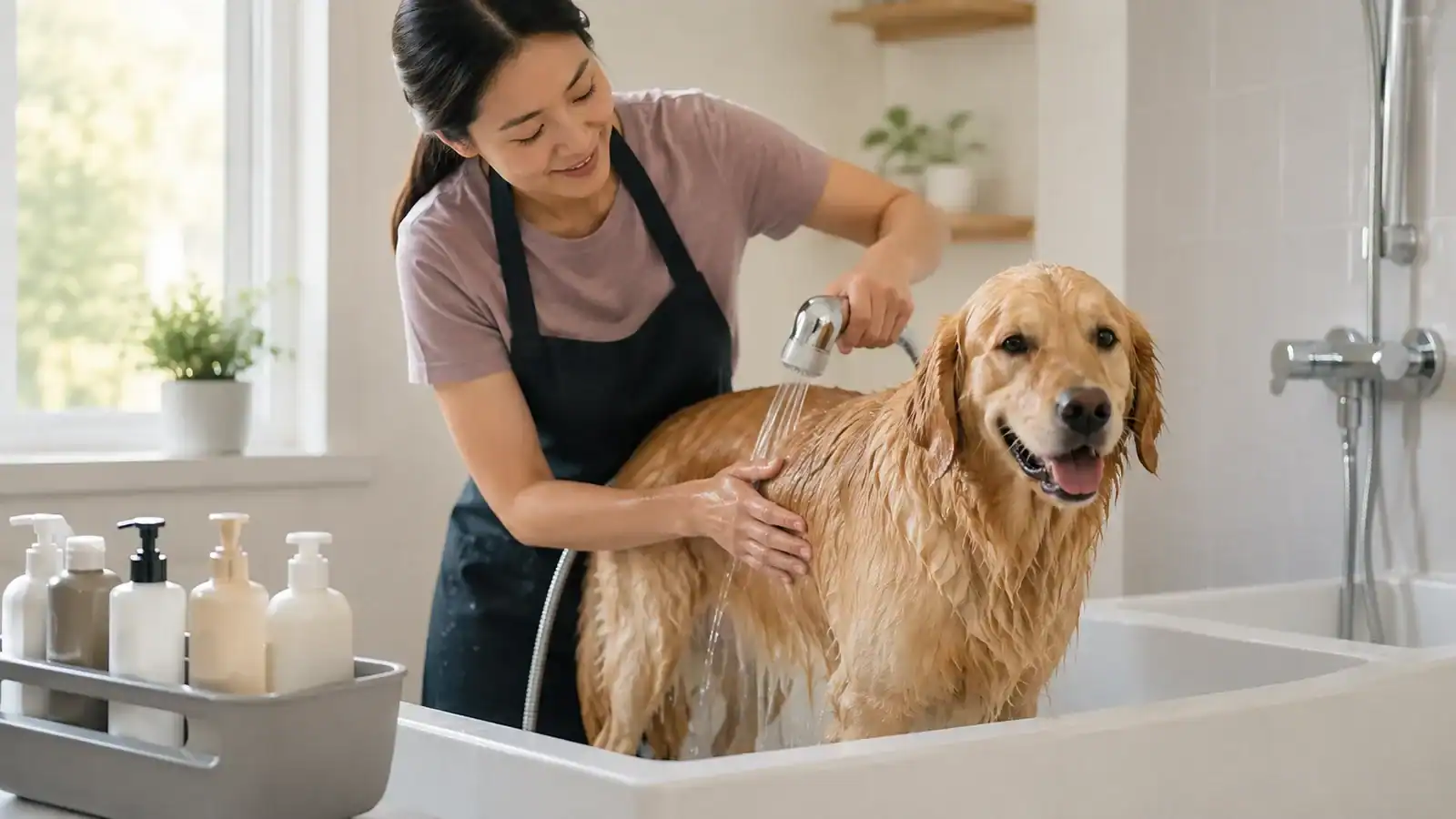
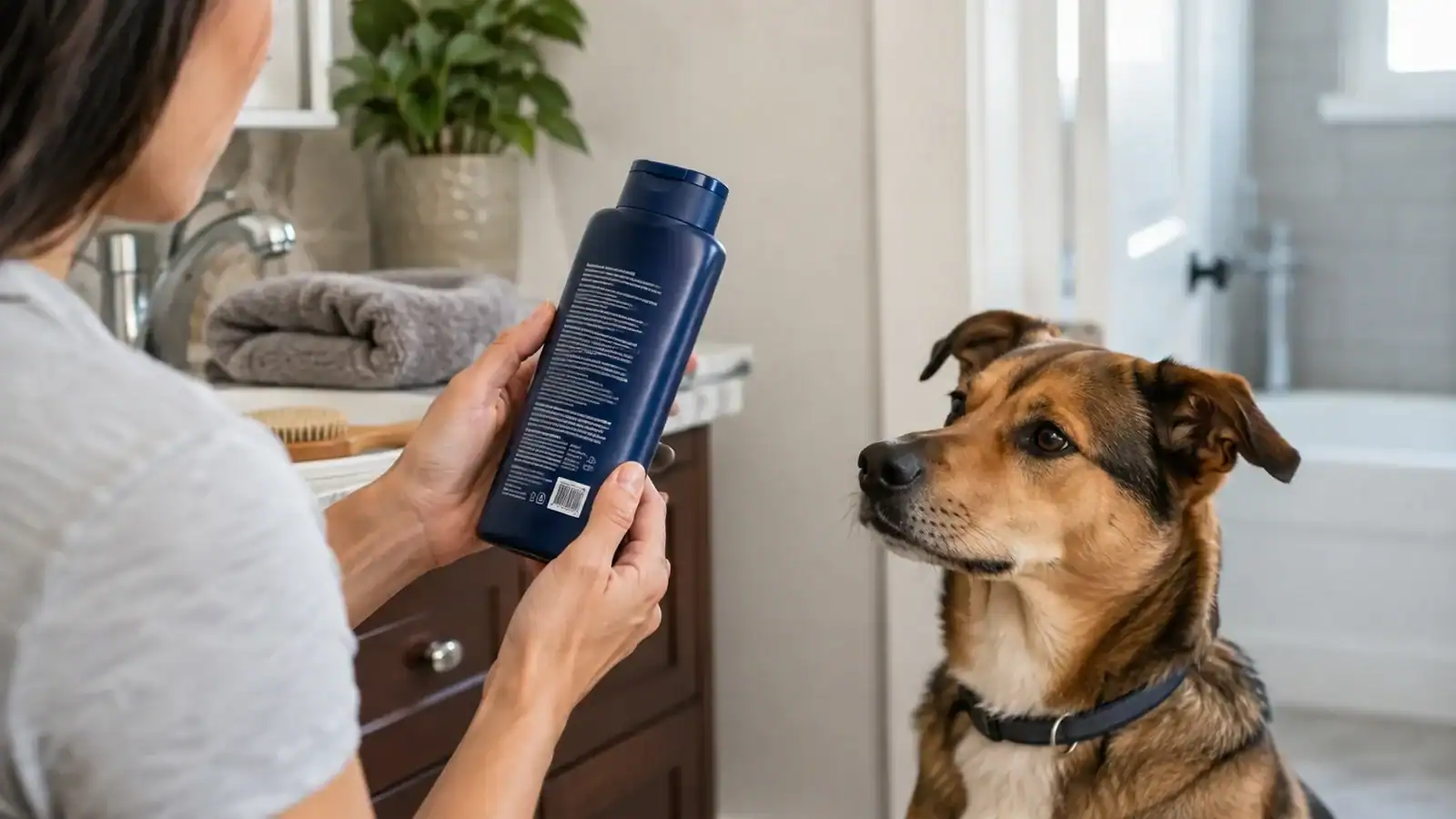
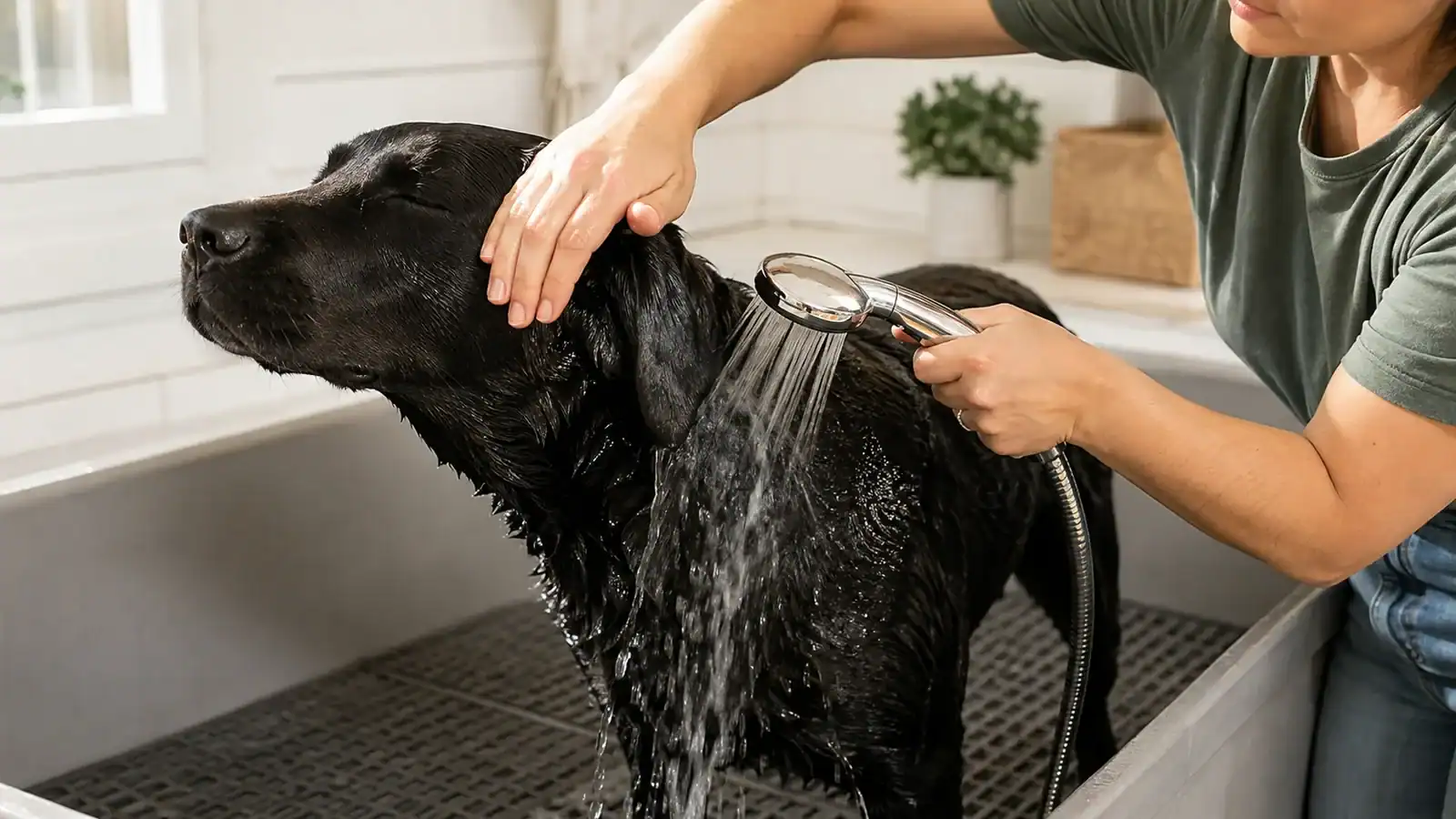
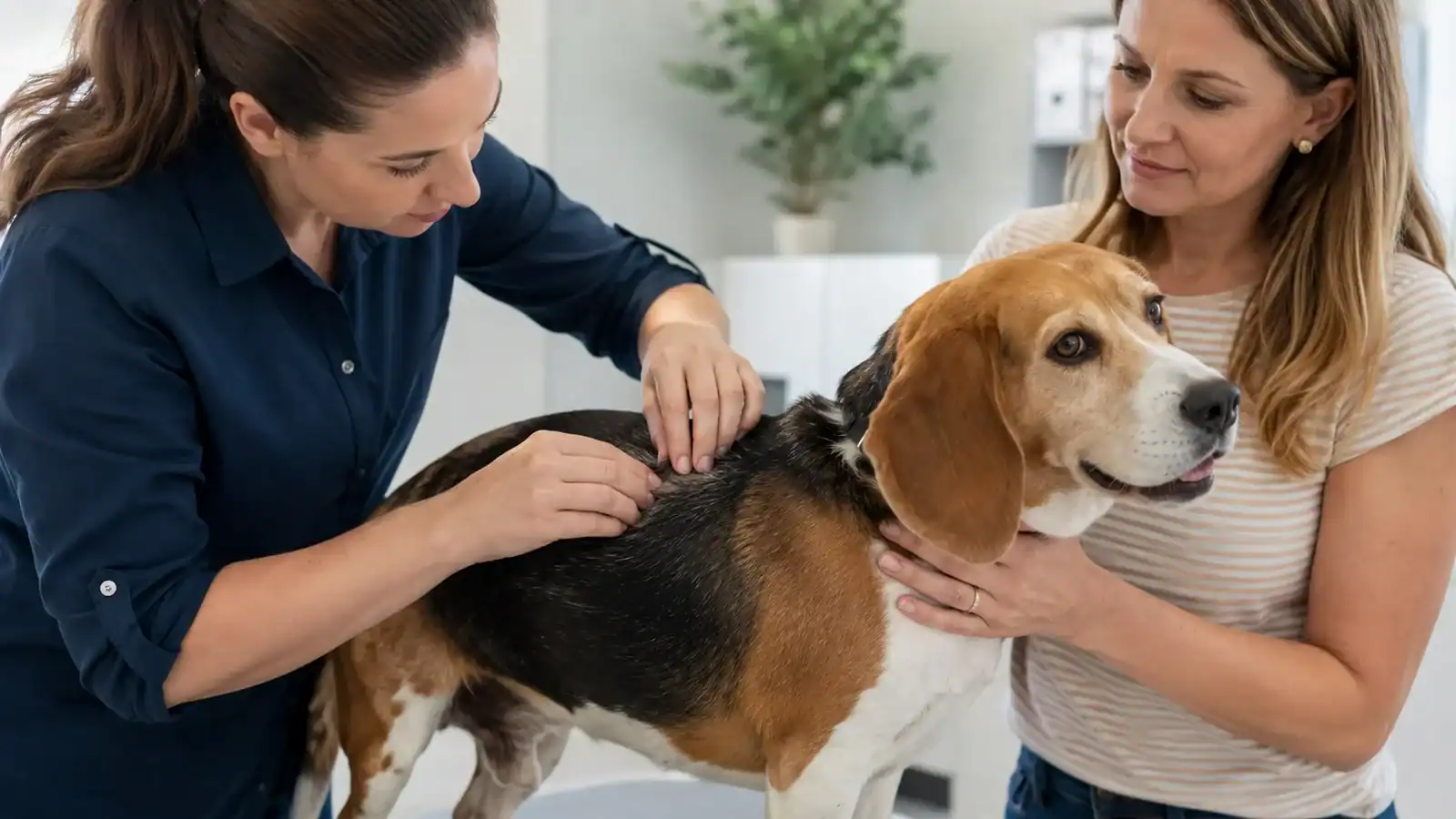

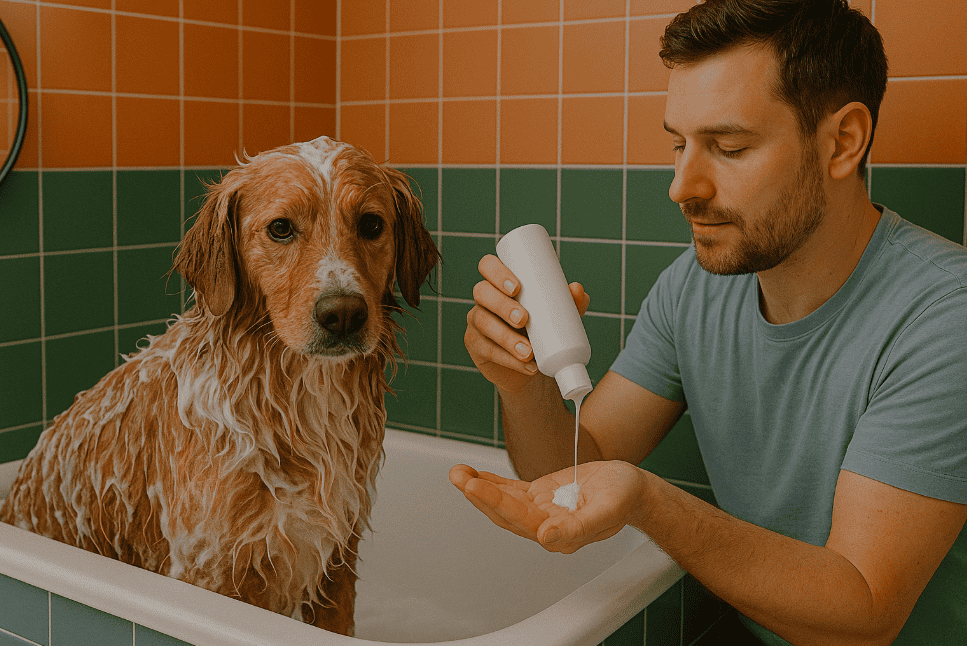
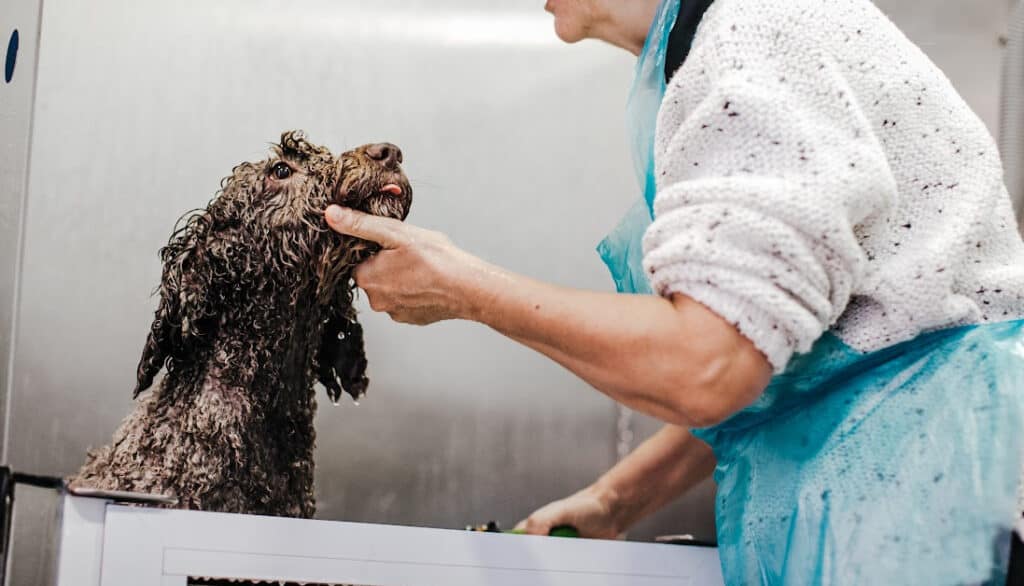
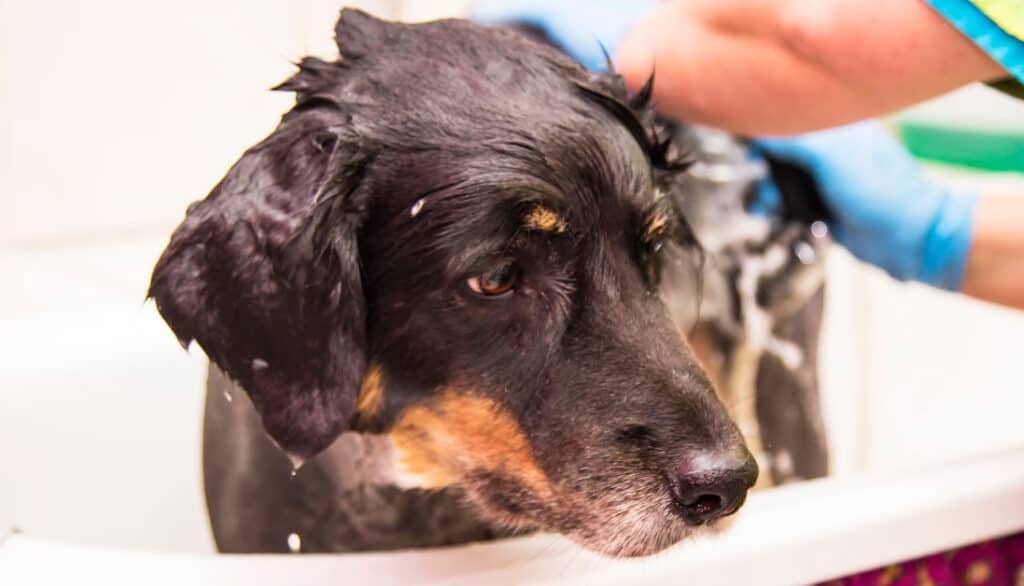
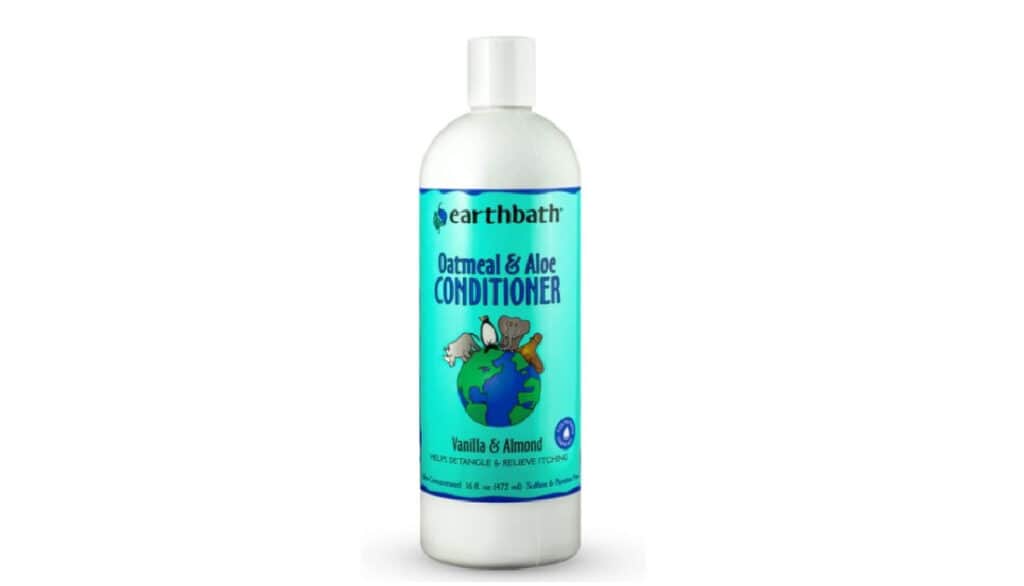
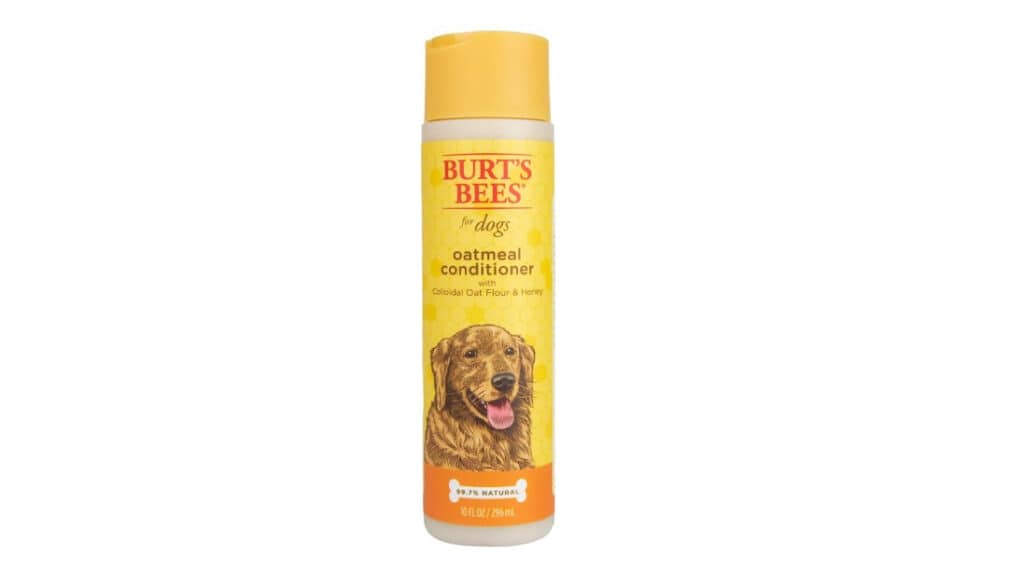
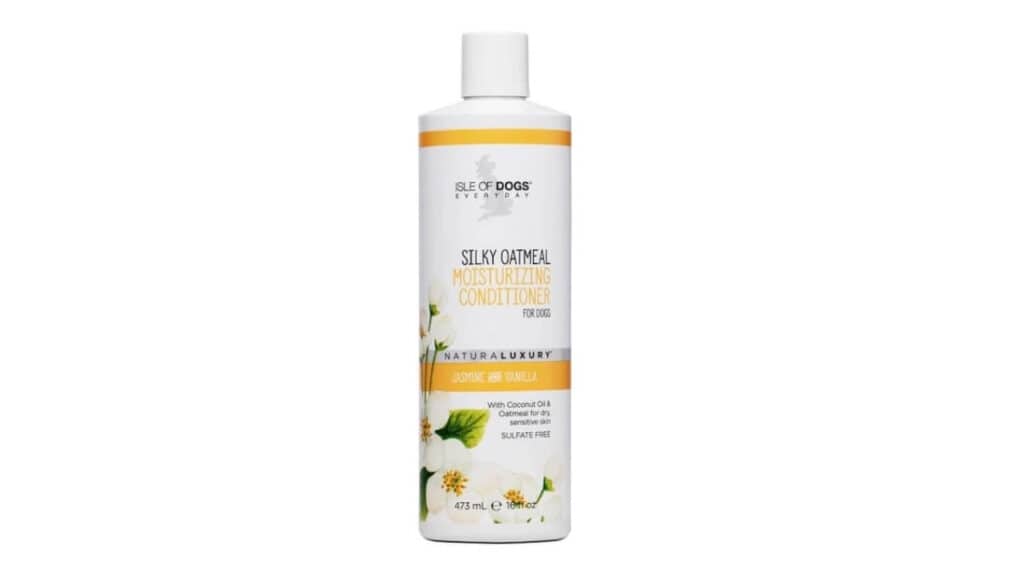
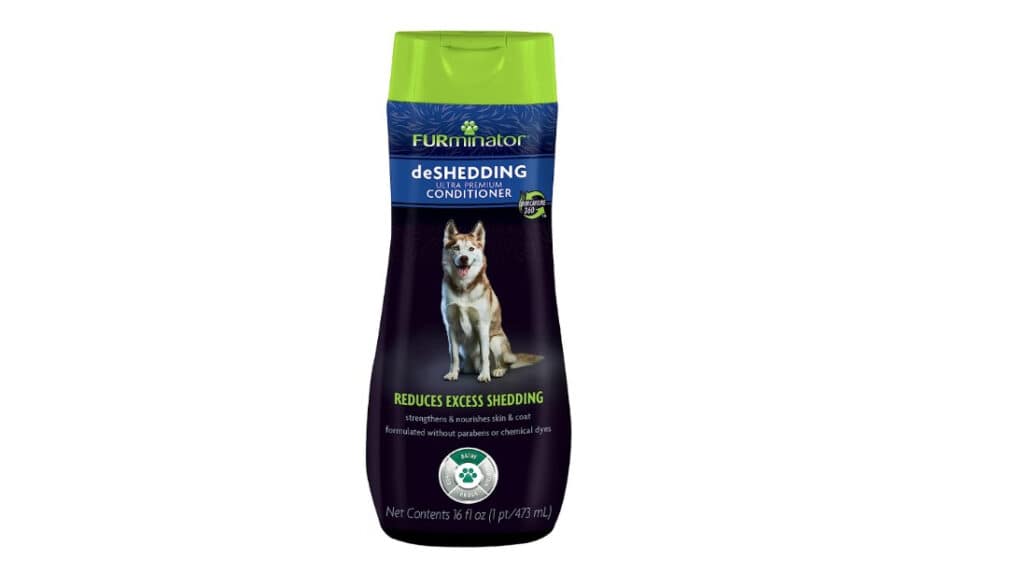
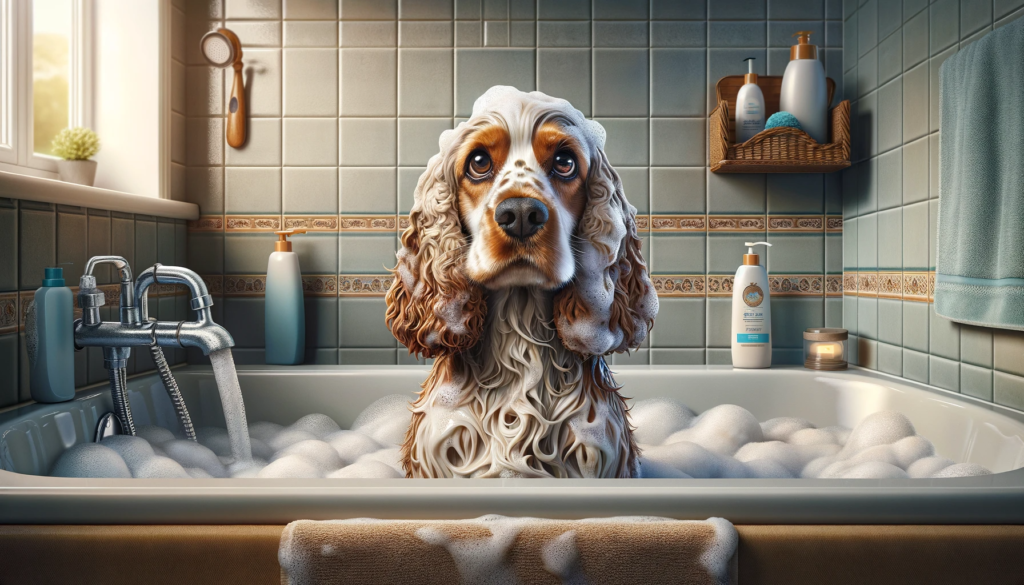

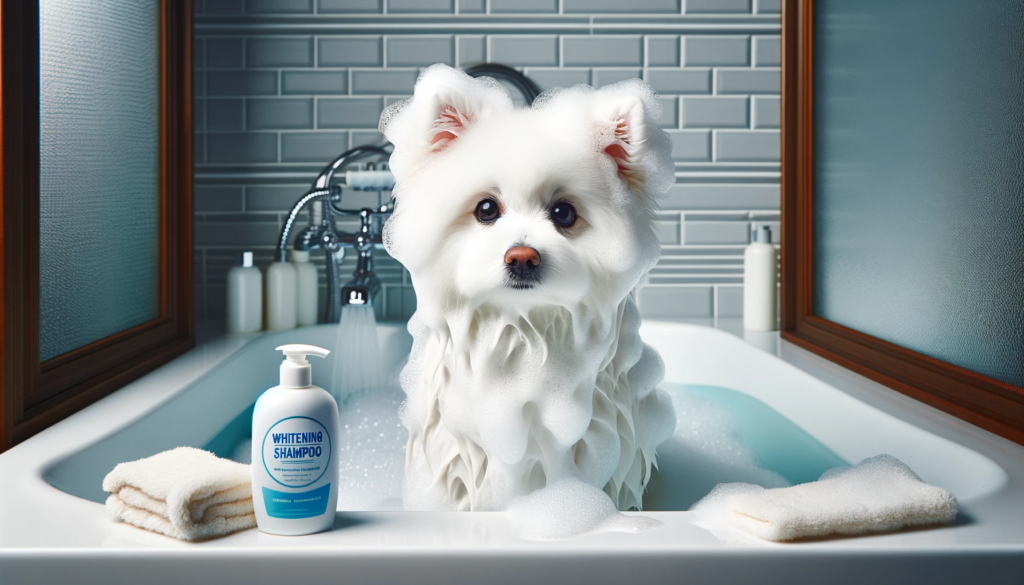
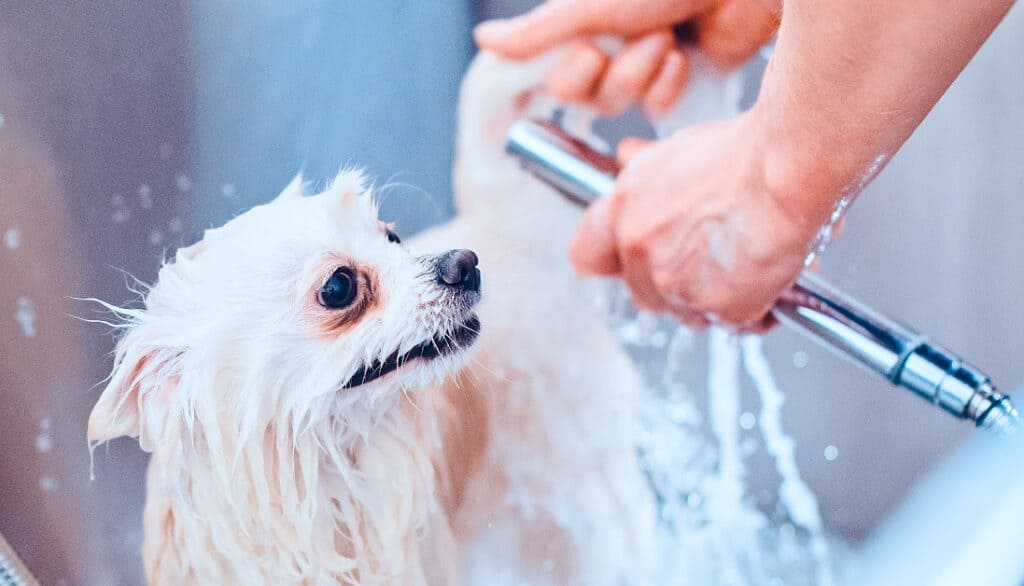
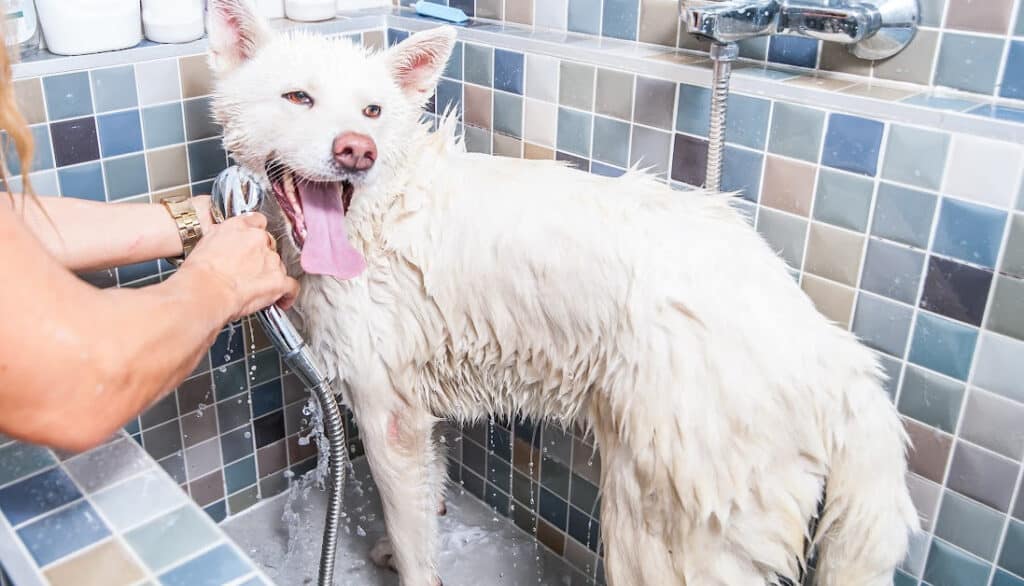
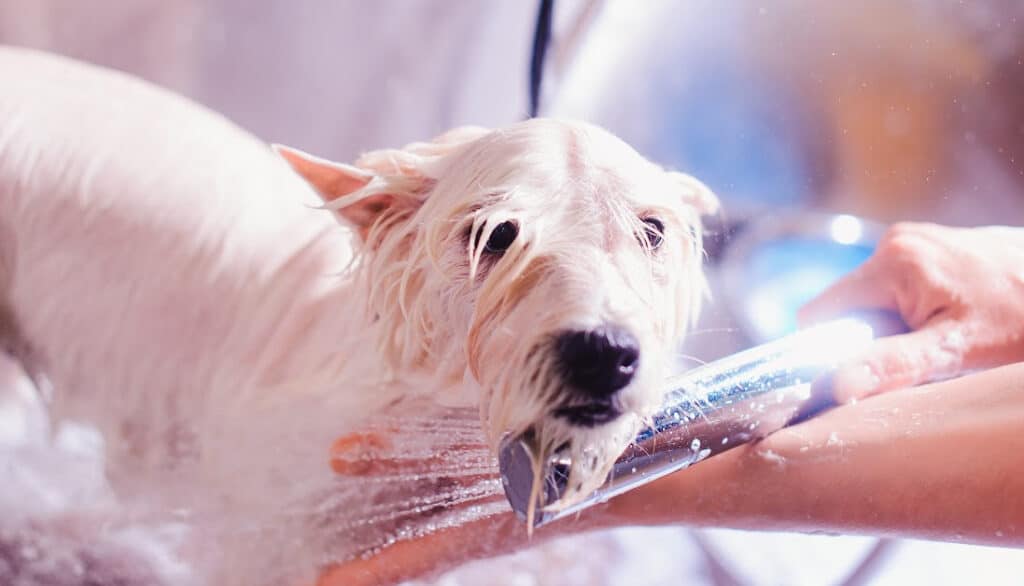
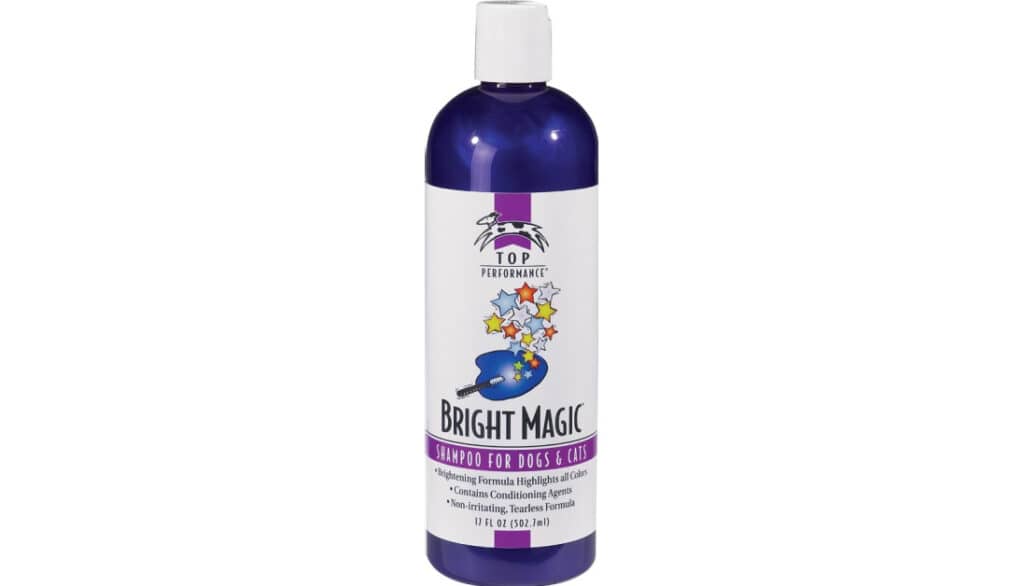
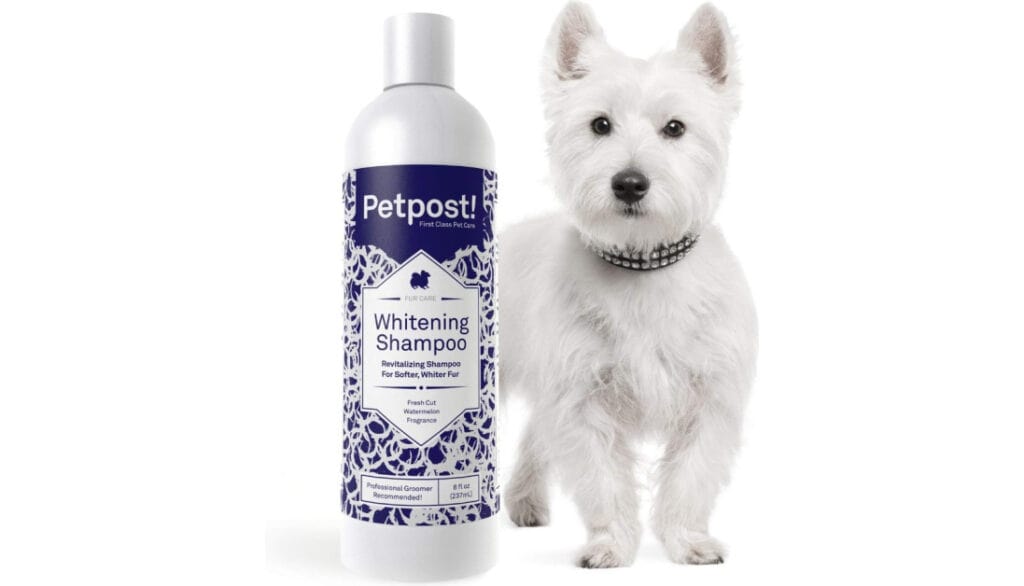
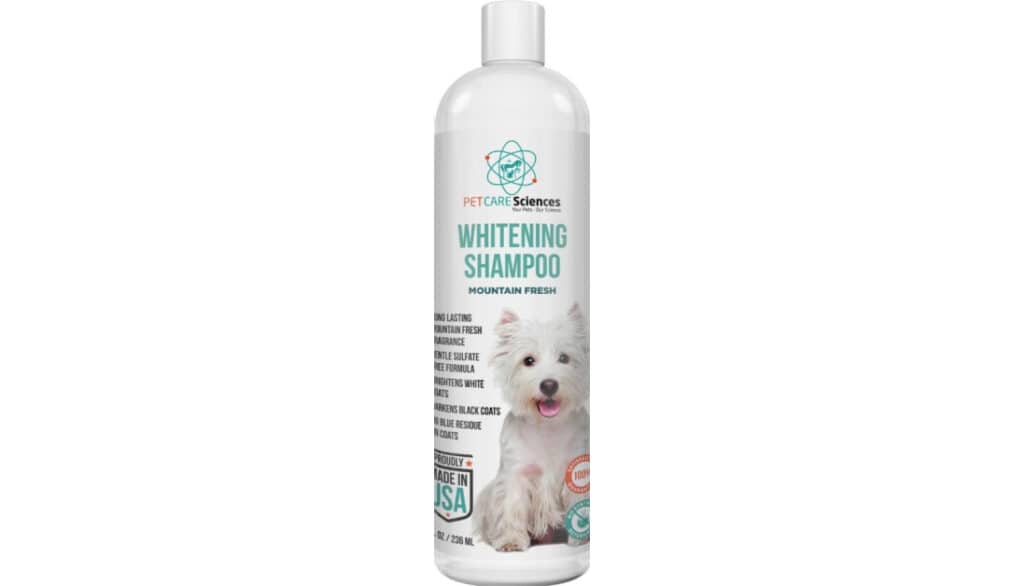
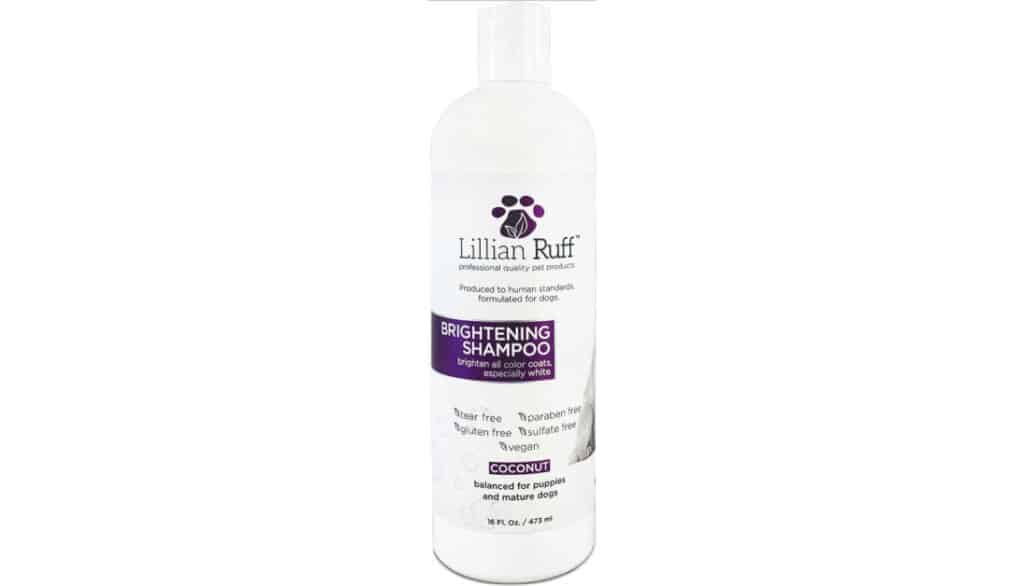
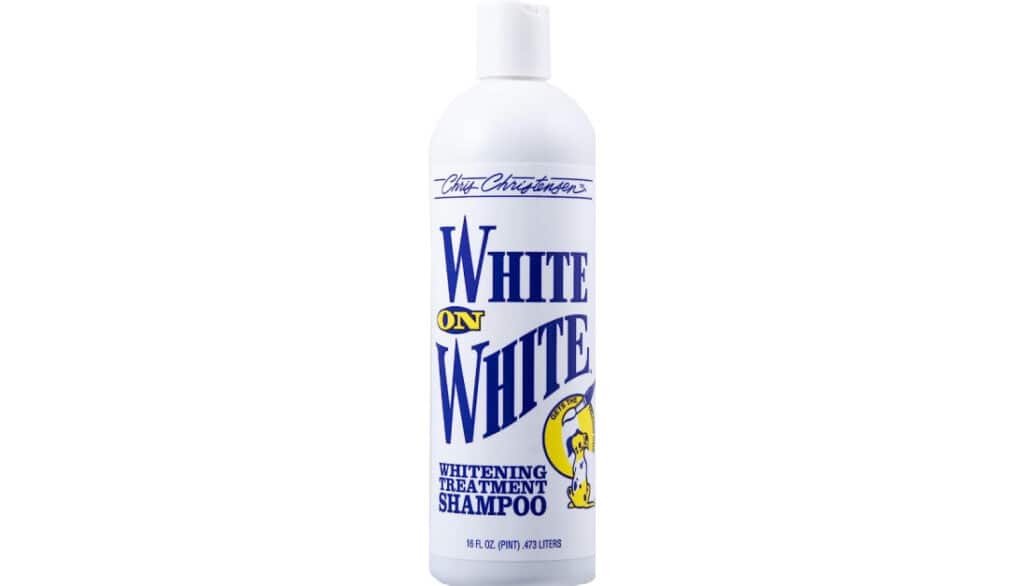


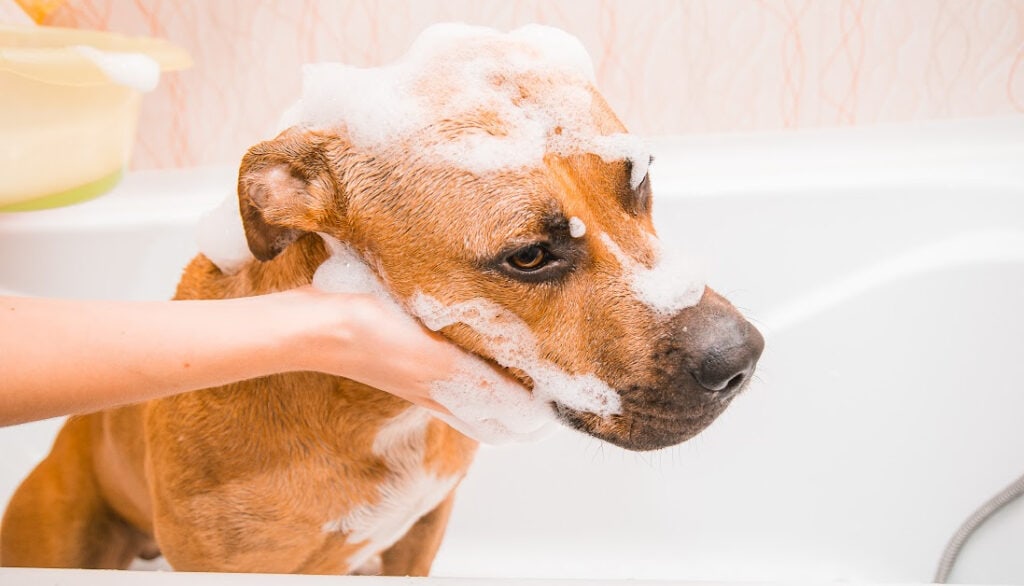
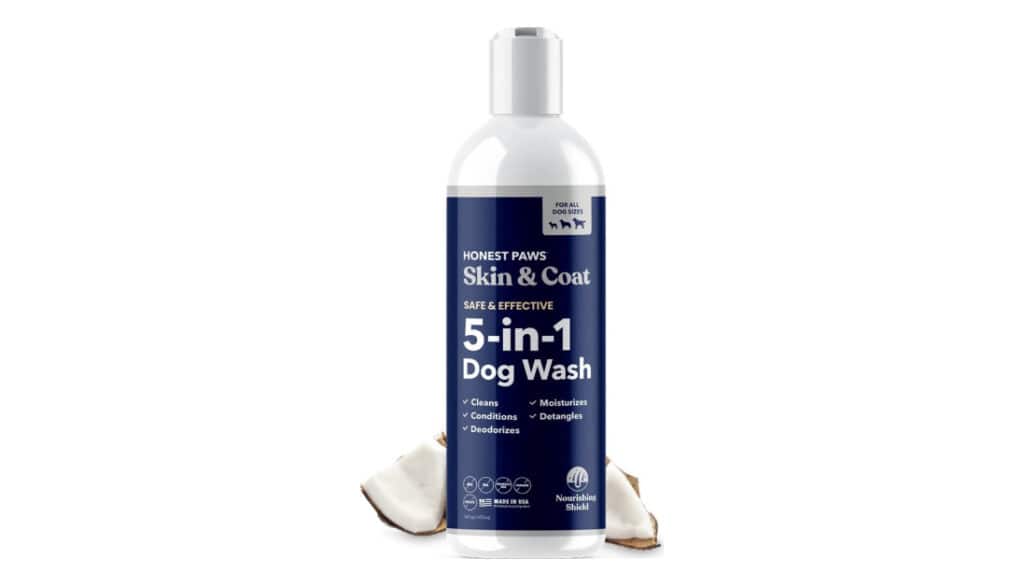
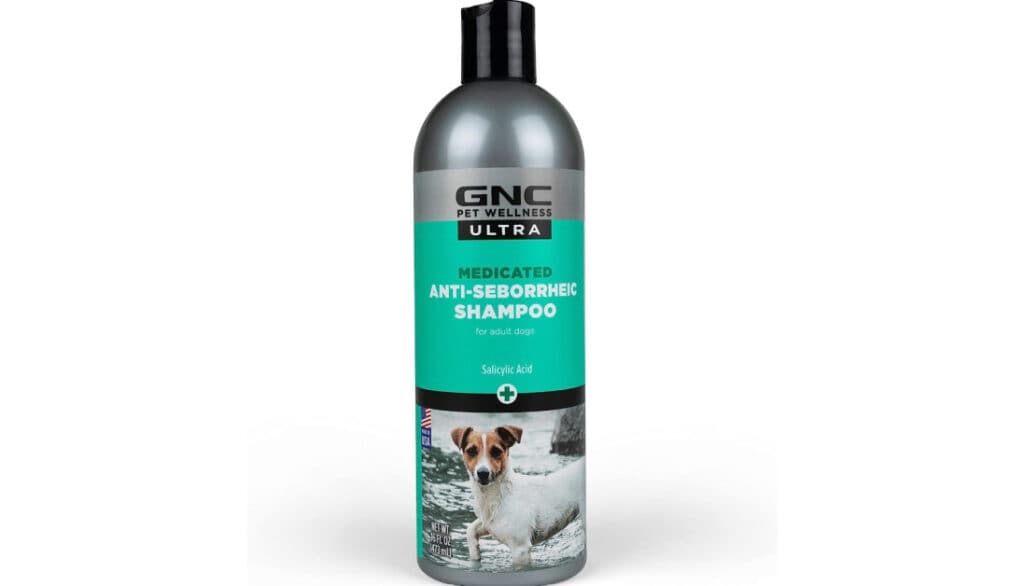
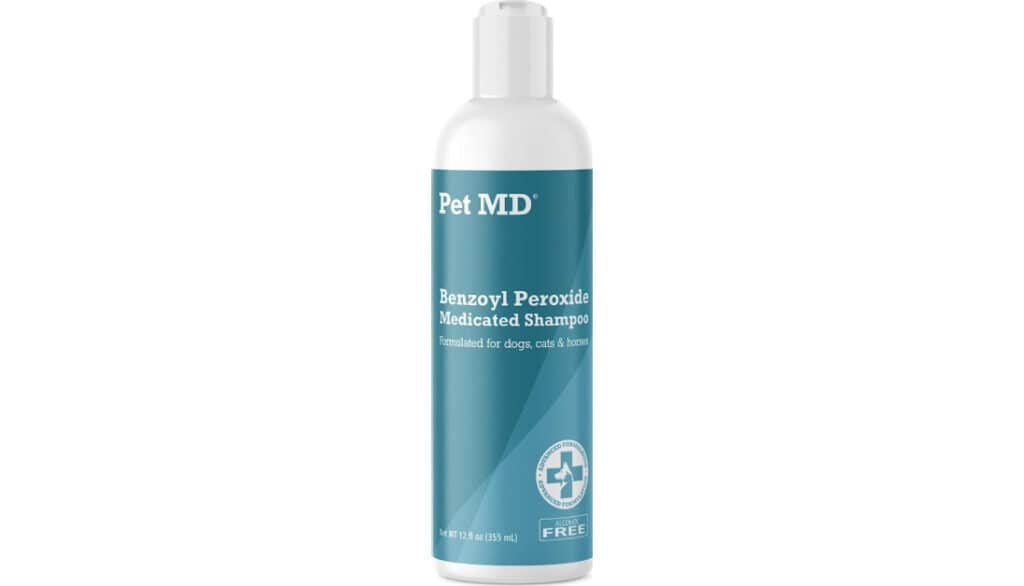
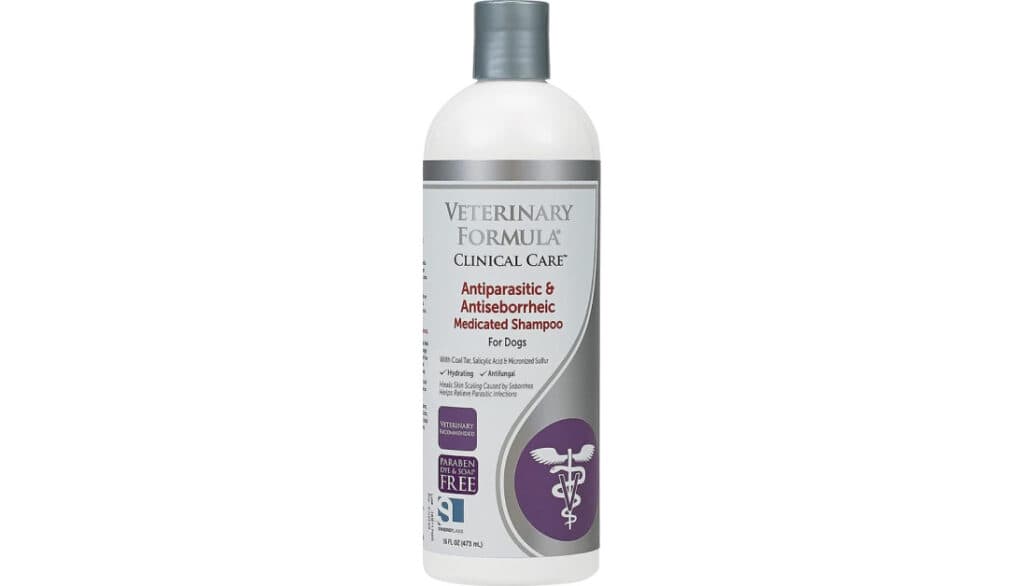
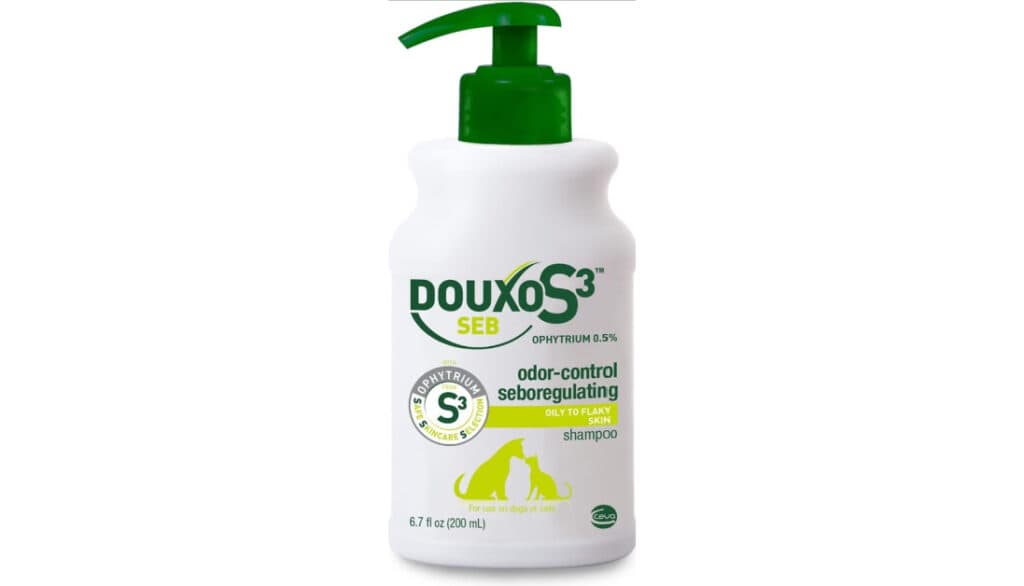
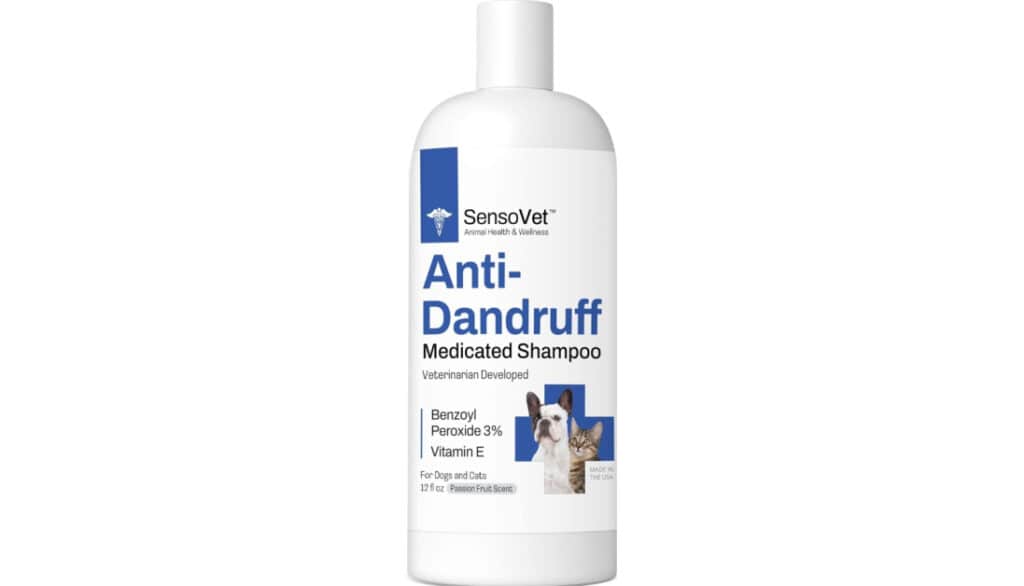
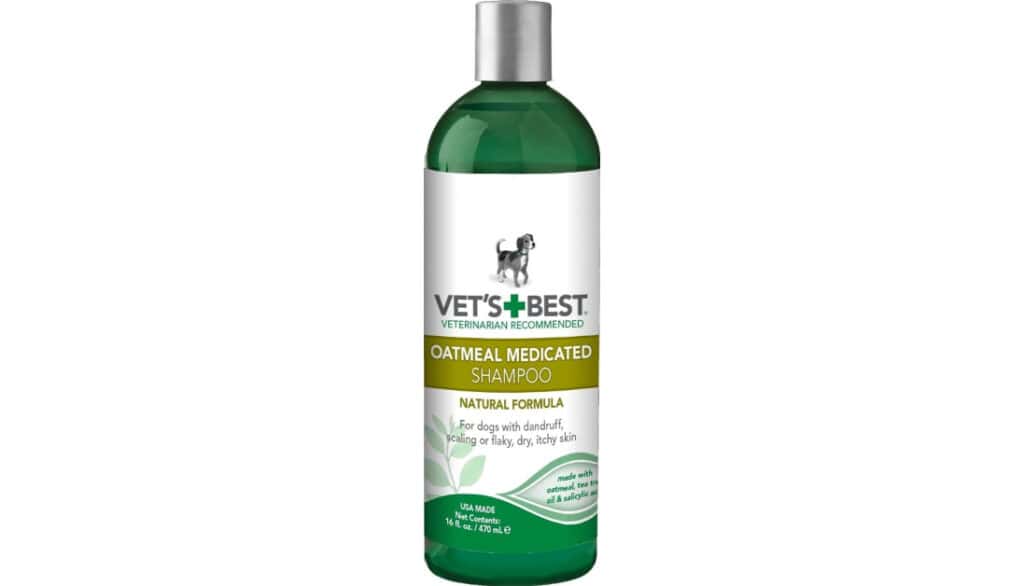
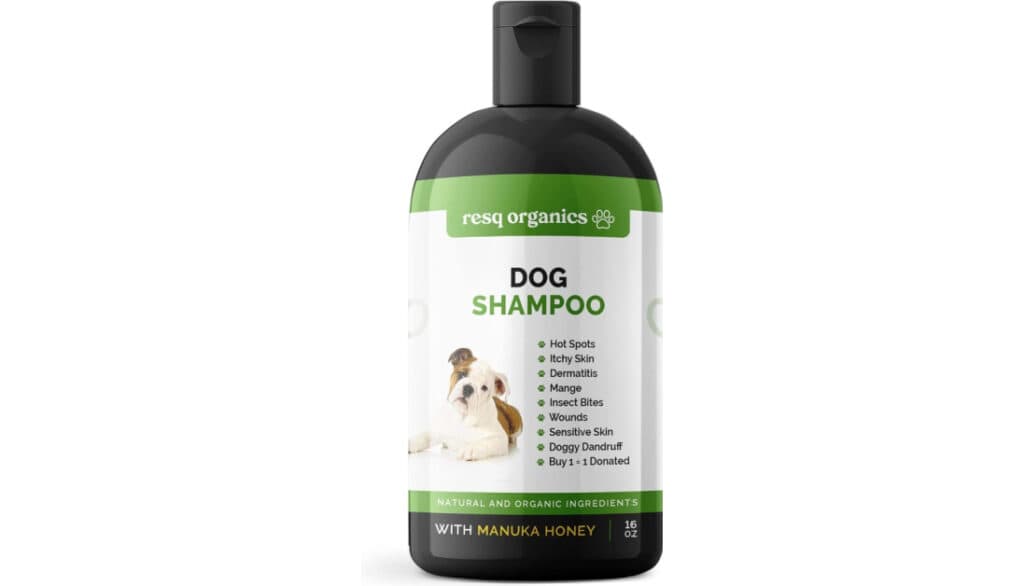
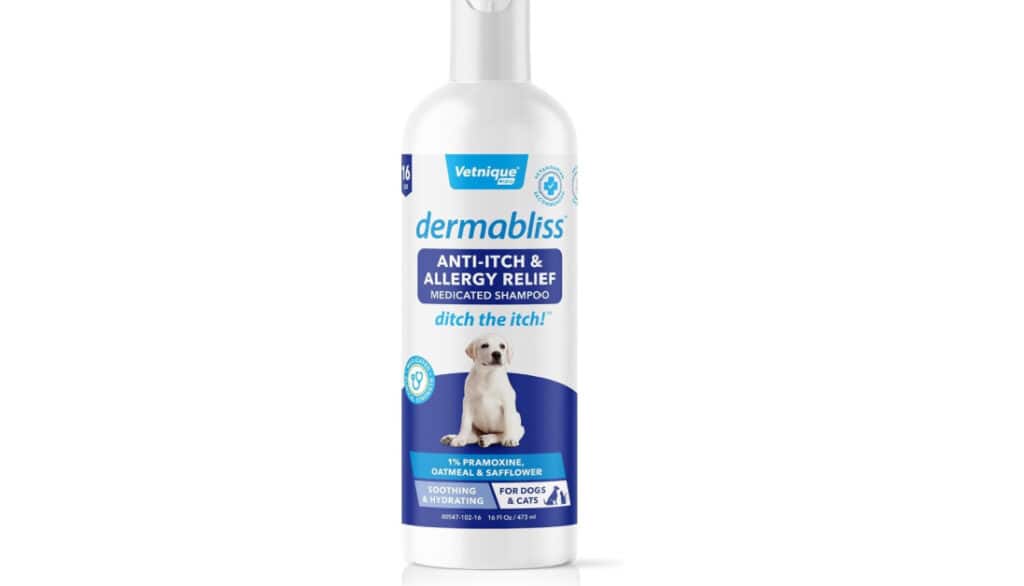
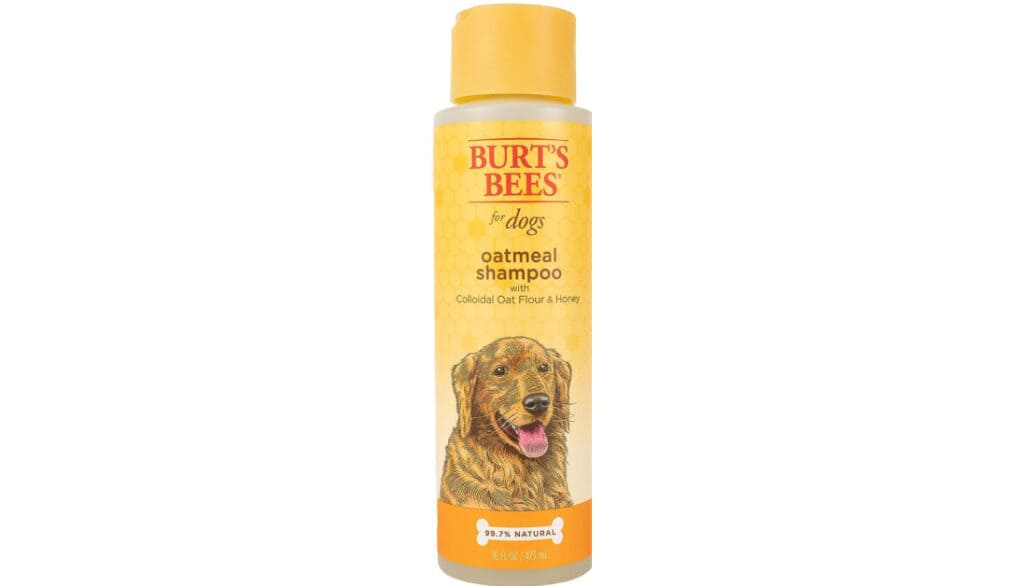

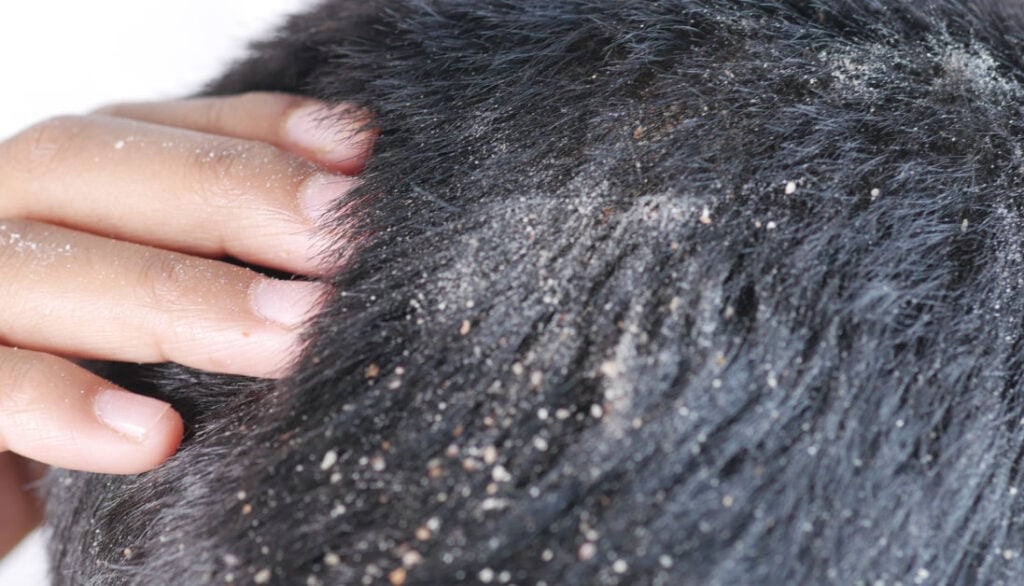
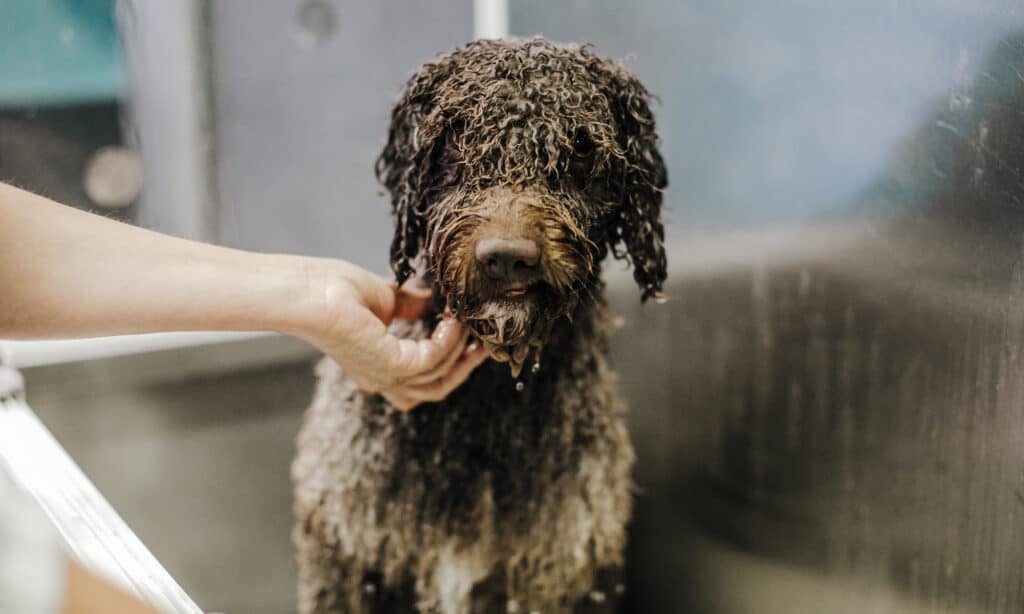
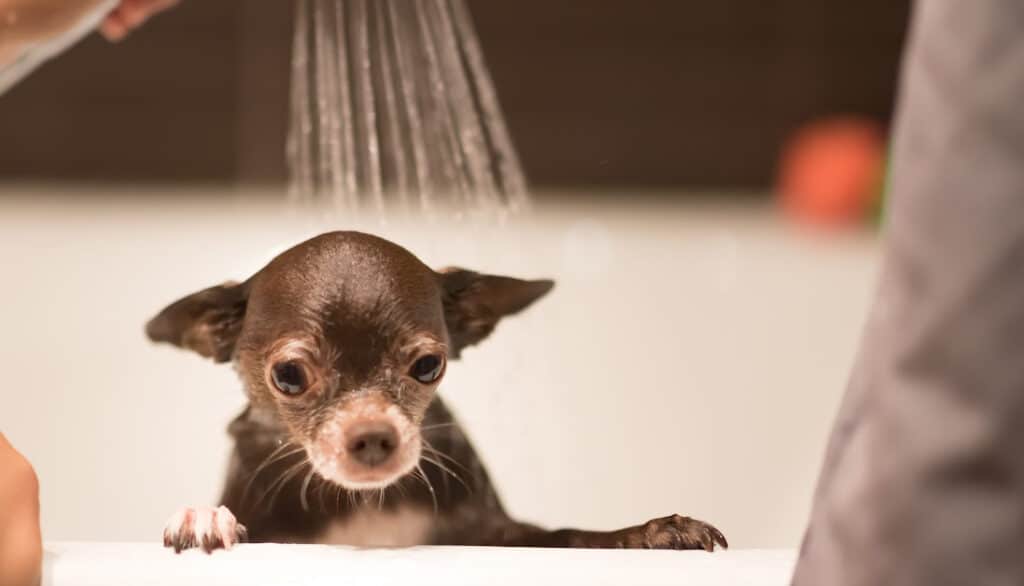
![Natural [Dog] Company Oatmeal Sensitive Skin Shampoo](https://healthy-happy-dogs.com/wp-content/uploads/2023/09/Natural-Dog-Company-Oatmeal-Sensitive-Skin-Shampoo-1024x586.jpg)