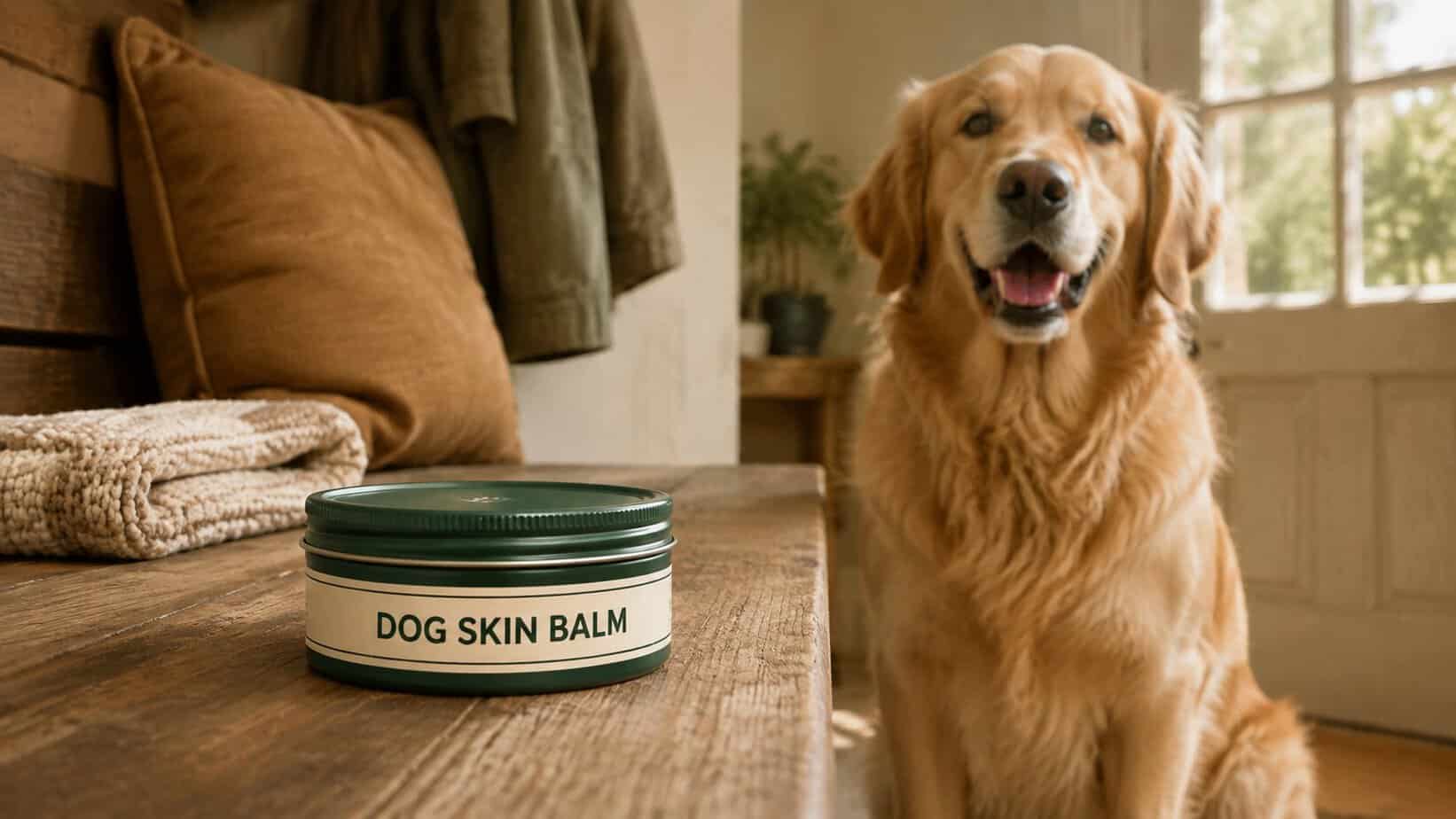
Yes, you can use Bag Balm on dogs. The current animal label includes directions for dogs and lists paw pads, snouts, hot spots, and other areas of dry skin. I think of Bag Balm as a simple moisturizing and protective ointment for those surface-skin jobs, not as a catch-all treatment for every skin problem. [1]
The practical boundary is straightforward. If your dog has dry paw pads after rough weather, a dry nose, or a small area of chapped skin, Bag Balm can be useful. If the skin is bleeding, deeply cracked, swollen, draining, painful, or repeatedly becoming irritated, I want you to look beyond the balm and figure out why the skin is struggling.
What Is Bag Balm and What’s in It?
Bag Balm started as a farm ointment, but it is no longer accurate to say it is only a product for cows or that it is not formulated for dogs. The current animal label specifically includes dogs. [1]
The label lists four ingredients: petrolatum, lanolin, 8-hydroxyquinoline sulfate 0.3%, and paraffin wax. [1] Petrolatum and lanolin contribute to the ointment’s moisturizing and softening character, while the full formula is designed to remain on the treated area for a long-lasting effect. [1][2]
The dog-specific Bag Balm Pet label lists the same four ingredients and directs owners to massage the product into paw pads or hot spots and allow it to remain for its softening effect. [2]
Is Bag Balm the Same as Vaseline?
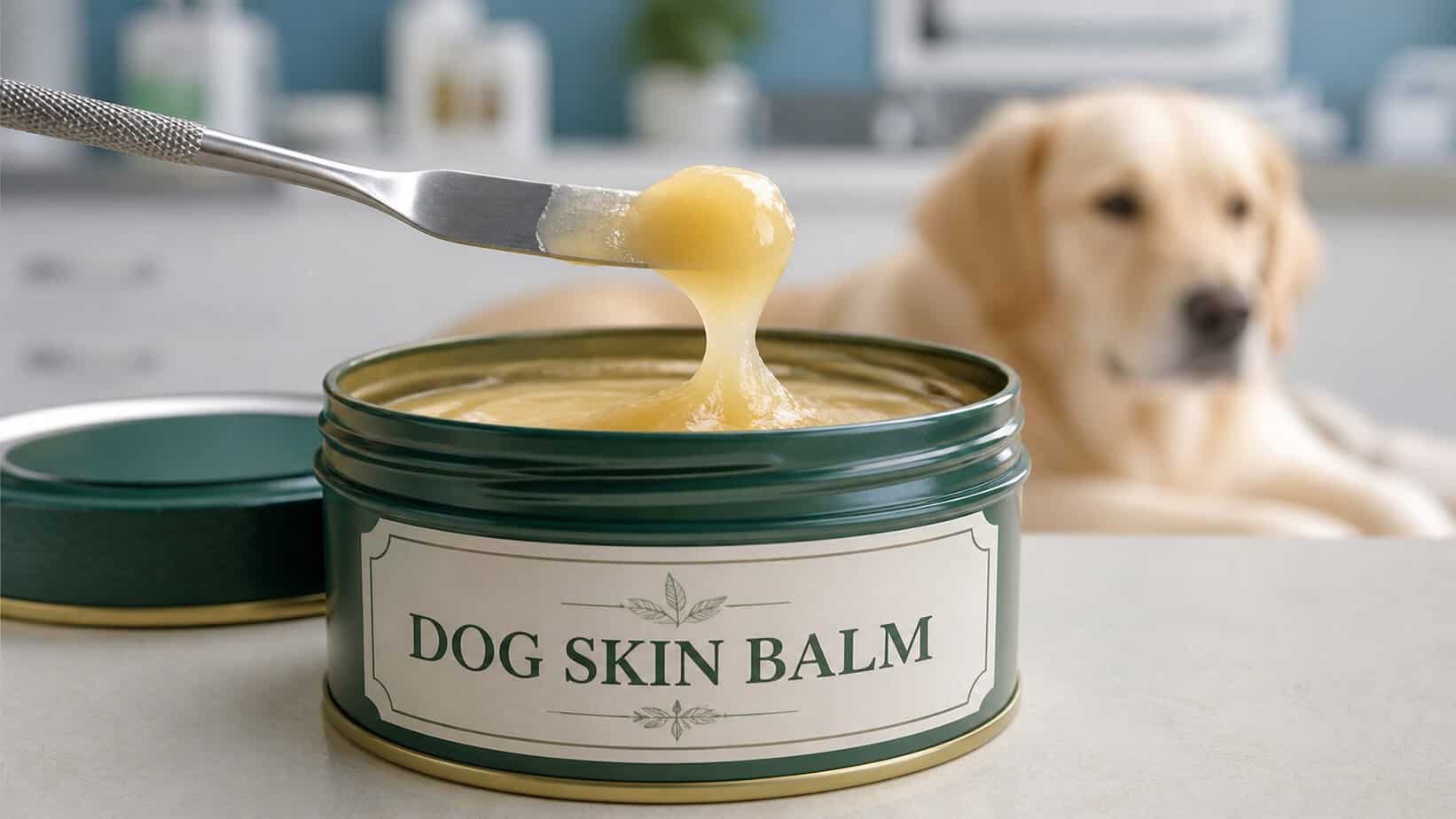
Not exactly. Plain Vaseline is petrolatum. Bag Balm contains petrolatum plus lanolin, 8-hydroxyquinoline sulfate, and paraffin wax. They have a similar heavy, protective feel, but they are not the same formula. [1]
Where Bag Balm Can Be Useful for Dogs
I like to separate the simple dry-skin problems from the problems that need more investigation.
Bag Balm can be a reasonable fit for dry, rough paw pads, a dry or chapped snout, and other uncomplicated areas of dry skin. The label also includes hot spots. [1] It is not enough by itself for deep or puncture wounds, bleeding or gaping wounds, or skin problems that are swollen, draining, painful, or repeatedly inflamed.
The manufacturer’s current animal directions specifically include paw pads, snouts, hot spots, and wherever dry skin occurs. The same label says to seek medical help for deep or puncture wounds and to discontinue use if a rash or irritation develops. [1]
Dry Paw Pads
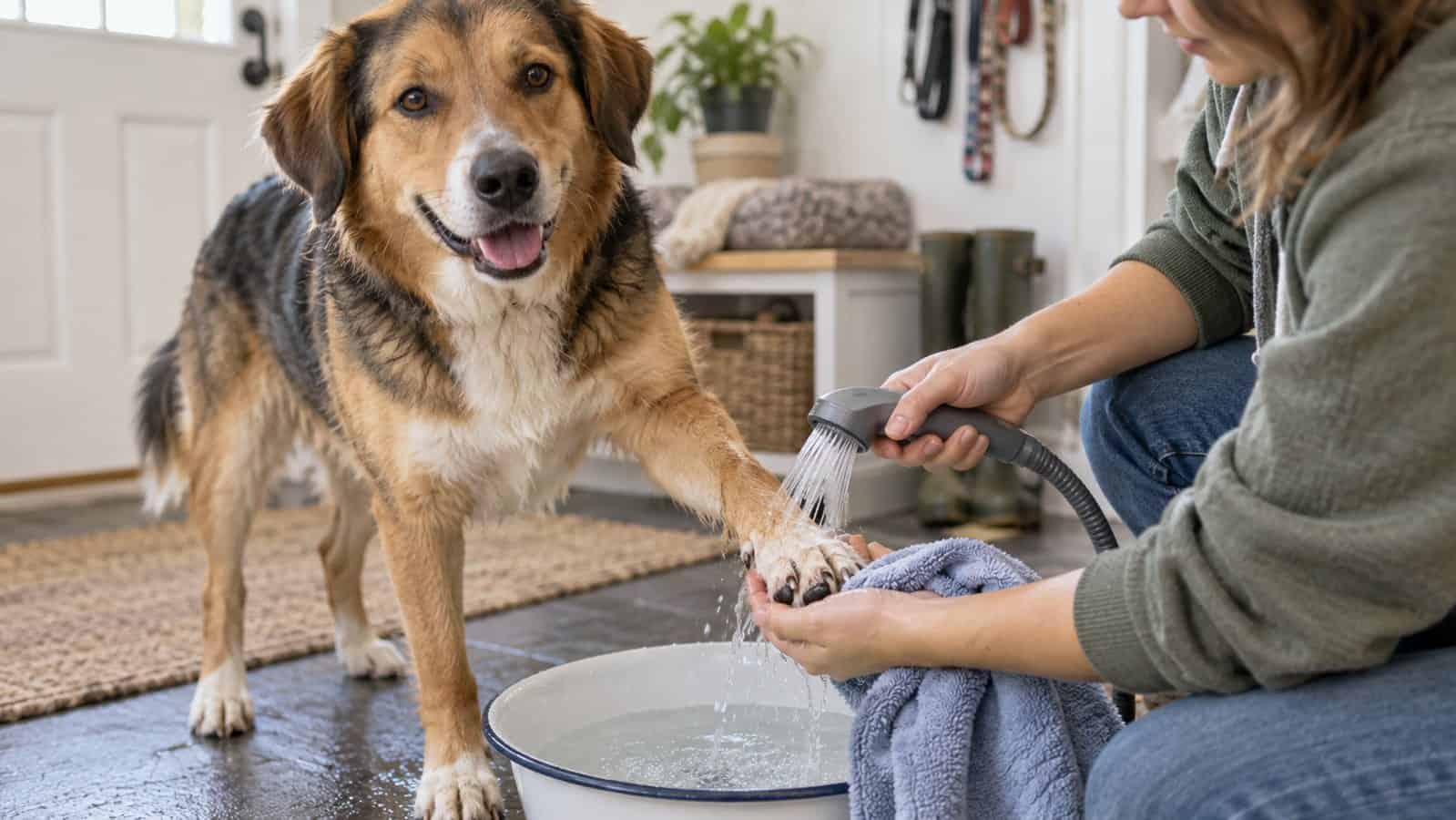
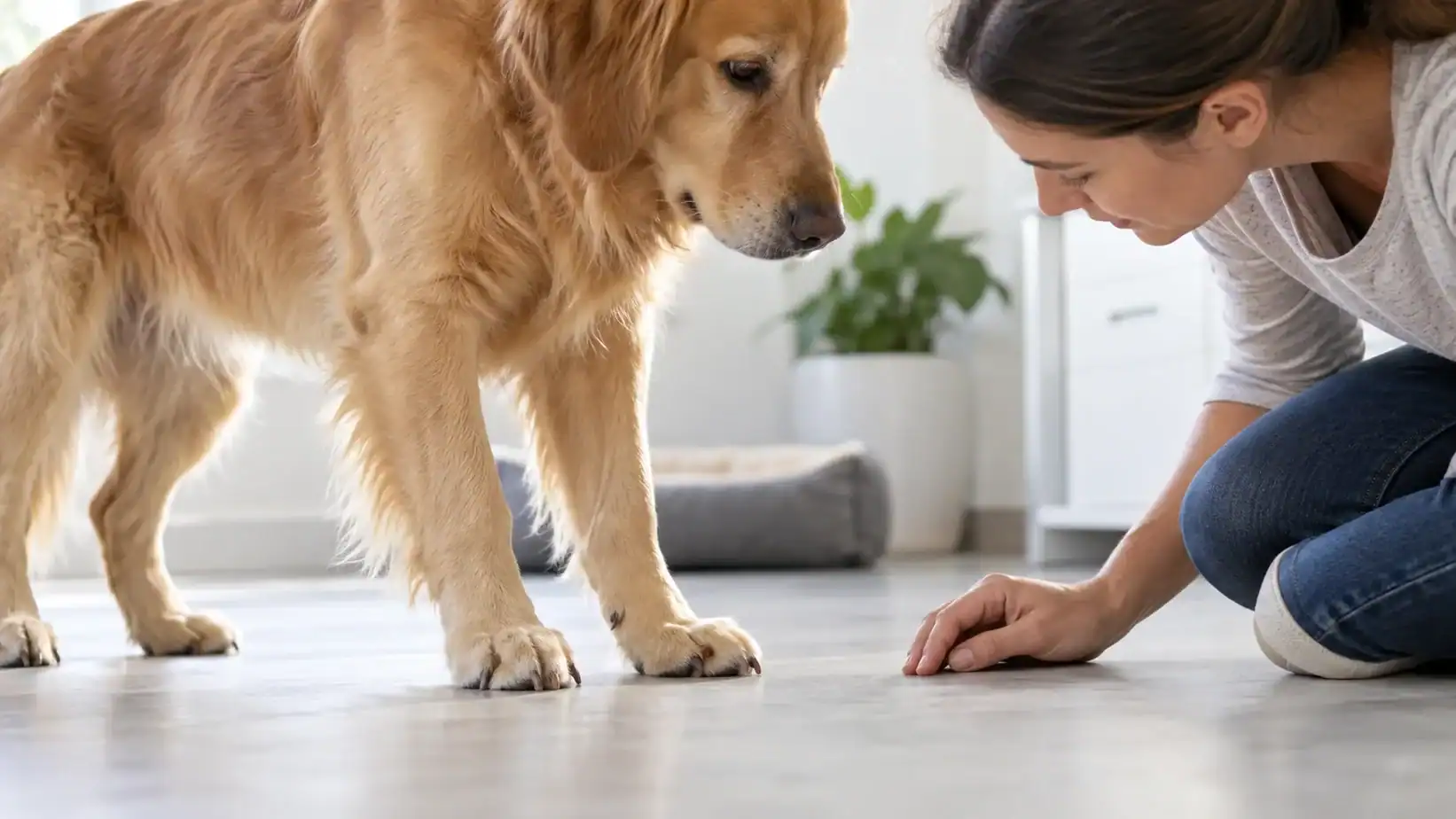
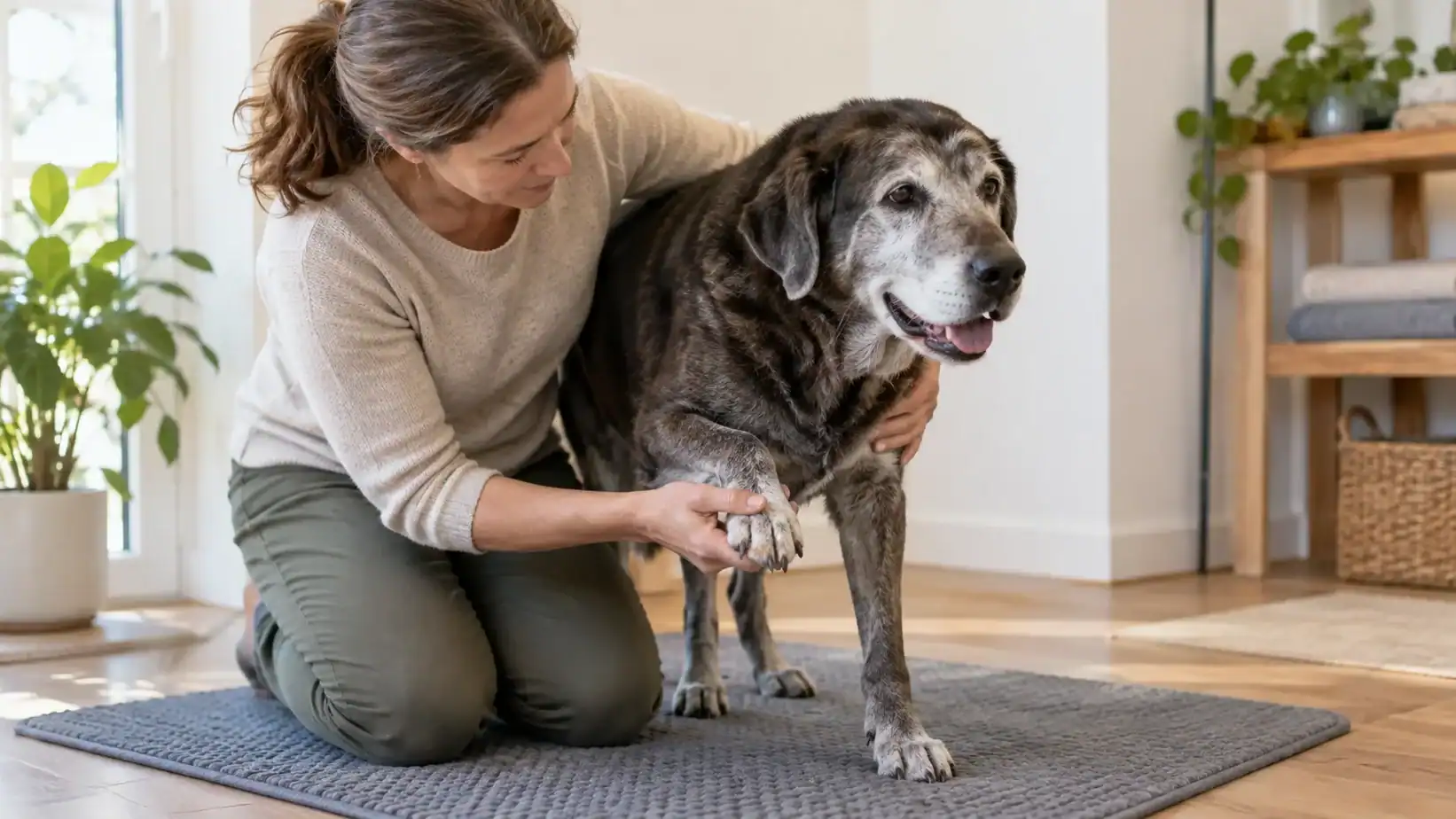
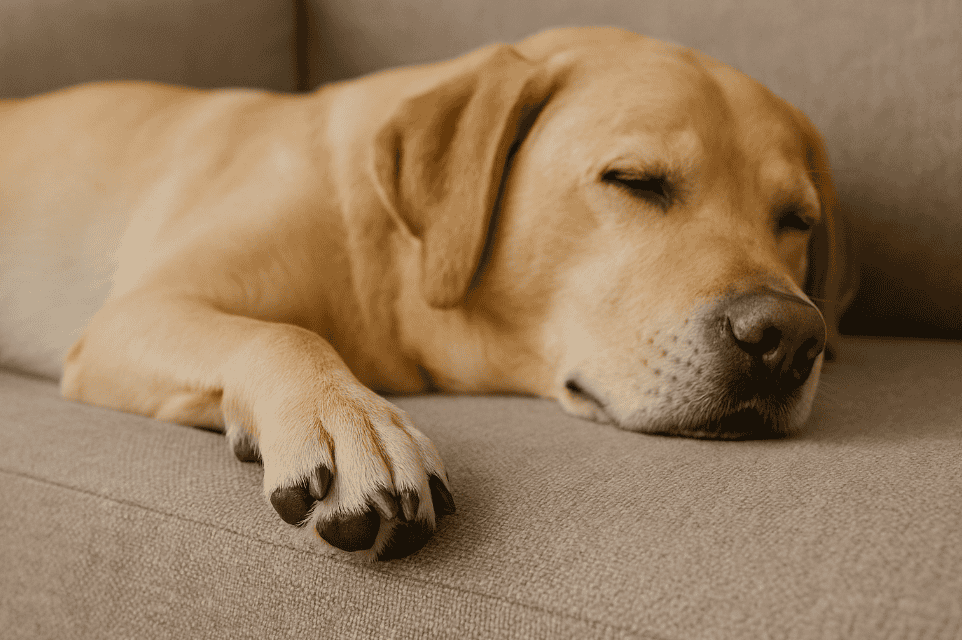
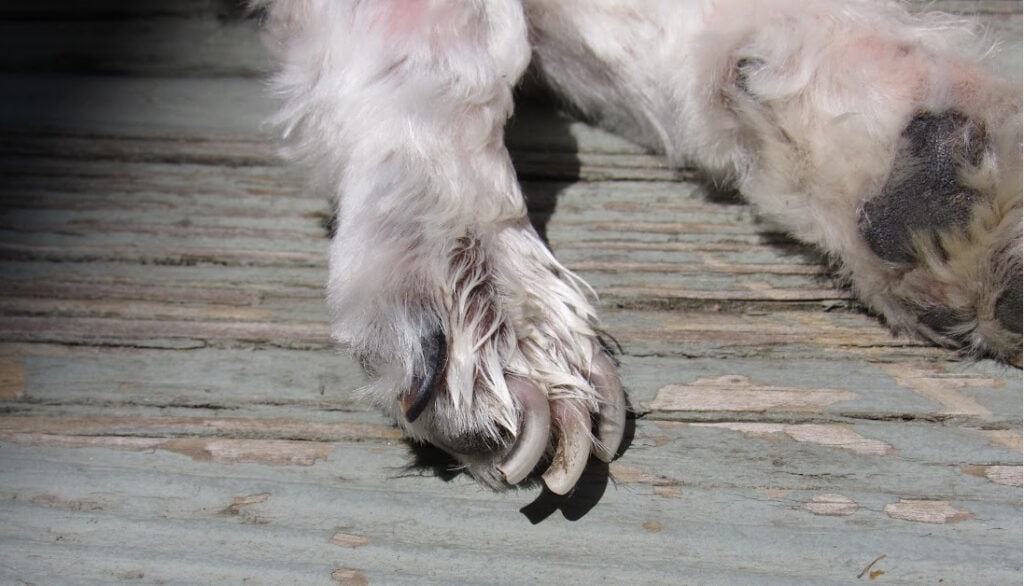
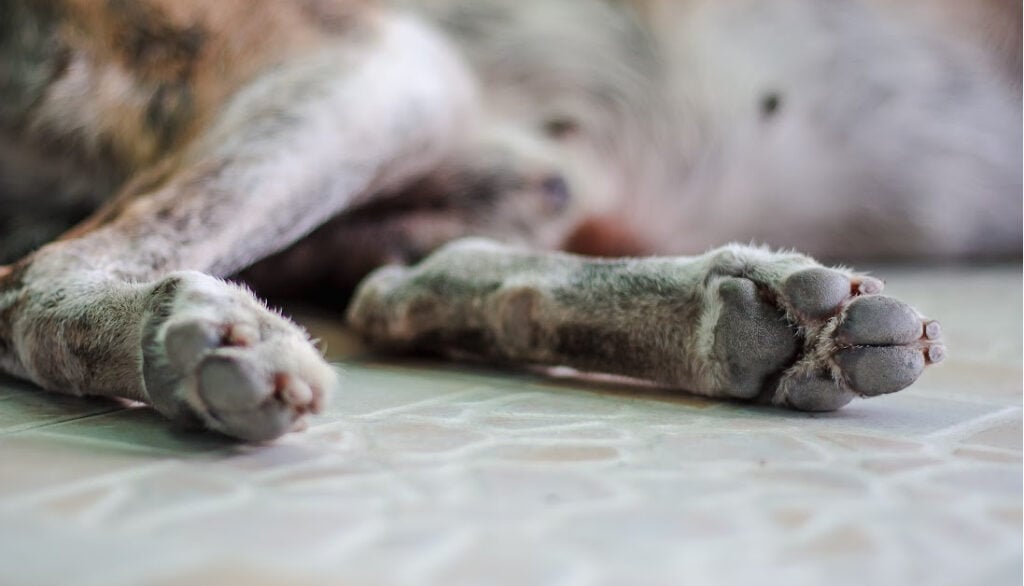
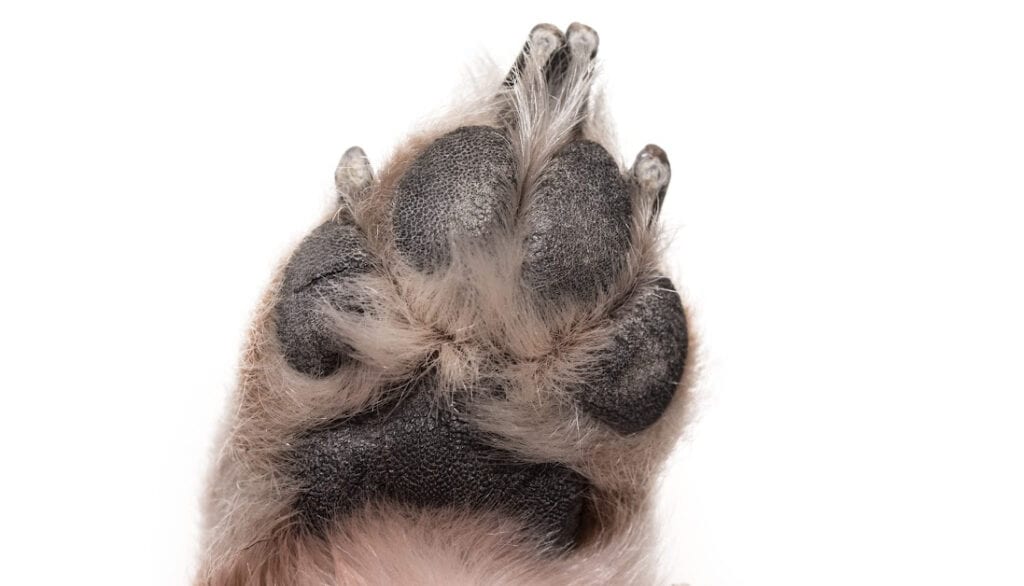
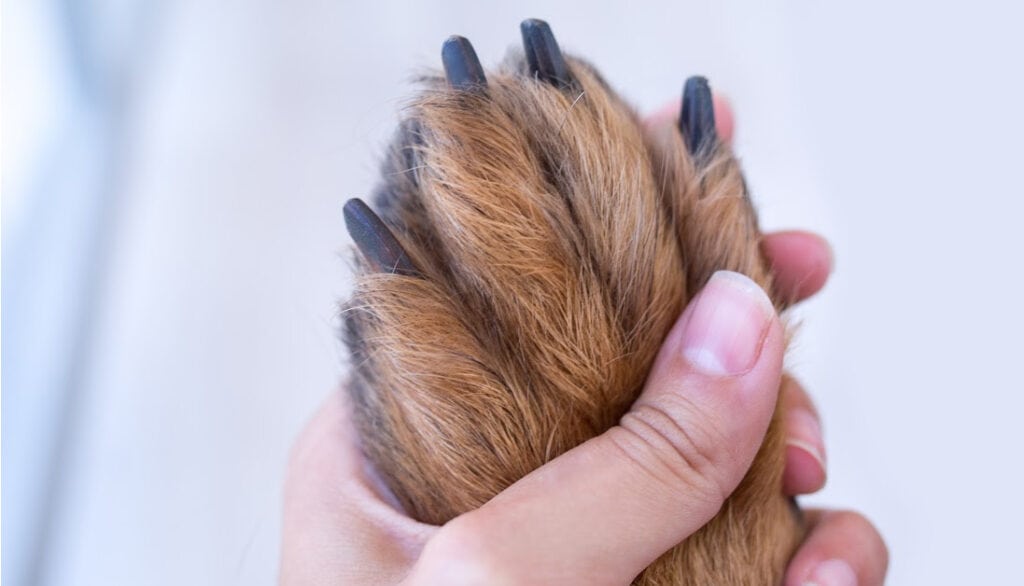
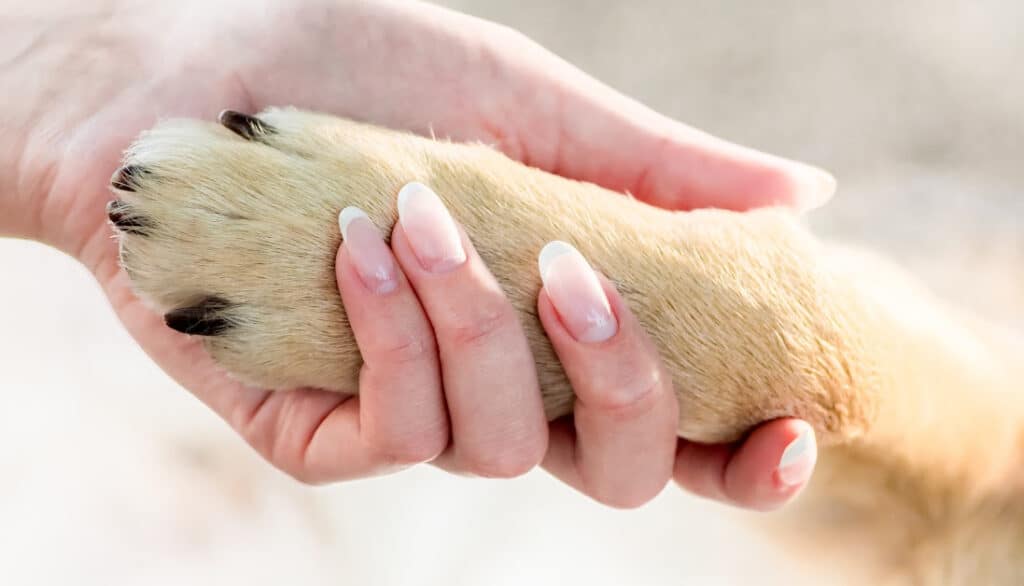
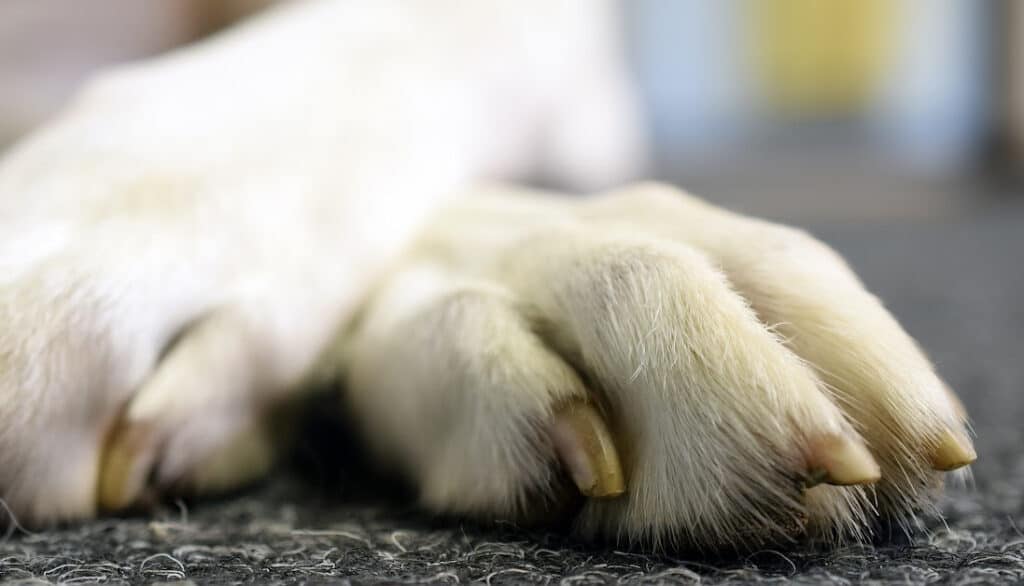
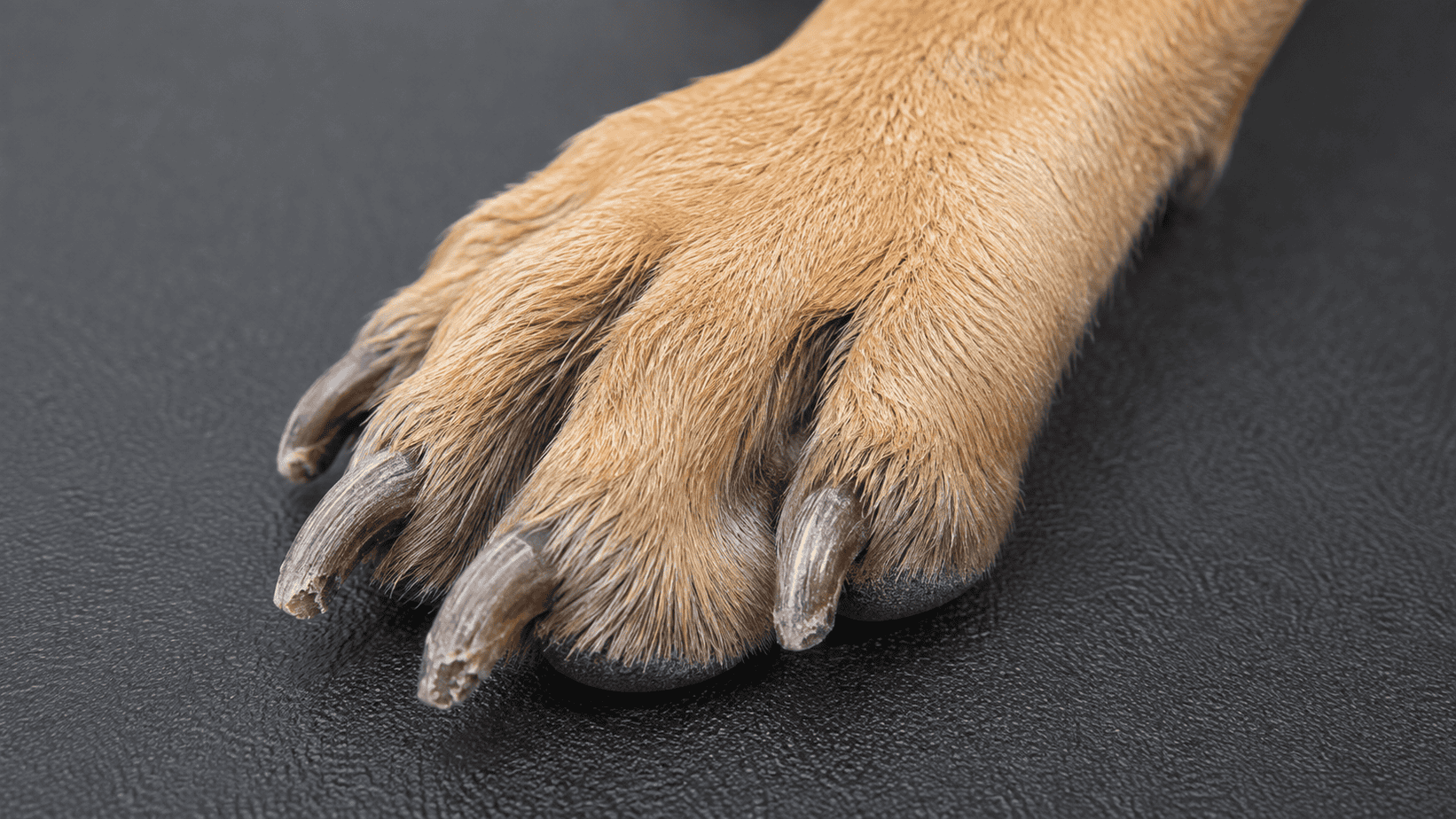
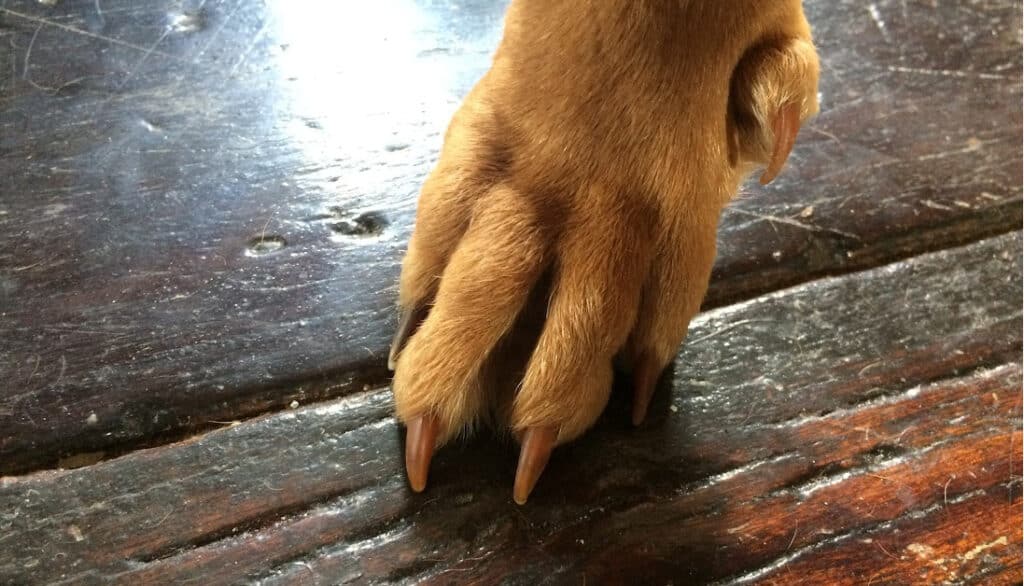
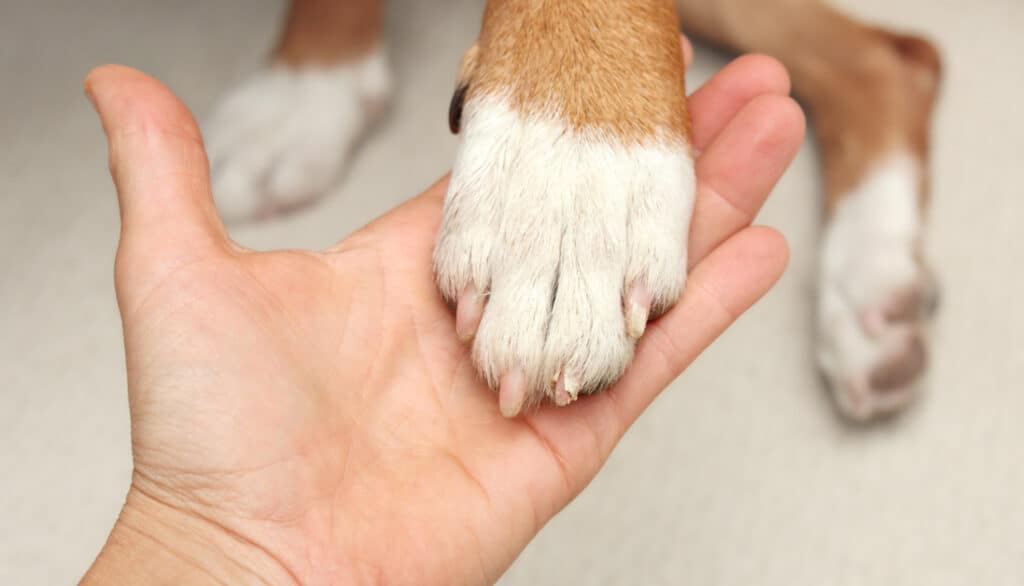
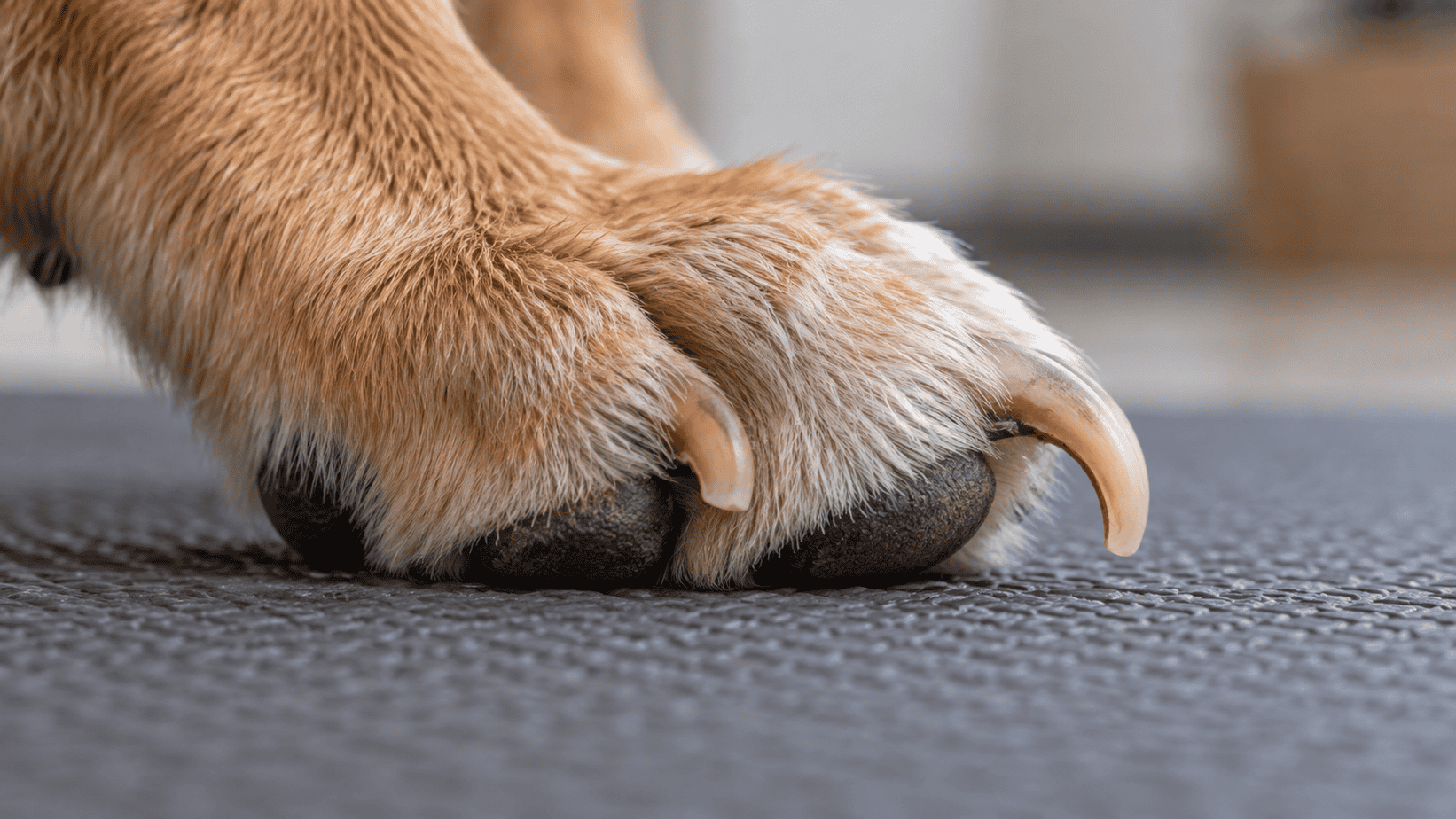
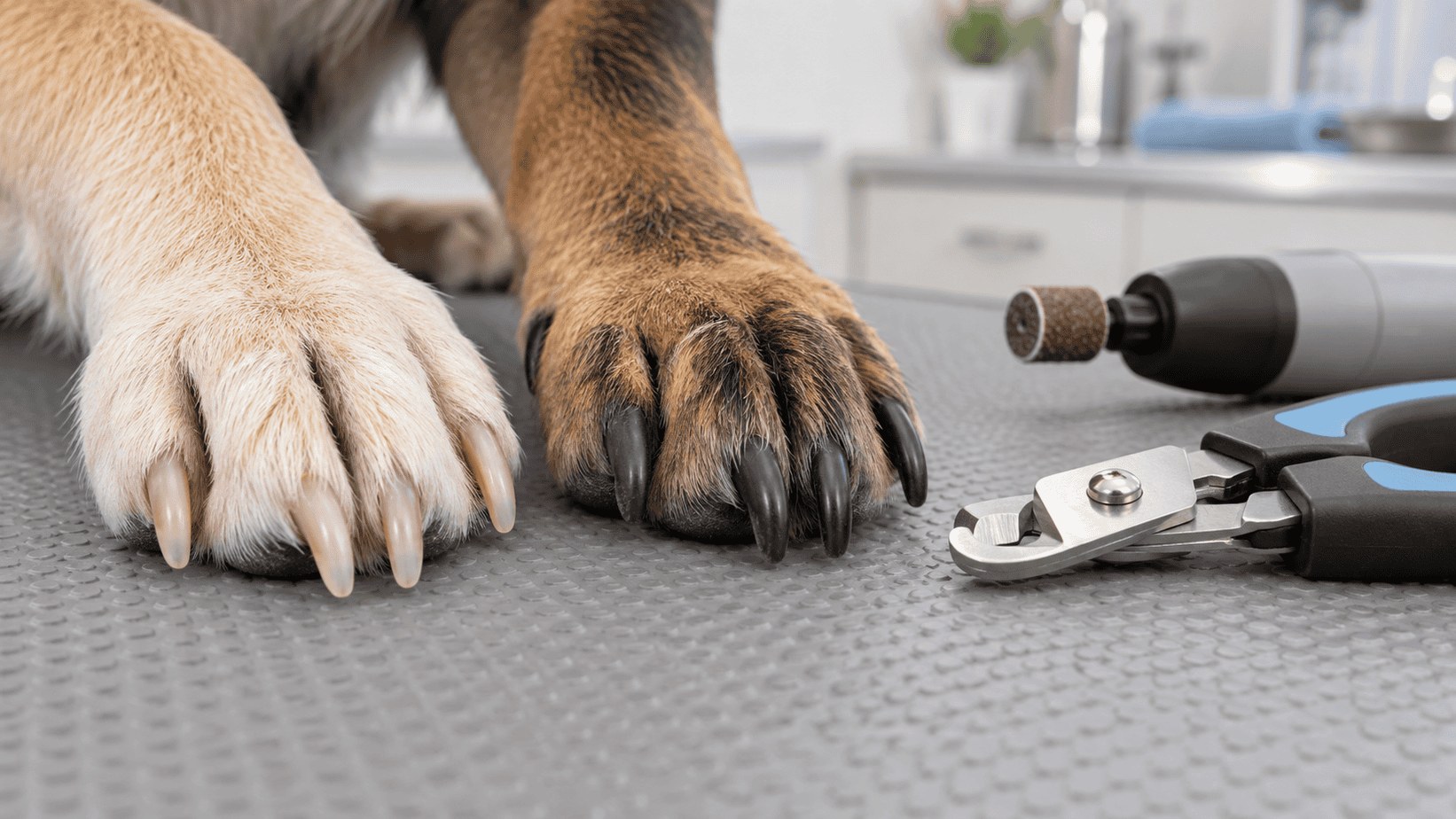
Paw pads are supposed to be tougher than ordinary skin, so they do not need to feel baby-soft. But weather, rough ground, frequent walking, dry indoor air, and repeated wet-to-dry cycles can leave the surface rough and chapped.
For uncomplicated dryness, an ointment such as Bag Balm can help hold moisture in the outer skin and soften rough areas. I would still pay attention to why the paws became dry. If the problem returns as soon as you stop applying balm, the dryness is giving you useful information.
Dry Nose or Snout
The current label also includes a dog’s snout. [1] A small amount can be useful when the surface is simply dry or chapped.
A chronically crusted or excessively thickened nose is different. Moisturizing can soften the surface, but it does not explain why the tissue keeps building up. Persistent crusting, cracking, color changes, sores, or bleeding deserve a closer look.
Hot Spots and Irritated Skin
Bag Balm’s current labels include hot spots among its dog uses. [1][2] I would still be cautious about treating every red or itchy patch as a simple hot spot. Dogs develop skin lesions for many reasons, including allergy, infection, parasites, trauma, and skin-barrier problems. A systematic review of canine dermatology describes how different skin conditions have very different causes and treatment needs. [3]
If a spot is wet, spreading, painful, foul-smelling, producing discharge, or your dog cannot leave it alone, a moisturizer alone is unlikely to solve the underlying problem.
How to Apply Bag Balm Safely
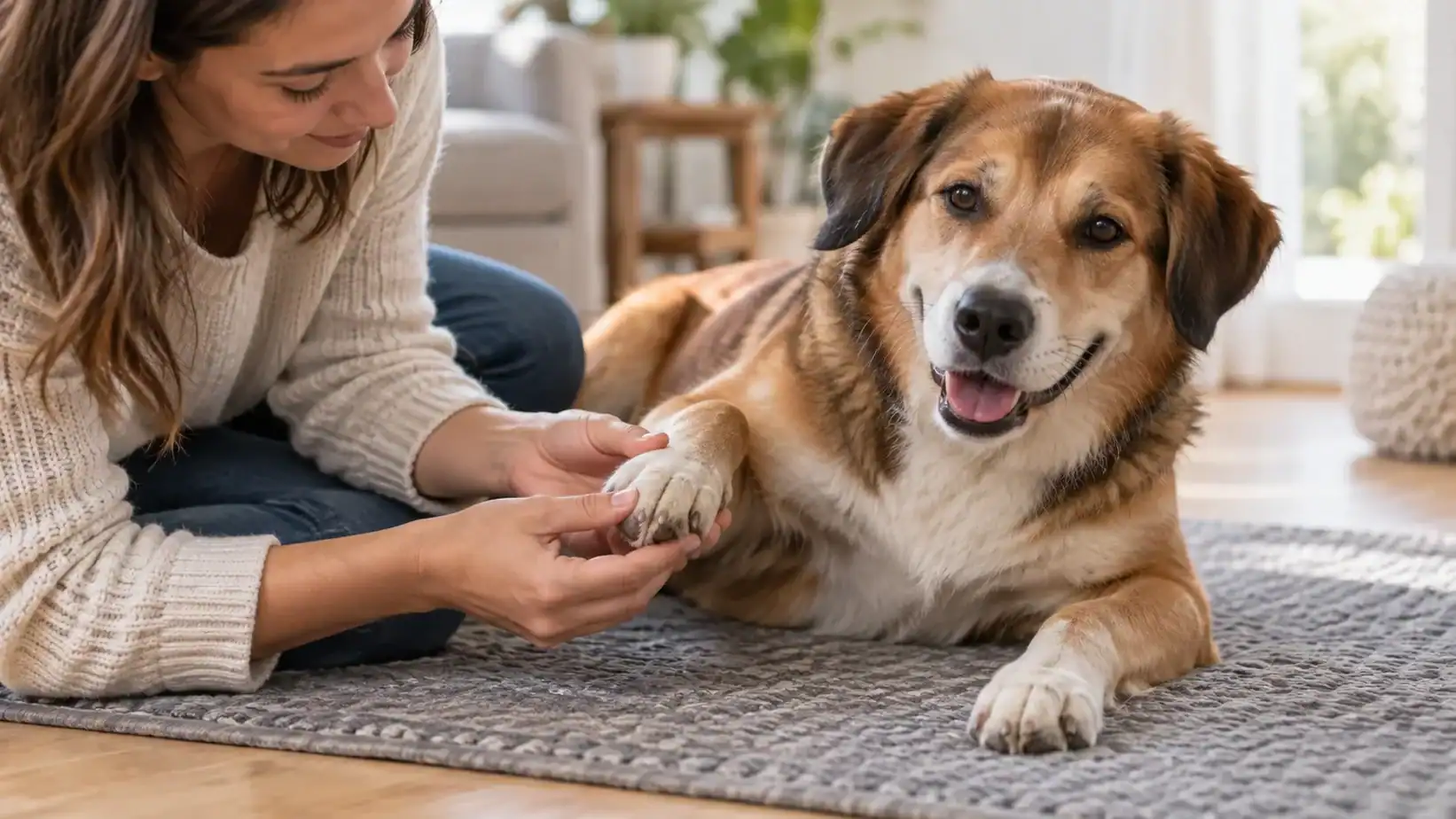
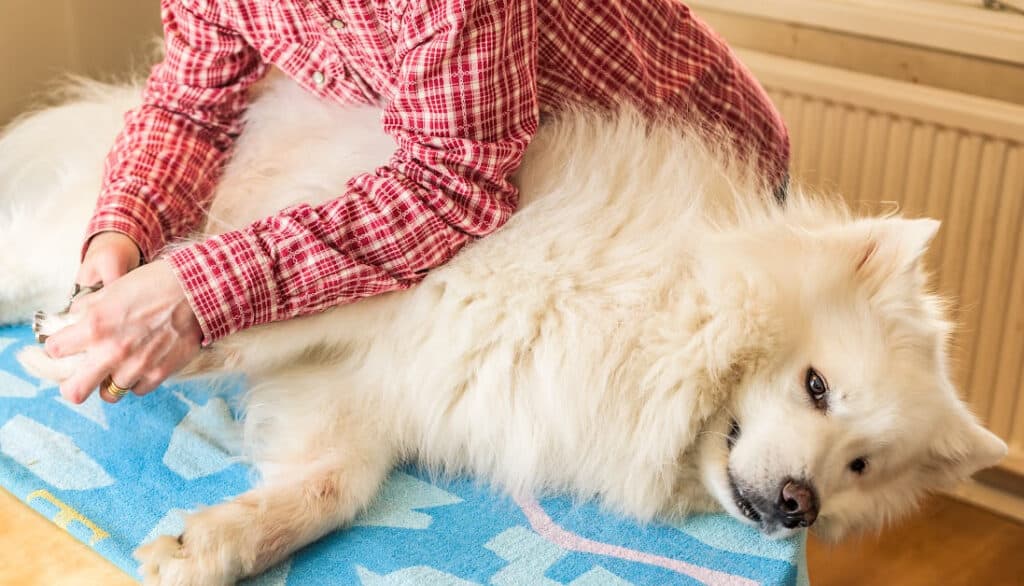
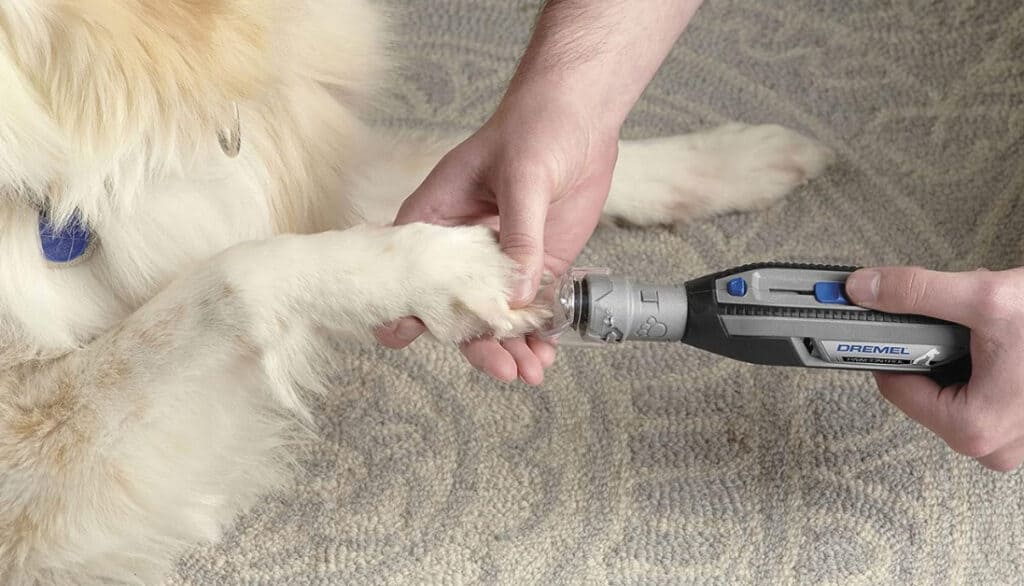
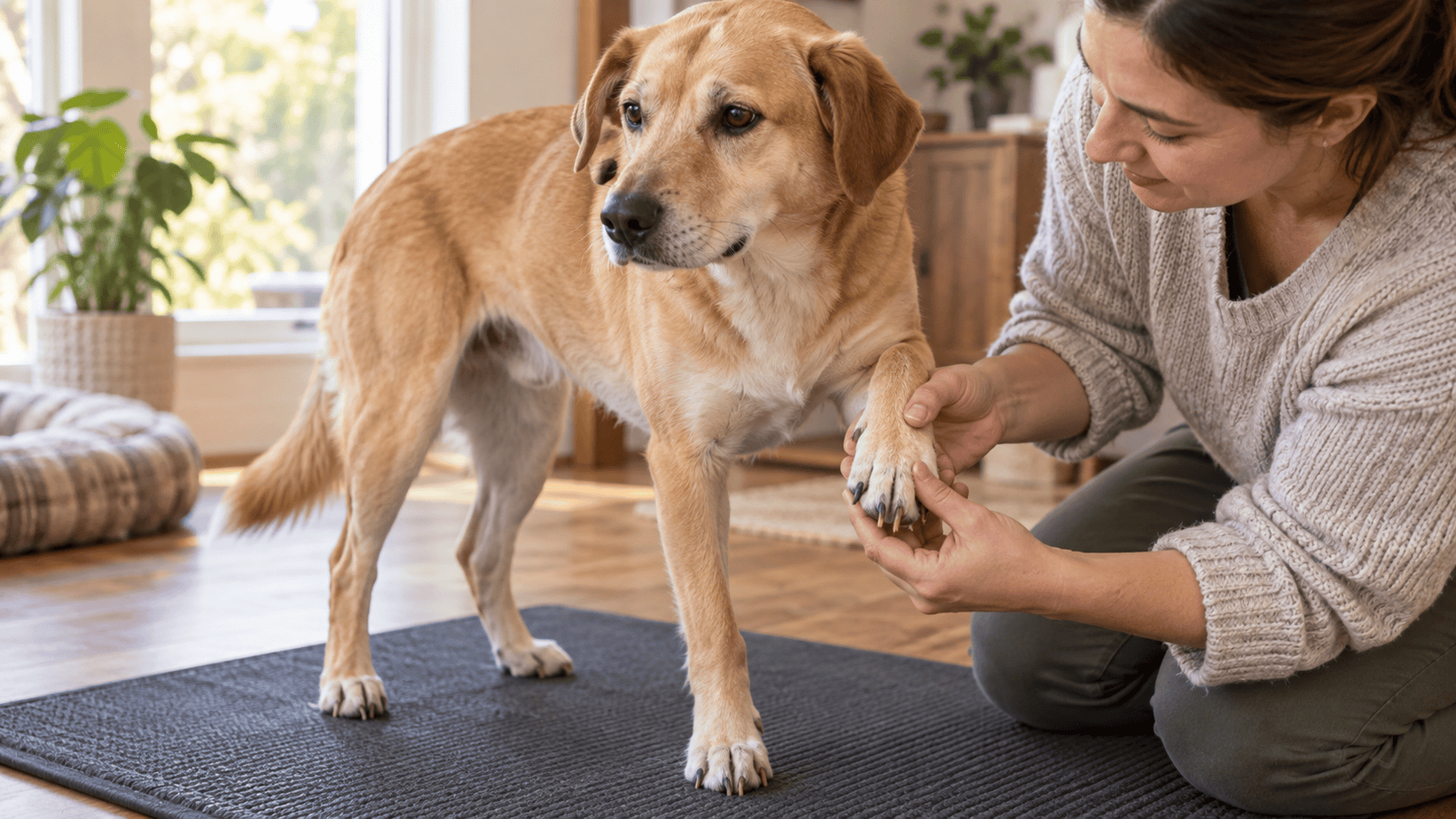
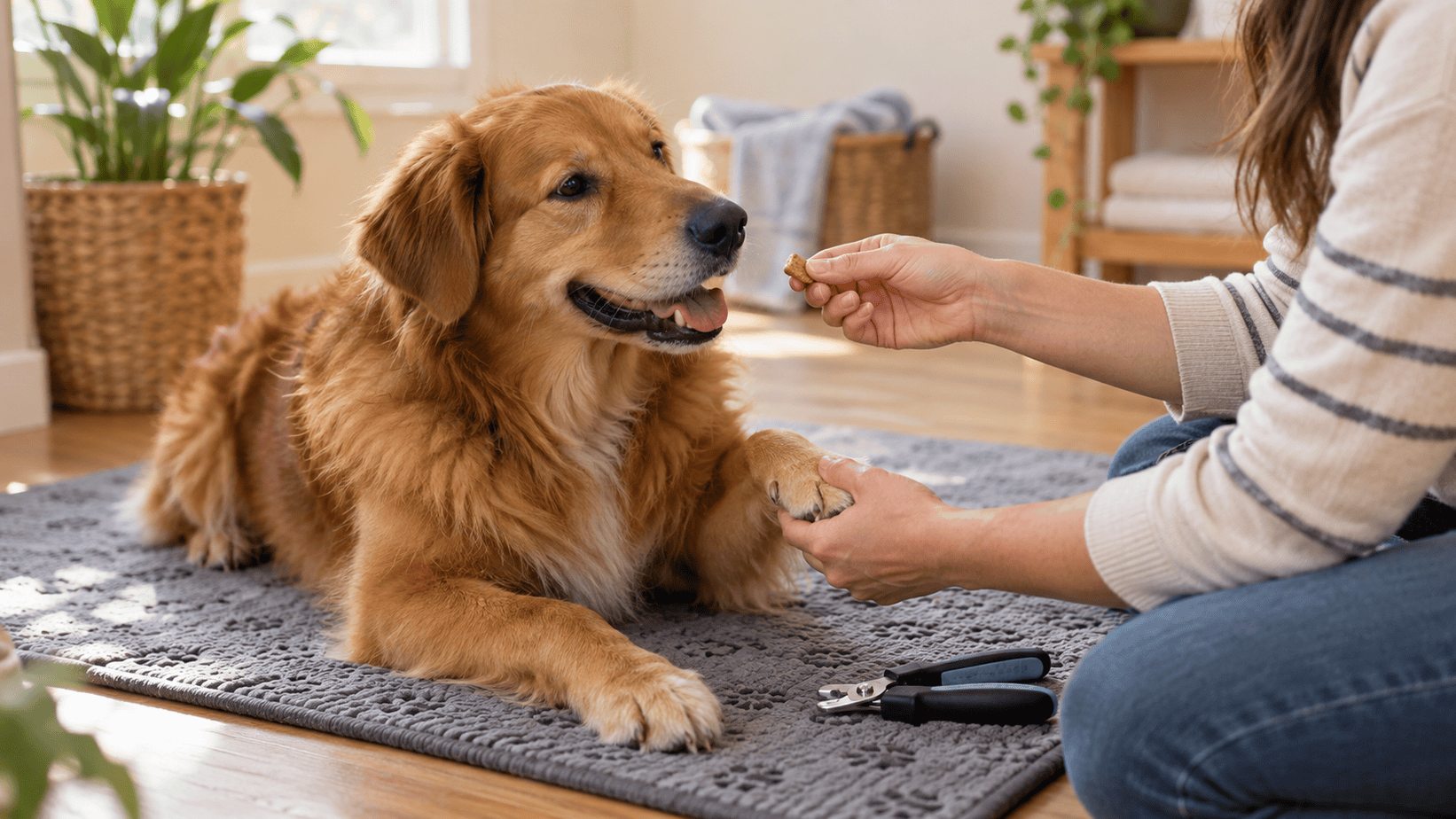
For a dry paw or small dry area, start with clean, dry skin. Work enough ointment into the surface to coat and soften it without leaving a huge glob for your dog to lick off or track across the floor.
The original animal label says Bag Balm can be applied liberally to dog paw pads, snouts, hot spots, and dry skin. The Bag Balm Pet directions say to massage it thoroughly into paw pads or hot spots and allow it to remain for the full softening effect. [1][2]
I usually prefer applying a topical product when a dog is settling down. That gives it a little time to stay on the skin instead of immediately ending up on the carpet or on the dog’s tongue.
Stop using it if the skin becomes redder, more irritated, or develops a rash. That stop-use instruction is also on the current animal label. [1]
What If My Dog Licks Bag Balm?
The Bag Balm Pet formula is described as being made to discourage licking, but dogs are dogs, and some will still try. [2]
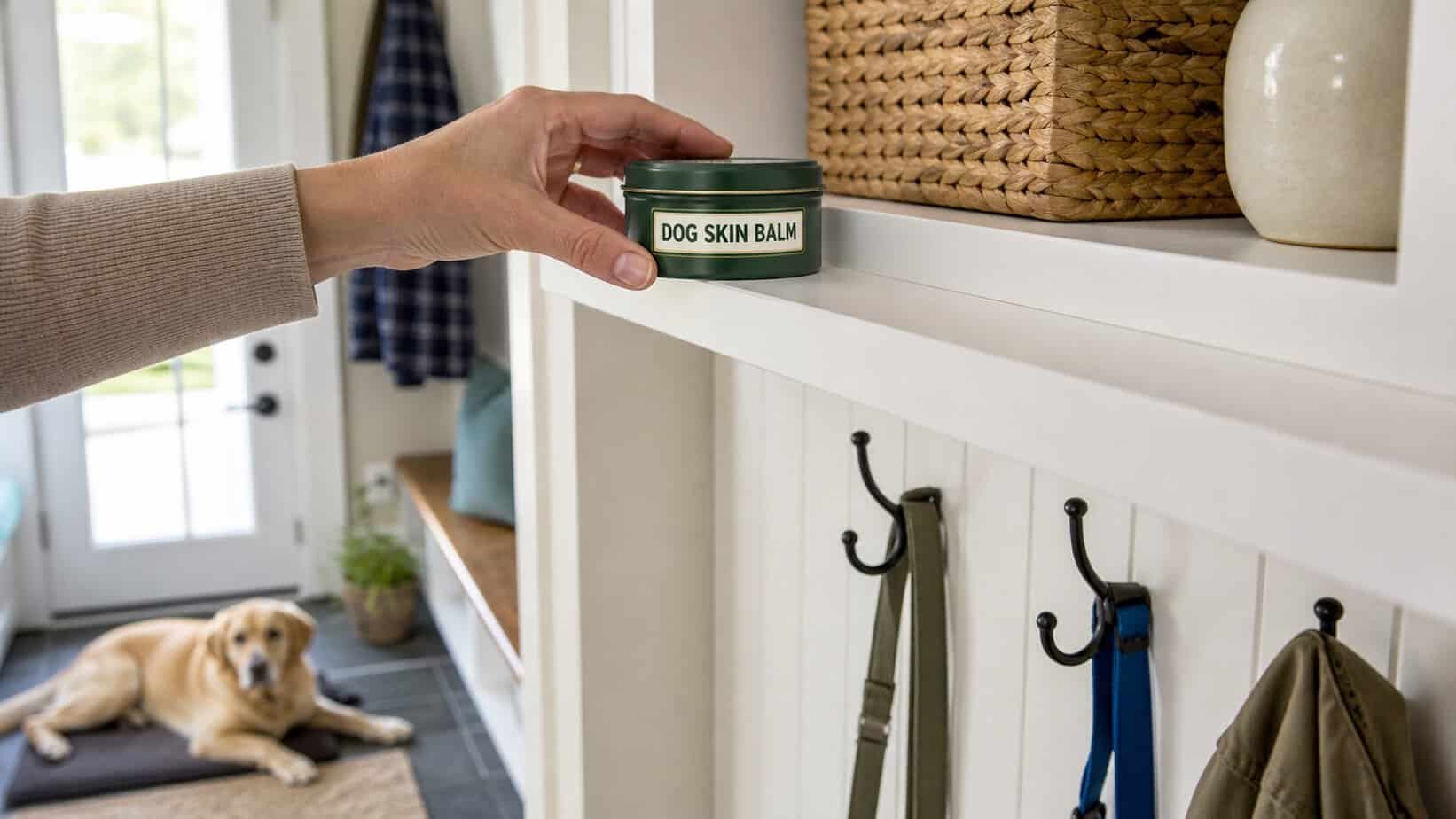
A quick incidental lick from a treated paw is very different from a dog chewing open a tin or swallowing a meaningful amount of ointment. I would not deliberately let a dog eat any topical product. Apply it in a way that gives the ointment time to stay where you put it, and keep the container out of reach.
If your dog eats a meaningful amount, chews the container, or develops concerning signs after an exposure, contact your veterinarian or an animal poison service for advice based on the product, amount, and your dog’s size.
Can You Put Bag Balm on an Open Wound?
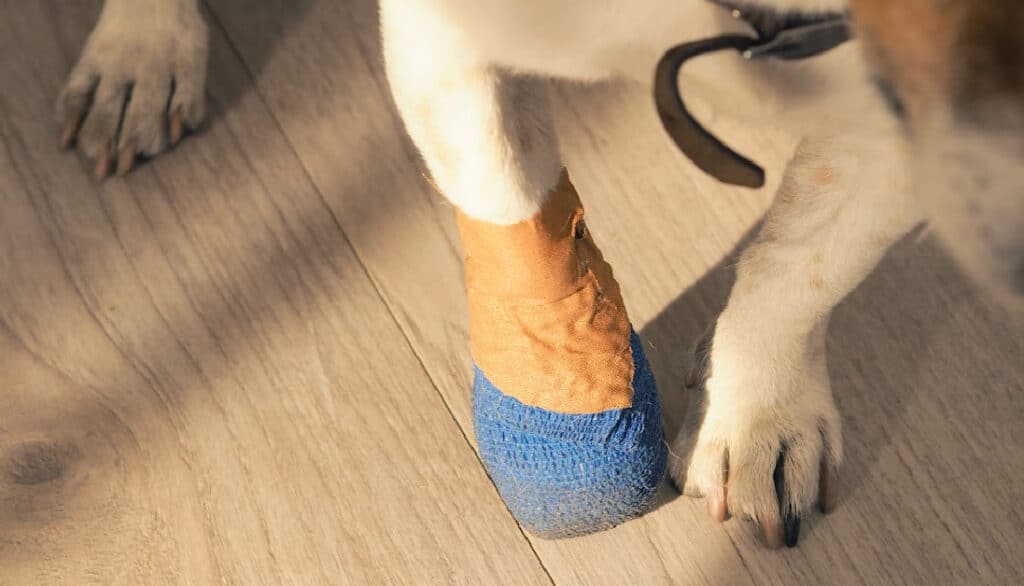
I would not use Bag Balm as a substitute for proper wound care.
The current animal label is very clear that deep or puncture wounds need medical help. [1] A superficial dry crack is not the same thing as a puncture, a gaping cut, a bite wound, or tissue that is bleeding and contaminated.
Wounds can involve inflammation, pain, tissue damage, and bacterial contamination. Veterinary dermatology literature also shows that infected wounds can contain a broad range of bacteria, which is one reason I do not want owners relying on a moisturizing ointment as though it were complete wound treatment. [3]
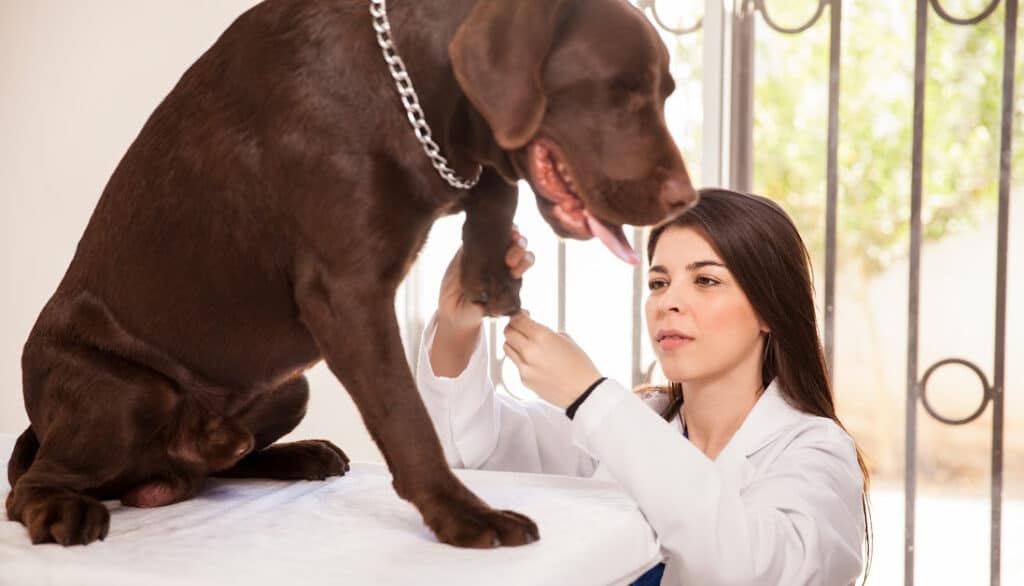
Have a wound properly evaluated when you see deep tissue, a puncture, uncontrolled bleeding, spreading redness, swelling, discharge, odor, significant pain, or worsening instead of steady improvement.
When Dry or Cracked Skin Is a Sign of Something More
This is where I think a holistic approach becomes especially useful. We can moisturize the surface while still asking why the skin keeps becoming dry, itchy, thick, or damaged.
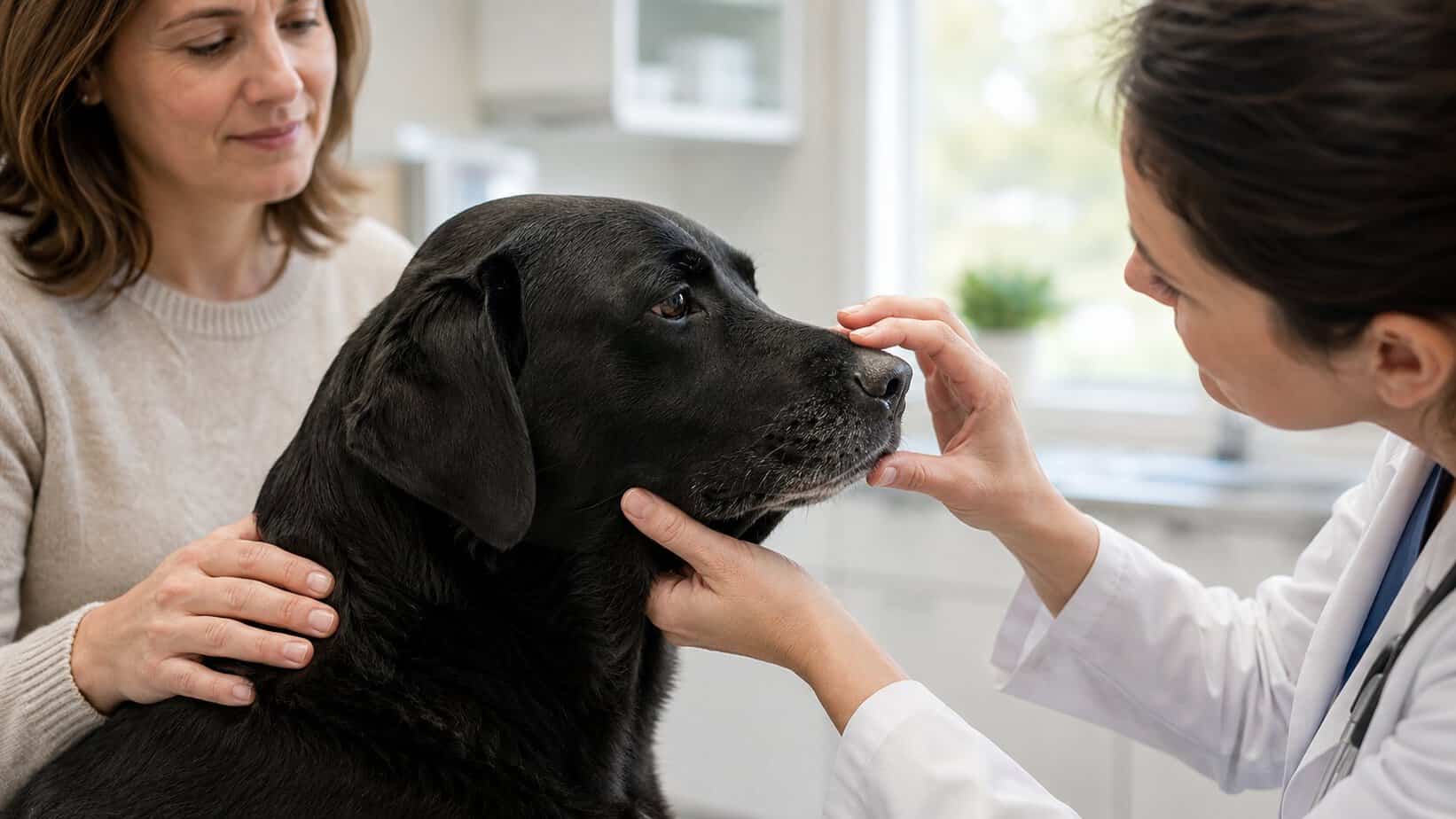
Hyperkeratosis and Thickened Pads
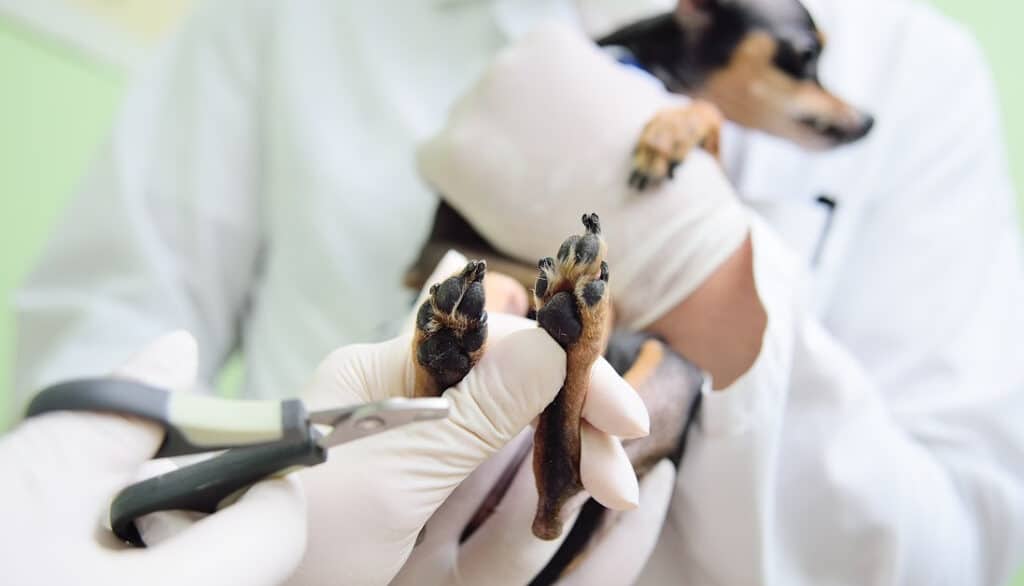
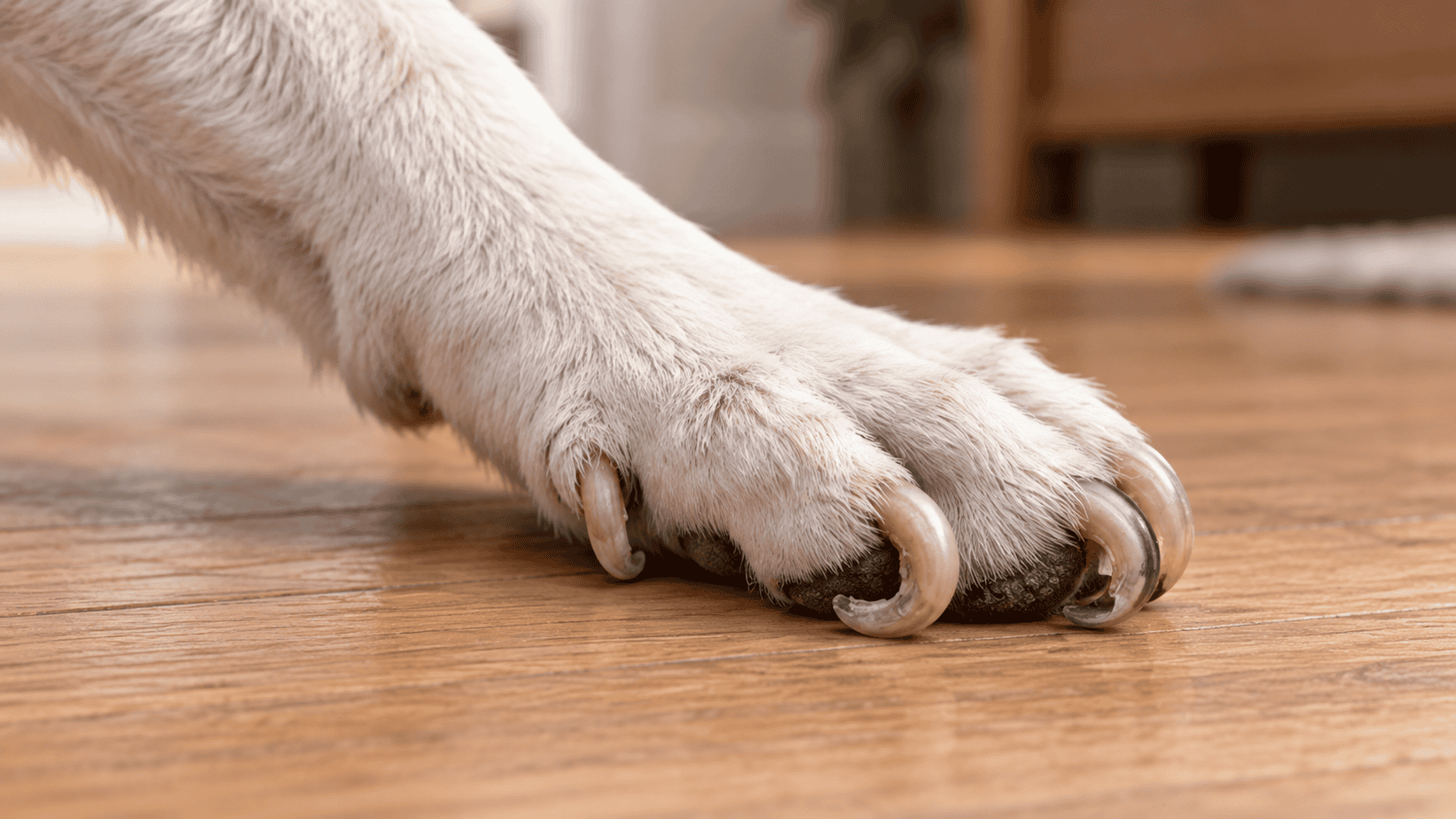
Some dogs develop excessive keratin on the paw pads or nose. It can look rough, thick, crusty, or almost hairy around the edges. An ointment can soften the surface, but recurring hyperkeratosis is not simply a lack of moisturizer.
If the thickening becomes painful, creates deep fissures, changes the way your dog walks, or keeps worsening, the underlying cause deserves attention.
Allergies and Dermatitis
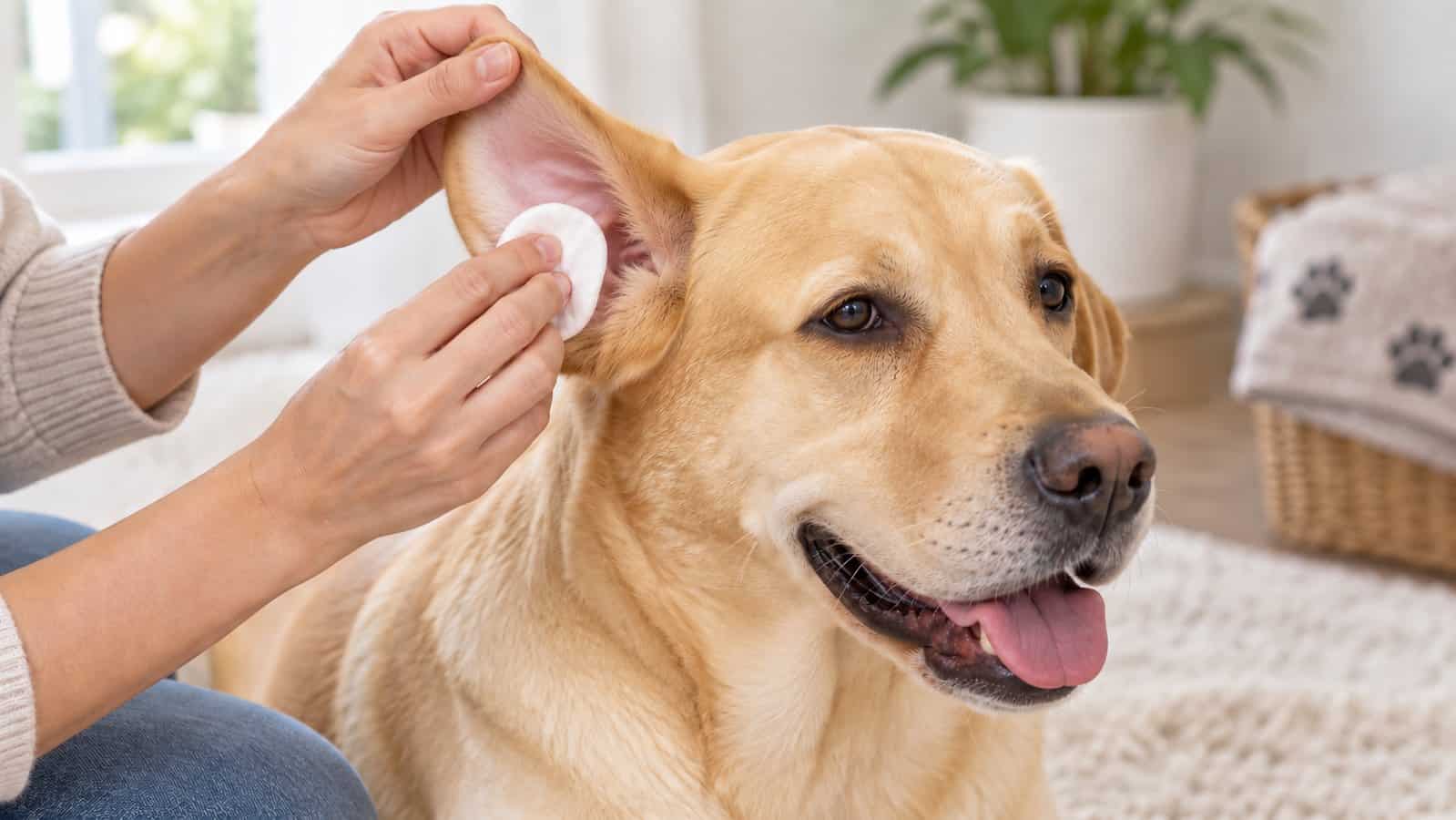
Repeated paw licking, redness between the toes, recurrent hot spots, ear problems, or seasonal itching can point toward a larger dermatologic pattern. Canine skin disease can involve allergies, secondary bacterial or yeast problems, parasites, wounds, and other causes. [3]
That means the best long-term plan may involve more than choosing a stronger balm. I want to consider the whole picture: diet, environmental exposures, allergens, grooming products, parasites, activity surfaces, moisture, and the overall condition of the skin barrier.
Environment and Friction
Sometimes the explanation really is mechanical. Rough surfaces, repeated walking, and harsh or drying conditions can all contribute to chapped paw pads.
In those cases, topical protection makes more sense when it is paired with reducing the irritating exposure and giving the pads time to recover.
Better Options for Specific Skin Problems
Bag Balm does not need to be either “good” or “bad.” It simply needs to be used for the right job.
For routine paw protection, a dog-specific paw balm can be convenient. For a deep or infected wound, use appropriate wound care rather than relying on an occlusive moisturizer. For allergies or chronic dermatitis, address the trigger and the skin-barrier problem. For persistent hyperkeratosis, determine why the tissue is thickening and whether the excess keratin itself needs management.
The more specific we are about the problem, the easier it is to choose something that actually fits.
Final Thoughts
Yes, Bag Balm can be used on dogs, and the current animal label specifically says so. I am comfortable thinking of it as a useful option for dry paw pads, a dry snout, and other uncomplicated areas of dry skin when your dog tolerates it well. [1]
What I do not want is for the ointment to hide a problem that keeps asking for attention. If the skin repeatedly cracks, thickens, becomes inflamed, smells, drains, bleeds, or makes your dog lick and chew constantly, keep looking for the reason. The surface of the skin often gives us clues about what is happening underneath.
Frequently Asked Questions
Yes, Bag Balm’s current animal label includes directions for dogs. It lists use on paw pads, snouts, hot spots, and areas of dry skin. Stop using it if your dog develops a rash or irritation. [1]
The pet formula is designed to discourage licking, but you should still apply it so your dog does not immediately remove it. A small incidental lick is different from eating a large amount. Contact your veterinarian or an animal poison service if your dog consumes a significant quantity or develops concerning signs.
Yes. Paw pads are specifically listed in the current directions for dogs. [1] It is most useful for uncomplicated dry or rough pads. Deep cracks, bleeding, swelling, discharge, or pain need a different level of care.
Yes. The current animal label includes the snout, and the pet formula is marketed for noses as well as paws and hot spots. [1][2] Persistent crusting, bleeding, sores, or marked thickening should not be treated as simple dryness indefinitely.
Do not rely on it for deep or puncture wounds. The current label specifically directs users to seek medical help for those injuries. [1] A gaping, contaminated, bleeding, swollen, draining, or painful wound needs appropriate wound assessment and care.
References
- Drugs.com Veterinary. Bag Balm Ointment. Updated May 28, 2026.
- Drugs.com Veterinary. Bag Balm Pet. Updated May 28, 2026.
- Tresch M, Mevissen M, Ayrle H, et al. Medicinal plants as therapeutic options for topical treatment in canine dermatology? A systematic review. BMC Veterinary Research. 2019;15:174.
A note about your dog’s health
This article provides general education and does not replace an examination, diagnosis, or individualized advice from your veterinarian. Contact a veterinary professional if you are concerned about your dog’s symptoms.

ABOUT THE AUTHOR