Category: Cookies and Sweets For Dogs

  • Can Dogs Have Cheesecake? Expert Answers

    Can Dogs Have Cheesecake? Expert Answers

    *This page may include affiliate links, which means that if you make a purchase through one of the product links, we may receive a small commission. For full affiliate disclosure please see our disclaimer page.

    Today’s article delves into a treat that’s beloved by many and can be hard to resist for our furry friends too – cheesecake! But, “Can Dogs Have Cheesecake?” is a question that most dog parents have grappled with at one point or another. After all, those puppy dog eyes are hard to ignore when you’re indulging in a slice of this creamy, sweet dessert.

    In this post, we’ll be sharing insights from some of the most trusted veterinary nutrition experts, aiming to give you a comprehensive understanding of the effects of cheesecake on dogs. Our aim is to provide you with the knowledge you need to ensure your furry friend’s health and well-being. Remember, a well-informed pet owner is the best pet owner! So, whether you’re wondering about the safety of different cheesecake ingredients or looking for dog-friendly alternatives to this popular dessert, you’re in the right place. Let’s unravel the mystery together!

    can dogs eat cheesecake

    Brief History of Cheesecake

    The origins of cheesecake can be traced back to ancient Greece. Legend has it that the famous Greek author and philosopher, Athenaeus, wrote a cookbook containing a recipe for cheesecake in 230 AD. It is believed that the ancient Greeks served cheesecake to athletes during the first Olympic games held in 776 BC.

    In medieval times, English monks made their own version of cheesecake using curdled milk and herbs. They introduced their recipe to Europe during the Renaissance period.

    In America, cheesecakes were first introduced by European settlers in the late 19th century. However, it wasn’t until the early 20th century that cheesecakes gained popularity in America thanks to an increase in dairy production.

    Can Dogs Have Cheesecake?

    As a dog owner, you may be wondering whether your furry friend can enjoy this delicious dessert with you. While dogs can technically eat cheesecake as it doesn’t contain any toxic ingredients for them; however,it’s important to consider various factors before giving your dog any form of human food- such as their overall health and diet needs. This article will explore whether it’s safe for dogs to eat cheesecakes made with common ingredients such as cream cheese,sugar,eggs,and flour.We’ll also discuss some potential health risks associated with feeding dogs this sweet dessert.

    In addition,we’ll provide you with some dog-friendly cheesecake recipes that are safe and healthy for your beloved pet. Now let’s dive into the ingredients of cheesecake and how they may affect your furry friend’s health.
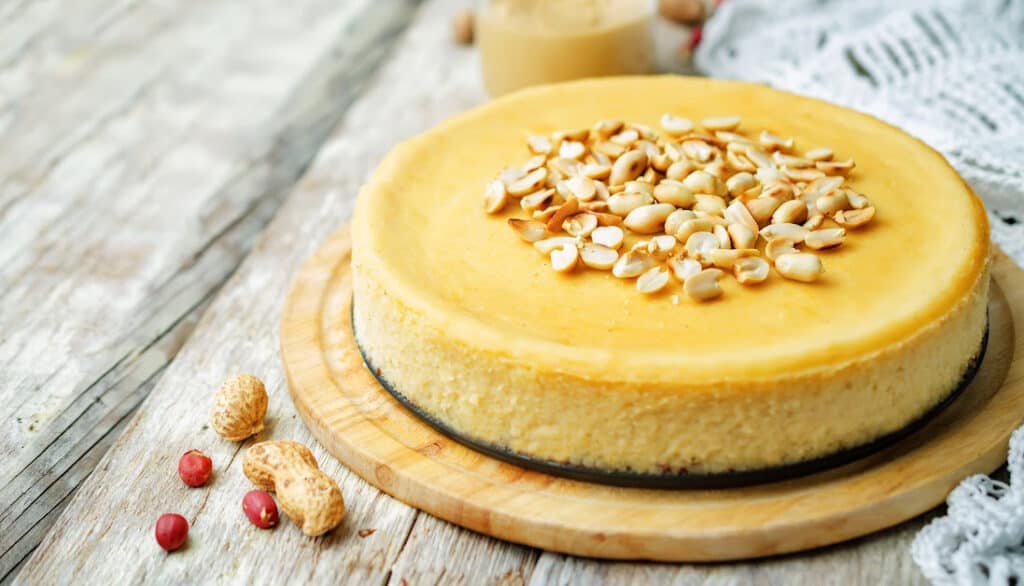
    The Ingredients in Cheesecake

    Cheesecake is a favorite dessert of many people, and it’s easy to see why. It has a creamy filling and a delicious crust, making it an irresistible treat. However, cheesecake is not suitable for dogs as it contains ingredients that can cause health problems for them.

    Cream cheese

    Cream cheese is the primary ingredient in cheesecake, and it’s made from milk and cream. While cream cheese may be safe for dogs in small amounts, too much of it can cause digestive issues such as diarrhea or vomiting.

    Cream cheese also has a high-fat content that can lead to obesity in dogs if consumed regularly. A single tablespoon of cream cheese contains around 50 calories, which may not seem like much, but in the long run, it adds up.

    • Nutritional value for dogs – Cream cheese does have some nutritional benefits for dogs. It is rich in calcium which helps maintain strong bones and teeth. Additionally, cream cheese contains protein which is essential for muscle growth and repair.
    • Potential health risks – High-fat content puts dogs at risk of developing pancreatitis or other digestive issues when they consume too much cream cheese.

    Sugar

    Sugar is another ingredient found in cheesecakes that can be harmful to dogs. Excessive sugar intake can lead to obesity and diabetes among other health problems.

    • Effects on a dog’s health – Sugar spikes insulin levels causing blood sugar levels to fluctuate leading to diabetes primarily when consuming large amounts over long periods.
    • Alternatives to sugar in dog-friendly cheesecakes – Dogs should steer clear of table sugar because there are alternative sweeteners available like honey or applesauce. These substitutes are healthier options that won’t affect your dog’s blood sugar levels while still providing a sweet taste in dog-friendly cheesecakes.

    Flour and Eggs

    The flour and eggs used to make the crust or filling in cheesecake are not toxic to dogs, but they can still cause health problems if consumed in large amounts.

    • Nutritional value for dogs – Eggs contain essential amino acids that dogs need for muscle growth and repair. Flour also contains carbohydrates that provide energy, but it has little nutritional value beyond that.
    • Potential health risks – Raw eggs can contain salmonella or E. coli bacteria, which can cause serious illness, including vomiting, diarrhea, and even death. Flour-based products can cause digestive upsets when consumed excessively as wheat-based ingredients alone are already quite unhealthy for all animals. While the ingredients found in cheesecake aren’t necessarily toxic to dogs. The high-fat content from cream cheese or excessive amounts of sugar can lead to health problems such as obesity or diabetes. As a responsible pet owner, it’s essential to limit your dog’s intake of cheesecake by offering healthier alternatives like fruit or protein-based treats instead.

    can dogs eat cheesecake

    Can Dogs Eat Cheesecake?

    Cheesecake is a delicious dessert enjoyed by many humans around the world, but can dogs eat cheesecake too? The answer to this question is yes, but with caution.

    While some ingredients in cheesecake are safe for dogs to consume in moderation, there are others that can be harmful or even toxic to them. As a responsible pet owner, it’s important to know what factors you should consider before feeding your dog any kind of cheesecake.

    The answer: Yes, but with caution

    Cheesecake made with simple and natural ingredients like cream cheese, flour, and eggs can be safe for dogs to eat in small amounts. However, if the cheesecake contains added sugars or artificial sweeteners like xylitol, it can be extremely dangerous for your furry friend. Ingestion of xylitol can cause a sudden release of insulin leading to hypoglycemia (low blood sugar), seizures and even liver failure which could be fatal.

    Factors to consider before feeding your dog cheesecake

    There are several factors that you should consider before deciding whether or not it’s safe to feed your dog cheesecake. These factors include age, weight, overall health and eating habits.

    • Age: Young puppies under six months old have developing digestive systems that may not tolerate rich foods like cheesecakes well; adult dogs over six months old should be able handle limited amounts of safely cooked human food treats such as plain baked chicken or steamed vegetables.
    • Weight: Your dog’s weight is important when considering how much food they can safely consume. Overfeeding them fatty foods like cheesecake could lead to obesity which has multiple negative side effects on pets’ health including diabetes and pancreatitis among other ailments
    • Overall Health: If your dog suffers from any preexisting health conditions such as diabetes, kidney disease, or pancreatitis, it’s best to avoid feeding them cheesecake altogether. Consult your veterinarian for advice on what kind of food is safe for your dog.
    • Eating Habits: If your dog has sensitive stomach or digestive issues, it’s best to avoid giving them any human food treats. Cheesecake might cause gastrointestinal upset and diarrhea in some dogs.
    • The amount and frequency of consumption: Even if you decide to allow your dog to eat cheesecake, it should be given in small amounts and only once in a while. Too much cheesecake can lead to obesity which can cause multiple health issues down the road.

    While cheesecake can be safe for dogs to consume in small amounts, it’s important to consider all factors related to your pet’s health before deciding whether or not to feed them this dessert. As with any human treat shared with pets, moderation is key – consult with your veterinarian if you’re unsure about the safety of feeding specific foods.

    Dog-Friendly Cheesecake Recipes

    Now that we have established that cheesecake can be enjoyed by dogs, it’s time to explore some delicious DIY dog-friendly cheesecake recipes. These easy-to-make treats are a great way to spoil your furry friend without compromising their health.

    No-Bake Peanut Butter and Pumpkin Cheesecake Recipe for Dogs

    This tasty recipe is perfect for dogs who love peanut butter and pumpkin! It’s also no-bake, making it very convenient for those who don’t have the time or the desire to bake. Ingredients:

    • 1/4 cup creamy peanut butter (make sure it doesn’t contain xylitol)
    • 1/4 cup canned pumpkin puree (not pumpkin pie filling)
    • 4 oz cream cheese, softened
    • 1/4 cup plain Greek yogurt
    • 2 tbsp honeySteps:
    1. In a large bowl, whisk together the softened cream cheese, Greek yogurt, and honey until smooth.
    2. Add in the peanut butter and canned pumpkin puree, and whisk again until well combined.
    1. Pour mixture into silicone muffin cups or ice cube trays. Freeze for at least two hours before serving.

    Banana and Blueberry Mini-Cheesecakes Recipe for Dogs

    This recipe is perfect for dogs who enjoy fruity flavors! The use of bananas provides a natural sweetness without having to add any sugar. Additionally, blueberries are packed with antioxidants that provide numerous health benefits! Ingredients:

    • 1/3 cup mashed ripe banana
    • 2 oz cream cheese, softened
    • 1/4 cup plain Greek yogurt
    • 1/4 cup fresh blueberries, mashed
    • 2 tbsp oat flour or almond flour (for binding)Steps:
    1. In a large bowl, whisk together the softened cream cheese, Greek yogurt, and oat/almond flour until smooth.
    2. Add the mashed bananas and blueberries to the mixture and whisk again until well combined.
    3. Pour mixture into silicone muffin cups or ice cube trays. Freeze for at least two hours before serving.

    Sweet Potato and Coconut Oil Mini-Cheesecakes Recipe for Dogs

    This recipe is perfect for dogs who enjoy a slightly savory flavor profile. The addition of sweet potato provides numerous health benefits as it’s packed with vitamins and minerals. Additionally, coconut oil has anti-inflammatory properties that can help improve a dog’s skin and coat health.

    Ingredients:

    • 1 small sweet potato (roasted and mashed)
    • 4 oz cream cheese, softened
    • I/4 cup plain Greek yogurt

    Steps:

    1. In a large bowl whisk together the roasted & mashed sweet potato with the cream cheese ,and greek yogurt until it is smooth.
    2. Mix in melted coconut oil to the above mix.
    3. Pour mixture into silicone muffin cups or ice cube trays. Freeze for at least two hours before serving.

    These dog-friendly cheesecake recipes are easy to make and delicious to eat! Just remember to always consider your dog’s health needs before introducing any new treat or food into their diet. With these recipes, you can spoil your furry friend while ensuring that they maintain a balanced and healthy diet!

    Conclusion

    After extensive research, it is clear that dogs can have cheesecake, but with caution. The ingredients in cheesecake, particularly the high sugar content and potential for xylitol toxicity, can be harmful to a dog’s health if consumed regularly or in large quantities.

    However, with proper consideration and moderation, cheesecake can be a safe and enjoyable treat for your furry companion. It is important to consider your dog’s age, weight, and overall health before feeding them any type of human food.

    If you do choose to give your dog cheesecake as an occasional treat, opt for a homemade recipe using natural ingredients that are safe for dogs. Avoid giving them store-bought cheesecakes or those that contain artificial sweeteners like xylitol. When making dog-friendly cheesecakes at home, consider using alternative sweeteners like honey or maple syrup instead of sugar.

    Coconut flour or almond flour can replace traditional wheat flour to make the recipe gluten-free and easier on a dog’s digestive system. Some popular recipes for dog-friendly cheesecakes include no-bake peanut butter and pumpkin cheesecake made with cream cheese, peanut butter, pumpkin puree, and honey; banana and blueberry mini-cheesecakes made with Greek yogurt cream cheese; and sweet potato and coconut oil mini-cheesecakes made with mashed sweet potatoes mixed with coconut oil cream cheese.

    While it may be tempting to share your favorite dessert with your furry friend, it is important to prioritize their health by being cautious about the ingredients they consume. With moderation and consideration of their individual dietary needs, you can safely indulge your dog in a delicious homemade cheesecake treat.

    ~Lindsie

  • Can Dogs Eat Fortune Cookies? What to Do If Your Dog Ate One

    Can Dogs Eat Fortune Cookies? What to Do If Your Dog Ate One

    Most dogs are unlikely to have a serious problem after eating one plain, unwrapped fortune cookie. It is still not a treat I would choose for a dog. Fortune cookies are mostly refined flour and sugar, and the recipe can vary. The first things to check are the ingredient label, how many cookies were eaten, and whether your dog swallowed the paper fortune or plastic wrapper.

    Treat the situation differently if the cookie was sugar-free, chocolate-coated, unusually flavored, or eaten with its wrapper. Xylitol, which can also appear as birch sugar or wood sugar, can cause a rapid and dangerous drop in a dog’s blood sugar. The FDA advises calling a veterinarian immediately when a dog eats a product containing xylitol. FDA xylitol guidance

    Quick Answer

    • Plain cookie, no wrapper: One cookie is usually a low-concern exposure for an otherwise healthy medium or large dog. Check the ingredients and watch for stomach upset.
    • Sugar-free cookie: Read the label immediately. If it contains xylitol, birch sugar, or wood sugar, call your veterinarian or an animal poison service.
    • Chocolate-coated or specialty cookie: Check every ingredient. Chocolate and several common dessert additions can change the risk.
    • Paper fortune swallowed: A single small paper slip will often pass, but watch closely if your dog is small, gagging, vomiting, or acting uncomfortable.
    • Plastic wrapper swallowed: Call your veterinarian for guidance. Plastic is not digestible and creates more concern for choking or an intestinal blockage.

    What Is in a Fortune Cookie?

    A typical fortune cookie contains wheat flour, sugar, egg, oil or another fat, and flavoring such as vanilla. Recipes are not identical. An official fortune-cookie manufacturer lists wheat flour, sugar, margarine, egg, emulsifier, and flavoring in several products. Fortune cookie manufacturer ingredient list

    Those ordinary ingredients are not usually poisonous in the amount found in one cookie. They also do not offer much value to a dog. A dog with a sensitive stomach, diabetes, a prescribed diet, or a known reaction to wheat, egg, soy, or another listed ingredient needs more caution.

    Always read the package instead of assuming every fortune cookie has the standard recipe. Specialty cookies may be chocolate-dipped, filled, decorated, sugar-free, or made with additional nuts and flavorings.

    How Much Fortune Cookie Did Your Dog Eat?

    One Plain Cookie

    If an otherwise healthy dog eats one ordinary cookie without the wrapper, check the label and monitor. Mild gas, soft stool, vomiting, or diarrhea are possible after an unfamiliar sugary food, but many dogs will have no symptoms.

    Several Cookies

    Several cookies deliver more sugar, flour, and fat. A small dog that eats a handful has a different exposure from a large dog that steals one. Save the package, estimate the number eaten, and watch for repeated vomiting, persistent diarrhea, abdominal discomfort, loss of appetite, or unusual tiredness.

    There is no useful universal number of fortune cookies that is safe for every dog. Product recipes, cookie size, dog size, health history, and any added ingredients all matter.

    Check for Xylitol, Chocolate, and Other Added Ingredients

    Plain fortune cookies usually use regular sugar, but sugar-free baked goods can contain xylitol. In dogs, xylitol can trigger a sudden insulin release and severe low blood sugar. Signs can include vomiting, weakness, stumbling, collapse, and seizures. It can also injure the liver. FDA holiday hazard guidance

    Chocolate-coated cookies need a separate assessment because chocolate contains methylxanthines that dogs process poorly. Darker chocolate generally creates more risk than a small amount of milk chocolate. Do not guess based only on the appearance of the cookie. Check the package for the type of chocolate and estimate how much was eaten.

    Also look for raisins, macadamia nuts, or another ingredient already known to be unsafe for dogs. These are not standard fortune-cookie ingredients, but decorated and specialty products can contain unexpected additions.

    What If Your Dog Ate the Paper Fortune or Plastic Wrapper?

    The tiny paper message is not nutritious or digestible, but one small slip is less concerning than the plastic wrapper. Watch for gagging, repeated swallowing, drooling, coughing, or trouble breathing right away.

    A swallowed plastic wrapper creates a foreign-body concern. Non-digestible objects can become stuck in the esophagus, stomach, or intestines. Common signs of a gastrointestinal obstruction include vomiting, loss of appetite, abdominal pain, diarrhea, dehydration, and lethargy. American College of Veterinary Surgeons foreign-body guidance

    Call promptly if your dog swallowed the wrapper and is very small, swallowed more than one wrapper, is repeatedly vomiting, refuses food, appears painful, becomes unusually tired, or cannot keep water down. Do not try to make your dog vomit unless a veterinary professional specifically tells you to do so.

    What to Do After Your Dog Eats a Fortune Cookie

    1. Find the package and read the full ingredient list.
    2. Determine whether the cookie was plain, sugar-free, chocolate-coated, filled, or decorated.
    3. Estimate how many cookies were eaten.
    4. Check whether the paper fortune or plastic wrapper is missing.
    5. Note your dog’s approximate weight and any diabetes, pancreatitis, food allergy, or prescribed-diet history.
    6. Watch for vomiting, diarrhea, weakness, stumbling, tremors, repeated gagging, abdominal pain, appetite loss, or unusual tiredness.
    7. Call for help immediately if the product contains xylitol or if your dog is weak, uncoordinated, collapsing, or having a seizure.
    8. Contact your veterinarian for individualized guidance when a wrapper was swallowed, several cookies were eaten, the ingredients are uncertain, or symptoms develop.

    Safer Treats Than Fortune Cookies

    A familiar dog treat is the simplest replacement. If your dog tolerates them, small pieces of plain carrot, blueberry, apple without seeds or core, or unseasoned cooked meat are more useful than a sugary cookie. Portion size still matters.

    Do not use peanut butter as an automatic alternative without checking its label. Some sugar-free nut butters contain xylitol.

    Frequently Asked Questions

    Can One Fortune Cookie Hurt a Dog?

    One plain, unwrapped fortune cookie is unlikely to cause serious trouble for most healthy medium or large dogs. Check the ingredients and monitor because specialty recipes, small dog size, and medical conditions change the answer.

    Can the Paper Inside a Fortune Cookie Hurt a Dog?

    A single small paper fortune will often pass, but it can still cause gagging or irritation. The plastic wrapper creates more concern. Call for guidance if your dog is small, swallowed several papers or wrappers, or develops vomiting, appetite loss, pain, or lethargy.

    What If the Fortune Cookie Was Dipped in Chocolate?

    Check the type and amount of chocolate and your dog’s weight. Chocolate risk changes substantially with those details. Contact your veterinarian or an animal poison service when the amount is uncertain or symptoms occur.

    How Long Should I Watch My Dog?

    Watch closely for the rest of the day and continue checking appetite, energy, and bowel movements afterward. Xylitol-related signs can develop quickly, so do not wait for symptoms when xylitol appears on the label. Foreign-body signs can develop later if a wrapper was swallowed.

    A Practical Bottom Line

    A plain fortune cookie is usually more of a poor snack choice than a poisoning emergency. Check the label anyway. Sugar-free sweeteners, chocolate coatings, unusual additions, and the plastic wrapper create the situations that need a faster response.

    Keep the cookies and wrappers out of reach, and choose a familiar dog-safe treat next time.

    References

  • Can Dogs Eat Vanilla Wafers? Expert Answers

    Can Dogs Eat Vanilla Wafers? Expert Answers

    The Scoop: Can Dogs Eat Vanilla Wafers?

    If you’re a pet owner, you know how tempting it is to share food with your furry friend. It can be hard to resist those pleading eyes and wagging tail, but it’s important to remember that not all human foods are safe for dogs to eat. In this article, we’ll explore whether or not dogs can eat vanilla wafers and what you should know before offering this sweet treat to your pooch.

    can dogs have vanilla wafers

    It’s All About Safety

    As a responsible pet owner, it’s crucial to understand the potential dangers of feeding your dog certain human foods. Some foods are perfectly safe for dogs to consume. Others can be toxic and even life-threatening if ingested in large quantities. That’s why it’s important to carefully research any new treats or snacks before giving them to your furry friend.

    Vanilla wafers may seem harmless enough, but they are not specifically designed for canine consumption. That means there could be potential health risks associated with feeding them to your dog.

    can dog have vanilla wafers

    The Ingredients in Vanilla Wafers

    Before we dive into whether or not dogs can eat vanilla wafers, let’s take a closer look at what these tasty treats are made of. Most vanilla wafers contain flour, sugar, vegetable oil, eggs, and artificial flavors. While these ingredients may be fine for humans in moderation, they can cause issues for our four-legged friends.

    The first ingredient listed on most vanilla wafer packages is flour. This means that these cookies are primarily made up of carbohydrates – which isn’t necessarily a bad thing. However, it does mean that they don’t offer much nutritional value beyond energy.

    Sugar is another key ingredient in vanilla wafers and one that can be problematic for dogs. Too much sugar can lead to weight gain, dental issues, and even diabetes over time.

    Can Dogs Eat Vanilla Wafers?

    Now that we know what’s in vanilla wafers, the big question is whether or not they are safe for dogs to eat. The short answer is that yes, dogs can technically eat vanilla wafers without it being immediately dangerous to their health. However, this doesn’t mean that they should.

    As we mentioned earlier, vanilla wafers contain a lot of sugar and carbohydrates with minimal nutritional value. This means that they aren’t an ideal treat for dogs who need a balanced diet to stay healthy.

    The Risks of Feeding Your Dog Vanilla Wafers

    If you decide to give your dog a vanilla wafer as an occasional treat or reward, there are a few things you should keep in mind:

    • Digestive issues: dogs who consume too many carbohydrates or sugars may experience digestive issues like diarrhea or stomach upset.
    • Tooth decay: Sugar is one of the leading causes of tooth decay in both humans and animals. If you regularly feed your dog sugary treats like vanilla wafers, it could lead to dental problems down the line.
    • Weight gain: As we mentioned earlier, too much sugar can lead to weight gain over time. If your dog isn’t getting enough exercise or eating a balanced diet, feeding them sugary snacks like vanilla wafers could contribute to obesity.

    A Better Alternative: Fruits and Vegetables

    If you’re looking for a healthier snack option for your dog, consider offering them fruits or vegetables instead of vanilla wafers. Many fruits and vegetables are safe for dogs to eat and can provide a range of nutritional benefits.

    Some top choices include:

    • Apples (without seeds)
    • Bananas
    • Carrots
    • Cucumbers
    • Sweet potatoes

    Whenever you’re introducing a new food to your dog’s diet, be sure to start with small amounts and monitor their reaction closely. If your dog shows signs of an upset stomach or an allergic reaction, stop serving that particular food immediately.

    The Bottom Line: Should You Feed Your Dog Vanilla Wafers?

    In general, it’s best to avoid feeding your dog vanilla wafers on a regular basis. While they may not be immediately harmful in small quantities, they don’t offer much nutritional value and can contribute to health issues over time.

    If you do decide to give your furry friend the occasional vanilla wafer as a treat or reward, be sure to monitor their intake closely and look out for any signs of digestive upset or other health problems. And remember – when in doubt, always consult with your veterinarian before giving your dog any new food.

    What are Vanilla Wafers?

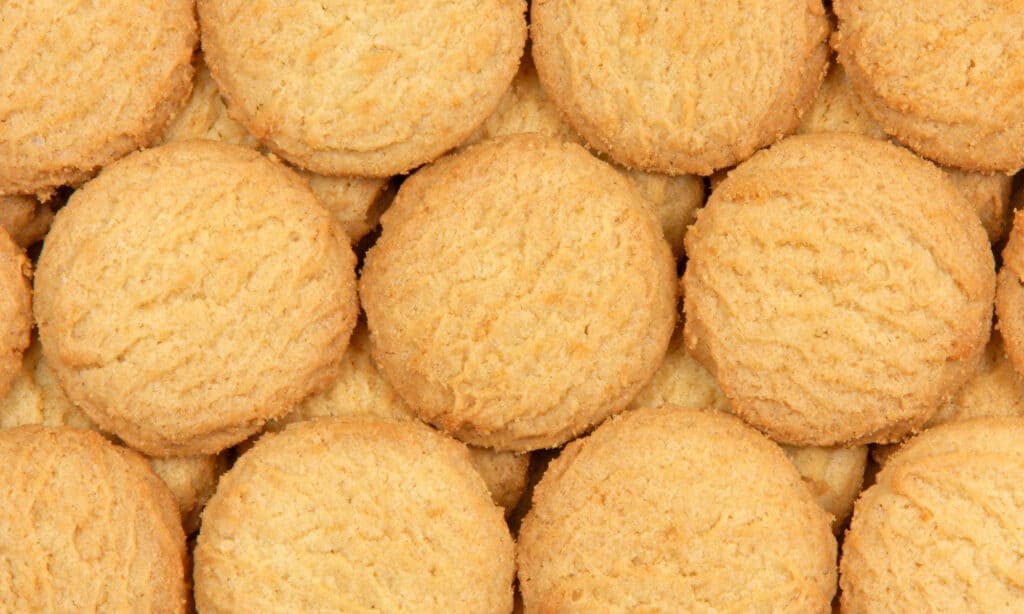
    Vanilla wafers are a type of cookie that is popular in many households. They are thin, crispy biscuits that are flavored with vanilla extract. The texture of vanilla wafers is usually similar to that of a graham cracker, but they are smaller and thinner.

    These cookies have a mild, sweet flavor that makes them enjoyable for humans. Vanilla wafers are commonly used in baking and dessert recipes.

    They can be crushed up and used as a base for cheesecakes or pies, or they can be layered with pudding or whipped cream to create a quick dessert. In addition to being used as an ingredient, vanilla wafers can also be consumed on their own as a snack.

    The main ingredients in vanilla wafers include flour, sugar, eggs, butter or vegetable oil, and vanilla extract. Some recipes may include other additives such as baking powder or salt to enhance the flavor and texture of the cookies.

    Vanilla wafers usually have a light brown color and may be sprinkled with sugar on top before baking. Vanilla wafers are typically baked at high temperatures for short periods of time in order to achieve their crispy texture.

    They should not be over-baked as this can cause them to become dry and hard. In recent years, there has been an increase in the popularity of using natural ingredients when making cookies like these so you might find healthier alternatives such as oat flour instead of regular flour or coconut sugar instead of white sugar which could make it easier for dogs if you decide eventually that giving them some is ok (but we’ll get more into that later).

    Can dogs eat vanilla wafers?

    If you’re someone who loves to snack on vanilla wafers, you might wonder if your furry friend can also indulge in this sweet treat. However, just because something is safe for humans to eat doesn’t necessarily mean it’s safe for dogs.

    So, can dogs eat vanilla wafers? The short answer is yes, but there are some things you need to keep in mind.

    Potential health risks of feeding your dog vanilla wafers

    One of the biggest concerns with feeding your dog vanilla wafers is the high sugar content. Dogs have a much lower tolerance for sugar than humans do and consuming too much sugar can lead to a number of health problems such as obesity, dental problems and even diabetes. Another concern with feeding your dog vanilla wafers is the potential digestive issues that may arise.

    Many commercial brands contain additives such as artificial colors or flavors that could upset their stomach or even cause diarrhea. Eating too many vanilla wafers may also lead to weight gain which can lead to more serious health concerns down the line such as joint pain and heart disease.

    Moderation is key

    While it’s generally okay for dogs to have an occasional bite of a plain vanilla wafer, it’s important not to overdo it. You should never feed your dog more than one or two small pieces at most and always make sure they have access to plenty of fresh water afterwards. If you’re concerned about the sugar and unhealthy ingredients in commercial vanilla wafers, you can always make your own homemade version using healthy ingredients such as whole wheat flour, eggs and natural sweeteners like honey or applesauce.

    The Pros and Cons of Giving Your Dog Vanilla Wafers

    Benefits of Feeding Your Dog Vanilla Wafers

    Vanilla wafers are a sweet, crunchy treat that many dogs enjoy. They can also provide some nutritional benefits.

    For example, vanilla wafers contain carbohydrates which can provide energy for your dog. Additionally, giving your dog a vanilla wafer as a training treat can be an effective way to reinforce good behavior.

    One of the main benefits of giving your dog vanilla wafers is that they are easy to find and relatively inexpensive. You can purchase these treats at almost any grocery store or pet supply store.

    Drawbacks of Feeding Your Dog Vanilla Wafers

    Despite the potential benefits, there are also several drawbacks to feeding your dog vanilla wafers. The high sugar content in these treats means they should only be given to your dog in moderation. Consuming too many sugary foods can lead to weight gain, diabetes, and other health problems.

    Another potential issue with giving your dog vanilla wafers is digestive problems. Dogs have different digestive systems than humans, so they may not be able to tolerate certain ingredients in human foods like vanilla wafers.

    If you do decide to give your dog a vanilla wafer as a snack or training treat, it’s important to monitor their reaction closely for any signs of discomfort or distress. If you notice any issues with digestion or behavior changes after feeding them this treat, it’s best to avoid giving it again in the future.

    Alternatives to Feeding Your Dog Vanilla Wafers

    Fruits as a Treat for Your Dog

    Fruits are an excellent option for dogs as they provide natural sugar that is beneficial to their health. They are a great source of vitamins and minerals that can help keep your dog healthy and happy. Some of the best fruits to feed your dog include bananas, apples, blueberries, strawberries, and watermelon.

    Bananas are a great option for dogs as they are high in potassium and fiber. They also have natural anti-inflammatory properties that can help reduce inflammation in your dog’s joints.

    Apples are another great option as they contain antioxidants that can help boost your dog’s immune system. Blueberries are also excellent for dogs as they contain antioxidants that can help prevent cancer and other diseases.

    Strawberries are a good source of vitamin C which can help boost your dog’s immune system. Watermelon is a refreshing treat for dogs during the summer months as it contains a lot of water which keeps them hydrated.

    Vegetables as a Treat for Your Dog

    Vegetables are another great option for treats for your furry friend. They have low calories and offer many nutritional benefits without the added sugar found in many commercial dog treats.

    Some of the best vegetables to feed your dog include carrots, green beans, sweet potatoes, pumpkin, and spinach. Carrots make an excellent snack due to their crunchy texture which helps keep their teeth clean by scraping away plaque buildup on teeth surfaces.

    Green beans offer a tasty treat with high levels of iron which helps promote strong bones in dogs. Sweet potatoes make an excellent substitute because they offer dietary fiber which promotes good digestive health.

    Pumpkin is packed with nutrients such as vitamins A, E & C along with potassium & iron making it one of the most nutritious foods you could give to pups! Spinach provides anti-inflammatory properties and antioxidants that can help ward off cancer and other diseases.

    Healthy Store-Bought Treats

    If you prefer to buy your dog’s treats rather than making them yourself, there are many healthy options available in the market. Look for treats that are low in calories, made from natural ingredients, and free from any harmful additives.

    Brands such as Zuke’s Mini Naturals or Blue Buffalo Wilderness Trail Treats offer a variety of flavors that dogs love without compromising their health. These treats have limited ingredients, and they are great for training sessions or as rewards for good behavior.

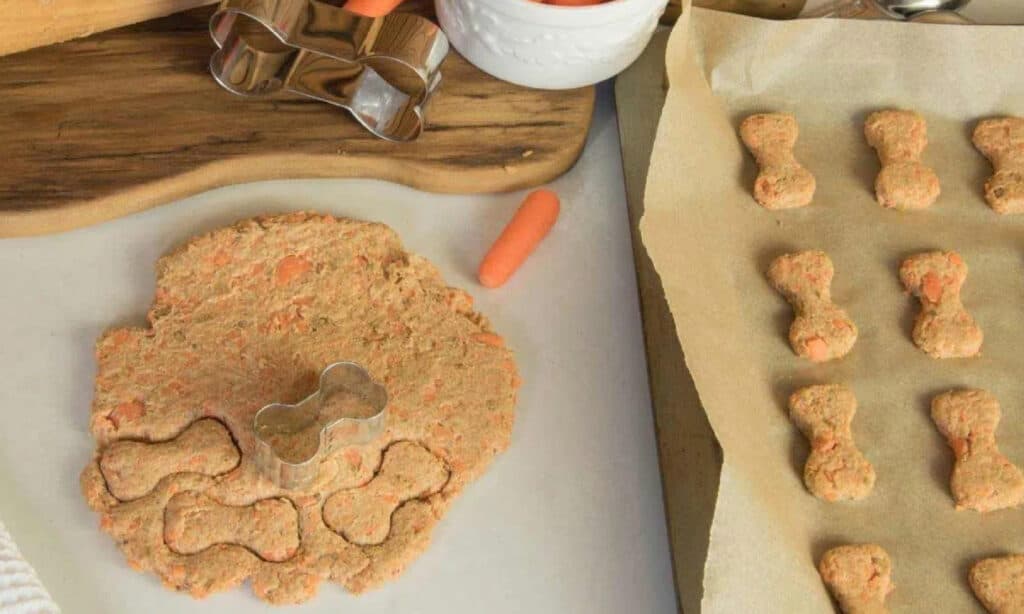
    Cook Your Own Dog Treats

    Cooking your own dog treats is a fun and creative way to ensure that your furry friend gets the very best. You can customize the ingredients to suit your dog’s taste preferences, dietary needs, and allergies. Some yummy homemade treat recipes include peanut butter banana bites or sweet potato chews.

    Peanut butter banana bites require only two ingredients – peanut butter and ripe bananas – which makes it easy to make at home. Sweet potato chews involve slicing up sweet potatoes into thin strips before baking them slowly in the oven until crispy.

    There are many alternatives to vanilla wafers when it comes to treating your furry best friend right! Fruits, vegetables, healthy store-bought treats or cooking your own dog treats are all excellent options that will provide nutritional benefits without sacrificing taste!

    As always when trying new food items with your pet start off small quantities at first then gradually increase once you know how well they tolerate them! Remember no matter which option you choose always be mindful of portion sizes especially if weight management is a concern!

    Conclusion

    Whether or not dogs can eat vanilla wafers is a question that requires careful consideration. While it may seem harmless to give your furry friend a treat from time to time, certain human foods can pose a real danger to their health. Although vanilla wafers are not toxic to dogs, they should only be consumed in moderation and under the guidance of a veterinarian.

    Throughout this article, we have explored what vanilla wafers are made of and discussed whether or not they are safe for dogs to consume. We have also highlighted the potential benefits and drawbacks of feeding your dog this type of treat, as well as offered alternative options that are healthier and more nutritious.

    It is important to remember that every dog is unique when it comes to their dietary needs and preferences. Some dogs may be able to tolerate certain human foods like vanilla wafers without any issues, while others may experience negative side effects such as upset stomachs or weight gain.

    It is always best to err on the side of caution by consulting with your veterinarian before introducing any new foods into your dog’s diet. Overall, the best way to ensure your dog stays healthy and happy is by providing them with a balanced diet that meets all their nutritional needs.

    While occasional treats like vanilla wafers can be enjoyed in moderation, they should never replace proper nutrition from high-quality dog food. Before giving your pet any human food including vanilla wafers do research on the nutritional content and ingredients contained in it first.

    ~Lindsie