Category: Healthy Happy Dogs

  • Why Cream Dachshunds Make Great Family Pets: Understanding Their Unique Personality Traits

    Why Cream Dachshunds Make Great Family Pets: Understanding Their Unique Personality Traits

    Welcome to the ultimate breed guide for Cream Dachshunds! If you’re considering adding one of these unique and stunning pups to your family, you’ve come to the right place. In this guide, we’ll explore everything you need to know about this fascinating breed, from their history and personality traits to their grooming needs and health concerns.

    cream dachshund

    Cream Dachshunds are a beautiful variety of the already beloved Dachshund breed. Known for their cream-colored coat, these dogs are sure to steal your heart. But there’s much more to these pups than just their gorgeous looks.

    Dachshunds have a long and interesting history that dates back to the 15th century in Germany. Originally bred for hunting badgers and other small game, these dogs have since become popular family pets due to their friendly and playful personalities. Cream Dachshunds are no exception, and they make loyal and loving companions for those lucky enough to share their home with them.

    Despite their small size, Dachshunds are known for their big personalities. These dogs are often described as spunky, curious, and even a bit stubborn at times. They love to be around their people and will follow them around the house, always eager to be part of the action.

    In this guide, we’ll delve into all these topics and more, so you can make an informed decision about whether a Dachshund is the right breed for you. So sit back, relax, and get ready to learn everything there is to know about these amazing dogs!

    dachshund playing in grass

    History of the Cream Dachshund

    Cream Dachshunds are a unique and beloved variety of the Dachshund breed. To fully understand the history of Cream Dachshunds, it’s important to first understand the history of the Dachshund breed as a whole.

    The Dachshund breed originated in Germany in the 15th century as hunting dogs, specifically for badgers and other small game. Their long, low-slung bodies and strong sense of smell made them excellent hunters, especially in underground burrows.

    As the popularity of the Dachshund as a hunting dog declined, they became more popular as companion pets. By the 19th century, Dachshunds were a beloved family pet in Germany, and their popularity spread worldwide.

    The Cream Dachshund is a variation of the breed, characterized by a cream-colored coat. The exact origins of the Cream Dachshund variation are unclear. It is believed that they may have been bred from the red and chocolate varieties of the breed.

    Today, Cream Dachshunds are a rare but beloved variety of the Dachshund breed. They are known for their friendly personalities, loyal nature, and unique appearance. Whether you’re a long-time Dachshund enthusiast or just discovering the breed for the first time, the Cream Dachshund is sure to capture your heart.

    Coat and Coloration of Cream Dachshunds

    The coat of a Dachshund is one of their most distinctive features. These dogs have a short, sleek coat that is characterized by a cream or ivory color. The cream coloration is caused by a recessive gene that affects the distribution of pigment in the dog’s coat, resulting in a uniform cream color from head to toe.

    While Cream Dachshunds may not have the striking dapple pattern of their long-haired counterparts, they are still a beautiful and unique breed. Some Cream Dachshunds may have other markings, such as tan points on their legs, chest, and face, which can add to their individuality.

    When it comes to grooming, Cream Dachshunds require regular brushing and occasional bathing to keep their coat looking healthy and shiny. They may also require nail trims and ear cleaning to maintain their overall hygiene.

    It’s worth noting that some breed registries do not recognize the cream coloration as an official color for Dachshunds, while others do. However, regardless of official recognition, Cream Dachshunds are still a beloved and popular variety of the breed.

    cute cream dachshund going on a walk

    Cream Dachshund Temperament

    Cream dachshunds are known for their friendly, curious, and spunky personalities. Originally bred for hunting, these dogs have since become popular family pets due to their playful and affectionate nature.

    One of the most notable traits of cream dachshunds is their loyalty to their owners. They enjoy being near their humans and will follow them around the house. They can be quite clingy, but in a lovable way.

    Despite their small size, cream dachshunds have big personalities. They are intelligent and curious dogs who love to explore and play. However, this intelligence can sometimes result in stubbornness. With consistent training and positive reinforcement, cream dachshunds can learn to be well-behaved and obedient companions.

    While individual personalities can vary, cream dachshunds are generally friendly and outgoing with people of all ages, including children. With proper socialization and training, they can also get along well with other pets.

    It’s worth noting that cream dachshunds may experience separation anxiety if left alone for long periods of time. Therefore, they are best suited for families or individuals who can spend plenty of time with them. Additionally, cream dachshunds are known to be vocal and will bark at anything from strangers to falling leaves.

    Should You Choose To Rescue or Purchase a Cream Dachsund? 

    When deciding between adopting or purchasing a cream dachshund, there are important considerations to keep in mind. Adopting a dog from a shelter or rescue organization can be a fulfilling way to provide a loving home to a dog in need. In addition, rescue dogs may be more affordable than purchasing from a breeder.

    However, it’s important to be aware that rescue dogs may have unknown behavioral or health issues due to their previous experiences. It’s recommended to work with a reputable shelter or rescue organization that can provide you with information about the dog’s background and any potential issues.

    On the other hand, purchasing a cream dachshund from a reputable breeder can provide more assurance about the dog’s health and temperament, but it may come at a higher cost.

    Regardless of whether you choose to adopt or purchase, prioritizing the dog’s health and well-being is crucial. It’s important to choose a dog that is a good fit for your lifestyle and personality, and to work with a reputable shelter or breeder who prioritizes the health and happiness of their dogs. Ultimately, providing a loving home to a cream dachshund can be a rewarding experience for both you and your furry friend.

    older cream dachshund on stone steps

    What Should You Look For if Purchasing a Cream Dachshund? 

    If you’re looking to purchase a cream dachshund from a breeder, it’s essential to do your due diligence and find a reputable breeder who places the health and well-being of their dogs first. Here are some key factors to keep in mind when selecting a breeder:

    First and foremost, choose a breeder with a good reputation. You can ask for recommendations from friends or do your own research online to find reviews and feedback from previous customers. A reputable breeder should be transparent and open, willing to answer all of your questions and provide information on their breeding practices and their dogs’ health.

    Secondly, ensure that the breeder conducts regular health checks on their dogs. Cream dachshunds can be susceptible to health issues such as eye and back problems. A responsible breeder should screen their dogs for these conditions and provide you with relevant medical records.

    Visiting the breeder’s facilities and meeting the puppy’s parents can also give you a sense of how the dogs are raised and what their temperament and appearance might be like. A reputable breeder should also offer information on the puppy’s training and socialization. They should also provide documentation of their health records, including vaccination records and health test results.

    How Much Does a Cream Dachshund Cost? 

    The cost of a Dachshund can vary depending on several factors, such as location, breeder, and demand for the breed. On average, expect to pay between $1,000 and $3,000 for a Cream Dachshund from a reputable breeder.

    However, it’s important to remember that the initial cost of a puppy is just a small part of the overall cost of owning a dog. There are many ongoing expenses to consider, including food, grooming, veterinary care, and training. Therefore, it’s important to budget accordingly and be prepared for the ongoing costs of pet ownership.

    It’s also worth noting that opting for a cheaper option, such as purchasing from a backyard breeder or pet store, can come with risks. These sources may not prioritize the health and well-being of their dogs, and you may end up with a Cream Dachshund with health or behavioral issues.

    cute dachshund puppy

    Are Cream Dachshunds Healthy?

    Cream dachshunds are generally healthy dogs, but like all breeds, they can be prone to certain health issues. Some of the most common health concerns in cream dachshunds include back problems, eye issues, and hip dysplasia.

    Back problems are particularly common in dachshunds due to their long, low-slung bodies. Intervertebral disc disease (IVDD) is a condition in which the discs between the vertebrae in the spine degenerate and can lead to pain, paralysis, and even death. To prevent back problems, it’s important to avoid excessive jumping and provide proper support when carrying your dog. A reputable breeder should also screen their dogs for IVDD to reduce the risk of this condition.

    Eye issues can also be a concern in cream dachshunds, particularly progressive retinal atrophy (PRA). This is a genetic condition that causes the retina to degenerate over time, eventually leading to blindness. Reputable breeders should screen their dogs for PRA and provide documentation of their health testing to ensure that puppies are not predisposed to this condition.

    Hip dysplasia is a condition in which the hip joint doesn’t develop properly, leading to arthritis and pain. While it’s more common in larger breeds, it can occur in dachshunds as well. A responsible breeder should screen their dogs for hip dysplasia and provide documentation of their health testing to ensure that puppies are not predisposed to this condition.

    Overall, cream dachshunds are generally healthy dogs, but it’s important to work with a reputable breeder who prioritizes the health and well-being of their dogs. By taking steps to prevent and manage common health issues, you can ensure that your cream dachshund remains happy and healthy for years to come.

    What is the Lifespan of a Cream Dachshund? 

    The lifespan of a dachshund can be affected by several factors, including genetics, exercise, diet, and overall health. Typically, cream dachshunds can live for an average of 12 to 16 years.

    To increase the chances of a long and healthy life for your cream dachshund, it is important to work with a reputable breeder who prioritizes the health and well-being of their dogs. This involves screening for common health concerns such as hip dysplasia, eye issues, and back problems, and providing the proper nutrition, exercise, and veterinary care.

    In addition to genetics and health, lifestyle factors can also have an impact on the lifespan of a cream dachshund. Regular exercise and mental stimulation, along with consistent preventative healthcare measures like routine check-ups and vaccinations, can contribute to a longer and healthier life for your dog.

    Nutrition for Cream Dachshunds

    Maintaining proper nutrition is essential to the health and happiness of cream dachshunds. Feeding your dog a balanced diet that includes fresh, whole foods like meat, vegetables, and fruits is crucial for their overall wellbeing.

    A fresh food diet can provide numerous benefits for cream dachshunds, such as improved digestion, increased energy levels, and overall better health. Unlike processed foods or dog kibble, which can be high in carbohydrates and sugars, a fresh food diet can ensure your dog receives all the necessary nutrients while avoiding unnecessary additives.

    Switching to a fresh food diet can also help prevent health issues like obesity, diabetes, and skin problems. Whole foods contain essential vitamins and minerals that can strengthen your dog’s immune system, promote dental health, and give them a shinier and healthier coat.

    It is essential to consult with your veterinarian when switching to a fresh food diet. Your vet can create a balanced meal plan that is tailored to your dog’s specific nutritional needs and provide guidance on portion sizes, protein sources, and other dietary considerations.

    adorable dachshund on the back of a couch

    Exercise and Physical Activity for Cream Dachshunds

    Regular exercise and physical activity are crucial for maintaining the health and well-being of cream dachshunds. These active dogs require daily exercise to stay healthy, prevent weight gain, and reduce the risk of certain health issues such as joint problems and heart disease.

    Walking, hiking, playing fetch, and swimming are effective forms of exercise for cream dachshunds. However, it’s essential to start with short exercise sessions and gradually increase the duration and intensity over time to avoid any potential injury or overexertion.

    In addition to regular exercise, providing mental stimulation to cream dachshunds is equally important. Interactive games, obedience training, and puzzle toys can help keep their minds active and engaged.

    It’s important to be mindful of the physical limitations of cream dachshunds while exercising them. Due to their long, low-slung bodies, these dogs can be prone to back problems. Excessive jumping or running can put added stress on their spine, making it vital to provide proper support when carrying them and avoid activities that could cause injury.

    Grooming Requirements for Cream Dachshunds

    Regular grooming is an essential aspect of caring for your cream dachshund’s health and well-being. While they have a short coat, they still require grooming to keep their coat and skin in good condition.

    To maintain a healthy and shiny coat, it’s recommended to brush your cream dachshund once a week to remove loose hair. It’s also important to check and clean their ears regularly to avoid infections and wax buildup. Bathing them every few months with a mild dog shampoo is also necessary to prevent skin dryness.

    Dental hygiene is another vital aspect of your dachshund’s grooming needs. You should brush their teeth frequently or offer them dental chews and treats to prevent dental issues like bad breath and plaque buildup.

    Due to their long ears, cream dachshunds are more susceptible to ear infections. It’s essential to check and clean their ears with a veterinarian-recommended solution to prevent moisture and debris buildup.

    Trimming your cream dachshund’s nails is also crucial. Overgrown nails can cause pain and discomfort, so it’s important to trim them regularly. Seek help from a groomer or veterinarian if you’re not comfortable trimming their nails yourself.

    By keeping up with your cream dachshund’s grooming needs, you can prevent health issues and ensure their comfort. Regular grooming can prevent infections, bad breath, and overgrown nails, helping your furry friend live a long and healthy life.

    cute cream dachshund

    Are Cream Dachshunds Hard to Train? 

    Training a Dachshund can pose a challenge due to their independent and stubborn nature, as well as their strong instinct to follow their nose. However, with patience, consistency, and positive reinforcement techniques, they can be successfully trained.

    Using rewards-based training, such as treats or praise, can be an effective way to train a cream Dachshund. Consistency with training methods is key, and short, frequent training sessions tend to be more effective than long, infrequent sessions.

    Socialization is also crucial for cream Dachshunds, as they may be wary of strangers and other dogs. Early socialization can help them become more comfortable in new situations and with new people and animals.

    Most Common Behavior Issues of Cream Dachshunds

    Cream dachshunds are known for their affectionate and well-behaved nature, but like all breeds, they can be prone to certain behavior issues. Some of the most common behavior issues in cream dachshunds include separation anxiety, excessive barking, and aggression.

    Separation anxiety is a common issue in cream dachshunds due to their strong attachment to their owners. This condition can lead to destructive behaviors such as chewing, digging, and barking when left alone. To help your dachshund overcome separation anxiety, it’s important to gradually train them to become comfortable with being alone, starting with short periods of time and gradually increasing the duration.

    Excessive barking is another common issue in cream dachshunds. As an alert breed, they may bark at perceived threats, strangers, or other animals. While some barking is normal, excessive barking can be disruptive and annoying. To address this behavior, it’s important to identify the trigger for the barking and to work on desensitization techniques to reduce the barking behavior.

    Aggression is another potential behavior issue in cream dachshunds. They can be possessive of their toys, food, or space, and may show aggression towards other dogs or humans. To prevent or address aggressive behavior, it’s important to work with a professional trainer or behaviorist who can provide proper guidance and training techniques.
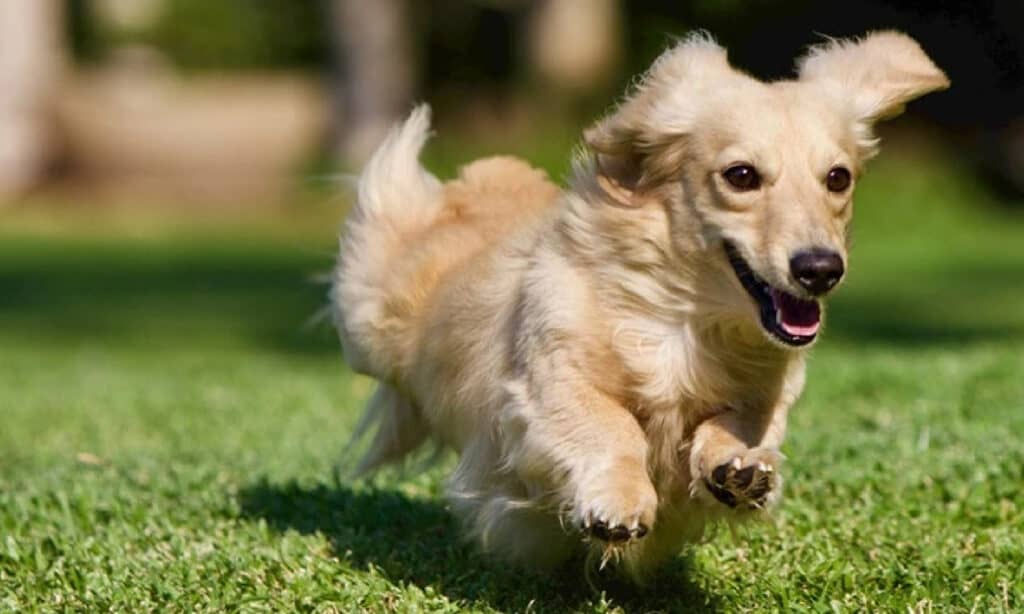
    dachshund running in grass

    Training Tips for Cream Dachshunds

    Here are some training tips for Cream Dachshunds:

    • Start early: Begin training your Cream Dachshund as early as possible, ideally when they are still a puppy. This will help them establish good habits and prevent the development of bad behaviors.
    • Use positive reinforcement: Reward-based training techniques are typically the most effective for Cream Dachshunds. Use treats, praise, or toys to reward good behavior and ignore bad behavior.
    • Be consistent: Consistency is key when it comes to training your Cream Dachshund. Use the same commands and techniques every time, and make sure everyone in the household is on the same page.
    • Keep it short: Cream Dachshunds have a relatively short attention span, so keep training sessions short and frequent rather than long and infrequent.
    • Use a variety of techniques: Cream Dachshunds respond well to a variety of training techniques, such as clicker training, positive reinforcement, and lure and reward training. Try different methods to find what works best for your dog.
    • Socialize: Socialization is important for Cream Dachshunds to help them feel comfortable around other dogs, animals, and people. Take your dog to the dog park or on walks around your neighborhood to help them get used to new situations.
    • Address bad behavior early: If you notice your Cream Dachshund exhibiting bad behavior, address it early before it becomes a habit. Work with a professional trainer or behaviorist if necessary.

    By following these tips, you can help your Cream Dachshund become a well-behaved and obedient companion. Remember to be patient and consistent, and always use positive reinforcement techniques.

    Conclusion

    Cream dachshunds are a distinctive and adorable breed of dog that make great companions for families and individuals. Their unique cream-colored coat and playful personality are just a couple of their endearing qualities.

    It’s important to understand the specific needs and characteristics of cream dachshunds before bringing one into your home. They require regular exercise, grooming, and training, as well as a healthy diet and regular veterinary care.

    Cream dachshunds can be independent and stubborn at times, but with patience and positive reinforcement techniques, they can be trained to become well-behaved and obedient companions. Socialization is also important for this breed to prevent issues like separation anxiety and aggression.

    If you’re considering adding a cream dachshund to your family, it’s essential to do your research and find a reputable breeder or rescue organization. A responsible breeder will prioritize the health and well-being of their dogs, and provide proper health screenings to reduce the risk of genetic health issues.

    With proper care and attention, a cream dachshund can bring many years of joy and companionship to your life. Their loyalty, intelligence, and playful nature make them a beloved member of any family.

    ~Lindsie

    A note about your dog’s health

    This article provides general education and does not replace an examination, diagnosis, or individualized advice from your veterinarian. Contact a veterinary professional if you are concerned about your dog’s symptoms.

    Lindsie Parks B.S., CRDNS Avatar

    ABOUT THE AUTHOR
  • Can Dogs Eat Jackfruit? Expert Answers

    Can Dogs Eat Jackfruit? Expert Answers

    Medically Reviewed by: Dr. Candy Akers, DVM

    In recent years, jackfruit has become widely popular as a versatile and healthy food option for many people. This unique fruit boasts a range of health benefits. Its meaty texture has made it a popular ingredient in vegetarian and vegan dishes. With such a trendy food making its way into our kitchens, it’s only natural for pet owners to wonder, “Can dogs eat jackfruit?”. It’s important to understand what our furry friends can and cannot eat to maintain their health. In this blog, we will delve into the world of jackfruit and canine nutrition. We will explore expert opinions on whether dogs can safely enjoy this exotic treat.

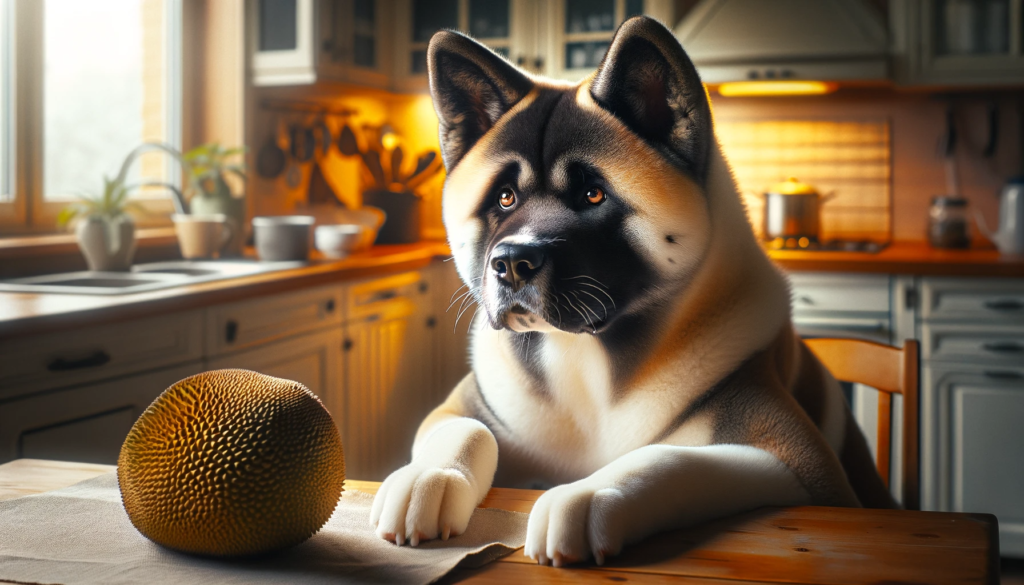
    Akita dog at the kitchen table looking at a jackfruit

    What is Jackfruit?

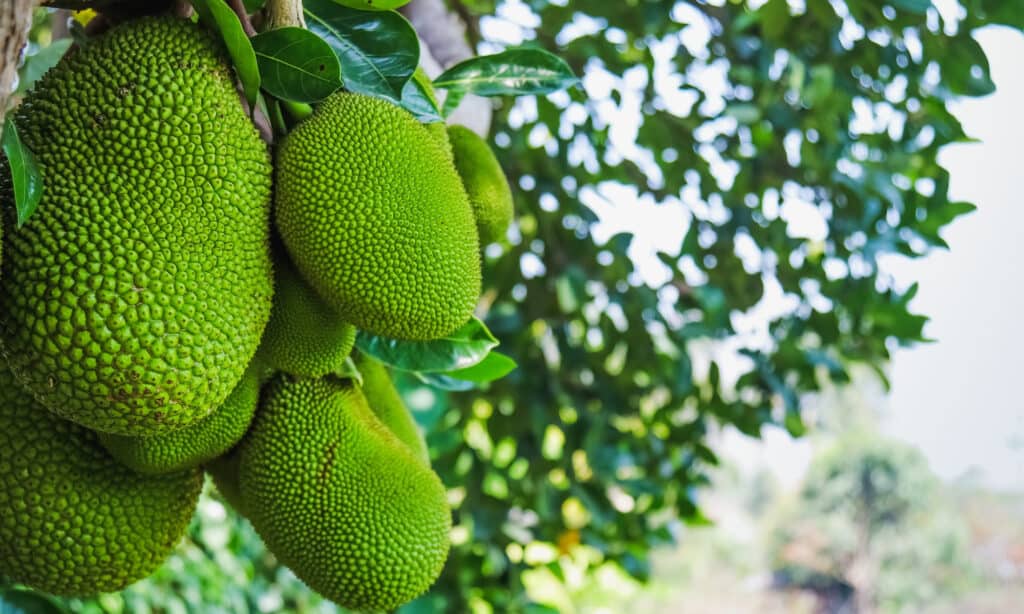
    Jackfruit is a large, tropical fruit native to South Asia, mainly found in countries like India, Bangladesh, Sri Lanka, and Malaysia. It belongs to the Moraceae plant family and its scientific name is Artocarpus heterophyllus. Over time, jackfruit cultivation has spread to other tropical regions, such as Southeast Asia, Africa, and South America.

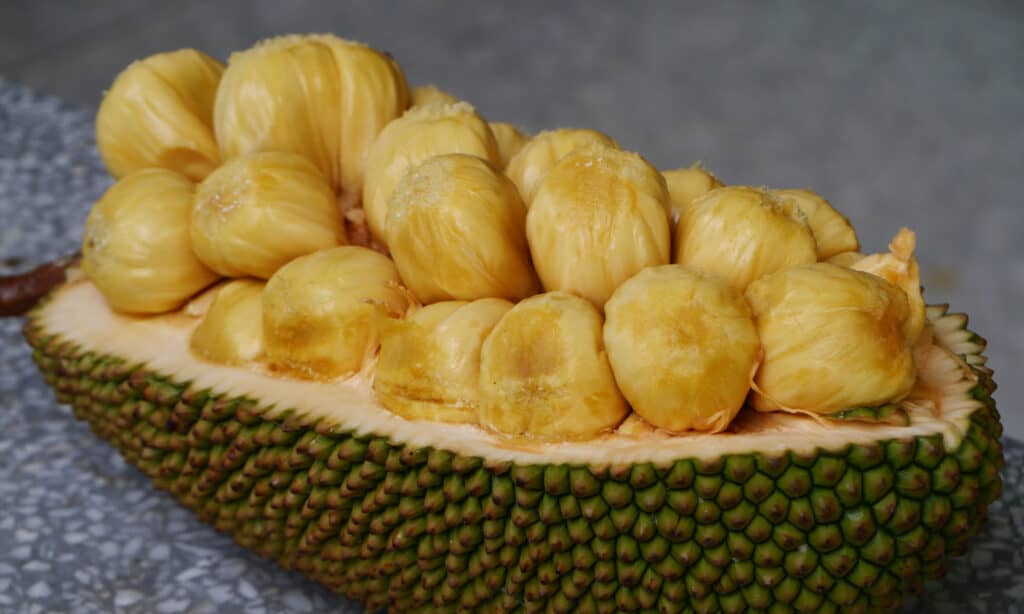
    The fruit has a different appearance, with a thick, spiky green rind that encases the edible portions. Inside the jackfruit, you’ll find fleshy, yellow bulbs that cover large seeds. These bulbs, or “arils,” are the main part of the fruit that is eaten. The seeds can also be cooked and eaten.

    Jackfruit has gained immense favor due to its numerous health benefits for humans, including being a good source of dietary fiber, vitamins (such as vitamin C and vitamin A), and minerals (like potassium and magnesium). The fruit is low in calories and fat, making it a healthy addition to many diets.

    One of the unique traits of jackfruit is its meaty texture when cooked. This has led to its broad use as a plant-based meat sub in vegetarian and vegan cuisine. The fruit can be eaten raw, cooked, or even processed into various products, such as jams, chips, and ice cream.

    Canine Dietary Needs

    Dogs, like humans, require a stable diet to meet their nutritional needs, but the specific nutrients and balance may differ. Here are the key factors of a dog’s diet:

    • Proteins: Proteins are the building blocks of your dog’s body and are important for maintaining healthy muscles, skin, coat, and immune system. High-quality protein sources for dogs include meats, poultry, fish, and eggs. Dogs can also obtain protein from certain plant-based sources, but these may not provide all the vital amino acids they need.
    • Fats: Fats are vital for providing energy, supporting cell function, and promoting healthy skin and coat. They also help with the absorption of fat-soluble vitamins (A, D, E, and K). Dogs require both saturated and unsaturated fats, including essential fatty acids like omega-3 and omega-6. Common sources of healthy fats for dogs include fish, chicken fat, and flax seed.
    • Carbohydrates: While not a strict must for dogs, carbs can be a valuable energy source and provide vital nutrients, such as fiber, vitamins, and minerals. Good carb sources for dogs include whole grains, fruits, and veggies. However, eating too much can lead to obesity and related health issues.
    • Vitamins and Minerals: Dogs need a variety of vitamins and minerals to support various bodily functions. Some examples are bone growth, immune system function, and regulating metabolism. These nutrients can be obtained through a diet that includes a variety of foods, including meats, grains, fruits, and vegetables.
    • Water: Proper hydration is essential for maintaining your dog’s health. Water plays a crucial role in regulating body temperature, digestion, and waste elimination. Always ensure your dog has access to clean, fresh water.

    It’s important to remember that dogs have different digestive systems than humans. This makes them more sensitive to certain foods that may be harmless to us.

    Expert Opinions on Dogs and Jackfruit

    Expert opinions on dogs and jackfruit vary. Some vets and pet nutritionists considering it safe for dogs to consume in moderation. Others advise caution due to potential risks and side effects. Here’s a summary of expert perspectives on the topic:

    Possible Benefits of Jackfruit for Dogs:

    • Nutritional value: Jackfruit contains dietary fiber, vitamins, and minerals that can be great for dogs when consumed in moderation. The fiber content can aid digestion and promote gut health.
    • Low in calories and fat: Jackfruit is low in calories and fat, making it a healthy treat option for dogs. Especially when compared to processed dog treats that may be high in calories and unhealthy additives.

    Potential risks and side effects:

    • Allergic reactions: Some dogs may be allergic or sensitive to jackfruit. This leads to symptoms like itching, skin irritation, or GI issues. It’s important to monitor your dog for any signs of an adverse reaction when introducing jackfruit into their diet.
    • Gastrointestinal problems: Jackfruit is high in fiber. Excessive consumption may lead to diarrhea or an upset stomach in some dogs. It’s crucial to introduce jackfruit in small amounts to avoid digestive issues.
    • Choking hazard: Jackfruit seeds and large chunks can pose a choking risk for dogs, especially smaller breeds. Always remove the seeds and cut the fruit into appropriate-sized pieces before offering it to your dog.

    It’s important to note that expert opinions on dogs and jackfruit may differ based on individual experiences and circumstances. While some dogs may tolerate and enjoy jackfruit as an occasional treat, others might experience adverse effects.

    How to Safely Introduce Jackfruit to Your Dog’s Diet

    You can safely introduce jackfruit to your dog’s diet by following these steps:

    • Start with small portions: As with any new food, it’s essential to begin with a small amount to gauge your dog’s reaction. Offer a tiny piece of jackfruit to your dog and observe them for any signs of upset or adverse reactions, such as vomiting, diarrhea, or itching.
    • Gradually increase the amount: If your dog tolerates the initial small portion without any issues, you can slowly increase the amount of jackfruit you give them. Jackfruit is an occasional treat and should not be a staple in their diet.
    • Prepare jackfruit properly: To ensure your dog’s safety, always remove the seeds and any tough parts of the jackfruit before offering it to your pet. Cut the fruit into small pieces appropriate for your dog’s size to minimize the risk of choking.
    • Monitor your dog’s reaction: Keep a close eye on your dog after feeding them jackfruit, and look for any signs of an upset stomach or allergic reaction. If you notice any unusual behavior or symptoms, discontinue feeding jackfruit to your dog and consult your vet.
    • Consult your veterinarian: Before introducing any new food, it’s always a good idea to consult with your vet. They can provide specific guidance based on your dog’s specific needs and dietary requirements.

    Remember, every dog is different, and their experience with jackfruit may vary.

    Alternatives to Jackfruit for Dogs

    There are many fruits and veggies that can serve as healthy alternatives to jackfruit for dogs. These options can provide additional nutrients and variety to your dog’s diet without posing the same potential risks:

    • Apples: Apples are a good source of vitamins A and C, fiber, and antioxidants. Make sure to remove the core and seeds before offering apple slices to your dog, as they can be harmful.
    • Blueberries: Rich in antioxidants, fiber, and vitamins, blueberries make a nutritious and low-calorie treat for dogs. Offer blueberries (fresh or frozen) in moderation.
    • Carrots: Carrots are low in calories and high in fiber, vitamins, and minerals, making them an excellent treat for dogs. They can also help maintain dental health when offered raw.
    • Green beans: These vegetables are low in calories and packed with vitamins and minerals, making them a healthy addition to your dog’s diet. Offer cooked, unsalted green beans to your dog as a treat or mix them into their regular food.
    • Pumpkin: Pumpkin is rich in fiber, vitamins, and minerals, and can be especially beneficial for dogs with digestive issues. Offer cooked, pureed, or canned pumpkin to your dog, but make sure it’s free of added sugars and spices.
    • Sweet potatoes: High in fiber, vitamins, and minerals, sweet potatoes can be a nutritious treat for dogs. Offer cooked, unseasoned sweet potato pieces or puree to your pet.
    • Bananas: Bananas are a good source of potassium, vitamins, and biotin, but they are also high in sugar. Offer small pieces of banana as an occasional treat.

    When incorporating these alternatives into your dog’s diet, moderation is key. Always consult your vet for personalized guidance on your dog’s nutritional needs, and closely monitor their reactions to any new foods.

    Conclusion

    The question of whether dogs can eat jackfruit has varying expert opinions. While some dogs may be able to safely consume jackfruit in moderation, others may experience adverse effects or allergic reactions. It’s important to consult with your vet before introducing new foods to your dog’s diet and to closely monitor their response to ensure their well-being.

    There are numerous dog-safe fruits and vegetables that can serve as healthy alternatives to jackfruit, providing additional nutrients and variety to your dog’s diet. It’s crucial to remember that moderation is key when offering these foods, and a balanced diet is vital for maintaining your dog’s overall health.

    As responsible pet owners, we must account for our furry friends’ safety and nutrition. Always seek expert guidance and take necessary precautions when introducing new foods. By doing so, we can ensure our dogs live happy, healthy lives by our side.

    ~ Sheena

    A note about your dog’s health

    This article provides general education and does not replace an examination, diagnosis, or individualized advice from your veterinarian. Contact a veterinary professional if you are concerned about your dog’s symptoms.

    Sheena Keliher Avatar

    ABOUT THE AUTHOR
  • Should I Buy A Puppy With An Umbilical Hernia? Vet Answers

    Should I Buy A Puppy With An Umbilical Hernia? Vet Answers

    Hi there! Deciding whether or not to bring a new furry friend into your home is a big decision. Even more so when it comes to the health of your potential new companion. One question that may be on your mind is whether or not to buy a puppy with an umbilical hernia. In this article, we’ll explore everything you need to know about umbilical hernias in puppies, so you can make an informed decision that’s best for you and your future pet. I’ll also include how my outlook as a veterinarian has changed on this topic over the years. Within this article, we will be able to understand the causes, symptoms, and treatment options for umbilical hernias to ensure your puppy has the best possible start in life. Overall, small uncomplicated hernias are not a problem and can easily be addressed by any veterinarian.

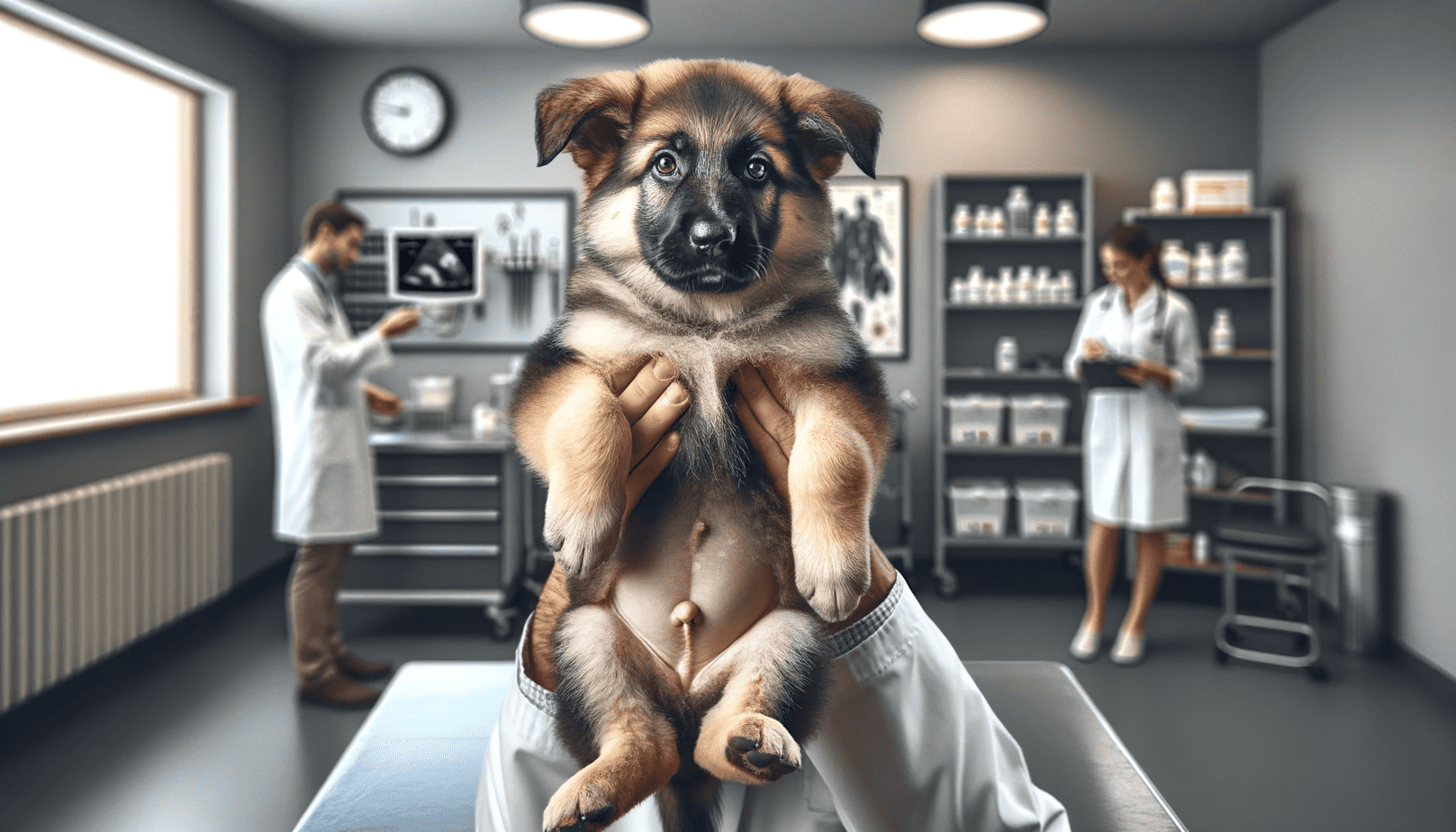
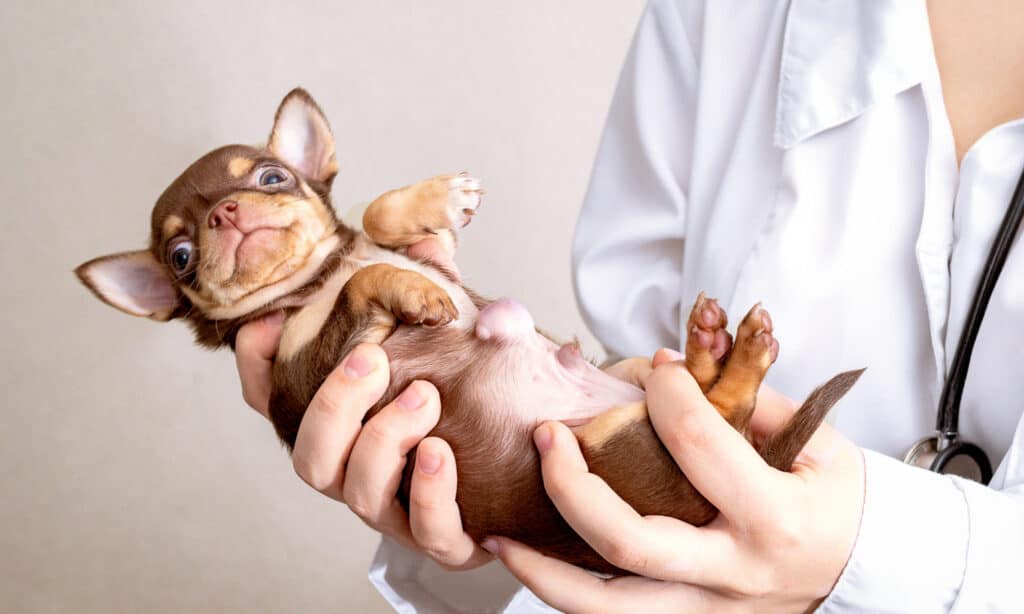
    umbilical hernia in puppies

    What is an Umbilical Hernia?

    An umbilical hernia is a common condition in puppies, occurring when part of their intestines or other abdominal contents protrude through an opening in their abdominal wall near the belly button (umbilicus). This can happen due to a weakness in the muscle or incomplete closure of the umbilical ring after the umbilical cord is severed at birth. While umbilical hernias are more common in some breeds, they can affect any dog breed, and the severity of the condition can vary from case to case.

    chihuahua puppy with umbilical hernia

    Types of Umbilical Hernias

    There are three main types of umbilical hernias, each with its own set of considerations for treatment and potential complications:

    Reducible hernias: These are the most common and least severe type of umbilical hernias. With reducible hernias, the abdominal contents can be easily pushed back into the abdominal cavity, and the hernia may even resolve on its own as the puppy grows.

    • Non-reducible hernias: This type of hernia is more concerning, as the abdominal contents cannot be pushed back into the abdominal cavity. Non-reducible hernias may require surgical intervention to prevent complications.
    • Complicated hernias: These hernias involve trapped or damaged abdominal contents within the hernia sac. These are considered a medical emergency. Immediate veterinary attention is required to address the problem and prevent life-threatening complications.
    are umbilical hernias dangerous

    Dog Breeds Commonly Affected By Umbilical Hernias

    • Beagle
    • Cavalier King Charles Spaniel
    • Dachshund
    • English Springer Spaniel
    • Labrador Retriever
    • Pekingese
    • Poodle (Miniature and Toy)
    • Shih Tzu
    • Yorkshire Terrier
    what do i dog if my dog has an umbilical hernal

    Symptoms and Diagnosis Overview

    If you’re considering buying a puppy with an umbilical hernia, it’s important to know the signs and how the condition is diagnosed. An umbilical hernia usually appears as a soft, round bulge near the puppy’s belly button. It may be more noticeable when the puppy is crying or straining. In some cases, a reducible hernia may not be visible but can be felt by a veterinarian during a physical examination.

    When you suspect your puppy might have an umbilical hernia, take a quick trip on over to your veterinarian. Your vet will perform a thorough physical exam and may use imaging techniques, such as ultrasound, to assess the severity of the hernia and determine the most appropriate course of treatment.

    my puppy has a hernia. what now?

    Treatment Options

    As a holistic veterinarian, I understand how important it is for you to know all the treatment options available for your puppy’s umbilical hernia. The appropriate treatment depends on the type and severity of the hernia, as well as your puppy’s overall health.

    • Non-surgical treatment: In many cases, especially with reducible hernias, no specific treatment may be necessary. Your vet may suggest a “wait-and-see” approach. Some hernias can resolve on their own as the puppy grows and the abdominal muscles strengthen. However, it’s essential to monitor your puppy closely for any changes or signs of complications.
    • Surgical treatment: For non-reducible or complicated hernias, surgery (herniorrhaphy) may be recommended to repair the defect in the abdominal wall and prevent further complications. This procedure is typically performed at the same time as spaying or neutering to minimize anesthesia risks and recovery time.
    umbilical hernia repair by veterinarian

    Potential Risks and Complications

    It’s important to be aware of the potential risks and complications associated with umbilical hernias, whether you choose to pursue treatment or not.

    Risks associated with untreated umbilical hernias:

    While some hernias may resolve on their own, there is always a risk of complications, such as intestinal strangulation, which can be life-threatening.

    Possible complications during surgery:

    As with any surgery, there are inherent risks, such as anesthesia complications, infection, or bleeding. However, hernia repair surgeries are generally considered low-risk procedures, and complications are rare when performed by an experienced veterinarian. Even early in practice, I was able to repair most umbilical hernias in under 5 minutes.

    Long-term health implications:

    Most puppies with properly treated umbilical hernias go on to live normal healthy, happy lives.

    Costs of Umbilical Hernia Treatment Surgery

    Umbilical hernia treatment cost varies by treatment type, location, and veterinarian choice. In general, surgical repair can range from $50 to $1,000.

    The cost of surgery may be higher if additional procedures, such as spaying or neutering, are performed at the same time. Additionally, any necessary follow-up care, medication, or complications can also impact the overall cost.

    Does Pet Insurance Cover Umbilical Hernia Repair?

    Most pet insurance plans help cover some of the costs associated with umbilical hernia treatment. It’s a good idea to research insurance options and other financial assistance programs to help you prepare for any unexpected expenses. Pet insurance may not cover umbilical hernia expenses if the condition was diagnosed before the policy’s effective date.

    Prognosis and Recovery From Umbilical Hernias

    Understanding the prognosis and recovery process for puppies with umbilical hernias can help ease your mind as you navigate this journey together:

    • Expected outcomes: With proper treatment, most puppies with umbilical hernias can expect a full recovery and a healthy, happy life. Early intervention and diligent monitoring are key to ensuring the best possible outcome for your furry friend.
    • Post-surgery care and recovery process: After surgery, your puppy may need to wear an e-collar to prevent licking or biting at the incision site. Your vet will provide you with instructions on how to care for the incision, administer any prescribed medications, and monitor your puppy for any signs of complications.

    What to Do if a Puppy Spontaneously Develops an Umbilical Hernia?

    Sometimes puppies can develop a newly identified umbilical hernia during puppyhood. If your puppy did not have an umbilical hernia when you got them, but you are seeing changes- you should call a vet right away. A hernia that develops later can result in the same abdominal issues such as intestinal damage.

    Preventing Umbilical Hernias

    While it’s not always possible to prevent umbilical hernias, there are some steps that can be taken to minimize the risk:

    Breeding practices to minimize risk

    Responsible breeding practices, including screening for genetic predispositions and avoiding breeding dogs with a history of umbilical hernias, can help reduce the incidence of this condition in puppies.

    Proper care during pregnancy and delivery

    Ensuring that a pregnant dog receives appropriate prenatal care and a safe, clean environment for giving birth can minimize the risk of complications, including umbilical hernias.

    Early identification and intervention

    Regular veterinary check-ups for newborn puppies can help identify any abnormalities, including umbilical hernias, at an early stage. Early intervention can lead to better outcomes and minimize the risk of complications.

    are umbilical hernias harmful to dogs

    Making the “Big” Decision: Should You Buy a Puppy with an Umbilical Hernia?

    When it comes to deciding whether to buy a puppy with an umbilical hernia, there’s no one-size-fits-all answer. It’s important to weigh the risks and benefits and consider your personal circumstances and resources. But in general, when I consult with clients, I tell them that if the puppy and parents seem healthy otherwise- it’s not a big concern.

    If you are still concerned about the health of the puppy consult with a trusted veterinarian who can provide you with the information and support you need to make an informed decision. They can help you understand the implications of your decision and guide you through the process.

    Deciding whether to buy a puppy with an umbilical hernia is a personal choice that requires careful consideration of various factors. But by educating yourself, you can make the best decision for both you and your future furry friend. Ultimately, with the right care and attention, a puppy with a treated umbilical hernia can lead a healthy, happy life as a beloved member of your family.

    FAQs

    What causes umbilical hernias in puppies, and are certain dog breeds more prone to them?

    Umbilical hernias in puppies are caused by a weakness in the abdominal wall or incomplete closure of the umbilical ring after birth. Certain breeds are more prone to them. However, any dog breed can develop an umbilical hernia.

    How can I tell if my puppy has an umbilical hernia, and what symptoms should I look for?

    To identify an umbilical hernia, look for a soft, round bulge near the puppy’s belly button. It may be more noticeable when the puppy is crying or straining.

    What are the treatment options for puppies with umbilical hernias, and when is surgery necessary?

    Treatment options for umbilical hernias depend on the severity and type of hernia. From non-surgical “wait-and-see” approaches for reducible hernias to surgical intervention for non-reducible or complicated hernias.

    Are there any potential risks or complications associated with untreated umbilical hernias or hernia repair surgery?

    Untreated umbilical hernias can lead to complications such as intestinal strangulation. Risks associated with hernia repair surgery include anesthesia complications, infection, and bleeding. However, hernia repair surgeries are generally considered low-risk when performed by an experienced veterinarian.

    How much does it typically cost to treat a puppy with an umbilical hernia? Are there any financial assistance options available?

    The cost of treating an umbilical hernia can range from $50 to $1,000, depending on factors like treatment type, location, and veterinarian. Pet insurance and financial assistance programs may help cover some of the costs associated with treatment.

    What is the recovery process like for a puppy after umbilical hernia surgery, and how can I ensure their long-term health?

    Recovery after umbilical hernia surgery involves monitoring the incision site, administering medications as prescribed, and watching for signs of complications. Ensuring your puppy’s long-term health includes regular veterinary check-ups, a balanced diet, exercise, and mental stimulation.

    Resources: Vogelsang, J. (2017, January 5). Hernias in Puppies: What You Need to Know. Petmd.com; PetMD. https://www.petmd.com/dog/general-health/hernias-puppies-what-you-need-know

    ~Dr. Candy

    A note about your dog’s health

    This article provides general education and does not replace an examination, diagnosis, or individualized advice from your veterinarian. Contact a veterinary professional if you are concerned about your dog’s symptoms.

    Dr. Candy Akers, DVM Avatar

    ABOUT THE AUTHOR
  • Can Dogs Eat Boba? Find Out Here

    Can Dogs Eat Boba? Find Out Here

    Medically Reviewed by: Dr. Candy Akers, DVM

    Are you a fan of the popular and delicious boba drinks, also known as bubble tea? These sweet and chewy treats have taken the world by storm, but have you ever wondered if your canine companion can enjoy boba too? In this blog post, we will dive deep into the world of boba, its ingredients, and most importantly, answer the burning question: Can dogs eat boba? As responsible pet owners, it’s crucial to understand which human foods are safe for our furry friends and which ones could pose potential health risks. Read on to discover the answer and learn more about pet food safety, so you can keep your dog happy and healthy!

    boba for dogs

    What is Boba?

    Bubble tea, or boba, has taken the world by storm with its fun, chewy tapioca pearls and endless flavor options. Boba originated in Taiwan back in the 1980s and has since won the hearts of millions across the globe. But what exactly is boba?

    Boba is a tea-based drink, usually combined with milk or fruit flavors and sweetened with sugar or syrup. The star of the show, however, is the small, chewy tapioca pearls that sit at the bottom of the cup. These pearls are made from tapioca starch, which comes from the roots of the cassava plant. To create the pearls, the starch is processed into little balls, boiled in water, and sweetened with sugar.

    Boba drinks come in an incredible variety of flavors, from the classic milk tea to fruity concoctions. There are even some more adventurous options like taro, matcha, or salted cheese toppings. The boba craze has also inspired a range of other treats, such as ice cream, cakes, and puddings. The unique taste and texture of boba have made it a hit with people of all ages.

    Can Dogs Eat Boba? The Answer

    When it comes to our pups and their diet, it’s essential to be cautious about the foods we share. So, can dogs eat boba? The short answer is no, dogs should not eat boba.

    While the tea and some flavorings in boba drinks may not be harmful to dogs, the pearls themselves can pose several risks to their health. Firstly, the chewy texture of the pearls may be a choking hazard, especially for smaller dogs. Additionally, if a dog swallows multiple pearls, they may cause gastrointestinal blockages, leading to severe discomfort and potential complications.

    Furthermore, boba drinks are typically high in sugar, which is not suitable for dogs. Excessive sugar intake can lead to weight gain, dental problems, and even diabetes in dogs. Certain flavorings and additives in boba drinks may also cause digestive issues or allergic reactions in some pets.

    While boba drinks may be a tasty treat for humans, they are not suitable for dogs. To keep your canine companion safe and healthy, it’s best to stick to dog-friendly treats.

    is boba safe for dogs

    Health Concerns for Dogs Consuming Boba

    Feeding boba to your dog can lead to several health concerns. It’s important to be aware of these risks to ensure the safety and well-being of your pet. Here are some of the primary health concerns associated with dogs consuming boba:

    • Choking hazards and gastrointestinal blockage: The chewy tapioca pearls in boba can pose a choking hazard, particularly for small dogs. If your dog manages to swallow the pearls without choking, they may still cause gastrointestinal blockages. These blockages can lead to abdominal pain, vomiting, and constipation. In severe cases, may require surgery to remove the obstruction.
    • Allergic reactions and sensitivity to ingredients: Boba drinks often contain flavorings, additives, and milk products that dogs might be sensitive to. Ingestion of these ingredients can cause gastrointestinal upset, skin irritations, or more severe allergic reactions in dogs. It’s best to avoid giving your dog boba to prevent exposure to these potentially harmful ingredients.
    • High sugar content and its impact on dogs’ health: Boba drinks are typically high in sugar, which can be detrimental to your dog’s health. Excessive sugar consumption in dogs can lead to weight gain, dental issues, and an increased risk of diabetes. Dogs don’t need added sugar in their diet. It’s crucial to avoid giving treats with high sugar content to maintain their overall health.

    It’s important to be aware of the health concerns related to dogs consuming boba. To ensure your pet’s safety and well-being, provide them with dog-friendly treats. Also, avoid sharing boba or other human foods that may pose risks to their health.

    dogs shouldn't eat boba

    Safe Alternatives for Dog Treats

    As pet owners, we love to treat our pets, but it’s essential to choose safe and healthy options for them. Here are some safe alternatives to boba for dog treats:

    • Homemade dog treat recipes: One way to ensure that your dog’s treats are safe and nutritious is by making them yourself. Homemade dog treats allow you to control the ingredients and avoid any potential allergens or additives. You can find recipes online, ranging from simple peanut butter treats to complex options with fruits, vegetables, and protein sources. Just be sure to avoid any ingredients that are toxic to dogs, such as chocolate, grapes, and onions.
    • Vet-recommended dog treats: Consult with your veterinarian for recommendations on safe and healthy dog treats. They can provide you with options that cater to your dog’s specific dietary needs or preferences. Vet-recommended treats are often formulated with essential nutrients and may cater to specific health conditions, such as weight management.
    • Choosing healthy, store-bought dog treats: When purchasing dog treats from a store, look for options with natural ingredients and minimal additives. Opt for treats that are low in fat and sugar and made from high-quality protein sources. Check the label to ensure that the treats do not contain any artificial colors, flavors, or preservatives. You can also find grain-free or limited ingredient options for dogs with dietary sensitivities.

    Providing your dog with safe and healthy treats is crucial for their overall well-being. Always prioritize your dog’s health and safety over indulging them with human treats like boba.

    A Recipe to Try

    Here’s a simple and healthy recipe for homemade peanut butter dog treats that your furry friend is sure to love:

    Ingredients:

    • 2 cups whole wheat flour (or use a grain-free alternative like coconut or almond flour for dogs with sensitivities)
    • 1/2 cup rolled oats
    • 1 tablespoon flaxseed meal (optional)
    • 1 cup natural, unsalted peanut butter (make sure it does not contain xylitol, which is toxic to dogs)
    • 2 large eggs
    • 1/4 cup water (or more if needed)

    Instructions:

    1. Preheat your oven to 350°F (175°C) and line a baking sheet with parchment paper or a silicone baking mat.
    2. In a large mixing bowl, combine the whole wheat flour, rolled oats, and flaxseed meal (if using).
    3. In a separate bowl, mix the peanut butter and eggs until well combined.
    4. Gradually add the peanut butter mixture to the dry ingredients, stirring until a crumbly dough forms. Add water, starting with 1/4 cup, and mix until the dough comes together. You may need to add more water, in small amounts, until the dough is workable but not too sticky.
    5. On a lightly floured surface, roll out the dough to about 1/4-inch thickness. Use cookie cutters of your choice to cut out shapes, or simply cut the dough into small squares.
    6. Place the treats on the prepared baking sheet, leaving a small space between each one. Bake for 20-25 minutes, or until the treats are golden brown and firm to the touch.
    7. Remove the treats from the oven and let them cool completely on a wire rack before serving to your dog.

    Store the homemade dog treats in an airtight container at room temperature for up to a week. They will last in the refrigerator for up to two weeks. You can also freeze the treats for longer storage.

    can i give my dog boba

    What to Do if Your Dog Eats Boba

    If you suspect your dog has consumed boba, it’s essential to act quickly and take the appropriate steps to ensure their safety. Here’s what to do if your dog eats boba:

    • Assess the situation: Determine the amount of boba your dog has consumed and observe them for any signs of distress. Keep an eye out for choking, coughing, difficulty breathing, vomiting, diarrhea, abdominal pain, or lethargy. If your dog displays any of these symptoms, it’s crucial to seek veterinary help immediately.
    • Contact your veterinarian: Even if your dog isn’t showing immediate signs of distress, call your veterinarian for advice. They can provide guidance on whether you need to bring your dog in for a check-up.
    • Monitor your dog closely: Keep a close watch on your dog for the next 24-48 hours, as some symptoms may not appear immediately. If you notice any changes in their behavior, appetite, or energy levels, or if they begin to show any signs of distress, contact your veterinarian right away.
    • Prevent future incidents: To prevent your dog from eating boba or other potentially harmful human foods in the future, ensure that you keep such items out of their reach. Educate your family and friends on the dangers of feeding your dog inappropriate foods and always supervise your pet when they’re around food and drinks.

    Remember that your dog’s safety and well-being should always be your top priority. If you’re ever in doubt or concerned about your dog’s health after consuming boba or any other potentially harmful substance, don’t hesitate to contact your veterinarian for guidance and assistance.

    Preventing Accidental Boba Consumption

    Preventing accidental boba consumption by your dog is essential to ensure their safety and well-being. Here are some tips to help you create a pet-safe environment and minimize the chances of your dog coming into contact with boba or other harmful human foods:

    • Keep boba and other foods out of reach: Store boba drinks and food items in a secure location that your dog cannot access, such as high shelves or closed cabinets. When consuming boba, be mindful of where you place your drink to avoid accidental spills or easy access for your pet.
    • Supervise your dog around food and drinks: Always keep an eye on your dog when they’re around food and drinks, especially during gatherings or parties. Be vigilant in ensuring they do not have access to boba or other potentially harmful human foods.
    • Educate family members and friends: Inform your family members and friends about the dangers of feeding your dog inappropriate foods like boba. Make sure they understand the potential health risks and the importance of adhering to your dog’s regular diet and treats.
    • Provide designated pet-safe zones: Create designated pet-safe zones in your home, especially during social events, to keep your dog separated from areas where food and drinks are being served. This can help minimize the risk of accidental boba consumption and exposure to other harmful foods.

    By implementing these preventive measures, you can create a safe environment for your dog and significantly reduce the risk of accidental boba consumption. Remember, as a responsible pet owner, it’s your duty to protect your furry friend from potential hazards and ensure their overall health and happiness.

    is boba safe to give my dog

    Conclusion

    While boba drinks are a delightful and refreshing treat for humans, they are not suitable for our canine companions. The chewy tapioca pearls can pose choking hazards and lead to gastrointestinal blockages, while the high sugar content and potential allergens can negatively impact your dog’s health. By understanding the risks associated with boba and taking the necessary precautions to prevent accidental consumption, you can keep your furry friend safe and healthy.

    Instead of sharing boba with your dog, opt for pet-friendly treats that cater to their dietary needs and provide essential nutrients. Homemade dog treats, vet-recommended options, or carefully chosen store-bought snacks are excellent ways to indulge your pet without compromising their well-being. If your dog ever consumes boba or any other potentially harmful substance, don’t hesitate to contact your veterinarian for guidance and assistance. As a responsible pet owner, your top priority should always be the safety, health, and happiness of your beloved canine companion.

    ~ Sheena

    A note about your dog’s health

    This article provides general education and does not replace an examination, diagnosis, or individualized advice from your veterinarian. Contact a veterinary professional if you are concerned about your dog’s symptoms.

    Sheena Keliher Avatar

    ABOUT THE AUTHOR
  • Why Does My Dog Eat Everything? A Guide to Understanding and Managing Canine Pica

    Why Does My Dog Eat Everything? A Guide to Understanding and Managing Canine Pica

    As a loving dog owner, you’re always on the lookout for your furry friend’s well-being. But have you ever found yourself scratching your head in confusion as your dog happily munches on socks, rocks, or even paper? Do you ever wonder, “Why does my dog eat everything?” If so, you’re not alone! Many dog owners face the perplexing issue of canine pica. In this comprehensive guide, we’ll delve into the reasons behind this unusual behavior and provide helpful tips to keep your dog safe and healthy. So, grab a cup of coffee, get cozy, and let’s embark on this journey to better understand your beloved four-legged companion.

    pica in dogs

    Canine Pica Uncovered: Defining the Irresistible Urge to Eat Non-Food Items

    As we venture into the world of canine pica, it’s essential to have a clear understanding of what this behavior entails. In this section, we’ll define pica, explore the common non-food items that dogs with pica are drawn to, and differentiate between normal chewing behavior and pica. So, let’s dive in and uncover the secrets of this irresistible urge that compels our furry friends to eat the strangest things!

    Pica in Dogs: What It Means and How It Manifests

    Pica is a term that may be new to many dog owners, but it’s crucial to grasp its meaning to better understand your dog’s behavior. Simply put, pica is an eating disorder where dogs feel an overwhelming urge to consume non-food items. Objects eaten by dogs vary from socks, plastic bags, and paper to rocks, sticks, and feces.

    What makes pica even more baffling is that it can manifest differently in each dog. Some dogs might have a preference for specific items, while others will eat almost anything within reach. Additionally, the frequency of this behavior can vary, with some dogs indulging in pica occasionally and others partaking in it more regularly. Pica isn’t just a quirky canine habit. It can pose serious risks to your dog’s health. It is vital to identify and address the issue promptly. In the upcoming sections, we’ll delve deeper into the possible causes and solutions for canine pica.

    pica in dogs

    Common Culprits: Identifying Non-Food Items Frequently Consumed by Dogs with Pica

    When it comes to pica, our canine companions can be surprisingly inventive in their choice of non-food items to consume. Identifying the most commonly ingested objects can help you be more vigilant and take preventative measures to protect your dog’s health. Here are some of the usual suspects that dogs with pica tend to gravitate towards:

    • Socks and clothing items: For some dogs, the smell and texture of socks, underwear, or other clothing items can be irresistible. Keep laundry out of reach and make sure to pick up any clothing left on the floor.
    • Rocks and stones: Outdoor-loving dogs might develop a taste for rocks and stones, which can lead to serious health complications. Supervise your dog during outdoor playtime to prevent this behavior.
    • Sticks and wood: Chewing on sticks and pieces of wood might seem like a harmless pastime. For dogs with pica, this activity can escalate into ingesting these materials, potentially causing injuries or blockages.
    • Plastic bags and wrappers: The crinkly texture and smell of plastic bags, food wrappers, or even plastic toys can attract some dogs. Dispose of these items properly and keep them out of your dog’s reach.
    • Paper products: Dogs with pica might find paper items like tissues, napkins, or even books appealing. Store these items in closed cabinets or drawers to limit your dog’s access.
    • Feces: While the idea of eating feces (coprophagia) may seem repulsive to us, some dogs find this behavior enticing. It’s essential to maintain a clean environment and promptly remove feces from your yard or during walks.

    Remember, every dog is unique, and these are just a few examples of the items that dogs with pica might consume. Monitoring your dog’s behavior and environment can help you identify potential hazards and take steps to keep them safe.

    Chewing vs. Pica: Distinguishing Between Normal and Abnormal Behavior

    You might wonder whether your pet’s fascination with non-food items is just innocent chewing or a sign of pica. Distinguishing between these two behaviors is crucial. Normal chewing is a common and healthy canine activity, while pica can be harmful to your dog’s well-being.

    • Normal chewing: Dogs, especially puppies, explore the world around them through their mouths. Chewing is a natural and necessary activity that helps relieve teething pain, maintain dental hygiene, and alleviate boredom. Providing your dog with appropriate chew toys can help satisfy this need and discourage destructive chewing.
    • Pica: When a dog’s chewing behavior crosses the line into consuming non-food items, it’s likely pica. Unlike normal chewing, pica involves the actual ingestion of objects that can pose risks to your dog’s health. The key difference between normal chewing and pica is the consumption of these non-food items.

    Observe your dog closely and note what they consume to determine if their behavior is pica. In the next sections, we’ll delve into the potential causes, dangers, and management strategies for canine pica.

    why does my dog eat weird things

    Root Causes of Canine Pica: Exploring Medical, Behavioral, and Genetic Factors

    Medical Explanations Behind Your Dog’s Pica

    Now that we’ve identified the difference between normal chewing and pica, it’s time to explore the medical reasons behind this peculiar behavior. Just like humans, dogs can experience a range of health issues that may lead to the development of pica. In this section, we’ll discuss nutritional deficiencies, gastrointestinal disorders, and parasites as potential medical causes for your dog’s pica. By understanding these factors, you’ll be better equipped to help your furry friend overcome this challenging behavior. So let’s dive in and explore the medical side of canine pica!

    The Role of Nutritional Deficiencies in Pica

    One of the primary medical causes of pica in dogs is nutritional deficiencies. Just like humans, dogs require a balanced diet to maintain their overall health. Unmet nutritional needs can cause dogs to eat non-food items to compensate for the lack of essential nutrients.

    Some common nutritional deficiencies that may lead to pica include:

    • Lack of vitamins and minerals: A diet lacking in essential vitamins and minerals, such as calcium, iron, or zinc, can result in pica. Dogs may instinctively consume non-food items like rocks or soil in search of these missing nutrients.
    • Insufficient protein or carbohydrates: If your dog’s diet is low in protein or carbohydrates, they may feel unsatisfied and turn to non-food items as a source of energy. This can lead to the development of pica.
    • Inadequate fiber intake: A lack of fiber in your dog’s diet can affect their gastrointestinal health and lead to pica. Consuming items like paper, grass, or even feces may be an attempt to add roughage to their diet.

    Your veterinarian can evaluate your dog’s diet and suggest changes like adjusting food, adding supplements, or modifying feeding times. Addressing these nutritional imbalances can play a significant role in managing and preventing pica in your canine companion.

    Gastrointestinal Troubles and Pica Behavior

    Another medical factor that could contribute to your dog’s pica is gastrointestinal (GI) issues. When a dog experiences discomfort or pain in their digestive system, they may seek relief by consuming non-food items. Let’s take a closer look at some of the common GI problems that might trigger pica behavior in your furry friend:

    • Upset stomach: If your dog is experiencing an upset stomach, they might eat grass, soil, or other non-food items to induce vomiting and relieve their discomfort. While occasional grass-eating is considered normal for dogs, excessive consumption can indicate a more serious underlying issue.
    • Inflammatory bowel disease (IBD): IBD is a chronic condition characterized by inflammation of the digestive tract. Dogs with IBD may develop pica due to discomfort, altered taste, or an attempt to soothe their inflamed GI tract.
    • Gastrointestinal obstructions: Blockages in your dog’s digestive system can cause severe discomfort. This may lead them to consume non-food items in an attempt to dislodge the obstruction. However, this behavior can exacerbate the problem by adding more indigestible material to the blockage.

    If your dog shows pica behavior and gastrointestinal symptoms like vomiting, diarrhea, or loss of appetite, see your vet quickly. Quick diagnosis and treatment of GI problems can ease your dog’s discomfort and decrease their pica behavior.

    why does my dog eat rocks

    Pesky Parasites: How They Can Contribute to Pica

    Parasites are another medical factor that can contribute to pica behavior in dogs. These unwelcome guests can wreak havoc on your dog’s health, leading them to seek relief by ingesting non-food items. Let’s examine some of the ways parasites can play a role in your dog’s pica:

    • Intestinal parasites: Worms such as roundworms, hookworms, and tapeworms can infest your dog’s digestive system, causing discomfort, malnutrition, and anemia. As a result, your dog may develop pica in an attempt to address these issues or alleviate the discomfort caused by the parasites.
    • External parasites: Fleas, ticks, and mites can cause severe itching and irritation on your dog’s skin. In some cases, dogs may resort to ingesting non-food items like dirt or even their own fur to relieve the itching sensation.
    • Coprophagia and parasites: Consuming feces, also known as coprophagia, is a common form of pica behavior in dogs. This behavior can expose your dog to harmful parasites present in the feces of other animals, potentially perpetuating a cycle of infection and pica.

    Regular vet check-ups and parasite prevention measures are crucial for protecting your dog’s health. They also help minimize the risk of pica behavior.

    Behavioral Triggers of Canine Pica

    In addition to medical explanations, it’s important to consider the psychological factors that may contribute to your dog’s pica behavior. In this section, we’ll delve into the various behavioral triggers. These include anxiety, boredom, and attention-seeking, which can lead to the consumption of non-food items. By unraveling the emotional and psychological aspects of canine pica, you’ll be better equipped to provide the necessary support and guidance to help your furry friend overcome this challenging habit. So, let’s dive deeper into the behavioral triggers of canine pica and uncover the hidden reasons behind your dog’s unusual eating habits!

    why does my dog eat sticks

    The Anxiety Connection: How Stress Leads to Pica

    Anxiety and stress are common behavioral triggers of pica in dogs. Just like humans, dogs can experience a range of emotions. When they feel overwhelmed or stressed, they may seek comfort through unusual behaviors, such as consuming non-food items. Here’s a closer look at how anxiety and stress can lead to pica in dogs:

    • Separation anxiety: Dogs who experience separation anxiety may engage in pica as a coping mechanism when left alone. Ingesting non-food items can provide a sense of comfort or help pass the time during their owner’s absence.
    • Environmental changes: Dogs are creatures of habit, and changes in their environment, such as moving to a new home, the arrival of a new family member, or even rearranging furniture, can cause stress and anxiety. In response, they may turn to pica as a way to self-soothe and regain a sense of control.
    • Past trauma: Abused dogs may develop anxiety-related pica to cope with past trauma. Consuming non-food items can offer a temporary distraction from their emotional distress.
    • Phobias and fears: Certain fears, like loud noises, may cause anxiety-induced pica in dogs with specific phobias. In these situations, ingesting non-food items can help them cope with their heightened emotional state.

    For anxiety-related pica, consult a vet or animal behaviorist to create a tailored treatment plan. This may involve behavior modification techniques, environmental changes, or medication to help manage your dog’s anxiety and reduce pica behavior.

    Boredom Bites: Pica as a Coping Mechanism

    Boredom is another behavioral trigger that can lead to pica in dogs. When dogs lack mental stimulation or physical activity, they may resort to consuming non-food items as a form of entertainment or self-soothing. Let’s discuss how boredom can contribute to pica and what you can do to keep your dog engaged and happy:

    • Insufficient mental stimulation: Dogs are intelligent animals that need regular mental challenges to stay happy and healthy. When they don’t receive enough mental stimulation, they may seek out alternative ways to engage their minds, such as exploring and ingesting non-food items.
    • Lack of physical exercise: Regular physical activity is crucial for a dog’s overall well-being. Dogs that don’t get enough exercise may become restless and turn to pica as a way to expend pent-up energy or alleviate boredom.
    • Inadequate social interaction: Dogs are social creatures, and a lack of interaction can lead to boredom and frustration. This, in turn, can result in pica behavior as your dog seeks alternative ways to cope with their unmet social needs.

    Prevent pica by providing a well-rounded routine: mental stimulation, physical exercise, and social interaction for your dog’s boredom. Some strategies to combat boredom include:

    • Incorporating puzzle toys or interactive games into your dog’s daily routine
    • Offering a variety of appropriate chew toys to keep them engaged
    • Ensuring they receive regular walks, playtime, or other forms of physical activity
    • Enrolling your dog in obedience classes, agility training, or other social activities

    By addressing your dog’s need for stimulation and engagement, you can effectively reduce the likelihood of boredom-related pica behavior.

    Craving Attention: Pica in Attention-Seeking Dogs

    In some cases, dogs may resort to pica as a way to capture their owner’s attention. If your dog notices that consuming non-food items elicits a strong reaction from you, they may continue this behavior to gain your attention or provoke a response. Here’s how attention-seeking can contribute to pica and what you can do to address this issue:

    • Reinforcing behavior: If you react strongly to your dog’s pica, whether through scolding, chasing, or even laughing, your dog may interpret this as a form of attention or reinforcement. This can inadvertently encourage them to continue the behavior in the future.
    • Unmet emotional needs: Dogs that feel neglected or crave more attention from their owners. They may resort to attention-seeking behaviors, such as pica, to fulfill their emotional needs.

    To manage attention-seeking pica, consider the following strategies:

    • Avoid reinforcing the behavior: When your dog engages in pica, try not to react strongly, as this can inadvertently encourage the behavior. Instead, calmly redirect your dog’s attention to a more appropriate activity or toy.
    • Reward positive behavior: Be sure to praise and reward your dog when they engage in appropriate behaviors, such as playing with their toys or chewing on designated chew items. This will help reinforce good habits and discourage pica behavior.
    • Offer quality attention: Make sure to spend quality time with your dog. Engage in activities they enjoy, such as playing, walking, or cuddling. By meeting your dog’s emotional needs and providing them with consistent, positive attention, you can help reduce their desire to engage in attention-seeking pica.

    Understanding attention-seeking’s role in pica behavior can help redirect your dog’s focus to healthier activities.

    why does my dog eat everything

    Genetic Predisposition: Is Your Dog’s Pica Inherited?

    While factors like environment and individual experiences play significant roles in pica behavior, it’s worth considering if your dog’s pica might be influenced by their genetic makeup. Some breeds may be more predisposed to pica due to their natural instincts or specific traits. Let’s take a closer look at the potential connection between genetics and pica in dogs:

    • Breed instincts: Certain breeds, such as Labradors and Golden Retrievers, are known for their strong oral fixation. This can lead to a tendency to carry or chew on objects. In some instances, this fixation can extend to consuming non-food items, resulting in pica behavior.
    • Hereditary factors: While more research is needed to firmly establish a link between genetics and pica, some studies suggest that pica may be more common in specific dog breeds or bloodlines. This indicates that there could be a hereditary aspect to the behavior.
    • Genetic predisposition to anxiety: Some dog breeds are more susceptible to anxiety and stress-related behaviors, which can trigger pica. If your dog’s breed is known for being prone to anxiety, it’s essential to provide them with the necessary support and guidance to help manage their stress levels and minimize the risk of pica.

    You can help reduce the likelihood of pica behavior by offering appropriate mental and physical stimulation, addressing any anxiety issues, and monitoring your dog’s environment. This applies regardless of their genetic background.

    Hazards of Canine Pica: Uncovering the Risks to Your Dog’s Health and Well-being

    As we’ve explored the various factors that contribute to canine pica, it’s crucial to understand the potential hazards associated with this unusual behavior. Consuming non-food items can pose significant risks to your dog’s health and well-being, ranging from gastrointestinal issues to life-threatening emergencies. In this section, we’ll dive into the various dangers of canine pica. This will give you the knowledge to recognize potential risks and take prompt action to protect your beloved pet. Let’s delve into the hazards of canine pica and uncover the threats it poses to your dog’s health and well-being.

    Intestinal Obstructions: When Pica Turns Dangerous

    One of the most significant risks associated with canine pica is the potential for intestinal obstructions. When your dog consumes non-food items, they can become lodged in their digestive tract, blocking the passage of food and other material. This can lead to severe complications and may even be life-threatening. Here’s what you need to know about intestinal obstructions caused by pica:

    • Symptoms of an obstruction: Some common signs that your dog may be experiencing an intestinal obstruction include vomiting, diarrhea, abdominal pain, lethargy, and loss of appetite. If you notice any of these symptoms, it’s essential to consult your veterinarian immediately.
    • Diagnosis and treatment: To diagnose an intestinal obstruction, your veterinarian may use imaging techniques such as X-rays or ultrasound. Depending on the severity and location of the blockage, treatment options may include medication, dietary changes, or surgery to remove the obstruction.
    • Preventing obstructions: Prevent obstructions from pica by addressing its underlying reasons and keeping non-food items out of reach. Reduce the risk by providing chew toys, proper nutrition, and addressing any behavioral or medical issues.

    Understanding the dangers of intestinal obstructions is crucial in recognizing the hazards of canine pica. By being vigilant and proactive, you can help protect your dog’s health and well-being from this potentially dangerous consequence.

    is canine pica harmful

    Poisoning Perils: The Hidden Dangers of Ingesting Non-Food Items

    Another serious hazard associated with canine pica is the risk of poisoning. When dogs consume non-food items, they may inadvertently ingest toxic substances that can lead to a range of health complications, some of which can be life-threatening. Let’s take a closer look at the poisoning perils related to pica and the steps you can take to protect your dog:

    • Common toxic items: Some everyday household items can be poisonous to dogs when ingested. These include cleaning products, pesticides, batteries, certain plants, and human medications. It’s crucial to be aware of these hazards and keep them out of your dog’s reach.
    • Signs of poisoning: Symptoms of poisoning in dogs can vary widely depending on the toxic substance ingested. Some common signs include vomiting, diarrhea, seizures, difficulty breathing, and lethargy.
    • Treatment and prevention: Timely treatment is essential in cases of poisoning, and your veterinarian will determine the appropriate course of action based on the type of toxin ingested and the severity of the symptoms. To prevent poisoning incidents, ensure that all potentially toxic items are securely stored and inaccessible to your dog.

    By being aware of the poisoning perils associated with ingesting non-food items, you can take proactive measures to safeguard your dog’s health and well-being.

    Dental Damage: How Pica Can Harm Your Dog’s Teeth

    Pica doesn’t just pose risks to your dog’s internal health; it can also lead to dental damage. Chewing on or consuming hard, abrasive, or sharp non-food items can cause harm to your dog’s teeth and gums, resulting in pain and potential long-term dental issues. Let’s explore the impact of pica on your dog’s dental health and how you can protect their pearly whites:

    • Types of dental damage: Dental damage from pica can include broken or cracked teeth, worn-down enamel, gum injuries, and tooth loss. These issues cause discomfort and pain and can worsen if untreated.
    • Signs of dental issues: Some common signs that your dog may be experiencing dental problems due to pica include bad breath, excessive drooling, difficulty eating, or visible damage to their teeth and gums. If you notice any of these symptoms, consult your veterinarian for a thorough dental examination.
    • Prevention and treatment: Address root causes and provide safe chew toys to prevent dental damage caused by pica behavior in dogs. Regular dental check-ups with your veterinarian can help identify and address any issues early on. If your dog has already suffered dental damage due to pica, your veterinarian may recommend treatments such as dental cleaning, tooth extraction, or other procedures depending on the severity of the damage.

    Maintaining good dental hygiene and addressing the underlying causes of pica will help ensure your dog’s long-term health and well-being.

    is canine pica dangerous

    Injury Risks: Understanding the Physical and Emotional Consequences of Pica

    Pica can harm your dog in many ways. It can cause obstructions, poisoning, and dental damage. Also, it can cause emotional and physical problems. Eating non-food items can harm the body. The stress caused by pica can affect the dog’s overall well-being. Let’s delve into the different types of injuries that can result from pica and how to tackle them:

    • Physical injuries: When your dog consumes sharp or rough objects, they might suffer from cuts or tears in their mouth, throat, or digestive system. These injuries can be painful and may need medical attention to prevent infections or further complications.
    • Emotional fallout: The stress and anxiety that can drive pica can also impact your dog’s emotional health. Incidents related to pica can be upsetting for both you and your dog, leading to feelings of frustration, guilt, and concern. Repeated episodes can cause fear or anxiety in dogs, affecting their happiness and quality of life in certain situations.
    • Prevention and support: To prevent injuries from pica, address root causes. Provide stimulation, balanced diet, vet checkup, and trainer/behaviorist support for anxiety/stress.

    By being aware of the various injury risks related to canine pica, you can take proactive measures to protect your dog’s physical and emotional well-being.

    Emotional Toll: The Impact of Pica on Dogs and Their Owners

    Dealing with canine pica can be emotionally challenging not only for your dog but also for you as their owner. The stress and concern surrounding this behavior can strain the bond between you and your pet. It is essential to understand and manage the emotional aspects of pica. Let’s explore the emotional toll pica can have on both dogs and their owners:

    • Frustration and worry: As a dog owner, it’s natural to feel frustrated and worried when your dog exhibits pica behavior. You may be concerned about their health, feel guilty about not being able to control the situation, or struggle with the financial burden of medical treatments.
    • Impact on the dog-owner bond: Repeated pica incidents can put stress on the relationship between you and your dog. You may find yourself feeling impatient or disappointed, while your dog may sense your emotions and become more anxious or fearful.
    • Coping strategies for owners: It’s crucial to acknowledge and address the emotional impact of pica on both you and your dog. Educate yourself about pica and its causes, and seek support from your veterinarian, dog trainers, or behaviorists.
    • Emotional support for your dog: Providing a safe, supportive environment for your dog is vital in managing pica. Offer positive reinforcement and praise for appropriate behavior, and be patient as your dog learns new coping mechanisms. Quality time, exercise, and stimulation can reduce anxiety, promoting emotional wellness in your dog.

    By recognizing and addressing the emotional toll that pica can have on dogs and their owners, you can take the necessary steps to strengthen your bond and support your dog’s well-being.

    what is canine pica

    Detecting Canine Pica: How to Identify the Warning Signs and Seek Help

    It’s important to detect warning signs of pica to ensure your dog’s well-being. This section will help you recognize and seek professional help. Timely identification and intervention can make all the difference in preventing complications and addressing the root causes of this behavior. So, let’s delve into the world of detecting canine pica, understanding the warning signs, and seeking the assistance your dog needs to overcome this challenge.

    Red Flags: Recognizing Symptoms of Pica in Your Dog

    Being able to spot the signs of pica in your dog is essential for early intervention and preventing potential health complications. Recognizing these red flags can help you take timely action and seek the appropriate assistance for your furry companion. Let’s examine the symptoms of pica in dogs and learn how to identify them:

    • Unusual chewing and eating habits: A clear sign of pica is your dog persistently chewing or consuming non-food items like rocks, plastic, clothing, or paper. Observe changes in chewing habits and object preference.
    • Gastrointestinal issues: If your dog is frequently experiencing vomiting, diarrhea, constipation, or abdominal pain, it could be an indication of pica. Ingesting non-food items can cause gastrointestinal disturbances and may require veterinary attention.
    • Dental problems: Pica can lead to dental damage, such as cracked or broken teeth, worn enamel, or gum injuries. If you notice any changes in your dog’s dental health or eating habits, it’s worth considering whether pica may be the cause.
    • Changes in behavior: Dogs with pica may exhibit behavioral changes, such as increased anxiety, restlessness, or attention-seeking behaviors. If you observe any unusual patterns in your dog’s behavior, it’s essential to investigate further and consider the possibility of pica.

    Early detection and intervention are key to ensuring your dog’s health and well-being, so don’t hesitate to consult with a veterinarian if you suspect your dog is struggling with pica.

    will pica hurt my dog

    Consulting the Experts: When to Seek Veterinary Advice

    As a dog owner, it’s essential to know when to consult a veterinarian about your dog’s pica behavior. Early intervention can prevent serious health complications and help you manage the underlying causes more effectively. Here’s some guidance on when to seek veterinary advice for your dog’s pica:

    • Persistent or worsening pica behavior: If your dog’s pica behavior is consistent or intensifying despite your efforts to address the issue, it’s time to consult a veterinarian. They can help rule out any medical conditions and provide guidance on the best course of action.
    • Symptoms of gastrointestinal distress: If your dog is experiencing vomiting, diarrhea, constipation, or abdominal pain after consuming non-food items, it’s crucial to seek veterinary advice. These symptoms may indicate gastrointestinal issues or obstructions that require immediate medical attention.
    • Dental problems or injuries: If your dog is suffering from dental damage, such as cracked or broken teeth, or other injuries caused by pica behavior, it’s important to consult a veterinarian. They can assess the damage and recommend appropriate treatment options.
    • Changes in behavior or health: Unusual changes in your dog’s behavior, mood, or overall health may be signs of an underlying issue related to pica. If you notice any such changes, it’s wise to consult your veterinarian for further evaluation and guidance.

    Veterinarians are valuable resources in helping you navigate the complexities of canine pica, providing expert insight and tailored solutions for your dog’s unique needs.

    Pica Diagnosis: Tests and Procedures for Determining the Cause

    When you suspect your dog may be struggling with pica, it’s essential to consult your veterinarian, who can perform a series of tests and procedures to determine the underlying cause. A thorough diagnosis will help tailor the most effective treatment plan for your dog. Here are some common diagnostic tests and procedures that your veterinarian may use to identify the root cause of pica:

    • Physical examination: Your veterinarian will begin with a comprehensive physical examination to assess your dog’s overall health and identify any potential issues related to pica, such as dental damage, injuries, or signs of gastrointestinal distress.
    • Blood tests: Blood tests can help identify any underlying medical conditions, such as anemia or nutritional deficiencies, which may be contributing to your dog’s pica behavior. These tests can also reveal any signs of infection or inflammation in your dog’s system.
    • Fecal examination: Checking your dog’s poop can reveal parasites or gut problems that could be behind their pica behavior.
    • X-rays or ultrasound: If your veterinarian suspects that your dog has ingested a foreign object or is experiencing a gastrointestinal obstruction, they may recommend X-rays or an ultrasound. These imaging tests can help visualize any foreign bodies or blockages within your dog’s digestive system.
    • Behavioral assessment: Your veterinarian may also perform a behavioral assessment to evaluate your dog’s environment, routine, and any potential stressors that could be contributing to pica. They may ask questions about your dog’s habits, diet, and exercise routine to help identify possible triggers.

    By utilizing a combination of these tests and procedures, your veterinarian can determine the underlying cause of your dog’s pica and develop a tailored treatment plan to address the issue. With the right diagnosis and intervention, you can help your furry friend overcome pica and enjoy a happier, healthier life.

    what is pica

    Tackling Canine Pica: Effective Treatments and Management Strategies

    Medical Solutions for Pica in Dogs

    As we’ve explored the various aspects of canine pica, it’s clear that addressing the root causes is crucial in managing this behavior. In this section, we’ll discuss medical solutions for pica in dogs, focusing on the treatments and interventions your veterinarian may recommend to help your furry companion overcome this issue. From addressing nutritional deficiencies to treating gastrointestinal problems or parasites, we’ll cover a range of medical approaches that can help your dog lead a healthier, pica-free life. So, let’s dive into the world of medical solutions and learn how to support your dog’s well-being with the help of veterinary expertise.

    Nutritional Adjustments: How Diet Can Help Combat Pica

    One of the key factors that can contribute to pica in dogs is an imbalanced or inadequate diet. By making nutritional adjustments and ensuring your dog receives all the essential nutrients they need, you can help combat pica and promote better overall health. Let’s explore how diet plays a role in pica management and the changes you can make to support your dog:

    • Identifying deficiencies: Work with your veterinarian to determine if your dog’s diet is lacking in any essential nutrients, such as vitamins, minerals, or amino acids. Blood tests can help identify deficiencies that may be contributing to pica behavior.
    • High-quality diet: Providing your dog with a high-quality, well-balanced diet is crucial for their overall health and well-being. Choose a dog food that meets your pet’s specific nutritional requirements, taking into account factors such as age, breed, size, and activity level. Consult your veterinarian for guidance on the best diet for your dog.
    • Supplementing nutrients: In some cases, your veterinarian may recommend dietary supplements to address specific deficiencies in your dog’s diet. These supplements can help ensure your dog receives all the necessary nutrients and may help reduce pica behavior.
    • Regular feeding schedule: Establishing a consistent feeding schedule can help regulate your dog’s digestion and discourage pica behavior. Make sure your dog is fed at the same times each day and receives an appropriate amount of food for their size and activity level.
    • Monitoring progress: Keep track of your dog’s pica behavior as you make dietary adjustments. Monitoring their progress will help you and your veterinarian determine the effectiveness of these changes and make any necessary tweaks to your dog’s diet.

    By focusing on your dog’s nutritional needs and making adjustments to their diet, you can address one of the potential causes of pica and promote better overall health.

    Medication Management: Using Pharmaceuticals to Control Pica

    In some cases, your veterinarian may recommend using medication to help control your dog’s pica behavior. This is particularly true when the underlying cause is medical or when other interventions have proven ineffective. Let’s discuss some pharmaceutical options that may be considered to help manage your dog’s pica:

    • Antiparasitic medications: If your dog’s pica is caused by parasites, your veterinarian will prescribe appropriate antiparasitic medications to eliminate the infestation and alleviate any associated symptoms.
    • Gastrointestinal treatments: For dogs experiencing gastrointestinal issues related to pica, your veterinarian may prescribe medications to alleviate symptoms such as diarrhea, constipation, or abdominal pain. They may also recommend medication to treat underlying conditions like gastritis or inflammatory bowel disease.
    • Anti-anxiety medications: If your dog’s pica is driven by anxiety or stress, your veterinarian may suggest the use of anti-anxiety medications, such as selective serotonin reuptake inhibitors (SSRIs) or benzodiazepines. These medications can help reduce your dog’s anxiety levels, potentially decreasing pica behaviors.
    • Appetite suppressants: In some cases, appetite suppressants may be prescribed to help curb your dog’s urge to eat non-food items. These medications should be used with caution and under the close supervision of your veterinarian.
    • Other medications: Depending on the specific cause of your dog’s pica, your veterinarian may recommend other medications to address any underlying health issues. It’s essential to follow your veterinarian’s guidance and administer all medications as directed.

    Remember, medication management should always be considered as part of a comprehensive treatment plan for your dog’s pica.

    what is canine pica

    Surgical Intervention: When Pica Requires a Veterinarian’s Touch

    In some instances, pica in dogs can lead to serious complications that require surgical intervention. While medication and behavioral management are often the first lines of treatment, surgery may be necessary if your dog experiences life-threatening health issues due to pica. Let’s discuss some scenarios in which your dog may need surgical intervention as a result of pica:

    • Intestinal obstructions: If your dog has ingested a foreign object that causes a blockage in their gastrointestinal tract, surgery may be required to remove the obstruction. Left untreated, blockages can lead to severe pain, infection, and even death.
    • Perforation or damage to the digestive tract: Consuming non-food items can cause injuries to your dog’s digestive tract, such as tears or perforations. In these cases, surgery is often necessary to repair the damage and prevent life-threatening complications.
    • Dental issues: Severe dental damage caused by pica may require surgical intervention. This could include tooth extractions or repair of broken or cracked teeth to prevent pain, infection, and further damage.
    • Foreign body removal: In some cases, non-food items ingested by your dog may become lodged in their body and cause ongoing issues or infections. Surgical removal of these foreign bodies can help restore your dog’s health and prevent further complications.

    It’s essential to monitor your dog closely and consult your veterinarian if you suspect your dog is experiencing complications related to pica. Early intervention and appropriate treatment can make a significant difference in your dog’s health and well-being.

    Behavioral Approaches to Pica Prevention

    In addition to medical treatments, addressing the behavioral aspects of your dog’s pica is crucial for successful management and prevention. By understanding and addressing the triggers that contribute to pica, you can help your dog develop healthier habits and reduce the risk of future issues. Let’s explore some behavioral approaches to pica prevention:

    • Environmental enrichment: Providing your dog with a stimulating environment can help reduce boredom and decrease the likelihood of pica. Offer toys, puzzles, and interactive games to keep your dog mentally engaged and entertained.
    • Regular exercise: Ensuring your dog gets sufficient physical exercise can help reduce stress, anxiety, and boredom, all of which can contribute to pica. Establish a consistent exercise routine tailored to your dog’s breed, age, and energy level.
    • Positive reinforcement training: Train your dog using positive reinforcement techniques to teach them what is appropriate to chew and what is not. Reward your dog for making the right choices and redirect their attention to appropriate chew toys when they show interest in non-food items.
    • Addressing anxiety and stress: Identify and address any sources of stress or anxiety in your dog’s environment. This might involve providing a safe, quiet space for your dog to retreat to or using calming aids like pheromone diffusers or anxiety vests.
    • Obedience training: Teaching your dog basic obedience commands, such as “leave it” or “drop it,” can be useful in managing and preventing pica. Consistent training will help your dog understand what is expected of them and make it easier for you to intervene if they show interest in non-food items.
    • Professional help: If your dog’s pica is severe or persistent, consider consulting a professional dog trainer or veterinary behaviorist.

    By implementing these behavioral approaches, you can help your dog develop healthier habits and reduce the likelihood of pica.

    why does my dog have pica

    Environmental Enrichment: Keeping Your Dog Engaged and Pica-Free

    Creating an engaging and stimulating environment is crucial for your dog’s mental and physical well-being. By providing your dog with a variety of activities, toys, and challenges, you can reduce boredom and anxiety, which are known to contribute to pica. Let’s explore some ways to keep your dog engaged and pica-free through environmental enrichment:

    • Interactive toys: Offer your dog a selection of interactive toys that encourage problem-solving, such as puzzle feeders, treat-dispensing toys, and snuffle mats. These toys can help keep your dog’s mind occupied and provide mental stimulation.
    • Rotating toys: Regularly rotate your dog’s toys to keep their interest piqued and prevent boredom. Introducing new toys or bringing out old favorites can help maintain your dog’s enthusiasm for play.
    • Socialization: Provide your dog with opportunities for social interaction with other dogs and people. Regular playdates, visits to dog parks, or enrolling in doggy daycare can help alleviate boredom and provide social stimulation.
    • Training sessions: Engaging your dog in regular training sessions not only strengthens your bond but also keeps your dog’s mind active. Teach your dog new tricks, commands, or even enroll them in a dog sport like agility or nose work.
    • Physical exercise: Ensure your dog has ample opportunities for physical exercise tailored to their breed, age, and energy level. Walks, hikes, or games like fetch can help keep your dog physically fit and mentally engaged.
    • Calming spaces: Create designated calming spaces within your home for your dog to retreat to when feeling overwhelmed or stressed. This could include a cozy bed, crate, or a separate room with soft lighting and soothing music.

    Enrichment strategies engage dogs, stimulate them mentally, and reduce pica behavior.

    Training and Obedience Classes: Teaching Your Dog to Resist Pica Temptations

    Proper training and obedience classes can be a valuable tool in teaching your dog to resist pica temptations. Enrichment strategies engage dogs, stimulate them mentally, and reduce pica behavior. Let’s delve into how training and obedience classes can assist in managing your dog’s pica:

    • Basic obedience training: Start by teaching your dog basic commands such as “sit,” “stay,” “leave it,” and “drop it.” These commands can be invaluable in redirecting your dog’s attention away from non-food items and preventing pica incidents.
    • Positive reinforcement: Use positive reinforcement techniques, like treats, praise, or play, to reward your dog for exhibiting desirable behaviors. This will help them associate good behavior with positive outcomes, making it more likely they’ll continue to follow your guidance.
    • Consistency and repetition: Be consistent with your training and practice regularly. The more often you work with your dog on their obedience skills, the more ingrained these behaviors will become.
    • Obedience classes: Enrolling your dog in obedience classes can provide a structured environment for learning and practicing essential commands. Professional trainers can offer guidance and support as you work to manage your dog’s pica behavior.
    • Advanced training and dog sports: For dogs that excel in basic obedience, consider exploring advanced training or dog sports such as agility, flyball, or scent work. These activities provide mental and physical stimulation while reinforcing positive behavior.
    • Customized training plans: If your dog’s pica is particularly severe or challenging, consult with a professional dog trainer or veterinary behaviorist. They can help you develop a customized training plan tailored to your dog’s specific needs and triggers.

    By investing time and effort in training and obedience classes, you can teach your dog to resist pica temptations effectively.

    keep your dog safe: canine pica

    Consistency is Key: Establishing Routines and Boundaries to Prevent Pica

    Consistency plays a crucial role in successfully managing and preventing pica in dogs. By establishing routines and setting clear boundaries, you can create an environment in which your dog understands what is expected of them, making it easier to prevent pica behavior. Let’s discuss the importance of consistency and how to implement routines and boundaries to keep your dog pica-free:

    • Daily routines: Establish a daily routine that includes regular feeding times, walks, play sessions, and rest periods. This structure will help your dog feel secure and reduce stress, anxiety, or boredom that could contribute to pica behavior.
    • House rules: Set clear rules and boundaries within your home. For example, designate specific areas where your dog is allowed to chew on their toys and make sure everyone in the household enforces these rules consistently.
    • Clear communication: Use consistent verbal cues and body language to communicate with your dog. This will help them understand what is expected of them and make it easier for you to intervene if they show interest in non-food items.
    • Reward-based training: Be consistent in rewarding your dog for making the right choices, such as choosing to chew on their toys instead of non-food items. This will reinforce the positive behavior and make it more likely to continue.
    • Addressing setbacks: If your dog engages in pica behavior, calmly and firmly redirect them to an appropriate activity or toy. Avoid punishment, as it can exacerbate stress and anxiety, potentially worsening the issue.
    • Supervision and management: Monitor your dog closely, especially in environments where they may encounter non-food items. Use baby gates, crate training, or tethering to help manage your dog’s access to potential pica temptations.

    By maintaining consistency in your dog’s routine, communication, and training, you can create a stable environment that helps prevent pica behavior.

    Safety Measures and Pica Prevention

    As a responsible dog owner, it’s essential to take proactive steps to keep your furry friend safe from the dangers of pica. In this section, we’ll explore various safety measures and pica prevention strategies that can help protect your dog from ingesting non-food items and ensure their well-being. From securing your home to providing appropriate outlets for their chewing instincts, these practical tips will help you create a safe environment for your dog and minimize the risk of pica-related incidents. So, let’s dive into the world of safety measures and pica prevention to keep your beloved canine companion happy, healthy, and free from harm.

    Dog-Proofing Your Home: Minimizing Pica Hazards Indoors

    Creating a safe environment for your dog is crucial in minimizing the risk of pica-related incidents indoors. Just as you would child-proof a home, dog-proofing your living space can help protect your furry friend from potential hazards. Let’s explore some effective ways to minimize pica hazards indoors and keep your dog safe:

    • Secure trash cans: Invest in dog-proof trash cans or keep them stored in a cabinet or pantry to prevent your dog from scavenging through the garbage and ingesting harmful items.
    • Store household items safely: Keep potentially dangerous items like cleaning products, medications, batteries, and small objects out of reach. Use childproof locks on cabinets and drawers if necessary.
    • Manage cords and wires: Secure electrical cords and wires to prevent your dog from chewing on them, which could result in electrical shock or injury.
    • Keep personal items out of reach: Store shoes, clothes, children’s toys, and other personal belongings in closets or on high shelves to prevent your dog from chewing on them.
    • Create a designated dog-safe area: Set up a designated area in your home where your dog can relax and play with their toys without access to off-limits items.
    • Monitor houseplants: Many common houseplants can be toxic to dogs if ingested. Research the plants in your home and either place them out of reach or replace them with pet-friendly options.

    By taking the time to dog-proof your home, you can effectively minimize the pica hazards indoors and create a safer environment for your canine companion. Remember, prevention is key when it comes to keeping your dog healthy and out of harm’s way.

    Supervising Outdoor Activities: Keeping Your Dog Safe from Pica Risks

    The great outdoors can be a treasure trove of non-food items that tempt dogs with pica. To keep your furry friend safe from pica risks while outside, it’s essential to supervise their outdoor activities closely. Here are some strategies for ensuring your dog’s safety and preventing pica incidents in outdoor environments:

    • Leash walks: Keep your dog on a leash during walks to maintain control and prevent them from picking up dangerous objects. Pay attention to your surroundings and redirect your dog if they show interest in non-food items.
    • Fenced-in areas: If you have a backyard or outdoor space, make sure it is securely fenced to keep your dog confined and safe. Regularly inspect the area for potential hazards, such as rocks, sticks, or debris, and remove them as needed.
    • Teach the “leave it” command: Train your dog to respond to the “leave it” command, which can be an invaluable tool in preventing them from picking up or ingesting non-food items outdoors.
    • Outdoor toys: Provide your dog with appropriate outdoor toys, such as balls or frisbees. This helps satisfy their natural chewing instincts and discourage them from seeking out non-food items.
    • Watch for harmful substances: Be vigilant about keeping your dog away from harmful substances outdoors, such as antifreeze, pesticides, or fertilizers, which can be highly toxic if ingested.
    • Stay alert in unfamiliar environments: When visiting unfamiliar outdoor locations, such as parks or hiking trails, be extra vigilant in supervising your dog and preventing them from picking up unknown objects that could pose a risk.

    By closely supervising your dog’s outdoor activities and taking proactive steps to ensure their safety, you can effectively minimize the pica risks they may encounter outside.

    canine pica: dog eating stick

    Deterrent Tactics: Tools and Techniques to Discourage Pica

    While prevention and supervision are crucial in managing pica, there are also various deterrent tactics that can be employed to discourage your dog from engaging in this behavior. These tools and techniques can help teach your dog to resist the temptation of non-food items and ultimately curb their pica habits:

    • Taste deterrents: Use safe, non-toxic taste deterrents, such as bitter sprays, on items your dog is prone to chewing. These products can make the objects taste unpleasant, helping to discourage pica behavior.
    • Dog-safe chews and toys: Provide your dog with a variety of dog-safe chews and toys that cater to their natural instincts to chew, lick, and explore. This can help redirect their attention away from non-food items and prevent pica incidents.
    • Puzzle toys and food-dispensing toys: Engage your dog’s mind with puzzle toys and food-dispensing toys that challenge them mentally and provide positive reinforcement for appropriate behaviors.
    • Positive reinforcement training: Reward your dog for appropriate behaviors and ignoring non-food items. Use treats, praise, and affection to reinforce good habits and discourage pica.
    • Crate training: If your dog is prone to ingesting non-food items when unsupervised, consider crate training to provide a safe, confined space when you’re unable to monitor them closely.
    • Professional dog training: If your dog’s pica behavior persists despite your efforts, consider enlisting the help of a professional dog trainer who can provide personalized guidance and support.

    By implementing these deterrent tactics, you can help your dog understand that non-food items are off-limits and reduce the likelihood of pica-related incidents.

    Conclusion: Taking Charge of Your Dog’s Pica for a Happier, Healthier Canine Companion

    In conclusion, understanding and managing your dog’s pica behavior is essential for their overall well-being and safety. By learning about the potential causes, recognizing the warning signs, and seeking expert advice, you can tackle pica head-on and provide your furry friend with the best care possible. Remember that consistency, patience, and perseverance are key in overcoming this challenging behavior.

    Implementing preventative measures and safety precautions, both indoors and outdoors, will significantly reduce the risks associated with pica. Furthermore, employing deterrent tactics and engaging your dog’s mind through training and enrichment activities will help them develop healthier habits and resist the temptation of non-food items.

    By taking charge of your dog’s pica and working together to overcome it, you can create a happier, healthier, and safer environment for your beloved canine companion. In the end, the time and effort you invest in understanding and managing your dog’s pica will lead to a stronger bond and a more fulfilling life together.

    ~Lindsie

    A note about your dog’s health

    This article provides general education and does not replace an examination, diagnosis, or individualized advice from your veterinarian. Contact a veterinary professional if you are concerned about your dog’s symptoms.

    Lindsie Parks B.S., CRDNS Avatar

    ABOUT THE AUTHOR
  • Can Dogs Eat Dragon Fruit? Is it Toxic?

    Can Dogs Eat Dragon Fruit? Is it Toxic?

    Medically Reviewed by: Dr. Candy Akers, DVM

    As a dog owner, you know that your furry friend loves to snack on treats and sometimes even sneak a bite of your food. One such food that has gained popularity in recent years is the exotic and colorful dragon fruit. With its vibrant appearance and numerous health benefits, you might be wondering if this unique fruit is safe for your canine companion to enjoy. In this blog post, we’ll explore the question, “Can dogs eat dragon fruit?” and delve into the potential risks and benefits of this tropical treat for your pet. So, let’s get started and find out if your four-legged friend can safely indulge in this delicious fruit!

    dragon fruit

    Is Dragon Fruit Safe for Dogs to Eat?

    Good news for pet owners – dragon fruit is generally safe for dogs to eat! This exotic fruit is non-toxic to dogs and can provide numerous health benefits when consumed in moderation. However, it’s essential to be aware of potential risks and concerns when introducing any new food to your dog’s diet.

    General Safety of Dragon Fruit Consumption for Dogs: Dragon fruit does not contain any known toxic components for dogs, making it a safe treat for your furry friend. When fed in appropriate amounts, this fruit can be a nutritious and delicious addition to your dog’s diet.

    Potential Health Benefits for Dogs Eating Dragon Fruit: As we’ve discussed earlier, dogs can enjoy various health benefits from consuming dragon fruit, such as immune system support, improved digestion, and an overall boost in essential vitamins and minerals.

    Possible Risks and Concerns of Feeding Dragon Fruit to Dogs: While dragon fruit is safe for dogs to eat, it’s important to keep a few potential concerns in mind:

    • Allergic Reactions: Some dogs might be sensitive or allergic to dragon fruit or any new food. Always monitor your pet closely for signs of an allergic reaction, such as itching, hives, swelling, or difficulty breathing. If you notice any of these symptoms, stop feeding dragon fruit immediately and consult your veterinarian.
    • Gastrointestinal Upset: Overconsumption of any fruit, including dragon fruit, can lead to gastrointestinal upset in dogs. Too much sugar and fiber at once may cause diarrhea, vomiting, or stomach pain. To avoid this, always start with a small amount of dragon fruit and gradually increase the serving size over time, making sure your dog tolerates it well.

    Remember to introduce dragon fruit slowly.

    Dragon Fruit Nutritional Benefits for Dogs

    Dragon fruit, also known as pitahaya or pitaya, is not only a tasty treat but also packed with various nutrients that can be beneficial for your dog’s health. Let’s take a closer look at the nutritional benefits this exotic fruit offers to our canine friends:

    • Antioxidants: Dragon fruit is rich in antioxidants, which are essential for maintaining a healthy immune system. These antioxidants help neutralize free radicals in your dog’s body, protecting their cells from damage and promoting overall health.
    • Vitamins and Minerals: This vibrant fruit is an excellent source of essential vitamins and minerals that support various bodily functions in dogs. Dragon fruit contains vitamin C, which boosts the immune system, and vitamin A, which is vital for maintaining good vision and healthy skin. It also provides minerals like calcium and phosphorus, necessary for strong bones and teeth, as well as iron and magnesium, which support overall well-being.
    • Dietary Fiber: Dragon fruit has a high fiber content, which can be beneficial for your dog’s digestive health. Fiber helps regulate bowel movements, prevents constipation, and aids in maintaining a healthy weight by promoting a feeling of fullness.
    • Low-Calorie Treat: With its low calorie count, dragon fruit can be a perfect treat for dogs on a weight management plan or those prone to obesity. This nutritious fruit can satisfy your dog’s sweet tooth without adding too many extra calories to their diet.

    Dragon fruit is a nutrient-rich food that can offer numerous health benefits to your dog when fed in moderation. From immune support to digestive health, this exotic fruit can be a valuable addition to your dog’s diet. However, as with any new food, it’s essential to consider potential risks and monitor your pet for any adverse reactions.

    is dragon fruit toxic to dogs

    How to Properly Serve Dragon Fruit to Your Dog

    Introducing dragon fruit to your dog’s diet can be an exciting experience for both you and your furry friend. To make sure your pet enjoys the fruit safely, follow these guidelines on how to prepare and serve dragon fruit to your dog:

    Preparing Dragon Fruit for Dogs:

    • Select a ripe dragon fruit that is slightly soft to the touch.
    • Wash the fruit thoroughly to remove any dirt or pesticides.
    • Cut the fruit in half and scoop out the inner flesh, discarding the outer skin as it can be tough and difficult for dogs to digest.
    • Remove any seeds if your dog is sensitive to them, though they are generally safe for consumption.
    • Cut the flesh into small, bite-sized pieces appropriate for your dog’s size.

    Serving Sizes: The appropriate serving size for dragon fruit depends on your dog’s size, weight, and dietary needs. As a general rule, start with a small amount (a teaspoon for small dogs and a tablespoon for larger dogs) to ensure they don’t have an adverse reaction. You can gradually increase the serving size over time if your dog enjoys the fruit and tolerates it well.

    How Often to Include Dragon Fruit in Your Dog’s Diet: Dragon fruit should be fed as an occasional treat rather than a regular part of your dog’s diet. Feeding it once or twice a week should be sufficient to provide your dog with its nutritional benefits without causing any digestive issues. Always ensure that your dog’s primary source of nutrition comes from a balanced, high-quality dog food.

    By following these steps, you can safely serve dragon fruit to your dog as a delicious and nutritious treat.

    is dragon fruit safe for dogs

    Dog-Friendly Fruit Alternatives to Dragon Fruit

    While dragon fruit is a safe and nutritious option for your dog, there are several other fruits that you can also incorporate into your pet’s diet. Here’s a list of some dog-safe fruit alternatives that offer various health benefits:

    • Apples: Apples are a great source of vitamins A and C, as well as fiber. Be sure to remove the core and seeds, as they can be harmful to dogs. Cut apples into small, bite-sized pieces for a crunchy treat your dog will love.
    • Blueberries: These small berries are packed with antioxidants, vitamins, and fiber, making them a fantastic treat for your dog. They can be served fresh or frozen for a refreshing and healthy snack.
    • Bananas: Rich in potassium, vitamins, and biotin, bananas are a tasty and nutritious treat for dogs. Feed your dog small slices of banana as an occasional treat, but be mindful of the sugar content.
    • Strawberries: Strawberries are high in vitamin C, fiber, and antioxidants. Feed your dog fresh or frozen strawberries in moderation, as they also contain sugar. Make sure to cut them into small pieces for easier consumption.
    • Cantaloupe: This sweet melon is a good source of vitamins A, B, and C, as well as potassium and fiber. Remove the rind and seeds before serving cantaloupe to your dog, and offer small, bite-sized pieces as an occasional treat.

    When introducing any new fruit to your dog’s diet, always start with small amounts. Monitor their reaction to ensure they tolerate it well. Offering a variety of safe and nutritious fruits can add excitement and variety to your dog’s treat options.

    can my dog have dragon fruit

    Conclusion

    Dragon fruit is not only a safe but also a nutritious and delicious treat for your dog. This exotic fruit provides a range of health benefits thanks to its rich content of antioxidants, vitamins, minerals, and fiber. When properly prepared and served in moderation, dragon fruit can be a delightful addition to your dog’s treat options.

    There are several dog-friendly fruit alternatives that can also provide various health benefits when fed appropriately. Always remember to introduce new fruits slowly and monitor your dog’s reaction to ensure their safety and enjoyment.

    By incorporating dragon fruit and other safe fruits into your dog’s diet, you can offer exciting and nutritious treats. They will not only satisfy your pet’s taste buds but also contribute to their overall health and well-being. Go ahead and share the fruity goodness with your four-legged friend. Know that you’re providing them with a tasty and beneficial snack!

    ~Sheena

    A note about your dog’s health

    This article provides general education and does not replace an examination, diagnosis, or individualized advice from your veterinarian. Contact a veterinary professional if you are concerned about your dog’s symptoms.

    Sheena Keliher Avatar

    ABOUT THE AUTHOR

  • Does Pine-Sol Kill Fleas? The Answer You’ve Been Searching For

    Does Pine-Sol Kill Fleas? The Answer You’ve Been Searching For

    Medically Reviewed by: Dr. Candy Akers, DVM

    Fleas can be a menace for both you and your furry friend, causing irritation, itchiness, and even potential health issues. When it comes to finding the right solution to eliminate these pesky parasites, you may have come across Pine-Sol as a possible answer. Have you wondered “Does Pine-sol kill fleas?” Is Pine-Sol safe or even effective to use around pets for combating fleas? This blog aims to answer all your questions and concerns by diving deep into the world of Pine-Sol and exploring its potential use in the fight against fleas.

    pinesol for fleas

    We’ll start by identifying the signs and symptoms of flea infestations in dogs and discussing various detection techniques. Then, we’ll examine Pine-Sol’s ingredients to understand what makes it effective against fleas, but also why it’s not safe for use on dogs. We’ll provide a comprehensive guide on alternative household items and products specifically designed for treating fleas, and when it’s necessary to consult your veterinarian for professional intervention.

    In addition, we’ll touch on other topics such as precautions when using Pine-Sol around pets, its potential toxicity in dogs, and its efficacy against ticks. You’ll also find helpful tips for keeping your home flea-free while prioritizing the safety of your pets. Lastly, we’ll compare Pine-Sol’s effectiveness to other alternatives like Dawn dish soap and provide our final verdict on the most suitable and safe options for dealing with flea problems.

    So, buckle up and get ready to dive into the world of flea control and pet safety as we provide you with the answers you’ve been searching for!

    Caution: Pinesol and Dogs - Know the Risks

    Identifying Fleas on Your Dog: Signs, Symptoms, and Detection Techniques

    Identifying fleas on your dog is the first step in addressing a flea infestation. Being aware of the signs, symptoms, and detection techniques will help you act quickly and protect your dog from the discomfort and potential health issues caused by these parasites.

    Signs and Symptoms

    Fleas can cause various symptoms in dogs, which can be easily noticed if you know what to look for. Some common signs and symptoms include:

    • Excessive scratching, biting, or licking: Dogs infested with fleas will often scratch, bite, or lick themselves to relieve the itchiness and irritation caused by the parasites.
    • Redness and irritation: Flea bites can cause redness, inflammation, and irritation on your dog’s skin.
    • Hair loss: Prolonged scratching and biting can lead to hair loss or thinning, particularly around the base of the tail, hind legs, and belly.
    • Flea dirt: Flea feces, or “flea dirt,” may be visible on your dog’s fur or skin. This looks like small, dark specks that turn reddish-brown when wet.
    • Flea allergy dermatitis: Some dogs are allergic to flea saliva, resulting in an intense reaction to bites, which can cause severe itching, hair loss, and skin infections.

    Detection Techniques

    Detecting fleas on your dog requires vigilance and some simple techniques to confirm their presence. Here are some methods to help you find fleas on your pet:

    • Visual inspection: Comb through your dog’s fur, paying close attention to the base of the tail, hind legs, and belly. Look for live fleas, flea dirt, or flea eggs (tiny white specks).
    • Flea comb: Use a fine-toothed flea comb specifically designed to trap fleas and their eggs. Comb your dog’s fur from head to tail, making sure to check the comb for fleas after each pass.
    • White towel test: Place a white towel or paper towel beneath your dog and comb through their fur. Fleas or flea dirt that fall onto the towel will be more visible against the white background.
    • Water test: Collect any suspicious specks you find while combing your dog and place them on a wet, white paper towel. If the specks turn reddish-brown, they are likely flea dirt, indicating the presence of fleas.

    If you identify fleas on your dog, it’s essential to take action quickly to prevent the infestation from worsening. Consult your veterinarian for advice on the best flea treatment options for your pet, and make sure to treat your home environment to eradicate any remaining fleas and their eggs.

    Dogs and Pinesol: What Every Pet Owner Should Know

    Pine-Sol Ingredients: What Makes It Effective Against Fleas?

    Pine-Sol is a popular household cleaning product known for its disinfectant properties and distinctive pine scent. While it is not safe to use directly on pets, it can be effective against fleas in some situations, such as cleaning the home environment. Let’s take a closer look at Pine-Sol’s ingredients and how they can contribute to its efficacy against fleas:

    • Pine oil: Pine-Sol originally contained pine oil, which is derived from the needles, twigs, and cones of pine trees. Pine oil has been known to have insecticidal properties, making it effective against various pests, including fleas. However, it’s essential to note that many Pine-Sol formulations today no longer contain pine oil and instead use synthetic pine scent.
    • Alkyl alcohol ethoxylates: These are nonionic surfactants that help lift and remove dirt, grime, and grease from surfaces. While they may not have direct insecticidal properties, their ability to remove organic matter can help eliminate flea eggs and larvae from surfaces.
    • Isopropanol: Isopropanol, or isopropyl alcohol, is a solvent that helps dissolve dirt and grime, making it easier to clean surfaces. It may also have some insecticidal properties, but its primary function is to aid in cleaning.
    • Glycolic acid: This ingredient is used as a cleaning agent and descaler in Pine-Sol. While it doesn’t have direct insecticidal properties, it can help break down dirt and organic matter, which could potentially help remove flea eggs and larvae from surfaces.

    While some of the ingredients in Pine-Sol may have insecticidal properties or contribute to removing flea eggs and larvae from surfaces, it is important to reiterate that Pine-Sol is not safe to use directly on pets. Using Pine-Sol on dogs can cause skin irritation, burns, and other harmful effects.

    Does Pine-Sol Kill Fleas on Dogs? A Comprehensive Guide

    It is crucial to emphasize that Pine-Sol should NOT be used directly on dogs to kill fleas or for any other purpose. While Pine-Sol may have some ingredients that could potentially be effective against fleas, it is not formulated or intended for use on animals. Using Pine-Sol on your dog can result in skin irritation, burns, and other harmful effects.

    Instead of using Pine-Sol on your dog, consider using veterinarian-recommended flea treatments specifically designed for dogs. Here are some safe and effective options for treating fleas on your pet:

    • Topical treatments: These treatments, also known as spot-on products, are applied directly to your dog’s skin, usually between the shoulder blades or at the base of the neck. They work by spreading through the dog’s natural skin oils and killing fleas on contact or when they bite. Examples of topical treatments include Frontline Plus, Advantage II, and K9 Advantix II.
    • Oral medications: Flea pills or chewables are ingested by your dog and work by killing fleas when they bite. Some oral medications, like Comfortis and NexGard, can start killing fleas within 30 minutes of ingestion and last for up to a month.
    • Flea shampoos: Flea shampoos are formulated to kill fleas on contact while cleaning your dog’s fur. Keep in mind that the effects of flea shampoos are usually short-lived, and other flea control methods may be necessary to prevent re-infestation.
    • Flea collars: These collars contain insecticides that are released over time, killing fleas on your dog. Some collars, like Seresto, can provide protection for up to eight months.
    protect Your Dog: The Dangers of Pinesol

    Is Pine-Sol Safe for Dogs? What You Need to Know

    Pine-Sol is not safe for dogs and should never be used on or around them. Although Pine-Sol may have some ingredients that could potentially be effective against fleas, it is not formulated or intended for use on animals. Using Pine-Sol on your dog can result in skin irritation, burns, and other harmful effects. Ingesting Pine-Sol can also be toxic to dogs and may cause gastrointestinal issues, vomiting, lethargy, or even organ damage.

    When using Pine-Sol to clean your home, follow these safety tips to protect your pets:

    • Keep your pets away: Make sure your pets are in a separate room or outside while you’re using Pine-Sol to clean. This will prevent them from coming into direct contact with the product.
    • Dilute Pine-Sol properly: Always follow the manufacturer’s instructions for diluting Pine-Sol. Using the recommended dilution ratio will help minimize potential risks to your pets.
    • Ventilate the area: Ensure proper ventilation in the area you’re cleaning to disperse fumes and reduce the risk of respiratory irritation for both you and your pets.
    • Store Pine-Sol safely: Keep Pine-Sol and other cleaning products in a secure location, out of reach of pets and children.
    • Rinse and dry surfaces: After using Pine-Sol on floors or other surfaces your pets may come into contact with, rinse the area with water and allow it to dry completely before allowing your pets access.

    For flea control and treatment, always opt for veterinarian-recommended products specifically designed for use on dogs.

    Pine-Sol and Puppies: Safety Considerations and Precautions

    Pine-Sol should never be used on puppies or adult dogs, as it is not safe for their skin and overall health. Using Pine-Sol on puppies can result in severe skin irritation, burns, and other harmful effects. Moreover, puppies are more vulnerable due to their developing immune systems, smaller size, and inquisitive nature, making the risks associated with Pine-Sol exposure even higher.

    To protect puppies and adult dogs from the potential hazards of Pine-Sol, follow these safety considerations and precautions:

    • Use pet-friendly cleaning products: Choose cleaning products that are specifically labeled as pet-safe or non-toxic. This will help minimize the risk of harm to your puppy.
    • Keep puppies away during cleaning: When cleaning your home with any product, including Pine-Sol, ensure that your puppy is in a separate room or safely confined to prevent exposure to the cleaning agent.
    • Proper ventilation: Always clean in well-ventilated areas to disperse fumes and reduce the risk of respiratory irritation for both you and your pets.
    • Rinse and dry surfaces: After using any cleaning product on floors or surfaces your pets may come into contact with, thoroughly rinse the area with water and allow it to dry completely before allowing your pets access.
    • Safe storage: Store Pine-Sol and other cleaning products in a secure location, out of reach of pets and children.

    When it comes to flea prevention and treatment for puppies, always consult your veterinarian for the most appropriate and safe options based on your puppy’s age, size, and health. This may include flea preventatives specifically formulated for puppies or other treatments that are gentle and effective.

    Pinesol and Pet Safety: What You Need to Know

    Pine-Sol Toxicity in Dogs: Symptoms and Treatment

    Pine-Sol can be toxic to dogs if ingested or if they come into direct contact with it. It is crucial to be aware of the signs and symptoms of Pine-Sol toxicity in dogs, so you can act quickly and seek veterinary help if necessary.

    Signs and symptoms of Pine-Sol toxicity in dogs may include:

    • Skin irritation: If a dog comes into direct contact with Pine-Sol, it can cause skin irritation, redness, inflammation, and even burns.
    • Gastrointestinal issues: If a dog ingests Pine-Sol, they may experience vomiting, diarrhea, and abdominal pain, as the product can irritate the lining of the gastrointestinal tract.
    • Lethargy and weakness: Pine-Sol toxicity may cause a dog to become lethargic, weak, or have difficulty walking or standing.
    • Excessive drooling: Ingestion of Pine-Sol can cause excessive drooling in dogs, as they try to rid their mouth of the irritating substance.
    • Respiratory distress: Inhaling Pine-Sol fumes can lead to respiratory irritation, coughing, and difficulty breathing in dogs.
    • Neurological symptoms: In severe cases, Pine-Sol toxicity may cause neurological symptoms such as tremors, seizures, or loss of coordination.
    • Organ damage: Ingesting large amounts of Pine-Sol can potentially lead to organ damage, including kidney and liver damage, in dogs.

    If you suspect your dog has been exposed to Pine-Sol or is exhibiting any of these symptoms, contact your veterinarian or an emergency veterinary clinic immediately. Early intervention is crucial in minimizing the harmful effects of Pine-Sol toxicity and ensuring the best possible outcome for your pet.

    To prevent Pine-Sol toxicity in dogs, always keep cleaning products out of their reach, use pet-safe cleaning alternatives, and take precautions to keep your pets away from areas where Pine-Sol or other potentially harmful cleaning products are being used.

    Effective Ways to Kill Fleas on Dogs: Topical Treatment, Flea Collars, and More

    There are several safe and effective ways to kill fleas on dogs. Some effective flea control methods include:

    • Topical treatments: Flea treatments go on your dog’s skin, often at neck base or shoulder blades. They work by spreading through the dog’s natural skin oils and killing fleas on contact or when they bite.
    • Oral medications: Flea pills or chewables are ingested by your dog and work by killing fleas when they bite.
    • Flea collars: Flea collars contain insecticides that are released over time, killing fleas on your dog.
    • Flea shampoos: Flea shampoos are formulated to kill fleas on contact while cleaning your dog’s fur.
    • Flea combs: A flea comb is a fine-toothed comb designed to remove fleas, flea eggs, and debris from your dog’s fur.
    • Environmental control: To prevent re-infestation, it is essential to treat your dog’s environment, including bedding, carpets, and upholstery.
    • Regular vacuuming: Vacuum your home frequently, focusing on areas where your dog spends most of their time. This will help remove flea eggs, larvae, and adult fleas from your home environment.

    It may take several weeks to completely eradicate a flea infestation, so patience and persistence are crucial to successfully managing fleas on your dog and in your home.

    How Pinesol Can Harm Your Dog: Stay Informed

    What Household Item Can Kill Fleas on Dogs? Exploring Your Options

    Here are a few household items that can potentially help with flea control:

    • Dish soap: Bathing your dog with a mild dish soap, like Dawn, can help kill fleas on contact. The soapy water breaks down the flea’s exoskeleton, making it easier to rinse them off. Dish soap may not provide lasting protection against fleas, and using it too frequently can strip the natural oils from your dog’s skin.
    • Apple cider vinegar: Some pet owners suggest using diluted apple cider vinegar as a natural flea repellent. Mix equal parts water and apple cider vinegar in a spray bottle and apply it to your dog’s coat, avoiding the face and eyes. While this method may help repel fleas to some extent, it may not be as effective as other flea treatments.
    • Diatomaceous earth (food grade): Food-grade diatomaceous earth is a natural powder that can help control fleas by damaging their exoskeleton, causing them to dehydrate and die. Sprinkle the powder on your dog’s bedding and carpets. It is not advised to apply diatomaceous earth directly to your dog’s coat.
    • Lemon spray: Boil a sliced lemon in water, let it steep overnight, and then pour the liquid into a spray bottle. Lightly spray your dog’s coat, avoiding the face and eyes. This method may help repel fleas but is not a comprehensive solution for flea infestations.
    • Baking soda and salt: Sprinkling a mixture of baking soda and salt on your carpets can help dehydrate flea eggs and larvae. Vacuum thoroughly after a few hours to remove the powder and dead fleas. This method targets the fleas in the environment rather than on your dog.

    It’s important to note that these household items might provide temporary relief but may not be as effective as veterinarian-recommended flea treatments specifically designed for dogs.

    When to Go to the Vet for Flea Infestations in Dogs

    There are certain situations where it’s especially important to seek veterinary help for flea infestations:

    • Severe infestations: If your dog is suffering from a severe flea infestation and home treatments aren’t providing relief, a veterinarian can prescribe more potent flea treatments or recommend an appropriate course of action.
    • Allergic reactions: Some dogs may develop an allergic reaction to flea bites, known as flea allergy dermatitis (FAD). Symptoms include intense itching, redness, inflammation, and hair loss. A veterinarian can provide treatments to alleviate the symptoms and recommend an effective flea control plan.
    • Secondary skin infections: Persistent scratching due to flea infestations can lead to open wounds and skin infections. If you notice signs of infection, such as pus, redness, or swelling, consult your veterinarian for appropriate treatment.
    • Anemia: In extreme cases, especially with young or small dogs, a heavy flea infestation can lead to anemia, which is a deficiency of red blood cells. Symptoms of anemia include pale gums, lethargy, weakness, and rapid breathing.
    • Tapeworms: Fleas can transmit tapeworms to your dog if they accidentally ingest an infected flea while grooming. If you notice small, rice-like segments in your dog’s feces or around their anus, contact your veterinarian for appropriate deworming treatment.
    • Failure of home treatments: If you’ve tried home treatments and flea control methods without success, consult your veterinarian for guidance on more effective options.
    • Puppies or senior dogs: Puppies and senior dogs may be more susceptible to complications from flea infestations due to their developing or compromised immune systems. Always consult your veterinarian for the best course of action in these cases.

    Your veterinarian can provide expert advice, recommend appropriate treatments, and help monitor your dog’s progress to ensure the infestation is resolved effectively and safely.

    Dog Safety and Cleaning: Avoid Pinesol

    Can You Bathe Your Dog with Pine-Sol? Risks and Benefits

    Bathing your dog with Pine-Sol is not recommended, as it can pose significant risks to your dog’s health and well-being. Pine-Sol is a strong household cleaner, and using it on your dog’s skin can lead to irritation, burns, and other harmful effects. Furthermore, if your dog ingests Pine-Sol during the bathing process, it can cause gastrointestinal distress, neurological issues, and potentially organ damage.

    Given these risks, there are no benefits to using Pine-Sol as a dog bath solution. Instead, opt for pet-safe shampoos and flea treatments specifically formulated for dogs. These products are designed to be gentle on your dog’s skin while effectively addressing issues such as dirt, odors, or fleas.

    By using pet-safe products, you can ensure that your dog stays clean, healthy, and comfortable without exposing them to potentially harmful chemicals.

    Dawn Dish Soap and Fleas: How Effective Is It?

    Dawn dish soap, a mild dishwashing liquid, has been known to be effective in killing fleas on dogs when used as a temporary solution. The soap works by breaking down the flea’s exoskeleton, causing them to drown and making it easier to rinse them off your dog’s coat. Here’s a brief overview of its effectiveness and how to use it:

    1. Effectiveness: While Dawn dish soap can be effective in killing fleas on contact, it does not provide long-lasting protection against fleas. It may provide temporary relief for your dog, but it is not a comprehensive solution for flea infestations.
    2. How to use: To use Dawn dish soap for flea control, wet your dog’s coat thoroughly, apply a small amount of Dawn, and lather it up. Be cautious around your dog’s face, ears, and eyes to prevent irritation. Gently massage the soap into your dog’s fur, focusing on areas where fleas are likely to hide, such as the neck, base of the tail, and under the legs. Leave the soap on for about 5-10 minutes before rinsing your dog thoroughly with warm water. Comb through your dog’s fur with a flea comb to remove any remaining fleas, eggs, and debris.
    3. Safety: Although Dawn dish soap is mild and generally safe for dogs, using it too frequently can strip the natural oils from your dog’s skin and coat, leading to dryness and irritation. If you choose to use Dawn dish soap for flea control, do so sparingly and follow up with a moisturizing conditioner formulated for dogs.

    Dawn dish soap can be a temporary solution for fleas, but it is not a long-term or comprehensive flea control method.

    Is Pinesol Toxic to Dogs? Learn the Facts

    Pine-Sol and Ticks: Can It Kill Them on Your Dog?

    Using Pine-Sol to kill ticks on your dog is not recommended due to the potential risks and hazards associated with this cleaning product. Pine-Sol is a strong household cleaner, and its ingredients can cause irritation, burns, and other harmful effects if applied to your dog’s skin. Additionally, if ingested by your dog during the tick removal process, Pine-Sol can lead to gastrointestinal distress, neurological issues, and potential organ damage.

    Instead of using Pine-Sol, consider safer alternatives for tick removal and prevention. Here are a few methods to consider:

    • Manual removal: If you find a tick on your dog, use fine-tipped tweezers to grasp the tick as close to the skin as possible. Gently pull the tick upward without twisting or crushing it, as this can cause the tick’s mouthparts to break off and remain in the skin. After removing the tick, clean the bite area and your hands with rubbing alcohol or soap and water.
    • Tick prevention products: Many flea prevention products also offer protection against ticks. Options include topical treatments, oral medications, and tick collars. Consult your veterinarian for recommendations based on your dog’s specific needs.
    • Regular grooming and inspections: Grooming and tick checks prevent problems. Do them after outdoor time, especially in grassy/wooded areas.
    • Environmental control: Keep your yard clean and well-maintained to minimize tick habitats. Remove tall grasses, brush, and leaf litter, and keep your lawn mowed. Additionally, consider applying pet-safe tick control products to your yard if you live in a tick-prone area.

    Always prioritize your dog’s safety and consult your veterinarian for the best tick control and prevention methods tailored to your pet’s needs.

    Can Pine-Sol Harm or Kill Dogs? Risks and Safety Tips

    When it comes to the potential harm Pine-Sol can cause to dogs, it is crucial to understand the risks associated with using this household cleaner around your pets. Exposure to Pine-Sol, whether through ingestion or direct skin contact, can lead to a range of health issues in dogs. Ingesting Pine-Sol can cause gastrointestinal distress, vomiting, diarrhea, and in severe cases, neurological problems and organ damage. Direct contact with your dog’s skin may result in irritation, burns, and other harmful effects. In extreme cases, exposure to Pine-Sol could be fatal for dogs. To minimize these risks, always store Pine-Sol and other cleaning products out of your dog’s reach, and avoid using them in areas where your dog spends time.

    Stay Safe: Alternatives to Pinesol for Dog Owners

    Does Pine-Sol Kill Fleas on Dogs? The Verdict and Final Thoughts

    While Pine-Sol has been suggested as a potential flea killer due to its strong ingredients, it is not a safe or recommended option for treating fleas on dogs. Pine-Sol is a household cleaner that can cause irritation, burns, and other harmful effects when applied to your dog’s skin. If ingested, Pine-Sol can lead to gastrointestinal issues, neurological problems, and potentially organ damage.

    The verdict: Pine-Sol should not be used to kill fleas on dogs due to the risks it poses to your pet’s health and well-being.

    Final thoughts: When dealing with fleas on your dog, it’s essential to prioritize your pet’s safety and choose products specifically formulated for flea control in dogs. Consult your veterinarian for recommendations on the best flea treatments and prevention strategies for your pet. Flea control options include topical treatments, oral medications, and flea collars, which are designed to be safe and effective for your dog.

    In summary, while it might be tempting to try a household cleaner like Pine-Sol to combat fleas, the risks far outweigh any potential benefits. Stick to veterinarian-recommended flea control methods to ensure the health and comfort of your beloved pet.

    ~Sheena

    A note about your dog’s health

    This article provides general education and does not replace an examination, diagnosis, or individualized advice from your veterinarian. Contact a veterinary professional if you are concerned about your dog’s symptoms.

    Sheena Keliher Avatar

    ABOUT THE AUTHOR
  • Healthy Digestion for Happy Dogs: Exploring the Benefits of Prebiotics, Probiotics, and Digestive Enzymes

    Healthy Digestion for Happy Dogs: Exploring the Benefits of Prebiotics, Probiotics, and Digestive Enzymes

    As loving pet owners, we always strive to provide the best possible care for our furry friends. Just like humans, dogs require a healthy, well-functioning digestive system to live happy and active lives. With a myriad of digestive supplements and specialized dog foods on the market, navigating the world of canine gut health can be overwhelming. Fear not, fellow dog lovers! In this blog, we’ll explore the incredible benefits of prebiotics, probiotics, and digestive enzymes, and how they can work together to support your dog’s overall health and well-being. Get ready to embark on a journey towards better digestion and happier tails with our comprehensive guide to boosting your dog’s gut health, naturally.

    dog digestion

    Boosting Your Dog’s Digestive Health Naturally

    A healthy and balanced diet plays a crucial role in supporting your dog’s overall well-being, but sometimes, even the most nutritious meals could use a little extra help. To give your dog’s digestive system a natural boost, it’s essential to understand the roles that prebiotics, probiotics, and digestive enzymes play in their gut health. By incorporating these elements into your dog’s diet, you’ll be promoting a strong immune system, reducing the risk of digestive upsets, and ensuring they get the most out of their meals.

    As pet owners, we often hear about the latest trends and supplements for our dogs, but it’s important to remember that not all supplements are created equal. Instead of relying on marketing gimmicks or flashy packaging, focus on understanding the science behind these natural digestive aids and how they can truly benefit your dog. Keep in mind that every dog is unique, and their individual needs might vary based on their breed, age, and overall health condition. Before making any significant changes to your dog’s diet, it’s always wise to consult with your veterinarian to ensure the best possible outcome.

    In this blog, we’ll delve into the specifics of prebiotics, probiotics, and digestive enzymes, providing you with the knowledge you need to make informed decisions about your dog’s dietary needs. By choosing natural and scientifically-backed solutions, you’ll be well on your way to improving your dog’s digestive health and overall happiness. After all, a healthy gut is the foundation of a happy dog!

    Prebiotics: Unlocking the Power of Dietary Fibers for Your Dog’s Gut

    As we dive into the world of canine gut health, let’s begin by exploring the wonders of prebiotics. These naturally occurring dietary fibers have a significant impact on your dog’s digestive system, paving the way for better nutrient absorption and promoting overall well-being. By unlocking the potential of prebiotics, you’re not only fostering a healthy gut environment but also contributing to a stronger immune system and reduced inflammation in your furry friend. In this section, we’ll help you understand what prebiotics are, how they benefit your dog, and the best sources to incorporate them into your dog’s diet. Get ready to discover the power of these essential fibers and how they can contribute to a happier, healthier dog.

    prebiotics for dog digestive health

    What Are Prebiotics and How Do They Benefit Your Dog?

    Prebiotics are a type of nondigestible fiber that serves as food for the beneficial bacteria residing in your dog’s gut. These fibers pass through the digestive system mostly intact, reaching the large intestine where they are fermented by the good bacteria. In turn, this fermentation process stimulates the growth and activity of these beneficial microorganisms, contributing to a balanced and healthy gut environment.

    But how exactly do prebiotics benefit your dog? Here are some key advantages of incorporating prebiotics into your furry friend’s diet:

    • Improved gut health: By promoting the growth of beneficial bacteria, prebiotics help maintain a healthy balance of gut flora. This balance is essential for optimal digestion, nutrient absorption, and overall gut function.
    • Enhanced immune system: A well-balanced gut microbiome plays a significant role in supporting your dog’s immune system. By fostering the growth of good bacteria, prebiotics help protect your dog from harmful pathogens and reduce the risk of infection.
    • Reduced inflammation: Prebiotics have been shown to possess anti-inflammatory properties. By maintaining a healthy gut environment, they can help reduce inflammation throughout your dog’s body, which can be particularly beneficial for dogs with chronic conditions such as arthritis or inflammatory bowel disease.

    Understanding the benefits of prebiotics is just the beginning. In the next section, we’ll explore the best sources of prebiotics for your dog, both from natural foods and supplements.

    Top Reasons to Add Prebiotics to Your Dog’s Diet

    As we’ve already touched upon the benefits of prebiotics, let’s dive deeper into the top reasons why you should consider adding them to your dog’s diet. Embracing prebiotics can lead to a range of positive outcomes that contribute to your dog’s overall well-being and happiness.

    • Optimal digestion: A balanced gut microbiome is crucial for efficient digestion. By promoting the growth of beneficial bacteria, prebiotics help break down food, allowing your dog to absorb and utilize essential nutrients more effectively.
    • Stronger immunity: A healthy gut is closely linked to a robust immune system. By supporting the growth of good bacteria, prebiotics help your dog fend off harmful pathogens and maintain a healthy immune response.
    • Weight management: Prebiotics can contribute to better weight management in dogs by supporting a healthy metabolism and maintaining the right balance of gut bacteria. This can be particularly beneficial for overweight dogs or those prone to obesity.
    • Reduced gastrointestinal issues: By fostering a balanced gut microbiome, prebiotics can help alleviate common gastrointestinal issues such as diarrhea, constipation, and bloating, making your dog more comfortable and happy.
    • Improved skin and coat health: A well-functioning digestive system, supported by prebiotics, can lead to healthier skin and a shinier coat, as proper nutrient absorption is essential for maintaining skin and coat health.
    • Better overall health: A balanced gut microbiome plays a key role in overall health. By supporting your dog’s digestive system with prebiotics, you’re not only contributing to their gut health but also promoting overall well-being and vitality.

    Adding prebiotics to your dog’s diet is an investment in their long-term health and happiness. In the following section, we’ll discuss the best natural and supplemental sources of prebiotics to help you make the right choice for your furry friend.

    A dog enjoying a digestive health treat

    Best Natural and Supplemental Sources of Prebiotics for Dogs

    Now that you understand the benefits of prebiotics for your dog’s health, it’s time to discover the best sources to incorporate them into your furry friend’s diet. With both natural and supplemental options available, finding the perfect fit for your dog’s specific needs is a breeze.

    Natural Sources:

    • Chicory root: Packed with inulin, a prebiotic fiber, chicory root is a fantastic choice for promoting a healthy gut in your dog. You can find chicory root in powder form or as an ingredient in some high-quality dog foods.
    • Jerusalem artichoke: Also known as the sunchoke, this root vegetable is another excellent source of inulin. Jerusalem artichoke can be incorporated into your dog’s diet in small amounts, either raw or cooked.
    • Dandelion greens: These nutrient-rich leafy greens not only contain essential vitamins and minerals but also boast prebiotic fiber that supports gut health. Add chopped, fresh dandelion greens to your dog’s meals or look for dog food that includes them as an ingredient.
    • Apples and bananas: Both apples and bananas provide pectin, a soluble fiber with prebiotic properties. When introducing these fruits to your dog’s diet, do so in moderation to avoid digestive upset, and remember to remove any seeds or peels.

    Supplemental Sources:

    1. Inulin-based supplements: Derived from plant sources like chicory root or Jerusalem artichoke, inulin supplements can be easily mixed into your dog’s food.
    2. Fructooligosaccharides (FOS): FOS is a type of prebiotic fiber commonly found in supplements and is ideal for supporting your dog’s gut health, especially if they’re experiencing digestive issues.
    3. Prebiotic-enhanced dog foods: Some high-quality dog foods are specifically formulated with added prebiotics to promote gut health. Look for brands that list prebiotic fibers such as inulin, FOS, or other plant-based fibers in their ingredient list.

    When adding prebiotic-rich foods or supplements to your dog’s diet, remember to introduce them gradually to prevent potential gastrointestinal discomfort. As always, consult with your veterinarian before making any significant changes to your dog’s diet to ensure they’re receiving the proper balance of nutrients and prebiotics for their unique needs.

    Natural supplements for improving dog digestive health

    Probiotics: Strengthening Your Dog’s Gut with Beneficial Bacteria

    Now that we’ve explored the world of prebiotics, let’s shift our focus to another essential component of your dog’s gut health: probiotics. These living microorganisms work hand-in-hand with prebiotics to support a balanced and thriving gut microbiome. In this section, we’ll demystify probiotics, explain their role in canine digestion, and discuss the many benefits they offer for your dog’s overall health. Moreover, we’ll provide you with guidance on natural probiotic foods and supplements that your dog will enjoy. Get ready to learn how to fortify your dog’s gut with the power of beneficial bacteria, paving the way for a happier, healthier life for your four-legged companion.

    Understanding Probiotics and Their Role in Canine Digestion

    Probiotics are live microorganisms that benefit your dog’s gut health. They live in the digestive system, helping to maintain a healthy balance of good and bad bacteria. This balance is vital for your dog’s overall well-being.

    So, what role do probiotics play in canine digestion? Here are some key points:

    • Boost nutrient absorption: Probiotics help break down food, making it easier for your dog to absorb essential nutrients. This means your furry friend gets the most out of their meals.
    • Maintain gut balance: A healthy gut has both good and bad bacteria. Probiotics help keep this balance by supporting the growth of beneficial bacteria and preventing harmful ones from taking over.
    • Strengthen the immune system: A balanced gut microbiome is crucial for a strong immune system. Probiotics support your dog’s immunity by maintaining a healthy gut environment.
    • Alleviate digestive issues: Probiotics can help reduce common gastrointestinal problems like diarrhea, constipation, and bloating. This makes your dog feel more comfortable and happy.

    In the next sections, we’ll explore the benefits of probiotics for your dog and discuss the best natural and supplemental sources to add to their diet.

    Nutritious dog food for optimal digestive health

    Key Benefits of Probiotics for a Happy and Healthy Dog

    Incorporating probiotics into your dog’s diet can bring about numerous benefits, ultimately leading to a happier and healthier life for your furry friend. Let’s take a closer look at some of the key advantages of probiotics for your canine companion:

    • Improved digestion: Probiotics support the digestive process by helping to break down food and enhance nutrient absorption. This leads to more efficient digestion and better overall gut health for your dog.
    • Stronger immune system: A well-balanced gut microbiome plays a significant role in your dog’s immune system. Probiotics contribute to this balance by promoting the growth of beneficial bacteria, thus helping to ward off harmful pathogens.
    • Reduced gastrointestinal issues: Incorporating probiotics into your dog’s diet can alleviate common digestive problems like diarrhea, constipation, and gas. By easing these symptoms, your dog will feel more comfortable and content.
    • Enhanced skin and coat health: A healthy digestive system, supported by probiotics, can result in improved skin and coat health. Proper nutrient absorption is crucial for maintaining a vibrant coat and healthy skin.
    • Weight management support: Probiotics can help regulate your dog’s appetite and metabolism, contributing to better weight management. This can be particularly beneficial for dogs prone to obesity or those on a weight loss journey.

    By understanding the key benefits of probiotics, you’re one step closer to helping your dog achieve optimal health and happiness. In the following sections, we’ll explore the best natural and supplemental sources of probiotics for your canine companion.

    Natural Probiotic Foods and Supplements Your Dog Will Love

    Introducing probiotics into your dog’s diet can be simple and enjoyable with the right choices. Both natural foods and supplements offer excellent sources of probiotics to help your furry friend achieve optimal gut health. Let’s explore some of the best options that your dog will surely appreciate:

    Natural Probiotic Foods:

    • Plain yogurt: Yogurt is a fantastic source of beneficial bacteria, particularly Lactobacillus and Bifidobacterium strains. Opt for plain, unsweetened yogurt without any added sugars or artificial sweeteners, as these can be harmful to your dog.
    • Kefir: This fermented milk drink is packed with probiotics and offers a similar taste and texture to yogurt. Kefir can be an excellent option for dogs with lactose intolerance, as the fermentation process breaks down most of the lactose.
    • Fermented vegetables: Sauerkraut, kimchi, and other fermented veggies are rich in probiotics. When adding these to your dog’s diet, opt for low-sodium, unsweetened versions, and introduce them gradually to avoid digestive upset.

    Probiotic Supplements:

    • Canine-specific probiotics: Many probiotic supplements are designed specifically for dogs, containing strains of beneficial bacteria known to support canine gut health. Look for reputable brands and follow the recommended dosages.
    • Multi-strain probiotics: Supplements containing multiple strains of probiotics can offer a broader range of benefits for your dog’s gut health. Look for products with a variety of strains, such as Lactobacillus, Bifidobacterium, and Enterococcus.
    • Probiotic chews and treats: Some companies offer probiotic-infused chews and treats, making it easy and enjoyable for your dog to get their daily dose of beneficial bacteria.

    Always consult with your veterinarian before introducing new probiotic foods or supplements to your dog’s diet. They can provide guidance on the best choices and appropriate dosages for your dog’s specific needs. With the right probiotic sources, your furry friend will be on the path to better gut health and overall well-being.

    A happy dog with a healthy digestive system

    Digestive Enzymes: Enhancing Nutrient Absorption for Optimal Canine Health

    As we’ve explored the benefits of prebiotics and probiotics, it’s now time to delve into another essential component of your dog’s digestive health: digestive enzymes. These vital proteins play a crucial role in breaking down the food your dog consumes, allowing them to absorb the nutrients necessary for maintaining overall health and well-being. In this section, we’ll shed light on the importance of digestive enzymes in your dog’s diet, explain how they function, and discuss how to ensure your furry friend receives the right balance of these enzymes. Get ready to learn about the power of digestive enzymes and how they can unlock the full potential of your dog’s nutrition, paving the way for a thriving and healthy life.

    The Crucial Role of Digestive Enzymes in Your Dog’s Diet

    Digestive enzymes are essential proteins that play a significant role in your dog’s overall health. These enzymes break down food into smaller, absorbable nutrients, ensuring your canine companion gets the most out of their meals. Let’s take a closer look at the crucial role of digestive enzymes in your dog’s diet:

    • Breaking down food: Digestive enzymes are responsible for breaking down various components of your dog’s food, such as proteins, fats, and carbohydrates. This process allows your dog to absorb essential nutrients more easily.
    • Supporting nutrient absorption: By breaking down food into smaller particles, digestive enzymes help improve nutrient absorption in the gut. This means your dog can utilize the full potential of their diet, leading to better health and well-being.
    • Enhancing gut health: A well-functioning digestive system, supported by digestive enzymes, promotes a healthy gut environment. This, in turn, contributes to a balanced microbiome and a robust immune system.
    • Alleviating digestive issues: When your dog’s digestive system is working efficiently, it can help reduce common gastrointestinal problems like diarrhea, constipation, and bloating. This results in a more comfortable and content dog.

    Understanding the critical role of digestive enzymes in your dog’s diet is essential for ensuring they receive the proper nutrition they need to thrive. In the following sections, we’ll discuss natural sources of digestive enzymes and explore how to choose the right enzyme supplements for your furry friend.

    Probiotics for maintaining good dog digestive health

    Why Your Dog Needs Digestive Enzymes for Better Health

    Providing your dog with the necessary digestive enzymes is crucial for their overall health and well-being. These enzymes not only support efficient digestion but also contribute to various other aspects of your dog’s wellness. Let’s explore some reasons why digestive enzymes are essential for better health in your canine companion:

    • Improved nutrient absorption: Digestive enzymes break down food into smaller, more accessible nutrients, allowing your dog to absorb and utilize them more effectively. This ensures your dog receives the full nutritional value from their meals.
    • Stronger immune system: A healthy and efficient digestive system, supported by digestive enzymes, contributes to a balanced gut microbiome. This balance is vital for a robust immune system, helping your dog fend off illnesses and infections.
    • Enhanced energy levels: When your dog can efficiently digest and absorb nutrients from their food, they’ll have more energy to enjoy their daily activities. A well-functioning digestive system is essential for maintaining your dog’s energy levels and overall vitality.
    • Alleviated digestive issues: Ensuring your dog receives adequate digestive enzymes can help reduce common gastrointestinal problems, such as diarrhea, constipation, and gas. A comfortable and happy dog is more likely to be healthy and active.
    • Support for senior dogs or dogs with health issues: Aging dogs or those with specific health conditions may have a reduced ability to produce digestive enzymes naturally. Supplementing with enzymes can help support their digestive process, leading to better overall health.

    By recognizing the importance of digestive enzymes for your dog’s health, you can make informed decisions about their diet and nutritional needs. In the next section, we’ll explore natural sources of digestive enzymes and how to choose the right enzyme supplements for your furry family member.

    Top Sources of Digestive Enzymes for Dogs: Natural and Supplemental

    Ensuring your dog receives the necessary digestive enzymes can be achieved through both natural foods and supplements. Here, we’ll explore some of the top sources of digestive enzymes for your canine companion, so you can make the best choice for their unique needs:

    Natural Sources:

    • Raw fruits and vegetables: Certain fruits and vegetables, such as papaya, pineapple, and kiwi, are rich in digestive enzymes. Additionally, leafy greens and cruciferous vegetables like broccoli and cauliflower can provide beneficial enzymes. Be sure to introduce these foods gradually and in moderation.
    • Raw or lightly cooked meats: Raw or lightly cooked meats contain naturally occurring enzymes that can aid in digestion. However, it’s essential to discuss raw feeding with your veterinarian before making any dietary changes to ensure it’s appropriate for your dog.
    • Fermented foods: Some fermented foods, such as kefir and sauerkraut, provide digestive enzymes alongside probiotics. Be cautious with portion sizes and opt for low-sodium, unsweetened versions when adding these foods to your dog’s diet.

    Supplemental Sources:

    • Canine-specific enzyme supplements: Many enzyme supplements are designed specifically for dogs and contain a blend of enzymes to target proteins, fats, and carbohydrates. Look for reputable brands and follow the recommended dosages.
    • Broad-spectrum enzyme supplements: These products offer a wide range of enzymes to support your dog’s digestion, ensuring they receive a comprehensive blend for optimal nutrient absorption.
    • Digestive health chews and treats: Some companies offer enzyme-infused chews and treats, making it easy and enjoyable for your dog to receive the digestive support they need.

    Always consult with your veterinarian before introducing new digestive enzyme sources, whether natural or supplemental, to your dog’s diet. They can provide guidance on the best choices and appropriate dosages for your dog’s specific needs. By providing your dog with the right balance of digestive enzymes, you’re paving the way for better health and overall well-being.

    A dog owner preparing a homemade meal for their pet's digestive health

    Integrating Prebiotics, Probiotics, and Digestive Enzymes into Your Dog’s Diet: Expert Tips

    By now, you’ve learned about the incredible benefits of prebiotics, probiotics, and digestive enzymes for your dog’s health and well-being. But how can you seamlessly integrate these essential components into your furry friend’s diet? In this section, we’ll share expert tips and strategies to help you incorporate prebiotics, probiotics, and digestive enzymes into your dog’s daily meals, ensuring they receive the optimal nutritional support they need. From selecting the best natural sources to choosing the right supplements, we’ve got you covered. Get ready to embark on a journey toward improved digestive health for your canine companion, paving the way for a happy and thriving life.

    When to Consult Your Veterinarian for Dietary Changes

    As you consider integrating prebiotics, probiotics, and digestive enzymes into your dog’s diet, it’s crucial to know when to consult your veterinarian for guidance. Making dietary changes can impact your dog’s health, and it’s essential to ensure you’re making the best choices for their unique needs. Here are some situations when you should consult your vet before making any changes:

    • Existing health conditions: If your dog has any pre-existing health conditions, it’s essential to discuss dietary changes with your veterinarian. They can help determine if prebiotics, probiotics, or digestive enzymes are suitable and recommend the best options for your dog’s specific needs.
    • Allergies or food sensitivities: If your dog has known allergies or sensitivities, consult your vet before introducing new foods or supplements. They can help you identify safe options and ensure you avoid any potential adverse reactions.
    • Age-related considerations: Puppies, senior dogs, or dogs with age-related health issues may have unique nutritional requirements. Speak with your vet about the best ways to integrate prebiotics, probiotics, and digestive enzymes to support their overall health.
    • Weight management concerns: If your dog is overweight or struggles with weight management, consult your veterinarian. They can guide you on incorporating prebiotics, probiotics, and digestive enzymes to support your dog’s weight loss journey.
    • Inconsistent or unusual symptoms: Consult your vet before changing your dog’s diet if they have irregular digestive issues. They can help identify any underlying issues that may require further investigation or treatment.

    Your veterinarian is a valuable resource in guiding you through dietary changes for your dog. By consulting with them, you can ensure you’re making informed decisions and providing the best nutritional support for your canine companion’s unique needs.

    Prebiotic supplements for improving dog digestive health

    How to Gradually Introduce New Ingredients for Maximum Benefits

    When incorporating prebiotics, probiotics, or digestive enzymes into your dog’s diet, it’s essential to do so gradually to ensure maximum benefits and minimize any potential side effects. Introducing new ingredients slowly will give your dog’s digestive system time to adjust, reducing the risk of digestive upset. Here are some tips for gradually introducing new ingredients into your dog’s meals:

    • Start small: Begin by adding a small amount of the new ingredient or supplement to your dog’s current diet. This allows you to monitor their response and ensure they don’t experience any adverse reactions.
    • Incremental increases: Gradually increase the amount of the new ingredient over a period of 1-2 weeks. This gives your dog’s digestive system time to adjust to the new addition, minimizing the risk of gastrointestinal issues.
    • Monitor your dog’s response: Keep a close eye on your dog’s behavior, appetite, and stool consistency as you introduce new ingredients.
    • Mix with familiar foods: When introducing new ingredients, consider mixing them with familiar foods that your dog already enjoys. This can help make the transition smoother and more palatable for your furry friend.
    • Patience is key: Keep in mind, each dog is unique, and their adjustment to new ingredients might vary in duration.

    By gradually introducing new ingredients rich in prebiotics, probiotics, and digestive enzymes, you can help support your dog’s digestive health and overall well-being. Taking a slow and steady approach will ensure your dog receives maximum benefits while minimizing any potential side effects.

    Monitoring Your Dog’s Health: Signs of Improved Digestion

    As you integrate prebiotics, probiotics, and digestive enzymes into your dog’s diet, it’s crucial to monitor their health and well-being to ensure the changes are having a positive impact. By keeping an eye on your dog’s digestive health, you can better understand how the dietary adjustments are affecting them and make any necessary modifications. Here are some signs of improved digestion to look for in your canine companion:

    • Consistent, firm stools: One of the most apparent indicators of good digestive health is the consistency of your dog’s stools. Healthy digestion often results in firm, well-formed stools that are easy for your dog to pass.
    • Reduced gas and bloating: A well-functioning digestive system can help minimize gas and bloating, making your dog more comfortable and content.
    • Increased energy levels: Improved nutrient absorption and digestion may lead to increased energy levels in your dog. This contributes to them being more active and engaged in their daily activities.
    • Healthy weight maintenance: Proper digestion aids healthy weight management, helping dogs maintain their ideal body condition with ease.
    • Glossy coat and healthy skin: Adequate nutrient absorption promotes a shiny coat and healthy skin, reflecting your dog’s overall wellness.
    • Improved appetite and food enjoyment: Healthy digestion in dogs often results in consistent appetite and greater meal enjoyment.

    By monitoring your dog’s health and looking for signs of improved digestion, you can ensure that the addition of prebiotics, probiotics, and digestive enzymes is benefiting your furry friend. If you have any concerns about your dog’s digestive health, don’t hesitate to consult your veterinarian for guidance and support.

    The benefits of exercise for dog digestive health

    Prioritizing Your Dog’s Digestive Health for a Happier Life

    Focusing on your dog’s digestive health is an essential aspect of supporting their overall well-being and happiness. By providing them with the right balance of prebiotics, probiotics, and digestive enzymes, you’re setting the foundation for a healthy and thriving life. Here’s how prioritizing digestive health can lead to a happier life for your canine companion:

    • Reduced discomfort: A well-functioning digestive system minimizes gastrointestinal issues, such as gas, bloating, and irregular bowel movements. By addressing these concerns, you’re helping your dog feel more comfortable and content on a daily basis.
    • Enhanced immune system: A balanced gut microbiome plays a crucial role in maintaining a strong immune system. A healthy immune system allows your dog to better fight off illnesses and infections.
    • Better nutrient absorption: Digestive enzymes play a vital role in breaking down food into absorbable nutrients. This process ensures your dog receives the maximum benefit from their meals. Improved nutrient absorption contributes to better overall health and vitality.
    • Increased energy and activity: When your dog’s digestive system is functioning optimally, they’ll have more energy to enjoy their daily activities. This leads to a happier and more active life.
    • Long-term health benefits: Prioritizing your dog’s digestive health promotes long-term well-being and reduces the risk of chronic issues linked to poor digestion.

    By prioritizing your dog’s digestive health and making well-informed decisions about their diet, you’re investing in their happiness and well-being. Providing your canine companion with the right balance of prebiotics, probiotics, and digestive enzymes will not only improve their digestion but also pave the way for a healthier, more joyful life together.

    The Connection Between a Healthy Gut and a Happy Dog

    A healthy gut plays a significant role in contributing to your dog’s overall happiness and well-being. The connection between a well-functioning digestive system and a happy, healthy dog cannot be understated. Let’s dive into some key reasons why a healthy gut is crucial for your furry friend’s happiness:

    • Balanced gut microbiome: A balanced gut microbiome, supported by prebiotics and probiotics, aids in maintaining optimal digestive function. This balance helps reduce the risk of gastrointestinal issues, which can cause discomfort and negatively impact your dog’s mood.
    • Enhanced nutrient absorption: When your dog’s gut is healthy, it’s more efficient at absorbing essential nutrients from their food. Proper nutrient absorption supports your dog’s overall health, including their skin, coat, joints, and energy levels.
    • Reduced inflammation: A healthy gut can help regulate inflammation throughout your dog’s body. This is important because chronic inflammation can lead to various health issues, such as joint pain and skin problems, which can impact your dog’s happiness and comfort.
    • Strong immune system: A well-functioning digestive system plays a crucial role in maintaining a robust immune system. When your dog’s immune system is strong, they’re better equipped to fight off illnesses and infections, ensuring they remain healthy and happy.
    • Improved mental health: Research has shown that there’s a connection between gut health and mental well-being, often referred to as the gut-brain axis. A healthy gut can have a positive impact on your dog’s mood, reducing stress and anxiety levels.

    By prioritizing your dog’s gut health through a balanced diet rich in prebiotics, probiotics, and digestive enzymes, you’re setting the foundation for a happy and healthy life. The connection between a healthy gut and a happy dog is undeniable, and making well-informed choices about your dog’s diet can have a lasting impact on their well-being and overall happiness.

    A dog's diet and its impact on digestive health

    Conclusion

    In conclusion, maintaining a healthy gut is essential for your dog’s overall well-being and happiness. By providing your furry friend with a balanced diet rich in prebiotics, probiotics, and digestive enzymes, you’re setting the foundation for optimal digestive health and a thriving life. Remember, the connection between a healthy gut and a happy dog is unmistakable, so it’s crucial to prioritize your dog’s digestive health through well-informed dietary choices. Don’t hesitate to consult your veterinarian for guidance on incorporating these essential nutrients into your dog’s diet, as they can offer personalized recommendations tailored to your dog’s unique needs. By taking an active role in supporting your dog’s digestive health, you’re not only contributing to their physical well-being but also fostering a happier and more enjoyable life for both of you.

    ~Lindsie

    A note about your dog’s health

    This article provides general education and does not replace an examination, diagnosis, or individualized advice from your veterinarian. Contact a veterinary professional if you are concerned about your dog’s symptoms.

    Lindsie Parks B.S., CRDNS Avatar

    ABOUT THE AUTHOR

  • Can Dogs Eat Oatmeal Cookies? Safe Or Risky? Symptoms & Solutions

    Can Dogs Eat Oatmeal Cookies? Safe Or Risky? Symptoms & Solutions

    Medically Reviewed by: Dr. Candy Akers, DVM

    As loving dog owners, we always want the best for our four-legged friends, and that includes keeping them safe and healthy. Naturally, questions arise about what foods are safe for our pets to eat, and what might be dangerous. One treat that often sparks curiosity is the oatmeal cookie. While it may appear innocent, certain ingredients can pose risks to our canine companions. In this blog, we’ll delve into whether it’s safe for dogs to eat oatmeal cookies, examining the concerns for puppies, adult dogs, sick dogs, and those with diarrhea. We’ll also take a closer look at the common ingredients and spices in these cookies, identify potential hazards, and discuss the differences between human and dog-friendly cookies. Lastly, we’ll outline the symptoms of oatmeal cookie toxicity and share solutions to help ensure your dog stays happy and healthy.

    oatmeal cookies

    Can Dogs Eat Oatmeal Cookies?

    Dogs should generally avoid eating oatmeal cookies, especially those made for human consumption. While oats themselves can be beneficial for dogs in moderate amounts, providing fiber and essential nutrients, the other ingredients commonly found in oatmeal cookies can pose risks to your pet’s health.

    Ingredients like sugar, chocolate, raisins, and certain spices are not suitable for dogs and can lead to serious health complications if consumed. Here is a breakdown of the potential risks:

    • Sugar: High sugar content in oatmeal cookies can contribute to obesity, dental problems, and diabetes in dogs. It is best to avoid feeding your dog sugary treats and opt for healthier alternatives.
    • Chocolate: Chocolate is toxic to dogs due to theobromine and caffeine. These can cause vomiting, diarrhea, seizures, and even death.
    • Raisins: Raisins and grapes can cause kidney failure in dogs, even in small amounts. Symptoms of toxicity include vomiting, diarrhea, abdominal pain, lethargy, and lack of appetite.
    • Xylitol: Some oatmeal cookies may contain the artificial sweetener xylitol, which is extremely toxic to dogs. Ingesting xylitol can lead to rapid insulin release, causing hypoglycemia (low blood sugar), seizures, liver failure, or even death.
    • Spices: Certain spices, such as nutmeg, can be toxic to dogs. They can cause disorientation, increased heart rate, high blood pressure, and seizures.

    It’s important to note that dogs have different dietary needs than humans and should be given treats specifically formulated for them. If you’d like to give your dog an oatmeal-based treat, consider making a dog-friendly oatmeal cookie recipe, like this one:

    Ingredients:

    • 1 1/2 cups rolled oats
    • 1 cup whole wheat flour
    • 1/2 cup unsweetened applesauce
    • 1/4 cup natural, unsalted peanut butter
    • 1/4 cup low-sodium chicken or vegetable broth
    • 1 large egg
    • 1/2 teaspoon cinnamon
    • 1 tablespoon honey (optional)

    Instructions:

    1. Preheat your oven to 350°F (175°C) and line a baking sheet with parchment paper or a silicone baking mat.
    2. In a large mixing bowl, combine the rolled oats and whole wheat flour. Mix well.
    3. In a separate bowl, mix together the unsweetened applesauce and natural, unsalted peanut butter. Add the chicken or vegetable broth and mix until smooth. If you’d like a slightly sweeter treat for your pup, stir in the optional honey.
    4. Crack the egg into the wet mixture and whisk to combine.
    5. Gradually pour the wet mixture into the dry mixture, stirring until fully incorporated. The dough should be thick and slightly sticky.
    6. Fold in the cinnamon, ensuring it is evenly distributed throughout the dough.
    7. Using a tablespoon or small cookie scoop, drop balls of dough onto the lined baking sheet, spacing them about 2 inches apart. Press dough with spoon/palm to flatten for desired cookie thickness.
    8. Bake the cookies for 20-25 minutes or until they’re golden brown and firm to the touch. The longer you bake them, the crunchier they’ll be.
    9. Let cookies cool briefly on baking sheet before moving to wire rack for complete cooling.
    10. Once cooled, store in an airtight container for up to a week in the refrigerator. Or freeze them for up to 3 months.

    Remember, these cookies are intended as occasional treats and should not replace your dog’s regular diet.

    are oatmeal cookies safe for dogs

    Ingredients and Spices Typically Found in Oatmeal Cookies

    Oatmeal cookies are a popular treat known for their chewy texture and comforting taste. While the ingredients may vary depending on the specific recipe, here are some common ingredients and spices typically used in oatmeal cookies:

    • Oats: As the main ingredient, rolled or old-fashioned oats provide texture and chewiness to the cookies. Oats are rich in fiber, antioxidants, and essential nutrients.
    • Flour: All-purpose or whole wheat flour is used as the base for the cookie dough, providing structure and helping the cookies hold their shape.
    • Sugar: Brown sugar and granulated sugar are used to sweeten oatmeal cookies, contributing to their flavor and texture.
    • Butter or oil: Butter, margarine, or vegetable oil is added to the dough to provide richness, moisture, and a tender crumb.
    • Eggs: Eggs are used as a binder and help to give the cookies structure and a slightly cakey texture.
    • Baking powder and/or baking soda: These leavening agents help the cookies rise and create a light, fluffy texture.
    • Vanilla extract: Vanilla extract adds flavor and enhances the taste of other ingredients.
    • Spices: Cinnamon and nutmeg are common spices added to oatmeal cookies for a warm, comforting flavor. Other spices like ginger or allspice may also be used.
    • Add-ins: Oatmeal cookies can be customized with various add-ins, such as chocolate chips, raisins, nuts (walnuts, pecans, or almonds), and dried fruits (cranberries, cherries, or apricots).

    While these ingredients and spices are generally safe for human consumption, it’s important to remember that some of them can be harmful to dogs. As mentioned earlier, chocolate, raisins, and certain spices like nutmeg can pose serious health risks to your canine companion. When making oatmeal cookies for your dog, it’s essential to use a dog-friendly recipe and avoid ingredients that can be toxic or harmful to their health.

    Nutrients in Oatmeal Cookies

    Oatmeal cookies contain a mix of nutrients due to the various ingredients used in the recipe. However, it is important to note that they are not an ideal source of nutrition for dogs. Here are some nutrients commonly found in oatmeal cookies:

    • Carbohydrates: Oats, flour, and sugar contribute to the carbohydrate content in oatmeal cookies. While oats provide complex carbohydrates and dietary fiber, the added sugar is a source of simple carbohydrates that can negatively impact a dog’s health if consumed in large quantities.
    • Protein: Oats and eggs offer some protein in oatmeal cookies, but the amount is relatively low compared to a dog’s daily protein requirements.
    • Fats: Butter or oil used in oatmeal cookies contribute fats, which can provide energy and contribute to a tender texture in the cookies. However, these fats are not the most suitable for dogs, and excessive consumption can lead to obesity and other health issues.
    • Fiber: Oats are a good source of dietary fiber, which can help with digestion and support overall gut health. However, the fiber content in oatmeal cookies may not be sufficient to provide significant benefits for dogs.
    • Vitamins and minerals: Oats contain essential nutrients like B vitamins, iron, magnesium, and zinc. However, the levels of these nutrients in oatmeal cookies may not be significant enough to contribute to a dog’s daily requirements, particularly when other unhealthy ingredients are included.

    While oatmeal cookies do contain some nutrients, they are not a balanced or ideal source of nutrition for dogs. It is important to remember that dogs have different dietary needs than humans, and feeding them treats specifically formulated for their nutritional requirements is essential. If you want to provide your dog with an oatmeal-based treat, consider making a dog-friendly recipe that omits harmful ingredients and prioritizes their health.

    safe oatmeal cookie recipe for dogs

    Cookies Made for Humans vs. Cookies Made for Dogs

    While cookies might seem like a delicious treat for both humans and dogs, it’s essential to understand the differences between cookies made for humans and those made specifically for dogs. The primary differences lie in the ingredients, nutritional content, and the purpose they serve.

    • Ingredients: Human cookies often contain ingredients that can be harmful or toxic to dogs, such as chocolate, raisins, xylitol, and certain spices. Dog-friendly cookies contain safe ingredients for dogs, such as whole grains, dog-friendly fruits/veggies, and natural sweeteners like honey.
    • Nutritional content: Human cookies are typically high in sugar, fats, and calories, which can contribute to health issues like obesity, dental problems, and diabetes in dogs.
    • Purpose: Human cookies are primarily made for taste and enjoyment, while dog-friendly cookies are designed to serve as treats that can provide some nutritional benefits or support training and positive reinforcement. Dog treats are often made with specific purposes, such as dental chews for dental health, calming treats for anxiety, or high-protein treats for training purposes.
    • Portion sizes: Cookies made for humans are often larger and contain more calories than those made for dogs. Dog-friendly cookies are generally smaller in size, making it easier to control portions and avoid overfeeding.
    • Additives and preservatives: Human cookies may contain artificial additives, preservatives, or colors that are not suitable for dogs. Dog-friendly cookies often use natural ingredients and avoid potentially harmful additives.

    It’s crucial to differentiate between cookies made for humans and those made for dogs. Feeding your dog human cookies can result in health complications due to harmful ingredients and improper nutritional content. Instead, opt for dog-friendly cookies that are formulated with your pet’s well-being in mind, and always consult with your veterinarian if you have concerns about your dog’s diet and treat options.

    Symptoms of Toxicity in Dogs

    Oatmeal cookie toxicity in dogs can occur if they consume cookies containing harmful ingredients, such as chocolate, raisins, xylitol, or certain spices. Each toxic ingredient can cause different symptoms in dogs. Here are some of the symptoms associated with the ingestion of these harmful ingredients:

    1. Chocolate toxicity:
      • Vomiting
      • Diarrhea
      • Rapid breathing
      • Increased heart rate
      • Restlessness
      • Tremors
      • Seizures
      • In severe cases, coma or death
    2. Raisin and grape toxicity:
      • Vomiting
      • Diarrhea
      • Abdominal pain
      • Lethargy
      • Lack of appetite
      • Dehydration
      • Increased urination followed by decreased or no urination (due to kidney failure)
    3. Xylitol poisoning:
      • Vomiting
      • Weakness
      • Lack of coordination
      • Seizures
      • Rapid insulin release leading to hypoglycemia (low blood sugar)
      • In severe cases, liver failure or death
    4. Allergic reactions to certain ingredients or spices:
      • Swelling around the face, mouth, or throat
      • Hives or rash
      • Difficulty breathing
      • Vomiting
      • Diarrhea
      • Itchiness

    If you suspect your dog has consumed an oatmeal cookie containing any of these toxic ingredients, it’s crucial to act quickly. Contact your veterinarian or an emergency animal clinic immediately for advice on how to proceed. In some cases, inducing vomiting may be recommended, but it’s essential to consult a professional before attempting this at home.

    Early intervention is key to preventing serious complications and ensuring your dog’s safety. It’s also important to take preventative measures, such as keeping human foods out of your dog’s reach and providing them with dog-friendly treats made with safe ingredients.

    Solutions for Treating Toxicity in Dogs

    If you suspect your dog has consumed an oatmeal cookie containing toxic ingredients, it’s crucial to seek immediate veterinary care. Your veterinarian will determine the appropriate course of action based on the specific toxic ingredient ingested and the severity of your dog’s symptoms. Here are some possible solutions and treatments for oatmeal cookie toxicity in dogs:

    • Inducing vomiting: In some cases, your veterinarian may recommend inducing vomiting to help expel the toxic substance from your dog’s system. This should only be done under the guidance of a veterinarian, as inducing vomiting inappropriately can cause harm to your dog.
    • Activated charcoal: Your veterinarian may administer activated charcoal, which can help bind to the toxic substance and prevent it from being absorbed into your dog’s bloodstream. This can reduce the severity of the toxic effects.
    • Intravenous (IV) fluids: Administering IV fluids can help to flush toxins from your dog’s system, prevent dehydration, and maintain electrolyte balance, particularly in cases of chocolate or raisin toxicity.
    • Medications: Depending on the symptoms and toxic ingredients, your veterinarian may prescribe medications to help manage your dog’s condition. These may include anti-seizure medications, anti-nausea medications, or medications to protect the liver in cases of xylitol poisoning.
    • Monitoring: In severe cases or with life-threatening symptoms, hospitalization may be recommended. Your vet will provide monitoring and supportive care.
    • Supportive care: Providing supportive care, such as maintaining a comfortable environment, encouraging hydration, and offering a bland diet, can help your dog recover from the effects of oatmeal cookie toxicity.

    Prevention is key to ensuring your dog’s safety. Be sure to keep human foods out of your dog’s reach, educate family members and guests about the dangers of feeding your dog harmful foods, and provide your dog with dog-friendly treats made with safe ingredients.

    cute dog having dog safe oatmeal cookie treat

    Conclusion

    In conclusion, while oatmeal cookies may seem like a tempting treat to share with your canine companion, it’s essential to be aware of the potential risks associated with feeding them human cookies. Ingredients commonly found in oatmeal cookies, such as chocolate, raisins, xylitol, and certain spices, can be toxic to dogs and lead to severe health complications. Instead of sharing human cookies with your pet, opt for dog-friendly treats made with safe ingredients that cater to their specific dietary needs.

    If you suspect your dog has consumed a toxic oatmeal cookie, it’s crucial to seek immediate veterinary care for appropriate treatment and monitoring. Prevention is key to ensuring your dog’s safety and well-being. Educate yourself and others about the potential dangers of feeding dogs human foods and always consult with your veterinarian if you have concerns about your dog’s diet and treat options. By making informed decisions about your dog’s treats, you can help keep them healthy and happy for years to come.

    ~Sheena

    Sailer, C. (2017, June 6). Can My Dog Eat Oatmeal Cookies? The Dog People by Rover.com. https://www.rover.com/blog/can-dog-eat-oatmeal-cookies/

    A note about your dog’s health

    This article provides general education and does not replace an examination, diagnosis, or individualized advice from your veterinarian. Contact a veterinary professional if you are concerned about your dog’s symptoms.

    Sheena Keliher Avatar

    ABOUT THE AUTHOR

  • Can I Use Diaper Rash Cream on My Dog? What If They Ate It?

    Can I Use Diaper Rash Cream on My Dog? What If They Ate It?

    It is best not to use a human diaper rash cream on your dog unless your veterinarian has reviewed the exact product. Many diaper creams contain zinc oxide. Dogs also tend to lick anything applied to their skin, which turns a topical product into something they may swallow.

    A small lick of zinc oxide cream most often causes stomach irritation, vomiting, or diarrhea. It does not automatically mean severe zinc poisoning. Risk rises with a large or unknown amount, repeated licking, a high-concentration product, a small or medically fragile dog, ongoing symptoms, or a missing tube or cap. Remove the product, wipe away residue, save the label, and get product-specific advice when the exposure is uncertain or concerning.

    What To Do If Your Dog Licked or Ate Diaper Rash Cream

    1. Stop further exposure. Take away the tube or jar and keep your dog from licking more cream.
    2. Wipe off residue. Use a damp cloth to remove visible cream from the lips, muzzle, and coat. Keep rinsing the cloth away from your dog so the cream is not spread to another area.
    3. Save the container. Photograph the front label, ingredient list, active ingredient percentage, and amount left in the package.
    4. Estimate the exposure. Note when it happened, how much may be missing, whether this has happened more than once, and whether the tube or cap was chewed or swallowed.
    5. Do not induce vomiting or give a home remedy unless a veterinarian or animal poison professional tells you to do so. Oily ointments can be inhaled into the lungs if they are vomited, which can create a second problem.[1]
    6. Get prompt advice if the amount is large or unknown, your dog is small or medically fragile, the exposure was repeated, packaging is missing, or your dog has symptoms. The exact label matters because diaper creams differ.

    If your dog is having trouble breathing, collapsing, repeatedly vomiting, or becoming very weak, seek urgent veterinary care.

    Owner gently wiping diaper rash cream residue from a dog's muzzle

    Can You Put Diaper Rash Cream on a Dog?

    The safest general answer is no, not as a routine do-it-yourself treatment. A cream that stays on human skin may be quickly licked from a dog’s belly, groin, legs, or tail area.

    “Human product” is not the only issue. The active ingredient, concentration, oily base, fragrance, preservatives, amount applied, location, and licking risk all matter. A veterinarian may sometimes recommend a particular barrier product for a particular dog. That is different from choosing a baby product based only on a familiar brand name.

    Always read the current label. Product formulas can change, and different versions of the same brand may have different active ingredients. Do not rely on an old online percentage or a photo of another package.

    Why Zinc Oxide Is the Main Concern

    Zinc oxide forms a protective barrier, which is why it is common in baby diaper creams and some sunscreens. When a dog swallows zinc oxide ointment, stomach irritation is the most common problem. ASPCApro notes that these ointments often contain 10 to 40 percent zinc oxide and typically cause gastrointestinal irritation and vomiting after ingestion.[3]

    What Usually Happens After a Small Lick

    Zinc oxide in ointment form is not absorbed well, so many small exposures cause limited stomach signs rather than systemic poisoning. Vomiting, soft or oily stool, diarrhea, a reduced appetite, drooling, or mild abdominal discomfort may occur. Emollients and other inactive ingredients can add a laxative effect.[2][3]

    This is reassuring, but it is not a reason to guess. A lick from a fingertip and an emptied “maximum strength” tube are very different exposures. Product concentration, amount, repeated access, dog size, symptoms, and time since exposure all change the recommendation.

    When Zinc Exposure Can Become More Serious

    Systemic zinc toxicosis from diaper cream is uncommon, but it can happen. Larger exposures, repeated licking over days, high-concentration products, or cream that stays in the stomach for a long time can allow more zinc to be absorbed.

    Too much absorbed zinc can damage red blood cells and cause hemolytic anemia. That means red blood cells are being destroyed faster than the body can replace them. A published canine case described vomiting, lethargy, pale gums, dark urine, and regenerative anemia after a 40 percent zinc oxide cream had been applied daily for a week.[4]

    A separate Pet Poison Helpline case showed why the details matter. A dog’s retained foreign material held zinc oxide cream in the stomach for days, leading to red blood cell destruction and anemia. The organization notes that most diaper-cream exposures cause vomiting or appetite loss, while prolonged retention can lead to severe gastrointestinal irritation, anemia, and organ damage.[5]

    Other Ingredients and Packaging

    Zinc oxide gets the most attention, but the rest of the formula still matters.

    • Petroleum-based ingredients can cause vomiting or diarrhea. Their oily texture also raises concern about aspiration if a dog vomits.[1]
    • Other inactive ingredients can also cause diarrhea or allergic-type reactions in some pets.[2]
    • A cap or chewed tube is a separate foreign-body concern. Even if the cream itself causes only mild signs, swallowed packaging can become lodged.
    • Some products contain multiple active ingredients. The full label is more useful than the brand name alone.

    Signs To Watch For

    Common Gastrointestinal Signs

    The most common signs after licking or swallowing diaper cream are:

    • vomiting
    • diarrhea or oily stool
    • reduced appetite
    • drooling
    • abdominal discomfort
    • mild lethargy

    These signs may be short-lived after a small exposure, but persistent or worsening signs deserve veterinary advice.

    Signs That Need Faster Help

    Get prompt veterinary help if you notice:

    • repeated vomiting or blood in vomit[1]
    • marked weakness or worsening lethargy
    • pale gums
    • dark red, brown, or pink urine
    • collapse
    • trouble breathing
    • a painful or swollen abdomen
    • inability to keep water down

    Also call promptly if a large or unknown amount is missing, the exposure has happened repeatedly, or part of the tube or cap cannot be found. Do not wait for symptoms when packaging may have been swallowed. Pale gums and dark urine can occur with hemolytic anemia after serious zinc exposure.[4][5]

    How To Soothe and Protect Irritated Skin Safely

    The goal is to reduce moisture and friction while protecting the skin barrier. That usually starts with simple care, not a stronger human cream.

    Owner gently patting a dog's belly dry to help prevent diaper irritation

    Clean Gently

    Use lukewarm water and a soft cloth, or a dog-appropriate cleanser already recommended for your pet. Avoid scrubbing. Inflamed skin is easy to damage.

    Dry Completely

    Pat the area dry. Moisture trapped under a diaper can keep the skin soft and vulnerable.

    Allow Diaper-Free Time

    Supervised time without a diaper lets air reach the skin. Use washable pads or an easy-to-clean area if accidents are likely.

    Change Diapers Promptly

    Replace wet or soiled diapers as soon as possible. Check the skin at every change. A diaper that is too tight can rub the groin, tail base, or leg openings. A loose diaper may shift and create friction in a different spot.

    Choose a Dog-Specific Barrier Product

    Look for a dog-labeled, zinc-free product that is appropriate for the exact location and likely licking exposure. Follow the label. If the skin is open, bleeding, painful, smelly, oozing, or repeatedly inflamed, ask your veterinarian to examine it before adding a new topical.

    A natural ingredient is not automatically suitable for every dog or every rash. Calendula, chamomile, essential oils, and other plant ingredients vary by extract, concentration, base, and application site. The best holistic plan supports the skin barrier and addresses why moisture keeps reaching the skin. It does not trade one unreviewed cream for another.

    Why Dogs Get Diaper Rash or Urine Scald

    “Diaper rash” in a dog is often a mix of urine or stool exposure, heat, moisture, and rubbing. Sometimes the skin problem is the first clue that the diaper routine or the dog’s underlying condition needs attention.

    Common contributors include:

    • a wet or soiled diaper left on too long
    • a diaper that rubs or fits poorly
    • urinary incontinence
    • diarrhea or fecal incontinence
    • limited mobility or a neurologic problem
    • skin folds that hold moisture
    • allergies or an existing skin infection
    • hair that stays wet against the skin

    Barrier care may soothe the surface, but it will not correct diarrhea, urinary leakage, pain, poor mobility, or infection. Recurrent urine scald deserves a cause-focused plan.

    Senior dog resting during supervised diaper-free time with a clean dog diaper nearby

    How To Prevent Diaper Irritation

    A consistent routine protects the skin better than waiting for a severe rash.

    • Check the skin at every diaper change.
    • Clean urine or stool away gently.
    • Pat the skin and surrounding hair fully dry.
    • Use the correct diaper size and inspect the leg and tail openings for rubbing.
    • Schedule supervised diaper-free periods.
    • Change diapers promptly after they are wet or soiled.
    • Prevent licking or chewing when a topical product is in use.
    • Store all creams, tubes, and caps out of reach.
    • Work with your veterinary team on diarrhea, incontinence, infection, pain, and mobility problems.

    If the skin problem keeps returning, take photos over several days and note when accidents happen. That pattern can help your veterinarian see whether the main driver is moisture, friction, stool, urine, infection, or something else.

    Final Thoughts

    Do not treat every diaper cream as an automatic poisoning emergency, but do not assume a human baby product is safe for a dog to lick. A small lick most often causes stomach upset. A larger, repeated, high-concentration, or retained exposure can be more serious.

    For irritated skin, focus on gentle cleaning, complete drying, frequent diaper changes, a good fit, supervised diaper-free time, and a dog-specific zinc-free barrier product when appropriate. If the rash is painful, open, smelly, spreading, or recurrent, the next step is to identify and treat the cause.

    Frequently Asked Questions

    What if my dog only licked a tiny amount of diaper rash cream?

    Remove the cream, wipe residue from the mouth and coat, and check the label. A tiny lick most often causes mild stomach upset, but the exact product and your dog’s symptoms matter. Contact your veterinarian or an animal poison service if the formula or amount is uncertain, the product is highly concentrated, or signs appear.

    Is Desitin safe for dogs?

    Do not give Desitin a blanket “safe” label. Many Desitin products contain zinc oxide, and formulas can differ. Use it only if your veterinarian has reviewed the current label for your dog, the application site, and the likelihood of licking.

    Can I use Vaseline or Aquaphor on my dog’s rash?

    Not automatically. Petroleum-based ointments may cause vomiting or diarrhea if swallowed, and oily material can be aspirated into the lungs during vomiting.[1] A dog-specific product or exact product clearance from your veterinarian is the safer choice.

    What cream is safe for dog diaper rash?

    Choose a dog-labeled, zinc-free barrier or skin product that is appropriate for the location and licking risk. Follow the label. Painful, open, bleeding, odorous, spreading, or recurrent skin should be examined before you add a new topical.

    When should a dog with diaper rash see a veterinarian?

    Arrange an examination if the skin is painful, open, bleeding, oozing, smelly, spreading, or not improving. Repeated rash also needs attention, especially when the dog has urinary leakage, diarrhea, weakness, poor mobility, or another change in health.

    References

    1. American Society for the Prevention of Cruelty to Animals. (2024, January 31). What pet toxins are hiding in your diaper bag? https://www.aspca.org/news/what-pet-toxins-are-hiding-your-diaper-bag
    2. American Society for the Prevention of Cruelty to Animals. (2019, December 5). Do you know which baby essentials could be harmful to your pets? https://www.aspca.org/news/do-you-know-which-baby-essentials-could-be-harmful-your-pets
    3. ASPCApro. (n.d.). Vet Tech Corner: Zinc oxide ingestion. https://www.aspcapro.org/resource/vet-tech-corner-zinc-oxide-ingestion
    4. Ambar, N., & Tovar, T. (2022). Suspected hemolytic anemia secondary to acute zinc toxicity after ingestion of “max strength” (zinc oxide) diaper rash cream. Journal of Veterinary Emergency and Critical Care, 32(1), 125-128. https://pubmed.ncbi.nlm.nih.gov/34450683/
    5. Pet Poison Helpline. (n.d.). Diaper cream and hair ties: A poisonous combination. https://www.petpoisonhelpline.com/toxintails/diaper-cream-and-hair-ties-a-poisonous-combination/

    A note about your dog’s health

    This article provides general education and does not replace an examination, diagnosis, or individualized advice from your veterinarian. Contact a veterinary professional if you are concerned about your dog’s symptoms.

    Sheena Keliher Avatar

    ABOUT THE AUTHOR

  • Are Monstera Plants Toxic To Dogs? Expert Answers

    Are Monstera Plants Toxic To Dogs? Expert Answers

    Medically Reviewed by: Dr. Candy Akers, DVM

    Monstera plants have become a trendy houseplant for their unique, tropical appearance and easy-to-care-for nature. However, as a dog owner, it is important to consider whether these plants are safe to have around your furry friend. In this blog, we will explore the question: are Monstera plants toxic to dogs? We will delve into the potential dangers of Monstera plants, signs and symptoms of ingestion, and what you should do if your dog eats this plant. Additionally, we will cover prevention tips and the reasons why dogs may be drawn to these plants. As pet owners, our priority is always the safety and well-being of our furry friends, so let’s dive into this important topic together.

    are monsteras toxic to dogs

    What Are Monstera Plants?

    Monstera plants, also known as Monstera deliciosa or the “Swiss cheese plant,” are tropical plants native to Central and South America. They are known for their large, glossy leaves with unique patterns of holes and splits. Monstera plants are popular indoor plants due to their unique appearance and ability to thrive in low-light conditions. They are relatively easy to care for and can grow up to ten feet tall. While Monstera plants are generally safe for humans, it is important to consider whether they pose any risks to our furry friends, particularly dogs.

    Are Monstera Plants Toxic To Dogs?

    Yes, Monstera plants can be toxic to dogs. The plant contains a compound called calcium oxalate crystals, which can cause irritation and swelling of the mouth, lips, and tongue when ingested. This can lead to drooling, difficulty swallowing, and even vomiting. In some cases, more severe symptoms such as respiratory distress, seizures, and kidney damage may occur. Therefore, it is essential to keep Monstera plants out of reach of dogs and to take immediate action if you suspect your dog has ingested any part of the plant.

    Close-up of monstera plant's toxic leaves

    What Should You Do If Your Dog Eats Monstera Plants?

    If you suspect that your dog has eaten any part of a Monstera plant, it is important to take immediate action. Here are the steps you should follow:

    • Remove any remaining plant material: If you notice that your dog has ingested any part of a Monstera plant, remove any remaining pieces of the plant from their mouth and surroundings.
    • Observe your dog’s symptoms: Watch for any signs or symptoms of plant ingestion, such as drooling, pawing at the mouth, difficulty swallowing, vomiting, or diarrhea.
    • Contact your veterinarian: If your dog shows any signs of illness, or you are unsure if they have ingested any part of the plant, contact your veterinarian immediately. Your vet may recommend bringing your dog in for an examination or inducing vomiting if the ingestion occurred recently.
    • Provide supportive care: Depending on the severity of the symptoms, your veterinarian may recommend providing supportive care, such as administering fluids or medication to relieve pain and discomfort.

    Remember, the sooner you seek veterinary care, the better the outcome will be for your furry friend.

    Potential Physical Dangers Presented by Monstera Plants

    The physical dangers presented by Monstera plants are primarily due to the presence of calcium oxalate crystals. When ingested, these crystals can cause a range of symptoms, including irritation and swelling of the mouth, lips, and tongue. In severe cases, ingestion of Monstera plants can lead to respiratory distress, seizures, and kidney damage.

    If your dog ingests a significant amount of Monstera plant material or exhibits any severe symptoms, it is crucial to seek veterinary care immediately. The longer your dog goes without treatment, the more severe the symptoms may become.

    In addition to the physical dangers, it is also important to note that Monstera plants have large leaves that can pose a choking hazard if ingested whole. It is important to keep these plants out of reach of curious dogs who may be tempted to nibble on the leaves.

    Symptoms of monstera plant poisoning in dogs

    Signs and Symptoms of Monstera Plant Ingestion

    The signs and symptoms of Monstera plant ingestion in dogs can vary depending on the amount ingested and the individual dog’s sensitivity to the plant. Here are some common signs and symptoms to watch for:

    • Drooling and pawing at the mouth
    • Swelling of the lips, mouth, and tongue
    • Difficulty swallowing
    • Vomiting
    • Diarrhea
    • Lethargy
    • Loss of appetite
    • Respiratory distress (e.g., coughing, wheezing)
    • Seizures (in rare cases)
    • Kidney damage (in severe cases)

    If you notice any of these symptoms in your dog and suspect that they have ingested Monstera plant material, it is essential to seek veterinary care immediately. Early intervention can prevent more severe symptoms and improve your dog’s chances of a full recovery.

    When Should You Take Your Dog To The Vet?

    If you suspect that your dog has ingested any part of a Monstera plant, it is always better to err on the side of caution and contact your veterinarian immediately. They can provide guidance on whether or not you need to bring your dog in for an examination.

    However, there are certain situations when you should take your dog to the vet right away, such as:

    • Your dog has ingested a significant amount of Monstera plant material.
    • Your dog is exhibiting severe symptoms, such as difficulty breathing or seizures.
    • Your dog has preexisting medical conditions that could be exacerbated by the ingestion of Monstera plants.
    • You are unsure if your dog has ingested any part of the plant, but they are exhibiting unusual symptoms.

    Remember, the faster you seek veterinary care, the better the outcome will be for your furry friend.

    Monstera deliciosa plant with a warning sign for dog owners

    Prevention Is The Best Medicine – How To Prevent Your Dog from Eating Monstera Plants

    Prevention is always the best medicine when it comes to keeping our furry friends safe. Here are some tips on how to prevent your dog from eating Monstera plants:

    • Keep Monstera plants out of reach: This is the most obvious and effective way to prevent your dog from ingesting Monstera plant material. Keep plants on high shelves, in rooms that are off-limits to your dog, or behind barriers.
    • Train your dog: Teach your dog commands such as “leave it” and “drop it” to discourage them from chewing or ingesting non-food items.
    • Provide alternative chew toys: Some dogs may be more prone to chewing on plants out of boredom or anxiety. Providing alternative chew toys can help redirect their attention.
    • Monitor your dog: Keep an eye on your dog when they are in the same room as Monstera plants, and discourage them from approaching the plants.

    By following these tips, you can help ensure that your furry friend stays safe and healthy, even in the presence of potentially toxic plants like Monstera.

    are monstera toxic to dogs

    So, Why Do Dogs Eat Monstera Plants?

    There are several reasons why dogs may be drawn to Monstera plants:

    • Curiosity: Dogs are naturally curious animals, and the unique shape and texture of Monstera leaves may attract their attention.
    • Boredom: Some dogs may chew on plants out of boredom, especially if they are left alone for long periods of time.
    • Nutritional deficiency: In rare cases, dogs may eat plants as a way to supplement their diet with missing nutrients. However, this is unlikely to be the case with Monstera plants.
    • Anxiety: Dogs with separation anxiety or other forms of anxiety may chew on plants as a way to relieve stress.

    Regardless of the reason, it is important to prevent your dog from ingesting Monstera plant material. By following the prevention tips outlined earlier, you can help keep your furry friend safe and healthy.

    Conclusion

    In conclusion, while Monstera plants may be a popular indoor plant choice for their unique appearance and easy-to-care-for nature, they can be toxic to dogs. The presence of calcium oxalate crystals in the plant material can cause irritation and swelling of the mouth, lips, and tongue when ingested, leading to a range of symptoms that can be potentially life-threatening.

    If you suspect that your dog has ingested Monstera plant material, it is essential to take immediate action and seek veterinary care. Remember, prevention is always the best medicine, so take steps to keep Monstera plants out of reach of your furry friend and provide alternative chew toys to redirect their attention.

    By being aware of the potential risks associated with Monstera plants and taking steps to prevent ingestion, you can help ensure that your furry friend stays safe and healthy.

    ~Sheena

    A note about your dog’s health

    This article provides general education and does not replace an examination, diagnosis, or individualized advice from your veterinarian. Contact a veterinary professional if you are concerned about your dog’s symptoms.

    Sheena Keliher Avatar

    ABOUT THE AUTHOR

  • Are Crayons Toxic to Dogs? What to Do

    Are Crayons Toxic to Dogs? What to Do

    Medically Reviewed by: Dr. Candy Akers, DVM

    Most standard children’s crayons are labeled non-toxic, so a small bite is generally more of a physical-ingestion concern than a poisoning emergency. Even so, “non-toxic” does not mean “safe to swallow.” A chunk of crayon, several crayons, a wrapper, or part of the box may cause stomach upset, choking, or a gastrointestinal blockage. Specialty, artist, fabric, industrial, antique, or unlabeled crayons need a separate look because their ingredients may differ. [1][2]

    If your dog ate a crayon, check four things: the exact product, the amount missing, whether paper or packaging was swallowed, and how your dog is acting. Save the package. These details, along with your dog’s size, help separate a small standard-crayon exposure from a situation that needs prompt veterinary guidance.

    Golden retriever mix watching as crayons are moved safely out of reach

    Are Crayons Toxic to Dogs?

    Most standard children’s crayons are made and labeled as non-toxic art materials. That is reassuring, but the label describes product toxicity. It does not promise that a swallowed object cannot upset a dog’s stomach, become lodged in the throat, or block the digestive tract. [1][3]

    Standard Children’s Crayons Versus Specialty Products

    The Art and Creative Materials Institute, or ACMI, uses an AP seal for art materials certified as non-toxic. A CL seal signals that cautionary labeling applies. These labels are useful when identifying the product, but neither is a dog-specific safety guarantee. Read the actual package rather than relying on the crayon’s color or shape. [1]

    Crayola states that its products are evaluated for safety and are non-toxic, including when ingested or inhaled. That manufacturer information helps identify an ordinary Crayola product. It does not remove the physical risks of swallowing pieces or packaging. [2]

    Artist pastels, oil sticks, fabric crayons, industrial marking crayons, older products, and unlabeled art supplies may not match the formulation of a standard children’s crayon. If the item is unusual or cannot be identified, keep the package or remaining pieces and get product-specific guidance.

    What “Non-Toxic” Does and Does Not Mean

    A non-toxic label lowers concern about poisoning from the product when used as intended. It does not make a crayon digestible. The practical risk depends on what was swallowed, how much was swallowed, whether paper or cardboard went with it, the dog’s size, and any symptoms that appear.

    Standard crayons, paper wrappers, and specialty art sticks compared on a table

    My Dog Ate a Crayon: What Should I Do Now?

    Start with a calm, quick check. The goal is to identify the exposure and notice anything that changes it from a small standard-crayon incident.

    • Check the exact product and label. Look for the brand, product name, AP or CL seal, and any caution statement.
    • Estimate the amount missing. One small bite is different from several whole crayons or a large chunk.
    • Look for wrappers and packaging. Note whether paper, foil, plastic, or part of the box is also missing.
    • Check your dog now. Notice breathing, comfort, appetite, energy, vomiting, and bowel movements.

    Save the package and any remaining pieces. Product identification is more useful than guessing from the crayon’s appearance. If you are unsure how much is missing, treat the amount as uncertain rather than assuming it was only a nibble.

    Owner checking a crayon box after a possible dog exposure

    What Changes the Risk?

    Risk depends more on the product, amount, packaging, dog’s size, and symptoms than on the word crayon alone.

    One Small Piece Versus Several Crayons

    A small piece of a standard labeled crayon is a different exposure from several crayons, a thick chunk, or a mixed handful of art supplies. More material creates more opportunity for stomach upset or a piece becoming a foreign body. There is no useful universal cutoff that fits every dog.

    Puppies and Small Dogs

    The same piece takes up more space in a small dog than it does in a large dog. Puppies also explore with their mouths and may swallow wrappers or other art materials along with the crayon. Size is one part of the decision, not the only part.

    Wrappers, Boxes, and Other Swallowed Material

    Paper, foil, plastic, and cardboard add material that was never meant to be swallowed. Packaging can matter as much as the crayon itself, especially when several pieces are missing. Foreign material in the digestive tract can cause a partial or complete obstruction. [3][4]

    Specialty or Unlabeled Products

    Do not assume every product called a crayon has the same ingredients. An artist product, industrial marker, pastel, antique item, or unlabeled stick deserves a separate evaluation. The package, product name, and caution label are the best starting points.

    Signs to Watch After a Dog Eats a Crayon

    A dog may have no obvious problem after a small exposure, or may develop mild digestive upset. Watch the dog, not just the clock. The pattern and persistence of symptoms matter.

    Possible Mild Digestive Signs

    Possible digestive changes include vomiting, loose stool, or reduced appetite. Watch for persistence, worsening, and changes in comfort, energy, food, water, or stool.

    Possible Choking or Obstruction Signs

    Foreign-body obstruction can cause vomiting, loss of appetite, abdominal discomfort, lethargy, diarrhea, straining, or failure to pass stool. Signs vary with the object’s location, how long it has been present, and whether the blockage is partial or complete. [3]

    Get prompt guidance if you notice any of the following:

    • Active choking or trouble breathing
    • Repeated vomiting or an inability to keep food or water down
    • Worsening appetite, marked tiredness, or abdominal discomfort
    • Straining to pass stool or not passing stool
    • Symptoms that persist, worsen, or appear after a large or uncertain exposure

    When to Get Veterinary Help

    A small amount of a standard labeled crayon in a comfortable dog is not the same as active choking, repeated vomiting, or an uncertain amount of a specialty product. Keep the decision quiet and symptom-based.

    Seek prompt veterinary guidance when breathing is affected, symptoms are significant or persistent, your dog cannot keep food or water down, the abdomen seems painful, appetite or energy drops sharply, or stool is not passing normally. Gastrointestinal obstruction can become serious and may require imaging and removal of the object. [3]

    The product itself also changes the decision. Get product-specific guidance when the crayon is an artist, fabric, industrial, antique, unlabeled, or otherwise unusual item, or when wrappers and packaging were swallowed. A large or uncertain amount deserves the same caution.

    Why Do Dogs Eat Crayons?

    A one-time crayon snack may simply reflect access, curiosity, texture, or boredom. Crayons are small, easy to carry, and often left where a dog can reach them. That does not prove a medical or behavioral disorder.

    When Repeated Non-Food Eating Needs Attention

    Pica is a term for repeatedly eating non-food items. It is a description, not a diagnosis. If a dog keeps seeking crayons or other household objects, look closely at the whole picture: access, daily routine, chewing needs, physical activity, mental enrichment, training, and health.

    Do not assume repeated crayon eating automatically means a nutrient deficiency, anxiety, or any other single cause. Repetition is the reason to investigate the pattern more carefully.

    How to Prevent Another Crayon Snack

    Prevention starts with the dog’s environment. A practical household plan is more reliable than expecting a curious dog to ignore an easy target.

    • Store crayons, pastels, markers, and art kits in a closed drawer, cabinet, or lidded container.
    • Clean up wrappers, broken pieces, and boxes as soon as an art activity ends.
    • Supervise children’s art time when the dog shares the room.
    • Offer safe, size-appropriate chewing outlets that fit the individual dog.
    • Practice a calm leave-it cue and reward the dog for moving away from dropped objects.
    • Build physical activity, sniffing, play, and problem-solving into the daily routine.

    Make the plan easy for the whole family to follow. One storage place, one cleanup routine, and consistent supervision reduce repeated access without turning the household into an emergency drill.

    Family storing crayons safely while a Labrador chews an appropriate dog toy

    Final Thoughts

    Most standard children’s crayons are labeled non-toxic, but type, amount, packaging, dog size, and symptoms still matter. Check the package, estimate what is missing, look for swallowed wrappers, and observe how your dog is acting.

    For a small standard-crayon exposure in a comfortable dog, calm observation may be reasonable. When the product is unusual, the amount is large or uncertain, packaging is missing, or symptoms appear, get prompt guidance. Then move the art supplies into secure storage and give your dog a more appropriate outlet for chewing and exploration.

    Frequently Asked Questions

    Can One Crayon Hurt a Dog?

    One small piece of a standard labeled crayon is generally a lower concern than several crayons, a large chunk, or swallowed packaging. Your dog’s size, the exact product, and any symptoms still matter. No single amount works as a universal cutoff for every dog.

    Are Crayola Crayons Toxic to Dogs?

    Crayola states that its products are non-toxic. That is reassuring product information, but it is not a dog-specific promise. A swallowed piece or wrapper may still cause stomach upset, choking, or obstruction. [2][3]

    Can a Crayon Wrapper Cause a Blockage?

    Yes, a wrapper or part of a box adds foreign material that can contribute to an obstruction, especially when several pieces or other packaging were swallowed. Watch for vomiting, appetite changes, abdominal discomfort, lethargy, straining, or failure to pass stool. [3][4]

    Why Does My Dog Keep Eating Crayons?

    Repeated access, curiosity, texture, boredom, or unmet chewing needs may be part of the pattern. Repeated non-food eating is called pica, but the word does not identify the cause. Review the dog’s environment, activity, enrichment, training, and health rather than assuming one explanation.

    References

    1. Art & Creative Materials Institute, Inc. (n.d.). Certified Products Search Tool.
    2. Crayola. (n.d.). Are Crayola and Silly Putty products nontoxic even if ingested or inhaled?
    3. Merck Veterinary Manual. (n.d.). Gastrointestinal obstruction in small animals.
    4. Merck Veterinary Manual. (n.d.). Household hazards.

    A note about your dog’s health

    This article provides general education and does not replace an examination, diagnosis, or individualized advice from your veterinarian. Contact a veterinary professional if you are concerned about your dog’s symptoms.

    Sheena Keliher Avatar

    ABOUT THE AUTHOR

  • Can Dogs Eat Jasmine Rice? Safe Or Dangerous? Rice Types That Dogs Can Have

    Can Dogs Eat Jasmine Rice? Safe Or Dangerous? Rice Types That Dogs Can Have

    Medically Reviewed by: Dr. Candy Akers, DVM

    If you’re a dog owner, you may have wondered about incorporating human foods into your furry friend’s diet. One of the popular questions is whether dogs can eat rice, particularly Jasmine Rice. While rice is often a staple in many cuisines worldwide, it’s essential to know whether it’s safe or dangerous for your canine companion. In general, the answer is yes! Dogs can eat Jasmine Rice in moderation. In this comprehensive guide, we’ll explore the benefits and risks of feeding your dog Jasmine Rice, as well as other types of rice that are safe for them. We’ll also discuss the spices commonly added to Jasmine Rice, the nutrients it provides, and whether it’s suitable for puppies, adult dogs, and sick dogs. So, read on to find out everything you need to know about feeding rice to your furry friend!

    can dogs eat jasmine rice

    Can Puppies Eat Jasmine Rice?

    When it comes to feeding puppies, it’s crucial to ensure that their diet meets their unique nutritional needs. Jasmine Rice can be a healthy addition to your puppy’s diet if introduced correctly. Puppies have sensitive digestive systems and may not tolerate large amounts of certain foods, including rice.

    That said, Jasmine Rice is generally considered safe for puppies to eat, provided it’s cooked and served plain without any spices or additives. Additionally, you should introduce rice to your puppy’s diet gradually and in small portions to avoid upsetting their stomachs.

    It’s also worth noting that while rice is a good source of carbohydrates, it should not be the only source of nutrition for your puppy. Feed your puppy a balanced mix of protein, fat, and essential nutrients for their growth and development.

    Overall, feeding Jasmine Rice to your puppy can be a healthy addition to their diet when done correctly. If you’re unsure about feeding rice to your puppy, consult with your veterinarian to determine the best course of action.

    Can Adult Dogs Eat Jasmine Rice?

    Adult dogs can safely consume Jasmine Rice in moderation as part of a balanced diet. As a source of carbohydrates, rice can provide energy for your dog’s activities, making it a healthy addition to their diet.

    However, it’s essential to note that not all adult dogs can tolerate rice. Some dogs may be allergic to rice or may have a sensitive digestive system, making it difficult for them to digest. In such cases, it’s best to avoid feeding rice to your dog or consult with your veterinarian before doing so.

    Additionally, Jasmine Rice should be served plain, without any spices or additives, as many spices can be harmful to dogs. Dogs should also not be fed with leftover rice that has been seasoned or mixed with other ingredients like onions or garlic, which are toxic to dogs.

    When feeding your dog Jasmine Rice, it’s crucial to introduce it gradually and in small amounts to avoid upsetting their stomach. Make sure to provide your dog with balanced nutrients, including protein and fat, for optimal health.

    Jasmine Rice can be a healthy addition to an adult dog’s diet when introduced correctly and served in moderation. As with any new food, it’s crucial to observe your dog’s reactions and consult with your veterinarian if you have any concerns.

    jasmine rice: is it good for my dog

    Is Jasmine Rice Good for Sick Dogs?

    Jasmine Rice can be beneficial for sick dogs, especially those experiencing digestive issues like diarrhea or vomiting. As a bland, low-fiber food, Jasmine Rice can help soothe your dog’s stomach and promote normal bowel movements.

    When feeding Jasmine Rice to sick dogs, it’s essential to serve it plain, without any spices or additives that can irritate their digestive system. Make sure to include protein and fat in their diet for overall health and wellbeing.

    It’s important to note that Jasmine Rice should not be the sole treatment for sick dogs and should only be used in combination with veterinary treatment. In cases of severe illness, it’s crucial to seek veterinary care immediately.

    If your dog has a chronic illness or digestive issues, consult with your veterinarian before introducing Jasmine Rice to their diet to determine the best course of action. Jasmine Rice can be a helpful addition to a sick dog’s diet, but it should only be used as part of a comprehensive veterinary treatment plan.

    Does Jasmine Rice Help Dogs with Diarrhea?

    Yes, Jasmine Rice can help dogs with diarrhea!

    When a dog has diarrhea, their digestive system is irritated and inflamed, and it’s crucial to feed them foods that are easy to digest and gentle on their stomach. Jasmine Rice is a bland, low-fiber food that can help soothe your dog’s digestive system and promote normal bowel movements.

    The high starch content in Jasmine Rice can also help bind loose stools and reduce the frequency and severity of diarrhea. Serve plain cooked rice to prevent digestive issues in dogs; avoid spices and additives.

    Additionally, you can mix boiled chicken or boiled lean meat with the rice to provide some protein, as long as the meat is cooked and plain. Feed your dog frequent small meals of rice and meat to ease diarrhea and prevent dehydration.

    It’s important to note that while Jasmine Rice can help ease diarrhea, it should not be the sole treatment for your dog’s condition. If your dog has severe or persistent diarrhea, it’s crucial to seek veterinary care to determine the underlying cause and appropriate treatment.

    will jasmine rice help my dog's diarrhea

    Spices Commonly Added to Jasmine Rice

    Jasmine Rice is often served with various spices and seasonings to enhance its flavor and aroma. However, many of these spices can be harmful to dogs and should be avoided when feeding them Jasmine Rice.

    Spices like onion and garlic are particularly toxic to dogs and can cause serious health issues, including anemia and gastrointestinal problems. Other spices like cumin, chili powder, and paprika can also be harmful to dogs, causing digestive issues, respiratory problems, and even kidney failure in severe cases.

    It’s crucial to serve Jasmine Rice plain, without any spices or additives that can be harmful to your dog’s health. If you want to add some flavor to your dog’s rice, consider adding plain, cooked lean meat like boiled chicken or turkey.

    It’s important to note that while some spices may be safe for dogs, it’s best to consult with your veterinarian before introducing them to your dog’s diet. Additionally, always monitor your dog’s reactions and discontinue any foods that cause adverse effects.

    Nutrients in Jasmine Rice

    Jasmine Rice is a great source of carbohydrates that can provide your furry friend with energy for their daily activities. Not only is it low in fat and cholesterol-free, but it also contains essential vitamins and minerals like thiamin, niacin, and magnesium that help support your dog’s overall health and wellbeing.

    Thiamin, which is vitamin B1, plays a role in your dog’s nervous system and metabolism. Niacin, which is vitamin B3, helps keep their skin healthy and promotes normal digestion. Magnesium, on the other hand, is an essential mineral that helps maintain strong bones, muscles, and immune function.

    It’s essential to remember that Jasmine Rice should not be the only source of nutrition in your dog’s diet. A well-balanced diet should consist of various foods that provide them with the right amount of protein, fat, and other vital nutrients.

    can i give my dog jasmine rice

    Is All Rice Safe for Dogs?

    When it comes to feeding rice to dogs, not all types of rice are safe. Jasmine Rice is safe, but some rice types can be harmful and should be avoided for dogs.

    For example, wild rice and brown rice contain high levels of arsenic, a toxic substance that can cause cancer, skin lesions, and other health issues in dogs. Black and red rice may contain antioxidants that are healthy for humans but harmful to dogs.

    When feeding your dog rice, it’s crucial to choose plain, white rice that is cooked correctly and served without any additives or spices. Rice should also be served in moderation and should not make up the majority of your dog’s diet.

    It’s also essential to note that rice should not be the only source of nutrition in your dog’s diet. Dogs need protein, fat, and essential nutrients for overall health and wellbeing.

    Types of Rice for Dogs

    Type of RiceDescription
    Brown RiceWhole grain rice that is high in fiber and nutrients, including manganese and selenium. It’s a great source of carbohydrates and can help regulate blood sugar levels.
    White RiceRefined rice that has had the bran and germ removed, resulting in a lower fiber content. It’s still a good source of carbohydrates and can be easily digestible for dogs with sensitive stomachs.
    Basmati RiceA long-grain rice that is low in fat and high in carbohydrates. It has a unique flavor and aroma that some dogs may enjoy.
    Jasmine RiceAnother long-grain rice with a delicate flavor and aroma. It’s a good source of carbohydrates and can be easily digestible for dogs.
    Wild RiceNot actually a type of rice, but a seed from a type of grass. It’s high in fiber, protein, and minerals, and can provide some variety to a dog’s diet.
    can my dog eat jasmine rice

    Can Dogs Eat Jasmine Rice: Verdict and Final Thoughts

    In conclusion, feeding rice to dogs can be a healthy addition to their diet, but it’s important to choose the right type of rice and serve it correctly. While white rice is the most commonly recommended type for dogs, brown, Jasmine, and Basmati Rice are also safe options in moderation. Wild, black, and red rice should be avoided as they can be harmful to dogs.

    When serving rice to your furry friend, ensure that it’s plain, cooked, and served without any spices or additives. Rice should only make up a small portion of your dog’s diet, and it should not be the sole source of nutrition.

    Remember, consulting with your veterinarian can help determine the best diet plan for your dog based on their individual needs and health status. Choose the right rice, feed in moderation for a healthy and nutritious diet that supports dog’s health.

    Anastasio, A. (2022, August 8). Can Dogs Eat Rice? American Kennel Club; American Kennel Club. https://www.akc.org/expert-advice/advice/can-dogs-eat-rice/

    ~Sheena

    A note about your dog’s health

    This article provides general education and does not replace an examination, diagnosis, or individualized advice from your veterinarian. Contact a veterinary professional if you are concerned about your dog’s symptoms.

    Sheena Keliher Avatar

    ABOUT THE AUTHOR
  • Are Coral Bells Toxic To Dogs? Expert Answers

    Are Coral Bells Toxic To Dogs? Expert Answers

    Medically Reviewed by: Dr. Candy Akers, DVM

    It’s common knowledge that dogs are naturally curious creatures who enjoy exploring their surroundings. However, despite our best efforts to keep them safe, accidents can happen, especially if they consume toxic plants. One plant that dog owners may be concerned about is coral bells, also known as Heuchera. Coral bells are a popular garden plant admired for their attractive foliage and flowers. While these plants are considered safe for humans, there have been concerns about their toxicity to dogs.

    are coral bells toxic to dogs

    The good news is that according to the ASPCA, coral bells are not toxic to dogs. This means that if your furry friend ingests some, it’s unlikely to cause any harm or adverse reactions. However, as with any plant material, it’s still important to monitor your dog’s behavior and health, especially if they consume large amounts of coral bells. If you notice any unusual symptoms or changes in your dog’s behavior, it’s always best to contact your veterinarian for advice.

    By understanding which plants are toxic to dogs, we can take steps to protect our furry friends from potential harm. Thankfully, coral bells are not one of those plants, and we can continue to enjoy their beauty in our gardens without worrying about our dogs’ safety.

    keeping your dog safe: are coral bells toxic

    Are Coral Bells Toxic To Dogs?

    There has been some confusion and concern among dog owners regarding the potential toxicity of coral bells, also known as Heuchera, to dogs. Some sources have claimed that these plants can be poisonous if ingested, while others suggest that they are safe for dogs to consume.

    According to the ASPCA, coral bells are not toxic to dogs. This means that if your furry friend ingests some, it’s unlikely to cause any harm or adverse reactions. However, as with any plant material, it’s still important to monitor your dog’s behavior and health, especially if they consume large amounts of coral bells. If you notice any unusual symptoms or changes in your dog’s behavior, it’s always best to contact your veterinarian for advice.

    It’s worth noting that while coral bells are not toxic to dogs, there are many other plants that are. Some common examples include lilies, azaleas, and tulips. If you have any of these plants in your garden or home, it’s important to keep them out of reach of your pets to avoid any potential harm.

    What Are Coral Bells?

    Coral bells are a type of perennial plant that originate from North America and are scientifically known as Heuchera. They are a popular choice among gardeners due to their attractive foliage and flowers that come in a variety of colors such as pink, red, purple, and green. Typically, these plants can grow up to 18 inches tall and spread up to 24 inches wide.

    One of the distinctive features of coral bells is their lobed leaves, which have a glossy or matte finish and come in different shades of green, purple, bronze, and silver. During the spring and summer months, they produce small bell-shaped flowers on tall spikes.

    Aside from being a garden favorite, coral bells are also used in herbal medicine for their anti-inflammatory and antioxidant properties. However, it’s important to note that while they may be beneficial for humans, they can be harmful to dogs if ingested.

    coral bells are safe for dogs

    What Should You Do If Your Dog Eats Coral Bells?

    Firstly, it’s important to know that coral bells are not toxic to dogs. This means that if your dog eats some, it’s unlikely to cause harm or negative reactions. Nevertheless, it’s still crucial to keep an eye on your dog’s behavior and health, particularly if they consume large amounts of coral bells.

    If you notice that your dog has eaten coral bells, try to stay calm. Monitor your dog closely for any signs of discomfort or illness, such as vomiting or diarrhea. If your dog exhibits any symptoms, it’s important to contact your veterinarian immediately for guidance.

    In some cases, your veterinarian may recommend bringing your dog in for an examination to ensure that they aren’t experiencing any negative effects from consuming the coral bells. They may also suggest treatment to relieve any symptoms your dog is experiencing.

    Remember, it’s always best to err on the side of caution when it comes to your pet’s health. If you suspect that your dog has eaten something harmful or toxic, don’t hesitate to seek veterinary care. Taking quick action can help ensure that your furry friend stays healthy and safe.

    Potential Physical Dangers Presented by Coral Bells

    Although coral bells are not toxic to dogs, they can still present physical dangers if consumed in large amounts. The plant’s fibrous and stringy texture, for example, can cause blockages in the digestive tract, leading to serious health issues.

    Moreover, some dogs may be allergic to certain compounds present in coral bells, such as saponins and oxalates, which can cause skin irritation, rashes, or hives.

    Additionally, the sharp edges of the plant’s leaves can injure your dog’s mouth, tongue, and throat if they are not chewed properly or consumed in large quantities.

    If you suspect that your dog has eaten a significant amount of coral bells, closely monitor their behavior for symptoms like vomiting, diarrhea, lethargy, or loss of appetite. In such cases, it’s essential to seek veterinary care immediately.

    To prevent potential physical dangers associated with coral bells, it’s important to keep them out of your dog’s reach. Make sure to secure your garden and indoor plants adequately to prevent your curious furry friend from accessing them.

    By being aware of the possible physical dangers of coral bells and taking measures to prevent your dog from consuming them, you can help ensure that your beloved pet stays healthy and safe.

    coral bells are not harmful to dogs

    Signs and Symptoms of Coral Bell Ingestion

    As we know, coral bells are not toxic to dogs, but they can still cause physical harm if consumed in large amounts. If your dog ingests a significant amount of coral bells, they may exhibit signs of digestive distress, such as vomiting or diarrhea.

    In addition, dogs may experience discomfort and irritation in their mouth, throat, and stomach if they eat coral bells. This can lead to excessive drooling, pawing at the mouth, and difficulty swallowing.

    Some dogs may also have an allergic reaction to compounds found in coral bells, resulting in symptoms such as skin irritation, rashes, or hives.

    It’s worth noting that not all dogs will display symptoms after consuming coral bells, and some may not exhibit any adverse effects at all. However, if you notice any unusual behavior or changes in your dog’s health, it’s best to contact your veterinarian for guidance.

    If you suspect that your dog has ingested coral bells, it’s important to monitor their behavior closely for any signs of illness or discomfort. In cases of severe or prolonged symptoms, seek veterinary care as soon as possible.

    By being aware of the signs and symptoms of coral bell ingestion and taking steps to prevent your dog from consuming them, you can help keep your furry friend safe and healthy.

    When Should You Take Your Dog To The Vet?

    Ingesting coral bells likely will not require a vet visit. However, if your dog is displaying any of the following symptoms after ingesting coral bells, you should seek veterinary care immediately:

    • Vomiting and diarrhea that is persistent or severe
    • Excessive drooling
    • Difficulty breathing or swallowing
    • Lethargy or weakness
    • Loss of appetite
    • Yellowing of the skin or eyes

    If your dog is experiencing any of these symptoms, it’s important to seek veterinary care as soon as possible. Your vet will be able to assess your dog’s condition and provide appropriate treatment to alleviate their symptoms and minimize any potential physical dangers presented by coral bells.

    Early intervention is crucial when dealing with toxic plant ingestion, as delaying treatment can result in further complications and more severe symptoms.

    are coral bells toxic to dogs

    Prevention Is The Best Medicine – How To Prevent Your Dog from Eating Coral Bells

    Preventing your dog from eating any plants is the best way to avoid potential harm from toxins. Here are some tips to help prevent your dog from consuming coral bells:

    • Keep coral bells out of reach: If you have coral bells plants in your home or garden, make sure they are placed in an area that is inaccessible to your dog. This could mean keeping them on a high shelf or behind a barrier.
    • Use deterrents: You can use natural deterrents, such as citrus or vinegar sprays, to discourage your dog from approaching coral bells plants.
    • Offer safe and appropriate chew toys: Dogs have a natural instinct to chew, so providing them with safe and appropriate chew toys can help prevent them from chewing on plants.
    • Supervise your dog: When spending time outside with your dog, make sure you supervise them to ensure they don’t consume any toxic plants.
    • Learn about toxic plants: Educate yourself about the plants that are toxic to dogs, including coral bells, so you can take appropriate measures to prevent your dog from ingesting them.

    By taking these preventative measures, you can help keep your furry friend safe from the potential physical dangers presented by coral bells.

    So, Why Do Dogs Eat Coral Bells?

    There is no definitive answer as to why dogs are attracted to eating coral bells, but there are a few possible reasons.

    • Curiosity: Dogs are naturally curious animals and may be attracted to the bright colors and unique texture of the coral bells plant. They may explore the plant with their mouth, leading to ingestion.
    • Boredom: Dogs who are bored or lack mental stimulation may turn to chewing on plants as a way to relieve their boredom.
    • Nutritional deficiency: Some dogs may be attracted to eating plants due to a nutritional deficiency, such as a lack of fiber or vitamins in their diet.
    • Behavioral issues: Dogs with behavioral issues, such as separation anxiety or stress, may turn to eating plants as a coping mechanism.

    can coral bells be harmful to your dog

    Conclusion

    To sum it up, coral bells are not toxic to dogs, but they can still cause physical harm if consumed in large amounts. The toxins in coral bells can lead to a range of physical symptoms in dogs, and it’s important to take action quickly to prevent any potential dangers.

    Preventing your dog from eating coral bells is the best way to keep them safe from harm. By taking preventative measures, like keeping coral bells out of reach, providing safe chew toys, and supervising your dog when outside, you can minimize the risk of coral bell ingestion.

    If you suspect that your dog has ingested coral bells, seek veterinary care immediately. With prompt treatment and care, your furry friend can make a full recovery and return to their happy, healthy self.

    Remember, the best approach to keeping our dogs safe and healthy is to prevent any potential harm in the first place. Take the necessary steps to keep toxic plants out of your dog’s reach and provide them with a safe and stimulating environment.

    ~Sheena

    A note about your dog’s health

    This article provides general education and does not replace an examination, diagnosis, or individualized advice from your veterinarian. Contact a veterinary professional if you are concerned about your dog’s symptoms.

    Sheena Keliher Avatar

    ABOUT THE AUTHOR
  • Are Carnations Toxic To Dogs? Expert Answers

    Are Carnations Toxic To Dogs? Expert Answers

    Medically Reviewed by: Dr. Candy Akers, DVM

    Carnations are beautiful, popular flowers that come in a variety of colors and are often used for decorative purposes. However, as a responsible pet owner, it’s important to know whether carnations can be harmful to your furry friend.

    In this blog post, we’ll discuss the potential dangers of carnations to dogs, what to do if your dog eats them, signs and symptoms of plant ingestion, and when to take your dog to the vet. Additionally, we’ll cover preventative measures you can take to keep your dog safe and explore the reasons why dogs might be attracted to carnations in the first place.

    We’ve consulted with experts in the field to provide you with accurate and reliable information on this topic. So, if you’re a dog owner who loves flowers, keep reading to learn everything you need to know about carnations and your canine companion.

    are carnations toxic to dogs

    What Are Carnations?

    Carnations, Dianthus caryophyllus, are popular flowers with various colors such as white, pink, red, yellow, and purple. They are often used in floral arrangements, as gifts, and for decorative purposes.

    Carnations are native to the Mediterranean region but have been cultivated and grown worldwide for centuries. They are also used in the production of essential oils, perfumes, and cosmetics due to their pleasant fragrance.

    While carnations are generally considered safe for humans, it’s important to determine whether they are safe for dogs as well. So, let’s explore whether carnations are toxic to dogs in the next section.

    Are Carnations Toxic To Dogs?

    Have you ever wondered whether carnations are safe for dogs? Carnations are safe for humans but mildly toxic to dogs.

    If your dog ingests carnations, they may experience digestive upset, such as vomiting, diarrhea, and abdominal pain. They could also experience mild to moderate skin irritation if they come into contact with the plant’s sap or leaves.

    The severity of the toxicity can vary depending on the amount ingested, the size of the dog, and the dog’s overall health. Some types of pink carnations may contain a chemical called naphthalene, which can lead to anemia in dogs by breaking down red blood cells.

    Although carnations are not as toxic as some other plants, it’s still important to keep them away from your furry friend. If you suspect that your dog has ingested carnations or is experiencing any symptoms of toxicity, seek veterinary care right away.

    Dogs and Carnations: Can they coexist?

    What Should You Do If Your Dog Eats Carnations?

    If you suspect that your dog has ingested carnations, the first thing you should do is call your veterinarian. They can give you advice on what steps to take next and whether you need to bring your dog in for an evaluation.

    Depending on the amount of carnations your dog ate and their size, your veterinarian may recommend inducing vomiting or monitoring them closely for any signs of toxicity. They may also recommend a physical exam or bloodwork to check for any underlying health issues that could be exacerbating the effects of the carnations.

    It’s important to remember that not all dogs will show immediate signs of toxicity, so monitoring your dog closely for any symptoms is crucial. If you notice any signs of digestive upset, such as vomiting or diarrhea, or if your dog seems lethargic or has a loss of appetite, contact your veterinarian immediately.

    In some cases, your veterinarian may recommend hospitalization or supportive care to help your dog recover.

    Remember, the best way to prevent your dog from eating carnations is to keep them out of reach. If you have carnations in your home or garden, make sure they are in a place where your dog cannot access them. If you’re unsure whether a plant is safe for your dog, it’s always better to err on the side of caution and avoid exposing them to it.

    Potential Physical Dangers Presented by Carnations

    While carnations are not necessarily lethal to dogs, they can still cause a variety of physical dangers.

    One of the main dangers of carnations is gastrointestinal upset. If your dog ingests carnations, they may experience vomiting, diarrhea, abdominal pain, and loss of appetite. These symptoms can range from mild to severe depending on the amount of carnations ingested and the size of your dog.

    Another potential danger of carnations is skin irritation. Some dogs may develop mild to moderate skin irritation if they come into contact with the plant’s sap or leaves. This can lead to redness, swelling, and itching.

    In some cases, dogs may also experience an allergic reaction to carnations, which can cause symptoms such as hives, facial swelling, and difficulty breathing. If your dog experiences any of these symptoms after coming into contact with carnations, seek veterinary care immediately.

    Lastly, certain types of carnations may contain a chemical called naphthalene, which can cause red blood cells to break down and lead to anemia in dogs. This is a more serious complication and requires immediate veterinary care.

    It’s important to remember that every dog is different, and some may be more sensitive to carnations than others. If you suspect that your dog has ingested or come into contact with carnations, monitor them closely for any signs of physical distress and contact your veterinarian for advice.

    Carnations and your furry friend

    Signs and Symptoms of Carnation Plant Ingestion

    If your dog ingests carnations, they may exhibit a variety of signs and symptoms, including:

    • Vomiting
    • Diarrhea
    • Abdominal pain
    • Loss of appetite
    • Lethargy
    • Excessive drooling
    • Mouth irritation
    • Skin irritation
    • Redness, swelling, or itching of the skin
    • Allergic reactions, such as hives, facial swelling, or difficulty breathing

    The severity of these symptoms can vary depending on the amount of carnations ingested and the size of your dog. Some dogs may only experience mild symptoms, while others may exhibit more severe symptoms requiring immediate veterinary care.

    It’s important to remember that not all dogs will exhibit immediate signs of toxicity, so it’s crucial to monitor your dog closely if you suspect they have ingested carnations. If you notice any signs of digestive upset, skin irritation, or allergic reactions, contact your veterinarian immediately.

    Early intervention can help prevent more serious complications and improve your dog’s chances of a full recovery.

    When Should You Take Your Dog To The Vet?

    If you suspect that your dog has ingested carnations, it’s important to contact your veterinarian right away. They can provide you with advice on what steps to take next and whether your dog needs to come in for an evaluation.

    You should take your dog to the vet immediately if they exhibit any of the following signs and symptoms:

    • Difficulty breathing
    • Severe vomiting or diarrhea
    • Abdominal bloating or distension
    • Severe abdominal pain
    • Loss of consciousness or seizures
    • Lethargy or weakness
    • Pale gums or tongue
    • Inability to stand or walk normally
    • Rapid heartbeat or breathing
    • Collapse

    These symptoms may indicate a more serious complication, such as an allergic reaction, anemia, or other complications that require immediate medical attention.

    Even if your dog is not exhibiting these severe symptoms, it’s still important to contact your veterinarian and seek their advice on the best course of action. They may recommend monitoring your dog closely for any signs of toxicity or bringing them in for an evaluation.

    Carnations and dogs: What you need to know

    Prevention Is The Best Medicine – How To Prevent Your Dog from Eating Carnations

    Prevention is the best medicine when it comes to keeping your dog safe from toxic plants like carnations. Here are some tips to help you prevent your dog from eating carnations:

    • Keep carnations out of reach: If you have carnations in your home or garden, make sure they are in a place where your dog cannot access them. This can mean keeping them on high shelves, in closed rooms, or behind barriers.
    • Train your dog: Train your dog to stay away from plants and other items that are off-limits. This can include using positive reinforcement training and teaching your dog a “leave it” command.
    • Use deterrents: You can use bitter-tasting sprays or other deterrents to keep your dog away from plants like carnations. These can be found at pet stores and online.
    • Identify toxic plants: Make sure you are aware of all the toxic plants in your home and garden. This will help you take steps to prevent your dog from coming into contact with them.
    • Supervise your dog: Supervise your dog when they are outside or in areas where there are plants. This can help you catch any attempts to eat carnations or other toxic plants.

    It’s important to remember that prevention is the most effective way to ensure your dog’s safety when it comes to toxic plants. If you’re unsure about a plant’s safety, it’s always best to err on the side of caution and avoid exposing your dog to it. By taking steps to keep toxic plants out of your dog’s reach and being vigilant, you can help prevent accidental ingestion and keep your dog healthy and happy.

    So, Why Do Dogs Eat Carnations?

    Dogs are naturally curious creatures and may be attracted to the scent and taste of carnations. Some dogs may also be drawn to the texture and shape of the flower or enjoy the act of chewing on plants.

    In some cases, dogs may eat carnations out of boredom or as a way to relieve stress or anxiety. This is why it’s important to provide your dog with plenty of mental and physical stimulation through activities such as daily walks, playtime, and puzzle toys.

    It’s also possible that dogs may eat carnations simply because they are accessible and within reach. This is why it’s crucial to keep all potentially toxic plants out of your dog’s reach and to supervise them closely when they are around plants.

    Lastly, some dogs may have an underlying health issue that is causing them to crave non-food items, including plants. If your dog consistently shows a strong desire to eat non-food items, it’s important to bring them in for an evaluation to rule out any medical issues.

    Dog owners: Carnations are safe

    Conclusion

    Carnations can pose a potential threat to dogs if ingested. While they may not be as toxic as some other plants, they can still cause digestive upset, skin irritation, and other physical dangers. It’s important to be aware of the signs and symptoms of carnation plant ingestion and to take your dog to the veterinarian if you suspect they have ingested carnations.

    Prevention is key when it comes to keeping your dog safe from toxic plants like carnations. By keeping all potentially toxic plants out of reach, training your dog to avoid plants, and supervising them when they are around plants, you can help prevent accidental ingestion.

    ~Lindsie

    A note about your dog’s health

    This article provides general education and does not replace an examination, diagnosis, or individualized advice from your veterinarian. Contact a veterinary professional if you are concerned about your dog’s symptoms.

    Sheena Keliher Avatar

    ABOUT THE AUTHOR
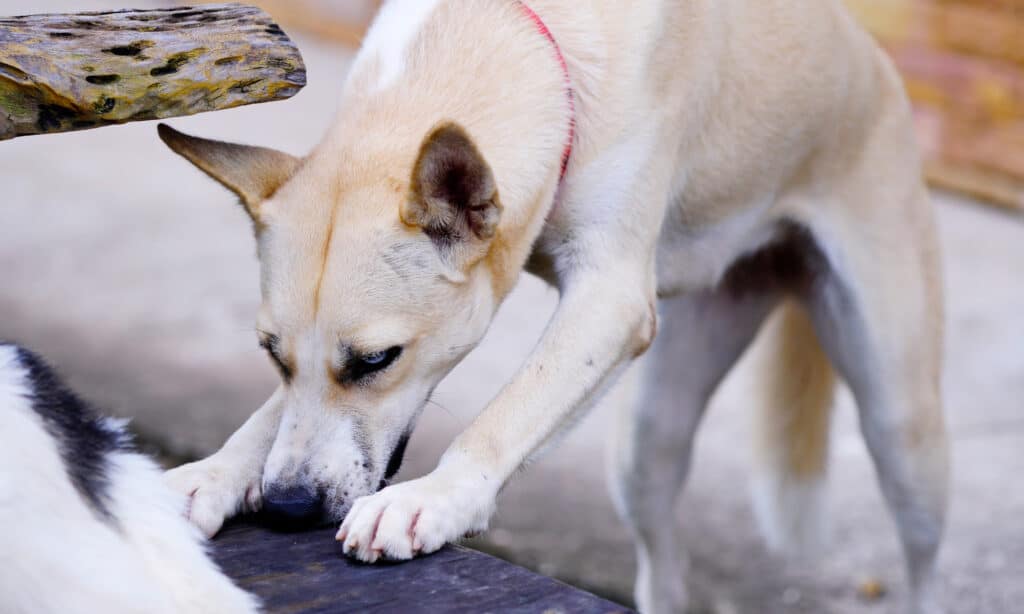
  • Are Coleus Toxic To Dogs? Expert Answers

    Are Coleus Toxic To Dogs? Expert Answers

    Medically Reviewed by: Dr. Candy Akers, DVM

    If you’re a plant lover and a dog owner, you might have wondered if some of your indoor or outdoor plants can be harmful to your furry friend. Coleus, a popular ornamental plant known for its colorful foliage, is no exception. In this blog post, we’ll answer the question on many dog owners’ minds: Are Coleus toxic to dogs? We’ll also explore what you should do if your dog eats Coleus, the potential physical dangers that the plant presents, signs and symptoms of ingestion, and when to take your dog to the vet. Additionally, we’ll provide tips on how to prevent your dog from eating Coleus, and lastly, we’ll delve into the reasons why dogs are drawn to this plant. Keep reading to learn everything you need to know about Coleus and your furry friend’s health.

    is coleus toxic to dogs

    What Are Coleus

    Coleus is a type of plant that is also known as Solenostemon. These plants are tropical and belong to the mint family, Lamiaceae. What makes them so popular are their eye-catching, colorful leaves, which can come in shades of green, purple, pink, yellow, and red. People often use Coleus plants for decoration, whether it’s for landscaping, container gardening, or indoor arrangements. Coleus plants originally come from Southeast Asia and have been grown for centuries for both their medicinal and ornamental uses. There are many different types of Coleus plants, and they come in a range of sizes, from small potted plants to large shrubs. Taking care of Coleus plants is relatively easy as they do well in warm, humid environments, require moderate watering, and prefer indirect sunlight.

    Are Coleus Toxic To Dogs?

    Yes, if dogs eat Coleus plants, it can cause them harm. These plants contain oils and chemicals that are not good for dogs and can lead to various symptoms such as vomiting, diarrhea, loss of appetite, excessive drooling, and dehydration. In severe cases, ingesting Coleus can even cause dogs to feel tired, muscle tremors, seizures, and death.

    The amount of damage Coleus can do to your dog depends on how much they eat and their size. Larger dogs might handle small amounts of ingestion, while smaller dogs can be badly affected even by a little bit. It’s vital to make sure Coleus plants are kept away from dogs and other pets to avoid them accidentally eating them.

    If you think your dog has ingested Coleus, take them to see a vet right away. Treatment may involve induced vomiting, activated charcoal to soak up toxins, intravenous fluids to rehydrate, and medicine to manage symptoms. Getting help as soon as possible will give your dog the best chance of a full recovery.

    What Should You Do If Your Dog Eats Coleus?

    If you suspect that your dog has eaten Coleus, it’s crucial to act quickly. The first step is to remove any remaining plant material from your dog’s mouth and call your veterinarian immediately. Your veterinarian will ask about the symptoms your dog is showing and may advise you to bring your dog in for an examination.

    In some cases, your veterinarian may recommend inducing vomiting to help remove any remaining plant material from your dog’s stomach. This is typically done within two hours of ingestion, and it’s essential to follow your veterinarian’s instructions carefully.

    If it’s too late to induce vomiting or if your dog is already showing symptoms, your veterinarian may recommend other treatments. These can include administering activated charcoal to absorb toxins in the stomach, providing intravenous fluids to rehydrate your dog, and giving medication to manage symptoms such as vomiting and diarrhea.

    In severe cases, your dog may need to be hospitalized for monitoring and supportive care, such as oxygen therapy or intravenous medication.

    Remember, prevention is always the best medicine. If you have Coleus plants in your home or garden, make sure they are kept out of reach of your dog to prevent accidental ingestion. If you suspect that your dog has ingested any toxic substance, don’t wait for symptoms to develop – call your veterinarian right away. Early intervention can make all the difference in your dog’s health and recovery.

    Potential Physical Dangers Presented by Coleus

    There are several potential physical dangers presented by Coleus plants, especially when ingested by dogs. These plants contain essential oils and chemicals that can cause various symptoms, including gastrointestinal distress, lethargy, muscle tremors, seizures, and even death.

    Ingesting Coleus plants can cause vomiting, diarrhea, and loss of appetite in dogs. These symptoms can lead to dehydration, which, if left untreated, can be life-threatening. In severe cases, dogs may experience muscle tremors, seizures, and respiratory distress, which can require emergency medical attention.

    The toxicity of Coleus plants varies depending on the size of the dog and the amount ingested. Smaller dogs are more susceptible to the toxic effects of Coleus than larger dogs. It’s crucial to keep Coleus plants out of reach of dogs to prevent accidental ingestion.

    Other physical dangers of Coleus plants include skin irritation and allergies. The essential oils in the plant can cause a rash or other skin irritations in both dogs and humans. If you notice any skin irritations after handling Coleus plants, wash the affected area immediately with soap and water.

    It’s essential to be aware of the potential physical dangers of Coleus plants and take steps to prevent accidental ingestion by dogs. If you suspect that your dog has ingested Coleus, seek veterinary care immediately to prevent the onset of severe symptoms.

    Signs and Symptoms of Coleus Plant Ingestion

    If your dog ingests Coleus, there are several signs and symptoms that you should watch out for. These symptoms can range from mild to severe, depending on the amount of plant material ingested and the size of your dog.

    Some of the common signs and symptoms of Coleus plant ingestion in dogs include:

    • Vomiting
    • Diarrhea
    • Loss of appetite
    • Excessive drooling
    • Lethargy
    • Dehydration
    • Muscle tremors
    • Seizures
    • Difficulty breathing

    It’s important to note that these symptoms can appear quickly or over time, depending on the severity of the ingestion. If you notice any of these symptoms in your dog and suspect they have ingested Coleus, seek veterinary care immediately.

    In some cases, your dog may not show any symptoms for several hours after ingestion. It’s essential to keep an eye on your dog and monitor them closely for any changes in behavior or signs of distress.

    Remember, prevention is always the best medicine. Keep Coleus plants out of reach of your dog to prevent accidental ingestion and monitor your dog closely for any signs of illness. If you suspect that your dog has ingested any toxic substance, don’t wait for symptoms to develop – call your veterinarian right away.

    When Should You Take Your Dog To The Vet?

    If you suspect that your dog has ingested Coleus plants, it’s essential to seek veterinary care immediately. The sooner your dog receives treatment, the better their chances of a full recovery.

    You should take your dog to the vet if they are showing any of the following symptoms:

    • Vomiting
    • Diarrhea
    • Loss of appetite
    • Lethargy
    • Dehydration
    • Muscle tremors
    • Seizures
    • Difficulty breathing

    Even if your dog is not showing any symptoms, it’s still a good idea to call your veterinarian for advice. They may recommend monitoring your dog closely for any changes in behavior or signs of distress.

    When you take your dog to the vet, be sure to provide as much information as possible about the ingestion, including how much plant material your dog ingested, when they ingested it, and any symptoms they are exhibiting. This information will help your veterinarian determine the best course of treatment.

    In some cases, your veterinarian may recommend inducing vomiting to help remove any remaining plant material from your dog’s stomach. They may also administer activated charcoal to absorb any toxins in the stomach and provide intravenous fluids to rehydrate your dog.

    If your dog is experiencing severe symptoms, they may need to be hospitalized for monitoring and supportive care, such as oxygen therapy or intravenous medication.

    Prevention Is The Best Medicine – How To Prevent Your Dog from Eating Coleus

    Prevention is the best medicine when it comes to keeping your dog safe from the potential dangers of Coleus plants. Here are some tips on how to prevent your dog from eating Coleus:

    • Keep Coleus plants out of reach: Make sure that any Coleus plants in your home or garden are kept out of reach of your dog. Consider placing them on high shelves, hanging them from the ceiling, or using plant stands to elevate them.
    • Use barriers: Protect your dog from Coleus plants in your garden with barriers like fencing or netting.
    • Supervise outdoor time: Supervise outdoor dogs to prevent access to Coleus plants.
    • Use deterrents: Consider using natural deterrents such as citrus spray or cayenne pepper around your Coleus plants to discourage your dog from eating them.
    • Provide alternatives: Give your dog safe and healthy alternatives to chew on, such as toys or bones, to keep them occupied and away from Coleus plants.
    • Educate yourself: Learn to identify Coleus plants and other toxic plants that may be growing in your home or garden. This knowledge will help you keep your dog safe and avoid any potential accidents.

    By taking these preventative measures, you can help keep your dog safe from the potential dangers of Coleus plants.

    So, Why Do Dogs Eat Coleus?

    The reasons why dogs eat Coleus plants are not entirely clear, but there are a few possible explanations. One is that the plant’s sweet aroma and taste can be appealing to dogs, especially those with a heightened sense of smell.

    Another possible reason is that dogs have a natural instinct to explore their environment and satisfy their urge to chew. This may lead them to investigate and nibble on Coleus plants out of curiosity.

    Additionally, some dogs may eat Coleus as a form of self-medication for digestive or other health issues. However, it’s important to note that dogs don’t have the same knowledge as humans when it comes to self-medicating, and some plants can be harmful to them.

    Regardless of the reason why your dog may be drawn to Coleus, it’s crucial to take preventative measures to keep them safe. Make sure to keep Coleus plants out of reach and provide your dog with safe alternatives to chew on. If you suspect that your dog has ingested any toxic substance, don’t hesitate to seek veterinary care right away.

    Conclusion

    In conclusion, while Coleus plants can be a beautiful addition to your home or garden, they can be potentially dangerous to your furry friend. The essential oils and chemicals in these plants can cause various symptoms, including vomiting, diarrhea, lethargy, seizures, and even death, if ingested by dogs.

    Prevention is the key to keeping your dog safe. By keeping Coleus plants out of reach, using barriers, supervising outdoor time, and providing safe alternatives to chew on, you can significantly reduce the risk of accidental ingestion. Additionally, it’s crucial to learn to identify toxic plants and seek veterinary care immediately if you suspect that your dog has ingested any toxic substance.

    By taking these preventative measures, you can help ensure your dog’s safety and well-being. Remember, your dog’s health is in your hands, and the best way to keep them healthy is to take proactive steps to prevent accidents from happening. So, if you’re a dog owner and have Coleus plants around your home or garden, make sure to take the necessary precautions to keep your furry friend safe.

    ~Sheena

    A note about your dog’s health

    This article provides general education and does not replace an examination, diagnosis, or individualized advice from your veterinarian. Contact a veterinary professional if you are concerned about your dog’s symptoms.

    Sheena Keliher Avatar

    ABOUT THE AUTHOR

  • Understanding the Behavior: Why Do Dogs Lick Blankets?

    Understanding the Behavior: Why Do Dogs Lick Blankets?

    Medically Reviewed by: Dr. Candy Akers, DVM

    Dogs are known for their quirky and often endearing behaviors, and one such behavior that can leave pet owners scratching their heads is why dogs lick blankets. While some may dismiss this behavior as simply cute or harmless, it can actually be an indication of underlying health or behavioral issues. In this blog post, we’ll delve into the reasons why dogs lick blankets and what it could mean for your furry friend’s well-being. Whether you’re a seasoned dog owner or a new pet parent, understanding this behavior can help you better care for and communicate with your furry companion.

    dog licking blankets

    Reasons Why Your Dog Licks Blankets

    There are several reasons why your pup might be licking blankets. Here are some of the most common reasons:

    • Compulsive behavior: This can be a compulsive behavior that can be a sign of underlying anxiety or stress.
    • Anxiety: This can be a self-soothing behavior when they are feeling anxious or stressed. This can be caused by a variety of factors such as separation anxiety, changes in routine, or loud noises.
    • Taste: Some dogs may simply enjoy the taste of the fabric, especially if the blanket has food or other tasty scents on it.
    • Smell: Dogs have an incredible sense of smell and may be attracted to the scent of their owner on the blanket, or to other scents that are present on the fabric.
    • Inadvertent reward: If you have inadvertently rewarded your pup for licking blankets by providing attention or treats, your pup may continue the behavior as a way to get your attention.

    It’s important to note that blanket licking can also be a symptom of an underlying medical issue, such as gastrointestinal problems or dental issues. If you are concerned about your dog’s blanket-licking behavior, it’s always best to consult with your veterinarian to rule out any medical causes.

    Understanding Compulsive Behavior in Pups Who Lick Blankets

    Compulsive behavior in dogs who lick blankets may be a sign of underlying anxiety or stress. If you notice your furry friend engaging in repetitive actions or behaviors that seem to serve no purpose, it’s important to understand that there may be an underlying issue causing this behavior.

    Compulsive behavior can be caused by various factors, including genetics, environmental factors, or a history of abuse or neglect. It can also be a coping mechanism for boredom or anxiety in dogs. To help alleviate anxiety, consider increasing your dog’s exercise, playtime, and socialization.

    If your dog’s compulsive behavior persists, it’s best to consult with a certified dog trainer or veterinary behaviorist who can provide guidance on the best treatment options. They can help identify the underlying cause of your dog’s behavior and suggest medication or behavior modification techniques to manage it.

    Left untreated, compulsive behavior can lead to other behavioral or health issues, so it’s essential to address it. With time, patience, and understanding, you can help your dog overcome compulsive behavior and lead a happy, healthy life.

    Canine comfort: dog licking a cozy blanket

    How Anxiety Can Cause Your Pup to Lick Blankets

    Anxiety can be a significant factor that causes dogs to lick blankets. Dogs may engage in this behavior as a way to self-soothe when they are feeling anxious or stressed. It’s crucial to understand that dogs can experience anxiety for a variety of reasons, such as separation anxiety, changes in routine, or loud noises.

    When dogs are anxious, they may look for ways to alleviate their stress, and licking blankets can be one such way. The repetitive motion of licking can have a calming effect on dogs, and they may continue to lick the blanket as a way to self-soothe.

    If you notice that your pup is licking blankets more frequently than usual, it’s essential to pay attention to any changes in your dog’s behavior. Other signs of anxiety in dogs may include panting, shaking, pacing, or whining.

    To help alleviate anxiety in dogs, there are a few things you can do. You can try to identify the source of your dog’s anxiety and work to address it. This may involve providing more exercise, creating a calming environment, or using anti-anxiety medications.

    Providing your dog with plenty of attention, love, and reassurance can also help alleviate anxiety. You can also give your pup interactive toys or puzzles to keep them occupied and distracted from licking blankets.

    Dr. Candy’s Favorite Supplements for Anxious Dogs

    As a veterinarian, Dr. Candy understands the struggles of having an anxious dog. While there are various solutions to alleviate anxiety, supplements have become increasingly popular due to their natural ingredients and effectiveness. In this section, Dr. Candy shares her favorite supplements to help calm and soothe anxious dogs.

    standard process adrenal support

    Standard Process Canine Adrenal Support

    Canine Adrenal support is a dietary supplement formulated to help support and maintain healthy adrenal function in dogs.

    standard process drenamin

    Standard Process Drenamin Tablets

    Drenamin is a dietary supplement made from a blend of whole-food ingredients designed to support adrenal function and help the body manage stress.

    standard process min chex

    Standard Process Min-Chex Capsules

    Min-Chex is a dietary supplement that contains a blend of minerals, vitamins, and other nutrients designed to support healthy nervous system function.

    Dr. Candy will often use these supplements in combination to help anxious dogs find and maintain balance of their adrenal glands and bring them out of “fight or flight.

    Dogs Lick Blankets Because They Like The Taste: Is It Normal?

    A common and normal behavior among dogs is licking blankets, often driven by their taste. Dogs have a strong sense of taste and may find the flavor and texture of the fabric appealing. However, it’s essential to keep an eye on the frequency of blanket licking as excessive licking can be a sign of other underlying issues.

    If your dog is excessively licking blankets, it’s best to investigate other potential causes, such as anxiety or compulsive behavior. It’s important to ensure that your dog is getting a balanced diet and is not lacking any essential nutrients that could cause abnormal behavior.

    If you’re concerned that your dog’s blanket-licking behavior may be due to a medical issue, consult with a veterinarian. They can help rule out any underlying health problems that may be contributing to the behavior.

    The mystery of dog behavior: licking blankets

    Why Your Dog Licks Blankets – Exploring the Connection Between Scent and Behavior

    Dogs have an incredible sense of smell and are often attracted to the scent of their owners or other familiar smells. Therefore, one reason why dogs may lick blankets is because they can smell their owner’s scent on them.

    Dogs use scent as a means of communication, and they may lick blankets as a way to mark their territory or to feel closer to their owner. This behavior is also common when a dog is feeling anxious or stressed and is seeking comfort from their owner’s scent.

    If your dog’s blanket licking is causing concern, you can try washing the blanket to remove your scent or spraying it with a scent that your dog finds less attractive. Providing your dog with a comfortable and safe space to relax can also help reduce anxiety and the need to lick blankets.

    Are You Accidentally Encouraging Your Dog to Lick Blankets?

    You may unknowingly be rewarding your dog for licking blankets, which can encourage them to continue the behavior. Dogs seek attention and affection from their owners, and if you provide treats or attention in response to their behavior, they may perceive it as a reward and continue the behavior.

    To discourage your dog from licking blankets, it’s important to redirect their attention to other activities, such as playing with toys or engaging in training exercises. Providing your dog with interactive toys or puzzles can also help keep them occupied and distracted from licking blankets.

    Ensuring that your dog is getting enough exercise and attention is also important, as bored or understimulated dogs may develop abnormal behaviors, such as excessive blanket licking.

    Understanding your furry friend: why do dogs lick blankets?

    Key Considerations When Your Dog First Starts Licking Blankets

    When your dog first starts licking blankets, there are a few key considerations to keep in mind. Here are some things to consider:

    • Changes in behavior: If your dog suddenly starts licking blankets more frequently, it may be a sign of an underlying issue, such as anxiety or stress. Keep an eye out for other changes in your dog’s behavior, such as decreased appetite, lethargy, or increased agitation.
    • Medical issues: If your dog has never licked blankets before and suddenly starts, it’s important to rule out any medical issues that may be causing the behavior. Medical issues such as gastrointestinal problems or dental issues can cause your dog to lick blankets.
    • Environment: Changes in your dog’s environment may also cause them to start licking blankets. This can include changes in routine or the introduction of new family members or pets.
    • Inadvertent reward: It’s essential to be mindful of how you respond to your dog’s blanket-licking behavior. If you provide attention or treats in response to the behavior, your dog may continue the behavior as a means of getting rewarded.
    • Training and socialization: Proper training and socialization can help prevent abnormal behaviors in dogs, including blanket licking. Providing your dog with plenty of attention, exercise, and mental stimulation can also help prevent excessive licking.

    How Often Should You Worry About Your Dog Licking Blankets?

    The frequency of your dog licking blankets can be an important indicator of whether the behavior is normal or abnormal. While it is normal for dogs to lick blankets occasionally, excessive licking can be a sign of an underlying issue, such as anxiety, stress, or compulsive behavior.

    If your dog is licking blankets more frequently than usual, it’s important to monitor their behavior and look for any other signs of distress or abnormal behavior. Other signs may include decreased appetite, lethargy, or increased agitation.

    If your dog’s blanket-licking behavior is accompanied by other symptoms, it’s best to consult with a veterinarian or certified dog trainer. They can help identify the underlying cause of the behavior and provide guidance on the best treatment options.

    In general, it’s best to discourage excessive blanket-licking behavior, even if it is not accompanied by any other symptoms. Excessive licking can lead to other behavioral or health issues, and it’s important to address the behavior early on to prevent it from becoming a habit.

    Blanket investigation: why dogs love to lick them

    Tips for Discouraging Your Dog’s Blanket-Licking Behavior

    Discouraging your dog’s blanket-licking behavior can be challenging, but there are a few tips and strategies that you can try. Here are some tips for discouraging your dog’s blanket-licking behavior:

    • Provide appropriate chew toys: Providing your dog with appropriate chew toys can help redirect their attention away from blanket licking. Choose toys that are safe, durable, and appealing to your dog.
    • Positive reinforcement: Reinforce good behavior with positive reinforcement, such as treats, praise, or affection. When your dog engages in appropriate behavior, such as playing with a toy, reward them with positive reinforcement.
    • Environmental changes: Changes to your dog’s environment can help reduce anxiety and stress, which may be contributing to this behavior. Providing a comfortable and safe space for your dog to relax and reducing any potential stressors can help discourage the behavior.
    • Training and socialization: Proper training and socialization can help prevent abnormal behaviors in dogs, including blanket licking. Enrolling your dog in obedience training or socialization classes can help reduce stress and anxiety.
    • Consistency: Consistency is key when trying to discourage your dog’s blanket-licking behavior. Be patient and consistent in your approach, and don’t give up if you don’t see immediate results.
    • Medical issues: Consult a veterinarian if your dog’s blanket-licking is caused by medical issues like dental or gastrointestinal problems.

    Ensure Your Dog’s Diet is Appropriate to Reduce Blanket-Licking

    Ensuring that your dog is getting a balanced and nutritious diet can be an effective way to reduce their blanket-licking behavior. Here are some tips for ensuring that your dog’s diet is appropriate:

    • High-quality dog food: Choose a high-quality dog food that meets your dog’s nutritional needs. Look for dog food that is high in protein, low in carbohydrates, and free from artificial preservatives or fillers.
    • Avoid table scraps: Avoid giving your dog highly processed foods. This can upset their stomach and contribute to abnormal behaviors, such as blanket licking.
    • Treats in moderation: Treats can be a great way to reinforce positive behavior, but they should be given in moderation. Choose healthy, natural treats and avoid those that are high in sugar or preservatives.
    • Consult with a veterinarian: A veterinarian can also recommend specific foods or supplements to help reduce anxiety or stress, which may be contributing to your dog’s blanket-licking behavior.
    • Monitor food changes: If you make any changes to your dog’s diet, monitor their behavior and blanket-licking behavior closely. Changes in diet can cause gastrointestinal problems, which may contribute to abnormal behaviors.

    By choosing high-quality dog food, avoiding table scraps, giving treats in moderation, consulting with a veterinarian, and monitoring food changes, you can help your furry friend develop healthy habits and lead a happy, healthy life.

    Consulting a Vet: When Should You Seek Help About Your Dog Licking Blankets?

    It’s important to seek professional help from a veterinarian or a certified dog trainer if your dog’s blanket-licking behavior becomes excessive or is accompanied by other symptoms. Here are some signs that indicate it’s time to consult with a professional:

    • Excessive blanket licking: Excessive blanket licking in dogs can signal underlying issues like anxiety or stress.
    • Other abnormal behavior: If your dog licks its blanket excessively and shows other unusual behaviors, seek advice from a professional veterinarian.
    • Medical issues: Check for medical issues if your dog starts licking blankets despite not having done so before.
    • Lack of improvement: Get professional help if your dog’s blanket-licking behavior persists despite various attempted strategies.
    • Behavioral issues: A certified dog trainer or behaviorist can help treat your dog’s compulsive or anxious blanket-licking behavior.
    Sensory exploration: a dog's love for blanket licking

    Providing Alternatives: Other Things Your Dog Can Lick Besides Blankets

    Providing your dog with appropriate alternatives to blanket licking can be an effective way to discourage the behavior. Here are some alternatives that your dog may enjoy:

    • Safe and durable chew toys: Give your dog sturdy chew toys to divert their focus from licking blankets and ensure their safety. Choose toys that are appropriate for your dog’s size and chewing style.
    • Frozen treats: Dogs can enjoy a refreshing feeling by licking frozen treats like ice cubes or broth.
    • Interactive toys: Toys that dispense treats or puzzles can mentally stimulate dogs and promote good behavior.
    • Natural treats: Healthy and tasty natural treats like carrots, apples, or peanut butter can prevent blanket licking.
    • Lick mats: Using lick mats with food or treats can give your dog a rewarding chewing and licking activity.

    It’s important to monitor your dog’s behavior when introducing new alternatives to blanket licking. If your dog shows a preference for a particular alternative, continue to provide it and reinforce good behavior with positive reinforcement.

    By providing safe and durable chew toys, frozen treats, interactive toys, natural treats, and lick mats, you can help your furry friend live happy and healthy.

    Using Leave-It Training to Stop Your Dog from Licking Blankets

    Leave-it training can be a useful technique to discourage your dog’s blanket-licking behavior. Here are the steps for using leave-it training to stop your dog from licking blankets:

    • Start with a treat: Hold a treat in your hand and show it to your dog. Say “leave it” and close your hand, so your dog can’t get the treat.
    • Wait for your dog to stop: Wait for your dog to stop trying to get the treat. When your dog stops, say “yes” or “good,” and give them a different treat as a reward.
    • Repeat the training: Repeat the training, gradually increasing the duration that your dog has to wait before receiving the reward. You can also increase the difficulty by using a more tempting treat or holding it closer to your dog.
    • Apply to blanket-licking behavior: Teach your dog “leave-it” with treats and use it to stop their blanket-licking behavior. Redirect your dog’s attention from licking a blanket by saying “leave it” and offering a toy or treat.
    • Reinforce good behavior: Reward your dog’s good behavior, like playing with toys or eating treats, with positive reinforcement, such as praise or affection.

    Remember to be patient and consistent when using leave-it training to stop your dog from licking blankets. With practice and positive reinforcement, you can help your furry friend develop healthy habits and reduce their blanket-licking behavior.

    The science of dog behavior: the blanket licking phenomenon

    Choosing the Best Dog Training Program to Address Blanket Licking Behavior

    Choosing the best dog training program to address blanket-licking behavior can be a challenging task, but here are some factors to consider:

    • Experience and qualifications: Find an experienced and qualified dog trainer to address abnormal behaviors like anxiety or compulsive behavior. A certified dog trainer or behaviorist can provide specialized guidance and support.
    • Positive reinforcement: Choose a training program that emphasizes positive reinforcement and avoids punishment-based techniques. Positive reinforcement can help encourage appropriate behavior and strengthen the bond between you and your furry friend.
    • Personalized approach: Look for a training program that offers a personalized approach to addressing your dog’s blanket-licking behavior. A one-size-fits-all approach may not be effective for your dog’s specific needs and personality.
    • Practicality: Choose a training program that is practical and achievable for your lifestyle and schedule. A program that requires a significant time commitment or expensive equipment may not be feasible for everyone.
    • Reviews and recommendations: Look for reviews and recommendations from other dog owners or professionals to help inform your decision. This can help you gain insights into the effectiveness and quality of different training programs.

    By selecting a reputable and effective training program, you can help your furry friend develop healthy habits.

    The blanket conundrum: unraveling why dogs lick them

    Conclusion

    In conclusion, blanket licking is a common behavior in dogs, but excessive or compulsive licking can be a sign of an underlying issue, such as anxiety or stress. It’s important to monitor your dog’s behavior and seek professional help if necessary. There are several strategies that you can try to discourage your dog’s blanket-licking behavior, including providing appropriate alternatives, leave-it training, and addressing any underlying medical or behavioral issues.

    Additionally, ensuring that your dog’s diet is well-balanced and providing them with appropriate chew toys can help reduce their blanket-licking behavior. Picking a dog training program to stop blanket licking is hard, but reviews, experience, and positive reinforcement can help.

    By being attentive and proactive, you can help your furry friend lead a happy, healthy life free from excessive or compulsive blanket-licking behavior. Remember to be patient and consistent, and seek professional help if necessary. With proper guidance and support, you can help your furry friend develop healthy habits and enjoy a happy and fulfilling life.

    ~Sheena

    A note about your dog’s health

    This article provides general education and does not replace an examination, diagnosis, or individualized advice from your veterinarian. Contact a veterinary professional if you are concerned about your dog’s symptoms.

    Sheena Keliher Avatar

    ABOUT THE AUTHOR
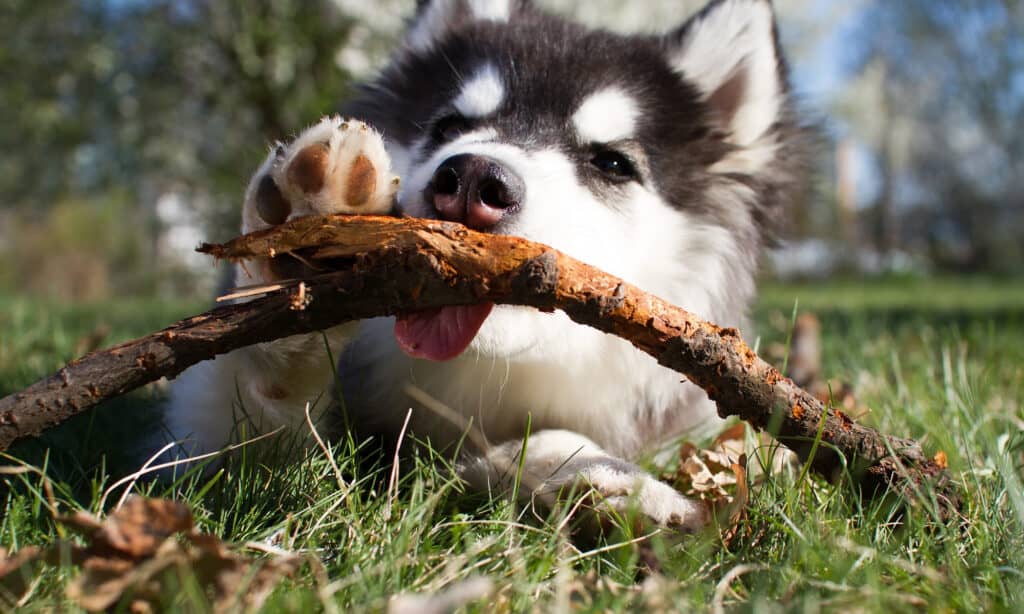
  • What’s Safe and What’s Not: A Deep Dive into Dog Food and Human Food

    What’s Safe and What’s Not: A Deep Dive into Dog Food and Human Food

    Choosing healthy food for your dog can feel overwhelming. With so many options, how do you know which meats, fruits, vegetables, grains, dairy products, and human foods are safe?

    In this guide, we’ll explore which foods can support your dog’s health, which ones to limit or avoid, and how to safely add nutritious options to their diet.

    what foods are safe for dogs

    .

    Girl feeding healthy food to her dog as part of a balanced diet - promoting healthy food for dogs

    Why a Healthy Diet is Important for Dogs: Benefits and Risks

    Just like us humans, dogs need a healthy and balanced diet to stay healthy and avoid health risks. A well-balanced diet can provide many benefits for your furry friend, while an unhealthy one can lead to various risks.

    One of the most significant benefits of a healthy diet for dogs is that it can help them maintain a healthy weight and body condition. Being overweight is a growing concern for dogs, and it can cause a range of health issues such as joint problems, heart disease, and diabetes. By feeding your dog a nutritious and balanced diet, you can help prevent obesity and keep them in tip-top shape.

    A balanced diet can also provide your dog with the essential nutrients they need to stay healthy. This includes vitamins, minerals, and proteins that are necessary for maintaining strong bones, a healthy immune system, and overall good health.

    Feeding your dog an unhealthy diet can lead to various health risks. A diet high in processed foods and low in nutrients can increase diabetes risk and weaken immunity.

    Feeding your dog human food that’s high in fat, salt, and sugar can also lead to digestive problems, obesity, and other health issues. Likewise, feeding your dog foods that are toxic or harmful, such as chocolate, onions, and grapes, can result in severe health problems or even death.

    Ensuring your dog receives a healthy and balanced diet is essential for their overall health and well-being.

    jack russel puppy eating watermelon - a healthy food for dogs

    Fruits and Vegetables

    Benefits of Fruits and Vegetables for Dogs: Vitamins, Minerals, and Fiber

    Incorporating fruits and vegetables into your dog’s diet can provide a wealth of benefits. Just like humans, dogs can benefit from the vitamins, minerals, and fiber found in these foods.

    Fruits and veggies boost your dog’s immune system, promote healthy bones and teeth, and improve overall health. For example, carrots are a great source of vitamin A, which is essential for eye health, while sweet potatoes are high in vitamin C, which can help boost immunity.

    Fruits and vegetables are also high in fiber, which can help regulate your dog’s digestive system and keep them feeling full longer. This can be particularly helpful for overweight dogs or those prone to overeating.

    Another benefit of fruits and vegetables is that they can add variety and flavor to your dog’s diet. This can make mealtime more enjoyable for your dog and help prevent boredom or picky eating habits.

    It’s important to note that not all fruits and vegetables are safe for dogs to eat. Some can be toxic or harmful, such as grapes, onions, and avocados. It’s also important to properly prepare and serve fruits and vegetables to your dog to ensure they can digest them safely.

    Incorporating fruits and vegetables into your dog’s diet can provide numerous benefits, from supporting their immune system to regulating their digestive system. Just make sure to do your research and only offer your dog safe and dog-friendly options.

    10 Dog-Friendly Fruits and Vegetables to Incorporate into Your Dog’s Diet

    Incorporating fruits and veggies into your dog’s diet is a fantastic way to provide them with a range of health benefits. However, not all fruits and vegetables are safe or healthy for your furry friend. To make things easier, we’ve put together a list of 10 dog-friendly fruits and veggies that you can confidently include in their diet:

    • Carrots – Carrots are tasty, crunchy, fiber-rich, and vitamin A-packed, promoting healthy digestion and vision.
    • Blueberries – Blueberries offer big benefits, providing antioxidants and vitamins for a strong immune system and healthy brain function in dogs.
    • Pumpkin – Pumpkin is a fiber-rich food that can work wonders for dogs with sensitive stomachs. It can help regulate their digestive system and promote healthy bowel movements.
    • Sweet Potatoes – Sweet potatoes provide fiber, vitamins, and minerals for your dog’s immune system, skin, coat health, and well-being.
    • Spinach – Spinach is high in iron and vitamins that promote healthy blood cells and bones in dogs.
    • Apples – Apples provide fiber, vitamins, and minerals for healthy digestion, teeth, and gums, in addition to being crunchy and delicious.
    • Broccoli – Vitamins, minerals, and fiber in dog’s food boost immunity, vision, and protect against cancer.
    • Green Beans – Green beans are an excellent choice for dogs who need to lose weight or maintain a healthy weight. They’re low in calories but high in fiber and vitamins.
    • Watermelon – Excellent source of hydration for your dog and is packed with vitamins that can support healthy digestion.
    • Cucumbers – Cucumbers are hydrating and low in calories, a healthy snack for weight loss or hydration for dogs.

    Introduce dog-friendly fruits and veggies gradually and in moderation for health benefits.

    How to Safely Prepare and Serve Fruits and Vegetables to Your Dog

    Incorporating fruits and vegetables into your dog’s diet can provide many health benefits, but it’s important to prepare and serve them safely to avoid any potential health risks. Here are some tips for safely preparing and serving fruits and veggies to your furry friend:

    • Wash thoroughly: Wash fruits and veggies well before giving them to your dog to remove dirt, pesticides, and contaminants.
    • Remove seeds and pits: Apples and peaches, among other fruits and veggies, contain harmful seeds/pits that can affect your dog’s digestion. Be sure to remove them before serving.
    • Cut into small pieces: Cut fruits and veggies into small, easy-to-chew pieces to prevent choking and aid digestion in dogs.
    • Cook vegetables: While some veggies can be served raw, others are more easily digested when cooked. Steaming or boiling vegetables can also help retain their nutritional value.
    • Avoid harmful foods: Avoid grapes, onions, and avocados as they are toxic to dogs, along with some other fruits and veggies.
    • Introduce new foods gradually: It’s important to introduce new fruits and veggies to your dog’s diet gradually to avoid any digestive upset.
    • Monitor for any adverse reactions: Keep an eye on your dog for any signs of an adverse reaction, such as vomiting or diarrhea. If you notice any symptoms, contact your veterinarian right away.

    By following these tips, you can safely and easily incorporate fruits and vegetables into your dog’s diet, providing them with a range of health benefits and tasty treats.

    Some Less-Common Fruits and Vegetables: Are They Safe For Your Dog?

    Grains

    The Controversy Surrounding Grains in Dog Food: Pros and Cons

    The debate about grains in dog food has been ongoing for years. Some people believe that grains are essential for a balanced and nutritious diet for dogs, while others believe that they should be avoided entirely. Here are some of the pros and cons of feeding grains to your dog:

    Pros:

    • Grains are a good source of carbohydrates, which can provide energy for your dog.
    • Some grains, such as brown rice and quinoa, are high in fiber and can aid in digestion.
    • Grains can also provide essential nutrients such as vitamins and minerals, including iron and zinc.

    Cons:

    • Some dogs have allergies or sensitivities to grains, which can cause digestive upset, skin irritation, or other health problems.
    • Grains can also be high in carbohydrates, which may contribute to obesity and other health issues if not balanced with other nutrients.
    • Some dog food manufacturers use grains as a cheap filler ingredient, which can reduce the overall nutritional quality of the food.
    • Most generic grains grown in the US are genetically modified. The genetic part is not the scary part because what is really dangerous are the chemicals that they spray on these GMO foods. Most GMO grains are sprayed heavily with glyphosate and those residues stay within the food.
    • Plant grains contain little to no taurine. Taurine is an amino acid that is important for your dog’s muscles and their heart. Dogs are carnivores and their diet should be high in protein.

    Ultimately, the decision about whether or not to include grains in your dog’s diet depends on their individual needs and sensitivities. Grains can be a healthy part of a dog’s diet if they’re not allergic and enjoy them. However, if your dog experiences any adverse reactions or health issues related to grains, it’s best to avoid them. As always, it’s important to choose high-quality dog food that meets your dog’s individual nutritional needs.

    dog eating grain filled kibble - is it good for dogs

    5 Dog-Friendly Grains to Include in Your Dog’s Diet

    Adding grains to your dog’s diet can provide essential nutrients and carbohydrates, but it’s crucial to choose the right ones. Here are 5 dog-friendly grains to consider incorporating into your furry friend’s diet:

    • Brown rice is a highly digestible grain that’s low in fat and high in fiber, protein, and essential vitamins and minerals. It’s an ideal choice for dogs that need to maintain a healthy weight.
    • Oats are a great source of soluble fiber that can help regulate your dog’s digestive system and promote healthy cholesterol levels. They also contain important minerals like iron and zinc.
    • Quinoa is a highly nutritious grain that’s packed with protein, fiber, and essential amino acids. Being gluten-free, it’s a safe option for dogs with allergies or sensitivities.
    • Barley is another great choice, as it’s low in fat and high in fiber. It can regulate your dog’s blood sugar levels and support healthy digestion. Additionally, barley is a good source of essential vitamins and minerals like iron, zinc, and magnesium.
    • Millet is a gluten-free grain that’s high in fiber, protein, and essential vitamins and minerals. It’s an easily digestible and low-fat option, making it ideal for dogs with digestive issues.

    Remember to choose high-quality grains that are free from harmful additives and are easily digestible. Introduce new foods gradually and monitor your dog for any adverse reactions or digestive upset.

    Tips for Incorporating Grains into Your Dog’s Diet in a Healthy Way

    Incorporating grains into your dog’s diet can provide a wide range of health benefits, but it’s important to do so in a healthy and balanced way. Here are some tips for incorporating grains into your dog’s diet:

    • Start slowly: Introduce new grains gradually and in small amounts to allow your dog’s digestive system to adjust.
    • Choose high-quality grains: Look for whole grains that are free from harmful additives and are easily digestible.
    • Avoid overfeeding: Balance grains with other nutrients to prevent weight gain and health issues, as they are a source of carbohydrates.
    • Monitor for allergies or sensitivities: Monitor for negative effects and consult your vet regarding concerns when introducing new grains to your dog’s diet.
    • Consider your dog’s individual needs: Some dogs may require more or less grains depending on their age, breed, activity level, and overall health.
    • Don’t rely on grains as the sole source of nutrition: It’s important to provide a balanced and varied diet that includes other sources of essential nutrients.

    Add grains to your dog’s diet for essential nutrients and carbs, promoting overall health and well-being.

    Other Resources For Incorporating Grains Into Your Dog’s Diet

    Dairy

    Benefits and Risks of Dairy Products for Dogs: Calcium and Protein vs. Digestive Issues and Allergies

    Dairy products can provide a source of essential nutrients like calcium and protein for dogs. However, they also come with potential risks like digestive issues and allergies. Here’s a closer look at the benefits and risks of feeding your dog dairy products:

    Benefits:

    • Dairy products like milk, cheese, and yogurt are high in calcium, which is essential for strong bones and teeth.
    • They also contain protein, which is necessary for maintaining muscle mass and overall health.

    Risks:

    • Many dogs are lactose intolerant. They cannot digest dairy products properly, which can lead to digestive upset like diarrhea, gas, and bloating.
    • Dairy products can also cause allergic reactions in some dogs, resulting in symptoms like itching, hives, and swelling.
    • Some dairy products like cheese and yogurt can be high in fat and calories. This can lead to obesity and other health issues if fed in excess.

    Dairy offers nutrients, but consider risks like lactose intolerance and allergies when feeding your dog. It’s best to introduce dairy products gradually and in moderation.

    A dog licking ice cream from a cone on a hot day as a treat - not recommended as healthy food for dogs.

    3 Dog-Friendly Dairy Products to Try: Plain Yogurt, Cottage Cheese, and More

    While dairy products may not be suitable for all dogs, there are some dog-friendly options to consider. Here are three dairy products that can provide important nutrients and are safe for most dogs:

    • Plain Yogurt: Yogurt is a great source of calcium and protein, and also contains live bacteria that can promote digestive health. However, it’s important to choose plain, unsweetened yogurt to avoid any added sugars or artificial flavors.
    • Cottage Cheese: Cottage cheese is another good source of calcium and protein, and is also low in fat. Choose unsalted cottage cheese as a healthy addition to your dog’s diet.
    • Hard Cheeses: Some hard cheeses like cheddar and parmesan can be a good source of protein and calcium for dogs. However, they should be fed in moderation due to their high fat and calorie content.

    As with any new food, it’s important to introduce dairy products gradually and in moderation to avoid digestive upset or allergic reactions.

    How to Safely Introduce Dairy into Your Dog’s Diet

    If you’re interested in incorporating dairy into your dog’s diet, it’s important to do so safely and gradually. Here are some tips for introducing dairy products to your dog:

    • Start with small amounts: Start with a small amount of plain yogurt or cheese for your dog. Monitor them closely for any signs of digestive upset or allergic reaction.
    • Choose plain, unsweetened products: Avoid dairy products that contain added sugars, flavors, or preservatives. Stick to plain, unsweetened products like plain yogurt or unsalted cottage cheese.
    • Monitor for digestive upset: Watch for any signs of digestive upset, such as diarrhea, vomiting, or gas. If you notice any of these symptoms, stop feeding the dairy product and consult with your veterinarian.
    • Consider lactose-free options: Opt for lactose-free alternatives or non-dairy sources of calcium and protein.

    Other Resources For Incorporating Grains Into Your Dog’s Diet

    Meat

    Importance of Protein in a Dog’s Diet: Benefits of Different Types of Meat

    Protein is essential for dogs to maintain healthy muscle mass, support immune function and overall health. There are various types of meat that offer different benefits for dogs:

    When choosing meat, it’s important to opt for fresh and unprocessed options that are free from harmful additives. Cook meat thoroughly to prevent bacterial contamination and avoid feeding raw or undercooked meat.

    7 Dog-Friendly Meats to Feed Your Pup: Chicken, Beef, Fish, and More

    When it comes to feeding your furry friend, incorporating a variety of meats into their diet can provide essential protein and nutrients. Here are seven dog-friendly types of meat to consider:

    • Chicken: A lean and versatile protein source that is low in fat and high in essential amino acids and vitamins.
    • Beef: A good source of protein and essential nutrients like iron and zinc. Beef should be fed in moderation due to its high-fat content.
    • Fish: A great source of protein and omega-3 fatty acids. Fish can help promote healthy skin and coat, reduce inflammation, and support heart health.
    • Lamb: A good source of protein and essential vitamins and minerals like iron and zinc. Lamb is a great option for dogs with food sensitivities or allergies to other meats.
    • Turkey: A lean protein source that is easy to digest and rich in essential nutrients like B vitamins, zinc, and potassium.
    • Pork: A protein-rich meat that is also a good source of essential vitamins and minerals. Pork should be fed in moderation due to its high-fat content.
    • Venison: A lean and novel protein source that is rich in essential nutrients like iron and B vitamins, making it a great option for dogs with food sensitivities.

    As always, it’s important to choose high-quality and fresh meat sources and cook them thoroughly.

    How to Safely Prepare and Serve Meat to Your Dog

    When it comes to serving meat to your furry friend, it’s important to take certain precautions to ensure their safety and health. Here are some tips for safely preparing and serving meat to your dog:

    • Choose high-quality, fresh meat: Look for meat that is fresh and free from any additives, such as preservatives or artificial flavors.
    • Cook the meat thoroughly: Always cook meat thoroughly to avoid the risk of bacterial contamination. Raw or undercooked meat can lead to foodborne illnesses such as salmonella or E. coli.
    • Avoid seasoning: While you may be tempted to season your dog’s meat, it’s best to avoid any added spices or seasonings. Stick to plain, unseasoned meat to prevent any digestive upset or allergic reactions.
    • Avoid bones: Cooked bones can splinter and cause choking hazards or intestinal blockages. Always remove any bones from the meat before serving it to your dog.
    • Serve in moderation: While meat can provide essential nutrients and protein for your dog, it’s important to serve it in moderation. Too much meat can lead to weight gain and other health issues.

    Other Meats to Add Or Avoid Feeding To Your Pup

    Processed Foods

    Dangers of Processed Foods for Dogs: High Levels of Salt, Sugar, and Additives

    While it may be tempting to give your dog processed foods, it’s important to be aware of the potential dangers they pose. Processed foods are often high in salt, sugar, and additives that can be harmful to your dog’s health.

    Excessive salt intake can lead to dehydration and high blood pressure, while high levels of sugar can contribute to obesity, dental issues, and even diabetes in some dogs. Additives such as artificial preservatives, flavors, and colors can also cause digestive issues and allergic reactions.

    In addition to these health risks, many processed foods also lack the essential nutrients that your dog needs to maintain good health. This can lead to deficiencies and other health problems down the line.

    To ensure that your dog is getting the nutrition they need, it’s best to stick to high-quality, whole foods that are free from harmful additives and excess salt and sugar. If you do decide to give your dog processed foods, be sure to do so in moderation and always read the ingredients list to ensure that they are safe for your furry friend.

    A girl sharing healthy food with her dog - promoting a nutritious diet for dogs

    5 Processed Foods to Avoid Giving Your Dog: Deli Meats, Hot Dogs, and More

    As pet owners, we want the best for our furry friends, and that includes feeding them healthy and nutritious foods. Unfortunately, many processed foods that we humans enjoy can be harmful to dogs. Here are five processed foods to avoid giving your dog:

    • Deli meats – Deli meats are often high in sodium and preservatives, which can be harmful to dogs. Additionally, some deli meats may contain seasonings or ingredients that are toxic to dogs, such as garlic or onion powder.
    • Hot dogs and sausages – Hot dogs and sausages are often high in fat, sodium, and preservatives, making them a poor choice for your dog’s diet. They may also contain seasonings or additives that can be harmful to your furry friend.
    • Bacon and ham – While dogs may love the taste of bacon and ham, these meats are high in fat and salt, which can lead to obesity, heart disease, and other health issues in dogs. They may also contain nitrates or nitrites, which can be harmful to dogs.
    • Cheese and cheese products – Cheese is a high-fat food that can cause digestive upset and obesity in dogs. Additionally, some types of cheese, such as blue cheese or feta, contain ingredients that are toxic to dogs.
    • Commercial dog treats – While not technically a human food, many commercial dog treats are highly processed and contain additives, preservatives, and artificial flavors that can be harmful to your dog’s health. Look for natural, minimally processed treats or consider making your own at home.

    By avoiding these processed foods and opting for healthier options like fresh fruits, vegetables, and lean meats, you can help ensure that your dog enjoys a long and healthy life.

    Tips for Choosing Healthier Options for Your Dog

    When it comes to choosing healthier options for your dog, there are a few things to keep in mind. First, read the ingredient list carefully to avoid foods that contain excessive amounts of salt, sugar, or other harmful additives. Look for whole foods and natural ingredients, and avoid foods that contain fillers or by-products.

    It’s also a good idea to choose foods that are specifically formulated for dogs, rather than giving them human food.

    Candy and Cereals

    Dangers of Candy and Cereals for Dogs: High Levels of Sugar and Artificial Ingredients

    It’s no secret that dogs love treats, but some human foods can be dangerous for them to consume. Candy and cereals are two examples of foods that can be harmful to your furry friend.

    Candy typically contains high levels of sugar, which can lead to dental issues and weight gain in dogs. Additionally, many types of candy contain artificial sweeteners like xylitol, which can be toxic and even fatal for dogs. Symptoms of xylitol poisoning in dogs can include vomiting, loss of coordination, and seizures.

    Cereals, especially those marketed towards children, often contain high levels of sugar and artificial ingredients. These can cause digestive upset and weight gain in dogs, and may even contribute to the development of diabetes.

    To keep your dog safe, it’s best to avoid feeding them candy and cereals altogether. If you want to give your dog a sweet treat, look for specially-made dog treats that are low in sugar and free from harmful additives. It’s also important to keep all human foods out of your dog’s reach to prevent accidental ingestion.

    If you suspect that your dog has consumed candy or cereal, watch them closely for any signs of digestive upset or unusual behavior, and contact your veterinarian immediately if you notice any concerning symptoms.

    5 Candy and Cereals to Avoid Giving Your Dog: Chocolate, Sugary Cereals, and More

    While many of us enjoy indulging in candy and cereals as a treat, it’s important to remember that these foods can be harmful to our furry friends. Here are five candy and cereal items that you should avoid giving to your dog:

    • Chocolate – Chocolate contains theobromine, a chemical compound that can be toxic to dogs and cause symptoms such as vomiting, diarrhea, and even seizures or death in severe cases.
    • Sugar-filled cereals – Cereals that are high in sugar can lead to obesity, dental problems, and other health issues in dogs. They may also contain additives and artificial flavors that can be harmful.
    • Gum – Gum contains xylitol, a sugar substitute that can be extremely dangerous to dogs even in small amounts. It can cause rapid insulin release, leading to hypoglycemia (low blood sugar), seizures, and even liver failure.
    • Raisins – Raisins and grapes can be toxic to dogs and cause kidney failure. Symptoms may include vomiting, diarrhea, and lethargy.
    • Candy with wrappers – Many candies come in wrappers that can be hazardous to dogs if ingested. They can cause intestinal blockages, which may require surgery to remove.

    No matter how delicious they taste to us, it’s best to avoid giving your dog candy and cereals as they often contain high levels of sugar, artificial ingredients, or substances that can be toxic to dogs. Instead, opt for dog-friendly treats that are made specifically for their nutritional needs and taste preferences.

    Tips for Choosing Healthier Options for Your Dog

    When it comes to choosing healthier options for your dog, there are a few things to keep in mind. Here are some tips:

    • Read the label: Look for dog food and treats that have high-quality, whole-food ingredients listed first on the label. Avoid foods that list “meat by-products,” “animal digest,” or other vague ingredients.
    • Consider your dog’s age and health: Puppies, adult dogs, and senior dogs all have different nutritional needs, so choose foods that are appropriate for your dog’s age and health condition.
    • Choose the right type of food: Wet or dry food, homemade meals, or a combination of both can all be healthy options for your dog. Consider your dog’s preferences and any dietary restrictions when making your choice.
    • Avoid fillers and additives: Look for foods that are free from fillers like corn, wheat, and soy, as well as artificial preservatives, colors, and flavors.
    • Consider your dog’s activity level: Active dogs may require more calories and protein than less active dogs, so choose foods that are appropriate for your dog’s energy level.

    Fermented Foods

    The Benefits of Fermented Foods for Dogs: Improved Digestion and Immune System

    Fermented foods are becoming increasingly popular as a health food for humans, but did you know that they can also offer many benefits for dogs? Fermented foods are rich in probiotics, which are beneficial bacteria that can help improve digestion and boost the immune system.

    One of the primary benefits of probiotics is their ability to promote healthy digestion. They can help regulate the balance of bacteria in the gut, which can help alleviate digestive issues such as diarrhea and constipation. Probiotics can also improve the absorption of nutrients from food, which can help ensure that your dog is getting the most out of their diet.

    In addition to promoting healthy digestion, probiotics can also boost the immune system. They can help stimulate the production of white blood cells, which are responsible for fighting off infections and diseases. This can help your dog stay healthy and avoid illnesses.

    Some examples of fermented foods that can be beneficial for dogs include plain yogurt, kefir, and fermented vegetables such as sauerkraut. It’s important to introduce new foods gradually and in small amounts to avoid digestive upset.

    Incorporating fermented foods into your dog’s diet can provide many health benefits, including improved digestion and a stronger immune system.

    5 Dog-Friendly Fermented Foods to Add to Your Dog’s Diet: Yogurt, Kefir, and More

    Here are five fermented foods that are safe and healthy for dogs:

    • Yogurt – Yogurt is a great source of probiotics, which can help improve your dog’s digestion and boost their immune system. Be sure to choose plain, unsweetened yogurt, as added sugars and artificial sweeteners can be harmful to your dog.
    • Kefir – Kefir is similar to yogurt but has a thinner consistency and a tangy flavor. It’s also packed with beneficial probiotics that can help regulate your dog’s digestive system and support overall health.
    • Sauerkraut – Sauerkraut is a fermented cabbage dish that can provide a wide range of health benefits for dogs, including improved digestion and a stronger immune system. However, it’s important to choose a sauerkraut that is free from added sugars and other harmful additives.
    • Kimchi – Kimchi is a Korean dish made from fermented vegetables, typically cabbage and radishes. It’s a great source of probiotics and can help improve your dog’s digestion and boost their immune system. If Kimchi has a lot of peppers and spice-avoid it because spicy foods can cause an upset stomach.
    • Kombucha – Kombucha is a fermented tea beverage that is rich in probiotics and antioxidants. However, it’s important to choose a kombucha that is low in sugar, as high sugar content can be harmful to your dog.

    When incorporating fermented foods into your dog’s diet, it’s important to introduce them gradually and in moderation. Start with small amounts and monitor your dog for any adverse reactions or digestive upset.

    How to Safely Introduce Fermented Foods into Your Dog’s Diet

    • Start with small amounts: Begin by offering your dog a small amount of the fermented food, such as a spoonful of yogurt or kefir, and monitor their reaction. If your dog tolerates the food well, you can gradually increase the amount over time.
    • Choose high-quality products: Look for high-quality, organic fermented foods that are free from harmful additives, preservatives, and artificial ingredients. Avoid products that contain added sugar, as this can counteract the health benefits of the fermentation process.
    • Watch for signs of digestive upset: Keep an eye on your dog for any signs of digestive upset, such as diarrhea or vomiting. If your dog experiences any adverse reactions, stop feeding them the fermented food and consult with your veterinarian.

    Final Thoughts

    A healthy and balanced diet is crucial for the well-being of your furry friend. Incorporating a variety of whole foods, including lean proteins, fruits, vegetables, and grains, can provide essential nutrients that support your dog’s immune system, promote healthy digestion, and protect against a range of health issues. However, it’s important to be mindful of potential dangers associated with certain foods, including processed and sugary foods, and to always introduce new foods gradually and in moderation. By making informed choices and consulting with your veterinarian, you can provide your dog with a nutritious and delicious diet that supports their overall health and happiness.

    ~Lindsie

    A note about your dog’s health

    This article provides general education and does not replace an examination, diagnosis, or individualized advice from your veterinarian. Contact a veterinary professional if you are concerned about your dog’s symptoms.

    Lindsie Parks B.S., CRDNS Avatar

    ABOUT THE AUTHOR

  • Breaking Down Digestion: A Comprehensive Guide to Your Dog’s Gut Health

    Breaking Down Digestion: A Comprehensive Guide to Your Dog’s Gut Health

    As dog owners, we all want our furry friends to be happy and healthy. One important aspect of their health that often gets overlooked is their digestive system. A healthy gut is essential for your dog’s overall well-being, but digestive issues can be common and often indicate larger health problems. That’s why it’s important to understand how your dog digestive system works and what you can do to maintain its health.

    In this comprehensive guide, we’ll take a deep dive into your dog’s gut health. We’ll cover the anatomy of their digestive system, how food is processed and broken down, and the importance of nutrient absorption. We’ll also explore common digestive issues in dogs, such as upset stomach, diarrhea, and constipation, and how to recognize when it’s time to see a vet. Finally, we’ll provide practical tips for maintaining digestive health in your dog, including proper diet and nutrition, hydration, exercise, and prebiotics and probiotics.

    By the end of this guide, you’ll have a thorough understanding of your dog’s digestive system and be equipped with the knowledge to keep your furry friend’s gut healthy and happy. So, let’s get started!

    Anatomy of a dog's digestive system

    Understanding Your Dog’s Gut Health: An Introduction

    When it comes to our dogs’ health, we often focus on their physical fitness and overall well-being, but we may not realize the importance of their digestive health. A dog’s digestive system is vital for food processing, nutrient absorption, and a strong immune system.

    To understand your dog’s gut health, it’s important to first understand the anatomy of their digestive system. A dog’s digestive system breaks down food, absorbs nutrients, and eliminates waste. The process begins in the mouth, where enzymes in their saliva begin to break down carbohydrates. The food then travels down the esophagus to the stomach, where stomach acid and enzymes further break down the food. From there, the partially digested food travels to the small intestine, where most of the nutrients are absorbed into the bloodstream. Finally, any waste products are eliminated through the large intestine and rectum.

    Another critical aspect of your dog’s gut health is the gut microbiome, which is the collection of microorganisms that live in the digestive tract. These microorganisms play a crucial role in the digestion process, and they also help to maintain a healthy immune system. A diverse and healthy gut microbiome can help prevent issues like diarrhea and other digestive problems.

    In the next sections, we’ll dive deeper into each aspect of your dog’s gut health, including the anatomy of the digestive system and the gut microbiome. By understanding how your dog’s gut works, you can take steps to ensure that they maintain optimal digestive health.

    The Role of the Digestive System in Your Dog’s Health

    The digestive system plays a crucial role in keeping your furry friend healthy and happy. It provides essential nutrients for growth, energy, and a healthy immune system. When the digestive system is working as it should, your dog can better ward off infections and illnesses.

    However, a compromised digestive system can lead to a range of health problems. Symptoms such as diarrhea, vomiting, and constipation can indicate underlying health issues. Left untreated, chronic digestive issues can cause weight loss, malnutrition, and even more severe health problems.

    Moreover, an unhealthy gut can also contribute to other issues such as skin allergies, autoimmune disorders, and behavioral problems. A poor gut health can cause anxiety and depression, as studies have found.

    That’s why it’s vital to prioritize your dog’s digestive health. To maintain a healthy dog, provide a balanced diet, exercise, and support gut health. In the upcoming sections, we’ll dive into how you can take care of your furry friend’s gut health.

    Understanding the dog digestive system

    Breaking Down Digestion: An Overview of the Canine Digestive System

    Sure, here’s a possible section on “Breaking Down Digestion: An Overview of the Canine Digestive System”:

    Have you ever wondered how your dog’s food is processed and broken down? Understanding the anatomy and function of the canine digestive system can help you better care for your furry friend’s health.

    The digestive process starts in the mouth, where the food is broken down into smaller pieces by the teeth and mixed with saliva, which contains enzymes that start to break down carbohydrates. Food travels to stomach, mixes with gastric juices and digestive enzymes to break it down.

    Partially digested food goes to small intestine, where nutrients are absorbed into bloodstream. Tiny finger-like projections called villi line the small intestine, increasing the surface area available for nutrient absorption.

    The large intestine is responsible for absorbing water and electrolytes from the remaining undigested food and eliminating waste. The rectum stores feces until it’s time for elimination.

    It’s essential to note that dogs have a shorter digestive tract than humans, which means their food is processed and eliminated more quickly. Feed dogs high-quality, easily digestible food for essential nutrient intake.

    How Food is Processed in Dogs: A Step-by-Step Guide

    It’s important to know how your furry friend’s food is processed and broken down in their digestive system. Here’s a step-by-step guide to help you understand the process:

    • Mouth: Food is chewed by teeth and mixed with enzymes in saliva, beginning the digestive process in the mouth.
    • Esophagus: The food then travels down the esophagus, a long muscular tube that connects the mouth to the stomach.
    • Stomach: Once in the stomach, the food is mixed with gastric juices and digestive enzymes that break it down further. The stomach also churns the food, which helps to break it down into smaller pieces.
    • Small intestine: Partly digested food travels to small intestine, where nutrients are absorbed into bloodstream from stomach. The small intestine is lined with tiny finger-like projections called villi, which increase the surface area available for nutrient absorption.
    • Large intestine: The large intestine is responsible for absorbing water and electrolytes from the remaining undigested food and eliminating waste.
    • Rectum: The rectum stores feces until it’s time for elimination.

    It’s important to note that the digestive process in dogs is different from that of humans. Dogs have a shorter digestive tract, which means their food is processed and eliminated more quickly.

    Digestive system of a canine

    Nutrient Absorption in Dogs: What You Need to Know

    The small intestine absorbs most of the nutrients in your dog’s food and has villi that increase the surface area for absorption. The liver processes and distributes the nutrients throughout the body.

    Nutrient absorption is critical for your dog’s overall health and well-being. A deficiency in essential nutrients can lead to a range of health issues, including poor coat condition, weakened immune system, and even developmental problems in puppies.

    To ensure your dog is getting the nutrients they need, it’s essential to provide them with a balanced diet that includes all the essential nutrients, such as protein, carbohydrates, fats, vitamins, and minerals. Feed your dog a balanced, high-quality diet for optimal nutrient intake.

    It’s also important to note that some factors can affect nutrient absorption, such as digestive problems or certain medications. If you suspect your dog is not absorbing nutrients properly, it’s important to speak with your veterinarian. They may recommend a specialized diet or supplements to ensure your furry friend is getting the necessary nutrients.

    How a dog's digestive system works

    Common Digestive Issues in Dogs

    While a healthy digestive system is essential for your dog’s overall health and well-being, digestive issues can be common and can indicate larger health problems. Symptoms such as vomiting, diarrhea, and constipation can be a sign of an underlying issue that requires veterinary attention. In this section, we’ll explore some of the most common digestive issues in dogs, including their causes, symptoms, and treatments, so you can be better equipped to care for your furry friend’s digestive health.

    Upset Stomach in Dogs: Causes, Symptoms, and Treatment

    An upset stomach, also known as gastroenteritis, is a common digestive issue in dogs. Gastrointeritis casues inflammation of the stomach and intestines causing vomiting, diarrhea, and abdominal pain.

    The most common causes of upset stomach in dogs include dietary indiscretion (such as eating something they shouldn’t), bacterial or viral infections, and stress. Some breeds are also more prone to digestive issues, such as brachycephalic breeds, which have a shorter snout and may swallow more air when eating or drinking.

    Symptoms of an upset stomach in dogs can include vomiting, diarrhea, loss of appetite, lethargy, and abdominal pain. In some cases, you may notice blood in your dog’s stool or vomit, which requires immediate veterinary attention.

    Treatment for upset stomach in dogs may include fasting for 12-24 hours to give their digestive system time to rest and recover. After the fasting period, you can gradually reintroduce small amounts of a bland diet, such as boiled chicken and rice. It’s important to ensure your dog stays hydrated during this time, so be sure to provide plenty of fresh water.

    If your dog’s symptoms persist or worsen, or if you notice any signs of dehydration (such as dry gums, sunken eyes, or lethargy), it’s important to seek veterinary attention. Your veterinarian may recommend additional treatment, such as medication to control vomiting or diarrhea, or antibiotics to treat an underlying infection.

    Diarrhea in Dogs: What You Need to Know

    Diarrhea is a common digestive issue in dogs that can range from mild to severe. It is characterized by loose, watery stools and can be caused by a variety of factors, including dietary changes, infections, parasites, and certain medications.

    In many cases, diarrhea in dogs is mild and resolves on its own within a few days. However, if your dog’s diarrhea is severe, bloody, or accompanied by other symptoms such as vomiting or lethargy, it’s important to seek veterinary attention.

    To help manage your dog’s diarrhea at home, it’s important to keep them hydrated. Be sure to provide plenty of fresh water, and consider offering a hydration solution like Pedialyte to help replace lost electrolytes. You can also try feeding your dog a bland diet, such as boiled chicken and rice, to help settle their stomach.

    If your dog’s diarrhea persists or worsens, your veterinarian may recommend additional treatment, such as medication to control vomiting or diarrhea, or antibiotics to treat an underlying infection. They may also recommend diagnostic tests, such as a fecal exam, to determine the underlying cause of your dog’s diarrhea.

    Preventing diarrhea in dogs involves providing a consistent, high-quality diet, avoiding sudden dietary changes, and ensuring your furry friend is up-to-date on parasite prevention. Regular veterinary checkups can also help detect and address potential health issues before they become more severe.

    The process of digestion in dogs

    Vomiting in Dogs: Causes, Symptoms, and Treatment

    Vomiting is a common digestive issue in dogs and can be caused by a range of factors, including dietary indiscretion, infections, motion sickness, and underlying health issues. It is characterized by the involuntary expulsion of stomach contents through the mouth. Symptoms of vomiting in dogs can include retching, drooling, and abdominal contractions. In some cases, you may notice your dog has a decreased appetite or is lethargic.

    Treatment for vomiting in dogs may depend on the underlying cause. In some cases, fasting for 12-24 hours can help give the digestive system time to rest and recover. After the fasting period, you can gradually reintroduce small amounts of a bland diet, such as boiled chicken and rice. It’s important to ensure your dog stays hydrated during this time, so be sure to provide plenty of fresh water.

    Preventing vomiting in dogs involves providing a consistent, high-quality diet, avoiding sudden dietary changes, and ensuring your furry friend is up-to-date on parasite prevention.

    Constipation in Dogs: Causes, Symptoms, and Treatment

    Constipation is a common digestive issue in dogs and is characterized by difficulty passing stools or infrequent bowel movements. It can be caused by a range of factors, including dehydration, dietary changes, lack of exercise, and underlying health issues such as an obstruction in the digestive tract.

    Symptoms of constipation in dogs can include straining to defecate, passing small or hard stools, and a decreased appetite. In some cases, you may notice your dog has a bloated or uncomfortable abdomen.

    Treatment for constipation in dogs may include dietary changes, such as increasing fiber intake or switching to a softer, more easily digestible food. Adding a stool softener or lubricant to your dog’s food can also help make it easier for them to pass stools. In some cases, your veterinarian may need to manually remove the feces from your dog’s colon.

    Preventing constipation in dogs involves ensuring your dog stays hydrated and gets plenty of exercise. Providing a high-quality, nutritionally balanced diet can also help promote regular bowel movements.

    Pancreatitis in Dogs: What You Need to Know

    Pancreatitis is a serious digestive issue that can affect dogs. It is characterized by inflammation of the pancreas, which can cause symptoms such as vomiting, diarrhea, abdominal pain, and loss of appetite.

    The pancreas is an important organ that produces enzymes to aid in digestion and hormones to regulate blood sugar levels. Inflammation of the pancreas can cause serious health problems, such as diabetes, kidney failure, and death.

    The causes of pancreatitis in dogs can vary, but some common factors include high-fat diets, obesity, underlying health conditions such as Cushing’s disease, and certain medications. Certain breeds are also more prone to pancreatitis, including miniature schnauzers, Yorkshire terriers, and cocker spaniels.

    Diagnosis of pancreatitis in dogs involves a combination of physical examination, blood tests, and imaging studies such as an ultrasound. Treatment may involve hospitalization, intravenous fluids, and medication to manage symptoms such as vomiting and pain.

    Preventing pancreatitis in dogs involves providing a balanced, low-fat diet and ensuring your furry friend maintains a healthy weight. Avoiding table scraps and high-fat treats can also help reduce the risk of pancreatitis.

    Digestive health of dogs

    Maintaining Digestive Health in Dogs

    Maintaining digestive health is essential for your dog’s overall health and well-being. A healthy digestive system ensures your furry friend is getting the nutrients they need to thrive, while also playing a critical role in maintaining a healthy immune system and preventing a range of health issues. In this section, we’ll explore some simple yet effective ways to maintain your dog’s digestive health, including tips for choosing a high-quality diet, promoting a healthy gut microbiome, and recognizing the signs of digestive issues. By prioritizing your dog’s digestive health, you can help ensure they live a happy, healthy life.

    Proper Diet and Nutrition for a Healthy Gut in Dogs

    The food your dog eats plays a crucial role in maintaining a healthy gut. A balanced and nutritionally complete diet can provide your furry friend with the necessary nutrients to keep them healthy and also supports their digestive system.

    When choosing a diet for your dog, it’s important to select high-quality commercially available food that suits their age, breed, and activity level. The food should contain high-quality proteins, complex carbohydrates, and essential fatty acids. Avoid fillers, by-products, and artificial preservatives in dog food, as they can be hard to digest.

    Feeding your dog at regular intervals is important as it helps them maintain their weight and prevents overeating. Overfeeding can lead to obesity, which is a risk factor for a range of health problems including digestive issues.

    Supplements such as probiotics and prebiotics can also promote a healthy gut microbiome in dogs. Probiotics are beneficial bacteria that support digestive health and immune function while prebiotics are the fiber that feeds the good bacteria in your dog’s gut.

    Hydration for Dogs: Why It’s Important for Digestive Health

    Proper hydration is crucial for maintaining digestive health in dogs. Water is essential for transporting nutrients and eliminating waste from the body, and also helps regulate body temperature and support immune function.

    Dehydration can lead to a range of health issues, including constipation, urinary tract infections, and even kidney failure. Signs of dehydration in dogs include dry mouth and gums, lethargy, and decreased urination.

    To ensure your furry friend stays properly hydrated, make sure they have access to fresh, clean water at all times. In general, dogs should drink about one ounce of water per pound of body weight per day. During hot weather or increased activity, your dog may need more water to stay hydrated.

    If you notice signs of dehydration in your dog, such as decreased urination or dry mouth, it’s important to provide them with water immediately and seek veterinary attention if the symptoms persist.

    In addition to providing fresh water, feeding your dog a moisture-rich diet can also help promote hydration and support digestive health. Wet or canned food can be a good option, as it contains more moisture than dry food.

    The importance of a healthy dog digestive system

    Exercise and Physical Activity for a Healthy Gut in Dogs

    Regular exercise and physical activity are important for maintaining a healthy gut in dogs. Exercise can help promote regular bowel movements, reduce stress, and improve overall digestion.

    In addition to promoting gut health, exercise also has a range of other health benefits for dogs, including weight management, improved cardiovascular health, and reduced risk of certain diseases.

    The type and amount of exercise your dog needs will depend on their age, breed, and activity level. Most dogs need 30-60 mins of daily moderate exercise like walking, jogging, or playing fetch.

    When exercising your furry friend, it’s important to keep them safe and avoid overexertion, particularly in hot or humid weather. Make sure they have access to plenty of water and take frequent breaks to rest and cool down.

    In addition to physical exercise, mental stimulation can also help promote a healthy gut in dogs. Interactive toys and training can improve your dog’s mental health and reduce stress for a happier, healthier pup.

    Prebiotics and Probiotics for Digestive Health in Dogs

    Prebiotics and probiotics are two types of supplements that can promote digestive health in dogs. Probiotics are live bacteria that help to balance the good bacteria in the gut. Prebiotics are the fiber that feed the good bacteria and promote their growth.

    You can find probiotics in certain foods like yogurt, kefir, and fermented vegetables, or as a supplement. It’s crucial to choose a high-quality probiotic supplement that includes strains of bacteria specifically targeted for dogs. Some common strains of beneficial bacteria for dogs include Lactobacillus acidophilus, Bifidobacterium bifidum, and Enterococcus faecium.

    Prebiotics are in foods like bananas, chicory root, garlic, or as a dog-specific supplement. It’s important to start with a small amount of probiotics or prebiotics when introducing them to your dog’s diet, and gradually increase the dosage to avoid any potential digestive upset or diarrhea.

    Incorporating prebiotics and probiotics into your dog’s diet can help promote a healthy gut and prevent digestive issues.

    Problems with the dog digestive system

    Signs Your Dog Needs to See a Vet for Digestive Issues

    Digestive issues in dogs can range from mild to severe and can sometimes indicate an underlying health problem. Know when to seek veterinary care for your dog despite being able to manage some minor digestive issues at home.

    Here are some signs that your dog may need to see a vet for digestive issues:

    • Persistent vomiting or diarrhea: After 24 hours of vomiting or diarrhea, seek veterinary care for your dog. Prolonged vomiting or diarrhea can lead to dehydration and other health issues.
    • Loss of appetite: Lack of interest in food or water for over 24 hours in dogs requires immediate veterinary attention.
    • Abdominal pain: Signs of abdominal pain in dogs include whining, panting, and restlessness. If your dog is exhibiting these symptoms, it’s important to seek veterinary care.
    • Blood in vomit or stool: The presence of blood in vomit or stool can indicate a range of health issues, including infection, inflammation, or injury to the digestive tract. If you notice blood in your dog’s vomit or stool, it’s important to seek veterinary care.
    • Changes in behavior or mood: Digestive issues can sometimes cause changes in your dog’s behavior or mood, such as lethargy, depression, or irritability. If you notice any unusual changes in your dog’s behavior, it’s important to seek veterinary care.

    By recognizing the signs that your dog may need veterinary care for digestive issues, you can help ensure they receive prompt treatment and prevent more serious health issues from developing. In the next section, we’ll explore some tips for preventing digestive issues in dogs.

    Supporting your dog's digestive system

    Conclusion

    In conclusion, maintaining digestive health in dogs is crucial for their overall health and well-being. A healthy gut can help prevent a range of health issues and promote optimal nutrient absorption and immune function.

    To promote digestive health in your furry friend, it’s important to provide them with a healthy diet, plenty of exercise, and regular access to water. Incorporating prebiotics and probiotics into their diet can also help promote a healthy gut microbiome.

    If you notice any signs of digestive issues in your dog, it’s important to seek veterinary care promptly. Early treatment can help prevent more serious health issues from developing.

    By prioritizing your dog’s digestive health, you can help them live a happy, healthy life. We hope that this guide has been helpful in understanding the digestive system in dogs and providing you with tips for maintaining a healthy gut in your furry friend.

    ~Lindsie

    A note about your dog’s health

    This article provides general education and does not replace an examination, diagnosis, or individualized advice from your veterinarian. Contact a veterinary professional if you are concerned about your dog’s symptoms.

    Lindsie Parks B.S., CRDNS Avatar

    ABOUT THE AUTHOR
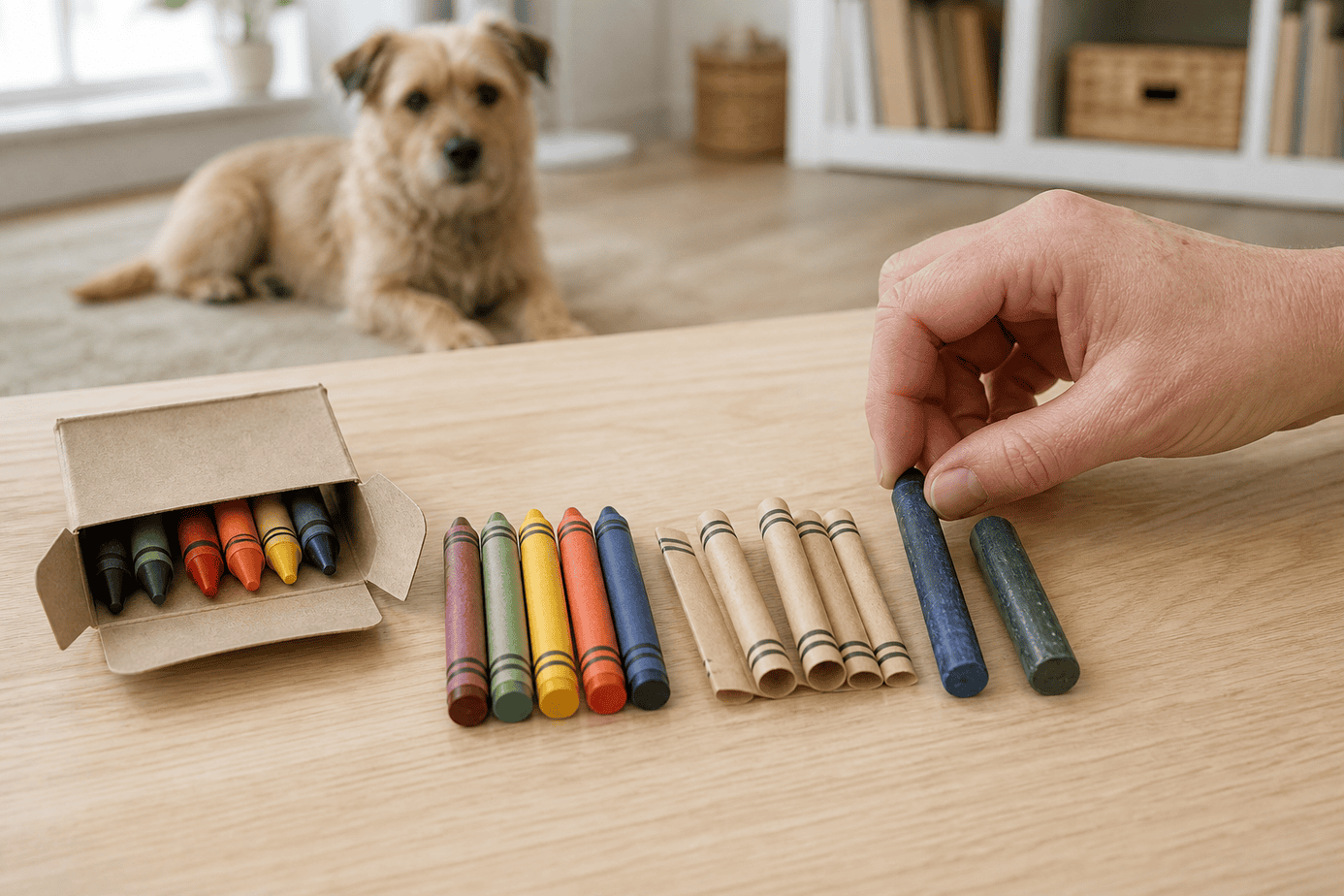
  • Can You Use Baby Shampoo on Dogs?

    Can You Use Baby Shampoo on Dogs?

    If a healthy adult dog needs one emergency bath and dog shampoo is unavailable, a small amount of mild, fragrance-free baby shampoo can be a reasonable backup. Use it once, keep it away from the face, and rinse it out completely.

    Baby shampoo is not the best choice for routine dog bathing. A label that says “mild” or “tear-free” for babies does not mean the formula was designed for canine skin. If your dog has itching, redness, a skin infection, open sores, or a prescribed skin-care plan, skip the baby shampoo and call your veterinarian for guidance.

    The Quick Decision: When One Use May Be Reasonable

    A one-time bath with baby shampoo may be reasonable when all of these points are true:

    • Your dog is a healthy adult.
    • The skin looks normal, with no rash, sores, infection, or painful areas.
    • You need to remove dirt or an unpleasant substance now.
    • Dog shampoo is not available.
    • The baby shampoo is mild, fragrance-free, and free of essential oils or medicated ingredients.
    • You can rinse your dog thoroughly and keep the product away from the face.

    Start with plain lukewarm water. Fresh mud, dust, and many small messes rinse away without any cleanser. Using the least amount of product that gets the job done is often the gentlest choice.

    When to Skip Baby Shampoo

    Do not improvise with baby shampoo if your dog has red, itchy, oily, flaky, infected, broken, or painful skin. Also skip it when your dog is using a medicated shampoo or another skin treatment. Adding a different product can interfere with the plan or make it harder to tell what caused a reaction.

    For a very young puppy, a frail dog, or a dog who becomes chilled easily, ask your veterinarian about the safest cleaning method. A small localized rinse may be more appropriate than a full bath.

    If the same odor, grease, or itch keeps returning, more baths may not solve the problem. Repeated skin changes can have an underlying cause that deserves attention.

    Why Baby Shampoo Is Not a Routine Choice

    Baby shampoo is made for human babies. Dog skin has its own structure, oil balance, hair-coat needs, and normal range of acidity. Research comparing skin across species shows that cutaneous pH varies by species, body site, and individual factors.[1]

    There is not one perfect pH number for every dog. A 2025 study of 149 healthy dogs found that skin pH and hydration varied with factors such as breed and age.[2] That is one reason to avoid simple claims that a human product “matches” every dog’s skin.

    Bathing technique matters too. In a controlled study, transepidermal water loss increased after a single bath in healthy dogs with either of two dog-focused shampoo methods.[3] Transepidermal water loss is a measurement of water moving through the skin. The study does not prove that one bath harms the skin. It does show that bathing can affect the skin barrier, even when the products are intended for dogs.

    A dog-formulated shampoo is the better routine default because its directions and safety information are written for dogs. If your dog has a diagnosed skin problem, use the product and schedule your veterinarian recommends.

    “Tear-Free” Still Requires Face Protection

    “Tear-free” describes how a product is marketed for human use. It is not permission to wash a dog’s eyes, ears, nose, or mouth.

    Clean the face with a separate damp cloth when needed. Do not pour shampoo over the head. If shampoo reaches an eye, rinse with clean lukewarm water. Call your veterinarian if squinting, redness, tearing, or discomfort continues.

    How to Use Baby Shampoo in a Pinch

    1. Try Plain Water First

    Rinse the dirty area with lukewarm water. If the mess comes off, stop there. A localized rinse is often enough for muddy paws, dust, or a small spot on the coat.

    Owner rinsing muddy Labrador paws with plain lukewarm water

    2. Read the Label

    Choose a simple, fragrance-free baby shampoo. Avoid products with essential oils, strong fragrance, exfoliating ingredients, medicated ingredients, colorants, or added treatments. Do not assume “natural” means gentle for dogs.

    Follow the product label. Do not invent a stronger mixture, add household ingredients, or combine products.

    3. Keep It Off the Face

    Wet the body from the neck down. Keep shampoo away from the eyes, ears, nose, mouth, and genital area. Use the smallest amount needed to loosen the mess.

    If the substance on your dog may be toxic, sticky, oily, or irritating, call your veterinarian or an animal poison resource before washing. Some exposures need specific removal instructions.

    4. Rinse Longer Than You Think

    Rinse with plenty of lukewarm water until the coat no longer feels slick and the water runs clear. Check the armpits, groin, belly, feet, and under the collar area. Residue can sit in skin folds and dense hair.

    Owner rinsing a beagle from the neck down during a bath

    5. Dry and Watch the Skin

    Towel-dry your dog and keep them comfortably warm. Avoid high heat.

    Watch the skin and behavior over the next day. Stop using the product if you notice redness, swelling, hives, persistent scratching, pain, or unusual discomfort. Rinse again with plain lukewarm water and call your veterinarian if the signs continue or worsen. Trouble breathing, facial swelling, collapse, or severe distress needs urgent veterinary care.

    Owner towel-drying a dog and checking its skin after a bath

    Better Options When You Have No Dog Shampoo

    The best alternative depends on what you need to remove.

    Plain lukewarm water is often enough for fresh mud or a small dirty area. A damp cloth can clean around the muzzle without putting shampoo near the eyes. Dog grooming wipes can be useful for a quick spot clean when their label says they are suitable for your dog’s age and skin.

    For a true bath, a gentle dog-formulated shampoo is the better choice. Look for a clear ingredient list and directions for dogs. Fragrance-free may be useful when your dog has reacted to scented products before, but a dog with active skin disease still needs veterinary guidance.

    Avoid using dish soap, strong human shampoo, laundry products, or homemade mixtures with essential oils. Also avoid putting baking soda or vinegar on irritated skin. These options can create a new problem while you are trying to solve the first one.

    A holistic approach does not mean adding more ingredients. It means using the least irritating method that works and paying attention to why the problem appeared. When odor, grease, flakes, or itch return, look for the cause instead of repeatedly washing the sign away.

    Baby Shampoo Does Not Replace Flea Treatment

    A bath may wash away a few fleas or flea dirt, but baby shampoo does not provide reliable ongoing flea control. It also does not address the flea stages in bedding, rugs, or the wider environment.

    Choose a dog-appropriate flea plan based on age, weight, health, other pets, and local risk. Your veterinarian can help you select a safe option, especially for a puppy, a dog with seizures or chronic illness, or a home with cats.

    Final Thoughts

    You can use a small amount of mild, fragrance-free baby shampoo for one careful emergency bath on a healthy adult dog. Try water first, protect the face, rinse completely, and watch the skin afterward.

    For routine bathing, use a dog-formulated product. If your dog’s odor, itch, or skin changes keep coming back, ask your veterinarian to help find the cause. The most useful next step may be diagnosis and a focused plan, not another bath.

    Frequently Asked Questions

    Is Johnson’s Baby Shampoo Safe for Dogs?

    Do not judge a shampoo by the brand name alone. Formulas can vary by product and can change over time. Check the exact label. If it is a simple, fragrance-free baby shampoo, one careful use may be reasonable for a healthy adult dog when no dog shampoo is available. It should not become the routine product.

    Can I Use Baby Shampoo on a Puppy?

    It is safer to use a product labeled for the puppy’s age. A very young puppy’s skin-care needs may differ from those of adult dogs. If a puppy needs more than a small water rinse, it’s best to use an appropriately labeled product for dogs.

    Can Baby Shampoo Help an Itchy Dog or Sensitive Skin?

    Baby shampoo is not a treatment for itch, redness, allergy, infection, or other skin disease. Even a mild human product may sting or leave residue. Rinse an itchy dog with plain water only if you need to remove a suspected surface irritant, then contact your veterinarian if the itch is persistent, intense, or paired with skin changes.

    What Can I Use If I Do Not Have Dog Shampoo?

    Use plain lukewarm water for mud, dust, or a small mess. A damp cloth or dog-labeled grooming wipe can help with a localized area. If a cleanser is truly needed for one emergency bath, a small amount of mild, fragrance-free baby shampoo can be a backup for a healthy adult dog. Replace it with a dog-formulated shampoo before the next routine bath.

    References

    1. Matousek, J. L., & Campbell, K. L. (2002). A comparative review of cutaneous pH. Veterinary Dermatology, 13(6), 293-300.
    2. Kwon, J. S., et al. (2025). Variations in skin biophysical parameters with age, sex and breed in dogs. Veterinary Dermatology.
    3. Esumi, M., et al. (2021). Preliminary evaluation of two bathing methods for the management of Malassezia overgrowth in dogs with atopic dermatitis. Veterinary Dermatology, 32(3), 228-e59.

    A note about your dog’s health

    This article provides general education and does not replace an examination, diagnosis, or individualized advice from your veterinarian. Contact a veterinary professional if you are concerned about your dog’s symptoms.

    Sheena Keliher Avatar

    ABOUT THE AUTHOR