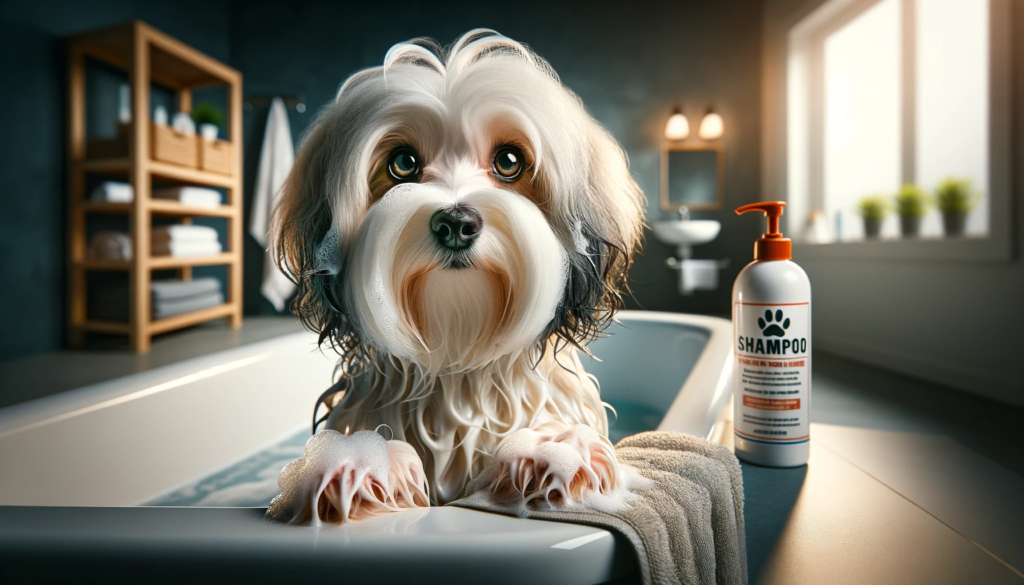
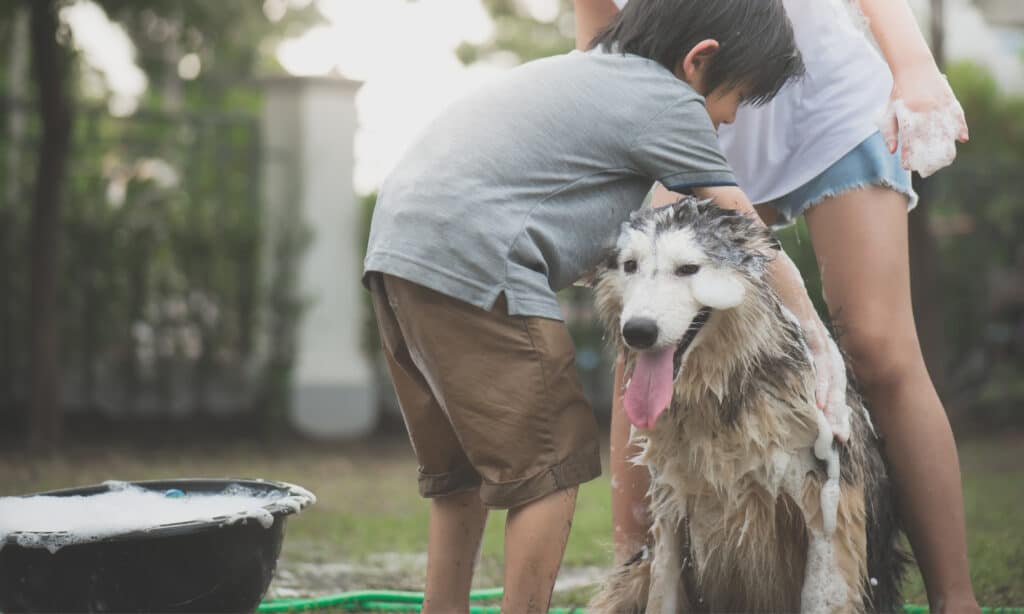
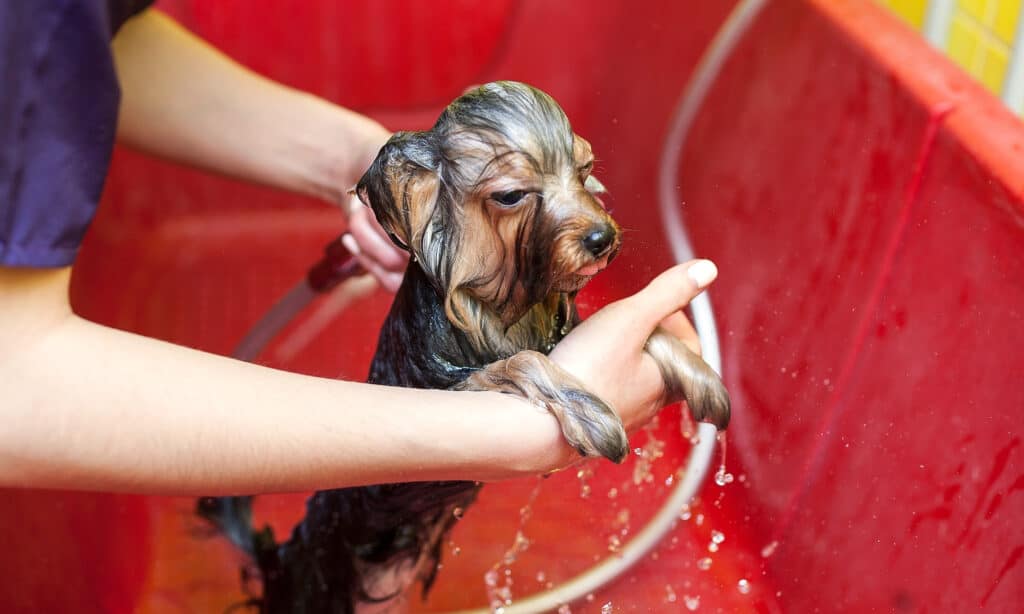
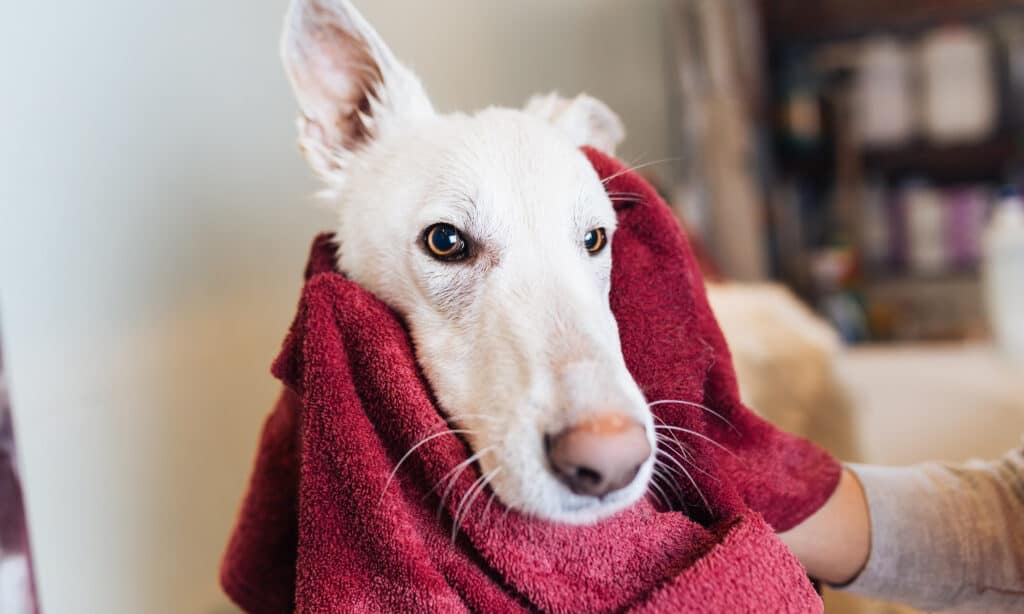
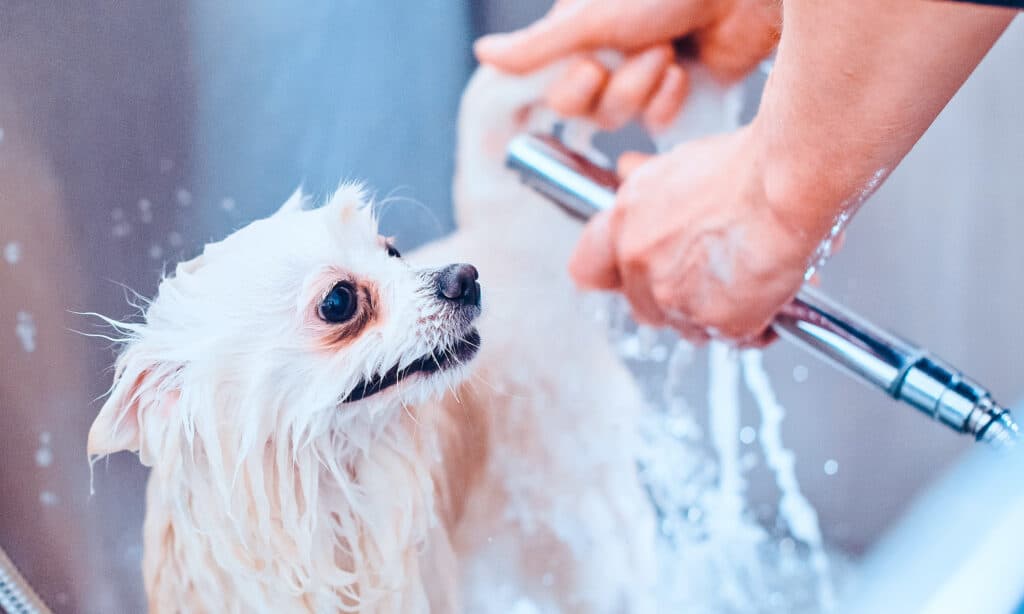
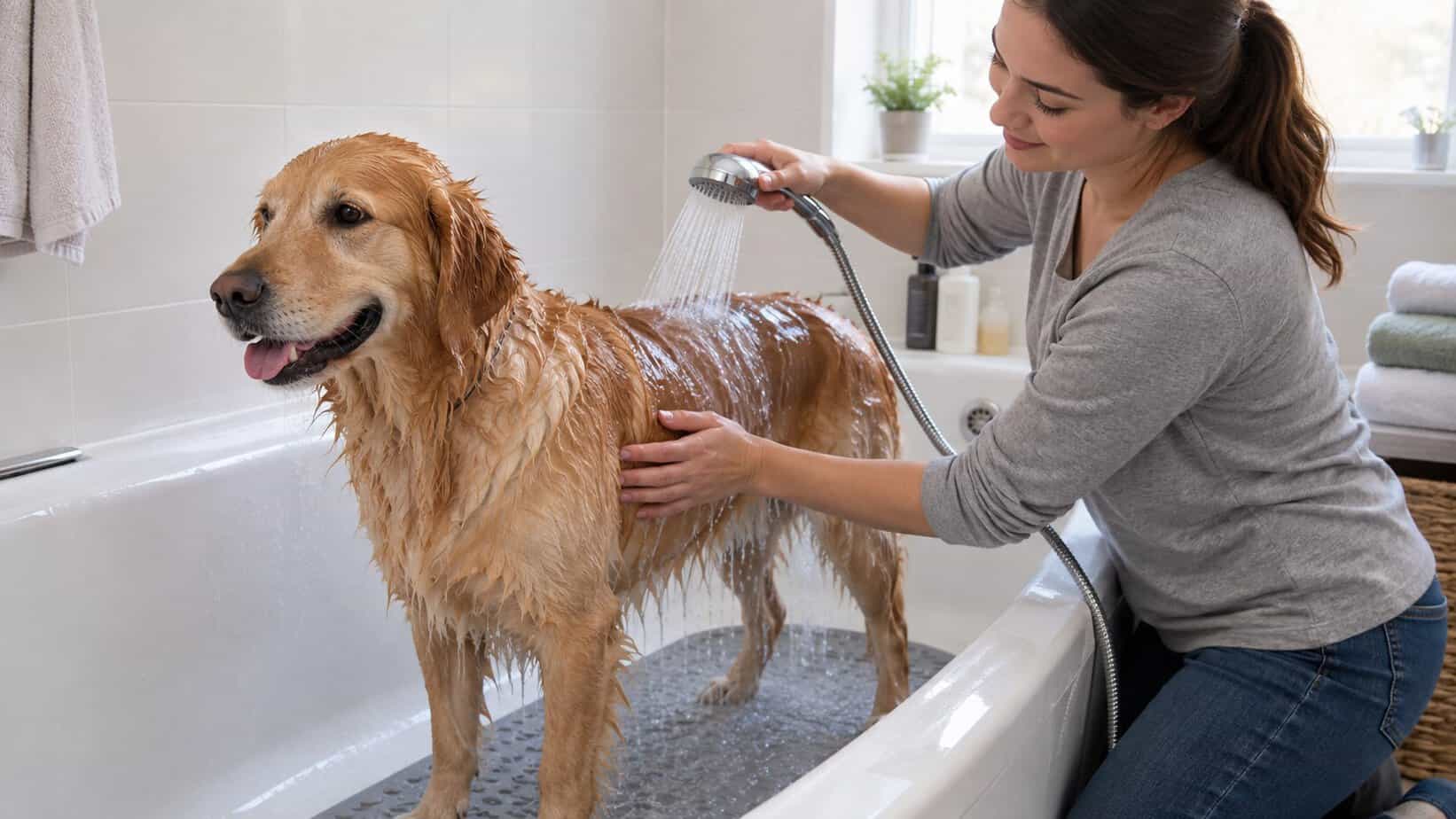
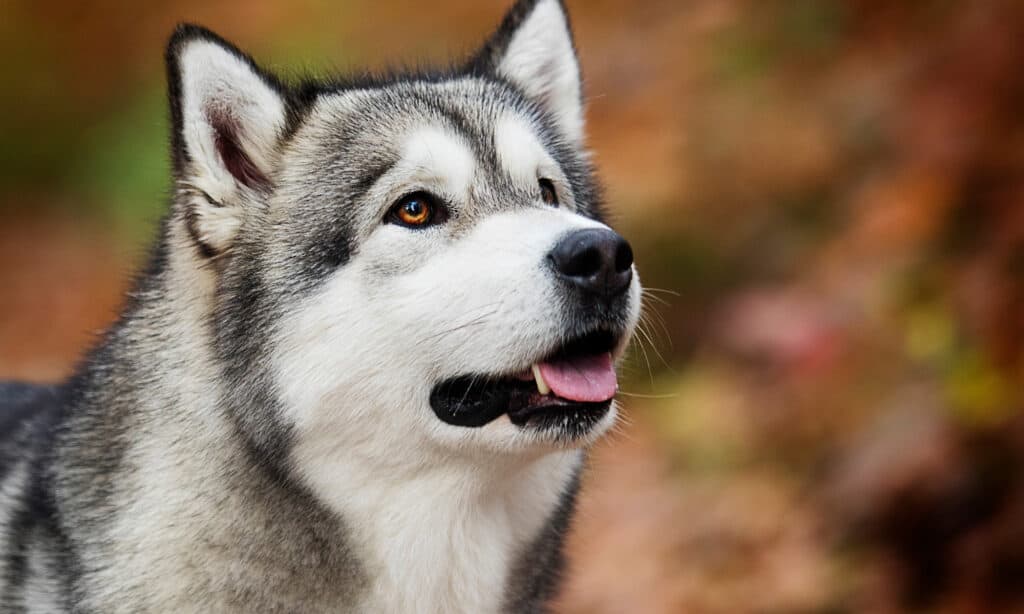
Proper grooming is essential to keep your furry companion healthy and happy, and bathing is a critical part of that care. However, as a dog owner, you may have wondered whether you can use your own shampoo on your dog in a pinch or as a cost-saving measure. Although human shampoo may seem like a reasonable substitute, it can cause significant harm to your pet’s skin and coat.
In this blog post, we’ll discuss why experts don’t recommend using human shampoo on dogs. We’ll also explore the significance of pH balance and acid mantle in a dog’s skin. We’ll suggest the best shampoos for dogs and introduce alternative grooming products. Moreover, we’ll examine whether baby shampoo or vinegar and water is appropriate for dogs and when to use them. By the end of this post, you’ll have a better understanding of how to properly care for your pet’s skin and coat and the risks associated with using inappropriate grooming products.
Can You Use Human Shampoo on Dogs?
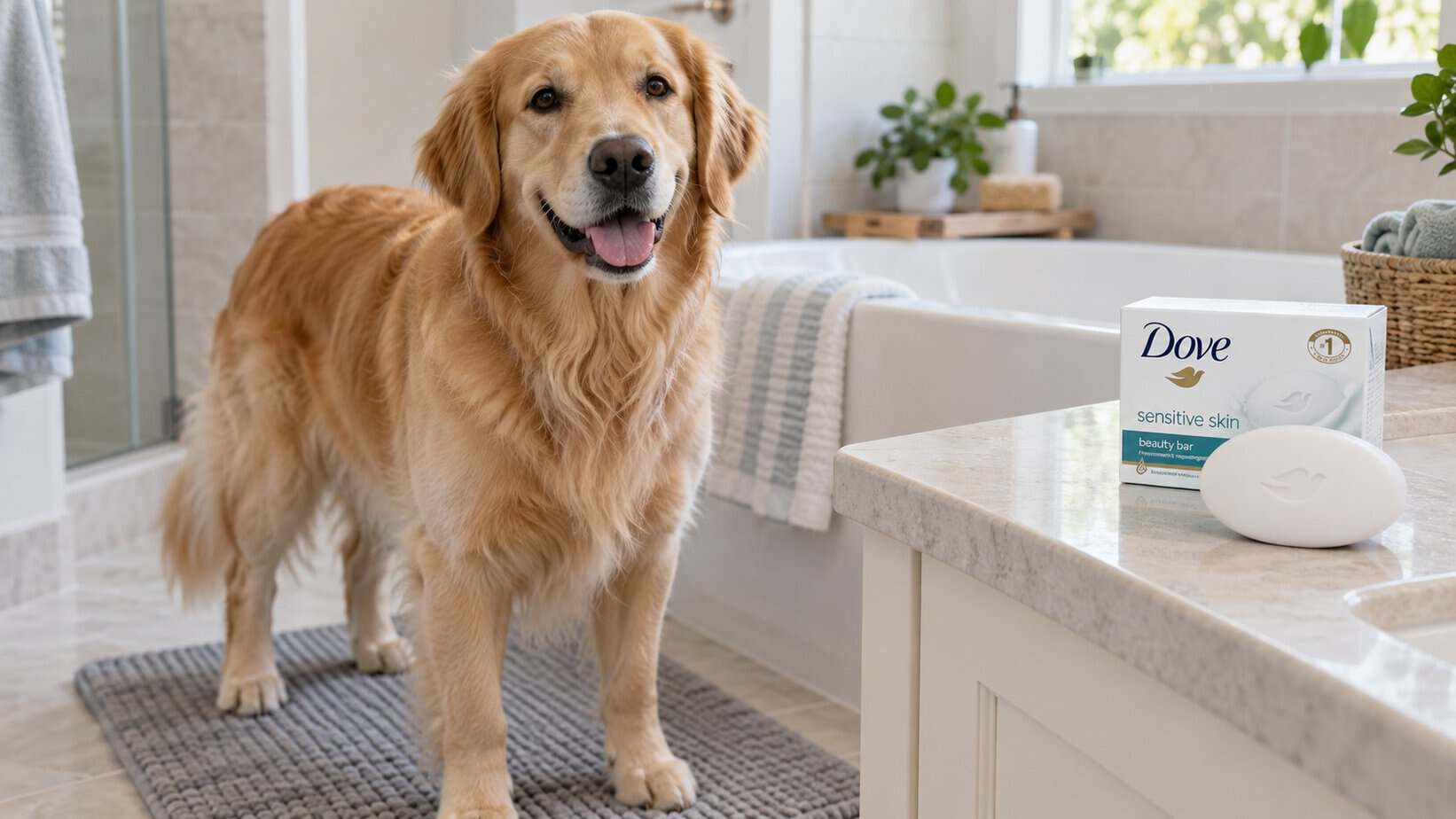
As a dog owner, you may be wondering if you can use your own shampoo on your furry friend. While it may be tempting to reach for your own bottle when you run out of dog shampoo, it’s essential to understand the risks associated with using human shampoo on dogs.
Human shampoo is formulated for human hair and skin, which is different from a dog’s skin and coat. Using human shampoo on dogs can disrupt the pH balance and acid mantle in their skin. This can lead to dryness, itchiness, and other skin problems. Additionally, human shampoo often contains fragrances and other chemicals that can be harmful to dogs, especially those with sensitive skin.
Dog’s natural oils for healthy, shiny coats can be stripped by using human shampoo on them. Over time, this can lead to a dull and unhealthy coat, making it more prone to mats and tangles.
Can You Wash a Dog with Human Shampoo?
As a dog owner, you may be tempted to use human shampoo on your furry friend, especially when you run out of dog shampoo. However, washing your dog with human shampoo is not recommended, as it can cause several problems.
Human shampoo is formulated to be used on human hair, which is different from a dog’s coat. Human hair has a different pH level and requires different ingredients than dog hair. Using human shampoo on dogs can upset the natural pH balance in their skin. This can lead to dryness, itchiness, and other skin problems.
Moreover, human shampoo often contains fragrances, chemicals, and ingredients that are harmful to dogs, especially those with sensitive skin. These ingredients can cause allergic reactions, skin irritations, and other health problems.
Another problem with using human shampoo on dogs is that it can strip away the natural oils that their skin produces to keep their coat healthy and shiny. This can result in a dull and unhealthy coat, making it more prone to mats and tangles.
The pH Balance, the Acid Mantle, and a Dog’s Skin
Maintaining the pH balance and acid mantle in your dog’s skin is essential for their health and well-being. The acid mantle is a protective barrier that’s made up of oils, sweat, and natural bacteria. It helps to maintain the pH balance, which is the level of acidity or alkalinity in your dog’s skin.
A dog’s skin has a more alkaline pH than human skin, which is more acidic. This difference is because dogs have a different skin structure and oil production than humans. The acid mantle in a dog’s skin protects against harmful bacteria and other contaminants, helps to retain moisture, and supports healthy skin and coat.
Designers create some shampoos for specific coat types, such as long or curly hair. Seek shampoos formulated to treat skin conditions like allergies or dryness.Dog shampoo’s alkaline pH can strip away natural oils needed to maintain their skin’s acid mantle, unlike human shampoo’s acidic pH.
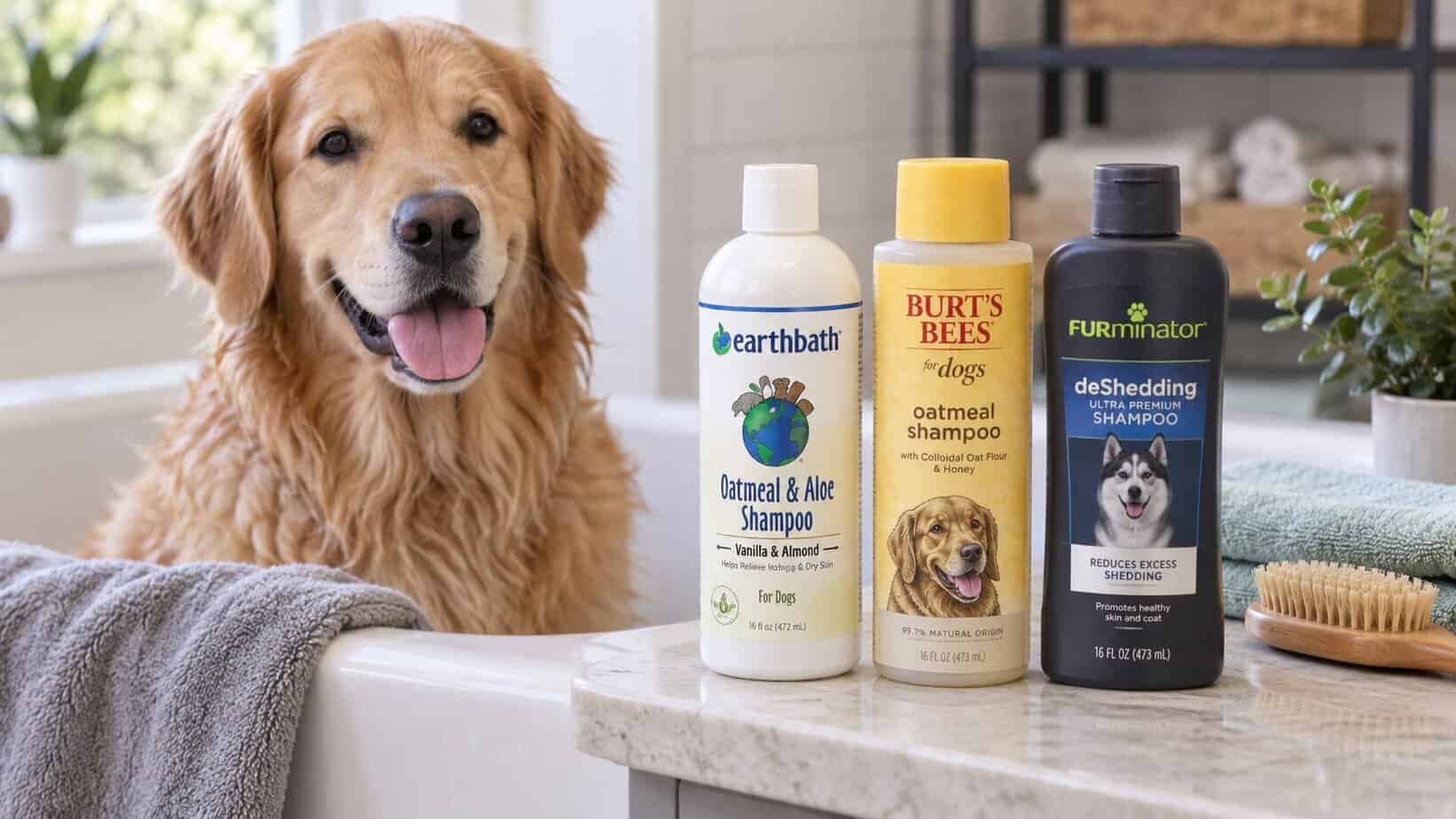
To maintain your dog’s skin health, it’s best to use a dog-specific shampoo that’s formulated to maintain their pH balance and acid mantle. Look for shampoos that contain natural ingredients such as oatmeal, aloe vera, and chamomile, which can help soothe and moisturize your dog’s skin.
What is the Best Shampoo for Dogs?
Choosing the best shampoo for your dog can be challenging, given the variety of options available on the market. However, several factors can help you identify the best shampoo for your pet.
Firstly, look for shampoos that are specifically designed for dogs. Dog shampoos are formulated to maintain the pH balance and acid mantle in your dog’s skin, which is different from human skin. They also contain gentle and natural ingredients that won’t irritate your dog’s skin or eyes.
Lastly, look for shampoos that are easy to use and rinse off. Some shampoos require multiple applications, while others require a long soak time. Consider your dog’s personality and their tolerance for baths when choosing a shampoo.
What Can I Use as a Substitute for Dog Shampoo?
It’s best to use dog-specific shampoo to maintain pet’s coat health. However, alternative grooming products can be used in a pinch or shampoo unavailability.
One of the simplest alternatives to dog shampoo is plain water. Water can help rinse away dirt and debris from your dog’s coat and is generally safe to use. However, water alone may not be effective in removing excess oils and odors from your dog’s coat.
Another alternative to dog shampoo is a mild baby shampoo. However, it’s essential to choose a baby shampoo that’s free of harsh chemicals, fragrances, and dyes. Baby shampoos are generally gentler than adult shampoos and may be suitable for dogs with sensitive skin.
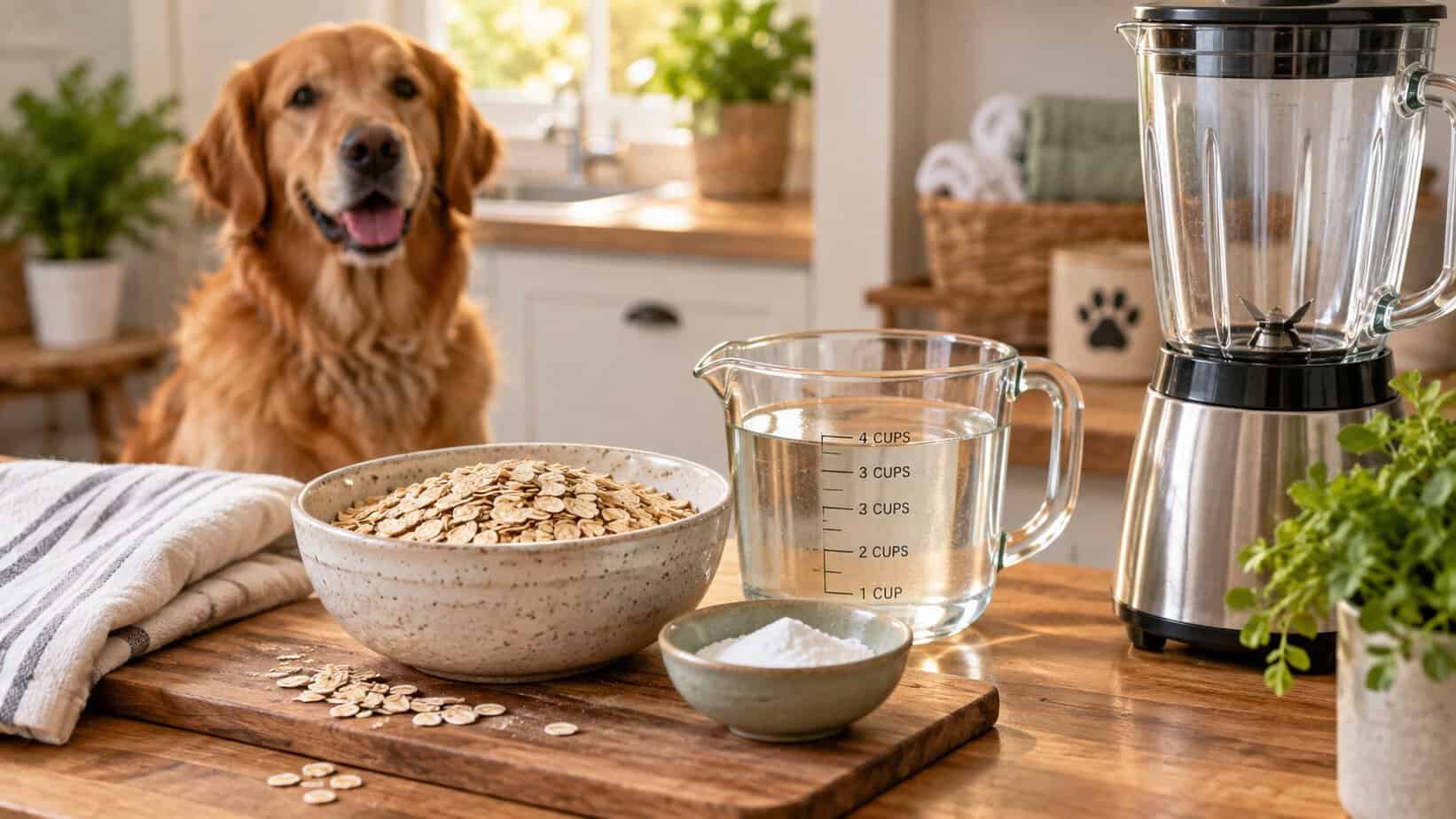
Alternatively, you can make your own dog shampoo at home using natural ingredients such as oatmeal, coconut oil, and vinegar. There are many DIY dog shampoo recipes available online. However, it’s essential to ensure that the ingredients you use are safe for your pet.
Can I Use Baby Shampoo on My Dog?
Using baby shampoo on your dog may seem like a safe alternative to dog shampoo, especially if your dog has sensitive skin. However, there are several factors to consider before using baby shampoo on your pet.
Firstly, it’s important to note that baby shampoo is formulated for human babies and not for dogs. While baby shampoo is generally milder than adult shampoos, it may contain fragrances, dyes, and other ingredients that can be harmful to dogs, especially those with sensitive skin.
Moreover, baby shampoo may not be effective in removing dirt, debris, and excess oils from your dog’s coat. Unlike dog shampoo, baby shampoo is not formulated to maintain the pH balance and acid mantle in your dog’s skin, which can lead to skin irritation, dryness, and other skin problems.
Lastly, baby shampoo may not be suitable for dogs with specific skin conditions or allergies. It’s always best to consult with your veterinarian before using any new grooming product on your pet, including baby shampoo.
Can I Spray My Dog with Vinegar and Water?
Using vinegar and water as a spray on your dog’s coat is a popular alternative to dog shampoo. Vinegar is a natural acid that can help to deodorize and disinfect your dog’s coat, and water helps to rinse away dirt and debris. However, there are several things to consider before using vinegar and water as a spray on your pet.
Firstly, it’s essential to dilute vinegar properly before using it on your dog. Undiluted vinegar can be too harsh for your dog’s skin and may cause irritation and other skin problems. A good rule of thumb is to mix one part vinegar with three parts water.
Moreover, it’s important to note that vinegar and water should not be used as a substitute for dog shampoo. Vinegar and water can help to clean and deodorize your dog’s coat, but they may not be effective in removing excess oils and dirt. Dog-specific shampoos are formulated to maintain the pH balance and acid mantle in your dog’s skin. This is essential for their health and well-being.
Lastly, vinegar and water may not be suitable for dogs with specific skin conditions or allergies. Always consult with your veterinarian before using any new grooming product on your pet, including vinegar and water.
Conclusion
In conclusion, proper grooming is essential for your dog’s health and well-being, and using the right grooming products can help keep your pet’s skin and coat healthy, shiny, and clean. Using human shampoo on dogs is not recommended, as it can disrupt the pH balance and acid mantle in your pet’s skin, leading to dryness, itchiness, and other skin problems. Instead, it’s best to use dog-specific shampoos that are formulated to maintain your dog’s pH balance and acid mantle and contain gentle, natural ingredients that won’t harm their skin or coat.
If you run out of dog shampoo, alternatives such as plain water or a mild baby shampoo may be used in a pinch, but always consult with your veterinarian before trying anything new. Additionally, using vinegar and water as a spray on your dog’s coat can be a natural and effective way to deodorize and disinfect their coat, but it should not be used as a substitute for dog shampoo.
Remember to choose the right grooming products for your pet based on their age, coat type, and any skin conditions they may have. Always follow the manufacturer’s instructions and consult with your veterinarian if you have any concerns about your pet’s skin or allergies.
By taking the time to properly groom your furry companion, you’ll not only keep them looking and smelling their best, but you’ll also promote their health and happiness for years to come.
~Sheena
A note about your dog’s health
This article provides general education and does not replace an examination, diagnosis, or individualized advice from your veterinarian. Contact a veterinary professional if you are concerned about your dog’s symptoms.
Sheena Keliher is a passionate and knowledgeable pet expert with over a decade of experience in the veterinary profession and rescue work. She has always been dedicated to caring for animals and has spent countless hours helping them in any way she can. Throughout her career, Sheena has provided valuable insights to pet owners and helped them make informed decisions about their furry friends.
In her 13 years in the veterinary profession, Sheena has gained extensive knowledge and experience in animal health and wellness, including diagnostics, treatments, and surgeries. She has worked with a wide range of animals, from dogs and cats to exotic pets and wildlife, and has always been committed to providing the best possible care for each and every one of them.
In addition to her work in the veterinary field, Sheena has also been actively involved in rescue work for the past 15 years. She has helped countless animals find loving homes and has been a tireless advocate for animal welfare. Sheena’s dedication to rescue work has been unwavering, and she continues to be a source of inspiration to many in the animal welfare community.
At home, Sheena is a proud parent of one German Wirehaired Pointer named Jasper and three cats named Sammie, Bat, and Ezra. Her pets are her family, and she always goes above and beyond to ensure that they are happy and healthy.
With her wealth of knowledge and experience, Sheena is an exceptional resource for pet-related advice and assistance. Her love for animals is evident in everything she does, and she is committed to making a positive difference in the lives of pets and their owners.
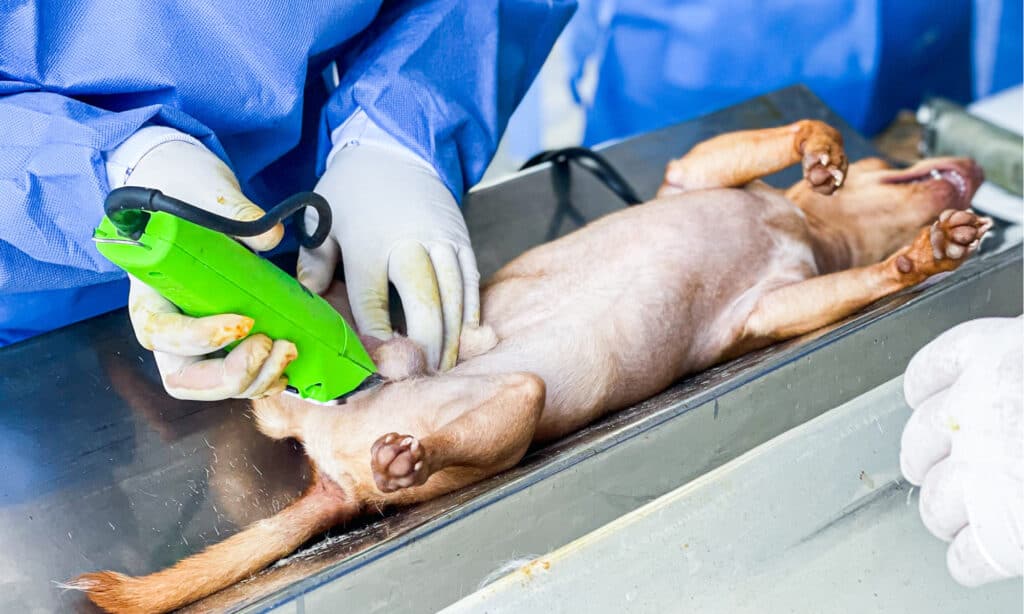
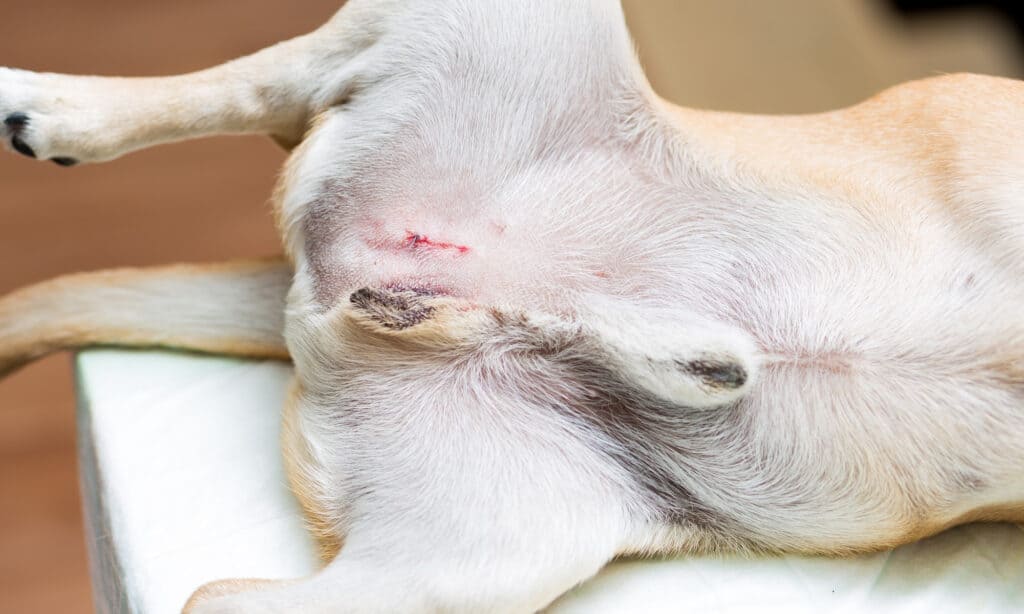
As a holistic veterinarian, I understand that having your furry friend undergo a neutering surgery can be quite an emotional experience. Neutering is a common procedure that helps control the pet population. However, post-operative care is crucial to ensure a smooth recovery. One of the challenges you may face is preventing your canine companion from licking the stitches, which can lead to complications. Did your dog lick stitches out after his neuter? In this article, I will walk you through what to do if your dog licks their stitches out after a neutering surgery and how to take the best care of them during the healing process.
Call Your Vet – Tell Them What’s Going On and What It Looks Like
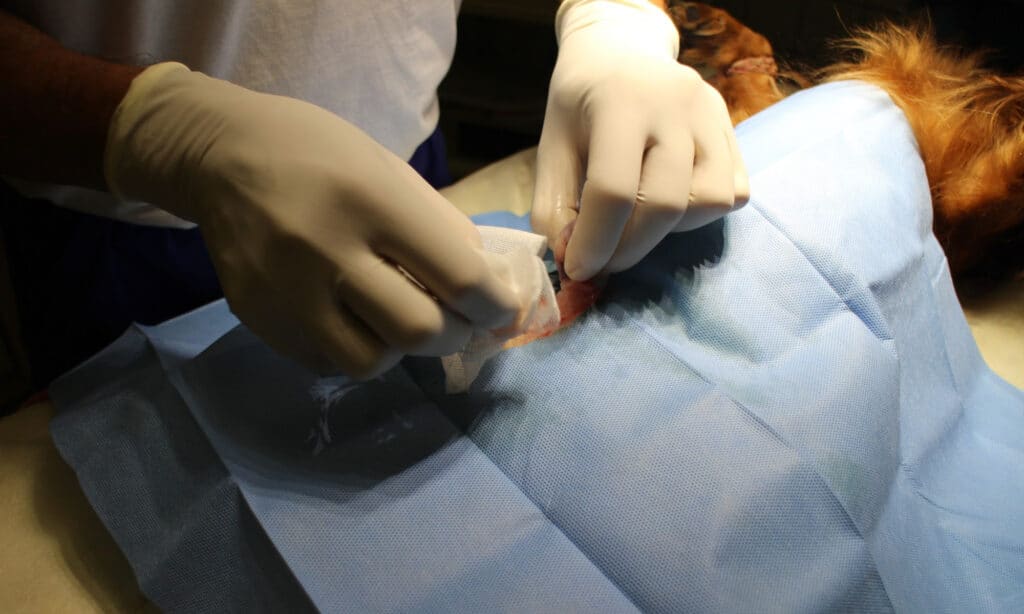
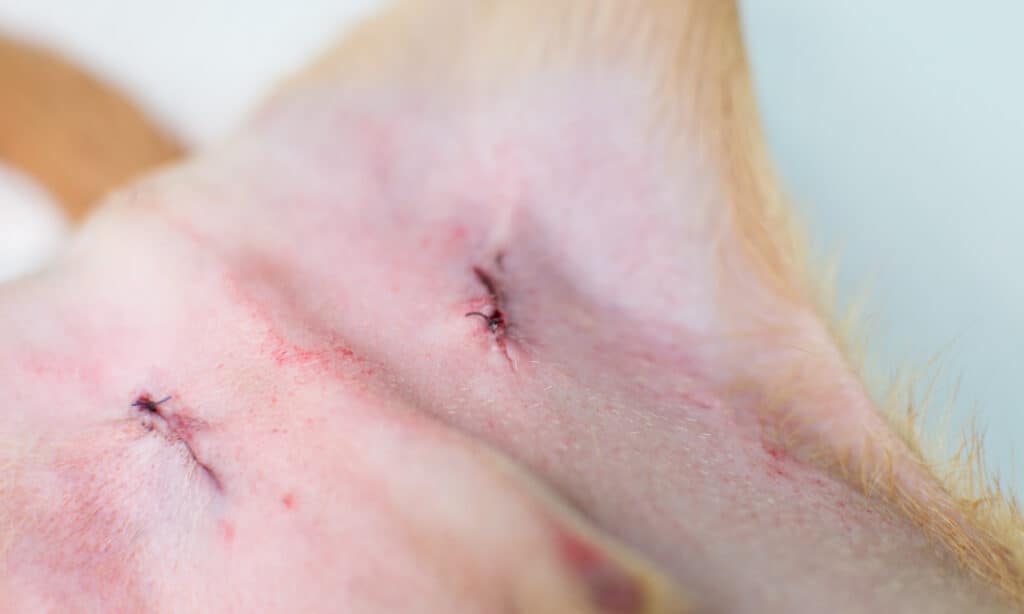
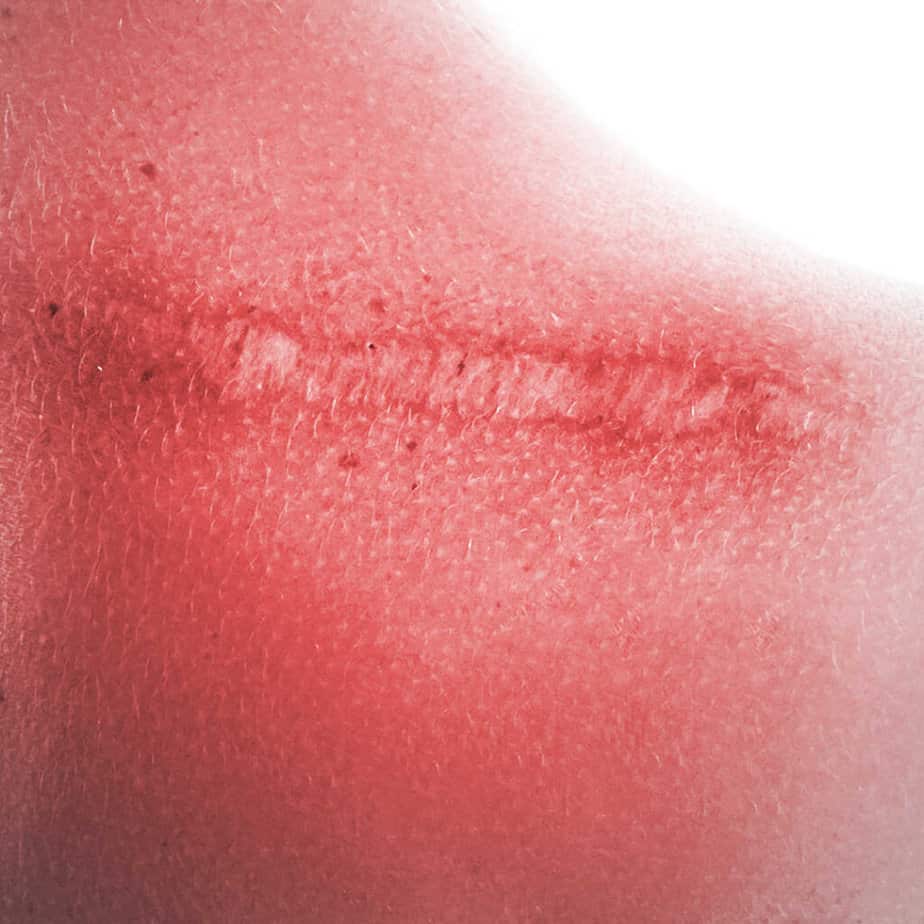
First and foremost, if you notice that your dog has licked out their stitches, it’s essential to contact your vet right away. As a vet, I always appreciate when my clients reach out to me promptly to discuss their concerns. When you call, be prepared to describe the incision area in detail, such as its appearance, the presence of any discharge, or if your dog seems to be in pain. This information will help your vet assess the situation and determine if any immediate action is necessary. It’s important to remember that licking stitches can lead to complications, such as infection or reopening of the incision site, so acting quickly is key to preventing further issues.
Dr. Candy’s Pro Tip: Many times clinics have text numbers or email and you can take a picture on your phone and send it to the vet clinic. Some say a picture is worth a thousand words, and in this case it certainly rings true.
Most Neuters Done in Private Clinics Only Use Internal Sutures
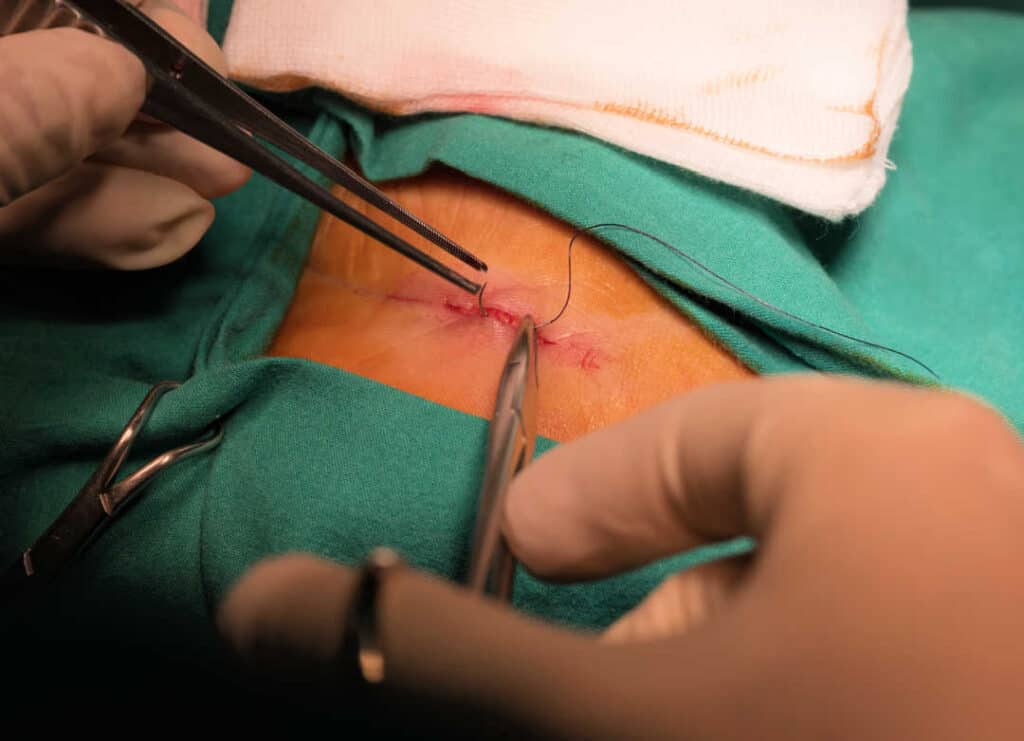
In most private clinics, we prefer to use internal sutures for neutering procedures. Internal sutures are stitches that are placed beneath the skin, making them invisible from the outside. These sutures are designed to dissolve over time, meaning there is no need to have them removed once your dog has healed. One advantage of internal sutures is that they tend to be less irritating for your dog, reducing the likelihood of them feeling the urge to lick the incision site. Additionally, internal sutures usually offer a more aesthetically pleasing result, as they leave minimal scarring. While internal sutures can help reduce the chances of complications, it’s still essential to monitor your dog closely during the healing process and to take proper care of the incision site.
How to Take Care of Your Dog After a Neutering Surgery?
To help your dog recover smoothly from their neutering surgery, there are several steps you should take:
Monitor your dog’s behavior and incision site: Keep a close eye on your dog’s overall demeanor and check the incision site at least once a day to ensure it’s clean and free of any signs of infection.
Administer prescribed medications: Your vet may prescribe some medications to manage pain and inflammation. Follow the dosage instructions carefully and complete the full course of treatment to ensure your dog’s comfort and speedy recovery.
Maintaining good hygiene is essential to prevent infection and ensure a smooth healing process. Here are some tips to help you keep the incision area clean and dry:
Be on the lookout for signs of infection, such as redness, swelling, or discharge from the incision site. If you notice any of these symptoms, contact your vet right away.
Keep your dog’s bedding clean and change it regularly to minimize the risk of infection.
Comfort For Your Dog After Neuter
A comfortable and safe environment is essential for your dog’s recovery. Here are some tips on how to make your dog feel at ease during the healing process:
Provide a cozy and quiet space: Set up a comfortable area in your home where your dog can rest undisturbed. Make sure it’s free from drafts and loud noises to help them feel relaxed and secure.
Offer gentle affection: Your dog may feel a little anxious or unsettled after surgery. Offering soothing words, gentle petting, or even just sitting nearby can help reassure them that they are safe and loved.
Adjust your dog’s daily routine: Your dog’s normal routine may need to be adjusted to accommodate their recovery. For example, you may need to limit their outdoor time, feed them smaller meals more frequently, or help them navigate stairs if they’re having difficulty. Be patient and flexible as you support your dog through this temporary change in their routine.
What to Do to Keep Your Dog Distracted From Licking His Neuter Incision?
Preventing your dog from licking their incision site is critical to avoid complications. Here are some strategies to help keep your dog distracted:
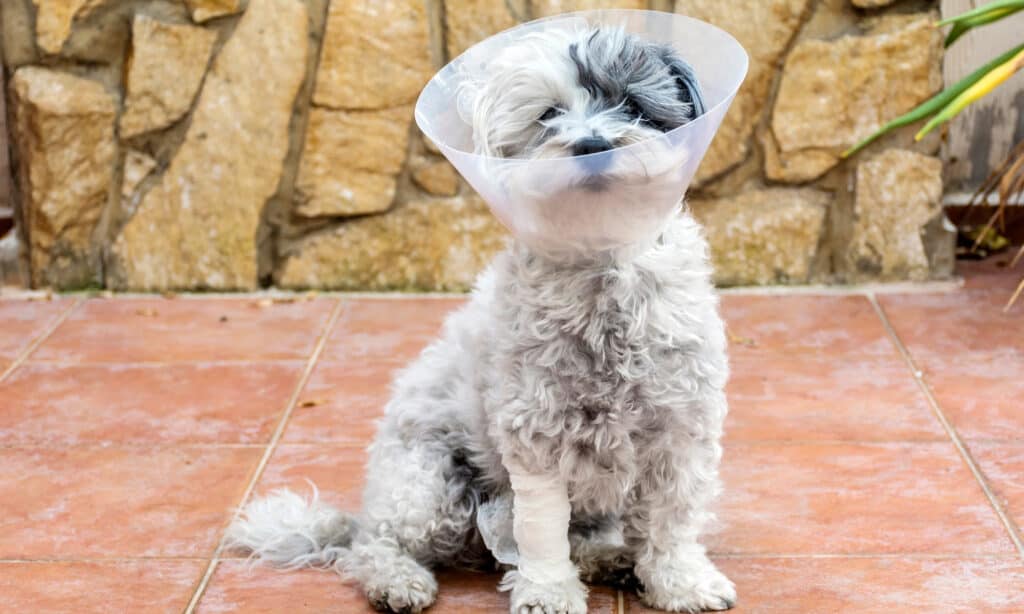
Use an e-collar or alternative protective devices: An e-collar, also known as a “cone of shame,” can prevent your dog from reaching the incision site. There are also inflatable collars and recovery suits available that may be more comfortable for your dog while still providing protection.
Engage your dog in low-impact activities: While your dog should avoid vigorous exercise, you can still engage them in gentle play or mental stimulation. Puzzle toys, treat-dispensing toys, or simple obedience training can help keep their mind occupied and reduce boredom.
Reward your dog for not licking the incision site: Praise and reward your dog with a small treat when you notice them leaving the incision site alone. Positive reinforcement can help discourage licking behavior.
How Can You Tell the Incision is Healing Well?
A well-healing incision will show several positive signs, which include:
Gradual reduction in redness and swelling around the incision site
The absence of discharge or pus
No unpleasant odors coming from the incision
Your dog is becoming more comfortable and less bothered by the incision
Monitor the incision site daily for any improvements. A typical incision should be fully healed within 10-14 days following surgery.
Symptoms to Watch For – Observe Your Dog Until Fully Healed
Throughout the recovery process, be vigilant in observing your dog for any unusual symptoms or behaviors. Here are some common symptoms to be aware of:
If you notice any of these symptoms or are concerned about your dog’s behavior during the healing process, don’t hesitate to contact your vet for advice. I always encourage open communication between pet parents and their veterinary team to ensure the best possible outcome for your furry friend.
During recovery, frozen stuffed kong toys are a great way to stimulate your dog’s brain while keeping him calm. I’ve got directions and an awesome recipe for a health-boosting toy filling mixture that dogs LOVE!
A note about your dog’s health
This article provides general education and does not replace an examination, diagnosis, or individualized advice from your veterinarian. Contact a veterinary professional if you are concerned about your dog’s symptoms.
Dr. Candy Akers earned her Doctor of Veterinary Medicine degree from Oklahoma State University in 2009 after completing undergraduate studies at the University of Delaware. Her experience includes companion-animal nutrition, chronic disease, allergies, autoimmune conditions, cold laser therapy, wildlife rehabilitation, and emergency wildlife response. She combines conventional veterinary knowledge with a whole-animal perspective to help pet parents understand their options and recognize when individualized veterinary care is needed.
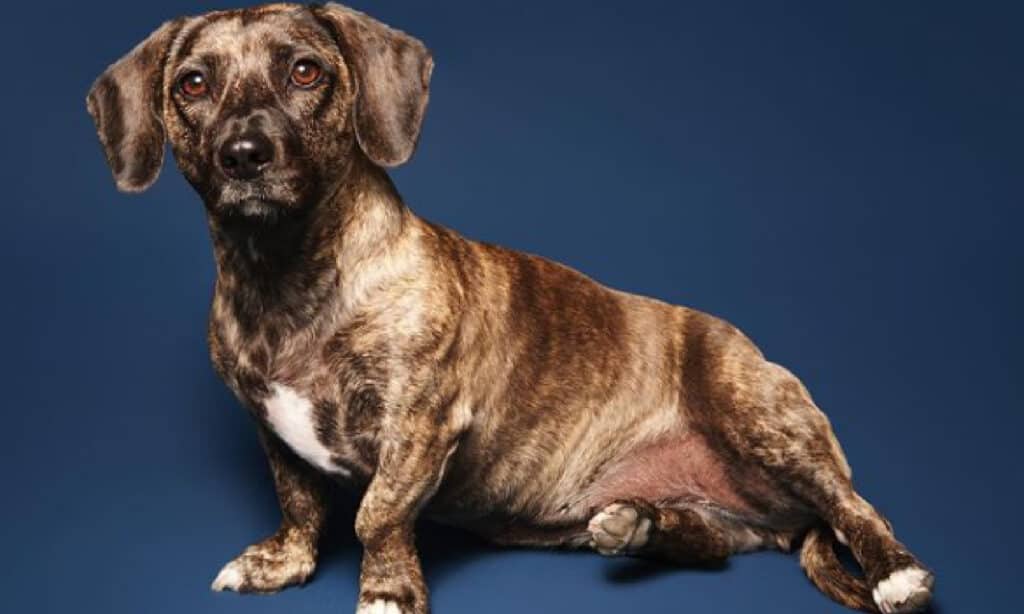
Hey there, welcome to our guide on the Pug Dachshund mix, also known as the “Daug“! If you’re thinking about getting a new furry friend, you might want to consider this breed – they’re super cute and friendly.
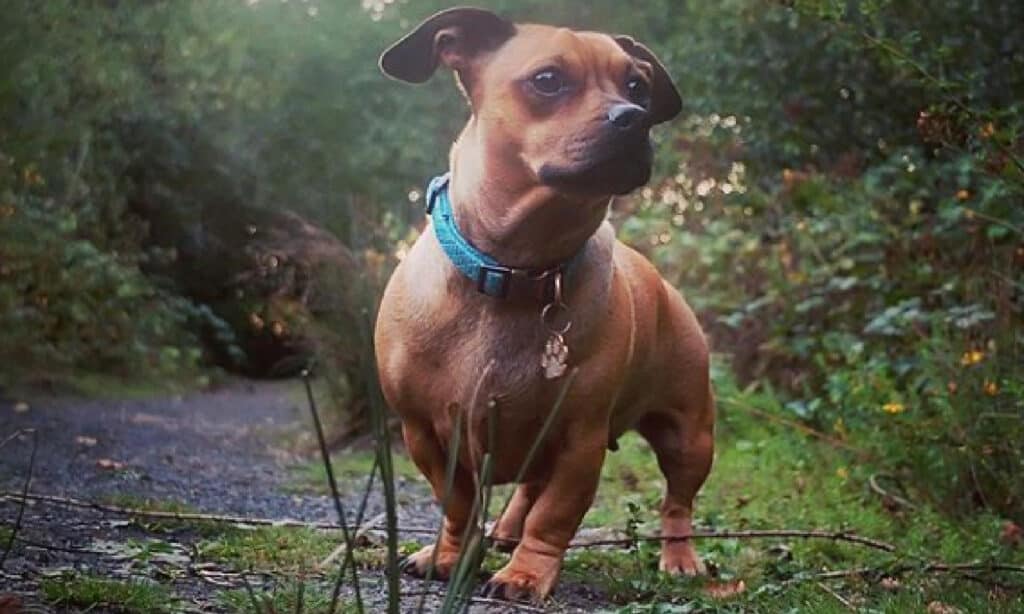
The “Daug” is a mix of a Pug and a Dachshund, which is a pretty recent breed. They’re known for being really adorable with a wrinkly face like their Pug parent and a long sausage-like body like their Dachshund parent. They can have smooth or wire-haired fur.
One thing that sets this breed apart is their personality – they’re usually really friendly and sociable. They’re loyal and loving to their owners and tend to get along with kids and other pets. Of course, like any dog, they’ll need proper training and socialization to be well-behaved and comfortable in different situations.
Overall, the Pug Dachshund makes a great companion if you’re looking for a small dog with a big personality. In this guide, we’ll cover everything you need to know about them, from how they look and act to how to take care of them. So let’s get started and find out all about these charming little dogs!
As a designer breed, the Daug does not have a long history like some of the more established dog breeds. The mix likely originated in the United States in the last few decades as breeders sought to combine the desirable traits of both the Pug and the Dachshund.
Both the Pug and the Dachshund are ancient breeds with their own unique histories. The Pug is believed to have originated in China over 2,000 years ago, where they were bred as companions to the ruling families. They were later brought to Europe in the 16th century and became popular with European nobility.
The Dachshund, on the other hand, was originally bred in Germany in the 16th century to hunt badgers and other burrowing animals. Their long, narrow bodies and short legs were ideal for digging into tunnels and chasing prey.
Today, the Daug is recognized as a designer breed by several dog organizations, including the Designer Dogs Kennel Club (DDKC) and the American Canine Hybrid Club (ACHC). However, it’s important to note that the mix is not recognized by the American Kennel Club (AKC) or any other major kennel club as a purebred breed.
While the Pug Dachshund mix may not have a long history like some breeds, their unique mix of traits and lovable personality make them a beloved companion for many dog lovers.
Coat and Coloration of Pug Dachshund Mix
The Pug Dachshund mix can have a variety of coat types and colors, which largely depend on the traits inherited from their Pug and Dachshund parents.
The coat of a Pug Dachshund mix can be either smooth or wire-haired, depending on which parent’s genes are more dominant. A smooth coat will be short and sleek, while a wire-haired coat will be longer and coarser.
In terms of color, the Daug can come in a variety of hues, including black, fawn, cream, brindle, and even piebald (white with patches of another color). They may also have a black mask on their face, which is a characteristic of the Pug parent.
Some Pug Dachshund mixes may have a coat that is a blend of both parents’ colors, while others may have a solid color that is more reminiscent of one parent than the other. In general, their coat will be low-maintenance and won’t require extensive grooming.
No matter the color or coat type, the Daug is a cute and lovable breed with a distinct appearance that makes them stand out from other dog breeds.
The Pug Dachshund mix, or Daug, is known for their charming and affectionate personality. They are a social breed that loves to be around their owners and are known for their loyalty and devotion.
Daug’s are usually friendly with people and other animals, making them a great family dog. They enjoy playing and snuggling with their owners, and they’re not usually prone to aggression or anxiety.
They are also known for being intelligent and trainable, making them easy to teach new tricks and commands. This makes them a great choice for first-time dog owners or anyone looking for a companion that is easy to train.
The Daug can have a stubborn streak inherited from their Dachshund parent, so consistent and patient training is important to ensure they are well-behaved. Socialization is also important to ensure that they are comfortable around new people and animals.
Should You Choose To Rescue or Purchase a Pug Dachshund Mix?
Your choice to rescue or buy a Pug Dachshund mix depends on personal circumstances and preferences.
Adopting a Pug Dachshund mix from a rescue or shelter is a great option for those who are passionate about saving animals. Adopting a rescue dog is rewarding as you provide a loving home for dogs with a difficult past. Rescue dogs may also be more affordable than purchasing a dog from a breeder.
Purchasing a Pug Dachshund mix from a reputable breeder may give you more control over the dog’s upbringing and genetic background. You may also have the opportunity to meet the puppy’s parents and learn about their temperaments and health history. Additionally, if you’re looking for a specific coat color or type, purchasing from a breeder may give you more options.
Whichever route you choose, it’s important to do your research and make sure that you’re getting your Daug from a reputable source. If you decide to adopt from a rescue or shelter, make sure to ask about the dog’s history and any potential behavioral issues. If you decide to purchase from a breeder, make sure to ask for references and visit the breeder’s facility to ensure that they are ethical and responsible.
If you’re thinking about getting a Pug Dachshund mix puppy, there are a few things you should look for to make sure you’re getting a healthy and happy pup.
First, make sure you find a breeder who cares about their dogs and can provide you with all the necessary health certificates and documentation for the puppy’s parents. Ask lots of questions and take note of how they respond – if they seem evasive or unhelpful, it may be a red flag.
When you meet the puppy, pay attention to their behavior and temperament. You want to find a pup that’s friendly, playful, and curious. They should have a shiny coat and bright eyes, and they should be alert and responsive to you. Make sure the puppy has had plenty of socialization with people and other dogs, as this will help them adjust to their new home.
You should also take a look at the puppy’s living conditions. The breeder’s facility should be clean and well-maintained, and the puppies should have plenty of space to run around and play. Make sure the breeder is following responsible breeding practices, and that they’re doing everything they can to ensure the health and well-being of their dogs.
Finally, make sure you’re ready to provide a loving and responsible home for your new pup.Daugs are great companions, but they do require regular exercise, training, and grooming. You’ll also need to commit to providing proper nutrition and veterinary care. With a little bit of effort and lots of love, you can give your new pup the happy and healthy life they deserve!
How Much Does a Daug Cost?
If you’re thinking about getting a Pug Dachshund mix, one of the first things you might be wondering is how much they cost. Well, the truth is that the price of a puppy can vary depending on a lot of different factors. Generally, you can expect to pay anywhere from $500 to $1,500 for a puppy.
But it’s important to remember that the cost of buying a puppy is just one of many expenses you’ll need to consider as a new pet owner. Other costs to think about include food, toys, bedding, grooming, training, and of course, veterinary care. So, while the initial cost of a puppy might seem like a big investment, it’s important to consider the long-term costs as well.
If you’re on a budget, you might want to consider adopting a Daug from a rescue or shelter. Not only can this be a more affordable option, but you’ll also be giving a deserving dog a second chance at a happy life. Rescue dogs may even come with some basic training and socialization, which can make things easier when you bring them home.
Like all dog breeds, the Pug Dachshund mix can be susceptible to certain health issues. Some of the health concerns that Pug Dachshund mixes may face include:
Obesity: Pug Dachshund mixes are prone to weight gain and obesity, so it’s important to monitor their diet and ensure they get enough exercise to maintain a healthy weight.
Respiratory problems: Pugs are known for their flat faces, which can make breathing difficult. This trait can be passed on to their mixed-breed offspring. Pug Dachshund mixes may also be at risk for respiratory infections.
Back problems: Dachshunds are known for their long, sausage-like bodies, which can put them at risk for back problems. This risk can also be passed on to their mixed-breed offspring.
Eye problems: Pugs are prone to eye problems such as corneal ulcers and dry eye, which may be passed on to their offspring.
Dental problems: Pugs are also prone to dental issues such as periodontal disease, which can be inherited by Daugs.
Regular veterinary check-ups and preventative care can also help keep your Pug Dachshund mix healthy and happy. Maintaining a healthy weight, providing proper exercise and nutrition, and addressing any health issues promptly can all help reduce the risk of health problems in your Pug Dachshund mix.
What is the Lifespan of a Daug?
The lifespan of a Pug Dachshund mix can vary depending on a variety of factors, such as genetics, lifestyle, and overall health. On average, Pug Dachshund mixes have a lifespan of around 12 to 15 years.
To maximize your Pug Dachshund mix’s lifespan and ensure they live a happy and healthy life, it’s important to provide them with proper care and attention throughout their life. This includes providing a nutritious diet, regular exercise, proper grooming, and routine veterinary care. Regular check-ups with your vet can help catch and address any health concerns early, which can help extend your pup’s lifespan.
In addition to providing proper care, it’s important to keep in mind that mixed-breed dogs may inherit health issues from their parent breeds. Understanding the potential health risks that Pug Dachshund mixes may face can help you take steps to prevent or address these issues, which can help keep your pup healthy and happy for as long as possible.
Proper nutrition is essential for the health and wellbeing of your Pug Dachshund mix. Here are a few things to keep in mind when feeding your pup:
Choose a high-quality dog food that is appropriate for your pup’s age, size, and activity level. Look for a brand that uses high-quality ingredients, such as meat or fish as the first ingredient, and avoid foods that contain fillers, artificial preservatives, and additives.
Pug Dachshund mixes can be prone to obesity, so it’s important to monitor your pup’s calorie intake and avoid overfeeding. You can consult with your vet to determine the appropriate serving size for your pup based on their age, weight, and activity level.
Make sure your pup has access to fresh, clean water at all times. Proper hydration is important for maintaining healthy bodily functions and preventing urinary tract infections.
Treats can be a great way to reward your Pug Dachshund mix for good behavior, but they should be given in moderation. Look for healthy, low-calorie treats and avoid feeding your pup table scraps or human foods that may be harmful to their health.
Finally, keep in mind that Pug Dachshund mixes may have specific dietary needs based on their individual health and medical history. Consult with your vet to determine if there are any specific dietary restrictions or recommendations for your pup.
By following these guidelines and providing your Pug Dachshund mix with a balanced and nutritious diet, you can help ensure that they stay healthy and happy for years to come.
Exercise and Physical Activity for Pug Dachshund Mix
Regular exercise and physical activity are crucial for the health and well-being of your Pug Dachshund mix. Here are a few things to keep in mind when it comes to exercising your pup:
Pug Dachshund mixes are a small breed, so they don’t require as much exercise as larger breeds. However, they still need regular physical activity to stay healthy and prevent obesity.
Aim for at least 30 minutes of exercise per day, which can include walks, playtime, and other physical activities. You can break this up into shorter sessions throughout the day if needed.
When exercising your Pug Dachshund mix, be mindful of their physical limitations. They may not be able to keep up with larger or more active breeds, and they may be at risk for back problems or other health issues. Avoid activities that involve jumping or excessive running.
Mental stimulation is also important for your pup’s overall health and well-being. Consider incorporating puzzle toys, obedience training, or other mental exercises into your pup’s daily routine.
Finally, keep in mind that your pup’s exercise needs may change as they age or if they develop any health issues. Consult with your vet to determine the appropriate level of exercise for your pup based on their individual needs and medical history.
By providing your Pug Dachshund mix with regular exercise and physical activity, you can help keep them healthy, happy, and active throughout their life.
Sure thing! Proper grooming is important for the health and hygiene of your Pug Dachshund mix. Here are a few things to keep in mind when it comes to grooming your pup:
Brush your pup’s coat regularly to help prevent mats and tangles. The frequency of brushing will depend on your pup’s coat type and length, but aim for at least once a week.
Bathe your pup as needed, but avoid over-bathing as this can strip their coat of natural oils. Use a gentle dog shampoo and make sure to rinse thoroughly.
Trim your pup’s nails regularly to prevent them from getting too long and causing discomfort or injury. If you’re not comfortable doing this yourself, you can take your pup to a professional groomer or veterinarian.
Clean your pup’s ears regularly to prevent infections. Use a gentle ear cleaner and cotton ball to remove any excess wax or debris.
Brush your pup’s teeth daily to prevent dental problems such as periodontal disease. Use a dog-specific toothbrush and toothpaste, and consult with your vet if you need help getting started.
By following these grooming tips and providing your Pug Dachshund mix with proper care and attention, you can help keep them healthy, happy, and looking their best.
Pug Dachshund mixes can be moderately easy to train, but like all dogs, their training success depends on a variety of factors. Here are a few things to keep in mind when it comes to training your Pug Dachshund mix:
Positive reinforcement is the key to successful training. Use treats, praise, and other rewards to encourage good behavior and avoid punishment or negative reinforcement.
Start training early and be consistent. Pug Dachshund mixes are intelligent and can learn quickly, but they can also be stubborn at times. Consistent training and positive reinforcement can help overcome any challenges.
Socialization is important for Pug Dachshund mixes, especially during their early years. Expose them to different people, animals, and environments to help them develop confidence and reduce the risk of anxiety or fear-related behaviors.
Keep training sessions short and focused. Pug Dachshund mixes can have short attention spans, so it’s important to keep training sessions short and engaging.
Finally, be patient and have realistic expectations. Training takes time and effort, and your Pug Dachshund mix may not learn everything overnight. Celebrate small victories and be patient with any setbacks.
By following these training tips and providing your Pug Dachshund mix with positive reinforcement, patience, and consistency, you can help them become a well-behaved and obedient companion.
Most Common Behavior Issues of Pug Dachshund Mix
Like all dogs, Daugs can develop behavior issues if not properly trained and socialized. Here are some common behavior issues that Pug Dachshund mixes may exhibit:
Separation anxiety: They can be prone to separation anxiety, which can lead to destructive behavior such as chewing, digging, or excessive barking when left alone.
Resource guarding: They may become protective of their food, toys, or other resources, which can lead to aggressive behavior towards other dogs or humans.
Fearfulness: They may be prone to fearfulness, which can lead to anxiety or aggressive behavior towards unfamiliar people or animals.
Stubbornness: They can be stubborn at times, which can make training more challenging.
To prevent or address these behavior issues, it’s important to provide your Pug Dachshund mix with proper training and socialization from a young age. Positive reinforcement training and socialization can help your pup develop confidence and reduce the risk of fearfulness or aggression. Consistency and patience are key, and it’s important to seek professional help if needed to address any serious behavior issues.
Picture credit: @astamaxen
Training Tips for Pug Dachshund Mix
Here are some training tips that can be helpful for Pug Dachshund mixes:
Start training early: Pug Dachshund mixes are intelligent and can learn quickly. It’s important to start training as early as possible. Begin with basic commands such as “sit,” “stay,” and “come.”
Use positive reinforcement: Pug Dachshund mixes respond well to positive reinforcement training. This involves rewarding good behavior with treats, praise, or toys. Avoid using punishment or negative reinforcement, as this can lead to fear or anxiety.
Keep training sessions short and fun: Pug Dachshund mixes have a short attention span. It’s important to keep training sessions short, engaging, and fun. Try to keep each session to around 10-15 minutes, and incorporate playtime and treats to keep your pup motivated.
Be consistent: Consistency is key when it comes to training your Pug Dachshund mix. Use the same commands and techniques each time. Make sure all members of the household are using consistent training methods.
Socialize your pup: Pug Dachshund mixes can be prone to fearfulness or aggression towards unfamiliar people or animals. It’s important to socialize them from a young age. Expose them to different people, animals, and environments to help them develop confidence. This willeduce the risk of anxiety or fear-related behaviors.
Be patient: Training takes time and effort, and your Pug Dachshund mix may not learn everything overnight. Celebrate small victories and be patient with any setbacks.
Remember, each Pug Dachshund mix is unique and may respond differently to different training techniques. Consult with a professional trainer or behaviorist if you have any concerns or issues with your pup’s behavior. With proper training and socialization, your Pug Dachshund mix can become a well-behaved and loving companion.
Conclusion
In conclusion, the Pug Dachshund mix can make a wonderful companion for the right owner. With their adorable looks, affectionate personalities, and moderate exercise needs, these pups can fit into a variety of households and lifestyles.
However, like all dog breeds, Pug Dachshund mixes require proper care, attention, and training to ensure they live happy and healthy lives. From providing nutritious food and regular exercise, to grooming and training, there are many things to keep in mind when it comes to caring for a Pug Dachshund mix.
By understanding the unique traits and needs of this mixed breed, you can make an informed decision about whether a Pug Dachshund mix is the right dog for you. With proper care, training, and socialization, these pups can become loving and loyal companions for many years to come.
If you’re considering adding a Pug Dachshund mix to your family, be sure to do your research, choose a reputable breeder or rescue organization, and be prepared to provide your pup with all the love and care they deserve. With the right approach, your Pug Dachshund mix can bring joy, companionship, and endless entertainment into your life.
~ Lindsie
A note about your dog’s health
This article provides general education and does not replace an examination, diagnosis, or individualized advice from your veterinarian. Contact a veterinary professional if you are concerned about your dog’s symptoms.
Lindsie Parks is the founder of Healthy Happy Dogs and holds a bachelor’s degree in biology. She brings more than 19 years of experience across veterinary medicine, animal welfare, practice leadership, nutrition, cold laser therapy, rescue work, and emergency animal response. Her goal is to give pet parents clear information, practical options, and greater confidence in the decisions they make for their animals.
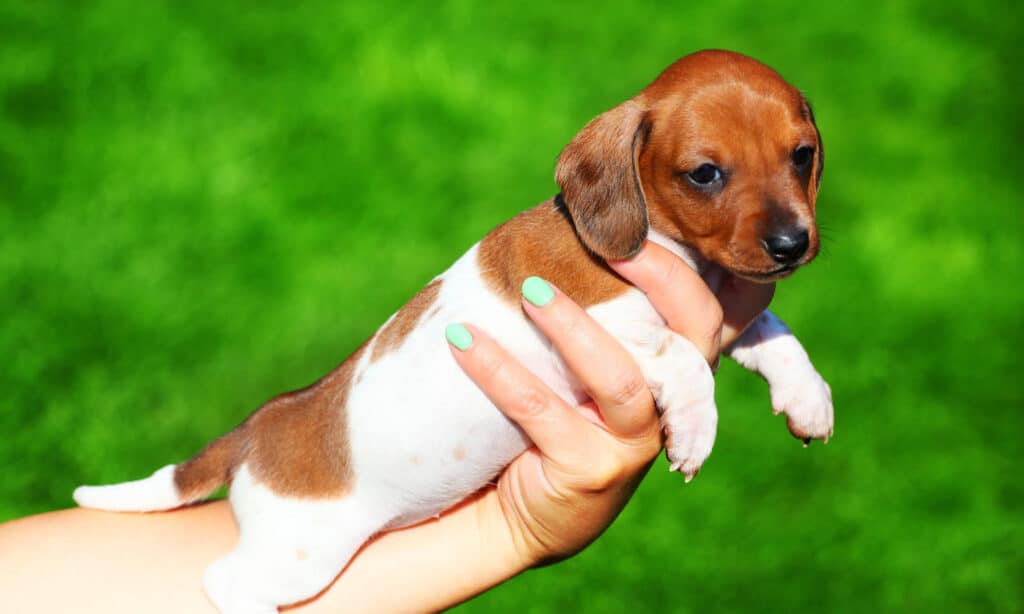
Welcome to the fascinating world of Piebald Dachshunds! If you’re looking for a devoted and affectionate four-legged friend, you might want to consider this breed. With their uniquely charming coat patterns, Piebald Dachshunds are certain to catch your attention and win your heart.
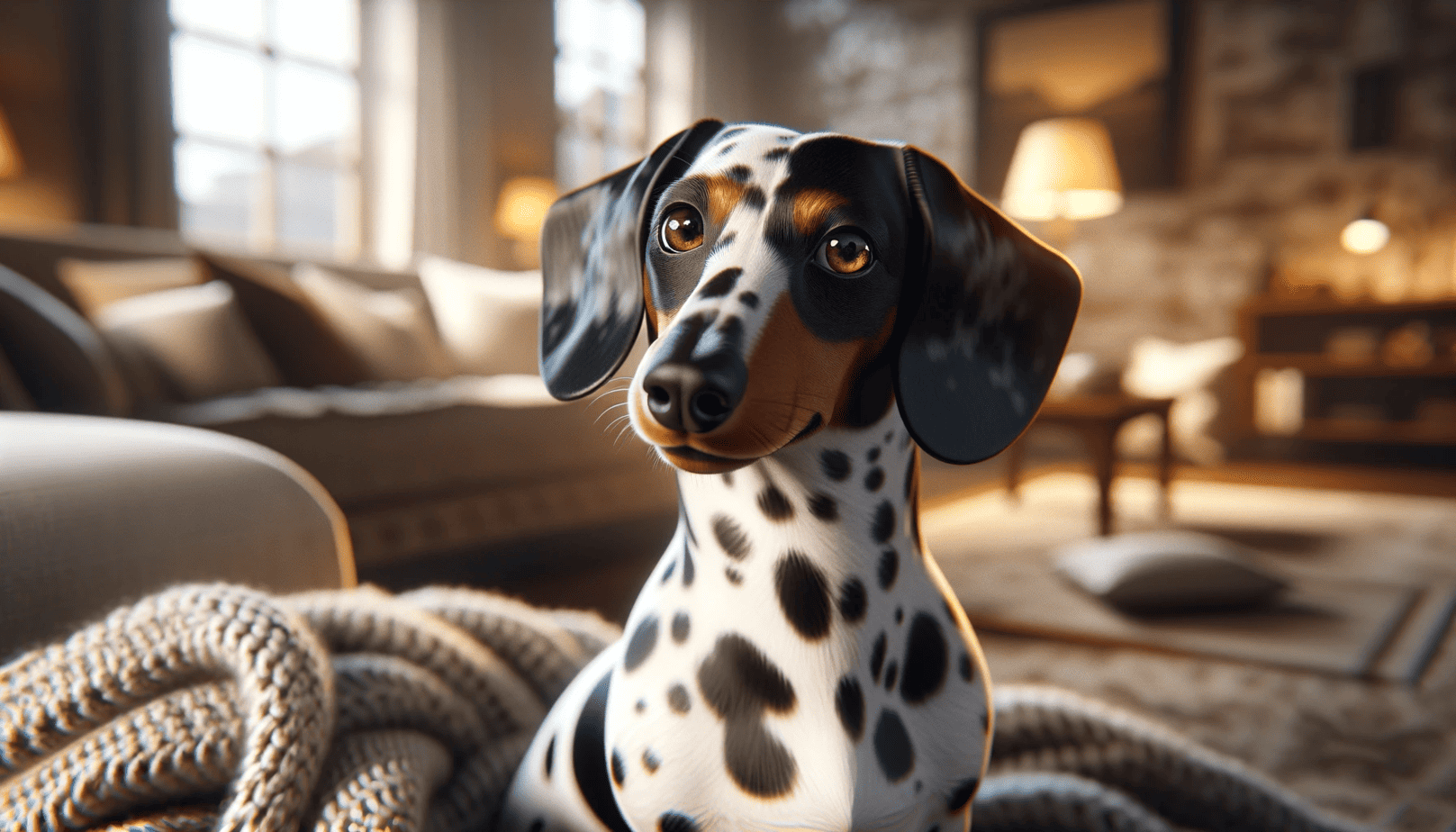
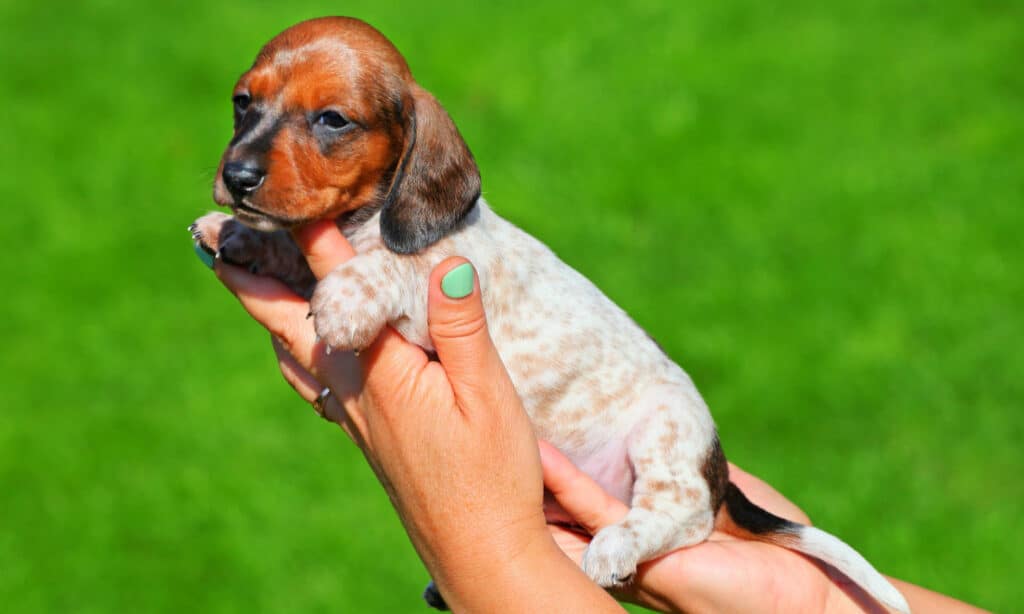
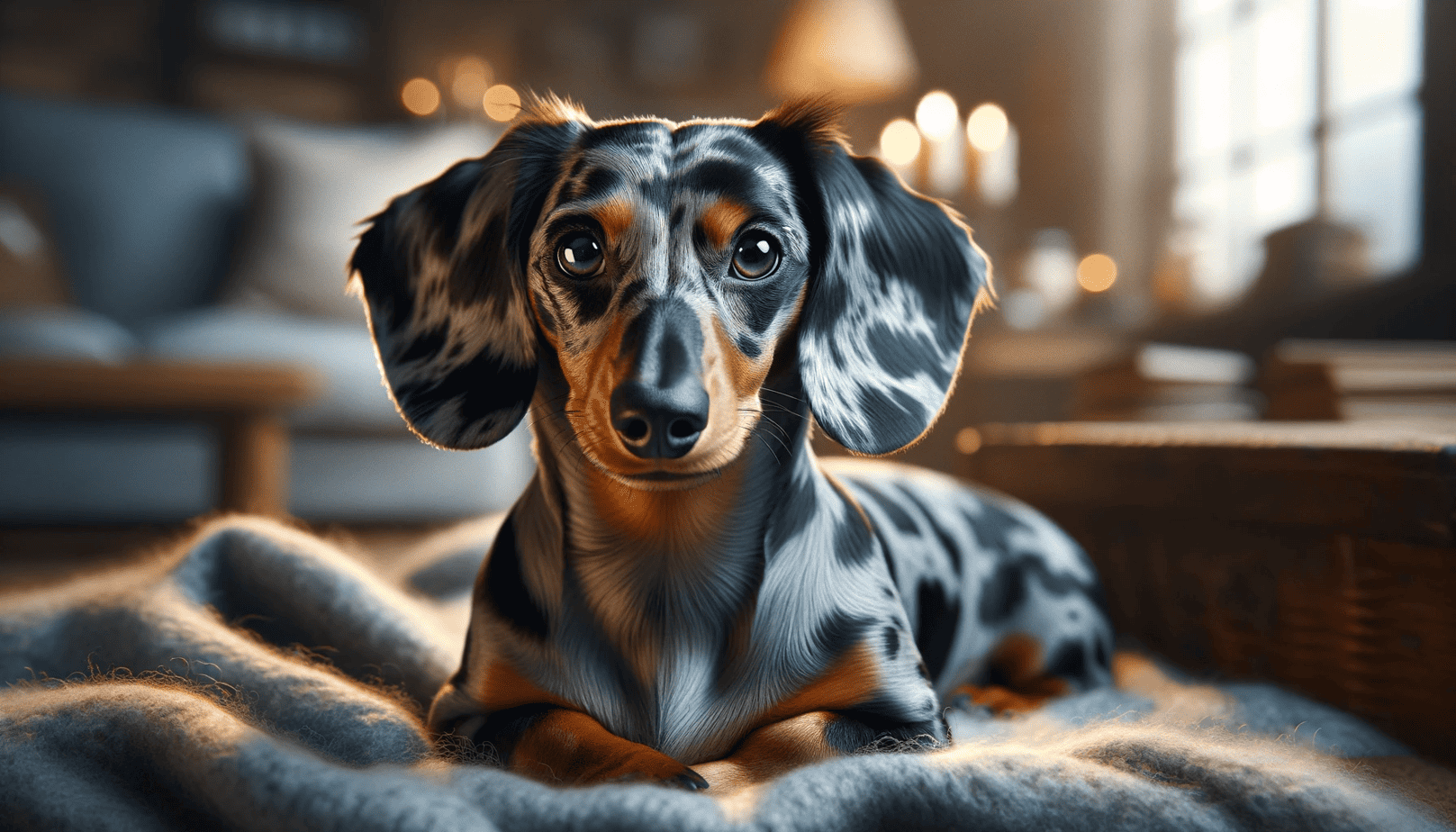
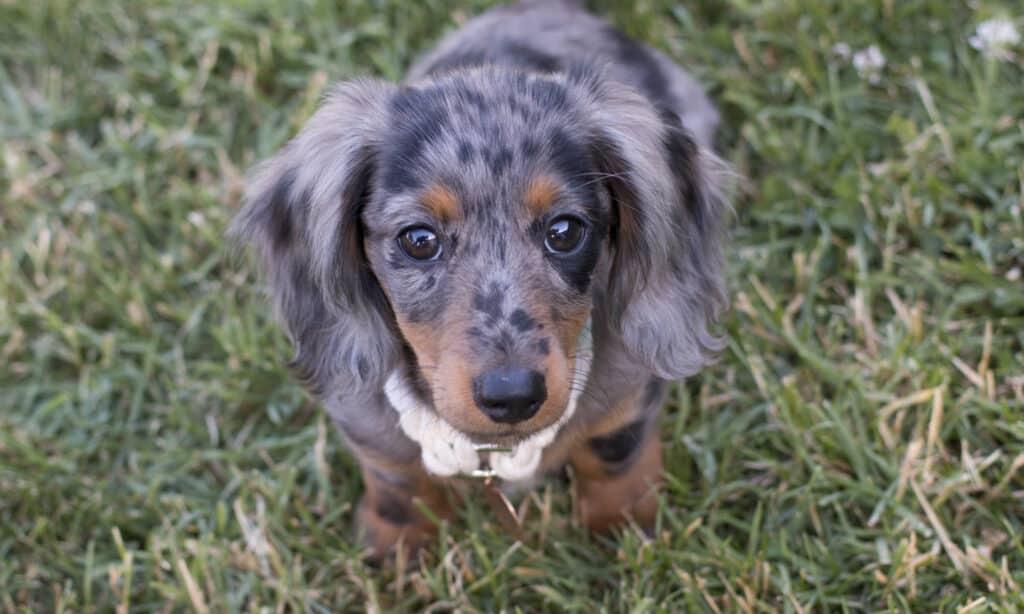
These lovely pooches are a delightful variation of the standard Dachshund breed, famous for their elongated sausage-shaped body and short legs. The Piebald Dachshund’s remarkable coat is characterized by white patches scattered across their body along with darker colors, like black, brown, or tan. This gives them a distinct and striking appearance that stands out in any crowd.
However, Piebald Dachshunds are much more than just a pretty face. They are known for their playful and affectionate temperament, which makes them an ideal family pet. They are typically friendly towards children and other animals, making them a fantastic addition to any household.
In this breed guide, we’ll explore everything you need to know about Piebald Dachshunds, from their origins and characteristics to their health and grooming requirements. So whether you’re an experienced dog owner or a first-time pet parent, you’ll find plenty of useful information and tips here. Let’s delve into the wonderful world of Piebald Dachshunds and discover what makes them such a beloved breed!
History of the Piebald Dachshund
The history of the Piebald Dachshund is closely tied to the standard Dachshund breed, which originated in Germany during the 16th century. The breed was initially developed to hunt badgers and other burrowing animals. Their long, low-slung bodies allow them to navigate narrow tunnels with ease.
Piebald Dachshunds are a variation of the standard Dachshund, and their unique coat pattern is a result of a recessive gene. This gene causes patches of white to appear on the dog’s coat, which contrasts sharply with the darker colors that typically dominate the breed’s coat. Piebald Dachshunds have been around for centuries. They were not officially recognized as a distinct variety until the mid-20th century.
Despite their relatively recent recognition, Piebald Dachshunds have become increasingly popular in recent years. Their unique coat patterns and charming personalities have captured the hearts of dog lovers around the world. However, it is worth noting that the Piebald Dachshund’s coat pattern is not a guarantee of their overall health or temperament, and prospective owners should always do their research before adopting any dog breed.
Piebald Dachshund Coat and Coloration
The Piebald Dachshund is characterized by its striking coat pattern, which features patches of white mixed with darker colors such as black, brown, or tan. The patches can vary in size and shape and are distributed irregularly over the dog’s body.
Piebald Dachshunds can come in two main varieties: the single piebald and the double piebald. A single piebald has a mostly white coat with patches of color. A double piebald has a predominantly colored coat with white patches. The double piebald is less common than the single piebald, as it requires two copies of the recessive piebald gene.
The Piebald Dachshund’s coat can have a smooth, longhaired, or wirehaired texture, depending on the specific variety. Smooth-coated Piebald Dachshunds have a short and glossy coat, while longhaired Piebald Dachshunds have a soft and flowing coat. Wirehaired Piebald Dachshunds have a dense, harsh coat with a wiry texture.
It’s worth noting that while Piebald Dachshunds have a unique coat pattern, their coloration does not affect their health or temperament. However, it’s essential to maintain their coat with regular grooming. Piebald Dachshunds can be prone to skin issues due to their white coat patches. Regular brushing, bathing, and skin checks can help keep your Piebald Dachshund healthy and happy.
Piebald Dachshund Temperament
Piebald Dachshunds are known for their friendly and affectionate temperament, making them excellent family pets. They are typically social dogs who enjoy the company of their human family and other pets. However, as with any breed, individual temperaments can vary.
Piebald Dachshunds are intelligent and curious dogs, which can sometimes translate into stubbornness. They are independent thinkers who may require patience and persistence during training. Positive reinforcement techniques, such as reward-based training, can help to motivate and encourage your Piebald Dachshund to learn.
Despite their small size, Piebald Dachshunds have a big personality and are often described as courageous and tenacious. This stems from their history as hunting dogs who would fearlessly track and pursue prey. However, this hunting instinct can sometimes result in chasing small animals or digging. It’s important to keep a watchful eye on them when outdoors.
Piebald Dachshunds thrive on attention and love to be involved in family activities. They can be playful and energetic but also enjoy relaxing with their human family members. They tend to be good with children, although supervision is always recommended, especially with younger children who may not understand how to handle a small dog.
Should You Choose To Rescue or Purchase a Piebald Dachsund?
Whether to buy or rescue a Piebald Dachshund is a personal decision that depends on your preferences and circumstances. Here are some factors to consider:
Buying a Piebald Dachshund from a breeder can give you more control over the dog’s background, including their health, temperament, and lineage. A reputable breeder will be able to provide health clearances for the parents and offer support and guidance throughout the dog’s life. However, buying from a breeder can be more expensive than adopting from a rescue.
Rescuing a Piebald Dachshund from a shelter or rescue organization can be a rewarding experience, as you are providing a second chance at a loving home for a dog in need. Many rescue dogs have already been socialized and trained to some extent, which can make the transition to your home smoother. However, rescue dogs may come with unknown health or behavioral issues, and their history may be limited.
If you decide to buy a Piebald Dachshund from a breeder, it’s essential to do your research. Choose a reputable breeder who prioritizes the health and well-being of their dogs. Look for breeders who conduct health screenings on their breeding dogs, provide proper socialization and training for their puppies, and offer support and guidance to their clients.
If you decide to rescue a Piebald Dachshund, consider working with a reputable rescue organization that has a thorough adoption process. This should include a screening process to ensure that the dog is a good fit for your lifestyle and home environment.
What Should You Look For if Purchasing a Piebald Dachshund?
If you’re considering purchasing a Piebald Dachshund, it’s important to do your research and find a reputable breeder who prioritizes the health and well-being of their dogs. Here are some things to look for when purchasing a Piebald Dachshund:
Health Testing: A reputable breeder should perform health testing on their dogs to ensure that they are free from genetic health issues commonly found in Dachshunds, such as hip dysplasia, patellar luxation, and intervertebral disc disease.
Temperament: Look for a breeder who prioritizes temperament in their breeding program. A well-bred Piebald Dachshund should have a friendly and outgoing personality.
Breeder’s Reputation: Look for a breeder who has a good reputation in the Dachshund community. Ask for references from other dog owners who have purchased from the breeder, and research online reviews and testimonials.
AKC Registration: Ensure that the breeder is registered with the American Kennel Club (AKC). Also, the puppies should have AKC registration papers. This ensures that the puppies are purebred and meet certain standards for health and temperament.
Puppy Health Guarantee: A reputable breeder should provide a health guarantee for their puppies. This can include a promise to replace or refund the cost of the puppy if it develops a genetic health issue within a certain timeframe.
Puppy Socialization: Look for a breeder who prioritizes socialization in their puppies. Puppies should be exposed to different people, environments, and other dogs to help prevent anxiety and aggression issues.
In summary, when purchasing a Piebald Dachshund, it’s important to look for a reputable breeder who prioritizes health, temperament, and socialization. Doing your research and asking for references can help ensure that you find a healthy and happy furry friend to bring into your family.
How Much Does a Piebald Longhaired Cost?
The cost of a Piebald Dachshund can vary depending on various factors, such as the dog’s age, breed lines, and location. Generally, purchasing a Piebald Dachshund from a reputable breeder can cost anywhere from $1,000 to $3,000. However, prices can go higher if you are looking for a show-quality or champion bloodline.
Adopting a Piebald Dachshund from a rescue organization can be less expensive, with adoption fees typically ranging from $100 to $500. However, the cost can vary depending on the rescue organization and the dog’s age and health.
It’s important to note that the initial cost of purchasing or adopting a Piebald Dachshund is just one aspect of their lifetime expenses. As a responsible pet owner, you will need to budget for ongoing expenses such as food, grooming, veterinary care, and supplies. It’s also a good idea to plan for unexpected expenses, such as emergency veterinary care.
If you are considering purchasing a Piebald Dachshund, it’s essential to do your research and choose a reputable breeder who prioritizes the health and well-being of their dogs. Similarly, if you are considering adopting a Piebald Dachshund from a rescue organization, make sure to work with a reputable organization that has a thorough adoption process to ensure that the dog is a good fit for your home and lifestyle.
Are Piebald Longhaired Healthy?
Piebald Dachshunds, like all dog breeds, can be prone to certain health issues. It’s important to be aware of these potential health concerns and take steps to prevent or manage them.
One of the most common health issues in Dachshunds, including Piebald Dachshunds, is intervertebral disc disease (IVDD). This condition occurs when the discs between the vertebrae in the spine deteriorate, causing back pain, weakness, and even paralysis. Maintaining a healthy weight and avoiding activities that put undue stress on the spine, such as jumping, can help prevent IVDD. Regular veterinary checkups can also help catch the condition early.
Piebald Dachshunds may also be prone to eye conditions such as progressive retinal atrophy (PRA) and cataracts. These conditions can cause vision loss and may require surgical intervention. Regular eye exams with a veterinarian can help detect these conditions early and prevent progression.
Another health concern in Piebald Dachshunds is skin issues, particularly in the white areas of their coat. These dogs may be more susceptible to allergies, skin infections, and sunburn. Regular grooming, including bathing and brushing, can help keep their coat and skin healthy. Sunscreen and protective clothing can also be used to prevent sunburn in sensitive areas.
What is the Lifespan of a Piebald Dachshund?
The lifespan of a Piebald Dachshund is typically around 12-16 years. However, like all dogs, individual lifespan can vary depending on various factors such as genetics, diet, exercise, and overall health.
To help ensure your Piebald Dachshund lives a long and healthy life, it’s important to provide proper care and attention throughout their life. This includes regular veterinary checkups, a balanced and nutritious diet, regular exercise, and socialization with people and other animals.
Some health issues, such as intervertebral disc disease, which is common in Dachshunds, can affect lifespan. However, with proper prevention and management, many of these health issues can be minimized or even prevented.
Piebald Dachshunds are generally a healthy breed, and their lifespan can be extended with proper care and attention. By providing a loving and healthy environment for your furry friend, you can help them live a long and happy life by your side.
Nutrition for Piebald Dachshunds
When it comes to our furry friends, their health and well-being are of utmost importance. Nutrition plays a vital role in promoting a healthy and long life for our Piebald Dachshunds. As pet parents, we want to ensure that our dogs receive the best possible nutrition to prevent health issues and keep them happy and healthy. One approach that has gained popularity is whole food nutrition.
Whole food nutrition means feeding our dogs natural, unprocessed foods such as lean meats, fresh fruits, vegetables, and whole grains. This type of diet provides essential nutrients in their natural form, making them easier for our dogs to digest and absorb. Whole food nutrition is an excellent way to prevent health issues like obesity, diabetes, and heart disease in our furry friends.
When selecting dog food, it’s important to look for high-quality, whole food ingredients and avoid foods that contain fillers, artificial preservatives, and by-products. Choosing a food that is appropriate for your dog’s size, age, and activity level is also important. Additionally, it’s crucial to control portions and avoid overfeeding to prevent weight gain and other health issues.
By feeding our Piebald Dachshunds whole foods, we are providing them with optimal nutrition, promoting their health and well-being. With careful attention to ingredient quality and portion control, we can help prevent health issues and ensure that our furry friends live long and happy lives by our side.
Exercise and Physical Activity for Piebald Dachshunds
Exercise and physical activity are essential for the health and well-being of our Piebald Dachshunds. These dogs have a natural inclination towards being active, and regular exercise can help prevent health issues and promote a long and healthy life.
Piebald Dachshunds are energetic and enjoy activities such as walking, running, playing fetch, and swimming. However, it’s important to tailor their exercise routine to their age, size, and activity level. Too much exercise can cause fatigue and injury, while too little can lead to weight gain and other health issues.
Regular exercise can help prevent health issues such as obesity, diabetes, and heart disease in our furry friends. It can also help maintain strong muscles and bones, improve joint health, and prevent behavioral issues that can arise from boredom and excess energy.
In addition to regular physical exercise, mental stimulation is also important for the health and happiness of our Piebald Dachshunds. Activities such as puzzle toys, obedience training, and interactive play can help keep our furry friends mentally stimulated and prevent boredom.
Grooming Requirements for Piebald Dachshunds
Piebald Dachshunds have a short and smooth coat that requires minimal grooming. However, regular grooming can help keep their coat and skin healthy and prevent potential health issues.
Weekly brushing with a soft-bristled brush can help remove loose hair and distribute the natural oils in their coat, keeping it shiny and healthy. Bathing should only be done as needed, as frequent bathing can strip their coat of its natural oils and cause dry skin.
Regular nail trimming is also essential for Piebald Dachshunds. Long nails can cause discomfort and even affect their gait. Ears should also be checked regularly for signs of infection or irritation, and teeth should be brushed regularly to prevent dental issues.
Additionally, Piebald Dachshunds are prone to skin issues, particularly in the white areas of their coat. Regular grooming can help detect and prevent skin infections and other skin issues.
Are Piebald Dachshunds Hard to Train?
Piebald Dachshunds are intelligent dogs that can be trained successfully with patience, consistency, and positive reinforcement techniques. However, like all dog breeds, some individuals may be more challenging to train than others.
Dachshunds, including Piebald Dachshunds, can be independent and stubborn, which can make training more difficult. It’s important to use positive reinforcement techniques, such as treats, praise, and play, to motivate your dog and make training a positive experience. Consistency and repetition are also important for success.
Starting training at a young age is recommended, as it can help prevent behavior issues from developing. Obedience training can help reinforce good behaviors, while also providing mental stimulation for your furry friend. Socialization is also important for Piebald Dachshunds, as it can help prevent anxiety and aggression towards other dogs and people.
It’s important to remember that training is a lifelong process, and ongoing training and reinforcement can help prevent behavior issues from developing. If you are struggling with training your Piebald Dachshund, seeking the help of a professional dog trainer or behaviorist can be beneficial.
Most Common Behavior Issues of Piebald Dachshunds
Piebald Dachshunds, like all dog breeds, can develop certain behavior issues that require attention and management. Here are some of the most common behavior issues that Piebald Dachshunds may experience:
Separation Anxiety: Piebald Dachshunds are known for their strong attachment to their owners and may experience anxiety when left alone. This can lead to destructive behavior, excessive barking, and other issues. Gradual desensitization and counterconditioning techniques can help alleviate separation anxiety.
Aggression: Piebald Dachshunds can be protective of their owners and may exhibit aggressive behavior towards strangers or other dogs. Early socialization and training can help prevent aggression from developing.
Excessive Barking: Piebald Dachshunds can be vocal and may bark excessively, particularly when bored or anxious. Consistent training and providing mental stimulation can help reduce excessive barking.
Digging: Piebald Dachshunds are bred to hunt and may enjoy digging. However, excessive digging can damage lawns and gardens. Providing an appropriate digging area and discouraging digging in unwanted areas can help prevent this behavior.
Resource Guarding: Piebald Dachshunds may exhibit resource guarding behavior, such as growling or snapping when someone approaches their food or toys. Positive reinforcement training can help manage this behavior and teach them to share.
If you are experiencing behavior issues with your Piebald Dachshund, seeking the help of a professional dog trainer or behaviorist can be beneficial. With proper training and management, most behavior issues can be resolved or managed successfully.
Training Tips for Piebald Dachshunds
Training your Piebald Dachshund can be a fun and rewarding experience, but it can also be challenging at times. Here are some tips to help you train your furry friend successfully:
Use Positive Reinforcement: Positive reinforcement techniques, such as treats, praise, and play, can help motivate your Piebald Dachshund and make training a positive experience.
Be Consistent: Consistency is key when it comes to training your Piebald Dachshund. Use the same commands and reward system every time you train, and be patient and persistent.
Start Early: Starting training at a young age can help prevent behavior issues from developing and make training easier. Puppies have a short attention span, so keep training sessions short and frequent.
Socialize: Socialization is important for Piebald Dachshunds, as it can help prevent anxiety and aggression towards other dogs and people. Expose your furry friend to different environments, people, and other dogs in a positive and controlled way.
Provide Mental Stimulation: Piebald Dachshunds are intelligent dogs and require mental stimulation to prevent boredom and behavior issues. Provide puzzle toys, obedience training, and interactive play to keep your furry friend mentally stimulated.
Seek Professional Help: If you are experiencing difficulty with training your Piebald Dachshund, seeking the help of a professional dog trainer or behaviorist can be beneficial.
In summary, using positive reinforcement, consistency, and starting early are important when training your Piebald Dachshund. Socialization, mental stimulation, and seeking professional help if needed can also help ensure that your furry friend is well-behaved and happy. With patience and persistence, you can train your Piebald Dachshund successfully.
Conclusion
In conclusion, Piebald Dachshunds are a beloved breed known for their affectionate and lively personalities. These dogs have a unique coat and coloration that sets them apart from other Dachshund breeds. While they have low grooming requirements, they require regular exercise, mental stimulation, and proper nutrition to maintain their health and well-being.
Training and socialization are also important for Piebald Dachshunds, as they can exhibit certain behavior issues if not trained properly. Positive reinforcement techniques and consistency can help ensure that your furry friend is well-behaved and happy.
Whether you are considering adding a Piebald Dachshund to your family or are already a proud owner, understanding their unique characteristics and needs can help you provide the best possible care for your furry friend. With proper care, your Piebald Dachshund can live a long and happy life as a beloved member of your family.
~Lindsie
A note about your dog’s health
This article provides general education and does not replace an examination, diagnosis, or individualized advice from your veterinarian. Contact a veterinary professional if you are concerned about your dog’s symptoms.
Lindsie Parks is the founder of Healthy Happy Dogs and holds a bachelor’s degree in biology. She brings more than 19 years of experience across veterinary medicine, animal welfare, practice leadership, nutrition, cold laser therapy, rescue work, and emergency animal response. Her goal is to give pet parents clear information, practical options, and greater confidence in the decisions they make for their animals.
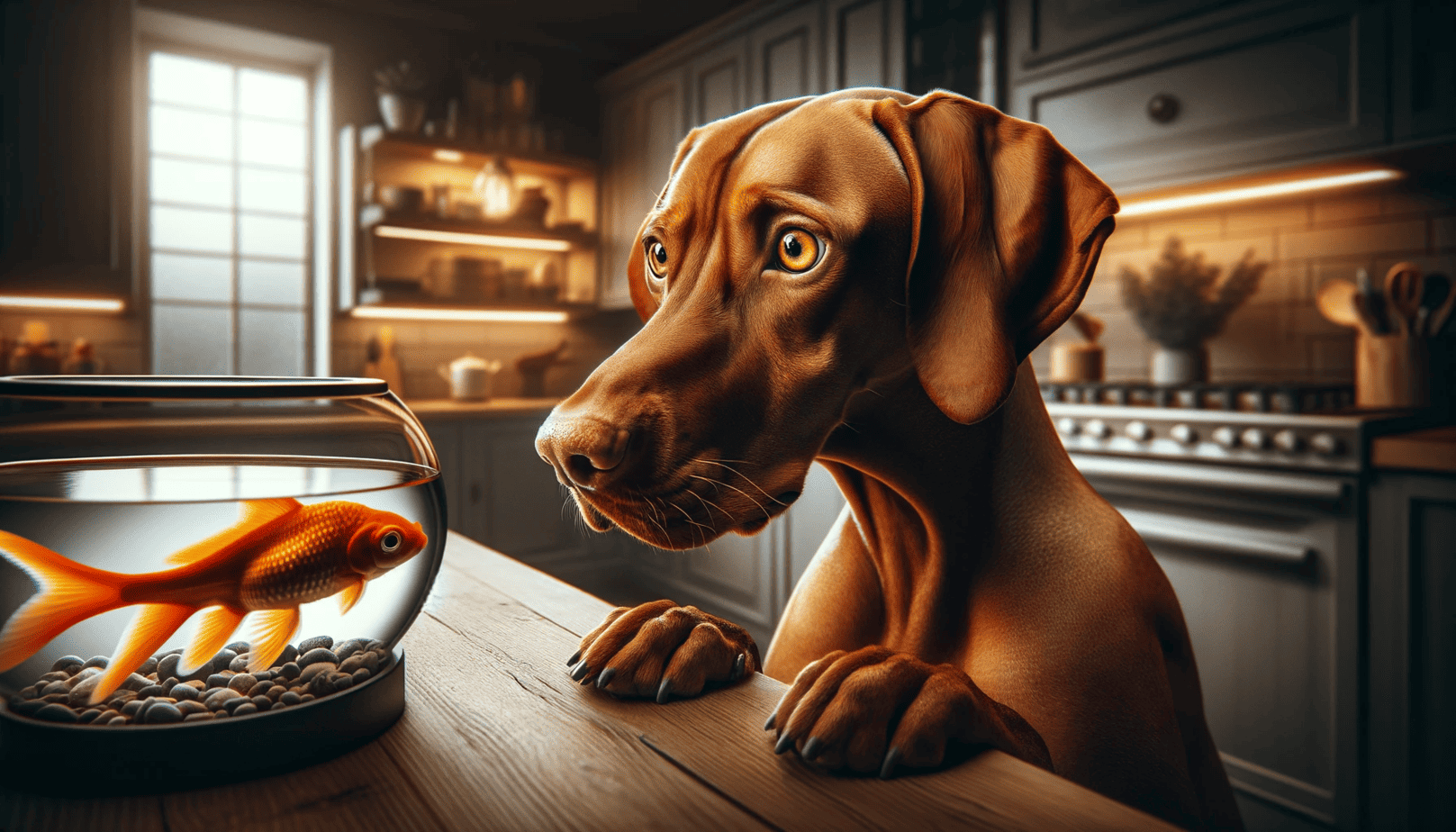
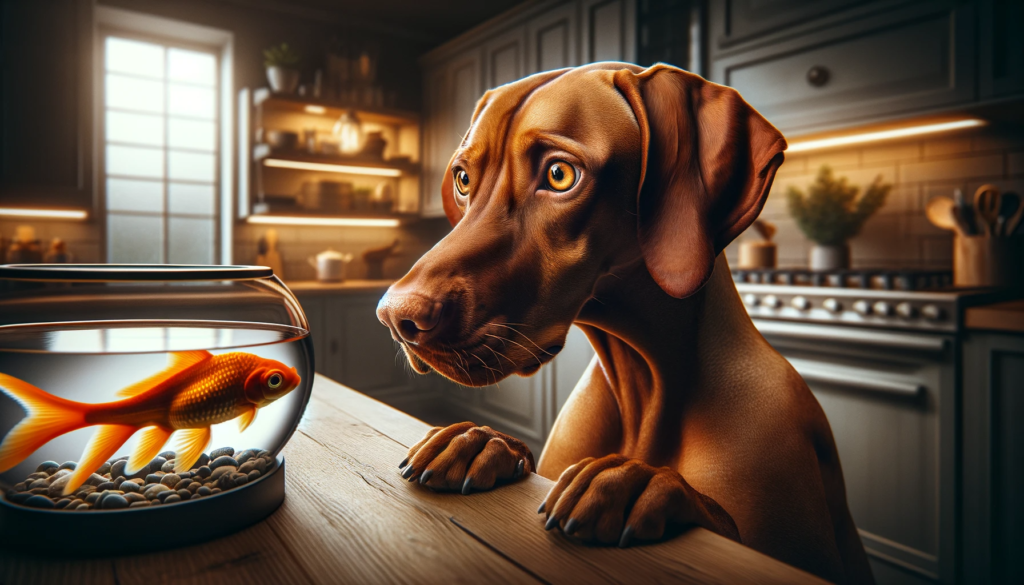
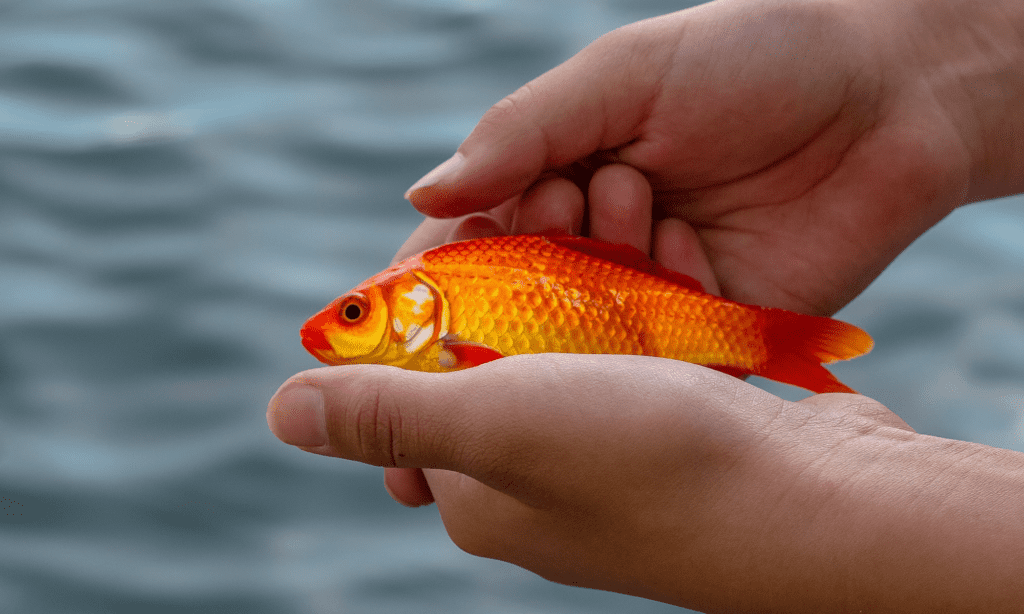
As pet owners, we want the best for our furry friends, and that includes providing them with a balanced and healthy diet. It’s only natural for us to wonder about the do’s and don’ts when it comes to our dogs’ nutrition. One question that may cross our minds is, “Can dogs eat real goldfish?” The short answer is no, dogs shouldn’t eat goldfish. In this blog, we’ll explore the potential health risks of feeding goldfish to dogs, drawing on the expertise of a seasoned veterinarian. By being aware of these potential hazards, we can make better decisions when it comes to our dogs’ diet. So, let’s dive into this fishy topic and learn how to keep our beloved pets in tip-top shape.
The Appeal of Goldfish as a Potential Treat for Dogs
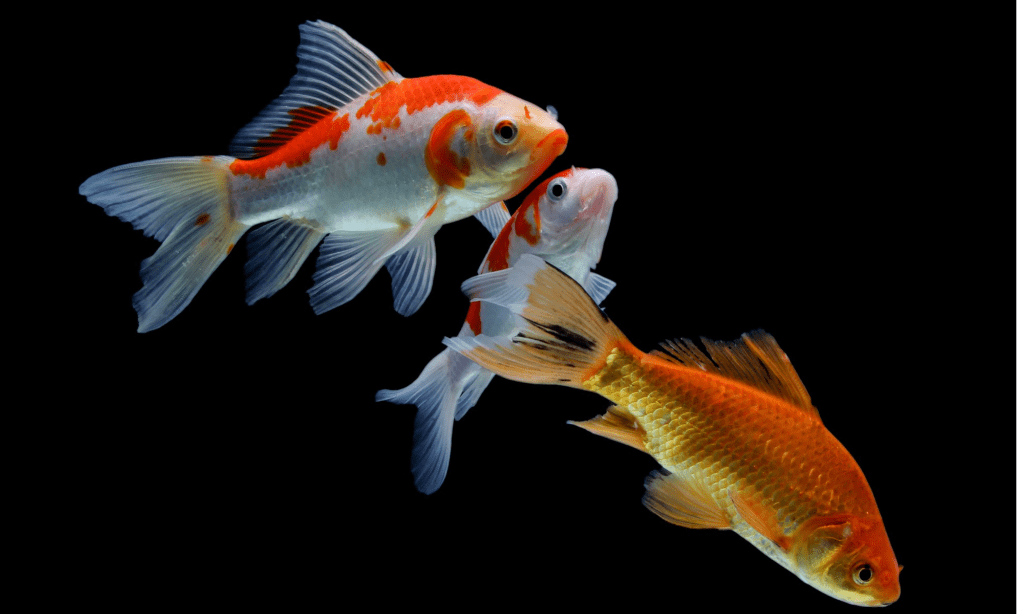
Goldfish, with their vibrant colors and fascinating movements, can be captivating not just for humans but also for our canine companions. As natural predators, dogs are instinctively drawn to smaller creatures, making goldfish a seemingly appealing treat. Pet owners may be tempted to indulge their dogs’ curiosity and consider feeding goldfish as a unique snack. The appeal of goldfish as a potential treat for dogs is primarily driven by the following factors:
Natural instincts: Dogs, being descendants of wolves, have an innate predatory instinct. They are naturally attracted to smaller animals like goldfish, which may trigger their hunting drive. This inclination can make goldfish appear as an enticing treat for dogs.
Novelty: Pet owners often seek to provide variety in their dogs’ diet to keep them engaged and happy. The idea of feeding goldfish to dogs may stem from a desire to offer them a new and interesting experience. This novelty could be appealing for both the pet and the owner.
Nutritional considerations: Some pet owners might assume that feeding their dogs real goldfish can provide nutritional benefits, such as protein and essential fatty acids. These nutrients are important for maintaining a dog’s overall health. The idea of offering goldfish as a treat might seem reasonable.
However, despite these appealing factors, it’s important to consider the potential health risks associated with feeding goldfish to dogs. As we delve further into this topic, we’ll consult an expert veterinarian to shed light on these concerns and provide guidance on safer treat options for our canine companions.
Health Risk #1: Bacterial Infections
Feeding goldfish to dogs may expose them to harmful bacteria, posing a significant health risk. Live or dead goldfish can carry a variety of bacteria that, when ingested by dogs, can lead to various health problems. Let’s take a closer look at this risk and its potential consequences:
Sources of bacteria: Goldfish, especially those kept in aquariums or ponds, can be exposed to numerous types of bacteria. These bacteria may thrive in the water, on surfaces, or even within the goldfish themselves. When a dog consumes a goldfish, these bacteria can be ingested as well, potentially causing illness.
Consequences of bacterial infections: When dogs consume bacteria-contaminated goldfish, they may develop a range of health issues, including:
Gastrointestinal problems: Ingesting harmful bacteria can lead to diarrhea, vomiting, and abdominal pain in dogs. Severe cases may result in dehydration or even life-threatening complications, requiring immediate veterinary care.
Systemic infections: In some cases, the bacteria from the goldfish can enter a dog’s bloodstream, causing a systemic infection. These infections can affect multiple organs and may require aggressive treatment, such as antibiotics or supportive care.
To prevent bacterial infections, our expert veterinarian advises against feeding goldfish to dogs. Instead, they recommend providing your dog with treats and food specifically designed for canines, which undergo strict quality control and are less likely to harbor harmful bacteria. Additionally, pet owners should consult their veterinarian for personalized advice on dog nutrition and safe treat options.
Health Risk #2: Parasites
Another significant health risk associated with feeding goldfish to dogs is the potential transmission of parasites. Goldfish, like many other aquatic animals, can harbor various parasites that could infect dogs upon ingestion. Here’s an overview of this risk and its potential impact on a dog’s health:
Types of parasites: Goldfish can be carriers of both internal and external parasites. Some common parasites found in goldfish include protozoans, trematodes (flukes), and nematodes (roundworms). When a dog consumes an infected goldfish, these parasites can be transmitted to the dog, leading to parasitic infections.
Consequences of parasitic infections: Ingesting parasites from goldfish can result in various health issues for dogs, such as:
Internal parasitic infections: When dogs consume parasites through infected goldfish, these parasites can invade their gastrointestinal tract, causing symptoms like diarrhea, vomiting, weight loss, and poor coat condition. In some cases, internal parasites can lead to more severe complications, such as anemia or damage to vital organs.
Compromised immune system: A dog infected with parasites may have a weakened immune system, making them more susceptible to other infections and diseases. This can be particularly concerning for puppies, senior dogs, and dogs with pre-existing health conditions.
To minimize the risk of parasite transmission, our expert veterinarian strongly advises against feeding goldfish to dogs. Instead, they recommend providing your dog with high-quality, parasite-free dog treats and food designed specifically for canines. Regular veterinary check-ups and parasite prevention measures, such as deworming, are also essential for maintaining your dog’s overall health and well-being.
Health Risk #3: Choking Hazard and Injury
Feeding goldfish to dogs also poses a choking hazard and a risk of internal injury. The size, shape, and bones of goldfish can create potential dangers for dogs when consumed. Here’s a closer look at this risk and its implications:
Choking hazard: Goldfish, depending on their size, can be a choking risk for dogs, especially smaller breeds. When a dog attempts to swallow a goldfish whole, it can become lodged in their throat, obstructing the airway and potentially leading to a life-threatening situation.
Internal injury: Even if a dog successfully swallows a goldfish, there’s still a risk of injury. Goldfish have small bones that can cause harm when ingested by a dog. These bones can puncture or become lodged in a dog’s gastrointestinal tract, causing pain, inflammation, and even life-threatening complications that may require surgical intervention.
Factors contributing to choking hazards and internal injury:
Dog’s size and breed: Smaller dogs are at a higher risk of choking on goldfish due to their smaller airways and gastrointestinal tracts. However, larger dogs can also face potential hazards when consuming goldfish.
Dog’s eating habits: Some dogs may try to swallow food quickly without properly chewing, increasing the risk of choking or internal injury when eating goldfish.
To minimize the risk of choking and injury, our expert veterinarian recommends avoiding feeding goldfish to dogs altogether. Instead, they suggest offering your canine companion safer treat options, such as high-quality commercial dog treats or homemade snacks made from dog-friendly ingredients. It’s essential to consult your veterinarian for personalized advice on suitable treats and feeding practices to ensure your dog’s safety and overall well-being.
Alternatives to Feeding Goldfish to Dogs
Given the health risks associated with feeding goldfish to dogs, it’s essential to explore safer and more appropriate treat options for our canine companions. Here are some healthier alternatives to consider when looking for ways to spoil your dog while ensuring their safety and well-being:
Nutritious commercial dog treats: There is a wide range of high-quality commercial dog treats available on the market, designed specifically for canine consumption. These treats typically undergo strict quality control and are formulated with dog-friendly ingredients. When selecting commercial treats, look for products with natural ingredients and minimal additives. It’s also important to choose treats appropriate for your dog’s size, breed, and dietary requirements.
Homemade dog treat recipes: Make homemade dog treats for control over ingredients, safety, and nutrition of your furry friend’s snacks. Some popular dog-friendly ingredients include lean meats, fish (deboned and cooked), fruits (such as apples and blueberries), and vegetables (like carrots and green beans).
Interactive feeding toys: To provide mental stimulation and satisfy your dog’s natural instincts, consider using interactive feeding toys. These toys dispense treats or kibble as your dog plays, providing both physical and mental exercise. This can be a great alternative to live prey, such as goldfish, while still engaging your dog’s natural hunting instincts.
Training treats: Small, low-calorie training treats can be an excellent option for rewarding good behavior without the health risks associated with feeding goldfish. These treats are specifically designed for frequent use during training sessions, ensuring they won’t contribute to excessive weight gain.
By choosing safer and healthier treat alternatives, you can still spoil your dog while prioritizing their overall health and well-being. Remember to consult your veterinarian for personalized advice on the best treats and feeding practices for your specific dog.
Conclusion
In conclusion, while the idea of feeding goldfish to dogs might seem intriguing, it’s essential to prioritize the health and well-being of our beloved canine companions. As we’ve explored throughout this blog, feeding goldfish to dogs can pose significant health risks, including bacterial infections, parasites, and choking hazards or internal injuries. By understanding these potential dangers, we can make informed decisions when it comes to our dogs’ diet.
Instead of offering goldfish, consider providing your dog with safer, nutritious alternatives like high-quality commercial dog treats or homemade snacks made from dog-friendly ingredients. Engaging your dog with interactive feeding toys can also provide mental stimulation and satisfy their natural instincts without putting their health at risk.
Ultimately, it’s crucial to consult your veterinarian for personalized advice on the best treats and feeding practices for your specific dog. By doing so, you can ensure your dog’s safety, happiness, and overall well-being. So, let’s commit to making informed choices for our furry friends and provide them with a loving and healthy environment in which they can thrive.
~Sheena
A note about your dog’s health
This article provides general education and does not replace an examination, diagnosis, or individualized advice from your veterinarian. Contact a veterinary professional if you are concerned about your dog’s symptoms.
Dr. Candy Akers earned her Doctor of Veterinary Medicine degree from Oklahoma State University in 2009 after completing undergraduate studies at the University of Delaware. Her experience includes companion-animal nutrition, chronic disease, allergies, autoimmune conditions, cold laser therapy, wildlife rehabilitation, and emergency wildlife response. She combines conventional veterinary knowledge with a whole-animal perspective to help pet parents understand their options and recognize when individualized veterinary care is needed.
As dog owners, we want to ensure that our furry friends are happy, healthy, and well-fed. That’s why it’s important to know what human foods are safe for dogs to eat. While some human foods can be nutritious and tasty treats for our pets, others can be dangerous and even fatal. In this article, we’ll take a closer look at the question of whether or not dogs can eat sour cream. We’ll examine the nutritional value of sour cream for dogs, any potential health risks associated with feeding sour cream to dogs, and explore some alternatives to sour cream.
The Sour Cream Question: Can Dogs Eat It?
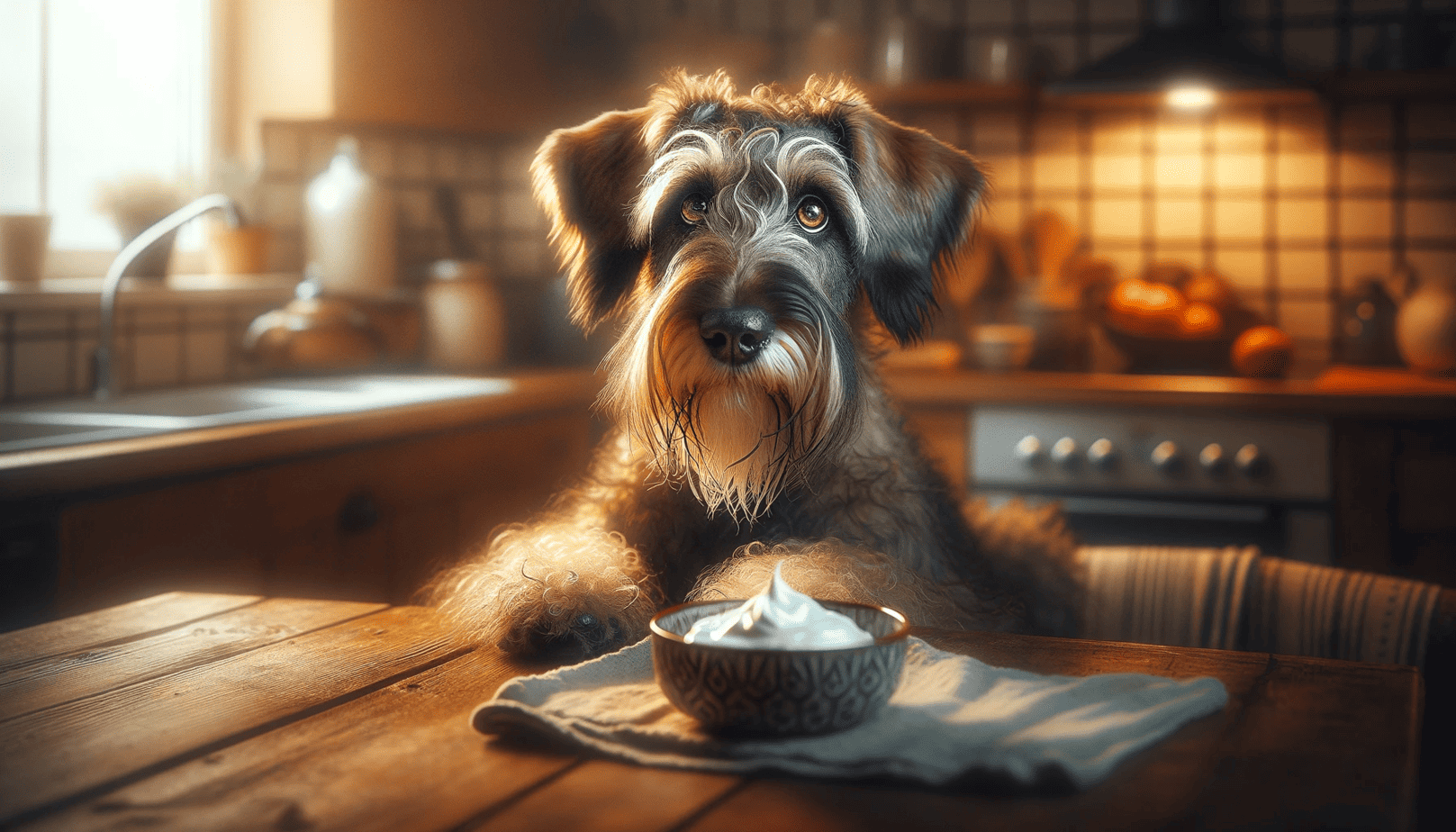
If you’re a fan of Mexican cuisine or baked potatoes, you may have wondered whether or not it’s okay to give your dog a taste of sour cream. The good news is that yes -dogs can eat sour cream safely when given in moderation. Sour cream is a dairy product made by fermenting cream with lactic acid bacteria.
It’s high in fat and calories, but it also contains vitamins and minerals that can be beneficial for dogs. That being said, it’s important to feed sour cream to your dog in moderation.
Too much fat in their diet can lead to obesity and other health issues. It’s also worth noting that some dogs may be allergic or intolerant to dairy products, so you should always introduce new foods gradually and keep an eye out for any adverse reactions.
Can Dogs Eat Sour Cream?
Sour cream is a popular dairy product used in many recipes, including dips, dressings, and sauces. It’s creamy and tangy taste can make any dish more flavorful.
But can dogs eat sour cream? The answer is yes, dogs can eat sour cream in moderation.
Sour cream is not toxic to dogs and does not pose any immediate danger to them. However, it’s important to note that just because food is safe for humans doesn’t necessarily mean it’s safe for our furry friends.
Sour cream contains low levels of lactose, making it easier for dogs to digest compared to other dairy products like milk or cheese. However, some dogs may still be intolerant or allergic to lactose.
It’s also worth noting that while sour cream is generally safe for dogs to consume in small quantities as an occasional treat or addition to their regular diet, too much can lead to health problems such as obesity and pancreatitis. As with any new food introduced into a dog’s diet, it’s essential to start with small amounts and pay attention to how your dog reacts before deciding whether or not they should continue eating sour cream.
Why Sour Cream Is Safe For Dogs
Sour cream has several benefits that make it a safe option for dogs when fed in moderation. It contains protein and calcium which are essential nutrients needed by our canine companions.
Furthermore, the low levels of lactose make sour cream easier on a dog’s digestive system compared to other dairy products like milk or cheese. This makes it an excellent alternative if you’re looking for something creamy but less likely to cause digestive issues in your furry friend.
Additionally, some pet owners use plain Greek yogurt as an alternative source of probiotics instead of expensive supplements — choosing plain Greek yogurt over sour cream does offer great benefits. Of course, it still depends on how your dog tolerates these foods.
If you notice any digestive issues, it’s best to speak with your veterinarian as they may recommend an alternative. Sour cream is safe for dogs to consume in moderation.
It’s important to remember that each dog is different and may react differently to new foods introduced into their diet, so always start with small amounts and observe your furry friend closely for any adverse reactions. If you’re unsure about feeding your dog sour cream or any human food in general, it’s always best to consult with a veterinarian first.
Benefits of Feeding Sour Cream to Dogs
Provides a Source of Calcium and Protein
Calcium and protein are essential nutrients for dogs. Calcium helps in the development of strong bones, teeth, and muscles, while protein is important for building and repairing tissues. Sour cream is an excellent source of both calcium and protein.
Just a small amount of sour cream can provide a good dose of these nutrients to your furry friend. Dogs that do not get enough calcium in their diet can suffer from weak bones, which can lead to fractures or breaks.
Similarly, insufficient protein intake can cause muscle wasting or weakness. By feeding your dog sour cream in moderation, you can help ensure that they are getting adequate amounts of these vital nutrients.
Helps with Digestion and Gut Health
Sour cream contains probiotics, which are beneficial bacteria that live in the gut and help maintain a healthy digestive system. These probiotics aid in digestion by breaking down food more efficiently and helping the body absorb essential nutrients.
Probiotics also play a role in keeping the gut healthy by preventing harmful bacteria from overgrowing. This is particularly important for dogs who may have sensitive stomachs or be prone to gastrointestinal issues such as diarrhea or constipation.
Can Be a Tasty Treat for Dogs
Dogs love treats! And sour cream can be a tasty addition to their diet when given in moderation. A dollop of sour cream on top of their food or as an occasional snack can make mealtime more enjoyable for your furry friend.
It’s important to remember that while dogs may enjoy human foods like sour cream, they should not be given too much at once or too often. Overindulging in high-fat foods like sour cream can lead to weight gain and other health problems such as pancreatitis.
Serving Suggestions
When feeding your dog sour cream, it’s important to keep serving sizes small and infrequent. A tablespoon or two of sour cream per day is plenty for most dogs. Consider using sour cream as a topping for their food or mixing it in with other dog-friendly human foods like cooked chicken or vegetables.
If your dog has a sensitivity to dairy products, it’s best to avoid feeding them sour cream altogether. Always consult with your veterinarian before introducing any new foods into your dog’s diet.
Risks and Precautions
Dairy allergies in some dogs
While sour cream is generally safe for dogs, it’s important to note that some dogs can have dairy allergies. This means that feeding them sour cream could lead to digestive issues such as vomiting and diarrhea.
Symptoms of a dairy allergy typically occur within a few hours after consumption, so it’s important to monitor your dog closely if you decide to feed them sour cream for the first time. If you suspect your dog may have a dairy allergy, it’s best to avoid feeding them sour cream altogether.
Instead, opt for alternative treats that are less likely to trigger an allergic reaction. Consult with your veterinarian if you’re unsure whether or not your dog has a dairy allergy.
High-fat content can lead to obesity and pancreatitis
Another risk associated with feeding dogs sour cream is its high-fat content. Too much fat in a dog’s diet can lead to obesity and even pancreatitis, which is a serious condition that can be life-threatening if left untreated.
It’s important to keep in mind that while small amounts of sour cream may be safe for dogs, they should only be fed in moderation. If you choose to give your dog sour cream as an occasional treat or topping, make sure not to overdo it and always monitor their weight and overall health.
Importance of feeding sour cream in moderation
Feeding any human food items in excess can be harmful to dogs, including sour cream. As previously mentioned, high fat content puts dogs at risk of developing obesity and pancreatitis if they consume too much of it regularly.
In addition, sour cream contains lactose which may cause digestive issues such as gas or bloating if given excessively. It’s paramount for pet owners not make the mistake of overfeeding their furry friends because they are showing excitement about new food.
Therefore, while sour cream can be a tasty treat for your dog, it’s important to feed it in moderation and not make it a regular part of their diet. Consult with a veterinarian before adding any new human food items to your dog’s diet.
Alternatives
If you’re looking for a healthier alternative to sour cream for your dog, plain Greek yogurt is a good option. It contains less fat and lactose than sour cream but still provides similar nutritional benefits such as protein and calcium.
Other dog-friendly human foods that can be used as toppings or treats include cooked meats such as chicken or turkey, fruits like blueberries or bananas, and vegetables like carrots or green beans. Just make sure to research any new foods before feeding them to your dog and always introduce them gradually to avoid digestive upset.
Alternatives to Sour Cream
Plain Greek Yogurt as a Healthier Alternative
Sour cream is not the only dairy product that can be safely given to dogs. Plain Greek yogurt is a healthier alternative that has even more benefits for your furry friend.
This type of yogurt is rich in protein and probiotics, which can help improve your dog’s digestion and overall gut health. Plus, it has lower fat content than sour cream, making it less likely to cause weight gain or pancreatitis.
When choosing Greek yogurt for your dog, make sure to select one that does not contain added sugars or artificial sweeteners. These can be harmful to dogs and may cause digestive issues or other health problems.
One way to incorporate Greek yogurt into your dog’s diet is by using it as a topping for their food. Mix a spoonful of plain Greek yogurt with their dry kibble or wet food for a tasty and nutritious addition to mealtime.
Other Dog-Friendly Human Foods That Can Be Used as Toppings or Treats
In addition to sour cream and Greek yogurt, there are many other types of human foods that can be safely given to dogs in moderation. Here are some ideas:
Cooked lean meats such as chicken, turkey, or beef –
Fruits like apples, bananas, and strawberries (avoid grapes and raisins)
Vegetables such as carrots, green beans, and sweet potatoes
Small amounts of cheese (cheddar or cottage cheese)
These foods should always be introduced gradually into your dog’s diet and given in moderation. It’s also important to avoid feeding them any foods that are toxic for dogs such as chocolate, onions, garlic, or avocados.
When using these human foods as toppings or treats for your pooch remember moderation is key! Too much of anything – even healthy items – can lead to health issues such as weight gain and gastrointestinal issues.
Conclusion
After exploring whether dogs can eat sour cream, it is clear that a small amount of sour cream is safe for most dogs. Sour cream can even provide some nutritional benefits, including calcium and protein.
However, it’s important to remember that feeding human foods to dogs should always be done in moderation and after consulting with a veterinarian. It’s also essential to keep in mind the potential risks associated with feeding sour cream or any other human food to your dog.
Some dogs may have dairy allergies or be unable to handle the high-fat content in sour cream, which could lead to obesity and pancreatitis. Therefore, when giving your dog any human food as an occasional treat or topping on their regular diet, it’s important to start with small portions and monitor their reactions closely.
If you notice any adverse effects, stop immediately and contact your vet. In addition to sour cream, there are many other dog-friendly human foods that can be used as toppings or treats for your furry friend.
Plain Greek yogurt is a healthier alternative that still provides similar nutritional benefits as sour cream without the added fat. Overall, feeding your dog human foods can add variety and enjoyment to their diet while providing them with some additional nutrients.
Just remember always to do so in moderation and after considering the potential health risks. By doing so, you can keep your dog happy and healthy for years to come!
~Lindsie
A note about your dog’s health
This article provides general education and does not replace an examination, diagnosis, or individualized advice from your veterinarian. Contact a veterinary professional if you are concerned about your dog’s symptoms.
Lindsie Parks is the founder of Healthy Happy Dogs and holds a bachelor’s degree in biology. She brings more than 19 years of experience across veterinary medicine, animal welfare, practice leadership, nutrition, cold laser therapy, rescue work, and emergency animal response. Her goal is to give pet parents clear information, practical options, and greater confidence in the decisions they make for their animals.
Tater tots have been a beloved snack food for decades. They were first introduced in the 1950s and quickly became a staple in fast-food restaurants and school cafeterias. The crispy, deep-fried potato bites are often served with ketchup, cheese sauce, or other dips, making them a tasty treat that many people enjoy.
Despite their popularity, tater tots are not known for their nutritional value. They are typically high in fat and salt. They also may contain other additives that make them less than ideal for regular consumption.
Can Dogs Eat Tater Tots?
Now let’s get to the question at hand: can dogs eat tater tots? The short answer is no, you shouldn’t feed your dog lots of tater tots. However, the long answer is not as straightforward as you might think. Technically speaking, dogs can eat tater tots.
Potatoes themselves are not toxic to dogs and can even be a healthy addition to their diet when prepared properly. However, the way that tater tots are cooked and seasoned makes them less than ideal for canine consumption.
One major concern is the high-fat content of tater tots. Dogs do need some fat in their diet for energy and to support healthy skin and coats. However, too much fat and bad fats can lead to obesity and other health problems over time.
Most tater tot recipes involve deep-frying the potatoes in oil, which adds even more fat to already fatty food. Another issue with tater tots is their high salt content.
While dogs need some sodium in their diet as well, excessive salt consumption can lead to dehydration and electrolyte imbalances. Many commercial brands of tater tots also contain other additives like preservatives or artificial flavors that could be harmful or irritating to your dog’s digestive system.
The Dangers of High Fat and Salt Diets for Dogs
Why are high-fat and salt diets harmful to dogs? There are a few reasons. First, too much fat can lead to obesity.
Obesity – Obesity is a growing problem among dogs in the United States, and it can increase their risk of other health problems like diabetes, heart disease, and joint issues. It’s important to monitor your dog’s weight and adjust their diet as needed to keep them at a healthy size.
Dehydration – Excessive salt consumption can lead to dehydration. Dogs need access to clean drinking water at all times, but if they consume too much salt it can interfere with their body’s ability to regulate fluid balance.
Pancreatitis – Pancreatitis is an inflammation of the pancreas that can be triggered by foods that are high in fat or have sudden changes in fat content. It can be a serious condition that requires veterinary treatment.
In short: while dogs technically can eat tater tots, they probably shouldn’t. The high fat and salt content of tater tots makes them less than ideal for canine consumption, especially on a regular basis.
If you want to treat your dog with something special from time to time (and who doesn’t?), there are plenty of healthier options available. Try offering fresh vegetables like carrots or green beans (which are low in calories and high in fiber), or consider making your own homemade dog treats with wholesome ingredients like pumpkin or peanut butter.
Overview of Tater Tots
What are Tater Tots?
Tater tots, also known as potato gems or potato puffs, are small cylindrical pieces of grated potatoes that have been deep-fried until crispy. They were first created in the 1950s by the Ore-Ida company as a way to use up leftover scraps of potatoes. Today, tater tots are a popular snack food and side dish served in restaurants and fast-food chains around the world.
How are Tater Tots Made?
Tater tots are made by shredding potatoes and then mixing them with flour, salt, and other seasonings. The resulting mixture is then formed into small cylinders or nuggets before being deep-fried until crispy on the outside and soft on the inside. Some variations may include additional ingredients such as cheese or bacon bits.
Nutritional Value (or Lack Thereof)
While tater tots may be tasty, they are not exactly nutritious. Like most fried foods, they are high in fat and calories – a typical serving contains around 160 calories and 8 grams of fat. They also tend to be high in sodium due to their seasoning.
This means that while tater tots may be an enjoyable treat in moderation, they should not be a regular part of anyone’s diet. That being said, there is some nutritional value to be found in potatoes themselves – they contain vitamins C and B6, potassium, fiber, and other important nutrients.
However, these benefits can easily be outweighed by the cooking process used to make tater tots. Overall, it’s important to consider the nutritional content of any food before consuming it regularly – even seemingly harmless snacks like tater tots can contribute to an unhealthy diet if consumed too often.
Can Dogs Eat Tater Tots?
The Temptation to Share the Snack with Your Furry Friend
It’s hard not to share your favorite snacks with your furry friend, especially when they look at you with those pleading eyes. However, not all human foods are safe for dogs.
One such snack that has gained popularity in recent years is tater tots – crispy bite-sized potato nuggets that can be found in almost every fast-food restaurant. But can dogs eat tater tots?
The Short Answer
Technically speaking, yes, dogs can eat tater tots. After all, they are made from potatoes – a vegetable that is safe for dogs to consume in moderation. However, just because something is technically safe does not mean that it’s recommended.
What Makes Tater Tots Unhealthy for Dogs?
While potatoes are generally safe for dogs to eat, tater tots are often high in fat and salt content. The high-fat content of these fried treats makes them hard to digest and puts a strain on your dog’s pancreas – leading to conditions such as pancreatitis. Moreover, the high salt content of tater tots can lead to dehydration and other health issues such as kidney failure or hypertension when consumed excessively by dogs.
Potential Health Risks for Dogs Who Consume Too Much Fat and Salt
Consuming too much fat and salt from eating tater tots could cause several health problems for your furry friend over time. Excessive fat intake may result in obesity which increases the risk of joint and cardiovascular diseases among other health complications. On the other hand, excessive salt intake leads to dehydration since it induces thirst while taxing the kidneys which affects their functioning causing various kidney diseases affecting both adult dogs and puppies alike.
Dogs can indeed eat tater tots if given in moderation. However, because of the snack’s high-fat and salt content, it’s not recommended to make tater tots a regular part of your dog’s diet. It’s crucial to prioritize their health by providing them with a balanced diet that meets their nutritional needs.
Remember – just like humans, dogs have unique dietary requirements. If you’re unsure about what to feed your furry friend or if they have consumed an excessive amount of human food, you should consult your veterinarian immediately.
Alternatives to Tater Tots for Dogs
Healthy Snacks for Dogs
While tater tots may be a tempting snack to share with your furry friend, it’s important to prioritize their health and well-being by feeding them appropriate foods. Fortunately, there are plenty of healthy snacks that dogs can enjoy as an alternative to tater tots.
Carrots – Carrots are a great snack option for dogs because they are low in calories and high in fiber. They also contain beta-carotene, which is good for their eyesight. You can serve carrots raw or cooked.
Green Beans – Green beans are another healthy snack option for dogs. They’re low in calories and high in fiber, plus they contain vitamins C and K. Like carrots, green beans can be served raw or cooked.
Apples – If your dog has a sweet tooth, apples are a great alternative to sugary snacks like tater tots. Apples contain fiber and vitamins A and C, which are good for their immune system.
Pumpkin – Pumpkin is a healthy snack option that also has added benefits such as aiding digestion. It can also regulate bowel movements due to its high fiber content. You can serve pumpkin puree directly from the can or bake fresh pumpkin chunks in the oven until soft.
Plain Popcorn – If your dog loves crunchy snacks like tater tots, plain popcorn can be a good alternative. Avoid butter, salt, or any seasonings as they can be harmful to dogs. Plain air-popped popcorn is low in calories and high in fiber.
As a dog owner, it’s important to be mindful of what you feed your pet. While tater tots may seem like a tasty treat to share with your furry friend, they can be harmful due to their high fat and salt content.
What to Do if Your Dog Eats Tater Tots
Don’t Panic, but Be Alert
First things first, don’t panic when you realize that your dog has eaten a few tater tots. Stay calm and observe your dog’s behavior for any signs of discomfort or distress.
Some dogs may experience digestive issues such as diarrhea or vomiting after consuming fatty or salty foods like tater tots. You should also watch out for symptoms of pancreatitis, such as abdominal pain, lethargy, and loss of appetite.
Check the Ingredients List
If you have the packaging of the tater tots your dog ate, check the ingredients list. Make sure there are no harmful substances in the snack that could seriously harm your pet, such as onion powder or garlic powder. If these ingredients are present in large amounts, they can cause anemia in dogs.
Offer Plenty of Water
After eating high-fat foods like tater tots, dogs may become dehydrated due to excessive fluid loss through diarrhea or vomiting. To prevent dehydration and flush out any toxins from their system, make sure they have plenty of water available to drink.
Contact Your Veterinarian if Necessary
If your dog shows any signs of discomfort or distress after eating tater tots, it’s important to contact your veterinarian immediately. They can assess and diagnose any health issues that may arise from consuming fatty or salty foods like tater tots.
Avoid Giving Tater Tots Again
To avoid future health issues with your pet caused by fatty and salty snacks like tater tots, avoid giving them these types of foods altogether. Instead, stick with healthier options such as fruits and vegetables that will provide both nutrition and taste without risking any negative side effects.
Remember, prevention is always better than cure, and it’s important to prioritize your dog’s health and well-being by choosing appropriate foods for them. By following these tips, you can ensure that if your dog does accidentally consume a few tater tots, you’ll know what to do and minimize any negative impacts on their health.
Conclusion
After going through the details of whether or not dogs can eat tater tots, it becomes clear that while dogs technically can have them, it is not recommended. The high fat and salt content in tater tots makes them a potentially dangerous snack for our furry friends.
It’s essential to prioritize our dog’s health by feeding them appropriate foods that are beneficial to their well-being. While it may be tempting to share our snacks with them, we must remember what’s best for their health.
Instead of feeding your dog tater tots or other unhealthy human snacks, there are plenty of healthier alternatives you can give them. For instance, green beans and carrots are an excellent source of vitamins and minerals that your dog will love.
If your dog accidentally eats some tater tots or other unhealthy food items, monitor their behavior closely. If you notice any changes in their behavior or signs of discomfort such as vomiting or diarrhea, contact your veterinarian immediately.
Whether it’s tater tots or any other human snack food item, it’s best to avoid feeding our furry friends anything that could harm their health. By being mindful of what we feed them and prioritizing their well-being over momentary pleasures, we can ensure they live happy and healthy lives.
~Lindsie
A note about your dog’s health
This article provides general education and does not replace an examination, diagnosis, or individualized advice from your veterinarian. Contact a veterinary professional if you are concerned about your dog’s symptoms.
Lindsie Parks is the founder of Healthy Happy Dogs and holds a bachelor’s degree in biology. She brings more than 19 years of experience across veterinary medicine, animal welfare, practice leadership, nutrition, cold laser therapy, rescue work, and emergency animal response. Her goal is to give pet parents clear information, practical options, and greater confidence in the decisions they make for their animals.
Welcome to the ultimate breed guide for Blue Dapple Dachshunds! If you’re considering adding one of these unique and beautiful pups to your family, you’ve come to the right place. In this guide, we’ll explore everything you need to know about this fascinating breed, from their history and personality traits to their grooming needs and health concerns.
Blue Dapple Dachshunds are a relatively rare variety of the already beloved Dachshund breed. Known for their striking blue and white dappled coat, these dogs are sure to turn heads wherever they go. But there’s much more to these pups than just their stunning looks.
Dachshunds have a long and interesting history that dates back to the 15th century in Germany. Originally bred for hunting badgers and other small game, these dogs have since become popular family pets due to their friendly and playful personalities. Blue Dapple Dachshunds are no exception! They make loyal and loving companions for those lucky enough to share their home with them.
Despite their small size, Dachshunds are known for their big personalities. These dogs are often described as spunky, curious, and even a bit stubborn at times. They love to be around their people and will follow them around the house, always eager to be part of the action.
In this guide, we’ll delve into all these topics and more, so you can make an informed decision about whether a Blue Dapple Dachshund is the right breed for you. So sit back, relax, and get ready to learn everything there is to know about these amazing dogs!
History of the Blue Dapple Dachshund
The dapple Dachshund is a unique variety of the beloved Dachshund breed. To understand the history of the Dachshund, it’s important to first understand the history of the Dachshund breed as a whole.
The Dachshund breed originated in Germany in the 15th century. These dogs were originally bred to hunt badgers and other small game. Their long, low-slung bodies and strong sense of smell made them excellent hunters, especially in underground burrows.
Over time, the Dachshund’s hunting skills became less important as their popularity as companion dogs grew. By the 19th century, Dachshunds were a beloved family pet in Germany, and they soon gained popularity around the world.
The Blue Dapple Dachshund is a relatively new variation of the breed. The dapple pattern itself is caused by a genetic mutation that results in lighter-colored spots on a darker base coat. The blue dapple variation is characterized by a blue-gray base coat with lighter blue-gray spots.
While the exact origins of the blue dapple variation are unknown, it’s believed that the mutation occurred naturally within the Dachshund gene pool. Blue Dapple Dachshunds were likely first bred in the United States. They quickly gained popularity due to their unique and striking appearance.
Today, Blue Dapple Dachshunds are a rare but beloved variety of the Dachshund breed. While they may have started out as hunting dogs, they have since become popular as family pets due to their friendly personalities and unique appearance. Whether you’re a long-time Dachshund lover or just discovering the breed for the first time, the Blue Dapple Dachshund is sure to capture your heart.
Coat and Coloration of Blue Dapple Dachshunds
The coat of a Blue Dapple Dachshund is one of their most distinctive features. These dogs have a short, smooth coat that is characterized by a blue-gray base color with lighter blue-gray spots or dappling.
The dappling pattern itself is caused by a genetic mutation that affects the distribution of pigment in the dog’s coat. This results in lighter-colored spots on a darker base coat, giving the Blue Dapple Dachshund their unique and eye-catching appearance.
It’s worth noting that while the blue dapple variation is striking, it’s not recognized as an official color by all breed registries. Some registries consider blue dapple Dachshunds to be a variation of the black and tan or chocolate and tan coloration. Others recognize it as a separate color variation.
In addition to their distinctive coat coloration, Blue Dapple Dachshunds may also have other markings, such as tan points on their legs, chest, and face. Some Blue Dapple Dachshunds may also have a white blaze on their chest or white markings on their toes.
When it comes to grooming, Blue Dapple Dachshunds are relatively low maintenance. Their short, smooth coat doesn’t require frequent brushing or trimming, although regular baths and nail trims are still important. It’s also worth noting that Dachshunds are prone to shedding. Regular vacuuming may be necessary to keep your home clean.
Blue Dapple Dachshund Temperament
The Dapple Dachshund has a friendly, spunky, and curious personality that is sure to capture your heart. While they were originally bred as hunting dogs, Dapple Dachshunds have since become popular family pets due to their affectionate and playful nature.
One of the defining characteristics of the Blue Dapple Dachshund is their loyalty to their owners. These dogs love to be around their people and will follow them around the house, always eager to be part of the action. They’re known for being quite clingy, but in a good way! They just want to be near their humans as much as possible!
Despite their small size, Dapple Dachshunds have big personalities. They’re known for being spunky and curious, and they’re always up for an adventure. They’re also quite intelligent, which can sometimes translate to stubbornness. However, with consistent training and positive reinforcement, Blue Dapple Dachshunds can learn to be well-behaved and obedient companions.
Like all dogs, the temperament of a Dapple Dachshund can vary based on their individual personality and experiences. However, in general, these dogs are known for being friendly and outgoing with people of all ages, including children. They can also get along well with other pets, although socialization and training are important to ensure they play nicely with others.
It’s important to note that Dachshunds can be prone to separation anxiety if left alone for long periods of time. This is why they’re often recommended for families or individuals who can spend a lot of time with them. They’re also known for being vocal – they’ll bark at anything from strangers to leaves blowing in the wind!
Should You Choose To Rescue or Purchase a Blue Dapple Dachsund?
Deciding whether to rescue or purchase a Blue Dapple Dachshund is an important decision that requires careful consideration of your lifestyle and preferences. There are pros and cons to both options, and it’s essential to weigh them carefully before making a choice.
Rescuing a Blue Dapple Dachshund from a shelter or rescue organization can be an excellent choice for people who want to provide a second chance to a dog in need. Shelters often have Blue Dapple Dachshunds available for adoption, and you’ll be giving a dog a loving home while freeing up space for more dogs in need.
However, rescue dogs may come with their own set of challenges, such as unknown behavioral or health issues due to their previous experiences. It is important to work with a reputable shelter or rescue organization that can provide you with the necessary information about the dog’s background.
Purchasing a Blue Dapple Dachshund from a breeder can be a great option for those who prefer a purebred dog with a predictable temperament and appearance. By purchasing from a reputable breeder, you can ensure that the dog has been raised in a healthy and safe environment, and has been screened for any genetic health problems.
However, buying from a breeder can be more expensive than adopting from a shelter or rescue organization. It is also essential to be careful when selecting a breeder, ensuring that they prioritize the health and well-being of their dogs.
Ultimately, the choice to rescue or purchase a Blue Dapple Dachshund depends on individual circumstances and preferences. While adopting a rescue dog can be a rewarding experience, purchasing a dog from a reputable breeder can provide assurance about the dog’s health and temperament. Whatever choice you make, be sure to choose a dog that fits your lifestyle and personality.
What Should You Look For if Purchasing a Dapple Dachshund?
When you’re ready to purchase a Blue Dapple Dachshund from a breeder, it’s essential to do your homework and find a reputable breeder who cares about the health and well-being of their dogs. Here are some tips on what to look for when selecting a breeder:
Firstly, it’s important to choose a breeder with a good reputation. To find one, check online reviews and ask friends for recommendations. A trustworthy breeder should be open and transparent, answering all your questions and providing you with necessary information on their breeding practices and the health of their dogs.
Secondly, ensure the breeder conducts health checks on their dogs. Blue Dapple Dachshunds are susceptible to some health problems like eye issues and back problems. A responsible breeder should screen their dogs for these health concerns and should have medical records of all their dogs available for your perusal.
It’s also crucial to meet the breeder in person and visit their breeding facilities. This will allow you to observe how the dogs are raised and interact with each other and their human caregivers. Furthermore, ask to meet the puppy’s parents to get an idea of their temperament and appearance.
A good breeder should also offer information on the puppy’s training and socialization, and they should be willing to answer all your questions about caring for your new pet. They should also provide you with necessary documentation of the puppy’s health, like vaccination records and health test results.
Lastly, you should be prepared to pay a higher price for a Blue Dapple Dachshund from a reputable breeder. Although cheaper puppies are tempting, choosing a reliable breeder who raises healthy, well-socialized puppies is worth the extra cost in the long run.
How Much Does a Blue Dapple Dachshund Cost?
The cost of a Dapple Dachshund can vary depending on several factors, including the breeder, location, and demand for the breed. On average, you can expect to pay between $1,000 and $3,000 for a Blue Dapple Dachshund from a reputable breeder.
It’s important to remember that the initial cost of a puppy is just a small part of the overall cost of owning a dog. There are many ongoing expenses to consider, including food, veterinary care, grooming, and training. It’s important to budget accordingly and be prepared for the ongoing costs of pet ownership.
It’s also worth noting that while you may be tempted to choose a cheaper option, such as purchasing from a backyard breeder or pet store, this can come with risks. These sources may not prioritize the health and well-being of their dogs, and you may end up with a puppy with health or behavioral issues.
Ultimately, the cost of a Blue Dachshund is just one factor to consider when deciding whether to purchase one. It’s important to choose a reputable breeder who prioritizes the health and well-being of their dogs, regardless of the cost. By doing your research and choosing a responsible breeder, you’ll be setting yourself up for a happy and healthy relationship with your new furry friend.
Are Dapple Dachshunds Healthy?
Blue Dapple Dachshunds are generally healthy dogs, but like all breeds, they can be prone to certain health issues. Some of the most common health concerns in Blue Dapple Dachshunds include back problems, eye issues, and hip dysplasia.
Back problems are particularly common in Dachshunds due to their long, low-slung bodies. Intervertebral disc disease (IVDD) is a condition in which the discs between the vertebrae in the spine degenerate and can lead to pain, paralysis, and even death. It’s important to work with a reputable breeder who screens their dogs for IVDD and to take steps to prevent back problems, such as avoiding excessive jumping and providing proper support when carrying your dog.
Eye issues can also be a concern in Blue Dapple Dachshunds, particularly progressive retinal atrophy (PRA). This is a genetic condition that causes the retina to degenerate over time, eventually leading to blindness. Reputable breeders should screen their dogs for PRA and should be able to provide you with documentation of their health testing.
Hip dysplasia is a condition in which the hip joint doesn’t develop properly, leading to arthritis and pain. While it’s more common in larger breeds, it can occur in Dachshunds as well. Reputable breeders should screen their dogs for hip dysplasia and should be able to provide you with documentation of their health testing.
What is the Lifespan of a Blue Dapple Dachshund?
The lifespan of Blue Dapple Dachshunds can vary depending on several factors, including genetics, diet, exercise, and overall health. On average, dachshunds have a lifespan of around 12-16 years.
It’s important to work with a reputable breeder who prioritizes the health and well-being of their dogs to ensure that your dachshund has the best chance for a long and healthy life. This includes screening for common health issues such as back problems, eye issues, and hip dysplasia, as well as providing proper nutrition, exercise, and veterinary care.
In addition to genetics and health, lifestyle factors can also impact a dachshund’s lifespan. Providing regular exercise and mental stimulation, as well as keeping up with preventative healthcare measures such as vaccinations and routine check-ups, can all contribute to a longer and healthier life for your dog.
Nutrition for Blue Dapple Dachshunds
Good nutrition is essential for keeping Blue Dapple Dachshunds healthy and happy. To achieve this, it’s important to provide them with a balanced diet that includes fresh, whole foods such as meat, vegetables, and fruits.
A fresh food diet can provide many benefits, such as improved digestion, increased energy, and overall better health. It’s a great way to ensure that your dog gets all the nutrients they need without resorting to processed foods or dog kibble, which can be high in carbohydrates and sugars that lead to weight gain and health problems.
Feeding your Blue Dapple Dachshund a fresh food diet can also help prevent certain health issues such as obesity, diabetes, and skin problems. Whole foods contain important vitamins and minerals that can support your dog’s immune system, promote dental health, and give them a shinier, healthier coat.
When switching to a fresh food diet, it’s important to work with your veterinarian to create a balanced meal plan tailored to your dog’s specific nutritional needs. Your vet can provide guidance on portion sizes, protein sources, and other dietary considerations.
Exercise and Physical Activity for Blue Dapple Dachshunds
Exercise and physical activity are important for the health and well-being of Blue Dapple Dachshunds. Regular exercise can help keep them at a healthy weight, reduce the risk of certain health issues, and improve their overall quality of life.
Blue Dapple Dachshunds are an active breed and require daily exercise to stay healthy and happy. A lack of exercise can lead to weight gain, muscle loss, and a higher risk of health problems such as joint issues and heart disease.
Some great forms of exercise for dachshunds include walking, hiking, playing fetch, and swimming. It’s important to start with shorter exercise sessions and gradually increase the intensity and duration over time to avoid injury or overexertion.
In addition to regular exercise, providing your Blue Dapple Dachshund with mental stimulation is also important. Puzzle toys, interactive games, and obedience training can all help keep your dog’s mind active and engaged.
When exercising your dachshund, it’s important to be mindful of their physical limitations. Due to their long, low-slung bodies, Dachshunds can be prone to back problems, and excessive jumping or running can put added stress on their spine. It’s important to provide proper support when carrying your dog and to avoid activities that could cause injury.
Grooming Requirements for Blue Dapple Dachshunds
Taking care of your Blue Dapple Dachshund’s grooming needs is important for their overall health and happiness. Even though they have a short coat, they still require regular grooming to keep their coat and skin healthy.
To keep their coat looking shiny and healthy, it’s recommended to brush them once a week to remove loose hair. Don’t forget to check and clean their ears to prevent infections and wax buildup. Bathing is needed every few months using a mild dog shampoo to avoid drying out their skin.
Maintaining their dental hygiene is crucial too, so be sure to brush their teeth regularly or give them dental chews and treats. By doing so, you can prevent dental issues like plaque buildup and bad breath.
Blue Dapple Dachshunds have long ears that can trap moisture and debris, making them more prone to ear infections. You should check their ears frequently and clean them with a veterinarian-recommended ear cleaning solution.
Trimming their nails is another important part of grooming your Blue Dapple Dachshund. Overgrown nails can cause discomfort and pain, so it’s important to trim them regularly. If you’re not sure how to do it, you can take them to a groomer or veterinarian for assistance.
Overall, keeping up with your Blue Dapple Dachshund’s grooming needs will help keep them healthy and comfortable. Regular grooming can prevent issues like infections, bad breath, and overgrown nails. By taking care of your furry friend’s grooming needs, you can help them stay happy and healthy for years to come.
Are Blue Dapple Dachshunds Hard to Train?
Blue Dapple Dachshunds can be somewhat challenging to train due to their independent nature and stubborn streak. They have a strong instinct to follow their nose, which can make recall and off-leash training difficult.
However, with patience, consistency, and positive reinforcement training techniques, Blue Dapple Dachshunds can be trained successfully. They respond well to rewards-based training, such as treats or praise, and can learn a wide range of commands and tricks.
It’s important to start training your Blue Dapple Dachshund early and to be consistent with your training methods. Short, frequent training sessions are typically more effective than long, infrequent sessions.
Socialization is also important for Blue Dapple Dachshunds, as they can be wary of strangers and other dogs. Early socialization can help them become more comfortable in new situations and with new people and animals.
Overall, Blue Dapple Dachshunds may require a bit more patience and effort when it comes to training, but with the right approach, they can be trained successfully. By using positive reinforcement techniques and starting early, you can help your Blue Dapple Dachshund become a well-behaved and obedient companion.
Most Common Behavior Issues of Blue Dapple Dachshunds
Blue Dapple Dachshunds are generally well-behaved and affectionate dogs, but like all breeds, they can be prone to certain behavior issues. Some of the most common behavior issues in Blue Dapple Dachshunds include separation anxiety, excessive barking, and aggression.
Separation anxiety is a condition in which a dog becomes anxious and distressed when left alone. This can lead to destructive behaviors such as chewing, digging, and barking. Blue Dapple Dachshunds are prone to separation anxiety due to their strong attachment to their owners. It’s important to gradually train your Blue Dapple Dachshund to become comfortable with being alone, starting with short periods of time and gradually increasing the duration.
Excessive barking is another common behavior issue in Blue Dapple Dachshunds. They are an alert breed and may bark at perceived threats, strangers, or other animals. While some barking is normal, excessive barking can be disruptive and annoying. It’s important to identify the trigger for the barking and to work on desensitization techniques to reduce the barking behavior.
Aggression is another potential behavior issue in Blue Dapple Dachshunds. They can be possessive of their toys, food, or space, and may show aggression towards other dogs or humans. It’s important to address aggressive behavior early on and to work with a professional trainer to correct the behavior.
Training Tips for Blue Dapple Dachshunds
Here are some training tips for Blue Dapple Dachshunds:
Start early: Begin training your Blue Dapple Dachshund as early as possible, ideally when they are still a puppy. This will help them establish good habits and prevent the development of bad behaviors.
Use positive reinforcement: Reward-based training techniques are typically the most effective for Blue Dapple Dachshunds. Use treats, praise, or toys to reward good behavior and ignore bad behavior.
Be consistent: Consistency is key when it comes to training your Blue Dapple Dachshund. Use the same commands and techniques every time, and make sure everyone in the household is on the same page.
Keep it short: Blue Dapple Dachshunds have a relatively short attention span, so keep training sessions short and frequent rather than long and infrequent.
Use a variety of techniques: Blue Dapple Dachshunds respond well to a variety of training techniques, such as clicker training, positive reinforcement, and lure and reward training. Try different methods to find what works best for your dog.
Socialize: Socialization is important for Blue Dapple Dachshunds to help them feel comfortable around other dogs, animals, and people. Take your dog to the dog park or on walks around your neighborhood to help them get used to new situations.
Address bad behavior early: If you notice your Blue Dapple Dachshund exhibiting bad behavior, address it early before it becomes a habit. Work with a professional trainer or behaviorist if necessary.
By following these tips, you can help your Blue Dapple Dachshund become a well-behaved and obedient companion. Remember to be patient and consistent, and always use positive reinforcement techniques.
Conclusion
Blue Dapple Dachshunds are a unique and wonderful breed of dog. With their distinctive coat pattern, charming personality, and loyal nature, they make great companions for families and individuals alike.
As with any breed, it’s important to understand the specific needs and characteristics of Blue Dapple Dachshunds before bringing one into your home. They require regular exercise, grooming, and training, as well as a healthy diet and regular veterinary care.
While they can be challenging to train at times, with patience and positive reinforcement techniques, Blue Dapple Dachshunds can learn to become well-behaved and obedient companions. Socialization is also important for this breed to prevent issues like separation anxiety and aggression.
If you’re considering adding a Blue Dapple Dachshund to your family, be sure to do your research and find a reputable breeder or rescue organization. With proper care and attention, a Blue Dapple Dachshund can bring many years of joy and companionship to your life.
~Lindsie
A note about your dog’s health
This article provides general education and does not replace an examination, diagnosis, or individualized advice from your veterinarian. Contact a veterinary professional if you are concerned about your dog’s symptoms.
Lindsie Parks is the founder of Healthy Happy Dogs and holds a bachelor’s degree in biology. She brings more than 19 years of experience across veterinary medicine, animal welfare, practice leadership, nutrition, cold laser therapy, rescue work, and emergency animal response. Her goal is to give pet parents clear information, practical options, and greater confidence in the decisions they make for their animals.
Introduction: Unraveling the Mystery Behind Post-Grooming Itchiness
As a loving dog owner, you know that regular grooming is essential for keeping your furry friend clean, healthy, and looking their best. But have you wondered why is my dog itching after grooming? This can be a cause for concern and leave you wondering what might be going wrong. In this blog post, we’ll dive into the mystery behind post-grooming itchiness, exploring its potential causes and offering expert advice on how to address and prevent this uncomfortable situation for your beloved pet.
We understand how distressing it can be to watch your dog struggle with itchiness after what should have been a pleasant grooming experience. With the guidance of veterinary professionals and grooming experts, we’ve gathered valuable information to help you pinpoint the reasons behind your dog’s discomfort and provide the necessary care. By understanding the underlying causes of post-grooming itchiness, you’ll be better equipped to prevent it in the future. You can ensure that grooming sessions are a positive experience for both you and your canine companion. So, let’s embark on this journey together and unravel the mystery of post-grooming itchiness!
Common Causes of Itching After Grooming: Identifying the Culprits
As you’ve probably noticed, dogs can be quite expressive, especially when they’re feeling itchy or uncomfortable. But when it comes to post-grooming itchiness, figuring out the exact cause can sometimes feel like solving a complex puzzle. Worry not, fellow dog lovers! In this section, we’ll explore the most common culprits behind your dog’s itchiness after a grooming session. By identifying these potential triggers, you’ll gain a clearer understanding of what might be causing your furry friend’s discomfort. This will empower you to make informed decisions and take appropriate action.
From skin irritation to pesky parasites, there are numerous factors that could be contributing to your dog’s post-grooming itchiness. We’ve consulted with veterinarians and grooming experts to compile a comprehensive list of the most likely suspects. By learning about these common causes, you can better assess your dog’s situation and determine the next steps to help them find relief. So, let’s dive into the world of doggy detective work and uncover the root of your pet’s itchiness!
Skin Irritation: Sensitive Skin and Grooming Techniques
Much like their human counterparts, dogs can have varying degrees of skin sensitivity, making them more prone to irritation after a grooming session. As a caring pet owner, it’s essential to be aware of your dog’s unique needs and adjust grooming techniques accordingly to avoid any unnecessary discomfort.
Sensitive skin in dogs can result from various factors, such as breed predisposition, environmental conditions, or underlying health issues. When grooming a dog with sensitive skin, it’s crucial to use gentle tools and techniques to minimize the risk of irritation. For example, using a soft-bristled brush or a grooming glove can be less abrasive than a metal comb or slicker brush. Additionally, applying light pressure while brushing and avoiding excessive pulling or tugging on the fur can make a world of difference for your pet’s comfort.
When it comes to bathing, the water temperature and duration of the bath can also impact sensitive skin. Aim for lukewarm water and keep bath time short and sweet to prevent over-drying or chafing. Furthermore, be mindful of the grooming products you use, as harsh chemicals or fragrances can exacerbate skin irritation. Opting for gentle, hypoallergenic shampoos and conditioners specifically formulated for sensitive skin can help reduce the likelihood of post-grooming itchiness.
Allergic Reactions: Shampoos, Conditioners, and Ingredients to Watch Out For
While grooming is essential for maintaining your dog’s overall health and well-being, it’s important to remember that not all grooming products are created equal. Just like humans, dogs can also have allergic reactions to certain ingredients in shampoos, conditioners, and other grooming products. Identifying potential allergens and avoiding them is crucial to ensure your furry friend’s comfort during and after grooming.
Dogs can be sensitive to a variety of ingredients, including harsh chemicals, artificial fragrances, and synthetic dyes. These substances can cause skin irritation, itching, and even more severe allergic reactions in some cases. To minimize the risk of an adverse reaction, it’s wise to opt for natural, hypoallergenic grooming products that are free of these potential irritants. When selecting a shampoo or conditioner for your dog, look for products containing soothing ingredients such as aloe vera, oatmeal, or chamomile, which can help calm and nourish your dog’s skin.
Before introducing a new grooming product to your dog, it’s a good idea to perform a patch test to check for any allergic reactions. Apply a small amount of the product to a discreet area of your dog’s skin and wait for 24 hours. If your dog shows no signs of irritation or discomfort, it’s likely safe to proceed with using the product. However, if you notice redness, swelling, or itching, it’s best to discontinue use and consult with a veterinarian for further guidance.
Dry Skin: Over-Bathing and the Importance of Moisture
A common misconception among dog owners is that frequent bathing is necessary for keeping their pets clean and healthy. However, over-bathing can actually strip your dog’s skin of its natural oils, leading to dry, itchy skin. Striking the right balance between cleanliness and skin health is vital to ensuring your dog’s comfort post-grooming.
Each dog’s bathing needs will vary depending on factors such as breed, coat type, activity level, and environment. On average, most dogs require a bath every four to six weeks. Some may need more or less frequent bathing depending on their unique circumstances. Over-bathing can disrupt the skin’s natural moisture balance, causing dryness and itchiness. If you notice that your dog’s skin appears flaky, tight, or itchy, it might be time to reevaluate their bathing routine.
When bathing your dog, be sure to use a gentle, moisturizing shampoo specifically designed for dogs. Products containing natural oils, like coconut oil or jojoba oil, can help replenish the skin’s moisture barrier and alleviate dryness. After bathing, consider using a leave-in conditioner or moisturizing spray to lock in hydration and further soothe your dog’s skin.
In addition to adjusting your dog’s bathing routine, there are other steps you can take to promote healthy skin moisture levels. Regular grooming, such as brushing or combing, can help distribute your dog’s natural oils and prevent dryness. Providing your dog with a balanced diet rich in essential fatty acids, like omega-3 and omega-6, can also support healthy skin and coat from the inside out.
Pesky Parasites: Fleas, Ticks, and Mites
When it comes to post-grooming itchiness, external parasites like fleas, ticks, and mites are often the usual suspects. These pesky critters can cause significant discomfort for your dog, not to mention potential health issues if left untreated.
Fleas are one of the most common external parasites affecting dogs. These tiny, jumping insects feed on your dog’s blood, leaving behind itchy, irritating bites. In some cases, dogs may even develop an allergy to flea saliva, resulting in severe itching, redness, and inflammation. Ticks are another common parasite that can latch onto your dog’s skin. They cause irritation and potentially transmit diseases such as Lyme disease or Rocky Mountain spotted fever. Mites, including the ones responsible for causing mange. These parasites burrow into your dog’s skin and cause itching, hair loss, and skin infections.
Preventing and treating parasite infestations is crucial for maintaining your dog’s overall health and comfort. Regularly inspecting your dog’s coat and skin for signs of fleas, ticks, or mites can help you catch any issues early on. Using a flea comb, especially after grooming sessions, can also aid in the detection and removal of these unwanted guests.
In addition to routine inspections, consider using preventive treatments such as topical flea and tick medications, oral medications, or flea collars to keep parasites at bay. It’s important to consult with your veterinarian to determine the most appropriate and effective preventive measures for your dog’s specific needs. If you suspect your dog has a parasite infestation, seek professional advice for the most suitable treatment plan.
Anxiety and Stress: The Emotional Side of Grooming Itchiness
While physical factors often play a significant role in post-grooming itchiness, it’s important not to overlook the emotional side of the equation. For some dogs, the grooming process can be a source of anxiety and stress, which can manifest as excessive itching or scratching.
Dogs can experience stress and anxiety during grooming for a variety of reasons. Some may find the unfamiliar environment of a grooming salon or the presence of unfamiliar people unsettling. Others may be sensitive to the sounds and sensations associated with grooming tools, such as clippers or hairdryers. In response to these stressors, dogs may scratch or lick themselves excessively, leading to post-grooming itchiness and potential skin irritation.
To help reduce your dog’s anxiety and stress during grooming, consider the following strategies:
Gradual Exposure: Introduce your dog to grooming tools and processes slowly and gently. Allow them to sniff and investigate the tools before using them. Be patient as they become accustomed to the sensations and sounds associated with grooming.
Positive Reinforcement: Praise and reward your dog throughout the grooming process. Offering treats, praise, or affection can help create a positive association with grooming. Make the experience more enjoyable for your pet.
Calming Aids: Consider using calming aids, such as pheromone sprays, calming collars, or even a snug-fitting anxiety-reducing garment, like a Thundershirt, to help your dog feel more at ease during grooming sessions.
Professional Help: If your dog’s anxiety is severe or you’re unsure how to handle their stress, consult with a veterinarian or a professional groomer who has experience working with anxious dogs.
By addressing your dog’s anxiety and stress during grooming, you can help minimize post-grooming itchiness and create a more positive experience for both you and your furry friend.
How to Prevent Itching After Grooming: Proactive Steps for Happy Dogs
Now that we’ve explored the various factors that can contribute to your dog’s itchiness after grooming, it’s time to focus on prevention. As a responsible and caring pet owner, taking proactive steps to minimize discomfort and ensure your dog’s well-being is essential.
By understanding the potential causes of itchiness and implementing the right preventive measures, you can create a more positive grooming experience and keep your dog feeling their best. From choosing the right grooming products to managing anxiety and stress, every small step can make a significant difference in your dog’s comfort and overall health. So, let’s dive into these actionable tips and learn how to keep your dog’s post-grooming itchiness at bay, ensuring a happier and healthier pup!
Choose the Right Grooming Products: Hypoallergenic Solutions and Natural Ingredients
One of the most critical steps in preventing post-grooming itchiness is selecting the right grooming products for your dog’s unique needs. As we’ve discussed earlier, certain ingredients in shampoos, conditioners, and other grooming products can cause irritation or allergic reactions in some dogs.
Hypoallergenic grooming products are specifically designed to minimize the risk of irritation and allergic reactions. These products typically exclude harsh chemicals, artificial fragrances, and synthetic dyes, which can be common irritants for sensitive dogs. Instead, hypoallergenic solutions often contain gentle, natural ingredients that cleanse and nourish your dog’s skin and coat without causing discomfort. Some examples of soothing ingredients include aloe vera, oatmeal, and chamomile, which have been known to calm and moisturize the skin.
When shopping for grooming products, carefully read the labels and look for products that are labeled as hypoallergenic, fragrance-free, or specifically formulated for sensitive skin. Keep in mind that even natural ingredients can cause irritation in some dogs, so it’s essential to monitor your pet’s reaction to any new products and discontinue use if you notice any adverse effects.
Mastering Grooming Techniques: Gentle Brushing and Ideal Bathing Frequency
Effective grooming is more than just selecting the right products; it also involves mastering the proper techniques to ensure your dog’s comfort and well-being. Knowing how to groom properly reduces itchiness after grooming.
Gentle brushing is an essential component of any grooming routine. Regular brushing helps remove loose hair, dirt, and debris while also distributing your dog’s natural oils. This can help maintain healthy skin and a shiny coat. When brushing your dog, use gentle strokes and avoid applying excessive pressure or pulling on the fur. Choose a brush or comb suitable for your dog’s coat type and be mindful of any sensitive areas, such as the ears or tail.
Bathing is another important aspect of grooming, but it’s crucial to find the right balance to prevent over-bathing, which can lead to dry, itchy skin. The ideal bathing frequency will vary depending on factors such as your dog’s breed, coat type, and activity level. As a general rule, most dogs should be bathed every four to six weeks.
When bathing your dog, use lukewarm water and a gentle, moisturizing shampoo designed for dogs. Be sure to rinse thoroughly to remove all shampoo residue, as leftover product can cause irritation and itching. After bathing, consider using a leave-in conditioner or a moisturizing spray to help lock in hydration and further soothe your dog’s skin.
Maintaining a Healthy Coat and Skin: Balanced Diet and Regular Exercise
Maintaining a healthy coat and skin is an ongoing process that involves providing your dog with a balanced diet and regular exercise.
A balanced diet is essential for ensuring your dog receives the necessary nutrients to support healthy skin and a shiny coat. The right blend of vitamins, minerals, and essential fatty acids can have a significant impact on your dog’s skin health. Omega-3 fatty acids, in particular, play a vital role in maintaining skin elasticity, reducing inflammation, and promoting a healthy coat. These fatty acids can be found in various food sources, such as fish oil, flaxseed oil, and certain high-quality commercial dog foods.
In addition to providing a balanced diet, it’s important to ensure your dog receives regular exercise. Exercise enhances your dog’s health and well-being, boosts circulation, and promotes healthier skin and a glossier coat. Regular physical activity can also help reduce stress and anxiety, which, as we’ve discussed earlier, can contribute to post-grooming itchiness.
To maintain your dog’s skin and coat health, consider incorporating the following practices into your pet care routine:
Choose a high-quality, balanced dog food that provides the necessary nutrients for healthy skin and coat, including essential fatty acids.
Supplement your dog’s diet with omega-3 fatty acids, either through food sources or dietary supplements, as recommended by your veterinarian.
Provide your dog with regular exercise, including walks, playtime, and other physical activities to support overall health and well-being.
Monitor your dog’s skin and coat condition regularly, and consult with your veterinarian if you notice any changes or concerns.
Stress Reduction: Creating a Comfortable Grooming Environment and Positive Reinforcement
Grooming can be a stressful experience for some dogs, leading to increased agitation, anxiety, and post-grooming itchiness. Creating a comfortable grooming environment and providing positive reinforcement can go a long way in reducing stress. This will promote a more enjoyable experience for your furry friend. In this section, we’ll discuss some helpful tips for stress reduction during grooming.
One effective way to reduce stress during grooming is to create a comfortable environment for your dog. This can involve selecting a quiet, well-lit area away from distractions or loud noises, such as other pets or the television. Provide comfortable bedding or a familiar toy to help your dog feel at ease and relaxed during the grooming process.
Positive reinforcement is another powerful tool for reducing stress during grooming. Reward your dog with treats, praise, or playtime during and after grooming sessions to associate the experience with positive feelings. Use a calm, reassuring tone when speaking to your dog and take frequent breaks to allow them to stretch, move around, or simply take a breather.
It’s also important to choose a grooming schedule that works best for your dog’s individual needs. For instance, if your dog tends to get anxious or agitated during grooming, consider breaking the session into shorter, more frequent intervals. Alternatively, you can try grooming your dog after exercise, when they are more relaxed and tired.
When to Consult a Professional: Recognizing the Signs of Serious Issues
Despite our best efforts to prevent post-grooming itchiness, there may be instances when our canine companions still experience discomfort or show signs of more serious issues. In such cases, it’s crucial to recognize when professional help is needed to address the underlying cause and ensure your dog’s well-being.
Being able to identify potential problems early on can make all the difference in safeguarding your dog’s health and comfort. From persistent itching to more severe symptoms, knowing when to consult a professional is an essential skill for any responsible pet owner. Let’s delve into the warning signs and learn how to take appropriate action when it comes to your dog’s post-grooming concerns.
Persistent Itching: When to Seek Expert Help
While some degree of itchiness following a grooming session might be expected, persistent itching that doesn’t subside or worsens over time could be an indication of a more serious issue. In such cases, it’s important to recognize when it’s time to seek expert help from your veterinarian or a professional groomer.
If preventive measures don’t alleviate your dog’s post-grooming itchiness, consider consulting an expert. Here are some signs that indicate it’s time to seek professional help:
Intense itching that doesn’t subside within a few days after grooming
Hair loss, patchiness, or thinning of your dog’s coat
Any sudden or significant changes in your dog’s behavior, such as increased agitation or lethargy
If you notice any of these signs, it’s essential to promptly schedule a consultation with your veterinarian experienced in handling sensitive or problematic skin issues. They can help determine the root cause of your dog’s persistent itching and recommend a tailored treatment plan to address the problem effectively.
Keep in mind that early intervention is key to preventing complications and ensuring your dog’s comfort and well-being. By staying vigilant and seeking expert help when necessary, you can better manage your dog’s post-grooming itchiness and safeguard their overall health.
Visible Skin Issues: Red Flags to Watch For
Sometimes, the signs of a serious issue are visibly evident on your dog’s skin after a grooming session. As a responsible pet owner, it’s crucial to stay alert for any red flags that may indicate a more significant problem requiring professional intervention.
If you observe any of the following visible skin issues on your dog after grooming, it’s essential to take them seriously and consult an expert:
Unexplained bumps or lumps on the skin
Swelling or inflammation around specific areas, such as the paws, ears, or face
Hotspots or localized areas of red, irritated skin
These visible skin issues could be indicative of various problems, such as allergies, infections, or even underlying health conditions. When you notice any of these red flags, promptly schedule an appointment with your veterinarian or an experienced groomer to discuss your concerns and seek professional guidance.
During the consultation, provide the expert with detailed information about your dog’s grooming routine, the products you’ve been using, and any recent changes in their environment or habits. This information can help the professional identify potential triggers and recommend a suitable course of action to address the problem effectively.
Other Concerning Symptoms: Health Factors Beyond Itching
It’s essential to stay attuned to your dog’s health and well-being beyond just post-grooming itchiness. Certain symptoms and behaviors could be indicative of more significant health concerns that require expert attention.
If you observe any of the following symptoms in your dog, it’s crucial to seek expert help promptly:
Excessive shedding or hair loss
Persistent diarrhea, vomiting, or other digestive issues
Lethargy, loss of appetite, or significant changes in behavior
Persistent coughing, sneezing, or other respiratory problems
Seizures, tremors, or other neurological symptoms
These symptoms could be indicative of various health issues, ranging from mild to severe. Therefore, it’s crucial to schedule a consultation with your veterinarian promptly. During the appointment, provide detailed information about your dog’s symptoms, grooming routine, diet, and overall health history. Your vet can suggest suitable tests or treatments to tackle your dog’s symptoms’ root cause and boost overall well-being.
Remember that early detection and intervention are crucial for effectively managing health concerns and ensuring your dog’s comfort and happiness. By staying vigilant and seeking expert help when needed, you can provide the best care possible for your canine companion and enjoy a long, healthy, and fulfilling life together.
Conclusion: Putting It All Together for Itch-Free Grooming Success
Grooming your dog is an essential part of maintaining their health, happiness, and overall well-being. However, post-grooming itchiness can be a frustrating and uncomfortable issue that requires a proactive approach to manage effectively. By following the tips and guidance discussed in this blog, you can minimize the risk of itchiness and create a more enjoyable grooming experience for your furry friend.
entify itchiness causes, master grooming techniques, and maintain a healthy coat to proactively prevent post-grooming discomfort. Additionally, recognizing the signs of more serious issues and seeking expert help promptly can ensure your dog receives the appropriate care and treatment they need.
In summary, here are some key takeaways to put it all together for itch-free grooming success:
Choose hypoallergenic and natural grooming products that are gentle on your dog’s skin.
Master gentle brushing and determine the ideal bathing frequency for your dog’s specific needs.
Maintain a balanced diet and ensure your dog receives regular exercise to support healthy skin and a shiny coat.
Stay alert for visible skin issues and other concerning symptoms that may require expert attention.
Seek expert help promptly when needed to address any health concerns and safeguard your dog’s well-being.
By following these proactive steps and staying vigilant about your dog’s grooming needs, you can help minimize the risk of post-grooming itchiness and promote their overall health and happiness. Remember, a little extra care and attention can make all the difference in creating a comfortable and enjoyable grooming experience for your beloved furry friend.
~Lindsie
A note about your dog’s health
This article provides general education and does not replace an examination, diagnosis, or individualized advice from your veterinarian. Contact a veterinary professional if you are concerned about your dog’s symptoms.
Lindsie Parks is the founder of Healthy Happy Dogs and holds a bachelor’s degree in biology. She brings more than 19 years of experience across veterinary medicine, animal welfare, practice leadership, nutrition, cold laser therapy, rescue work, and emergency animal response. Her goal is to give pet parents clear information, practical options, and greater confidence in the decisions they make for their animals.
Welcome to our ultimate breed guide for Jack Russell mixed with Dachshund, also known as Jackshund or Dachshund Jack Russell Terrier mix. These unique and adorable mixed breed dogs are the result of crossing two iconic breeds known for their distinctive physical and personality traits.
In this comprehensive guide, we’ll explore everything you need to know about Jackshunds, from their temperament and behavior to their grooming and nutritional needs. Whether you’re considering adopting a Jackshund or are already a proud owner, this guide will provide you with valuable insights and tips for ensuring your furry friend lives a healthy and happy life. So, let’s dive in and learn all about this fascinating breed mix!
Jack Russel Mixed with Dachshund Coat and Colors
When it comes to Jack Russell mixed with Dachshund, their coat and color variations can be quite diverse. The Jack Russell breed is known for their short and smooth coats, while Dachshunds have three types of coats: short, long, and wire-haired. Therefore, the coat of a Jack Russell mixed with Dachshund can vary depending on which parent breed they take after more. They can have short, smooth, long, or wiry coats, and their colors can range from black and tan to white and brown, and everything in between.
It’s important to note that because of their mixed breed nature, there is no way to predict exactly how their coat and color will turn out. It doesn’t matter the type of coat or color your Jack Russell mixed with Dachshund ends up with. It’s important to establish a regular grooming routine to keep their coat healthy and shiny. This can include brushing their coat, cleaning their ears, and trimming their nails.
Jack Russel Mixed with Dachshund Temperament
When you mix a Jack Russell with a Dachshund, you can expect a unique combination of temperaments. Both breeds have distinct personalities, and their mix can result in a variety of temperamental traits. However, in general, Jack Russell mixed with Dachshund tends to be loyal, affectionate, and lively. They are known for their high energy levels and love for playing and running around.
While these mixed breeds are often friendly and outgoing, they can sometimes display stubborn or territorial behavior. It’s important to socialize them early on to avoid potential issues with other dogs or people. They also tend to have a strong prey drive due to their hunting instincts, which means they may chase after small animals or objects. Providing them with proper training and mental stimulation can help channel their energy in a positive way and prevent any potential behavior issues.
Why should I adopt a Jack Russel Mixed with Dachshund?
When considering bringing a Jack Russell mixed with Dachshund into your family, you may be wondering whether to rescue or purchase from a breeder. While both options have their advantages and disadvantages, there are many benefits to adopting a dog from a shelter or rescue.
First and foremost, adopting from a shelter or rescue can be a more affordable option compared to buying from a breeder. Additionally, you’ll have the satisfaction of knowing that you gave a loving home to a dog in need. Many shelters and rescues also provide important medical care, vaccinations, and spaying or neutering before adoption. This can save you money and ensure your new furry friend is healthy.
Furthermore, adopting from a shelter or rescue can provide you with a wider selection of dogs to choose from, including Jack Russell mixed with Dachshund breeds. And with the help of knowledgeable staff and volunteers, you can find the right dog for your lifestyle and personality. Ultimately, rescuing a dog can be a rewarding and fulfilling experience for both you and your new furry companion.
What should I look for before I rescue a Jack Russel Mixed with Dachshund from a shelter or rescue?
Here are some important things to consider before rescuing a Jack Russel mixed with Dachshund from a shelter or rescue:
Assess your lifestyle and make sure you can provide the necessary care and attention for a dog. This includes regular exercise, training, and grooming.
Research different shelters and rescues in your area. Find one that has a good reputation for animal welfare and care.
When visiting a shelter or rescue, observe the dog’s behavior and temperament to see if they will be a good fit for your household and lifestyle.
Ask the staff or volunteers about the dog’s medical history, any behavioral issues, and their overall personality.
If possible, take the dog for a walk or spend some time with them outside of their kennel to get a better sense of their energy level and personality.
Consider any additional expenses, such as vet bills or training classes, that may come with adopting a dog and make sure you are financially prepared.
Be patient and take your time when choosing a dog to adopt. Finding the right match for you and your family is important for both you and the dog.
How Much Does Adopting a Jack Russel Mixed with Dachshund Cost?
When it comes to the cost of adopting a Jack Russel mixed with Dachshund, it’s important to keep in mind that prices can vary depending on a number of factors. Adopting from a shelter or rescue organization typically costs less than purchasing from a breeder. Adoption fees can range anywhere from $50 to $500, depending on the organization and location.
However, it’s important to remember that the cost of adoption is just the beginning. Ongoing expenses like food, veterinary care, grooming, and toys can add up quickly. It’s important to budget accordingly and be prepared for the financial responsibilities of pet ownership. It’s also worth considering pet insurance as a way to manage unexpected medical expenses.
Are Jack Russel Mixed with Dachshund Healthy?
As with any mixed breed, Jack Russel mixed with Dachshunds can inherit health issues from their parent breeds. However, they generally tend to be a relatively healthy breed. Some common health concerns that Jack Russel mixed with Dachshunds may be prone to include hip dysplasia, eye problems, allergies, and dental issues. It’s important to schedule regular check-ups with your veterinarian. Keep up with their recommended preventative care, such as vaccinations, flea and tick prevention, and dental cleanings.
If you’re adopting a Jack Russel mixed with Dachshund from a breeder, be sure to ask about any health clearances or genetic testing that the parents have undergone. This can help give you a better idea of any potential health issues that your pup may be at risk for. Additionally, if you’re adopting from a shelter or rescue, ask if they have any medical records or information on the dog’s health history.
What is the Lifespan of a Jack Russel Mixed with Dachshund?
The lifespan of a Jack Russel mixed with dachshund can vary depending on various factors such as genetics, diet, and overall health. On average, this mixed breed can live anywhere from 12 to 16 years. However, with proper care and attention, some individuals have been known to live even longer.
It’s important to note that small breed dogs, such as the Jack Russel mixed with dachshund, can be prone to certain health issues as they age. Regular check-ups with a veterinarian, proper nutrition, and regular exercise can help to prevent and manage health issues, ultimately leading to a longer and healthier life for your furry companion.
Nutrition for Jack Russel Mixed with Dachshund
Proper nutrition is essential for the health and wellbeing of all dogs, and Jack Russel Mixed with Dachshunds are no exception. It’s important to prioritize whole, fresh foods in their diet to keep them healthy and happy. This means including plenty of lean protein sources like chicken, fish, and beef, as well as a variety of fruits and vegetables. Feeding your dog a diet that consists mainly of highly processed kibble can lead to health issues like obesity, digestive problems, and a dull coat.
Whole foods provide more of the vital nutrients, enzymes, and fiber that dogs need to thrive, and can help maintain their overall health and wellness. Additionally, many dogs have food sensitivities or allergies. Feeding them fresh, whole foods can be a great way to avoid triggering these issues. It’s important to consult with your veterinarian before making any significant changes to your dog’s diet. But in general, incorporating whole, fresh foods into your Jack Russel Mixed with Dachshund’s meals can be a great way to support their health and ensure they live a long, happy life.
Exercise and Physical Activity for Jack Russel Mixed with Dachshund
Jack Russel mixed with dachshunds are active and energetic dogs that require regular exercise and physical activity to maintain their health and happiness. As a crossbreed between the spirited Jack Russel and the determined dachshund, they have a natural desire to run, play, and explore.
Daily walks, runs, and playtime are essential to keep them mentally and physically stimulated. They also enjoy engaging in interactive activities like playing fetch or frisbee. However, it’s important to monitor their interactions with other dogs and humans, as they can sometimes display protective and territorial behaviors.
In addition to physical activity, mental stimulation is also crucial for Jack Russel mixed with dachshunds. Puzzle toys, training exercises, and games of hide and seek can all help keep their minds sharp and prevent boredom. With a consistent exercise routine, Jack Russel mixed with dachshunds can thrive and live a happy, healthy life.
Grooming Requirements for Jack Russel Mixed with Dachshund
Jack Russel mixed with Dachshunds typically have short, smooth coats that require minimal grooming. However, regular brushing can help to remove loose fur, prevent matting, and distribute natural oils throughout their coat. Bathing should be done only when necessary to avoid drying out their skin. It’s also important to regularly trim their nails, clean their ears, and brush their teeth to maintain their overall health and hygiene.
Additionally, these mixed breeds can be prone to dental issues. It’s important to establish a good dental hygiene routine early on. This can include regular teeth brushing, dental chews or toys, and routine dental check-ups with a veterinarian.
With minimal grooming requirements, the Jack Russel mixed with Dachshund is a low-maintenance breed when it comes to grooming. However, regular attention to their hygiene needs is important for their overall health and well-being.
Are Jack Russel Mixed with Dachshund Hard to Train?
Jack Russel mixed with Dachshund can have a strong-willed personality, which can make training a bit challenging at times. However, with proper training techniques and consistency, they can be successfully trained. These dogs respond best to positive reinforcement training methods, such as using treats, praise, and rewards to encourage good behavior. It’s important to start training early and to socialize them with other dogs and humans from a young age to prevent potential behavior issues.
It’s also important to keep in mind that every dog is different. Some Jack Russel mixed with Dachshunds may be more stubborn or harder to train than others. Patience and persistence are key. Working with a professional trainer or attending obedience classes can also be helpful in achieving success with training. Overall, with proper training and socialization, Jack Russel mixed with Dachshunds can make obedient and loyal companions.
Most Common Behavior Issues of Jack Russel Mixed with Dachshund
Here are some common behavior issues of Jack Russel mixed with Dachshund:
Separation anxiety: Jack Russel Mixed with Dachshunds can become very attached to their owners. This can cause separation anxiety when left alone for extended periods. This can result in destructive behaviors like chewing or excessive barking.
Aggression: Some Jack Russel Mixed with Dachshunds can display aggressive behavior towards other dogs or strangers. This is often due to their natural instinct to protect their family. It can be managed with proper training and socialization.
Excessive barking: As with many small breeds, Jack Russel Mixed with Dachshunds can be prone to excessive barking. This can be due to boredom, anxiety, or a need for attention. Training and providing appropriate toys and mental stimulation can help manage this behavior.
Digging: Dachshunds were originally bred for digging, and this trait can be passed on to their mixes. Jack Russel Mixed with Dachshunds may enjoy digging holes in the yard, which can be destructive and difficult to manage. Providing them with a designated digging area or redirecting their attention to other activities can help curb this behavior.
Chasing: Both Jack Russels and Dachshunds have a high prey drive and may be prone to chasing small animals like squirrels or birds. This can lead to issues like running away or getting into fights with other animals. Training and supervision can help manage this behavior and prevent potential problems.
By being aware of these common behavior issues, you can take proactive steps to prevent them from developing or address them early on, helping to ensure a happy and healthy life for your Jack Russel Mixed with Dachshund.
Training Tips for Jack Russel Mixed with Dachshund
Here are some training tips for Jack Russel Mixed with Dachshund:
Start training early: It’s important to start training your Jack Russel mixed with Dachshund as early as possible, ideally when they’re still a puppy. This will help them develop good habits and prevent unwanted behavior from forming.
Use positive reinforcement: Positive reinforcement training, where you reward your dog for good behavior, is highly effective with this breed. Use treats, praise, and playtime to reinforce good behavior.
Keep training sessions short: Jack Russel mixed with Dachshunds have short attention spans, so it’s important to keep training sessions short and focused. Aim for 10-15 minute sessions, 2-3 times a day.
Socialize your dog: Socializing your dog with other dogs and people is crucial to prevent behavior issues like aggression and fearfulness. Start socializing them as early as possible, and continue to expose them to new experiences throughout their life.
Be consistent: Consistency is key when training your dog. Make sure all family members are using the same commands and methods to prevent confusion and promote consistency.
Seek professional help if needed: If you’re having difficulty training your Jack Russel mixed with Dachshund, don’t hesitate to seek professional help from a dog trainer or behaviorist.
Remember, training your dog takes time, patience, and consistency. With the right approach, your Jack Russel mixed with Dachshund can become a well-behaved and obedient companion.
In conclusion, the Jack Russel Mixed with Dachshund is a unique and lovable hybrid breed that offers the best traits of both parent breeds. They make wonderful family pets and companions for those willing to provide them with the proper care and attention they need. With their high energy levels and friendly personalities, they thrive on daily exercise and playtime, as well as a healthy and balanced diet. Proper training and socialization can help prevent behavior issues and ensure a happy and harmonious relationship between pet and owner. By considering adoption from a reputable shelter or rescue, you can give these lovable mixed breed dogs a second chance at a happy and fulfilling life.
~Lindsie
A note about your dog’s health
This article provides general education and does not replace an examination, diagnosis, or individualized advice from your veterinarian. Contact a veterinary professional if you are concerned about your dog’s symptoms.
Lindsie Parks is the founder of Healthy Happy Dogs and holds a bachelor’s degree in biology. She brings more than 19 years of experience across veterinary medicine, animal welfare, practice leadership, nutrition, cold laser therapy, rescue work, and emergency animal response. Her goal is to give pet parents clear information, practical options, and greater confidence in the decisions they make for their animals.
As a holistic veterinarian, I understand the concerns that dog parents have when it comes to their furry friend’s health and well-being. One of the most common procedures that our four-legged family members undergo is spaying, which can sometimes cause worry and uncertainty. While it’s essential for your dog to recover safely, there might be instances when your dog jumps after being spayed, despite your best efforts to keep her calm and relaxed. In this article, I’ll briefly go through the spay procedure, explain why it’s crucial to prevent your dog from jumping post-surgery and offer advice on what to do if your dog jumps after being spayed. By the end, you’ll have a better understanding of how to care for your pup and ensure a smooth, healthy recovery.
Most of the time (90%), if your dog jumps around after surgery, she will be fine without any additional treatment. However, it’s important to watch the incision afterward and I’ll show you everything you need to watch for so that you can be confident for a full recovery.
What is The Spay Procedure?
I often get questions from concerned pet parents about spaying their dogs. Spaying, also known as an ovariohysterectomy, is a surgical procedure that involves the removal of a female dog’s ovaries and uterus. This not only prevents unwanted pregnancies but also significantly reduces the risk of certain health problems, such as mammary tumors and uterine infections.
Why Shouldn’t My Dog Jump After Being Spayed?
After your dog undergoes the spay procedure, it’s essential to limit her physical activity, including jumping, for at least 10-14 days. This is because jumping can place strain on the incision site, potentially causing complications such as reopened wounds, bleeding, or even infection. Moreover, excessive movement can lead to internal swelling, which may slow down the healing process.
How Long After Being Spayed Can My Dog Jump?
It’s generally recommended that pet parents wait at least 10-14 days after spaying before allowing their dogs to jump or engage in any high-energy activities. I advise my clients to follow these guidelines strictly for at least 7 days. This period allows the incision site to heal properly and minimizes the risk of complications. However, each dog is different, and the healing process may vary. It’s crucial to consult with your veterinarian and follow their specific recommendations for your dog’s recovery.
Potential Problems With Jumping Right After Being Spayed
When your dog jumps after being spayed, several potential problems may arise. These include:
When your dog jumps after being spayed, several potential problems may arise. These include:
Reopening of the incision site– Jumping can cause the sutures to loosen or break, resulting in the wound reopening and delaying the healing process.
Hemorrhage– Excessive movement can lead to internal or external bleeding, which may require emergency medical attention.
Infection– A reopened wound can introduce bacteria and increase the risk of infection.
Swelling and pain– Jumping can cause inflammation and discomfort around the incision site, making your dog feel even more uncomfortable.
What Should You Do If Your Dog Jumps After Being Spayed?
If your dog accidentally jumps after being spayed, it’s crucial to take action immediately. First, calmly and gently guide your dog to a resting position and discourage further jumping. Next, examine the incision site for any signs of bleeding, swelling, or discharge. If you notice any abnormalities or if your dog appears to be in pain, contact your veterinarian right away. They will be able to provide guidance on the best course of action and determine if further medical intervention is necessary.
What To Look For If Your Dog Jumped After Being Spayed
If your dog has jumped after being spayed, it’s essential to monitor her closely and look for signs that she might be experiencing complications:
Increased redness or swelling around the incision site
Bleeding or discharge from the incision
The incision appears to be open or separated
Limping or difficulty moving
Excessive licking or biting at the incision site
Signs of pain, such as whining, crying, or agitation
What If Your Dog Is Bleeding Or Oozing From An Incision?
Bleeding or oozing from an incision after your dog jumps can be concerning. If you notice either of these issues, follow these steps:
Apply gentle pressure with a clean cloth or gauze to stop the bleeding.
Keep your dog calm and still to minimize further bleeding.
Call your veterinarian and discuss the situation to determine the best course of action.
What To Do If The Spay Stitches Come Out?
If your dog’s stitches come out after jumping, it’s crucial to take immediate action:
Keep your dog calm and still to prevent further damage. Gently clean the area with a saline solution or as instructed by your veterinarian. Contact your veterinarian, as they may need to replace the sutures or provide further care.
How can you stop your dog from jumping after being spayed?
Here are some tips to help prevent your dog from jumping during the recovery period:
Use a crate or playpen to create a safe, confined space where your dog can rest without being tempted to jump.
Limit your dog’s access to stairs, furniture, and other areas where she might be inclined to jump.
Encourage calm, quiet activities such as gentle walks, puzzle toys, or cuddling.
Utilize a leash when outdoors to control your dog’s movements and prevent jumping.
Can A Dog Jump Off The Couch After Spay?
It’s best to avoid letting your dog jump on or off furniture after being spayed. Instead, gently lift your dog onto and off of the couch or bed, or provide a pet ramp or stairs to assist her.
How To Stop A Dog From Licking A Healing Incision
To prevent your dog from licking the incision site, consider these options:
Use an Elizabethan collar (also known as an “E-collar” or “cone”) to physically prevent your dog from reaching the incision.
Apply a bitter-tasting spray or ointment to discourage licking.
Keep your dog distracted with toys, gentle play, or attention.
Monitor your dog closely, and gently redirect her if you notice her attempting to lick the area.
What Is The Recovery Time With Dissolvable Stitches?
Dissolvable stitches are designed to gradually dissolve over time, typically within 2-3 weeks. The exact timeframe can vary depending on the type of stitch used and your dog’s individual healing process.
How Long After Spaying Or Neutering Can My Dog Play?
Generally, it’s best to wait at least 10-14 days after spaying or neutering before allowing your dog to engage in high-energy play or exercise. Be sure to consult with your veterinarian, as they may have specific recommendations based on your dog’s unique situation.
As a practicing veterinarian, I understand the concerns that arise when your dog jumps after being spayed. While it’s essential to prevent jumping during the recovery period, accidents can happen. By monitoring your dog closely, following your veterinarian’s advice, and taking appropriate action if complications arise, you can help ensure a smooth and healthy recovery for your beloved canine companion. Remember to be patient and supportive during this time, as your dog will need your love and care more than ever. And don’t hesitate to reach out to your veterinarian if you have any concerns or questions along the way – we’re here to help you and your furry friend navigate this journey together.
FAQ’s
Can I take my dog for walks during the recovery period after being spayed?
No, you shouldn’t take your pup for a walk for the first 7 days. Then you can take your dog for short, gentle walks after 7 days of recovery. Keep the walks slow and avoid strenuous activity or rough play.
My dog seems to be in pain after being spayed. What can I do to help her feel more comfortable?
Provide a comfortable, quiet space for your dog to rest and offer a soft, supportive bed. Minimize noise and disruptions in the environment to aid in her comfort. If you think that she is in significant pain, call your vet’s office to ask about the dose of pain meds.
How can I tell if my dog’s incision is healing properly?
A healing incision should gradually become less red and swollen over time, with no discharge or excessive bleeding. Slight firmness or scabbing along the suture line is normal.
Bonus = Dr. Candy’s Homemade Kong Stuffing Mix For Fast Healing After a Spay Surgery
Making frozen kong-like toys can be a great way to engage your dog’s mind during surgical recovery. And with my holistic approach, we can even boost healing with the right ingredients. In this recipe I’ve included the following 3 healing ingredients:
Bone Broth – this superfood is packed full of collagen and other connective proteins that are needed to rebuild skin cells. Its also easy for your pup to absorb and contains tons of minerals to support your dog’s immune system. ( Plus….dogs LOVE it! )
Oatmeal – oatmeal is perfect for creating a long-lasting frozen bone. It holds everything together and helps it stick to the inside of the kong-like-toy. Additionally, it contains two types of fiber that help to support normal bowel movements which can be disrupted by anesthesia drugs. If your dog happens to be allergic to oatmeal I recommend using well cooked, mushy potatoes.
Spirulina – Spirulina is a green algae that frequently comes in a powder. This bright green superfood is one of the strongest antioxidants you can find. It will help reduce inflammation in internal places where healing is occurring. Spirulina also is packed with vitamin C, which is required to make all skin cells. Its also a great source for essential minerals like calcium and magnesium.
Recipe:
Time needed: 15 minutes
Gather ingredients and supplies
To prepare a nutritious and delicious frozen stuffed Kong toy for your dog, you’ll need the following ingredients and supplies: 1 Kong toy (choose the appropriate size for your dog) 1 cup oatmeal (plain, unsweetened) 1 cup bone broth (preferably low-sodium and free of onion and garlic) 1 teaspoon spirulina powder** Optional: dog-friendly fruits, veggies, or treats for added variety
Cook the oatmeal
To prepare the oatmeal, combine the bone broth and filtered water in a 1:1 ratio. Heat the broth mixture to a boil, and pour in your oats. Turn off the heat, cover the pan, and let it soak for 15 minutes. You want the oatmeal to be soft and sticky, so add water if needed.
Mix the ingredients
In a mixing bowl, combine the cooked broth oatmeal, and spirulina powder. Stir until the spirulina is evenly distributed throughout the mixture. If desired, you can also add small pieces of dog-friendly fruits, veggies, or treats to create a more exciting and varied stuffing. ( Apples and blueberries are perfect examples )
Stuff the Kong toy
Place a small piece of cling wrap or wax paper over the small hole at the bottom of the Kong toy to prevent leakage. Then, use a spoon or spatula to carefully stuff the oatmeal mixture into the Kong. Make sure to press the mixture down firmly to fill any gaps and ensure the toy is well-stuffed.
Freeze the stuffed Kong toy
Place the stuffed Kong toy upright in a freezer-safe container or on a tray to keep it stable. Freeze the toy for at least 4 hours or overnight to create a long-lasting, challenging treat for your dog.
Serve the frozen stuffed Kong toy to your dog
Once the Kong is frozen, remove the cling wrap or wax paper from the bottom hole and present the frozen treat to your dog. Supervise your pet while they enjoy their tasty and healthy stuffed Kong, and be prepared for happy tail wags and contented chewing!
** CAUTION: Spirulina’s beautiful bright green color reminds us that it is full of beneficial phytonutrients. However, this supplement can stain carpets and furniture so be careful where you give it to your dog.
~Dr. Candy
A note about your dog’s health
This article provides general education and does not replace an examination, diagnosis, or individualized advice from your veterinarian. Contact a veterinary professional if you are concerned about your dog’s symptoms.
Dr. Candy Akers earned her Doctor of Veterinary Medicine degree from Oklahoma State University in 2009 after completing undergraduate studies at the University of Delaware. Her experience includes companion-animal nutrition, chronic disease, allergies, autoimmune conditions, cold laser therapy, wildlife rehabilitation, and emergency wildlife response. She combines conventional veterinary knowledge with a whole-animal perspective to help pet parents understand their options and recognize when individualized veterinary care is needed.
Dove soap is not the best choice for your dog’s regular baths. It is made for human skin, and some dogs become dry, itchy, flaky, or uncomfortable after using it. A dog-specific shampoo is the safer everyday choice.
If you already used Dove once, take a breath. Rinse your dog again with plenty of lukewarm water, dry the coat gently, and watch for redness, persistent scratching, hives, eye discomfort, vomiting, or diarrhea. A single thorough wash is usually a rinse-and-monitor situation, not a reason to assume lasting harm. Dogs with allergies, inflamed skin, open sores, or a history of reacting to grooming products deserve extra caution.
Can I Use Dove Soap on My Dog?
For routine bathing, my answer is no. Dove Beauty Bars and body washes are designed around human cleansing and skin feel, not a dog’s coat, skin barrier, or tendency to lick after a bath. Even a product that feels creamy and mild in your hands can leave a dog’s skin dry or the coat coated with residue.
The pH explanation is more nuanced than many quick answers suggest. Healthy canine skin does not have one fixed pH. In a study of 77 healthy dogs, skin pH varied with age, body location, sex, and hair characteristics [1]. That means pH matters, but it is not the only reason to choose a dog shampoo. The strength of the cleanser, fragrance, residue, bath frequency, and your dog’s individual skin health matter too.
One use and repeated use are different decisions. If your dog rolled in something unpleasant and Dove was all you had, one careful wash may cause no obvious problem. That does not make it a good routine product. Repeated exposure can be harder on a dog who already has dry skin, allergies, a thin coat, or an irritated skin barrier.
What to Do If You Already Used Dove Soap
The most useful response is simple:
Rinse again. Use lukewarm water and work it through the coat until the water runs clear and the fur no longer feels slippery.
Dry gently. Pat with a towel instead of rubbing hard. Keep your dog warm while the coat dries.
Observe. Over the next day or two, look for new redness, flaking, hives, persistent scratching, facial swelling, eye pain, or digestive upset.
Do not follow Dove immediately with another full shampoo unless a veterinary professional has told you to. Layering another cleanser onto skin that already feels tight or itchy may make the discomfort worse.
If soap reached the eyes, flush them gently with clean lukewarm water. If your dog swallowed more than a lick, keeps vomiting, seems unusually quiet, or has trouble breathing, call your veterinarian or an animal poison service promptly. Do not try to make your dog vomit. Soap and shampoo can foam, and vomiting can increase the risk of aspiration [3]. Breathing difficulty, collapse, or rapidly increasing facial swelling needs urgent care.
Why Dove Soap Is Not Ideal for Regular Dog Baths
A dog’s skin and coat work as a connected protective system. The skin barrier helps hold in moisture and helps keep irritants out. The coat also traps product, which is why a bar or body wash that rinses easily from human skin may take more work to remove from dense fur.
Dove products vary, but they may include fragrance and conditioning ingredients that are not necessary for a dog’s bath. Fragrance can be a problem for a sensitive dog, and leftover cleanser can contribute to itching or a dull, greasy feel. The concern is irritation and poor fit, not a vague claim that every ingredient is poisonous.
Bathing can be genuinely helpful when the product and purpose match. Veterinary shampoo therapy can deliver cleansing, antimicrobial, itch-relieving, or skin-barrier-supporting ingredients directly to the skin. The right choice depends on the goal, and directions such as dilution, contact time, and rinsing matter [2]. That is a much better framework than choosing a product simply because it is already beside the sink.
Which Dove Soap Is Safest in a Pinch?
No Dove product is my first choice for a dog. If there is a true one-time need and you cannot wait for dog shampoo, this order helps you make the least irritating choice:
Dove product
One-time use
Routine use
Practical note
Sensitive Skin Beauty Bar
Least objectionable Dove option
No
Choose the plain fragrance-free version, use very little, and rinse completely.
Original or scented Beauty Bar
Better to avoid
No
Added scent may bother sensitive skin or noses.
Body wash
Avoid when possible
No
Liquid formulas can spread quickly through the coat and may be difficult to rinse completely.
Hand wash
Avoid
No
It is unnecessary for a full bath and may be too cleansing for repeated skin contact.
“Least objectionable” does not mean dog-safe for every dog. Skip Dove altogether on the face, around the eyes, on broken or inflamed skin, and on a very young puppy. For muddy paws or a small dirty patch, lukewarm water and a soft washcloth will often do the job.
Better Choices When You Have No Dog Shampoo
If the bath can wait, waiting is often the wisest option. Brush out dry dirt, rinse the coat with lukewarm water, or clean one small area with a damp cloth. You do not need to add a cleanser simply because your dog got dusty.
For an urgent one-time wash on intact skin, a small amount of mild, unscented liquid castile soap diluted well in water may be a practical fallback. It is still a human household cleanser, so use it sparingly, avoid the face, rinse completely, and do not turn it into a routine.
I would not use essential-oil blends as an improvised shampoo. “Natural” is not the same as automatically gentle, and concentrated botanical ingredients can be irritating. Dish detergent, including Dawn, is best reserved for a specific degreasing reason rather than ordinary bathing. If your dog was exposed to an oily chemical, skunk spray, or another unusual substance, get product-specific guidance before experimenting.
How to Choose a Dog Shampoo
Start with the reason for the bath. A healthy dog who is simply dirty needs a gentle routine cleanser. A dog with odor, flakes, greasy skin, recurrent infections, or intense itching may need a different plan. Veterinary shampoos are chosen by therapeutic goal, not by scent alone [2].
Look for clear dog labeling and directions you can realistically follow. For sensitive dogs, a simple fragrance-free formula is often easier to assess than a strongly scented product with a long list of botanical extras. If the label gives a contact time, set a timer. Rinsing too soon can make a therapeutic shampoo less useful, while leaving an ordinary cleanser behind may cause irritation.
Take a whole-dog view when skin trouble keeps returning. Coat type, age, allergies, parasites, diet, medications, weather, swimming, and bath frequency can all affect what you see. A shampoo may soothe the surface, but recurring odor or itching can be a clue that the underlying problem needs attention.
Dog Shampoos for Odor, Dry Skin, and Shedding
These options are organized by grooming goal. Formulas can change, so check the current label before use. Stop if your dog becomes more itchy or uncomfortable.
Duoxo S3 Odor Control Shampoo: An option to review for dogs whose odor comes with oily or flaky skin. Persistent odor can have an underlying cause, so do not rely on deodorizing alone.
Dry Skin Shampoos
Earthbath Oatmeal & Aloe Shampoo: A dog-specific option built around oatmeal and aloe for a dog who tends to feel dry after bathing.
A shampoo can help clean the coat, but it cannot solve every source of odor, dryness, or hair loss. If you see bald patches, sores, heavy scaling, a yeasty smell, or a sudden change in shedding, pause the product search and address the reason for the change.
How to Bathe Your Dog Without Irritating the Skin
A calm setup makes a better bath for both of you.
Gather supplies. Set out dog shampoo, towels, a brush or comb, a washcloth, and a non-slip mat before you bring your dog in.
Brush first. Remove loose hair and work through tangles before the coat gets wet. Water can tighten mats.
Choose a secure spot. Use a tub, shower, or outdoor area where your dog cannot slip or bolt.
Check the water. Lukewarm is best. Hot water can make itchy skin feel worse.
Wet the coat slowly. Keep the spray away from the eyes, ears, and nose.
Apply shampoo as labeled. Work it through the coat with your fingertips. Do not scrub irritated skin.
Respect contact time. Medicated products may need several minutes on the skin. Follow the label or your veterinary plan.
Rinse longer than you think you need to. Keep going until the water is clear and the coat no longer feels slick.
Clean the face separately. Use a damp washcloth without soap near the eyes, nostrils, and ear openings.
Dry gently. Towel dry, keep the ear canals dry, and use only a pet-safe dryer on a cool, low setting if your dog is comfortable with it.
End positively. Praise, a treat, and a quiet place to dry can make the next bath easier.
Homemade Dog Shampoo Recipes
Homemade does not automatically mean gentler. Do not use these mixes on broken, infected, or inflamed skin, around the eyes, or on a very young puppy. If your dog has an active skin condition, use a plan chosen for that condition.
Patch test a small area first. Make a small fresh batch, rinse it out completely, and discard leftovers rather than storing a mixture without a tested preservative.
Basic Oatmeal Shampoo
Colloidal oatmeal has a skin-soothing rationale in dermatology, although the review most often cited is based on human atopic dermatitis rather than dog-specific bathing [4]. For dogs, keep the claim modest and pay attention to the individual response.
Ingredients:
1 cup uncooked oatmeal
1/2 cup baking soda
1 quart warm water
Directions:
Grind the oatmeal into a very fine powder.
Mix the oatmeal, baking soda, and warm water in a large bowl.
Wet your dog’s coat, then massage the mixture through the fur while avoiding the face.
Rinse thoroughly with clean water and towel dry.
Gentle Aloe Vera and Glycerin Shampoo
Ingredients:
1 cup water
1 cup mild, unscented liquid castile soap
2 tablespoons aloe vera gel
1 tablespoon vegetable glycerin
Directions:
Combine the water, castile soap, aloe vera gel, and vegetable glycerin in a bottle or jar.
Shake gently to mix.
Patch test before a full bath.
Apply to the wet coat, away from the eyes, ears, nose, and mouth.
Rinse thoroughly and towel dry.
Despite the name, this mixture may not feel gentle to every dog. Castile soap is still soap, and aloe products can contain added ingredients. Read labels and stop if the skin becomes red or itchy.
Deodorizing Apple Cider Vinegar Shampoo
Ingredients:
2 cups water
1/2 cup apple cider vinegar
1/4 cup mild, unscented liquid castile soap
Directions:
Combine the water, apple cider vinegar, and castile soap in a bottle or jar.
Shake gently to mix.
Use only on intact skin after a small patch test.
Massage into the wet coat, staying well away from the face.
Rinse thoroughly and towel dry.
Vinegar can sting raw or inflamed skin. If odor keeps returning, look beyond deodorizing. Ear disease, skin infection, anal gland trouble, and other conditions can create an odor that a bath will only cover briefly.
When Skin Changes Need Attention
Mild dryness after a bath may settle once the product is fully rinsed and the skin has time to recover. Persistent or worsening changes deserve more attention.
Contact a veterinary professional if you notice:
Redness that spreads or does not settle
Intense or nonstop scratching
Hives or facial swelling
Eye redness, squinting, or obvious pain
Repeated vomiting or diarrhea after licking soap
Lethargy or unusual weakness
Open sores, discharge, or a strong new odor
Irritation that continues beyond a day or two
Trouble breathing, collapse, or rapidly increasing facial swelling is an emergency. For a dog with known allergies or chronic skin disease, it is reasonable to call sooner because a small grooming change can create a bigger flare.
Final Thoughts
Dove soap belongs in the human shower, not in your dog’s regular bathing routine. If you used it once, rinse well, dry gently, and watch the skin. For future baths, choose a dog-specific shampoo that matches the job and your dog’s skin history.
The best grooming plan is not the one with the fanciest ingredient list. It is the one that keeps the coat clean without leaving your dog itchy, dry, frightened, or overbathed. A little patience and a simple, well-matched product usually go a long way.
~Sheena
Frequently Asked Questions
Can I Use Dove Sensitive Skin on My Dog?
Dove Sensitive Skin is the least objectionable Dove option for a true one-time pinch because the fragrance-free version removes one common source of irritation. It is still made for human skin, so do not use it as your dog’s regular shampoo. Use very little, keep it away from the face, and rinse completely.
What Should I Do If I Already Washed My Dog With Dove?
Rinse the coat again with lukewarm water until it no longer feels slippery, then towel dry and observe your dog. Watch for persistent itching, redness, hives, eye discomfort, vomiting, or diarrhea. Significant ingestion, facial swelling, or breathing trouble calls for prompt help.
Can I Use Dove on My Dog’s Face or Paws?
Do not use it on the face or around the eyes, nose, mouth, or ear openings. For ordinary paw dirt, lukewarm water and a damp cloth are usually enough. If paws are red, cracked, swollen, or constantly licked, cleaning alone may not address the cause.
What Can I Use If I Do Not Have Dog Shampoo?
For ordinary dirt, use lukewarm water, brushing, or a damp washcloth and wait until you can get dog shampoo. If a full wash truly cannot wait, a very small amount of well-diluted, mild, unscented castile soap may be used once on intact skin, followed by thorough rinsing.
Can I Use Dove Soap on a Puppy?
It is better not to. Puppy skin can be sensitive, and young puppies chill easily during bathing. Use a puppy-labeled cleanser only when a bath is necessary, keep the room warm, rinse carefully, and dry the puppy completely.
References
Schlake, A., Devriendt, N., Talloen, L., Dadi, T. B., & de Rooster, H. (2022). Influence of age, sex, body condition score, rectal temperature, anatomical location and hair on skin pH in dogs. Veterinary Dermatology, 33, 3-e2. https://doi.org/10.1111/vde.13011
Fowler, J. F., Jr. (2014). Colloidal oatmeal formulations and the treatment of atopic dermatitis. Journal of Drugs in Dermatology, 13(10), 1180-1183. https://pubmed.ncbi.nlm.nih.gov/25607551/
A note about your dog’s health
This article provides general education and does not replace an examination, diagnosis, or individualized advice from your veterinarian. Contact a veterinary professional if you are concerned about your dog’s symptoms.
Sheena Keliher is a passionate and knowledgeable pet expert with over a decade of experience in the veterinary profession and rescue work. She has always been dedicated to caring for animals and has spent countless hours helping them in any way she can. Throughout her career, Sheena has provided valuable insights to pet owners and helped them make informed decisions about their furry friends.
In her 13 years in the veterinary profession, Sheena has gained extensive knowledge and experience in animal health and wellness, including diagnostics, treatments, and surgeries. She has worked with a wide range of animals, from dogs and cats to exotic pets and wildlife, and has always been committed to providing the best possible care for each and every one of them.
In addition to her work in the veterinary field, Sheena has also been actively involved in rescue work for the past 15 years. She has helped countless animals find loving homes and has been a tireless advocate for animal welfare. Sheena’s dedication to rescue work has been unwavering, and she continues to be a source of inspiration to many in the animal welfare community.
At home, Sheena is a proud parent of one German Wirehaired Pointer named Jasper and three cats named Sammie, Bat, and Ezra. Her pets are her family, and she always goes above and beyond to ensure that they are happy and healthy.
With her wealth of knowledge and experience, Sheena is an exceptional resource for pet-related advice and assistance. Her love for animals is evident in everything she does, and she is committed to making a positive difference in the lives of pets and their owners.
Are you on the lookout for a furry little friend who’s full of personality? Look no further than the blue dachshund! These cute pups are known for their low, long bodies and spunky attitudes, and the blue variety is a relatively new addition to the dachshund family tree.
So, what makes blue dachshunds blue? Well, it all comes down to genetics. Blue dachshunds have a recessive gene that affects pigment production, resulting in their grayish-blue coat color. It’s a sought-after trait for many dachshund enthusiasts.
But there’s more to blue dachshunds than just their unique coat color. These little dogs are known for their loyalty, affectionate nature, and intelligence. They might be small, but they’re fearless and determined, earning them the nickname “big dogs in a small package.” Whether you’re looking for a companion for your family or just for yourself, a blue dachshund could be just the four-legged friend you need.
Of course, like all dogs, blue dachshunds can be prone to certain health issues, such as back problems and obesity. But with the right care and attention, they can live long, happy lives and bring joy to their owners for many years to come.
In this guide, we’ll give you all the information you need to know about blue dachshunds, including their history, temperament, health concerns, and more. Whether you’re already a dachshund lover or you’re considering adding one to your pack, we hope this guide will be a valuable resource for you.
Have you ever wondered where dachshunds come from? It’s a bit of a mystery, but we do know a few things about their history.
Dachshunds have been around for a long time and have been beloved companions for centuries. While their exact origins are up for debate, many believe that they were originally bred in Germany to hunt badgers and other burrowing animals. Others say they might have ancient Egyptian hunting dog ancestry – who knows?
Anyway, blue dachshunds are a bit different. They get their unique coat color from a recessive gene that affects the production of pigment in their fur. The first recorded blue dachshund was born in the 1950s, when a breeder in the United States accidentally produced a litter of blue puppies. These little guys were so unusual and cute that they quickly became popular among dachshund enthusiasts.
Since then, blue dachshunds have only grown in popularity and are now recognized by some breed standards. However, it’s worth noting that some breeders and organizations still consider them to be a non-standard color. They might not be eligible to compete in certain dog shows.
But regardless of their status, there’s no denying that blue dachshunds have captured the hearts of many dog lovers. Their unique coat color and playful personalities make them a popular choice for families and individuals alike. And who knows what the future holds for these little guys? With their loyal nature and adorable looks, they’re sure to remain a beloved breed for many years to come.
Coat and Coloration in Blue Dachshunds
The coat of a blue dachshund is one of their most distinctive features. As their name suggests, blue dachshunds have a blue-gray coloration to their fur that sets them apart from other dachshund varieties.
The blue coloration is caused by a recessive gene that affects the production of pigment in the fur. This gene can cause a range of shades, from a pale grayish-blue to a darker slate color. In some cases, blue dachshunds may have tan markings on their face, chest, and paws, creating a striking contrast against their blue coat.
Like all dachshunds, blue dachshunds have a short, smooth coat that requires minimal grooming. A quick brushing once a week to remove loose hair and dirt is usually sufficient to keep their coat looking shiny and healthy.
It’s important to note that the blue coloration is not officially recognized by all breed standards. Some breeders and organizations may not consider blue dachshunds to be a standard variety. However, this has not stopped these unique and eye-catching dogs from becoming increasingly popular among dachshund enthusiasts.
In addition to their distinctive coloration, blue dachshunds are also known for their long, low bodies and spunky personalities. Whether you’re a longtime dachshund fan or just discovering this charming breed, a blue dachshund could be the perfect four-legged companion for you!
Dachshunds are known for their loyal, affectionate, and spirited personalities. They are often described as “big dogs in a small package” due to their fearless and determined nature.
Despite their small size, dachshunds have a lot of energy and love to play. They are intelligent and curious dogs that enjoy exploring their surroundings and engaging in interactive activities with their owners. They can be quite vocal and may bark or howl if they sense danger or become excited.
While dachshunds make great companions, it’s important to note that they can be stubborn and headstrong at times. They have a strong prey drive and may chase after small animals or objects. As a result, they should always be kept on a leash or in a securely fenced area.
Socialization and training are important for dachshunds to help them develop good manners and behaviors. They respond well to positive reinforcement techniques and thrive on praise and affection from their owners. With the right training and attention, blue dachshunds can make excellent family pets and loyal companions for individuals of all ages.
It’s worth noting that like all dachshunds, blue dachshunds can be prone to separation anxiety if left alone for extended periods of time. They do best when they have plenty of social interaction and mental stimulation throughout the day.
Should You Choose To Rescue or Purchase a Blue Dachsund?
Deciding whether to rescue or purchase a blue dachshund can be a tough choice. There are pros and cons to both options, and it ultimately depends on your personal preferences and circumstances.
Rescuing a dachshund from a shelter or rescue organization is a great way to provide a loving home to a dog in need. You’ll be giving a deserving animal a second chance and making a difference in their life. However, rescue dogs can come with some unknowns. They may have behavioral or medical issues that require extra care or attention, and their history or previous experiences may make them less adaptable to new environments or situations.
On the other hand, purchasing a blue dachshund from a reputable breeder can give you the benefit of knowing the dog’s lineage and history. You’ll also have more control over choosing a puppy that matches your lifestyle and preferences. However, it’s important to do your research and select a breeder who is ethical and provides proper care to their dogs. Purchasing a purebred dog can also be costly. It’s important to factor in the cost of purchasing a puppy and providing for its needs throughout its lifetime.
Ultimately, whether you choose to rescue or purchase a dachshund should depend on what works best for you and the dog. Both options have their advantages and disadvantages, and it’s important to consider the individual dog’s needs as well as your own resources and lifestyle. Whatever you decide, providing a loving and nurturing home to a blue dachshund can be a rewarding experience that will bring joy and companionship for many years to come.
What Should You Look For if Purchasing a Blue Dachshund?
If you’re considering purchasing a dachshund from a breeder, there are several important factors to consider to ensure that you get a healthy and well-cared-for puppy.
First and foremost, it’s essential to find a reputable breeder who prioritizes the health and welfare of their dogs. Look for a breeder who is knowledgeable about the breed and can provide you with information on the dog’s lineage and any potential health issues. They should also be able to answer any questions you have and offer support and guidance throughout the dog’s life.
When you visit the breeder, take note of the conditions in which the puppies are kept. They should be clean, well-fed, and have access to plenty of fresh water. The puppies should also be socialized and accustomed to human interaction. This will help them develop into well-adjusted and confident adult dogs.
Additionally, make sure to ask for health clearances for the puppy’s parents. This can include certifications for hip dysplasia, eye conditions, and other common health issues in dachshunds. Reputable breeders will typically provide these clearances and be willing to share them with potential buyers.
How Much Does a Blue Dachshund Cost?
The cost of a dachshund can vary depending on several factors, including the breeder’s location, the dog’s lineage and pedigree, and any additional expenses such as vaccinations, spaying or neutering, and microchipping.
On average, the cost of a blue dachshund from a reputable breeder can range from $1,500 to $5,000 or more. However, it’s important to note that prices can vary greatly and some breeders may charge more or less depending on the specific circumstances.
It’s also worth considering that the cost of purchasing a dachshund is just the beginning. There will be additional expenses throughout the dog’s life, including food, veterinary care, grooming, and supplies such as toys and bedding. These costs can add up quickly. It’s important to factor them into your budget before bringing a blue dachshund into your home.
If you’re considering adopting a dachshund from a rescue organization, the cost is typically much lower, often ranging from $100 to $500. However, it’s important to remember that rescue dogs may require additional medical care or behavioral training. This can add to the overall cost of ownership.
Ultimately, the cost of a blue dachshund should not be the only factor to consider when deciding whether to bring one into your home. It’s important to do your research and find a reputable breeder or rescue organization that prioritizes the health and welfare of their dogs. With the right care and attention, a blue dachshund can be a loving and loyal companion for many years to come.
Blue dachshunds are generally healthy dogs, but like all purebred dogs, they can be prone to certain health issues. It’s important for potential owners to be aware of these issues and take steps to minimize the risk of health problems in their dachshund.
One of the most common health issues in dachshunds is IVDD (Intervertebral Disc Disease), a spinal condition that can cause pain and weakness in the legs. This condition is more common in dachshunds due to their long, low bodies. IVDD can be exacerbated by obesity or lack of exercise. Other health issues that may affect dachshunds include hip dysplasia, patellar luxation, and eye disorders such as cataracts.
To minimize the risk of these and other health issues, it’s important to find a reputable breeder who conducts health screenings on their dogs and can provide health clearances for the puppy’s parents. Additionally, feeding a high-quality diet, providing regular exercise, and maintaining a healthy weight can help keep your dachshund in good health.
Regular veterinary check-ups and preventative care such as vaccinations and parasite control are also important for maintaining your dachshund’s health. By being proactive and attentive to your dog’s needs, you can help ensure that they live a happy and healthy life.
What is the Lifespan of a Dachshund?
The lifespan of a blue dachshund can vary depending on several factors, including genetics, environment, and overall health. On average, a healthy blue dachshund can live between 12 to 16 years, although some may live longer.
Proper care and attention throughout the dog’s life can help increase their lifespan and keep them healthy and happy. This includes providing a nutritious diet, regular exercise, and preventative veterinary care such as vaccinations and parasite control.
Purebred dachshunds may have health issues that affect their lifespan, as with all purebred dogs. These may include spinal problems such as IVDD, hip dysplasia, patellar luxation, and eye disorders. Regular check-ups with a veterinarian can help catch these issues early and provide appropriate treatment.
Other factors that can impact a blue dachshund’s lifespan include their living conditions and lifestyle. Dogs that are kept in a safe and comfortable environment, receive regular exercise and social interaction, and are provided with appropriate mental stimulation tend to have longer lifespans.
Nutrition is a crucial part of keeping a blue dachshund healthy and happy throughout their life. Providing a well-balanced, whole food diet is one of the best ways to ensure that your blue dachshund receives the nutrients they need to thrive.
Whole food nutrition means feeding your dog a diet made up of high-quality ingredients that provide a balance of protein, fat, and carbohydrates, as well as essential vitamins and minerals. This can include a combination of fresh meats, vegetables, and grains or other carbohydrates.
When choosing a diet for your blue dachshund, it’s important to consider their individual needs, such as their age, weight, and activity level. Puppies may require a higher protein and calorie content to support growth and development, while older dogs may benefit from a diet with fewer calories and added joint support.
It’s also important to avoid feeding your blue dachshund table scraps or processed foods that are high in fat, sugar, and artificial ingredients. These types of foods can contribute to obesity and other health issues such as diabetes and digestive problems.
Providing your blue dachshund with whole-food nutrition can have many benefits. These include improved energy and vitality, a healthier coat and skin, and better digestion. It can also help reduce the risk of health issues such as obesity, diabetes, and other chronic conditions.
Exercise and Physical Activity for Blue Dachshunds
Keeping your blue dachshund active and engaged is important for their overall health and well-being. Even though they may be small in size, they still require regular exercise to stay happy and healthy.
Physical activity not only helps keep your blue dachshund in good shape but also provides mental stimulation and prevents boredom. It’s important to offer a variety of activities to keep your dog engaged, such as daily walks, playtime in a fenced yard, and interactive games like fetch or tug-of-war.
However, it’s important to keep in mind that blue dachshunds have a unique body type that requires special attention. Their long, low bodies make them prone to spinal problems, especially as they age. So, it’s important to avoid activities that involve jumping or climbing stairs, as these can put stress on their spine. Instead, stick to low-impact exercises such as short walks, gentle playtime, and games that don’t require jumping.
In addition to physical activity, mental stimulation is also important for your blue dachshund’s well-being. This can include puzzle toys, training sessions, and interactive playtime with their owners. By providing a variety of activities, you can help keep your blue dachshund happy, healthy, and mentally stimulated.
Grooming is an important aspect of keeping your blue dachshund healthy and happy. While their short, smooth coat requires minimal grooming, there are a few things to keep in mind to maintain their overall cleanliness and hygiene.
Brushing your blue dachshund’s coat regularly can help remove loose hair and prevent matting. This is especially important during shedding season. Your dog may need more frequent brushing to prevent excessive shedding and hair buildup. A rubber curry brush or a soft bristle brush can be used to groom your blue dachshund’s coat, and a damp cloth can be used to wipe down their coat in between baths.
Bathing your blue dachshund every three to four months or as needed can help keep their coat clean and reduce odor. It’s important to use a gentle shampoo that is specifically designed for dogs, as human shampoo can be too harsh and strip the natural oils from their skin. It’s also important to avoid getting water in their ears, which can lead to infections.
Additionally, trimming your blue dachshund’s nails regularly can help prevent overgrowth and discomfort. It’s recommended to trim their nails every four to six weeks, or as needed, using a pair of dog nail clippers.
Finally, it’s important to clean your blue dachshund’s ears regularly to prevent infections. This can be done using a gentle ear-cleaning solution and cotton balls or pads. It’s important to be gentle when cleaning their ears and to avoid inserting anything into their ear canal.
Are Blue Longhaired Hard to Train?
Training a blue dachshund can be a rewarding experience, but like any dog, they have their own unique personality traits and tendencies that can make training more challenging.
Blue dachshunds are known for being intelligent dogs, but they can also be stubborn and independent. This can make training more difficult, as they may be less motivated to follow commands or be easily distracted by their surroundings. Additionally, dachshunds are known to have a strong prey drive, which can make them more difficult to train around other animals or distractions.
However, with patience, consistency, and positive reinforcement, blue dachshunds can be trained successfully. It’s important to start training early and to use positive reinforcement methods such as treats, praise, and play to encourage good behavior. Short training sessions that are fun and engaging can also help keep your blue dachshund focused and motivated.
Socialization is also an important part of training for blue dachshunds. Introducing them to new people, animals, and environments at a young age can help prevent fear and aggression later in life. Ongoing socialization throughout their life can also help keep them well-adjusted and friendly with others.
Blue dachshunds, like all dogs, can develop certain behavior issues that may need to be addressed through training and management. Here are some of the most common behavior issues seen in blue dachshunds:
Separation anxiety: Blue dachshunds are known for being loyal and affectionate. This can lead to separation anxiety when they are left alone for extended periods of time. This can manifest as destructive behavior or excessive barking.
Barking: Blue dachshunds are vocal dogs and may bark excessively if not properly trained. Excessive barking can be a nuisance to neighbors and can be a sign of underlying anxiety or boredom.
Aggression: While not common, some blue dachshunds may display aggressive behavior towards other dogs or people. This can be due to lack of socialization or fear-based aggression.
Digging: Blue dachshunds have a natural instinct to dig, which can be destructive to yards and gardens. This behavior can be managed through proper exercise and providing designated digging areas.
Jumping: Blue dachshunds may have a tendency to jump up on people. This can be a behavior issue if not properly trained. This can be managed through consistent training and positive reinforcement.
It’s important to address any behavior issues early on to prevent them from becoming ingrained habits. Positive reinforcement training methods, such as treats and praise, can be effective in modifying unwanted behavior. Consulting with a professional dog trainer or behaviorist may also be helpful in addressing more serious behavior issues.
Training Tips for Blue Dachshunds
Training a blue dachshund can be a rewarding experience, but it can also have its challenges. Here are some training tips that can help you successfully train your blue dachshund:
Start training early: It’s important to start training your blue dachshund as early as possible. Puppies have a natural curiosity and eagerness to learn, making it an ideal time to teach them basic commands and socialization.
Use positive reinforcement: Positive reinforcement training is a highly effective training method for blue dachshunds. This involves rewarding good behavior with treats, praise, and playtime. This helps to reinforce desired behaviors and makes training fun for your dog.
Keep training sessions short and frequent: Blue dachshunds have a short attention span. It’s important to keep training sessions short and frequent. Aim for 5-10 minute sessions, several times a day, to keep your dog focused and engaged.
Be consistent: Consistency is key when training a blue dachshund. Use the same commands and rewards consistently to avoid confusion and promote good behavior.
Socialize your blue dachshund: Socialization is crucial for blue dachshunds to develop good behavior around other dogs and people. Introduce them to new people, animals, and environments at a young age to help prevent fear and aggression later in life.
Be patient: Training a blue dachshund can take time and patience. Be patient and don’t get frustrated if your dog doesn’t learn a command right away. With consistency and positive reinforcement, your blue dachshund will eventually learn the desired behavior.
Overall, training a blue dachshund requires patience, consistency, and positive reinforcement. By starting early, using positive reinforcement, keeping sessions short and frequent, being consistent, socializing your dog, and being patient, you can successfully train your blue dachshund and develop a happy and well-behaved companion.
Blue dachshunds are a fascinating and wonderful breed that can make great companions for the right owner. Their striking blue coat and affectionate personality are just a few of the traits that make them a beloved breed among dog owners.
However, it’s important to keep in mind that owning a blue dachshund requires a certain level of commitment and responsibility. Providing proper nutrition, exercise, and grooming are just a few of the important aspects of caring for a blue dachshund. Additionally, training and socialization are key in ensuring that your blue dachshund is a well-behaved and happy companion.
Whether you choose to rescue or purchase a blue dachshund, it’s important to be prepared for the commitment that comes with owning a dog. With the right care and attention, blue dachshunds can make loyal and loving companions for many years to come.
Ultimately, owning a blue dachshund is a rewarding experience that comes with its own unique challenges. By being aware of their specific needs and characteristics, and providing them with the love and care they deserve, you can help ensure that your blue dachshund lives a happy and fulfilling life as a cherished member of your family.
~Lindsie
A note about your dog’s health
This article provides general education and does not replace an examination, diagnosis, or individualized advice from your veterinarian. Contact a veterinary professional if you are concerned about your dog’s symptoms.
Lindsie Parks is the founder of Healthy Happy Dogs and holds a bachelor’s degree in biology. She brings more than 19 years of experience across veterinary medicine, animal welfare, practice leadership, nutrition, cold laser therapy, rescue work, and emergency animal response. Her goal is to give pet parents clear information, practical options, and greater confidence in the decisions they make for their animals.
If you’re a pizza lover, you may have caught your furry friend giving you puppy dog eyes while you enjoy your favorite slice. While sharing your pizza crust with your dog may seem like a harmless way to show your love, you might be wondering if it’s actually safe for them to eat. In this blog post, we’ll take a closer look at whether dogs can eat pizza crust and explore the potential benefits and risks of sharing this popular snack. We’ll also offer some healthy alternatives that you can feel good about giving to your furry friend. So, let’s dive in and find out if sharing your pizza crust is a good idea for your dog!
Can Dogs Eat Pizza Crust? Exploring the Safety of Sharing This Popular Snack
Pizza crust is a beloved treat among many humans, but is it safe for our furry friends to enjoy too? The short answer is no, your don’t shouldn’t be eating lots of pizza crust. While it might be tempting to share a slice of pizza or a crust with your dog, it’s important to consider the potential risks and benefits before doing so.
One of the main concerns with feeding dogs pizza crust is the ingredients that it contains. Traditional pizza crust is typically made with wheat flour, water, yeast, and salt, which may not be the best choice for all dogs. For example, some dogs may have difficulty digesting wheat flour, which could lead to gastrointestinal upset.
Additionally, certain toppings commonly found on pizza, such as garlic and onions, can be toxic to dogs and should always be avoided. Even if the crust itself is safe, it’s important to ensure that any toppings you add to your pizza are also safe for your furry friend.
Despite these potential risks, there are some potential benefits to feeding dogs pizza crust. For example, some dogs may find it to be a tasty and enjoyable snack, which can be a great way to bond with your furry friend. However, it’s important to keep in mind that moderation is key. Pizza crust should not be a regular part of your dog’s diet.
What is Pizza Crust Made Of?
Pizza crust is the foundation of any great pizza, but what exactly is it made of? In general, pizza crust is typically made with a few simple ingredients, including flour, water, yeast, and salt.
The type of flour used in pizza crust can vary, but it’s usually a type of wheat flour. While wheat flour is generally safe for dogs to eat in small amounts, some dogs may have difficulty digesting it, which could lead to gastrointestinal upset. If you’re considering sharing pizza crust with your furry friend, it’s always a good idea to monitor their reaction and watch for any signs of discomfort or illness.
Water is another key ingredient in pizza crust, as it helps to hydrate the dough and give it the right consistency. Yeast is also an important component, as it helps the dough to rise and become fluffy. Salt is usually added for flavor and to help regulate the dough’s fermentation.
These ingredients are generally safe for dogs to eat in small amounts. However, it’s important to keep in mind that pizza crust is typically high in carbohydrates. It may not be the healthiest choice for your furry friend.
Pizza Crust and Dogs: Understanding the Risks and Benefits
If you’re considering sharing pizza crust with your furry friend, it’s important to understand both the risks and benefits. Let’s take a closer look.
On the one hand, pizza crust can be a tasty and enjoyable treat for some dogs. It’s relatively easy to digest and may provide a small amount of carbohydrates and nutrients. Additionally, sharing pizza crust with your dog can be a great way to bond and show them some love.
However, there are also some potential risks to feeding dogs pizza crust. As we mentioned earlier, some dogs may have difficulty digesting wheat flour, which could lead to gastrointestinal upset. Additionally, pizza crust is typically high in carbohydrates and may contribute to weight gain or other health issues if fed in excess. Finally, certain toppings commonly found on pizza, such as garlic and onions, can be toxic to dogs and should always be avoided.
Why Pizza Crust May Not Be the Best Choice for Your Furry Friend
While pizza crust may seem like a harmless treat for your furry friend, there are a few reasons why it may not be the best choice for their health.
Pizza crust is high in carbohydrates, which can contribute to weight gain or other health issues if fed in excess. Dogs have different nutritional needs than humans, and their diets should be tailored to their specific needs. Feeding them too many high-carbohydrate foods like pizza crust can throw off their nutritional balance and contribute to health problems.
Second, some dogs may have difficulty digesting wheat flour, which is a common ingredient in pizza crust. This can lead to gastrointestinal upset, including vomiting and diarrhea. If your dog has a history of digestive issues or food sensitivities, it’s especially important to be cautious when offering them pizza crust.
Alternatives to Pizza Crust for Dogs
If you’re looking for a healthier alternative to pizza crust for your furry friend, there are plenty of options to choose from. Here are a few ideas to get you started:
Sweet potato slices: Sweet potatoes are a great source of fiber, vitamins, and antioxidants, and many dogs love the taste. Simply slice a sweet potato into thin rounds. Then bake them in the oven until they’re crispy, and offer them as a tasty snack.
Carrot sticks: Carrots are another nutritious and tasty option for dogs. They’re high in fiber and beta-carotene, which can support eye health and immune function. Simply chop up some carrot sticks and offer them as a crunchy treat.
Apple slices: Apples are a good source of fiber and vitamin C, and many dogs love the taste. Just be sure to remove the seeds and core before offering them to your furry friend.
Homemade dog treats: If you’re feeling creative, you can try making your own dog treats at home. There are plenty of easy recipes available online that use simple, healthy ingredients like peanut butter, pumpkin, and oats.
By offering your furry friend these healthier alternatives to pizza crust, you can provide them with a tasty and nutritious snack that won’t compromise their health. Just be sure to introduce new foods gradually. Monitor your dog’s reaction to ensure they don’t experience any adverse effects.
Conclusion
In conclusion, while pizza crust may be a popular snack for humans, it’s important to consider the potential risks and benefits before sharing it with your furry friend. Pizza crust is a treat for dogs, not a nutritionally balanced food, so offer it in moderation.
If you do decide to offer your dog pizza crust, be sure to avoid any toppings that may be harmful to their health, such as garlic or onions. Additionally, keep in mind that some dogs may have difficulty digesting wheat flour, which is a common ingredient in pizza crust.
Overall, if you’re looking for a healthy and nutritious snack for your furry friend, there are plenty of alternatives to pizza crust to choose from. Sweet potato slices, carrot sticks, apple slices, and homemade dog treats are all great options. They can provide your dog with the nutrients they need without compromising their health.
Remember, when it comes to feeding your dog, it’s important to prioritize their health and well-being above all else. By offering them a balanced and nutritious diet, you can help ensure they live a long and happy life by your side.
~Sheena
A note about your dog’s health
This article provides general education and does not replace an examination, diagnosis, or individualized advice from your veterinarian. Contact a veterinary professional if you are concerned about your dog’s symptoms.
Sheena Keliher is a passionate and knowledgeable pet expert with over a decade of experience in the veterinary profession and rescue work. She has always been dedicated to caring for animals and has spent countless hours helping them in any way she can. Throughout her career, Sheena has provided valuable insights to pet owners and helped them make informed decisions about their furry friends.
In her 13 years in the veterinary profession, Sheena has gained extensive knowledge and experience in animal health and wellness, including diagnostics, treatments, and surgeries. She has worked with a wide range of animals, from dogs and cats to exotic pets and wildlife, and has always been committed to providing the best possible care for each and every one of them.
In addition to her work in the veterinary field, Sheena has also been actively involved in rescue work for the past 15 years. She has helped countless animals find loving homes and has been a tireless advocate for animal welfare. Sheena’s dedication to rescue work has been unwavering, and she continues to be a source of inspiration to many in the animal welfare community.
At home, Sheena is a proud parent of one German Wirehaired Pointer named Jasper and three cats named Sammie, Bat, and Ezra. Her pets are her family, and she always goes above and beyond to ensure that they are happy and healthy.
With her wealth of knowledge and experience, Sheena is an exceptional resource for pet-related advice and assistance. Her love for animals is evident in everything she does, and she is committed to making a positive difference in the lives of pets and their owners.
*This page may include affiliate links, which means that if you make a purchase through one of the product links, we may receive a small commission. For full affiliate disclosure please see our disclaimer page.
Are you a dog owner who’s snacked on gummy worms and wondered “Can dogs have gummy worms”? Well, you’re not alone! As dog owners, we often want to share our favorite treats with our beloved pets. However, it’s essential to understand what’s safe for them to consume and what could potentially be harmful. In this blog, we will delve into the world of gummy worms and explore whether dogs can have them and if they pose any risks to their health. We’ll also discuss key factors to consider when giving treats to our canine pals.
Gummy Worms: What Are They?
Gummy worms are a popular candy made from a combination of sugar, gelatin, water, and various flavorings. These chewy, colorful treats come in a variety of shapes, sizes, and flavors, making them a favorite among children and adults alike. Some gummy worms contain all-natural ingredients, while others may include artificial flavors, colors, and sweeteners.
The wide array of gummy worms available in the market caters to different likes, from classic fruit flavors to sour and tangy arrays. Some brands even offer vegan gummy worms that substitute gelatin with plant-based alternatives like agar-agar or pectin.
When it comes to our furry friends, the main concerns with gummy worms are their sugar content, artificial sweeteners, and other potentially harmful substances. In the following sections, we’ll discuss each of these concerns in detail and explain why gummy worms might not be the best treat for our canine companions.
Sugar and Dogs: A Problematic Pair
Just like humans, dogs require a balanced diet to maintain optimal health. This diet should consist of proteins, fats, carbs, vitamins, and minerals in the right proportions. While dogs can safely consume small amounts of sugar, excessive sugar intake can lead to various health issues.
Consuming too much sugar can negatively impact a dog’s health in several ways:
Weight gain and obesity: Excess sugar adds extra calories to a dog’s diet, which can lead to weight gain and obesity. Overweight dogs face an increased risk of various health problems, including heart disease, joint issues, and a reduced lifespan.
Dental issues: Sugary treats like gummy worms can contribute to plaque buildup and tooth decay in dogs. Poor dental hygiene may cause gum disease, tooth loss, and bad breath.
Diabetes: Consistently high sugar intake can put a strain on a dog’s pancreas, possibly leading to diabetes. This chronic condition requires lifelong management and can result in further health complications if left untreated.
As a responsible pet parent, it’s important to monitor your dog’s sugar intake and limit it to a safe amount. Generally, sugar should not make up more than 5% of a dog’s daily caloric intake. Always check the labels of treats and food items for added sugars. Consider opting for healthier alternatives to keep your dog happy and healthy.
Beware of Artificial Sweeteners
Many gummy worms and other candies contain artificial sweeteners to enhance their flavor without adding extra calories. Common artificial sweeteners include aspartame, sucralose, and saccharin. However, one particular sweetener, xylitol, is highly toxic to dogs and poses significant risks to their health.
Xylitol is a sugar substitute often found in sugar-free products, such as gum, candy, and baked goods. While it is safe for human consumption, xylitol can be extremely dangerous for dogs. This is due to its ability to rapidly release insulin, causing a rapid decrease in blood sugar levels. The consequences of xylitol ingestion in dogs can be severe and even fatal:
Hypoglycemia: Ingesting xylitol can lead to a sudden drop in blood sugar levels (hypoglycemia) within 30 minutes to an hour. Symptoms of hypoglycemia in dogs include vomiting, loss of coordination, lethargy, seizures, and even coma.
Liver failure: Xylitol can cause acute liver failure in dogs, which can be life-threatening. Signs of liver failure include jaundice (yellowing of the skin and eyes), vomiting, diarrhea, and swollen abdomen.
Death: In severe cases, xylitol poisoning can lead to death, especially if not treated promptly.
If you suspect your dog has ingested a product containing xylitol, it’s crucial to seek veterinary care immediately. Early intervention can significantly improve your dog’s chances of recovery. To prevent accidental xylitol ingestion, always keep products containing this sweetener out of your dog’s reach. Double-check the ingredients list on any treats or snacks before sharing them with your furry friend.
Harmful Substances to Avoid
In addition to sugar and artificial sweeteners, gummy worms may contain other ingredients that could be harmful to dogs. As a responsible pet owner, it’s essential to be aware of these substances.
Artificial colors: Many gummy worms are brightly colored using artificial food dyes, such as Red 40, Yellow 5, and Blue 1. While these colorings are generally recognized as safe for human consumption, they can cause adverse reactions in some dogs. Allergic reactions may include skin irritations, gastrointestinal upset, or hyperactivity. To minimize the risk of an allergic reaction, opt for treats made with natural colorings or avoid colored treats altogether.
Preservatives and additives: Gummy worms and other processed treats may contain chemical preservatives, such as sodium benzoate or potassium sorbate, and additives like glycerin or corn syrup. Some dogs may be sensitive or allergic to these ingredients, leading to gastrointestinal issues, skin irritations, or other health problems. Always read the label of any treat you plan to give your dog. Choose products made with minimal preservatives and additives to reduce the risk of adverse reactions.
By being vigilant about the ingredients you offer your dog, you can help ensure their safety and overall well-being. When in doubt, consult with your vet for guidance on selecting the most suitable treats for your furry companion.
Try Safe Alternatives for Dog Treats
Instead of giving your dog gummy worms or other potentially harmful human treats, consider providing them with safer, dog-friendly alternatives. These options will not only satisfy your dog’s cravings but also contribute positively to their health and well-being.
Natural, dog-friendly treats: There are numerous commercially available treats specifically formulated for dogs. Look for options made with natural ingredients, such as pure meat treats, dehydrated fruits or veggies, and dental chews designed to help clean your dog’s teeth. Always choose treats appropriate for your dog’s size and chewing habits to lessen the risk of choking or digestive issues.
Homemade dog treat recipes: Making your own dog treats at home allows you to control the ingredients and ensure they are safe for your canine companion. There are countless homemade dog treat recipes available online, ranging from simple peanut butter cookies to nutritious veggie snacks. Just remember to avoid ingredients that are toxic to dogs, such as chocolate, grapes, onions, and garlic.
A Recipe to Try
Wholesome Peanut Butter & Pumpkin Dog Treats
Ingredients:
1 1/2 cups whole wheat flour (feel free to swap with gluten-free flour if your dog has a sensitivity)
1/2 cup canned pumpkin puree (just the plain pumpkin, not the pumpkin pie filling)
1/4 cup natural, unsweetened peanut butter (make sure it doesn’t contain xylitol)
1/2 teaspoon ground cinnamon (optional, but it adds a nice touch)
Instructions:
Start by preheating your oven to 350°F (175°C) and lining a baking sheet with parchment paper or a silicone baking mat.
Grab a large mixing bowl and combine the pumpkin puree, peanut butter, and egg. Give it a good mix until everything is smooth and nicely blended.
Now it’s time to add the whole wheat flour and cinnamon (if using) to your pumpkin mixture. Keep mixing until your dough comes together and isn’t sticky anymore. You might need to adjust the flour a bit, depending on how your dough feels.
Lightly flour your working surface and roll out the dough to about 1/4-inch thickness. Get creative with your favorite cookie cutter shapes (bones, hearts, stars, you name it) and cut out your doggy treats. Place them on the prepared baking sheet.
Pop the treats in the oven for 20-25 minutes or until they turn golden brown and are firm when you touch them. The exact baking time might vary, depending on the size and thickness of your treats.
Once they’re done, take them out of the oven and let them cool completely on a wire rack.
To store the treats, keep them in an airtight container at room temperature for up to a week, or in the fridge for a couple of weeks. You can even freeze them for up to 3 months and thaw them whenever your dog needs a special snack.
Conclusion
While gummy worms might be a tempting treat to share with our dogs, they’re not the best choice. The high sugar content, potential presence of harmful artificial sweeteners like xylitol, and other substances make them unsuitable for dogs. Instead, opt for healthier alternatives like natural dog treats or homemade recipes that cater to your pet’s specific dietary needs.
Remember, moderation and portion control are essential when offering treats to your dog. It’s always a good idea to consult your veterinarian for personalized advice on your dog’s diet and nutrition. By making informed choices and prioritizing your dog’s health, you can build a strong bond with your canine companion.
~ Sheena
A note about your dog’s health
This article provides general education and does not replace an examination, diagnosis, or individualized advice from your veterinarian. Contact a veterinary professional if you are concerned about your dog’s symptoms.
Sheena Keliher is a passionate and knowledgeable pet expert with over a decade of experience in the veterinary profession and rescue work. She has always been dedicated to caring for animals and has spent countless hours helping them in any way she can. Throughout her career, Sheena has provided valuable insights to pet owners and helped them make informed decisions about their furry friends.
In her 13 years in the veterinary profession, Sheena has gained extensive knowledge and experience in animal health and wellness, including diagnostics, treatments, and surgeries. She has worked with a wide range of animals, from dogs and cats to exotic pets and wildlife, and has always been committed to providing the best possible care for each and every one of them.
In addition to her work in the veterinary field, Sheena has also been actively involved in rescue work for the past 15 years. She has helped countless animals find loving homes and has been a tireless advocate for animal welfare. Sheena’s dedication to rescue work has been unwavering, and she continues to be a source of inspiration to many in the animal welfare community.
At home, Sheena is a proud parent of one German Wirehaired Pointer named Jasper and three cats named Sammie, Bat, and Ezra. Her pets are her family, and she always goes above and beyond to ensure that they are happy and healthy.
With her wealth of knowledge and experience, Sheena is an exceptional resource for pet-related advice and assistance. Her love for animals is evident in everything she does, and she is committed to making a positive difference in the lives of pets and their owners.
If you’re a pet owner, you know how concerning it can be when your furry friend eats something they shouldn’t. In this blog post, we’ll be discussing a common scenario that many pet owners face – their dog eating a stink bug. We’ll answer the question of whether or not stink bugs are toxic to dogs. We’ll also explore why dogs may be inclined to eat them. And provide advice on what to do if your dog has consumed one. Moreover, we’ll discuss the potential symptoms to look out for and when it may be necessary to take your dog to the vet. Finally, we’ll offer some possible solutions for managing the aftermath of a stink bug ingestion. So, let’s dive in and put your worries at ease!
Are Stink Bugs Toxic To Dogs?
Pet owners may be relieved to know that stink bugs are not generally toxic to dogs. These insects emit a foul odor as their primary defense mechanism, which may be unpleasant for dogs but not harmful. In the rare instance that a dog ingests a stink bug, the likelihood of serious illness is low. However, as with any foreign substance ingested by a pet, it’s essential to keep a watchful eye on your dog for any signs of illness. Although stink bugs are not toxic, there is a possibility of mild gastrointestinal upset or other complications. Therefore, it’s crucial to monitor your dog’s behavior and seek veterinary advice if you notice any unusual symptoms after stink bug ingestion.
Why Would They Eat A Stink Bug?
Dogs are naturally inquisitive creatures, and their desire to explore their surroundings can sometimes lead them to eat unusual things. Stink bugs have a unique appearance and odor that can intrigue dogs, making them investigate and, in some cases, even eat the insects. Additionally, some dogs may find the smell of stink bugs appealing, which could increase the likelihood of consumption. Dogs that spend time outdoors are particularly susceptible to coming into contact with stink bugs. This can explain why they are more likely to eat them. While it may be unpleasant for pet owners to see their dog eating stink bugs. However, it’s a relatively harmless behavior, and most dogs will experience no ill effects from consuming the insects.
What To Do If Your Dog Eats A Stink Bug
If your dog has eaten a stink bug, there are a few things you can do to help minimize any potential negative effects. First, it’s important to remain calm and observe your dog for any signs of distress or unusual behavior. While stink bugs are not toxic to dogs, they may cause mild gastrointestinal upset or other complications in some cases. If your dog exhibits any concerning symptoms, such as vomiting or diarrhea, it’s best to contact your veterinarian for advice on how to proceed.
It’s also a good idea to thoroughly clean the area where your dog consumed the stink bug to prevent any lingering odors or attractants that could lead to further ingestion. Additionally, it’s helpful to keep your dog away from any areas where stink bugs are prevalent to avoid future consumption. If you’re concerned that your dog may continue to eat stink bugs or other insects. We’ll advice you to work with a trainer or behaviorist to address the behavior and prevent future incidents.
Symptoms To Watch For In Dogs
After a dog has eaten a stink bug, there are a few symptoms to watch out for that could indicate potential issues. The most common symptom associated with stink bug ingestion is mild gastrointestinal upset. This can include vomiting, diarrhea, or a decrease in appetite. Additionally, your dog may experience excessive drooling, nausea, or lethargy after consuming a stink bug. In some rare cases, dogs may also experience allergic reactions, which can manifest as hives, swelling, or difficulty breathing. If you notice any of these symptoms, it’s essential to contact your veterinarian for guidance on how to proceed.
It’s important to remember that not all dogs will exhibit symptoms after consuming a stink bug. However, if you do notice any changes in your dog’s behavior, it’s better to err on the side of caution and seek veterinary advice. Mild gastrointestinal upset can often be managed with at-home remedies such as bland diets and plenty of fluids. But it’s always best to consult with a professional to ensure the best possible outcome for your pet.
When To Take Your Dog To The Vet
If your dog has eaten a stink bug and is exhibiting concerning symptoms, it’s important to contact your veterinarian for guidance on how to proceed. In general, it’s best to take your dog to the vet if they are experiencing any severe or persistent symptoms. Such as vomiting or diarrhea that lasts for more than 24 hours, lethargy or weakness, loss of appetite, or any signs of dehydration.
Additionally, if your dog has a history of gastrointestinal issues or has eaten a large number of stink bugs, it’s wise to seek veterinary advice. While stink bugs are not toxic to dogs, excessive consumption can cause blockages or other complications that require medical attention. In some rare cases, dogs may have an allergic reaction to stink bugs. This can be life-threatening if not treated promptly.
If you’re unsure whether your dog needs veterinary care, it’s always best to contact your vet and describe your dog’s symptoms. They can help you determine whether your dog needs to be seen. The can also offer advice on how to manage any mild symptoms at home. Remember, when it comes to your pet’s health, it’s always better to err on the side of caution and seek professional advice when in doubt.
Possible Solutions For Your Dog Eating Stink Bugs
If your dog has a habit of eating stink bugs, there are a few possible solutions to help. The first step is to try to prevent your dog from coming into contact with stink bugs. This may involve limiting your dog’s access to areas where stink bugs are prevalent or supervising your dog more closely when outside.
Another solution is to work on training and behavior modification techniques to discourage your dog from eating stink bugs. This may include teaching your dog the “leave it” or “drop it” commands. Or you can use positive reinforcement to encourage desirable behaviors. Working with a professional trainer or behaviorist can be helpful in developing an effective plan for modifying your dog’s behavior.
If your dog continues to consume stink bugs despite your best efforts, it’s important to ensure that they are not ingesting other harmful substances or objects. It may be helpful to perform a thorough cleaning of your home and yard to remove any potential attractants or hazards. Additionally, you may consider using natural deterrents or repellents, such as essential oils or vinegar, to discourage your dog from eating stink bugs.
Insecticides or sprays are not recommended solutions. They can be toxic to your dog and other household members. It’s essential to prioritize your pet’s safety and well-being when considering any possible solutions for managing stink bug consumption.
Conclusion
In conclusion, while it’s not ideal for your dog to eat stink bugs, it’s generally not a cause for concern. Stink bugs are not toxic to dogs, but they can cause mild gastrointestinal upset or other complications in some cases. It’s important to keep an eye on your dog after they consume a stink bug and contact your veterinarian if you notice any concerning symptoms.
Preventing your dog from coming into contact with stink bugs as much as possible and working on behavior modification techniques can help manage the behavior of consuming stink bugs. Remember, insecticides or sprays are not recommended solutions. This is because they can be toxic to your dog and other household members. It’s important to prioritize your pet’s safety and well-being when considering any potential solutions for managing stink bug consumption.
While it can be alarming to discover that your dog has eaten a stink bug, most dogs will experience no lasting harm. With proper management and attention to your pet’s behavior and health, you can ensure that your dog stays safe and healthy, even in the face of curious canine behavior.
~Sheena
A note about your dog’s health
This article provides general education and does not replace an examination, diagnosis, or individualized advice from your veterinarian. Contact a veterinary professional if you are concerned about your dog’s symptoms.
Sheena Keliher is a passionate and knowledgeable pet expert with over a decade of experience in the veterinary profession and rescue work. She has always been dedicated to caring for animals and has spent countless hours helping them in any way she can. Throughout her career, Sheena has provided valuable insights to pet owners and helped them make informed decisions about their furry friends.
In her 13 years in the veterinary profession, Sheena has gained extensive knowledge and experience in animal health and wellness, including diagnostics, treatments, and surgeries. She has worked with a wide range of animals, from dogs and cats to exotic pets and wildlife, and has always been committed to providing the best possible care for each and every one of them.
In addition to her work in the veterinary field, Sheena has also been actively involved in rescue work for the past 15 years. She has helped countless animals find loving homes and has been a tireless advocate for animal welfare. Sheena’s dedication to rescue work has been unwavering, and she continues to be a source of inspiration to many in the animal welfare community.
At home, Sheena is a proud parent of one German Wirehaired Pointer named Jasper and three cats named Sammie, Bat, and Ezra. Her pets are her family, and she always goes above and beyond to ensure that they are happy and healthy.
With her wealth of knowledge and experience, Sheena is an exceptional resource for pet-related advice and assistance. Her love for animals is evident in everything she does, and she is committed to making a positive difference in the lives of pets and their owners.
If you’re a dog owner, you’ve probably wondered whether or not it’s safe to share some of your favorite human foods with your furry friend. One such food that often comes up in this discussion is grits. But can dogs eat grits? The answer is not a simple yes or no. There are several factors to consider before sharing grits with your dog. In this article, we’ll explore the nutritional value of grits, the potential benefits and risks of feeding them to your dog, and provide some guidelines for safely sharing grits with your pet. By the end of this comprehensive guide, you’ll have a better understanding of whether or not grits are a safe and healthy food choice for your furry friend.
What Are Grits?
Grits are a popular Southern food made from ground corn kernels. They’re often served as a breakfast dish and can be prepared in a variety of ways, including boiled, baked, fried, or mixed with cheese or other ingredients. Grits are a good source of carbohydrates and fiber, and they also contain some vitamins and minerals, including iron and thiamin. While grits can be tasty and nutritious human food, you may be wondering if they’re safe for your dog to eat. In the following sections, we’ll take a closer look at the nutritional value of grits and whether or not they’re a good choice for your furry friend.
Finally, feeding your dog large amounts of grits or adding unhealthy toppings like butter or salt can lead to digestive issues like bloating, gas, or diarrhea. However, with some precautions and moderation, it is possible to safely share grits with your dog. In the next section, we’ll take a closer look at the nutritional value of grits for dogs and how to determine if they’re a good choice for your furry friend.
Can Dogs Eat Grits?
If you’re wondering whether dogs can eat grits, the answer is yes, but with some caveats. Grits contain carbohydrates and fiber that can be beneficial for your dog’s digestive health. They also contain essential vitamins and minerals such as iron and thiamin. However, it’s important to remember that each dog has different nutritional needs and digestive capabilities, so not all dogs will benefit from eating grits. It’s important to consider factors like your dog’s age, weight, and any underlying health conditions they may have before sharing grits with them. Also, make sure the grits you’re sharing with your furry friend are plain and don’t contain unhealthy ingredients like butter, cheese, or salt. In the following sections, we’ll explore the nutritional value of grits for dogs in more detail and discuss the potential risks and benefits of feeding grits to your pet.
Nutritional Value of Grits For Dogs
When it comes to the nutritional value of grits for dogs, there are some benefits to consider. Grits are a good source of carbohydrates and fiber, which can help keep your dog’s digestive system working properly. They also contain important vitamins and minerals like iron and thiamin, which can support your furry friend’s overall health. However, it’s important to remember that grits should not be used as a substitute for your dog’s regular meals since they don’t provide all of the nutrients your dog needs to thrive. Plus, grits are calorie-dense and can cause weight gain if overfed. Additionally, dogs have different dietary needs than humans, so it’s best to check with your vet before giving your dog grits. In the next section, we’ll dive deeper into the potential risks and benefits of feeding grits to your pet.
Factors To Consider Before Sharing Grits With Your Dog
Before you share grits with your furry friend, there are some important factors to consider. First and foremost, you’ll want to assess your dog’s nutritional needs and any underlying health conditions they may have. For example, if your dog is overweight or has a history of pancreatitis, grits may not be the best choice for them since they are high in calories and can be hard for some dogs to digest. You’ll also want to make sure the grits are plain and not mixed with unhealthy ingredients like butter, cheese, or salt, which can be harmful to dogs. Additionally, dogs of different ages and sizes have different nutritional requirements, so it’s important to consult with your veterinarian before incorporating grits into your dog’s diet. In the next section, we’ll explore some of the potential risks and benefits of feeding grits to your furry friend.
How Grits Affect Your Dog’s Digestive System
When it comes to your dog’s digestive system, grits can have both positive and negative effects. On the positive side, grits contain fiber that can help regulate your dog’s bowel movements and prevent constipation. However, some dogs may struggle to digest grits properly, leading to gastrointestinal upset like diarrhea or vomiting. This is especially true if your dog has a sensitive stomach or a history of digestive issues. It’s also important to note that grits are high in carbohydrates, which can contribute to weight gain if overfed. So, while grits can be a nutritious addition to your dog’s diet when fed in moderation, it’s important to monitor your dog’s response and talk to your vet if you notice any digestive issues after feeding them grits. In the next section, we’ll discuss some potential benefits and risks of feeding grits to your furry friend.
Benefits Of Feeding Grits To Dogs
While there are some potential benefits to feeding grits to your dog, there are also some risks to keep in mind. One of the biggest risks is the possibility of digestive upset, especially if your dog has a sensitive stomach or a history of digestive issues. Grits can be high in carbohydrates and can cause weight gain if overfed, which can lead to other health problems down the line.
Additionally, if you’re not careful about the ingredients you mix in with the grits, such as butter or salt, your dog could be at risk of consuming something that’s harmful to them. So, while grits can be a healthy and nutritious treat option for your dog, it’s important to be mindful of how much you’re feeding them and what else is going into the mix. In the next section, we’ll go over some tips for safely incorporating grits into your dog’s diet.
Grits As A Source Of Carbohydrates For Dogs
Grits are a good source of carbohydrates for dogs, which can be an important component of their diet. Carbohydrates provide energy for your dog’s body and help support their overall health and wellbeing. However, it’s important to remember that dogs have different nutritional requirements than humans, and their diet should primarily consist of protein and fat. While grits can be a healthy addition to your dog’s diet in moderation, it’s important to avoid overfeeding them or making it a staple of their meals. In the next section, we’ll discuss some potential risks of feeding grits to your furry friend.
Grits As A Source Of Fiber For Dogs
Grits can also be a good source of fiber for dogs, which is important for maintaining their digestive health. Fiber helps keep your dog’s bowels regular and can prevent issues like constipation and diarrhea. However, as with carbohydrates, it’s important to remember that fiber should not make up the bulk of your dog’s diet. While grits can provide a healthy dose of fiber for your furry friend, they should still primarily consume protein and fat to meet their nutritional needs. Additionally, it’s important to feed grits in moderation to avoid any potential digestive upset. In the next section, we’ll discuss some potential risks of feeding grits to your dog.
Risks Of Feeding Grits To Dogs
While grits can be a healthy addition to your dog’s diet in moderation, there are some risks to keep in mind. One potential issue is that grits are often prepared with unhealthy ingredients like butter, cheese, or salt. These ingredients can be harmful to your dog’s health and can lead to issues like obesity or high blood pressure. Additionally, some dogs may be allergic or intolerant to corn, which is a common ingredient in grits. Signs of an allergic reaction can include vomiting, diarrhea, or skin irritation. Finally, overfeeding your dog grits can lead to digestive upset or even obesity. As with any human food, it’s important to feed grits to your furry friend in moderation and to monitor them for any signs of digestive distress.
How To Safely Share Grits With Your Dog
If you’re considering feeding your dog grits, it’s important to know how to do it safely. First and foremost, make sure the grits are plain and don’t contain any unhealthy ingredients like butter, cheese, or salt. These things can be harmful to your dog’s health and should be avoided. Also, be sure to give grits to your dog in moderation and as part of a balanced diet that includes plenty of protein and fat. While grits can be a nutritious addition to your dog’s diet, they should not make up the majority of their meals.
After feeding your dog grits, keep an eye out for any signs of digestive upset or allergic reaction. If your dog experiences any issues, contact your veterinarian for advice. By following these guidelines, you can safely share a delicious bowl of grits with your furry friend.
Recommended Serving Sizes For Dogs
When it comes to serving sizes for dogs, it’s important to keep in mind that every dog is unique and may have different nutritional needs. As a general rule, a small dog should be given no more than a quarter cup of cooked grits per day, while a larger dog can have up to half a cup. However, you should always consult with your veterinarian before making any major changes to your dog’s diet or feeding them new foods.
It’s also important to remember that grits should not make up the majority of your dog’s diet. While they can provide a source of carbohydrates and fiber, your dog still needs a balanced diet that includes protein, fat, and other essential nutrients. Be sure to feed your dog a variety of healthy foods and to monitor their weight and overall health regularly. By doing so, you can ensure that your furry friend stays happy, healthy, and well-nourished.
Preparation Guidelines For Sharing Grits With Your Dog
If you decide to share grits with your furry friend, there are a few important preparation guidelines to keep in mind to ensure their safety and well-being.
First, it’s important to prepare plain grits without any added salt, butter, cheese, or other unhealthy ingredients. These additives can be harmful to your dog’s health and can cause digestive issues, such as upset stomach, diarrhea, and vomiting.
It’s also important to let the grits cool down before serving them to your dog. Hot foods can cause burns in your dog’s mouth or throat and can lead to other complications.
When serving grits to your dog, it’s best to start with small amounts and gradually increase the serving size over time. This will allow your dog’s digestive system to adjust to the new food and minimize the risk of any adverse reactions.
Lastly, always supervise your dog while they eat and make sure that they have access to plenty of fresh water to drink. This will help them stay hydrated and prevent any choking hazards.
By following these preparation guidelines, you can safely share grits with your furry friend and provide them with a tasty and nutritious treat.
Dog Friendly Alternatives to feeding grits
If you’re looking for something else to feed your furry friend besides grits, don’t worry – there are plenty of dog-friendly options available! Brown rice, oatmeal, quinoa, and sweet potatoes are all healthy and safe alternatives to consider. These options are all packed with nutrients such as carbohydrates, fiber, and essential vitamins and minerals that can benefit your dog’s health. Just make sure to prepare them simply without any added salt, sugar, or unhealthy ingredients. And remember, it’s always a good idea to consult with your veterinarian before introducing any new foods to your dog’s diet.
Conclusion
In conclusion, grits can be a safe and healthy addition to your dog’s diet when given in moderation and prepared correctly. They provide a good source of carbohydrates and fiber, and also contain essential vitamins and minerals. However, it’s important to consider your dog’s individual nutritional needs and any underlying health conditions before sharing grits with them. Always be sure to prepare grits plain without any unhealthy ingredients, and only feed them in small serving sizes. And if you’re looking for other dog-friendly alternatives, there are plenty of nutritious options to consider. As with any new food, it’s always best to consult with your veterinarian first to ensure that it’s safe for your furry friend to eat. With a little bit of care and attention, you can safely share some delicious grits with your pup!
~Sheena
A note about your dog’s health
This article provides general education and does not replace an examination, diagnosis, or individualized advice from your veterinarian. Contact a veterinary professional if you are concerned about your dog’s symptoms.
Sheena Keliher is a passionate and knowledgeable pet expert with over a decade of experience in the veterinary profession and rescue work. She has always been dedicated to caring for animals and has spent countless hours helping them in any way she can. Throughout her career, Sheena has provided valuable insights to pet owners and helped them make informed decisions about their furry friends.
In her 13 years in the veterinary profession, Sheena has gained extensive knowledge and experience in animal health and wellness, including diagnostics, treatments, and surgeries. She has worked with a wide range of animals, from dogs and cats to exotic pets and wildlife, and has always been committed to providing the best possible care for each and every one of them.
In addition to her work in the veterinary field, Sheena has also been actively involved in rescue work for the past 15 years. She has helped countless animals find loving homes and has been a tireless advocate for animal welfare. Sheena’s dedication to rescue work has been unwavering, and she continues to be a source of inspiration to many in the animal welfare community.
At home, Sheena is a proud parent of one German Wirehaired Pointer named Jasper and three cats named Sammie, Bat, and Ezra. Her pets are her family, and she always goes above and beyond to ensure that they are happy and healthy.
With her wealth of knowledge and experience, Sheena is an exceptional resource for pet-related advice and assistance. Her love for animals is evident in everything she does, and she is committed to making a positive difference in the lives of pets and their owners.
If you’re looking for a unique and interesting canine companion, the dachshund pitbull mix might just be the perfect fit for you. Also known as the Dox Bull, this hybrid breed combines the strength and loyalty of the American Pit Bull Terrier with the small size and tenacity of the Dachshund. While this mix is still relatively rare, it’s becoming more popular with dog lovers who are looking for a loyal and affectionate companion with a lot of personality. In this ultimate breed guide, we’ll take a closer look at the characteristics, temperament, health, and grooming requirements of the dachshund pitbull mix, as well as training tips and advice for finding and caring for your own Dox Bull.
Dachshund Pitbull Mix Coat and Colors
When it comes to the colors and coat patterns that can result from breeding a pitbull with a dachshund, there is a wide range of possibilities.
Pitbulls typically come in a range of solid colors, such as black, blue, brindle, brown, fawn, red, and white. Dachshunds, on the other hand, have a wider variety of coat colors and patterns, including black, chocolate, cream, dapple, red, and more.
When a pitbull is bred with a dachshund, the resulting puppies may exhibit any combination of these colors and patterns. Some pitbull dachshund mixes may have a solid coat in one of the typical pitbull colors, while others may have a dapple pattern like the dachshund parent.
It’s also worth noting that the texture of the coat can vary. Pitbulls typically have a short, smooth coat, while dachshunds have a longer, wiry coat. The coat of a dachshund pitbull mix may be somewhere in between these two textures
It’s important to remember that genetics can be unpredictable, so it’s difficult to predict exactly what a dachshund pitbull mix will look like. However, this unpredictability is also part of what makes these mixed breed dogs so unique and interesting.
When it comes to temperament, a dachshund pitbull mix can inherit a wide range of traits from both breeds. Pitbulls are known for their loyalty, protectiveness, and affectionate nature towards their family members, while Dachshunds are known for their energetic, curious, and sometimes stubborn personalities.
In terms of temperament, the dachshund pitbull mix can vary from dog to dog. Some may take after their Pitbull parent and exhibit protective and loyal behaviors towards their family, while others may take after their Dachshund parent and be energetic and curious.
It’s important to note that the temperament of a mixed breed dog can also be influenced by their environment, socialization, and training. Proper socialization and training can help bring out the best qualities in a dachshund pitbull mix, regardless of which parent they take after more.
It’s important to keep in mind that Pitbulls have been the subject of breed-specific legislation and negative stereotypes, which can sometimes lead to discrimination and prejudice towards Pitbull mixes. However, with proper training and socialization, a dachshund pitbull mix can make a loving and loyal companion.
Adopting a dachshund pitbull mix from a shelter or rescue is a great way to give a loving home to a dog in need while also providing yourself with a loyal and affectionate companion. Here are some reasons why you should consider adoption rather than buying from a breeder:
You’ll be saving a life: By adopting from a shelter or rescue, you’ll be giving a second chance at life to a dog that may have otherwise been euthanized or left to live in poor conditions.
You’ll be supporting a good cause: When you adopt from a shelter or rescue, you’re helping to support a non-profit organization that’s dedicated to improving the lives of animals.
You’ll know what you’re getting: When you adopt from a shelter or rescue, you’ll typically have access to the dog’s full medical history, including any vaccinations or treatments that have been administered. This can give you peace of mind knowing the dog has received proper care.
You’ll save money: Adopting a dog from a shelter or rescue is often less expensive than purchasing a puppy from a breeder. Additionally, many shelters and rescues will already have spayed or neutered the dog, which can save you additional costs.
You’ll find a dog that fits your lifestyle: Shelters and rescues often have a variety of dogs with different temperaments and activity levels, so you can find a dog that fits your lifestyle and personality.
Overall, adopting a dachshund pitbull mix from a shelter or rescue can be a rewarding and fulfilling experience for both you and the dog. It’s a win-win situation where you’re able to provide a loving home to a dog in need, while also gaining a faithful companion for life.
What should I look for before I rescue a dachshund pitbullmix from a shelter or rescue?
Before rescuing a dachshund pitbull mix from a shelter or rescue, there are a few things to consider and look for:
Health: Look for any signs of illness, injury or health issues. Check for any skin problems, abnormal lumps, or signs of parasites. Be sure to ask about their vaccination and medical history.
Temperament: Spend time with the dog to observe their temperament. Are they friendly and social or shy and anxious? This will give you an idea of their personality and if they would be a good fit for your home.
Training: Check if the dog has had any training or if they need to be housebroken. You want to make sure that you are prepared to handle any behavioral issues that may arise.
Compatibility: If you have other pets at home, it’s important to consider if the pitbull dachshund mix will get along with them. Ask the shelter or rescue if they have any information about the dog’s behavior with other animals.
Lifestyle: Consider your lifestyle and whether or not it will be suitable for a pitbull dachshund mix. They require regular exercise and mental stimulation, so make sure you can provide that for them.
By taking these factors into consideration, you can ensure that you are adopting a healthy and compatible pet that will thrive in your home.
How Much Does Adopting a dachshund pitbull Mix Cost?
Adopting a dachshund pitbull mix from a shelter or rescue can cost anywhere from $100 to $500. This price typically includes initial veterinary care such as vaccinations, spaying/neutering, and microchipping. It’s important to note that the adoption fee is a small price to pay for the love and companionship that a rescue dog can bring into your life. Additionally, by adopting, you are giving a second chance to a dog in need, and helping to reduce the number of animals in shelters.
Are dachshund pitbull Mixes Healthy?
While dachshund pitbull mixes are generally considered to be healthy dogs, like all mixed breeds, they may inherit health issues from their parent breeds.
Pitbulls are known to have a higher incidence of hip dysplasia, which is a condition where the hip joint does not develop properly and can lead to arthritis and pain. They can also be prone to skin allergies, ear infections, and heart disease. Dachshunds, on the other hand, are prone to spinal issues due to their long backs, such as intervertebral disc disease.
When you mix the two breeds, it is possible that the offspring may inherit any of these conditions. As with any dog, regular visits to the veterinarian can help catch any potential health issues early on and prevent them from becoming more serious. It is also important to provide a balanced diet, regular exercise, and proper grooming to help maintain your dog’s overall health and well-being.
If you are considering adopting a dachshund pitbull mix, it is important to do your research and find a reputable breeder or rescue organization. Ask about the health history of the dog and if any health screenings have been performed on the parent breeds. A responsible breeder or rescue organization will prioritize the health of their dogs and provide you with all the information you need to make an informed decision about adopting a dachshund pitbull mix.
The lifespan of a dachshund pitbull mix can vary depending on many factors, including genetics, diet, exercise, and overall health. Generally, this hybrid breed has a lifespan of 8 to 12 years, which is consistent with the lifespan of both parent breeds. However, with proper care and attention, some dachshund pitbull mixes have been known to live beyond the age of 12.
It is important to note that larger dogs tend to have shorter lifespans than smaller dogs. As the dachshund pitbull mix can vary in size, their lifespan may also vary. Ensuring that your dachshund pitbull mix maintains a healthy diet, receives regular exercise, and receives prompt medical attention for any health issues can all contribute to a longer, healthier life for your furry companion.
Nutrition for dachshund pitbull Mixes
When it comes to feeding your dachshund pitbull mix, it’s important to prioritize whole, fresh foods in their diet as well. Just like with wirehaired dachshunds, feeding your dog a diet that consists mainly of highly processed kibble can lead to health issues like obesity, digestive problems, and a dull coat. Instead, include plenty of lean protein sources like chicken, fish, and beef, as well as a variety of fruits and vegetables.
Whole foods provide more of the vital nutrients, enzymes, and fiber that dogs need to thrive, and can help maintain their overall health and wellness. Additionally, many dogs have food sensitivities or allergies, and feeding them fresh, whole foods can be a great way to avoid triggering these issues. Of course, it’s important to consult with your veterinarian before making any significant changes to your dog’s diet. But in general, incorporating whole, fresh foods into your dachshund pitbull mix’s meals can be a great way to support their health and ensure they live a long, happy life.
Exercise and Physical Activity for dachshund pitbullMixes
As with any dog breed, regular exercise is important for the health and wellbeing of your dachshund pitbull mix. This crossbreed tends to be energetic and active, so they will require daily exercise to burn off their excess energy and maintain a healthy weight.
Aim to provide your dachshund pitbull mix with at least 30-60 minutes of exercise each day. This can include walks, runs, hikes, playtime in the yard or at the park, or even swimming if your pup enjoys it. You can also engage your dog in interactive games such as fetch or tug-of-war to provide mental stimulation and exercise.
It’s important to remember that dachshund pitbull mixes have a predisposition to joint issues due to their elongated spinal column. It’s important to avoid excessive jumping or high-impact activities that could potentially cause injury.
In addition to regular exercise, incorporating mental stimulation activities such as puzzle toys or training sessions can also help keep your dachshund pitbull mix mentally engaged and stimulated.
Providing your dachshund pitbull mix with regular exercise and mental stimulation can help keep them healthy and happy for years to come.
Grooming Requirements for dachshund pitbull Mix
Dachshund pitbull mixes have a short and dense coat, making them relatively easy to maintain. However, regular grooming is still necessary to keep them healthy and comfortable. Here are some grooming tips to help you care for your dachshund pitbull mix:
Brushing: Brush your dog’s coat at least once a week to remove loose hair and distribute natural oils. A rubber grooming mitt or a bristle brush works well for this breed.
Bathing: Bathe your dog as needed, but avoid over-bathing as it can strip their skin of natural oils. Use a mild dog shampoo and rinse thoroughly to prevent any residue buildup.
Nail Care: Trim your dog’s nails regularly to prevent them from getting too long and causing discomfort while walking. If you’re not comfortable doing it yourself, consider taking them to a professional groomer or vet.
Dental Care: Regular dental care is essential to prevent dental problems such as tartar buildup and gum disease. Brush your dog’s teeth regularly and provide them with dental chews or treats to promote good oral health.
Ear Cleaning: Check your dog’s ears regularly for any signs of infection or irritation. Use a gentle ear cleaning solution and a cotton ball to clean the outer ear. However, avoid inserting anything into the ear canal as it can cause damage.
By following these grooming tips, you can help ensure that your pitbull dachshund mix stays healthy, happy, and comfortable.
Training a dachshund pitbull mix requires patience, consistency, and positive reinforcement. While these dogs can be strong-willed, they are generally intelligent and eager to please their owners. The key to successful training is starting early and being consistent with commands and expectations. Positive reinforcement through treats, praise, and playtime can go a long way in motivating these dogs to learn and obey commands.
It’s important to keep in mind that dachshund pitbull mixes may have a higher prey drive due to their Pitbull ancestry, so early socialization and training can help curb any potential aggressive tendencies. It’s also important to use positive training methods and avoid any harsh punishment, as these methods can lead to fear and aggression in the dog.
With patience, consistency, and positive reinforcement, dachshund pitbull mixes can be trained successfully and make loyal, well-behaved companions.
Most Common Behavior Issues of dachshund pitbull Mix
Dachshund pitbull mixes are a hybrid breed, and as with any mixed breed, it can be difficult to predict their temperament and behavior. However, there are some common behavior issues that may arise. Here are a few:
Aggression: Because Pitbulls have a reputation for being animal aggressive. There is a possibility that this trait may carry over to their mixed-breed offspring. It’s important to socialize and train your dachshund pitbull mix from a young age to minimize the risk of aggression.
Separation anxiety: Dachshunds are known for their attachment to their owners. This trait can carry over to their mixed-breed offspring. Separation anxiety can manifest in destructive behavior when left alone for extended periods of time, such as chewing or digging.
Stubbornness: Dachshunds are notoriously stubborn, and this trait can also appear in dachshund pitbull mixes. This can make training a bit more challenging, but with patience and consistency, it can be overcome.
Prey drive: Both Pitbulls and Dachshunds have a strong prey drive. This can be a challenge when it comes to socializing with other animals. Proper socialization and training can help mitigate this behavior.
It’s important to remember that every dog is an individual and may not exhibit these behavior issues. Proper socialization, training, and regular exercise can go a long way in preventing behavior problems. If you are having trouble with your dachshund pitbull mix’s behavior, seek the help of a professional trainer or behaviorist.
Here are some training tips for dachshund pitbull mixes:
Start training early: It’s important to start training your dachshund pitbull mix as early as possible. This will help establish good habits and behaviors early on.
Use positive reinforcement: Positive reinforcement is a great training technique that involves rewarding good behavior. This can include treats, praise, or playtime.
Be consistent: Consistency is key when it comes to training your dachshund pitbull mix. Make sure everyone in your household is on the same page and using the same commands and rewards.
Socialize your dog: Dachshund pitbull mixes can be prone to anxiety and aggression if not properly socialized. Make sure to expose your dog to a variety of people, animals, and situations.
Use short training sessions: Dogs have short attention spans, so it’s important to keep training sessions short and sweet. Aim for 10-15 minute sessions, several times a day.
Don’t use physical punishment: Physical punishment can be harmful to your dog and can actually make behavior problems worse. Instead, focus on positive reinforcement techniques.
Consider professional training: If you’re having trouble training your dachshund pitbull mix, consider seeking help from a professional dog trainer. They can provide specialized guidance and help you and your dog work through any issues.
Remember that training your dachshund pitbull mix takes time, patience, and consistency. With the right approach and a little bit of effort, you can help your dog become a well-behaved and happy companion.
Conclusion
The dachshund pitbull mix is a unique and loving breed that can make a wonderful addition to any family. With their playful personalities and loyalty, they are sure to bring joy and happiness to your home. It’s important to keep in mind their potential health issues and specific needs when it comes to nutrition, exercise, grooming, and training. Whether you choose to adopt or purchase from a breeder, providing a safe and loving home is crucial for their wellbeing. With patience, consistency, and love, a dachshund pitbull mix can make a wonderful and fulfilling companion for many years to come.
~Lindsie
A note about your dog’s health
This article provides general education and does not replace an examination, diagnosis, or individualized advice from your veterinarian. Contact a veterinary professional if you are concerned about your dog’s symptoms.
Lindsie Parks is the founder of Healthy Happy Dogs and holds a bachelor’s degree in biology. She brings more than 19 years of experience across veterinary medicine, animal welfare, practice leadership, nutrition, cold laser therapy, rescue work, and emergency animal response. Her goal is to give pet parents clear information, practical options, and greater confidence in the decisions they make for their animals.
Have you ever caught your furry friend sniffing around an anthill? As a responsible pet owner, it’s essential to know what your dog can and cannot consume safely. This comprehensive guide will answer your questions and help you understand the potential risks and consequences associated with dogs eating ants. We’ll explore the natural instincts that drive dogs to investigate these tiny critters, possible hazards, and offer practical advice on what to do if your dog has eaten ants. By the end of this article, you’ll be well-equipped to handle any ant-related incidents.
Canine Curiosity and Natural Instincts
Dogs are naturally inquisitive creatures, driven by their keen senses of smell and taste to explore their surroundings. As a result, they often come across ants and other insects in their environment. It’s not unusual for dogs to show interest in these small critters. In general, yes! Dogs can eat ants without issue. In the wild, dogs and their ancestors have been known to consume insects as part of their diet. However, it’s important to consider the differences between the natural diets of wild canines and our domesticated pets.
Insects in a Dog’s Diet: Comparing Wild and Domestic Scenarios
Wild canines, such as wolves or coyotes, may consume insects as part of their varied diet. However, domesticated dogs have evolved to rely on a balanced diet provided by their owners. Although ants are not toxic to dogs and provide a source of protein, they are not an essential or substantial part of a domestic dog’s diet. Moreover, the small number of ants a dog might consume during an encounter would not provide significant nutritional benefits. In other words, ants should not be considered a viable food source for your pet.
Nutritional Value of Ants for Dogs
As mentioned earlier, ants do provide some protein, as well as trace amounts of vitamins and minerals. However, the quantity of ants a dog would consume in a single instance is negligible compared to their overall dietary needs. In fact, a dog’s regular diet, which typically consists of high-quality commercial dog food or a well-planned homemade meal, is more than sufficient in meeting their nutritional requirements. Thus, while ants are not inherently harmful to dogs, they don’t offer any significant benefits either.
Allergic Reactions in Dogs: Recognizing the Signs
While most dogs can consume ants without any adverse effects, some may develop an allergic reaction. Like humans, dogs can be allergic to a variety of substances, including the proteins found in ants. If your dog is allergic to ants, consuming them may cause symptoms such as itching, hives, swelling around the face, or even difficulty breathing. It’s important to keep a close eye on your dog if they’ve eaten ants and to consult a veterinarian if you notice any of these symptoms.
Ant Bites and Stings: Identifying Venomous Ants and Their Impact on Dogs
Some species of ants, such as fire ants or harvester ants, possess venomous stingers that can cause painful bites or stings. If your dog disturbs an anthill or attempts to eat these ants, they may suffer from multiple bites or stings, leading to localized pain, swelling, redness, and irritation. In rare cases, a dog may experience a severe allergic reaction to the venom, which requires immediate veterinary attention. Keep in mind that not all ants are venomous, but it’s essential to be aware of the types of ants present in your area and their potential threat to your dog.
Toxic Substances: How Ants can indirectly harm your dog
Ants may carry harmful substances that can pose a risk to your dog if ingested. For instance, if ants have come into contact with pesticides, insecticides, or other toxic chemicals, these substances may end up in your dog’s system when they eat the ants. This could lead to a range of symptoms, from mild gastrointestinal upset to more severe poisoning, depending on the type and amount of toxin ingested. Contact your veterinarian immediately if you suspect that your dog has consumed ants exposed to toxic substances.
Choking Hazard: Why Size Matters in Ant Consumption
While ants are generally small and easily digestible, there is a risk of choking, particularly for smaller dogs or puppies. A large quantity of ants or an unusually large ant species might pose a choking hazard if they become lodged in your dog’s throat. If you notice your dog coughing, gagging, or struggling to breathe after consuming ants, it’s crucial to seek veterinary assistance right away.
Although dogs can safely consume ants in small quantities, there are potential risks and dangers to be aware of. As responsible pet owners, it’s essential to monitor our dogs for signs of allergic reactions, ant bites or stings, ingestion of toxic substances, or choking hazards after they’ve eaten ants. In the following sections, we’ll explore how to identify if your dog has eaten ants and the steps to take if they have.
Physical Symptoms in Dogs After Eating Ants
When dogs consume ants, they may exhibit certain physical symptoms. Keep an eye out for the following signs:
Swelling or redness around the mouth: This could indicate that your dog has eaten ants. Especially if they’ve been bitten or stung by venomous species, or if they’re experiencing an allergic reaction.
Excessive drooling or panting: This may occur if your dog has consumed ants and is experiencing discomfort, irritation, or pain in their mouth or throat.
Vomiting or diarrhea: Ingesting ants, particularly those that have been exposed to toxic substances, can cause gastrointestinal upset in dogs. This can lead to vomiting or diarrhea.
Behavioral Symptoms in Dogs After Eating Ants
In addition to physical symptoms, dogs may display certain behavioral changes after eating ants. Keep a close eye on your dog’s behavior and look for these signs:
Agitation or restlessness: A dog that has consumed ants may become agitated or restless, pacing around or frequently changing positions.
Whining or vocalizing: If your dog is in pain or uncomfortable, they might vocalize through whining, yelping, or other noises.
Scratching or pawing at the mouth: This can be a sign that your dog is trying to dislodge ants or alleviate discomfort caused by bites, stings, or irritation in their mouth or throat.
It’s important to monitor your dog closely for any of these symptoms after they’ve had an encounter with ants. If you observe any concerning signs or if your dog’s condition worsens, it’s important to seek veterinary advice. Next, we’ll discuss the appropriate steps to take if your dog has eaten ants and how to handle potential complications.
Assessing the Situation: Risk Factors to Consider
If you suspect that your dog has eaten ants, assess the situation and consider the potential risks involved. Evaluate the type of ants your dog may have consumed, whether they might have been exposed to toxic substances, and if your dog has a history of allergies. This information will help you determine the level of concern and the appropriate course of action.
Monitoring Your Dog for Symptoms: What to Look For
Keep a close eye on your dog, watching for any physical or behavioral symptoms mentioned in the previous section. It’s important to monitor your dog’s condition over the next several hours for any signs of complications that may arise.
When to Contact a Veterinarian: Key Indicators
If you observe any of the following signs in your dog, it’s important to contact your veterinarian immediately:
Severe swelling or redness around the mouth or face
Difficulty breathing or excessive coughing
Persistent vomiting or diarrhea
Signs of severe pain, such as excessive vocalizing or agitation
Any other concerning symptoms that persist or worsen over time
Your veterinarian will be able to guide you on the best course of action and may recommend bringing your dog in for an examination or treatment if necessary.
Treatment Options and Preventive Measures: Expert Advice
Depending on the severity of your dog’s symptoms and the specific risks involved, your veterinarian may recommend various treatment options. These could range from administering antihistamines or anti-inflammatory medications for allergic reactions. Or providing pain relief or treatment for toxic exposure. In some cases, your veterinarian may advise you to monitor your dog at home and provide supportive care.
To prevent future ant encounters, consider implementing strategies to keep your home and yard ant-free, train your dog to avoid ants, and use pet-safe ant repellents. By taking these steps, you can help ensure your dog’s safety and well-being in the long run.
By being proactive in assessing the situation you can protect your dog from potential risks and complications. In the following section, we’ll discuss tips for preventing future ant encounters and maintaining a safe environment for your pet.
Preventing Future Ant Encounters: Tips for Dog Owners
In this comprehensive guide, we’ve explored the question of whether dogs can safely consume ants. Also, the potential risks and dangers associated with this behavior. While dogs can eat ants in small quantities without significant harm, there could be complications. It’s essential for pet owners to be aware of them. Such as allergic reactions, ant bites or stings, toxic exposure, and choking hazards.
As responsible pet owners, our priority should be to provide a safe and nurturing environment for our beloved canine companions. This includes ensuring they have a balanced and nutritionally complete diet and taking preventive measures to avoid encounters with ants and other potentially harmful insects. By monitoring our dogs closely for any signs of distress, and seeking veterinary advice when necessary, we can help ensure their safety and well-being.
We encourage you to engage with our community by sharing your experiences, asking questions, and seeking advice on this topic. Together, we can create a supportive network of pet owners dedicated to the health and happiness of our furry friends.
~ Sheena
A note about your dog’s health
This article provides general education and does not replace an examination, diagnosis, or individualized advice from your veterinarian. Contact a veterinary professional if you are concerned about your dog’s symptoms.
Sheena Keliher is a passionate and knowledgeable pet expert with over a decade of experience in the veterinary profession and rescue work. She has always been dedicated to caring for animals and has spent countless hours helping them in any way she can. Throughout her career, Sheena has provided valuable insights to pet owners and helped them make informed decisions about their furry friends.
In her 13 years in the veterinary profession, Sheena has gained extensive knowledge and experience in animal health and wellness, including diagnostics, treatments, and surgeries. She has worked with a wide range of animals, from dogs and cats to exotic pets and wildlife, and has always been committed to providing the best possible care for each and every one of them.
In addition to her work in the veterinary field, Sheena has also been actively involved in rescue work for the past 15 years. She has helped countless animals find loving homes and has been a tireless advocate for animal welfare. Sheena’s dedication to rescue work has been unwavering, and she continues to be a source of inspiration to many in the animal welfare community.
At home, Sheena is a proud parent of one German Wirehaired Pointer named Jasper and three cats named Sammie, Bat, and Ezra. Her pets are her family, and she always goes above and beyond to ensure that they are happy and healthy.
With her wealth of knowledge and experience, Sheena is an exceptional resource for pet-related advice and assistance. Her love for animals is evident in everything she does, and she is committed to making a positive difference in the lives of pets and their owners.
Are you a dog owner who enjoys sharing your favorite meals with your four-legged companion? You might be wondering if chicken thighs are safe for your furry friend to enjoy. In this blog, we will explore the question, “Can dogs eat chicken thighs, raw or cooked?” We’ll delve into the nutritional benefits, potential risks, and best practices for sharing chicken thighs with your pet. By the end of this article, you will have gained the knowledge needed to make informed decisions about your dog’s diet, ensuring their health and happiness.
Nutritional Benefits of Chicken Thighs for Dogs
Chicken thighs can be a delicious and healthy treat for your furry friend. They offer various benefits for your dog’s well-being. Let’s chat about why chicken thighs can be a great addition to your pup’s diet:
Top-notch protein: Chicken thighs are packed with high-quality protein that your dog needs for growth, strong muscles, and overall health. Protein is essential for healthy skin, a shiny coat, and a robust immune system, making it a key part of your pet’s diet.
Good fats: Chicken thighs have more fat than other cuts, like chicken breast. While you should keep an eye on your dog’s fat intake, these healthy fats provide energy and help absorb important vitamins like A, D, E, and K. They also support brain function, hormone production, and overall well-being.
Vitamins and minerals galore: These tasty morsels are rich in essential vitamins and minerals, including B vitamins (such as B3 and B6), phosphorus, iron, and zinc. These nutrients play a significant role in your dog’s health, helping with things like cellular metabolism, strong bones, and a healthy immune system.
Amino acids: Chicken thighs are an excellent source of essential amino acids that your dog can’t produce on their own. These amino acids help build and repair tissues, maintain muscle mass, and support various bodily functions.
While chicken thighs can be a nutritious addition to your dog’s diet, you should include them in a balanced meal. A well-rounded diet ensures your pet gets all the nutrients they need to stay healthy and happy. Don’t forget to consult your veterinarian for advice on your dog’s specific dietary needs.
Can Dogs Eat Raw Chicken Thighs?
Pros:
Natural diet: Some dog owners believe that a raw diet, including raw chicken thighs, is closer to the natural diet of wild canines. They argue that raw food can lead to various health benefits for their pets.
Health benefits: Proponents of raw feeding claim that it can result in shinier coats, healthier skin, improved digestion, and increased energy levels in dogs.
Cons:
Bacterial contamination: Raw chicken may carry harmful bacteria such as Salmonella and Campylobacter, which can lead to severe gastrointestinal issues in dogs and even transmit to humans through contact with contaminated surfaces.
Parasites: Raw chicken can also harbor parasites, such as Toxoplasma gondii, which can lead to health problems if ingested by your dog.
Bone fragments: Raw chicken bones can splinter and cause blockages or injuries to your dog’s digestive system. Choking hazards and broken teeth are other concerns associated with feeding raw bones to dogs.
Precautions:
If you decide to feed your dog raw chicken thighs, take the following precautions to minimize risks:
Purchase fresh, high-quality chicken from a trusted source to reduce the chances of bacterial contamination and parasites.
Keep your dog’s eating area and utensils clean and sanitized to prevent the spread of bacteria.
Monitor your dog while they eat to ensure they don’t choke on bone fragments.
Consult your veterinarian about your dog’s specific dietary needs and the potential risks and benefits of feeding raw chicken thighs.
Dogs can eat raw chicken thighs, but there are potential risks involved. So, weigh the pros and cons and take necessary precautions if you choose to feed your pet raw chicken. Always consult your veterinarian for personalized advice on your dog’s diet.
Can Dogs Eat Cooked Chicken Thighs?
Dogs can indeed enjoy cooked chicken thighs, which can be a tasty and nutritious treat. Cooking chicken thighs properly can help eliminate harmful bacteria and parasites, making them safer for your dog to consume. Let’s discuss how to prepare cooked chicken thighs for your furry friend and the precautions you should take:
Cooking methods: To maintain the nutritional value of chicken thighs while ensuring they’re safe for your dog, opt for healthier cooking methods such as baking, boiling, or grilling. These methods will cook the chicken thoroughly without adding unhealthy fats or potentially harmful seasonings.
Avoid unsafe practices: Frying chicken thighs is not recommended. This adds excess fat and calories that can be unhealthy for your dog. Also, avoid using seasonings, spices, and sauces, as they may contain ingredients that are toxic or harmful to your pet, such as onion, garlic, or excessive salt.
Remove bones: Cooked chicken bones can be particularly dangerous for dogs. They can splinter easily, posing choking hazards and potential injuries to your dog’s digestive system. Before serving cooked chicken thighs to your pet, be sure to remove all bones, including smaller fragments.
Portion control: Chicken thighs are a good source of protein and other nutrients. It’s important to manage portion sizes and avoid overfeeding your dog. Excessive calorie intake can lead to obesity and other health issues. Consult your veterinarian for guidance on appropriate portion sizes based on your dog’s age, weight, and activity level.
Dogs can safely eat cooked chicken thighs when prepared with their health in mind. Choose healthier cooking methods, avoid adding unsafe seasonings or ingredients, and be sure to remove all bones before serving. As always, consult your veterinarian for personalized advice on your dog’s dietary needs and portion sizes.
Alternatives to Chicken Thighs for Dogs
If you’re looking for alternatives to chicken thighs for your dog, there are plenty of nutritious options available. Here are some suggestions for other protein sources that can provide a balanced diet and meet your dog’s nutritional needs:
Chicken breast: Chicken breast is a leaner cut of meat compared to chicken thighs. It’s high in protein and lower in fat, making it a great option for dogs that need to watch their fat intake or are prone to weight gain.
Turkey: Turkey is another lean protein source that is rich in essential nutrients like B vitamins, selenium, and phosphorus. Both ground turkey and turkey breast can be excellent choices for dogs, just make sure to cook them thoroughly and remove any bones.
Fish: Fish, such as salmon, tuna, or sardines, are a fantastic source of protein and healthy omega-3 fatty acids. These fatty acids support your dog’s skin, coat, and cognitive health. Be sure to cook the fish thoroughly to kill parasites and remove any bones before serving it to your pet.
Lean beef: Lean cuts of beef, like sirloin or ground beef with a low-fat percentage, are high in protein and essential nutrients like iron and zinc. Cook the beef thoroughly and avoid adding any seasonings or spices that could be harmful to your dog.
Lamb: Lamb is another protein option that can be easily digested by most dogs. It’s an excellent source of essential nutrients like zinc and B vitamins. As with other meat options, cook the lamb thoroughly and remove any bones before feeding it to your pet.
Commercial dog food: High-quality commercial dog food, whether dry kibble or wet canned food, is formulated to meet your dog’s nutritional needs. Look for brands that use whole meat ingredients and have limited fillers or artificial additives.
Consult Your Veterinarian
Your vet is a valuable resource who can provide personalized advice and guidance. Here’s why it’s essential to consult your veterinarian about your dog’s diet:
Individualized advice: Every dog is unique, and their dietary needs can vary widely. Your vet can assess your dog’s specific needs and recommend the best food options, portion sizes, and feeding schedules tailored to your pet’s individual requirements.
Addressing health concerns: Certain health conditions, such as allergies, digestive issues, or weight problems, may require adjustments to your dog’s diet. Your veterinarian can help identify these issues and suggest dietary changes that will best support your dog’s health.
Ensuring a balanced diet: A well-rounded diet is key to maintaining your dog’s overall health. Your vet can provide guidance on the right balance of protein, fat, carbohydrates, vitamins, and minerals your dog needs, and recommend high-quality commercial dog food brands or homemade recipes.
Introducing new foods: If you’re considering adding new protein sources, such as chicken thighs or alternatives, to your dog’s diet, your veterinarian can offer advice on how to do so safely and gradually to prevent digestive upset.
Monitoring progress: Regular check-ups with your veterinarian enable the monitoring of your dog’s health, ensuring that their dietary needs are met as they age or experience changes in activity levels.
Consulting your veterinarian about your dog’s diet is vital for maintaining their overall health and happiness. By working closely with your vet, you can make informed decisions about your pet’s nutrition and provide them with a balanced, safe, and satisfying diet tailored to their individual needs.
Conclusion
Feeding your dog chicken thighs, whether raw or cooked, can be a nutritious and enjoyable treat for your furry companion. However, it’s crucial to consider the potential risks and benefits associated with each option. Always prioritize your dog’s health by providing them with a balanced diet, which may include alternative protein sources.
Consulting your veterinarian is essential for understanding your dog’s specific dietary needs and making informed decisions about their nutrition. By working closely with your vet and following their advice, you can ensure your dog maintains optimal health and enjoys a long, happy life by your side. Remember, a well-nourished dog is a happy dog!
A note about your dog’s health
This article provides general education and does not replace an examination, diagnosis, or individualized advice from your veterinarian. Contact a veterinary professional if you are concerned about your dog’s symptoms.
Sheena Keliher is a passionate and knowledgeable pet expert with over a decade of experience in the veterinary profession and rescue work. She has always been dedicated to caring for animals and has spent countless hours helping them in any way she can. Throughout her career, Sheena has provided valuable insights to pet owners and helped them make informed decisions about their furry friends.
In her 13 years in the veterinary profession, Sheena has gained extensive knowledge and experience in animal health and wellness, including diagnostics, treatments, and surgeries. She has worked with a wide range of animals, from dogs and cats to exotic pets and wildlife, and has always been committed to providing the best possible care for each and every one of them.
In addition to her work in the veterinary field, Sheena has also been actively involved in rescue work for the past 15 years. She has helped countless animals find loving homes and has been a tireless advocate for animal welfare. Sheena’s dedication to rescue work has been unwavering, and she continues to be a source of inspiration to many in the animal welfare community.
At home, Sheena is a proud parent of one German Wirehaired Pointer named Jasper and three cats named Sammie, Bat, and Ezra. Her pets are her family, and she always goes above and beyond to ensure that they are happy and healthy.
With her wealth of knowledge and experience, Sheena is an exceptional resource for pet-related advice and assistance. Her love for animals is evident in everything she does, and she is committed to making a positive difference in the lives of pets and their owners.