Category: Healthy Happy Dogs

  • Top 7 Best Professional Dog Grooming Kits Review (2023)

    Top 7 Best Professional Dog Grooming Kits Review (2023)

    Hey there! Are you looking for a way to groom your furry friend at home? Professional dog grooming kits can be a great solution! They come with all the necessary tools you need to give your pet a professional-looking cut. Plus, going to a groomer can be time-consuming and costly, not to mention some dogs can get anxious in unfamiliar environments.
    best grooming kits

    Investing in a good-quality professional dog grooming kit can help you avoid all of these issues. With the right tools, you can groom your dog at home and help them feel more comfortable. When you’re shopping for a professional dog grooming kit, be sure to look for a quality clipper. The clipper is one of the most important tools in the kit and will ensure a smooth and efficient grooming process. Good luck!

    If you’re a first-time buyer looking for the best professional dog grooming kit, don’t worry – I’m here to help! By understanding what to look for, you can easily choose a high-quality professional dog grooming kit that suits your needs. Here are some factors to consider when shopping for a professional grooming kit:
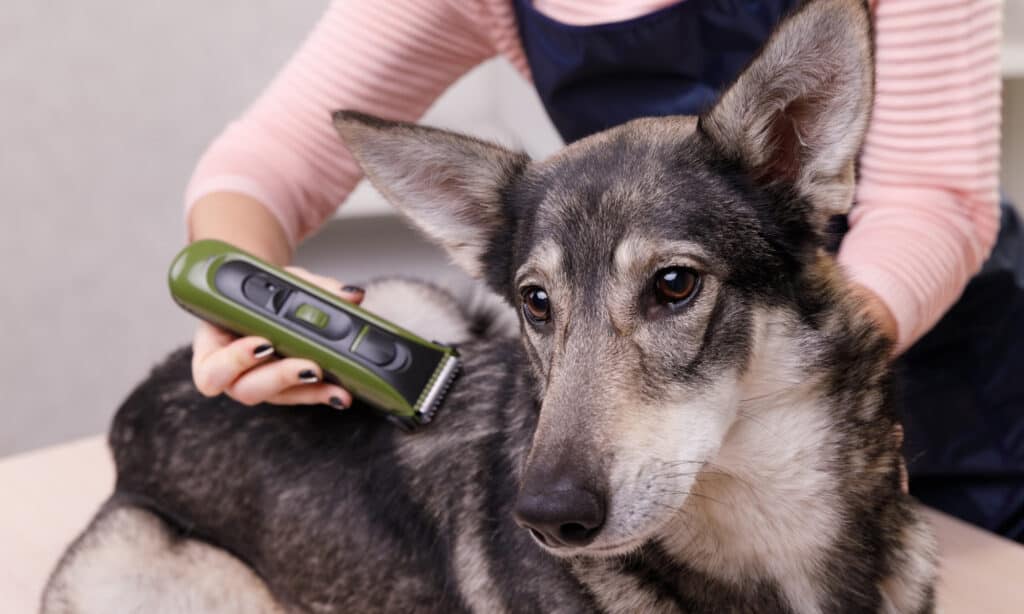
    Factors To Consider When Buying a Grooming Kit

    • Type of Coat: Make sure the grooming kit is designed for your dog’s coat type. Check product description for strokes per minute & blade type to ensure kit suits long, thick coats.
    • Noise Levels: Some clippers can be quite loud and startle your dog. Look for a clipper that doesn’t produce too much noise if your dog is easily frightened. A loud clipper can make your dog anxious, which can make grooming more difficult.
    • Additional Accessories: Check included accessories like guide combs and scissors for a pro-grade haircut. Clipper oil can also help keep the clipper clean and in good working order.
    • Ease of Use: Choose a grooming kit that’s easy to use and comfortable to hold. The clipper should not be too heavy, and the operation buttons should be located in a convenient spot. Choose a clipper with a long cord or go cordless based on your needs.
    • Safety Features: Safety should be a top priority when choosing a professional grooming kit. Seek safety features and speed variation for sensitive spots when choosing a dog grooming clipper.
    • Changeable Blades: Adjustable blades suit different coats or replaceable when hot to avoid injury.

    Hope these tips help you choose the best professional dog grooming kit for your furry friend!

    7 Best Dog Clipper Sets 2023

    The best professional dog grooming kit should provide you with all the items you need to achieve a professional cut on your dog’s coat. The items in the grooming kit should be easy to use and should be high-quality to ensure the safety of your pet and durability. We have selected and reviewed some of the best professional dog grooming kits available on the market. Here are reviews for the 10 best professional dog grooming kits.
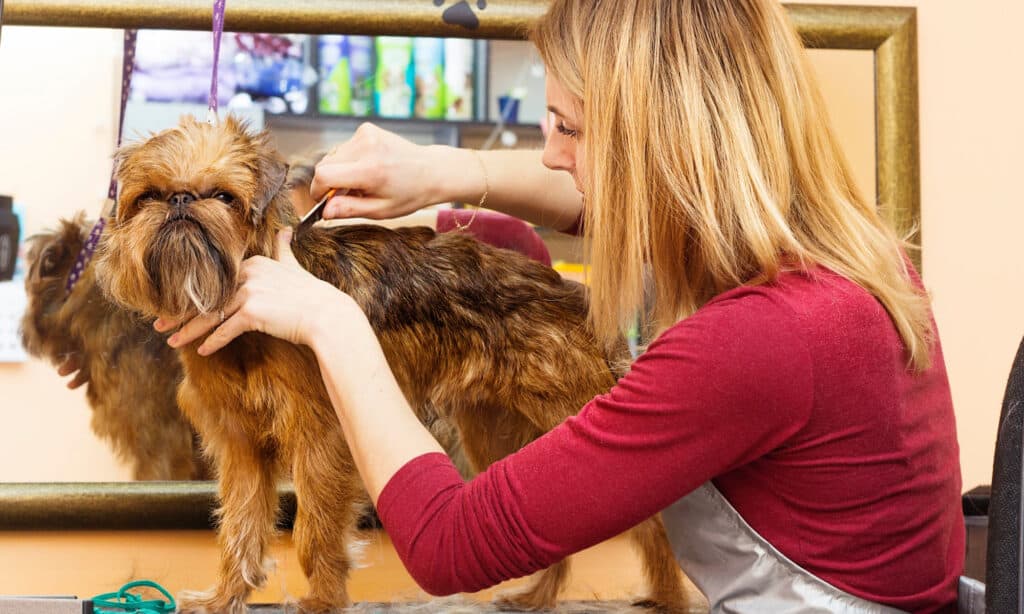
    1. WAHL Clipper Pet-Pro Dog Grooming Kit

    Looking for a reliable dog grooming kit that can give your furry buddy a professional-looking haircut? Look no further than the Wahl Pet Clipper Dog Grooming Kit!

    This kit has got everything you need to groom your pooch to perfection, including a powerful clipper that’s self-sharpening and snag-free, making it ideal for even the thickest coats. Additionally, you’ll receive a blade guard, cleaning brush, and mirror, along with 4 guide combs that let you achieve the precise coat length you want.

    One of the standout features of this clipper is its ergonomic design, which ensures that it’s easy to hold and maneuver, even during longer grooming sessions. The blades are high-quality and will stay sharp for a long time.

    Another bonus is that this kit is made in the USA and is known for its durability and reliability, so you can rest assured that you’re investing in a quality product that will last.

    Overall, if you’re keen to groom your dog like a pro from the comfort of your own home, the Wahl Pet Clipper Dog Grooming Kit is definitely a smart choice!

    Pros

    • It features a high-power clipper that effectively cuts through even the thickest hair.
    • The grooming kit is made in the USA.
    • It has 4 guide combs to help you achieve a professional haircut on your dog.
    • The professional dog grooming kit comes with a blade guard, cleaning brush, and mirror for convenience.
    • It includes self-sharpening and snag-free blades that stay sharp for a long time.
    • The grooming kit is durable and easy to use.

    2. oneisall Professional Dog Grooming Kit

    The Oneisall Pet Grooming Kit is a top-notch kit that comes with high-quality clippers and other essential grooming tools. The clippers are designed to be user-friendly and have a powerful motor that can tackle even the thickest coats and longest hair. The kit also includes different comb attachments, scissors, and a cleaning brush, making it an all-in-one solution for your pet’s grooming needs. You can use this kit either at home or as a professional groomer, thanks to its cordless design and long battery life. Additionally, the clippers operate quietly, which helps keep your furry friend relaxed and at ease during grooming sessions.

    Pros

    • High-quality clippers with a powerful motor that can handle thick coats and long hair.
    • The kit includes various comb attachments, scissors, and a cleaning brush, making it an all-in-one solution for grooming your pet.
    • Cordless design and long battery life make it convenient for at-home use or for professional groomers.
    • The clippers operate quietly, which can help keep your pet calm and relaxed during grooming sessions.
    • User-friendly and easy to operate, making it suitable for both novice and experienced pet owners.

    3. Sminiker Rechargeable Cordless Low Noise Dog Grooming Clippers Kit

    If you’re looking for an easy and comfortable way to groom your furry friend, you might want to check out the Sminiker Professional Rechargeable Cordless Clippers. This grooming kit is designed to be of high-quality and help you get the job done with ease.

    One of the features that makes it stand out is the powerful motor that can handle even the thickest of coats, which is great for pets with long or curly hair. And to make things even better, the clipper operates quietly to avoid making your pet anxious or stressed out.

    Since the clipper is cordless and rechargeable, you can use it for up to 70 minutes continuously after charging it for only four hours. Additionally, the kit comes with four attachment combs that help you achieve the perfect length, as well as other accessories like scissors, a comb, and a cleaning brush.

    Overall, this kit is perfect for pet owners who want to give their furry friend a professional-looking haircut at home without any hassle.

    Pros

    • High-quality grooming kit designed for ease and comfort
    • Powerful motor that can cut through even the thickest of coats
    • Quiet operation to prevent pets from getting anxious or stressed
    • Cordless and rechargeable, providing up to 70 minutes of continuous use
    • Comes with four attachment combs for achieving the perfect length
    • Additional accessories like scissors, a comb, and a cleaning brush included
    • Perfect for pet owners who want to give their furry friend a professional-looking haircut at home
    • Easy to use and handle, even for beginners
    • Saves money and time on pet grooming expenses
    • Durable and long-lasting, making it a great investment for pet owners

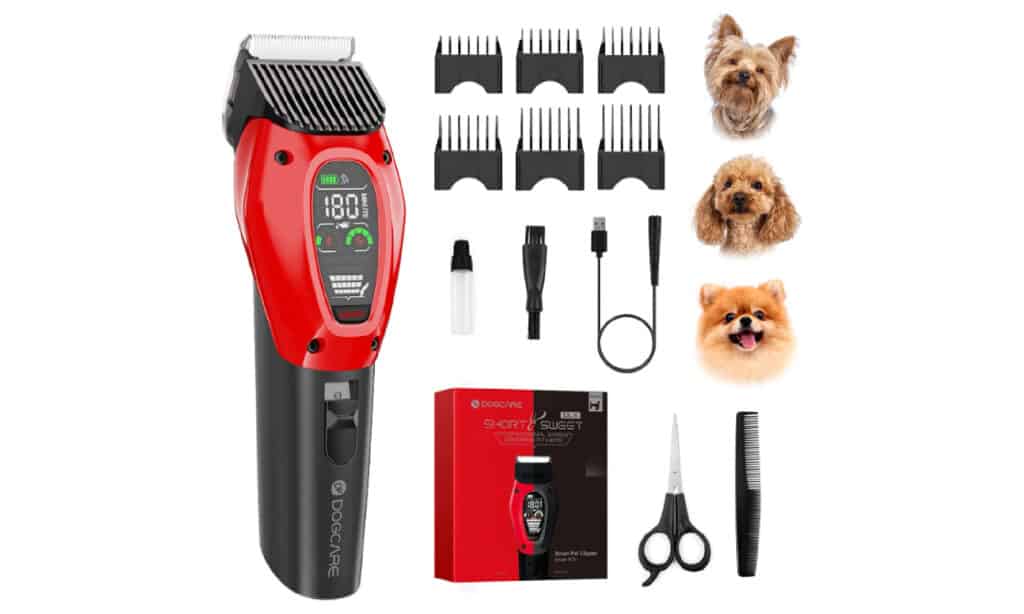
    4. DOG CARE Smart Dog Clippers, Cordless Dog Grooming Clipper Kit

    The DOG CARE Rechargeable Heavy-Duty Professional Dog Clippers are an excellent choice for pet owners who want to groom their furry friend at home. They come equipped with a quiet motor, which is great for dogs who are easily spooked by loud noises. Additionally, the long battery life means that you won’t have to stop and recharge in the middle of a grooming session.

    The kit includes four different attachment combs, so you can choose the right length for your dog’s coat. This makes it easier to achieve a professional-looking cut without any hassle. The ergonomic design of the clippers makes them comfortable to hold and maneuver, which is important when you’re working on a wiggly pup.

    One thing to keep in mind is that these clippers may not be suitable for thicker or coarser dog hair. However, for most breeds, they will do an excellent job.

    Overall, the DOG CARE Rechargeable Heavy-Duty Professional Dog Clippers are a great investment for any pet owner looking to save money by grooming their dog at home. With everything you need in one kit, you can rest assured that your furry friend will look their best without having to leave the house.

    Pros

    • Quiet Motor: The clippers have a quiet motor, which is great for dogs who are easily scared by loud noises. This makes grooming less stressful for your furry friend.
    • Long Battery Life: With a long battery life, you won’t have to stop and recharge in the middle of a grooming session. This is a great feature for pet owners who want to get the job done quickly.
    • Versatile: The kit includes four different attachment combs, which allows you to choose the right length for your dog’s coat. This makes it easier to achieve a professional-looking cut without any hassle.
    • Ergonomic Design: The clippers have an ergonomic design, which makes them comfortable to hold and maneuver. This is especially important when working on a wiggly pup.
    • All-in-One Kit: The DOG CARE Rechargeable Heavy-Duty Professional Dog Clippers come with everything you need for a complete grooming experience. This includes the clippers, attachment combs, a cleaning brush, and a USB charging cable. This means you won’t have to purchase any additional items to groom your dog at home.

    Cons

    • It may not be ideal for dogs with thick and curly coats.
    5. Bunfly Pet Clipper Grooming Kit and Vacuum

    If you’re looking for a grooming kit that can handle even the thickest fur, the Bunfly Clipper Grooming Kit for Dogs might just be what you need. This powerful tool is designed to make grooming your furry friend at home a breeze.

    One of the things that makes this kit stand out is its versatility. It comes with four different blade sizes, so you can choose the one that’s best suited for your dog’s fur length and thickness. Plus, the kit includes a large capacity cup for easy clean-up after grooming.

    The corded design of the clippers ensures that they won’t lose power during use, which is especially important if you have a large dog or a lot of fur to trim. However, some users have reported that the clippers can get a bit hot during extended use, so it’s important to take breaks as needed to avoid discomfort for your dog or yourself.

    Overall, the Bunfly Clipper Grooming Kit for Dogs is a good choice for those looking for a powerful, affordable option for home dog grooming. With its range of blade sizes and convenient clean-up cup, this kit is sure to make grooming your furry friend a much easier and enjoyable experience for both of you.

    Pros

    • Versatile blade sizes: The kit includes four different blade sizes, making it suitable for dogs with various fur lengths and thicknesses.
    • Powerful and efficient: The clippers are designed to handle even the thickest fur, so you can groom your furry friend at home without the need for a professional.
    • Large capacity cup: The included cup makes clean-up a breeze, so you can spend more time bonding with your dog and less time worrying about the mess.
    • Corded design: The clippers are corded, which means that they won’t lose power during use, making them a reliable tool for grooming.
    • Affordable: Compared to other professional grooming kits on the market, the Bunfly Clipper Grooming Kit for Dogs is an affordable option that won’t break the bank.
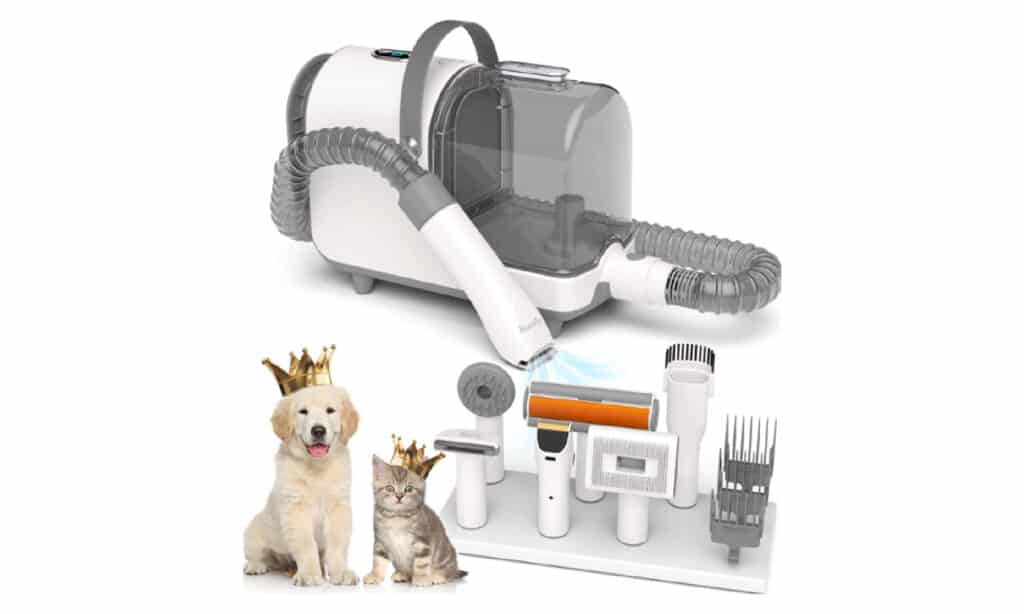
    6. unibono Dog Grooming Clippers Kit

    This all-in-one grooming kit is designed to make pet grooming easier and more convenient. It comes equipped with a low noise paw trimmer, electric puppy clippers, and a nail grinder for cats and small to medium pets. The kit is rechargeable and cordless, so you can use it anywhere without worrying about tangled cords or finding a power outlet.

    One of the best things about this kit is that it’s waterproof with an IPx7 rating. This means you can easily rinse the clippers and grinder under the tap for easy cleaning. This is especially useful if you’re grooming a messy pet, as it can be tough to keep your tools clean.

    The unibono Dog Grooming Clippers Kit is also perfect for nervous pets who may be scared of loud noises. The low noise design helps keep them calm during grooming sessions, so you can trim their hair and nails without stressing them out.

    Overall, the unibono Dog Grooming Clippers Kit is a great choice for pet owners looking for a versatile, easy-to-use grooming tool. It’s well-suited for small to medium pets and is perfect for use at home or on-the-go.

    Pros

    • Versatile: The kit includes a low noise paw trimmer, electric puppy clippers, and a nail grinder, making it an all-in-one solution for pet grooming needs.
    • Easy to use: The clippers are cordless and rechargeable, which means you can use them anywhere without worrying about tangled cords or finding a power outlet.
    • Waterproof: The kit is waterproof with an IPx7 rating, making it easy to clean under the tap after use.
    • Suitable for nervous pets: The low noise design helps keep pets calm during grooming sessions, which is especially useful for pets that are easily stressed.
    • Good for small to medium pets: This kit is well-suited for pets with shorter hair, making it a great option for small to medium-sized dogs and cats.

    7. Gimars 2 in 1 Ceramic Blade Dog Grooming Clippers

    If you’re looking for a powerful, yet gentle clipper kit to groom your furry friend at home, the Gimars 2 in 1 Ceramic Blade Dog Grooming Clippers with Small Trimmer is a great option to consider.

    One of the standout features of this clipper kit is its 3-speed settings, which allows you to adjust the clipper speed to your pet’s coat type and length. The rechargeable battery makes it easy to use anywhere without being tethered to a power outlet.

    The ceramic blades are another highlight of this kit. They’re gentler on your pet’s skin compared to metal blades, and they reduce the risk of overheating. This is especially important when you’re grooming sensitive areas, such as the face and paws.

    Another bonus is that the kit comes with a comb and scissors, making it a complete grooming package. The small trimmer is also handy for more precise trimming around the face and ears.

    Overall, the Gimars 2 in 1 Ceramic Blade Dog Grooming Clippers with Small Trimmer is a great investment for pet owners who want to groom their pets at home. Its quiet operation, high power, and multiple speeds make it easy to use, even for beginners. Give it a try and see the difference it makes in your pet’s grooming routine!

    Pros

    • Versatile: With 3-speed settings, this clipper kit is suitable for pets of all sizes and coat types. You can adjust the speed to match your pet’s coat thickness and length, making it a versatile tool for all your grooming needs.
    • Gentle: The ceramic blades are gentler on your pet’s skin than metal blades, reducing the risk of irritation or injury. Plus, they stay cooler during use, so you won’t have to worry about overheating.
    • Complete kit: The included comb and scissors make it easy to groom your pet from head to paw. The small trimmer is also handy for trimming around the face and ears, giving you all the tools you need in one convenient package.
    • Rechargeable: The rechargeable battery means you can use the clipper kit anywhere without being tethered to a power outlet. This makes grooming your pet more convenient and less stressful for both of you.
    • Quiet: The Gimars clipper kit operates quietly, so it won’t scare or stress out your pet during grooming sessions. This makes it a great option for pets who are anxious or easily frightened by loud noises.

    Conclusion

    Keeping your furry friend well-groomed is an important part of pet care. However, grooming your dog at home can be challenging without the right tools. That’s why it’s important to invest in a good professional dog grooming kit. But, you also need to make sure that the kit you choose is appropriate for your dog’s coat length and thickness. Some kits may only work well for dogs with short and thin hair.

    To make it easier for you, we’ve provided reviews for the best professional dog grooming kits available on the market. Our recommendations are designed to help you choose a kit that’s perfect for your furry friend’s grooming needs.

    If you have any questions or need additional assistance, please don’t hesitate to reach out to us. Our team is here to help you take good care of your beloved pet!

    ~Annie

    A note about your dog’s health

    This article provides general education and does not replace an examination, diagnosis, or individualized advice from your veterinarian. Contact a veterinary professional if you are concerned about your dog’s symptoms.

    Angel Anneiz Avatar

    ABOUT THE AUTHOR

  • Why Does My Dog Sound Like A Pig- Snorting & Grunting In Dogs

    Why Does My Dog Sound Like A Pig- Snorting & Grunting In Dogs

    Medically Reviewed by: Dr. Candy Akers, DVM

    If you have a dog that snorts, grunts, or makes pig-like noises, you may wonder why they do it. Two common dogs that make pig noises are pugs and french bulldogs, and they are not alone. There are several reasons why dogs make pig noises, ranging from harmless to concerning. In this article, we will explore the potential causes of pig noises in dogs, including a shorter airway, throat irritation, reverse sneeze, collar, collapsed trachea, obesity, infection, and more. Additionally, we will discuss when to worry about pig noises, why dogs make pig noises when playing, when you pet them, when excited, and even when sleeping. So, let’s dive in and find out why does my dog sound like a pig!

    sound like a pig

    Why Does My Dog Make Pig Noises?

    Have you ever heard your dog make pig-like noises such as snorting, grunting, or wheezing? If so, you may be wondering why they do it. Well, there are several potential reasons why dogs make pig noises, and they can range from harmless to concerning.

    One reason why dogs make pig noises is due to their shorter airway. Dogs with short snouts and smushed faces are called brachycephalic breeds. These breeds, including dogs such as pugs, bulldogs, and Boston terriers, have shorter airways, which can lead to snorting and snoring. Additionally, throat irritation can cause your dog to make pig noises. This can be due to allergies, infections, or even kennel cough.

    Another potential cause of pig noises in dogs is a condition called reverse sneezing. Reverse sneezing is when a dog inhales quickly and noisily, making a snorting or honking sound. It is usually harmless, but if it happens frequently, it’s best to consult with a veterinarian.

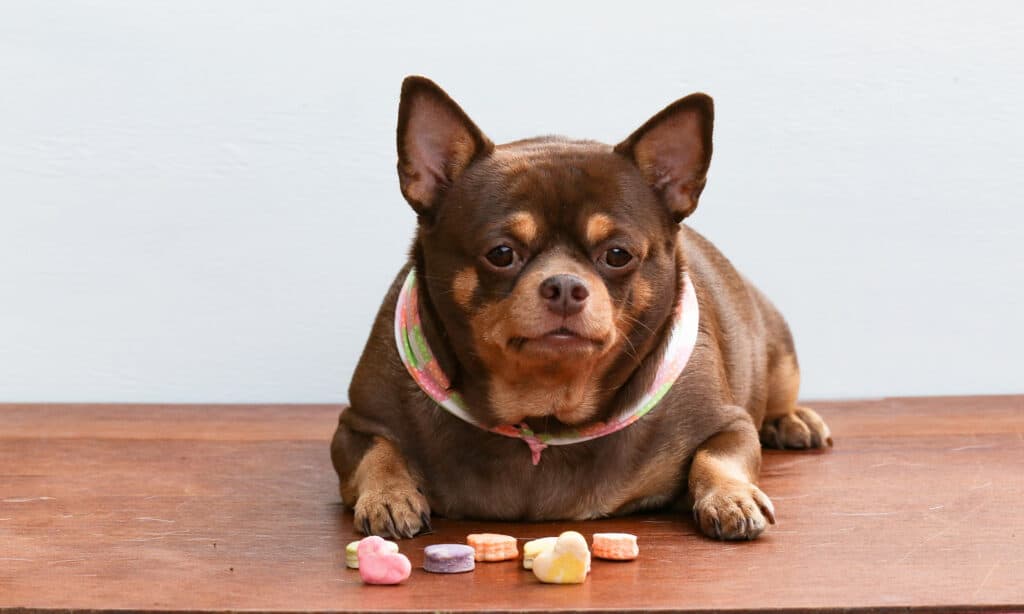
    A collar that’s too tight or a collapsed trachea can also lead to pig noises in dogs. Obesity is another potential cause, as excess weight can put pressure on the airway and cause snorting and wheezing.

    If your dog has an infection such as kennel cough or pneumonia, they may also make pig noises. It’s important to consult with a veterinarian if you suspect an infection, as they can prescribe appropriate treatment. Symptoms of an infection can include fever, lethargy, poor appetite, and green or yellow discharge from nose or eyes.

    In some cases, pig noises can be a harmless quirk of your dog’s personality. Sometimes positioning can also cause your dog to make pig noises, such as when they’re sleeping on their back or with their head tilted back.

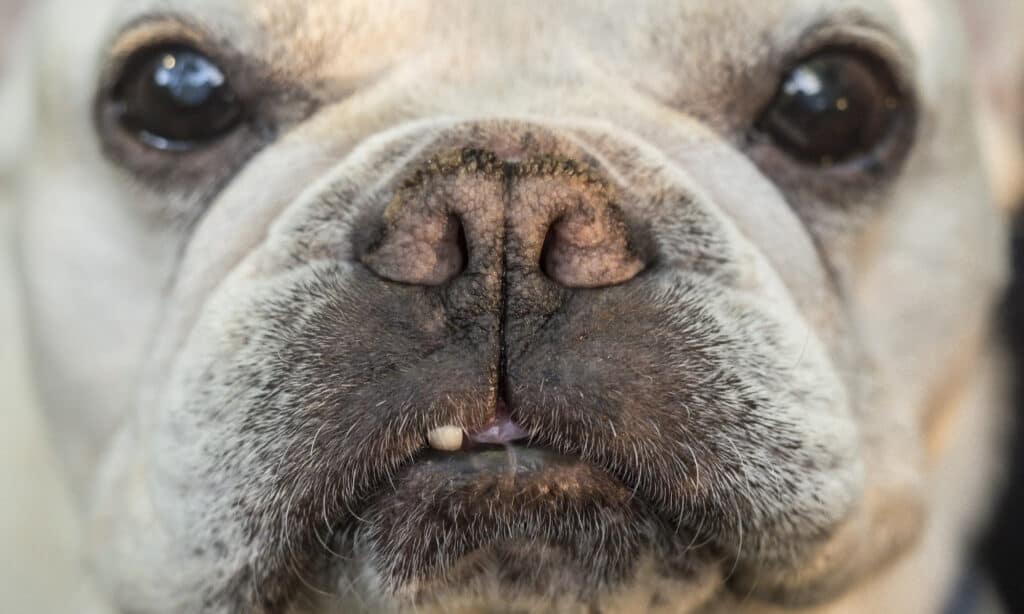
    Brachycephalic dog breeds are characterized by their short, flat faces and broad skulls

    Shorter Airway

    Shorter airways are a common reason why dogs make pig noises. Certain breeds, such as pugs, bulldogs, and Boston terriers, have shorter airways due to their skull shape and facial structure. This can lead to snorting, snoring, and other pig-like noises.

    A shorter airway can cause breathing difficulties for dogs, especially during exercise or in warm weather. It can also make them more susceptible to respiratory infections and other health issues.

    If you have a dog with a shorter airway, it’s important to monitor their breathing during sleep and play and watch for signs of distress. They may need to take breaks during exercise or avoid strenuous activities altogether. It’s also important to keep them cool and hydrated, especially during hot weather.

    In some cases, surgery may be recommended to help alleviate breathing difficulties in dogs with shorter airways. However, this is a serious decision that should be made in consultation with a veterinarian.

    Cute young pug with a very flat face, that might need surgery

    Throat Irritation

    Dogs, just like humans, can experience throat irritation, which can be a reason for them making pig noises. This irritation can be caused by various factors including allergies, infections, humidity level,s or other irritants.

    When dogs have allergies, their throat can become inflamed, leading to respiratory symptoms such as coughing, sneezing, and wheezing. Infections like kennel cough or pneumonia can also cause irritation in the throat, which can cause your furry friend to make pig-like noises.

    Exposure to smoke, dust or chemicals can also cause throat irritation in dogs, which can lead to coughing, wheezing, and other respiratory symptoms. In such cases, it is crucial to keep your dog away from these irritants. Some items that we may not think about as irritating can be a big problem for your dog. Think about items such as air fresheners, incense, candles, plug-ins, carpet powders, fabric sprays, fabric softeners, scent beads, and cleaning products.

    There are a few steps you can take to help alleviate throat irritation in your dog. Keeping your dog hydrated by providing plenty of fresh water can help soothe their throat. Keeping them away from smoke, dust, and other irritants can also help. An air purifier can greatly improve indoor air quality for the benefit of y ou and y our dog.

    brachycephalic dog breeds include
English Bulldog, French Bulldog, Pug, Boxer, Boston Terrier, Shih Tzu, Pekingese

    Reverse Sneeze

    Reverse sneezing is a condition that can sound like pig-like noises in dogs. It is a reflex action that happens when a dog inhales quickly and noisily, making a snorting or honking sound.

    Reverse sneezing is relatively common in dogs, and it is usually harmless. However, it can be alarming for pet owners who are not familiar with the condition. Reverse sneezing can be caused by various factors, including allergies, excitement, or irritation in the throat.

    When a dog experiences reverse sneezing, they may stand still with their elbows apart and their head extended forward. They may also make snorting, gagging, or honking noises.

    If your dog experiences reverse sneezing, it’s important to remain calm and wait for the episode to pass. You can try gently massaging their throat or comforting them by light petting. It’s also a good idea to keep your dog calm and avoid triggering factors, such as allergies or excitement.

    In most cases, reverse sneezing in dogs is harmless, and the episodes will pass within a few minutes. However, if your dog experiences increasingly frequent or prolonged episodes of reverse sneezing, it’s best to consult with a veterinarian to rule out any underlying health issues.

    a Brussels Griffon dog with open air way

    Collar

    Collars can also be a potential cause of pig noises in dogs. A collar that’s too tight or positioned too high on the neck can put pressure on the dog’s windpipe, making it difficult for them to breathe properly. This can lead to snorting, wheezing, and other respiratory symptoms.

    If you suspect that your dog’s collar is causing them discomfort, it’s important to adjust the collar or choose a different type of collar. A harness may be a good alternative to a collar, as it distributes pressure more evenly across the dog’s body.

    It’s also important to ensure that the collar or harness fits properly and is not too tight. You should be able to fit two fingers between the collar or harness and your dog’s neck.

    Boston terrier is yawning and making snorting noises is normal

    Collapsed Trachea

    Collapsed trachea is a potential cause of pig noises in dogs, particularly in smaller breeds such as Chihuahuas and Pomeranians. A collapsed trachea occurs when the cartilage rings that support the trachea become weakened or damaged, causing the trachea to collapse inward and obstruct airflow.

    A dog with a collapsed trachea may make a honking or wheezing sound, especially when they’re excited or exercising. They may also have difficulty breathing, coughing, and gagging.

    If you suspect that your dog has a collapsed trachea, it’s important to consult with a veterinarian. A vet can diagnose the condition through X-rays or other diagnostic tests and prescribe appropriate treatment. Depending on the severity of the condition, your dog may need medication or surgery.

    Pekingese dog with long hair is panting with mouth open

    Obesity

    When dogs carry extra weight, it can cause pig noises as it puts pressure on their airway, making it difficult for them to breathe properly. This issue is especially common during exercise or in warm weather.

    Obesity in dogs is a serious health concern as it can lead to a range of health issues, such as heart disease, diabetes, and joint problems.

    A weight loss plan for dogs usually includes gradual dietary changes, such as switching to a low-fat, low-carb or high-fiber diet, and increasing exercise and activity levels. Making slow changes to your dog’s diet and exercise routine can avoid adding stress to their body.

    Obesity can put pressure on your dog's airway and cause grunting, snoring, and wheezing

    Infection 

    Infection is another potential cause of pig noises in dogs. When dogs get infections, particularly in their respiratory system, they can experience inflammation and mucus buildup in their airways. This can cause snorting, wheezing, and other pig-like noises.

    Common respiratory infections in dogs include kennel cough, pneumonia, and bronchitis. These infections can be caused by various factors, including bacteria, viruses, and fungi. Dogs that are exposed to other dogs, particularly in crowded or stressful environments, are at higher risk of respiratory infections.

    If you suspect that your dog has an infection, you should schedule an appointment with a veterinarian. A vet can diagnose the underlying cause of the infection and prescribe appropriate treatment, such as antibiotics or other medications.

    In addition to medical treatment, there are steps you can take to help alleviate respiratory symptoms in your dog. Keeping your dog calm and avoiding exposure to other dogs can help reduce stress and prevent the spread of infection. Keeping your dog hydrated can also help loosen mucus and reduce respiratory distress.

    Respiratory infections can cause reverse sneezing and coughing

    Positioning

    The positioning of a dog can also affect whether they make pig-like noises or not. Dogs with shorter airways, such as brachycephalic breeds like pugs and bulldogs, may be more prone to making pig-like noises, particularly when they are lying down.

    When dogs with shorter airways lie down, their airway can become compressed, making it difficult for them to breathe properly. This compression can cause snorting, wheezing, and other respiratory symptoms, including pig-like noises.

    To alleviate respiratory symptoms in dogs with shorter airways, it’s important to provide them with proper positioning. Elevating their head and upper body can help keep their airway open and reduce the likelihood of pig-like noises. Additionally, providing a comfortable, supportive bed can help keep their body in the proper position during sleep. One of my dogs likes beds with those bolsters on the sides so that he can rest his head on the side like a pillow. This reduces any pressure on the neck and throat area.

    Shih Tzu has a short face and this can cause occasional snorting and sneezing

    Dreaming

    Dogs can make pig-like noises when they are dreaming. This behavior is a natural and normal part of a dog’s sleep cycle.

    When dogs enter the REM (rapid eye movement) stage of sleep, they may exhibit various behaviors, including twitching, whimpering, and even making grunting-like noises. These noises are often a result of their muscles relaxing, including those in the respiratory system, which can cause the soft tissues in the airway to vibrate.

    Pug with dog toy in its mouth has to breathe through their nose

    While it’s usually harmless, excessive or prolonged pig-like noises during sleep could indicate a more severe respiratory issue. If your dog is experiencing other respiratory symptoms or seems to be struggling to breathe during sleep it’s a good idea to see a vet.

    Boxer Pitbull mix may have normal snoring which can be quite loud

    Home Treatment

    There are some home treatments that you can try if your dog is making pig noises. One simple home treatment is to keep your dog hydrated. Fresh, clean water should be available to your dog at all times. This can help soothe the throat and reduce respiratory symptoms.

    Another home treatment is to keep your dog calm and reduce stress. Stress can exacerbate respiratory symptoms in dogs, so keeping them calm and comfortable can help reduce pig-like noises. Avoiding exposure to irritants, such as smoke or chemicals, can also help reduce respiratory distress.

    If your dog is experiencing pig-like noises due to allergies, antihistamines or other allergy medications may help alleviate symptoms.

    Finally, if your dog is overweight, gradually changing their diet and increasing exercise levels can help reduce pig-like noises.

    An English bulldog is sniffing for treats and may cause sneezing

    When to Worry About Pig Noises

    While pig-like noises are common in dogs, there are some instances when you should be concerned and seek veterinary care.

    If your dog is experiencing strange noises along with other respiratory symptoms, such as coughing, wheezing, or gagging, it could be a sign of a more severe respiratory issue. In this case, it’s important to seek veterinary care.

    If your dog is making pig-like noises AND having difficulty breathing, it’s a medical emergency, and you should seek veterinary care immediately. Difficulty breathing can be a sign of various severe conditions, which may require immediate medical attention.

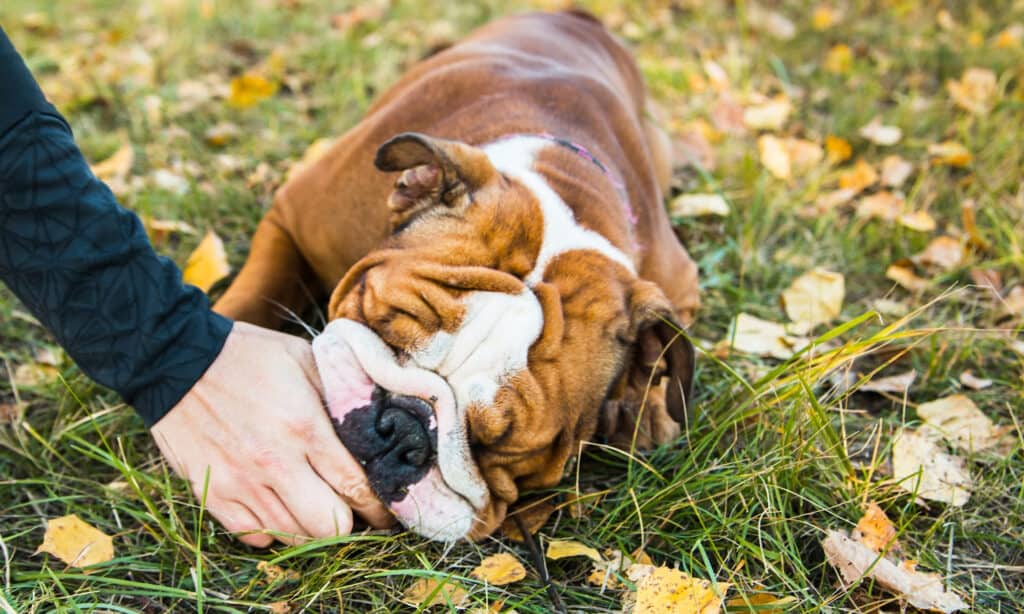
    Bulldog with a tight collar could cause strange noises like snoring

    Why does my dog make pig noises when playing?

    It’s common for dogs to make pig-like noises when playing. This behavior is often known as the “play sneeze” and is a result of the dog getting overly excited during play.

    When dogs get excited, their adrenaline levels increase, which can cause the respiratory system to overreact. This can lead to snorting, wheezing, and other pig-like noises, even though the dog isn’t actually experiencing any respiratory distress.

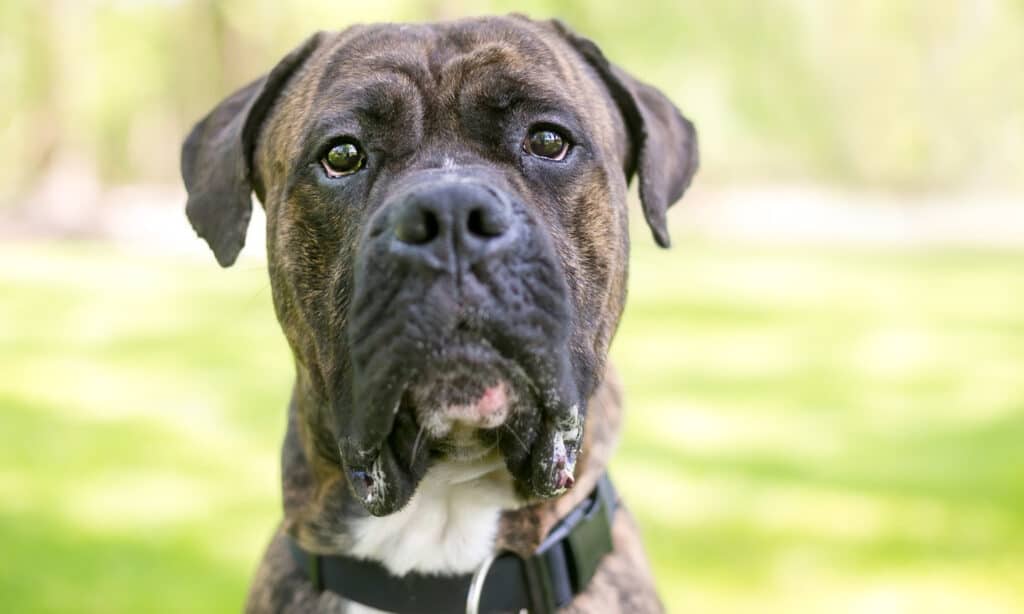
    This mastiff boxer mix has long soft palette and heavy breathing sounds like

    Why does my dog make pig noises when I pet him?

    It’s common for dogs to make pig-like noises when being petted, particularly around the head and neck area. This behavior is often a result of dogs getting excited or showing affection.

    When dogs get excited or feel happy, their respiratory system can overreact, causing pig-like noises. This is usually harmless and can be a sign that your dog is enjoying the attention and affection.

    Excited dog starts reverse sneeze from excitement

    Why does my dog make pig noises when excited?

    Dogs can make pig-like noises when they are excited, particularly during playtime or when greeting their owners. This behavior is often a result of their adrenaline levels increasing, which can cause their respiratory system to overreact.

    This behavior is usually harmless and is a sign that your dog is happy and enjoying the moment.

    Strange noises when a dog is excited are usually harmless

    Why does my dog make pig noises when sleeping?

    It’s not uncommon for dogs to make pig-like noises when sleeping. In fact, it’s normal behavior and is often a sign that your dog is in a deep sleep.

    During deep sleep, a dog’s muscles relax, including those in the respiratory system. This relaxation can cause the soft tissues in the airway to vibrate, leading to snorting, wheezing, and other pig-like noises.

    Deep sleeping dogs may create strange noises like grunting and groaning that sound like loud snoring

    Conclusion

    In conclusion, pig-like noises in dogs can have various causes, ranging from shorter airways to infections and obesity. While it’s often a harmless behavior, excessive or prolonged pig-like noises could indicate a more severe respiratory issue, requiring veterinary attention.

    It’s important to monitor your dog’s respiratory health and let your vet office know if you notice any concerning symptoms. Treatment options may include medication, dietary changes, weight management, or even surgery, depending on the underlying cause.

    Additionally, providing proper positioning and avoiding irritants such as smoke and dust can help alleviate respiratory symptoms in dogs. Using a harness instead of a collar and providing plenty of fresh water can also help reduce pressure on the airway.

    Ultimately, pig-like noises in dogs are usually harmless and can be a sign of excitement or affection. By understanding the potential causes and seeking veterinary care when necessary, you can help ensure your furry friend’s respiratory health and overall well-being.

    ~Sheena

    A note about your dog’s health

    This article provides general education and does not replace an examination, diagnosis, or individualized advice from your veterinarian. Contact a veterinary professional if you are concerned about your dog’s symptoms.

    Sheena Keliher Avatar

    ABOUT THE AUTHOR
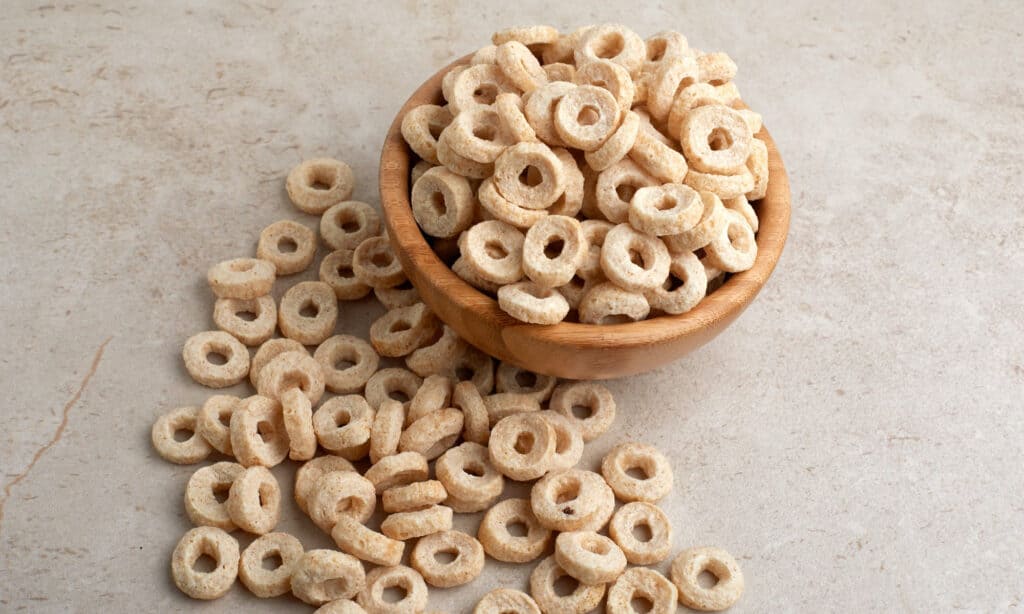
  • Can Dogs Have Honey Nut Cheerios? Here Is The Truth From A Pet Expert  

    Can Dogs Have Honey Nut Cheerios? Here Is The Truth From A Pet Expert  

    Medically Reviewed by: Dr. Candy Akers, DVM

    As a dog owner, you may sometimes find yourself sharing your favorite snacks with your furry friend. While some human foods are safe and even beneficial for dogs, others can be harmful and even deadly. So, can dogs eat Honey Nut Cheerios, the sweet and crunchy cereal that many of us enjoy as a quick breakfast or snack? As a pet expert, I’ve done some research to give you the truth about feeding Honey Nut Cheerios to your pup. In this blog, we’ll explore the nutritional value of Honey Nut Cheerios, the benefits and risks of feeding it to dogs, and some alternatives that you can consider. Learn if Honey Nut Cheerios are safe for your dog’s diet & make informed decisions about your furry friend’s nutrition. So, let’s get started!

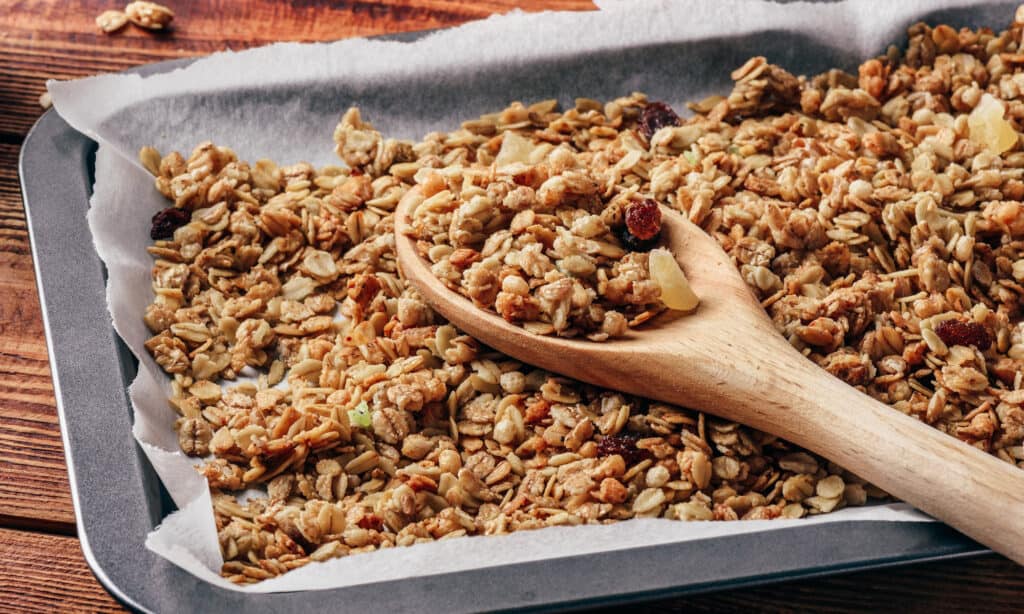
    honey nut cheerios

    Can Dogs Have Honey Nut Cheerios?

    Wondering if it’s safe to share your Cherrios with your dog? Honey Nut Cheerios, with its sweet and nutty flavor, may be one of those foods that you’d like to offer to your pup. However, before doing so, it’s important to consider whether this cereal is appropriate for your furry friend’s diet.

    Some of the ingredients in Honey Nut Cheerios may not be suitable for dogs. The sugar content in this cereal may be too high for dogs, leading to obesity, diabetes, and dental problems. The artificial flavors and additives in Honey Nut Cheerios may also cause digestive issues or allergic reactions in some dogs.

    Benefits of Honey Nut Cheerios for Dogs

    Honey Nut Cheerios should not be a staple in your dog’s diet. There aren’t really any significant advantages to feeding Cheerios to your dog. However, there are some benefits to feeding them as fun snacks occasionally,

    • Honey: Honey benefits your dog’s health as a key ingredient. Honey is a natural sweetener that contains antioxidants and has antibacterial properties. It can also help soothe sore throats and promote wound healing in dogs.
    • Whole grains: It is made from whole grains, which can provide your dog with fiber and other essential nutrients. Fiber can help regulate your dog’s digestive system, prevent constipation, and keep them feeling full for longer.
    • Taste and texture: Dogs, like humans, enjoy a variety of tastes and textures in their food. Offering Honey Nut Cheerios to your dog occasionally can introduce new textures and flavors that they may like.

    It’s ok to give your dog Honey Nut Cheerios as a snack. Remember, they should only be fed to your dog in moderation. Honey Nut Cheerios may be inappropriate in dogs that have allergies or other health conditions.

    Dogs and cereal: what you need to know about honey nut cheerios

    Risks of Feeding Honey Nut Cheerios to Dogs

    Honey Nut Cheerios can offer some benefits for your pup in moderation, it’s important to remember that there are also some risks to consider.

    One significant concern is the sugar content in Honey Nut Cheerios. Dogs are prone to dental issues, and the sugar in Cheerios can contribute to tooth decay and other dental problems. Additionally, too much sugar can lead to various health issues in dogs, such as obesity and weight gain.

    Another risk to keep in mind is the artificial flavors and additives in Cheerios, which can cause digestive problems or allergic reactions in some dogs, especially those with sensitivities to specific ingredients. Honey Nut Cheerios are not a nutritionally complete meal for dogs. Dogs need a balanced and complete diet to meet their nutritional requirements, and frequently feeding them Honey Nut Cheerios could result in nutritional deficiencies.

    Some dogs may be allergic to particular ingredients in Honey Nut Cheerios, such as nuts, wheat, or other grains. If you observe any signs of an allergic reaction, such as itching, redness, swelling, or digestive problems in your dog, it’s essential to stop giving them Honey Nut Cheerios immediately.

    Alternatives to Honey Nut Cheerios for Dogs

    If you’re searching for some healthy and safe alternatives to Honey Nut Cheerios for your furry friend, there are a bunch of options you can try out. Here are a few ideas to get you started:

    • Homemade dog treats: Make healthy dog treats at home with simple ingredients your dog will love. You can make peanut butter and pumpkin dog treats, oatmeal and sweet potato dog biscuits.
    • Commercial dog food and treats: Find high-quality treat brands that offer a wide variety of options for your pup. Choose natural brands; avoid artificial flavors, preservatives, and fillers in your Schnoodle’s treats.
    • Fruits and vegetables: Many fruits and vegetables are safe and healthy for dogs in moderation. Some great options include blueberries, bananas, apples, carrots, and green beans. Just remember to research which fruits and vegetables are safe for your dog to eat, as some can be harmful.
    • Meat and fish: Dogs need protein in their diet to thrive, and you can offer your dog lean meat or fish as a treat. Consider boiled chicken, turkey, or salmon as some possible options.

    When selecting food or treats for your dog, always read the label carefully and do your research. With a little bit of effort, you can find many tasty and nutritious alternatives to Honey Nut Cheerios that your dog will love.

    Can dogs eat honey nut cheerios? Experts weigh in

    Healthy Store-Bought Options:

    Conclusion

    In conclusion, while Honey Nut Cheerios may be a tasty and convenient snack for humans, it’s not necessarily the best option for our furry friends. Feeding Honey Nut Cheerios to dogs in moderation has benefits, but there are risks such as sugar content and allergic reactions.

    As pet owners, it’s important to prioritize our dogs’ health and well-being by providing them with a nutritionally balanced diet that meets their specific needs. Ultimately, by being mindful of the potential risks and taking proactive steps to provide our dogs with the best possible nutrition, we can help them live happy, healthy lives full of tail wags and belly rubs.

    ~ Sheena

    A note about your dog’s health

    This article provides general education and does not replace an examination, diagnosis, or individualized advice from your veterinarian. Contact a veterinary professional if you are concerned about your dog’s symptoms.

    Sheena Keliher Avatar

    ABOUT THE AUTHOR

  • What Happens if a Dog Licks Human Blood? Why Dogs Lick Blood & What To Do

    What Happens if a Dog Licks Human Blood? Why Dogs Lick Blood & What To Do

    Medically Reviewed by: Dr. Candy Akers, DVM

    If you’re a dog owner, you know that your furry friend can be curious and sometimes even a little mischievous. While their playful nature can be endearing, it can also lead them into some potentially dangerous situations. One such situation is when a dog comes into contact with human blood, either accidentally or intentionally. Dogs have a natural instinct to lick and investigate things with their mouth, and the sight or smell of blood can be particularly intriguing to them. However, this behavior can pose some risks to both the dog and the human. We’ll explore why dogs are attracted to human blood and what happens if a dog licks human blood.

    dogs lick human blood

    Why Dogs Lick Blood

    Dogs have an instinctive drive to investigate and taste new things, and the smell or taste of blood can be intriguing to them. Dogs are highly attuned to the various scents found in blood, especially the distinct odor of the iron it contains. Additionally, dogs may be attracted to blood because it can signal an injured or vulnerable prey animal, which would be a natural target for a dog in the wild. Dogs’ hunting instincts can make them investigate and consume blood if given the chance.

    It’s important to note that while some dogs may be more attracted to blood than others, this behavior is generally instinctive and not a sign of a behavioral problem or lack of training. Prevent dog from contact with human blood to avoid health risks.

    Potential Health Risks of Dogs Licking Human Blood

    While the smell and taste of human blood may attract dogs, this behavior carries potential health risks. One of the biggest concerns is the transmission of diseases and infections from dogs to humans through their saliva. Dogs can carry a variety of bacteria and viruses in their mouth that can be harmful to humans, including Capnocytophaga canimorsus, which can cause severe infections in people with weakened immune systems. Human blood can expose dogs to the risk of disease transmission or bloodborne illnesses, making it a potential danger. It’s important to take precautions to prevent your dog from licking human blood to minimize these risks.

    Why you should avoid letting your dog lick human blood

    What to Do if a Dog Licks Human Blood

    If your dog licks human blood, take immediate action to minimize risks and stay safe. Firstly, you should try to stop your dog from licking any further and remove them from the area if possible. Wash the affected area with soap and water to remove any potential pathogens from the dog. Contact your vet to assess if further action is needed for your pet’s health.

    Your vet may recommend monitoring your dog or advise bringing them in for testing or treatment. If the human whose blood was licked is experiencing any symptoms or has reason to believe that they may have a bloodborne illness, they should seek medical attention immediately. By taking these actions promptly, you can help minimize the risks to both your dog and any humans involved.

    Prevention Strategies

    Preventing your dog from licking human blood is the best way to minimize the potential health risks associated with this behavior. There are several strategies you can use to accomplish this:

    • Keep your dog on a leash: Leashing your dog while walking can prevent contact with human blood in certain areas.
    • Keep first aid supplies out of reach: Prevent dog access to first aid supplies to avoid accidental ingestion.
    • Train your dog: Train your dog to obey commands and avoid licking or investigating unwanted things.
    • Keep an eye on your dog: Supervise your dog to avoid situations where they may encounter human blood.
    • Practice good hygiene: Clean up blood spills quickly to prevent your dog from accessing them if someone is bleeding.

    By taking these preventative measures, you can reduce the likelihood of your dog coming into contact with human blood and minimize the potential health risks associated with this behavior.

    Can dogs contract diseases from licking human blood?

    Conclusion

    In conclusion, while it may seem harmless for your dog to lick human blood, there are some potential health risks associated with this behavior. Dogs are naturally attracted to the scent and taste of blood, and may investigate or lick it if given the chance. This behavior can spread diseases and pose risks to both pets and humans.

    By taking steps to prevent your dog from coming into contact with human blood, such as training, supervision, and good hygiene practices, you can reduce the likelihood of this behavior and minimize the risks. If your dog does come into contact with human blood, it’s important to take prompt action to minimize the risks, such as washing the affected area and contacting your veterinarian or doctor. Be proactive to prevent risks for a healthy and safe dog and family.

    ~Sheena

    A note about your dog’s health

    This article provides general education and does not replace an examination, diagnosis, or individualized advice from your veterinarian. Contact a veterinary professional if you are concerned about your dog’s symptoms.

    Sheena Keliher Avatar

    ABOUT THE AUTHOR

  • Can Dogs Eat Lasagna? Is It Bad For Them? What Should You Do? 

    Can Dogs Eat Lasagna? Is It Bad For Them? What Should You Do? 

    Medically Reviewed by: Dr. Candy Akers, DVM

    Lasagna is a classic Italian dish that many of us love to indulge in from time to time. The layers of pasta, meat, cheese, and tomato sauce are simply irresistible. But what about our furry friends? Can dogs enjoy lasagna as much as we do? Unfortunately, the answer is not straightforward. While dogs can technically eat lasagna, it’s not recommended. In fact, feeding your dog this rich and heavy dish can be harmful to their health and lead to serious complications. So, if you’re a dog owner who loves lasagna and wants to treat your pooch to some, you need to read this post. We’ll explore the risks and benefits of feeding your dog lasagna and provide you with practical tips and alternatives to keep your furry friend healthy and happy.

    lasagna for dogs

    Can Dogs Eat Lasagna?

    You might be wondering if your furry friend can indulge in some lasagna with you. While it’s tempting to share your favorite Italian dish with your dog, it’s not recommended. Dogs can technically eat lasagna, but it’s not a dog-friendly food. Lasagna is typically high in fat, salt, and spices that can upset a dog’s stomach and lead to digestive issues. Plus, lasagna often contains ingredients that are toxic to dogs, such as onions and garlic, which can cause anemia and other serious health problems. While a small amount of plain, cooked pasta may not harm your dog, it’s best to avoid feeding them lasagna altogether. Instead, opt for dog-friendly treats and snacks that are specifically designed for their nutritional needs.

    Is Lasagna Bad for Dogs?

    As much as you love lasagna, it’s not the best food for your furry friend. Feeding your dog lasagna can lead to a host of health issues. For starters, lasagna is high in fat and calories, which can lead to obesity and other related health problems. The high salt content can also cause dehydration and electrolyte imbalances in dogs. Additionally, lasagna is often made with ingredients like onions and garlic, which are toxic to dogs and can cause damage to their red blood cells. The spices and seasonings used in a lasagna can also irritate your dog’s digestive system and cause vomiting, diarrhea, and abdominal pain. It’s essential to keep in mind that dogs have different nutritional needs than humans, and what may be a delicious treat for you can be harmful to your pup.

    The truth about dogs and lasagna

    Dog Friendly Alternative to Lasagna

    If you want to treat your dog to something special, there are plenty of dog-friendly options out there that are both safe and healthy. Offer dogs cooked chicken or fish instead of lasagna for easily digestible protein. Vegetables like carrots, green beans, and sweet potatoes can also make for great snacks that are low in calories and high in fiber. Find healthier pasta options for dogs made with whole wheat, rice, or potatoes. Always make sure to introduce new foods slowly and in small quantities to avoid any adverse reactions. And remember, treats should never make up more than 10% of your dog’s diet. Ultimately, the best way to keep your dog healthy and happy is by providing them with a well-balanced diet that meets their nutritional needs.

    If you want to go all out and make your pup their own version of lasagna, here is a dog-friendly recipe to follow:

    Pup-peroni Lasagna

    Ingredients:

    • 1 lb. ground turkey or beef
    • 1 cup cooked brown rice
    • 1/2 cup chopped carrots
    • 1/2 cup chopped spinach
    • 1/4 cup low-sodium chicken or beef broth
    • 1/4 cup grated parmesan cheese
    • 1 egg, beaten
    • 1/2 cup low-fat cottage cheese

    Instructions:

    1. Preheat your oven to 375°F (190°C).
    2. In a large skillet over medium-high heat, cook the ground turkey or beef until browned and no longer pink.
    3. Add the cooked rice, carrots, spinach, and chicken or beef broth to the skillet. Cook for 5-10 minutes, until the vegetables are tender.
    4. Remove the skillet from the heat and stir in the beaten egg and grated parmesan cheese.
    5. Spread a layer of the meat and vegetable mixture on the bottom of an 8×8 inch baking dish.
    6. Top the meat mixture with a layer of low-fat cottage cheese.
    7. Repeat the layers, ending with a layer of cottage cheese on top.
    8. Cover the baking dish with aluminum foil and bake for 25 minutes.
    9. Remove the foil and bake for an additional 10-15 minutes, until the top is golden brown.
    10. Allow the lasagna to cool before serving to your dog.

    Your pup will love this delicious and nutritious twist on classic lasagna!

    Remember, it is important to introduce new foods to your pup in small amounts. If your dog has a sensitive stomach it’s always a good idea to add in probiotics and digestive enzymes.

    Canine-approved lasagna recipe you must try

    Healthy Store-Bought Alternatives

    Conclusion

    To sum it up, while lasagna may be a tasty and satisfying dish for us humans, it’s not the best choice for our furry friends. Lasagna can lead to health issues in dogs due to its high fat, salt, and spice content. Furthermore, lasagna often contains ingredients like onions and garlic that can be harmful to dogs and cause significant health issues. Instead of risking your pup’s health, stick to dog-friendly snacks and treats that cater to their specific nutritional needs. By taking care of your dog’s health, you’re ensuring they live a happy and healthy life by your side.

    ~Sheena

    A note about your dog’s health

    This article provides general education and does not replace an examination, diagnosis, or individualized advice from your veterinarian. Contact a veterinary professional if you are concerned about your dog’s symptoms.

    Sheena Keliher Avatar

    ABOUT THE AUTHOR
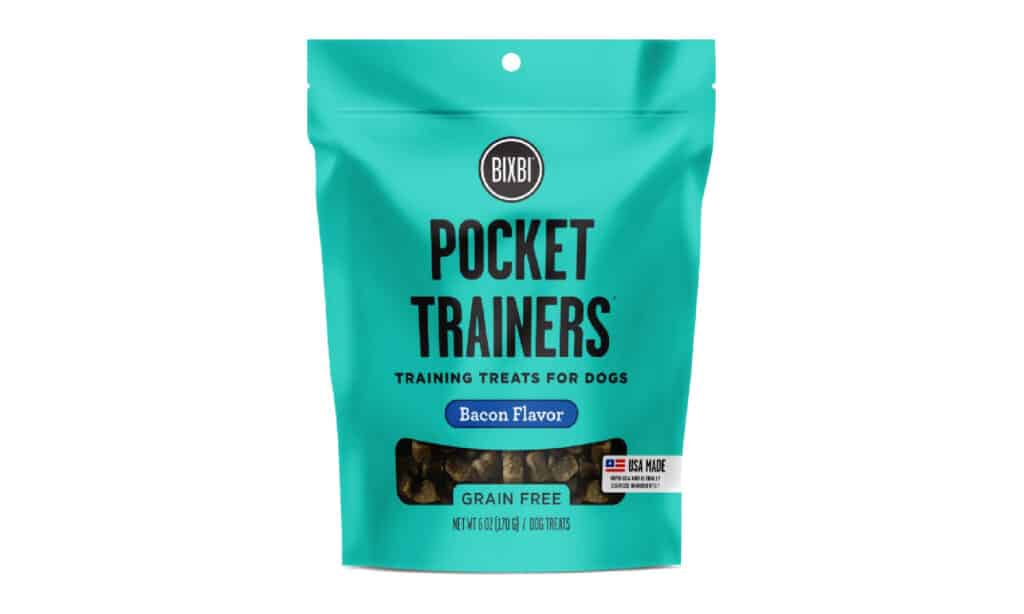
  • Can Dogs Eat Acai – How Much Is Toxic? Expert Answers

    Can Dogs Eat Acai – How Much Is Toxic? Expert Answers

    Medically Reviewed by: Dr. Candy Akers, DVM

    As the popularity of acai berries as a superfood continues to grow, more and more people are incorporating them into their diets. But what about our furry friends? Many dog owners wonder if it’s safe to feed acai to their pets, and if so, how much is too much. As a responsible pet owner, it’s important to be aware of the potential risks and benefits of feeding your dog acai. We’ll discuss if dogs can eat acai and its safety in this post. We’ll also discuss how much acai is toxic for dogs and what to do if you suspect your dog has consumed too much acai. So, whether you’re an acai lover or a concerned pet owner, read on to learn more about the safety of acai for our four-legged companions.

    can dogs have acai

    What is Acai?

    Have you heard of acai? It’s a type of fruit that grows on the acai palm tree, which is native to the Amazon rainforest in South America. Acai berries are a “superfood” due to their high nutrient content, including antioxidants, fiber, and healthy fats. Acai is in health foods like smoothie bowls, bars, and supplements.

    Now, while acai might be a healthy fruit for us humans, it’s important to remember that our furry friends have different nutritional needs. Dogs are mostly meat-eaters and require a diet that’s high in protein and fat. That being said, you can still give your dog acai as an occasional treat, but don’t make it a regular part of their diet. It’s also important to be mindful of the potential risks of feeding your dog too much acai. We’ll examine if dogs can eat acai, risks and benefits in next section.

    Can Dogs Eat Acai?

    Many dog owners wonder if it’s safe to feed their pets acai. The short answer is yes, dogs can eat acai, but it should be given to them in moderation. While acai offers some nutritional benefits, it’s important to remember that dogs have different dietary needs than humans. Dogs are primarily carnivorous and require a diet that’s high in protein and fat. Acai should be considered a treat rather than a staple food in your dog’s diet.

    It’s also important to be aware of the potential risks of overfeeding acai to your dog. While there’s no evidence that acai is toxic to dogs, too much of it can cause digestive issues, such as diarrhea or vomiting. Some acai products may have unsafe ingredients for dogs, like added sugars or supplements.

    Overall, while dogs can safely eat acai, it should be given in moderation and as a treat rather than a regular part of their diet. Next, we’ll examine acai toxicity in dogs and what to do if they consume too much.

    Dogs and acai: what you need to know

    How Much Acai is Toxic to Dogs?

    While acai is generally safe for dogs to eat, overfeeding it to your pet can cause digestive issues. If your dog consumes too much acai, they may experience symptoms like vomiting, diarrhea, or abdominal pain. However, there is no evidence that acai is toxic to dogs, and serious cases of acai toxicity are extremely rare.

    To prevent these symptoms, it’s important to give your dog acai in moderation. Treat acai as a supplement or a snack and avoid giving your dog large amounts of it, especially if they have never eaten it before. Some acai products may have unsafe ingredients for dogs, like xylitol or caffeine. Always check the labels of acai-containing products before giving them to your pet.

    If your dog shows any signs of digestive upset after eating acai, it’s best to contact your veterinarian. They can advise you on the appropriate steps to take based on the severity of your dog’s symptoms. In most cases, mild cases of acai overfeeding can be managed at home with supportive care, such as hydration and a bland diet. Severe acai toxicity may need medical help, so be cautious when giving new foods to your pet.

    What Should You Do if Your Dog Eats Acai?

    If your dog eats acai, there’s usually no need to panic. Acai is safe for dogs, but be mindful of overfeeding to avoid risks.

    If your dog eats a small amount of acai and shows no symptoms of digestive upset, then there’s no need to take any action. Contact your vet if dog consumes excess acai or shows vomiting/diarrhea symptoms.

    Your vet may recommend monitoring your dog’s symptoms at home and providing supportive care, such as hydration and a bland diet. A checkup may be recommended to ensure no health issues causing symptoms in your dog.

    It’s also important to be mindful of the other ingredients in acai-containing products. Some products, like supplements or smoothie bowls, may contain other ingredients that are not safe for dogs to consume, such as xylitol or caffeine. If your dog consumes any of these products, you should contact your veterinarian immediately.

    Can dogs safely eat acai berries?

    Dog Safe Alternatives To Acai

    While acai berries are known for their many health benefits for humans, they may not be the best choice for our furry friends. Acai berries are high in sugar and can be difficult for dogs to digest. Fortunately, there are many other delicious and nutritious fruits that dogs can enjoy safely. Here are some dog-safe alternatives to acai:

    1. Blueberries: These tiny superfoods are packed with antioxidants, fiber, and vitamins. Plus, many dogs love the sweet and tangy flavor of blueberries.
    2. Apples: Apples are low in fat and high in fiber, making them a great choice for dogs. Just be sure to remove the seeds and core before giving them to your pup.
    3. Bananas: Bananas are a great source of potassium and fiber, and many dogs enjoy their sweet, creamy taste. Just be sure to feed them in moderation, as they are high in sugar.
    4. Strawberries: These juicy berries are a great source of vitamin C and fiber, and many dogs enjoy their sweet, tangy flavor.
    5. Watermelon: This juicy fruit is a great source of hydration for dogs, as it is mostly water. Plus, many dogs love the refreshing taste of watermelon on a hot day.

    When feeding fruits to your dog, be sure to remove any seeds or pits and cut them into small pieces to prevent choking. Also, keep in mind that fruits should be fed in moderation as too much of any fruit can cause digestive upset. With these dog-safe alternatives to acai, your pup can enjoy the many health benefits of fruits in a safe and delicious way.

    Healthy Store-Bought Alternatives

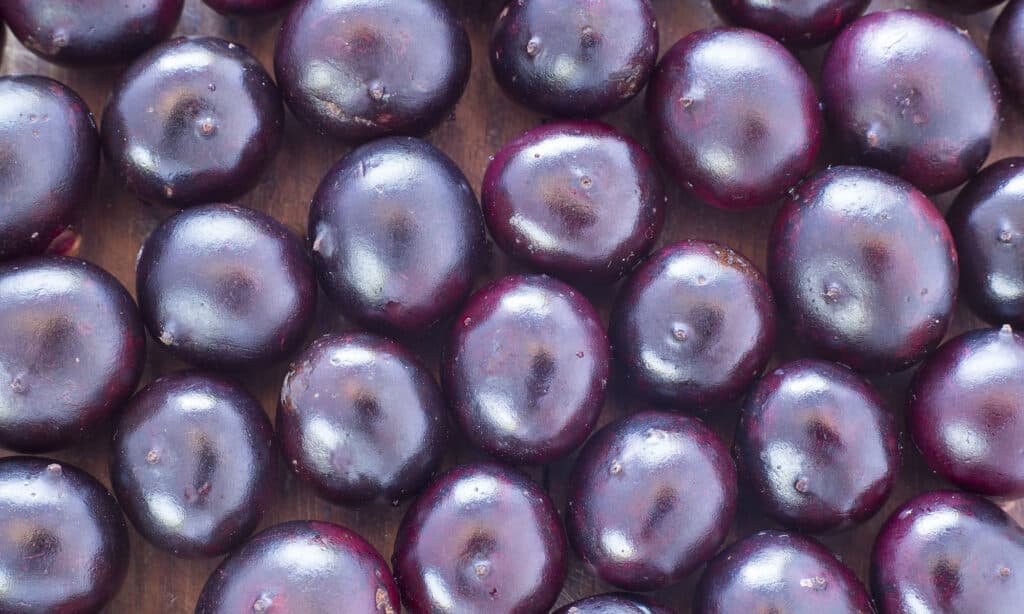
    Can dogs eat acai? The answer may surprise you"

    Conclusion

    In conclusion, while dogs can safely eat acai, it should be given to them in moderation and as a treat rather than a regular part of their diet. Although acai offers some nutritional benefits, dogs have different dietary needs than humans, and their diet should primarily consist of protein and fat. Overfeeding acai to pets can cause digestive issues. Be mindful of the risks.

    If you’re considering giving your dog acai, it’s always best to check with your veterinarian first. They can advise you on the appropriate amount to feed your pet based on their individual needs and overall health. Avoid acai products with added sugars or ingredients unsafe for dogs.

    Overall, acai can be a healthy and tasty addition to your dog’s diet when given in moderation. By following these guidelines and being mindful of your pet’s needs, you can safely incorporate acai into your furry friend’s diet and provide them with a tasty and nutritious treat.

    ~Sheena

    A note about your dog’s health

    This article provides general education and does not replace an examination, diagnosis, or individualized advice from your veterinarian. Contact a veterinary professional if you are concerned about your dog’s symptoms.

    Sheena Keliher Avatar

    ABOUT THE AUTHOR

  • Are Crotons Toxic To Dogs? Expert Answers

    Are Crotons Toxic To Dogs? Expert Answers

    Medically Reviewed by: Dr. Candy Akers, DVM

    If you’re a dog owner who loves to decorate your home with indoor plants, you may have wondered whether certain plants are safe for your furry friend. One plant that may have caught your eye is the croton plant. These tropical plants are known for their bright and colorful foliage, making them a popular choice for indoor decor. However, if you’re considering adding a croton to your home, you may be wondering: are crotons toxic to dogs?

    The answer is not a straightforward yes or no. While crotons do contain toxins that can be harmful to dogs if ingested, the severity of the toxicity can vary depending on the size of the dog and the amount of plant material consumed. In this blog post, we’ll explore the potential risks of crotons for dogs and provide expert answers to help you make an informed decision about whether to bring this plant into your home.

    Toxicity alert: Keep your dogs away from Croton

    What Are Crotons?

    Crotons are absolutely stunning tropical plants that boast gorgeous and vibrant foliage. Originally hailing from Southeast Asia, specifically Indonesia and Malaysia, they have rapidly become popular both indoors and outdoors worldwide. They are part of the Euphorbiaceae family, which comprises over 2,000 plant species, and are scientifically known as Codiaeum variegatum. Sometimes referred to as variegated crotons or garden crotons, their most distinguishing feature is their leaves, which come in a vast array of hues, including yellow, green, purple, and red. The leaves also display a diverse range of shapes and patterns, such as spirals or lobes. This variety in color and pattern is dependent on the species of croton and the conditions under which it’s grown.

    Gardeners and landscapers love to use crotons as ornamental plants in both indoor and outdoor spaces due to their relative ease of care and ability to thrive in various conditions. They require periodic watering and well-draining soil, and they are adaptable to a wide range of environments. In addition, certain species of croton have long been employed in traditional Southeast Asian medicine.

    Are Crotons Toxic To Dogs?

    If you’re a dog owner who loves to decorate your home with indoor plants, you may have wondered whether certain plants are safe for your furry friend. One plant that may have caught your eye is the croton plant.

    Crotons are beloved for their stunning foliage and come in a variety of colors, shapes, and patterns. Unfortunately, the answer to the question of whether crotons are toxic to dogs is not a simple yes or no. Although crotons contain toxins that can be harmful to dogs if ingested, the severity of the toxicity varies based on the size of the dog and the quantity of plant material consumed.

    Some of the symptoms your dog may experience if they ingest croton include vomiting, diarrhea, and loss of appetite. If they consume a large amount of the plant, it can cause more serious complications, such as liver or kidney damage.

    As a responsible pet owner, it’s crucial to ensure that any plants you have in your home are safe for your furry friend. If you have a curious dog who loves to explore and potentially eat plants, it may be best to avoid having crotons in your home altogether. However, if you’re determined to add these beautiful plants to your indoor garden, it’s essential to keep them in a location that your dog cannot access, such as on a high shelf or in a room where your dog is not allowed.

    Crotons and dogs don't mix: toxicity warning"

    What Should You Do If Your Dog Eats A Crotons?

    If you suspect that your dog has eaten any part of a croton plant, it’s crucial to act quickly. The severity of the symptoms your dog experiences will depend on the amount of plant material ingested, so it’s essential to contact your veterinarian right away.

    The first step is to monitor your dog closely for any signs of illness or discomfort, such as vomiting, diarrhea, loss of appetite, or lethargy. If your dog is experiencing severe symptoms, it’s best to seek veterinary care immediately.

    When you contact your veterinarian, be sure to provide as much information as possible about the situation. Let them know when you first noticed the symptoms, how much plant material you think your dog may have consumed, and any other relevant details.

    Depending on the severity of the situation, your veterinarian may recommend inducing vomiting or administering medication to help alleviate the symptoms. In some cases, hospitalization may be necessary to provide supportive care, such as intravenous fluids or medications to protect the liver or kidneys.

    To avoid future incidents, it’s crucial to keep all potentially toxic plants, including crotons, out of your dog’s reach. This includes not only indoor plants but also any plants in your yard or garden that your dog may have access to. With some caution and awareness, you can help keep your furry friend safe and healthy.

    Potential Physical Dangers Presented by Crotons

    Crotons are stunning plants that can brighten up any space with their colorful and unique foliage. However, while they are undoubtedly beautiful, crotons can also present some physical dangers, particularly for curious pets and young children.

    The most significant danger associated with crotons is their toxicity. Crotons contain toxins that can cause serious health problems in both humans and pets if ingested. These toxins can affect various organs, including the liver, kidneys, and gastrointestinal tract. Symptoms of toxicity can include vomiting, diarrhea, abdominal pain, loss of appetite, and even death in severe cases.

    In addition to their toxicity, crotons can also present a physical hazard due to their sharp edges and thorns. The leaves of some species of croton are sharp and can cause injury if handled roughly or accidentally brushed against. The thorns of some varieties can also cause puncture wounds if not handled carefully.

    To minimize the physical dangers presented by crotons, it’s essential to take precautions when handling and caring for these plants. Keep crotons out of reach or in a secure room if you have children or pets. When handling crotons, be sure to wear gloves to avoid injury from the sharp edges or thorns.

    Keep your dogs safe: Crotons are poisonous to them

    Signs and Symptoms of Crotons Plant Ingestion

    If you suspect that your pet has ingested any part of a Croton plant, it’s essential to monitor them closely for any signs and symptoms of illness. The severity of the symptoms can vary depending on the size of the animal and the amount of plant material consumed.

    Some of the most common signs and symptoms of croton plant ingestion include:

    • vomiting
    • diarrhea
    • loss of appetite
    • lethargy
    • abdominal pain

    In some cases, pets may also experience excessive salivation, tremors, or seizures.

    If your pet is exhibiting any of these symptoms and you suspect that they may have ingested Croton, it’s crucial to contact your veterinarian right away. Providing your veterinarian with information on the plant species, the amount ingested, and symptoms can help them determine the best course of treatment.

    Avoid harm to your pets: Crotons are harmful to dogs

    When Should You Take Your Dog To The Vet?

    If you suspect that your dog has ingested any part of a croton plant, it’s important to monitor them closely for any signs or symptoms of illness. In some cases, the symptoms may be mild and may resolve on their own with minimal intervention. However, in other cases, croton plant ingestion can cause severe symptoms that require immediate veterinary care.

    If your dog is exhibiting any of the following symptoms, it’s crucial to take them to the vet as soon as possible:

    • Severe vomiting or diarrhea that persists for more than 24 hours
    • Refusal to eat or drink
    • Lethargy or weakness
    • Abdominal pain or swelling
    • Difficulty breathing or wheezing
    • Seizures or tremors
    • Collapse or loss of consciousness

    These symptoms can indicate severe toxicity or other complications that require prompt intervention.

    Prevention Is The Best Medicine – How To Prevent Your Dog from Eating Crotons Plants

    Prevention is the best medicine when it comes to keeping your furry friend safe from croton plants. Here are some tips to help prevent your dog from eating crotons:

    • Keep Croton plants out of reach: Keep croton plants out of reach to prevent dogs from eating them. Place them on high shelves or in a room that your dog cannot access.
    • Use barriers: If you can’t keep croton plants out of reach, consider using barriers to prevent your dog from getting to them. This could include using baby gates or putting the plants in a locked room.
    • Provide alternative toys and chews: Sometimes dogs will eat plants out of boredom or a desire to chew. To prevent this, provide your dog with plenty of toys and chews to keep them entertained.
    • Train your dog: Train your dog to leave plants alone. Reward your dog when they leave plants alone and provide verbal cues to discourage them from approaching plants.
    • Be aware of your dog’s behavior: Keep an eye on your dog’s behavior around plants. Intervene if you see them trying to eat them. Redirect their attention to a toy or treat to discourage them from eating the plants.

    By taking these steps, you can help prevent your dog from eating crotons and keep them safe from the potential dangers of this toxic plant. If you have any concerns about your dog’s behavior or health, be sure to contact your veterinarian for advice and assistance.

    Dog owners beware: Crotons are harmful to pets

    So, Why Do Dogs Eat Crotons Plants?

    Dogs may eat croton plants for a variety of reasons. Some dogs may be attracted to the bright and colorful foliage of crotons. Some may try to eat them out of curiosity or boredom. Others may be drawn to the texture of the leaves or the scent of the plant.

    In some cases, dogs may eat Croton plants as a form of self-medication. Crotons have been used in traditional Southeast Asian medicine for their medicinal properties. Some dogs may instinctively seek out plants that can help alleviate certain health conditions.

    Unfortunately, dogs don’t have the ability to distinguish between toxic and non-toxic plants, so they may inadvertently eat plants that can cause harm. This is why it’s essential to be aware of the potential dangers of crotons and to take steps to prevent your dog from eating them.

    If you suspect that your dog has eaten Croton or any other toxic plant, it’s crucial to seek veterinary care immediately. Early intervention can help prevent serious complications and improve the chances of a positive outcome for your furry friend.

    Conclusion

    In conclusion, croton plants can add a beautiful and colorful touch to your home or garden. However, it’s important to be aware of the potential risks associated with these plants, especially if you have pets or young children in your home. Crotons are toxic to dogs and can cause a range of symptoms, including vomiting, diarrhea, and even liver or kidney damage in severe cases.

    To keep your furry friend safe, it’s crucial to take steps to prevent them from eating Croton plants. This can include keeping the plants out of reach, providing alternative toys and chews, and training your dog to leave plants alone. If you suspect that your dog has ingested croton or any other toxic plant, it’s crucial to seek veterinary care immediately.

    By being aware of the potential dangers of crotons and taking proactive steps to prevent your dog from eating them, you can enjoy the beauty of these plants safely and without worry. Remember, when it comes to your pet’s health and safety, prevention is always the best medicine.

    ~Sheena

    A note about your dog’s health

    This article provides general education and does not replace an examination, diagnosis, or individualized advice from your veterinarian. Contact a veterinary professional if you are concerned about your dog’s symptoms.

    Sheena Keliher Avatar

    ABOUT THE AUTHOR

  • Can You Give A Dog Nyquil? Expert Answers

    Can You Give A Dog Nyquil? Expert Answers

    As pet parents, we always strive to take good care of our furry buddies and ensure their well-being. However, there are times when our dogs may suffer from health issues that require medication to ease their symptoms. If you’re a pet parent, you might have a bottle of Nyquil lying around at home. But, can you give a dog Nyquil? It’s a valid question, and unfortunately, the answer isn’t a straightforward yes or no.

    In this blog, we’ll dive deep into the effects of Nyquil on dogs, the potential risks involved in administering it to them, and explore alternative treatment options. We’ll also share real-life stories of pet parents who have given Nyquil to their dogs, along with insights from veterinary experts.

    So, if you’re a concerned pet parent who wants to know if Nyquil is safe for your dog, keep reading. Our blog will equip you with the knowledge you need to make an informed decision about your pup’s health.

    can dogs have nyquil

    What Is Nyquil?

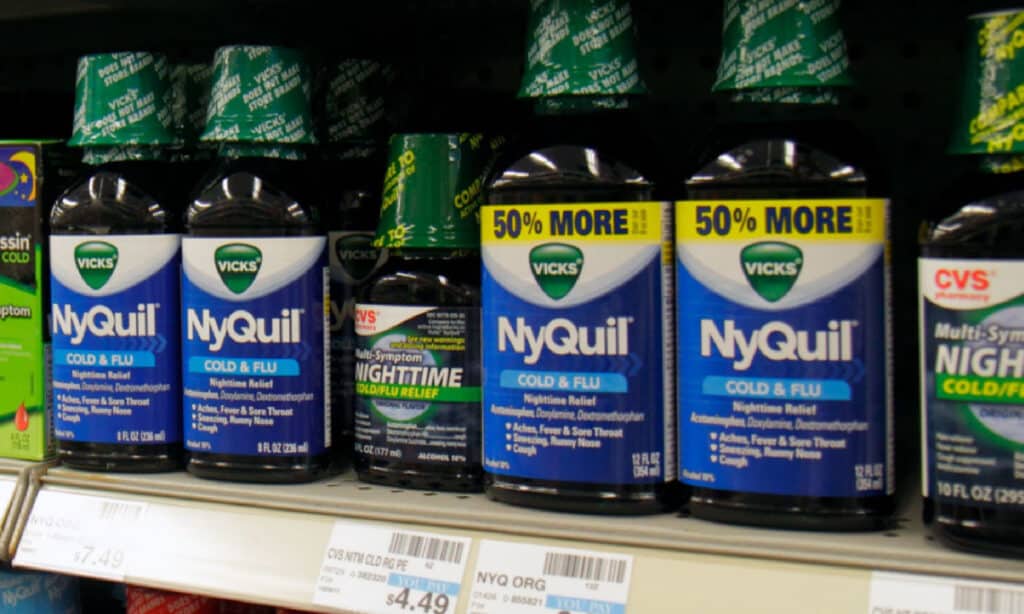
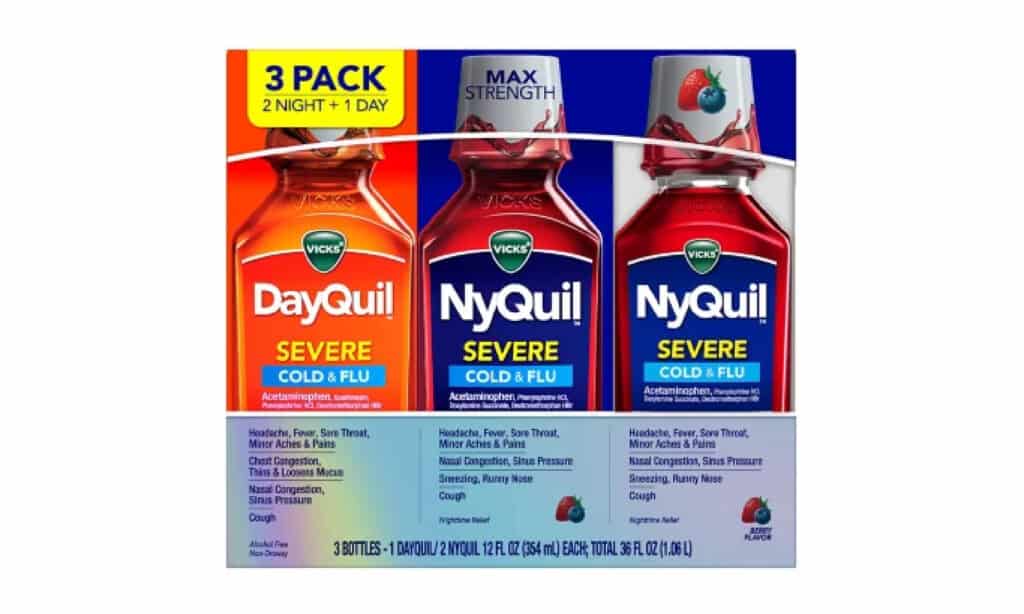
    Nyquil is a popular over-the-counter medication that’s widely used to treat symptoms of cold and flu in humans. It comes in different forms such as liquids, capsules, and tablets, and contains a blend of active ingredients like acetaminophen, dextromethorphan, and doxylamine succinate. These ingredients work together to ease various symptoms like cough, fever, congestion, and sneezing.

    Note that Nyquil is formulated for human use only, and it is not safe for dogs. Giving Nyquil to your furry friend without consulting a veterinarian can pose risks since the dosage and ingredients are not tailored to meet your pet’s unique needs. Additionally, some of the components in Nyquil can be harmful to dogs if not administered in the right amounts.

    Can You Give a Dog Nyquil?

    One of the most common questions among pet owners is whether it’s safe to give their dog Nyquil. You might be tempted to give your furry friend Nyquil when they exhibit symptoms of a cold or flu. However, it’s crucial to understand that Nyquil is formulated for humans and is not approved for use in dogs.

    While Nyquil contains ingredients that can be effective in treating human cold and flu symptoms, the dosage and composition may be harmful to dogs. Some of the active ingredients in Nyquil, such as acetaminophen, can cause liver damage and even death in dogs if given in excess. Moreover, doxylamine succinate and dextromethorphan, which are also present in Nyquil, can cause severe side effects in dogs if not administered correctly.

    If your dog is suffering from symptoms such as coughing, sneezing, or congestion, it’s essential to consult a veterinarian before giving them Nyquil. A safe and effective treatment plan specifically designed for your dog’s needs can be recommended by your vet. The veterinarian may prescribe safe medications that treat your dog’s specific symptoms.

    Signs of Nyquil toxicity in dogs

    What are the Harmful Ingredients in Nyquil?

    Nyquil contains several active ingredients that can be harmful to dogs if not given in the correct dosage. One of the main ingredients in Nyquil is acetaminophen, which is a pain reliever and fever reducer. While acetaminophen is safe for humans in the recommended doses, it can be toxic to dogs and cause liver damage, vomiting, diarrhea, and even death if given in high amounts.

    Another ingredient in Nyquil is dextromethorphan, which is a cough suppressant. In dogs, dextromethorphan can cause lethargy, vomiting, loss of coordination, and even seizures if given in high doses.

    Additionally, Nyquil contains doxylamine succinate, an antihistamine that can cause drowsiness and dry mouth in humans. In dogs, doxylamine succinate can cause gastrointestinal upset, lethargy, and even seizures if given in excessive amounts.

    Your vet can recommend a safe and effective treatment plan specifically designed for your dog’s needs. If your dog is exhibiting symptoms of a cold or flu, it’s crucial to consult a veterinarian before giving them any medication, including Nyquil. Your vet can tailor a safe and effective treatment plan that meets your dog’s needs and does not harm their health.

    What Signs To Watch For If Your Dog Accidentally Ingests Nyquil?

    If your dog accidentally ingests Nyquil, there are several signs you should watch for that may indicate a potential issue. The severity of the symptoms can vary depending on the amount of Nyquil your dog has consumed and their overall health condition. Here are some of the signs to watch for if your dog ingests Nyquil:

    1. Vomiting and diarrhea – These are common symptoms that may indicate that your dog’s digestive system is reacting to the medication.
    2. Lethargy – Lethargy in dogs could indicate Nyquil is impacting their nervous system.
    3. Loss of coordination – Nyquil may harm your dog’s coordination, particularly while exercising, which can be hazardous to their health.
    4. Disorientation – If your dog seems confused or disoriented, it may be a sign that they have ingested too much Nyquil.
    5. Tremors and seizures – In severe cases, Nyquil ingestion can cause tremors or seizures, which require immediate medical attention.

    If you notice any of these symptoms in your dog after they have ingested Nyquil, it’s important to contact your veterinarian immediately. The vet can evaluate the issue and suggest proper treatment to minimize harm to your dog. In general, it’s best to keep Nyquil and other medications out of reach of your dog to avoid accidental ingestion.

    What to do if your dog accidentally ingests Nyquil

    When or If You Should Go To The Vet?

    If your dog has ingested Nyquil, it’s important to monitor them closely for any symptoms of an adverse reaction. If your dog is exhibiting any of the signs mentioned earlier, you should contact your veterinarian immediately.

    In general, it’s best to err on the side of caution and seek veterinary care if you suspect that your dog has ingested Nyquil. The veterinarian can assess your dog’s condition, perform diagnostic tests if necessary, and recommend the appropriate treatment.

    If your dog has ingested Nyquil recently, the veterinarian may recommend inducing vomiting to prevent further absorption of the medication. In some cases, they may also administer activated charcoal to help absorb any remaining medication in your dog’s stomach.

    Your dog may require hospitalization for supportive care, including intravenous fluids and medication to manage their symptoms in severe cases. Your vet will closely monitor your dog’s condition and provide the necessary care to ensure their recovery.

    Are There Any Dog Safe Alternatives to Nyquil?

    If you’re looking for a safe alternative to Nyquil to treat your dog’s symptoms, there are several options available that are formulated specifically for pets. Here are a few dog-safe alternatives to Nyquil:

    1. Benadryl – This over-the-counter medication is an antihistamine that can help relieve itching, sneezing, and runny nose in dogs. It’s also used to treat motion sickness and anxiety in dogs.
    2. Robitussin DM – Dog-safe cough suppressant relieves kennel cough, bronchitis, and respiratory conditions.
    3. Mucinex – Mucinex thins mucus in the respiratory tract, aiding dogs in coughing it up. It can be helpful in treating respiratory infections and other respiratory conditions.
    4. Natural remedies – Some natural remedies, such as honey, eucalyptus oil, and ginger, can help alleviate certain symptoms in dogs.
    A close-up of a Nyquil bottle with a warning label for pets

    Conclusion

    It’s important to note that even dog-safe medications can have potential side effects, so it’s crucial to follow your veterinarian’s instructions when administering medication to your dog. Always check with your vet before giving your dog any medication or natural remedies to avoid potential harm.

    In conclusion, giving Nyquil to your dog can be harmful, and it’s essential to seek professional advice before administering any medication to your furry friend. Nyquil is formulated for human use only and can cause serious health problems in dogs if given inappropriately.

    If your dog is exhibiting symptoms of a cold or flu, it’s crucial to consult with a veterinarian to determine the best course of treatment. Your veterinarian can recommend safe and effective medication options that are specifically designed for your dog’s needs.

    Remember to keep all medications, including Nyquil, out of reach of your pets to prevent accidental ingestion. If you suspect that your dog has ingested Nyquil or any other medication, seek veterinary care immediately.

    By being proactive about your dog’s health and seeking veterinary care when necessary, you can help ensure that your furry friend stays healthy and happy for years to come.

    ~Lindsie

    A note about your dog’s health

    This article provides general education and does not replace an examination, diagnosis, or individualized advice from your veterinarian. Contact a veterinary professional if you are concerned about your dog’s symptoms.

    Lindsie Parks B.S., CRDNS Avatar

    ABOUT THE AUTHOR
  • Can Dogs Be Allergic to Eggs? Signs and What to Do

    Can Dogs Be Allergic to Eggs? Signs and What to Do

    By Lindsie Parks, B.S., CRDFNS

    Yes, dogs can be allergic to proteins in egg white, egg yolk, or both. Egg is a documented food trigger, but it is reported less often than beef, dairy, chicken, or wheat. Common clues include ongoing itching, inflamed skin or ears, vomiting, diarrhea, and gas. The reliable way to confirm egg is the problem is a strict elimination diet followed by a controlled egg challenge.[1][2]

    Quick Answer: Can Dogs Be Allergic to Eggs?

    A reaction may become noticeable even when a dog has eaten egg before.[2] The symptoms can look like many other skin or digestive problems, so a symptom list cannot confirm the trigger.

    If you suspect egg, start with three practical steps:

    • Pause obvious egg sources.
    • Check every food, treat, chew, supplement, toothpaste, and flavored product.
    • Record skin, ear, stool, appetite, and digestive changes while you investigate through a structured plan.

    Do not remove several ingredients at random and then guess which change helped. A clean, methodical trial gives you much better information.

    Egg Allergy vs. Egg Intolerance in Dogs

    Food allergy and food intolerance can overlap in appearance, but they are not the same process.

    Food allergyFood intolerance
    Immune system reacts to a food proteinDoes not require an immune reaction
    Often causes itch, inflamed skin, recurring ear trouble, or digestive signsMore often causes digestive upset such as gas, loose stool, or vomiting
    A small amount may be enough to trigger signs in a sensitive dogThe amount eaten may affect the severity of signs
    Confirmed through improvement on elimination and return of signs with challengeEvaluated through diet history, symptom pattern, elimination, and careful reintroduction

    A dog may also have another problem that only looks food-related. Fleas, environmental allergies, infections, parasites, rapid diet changes, and other digestive conditions can create similar signs. That is why I prefer to look at the whole pattern instead of labeling every upset stomach or itchy paw as an egg allergy.

    Signs of an Egg Allergy in Dogs

    Food reactions do not create one unique symptom. Watch for a pattern that persists or returns with exposure.

    Skin and ear signs

    Possible skin and ear clues include:

    • Ongoing or nonseasonal itching
    • Paw licking or chewing
    • Red, inflamed, or irritated skin
    • Recurrent ear inflammation
    • Face rubbing
    • Repeated skin infections or hot spots
    • Hair thinning from scratching or licking

    Digestive signs

    Possible digestive clues include:

    • Vomiting
    • Diarrhea or chronically soft stool
    • Gas
    • Frequent bowel movements
    • Abdominal discomfort
    • Reduced appetite

    Some dogs have mainly skin signs, some have digestive signs, and some have both.[2] The location of an itch or the appearance of a stool cannot tell you that egg is the cause.

    Urgent signs

    Get urgent veterinary help for facial swelling, trouble breathing, collapse, repeated vomiting with weakness, or signs that are worsening quickly. These are not the common presentation of a chronic food reaction, but they should not be managed with a home food trial.

    How Common Are Egg Allergies in Dogs?

    Egg allergy is real, but it is not one of the most frequently reported canine food triggers. In a review of published cases, egg was identified in 11 of 297 dogs with a reported food trigger. That is about 4% of the reported triggers in that dataset, not 4% of all dogs. Beef, dairy, chicken, and wheat appeared more often.[1]

    This distinction matters. A dog can react to egg, but egg should not be blamed simply because it is on an ingredient list. The goal is to confirm what your individual dog does, not to make a decision from a population statistic.

    Can Dogs React to Egg White, Egg Yolk, or Both?

    Both egg white and egg yolk contain proteins, so a dog may react to either portion or to the whole egg. A small study of dogs with cutaneous adverse food reactions documented IgE reactivity to egg-white proteins, including ovomucoid and ovalbumin, in a subset of the dogs tested.[3]

    That finding does not mean every egg-sensitive dog reacts only to the white. It also does not prove that separated yolk is safe. If egg is being investigated, remove the whole ingredient during the elimination phase. You can learn more later through a controlled challenge if reintroduction is appropriate.

    How to Confirm Whether Eggs Are the Trigger

    The most reliable clinical approach is a strict elimination diet followed by a controlled food challenge.[4] The elimination phase asks, “Do the signs improve without the suspected trigger?” The challenge asks, “Do they return when that trigger is reintroduced?”

    Pet parent tracking a border collie's symptoms during an egg elimination diet

    Build a complete exposure list

    Write down everything your dog swallows or chews:

    • Meals and toppers
    • Training treats and table food
    • Dental chews and recreational chews
    • Supplements and soft chews
    • Toothpaste
    • Flavored medications or preventives
    • Foods used to hide pills
    • Anything another family member may offer

    This step often finds an overlooked exposure. A diet trial cannot be interpreted clearly when an egg-free meal is paired with an egg-containing treat.

    Run a strict eight-week elimination phase

    Choose one nutritionally complete test diet made from ingredients your dog tolerates and that does not contain egg. For many dogs, an eight-week trial is a practical target. A review found that at least eight weeks identifies more than 90% of dogs and cats with cutaneous adverse food reactions.[5]

    During the trial:

    • Feed only the chosen plan.
    • Remove egg in every form.
    • Keep treats and chews consistent with the trial ingredients.
    • Check flavored products before using them.
    • Record itching, ears, skin, stool, gas, vomiting, appetite, and comfort.
    • Note medications or other changes that could affect symptoms.

    A complete fresh or minimally processed diet can fit this approach when it is carefully formulated. A home-prepared mix of meat and vegetables is not automatically complete, so long-term meals should be balanced for your dog’s nutritional needs.

    Reintroduce egg in a controlled challenge

    If signs improve, the next step is a planned egg challenge. Reintroducing egg while keeping everything else stable helps show whether symptoms return. The challenge is what separates a suspected association from a confirmed food trigger.

    Do not challenge at home if your dog has had facial swelling, breathing difficulty, collapse, or another severe reaction. In that situation, work directly with a veterinarian who knows the history.

    Interpret the pattern

    A useful pattern is:

    1. Signs improve during strict elimination.
    2. Signs return after egg is reintroduced.
    3. Signs settle again when egg is removed.

    If nothing improves, egg may not be the main problem, the trial may have been contaminated by another exposure, the test diet may contain another trigger, or a nonfood problem may be involved. Reassess the entire plan instead of extending a confusing trial indefinitely.

    Why Blood, Hair, or Saliva Results Are Not the Final Answer

    Tests and scans can provide information, but they do not all answer the same question. Reviews of available diagnostic tests conclude that elimination followed by provocation remains the reference method for adverse food reactions.[4] In a blinded study, a commercial hair and saliva test produced results that did not reliably distinguish allergic dogs, healthy dogs, and artificial samples.[6]

    Use screening information to guide thoughtful investigation, not as automatic proof that a dog is allergic to egg. A real-world dietary response and a controlled challenge provide the clearest clinical confirmation.

    Where Egg Hides in Dog Food, Treats, and Supplements

    Egg can appear in places beyond a breakfast bowl. Check labels for:

    Pet parent checking a dog food label for hidden egg ingredients
    • Egg or whole egg
    • Dried egg
    • Egg product or egg powder
    • Egg white
    • Albumen or albumin
    • Egg yolk
    • Egg protein
    • Eggshell membrane

    Formulas change, so read the current label each time you buy a food, treat, chew, or supplement. Also ask about the flavoring in medications and preventives when you are running a strict trial.

    Eggshell calcium and eggshell membrane are not nutritionally identical to egg white or yolk, but they are still egg-derived. During a diagnostic elimination trial, I would keep the plan simple and avoid uncertain egg-derived ingredients unless your clinician has a specific reason to include one.

    Can Dogs With Chicken Allergies Eat Eggs?

    A chicken allergy does not automatically mean a dog is allergic to eggs, and an egg allergy does not automatically mean chicken meat is a problem. Chicken muscle and egg contain different groups of proteins. A dog may react to one, both, or neither.

    Do not assume eggs are safe based only on a chicken diagnosis. Once symptoms are settled, test one ingredient at a time through a controlled plan. That gives you an answer about your dog rather than a broad rule.

    What to Feed a Dog With an Egg Allergy

    A confirmed egg allergy calls for complete egg avoidance, not a nutritionally narrow diet. Build meals around tolerated ingredients while keeping the overall plan complete and balanced.

    Labrador with a balanced egg-free fresh food meal

    A practical egg-free plan may include:

    • A tolerated animal protein or other appropriate protein source
    • Digestible whole-food carbohydrate and fiber sources, if appropriate for the dog
    • Carefully selected fats
    • The vitamins and minerals needed to make the diet complete
    • Simple treats made only from trial-safe ingredients

    Keep the ingredient list especially simple during diagnosis. Once you know what your dog tolerates, you can expand variety gradually.

    I favor fresh or minimally processed nourishment when it suits the dog and is properly balanced. Whole foods can make ingredients easier to recognize and track, but “fresh” does not guarantee that a meal meets every nutrient requirement. Work from a complete formulation, especially for puppies, pregnant dogs, seniors with medical needs, and dogs eating a home-prepared diet long term.

    A Holistic Plan for Gut, Skin, and Immune Balance

    Removing the trigger is the first job. Then support the systems that have been under stress.

    My holistic priorities are:

    • Feed a complete diet built around tolerated, recognizable ingredients.
    • Support the microbiome with tolerated whole-food fibers and an appropriate probiotic when needed.
    • Keep hydration and stool quality steady.
    • Address yeast, bacterial infection, parasites, and other secondary problems instead of blaming every symptom on food.
    • Track the skin, ears, digestion, energy, and comfort together.
    • Reduce unnecessary ingredient changes while the body settles.

    Gut and skin health are closely connected through digestion, microbial balance, nutrient status, and immune signaling. Supportive nutrition can help a dog recover and feel better, but it does not identify egg as the trigger by itself. The elimination and challenge pattern still matters.

    How the Glacier Peak Life Stress Scan Fits Into the Plan

    I use the Glacier Peak Life Stress Scan as a noninvasive way to gather holistic information about possible food and environmental stressors. It can help organize what deserves a closer look and may guide the design of a simpler support plan.

    The scan has a different role from a clinical elimination and food challenge. It is best used as one part of the larger picture, along with diet history, symptom tracking, physical findings, response to removal, and careful reintroduction. That combination keeps the process practical without asking one tool to answer every question.

    Final Thoughts

    If eggs seem to be causing trouble, pause the suspected sources, check every exposure, and document what changes. Then use a clean elimination plan and a controlled challenge to find out whether egg truly is the trigger.

    You do not need to remove a long list of foods forever based on suspicion. The goal is a calm, evidence-informed answer and a complete diet your dog can enjoy comfortably.

    Frequently Asked Questions

    Can a dog suddenly become allergic to eggs?

    Yes. A reaction can become noticeable after previous uneventful exposure.[2] But new symptoms do not prove egg is responsible. Confirm the pattern through a structured elimination and challenge plan.

    Can dogs be allergic to egg whites but not yolks?

    Possibly. White and yolk contain different proteins, and egg-white reactivity has been documented in some dogs.[3] Do not assume either portion is safe during an elimination trial. Test it separately only after symptoms are stable.

    Does cooking eggs prevent an allergic reaction?

    Not reliably. Heat can change proteins, but cooking does not guarantee that every relevant protein becomes harmless. A dog with a confirmed egg allergy should avoid cooked and raw egg unless a controlled plan shows a specific form is tolerated.

    Can a chicken-allergic dog eat eggs?

    Sometimes, but not always. Chicken meat and egg contain different proteins, so one reaction does not automatically predict the other. Test egg only through a controlled plan after the dog’s signs are stable.

    How long does an elimination diet take?

    For skin-related adverse food reactions, at least eight weeks is a practical evidence-based target for most dogs.[5] Digestive signs may change sooner, but finishing a clean trial makes the result easier to interpret.

    References

    1. Mueller, R. S., Olivry, T., & Prélaud, P. (2016). Critically appraised topic on adverse food reactions of companion animals (2): Common food allergen sources in dogs and cats. BMC Veterinary Research, 12, 9. https://doi.org/10.1186/s12917-016-0633-8
    2. Merck Veterinary Manual. (n.d.). Cutaneous food allergy in animals. https://www.merckvetmanual.com/integumentary-system/food-allergy/cutaneous-food-allergy-in-animals
    3. Shimakura, H., Uchiyama, J., Saito, T., Miyaji, K., Fujimura, M., Masuda, K., et al. (2016). IgE reactivity to hen egg white allergens in dogs with cutaneous adverse food reactions. Veterinary Immunology and Immunopathology, 177, 52-57. https://doi.org/10.1016/j.vetimm.2016.06.003
    4. Mueller, R. S., & Olivry, T. (2017). Critically appraised topic on adverse food reactions of companion animals (4): Can we diagnose adverse food reactions in dogs and cats with in vivo or in vitro tests? BMC Veterinary Research, 13, 275. https://doi.org/10.1186/s12917-017-1142-0
    5. Olivry, T., Mueller, R. S., & Prélaud, P. (2015). Critically appraised topic on adverse food reactions of companion animals (1): Duration of elimination diets. BMC Veterinary Research, 11, 225. https://doi.org/10.1186/s12917-015-0541-3
    6. Coyner, K., & Schick, A. (2019). Hair and saliva test fails to identify allergies in dogs. Journal of Small Animal Practice, 60(2), 121-125. https://doi.org/10.1111/jsap.12952

    A note about your dog’s health

    This article provides general education and does not replace an examination, diagnosis, or individualized advice from your veterinarian. Contact a veterinary professional if you are concerned about your dog’s symptoms.

    Lindsie Parks B.S., CRDNS Avatar

    ABOUT THE AUTHOR

  • Can Dogs Eat Loquats? Expert Answers

    Can Dogs Eat Loquats? Expert Answers

    Are you a dog owner who’s ever wondered if your furry friend can indulge in the delicious fruit known as loquats? Well, you’re not alone! Many pet owners are curious about what human foods are safe for their pets to consume. In this blog, we’ll dive into the question of whether dogs can eat loquats and provide you with all the information you need to make an informed decision. So, if you’re interested in learning more about this tropical fruit and how it may affect your canine companion, keep reading!

    can dogs have loquat

    What Are Loquats?

    Sure! Loquats are a fruit with a sweet and juicy flavor that originally come from China but are now grown in many parts of the world, including the United States. They have a small, round or oval shape with soft, fuzzy skin that can range in color from yellow to orange. The flesh inside is usually orange or yellow and contains a few large seeds in the center. People often enjoy eating fresh loquats, but they can also be used to make jams, jellies, and other desserts. Not only are they delicious, but they also provide important vitamins and minerals like vitamin A, potassium, and fiber. However, it’s crucial to consider whether loquats are safe for your furry companion to consume like any other food.

    Can Dogs Eat Loquats?

    While loquats are safe for humans to eat, the same can’t necessarily be said for our furry friends. Dogs have a different digestive system than humans and can sometimes have adverse reactions to certain foods, including some fruits. Loquat seeds and skin are toxic to dogs, causing digestive upset and serious health issues. As a result, it’s generally recommended that pet owners avoid feeding their dogs loquats altogether.

    Canine-friendly fruits: the truth about feeding loquats to dogs

    Are There Any Harmful Ingredients in Loquats

    Although loquats are generally safe for human consumption, it’s important to be aware that certain parts of the fruit can be harmful to both humans and pets. The seeds and skin of the fruit contain a compound called amygdalin that can break down into cyanide when ingested. Small amounts of this compound are harmless to humans, but risky for dogs, especially in large amounts.

    Loquats may contain traces of pesticides or other harmful chemicals, particularly if they were not grown organically. Therefore, it’s essential to wash the fruit thoroughly before consuming it to reduce the possibility of ingesting any hazardous substances.

    Are There Any Safe Ingredients in Loquats?

    Loquats are a great source of beneficial nutrients and minerals that can contribute to a healthy diet for humans. They are packed with essential vitamins A and C, which help maintain healthy skin, vision, and immune function. Loquats are a good source of heart-healthy potassium and digestion-aiding fiber.

    It’s worth noting, however, that while the flesh of loquats is generally safe for dogs to consume in moderation, the fruit’s seeds and skin contain potentially harmful compounds that should be avoided. It’s always best to consult with a veterinarian before feeding your furry friend any human food, including loquats.

    Furthermore, it’s essential to keep in mind that loquats may contain traces of harmful pesticides or chemicals, particularly if they were not grown organically. It’s crucial to wash the fruit thoroughly before consumption to reduce the risk of ingesting any toxic substances.

    Loquats and dogs: what every pet owner should know

    What Signs To Watch For If Your Dog Accidentally Ate A Lot of Loquats?

    If your dog accidentally eats a lot of loquats, it’s important to monitor them closely for any signs of illness or discomfort. The seeds and skin of loquats contain amygdalin, which can break down into cyanide and lead to digestive upset or more serious health issues in dogs.

    Symptoms to watch for include vomiting, diarrhea, lethargy, loss of appetite, and difficulty breathing. If your dog displays any of these symptoms or appears unwell after consuming loquats, it’s essential to seek veterinary care immediately.

    In the event that your dog only ingested a small amount of loquat, they may not display any symptoms at all. Be cautious and monitor your pet for behavior changes after consuming human food.

    When or If You Should Go To The Vet?

    If your dog has consumed a lot of loquats or shows any signs of illness after eating them, it’s crucial to seek veterinary care immediately. Loquat seeds and skin have amygdalin that converts into cyanide, causing severe health problems for dogs.

    Symptoms to watch for include vomiting, diarrhea, lethargy, loss of appetite, and difficulty breathing. If your dog displays any of these symptoms or appears unwell after consuming loquats, it’s best to take them to the veterinarian as soon as possible. Prompt medical attention can help prevent more serious health issues from developing and increase the likelihood of a positive outcome.

    It’s always better to err on the side of caution when it comes to your pet’s health. If you’re unsure whether your dog has consumed a dangerous amount of loquats or if they’re displaying any concerning symptoms, it’s best to seek the advice of a veterinarian.

    Loquats for dogs: a nutritious snack or not?

    Safe Dog-Friendly Alternative to Loquats:

    If you’re looking for safe and healthy alternatives to loquats that your furry friend can enjoy, there are plenty of options available! Here are a few dog-friendly fruits and vegetables that can make a great addition to your pet’s diet:

    1. Apples: Apples are a great source of vitamins and fiber, and most dogs enjoy their crunchy texture. Just be sure to remove the seeds and core, as they can be harmful to dogs.
    2. Bananas: Bananas are a good source of potassium and can help regulate digestion. They’re also a sweet and tasty treat that many dogs enjoy.
    3. Blueberries: Blueberries are packed with antioxidants and can help support your dog’s immune system. They’re also low in calories, making them a healthy snack option.
    4. Carrots: Carrots are an excellent source of beta-carotene, which supports healthy vision and skin. They’re also a low-calorie snack that can help clean your dog’s teeth and freshen their breath.
    5. Watermelon: Watermelon is a hydrating and refreshing fruit that most dogs enjoy. It’s also a good source of vitamins A and C and contains antioxidants that can benefit your pet’s health.

    Remember to always introduce new foods to your dog’s diet gradually and in moderation.

    Healthy Store-Bought Options:

    In conclusion, while loquats can be a delicious and nutritious fruit for humans, it’s important to be cautious when it comes to feeding them to our furry friends. The seeds and skin of loquats contain potentially harmful compounds that can cause serious health issues for dogs, and the presence of harmful pesticides or chemicals on the fruit can also pose a risk.

    If you’re looking for safe and healthy alternatives to loquats, there are plenty of dog-friendly fruits and vegetables that can make a great addition to your pet’s diet. From apples to watermelon, there are many options available that are packed with beneficial nutrients and are safe for dogs to consume in moderation.

    Ultimately, the key to keeping your furry friend healthy and happy is to practice moderation and make informed decisions about their diet. By consulting with your veterinarian and being mindful of what foods you feed your pet, you can help ensure that they stay safe and healthy for years to come.

    ~Lindsie

    A note about your dog’s health

    This article provides general education and does not replace an examination, diagnosis, or individualized advice from your veterinarian. Contact a veterinary professional if you are concerned about your dog’s symptoms.

    Lindsie Parks B.S., CRDNS Avatar

    ABOUT THE AUTHOR
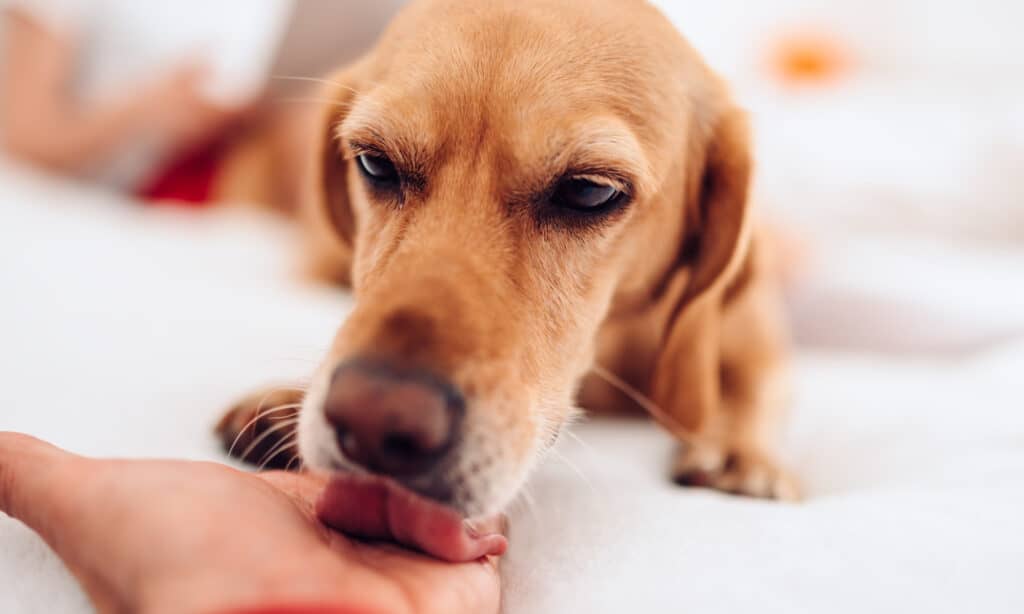
  • Can Dogs Eat Banana Peppers? Find Out Here

    Can Dogs Eat Banana Peppers? Find Out Here

    As a dog owner, you want to make sure that your furry friend is happy and healthy. You may be curious about what human foods are safe for dogs to eat, and one question that often comes up is whether or not dogs can eat banana peppers.

    can dogs have banana peppers

    First, it’s important to know that not all human foods are safe for dogs. While some human foods can be beneficial for your dog’s health, others can be dangerous or even deadly.

    This common misconception has led many pet owners to give their dogs table scraps without realizing the potential risks. Banana peppers are a type of pepper that is commonly used in cooking and often found in salads, sandwiches, and pizzas.

    They’re a popular ingredient due to their mild flavor and bright yellow color. If you’re a fan of banana peppers, you may be wondering if it’s okay to share them with your furry friend.

    Can Dogs Eat Banana Peppers?

    The answer is yes – but with some caveats. While banana peppers themselves aren’t toxic to dogs, they can still cause some gastrointestinal upset if consumed in large quantities or improperly prepared. If you decide to feed your dog banana peppers as an occasional treat or supplement to their diet, it’s important to do so in moderation and under the guidance of your veterinarian.

    can dogs have banana peppers

    Potential Health Benefits

    Banana peppers are low in calories and high in vitamin C. This makes them a healthy addition to any diet – including your dog’s! Vitamin C has been shown to boost immune function and improve skin health in both humans and animals. Banana peppers also contain capsaicin which has anti-inflammatory properties. It is known for reducing joint pain caused by arthritis which could benefit older pups

    The Risks of Feeding Banana Peppers to Dogs

    While banana peppers may offer some health benefits, it’s important to be aware of the potential risks as well. Feeding your dog too many banana peppers or not properly preparing them can lead to gastrointestinal upset. This can include diarrhea and vomiting.

    Dogs that have never been exposed to spicy foods before may be more sensitive than others. If you’re introducing banana peppers into your dog’s diet for the first time, it’s crucial to start with a small amount and monitor their reaction closely.

    While banana peppers can offer some potential health benefits for your dog, it’s important to do so in moderation and under the guidance of your veterinarian. Always consult with a professional before making any major changes or additions to your dog’s diet.

    pile of banana peppers

    What are banana peppers?

    Banana peppers are a type of chili pepper that is characterized by its long, curved shape and mild, sweet flavor. They are often used in various cuisines as a garnish, topping, or ingredient to add a tangy taste and vibrant color to different dishes.

    These peppers usually range in color from pale yellow to bright green when unripe and deepen to bright red or orange when fully matured. You can commonly find them fresh in supermarkets or pickled on the shelves of your local grocery store.

    A brief history

    Banana peppers have been cultivated for centuries and have their roots in South America. They were eventually brought over by Spanish explorers who discovered these tasty peppers during their travels. Today, banana peppers are widely popular all over the world due to their unique flavor profile and versatility in cooking.

    Nutritional value

    Banana peppers are an excellent source of vitamins A, C, B6, and K1. These vitamins contribute significantly to maintaining good eyesight, strong bones, healthy skin, proper brain function and supporting the immune system.

    Additionally, they contain folate (a type of vitamin B), which helps prevent birth defects during pregnancy. Banana peppers also provide fiber which can help reduce constipation.

    close up of banana pepper

    Health benefits for humans

    Apart from being nutrient-dense fruits with an excellent taste profile that works wonders for most meal options; they have numerous health benefits associated with their consumption. One of the significant benefits is that they contain capsaicin (a compound that gives chili pepper its spicy flavor). This has been known to have anti-inflammatory properties that help alleviate pain associated with arthritis or other inflammatory conditions.

    Furthermore, capsaicin has been linked with reducing blood pressure levels as well as lowering cholesterol levels. However, eating too much spice may result in acid reflux and heartburn in some people.

    It is essential to be careful with the quantity consumed if you are unsure of its effect on your digestive system. Banana peppers offer an alternative source of Vitamin C. This can help build a healthy immune system. They have antioxidant properties that may help prevent certain types of cancer.

    They also contain beta-carotene, which is a type of vitamin A that helps maintain good eyesight. Banana peppers are one of the most versatile ingredients in your kitchen.

    Apart from being aesthetically pleasing to the eyes, they are flavorful and nutritious for humans. Despite their mild flavor profile, banana peppers have many health benefits associated with them that outshine their initial appearance.

    can my dogs eat banana peppers

    Can Dogs Eat Banana Peppers?

    Banana peppers are a type of pepper that is often used in various dishes for their mild, sweet flavor. While they can be a tasty addition to your own meals, you might wonder whether or not it is safe to share them with your furry friend. So, can dogs eat banana peppers?

    Is it Safe for Dogs to Eat Banana Peppers?

    The good news is that banana peppers are not toxic to dogs. They are generally safe for them to eat in moderation. However, as with any new food you introduce into their diet, it’s important to do so gradually and observe any reactions they may have.

    It’s also important to note that some dogs may have an allergy or sensitivity to peppers, including banana peppers. If your dog shows any signs of an adverse reaction such as vomiting or diarrhea after eating banana peppers, stop giving them this food immediately and consult with your veterinarian.

    bowl of banana peppers

    Potential Risks and Benefits

    While banana peppers are generally safe for dogs in moderation, there are both potential risks and benefits to consider before incorporating this food into their diet. One potential risk is that the spiciness of the pepper may cause digestive upset in some dogs.

    Additionally, if the pepper is too spicy or too much is consumed at once it could lead to vomiting or diarrhea. On the other hand, there are also potential benefits of feeding your dog small amounts of banana peppers.

    They contain vitamins A and C which can help support immune function and promote healthy skin and coat. It’s important to remember that while certain foods may offer health benefits for humans they may not necessarily be beneficial for our canine companions. Their bodies process nutrients differently than ours.

    How Much Banana Pepper Can My Dog Have?

    When introducing any new food into your dog’s diet it’s always best practice to start small and monitor their reaction. Begin by offering a small slice of banana pepper and observe for any adverse reactions such as vomiting, diarrhea, or stomach discomfort. If your dog shows no signs of a negative reaction, you can gradually increase the amount of banana pepper they consume over time.

    However, it’s important to keep in mind that moderation is key and too much banana pepper can cause digestive upset. As a general rule of thumb, dogs should not consume more than 10% of their daily caloric intake from treats or human food.

    can my dog eat banana peppers

    Preparing Banana Peppers for Your Dog

    When preparing banana peppers for your dog it’s important to remove the stem and seeds as these can be difficult for them to digest. You should also slice the pepper into small pieces so that it’s easier for them to chew and swallow. Avoid feeding your dog pickled or canned banana peppers since these often contain added salt which can be harmful to dogs in large amounts.

    The Benefits of Feeding Your Dog Banana Peppers

    If you’re looking to add new flavors and textures to your dog’s diet, look no further than banana peppers. These sweet and spicy veggies offer a range of health benefits for both humans and dogs alike. Here are some of the reasons you may want to consider feeding your furry friend these tasty peppers:

    • Rich in Vitamins – Banana peppers are a great source of vitamins C and B6. This can help boost your dog’s immune system, support healthy brain function, and aid in the production of red blood cells. Vitamin C is also an antioxidant that may help reduce inflammation in your dog’s body.
    • High in Fiber – Fiber plays an important role in your dog’s digestive health, helping to promote regular bowel movements and prevent constipation. Banana peppers are a good source of both soluble and insoluble fiber, making them a great addition to any canine diet.
    • Low in Calories – If you’re looking for low-calorie treats for your pup, banana peppers are an excellent option. A single pepper contains only around 10-20 calories, making it a guilt-free snack that won’t contribute to weight gain or obesity.
    • May Aid Digestion – Banana peppers contain capsaicin, a compound that gives them their signature spiciness. Capsaicin has been shown to stimulate the production of saliva and stomach acid, which can help improve digestion.
    • Can Contribute to Variety in Diet – Dogs can quickly get bored with the same old food every day. By incorporating new flavors into their diet such as banana peppers can add variety which will make mealtime more enjoyable for them.

    Banana peppers are healthy not just for humans but for dogs as well. They offer a range of vitamins and minerals, fiber, and other nutrients that can contribute to a balanced diet for your canine companion.

    banana peppers for dogs

    Risks of feeding your dog banana peppers

    While banana peppers have many health benefits for humans, they can pose some risks to dogs. It is important to know these potential risks before feeding them to your furry friend.

    Too many banana peppers can cause gastrointestinal issues

    Dogs have a different digestive system than humans, and too much of any new food can cause upset stomachs, diarrhea, or vomiting. Banana peppers are no exception. Feeding your dog an excessive amount of banana peppers can lead to gastrointestinal issues that could require a visit to the veterinarian.

    Improperly prepared banana peppers can be dangerous

    Banana peppers are often pickled in vinegar, which makes them acidic. Giving your dog large amounts of acid-rich foods like pickled vegetables can put them at risk for metabolic acidosis, which occurs when the body produces too much acid or has trouble removing it. Additionally, if the banana peppers were prepared with garlic or onions – both toxic foods for dogs – it could lead to severe health complications like anemia.

    banana pepper plants

    Not all dogs will react well to spicy foods

    Some dogs may enjoy spicier foods without any issue while others experience negative reactions like vomiting or diarrhea. If you’re unsure how your dog will react to spicy foods like banana peppers, start with a small amount and monitor their behavior and bathroom habits closely.

    How to safely incorporate banana peppers into their diet?

    If you’re planning on introducing bananas into your dog’s diet there are a few things you need to keep in mind:

    • Start with small amounts: Begin by adding just one or two thin slices of raw pepper and gradually increase as they become accustomed.
    • Remove seeds and stems: Remove all seeds and stems from the pepper as this may cause digestive problems.
    • Avoid seasoning: Do not add any salt, garlic, or other seasonings that could be harmful to your furry friend.
    • Cooked vs. raw: Some dogs may prefer cooked banana peppers as they are easier to digest than raw ones.
    • Consult with a veterinarian: Always consult with a veterinarian before introducing any new food into your dog’s diet.

    While banana peppers are not toxic to dogs, it is important to be aware of the potential risks before sharing them with your furry friend. By following the guidelines outlined above and consulting with a veterinarian, you can safely incorporate banana peppers into your dog’s diet and enjoy their many health benefits together.

    banana peppers safe for dogs

    How to Feed Your Dog Banana Peppers

    Preparing and Serving Banana Peppers Safely

    Before feeding your dog banana peppers, it’s crucial to prepare and serve them properly. Start by washing the pepper thoroughly to remove any residual pesticides or dirt. You can use a mild vegetable wash or simply rinse with water.

    Next, remove the stem and seeds from the pepper. The seeds can be particularly challenging for dogs to digest, so it’s best to remove them before serving.

    You can also chop the pepper into small pieces, making it easier for your dog to chew and digest. When serving banana peppers, ensure you offer them in moderation as an occasional treat only.

    As with any new food, introduce them gradually to avoid any digestive upset or allergic reactions. Monitor your dog after feeding him banana peppers for any adverse reaction.

    Creative Ways to Incorporate Banana Peppers into Meals or Treats:

    • Add chopped banana peppers as a topping on your dog’s regular meal.
    • Mix finely diced banana peppers into homemade dog biscuits.
    • Use pureed banana peppers as a base for frozen treats on hot days.
    • Mix sliced banana peppers with other vegetables like carrots and green beans for a nutrient-dense snack.
    • Use dehydrated banana peppers as a crunchy snack that will keep their teeth clean.

    Remember that it is always essential to include variety in your dog’s diet so they can get all of their necessary vitamins and minerals from different foods.

    Moderation is key when introducing new foods like Banana Peppers. Feeding your furry friend nutritious snacks like banana peppers can be an excellent way of providing variety in their diet while promoting health benefits such as Vitamin C intake along with helping digestion.

    Preparing and incorporating bananas safely is key – starting slow by introducing them sparsely and monitoring any adverse reactions. Furthermore, getting creative with how you present this tasty vegetable can also provide a fun activity to bond and connect with your pet.

    can dog eat banana peppers

    Conclusion

    After considering the potential risks and benefits of feeding your dog banana peppers, it’s clear that moderation is key. While banana peppers can provide some health benefits to your furry friend, it’s important to remember that they are not a necessary part of their diet.

    First and foremost, always make sure the peppers are thoroughly washed and free from any pesticides or harmful chemicals. It’s also important to remove the stems and seeds before feeding them to your pet.

    If you’re looking to add some variety to your dog’s meals or treats, there are many creative ways you can incorporate banana peppers into their diet. Consider adding them as a topping on some homemade dog-friendly pizza or mixing them in with some mashed sweet potatoes.

    When it comes down to it, all human foods should be approached with caution when considering feeding them to our furry friends. While certain foods may be safe for us humans in moderation, they may not be safe for our pets due to differences in digestion and metabolism.

    While dogs can technically eat banana peppers in small amounts without experiencing harm, they should never replace the essential nutrients found in a high-quality commercial pet food diet. Always prioritize consulting with a qualified veterinarian before introducing any new foods into your pet’s routine – after all – we want only the best for our furry family members!

    ~Lindsie

    A note about your dog’s health

    This article provides general education and does not replace an examination, diagnosis, or individualized advice from your veterinarian. Contact a veterinary professional if you are concerned about your dog’s symptoms.

    Lindsie Parks B.S., CRDNS Avatar

    ABOUT THE AUTHOR

  • Can Dogs Eat Granola? Is It Safe To Share?

    Can Dogs Eat Granola? Is It Safe To Share?

    Granola is a popular snack amongst humans, often touted as a healthy option to munch on throughout the day. However, as dog owners, we must be mindful of what we feed our furry friends. We may be tempted to share our granola with our dogs, but is it safe for them to eat? The short answer is yes! Dogs can eat granola in moderation as long as it doesn’t include certain dangerous ingredients.

    can dogs have granola

    It’s crucial for dog owners to be aware of what foods are safe for their pets to consume. While dogs can tolerate some human foods, others can cause severe health problems.

    Some foods that are harmless to humans can even be toxic to dogs. Therefore, it’s important always to check with a veterinarian before feeding any new food or treat.

    As pet owners, it’s natural for us to want to share everything with our loyal companions. Still, sometimes it’s better not to take risks when it comes down to their health and well-being.

    Defining Granola

    Granola is typically made up of rolled oats mixed with various ingredients such as nuts and seeds or sweeteners like honey or maple syrup. It’s baked until crispy and then commonly served as a snack or breakfast cereal mixed in yogurt or milk. While granola may sound healthy because of its oats and other nutrient-dense ingredients like nuts and seeds, most store-bought granolas also contain high amounts of sugar and fat from added oils used in the baking process.

    is granola safe for dogs

    Is Granola Safe for Dogs?

    Unfortunately, granola isn’t an ideal food choice when it comes down to feeding your furry friend. While some ingredients found in granola such as oats are beneficial for dogs’ diets in small portions, many other components make this snack unsuitable.

    For instance, many store-bought granolas contain added sugars that can lead to obesity and other health problems. Additionally, some granolas contain raisins, which are toxic to dogs and can cause kidney failure.

    The Risks of Feeding Dogs Granola

    One of the most significant risks associated with feeding dogs granola is that it can cause gastrointestinal issues. The high fiber content in granola can be tough for dogs to digest, leading to stomach upset, diarrhea, or vomiting.

    Moreover, some store-bought granolas may contain artificial sweeteners like xylitol that are incredibly harmful to dogs. Xylitol ingestion can lead to a sudden drop in blood sugar levels and potentially result in seizures or liver failure.

    It’s always best to stick with dog-approved foods when feeding your pet. While granola may be tempting as a human snack option, it’s not worth putting your furry friend’s health at risk.

    can my dogs eat granola

    The Basics of Granola

    Granola is a popular snack that is often consumed by humans who are looking for a simple, healthy option to keep them satisfied and energized throughout the day. This tasty snack was first created in the late 1800s by Dr. James Caleb Jackson, who was looking for an easy way to feed his patients at his health spa in New York.

    The basic ingredients of granola include rolled oats, nuts, seeds, and dried fruit. However, there are many variations when it comes to granola recipes, so you may find additional ingredients such as honey or maple syrup added for extra sweetness.

    Common Ingredients Found in Granola

    While the main ingredients of granola are typically oats, nuts, seeds and dried fruit as mentioned earlier there are many different variations of granola that you might come across. Almonds, pecans or walnuts are some common nuts used in granola which add a crunchy texture along with healthy fats and proteins.

    Seeds like flaxseed or chia seeds often appear in granolas providing an excellent source of fiber and omega-3 fatty acids. Dried fruit is another common ingredient found in granolas like raisins or cranberries providing natural sweetness along with vitamins and minerals.

    Why Granola is Often Considered Healthy

    Granola is often considered a healthy snack due to its high nutritional value. The oats found in most granolas provide complex carbohydrates that can help fuel your body throughout the day while also providing important nutrients like fiber and protein.

    Additionally, nuts and seeds found within most recipes provide healthy fats that can help improve brain function along with protein necessary for various body functions such as muscle building and repair. adding dried fruit gives natural sweetness without any processed sugar which provides important vitamins and minerals giving sustained energy necessary for daily activities.

    It’s easy to see why granola has become a popular snack choice for many people. With its simplicity, high nutritional value and versatility it’s no wonder many people enjoy this snack on a daily basis.

    can my dog eat granola

    Can Dogs Eat Granola?

    Is it Safe for Dogs to Consume Granola?

    Granola is a snack that is typically made up of rolled oats, nuts, dried fruits, and sometimes honey or other sweeteners. While some of these ingredients can be healthy for dogs in moderation, granola itself is not an ideal snack for your furry friend. Granola often contains sugar and other sweeteners which are not good for dogs since they can upset their digestive system and cause weight gain.

    In addition to the high levels of sugar found in granola, it may also contain raisins or chocolate chips which can be toxic to dogs. Raisins contain a toxin that can lead to kidney failure and chocolate contains theobromine which can cause vomiting, diarrhea, and even death in severe cases.

    Potential Risks Associated with Feeding Dogs Granola

    Feeding your dog too much granola or any other human food can lead to digestive problems such as vomiting or diarrhea. Furthermore, the high-calorie content of granola means that it should only be given in small amounts as an occasional treat.

    Overfeeding your dog with any type of food can lead to weight gain which predisposes them to numerous health problems such as diabetes, heart disease, arthritis and others. Another potential risk associated with feeding dogs granola is choking or intestinal blockage due to the hard texture of some of its ingredients.

    Constipation may also occur if too much fiber is consumed by your dog. If you still want to give your dog some granola occasionally or as part of their diet you should first check with a veterinarian who will help determine whether this treat would be appropriate for your furry friend’s dietary needs.

    While small amounts of plain oatmeal may occasionally be given safely as a treat for dogs that have no known food allergies, granola is not a recommended snack for dogs. Feeding your furry friend human snacks such as granola can potentially cause health complications like obesity, diabetes and heart disease. So, it is best to stick with dog-friendly snacks when rewarding your pet’s good behavior or simply showing them love.

    can i feed my dogs granola when we go camping

    Health Benefits of Granola for Dogs

    Not All Granola is Created Equal

    Before discussing the potential health benefits of feeding granola to dogs, it is important to note that not all types of granola are created equal. Many store-bought granolas contain high levels of sugar, salt and other additives that can be harmful to your pet’s health. It is important to carefully read the nutritional labels before purchasing any type of granola for your dog.

    A Source of Fiber

    One potential benefit of feeding small amounts of plain, unsweetened granola to dogs is its fiber content. Fiber helps promote healthy digestion and can help prevent constipation in dogs. If you choose to feed your dog small amounts of granola on occasion, be sure to monitor their bowel movements and make sure they do not experience any adverse effects.

    A Protein Boost

    Many types of granolas contain nuts and seeds which are a good source of protein for dogs. Protein is essential for maintaining healthy muscles and tissue growth in canines. If you are looking for an added protein boost in your dog’s diet, plain nut-based granolas can be a healthy addition when fed in moderation.

    Vitamins & Minerals

    Some types of fruits or berries are often found in granolas such as raisins or cranberries that may offer some nutritional value for dogs due to their vitamin C content. However, it’s important to remember that some fruits may be toxic or harmful to your dog such as grapes or chocolate-covered raisins so always check with your vet before introducing new foods.

    Moderation is Key!

    Feeding too much human food, including granola, can lead to digestive issues such as vomiting and diarrhea in dogs. It’s important when feeding any human food item (not just pet food) to pets that it is done in moderation. When feeding granola to your dog, start with small amounts and monitor their reaction.

    If they seem to tolerate it well, you can continue to offer it as an occasional treat. If you want to feed your dog granola every now and then, choose a plain and unsweetened variety that is free from harmful additives.

    Remember that moderation is key when feeding any human food item to dogs, including granola. If you are unsure about the nutritional content of any human food item or how much to feed your dog, always consult with a veterinarian first for professional advice on nutrition and safe feeding practices.

    Alternatives to Granola for Dogs

    Safe and Healthy Snack Options for Your Furry Friend

    While granola may not be the best snack option for your dog, there are plenty of alternatives that are safe and healthy. When choosing snacks for your pup, it’s important to keep in mind their nutritional needs and any dietary restrictions they may have. Here are some dog-friendly snack options that will keep tails wagging:

    • Fruits and Vegetables – Fruits and veggies are a great snack option for dogs because they are low in calories and high in nutrients. Some tasty options include sliced apples (without seeds), baby carrots, green beans, bananas, blueberries, and watermelon. Just be sure to remove any seeds or pits that could be harmful to your pup.
    • Peanut Butter Treats – Most dogs love peanut butter, so why not use it to make some homemade treats? You can make simple peanut butter balls by mixing together peanut butter and rolled oats. For an extra special treat, try making frozen peanut butter cups by filling a muffin tin with melted peanut butter and freezing until hard.
    • Bone Broth Ice Cubes – Bone broth is a great source of vitamins, minerals, and collagen for dogs. To make bone broth ice cubes, simply simmer chicken or beef bones in water with some carrots, celery, garlic, and herbs until the broth is rich in flavor.
    • Dog-Friendly Baked Goods – If you love baking, why not whip up some dog-friendly treats? There are plenty of recipes online that use ingredients like pumpkin puree or sweet potato as the base. Just be sure to avoid using any ingredients that could be harmful to your pup such as chocolate or xylitol.
    • Rawhide Alternatives – If your dog loves to chew, there are plenty of safe alternatives to rawhide. You can try giving them a bully stick, an antler, or a Kong toy filled with peanut butter.
    can dog eat granola

    Making Your Own Dog-Friendly Snacks at Home

    One of the best things about making your own dog-friendly snacks is that you know exactly what goes into them. You can avoid any harmful additives or preservatives and tailor the ingredients to your pup’s taste preferences. Here are some simple recipes for homemade dog snacks:

    Pumpkin Peanut Butter Treats

    Ingredients:

    • 1 cup canned pumpkin puree
    • ½ cup natural peanut butter (no added sugar or salt)
    • 1 egg
    • 2 cups whole wheat flour

    Instructions:

    1. Preheat oven to 350 degrees F.
    2. In a large mixing bowl, combine pumpkin puree, peanut butter, and egg.
    3. Gradually stir in the whole wheat flour until a dough forms.
    4. Roll out the dough on a floured surface and cut into desired shapes.
    5. Place on a baking sheet lined with parchment paper and bake for 20-25 minutes or until golden brown.

    Banana Blueberry Bites

    Ingredients:

    • 1 ripe banana
    • ½ cup blueberries
    • 1 cup rolled oats

    Instructions:

    1. Preheat oven to 350 degrees F.
    2. In a blender or food processor, blend together banana and blueberries until smooth.
    3. Add rolled oats and pulse until combined.
    4. Scoop tablespoon-sized portions onto a baking sheet lined with parchment paper.
    5. Bake for approximately 10 minutes or until firm.

    Beef Jerky Strips

    Ingredients:

    • 1 lb. lean beef
    • ¼ cup soy sauce
    • 1 tsp. garlic powder

    Instructions:

    1. Preheat oven to 200 degrees F.
    2. Slice the beef into thin strips.
    3. In a mixing bowl, combine soy sauce and garlic powder.
    4. Dip each strip of beef into the mixture and place on a baking sheet lined with parchment paper.
    5. Bake for approximately 2 hours or until jerky is dry and chewy.

    Feeding your dog healthy snacks doesn’t have to be complicated or expensive.

    With a little bit of creativity, you can make delicious treats that will keep your furry friend happy and healthy. Always consult with your vet before introducing new foods into your dog’s diet, especially if they have any health issues or allergies.

    Conclusion

    After reading this article, you may be wondering if it’s safe to give your dog some granola. While granola is a favorite snack for many humans, it’s important to remember that not all human foods are safe for dogs.

    While these ingredients can provide some nutritional benefits for dogs, they can also pose health risks. In the second section of this article, we explored whether or not dogs can eat granola.

    While some types of granola may be safe for dogs to eat in small amounts as an occasional treat, others are best avoided altogether. Dogs have different dietary requirements than humans and their digestive systems may not be able to process certain ingredients found in granola.

    While it may be tempting to share your favorite snacks with your furry friend, it’s important to remember that not all human foods are safe for dogs. Granola contains several ingredients that can pose health risks or cause digestive upset in our canine companions.

    In general, it’s always a good idea to stick with dog-friendly snacks that are specifically designed for our four-legged friends. With so many safe and healthy treat options available, there’s no need to take unnecessary risks with our dogs’ health and well-being.

    ~Lindsie

    A note about your dog’s health

    This article provides general education and does not replace an examination, diagnosis, or individualized advice from your veterinarian. Contact a veterinary professional if you are concerned about your dog’s symptoms.

    Lindsie Parks B.S., CRDNS Avatar

    ABOUT THE AUTHOR
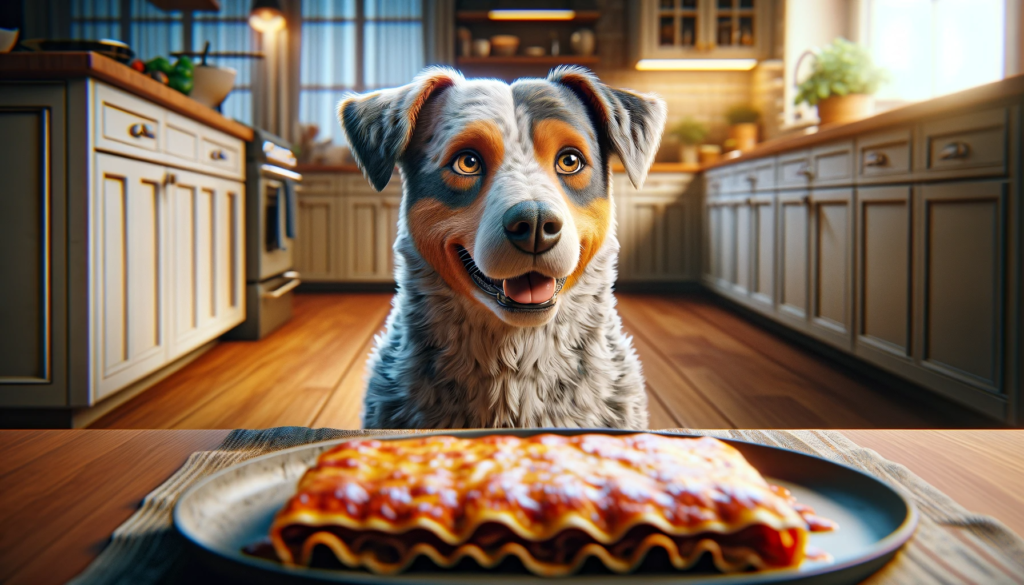
  • Dog Talk: How To Understand Your Dog’s Body Language and Vocalizations

    Dog Talk: How To Understand Your Dog’s Body Language and Vocalizations

    As a dog owner, it’s essential to understand dog body language and vocalizations regardless of their breed. Dogs may come in all shapes and sizes, but they all have their unique personalities and ways of communicating. Developing effective communication skills with your dog is crucial for strengthening your bond, promoting their well-being, and ensuring a happy and healthy relationship.

    In this post, we’ll explore how to decipher your dog’s body language and vocalizations to better understand their communication. We’ll look at common cues that dogs display, such as tail position, ear position, and eye contact, and what they can tell you about your dog’s mood and intentions. We’ll also examine different types of vocalizations that your dog might make, including barking, whining, and growling, and what each one can indicate.

    Additionally, we’ll discuss how breed characteristics can play a role in your dog’s communication and offer tips for recognizing and responding to breed-specific cues. And finally, we’ll share some strategies for improving your communication skills with your dog, such as spending quality time together and using positive reinforcement training techniques.

    Whether you’re a seasoned dog owner or a new dog parent, this post is for you. Let’s dive in and learn how to better understand our furry friends!

    dog body language

    Understanding Your Dog’s Body Language

    As a dog parent, it’s important to understand your furry friend’s body language to interpret their mood and behavior accurately. All dogs communicate in a variety of ways, including through their body language. Here are some common body language cues displayed by dogs and what they mean:

    • Tail Position: Your dog’s tail position can indicate their mood. A wagging tail held high suggests happiness and excitement, while a low or tucked tail may indicate fear, anxiety, or submission. A slow and gentle wag may suggest relaxation and contentment.
    • Ear Position: Dogs’ ears can also give away a lot about their mood. If their ears are perked up and facing forward, they’re likely alert and interested in their surroundings. Drooping or flattened ears may indicate fear, anxiety, or submission. However, some dogs may have floppy ears that always hang low, so it’s essential to consider the context and other cues before making an assumption.
    • Eye Contact: Your dog’s eye contact can also be a clue to their mood. Direct eye contact can indicate confidence and assertiveness, while avoiding eye contact may suggest fear or submission.

    By observing your dog’s body language cues, you can get a better sense of their current mood and what they might be trying to communicate. It’s important to respond appropriately to these cues, whether it’s by giving your dog space if they’re feeling anxious or showing affection and praise when they’re feeling happy and relaxed.

    In addition to observing your dog’s body language, it’s also helpful to be aware of your own body language and how it can impact your dog’s communication with you. Dogs are highly attuned to our body language, so try to maintain a calm and relaxed demeanor when interacting with your furry friend. By doing so, you’ll create a positive and stress-free environment for your dog.

    A dog's body language can tell you a lot about how they're feeling

    What Different Body Language Cues Mean and How To Respond To Them

    Understanding your dog’s body language is essential for interpreting their mood and behavior. All dogs communicate through their body language, and it’s crucial to recognize common cues and what they might mean:

    • Tail Tucked Between Legs: When a dog tucks their tail between their legs, it’s usually a sign of fear or submission. If you notice this body language, try to provide a calm and reassuring presence, speak in a soft tone, and avoid any sudden or threatening movements. This will help your dog feel safe and relaxed.
    • Hackles Raised: When a dog’s hair along their back and shoulders stand up, it’s a sign that they’re feeling threatened or defensive. This body language is often accompanied by growling or barking. In this situation, it’s important to stay calm and avoid any sudden movements that could escalate the situation. Try to remove your dog from the source of the perceived threat or create a safe space for them to retreat to.
    • Direct Eye Contact: If your dog makes direct eye contact with you, it’s usually a sign of confidence and assertiveness. This can be a positive sign, indicating that your dog trusts and respects you. However, be cautious if the eye contact is accompanied by tense body language, growling, or barking, as this could indicate a more aggressive posture.
    • Yawning or Lip Licking: Dogs may yawn or lick their lips as a sign of stress or discomfort. If you notice your dog exhibiting these behaviors, try to provide a calm and reassuring presence, speak in a soft tone, and avoid any sudden or threatening movements. You may also want to consider removing them from the source of stress if possible.

    By understanding and responding to your dog’s body language, you can strengthen your bond with them and promote their well-being. Remember to always approach your dog with a calm and reassuring demeanor and avoid any actions or movements that could be perceived as threatening or aggressive. With patience and understanding, you and your dog can communicate effectively and enjoy a happy, healthy relationship.

    Understanding dog body language is key to a happy, healthy relationship

    Tips For Observing Your Dog’s Body Language And Using It To Communicate Effectively

    Observing your dog’s body language is a great way to better understand their communication and strengthen your bond with them. Here are some tips for observing your dog’s body language and using it to communicate effectively:

    • Pay attention to their tail: Your dog’s tail can be a great indicator of their mood. Notice the position of their tail when they’re interacting with you or other dogs. A tail held high and wagging rapidly indicates excitement, while a tail tucked between their legs suggests fear or submission.
    • Observe their eyes and ears: Your dog’s eyes and ears can also give you insights into their mood. Notice the position of their ears and the direction of their gaze. Perked-up ears and direct eye contact suggest alertness and interest while drooping ears and avoiding eye contact suggest fear or anxiety.
    • Look for changes in posture: A change in posture can be a sign of a change in mood. If your dog goes from standing tall to crouching down low, they may be trying to communicate fear or submission. Conversely, if they go from a relaxed posture to a tense posture, they may be feeling threatened or defensive.
    • Be aware of the context: The context in which your dog is exhibiting certain body language cues can also give you clues as to their mood. For example, if they’re exhibiting fear or anxiety in a certain location or around a certain person or dog, this could indicate that they’re uncomfortable with that specific situation or individual.

    By observing your dog’s body language and responding appropriately, you can better understand their communication and promote a stronger bond. It’s important to approach your dog with patience and understanding and avoid any actions or movements that could be perceived as threatening or aggressive. With practice, you’ll become more adept at understanding your dog’s body language and communicating effectively with them.

    Deciphering Your Dog’s Vocalizations

    Understanding your dog’s vocalizations is crucial for responding appropriately and strengthening your bond with them. All dogs use vocalizations to communicate, and here are some tips for deciphering your dog’s vocalizations:

    • Barking: Dogs bark for various reasons, and the tone and pitch of their bark can indicate their mood. A rapid or high-pitched bark may suggest excitement or happiness, while a deep, continuous bark could indicate anxiety or aggression. If your dog is barking excessively, it may be a sign that they need more physical activity or mental stimulation.
    • Whining: Dogs may whine to communicate various emotions, such as anxiety, discomfort, or excitement. If you notice your dog whining excessively, it’s important to try and determine what might be causing their distress. This could be a physical ailment or separation anxiety.
    • Growling: If your dog is growling, it’s typically a sign that they’re feeling defensive or threatened. It’s important to approach your dog with caution and to avoid any actions that could escalate the situation. You should also try to determine what might be causing your dog to feel defensive, such as another dog or a loud noise.
    • Howling: Dogs may howl in response to certain stimuli, such as hearing sirens or other dogs howling. Additionally, howling can be a sign of separation anxiety if your dog howls when left alone.

    Remember that understanding your dog’s vocalizations requires patience and careful observation. By paying attention to your dog’s tone, pitch, and volume, you can get a better sense of what they’re trying to communicate. Additionally, it’s important to approach your dog with patience and understanding and to avoid any actions that could be perceived as threatening or aggressive. With practice and observation, you’ll become better at deciphering your dog’s vocalizations and strengthening your bond with them.

    Expert tips for reading your dog's body language

    The Role of Breed-Specific Characteristics

    Dogs of all breeds have unique personalities and ways of communicating that are influenced by their breed-specific characteristics. Understanding these traits can help you interpret your dog’s body language and vocalizations, and improve your relationship with them. Here are some examples of how breed-specific characteristics can impact your dog’s communication:

    • Size and Physical Characteristics: A dog’s size and physical features can influence their posture, tail position, and other body language cues. For instance, if a dog is feeling threatened, they may try to appear larger by standing tall and raising their fur.
    • Intelligence and Trainability: Different breeds have varying levels of intelligence and trainability, which can affect their communication style. Intelligent dogs may use certain commands and cues to communicate with their owners. Additionally, their quick learning abilities make training and communicating with them a rewarding experience.
    • Temperament: A dog’s temperament can affect their body language cues, such as tail-wagging and playfulness when interacting with others. Some breeds are known for their friendly and affectionate personality, while others may be more reserved or protective.

    It’s important to remember that each dog is unique and may exhibit different behaviors and communication styles. Therefore, it’s essential to observe your dog’s behavior closely and respond accordingly. Understanding your dog’s breed-specific characteristics can help you interpret their communication more accurately and build a stronger bond with them. By taking the time to understand your dog’s personality and behavior, you can create a positive and rewarding relationship with them.

    Improving Communication with Your Dog

    Every dog has a unique personality and way of communicating that can be influenced by their breed-specific characteristics. Understanding these traits can help you interpret your dog’s body language and vocalizations and improve your relationship with them. Here are some examples of how breed-specific characteristics can impact your dog’s communication:

    • Size and Physical Characteristics: A dog’s size and physical features can influence their posture, tail position, and other body language cues. For instance, if your dog is feeling threatened, they may try to appear larger by standing tall and raising their fur.
    • Intelligence and Trainability: Different breeds of dogs have varying levels of intelligence and trainability. A dog’s intelligence can affect their vocalizations, as they may use certain commands and cues to communicate with their owners. Additionally, their quick learning abilities make training and communicating with them a rewarding experience.
    • Temperament: A dog’s temperament can affect their body language cues, such as tail-wagging and playfulness when interacting with others. Some dogs are known for their friendly and affectionate personality, while others may be more reserved or independent.

    It’s important to remember that each dog is unique and may exhibit different behaviors and communication styles. Therefore, it’s essential to observe your dog’s behavior closely and respond accordingly. Understanding your dog’s breed-specific characteristics can help you interpret their communication more accurately and build a stronger bond with them. By taking the time to understand your dog’s personality and behavior, you can create a positive and rewarding relationship with them.

    Decoding the subtleties of dog body language

    The Importance Of Developing A Strong Bond With Your Dog Through Effective Communication

    As a dog owner, you know how important it is to develop a strong bond with your furry friend regardless of their breed. Effective communication is key to building this bond. Here are some reasons why it’s so important:

    • Builds trust and understanding: When you communicate effectively with your dog, you build trust and understanding. This makes them more likely to follow your commands and exhibit desirable behavior, which strengthens your bond.
    • Enhances your relationship: Effective communication helps you develop a deeper and more meaningful relationship with your dog. This leads to a stronger bond and a more enjoyable life for both you and your furry friend.
    • Improves their mental and emotional health: A strong bond with their owner can improve a dog’s mental and emotional health. Effective communication can help reduce their anxiety, stress, and other negative emotions, leading to a happier and healthier pup.
    • Prevents behavior issues: Effective communication can help prevent behavior issues such as aggression, barking, and destructive behavior. By communicating effectively with your dog, you can address any behavior concerns and prevent them from becoming bigger problems.

    Remember, developing a strong bond with your dog takes time, patience, and effective communication. By observing their body language, using positive reinforcement, and spending quality time together, you can build a stronger and healthier relationship with your furry friend. This can lead to a happier and more fulfilling life for both you and your dog.

    Tips For Improving Your Communication Skills

    Improving your communication skills with your dog can help you build a stronger bond with them, regardless of their breed. Here are some tips to help you communicate more effectively:

    • Listen actively: Active listening means paying attention to your dog’s body language and vocalizations and responding accordingly. This can help you better understand their needs and feelings, and improve your communication with them.
    • Use clear and concise commands: Using clear and concise commands makes it easier for your dog to understand what you want them to do. This can help prevent confusion and improve their response to your commands.
    • Use positive reinforcement: Positive reinforcement is a powerful way to communicate with your dog. When they exhibit desirable behavior, reward them with praise, petting, or treats. This encourages them to repeat the behavior and strengthens your bond.
    • Be patient and consistent: Effective communication with your dog takes patience and consistency. Be patient when teaching them new commands or responding to their cues. Consistency is also crucial, so be sure to use the same commands and reactions consistently.
    • Understand their personality and communication style: Every dog is unique, and understanding their personality and communication style can help you communicate more effectively with them. By observing their body language and vocalizations, you can get a better idea of how they communicate and respond to different situations.

    Improving your communication skills with your dog can take time and effort, but it’s well worth it. By listening actively, using clear commands, positive reinforcement, being patient and consistent, and understanding their personality and communication style, you can improve your communication skills and build a stronger bond with your furry friend.

    How to use dog body language to better communicate with your furry friend

    Using Positive Reinforcement Training Techniques

    Positive reinforcement training is a powerful tool for communicating with your dog. Here’s how it works and how to use it effectively:

    What is Positive Reinforcement Training?

    Positive reinforcement training is a training method that focuses on rewarding desirable behavior rather than punishing undesirable behavior. When your pup exhibits desirable behavior, you reward them with praise, treats, or other positive reinforcement. This encourages them to repeat the behavior in the future.

    How To Use Positive Reinforcement Training With Your Dog:

    • Identify desirable behavior: The first step in positive reinforcement training is identifying desirable behavior that you want your Schnoodle to exhibit. This could be anything from sitting on command to staying calm during a visit to the vet.
    • Reward desirable behavior: When your Schnoodle exhibits the desirable behavior, immediately reward them with praise, petting, or treats. This reinforces the behavior and encourages them to repeat it in the future.
    • Be consistent: Consistency is key to effective positive reinforcement training. Be sure to reward desirable behavior every time it occurs, and use the same commands and reactions consistently.
    • Avoid punishment: Positive reinforcement training focuses on rewarding desirable behavior, rather than punishing undesirable behavior. Avoid punishing your Schnoodle for undesired behavior, as this can create fear or anxiety and damage your bond with them.
    The dos and don'ts of interpreting dog body language

    Conclusion

    In conclusion, effective communication is essential for building a strong and healthy relationship with your dog. By observing their body language, using positive reinforcement, and practicing active listening, you can improve your communication skills and create a more fulfilling life together.

    Remember, every dog is unique, so understanding their personality and communication style is crucial for effective communication. By developing a strong bond through effective communication, you can improve their behavior, happiness, and well-being.

    Improving your communication with your dog takes time and effort, but it’s well worth it. By being patient, consistent, and observant, you can build a stronger bond with your furry friend and enjoy a more rewarding relationship. So start improving your communication skills today and see the positive changes it can bring to your life with your pup!

    ~Lindsie

    A note about your dog’s health

    This article provides general education and does not replace an examination, diagnosis, or individualized advice from your veterinarian. Contact a veterinary professional if you are concerned about your dog’s symptoms.

    Lindsie Parks B.S., CRDNS Avatar

    ABOUT THE AUTHOR

  • Is Bird Seed Bad For Dogs? – Symptoms, Solutions & FAQs

    Is Bird Seed Bad For Dogs? – Symptoms, Solutions & FAQs

    Medically Reviewed by: Dr. Candy Akers, DVM

    As a dog owner, you want to keep your furry friend healthy and safe from harm. But what if your dog eats something they shouldn’t, like birdseed? Is bird seed bad for dogs and what to do if their furry friend gets into a stash of seeds? While bird seed is not inherently toxic to dogs, it can pose some health risks if ingested in large quantities or if it is contaminated with mold or bacteria. In this blog, we will answer the question “Can dogs eat bird seed?” We will explore the potential dangers of bird seed for dogs, the symptoms to watch for, and what to do if your dog eats some. We’ll also learn how to keep your dog safe and healthy around bird feeders in this article.

    can dogs eat bird seed

    Do Dogs Commonly Eat Bird Seed?

    It’s not uncommon for dogs to eat bird seed, especially if they have access to bird feeders or outdoor areas where wild birds congregate. Dogs may be attracted to the smell and taste of the seeds, or they may simply be curious and want to investigate the source of the food. Additionally, dogs may inadvertently ingest bird seed that has fallen onto the ground or onto catch trays under the feeders. Pet owners who enjoy feeding wild birds may also inadvertently contribute to the problem by offering seeds that are palatable to dogs, such as sunflower seeds or millet. Monitor your dog’s bird seed intake and prevent excessive consumption, although small amounts are usually harmless.

    Reasons Why Dogs May Eat Bird Seed

    Dogs may eat birdseed for a variety of reasons. One reason is simply curiosity – dogs are known for investigating their environment and may be drawn to the new and interesting sights and smells of bird feeders. Additionally, some dogs may be attracted to the taste and texture of certain types of bird seeds, such as sunflower seeds, nuts, or millet. These seeds are high in fat and protein, which can make them appealing to dogs. Dogs may also eat birdseed as a result of scavenging behaviors or because they are hungry and seeking additional sources of food.

    In some cases, dogs may have a nutritional deficiency or other health issues that leads them to seek out non-standard food sources, such as bird seed. Monitor your dog’s bird seed intake to prevent overconsumption and potential health issues.

    Can dogs eat bird seed? The answer may surprise you

    Possible Sources of Bird Seed for Dogs

    Bird seed can be found in many outdoor locations where wild birds gather, such as bird feeders, parks, and natural areas. Pet owners who enjoy feeding wild birds may also have bird seed in their yards or on their decks. In addition to these sources, bird seed can also be found in commercial dog foods or treats. Some dog food manufacturers include bird seed or other grains in their formulations as a source of carbohydrates or fiber. Look for ingredients such as millet and sorghum in dog foods.

    If your dog has access to bird feeders or other sources of seed, it’s important to take steps to prevent them from consuming large quantities that could lead to health problems. Move bird feeders away from your dog, use catch trays/screens to prevent seeds from falling, and clean up old seeds regularly.

    What Could Be Bad About Your Dog Eating Bird Seed?

    While bird seed is not inherently toxic to dogs, it can pose several health risks if ingested in large quantities or if it is contaminated with mold or bacteria. Some of the dangers of birdseed for dogs include:

    • Mold: Bird seed can become moldy if it is not stored properly or if it is exposed to moisture. Moldy seeds can produce toxins that can cause serious health issues in dogs, including vomiting, diarrhea, seizures, and even death.
    • Bacteria: Bird seed can also harbor harmful bacteria such as Salmonella, which can cause gastrointestinal issues in dogs.
    • Blockage/Obstruction: Bird seed can cause digestive blockages in dogs if ingested in large amounts. This can lead to vomiting, diarrhea, lethargy, and other serious health issues that require medical attention.
    • Bloating: Some types of seeds, particularly those that are high in fat and fiber, can cause bloating in dogs. This can be uncomfortable and can lead to more serious health issues if left untreated.
    • Ingesting Dirt and Parasites: Bird seed can contain contaminants that dogs may ingest if they eat it, including dirt and other substances. This can lead to the ingestion of parasites or other harmful substances.

    Overall, while bird seed may seem like a harmless snack for dogs, it’s important to monitor their intake and to take steps to prevent them from consuming large quantities or contaminated seed that could lead to health problems.

    Health Risks Associated with Bird Seed

    While bird seed may not be toxic to dogs, it can pose several health risks if ingested in large quantities or if it is contaminated with mold or bacteria. Some of the health risks associated with birdseed for dogs include:

    • Gastrointestinal issues: Eating large amounts of bird seed can cause gastrointestinal upset in dogs, including vomiting, diarrhea, and abdominal pain. These symptoms can be mild to severe, depending on the quantity of seed ingested.
    • Neurological symptoms: Moldy bird seed can produce toxins that can affect a dog’s nervous system. These toxins can cause symptoms such as tremors, seizures, and disorientation.
    • Respiratory issues: Bird seed dust can cause respiratory issues in dogs, especially those with pre-existing respiratory problems.
    • Blockage/obstruction: As previously mentioned, eating large quantities of bird seed can cause blockages or obstructions in a dog’s digestive tract. This can be a serious health issue that requires veterinary attention.
    • Bloating: Some types of bird seed, particularly those that are high in fat and fiber, can cause bloating in dogs. This can be uncomfortable and can lead to more serious health issues if left untreated.

    It’s important to note that the severity of these health risks can vary depending on the type and quantity of bird seed consumed, as well as the individual dog’s health and tolerance. Get veterinary help right away if your dog eats a lot of bird seed or shows signs of illness afterward.

    Bird seed toxicity in dogs: What every pet owner should know

    Dangers of Ingesting Dirt and Parasites

    In addition to the health risks associated with the bird seed itself, there are also potential dangers associated with the dirt and other contaminants that may be present in the seed. Birds often ingest dirt and other debris along with the seeds, and dogs that eat bird seed may also ingest these substances. This can lead to the ingestion of parasites or other harmful substances.

    Eating birdseed mixed with dirt can expose dogs to harmful substances like pesticides or fertilizers.

    It’s important to take precautions to prevent your dog from ingesting dirt or other contaminants along with the bird seed. This may include cleaning up spilled seed regularly, moving bird feeders to areas where your dog cannot access them, or using screens or catch trays to prevent seed from falling to the ground.

    Symptoms to Watch for in Dogs that Ate Bird Seed

    If your dog has ingested bird seed, it’s important to monitor them for any symptoms of illness. While most dogs may not show any adverse effects from eating small amounts of bird seed, others may experience symptoms that indicate a more serious health issue. As highlighted above, some of the symptoms to watch for in dogs that have eaten bird seed include:

    • Gastrointestinal issues
    • Neurological symptoms
    • Respiratory issues
    • Blockage/obstruction
    • Bloating

    The severity of the symptoms can vary depending on the amount and type of seed ingested, as well as your dog’s individual health and tolerance. Early intervention can help prevent more serious health issues and ensure that your dog receives the care they need.

    Some bird seed formulas are palatable to dogs

    When to Take Your Dog to the Vet for Eating Bird Seed

    If your dog has eaten bird seed and is exhibiting symptoms of illness, it’s important to seek veterinary attention immediately. Even small amounts of contaminated or moldy bird seed can cause serious health issues in dogs, and early intervention can help prevent more serious complications.

    Some signs that may indicate your dog needs veterinary attention after eating bird seed include:

    1. Vomiting or diarrhea that lasts longer than 24 hours
    2. Refusal to eat or drink
    3. Lethargy or weakness
    4. Abdominal pain or distension
    5. Difficulty breathing
    6. Seizures or other neurological symptoms

    If your dog has ingested a large amount of bird seed, or if they are exhibiting any of these symptoms, it’s important to seek veterinary attention as soon as possible. Your veterinarian can perform a physical exam and may recommend diagnostic tests such as blood work or imaging to determine the underlying cause of your dog’s symptoms. Treatment may include medication, fluid therapy, and supportive care to address symptoms and help your dog recover from gastrointestinal issues.

    A small amount of seeds usually doesn't cause any problems

    Possible Solutions for Your Dog Eating Bird Seed

    If your dog has a habit of eating bird seed, there are several steps you can take to prevent this behavior and keep your pet safe. Some possible solutions include:

    • Move bird feeders: Move bird feeders out of your dog’s reach to prevent them from accessing bird seed. Hang feeders out of reach to prevent your dog from getting to them.
    • Use catch trays: Using catch trays under bird feeders keeps seeds from falling to the ground, out of reach of dogs.
    • Clean up old seeds and waste: Clean up old seeds and waste to prevent contaminated seed ingestion by your dog.
    • Supervise your dog: Supervise your dog around bird feeders to keep them from accessing the seeds.
    • Consider deterrents: Bitter sprays and motion-activated deterrents can discourage dogs from eating bird seed.
    • Check your dog’s diet: If your dog eats bird seed, they might be hungry or deficient. Clean up old seeds, reevaluate their diet, and add food or supplements.

    Remember, prevention is key when it comes to keeping your dog safe from the potential health risks associated with eating bird seed. By taking proactive steps to prevent your dog from accessing seed, you can help ensure that they stay healthy and happy.

    Other Ways to Deter Your Dog from Eating Bird Seed

    If your dog has a habit of eating bird seed, there are several additional steps you can take to discourage this behavior and keep your pet safe. Some possible methods for deterring your dog from eating birdseed include:

    • Provide alternative sources of entertainment: Dogs may be more likely to eat birdseed if they are bored or have nothing else to do. Offering toys, exercise, and mental stimulation to your dog can deter seed consumption for amusement.
    • Train your dog: Teaching “leave it” and “drop it” commands can prevent dogs from accessing harmful items like bird seed.
    • Use positive reinforcement: Rewarding good behavior can reinforce positive habits and discourage undesirable ones like eating birdseed.
    • Use physical barriers: Fencing around birdseed areas can prevent dogs from accessing it.
    • Consider behavioral therapy: Address your dog’s bird seed-eating with an animal behaviorist’s help to tackle anxiety or behavioral issues.

    Remember, every dog is different, and what works for one dog may not work for another. Be patient and persistent in pet training, and work with professionals to ensure the best outcome for your furry friend.

    Dog exploring the things they find in the yard

    Conclusion

    In conclusion, while birdseed is not inherently toxic to dogs, it can pose several health risks if ingested in large quantities or if it is contaminated with mold or bacteria. If your dog has a habit of eating bird seed, it’s important to take proactive steps to prevent this behavior and keep your pet safe. Secure bird feeders, use catch trays or screens to prevent seed spillage and regularly clean up to keep dogs away.

    It’s also important to monitor your dog for any symptoms of illness after they have ingested bird seed. Early intervention can help prevent more serious health issues and ensure that your dog receives the care they need. Promptly seek veterinary attention if your dog shows signs of illness after consuming bird seed for the best outcome.

    Remember, prevention is key when it comes to keeping your dog safe from the potential health risks associated with eating bird seed. By taking proactive steps to prevent your dog from accessing seed and monitoring their health closely, you can help ensure that they stay healthy and happy. With a little effort and attention, you can keep your furry friend safe and sound while enjoying the beauty of backyard birds.

    ~Sheena

    A note about your dog’s health

    This article provides general education and does not replace an examination, diagnosis, or individualized advice from your veterinarian. Contact a veterinary professional if you are concerned about your dog’s symptoms.

    Sheena Keliher Avatar

    ABOUT THE AUTHOR

  • Why Is My Puppy Shivering After a Bath? What to Do

    Why Is My Puppy Shivering After a Bath? What to Do

    Most puppies who shiver right after a bath are cold, stressed by the bath, or both. Start by drying your puppy thoroughly, moving them to a warm room away from drafts, and giving them a quiet place to settle. Brief shivering that eases as your puppy gets dry, warm, and relaxed is usually much less concerning than shaking that continues despite those steps.

    There is also an important difference between a puppy shaking water off and a puppy actually shivering. Dogs have a built-in wet-dog shake that rapidly throws water from the coat. Research shows that furry mammals use this movement to remove water efficiently because wet fur loses insulating ability and increases heat loss. Dickerson et al. (2012)

    Is It Normal for a Puppy to Shiver After a Bath?

    Yes, a short period of shivering can be normal after a bath. A wet puppy can cool quickly, especially when the room is cool or the coat stays damp. Shivering is one way the body produces heat.

    Baths can also be stressful. New sounds, slippery footing, being handled, running water, and a blow dryer can all make a puppy uneasy. Trembling is a recognized stress or fear behavior in dogs, so a puppy who is physically warm may still shake because the bath was overwhelming. Peer-reviewed canine behavior studies include trembling among observable fear and stress responses. de Souza et al. (2018)

    The useful question is not simply, “Is my puppy shaking?” It is, “Is my puppy getting warmer, calmer, and more normal after the bath?”

    What to Do When Your Puppy Is Shivering After a Bath

    1. Dry the coat well

    Use a dry, absorbent towel and gently press or blot moisture from the coat. You do not need to scrub hard. If the first towel becomes damp, switch to a second dry towel.

    Pay extra attention to the chest, belly, legs, feet, and longer areas of coat that stay wet. A puppy can look mostly dry on the surface while still holding moisture close to the skin.

    2. Move your puppy somewhere warm and draft-free

    A comfortable indoor room is usually enough. Keep your puppy off cold tile or other chilly surfaces while the coat finishes drying. A dry blanket or bed can help them settle and hold body warmth.

    Avoid trying to warm a puppy rapidly with very hot air, a heating pad directly against the skin, or another strong heat source. Gentle warming is safer and usually all that is needed after a normal bath.

    3. Help your puppy calm down and watch what happens

    If your puppy was nervous during the bath, stay nearby and let them decompress. Calm handling, a familiar bed, and a quiet room are more useful than repeatedly picking them up, checking them, or exposing them to more noise.

    If the shivering steadily decreases as your puppy dries and relaxes, that pattern fits a routine post-bath response.

    Beagle puppy being gently towel dried after a bath

    Why Puppies Shiver After Baths

    Cold and wet fur

    Dry fur traps air and helps insulate the body. Water changes that. In experimental work on wet mammals, researchers noted that wet fur is a much poorer insulator than dry fur, which is one reason mammals have evolved very efficient shaking behavior to get rid of water. Dickerson et al. (2012)

    A puppy does not need to be in dangerously cold water to feel chilled afterward. Warm bath water followed by cooler room air can still create a noticeable temperature change, especially while the coat remains wet.

    Bath stress or fear

    Some puppies tremble because the bath itself is stressful. This is especially common with a first bath or when a puppy has not yet learned that bathing is safe and predictable.

    Watch the whole puppy, not just the shaking. A stressed puppy may also try to escape, freeze, lower the body, hide, pant, refuse treats, or stay unusually alert. Trembling is one of several behaviors used in canine stress research. Stellato et al. (2019)

    Shaking off water is different from shivering

    A wet-dog shake is a fast, deliberate whole-body movement that lasts only a moment. It is an efficient drying behavior. Studies in mammals show that this rapid twisting movement can remove a large amount of water from fur within seconds. Dickerson et al. (2012)

    More recent neuroscience research also confirms that wet-dog shaking is a distinct sensorimotor behavior triggered by stimulation of hairy skin. Zhang et al. (2024)

    Shivering looks different. It is usually a smaller, repeated trembling of the muscles and continues longer than one quick shake.

    Which Puppies Get Cold Faster?

    Small, lean, or short-coated puppies can lose heat more quickly in cool conditions, so they deserve a little extra attention while the coat dries. The Royal Kennel Club

    Long-coated puppies can have the opposite-looking problem. They may appear warm and fluffy while the deeper coat is still holding water near the skin. Thorough drying matters for them too.

    You do not need a complicated warming routine. The goal is simple: get the coat dry, keep the room comfortable, and watch for normal improvement.

    Can I Use a Blow Dryer on My Puppy?

    A blow dryer can be useful if your puppy tolerates it, but it is optional. Start with the lowest comfortable airflow and a low or warm setting, keep the dryer moving, and hold it far enough away that the air never feels hot against your own hand.

    Do not force a frightened puppy to tolerate a noisy dryer just to finish faster. For some puppies, the dryer creates more trembling because of the sound and airflow. Towels and a warm room are perfectly reasonable when the coat can be dried adequately that way.

    If you want your puppy to accept a dryer later, introduce it gradually when bath time is not already stressful. Let the puppy hear it from a distance, pair that experience with something pleasant, and slowly decrease the distance over several sessions.

    Puppy standing on a non-slip mat while safely blow dried

    When Post-Bath Shivering Needs More Attention

    The key is whether your puppy is warming up and acting normal again.

    Pay closer attention if the shaking does not improve after the puppy is thoroughly dry and comfortably warm, or if the puppy also develops weakness, extreme sleepiness, trouble standing or walking, vomiting, breathing difficulty, very pale or bluish gums, or seems unusually cold and unresponsive.

    Shivering that repeatedly occurs when your puppy has not been bathed should also be considered separately from normal post-bath shaking. The bath may simply make an unrelated problem more noticeable.

    There is no reason to turn every brief post-bath shiver into an emergency. At the same time, a puppy who cannot warm up or who looks genuinely ill needs individualized assessment rather than more home warming attempts.

    How to Prevent Shivering at the Next Bath

    Prepared puppy bath area with non-slip mat, towels, and lukewarm water

    A little preparation makes a large difference:

    • Warm the room before the bath if your home is cool.
    • Use comfortably lukewarm water rather than hot or cold water.
    • Put a non-slip mat or towel under your puppy’s feet so they feel secure.
    • Have two dry towels ready before you start.
    • Keep the bath short and calm.
    • Avoid spraying water directly into the face, ears, or nose.
    • Dry your puppy immediately after rinsing.
    • Use a dryer only if the puppy is comfortable with it.
    • Let your puppy finish drying in a warm, quiet area.
    • Use calm praise or a small reward to help build a better association with future baths.

    If your puppy is fearful, the best long-term solution is not stronger restraint. It is gradual, positive exposure to the tub, water, handling, towels, and dryer so those things become predictable instead of alarming.

    How long should a puppy shiver after a bath?

    There is no single normal number of minutes for every puppy. What matters most is the trend. Shivering should lessen as the puppy becomes dry, warm, and calm. Shaking that continues without improvement despite those changes deserves closer attention.

    Why is my puppy shaking even after I dried them?

    The deeper coat may still be damp, the room may be cool, or your puppy may still be stressed from the bath. Check for damp fur near the skin, move your puppy to a warm quiet area, and watch whether the trembling decreases as they settle.

    Can a puppy get too cold after a bath?

    Yes. Wet fur increases heat loss, and smaller puppies can cool more quickly. In most normal home baths, thorough drying and a comfortable room are enough. A puppy who stays cold, weak, or unusually sleepy despite warming needs more attention.

    Should I bathe my puppy again if the first bath caused shivering?

    You do not need to avoid baths forever, but make the next experience easier. Prepare the room and towels first, use lukewarm water, keep the bath short, improve footing, and introduce any dryer gradually. The goal is a calm routine, not simply getting the bath finished as quickly as possible.

    Final Thoughts

    When a puppy shivers after a bath, start with the simple explanation first. Wet fur, a cooler room, and bath stress account for many cases. Dry your puppy well, keep them comfortably warm, and give them a chance to settle.

    If the trembling fades and your puppy goes back to normal behavior, that is reassuring. If it does not improve after drying and warming, or your puppy seems weak or sick, the situation deserves a closer look.

    References

    A note about your dog’s health

    This article provides general education and does not replace an examination, diagnosis, or individualized advice from your veterinarian. Contact a veterinary professional if you are concerned about your dog’s symptoms.

    Sheena Keliher Avatar

    ABOUT THE AUTHOR
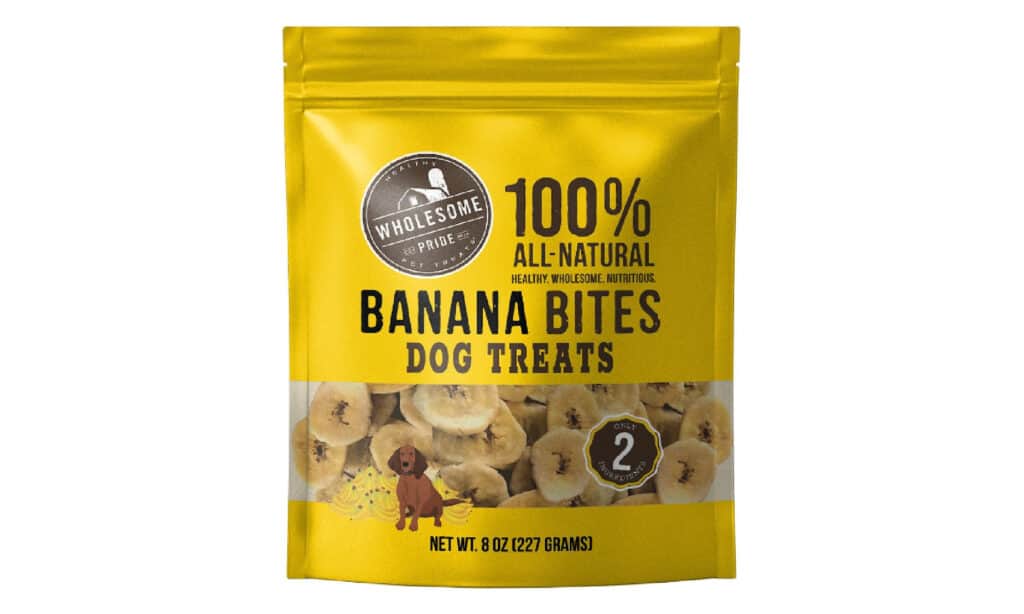
  • Can Dogs Eat Bologna? Expert Answers

    Can Dogs Eat Bologna? Expert Answers

    As a dog owner, it’s only natural to want to share everything with your furry companion, including your favorite foods. However, it’s important to remember that not all human foods are safe for dogs to eat. Bologna is a popular lunch meat that many of us enjoy, but is it safe for our canine friends to consume? In this blog, we’ll take a closer look at bologna and whether or not it’s a suitable treat for your four-legged pal. We’ll explore the nutritional value of bologna, potential risks and benefits, and provide some guidance on what human foods are safe for your dog to eat. So, whether you’re a new or seasoned dog owner, join me on this journey as we delve into the question, “Can Dogs Eat Bologna?”

    can dogs eat bologna

    What Is Bologna?

    Bologna, also known as baloney, is a type of sausage that originated in Bologna, Italy. It’s a popular lunch meat that is typically made from a blend of beef, pork, or chicken, along with a variety of seasonings and spices. The mixture is ground into a fine paste and then shaped into the distinctive round log that we’re all familiar with. Bologna is often sliced thin and used as a sandwich meat, but it can also be diced and added to salads or used as a pizza topping. While it’s not the healthiest food choice due to its high sodium and fat content, it’s a convenient and tasty option for a quick lunch or snack. But the question remains: can dogs safely eat bologna? Let’s find out.

    Can Dogs Eat Bologna?

    When it comes to dogs and bologna, the short answer is that it’s not the best choice of food for our furry friends. While bologna is not necessarily toxic to dogs, it’s not a healthy option either. Bologna is high in sodium, which can be detrimental to your dog’s health if consumed in large quantities. Too much sodium can lead to issues like dehydration, electrolyte imbalances, and even kidney damage. Additionally, bologna often contains fillers and preservatives that are not beneficial for your dog’s digestive system. In some cases, these additives can even cause digestive issues like vomiting and diarrhea.

    Furthermore, bologna is a highly processed food that lacks the essential nutrients that dogs need to thrive. It’s important to remember that dogs have different nutritional requirements than humans, and what may be a perfectly healthy snack for us could be harmful to our pets.

    If you’re looking to give your dog a treat, there are plenty of healthier options to choose from, such as lean meats like chicken or turkey, fresh fruits and vegetables, and specially formulated dog treats that are designed to provide the nutrients that dogs need.

    Canine nutrition and bologna consumption

    Are There Harmful Ingredients in Bologna?

    When considering whether or not to feed bologna to your dog, it’s important to take a closer look at the ingredients list. While plain bologna made from high-quality meat may be relatively safe for dogs to eat in small amounts, many commercially available bologna products contain harmful ingredients and fillers that can cause health problems for your furry friend.

    For example, some types of bologna may contain high levels of sodium, which can lead to dehydration and sodium ion poisoning if consumed in large amounts. Other potential harmful ingredients include fillers like corn syrup and soy protein, which can be difficult for dogs to digest and may cause gastrointestinal upset.

    In addition to these fillers, many types of bologna also contain preservatives like nitrates and nitrites. These chemicals are commonly used to extend the shelf life of processed meats, but have been linked to an increased risk of cancer in both humans and animals. While small amounts of these preservatives are unlikely to cause harm, it’s important to keep your dog’s overall diet in mind and limit their exposure to potentially harmful chemicals whenever possible.

    Are There Safe Ingredients in Bologna?

    It turns out that there are some safe ingredients in bologna that dogs can consume in small amounts without harm. For example, bologna that is made with high-quality, lean meats such as beef or turkey can be a great source of protein for our furry friends. Additionally, bologna that is free from fillers and additives such as corn syrup or soy protein may be easier for dogs to digest and less likely to cause digestive upset.

    If you’re thinking about giving bologna to your dog as a treat, it’s essential to choose a high-quality product and offer it to them in moderation. One or two small slices of bologna as an occasional treat should be fine, as long as it’s not a regular part of their diet.

    Can dogs digest bologna meat?

    What Signs To Watch For If Your Dog Accidentally Ate A Lot of Bologna?

    If your dog accidentally eats a large amount of bologna, there are several signs to watch out for that may indicate that they are experiencing digestive upset or other health issues.

    Firstly, excessive sodium intake can cause dehydration in dogs, so you may notice your dog drinking more water than usual. They may also exhibit symptoms such as vomiting, diarrhea, or loss of appetite. If your dog is experiencing sodium ion poisoning, they may appear lethargic or disoriented and may even have seizures in severe cases.

    Additionally, if the bologna contained additives like corn syrup or soy protein, your dog may experience gastrointestinal upset such as bloating, gas, or stomach pain.

    It’s important to monitor your dog closely if you suspect they have consumed a large amount of bologna or any other human food item. In general, it’s best to keep bologna and other processed meats out of your dog’s reach to prevent accidental ingestion and potential health issues.

    When or If You Should Go To The Vet?

    If you suspect that your dog has ingested a large amount of bologna or is exhibiting symptoms of sodium ion poisoning, it’s important to seek veterinary care immediately. Sodium ion poisoning is a serious condition that can lead to seizures, coma, and even death if left untreated.

    Your veterinarian will be able to assess your dog’s condition and provide appropriate treatment, which may include intravenous fluids to rehydrate your dog and flush excess sodium out of their system. They may also monitor your dog’s electrolyte levels and provide supportive care as needed.

    In some cases, your veterinarian may recommend hospitalization or further diagnostic testing, depending on the severity of your dog’s condition. The sooner you seek veterinary care, the better the chances of a successful outcome for your furry friend.

    It’s always better to err on the side of caution when it comes to your dog’s health. If you have any concerns about your dog’s wellbeing or suspect that they’ve ingested a large amount of bologna, don’t hesitate to contact your veterinarian right away.

    Can dogs eat processed meats like bologna?

    Safe Dog-Friendly Alternative to Bologna:

    If you’re looking for a safe and healthy alternative to bologna for your dog, there are plenty of options to choose from. Here are some dog-friendly foods that can provide a tasty and nutritious treat for your pup:

    • Cooked chicken or turkey: These lean meats are a great source of protein for dogs and are easily digestible. Just be sure to remove any bones and skin before feeding to your pup.
    • Beef or pork: Similar to chicken and turkey, these meats can be a good source of protein for dogs. Be sure to choose lean cuts and cook them thoroughly before offering them to your pup.
    • Fresh fruits and vegetables: Many fruits and vegetables, such as apples, bananas, carrots, and green beans, are safe and healthy treats for dogs. Just be sure to remove any seeds, pits, or cores, and cut them into small pieces to avoid choking hazards.
    • Peanut butter: Most dogs love peanut butter, and it can be a great source of healthy fats and protein. Just be sure to choose a brand that is free from xylitol, which can be toxic to dogs.
    • Cheese: Many dogs enjoy the taste of cheese, which can be a good source of protein and calcium. Just be sure to offer it in moderation, as it can be high in fat and calories.

    When offering any new food to your dog, it’s important to introduce it gradually and in small amounts to avoid any digestive upset.

    Healthy Store-Bought Options:

    In conclusion, while bologna may not be the healthiest option for dogs, it is not inherently toxic in small amounts. If you do choose to feed your dog bologna as a treat, it’s important to select a high-quality product that is free from additives and feed it in moderation. However, there are plenty of safe and nutritious alternatives to bologna that can provide your dog with the protein and nutrients they need to thrive.

    When it comes to feeding our furry friends, it’s important to remember that their nutritional needs are different from ours, and not all human foods are safe for dogs to consume. By taking the time to research and understand the risks and benefits of various food items, we can make informed decisions that support our dogs’ health and wellbeing.

    As always, if you have any concerns about your dog’s diet or health, it’s important to consult with your veterinarian for guidance and support. With proper care and attention, we can help our dogs live happy, healthy lives and enjoy the occasional tasty treat along the way.

    ~Lindsie

    A note about your dog’s health

    This article provides general education and does not replace an examination, diagnosis, or individualized advice from your veterinarian. Contact a veterinary professional if you are concerned about your dog’s symptoms.

    Lindsie Parks B.S., CRDNS Avatar

    ABOUT THE AUTHOR

  • Can Dogs Eat Spam? Expert Answers

    Can Dogs Eat Spam? Expert Answers

    Have you ever found yourself wondering if it’s safe to feed your furry friend a slice of Spam? As a dog owner, it’s natural to want to share your meals with your canine companion, but not all human foods are suitable for their consumption. Spam is a popular canned meat product that many of us enjoy, but is it safe for dogs to eat? In this blog, we’ll dive into the world of Spam and explore whether it’s a good idea to include it in your dog’s diet. From the ingredients list to potential health risks, we’ll cover everything you need to know about feeding Spam to your four-legged friend. So, let’s find out: can dogs eat Spam?

    can dogs eat spam

    What Is Spam?

    Spam is a canned meat product that was first introduced in 1937 by Hormel Foods Corporation. It’s made from pork shoulder meat, ham, salt, water, modified potato starch, sugar, and sodium nitrite, which is a preservative. The mixture is ground and then canned, creating the signature rectangular shape that many of us are familiar with.

    Spam gained popularity during World War II due to its long shelf life and convenience for soldiers. Today, it’s a popular pantry staple that can be found in grocery stores all over the world. Can dogs eat it? Some pet owners may wonder about this popular human food enjoyed in sandwiches and fried rice.

    It’s important to note that Spam is a highly processed food that contains a high amount of sodium, which can be harmful to dogs in large quantities. Additionally, the preservatives and additives used in the manufacturing process may not be suitable for canine consumption. Stick to a balanced diet for your dog’s needs instead of feeding them Spam, which may not be harmful in small amounts.

    Can Dogs Eat Spam?

    Many dog owners enjoy sharing their food with their furry friends, but not all human foods are safe for dogs to eat. When it comes to Spam, the answer is not straightforward. Dogs can eat pork and ham in spam, but it’s processed and high in sodium, which is harmful.

    In small quantities, a slice or two of Spam is unlikely to cause any harm to your dog. Dogs’ dietary needs differ from humans and Spam’s additives may not be suitable for their bodies.

    If you’re considering feeding your dog Spam, it’s always a good idea to check with your veterinarian first. They can provide you with guidance on whether Spam is safe for your individual dog and how much you can safely feed them. Feed your pet a balanced diet that meets their specific needs instead of relying on human food like Spam.

    Is Spam a healthy addition to a dog's diet?

    Harmful Ingredients in Spam

    While Spam may be a tasty treat for us humans, it contains some ingredients that could be harmful to our furry friends. One of the main concerns with Spam is its high sodium content. Dogs need sodium, but excess can cause dehydration, kidney damage, and even death.

    Spam contains preservatives like sodium nitrite, which prolong the shelf life. Sodium nitrite is linked to cancer and is toxic to dogs.Spam has additives like modified potato starch and sugar, which may not be ideal for dogs to consume.

    If you consider feeding your dog Spam, keep in mind that this canned meat product undergoes high processing and may not be the healthiest option. Although Spam can be an occasional treat, a balanced diet tailored to your dog’s needs is generally best.

    Safe Ingredients in Spam

    Spam contains some potentially harmful ingredients for dogs, but it also has safe ingredients such as pork shoulder meat, making it safe in moderation.

    In addition to pork shoulder meat, Spam also contains ham, which is another protein source that is safe for dogs to eat in moderation. Both of these meats provide essential amino acids that dogs need to maintain strong muscles and support overall health.

    Is Spam a healthy addition to a dog's diet?

    What Signs To Watch For If Your Dog Accidentally Ate A Lot of Spam?

    If your dog accidentally eats a large amount of Spam, it’s important to keep a close eye on them for any signs of gastrointestinal upset or other symptoms. Some of the signs to watch for include vomiting, diarrhea, abdominal pain, lethargy, and decreased appetite.

    Because Spam is high in sodium, your dog may also become thirsty or develop an increased need to urinate. In severe cases, a high sodium intake can lead to dehydration, which can be life-threatening for dogs.

    If you notice any of these symptoms in your dog after they’ve eaten Spam, it’s important to contact your veterinarian right away. Vets can treat pets with medication for upset stomachs or dehydration using IV fluids.

    When or If You Should Go To The Vet?

    If you notice any of the symptoms mentioned earlier, such as vomiting, diarrhea, abdominal pain, lethargy, decreased appetite, excessive thirst, or decreased urination, after your dog has eaten a large amount of Spam, it’s important to contact your veterinarian right away.

    These symptoms may indicate gastrointestinal upset, dehydration, or other serious health issues that require prompt veterinary attention. Dogs with pre-existing conditions may face complications from high sodium, preservatives, and additives in Spam.

    Your vet can prescribe meds, fluids, or tests to treat symptoms or dehydration based on your dog’s condition.

    The truth about feeding dogs Spam

    Safe Dog-Friendly Alternative to Spam

    If you’re looking for a safe and healthy alternative to Spam that your dog can enjoy, there are plenty of options to choose from. Better options than Spam are cooked chicken, turkey, beef, or lean deli meats like turkey or chicken breast.

    Another option is to offer your dog canned dog food, which is specifically formulated to meet their nutritional needs and is generally a safer choice than human foods. Choose a healthy dog food brand with natural ingredients and no harmful additives or preservatives.

    In general, it’s always best to consult with your veterinarian before introducing any new foods into your dog’s diet. Vets guide you on ideal food and balance for your pet, ensuring nutritional needs are met.

    Remember, while it can be tempting to share our human foods with our furry friends, not all human foods are safe for dogs to eat. A balanced diet for your dog’s needs provides the best possible care – stick to it!

    Healthy Store-Bought Options:

    In conclusion, while Spam may be a tempting treat for your furry friend, it’s important to be aware of the potential risks associated with feeding it to your dog. Highly processed Spam contains a lot of sodium and other additives that may not be suitable for canine consumption. Occasional Spam treats are okay, but it’s best to feed your pet a balanced diet tailored to their needs.

    If you’re looking for a safe and healthy alternative to Spam, there are plenty of options available. Your dog can get essential nutrients from cooked chicken, turkey, beef, and lean deli meats.Canned dog food is a safe, convenient, and healthy option formulated specifically for dogs.

    Remember, if you have any concerns about your dog’s diet or nutrition, it’s always best to consult with your veterinarian. Get expert guidance on the best foods for your pet and create a balanced diet to meet their nutritional needs.

    By being mindful of what you feed your furry friend and providing them with a well-balanced diet, you can help ensure that they live a long, healthy, and happy life by your side.

    ~Lindsie

    A note about your dog’s health

    This article provides general education and does not replace an examination, diagnosis, or individualized advice from your veterinarian. Contact a veterinary professional if you are concerned about your dog’s symptoms.

    Lindsie Parks B.S., CRDNS Avatar

    ABOUT THE AUTHOR
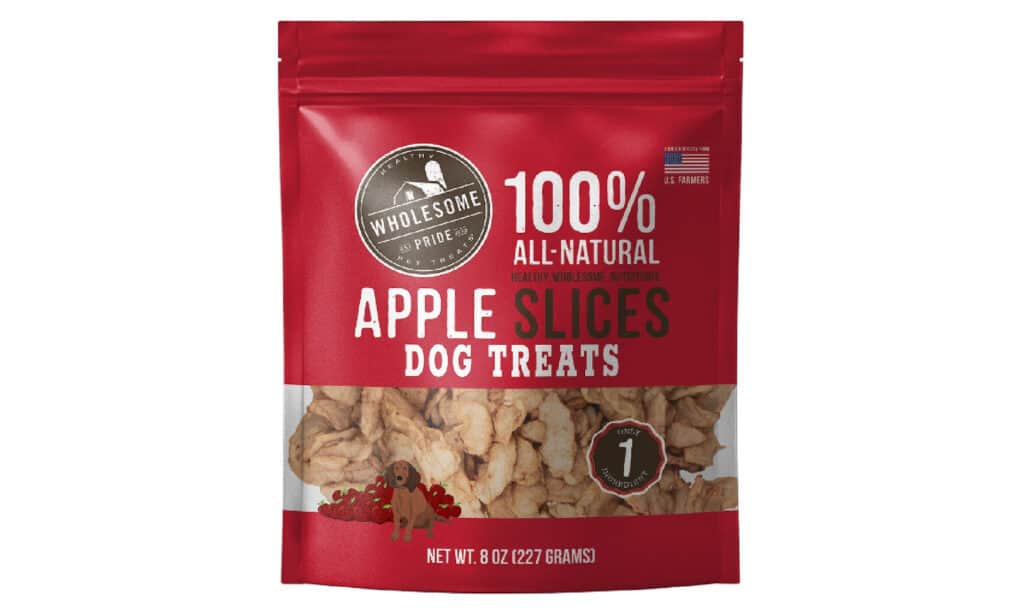
  • Can Dogs Eat Tahini? Expert Answers

    Can Dogs Eat Tahini? Expert Answers

    As pet owners, we want to make sure that our furry friends are happy, healthy, and well-fed. However, it’s not always clear what foods are safe for our dogs to eat. One food that has gained popularity in recent years is tahini, a paste made from ground sesame seeds that is commonly used in Mediterranean and Middle Eastern cuisine. But can dogs eat tahini? While it may seem like a healthy addition to your pup’s diet, there are some important factors to consider before giving your dog this tasty spread. In this blog post, we’ll explore the benefits and risks of feeding your dog tahini, and provide some helpful tips for incorporating it into their diet safely.

    can dogs have tahini

    What Is Tahini?

    Tahini is a delicious paste made from toasted and ground sesame seeds. It has a creamy, smooth texture and a slightly nutty and bitter flavor. This versatile ingredient is commonly used in Mediterranean and Middle Eastern cuisine, especially in popular dishes like hummus, baba ganoush, and halva.

    To make tahini, sesame seeds are first toasted to enhance their natural oils and flavor. Then, they’re ground into a paste using a food processor or a mortar and pestle. Sometimes, oil or water is added to achieve the desired consistency.

    Tahini is an excellent source of healthy fats, protein, and fiber, and contains essential vitamins and minerals like magnesium, phosphorus, and zinc. While it’s a nutritious food for humans, it’s crucial to consider whether it’s safe for dogs to eat before sharing it with your furry friend.

    Can Dogs Eat Tahini?

    While tahini is a nutritious food for humans, it’s important to consider whether it’s safe for our furry friends. The good news is that, in moderation, tahini is generally safe for dogs to eat. It can even provide some nutritional benefits to your pup, including healthy fats, protein, and fiber.

    However, it’s crucial to keep in mind that dogs have different nutritional needs than humans, and some dogs may have allergies or sensitivities to certain foods. Before adding tahini to your dog’s diet, it’s always best to consult with your veterinarian to ensure that it’s a safe and appropriate addition to their meals.

    Additionally, it’s important to make sure that the tahini you’re giving your dog doesn’t contain any harmful ingredients, such as added sugar, salt, or preservatives. Plain, unsweetened tahini is the best option for your pup.

    As with any new food, it’s essential to introduce tahini to your dog’s diet gradually, in small amounts, and monitor them for any signs of digestive upset or allergic reactions. If your dog experiences any adverse reactions to tahini, such as vomiting, diarrhea, or itching, discontinue feeding it to them immediately and contact your veterinarian.

    Can dogs eat tahini? A vet weighs in

    Are There Any Harmful Ingredients in Tahini?

    Plain tahini, made from just sesame seeds, is a nutritious and healthy food for both humans and dogs. However, some commercial tahini products may contain added ingredients that could be harmful to your pup.

    For example, some tahini brands may contain added sugar, salt, or preservatives. Sugar and salt can be detrimental to your dog’s health, causing issues such as obesity, diabetes, and high blood pressure. Preservatives may also cause allergic reactions or digestive upset in some dogs.

    When purchasing tahini, it’s important to read the ingredients list carefully and opt for plain, unsweetened varieties. Look for products that contain only sesame seeds and maybe a small amount of oil or water to adjust the consistency. Avoid products that contain added sugars, salts, or preservatives.

    Are There Any Safe Ingredients in Tahini?

    Tahini is a healthy and nutritious food for both humans and dogs, made from just one ingredient: sesame seeds. However, some tahini products may contain additional safe ingredients that can be beneficial to your pup’s health.

    One example is olive oil. Adding a small amount of olive oil to tahini can help to balance out the fat content and provide additional healthy fats for your dog. Olive oil is a great source of monounsaturated and polyunsaturated fats, which can help support your dog’s overall health and well-being.

    Another safe ingredient to add to tahini is pumpkin. Pumpkin is a great source of fiber, which can help regulate your dog’s digestion and promote a healthy gut. It’s also low in calories and packed with essential vitamins and minerals like vitamin A, potassium, and iron.

    When adding safe ingredients to tahini for your dog, it’s essential to do so in moderation and under the guidance of your veterinarian. While sesame seeds and olive oil are generally safe for dogs, pumpkin can cause digestive upset in some pups. As with any new food, it’s best to introduce these ingredients gradually and monitor your dog’s reaction closely.

    Overall, tahini is a safe and nutritious food for dogs, and adding safe ingredients can help to enhance its nutritional value even further.

    Can dogs safely eat tahini?

    What Signs To Watch For If Your Dog Accidentally Ate A Lot of Tahini?

    While tahini is generally safe for dogs to eat in moderation, consuming a large amount of tahini can cause digestive upset and other health issues. If your dog has accidentally eaten a lot of tahini, there are several signs to watch for that may indicate that they’re experiencing an adverse reaction.

    One of the most common signs of overeating tahini is vomiting. Your dog may vomit shortly after eating the tahini or several hours later. In addition to vomiting, your dog may also experience diarrhea, which can be watery and may contain blood.

    Another sign of digestive upset is abdominal pain or discomfort. Your dog may whine or cry when you touch their belly or exhibit signs of restlessness, such as pacing or standing in an unusual position.

    Other signs of an adverse reaction to tahini include lethargy, loss of appetite, and dehydration. If you notice any of these symptoms in your dog after they’ve eaten a large amount of tahini, it’s essential to seek veterinary care immediately.

    When or If You Should Go To The Vet?

    If you suspect that your dog has consumed a large amount of tahini and is experiencing adverse reactions, it’s important to monitor their symptoms closely and seek veterinary care if necessary. While mild digestive upset is a common side effect of overeating tahini, more severe symptoms may require medical attention.

    You should consider taking your dog to the vet if they are exhibiting any of the following signs:

    • Persistent vomiting or diarrhea that lasts for more than 24 hours
    • Blood in their vomit or diarrhea
    • Abdominal pain or discomfort that doesn’t subside
    • Lethargy or weakness
    • Loss of appetite for an extended period
    • Dehydration, which can manifest as dry gums, sunken eyes, and lethargy

    If you’re unsure about whether your dog’s symptoms require veterinary care, it’s always best to err on the side of caution and contact your veterinarian for guidance. They can provide you with the best advice on how to manage your dog’s symptoms and when it’s appropriate to seek medical attention. With prompt treatment, most dogs can recover from overeating tahini and return to their normal, happy selves.

    Tahini for dogs: nutritional benefits and risks explained

    Safe Dog-Friendly Alternative to Tahini:

    Here are some safe, dog-friendly alternatives to tahini:

    1. Plain, unsweetened yogurt – Yogurt is a great source of probiotics, which can help support your dog’s digestive health. Opt for plain, unsweetened varieties without any added flavors or sugars.
    2. Peanut butter – Peanut butter is a popular treat for dogs and is an excellent source of protein and healthy fats. However, be sure to choose a brand that doesn’t contain added sugars or salt.
    3. Pureed pumpkin – Pureed pumpkin is a great source of fiber and can help regulate your dog’s digestion. Be sure to choose a plain, unsweetened variety without any added flavors or spices.
    4. Mashed sweet potato – Sweet potatoes are packed with essential vitamins and minerals and are a great source of fiber. Cooked and mashed sweet potato can be a delicious and nutritious addition to your dog’s meals.
    5. Homemade bone broth – Bone broth is rich in nutrients and can be a great addition to your dog’s diet. You can easily make bone broth at home using bones from chicken, beef, or pork.

    As with any new food, it’s important to introduce these alternatives gradually and monitor your dog’s reaction closely. If your dog exhibits any signs of digestive upset or allergic reactions, discontinue the food and consult with your veterinarian. By offering safe and nutritious alternatives to tahini, you can provide your pup with a variety of healthy and delicious options for their meals.

    Healthy Store-Bought Options:

    In conclusion, tahini is a nutritious and delicious food that is enjoyed by many humans around the world. While it can be safe for dogs to eat in moderation, it’s important to be mindful of the ingredients and potential risks associated with feeding tahini to your pup.

    By consulting with your veterinarian and introducing tahini and other new foods gradually, you can ensure that your dog is getting a safe and nutritious addition to their diet. And if you suspect that your dog has consumed too much tahini or is experiencing adverse reactions, it’s always best to seek veterinary care promptly.

    Finally, remember that there are plenty of safe and healthy alternatives to tahini that you can offer your dog. From plain yogurt to mashed sweet potatoes, these foods can provide your furry friend with a variety of essential nutrients and tasty options for their meals.

    By being mindful of your dog’s nutritional needs and offering safe and healthy foods, you can help them live a happy and healthy life. Thank you for reading this blog post, and we hope that it has provided you with useful information about feeding tahini to your furry friend!

    ~Lindsie

    A note about your dog’s health

    This article provides general education and does not replace an examination, diagnosis, or individualized advice from your veterinarian. Contact a veterinary professional if you are concerned about your dog’s symptoms.

    Lindsie Parks B.S., CRDNS Avatar

    ABOUT THE AUTHOR

  • Portable and Practical: Soft-Sided Playpens for Dogs on the Go

    Portable and Practical: Soft-Sided Playpens for Dogs on the Go

    Looking for soft-sided playpens for dogs? As a responsible pet owner, keeping your dog safe is a top priority, especially in unfamiliar surroundings. Crating can restrict their movement and playtime, but a soft-sided playpen offers a secure and spacious environment for your active pup. It allows your pet to play, rest, and explore without any danger of getting hurt or creating a mess. With a soft-sided playpen, you can have peace of mind knowing that your beloved dog is happy and secure, even when you’re not around.

    soft sided playpens

    Benefits of Soft-Sided Playpens for Dogs

    • Soft-sided and portable: These playpens are lightweight and easy to set up and take down, making them perfect for travel and outdoor activities.
    • Secure and contained: Soft-sided playpens offer a safe and secure space for your furry friend to play and relax without the risk of running off or getting into trouble.
    • Easy to clean: Made of durable and easy-to-clean materials, maintaining hygiene is a breeze.
    • Encourages independence: Providing your dog with their own play area can encourage self-confidence and independence.
    • Flexible and versatile: Available in different sizes and shapes, soft-sided playpens are suitable for any living space and can be used both indoors and outdoors, providing more opportunities for playtime and exercise.
    Portable playpen for small dogs with removable top

    Things to Consider When Buying a Soft-Sided Playpen For Dogs

    Looking for the best foldable soft-sided playpen for your furry friend? Here are some essential factors to keep in mind:

    Size: Ensure that the playpen is spacious enough for your dog to move and play in and is tall enough to prevent them from jumping out.

    Location: Consider where you plan on using the playpen. If it’s for outdoor use, look for waterproofing, and if it’s for indoor use, choose a color that complements your decor.

    • Stability and Durability: For larger dogs, make sure the playpen is stable and durable enough to withstand potential knocking over. Playpens with stabilizing stakes are a great option.
    • Material: Consider the pros and cons of different materials to find the best option for your needs. For example, metal playpens are durable but could scratch floors.
    • Portability: If you plan on moving the playpen frequently, look for a lightweight option that’s easy to collapse and transport.
    • Flexibility: Consider if you need a playpen that can adjust to accommodate multiple pets or a specific shape to fit your space.
    • Entry: Playpens with doors can be helpful for larger dogs or to prevent jumping.

    By keeping these factors in mind, you can find the perfect soft-sided foldable playpen for your furry friend that provides a safe and comfortable space for them to play and relax.

    Lightweight dog playpen with water-resistant base

    Top 5 Best Soft-Sided Playpens for Dogs

    As a pet owner, you want to ensure your furry friend has a safe and comfortable playpen that encourages play and relaxation. That’s why we’ve put together a list of the top 5 best soft-sided playpens for dogs. Our reviews consider important factors such as safety, durability, and stability, as well as features like size and portability. You can trust our recommendations to help you make an informed decision and provide your pup with the best possible playpen.

    1. Parkland Soft-Sided Dog Playpen

    If you’re in the market for a lightweight, easy-to-set-up playpen for your furry friend, look no further than the Parkland Foldable Playpen. This thing is a breeze to assemble – no tools required – and it gives your pet plenty of room for all their favorite things, from blankets to toys to food and water.

    One of the best things about this playpen is how easy it is to clean and maintain. And if you’re planning a camping trip with your pet, it’s a great choice. It’s super affordable, too, so you won’t have to break the bank to keep your pet safe and happy on the go.

    The playpen features a zipper on the top and a door on the front, making it easy for your pet to get in and out whenever they please. And once you’ve unzipped the door, you can roll it up to keep it out of the way – no more tripping over the door when you’re playing with your pet!

    At just 1.94 pounds, this playpen is lightweight and easy to take with you wherever you go. Whether you’re hanging out indoors, enjoying the great outdoors, or hitting the road for a long trip, the Parkland Foldable Playpen is a great choice for pet owners who want convenience and ease of use.

    Pros

    • Hassle-Free Assembly: You won’t need any fancy tools or complicated instructions to set up this playpen – just unfold it and you’re good to go! It’s the perfect solution for pet owners who want a hassle-free play area for their furry friend.
    • Lightweight and Portable: This playpen is lightweight and portable for pet owners on-the-go. Ideal for travel or temporary containment, this playpen is an excellent option for pet owners.
    • Easy to Clean: Easy cleaning: wipe with a damp cloth – done! Durable materials ensure longevity, no need to worry about wear and tear.
    • Budget-Friendly: If you’re looking for a quality playpen that won’t break the bank, this is it. It’s an affordable option that still delivers all the features you need to keep your pet safe and happy.
    • Convenient Design: Easy pet access with top zipper and front door in this playpen. Roll up the door once open to keep it out of the way during playtime.

    Cons

    • The playpen is not water-resistant.

    2. Precision Soft Side Dog Playpen Indoor

    Looking for a strong and sturdy indoor playpen for your small or medium dog? Check out the Precision Soft Side Play Pen! It’s easy to set up and put away for storage or transport and even comes with a carrying case to make things even easier.

    The bottom panel is also a breeze to remove and wash, so your pet can always have a clean and cozy play area. And if you need to set it up outside for a bit, no worries – its water-resistant materials help protect it from the elements.

    Overall, the Precision Soft Side Play Pen is a great investment for pet owners who want a durable and reliable playpen that’s simple to use. It gives your pup plenty of space to stretch their legs and play indoors.

    Pros

    • Durable and Reliable: You can count on the Precision Soft Side Play Pen to keep your pet safely contained while they play and exercise. It’s made to be sturdy and strong, so you can trust it to last.
    • Easy to Use: Setting up and taking down this playpen is a breeze – it’s designed to be simple and user-friendly. And when you’re ready to pack it up, it folds up easily for storage or transport. Plus, the included carrying case is a nice touch!
    • Spacious and Comfy: Your furry friend will have plenty of room to stretch out and play in this playpen. It’s designed to provide a comfortable and spacious play area, both indoors and outdoors.
    • Easy to Clean: The removable bottom panel is a real game-changer when it comes to keeping the playpen clean. You can simply take it out and wash it whenever you need to, ensuring your pet always has a hygienic play area.
    • Water-Resistant: You don’t have to worry about spills or accidents damaging this playpen – it’s made from water-resistant materials to help protect it from the elements. This makes it a great option for indoor and outdoor use.

    Cons

    • It is not ideal for large dog breeds.

    3. Zampa Foldable Portable Dog Playpen

    Zampa Foldable Portable Pet Playpen is a portable playpen that is easy to set up. It easily folds down and comes with a handy carrying case for easy transportation and storage. The playpen is durable and comes with an attached floor mat. It includes reinforced corners and seams to keep your dog safe and secure.

    The portable pet playpen is water-resistant for the outdoors. It measures 24 inches high and 45 inches in diameter. The playpen is ideal for small and medium dog breeds but may not be ideal for larger breeds or older puppies once they grow bigger. It does not require any assembly. The pen has a zippered dog door that ensures easy entry and exit for your pet. It comes with a 1-year money-back guarantee.

    Pros

    • Safe and Durable: Water-resistant, high-quality materials with reinforced corners and protected seams for pet safety.
    • Spacious and Convenient: Plenty of space for pets to play with a 45″ diameter and 24″ height. Plus, the exterior side pockets and bottle holder make it easy to keep your personal items close by.
    • Easy to Use: Setting up this playpen is a breeze – it pops up in seconds with no assembly required! And when you’re not using it, the playpen folds flat, making it easy to store and transport. Plus, the included carrying case makes it easy to take with you on the go.
    • Mesh Top: The included mesh top can be zipped on when needed, providing added security and protection for your pet.
    • Great Customer Service: Zampa prioritizes top-notch customer service by not only providing a playpen and 4 metal spikes for outdoor safety but also committing their customer service team to make things right. Additionally, they offer a helpful video tutorial to assist you in getting started with your new playpen.

    Cons

    • It is not ideal for large dog breeds.
    • The playpen is not as sturdy as metal playpens.

    4. TASDISE Portable Pet Playpen, Foldable Dog Playpen

    Looking for a safe and comfortable playpen for your small pet? The TASDISE Portable Pet Playpen is a great alternative to traditional kennels. It’s lightweight, easy to assemble, and comes with a convenient carry case for on-the-go use. The playpen is made with durable, waterproof material and features reinforced corners and protected seams for added safety. With a roomy 8-panel design, two roll-up doors, and 360-degree open mesh, your pet will have plenty of space to play and relax. It’s perfect for rabbits, dogs, cats, and other small animals, and can be used indoors or outdoors. Maintenance is easy with hand washing in cold water and air-drying.

    Pros

    • Spacious and Comfortable: Your pet needs space to move and play, and this playpen provides just that. With ample room, your furry friend can play, relax, and move around comfortably.
    • Durable and Safe: Made with high-quality, waterproof materials, this playpen is built to last. Its reinforced seams and corners ensure your pet’s safety during playtime.
    • Portable and Convenient: Take the playpen with you wherever you go! Its lightweight design and convenient carry-case make it easy to transport and store. Use it for outdoor activities, trips, or in any room of your house.
    • Easy Access: Your pet can easily come and go with the two roll-up doors that fasten out of the way. The 360-degree open-mesh design also provides a clear view of the surroundings.
    • Multi-Purpose: This playpen is perfect for rabbits, cats, dogs, and other small animals. Its versatility means you can use it both indoors and outdoors, providing your pet with a safe and comfortable space to play, nap, hide, or isolate.

    5. Regalo Deluxe My Play Portable Soft-sided Dog & Cat Playpen, 6-Panel

    Are you in search of a high-quality and portable play yard for your beloved furry companion? Look no further than the Regalo Deluxe My Play Portable Dog Play Yard, available in 6-panel and 8-panel options. Not only can it be effortlessly set up and folded down, but it’s also built with a sturdy metal frame and reinforced stitching to withstand dogs of all sizes. The nylon bottom is a breeze to clean, while the mesh sides offer ventilation and an unobstructed view for your pup. Whether at home or on-the-go, this play yard will provide a safe and comfortable space for your furry friend.

    Pros:

    • Customizable size: Choose between a 6-panel or an 8-panel play yard to fit your specific needs and preferences.
    • Quick and easy setup: Sets up and folds down quickly and efficiently, saving you time and hassle when you need to move it.
    • Easy to clean: The nylon bottom is designed to be easy to clean, making the cleanup process a breeze.
    • Durable and long-lasting: The reinforced stitching on the edges adds durability to the design, ensuring that it will last for a long time.
    • Suitable for all sizes: The sturdy metal frame is built to accommodate pups of all sizes, providing a safe and secure play area for your furry friend.

    As a pet parent, you want to ensure the safety and comfort of your furry friend while they play in their soft-sided playpen. With so many options available, it can be challenging to choose the right one. That’s why we’ve taken the time to research and test the top-rated foldable playpens for dogs to help you make an informed decision.

    Our team has made sure that each playpen provides a secure and comfortable space for your pup to play and rest. We hope that our recommendations have helped you find the perfect playpen. If you choose one of our recommended playpens, we would love to hear about your experience. Our goal is to keep your furry best friend happy and safe while you’re away.

    Lindsie’s Pro-Tip: Make cleaning up after your pup’s playtime easier by placing a washable potty pad underneath the playpen if it’s kept indoors. This will absorb any accidents and prevent damage to your floors. Keep multiple pads on hand for easy swapping and washing. I personally keep 4-5 on rotation at all times in my house.

    ~Lindsie

    A note about your dog’s health

    This article provides general education and does not replace an examination, diagnosis, or individualized advice from your veterinarian. Contact a veterinary professional if you are concerned about your dog’s symptoms.

    Lindsie Parks B.S., CRDNS Avatar

    ABOUT THE AUTHOR
  • Can Dogs Have Ritz Crackers? Expert Answers

    Can Dogs Have Ritz Crackers? Expert Answers

    Are you a dog owner who enjoys snacking on Ritz crackers? If so, you may have wondered whether your furry friend can indulge in this buttery, crispy treat as well. After all, dogs are known for their love of snacks and treats, and it can be tempting to share your own snacks with them. But before you toss a Ritz cracker their way, it’s important to know whether it’s safe for them to eat. In this blog post, we’ll explore can dogs have Ritz crackers and what you should keep in mind when considering sharing your snacks with your four-legged companion.

    can dogs have ritz crackers

    What Are Ritz Crackers?

    Ritz crackers have been a beloved snack food for over 80 years, pleasing taste buds with their buttery flavor and satisfyingly crisp texture. Ritz crackers are versatile and can be eaten alone or used as a base for dips and toppings.

    Nabisco, a prominent American snack food company, invented the original Ritz cracker in 1934. Since then, these crackers have become a household name, enjoyed by countless people worldwide. Ritz brand expanded to offer new styles and flavors, like whole wheat, reduced-fat, and sandwich-style crackers.

    It’s important to note that while Ritz crackers are popular among humans, they’re not specifically designed for dogs. When considering Ritz crackers for dogs, keep their nutritional needs and sensitivities in mind.

    Can Dogs Eat Ritz Crackers?

    While dogs can technically eat Ritz crackers, it’s not recommended to make them a regular part of your dog’s diet. This is because Ritz crackers are high in salt, which can be harmful to your dog’s health if consumed in large quantities. Ritz crackers have wheat flour and seasonings that might not be good for all dogs.

    If you do decide to give your dog a Ritz cracker as a treat, it’s essential to do so in moderation. Make sure to monitor how many crackers you give your dog and consider breaking them into small pieces to avoid any choking hazards. Watch for discomfort or digestive issues in your dog after they eat Ritz crackers.

    Ritz crackers: a perfect training treat for dogs

    Are There Any Harmful Ingredients in Ritz Crackers?

    While Ritz crackers are generally considered safe for human consumption, they do contain some ingredients that may not be suitable for all dogs. For example, Ritz crackers are made with wheat flour, which can be a common allergen for dogs. Additionally, they contain seasonings and other flavorings that may cause digestive upset or allergic reactions in some dogs.

    Another ingredient that may be harmful to dogs in large quantities is salt. Eating too many Ritz crackers can cause sodium poisoning in dogs due to their high salt content. Symptoms of this condition can include vomiting, diarrhea, and seizures, so it’s essential to monitor your dog’s salt intake carefully.

    In general, it’s best to stick to dog-specific treats and snacks that are formulated to meet your pet’s nutritional needs. Make sure to introduce in moderation and keep an eye out for any signs of discomfort or illness.

    Are There Any Safe Ingredients in Ritz Crackers?

    Yes, there are some safe ingredients in Ritz crackers that can be enjoyed by dogs in moderation. For example, Ritz crackers are made with enriched flour, which provides some essential vitamins and minerals that dogs need, such as iron and thiamin. They also contain vegetable oil, which can provide some beneficial fatty acids for your dog’s overall health.

    However, it’s important to keep in mind that Ritz crackers are not specifically formulated for dogs and should not be a regular part of their diet. Safe ingredients in Ritz crackers, but high salt and allergens may cause health issues in some dogs.

    Canine-friendly Ritz crackers for your furry friend

    What Signs To Watch For If Your Dog Accidentally Ate A Lot of Ritz Crackers?

    If your dog consumes a large amount of Ritz crackers, they may experience symptoms of salt toxicity. These symptoms can include vomiting, diarrhea, lethargy, excessive thirst or urination, tremors, seizures, and even coma. Ritz crackers have wheat flour, which is an allergen for dogs and can cause digestive upset or allergic reactions.

    If you suspect that your dog has eaten too many Ritz crackers or is showing any signs of discomfort or illness, it’s essential to contact your veterinarian immediately. They can help you determine the severity of your dog’s condition and provide appropriate treatment.

    To prevent accidental overconsumption of Ritz crackers or other human snacks, it’s important to keep them out of your dog’s reach and provide them with dog-specific treats and snacks that are formulated to meet their nutritional needs.

    When or If You Should Go To The Vet?

    If you suspect that your dog has consumed a large amount of Ritz crackers or is showing any signs of discomfort or illness, it’s important to contact your veterinarian immediately. Depending on the severity of your dog’s symptoms, they may require medical attention or supportive care.

    Some signs that may indicate the need for veterinary attention include vomiting, diarrhea, lethargy, excessive thirst or urination, tremors, seizures, and even coma. If your dog is allergic to Ritz ingredients, seek vet care immediately.

    If you’re unsure whether your dog requires veterinary attention, it’s always better to err on the side of caution and contact your veterinarian for guidance. They can help you determine the best course of action for your pet’s individual situation.

    In general, you should keep human snacks and treats out of your dog’s reach and offer them treats and snacks that meet their nutritional needs. By doing so, you can help to prevent accidental overconsumption and potential health issues.

    Giving your dog Ritz crackers: what you need to know

    Safe Dog-Friendly Alternative to Ritz Crackers:

    Here are some healthy alternatives to Ritz crackers that are safe for your dog to enjoy:

    1. Carrots: Dogs love the crunchy texture and sweet taste of carrots. A healthy and tasty snack for your furry friend, low in calories and high in vitamins and minerals.
    2. Apples: Apples are another favorite snack among many dogs. Remove apple seeds and core before giving to dogs; they’re a good source of fiber and antioxidants.
    3. Green beans: Dogs enjoy the crisp texture and mild flavor of green beans. They are also low in calories and high in fiber, which makes them an excellent snack for weight management.
    4. Plain, cooked chicken or turkey: Cooked chicken or turkey is a lean protein source that dogs love and is healthy for them. It’s important to remove any bones and skin before feeding it to your dog to avoid choking hazards.
    5. Peanut butter: Many dogs go crazy for peanut butter, and it’s a great source of protein and healthy fats. Just make sure to choose a brand that does not contain xylitol, which is toxic to dogs.

    These are just a few examples of safe, dog-friendly alternatives to Ritz crackers.

    Healthy Store-Bought Options:

    In conclusion, while Ritz crackers are a tasty and popular snack among humans, they are not specifically formulated for dogs and should not be a regular part of their diet. Dogs can eat Ritz crackers in moderation, but the high salt content and potential allergens make them unsafe for all.

    If you do decide to give your dog Ritz crackers or any other human snacks, it’s important to do so in moderation and monitor their reaction carefully. Give your dog treats that meet their unique nutritional needs instead of human snacks to keep them healthy.

    By following these guidelines and consulting with your veterinarian, you can help ensure that your dog is getting the best possible nutrition and staying healthy and happy for years to come.

    ~Lindsie

    A note about your dog’s health

    This article provides general education and does not replace an examination, diagnosis, or individualized advice from your veterinarian. Contact a veterinary professional if you are concerned about your dog’s symptoms.

    Lindsie Parks B.S., CRDNS Avatar

    ABOUT THE AUTHOR