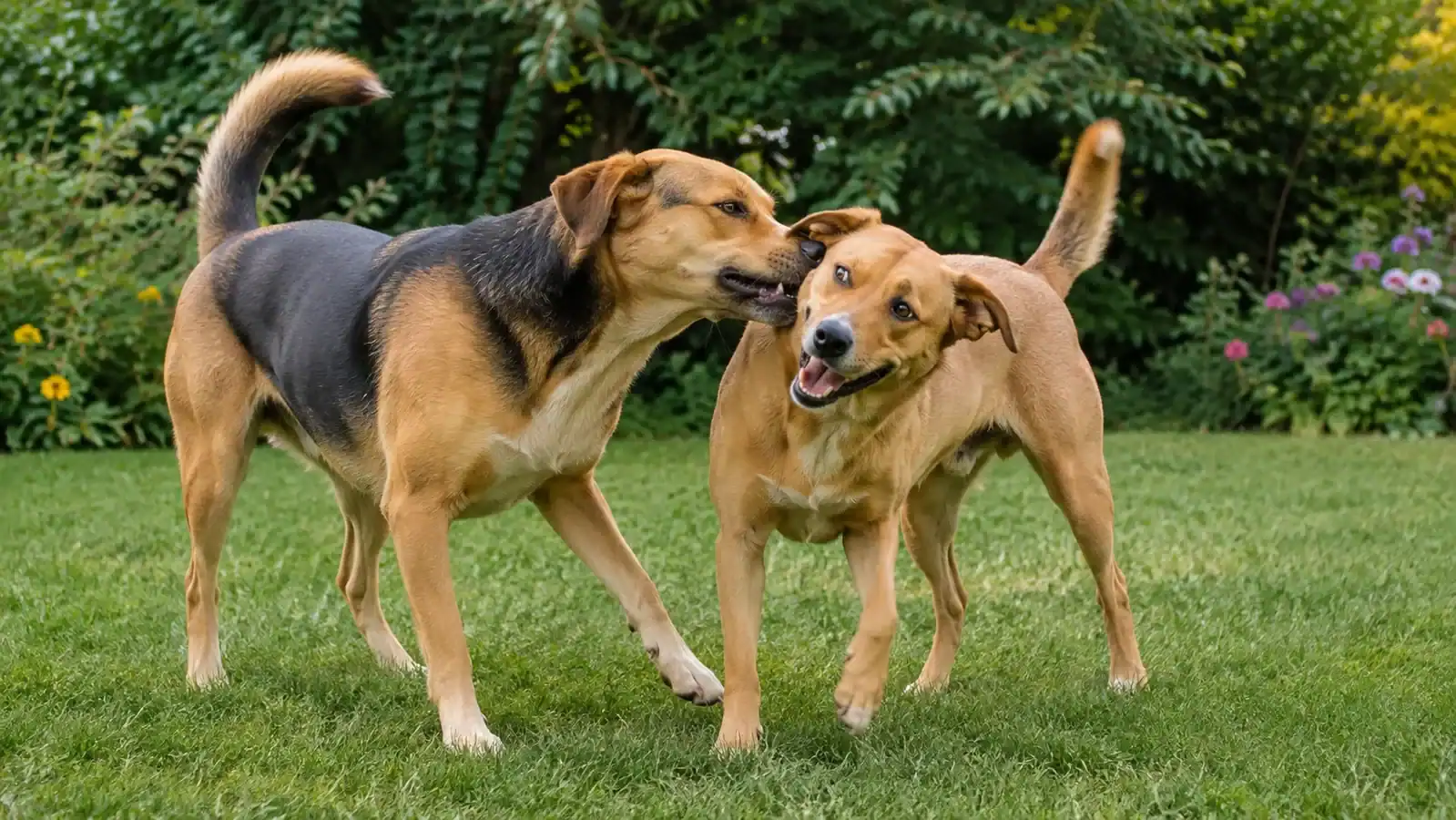
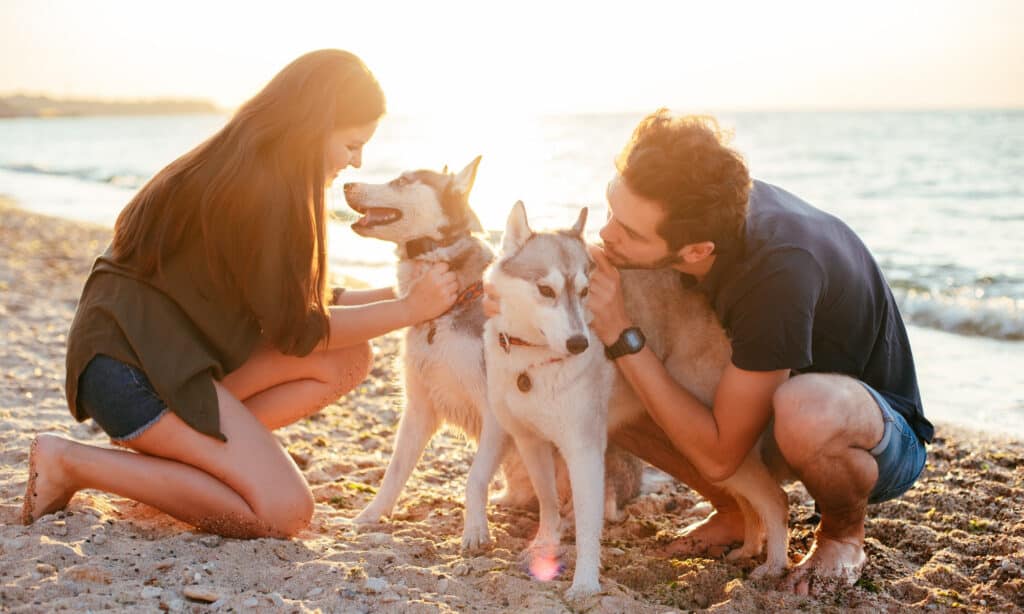
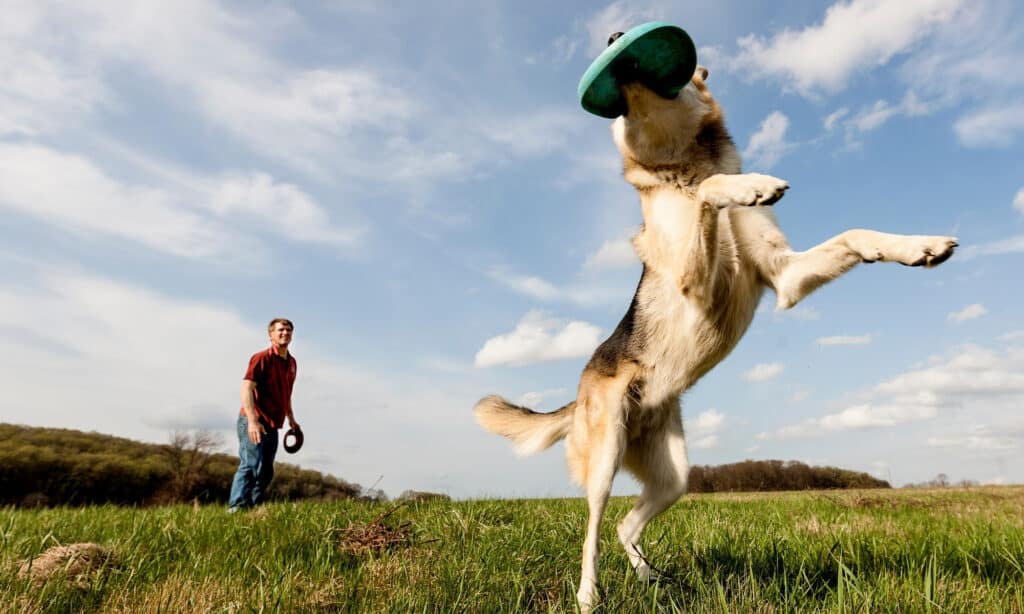
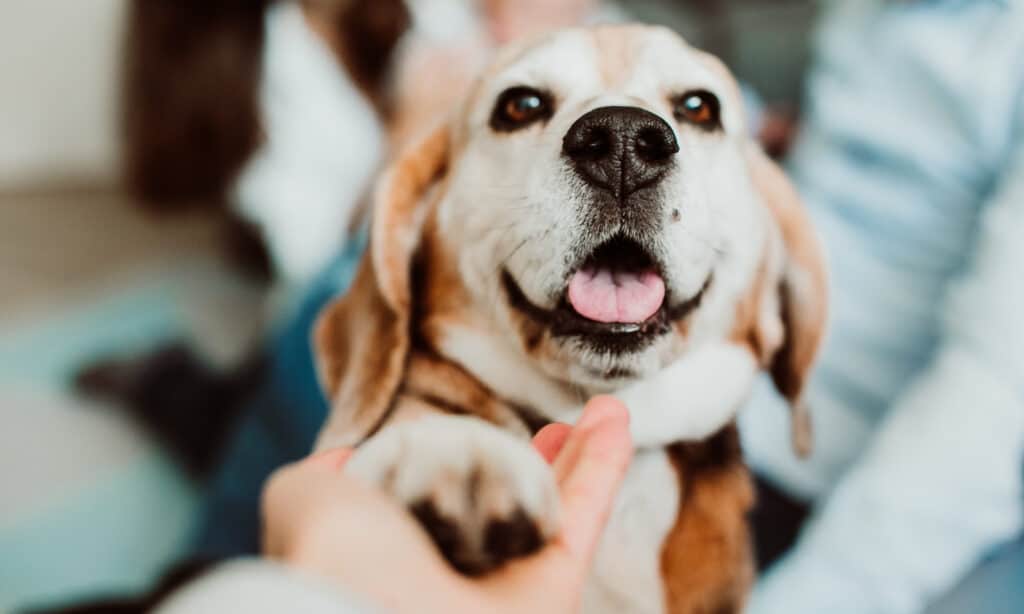
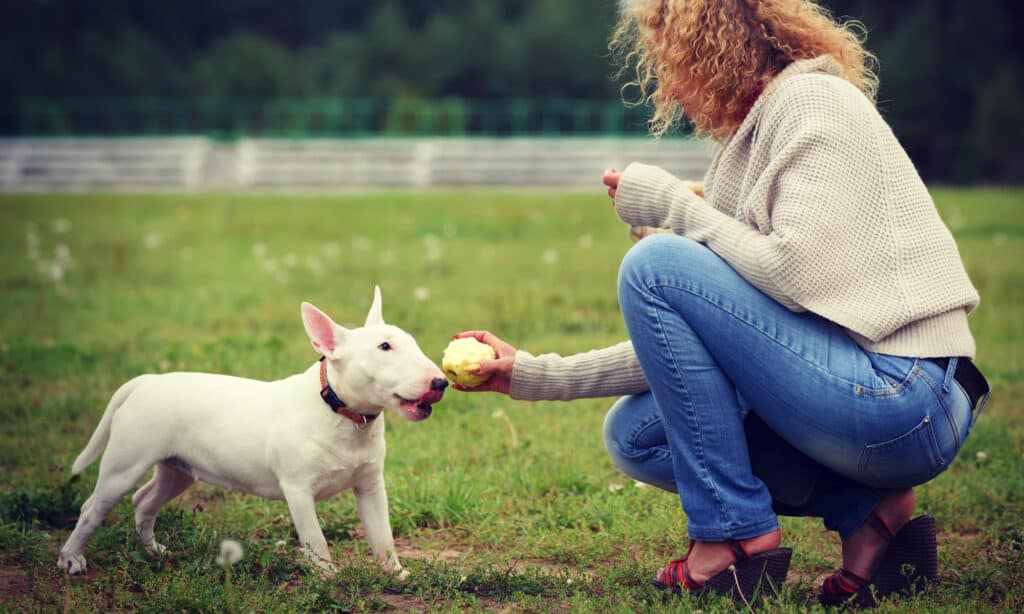
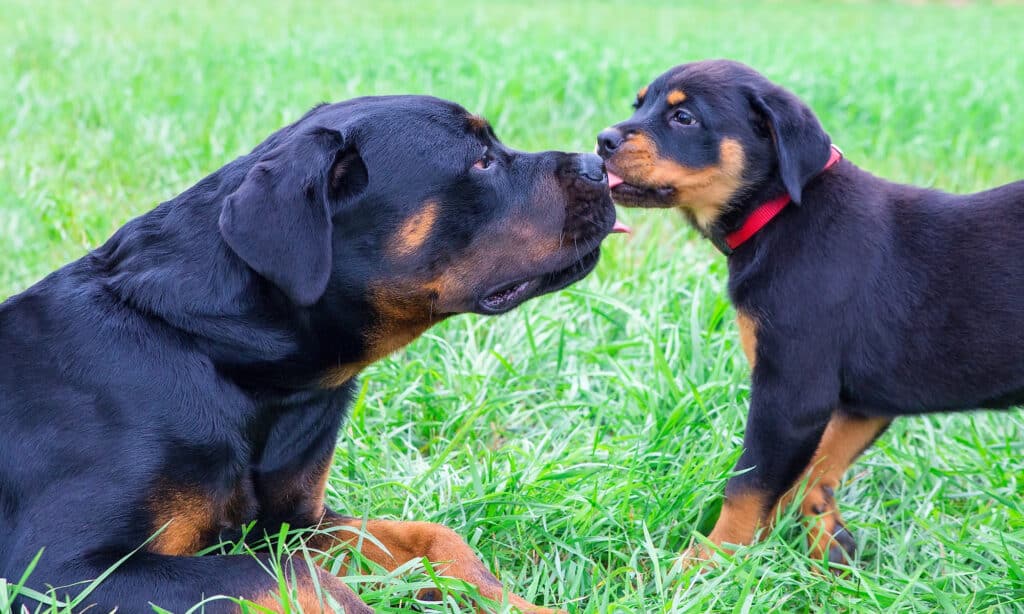
Dogs often mouth one another’s ears during play because ears are easy to reach and social play includes chasing, wrestling, and gentle biting. Ear biting is more likely to be playful when both dogs choose to participate, their bodies stay loose, they pause, and they take turns.
Stop the interaction when one dog tries to escape, becomes stiff or silent, guards space, repeatedly pins the other dog, or causes injury. Judge the behavior in front of you, not the dog’s breed or a dominance label. If a fight starts, do not put your hands between the dogs.
Why Dogs Bite Ears During Play
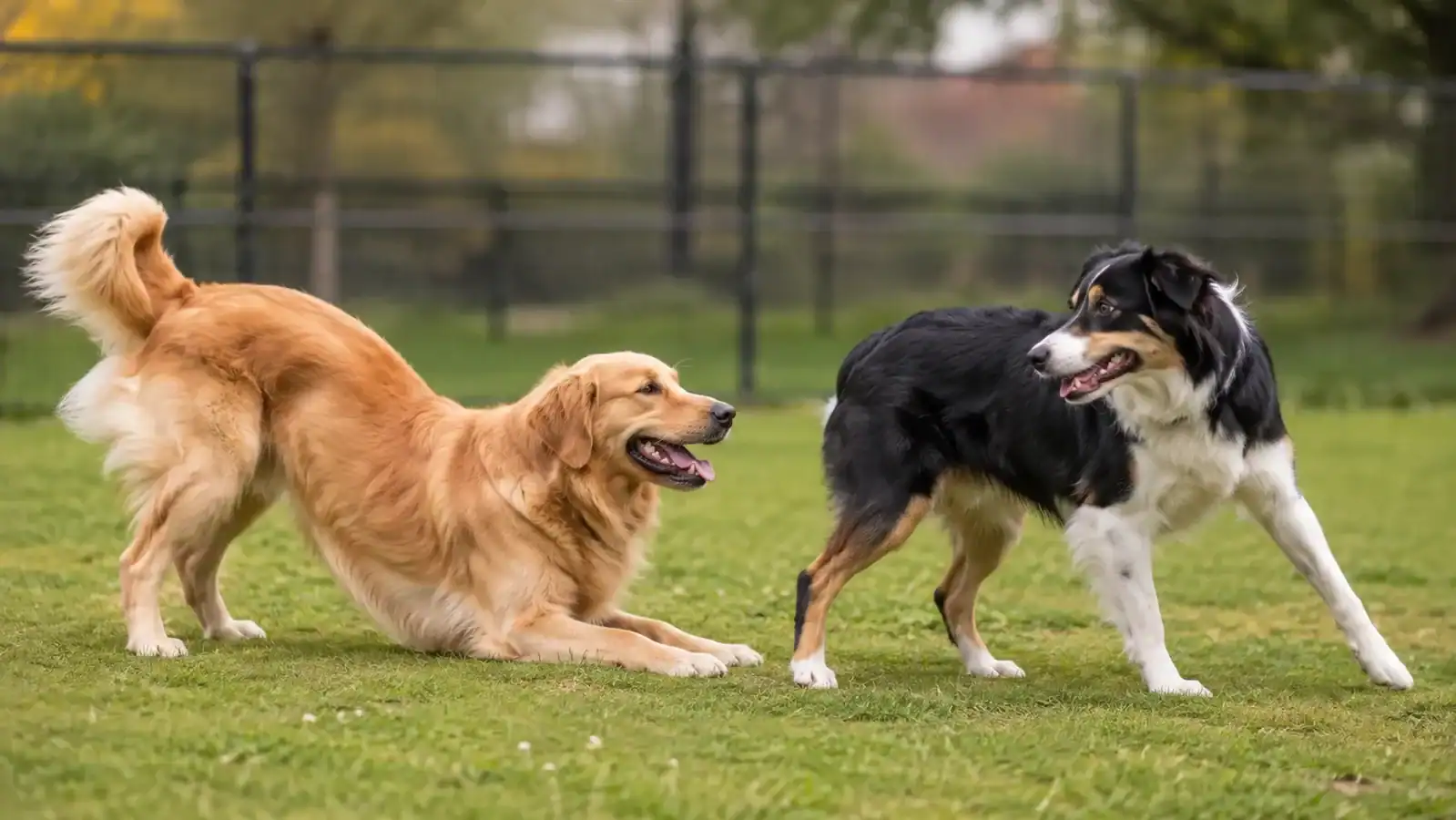
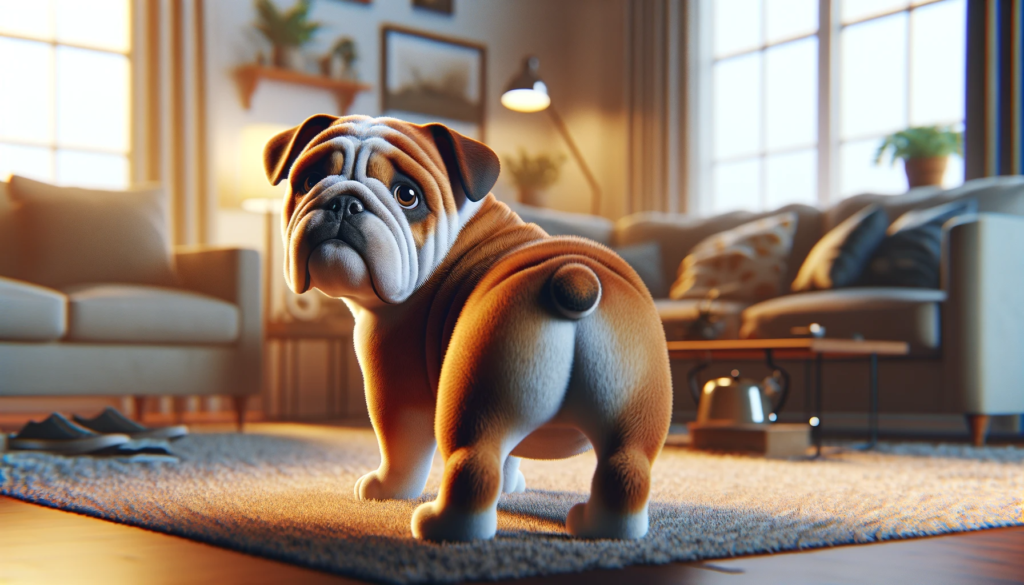
Play helps dogs practice movement and communication. A play bow, with the front end lowered and rear raised, can signal playful intent. Research suggests play bows help maintain playful interaction and may reset the meaning of behavior that could otherwise seem threatening [1].
Healthy play often includes:
Loose, wiggly bodies
Open, relaxed mouths
Bouncy movement
Pauses and brief disengagement
Role reversals during chasing or wrestling
Both dogs returning after a break
A dog may make noise during play. Growling by itself does not decide whether the interaction is safe. The full body and each dog’s ability to leave matter more.
How to Tell Play From a Problem
Watch for consent. Separate the dogs for three seconds, then release the dog who seemed less comfortable. If that dog returns with a loose body, play may continue. If the dog moves away, hides, or stays with a person, honor that choice.
Dog communication uses posture, facial expression, gaze, movement, sound, and scent together [2]. No single signal tells the whole story.
Concerning signs include:
A stiff, tall, or frozen body
Hard staring
Closed, tense mouth
Repeated attempts to hide or escape
One dog doing all the chasing or pinning
Escalating bites without pauses
A yelp followed by continued pressure
Blood, swelling, or a torn ear
When Ear Biting Becomes Unsafe
Puppies and adolescent dogs can become overexcited. Size differences, pain, crowded spaces, valued toys, and fatigue may also raise risk. Interrupt before either dog loses control.
Breed does not determine whether an individual interaction is safe. Avoid stereotypes about jaw strength, fighting, or dominance. Use observable behavior, history, context, and the degree of injury.
If one dog repeatedly ignores the other’s requests for space, supervised play may not be appropriate until a qualified reward-based professional evaluates the pair.
How to Interrupt Dogs Safely
For rough play that has not become a fight:
Call both dogs in cheerful voices.
Toss treats in separate directions if food does not create conflict.
Guide them to separate spaces for a short break.
Remove toys or crowding that may be raising tension.
Resume only if both dogs are calm and choose to reengage.
For an active fight, keep hands and face away from mouths. Use distance, barriers, doors, or other safe separation methods. After separation, secure each dog in a different space and check for injuries.
Do not punish growling. A growl is useful information that a dog is uncomfortable. Punishment can suppress the warning without changing the emotion.
Preventing Rough Ear Biting
Choose well-matched play partners and give dogs room to move away. Keep sessions short, especially for puppies. Interrupt at early signs of tension and reward both dogs for coming away.
Teach reliable cues such as come, touch, and go to mat. Practice them when dogs are calm before relying on them during play.
If incidents repeat, record when they happen. Note location, toys, food, visitors, fatigue, pain, and which dog approached. A veterinarian can screen for medical causes. A certified reward-based behavior professional can build a management and training plan.
Caring for an Ear Wound
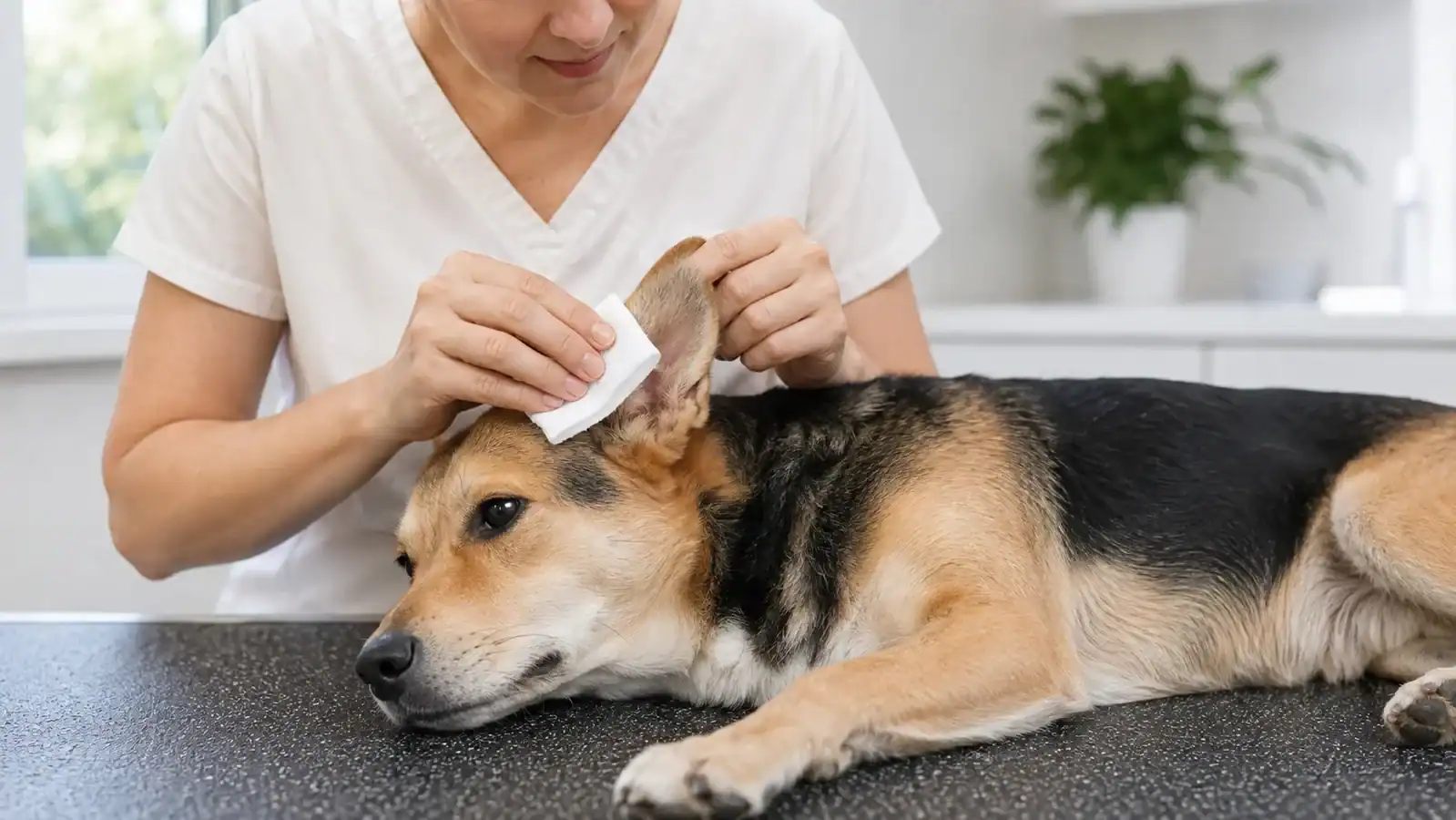
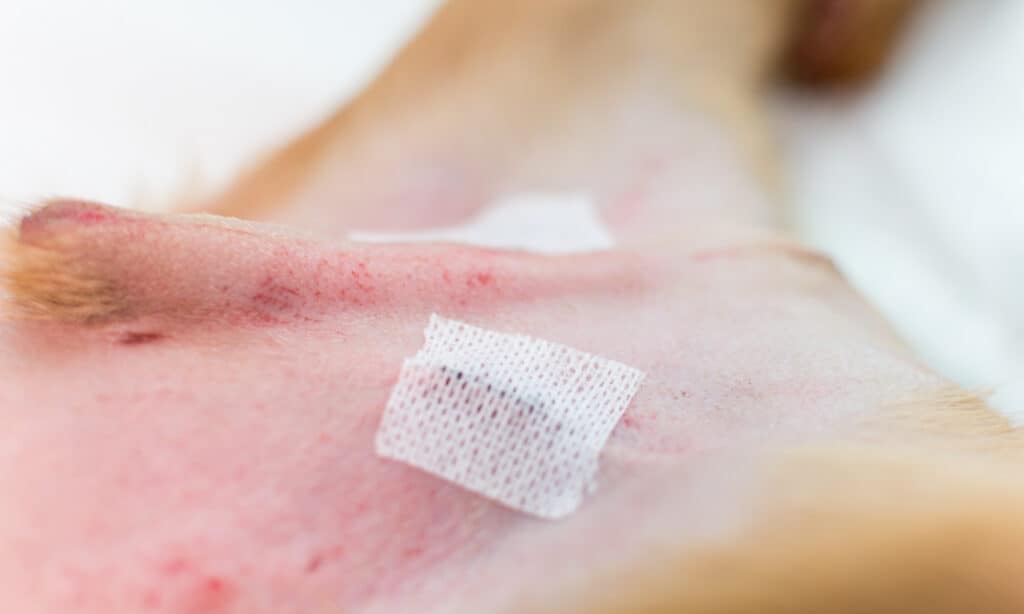
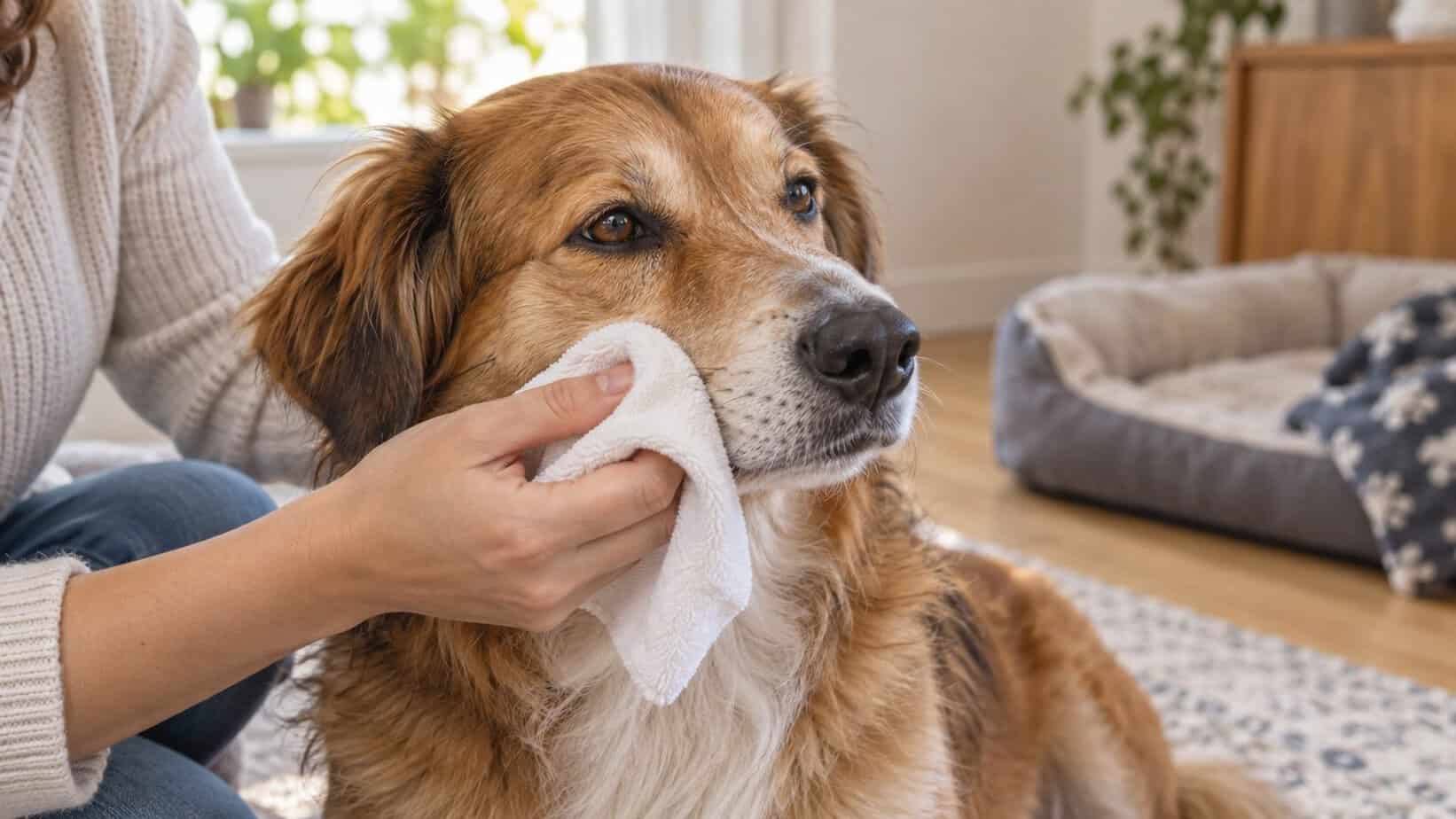
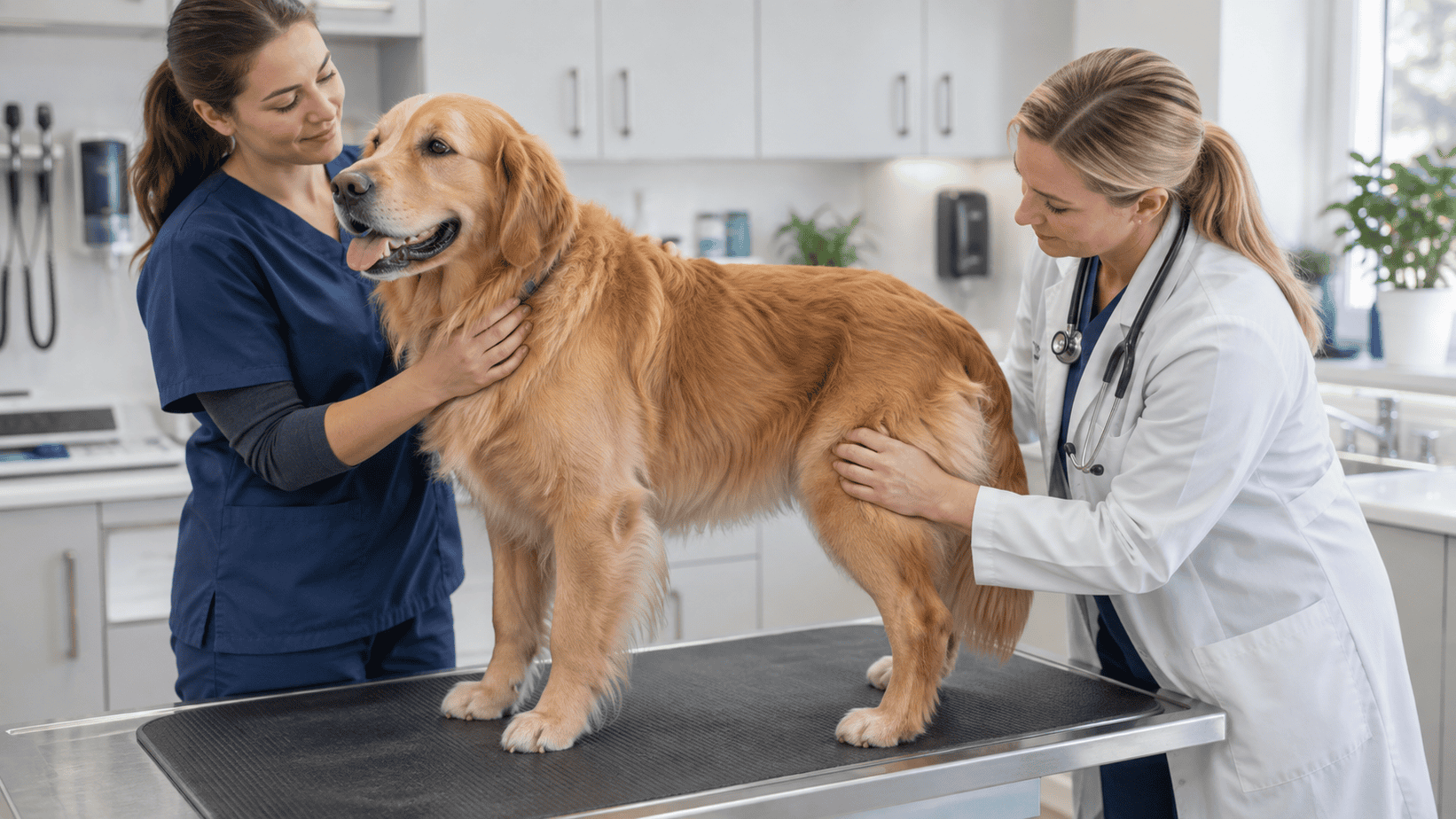
Ear flaps bleed easily. Apply gentle pressure with clean gauze for several minutes. Do not repeatedly lift the gauze to check because that can restart bleeding.
A puncture may look small while extending deeper under the skin. Call your veterinarian for punctures, a torn ear edge, swelling, pain, discharge, head shaking, or bleeding that will not stop. Keep the dogs separated while the wound heals.
Final Thoughts
Ear mouthing can be normal social play when bodies are loose, roles change, and both dogs freely return. It becomes a problem when consent disappears, tension rises, or injury occurs.
Watch the whole interaction, interrupt early, and avoid breed or dominance shortcuts. Safety comes from careful observation and calm management.
Why does my dog bite another dog’s ears?
It may be playful mouthing, overexcitement, conflict, or a response to pain or competition. Body language and context show which is more likely.
How do I know if ear biting is play or aggression?
Play is usually loose, mutual, and broken by pauses. Stiffness, escape attempts, one-sided pressure, and injury are warning signs.
Should I stop dogs from biting ears during play?
Interrupt if either dog seems uncomfortable, play is escalating, or the ears are being damaged. Gentle mutual mouthing does not always require intervention.
How do I safely break up rough play?
Call the dogs apart and use distance or barriers. Do not reach between their mouths.
When does an ear wound need a veterinarian?
Punctures, tears, swelling, severe pain, discharge, persistent head shaking, or bleeding that does not stop need veterinary care.
References
[1] Byosiere, S. E., et al. (2016). Investigating the function of play bows in adult pet dogs. Behavioural Processes, 125, 106-113. https://pubmed.ncbi.nlm.nih.gov/26923096/
This article provides general education and does not replace an examination, diagnosis, or individualized advice from your veterinarian. Contact a veterinary professional if you are concerned about your dog’s symptoms.
Lindsie Parks is the founder of Healthy Happy Dogs and holds a bachelor’s degree in biology. She brings more than 19 years of experience across veterinary medicine, animal welfare, practice leadership, nutrition, cold laser therapy, rescue work, and emergency animal response. Her goal is to give pet parents clear information, practical options, and greater confidence in the decisions they make for their animals.
The Sweet and Sour Temptation: Can Dogs Really Eat Sour Patch Kids?
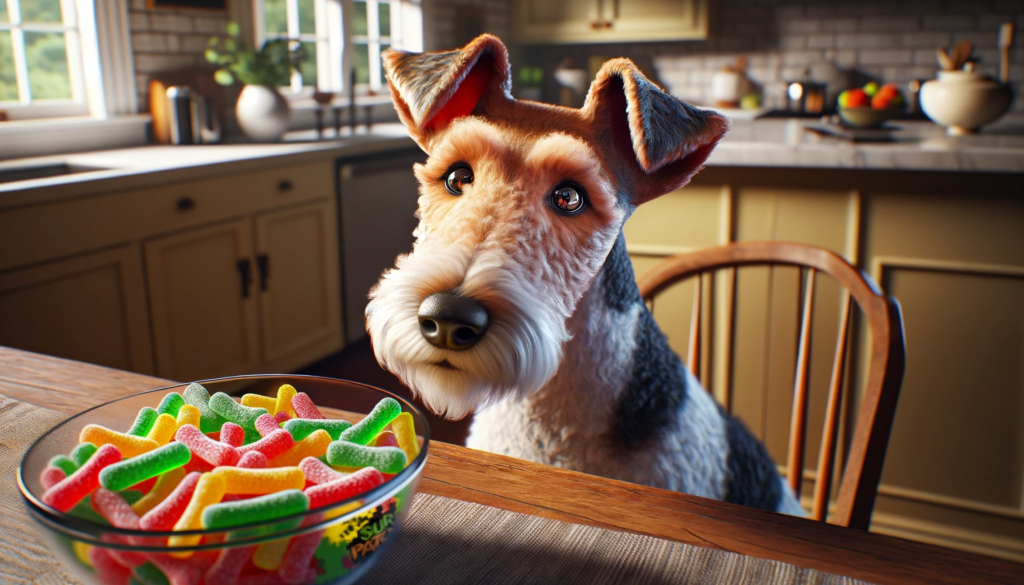
You’ve probably seen those brightly colored, sugar-coated candies called Sour Patch Kids. They’re sour, then sweet – a popular treat among kids and adults alike. But have you ever wondered can dogs eat sour patch kids too?
As a dog owner, it’s essential to be careful about what you feed your pet. In this article, we’ll explore the question “Can dogs eat Sour Patch Kids?” and explain why they’re not a good choice for your canine companion.
What are Sour Patch Kids?
Sour Patch Kids are a type of candy that has been around since the 1980s. They’re small, soft candies coated in sour sugar that turns sweet after a few seconds of chewing. Originally created by a Canadian company called Jaret International (now owned by Mondelēz International), these treats have become increasingly popular over the years.
Why Do People Wonder if Dogs Can Eat Them?
Pet owners often wonder if their furry friends can join them in enjoying their favorite foods. Dogs have different digestive systems than humans and are prone to certain health issues when consuming certain foods.
Some dog owners may think that since Sour Patch Kids are made with sugar and gelatin, they might not be harmful to their pets. However, while it’s true that dogs enjoy sweet flavors just like humans do, there are many factors to consider before feeding them any type of junk food or candy – including Sour Patch Kids.
The Dangers of Feeding Your Dog Candy
Feeding your dog candy can lead to serious health problems such as tooth decay, obesity, diabetes, digestive issues or even death in some cases. Most candies contain high amounts of sugar and other additives like artificial colors and flavors which aren’t suitable for dogs’ digestive system.
Why are Sour Patch Kids Bad for Dogs?
While Sour Patch Kids don’t contain xylitol (a sugar substitute that can be toxic to dogs), they still pose several risks to your furry friend. For starters, these candies have a very high sugar content which can lead to weight gain and other health problems. Additionally, the artificial colors and flavors found in these candies can cause digestive issues such as diarrhea, vomiting or even pancreatitis – a serious condition that affects the pancreas’ ability to function properly.
While it might be tempting to share your favorite treats with your furry friends, it’s best to avoid feeding them candy like Sour Patch Kids. Dogs have different nutritional requirements than humans and need a diet that is specifically tailored for their needs. As responsible pet owners, we should make every effort to ensure our pets stay healthy and happy by feeding them proper food and treats.
Can Dogs Eat Sour Patch Kids?
Dangers of Feeding Dogs Candy
As much as we all love to spoil our furry friends, it’s important to remember that not all human foods are safe for dogs. In fact, some can be downright dangerous!
One such food is candy, which can pose a number of health risks for our four-legged companions. One of the biggest dangers of candy is the presence of xylitol, a sugar substitute commonly found in sugar-free gum and other sweets.
Xylitol is highly toxic to dogs and can cause rapid insulin release, leading to hypoglycemia (low blood sugar), seizures, liver failure and even death. Therefore, it’s always important to check the ingredients list before giving any type of candy or sweet treat to your dog.
Sour Patch Kids and Xylitol
Thankfully for those with a sweet toothed pooch at home, Sour Patch Kids do not contain xylitol. However, this doesn’t mean that they’re a safe choice for dogs either.
Even though they might not be directly harmful like candy containing xylitol would be it’s still best practice not sharing any human candy with your dog. Sour Patch Kids are loaded with sugar – just one serving contains 16 grams!
This amount may seem small compared to other sugary treats but it should still be considered when thinking about what your pet is consuming. In addition to high levels of sugar content in sour patch kids there are also artificial colors and flavorings that may not sit well with every dog’s digestive system.
Some dogs may experience upset stomachs or other digestive issues after consuming these types of ingredients. In sum: while Sour Patch Kids don’t contain xylitol (which is great news!) they’re still not an ideal choice when it comes to feeding your dog.
Candy in general is not a healthy option and can lead to a number of potential health problems, both in the short and long term. If you’re looking for safe, healthy treats for your dog, consider alternatives such as fruits or vegetables (such as blueberries or carrots) but as always, practice moderation when it comes to treating your furry friend.
Why Are Sour Patch Kids Bad for Dogs?
High Sugar Content
Sour Patch Kids, like most candies, contain high levels of sugar. While sugar may be a tasty treat for humans, it can have detrimental effects on our furry friends.
Just like in humans, too much sugar can lead to obesity in dogs. Obesity can cause a variety of health issues such as joint problems, heart disease, and even diabetes.
Additionally, the high sugar content in Sour Patch Kids can also lead to dental problems in dogs. Sugar feeds harmful bacteria that live in your dog’s mouth and can cause cavities and gum disease.
Artificial Colors and Flavors
In addition to the high sugar content of Sour Patch Kids, there are also artificial colors and flavors present that can cause digestive issues in some dogs. Many artificial additives have been linked to gastrointestinal disorders such as vomiting or diarrhea when ingested by animals. One particular color to avoid is Red 40 (also known as Allura Red AC), which is commonly found in many candies including Sour Patch Kids.
This color has been linked to hyperactivity and behavioral issues in dogs. It’s important to pay attention to ingredient lists on any food or treat you give your furry friend.
The Importance of Monitoring Your Dog’s Diet
As pet owners, it’s important to remember that our dogs are not just our companions but also members of our family. We want them around for as long as possible with the best quality of life possible too! Feeding them treats like candy may seem harmless on occasion but doing so regularly will have negative consequences down the line.
While it may be tempting to share your favorite treats with your dog, it is essential always to consider their health first when choosing what they consume. Relying too heavily on highly processed foods and treats could lead your pet down a path of poor health and shortened lifespan.
Alternatives to Sour Patch Kids
Fortunately, there are many dog-friendly alternatives to Sour Patch Kids. Instead of reaching for candy next time you want to treat your furry friend, consider healthy and nutritious choices like apple slices, carrot sticks, or a tablespoon of plain yogurt.
It’s important to remember that even these alternative treats should always be given in moderation. Dogs still need a balanced diet consisting mainly of high-quality kibble or wet food that will provide them with the nutrients they need for optimal health.
While sharing your favorite treats with your pup may seem like a fun idea, feeding dogs candy like Sour Patch Kids can have negative consequences. The high sugar content can lead to obesity and dental problems while the artificial colors and flavors can cause digestive issues in some dogs.
Pet owners should always monitor their dog’s diet closely and choose healthy alternatives whenever possible. Remember: A happy pet is a healthy pet!
What Should You Do If Your Dog Eats Sour Patch Kids?
Monitor Your Dog’s Behavior for Signs of Discomfort or Illness
If your dog has eaten a Sour Patch Kid, the first thing you should do is monitor their behavior for any signs of discomfort or illness. Some dogs may experience digestive issues, such as vomiting or diarrhea, after eating candy or other sugary treats. Keep an eye on your dog’s energy level and appetite as well.
If they seem lethargic or refuse to eat, it could be a sign that they’re not feeling well. It’s also important to watch for any changes in their behavior, such as increased anxiety or restlessness.
If your dog does show any signs of discomfort or illness after eating a Sour Patch Kid, it’s best to contact your veterinarian right away. They can help determine if further treatment is necessary and provide guidance on how to care for your pet while they recover.
Contact Your Veterinarian If There Are Any Concerns About Your Dog’s Health
If you’re unsure whether your dog has ingested a significant amount of Sour Patch Kids or if you notice any unusual symptoms, contact your veterinarian immediately. They can advise you on the best course of action and let you know if any further treatment is necessary.
In some cases, the vet may recommend bringing your dog in for an examination to make sure there are no underlying health issues. They may also suggest monitoring their symptoms at home and providing supportive care until they start feeling better.
It’s important not to wait too long before seeking veterinary attention if you have concerns about your pet’s health. Dogs can’t tell us when something is wrong, so it’s up to us as responsible pet owners to be vigilant about monitoring their behavior and seeking medical help when needed.
Prevention Is Key
The best way to avoid any potential health issues related to candy or sugary treats is to prevent your dog from eating them in the first place. Keep all candy and other sweets out of reach of your pets, and make sure your family and guests are aware of the dangers of feeding dogs human food.
Instead, offer your dog healthier treat options such as fresh fruits or vegetables, or specially formulated dog treats that are designed to be safe and nutritious for pets. With a little bit of planning and some extra attention, you can help keep your furry friend healthy and happy for years to come.
The Bottom Line
While it’s tempting to share our favorite treats with our furry friends, it’s important to remember that not all human foods are safe for dogs. Sour Patch Kids may not contain xylitol like some other candies do, but they still pose a risk to pets due to their high sugar content. If your dog does happen to eat a Sour Patch Kid or any other type of candy, monitor their behavior closely for any signs of discomfort or illness.
Contact your veterinarian right away if you have concerns about their health. And most importantly, take steps to prevent any future incidents by keeping all potentially harmful foods out of reach of your pets.
Alternatives to Feeding Your Dog Candy
Fruits and Vegetables as Treats
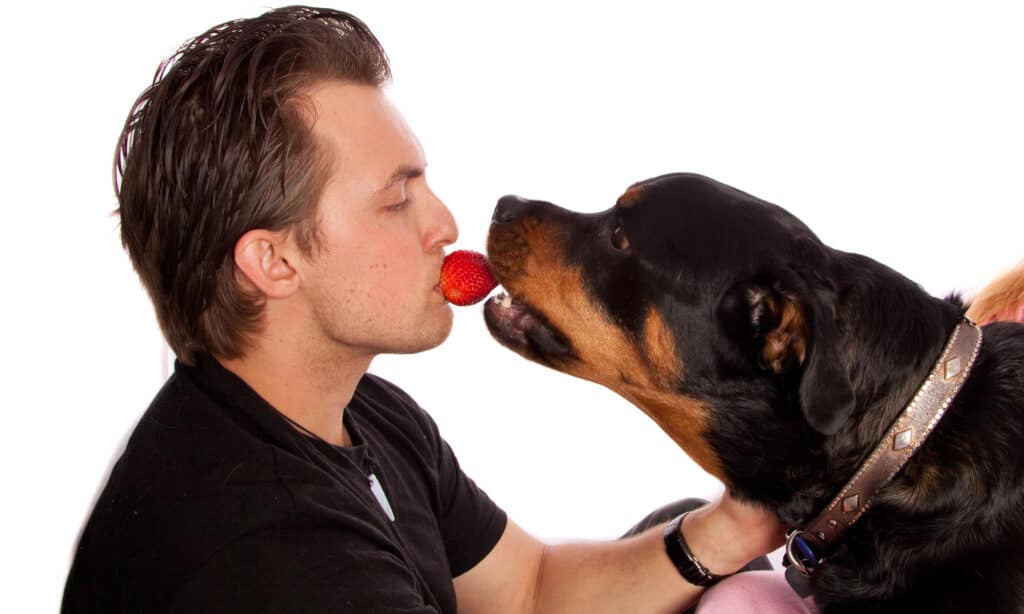
If you’re looking for a healthier alternative to candy, consider giving your dog fruits and vegetables as a treat. Not only are they low in calories and high in fiber, but many dogs enjoy them too. Some fruits that are safe for dogs include apples, bananas, blueberries, and strawberries.
Vegetables such as carrots, green beans, and sweet potatoes are also great options. Just be sure to cut the fruits into bite-sized pieces and remove any seeds or pits before feeding them to your dog.
Peanut Butter Treats
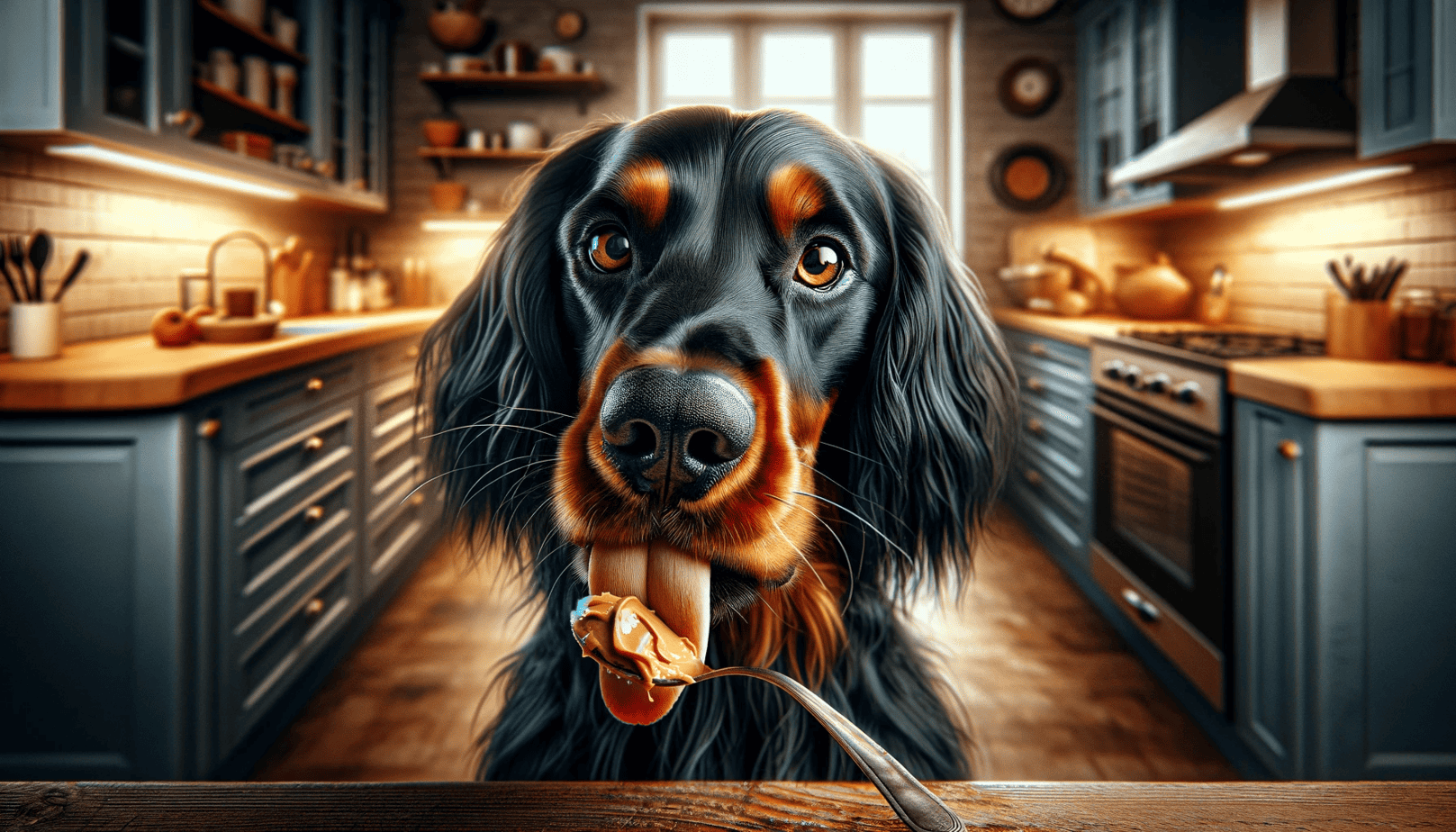
Another great alternative to candy is peanut butter treats. Many dogs love the taste of peanut butter, and it’s a good source of protein and healthy fats.
You can purchase peanut butter flavored treats at most pet stores or make your own at home using all-natural peanut butter. Just make sure the peanut butter doesn’t contain xylitol which can be toxic to dogs.
Bully Sticks
Bully sticks are a popular treat among dog owners because not only do they satisfy your dog’s desire to chew but they are also packed with protein. These natural beef chews come in many different sizes making them ideal for all breeds of dogs.
Freeze-Dried Meat Treats
Freeze-dried meat treats like chicken liver or salmon can be an excellent source of protein for your furry friend while still satisfying their need for something tasty. These treats come in small bite-sized pieces that make them perfect training rewards or just as an occasional snack.
Remember: Moderation is Key
While it’s important to offer your dog healthy alternatives when it comes to treats, it’s important not to go overboard with any type of treat including fruits, vegetables or meats. Too much of anything can be harmful and lead to obesity or other health issues. Follow the guidelines on the package when it comes to serving sizes, and always consider your dog’s overall daily calorie intake.
Conclusion: Be Mindful of What You Feed Your Dog
While it may be tempting to share your favorite candy with your furry friend, it’s important to be mindful of what you feed them. As we’ve discussed in this article, Sour Patch Kids can cause a range of health issues for dogs, from obesity to digestive problems.
And while they don’t contain xylitol like some other candies do, they’re still not a good choice for our four-legged companions. So what should you feed your dog instead?
There are plenty of healthy and tasty options out there that won’t put your dog’s health at risk. Fruits and vegetables are always a safe bet – just make sure to avoid those that are toxic to dogs, such as grapes and onions.
Carrots and apples are great options that most dogs love. Another option is to make homemade treats for your dog.
This not only ensures that you know exactly what’s going into their food, but it can also be a fun activity for both you and your pup. There are countless recipes online for everything from peanut butter biscuits to frozen yogurt treats.
Of course, even when feeding your dog healthy treats, it’s important to practice moderation. Treats should make up no more than 10% of your dog’s daily caloric intake – anything more than that can lead to weight gain and other health issues.
Overall, the key takeaway here is that while sharing our favorite foods with our pets may seem like a way to show them love, it’s ultimately not worth risking their health over. By being mindful of what we feed our dogs and opting for healthy alternatives instead of candy or other unhealthy foods, we can help ensure they live long and happy lives by our sides.
~Lindsie
A note about your dog’s health
This article provides general education and does not replace an examination, diagnosis, or individualized advice from your veterinarian. Contact a veterinary professional if you are concerned about your dog’s symptoms.
Lindsie Parks is the founder of Healthy Happy Dogs and holds a bachelor’s degree in biology. She brings more than 19 years of experience across veterinary medicine, animal welfare, practice leadership, nutrition, cold laser therapy, rescue work, and emergency animal response. Her goal is to give pet parents clear information, practical options, and greater confidence in the decisions they make for their animals.
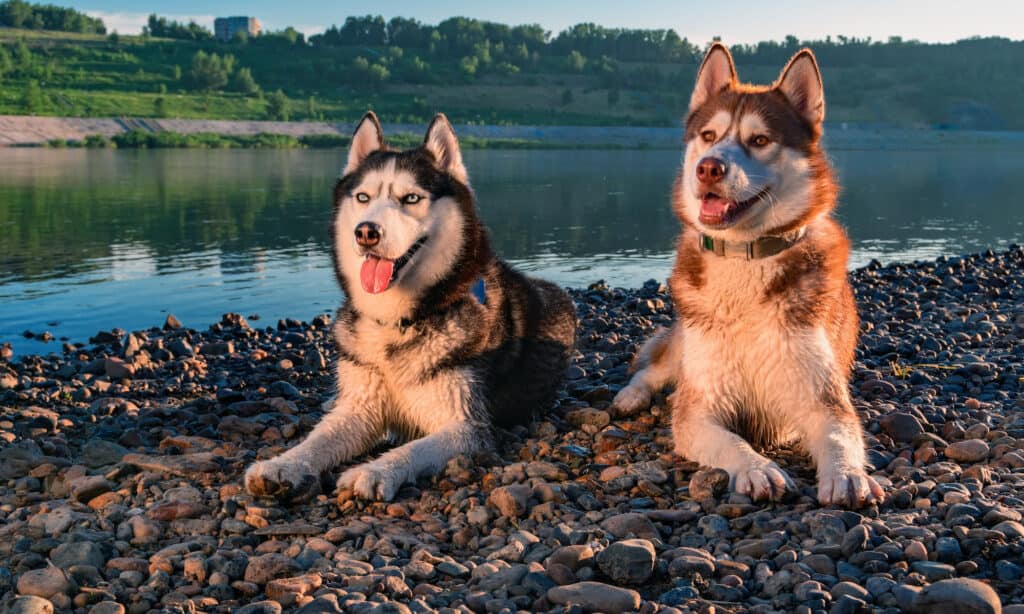
Huskies are one of the most popular breeds of dogs in the world. These beautiful, intelligent creatures are known for their stunning appearance, playful nature, and friendly personalities. However, like all living beings, huskies also experience a range of emotions that can significantly impact their behavior and overall well-being. Have you ever wondered
As husky owners, it’s essential to understand our pets’ emotional worlds so we can provide them with the best possible care. But how do we know if our husky is feeling sad or depressed?
Is My Husky Sad?
This question may seem simple enough, but it’s more complex than you might think. Like humans, huskies experience a wide range of emotions that can vary depending on their individual personalities and life experiences. It’s vital to remember that every dog is unique and will show emotions differently.
Some may become more vocal or clingy when they’re feeling down, while others may retreat from social situations entirely. But there are some common signs that your husky may be experiencing sadness or depression.
If your furry friend seems lethargic or uninterested in activities they typically enjoy, this could be a red flag. Other potential signs include loss of appetite or excessive sleeping.
The Importance of Recognizing Your Husky’s Emotions
Understanding your husky’s emotional state isn’t just essential for their well-being; it can also have a significant impact on your relationship with them. By recognizing and responding to your husky’s emotions appropriately, you’ll build trust and deepen your bond with them over time. This means paying attention to their body language and vocal cues and taking steps to address any issues as they arise.
In the next sections of this article, we’ll explore some potential causes of sadness in huskies and offer some tips for how to cheer up your furry friend if they’re feeling down. So let’s dive in and learn more about these fascinating creatures and their emotional worlds.
Signs of a Sad Husky
Huskies are known for being active, energetic dogs. They’re often playful and full of personality, but sometimes even the happiest husky can experience bouts of sadness. It’s important to recognize the signs that your husky may be feeling down so you can take action and help them feel better.
Lethargy
If your husky is feeling sad, they may appear lethargic or have a lack of energy. This can mean they don’t want to play as much as usual or seem less interested in going for walks or exploring their surroundings. You may notice that they’re not running around as much or sleeping more than usual.
It’s essential to keep an eye on their behavior to determine whether this lethargy is unusual for them. If you notice them behaving differently over a prolonged period, it could be a sign that they are unhappy and need your attention.
Loss of Appetite
Huskies are notorious for their love of food, so if you notice that your husky isn’t eating as much as usual, it could be a sign that something is wrong. Loss of appetite is often one of the first signs that something isn’t right with your pet’s health or emotional wellbeing.
You should monitor your husky’s eating habits closely and seek advice from your veterinarian if you’re worried about their weight loss. A lack of appetite could indicate anything from stress to illness, so it’s essential to rule out any underlying medical conditions before trying any remedies at home.
Excessive Sleeping
If your usually active husky becomes unusually lethargic and starts sleeping more than usual, it could indicate sadness or depression. While some dogs sleep more than others naturally, excessive sleeping coupled with other symptoms above should be taken seriously.
Dogs who sleep too much and have a lack of energy may be experiencing fatigue or depression. It’s important to keep an eye on their behavior, as changes in sleep patterns can be a sign that something is wrong.
Withdrawn Behavior
Huskies are known for being social and lively animals, so if your husky becomes withdrawn or less interested in spending time with you or other pets, it could mean they’re feeling down. They may offer less affection than usual or look for places to hide rather than engaging with you.
If your husky has become more standoffish, it’s essential to observe their behavior closely and try to determine the root cause of their withdrawal. Sometimes extra love and attention can help them come out of their shell, but if the behavior persists for an extended period, it’s important to seek advice from a professional.
Anxiety
If your husky is anxious and shows signs such as pacing around the house, trying to escape through doors or windows when left alone, trembling excessively when you leave home etc., then it is clear they are not happy. Anxiety is one of the most common signs that your dog might be sad. Dogs who suffer from anxiety often get over-excited easily and cannot stay calm in different situations.
Dogs who experience anxiety due to loneliness can benefit from exercise and company. If observed early enough before it becomes chronic anxiety medication isn’t always needed because regular walks outside or longer playtime sessions will help combat any feelings of sadness.
Recognizing these signs early on can help prevent long-term problems with your furry friend’s mental health. Make sure you show them lots of love and attention while also considering professional help if necessary – remember; happiness is everything!
Possible Causes of Sadness in Huskies
Changes in Routine or Environment
One of the most common causes of sadness in huskies is a change in their routine or environment. Huskies thrive on routine and stability, so any major change can be stressful for them.
Moving to a new house, introducing a new pet, or even just changing their feeding schedule can all lead to feelings of anxiety and sadness for your furry friend. If you suspect that changes in your husky’s routine or environment are the cause of their sadness, it’s important to take steps to help them adjust.
Try to maintain as much consistency as possible, whether that means sticking to the same walk schedule or feeding them at the same time every day. You may also want to consider using pheromone sprays or diffusers designed specifically for anxious dogs.
Health Issues
Just like humans, dogs can experience physical health issues that affect their mental well-being. If your husky seems unusually sad or lethargic, it’s possible that they are dealing with an underlying health condition such as arthritis or dental problems. To rule out any potential health issues, make sure that your husky is up-to-date on all necessary vaccinations and regular check-ups with the vet. If you suspect something is wrong with your husky’s health but cannot identify the problem yourself, it is always best to seek veterinary care.
Lack of Socialization
Huskies are social animals and require regular interaction with both humans and other dogs. If your husky spends too much time alone without stimulation or socialization, they may become bored and sad. To prevent this from happening, try taking your husky on regular walks around the neighborhood where they can interact with other dogs and people.
Consider enrolling them in an obedience class where they can socialize and learn new skills. You may also want to invest in some interactive toys or puzzles to keep them stimulated when you’re not around.
Lack of Exercise
Huskies are known for their energy and require plenty of exercise to keep them healthy and happy. If your husky isn’t getting enough exercise, they may become restless, anxious, and sad. To prevent this from happening, make sure your husky gets plenty of physical activity every day.
This might mean taking them on long walks or runs, playing fetch in the backyard, or going for a swim at the local dog park. Whatever type of exercise you choose, make sure it’s something that your husky enjoys so that they look forward to it every day.
Loneliness
One of the most common causes of sadness in huskies is simply loneliness. Huskies are social animals and thrive on companionship, so if they don’t get enough attention from their owners or other dogs in the household, they can become sad and withdrawn. To combat loneliness in your husky, make sure you spend plenty of quality time with them each day.
This might mean cuddling on the couch or playing a game of tug-of-war in the backyard. You may also want to consider adding another dog to your household so that your husky has a constant companion when you’re not around.
Ways to Cheer Up Your Husky
Outdoor Time: A Key to Happiness
Huskies are known for their love of outdoor activities. Taking your husky out for a walk or run can help to elevate their mood and overall disposition. Engaging in outdoor activities with your husky can help build a stronger bond, as well as provide necessary exercise.
Consider taking your furry friend to a nearby park or hiking trail to explore the great outdoors together. This will allow them to experience new sights and smells, which can be particularly stimulating for huskies.
Introducing New Toys and Games
Huskies are intelligent dogs that require mental stimulation as much as physical exercise. Providing new toys and games is one way to keep your husky mentally stimulated and entertained. Consider purchasing puzzle toys that hide treats or toys that encourage interactive play between you and your pet.
Another way to keep things exciting is by introducing new games such as hide-and-seek or tug-of-war. These games not only provide a fun outlet for both you and your dog but also strengthens the bond between pet and owner.
A Change of Scenery: Day Trips
Taking your husky on day trips outside of their familiar environment is another great way to lift their spirits when they’re feeling down. Consider taking them on a car ride, visiting the beach, or taking them on an adventure-filled hike up a mountain. A change of scenery can be just what they need to feel rejuvenated while experiencing new sights, sounds, smells, tastes and textures in their surroundings.
Foody Fun Time: Homemade Treats
Just like humans, dogs enjoy indulging in tasty treats from time-to-time too! Making homemade treats for your pet is not only cost-effective but also allows you the opportunity to tailor recipes specifically to their preferences and dietary needs.
Making treats together with your husky is also a great way to spend quality bonding time. You can find homemade treat recipes online, but always ensure that the ingredients are pet-safe before feeding them to your dog.
Stay Positive: Positive Reinforcement
Your husky’s mental well-being is just as important as their physical health. One way to promote positivity is through positive reinforcement training.
This involves rewarding good behavior with treats or praise while ignoring or redirecting negative behavior. Encouraging positive behavior will help reinforce and encourage the desired behavior, creating a happy and confident husky that you’ll love being around.
Keeping your husky happy and healthy requires effort and attention. Following these tips will not only brighten up their day but also strengthen the bond between you both, leading to a happier life together.
Understanding Your Husky’s Emotions
The Emotional Lives of Huskies
As a husky owner, it’s important to realize that your furry friend has emotions just like you do. While they may not be able to communicate their feelings in the same way humans can, huskies are highly intelligent animals and are capable of a wide range of emotions.
In fact, research has shown that dogs have similar brain structures and produce many of the same hormones that humans do when they experience emotions. This means that just like people, huskies can feel happy, sad, anxious, and more.
The Benefits of Recognizing Your Husky’s Emotions
By recognizing and empathizing with your husky’s emotions, you’ll be able to provide them with better care and help them lead happier lives. For example, if you notice your husky seems scared during thunderstorms or fireworks displays, you can take steps to help calm their anxiety by providing a safe space for them to retreat to or using calming pheromone sprays.
Similarly, if you recognize signs that your husky is feeling sad or depressed (such as lethargy or loss of appetite), you can take steps to help cheer them up – such as spending more time playing with them outside or introducing new toys and activities. Overall, taking the time to understand your husky’s emotional state will help strengthen your bond with them and make both their lives – and yours – much happier.
How To Recognize Your Husky’s Emotions
While it may seem difficult at first glance, recognizing your husky’s emotions is actually fairly straightforward once you know what signs to look for. Some common indicators include:
Tail position: A wagging tail usually indicates happiness or excitement while a tucked tail may indicate fear or anxiety
Body posture: A relaxed body posture usually indicates a calm, contented husky while stiff, tense muscles may indicate fear or aggression
Vocalizations: While huskies aren’t known for barking excessively like some breeds, they still communicate through their vocalizations. Whining or whimpering can be signs of anxiety or fear while growling may indicate aggression
Eye contact: Maintaining eye contact with your husky can help you better understand how they’re feeling. Dilated pupils can indicate fear or excitement while avoiding eye contact may mean they’re feeling anxious.
By paying attention to these subtle cues and taking note of changes in your husky’s behavior, you’ll be better equipped to recognize and understand their emotional state.
In the end, recognizing and understanding your husky’s emotions is an important part of being a responsible pet owner. By empathizing with your furry friend and taking steps to address any negative emotions they may be experiencing, you’ll help ensure that they stay happy, healthy, and well-cared-for for years to come.
Conclusion
After reading this article, you should now have a better understanding of your husky’s emotions and behavior. It is important to recognize that just like humans, dogs can experience a wide range of emotions, including sadness. If you notice any signs of sadness in your husky, such as lethargy or loss of appetite, it is important to take action.
Your husky may be experiencing a variety of stressors in their environment or may simply need more attention and activity. One way to prevent sadness in your husky is by providing plenty of exercise and an enriching environment that includes new toys and games for them to enjoy.
You can also consider taking them on daily walks or runs to help reduce stress levels. As pet owners, we have a responsibility to pay close attention to our huskies’ behavior and seek professional help if necessary.
There are many qualified animal behaviorists who can offer valuable insight into why your pet may be feeling sad or depressed. It is also important to remember that every dog is unique and what works for one may not work for another.
Experiment with different activities and methods until you find what works best for your furry friend. If you suspect that your husky may be feeling sad, take immediate action.
The earlier you identify the cause of their unhappiness, the sooner they can start feeling better. With proper care and attention, you can help ensure that your beloved furry companion lives a happy and fulfilled life by your side!
~Lindsie
A note about your dog’s health
This article provides general education and does not replace an examination, diagnosis, or individualized advice from your veterinarian. Contact a veterinary professional if you are concerned about your dog’s symptoms.
Lindsie Parks is the founder of Healthy Happy Dogs and holds a bachelor’s degree in biology. She brings more than 19 years of experience across veterinary medicine, animal welfare, practice leadership, nutrition, cold laser therapy, rescue work, and emergency animal response. Her goal is to give pet parents clear information, practical options, and greater confidence in the decisions they make for their animals.
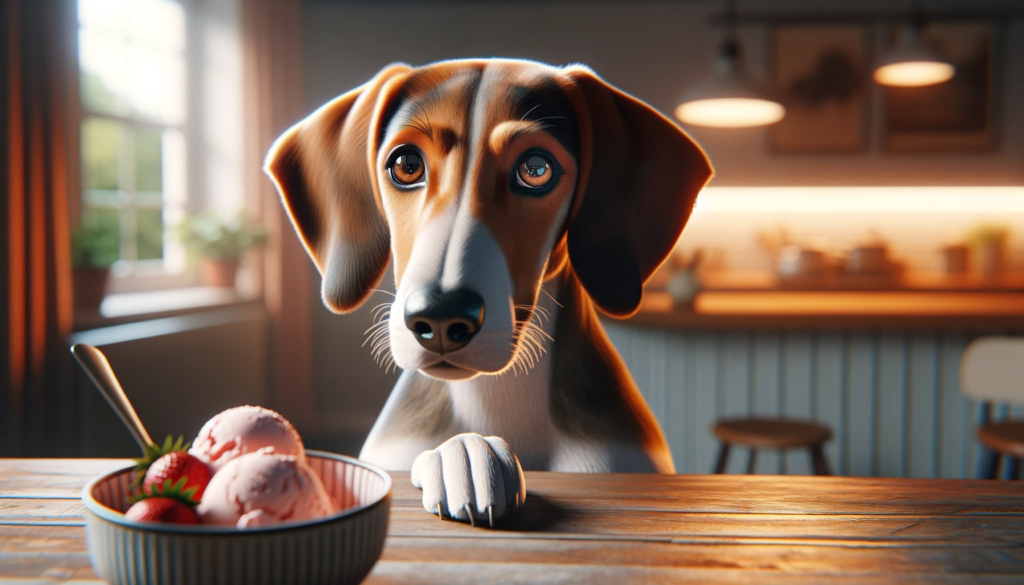
As summer approaches and the temperatures start to rise, many of us turn to ice cream as a way to cool off and satisfy our sweet cravings. And while we all know that dogs love treats just as much as we do, it’s important to be mindful of what we’re feeding them.
So, can dogs eat strawberry ice cream? The short answer is no, you shouldn’t feed your dog strawberry ice cream. However, it’s a question that many dog owners have asked themselves, and the answer isn’t as straightforward as you might think.
The Popularity of Ice Cream Among Humans (and Dogs!)
Ice cream has been a beloved dessert for centuries, with evidence of frozen desserts dating back to ancient China in 200 BC. Fast forward to modern times and there are now countless flavors and variations of ice cream available around the world. It’s no wonder that many dog owners want to share this indulgence with their furry friends.
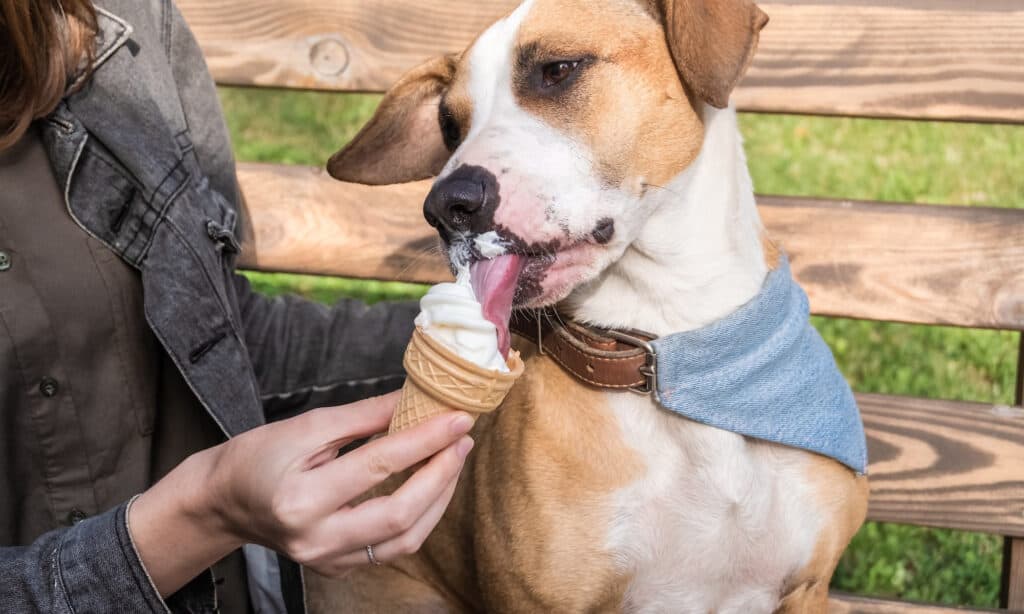
After all, who wouldn’t want to see their pup’s face light up at the sight of an ice cream cone? However, before you start serving up scoops of your favorite flavor to your canine companion, it’s important to understand what exactly is in that bowl or cone.
Can Dogs Eat Strawberry Ice Cream?
The short answer is yes – dogs can technically eat strawberry ice cream. However, whether or not they should is another story entirely.
The main concern when it comes to dogs eating human food is whether or not it is safe for them. While strawberries themselves are safe for dogs (and even offer some health benefits), there are a few potential issues with strawberry ice cream specifically.
For one thing, most commercially-produced strawberry ice creams contain added sugar and artificial ingredients that can be harmful for dogs in large quantities. Additionally, some brands may use xylitol (a sugar substitute) which is toxic for dogs even in small amounts.
The Nutritional Value of Strawberries
Before we dive deeper into whether or not dogs can eat strawberry ice cream, let’s take a look at the nutritional value of strawberries themselves. Strawberries are packed with vitamins and minerals that are beneficial for both humans and dogs.
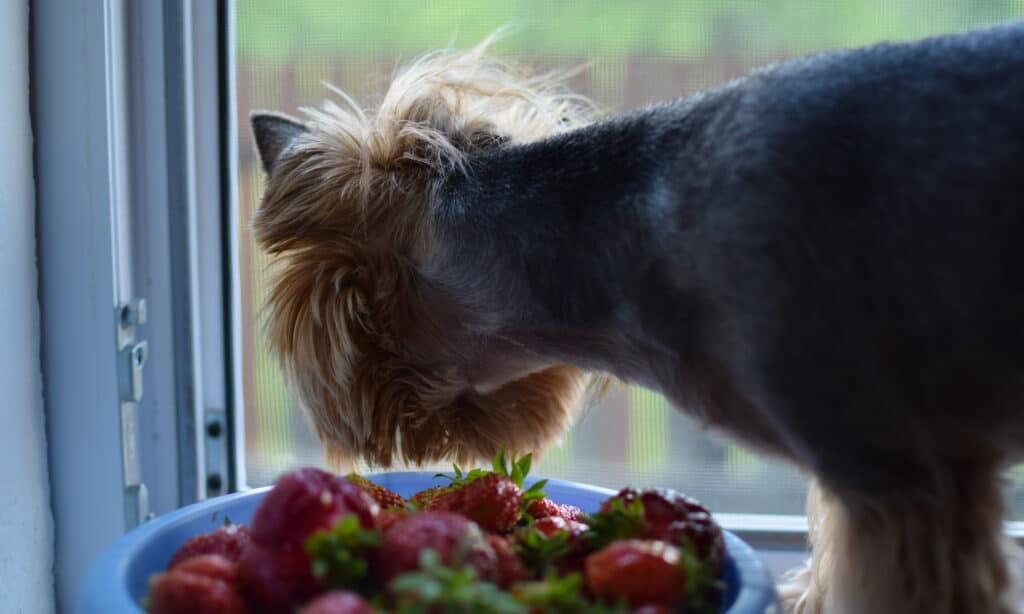
They are high in vitamin C, which can help boost the immune system. They also contain fiber, which aids in digestion, and antioxidants, which help protect against disease. In fact, many commercial dog foods and treats contain strawberries as an ingredient. It’s safe to say that they can be a healthy addition to your pup’s diet in moderation.
The Risks of Feeding Dogs Strawberry Ice Cream
While we’ve established that strawberries themselves are safe for dogs, there are still a few risks associated with feeding them strawberry ice cream. For one thing, many brands contain artificial sweeteners like xylitol which can be toxic for dogs even in small amounts.
Additionally, the high sugar content in ice cream (even natural sugars from the fruit) can lead to obesity and other health issues if consumed regularly. Another potential risk is lactose intolerance – while some dogs may be able to tolerate dairy products without issue, others may experience digestive upset like diarrhea or vomiting after consuming ice cream.
Alternatives to Strawberry Ice Cream
If you’re looking for a way to give your pup a cool treat on hot summer days without risking their health, there are plenty of alternatives to traditional strawberry ice cream. For example, you could try freezing fresh berries or making homemade frozen yogurt treats using plain yogurt and fresh fruit.
There are also commercially-produced frozen dog treats available at pet stores that are formulated specifically for canine consumption. Ultimately, it’s up to individual dog owners to decide whether or not they want to feed their pups strawberry ice cream (or any human food) – but it’s important to keep these potential risks in mind when making that decision.
The Ingredients in Strawberry Ice Cream
Strawberry ice cream is a delicious treat that many humans enjoy during the summer months. However, as a dog owner, you may be wondering if it’s safe to share this delightful dessert with your furry friend. To determine whether or not strawberry ice cream is safe for dogs, it’s important to examine the ingredients found in this popular dessert.
List of Common Ingredients Found in Strawberry Ice Cream
The ingredients found in strawberry ice cream can vary depending on the brand and recipe. However, some of the most common ingredients include milk, cream, sugar, strawberries, and vanilla extract.
Milk and cream are used to give the ice cream its creamy texture while sugar is added as a sweetener. Strawberries are commonly used to provide flavor and color while vanilla extract adds an additional layer of flavor.
Potential Harmful Ingredients for Dogs
While many of the ingredients found in strawberry ice cream are safe for dogs to eat, there are some potentially harmful ingredients that you should be aware of. One such ingredient is xylitol which is commonly used as a sugar substitute in many sugar-free products including some types of gum and candy.
This ingredient can be very toxic to dogs and can cause symptoms such as vomiting, loss of coordination, and even seizures. Another potentially harmful ingredient found in some types of chocolate-flavored strawberry ice creams is chocolate itself.
Chocolate contains methylxanthines like caffeine which can cause serious health problems if ingested by your dog. Symptoms associated with chocolate toxicity include vomiting, diarrhea, hyperactivity or lethargy.
It’s also important to note that some dogs may be lactose intolerant which means they don’t have enough lactase enzymes needed to digest lactose (a type of sugar present in milk). This can cause gastrointestinal issues such as gas or diarrhea when consuming dairy products like ice creams.
It’s important to be aware of the ingredients found in strawberry ice cream before offering it to your dog as a treat. While many of the ingredients are safe for dogs, there are some potentially harmful ones such as xylitol and chocolate that can cause serious health problems.
Additionally, lactose intolerance should also be considered when deciding whether or not to give your dog ice cream. It is always better to err on the side of caution and avoid giving your dog any foods that could harm them.
The Nutritional Value of Strawberries
Why Strawberries Are Good for You and Your Dog
Strawberries are not only delicious but also packed with essential vitamins and minerals that provide many health benefits. One of the most significant benefits is their high vitamin C content. Vitamin C is a potent antioxidant that can help strengthen the immune system by fighting off harmful free radicals in the body.
This powerful nutrient helps to maintain healthy skin, hair, and nails, as well as prevent infections. Strawberries are also an excellent source of fiber, which plays a crucial role in maintaining a healthy digestive system.
Fiber promotes regular bowel movements, reduces constipation, and helps regulate blood sugar levels. Additionally, fiber keeps your dog feeling fuller for longer periods and prevents overeating.
How Dogs Benefit from Strawberries
Dogs can benefit from consuming strawberries just as much as humans do. The vitamin C present in strawberries helps to boost your dog’s immune system and prevent diseases like scurvy or infections. It also aids in collagen production that supports healthy skin, fur coats, and joints.
The fiber content in strawberries promotes gut health by aiding digestion while reducing inflammation caused by digestive issues such as constipation or diarrhea. Regular consumption of strawberries can lead to improved bowel movements and overall gastrointestinal well-being.
Folate Content in Strawberries
Another critical nutrient found in strawberries is folate which is essential during pregnancy for both humans and dogs because it aids in fetal development by preventing birth defects like cleft lip or palate formation. However, pregnant dogs should consume balanced diets that include other folate sources besides strawberries.
High Antioxidant Levels
Strawberries contain antioxidants such as anthocyanin that help fight inflammation from chronic conditions such as arthritis or heart disease while promoting brain function, especially among senior dogs whose cognitive functions may decline with age.
The Importance of Moderation
Like any other food, strawberries should be consumed in moderation to avoid too much sugar intake that may lead to obesity or dental issues. A few pieces of sliced strawberries as a treat would suffice, but not a whole bowlful. Strawberries offer several essential vitamins and minerals that are beneficial for both humans and dogs.
With their high vitamin C content, fiber, folate, antioxidants, and other nutrients discussed above, they can help promote good health and well-being in our furry friends. However, always remember to feed them in moderation alongside other balanced diets appropriate for their age and lifestyle needs.
Can Dogs Eat Strawberries?
Strawberries are a delicious and healthy fruit enjoyed by humans all over the world. But can dogs also enjoy this sweet treat? The simple answer is yes, dogs can eat strawberries, but there are a few things you should keep in mind before sharing them with your furry friend.
Safe to Eat
Strawberries are safe for dogs to eat in moderation. They are low in calories and high in fiber and vitamin C, making them a nutritious snack option for your pup. Moreover, strawberries contain antioxidants that help boost the immune system and prevent cell damage.
Potential Risks
While strawberries are generally safe for dogs to eat, there are some potential risks you should be aware of. One of the biggest risks is choking hazard, especially if your dog tries to swallow the whole berry instead of chewing it properly.
To avoid this risk, make sure to cut the strawberries into small pieces before feeding them to your dog. Another potential risk is an allergic reaction.
Although rare, some dogs may be allergic to strawberries or other fruits. If your dog shows any signs of an allergic reaction such as vomiting or diarrhea after consuming strawberries, stop giving them immediately and contact your vet.
It’s important to note that while strawberries themselves are safe for dogs, some desserts containing strawberries may not be safe due to added sugars or harmful ingredients like chocolate or xylitol. So always read the labels carefully before sharing any strawberry-flavored treats with your pup.
Serving Suggestions
If you decide to treat your pup with some fresh strawberries, here are a few serving suggestions:
Wash the berries thoroughly before feeding them.
Cut the berries into small pieces.
Offer only a small amount at first and monitor how your dog reacts.
Do not feed too many berries as excessive consumption could lead to digestive issues. Strawberries are generally safe and healthy for dogs when given in moderation.
They contain essential vitamins and nutrients that can benefit your pup’s health. However, as with any food, there are some potential risks to keep in mind.
Make sure to cut the berries into small pieces, and watch out for signs of allergic reactions or choking hazards. With these precautions in mind, your dog can safely enjoy the sweet taste of strawberries.
Can Dogs Eat Strawberry Ice Cream?
The Safety of Consuming Strawberry Ice Cream
So, you may be wondering if it is safe for dogs to eat strawberry ice cream. The answer is not as straightforward as a simple yes or no. While strawberries themselves are actually considered to be a healthy treat for dogs, the same cannot be said about strawberry ice cream.
Many types of ice cream contain harmful ingredients that can be toxic to your furry friend. One ingredient commonly found in sweet treats like ice cream is xylitol.
Xylitol is a sugar substitute that can cause hypoglycemia (low blood sugar) and liver failure in dogs. Additionally, chocolate is another potential danger for dogs and can cause vomiting, diarrhea, seizures, and even death.
Another concern with feeding your dog strawberry ice cream is the high sugar content. Consuming large amounts of sugar can lead to obesity and other health problems such as diabetes.
Lactose Intolerance
In addition to harmful ingredients and high sugar content, lactose intolerance may also play a role in whether or not your dog should consume strawberry ice cream. Just like humans, some dogs have difficulty digesting lactose which can cause digestive issues such as diarrhea and stomach upset. If you must feed your pup some creamy sweetness from time to time, it’s best to opt for options that are made specifically for them since they’ll have less lactose content.
Alternative Treats
While you may want nothing more than to share your favorite sweet treat with your furry companion on a hot summer day, it’s important to consider their overall health before whipping out the spoon. Thankfully there are plenty of alternative treats out there that will provide them with all the sweetness they need without any of the potentially harmful side effects. For example, frozen berries or yogurt-based treats are much safer options.
The Bottom Line
While dogs may be able to safely consume small amounts of fresh strawberries as a treat, strawberry ice cream should be avoided. Protect your pup by only feeding them dog-specific treats that are specifically designed to meet their dietary needs. Remember that what may seem like a harmless indulgence can cause serious harm to your furry friend — always consult with your vet before introducing any new foods into their diet.
Alternatives to Strawberry Ice Cream
The Importance of Choosing Safe and Healthy Treats for Your Dog
Just like humans, dogs enjoy a good treat every now and then. But as their responsible owners, we should always keep in mind that not all treats are created equal.
It’s important to choose treats that are not only delicious but also safe and healthy for our furry friends. This is especially true when it comes to frozen treats like ice cream, which can be loaded with sugar and harmful ingredients.
Frozen Berries: A Sweet and Nutritious Snack
If you’re looking for a sweet and refreshing treat for your dog, frozen berries might just be the perfect option. Not only are they packed with vitamins and nutrients, but they’re also low in calories and sugar.
Some of the best berries for dogs include blueberries, raspberries, blackberries, and strawberries. To make frozen berry treats for your dog, simply rinse the berries thoroughly to remove any dirt or debris.
Then place them in a blender or food processor until they form a smooth puree. You can then pour the puree into silicone molds or ice cube trays and freeze overnight.
Yogurt-Based Treats: A Cool Creamy Delight
If your dog loves the creamy texture of ice cream but can’t tolerate dairy products, yogurt-based treats might be a great alternative. Yogurt is not only low in lactose (which can cause digestive upset), but it’s also rich in probiotics that help support gut health. To make yogurt-based treats for your pup at home, start by choosing a plain Greek yogurt that’s free from added sugars or artificial flavors.
You can then mix in some fresh fruit or veggies (like carrots or pumpkin) to add extra flavor and nutrients. Pour the mixture into silicone molds or ice cube trays and freeze until solid.
Peanut Butter Treats: A Classic Favorite
If your dog is a fan of peanut butter, then they’re sure to love these frozen peanut butter treats. Peanut butter is not only delicious, but it’s also packed with healthy fats and protein. To make peanut butter treats for your dog, start by mixing together some plain Greek yogurt and natural peanut butter.
You can also add in some mashed banana or honey for extra sweetness. Pour the mixture into silicone molds or ice cube trays and freeze overnight.
Vegetable-Based Treats: A Healthy Crunch
For dogs who love their veggies, try making some frozen vegetable treats. Vegetables like carrots, sweet potatoes, and green beans are packed with vitamins and fiber that help support overall health. To make vegetable-based treats for your dog, simply chop up some fresh veggies into bite-sized pieces.
Blanch them in boiling water for a few minutes to soften them up slightly before freezing them on a baking sheet. Once frozen solid, you can transfer them to a resealable bag or container for storage.
While strawberry ice cream might be tempting to share with your furry friend on a hot summer day, it’s important to remember that not all treats are safe or healthy for dogs. By choosing alternatives like frozen berries, yogurt-based treats, peanut butter treats, or vegetable-based treats you can provide your dog with a refreshing snack that’s both tasty and nutritious!
Conclusion
So, Can Dogs Eat Strawberry Ice Cream? Throughout this article, we’ve explored the ingredients in strawberry ice cream, the nutritional value of strawberries, and whether or not it’s safe for dogs to consume strawberry ice cream. We’ve also discussed alternative treats that can be given to dogs as a healthier option.
We have learned that some ingredients in strawberry ice cream may be harmful to dogs if ingested in large amounts. Xylitol is a sweetener commonly used in sugar-free products that can cause hypoglycemia, seizures and liver failure in dogs.
Chocolate is another common ingredient found in some types of strawberry ice cream and is highly toxic to dogs. On the other hand, we’ve also discovered that strawberries themselves are packed with health benefits for both humans and dogs.
They are high in vitamin C, fiber and antioxidants which promote healthy digestion and immune system function. Therefore, it’s safe to say that feeding small amounts of fresh strawberries as an occasional treat isn’t harmful to most dogs.
When it comes specifically to strawberry ice cream, there are a few factors you need to consider before sharing your frozen dessert with your furry friend. First off, many commercial brands contain high amounts of sugar which can lead to weight gain or even diabetes if consumed regularly.
Furthermore, some dog breeds such as bulldogs or pugs may have lactose intolerance which means they aren’t able to digest dairy products properly. This can result in digestive issues like diarrhea or vomiting if they eat too much of it.
So what’s the answer? Can Dogs Eat Strawberry Ice Cream?
The short answer is no – feeding your dog traditional strawberry ice cream isn’t recommended due to its high sugar content and potential risk for digestive issues or allergic reactions. However, there are alternatives you can explore such as homemade yogurt-based treats made from natural ingredients like fresh fruit puree or plain yogurt.
These options offer a healthier option for your pet and still allow them to indulge in a frozen treat on hot summer days. Remember, when it comes to feeding your dog any type of human food, exercise caution and moderation.
If you’re ever unsure about what’s safe for your pet, consult with your veterinarian to ensure they are receiving a balanced diet that meets their specific needs. By following these simple rules, you can keep your furry friend happy, healthy and safe.
~Lindsie
A note about your dog’s health
This article provides general education and does not replace an examination, diagnosis, or individualized advice from your veterinarian. Contact a veterinary professional if you are concerned about your dog’s symptoms.
Lindsie Parks is the founder of Healthy Happy Dogs and holds a bachelor’s degree in biology. She brings more than 19 years of experience across veterinary medicine, animal welfare, practice leadership, nutrition, cold laser therapy, rescue work, and emergency animal response. Her goal is to give pet parents clear information, practical options, and greater confidence in the decisions they make for their animals.
Spaying is the process of surgically removing a female dog’s reproductive organs, typically the ovaries and uterus. The procedure is an important consideration for any responsible pet owner. It can greatly reduce the risk of certain health issues and undesirable behaviors in dogs. For example, spaying can lower the risk of developing breast tumors, eliminate the heat cycle (and accompanying mess), and curtail aggressive or overly sexual behavior. However, many dog owners may be curious about one particular aspect of spaying: do dog nipples shrink after surgery?
It’s a natural question to ask, as both male and female dogs have nipples that can be impacted by hormonal changes. In female dogs that undergo spaying surgery, there are often noticeable changes in nipple size and appearance.
So what exactly happens to a dog’s nipples after spaying? Let’s explore this topic further.
The Mystery Surrounding Dog Nipples
Dog nipples are a bit of a mystery for many owners. Humans typically only have two nipples, but dogs have anywhere from 6-10 depending on their breed and litter size. These nipples serve an important biological function: they supply milk to nursing puppies.
However, even when not actively nursing puppies, dog nipples can still be impacted by hormones circulating through the body. So it’s not surprising that some owners may notice changes in their dog’s nipple size after spaying surgery.
But why does this happen? And is it something to be concerned about?
Hormonal Changes After Spaying
To understand why dog nipples may shrink or change shape after spaying surgery, it’s helpful to know more about the hormonal changes that occur in female dogs during the procedure. When a female dog is spayed, her ovaries (which produce estrogen) are removed along with her uterus.
This means that she no longer has the same levels of estrogen circulating through her body as she did before. Estrogen is a hormone that plays a key role in breast development. When levels drop, it can impact nipple size as well.
How Nipples Change After Spaying
So what do these hormonal changes mean for a dog’s nipples? In general, many female dogs who undergo spaying surgery will experience some degree of nipple shrinkage. This can be because their glands and connective tissues are no longer being stimulated by estrogen. This leads to a reduction in overall breast size.
However, it’s important to note that not all dogs will experience significant changes in their nipple size after spaying. The extent of the changes can depend on factors like age, breed, health status, and individual hormonal variability.
The Importance of Monitoring Your Dog’s Health
While nipple shrinkage may not seem like a big deal at first glance, it’s still important to monitor your dog’s overall health after spaying surgery. Any noticeable changes in breast or nipple appearance should be discussed with your veterinarian to rule out any potential issues or concerns.
In addition to keeping an eye on your dog’s breasts and nipples post-surgery. It’s also crucial to continue providing them with proper nutrition and exercise as they recover. A healthy lifestyle can help support optimal healing and minimize any potential complications associated with spaying surgery.
Overall, while there may be some noticeable changes to your dog’s nipples after spaying surgery, these typically aren’t cause for alarm. By staying informed about the procedure and monitoring your pet’s recovery closely, you can help ensure they stay healthy and happy for years to come.
Do Dog Nipples Shrink After Spaying?
As a dog owner, you may wonder if your furry friend’s nipples will change in size after spaying. The answer is yes, dog nipples do shrink after spaying.
The reason for this is due to hormonal changes that occur in dogs after the procedure. Specifically, spaying removes the ovaries and uterus which produce estrogen and progesterone hormones.
These hormones play a significant role in nipple size changes in dogs. After spaying, estrogen and progesterone levels decrease rapidly, causing a reduction in breast tissue development.
This reduction can also result in nipple shrinkage. It’s important to note that while nipple shrinkage is common after spaying, it doesn’t always occur immediately.
In some cases, it may take several weeks or even months for the change to be noticeable. The amount of shrinkage can also vary from dog to dog depending on factors such as age, breed, and overall health.
For example, older dogs may experience more significant nipple shrinkage than younger ones due to decreased glandular tissue production over time. While nipple shrinkage is a normal occurrence after spaying, it’s essential to monitor your dog closely during recovery.
Any ongoing swelling or inflammation should be reported to your veterinarian as soon as possible. Overall, while it may be concerning for some pet owners initially. Rest assured that nipple shrinkage is a normal part of the recovery process for dogs following spaying surgery.
Why Do Dog Nipples Shrink After Spaying?
Spaying is a common surgical procedure performed on female dogs to prevent them from becoming pregnant. During the surgery, the dog’s ovaries and uterus are removed, which ultimately results in changes to her hormone levels.
These changes can lead to various physical changes in dogs, including a reduction in nipple size. After spaying, the dog’s body undergoes significant hormonal changes.
Specifically, the levels of estrogen and progesterone–two hormones that play a key role in regulating a dog’s reproductive cycle–decrease dramatically. As a result, dogs may experience some temporary physical side effects such as lethargy, decreased appetite, and even minor behavioral changes.
One of the more noticeable physical effects of reduced estrogen and progesterone production is the reduction in nipple size. The nipples themselves may appear flatter or less prominent than they were prior to spaying.
This is because these hormones play an important role in maintaining breast tissue health and elasticity. As estrogen levels drop after spaying, breast tissue may begin to atrophy or shrink.
This can cause not just nipple size reduction but also saggy breasts with loose skin around the mammary glands. Pet owners shouldn’t worry about natural changes in their pet’s behavior unless other symptoms of poor health are present.
It’s also worth noting that while reduced estrogen production after spaying does affect nipple size reduction along with other noticeable side effects like weight gain, it’s not solely responsible for it. After spaying female dogs’ hormone levels will decrease dramatically leading to various physical changes such as lethargy or reduced appetite. However, one of the most visible signs of these hormonal shifts is reductions in nipple size due specifically decreased estrogen levels post-surgery which can ultimately affect breast tissue too negatively over time if left unmonitored.
How Long Does It Take for Dog Nipples to Shrink After Spaying?
One of the most common questions that dog owners ask is how long it takes for their dog’s nipples to shrink after spaying. The answer is not straightforward as there are various factors that can affect the timeline.
Generally speaking, most dogs will begin to experience a reduction in nipple size within a few weeks of being spayed. It’s important to keep in mind that every dog is different. There’s no set timeline for when nipple size changes occur.
Some dogs may experience a quicker reduction in nipple size while others may take longer for the changes to become noticeable. It’s also important to remember that some dogs may not experience any noticeable changes in their nipple size at all.
Factors That May Affect How Long It Takes for Nipples to Shrink
Several factors can influence how long it takes for a dog’s nipples to shrink after being spayed. One crucial factor is age. Younger dogs often experience more significant hormonal changes than older ones and might require more time before their nipples reduce in size. Another factor is breed. Some breeds are predisposed to hormonal imbalances that can cause prolonged swelling and increased likelihood of mammary gland hyperplasia. This can lead to larger nipples or lumps under the skin around the nipples area post-spaying.
Overall health plays an essential role in determining how quickly a dog’s body responds post-surgery. Dogs with pre-existing health issues or those who have undergone extended periods of stress may take longer before seeing significant changes in their nipple size.
The General Timeline of Nipple Size Changes Post-Spaying
The general timeline for when dog owners can expect their pet’s nipples’ sizes to decrease varies from case-by-case basis. Immediately after surgery, your dog will be swollen around her belly, including her mammary glands, for the first few days. The swelling should subside after two to three weeks post-surgery. The nipples should begin to reduce in size shortly after.
By the end of six to eight weeks post-surgery, most dogs will have experienced a noticeable reduction in nipple size. However, it’s essential to keep monitoring your dog’s nipple size regularly as some dogs may take longer before they experience significant changes.
What if Nipple Size Changes Don’t Occur?
In some cases, dog owners may notice their pet’s nipples have not reduced in size several months following spaying. Should this happen, it is essential for pet parents to consult with their veterinarian right away.
There may be underlying issues that could be causing the lack of change in nipple size. In some cases, lack of change could be due to an incorrect diagnosis of spaying or hormonal imbalances. For example, hypothyroidism or Cushing’s disease that might require further testing and treatment by a veterinarian.
Ultimately, while there is no set timeline for when nipple size changes occur post-spaying. Most dogs will experience a reduction in nipple size within a few weeks of surgery. Pet parents must monitor any signs of swelling and growth occurring around the nipple area and seek veterinary attention if there are any concerns or unusual experiences observed around this area post-spaying.
Preventative Measures to Minimize Nipple Size Changes After Spaying
As a dog owner, it’s natural to want to do everything you can to ensure your furry friend stays healthy and happy. One way you can help your dog maintain its physical appearance after spaying is by taking preventative measures before the procedure.
While there’s no guarantee that these measures will completely prevent nipple size changes, they may help minimize the extent of the changes. One such measure is ensuring that your dog maintains a healthy weight both before and after spaying.
Dogs who are overweight or obese have a higher risk of developing hormonal imbalances, which can lead to larger nipples after spaying. By keeping your dog at a healthy weight, you may be able to reduce this risk.
Another preventative measure is providing your dog with proper nutrition both before and after spaying. A diet rich in nutrients like protein, vitamins, and minerals will help ensure that your dog’s body stays in balance post-surgery, which may help minimize nipple size changes.
It’s important to keep up with regular veterinary check-ups both before and after spaying. Your vet can monitor your dog’s hormone levels and overall health and provide guidance on any additional preventative measures that may be appropriate for your specific pet.
Treatments Available to Reverse Nipple Size Changes After Spaying
If you’ve already had your female dog spayed and have noticed significant nipple size changes after the procedure, you may be wondering if there are any treatment options available to reverse these changes. Unfortunately, there are no guaranteed treatments available for this issue. However, some pet owners have reported success with certain home remedies such as massaging the nipples or applying natural oils like coconut oil or vitamin E oil to the affected area.
These remedies can help improve blood flow to the nipples and potentially reduce their size over time. In more severe cases where nipple size changes are impacting your dog’s quality of life or causing discomfort, surgical options may be available.
Your veterinarian will be able to provide guidance on whether these options are appropriate for your specific pet. It’s important to note that regardless of the severity of the nipple size changes, regular veterinary check-ups and communication with your vet about any concerns or issues is crucial for maintaining your dog’s overall health and wellbeing.
While it’s natural to feel concerned about potential nipple size changes after spaying your female dog, it’s important to remember that this is a common side effect of the procedure. By taking preventative measures before spaying and seeking guidance from your veterinarian if you notice significant changes after surgery, you can help minimize any discomfort or impact on your dog’s quality of life.
Remember that every dog is different and there is no guaranteed way to prevent or reverse nipple size changes after spaying. The most important thing you can do as a pet owner is maintain open communication with your vet and prioritize your dog’s overall health and happiness.
Summary
After reading this article, it’s clear that dog nipples can indeed shrink after spaying. This occurs due to the hormonal changes that take place in dogs after they’re spayed. While the size of a dog’s nipples may decrease, it’s important for pet owners to understand that this is normal and not a cause for concern.
We’ve discussed why dog nipples shrink after spaying, and how long it typically takes for this change to occur. There are no preventative measures that can be taken to avoid nipple size changes after spaying, so pet owners should be prepared for potential changes in their dog’s body.
It’s worth noting that while nipple size changes are common after spaying, they’re not the only change pet owners may see in their dogs. It’s important to monitor your dog closely after surgery and speak with your vet if you notice any other concerning symptoms.
Final Thoughts
While there are many benefits of having your female dog spayed, such as reducing their risk of certain cancers and preventing unwanted litters, it’s important for pet owners to also understand the potential physical changes their dogs may undergo post-surgery. It can be difficult seeing our furry friends go through any type of difficulty or pain.
Knowing what is “normal” during recovery and what signs could indicate something more serious is crucial in helping our pets get back on their feet as quickly as possible. In addition to monitoring our dogs closely during recovery from surgery, we should also focus on supporting them through other means – whether it’s providing comfort or adjusting their daily routine as needed.
Our pets rely on us to be their advocates and caretakers. By staying informed and paying close attention to any changes in our dog’s body, we can provide the best care possible and ensure they have a long, happy life.
~Lindsie
A note about your dog’s health
This article provides general education and does not replace an examination, diagnosis, or individualized advice from your veterinarian. Contact a veterinary professional if you are concerned about your dog’s symptoms.
Lindsie Parks is the founder of Healthy Happy Dogs and holds a bachelor’s degree in biology. She brings more than 19 years of experience across veterinary medicine, animal welfare, practice leadership, nutrition, cold laser therapy, rescue work, and emergency animal response. Her goal is to give pet parents clear information, practical options, and greater confidence in the decisions they make for their animals.
Neutering, also known as castration, is a surgical procedure that removes the testicles of male dogs. Typically, people perform the procedure to control reproduction or to curb unwanted behavioral issues associated with testosterone production.
The primary purpose of neutering is to prevent male dogs from impregnating females, but it can also help reduce aggressive behaviors and lower the risk of certain health problems.
There are both advantages and disadvantages to neutering a dog. Advantages include reduced risks of certain diseases, such as testicular cancer and prostate problems, while disadvantages include potential changes in behavior and other health risks.
One important thing to consider before deciding whether or not to neuter your dog is the effect it will have on testosterone levels. Testosterone plays an essential role in many aspects of male dog behavior and physiology. It’s crucial to understand how neutering affects testosterone production. But how long does it take for testosterone to be gone after neutering? The short answer is around six weeks, depending on may varying factors.
The Importance of Understanding the Effects of Neutering on Testosterone Levels
It’s essential to understand the effects that neutering has on testosterone levels because this hormone plays a crucial role in several aspects of male dog behavior and physiology. Testosterone helps regulate aggression, sexual behavior, and social interactions between dogs. When someone neuters a male dog, they remove his testicles, which eliminates his source for producing testosterone.
Without these organs producing testosterone anymore – at least not in significant quantities – you can expect some changes in your pet’s behavior. Pet owners need to understand how long it takes for testosterone to disappear after neutering because it helps them anticipate the behavioral changes their furry friend may undergo after the procedure.
Pet owners can make informed decisions about the medical care and behavior of their male dogs by knowing how long neutering takes to eliminate testosterone. Furthermore, this knowledge can help pet owners prepare for any necessary training or adjustments their pets may require after surgery.
The specific timeline for the decrease in testosterone levels varies depending on several factors, including age, breed, and size. However, by understanding how neutering affects testosterone levels and what behavioral changes may result from decreased hormones, you can help ensure that your furry friend stays happy and healthy.
Testosterone Production in Male Dogs
Explanation of How Testosterone is Produced in the Testes
The testes of male dogs produce a hormone called testosterone. It is an androgen, which means it promotes the development of male characteristics.
The production of testosterone begins at puberty, when the testes start to mature and produce sperm. The Leydig cells in the testes are responsible for producing testosterone.
Luteinizing hormone (LH), produced by the pituitary gland, stimulates them. The process of producing testosterone begins with the conversion of cholesterol into pregnenolone, which is then converted into progesterone.
Progesterone is then converted into androstenedione, which can be used to produce either estrogen or testosterone. In males, most of the androstenedione is converted into testosterone.
Role of Testosterone in Male Dog Behavior and Physiology
Testosterone plays a significant role in many aspects of male dog behavior and physiology. It affects not only reproductive function but also social behavior, aggression levels, and physical characteristics.
One key physiological effect of testosterone on male dogs is its influence on muscle mass and bone density. Higher levels of testosterone have been associated with increased muscle growth and strength as well as stronger bones.
Behaviorally, high levels of testosterone can lead to increased dominance displays. These include marking behaviors or territorial aggression toward other dogs or people. High levels can also cause an increase in sexual behavior such as mounting or excessive interest in mating.
However, it’s important to note that not all male dogs display these behaviors equally. Individual variation plays a big part in how much influence hormones like testosterone have on behavior. Testosterone’s effects on dogs’ physiology and behavior after neutering can be explained by understanding its role in their body. Keeping this information top-of-mind may help owners prepare for and manage any changes that occur.
Neutering and its Effects on Testosterone Levels
How Neutering Affects the Production of Testosterone
One of the primary effects of neutering on male dogs is a decrease in testosterone production. This is because neutering involves removing the testes, which are responsible for producing testosterone. Without testicles, the body can no longer produce as much testosterone as it did before.
Testosterone is important for male dogs because it affects a wide range of physiological and behavioral functions. The include muscle development, bone growth, aggression, and sexual behavior. Neutering typically alters these functions due to the decrease in testosterone levels.
Timeline for Decrease in Testosterone Levels After Neutering
The timeline for how long testosterone is gone after neutering varies depending on a number of factors. Generally speaking, neutered male dogs will experience a significant decrease in testosterone levels within the first few weeks. However, it can take several months for testosterone levels to fully stabilize after neutering.
During this time period, dogs may still exhibit some behavioral changes associated with decreased testosterone levels. Neutering age, size, breed, and individual differences impact how fast a dog adjusts and experiences testosterone level decline. Larger breeds typically take longer to adjust, while older dogs may also take longer. Additionally, some dogs may adjust more quickly than others due to individual variations.
In addition to affecting behavior and physiology, decreased testosterone levels can also have health benefits for male dogs who are prone to certain health problems such as prostatic disease and testicular cancer. Overall, while there are some potential downsides to neutering your male dog (such as reduced muscle mass), decreased aggression and other behavioral changes associated with decreased testosterone levels can make it a worthwhile option for many pet owners.
Factors that Affect the Timeline for Decrease in Testosterone Levels
Age at Which Dog is Neutered
The age at which a dog is neutered can have a significant impact on how long it takes for testosterone levels to decrease. The earlier a dog is neutered, the quicker the decrease in testosterone levels.
This is because the testes have not had as much time to develop and produce large amounts of testosterone. Dogs that are neutered before puberty may see their testosterone levels decrease within just a few days.
On the other hand, dogs that are neutered after puberty may take longer to see a decrease in their testosterone levels. This is because their testes have been producing testosterone for longer. It may take more time for the hormone to be completely metabolized and eliminated from their system.
Size and Breed of Dog
The size and breed of a dog can also affect how long it takes for their testosterone levels to decrease after being neutered. Larger dogs tend to have higher levels of testosterone than smaller dogs. It may take longer for their hormone levels to drop after surgery.
Certain breeds exhibit more sensitivity to changes in hormone levels than others. Neutering can cause behavior changes in specific breeds such as Golden Retrievers and Labrador Retrievers due to decreased hormone production.
Individual Variations
Just like with humans, there can be individual variations in how quickly dogs’ bodies metabolize hormones like testosterone. Some dogs may see a rapid decrease in hormone production within days or weeks of being neutered, while others may take several months. Additionally, factors such as overall health status and diet can also impact how quickly an individual dog’s body metabolizes hormones.
Dogs that are generally healthy with well-functioning organs may process hormones more efficiently than those with underlying health conditions. Several factors can impact how long it takes for a dog’s testosterone levels to decrease after neutering.
Age at the time of surgery, size and breed of dog, and individual variations all play a role in determining the timeline for decreased hormone production. However, regardless of these factors, neutering remains an effective way to reduce aggressive behavior and protect against certain health issues related to testosterone production.
Behavioral Changes Associated with Decreased Testosterone Levels
Decreased Aggression
One of the most well-known behavioral changes associated with neutering is a reduction in aggression. This is because testosterone plays a major role in male dogs’ aggressive behavior. By removing the source of this hormone, neutering can significantly decrease a dog’s tendency to show aggression towards other dogs or humans.
This can be especially helpful for dogs who have a history of aggressive behavior or who live in households with children or other animals. It’s important to note that neutering doesn’t guarantee that your dog will never show signs of aggression again.
Other factors, such as fear or anxiety, can still trigger aggressive responses even in neutered dogs. However, neutering can be an effective tool in managing and reducing aggression.
Reduced Marking Behavior
Another common behavioral change associated with decreased testosterone levels is a reduction in marking behavior. Male dogs use urine marking as a way to communicate their presence and territory to other dogs. Neutered male dogs are less likely to engage in this behavior because they no longer have the same level of testosterone driving them to mark every available surface.
While some neutered male dogs may still occasionally mark, it’s usually not as frequent or intense as before the surgery. Owners who are tired of dealing with urine stains and odors around their home can especially benefit from this.
Changes in Social Interactions
Neutering can also have an impact on how male dogs interact with other animals and people. Without high levels of testosterone driving them to compete for mates. Neutered male dogs may be more social and less territorial towards other animals they encounter on walks or at dog parks. In addition, some owners report that their neutered male dogs become more affectionate and cuddly after surgery.
The reduction in aggressive or territorial behavior, or the absence of distraction due to the desire to mate, may be causing this change in the dog. It’s important to note that not all neutered male dogs will experience these changes in social interactions.
Some dogs may still be wary of other animals or people, while others may become overly friendly or clingy. As with any behavioral change, it’s important to monitor your dog’s interactions and work with a professional trainer if necessary to address any issues.
Neutering can have a significant impact on male dogs’ behavior. This could include decreased aggression, reduced marking behavior, and changes in social interactions. While not all dogs will experience these changes in the same way, neutering can be an effective tool for managing and reducing certain types of unwanted behaviors. As always, it’s important to work closely with your veterinarian and a professional trainer to ensure that your dog is healthy and happy before and after surgery.
Physiological Changes Associated With Decreased Testosterone Levels
Reduced risk of prostatic disease
When veterinarians neuter a male dog, they remove its testicles, which prevents the dog from producing testosterone. This decrease in testosterone levels can have a significant impact on the dog’s health, particularly when it comes to the prostate gland. Studies have shown that neutered dogs have a greatly reduced risk of developing prostatic disease later in life, including benign prostatic hyperplasia (BPH) and prostatic cancer.
BPH is a common condition in unneutered male dogs that causes the prostate gland to enlarge and press on other organs. This can lead to uncomfortable symptoms like difficulty urinating and constipation.
In severe cases, BPH can even cause life-threatening complications like kidney damage or ruptured bladders. By removing the source of testosterone production (the testicles), neutering effectively eliminates the risk of developing this condition.
Reduced risk of testicular cancer
Another major advantage of neutering is that it greatly reduces a dog’s risk of developing testicular cancer. Unneutered male dogs commonly experience testicular tumors, whereas neutered male dogs rarely develop them.
In fact, after neutering, there is almost no chance for a dog to develop testicular cancer because there are no more testicles left for tumors to grow on. There are two main types of testicular tumors: seminomas and non-seminomas.
Seminomas tend to be slow-growing and may not metastasize (spread) as quickly as non-seminomas do. Non-seminomas tend to be more aggressive and can spread rapidly if not treated promptly.
Improved urinary tract health
Neutering also offers some benefits when it comes to urinary tract health by reducing the incidence of urinary tract infections (UTIs). UTIs are relatively common in male dogs. They can cause a range of symptoms like frequent urination, difficulty urinating, and blood in the urine. These infections can be painful and uncomfortable for dogs and can even lead to kidney damage if left untreated.
By reducing testosterone levels, neutering helps to prevent the prostate gland from becoming enlarged and pressing on other organs like the bladder. This reduces the likelihood of bacteria being trapped in the urinary tract and leading to an infection.
Reduced likelihood of perianal tumors
Perianal tumors, which are tumors that occur around the anus, are much less common in neutered male dogs than in intact males. The reason for this is not entirely clear, but it may have something to do with reduced exposure to certain hormones after neutering.
Perianal tumors can be benign or malignant, but they tend to be more aggressive than testicular tumors. It’s important to take your dog to a veterinarian as soon as possible if you notice a lump or bump around their anus or tail base.
Overall, neutering offers many benefits when it comes to male dog health. By removing testosterone production from the equation, neutering greatly reduces a dog’s risk of developing prostatic disease and testicular cancer. It also helps prevent urinary tract infections and perianal tumors while providing other health benefits like reducing aggression levels.
Summary of Key Points: How Long After Neutering is Testosterone Gone?
After neutering, the production of testosterone decreases significantly. Testosterone levels can take anywhere from a few weeks to a few months to decrease fully.
Several factors affect the timeline for decreasing testosterone levels after neutering. These age at which the dog is neutered, size and breed of dog, and individual variations. One key factor that affects the timeline for decreasing testosterone levels after neutering is age.
If you neuter a dog before puberty, around 6 months old, the dog’s testosterone production has not yet reached its peak. In such cases, the dog’s levels may drop faster compared to dogs that are neutered later in life.
Another factor that affects the timeline is size and breed of dog. Large breeds tend to have slower metabolisms than small breeds and may take longer for testosterone levels to decrease fully.
Additionally, some breeds may be more susceptible to changes in behavior or physiology after being neutered. Behavioral changes associated with decreased testosterone levels include reduced aggression and marking behavior.
With reduced aggression comes a decreased risk of fighting with other dogs or people as well as less inclination towards territorial behavior. Reduced marking behavior can also make living indoors with an owner much easier.
Physiological changes associated with decreased testosterone levels include a reduced risk of certain health problems such as prostatic disease and testicular cancer. Prostatic disease can be common in unneutered male dogs due to inflammation or enlargement of the prostate gland while testicular cancer occurs predominantly in intact male dogs.
Conclusion
Pet owners choose to neuter their pets for convenience or health reasons, but it’s crucial to comprehend that the procedure has potential risks. Changes in behavior or physiology are some of the risks that need to be considered when deciding whether or not to neuter a furry friend. Pet owners who are considering the procedure must understand how long testosterone takes to disappear after neutering.
The timeline for decreasing testosterone levels after neutering can vary based on several factors such as age, size and breed of dog, and individual variations. It’s also important to consider the behavioral and physiological changes associated with decreased testosterone levels when deciding whether or not to have a pet neutered.
~Lindsie
A note about your dog’s health
This article provides general education and does not replace an examination, diagnosis, or individualized advice from your veterinarian. Contact a veterinary professional if you are concerned about your dog’s symptoms.
Lindsie Parks is the founder of Healthy Happy Dogs and holds a bachelor’s degree in biology. She brings more than 19 years of experience across veterinary medicine, animal welfare, practice leadership, nutrition, cold laser therapy, rescue work, and emergency animal response. Her goal is to give pet parents clear information, practical options, and greater confidence in the decisions they make for their animals.
Cotton candy, a tasty and nostalgic treat, has been a staple at carnivals, fairs, and festivals for decades. Its melt-in-your-mouth texture and vibrant colors make it a favorite among children and adults alike. While humans may enjoy this sugary confection, it’s important to know if your furry friend should have it. The short answer is no, dogs should not have cotton candy. In this article, we’ll delve into the history of cotton candy, its ingredients, and the potential risks it poses to dogs. We’ll also explore safe alternatives for your furry friend. And provide tips on how to prevent your dog from consuming cotton candy and other harmful substances.
What Do They Make Cotton Candy From?
Cotton candy is a spun sugar confection that consists mostly of refined sugar. It’s mixed with small amounts of flavorings and food coloring. The unique texture of cotton candy results from the process of heating and spinning sugar into thin strands. They are then collected and formed into a fluffy, cloud-like mass.
How is Cotton Candy Made?
The process of making cotton candy uses a machine called a cotton candy machine. The machine consists of a central heating unit, a spinning head, and a collecting bowl. First, granulated sugar is poured into the central heating unit, where it is heated to a high temperature, causing it to melt. Flavorings and food coloring are then added to the molten sugar.
The spinning head contains tiny holes, and centrifugal force forces the molten sugar through them. The sugar solidifies into thin strands upon contact with the air. These strands collect on the sides of the collecting bowl, forming a fluffy mass. Finally, gather the cotton candy using a paper cone or a stick to serve as a delicious treat.
Cotton Candy Ingredients
Refined sugar: The primary ingredient in cotton candy is refined sugar. This provides its sweet taste and serves as the base for creating the fluffy texture.
Xylitol: Some cotton candy companies may use xylitol as a sugar substitute, particularly for sugar-free variants. Xylitol is a sugar alcohol that is lower in calories and has a lower glycemic index than sugar. However, it is toxic to dogs and can pose serious health risks.
Artificial color: Cotton candy comes in various colors, most commonly pink and blue. These colors are achieved by adding artificial food coloring to the molten sugar mixture. While most food colorings are safe for human consumption, some may not be suitable for dogs, especially in large quantities.
Risks Associated with Xylitol Consumption
Xylitol, a sugar substitute commonly used in sugar-free products, poses a significant threat to dogs. When ingested, xylitol can cause a rapid release of insulin in dogs. This leads to hypoglycemia (low blood sugar) within a short period. Hypoglycemia can result in various symptoms, including weakness, vomiting, loss of coordination, seizures, and, in severe cases, even death. Additionally, xylitol can cause acute liver failure in dogs, which can also be fatal.
It is crucial never to feed cotton candy containing xylitol to your dog. While not all cotton candy contains xylitol, it’s best to err on the side of caution. Avoid giving cotton candy to your dog altogether. Apart from xylitol, the high sugar content in cotton candy can also be a danger to your dog’s health.
Nutritional Impact of Cotton Candy on Dogs
Cotton candy offers little to no nutritional value for dogs. Its primary ingredient, refined sugar, provides only empty calories, with no essential vitamins, minerals, or nutrients required for a dog’s well-being. Feeding cotton candy to your dog may not only lack nutritional benefits but may also harm their overall health.
Potential Health Consequences of Cotton Candy Consumption:
Obesity: The high sugar content in cotton candy can lead to an excess caloric intake, increasing the risk of obesity in dogs. Obesity can cause a variety of health issues, including joint problems, heart disease, and a shortened lifespan.
Dental problems: The sticky and sugary nature of cotton candy can contribute to plaque buildup on your dog’s teeth, leading to dental issues such as cavities, gingivitis, and periodontal disease.
Diabetes: Regular consumption of sugary treats like cotton candy can increase the risk of developing diabetes in dogs, as it may cause insulin resistance and elevated blood sugar levels.
Given the potential health consequences, it’s best to avoid feeding cotton candy to your dog and instead opt for healthier, dog-friendly treats that provide nutritional benefits and support their overall health.
What to Do if Your Dog Accidentally Eats Cotton Candy
If your dog accidentally consumes cotton candy, it’s essential to remain calm and act quickly. First, try to determine the amount of cotton candy your dog has eaten and whether it contains xylitol. If the cotton candy is xylitol-free, the primary concern would be the sugar content, and you should monitor your dog for any signs of gastrointestinal upset or unusual behavior.
What Should I Do if My Dog Consumes Xylitol-Rich Cotton Candy?
If the cotton candy contains xylitol, it’s crucial to seek immediate veterinary attention. Xylitol toxicity can develop rapidly, and prompt treatment can make a significant difference in your dog’s prognosis. Do not attempt to induce vomiting at home without consulting your veterinarian, as it may cause further complications.
Symptoms to Watch For
If your dog has consumed cotton candy containing xylitol, be vigilant for signs of hypoglycemia and liver toxicity. Symptoms may include:
Weakness or lethargy
Vomiting
Loss of coordination
Seizures
Collapse
Jaundice (yellowing of the skin and eyes)
Diarrhea
Treatments for Cotton Candy and Cotton Candy Wrapper Poisoning
If your dog has consumed cotton candy or the wrapper, the treatment will depend on the severity of the situation and the specific symptoms presented. For xylitol poisoning, your veterinarian may:
Induce vomiting if deemed appropriate and safe.
Administer intravenous fluids and dextrose to stabilize blood sugar levels.
Provide liver protectants to minimize liver damage.
Monitor blood sugar levels, liver function, and other vital parameters closely.
In cases where only the sugar content is a concern or if the wrapper has been ingested, your veterinarian may provide supportive care to manage gastrointestinal symptoms and ensure no obstructions are caused by the wrapper. Always consult with your veterinarian for the most appropriate course of action for your dog’s specific situation.
Safe Alternatives to Cotton Candy for Dogs
While it’s best to avoid giving your dog cotton candy, there are plenty of dog-friendly treats that are both safe and nutritious. When choosing a treat for your dog, look for options that are made with natural ingredients and are free from added sugars, artificial colors, and xylitol. Some healthy alternatives include:
Fresh fruits and vegetables: Many dogs enjoy fruits and vegetables such as blueberries, strawberries, carrots, and green beans. These provide essential nutrients and antioxidants that support your dog’s overall health. Always ensure that the fruits and vegetables you offer your dog are safe for canine consumption and avoid those that are toxic, such as grapes, raisins, onions, and garlic.
Dog-specific treats: Choose high-quality commercial dog treats made with wholesome ingredients and formulated specifically for dogs. Look for options with limited ingredients, natural preservatives, and no added sugars or artificial colors.
Homemade treats: Making your dog treats at home allows you to control the ingredients and ensure they are healthy and safe. You can find various dog-friendly recipes online, from simple baked biscuits to frozen fruit and yogurt treats. Always use dog-safe ingredients and avoid common canine allergens.
How to Choose the Right Treat for Your Dog
When selecting a treat for your dog, consider their dietary needs, preferences, and any allergies or sensitivities they may have. You may need to experiment with different treats to find one that your dog enjoys and that meets their nutritional requirements. Always consult with your veterinarian if you have concerns about your dog’s diet or if you are unsure about the safety of a particular treat.
Prevention and Safety Measures
Preventing your dog from consuming cotton candy and other harmful substances like xylitol requires vigilance and proactive measures. Here are some tips to keep your dog safe:
Store sweets and treats out of reach: Ensure that cotton candy, gum, and other sweets containing xylitol are stored in secure locations that your dog cannot access. This may include high shelves, locked cabinets, or containers with tight-fitting lids.
Educate family members and guests: Make sure everyone in your household, as well as any visitors, is aware of the dangers of xylitol and the importance of keeping sweets and treats out of your dog’s reach. Encourage them to be cautious when enjoying these items and to promptly clean up any spills or leftovers.
Keep an eye on your dog during outings: When attending events like carnivals or fairs, where cotton candy may be present, closely supervise your dog to prevent them from scavenging or stealing food.
Use pet-proof trash cans: Invest in a trash can with a secure lid or a pet-proof locking mechanism to prevent your dog from rummaging through the garbage and ingesting harmful substances.
By taking these preventive measures and closely monitoring your dog’s diet, you can help ensure their safety and well-being while minimizing the risk of accidental ingestion of harmful substances like cotton candy and xylitol.
Peanut Butter and Pumpkin Dog Treats
Ingredients:
2 1/2 cups whole wheat flour (or a grain-free alternative such as coconut or almond flour)
1/2 cup canned pumpkin (make sure it’s pure pumpkin, not pumpkin pie filling)
1/4 cup unsweetened peanut butter (ensure it does not contain xylitol or added sugars)
Preheat your oven to 350°F (175°C) and line a baking sheet with parchment paper or a silicone baking mat.
In a large bowl, mix the pumpkin, peanut butter, and eggs until well combined. You can use a hand mixer or a wooden spoon.
Gradually add the whole wheat flour (or alternative flour) and cinnamon, if using, to the wet mixture. Stir until the dough is well combined and holds together. If the dough is too dry, you can add a small amount of water; if it’s too wet, add a bit more flour.
On a lightly floured surface, roll out the dough to a thickness of about 1/4 inch. Use dog-themed cookie cutters or a knife to cut the dough into your desired shapes.
Place the treats onto the prepared baking sheet, leaving a small gap between each one.
Bake for 20-25 minutes, or until the treats are lightly golden and firm to the touch. Baking times may vary depending on the size and thickness of the treats.
Allow the treats to cool completely on a wire rack before serving them to your dog. Store any leftovers in an airtight container at room temperature for up to a week or refrigerate for up to 3 weeks.
Conclusion: Can Dogs Eat Cotton Candy?
While cotton candy may be a tempting and nostalgic treat for humans, it’s crucial to recognize that it’s not a suitable snack for our canine companions. The high sugar content, potential presence of xylitol, and lack of nutritional value make cotton candy an unhealthy choice for dogs. By being proactive in storing sweets out of reach, educating family members and guests about the risks, and providing dog-friendly treats, you can keep your furry friend safe and healthy.
Opting for nutritious alternatives, such as fresh fruits and vegetables, high-quality commercial dog treats, or homemade snacks like the peanut butter and pumpkin dog treats, can satisfy your dog’s taste buds without compromising their well-being. Remember, it’s always best to consult with your veterinarian if you have concerns about your dog’s diet or if you’re unsure about the safety of a particular treat. By prioritizing your dog’s health and making informed decisions, you can enjoy a long and happy life together.
~Sheena
A note about your dog’s health
This article provides general education and does not replace an examination, diagnosis, or individualized advice from your veterinarian. Contact a veterinary professional if you are concerned about your dog’s symptoms.
Sheena Keliher is a passionate and knowledgeable pet expert with over a decade of experience in the veterinary profession and rescue work. She has always been dedicated to caring for animals and has spent countless hours helping them in any way she can. Throughout her career, Sheena has provided valuable insights to pet owners and helped them make informed decisions about their furry friends.
In her 13 years in the veterinary profession, Sheena has gained extensive knowledge and experience in animal health and wellness, including diagnostics, treatments, and surgeries. She has worked with a wide range of animals, from dogs and cats to exotic pets and wildlife, and has always been committed to providing the best possible care for each and every one of them.
In addition to her work in the veterinary field, Sheena has also been actively involved in rescue work for the past 15 years. She has helped countless animals find loving homes and has been a tireless advocate for animal welfare. Sheena’s dedication to rescue work has been unwavering, and she continues to be a source of inspiration to many in the animal welfare community.
At home, Sheena is a proud parent of one German Wirehaired Pointer named Jasper and three cats named Sammie, Bat, and Ezra. Her pets are her family, and she always goes above and beyond to ensure that they are happy and healthy.
With her wealth of knowledge and experience, Sheena is an exceptional resource for pet-related advice and assistance. Her love for animals is evident in everything she does, and she is committed to making a positive difference in the lives of pets and their owners.
A Pitbull Poodle mix can be a bright, athletic, people-focused companion, but the name does not promise a particular size, coat, or personality. This is a mixed-breed dog with no single standard. The outcome depends on which dog is meant by “pit bull,” whether the Poodle parent is Standard or Miniature, the traits each puppy inherits, and how the dog is raised.
If you are considering a Pit Boodle, Pitoodle, or Pittie Poo, look past the cute label. Ask about the actual parents, meet the individual dog when possible, and plan for a coat and activity level that may land anywhere between the two sides of the family.
Quick facts
Breed status: Mixed breed, not a standardized purebred
Common names: Pit Boodle, Pitoodle, Pittie Poo, Pitbull Poodle mix
Adult size: Variable, often medium to large when a Standard Poodle is involved
Coat: Short, wiry, wavy, curly, or a combination
Shedding: Low to moderate, but never guaranteed
Training: Best with reward-based, consistent practice
Best fit: An engaged home ready for exercise, grooming, and continued training
What Is a Pitbull Poodle Mix?
A Pitbull Poodle mix is a cross between a Poodle and a pit bull-type dog. The phrase “pit bull” is used loosely in everyday conversation, so it may refer to an American Pit Bull Terrier, American Staffordshire Terrier, Staffordshire Bull Terrier, or another dog with a similar look. That means two puppies sold under the same mix name may have different ancestry.
The United Kennel Club standard describes the American Pit Bull Terrier as a strong, athletic, medium-sized dog, while the American Kennel Club recognizes Poodles in Standard, Miniature, and Toy varieties.[1][2] A responsible rescue or breeder should be able to tell you what is known about the parents rather than relying on the hybrid name alone.
Size and Appearance
There is no dependable “full-grown Pitbull Poodle mix” measurement. A dog with a Standard Poodle parent will usually have a different growth range from one with a Miniature Poodle parent, and the pit bull-type parent may vary too. Parent weights and heights are more useful than a generic online chart.
These dogs may have a broad or more refined head, a sturdy or lean frame, folded or semi-prick ears, and a tail carried in many different ways. Colors can include black, blue-gray, brown, cream, white, brindle, or combinations with patches and markings. Some look obviously curly. Others have a short coat and only a hint of furnishings around the face.
If you adopt a puppy of uncertain parentage, treat adult size as an estimate. A veterinarian can track the growth curve, but even that will not turn a mixed-breed puppy into a precise formula.
Coat, Shedding, and Allergies
The coat is often the biggest surprise. A puppy can inherit the Poodle’s curl, a short pit bull-type coat, a soft wave, or a mixed texture that mats more easily than it appears. Littermates may not match.
No Pitbull Poodle mix is guaranteed to be hypoallergenic. A peer-reviewed study comparing Can f 1 allergen levels across dog breeds found no evidence that any breed can reliably be described as hypoallergenic.[3] Low shedding may reduce loose hair in the home, but allergens also come from skin particles and saliva.
If someone in your household has dog allergies, spend time with the individual dog before adoption and speak with an allergist about the person’s specific risk. Do not rely on a breeder’s “allergy safe” promise.
Temperament and Family Fit
You may see Pit Boodles described as loyal, affectionate, intelligent, protective, playful, or eager to please. Any individual dog may show some of those qualities, but a mixed-breed label cannot tell you how that dog will behave in every setting.
A large genomics study found that breed explained only about 9 percent of behavioral variation among individual dogs.[4] Genetics still matter, especially for physical traits and some broad tendencies, but socialization, learning history, health, age, and daily environment also shape behavior.
Children and other pets
Some Pitbull Poodle mixes live beautifully with children, dogs, or cats. Others need quieter homes or careful introductions. Judge the dog in front of you.
For children, look for a dog who can relax around movement and noise, recover after surprises, and disengage when given space. Adults should supervise every dog-child interaction and give the dog a protected resting area.
For other pets, ask about foster-home observations, previous history, and controlled introduction results. Do not assume that a “friendly breed mix” will automatically enjoy every animal.
Training and Socialization
Start with clear routines and reinforce the behavior you want. Short sessions usually work better than drilling, especially for an energetic young dog. Useful early skills include name response, recall, loose-leash walking, settling on a mat, trading objects, cooperative grooming, and calmly greeting people.
The American Veterinary Society of Animal Behavior recommends reward-based methods and advises against training that relies on pain, fear, intimidation, or force.[5] That approach is practical as well as kind. It helps a dog stay engaged and gives you more information about what the dog understands.
Socialization should be thoughtful, not overwhelming. Let puppies and newly adopted adults experience people, surfaces, sounds, handling, and friendly animals at a pace that keeps them comfortable. If you see freezing, hiding, frantic pulling, growling, or an inability to take food, add distance and make the task easier.
Exercise and Enrichment
Many adults from this cross will enjoy an active routine, but there is no universal exercise quota. Build the day around the dog’s age, body condition, joints, weather tolerance, and ability to settle afterward.
A balanced routine might include a sniffing walk, a shorter training walk, play, food puzzles, and quiet chewing or rest. Running, jumping, and repetitive fetch should be introduced gradually, especially while a puppy is growing. Mental work can take the edge off without pushing the body too hard.
Watch the recovery, not just the mileage. A dog who becomes more frantic after intense play may benefit from slower sniffing activities and structured rest. A dog who remains relaxed and ready for more may need a longer outing or a new training challenge.
Grooming a Pitbull Poodle Mix
Grooming needs follow the coat, not the mix name.
For a short coat, a soft brush or grooming mitt once or twice a week may be enough to lift loose hair and help you notice skin changes. For a wavy or curly coat, comb all the way to the skin several times a week. Pay special attention behind the ears, under the collar, in the armpits, around the tail, and anywhere a harness rubs.
Curly or continuously growing coats usually need professional grooming on a regular schedule. Ask a groomer to show you which comb reaches through your dog’s coat. Surface brushing can leave tight mats hidden underneath.
Add nail care, ear checks, and tooth brushing gradually with treats and breaks. Persistent ear odor, redness, discharge, painful skin, or sudden coat loss deserves veterinary attention rather than a stronger home product.
Health and Health Testing
Mixed ancestry does not make a dog automatically healthier or less healthy. A puppy can inherit risk variants from either side, and good breeding depends on more than a basic DNA panel.
For Standard Poodles, the AKC lists parent-club recommendations that include hip and eye evaluation plus DNA testing for neonatal encephalopathy with seizures and von Willebrand disease type I. Additional testing may be appropriate depending on the Poodle variety and family history.[2] The Poodle Club of America also discusses conditions such as sebaceous adenitis and Addison’s disease and emphasizes informed health screening.[6]
On the pit bull-type side, ask which actual breed the parent is and request the health testing recommended for that breed. At a minimum, discuss orthopedic, cardiac, eye, thyroid, and relevant DNA results with the breeder and your veterinarian. A result should be traceable to the individual parent, not just shown as a generic “clear” badge.
Whether you adopt or buy, schedule a veterinary exam soon after the dog comes home. Bring every record you received. Keep up with preventive care, dental care, parasite control suited to your region, and body-condition monitoring.
Feeding and Healthy Weight
Feed a diet labeled complete and balanced for the dog’s life stage unless your veterinarian recommends something different. Portions on a bag are a starting point. Adjust them to your dog’s body condition, growth, activity, treats, and health needs.
I favor thoughtfully chosen, minimally processed foods and fresh whole-food additions when they fit the dog, but balance comes first. Randomly combining meat, vegetables, and supplements can leave important nutrients too low or too high. If you want to feed a home-prepared diet, ask for a recipe formulated for your individual dog by a qualified veterinary nutrition professional.
Keep your dog lean enough that you can feel the ribs with light pressure and see a waist from above. Extra weight makes exercise harder and adds stress to joints.
Adopting or Buying a Pitbull Poodle Mix
Rescue is an excellent place to start. Search broadly by Poodle mix, pit bull mix, and mixed breed rather than expecting the shelter to know the exact genetics. A foster-based rescue may have the most useful notes about house manners, grooming tolerance, pets, children, and time alone.
Questions to ask a rescue
What behavior has the dog shown in a home, not only in a kennel?
How does the dog respond to handling, grooming, food, toys, visitors, and being left alone?
Has the dog lived with children, cats, or other dogs?
What medical work has been completed, and what still needs follow-up?
Can we meet more than once or arrange a carefully managed introduction with resident pets?
Questions to ask a breeder
What are the registered breeds, sizes, ages, and temperaments of both parents?
Can I verify health-test results for each parent?
Where are the puppies raised, and what early socialization do they receive?
What grooming has already been introduced?
What happens if I cannot keep the dog later?
Be cautious if a seller guarantees adult size, a non-shedding coat, an allergy-free dog, perfect behavior, or “hybrid vigor.” Also avoid pressure to pay before you can verify the dogs, records, and contract.
Is a Pitbull Poodle Mix Right for You?
This mix may suit you if you enjoy training, can provide daily activity and companionship, and are willing to groom the coat you get rather than the coat you expected. It also helps to be comfortable owning a dog whose size and appearance may be difficult to predict as a puppy.
Think twice if your housing or insurance has breed restrictions, if a person in the home has significant dog allergies, or if you need a guaranteed low-maintenance coat or temperament. Check local rules before bringing the dog home. Labels can affect housing even when they say little about an individual dog’s behavior.
Final Thoughts
A Pitbull Poodle mix can be a wonderful companion, but the healthiest expectations are flexible ones. Choose the individual dog, learn what you can about the parents and early history, and build your care plan around the coat, body, and temperament in front of you.
If you are adopting, take your time with introductions and ask for foster notes and medical records. If you are working with a breeder, verify health testing instead of accepting promises. The thoughtful match matters far more than the clever mix name.
~Lindsie
Frequently Asked Questions
What is a Pitbull Poodle mix called?
A Pitbull Poodle mix may be called a Pit Boodle, Pitoodle, Pittie Poo, or Poodle Pitbull mix. None of these names describes a standardized breed.
How big does a Pitbull Poodle mix get?
Adult size depends on the actual pit bull-type parent and the Poodle variety. Parent sizes and the puppy’s growth record are more useful than a generic range online.
Do Pitbull Poodle mixes shed?
They can. Some have low-shedding curly coats, while others shed more or have mixed textures. Coat type also affects matting and professional grooming needs.
Are Pitbull Poodle mixes good family dogs?
Some are excellent family companions, but the label is not a guarantee. Evaluate the individual dog’s comfort with children, handling, noise, other animals, and time alone.
How long do Pitbull Poodle mixes live?
There is no reliable lifespan figure for this nonstandard cross. Longevity depends on the dog’s size, genetics, preventive care, body condition, environment, and any health problems that develop.
[3] Vredegoor, D. W., Willemse, T., Chapman, M. D., Heederik, D. J. J., & Krop, E. J. M. (2012). Can f 1 levels in hair and homes of different dog breeds: Lack of evidence to describe any dog breed as hypoallergenic. Journal of Allergy and Clinical Immunology, 130(4), 904–909.e7. https://pubmed.ncbi.nlm.nih.gov/22728082/
[4] Morrill, K., Hekman, J., Li, X., et al. (2022). Ancestry-inclusive dog genomics challenges popular breed stereotypes. Science, 376(6592), eabk0639. https://pubmed.ncbi.nlm.nih.gov/35482869/
Lindsie Parks is the founder of Healthy Happy Dogs and holds a bachelor’s degree in biology. She brings more than 19 years of experience across veterinary medicine, animal welfare, practice leadership, nutrition, cold laser therapy, rescue work, and emergency animal response. Her goal is to give pet parents clear information, practical options, and greater confidence in the decisions they make for their animals.
*This page may include affiliate links, which means that if you make a purchase through one of the product links, we may receive a small commission. For full affiliate disclosure please see our disclaimer page.
As a loving dog owner, you want the very best for your furry friend, and that includes making sure they maintain optimal digestive health. While some human foods can provide health benefits for dogs, it’s essential to separate fact from fiction and ensure that you’re not inadvertently causing harm to your beloved pet. One such human food, peanut butter, has gained popularity as a treat for dogs, leaving many pet owners wondering if it can also help alleviate constipation in their canine companions. The short answer is no, peanut butter is not effective against dog constipation. In this blog, we’ll dive deep into the topic of peanut butter and dog constipation, exploring expert opinions and uncovering the truth behind this popular pantry staple. Join us as we unravel the mystery and provide you with the insights you need to make the best decisions for your dog’s digestive well-being.
Understanding Dog Constipation
As a dog owner, being aware of your pet’s digestive health is crucial. Constipation is a common issue that can affect dogs of any age, breed, or size. To help your furry friend, it’s essential to recognize the signs of constipation and understand the potential causes.
Definition and Symptoms of Constipation in Dogs
Constipation is defined as the infrequent or difficult passage of feces.
Signs of Constipation in Dogs Include:
Straining to defecate
Producing small, hard, or dry stools
Infrequent bowel movements
Whimpering or showing signs of discomfort while trying to defecate
Scooting or dragging their rear on the ground
Common Causes of Constipation in Dogs:
Inadequate water intake
Lack of dietary fiber
Sedentary lifestyle or lack of exercise
Swallowing foreign objects or hair from excessive grooming
Medical issues such as anal gland problems, enlarged prostate, or neurological disorders
Medications or supplements that may cause constipation as a side effect
When to Consult a Veterinarian:
Constipation that persists for more than 48 hours
Your dog shows signs of severe discomfort, lethargy, or loss of appetite
If you notice blood or mucus in the stools or around the anus
Your dog has a history of medical issues or is on medications that may contribute to constipation
Understanding the symptoms and causes of constipation in your dog is crucial for maintaining their overall health. If you’re ever in doubt, it’s always best to consult your
Peanut Butter: Nutritional Overview
Peanut butter is a popular and delicious treat that has become a staple in many households. As a dog owner, it’s essential to understand the nutritional content of peanut butter and how it may impact your pet’s health, both positively and negatively. Peanut butter is high in healthy fats, such as monounsaturated and polyunsaturated fats, and rich in protein. It also contains essential vitamins and minerals like vitamin E, B vitamins, magnesium, and zinc, along with a moderate amount of dietary fiber. However, the sugar and salt content can vary by brand and type.
The health benefits of peanut butter for humans and dogs include providing a good source of energy due to its high-fat content, supporting muscle growth and repair with its protein content, and contributing to overall health and well-being through its vitamins and minerals. Additionally, peanut butter can help keep your dog’s coat shiny and healthy due to its healthy fat content and may act as a delicious treat for positive reinforcement during training.
Despite these benefits, there are potential risks and considerations for dogs when it comes to peanut butter. Its high-calorie content means that overfeeding peanut butter can contribute to weight gain and obesity in dogs. Some dogs may be allergic to peanuts, leading to adverse reactions. It’s crucial to ensure that the peanut butter you choose is free from xylitol, a sugar substitute that is highly toxic to dogs. Additionally, be cautious when giving peanut butter to dogs, as it can be sticky and difficult to swallow for some pets, posing a choking hazard. As a pet owner, being aware of the nutritional content of peanut butter and using moderation when offering it to your furry friend is vital to ensure their health and safety.
Expert Opinions on Peanut Butter for Dog Constipation
When it comes to addressing dog constipation, many pet owners wonder if peanut butter can serve as an effective remedy. To get a clear understanding, it’s essential to explore expert opinions on this matter. Interestingly, peanut butter is not a widely recommended treatment for dog constipation by veterinarians. While peanut butter contains some fiber, the amount is typically not enough to effectively alleviate constipation in dogs. Furthermore, the high-fat content in peanut butter can sometimes exacerbate digestive issues, making it an unsuitable choice for treating constipation.
Instead of relying on peanut butter, experts suggest alternative remedies and treatments for dog constipation, such as increasing water intake, adding high-fiber foods like canned pumpkin or wheat bran to your dog’s meals, and encouraging regular exercise to stimulate bowel movements and promote healthy digestion. In some cases, veterinarians may recommend over-the-counter stool softeners or laxatives, like lactulose or Miralax, while severe cases might require veterinary intervention, such as medication or enemas.
If you still choose to give peanut butter to your dog, it’s essential to take precautions. Make sure to select a peanut butter that is free of xylitol, as this sweetener is toxic to dogs. Provide peanut butter in moderation, as excessive consumption can lead to weight gain and other health issues. And finally, monitor your dog for any signs of allergic reactions or intolerance when introducing peanut butter to their diet. In conclusion, expert opinions suggest that peanut butter is not an ideal remedy for dog constipation, and pet owners should consider alternative solutions and consult with a veterinarian when necessary.
Proper Diet and Exercise to Prevent Constipation in Dogs
Maintaining your dog’s digestive health is a crucial aspect of ensuring their overall wellbeing. A balanced diet and regular exercise play vital roles in preventing constipation and keeping your furry friend in tip-top shape. Let’s explore the importance of proper nutrition and physical activity for your dog’s digestive health.
Importance of Balanced Nutrition for Canine Digestive Health:
A well-balanced diet provides essential nutrients, vitamins, and minerals needed for optimal digestion and overall health.
The right balance of dietary fiber helps maintain regular bowel movements and prevents constipation.
High-quality protein sources aid in muscle growth and repair, which is essential for a healthy gastrointestinal tract.
Tips for Choosing the Right Dog Food:
Consult your veterinarian for recommendations based on your dog’s age, breed, size, and activity level.
Look for high-quality, easily digestible protein sources, such as chicken, turkey, or fish.
Opt for dog foods with natural sources of fiber, like sweet potatoes, peas, or brown rice.
Avoid dog foods with artificial additives, fillers, or excessive amounts of low-quality grains.
Consider your dog’s unique dietary needs, such as allergies or sensitivities, when selecting a suitable dog food.
The Role of Exercise in Maintaining Healthy Digestion:
Exercise helps maintain a healthy weight, reducing the risk of obesity-related digestive issues.
Engaging in routine exercise with your dog strengthens the bond between you and your pet, promoting a sense of well-being and reducing stress, which can negatively impact digestion.
By focusing on providing your dog with a balanced diet and regular exercise, you can prevent constipation and support their digestive health. Always consult your veterinarian for personalized recommendations based on your dog’s individual needs, and remember that a happy, healthy dog is one that is well-nourished and active.
High-Fiber Pumpkin and Oat Dog Treats Recipe
Treat your furry friend to a delicious and healthy homemade snack that is not only easy to make but also packed with fiber to promote healthy digestion. These pumpkin and oat dog treats are a great way to incorporate more fiber into your dog’s diet while providing them with a tasty reward.
Preheat your oven to 350°F (175°C) and line a baking sheet with parchment paper.
In a large mixing bowl, combine the rolled oats and whole wheat flour (or gluten-free flour).
In a separate bowl, mix together the canned pumpkin, applesauce, water, and egg until well combined.
Gradually pour the wet pumpkin mixture into the dry oat and flour mixture, stirring until a dough forms. Add the ground flaxseed and mix until evenly distributed throughout the dough.
On a lightly floured surface, roll out the dough to approximately 1/4-inch thickness. Use your favorite dog-themed cookie cutter to cut out treat shapes.
Place the cut-out treats onto the prepared baking sheet, leaving a small gap between each treat.
Bake the treats in the preheated oven for 25-30 minutes, or until they are firm and slightly golden around the edges.
Remove the treats from the oven and let them cool completely on a wire rack.
Once cooled, store the high-fiber pumpkin and oat dog treats in an airtight container for up to two weeks.
Conclusion
Taking care of your dog’s digestive health is crucial for their overall happiness and wellbeing. This involves providing a balanced diet, ensuring regular exercise, and occasionally treating them with high-fiber snacks. While peanut butter might be a popular treat for dogs, it’s important to remember that it isn’t the best solution for dog constipation. Instead, concentrate on offering your dog a well-rounded diet that includes fiber-rich foods and engage in consistent physical activities together to prevent constipation and support their digestive health. Keep in mind that each dog has unique needs, so always consult your veterinarian for personalized advice based on your pet’s specific requirements. By being proactive and attentive to your dog’s digestive health, you can help them lead a happy, healthy, and active life alongside you.
~Sheena
A note about your dog’s health
This article provides general education and does not replace an examination, diagnosis, or individualized advice from your veterinarian. Contact a veterinary professional if you are concerned about your dog’s symptoms.
Sheena Keliher is a passionate and knowledgeable pet expert with over a decade of experience in the veterinary profession and rescue work. She has always been dedicated to caring for animals and has spent countless hours helping them in any way she can. Throughout her career, Sheena has provided valuable insights to pet owners and helped them make informed decisions about their furry friends.
In her 13 years in the veterinary profession, Sheena has gained extensive knowledge and experience in animal health and wellness, including diagnostics, treatments, and surgeries. She has worked with a wide range of animals, from dogs and cats to exotic pets and wildlife, and has always been committed to providing the best possible care for each and every one of them.
In addition to her work in the veterinary field, Sheena has also been actively involved in rescue work for the past 15 years. She has helped countless animals find loving homes and has been a tireless advocate for animal welfare. Sheena’s dedication to rescue work has been unwavering, and she continues to be a source of inspiration to many in the animal welfare community.
At home, Sheena is a proud parent of one German Wirehaired Pointer named Jasper and three cats named Sammie, Bat, and Ezra. Her pets are her family, and she always goes above and beyond to ensure that they are happy and healthy.
With her wealth of knowledge and experience, Sheena is an exceptional resource for pet-related advice and assistance. Her love for animals is evident in everything she does, and she is committed to making a positive difference in the lives of pets and their owners.
Are you a dog owner who loves to spoil your furry friend with treats? You may be wondering, can dogs have brown sugar? The short answer is no,dogs should not have brown sugar. Just like humans, our canine companions have their own dietary needs, and it’s essential to understand what’s safe and what’s not for them to consume. In this comprehensive guide, we’ll dive into everything you need to know about dogs and brown sugar. We’ll discuss the differences between brown and white sugar, the effects of sugar on dogs, and safe sugar consumption levels. Additionally, we’ll explore dog-friendly sweeteners and natural alternatives, as well as tips for maintaining a healthy diet for your canine companion. So, let’s get started and uncover the truth about whether dogs can enjoy a little sweetness in their lives!
What is brown sugar?
Brown sugar is a popular sweetener that is commonly used in baking and cooking. It is derived from sugar cane or sugar beet. It is essentially a combination of sugar crystals and molasses, which gives it its distinctive color and flavor. The presence of molasses is what sets brown sugar apart from white sugar, both in taste and texture.
There are two main types of brown sugar: light brown sugar and dark brown sugar. Light brown sugar contains around 3.5% molasses, giving it a subtle caramel-like flavor and a lighter hue. Dark brown sugar, on the other hand, contains approximately 6.5% molasses, which results in a more robust flavor and a darker color. Both types of brown sugar are often used interchangeably in recipes. The choice ultimately depends on the desired taste and color of the final product.
While brown sugar is a natural product and a common ingredient in many recipes, it’s important to consider whether it’s safe for your dog to consume. In the following sections, we will discuss the impact of sugar on dogs and explore the risks and side effects of giving them brown sugar.
Can Dogs Have Brown Sugar?
While it might be tempting to share a sweet treat containing brown sugar with your furry friend, it’s essential to understand that dogs have different dietary requirements than humans. In general, sugar is not recommended for dogs, as it can lead to several health issues.
Dogs do not require sugar in their diet, and excessive sugar consumption can lead to various health problems, including obesity, dental issues, and diabetes. Brown sugar, like white sugar, contains a high amount of calories and provides no nutritional benefits to your dog.
Feeding your dog brown sugar occasionally and in small amounts may not cause immediate harm. However, it’s best to avoid making it a habit. Regularly giving your dog treats containing brown sugar can lead to an increased risk of the aforementioned health problems, impacting their overall well-being and potentially shortening their lifespan.
In summary, it is not advisable to give dogs brown sugar, as it can contribute to poor health and nutrition. Instead, opt for healthier alternatives and treats that are specifically designed for dogs and their unique dietary needs. In the next section, we will discuss some dog-friendly sweeteners and natural alternatives to brown sugar.
Alternatives to Brown Sugar for Dogs
There are several dog-friendly alternatives to brown sugar that can satisfy their sweet tooth without posing risks to their health. Here are a few options to consider:
Dog-Friendly Sweeteners
Xylitol-free peanut butter: Peanut butter is a popular treat among dogs, and many dogs love its taste. However, it’s crucial to choose a xylitol-free peanut butter, as xylitol is highly toxic to dogs.
Carob: Carob is a naturally sweet, dog-safe alternative to chocolate that is often used in dog treats. It doesn’t contain caffeine or theobromine, making it a safe option for your furry friend.
Natural Sweet Treats for Dogs
Fruits: Some fruits, such as apples, bananas, and blueberries, can make for a delicious and healthy treat for your dog. These fruits contain natural sugars and are packed with vitamins and nutrients beneficial to your dog’s health. Remember to remove any seeds and serve fruits in moderation to avoid digestive issues.
Sweet potatoes: Sweet potatoes are another natural, dog-friendly treat that can provide a hint of sweetness. They are rich in vitamins and fiber, promoting healthy digestion. Cooked and mashed sweet potatoes can be fed to your dog in moderation.
Recipes for Homemade Dog Treats Without Sugar
Pumpkin and oat dog treats: Combine pureed pumpkin, oats, and a dog-friendly flour to create delicious, sugar-free dog treats that your pup will enjoy.
Apple and carrot dog treats: Mix grated apple, shredded carrot, whole wheat flour, and egg to create a healthy and naturally sweet treat for your dog.
By opting for these dog-friendly sweeteners and natural alternatives, you can provide your furry friend with delicious and safe treats. Remember, moderation is key when introducing new treats to your dog’s diet, and always consult your veterinarian if you have concerns about your dog’s nutrition or food sensitivities.
Apple and Carrot Dog Treats
Hey there, fellow dog lovers! If you’re looking for a simple, healthy, and tasty treat to spoil your furry friend, you’re in the right place. Let me share with you a delightful Apple and Carrot Dog Treats recipe that’s easy to make and will have your pup wagging their tail in excitement.
Ingredients:
1 large apple, grated (make sure to remove the seeds and core)
2 medium carrots, peeled and shredded
2 cups whole wheat flour (you can also use dog-friendly alternatives like oat or rice flour)
Start by preheating your oven to 350°F (175°C). Line a baking sheet with parchment paper or a silicone baking mat.
Grab a large mixing bowl and combine the grated apple, shredded carrot, whole wheat flour, egg, and unsweetened applesauce. Give it a good mix until you have a nice dough. If it’s too dry, add a little water, one tablespoon at a time, until everything sticks together.
Lightly flour your surface and roll out the dough until it’s about 1/4-inch (0.6 cm) thick. Use a dog bone-shaped cookie cutter or any other fun shape to cut out the treats. Then place them on your prepared baking sheet.
Pop the treats in the oven and bake for 25-30 minutes, or until they turn golden brown and feel firm when touched. Keep an eye on them, as baking time can vary depending on the size and thickness of the treats.
Let the treats cool completely on a wire rack before giving them to your dog. You can store them in an airtight container in the fridge for up to a week, or in the freezer for up to two months.
Tips for Maintaining a Healthy Diet for Your Dog
Maintaining a healthy diet for your dog is essential for their overall well-being and longevity. Here are some valuable tips to ensure your furry friend stays happy and healthy:
Provide a balanced diet: A balanced diet is crucial for your dog’s health. Choose high-quality, commercial dog food or a veterinarian-approved homemade diet that meets your dog’s specific nutritional requirements.
Mind portion sizes: Overfeeding your dog can lead to obesity and other health issues. Use the feeding guidelines on your dog’s food packaging or consult with your veterinarian to determine the appropriate portion size for your pup. Consider using a measuring cup to ensure consistency.
Keep treats in moderation: It’s important to remember that they should not exceed 10% of your dog’s daily caloric intake. Opt for healthy, low-calorie treats.
Maintain a consistent feeding schedule: Establishing a regular feeding routine can help prevent overeating and maintain healthy digestion. Stick to a schedule by feeding your dog at the same times each day.
Avoid toxic foods: Be aware of common human foods that are toxic to dogs. Examples are chocolate, grapes, onions, and foods containing xylitol. Keep these foods out of your dog’s reach. Educate your family and guests about the dangers of feeding your dog these items.
Monitor your dog’s weight: Regularly monitor your dog’s weight and body condition. If you notice significant changes in their weight or appearance, consult with your veterinarian to address any potential health concerns or dietary adjustments.
Regular veterinary check-ups: Schedule routine veterinary visits to assess your dog’s health and discuss any dietary concerns or adjustments.
Exercise and mental stimulation: A healthy diet goes hand-in-hand with regular physical activity and mental stimulation. Ensure your dog gets adequate exercise and mental challenges to maintain a healthy weight and keep their mind sharp.
Conclusion
Understanding the dietary needs of your canine companion is crucial for their overall health and well-being. Although brown sugar may seem like a harmless treat, it’s best to avoid giving it to your dog due to the potential health risks associated with sugar consumption. Instead, opt for healthier, dog-friendly alternatives like fruits, sweet potatoes, or specially formulated dog treats.
By providing a balanced diet, monitoring portion sizes, and choosing appropriate treats, you can help your dog maintain optimal health and prevent nutrition-related issues. Additionally, regular veterinary check-ups and a consistent exercise routine contribute to a happy and healthy life for your furry friend.
As responsible pet owners, it’s our duty to ensure our dogs receive the best care possible, and proper nutrition is a key aspect of that care. By educating ourselves about what our dogs can and cannot eat, we can make informed decisions that keep them healthy, happy, and wagging their tails for years to come.
~Lindsie
A note about your dog’s health
This article provides general education and does not replace an examination, diagnosis, or individualized advice from your veterinarian. Contact a veterinary professional if you are concerned about your dog’s symptoms.
Sheena Keliher is a passionate and knowledgeable pet expert with over a decade of experience in the veterinary profession and rescue work. She has always been dedicated to caring for animals and has spent countless hours helping them in any way she can. Throughout her career, Sheena has provided valuable insights to pet owners and helped them make informed decisions about their furry friends.
In her 13 years in the veterinary profession, Sheena has gained extensive knowledge and experience in animal health and wellness, including diagnostics, treatments, and surgeries. She has worked with a wide range of animals, from dogs and cats to exotic pets and wildlife, and has always been committed to providing the best possible care for each and every one of them.
In addition to her work in the veterinary field, Sheena has also been actively involved in rescue work for the past 15 years. She has helped countless animals find loving homes and has been a tireless advocate for animal welfare. Sheena’s dedication to rescue work has been unwavering, and she continues to be a source of inspiration to many in the animal welfare community.
At home, Sheena is a proud parent of one German Wirehaired Pointer named Jasper and three cats named Sammie, Bat, and Ezra. Her pets are her family, and she always goes above and beyond to ensure that they are happy and healthy.
With her wealth of knowledge and experience, Sheena is an exceptional resource for pet-related advice and assistance. Her love for animals is evident in everything she does, and she is committed to making a positive difference in the lives of pets and their owners.
As a dog owner, you’re always on the lookout for delicious treats and foods to share with your beloved canine companion. But sometimes, our curious pups get into things they shouldn’t, leaving us frantically searching the internet for answers. So, what about that tasty Italian sauce we all love—pesto? Can dogs have pesto, or is it bad for them? The short answer is no, dogs should not eat pesto. If you’ve just discovered that your furry friend has indulged in some pesto, don’t panic! We’re here to help you understand the potential risks and what to do next. In this comprehensive guide, we’ll break down the main ingredients of pesto, their effects on dogs, what to do if your dog eats pesto, and even offer some dog-friendly pesto alternatives. Grab a cup of tea, take a deep breath, and let’s dive into the world of dogs and pesto!
The Main Ingredients of Pesto and Their Effects on Dogs
Before we delve into the potential risks of dogs consuming pesto, let’s first understand the key components of this popular Italian sauce. Pesto typically consists of five main ingredients: basil, garlic, pine nuts, Parmesan cheese, and olive oil. Each of these ingredients has its own set of potential benefits and drawbacks for dogs. By examining the effects of each ingredient, we can better assess the overall safety of pesto for our furry friends. So, let’s explore the impact of these ingredients on dogs and what to keep in mind when it comes to sharing—or safeguarding—your pesto.
Basil
In small amounts, basil can be safe for dogs and may even offer some health benefits. It contains vitamins A, C, and K, as well as antioxidants and anti-inflammatory properties that could promote overall well-being in your canine companion. While generally safe in moderation, large amounts of basil can cause digestive upset or diarrhea in some dogs. Additionally, certain types of basil, such as “lemon basil,” contain essential oils that can be toxic for dogs if consumed in excessive amounts.
Garlic
Garlic is toxic to dogs, as it contains compounds called thiosulfates that can damage red blood cells, leading to anemia. Even small amounts can be harmful, particularly if ingested regularly over time. Symptoms of garlic toxicity in dogs may include:
vomiting
diarrhea
abdominal pain
weakness
pale gums
rapid breathing
If you suspect your dog has consumed garlic, contact your veterinarian immediately. They may recommend inducing vomiting, administering activated charcoal, or providing supportive care to help your dog recover.
Pine Nuts
Pine nuts aren’t poisonous to our canine friends and can actually offer them beneficial nutrients, such as healthy fats, vitamins, and minerals. However, it’s important to remember that pine nuts are calorie-dense and high in fat, so giving them to your dog in large amounts or too often could lead to obesity or even pancreatitis. Additionally, some dogs might have an allergic reaction to pine nuts, which could result in symptoms like:
itching
hives
swelling
trouble breathing
If you ever notice your dog showing any of these signs after consuming pine nuts, it’s crucial to get in touch with your vet right away.
Parmesan Cheese
Many dogs are lactose intolerant and may experience gastrointestinal upset, such as diarrhea or vomiting, when consuming dairy products like Parmesan cheese. Parmesan cheese is high in fat and sodium, which can contribute to obesity, heart disease, or kidney problems in dogs when consumed in excessive amounts or frequently.
Olive Oil
In moderation, olive oil can be beneficial for dogs, providing healthy monounsaturated fats and antioxidants. It may support a shiny coat, healthy skin, and a strong immune system. Too much olive oil can lead to weight gain, diarrhea, or pancreatitis in dogs. Therefore, it is essential to use moderation when including olive oil in your dog’s diet.
What to Do If Your Dog Eats Pesto
Assess the situation: First, try to determine how much pesto your dog has ingested. A small lick or taste may not cause serious harm, but larger amounts could lead to health issues due to the toxic ingredients, such as garlic, or high-fat content. The size and weight of your dog play a crucial role in how they might be affected by ingesting pesto. Smaller dogs are generally more susceptible to the negative effects of toxic or high-fat foods, while larger dogs may handle it better, although it’s still not recommended for them.
Monitoring your dog: Keep a close eye on your dog for any signs of discomfort or illness, including vomiting, diarrhea, lethargy, weakness, or changes in behavior. These symptoms can indicate an adverse reaction to the pesto ingredients, and prompt action is necessary. If your dog exhibits any symptoms or you’re concerned about the amount of pesto they’ve consumed, don’t hesitate to contact your veterinarian. They can provide guidance on the best course of action and determine whether an immediate visit to the clinic is necessary.
Treatment and prevention: In some cases, your veterinarian may recommend administering activated charcoal to help absorb toxins from the pesto, such as garlic. Always consult your vet before giving your dog any home treatments. Depending on the severity of your dog’s reaction, your veterinarian may provide supportive care, such as IV fluids, medications, or monitoring of vital signs, to help your dog recover. To prevent future incidents, take the time to familiarize yourself with dog-safe foods and those that can be toxic or harmful. Keep dangerous foods out of reach and be mindful of what you share with your canine companion.
Safe Pesto Alternatives for Dogs
Even though traditional pesto isn’t the best option for your dog, you can still create dog-friendly pesto alternatives that are both delicious and safe for your furry friend to enjoy. Here are some ideas for creating pesto-inspired treats that your dog will love:
Dog-friendly herbs: Instead of using basil, consider dog-safe herbs like parsley or cilantro, which have their own unique health benefits. Both parsley and cilantro are rich in vitamins and minerals, and they can help freshen your dog’s breath too!
Nut-free pesto recipes: To avoid potential allergic reactions or excessive fat consumption, consider creating a nut-free pesto. You can use dog-safe ingredients like cooked peas, spinach, or even pumpkin seeds as an alternative to pine nuts, adding flavor and texture without the risks associated with nuts.
Cheese substitutes: Since dairy products can cause gastrointestinal issues in lactose-intolerant dogs, try using a dairy-free cheese alternative or nutritional yeast in your dog-friendly pesto recipe. Nutritional yeast provides a cheesy flavor without the lactose and is a good source of B vitamins.
Homemade dog treat recipes with pesto flavors: Since dairy products can cause gastrointestinal issues in lactose-intolerant dogs, try using a dairy-free cheese alternative or nutritional yeast in your dog-friendly pesto recipe. Nutritional yeast provides a cheesy flavor without the lactose and is a good source of B vitamins.
Remember, when preparing any homemade treat for your dog, always double-check the ingredients to ensure they are dog-safe and consult your veterinarian if you have any concerns about your dog’s dietary needs. By offering your dog these pesto alternatives, you can share the joy of pesto flavors without compromising their health.
Dog-Friendly Pesto Recipe
Ingredients:
2 cups fresh parsley or cilantro, packed (or a combination of both)
1 cup cooked peas (unsalted, fresh or frozen)
1/4 cup pumpkin seeds (unsalted)
2 tablespoons nutritional yeast
1/4 cup water or low-sodium vegetable broth (more if needed for desired consistency)
1 tablespoon olive oil (optional)
Instructions:
Thoroughly wash the parsley or cilantro and pat dry.
In a food processor or blender, combine the fresh herbs, cooked peas, pumpkin seeds, and nutritional yeast. Pulse a few times to combine the ingredients.
Slowly add the water or low-sodium vegetable broth while continuing to pulse the mixture, scraping down the sides as needed. You may need to add more liquid to achieve your desired pesto consistency. If you choose to include olive oil, add it at this stage, but remember that moderation is essential for dogs.
Once the pesto reaches your preferred consistency, taste and adjust seasoning as necessary. Keep in mind not to add salt, as it’s not suitable for dogs.
Transfer the dog-friendly pesto to an airtight container and store it in the refrigerator for up to 5 days.
You can serve this dog-friendly pesto mixed into your dog’s regular food, use it as a topping for homemade dog treats, or freeze it in small portions as a refreshing summertime snack. Just remember to introduce any new food to your dog’s diet gradually and in moderation to avoid upsetting their stomach. And, as always, consult your veterinarian if you have any concerns about your dog’s dietary needs.
Conclusion
As dog owners, it’s essential to be aware of the foods that our canine companions can and cannot safely consume. While traditional pesto may be a delicious treat for us, it contains ingredients that can pose risks to our dogs’ health, such as garlic and high-fat components like pine nuts and Parmesan cheese. In the event that your dog does consume pesto, remain calm and closely monitor them for any signs of distress or illness, contacting your veterinarian if necessary.
But don’t worry, your furry friend doesn’t have to miss out on the enticing flavors of pesto! By exploring dog-friendly pesto alternatives and creating homemade treats tailored to their dietary needs, you can safely share the joy of pesto with your beloved pet. Always remember to consult your veterinarian when introducing new foods to your dog’s diet, and keep a watchful eye on them to ensure their health and happiness. In doing so, you’ll be providing your canine companion with the love, care, and attention they deserve.
~Sheena
A note about your dog’s health
This article provides general education and does not replace an examination, diagnosis, or individualized advice from your veterinarian. Contact a veterinary professional if you are concerned about your dog’s symptoms.
Sheena Keliher is a passionate and knowledgeable pet expert with over a decade of experience in the veterinary profession and rescue work. She has always been dedicated to caring for animals and has spent countless hours helping them in any way she can. Throughout her career, Sheena has provided valuable insights to pet owners and helped them make informed decisions about their furry friends.
In her 13 years in the veterinary profession, Sheena has gained extensive knowledge and experience in animal health and wellness, including diagnostics, treatments, and surgeries. She has worked with a wide range of animals, from dogs and cats to exotic pets and wildlife, and has always been committed to providing the best possible care for each and every one of them.
In addition to her work in the veterinary field, Sheena has also been actively involved in rescue work for the past 15 years. She has helped countless animals find loving homes and has been a tireless advocate for animal welfare. Sheena’s dedication to rescue work has been unwavering, and she continues to be a source of inspiration to many in the animal welfare community.
At home, Sheena is a proud parent of one German Wirehaired Pointer named Jasper and three cats named Sammie, Bat, and Ezra. Her pets are her family, and she always goes above and beyond to ensure that they are happy and healthy.
With her wealth of knowledge and experience, Sheena is an exceptional resource for pet-related advice and assistance. Her love for animals is evident in everything she does, and she is committed to making a positive difference in the lives of pets and their owners.
Dapple longhaired dachshunds are a breed that is sure to steal your heart. With their adorable looks, lively personalities, and loving nature, it’s no wonder they are such a popular choice for pet owners. In this guide, we’ll explore everything you need to know about this unique and charming breed.
First, we’ll delve into the history of dachshunds and how they came to be such a beloved breed. We’ll explore their origins as hunting dogs and how they evolved into the family pets we know and love today.
Next, we’ll take a closer look at the physical characteristics of dapple longhaired dachshunds, including their distinctive coat patterns and colors. We’ll also discuss their temperament and personality traits, giving you an idea of what to expect if you’re considering adding one of these furry friends to your family.
Of course, we can’t forget about care and maintenance. In this guide, we’ll provide you with tips and tricks for grooming, feeding, and exercising your dapple longhaired dachshund. We’ll also cover common health issues that may affect the breed and what to watch out for to keep your dog happy and healthy.
Whether you’re a seasoned dachshund owner or are considering adding one of these adorable dogs to your family for the first time. This guide will provide you with everything you need to know to care for and enjoy your dapple longhaired dachshund to the fullest.
So, sit back, relax, and get ready to fall in love with these charming little dogs!
What Are Dapple Longhaired Dachshunds?
Dapple longhaired dachshunds are such a unique and special breed of dog with a truly distinctive coat pattern. Their long, beautiful hair can come in several colors, including black and tan, chocolate and tan, and red, and is marked with a dapple pattern of lighter spots on a darker base coat. These cuties may have short legs, but their long, muscular bodies make them perfect for their original job as hunters. However, they’re not just skilled hunters, they’re also incredibly affectionate and playful, which makes them beloved as companion animals all over the world.
History of Dapple Longhaired Dachshunds
Dachshunds, also known as wiener dogs or sausage dogs, have a long and fascinating history that dates back to the 15th century in Germany. Originally bred for hunting badgers and other burrowing animals, their unique appearance and tenacious personalities made them a favorite of hunters and farmers. As time went on, they were used for other types of hunting, such as foxes and rabbits.
In the 19th century, dachshunds were introduced to England and eventually made their way to the United States, where they became increasingly popular as companion animals. Their lovable and playful personalities make them great family pets. Their distinctive appearance always turns heads when out for a walk. With their roots in hunting, they are also quite smart and enjoy engaging their minds in games and training.
If you’re considering adding a dachshund to your family, it’s important to remember their hunting heritage and provide them with proper care and exercise. But with their charming personalities and adorable looks, they are sure to bring joy and laughter to your life.
Dapple Longhaired Dachshund Temperament.
Dapple longhaired dachshunds are such lovely little creatures! They’re known for being really affectionate and loyal to their owners, which makes them such great companions. They also love to play and run around, so they’re a wonderful choice for families with kids. But, they can be a bit stubborn at times. You’ll need some patience and consistency when it comes to training them. With a little bit of time and effort though, they can learn to be well-behaved and sweet-tempered adult dogs.
When it comes to your new dapple longhaired dachshund, early socialization and training is key. By exposing them to different people and situations, you can help them feel more comfortable and confident as they grow up. Positive reinforcement is a great way to train your dog. It’s also important to set clear boundaries so they know what’s expected of them. Remember to have fun and enjoy your time with your furry friend – they’re sure to bring plenty of joy and love into your life!
Should You Choose To Rescue or Purchase a Dapple Longhaired Dachsund?
Choosing to bring a dapple longhaired dachshund into your life is a big decision, and one of the first things you’ll need to consider is whether to rescue or purchase your new furry friend. While both options have their pros and cons, there are a few things you should keep in mind when making your decision.
Rescuing a dachshund can be a rewarding experience, both for you and for the dog. By giving a rescue dog a second chance at a happy life, you’ll be doing a great service to the animal community. You’ll also have the satisfaction of knowing that you saved a life and gave a dog a loving home. Plus, many rescue organizations will already have done some of the initial work of training and socializing the dog, which can make the transition to your home easier.
No matter which option you choose, providing a loving home to a dapple longhaired dachshund is sure to be a rewarding and joyful experience.
What Should You Look For if Purchasing a Dapple Longhaired Dachshund?
Here are some things to keep in mind when purchasing a dapple longhaired dachshund:
Choose a breeder with a good reputation who prioritizes the health and welfare of their dogs.
Ask about the health history of the puppies and their parents. This includes genetic health issues that may be common in the breed.
Spend time with the puppies and their parents to get a sense of their personalities. Make sure they’re a good fit for your lifestyle and family.
Take note of the physical characteristics of the puppies, including their coat color and pattern. Make sure they appear healthy and well-cared for.
Look for a breeder who prioritizes socializing their puppies from a young age. This can help them grow up to be well-adjusted and confident adult dogs.
By considering these factors, you can find a healthy and happy dapple longhaired dachshund that will be a beloved member of your family for years to come!
How Much Does a Dapple Longhaired Dachshund Cost?
The cost of a dapple longhaired dachshund can vary depending on a few different factors. Here are some things to keep in mind:
Location: Prices can vary depending on where you live. For example, dachshunds may be more expensive in large cities or areas with high demand for the breed.
Breeder reputation: As with any purebred dog, the reputation of the breeder can affect the price. Reputable breeders who prioritize the health and well-being of their dogs may charge more for their puppies.
Coat color and pattern: Dapple longhaired dachshunds are a popular color and pattern, which can make them more expensive than other coat colors.
Pedigree: If you’re interested in showing or breeding your dachshund, you may pay more for a puppy with a strong pedigree.
On average, you can expect to pay anywhere from $500 to $2,500 for a dapple longhaired dachshund, depending on the factors listed above. However, it’s important to remember that the initial cost of the puppy is just one expense to consider. You’ll also need to factor in ongoing expenses like food, grooming, and veterinary care.
Are Dapple Longhaired Dachshunds Healthy?
Like any breed, dapple longhaired dachshunds can be susceptible to certain health issues. However, with proper care and attention, they can live long and healthy lives just like any other dog. Here are some common health concerns to be aware of:
Intervertebral disc disease (IVDD): This is a common issue in dachshunds that can lead to back problems and even paralysis. It’s important to manage your dachshund’s weight, avoid activities that can strain their back, and provide regular exercise to help prevent this condition.
Eye disorders: Some dachshunds may be prone to eye disorders like cataracts and progressive retinal atrophy (PRA). Regular check-ups with a veterinarian can help catch and treat these issues early.
Dental issues: Dachshunds can be prone to dental issues like gum disease and tooth decay. Regular dental care, including brushing their teeth and providing chew toys, can help prevent these issues.
Obesity: Dachshunds are prone to obesity, which can lead to a host of health issues. It’s important to provide a healthy diet and plenty of exercise to prevent obesity and keep your dachshund healthy.
By taking good care of your dapple longhaired dachshund and staying on top of their health, you can help ensure that they live a happy and healthy life. Regular vet check-ups, a healthy diet, and lots of exercise and socialization can all contribute to your dachshund’s overall health and well-being.
What is the Lifespan of a Dapple Longhaired Dachshund?
When it comes to the lifespan of a dapple longhaired dachshund, there are a few factors to consider. On average, these cute pups can live between 12 to 16 years, but with proper care and attention, they can potentially live even longer! Here are some things that can impact a dachshund’s lifespan:
Genetics: Just like people, genetics can play a role in a dachshund’s lifespan. Certain lines of dachshunds may be more prone to health issues that can impact their lifespan.
Diet: Providing a healthy and balanced diet can help keep your dachshund in good health and potentially extend their lifespan. Feeding them the right foods can help prevent health issues that can impact their lifespan.
Exercise: Regular exercise is important for keeping your dachshund at a healthy weight and preventing health issues that can shorten their lifespan. Plus, exercise is great for their mental health too!
Health issues: Like any breed, certain health issues can arise that can impact a dachshund’s lifespan. Regular vet check-ups and prompt treatment of any issues that arise can help extend their lifespan.
By providing proper care, attention, and love, you can help your dapple longhaired dachshund live a long and happy life! It’s important to stay on top of their health and well-being, address any issues as they arise, and provide them with a healthy lifestyle.
Nutrition for Dapple Longhaired Dachshunds
Whole food nutrition is an excellent choice for dapple longhaired dachshunds, and there are several reasons why fresh food is a better option than kibble.
For starters, fresh food is generally more nutritious than processed kibble. Kibble can contain fillers, preservatives, and other additives that don’t provide much nutritional value. On the other hand, fresh food is packed with nutrients that can help support your dachshund’s overall health and well-being.
One of the best things about fresh food is that it can be tailored to your dachshund’s specific nutritional needs. With kibble, you’re limited to the ingredients in the food, but with fresh food, you can mix and match ingredients to create a balanced and nutritious diet that meets your dachshund’s individual needs.
Finally, preparing fresh food for your dachshund can be a wonderful way to bond with them. Cooking and preparing meals for your pup can be a fun and rewarding experience, and it can help deepen your bond with your furry friend.
Overall, whole food nutrition is a fantastic choice for dapple longhaired dachshunds, and fresh food is the way to go. By providing your pup with fresh, nutrient-dense food, you can help support their health and well-being while strengthening your bond with them at the same time.
Exercise and Physical Activity for Longhaired Dapple Dachshunds
Exercise and physical activity are important for the health and happiness of longhaired dapple dachshunds. These little pups are playful and energetic, so they need regular exercise to stay healthy.
One thing to keep in mind is that dachshunds are susceptible to back problems, so it’s important to be careful when exercising them. Activities that put a lot of strain on their backs, like jumping or climbing stairs, should be avoided. Instead, low-impact exercises like walking, swimming, and playing fetch are great options.
Taking your dachshund for a walk every day is an excellent way to provide them with exercise. Two 20-minute walks each day are recommended to keep them in good shape.
Swimming is another great exercise for dachshunds, as it builds strength and endurance without putting pressure on their backs. If you have access to a pool or live near a lake or beach, consider taking your dachshund for a swim.
Playing fetch is also a fun way to get your dachshund moving. Just make sure to use a soft, lightweight toy to avoid injury.
It’s also important to provide your dachshund with mental stimulation to keep their minds sharp. Puzzle toys, interactive games, and training sessions can all help keep your dachshund mentally engaged and active.
In summary, exercise and physical activity are essential for the health and well-being of longhaired dapple dachshunds. By providing them with a variety of low-impact exercises and mental stimulation, you can help keep them happy, healthy, and thriving.
Grooming Requirements for Dapple Longhaired Dachshunds
Dapple longhaired dachshunds have a beautiful, flowing coat that requires regular grooming to keep it healthy and looking its best. Here are some things to keep in mind when it comes to grooming your dapple longhaired dachshund:
Brushing: Regular brushing is essential to prevent matting and tangling of the long, silky hair. Use a soft-bristled brush and start at the top of the head, working your way down the body, being careful not to pull on the hair or irritate the skin.
Bathing: Dapple longhaired dachshunds don’t require frequent baths, but when they do need one, it’s important to use a mild dog shampoo that won’t irritate their skin. Be sure to rinse thoroughly and towel-dry their coat afterward.
Nail trimming: Keeping your dachshund’s nails trimmed is important for their comfort and overall health. If you can hear their nails clicking on the floor, it’s time for a trim. Use sharp, dog-specific nail clippers and be careful not to cut too close to the quick.
Ear cleaning: Dapple longhaired dachshunds have long, floppy ears that can trap dirt and debris, leading to ear infections. Regularly cleaning their ears with a dog-specific ear cleaner can help prevent this.
Teeth brushing: Regular teeth brushing can help prevent dental problems in dachshunds. Use a soft-bristled toothbrush and dog-specific toothpaste to brush their teeth at least twice a week.
Overall, regular grooming is essential for the health and well-being of dapple longhaired dachshunds. By keeping up with their grooming needs, you can help keep them looking and feeling their best.
Are Dapple Longhaired Dachshunds Hard to Train?
Dapple longhaired dachshunds are smart and lovable dogs, but they can be a bit challenging to train at times. While they are intelligent, their stubborn nature can make it difficult to teach them new things. However, with the right approach and plenty of patience, dachshunds can be trained to be well-behaved and obedient.
It’s important to remember that dachshunds have a mind of their own and may not always follow commands. This means that positive reinforcement techniques, such as treats, praise, and playtime, are key to motivating them to learn and follow commands.
One common issue with dachshunds is their tendency to bark, which can become problematic if left unaddressed. To prevent excessive barking, it’s important to provide plenty of mental and physical stimulation, as well as teaching them the “quiet” command.
Socialization is also essential for dachshunds, particularly in their early years. By exposing them to different people, animals, and environments, they can develop good behavior and manners around others.
In summary, training a dapple longhaired dachshund can be a bit of a challenge due to their stubborn nature, but with patience and positive reinforcement, they can be taught to be well-behaved and obedient. Addressing barking behavior and providing plenty of socialization opportunities can also help prevent problems down the road.
Most Common Behavior Issues of Dapple Longhaired Dachshunds
Like all dogs, dapple longhaired dachshunds can exhibit behavior issues from time to time. While each dog is unique and may have their own quirks, there are a few common behavior issues that dachshunds are known for. Here are a few of the most common behavior issues of dapple longhaired dachshunds:
Barking: Dachshunds are known for their tendency to bark, which can become excessive if left unaddressed. To prevent this, it’s important to provide plenty of mental and physical stimulation, as well as teaching them the “quiet” command.
Separation Anxiety: Dachshunds are loyal dogs and can become quite attached to their owners, which can lead to separation anxiety when left alone for too long. To prevent this, it’s important to gradually acclimate them to being alone and provide plenty of mental stimulation when you’re not around.
Digging: Dachshunds were originally bred for digging, and some may continue to exhibit this behavior even if they’re not being used for hunting. Providing plenty of exercise and mental stimulation, as well as providing a designated digging area, can help prevent this behavior.
Resource Guarding: Dachshunds can be possessive of their toys, food, and other belongings, which can lead to resource guarding behavior. To prevent this, it’s important to establish clear boundaries and teach them to share their belongings.
Stubbornness: Dachshunds are intelligent dogs but can be stubborn at times, which can make training a bit of a challenge. Consistency, patience, and positive reinforcement are key to overcoming this behavior.
In summary, dapple longhaired dachshunds can exhibit a range of behavior issues, but with the right approach, these issues can be prevented or managed. Addressing common behavior issues, such as excessive barking or separation anxiety, can help ensure a happy and well-behaved dachshund.
Training Tips for Dapple Longhaired Dachshunds
Training a dapple longhaired dachshund can be a fun and rewarding experience, but it can also have its challenges. Here are some training tips that can help you train your dachshund effectively:
Be consistent: Dachshunds respond well to consistency in their training. Establish clear rules and routines and stick to them.
Use positive reinforcement: Positive reinforcement, such as praise and treats, is an effective way to train dachshunds. Use it to reward good behavior and discourage bad behavior.
Start early: Early socialization and training are important for dachshunds to become well-adjusted and well-behaved adult dogs. Start training your dachshund as early as possible.
Keep training sessions short: Dachshunds have short attention spans, so keep training sessions short and focused. About 10-15 minutes per session is ideal.
Use a firm but gentle approach: Dachshunds can be sensitive dogs, so a firm but gentle approach to training is important. Avoid harsh punishment or yelling, as it can make them fearful and resistant to training.
Use a variety of training methods: Dachshunds can benefit from a variety of training methods, such as obedience classes, agility training, and puzzle games. Mix it up to keep training fun and engaging.
In summary, training a dapple longhaired dachshund requires consistency, patience, and positive reinforcement. By starting early, using a gentle approach, and incorporating a variety of training methods, you can help your dachshund become a well-behaved and happy companion.
Conclusion
In conclusion, dapple longhaired dachshunds are a unique and lovable breed with a rich history and many wonderful qualities. From their affectionate personalities to their playful nature and stunning looks, dachshunds make excellent companions for families, couples, and individuals alike.
As with any breed, there are certain considerations to keep in mind when choosing a dachshund, from health concerns to grooming requirements and training needs. However, with the right care and attention, dapple longhaired dachshunds can thrive and bring joy to their owners for many years.
Whether you are a lifelong dachshund lover or new to the breed, we hope this ultimate breed guide has provided you with valuable information and insights into the world of dapple longhaired dachshunds. Remember to always do your research and choose a reputable breeder or rescue organization, and give your dachshund the love and care they deserve.
A note about your dog’s health
This article provides general education and does not replace an examination, diagnosis, or individualized advice from your veterinarian. Contact a veterinary professional if you are concerned about your dog’s symptoms.
Meet Sharon Swanson, a passionate dog breeder and groomer with over 20 years of experience in the industry. Sharon is committed to promoting responsible pet ownership and providing dogs with the best possible care and attention. She specializes in breeding, grooming, and showing dogs, and is dedicated to producing healthy, well-socialized, and happy puppies through careful selection of breeding pairs.
Sharon is an expert groomer and knows all the tricks of the trade to keep dogs looking and feeling their best. She’s also a dog show enthusiast and loves presenting dogs that embody breed standards. Sharon is always happy to share her knowledge and passion with other dog lovers and is committed to promoting responsible dog breeding and showing. Whether you’re looking for a trusted breeder or groomer, or just seeking advice and guidance as a fellow dog enthusiast, Sharon has the experience, dedication, and love for dogs to help you and your furry friend thrive.
An infected ingrown dog whisker may look like a red, swollen pimple on the muzzle, but you cannot confirm the cause just by looking. A similar bump could be canine acne, bacterial folliculitis, a ruptured hair follicle, a tiny foreign body, an insect bite, or a skin mass. I know a pimple-like bump looks temptingly pickable. Please resist.
If your dog has one small, closed bump and otherwise feels well, keep the area clean and dry, use a warm damp cloth for comfort, and prevent rubbing. Do not squeeze, lance, or pluck it. Pain, pus, odor, bleeding, facial swelling, rapid growth, multiple bumps, or low energy mean it is time for veterinary care. Deep muzzle infections can be painful and need more than home care.[1]
What an Ingrown Dog Whisker Can Look Like
A possible ingrown whisker often appears as a small raised bump where a whisker grows. It may be pink or red, and a hair may seem trapped beneath the skin. If bacteria enter an irritated follicle, the spot can become warm, tender, swollen, crusty, or filled with discharge.
The tricky part is that appearance alone is not a diagnosis. Whiskers, also called vibrissae, grow from large, specialized follicles. They are highly innervated sensory structures that help dogs gather information about nearby objects and air movement.[2] A bump beside a whisker may involve that follicle, but it may also come from another structure in the muzzle.
Signs That Suggest Infection
Watch for changes rather than relying on the label “ingrown whisker.” Concerning signs include:
Increasing redness or swelling
Pain when the muzzle is touched
Yellow, green, bloody, or foul-smelling discharge
Crusting, an open sore, or a draining tract
Hair loss around the bump
Several new bumps on the chin or muzzle
Persistent pawing, face rubbing, or trouble eating
Pain, odor, blood, pus, marked swelling, ulceration, and draining tracts are features veterinarians associate with deeper bacterial skin disease. The muzzle and chin are among the areas where deep infections can occur.[1]
First, Make Sure It Is Not Something Else
It is natural to call a pimple-like bump an ingrown whisker, especially when it sits close to a whisker. Still, several problems can look almost identical at home.
Canine Acne or Folliculitis
Canine acne and superficial bacterial folliculitis can cause papules, pustules, crusts, and hair loss around the chin and lips. Friction, moisture, skin folds, and repeated trauma may make the area easier to irritate. Some dogs also have an underlying allergy, parasite problem, hormonal disease, or follicular disorder that keeps the cycle going.[1]
A Ruptured Follicle or Deeper Furunculosis
When a hair follicle ruptures, keratin and hair fragments spill into deeper tissue and trigger intense inflammation. The result may feel firm, painful, or much larger than a simple pimple. These lesions should not be squeezed because pressure can add trauma and may drive inflammatory material deeper.
A Foreign Body, Bite, Cyst, or Mass
A splinter, plant awn, bite, sting, cyst, histiocytoma, or another skin growth can resemble a swollen follicle. A lump that grows quickly, bleeds, changes color, feels fixed in place, or remains after the skin irritation settles deserves an examination. A veterinarian may recommend a needle sample, skin scraping, fungal test, or biopsy depending on the appearance.
A Dental or Facial Problem
Swelling higher on the muzzle, beneath an eye, or beside the nose may come from a tooth-root infection or another facial problem rather than a whisker follicle. Treat facial swelling, eye changes, trouble opening the mouth, or pain while chewing as reasons for prompt care.
Safe Home Care for a Mild, Closed Bump
Home care is reasonable only for a small, closed bump when your dog is comfortable, eating normally, and acting like themself. The goal is to reduce irritation while you watch the area, not to diagnose or cure an infection.
1. Keep Your Hands Off the Bump
Do not pop, squeeze, needle, or dig at the spot. Do not pull a whisker just because it seems to sit in the center. Manipulation hurts, can cause bleeding, and can push inflammation deeper. It also makes it harder to tell whether the bump is naturally improving. This is one of those times when hands-off care is real care.
2. Use a Warm, Damp Cloth
Wet a clean soft cloth with comfortably warm water, wring it out, and rest it gently against the closed bump for a few minutes once or twice daily. Do not scrub. A warm cloth can loosen surface debris and soothe irritated skin without the force of squeezing.
Use a fresh cloth each time and pat the muzzle dry afterward. Stop if your dog seems painful or stressed.
3. Reduce Moisture and Friction
Wipe food and saliva from the chin after meals, then dry the skin. Wash food and water bowls daily. Smooth stainless steel or glazed ceramic bowls are easier to clean than scratched plastic.
If your dog rubs the muzzle on carpet, furniture, or the ground, interrupt the habit gently. A properly fitted recovery collar may be useful for a short period if rubbing is reopening the skin, but it should not press against the sore area.
4. Track What Changes
Take one clear photo in good light and compare the spot at the same time each day. Note size, color, pain, discharge, appetite, and energy. A photo series gives your veterinarian more useful information than memory alone.
5. Be Careful With Topical Products
Avoid harsh disinfectants, essential oils, human acne products, and leftover prescription creams. Do not put hydrocortisone on a bump that may be infected unless your veterinarian has examined the area and recommended it. Steroids can change inflammation and may make an infection harder to recognize.
Even a pet-labeled product can be a poor choice if the lesion is deep, close to the eye or nose, or likely to be licked. When medication is needed, the right product depends on what the bump actually is.
When Home Care Is Not Enough
Arrange veterinary care promptly if the bump is painful, rapidly enlarging, open, bleeding, draining, or foul-smelling. The same applies if swelling spreads across the muzzle or toward an eye, your dog stops eating, seems feverish or tired, or has trouble breathing.
Call for an appointment rather than continuing home treatment if:
The bump does not begin to settle or keeps returning
More bumps appear
Your dog has a history of allergies, mites, fungal disease, or resistant skin infections
The lesion sits very close to an eye or inside the lip
You cannot keep your dog from scratching or rubbing it
You are not sure whether it is a skin bump or facial swelling
A tiny closed bump in a comfortable dog is usually not an emergency. Rapid facial swelling, breathing difficulty, collapse, severe pain, or eye involvement is different and warrants urgent care.
How a Veterinarian Diagnoses a Muzzle Bump
A veterinary visit is not simply about receiving an antibiotic. The first job is to identify the problem and determine how deep it goes.
The veterinarian will examine the entire muzzle, chin, mouth, teeth, and nearby skin. For a pustule or draining lesion, skin cytology can show whether bacteria and inflammatory cells are present. A bacterial culture may be important for deep, recurrent, or previously treated infections. Skin scrapings, fungal testing, or sampling a mass help rule out other causes.
Current veterinary guidance recommends cytology before antimicrobial treatment and favors topical therapy for confirmed surface or superficial bacterial infections. Systemic antibiotics are generally reserved for deep disease, cases that do not respond to appropriate topical care, or situations in which topical treatment is not practical.[3] This approach treats the dog in front of you while also protecting antibiotics from unnecessary use.
Treatment Depends on the Diagnosis
A superficial follicular infection may be managed with a veterinarian-selected topical antiseptic or medicated product. A deep, painful infection may require culture-guided oral medication, pain control, and rechecks. A foreign body may need removal. A cyst or mass may need sampling rather than an antimicrobial.
The bigger lesson is simple: the same-looking bump can require very different care. That is why leftover antibiotics, random creams, and repeated squeezing are poor shortcuts.
Why These Bumps Sometimes Return
Recurrent muzzle bumps usually have a reason. Allergy-driven itching, demodex mites, fungal disease, moisture trapped in skin folds, friction from bowls or toys, and frequent rubbing can damage the skin barrier. Hormonal illness or immune problems are less common possibilities, especially when infections occur in several areas or are difficult to clear.[1][4]
Look at the pattern. Does the bump follow time outdoors in tall grass? Does your dog rub the chin after eating? Are the lips or paws also itchy? Does the skin stay damp beneath facial folds? These details can help your veterinarian choose focused testing instead of repeating temporary treatment.
A Whole-Dog Prevention Plan
Healthy skin is the best long-term defense. Keep facial skin clean and dry without over-scrubbing. Wash bowls and soft toys regularly. Choose gentle grooming tools, and inspect the muzzle when your dog is relaxed so you can notice early changes.
Avoid routine whisker trimming. Whiskers are functional sensory hairs, not simply longer coat hairs, and recent anatomic research confirms their rich nerve supply.[2] If a whisker is damaged or a follicle looks abnormal, let your veterinarian decide whether the hair should be clipped, removed, or left alone.
For dogs with repeat skin trouble, think beyond the single bump. A balanced diet, appropriate parasite prevention, control of known allergies, and treatment of underlying skin disease matter more than chasing each new spot. Gentle, soothing skin care can support comfort, but it should work alongside an accurate diagnosis when inflammation keeps returning.
Final Thoughts
An “infected ingrown whisker” is a useful description of what a muzzle bump may look like, not a diagnosis you can confirm at home. For one mild, closed spot, keep the area clean and dry, use a warm damp cloth, prevent rubbing, and leave the bump alone. Skip squeezing, plucking, and unapproved creams.
If the area is painful, draining, spreading, growing, or recurring, have it examined. Careful diagnosis protects your dog from discomfort and leads to the right treatment sooner.
~Lindsie
Frequently Asked Questions
Can Dogs Really Get Ingrown Whiskers?
Dogs can develop inflamed or obstructed hair follicles, including around the muzzle. However, a bump beside a whisker may be folliculitis, acne, a ruptured follicle, a foreign body, or a mass. Appearance alone cannot confirm an ingrown whisker.
Should I Pull Out an Ingrown Dog Whisker?
No. Do not pluck, squeeze, or lance the area at home. Whiskers are deeply rooted sensory hairs, and manipulating a painful bump can cause bleeding, add trauma, and worsen inflammation. Let a veterinarian determine whether removal is appropriate.
Will a Warm Compress Help?
A comfortably warm, damp cloth may soothe a small closed bump and loosen surface debris. Hold it gently in place for a few minutes once or twice daily, then pat the skin dry. Stop if your dog is painful, and seek care for pus, odor, rapid swelling, or an open lesion.
How Can I Tell Canine Acne From a Tumor?
You usually cannot tell with confidence from a photo. Acne often causes multiple chin or lip bumps, while a mass may be solitary, firm, persistent, or changing. Those patterns are clues, not proof. A veterinary examination and, when needed, a needle sample or biopsy provide a real answer.
When Should a Muzzle Bump Be Checked?
Arrange an examination if the bump is painful, open, draining, rapidly growing, spreading, recurring, or not beginning to settle with gentle hands-off care. Seek urgent help for breathing difficulty, severe facial swelling, collapse, or swelling near an eye.
[2] Döring, D., Müller, H. E., Franzmeier, S., Matiasek, K., Blutke, A., & Reese, S. (2025). The canine vibrissal system as a highly innervated and functional sensory organ. Scientific Reports, 15, 9212. https://www.nature.com/articles/s41598-025-91629-1
[3] Loeffler, A., Cain, C., Ferrer, L., et al. (2025). Antimicrobial use guidelines for canine pyoderma by the International Society for Companion Animal Infectious Diseases (ISCAID). Veterinary Dermatology, 36(3), 234–282. https://doi.org/10.1111/vde.13342
[4] Bajwa, J. (2016). Canine superficial pyoderma and therapeutic considerations. Canadian Veterinary Journal, 57(2), 204–206. https://pubmed.ncbi.nlm.nih.gov/26834275/
Lindsie Parks is the founder of Healthy Happy Dogs and holds a bachelor’s degree in biology. She brings more than 19 years of experience across veterinary medicine, animal welfare, practice leadership, nutrition, cold laser therapy, rescue work, and emergency animal response. Her goal is to give pet parents clear information, practical options, and greater confidence in the decisions they make for their animals.
If your dog is still leaking after having their anal glands expressed, clean the fur once and then watch for fresh fluid. A small amount of leftover secretion can cling to the coat or remain near the anus for a short time. Fresh leakage that keeps returning, continues into the next day, or comes with pain, swelling, blood, pus, or a dog who feels unwell deserves a closer look.
The goal is not to keep squeezing the glands. It is to work out whether you are seeing harmless residue, an incompletely emptied sac, or an irritated gland that needs different care.
What to Do Right Now
Clean the Area Once
Use a soft cloth or pet-safe wipe with warm water to gently clean the fur around the anus. Pat the area dry. Avoid alcohol, peroxide, essential oils, fragranced wipes, and vigorous scrubbing. Inflamed skin is easy to irritate, and a dog will often lick anything left behind.
Once the area is clean, you can tell whether new fluid is appearing. This simple step is much more useful than repeatedly checking a dirty patch of fur.
Check Where the Fluid Is Coming From
Anal-sac fluid usually has a strong, fishy odor and comes from tiny openings just inside the anus. Normal secretion can vary in color and consistency. The Cornell University College of Veterinary Medicine explains that anal sacs produce a strong-smelling discharge that normally empties with pressure during a bowel movement. [1]
Look at the skin beside the anus as well. A damp patch from the vulva, penis, rectum, a skin fold, or a small wound can be mistaken for anal-gland leakage. Do not try to identify the source by squeezing a sore area.
Use This Quick Decision Guide
What you notice
A reasonable next step
The fur is clean, no fresh fluid appears, and your dog is comfortable
Monitor for the rest of the day
A small amount returns once, but your dog is comfortable
Note the color, odor, and timing, then recheck later that day and the next morning
Fresh fluid keeps appearing, or the odor returns soon after cleaning
Arrange an examination
Blood, pus, marked swelling, an open sore, obvious pain, straining, or low energy
Seek prompt veterinary care
A phone photo of the discharge before cleanup can be helpful. So can a short note about stool consistency and when the glands were expressed.
Why a Dog May Keep Leaking After Expression
Residue Was Left on the Coat
This is the simplest explanation. Anal-sac secretion is oily and pungent, so a tiny amount can smell much bigger than it looks. If the odor disappears after one gentle cleanup and no new moisture appears, residue was likely the problem.
The Sac Was Not Fully Emptied
Anal sacs do not always empty evenly. Thick material, narrow ducts, awkward anatomy, or external expression by someone who cannot feel the sacs directly may leave some material behind. The remaining secretion can slowly work its way out.
One incomplete expression does not mean anyone did something wrong. Forceful or repeated attempts, however, can bruise the tissue and make swelling worse. If the area is tender, leave it alone.
Inflammation, Infection, or an Abscess Is Present
An impacted sac contains material that has become too thick to empty normally. That pressure can lead to inflammation, called anal sacculitis, and sometimes infection or an abscess. Cornell notes that an abscess may rupture and release pus or blood. [1]
A dog with inflamed anal sacs may scoot, lick, hold the tail down, resist sitting, or act uncomfortable during a bowel movement. Some dogs only show a recurring fishy smell or spots where they were sleeping.
The Tissue Is Irritated After Expression
Tenderness can follow a difficult expression, especially when the contents were thick or the area was already inflamed. Mild irritation should settle rather than grow. Increasing redness, swelling, pain, or discharge points away from simple post-expression soreness.
The Fluid Came From Somewhere Else
Loose stool and mucus can leave moisture around the anus. Urine, vaginal discharge, preputial discharge, and drainage from a skin lesion can also wet the same area. This is one reason repeated home expression can send you in the wrong direction.
What the Color and Texture Can Tell You
Anal-sac secretions are not identical from dog to dog. Color alone does not diagnose the problem, but the pattern offers useful clues.
Thin tan, brown, gray, or yellow-brown fluid may be ordinary secretion, especially if there is only a small amount and the dog is comfortable. Thick, gritty, pasty, or toothpaste-like material fits more closely with impaction. Yellow-green material, pus, or a new foul odor can occur with infection. Bright red blood, ongoing bleeding, or blood mixed with pus needs attention.
A dark spot on fur can look alarming after it dries. Check the fresh material when possible, and look at the dog’s comfort, swelling, and behavior alongside the color.
When to Call Your Veterinarian
A comfortable dog with no fresh leakage after cleanup can usually be watched for the day. Make an appointment if fresh discharge continues into the next day, returns repeatedly, or is paired with scooting, licking, discomfort, or trouble passing stool.
Call sooner for:
A painful lump or swelling beside the anus
Blood, pus, or yellow-green discharge
An open hole or draining wound near the anus
Crying, snapping, or refusing to sit
Straining to pass stool
Low energy, poor appetite, or other signs your dog feels ill
These signs can fit an infected or abscessed anal sac. The MSD Veterinary Manual lists biting and licking at the area, difficulty defecating, and purulent discharge among common signs of anal-sac disease. [3]
Why the Problem Keeps Coming Back
Soft Stool or Diarrhea
Anal sacs normally empty when a firm bowel movement presses against them. Repeated soft stool may not create enough pressure. Chronic diarrhea also irritates the tissue and can change the local bacterial environment.
Constipation can cause trouble too. A dog who strains, passes tiny hard stools, or skips bowel movements may not empty the sacs normally.
Skin Allergies and Food Sensitivities
The skin lining the anal-sac ducts can become inflamed along with the rest of the skin. Dogs with itchy paws, recurring ears, red skin, or seasonal flares may have anal-sac problems as part of a larger allergy pattern.
A 2021 cross-sectional study found associations between anal-sac disease, diarrhea, skin problems, and certain breed groups. [2] That does not mean every leaking gland is caused by food, but it supports looking beyond the gland when episodes keep returning.
Weight, Anatomy, and Repeated Inflammation
Extra tissue around the hind end can change how pressure reaches the sacs. Some dogs also have ducts or sac positions that make natural emptying less efficient. After repeated inflammation, scar tissue may narrow the exit further.
This is why endless routine expression is not a complete plan. It empties the material that is there today without necessarily changing why it builds up.
A Whole-Dog Plan for Recurring Anal Gland Trouble
Improve Stool Quality Gradually
The best stool for natural anal-sac emptying is formed, easy to pass, and substantial enough to press against the sacs. Start by looking at the whole diet and the dog’s usual stool, not by chasing a single fiber number.
Fresh, minimally processed foods can add moisture and varied fibers. Pumpkin, green beans, small amounts of ground flax, and psyllium are common options. Choose one change at a time so you can see how the stool responds.
Add Fiber Thoughtfully
Fiber is useful, but more is not always better. Too much added too quickly can cause gas, constipation, loose stool, or urgency. Dogs also need enough water when fiber increases.
Dr. Candy’s gut-health guidance favors psyllium as a practical fiber source and pairs fiber with broader digestive support. For this page, the safest approach is to adjust slowly and use stool quality as the guide. A dog with chronic constipation, repeated diarrhea, or other illness may need an individualized plan.
Support the Gut and Skin
Probiotics, fermented foods that are safe for dogs, and varied whole-food fibers support a more diverse gut environment. They are not instant cures for an infected anal sac. They belong in the longer plan when poor digestion, soft stool, or food sensitivity is part of the pattern.
Skin support matters too. Keep a record of paw licking, ear trouble, seasonal itching, and foods eaten before a flare. When the same signs travel together, addressing the underlying inflammatory pattern can reduce how often the glands become a problem.
Keep a Simple Symptom Log
Write down:
The date of each leaking episode
Stool consistency that day
Discharge color and texture
Scooting, licking, pain, or swelling
Recent food changes or treats
Who expressed the glands and whether the material was thick
A short log often reveals more than memory does. It also helps prevent repeated expressions when the pattern points to stool, skin, or diet.
What Not to Do
Do not keep squeezing glands that are sore, swollen, or recently expressed. Repeated pressure can worsen irritation and may push bacteria into inflamed tissue.
Do not insert products, use human hemorrhoid preparations, or scrub the area with harsh antiseptics. A leaking anal sac is not the same problem as a human hemorrhoid.
Avoid treating every fishy smell as an automatic reason for scheduled expression. Some dogs release a small amount when frightened or excited. Others leak because the sac is inflamed. The right response depends on the pattern.
Surgery is generally reserved for severe, recurring disease that has not responded to a thoughtful plan. It can be helpful in selected cases, but the area contains delicate nerves and muscles. The decision deserves a careful discussion of benefits and risks.
Final Thoughts
A little leftover odor after anal-gland expression can be messy without being dangerous. Clean the fur once, watch for fresh fluid, and pay attention to your dog’s comfort. If the leaking keeps returning, the most useful question is not simply, “Do the glands need squeezing again?” It is, “Why are they not emptying normally?”
That shift leads to better answers. Stool quality, digestion, skin inflammation, weight, anatomy, and the condition of the sacs all belong in the conversation. Treating the pattern is more helpful than repeatedly chasing the smell.
Frequently Asked Questions
Can leaking be normal after anal gland expression?
A small amount of residue can remain on the fur or near the anus for a short time. Clean the area once. If fresh fluid keeps appearing, continues into the next day, or comes with discomfort, arrange an examination.
How long should the smell last after expression?
The odor should improve after the coat and skin are gently cleaned. A strong smell that returns soon afterward suggests fresh secretion is still escaping or another problem is present.
Why is my dog leaking while sleeping?
A very full sac can leak when a dog is relaxed, and some dogs release fluid when startled or excited. Repeated wet spots during sleep can also occur with ongoing inflammation or poor natural emptying, so track the pattern.
Can I express the glands again at home?
Avoid repeating the expression right away, especially if the area is sore or swollen. More pressure can increase irritation. A trained professional can check whether material remains and whether the contents look abnormal.
Can food or allergies cause recurring anal gland problems?
They can contribute. Soft stool, diarrhea, constipation, skin allergies, food sensitivity, and excess weight are all worth reviewing when episodes recur. The best plan focuses on the whole pattern rather than one ingredient.
What does bloody or pus-like discharge mean?
Blood, pus, yellow-green material, marked swelling, or a draining hole beside the anus can indicate infection or an abscess. Those findings deserve prompt veterinary care.
References
Cornell University College of Veterinary Medicine. (n.d.). Anal sac diseases.
Corbee, R. J., Woldring, H. H., & van den Eijnde, L. M. (2022). A cross-sectional study on canine and feline anal sac disease. Animals, 12(1), 95. https://pmc.ncbi.nlm.nih.gov/articles/PMC8749694/
This article provides general education and does not replace an examination, diagnosis, or individualized advice from your veterinarian. Contact a veterinary professional if you are concerned about your dog’s symptoms.
Lindsie Parks is the founder of Healthy Happy Dogs and holds a bachelor’s degree in biology. She brings more than 19 years of experience across veterinary medicine, animal welfare, practice leadership, nutrition, cold laser therapy, rescue work, and emergency animal response. Her goal is to give pet parents clear information, practical options, and greater confidence in the decisions they make for their animals.
As a proud Rottweiler owner, you know that these loyal and intelligent dogs make wonderful companions. However, with their naturally muscular and robust build, it’s crucial to keep a close eye on their weight and overall health. Maintaining an optimal weight for your Rottweiler not only enhances their quality of life but also helps prevent numerous health issues down the road. If you’ve noticed that your beloved Rottweiler seems a bit on the skinny side, it’s essential to address the issue promptly. In this blog, we’ll dive deep into the world of Rottweiler weight management, helping you understand the ideal weight ranges, how to identify “is my rottweiler skinny?”, potential causes, and practical tips to ensure your canine companion thrives in a happy and healthy life.
Rottweiler Weight Guide: Ideal Weight Ranges and Factors to Consider
To accurately gauge if your Rottweiler is underweight, it’s crucial to familiarize yourself with the breed’s ideal weight range and the factors that influence their overall size. Rottweilers are renowned for their powerful, muscular frames. It’s important to remember that every dog is an individual. Their weight is affected by aspects such as age, gender, genetics, and overall health. In this section, we will explore the typical weight ranges for both male and female Rottweilers. We will also delve into the critical factors that could impact your dog’s weight. Armed with this information, you’ll be better equipped to determine if your Rottweiler is indeed too skinny. You will also be able to make well-informed decisions regarding their health and well-being.
Average Weight Ranges for a Healthy Rottweiler
Just like humans, every Rottweiler is unique and may fall within different weight ranges. However, there are general guidelines that can help you determine if your dog’s weight falls within a healthy range for their breed. Typically, a male Rottweiler weighs between 95 to 135 pounds. A female Rottweiler weighs slightly less, ranging from 80 to 100 pounds. Keep in mind that these numbers are not set in stone, and individual dogs may vary.
It’s important to remember that a healthy weight for your Rottweiler should be based on more than just the number on a scale. Observing your dog’s overall appearance, energy levels, and muscle mass can also provide valuable insight into their overall health. A healthy Rottweiler should have a strong, muscular build with a well-defined waist. They should have a slightly visible outline of the ribs when viewed from the side.
As you assess your Rottweiler’s weight, keep in mind that factors such as age, activity level, and general health can impact their ideal weight range. A young, active Rottweiler may weigh less than an older, less active dog, but still be perfectly healthy. The key is to focus on a combination of factors, including appearance, energy levels, and overall well-being. This will ensure your Rottweiler is maintaining a healthy weight.
Key Factors Affecting Your Rottweiler’s Weight
Understanding the factors that play a role in determining your Rottweiler’s weight is crucial for maintaining their health and well-being. Several elements can influence your dog’s weight. Being aware of these factors will help you make better decisions regarding their care.
Age: A Rottweiler’s age can significantly impact their weight. As puppies and younger dogs tend to be more active and have a faster metabolism. As your Rottweiler grows older, their metabolism may slow down, and they may become less active. This can lead to potential weight gain if their diet isn’t adjusted accordingly.
Gender: Male and female Rottweilers have slightly different weight ranges, with males typically being heavier than females. Keep in mind that each dog is unique. It’s essential to consider their individual needs when assessing their ideal weight.
Genetics: Just like humans, dogs can inherit genes from their parents that may affect their size and weight. Some Rottweilers may naturally be leaner or more muscular than others.
Activity Level: A Rottweiler’s activity level can greatly impact their weight. Highly active dogs require more calories to maintain their energy levels. Less active dogs need fewer calories to prevent weight gain. Ensuring your Rottweiler gets regular exercise and adjusting their diet based on their activity level is key to maintaining a healthy weight.
Overall Health: Various health conditions can affect your Rottweiler’s weight, such as thyroid issues, digestive disorders, or even chronic stress.
By keeping these factors in mind, you’ll be better equipped to manage your Rottweiler’s weight effectively, ensuring they remain happy and healthy throughout their life.
Genetics and Age: Understanding Their Impact on Rottweiler Weight
As a responsible Rottweiler owner, it’s important to recognize the roles genetics and age play in determining your dog’s weight. Gaining a clear understanding of how these factors influence your Rottweiler’s size will help you provide the best possible care. It will also ensure they maintain a healthy weight throughout their life.
Genetics: Just as with humans, a Rottweiler’s genetics can have a significant impact on their weight and body composition. Each dog inherits traits from their parents, which can influence their natural build, metabolism, and predisposition to certain health conditions. Some Rottweilers might naturally be more slender or muscular than others due to their genetic makeup. It’s crucial to take your dog’s individual genetics into account when assessing their ideal weight. As a one-size-fits-all approach may not apply.
Age: A Rottweiler’s age is another essential factor that affects their weight. Puppies and younger dogs are generally more active, with faster metabolisms, which can contribute to a leaner appearance. As your Rottweiler ages, their metabolism may slow down, and their activity levels might decrease. This change can lead to weight gain if their diet isn’t adjusted to accommodate their changing needs.
It’s important to monitor your Rottweiler’s weight as they grow and age. That way you can make any necessary adjustments to their diet and exercise routine. Regular checkups with your veterinarian can also help you keep track of your dog’s weight and overall health. This will ensure any potential issues are addressed early on.
By considering both genetics and age when assessing your Rottweiler’s weight, you’ll be better equipped to manage their health effectively. Remember, every dog is unique, and understanding your Rottweiler’s individual needs is key to providing the best care possible.
Identifying a Skinny Rottweiler: Signs and Symptoms
Recognizing the signs of an underweight Rottweiler is a critical aspect of ensuring your dog’s overall health and well-being. A skinny Rottweiler may be more susceptible to illness, injury, and a decreased quality of life. In this section, we will discuss the various signs and symptoms that may indicate your Rottweiler is too skinny. We will also discuss how to assess their body condition properly. By familiarizing yourself with these indicators, you’ll be better prepared to address any potential weight issues and take the necessary steps to help your Rottweiler regain a healthy weight. Remember, early intervention is key to preventing long-term health problems and ensuring your canine companion enjoys a happy, fulfilling life.
Visible Ribs, Spine, and Hip Bones: Warning Signs to Look For
One of the most apparent indicators that your Rottweiler may be underweight is the visibility of their ribs, spine, and hip bones. While a healthy Rottweiler should have a slightly visible outline of their ribs when viewed from the side. An underweight dog will have more pronounced ribs that are easily seen and felt with minimal pressure. Similarly, if your Rottweiler’s spine and hip bones are visibly protruding, it may be a sign that they’re too skinny.
It’s important to regularly assess your Rottweiler’s body condition by running your hands gently along their ribcage, spine, and hips. A healthy dog should have a thin fat layer over these areas, offering cushioning between their skin and bones.
Keep in mind that every dog is unique, and some Rottweilers may naturally have a leaner build due to factors like genetics and age. However, if you notice a sudden change in your dog’s appearance or if their bones become more prominent over time, it’s essential to address the issue promptly and seek professional guidance to ensure your Rottweiler’s health is not at risk.
Lack of Muscle Mass: How to Assess Your Rottweiler’s Physique
Rottweilers are known for their strong, muscular build, which is an essential characteristic of the breed. A lack of muscle mass may indicate that your Rottweiler is underweight or experiencing health issues that require attention. Here’s how you can assess your Rottweiler’s physique to ensure they’re maintaining a healthy muscle mass:
Observe their overall appearance: Stand back and take a good look at your Rottweiler from various angles. A healthy Rottweiler should have a well-proportioned, muscular body with a distinct waistline when viewed from above. If your dog appears thin, with little muscle definition, it may be a sign that they’re underweight.
Feel for muscle tone: Gently run your hands along your Rottweiler’s body, paying particular attention to their shoulders, chest, and hindquarters. You should be able to feel firm, well-developed muscles beneath the skin. If your dog’s muscles feel soft or underdeveloped, it could indicate a lack of muscle mass.
Assess their strength and stamina: A Rottweiler with a healthy muscle mass should display good strength and stamina during exercise and play. If your dog tires easily or struggles with activities they once enjoyed, it may be a sign that they’re losing muscle mass and require intervention.
Monitor changes over time: Regularly assess your Rottweiler’s physique and take note of any changes in their muscle mass.
Remember, maintaining a healthy muscle mass is crucial for your Rottweiler’s overall well-being. By regularly assessing your dog’s physique and addressing any concerns promptly, you can help ensure your canine companion stays strong, healthy, and happy throughout their life.
Low Energy Levels: When Lethargy Indicates a Problem
While it’s normal for dogs to have occasional lazy days, consistently low energy levels may signal a problem in your Rottweiler. It’s essential to pay attention to your dog’s energy levels and behavior. Lethargy could indicate an underlying issue that requires attention. Let’s discuss when low energy levels might point to a problem and what to look for:
Sudden change in energy: If your usually active Rottweiler suddenly becomes lethargic and uninterested in their favorite activities, it could be a sign that something is amiss. This change in energy levels could be due to various factors, including being underweight, illness, or even emotional stress.
Persistent lethargy: Occasional tiredness is normal, but if your Rottweiler consistently displays low energy levels or seems uninterested in exercise and play, it might indicate a more serious issue. Underweight dogs often lack the energy required for daily activities, which can result in lethargy.
Decreased stamina: A healthy Rottweiler should have good endurance during exercise and play. If you notice your dog tiring easily or struggling to keep up with their normal routine, it could be a sign that they’re underweight or experiencing other health problems.
Behavioral changes: In addition to low energy levels, an underweight Rottweiler may also display other behavioral changes. These include irritability, restlessness, or disinterest in food. Keep an eye on your dog’s overall behavior, as it can provide valuable insight into their well-being.
If you’re concerned about your Rottweiler’s energy levels, it’s crucial to consult your veterinarian for a thorough examination and evaluation. They can help determine if your dog is underweight or if there are other underlying causes for their lethargy. By addressing these issues early on, you can help ensure your Rottweiler enjoys a happy, healthy, and energetic life.
Rottweiler Body Condition Score: A Helpful Tool for Assessment
When assessing your Rottweiler’s weight and overall health, a valuable tool to use is the Body Condition Score (BCS). The BCS is a standardized system that helps pet owners and veterinarians visually evaluate a dog’s body condition. This makes it easier to determine if your Rottweiler is underweight, overweight, or at an ideal weight. Here’s what you need to know about the BCS and how it can help you assess your Rottweiler’s health:
Understanding the BCS scale: The Body Condition Score typically uses a scale of 1 to 9, with 1 representing an emaciated dog and 9 being an obese dog. An ideal score for a Rottweiler is between 4 and 5. This indicates a healthy, well-proportioned body with an appropriate amount of fat and muscle.
Assessing your Rottweiler’s BCS: To evaluate your dog’s BCS, start by observing their overall appearance. Look for a visible waistline when viewed from above and a slightly tucked abdomen when viewed from the side. Gently feel their ribs, spine, and hip bones, which should have a thin layer of fat covering them. Additionally, assess your Rottweiler’s muscle mass, strength, and energy levels.
Identifying potential weight issues: A Rottweiler with a BCS of 1 to 3 may be considered underweight. They will show prominent bones, little to no fat, and a lack of muscle mass.
Using the Body Condition Score as a tool for assessing your Rottweiler’s weight can help you make informed decisions about their diet, exercise, and overall care.
Uncovering the Causes: Why Your Rottweiler Might Be Skinny
If you’ve determined that your Rottweiler is indeed underweight, it’s essential to uncover the root cause of their weight loss or inability to maintain a healthy weight. There are numerous factors that could contribute to your Rottweiler’s skinny appearance, ranging from dietary issues to underlying medical conditions. In this section, we will delve into the possible causes of your Rottweiler’s weight loss. We will also discuss the importance of working closely with your veterinarian to address these issues. By understanding the reasons behind your Rottweiler’s weight loss, you can develop a targeted plan to help them regain a healthy weight and improve their overall well-being.
Diet and Underfeeding: The Impact on Your Rottweiler’s Weight
One of the most common reasons a Rottweiler may be underweight is due to diet and underfeeding. Ensuring your dog receives proper nutrition and an adequate amount of food is crucial for maintaining a healthy weight and overall well-being. Let’s explore the impact of diet and underfeeding on your Rottweiler’s weight and how to address these issues:
Inadequate calorie intake: Rottweilers are a large, active breed with specific caloric needs based on their age, size, and activity level. If your dog isn’t receiving enough calories, they may struggle to maintain a healthy weight.
Poor-quality food: Not all dog foods are created equal. Feeding your Rottweiler a low-quality diet can lead to malnutrition and weight loss. It’s essential to choose a high-quality, nutritionally balanced dog food formulated specifically for large breeds like Rottweilers. Look for foods with quality protein sources, healthy fats, and the right balance of vitamins and minerals.
Feeding schedule: Establishing a consistent feeding schedule is vital for your Rottweiler’s health. Feeding your dog at regular intervals can help regulate their metabolism and ensure they’re receiving the proper amount of food. Adult Rottweilers typically do well with two meals per day, while puppies may require more frequent feedings.
Food allergies or sensitivities: Some Rottweilers may have food allergies or sensitivities that can lead to digestive issues. This can make it difficult for them to maintain a healthy weight.
If you believe your Rottweiler’s weight loss is due to diet and underfeeding, it’s crucial to work with your veterinarian to develop a tailored feeding plan that meets your dog’s unique needs. By providing your Rottweiler with a nutritionally balanced diet and the appropriate amount of food, you can help them regain their lost weight and enjoy a healthier, happier life.
Parasites and Worms: How These Unwanted Guests Affect Your Dog’s Health
Parasites and worms are another potential cause of weight loss in your Rottweiler. These unwelcome invaders can wreak havoc on your dog’s health, leading to malnutrition, digestive issues, and a range of other problems. Let’s discuss the impact of parasites and worms on your dog’s health and what you can do to protect your Rottweiler:
Common parasites and worms: Some of the most common internal parasites that can affect your Rottweiler’s weight include roundworms, hookworms, tapeworms, and whipworms. These parasites can rob your dog of vital nutrients, leading to weight loss and a variety of other health issues.
Signs of infection: Symptoms of parasite or worm infestations can vary, but common signs include weight loss, diarrhea, vomiting, a pot-bellied appearance, and a dull, lifeless coat. If you notice any of these signs in your Rottweiler, it’s essential to consult your veterinarian for a proper diagnosis and treatment plan.
Preventative care: Regularly administering a preventative deworming medication, as recommended by your veterinarian, is a crucial step in protecting your Rottweiler from parasites and worms. Additionally, maintaining a clean environment, promptly disposing of feces, and practicing good hygiene can help reduce the risk of infection.
Treatment options: If your Rottweiler is diagnosed with a parasite or worm infestation, your veterinarian will recommend an appropriate deworming medication to eliminate the invaders. It’s essential to follow your vet’s guidance and administer the full course of treatment to ensure your dog’s health and well-being.
By being vigilant about parasite and worm prevention and seeking prompt treatment when necessary, you can help safeguard your Rottweiler’s health and ensure they maintain a healthy weight. Remember, a parasite-free dog is a happier, healthier dog.
Common Illnesses and Diseases: Medical Reasons for Weight Loss
In some cases, an underlying medical condition may be the cause of your Rottweiler’s weight loss. It’s crucial to be aware of common illnesses and diseases that can affect your dog’s health and lead to weight loss. By identifying and addressing these issues promptly, you can help your Rottweiler regain a healthy weight and improve their overall well-being.
Dental problems: Dental issues such as tooth decay, gum disease, or oral infections can make it painful for your Rottweiler to eat, resulting in weight loss.
Digestive disorders: Conditions like inflammatory bowel disease, pancreatitis, or food intolerances can cause digestive upset and make it difficult for your Rottweiler to absorb nutrients, leading to weight loss.
Kidney disease: Chronic kidney disease can affect your Rottweiler’s ability to process and retain nutrients, often leading to weight loss and other health issues. Early detection and management of kidney disease can help improve your dog’s quality of life and slow the progression of the condition.
Diabetes: Diabetes mellitus is a common endocrine disorder in dogs that can result in weight loss despite a normal or increased appetite. If your Rottweiler displays symptoms such as increased thirst, frequent urination, and weight loss, consult your veterinarian.
Cancer: Weight loss can sometimes be an early sign of cancer in dogs. If your Rottweiler experiences unexplained weight loss, lethargy, or other concerning symptoms, seek veterinary care as soon as possible.
It’s essential to work closely with your veterinarian if you suspect your Rottweiler’s weight loss is due to a medical condition. Early detection and appropriate treatment can make a significant difference in your dog’s prognosis and overall health. By staying vigilant and addressing any health concerns promptly, you can help your Rottweiler enjoy a long, happy life.
Stress and Anxiety: The Hidden Factors Behind a Skinny Rottweiler
While diet and medical issues are common causes of weight loss in Rottweilers, it’s also essential to consider the role of stress and anxiety in your dog’s overall health. Emotional factors can have a significant impact on your Rottweiler’s weight, as stress and anxiety can lead to changes in appetite and behavior.
Identifying stressors: Common sources of stress for dogs include changes in routine, separation from their owner, loud noises, and conflicts with other pets. Pay attention to your Rottweiler’s behavior and environment to pinpoint any potential stressors that could be affecting their well-being.
Loss of appetite: Stress and anxiety can cause some dogs to lose their appetite, resulting in weight loss. If your Rottweiler is refusing food or eating less than usual, consider whether stress might be the culprit and work on addressing the underlying issues.
Comfort eating: On the other hand, some dogs may cope with stress by overeating, which can eventually lead to weight gain followed by rapid weight loss if the stressor is removed or resolved. Monitoring your dog’s food intake and adjusting their diet as needed can help prevent this pattern of weight fluctuation.
Addressing stress and anxiety: To help your Rottweiler manage stress and anxiety, create a calm, consistent environment, establish a daily routine, and provide ample opportunities for exercise, mental stimulation, and social interaction. You may also consider consulting a professional dog trainer or behaviorist for guidance on helping your Rottweiler cope with stress and anxiety.
By recognizing and addressing the impact of stress and anxiety on your Rottweiler’s health, you can help them maintain a healthy weight and enjoy a happier, more balanced life. Remember, a happy dog is a healthy dog, so taking care of their emotional well-being is just as important as addressing their physical needs.
Helping Your Skinny Rottweiler Gain Weight: Tips and Strategies
If you’ve determined that your Rottweiler is indeed underweight and have identified the underlying cause, it’s time to help them regain a healthy weight. In this section, we’ll share practical tips and strategies to support your Rottweiler’s weight gain journey. Remember, it’s important to work closely with your veterinarian to develop a customized plan tailored to your dog’s unique needs and circumstances. With patience, persistence, and the right approach, you can help your skinny Rottweiler achieve their ideal weight and enjoy a healthier, happier life.
The Veterinarian’s Role: Consulting an Expert for Guidance
When it comes to helping your skinny Rottweiler gain weight, your veterinarian is an invaluable resource. They possess the knowledge and expertise needed to develop a personalized plan for your dog’s weight gain journey. They can also take into account their specific needs and health conditions. Let’s discuss the role of the veterinarian in guiding you through this process:
Diagnosis and treatment: If your Rottweiler’s weight loss is due to an underlying medical issue, your veterinarian will provide a thorough examination, accurate diagnosis, and appropriate treatment plan. Addressing any health concerns is the first and most crucial step toward helping your dog regain a healthy weight.
Nutritional advice: Your veterinarian can recommend a suitable diet for your Rottweiler based on their age, size, activity level, and any specific health requirements. They can also help you calculate the appropriate calorie intake and feeding schedule to ensure your dog is receiving adequate nutrition.
Monitoring progress: Regular check-ups with your veterinarian are essential to track your Rottweiler’s weight gain progress and make any necessary adjustments to their diet or treatment plan.
Ongoing support and advice: Throughout your Rottweiler’s weight gain journey, your veterinarian will be there to provide support, answer questions, and address any concerns that may arise. They can also offer guidance on exercise, enrichment, and stress reduction to promote your dog’s overall well-being.
By working closely with your veterinarian, you can ensure that your Rottweiler receives the expert care and guidance they need to gain weight safely and effectively. Remember, a healthy, happy Rottweiler starts with a strong partnership between you and your trusted veterinary professional.
Nutritious Meals: Providing a Balanced, High-Quality Diet for Your Rottweiler
A balanced, high-quality diet plays a pivotal role in helping your Rottweiler gain weight and maintain optimal health. By providing your dog with nutritious meals that meet their unique needs, you can support their weight gain journey while promoting overall well-being. Let’s discuss how to choose and provide a well-rounded, high-quality diet for your Rottweiler:
Choose the right food: Opt for a dog food specifically formulated for large breeds like Rottweilers. These foods contain the appropriate balance of protein, fat, and essential nutrients to support your dog’s growth, development, and overall health. Look for high-quality ingredients, such as real meat or fish as the primary protein source, and avoid artificial additives and fillers.
Consider additional calories: If your Rottweiler needs to gain weight, your veterinarian may recommend increasing their calorie intake. This can be achieved by feeding a higher-calorie dog food or adding calorie-dense, nutritious supplements to their meals, such as fish oil, plain cooked eggs, or lean meats.
Proper portion control: Overfeeding can lead to rapid weight gain and other health issues. It’s crucial to follow your veterinarian’s recommendations regarding portion sizes and feeding frequency. Measure your Rottweiler’s food carefully to ensure they’re receiving the right amount of calories to support healthy weight gain.
Maintain a consistent feeding schedule: Establishing a regular feeding routine can help regulate your Rottweiler’s metabolism and promote weight gain. Adult Rottweilers typically do well with two meals per day, while puppies may require more frequent feedings.
By providing your Rottweiler with a balanced, high-quality diet, you can help them gain weight safely while promoting their overall health and well-being. Remember, a nutritious diet is the foundation of a healthy, happy dog, and it’s essential to work closely with your veterinarian to ensure your Rottweiler’s unique dietary needs are met.
Exercise and Muscle-Building Activities: Promoting Healthy Weight Gain
While providing your Rottweiler with a balanced diet is crucial for weight gain, it’s equally important to engage them in regular exercise and muscle-building activities. A well-rounded fitness routine can help your Rottweiler develop a strong, muscular physique while promoting healthy weight gain.
Daily walks: Regular walks are essential for keeping your Rottweiler physically and mentally stimulated. Aim for at least one or two brisk walks each day. Ensure that your dog is walking at a steady pace and engaging their muscles.
Playtime and interactive games: Engaging your Rottweiler in games like fetch, tug-of-war, or hide-and-seek can help build muscle while providing mental stimulation and bonding time. Look for durable toys designed for large breeds and make sure to monitor playtime to prevent any potential injuries.
Strength-building exercises: Encourage your Rottweiler to engage in activities that help build muscle strength, such as swimming, stair climbing, or hill walking. These low-impact exercises can be especially beneficial for dogs that need to gain weight. They promote muscle growth without placing excessive strain on the joints.
Obedience and agility training: Participating in obedience or agility training can provide your Rottweiler with physical exercise. It can also their confidence and mental focus. Look for local classes or trainers that offer sessions tailored to large breeds like Rottweilers.
Monitor exercise intensity: While regular exercise is essential, it’s crucial not to overdo it, especially for an underweight Rottweiler. Start with gentle exercises and gradually increase the intensity as your dog gains strength and stamina.
By incorporating regular exercise and muscle-building activities into your Rottweiler’s daily routine, you can promote healthy weight gain and contribute to their overall well-being. Remember, a strong, fit Rottweiler is a happier, healthier dog, and a balanced approach to diet and exercise is key to achieving this goal.
Weight Monitoring and Feeding Adjustments: Ensuring Your Rottweiler Thrives
Helping your Rottweiler gain weight requires ongoing attention and adjustments to ensure they’re progressing at a healthy pace. Regular weight monitoring and feeding adjustments are essential for keeping your dog on the right track and maintaining their overall well-being.
Regular weigh-ins: Schedule regular weigh-ins for your Rottweiler, either at home using a reliable pet scale or during visits to your veterinarian. Consistent weight monitoring allows you to track your dog’s progress and make timely adjustments to their diet and exercise routine as needed.
Body condition assessments: In addition to monitoring your Rottweiler’s weight, regularly assess their body condition using the Body Condition Score (BCS) system.
Feeding adjustments: As your Rottweiler gains weight, their dietary needs may change. Work closely with your veterinarian to adjust your dog’s calorie intake and feeding schedule. This will ensure they continue to receive the appropriate nutrients and portion sizes for their current weight and activity level.
Monitor for overfeeding: It’s essential to avoid overfeeding your Rottweiler. Rapid weight gain can lead to health problems like obesity and joint issues. Regular weigh-ins and body condition assessments can help you identify any signs of overfeeding. You can make necessary adjustments to your dog’s diet and exercise routine.
Ongoing veterinary support: Throughout your Rottweiler’s weight gain journey, maintain a strong partnership with your veterinarian. They can provide valuable guidance, support, and expert advice to ensure your dog’s dietary and exercise needs are met and that their overall health is monitored.
By consistently monitoring your Rottweiler’s weight and making feeding adjustments as needed, you can help them thrive and achieve a healthy weight.
The Value of Regular Checkups and Preventative Care for Your Rottweiler
Ensuring your Rottweiler’s long-term health and well-being goes beyond addressing their immediate weight concerns. Regular checkups and preventative care are essential for maintaining your dog’s overall health, identifying potential issues early, and promoting a happy, fulfilling life. In this section, we’ll explore the importance of routine veterinary visits and preventative care measures for your Rottweiler. We will also discuss how these practices can help safeguard their health and contribute to a thriving, well-rounded lifestyle. By staying proactive and informed, you can play a vital role in helping your Rottweiler enjoy a healthy and happy life for years to come.
Scheduling Routine Vet Visits: A Key Aspect of Pet Wellness
Regular veterinary visits are crucial for maintaining your Rottweiler’s overall health and well-being. These checkups allow your veterinarian to assess your dog’s general condition and identify any potential health concerns. This can provide timely interventions to prevent or manage issues before they become more serious.
Comprehensive health assessments: During a routine checkup, your veterinarian will perform a thorough physical examination, evaluating your dog’s body condition, coat, skin, eyes, ears, teeth, and more. These assessments provide valuable insights into your Rottweiler’s overall health and help identify any areas of concern.
Early detection of health issues: Regular vet visits allow your veterinarian to detect potential health problems early, when they’re often easier to treat or manage. Early detection can result in more effective treatment plans, improved outcomes, and potentially lower healthcare costs.
Preventative care measures: Routine checkups provide an opportunity for your veterinarian to administer necessary vaccinations, discuss parasite prevention, and recommend dental care or other preventative measures. This proactive approach can help protect your Rottweiler from common health risks and promote overall wellness.
Nutritional guidance and weight management: Your veterinarian can offer expert advice on your Rottweiler’s diet. This ensures they receive the appropriate nutrients and calories to maintain a healthy weight.
Building a relationship with your veterinarian: Consistent vet visits foster a strong, trusting relationship between you, your Rottweiler, and your veterinarian. This bond is crucial for ensuring your dog receives the best possible care throughout their life.
By scheduling routine vet visits for your Rottweiler, you’re taking a proactive approach to their health and well-being. Regular checkups and preventative care measures not only help maintain your dog’s overall wellness but also contribute to a happier, more fulfilling life for both you and your furry friend.
Early Detection: Monitoring for Signs of Illness in Your Rottweiler
As a responsible Rottweiler owner, it’s essential to keep a watchful eye on your dog’s health and well-being. Monitoring for signs of an illness can help you detect potential health issues early. This allows for more effective treatment and improved outcomes.
Changes in appetite or weight: Sudden changes in your Rottweiler’s appetite or unexplained weight loss or gain can be indicators of underlying health issues. If you notice such changes, it’s essential to consult your veterinarian for an assessment.
Gastrointestinal issues: Persistent vomiting, diarrhea, or constipation may signal potential health problems. While occasional digestive upsets can be normal, it’s important to consult your veterinarian if these issues persist or worsen.
Lethargy and decreased activity: If your Rottweiler exhibits a sudden decrease in energy levels or becomes less interested in activities they once enjoyed, this could be a sign of illness or discomfort. Don’t hesitate to contact your vet if you observe these changes in your dog’s behavior.
Skin or coat abnormalities: Rottweilers are prone to skin and coat issues, such as allergies, infections, or parasites. Be vigilant for symptoms like excessive itching, redness, hair loss, or the appearance of scabs or sores.
Changes in breathing, coughing, or sneezing: Persistent coughing, sneezing, or difficulty breathing can indicate respiratory issues. These symptoms may require medical attention.
By monitoring your Rottweiler for signs of illness and seeking veterinary care at the first indication of a potential issue, you can help ensure that any health concerns are detected and addressed early.
Vaccinations and Parasite Control: Crucial Steps for Protecting Your Dog’s Health
Ensuring your Rottweiler’s long-term health involves taking proactive measures to protect them from common illnesses and parasites. Vaccinations and parasite control play a crucial role in safeguarding your dog’s well-being and preventing potentially life-threatening health issues.
Vaccinations: Vaccines are essential for protecting your Rottweiler from various infectious diseases, such as parvovirus, distemper, and rabies. Your veterinarian will recommend a vaccination schedule tailored to your dog’s age, health, and lifestyle. Adhering to this schedule is crucial for ensuring your Rottweiler remains protected throughout their life.
Parasite control: Rottweilers, like all dogs, are susceptible to parasites such as fleas, ticks, and worms. These unwelcome guests can cause a range of health issues, from mild discomfort to severe, life-threatening conditions.
Heartworm prevention: Heartworm disease, caused by a parasite transmitted through mosquito bites, can be fatal if left untreated. Regular heartworm prevention medication is essential for protecting your Rottweiler from this dangerous disease.
Regular fecal exams: Fecal exams are an important tool for detecting and treating internal parasites like worms. These tests should be conducted regularly to ensure your dog remains parasite-free.
Preventative care education: Stay informed about common parasites and diseases that can affect your Rottweiler. Understanding the risks, signs, and symptoms can help you take timely action to protect your dog’s health.
By prioritizing vaccinations and parasite control, you’re taking important steps to protect your Rottweiler’s health and well-being.
Conclusion: Committing to Your Rottweiler’s Health and Well-being
As a Rottweiler owner, your commitment to your dog’s health and well-being is vital for ensuring they enjoy a happy, thriving life by your side. From understanding the factors that contribute to their ideal weight to monitoring for signs of illness and taking proactive steps to prevent common health issues, your efforts play a crucial role in your Rottweiler’s overall wellness. By partnering with your veterinarian, providing a balanced diet, and maintaining a consistent routine of exercise and preventative care, you’re giving your Rottweiler the foundation they need to live their best life.
Remember, the journey to a healthy and happy Rottweiler doesn’t end with addressing their weight concerns. It’s an ongoing commitment that requires attention, care, and love throughout their life. By investing time and effort in your Rottweiler’s well-being, you’re not only enhancing their quality of life but also deepening the bond you share with your loyal, loving companion.
~Lindsie
A note about your dog’s health
This article provides general education and does not replace an examination, diagnosis, or individualized advice from your veterinarian. Contact a veterinary professional if you are concerned about your dog’s symptoms.
Dr. Candy Akers earned her Doctor of Veterinary Medicine degree from Oklahoma State University in 2009 after completing undergraduate studies at the University of Delaware. Her experience includes companion-animal nutrition, chronic disease, allergies, autoimmune conditions, cold laser therapy, wildlife rehabilitation, and emergency wildlife response. She combines conventional veterinary knowledge with a whole-animal perspective to help pet parents understand their options and recognize when individualized veterinary care is needed.
English cream Dachshunds are cream-colored Dachshunds, not a separate breed. The name usually describes a longhaired dog with British cream lines, but breeders do not always use the term in exactly the same way. Coat color does not erase the classic Dachshund traits. These dogs can be affectionate, clever, playful, vocal, and determined.
An English cream Dachshund can be a lovely family companion when the household is prepared for patient training, regular grooming, careful weight management, and lifelong attention to back health. A pale coat or a premium price cannot guarantee temperament or health. The individual dog, its parents, early socialization, and daily care matter far more.
What Is an English Cream Dachshund?
An English cream Dachshund is a Dachshund with a cream coat and, in common breeder usage, English ancestry in the cream lines. The American Kennel Club recognizes cream as a Dachshund color, but it does not list the English cream as a separate breed, size, or coat type (American Kennel Club [AKC], n.d.).
Most dogs sold under this label are miniature longhaired Dachshunds. Standard-size cream Dachshunds also exist, and labels can vary from one breeder to another. That is why a pedigree and health records tell you more than a marketing name.
The same point applies to personality. English cream Dachshunds are often described as especially gentle or mellow. Some are. Others are busy, bold, noisy, or cautious. A puppy inherits tendencies from its parents and learns from every early experience. Color alone cannot predict the adult dog.
English Cream Versus Cream Dachshund
The clearest distinction is not a different breed standard. It is how the label is used.
Cream Dachshund: A Dachshund whose coat is cream. Verify registration, coat type, size, pedigree, and health records.
English cream Dachshund: A cream Dachshund advertised as having British cream lineage. Verify documented pedigree, breeder definitions, and parent health testing.
Shaded cream: A cream dog with darker hairs, often most noticeable on the ears and along the back. Ask how adult relatives changed.
Clear cream: A cream dog with little or no dark shading. Check adult relatives, nose and eye-rim pigment, and pedigree.
These terms can help describe appearance, but they are not substitutes for documentation. Ask the breeder to explain each label in plain language and show how it applies to the puppy.
How the Cream Coat Changes
Many shaded cream puppies are born much darker than their adult color. The coat may lighten over the first year while darker shading remains on the ears, tail, or back. Clear creams tend to look pale earlier. Two puppies from similar lines can still mature differently.
Long coats also change in texture and fullness. Feathering on the ears, chest, belly, legs, and tail develops gradually. A young puppy may look less plush than an adult relative.
Color photos are useful, but lighting and editing can make cream coats look nearly white or much warmer than they are. Ask for recent photos in natural light and photos of adult relatives. Dark, healthy pigment around the nose and eyes is different from the color of the body coat.
Temperament and Family Life
Dachshunds were developed to work with courage and persistence. Those qualities often show up at home as curiosity, determination, and a strong opinion about what should happen next. Many English creams are deeply attached to their people and enjoy being part of the daily routine.
That attachment can be wonderful, yet it also means alone-time skills deserve attention. Start with short, calm absences. Pair them with a safe resting place and something appropriate to chew or lick. Build duration slowly so the dog learns that departures are ordinary and temporary.
Children
A well-socialized Dachshund can live happily with respectful children. Adults should supervise every interaction, especially with toddlers. Teach children to sit on the floor for petting, leave the dog alone while eating or sleeping, and never carry the dog by the front legs.
Because of the Dachshund's long back, rough handling and accidental drops carry real risk. A family rule that only adults lift the dog can prevent a painful mistake.
Other Pets
Many Dachshunds live well with other dogs and cats, particularly when introductions are gradual. Their prey drive may be strong around rodents, birds, or fast-moving outdoor animals. Use secure barriers and do not assume friendliness with one pet will transfer to every species.
Apartments and Noise
Their small size works in an apartment. Their voice may not. Dachshunds often notice hallway sounds, visitors, and activity outside a window. Reward quiet check-ins, block repeated visual triggers, and give the dog enough physical and mental activity. Punishing barking may increase fear without teaching a better response.
Health Risks To Understand
The most important health conversation is not coat color. It is the Dachshund's body shape.
Intervertebral Disc Disease
Dachshunds have an elevated risk of intervertebral disc disease, often called IVDD. A Royal Kennel Club summary of a 2018 owner survey reported IVDD in 21.1 percent of participating Dachshunds older than three years, with meaningful differences among varieties (The Royal Kennel Club, n.d.). A survey cannot predict an individual dog's future, but it shows why back care deserves serious attention.
Keep your dog lean, use a harness for walks, and limit repeated high-impact jumping. Ramps can help when they are stable, nonslip, and taught gradually. Exercise still matters. Strong muscles and steady movement are better than keeping a healthy dog inactive.
Call a veterinarian promptly if your Dachshund cries out, arches the back, refuses stairs, seems unusually still, or resists being picked up. Weakness, wobbling, dragging a limb, or loss of bladder or bowel control needs urgent care.
Eyes, Knees, and Heart
The AKC lists patella, cardiac, and ophthalmologist evaluations among the health tests recommended by the Dachshund Club of America (AKC, n.d.). Ask a breeder for the parents' actual reports, not a verbal promise that the line is healthy. Testing does not guarantee a problem-free puppy, but it helps a thoughtful breeder make better decisions.
Avoid accepting a generic DNA panel as complete proof of health. DNA tests can be valuable for specific inherited conditions, yet they do not replace a physical examination, eye evaluation, cardiac evaluation, pedigree review, and a candid discussion of problems seen in close relatives.
Weight and Dental Care
Extra weight places more strain on the spine and joints. You should be able to feel the ribs under a light layer of tissue and see a waist from above. Because long hair can hide body shape, use your hands as well as your eyes.
Small dogs also need consistent dental care. Brush with dog-safe toothpaste, schedule oral exams, and choose chews that are not hard enough to fracture teeth.
Lifespan
The AKC gives a typical Dachshund life expectancy of 12 to 16 years (AKC, n.d.). A large 2024 United Kingdom study reported a median lifespan of 14.0 years for Miniature Dachshunds (McMillan et al., 2024).
Those numbers describe populations, not promises. Genetics, body condition, dental care, preventive care, injury risk, and chronic disease all influence an individual dog's life.
Exercise Without Overloading the Back
English cream Dachshunds need regular exercise even though their legs are short. For most healthy adults, several moderate walks and play sessions are more comfortable than one exhausting outing.
Let puppies set a reasonable pace and avoid forced long-distance running while they are growing. Use sniff walks, food puzzles, short training games, and supervised play to work the brain as well as the body. On slippery floors, rugs or runners can improve traction.
Stairs are not automatically forbidden for every dog, but repeated racing and leaping can be hard to control. Use gates where needed. Teach the dog to wait for help around tall furniture and vehicles.
Feeding for a Healthy Body Condition
A balanced diet should support a lean body, steady energy, healthy digestion, and a good coat. Fresh, minimally processed foods can be part of that plan when the complete diet is formulated to meet the dog's nutritional needs. A bowl of meat and vegetables alone is not automatically balanced.
Choose portions based on your dog's current body condition, age, activity, and whether treats are used in training. Measure calorie-dense extras such as cheese, nut butter, and dried treats. Even small daily overages add up quickly in a miniature dog.
If you prepare food at home, work from a complete recipe created for the individual dog. Puppies, pregnant dogs, and dogs with medical conditions have less room for nutritional guesswork.
Grooming a Longhaired Cream Coat
Brush the coat several times each week, with extra attention behind the ears, under the front legs, around the collar, and along the feathering. Those areas mat first. Use a gentle pin brush or slicker, then check your work with a metal comb.
Bathe when the coat is dirty or oily. Rinse thoroughly and dry the undercoat so damp tangles do not tighten. Trim only what is needed for hygiene and traction. Shaving is rarely necessary for routine care.
Check the ears weekly for odor, redness, debris, or moisture. Wipe only the visible outer ear with a dog-safe product. Do not push cotton swabs into the ear canal. Keep nails short enough that the feet can land comfortably and securely.
Cream coats make stains and debris easy to spot. That does not mean the dog needs more frequent bathing than another longhaired Dachshund. Skin comfort should guide the schedule.
Training an English Cream Dachshund
Dachshunds learn quickly when the reward is worth the effort. Keep sessions short, clear, and upbeat. Food rewards are useful, but praise, play, and access to sniffing can also motivate.
Start with name response, recall, handling, settling on a mat, loose-leash walking, and a wait cue at doors or furniture. Practice in easy settings before expecting the behavior around visitors, squirrels, or barking dogs.
Housetraining often takes patience. Go outside after sleep, meals, play, and exciting events. Reward immediately after the dog finishes. Cold rain can make a Dachshund negotiate, so a covered potty area may save everyone's patience.
Avoid physical corrections and forced handling. A dog that feels trapped may defend itself. Cooperative routines build trust and make grooming, nail care, and veterinary visits easier.
Choosing a Breeder or Rescue
Adoption and responsible breeding can both be good paths. Dachshund rescues sometimes receive longhaired cream dogs, though a specific age or color may require a longer wait. The advantage is that an adult dog's size, coat, and temperament are already easier to assess.
If you buy a puppy, look past polished photos. A responsible breeder should:
Show documented health evaluations for both parents
Discuss IVDD and other health problems in the family without becoming defensive
Explain the pedigree and what the term English cream means in that program
Raise puppies in a clean, enriched setting with thoughtful socialization
Ask you questions about your home and plans
Provide a contract, veterinary records, and a return policy
Avoid guaranteed claims about color, temperament, or perfect health
Keep puppies until they are developmentally ready to leave their mother and litter
Red flags include pressure to pay immediately, multiple always-available litters, no verifiable records, refusal to show where puppies are raised, and a price justified only by the word rare.
What Should an English Cream Dachshund Cost?
There is no single reliable price. Region, pedigree, breeder expenses, health testing, and demand all affect the amount. Prices also change over time.
Compare what is included and documented rather than using the highest price as a quality signal. Budget beyond the purchase price for veterinary care, insurance or an emergency fund, grooming tools, safe ramps, dental care, training, and possible back treatment.
Is This Dog Right for You?
An English cream Dachshund may fit your home if you want a small, affectionate companion and can commit to training, grooming, and back-conscious care. The fit is less comfortable if you need a reliably quiet dog, expect color to predict temperament, or cannot prevent rough handling and risky jumps.
Meet adult Dachshunds before deciding. Spend time with the puppy's parents when possible. A beautiful coat catches the eye, but the daily match depends on energy, resilience, sociability, and the care your household can provide.
Final Thoughts
English cream Dachshunds are striking dogs, but their real appeal goes beyond color. They bring the same humor, loyalty, courage, and stubborn charm that make Dachshunds so memorable.
Choose the individual dog with care. Verify health records, ask direct questions, and plan for a lean body, steady exercise, kind training, and regular grooming. Those choices do more for a happy life than any label attached to the coat.
Frequently Asked Questions
Are English Cream Dachshunds Rare?
They are less common than many familiar Dachshund colors, especially when buyers want documented British cream lineage. The word rare is still a marketing term, not proof of quality.
Are English Cream Dachshunds Calmer Than Other Dachshunds?
Some breeders and owners describe them as mellow, but coat color does not guarantee temperament. Parents, early socialization, learning history, age, health, and the individual dog all matter.
Do English Cream Puppies Get Lighter?
Many shaded cream puppies lighten as they mature while keeping darker shading on the ears, tail, or back. Ask to see adult relatives because the final shade varies.
Do English Cream Dachshunds Shed?
Yes. Longhaired Dachshunds shed, though the amount varies by dog and season. Regular brushing removes loose hair and prevents mats.
Are English Cream Dachshunds Hypoallergenic?
No dog is completely hypoallergenic, and Dachshunds are not considered a low-allergen breed. People with allergies should spend time with the individual dog before committing.
Can English Cream Dachshunds Use Stairs?
Many healthy Dachshunds can use some stairs, but repeated racing, jumping, and slipping are worth limiting. Gates, traction, ramps, and calm handling can reduce unnecessary strain. Ask your veterinarian for individual guidance after any back injury.
Is English Cream a Separate Dachshund Breed?
No. It is a color and lineage label used within the Dachshund breed. The official breed still recognizes two sizes and three coat types, not a separate English cream variety.
McMillan, K. M., Bielby, J., Williams, C. L., Upjohn, M. M., & Casey, R. A. (2024). Longevity of companion dog breeds: Those at risk from early death. Scientific Reports, 14, 531. https://doi.org/10.1038/s41598-023-50458-w
~Lindsie
A note about your dog’s health
This article provides general education and does not replace an examination, diagnosis, or individualized advice from your veterinarian. Contact a veterinary professional if you are concerned about your dog’s symptoms.
Lindsie Parks is the founder of Healthy Happy Dogs and holds a bachelor’s degree in biology. She brings more than 19 years of experience across veterinary medicine, animal welfare, practice leadership, nutrition, cold laser therapy, rescue work, and emergency animal response. Her goal is to give pet parents clear information, practical options, and greater confidence in the decisions they make for their animals.
Welcome to the ultimate breed guide for Blue Longhaired Dachshunds! If you’re considering adding one of these adorable pups to your family, or are simply curious about this unique breed, you’ve come to the right place.
Dachshunds, or “wiener dogs” as they’re affectionately known, are a popular breed due to their distinctive long, low-slung bodies and friendly personalities. Blue Longhaired Dachshunds are a particularly stunning variety, with their beautiful, flowing coats and striking blue-grey coloring.
In this guide, we’ll delve into the history and origins of the Blue Longhaired Dachshund breed, their physical and personality traits, and the best ways to care for and train these lovable dogs. We’ll also explore some common health concerns to look out for and provide tips on how to keep your Blue Longhaired Dachshund happy and healthy.
Whether you’re a first-time dog owner or a seasoned pro, this guide is sure to provide you with all the information you need to fully appreciate and enjoy the wonderful world of Blue Longhaired Dachshunds. So, let’s dive in and discover all there is to know about this fascinating breed!
History of the Blue Longhaired Dachshund
The Blue Longhaired Dachshund is a newer variation of the Dachshund breed that has its roots in Germany back in the 15th century. Originally bred for hunting, these dogs were skilled at catching small game like rabbits and badgers, thanks to their long, narrow bodies and strong legs.
The Blue Longhaired Dachshund is the result of intentional breeding efforts aimed at creating a unique blue-grey coat color. Although this variation only emerged in the United States in the 1970s, it has quickly become a popular choice for families who want a friendly, loyal companion.
While the Dachshund breed has a history of serving other purposes like tracking wounded animals and providing security as a watchdog, they are now primarily kept as beloved family pets. Blue Longhaired Dachshunds are small in size but big on courage and determination. They make excellent companions for families who give them proper training and socialization.
What is the Blue Longhaired Dachshund coloration?
The Blue Longhaired Dachshund has a beautiful and unique coat that is soft to the touch and ranges in color from a light silvery-blue to a dark slate-grey. This coloration is the result of selective breeding efforts aimed at creating a distinct blue-grey hue that stands out from other Dachshund variations.
Their long, flowing hair requires regular grooming to keep it healthy and free of tangles. The long hair is a recessive trait that is passed down from both parents, which means that not all Blue Longhaired Dachshunds will have long hair.
In addition to their stunning coat, Blue Longhaired Dachshunds are also known for their friendly personalities, loyalty, and intelligence. They make wonderful companions for those who are willing to put in the time and effort to properly care for them.
Blue Longhaired Dachshund Temperament
The blue dachshund is a friendly and outgoing breed that loves being part of the family. They are known for their loyalty and affectionate nature, and make great companions for those seeking a furry friend.
While they generally have a good-natured disposition, dachshunds can be independent and stubborn at times. Proper training and socialization can help ensure they behave well and listen to their owners.
Due to their instincts as hunting dogs, Dachshunds may bark excessively or chase small animals. However, with positive reinforcement and consistent training, they can learn to.
Longhaired Dachshunds are charming and playful pets that can bring a lot of joy and happiness to any household. They are a great choice for families who are willing to put in the time and effort to properly care for them.
Should You Choose To Rescue or Purchase a Blue Longhaired Dachsund?
When deciding whether to rescue or purchase a Blue Dachshund, it’s important to consider what you are looking for in a furry companion.
Rescuing a dog can be a wonderful way to provide a loving home to an animal in need. Adopting from a shelter or rescue organization can offer a chance to give a second chance to a dog that may have had a tough start in life. However, it’s important to understand that rescued dogs may require more time and patience as they adjust to their new environment.
On the other hand, purchasing a Blue Dachshund from a reputable breeder can ensure that you receive a puppy with a known genetic history and a clean bill of health. However, it’s important to research breeders carefully to ensure they are responsible and humane in their breeding practices.
Ultimately, the decision to rescue or purchase a Blue Dachshund should be made with careful consideration of your individual circumstances and preferences. Regardless of which route you choose, the most important thing is to provide a loving, healthy, and happy home for your new furry friend.
What Should You Look For if Purchasing a Blue Longhaired Dachshund?
If you’re planning to buy a dachshund, here are some things to look for:
Reputable breeder: Look for a breeder who genuinely cares about their dogs’ well-being. Check out their reputation, ask around, and read reviews from other customers.
Good health: The puppy’s parents should have undergone health screenings for common Dachshund health issues, and the puppy should look healthy and happy with bright eyes and a shiny coat.
A friendly temperament: A dachshund should be outgoing, playful, and happy. Observe the puppy’s behavior and meet the parents if possible to see what their temperaments are like.
Good movement: A dachshund should move with ease and balance, without any signs of discomfort or lethargy.
Proper documentation: The breeder should provide you with all the necessary documents, such as health certificates and vaccination records, so you can be sure your new furry friend is healthy and happy.
By keeping these things in mind, you can find a Blue Longhaired Dachshund that will be a wonderful addition to your family.
How Much Does a Blue Longhaired Dachshund Cost?
The cost of a dachshund can vary depending on several factors, such as the breeder, location, and the puppy’s lineage. On average, you can expect to pay anywhere from $500 to $3000 for a Blue Longhaired Dachshund puppy from a reputable breeder.
It’s important to note that while purchasing a puppy from a breeder can be more expensive than adopting from a shelter, it ensures that you get a dog with a known genetic history and a clean bill of health. Additionally, a reputable breeder will provide you with necessary documentation, such as health certificates and registration papers.
It’s crucial to avoid purchasing a Blue Dachshund from an unscrupulous breeder who may be breeding dogs for profit without regard for their health and well-being. Always research the breeder carefully and ask for references from previous buyers to ensure you get a healthy and well-bred puppy.
Are Blue Longhaired Dachshunds Healthy?
Overall, dachshunds are generally healthy dogs. However, like all dog breeds, they may be prone to certain health issues.
One common health issue in dachshunds is intervertebral disc disease (IVDD). This is a spinal condition that can lead to paralysis and may require surgery to treat. Other health issues that can affect Blue Longhaired Dachshunds include eye problems, hip dysplasia, and dental issues.
It’s important to purchase a dachshund from a reputable breeder who conducts health screenings on their breeding dogs and can provide documentation of their health and genetic history. Regular veterinary check-ups and preventative care can also help ensure your Blue Longhaired Dachshund stays healthy throughout their life.
Proper nutrition, regular exercise, and maintaining a healthy weight can also help prevent health problems in Blue Longhaired Dachshunds. It’s important to work with a veterinarian to develop a health and wellness plan that is tailored to your dog’s individual needs.
With proper care and attention, dachshunds can lead happy and healthy lives as loving companions.
What is the Lifespan of a Blue Longhaired Dachshund?
The lifespan of a dachshund can vary, but on average, they typically live for 12 to 16 years. With proper care and attention, you can help ensure that your furry friend lives a long and happy life.
To maximize your dachshund’s lifespan, it’s important to provide them with a healthy diet, regular exercise, and preventative healthcare. Regular vet check-ups, vaccinations, and dental care can all help prevent health problems and detect any issues early.
It’s worth noting that like all dogs, Blue Longhaired Dachshunds can be prone to certain health issues that can affect their lifespan. By purchasing your dachshund from a reputable breeder who conducts health screenings on their breeding dogs, you can help reduce the risk of any genetic health issues.
By giving your furry friend the love and care they deserve, you can help ensure they live a long and happy life as a cherished companion.
Nutrition for Blue Longhaired Dachshunds
Good nutrition is essential for the health and well-being of dachshunds. Providing your furry friend with a balanced diet can help maintain their weight, boost their immune system, and improve their overall health.
One of the best ways to provide optimal nutrition for your dachshund is to feed them a whole food, fresh diet. This type of diet includes fresh fruits and vegetables, high-quality proteins, and healthy fats. Avoid feeding your dog processed foods or foods with fillers and artificial ingredients.
A whole food, fresh diet can provide a wide range of nutrients that are essential for your dachshund’s health. For example, fresh fruits and vegetables are a great source of vitamins and antioxidants, which can boost the immune system and protect against disease.
In addition to a healthy diet, it’s also important to provide your Blue Longhaired Dachshund with fresh, clean water at all times. Dehydration can lead to serious health problems, so make sure your dog always has access to fresh water.
If you’re not sure what type of diet is best for your dachshund, consult with your veterinarian. They can help you determine the appropriate amount and type of food to feed your furry friend based on their age, weight, and activity level.
By providing your pup with a whole food, fresh diet and access to clean water, you can help ensure they lead a healthy and happy life as a beloved companion.
Exercise and Physical Activity for Blue Longhaired Dachshunds
Physical activity and exercise are important for the health and well-being of your pup. These dogs are generally active and playful, and require daily exercise to maintain their physical and mental health.
Regular exercise can help prevent obesity, boost their immune system, and improve their overall health. Some great activities for dachshunds include daily walks, playing fetch, and interactive games such as hide-and-seek.
It’s important to ensure that your pup gets enough exercise, but it’s equally important not to overdo it. These dogs are prone to spinal issues, and excessive jumping or strenuous exercise can put them at risk for injury. Consult with your veterinarian to determine the appropriate level of exercise for your dog.
It’s also important to provide your dachshund with mental stimulation in addition to physical exercise. These dogs are intelligent and enjoy puzzles, games, and interactive toys that challenge their minds.
Grooming Requirements for Blue Longhaired Dachshunds
Blue Longhaired Dachshunds have a beautiful and distinctive coat that requires regular grooming to keep it healthy and looking its best. Here are some grooming requirements for Longhaired Dachshunds:
Brushing: Regular brushing is essential to maintain a Longhaired Dachshund’s coat. A pin brush or slicker brush can be used to remove tangles and loose fur. Brushing should be done at least once a week, and more frequently during shedding season.
Bathing: Longhaired Dachshunds should be bathed every 3 to 4 months, or as needed. Use a mild dog shampoo and rinse thoroughly to avoid any irritation or dryness.
Nail Trimming: Long nails can cause discomfort and even lead to injury in Longhaired Dachshunds. Regular nail trimming, about once a month, can help prevent these issues.
Ear Cleaning: Blue Longhaired Dachshunds are prone to ear infections, so it’s important to clean their ears regularly. Use a cotton ball or soft cloth and a gentle ear cleaner recommended by your veterinarian.
Dental Care: Dental hygiene is important for the overall health of dachshunds. Brush their teeth regularly with a soft-bristled toothbrush and toothpaste made for dogs.
It’s also important to check your Longhaired Dachshund’s coat and skin regularly for any signs of fleas, ticks, or other skin irritations. Consult with your veterinarian if you notice any unusual lumps, bumps, or skin conditions.
By following these grooming requirements, you can help keep yourpup’s Blue Longhaired Dachshund’s coat and skin healthy and looking their best.
Are Blue Longhaired Dachshunds Hard to Train?
Dachshunds can be somewhat challenging to train due to their independent nature and stubbornness. However, with patience, consistency, and positive reinforcement, they can be trained successfully.
Dachshunds, in general, are known for their strong will and determination, which can make them challenging to train at times. They may also have a tendency to bark excessively or exhibit other undesirable behaviors if not properly trained.
Early socialization and obedience training can help prevent these issues and make training easier. Positive reinforcement methods, such as rewards and praise, are particularly effective with Blue Longhaired Dachshunds, as they respond well to positive feedback.
It’s also important to keep training sessions short and consistent, as dachshunds can become easily bored or distracted. Regular exercise and mental stimulation can also help improve their focus and make training more effective.
Most Common Behavior Issues of Blue Longhaired Dachshunds
Like all dog breeds, Blue Longhaired Dachshunds may be prone to certain behavior issues. Here are some of the most common behavior issues of Blue Longhaired Dachshunds:
Separation anxiety: Blue Longhaired Dachshunds can be prone to separation anxiety. They become distressed or anxious when left alone. This can lead to destructive behavior, excessive barking, and other issues.
Excessive barking: Blue Longhaired Dachshunds may bark excessively, especially if they are not properly trained or socialized. This can be a nuisance for owners and neighbors.
Digging: Blue Longhaired Dachshunds may have a natural inclination to dig, which can be destructive to lawns and gardens.
Aggression: While not common, Blue Longhaired Dachshunds may exhibit aggression towards people or other dogs if not properly socialized or trained.
Stubbornness: Blue Longhaired Dachshunds can be stubborn and independent, which can make training and obedience challenging.
It’s important to address these behavior issues early on to prevent them from becoming more serious problems. Positive reinforcement training methods and early socialization can help prevent behavior issues. It can create a well-behaved and well-adjusted Blue Longhaired Dachshund.
If you’re struggling with behavior issues with your Blue Longhaired Dachshund, consult with a professional dog trainer or behaviorist who can provide guidance and support. With patience and consistency, you can help your Blue Longhaired Dachshund overcome any behavior issues and enjoy a happy and healthy life as a beloved companion.
Training Tips for Blue Longhaired Dachshunds
Training a Blue Longhaired Dachshund can be challenging, but with the right approach and consistency, it’s possible to train them successfully. Here are some training tips for Blue Longhaired Dachshunds:
Use positive reinforcement: Positive reinforcement is a highly effective training method for Blue Longhaired Dachshunds. Use rewards such as treats, praise, and playtime to reinforce desired behaviors.
Keep training sessions short: Blue Longhaired Dachshunds have short attention spans. It’s important to keep training sessions short and focused. Aim for several short training sessions per day rather than one long session.
Be patient: Blue Longhaired Dachshunds may be stubborn and independent, so it’s important to be patient during training. Avoid getting frustrated or angry and instead focus on positive reinforcement and consistency.
Socialize early: Early socialization is important for Blue Longhaired Dachshunds to prevent behavior issues such as aggression or excessive barking. Introduce your dog to new people, dogs, and environments at an early age to help them become well-adjusted and confident.
Use consistency: Consistency is key when training a Blue Longhaired Dachshund. Use the same commands and training methods consistently to help your dog understand what is expected of them.
Incorporate mental stimulation: Blue Longhaired Dachshunds are intelligent dogs and enjoy mental stimulation. Incorporate puzzle toys, interactive games, and training exercises that challenge their minds.
Remember that training a Blue Longhaired Dachshund requires patience, consistency, and positive reinforcement. With the right approach and plenty of love and attention, you can successfully train your Blue Longhaired Dachshund and enjoy a happy and well-behaved companion.
Conclusion
In conclusion, Blue Longhaired Dachshunds are a unique and wonderful breed of dog. They have a distinctive coat and are known for their loyalty, intelligence, and playful nature. However, as with any breed, they do have their specific needs and considerations that potential owners should be aware of before bringing one into their home.
Proper nutrition, exercise, and grooming are all essential for the health and well-being of Blue Longhaired Dachshunds. They can be somewhat challenging to train, but with patience and consistency, they can be successfully trained using positive reinforcement methods.
Potential owners should also be aware of common behavior issues that can arise with Blue Longhaired Dachshunds, such as separation anxiety and excessive barking. Early socialization and training can help prevent these issues and create a well-behaved and confident companion.
Whether you choose to rescue or purchase a Blue Longhaired Dachshund, providing them with a loving and nurturing environment is key to their happiness and well-being. With proper care and attention, Blue Longhaired Dachshunds can make wonderful and loyal companions for many years to come.
~Lindsie
A note about your dog’s health
This article provides general education and does not replace an examination, diagnosis, or individualized advice from your veterinarian. Contact a veterinary professional if you are concerned about your dog’s symptoms.
Lindsie Parks is the founder of Healthy Happy Dogs and holds a bachelor’s degree in biology. She brings more than 19 years of experience across veterinary medicine, animal welfare, practice leadership, nutrition, cold laser therapy, rescue work, and emergency animal response. Her goal is to give pet parents clear information, practical options, and greater confidence in the decisions they make for their animals.
A long-haired dapple Dachshund is a Dachshund with two separate traits: a flowing long coat and the dapple, or merle, color pattern. It is not a separate breed, and the word “dapple” does not tell you whether the dog is standard or miniature.
These little hounds get attention for their marbled coats, feathered ears, and sometimes blue or partly blue eyes. The pretty pattern is only part of the story, though. If you are thinking about bringing one home, it is just as important to understand the genetics behind dapple, the health risks of double dapple, the daily coat care, and the questions a responsible breeder should answer.
What Makes a Long-Haired Dapple Dachshund?
It helps to separate four traits that are often blended together in puppy listings.
Trait
What it means
What it does not tell you
Breed
Dachshund
Exact adult size or personality
Size
Standard or miniature
Coat type or color pattern
Coat
Long-haired, with feathering
Base color or dapple status
Pattern
Dapple, also called merle
Health or temperament by itself
In the United States, the American Kennel Club recognizes standard and miniature Dachshunds. Miniatures are 11 pounds or under at 12 months old. Standards are usually 16 to 32 pounds. Dogs between those weights are often casually called “tweenies,” but that is not a third official size.
The long coat has soft feathering around the ears, chest, underside, backs of the legs, and tail. Dapple describes lighter, irregular patches mixed into a darker base color. A puppy can inherit the long coat without dapple, dapple without the long coat, or both.
What the Dapple Pattern Looks Like
No two dapple coats look exactly alike. One dog may have bold silver areas across a black-and-tan coat. Another may have subtle lighter patches that are easy to miss, especially on red.
Official color names vary by kennel club. The Royal Kennel Club lists red dapple, silver dapple and tan, and chocolate and tan dapple among accepted colors for the long-haired variety. Whatever the label, health and temperament matter more than color.
Some dapple Dachshunds have one blue eye, two blue eyes, or an eye with both blue and brown. That can be a normal effect of merle pigment. Eye color alone does not prove that a dog is healthy or unhealthy. A veterinarian and, when appropriate, a veterinary ophthalmologist should evaluate the dog itself.
You may see dapple puppies advertised as “rare.” That word is often marketing, not a reliable measure of how uncommon a pattern is. Ask for health information before you ask about exclusivity.
Dapple Genetics and Double-Dapple Risk
Dapple is the Dachshund name for the merle pattern. UC Davis Veterinary Genetics Laboratory explains that merle is linked to a variable insertion in the PMEL gene. The pattern can range from obvious mottling to little or no visible dappling.
Status or pairing
Possible outcome
Why it matters
Non-dapple + dapple
Non-dapple or dapple puppies, depending on genetics
Avoids a double-merle pairing only when the first parent is truly non-merle
Dapple + dapple
Puppies may inherit merle variants from both parents
Avoid this pairing because double-merle puppies can have serious defects
Double dapple
A dog inherited merle variants from both parents
Higher risk of hearing, eye, skeletal, and other problems
Cryptic merle
Little or no visible dapple pattern
DNA testing can clarify status when appearance is uncertain
The most important breeding point is simple: two dogs that carry merle variants should not be paired. Their puppies can inherit two merle copies, commonly called double dapple or double merle. UC Davis reports that double-merle dogs may have hearing, eye, skeletal, and other defects.
This does not make affected dogs less lovable. It does mean the pairing was avoidable and can create serious welfare problems.
A dog can also carry a shorter merle variant while showing little or no visible pattern. This is sometimes called cryptic, phantom, or hidden merle. That is why looking at the coat is not always enough. If a breeder is unsure about a parent’s merle status, DNA testing can help clarify the pairing before breeding.
Temperament and Family Life
Long-haired dapple Dachshunds are still Dachshunds. Many are curious, devoted, funny, alert, and surprisingly bold for their size. Many also have an independent streak. These are tendencies, not promises.
Coat length and dapple pattern do not determine personality. Genetics beyond color, early handling, socialization, training, health, and daily life all shape the dog you live with.
Dachshunds can do well with respectful children, but their long backs and small size call for careful handling. Teach children to sit on the floor for cuddles, support the dog’s chest and rear when lifting, and leave the dog alone while eating or sleeping.
They may live happily with other dogs and cats, especially with thoughtful introductions. Their hunting history can show up as chasing, digging, barking, or intense interest in small animals. Supervision and management are kinder than expecting instinct to disappear.
Grooming a Long-Haired Coat
The long coat is not usually difficult, but it is not wash-and-wear. The Royal Kennel Club recommends grooming more than once a week. Some dogs need more frequent brushing during seasonal shedding, after outdoor adventures, or where the feathering tangles easily.
I would pay special attention to these areas:
Behind and under the ears
The chest and armpits
The belly and groin
The backs of the legs
The tail feathering
Use a gentle pin brush or slicker suited to the coat, then check your work with a metal comb. Start near the ends of a tangle and work toward the skin. Pulling from the root can hurt and can teach a dog to avoid grooming.
Baths are needed when the coat is dirty, greasy, or smelly. Dry the long feathering well. Check the ears for redness, odor, discharge, or soreness, but do not put cleaners into an irritated ear unless your veterinarian has advised it.
Keep nails short enough for comfortable movement and include regular dental care. Routine shaving is not required for a healthy long-haired coat. A sanitary trim or light tidy around problem areas may help some dogs, but drastic clipping should be discussed with a skilled groomer.
Exercise, Training, and Back-Friendly Habits
A Dachshund may have short legs, but this is an active hound, not a couch decoration. Regular walks, sniffing, play, and food puzzles help with fitness and boredom.
Build activity gradually for puppies, seniors, and dogs returning from illness. Healthy body condition matters because extra weight adds work for the joints and spine. Ask your veterinarian what is appropriate for your dog’s age and health.
Back care should be practical, not fearful. Avoid repeated uncontrolled leaps from high furniture. Ramps, steps, rugs on slippery floors, and secure support when lifting can make daily life easier. At the same time, do not assume every run or jump causes IVDD. Conditioning, body weight, genetics, age, and individual medical history all matter.
Training works best in short, upbeat sessions. Use food, toys, praise, and chances to sniff as rewards. Practice recall, settling, handling, leash skills, and quiet behavior around the door. If barking or chasing becomes a problem, change the setup and reward the behavior you want instead of relying on punishment.
Health Issues to Understand
Intervertebral disc disease, or IVDD, is one of the biggest health concerns in Dachshunds. A peer-reviewed DachsLife study estimated that about 19 to 24 percent of Dachshunds show clinical signs related to IVDD during their lifetime. That is a population estimate, not a prediction for one dog.
Keep your Dachshund lean, provide regular suitable exercise, and talk with your veterinarian about your dog’s individual risk. A routine puppy exam cannot guarantee that IVDD will never occur.
Sudden back or neck pain, reluctance to move, difficulty walking, wobbliness, weakness, dragging a limb, paralysis, or loss of bladder control needs prompt veterinary attention. Severe weakness or paralysis is an emergency. Early assessment can matter.
Pattern-related risks belong in a separate category. A single dapple pattern is not the same thing as double dapple. The avoidable concern is breeding two merle-carrying dogs together, especially when a hidden merle variant is missed.
A responsible breeder should discuss the health history in the line, identify both parents, explain current breed-specific testing, and let you verify results. Recommendations change over time, so check the Dachshund Club of America and Orthopedic Foundation for Animals rather than relying on a vague “vet checked” statement.
Rescue or Responsible Breeder?
Both routes can lead to a wonderful dog.
A rescue may not know every detail of a dog’s genetic background. A good rescue will still share the veterinary records it has, describe behavior honestly, and help you decide whether the dog fits your home.
If you choose a breeder, look past the photos and color labels. Ask for:
The registered names and identities of both parents
Current breed-specific health tests and public result links
Each parent’s dapple or merle status
Written confirmation that two merle-carrying dogs were not paired
Puppy veterinary records and a clear vaccination and deworming history
Details about early handling, socialization, and where the puppies are raised
A contract that explains health terms and includes a return-to-breeder policy
Time to ask questions without pressure
Walk away from a seller who markets “rare” color as the main value, will not identify the parents, cannot explain the pairing, hides health records, or wants to rush payment.
What Does a Long-Haired Dapple Dachshund Cost?
There is no single dependable price. Cost changes with region, age, breeder practices, veterinary care, demand, and whether the dog comes through rescue.
A higher price does not prove better breeding. A lower price does not tell you the whole story either. Compare health testing, transparency, puppy care, socialization, contract terms, and lifelong support.
Plan for more than the purchase or adoption fee. Food, grooming tools, preventive care, dental care, training, safe travel gear, and possible back-related veterinary costs are part of the real budget.
Is This Dachshund Right for You?
A long-haired dapple Dachshund can be a delightful companion if you like an involved little dog with a big opinion.
Before you commit, ask yourself whether you can provide:
Brushing several times a week when the coat needs it
Patient, reward-based training
Daily exercise and mental enrichment
Safe handling and practical back-friendly setup
Weight management and routine veterinary care
Companionship and a plan for time alone
A budget for both everyday care and unexpected medical needs
Choose the dog, not just the coat. A healthy match is built on temperament, care, transparency, and the life you can offer.
Frequently Asked Questions
Are long-haired dapple Dachshunds rare?
There is no dependable, universal rate that proves all long-haired dapples are rare. Availability varies by region and breeding population. Treat “rare” as a marketing word unless the seller can support it with credible data.
Can a dapple Dachshund have blue eyes?
Yes. Merle can affect eye pigment, so a dapple Dachshund may have one or two blue eyes or partly blue eyes. Eye color alone does not diagnose a health problem.
Is dapple the same as double dapple?
No. Dapple usually describes a dog with a merle variant. Double dapple means a dog inherited merle variants from both parents. Double-dapple dogs have a higher risk of serious hearing and eye defects.
How often should I brush a long-haired Dachshund?
Brush more than once a week and adjust to the individual coat. Check the feathering behind the ears, on the chest, under the legs, along the belly, and on the tail more often because these areas tangle easily.
Are long-haired dapple Dachshunds standard or miniature?
They can be either. Long-haired describes coat type, and dapple describes pattern. Size is inherited separately.
Packer, R. M. A., Seath, I. J., O’Neill, D. G., De Decker, S., & Volk, H. A. (2016). DachsLife 2015: An investigation of lifestyle associations with the risk of intervertebral disc disease in Dachshunds. Canine Genetics and Epidemiology, 3, 8. https://pubmed.ncbi.nlm.nih.gov/27695583/
Lindsie Parks is the founder of Healthy Happy Dogs and holds a bachelor’s degree in biology. She brings more than 19 years of experience across veterinary medicine, animal welfare, practice leadership, nutrition, cold laser therapy, rescue work, and emergency animal response. Her goal is to give pet parents clear information, practical options, and greater confidence in the decisions they make for their animals.
As a loving pet parent, it’s natural to want to share your favorite snacks with your furry friend. However, it’s important to know which human foods are safe for them to consume. One common question among dog owners is whether their canine friend can enjoy a tasty Pop-Tart now and then. The short answer is no, dogs should not eat PopTarts. In this blog post, we’ll delve into the world of Pop-Tarts, exploring their ingredients, nutritional content, and potential health hazards for dogs. By the end, you’ll have a better understanding of whether these sugary treats are a safe option for your four-legged friend or if it’s best to stick with dog-approved snacks. So, let’s unravel the mystery of Pop-Tarts and their suitability for our beloved canine pals.
Nutritional Content of Pop-Tarts
Pop-Tarts, a popular breakfast pastry, are filled with fruit or other sweet fillings and often topped with icing. While they may be a quick and easy treat for humans, it’s important to consider their nutritional content when determining if they’re appropriate for dogs.
Calories, Sugar, and Fat Content: Pop-Tarts are high in calories, sugar, and fat. One pastry typically contains around 200 calories, 14-17 grams of sugar, and 5-7 grams of fat, depending on the flavor. These levels are far from ideal for dogs, as their daily caloric and nutritional requirements are quite different from humans. Consuming excessive calories, sugar, and fat can lead to weight gain, obesity, and other health issues in dogs, such as diabetes and heart disease.
Artificial Colors, Flavors, and Preservatives: In addition to their high calorie, sugar, and fat content, Pop-Tarts also contain artificial colors, flavors, and preservatives. These ingredients are added to enhance the appearance, taste, and shelf-life of the product. However, they don’t offer any nutritional benefits for dogs and may even cause adverse reactions in some cases.
The nutritional content of Pop-Tarts is far from ideal for dogs. Their high calorie, sugar, and fat content, along with the presence of artificial ingredients, make them an unhealthy choice for your canine companion. In the following sections, we’ll discuss the potential hazards associated with feeding PopTarts to dogs, and explore safer alternatives for treating your pet.
Sugar and its Impact on Dogs
As mentioned earlier, Pop-Tarts contain a significant amount of sugar. High sugar intake can lead to a variety of health issues in dogs, such as obesity, diabetes, and dental problems. Regularly feeding your dog sugary treats like Pop-Tarts can also result in an imbalanced diet and nutrient deficiencies, affecting their overall health and well-being.
Xylitol: A Dangerous Ingredient for Dogs
Some Pop-Tarts may contain xylitol, an artificial sweetener that is extremely toxic to dogs. Xylitol can cause a rapid release of insulin in dogs, leading to hypoglycemia (low blood sugar), seizures, liver failure, or even death. Always check the ingredients list of any human food you’re considering sharing with your dog, and avoid products containing xylitol at all costs.
Artificial Ingredients and Potential Allergic Reactions
Pop-Tarts contain artificial colors, flavors, and preservatives, which can cause allergic reactions or sensitivities in some dogs. Symptoms may include itching, skin irritation, gastrointestinal issues, or breathing issues. If your dog shows any of these signs after consuming a Pop-Tart, consult your veterinarian immediately.
Choking Hazards and Dental Issues
The texture of Pop-Tarts can also pose a risk to dogs, especially if they’re not broken into smaller, more manageable pieces. Choking is a concern, particularly for smaller breeds or dogs that tend to gulp their food. Additionally, the sticky, sugary filling can adhere to your dog’s teeth, leading to plaque buildup and dental problems.
There are several potential hazards associated with feeding Pop-Tarts to dogs. The high sugar content, possible presence of xylitol, artificial ingredients, and physical risks make these pastries a poor choice for your canine baby. In the next sections, we’ll discuss the importance of moderation and explore healthy alternatives for treating your dog.
The Role of Moderation in a Dog’s Diet
While an every once in a while small treat may not cause immediate harm to your dog, it’s essential to remember that their nutritional needs are different from humans. Providing a balanced, species-appropriate diet is crucial for maintaining their overall health and well-being. Consistently feeding your dog unhealthy treats, even in small amounts, can still lead to long-term health issues. Instead, it’s better to opt for dog-friendly treats that cater to their specific nutritional requirements.
Alternative Dog-Friendly Treats
There are many healthy alternatives to Pop-Tarts that you can offer your dog as a treat. Some dog-friendly options include:
Fruits and vegetables: Many dogs enjoy fresh fruits and vegetables, such as apples, bananas, carrots, or green beans. These snacks provide essential vitamins, minerals, and fiber without the added sugar and artificial ingredients found in Pop-Tarts.
Dog biscuits and chews: A variety of dog-specific treats are available on the market, catering to your dog’s size, age, and dietary needs. Look for high-quality, natural options without added sugars, artificial colors, or preservatives.
Homemade treats: Preparing homemade dog treats allows you to control the ingredients and ensure they’re healthy and safe for your pet. There are countless recipes available online, from simple peanut butter cookies to more elaborate creations.
While a tiny piece of Pop-Tart might not pose an immediate threat to your dog’s health, it’s best to avoid them and opt for healthier, dog-friendly alternatives instead. These options will help you provide your pet with the essential nutrients they need while still offering a tasty reward.
1/2 cup pure pumpkin puree (make sure it’s not pumpkin pie filling)
1/4 cup natural, unsweetened peanut butter
For the topping (optional):
1/4 cup plain Greek yogurt
Instructions:
Preheat your oven to 350°F (180°C) and line a baking sheet with parchment paper.
In a large bowl, combine the whole wheat flour and rolled oats. Add the applesauce, water, and egg to the dry ingredients. Mix until a dough forms. You may need to adjust the amount of water to achieve the desired dough consistency.
On a floured surface, roll out the dough to approximately 1/4-inch thickness. Using a rectangular cookie cutter or a knife, cut out rectangles from the dough. You’ll need an even number of rectangles to make the “Pup-Tarts.”
In a separate bowl, mix the pumpkin puree and peanut butter to create the filling.
Place half of the dough rectangles on the prepared baking sheet. Spoon a small amount of the pumpkin-peanut butter filling onto the center of each rectangle, leaving space around the edges.
Cover each filled rectangle with another dough rectangle, gently pressing the edges together to seal. You can use a fork to create a crimped edge if desired.
Bake the “Pup-Tarts” for 20-25 minutes, or until they’re golden brown. Allow them to cool completely on a wire rack.
If desired, you can spread a thin layer of plain Greek yogurt on top of each cooled “Pup-Tart” as a dog-friendly “frosting.” Be sure to store these treats in the refrigerator if you choose to add the yogurt topping.
When to Seek Veterinary Help
If your dog has accidentally consumed a PopTart or you suspect they may be experiencing adverse effects, it’s essential to know when to seek veterinary help. Here are some signs and symptoms to watch for:
Symptoms of Xylitol Poisoning in Dogs
If the Pop-Tart consumed by your dog contains xylitol, be vigilant for symptoms of xylitol poisoning. Signs may appear within 30 minutes to an hour and can include:
Vomiting
Weakness or lethargy
Loss of coordination or trouble walking
Tremors or seizures
Rapid or labored breathing
If you notice any of these symptoms or suspect xylitol poisoning, contact your veterinarian or an emergency veterinary clinic immediately, as this is a life-threatening situation.
Identifying an Allergic Reaction
Dogs can have allergic reactions to the artificial ingredients in Pop-Tarts. Symptoms of an allergic reaction may include:
Itching or scratching
Red, inflamed skin or hives
Swelling of the face, ears, or lips
Gastrointestinal issues, such as diarrhea or vomiting
Difficulty breathing or wheezing
If your dog shows signs of an allergic reaction, consult your veterinarian as soon as possible.
What to Do in Case of an Emergency
In any emergency situation involving your dog, remain calm and act quickly. Contact your veterinarian or the nearest emergency veterinary clinic for guidance. Be prepared to provide information about your dog’s age, weight, breed, medical history, and the details of the incident, including the ingredients and the amount of PopTart consumed.
Knowing when to seek veterinary help is crucial for ensuring the health and safety of your dog. If you suspect that your dog is experiencing any adverse effects after consuming a Pop-Tart, don’t hesitate to contact your veterinarian for assistance.
Conclusion
As responsible pet parents, it’s essential to be careful about the foods we share with our canine companions. While Pop-Tarts may be a tempting treat to share with your dog, it’s clear that they are not a safe or healthy option. The high sugar content, presence of artificial ingredients, potential for xylitol poisoning, and physical risks make PopTarts an unsuitable choice for your furry friend.
Instead, focus on providing your dog with a balanced diet and choose dog-friendly treats that cater to their specific nutritional needs. If you’re ever unsure about a particular food, consult with your veterinarian for personalized advice tailored to your pet’s health and dietary requirements.
In the end, your dog’s health and well-being should be your top priority. By being mindful of the foods they consume and seeking expert guidance, you can ensure a long, happy, and healthy life for your beloved canine pal.
~Sheena
A note about your dog’s health
This article provides general education and does not replace an examination, diagnosis, or individualized advice from your veterinarian. Contact a veterinary professional if you are concerned about your dog’s symptoms.
Sheena Keliher is a passionate and knowledgeable pet expert with over a decade of experience in the veterinary profession and rescue work. She has always been dedicated to caring for animals and has spent countless hours helping them in any way she can. Throughout her career, Sheena has provided valuable insights to pet owners and helped them make informed decisions about their furry friends.
In her 13 years in the veterinary profession, Sheena has gained extensive knowledge and experience in animal health and wellness, including diagnostics, treatments, and surgeries. She has worked with a wide range of animals, from dogs and cats to exotic pets and wildlife, and has always been committed to providing the best possible care for each and every one of them.
In addition to her work in the veterinary field, Sheena has also been actively involved in rescue work for the past 15 years. She has helped countless animals find loving homes and has been a tireless advocate for animal welfare. Sheena’s dedication to rescue work has been unwavering, and she continues to be a source of inspiration to many in the animal welfare community.
At home, Sheena is a proud parent of one German Wirehaired Pointer named Jasper and three cats named Sammie, Bat, and Ezra. Her pets are her family, and she always goes above and beyond to ensure that they are happy and healthy.
With her wealth of knowledge and experience, Sheena is an exceptional resource for pet-related advice and assistance. Her love for animals is evident in everything she does, and she is committed to making a positive difference in the lives of pets and their owners.
Welcome to the wonderful world of the Miniature Piebald Dachshund! If you’re in search of a devoted and affectionate four-legged friend, this breed might be perfect for you. Miniature Piebald Dachshunds have the same charming coat patterns as their standard-sized counterparts, but they come in a smaller package.
These delightful pooches are a variation of the standard Dachshund breed, renowned for their short legs and elongated sausage-shaped body. Miniature Piebald Dachshunds have a unique coat pattern characterized by white patches scattered across their body, along with darker colors like black, brown, or tan. This gives them a striking and unique appearance that catches the eye.
However, Miniature Piebald Dachshunds are not just a pretty face. They are known for their playful and affectionate temperament, which makes them excellent family pets. They are typically friendly towards children and other animals, making them an ideal addition to any household.
In this breed guide, we’ll explore everything you need to know about Miniature Piebald Dachshunds, from their origins and characteristics to their health and grooming requirements. Whether you’re a first-time pet parent or an experienced dog owner, you’ll find plenty of useful information and tips here. So let’s dive into the fascinating world of Miniature Piebald Dachshunds and discover what makes them such a beloved breed!
History of the Miniature Piebald Dachshund
The history of Miniature Piebald Dachshunds is closely linked to the standard Dachshund breed, which originated in Germany during the 16th century. These dogs were initially bred for hunting badgers and other burrowing animals, thanks to their long, low-slung bodies that allowed them to navigate narrow tunnels with ease.
Miniature Piebald Dachshunds are a variation of the standard Dachshund breed, and their unique coat pattern is the result of a recessive gene. This gene causes patches of white to appear on their coat, which contrasts sharply with the darker colors that typically dominate the breed’s coat. While Miniature Piebald Dachshunds have been around for centuries, they were not recognized as a distinct variety until the mid-20th century.
Despite their relatively recent recognition, Miniature Piebald Dachshunds have become increasingly popular in recent years. Their charming personalities and unique coat patterns have captured the hearts of dog lovers around the world. However, it is worth noting that a Miniature Piebald Dachshund’s coat pattern is not a guarantee of their overall health or temperament, and prospective owners should always do their research before adopting any dog breed.
Miniature Piebald Dachshund Coat and Coloration
Miniature Piebald Dachshunds are known for their striking coat pattern, which features patches of white mixed with darker colors like black, brown, or tan. The patches can vary in size and shape and are distributed irregularly over the dog’s body.
There are two main varieties of Miniature Piebald Dachshunds: single piebald and double piebald. A single piebald has a mostly white coat with patches of color, while a double piebald has a predominantly colored coat with white patches. Double piebalds are less common than single piebalds, as they require two copies of the recessive piebald gene.
Miniature Piebald Dachshunds can have a smooth, longhaired, or wirehaired coat texture, depending on their specific variety. Smooth-coated Miniature Piebald Dachshunds have a short and glossy coat, while longhaired Miniature Piebald Dachshunds have a soft and flowing coat. Wirehaired Miniature Piebald Dachshunds have a dense, harsh coat with a wiry texture.
It’s important to note that while Miniature Piebald Dachshunds have a unique coat pattern, their coloration does not affect their health or temperament. However, maintaining their coat with regular grooming is essential, as Miniature Piebald Dachshunds can be prone to skin issues due to their white coat patches. Regular brushing, bathing, and skin checks can help keep your Miniature Piebald Dachshund healthy and happy.
Miniature Piebald Dachshund Temperament
Dachshunds are known for their friendly and affectionate temperament, which makes them great family pets. They typically enjoy the company of their human family and other pets, but like any breed, individual temperaments can vary.
These dogs are intelligent and curious, which can sometimes come across as stubbornness. They are independent thinkers who may require patience and persistence during training. Positive reinforcement techniques, such as reward-based training, can help motivate and encourage your Miniature Piebald Dachshund to learn.
Despite their small size, Miniature Dachshunds have a big personality and are often described as courageous and tenacious. This stems from their history as hunting dogs who would fearlessly track and pursue prey. However, this hunting instinct can sometimes result in chasing small animals or digging, so it’s important to supervise them when outdoors.
Miniature Piebald Dachshunds thrive on attention and love to be involved in family activities. They can be playful and energetic but also enjoy relaxing with their human family members. They tend to be good with children, although supervision is always recommended, especially with younger children who may not understand how to handle a small dog.
Should You Choose To Rescue or Purchase a Miniature Piebald Dachsund?
Deciding whether to buy or rescue a Miniature Piebald Dachshund is a personal choice that depends on your preferences and circumstances. Here are some factors to consider:
Buying a Miniature Piebald Dachshund from a reputable breeder can give you more control over the dog’s background, including their health, temperament, and lineage. A reputable breeder will be able to provide health clearances for the parents and offer support and guidance throughout the dog’s life. However, buying from a breeder can be more expensive than adopting from a rescue.
Rescuing a Miniature Piebald Dachshund from a shelter or rescue organization can be a rewarding experience, as you are providing a second chance at a loving home for a dog in need. Many rescue dogs have already been socialized and trained to some extent, which can make the transition to your home smoother.
However, rescue dogs may come with unknown health or behavioral issues, and their history may be limited.
If you decide to buy a Dachshund from a breeder, it’s essential to do your research and choose a reputable breeder who prioritizes the health and well-being of their dogs. Look for breeders who conduct health screenings on their breeding dogs, provide proper socialization and training for their puppies, and offer support and guidance to their clients.
If you decide to rescue a Dachshund, consider working with a reputable rescue organization that has a thorough adoption process. This should include a screening process to ensure that the dog is a good fit for your lifestyle and home environment.
Ultimately, whether you choose to buy or rescue a Miniature Piebald Dachshund, the most important thing is to provide a loving and safe home for your new furry friend.
What Should You Look For if Purchasing a Miniature Piebald Dachshund?
If you’re interested in purchasing a Miniature Piebald Dachshund, it’s important to find a reputable breeder who prioritizes the health and well-being of their dogs. Here are some key things to look for when searching for a breeder:
Health Testing: Reputable breeders will conduct health testing on their dogs to ensure that they are free from genetic health issues that are common in Dachshunds, such as hip dysplasia, patellar luxation, and intervertebral disc disease.
Temperament: Look for a breeder who prioritizes temperament in their breeding program. A well-bred Miniature Piebald Dachshund should have a friendly and outgoing personality.
Breeder’s Reputation: Check the breeder’s reputation in the Miniature Piebald Dachshund community. Ask for references from other dog owners who have purchased from the breeder, and research online reviews and testimonials.
AKC Registration: Ensure that the breeder is registered with the American Kennel Club (AKC) and that the puppies have AKC registration papers. This ensures that the puppies are purebred and meet certain standards for health and temperament.
Puppy Health Guarantee: A reputable breeder should provide a health guarantee for their puppies. This can include a promise to replace or refund the cost of the puppy if it develops a genetic health issue within a certain timeframe.
Puppy Socialization: Look for a breeder who prioritizes socialization in their puppies. Puppies should be exposed to different people, environments, and other dogs to help prevent anxiety and aggression issues.
By taking the time to find a reputable breeder, you can increase your chances of finding a healthy and happy Miniature Piebald Dachshund to bring into your family. Remember to do your research and ask plenty of questions before making a decision.
How Much Does a Miniature Piebald Dachshund Cost?
The cost of a Piebald Dachshund can vary depending on several factors such as age, breed lines, and location. Generally, purchasing a Miniature Piebald Dachshund from a reputable breeder can cost between $1,000 to $3,000. However, prices can go higher if you are looking for a show-quality or champion bloodline.
Adopting a Miniature Dachshund from a rescue organization can be a more cost-effective option, with adoption fees usually ranging from $100 to $500. However, the cost may vary depending on the rescue organization and the dog’s age and health.
It’s worth noting that the initial cost of purchasing or adopting a Miniature Piebald Dachshund is only a part of their lifetime expenses. As a responsible pet owner, you will need to budget for ongoing expenses such as food, grooming, veterinary care, and supplies. You should also be prepared for unforeseen expenses, such as emergency veterinary care.
When considering purchasing or adopting a Miniature Piebald Dachshund, it’s essential to do your research and choose a reputable breeder or rescue organization. If you opt for purchasing from a breeder, ensure that the breeder prioritizes the health and well-being of their dogs and follows ethical breeding practices. If you decide to adopt, look for a rescue organization that has a thorough adoption process to ensure that the dog is a good fit for your home and lifestyle.
While the cost of a Miniature Piebald Dachshund is a crucial factor to consider, it should not be the only one. It’s crucial to focus on finding a dog that fits your lifestyle and needs, brings you joy, and can be your loyal companion for many years to come.
Are Miniature Piebald Dachshunds Healthy?
Dachshunds, like all dog breeds, can be susceptible to certain health issues that owners should be aware of. Below are some of the potential health concerns for this breed:
Intervertebral Disc Disease (IVDD): This is a common issue in Dachshunds, including Piebald Dachshunds. IVDD happens when the discs between the vertebrae in the spine degenerate, causing back pain, weakness, and even paralysis. Maintaining a healthy weight and avoiding activities that put undue stress on the spine, such as jumping, can help prevent IVDD. Regular veterinary checkups can also help catch the condition early.
Eye Conditions: Piebald Dachshunds may be more prone to eye conditions such as progressive retinal atrophy (PRA) and cataracts. These conditions can cause vision loss and may require surgical intervention. Regular eye exams with a veterinarian can help detect these conditions early and prevent progression.
Skin Issues: Piebald Dachshunds may have sensitive skin, especially in the white areas of their coat. They may be more susceptible to allergies, skin infections, and sunburn. Regular grooming, including bathing and brushing, can help keep their coat and skin healthy. Sunscreen and protective clothing can also be used to prevent sunburn in sensitive areas.
What is the Lifespan of a Miniature Piebald Dachshund?
The average lifespan of a Miniature Dachshund is around 12-16 years, although individual lifespan can be influenced by several factors, including genetics, diet, exercise, and overall health.
To ensure that your Piebald Dachshund enjoys a long and healthy life, it’s crucial to provide them with proper care and attention throughout their life. This includes regular veterinary checkups, a well-balanced and nutritious diet, adequate exercise, and socialization with both humans and other animals.
Certain health issues, such as intervertebral disc disease, which is a common ailment in Dachshunds, can impact lifespan. However, with appropriate preventive measures and management, many of these health issues can be minimized or even prevented.
Miniature Piebald Dachshunds are typically a robust breed, and their lifespan can be extended with proper care and attention. By creating a loving and healthy environment for your furry companion, you can help them live a happy and healthy life by your side.
Nutrition for Miniature Piebald Dachshunds
Proper nutrition is essential for the health and longevity of our furry friends, including miniature piebald dachshunds. Whole food nutrition has become increasingly popular among pet owners as a way to provide optimal nutrition and prevent health issues.
Whole food nutrition involves feeding our dogs natural, unprocessed foods such as lean meats, fresh fruits, vegetables, and whole grains. This type of diet provides essential nutrients in their natural form, making them easier for our dogs to digest and absorb. It can also help prevent health issues like obesity, diabetes, and heart disease.
When selecting dog food, it’s crucial to choose high-quality ingredients and avoid fillers, artificial preservatives, and by-products. It’s also important to select a food that is appropriate for your dog’s size, age, and activity level. Portion control is crucial to prevent overfeeding, which can lead to weight gain and other health issues.
Whole food nutrition can provide numerous benefits for our piebald dachshunds, including improved digestion, increased energy, and a healthy weight. However, it’s important to consult with a veterinarian before making any significant changes to your dog’s diet, especially if they have any underlying health issues.
Exercise and Physical Activity for Miniature Piebald Dachshunds
Dachshunds require regular exercise and physical activity for optimal health and well-being. These energetic dogs enjoy activities such as walking, running, playing fetch, and swimming. However, it’s important to adjust their exercise routine to their age, size, and activity level to prevent fatigue and injury.
Regular exercise helps prevent health issues such as obesity, diabetes, and heart disease in Piebald Dachshunds. It also promotes strong muscles and bones, improves joint health, and prevents behavioral issues caused by boredom and excess energy.
In addition to physical exercise, mental stimulation is also crucial for the health and happiness of our furry friends. Activities such as puzzle toys, obedience training, and interactive play keep Miniature Piebald Dachshunds mentally stimulated and prevent boredom.
It’s essential to monitor their physical and mental health regularly and make necessary adjustments to their exercise routine as they age. Older Miniature Dachshunds may require more gentle exercise, while younger ones may need more frequent activity.
Grooming Requirements for Miniature Dachshunds
Miniature piebald dachshunds have a short and smooth coat that requires minimal grooming. However, regular grooming is still important for their health and well-being. Brushing weekly with a soft brush removes loose hair, distributes natural oils, and maintains a healthy, shiny coat. It also helps to keep their coat free from mats and tangles. Bathing should only be done only as needed. Frequent bathing can strip their coat of its natural oils and cause dry skin.
Regular nail trimming is also important for piebald dachshunds. Long nails can cause discomfort and even affect their gait. Ears should be checked regularly for signs of infection or irritation. Teeth should be brushed regularly to prevent dental issues.
In addition, piebald dachshunds are more prone to skin issues in the white areas of their coat. Regular grooming can help detect and prevent skin infections and other skin issues. This includes checking their skin for bumps, rashes, and sores.
Are Piebald Miniature Longhaired Hard to Train?
Miniature Piebald Dachshunds are intelligent dogs that can be trained with patience, consistency, and positive reinforcement techniques. However, like all dogs, some individuals may be more challenging to train than others.
Dachshunds, including Piebald Dachshunds, can be independent and stubborn, making training more difficult. To motivate your furry friend, positive reinforcement techniques, such as treats, praise, and play, should be used to make training a positive experience. Consistency and repetition are also important for success.
It is recommended to start training at a young age to prevent behavior issues from developing. Obedience training can help reinforce good behaviors and provide mental stimulation for your dog. Socialization is also vital for Piebald Dachshunds to prevent anxiety and aggression towards other dogs and people.
Remember that training is a lifelong process, and ongoing training and reinforcement can prevent behavior issues from developing. Seeking the help of a professional dog trainer or behaviorist can also be beneficial if you are struggling with training your Piebald Dachshund.
Most Common Behavior Issues of Miniature Piebald Dachshunds
Miniature Piebald Dachshunds, like all dogs, can develop certain behavior issues that require attention and management. Here are some of the most common behavior issues that Miniature Piebald Dachshunds may experience:
Separation Anxiety: Miniature Piebald Dachshunds can experience anxiety when left alone, leading to destructive behavior, excessive barking, and other issues. Gradual desensitization and counterconditioning techniques can help alleviate separation anxiety.
Aggression: Miniature Piebald Dachshunds can be protective of their owners and may exhibit aggressive behavior towards strangers or other dogs. Early socialization and training can help prevent aggression from developing.
Excessive Barking: Miniature Piebald Dachshunds can be vocal and may bark excessively, particularly when bored or anxious. Consistent training and providing mental stimulation can help reduce excessive barking.
Digging: Miniature Piebald Dachshunds are bred to hunt and may enjoy digging. However, excessive digging can damage lawns and gardens. Providing an appropriate digging area and discouraging digging in unwanted areas can help prevent this behavior.
Resource Guarding: Miniature Piebald Dachshunds may exhibit resource guarding behavior, such as growling or snapping when someone approaches their food or toys. Positive reinforcement training can help manage this behavior and teach them to share.
If you are experiencing behavior issues with your Miniature Piebald Dachshund, seeking the help of a professional dog trainer or behaviorist can be beneficial. With proper training and management, most behavior issues can be resolved or managed successfully.
Training Tips for Miniature Piebald Dachshunds
Training your miniature piebald dachshund can be a rewarding experience, but it can also be challenging. Here are some tips to help you train your furry friend successfully:
Use Positive Reinforcement: Piebald dachshunds respond well to positive reinforcement techniques such as treats, praise, and play. These can help motivate them and make training a positive experience.
Be Consistent: Consistency is key when it comes to training your miniature piebald dachshund. Use the same commands and reward system every time you train and be patient and persistent.
Start Early: Starting training at a young age can help prevent behavior issues from developing and make training easier. Puppies have a short attention span, so keep training sessions short and frequent.
Socialize: Socialization is crucial for miniature piebald dachshunds to prevent anxiety and aggression towards other dogs and people. Introduce your furry friend to different environments, people, and other dogs in a positive and controlled way.
Provide Mental Stimulation: Miniature piebald dachshunds are intelligent dogs and require mental stimulation to prevent boredom and behavior issues. Provide puzzle toys, obedience training, and interactive play to keep your furry friend mentally stimulated.
Seek Professional Help: If you are experiencing difficulty with training your miniature piebald dachshund, seeking the help of a professional dog trainer can be beneficial.
In conclusion, using positive reinforcement, consistency, and starting early are crucial when training your miniature piebald dachshund. Socialization, mental stimulation, and seeking professional help if needed can also help ensure that your furry friend is well-behaved and happy. With patience and persistence, you can train your miniature piebald dachshund successfully.
Conclusion
Miniature Piebald Dachshunds are a popular breed known for their lively and affectionate personalities. Their unique coat and coloration make them stand out from other Dachshund breeds. They require regular exercise, mental stimulation, and proper nutrition to maintain their health and well-being.
Training and socialization are also crucial for Piebald Dachshunds, as they can exhibit certain behavior issues if not trained properly. Positive reinforcement techniques and consistency can help ensure that your furry friend is well-behaved and happy.
Whether you are considering adding a Miniature Piebald Dachshund to your family or are already a proud owner, understanding their unique characteristics and needs can help you provide the best possible care for your furry friend. With proper care, your Miniature Piebald Dachshund can live a long and happy life as a beloved member of your family.
~Lindsie
A note about your dog’s health
This article provides general education and does not replace an examination, diagnosis, or individualized advice from your veterinarian. Contact a veterinary professional if you are concerned about your dog’s symptoms.
Lindsie Parks is the founder of Healthy Happy Dogs and holds a bachelor’s degree in biology. She brings more than 19 years of experience across veterinary medicine, animal welfare, practice leadership, nutrition, cold laser therapy, rescue work, and emergency animal response. Her goal is to give pet parents clear information, practical options, and greater confidence in the decisions they make for their animals.