Category: Healthy Happy Dogs

  • Effective and Safe: Our Top Picks for Indoor Anti-Bark Devices

    Effective and Safe: Our Top Picks for Indoor Anti-Bark Devices

    As a dog owner, it’s understandable to feel worried if your furry friend barks excessively indoors. Barking is a means of communication for dogs to express their needs or if they’re feeling distressed. However, if your dog’s barking becomes incessant and too much to handle, it can be frustrating for you and those around you.

    Fortunately, there are numerous ways to train your dog to stop excessive barking, including the use of anti-bark devices designed for indoor use. These devices can aid in training your dog more efficiently and effectively.

    If you’re having trouble finding a solution to your dog’s barking, there are several products available to assist you. While bark collars can be useful, many dog owners are hesitant to use them. Luckily, there are various indoor anti-bark devices available in the market that can help you train your dog without the use of a collar.

    With so many options to choose from, it can be challenging to determine the best indoor anti-bark device for your furry friend. But with patience and careful research, you’ll be able to find the right device that can help reduce excessive barking and improve your dog’s behavior indoors.
    Shopping Tips For The Best Indoor Anti-Bark Device

    Selecting the best outdoor anti-bark device for your dog can be overwhelming, especially for first-time buyers. To help simplify the selection process, we’ve gathered some useful tips for you to consider:

    Safety

    Your top priority when selecting an indoor anti-bark device should be safety. The device must be 100% safe for both you and your furry friend. It should not produce sounds that could potentially damage your dog’s ears or your own. Additionally, the device should not have any negative impact on your surroundings or cause your dog any distress.

    Features

    Look for anti-bark devices that offer useful features to deter your dog from excessive barking. You can hang some devices on walls or place them on counters.

    Design

    The design of the anti-bark device is also an essential factor to consider. If you value style and aesthetics, you may want to find a device with a design and color scheme that fits in with your home decor. Luckily, there are now many outdoor anti-bark devices available with attractive designs.

    Sound and Sensory Levels

    Anti-bark devices can come with different sensory and sound levels, so it’s crucial to find one that works best for your dog. The best anti-bark device typically has 3 sensory levels and 3 sound levels. Sensory levels increase the range of the device, allowing dog owners to expand the area that it covers.

    Sound levels regulate the intensity of the ultrasonic sound, making it easier to find the right level that is effective for your dog. If your dog doesn’t respond to low levels, you can gradually increase the sensory levels throughout the day to determine the best level for your pet.

    Range

    The sensory range of most anti-bark devices is around 50 feet, but the best devices can have a range of anywhere from 15 to 150 feet. When using an indoor device, it’s important to position it in the center of the room to ensure that the sensors work efficiently in detecting the source of the barking.

    Battery/Power

    Anti-bark devices usually run on batteries, although some can also use adapters as a power source. The device’s battery life lasts between 3 to 6 months, depending on how often you use it.Manufacturers suggest turning off the device when not in use to save battery life. However, it can be challenging to do so if your dog starts barking again when they realize the device is turned off. Some devices have an LED light that flashes green when the battery is full and red when it’s time to recharge, making it easier for owners to monitor the battery level.

    By taking these tips into account, you can find the best outdoor anti-bark device for your furry friend and help reduce excessive barking.

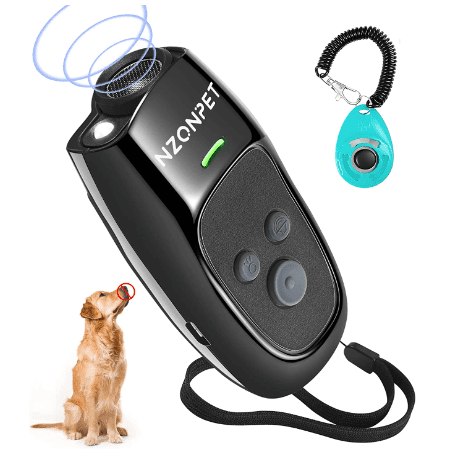
    1. NZONPET’s 3-in-1 Dog Silencer & Training Clicker

    NZONPET’s 3-in-1 Dog Silencer & Training Clicker is the perfect solution for dog owners looking for a safe and effective way to train their dogs and control their barking. This anti-barking device features an ultrasonic mode, a beep tone, and a LED light, which can help prevent dogs from barking, digging, clawing, biting, getting on furniture, and other unwanted behaviors. Plus, it comes with a free gift dog clicker that is safe for training and won’t harm your dog. This is a no-brainer solution for all dog owners!

    NZONPET’s ultrasonic dog bark deterrent emits three different frequency sound waves, including stable, undulating, and irregular frequencies to ensure that dogs do not become accustomed to a specific frequency. The big button on the pet clicker makes a distinct sound indicator of a job well done, grabbing your dog’s attention by a simple point and click. With this device, you can train your dog effectively and without harming them.

    The portable stop dog barking device from NZONPET comes with a standard USB included in the box and is rechargeable, providing up to 12 days of use without requiring another charge.Its standby time is up to 15 days with only 1-2 hours of charging. This makes it an ideal option for anyone on the go with its portable design, perfect for both indoor and outdoor use.The anti-bark control device features an ergonomic design that fits comfortably in your hand, and its unique speakers can reach up to 16.4 ft, making it easier to train your dog to behave well in public and prevent them from consuming unsafe food.

    Keep in mind that dogs with hearing problems may not respond to the ultrasonic training device, and it’s not recommended to use this product on dogs under six months or over eight years old. Did you know that certain ear infection medications can actually cause hearing problems?. To achieve highly effective and long-lasting use, training is necessary. Using the dog clicker and ultrasonic device together as a training aid, you will set up a better bridge to communicate with your fur baby effectively.

    Pros

    • The gentle anti-barking device provides a safe, effective solution for dog training and bark control
    • Equipped with 3 Different Frequency Sound Waves
    • It produces ultrasonic frequencies equal to only about 25 kHz which may make the dog feel annoyed, but it is not harmful to the dog.
    • Long-lasting rechargeable battery lasts up to 15 days
    • Ergonomic Design & Easy Carry for Indoor And Outdoor Use:
    • Comes with a user manual

    Cons

    • It may be effective for some dogs but may not work for some dogs.
    2.  MODUS Bark Control Device – Anti-Barking Device

    The MODUS Bark Control Device – Anti Barking Device is a modern anti-barking device that is safe, humane, and effective. It comes in a package that includes a manual that has specific instructions on how to use the device. The anti-bark device comes in a friendly design that resembles a water drop. The round edges of the device are safe and have a friendly feel.

    The MODUS Bark Control Device – Anti Barking Device can be mounted inside the household, outdoors, on a tree, on a wall, or even placed on the countertop. It is inaudible to human years and will only affect the pets inside the household. The device is 100% safe and effectively stops all excessive noises and barking sounds coming from your dog.

    The device emits a sound that is unpleasant for the dog, deterring their excessive barking. It is designed to cover an area of about 50 Ft./15 meters and is powered by one 9V alkaline battery.

    Pros

    • It is 100% safe and effectively stops all excessive noises and barking sounds coming from your dog.
    • The dog barking deterrent has a great design that has a friendly feel and will not attract attention.
    • It can be mounted inside the household, outdoors, on a tree, on a wall, or even placed on the countertop.
    • MODUS Bark Control Device – Anti Barking Device is inaudible to human years and will only affect the pets inside the household.
    • It covers an area of about 50 Ft./15 meters.
    • The anti-bark device comes with a manual that has specific instructions on how to effectively use the device.

    Cons

    • The ultrasonic sound produced by the anti-bark device may not affect some dogs.
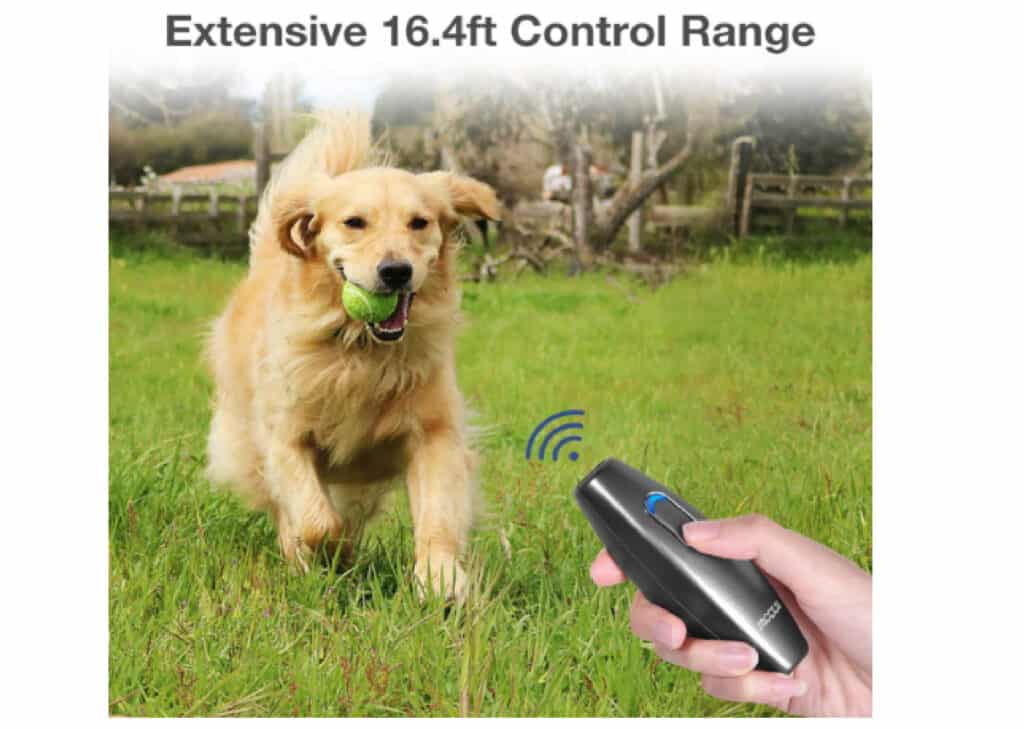
    3. Zelers Ultrasonic Dog Deterrent

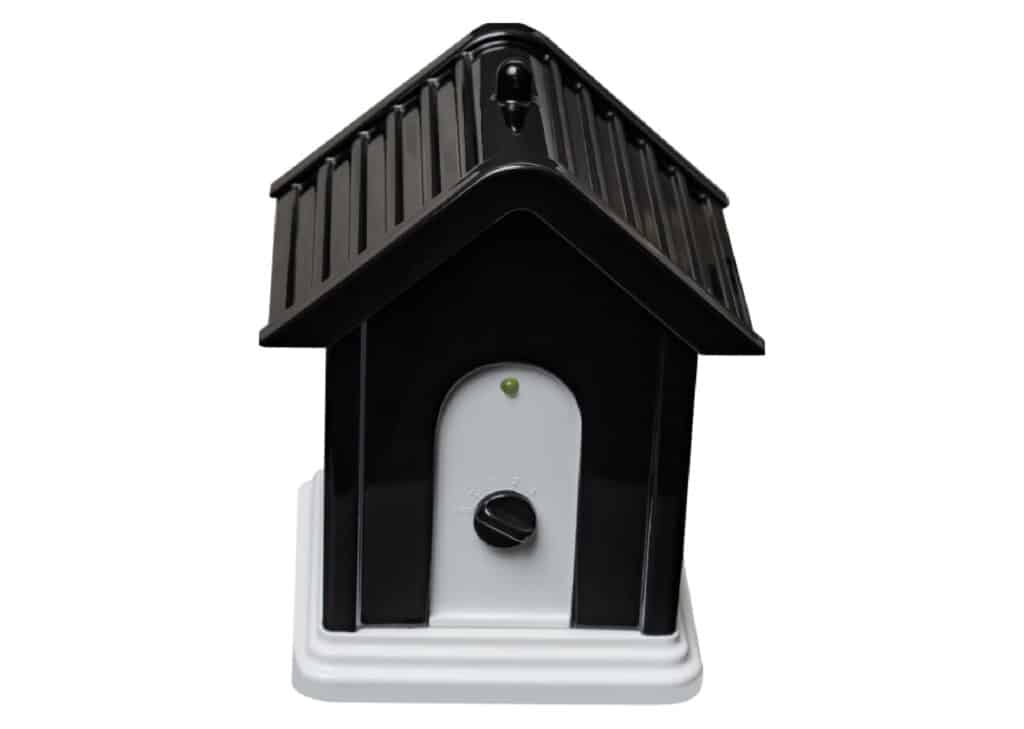
    Zelers Ultrasonic Dog Deterrent is a great indoor anti-bark device that can be placed on a high cupboard or counter. It is an ultrasonic Anti Bark Device by Zelers that has a great appearance that fits into any simple home decor without attracting any attention. The dog barking deterrent is available in two colors: black and brown.

    It does not affect you, plants, furniture, or any other item other than your pet. The device has a sensitive microphone that immediately picks up all kinds of barks coming from your dog or your neighbor’s dog. It includes 4 adjustable levels of ultrasonic sound: low range, medium range, high range, and test.

    It allows you to set up the device to produce ultrasonic frequencies that you won’t be able to hear but that will be rather unpleasant for your dog to hear. The anti-bark device works within the 50 Ft. range and needs one 9V alkaline battery to work efficiently. It comes with an LED light indicator that shows the battery level to help you know beforehand when you need to exchange the batteries.

    Pros

    • The barking dog deterrent comes with an LED light indicator that lets you know when the battery level is low to help you know beforehand when you need to exchange the batteries.
    • It produces ultrasonic frequencies that you can’t hear but that are unpleasant for your dog to hear.
    • The device has a great appearance that fits into any simple home decor without attracting any attention.
    • It has a sensitive microphone that immediately picks up all kinds of barks coming from your dog or your neighbor’s dog.
    • The dog barking deterrent comes in two colors: black and brown.
    • It has 4 adjustable levels of ultrasonic sound: low range, medium range, high range, and test.

    Cons

    • Some dogs may not be affected by the ultrasonic sound produced by the device.

    4. First Alert Bark Genie Handheld Bark Control

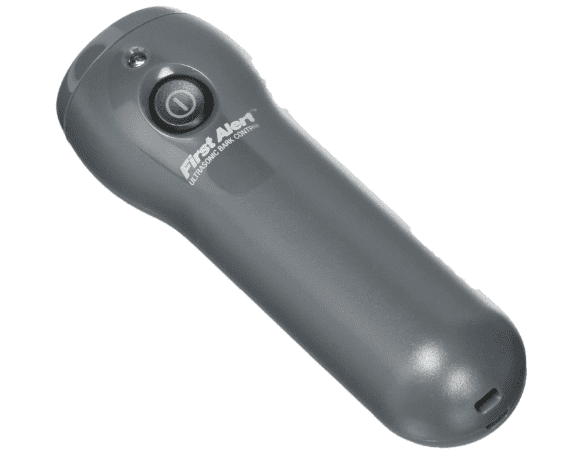
    First Alert Bark Genie Handheld Bark Control device is a reliable handheld bark control device from a brand that has specialized in home safety and home security for years. The brand is dedicated to providing innovative, safe, and effective pet training solutions. It produces a high-pitched sound that can only be heard by the dog, and will effectively deter them from barking each time.

    It is designed to encourage an obedient and healthy lifestyle for dogs. The device features a distinct, torch-like shape with round edges which makes it very easy and comfortable to hold. It has a strap that makes the device easy to carry around when walking your dog.

    The sound produced by the device is not harmful to the dog and has been tested to work on all dog breeds to stop excessive barking within a few uses. It has a range of about 15 Ft. and can be used both indoors and outdoors. The device is powered by 4 AAA batteries.

    Pros

    • The anti-bark device is designed to encourage an obedient and healthy lifestyle for dogs.
    • It is designed to produce a high-pitched sound that can only be heard by the dog, and will effectively deter them from barking each time.
    • The device produces a sound that is harmless to the dog but is effective for all dog breeds.
    • It has a distinct, torch-like shape with round edges which makes it very easy and comfortable to hold.
    • The barking deterrent comes with a strap that makes the device easy to carry around when walking your dog.
    • It can be used both indoors and outdoors.

    Cons

    • It might be ineffective for a distance of more than 15 Ft.
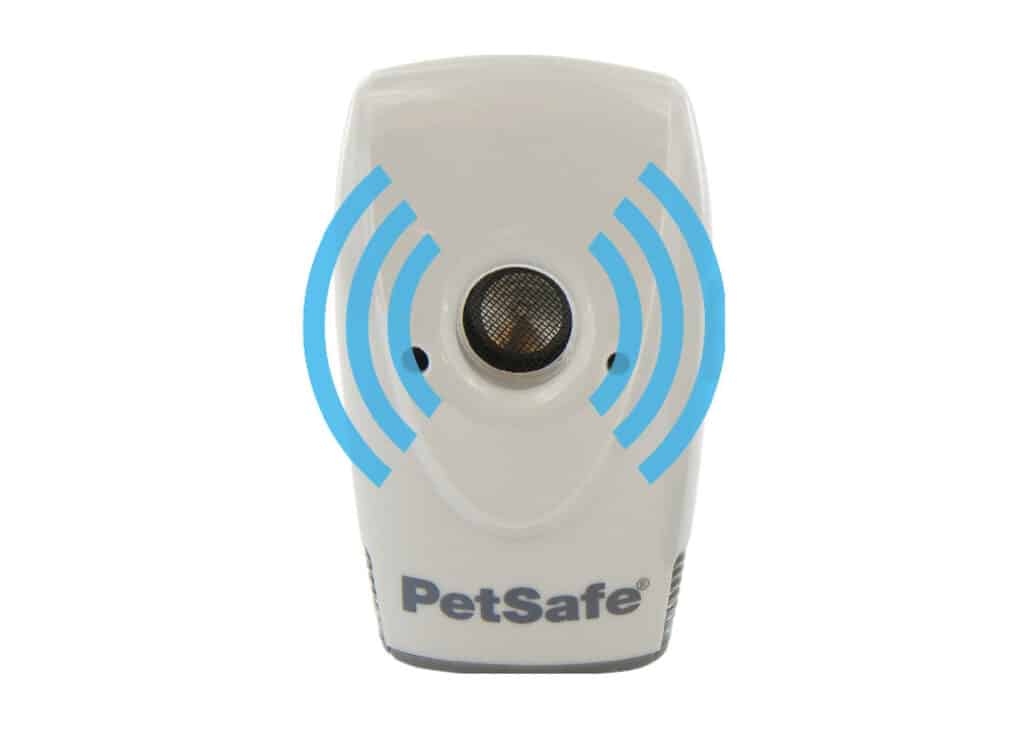
    5. PetSafe Indoor Dog Bark Deterrent

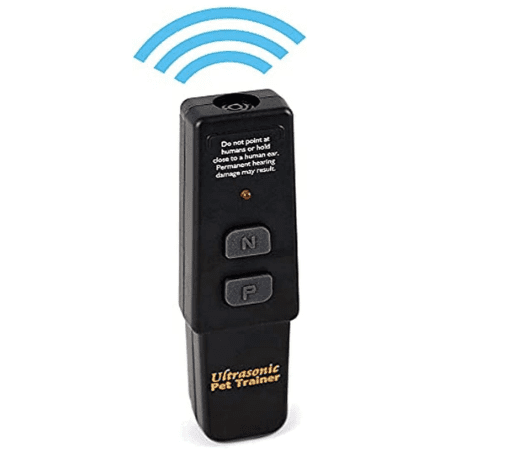
    PetSafe Indoor Ultrasonic Control Anti-Bark is a budget-friendly anti-bark device that works well with dogs of all sizes. The device can be placed on a cupboard, table, or counter of your choice. The brand has an easy-return option to let you easily return the product if it is not useful or is not effective for your situation.

    The indoor bark deterrent has a friendly pebble shape that easily blends into any home. It is completely safe and waterproof. The device should be placed facing the barking dog within a range of about 10 feet to stop excessive barking. When used consistently, the device can help your dog gradually stop the nuisance barking and develop a new, healthy habit.

    The device emits loud ultrasonic sounds that only your dog will be able to hear. It will effectively sense barks that are within a 25 feet range, which is about two household rooms. The device requires a 9V battery to work and the battery lasts about 6 months.

    Pros

    • The anti-bark device is budget friendly and works well with dogs of all sizes.
    • It comes in a friendly pebble shape that easily blends into any home.
    • The device is completely safe and waterproof.
    • It can help your dog gradually stop the nuisance barking and develop a new, healthy habit when used consistently.
    • PetSafe has an easy-return option to let you easily return the product if it is not useful or is not effective for your situation.

    Cons

    • The bark control range of 25 feet is small for very active dogs.
    6. PetSafe Indoor Dog Bark Deterrent

    PetSafe Indoor Ultrasonic Control Anti-Bark is a budget-friendly anti-bark device that works well with dogs of all sizes. The device can be placed on a cupboard, table, or counter of your choice. The brand has an easy-return option to let you easily return the product if it is not useful or is not effective for your situation.

    The indoor bark deterrent has a friendly pebble shape that easily blends into any home. It is completely safe and waterproof. You should place this device facing the barking dog within a range of about 10 feet to stop excessive barking. When used consistently, the device can help your dog gradually stop the nuisance barking and develop a new, healthy habit.

    The device emits loud ultrasonic sounds that only your dog will be able to hear. It will effectively sense barks that are within a 25 feet range, which is about two household rooms. The device requires a 9V battery to work and the battery lasts about 6 months.

    Pros

    • The anti-bark device is budget friendly and works well with dogs of all sizes.
    • It comes in a friendly pebble shape that easily blends into any home.
    • The device is completely safe and waterproof.
    • It can help your dog gradually stop the nuisance barking and develop a new, healthy habit when used consistently.
    • PetSafe has an easy-return option to let you easily return the product if it is not useful or is not effective for your situation.

    Cons

    • The bark control range of 25 feet is small for very active dogs.
    When searching for the best indoor anti-barking device for your pup, it’s essential to keep in mind that not all dogs have the same hearing ability. Some dogs are more sensitive to noise than others, which means that some bark deterrents may work well for one dog but not for another.

    To simplify your search, we’ve reviewed some of the best indoor anti-bark devices on the market. These devices not only offer value for your money, but they also effectively stop excessive barking in dogs while keeping them safe.

    If you’ve used a bark deterrent before, we’d love to hear about your experience. And if you decide to try any of the best indoor anti-bark devices on our list, we hope it helps you find a solution to excessive barking and improves the quality of life for both you and your furry friend.

    ~Lindsie

    A note about your dog’s health

    This article provides general education and does not replace an examination, diagnosis, or individualized advice from your veterinarian. Contact a veterinary professional if you are concerned about your dog’s symptoms.

    Lindsie Parks B.S., CRDNS Avatar

    ABOUT THE AUTHOR

  • Find Peace and Quiet Outside with The Best Outdoor Anti-Bark Devices of 2023

    Find Peace and Quiet Outside with The Best Outdoor Anti-Bark Devices of 2023

    As a dog owner, it’s natural to feel concerned when your pup barks excessively. Barking is a way for dogs to communicate with their owners about their needs or if they’re feeling distressed. However, if your dog’s barking becomes constant and excessive, it can become frustrating for you and those around you. There are some really great outdoor anti-bark devices that are safe and effective.

    outdoor antibark device

    Luckily, there are many ways to train your dog to stop excessive barking. Dog training is a great way to teach your dog proper barking behavior. You can also find outdoor anti-bark devices that can help train your dog faster and more effectively.

    If you’re struggling to find a solution to your dog’s barking, there are many products available to help. While bark collars can be effective, many dog owners are hesitant to use them. Fortunately, there are a variety of outdoor anti-bark devices on the market that can help you train your dog without the use of a collar. In this article, we will be talking specifically about outdoor anti-bark devices. With so many options available, it can be challenging to choose the right outdoor anti-bark device for your dog. But with patience and a little research, you’ll be able to find the best outdoor device to help reduce excessive barking and improve your dog’s behavior.

    Shopping Tips For The Best Outdoor Anti Bark Device

    When it comes to finding the best outdoor anti-bark device for your dog, it can be overwhelming for first-time buyers. To help make the selection process easier, we’ve compiled some useful tips for you to consider:

    Safety

    Safety should be your top priority when selecting an outdoor anti-bark device. The device should be 100% safe for both you and your dog. It should not produce sounds that could potentially damage your dog’s ears or yours. Additionally, the device should not have any negative impact on your surroundings or cause your dog any distress.

    Features

    Look for anti-bark devices with useful features that can help deter your dog from excessive barking. Some devices can be hung on walls or placed on counters, and many are designed to be waterproof or water-repellent for outdoor use.

    Design

    The design of the anti-bark device is also an important factor to consider. If you’re someone who values style and aesthetics, you might want to look for a device with a design and color scheme that fits in with your home decor. Fortunately, there are now many outdoor anti-bark devices available with attractive designs.

    Sound and Sensory Levels

    Anti-bark devices can come with different sensory and sound levels, so it’s important to find one that works best for your dog. The best anti-bark device typically has 3 sensory levels and 3 sound levels. Sensory levels increase the range of the device, allowing dog owners to expand the area that it covers.

    Sound levels regulate the intensity of the ultrasonic sound, making it easier to find the right level that is effective for your dog. If your dog doesn’t respond to low levels, you can gradually increase the sensory levels throughout the day to determine the best level for your pet.

    Range

    The sensory range of most anti-bark devices is around 50 feet, but the best devices can have a range of anywhere from 15 to 150 feet. When using an indoor device, it’s important to position it in the center of the room to ensure that the sensors work efficiently in detecting the source of the barking.

    Battery/Power

    Most anti-bark devices are powered by batteries, but some can use adapters as a power source. Battery life typically lasts between 3 to 6 months depending on usage. To conserve battery life, manufacturers recommend turning off the device when not in use, but this can be difficult if your dog starts barking again when they notice the device is turned off. Some devices include an LED light that flashes green when the battery is full and red when the battery is low to indicate when it’s time to recharge.

    Top 5 Best Outdoor Anti-Bark Devices 2023

    As a dog owner, you know how frustrating it can be when your pup barks excessively. That’s why finding the best outdoor anti-bark device is crucial to help curb unnecessary barking. However, for first-time buyers, selecting the right dog barking deterrent can be a challenge.

    To make the selection process easier, we’ve compiled reviews for 5 of the best outdoor anti-bark devices currently available in the market. These reviews can help guide you in finding the right device for your dog, based on your specific needs and preferences.

    By using these reviews as a guide, you’ll be able to find the best outdoor anti-bark device to help stop unnecessary barking and improve your dog’s behavior.

    1. PetSafe Outdoor Ultrasonic Bark Control Deterrent

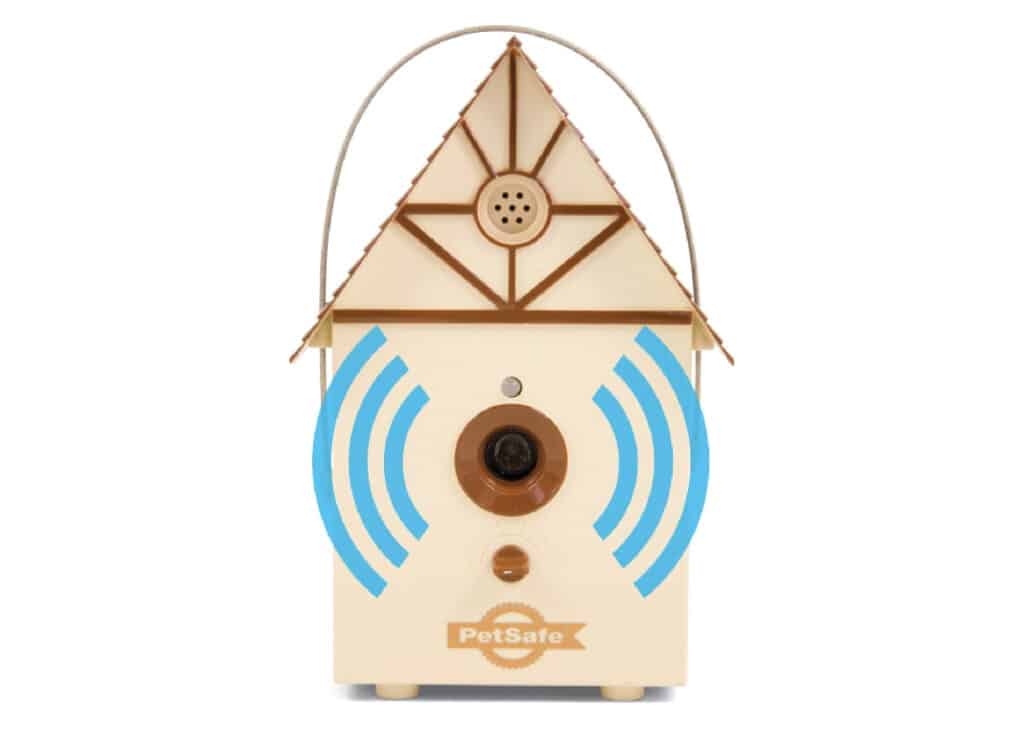
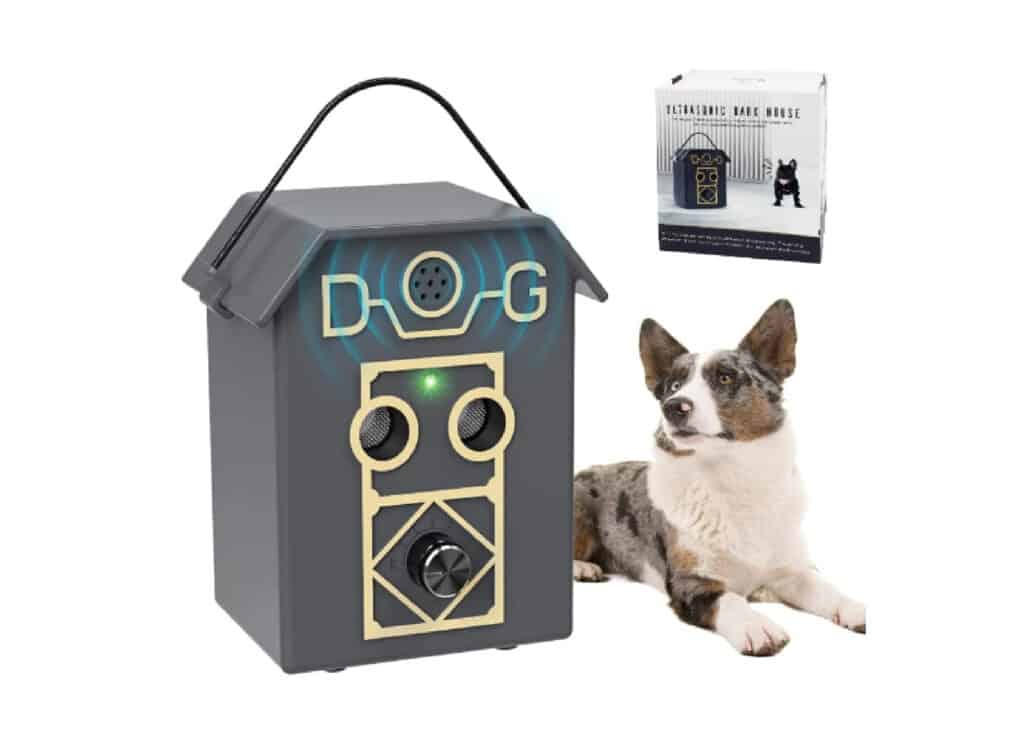
    The PetSafe Outdoor Ultrasonic Bark Control Deterrent is a highly effective device that has been tested and proven to be successful in deterring dogs from excessive barking. Its design resembles that of a birdhouse, making it an aesthetically pleasing addition to your porch or yard.

    One of the best features of this anti-bark device is that it is 100% safe and cannot be heard by humans. It emits an unpleasant ultrasonic sound that can encourage dogs to stop their barking habits. Additionally, it is water-resistant and has a sensory range of 50 feet, making it suitable for both indoor and outdoor use.

    The PetSafe Outdoor Ultrasonic Bark Control Deterrent has three range settings and is powered by a 9V battery. To help you keep track of the battery level, the device will light up green when it’s fully charged and turn red when the battery is low.

    Overall, this anti-bark device has many benefits, including its safe design, attractive appearance, and ability to discourage excessive barking in dogs. Its three range settings make it versatile and adaptable to your specific needs. With the PetSafe Outdoor Ultrasonic Bark Control Deterrent, you can enjoy a quieter and more peaceful home environment.

    Pros: 

    • It is 100% safe for you and your dog and cannot be heard by humans.
    • The anti-bark device resembles a birdhouse and will therefore not clutter your porch or back/front yard.
    • It produces an unpleasant ultrasonic sound that makes it possible for dogs to cease their barking habits.
    • PetSafe Outdoor Ultrasonic Bark Control Deterrent is water-resistant.
    • It has a sensory range of 50 feet both indoors and outdoors.
    • The device lights up green when the device is fully charged and turns red when the battery is low to notify you when the battery level is low.
    • It provides you with 3 range settings

    2. MODUS Bark Control Device – Anti-Barking Device

    The MODUS Bark Control Device – Anti Barking Device is a modern and effective anti-barking device that is also safe and humane for your furry friend. The package includes a manual with specific instructions on how to use the device, making it easy to set up and start using right away.

    This anti-bark device features a friendly and sleek design resembling a water drop, with round edges that are safe and comfortable for pets. It can be mounted inside the house, outdoors, on a tree, wall, or even placed on the countertop. It’s inaudible to human ears and will only affect the pets inside the household, making it a non-intrusive option.

    The MODUS Bark Control Device – Anti Barking Device emits an unpleasant sound that deters excessive barking in dogs, making it an effective solution. It covers an area of approximately 50 feet or 15 meters and is powered by a single 9V alkaline battery. It’s available in two colors, gold, and gray.

    Overall, the MODUS Bark Control Device – Anti Barking Device is a safe, effective, and modern solution to stop excessive barking in dogs. Its versatile mounting options, sleek design, and humane approach make it a popular choice among dog owners who are looking to improve their dog’s behavior.

    Pros

    • It is 100% safe and effectively stops all excessive noises and barking sounds coming from your dog.
    • The dog barking deterrent has a great design that has a friendly feel and will not attract attention.
    • It can be mounted inside the household, outdoors, on a tree, on a wall, or even placed on the countertop.
    • MODUS Bark Control Device – Anti Barking Device is inaudible to human years and will only affect the pets inside the household.
    • It covers an area of about 50 Ft./15 meters.
    • The anti-bark device comes with a manual that has specific instructions on how to effectively use the device.

    Cons

    • The ultrasonic sound produced by the anti-bark device may not affect some dogs.

    3. Good Life Inc., Bark Control Pro

    The Bark Control Pro is an effective and humane anti-bark device designed to help prevent excessive barking in dogs. This device has been tested and proven by dog owners, veterinarians, law enforcement, and dog trainers, making it a trusted solution.

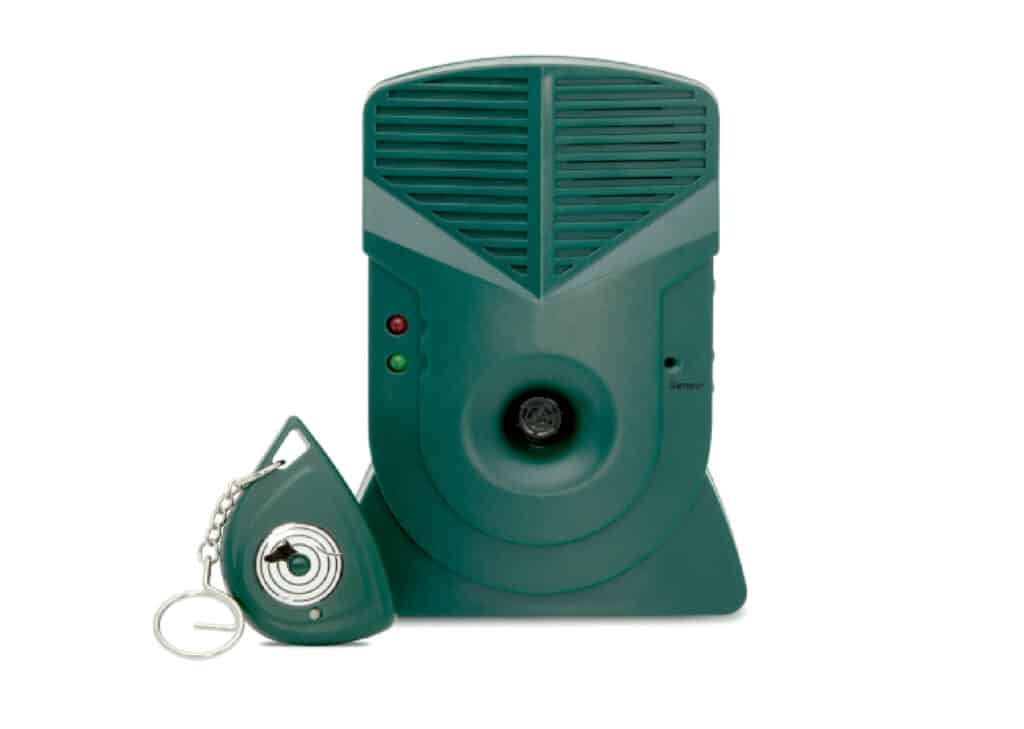
    It features a simple and friendly, rounded shape design in a very dark turquoise color. The Bark Control Pro is incredibly easy to use and produces high-pitched sounds only when your dog or your neighbor’s dogs start barking, providing a non-intrusive solution.

    This bark deterrent can be used both indoors and outdoors and includes a 45-day money-back guarantee and a 1-year warranty, providing peace of mind for dog owners. The sound emitted by the device briefly startles dogs and discourages them from barking further. It has an adjustable bark control range and can detect barks within a 50-foot range around the device, which can be increased up to 150 feet using the remote control included in the package.

    The Bark Control Pro can be powered by 9V batteries or an AC adapter that is also included in the package. Overall, the Bark Control Pro offers a humane, effective, and versatile solution for dog owners who want to control excessive barking in their pets. Its adjustable range, easy-to-use design, and included warranty make it a popular choice among pet owners.

    Pros

    • The device provides you with a 45-day money-back guarantee and a 1-year warranty.
    • It produces a high-pitched sound that will briefly startle your dog and deter them from barking again.
    • The sound emitted by the bark deterrent is safe for dogs but it is effective.
    • Bark Control Pro is very easy to use and produces high-pitched sounds only when your dog or your neighbor’s dogs start barking.
    • It has an adjustable bark control range of 50 feet to a maximum of 150 feet away.
    • The anti-bark device comes in a simple and friendly, rounded shape design that is in very dark turquoise to blend with the surrounding.

    Cons

    • It may not be effective for some dog breeds.

    4. Paws & Pals Ultrasonic Anti Bark Control for Dogs

    Looking for a simple solution to curb excessive barking in dogs? The Paws & Pals Ultrasonic Anti Bark Control for Dogs is an excellent option. Resembling a stylish birdhouse, this device emits an ultrasonic sound when it detects repeated barking. This sound is inaudible to humans and works like a dog whistle to deter barking, making it a highly effective and humane way to control frequent barking.

    The Paws & Pals Ultrasonic Anti Bark Control birdhouse is versatile and easy to use. It can be hung from a tree or placed on a porch or steps up to 50 feet away. The device features a sensitive microphone that isolates barks and ignores other sounds before making the high pitch sound, ensuring that it only activates when necessary. With four levels of operation, you can adjust the intensity of the ultrasonic sound to suit your dog’s needs.

    In addition to its effectiveness, the Paws & Pals Ultrasonic Anti Bark Control birdhouse is also durable and weatherproof, making it suitable for long-term outdoor use. An LED light signals when the battery is running low, ensuring that you can keep the device powered up and working effectively. Overall, this device offers a simple, stylish, and humane solution for dog owners looking to control excessive barking in their pets.

    Pros: 

    • The stylish birdhouse helps curb excessive barking, by emitting an ultrasonic sound when it detects repeated barking.
    • A simple and great solution to barking can be hung from a tree or placed on a porch or steps up to 50 feet away.
    • A sensitive microphone isolates barks and ignores other sounds before making the high pitch sound.
    • Highly effective and humane way to control frequent barking with four levels of operation and an LED light signal when the battery is running low.
    • Birdhouse is durable and weatherproof for long-term outdoor use.

    5. bubbacare Anti Barking Device

    The bubbacare Anti Barking & Dog Training Device is an intelligent device that is designed to deter dog barks in the area covered by the system and automatically emit ultrasound to silence the dog, solving excessive and noisy dog barking. The latest upgrade comes with a 9V battery included, so you can use it right out of the box.

    The bark stopper is completely safe and harmless, adopting new sonic technology that produces a frequency of more than 20KHz. This frequency is harmless to dogs and completely inaudible to human ears, making it a humane solution for excessive barking.

    The Anti-barking control stopper has 4 levels of operation, including a test mode and 3 levels of sensibility. It has a low range of up to 15 feet, a medium range of up to 30 feet, and a high range of up to 50 feet. It is suitable for most dogs aged 6 months to 8 years that are not violent or aggressive and have normal hearing. However, some dogs may be insensitive or have hearing problems, so this product may not be suitable for all dogs ( Most pet parents don’t know that certain ear medications can actually cause hearing problems, beware. ).

    The bark control device is durable and waterproof, using high-quality waterproof material. It can be used on sunny or rainy days, and you won’t have to worry about excessive barking again. Just turn on the switch, and the device will do the rest.

    Pros: 

    • Safe and effective for stopping excessive barking.
    • Birdhouse design is great for being mounted outside on a fence or in a tree
    • Inaudible to human years and will only affect the pets in the household.
    • 3 settings cover 15ft, 30ft, or 50ft. 
    • The anti-bark device comes with a manual that has specific instructions on how to effectively use the device.

    When you’re on the hunt for the best outdoor anti-barking device for your pup keep in mind that not all dogs have the same hearing ability. Some dogs are more sensitive to noise than others, which means that some bark deterrents may work well for one dog but not for another.

    To make your search easier, we have reviewed some of the best outdoor anti-bark devices on the market. These devices not only offer you value for your money but also effectively stop excessive barking in dogs while keeping them safe.

    If you’ve used a bark deterrent before, we would love to hear about your experience. And if you decide to try any of the best outdoor anti-bark devices on our list, we hope it helps you find a solution to excessive barking and improves the quality of life for both you and your dog.

    ~Lindsie

    A note about your dog’s health

    This article provides general education and does not replace an examination, diagnosis, or individualized advice from your veterinarian. Contact a veterinary professional if you are concerned about your dog’s symptoms.

    Dr. Candy Akers, DVM Avatar

    ABOUT THE AUTHOR
  • Can Dogs Eat Kimchi? – Expert Answers

    Can Dogs Eat Kimchi? – Expert Answers

    As a pet health expert, I’m often asked about the human foods that are safe for dogs to eat. One dish that comes up frequently is fried rice. Many pet owners wonder if it’s safe to share this tasty dish with their furry friends. In this blog, we’ll take a closer look at the ingredients in fried rice, and whether or not it’s a safe treat for your pup. So, whether you’re looking to share your love of Chinese takeout with your dog or just want to make sure you’re feeding them the right foods, keep reading to learn more!

    can dogs eat kimchi

    What is Kimchi?

    Kimchi is a traditional Korean dish that has been enjoyed for centuries. It’s a spicy and tangy vegetable dish that’s made with ingredients like cabbage, radish, scallions, garlic, ginger, and chili pepper. The ingredients are mixed together and fermented, creating a complex blend of flavors that’s both savory and spicy.

    It can be served as a side dish with Korean meals, or used in a variety of recipes like soups, stews, and fried rice. Depending on the recipe and personal preferences, kimchi can be customized to be extra spicy or milder.

    The fermentation process creates beneficial bacteria that support gut health, and kimchi is low in calories and fat while being high in fiber and nutrients.

    Where Did Kimchi Come From?

    Kimchi is a spicy and tangy dish that’s been around for over 2000 years. Originally, it was just made with vegetables and salt, but over time, it’s evolved into the delicious recipe that we know and love today.

    Kimchi is a staple in Korean cuisine and is often served as a side dish. It contains an array of ingredients that can be used in a variety of recipes, like soups, stews, and fried rice. Kimchi has become really popular all over the world, and you can now find it in many supermarkets and restaurants.

    is kimchi safe for dogs?

    Kimchi Ingredients

    The first thing to consider when it comes to feeding your dog kimchi is the ingredients. Some ingredients in kimchi can be harmful to dogs, so it’s important to know what’s in the dish before sharing it with your pup. Garlic and onions, for example, are both ingredients commonly found in kimchi that are toxic to dogs. These vegetables contain compounds that can damage a dog’s red blood cells, leading to anemia. If your dog ingests garlic or onions, they may experience symptoms such as vomiting, diarrhea, lethargy, and a decreased appetite. In severe cases, garlic and onion toxicity can be life-threatening.

    When it comes to feeding your furry friend kimchi, it’s important to be cautious. While most kimchi recipes contain garlic and onions, which are generally safe for dogs in small quantities, some variations may include harmful ingredients like chili peppers. Capsaicin, the compound found in chili peppers, can irritate a dog’s digestive system and cause discomfort.

    So, if you’re thinking about giving your pup a taste of this spicy Korean dish, it’s crucial to check the ingredients carefully first. Make sure that there are no harmful ingredients that could make your dog sick. Remember, your furry friend’s health and well-being should always come first, so when in doubt, it’s best to err on the side of caution.

    Inappropriate Ingredients in Kimchi

    Onions and Garlic

    Onions and garlic contain compounds called thiosulphates, which can be toxic to dogs in large amounts. These compounds can cause damage to a dog’s red blood cells, leading to a condition called hemolytic anemia. Hemolytic anemia can cause symptoms such as lethargy, weakness, pale gums, and even collapse. In severe cases, it can be fatal.

    The toxic dose of onions and garlic can vary depending on the size of the dog and the amount consumed. However, as a general rule, it’s best to avoid giving dogs foods that contain these ingredients. This includes cooked or processed foods with onions or garlic, such as soups, stews, and seasoning blends.

    It’s important to note that small amounts of onions or garlic in a dog’s diet are not likely to cause harm. However, if you suspect that your dog has consumed a large amount of either of these ingredients, it’s important to seek veterinary care immediately. Early treatment can help prevent serious complications and ensure the best possible outcome for your furry friend.

    Capsaicin

    While chili peppers may add a spicy kick to human food, they can actually be harmful to our furry friends. The compound responsible for the heat in chili peppers is called capsaicin, and it can cause discomfort and even illness in dogs.

    When a dog ingests capsaicin, it can irritate their digestive system, leading to symptoms like vomiting, diarrhea, and stomach pain. In more severe cases, it can even cause breathing difficulties or other serious health problems.

    It’s important to note that dogs are more sensitive to capsaicin than humans, so even a small amount can have a significant impact on their health. That’s why it’s crucial to avoid feeding your dog any food that contains chili peppers or capsaicin.

    So, while you may love the spicy kick of chili peppers in your food, it’s best to keep them away from your furry friend’s diet. Stick to dog-friendly foods and treats to ensure that your pup stays happy and healthy.

    can my dog have kimchi?

    Healthy Ingredients in Kimchi?

    Fermented Foods

    Fermented foods like kimchi can actually be good for dogs in moderation. During the fermentation process, beneficial bacteria are created, which can promote good gut health and boost the immune system.

    When dogs consume fermented foods, the good bacteria help to balance out the bad bacteria in their digestive system, leading to better overall health. Fermented foods are also high in fiber, which can aid in digestion and promote regular bowel movements.

    In addition to the health benefits, fermented foods can also add a unique and delicious flavor to your dog’s diet. Just be sure to introduce them in moderation, as too much of a good thing can cause digestive issues.

    When feeding your dog fermented foods, it’s important to choose the right ones. Stick to homemade options or reputable brands that use high-quality ingredients. Avoid feeding your dog any fermented foods that contain harmful ingredients like garlic, onions, or chili peppers.

    So, if you’re looking to mix up your furry friend’s diet, consider adding some fermented foods like kimchi to their meals. Not only will it add some variety to their diet, but it can also promote good gut health and overall wellness.

    kimchi for dogs

    Help?!? What if my dog accidentally ate a lot of Kimchi?

    If your dog accidentally ate a lot of kimchi, it’s important to monitor them closely for any signs of distress. 

    Post Snack Distress Signs & Symptoms

    Dogs that consume a large amount of food that contains lots of spices and flavorings can experience digestive upset, including vomiting, diarrhea, and abdominal discomfort. In some cases, they may also develop pancreatitis, a condition that causes inflammation of the pancreas and can be quite serious.

    When or If You Should Go To The Vet?

    Generally, there will be no need for a vet visit if your dog eats some kimchi. However, if your dog ate more than a cup of fried rice, you should probably call your local vet clinic. They can advise you based on the size and health of your dog. 

    If your dog seems lethargic or unresponsive, go to the pet emergency hospital right away.

    Canine-friendly and safe alternatives to Kimchi

    If you’re searching for a tasty and healthy snack to give your furry friend, there are plenty of great alternatives to fried rice that are both safe and delicious.

    Healthy Store-Bought Recommendations

    While kimchi can have some potential benefits for dogs, it’s important to be aware of the potential risks too. Kimchi is a fermented food, which means that it contains beneficial bacteria that can support digestive health. These bacteria help maintain a healthy balance of gut flora, which is important for overall health and wellbeing. Plus, kimchi is low in calories and fat, making it a healthy option for dogs that need to maintain a healthy weight.

    However, it’s essential to remember that dogs have different nutritional needs than humans. While kimchi may have some benefits, it’s not a complete or balanced meal for our furry friends. Dogs need a diet that’s high in protein and fat and low in carbohydrates, while kimchi is primarily a vegetable-based dish.

    So, while it’s okay to offer your pup small amounts of kimchi as an occasional treat, it should not be a significant part of their diet. As always, it’s important to talk to your veterinarian before making any significant changes to your dog’s diet. They can help you determine what’s best for your furry friend’s unique needs and ensure that they’re getting all the nutrients they need to stay happy and healthy.

    ~Lindsie

    A note about your dog’s health

    This article provides general education and does not replace an examination, diagnosis, or individualized advice from your veterinarian. Contact a veterinary professional if you are concerned about your dog’s symptoms.

    Lindsie Parks B.S., CRDNS Avatar

    ABOUT THE AUTHOR

  • Can Dogs Eat Takis? – Expert Answers

    Can Dogs Eat Takis? – Expert Answers

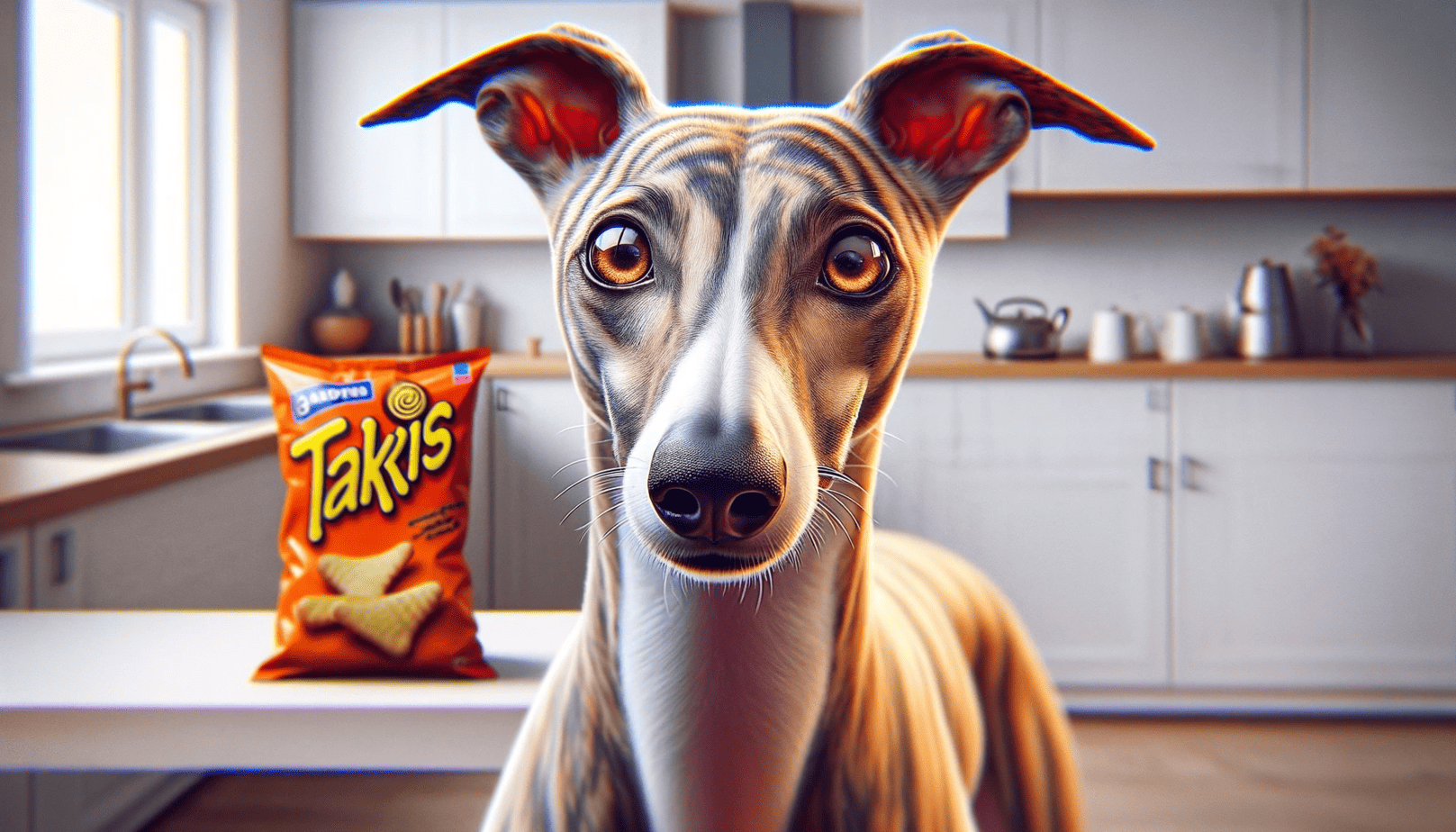
    Hello, there fellow pet owners! As a pet health expert, I often get asked about what human foods are safe for dogs to eat. Recently, I’ve been getting a lot of questions about Takis, those popular spicy corn chips that have become a snack-time favorite for many people. But can dogs eat Takis too?

    It’s important to remember that dogs have different nutritional needs than humans, and what may be safe and enjoyable for us may not necessarily be the same for our furry friends. In this blog post, we’ll dive into the details about whether or not Takis are a safe snack for dogs to enjoy, and what you should keep in mind when it comes to feeding your pets any type of human food.

    So, if you’re curious about whether or not you can share your Takis with your furry best friend, keep reading! We’ve got all the information you need to know to make sure your pet stays healthy and happy.

    can dogs eat takis

    What are Takis?

    Takis are a popular brand of rolled corn tortilla chips that are known for their spicy flavor. They were first introduced in Mexico in the 1990s and have since become a popular snack in many countries, including the United States.

    Takis come in a variety of flavors, but some of the most popular include Fuego (which means “fire” in Spanish), which is known for its spicy and tangy taste, and Nitro, which is even hotter than Fuego. They are often marketed as a “fiery” snack that is meant to be enjoyed by people who love bold flavors and a bit of heat.

    While Takis are a beloved snack for many people, it’s important to remember that they may not be suitable for all pets. As a pet health expert, I always recommend erring on the side of caution when it comes to feeding your pets human food, including snacks like Takis.

    Where Do Takis come from?

    Takis is a brand of rolled corn tortilla chips that was first introduced in Mexico in 1999. They quickly became popular throughout Mexico and eventually made their way to the United States, where they gained a devoted following.

    The name Takis comes from the word “taquitos,” which means “small tacos” in Spanish. The distinctive rolled shape of Takis sets them apart from other tortilla chips. They are also known for their intense flavors, which range from traditional Mexican spices like chili and lime to more exotic flavors like fuego (fire) and nitro (extreme heat).

    While Takis are not toxic to dogs, I always advise against feeding highly processed foods to your pup. Takis could cause some GI upset, especially the “fuego” and “nitro” flavors.

    Takis: Safe or Harmful to Dogs?

    Takis Ingredients

    When it comes to the ingredients in Takis, the list can vary slightly depending on the specific product. Common ingredients include corn masa flour, vegetable oil, seasoning, and salt. salt, and sodium nitrite. Some varieties may also contain additional additives like monosodium glutamate (MSG), artificial flavors, and preservatives. 

    While many of these ingredients are safe for humans to eat in moderation, they may not be suitable for dogs, especially those with preexisting health conditions. To be safe, it’s always best to choose safer and more nutritious treats for your furry friend.

    Inappropriate Ingredients in Takis

    MSG

    When dogs eat foods that contain MSG, it can overstimulate their nervous system and cause a range of symptoms, including vomiting, diarrhea, excessive thirst, lethargy, and even seizures. Additionally, some dogs may be more sensitive to MSG than others, and even small amounts can cause an adverse reaction.

    Salt

    It’s important to be careful when it comes to feeding your dog any treats that are high in salt. Although dogs need a certain amount of salt in their diet, too much can cause a variety of health issues, such as dehydration, electrolyte imbalances, and high blood pressure. Additionally, treats that are high in salt, like certain types of corn chips, can be hard on your dog’s digestive system, leading to vomiting or diarrhea. Choosing treats made with natural, wholesome ingredients that support overall well-being is the best way to ensure your pet stays healthy and avoid giving them treats loaded with salt.

    Corn, Soy, and Wheat

    Food sensitivities and allergies can be a real challenge for dogs, and three of the most common culprits are corn, soy, and wheat. These ingredients are frequently found in many dog foods and treats, but they can cause a range of health issues for some dogs. Some dogs may experience digestive problems like diarrhea, vomiting, or bloating, while others may develop skin irritations, itchiness, or other allergic reactions. It’s a good idea to avoid feeding your dog any foods or treats that contain these common allergens.

    Tasty Takis: Can Dogs Share?

    Help?!? What if my dog accidentally ate a lot of Takis?

    If your dog accidentally ate a lot of Takis it’s important to monitor them closely for any signs of distress. 

    Post Snack Distress Signs & Symptoms

    Dogs that consume a large amount of processed foods like Takis (especially the spicy varieties) can experience digestive upset, including vomiting, diarrhea, and abdominal discomfort. If your dog is prone to allergies, eating large amounts of Takis may lead to ear infections, itchiness and hairloss.

    Takis Chips for Dogs: Yay or Nay?

    When or If You Should Go To The Vet?

    If your dog ate more than half a bag, you should probably call your local vet clinic. They can advise you based on the size and health of your dog.

    If your dog seems lethargic or unresponsive, go to the pet emergency hospital right away.

    Canine-friendly and safe alternatives to Takis

    If you’re searching for a tasty and healthy snack to give your furry friend, there are plenty of great alternatives to Takis that are both safe and delicious.

    Healthy Store-Bought Recommendations

    Of course, these are just a few of the many alternatives to Takis that are safe and healthy for your furry friend. When choosing treats for your pet, it’s important to read the ingredient list carefully and opt for products that are made with natural, wholesome ingredients. Your dog will be grateful for the tasty and nutritious treats!

    While Takis aren’t toxic to your pup, take note that if they eat large amounts of them it could cause GI upset.

    ~Lindsie

    A note about your dog’s health

    This article provides general education and does not replace an examination, diagnosis, or individualized advice from your veterinarian. Contact a veterinary professional if you are concerned about your dog’s symptoms.

    Lindsie Parks B.S., CRDNS Avatar

    ABOUT THE AUTHOR

  • Can Dogs Eat Slim Jims? What You Need to Know – Expert Answers

    Can Dogs Eat Slim Jims? What You Need to Know – Expert Answers

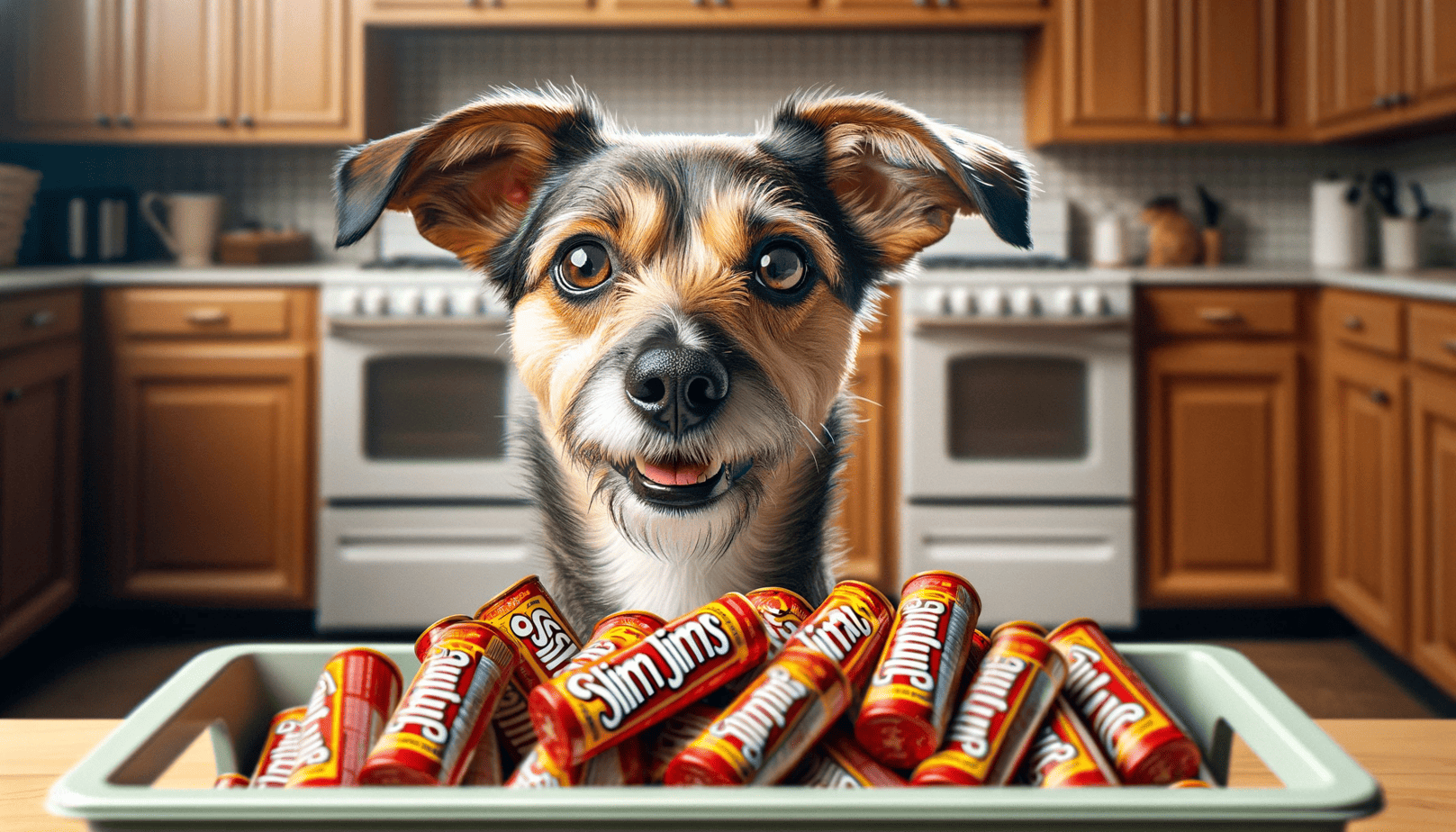
    Hello there, pet owners! Have you ever wondered whether or not your furry friend can safely eat Slim Jims while you snack on them? As a pet expert, I’ve been asked this question many times, and there are some important things to keep in mind before sharing this popular snack with your dog. In this article, I’ll discuss whether or not Slim Jims are safe for dogs, and offer some alternative snack options that are better for your pet’s health. So let’s dive in and make sure our furry friends stay happy and healthy!

    can dogs have slim jims

    What are Slim Jims?

    To start things off, let’s take a closer look at what Slim Jims actually are. These popular meaty snacks are a type of beef jerky that are known for their spicy flavor and convenient packaging. Haven’t we all heard their slogan “Snap Into A Slim Jim!” as we envision a classic wrestling entertainment star? 

    Slim Jims are made from processed meat and a variety of seasonings, and are often high in sodium and other additives. While they may be a tempting snack for us humans, it’s important to consider whether or not they’re safe for our furry friends. Some of the ingredients in Slim Jims can be harmful to dogs, so it’s crucial to know what’s in these snacks before deciding whether or not to share them with your pet.

    Where Do Slim Jims come from?

    Slim Jims were first introduced in the United States in the 1920s and quickly gained popularity. Originally, they were made from beef scraps that were ground up and seasoned to create a tasty snack that didn’t require refrigeration. Nowadays, you can find 100 different varieties in convenience stores and supermarkets across the country.

    Dog snacks: why Slim Jims may not be the best choice

    Slim Jim Ingredients

    When it comes to the ingredients in Slim Jims, the list can vary slightly depending on the specific product. Common ingredients include beef, pork, chicken, corn syrup, spices, salt, and sodium nitrite. Some varieties may also contain additional additives like monosodium glutamate (MSG), artificial flavors, and preservatives. 

    While many of these ingredients are safe for humans to eat in moderation, they may not be suitable for dogs, especially those with preexisting health conditions. To be safe, it’s always best to choose safer and more nutritious treats for your furry friend.

    Sugars

    It’s not a good idea to give your dog treats that contain high fructose corn syrup. This ingredient can make dogs more prone to being obese or diabetic. Sugar leads to inflammation in your dog’s body, especially in joints.  Added sugar can also lead to tooth decay and other dental problems. Choose treats that are made from whole, natural ingredients instead.

    Salt

    It’s important to be careful when it comes to feeding your dog any treats that are high in salt. Although dogs need a certain amount of salt in their diet, too much can cause a variety of health issues, such as dehydration, electrolyte imbalances, and high blood pressure. Additionally, treats that are high in salt, like certain types of jerky, can be hard on your dog’s digestive system, leading to vomiting or diarrhea. Choosing treats made with natural, wholesome ingredients that support overall wellbeing is the best way to ensure your pet stays healthy and avoid giving them treats loaded with salt.

    Corn, Soy and Wheat

    Food sensitivities and allergies can be a real challenge for dogs, and three of the most common culprits are corn, soy, and wheat. These ingredients are frequently found in many dog foods and treats, but they can cause a range of health issues for some dogs. Some dogs may experience digestive problems like diarrhea, vomiting, or bloating, while others may develop skin irritations, itchiness, or other allergic reactions. It’s a good idea to avoid feeding your dog any foods or treats that contain these common allergens.

    Slim Jims for dogs: proceed with caution

    Help?!? What if my dog accidentally ate a lot of Slim Jims?

    If your dog accidentally ate a lot of Slim Jims, it’s important to monitor them closely for any signs of distress. 

    Post Snack Distress Signs & Symptoms

    Dogs who eat processed foods like Slim Jims may have vomiting, diarrhea, and discomfort. In some cases, they may also develop pancreatitis, a condition that causes inflammation of the pancreas and can be quite serious. 

    If your dog ate more than 3 or 4, you should probably call your local vet clinic. They can advise you based on the size and health of your dog. And the amount of beef snack consumed. 

    If your dog seems lethargic or unresponsive, go to the pet emergency hospital right away.

    Canine-friendly and safe alternatives to Slim Jims

    If you’re searching for a tasty and healthy snack to give your furry friend, there are plenty of great alternatives to Slim Jims that are both safe and delicious.

    Here are a few things to consider:

    • Dehydrated beef liver: This savory treat is a fantastic source of protein and contains important nutrients like iron and vitamin A. Plus, most dogs seem to really enjoy the taste of beef liver, making it a great Slim Jim alternative.
    • Carrots: Crunchy and low in calories, carrots make a great snack for dogs. They’re high in fiber and vitamins, making them a nutritious choice for your pet.
    • Apples: Many dogs enjoy the sweet, crunchy taste of fresh apples. These are a great source of fiber and vitamin C.
    • Green beans: Cooked or raw, green beans are a healthy and low-calorie snack that many dogs find satisfying. They’re also a good source of vitamins and minerals.
    Dogs and processed food: the dangers of Slim Jims

    Healthy Store-Bought Recommendations

    Of course, these are just a few of the many alternatives to Slim Jims that are safe and healthy for your furry friend. When choosing treats for your pet, it’s important to read the ingredient list carefully and opt for products that are made with natural, wholesome ingredients. Your dog will be grateful for the tasty and nutritious treats!

    ~Lindsie

    A note about your dog’s health

    This article provides general education and does not replace an examination, diagnosis, or individualized advice from your veterinarian. Contact a veterinary professional if you are concerned about your dog’s symptoms.

    Lindsie Parks B.S., CRDNS Avatar

    ABOUT THE AUTHOR
  • The Ultimate Guide to Wirehaired Dachshunds: History, Health, and Training Tips

    The Ultimate Guide to Wirehaired Dachshunds: History, Health, and Training Tips

    Are you considering bringing a wirehaired dachshund into your life? These adorable pups are known for their distinct appearance, charming personalities, and incredible loyalty to their families. Originally bred in Germany for hunting badgers, dachshunds have become one of the most beloved breeds around the world.

    Wirehaired dachshunds are a unique variation of the breed, with their distinctive scruffy coat and fearless personality. If you’re looking for a dog that’s both cuddly and adventurous, the wirehaired dachshund may be the perfect choice for you. In this breed guide, we’ll explore everything you need to know about wirehaired dachshunds, from their history and personality to their care and training needs. So, whether you’re a longtime fan of dachshunds or just starting to consider adding one to your family, read on to discover all you need to know about this lovable breed.

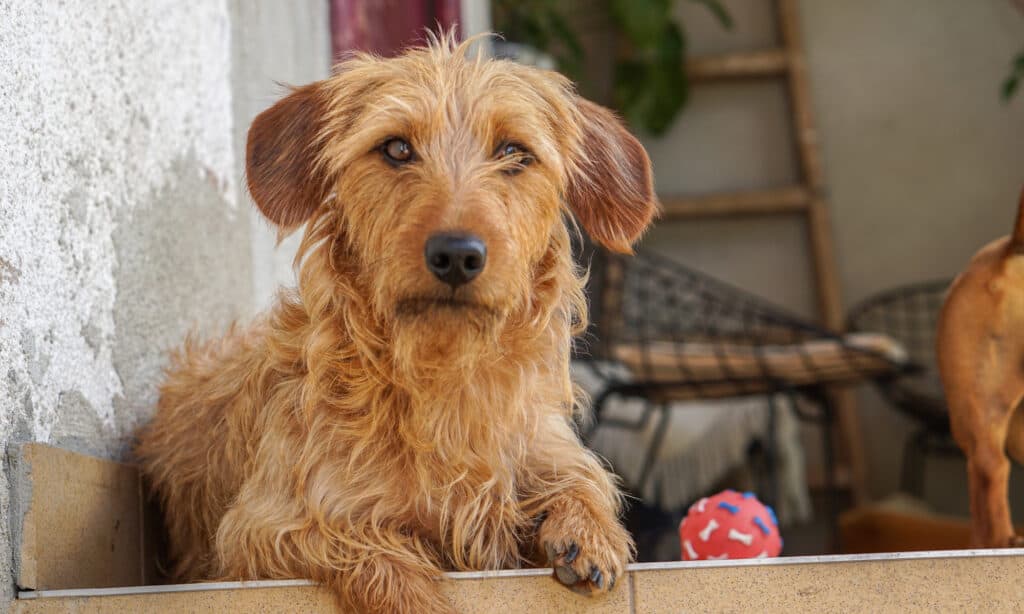
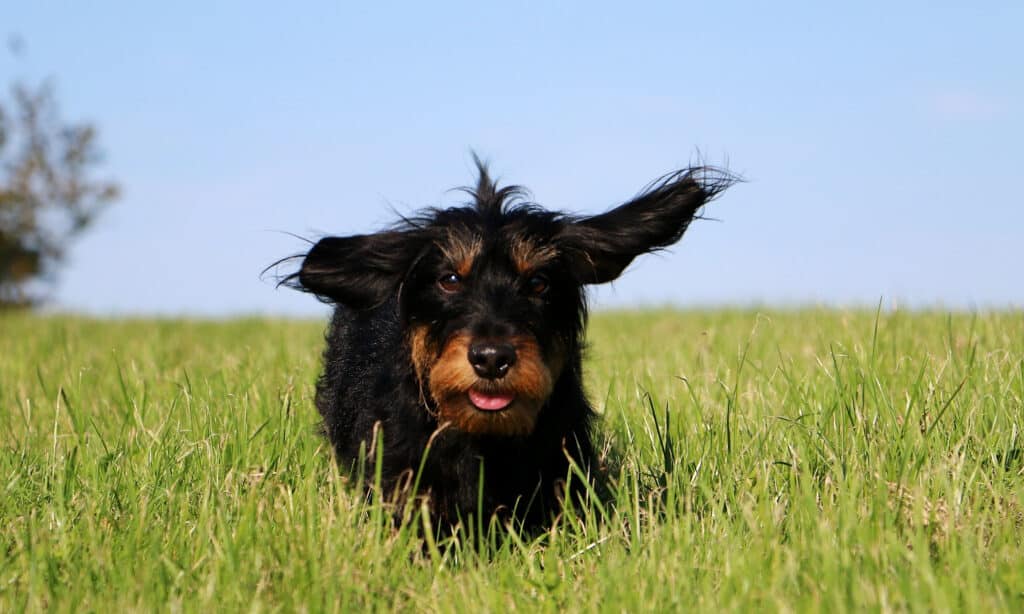
    wirehaired dachshund

    What Colors Do Wirehaired Dachshunds Come In?

    Wirehaired dachshunds come in a variety of colors and patterns. The most common colors include:

    • Wild Boar: a mix of black, brown, and gray hairs
    • Black and Tan: black with tan markings on the face, chest, and legs
    • Chocolate and Tan: chocolate brown with tan markings
    • Dapple: a unique pattern of light and dark spots, often with one dominant color (such as black and tan dapple or red dapple)
    • Brindle: a pattern of black stripes on a lighter background (such as red or cream)

    It’s important to note that not all colors are recognized by breed standards, and some colors may be more rare than others. When selecting a miniature wirehaired dachshund, it’s important to focus on finding a reputable breeder who prioritizes the health and well-being of their dogs over certain coat colors or patterns.

    Wireharied Daschund Temperament

    Wirehaired dachshunds are known for their lively and spirited temperament. They are intelligent, curious, and can be quite stubborn at times. Due to their hunting background, they have a strong prey drive and love to dig and explore.

    These dogs are also affectionate and loyal to their owners, making them great family pets. They often have a protective nature and can be wary of strangers, which makes them good watchdogs.

    Wirehaired dachshunds thrive on human companionship and require plenty of attention and exercise to prevent boredom and destructive behavior. They do well with training and socialization from a young age, as they can be quite independent and headstrong.

    Overall, wirehaired dachshunds make wonderful companions for those who are willing to provide them with the attention and exercise they need. Their lively personality and affectionate nature make them a joy to be around.

    History of the Wirehaired Dachshund

    The wirehaired dachshund breed originated in Germany in the 19th century, where they were initially bred for hunting small animals like badgers and rabbits. They were created by crossing smooth dachshunds with other breeds, such as the wirehaired pinscher, to develop a dog with a thick, wiry coat that could handle rough terrain.

    During World War I, wirehaired dachshunds were utilized as messenger dogs and guard dogs. Their popularity quickly grew in Germany and eventually spread throughout Europe and the United States as well.

    Today, wirehaired dachshunds are still considered great hunting dogs, but they also make wonderful family pets. Their unique personality and rich history have made them a beloved breed among dog lovers around the world.

    Picture Courtesy AKG.org

    What Sizes Do Wirehaired Dachshunds Come In? 

    Wirehaired dachshunds come in two sizes: standard and miniature. Standard wirehaired dachshunds typically weigh between 16-32 pounds and stand about 8-9 inches tall at the shoulder. Miniature wirehaired dachshunds weigh between 8-11 pounds and stand about 5-6 inches tall at the shoulder. Despite their size difference, both types share the same spunky and loving personality that has made them such a beloved breed.

    Should You Choose To Rescue or Purchase a Wirehaired Dachsund? 

    If you’re considering getting a wirehaired dachshund, one of the first decisions you’ll need to make is whether to adopt a rescue dog or purchase from a breeder. Both options have their pros and cons, so it’s important to consider your lifestyle and preferences before making a decision.

    Rescuing a wirehaired dachshund can be a great choice if you’re looking to give a dog in need a loving home. Many rescue dogs are already housebroken and have some basic training, which can make the transition to your home easier. Additionally, rescuing a dog can be a more affordable option than purchasing from a breeder.

    On the other hand, purchasing from a reputable breeder can ensure that you get a dog with a known background and good health history. Breeders can also provide valuable information and guidance on raising and training your wirehaired dachshund. However, purchasing from a breeder can be more expensive and may take more time to find the right match.

    Ultimately, the decision to rescue or purchase a wirehaired dachshund is a personal one that should be made based on your individual circumstances and preferences. No matter which option you choose, providing a loving home for a wirehaired dachshund is a wonderful decision that can bring joy and companionship to both you and your new furry friend.

    What Should You Look For if Purchasing a Wirehaired Dachshund? 

    When looking to purchase a wirehaired dachshund, it is important to consider several factors to ensure that you are getting a healthy and happy dog. Here are some things to look for when purchasing a wirehaired dachshund:

    • Reputable breeder: It is important to purchase your dog from a reputable breeder who prioritizes the health and well-being of their dogs. Look for breeders who are registered with kennel clubs and have a good reputation within the community.
    • Health screening: Make sure that the breeder has conducted health screening tests on the parents of the litter to rule out any genetic health issues that could be passed down to the puppies.
    • Temperament: Observe the temperament of the puppies and the parents to make sure they have a good temperament and are a good fit for your lifestyle.
    • Physical appearance: Look for a puppy with a healthy and shiny coat, bright eyes, and clean ears. Avoid puppies that appear lethargic or have discharge from their eyes or nose.
    • Documentation: Make sure that the breeder provides you with documentation, such as vaccination records and health certificates, to ensure that the puppy is up-to-date on their vaccinations and has a clean bill of health.

    By taking these factors into consideration when purchasing a wirehaired dachshund, you can increase the chances of finding a healthy and happy companion that will bring joy to your life for years to come.

    How Much Does a Wirehaired Dachshund Cost? 

    Wirehaired dachshunds are an adorable breed that are loved by many. If you’re considering bringing one into your family, it’s important to be aware of the potential costs. On average, wirehaired dachshund puppies can cost anywhere from $500 to $2,500, depending on a number of factors such as location, breeder reputation, and pedigree.

    It’s important to keep in mind that the upfront cost of purchasing a wirehaired dachshund is just the beginning. When considering the total cost of owning a dog, one should factor in ongoing expenses like food, grooming, and veterinary care. It’s important to do your research and choose a reputable breeder or rescue organization to ensure that you are getting a healthy and well-socialized dog that will be a loving companion for years to come.

    Are Wirehaired Dachshunds Healthy?

    Wirehaired Dachshunds are generally a healthy breed, but they can still be prone to certain health issues. Here are some of the most common conditions that affect this breed:

    • Intervertebral Disc Disease (IVDD): This is a spinal cord condition that can occur in any type of Dachshund, but it is more common in the long-backed varieties, including the Wirehaired Dachshund. IVDD can range from mild to severe and can cause back pain, hind limb paralysis, and even loss of bladder and bowel control.
    • Progressive Retinal Atrophy (PRA): This is a degenerative eye disease that can lead to vision loss and blindness in dogs. PRA is an inherited condition that can affect Wirehaired Dachshunds. There is no cure for PRA, but early detection through regular eye exams can help slow its progression.
    • Patellar Luxation: This is a condition where the kneecap (patella) can dislocate from its normal position. This can cause lameness and pain in affected dogs. Patellar luxation is more common in small breeds, including the Wirehaired Dachshund.
    • Canine Diabetes: Wirehaired Dachshunds are at a higher risk of developing diabetes than other breeds. Canine diabetes is a condition where the body is unable to regulate blood sugar levels properly. Symptoms can include increased thirst, increased urination, and weight loss.
    • Obesity: Wirehaired Dachshunds are prone to obesity, which can lead to a range of health issues, including joint problems, diabetes, and heart disease. It’s important to feed your dog a balanced diet and ensure they get enough exercise to maintain a healthy weight.

    Regular veterinary checkups and preventive care can help catch these conditions early and provide the best chance for successful treatment.

    What is the Lifespan of a Wirehaired Dachshund? 

    Wirehaired dachshunds are generally healthy dogs with a lifespan of around 12-16 years. However, like all breeds, they can be prone to certain health issues such as hip dysplasia, eye problems, and ear infections. It’s important to make sure you are buying from a reputable breeder who performs health screenings on their breeding dogs to reduce the risk of passing on genetic health problems. It’s also important to take your wirehaired dachshund to the vet regularly for checkups and to keep up with preventative care. With proper care and attention, your wirehaired dachshund can lead a long and healthy life by your side.

    Nutrition For Wirehaired Dachshunds

    When it comes to feeding your wirehaired dachshund, it’s important to prioritize whole, fresh foods in their diet. This means including plenty of lean protein sources like chicken, fish, and beef, as well as a variety of fruits and vegetables. Feeding your dog a diet that consists mainly of highly processed kibble can lead to health issues like obesity, digestive problems, and a dull coat.

    Whole foods provide more of the vital nutrients, enzymes, and fiber that dogs need to thrive, and can help maintain their overall health and wellness. Additionally, many dogs have food sensitivities or allergies, and feeding them fresh, whole foods can be a great way to avoid triggering these issues.

    Of course, it’s important to consult with your veterinarian before making any significant changes to your dog’s diet. But in general, incorporating whole, fresh foods into your wirehaired dachshund’s meals can be a great way to support their health and ensure they live a long, happy life.

    Exercise and Physical Activity for Miniature Wirehaired Dachshunds

    Wirehaired Dachshunds are an active breed that require regular exercise and physical activity to stay healthy and happy. The breeders originally bred these dogs to hunt badgers, which resulted in them having a lot of energy and a high prey drive. Here are some things to keep in mind when it comes to exercise and physical activity for Wirehaired Dachshunds:

    • Daily walks: It’s important to take your Wirehaired Dachshund for daily walks to keep them physically fit and mentally stimulated. A good rule of thumb is to aim for at least 30 minutes of exercise per day, but this can vary depending on the individual dog’s age, health, and energy level.
    • Mental stimulation: In addition to physical exercise, it’s important to provide your Wirehaired Dachshund with mental stimulation to prevent boredom and destructive behavior. This can include training sessions, puzzle toys, and games of fetch or hide-and-seek.
    • Avoid high-impact activities: Due to their long backs, Wirehaired Dachshunds are prone to back problems and spinal injuries. It’s important to avoid high-impact activities like jumping or running up and down stairs to prevent injury.
    • Supervised playtime: If you have a backyard or access to a dog park, supervised playtime can be a great way to provide your Wirehaired Dachshund with exercise and socialization. However, it’s important to always supervise playtime to ensure your dog doesn’t overexert themselves or get into fights with other dogs.

    Overall, regular exercise and physical activity are essential for the health and well-being of Wirehaired Dachshunds. Just be sure to tailor the exercise routine to your individual dog’s needs and limitations to prevent injury.

    Grooming Requirements for Miniature Wirehaired Dachshunds

    Wirehaired Dachshunds have a distinct coat that requires regular grooming to keep it looking and feeling its best. Here are some things to keep in mind when it comes to grooming your Wirehaired Dachshund:

    • Brushing: Wirehaired Dachshunds have a coarse, wiry coat that requires regular brushing to prevent matting and tangling. Brush your dog at least once a week, and consider using a slicker brush or pin brush to remove loose hair and debris. You may also want to consider using a comb to work through any knots or tangles.
    • Stripping: Wirehaired Dachshunds have a double coat, with a soft undercoat and a coarse topcoat. In order to maintain the proper texture and appearance of the coat, many Wirehaired Dachshund owners choose to strip their dog’s coat several times a year. Stripping involves plucking out dead hairs by hand or with a stripping knife.
    • Bathing: Although some other breeds may require more frequent bathing, Wirehaired Dachshunds can still benefit from occasional baths to maintain a healthy and clean coat. Aim to bathe your dog every 2-3 months, or as needed if he gets particularly dirty or smelly. Use a mild, dog-specific shampoo and be sure to rinse thoroughly to avoid any residue.
    • Nail trimming: Like all dogs, Wirehaired Dachshunds need to have their nails trimmed regularly to prevent them from becoming too long and causing discomfort or even injury. Aim to trim your dog’s nails every 4-6 weeks, or as needed if you can hear them clicking on hard floors.
    • Ear cleaning: Wirehaired Dachshunds have long, floppy ears that can be prone to infections if not kept clean and dry. Check your dog’s ears regularly for signs of redness, swelling, or discharge, and clean them as needed with a damp cloth or cotton ball.

    By following these grooming guidelines, you can help your Wirehaired Dachshund look and feel his best. Regular grooming not only keeps your dog healthy and comfortable, but it also provides a great opportunity for bonding and quality time together.

    Are Wirehaired Dachshunds Hard to Train?

    Wirehaired Dachshunds can be stubborn and independent, which can make them challenging to train. However, with patience, consistency, and positive reinforcement, they can be trained successfully. Early socialization and obedience training are important to ensure they develop good behavior and respond well to commands. It’s also essential to keep training sessions short and fun to maintain their interest and focus. Working with a professional dog trainer or attending obedience classes can also be beneficial for both the dog and the owner.

    Most Common Behavior Issues of Wirehaired Dachshunds

    Wirehaired Dachshunds, like any other breed, can develop certain behavior issues if they are not properly trained and socialized. Here are some of the most common behavior issues that can be seen in Wirehaired Dachshunds:

    • Separation anxiety: Wirehaired Dachshunds tend to bond very closely with their owners. They can become anxious and distressed when left alone for extended periods of time. This can lead to destructive behavior and excessive barking.
    • Aggression: Some Wirehaired Dachshunds may show aggression towards other dogs or strangers. Especially if they are not properly socialized from a young age.
    • Excessive barking: Wirehaired Dachshunds are known to be vocal and can become excessive barkers if not trained properly.
    • Fearfulness: Some Wirehaired Dachshunds can develop fearfulness towards certain people or situations, which can lead to defensive behavior.
    • Digging and escaping: Wirehaired Dachshunds were originally bred for hunting and they have a strong instinct to dig and explore. If not provided with enough mental stimulation, they may dig up the yard or try to escape from the home.

    It is important to address any behavior issues early on and work with a professional trainer if necessary. With proper training and socialization, Wirehaired Dachshunds can make wonderful and well-behaved companions.

    Training Tips for Wirehaired Dachshunds

    Wirehaired Dachshunds are intelligent and eager to please, but they can also be stubborn and strong-willed. Training them requires patience, consistency, and positive reinforcement. Here are some tips to help you train your Wirehaired Dachshund:

    • Start Early: Begin training your Wirehaired Dachshund as early as possible. Socialization and obedience training should start at around 8 weeks old.
    • Positive Reinforcement: Use positive reinforcement techniques such as treats, praise, and toys to motivate. Reward your Wirehaired Dachshund for good behavior.
    • Consistency: Be consistent with your training methods and commands. Use the same cues and rewards each time to avoid confusion.
    • Short Training Sessions: Keep training sessions short (5-10 minutes) and frequent. This will help your Wirehaired Dachshund stay focused and engaged.
    • Exercise: Give your Wirehaired Dachshund plenty of exercise to help them burn off excess energy and stay focused during training.
    • Be Patient: Remember that Wirehaired Dachshunds can be stubborn and may require extra patience and persistence during training. Don’t get discouraged and stay positive.
    • Seek Professional Help: If you’re struggling with training your Wirehaired Dachshund. Don’t hesitate to seek professional help from a certified dog trainer.

    With consistent training, patience, and positive reinforcement, your Wirehaired Dachshund can become a well-behaved and well-adjusted companion.

    Conclusion

    Wirehaired Dachshunds are a unique and delightful breed known for their loyalty, intelligence, and charming personalities. Their history, temperament, health concerns, and grooming needs make them a great choice for families who are willing to provide them with the proper care and attention they deserve. With their energetic nature and love for playtime, these pups require daily exercise and mental stimulation to maintain their physical and mental well-being. Proper training and socialization from an early age can help prevent common behavior issues that may arise. When it comes to feeding, a whole food-based diet can help promote optimal health and longevity. Whether you’re considering adopting or purchasing a Wirehaired Dachshund, or already have one as a beloved companion, they will undoubtedly bring joy and companionship to your life for many years to come.

    ~Lindsie

    A note about your dog’s health

    This article provides general education and does not replace an examination, diagnosis, or individualized advice from your veterinarian. Contact a veterinary professional if you are concerned about your dog’s symptoms.

    Lindsie Parks B.S., CRDNS Avatar

    ABOUT THE AUTHOR

  • Derma Vet Ointment Alternatives – Safer Over-The-Counter Substitutes – Vet Answers

    Derma Vet Ointment Alternatives – Safer Over-The-Counter Substitutes – Vet Answers

    Hi there! I’m Dr. Candy and I get a lot of questions from my clients about safer Derma-Vet ointment alternatives. Pet owners want a product that they can get quickly without a veterinarian’s prescription. When skin and ear issues flare up, you can grab these alternatives to take care of your pup easily at home. I’ll present the best alternatives for Derma-Vet ointment for various health conditions 

    dermavet ointment alternatives

    Best Derma-Vet Alternative For Dog Ears

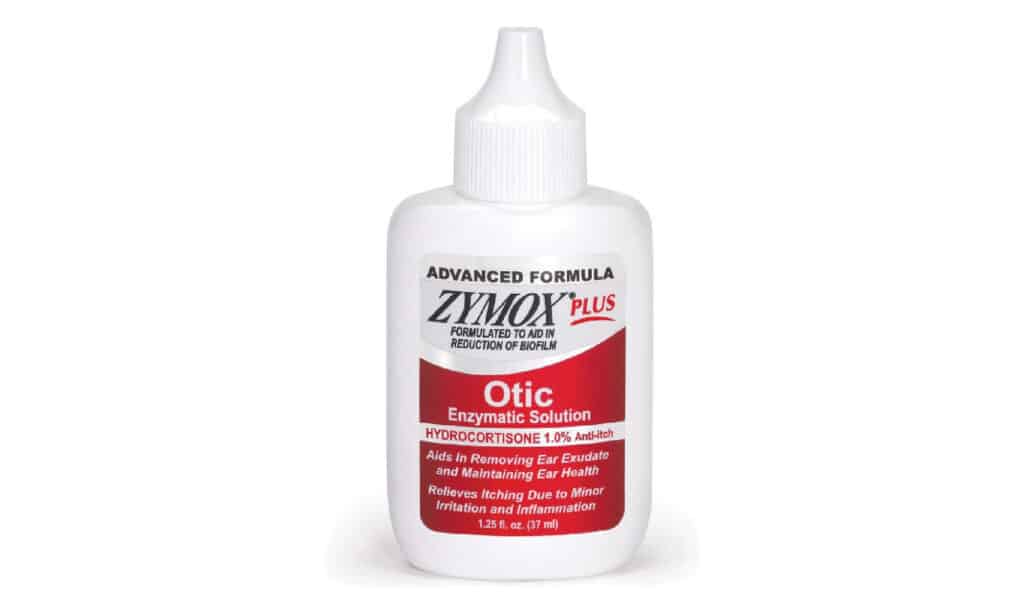
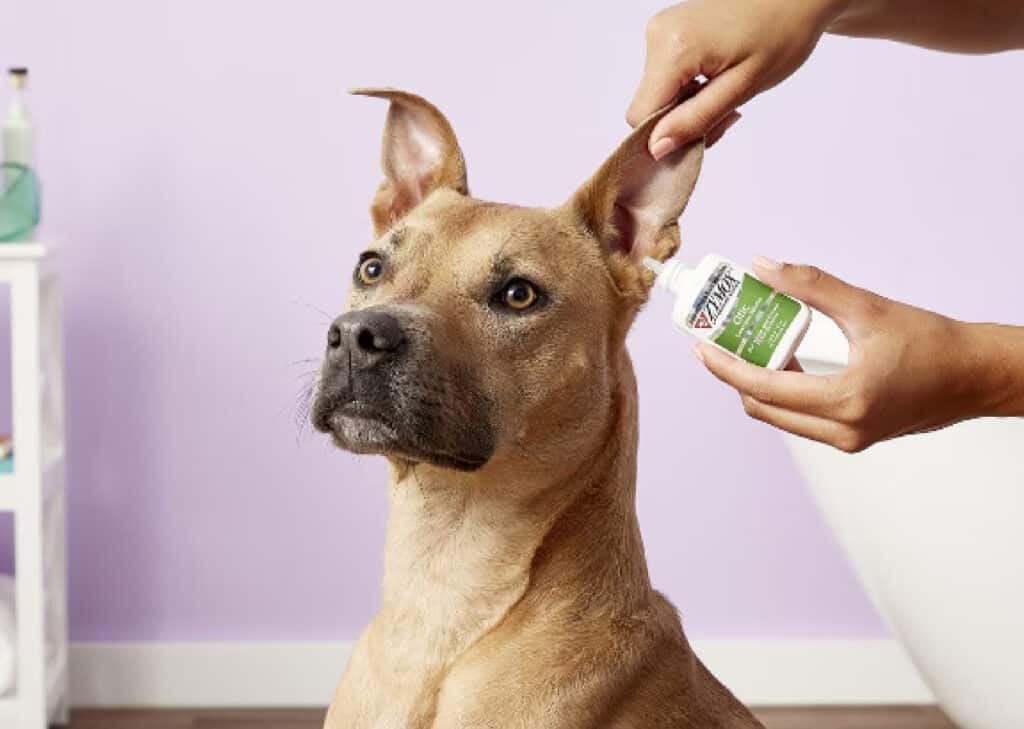
    Zymox Otic 1.0% Hydrocortisone

    Zymox Plus Advanced Formula is a topical enzymatic solution designed to treat bacterial, fungal, and yeast infections in dogs and cats.

    $33.49 on Amazon.com

    Best Derma-Vet Alternative For Dog Skin

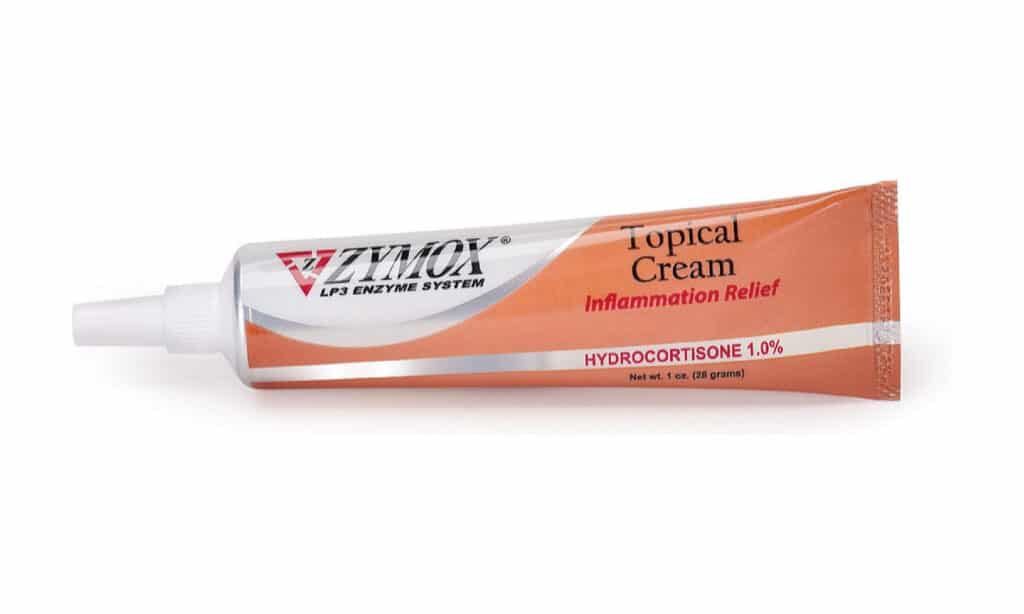
    Zymox Topical Cream Inflammation Relief Hydrocortisone 1.0% for Dogs & Cats

    Zymox Topical Cream for Inflammation is a pet-friendly product that helps to soothe and relieve skin irritations and infections.

    $14.49 on Amazon.com

    Best Derma-Vet Alternative For Hot Spots

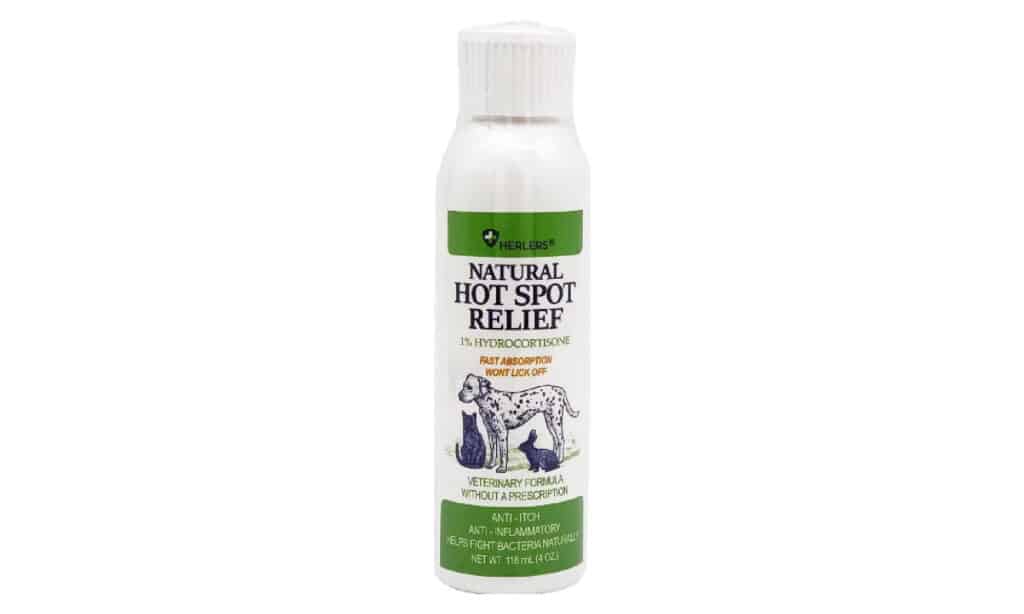
    Healers Hot Spot Relief Hydrocortisone Dog & Cat Ointment, 4-oz bottle

    Healers Hot Spot Relief is a topical treatment designed to soothe and heal irritated skin on dogs.

    $15.99 on Amazon.com

    Here are some basic facts about Derma-Vet so that you can compare and make the best selection for your situation. 

    What is Derma-Vet?

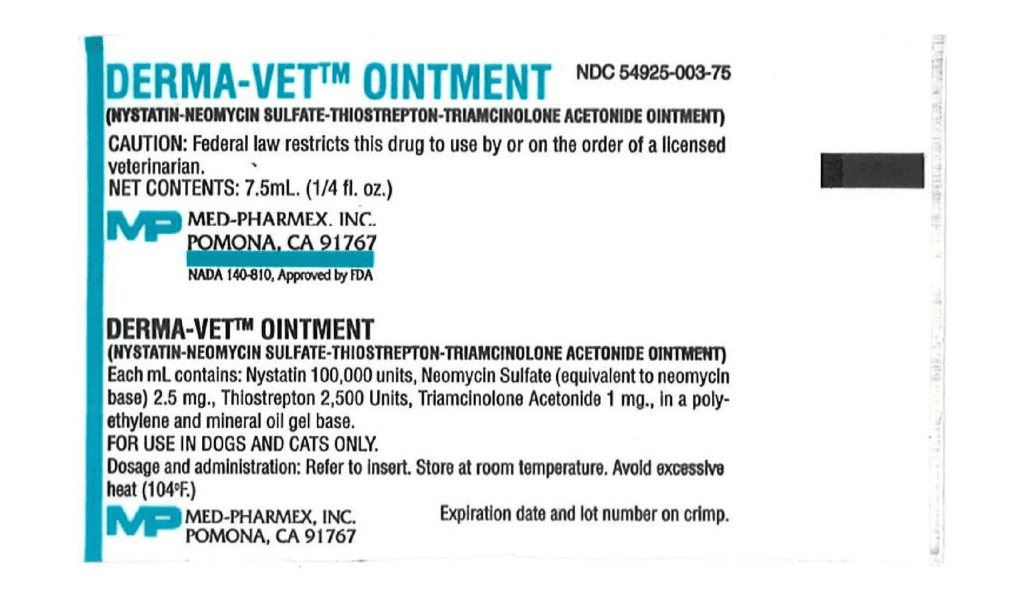
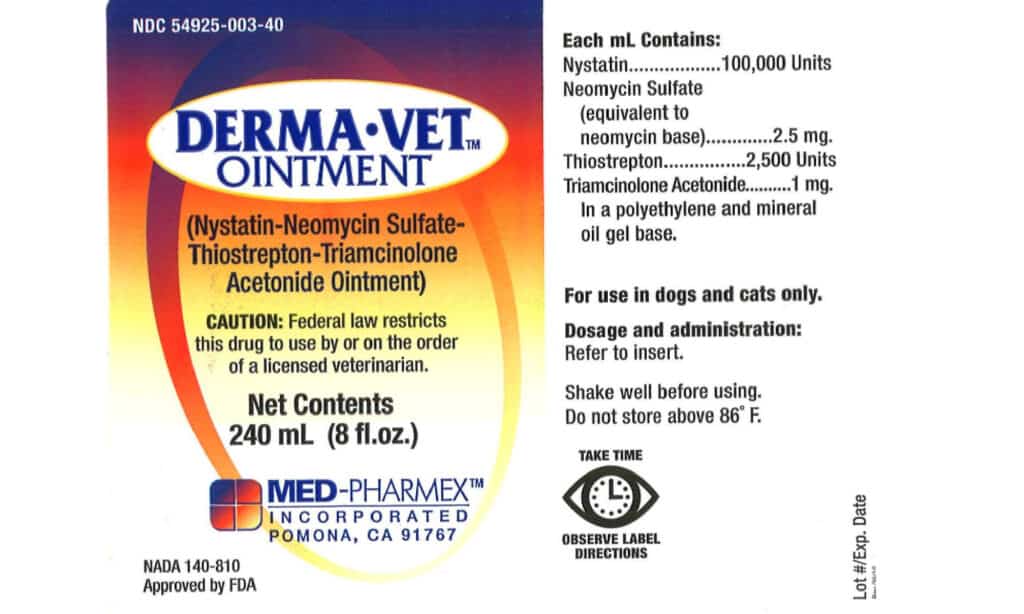
    Dermavet has three main ingredients. Nystatin, Neomycin Sulfate, Thiostrepton and Triamcinolone Acetonide Ointment. This ointment is for use only in dogs and cats and has been approved by the FDA. Derma-Vet is available by prescription only. 

    What are all the generic and brand names for Derma-Vet?

    DermaVet is also known as; Derma-Vet Ointment, Dermalog, Generic Panalog, Dermavet, Med-Pharmex.

    What is Derma-Vet Ointment Used For?

    INDICATIONS (From the manufacturer package insert):

    Nystatin, neomycin sulfate, thiostrepton, and triamcinolone acetonide ointment is particularly useful in the treatment of acute and chronic otitis of varied etiologies, in interdigital cysts in cats and dogs, and in anal gland infections in dogs. The preparation is also indicated in the management of dermatologic disorders characterized by inflammation and dry or exudative dermatitis, particularly those caused, complicated, or threatened by bacterial or candidal (Candida albicans) infections. It is also of value in eczematous dermatitis; contact dermatitis and seborrheic dermatitis; and as an adjunct in the treatment of dermatitis due to parasitic infestation.

    Is Derma-Vet Ointment a Steroid?

    Yes, Derma-Vet includes the ingredient of triamcinolone acetonide, which is a potent synthetic corticosteroid providing rapid and prolonged symptomatic relief on topical administration.

    Soothing and effective derma vet substitutes for dogs

    Derma-Vet Side Effects

    PRECAUTIONS (From the manufacturer package insert):

    Nystatin, neomycin sulfate, thiostrepton, and triamcinolone acetonide ointment is not intended for the treatment of deep abscesses or deep-seated infections such as inflammation of the lymphatic vessels. Parenteral antibiotic therapy is indicated in these infections. Nystatin, neomycin sulfate, thiostrepton, and triamcinolone acetonide ointment have been extremely well tolerated. Cutaneous reactions attributable to its use have been extremely rare. The occurrence of systemic reactions is rarely a problem with topical administration.

    There is some evidence that corticosteroids can be absorbed after topical application and cause systemic effects. Therefore, an animal receiving nystatin, neomycin sulfate, thiostrepton, and triamcinolone acetonide ointment therapy should be observed closely for signs such as polydipsia, polyuria, and increased weight gain. Nystatin, neomycin sulfate, thiostrepton and triamcinolone acetonide ointment is not generally recommended for the treatment of deep or puncture wounds or serious burns.

    Sensitivity to neomycin may occur. If redness, irritation or swelling persists or increases, discontinue use. Do not use if pus is present since the drug may allow the infection to spread. Keep this and all medications out of the reach of children.

    Healthy and safe alternatives for dog skin care

    SIDE EFFECTS (From the manufacturer package insert):

    SAP and SGPT (ALT) enzyme elevations, polydipsia/polyuria, vomiting, and diarrhea (occasionally bloody) have been observed following parenteral or systemic use of synthetic corticosteroids in dogs. Cushing’s syndrome has been reported in association with prolonged or repeated steroid therapy in dogs. 

    Temporary hearing loss has been reported in conjunction with the treatment of otitis with products containing corticosteroids. However, regression usually occurred following the withdrawal of the drug. If hearing dysfunction is noted during the course of treatment with nystatin, neomycin sulfate, thiostrepton, and triamcinolone acetonide ointment, discontinue its use.

    If you need help getting your dog’s recurrent infections under control, I recommend a food sensitivity stress test. Glacier Peak Holistics’ Pet Wellness Life Stress Scan is the one I use the most. After you order your dog’s Derma-Vet alternative, check out this review and info about this test to find the underlying cause of skin and ear issues.

    A note about your dog’s health

    This article provides general education and does not replace an examination, diagnosis, or individualized advice from your veterinarian. Contact a veterinary professional if you are concerned about your dog’s symptoms.

    Dr. Candy Akers, DVM Avatar

    ABOUT THE AUTHOR
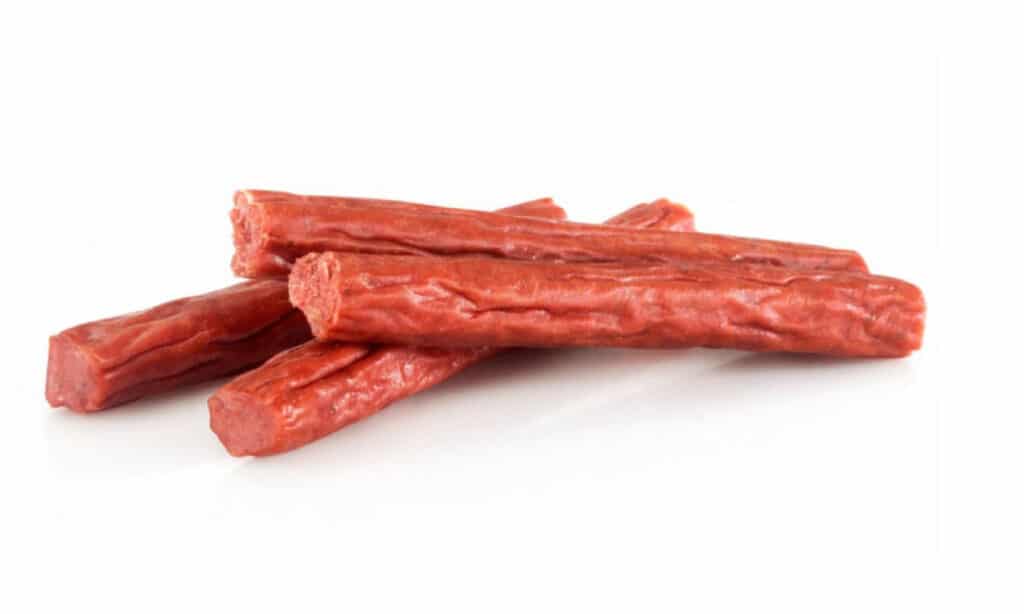
  • Mometamax Alternative for Dogs Non-Prescription – 3 Best Products You Can Buy Online

    Mometamax Alternative for Dogs Non-Prescription – 3 Best Products You Can Buy Online

    If you’re a dog owner, you know how important it is to take care of your furry friend’s health. Ear infections are a common problem among dogs, and if left untreated, they can lead to more severe issues. Mometamax is a prescription medication that is commonly used to treat ear infections in dogs. In this article, we’ll discuss what Mometamax is, how it works, and answer some of the most frequently asked questions about it.

    I get a lot of questions about alternatives to Mometamax. So I’ll show you the 3 best alternatives. They are all over-the-counter, meaning that they do not require a prescription from a veterinarian. If you’d like to skip to my recommendations- Click Here.  (Link to lower on the page)

    mometamax alternatives

    What is Mometamax for Dogs Prescription?

    Mometamax is a medication that is used to treat ear infections in dogs. It contains three active ingredients – mometasone furoate, gentamicin, and clotrimazole. Mometasone furoate is a corticosteroid that reduces inflammation, gentamicin is an antibiotic that fights bacterial infections, and clotrimazole is an antifungal medication that helps to eliminate yeast infections.

    Do You Need a Prescription to Order Mometamax?

    Mometamax is a prescription medication, which means that it can only be purchased with a pet-specific prescription from a veterinarian. It is available in the form of an ear drop solution, which is applied directly to the infected ear.

    Mometamax Alternative for Dogs - Soothing Ear Drops

    How does Mometamax work?

    Mometamax works by combining the three active ingredients to provide a broad-spectrum treatment for ear infections in dogs. Mometasone furoate reduces inflammation and swelling in the ear, which helps to relieve pain and discomfort. Gentamicin fights bacterial infections that may be present in the ear, while clotrimazole targets fungal and yeast infections.

    How to Use Mometamax For Ear Infections In Dogs

    Mometamax is designed to be used for a period of 7-14 days, depending on the severity of the infection. It’s important to follow the instructions provided by the manufacturer carefully and to finish the full course of treatment, even if the symptoms improve before the end of the treatment period.

    Using Mometamax for Dogs – Dosage and Administration

    To use Mometamax for dogs, you should follow these steps:

    1. Clean the infected ear carefully with a gentle ear cleaner. It’s important to remove any debris or discharge from the ear before applying the medication. Use cotton balls or wipes to remove as much ear wax as possible. Allow your dog to shake her head before applying Mometamax into the ears.
    2. Shake the Mometamax bottle well before use to ensure that the ingredients are mixed thoroughly.
    3. Apply 5 drops into your dog’s ear.
    4. Gently massage the ear to distribute the medication throughout the ear canal.
    5. Use a cotton ball to wipe away any excess medication that may be present on the ear flap.

    Mometamax should be used once a day, and the treatment period may vary depending on the severity of the infection. It’s important to follow the instructions provided by the manufacturer carefully and to finish the full course of treatment.

    Vet-Approved Mometamax Alternative - Organic Ear Drops for Dogs

    Possible Side Effects of Mometamax for Dogs

    Mometamax is generally safe for use in dogs, but there are some possible side effects that you should be aware of. Wanna know if you can use Neosporin on dogs safely? The most common side effects of Mometamax include:

    • Irritation or redness in the ear
    • Increased itchiness or discomfort
    • Loss of hearing or balance
    • Vomiting or diarrhea

    If you notice any of these side effects in your dog, you should stop using Mometamax and contact your veterinarian immediately. In some cases, your vet may recommend an alternative treatment option if your dog is experiencing severe side effects.

    Frequently Asked Questions about Mometamax for Dogs

    Q: Can Mometamax be used to treat ear infections in cats?

    A: No, Mometamax is only labeled for use in dogs. Some veterinarians may recommend it “off-label”. 

    Q: Can Mometamax be used for dogs of all ages and breeds?

    A: Mometamax is generally safe for use in dogs of all ages and breeds. However, it’s important to consult with your veterinarian before using any medication on your dog, especially if they have a pre-existing medical condition or are currently taking other medications.

    Q: Is Mometamax an effective treatment for all types of ear infections?

    A: Veterinarians use Mometamax, a broad-spectrum treatment, to treat a variety of ear infections in dogs, including those caused by bacteria, yeast, and fungi. However, it may not be effective for all types of ear infections, and your veterinarian may recommend a different treatment depending on the specific type of infection that your dog has.

    Overall, Mometamax for dogs is an effective treatment for ear infections in dogs, but it requires a prescription for your individual dog from a veterinarian. The veterinarian must establish a client-patient relationship with your dog before they can prescribe this medication. 

    Reliable Mometamax Replacement - Dog Ear Drops

    What Are Some Mometamax Alternatives That Are Non-Prescription?

    Here are my Top 3 Mometamax Alternatives:

    1. NaturPet Ear Drops Natural Remedy for Ear Infections

    • Relieves itching
    • Reduces pain
    • Controls bacteria & yeast
    • Loosens Waxy Build Up
    • Moisturizes

    Ingredients: Olive Oil, Calendula, Vitamin E, Basil Oil, Aloe Vera, Bergamot Oil.

    Directions: Clean ears with a gentle ear cleaner, wipe ears, and allow your dog to shake her head. Apply 2-3 drops into the ear and gently massage the ear base to distribute the treatment. For active infections use twice a day.

    2. Dr. Gold’s Ear Therapy for Dogs & Cats

    • Anti-fungal and anti-bacterial
    • Alcohol-free
    • Cleans disinfects and deodorizes the ear

    Ingredients: Purified Water, Propylene Glycol, Glycerin, Cocamidopropyl Betaine, Polysorbate-20, Lactic Acid, Benzoic Acid, Salicylic Acid, Ketoconazole, DMDM-Hydantoin, Tetrasodium EDTA, D&C Red #40.

    Directions: Fill the ear canal with Dr. Gold’s Ear Therapy. Massage the pet’s ears, especially below the ear canal to open the canal and allow the solution to penetrate. Allow the pet to shake its head. Gently wipe the inside of the ears with a clean towel. For active infections use twice a day.

    3. Zymox Otic

    • Natural enzymes are safe and gentle
    • Addresses both bacteria and yeast
    • Does not require full ear cleaning daily
    • Cleaner and treatment in one

    Ingredients:  Natural Enzymes, Lysozyme, Lactoferrin, Lactoperoxidase.

    Directions: Shake well. Apply liberally to the uncleaned ears, filling the ear canal. Gently massage and work into the infected area. Wipe away excess. Apply for 7 days and 14 days for chronic infections. Note: Do not clean the ear before or during use. 

    Check out these alternatives to Mometamax, and relieve your dog’s ear infection!

    ~ Dr. Candy

    A note about your dog’s health

    This article provides general education and does not replace an examination, diagnosis, or individualized advice from your veterinarian. Contact a veterinary professional if you are concerned about your dog’s symptoms.

    Dr. Candy Akers, DVM Avatar

    ABOUT THE AUTHOR

  • Schirmer Tear Test for Dogs & Cats: Everything You Need to Know + FAQ

    Schirmer Tear Test for Dogs & Cats: Everything You Need to Know + FAQ

    As a dog parent, you want to make sure that your furry friend is healthy and happy. One important aspect of your dog’s health is their eye health, and one way to assess their eye health is through a Schirmer tear test. In this article, we’ll discuss what the Schirmer tear test for dogs and cats is, why it’s important, and how the test is performed. I’ll also go over normal values for this test and how to interpret your results.

    schirmer tear test

    What is a Schirmer Tear Test?

    A Schirmer tear test (STT) is a simple and non-invasive test that measures the amount of tears your dog produces. Tears are important for keeping your dog’s eyes healthy, and a lack of tears can lead to dry eyes, which can be uncomfortable and even painful for your dog.

    How to Perform a Schirmer Tear Test on Dogs and Cats

    During this test, a small strip of paper is placed in your pet’s lower eyelid for a minute. The paper absorbs any tears that are produced, and the amount of moisture on the paper is measured to determine how much tear production your pet has.

    Schirmer Tear Test procedure for assessing canine tear production

    Why is a Schirmer Tear Test Important?

    A Schirmer tear test is important because it can help diagnose and monitor certain eye conditions in dogs. For example, dry eye (keratoconjunctivitis sicca) is a common condition that can be detected through a Schirmer tear test. Other conditions that can affect tear production include allergies, infections, and certain medications.

    By performing this test, your vet can assess your dog’s eye health and determine if any further treatment or monitoring is needed. Catching eye conditions early can also help prevent more serious complications from developing.

    Schirmer Tear Test Dog Normal Values

    In dogs, a normal Schirmer tear test result is between 15-25 in 60 seconds.

    Schirmer Tear Test Cat Normal Range

    In cats, a normal Schirmer tear test result is between 15-25 in 60 seconds. Cats can produce variable results depending on their health status and stress level during the vet visit.

    Finding a Schirmer Tear Test For Dogs & Cats

    If you think your pup needs to undergo a Schirmer Tear Test, call your veterinarian. You can also purchase these tear tests online and perform them at home for regular monitoring at home.

    Evaluating dry eye in dogs with the Schirmer Tear Test

    Conclusion

    This is a valuable tool for assessing your dog’s eye health and detecting certain eye conditions. By finding a qualified vet to perform the test, you can help ensure that your dog is healthy and happy. 

    As a holistic veterinarian, I approach eye health in a common sense and natural way. Conventional vets often say that some chronic eye diseases will never go away. In my experience, this is not true. When we address the underlying causes of ocular disorders, we can balance the body and stop the disease process. If your pet is facing a chronic eye issue check out my protocols, or schedule a holistic consultation with me online.

    Resources & External Links:

    A note about your dog’s health

    This article provides general education and does not replace an examination, diagnosis, or individualized advice from your veterinarian. Contact a veterinary professional if you are concerned about your dog’s symptoms.

    Dr. Candy Akers, DVM Avatar

    ABOUT THE AUTHOR
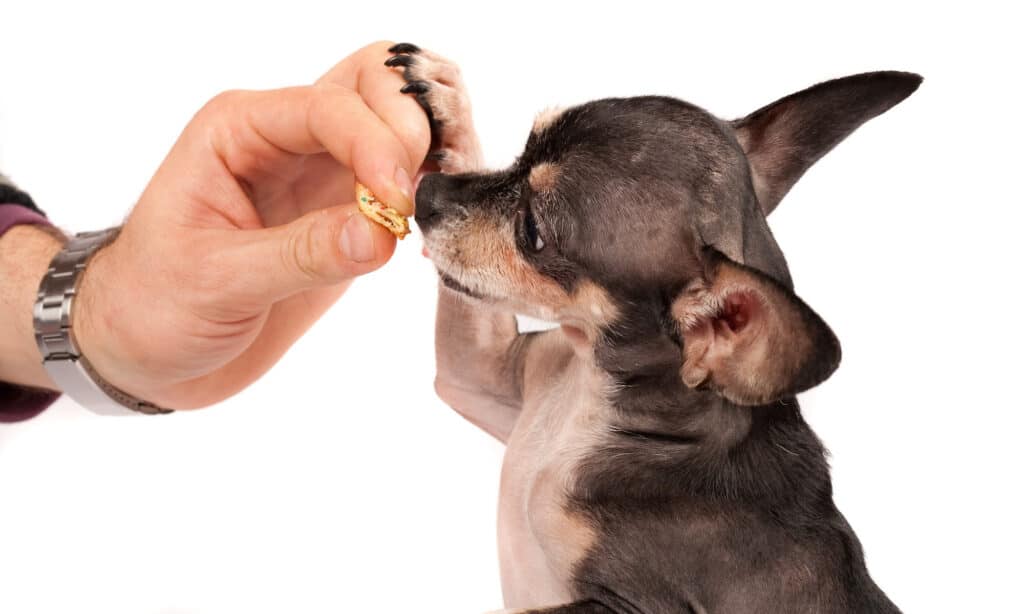
  • Two Important Vitamins for Eye Health In Dogs

    Two Important Vitamins for Eye Health In Dogs

    As a holistic veterinarian specializing in natural nutrition, I understand how important your dog’s eye health is to you. Today I’ll go over two specific vitamins that are essential for eye health in dogs and the one supplement that I use every day to help dogs heal their eyes naturally. These nutrients are specifically needed to restore and maintain ocular health.

    vitamins for eye health

    Vitamin A for Eye Health In Dogs

    Vitamin A is a crucial nutrient that can support and maintain healthy vision in your furry friend. This vitamin plays a key role in producing the pigments that help your dog see in dim light, and it also supports the health of their corneas and other eye tissues.

    Also known as retinol, or beta-carotene, vitamin A is a fat-soluble vitamin that is essential for the maintenance of the retina and rhodopsin pigments. Without sufficient vitamin A, dogs can develop a condition similar to night blindness, which makes it difficult for them to see in low light conditions.

    Additionally, vitamin A supports the health of the cornea, which is the clear outer layer of the eye that helps to focus light onto the retina. This nutrient is essential for the production of a molecule called mucin, which helps to keep the cornea moist and protected. Vitamin A also plays a role in the production of antioxidants that help protect the eye from damage caused by free radicals.

    Natural Sources Of Vitamin A

    • Liver
    • Carrots
    • Sweet potatoes
    • Spinach
    • Kale
    • Squash
    • Cod liver oil
    Essential supplements for maintaining dog eye health

    What About Vitamin A Toxicity?

    On many artificial foods and vitamins, you may see a warning label that says too much vitamin A is toxic. And that is true for artificially man-made “vitamin-A”. But luckily, this is not a problem with natural and whole-food sources. 

    Riboflavin (B2) for Eye Health In Dogs

    Also known as B2, riboflavin is an important water-soluble vitamin that can help support your furry friend’s eye health. This vitamin plays a vital role in maintaining the health of the cornea, and it also supports the production of antioxidants that help protect the eye from damage. 

    This vitamin is important for the production of glutathione, an antioxidant that helps protect the eyes from damage caused by free radicals. Riboflavin is also essential for the maintenance of the cornea, which is the transparent outer layer of the eye that helps to focus light onto the retina.

    Rebuilding A Strong Cornea

    Riboflavin is essential for the maintenance of the cornea due to its role in collagen cross-linking. Collagen is a protein that provides structural support to tissues throughout the body, including the cornea. Cross-linking increases the strength and stability of the cornea. Riboflavin is necessary for collagen cross-linking to occur in the cornea, as it acts as a coenzyme in the process.

    support your dog's ocular health with supplements

    Skin Health

    B2 is also important for skin health. A lot of cases that I see also have secondary damage to the eyelids and skin around the eyes. This could be from dogs rubbing their face on things or trying to paw at their eye for any reason. 

    Natural Sources

    Eye health supplements for your furry friend

    Eyeplex® by Standard Process

    This supplement is made by Standard Process and is designed specifically for ocular health. It used to be known as “I-Plex” and was developed by nutrition pioneer Dr. Royal Lee in 1957. It has been supporting eye health in people and pets for over 65 years and is totally safe to give to dogs.

    Benefits For Eye Health In Dogs

    • Supports vision retention and healthy corneas
    • Helps eliminate secondary infections
    • Contains tons of antioxidants to calm inflammation

    Ingredients

    Arrowroot flour, inositol, phosphoric acid, calcium lactate, porcine eye PMG™ extract, organic buckwheat (aerial parts) juice powder, organic buckwheat flour, veal bone PMG™ extract, bovine liver, magnesium citrate, porcine stomach, nutritional yeast, organic carrot, organic sweet potato, bovine adrenal, organic alfalfa (aerial parts), bovine kidney, defatted wheat germ, organic alfalfa (aerial parts) juice powder, porcine brain, manganese glycerophosphate, bovine adrenal Cytosol™ extract, DL-methionine, organic oat flour, organic reishi mushroom powder, organic shiitake mushroom powder, bovine bone, veal bone, sunflower lecithin powder, rice bran, medium chain triglycerides, and carrot oil. 

    Highlighted Ingredients

    Bovine Liver Excellent source of vitamin A, B-complex, and iron

    Nutritional Yeast Lots of B vitamins and trace minerals like zinc, selenium, manganese, and chromium

    Porcine eye PMG™ extract This is a proprietary extraction from cells of animal eyes. *

    Canine Dosing Chart

    Small dog (1-15)    1/4 capsule   2 x a day

    Med dog  (16-45) 1/2 capsule   2 x a day

    Lrg dog   (46 +) 1 capsule  2 x a day

    *When starting this supplement, start with a half dose. Do this for 2 days and then bump it up to the full recommended dose for your dog. This will just prevent any tummy issues due to the richness of the supplement.

    How to Administer

    Most of my clients sprinkle it onto their dog’s meals. The two pieces of the capsule will pull apart, you can use what you need at that time and put the two capsule pieces back together. 95% of dogs will have no problem gobbling it up because it’s just real food. But a few families have had to mix it into food, or mix it in bone broth or water.

    How Long Until I See Results?

    Most of my clients see significant improvements within 2-4 weeks. But dogs with long-term or chronic eye diseases may take up to 4-8 weeks. 

    eye health in dogs

    How Long Should I Give It To My Dog?

    I usually start with 3-6 months of administration and then re-evaluate your pup’s eye health.

    Are There Any Side Effects Of Eyeplex?

    No, I don’t usually see any side effects except occasionally a soft stool when starting the supplement. This supplement is very dense and rich, so I recommend starting at half a dose and then tapering up to the recommended dose over 2-4 days. Eyeplex is mostly made with whole foods, so there are no risky side effects. 

    Conclusion

    I hope this blog has been helpful in understanding the importance of two important vitamins, vitamin A and riboflavin, for maintaining healthy eyes in dogs. These vitamins play crucial roles in supporting healthy vision and maintaining the health of the eye tissues. Incorporating vitamin A and riboflavin-rich foods into your dog’s diet can be an easy and effective way to support their eye health. With proper care, attention, and nutrition, you can help your furry friend enjoy a lifetime of health.

    Grab a bottle of Eyeplex today to keep your dog’s eye healthy and happy!

    A note about your dog’s health

    This article provides general education and does not replace an examination, diagnosis, or individualized advice from your veterinarian. Contact a veterinary professional if you are concerned about your dog’s symptoms.

    Dr. Candy Akers, DVM Avatar

    ABOUT THE AUTHOR

  • Melamine Poisoning in Cats and Dogs: A Silent Killer

    Melamine Poisoning in Cats and Dogs: A Silent Killer

    As a holistic veterinarian, my top priority is the health and well-being of your furry friends. That’s why I want to raise awareness about melamine poisoning in cats and dogs – a serious issue that many pet owners are not familiar with.

    melamine poisoning in dogs

    What is Melamine?

    Chemical compound called melamine, which is commonly used by manufacturers, can be found in household items like hard plastic dishes and countertops. Although melamine itself is not harmful, when it combines with another chemical called cyanuric acid, it can form crystals that are harmful to pets. These crystals can cause kidney damage and lead to kidney failure. The big pet food recall that occurred in the US in 2007 involved these ingredients, resulting in the deaths of hundreds of pets and likely harming thousands more.

    The Source of Melamine in Pet Food

    Melamine can find its way into pet food through a variety of sources, such as contamination during the manufacturing process or the use of low-quality ingredients. The source of the 2007 melamine poisoning in pets was determined to be shipments of the ingredient “wheat gluten” that was imported from China. That ingredient was then sold to pet food manufacturers. (AVMA, 1) ( But don’t worry….the company that imported the toxic ingredient was fined $25,000. That’s all? ) (AVMA, 2)

    Pet Food Safety: Avoiding Melamine Contamination

    Symptoms of Melamine Poisoning in Pets

    The symptoms of melamine poisoning can be difficult to detect and can vary depending on the type and amount of melamine consumed. However, some common symptoms to look out for include loss of appetite, vomiting, diarrhea, lethargy, and increased thirst and urination. In more severe cases, pets may experience acute kidney failure, which can lead to death if left untreated.

    Signs Of Melamine Poisoning In Dogs                     

    • Loss of appetite
    • Vomiting
    • Diarrhea
    • Lethargy or weakness
    • Increased thirst and urination
    • Blood in urine
    • In severe cases, acute kidney failure

    Symptoms Of Melamine Poisoning In Cats           

    • Loss of appetite
    • Vomiting
    • Diarrhea
    • Lethargy
    • Dehydration
    • Oral ulcers or sores
    • Abdominal pain or discomfort
    • Pale gums or tongue
    • Jaundice (yellowing of the skin or eyes)
    • Seizures or tremors
    Detecting Melamine Poisoning in Household Pets

    Diagnosing and Treating Melamine Poisoning in Pets

    If you suspect that your pet may have been exposed to melamine and cyanuric acid, it’s crucial to take them to a veterinarian. Your vet will likely perform blood and urine tests to check for signs of kidney damage. Treatment for melamine poisoning may include hospitalization, intravenous fluids, and medications to manage symptoms and prevent further kidney damage. In some cases, pets may require long-term monitoring and care to manage the effects of kidney damage.

    Preventing Melamine Poisoning in Pets

    Prevention is key when it comes to melamine poisoning in pets. The best way to protect your furry friend is to be mindful of the food you’re feeding them. AboWhen choosing pet food, it’s important to look for high-quality options made from whole ingredients and steer clear of those that contain animal by-products, animal meals, or wheat gluten. Read pet food labels of every food and treat and chew.  Alternatively, you can avoid melamine completely by home-cooking for them or feeding them a raw diet. 

    For more information about “clean eating” check out my resources and recipes on journeysholisticlife.com. 

    Conclusion

    Melamine poisoning is a serious issue that can have devastating consequences for our pets. By being aware of the risks and taking steps to prevent exposure, we can help keep our furry friends healthy and happy. If you suspect that your pet has been exposed to melamine or is showing symptoms of kidney damage, you should contact your veterinarian right away. Together, we can protect our pets from this silent killer.

    Resources:

    (AVMA, 1) – https://www.avma.org/javma-news/2008-03-15/grand-jury-indicts-companies-melamine-contamination-pet-food

    (AVMA, 2)- https://www.avma.org/javma-news/2010-03-15/judge-sentences-importers-melamine-contaminated-ingredients

    A note about your dog’s health

    This article provides general education and does not replace an examination, diagnosis, or individualized advice from your veterinarian. Contact a veterinary professional if you are concerned about your dog’s symptoms.

    Dr. Candy Akers, DVM Avatar

    ABOUT THE AUTHOR

  • Holistic Veterinarian Reviews Inflapotion By Glacier Peak

    Holistic Veterinarian Reviews Inflapotion By Glacier Peak

    If you’re looking for a natural supplement to support your dog’s joint health and overall well-being, Inflapotion by Glacier Peak Holistics is definitely at the top of my go-to herbal products. I’m a holistic veterinarian and I know this product can help dogs feel their best without resorting to harsh pharmaceuticals or chemicals. I have seen great results when used for multiple pets!

    Personal Case #1 – Old Dog Stiffness

    I used this product in capsule form for my 10-year-old German Shepherd, Sebastian, when I noticed he was looking stiff in the mornings. I used 2 capsules in the morning and 2 capsules in the evening and saw a significant reduction in stiffness in 2 weeks. He was stretching more and moving smoother in the mornings. I continued at the 2-capsule dose for another 2 weeks and then bumped it down to 1 capsule with breakfast and 1 capsule with dinner. I was able to just throw the capsules in with his meal and he gobbled them down.

    Personal Case #2 – Large Breed Dog Knee Injury

    I have a beautiful Cane Corso Mastiff rescue return. Unfortunately, she does not have the best breeding
    genetics and was probably a product of backyard breeding. She has multiple health issues, but her biggest
    battle has been a knee ligament tear. Anytime I would try to give her conventional anti-inflammatory
    medications like carprofen or Rimadyl, her belly would revolt with diarrhea followed by uncomfortable
    constipation. I combined a low dose of this herbal mixture with cold laser therapy to help remove inflammation below her knee and relieve her pain. For Gracie, I used 1 capsule once a day given with her meal at dinner time and I started to see changes within 4 days.

    Personal Case #3 – Chiweenie On Seizure Meds

    I have a ‘spicy’ Chihuahua x Dachshund mix, named Canon, who was born without front legs. He was returned to me from his adopters after 9 years. He was being treated for seizures with typical pharmaceuticals and fed the cheapest dog food you could find. I was having a few issues getting his seizures under control without making him a drowsy zombie, and he was obsessively drinking his whole bowl of water. I changed his diet and added nutritional yeast for B vitamins and important trace minerals. He was better but still kind of “foggy”, so I added Inflapotion. ( Note- I tried other herbal mixtures, but he didn’t like the taste and I didn’t see any real results )

    In about a week I started noticing some slight improvements and by the end of week 2, he seemed to be feeling better than ever. I continued for another 2 weeks and then tapered him off. He is now off those sedating toxic seizure meds and is managed with homecooked food, gabapentin, and supplements. He only shows possible seizure activity maybe once every 2 or 3 months. These are triggered by stressful situations and I use gabapentin or a dose of short-acting meds. I keep Inflapotion on hand in case that fogginess comes back.

    Glacier Peak Inflapotion Capsules, Powder and Tincture

    I’ve recommended Inflapotion to lots of clients over the years, and they usually see good results. I love being able to help reduce a pet’s pain naturally without using liver-damaging medications.

    Inflapotion has anti-inflammatory benefits because it contains a powerful blend of herbs, designed by master herbalist, Deb Gwynn, who has decades of experience. These ingredients work together to help reduce inflammation throughout the body, which can be especially beneficial for dogs with arthritis or other joint issues. ( P.S. If you are a gardener, check out these 7 herbs that you can grow in your garden! ).

    Inflapotion Product Ingredients:

    • Marshmallow root
    • Slippery elm bark
    • Echinacea purpurea herb
    • Red clover herb
    • Spirulina
    • Milk thistle herb
    • Comfrey leaf

    Inflapotion is not only great for dogs with existing health issues, but the ingredients can also help support
    overall immune function and digestive health, which can benefit all dogs, regardless of age or breed.
    I appreciate that Inflapotion is made with high-quality, organic ingredients. Glacier Peak Holistics is committed to using only organic, non-GMO herbs, so you can be confident in what you’re giving your dog.
    Follow the directions on the label, this herbal mixture is dosed based on the weight of your dog. If you have
    questions about dosing for your individual pet you can reach out to the team at Glacier Peak Holistics.
    I highly recommend Inflapotion by Glacier Peak Holistics as a natural way to support your dog’s joint health
    and overall well-being. With its blend of anti-inflammatory herbs, this supplement can help reduce
    inflammation, support immune function, and promote holistic health in dogs of all ages and breeds.
    Grab some today!
    Sending you peace and love,
    ~ Dr. Candy

    A note about your dog’s health

    This article provides general education and does not replace an examination, diagnosis, or individualized advice from your veterinarian. Contact a veterinary professional if you are concerned about your dog’s symptoms.

    Dr. Candy Akers, DVM Avatar

    ABOUT THE AUTHOR

  • Fluorescein Stain Test For Dogs – What, How, Why & Cost

    Fluorescein Stain Test For Dogs – What, How, Why & Cost

    As a holistic veterinarian specializing in natural nutrition and holistic healing, I am passionate about helping dogs live the healthiest and happiest lives. Today I want to talk to you about a simple and effective way to evaluate your furry friend’s eye health: the fluorescein stain test. This test is commonly used in the diagnosis of most eye conditions including pannus and dry eye.

    Your dog’s eyes are very important, and we want to protect your dog’s lifelong vision. Eye testing is essential to make sure they’re comfortable and have good vision. And when it comes to ocular health, fluorescein stain testing is one of the most useful tools we have.

    flouroscene eye stain

    What is Fluorescein staining in dogs?

    Fluorescein stain testing is a diagnostic test that uses a special dye to see if there are any problems with the cornea. If there are, the dye will be bright green under a blue light, which can help the doctor diagnose the problem.

    How is Fluorescein Staining Performed? 

    The test is safe for dogs and takes only a few minutes to perform. By examining the cornea under the blue light, we can detect any areas where the dye has stuck, indicating the presence of a corneal ulcer or abrasion. These can cause symptoms such as redness, discharge, and squinting, but they may not always be visible to the naked eye. That’s why fluorescein stain testing is such a valuable tool for assessing eye health.

    fluorescein eye stain test dogs

    Why Are Fluorescein Eye Stain Tests Done For Dogs?

    When is fluorescein stain testing needed for a dog? If your dog is experiencing any of the symptoms mentioned above, it is a good idea to bring them in for an eye exam. Even if their eyes seem perfectly healthy, regular eye exams are important to catch any problems early on.

    Fluorescein dye procedures also help the veterinarian prescribe the correct medication for your dog’s eye issue. If the wrong eye drop is used, it could make the condition worse. 

    What Happens if The Fluorescein Test is Positive?

    If a corneal ulcer or abrasion is detected with fluorescein stain testing, don’t be alarmed. There are a variety of treatments available, such as eye drops, ointments, and more depending on the severity of your dog’s injury. Your local vet will work with you to create a treatment plan that is tailored to your dog’s individual needs.

    “I always remind my clients that ocular issues develop very quickly, but when treated correctly…they also heal very quickly. It’s common for eye issues to pop up “overnight”. Follow the medical instructions from your vet as closely as possible. If this means applying eye drops three times a day, or at night- do it. We want to correct your dog’s eye disorder as quickly as possible to avoid scar tissue and loss of vision.”

    Dr. Candy
    What is an eye stain test for dogs

    Dog Eye Stain Test Cost

    A basic dog fluorescein eye stain test costs around $30 – 50 in general veterinary practice. Online stain tests may be unreliable due to unknown production and storage methods, so I’m cautious about recommending them. And since we are dealing with your dog’s vision- we want to be as clean and sterile as possible.

    Home Care After Testing

    There are some other things you can do at home to help keep their eyes healthy. Cleaning their eyes regularly and removing any irritants can help keep them from developing future eye problems. This includes the actual drops and ointments that the vet recommends. If you accidentally apply a large amount simply clean up the excess residue. Leaving this or letting it build up can damage your dog’s eye lids, skin or hair. 

    At the end of the day, its easy to address your dog’s eye conditions and we are here to help keep your furry friend healthy and happy. Reach out to your local vet if you have any questions or concerns about your dog’s eye health. They will be able to steer you in the right direction. If you and your pet are facing a chronic eye issue and want some help with a holistic approach, grab a holistic online consult with me.

    A note about your dog’s health

    This article provides general education and does not replace an examination, diagnosis, or individualized advice from your veterinarian. Contact a veterinary professional if you are concerned about your dog’s symptoms.

    Dr. Candy Akers, DVM Avatar

    ABOUT THE AUTHOR

  • Best Dog Boots For Hiking In All Environments – Comfort & Safety

    Best Dog Boots For Hiking In All Environments – Comfort & Safety

    Hiking with your dog is important not just because of the physical health benefit on your dog, but also because it presents one of the best and easiest ways to emotionally bond with your dog. Not all conditions require dog boots for hiking, but if you hike in extreme places, a set of boots can help keep your pup safe. Some surfaces or hiking terrains may be tough on your dog’s paws. 

    A few examples could include:

    • hot pavement, surfaces, or dessert heat
    • Icy or snowy conditions
    • Slippery terrain
    • Salty or acidic environments
    • Thorns, stickers, and cactus
    • Sharp edges such as shells or rocks
    best hiking boots for dogs

    Top 6 Best Dog Boots for Hiking

    Dog boots for hiking have different features and are better suited for particular conditions. A good boot should fit well but allow a little bit of airflow around the paw. Always do a practice run to get your dog used to wearing the boots. This may take some short intervals around the house when you can focus on your pup and reassure them about the new sensation.

    1) KOOLTAIL Dog Socks Anti Slip with Straps Traction Control

    Although this may not be categorized as a full BOOT, these traction socks can protect your dog in various conditions. The KOOLTAIL Anti Slip Dog Socks are designed with double velcro straps. The anti-slip patterns make sure your dog does not slide on any type of surface.

    KOOLTAIL dog socks are made with waterproof tread material that ensures your dog’s feet remain dry even when walking on wet ground. These sock-like boots are ideal for hiking as well as assisting sick or old dogs around the home.

    Features

    • Anti-slip sole
    • Double straps
    • Waterproof material on the ground
    • Available in five sizes, suitable for small to large dogs

    2)  Pawz Dog Boots – Paw Protection Rubber Booties

    Pawz Dog Boots is designed with a very thin material that allows your dog to feel the ground. This natural sensation of traction provides your pup with a sense of security that makes them relaxed and comfortable all day long. The boots are made with easy-to-clean 100% natural rubber. Pawz dog boots protect your dog from the hot summer sun, snow, ice, and chemicals.

    Features

    • 100% Rubber sole
    • Natural feeling paw protection
    • Fashionable and durable
    • Waterproof and reusable
    • Allows full range of motion

    3) QUMY Dog Boots – Heat Resistant, Breathable, Nonslip & Reflective 

    dog boots for hiking

    QUMY dog shoes are made with premium fabrics with reinforced stitching that increases their durability. They feature two straps that create a customizable fit around your dog’s legs. The straps are reflective at night for easy visibility when your dog is in the dark. These dog shoes protect your dog from sharp rocks and horns, allergens, hot pavements, or ice. The soles feature rugged treads that prevent the dog from slipping on wet or slippery surfaces.

    QUMY dog boots have a tough sole but breathable mesh on top to keep your pet cool. The shoe opening has an expandable wide split seam opening and two adjustable and reflective fastening straps to ensure a tight and secure fit.

    Features

    • Good quality materials
    • Available in eight size options
    • Rugged anti-slip sole
    • High-quality fabrics
    • Easy to put on and off

    4) Ultra Paws Durable Dog Boots Shoes-Black

    Ultra Paws Durable Dog Boots are made of a tough, water-resistant nylon material. Each boot features quality stitching and two straps for ultimate flexibility. They have a pliable sole, made from a thick durable thermoplastic material, which adds traction in slippery conditions. They feature a wide split seam at the top opening for easy put on and off.

    The dog boots feature adjustable Velcro straps that lock the boots safely in place. And have padding around those straps to make sure that they are not too tight, yet stay in place. 

    Features

    • Durable materials and heavy-duty stitching
    • Water-resistant nylon material
    • Available in six sizes: Petite 1¼”, X-Small 1¾”, Small 2¼”, Medium 2¾”, Large3 ¼” and X-Large 4” wide
    • Ultra-flexible and skid-resistant soles
    • Exclusive wide seam opening for easy on/ off
    • Two color options: Black and Red

    5) EXPAWLORER Waterproof Dog Boots 

    dog boots for hiking

    Whether hiking under the hot summer sun or in winter, EXPAWLORER waterproof dog boots protect your dog’s tender pads from extreme surfaces in a comfortable fit and design. The boots feature hook and loop fasteners with fastening stitching made of a reflective material that provides visibility and safety in the dark.

    This dog boot has an ergonomic design and shape that provides maximum comfort and support for your pup’s needs.  The expandable closing system with hook and loop fasteners allows easy on and off as well as a comfortable fit.

    Features

    • Waterproof
    • Ergonomic shape
    • Grooved soles provide great traction
    • Inside boot size 4: 2.3″L x 2″W ideal for 30-42 lbs.
    • Hand washable and easy to naturally dry in the air.

    6) All Weather Neoprene Paw Protector Dog Boots with Reflective Straps

    dog boots for hiking

    We tested and approved All Weather Neoprene paw protector dog boots to keep your pup’s paws clean, dry, and safe from ice and snow, hot asphalt, sharp objects, rocks, wet surfaces, and more. Bark Brite’s team designed these boots to adjust to your dog’s unique paw shape. Bark Brite improved the durable rubber sole with traction treads to prevent slipping on wet or slippery surfaces. These boots also feature 2 reflective straps that enhance visibility and an easy back slit that allows for easy on/off. Additionally, this company slightly lined the inside of the boots to provide warmth in cold weather and to control temperature during the hot season.

    Features

    • High-quality and breathable material
    • Flexible and expandable material
    • Water Resistant and puncture Resistant
    • Non-skid soft rubber sole with tread
    • Available in 5 size options
    • Come in stylish black or super fun rainbow colors

    Just like human beings, your dog needs paw protection from harsh weather and tough surfaces. Good quality boots are an investment and are designed to provide long-lasting performance. Remember to give your pup time to get used to them, and always supervise your dog when they are wearing boots. Happy Hiking!

    A note about your dog’s health

    This article provides general education and does not replace an examination, diagnosis, or individualized advice from your veterinarian. Contact a veterinary professional if you are concerned about your dog’s symptoms.

    Dr. Candy Akers, DVM Avatar

    ABOUT THE AUTHOR

  • Is Oatmeal Shampoo Good For Dogs? Vet Answer & Recommended Products

    Is Oatmeal Shampoo Good For Dogs? Vet Answer & Recommended Products

    Grooming and cleaning your dog is an important part of holistic pet care. We want to take care of them inside and out to ensure they have a long and healthy life. Bathing your dog not only keeps her smelling fresh but also helps improve his skin and coat appearance.  Bathing your dog is important for multiple reasons, but I like to focus on the whole health of your dog and your family. 

    A good scrub can remove allergens that become trapped in their hair- reducing your dog’s or your family’s allergies. It can gently exfoliate which can be beneficial for various skin conditions like seborrhea. It can even increase blood flow to your dog’s skin which helps fight infection and grow thick beautiful hair.

    oatmeal shampoo

    Some dogs may have sensitive skin or other medical conditions. We want to make sure that we are applying the appropriate product because some of the products you use for their bath time could irritate their skin. A lot of people throw out the answer of “oatmeal-based shampoos are GREAT for all dogs”. But this is not true, there are many medical conditions where oatmeal products are wrong. Sometimes they can even make medical conditions worse. 

    Check out this other article where Dr. Candy Akers talks about when NOT to use oatmeal-based grooming products: Why Holistic Vets Do NOT Use Oatmeal Dog Conditioners + 3 Organic Alternatives

    In this overview, we’ll go over why people put oatmeal in shampoo in the first place. We will also highlight the benefits of using oatmeal shampoos when it is appropriate. 

    After that, we will go over whether you should use oatmeal-based shampoos for common skin conditions like allergies, itching, dry skin, sensitive skin, fleas, and yeast infections. And finally, at the end, I’ll briefly review the oatmeal shampoos that are actually worth buying for your pup.

    What Is Oatmeal Shampoo?

    Oatmeal shampoo is commonly recommended to dog parents. It is usually recommended for pets with dry skin. Oatmeal contains natural proteins that can help control dryness. These proteins are called “colloids” or “colloidal”. This is just a fancy science word that means that water, as hydration in your dog’s skin, is attracted to these molecules. So, you can use these proteins to keep the skin properly hydrated. 

    I’ll give you a heads up though….that this approach is not always medically appropriate.

    Benefits Of Oatmeal Dog Shampoo

    1. It Is Natural

    Oatmeal is a natural ingredient and does not contain any toxic or harmful substances. There are artificial colloid proteins too, but oatmeal is natural and comes from mother nature. Artificial colloids can cause problems and sometimes stay in your dog’s body for a very long time. We like to support our dog’s health naturally and avoid chemically manipulating your dog’s skin. If your pup has small wounds, ear infections, or skin infections- be sure to use a nice safe ointment.. 

    2. Moisturizes Dog’s Skin

    Oatmeal has a good moisturizing capability and can be used to PREVENT dryness. When your dog’s skin is well moisturized, it heals quickly and is less itchy. This makes it harder for infections to get started. The best oatmeal shampoo for dogs can help solve this issue if occasional dry skin is your dog’s only problem. If your dog’s skin is constantly dry, you may need to look into the underlying cause. 

    Improper fat ratios in commercially prepared kibble food is a major cause of chronic skin issues”

    Dr. Candy Akers

    3. Odor Removal

    Oatmeal is also capable of removing strong odors from your dog’s fur. It is capable of deodorizing your dog’s coat if they get into something gross. (One of my dogs likes to roll on dead earthworms- I don’t know why.) These shampoos can help keep the good stuff in, and the bad stuff out. If you are looking for a natural way to keep your dog smelling fresh, then getting the best oatmeal shampoo for dogs can help you with that mission.

    Is Oatmeal Shampoo Good For Dogs?

    Now we need to know about which medical conditions could be helped or harmed by oatmeal-based shampoos. Disclaimer- Every dog is different and skin conditions can be extremely complicated. So if oatmeal doesn’t improve your pet’s health then don’t use it. The following recommendations are based on Dr. Candy’s personal and professional experiences.

    Is Oatmeal Shampoo Good For Dogs With Allergies?

    In general, no, oatmeal shampoo is NOT good for dogs with allergies. “Allergies” can be confusing to understand. Most of the time allergies or sensitivities are caused by internal problems such as improper gut health and poor-quality food. But in general, a dog with an allergic reaction going on is full of inflammation. This situation is not the best time to randomly try things or introduce new products. During this reactive state, we run the risk of pissing the immune system off even more.

    Is Oatmeal Shampoo Good For Dogs With Yeast Infections?

    Yeast infections on dog skin are fairly common. The normally occurring yeast on a dog’s skin is called Malassezia, it is part of your dog’s “normal flora”. But sometimes this friendly bug can overgrow and create yeast infections on the skin. Typical symptoms of a yeast infection include itching, redness, stickiness, oily exudate, and a lovely smell described as “corn chips” or “stinky feet”.

    If your dog possibly has a yeast infection, do NOT use oatmeal-based shampoos on them. When a yeast infection is raging, those microscopic yeasts are having a party and multiplying like crazy. Adding oatmeal can actually include proteins or carbohydrates that can FEED these little buggars. So it could make the infection even worse and lead to more complicated issues like secondary infections and more.

    Are Oatmeal-Based Shampoos Good For Dogs With Itchy Skin?

    For dogs that have short-term seasonal dry skin, oatmeal-based products can be helpful. But if your dog has any scratches, cuts, hair loss, wounds, flakes, or secondary infections you do NOT want to use oatmeal shampoo. Most of the dogs that I see have ongoing or confusing skin issues. If you think your pet may have a skin disease, stay away from the oatmeal shampoos.

    Is Oatmeal Shampoo Good For Dogs With Fleas?

    When an animal is infested with fleas, skin health really takes a beating. We can’t always see it from our point of view, but we can certainly see the biting, scratching, and digging that pets do to themselves to try to get the fleas off their body. There are also internal and external injuries and very commonly, secondary infections. For dogs with fleas, oatmeal shampoo is NOT a good choice. 

    Additionally, pets with fleas may be using various flea and tick medications. We want to make sure that we are not interfering with the mechanism of the parasite medicine. Many of these medications are topical, meaning they are applied directly to the skin. We don’t want to mess around with skin barriers at this time. We don’t want to trap all of the product inside your dog’s skin, and we also don’t want to prevent the medicine from getting into your dog’s skin.

    Is Oatmeal Shampoo Good For Puppies With Sensitive Skin?

    If your pup has mildly sensitive skin but is otherwise totally healthy, oatmeal-based shampoos can be beneficial. I find this to be true with healthy but dirty puppies, who often require lots of quick baths. The oatmeal protein barrier can help keep natural oils inside the puppies skin. This can prevent dry skin and protect against tiny toenails and pointy baby teeth when puppies play together.

    Now that we know when to use oatmeal shampoos on dogs, I can show you the 3 best oatmeal shampoos that I recommend to pet parents.

    1 – Pawtitas Organic Lavender & Chamomile Oatmeal Dog Shampoo & Conditioner

    This oatmeal shampoo is great because all of the ingredients are natural and safe. It has soothing moisturizers and is safe for all skin types. In the Pawtitas product line, I really like this lavender variation because it contains organic goldenseal extract. Golden seal is an herb used for centuries for minor skin conditions.

    2 – DermAllay Oatmeal Shampoo

    For a plain cheap-looking bottle, this oatmeal shampoo produces great results. It lathers well and doesn’t have a strong scent. I like this oatmeal shampoo for my dogs who get really dirty. Like dogs who like crawling under the deck in the mud. The colloidal oatmeal can do its thing for skin moisture and health while the other ingredients help me get the massive amount of dirt, mud, sticks, leaves, stickers, and thorns out of their hair. 

    3 – Shed Defender Sensitive Skin Oatmeal & Aloe Dog & Cat Shampoo

    This product is very gentle and has only a very light scent after rinsing. It has a great mixture of botanical ingredients that are natural and can have positive benefits for your dog’s skin. Many families who have dogs with sensitive skin have great results with the Shed Defender brand. 

    Bonus – Burt’s Bees Itch Soothing Shampoo with Honeysuckle for Dogs

    I’m throwing this product in as a bonus. This recommendation is a classic and can be found in tons of stores. I have been using various Burt’s Bees products for years now and I frequently recommend the wet wipes that they also make. I have found that if you have multiple dogs or are not sure which shampoo to pick- this one is a good one to try. It’s a pretty gentle product and is all-natural. I personally like the scent of honeysuckle, but some olfactory-sensitive people think the scent is too strong. 

    That’s it, now you have the scoop on oatmeal-based shampoos for dogs! Remember, all dogs are different, so you may have to try more than one product to find the best fit. Just FYI- Chewy pet supplies is one of the friendliest sites when it comes to returns and exchanges, plus they have a huge selection of products. 

    Share your product experiences with our community so that we can all help each other out. This way we can create a community of pet lovers and support each other in our mission for optimal pet health! Cheers!

    A note about your dog’s health

    This article provides general education and does not replace an examination, diagnosis, or individualized advice from your veterinarian. Contact a veterinary professional if you are concerned about your dog’s symptoms.

    Dr. Candy Akers, DVM Avatar

    ABOUT THE AUTHOR

  • Best Dog Backpack For Hiking | Comfort, and Quality For Your Dog’s Back

    Best Dog Backpack For Hiking | Comfort, and Quality For Your Dog’s Back

    Hiking is a great way to not only spend time with your pet but also to exercise and stay fit. When preparing to go for a hike with your dog, it is important for you to ensure that your dog has a quality dog backpack where you can store all the things he needs for the hike. If you frequently take your dog hiking, it is important for you to invest in a high-quality dog backpack.

    best hiking backpacks

    Identifying the best dog backpack for hiking can be challenging if you are a first-time buyer. There are so many dog backpacks in the market which makes it difficult to know which backpack is suitable for your dog’s hiking needs. This article is intended to help you understand what to look for when shopping for a dog backpack. We will highlight topics of comfort, size, balance, stability, weight, adjustability, durability, and ruggedness for the purpose of hiking. 

    We will also provide you with comprehensive reviews of 7 of the best dog backpacks for hiking so you can choose the correct item for your unique situation. My favorite thing about a dog backpack is that it allows you to carry water, food, treats, and other necessities your dog needs for the hike. If you have a large dog, they can even carry some of your own water.

    Lindsie’s PRO-TIP: When I pack water for a hike, sometimes it’s helpful to use multiple smaller bottles rather than one large bottle. This way my dog can carry some of it but I can balance it equally across his back.

    Tips For Selecting The Best Dog Backpack For Hiking

    Comfort should always be the main factor to consider when shopping for a dog backpack. There are so many things that determine how comfortable a dog backpack will be for your dog. We have provided you with a list of some of the factors to help you choose a comfortable, durable and reliable dog backpack for hiking.

    Capacity and Size

    When shopping for the best dog backpack for hiking, it is important to ensure that the backpack you select has a capacity equal to your dog’s carrying ability. A backpack with a higher capacity than your pet’s carrying ability might overwhelm your dog. It is also important for you to look at the compartments the backpack has and their ease of access. You can also get dog backpacks that have added features such as a water bottle holder, but these features depend on the size and weight of your dog.

    Balance and Stability

    Look for dog backpacks that fit snugly on your dog’s body. If the dog backpack does not fit correctly on your dog, it might slip around causing imbalance and instability. Ensure that the backpack you select snugly fits the dog’s body but does not restrain the dog’s movements.

    Weight and Adjustability

    Hiking can be a strenuous activity not only for you but also for your dog. It is therefore important to keep lightweight. Most dog backpacks for hiking are designed to be light and weigh about 2 pounds. However; some dog backpacks can be heavy which can weigh down your dog. Look for an adjustable dog backpack that is easy to adjust for a snug fit on your dog’s body.  Choose the size of the dog backpack for hiking based on your dog’s size and weight to avoid overwhelming him.

    Durability And Ruggedness

    It is very important to select a strong and sturdy dog backpack that is capable of withstanding rugged use while hiking. Most backpacks are made from materials such as polyester or nylon for durability. A high-quality dog backpack for hiking should last 5 or more years

    Top 10 Best Dog Backpacks For Hiking

    The best dog backpack for hiking can make a great difference in your dog’s hiking experience. It can not only ensure that your dog has all the supplies he needs for the hike but can also serve you for a long time. Unfortunately, the search for a quality and durable dog backpack for hiking can be long and frustrating for first-time buyers due to the numerous dog backpacks available in the market.

    To help you identify the dog backpack that will best suit your dog’s hiking needs, we have reviewed some of our recommendations to point you in the right direction.

    1) OneTigris Cotton Canvas Dog Hiking Backpack 

    OneTigris Dog Hiking Backpack is one of the best dog backpacks for hiking that is designed to fit any dog size. The dog backpack features adjustable straps to ensure that it fits any dog size or shape. It is a spacious backpack that provides you with ample storage space. The hiking backpack has two large zipper pockets on the side that provide you with space to store all your dog’s supplies. The two-size pockets also help provide balance for the backpack.

    This OneTigris backpack is made with a durable cotton canvas material and looks pretty stylish when you are out on the trail. It has a handle at the center for easy control. The backpack is functional but comes in a sort of “one-size-fits-all” approach and is best suited for medium to large dogs.

    Pros

    • It is a spacious backpack that offers you ample space for storing all your dog’s hiking supplies.
    • The backpack features double stitching and is made of quality material to ensure durability.
    • The OneTigris Dog Hiking Backpack includes adjustable straps which make the backpack suitable for medium or large dogs.
    • It has two large zipper pockets on the side to provide balance for the backpack.
    • The dog backpack for hiking has a handle at the center for easy control.

    Cons

    • This particular OneTigris dog backpack is not waterproof
    • It is not available in different sizes for both small and large dogs

    2) Outward Hound DayPak Dog Backpack 

    The Outward Hound Dog Backpack is a reliable dog hiking backpack that is designed to make it easy for dogs to carry their own hiking gear comfortably. The backpack provides you with more storage room using extra openings and expandable pockets. 

    The backpack is made in a variety of bright colors for easy visibility. It is designed to snugly fit on any dog size of shape thanks to its adjustable straps. The pack has strong mesh webbing across the back to keep your dog cool. It has a cushioned handle that lets you easily and comfortably guide your pooch around. This hiking backpack for dogs comes in a variety of sizes for extra-large, large and medium dogs.

    Pros

    • Made from quality material and reinforced stitching to ensure durability
    • Includes bright colors for easy visibility
    • Made with adjustable straps that provide a snug fit on any pup
    • Features a cushioned handle that makes it easy for you to guide your dog
    • It is available in a range of sizes for most dog sizes
    • Provides you with enough space to carry all your dog’s hiking gear
    • It has mesh webbing to keep dogs cool

    Cons

    • The backpack’s straps are not super padded
    • Its water resistant but not waterproof

    3) Kurgo Baxter Dog Backpack

    Kurgo Dog Saddlebag Backpack

    Kurgo Baxter Dog Backpack is a durable and lightweight dog backpack that will not weigh down your pet. The hiking dog backpack comes with eight points of adjustment for a secure and comfortable fit on the dog’s body. It includes a strong handle at the center that lets you guide your pet and gives you better control. The dog backpack has a mesh material on the interior for breathability.

    The dog backpack for hiking features reflective trim material for easy visibility. It comes with a strong leash clip and sturdy zippers for added durability. The backpack has a reinforcement that ensures even distribution of weight and prevents excess pressure on the dog’s spine. It is a great choice for dog owners looking for a hiking backpack that is lightweight and ergonomically shaped for their dog’s shape.

    Pros

    • Lightweight and ergonomically shaped dog backpack that is easy for most dogs to carry
    • Includes a reflective material for visibility
    • Contains stiff reinforcement that help ensure weight is evenly distributed 
    • Strong leash clip and sturdy zippers
    • Mesh material on the interior for breathability

    Cons

    • Not expandable
    • The backpack is not waterproof

    4) Ruffwear Approach Dog Backpack

    The Ruffwear Approach Dog Backpack is a durable and spacious dog backpack that is ideal for hiking. It comes with sturdy non-slip straps that hold it in place for a snug fit on your dog’s body. The dog backpack straps have a five-point adjustment system that ensures that the pack fits well on your dog. It has an integrated V-ring where a leash or harness can be attached for easy control.

    The backpack comes in is five different sizes ranging from extra small to extra-large. The pack’s straps are easy to adjust for a customized fit. It ensures that the weight is evenly distributed across the dog’s shoulders to avoid any strain or pressure on the dog’s spine. The backpack is well-ventilated to ensure breathability. It is a light-weight hiking backpack that will not overwhelm your dog.

    Pros

    • It is a spacious dog backpack for hiking that lets you carry all the supplies your dog needs for a hike
    • Easy-to-adjust straps for a customized fit
    • Lightweight and will not overwhelm your dog
    • Breathable material for fast cooling and fast drying
    • Available in different sizes
    • Integrated V-ring where a leash can be attached for easy control
    • Weight is focused over the shoulders rather than back 

    Cons

    • The backpack’s saddlebags are not detachable or expandable
    • Only comes in a few colors

    5) Mountainsmith K 9 Dog Pack

    Mountainsmith K 9 Dog Pack is a spacious dog backpack for hiking. It comes with four-point adjustment points for a snug fit. The backpack is made of reflective material for visibility even at night. The dog pack is designed to provide your dog with comfort, functionality, and general performance. The hiking backpack has many features that come in handy when going on a hike.

    The dog pack includes pannier pockets that are fitted with dual zippers to ensure durability. The K 9 Dog Pack has a belly strap with a single adjustment to the pack well-fitted. It has an integrated D-ring where you can attach a leash. The hiking backpack is designed with an ergonomic design that is compatible with any dog shape.

    Pros

    • Single haul handle for easy control
    • Air-mesh panels for ventilation and coolness
    • Compatible with any dog shape
    • Spacious to let you carry essential items that your dog needs when on a hike
    • Protected zippers for durability
    • The belly strap keeps the load secure

    Cons

    • Plastic buckles are not as durable as metal ones
    • Only water resistant
    • Not small enough for dogs under 25 lbs

    6) Lifeunion Polyester Dog Saddlebags Pack

    The Lifeunion Polyester Dog Saddlebags Pack is one of the best dog backpacks for hiking that is waterproof. It is a comfy and ultra-light backpack that is ideal for long hiking expeditions. It is designed to provide you with a combination of convenient features such as ample storage space and a lightweight design. The dog backpack remains secure and comfortable on your dog’s body and doesn’t stress her back or hips.

    This dog backpack includes a rubber padded handle that can be used to control or to hoist your dog from one point to another. It has a strong and durable D-ring that is firmly held in place by bartack stitching to let you attach a leash. The back and neck circumference of the dog backpack is adjustable to prevent pressure on your dog’s throat.

    Pros

    • Easy adjustability
    • Mesh netting for breathability and fast-drying 
    • Lightweight but ample storage space
    • Affordable

    Cons

    • Not expandable
    • Size not big enough for giant breeds

    7) EzyDog Summit Dog Pack

    The EzyDog Summit Dog Pack is a quality hiking dog backpack that is designed for rugged use. It features a durable polyester construction with a soft cotton lining. The polyester construction is very strong and waterproof. The soft cotton lining makes the pack comfortable on the dog’s skin and also ensure breathability.

    The dog pack has a fully adjustable harness with a snug secure fit. Its design prevents the pack from slipping backward over the back or hips. It comes with 2 saddle packs and has easy access external pockets to ensure you have enough space to carry what your dog needs during your hiking expedition. It includes two reflective strips for easy visibility at night. The backpack also has a traffic handle and multiple welded D-rings including an attachment in the front of the harness.

     Pros

    • Extremely comfortable and secure
    • Two reflective strips for easy visibility in low light conditions
    • Traffic handle to let you easily control your pet
    • Multiple leash attachment D-rings

    Cons

    • Saddlebags are not well ventilated
    • Chest plate straps may be difficult to adjust at first

    The best dog backpack for hiking should be comfortable on your dog and should also provide you with ample space to carry all the supplies your dog needs during the hike. Look for backpacks that are made of strong and durable material that is capable of withstanding the harsh outdoor conditions.

    We have provided you with reviews for a range of the best dog backpacks for hiking. We hope that you have found this article to be useful and that you are now empowered to select the best dog backpack for your dog’s needs. Happy Hiking!

    ~ Lindsie

    A note about your dog’s health

    This article provides general education and does not replace an examination, diagnosis, or individualized advice from your veterinarian. Contact a veterinary professional if you are concerned about your dog’s symptoms.

    Lindsie Parks B.S., CRDNS Avatar

    ABOUT THE AUTHOR

  • Why Holistic Vets Do NOT Use Oatmeal Dog Conditioners + 3 Organic Alternatives

    Why Holistic Vets Do NOT Use Oatmeal Dog Conditioners + 3 Organic Alternatives

    As a new veterinarian practicing small animal medicine, I used to recommend oatmeal-based shampoos and conditioners. The science made sense in my brain, and some pet parents swore by it for dry skin. Then one day I came across a very disturbing magazine article and learned about an extra-special toxic way that some farmers harvest oatmeal. 

    In this article I’m going to go over if you actually need a coat conditioner for your dog if you can use human products, and, how to select the best organic and oatmeal-free dog conditioner for your pup. I’ll also share some important reminders about ingredients and I’ll tell you why most holistic veterinarians do NOT recommend oatmeal-based conditioners (or shampoos).

    Do Dogs Even Need A Conditioner?

    You may see a bottle at the pet store, or a groomer may mention it, but is it necessary to use a dog conditioner? Dog conditioner is not needed for most dogs that have normal skin and a healthy coat. However, there are some dogs who can really benefit from a properly selected conditioner.

    Unfortunately, many of us pet owners, have watched the intensity of skin disease rise over the past ten years. It can range from a little spot of itching to a whole cascade of scabs, flakes, infections, and hair loss. Not to mention the complicated phases of itching, and the introduction of “new” toxic medications to manage your dog’s itchiness.

    skin support standard process dogs

    As a holistic veterinarian, skin issues are something that I help my clients with every day. These are usually complicated diseases and we have to ultimately find the underlying cause of skin and hair dysfunction. However, after we correct the issues and start to build better skin health, sometimes a conditioner can be helpful.

    Dog conditioner helps your dog’s hair feel softer and look shinier. It can protect fragile skin layers and protect your dog’s natural oils. Conditioners can also help prevent mats, knots, and tangles, especially on dogs with thick and long coats.

    Can I Use Human Conditioner On My Dog?

    I am sure you are wondering if it would be fine to use a human conditioner on your dog instead of buying a separate dog conditioner. It’s a good question, but it’s not a good idea to use your regular human hair products on your dog.

    Most products for human hair are chock full of chemicals that can become toxic (to both us and our dogs). These include petroleum products, drying agents, detergents, artificial preservatives, plastics, hormone inhibitors, sulfates, and parabens, just to name a few. Human conditioner is made for human skin and hair. It should have a pH ideal for human skin rather than dog’s skin. Using a human conditioner on your dog can strip away the natural oils on the dog’s skin, causing irritation and dryness.

    How to Select the Best Dog Conditioner

    Selecting the best dog conditioner can be challenging especially if you are buying a dog conditioner for the first time. There are several things that you need to consider when shopping for the best dog conditioner. You’ll want to research ingredients and understand how these ingredients can affect your dog’s skin.

    Conditioner Ingredients

    The ingredients used to make the dog conditioner should be safe for your dog. This means non-toxic, non-carcinogenic, and ideally not harmful for the environment either. I usually recommend organic conditioners, because I want the ingredients to be as natural as possible. I look for dog conditioners with ingredients that help soothe and moisturize your dog’s skin. Relieving some of the itching and burning goes a long way to letting those sensitive skin areas heal without the constant assault of nails and teeth. It is especially important for you to ensure that the ingredients will not make a dry skin situation worse.

    Fragrances And Scent

    Most dog owners love when their dogs smell good. But smelling like cucumber melon can be irritating to your dog. Some pet parents use doggie conditioners to make their pal smell better. But ideally, a dog’s healthy skin and coat should not stink. We also have to remember that our dog’s sense of smell is thousands of times more sensitive than our noses. So something that may just seem like a beautiful hint of peppermint, can annoy your pup. I recommend choosing a conditioner without added scents and fragrances so as to not irritate your dog’s nose.

    Eco-friendly Conditioner Considerations

    If you are cautious about keeping the environment clean and safe, you may want to look for an eco-friendly dog conditioner. Some dog conditioners contain harsh chemicals that carry a risk of harming the environment. Refrain from a dog conditioner that contains weird chemicals and opt for a dog conditioner made from natural ingredients.

    oatmeal-free dog conditioner

    Why Most Holistic Veterinarians Do NOT Recommend Oatmeal-Based Conditioners

    Oatmeal-based conditioners have been used for pets and people for hundreds of years. But 100 years ago, recommending hair products with oatmeal in it was a good idea. Today, the situation revolving around oatmeal colloids and skin health has changed.

    Originally, veterinarians recommended oatmeal-based shampoos and conditioners as a way to keep your pets’ skin and coat well hydrated. The proteins in oatmeal can lock in moisture in the first layers of your dog’s skin.

    However, today, most holistic vets don’t recommend oatmeal-based products because of 2 main reasons:

    1. Many Dogs Have Developed Allergies To Grains Like Oatmeal

    Gut health and allergies play a critical role in today’s battle of the itch. People and dogs are becoming allergic to all kinds of stuff these days. Food sensitivities are common as food ingredients are not as clean as they used to be. In commercial dog food, scientists have found heavy metals, antibiotics, pesticides, and herbicides. These all contribute to poor gut health and lead directly to leaky gut. Leaky gut can cause foods to become “allergens” in our pets’ bodies.

    When this happens, your dog’s immune system creates antibodies against these foreign food particles. This can create disease reactions in your dog’s GI tract, bloodstream, and SKIN. It doesn’t make sense to rub oatmeal on your dog’s skin….if your dog is allergic or sensitive to oats.

    oatmeal-free dog conditioner

    2. Most Oatmeal Grown In The US Today Is Sprayed Multiple Times With Glyphosate (Aka. RoundUp)

    This chemical is sprayed on the plant while the oats are growing, and then it is also sprayed again right before harvest. Industrial farmers use this extra “bonus” application of chemicals to help dry out the crop and collect as much of the valuable oats during harvest. This practice is usually called “desiccation” which just means drying. But using toxic chemicals to speed up drying is not benefiting the people who eat these oats nor does it belong on our dog’s skin and coat. I also wrote another article covering the topic of some topical meds that should NOT be used on your dog’s skin and you can read it here. .

    Although this pre-harvest process still occurs in the Midwest US, other countries and some international companies are no longer allowing this operation. For the sake of our dogs and our food supply, hopefully, this procedure will be phased out by 2025.

    Okay, now let’s find some better alternatives for your special pup!

    Top 3 Best Organic Dog Conditioners

    There are seemingly millions of pet shampoo and conditioner products. It can be challenging to identify a high-quality dog conditioner and some marketing is confusing. I’ve picked out the best organic conditioners and collected some notes about which one could be best for your dog’s skin and coat health.

    1. kin+kind Natural Dog & Cat Moisturizer & Conditioner

    Best for dogs with seasonal dry skin. In some pets, minor cycles of dry skin occur naturally as the seasons change. For example, I live in Colorado where it is pretty darn dry in the wintertime. A few of my dogs will get some dustiness, basic dry dandruff, or super static flare in October.

    This should be a short-term change if your dog is getting the proper healthy fats in her diet. It shouldn’t smell, and should not be associated with major itchiness. Usually, a bath and one application of this conditioner will solve the problem. But note that you do want to use a significant amount when applying it on your dog. These ingredients will work best when it is applied deep under the hair coat on the skin.

    This conditioner is also great for long-haired or double-coated pets. And as a bonus to this effective recipe, the conditioner is even vegan, GMO-free, and, cruelty-free.

    2. Shed Defender Silky Smooth Aloe & Shea Butter Dog & Cat Conditioner

    Best for our canine pals that have chronically dry skin. This product is great for pets that get bathed a lot. Bathing removes natural healthy oils from your dog’s skin and can make skin dry and itchy. I have seen many cases where a client thought that their dog had allergies. They would complain about their dog itching all the time, but when I looked at their skin I didn’t find much evidence of poor skin health. Sometimes as this dry itchy skin got worse…the owner gave them even more baths!

    I understand though, I have family members who give their dogs a bath at least once a month. This is because two of the kids are sensitive to dog dander. In this case, it is much better to prevent a lot of dander from building up so that the kids don’t get sick. Some of my personal dogs, on the other hand, may get a bath every 6 months or so and that’s it. The “correct” number of baths that your dog needs depends on many health factors, every dog is different.

    3. Nature’s Specialties Aloe Re-Moisturizer Dog Conditioner

    This is a sort of deep conditioner that can be really helpful for certain dogs. Great for itchy dogs and dogs with occasional hot spots. ( If your dog has hot spots often, this is an external sign of something going on, make sure to address the underlying cause with your holistic vet. )

    Nature’s Specialties is also a great match for dogs that are recovering from parasites such as fleas. Those little buggars can leave behind some serious skin damage and it may take a few months to recover after you have eliminated the parasites. Great for recovering from mange mites, but make sure that there are no secondary infections. I would also not recommend this product if your pet is dealing with yeasty issues. This product does have a light scent but I have found that it dissipates rather quickly.

    There you have it, three great products that are all-natural and do not contain oatmeal ingredients. Many dog parents have found that their dogs do better without oatmeal, and I have seen the same in a few of my own dogs. If you have tried these products but have had undesirable effects please let us know. And if you have a product that is the ultimate of the ultimates- send us a sample and we will review it. In my house, I usually have a rescue around somewhere that has skin issues and I’ll give it a try. Good luck, happy grooming and check out the articles below for more holistic pet care!

    Peace,
    ~Dr. Candy

    A note about your dog’s health

    This article provides general education and does not replace an examination, diagnosis, or individualized advice from your veterinarian. Contact a veterinary professional if you are concerned about your dog’s symptoms.

    Dr. Candy Akers, DVM Avatar

    ABOUT THE AUTHOR

  • When Can I Start Running with My Puppy? Holistic Vet Tells You Everything You Need To Know

    When Can I Start Running with My Puppy? Holistic Vet Tells You Everything You Need To Know

    *This page may include affiliate links, which means that if you make a purchase through one of the product links, we may receive a small commission. For full affiliate disclosure please see our disclaimer page.

    Every year I get a lot of questions from families that want to know when they can start running with their puppy. This is a great question and I think that it shows that they are tuned into the health of their new pup. Unfortunately, there are a lot of mixed messages out there. Some vets say 6 months, some say 1 year. Other vets say you can start running or jogging with a puppy as soon as you bring them home and on the flip side, some vets say don’t EVER run with a dog. 

    In my experience as a holistic veterinarian, I know there are a lot of different factors that should be considered when answering this important question. This article, will go over approximate ages to start running based on different factors of dog size, breed, genetics, health status, spay and neuter timing, and weather. We will cover 3 tips for introducing your puppy to running smoothly and I’ll also teach you what to look for if your pooch is pushing it too far.

    Also, I’ll go over paw care and tell you the two supplements that I put all large and giant breed puppies on to prevent joint damage or serious injury to tendons and ligaments. Furthermore, I will also highlight a few pieces of gear that can make running with your dog even more enjoyable for both of you.

    running with my puppy

    Can You Start Running With Your Puppy?

    When you are deciding when to start jogging or running with your puppy there are a lot of factors to consider. Every pet is an individual and I think that’s why differing veterinarians have such a wide range of answers. You know your pet the best, so the decision is up to you and your pup. To focus on our target beginning age you should consider the size that your dog will be as an adult, your dog’s breed and, the timing of their spay and neuter surgery. Other considerations include your dog’s health status, genetic lines, and environmental factors like weather and elevation.

    running with my puppy on a hiking trail

    How Big Should My Puppy Be When We Start Running?

    When you are deciding when to start running with your dog, knowing their estimated adult size is very important. Since large and giant breed dogs mature more slowly we will want them to be close to full grown. Most large breed dogs will take approximately 18 months to grow to maturity. Giant breeds will take around 2 years. Since these large dogs are already at higher risk for arthritis and joint diseases, we want to make sure all of those growth plates are big and strong.

    Additionally, large breed dogs also experience very fast growth during some developmental stages. Sometimes this can lead to a puppy that puts on a lot of weight before its joints are ready to handle it. It always looks so goofy to me to watch a big puppy take a clumsy gallop across the lawn as they learn how to coordinate their growing body. If you keep the puppies lean and delay running activities until they’re around 18 months old, these situations usually have a much better outcome.

    large breed puppy running on the grass

    What Breeds Can I Run With?

    Not all breeds are considered equal when it comes to strenuous exercise like jogging or running. Some breeds have smushed in noses, also called brachycephalic dogs. These pups frequently have narrow airways, small nostrils, and other changes to oral anatomy. Although these special breeds are cute, it does warrant additional consideration when deciding when to start running with your puppy.

    french bulldog puppy running on sidewalk

    Some Breeds That I Do NOT Recommend Running With Include:

    • Pugs
    • French Bulldog
    • Shih Tzu
    • Lhasa Apso
    • Pekingese
    • Boston Terrier
    • Brussels Griffon
    • English Bulldog
    • King Charles Cavalier Spaniel
    running with a german shorthaired pointer

    Breeds That Could Be A Great Running Mate Include:

    • Vizsla 
    • German Shepherd 
    • Dalmatian
    • Labrador Retrievers
    • Golden Retriever
    • German Shorthaired Pointer
    • Ridgebacks
    • Belgian Malinois
    • Cattle Dogs
    • Staffordshire Terrier
    • And the athletic favorite – Greyhounds

    Check the chart below for a quick glance of average time to start running based on dog size and breed.

    SizeBreed Examples 6 months12 months18 months24 months
    Toy/MiniatureChihuahua
    Maltese
    Toy Poodle
    Yorkshire Terrier
    Pomeranian
    Not Recommended
    For Running
    Not Recommended
    For Running
    Not Recommended
    For Running
    Not Recommended
    For Running
    SmallCorgi
    Jack Russel Terrier
    Beagle
    Basenji
    Rat Terrier
    Shiba Inu
    6
    months
    MediumBull Terrier
    Cattle Dog
    Wheaton Terrier
    Australian Shepherd*
    Staffordshire Terrier*
    Border Collie
    12 months
    LargeGolden Retriever
    Pointer
    German Shepherd
    Standard Poodles
    Huskies*
    Labrador Retriever
    Weimaraner
    Greyhound
    18 months
    GiantGreat Dane
    Mastiff*
    Newfoundland*
    Great Pyrenees*
    Cane Corso*
    Irish Wolfhound
    24 months
    * – This symbol represents breeds that do not do well in warm or hot weather and additional precautions should be taken

    The Importance of Spay and Neuter Timing

    The age at which a dog is spayed or neutered and its resulting health has been explored a lot in the past 10 years. Most veterinarians are recognizing that early spay and neuter can sometimes make certain dogs more prone to injuries like ligament tears and hip dysplasia. Data also suggests a higher than normal chance of cancer, especially bone cancer, in large-breed dogs that are spayed or neutered early. Additionally, evidence points toward a higher risk of hormone imbalances like thyroid or adrenal disorders.

    What Happens When My Dog Is Neutered Too Early?

    But, what is considered “early”? Early spay or neuter timeline is based on the approximate age of sexual maturity in that specific dog breed and it also aligns with the adult size of the dog. Complete maturity in large breed dogs like Labs occurs between 12 and 18 months. Full adult maturity in giant breed dogs usually occurs between 18 and 24 months of age. Keeping your dog intact till they are mature allows them to properly grow bones, joints, a strong immune system, and balanced hormone pathways.

    Dogs that are neutered early are not automatically given a poor health prognosis. I also wouldn’t advise that you NOT run with your dog if they were spayed or neutered early. Many rescue and shelter dogs have their neuter surgery before they are adopted. Most of these dogs under 50 pounds experience vibrant health. Larger dogs who are spayed before 1 year old have differences in body growth and shape when compared to the same pup that is not spayed till after full maturity. 

    Consequences of Early Spay / Neuter

    The removal of hormonal glands such as the ovaries, uterus, and testicles causes bone growth plates to close. Hence, joint surfaces stop growing in these early spay dogs, but long bones continue to grow. This results in a taller, longer, more lanky body shape which changes the angle and direction of weight bearing. Growth changes that disrupt normal joint health can lead to knee injuries like medial cruciate ligament tears ( MCL ) or anterior cruciate ligament ( ACL ) ruptures. Other musculoskeletal injuries linked to early spay and neuter include luxating patella’s, back injuries, elbow arthritis, and hip dysplasia.

    If you find that your dog might be included in this early spay and neuter category, don’t panic. Just get them onto the recommended joint supplements below, wait an additional 3-6 months and take it slow when introducing jogging and running. The gradual strengthening of the body muscles and a holistic nutritional approach to ligament strength is your best bet for keeping your pup running by your side for many happy years.

    a table showing time frames for the definition of early spay neuter from Dr. Candy

    Health Status of Your Running Partner

    When evaluating the health status of your dog, we just want to think about a few factors. Serious illness in puppies can stunt their growth and strain their immune system. These dogs may need a few extra months to grow before you start running with them. Additionally, a puppy that is “the runt” may be linked to malnutrition or social stress. I usually see that these dogs flourish and catch up in growth within a few months of going to their new home. Also, I recommend waiting an additional 3 to 6 months to give their body the chance to grow and get strong.

    Other illnesses like parvovirus, worms, or pneumonia should also be monitored closely when deciding when to start running with your puppy. Metabolic imbalances like diabetes or trauma from a fall should always be discussed with your veterinarian prior to starting running or jogging.

    jogging with a corgi puppy

    Does Genetics Matter When Finding a Puppy to Run With?

    Over the years I have noticed a big difference in the role that genetics plays when it comes to musculoskeletal health and exercise. This is one reason why researching for a responsible breeder is so important. Poorly bred dogs can have joint abnormalities from as young as 8 weeks of age. Nutrition also plays a role in body development. If a pup cannot get enough of the right vitamins or minerals, then deficiencies can build up.

    If you are looking to get a dog from a breeder, make sure that their dogs have all been checked and tested for all of the appropriate diseases and disorders. For example, any person breeding Labrador Retrievers should have their breeding dog’s hips checked with an OFA certification. More information about these health tests can be found on websites like akc.org. 

    With rescue dogs we may have less data to go on when evaluating family health and genetics, but luckily myself and many other veterinarians find that many mixed breed dogs have a lower risk of genetic diseases.

    Environmental Factors for Running With Your Puppy : Weather and Elevation

    The last condition that is important to making the decision of when to start running with your puppy are your individual environmental conditions such as weather and elevation. At higher elevations, you should wait an extra 3-6 months before starting any jogging or running. Also, when you do start the training of your puppy at these higher elevations be sure to go nice and slow and overtime go further and further.

    The consideration of weather in your environment is a common sense evaluation of temperature conditions and how this might affect your puppy. Extreme cold and significant heat can make it much more difficult to recover after a run. Dogs from cold weather climates like Huskies and Newfoundlands have thick coats and are very prone to overheating and this can lead to enormous bodily injury. So follow the basic suggestions of running in the morning or evening when temps are cooler if you live in a hot climate. Alternatively, if you live in a cooler region, run when it is a bit warmer, and be sure to let your puppy develop nearly full body mass and full fur coat before jogging together.

    running with my older dog near a pond in a national park

    Make Running with Your Puppy a Positive Experience

    Sometimes we focus so much on the physical aspect of running together that we forget to evaluate the mental and emotional reactions from our pets. Above all else, you need to make sure that running is a fun experience for your dog. She has to enjoy her exercise and her time with you. If it is a scary experience, or emotionally negative, your dog will not want to make this a regular practice. So make sure they are having fun every time, at the beginning you may want to give them treats, praise, pets, or toys to positively reinforce the running experience. A few positive experiences will make running fun for you both.

    Start Slow When Introducing Your Puppy to Running

    When you are introducing running to your puppy, short distance runs are extremely important. Your dog has to adjust physically and emotionally to this new activity and you both are getting to know one another in a new way. Start with very small distances, like maybe 100-200 yards. For smaller dogs, it might even be less than this to begin. Slow and steady is what the puppies say.

    A strong long haired German Shepard is running across the dog park

    Build Up Gradually to Running with Your Puppy

    Increases should be small steps so that your dog can recover in a healthy way after the run and a very gradual increase to build up stamina. It’s very common for puppies to want to run long distances, and some get so excited by this new hobby. So sometimes they do not want to stop. Other pups want to please you, and they will keep running until you tell them to stop. These people pleasers will push their little bodies too far. If overexerted, puppies can suffer some pretty serious health consequences.

    Choose Comfortable Running Terrain

    Just like when we “break-in” a new pair of shoes, it takes a little while for our bodies to adapt. The same thing happens when a new exercise is introduced to a human or a dog. Watch paws for scrapes, blisters, or burns. When starting, consider using a softer trail or park grass. Running on dirt and other natural surfaces is much easier on the puppy’s feet and joints. We will come back to discuss a few more tips on paw care later but now I want to go over things to look for as clues that your pup is not feeling well during or after runs.

    Signs Your Puppy Needs A Break From Running

    • Vomiting
    • Diarrhea
    • Coughing
    • Gagging
    • Stopping
    • Slowing way down
    • Laying down
    • Turning pale or blue
    • Limping
    • Skipping
    • Falling
    • Hopping

    Some of these are warning signs that your pet’s body is getting too stressed. Before stress becomes outwardly obvious, many animals ( including humans ) may show some warning signs that your puppy’s physical body is compensating and almost overwhelmed. The most commonly experienced symptoms in this warning phase are vomiting or diarrhea. 

    Signs that your dog cannot physically endure the demand for energy, oxygen, and proper circulation to all parts of his body. These include coughing, gagging, stopping, slowing way down, laying down, or turning pale or blue. If this happens then you want to stop immediately, sit down, take a break, and allow your puppy to rest. When available, she can have a small drink of water. I don’t recommend allowing your dog to drink a gigantic amount of water at this time. You still have to get home and they can have more water when you get home.

    Other symptoms may be occurring if they are in physical pain. Look for changes in movement such as limping, skipping, falling, or hopping. If you continue to run with your puppy while she is injured, you could risk causing permanent damage such as scar tissue, stretched tendons, or damaged joints.

    Even Some Hyper Dogs Don’t Do Well Running

    “When I was 21, I lived in an apartment with my two dogs. Sully was a miniature Dachshund and Kasey was a pug and Jack Russel Terrier mix. Pugs can be pretty hyper and Jack Russel’s can also be super hyper. Looking for ways to burn off a little bit of that extra energy in Kasey, I decided to try running. So I started jogging with her she would often have one normal bowel movement, and then one that was soft or runny. She was experiencing diarrhea when everything else seemed so normal, so I wondered why. You name it, I did it: checked for parasites, looked at new foods, and carefully watched everything she ate. After some research, I figured out that those soft stool episodes were related to her getting overheated while we jogged. Due to this, I stopped running and everything went back to normal.”

    Immediately After a Run

    Check how long it takes for your puppy to return to a normal respiratory rate. This phase shouldn’t last more than 5-7 minutes. If your puppy is still panting 30 minutes later, then you overdid it. In this case, you would just give them a day or two to recover and then try again with a shorter distance.

    Rest of the Day and Night After a Run

    The rest of the day after the run- sleeping, long naps, drinking a bit of water, and slobbering that all over the water bowl is pretty normal. Stretching and sprawling out is also pretty normal. These good signs can show that your puppy is worn out, but feels good.

    You do NOT want to see the following signs:

    • Vomiting
    • Diarrhea
    • Regurgitation
    • Poor Appetite
    • Hiding
    • Growling / Being Grumpy
    • Hesitation To Go Up Stairs
    • Crying / Whimpering
    taking my dog for a jog

    Next Day After a Run

    At first, you will need to take a recovery day in between each run. You can start running every day after two weeks if your dog responds well. Watching through your recovery day to make sure that your puppy’s muscles heal and that her appetite and digestion are normal. Just like us, humans, keep your pup well hydrated, this will allow her muscles to heal and drain any lactic acid produced.

    Light massage, specially formulated safe essential oils, as well as ice packs and heat pads, can sometimes be helpful. Watch for changes in gait, odd behaviors, or signs of pain. Never give your dog any human medications, they can be toxic. If you have concerns about your dog’s health or pain status go to your veterinarian and tell them what is happening. They can make sure everything looks good and that they are comfortable.

    SIDE NOTE – If you do end up in a vet hospital anytime after a strenuous run, I recommend not allowing the vet to give any booster vaccines at this time. Instead, allow your pup to heal and then go back for the vaccine. When vaccines, especially multiple vaccines, are given while a pet is sick, healing, or injured, the vaccine can overstimulate their immune system and there is a risk for autoimmune disease or chronic illness.
    running with my labrador puppy on a hiking trail

    Two Must-Have Supplements for Your Running Pup

    My last few tips regarding running with puppies revolve around optimal nutrition and safety gear to consider. As I stated up above, I put all large breed puppies on two critically important supplements before they start running. Whole food based nutritional supplements will provide your puppy with all the nutrients and proteins she needs to heal and stay strong. I have found that adding these supplements can help puppies develop strong muscles, tendons, and ligaments. Additionally, these two supplements greatly reduce the risk of serious injury, like knee problems, as well as the risk of arthritis in the future.

    Standard Process Canine Musculoskeletal Support

    # 1 ) Standard Process Canine Musculoskeletal Support – It is packed with superfoods like liver, cartilage, and green-lipped mussels. These ingredients keep joints healthy and heal muscle tissue. Carefully selected herbs fight inflammation with natural antioxidants. 100% natural raw bone meal provides bioavailable forms of calcium and minerals that are necessary to keep bones strong during growth and exercise. You can learn more about Standard Process Canine Musculoskeletal Support and how it can help your pets HERE.

    Standard Process Ligaplex II

    # 2 ) Standard Process Ligaplex II – Ligaplex is also developed by Standard Process and comes in two forms. Ligaplex I and Ligaplex II. In young, healthy, or growing puppies, I use Ligaplex II to provide critical vitamins and minerals the way nature intended. These nutrients come from nature, so they are provided in the right forms. They are also available for absorption by your dog’s digestive system and they are presented in the correct ratios for maximum benefit. When real whole foods are used for healing, like in Ligaplex II, they also come with the necessary enzymes for absorption and utilization. If a nutrient is supplemented but the body cannot absorb it, then your dog does not get any of the benefits. 

    Another benefit of this supplement is the inclusion of vitamins as full complexes. For example, there are multiple forms of Vitamin C complex in nature and we know of at least 8 forms of vitamin B. Studies have shown that full complex vitamins provide improved healing properties. Synthetic pieces of vitamins can not even begin to compete with the benefits of natural vitamin complexes. 

    small dog wearing boots to protect his feet while running on a sidewalk

    Important Paw Care & Gear for Running with Your Puppy

    Should dogs have boots to run in?

    Two other topics that commonly pop up when talking to clients about running with puppies are paw care and other gear. Do you wonder if your puppy will need boots or other footwear? For the most part, booties or shoes are not necessary nor enjoyed by your doggie partner. If you start slowly and only gradually increase the run times, your dog’s paws will adapt. Kinda like developing a protective callus or breaking in a new pair of shoes. 

    Does my dog need boots in the snow?

    Are you and your puppy going to be running long distances in snow? Your dog may benefit from booties. Dogs sometimes need to wear snow boots to protect against paw surface ice balls, abrasions, and cuts from ice. Frozen terrain can be pretty rough. In fact, sled dogs competing in the legendary Iditarod are required to have booties. Sometimes hair in between paw pads can develop little ice balls that stay trapped between their toes. This could be uncomfortable and long-time exposures can lead to frostbite. So, if you are running for more than an hour in snowy conditions, snow boots are recommended. If it is just a jog around the block, your pup will be fine with a few small care tasks.

    Your puppy’s paws will need to be checked before and after a run in the snow. Watch out for long hair between paw pads and keep it trimmed but not shaved. The right amount of foot hair will keep warm air against your dog’s toes. But long hairs can accumulate sticky snowballs. Keep toenails properly trimmed and check the surface of paw pads for dryness and cracks. Dry “chapped” cracks can be painful. Luckily there are a bunch of lotions and balms that are specifically designed for dogs.

    My favorite Paw Balm is called Musher’s Secret.

    Finding the correct fit can sometimes be difficult, so I recommend reading the product’s sizing chart carefully. Most dogs around my area do well with the Kurgo Blaze Boots.

    running boots for my German Shorthaired Pointer dog

    Other Outdoor Gear

    Should my dog have a coat during a run?

    For most situations, puppies and dogs do not need coats. A few exceptions include extreme cold and extreme sun exposure ( for thin-coated or non-haired breeds ). Pups should be able to regulate their body heat through their skin and coat, so covering it up can quickly make your dog hot. Watching for shivering and starting with small walks is your best bet to keeping your dog comfy.

    Does my puppy need a rain coat during a run?

    Most medium and large breed dogs do not need a rain coat when walking or running outside. If conditions result in your pup being soaked, just make sure to dry them thoroughly when you get home. Some dogs love splashing around in the rain. And some breeds of dogs have thick glossy hair that can have a waterproof effect. In most situations, adding a rain coat will disrupt temperature regulation and make it harder to observe your pup. 

    Do Dogs Need a Snack During a Long Run or Hike?

    The last question that I get about getting your dog to run and the items required is commonly about a snack or meal. If you were to ask your dog if he needs a snack…they would surely say YES. A handful of pet parents (myself included) feel like they have to pack a snack for every occasion. “Going to grooming? Here’s their snack and blankie”. However, most dogs do not need a jogging snack. We are talking about puppies here, so you should not be traveling great distances that might include a snack. Keep runs to an hour or less and remember to increase very slowly. Also, if your pup has a health condition like diabetes, then I do not recommend running with them. Healthy dogs should be well able to maintain a normal blood sugar level.

    can i run with my pug?

    Do Dogs Need Water When Running?

    Since most runs should be less than an hour, most puppies and dogs won’t really need a water break. But, I know when I hike, I do like to have a little bit of water with me. You can make the call to bring a water bottle or not. It might be easiest to just pour a little of your water in your hand for a quick hydration lap. They also make handy dandy collapsible bowls. Other ideas include water bottles that attach to running belts or doggie backpacks with storage. But still, young dogs should not be running that far that they would need a substantial water break.

    bring water for your puppy

    Cool Gear to Elevate The Running Experience

    Safety should be your first priority when teaching a dog to run. In most environments, they should always be secured with a leash and it’s commonly a law in public places. You’ll want to make sure your dog’s collar or harness is secure so that they cannot pull out of it. It’s all about safety and it’s all about fun.

    Check out this article to learn more about the gear you will need to keep things running smoothly. We have reviewed and compared tons of great gear so you don’t have to.

    Running with your puppy will take some patience but the benefits are worth it. Your personal health and happiness will skyrocket! You will meet a new best friend and you will be on your way to a very healthy and happy dog.

    Can Dogs Eat Potatoes?

    7 Beneficial Herbs For Dogs That You Can Grow In Your Garden

    Can Dogs Eat Blueberries? Are Blueberries Good For My Dog?

    Let us know if you like our content by giving us a LIKE, SHARE and FOLLOW. 

    A note about your dog’s health

    This article provides general education and does not replace an examination, diagnosis, or individualized advice from your veterinarian. Contact a veterinary professional if you are concerned about your dog’s symptoms.

    Dr. Candy Akers, DVM Avatar

    ABOUT THE AUTHOR

  • Is Rubber Mulch Safe For Dogs? Good For Dog Runs or Toxic?

    Is Rubber Mulch Safe For Dogs? Good For Dog Runs or Toxic?

    *This page may include affiliate links, which means that if you make a purchase through one of the product links, we may receive a small commission. For full affiliate disclosure please see our disclaimer page.

    Is rubber mulch safe for dogs? Before building a dog run or upgrading your landscaping you should know the answer. On the internet, there are a lot of conflicting answers. Some landscaping companies say it’s completely safe and non-toxic. I don’t fully agree and I want to share some information with concerned pet parents. 

    As a veterinarian, I have a unique perspective on this common question. In this article, you will get the facts and proof that this product is not as safe as manufacturers lead you to believe.

    is rubber mulch safe for dogs

    Is Rubber Mulch Safe For Dogs?

    No, rubber mulch is not safe for dogs and is not a good substrate choice for dog runs. Most rubber mulch products are made out of recycled tires and can contain numerous toxic chemicals. I have also seen quite a few cases where a dog ate a piece or two and the outcome was extremely sad. 

    Will Dogs Eat Rubber Mulch?

    It seems like dogs would not eat this product, and for the majority of pets, this is true. But some dogs will eat anything. Young dogs like to taste the environment, other pets are driven to eat odd materials due to nutrition deficiency. Stress and mental health also play a role in the unusual ingestion of items. Puppies are more likely to eat foreign objects. But I have seen many adult dogs experience a nutritional deficiency and start to eat weird stuff. 

    Most of these dogs are looking for calcium and other minerals. Injuries can change calcium requirements and food ingredients have variable absorption rates. Stress can impact nutritional needs as well. So, while 99% of dogs will not eat the rubber mulch, what if your dog is that 1%?

    is rubber mulch safe for dogs

    Heavy Metals in Rubber Mulch

    Rubber mulch manufacturers like to state that their product is 99.9% free of metals. This is because in the process of making tires, metal wires are used in certain areas. When the tires are processed they try to remove all of the metal wires with magnets and filters. But it is not large pieces of metal that cause the danger, it is the addition of metals like lead into the actual rubber compound. 

    Studies of Rubber Mulch Products Have Found the Following Heavy Metals:

    • Copper
    • Iron
    • Magnesium
    • Aluminum
    • Cadmium
    • Chromium
    • Manganese
    • Molybdenum
    • Selenium
    • Sulfur
    • Zinc

    Some products have held so much zinc that the landscaping plants they planted in those flower beds died of zinc toxicity. Other experiments in coral reef rebuilding resulted in changes in the survival of plants, snails, fish, and plankton. (1)

    Does Rubber Mulch Cause Cancer?

    This answer obviously depends on the chemicals used and the exposure to your pet. But workers who have jobs in manufacturing or processing various rubbers have been found to have statistical connections to cancer. 

    The two most common cancers around these products around the world include leukemia and bladder cancer in humans. Studies using mice and rats showed multi-organ cancers along with lymphoma and hemangiosarcomas. (2) (3)

    While every exposure is different, that’s still enough uncertainty of cancer risk for me to not lay this under my dog’s feet. 

    SIDE NOTE → Similar questions about cancer and rubber exposure have been raised in regards to children’s playgrounds and sports fields. These same recycled rubber products are used to provide a safe cushioned texture if children fall on the playground. But moms were worried about residues and started looking at reports. Athletic coaches became uncertain when multiple young healthy athletes were being diagnosed with non-Hodgkin lymphoma. And also that the majority of the cases were occurring in goalkeepers. Goalkeepers spend more time in contact with the turf, diving, and sliding.(4)(5) 

    Disruption of Soil Microbes By Rubber Mulch

    Some rubber mulch companies state that their product is superior in preventing weeds than other types of mulch. They state ( syn ) that you won’t need any weed blocking landscaping fabric. That seemed odd to me at first, but then I read about the various chemicals that leach into the ground. These chemicals have a wide variety of possible effects, but almost all of them result in changes to the natural microbiome ecosystem. Many types of beneficial bacteria and bugs are killed off. 

    Rubber Mulch Contains Phthalates

    This family of chemicals is becoming well known to consumers in the US. We see warnings everywhere and new products boast they are “phthalate free”. I found them in my deodorants and shampoos but they can be anywhere. We have learned that these compounds act like hormones and can cause changes in sex hormone levels. It could be linked to infertility and other medical issues. 

    Studies on Phthalates have been Linked to a Variety of Diseases Including:

    • Breast cancer
    • Obesity 
    • Type II diabetes
    • Asthma
    • ADHD
    • Behavioral issues
    • Autism spectrum disorders
    • Altered reproductive development
    • Male fertility issues
    • Liver damage
    • Kidney Failure

    Foreign Bodies and Obstructions

    Now it’s time to talk about those sad cases that I saw in veterinary clinics. Dogs are eating stuff all the time. Socks, underwear, and hairbands are probably the three most common. But dogs eat toys too, they rip them apart, pull out the stuffing and demolish the squeaker till it can squeak no-more. When dogs eat pieces of toys sometimes they get stuck, sometimes they are thrown up and sometimes they pass through. 

    However, sometimes foreign objects only cause a blockage intermittently. The pet will have a history of random vomiting over the course of days, weeks, or months. Most of the time, these objects turn out to be tennis balls, rubber toys, or chunks of plastic toys. These objects do not always show up on x-rays. Rubbers especially do not show up on x-rays, so much so that a major international brand of rubber dog toys made a whole product line that features a special ingredient that makes the chew toy show up on x-rays. (6)

    weims with blue kong
    Picture credit: KVPvet.com

    Rubber objects that get stuck in pets require surgery to remove. The cases that I have seen in clinics had a very sad outcome in about 50% of the cases. While this means that only a handful of pets died…that is still a risk that I wound’t take. Especially since there are so many safe alternatives out there. 

    The mulch product that I use in and around my dog’s yard is Planter’s Pride PlantBest Mega Mulch.

    dog safe mulch

    References :

    1. https://s3.wp.wsu.edu/uploads/sites/403/2015/03/rubber-mulch.pdf
    2. https://www.ncbi.nlm.nih.gov/books/NBK304412/
    3. https://pubmed.ncbi.nlm.nih.gov/1732994/
    4. https://www.nbcnews.com/news/investigations/how-safe-artificial-turf-your-child-plays-n220166
    5. https://www.nbcnews.com/storyline/artificial-turf-debate/rubber-mulch-safe-surface-your-childs-playground-n258586
    6. https://www.rayallen.com/blue-radiopaque-kong/

    Can Dogs Eat Potatoes?

    7 Beneficial Herbs For Dogs That You Can Grow In Your Garden

    Can Dogs Eat Blueberries? Are Blueberries Good For My Dog?

    If you like our content before to LIKE, FOLLOW and SHARE!

    A note about your dog’s health

    This article provides general education and does not replace an examination, diagnosis, or individualized advice from your veterinarian. Contact a veterinary professional if you are concerned about your dog’s symptoms.

    Dr. Candy Akers, DVM Avatar

    ABOUT THE AUTHOR

  • Does Dog Poop Help Plants Grow? Can You Use It In Your Garden?

    Does Dog Poop Help Plants Grow? Can You Use It In Your Garden?

    *This page may include affiliate links, which means that if you make a purchase through one of the product links, we may receive a small commission. For full affiliate disclosure please see our disclaimer page.

    Does dog poop help plants grow? It’s a common question that lots of pet parents ask. I’m going to show you why dog poop does not belong in the garden. We will learn what makes dog poop different from other types of manure. Then, I will outline the risk to your family and the risk to your garden plants.

    dog dog poop help plants grow

    What Makes Dog Poop Different From Other Types Of Manure?

    At first glance it would seem like using dog poop in your garden to help plants grow would be a great idea. Because we know that cow, horse, and sheep manure is sold by the bag at your local garden center. People pay money for manure to add to their garden, why not just save money and use your dog’s poo?

    Well, thats not a good idea in general because a dog’s poop is different from other animal’s feces. The number one reason why your dog’s number two is different – is diet. Dogs are carnivores while cows, horses, and sheep are herbivores. This means that those farm animals only eat plants and dogs mostly eat meat. Yummy!

    In order to extract energy from plants, many herbivores have complicated digestive systems. Their gastrointestinal systems are full of helpful bacteria. I like to call an herbivore’s GI system in this context a phase 1 “composter”. The good bacteria do the main work of breaking down food into nutrients that the animal can absorb. All of this internal composting makes cow dung a nice start to fertilizer.

    In dogs, meat is digested quite differently and the end result is a stinky pile of proteins with a nice side dish of bacteria and parasites. We will circle around to cover why this mixture is not good for plants, but first, we will cover the most important topic – your family’s safety and health.

    dog poop help plants grow

    Risks To Your Family If Dog Poop Is Used In The Garden

    Dog poop could potentially contain harmful bacteria or parasites. These organisms can make family members extremely sick. Most of the symptoms of infection revolve around the digestive tract. Commonly seen signs are diarrhea, vomiting, cramps, and fever. However, some of these illnesses can be advanced, or even deadly in a person with a compromised immune system.

    Important Reminder : When you or a family member handles the dog’s “business”, please remember to wash your hands thoroughly to prevent disease transmission.

    Most Common Zoonotic Bacteria & Parasites In Dog Poop

    A quick rundown of the most commonly found bacteria and parasites in dog poop will stir up some familiar feces….I mean faces.

    Common dangerous bacteria and parasites in dog poop include:

    • Roundworm
    • Tapeworm
    • E. Coli
    • Giardia
    • Salmonella
    • Crypto
    • Campylobacter

    I have created a quick table below that outlines some of the most dangerous bacteria and parasites that can be found in dog feces along with the diseases they are related to.

    Common Bacteria & Parasites in Dog Poop

    Roundworms ( Toxicara canis )Worm larva in eyeball globe, other larval migrants, potential blindness
    Tapeworm ( Echinococcus )Pain, malnutrition, weight loss, malaise, vitamin deficiencies, liver failure
    E. coli ( Escherichia spp )Stomach cramps, septicemia, vomiting, diarrhea, nausea, fever
    Giardia ( Giardia lamblia, duodenalis, intestinalis )Diarrhea, feces with mucous, abdominal cramps, vomiting, dehydration
    Salmonella ( Salmonella enteritidis )Fever, flu-like symptoms, diarrhea, vomiting, muscle aches, headache
    Crypto ( Cryptosporidium )Extremely watery diarrhea, dehydration, weightloss, vomiting
    Campylobacter ( Campylobacter jejuni + spp. )Diarrhea, ulcers, stomach pain, Guillan-Barre syndrome

    Resources:
    https://www.cdc.gov/parasites/echinococcosis/disease.html
    https://www.cpha.ca/human-diseases-transmitted-dog-poop
    https://www.cdc.gov/parasites/toxocariasis/disease.html
    Multiple Zoonotic Pathogens Identified in Canine Feces Collected from a Remote Canadian Indigenous Community
    Am J Trop Med Hyg. 2010 Aug 5; 83(2): 338–341. https://www.ncbi.nlm.nih.gov/pmc/articles/PMC2911181/

    Risks To Your Garden Plants If Dog Poop Is Used

    The composition of dog excrement can also pose a threat to your garden plants. Due to those nutrition differences, we discussed above, dog poop is high in nitrogen. Substances that are super high in nitrogen can damage plants. The damage is most commonly called “burns”. These injuries to your garden plants can destroy leaves, stems, flowers, fruits, seeds, and roots. It can also interfere with the natural cycle of plants to flower and bloom.

    Doggie defecation gifts are also a very acidic pH. Just like “burn” from nitrogens, acidic compounds can also “burn” plants. The high acid content can directly damage the plants. Additionally, the acid can seep into the ground, killing good bacteria and all kinds of living soil microbes. In an unbalanced soil ecosystem, plants cannot acquire what they need and growth can be severely stunted.

    Here are a few of my favorite pooper scoopers, poo bags and waste disposal systems.

    Composting Dog Poop

    After learning that dog poop is not good in our garden, the next logical question is what to do with it? Can you compost dog poop and then use it after a full compost cycle? Most garden experts do not recommend composting dog poop.

    Some super composters have a perfected compost process that can decompose almost anything. It’s both an art AND a science for proper decomposition. You have to have the right temperature, the right hydration, the right airflow, and the right bacteria and fungi. I personally am an expert in dog health, but only a novice in the garden. So, I will point you to other resources if you want to learn the specific details about composting. 

    does dog poop help plants grow

    Now you’ve got the scoop on dog poop – and the do’s and don’ts of doo doo. Please share this article with friends or family, our goal is to help as many dogs as possible find health and happiness.

    Thanks for checking us out, scroll down for more healthy happy dog tips.

    “Deuces”,

    ~ Dr. Candy Akers

    Can Dogs Eat Potatoes?

    7 Beneficial Herbs For Dogs That You Can Grow In Your Garden

    Can Dogs Eat Blueberries? Are Blueberries Good For My Dog?

    Let us know your dog’s name on your favorite social media platform. 

    A note about your dog’s health

    This article provides general education and does not replace an examination, diagnosis, or individualized advice from your veterinarian. Contact a veterinary professional if you are concerned about your dog’s symptoms.

    Dr. Candy Akers, DVM Avatar

    ABOUT THE AUTHOR