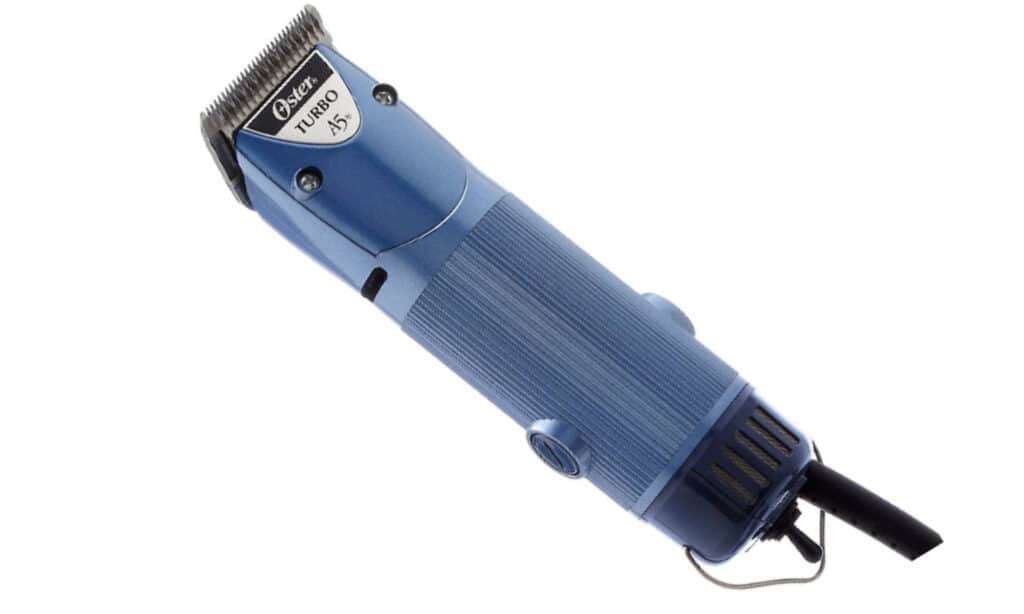
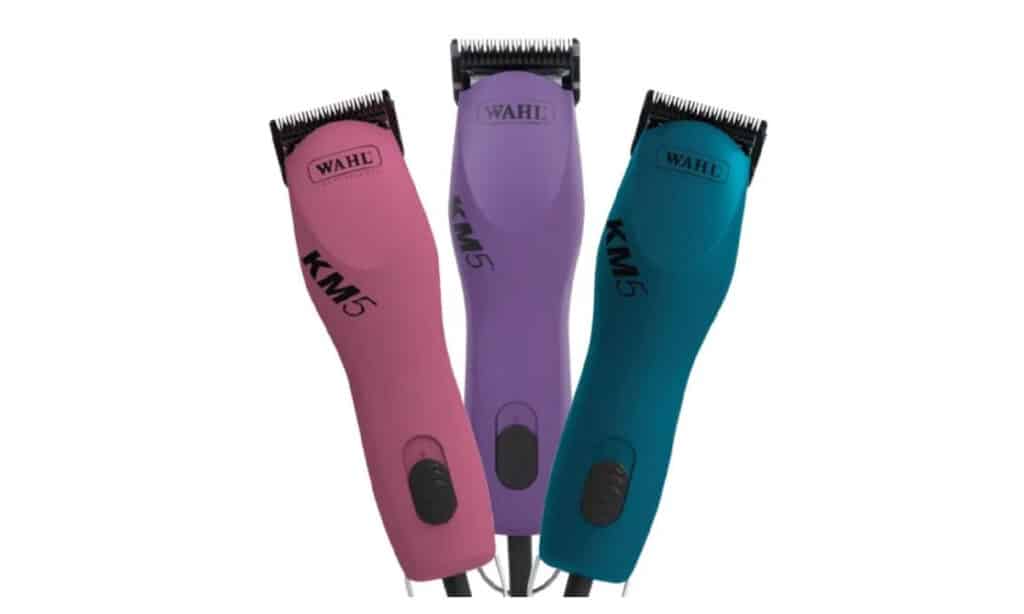
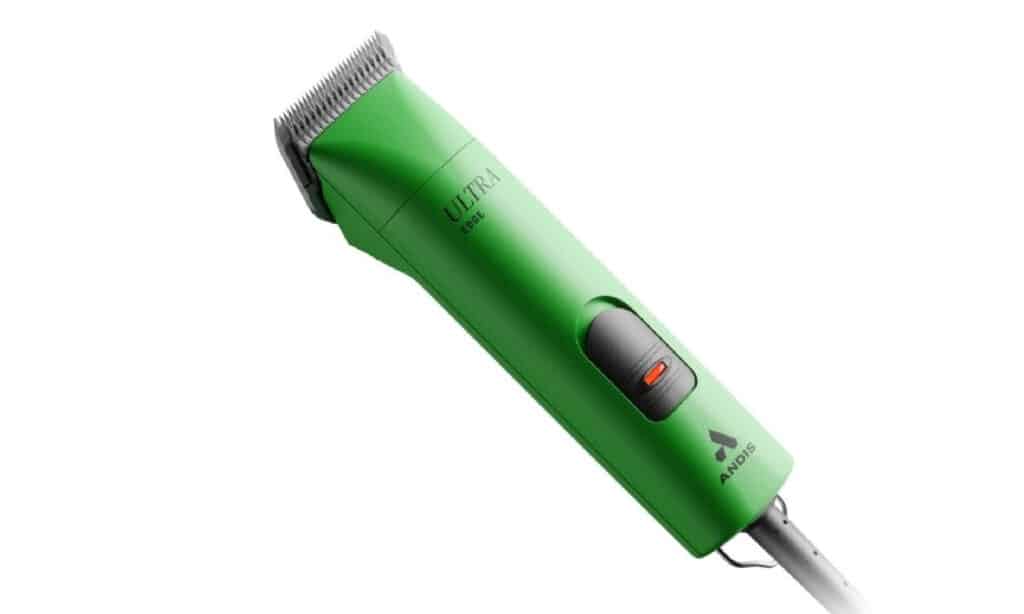
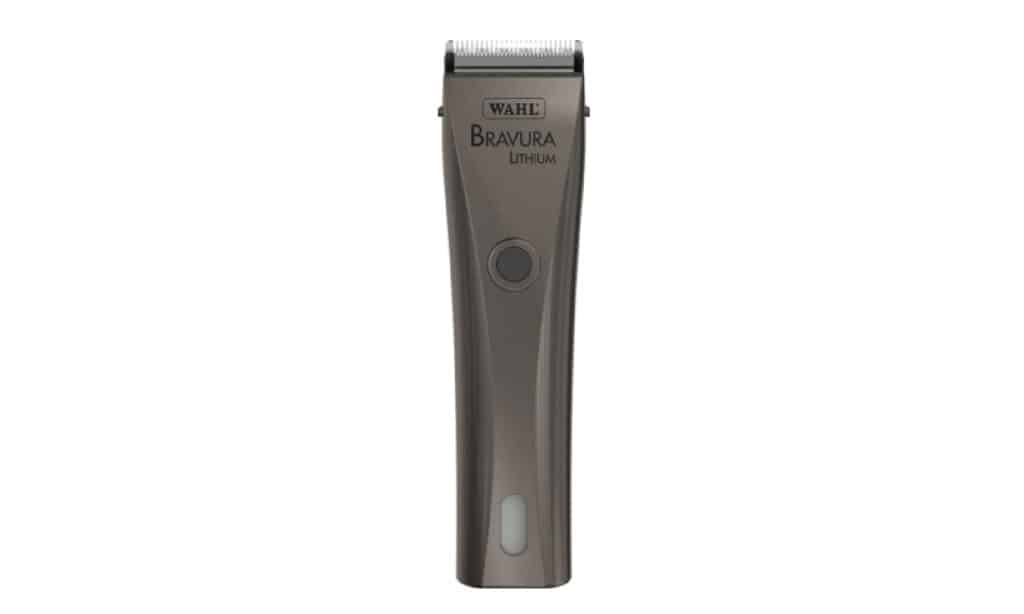
Neither a dog nail grinder nor a clipper is better for every dog. A grinder removes nail in small amounts, gives you more control, and leaves a smooth edge. It is especially useful when nails are dark or thick, but the sound and vibration bother some dogs. Clippers are fast, quiet, and affordable. They work well when you can identify a safe cut line and your dog will hold still for a quick trim.
Many dogs do best with a combination. You can clip a clearly safe amount, then use a grinder to round the edge. The best tool is the one you can use calmly, accurately, and often enough to keep the nails at a comfortable length.
Quick Comparison: Grinder vs. Clippers
Here is the short version.
Dog nail grinder
Best for: gradual shortening, dark nails, thick nails, rounded edges, and owners who prefer to remove tiny amounts at a time
Main advantages: more control over each pass and a smooth finish
Main drawbacks: noise, vibration, nail dust, heat from friction, and a slower session
Dog nail clippers
Best for: fast trims, dogs who dislike motor noise, and nails with a visible safe cut line
Main advantages: quick, quiet, inexpensive, and easy to carry
Main drawbacks: one cut removes more nail, dull blades can crush or split the edge, and poor placement can reach the quick
Clipper plus grinder
Best for: quickly removing safe length and then smoothing the edge
Main advantage: combines speed with a finished edge
Main drawback: the dog must tolerate two tools
The quick contains blood vessels and nerves. With clear nails, it is often visible as a pink center. With black nails, you usually have to work more slowly and use changes in the cut surface as your guide. A grinder does not make it impossible to reach the quick. It simply lets you approach it in smaller steps.
When a Nail Grinder Is Better
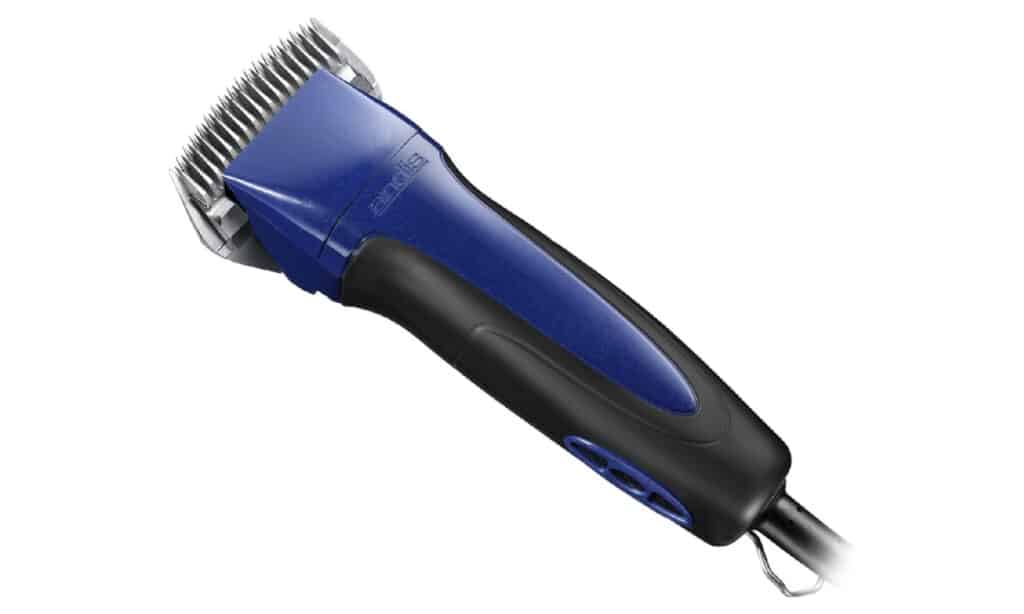
A grinder is a small rotary tool with an abrasive bit or sanding band. Instead of making one cut, it files the nail down little by little. That slow pace is the reason many owners feel more confident with it.
A practical choice for gradual shortening, dark or thick nails, and smoothing rough edges. Use short, controlled passes, pause often to prevent heat buildup, and keep long paw hair away from the spinning bit.
Dark Nails and Slow Control
Dark nails hide the quick, so the safest cut line is harder to judge. A grinder can help because you can remove a thin layer, stop, inspect the nail, and decide whether to continue. Work across the bottom and tip rather than holding the bit against one spot.
Look at the center of the nail after each pass. As you get closer to living tissue, the center often changes from dry and chalky to darker and smoother. Stop when you are unsure. A conservative trim that you repeat soon is better than trying to achieve the shortest possible nail in one session.
Thick Nails and a Smooth Finish
Grinders are helpful for thick nails that take more hand strength to clip. They also round sharp corners that can catch on fabric or scratch skin.
A smooth finish is valuable, but it is not worth overheating the nail. Grinding creates friction. Touch the bit to the nail for only a few seconds, then lift it away and move to another nail. The official Dremel nail-care guide also recommends short contact periods and breaks because friction creates heat.
Long coat and paw hair must stay away from the spinning bit. Hold hair back securely before the grinder turns on. If you cannot keep it clear, use clippers or ask a groomer for help.
When Noise or Vibration Is the Problem
A grinder may look gentle to you and still feel overwhelming to your dog. The motor sound travels through the room, and the vibration reaches the toe. Some dogs object to one sensation more than the other.
Do not hold a frightened dog down and grind through the struggle. That creates a bigger problem for the next session. Start with the tool turned off. Reward calm investigation. Turn it on at a distance, then closer, before you ever touch a nail. If your dog remains worried, quiet clippers may be the better choice.
When Dog Nail Clippers Are Better
Clippers remove a piece of nail in one squeeze. They are efficient, quiet, and simple. For a dog who will offer a paw briefly but dislikes a long grooming session, that speed can be a major advantage.
Fast, Quiet Trims
A confident clip takes less time than grinding the same amount of nail. There is no motor, charging cable, battery, or sanding band to manage. Clippers are also easy to pack for travel.
The tradeoff is that you need to decide exactly where the blade will close before you squeeze. Use bright light, hold the toe steady, and take a smaller amount than you think you need. This matters most with black nails and with dogs who may jerk the paw suddenly.
Which Clipper Style to Choose
Plier-style or scissor-style clippers are a practical choice for many dogs. They give you a clear view of the nail and enough leverage for medium or thick nails.
A quiet choice that gives you a clear view of the nail and useful leverage for medium or thick nails. Keep the blades sharp, hold the toe steady, and remove only a small amount with each cut.
Guillotine clippers guide the nail through a hole while a blade slides across it. Some owners like them for small or medium nails because the tool is compact. Others find the cutting angle harder to see.
A compact option for small or medium nails when you can see the cutting angle clearly. Guide the nail through the opening, keep the blade sharp, and stop if the nail does not fit comfortably.
Whichever style you choose, the blades must be sharp. A dull clipper can pinch, crush, or leave a ragged edge. Replace or sharpen the tool when the cut stops feeling clean.
Where Clippers Need More Care
Clippers work best when the dog stays still and you can see or confidently estimate a safe cut line. They are less forgiving of a sudden movement because the cut happens all at once.
Angle the cut to follow the natural shape of the nail. Avoid cutting from side to side through a wide section if the tool feels strained. For very thick, distorted, split, or painful nails, stop and have a groomer or veterinary professional assess the safest approach.
Best of Both: Clip Then Grind
You do not have to join one team forever. A hybrid routine is often the most practical choice.
First, clip only the length you can clearly identify as safe. Then use the grinder for a few short passes to round the edges. This shortens grinder time and avoids asking the clipper to create a perfect finish.
Skip the clipping step when you cannot judge a safe cut line. In that situation, use the grinder slowly or let a professional handle the initial shortening. Once the nails are at a manageable length, frequent small touch-ups are usually easier than occasional major trims.
How to Choose Based on Your Dog and You
The right tool depends on both ends of the paw. Your dog’s comfort matters, and so does your ability to control the tool.
Your dog’s response to sound and touch
Choose the tool your dog can tolerate without escalating fear. A dog who dislikes motor noise may accept clippers. A dog who reacts to the squeeze of a clipper may prefer the gradual contact of a grinder.
Nail color and thickness
A grinder can make black nails easier to approach in small steps. Clippers are efficient for clear nails when the quick is visible. Thick nails may be easier with a powerful grinder or a sharp, properly sized plier-style clipper.
Session tolerance
Some dogs can handle one or two quick clips but lose patience during grinding. Others need the slower pace of one nail at a time. There is no rule that says all four paws must be finished in one sitting.
Your hand control
Use the tool that feels stable in your hand. If you cannot control a grinder’s angle or keep hair away from the bit, clippers are the safer choice for that session. If squeezing clippers makes your hand shake or obscures the cut line, a grinder may give you more confidence.
Budget and upkeep
Clippers cost less and require little beyond cleaning and blade maintenance. Grinders need power, usable sanding bands or bits, and regular cleaning. A worn abrasive surface removes nail slowly and encourages longer contact, which can create more heat.
Safe Setup for Either Tool
A calm trim begins before you pick up the paw.
Use a bright, quiet area with a non-slip surface. Inspect each paw for swelling, broken nails, soreness, or debris. Gather the tool, rewards, and styptic powder before you begin. Check that clippers are sharp or the grinder is charged and fitted with a sound abrasive surface.
With a grinder, keep hair away from moving parts and use short touches. With clippers, make small cuts and keep the blade where you can see it. Stop if your dog is struggling hard enough to make precise work impossible.
Short, successful sessions build skill faster than a long battle. One nail followed by a break can be a complete session for a dog who is still learning.
How to Introduce the Tool Without a Battle
Start below your dog’s fear threshold. That means beginning at a level where your dog can notice the tool and still eat, move normally, and respond to you.
For clippers, let the tool appear near the paw before you touch a nail. Practice holding a toe, then touching the clipper to the nail without cutting. When your dog is relaxed, make one small clip and reward.
For a grinder, begin with the tool turned off. Let your dog sniff it if they choose. Next, turn it on across the room, then closer. Touch the handle to a paw before introducing the moving bit to a nail. The Dremel guide recommends this gradual introduction over several days.
Reward-based handling is more than a nice extra. Research comparing companion-dog training methods found poorer welfare outcomes with aversive-based methods, which supports using gradual, reward-based cooperation instead of force (Vieira de Castro et al., 2020).
Watch the whole dog. Lip licking, repeated paw pulling, freezing, panting outside a warm room, and refusal of normally valued food can tell you the session has become too difficult. Back up to an easier step.
If You Cut the Quick
Even careful owners sometimes nick the quick. Stay calm and stop trimming that paw.
Apply styptic powder to the nail and hold steady pressure. Cornstarch can help when styptic powder is not available. Keep your dog quiet while the clot forms, and prevent licking or running on the paw.
Get veterinary help if bleeding does not slow with firm pressure, the nail is torn near the base, your dog is in significant pain, or the toe looks swollen or damaged. Do not resume trimming the same nail that day.
Final Thoughts
The grinder-versus-clipper question has no single winner. A grinder offers gradual control and a smooth finish. Clippers offer speed, quiet operation, and a low cost. A combination can work beautifully when you can clip a safe amount and use the grinder only for finishing.
Choose the method that lets you stay accurate while your dog stays reasonably comfortable. Keep the sessions short, maintain the tool, and trim often enough that each session requires only a small adjustment. Good nail care is not about forcing perfect paws in one day. It is about building a routine you and your dog can repeat.
Frequently Asked Questions
How Often Should I Trim My Dog’s Nails?
Trim often enough that the nails do not interfere with normal paw placement or become long enough to catch and split. The schedule varies with growth rate, exercise surface, age, and nail condition. Many dogs need attention every few weeks, while dogs learning grinder touch-ups may do better with shorter weekly sessions.
Can I Start Using a Grinder if My Dog Is Used to Clippers?
Yes. Introduce the grinder as a new object rather than turning it on and starting immediately. Build comfort with the sight, sound, vibration, and brief nail contact over several sessions.
What Should I Do if I Cut the Quick?
Stop trimming, apply styptic powder, and hold steady pressure. Keep your dog quiet. Seek veterinary care if bleeding continues, the nail is torn near the base, or your dog appears very painful.
Do I Need to Clean and Maintain the Tools?
Yes. Wipe nail dust and debris from both tools after use. Follow the manufacturer’s cleaning directions. Keep clipper blades sharp and replace worn grinder bands or bits.
What if My Dog Is Terrified of Both Tools?
Break the task into much smaller steps and work below the level that causes panic. A groomer or veterinary team can help with overdue nails while you build cooperative handling skills at home.
Which Tool Is Better for Black Nails?
A grinder often makes black nails easier because it removes a small amount at a time. Clippers can still work well when you take thin slices and inspect the cut surface after each one. Choose the method you can control best.
Can I Use Clippers and a Grinder Together?
Yes. Clip only a clearly safe amount, then use the grinder briefly to smooth the edge. This reduces total grinding time while preserving a rounded finish.
Vieira de Castro, A. C., Fuchs, D., Morello, G. M., Pastur, S., de Sousa, L., & Olsson, I. A. S. (2020). Does training method matter? Evidence for the negative impact of aversive-based methods on companion dog welfare. PLOS ONE, 15(12), e0225023. https://doi.org/10.1371/journal.pone.0225023
A note about your dog’s health
This article provides general education and does not replace an examination, diagnosis, or individualized advice from your veterinarian. Contact a veterinary professional if you are concerned about your dog’s symptoms.
Dr. Candy Akers earned her Doctor of Veterinary Medicine degree from Oklahoma State University in 2009 after completing undergraduate studies at the University of Delaware. Her experience includes companion-animal nutrition, chronic disease, allergies, autoimmune conditions, cold laser therapy, wildlife rehabilitation, and emergency wildlife response. She combines conventional veterinary knowledge with a whole-animal perspective to help pet parents understand their options and recognize when individualized veterinary care is needed.
When I see a dog chewing their nails repeatedly, I do not assume it is simply a quirky habit. Most often, the dog is trying to relieve itching, soreness, pressure, or another uncomfortable feeling around the nail or paw. A torn nail, overgrown nail, grass awn, cracked pad, allergy, infection, parasite, or stress can all drive the behavior.
Start by checking every paw, not just the one you first noticed. A problem limited to one paw points more toward a local injury or irritant, while several itchy paws make me think more about allergies, infection, parasites, or another broader cause. The quickest way to stop the chewing is to identify what is bothering your dog and address that cause. A cone or toy can protect the skin for a short time, but it will not fix pain or itch.
Why Dogs Chew Their Nails
A little paw grooming after a walk is normal. Repeated, focused chewing is different. Your dog may be trying to remove something, soothe an itch, ease pressure from an overgrown nail, or respond to pain. Some dogs also chew when they are worried or bored, but I never label the problem behavioral until I have checked the paw itself.
Chewing only tells us where the dog feels bothered. It does not tell us why. Inflammation of the feet, called pododermatitis, can involve allergies, infection, parasites, foreign material, trauma, and other underlying problems. More than one factor is often present, so treating only the surface irritation can leave the real trigger behind. [1]
The chewing can also keep the cycle going. Saliva and friction leave the skin damp and tender. Once that tissue is irritated, even a small problem can feel much bigger to your dog.
Check the Paw Before You Treat It
Choose a bright spot and check all four feet. A calm, paw-by-paw look usually tells you more than watching the chewing from across the room.
Look at every nail, including the dewclaws, for a split, crack, sharp edge, discoloration, or nail that is growing at an odd angle.
Check the nail bed for redness, swelling, bleeding, crust, discharge, or an unusual odor.
Spread the toes gently and inspect the webbing for moisture, small bumps, grass awns, burrs, splinters, or matted hair.
Examine each pad for peeling, a horizontal split, raw skin, or a worn area.
Compare the paws for warmth, tenderness, and swelling. Stop if your dog pulls away sharply or seems painful.
Note whether the chewing affects one paw or several, and whether it follows walks, wet grass, lawn treatments, meals, grooming, or stressful events.
One sore paw makes a local problem more likely. Think about a torn nail, foreign object, pad injury, insect sting, or painful toe. Chewing on several paws, especially when it comes and goes with the seasons or appears with itchy ears or skin, makes a wider pattern more likely. Allergy, parasites, contact irritation, and infection move higher on my list.
Common Medical Causes of Nail Biting
Nail Injury, Overgrowth, and Paw Pad Damage
A cracked or partly torn nail can be surprisingly painful. So can a nail that has grown long enough to change the way the toe meets the ground. Dogs may focus on one nail, lick between attempts to chew it, or pull the foot away when you touch the sore area.
Do not forget the pads. A split, peeling surface, or tiny puncture can make a dog work at the whole foot even when the nail looks normal. A 2025 study of dogs with split paw pad dermatosis reported pain, limping, itching, and licking as common signs. Most dogs developed changes in all four paws during the course of the condition, which is a good reminder to inspect every foot and consider more than one possible cause. [2]
Allergies, Infection, and Inflammation
Allergies often show up at the paws because dogs walk through pollen, grass, dust, and other materials, then lick the area. The pattern may involve several feet and may be seasonal. Some dogs also have itchy ears, face rubbing, or irritation elsewhere on the body.
Bacteria and yeast can take advantage of inflamed, damp skin. You may notice redness between the toes, a musty odor, greasy debris, small bumps, or brown saliva staining. Infection can be the primary problem or a secondary problem layered over allergy, injury, or another cause. That is why recurring paw trouble deserves an underlying-cause plan instead of repeated surface treatment alone. [1]
Parasites and Contact Irritation
Fleas and mites can contribute to itching, although the rest of the skin often gives us clues too. Contact irritation can come from wet grass, road salt, cleaners, lawn products, grooming residue, or rough walking surfaces. Heat, moisture, and friction can make an already sensitive paw feel worse.
If the chewing began suddenly after a walk or a change in the home or yard, retrace the previous day. That simple timeline can reveal an exposure you would otherwise miss.
Can Anxiety Cause Dog Nail Biting?
Yes, stress can contribute to nail biting and paw chewing. A behavioral pattern often appears during predictable moments, such as being left alone, hearing storms, settling at night, or after an exciting event. The paw may look normal at first, although repeated chewing can eventually create irritation.
Even when the timing looks behavioral, check for pain and itch first. A sore toe can bother a dog most when the house gets quiet and there is nothing else to focus on. If the feet are healthy, use your notes to identify the trigger, then add exercise, sniffing time, food puzzles, a calmer routine, or gradual behavior work that matches the situation.
How to Stop Dog Nail Chewing at Home
The safest home care starts with observation and gentle cleaning. The goal is to protect the paw while you work out why your dog is chewing it.
Inspect all four paws and remove only loose surface debris that comes away easily. Do not dig into the skin or pull on a damaged nail.
If the paw is dirty, rinse it with lukewarm water or plain sterile saline, then pat it completely dry.
Use a properly fitted cone for short-term protection if your dog will not leave the area alone. A clean sock can be used briefly while supervised, but remove it if it becomes damp, tight, or warm.
Keep healthy nails at a comfortable length. If a nail is split, bleeding, very tender, or loose, leave the repair to a veterinary professional.
Write down when the chewing happens, which paws are involved, what the paws look and smell like, and what changed before the problem started.
Do not give human pain medicine or apply alcohol, hydrogen peroxide, or undiluted essential oils. Strong products can irritate damaged skin, and a dog is likely to lick whatever you put on the foot.
For recurring itchy paws, I look beyond the toes. I review nutrition, seasonal exposure, skin barrier health, parasite pressure, household and lawn products, walking surfaces, and stress. A cone, bitter spray, or distraction toy can interrupt chewing, but it cannot resolve an allergy, infection, painful nail, or foreign object.
When to Call the Veterinarian
Arrange an exam promptly when home inspection shows a problem that needs more than gentle cleaning or when the chewing keeps returning. A closer look is especially useful for:
A torn, loose, bleeding, or badly split nail
Marked swelling, heat, pain, or limping
Pus, a strong odor, greasy debris, or spreading redness
A foreign object that is embedded or difficult to remove
A pad that is deeply cracked, peeling, or raw
Chewing that affects several paws, returns seasonally, or continues despite simple home care
These clues do not all mean the same thing. A focused paw exam, skin testing when needed, and a review of the full pattern help separate injury, infection, allergy, parasites, and behavior so treatment can address the right cause.
Final Thoughts
Dog nail biting tells us that something around the paw needs attention. Start with the paw, compare all four feet, and pay attention to the pattern. When we find the source of the itch or pain, the chewing usually becomes much easier to manage.
If your dog’s nail chewing keeps returning and you want help looking at nutrition, environment, skin health, and stress together, an online consultation can help you build a practical next-step plan.
Is It Normal for Dogs to Chew Their Nails?
Brief grooming can be normal. Repeated chewing, redness, staining, tenderness, odor, limping, or damage to the nail or skin deserves a closer look.
Why Is My Dog Chewing Only One Paw?
One-paw chewing often points toward a local problem such as a torn nail, splinter, grass awn, pad crack, sting, or painful toe. Compare that paw with the others and inspect the nail bed, webbing, pads, and dewclaw.
Can Allergies Make a Dog Bite Their Nails?
Yes. Allergies can make the paws itchy, and chewing can worsen the irritation. Several affected paws, a seasonal pattern, or itching elsewhere on the body makes allergy more likely, although infection or another cause can be present at the same time.
How Can I Stop My Dog From Chewing Their Paws?
Inspect every paw, rinse away surface irritants, dry the feet well, and use a cone briefly if you need to prevent more damage. Then address the underlying cause. Distraction alone will not treat pain, infection, allergy, or a damaged nail.
When Is Nail Chewing a Red Flag?
Seek prompt help for bleeding, a torn or loose nail, marked swelling, discharge, odor, limping, severe tenderness, an embedded object, or chewing that continues or keeps coming back.
[2] Utzmann, M., Bettenay, S., Mueller, R. S., & Mayer, U. (2025). Clinical signs and treatment responses of 14 dogs with split paw pad dermatosis. Veterinary Dermatology, 36(6), 903-913. https://pubmed.ncbi.nlm.nih.gov/40767111/
A note about your dog’s health
This article provides general education and does not replace an examination, diagnosis, or individualized advice from your veterinarian. Contact a veterinary professional if you are concerned about your dog’s symptoms.
Dr. Candy Akers earned her Doctor of Veterinary Medicine degree from Oklahoma State University in 2009 after completing undergraduate studies at the University of Delaware. Her experience includes companion-animal nutrition, chronic disease, allergies, autoimmune conditions, cold laser therapy, wildlife rehabilitation, and emergency wildlife response. She combines conventional veterinary knowledge with a whole-animal perspective to help pet parents understand their options and recognize when individualized veterinary care is needed.
Hello, fellow dog lovers and curious minds! If you’re anything like me, you’ve spent a good amount of time studying every unique feature of your beloved furry friend – from the patterns on their coat to the color of their nails. And yes, just like you, I too once puzzled over the peculiar combination of black and white nails on my dog’s paws. It’s like a manicure mystery waiting to be solved!
You might have wondered, “Is it a genetic trait? A health concern? Or just one of those doggy quirks?” Well, you’re in the right place! Today, we’re diving deep into the world of canine nails to uncover the story behind this fascinating blend of colors. By the end of this blog, not only will you have the answers to your questions, but you’ll also gain a new appreciation for the intricacies of dog anatomy and genetics.
So, grab a cup of your favorite beverage, snuggle up with your pup (if they’re into that), and let’s unravel this mystery together!
Why Does My Dog Have Some Black Nails And Some White?
Every dog owner loves observing their pet, and sometimes, those observations bring up questions. One such query that’s stumped many of us is the mixed color of our dog’s nails. So, why does this happen? Let’s dive in!
Natural Nail Pigmentation Facts
When you look at your dog’s nails, the colors you observe come from the pigments present in the keratin of the nail. Keratin is the protein that makes up nails, both in humans and dogs.
Genetics Rule: Just like the coat color, eye color, and skin color in dogs, nail color is also inherited. If both parent dogs have a mix of white and black nails, there’s a good chance their offspring will too.
Melanin Matters: The color of your dog’s nails, whether black or white, is determined by melanin. Black nails have melanin, while white or clear nails lack it. This is similar to the way our hair or skin color is determined by the presence or absence of melanin.
Breed Specifics: Some breeds are more prone to having mixed nail colors. For example, Beagles and Boxers might sport both colors, while Dalmatians tend to have predominantly white nails.
Fungal Infections & Weird Toe Nail Colors
It’s essential to note that while genetics play a significant role in nail color, other factors can cause changes or irregularities.
Fungal Infections: If you notice an odd color, texture, or smell from your dog’s nails, it might be due to a fungal infection. This can lead to nails becoming discolored, brittle, or having an unusual growth pattern. While black or white nails can be entirely natural, any sudden change in nail color should be a sign to consult your vet.
Bacterial Infections: Just like fungal infections, bacterial infections can also cause discoloration. If your dog’s nails turn green, yellow, or another unusual color, it’s essential to get it checked out.
Trauma or Nail Damage
Accidents happen, and sometimes our dogs might hurt their paws or nails while playing, running, or just being their clumsy selves.
Bruising: If a dog injures its nail, it might develop a dark color due to bruising beneath the nail. This usually looks like a dark spot or streak.
Broken Nails: If a nail breaks, the exposed nail bed can be sensitive and might appear reddish or pink. This is due to the blood vessels and sensitive tissue exposed due to the break.
Healing and Regrowth: After an injury, as the nail starts to heal, you might notice a variation in its color. This is temporary, and as the nail grows out, it should return to its natural color.
While genetics is a leading factor in the color of your dog’s nails, various health issues or injuries can cause color changes. Always keep an eye out for sudden or drastic changes and consult with your veterinarian if something seems amiss. Remember, being informed is the first step to ensuring our furry friends stay happy and healthy! 🐾
When to Be Worried About Your Dog’s White Nails
Just when you thought you’ve figured out the mystery behind their mixed nail colors, another question pops up – should I be concerned about those white nails? While it’s common for dogs to have white or clear nails naturally, sometimes, the appearance or changes in these nails can be a cause for concern. Here’s a human-friendly rundown on when those white nails might warrant a vet visit.
Sudden Color Change
If your dog has always had black nails and suddenly you notice a shift to white or clear, this could be a cause for concern. A sudden change in nail color might be due to a number of reasons, including:
Nutritional Deficiencies: Just like in humans, dogs’ nail health can reflect their overall health. A deficiency in certain vitamins or minerals might manifest as a change in nail color.
Systemic Illnesses: Some diseases affect multiple organs and systems in the body and can lead to changes in nail color.
Texture and Structural Changes
White nails aren’t just about color. It’s also important to consider their texture and structure.
Brittleness: If your dog’s white nails suddenly become brittle and start chipping or breaking easily, it’s time to pay attention. This could be due to a fungal infection, nutritional issues, or even an underlying health concern.
Thickening or Overgrowth: While some dogs naturally have faster-growing nails, a sudden or unusual thickening might indicate a health problem. It’s especially concerning if only one or two nails are affected.
Behavioral Signs
Dogs, being the expressive creatures they are, often show discomfort or pain through their behavior.
Licking or Biting: If your dog starts excessively licking or biting at their white nails, it might be feeling some discomfort. This could be due to an infection, an injury, or an ingrown nail.
Limping or Favoring a Paw: Should you notice your dog limping or avoiding putting weight on a paw with white nails, it could indicate pain or an injury related to the nail.
Odor or Discharge
A bad smell coming from your dog’s nails or any kind of discharge (pus or otherwise) is a red flag.
Fungal or Bacterial Infections: An unpleasant odor, coupled with discoloration or brittle texture, could indicate a fungal or bacterial infection.
Trauma: If there’s been an injury, an infection might set in, leading to discharge and a bad smell. This needs immediate attention.
While many dogs naturally sport lovely white nails without any issues, it’s crucial for pet owners to be observant. Any change in the appearance, texture, or behavior related to those nails might be your dog’s way of signaling that something’s amiss. When in doubt, always consult with your vet. After all, our four-legged friends rely on us to ensure they’re in tip-top shape!
What Should Healthy Dogs Nails Look Like?
If you’re anything like me, you’ve probably given those little doggy toes more than just a passing glance. Nails, often overlooked, play a significant role in our pup’s well-being. And just as we’d fret over a broken nail or an unexpected change in nail health, it’s just as crucial to know what’s normal and what’s not for our four-legged buddies. So, what should a healthy dog’s nails look like? Let’s dig in, shall we?
Color Consistency
Natural Hues: Healthy nails can be black, white, brown, or any shade in between. What’s essential is consistency. If your dog has always had black nails, they should typically remain that color, and the same goes for other hues.
No Sudden Changes: While it’s okay for a dog to have a combination of colored nails (like a mix of black and white), be on the lookout for any sudden changes in color that aren’t related to the natural growth of the nail.
Texture and Strength
Smooth to the Touch: Run your fingers over your dog’s nails. They should feel relatively smooth without any rough edges or noticeable ridges.
Not Too Brittle or Too Soft: Healthy nails shouldn’t break at the slightest pressure, nor should they bend easily. They need to have a certain firmness to them, signifying good health and proper nutrition.
Length and Shape
Not Touching the Ground: Ideally, when your dog is standing still on a flat surface, their nails shouldn’t touch the ground. Overly long nails can affect their gait and even cause pain or injury.
Tapered End: A healthy nail should taper to a point, although the sharpness of that point can vary depending on the breed and individual dog.
Quick Health
The quick is the inner part of the nail that contains blood vessels and nerves.
Visible in Light-Colored Nails: If your dog has clear or white nails, you should be able to see the pinkish quick inside. It should appear uniform and not discolored or spotted.
Not Exposed: For dogs with dark nails where the quick isn’t visible, ensure it hasn’t been exposed due to any trauma or excessive trimming.
No Signs of Pain or Discomfort
Comfortable Pawing: Your dog should be able to paw at toys, dig, or scratch without showing signs of pain or discomfort.
No Excessive Licking or Biting: If your dog is persistently licking or biting at its nails, it might be an indication of a problem.
Remember, while this is a handy guide to understanding what healthy nails should look like, every dog is unique. Regular check-ups with your vet and routine grooming can ensure those paws stay in prime condition. After all, those nails are meant for happy digging, playful scratching, and enthusiastic tapping when dinner’s on its way!
What Does An Infected Dog Nail Look Like?
We’ve all been there – one moment you’re playing fetch, and the next, you’re squinting down at your dog’s nail thinking, “Is that normal?” An infected nail can be a source of significant discomfort for our furry friends, and knowing what to look for is half the battle. Let’s dive into the world of dog nail health and unpack the signs of an infected nail, shall we?
Color Changes
Discoloration: Healthy nails should maintain their natural hue, be it black, white, or anything in between. An infected nail might show odd discolorations like yellow, green, or even a murky brown.
Dark Spots or Streaks: If you spot dark or unusual streaks, especially on lighter-colored nails, it could be a sign of a brewing infection.
Swelling and Redness
Around the Nail Bed: The skin around the nail might become red, swollen, or tender to touch. This is often a tell-tale sign of an infection.
Extended Quick: If the quick (the inner sensitive part of the nail) appears swollen or extended, it’s cause for concern.
Odor and Discharge
Unpleasant Smell: An infected nail might emit a foul or unusual odor. Trust your nose – if it smells off, it probably is.
Pus or Other Discharge: Notice any oozing around your dog’s nail? A discharge, especially if it’s pus-filled, is a red flag indicating an infection.
Behavioral Clues
Licking and Biting: Dogs instinctively try to soothe discomfort. If your pup is constantly licking or biting at its nail, it’s trying to tell you something’s wrong.
Limping or Favoring a Paw: Any sign of pain, like limping or hesitating to put weight on a paw, especially after a recent injury, should prompt a closer look at those nails.
Brittleness or Breakage
Easy to Break: Infected nails might become brittle, breaking or chipping easily.
Unusual Growth Patterns: An infected nail might grow oddly or might even halt in growth.
If you’ve done your doggy detective work and suspect an infected nail, don’t panic! While it’s essential to address any infection promptly to prevent it from worsening or spreading, many infections are entirely treatable with the right care and attention. Always consult with your vet, as they’ll provide guidance on treatment options and care.
Remember, our dogs rely on us to keep them healthy and happy. Observing and understanding the signs of potential issues is our way of giving back for all the joy they bring into our lives. Here’s to healthy paws and wagging tails!
How To Keep Your Dog’s Nails Healthy
Paws up if you want your dog to have the healthiest nails on the block! 🐾 Keeping our furry companions in tiptop shape is not just about their glossy coats or sparkling eyes; their nails play a pivotal role too. Nails that are cared for can prevent injuries, infections, and other complications. So, how do you ensure that those little (or big) claws remain in pristine condition? Let’s dive in!
Regular Trimming
Importance of Routine: Just like how we need regular manicures or trims, our dogs benefit from a consistent nail-clipping schedule. Overgrown nails can lead to various issues, from discomfort while walking to a higher risk of breakage.
Choosing the Right Tools: Invest in a good pair of dog nail clippers or grinders. Whether you opt for the scissor-type or guillotine-style, ensure they’re sharp and suited for your dog’s nail size.
Pace and Technique: If you’re new to nail trimming or if your dog is anxious, start slow. Trim a small bit at a time, always being cautious of the quick. If your dog has clear nails, the quick will appear pink. For darker nails, the process is a tad trickier, so always err on the side of caution.
Make it a Positive Experience: Associate nail trimming with treats and praises. Over time, your pup might just wag its tail at the sight of those clippers!
Balanced Nutrition
Role of Diet: Just like humans, dogs’ nail health is a reflection of their overall nutrition. A balanced diet can ensure strong and healthy nails.
Essential Nutrients: Omega fatty acids, biotin, and proteins play a crucial role in nail health. Ensure your dog’s diet includes these, either through their regular food or supplements (after consulting with a vet, of course!).
Hydration: Yes, even hydration plays a role! A well-hydrated dog is likely to have healthier nails.
Regular Vet Check-ups
Professional Insight: Regular vet visits ensure that any potential issues, not just with the nails but overall health, are caught early. Your vet can provide guidance on nail care tailored to your dog.
Addressing Concerns: If you ever notice abnormalities or changes in your dog’s nails, your vet is the best person to consult. They can offer treatments, solutions, and advice on preventing future problems.
Recommendations on Products: From suggesting dietary supplements to recommending specific nail care products, your vet can guide you in making the best choices for your pup.
Maintaining your dog’s nail health is a combination of routine care, a balanced diet, and regular professional check-ups. With the right attention and love, those paws will remain ready for countless walks, playful digs, and excited doorbell dances. Here’s to a journey filled with the ‘clip-clip’ of healthy nails on the floor and the unconditional love of our four-legged friends!
Conclusion
And there we have it, dear dog parents—a comprehensive guide to unraveling the mysteries and nuances of our furry companions’ nails. From understanding the subtle signs of infections to the joy of hearing the gentle tap-tap of healthy nails on the floor, we’ve journeyed through it all. Taking care of our dogs extends far beyond belly rubs and fetching games; it’s in the small details, like nail health, that we truly ensure their well-being.
Every wag, woof, and playful bark reminds us of the boundless joy our dogs bring into our lives. And in return, it’s our job to offer them the best care possible. By prioritizing their nail health, we’re not just looking after a part of their anatomy; we’re ensuring that every step they take is comfortable and happy.
So, the next time you cuddle up with your pup, give those nails a gentle glance. Remember, they’re not just keratin structures but markers of your dog’s overall health. Armed with knowledge, awareness, and love, let’s commit to giving our four-legged family members the healthy and spirited life they so richly deserve.
To all the paw-rents out there, here’s raising a toast (or perhaps a chew toy?) to many more years of wagging tails, excited barks, and, yes, healthy nails!
Frequently Asked Questions (FAQS)
Q: How often should I trim my dog’s nails?
A: The frequency of nail trims can vary depending on your dog’s activity level and where they spend most of their time. Typically, most dogs will need their nails trimmed every 3-4 weeks. However, if your dog spends a lot of time on rough surfaces that naturally wear down their nails, you might not need to trim them as often.
Q: My dog has a split nail. What should I do?
A: A split nail can be painful for your dog and can potentially lead to infections. Clean the area gently and prevent your dog from licking it. It’s best to consult your vet promptly for proper care and treatment recommendations.
Q: What’s the best way to calm my anxious dog during nail trims?
A: Positive reinforcement works wonders. Begin by showing your dog the nail clippers and rewarding them with a treat. Gradually, over time, touch their paws with the clippers, again rewarding with treats. This slow introduction can make the actual trimming process less stressful. Additionally, consider using a grinder instead of clippers, as it can be less intimidating and more forgiving.
Q: How can I tell if my dog’s nail is infected?
A: Symptoms of an infected nail include redness, swelling, an unpleasant odor, pus or discharge, and your dog excessively licking or biting at the nail. If you notice any of these signs, it’s best to consult your vet for a proper diagnosis and treatment.
Q: My dog’s nails are really long, and I can see the quick has grown out. How should I trim them?
A: When the quick has grown out with the nail, you should be extra cautious. Trim a small bit of the nail every week, which will encourage the quick to recede gradually. If you’re unsure or nervous about the process, consider seeking a professional groomer or your vet’s assistance to avoid any injuries.
A note about your dog’s health
This article provides general education and does not replace an examination, diagnosis, or individualized advice from your veterinarian. Contact a veterinary professional if you are concerned about your dog’s symptoms.
Dr. Candy Akers earned her Doctor of Veterinary Medicine degree from Oklahoma State University in 2009 after completing undergraduate studies at the University of Delaware. Her experience includes companion-animal nutrition, chronic disease, allergies, autoimmune conditions, cold laser therapy, wildlife rehabilitation, and emergency wildlife response. She combines conventional veterinary knowledge with a whole-animal perspective to help pet parents understand their options and recognize when individualized veterinary care is needed.
As a devoted dog parent, you understand the importance of keeping your furry friend’s nails in check. But for many dogs, nail clipping can be a nerve-wracking experience, causing anxiety for both the pet and owner. You’re not alone in your search for a less stressful approach! Welcome to our comprehensive guide on “How To Keep Dog Nails Short Without Clipping.” Here, we dig into stress-free solutions that are not only gentle on your dog’s paws but also effective in maintaining their nail health. Whether you’re a new dog owner or a seasoned pet lover looking for alternative methods, this blog promises to offer insightful and practical tips for a happier, healthier pup. Dive in and discover a world where nail care becomes a breeze!
Long vs. Short Dog Nails – Which Is Better?
The length of your dog’s nails can significantly influence their comfort, health, and overall well-being. But is shorter always better? Or is there a reason some dogs might have longer nails? Let’s dive deep into the pros and cons of long vs. short dog nails.
Long Dog Nails
Pros
Cons
Natural Protection: In certain terrains, longer nails can offer an added layer of protection against rough surfaces.
Discomfort and Pain: Long nails can cause a dog’s toes to splay or twist when they walk, leading to discomfort or even pain.
Less Frequent Maintenance: If your dog is terrified of nail trims, having slightly longer nails means less frequent nail-cutting sessions.
Increased Risk of Injury: Longer nails are more prone to splitting, breaking, or being torn off, especially during play or when caught in materials like carpets.
Posture and Joint Stress: Extended nails can affect a dog’s posture, leading to potential joint stress or issues over time.
Noise: Longer nails can be noisy, especially on tile or hardwood floors.
Short Dog Nails
Pros
Cons
Comfort: Shorter nails ensure that your dog’s paws rest flat on the ground, providing more comfort when walking or running.
Over-trimming Risk: Cutting nails too short can lead to painful injuries or infections.
Reduced Risk of Injury: Short nails are less likely to get caught in things or break.
Frequent Maintenance: Keeping nails short means more regular trimming, which can be stressful for some dogs and their owners.
Better Posture: Proper nail length promotes better posture and reduces the risk of joint problems.
Easier Play and Exploration: Short nails make it easier for dogs to play, explore, and dig without the risk of nail damage.
While short dog nails tend to be better for the health and comfort of most dogs, it’s essential to strike a balance. Over-trimming can lead to its own set of problems. The key is to keep an eye on your dog’s nails, understand their specific needs, and aim for a length that ensures their comfort and safety. Always consult with your vet or a professional groomer if you’re unsure about the right nail length for your pup.
4 Ways To File Dog Nails Naturally
Every dog owner knows that regular nail maintenance is essential for their pet’s health and well-being. However, not all pups are fans of the traditional clippers or grinders. If you’ve been seeking a more natural approach that aligns with your dog’s instincts and minimizes stress, you’re in the right place! In this section, we’ll introduce you to four natural methods to help keep your dog’s nails filed and smooth. These techniques prioritize your dog’s comfort while ensuring their paws remain in tip-top shape. So, let’s explore these gentler alternatives together and find the best fit for your furry friend!
1. Walk Your Dog Regularly On Rough Surfaces
As dog owners, our daily walks are more than just a chance for our pups to stretch their legs and get some fresh air; they can also serve a dual purpose for natural nail care. Have you ever noticed how wild animals don’t seem to need nail trims? Nature has its own way of keeping things in check, and we can borrow a leaf from that book!
The Natural Pedicure
Walking your dog on rough surfaces, such as concrete or asphalt, can act as a natural file for their nails. Each step they take gently grinds down the nail, preventing it from getting too long. It’s nature’s pedicure, if you will!
Benefits of Rough Surfaces:
Gradual Filing: Unlike clippers that might take off too much at once, the natural wear and tear from walking ensures a gradual and even filing. This reduces the risk of cutting into the quick.
Less Stress: Many dogs dread the nail-clipping session. The mere sight of nail clippers can send them hiding. With regular walks on rough surfaces, the need for manual nail trims diminishes, ensuring a stress-free experience for both you and your pet.
Promotes Healthy Joints and Muscles: Apart from nail care, walking on different terrains can also be great for your dog’s overall physical health. It helps in muscle development, joint flexibility, and even mental stimulation.
No Extra Equipment Needed: No need to invest in grinders, clippers, or other tools. Your regular walk routine becomes a two-in-one activity: exercise and nail care.
A Few Points to Consider:
While walking on rough surfaces offers numerous benefits, it’s essential to strike a balance. Excessive walking on very abrasive terrains can lead to sore paws or even injuries. Always check your dog’s paw pads after walks to ensure they’re not cracked or injured. And, during the hotter months, be cautious of hot pavements which can burn your dog’s feet.
Incorporating rough surfaces into your regular walking routine is a natural and efficient way to maintain your dog’s nail length. It’s a simple change with noticeable benefits. However, always remember to keep your dog’s overall comfort in mind and adapt your walking routine to their specific needs. A happy dog is, after all, the ultimate goal!
2. Use a scratching post or pad
Most people associate scratching posts with cats, but guess what? Dogs can benefit from them too! While our feline friends primarily use scratching posts for marking territory and stretching, we can introduce similar tools to our canine companions for a different purpose: nail care. Let’s dive into how scratching posts and pads can be a game-changer for maintaining your dog’s nails.
Why Scratching Posts and Pads?
Natural Behavior: Dogs often scratch at the ground, whether they’re trying to get comfortable before lying down or they’re engaging in instinctual behaviors. A scratching post or pad provides them with a designated place to indulge this instinct and, in the process, file their nails.
Controlled Environment: Scratching pads are designed to be abrasive enough to file down nails without causing harm to the paw pads. It’s a controlled environment that ensures safety and effectiveness.
Stress Reduction: Just as walking on rough surfaces reduces the need for manual nail trims, scratching pads can do the same. For dogs that get anxious with nail clippers, this can be a more relaxed and organic approach.
Mental Stimulation: Figuring out how to use a new tool or toy can be a great mental exercise for dogs. The act of scratching can also be a stress reliever and a fun activity!
Setting It Up:
Choose the Right Material: Make sure the post or pad is made of a material that’s rough enough to file down nails but not so abrasive that it could harm your dog. Sisal fabric is a popular choice.
Placement is Key: Place the scratching post or pad in an area where your dog frequently spends time. You can also introduce it to them by placing their paws on it or using treats to guide their behavior.
Encourage Use: Initially, your dog might be unsure about the new addition to their environment. Encourage them to use the post or pad by sprinkling some treats around it or using toys to guide their play towards the scratcher.
Points to Remember:
While scratching posts and pads can be an excellent tool for nail maintenance, they shouldn’t completely replace regular nail checks. Ensure you’re still monitoring your dog’s nail length and condition to ensure they’re at a healthy length and free from splits or injuries.
Scratching posts and pads are more than just cat accessories. With the right introduction and placement, they can be an invaluable addition to your dog’s nail care routine. They offer a natural, stress-free method that many dogs might find preferable to traditional nail-trimming tools. So, why not give it a try? Your dog might just thank you with happy, well-maintained paws!
3. Use an emery board
If you’ve ever filed your nails to achieve a smooth edge, you’re familiar with the wonders of an emery board. But have you considered using one for your furry friend? While it might sound unconventional, an emery board can be an excellent tool for gently maintaining your dog’s nails. Let’s explore how this common beauty tool can make its way into your dog’s grooming kit.
The Emery Board Advantage:
Gentle and Precise: Unlike nail clippers, which can sometimes take off more than intended, an emery board offers precision. It gently files the nail, allowing you to achieve the desired length and shape without risking cutting into the quick.
Perfect for Finishing Touches: Even if you use clippers or other tools for the bulk of the nail trimming, an emery board is perfect for smoothing out any rough edges.
Reduced Anxiety: The quiet, gradual nature of the emery board can be less intimidating for dogs that are anxious about louder tools like grinders or the sudden pressure of clippers.
Affordable and Easy to Replace: Emery boards are relatively inexpensive and can be easily replaced when they wear out.
How to Use:
Get Your Dog Comfortable: Before diving in, ensure your dog is relaxed. Start by showing them the emery board and letting them sniff it. Reward them with treats to create a positive association.
Gentle Strokes: Hold your dog’s paw firmly but gently. Using the emery board, file in one direction towards the tip of the nail. Avoid going back and forth too aggressively, as it can cause heat and discomfort.
Take Breaks: Especially if it’s your first time, keep sessions short and give your dog plenty of breaks. Over time, as they become more accustomed, you can gradually increase the duration.
Things to Keep in Mind:
Choose the Right Grit: Just like with human nails, you’ll want to pick the appropriate grit for your dog. Medium grit is typically suitable for most dogs.
Keep It Clean: Regularly clean or replace your emery board to avoid bacterial buildup.
Monitor Their Comfort: Always watch for signs of discomfort in your dog. If they seem stressed or agitated, take a break or try again another day.
An emery board might seem like an unlikely tool for dog nail care, but it can be incredibly effective when used correctly. It offers a gentle and precise method that many dogs and their owners might find preferable to other grooming tools. If you’re searching for a softer approach to nail maintenance, give the humble emery board a shot – both you and your pup might be pleasantly surprised!
Encourage Digging
If you’ve ever found yourself scolding your dog for digging up your garden, it might be time to see things from a different perspective. While unsightly holes in your flowerbed can be frustrating, digging is a natural canine behavior that, with the right guidance, can be beneficial for nail maintenance. Before you shake your head, let’s delve into how channeling this inherent behavior can help keep those paws prim and proper.
The Upside of Digging:
Natural Nail Filing: As your dog digs, the dirt and grit naturally file their nails down. It’s a bit like nature’s manicure station, working wonders without the need for human intervention.
Mental and Physical Stimulation: Digging can be both mentally and physically engaging for dogs. It provides them with a constructive outlet for pent-up energy and can help reduce unwanted behaviors born out of boredom or anxiety.
Instinctual Behavior: Many dogs dig due to their ancestral instincts. By allowing and encouraging controlled digging, you’re helping them express this instinct in a safe and constructive manner.
Setting Up a Digging Zone:
Pick the Spot: Instead of letting your dog choose the digging spot (and risk your prized roses), select a designated area in your garden or yard. This could be a sandbox or a specific patch of dirt.
Make it Appealing: Bury some toys or treats to pique their interest. Over time, your dog will learn that this is their special digging spot.
Positive Reinforcement: When your dog digs in the designated zone, reward them with praise, treats, or playtime. If they start digging elsewhere, gently redirect them back to their spot.
Considerations:
Paw Health: While digging can be excellent for nail maintenance, ensure you’re checking your dog’s paws regularly. Ensure they’re not sore or injured, especially if they’ve been digging in harder, rocky soil.
Clean Up: After a digging session, it’s a good idea to clean your dog’s paws. This will remove any dirt or debris and reduce the risk of them tracking dirt into your home.
While digging might have its downsides when done indiscriminately, it can be a fantastic, natural method for nail maintenance when channeled correctly. By setting boundaries and establishing a designated digging zone, you not only keep your pup’s nails in check but also give them an outlet for expression and exercise. It’s all about striking the right balance and understanding your furry friend’s innate needs and behaviors. Happy digging!
Conclusion
Maintaining our dogs’ nails isn’t merely an aesthetic choice; it’s a testament to their overall well-being and comfort. While traditional tools and methods have their place, it’s refreshing to know that nature offers us an array of gentle, instinctual methods for nail care. From regular walks on rugged terrains to encouraging our dogs to embrace their inner landscaper through digging, these methods are both beneficial and enjoyable.
Remember, it’s not about completely replacing one method with another but finding the right balance that suits both you and your furry friend. Experiment, observe, and adjust. By offering multiple avenues for nail maintenance, we’re not just catering to our pets’ physical needs but also acknowledging and respecting their natural behaviors.
So, the next time you see your dog happily digging away or eagerly walking on a rough path, you’ll know they’re not just indulging their instincts but also getting a natural ‘pawdicure.’ Here’s to happy paws and even happier tails!
Frequently Asked Questions (FAQs)
Is it really necessary to maintain my dog’s nail length?
Absolutely! Long nails can cause discomfort, affect your dog’s walking posture, and even lead to joint problems. Regular maintenance ensures that your dog remains comfortable and healthy.
How often should I check my dog’s nails?
It largely depends on your dog’s activities and the methods you’re using for nail care. If you’re using natural methods like walking on rough surfaces or encouraging digging, a bi-weekly check should suffice. However, if you’re relying on traditional trimming, it’s advisable to check weekly or as needed.
Can I use both natural and traditional methods of nail maintenance?
Of course! Many dog owners find a balance between the two. For instance, regular walks on concrete can reduce the frequency of manual nail trims. It’s all about finding what works best for your pet.
My dog hates nail clippers and even the sight of an emery board. What should I do?
Patience is key. Start by introducing any new tool or method gradually. Let your dog sniff and get accustomed to it without any pressure to use it immediately. Associating the tool with positive reinforcements like treats can help. Alternatively, focusing more on natural methods like digging or walking on abrasive surfaces might be less stressful for your pet.
If my dog digs frequently, does it mean I can skip all other forms of nail maintenance?
While digging is an excellent natural way to wear down nails, it might not be uniform for all nails. Some nails, like the dewclaw, might not get the same wear and tear from digging. It’s essential to regularly check all the nails and ensure they’re at a comfortable and healthy length.
A note about your dog’s health
This article provides general education and does not replace an examination, diagnosis, or individualized advice from your veterinarian. Contact a veterinary professional if you are concerned about your dog’s symptoms.
Dr. Candy Akers earned her Doctor of Veterinary Medicine degree from Oklahoma State University in 2009 after completing undergraduate studies at the University of Delaware. Her experience includes companion-animal nutrition, chronic disease, allergies, autoimmune conditions, cold laser therapy, wildlife rehabilitation, and emergency wildlife response. She combines conventional veterinary knowledge with a whole-animal perspective to help pet parents understand their options and recognize when individualized veterinary care is needed.
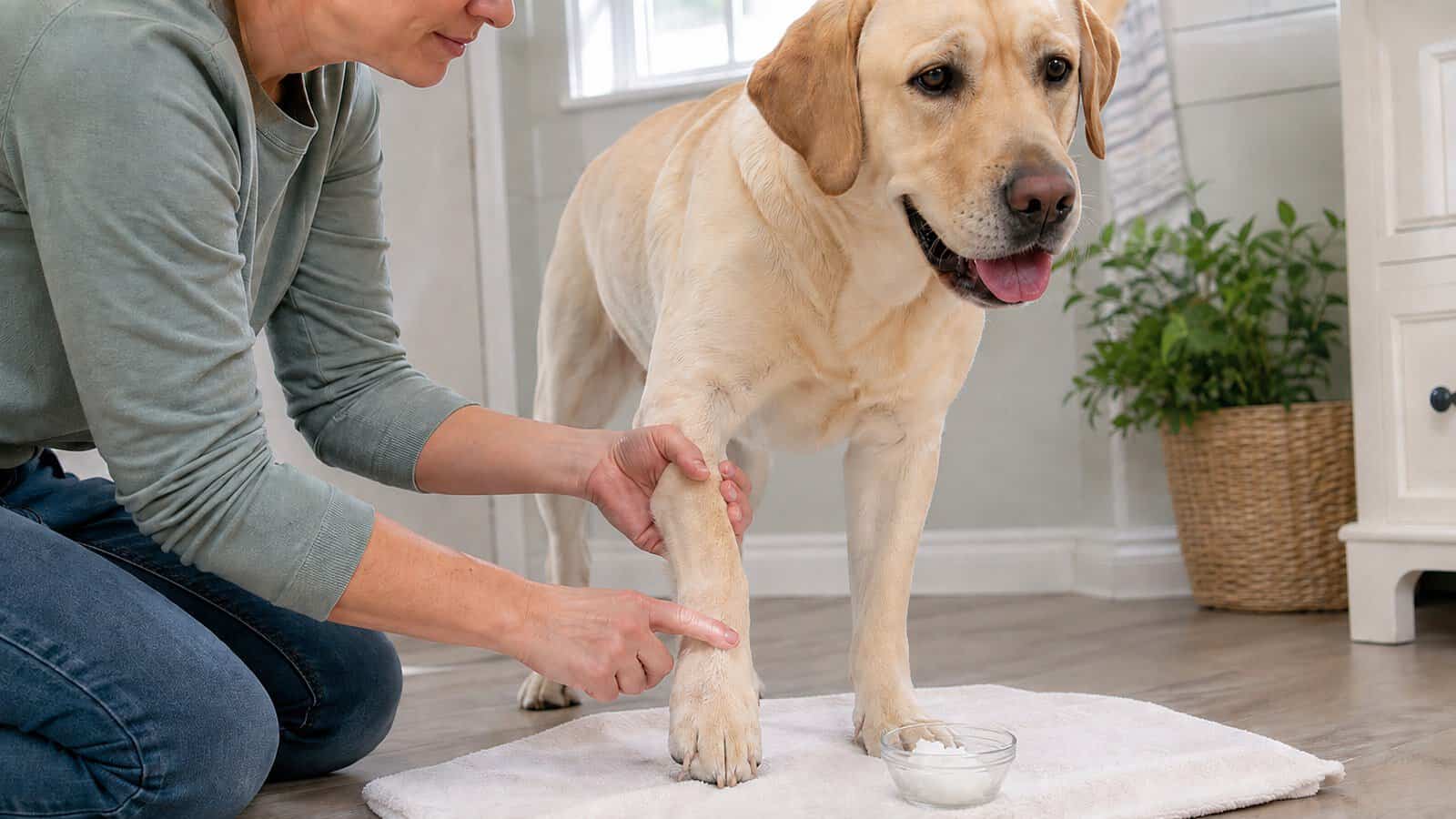
If your dog’s nails are badly overgrown, do not try to return them to normal length in one sitting. The quick, which contains blood vessels and nerves, may have grown forward with the nail. Remove only a tiny amount, stop before the quick, and repeat conservative trims as your dog tolerates them.
Get professional help for a nail that is entering the paw pad, split, bleeding before you start, surrounded by swelling or discharge, or causing marked pain or limping. Those nails need more than a routine trim.
The safest goal is steady progress, not a perfect paw today.
Before You Trim: Is This Safe at Home?
Start by looking at every nail while your dog is standing on a non-slip surface. Do not judge by clicking alone. Some dogs’ nails make noise even when their length is reasonable, while active dogs may wear their nails down without frequent clipping. Check whether the nails touch the floor, change the way the toes sit, curve toward the pads, or catch on fabric. Remember the dewclaws, which do not touch the ground and can keep growing in a curve. [1]
Use this quick guide:
Long but free of the pad: A careful home trim may be reasonable if your dog is comfortable and cooperative.
Curved and touching or pressing into the pad: Arrange prompt help from a veterinarian or experienced groomer. Do not force clippers into a tight space.
Embedded, split, bleeding, swollen, draining, or very painful: Contact your veterinarian. Infection, tissue injury, or nail-bed damage may need treatment.
If you cannot clearly see or safely reach the nail, that is enough reason to stop.
What You Need
Gather your supplies before you bring your dog into position:
Dog nail clippers that fit the nail size, or a pet nail grinder
Styptic powder
Bright, steady light
A non-slip mat or rug
Small, high-value treats
A helper, only if that person can keep the dog relaxed without pinning or wrestling
Scissor-style clippers often give good control on thick nails. Guillotine-style clippers may work for smaller nails if you can position them cleanly. A grinder removes less at a time, but its sound and vibration can worry some dogs. VCA advises taking very small cuts, about one to two millimeters at a time, especially when the quick is long. [2]
The First Trim: Step by Step
Set Up for a Calm, Short Session
Choose a quiet, well-lit spot. Let your dog sniff the tool, then reward calm interest. Touch a paw, give a treat, and release it. If your dog pulls away, pants hard, freezes, growls, or tries to escape, pause. A trim is not worth turning future paw handling into a fight.
Position small dogs on your lap or beside you with their body supported. Larger dogs can stand or lie on a non-slip surface. Hold the paw gently near the toe you are working on. Do not twist the leg backward or pull it far from its natural position.
Check the Nail and Find Your Stop Point
On a clear nail, the quick usually appears as a pink center. Stay well in front of it. On a black nail, you may not see the quick from the outside. Plan to remove only thin slivers and inspect the cut surface after each one.
Move hair away from the nail. Check for cracks, swelling, odor, discharge, or a nail that bends into the pad. If anything looks unhealthy or the dog reacts as if the toe is painful before you cut, stop and call your veterinarian.
Remove a Tiny Amount
With clippers, follow the general shape of the nail and take off only the sharp tip or a very thin slice. Do not depend on one universal angle for every paw. Recheck the nail after each cut.
With a grinder, use brief touches and move between nails. Friction creates heat, so do not hold the grinder in one place. Keep fur away from the spinning part.
On a black nail, the center of the cut surface may change from dry and pale to darker, softer, or shinier as you approach living tissue. Treat any change as a reason to become more conservative. These clues vary, so stop if you are uncertain.
Stop Before Your Dog Is Done
One nail can be a successful session. So can one paw. Fear Free guidance supports breaking care into small, rewarded steps rather than pushing through the entire job. [3]
End while your dog is still coping well. Offer a treat, praise calm behavior, and write down which nails you finished. That small record prevents repeated handling of the same toe and helps you see progress.
A Staged Plan for a Long Quick
A long quick may gradually move back as the nail is kept shorter, but the pace is different for every dog. Nail growth, starting length, natural wear, age, health, and how much trimming the dog can comfortably tolerate all matter. Think in weeks or months, not one dramatic session.
Try this flexible plan:
First session: Remove only the safe tip from each nail your dog comfortably allows. Take a photo or note the date and nail condition.
Recheck in 7 to 14 days: Look at the nail while your dog is standing. If new growth leaves a safe margin, remove another tiny amount. If you are unsure, wait or ask a professional.
Repeat conservatively: Continue short sessions on a schedule based on visible growth and your dog’s comfort. Some dogs need more time between sessions.
Shift to maintenance: Once the nails are no longer pressing on the ground or curving toward the pads, choose a routine that matches that dog’s growth and wear.
Do not intentionally cut the quick to “make it recede.” That causes pain and bleeding and can make your dog more afraid of nail care. Progress comes from staying just ahead of growth while protecting living tissue.
How to Read Black Nails
Black nails require patience more than special tricks. A flashlight may help on some thin nails, but it often does not reveal the quick in thick, dark nails.
Use a repeatable routine:
Begin at the narrow tip.
Take a paper-thin slice.
Look at the center of the cut surface under bright light.
Stop before the center becomes darker, softer, or shiny.
Stop immediately if your dog suddenly reacts.
Do not chase a perfect length. If the nail still seems long after the safe stopping point, record it and return later. A groomer or veterinary team can demonstrate the cut-surface changes on your own dog’s nails.
Clippers or Grinder?
Both tools can work. The better choice is the one that gives you control and does not overwhelm your dog.
Clippers are quick and quiet. They are useful when the nail is thick or the dog dislikes vibration. Their main drawback is that one squeeze can remove more nail than intended if your hand slips or the dog moves.
A grinder removes nail gradually and smooths sharp edges. It can be helpful for black nails because you can pause after each brief touch. Its drawbacks are noise, vibration, heat, and the risk of catching long fur.
You can also combine them: clip only the hooked tip, then smooth the edge with a grinder. Introduce either tool in stages before using it on an overgrown nail.
When Your Dog Is Afraid
Fear is a reason to slow down, not hold tighter. Start on a day when you do not need to finish the trim. Reward your dog for seeing the tool, hearing the grinder from a distance, allowing a paw touch, and briefly holding one toe.
Use a lick mat or small treats if your dog can eat safely while handled. Keep sessions short. If your dog refuses food, stiffens, repeatedly pulls away, growls, snaps, or tries to flee, stop.
A second person can feed treats and watch body language, but that person should not pin the dog down. Grooming hammocks and firm restraint can increase panic or strain joints if used poorly. Dogs with severe fear, pain, or a history of biting may need a veterinary plan, professional handling, or prescribed pre-visit medication. VCA notes that some highly distressed dogs need professional care and, in select cases, sedation for safe nail work. [2]
If You Nick the Quick
Stay calm. Apply styptic powder directly to the nail tip, then hold steady pressure with clean gauze for several minutes without repeatedly lifting it to check. Keep your dog quiet so the clot can form.
If styptic powder is not available, pressure is still important. Cornstarch is sometimes used as a temporary backup, but it is not a substitute for a prepared nail-care kit or veterinary help.
Call your veterinarian if bleeding is heavy, continues despite firm pressure, restarts repeatedly, or the nail is split or torn. Also call if your dog seems weak, has a known bleeding disorder, or takes medication that can affect clotting.
How Overgrown Nails Affect Comfort and Movement
When long nails contact the ground, they can push back on the toes and change how a dog places the paw. The toes may spread, the dog may shorten a stride, or the dog may avoid a painful foot. Long nails also catch more easily and can split or tear. Dewclaws deserve special attention because they do not wear down against the ground and may curve toward the skin. [1][3]
These problems do not prove that every dog with long nails has arthritis or permanent joint damage. They do mean the paws deserve a careful check. Sudden limping, one abnormal nail, swelling, or pain should not be blamed on length alone.
Keeping Nails Short After Recovery
Once the nails are at a comfortable length, inspect them every week even if you do not trim them every week. Look at the paws while your dog stands. Check all toes and dewclaws for length, cracks, discoloration, swelling, and tenderness.
There is no perfect schedule for every dog. Growth rate, exercise surface, age, health, and nail shape all matter. Some dogs need frequent small trims, while others wear their nails down naturally. Choose a maintenance rhythm based on what you see and how your dog moves, not only the calendar. [1][2]
Keep a simple log with the date, tool used, nails completed, and your dog’s comfort. A photo from the same angle can show gradual improvement better than memory.
Frequently Asked Questions
How Far Back Can I Cut an Overgrown Dog Nail?
Only cut to the point where you still have a clear safety margin before the quick. On clear nails, stay well in front of the pink center. On black nails, remove tiny slices and stop when the center of the cut surface begins to change or whenever you are unsure.
How Often Should I Trim Nails With a Long Quick?
Many dogs can be rechecked in about 7 to 14 days during staged shortening, but that is not a promise or a rule. Trim again only when there is a safe amount of new growth and your dog is comfortable. Ask your veterinarian or groomer for a dog-specific plan if progress is unclear.
Can I Fix Severely Overgrown Nails in One Session?
Usually not if the quick has grown forward. Removing too much at once can cause pain and bleeding. The safer plan is a series of small trims over time.
What Should I Do if a Nail Has Curled Into the Paw Pad?
Do not pull, pry, or cut blindly between the nail and pad. Contact your veterinarian promptly. The nail may have injured the skin, and the toe may need cleaning, pain relief, or treatment for infection.
Is a Grinder Safer Than Clippers for Black Nails?
A grinder can offer more gradual control, but it is not automatically safer. It can create heat, catch hair, and frighten some dogs. Use short touches, keep hair clear, and choose the tool your dog tolerates best.
Dr. Candy Akers earned her Doctor of Veterinary Medicine degree from Oklahoma State University in 2009 after completing undergraduate studies at the University of Delaware. Her experience includes companion-animal nutrition, chronic disease, allergies, autoimmune conditions, cold laser therapy, wildlife rehabilitation, and emergency wildlife response. She combines conventional veterinary knowledge with a whole-animal perspective to help pet parents understand their options and recognize when individualized veterinary care is needed.
For countless dog owners, nail trimming is akin to entering a battlefield. The anticipation, the apprehension, and those pleading puppy eyes – it’s enough to send anyone’s stress levels skyrocketing. If you’re nodding your head in agreement, you’re not alone. But here’s the good news: it doesn’t have to be that way! Nail clipping can be a calm, even bonding experience when done right. Drawing from years of veterinary expertise and countless pawdicures, we’ve compiled a list of 5 indispensable tips to help reduce stress when clipping your dog’s nails. Because your pet deserves nothing but the best care – minus the anxiety. Dive in and discover how to make nail-trimming a walk in the park. 🐾
Understand the Anatomy of Your Dog’s Nail
Taking care of our canine companions goes beyond ensuring they’re fed and walked regularly. One essential aspect, often overlooked, is understanding the intricacies of their nails. Before you even consider picking up those clippers, it’s crucial to understand what’s beneath the surface. Here’s a quick deep-dive into the anatomy of your dog’s nail.
The Keratin Shell
Just like human nails, the outermost layer of a dog’s nail consists of a hard, protective keratin shell. This is the part you’ll trim. It’s sturdy and protects the more sensitive structures inside.
The Quick
Delving a bit deeper, you’ll encounter the ‘quick.’ This part of the nail is living tissue, filled with blood vessels and nerves. Accidentally cutting into the quick is a common fear, and for a reason – it’s painful for your pup and can lead to bleeding. In dogs with lighter-colored nails, the quick is visible as a pinkish core. However, for those with darker nails, it becomes trickier to identify.
The Pulp
Surrounding the quick and lying beneath the keratin shell is the pulp. This layer is dense and fibrous, providing strength to the nail. While it doesn’t house as many nerve endings as the quick, it’s still essential to be cautious when trimming near this area.
The Nail Bed
The nail bed is the skin beneath the nail plate. If you ever hear of a dog suffering from a nail bed infection, it’s this area that’s affected. Keeping nails trimmed and clean can help prevent such complications.
Understanding these different parts of your dog’s nail anatomy is not just about becoming a pet care guru. It’s about ensuring that when you do take up the task of nail clipping, you do so with confidence, precision, and utmost care. After all, knowledge is the best tool in any dog owner’s arsenal.
Choose the Right Nail Clipper
Ah, the age-old dilemma of every dog parent – which nail clipper is the best for my furry friend? Much like shopping for our own essentials, there’s no one-size-fits-all when it comes to selecting the right nail clipper for dogs. It’s not just about finding a sharp pair, but also about ensuring comfort, safety, and precision. Let’s paw through the options and uncover how to choose the best one for your canine companion.
The Guillotine Style
This may sound a bit medieval, but fret not! The guillotine-style clipper has a hole where you insert the tip of your dog’s nail. As you squeeze the handles, a blade slides across and slices the nail. These are great for smaller breeds with softer nails but might struggle with the thick nails of larger dogs.
The Scissor Style
Resembling a pair of scissors, this style of nail clipper is often preferred for bigger breeds with harder nails. The scissor action provides the strength needed to trim tougher nails cleanly and quickly.
Grinder Tools
These are electric devices designed to grind down a dog’s nail rather than cutting it. They can be an excellent choice for those who fear cutting into the quick, as they offer more control. However, some dogs might be spooked by the noise and vibration. It’s essential to introduce grinder tools slowly and with lots of positive reinforcement.
Size Matters
Regardless of the type, always choose a clipper size that matches your dog’s size. A too-large clipper can cause injury, while a too-small one might not do the job effectively.
Sharpness is Key
Always ensure your clippers are sharp. Dull clippers can crush the nail instead of creating a clean cut, causing discomfort or even pain to your pet.
Finally, remember to trust your instincts and prioritize your dog’s comfort. If you’re unsure about which tool to choose, seeking advice from your vet or a professional groomer can provide valuable insights tailored to your dog’s needs. After all, nail clipping shouldn’t be a dreaded chore – with the right tools and knowledge, it can be a breeze!
Create a Calm Environment
Setting the right mood is not just essential for spa days or romantic dinners, but also for trimming your dog’s nails. Believe it or not, our furry friends can pick up on our energy, and if we’re anxious, they’ll likely be too. The environment plays a significant role in determining how smooth or chaotic the nail-trimming process will be. Here’s how to create a zen zone for your dog to make nail clipping as stress-free as possible.
Choose the Right Time
It’s best to approach nail trimming when your dog is naturally calm. Perhaps after a long walk or play session when they’re tired. If you try to trim an energetic pup’s nails, you’re setting yourself up for a game of chase!
Pick a Comfortable Spot
Find a quiet, well-lit place in your home. Avoid areas with a lot of foot traffic or loud noises. A familiar spot where your dog often relaxes can be a good choice.
Play Soothing Music
Sounds a bit out there? Well, several studies have shown that certain types of music, especially classical, can have a calming effect on dogs. Playing soft tunes in the background can help drown out the noise of the clippers or grinder and create a serene atmosphere.
Use Positive Reinforcement
Have treats at the ready! Reward your dog with their favorite snack after clipping each nail. This not only distracts them from the process but also associates nail trimming with positive experiences.
Stay Calm and Relaxed
Your dog is incredibly attuned to your emotions. Take deep breaths, maintain a calm demeanor, and use gentle, reassuring words. If you’re anxious, consider practicing a few times with the clippers without actually cutting to get both you and your dog used to the process.
Consider Aromatherapy
Just as certain scents can relax humans, they can have a similar effect on dogs. Consider using a dog-safe calming spray or diffusing essential oils like lavender (always ensure they’re pet-safe and used in moderation).
Remember, the goal is to make nail trimming a routine and non-threatening experience. While it might take some time and patience, creating a calm environment will pay off in the long run, transforming what was once a dreaded task into a peaceful bonding moment with your four-legged friend.
Get Your Dog Accustomed to Handling
If you’ve ever tried to give a toddler their first haircut or coax a cat into a carrier, you know that introducing someone (or somepup) to a new experience requires patience and tact. Getting your dog accustomed to handling, especially when it comes to their paws, is no different. Many dogs are naturally sensitive about their feet being touched. Yet, this step is pivotal not only for nail trimming but also for overall grooming and health check-ups. Let’s walk through how you can help your dog become more comfortable with handling.
Start Early
If you have a puppy, now’s the perfect time to start. But remember, it’s never really too late. The key is consistency. Begin by gently touching your pup’s paws, without any intention of clipping. Make it a part of your daily cuddle sessions.
Short and Sweet
Initially, keep the sessions brief. A mere few seconds of paw handling followed by lots of praise and perhaps a treat can go a long way. Gradually increase the time as your dog becomes more comfortable.
Associate with Positive Experiences
While touching or holding their paws, give your dog a treat, or play with them using their favorite toy. The goal is to make them associate paw handling with good times!
Practice with the Clippers
Once your dog is okay with you handling their paws, introduce them to the nail clippers. Let them sniff and inspect them. Touch the clippers to their paws without actually cutting. This desensitization can make the real trimming session much smoother.
Stay Calm and Be Patient
If your dog pulls away or shows signs of discomfort, don’t force it. End the session, give them a treat, and try again another day. Remember, this is a marathon, not a sprint. Your patience will be rewarded.
In the grand scheme of things, getting your dog accustomed to handling is about more than just nail trimming. It’s about building trust and ensuring your dog feels safe and secure, whether you’re giving them a belly rub, a bath, or tending to their paws. With time, patience, and love, handling can transform from a challenging task into a cherished bonding activity.
Start Slow and Take Breaks
Let’s be real; very few dogs sprint towards their owners with joy at the mere sight of nail clippers. For many pets (and their parents!), nail trimming is a gradual process, kind of like learning to dance. You wouldn’t try to whirl into a waltz without first mastering the basic steps, would you? Similarly, when it comes to clipping those claws, the rhythm of “starting slow and taking breaks” is your go-to groove. Here’s how to strike the right pace and ensure both you and your pup remain stress-free.
Less is More
When starting, you might be tempted to trim all the nails in one go, especially if they look particularly long. Resist that urge. Instead, try clipping just one or two nails in the first session, rewarding your dog generously. This can make the experience less overwhelming.
Paws and Reflect
Watch your dog’s body language closely. If they seem uneasy or anxious after a nail or two, it’s a sign to pause. Take a moment, offer some cuddles or playtime, and only resume once they’re more relaxed. Remember, there’s no rule that all nails need to be trimmed in one sitting.
Create a Routine, Not a Marathon
Instead of one long session, consider multiple short sessions spread over a few days. This approach can help your dog get accustomed to the process without associating it with extended periods of discomfort.
Celebrate the Small Wins
Every single nail you manage to trim without stress is a victory. Celebrate these moments with treats, praises, or a short play session. Let your dog know they’re doing a great job, and soon enough, they might just start seeing the nail clippers as a precursor to treat time.
Know When to Stop
If, on any day, your dog seems exceptionally agitated or scared, it’s okay to skip nail trimming. Forcing it can lead to negative associations, making future sessions even more challenging. Always prioritize your dog’s comfort and well-being.
Nail trimming is as much about understanding your dog’s emotions as it is about the act itself. By starting slow and taking breaks, you’re not only taking care of their physical well-being but also nurturing trust and understanding. Over time, this patient approach will lay the groundwork for easier, quicker, and more stress-free nail trimming sessions in the future. Remember, every dance begins with a single step.
Seek Professional Guidance if Necessary
Alright, let’s paint a picture: You’ve done your research, got the best clippers, set the mood with soft lighting and soothing music, but every time you bring out those nail clippers, your dog looks at you like you’ve just proposed a trip to the moon. What now? It’s essential to recognize when it’s time to call in the pros. There’s absolutely no shame in admitting that sometimes, our furry friends might need an expert hand. Let’s talk about when and why seeking professional guidance might be the best route for you and your pup.
Reading the Signs
Your dog’s behavior speaks volumes. Excessive trembling, growling, hiding, or even signs of aggression are indicators that they’re not just nervous, but genuinely scared. Consistently encountering this level of anxiety despite your best efforts means it might be time to seek external help.
The Benefits of a Professional Touch
Veterinarians and professional groomers have experience dealing with a myriad of dog personalities and nail-trimming temperaments. They have techniques, tools, and tricks up their sleeves that can make the process smoother. Plus, they can often get the job done quickly, reducing the stress duration for your pet.
A Learning Experience for You
Watching a professional handle your dog can be immensely educational. Observing their techniques, from how they hold the paw to how they soothe an anxious pup, can provide insights and tips that you can use in the future.
Avoiding Accidents
If you’re worried about cutting into the quick, especially if your dog has darker nails, a professional can ensure a safe trim. An accidental cut can be painful for your dog and might create a long-lasting aversion to nail clipping.
Consultations and Training
If your dog’s anxiety runs deep, a session with a canine behaviorist or trainer can be beneficial. They can offer tailored strategies, training routines, and sometimes even recommend calming aids to make nail trimming and other grooming tasks more manageable.
In the grand journey of dog parenthood, seeking help doesn’t imply defeat. It’s an act of love, a testament to your commitment to your dog’s well-being. Whether you opt for regular professional trims or just need a session or two before taking the reins yourself, remember that at the heart of it all is the desire to provide the best care for your four-legged family member. Sometimes, that means recognizing when it’s time to tag in an expert.
Conclusion
Navigating the world of dog nail trimming can feel like tiptoeing on a tightrope. On one side, there’s the fear of causing discomfort to your beloved pet, and on the other, the knowledge that regular nail care is vital for their well-being. But remember, every dog owner has been where you are now, pondering the best approach, and perhaps nursing a scratch or two from a less-than-perfect attempt.
The journey to stress-free nail trimming is paved with patience, understanding, and a pinch of perseverance. Whether you become a pro at home grooming or decide to trust the steady hands of professionals, what matters most is the love and care you shower on your furry companion.
So, the next time those claws start clicking on your floor, take a deep breath, recall the tips and tricks from this guide, and step forward confidently. With each snip and clip, you’re not just ensuring your dog’s physical health but also deepening the bond of trust between you two. After all, at the heart of every grooming session is a tale (or tail!) of love, care, and the unspoken promise to always look out for one another. Happy trimming!
Frequently Asked Questions (FAQs)
How often should I clip my dog’s nails?
The frequency can vary based on your dog’s activity level and where they spend most of their time. Dogs that walk on concrete or hard surfaces might naturally wear down their nails and require less frequent trimming. On average, most dogs need their nails trimmed every 3-4 weeks. However, always keep an eye on the nail length and listen for that tell-tale clicking sound on hard floors.
What should I do if I accidentally cut the quick?
First, don’t panic! Accidentally cutting the quick can be a bit painful for your dog and might cause bleeding. Have styptic powder or cornstarch on hand; applying it to the bleeding nail can help stop the bleeding quickly. Gently soothe and reassure your dog, and give them a treat for being patient. If bleeding doesn’t stop within a few minutes or seems excessive, consult your vet.
Can I use human nail clippers on my dog?
It’s recommended to use tools specifically designed for dogs. Human nail clippers might not be strong enough, especially for larger breeds, and can potentially split or crush the dog’s nail. Dog nail clippers come in various types, like guillotine-style or scissor-style, and are designed to cut the nail efficiently and safely.
My dog has black nails. How can I find the quick without cutting it?
Black or dark nails can indeed make it challenging to spot the quick. When trimming, make tiny cuts and look at the nail head-on after each snip. When you start to see a dark circle with a lighter center, you’re getting close to the quick and should stop.
Can I just use a nail grinder instead of clippers?
Absolutely! Many dog owners prefer grinders because they slowly sand down the nail, reducing the risk of hitting the quick. They can be especially useful for dogs with thick, hard nails. However, some dogs might be scared of the vibration or noise, so introduce it gradually and positively associate it with treats and praise.
A note about your dog’s health
This article provides general education and does not replace an examination, diagnosis, or individualized advice from your veterinarian. Contact a veterinary professional if you are concerned about your dog’s symptoms.
Dr. Candy Akers earned her Doctor of Veterinary Medicine degree from Oklahoma State University in 2009 after completing undergraduate studies at the University of Delaware. Her experience includes companion-animal nutrition, chronic disease, allergies, autoimmune conditions, cold laser therapy, wildlife rehabilitation, and emergency wildlife response. She combines conventional veterinary knowledge with a whole-animal perspective to help pet parents understand their options and recognize when individualized veterinary care is needed.
In the world of canine care, the health and appearance of a dog’s coat often serve as a reflection of their overall well-being. Just as humans grapple with hair and scalp issues, our four-legged companions aren’t immune to the pesky problem of dandruff. While those tiny white flakes might seem insignificant, they can be indicative of underlying health concerns or external factors affecting your beloved pet. As dog owners, we strive to provide the best for our furry friends, ensuring they not only look their best but feel their best too. This article delves deep into the realm of canine dandruff, exploring its causes and presenting a curated list of the top 10 anti-dandruff shampoos tailored for your dog’s unique needs.
Whether you’re a seasoned dog parent or a new one, this guide aims to equip you with the knowledge to make informed choices for your pet’s skin and coat health. Let’s embark on this journey to a flake-free, lustrous coat for your canine companion!
What is Dandruff in Dogs?
In veterinary terms, we often refer to dandruff as “seborrhea.” It describes a condition where a dog’s coat excessively sheds dead skin cells. All animals, including humans, naturally and continuously shed these skin cells. However, we notice this shedding more when something accelerates the process or when the skin becomes especially dry.
In dogs, dandruff manifests as tiny, white, flaky particles scattered throughout their fur. Depending on the severity and the dog’s coat color, it can be more or less visible. But beyond the aesthetics, dandruff can sometimes be a sign of discomfort or underlying health issues for the dog.
There are two primary types of seborrhea in dogs:
Seborrhea Sicca: This is the type most akin to what we think of as “classic” dandruff. It’s characterized by dry, flaky skin. Dogs with this condition often have coats that appear dull, and their skin may feel rough or dry to the touch.
Seborrhea Oleosa: Unlike its dry counterpart, seborrhea oleosa is characterized by an excessive production of skin oils. Dogs with this condition may have a greasy coat accompanied by a strong odor. While they will still shed skin cells, these often stick to the fur due to the excess oil.
It’s essential to understand that while dandruff can be a standalone issue, it often accompanies other skin conditions or can be a symptom of broader health concerns. Recognizing and addressing dandruff in its early stages can prevent potential complications and ensure your dog remains comfortable and itch-free.
Causes of Dandruff in Dogs
Dandruff in dogs can arise from a myriad of factors, ranging from environmental conditions to underlying health issues. Understanding these causes is pivotal in addressing the problem effectively and ensuring your dog’s optimal skin health. Here are some of the primary reasons why your dog might be experiencing dandruff:
Dry Skin: Just like humans, dogs can suffer from dry skin. Especially in colder months or in areas with low humidity. Dry skin can lead to increased shedding of dead skin cells, resulting in visible dandruff.
Allergies: Dogs can be allergic to a variety of substances. This includes certain foods, pollen, dust mites, or even specific ingredients in their grooming products. These allergic reactions can cause skin irritations, leading to dandruff.
Infections: Bacterial or fungal infections can cause skin flaking. Conditions like Malassezia, a type of yeast infection, can lead to dandruff and other skin issues in dogs.
Poor Diet: A diet lacking essential fatty acids, particularly Omega-3 and Omega-6, can affect a dog’s skin health. These nutrients are vital for maintaining skin moisture and elasticity.
Environmental Factors: Extreme weather conditions, such as cold winters or overly dry climates, can sap the moisture from a dog’s skin, leading to dandruff. Similarly, frequent baths with harsh shampoos can strip the skin of its natural oils.
Underlying Health Issues: Certain diseases or conditions, such as hypothyroidism, Cushing’s disease, or autoimmune disorders, can manifest as skin problems, including dandruff.
Parasitic Infestations: External parasites like mites or lice can cause skin irritations and flaking. Cheyletiella mites, often called “walking dandruff,” particularly cause dandruff-like symptoms.
Hormonal Imbalances: Just as hormonal changes can affect human skin, they can also impact dogs. Conditions that alter a dog’s hormonal balance, such as pregnancy or certain diseases, can lead to skin changes and dandruff.
Recognizing the root cause of your dog’s dandruff is the first step toward effective treatment and prevention.
Factors to Consider for the Best Anti-dandruff Dog Shampoo
Choosing the right anti-dandruff shampoo for your dog is crucial, not just for addressing the immediate issue of dandruff, but also for ensuring the long-term health and comfort of your pet’s skin and coat. Here are some key factors to consider when making your selection:
Ingredients:
Natural and Soothing: Look for shampoos that contain natural ingredients known for their skin-soothing properties. These include oatmeal, aloe vera, chamomile, and tea tree oil.
Avoid Harsh Chemicals: Steer clear of shampoos with sulfates, parabens, artificial fragrances, and dyes. These can irritate the skin further.
pH Balance:
Dogs have a different skin pH than humans, usually leaning towards alkaline. Make sure you choose a shampoo specifically formulated for dogs that maintains a pH balance gentle on their skin.
Moisturizing Properties:
Dandruff often arises from dry skin. Opt for shampoos that offer moisturizing benefits, with ingredients like shea butter, vitamin E, or jojoba oil.
Medicated vs. Non-medicated:
For severe cases or if the dandruff is due to a specific skin condition, a medicated shampoo might be necessary. These shampoos often contain ingredients like coal tar, salicylic acid, or selenium sulfide. Always consult with a veterinarian before using medicated shampoos.
Scent
While a pleasant scent is a bonus, it’s essential to ensure that the fragrance comes from natural sources. Essential oils like lavender or eucalyptus can offer a pleasant aroma without the potential irritation of artificial fragrances.
Price and Brand Reputation:
While it’s tempting to go for the cheapest option, it’s vital to prioritize quality. Research brands, read reviews, and consider recommendations from trusted sources or professionals.
Specific Needs:
Some dogs might have unique requirements due to their breed, age, or specific skin conditions. For instance, puppies might need a gentler formula, while breeds with thick undercoats might benefit from a more hydrating solution.
Ease of Application:
Consider the shampoo’s consistency and how easy it is to apply and rinse. This can make the bathing experience more pleasant for both you and your dog.
Eco-friendliness:
In today’s environmentally-conscious world, it’s worth considering shampoos that are biodegradable and come in eco-friendly packaging.
By keeping these factors in mind, you can ensure that you’re choosing the best anti-dandruff shampoo tailored to your dog’s specific needs. This promotes not only a flake-free coat but also a happy and healthy pup.
Best Anti-Dandruff Dog Shampoo – Vet Recommended
When it comes to the health and well-being of our furry companions, professional advice often carries the most weight. In this section, we’ll delve into the top anti-dandruff dog shampoos that come highly recommended by vets. Science backs these selections, and they have proven their worth in real-world scenarios, ensuring your dog gets the best care possible. Let’s explore these vet-approved solutions for a flake-free, radiant coat!
1) Honest Paws Dog 5-in-1 Shampoo and Conditioner
The Honest Paws Dog Shampoo and Conditioner is a 5-in-1 grooming product designed for dogs with allergies, dry, itchy, or sensitive skin. This plant-based and sulfate-free formula offers a one-step solution to cleanse, deodorize, condition, detangle, and hydrate your dog’s coat while soothing their skin. It contains natural ingredients such as aloe and oatmeal, providing several benefits in a single wash.
Pros:
Multi-Benefit Grooming: This 5-in-1 shampoo and conditioner simplifies the grooming process by offering multiple benefits in one product. This saves time and effort for pet owners.
Natural and Non-Irritating: The formula is composed of natural ingredients, with 98.25% derived from natural sources like coconut and palm. It is gentle on your dog’s skin. This makes it suitable for dogs with sensitive skin and reducing the risk of irritation.
Hydrating and Softening: The product uses hydrating properties of soothing oats and aloe to replenish the skin’s moisture and leave the fur soft and shiny. It helps prevent matting and irritation, enhancing the overall comfort of your pet.
Cons:
Limited Lather: Some users may find that this shampoo and conditioner produce less lather during cleaning. This might require using a larger quantity of the product to achieve effective results.
Quantity and Dryness: Users have reported that the quantity of the product may not be sufficient for extended use due to the need for more significant amounts for each bath. Additionally, some dogs’ fur might feel slightly dry after use.
The Honest Paws Dog Shampoo and Conditioner offers a convenient 5-in-1 solution for pet owners seeking to care for their dogs’ skin and coat. It’s natural, non-irritating, and hydrating, making it a suitable choice for dogs with various skin sensitivities. However, some users may find the limited lather and potential for drier fur to be drawbacks.
2) GNC Ultra Medicated Anti-Seborrheic Shampoo for Dogs
GNC Ultra Medicated Anti-Seborrheic Shampoo is designed to provide relief for dogs with seborrhea, excess oil production, dandruff, and itchy skin. This specially formulated medicated dog shampoo uses salicylic acid to control oil production and sodium thiosulfate to promote healthy skin renewal. It’s pH-balanced for dogs, ensuring it protects their unique skin moisture balance. The shampoo may help reduce itchiness, oiliness, dandruff, and scaling flakes associated with seborrheic dermatitis.
Pros:
Medicated Relief: This shampoo offers medicated relief for dogs with seborrhea and related skin issues. It targets the root causes of excess oil production and dandruff, providing relief from itching and discomfort.
Healthy Skin Renewal: The inclusion of sodium thiosulfate helps promote healthy skin renewal. This leaving your dog’s fur cleaner, silkier, and their skin healthier overall.
pH-Balanced for Dogs: The shampoo is pH-balanced to suit a dog’s unique skin needs. This ensures it doesn’t disrupt the delicate moisture balance of their skin and providing instant relief.
Cons:
Frequency of Use: We recommend using this shampoo no more than once a week. This limitation might not suit dogs with severe skin issues needing more regular treatment.
Strong Fragrance: Some dogs might tolerate the fragrance well. It has a light scent that could overwhelm sensitive dogs or their owners.
GNC Ultra Medicated Anti-Seborrheic Shampoo is a specialized solution for dogs with seborrhea and related skin problems. It offers medicated relief and promotes healthy skin renewal, although the recommended frequency of use and fragrance may not be suitable for all dogs and owners.
3) Pet MD – Benzoyl Peroxide Medicated Shampoo for Dogs
Pet MD Benzoyl Peroxide Medicated Shampoo is a powerful solution for addressing skin conditions in dogs and cats. It offers relief from itching, scaling, and pain caused by dermatitis, skin infections, and follicular plugging. The shampoo contains benzoyl peroxide, micronized sulfur, and salicylic acid, which work together to cleanse and degrease the skin effectively. It’s soap and paraben-free, making it gentle on your pet’s skin.
Pros:
Effective Skin Relief: This shampoo is highly effective at providing relief from common skin issues in pets. This includes itching, scaling, and irritation. It addresses the root causes of these problems, promoting skin health.
Powerful Ingredients: The inclusion of benzoyl peroxide, micronized sulfur, and salicylic acid ensures thorough cleansing and degreasing. This enhances the shampoo’s keratolytic and keratoplastic activities, which are crucial for skin health.
Suitable for Dogs and Cats: This versatile shampoo is suitable for both dogs and cats. This makes it a convenient solution for pet owners with multiple furry companions.
Cons:
Scent: While the shampoo is effective, some users may find the citrus scent less desirable. It may linger on your pet’s fur for a few days after bathing.
Price: The shampoo’s cost may be considered relatively high by some pet owners, particularly if it needs to be used regularly or for extended periods.
Pet MD Benzoyl Peroxide Medicated Shampoo is a valuable tool for pet owners dealing with skin conditions in their dogs and cats. It effectively addresses skin problems, thanks to its powerful ingredients, but some may find the scent and price less appealing.
4) Veterinary Formula Clinical Care Antiparasitic & Antiseborrheic Medicated Dog Shampoo
The Veterinary Formula Clinical Care Antiparasitic & Antiseborrheic Medicated Dog Shampoo is designed to address common skin issues in dogs such as dryness, flakiness, and excessive oiliness. It provides fast-acting relief by shedding dry skin and hydrating the pet’s skin. Veterinarians recommend this shampoo for its gentle, paraben-free formula, specifically designed for dogs with a balanced pH level. It contains powerful ingredients like salicylic acid, coal tar, micronized sulfur, colloidal oatmeal, and allantoin to treat various skin conditions, including seborrhea, mange, and bacterial infections. However, it’s important to note that it should not be used on cats due to its coal tar content.
Pros:
Effective Skin Relief: This shampoo offers relief from common dog skin issues, including dryness, greasiness, and rashes, promoting healthy skin and coat.
Fast-Acting Formula: It provides quick results with a treatment regimen of 2-3 applications per week, effectively treating and hydrating the pet’s skin.
Veterinarian Recommended: Veterinarians recommend this gentle and paraben-free shampoo, ensuring its safety and efficacy for dogs.
Cons:
Not Suitable for Cats: The product is not recommended for use on cats due to its coal tar content, limiting its applicability for multi-pet households.
Scent May Not Be for Everyone: While not explicitly mentioned on the page, the coconut scent of the shampoo may not be suitable for dogs sensitive to scents or for pet owners with personal scent preferences.
This shampoo is a veterinarian-recommended solution for addressing common canine skin issues. Its fast-acting formula, gentle ingredients, and balanced pH level make it an effective choice for promoting healthy skin and coat in dogs. However, it’s essential to consider its limitations, such as not being suitable for use on cats and the presence of a coconut scent that may not appeal to all pet owners and their dogs.
5) Douxo S3 SEB Shampoo – Relief for Seborrhea in Dogs
DOUXO S3 SEB Shampoo is designed for both dogs with oily to flaky skin issues. It is formulated to address problems such as dandruff and unpleasant odors by normalizing sebum production, while also providing hydration to the skin. Additionally, it detangles fur and leaves the coat soft and shiny. Clinical studies have demonstrated its effectiveness in reducing dandruff, excess sebum, and odors in dogs.
Pros:
Soothing for Sensitive Skin: It is suitable for pets with sensitive skin, making it a gentle option.
Improves Softness: Users have reported that it leaves the pet’s fur feeling soft and smooth.
Clinically Proven: The product’s effectiveness has been backed by clinical trials, instilling confidence in its performance.
Cons:
Cost: Some users may find it relatively expensive compared to other pet shampoos on the market.
Application Time: It requires leaving the shampoo on for 10 minutes, which may be challenging for pets that are not fond of baths.
The DOUXO S3 SEB Shampoo is a clinically proven solution for addressing seborrhea in pets with oily to flaky skin. It offers soothing benefits for sensitive skin and improves the softness of the fur. However, potential drawbacks include the cost and the need for a 10-minute application time during bath sessions.
6) SensoVet Dandruff Shampoo for Dogs
SensoVet Dandruff Shampoo for Cats & Dogs is a medicated shampoo designed to address various dermatological issues in pets, including dandruff, itching, acne, and more. It contains benzoyl peroxide and vitamin E and is formulated to relieve skin problems, nourish the coat, and eliminate odors with a pleasant passion fruit scent. It is developed by veterinarians and made in the USA, ensuring safety for pets of all sizes.
Pros:
Effective Treatment: SensoVet Dandruff Shampoo is effective in treating common dermatological issues in pets, providing relief from dandruff, itching, and other skin conditions.
Deep Cleaning: The shampoo’s benzoyl peroxide action not only treats dandruff but also helps degrease oily coats and maintain overall skin health.
Veterinarian Developed: It is created by pet experts and follows strict regulatory guidelines, assuring its safety and quality.
Cons:
Lingering Scent: Some users have reported that the passion fruit scent may linger on their pets’ fur for an extended period, which might not be preferable for everyone.
Fabric Bleaching: The shampoo may bleach fabric, so extra care should be taken when using towels or other materials during or after the bath.
SensoVet Dandruff Shampoo is a veterinarian-developed product designed to effectively treat a range of skin issues in cats and dogs. It offers deep cleaning and odor elimination, but users should be cautious of the lingering scent and potential fabric bleaching when using this product. Overall, it provides a reliable solution for pet owners seeking to improve their pets’ skin health and coat condition.
7) Vet’s Best Medicated Oatmeal Shampoo for Dogs | Soothes Dog Dry Skin
Vet’s Best Medicated Oatmeal Shampoo for Dogs is designed to soothe dry skin, cleanse, moisturize, and condition both the skin and coat of dogs. It contains natural ingredients such as colloidal oatmeal, tea tree oil, and vitamin B5, along with salicylic acid, to eliminate dandruff and flaking while tightening pores. This shampoo can be used alongside other treatments and won’t interfere with flea and tick control products.
Pros:
Effective Relief: The shampoo effectively addresses dry and itchy skin issues, making it suitable for dogs with allergies or skin sensitivities.
Natural Ingredients: It contains natural and beneficial ingredients like oatmeal and tea tree oil, which are known for their skin-soothing properties.
Complementary Products: This shampoo is part of a complete skin care system, which includes a conditioner and supplements, providing a holistic approach to pet skin health.
Cons:
Scent: Some users may find the scent of the shampoo strong or unappealing.
Packaging Issues: There have been instances of packaging problems, with the product leaking during delivery, potentially causing a mess.
Vet’s Best Medicated Oatmeal Shampoo for Dogs is a popular choice for dog owners looking to alleviate dry and itchy skin in their pets. It offers effective relief with its natural ingredients but may have a strong scent and occasional packaging concerns. Overall, it’s a valuable addition to a pet’s skincare routine.
8) ResQ Organics Hypoallergenic Dog Shampoo
ResQ Organics Hypoallergenic Dog Shampoo is a natural and hypoallergenic solution designed to clean and soothe dry, flaky skin in dogs. It helps reduce dandruff, shedding, itching, and scratching, leaving the coat soft and moisturized. The product contains organic ingredients such as aloe vera, manuka honey, and lemongrass oil, making it gentle and safe for all dogs, with no harsh chemicals or detergents. Moreover, it’s a small business brand that donates a portion of sales to pet rescues, offering a feel-good factor for consumers.
Pros:
Natural Ingredients: The shampoo includes organic components like aloe vera and manuka honey, which are known for their soothing and moisturizing properties.
Suitable for All Dogs: It’s formulated to be safe and effective for all dogs, making it versatile for various breeds and skin types.
Charitable Contribution: Purchasing this product supports pet rescues, allowing consumers to contribute to a good cause while caring for their pets.
Cons:
Price: It might be considered relatively expensive compared to some other dog shampoos on the market.
Scent: While most customers appreciate the product’s scent, individual preferences for fragrance may vary, so some dogs or owners might not find it to their liking.
ResQ Organics’ Hypoallergenic Dog Shampoo is a natural and gentle solution for dogs with skin issues. Its organic ingredients and charitable aspect make it an attractive choice for pet owners who want to provide their dogs with a high-quality product while supporting pet rescues. However, the price and scent are factors that some consumers may want to consider before purchasing.
9) Vetnique Labs Dermabliss Dog Allergy and Itch Relief
Vetnique Labs Dermabliss Dog Allergy and Itch Relief is a medicated shampoo designed for dogs. It is formulated to gently cleanse and moisturize irritated skin without removing healthy skin oils. The shampoo contains Pramoxine Hydrochloride to numb the skin temporarily, providing relief from itching and scratching. It also includes soothing ingredients like Safflower Seed Oil and Oat Extract to alleviate skin irritations, making it suitable for pets of all ages. This product is created by veterinarians and is made in the USA.
Pros:
Veterinary Strength: Dermabliss Anti-Itch Shampoo offers a high level of Pramoxine Hydrochloride, providing effective relief from itching and discomfort.
Skin Soothing: The inclusion of Oat Extract helps soothe various skin irritations, making it beneficial for pets with dermatitis.
Moisturizing Formula: The shampoo is safe for regular use and helps maintain healthy skin by not stripping away natural oils.
Cons:
Residue: Some users reported that the product can leave a residue on the skin or fur, which may not be pleasant.
Price: It may be considered somewhat pricey compared to standard dog shampoos.
Vetnique Labs Dermabliss Dog Allergy and Itch Relief is a veterinary-formulated shampoo with potent anti-itch properties and skin-soothing benefits. While it may leave a residue for some users and is relatively expensive, it offers a valuable solution for dogs suffering from skin allergies and itching.
10) Burt’s Bees for Dogs Natural Itch Soothing Shampoo and Spray
Burt’s Bees for Pets Oatmeal Dog Shampoo is a gentle and natural pet grooming shampoo suitable for all dogs and puppies. It is made in the USA and formulated with high-quality ingredients like colloidal oatmeal, honey, and beeswax, designed to cleanse, soothe, soften, and condition a dog’s dry skin and coat. This shampoo is pH-balanced, free of fragrances, sulfates, colorants, and harsh chemicals, making it suitable for sensitive skin. It is available for purchase at a price of $7.48 for a 16 oz bottle.
Pros:
Made with Natural Ingredients: The shampoo uses natural ingredients like colloidal oatmeal and honey, which are known for their skin-soothing and moisturizing properties, making it a gentle choice for pets with sensitive skin.
Suitable for All Dogs: It is pH-balanced for all dogs and puppies, ensuring it can be used on pets of various breeds and ages.
Free of Harmful Chemicals: The formula is free from fragrances, sulfates, colorants, and harsh chemicals, making it a safe option for pet owners concerned about their dog’s well-being.
Cons:
Limited Scent: Some users may prefer shampoos with stronger scents for their pets, but this product is fragrance-free.
Light Lathering: The shampoo may not produce a rich lather compared to some commercial shampoos, which might be a preference for those who like foamy products.
Burt’s Bees for Pets Oatmeal Dog Shampoo is a natural and gentle option for pet owners looking to cleanse and nourish their dog’s skin and coat. It offers the benefits of natural ingredients without harsh chemicals and is suitable for a wide range of dogs. While it lacks a strong scent and may not lather as much as some other shampoos, its focus on gentle care makes it a popular choice among pet owners who prioritize their dog’s skin health.
How to Ensure Healthy Skin and Coat
Dandruff can be a nuisance, but with the right care and preventive measures, you can ensure your dog’s skin remains healthy and flake-free. Here are some additional tips to help you in this endeavor:
1. Regular Grooming
Regular brushing not only helps in removing loose fur and dander but also stimulates the skin, promoting the distribution of natural oils. For dogs with longer or thicker coats, consider brushing them several times a week.
2. Balanced Diet
Ensure your dog’s diet is rich in essential fatty acids, particularly Omega-3 and Omega-6. These nutrients play a vital role in maintaining skin health. Consider adding fish oil supplements or foods rich in these fatty acids to their diet.
3. Hydration
Just like humans, dogs need to stay hydrated for optimal skin health. Ensure your dog always has access to fresh water. Dehydration can lead to dry skin, which can exacerbate dandruff.
4. Avoid Over-Bathing
While it’s essential to keep your dog clean, over-bathing can strip the skin of its natural oils, leading to dryness. Use mild shampoos and bathe your dog only when necessary.
5. Humidify Your Home
If you live in a dry climate or use heaters during the winter, consider using a humidifier in your home. This can help maintain moisture in the air, benefiting both you and your dog.
6. Regular Vet Check-ups
Routine veterinary check-ups can help identify any underlying health issues that might be causing skin problems. Early detection and treatment can prevent more severe issues down the line.
7. Use Natural Topical Treatments
Consider using natural remedies like coconut oil or aloe vera gel to moisturize your dog’s skin. These can be applied directly to the skin and can help alleviate dryness.
8. Limit Exposure to Allergens
If you suspect your dog has allergies, try to identify and limit their exposure to the allergen. This might include changing their diet, using hypoallergenic bedding, or using air purifiers to reduce airborne allergens.
By incorporating these tips into your dog’s care routine, you can significantly reduce the chances of dandruff and ensure a happy, healthy, and itch-free life for your furry friend.
Conclusion
The journey to understanding and addressing dandruff in dogs is one filled with care, concern, and the desire to provide the best for our four-legged family members. From recognizing the causes of dandruff to selecting the most suitable anti-dandruff shampoo, every step is crucial in ensuring the comfort and health of our pets. Remember, while the right products play a significant role, regular check-ups with a veterinarian and a holistic approach to your dog’s well-being are paramount. After all, a healthy coat is a reflection of a healthy dog. Armed with the knowledge from this guide, you’re now better equipped to tackle dandruff head-on and ensure that your canine companion remains happy, comfortable, and flake-free. Here’s to many more days of joy, play, and lustrous coats with your furry friend!
Frequently Asked Questions (FAQs)
1. How often should I use anti-dandruff shampoo on my dog?
While the frequency can vary based on the severity of the dandruff and the specific product recommendations, most dogs benefit from a bi-weekly or monthly bath with anti-dandruff shampoo. Always follow the product’s instructions and consult with your veterinarian for personalized advice.
2. Can I use human anti-dandruff shampoo on my dog?
No, it’s not advisable to use human shampoos on dogs. Dogs have a different skin pH than humans, and human shampoos can disrupt this balance, potentially leading to more skin issues. Always opt for products specifically formulated for dogs.
3. How long will it take to see results after using an anti-dandruff dog shampoo?
Results can vary based on the underlying cause of the dandruff and the specific product used. However, many dog owners notice a reduction in dandruff and improved coat health after 2-3 washes with a vet-recommended anti-dandruff shampoo.
4. Are there any side effects to using anti-dandruff shampoos on dogs?
Most anti-dandruff shampoos designed for dogs are safe when used as directed. However, some dogs might have allergic reactions to specific ingredients. Always monitor your dog after the first few uses for any signs of irritation, redness, or discomfort, and consult with a veterinarian if you notice any adverse reactions.
5. Besides using anti-dandruff shampoo, what else can I do to prevent dandruff in my dog?
Regular grooming, ensuring a balanced diet rich in essential fatty acids, keeping your dog hydrated, and maintaining a consistent bathing routine can all help prevent dandruff. Additionally, regular vet check-ups can help identify and address any underlying health issues that might be causing skin problems.
A note about your dog’s health
This article provides general education and does not replace an examination, diagnosis, or individualized advice from your veterinarian. Contact a veterinary professional if you are concerned about your dog’s symptoms.
Dr. Candy Akers earned her Doctor of Veterinary Medicine degree from Oklahoma State University in 2009 after completing undergraduate studies at the University of Delaware. Her experience includes companion-animal nutrition, chronic disease, allergies, autoimmune conditions, cold laser therapy, wildlife rehabilitation, and emergency wildlife response. She combines conventional veterinary knowledge with a whole-animal perspective to help pet parents understand their options and recognize when individualized veterinary care is needed.
Over the years, I’ve come to understand the profound connection between the health of our pets and the products we use on them. One of the most common concerns I encounter in my practice is dogs with dry, itchy skin. It’s heartbreaking to see our furry friends in discomfort, and while there are numerous products on the market that claim to offer relief, not all are created equal.
Choosing the right shampoo for your dog is not just about cleanliness; it’s about their overall skin health. Many commercial shampoos contain harsh chemicals that can exacerbate dry skin conditions, leading to more discomfort and potential health issues. As a holistic practitioner, I emphasize the importance of natural, nourishing ingredients that not only cleanse but also heal and soothe.
In this blog, I’ll be sharing my insights on the best dog shampoos for dry skin, focusing on holistic and natural solutions. I hope to provide you with the knowledge to make informed decisions for the well-being of your beloved canine companion. Let’s embark on this journey to healthier skin and happier tails together.
Understanding Dry Skin in Dogs
Dry skin in dogs is not just a cosmetic concern; it can be a sign of underlying health issues and can lead to significant discomfort for our four-legged friends. As a holistic veterinarian, I approach dry skin not just as an isolated issue but as a symptom of a larger imbalance in the dog’s overall health. Let’s delve deeper into understanding this condition.
Causes of Dry Skin in Dogs:
Environmental Factors: Just as humans can experience dry skin in cold, dry climates, dogs can too. Low humidity, especially during winter months, can lead to dehydrated skin. Similarly, overexposure to sun can also cause dryness.
Poor Diet: Nutrition plays a pivotal role in skin health. A diet lacking essential fatty acids, especially Omega-3 and Omega-6, can result in dry and flaky skin.
Allergies: Dogs can be allergic to a range of substances, from certain foods to environmental allergens like pollen or dust mites. These allergies can manifest as dry, itchy skin.
Underlying Medical Conditions: Conditions such as hypothyroidism, Cushing’s disease, or certain autoimmune disorders can lead to skin dryness.
Frequent Bathing: Bathing your dog too often or using harsh shampoos can strip the skin of its natural oils, leading to dryness.
A holistic approach to treating dry skin in dogs goes beyond just topical treatments. It’s essential to consider the dog’s overall environment and diet. Ensuring your dog has a balanced diet rich in essential fatty acids can significantly improve skin health. Additionally, consider factors like indoor heating, which can reduce humidity and contribute to dry skin. Using a humidifier or ensuring your dog has access to shaded outdoor areas during hot weather can also help.
The Holistic Approach to Treating Dry Skin
In the realm of veterinary medicine, a holistic approach is not merely about treating symptoms but understanding and addressing the root causes. When we talk about dry skin in dogs, it’s essential to recognize that the skin, as the body’s largest organ, reflects the overall health of the animal. As a holistic veterinarian, I believe in harnessing the power of nature and the body’s innate healing abilities to address dry skin concerns. Let’s explore this holistic perspective further.
1. Whole-Body Wellness:
Dietary Balance: Nutrition is the foundation of health. A diet rich in essential fatty acids, antioxidants, and vital nutrients ensures that the skin remains hydrated and resilient. Consider incorporating foods like fish and flaxseeds which are high in Omega-3s, into your dog’s diet.
Gut Health: A healthy gut contributes to healthy skin. Probiotics, either from natural sources like fermented foods or supplements, can help maintain a balanced gut flora, which in turn supports skin health.
2. Natural Remedies:
Herbal Infusions: Herbs like chamomile, calendula, and aloe vera have soothing properties. Consider using shampoos infused with these herbs or applying herbal rinses post-bath.
Oils and Topical Treatments: Natural oils, such as coconut oil, can be applied directly to the dog’s skin to provide moisture and relief. These oils not only hydrate but also possess antimicrobial properties.
3. Minimizing Environmental Stressors:
Chemical-Free Living: Reduce your dog’s exposure to harsh chemicals, whether in cleaning products, garden pesticides, or even certain dog shampoos. Opt for natural, organic alternatives whenever possible.
Mindful Bathing: While it’s essential to keep our dogs clean, over-bathing can strip the skin of its natural oils. Use gentle, natural shampoos and ensure you rinse thoroughly.
4. Emotional and Mental Well-being:
Stress Reduction: Just like humans, dogs can experience stress, which can manifest as skin issues. Ensure your dog has a comfortable living environment, regular exercise, and plenty of affection.
Holistic Therapies: Consider therapies like acupuncture or massage, which can improve blood circulation and promote skin health.
5. Regular Check-ups:
Holistic Veterinary Consultation: Regular check-ups with a holistic vet can help identify potential imbalances before they become significant issues. A holistic vet will consider all aspects of your dog’s life, from diet to emotional well-being, to provide comprehensive care.
The holistic approach to treating dry skin in dogs is multifaceted, emphasizing prevention, natural remedies, and overall well-being. By understanding and addressing the root causes, we can ensure our furry friends not only have healthy skin but also lead happier, more vibrant lives.
Ingredients to Look For in Dog Shampoo
Choosing the right shampoo for your dog is crucial, especially if they suffer from dry skin. The ingredients in the shampoo can make a significant difference in alleviating symptoms and promoting healthy skin. As a holistic veterinarian, I always emphasize the importance of natural and beneficial ingredients. Here’s a guide to some of the best ingredients to look for in dog shampoos:
1. Natural Oils:
Coconut Oil: Renowned for its moisturizing properties, coconut oil can deeply hydrate the skin and provide a protective barrier. It also has antimicrobial properties, making it excellent for dogs prone to skin infections.
Olive Oil: Rich in antioxidants and vitamins, olive oil can soothe and nourish the skin, promoting healing and reducing inflammation.
2. Herbal Extracts:
Aloe Vera: A well-known soothing agent, aloe vera can provide immediate relief to irritated skin. It also hydrates and promotes skin healing.
Chamomile: With its anti-inflammatory properties, chamomile can calm redness and irritation, making it perfect for dogs with sensitive skin.
Calendula: Often used in natural remedies, calendula can accelerate skin healing and reduce inflammation.
3. Essential Oils:
Lavender: Not only does it have a calming scent, but lavender oil also possesses antiseptic and anti-inflammatory properties, making it beneficial for skin health.
Tea Tree: With its potent antimicrobial properties, tea tree oil can help combat skin infections. However, it’s essential to use it in diluted form and ensure it’s dog-safe, as concentrated tea tree oil can be toxic to dogs.
Rosemary: This essential oil can stimulate blood circulation, promoting skin health and hair growth.
4. Oatmeal:
Colloidal Oatmeal: A common ingredient in many dog shampoos, colloidal oatmeal can soothe and moisturize the skin, providing relief from itching and dryness.
5. Natural Moisturizers:
Glycerin: A natural humectant, glycerin can draw moisture to the skin, ensuring it remains hydrated.
Vitamin E: An antioxidant, vitamin E can promote skin healing and provide moisture.
When selecting a shampoo for your dog, always read the ingredient list carefully. Opt for products that prioritize natural and organic ingredients and avoid those laden with chemicals and artificial additives. Remember, the skin is a reflection of overall health, and by choosing the right products, you’re taking a step towards ensuring your dog’s well-being.
Ingredients To Avoid In Dog Shampoo
While there are numerous beneficial ingredients to look for in dog shampoos, there are also several that can be harmful or exacerbate skin issues, especially in dogs with sensitive or dry skin. As a holistic veterinarian, I’ve seen firsthand the adverse effects of certain ingredients on our furry friends. Here’s a list of ingredients you should be wary of when selecting a shampoo for your dog:
1. Harsh Chemicals and Sulfates:
Sodium Lauryl Sulfate (SLS) & Sodium Laureth Sulfate (SLES): These are common foaming agents found in many shampoos. While they create a rich lather, they can strip the skin of its natural oils, leading to dryness and irritation.
2. Artificial Fragrances and Dyes:
Synthetic fragrances can cause allergic reactions in some dogs, leading to itching and redness. It’s always better to opt for shampoos with natural fragrances derived from essential oils or herbal extracts.
Artificial dyes serve no purpose other than aesthetics and can be potential allergens for sensitive dogs.
3. Alcohol:
Certain types of alcohols can be drying to the skin. While fatty alcohols like cetyl alcohol can be moisturizing, it’s best to avoid shampoos with simple alcohols like ethyl or isopropyl alcohol.
4. Parabens:
Commonly used as preservatives, parabens like methylparaben and propylparaben have been linked to hormonal disruptions in animals. While the research is still ongoing, it’s best to err on the side of caution and choose paraben-free products.
5. Mineral Oil:
Derived from petroleum, mineral oil can create a barrier on the skin, preventing it from breathing and potentially leading to clogged pores.
6. Phthalates:
Often used to enhance the longevity of fragrances, phthalates have been linked to hormonal imbalances and other health concerns.
7. Formaldehyde and Formaldehyde-Releasing Preservatives:
Used to prevent microbial growth, these chemicals can be irritants and have been linked to certain cancers.
8. DEA (Diethanolamine), MEA (Monoethanolamine), and TEA (Triethanolamine):
These are pH adjusters that can be harmful in large amounts and have been linked to liver and kidney issues in animals.
When choosing a shampoo for your dog, it’s essential to be an informed consumer. Always read the ingredient list and do your research. Opt for products that prioritize the health and well-being of your pet over aesthetics or long shelf life. Remember, what goes on your dog’s skin can be absorbed into their system, so it’s crucial to choose products that are safe and beneficial.
Top 5 Dog Shampoos for Dry Skin Recommended by Dr. Candy
1) Burt’s Bees for Pets Oatmeal Dog Shampoo | With Colloidal Oat Flour & Honey
This pet shampoo by Burt’s Bees is a gentle and natural solution for cleansing, soothing, and softening your dog’s dry skin and coat. It’s formulated with high-quality ingredients like colloidal oatmeal, honey, and beeswax, making it suitable for all dogs and puppies. The product is pH balanced specifically for canine skin and is free of fragrances, sulfates, colorants, and harsh chemicals, ensuring a safe and gentle cleaning experience.
Pros:
Natural and Gentle: This shampoo uses natural ingredients that cleanse and nourish your pet’s skin without harmful chemicals, making it suitable for sensitive skin.
Moisturizing and Soothing: The formula includes colloidal oatmeal and honey, which help soothe and soften dry, itchy skin, leaving your dog feeling comfortable.
Cruelty-Free and High Quality: Burt’s Bees is a trusted brand known for its commitment to quality and cruelty-free products, providing peace of mind to pet owners.
Cons:
Low Lather: Some users may find that the shampoo doesn’t lather well, requiring more product to achieve a sufficient foam.
Watery Texture: It’s noted that the shampoo has a watery consistency, which could make application a bit tricky, especially for washing certain areas like paws.
Burt’s Bees Oatmeal Dog Shampoo is a reliable choice for pet owners seeking a natural and gentle shampoo to care for their dog’s skin and coat. Its moisturizing and soothing properties make it effective for addressing dry and itchy skin concerns, although some users might find its low lather and watery texture less convenient during application.
2) Honest Paws Dog Shampoo and Conditioner – 5-in-1 for Sensitive Skin
Honest Paws Dog Shampoo and Conditioner is a 5-in-1 solution designed to address allergies, dryness, and itching while moisturizing and conditioning sensitive skin. This sulfate-free product contains natural ingredients like aloe and oatmeal, making it suitable for dogs of all breeds and ages. It effectively cleanses, deodorizes, detangles, and hydrates your dog’s coat while soothing their skin, leaving them soft, clean, and shiny.
Pros:
5-in-1 Convenience: This product offers multiple benefits in a single wash, making bath time easier and more efficient by cleansing, deodorizing, conditioning, detangling, and moisturizing in one step.
Natural and Safe: With 98.25% of its ingredients derived from natural sources, including coconut and palm, it’s a safe and non-irritating option for your pet’s skin and coat.
Suitable for All Breeds: It can be used on dogs of all breeds and puppies over 12 weeks old, providing versatility and convenience for dog owners.
Cons:
Scent Preferences: Some dogs may not enjoy the scent, and individual preferences vary, making it important to consider your pet’s reaction to the fragrance.
Bathing Experience: While it’s effective, some dogs may not be as enthusiastic about bath time with this shampoo compared to other products, possibly due to scent or texture.
Honest Paws Dog Shampoo and Conditioner offers a holistic solution for dog owners looking to address various skin and coat issues in a single wash. Its natural ingredients and versatility make it a valuable addition to your pet care routine, although individual dog preferences may influence their bath time experience.
3) Natural [Dog] Company Oatmeal Sensitive Skin Shampoo
Natural Dog Company Oatmeal Sensitive Skin Shampoo is a 12 oz. dog shampoo formulated to provide relief for dry and itchy skin while nourishing and hydrating your dog’s skin and coat. It is designed to reduce shedding and itching while promoting healthy skin and is suitable for dogs of all ages, sizes, and breeds. The hypoallergenic formula can relieve dog allergies, address dandruff, and assist in treating hot spots on sensitive skin. This dog shampoo is made in the USA and contains plant-based ingredients like manuka honey, argan oil, aloe vera, and chamomile for gentle and soothing cleansing.
Pros:
Hypoallergenic Formula: This shampoo is hypoallergenic and can provide relief for dogs with allergies, making it suitable for sensitive dogs.
Natural Ingredients: The shampoo contains plant-based ingredients, including manuka honey and argan oil, which are known for their nourishing and soothing properties.
Reduces Shedding: It is effective in reducing shedding and itching, promoting a healthier skin and coat for your canine companion.
Cons:
Limited Scent Options: The shampoo is available in mango and unscented options, which may limit choices for those who prefer a wider variety of scents.
No Conditioner: Unlike some other dog shampoos, this product does not come with a matching conditioner, which could be a drawback for those looking for a complete grooming solution.
Natural Dog Company Oatmeal Sensitive Skin Shampoo is a hypoallergenic and natural solution for dogs with dry, itchy skin. Its soothing and nourishing properties make it a beneficial option, though the limited scent choices and lack of a conditioner may affect user preferences.
4) Rosen Apothecary 5-in-1 Dog Wash Moisturizing Lavender Shampoo
Rosen Apothecary 5-in-1 Dog Wash Moisturizing Lavender Shampoo is a pH-balanced dog shampoo that offers a 5-in-1 solution for pet grooming. It cleanses, soothes, deodorizes, softens, and conditions your dog’s skin and coat, making it safe and gentle for daily use. This shampoo is made with naturally derived ingredients, including soothing Lavender oil, nourishing Argan oil, and conditioning Macadamia oil, which deeply moisturizes dry and itchy skin while reducing tangles, knots, and mats. The product is easy to rinse and is designed to reduce future shedding, ultimately leaving your pet’s fur feeling soft and manageable.
Pros:
Naturally Derived Ingredients: This shampoo is infused with natural ingredients such as Lavender oil, Argan oil, and Macadamia oil, which provide moisturizing and soothing benefits for your dog’s skin and coat.
5-in-1 Grooming Solution: It offers a comprehensive grooming solution by cleansing, soothing, deodorizing, softening, and conditioning, saving time and effort during pet grooming.
Reduces Shedding: The shampoo helps to reduce tangles, knots, and mats, resulting in improved manageability and a reduction in future shedding.
Cons:
Thinner Consistency: Some users have noted that the shampoo has a thin consistency, which may require using more product compared to thicker shampoos.
Limited Scent Options: While Lavender is a popular and soothing scent, the shampoo may not be suitable for those looking for a variety of fragrance options for their pets.
Rosen Apothecary 5-in-1 Dog Wash Moisturizing Lavender Shampoo provides an all-in-one grooming solution for pets, with a focus on natural ingredients and reduced shedding. However, its thinner consistency and limited scent options may influence individual preferences.
5) kin+kind Dog Shampoo
The kin+kind Dog Shampoo is a pet grooming product designed to provide a deep clean, remove dirt and odor from dogs, and leave them feeling refreshed. It contains activated charcoal as a key ingredient to effectively eliminate excess dirt and odor while brightening both white and colored coats. The shampoo features natural ingredients like coconut, aloe, and olive oils known for their softening properties, offering a gentle and wholesome cleanse for dogs. Additionally, it is infused with essential oils, such as Patchouli, for a pleasant natural fragrance. This plant-based, cruelty-free shampoo is made in the USA.
Pros:
Deep Cleaning: The activated charcoal in this shampoo helps to remove dirt and odor effectively, leaving dogs cleaner and refreshed.
Natural Ingredients: The use of coconut, aloe, and olive oils in the formula provides a gentle and softening cleanse, while essential oils add a pleasant fragrance.
Cruelty-Free and Ethical: kin+kind prioritizes pet health by offering a product that is plant-based, non-GMO, certified USDA organic, and Certified Leaping Bunny cruelty-free.
Cons:
Strong Scent: Some users with sensitive noses or allergies might find the scent too strong, as it has significant staying power.
Lack of Lather: The shampoo may not produce a rich lather, which could be a preference concern for those accustomed to shampoos that do.
Kin+kind Dog Shampoo is a deep-cleaning and natural grooming solution for dogs, with a focus on ethical production and cruelty-free practices. However, its strong scent and potential for a less foamy lather might affect individual preferences.
Tips for Bathing a Dog with Dry Skin
Bathing is an essential aspect of dog care, but for those with dry skin, it requires a bit more attention and care. The way you bathe your dog can either alleviate their skin issues or exacerbate them. As a holistic veterinarian, I’ve compiled some essential tips to ensure that bath time is both enjoyable and beneficial for your furry friend with dry skin:
1. Frequency Matters:
Less is More: Over-bathing can strip the skin of its natural oils, leading to increased dryness. Depending on your dog’s breed and lifestyle, aim for a bath every 4-6 weeks, or when they’re visibly dirty.
2. Choose the Right Shampoo:
Opt for a gentle, moisturizing shampoo specifically formulated for dry or sensitive skin. Ensure it contains natural ingredients and is free from harsh chemicals, as discussed in the previous sections.
3. Test the Water:
Temperature: Use lukewarm water. Hot water can strip the skin of its natural oils, while cold water might be uncomfortable for your dog.
Quality: If you live in an area with hard water, consider using a water softener or a filtered showerhead to reduce mineral buildup on the skin.
4. Pre-Bath Brushing:
Gently brush your dog before the bath to remove loose fur and detangle any knots. This not only makes the bathing process smoother but also helps in the even distribution of shampoo.
5. Gentle Application:
Apply the shampoo in a gentle, massaging motion. This not only cleans the fur but also stimulates blood circulation, promoting skin health.
6. Rinse Thoroughly:
Ensure that all the shampoo is rinsed out completely. Residual shampoo can lead to skin irritation and increased dryness.
7. Consider a Conditioner:
Just like with human hair, a conditioner can provide an extra layer of moisture and protection for your dog’s skin and coat. Opt for a natural, hydrating conditioner suitable for dogs with dry skin.
8. Towel Dry Gently:
Vigorously rubbing your dog with a towel can irritate their skin. Instead, gently pat them dry, ensuring you get into all the nooks and crannies.
9. Avoid Blow Dryers:
If possible, let your dog air dry. If you must use a blow dryer, use it on the lowest heat setting and keep it at a distance to prevent overheating and drying out the skin.
10. Post-Bath Care:
Consider applying a natural moisturizer, like coconut oil, to your dog’s skin after the bath. This can lock in moisture and provide added relief from dryness.
If your dog’s skin is extremely dry or irritated, consult with a holistic veterinarian about potential topical treatments or ointments.
Bathing a dog with dry skin requires a gentle touch and the right products. By following these tips, you can ensure that bath time is a soothing and beneficial experience for your canine companion.
Additional Holistic Remedies for Dry Skin
Beyond the regular bathing routine, there are several holistic remedies that can provide relief and promote healing for dogs with dry skin. As a holistic veterinarian, I’ve always believed in the power of nature and the body’s innate ability to heal. Here are some additional remedies that can be beneficial for your furry friend:
1. Dietary Supplements:
Omega-3 Fatty Acids: These essential fats, found in fish oil or flaxseed oil, can significantly improve skin health. They reduce inflammation and provide the necessary moisture from within.
Vitamin E: This antioxidant can be given as a supplement or applied topically to soothe and heal dry skin.
2. Topical Treatments:
Coconut Oil Massages: A gentle massage with coconut oil can hydrate the skin and provide a protective barrier. It also has antimicrobial properties, which can prevent skin infections.
Aloe Vera Gel: Fresh aloe vera gel can be applied to dry or irritated patches for immediate relief. It’s cooling and promotes skin healing.
3. Herbal Teas and Rinses:
After bathing, consider rinsing your dog with a cooled herbal tea made from chamomile or calendula. These herbs have soothing properties and can provide relief to irritated skin.
4. Environmental Changes:
Humidifiers: If you live in a dry climate or use indoor heating, a humidifier can add moisture to the air, preventing the skin from drying out.
Natural Bedding: Opt for natural fabrics like cotton for your dog’s bedding. Synthetic materials can create static and may irritate sensitive skin.
5. Holistic Therapies:
Acupuncture: This ancient Chinese therapy can stimulate blood flow, balance internal systems, and promote skin health.
Massage: Regular massages can stimulate blood circulation, ensuring that the skin receives all the necessary nutrients. Use natural oils for added benefits.
6. Hydration:
Ensure your dog has constant access to fresh water. Proper hydration is crucial for skin health and can prevent dryness from within.
7. Probiotics:
A balanced gut can reflect in healthy skin. Consider adding a probiotic supplement to your dog’s diet to ensure a healthy gut flora.
8. Avoiding Allergens:
If your dog’s dry skin is due to allergies, identify and eliminate the allergens. This might include certain foods, pollens, or household products.
A holistic approach to treating dry skin in dogs involves a combination of internal and external remedies. By understanding the root causes and addressing them naturally, we can ensure our pets lead comfortable and healthy lives.
Conclusion
Caring for a dog with dry skin goes beyond just finding the right shampoo or topical treatment. It’s about understanding the intricate balance of their overall health, environment, and the products we use on them. As we’ve explored in this blog, a holistic approach offers a comprehensive solution, focusing on natural remedies, dietary adjustments, and environmental considerations.
I’m Dr. Candy Akers, and through my years as a holistic veterinarian, I’ve seen the transformative power of natural care. Our furry companions rely on us to make the best choices for their well-being. By being informed and proactive, we can ensure they lead not only comfortable lives free from the irritations of dry skin but also vibrant, healthy ones.
Thank you for joining me on this journey to better canine skin health. May your days be filled with wagging tails, joyful barks, and the contentment of a happy, healthy pet.
Frequently Asked Questions
1. How often should I bathe my dog if they have dry skin?
For dogs with dry skin, it’s recommended to bathe them every 4-6 weeks or when they’re visibly dirty. Over-bathing can strip the skin of its natural oils, exacerbating dryness.
2. Are there any specific dog breeds more prone to dry skin?
While any dog can develop dry skin, some breeds like Bulldogs, Dachshunds, and Spaniels are more predisposed due to their skin folds and coat types. However, environmental factors, diet, and overall health play a significant role in skin conditions.
3. Can I use human shampoo on my dog?
It’s best to avoid using human shampoos on dogs. The pH balance of human skin is different from that of dogs, and our shampoos can be too harsh for their skin, leading to increased dryness and irritation.
4. My dog has dry skin but also has a foul odor. What could this indicate?
A foul odor, combined with dry skin, could be a sign of a skin infection or an underlying medical condition. It’s essential to consult with a veterinarian, preferably one with a holistic approach, to diagnose and treat the issue.
5. Besides bathing, what daily routines can help improve my dog’s dry skin?
Daily brushing can help distribute natural oils, improve blood circulation, and remove dead skin cells. Ensuring your dog has a balanced diet, stays hydrated, and has limited exposure to environmental stressors can also make a significant difference.
A note about your dog’s health
This article provides general education and does not replace an examination, diagnosis, or individualized advice from your veterinarian. Contact a veterinary professional if you are concerned about your dog’s symptoms.
Dr. Candy Akers earned her Doctor of Veterinary Medicine degree from Oklahoma State University in 2009 after completing undergraduate studies at the University of Delaware. Her experience includes companion-animal nutrition, chronic disease, allergies, autoimmune conditions, cold laser therapy, wildlife rehabilitation, and emergency wildlife response. She combines conventional veterinary knowledge with a whole-animal perspective to help pet parents understand their options and recognize when individualized veterinary care is needed.
Yes, you can use dry shampoo on dogs when the product is made for dogs and you use it as directed. It works best for an occasional freshen-up between baths, such as after travel, during cold weather, or when a full bath is difficult.
I do not recommend reaching for your own dry shampoo. Human products can contain fragrances or other ingredients that irritate a dog’s skin, and pet grooming guidance favors products made for the correct species. [1] A dog dry shampoo also does not replace a rinse when the coat has mud, chemicals, heavy grease, or another substance that needs to be removed.
Can You Use Dry Shampoo on Dogs?
Dog dry shampoo is a waterless grooming product. Depending on the formula, it may help absorb surface oil, loosen light debris, or reduce odor until your dog’s next bath. It comes as powder, foam, mousse, pump spray, or aerosol.
The most useful way to think about it is as a quick-cleaning tool. It freshens the coat, but it does not rinse dirt and product residue away. Cleansing shampoos and leave-on topical products perform different jobs, so one should not automatically be treated as a substitute for the other. [2]
When Dry Shampoo Is a Good Choice
Dry shampoo can be useful when your dog needs a light cleanup and a full bath would be inconvenient or unnecessarily stressful.
Dry shampoo may fit: light odor between baths, travel cleanup, cold-weather freshening, a senior or mobility-limited dog, a dog that strongly dislikes water, or a small dry surface mess.
A rinse or bath is better for mud, widespread dirt, sticky or greasy residue, contact with chemicals or irritants, product buildup, persistent odor, itching, sores, skin changes, or anything that must be physically washed away.
Start with brushing whenever that solves the problem. Brushing removes loose dirt and hair while spreading the coat’s natural oils. [1] For a small dirty patch, a damp cloth or quick paw-and-belly rinse may be simpler than applying another product.
When Your Dog Needs More Than Dry Shampoo
Choose water and a dog-formulated cleanser when dirt is wet, sticky, greasy, or spread through the coat. Rinsing is also the better choice after contact with lawn products, household cleaners, salt, oil, or another substance you do not want your dog to lick.
A persistent “doggy” odor deserves a closer look. Dry shampoo can cover or reduce an odor for a short time, but it cannot correct an ear problem, dental problem, skin infection, anal sac issue, or another source of odor.
Skip dry shampoo on open sores, moist hot spots, raw skin, or an unexplained rash. Redness, bumps, scabs, hair loss, repeated scratching, foot licking, or face rubbing can signal a skin problem rather than a grooming problem. [1]
How to Choose a Dry Shampoo for Your Dog
Look for a product clearly labeled for dogs. Read the complete ingredient list and directions before buying it. The label should explain where the product can be used, how much to apply, whether it needs to be brushed or towel-dried out, and any age restrictions.
A short ingredient list can make a product easier to evaluate, but “natural” does not automatically mean gentle. Fragrance, botanical ingredients, and essential oils can bother some dogs. I prefer a straightforward formula over a heavily scented product, especially for a dog with sensitive skin or a history of allergies.
An existing option is this dry shampoo for dogs. Follow the current product label because formulas and directions can change.
Powder, Foam, Pump Spray, or Aerosol
Powders can be easy to place along the back and body, but fine particles can drift toward the eyes, nose, and mouth. Apply a small amount with your hands when the label allows it, and keep the container away from your dog’s face.
Foams and mousses offer good placement control and are often easier to work through a longer coat. Pump sprays can cover a larger area, but spray into your hand first around the neck or shoulders. Aerosols create the most airborne mist and may startle noise-sensitive dogs.
The best form is the one you can apply calmly, sparingly, and evenly.
How to Use Dry Shampoo on a Dog
A Simple Application Routine
Read the entire label. Follow its dose, waiting time, brushing, and age directions.
Brush your dog first to remove loose hair, dirt, and tangles. Grooming before a topical product improves contact and distribution. [3]
Test a small area the first time, especially if your dog has sensitive skin.
Apply a light amount to the body. Keep it away from the eyes, nose, mouth, ear canals, and genital area. Pet grooming guidance recommends protecting the face from shampoos and soaps. [1]
Massage or brush the product through the coat as the label directs. Do not create a visible cloud of powder or spray.
Wait only as long as directed.
Towel or brush out the remaining product when required. Residue from topical grooming products can contribute to irritation, so more product is not better. [3]
Keep your dog from licking the wet or freshly treated coat until the product has dried or been removed as directed.
Use dry shampoo on a dry coat unless the label says otherwise. Do not layer several grooming products at once. If your dog reacts, knowing which product caused the problem becomes much harder.
What to Do If Your Dog Reacts
Stop using the product if you notice redness, bumps, itching, restlessness, repeated licking, or obvious discomfort. Topical agents can cause irritant or allergic contact dermatitis in animals. [4]
Brush or wipe away a powder if that can be done without irritating the skin. If the label permits rinsing, rinse the coat thoroughly with lukewarm water. Move your dog to fresh air if a spray or powder caused coughing or repeated sneezing.
If your dog licks a small amount, check the label and monitor closely. Call for veterinary or poison-control guidance if you do not know the ingredients, the amount was more than a quick lick, or your dog develops drooling, vomiting, weakness, tremors, breathing trouble, or unusual behavior.
Simple Alternatives Between Baths
You do not always need a grooming product. Try the simplest option that matches the mess:
Brush out dry dirt and loose hair.
Wipe the coat with a soft cloth dampened with plain water.
Rinse muddy paws, legs, or the belly instead of bathing the whole dog.
Use an unscented grooming wipe labeled for dogs.
Towel-dry a damp coat, then brush after it is fully dry.
These options remove light debris without leaving much behind. They are especially useful for dogs that dislike sprays or have reacted to scented products.
Final Thoughts
Dry shampoo can be a practical part of your dog’s grooming routine. Choose a dog-formulated product, use a small amount, protect the face, and follow the label. Think of it as an occasional freshener, not a substitute for washing away dirt or investigating an ongoing skin or odor problem.
Before the first use, read the full label and decide whether brushing, a damp cloth, a partial rinse, or a bath is the best match for the mess in front of you.
Frequently Asked Questions
Can I Use Human Dry Shampoo or Batiste on My Dog?
I would not use human dry shampoo or Batiste as a routine dog-grooming product. Choose a product labeled for dogs so the formula and directions are designed for canine use. Human products can contain fragrances or other substances that irritate a dog’s skin. [1]
How Often Can I Use Dry Shampoo on My Dog?
There is no single schedule that fits every dog or product. Follow the label and use it only when it solves a light between-bath need. If the coat feels coated, the odor returns quickly, or your dog becomes itchy, stop adding product and choose a rinse, bath, or skin evaluation as appropriate.
What If My Dog Licks Dry Shampoo?
Prevent licking until the product has dried or been brushed out as directed. For a quick lick, check the label and watch for drooling, vomiting, weakness, tremors, breathing changes, or unusual behavior. Seek product-specific guidance if the ingredients or amount are uncertain.
Does Dry Shampoo Replace Bathing?
No. It can freshen the coat and help with a small dry mess, but it does not rinse away mud, grease, chemicals, or heavy buildup. Use a rinse or bath when something needs to be physically removed from the coat.
This article provides general education and does not replace an examination, diagnosis, or individualized advice from your veterinarian. Contact a veterinary professional if you are concerned about your dog’s symptoms.
Dr. Candy Akers earned her Doctor of Veterinary Medicine degree from Oklahoma State University in 2009 after completing undergraduate studies at the University of Delaware. Her experience includes companion-animal nutrition, chronic disease, allergies, autoimmune conditions, cold laser therapy, wildlife rehabilitation, and emergency wildlife response. She combines conventional veterinary knowledge with a whole-animal perspective to help pet parents understand their options and recognize when individualized veterinary care is needed.
We’ve all been there: mid-way through bath time, you reach for your trusty bottle of dog shampoo, only to realize it’s empty. Your gaze shifts to the cat’s bottle sitting nearby, and you ponder, “What’s the harm in using cat shampoo on my dog?” In the vast world of pet care, it’s easy to assume that if two products look similar, they might be interchangeable. But, as any seasoned pet owner will tell you, looks can be deceiving. Pet hygiene, much like our own, is a nuanced affair. Each animal, from the sleek Siamese cat to the boisterous Beagle, has its unique set of needs. This article aims to delve deep into the furry conundrum and answer the pressing question: Can you use cat shampoo on dogs? The short answer is yes, but it should not replace shampoo made for dogs.
The Basic Differences Between Cat and Dog Skin
At a casual glance, the furry coat of your beloved Fluffy and Rover might seem quite similar. After all, they both serve the primary purpose of protecting our pets from environmental elements and keeping them warm. However, when you dig a little deeper (no pun intended), you’ll find that the skin beneath those coats is as distinct as the meow of a cat and the bark of a dog.
1. Skin pH Levels: The first, and perhaps most crucial difference, is the pH level. Cats generally have a skin pH balance that veers towards the acidic side, usually around 6.2 to 7.5. Dogs, on the other hand, have a more neutral pH, hovering between 6.5 to 7.5. This might seem like minute details, but even a slight pH imbalance can make a world of difference, leading to issues like skin irritation or dryness.
2. Sensitivity Variances: Cat’s skin is notably thinner and more delicate than that of dogs. This means that it can be more susceptible to chemicals and irritants. While a dog might seem unaffected by certain substances, the same can’t be said for cats, and vice versa.
3. Natural Oil Production: Both cats and dogs produce sebum, a natural oil that keeps their skin moisturized and their fur glossy. However, the rate and consistency of this production vary. Overwashing or using the wrong products can strip this oil, leading to a lackluster coat and itchy skin.
In the grand tapestry of pet care, understanding these basic differences is paramount. Just as you wouldn’t use a face wash meant for oily skin on a dry face, it’s essential to recognize and respect the distinct skincare needs of our feline and canine companions. And while both deserve the very best, what’s perfect for one might not be for the other.
Ingredients Found in Cat Shampoo
Ah, the back of the shampoo bottle – that place we sometimes venture into when we’re feeling particularly investigative or simply waiting for the conditioner to set. But when it comes to our furry friends, understanding what goes into their grooming products is not just a curiosity, it’s a necessity. Let’s pull back the curtain on common ingredients found in cat shampoos and their implications.
Ingredient/Component
Description
Aloe Vera and Oatmeal
– Not just for smoothies. – Often found in cat shampoos due to their soothing properties. – Helps calm irritated skin and moisturize. – Provides a spa-like washing experience for cats.
Essential Oils
– Lavender and chamomile may sound delightful, but not all essential oils are cat-approved. – Cats have a unique metabolic system, making them sensitive to certain oils, which might be benign or even beneficial to dogs or humans.
Parabens and Phthalates
– Commonly used as preservatives and fragrances in both human and pet products. – Rising concerns about their potential health effects. – Many cat shampoos now opt for paraben-free and phthalate-free formulas.
Lathering Agents
– Responsible for the satisfying bubbles during a wash. – It’s crucial to know that some shampoos use harsh chemicals as lathering agents, possibly not ideal for a cat’s sensitive skin.
pH Adjusters
– Incorporated in some shampoos to keep or modify the pH level, ensuring it’s suitable for cat skin.
To the untrained eye (or paw), one shampoo might look much like another. But, as we’ve learned, the devil is in the details—or, in this case, the ingredients list. So, before we even consider pouring that cat shampoo on our playful pups, it’s crucial to understand the unique blend crafted for feline finesse.
Potential Risks of Using Cat Shampoo on Dogs
Ah, the age-old pet owner’s shortcut: “If it’s good for the cat, surely it’s okay for the dog, right?” While sharing toys or even a sneaky treat now and then might not raise eyebrows, when it comes to grooming products, the story changes. Here’s a look into what might happen when we make our dogs partake in the feline grooming ritual.
1. Skin Irritations and Allergies: Remember the pH difference we chatted about? Using a cat shampoo on a dog can disrupt their natural pH balance, leading to itchy, irritated skin. Dogs might start scratching incessantly, causing sores or hot spots.
2. Over-Drying of the Coat: Cats and dogs have different sebum production levels. Using a shampoo designed for cats might strip away the essential oils in a dog’s coat, making it dry, brittle, and lacking its usual lustrous shine.
3. Inefficacy Against Fleas and Ticks: If you’re using medicated cat shampoo to tackle fleas and ticks on your dog, think again! These formulations are often species-specific. Using one meant for cats might not give your dog the protection they need, leaving them vulnerable to pesky parasites.
In essence, while it might be tempting to simplify our pet care routine, it’s essential to remember that our feline and canine companions are not just two sides of the same coin. They are distinct, with unique needs, and deserve products tailored just for them. Next time you find yourself reaching for that cat shampoo during Rover’s bath time, think twice – it’s always better to be safe than sorry.
Importance of Specific Formulations
Every pet owner wants the best for their furry friend, especially when it comes to grooming and overall well-being. Dive into any pet aisle, and you’ll quickly realize the sheer variety of products available for different needs. But is this just a marketing gimmick, or is there a real reason behind these specific formulations?
The truth is, tailored formulations matter — and here’s why:
Skin pH Balance
Cats: Felines typically have a skin pH balance of around 6.2 to 7.5.
Dogs: Canines, on the other hand, vary between 5.5 to 7.5 depending on the breed.
Using the wrong formulation can disrupt this delicate balance, leading to skin irritations, dryness, or infections.
Unique Skin and Coat Needs
Different pets have different coat types, each with its unique requirements:
Short-haired pets might require shampoos that focus on deep cleaning, as their skin is more exposed.
Long-haired breeds benefit from moisturizing and detangling formulations.
Curly or wiry coats might need specialized products that maintain their natural texture and luster.
Allergies and Sensitivities
Pets, much like humans, can have allergies or sensitivities. Some dogs might be allergic to common ingredients found in general pet shampoos. Hence, hypoallergenic or sensitive skin formulations can be a godsend for these pets, reducing the risk of adverse reactions.
Age-Appropriate Care
Puppies and kittens have different skin and coat needs compared to their adult counterparts. For instance:
Puppy shampoos are often milder and gentler.
Adult dog formulations might focus more on deep cleaning or maintaining coat health.
Senior pets might need shampoos with added moisturizers to combat dryness.
Health Conditions and External Parasites
Medicated Shampoos: Pets with fungal infections, eczema, or other skin conditions might need medicated solutions to address and alleviate their problems.
Flea and Tick Shampoos: These are specifically formulated to combat and prevent external parasites, a common concern among many pet owners.
Environmental Considerations
The environment in which a pet lives can influence the type of grooming products they need:
Dry Climates: Pets might need moisturizing shampoos to prevent skin from drying out.
Humid Climates:Anti-fungal or deep-cleaning shampoos can prevent infections.
Understanding the importance of specific formulations isn’t just about giving your pet the spa-like experience (though they certainly deserve it!). It’s about recognizing their unique needs and ensuring that every bath, brush, and grooming session contributes positively to their overall health and happiness. So, the next time you’re browsing the pet aisle, remember that those specific formulations are more than just fancy labels — they’re tailored love in a bottle.
Safe Alternatives for Dog Grooming
Let’s face it: anyone with a furry friend has, at some point, stared at a muddy, happy dog and sighed, “Bath time again?” And while we’ve debunked the myth of using cat shampoo for our canine pals, the good news is there are plenty of alternatives tailored just for them. Let’s fetch some insights on safe and effective grooming options for our tail-wagging buddies.
Dog-specific Shampoos
Starting with the obvious, dog shampoos are formulated with a dog’s unique skin and coat needs in mind. Whether your pup has a thick double coat or curly waves, there’s a shampoo out there ready to give them the pampering they deserve.
DIY Dog Shampoos
Feeling a bit crafty? There are numerous homemade shampoo recipes that use natural ingredients like oatmeal, coconut oil, and baking soda. They’re gentle, effective, and you’ll have the peace of mind knowing exactly what’s going on your dog’s skin.
Waterless Dog Shampoos
For those days when you don’t have time for a full-blown bath or for dogs who detest water, waterless shampoos come to the rescue. They’re easy to apply, require no rinsing, and leave your dog smelling and feeling fresh.
Medicated Dog Shampoos
If Fido has specific skin conditions like eczema, fungal infections, or flea infestations, medicated shampoos are a godsend. However, always consult with your vet before choosing one to ensure it’s the right fit for your dog’s condition.
Conditioners and Leave-in Sprays
Much like our hair, sometimes a dog’s coat needs a little extra TLC. Dog conditioners can help detangle, moisturize, and add a glossy finish. Leave-in sprays, on the other hand, can provide a quick touch-up between baths, keeping that ‘just groomed’ look going a bit longer.
Regular Brushing
Often overlooked, regular brushing is a cornerstone of dog grooming. It helps distribute natural oils, removes dirt and debris, and is a fantastic bonding activity. Plus, with the right brush for your dog’s coat type, you’ll reduce shedding and matting.
In the ever-evolving world of pet care, one thing remains constant: our undying love for our canine companions. And part of that love involves ensuring they look and feel their best. So, whether you’re reaching for a store-bought solution or whipping up a DIY concoction, remember: the right grooming routine can make all the difference in your dog’s health and happiness.
Conclusion
Stepping back and surveying the landscape of pet care, it’s crystal clear that the decisions we make, even the seemingly minor ones like choosing a shampoo, ripple through the lives of our furry friends. Cats and dogs, though they might both grace our living rooms and commandeer our beds, have unique intricacies that deserve recognition and respect. The takeaway? Using cat shampoo on dogs is much like trying to fit a square peg into a round hole; it’s just not the right match.
But, as we’ve journeyed through the world of pet grooming, one thing shines brighter than a freshly bathed pup under the sun: our commitment to their well-being. Armed with knowledge and a heart full of love, we can make choices that keep our pets both dazzling on the outside and joyful within.
So, the next time you find yourself standing in the pet aisle or staring at your muddy dog after a playful romp outside, remember this guide. Let’s cherish every splash, lather, and brush stroke, ensuring that our pets receive nothing but the best, tailored to their individual charms. After all, isn’t that what our four-legged family members truly deserve?
Frequently Asked Questions (FAQs)
Can I use human shampoo on my dog if I run out of dog shampoo?
While it might be tempting, it’s best to avoid using human shampoo on dogs. Like cat shampoo, human shampoo might not align with the pH level suitable for dogs and could contain ingredients that irritate their skin.
How often should I bathe my dog?
The frequency depends on your dog’s breed, lifestyle, and specific needs. While some dogs might need a bath every week, others could go a month or more without one. Observe your dog’s skin and coat, and consult with your vet or a professional groomer to determine an optimal bathing routine.
What should I do if I accidentally use cat shampoo on my dog?
Don’t panic! Rinse your dog thoroughly with plenty of water to remove all traces of the shampoo. Monitor them for any signs of skin irritation, discomfort, or allergic reactions. If any adverse effects appear, consult your vet promptly.
Are there any dog breeds that are more sensitive to shampoos than others?
Yes, some breeds with thinner or less oily coats, like the Chinese Crested or the Xoloitzcuintli, might have more sensitive skin. Always choose a shampoo tailored to your dog’s specific needs, and when in doubt, ask your vet for recommendations.
Can I use conditioner on my dog after shampooing?
Absolutely! There are many dog-specific conditioners available that can help detangle, moisturize, and add shine to your dog’s coat. Just make sure it’s formulated for dogs to ensure safety and effectiveness.
A note about your dog’s health
This article provides general education and does not replace an examination, diagnosis, or individualized advice from your veterinarian. Contact a veterinary professional if you are concerned about your dog’s symptoms.
Dr. Candy Akers earned her Doctor of Veterinary Medicine degree from Oklahoma State University in 2009 after completing undergraduate studies at the University of Delaware. Her experience includes companion-animal nutrition, chronic disease, allergies, autoimmune conditions, cold laser therapy, wildlife rehabilitation, and emergency wildlife response. She combines conventional veterinary knowledge with a whole-animal perspective to help pet parents understand their options and recognize when individualized veterinary care is needed.
Yes, you can use some Mane ‘n Tail products on many healthy adult dogs, provided the exact label allows animal use and your dog does not have sensitive, inflamed, or infected skin. The manufacturer states that its products are safe for pets, including dogs, but that does not mean every formula is the best choice for every dog. [1]
If your dog is a puppy, has allergies, is already itchy, has open sores, or is being treated for a skin problem, I would reach for a dog-specific product or ask your veterinarian first. When you do use Mane ‘n Tail, follow the label, keep it away from the eyes and ear canals, rinse thoroughly, and stop if your dog becomes uncomfortable.
What Is Mane ‘n Tail?
Mane ‘n Tail began as a horse-grooming brand in 1970. People later started using the products on their own hair, and the company expanded into human and pet lines. The brand says its products have a pH between 6 and 6.5 and are safe for pets and other animals. [1]
That history explains why a bottle may appear in a tack room, a family shower, or a grooming kit. It also explains some of the confusion. “Mane ‘n Tail” now refers to several formulas, not one single shampoo.
What the manufacturer says is useful product information, but I still look at the whole dog before deciding what belongs on the skin. Coat type matters. So do age, allergies, recent skin problems, medications, and the condition of the skin on bath day.
Is Mane ‘n Tail Safe for Every Dog?
No grooming product is a perfect fit for every dog. A healthy adult dog with normal skin may tolerate an animal-labeled Mane ‘n Tail formula quite well. A dog with a damaged skin barrier may react to a product that causes no problem for another dog.
Check the Exact Formula
Read the bottle you have in your hand. Confirm that the label permits use on animals, then follow those directions. Do not assume that instructions for one Mane ‘n Tail shampoo, conditioner, detangler, or specialty formula apply to another.
Formulas can also change. If you have used the product before, it is still worth checking the ingredient list and directions on a new bottle.
Consider Your Dog’s Skin
Choose a dog-specific gentle shampoo, or speak with your veterinarian, when your dog has:
Ongoing itching, redness, scaling, or an unusual odor
Hot spots, open sores, scabs, or a recent skin infection
A known fragrance or topical-product sensitivity
A prescription bathing plan
Very dry skin or a history of reactions after baths
Puppies deserve extra care too. Their skin is not simply a smaller version of adult skin. If a product does not give clear puppy directions, choose one that does or ask your veterinary team.
Why pH Is Only One Piece
You may see pH used as a quick test of whether a shampoo is “safe for dogs.” It is not that simple.
In a prospective study of 77 healthy dogs, skin pH varied by age and body location. Dogs older than 12 weeks had recorded values from 4.40 to 8.18, while puppies younger than 12 weeks had lower values in the areas tested. [2] That natural variation is a good reminder that a single product pH cannot guarantee comfort for every dog.
I consider pH, ingredients, directions, skin condition, and the dog’s response together. That is a more useful, holistic way to make a grooming decision.
How to Use Mane ‘n Tail on a Dog Safely
The manufacturer’s dog-grooming guide recommends brushing first, using lukewarm water, keeping shampoo away from the eyes and inside the ears, and rinsing thoroughly. [3] Here is the careful approach I recommend.
1. Brush Before the Bath
Remove loose hair and gently work through tangles before the coat gets wet. Water can tighten mats and make them more uncomfortable. Stop if brushing pulls on the skin.
2. Use Lukewarm Water
Wet the coat slowly with a gentle flow. Very hot water can be uncomfortable, especially on already sensitive skin. Keep water and product out of the ear canals.
3. Follow the Exact Label
Use only the amount and dilution directions printed for that formula. More shampoo does not make a cleaner dog. It usually makes rinsing harder.
Work from the neck down. Avoid the eyes, nose, mouth, and genital area. Do not allow your dog to lick the lather.
4. Rinse Until the Coat Feels Clean
Lift thick or double coats so water reaches the skin. Keep rinsing until you no longer feel slippery residue. The manufacturer’s guide also emphasizes complete rinsing. [3]
5. Dry Gently and Watch the Skin
Towel blot rather than rubbing hard. If you use a dryer, choose a comfortable low setting and keep it moving. Check the skin over the next day for redness, increased scratching, bumps, or flaking.
A patch test on a small area may help you notice an immediate reaction, but it cannot guarantee that a full bath will be problem-free. Careful observation still matters.
Can You Use Mane ‘n Tail Conditioner on Dogs?
Some Mane ‘n Tail conditioners can be used on dogs when the exact label permits it. Conditioner may help a long, thick, or tangle-prone coat feel smoother and easier to brush. The company also includes conditioner in its dog-grooming guidance. [3]
I prefer rinse-out use unless the bottle specifically gives animal leave-in directions. A dog can lick product from the coat, and a leave-in layer remains in contact with the skin longer. For a dog with sensitive skin, a dog-formulated conditioner or detangler is usually the simpler choice.
Apply conditioner to the coat rather than rubbing it heavily into the skin. Keep it away from the face and ear canals, then rinse as the label directs.
What Benefits Can You Realistically Expect?
Mane ‘n Tail may clean away dirt and leave the coat feeling softer, smoother, or easier to brush. A conditioner can be useful for manageability. Those are cosmetic grooming benefits.
What it cannot promise is just as important. A shampoo does not correct the reason a dog is losing hair. It does not treat allergies, mites, hormonal disease, infection, or nutritional imbalance. A shinier coat after bathing can look lovely, but shine is not proof that the skin underneath is healthy.
If hair is thinning, the coat is breaking, or bald areas are developing, look beyond the bottle. Skin and coat health reflect the whole dog, including nutrition, parasites, hormones, inflammation, grooming, and general health. That is where a thoughtful veterinary evaluation can save time and discomfort.
When Dog-Specific Shampoo Is the Better Choice
If your dog has normal skin and you already own an appropriate bottle of Mane and Tail, careful use may be reasonable. You do not need to buy a horse-origin product to get a clean coat, though. Dog-formulated products make the choice easier because their directions and intended use are written for dogs.
Dog-Specific Shampoos
For routine bathing, choose a gentle dog shampoo with clear directions for your dog’s age. An oatmeal-enriched option may appeal to families looking for a gentle dog-specific formula, although any dog with persistent itching still needs the cause investigated.
Some families prefer natural and organic shampoos. “Natural” does not automatically mean non-irritating, so read the full label and stop if the skin becomes uncomfortable.
Medicated Shampoos Need Veterinary Direction
When a dog has a diagnosed skin problem, specialized shampoos may be part of treatment. The active ingredient, contact time, and bathing schedule should match the diagnosis. This is one area where guessing can delay relief.
Waterless Products and Conditioners
For a quick cleanup between baths, waterless shampoos can be convenient. They are not a substitute for rinsing away a known irritant or treating a skin condition.
Long or easily tangled coats may also benefit from dog-specific conditioners. Use a light hand, follow the label, and keep the product away from the face.
What to Do If Your Dog Reacts
Stop using the product if you notice new redness, intense scratching, hives, swelling, squinting, eye redness, vomiting after licking the product, or unusual distress.
Rinse the coat or affected skin with plenty of lukewarm water. If product gets in the eyes, flush gently with clean water and contact your veterinarian if discomfort continues.
Call your veterinarian promptly for a spreading rash, persistent itching, repeated vomiting, painful skin, or eye irritation. Facial swelling, trouble breathing, collapse, or severe eye pain needs urgent veterinary care.
Keep the bottle or take a clear photo of the front label, ingredient list, and lot number. That information can help your veterinary team or a pet poison service advise you.
Final Thoughts
The short answer is yes, some Mane ‘n Tail products can be used on many healthy adult dogs. The better answer is to check the exact formula, look closely at your dog’s skin, and choose the gentlest option that meets the real need.
I am comfortable with careful, label-directed grooming when the skin is healthy and the product is intended for animals. I am more cautious with puppies, sensitive skin, active itching, open sores, and any dog already on a dermatology plan. In those situations, a dog-specific product or veterinary guidance is the kinder path.
A healthy coat is not only about shine. Comfort, skin integrity, nutrition, and the dog’s overall well-being all belong in the picture.
Frequently Asked Questions
Is Mane ‘n Tail Safe for All Dog Breeds?
Breed alone does not determine safety. Coat density, age, skin condition, allergies, and the exact formula matter more. Check the label and use a dog-specific product when the skin is sensitive or abnormal.
Can You Use Mane ‘n Tail on Puppies?
I prefer a shampoo clearly labeled for puppies. Canine skin pH differs with age, and puppies under 12 weeks had lower skin pH values than older dogs in one prospective study. [2] Ask your veterinarian before using a product without clear puppy directions.
How Often Can You Use Mane ‘n Tail on a Dog?
There is no one schedule for every dog. Follow the exact label and adjust bathing to coat type, activity, skin health, and your veterinarian’s advice. More frequent bathing is not automatically better.
Does Mane ‘n Tail Make a Dog’s Hair Grow?
There is no good evidence that it makes canine hair grow faster or treats hair loss. It may make the coat look cleaner or feel smoother. New thinning, bald patches, or broken hair deserve a veterinary check.
What Can I Use Instead of Mane ‘n Tail?
For routine care, use a gentle dog shampoo labeled for your dog’s age and skin type. Choose veterinarian-directed medicated shampoo for diagnosed skin disease. Dog-specific waterless products and conditioners can help with light cleanup or tangles when used as directed.
Schlake, A., Devriendt, N., Talloen, L., Dadi, T. B., & de Rooster, H. (2022). Influence of age, sex, body condition score, rectal temperature, anatomical location and hair on skin pH in dogs. Veterinary Dermatology. https://pubmed.ncbi.nlm.nih.gov/34414614/
This article provides general education and does not replace an examination, diagnosis, or individualized advice from your veterinarian. Contact a veterinary professional if you are concerned about your dog’s symptoms.
Dr. Candy Akers earned her Doctor of Veterinary Medicine degree from Oklahoma State University in 2009 after completing undergraduate studies at the University of Delaware. Her experience includes companion-animal nutrition, chronic disease, allergies, autoimmune conditions, cold laser therapy, wildlife rehabilitation, and emergency wildlife response. She combines conventional veterinary knowledge with a whole-animal perspective to help pet parents understand their options and recognize when individualized veterinary care is needed.
Yes, you can put a very thin layer of plain virgin coconut oil on clean, intact dog paw pads. It softens mild dryness, leaves a light protective coating, and brings naturally occurring antimicrobial fatty acids to the skin surface. A small accidental lick is usually not a serious problem, but repeated licking or eating a larger amount can upset the stomach.
I look at coconut oil as useful home care, not something to spread on every sore paw. The condition of the pads and the skin between the toes tells us whether a simple coating is enough or whether we need to find and address a deeper cause.
What Can Coconut Oil Do for a Dog's Paws?
Coconut oil works as an emollient. That means it softens and coats the outer surface of the skin. On mildly dry, rough paw pads, a thin film can reduce that dry, tight feeling and make the surface feel smoother.
It also contains medium-chain fatty acids, including lauric acid, that are responsible for much of the scientific interest in coconut oil. Research supports real antibacterial activity from whole virgin coconut oil and coconut-derived compounds. In one laboratory study, virgin coconut oil inhibited Staphylococcus aureus and damaged the bacterial cell wall. The same study found increased phagocytosis, the process immune cells use to surround and clear microbes, at the tested concentration. [1]
That gives coconut oil more value than a plain surface moisturizer. Still, the organism, preparation, concentration, and condition of the skin affect what it can do. A household layer of coconut oil on a dog's paw is not the same as a purified compound or a laboratory formulation.
My holistic approach is to use simple natural support while also asking why the paws became dry, cracked, or itchy. Weather, rough surfaces, salt, lawn products, allergies, infection, injury, repeated licking, and nutrition can all change the plan. Coating the surface without addressing the trigger often leads to the same problem returning.
What Coconut Oil May Do
Soften mildly dry, intact paw pads
Leave a light coating on the skin surface
Supply fatty acids with research-supported antimicrobial activity
Offer a simple, minimally processed home-care option
What It Does Not Prove
That every red, itchy, cracked, or painful paw needs coconut oil
That plain coconut oil cures every bacterial, yeast, or fungal condition
That a laboratory concentration provides a household dose or schedule
That recurring paw trouble can be solved without finding the cause
What Does Research Say About Coconut Oil's Antimicrobial Action?
Coconut oil's antimicrobial action is not a myth. The research is useful, but each study tested a specific material against a specific organism. Reading those details keeps us from watering down a natural option or promising more than the evidence shows.
Virgin Coconut Oil Against Staphylococcus Aureus
A 2019 Heliyon study tested whole virgin coconut oil against S. aureus isolated from milk from goats with mastitis. The oil inhibited bacterial growth at the reported concentration, and electron microscopy showed damage to bacterial cell walls. [1]
The researchers also found that mouse macrophages exposed to the effective concentration engulfed more S. aureus. This is a meaningful immune-cell effect in an experimental assay. It does not mean that rubbing coconut oil on one paw stimulates a dog's whole immune system.
Monolaurin and Resistant Skin Bacteria
Monolaurin is a compound derived from lauric acid. A 2025 Scientific Reports study tested purified, laboratory-synthesized monolaurin against S. aureus collected from human atopic dermatitis lesions, including antibiotic-resistant isolates. It inhibited the tested bacteria at low laboratory concentrations. [2]
At the effective concentration, the researchers did not find cytotoxicity in cultured human keratinocytes or dermal fibroblasts, two types of skin cells. They also did not find an increase in the inflammatory cytokines they measured. [2] This supports continued interest in monolaurin for skin applications, but purified monolaurin is not interchangeable with the amount naturally present in a thin household layer of coconut oil.
Antifungal Findings from a Veterinary Laboratory Study
A 2025 veterinary study tested coconut oil combined with chitosan nanoparticles against Microsporum canis, a dermatophyte that causes ringworm. The formulation produced strong, concentration-dependent antifungal activity in the laboratory. [3]
This is encouraging veterinary research, but the formulation matters. Chitosan has antimicrobial activity of its own, and the study did not test plain coconut oil on dogs' paws. The result supports the biologic potential of coconut oil-based formulations, not a promise that plain coconut oil will cure ringworm.
Coconut Oil in a Living System
Laboratory findings are not the only evidence available. In a 2016 human study, children who used coconut oil pulling for 30 days had a significant reduction in Streptococcus mutans in plaque and saliva. [4]
That study involved the mouth, not paws, and a different bacterium. It still supports the broader conclusion that coconut oil can reduce a bacterial population in a living system. Taken together, the studies support antimicrobial action while leaving an important practical question open: how consistently does plain coconut oil change a specific bacterial or fungal paw condition in dogs?
Research at a Glance
2019 Heliyon study
Material tested: Whole virgin coconut oil
Organism or model: S. aureus from goat mastitis milk and mouse macrophages
Main finding: Bacterial inhibition, cell-wall damage, and increased phagocytosis at the tested concentration
Meaning for dog paws: Supports antibacterial and immune-cell activity from whole coconut oil, but does not establish a dog-paw dose
2025 Scientific Reports study
Material tested: Purified, laboratory-synthesized monolaurin
Organism or model: Resistant S. aureus from human atopic dermatitis lesions and cultured human skin cells
Main finding: Bacterial inhibition without cytotoxicity at the effective concentration or an increase in measured inflammatory cytokines
Meaning for dog paws: Supports a coconut-derived fatty acid compound, but not a direct household coconut-oil protocol
2025 Open Veterinary Journal study
Material tested: Coconut oil with chitosan nanoparticles
Organism or model: M. canis isolated from cattle
Main finding: Strong concentration-dependent antifungal activity in vitro
Meaning for dog paws: Supports antifungal potential in a specific combination formula, not plain coconut oil as a ringworm cure
2016 oral study
Material tested: Coconut oil pulling
Organism or model: S. mutans in children's plaque and saliva
Main finding: Reduced bacterial counts over 30 days
Meaning for dog paws: Adds in vivo antibacterial evidence from a different body site and organism
When Is Coconut Oil a Good Choice for Dog Paws?
Mild Dryness on Intact Pads
A brief home trial makes the most sense when the pads are mildly dry or rough but still intact. The dog should be walking normally, and the area should not be hot, swollen, bleeding, draining, or sharply painful.
Weather and rough ground can leave healthy pads looking dull or dry. A thin layer of coconut oil can be reasonable after the paws are cleaned and dried, especially when you can supervise long enough to prevent slipping and repeated licking.
When to Choose a Different Next Step
Look more closely when you see a deep fissure, puncture, burn, lodged object, swelling, discharge, strong odor, marked redness, limping, or nonstop licking. One sore paw often points toward a local problem such as trauma or a foreign body. Several itchy paws can fit a broader pattern such as environmental exposure, allergy, or infection. Canine pododermatitis, which means inflammation of the paws, has many possible underlying causes and often includes secondary infection. [5]
Coconut oil can still offer surface support in some situations, but it is not enough for every deeper or established problem. The goal is not to abandon a useful natural tool. It is to match that tool to what the paw actually needs.
Reasonable to Try Briefly
Mild dryness or rough texture
Intact pads without bleeding or deep cracks
Recent exposure to dry weather or rough ground
Normal walking and no marked pain
Look More Closely at the Cause
Strong odor, discharge, heat, or swelling
Deep fissures, bleeding, punctures, or burns
A possible splinter, grass awn, or other lodged object
Marked redness, limping, or pain
Persistent licking or a problem that keeps returning
What Happens If My Dog Licks Coconut Oil Off Its Paws?
A small lick after a thin application is usually not the same as eating spoonfuls from the container. Coconut and coconut-based products are not likely to cause serious harm in small amounts, although their oils can cause stomach upset, loose stool, or diarrhea. [6] Wipe away visible excess and watch how your dog feels.
Repeated Licking or a Larger Amount
If your dog keeps licking, the oil will not stay on the pads long enough to be useful. Persistent licking also tells us something. The paw may itch, sting, hurt, or smell different because of allergy, irritation, infection, or injury.
A dog that eats a larger amount is more likely to develop vomiting, loose stool, diarrhea, or abdominal discomfort. Put the container away, wipe excess oil from the paws, and monitor. If signs are more than mild, continue, or the amount eaten was substantial for the dog's size, contact your veterinarian or an animal poison service for individualized guidance.
Dogs That Are Sensitive to Dietary Fat
Use extra caution with any dog that has a known history of pancreatitis or fat-triggered digestive trouble. Coconut oil is a concentrated fat. Current veterinary guidance for dogs with pancreatitis emphasizes fat restriction, so repeated licking or access to the jar deserves more attention in these dogs. [7]
This does not make one tiny lick an emergency. It means the dog's history changes how comfortable I am with repeated exposure. A physical barrier, a dog-specific balm used under supervision, or closely supervised coconut-oil use may be a better fit.
How to Apply Coconut Oil to Dog Paws
Choose plain, single-ingredient, food-grade virgin coconut oil. Skip products with added fragrance, essential oils, sweeteners, or a long list of human cosmetic ingredients. A simple label makes it easier to know exactly what reached the skin and what the dog might lick.
Inspect the pads and the skin between every toe. Do not coat over a puncture, burn, lodged object, bleeding crack, or draining area.
Rinse away salt, dirt, lawn chemicals, cleaners, or other residue. Dry the paws well, including between the toes.
Patch test a small intact area the first time. Give the skin time to show whether redness, itching, or licking increases.
Warm a very small amount between your fingers. Massage a thin film into the pads rather than leaving a visible greasy layer.
Wipe away excess and supervise until the surface is no longer slick. A quiet chew, gentle brushing, or a few calm minutes together can give the oil time to settle without turning lick prevention into a battle.
Recheck the paws. Stop if the skin becomes red, irritated, or more itchy, or if your dog starts licking more than before.
There is no universal teaspoon amount or research-based schedule for dog paws. Use the smallest amount that leaves a light film, then reassess. Repeatedly coating a paw that is getting redder, wetter, smellier, or more uncomfortable delays the more useful step of finding the cause.
Why Are My Dog's Paws Dry, Cracked, or Itchy?
Dry-looking paws are a symptom, not a diagnosis. I start with the pattern. Which paws are affected? Did it begin after a weather change, a walk on hot pavement, time in snow and salt, yard treatment, or a new floor cleaner? Is the dog licking, limping, or chewing between the toes?
Weather, Hot or Rough Surfaces, and Low Humidity
Heat, cold, dry air, and repeated contact with abrasive ground can roughen the pad surface. These paws often improve when the exposure ends, the feet are rinsed, and a light protective layer is used.
Watch for pain, peeling, blisters, or a sudden change after hot pavement or ice treatment. Those signs fit more than simple dryness and need a different plan.
Salt, Cleaners, Lawn Products, and Contact Irritation
When several paws become irritated after a walk or household cleaning, think about what touched them. Rinsing can be more valuable than coating because it removes the trigger.
Dry thoroughly after rinsing. Moisture trapped between the toes can add another problem, especially when the skin is already irritated.
Allergy and Repeated Licking
Allergies often affect more than one paw and can come and go with seasons or exposures. You may also notice itching around the ears, face, belly, or other areas. Licking then adds moisture and friction, which weakens the skin surface.
If the pattern keeps returning, coconut oil alone is unlikely to end it. A cause-first plan looks at environment, food, skin health, and the timing of flare-ups instead of chasing each episode with another coating.
Bacterial, Yeast, or Dermatophyte Involvement
Odor, discharge, greasy debris, spreading redness, circular hair loss, or recurring sores raise concern for bacterial, yeast, or dermatophyte involvement. The exact organism matters because these are not interchangeable problems.
Coconut oil has relevant antimicrobial properties, but an established condition may need a more specific topical or whole-body plan. Finding the organism and the reason it took hold gives us a better chance of lasting improvement.
Injury, Burn, Foreign Body, or Hyperkeratosis
One painful paw deserves a close look for a cut, puncture, grass awn, splinter, torn nail, sting, or burn. Hyperkeratosis creates a thick, overgrown, rough pad surface rather than ordinary mild dryness.
Oil may soften the outer layer, but it will not remove a lodged object or correct the cause of abnormal keratin growth. Pain, limping, bleeding, or deep cracks are good reasons to move beyond a home moisture trial.
Nutrition and Whole-Body Skin Support
Skin reflects what is happening throughout the body. When dryness, flaking, or recurring inflammation is widespread, I also look at food quality, balance, digestion, fatty acid intake, and the dog's full pattern of health.
Nutrition does not replace removing a splinter, protecting a burn, or identifying an established infection. It does support the skin's ability to maintain a healthy surface and recover. That broader view is one reason holistic care looks beyond the jar in front of us.
Can Coconut Oil Treat Yeast, Bacteria, or Ringworm on Dog Paws?
Coconut oil has research-supported antibacterial activity, and coconut oil-based formulations have shown antifungal activity. [1][2][3] That makes it biologically relevant, not just a cosmetic moisturizer.
Plain coconut oil has not been established as a stand-alone cure for every bacterial, yeast, or ringworm condition on a dog's paw. S. aureus findings do not automatically apply to every paw bacterium. Purified monolaurin is not the same material or concentration as ordinary coconut oil. The M. canis study used coconut oil with chitosan nanoparticles, not coconut oil alone. [2][3]
For a mild, intact surface, coconut oil can be supportive care while you remove irritants and watch the response. For a confirmed, persistent, deep, spreading, painful, or foul-smelling condition, the paw needs a cause-specific plan. That might include identifying the organism, correcting allergy or environmental triggers, improving whole-body skin support, and choosing a targeted natural or conventional treatment that fits the actual problem.
The studies do not give us a validated dog-paw dose, application frequency, or cure rate. I would not turn a laboratory concentration into a household recipe. Use the oil for the role it can fill, then let the dog's response and the condition of the skin guide the next step.
Other Ways to Protect and Moisturize Dog Paws
Coconut oil is not the only low-intervention option. Match the choice to the goal and the setting.
Coconut oil
Best use: Mild dryness on intact pads
Main advantage: Simple, minimally processed, and easy to apply
Main limitation: Slick, easy to lick off, and not a durable outdoor barrier
Dog-specific balm or wax
Best use: Longer-lasting moisture or protection during outdoor exposure
Main advantage: A wax can stay on the surface longer
Main limitation: Ingredients vary, so read the full label and avoid unnecessary fragrance or essential oils
Booties
Best use: Hot pavement, ice, salt, rough ground, or repeated outdoor exposure
Main advantage: Provides a physical barrier instead of coating the skin
Main limitation: Requires a good fit and gradual practice
Rinsing and drying
Best use: Salt, lawn products, cleaners, pollen, or other contact irritants
Main advantage: Removes the likely trigger
Main limitation: Does not provide lasting protection by itself
Surface avoidance
Best use: A known hot, abrasive, chemically treated, or irritating area
Main advantage: Prevents repeat exposure
Main limitation: Requires identifying and avoiding the trigger
A balm or wax is not automatically better than coconut oil. Coconut oil is often enough for a short home trial on mildly dry pads. A wax may be the better choice before an outdoor walk. Booties protect against direct contact. Rinsing is the best first step when something irritating is already on the feet.
When a Paw Problem Needs More Than Home Care
Pause the coconut oil trial and identify the cause when you see:
Persistent or intense licking
Limping or marked pain
Swelling, heat, discharge, or a strong odor
Bleeding or deep fissures
A color change, blister, or suspected burn
A lodged object or puncture
Spreading lesions or circular areas of hair loss
Symptoms that return after the likely trigger is removed
These signs do not mean coconut oil has no value. They mean the paw is asking for a more specific answer. A focused examination and, when needed, a skin test, culture, or other targeted check can help separate allergy, infection, injury, foreign material, and abnormal pad growth.
Final Thoughts
Coconut oil is a practical holistic option for clean, intact, mildly dry paw pads. It softens the surface, leaves a light coating, and contains fatty acids with research-supported antimicrobial properties. Use a very thin layer, wipe away excess, and watch both the skin and your dog's urge to lick.
Start by inspecting the paws and removing anything that should not be there. If the pads are simply dry, a small amount of plain virgin coconut oil is reasonable. If the problem is painful, persistent, smelly, wet, swollen, bleeding, or repeatedly itchy, look past the dryness and address the cause.
Frequently Asked Questions
Is Coconut Oil Antibacterial on Dog Paws?
Coconut oil and its fatty-acid derivatives have demonstrated antibacterial activity, including against S. aureus in laboratory studies. [1][2] A human oral study also found a reduction in S. mutans after coconut oil pulling. [4]
The strength of the effect depends on the organism, material, and concentration. Research supports antibacterial action, but direct clinical testing of plain coconut oil on bacterial dog-paw disease is limited.
Can Coconut Oil Help Yeast or Ringworm on Dog Paws?
Antifungal effects have been reported. A veterinary laboratory study found strong activity against M. canis, the fungus that causes ringworm, when coconut oil was combined with chitosan nanoparticles. [3]
That specific combination is not the same as plain coconut oil. Coconut oil can support the skin surface, but a persistent or spreading fungal problem needs a cause-specific plan rather than relying on coconut oil alone.
What Happens If My Dog Licks Coconut Oil Off Its Paws?
A small accidental lick after a thin application is not likely to cause serious harm. [6] Wipe away excess and monitor your dog.
Repeated licking or a larger amount can lead to vomiting, loose stool, diarrhea, or abdominal discomfort. Use extra caution when your dog has a history of pancreatitis or trouble with fatty foods. [7]
How Often Can I Put Coconut Oil on My Dog's Paws?
Apply a very thin layer as needed for mild dryness, then reassess the pads and your dog's response. There is no validated universal schedule from a dog-paw trial.
If you need to keep reapplying it because the paws remain red, itchy, cracked, or uncomfortable, stop treating the surface as the whole problem. Look for the environmental, allergic, infectious, nutritional, or mechanical cause.
Is Coconut Oil or Paw Balm Better?
Coconut oil is a good simple choice for a short trial on mildly dry, intact pads. A dog-specific balm or wax can provide a longer-lasting barrier outdoors and may be less slick.
Choose by purpose. Use rinsing to remove irritants, booties for physical protection, coconut oil for light conditioning, and a carefully selected balm or wax when you need more staying power.
References
Widianingrum, D. C., Noviandi, C. T., & Salasia, S. I. O. (2019). Antibacterial and immunomodulator activities of virgin coconut oil (VCO) against Staphylococcus aureus. Heliyon, 5(10), e02612. https://doi.org/10.1016/j.heliyon.2019.e02612
Laowansiri, M., Suwanchote, S., Wannigama, D. L., Badavath, V. N., Hongsing, P., Edwards, S. W., Suratannon, N., Chatchatee, P., Lertpichitkul, P., Rerknimitr, P., Chantawarangul, K., Chatproedprai, S., Wananukul, S., Thammahong, A., Plongla, R., Chanachaithong, P., Chavasiri, W., Chatsuwan, T., & Chiewchengchol, D. (2025). Monolaurin inhibits antibiotic-resistant Staphylococcus aureus in patients with atopic dermatitis. Scientific Reports, 15, 23180. https://doi.org/10.1038/s41598-025-05667-w
Khalil, I. I., Al-Abedi, H. F. H., Jasim, A. S., & Younus, J. G. (2025). Evaluation of the antifungal activity of coconut oil/chitosan nanoparticles against Microsporum canis. Open Veterinary Journal, 15(10), 4984-4996. https://doi.org/10.5455/OVJ.2025.v15.i10.17
Peedikayil, F. C., Remy, V., John, S., Chandru, T. P., Sreenivasan, P., & Bijapur, G. A. (2016). Comparison of antibacterial efficacy of coconut oil and chlorhexidine on Streptococcus mutans: An in vivo study. Journal of International Society of Preventive & Community Dentistry, 6(5), 447-452. https://doi.org/10.4103/2231-0762.192934
Bajwa, J. (2023). Canine pododermatitis: A complex, multifactorial condition. Canadian Veterinary Journal, 64(5), 489-492. https://pubmed.ncbi.nlm.nih.gov/37138722/
This article provides general education and does not replace an examination, diagnosis, or individualized advice from your veterinarian. Contact a veterinary professional if you are concerned about your dog’s symptoms.
Lindsie Parks is the founder of Healthy Happy Dogs and holds a bachelor’s degree in biology. She brings more than 19 years of experience across veterinary medicine, animal welfare, practice leadership, nutrition, cold laser therapy, rescue work, and emergency animal response. Her goal is to give pet parents clear information, practical options, and greater confidence in the decisions they make for their animals.
Yes, you can use Dawn on a dog for a narrow, one-time cleaning job, but it should not become the regular dog shampoo. It makes the most sense when you need strong grease removal, such as an oily or sticky mess. A soapy bath can also help remove adult fleas from the coat. For an ordinary bath, a gentle dog-formulated shampoo is a better fit. If your dog is only muddy, plain lukewarm water may be all you need.
ASPCA Animal Poison Control specifically recommends mild liquid dish soap for some oily or chemical residues, followed by very thorough rinsing. It also cautions that repeated bathing can dry or irritate the skin. [1] That distinction is useful: one careful decontamination bath is not the same thing as choosing dish detergent for every bath.
Can You Use Dawn on Dogs Safely?
Dawn is a degreasing detergent first, not a maintenance pet shampoo. Its job is to cut grease. That cleaning strength can be useful on a greasy coat, but it is more than most dogs need for routine dirt.
Dogs also have their own skin-barrier chemistry. A 2024 review of epithelial barrier function notes that healthy canine skin usually has a surface pH around 6 to 7. The review also discusses how prolonged, frequent exposure to primary surfactants can alter skin-barrier conditions. [2]
That does not mean one Dawn bath automatically damages a dog’s skin. It means occasional use and routine use are two different questions.
Be more cautious if your dog already has:
red, raw, or broken skin
active itching or dermatitis
a history of reacting to shampoos or grooming products
a very dry, flaky coat
an open wound or recent skin procedure
In those situations, a strong degreaser adds another stressor to skin that is already unhappy.
Dawn products are made for dish cleaning, not for regular canine skin care. Formulas can also change, so avoid treating every bottle, scent, or Dawn product as interchangeable.
When Dawn Can Be Useful
Grease, Oil, and Sticky Contamination
This is where Dawn makes the most sense. If a dog gets into cooking grease, oily residue, or another stubborn greasy mess, a small amount of liquid dish soap can cut through material that a mild routine shampoo may struggle to remove. ASPCA decontamination guidance uses this same grease-cutting reason when recommending mild liquid dish soap for some topical exposures. [1]
Use the cleanser only where you need it when possible. More soap is not better. The goal is to remove the contaminant and then get the detergent back off the skin and coat with a very thorough rinse.
If your dog has been coated in something that could be toxic, caustic, or irritating, treat that as an exposure problem, not just a bathing problem. The safest cleaning method depends on what the substance is.
A One-Time Flea Bath
A soapy bath can help wash adult fleas off the dog. What it cannot do is reach the rest of the flea life cycle in your home.
That part matters much more than the brand of soap you use.
Why Dawn Is Not a Good Routine Dog Shampoo
Your dog’s skin is a living barrier. It helps hold water in, keeps irritants out, and produces oils that help protect the coat.
Repeated detergent washing can change that barrier. In a small 2021 study, eight Labrador Retrievers were washed daily for 14 days with a diluted dish-detergent solution. The researchers found increased transepidermal water loss and changes in sebum, both signs that repeated decontamination affected skin function. [3]
This was an intense washing schedule, so the study should not be stretched into a claim that one Dawn bath is harmful. It does support a simple practical point: repeated degreasing is not neutral to canine skin.
For regular bathing, choose a gentle cleanser made for dogs and suited to the individual coat and skin. If the skin is chronically itchy, greasy, flaky, or smelly, changing shampoos over and over may miss the real issue. The better question is why the skin keeps needing special treatment.
Does Dawn Kill Fleas on Dogs?
Dawn can kill adult fleas caught in soapy water, and bathing can help remove adult fleas from the dog. The bigger flea problem is usually what you do not see.
Fleas have four life stages: egg, larva, pupa, and adult. Adult fleas feed on the pet, while eggs fall into the environment and the immature stages continue developing away from the dog. The HHD Source Library’s holistic parasite guide explains this off-host life cycle and emphasizes that effective flea control must address the environment as well as the pet. [4]
That is why a dog can look much better right after a bath and then have fleas again later. The bath addresses fleas on the dog during the wash. It does not reset the home environment.
A More Complete, Lower-Chemical Flea Plan
If you want to minimize pesticide exposure, be very consistent with the mechanical and environmental pieces. [4]
Use a flea comb regularly and check the neck, back, belly, and base of the tail.
Drop removed fleas into a bowl of soapy water.
Wash pet bedding and washable soft items frequently during an active problem.
Vacuum the places your dog rests, including edges, cracks, rugs, and upholstered furniture.
Empty the vacuum outside after cleaning.
Check every dog and cat in the home rather than treating the problem as if it belongs to only one pet.
Keep watching for new adult fleas while the environmental stages continue to emerge.
This whole-picture approach is much more useful than repeatedly bathing the same dog and hoping the fleas stop coming back.
How to Use Dawn for a One-Time Wash
If there is a clear reason to use Dawn once, keep the process simple.
Look at the skin first. If it is raw, open, very red, or painful, do not scrub it with a strong degreaser just because it is available.
Wet the coat with comfortably warm water. Avoid very hot water.
Use a small amount diluted in water. You do not need a concentrated layer over the entire dog if only one area is greasy.
Work it through the dirty areas gently. Keep it out of the eyes, mouth, and ear canals.
Rinse extremely well. Keep rinsing until the coat no longer feels slippery or soapy.
Towel dry and recheck the skin. Watch for new redness, itching, or discomfort.
Thorough rinsing is one of the most important parts of decontamination guidance. [1] The goal is to get both the unwanted substance and the soap residue off the dog.
If your dog swallowed a meaningful amount of detergent, develops repeated vomiting, coughs, has trouble breathing, or has significant eye irritation, contact your veterinarian or an animal poison-control service.
Better Alternatives for Routine Dog Baths
The best alternative depends on why your dog is dirty.
For Normal Dirt or Mud
Start with plain lukewarm water. A good rinse, towel dry, and brush-out can remove a surprising amount of ordinary dirt without adding another cleanser to the skin.
For Regular Bathing
Use a gentle shampoo made for dogs. Pay attention to how the individual dog’s skin responds rather than chasing a long list of trendy ingredients to include or avoid.
A good routine shampoo should clean without leaving the coat harsh, tight, overly dry, or heavily perfumed. Rinse it thoroughly. If your dog needs frequent baths, watch how the skin and coat look between baths.
If You Are Simply Out of Dog Shampoo
You do not have to substitute another soap just because bath day arrived.
If your dog is dusty or muddy, use water and wait until you have dog shampoo. If your dog is coated in heavy grease that needs to come off now, that is the kind of one-time situation where a carefully rinsed Dawn wash makes more sense.
If Your Dog Has Sensitive or Itchy Skin
Use the gentlest cleansing method that gets the job done. Persistent itch, odor, redness, greasy skin, recurrent flakes, or repeated skin infections deserve attention to the underlying cause.
Bathing can be part of a skin plan. It should not become a cycle of stripping the skin harder every time the symptoms return.
Dawn vs. Dog Shampoo vs. Plain Water
Situation
Dawn
Dog Shampoo
Plain Water
Routine bath
Not the first choice
Best general option
Fine for light dirt
Muddy coat or paws
Usually unnecessary
Useful if water is not enough
Good first choice
Greasy or oily contamination
Useful for a one-time degreasing job
May work, depending on the product
Often not enough
Adult fleas on the dog
Can help during a one-time bath
Bathing can also remove fleas
Less useful by itself
Dry, itchy, or irritated skin
Usually skip it
Choose a gentle skin-appropriate product
Often the gentlest starting point
Final Thoughts
Dawn is useful because it is good at one specific job: cutting grease. That does not make it the best shampoo for every dirty dog.
For a one-time greasy mess, Dawn can be a practical tool when used sparingly and rinsed off very thoroughly. For routine bathing, choose a gentler dog-formulated shampoo. If your dog is only muddy, start with water.
With fleas, remember that the bath is only one piece. The dog, bedding, resting areas, and environmental life stages all have to be considered if you want the problem to stay gone.
Frequently Asked Questions
Can I Use Dawn If I Am Out of Dog Shampoo?
If your dog is only dusty or muddy, plain lukewarm water is often enough until you have dog shampoo. A one-time Dawn wash makes more sense when you need strong grease removal than when you are simply missing your normal shampoo.
Does Dawn Kill Fleas on Dogs?
Yes. Dawn can kill adult fleas trapped in soapy water and can help wash adult fleas off the dog. It does not address flea eggs, larvae, or pupae developing in the environment, so combine the bath with flea-comb checks and environmental cleaning. [4]
Can I Use Dawn on a Puppy?
Avoid making Dawn the routine shampoo for a puppy. Use a puppy-appropriate cleanser whenever possible. If a puppy has a serious oily or chemical exposure, get guidance for that specific exposure rather than relying on a generic bath recipe.
What Should I Do If My Dog Licks Dawn or Gets It in the Eyes?
Rinse soap residue away with plenty of water. For a meaningful ingestion, repeated vomiting, coughing, breathing changes, or ongoing eye irritation, contact your veterinarian or an animal poison-control service. ASPCA decontamination guidance also recommends professional help when a potentially toxic substance may have been ingested. [1]
Ardicli, O., et al. (2024). Epithelial barrier dysfunction and associated diseases in companion animals: Differences and similarities between humans and animals and research needs. Allergy. https://doi.org/10.1111/all.16343
This article provides general education and does not replace an examination, diagnosis, or individualized advice from your veterinarian. Contact a veterinary professional if you are concerned about your dog’s symptoms.
Sheena Keliher is a passionate and knowledgeable pet expert with over a decade of experience in the veterinary profession and rescue work. She has always been dedicated to caring for animals and has spent countless hours helping them in any way she can. Throughout her career, Sheena has provided valuable insights to pet owners and helped them make informed decisions about their furry friends.
In her 13 years in the veterinary profession, Sheena has gained extensive knowledge and experience in animal health and wellness, including diagnostics, treatments, and surgeries. She has worked with a wide range of animals, from dogs and cats to exotic pets and wildlife, and has always been committed to providing the best possible care for each and every one of them.
In addition to her work in the veterinary field, Sheena has also been actively involved in rescue work for the past 15 years. She has helped countless animals find loving homes and has been a tireless advocate for animal welfare. Sheena’s dedication to rescue work has been unwavering, and she continues to be a source of inspiration to many in the animal welfare community.
At home, Sheena is a proud parent of one German Wirehaired Pointer named Jasper and three cats named Sammie, Bat, and Ezra. Her pets are her family, and she always goes above and beyond to ensure that they are happy and healthy.
With her wealth of knowledge and experience, Sheena is an exceptional resource for pet-related advice and assistance. Her love for animals is evident in everything she does, and she is committed to making a positive difference in the lives of pets and their owners.
Grooming your dog is vital to its overall health and well-being. Regular grooming prevents matting of the fur, which can lead to painful skin conditions and infections. It also helps distribute natural oils throughout your dog’s coat, keeping it healthy and shiny. Grooming also provides an opportunity to check for any lumps, bumps or other abnormalities on your dog’s skin. Grooming is not just about making your dog look good; it is also about making sure they feel good. Dogs that are regularly groomed tend to have better temperaments and are less prone to anxiety and aggression. Let’s talk about the best heavy duty dog clippers for your furry pups.
Why Heavy Duty Dog Clippers Are Necessary for Certain Breeds
Not all dogs are created equal when it comes to their grooming needs. Some breeds have thick, double-layered coats that require heavy-duty clippers with powerful motors to get through. These breeds include the Siberian Husky, Alaskan Malamute, German Shepherd, Golden Retriever, and many others.
Using regular clippers on these breeds can be inefficient and frustrating for both you and your dog. Some clippers may not be able to cut through the thick fur properly. Heavy-duty clippers are designed specifically for these types of coats and make grooming much easier.
In addition to breed-specific grooming needs, heavy-duty clippers may also be necessary if your dog has a medical condition that affects its coat or skin. For example, dogs with Cushing’s disease may have a thicker than normal coat that requires more powerful clippers.
Investing in heavy-duty clippers can make a world of difference in the grooming process for certain breeds or situations where regular clippers simply won’t do the job effectively. In the next section, we will discuss several factors you should consider when choosing the right set of heavy-duty clippers for your furry friend’s needs.
Factors to Consider When Choosing Heavy Duty Dog Clippers
Motor Power and Speed
When looking for heavy-duty dog clippers, motor power, and speed are important factors to consider. The more powerful the motor, the easier it is to cut through thick or matted hair.
Clippers with lower power may struggle with these types of coats. This will lead to an uneven cut or even getting stuck in the coat. Similarly, the speed of the clipper can also make a big difference. Higher speeds make for a smoother cut and allow you to work through more hair quickly.
Blade Size and Type
The size and type of blade that comes with your clippers is another factor that can affect their effectiveness on different types of coats. Standard blade sizes range from #10 (1/16 inch) up to #50 (1/125 inch), but some clippers come with specialty blades as well.
For thicker coats, larger blades are usually better suited as they will cover a larger area at once, making for quicker cuts. However, if your dog has sensitive skin or if precision is required, a smaller blade may be necessary.
Different blade types can also affect how well they work on different coat types. For example, skip tooth blades leave longer hairs between teeth which can handle thicker fur without clogging while finishing blades have tightly spaced teeth that give a very close clip but should not be used on thick fur.
Noise Level and Vibration
Dogs are sensitive animals and loud noises or vibrations from clippers can cause anxiety or discomfort. Finding clippers that operate at low decibels is important so that your pup stays calm during grooming sessions. Clippers that vibrate excessively can also cause discomfort or even injury to your pet’s skin. It’s important to find ones that have a smooth operation.
Corded vs Cordless Options
Corded clippers are typically more powerful than cordless ones, making them better suited for heavy-duty grooming jobs. However, cordless options offer more flexibility and mobility when working on your pet. You won’t have to worry about being tethered to an outlet, which makes it easier to move around the dog or work in hard-to-reach areas.
Another consideration is battery life. If you choose cordless clippers, be sure to look for ones with long battery life so you don’t end up running out of power mid-grooming session.
When choosing heavy-duty dog clippers, consider the power and speed of the motor, blade size and type of blade that comes with the clippers, noise level and vibration during operation as well as whether you prefer a corded or cordless option. Taking these factors into account will help ensure that you choose a clipper that can handle even the thickest fur while keeping your pet comfortable during grooming sessions.
Top 5 Best Heavy Duty Dog Clippers on the Market
Grooming your dog is an essential part of pet ownership, but it can be a daunting task, especially when dealing with thick coats. Choosing the right clipper can make a huge difference in the process. Here are the top 5 best heavy duty dog clippers on the market.
Andis Excel 5-Speed+ Detachable Blade Clipper with Super Blocking Blade
I recently got my hands on the Andis Excel 5-Speed+ Detachable Blade Clipper with Super Blocking Blade, and I must say, it has exceeded my expectations! As someone who loves grooming pets at home, I was searching for a clipper that would be both efficient and easy to use, and this product has proven to be just that.
First and foremost, the 5-speed setting is a game-changer. It allows me to choose the right speed for the grooming task at hand, whether it’s for my small dog or my long-haired cat. The higher speeds are perfect for getting through thick coats with ease, while the lower speeds offer precision and control for more delicate areas.
The detachable Super Blocking Blade is another standout feature. It cuts through fur like butter and allows me to create clean, sharp lines with minimal effort. Additionally, the blade is easy to remove and clean, making maintenance a breeze.
As for the design, the Andis Excel 5-Speed+ Clipper is ergonomically designed and lightweight, which means my hand doesn’t get fatigued during long grooming sessions. The cord is long enough to provide good maneuverability, and the build quality seems sturdy and durable.
The only minor downside I found is that the clipper can get a bit warm after prolonged use. However, it’s not a deal-breaker for me since I take breaks in between grooming sessions.
In conclusion, the Andis Excel 5-Speed+ Detachable Blade Clipper with Super Blocking Blade has made grooming my pets at home a much more enjoyable experience. Its versatility, ease of use, and efficient performance make it a fantastic investment for any pet owner.
Oster A5 Turbo 2-Speed Professional Animal Clippers
I recently purchased the Oster A5 Turbo 2-Speed Pet Hair Grooming Clipper, and I have been pleasantly surprised by its performance and reliability. As a pet owner who prefers to groom my furry friends at home, I was looking for a clipper that would provide consistent results and stand the test of time, and the Oster A5 Turbo has delivered on both counts.
The 2-speed settings on this clipper are quite useful, with the lower speed being gentle enough for sensitive areas and the higher speed tackling thicker coats with ease. This feature allows me to customize my grooming experience to meet the needs of my pets.
One of the things I appreciate most about the Oster A5 Turbo is its durability. The heavy-duty, sturdy build gives me the confidence that this clipper will last for years to come. The housing is also designed to be break-resistant, which provides an added layer of protection.
The detachable blades are another great feature, as they make switching between blade sizes and cleaning a breeze. This clipper is compatible with all Oster A5 detachable blades, offering plenty of flexibility for various grooming needs.
The only minor drawback I’ve encountered is that the clipper can be a bit noisy, which might be an issue for pets that are sensitive to loud sounds. However, my pets adjusted to the noise fairly quickly and didn’t seem too bothered by it.
In summary, the Oster A5 Turbo 2-Speed Pet Hair Grooming Clipper is a reliable and durable option for at-home pet grooming. With its solid performance, ease of use, and compatibility with various blades, this clipper has quickly become a favorite in my grooming toolkit.
Wahl KM10 Brushless 2-Speed Professional Dog & Cat Clipper
I recently had the opportunity to try out the Wahl KM10 Brushless 2-Speed Professional Dog & Cat Clipper, and I am thrilled with its performance and user-friendly design. As someone who enjoys grooming my pets at home, I wanted a clipper that would offer professional-grade results without being overly complicated, and the Wahl KM10 has proven to be the perfect fit.
One of the standout features of this clipper is its brushless motor, which provides consistent power and torque across both speed settings. The motor also runs cooler and quieter than traditional motors, which is a huge plus for pets that might be sensitive to noise and heat.
The 2-speed settings on the Wahl KM10 allow me to adapt the clipper to the needs of my pets. The lower speed is ideal for precision grooming around sensitive areas, while the higher speed makes quick work of thick or matted fur.
The ergonomic design of the clipper is another highlight. It is lightweight and well-balanced, reducing hand fatigue during extended grooming sessions. The clipper is also easy to maneuver, allowing me to achieve precise and even cuts.
When it comes to blade compatibility, the Wahl KM10 accepts all Wahl Ultimate Competition and standard Competition series blades, providing plenty of options for different grooming styles and coat types.
The only minor downside I’ve encountered is that the clipper might be a bit pricey for some pet owners. However, I believe the investment is worth it, considering the quality and performance of the product.
In conclusion, the Wahl KM10 Brushless 2-Speed Professional Dog & Cat Clipper is a fantastic option for pet owners seeking a powerful and easy-to-use grooming tool. Its professional-grade performance, ergonomic design, and compatibility with various blades make it a top choice for at-home grooming.
Andis AGC2 UltraEdge 2-Speed Detachable Blade Clipper
I recently decided to give the Andis AGC2 UltraEdge 2-Speed Detachable Blade Clipper a try, and I’m genuinely impressed with its consistent performance and efficiency. As an at-home pet groomer, I needed a clipper that could handle various coat types and provide a smooth, even cut, and the Andis AGC2 has more than delivered.
The 2-speed settings on this clipper have proven to be quite useful for different grooming tasks. The lower speed is great for precision work around sensitive areas, while the higher speed effortlessly cuts through dense or matted fur. This versatility allows me to tailor my grooming approach to the needs of my pets.
The UltraEdge blade that comes with the clipper is sharp and durable, resulting in clean and even cuts every time. Additionally, the clipper is compatible with all Andis UltraEdge, CeramicEdge, and ShowEdge blades, as well as Oster A5 blades, providing a wide range of grooming options.
One of the things I appreciate most about the Andis AGC2 is its low-maintenance design. The sealed motor ensures that hair and debris don’t get inside the clipper, reducing the need for regular cleaning and prolonging the life of the product. The detachable blade system also makes it easy to switch blades and clean them when needed.
The only minor drawback I’ve experienced is that the clipper can be slightly heavier than some other models, which might lead to hand fatigue during longer grooming sessions. However, the overall performance and efficiency of the Andis AGC2 more than make up for this minor issue.
In summary, the Andis AGC2 UltraEdge 2-Speed Detachable Blade Clipper is a reliable and efficient choice for pet owners who groom their pets at home. With its versatile speed settings, compatibility with various blades, and low-maintenance design, this clipper has quickly become a go-to tool in my grooming arsenal.
Limited accessories may need to be purchased separately
Durability
Corded design limits mobility
Quiet operation
Blade may get warm during prolonged use
Wahl Bravura Lithium Ion Cordless Clippers
I recently decided to give the Wahl Bravura Lithium Ion Cordless Clippers a try, and I must say, they have quickly become my favorite grooming tool! As a pet owner who enjoys grooming at home, I was looking for a clipper that offered both convenience and precision, and the Wahl Bravura has exceeded my expectations in both areas.
The cordless design of these clippers is a game-changer. The lithium-ion battery provides an impressive 90 minutes of run time on a single charge, which is more than enough to complete a full grooming session. The freedom to move around without being tethered to an outlet has made grooming my pets so much more enjoyable and hassle-free.
One of the standout features of the Wahl Bravura is the 5-in-1 adjustable blade, which allows me to easily switch between different cutting lengths without needing to change blades. This versatility has been particularly useful for grooming different areas of my pets’ coats and achieving a variety of styles.
The clippers are also lightweight and ergonomically designed, which makes them comfortable to hold and easy to maneuver. The quiet operation is another plus, as it keeps my pets calm and relaxed throughout the grooming process.
If I had to point out a minor drawback, it would be that the blade can get warm after extended use. However, it’s not a significant issue, as I simply monitor the blade temperature and take breaks if necessary.
In conclusion, the Wahl Bravura Lithium Ion Cordless Clippers have proven to be an excellent investment for at-home pet grooming. Their cordless convenience, adjustable blade, and comfortable design make them a pleasure to use, and I couldn’t be happier with the results I’ve achieved.
Choosing the right heavy duty dog clipper for your pet depends on several factors such as coat type and thickness, budget, noise level preference among others. Be sure to evaluate these factors before making your purchase decision so that you can choose the best clipper for your furry friend’s specific needs.
Consider factors like motor power, blade size and type, noise level and vibration, and corded vs. cordless options when making your decision.
No matter which models you choose, make sure to prioritize your pup’s comfort and safety during grooming sessions. With the right clippers in hand, you’ll be able to keep your furry friend looking great year-round.
~Lindsie
A note about your dog’s health
This article provides general education and does not replace an examination, diagnosis, or individualized advice from your veterinarian. Contact a veterinary professional if you are concerned about your dog’s symptoms.
Lindsie Parks is the founder of Healthy Happy Dogs and holds a bachelor’s degree in biology. She brings more than 19 years of experience across veterinary medicine, animal welfare, practice leadership, nutrition, cold laser therapy, rescue work, and emergency animal response. Her goal is to give pet parents clear information, practical options, and greater confidence in the decisions they make for their animals.
The Coconut Oil Doggy Dilemma: Do I Have to Rinse My Pup?
If you’re a pet parent, you’ve probably heard about the wonders of coconut oil. It’s been touted as a cure-all for everything from dry skin to bad breath in dogs.
But with all the buzz surrounding this natural remedy, there’s one question that keeps popping up: do I have to rinse my dog after applying coconut oil? Before we can answer that question, let’s take a closer look at why coconut oil is so popular among dog owners in the first place.
The Benefits of Using Coconut Oil on Dogs
Coconut oil is packed with medium-chain fatty acids, which have been shown to provide various health benefits for dogs. Some of the most notable benefits include:
Promoting Healthy Skin and Coat: The fatty acids in coconut oil can help moisturize dry skin and reduce itchiness. It can also improve coat texture and shine.
Aiding Digestion: Coconut oil has antibacterial properties that can help combat digestive issues like constipation or diarrhea. It may also improve nutrient absorption.
Boosting Immunity: Coconut oil’s lauric acid has immune-boosting qualities that can aid dogs with its antifungal, antimicrobial, and antiviral properties.
The Proper Way to Apply Coconut Oil to Your Dog
Firstly, it’s important not to apply too much coconut oil. A little goes a long way.
Apply only enough so that your pup doesn’t look greasy or wet afterward. When using unrefined virgin coconut oil, warm it up slightly in your hands before applying it onto their coat/skin.
Then gently massage it into their skin, starting from the neck and working your way down their body. You can also apply a small amount to their paw pads.
Try not to apply directly to their face, especially near their eyes or mouth. Instead, use a soft cloth or cotton ball to spread it onto the areas that need attention.
Do You Need to Rinse Off Coconut Oil from Your Dog?
No, you do not have to rinse off coconut oil from your dog. The vast majority of dogs will not experience any negative side effects from leaving coconut oil on their skin and coat.
In fact, the longer it stays on, the more time it has to absorb into their skin and provide benefits. Some dog owners choose to rinse off coconut oil after application. They’re usually worried about attracting dirt or creating a mess around the house.
But unless your pup is prone to rolling in mud or dust immediately after application, there’s really no need for concern. If your dog has sensitive skin or allergies, consult with your vet before using any new products.
Potential Risks of Leaving Coconut Oil on Your Dog
While leaving coconut oil on your pup is generally safe, there are some potential risks you should be aware of:
Attracting Dirt: Coconut oil is oily in nature and can attract dirt if too much is applied.
Skin Irritation: While rare, some dogs may develop skin irritation as a result of using coconut oil. If you notice redness or itching after applying coconut oil to your pup’s coat/skin then discontinue use immediately.
Listen To Your Pup
The decision of whether you want to rinse coconut oil off your dog or not ultimately comes down to personal preference. If you’re concerned about attracting dirt or creating a mess, then it’s fine to rinse it off. But if you want your pup to get the full benefits of coconut oil, then leaving it on is perfectly fine.
Just be sure to monitor how your dog responds after use. Always start with a small amount and gradually increase the quantity as needed.
And if you notice any adverse reactions, stop using immediately and consult with your vet. So go ahead and pamper your pooch with some lovely coconut oil – they’ll thank you for it!
The Benefits of Using Coconut Oil on Dogs
Coconut oil has become increasingly popular over the years, and not just for human consumption. Many pet owners have started using coconut oil on their furry friends as well. There are a variety of benefits that come with using coconut oil on your dog. These include promoting healthy skin and coat, aiding in digestion, and boosting immunity.
Promoting Healthy Skin and Coat
One of the benefits of using coconut oil on dogs is that it can promote healthy skin and coat. Coconut oil contains medium-chain fatty acids that act as a natural moisturizer for your dog’s skin. It can also help soothe dry or irritated skin by reducing inflammation.
Coconut oil also contains lauric acid. This compound has antimicrobial properties that can help prevent infections such as hot spots or flea bites. Additionally, applying coconut oil to your dog’s fur can make it shinier and softer to the touch.
Aiding in Digestion
Coconut oil can also aid in digestion for dogs. The medium-chain fatty acids found in coconut oil are easily digestible. They can provide energy quickly without being stored as fat.
This means that it can be particularly helpful for dogs with sensitive stomachs or digestive issues. Furthermore, coconut oil has been shown to improve nutrient absorption in dogs by assisting with the breakdown of fat-soluble vitamins like A, D, E, and K. By improving nutrient absorption and aiding in digestion, coconut oil may help boost your dog’s overall health.
Boosting Immunity
Another benefit of using coconut oil on dogs is its ability to boost their immune system. Lauric acid found in coconut oil has been shown to have antiviral properties. Coconut oil may help fight off viruses such as canine influenza or parvovirus.
Additionally, taking regular doses of coconut oil has been linked to improving cognitive function. As well as reducing the risk of neurodegenerative diseases like Alzheimer’s in humans. Research on this topic is limited when it comes to dogs. It may be worth considering the potential benefits for your furry friend.
Other Potential Benefits
Aside from the benefits mentioned above, there are several other potential benefits of using coconut oil on dogs. For example, it can serve as a natural remedy for fleas or ticks by repelling them with its scent. It may also help reduce bad breath in dogs by killing harmful bacteria in their mouth.
Coconut oil has also been known to act as a natural sunscreen for dogs. This is due to its high vitamin E content. This can be particularly helpful for breeds with short hair or no hair.
Using coconut oil on your dog can provide a variety of benefits ranging from promoting healthy skin and coat to boosting immunity and aiding digestion. Further research may be needed to fully understand all of coconut oil’s potential benefits. However, incorporating coconut oil into your dog’s routine may be worth considering for improved overall health and well-being.
The Proper Way to Apply Coconut Oil to Your Dog’s Skin and Coat
When applying coconut oil to your dog’s skin and coat, it’s important to do it correctly. First, start off with a small amount of coconut oil and work it into your hands until it becomes liquid. This can be done by simply rubbing your hands together or by placing the container in a warm water bath.
Once the coconut oil is melted, gently massage it onto your dog’s skin and coat. Make sure you get all the way down to their skin, working in a circular motion.
Pay special attention to areas that tend to get dry or where they may have hot spots. Avoid excessive use of coconut oil on your dog to prevent oily residue.
A general rule of thumb is 1 teaspoon per 10 pounds of body weight. For example, if your dog weighs 30 pounds, use no more than 3 teaspoons of coconut oil at once.
In terms of frequency, applying coconut oil once or twice a week is typically sufficient for most dogs. However, if your dog has chronic dry skin or other skin issues, you may need to apply it more frequently.
Benefits of Using Coconut Oil on Your Dog’s Skin and Coat
Coconut oil provides several benefits when applied topically on dogs’ skin and coat. First and foremost, its moisturizing properties can help soothe dry or irritated skin. This makes it particularly useful for dogs with allergies or other conditions that may cause itching or rashes.
Additionally, applying coconut oil can help improve the overall appearance of your dog’s coat by making it shiny and healthy-looking. It also has antimicrobial properties that can help prevent infections caused by bacteria or fungi.
Using coconut oil on your dog’s skin and coat can help repel fleas and ticks. This is because the lauric acid found in coconut oil acts as a natural insect repellent.
Why You Should Consider Using Coconut Oil on Your Dog
If you’re looking for a natural way to improve your dog’s skin and coat health, look no further. Unlike other topical treatments that may contain harsh chemicals or irritants, coconut oil is gentle enough for even the most sensitive skin.
In addition to its moisturizing and antimicrobial properties, coconut oil is also incredibly versatile. It can be used as a standalone treatment. Or it can be mixed with other ingredients to create DIY grooming products like shampoos or conditioners.
Using coconut oil on your dog can be an affordable alternative to expensive vet treatments or grooming products. With just a few teaspoons per application, a small jar of coconut oil can last for weeks. Making it both effective and economical.
The Bottom Line
When it comes down to it, there’s no harm in leaving the coconut oil on your dog after applying it to their skin and coat. In fact, doing so may provide additional benefits by allowing the moisture from the coconut oil to continue working its magic over time.
Of course, if you’re concerned about potential risks like attracting dirt or causing irritation, rinsing off your dog after applying coconut oil is certainly an option. However, this step is not necessary for most dogs and may actually reduce the effectiveness of the treatment by washing away some of the beneficial oils.
Ultimately, whether you decide to rinse off your dog after applying coconut oil or leave it on is up to personal preference. Just remember that when used correctly, this natural remedy can be an effective way to promote healthy skin and coat in dogs of all ages and breeds.
Do You Need to Rinse off Coconut Oil From Your Dog?
Coconut oil is a popular natural remedy for dogs, and it has several benefits such as promoting healthy skin, reducing inflammation, and boosting immunity. Applying coconut oil on your dog can also help keep their coat shiny and healthy.
However, many pet owners wonder if they need to rinse off the coconut oil after applying it. The answer is that it’s not necessary but optional.
Why Rinsing off Coconut Oil is Not Necessary
Coconut oil is a natural product that is easily absorbed into the skin of both humans and pets. It doesn’t contain any harmful chemicals or toxins, so there’s no need to worry about leaving it on your dog’s skin or coat. In fact, leaving the coconut oil on your dog can provide added benefits as it will continue to moisturize their skin and fur over time.
Why Some People Choose to Rinse off Their Dogs After Applying Coconut Oil
Despite the fact that rinsing off coconut oil isn’t necessary, some pet owners prefer to do so for various reasons. One of the reasons may be that they feel like leaving the oil on their dog causes dirt and dust to stick to its fur more easily. They believe that rinsing off the excess helps prevent dirt accumulation on their dogs’ coats.
Another reason may be due to concerns about possible adverse effects of leaving too much of the product on their pets’ coats. While there are no known serious side effects resulting from using too much coconut oil topically in dogs, some pet owners prefer removing all excesses just in case.
How Often Should You Apply Coconut Oil?
The frequency with which you apply coconut oil depends entirely on your preferences or what your veterinarian recommends because every pet is unique with different needs similar to human hair care routines. If your dog has dry or itchy skin, you can apply coconut oil once or twice a week. However, if your dog’s coat is healthy and shiny, you can apply coconut oil every two weeks.
How to Apply Coconut Oil to Your Dog’s Coat
Applying coconut oil to your dog is simple. First, make sure that the coconut oil is in a liquid state.
If it’s solidified, you can melt it by placing the container in hot water for a few minutes. Next, using your fingers or a brush, gently rub the coconut oil into your dog’s skin and coat.
Make sure to massage it well so that it penetrates deep into their skin. You should also use enough amount of coconut oil to adequately treat all areas of concern.
Potential Risks of Leaving Coconut Oil on Your Dog
While leaving excess amounts of coconut oil on dogs’ coats may not be harmful per se, there are some potential risks associated with doing so that pet owners should be aware of. For instance:
Leaving too much excess oils may attract dirt and dust which may cause mats and tangles making grooming more difficult.
If too much of the product is applied on certain pets or in certain areas with sensitive skin or allergies, it could cause irritation or rashes.
In some cases where dogs consume a large quantity all at once could lead to gastrointestinal issues such as diarrhea or vomiting.
When used properly with care and consideration for potential risks involved especially if it’s their first time trying this natural remedy out on their pets then pet owners can ensure the benefits outweigh the risks for their furry friends.
Potential Risks of Leaving Coconut Oil on Your Dog
The Downside of Leaving Too Much Coconut Oil on Your Dog
While there are many benefits to using coconut oil on your dog, there are also some potential risks to keep in mind. One such risk is attracting dirt, which can be a problem if you apply too much coconut oil to your dog.
This is because the excess oil can make dirt and debris stick to your dog’s fur, which can cause mats and tangles. Another potential risk of using too much coconut oil is that it can cause skin irritation.
This is especially true if your dog has sensitive skin or if the oil is left on for an extended period of time. If you notice any redness or itching after applying coconut oil, it may be best to wash it off and try a different product.
How Often Should You Use Coconut Oil?
When it comes to using coconut oil on your dog, less is often more. While it may be tempting to slather on a lot of the stuff in hopes of achieving maximum benefits, doing so can actually do more harm than good.
Ideally, you should only apply coconut oil once a week or as needed. This will help prevent any potential buildup or issues with attracting dirt while still allowing you to enjoy all the benefits that this natural remedy has to offer.
How Much Should You Use?
In addition to limiting how often you use coconut oil on your dog, it’s also important to carefully measure out how much you apply each time. As a general rule of thumb, one teaspoon per 10 pounds of body weight is a good starting point.
However, keep in mind that some dogs may require less (or more) depending on their individual needs and coat type. If in doubt, start with a small amount and gradually increase as needed until you find the right balance for your furry friend.
How to Avoid Potential Risks
To avoid any potential risks associated with using coconut oil on your dog, it’s important to follow some basic guidelines. First and foremost, always start with a small amount and work your way up as needed.
Additionally, be sure to choose a high-quality, unrefined coconut oil that is safe for use on dogs. Consider rinsing your dog off after applying coconut oil to help prevent any issues with attracting dirt or causing skin irritation.
The Bottom Line
Overall, there are both benefits and potential risks to using coconut oil on your dog. While it can promote healthy skin and coat and aid in digestion, it can also attract dirt and cause skin irritation if too much is used.
To use coconut oil safely and effectively on your furry friend, be sure to limit how often you apply it, carefully measure out how much you use each time, choose a high-quality product that is safe for dogs, and consider rinsing off after application. With these tips in mind, you can enjoy all the benefits of this natural remedy without putting your dog at risk.
Conclusion: To Rinse or Not To Rinse – That Is the Question
After weighing the benefits and risks of using coconut oil on your dog and leaving it on versus rinsing it off, the decision ultimately comes down to personal preference and observation of your dog’s reaction. It is clear that coconut oil can provide numerous benefits for dogs, including promoting healthy skin and coat, aiding in digestion, and boosting immunity. It can also serve as a natural alternative to chemical-laden products found in stores. However, it is important to use coconut oil in moderation as excess amounts may attract dirt or cause skin irritation.
When it comes to whether or not to rinse off coconut oil from your dog after application, there is no right or wrong answer. Some pet owners choose to rinse their dogs off after applying coconut oil due to personal preference or concern for potential risks. Others leave the oil on without any issues. Observation of your dog’s behavior and reaction is key in making this decision.
Whether or not to rinse off the oil after application ultimately depends on personal preference and observation of your dog’s behavior and reaction. By using moderation when applying coconut oil and observing how your furry friend responds, you can make an informed decision that best suits your pet’s needs.
~Sheena
A note about your dog’s health
This article provides general education and does not replace an examination, diagnosis, or individualized advice from your veterinarian. Contact a veterinary professional if you are concerned about your dog’s symptoms.
Lindsie Parks is the founder of Healthy Happy Dogs and holds a bachelor’s degree in biology. She brings more than 19 years of experience across veterinary medicine, animal welfare, practice leadership, nutrition, cold laser therapy, rescue work, and emergency animal response. Her goal is to give pet parents clear information, practical options, and greater confidence in the decisions they make for their animals.
As pet owners, we all want to ensure that our furry companions are healthy and comfortable. However, our pets can experience a variety of health issues, including skin irritations and sore spots. One common problem that dogs face is a sore bum, which can be uncomfortable and painful for them. If you’ve noticed that your dog has a sore bum, you may be wondering what cream you can use to soothe the area and promote healing. With so many different creams and ointments available, it can be challenging to know which one is best for your pet. In this blog, we’ll explore expert answers to the question, “What cream can I put on my dog’s sore bum?” to help you make an informed decision and get your furry friend back to feeling their best.
Understanding Why Dogs Get Sore Bums
Dogs may experience soreness in their hindquarters, which can be caused by a variety of factors. One of the most common reasons is due to diarrhea and prolonged exposure to moisture. Additionally, if dogs do not receive regular grooming, matting can occur in their fur which can lead to irritation and soreness. Understanding the causes of sore bums in dogs is essential in ensuring their overall health and comfort.
It is crucial to take measures to prevent sore bums by keeping your pet clean and dry. Grooming your dog on a regular basis also helps to prevent mats from forming in the fur which can lead to discomfort. Additionally, it’s important to feed your dog a healthy diet that is rich in fiber and nutrients that support digestive health.
If your dog does develop a sore bum, there are ways you can soothe the area and promote healing. Applying topical ointments or creams can help alleviate the pain and reduce inflammation. You can also give your pet sitz baths or use warm compresses to provide relief.
Taking care of your furry friend’s hygiene goes beyond just giving them baths; it includes ensuring they have good digestive health as well as proper grooming habits. By understanding the reasons why dogs get sore bums and taking preventative measures when possible, you can help keep your pup comfortable, happy, and healthy.
Common Causes of a Sore Dog Bum
If you’ve noticed that your furry friend has a sore bum, it’s important to understand what could be causing the discomfort. Dogs can experience a range of health issues that may lead to soreness and irritation in this area. As pet owners, we want to ensure that our furry companions are healthy and happy, so identifying the underlying cause of a sore bum is essential for finding the appropriate treatment. In this section of our blog, we’ll explore some of the most common causes of a sore dog bum, from skin irritations and allergies to anal gland problems and more. By understanding these causes, you’ll be better equipped to help your furry friend find relief and get back to feeling their best.
Anal Gland Issues
A common issue that can make your dog’s bum sore is related to problems with the small sacs known as anal glands. These glands, situated at the base of a dog’s tail, usually empty themselves during defecation. However, if something goes wrong – such as blockage or infection – your furry friend could experience discomfort and pain in their backside. Signs of anal gland issues may include dragging their bottom on the ground or excessively licking the area around their anus.
If your dog displays any symptoms of this problem, it is important to get them checked by a veterinary professional. In addition to examining your pet, they will likely conduct some diagnostic tests such as culture and sensitivity testing to identify the underlying cause(s) of the problem.
One unique aspect of anal gland issues is that they are relatively common among dogs but rarely seen in other animals like cats. Additionally, treatment may vary depending on whether the issue is caused by an infection or another problem. Regardless of what causes soreness in your dog’s rear end, timely diagnosis and treatment are essential for ensuring your pet’s comfort and health.
Skin Infections
Skin irritations and inflammations caused by bacterial or fungal infections are common factors for a sore dog bum. The reason behind such infections can be numerous, ranging from bites to allergies and poor hygiene. Often the tell-tale signs of these infections are redness, swelling, itching, or scabbing around the anal area.
If left untreated, skin infections can cause considerable discomfort to your furry friend. Your vet will likely suggest administering antibiotics or ointments in case of a bacterial infection or an anti-fungal cream for a fungal one. While improving their hygiene routine through regular bathing and cleaning routines can also help prevent such ailments.
It’s worth noting that constant/increased licking of the anal region may only worsen any existing condition leading to further complications; it is always advised to consult with professionals immediately.
Unique details about skin infections include their capacity to crawl up through tangled fur, causing irritations and inflammation over other body parts. That said, blood infections from severe hygienic neglect could create more significant health issues affecting liver function etc.
Skin Infections have been known to cause major discomfort in domesticated animals throughout history and reign as some of the most common ailments requiring swift attention when detected timely.
Allergies
Allergic reactions are one of the most common causes of a sore dog bum and can be triggered by several factors. The symptoms may vary from mild to severe, depending on the allergen that has caused the reaction. Here are some points to consider when detecting and treating allergic reactions in dogs.
Dogs can develop allergies to many things, including food, airborne particles, parasites, chemicals, and medications.
The most common symptom of an allergic reaction is excessive itching or scratching around the anus area.
Other signs may include redness or irritation around the anus area, discharge or bleeding from the anal region, and change in bowel movements.
Diagnosing an allergy can be complicated. The vet may perform various tests such as skin prick tests or blood tests to identify the exact allergen responsible for your dog’s condition.
Treatment involves avoidance of allergens where possible and medication management. Antihistamines or corticosteroids may be prescribed by your vet to control symptoms and relieve itchiness or inflammation.
If your dog is suffering from chronic allergies that impact their quality of life significantly, immunotherapy might be recommended by your veterinarian.
It is crucial to keep track of any changes in your dog’s behavior and health regularly. If you notice any signs of discomfort related to allergic reactions, please consult with a licensed veterinarian.
Injury
When it comes to the sore dog bum, inflammation is a common problem that is medically referred to as ‘dermatitis’. This inflammation can be caused by various factors, including allergies, skin infections or irritation, lack of hygiene, and parasites. These conditions can occur around the anus or on the skin between your dog’s rear legs. The discomfort can drive a dog crazy, leading to excessive licking, chewing, and scratching.
In some instances, injuries around the rear end area may also contribute to inflammation. Certain breeds with short tails like Cocker Spaniels are more prone to injury due to their anatomy. Additionally, small puppies with soft bones may injure themselves more easily.
A pro tip for pet owners is that maintaining good hygiene and regular check-ups with the vet can significantly reduce your dog’s chances of developing inflammation around the rear end.
Selecting the Right Cream for Your Dog’s Sore Bum
To select the right cream for your dog’s sore bum, understanding the ingredients, avoiding harmful ones, consulting with your vet, and deciding between prescription and over-the-counter creams are crucial. In this section, you’ll learn how to choose the best cream for your furry friend’s relief.
Understanding the Ingredients
To fully comprehend the constituents of the cream that will aid your dog’s sore bum, you need to delve into the ingredients list.
The following table showcases some of the critical elements that you should look out for:
Ingredient
Purpose
Zinc Oxide
Aids in healing and soothing irritation and inflammation
Vitamin E
Acts as an antioxidant that helps repair damaged skin cells
Aloe Vera
Provides a cooling effect and soothes the affected area
Chamomile Oil
Relieves pain and aids in reducing inflammation
In addition to these ingredients, check the label for any possible allergens or irritants that your dog may be allergic to.
It is imperative to use a trusted cream recommended by your vet. So, consider discussing with them or seeking their advice on what cream would best suit your furry friend.
My friend’s dog recently had a sore bum, but they weren’t sure what cream to use. After discovering that their neighbor has experience with treating such ailments, they sought her counsel. Following her recommendation of using a particular cream, his dog’s bum healed up in no time!
Avoiding Harmful Ingredients
To ensure the safety and health of your furry companion, it is necessary to avoid harmful ingredients when selecting a cream for their sore bum. Here are some points to keep in mind:
Avoid creams that contain corticosteroids as they can have several side effects such as increased thirst, appetite, and urination. In extreme cases, it may even lead to Cushing’s syndrome.
Steer clear of creams that have artificial fragrances as they can cause skin irritation and allergic reactions.
Avoid products with parabens as they are known to disrupt endocrine systems and potentially cause cancer.
It is essential to understand the ingredients before buying any product for your dog’s sore bum. Make sure to research and read the label carefully before making a purchase.
When selecting a cream for your dog’s sore bum, remember that natural products tend to be safer than synthetic ones. Additionally, if your dog has any existing medical conditions or allergies, consult a veterinarian before using any cream.
In ancient times, people used natural herbs and oils on their dogs’ skin wounds. For instance, lavender was used for its anti-inflammatory properties, while calendula was believed to promote tissue healing. Today there are many such natural remedies available in pharmacies and pet stores.
Consulting with Your Vet
When choosing the right cream for your dog’s sore bum, seeking advice from a qualified veterinarian is essential. A consultation with your trusted vet can provide you with insightful and accurate information on selected creams’ benefits and side effects. Your vet may run tests to identify the specific condition causing the soreness, which will help in selecting the best cream to relieve your dog’s discomfort.
It is crucial to consider that creams are not one-size-fits-all; factors such as age, breed, weight, and medical history of the dog need to be considered when selecting a cream. Your vet will take all these factors into account before suggesting or recommending a cream suitable for your pet.
When consulting with your vet, make sure to ask questions that can help you understand how frequently you should apply the chosen cream. Also, ask about any possible allergic reactions or negative side effects associated with it. Overall, your vet can guide you through selecting the most effective treatment plan for helping improve your dog’s health.
In my experience as an animal advocate, I have seen many dogs suffering from sore bums due to a lack of proper care and treatment. A friend once borrowed her neighbor’s puppy who had sores on his bum; after visiting her vet and getting medication prescribed early enough promptly, the puppy made an amazing recovery. Seeking veterinary care for our pets cannot be overemphasized; it saves them from unnecessary agony and helps maintain their overall well-being.
Prescription vs. Over-the-Counter Creams
When deciding which cream to use for your dog’s sore bum, it is essential to understand the differences between Prescription and Over-the-Counter creams. These two types of creams have varying compositions, effectiveness, and usage.
Prescription creams are usually prescribed by a veterinarian after an examination. They are formulated with stronger ingredients than over-the-counter creams and are designed to treat specific conditions such as bacterial infections or skin irritations.
Over-the-Counter creams are available in most pet stores and do not require a prescription. They contain milder ingredients that help soothe minor skin irritations, cuts, and rashes. However, they may not be effective against severe conditions.
It is vital to follow your vet’s instructions when using prescription creams and observe your dog’s reactions closely. If you notice any adverse effects or worsening symptoms during the application, discontinue use immediately.
When choosing between prescription vs. over-the-counter creams, other factors may come into play depending on your dog’s medical history, age, breed size, and other allergies they might have. Consulting a trusted Veterinarian can provide additional information for the right cream.
A colleague shared that her dog had persistent redness despite applying an over-the-counter cream. After visiting the Vet’s office, they recommended switching to a prescription cream containing antibacterial agents and anti-inflammatory properties that worked wonders in just a few days’ time – making their pet supply run smoother without worrying about their fur baby getting irritated down there ever again!
Best Creams for Dog’s Sore Bum
If you’re a dog owner, you know that a sore bum can be a common issue for our furry friends. Luckily, there are many creams available that can help alleviate discomfort and promote healing. But with so many options on the market, it can be hard to know which ones are the best. In this section, we’ll take a look at some of the top creams for a dog’s sore bum, including their ingredients, benefits, and any potential drawbacks, so you can make an informed decision for your beloved pet.
Neosporin Original Antibiotic Ointment
This antibacterial ointment, commonly known by the brand name, Neosporin, is an effective remedy for soothing dogs’ irritated skin. Its blend of neomycin, polymyxin B and bacitracin combat bacterial infections and accelerate wound healing. Neosporin can be applied topically on the affected area several times a day until desired results are achieved. Avoid using it near the eyes and keep it out of your dog’s reach.
A key point to note about Neosporin is that it should only be used topically and never ingested. Ingestion of this medication may cause serious side effects such as vomiting, diarrhea or even life-threatening allergic reactions. Also, do not use Neosporin on dogs that have developed an allergy to it in the past.
Pro Tip: Always consult with your vet before taking any medical measures or administering medication to your pet. They will be able to diagnose and prescribe treatments accordingly for timely recovery from itching and inflamed bum issues.
Well-known and trusted brand of antibacterial ointment
Some dogs may be allergic to the active ingredients, causing adverse reactions
Contains three active ingredients that promote healing
Ingestion of Neosporin by the dog can cause digestive issues
Widely available in drugstores and online
Overuse of Neosporin can lead to the development of antibiotic-resistant bacteria
Relatively inexpensive compared to veterinary products
May not be effective for all types of wounds or infections
Safe for use on dogs when used as directed
May not be sufficient for more severe or deep wounds, requiring veterinary care
Burt’s Bees Paw & Nose Lotion
Made with all-natural ingredients
Contains no harmful chemicals or additives
Moisturizes and softens rough skin
Can be used daily to prevent further damage
Comes in an easy-to-use dispenser bottle
Affordable compared to other options in the market
What sets Burt’s Bees Paw & Nose Lotion apart is its effectiveness in treating sore bums caused by excessive licking, scratching, or anal gland issues. It gently moisturizes the sensitive area, reduces inflammation, and provides much-needed relief.
One true fact is that Burt’s Bees products have been trusted by pet owners for over 30 years due to their gentle and natural approach to pet care.
If your dog’s bum is in trouble, try Vetericyn Plus – because that’s a lot easier than explaining to your vet how it happened.
May not be effective for severe or persistent issues
Well-known and trusted brand
Scent may be too strong for some dogs
Easy to apply and absorbs quickly
More expensive compared to some other paw and nose balms
Positive reviews from dog owners who have used it
May not be convenient to apply to resistant dogs
Vetericyn Plus
For a dog’s irritated skin, Vetericyn Plus is an effective and versatile solution. Its unique formula promotes rapid healing by assisting in the natural wound-cleansing process, reducing inflammation, and promoting cell proliferation. This antiseptic and antimicrobial spray can be utilized on a variety of skin ailments, from cuts to rashes and even hotspots.
Moreover, Vetericyn Plus can be used safely around sensitive areas like the eyes and ears without causing any discomfort or irritation. It is a non-toxic and non-irritating product that does not contain harsh chemicals or antibiotics, making it ideal for dogs with sensitive skin or allergies.
When using Vetericyn Plus on a sore bum, it is recommended to clean the affected area thoroughly before applying the spray. For best results, follow up with a protective barrier cream like Bag Balm or Desitin to help soothe any discomfort and prevent further irritation while the skin heals.
Vetericyn Plus is an excellent product when dealing with a dog’s sore bum as it helps accelerate wound healing, reduces inflammation, and is safe to use around sensitive areas. Pairing it with a protective barrier cream will provide your pet additional comfort through the healing process.
Vetericyn Plus is a highly effective and versatile antimicrobial solution for the treatment of wounds
The solution may cause mild irritation or stinging sensation in some dogs, especially those with open wounds
The solution is safe and non-toxic, with no steroids, antibiotics, or alcohol
The solution may not be as effective for severe or deep wounds
Vetericyn Plus is easy to apply and does not require any rinsing or wiping
The solution may have a relatively short shelf life compared to other wound care products
The solution is versatile and can be used on a variety of wounds and skin issues
The solution may be more expensive compared to some other wound care products
Vetericyn Plus has received many positive reviews from pet owners who have seen positive results
The solution may not be suitable for all types of wounds or skin issues
Applying Creams to Your Dog’s Sore Bum
To apply creams to your dog’s sore bum with confidence, you need to be well-prepared. This requires assessing and cleaning the affected area to ensure it’s safe for application. Next, it’s vital to apply the cream correctly, following recommended guidelines. Finally, for deeper wounds, you may need additional treatment to promote healing.
Preparing Your Dog
Preparing your dog before applying any creams to their sore bum area is essential. Here’s how you can get started.
Start by ensuring that your dog is relaxed and comfortable in a clean and quiet environment.
Prepare the cream according to directions and make sure it is at room temperature, not too hot or too cold.
Gently pet and soothe your dog while inspecting the affected area before applying the cream.
Use gloves or wash your hands thoroughly to avoid contamination before beginning.
Here are some additional details: gently part fur away from the afflicted skin spot while affording full daylight to examine it appropriately and use an E-collar until healing (if required) is complete.
To help reduce inflammation, you can suggest changing their diet plan by focusing on foods with anti-inflammatory properties such as salmon, flaxseeds, and sweet potatoes alongside medications recommended by your veterinarian.
Applying the Cream
For managing your furry friend’s sore bum, applying balm or lotion is necessary. Follow these steps to ensure the proper application of the cream:
Clean your dog’s bum area with warm water and pat dry.
Apply a small quantity of the cream directly on the affected part.
Rub the cream gently and uniformly around the area with circular motions.
Let the cream settle and dry for a few minutes before proceeding to any other activities.
Repeat this process twice daily till complete healing.
Dispose of all leftovers carefully and ensure they are out of reach from your dog.
It’s essential to read the instructions mentioned on the packaging before proceeding to apply any type of medicated cream or lotion on your dog’s skin.
While applying any creams, avoid rubbing too rigorously, as it may cause pain or more complications.
One time, while taking care of my friend’s bulldog, I observed that he had been itching his bottom continuously yet avoiding sitting on hard surfaces. They had not noticed signs of irritation until then, so I recommended a medicated cream intended for treating cuts and other such skin conditions suitable for dogs’ use. After three days of continuous dosing, he showed significant improvements in terms of both physical condition and mood!
Treating Deep Wounds
When healing extensive wounds on your dog, you must carefully handle the affected area while using the most effective treatment. One of the recommended ways involves the use of antibiotics and antiseptics for controlled healing and preventing any further infections. The ointments contain anti-inflammatory and pain-relieving properties to keep your dog calm during the recovery period.
To effectively treat deep wounds on a dog, keep the wound clean by washing with clean water or an antiseptic solution regularly. You can wrap a bandage around the affected area after applying an antibiotic cream. Keep an eye on your dog for any signs of discomfort or allergic reactions. For better results and quick recovery, consider taking your fur baby to a vet’s clinic for examination.
It is essential to avoid exposing dogs to potential source points that may lead to injuries such as car accidents or aggressive encounters with other animals. The proper care ensures that your pet leads a healthy life free from any suffering due to untreated wounds.
Caring for Your Dog’s Sore Bum at Home
To care for your dog’s sore bum at home with expert advice, you need to focus on several things. These include keeping the area clean, preventing licking, monitoring for improvement, and seeking veterinary attention if the condition worsens. By following these sub-sections, you can help improve your dog’s discomfort and promote faster healing.
Keeping the Area Clean
Maintaining Hygiene of Your Canine’s Irritated Bottom
It is vital to keep the affected area clean when your furry friend has a sore bum. Dust, dirt and fecal remnants may exacerbate the irritation. Moreover, uncleanliness allows bacteria to breed, leading to infection.
To clean the area, use lukewarm water or hypoallergenic wet wipes.
Pat dry the skin with a soft towel as rubbing can cause more irritation.
Avoid using perfumed soaps or shampoos on your dog’s bottom.
In addition to these measures, you must consider cleaning after every bowel movement. This method avoids depositing additional particles in the afflicted region and reduces further inflammation.
Pet owners who have ignored their dog’s problem must note that maintaining hygiene is imperative before applying any treatment.
Several factors can cause irritation and soreness in dogs’ bottoms. A specific type of canine will usually be more prone to this issue than others due to their biology, while diet and unkempt hygiene are also common contributors. Veterinarians report similar cases frequently; thus, it is best if dog-owners proactively manage their pet’s health by observing changes in behavior and cleanliness regularly.
Preventing Licking
Preventing Your Dog from Aggravating Their Sore Bum
Dogs always tend to lick or bite their sores or sensitive spots. To prevent your pup from aggravating their sore bum, follow these tips:
Use an Elizabethan collar to prevent access to the sore area.
Cover the sore with an appropriate dressing that prevents further irritation.
Clean the affected area regularly with a salt solution prescribed by your vet and dry it gently with a clean towel.
If your dog continues to lick or chew the sore spot, consult your vet immediately. Avoid using any human ointments or creams as they may contain ingredients harmful to dogs.
To avoid further complications, it’s crucial to monitor your dog’s behavior and keep track of any changes in their condition. Keep them relaxed and ensure they’re not stressed or agitated in any way.
Keep in mind that caring for your dog’s sore bum could improve its overall well-being and help prevent infections.
Don’t delay taking care of your furry friend’s wound as it may lead to more severe conditions over time. Always prioritize their health and happiness above all else. Keeping an eye on your dog’s bum is not glamorous, but it’s necessary for a happy hiney.
Monitoring for Improvement
To ensure your furry friend’s recovery, it is essential to keep track of their progress continuously. Observing any changes in their behavior or condition will help you and your veterinarian resolve the issue quickly.
Record any treatments, diets, or medications given and the results from each action taken. Observe for improvements or worsening symptoms that require immediate veterinary attention.
Prevent further irritation by avoiding excessive runs or jumping around as this could aggravate the affected area and worsen the condition. When taking them out on walks, use a leash to prevent excess movement.
Also, monitor for side effects caused by medications prescribed by your veterinarian. If your dog shows symptoms like vomiting or diarrhea after administering medication contact your veterinarian immediately.
Overall, keeping a close eye on your dog’s progress is significant in their recovery process. Remember to take precautions to avoid further distress and record all observations for consideration during future emergency visits.
Seeking Veterinary Attention if the Condition Worsens
As the condition of your dog’s sore bum requires immediate attention, if its status worsens, visiting a veterinarian becomes imperative. It is advisable to seek an expert’s advice if your furry friend expresses pain or shows difficulty sitting. Providing timely medical care ensures quick recovery and prevents further complications.
Delaying veterinary assistance may lead to secondary infections, extended healing time, and even scarring. In severe cases, long-term damage can affect your pet’s general health and mobility. A veterinarian will evaluate the underlying cause and recommend suitable treatment regimens accordingly.
Remember to take preventive measures in case of a recurrently inflamed sore bum on your dog. Maintaining good hygiene practices like frequent cleaning, using mild shampoos, and ensuring a healthy diet can effectively prevent such instances.
Pro Tip: Monitor your pet’s behavior closely after administering home remedies; do not rely solely on them and seek professional medical care if required.
Conclusion
To alleviate your furry friend’s sore bum, consult your veterinarian first. They may prescribe a topical cream to alleviate itching/discomfort and encourage healing. Using hydrocortisone or Neosporin on your dog’s sore bum can also help. These creams are effective in calming the itching and provide an environment for healing. Make sure to apply a thin layer of cream on the affected area 2-3 times a day until improvement is observed. Remember to implement any other suggestions from your veterinarian.
It is important to note that not all creams are suitable for dogs and using some human creams on them may prove harmful. Therefore, only use veterinarian-approved topical products for your pet’s safety. In addition, proper hygiene practices such as wiping them after defecation, using mild baby wipes instead of harsh ones, and bathing regularly can help prevent future occurrences.
Keeping up with preventative measures is key in ensuring your pet’s overall health and happiness.
Frequently Asked Questions
Q: What cream can I put on my dog’s sore bum?
You can use a variety of creams, such as anti-inflammatory creams, pain-relieving creams, and moisturizing creams. However, it is best to consult with a veterinarian to determine the best cream for your dog’s specific condition.
Q: Can I use human creams on my dog?
It is not recommended to use human creams on dogs, as they may contain ingredients that are toxic or harmful to dogs. Always use creams specifically formulated for dogs or as recommended by a veterinarian.
Q: How often should I apply the cream?
The frequency of application depends on the severity of the condition and the type of cream being used. Follow the instructions on the cream or as recommended by a veterinarian.
Q: Will the cream stop my dog from licking the sore?
Some creams may have a bitter taste or smell to deter dogs from licking the sore. However, it is important to discourage excessive licking and protect the sore with a cone or wrap to allow it to heal properly.
Q: Are there any natural remedies for a sore bum on a dog?
There are some natural remedies that may help alleviate a sore bum, such as coconut oil, aloe vera, and chamomile tea. However, it is important to consult with a veterinarian before trying any natural remedies.
Q: How can I prevent my dog from getting a sore bum?
Maintaining good hygiene, providing a clean and comfortable living environment, and taking your dog for regular check-ups can help prevent a sore bum. Also, make sure your dog has a healthy diet and gets plenty of exercise.
~Lindsie
A note about your dog’s health
This article provides general education and does not replace an examination, diagnosis, or individualized advice from your veterinarian. Contact a veterinary professional if you are concerned about your dog’s symptoms.
Lindsie Parks is the founder of Healthy Happy Dogs and holds a bachelor’s degree in biology. She brings more than 19 years of experience across veterinary medicine, animal welfare, practice leadership, nutrition, cold laser therapy, rescue work, and emergency animal response. Her goal is to give pet parents clear information, practical options, and greater confidence in the decisions they make for their animals.
An infected ingrown dog whisker may look like a red, swollen pimple on the muzzle, but you cannot confirm the cause just by looking. A similar bump could be canine acne, bacterial folliculitis, a ruptured hair follicle, a tiny foreign body, an insect bite, or a skin mass. I know a pimple-like bump looks temptingly pickable. Please resist.
If your dog has one small, closed bump and otherwise feels well, keep the area clean and dry, use a warm damp cloth for comfort, and prevent rubbing. Do not squeeze, lance, or pluck it. Pain, pus, odor, bleeding, facial swelling, rapid growth, multiple bumps, or low energy mean it is time for veterinary care. Deep muzzle infections can be painful and need more than home care.[1]
What an Ingrown Dog Whisker Can Look Like
A possible ingrown whisker often appears as a small raised bump where a whisker grows. It may be pink or red, and a hair may seem trapped beneath the skin. If bacteria enter an irritated follicle, the spot can become warm, tender, swollen, crusty, or filled with discharge.
The tricky part is that appearance alone is not a diagnosis. Whiskers, also called vibrissae, grow from large, specialized follicles. They are highly innervated sensory structures that help dogs gather information about nearby objects and air movement.[2] A bump beside a whisker may involve that follicle, but it may also come from another structure in the muzzle.
Signs That Suggest Infection
Watch for changes rather than relying on the label “ingrown whisker.” Concerning signs include:
Increasing redness or swelling
Pain when the muzzle is touched
Yellow, green, bloody, or foul-smelling discharge
Crusting, an open sore, or a draining tract
Hair loss around the bump
Several new bumps on the chin or muzzle
Persistent pawing, face rubbing, or trouble eating
Pain, odor, blood, pus, marked swelling, ulceration, and draining tracts are features veterinarians associate with deeper bacterial skin disease. The muzzle and chin are among the areas where deep infections can occur.[1]
First, Make Sure It Is Not Something Else
It is natural to call a pimple-like bump an ingrown whisker, especially when it sits close to a whisker. Still, several problems can look almost identical at home.
Canine Acne or Folliculitis
Canine acne and superficial bacterial folliculitis can cause papules, pustules, crusts, and hair loss around the chin and lips. Friction, moisture, skin folds, and repeated trauma may make the area easier to irritate. Some dogs also have an underlying allergy, parasite problem, hormonal disease, or follicular disorder that keeps the cycle going.[1]
A Ruptured Follicle or Deeper Furunculosis
When a hair follicle ruptures, keratin and hair fragments spill into deeper tissue and trigger intense inflammation. The result may feel firm, painful, or much larger than a simple pimple. These lesions should not be squeezed because pressure can add trauma and may drive inflammatory material deeper.
A Foreign Body, Bite, Cyst, or Mass
A splinter, plant awn, bite, sting, cyst, histiocytoma, or another skin growth can resemble a swollen follicle. A lump that grows quickly, bleeds, changes color, feels fixed in place, or remains after the skin irritation settles deserves an examination. A veterinarian may recommend a needle sample, skin scraping, fungal test, or biopsy depending on the appearance.
A Dental or Facial Problem
Swelling higher on the muzzle, beneath an eye, or beside the nose may come from a tooth-root infection or another facial problem rather than a whisker follicle. Treat facial swelling, eye changes, trouble opening the mouth, or pain while chewing as reasons for prompt care.
Safe Home Care for a Mild, Closed Bump
Home care is reasonable only for a small, closed bump when your dog is comfortable, eating normally, and acting like themself. The goal is to reduce irritation while you watch the area, not to diagnose or cure an infection.
1. Keep Your Hands Off the Bump
Do not pop, squeeze, needle, or dig at the spot. Do not pull a whisker just because it seems to sit in the center. Manipulation hurts, can cause bleeding, and can push inflammation deeper. It also makes it harder to tell whether the bump is naturally improving. This is one of those times when hands-off care is real care.
2. Use a Warm, Damp Cloth
Wet a clean soft cloth with comfortably warm water, wring it out, and rest it gently against the closed bump for a few minutes once or twice daily. Do not scrub. A warm cloth can loosen surface debris and soothe irritated skin without the force of squeezing.
Use a fresh cloth each time and pat the muzzle dry afterward. Stop if your dog seems painful or stressed.
3. Reduce Moisture and Friction
Wipe food and saliva from the chin after meals, then dry the skin. Wash food and water bowls daily. Smooth stainless steel or glazed ceramic bowls are easier to clean than scratched plastic.
If your dog rubs the muzzle on carpet, furniture, or the ground, interrupt the habit gently. A properly fitted recovery collar may be useful for a short period if rubbing is reopening the skin, but it should not press against the sore area.
4. Track What Changes
Take one clear photo in good light and compare the spot at the same time each day. Note size, color, pain, discharge, appetite, and energy. A photo series gives your veterinarian more useful information than memory alone.
5. Be Careful With Topical Products
Avoid harsh disinfectants, essential oils, human acne products, and leftover prescription creams. Do not put hydrocortisone on a bump that may be infected unless your veterinarian has examined the area and recommended it. Steroids can change inflammation and may make an infection harder to recognize.
Even a pet-labeled product can be a poor choice if the lesion is deep, close to the eye or nose, or likely to be licked. When medication is needed, the right product depends on what the bump actually is.
When Home Care Is Not Enough
Arrange veterinary care promptly if the bump is painful, rapidly enlarging, open, bleeding, draining, or foul-smelling. The same applies if swelling spreads across the muzzle or toward an eye, your dog stops eating, seems feverish or tired, or has trouble breathing.
Call for an appointment rather than continuing home treatment if:
The bump does not begin to settle or keeps returning
More bumps appear
Your dog has a history of allergies, mites, fungal disease, or resistant skin infections
The lesion sits very close to an eye or inside the lip
You cannot keep your dog from scratching or rubbing it
You are not sure whether it is a skin bump or facial swelling
A tiny closed bump in a comfortable dog is usually not an emergency. Rapid facial swelling, breathing difficulty, collapse, severe pain, or eye involvement is different and warrants urgent care.
How a Veterinarian Diagnoses a Muzzle Bump
A veterinary visit is not simply about receiving an antibiotic. The first job is to identify the problem and determine how deep it goes.
The veterinarian will examine the entire muzzle, chin, mouth, teeth, and nearby skin. For a pustule or draining lesion, skin cytology can show whether bacteria and inflammatory cells are present. A bacterial culture may be important for deep, recurrent, or previously treated infections. Skin scrapings, fungal testing, or sampling a mass help rule out other causes.
Current veterinary guidance recommends cytology before antimicrobial treatment and favors topical therapy for confirmed surface or superficial bacterial infections. Systemic antibiotics are generally reserved for deep disease, cases that do not respond to appropriate topical care, or situations in which topical treatment is not practical.[3] This approach treats the dog in front of you while also protecting antibiotics from unnecessary use.
Treatment Depends on the Diagnosis
A superficial follicular infection may be managed with a veterinarian-selected topical antiseptic or medicated product. A deep, painful infection may require culture-guided oral medication, pain control, and rechecks. A foreign body may need removal. A cyst or mass may need sampling rather than an antimicrobial.
The bigger lesson is simple: the same-looking bump can require very different care. That is why leftover antibiotics, random creams, and repeated squeezing are poor shortcuts.
Why These Bumps Sometimes Return
Recurrent muzzle bumps usually have a reason. Allergy-driven itching, demodex mites, fungal disease, moisture trapped in skin folds, friction from bowls or toys, and frequent rubbing can damage the skin barrier. Hormonal illness or immune problems are less common possibilities, especially when infections occur in several areas or are difficult to clear.[1][4]
Look at the pattern. Does the bump follow time outdoors in tall grass? Does your dog rub the chin after eating? Are the lips or paws also itchy? Does the skin stay damp beneath facial folds? These details can help your veterinarian choose focused testing instead of repeating temporary treatment.
A Whole-Dog Prevention Plan
Healthy skin is the best long-term defense. Keep facial skin clean and dry without over-scrubbing. Wash bowls and soft toys regularly. Choose gentle grooming tools, and inspect the muzzle when your dog is relaxed so you can notice early changes.
Avoid routine whisker trimming. Whiskers are functional sensory hairs, not simply longer coat hairs, and recent anatomic research confirms their rich nerve supply.[2] If a whisker is damaged or a follicle looks abnormal, let your veterinarian decide whether the hair should be clipped, removed, or left alone.
For dogs with repeat skin trouble, think beyond the single bump. A balanced diet, appropriate parasite prevention, control of known allergies, and treatment of underlying skin disease matter more than chasing each new spot. Gentle, soothing skin care can support comfort, but it should work alongside an accurate diagnosis when inflammation keeps returning.
Final Thoughts
An “infected ingrown whisker” is a useful description of what a muzzle bump may look like, not a diagnosis you can confirm at home. For one mild, closed spot, keep the area clean and dry, use a warm damp cloth, prevent rubbing, and leave the bump alone. Skip squeezing, plucking, and unapproved creams.
If the area is painful, draining, spreading, growing, or recurring, have it examined. Careful diagnosis protects your dog from discomfort and leads to the right treatment sooner.
~Lindsie
Frequently Asked Questions
Can Dogs Really Get Ingrown Whiskers?
Dogs can develop inflamed or obstructed hair follicles, including around the muzzle. However, a bump beside a whisker may be folliculitis, acne, a ruptured follicle, a foreign body, or a mass. Appearance alone cannot confirm an ingrown whisker.
Should I Pull Out an Ingrown Dog Whisker?
No. Do not pluck, squeeze, or lance the area at home. Whiskers are deeply rooted sensory hairs, and manipulating a painful bump can cause bleeding, add trauma, and worsen inflammation. Let a veterinarian determine whether removal is appropriate.
Will a Warm Compress Help?
A comfortably warm, damp cloth may soothe a small closed bump and loosen surface debris. Hold it gently in place for a few minutes once or twice daily, then pat the skin dry. Stop if your dog is painful, and seek care for pus, odor, rapid swelling, or an open lesion.
How Can I Tell Canine Acne From a Tumor?
You usually cannot tell with confidence from a photo. Acne often causes multiple chin or lip bumps, while a mass may be solitary, firm, persistent, or changing. Those patterns are clues, not proof. A veterinary examination and, when needed, a needle sample or biopsy provide a real answer.
When Should a Muzzle Bump Be Checked?
Arrange an examination if the bump is painful, open, draining, rapidly growing, spreading, recurring, or not beginning to settle with gentle hands-off care. Seek urgent help for breathing difficulty, severe facial swelling, collapse, or swelling near an eye.
[2] Döring, D., Müller, H. E., Franzmeier, S., Matiasek, K., Blutke, A., & Reese, S. (2025). The canine vibrissal system as a highly innervated and functional sensory organ. Scientific Reports, 15, 9212. https://www.nature.com/articles/s41598-025-91629-1
[3] Loeffler, A., Cain, C., Ferrer, L., et al. (2025). Antimicrobial use guidelines for canine pyoderma by the International Society for Companion Animal Infectious Diseases (ISCAID). Veterinary Dermatology, 36(3), 234–282. https://doi.org/10.1111/vde.13342
[4] Bajwa, J. (2016). Canine superficial pyoderma and therapeutic considerations. Canadian Veterinary Journal, 57(2), 204–206. https://pubmed.ncbi.nlm.nih.gov/26834275/
Lindsie Parks is the founder of Healthy Happy Dogs and holds a bachelor’s degree in biology. She brings more than 19 years of experience across veterinary medicine, animal welfare, practice leadership, nutrition, cold laser therapy, rescue work, and emergency animal response. Her goal is to give pet parents clear information, practical options, and greater confidence in the decisions they make for their animals.
Proper grooming is essential to keep your furry companion healthy and happy, and bathing is a critical part of that care. However, as a dog owner, you may have wondered whether you can use your own shampoo on your dog in a pinch or as a cost-saving measure. Although human shampoo may seem like a reasonable substitute, it can cause significant harm to your pet’s skin and coat.
In this blog post, we’ll discuss why experts don’t recommend using human shampoo on dogs. We’ll also explore the significance of pH balance and acid mantle in a dog’s skin. We’ll suggest the best shampoos for dogs and introduce alternative grooming products. Moreover, we’ll examine whether baby shampoo or vinegar and water is appropriate for dogs and when to use them. By the end of this post, you’ll have a better understanding of how to properly care for your pet’s skin and coat and the risks associated with using inappropriate grooming products.
Can You Use Human Shampoo on Dogs?
As a dog owner, you may be wondering if you can use your own shampoo on your furry friend. While it may be tempting to reach for your own bottle when you run out of dog shampoo, it’s essential to understand the risks associated with using human shampoo on dogs.
Human shampoo is formulated for human hair and skin, which is different from a dog’s skin and coat. Using human shampoo on dogs can disrupt the pH balance and acid mantle in their skin. This can lead to dryness, itchiness, and other skin problems. Additionally, human shampoo often contains fragrances and other chemicals that can be harmful to dogs, especially those with sensitive skin.
Dog’s natural oils for healthy, shiny coats can be stripped by using human shampoo on them. Over time, this can lead to a dull and unhealthy coat, making it more prone to mats and tangles.
Can You Wash a Dog with Human Shampoo?
As a dog owner, you may be tempted to use human shampoo on your furry friend, especially when you run out of dog shampoo. However, washing your dog with human shampoo is not recommended, as it can cause several problems.
Human shampoo is formulated to be used on human hair, which is different from a dog’s coat. Human hair has a different pH level and requires different ingredients than dog hair. Using human shampoo on dogs can upset the natural pH balance in their skin. This can lead to dryness, itchiness, and other skin problems.
Moreover, human shampoo often contains fragrances, chemicals, and ingredients that are harmful to dogs, especially those with sensitive skin. These ingredients can cause allergic reactions, skin irritations, and other health problems.
Another problem with using human shampoo on dogs is that it can strip away the natural oils that their skin produces to keep their coat healthy and shiny. This can result in a dull and unhealthy coat, making it more prone to mats and tangles.
The pH Balance, the Acid Mantle, and a Dog’s Skin
Maintaining the pH balance and acid mantle in your dog’s skin is essential for their health and well-being. The acid mantle is a protective barrier that’s made up of oils, sweat, and natural bacteria. It helps to maintain the pH balance, which is the level of acidity or alkalinity in your dog’s skin.
A dog’s skin has a more alkaline pH than human skin, which is more acidic. This difference is because dogs have a different skin structure and oil production than humans. The acid mantle in a dog’s skin protects against harmful bacteria and other contaminants, helps to retain moisture, and supports healthy skin and coat.
Designers create some shampoos for specific coat types, such as long or curly hair. Seek shampoos formulated to treat skin conditions like allergies or dryness.Dog shampoo’s alkaline pH can strip away natural oils needed to maintain their skin’s acid mantle, unlike human shampoo’s acidic pH.
To maintain your dog’s skin health, it’s best to use a dog-specific shampoo that’s formulated to maintain their pH balance and acid mantle. Look for shampoos that contain natural ingredients such as oatmeal, aloe vera, and chamomile, which can help soothe and moisturize your dog’s skin.
What is the Best Shampoo for Dogs?
Choosing the best shampoo for your dog can be challenging, given the variety of options available on the market. However, several factors can help you identify the best shampoo for your pet.
Firstly, look for shampoos that are specifically designed for dogs. Dog shampoos are formulated to maintain the pH balance and acid mantle in your dog’s skin, which is different from human skin. They also contain gentle and natural ingredients that won’t irritate your dog’s skin or eyes.
Lastly, look for shampoos that are easy to use and rinse off. Some shampoos require multiple applications, while others require a long soak time. Consider your dog’s personality and their tolerance for baths when choosing a shampoo.
What Can I Use as a Substitute for Dog Shampoo?
It’s best to use dog-specific shampoo to maintain pet’s coat health. However, alternative grooming products can be used in a pinch or shampoo unavailability.
One of the simplest alternatives to dog shampoo is plain water. Water can help rinse away dirt and debris from your dog’s coat and is generally safe to use. However, water alone may not be effective in removing excess oils and odors from your dog’s coat.
Another alternative to dog shampoo is a mild baby shampoo. However, it’s essential to choose a baby shampoo that’s free of harsh chemicals, fragrances, and dyes. Baby shampoos are generally gentler than adult shampoos and may be suitable for dogs with sensitive skin.
Alternatively, you can make your own dog shampoo at home using natural ingredients such as oatmeal, coconut oil, and vinegar. There are many DIY dog shampoo recipes available online. However, it’s essential to ensure that the ingredients you use are safe for your pet.
Can I Use Baby Shampoo on My Dog?
Using baby shampoo on your dog may seem like a safe alternative to dog shampoo, especially if your dog has sensitive skin. However, there are several factors to consider before using baby shampoo on your pet.
Firstly, it’s important to note that baby shampoo is formulated for human babies and not for dogs. While baby shampoo is generally milder than adult shampoos, it may contain fragrances, dyes, and other ingredients that can be harmful to dogs, especially those with sensitive skin.
Moreover, baby shampoo may not be effective in removing dirt, debris, and excess oils from your dog’s coat. Unlike dog shampoo, baby shampoo is not formulated to maintain the pH balance and acid mantle in your dog’s skin, which can lead to skin irritation, dryness, and other skin problems.
Lastly, baby shampoo may not be suitable for dogs with specific skin conditions or allergies. It’s always best to consult with your veterinarian before using any new grooming product on your pet, including baby shampoo.
Can I Spray My Dog with Vinegar and Water?
Using vinegar and water as a spray on your dog’s coat is a popular alternative to dog shampoo. Vinegar is a natural acid that can help to deodorize and disinfect your dog’s coat, and water helps to rinse away dirt and debris. However, there are several things to consider before using vinegar and water as a spray on your pet.
Firstly, it’s essential to dilute vinegar properly before using it on your dog. Undiluted vinegar can be too harsh for your dog’s skin and may cause irritation and other skin problems. A good rule of thumb is to mix one part vinegar with three parts water.
Moreover, it’s important to note that vinegar and water should not be used as a substitute for dog shampoo. Vinegar and water can help to clean and deodorize your dog’s coat, but they may not be effective in removing excess oils and dirt. Dog-specific shampoos are formulated to maintain the pH balance and acid mantle in your dog’s skin. This is essential for their health and well-being.
Lastly, vinegar and water may not be suitable for dogs with specific skin conditions or allergies. Always consult with your veterinarian before using any new grooming product on your pet, including vinegar and water.
Conclusion
In conclusion, proper grooming is essential for your dog’s health and well-being, and using the right grooming products can help keep your pet’s skin and coat healthy, shiny, and clean. Using human shampoo on dogs is not recommended, as it can disrupt the pH balance and acid mantle in your pet’s skin, leading to dryness, itchiness, and other skin problems. Instead, it’s best to use dog-specific shampoos that are formulated to maintain your dog’s pH balance and acid mantle and contain gentle, natural ingredients that won’t harm their skin or coat.
If you run out of dog shampoo, alternatives such as plain water or a mild baby shampoo may be used in a pinch, but always consult with your veterinarian before trying anything new. Additionally, using vinegar and water as a spray on your dog’s coat can be a natural and effective way to deodorize and disinfect their coat, but it should not be used as a substitute for dog shampoo.
Remember to choose the right grooming products for your pet based on their age, coat type, and any skin conditions they may have. Always follow the manufacturer’s instructions and consult with your veterinarian if you have any concerns about your pet’s skin or allergies.
By taking the time to properly groom your furry companion, you’ll not only keep them looking and smelling their best, but you’ll also promote their health and happiness for years to come.
~Sheena
A note about your dog’s health
This article provides general education and does not replace an examination, diagnosis, or individualized advice from your veterinarian. Contact a veterinary professional if you are concerned about your dog’s symptoms.
Sheena Keliher is a passionate and knowledgeable pet expert with over a decade of experience in the veterinary profession and rescue work. She has always been dedicated to caring for animals and has spent countless hours helping them in any way she can. Throughout her career, Sheena has provided valuable insights to pet owners and helped them make informed decisions about their furry friends.
In her 13 years in the veterinary profession, Sheena has gained extensive knowledge and experience in animal health and wellness, including diagnostics, treatments, and surgeries. She has worked with a wide range of animals, from dogs and cats to exotic pets and wildlife, and has always been committed to providing the best possible care for each and every one of them.
In addition to her work in the veterinary field, Sheena has also been actively involved in rescue work for the past 15 years. She has helped countless animals find loving homes and has been a tireless advocate for animal welfare. Sheena’s dedication to rescue work has been unwavering, and she continues to be a source of inspiration to many in the animal welfare community.
At home, Sheena is a proud parent of one German Wirehaired Pointer named Jasper and three cats named Sammie, Bat, and Ezra. Her pets are her family, and she always goes above and beyond to ensure that they are happy and healthy.
With her wealth of knowledge and experience, Sheena is an exceptional resource for pet-related advice and assistance. Her love for animals is evident in everything she does, and she is committed to making a positive difference in the lives of pets and their owners.
Introduction: Unraveling the Mystery Behind Post-Grooming Itchiness
As a loving dog owner, you know that regular grooming is essential for keeping your furry friend clean, healthy, and looking their best. But have you wondered why is my dog itching after grooming? This can be a cause for concern and leave you wondering what might be going wrong. In this blog post, we’ll dive into the mystery behind post-grooming itchiness, exploring its potential causes and offering expert advice on how to address and prevent this uncomfortable situation for your beloved pet.
We understand how distressing it can be to watch your dog struggle with itchiness after what should have been a pleasant grooming experience. With the guidance of veterinary professionals and grooming experts, we’ve gathered valuable information to help you pinpoint the reasons behind your dog’s discomfort and provide the necessary care. By understanding the underlying causes of post-grooming itchiness, you’ll be better equipped to prevent it in the future. You can ensure that grooming sessions are a positive experience for both you and your canine companion. So, let’s embark on this journey together and unravel the mystery of post-grooming itchiness!
Common Causes of Itching After Grooming: Identifying the Culprits
As you’ve probably noticed, dogs can be quite expressive, especially when they’re feeling itchy or uncomfortable. But when it comes to post-grooming itchiness, figuring out the exact cause can sometimes feel like solving a complex puzzle. Worry not, fellow dog lovers! In this section, we’ll explore the most common culprits behind your dog’s itchiness after a grooming session. By identifying these potential triggers, you’ll gain a clearer understanding of what might be causing your furry friend’s discomfort. This will empower you to make informed decisions and take appropriate action.
From skin irritation to pesky parasites, there are numerous factors that could be contributing to your dog’s post-grooming itchiness. We’ve consulted with veterinarians and grooming experts to compile a comprehensive list of the most likely suspects. By learning about these common causes, you can better assess your dog’s situation and determine the next steps to help them find relief. So, let’s dive into the world of doggy detective work and uncover the root of your pet’s itchiness!
Skin Irritation: Sensitive Skin and Grooming Techniques
Much like their human counterparts, dogs can have varying degrees of skin sensitivity, making them more prone to irritation after a grooming session. As a caring pet owner, it’s essential to be aware of your dog’s unique needs and adjust grooming techniques accordingly to avoid any unnecessary discomfort.
Sensitive skin in dogs can result from various factors, such as breed predisposition, environmental conditions, or underlying health issues. When grooming a dog with sensitive skin, it’s crucial to use gentle tools and techniques to minimize the risk of irritation. For example, using a soft-bristled brush or a grooming glove can be less abrasive than a metal comb or slicker brush. Additionally, applying light pressure while brushing and avoiding excessive pulling or tugging on the fur can make a world of difference for your pet’s comfort.
When it comes to bathing, the water temperature and duration of the bath can also impact sensitive skin. Aim for lukewarm water and keep bath time short and sweet to prevent over-drying or chafing. Furthermore, be mindful of the grooming products you use, as harsh chemicals or fragrances can exacerbate skin irritation. Opting for gentle, hypoallergenic shampoos and conditioners specifically formulated for sensitive skin can help reduce the likelihood of post-grooming itchiness.
Allergic Reactions: Shampoos, Conditioners, and Ingredients to Watch Out For
While grooming is essential for maintaining your dog’s overall health and well-being, it’s important to remember that not all grooming products are created equal. Just like humans, dogs can also have allergic reactions to certain ingredients in shampoos, conditioners, and other grooming products. Identifying potential allergens and avoiding them is crucial to ensure your furry friend’s comfort during and after grooming.
Dogs can be sensitive to a variety of ingredients, including harsh chemicals, artificial fragrances, and synthetic dyes. These substances can cause skin irritation, itching, and even more severe allergic reactions in some cases. To minimize the risk of an adverse reaction, it’s wise to opt for natural, hypoallergenic grooming products that are free of these potential irritants. When selecting a shampoo or conditioner for your dog, look for products containing soothing ingredients such as aloe vera, oatmeal, or chamomile, which can help calm and nourish your dog’s skin.
Before introducing a new grooming product to your dog, it’s a good idea to perform a patch test to check for any allergic reactions. Apply a small amount of the product to a discreet area of your dog’s skin and wait for 24 hours. If your dog shows no signs of irritation or discomfort, it’s likely safe to proceed with using the product. However, if you notice redness, swelling, or itching, it’s best to discontinue use and consult with a veterinarian for further guidance.
Dry Skin: Over-Bathing and the Importance of Moisture
A common misconception among dog owners is that frequent bathing is necessary for keeping their pets clean and healthy. However, over-bathing can actually strip your dog’s skin of its natural oils, leading to dry, itchy skin. Striking the right balance between cleanliness and skin health is vital to ensuring your dog’s comfort post-grooming.
Each dog’s bathing needs will vary depending on factors such as breed, coat type, activity level, and environment. On average, most dogs require a bath every four to six weeks. Some may need more or less frequent bathing depending on their unique circumstances. Over-bathing can disrupt the skin’s natural moisture balance, causing dryness and itchiness. If you notice that your dog’s skin appears flaky, tight, or itchy, it might be time to reevaluate their bathing routine.
When bathing your dog, be sure to use a gentle, moisturizing shampoo specifically designed for dogs. Products containing natural oils, like coconut oil or jojoba oil, can help replenish the skin’s moisture barrier and alleviate dryness. After bathing, consider using a leave-in conditioner or moisturizing spray to lock in hydration and further soothe your dog’s skin.
In addition to adjusting your dog’s bathing routine, there are other steps you can take to promote healthy skin moisture levels. Regular grooming, such as brushing or combing, can help distribute your dog’s natural oils and prevent dryness. Providing your dog with a balanced diet rich in essential fatty acids, like omega-3 and omega-6, can also support healthy skin and coat from the inside out.
Pesky Parasites: Fleas, Ticks, and Mites
When it comes to post-grooming itchiness, external parasites like fleas, ticks, and mites are often the usual suspects. These pesky critters can cause significant discomfort for your dog, not to mention potential health issues if left untreated.
Fleas are one of the most common external parasites affecting dogs. These tiny, jumping insects feed on your dog’s blood, leaving behind itchy, irritating bites. In some cases, dogs may even develop an allergy to flea saliva, resulting in severe itching, redness, and inflammation. Ticks are another common parasite that can latch onto your dog’s skin. They cause irritation and potentially transmit diseases such as Lyme disease or Rocky Mountain spotted fever. Mites, including the ones responsible for causing mange. These parasites burrow into your dog’s skin and cause itching, hair loss, and skin infections.
Preventing and treating parasite infestations is crucial for maintaining your dog’s overall health and comfort. Regularly inspecting your dog’s coat and skin for signs of fleas, ticks, or mites can help you catch any issues early on. Using a flea comb, especially after grooming sessions, can also aid in the detection and removal of these unwanted guests.
In addition to routine inspections, consider using preventive treatments such as topical flea and tick medications, oral medications, or flea collars to keep parasites at bay. It’s important to consult with your veterinarian to determine the most appropriate and effective preventive measures for your dog’s specific needs. If you suspect your dog has a parasite infestation, seek professional advice for the most suitable treatment plan.
Anxiety and Stress: The Emotional Side of Grooming Itchiness
While physical factors often play a significant role in post-grooming itchiness, it’s important not to overlook the emotional side of the equation. For some dogs, the grooming process can be a source of anxiety and stress, which can manifest as excessive itching or scratching.
Dogs can experience stress and anxiety during grooming for a variety of reasons. Some may find the unfamiliar environment of a grooming salon or the presence of unfamiliar people unsettling. Others may be sensitive to the sounds and sensations associated with grooming tools, such as clippers or hairdryers. In response to these stressors, dogs may scratch or lick themselves excessively, leading to post-grooming itchiness and potential skin irritation.
To help reduce your dog’s anxiety and stress during grooming, consider the following strategies:
Gradual Exposure: Introduce your dog to grooming tools and processes slowly and gently. Allow them to sniff and investigate the tools before using them. Be patient as they become accustomed to the sensations and sounds associated with grooming.
Positive Reinforcement: Praise and reward your dog throughout the grooming process. Offering treats, praise, or affection can help create a positive association with grooming. Make the experience more enjoyable for your pet.
Calming Aids: Consider using calming aids, such as pheromone sprays, calming collars, or even a snug-fitting anxiety-reducing garment, like a Thundershirt, to help your dog feel more at ease during grooming sessions.
Professional Help: If your dog’s anxiety is severe or you’re unsure how to handle their stress, consult with a veterinarian or a professional groomer who has experience working with anxious dogs.
By addressing your dog’s anxiety and stress during grooming, you can help minimize post-grooming itchiness and create a more positive experience for both you and your furry friend.
How to Prevent Itching After Grooming: Proactive Steps for Happy Dogs
Now that we’ve explored the various factors that can contribute to your dog’s itchiness after grooming, it’s time to focus on prevention. As a responsible and caring pet owner, taking proactive steps to minimize discomfort and ensure your dog’s well-being is essential.
By understanding the potential causes of itchiness and implementing the right preventive measures, you can create a more positive grooming experience and keep your dog feeling their best. From choosing the right grooming products to managing anxiety and stress, every small step can make a significant difference in your dog’s comfort and overall health. So, let’s dive into these actionable tips and learn how to keep your dog’s post-grooming itchiness at bay, ensuring a happier and healthier pup!
Choose the Right Grooming Products: Hypoallergenic Solutions and Natural Ingredients
One of the most critical steps in preventing post-grooming itchiness is selecting the right grooming products for your dog’s unique needs. As we’ve discussed earlier, certain ingredients in shampoos, conditioners, and other grooming products can cause irritation or allergic reactions in some dogs.
Hypoallergenic grooming products are specifically designed to minimize the risk of irritation and allergic reactions. These products typically exclude harsh chemicals, artificial fragrances, and synthetic dyes, which can be common irritants for sensitive dogs. Instead, hypoallergenic solutions often contain gentle, natural ingredients that cleanse and nourish your dog’s skin and coat without causing discomfort. Some examples of soothing ingredients include aloe vera, oatmeal, and chamomile, which have been known to calm and moisturize the skin.
When shopping for grooming products, carefully read the labels and look for products that are labeled as hypoallergenic, fragrance-free, or specifically formulated for sensitive skin. Keep in mind that even natural ingredients can cause irritation in some dogs, so it’s essential to monitor your pet’s reaction to any new products and discontinue use if you notice any adverse effects.
Mastering Grooming Techniques: Gentle Brushing and Ideal Bathing Frequency
Effective grooming is more than just selecting the right products; it also involves mastering the proper techniques to ensure your dog’s comfort and well-being. Knowing how to groom properly reduces itchiness after grooming.
Gentle brushing is an essential component of any grooming routine. Regular brushing helps remove loose hair, dirt, and debris while also distributing your dog’s natural oils. This can help maintain healthy skin and a shiny coat. When brushing your dog, use gentle strokes and avoid applying excessive pressure or pulling on the fur. Choose a brush or comb suitable for your dog’s coat type and be mindful of any sensitive areas, such as the ears or tail.
Bathing is another important aspect of grooming, but it’s crucial to find the right balance to prevent over-bathing, which can lead to dry, itchy skin. The ideal bathing frequency will vary depending on factors such as your dog’s breed, coat type, and activity level. As a general rule, most dogs should be bathed every four to six weeks.
When bathing your dog, use lukewarm water and a gentle, moisturizing shampoo designed for dogs. Be sure to rinse thoroughly to remove all shampoo residue, as leftover product can cause irritation and itching. After bathing, consider using a leave-in conditioner or a moisturizing spray to help lock in hydration and further soothe your dog’s skin.
Maintaining a Healthy Coat and Skin: Balanced Diet and Regular Exercise
Maintaining a healthy coat and skin is an ongoing process that involves providing your dog with a balanced diet and regular exercise.
A balanced diet is essential for ensuring your dog receives the necessary nutrients to support healthy skin and a shiny coat. The right blend of vitamins, minerals, and essential fatty acids can have a significant impact on your dog’s skin health. Omega-3 fatty acids, in particular, play a vital role in maintaining skin elasticity, reducing inflammation, and promoting a healthy coat. These fatty acids can be found in various food sources, such as fish oil, flaxseed oil, and certain high-quality commercial dog foods.
In addition to providing a balanced diet, it’s important to ensure your dog receives regular exercise. Exercise enhances your dog’s health and well-being, boosts circulation, and promotes healthier skin and a glossier coat. Regular physical activity can also help reduce stress and anxiety, which, as we’ve discussed earlier, can contribute to post-grooming itchiness.
To maintain your dog’s skin and coat health, consider incorporating the following practices into your pet care routine:
Choose a high-quality, balanced dog food that provides the necessary nutrients for healthy skin and coat, including essential fatty acids.
Supplement your dog’s diet with omega-3 fatty acids, either through food sources or dietary supplements, as recommended by your veterinarian.
Provide your dog with regular exercise, including walks, playtime, and other physical activities to support overall health and well-being.
Monitor your dog’s skin and coat condition regularly, and consult with your veterinarian if you notice any changes or concerns.
Stress Reduction: Creating a Comfortable Grooming Environment and Positive Reinforcement
Grooming can be a stressful experience for some dogs, leading to increased agitation, anxiety, and post-grooming itchiness. Creating a comfortable grooming environment and providing positive reinforcement can go a long way in reducing stress. This will promote a more enjoyable experience for your furry friend. In this section, we’ll discuss some helpful tips for stress reduction during grooming.
One effective way to reduce stress during grooming is to create a comfortable environment for your dog. This can involve selecting a quiet, well-lit area away from distractions or loud noises, such as other pets or the television. Provide comfortable bedding or a familiar toy to help your dog feel at ease and relaxed during the grooming process.
Positive reinforcement is another powerful tool for reducing stress during grooming. Reward your dog with treats, praise, or playtime during and after grooming sessions to associate the experience with positive feelings. Use a calm, reassuring tone when speaking to your dog and take frequent breaks to allow them to stretch, move around, or simply take a breather.
It’s also important to choose a grooming schedule that works best for your dog’s individual needs. For instance, if your dog tends to get anxious or agitated during grooming, consider breaking the session into shorter, more frequent intervals. Alternatively, you can try grooming your dog after exercise, when they are more relaxed and tired.
When to Consult a Professional: Recognizing the Signs of Serious Issues
Despite our best efforts to prevent post-grooming itchiness, there may be instances when our canine companions still experience discomfort or show signs of more serious issues. In such cases, it’s crucial to recognize when professional help is needed to address the underlying cause and ensure your dog’s well-being.
Being able to identify potential problems early on can make all the difference in safeguarding your dog’s health and comfort. From persistent itching to more severe symptoms, knowing when to consult a professional is an essential skill for any responsible pet owner. Let’s delve into the warning signs and learn how to take appropriate action when it comes to your dog’s post-grooming concerns.
Persistent Itching: When to Seek Expert Help
While some degree of itchiness following a grooming session might be expected, persistent itching that doesn’t subside or worsens over time could be an indication of a more serious issue. In such cases, it’s important to recognize when it’s time to seek expert help from your veterinarian or a professional groomer.
If preventive measures don’t alleviate your dog’s post-grooming itchiness, consider consulting an expert. Here are some signs that indicate it’s time to seek professional help:
Intense itching that doesn’t subside within a few days after grooming
Hair loss, patchiness, or thinning of your dog’s coat
Any sudden or significant changes in your dog’s behavior, such as increased agitation or lethargy
If you notice any of these signs, it’s essential to promptly schedule a consultation with your veterinarian experienced in handling sensitive or problematic skin issues. They can help determine the root cause of your dog’s persistent itching and recommend a tailored treatment plan to address the problem effectively.
Keep in mind that early intervention is key to preventing complications and ensuring your dog’s comfort and well-being. By staying vigilant and seeking expert help when necessary, you can better manage your dog’s post-grooming itchiness and safeguard their overall health.
Visible Skin Issues: Red Flags to Watch For
Sometimes, the signs of a serious issue are visibly evident on your dog’s skin after a grooming session. As a responsible pet owner, it’s crucial to stay alert for any red flags that may indicate a more significant problem requiring professional intervention.
If you observe any of the following visible skin issues on your dog after grooming, it’s essential to take them seriously and consult an expert:
Unexplained bumps or lumps on the skin
Swelling or inflammation around specific areas, such as the paws, ears, or face
Hotspots or localized areas of red, irritated skin
These visible skin issues could be indicative of various problems, such as allergies, infections, or even underlying health conditions. When you notice any of these red flags, promptly schedule an appointment with your veterinarian or an experienced groomer to discuss your concerns and seek professional guidance.
During the consultation, provide the expert with detailed information about your dog’s grooming routine, the products you’ve been using, and any recent changes in their environment or habits. This information can help the professional identify potential triggers and recommend a suitable course of action to address the problem effectively.
Other Concerning Symptoms: Health Factors Beyond Itching
It’s essential to stay attuned to your dog’s health and well-being beyond just post-grooming itchiness. Certain symptoms and behaviors could be indicative of more significant health concerns that require expert attention.
If you observe any of the following symptoms in your dog, it’s crucial to seek expert help promptly:
Excessive shedding or hair loss
Persistent diarrhea, vomiting, or other digestive issues
Lethargy, loss of appetite, or significant changes in behavior
Persistent coughing, sneezing, or other respiratory problems
Seizures, tremors, or other neurological symptoms
These symptoms could be indicative of various health issues, ranging from mild to severe. Therefore, it’s crucial to schedule a consultation with your veterinarian promptly. During the appointment, provide detailed information about your dog’s symptoms, grooming routine, diet, and overall health history. Your vet can suggest suitable tests or treatments to tackle your dog’s symptoms’ root cause and boost overall well-being.
Remember that early detection and intervention are crucial for effectively managing health concerns and ensuring your dog’s comfort and happiness. By staying vigilant and seeking expert help when needed, you can provide the best care possible for your canine companion and enjoy a long, healthy, and fulfilling life together.
Conclusion: Putting It All Together for Itch-Free Grooming Success
Grooming your dog is an essential part of maintaining their health, happiness, and overall well-being. However, post-grooming itchiness can be a frustrating and uncomfortable issue that requires a proactive approach to manage effectively. By following the tips and guidance discussed in this blog, you can minimize the risk of itchiness and create a more enjoyable grooming experience for your furry friend.
entify itchiness causes, master grooming techniques, and maintain a healthy coat to proactively prevent post-grooming discomfort. Additionally, recognizing the signs of more serious issues and seeking expert help promptly can ensure your dog receives the appropriate care and treatment they need.
In summary, here are some key takeaways to put it all together for itch-free grooming success:
Choose hypoallergenic and natural grooming products that are gentle on your dog’s skin.
Master gentle brushing and determine the ideal bathing frequency for your dog’s specific needs.
Maintain a balanced diet and ensure your dog receives regular exercise to support healthy skin and a shiny coat.
Stay alert for visible skin issues and other concerning symptoms that may require expert attention.
Seek expert help promptly when needed to address any health concerns and safeguard your dog’s well-being.
By following these proactive steps and staying vigilant about your dog’s grooming needs, you can help minimize the risk of post-grooming itchiness and promote their overall health and happiness. Remember, a little extra care and attention can make all the difference in creating a comfortable and enjoyable grooming experience for your beloved furry friend.
~Lindsie
A note about your dog’s health
This article provides general education and does not replace an examination, diagnosis, or individualized advice from your veterinarian. Contact a veterinary professional if you are concerned about your dog’s symptoms.
Lindsie Parks is the founder of Healthy Happy Dogs and holds a bachelor’s degree in biology. She brings more than 19 years of experience across veterinary medicine, animal welfare, practice leadership, nutrition, cold laser therapy, rescue work, and emergency animal response. Her goal is to give pet parents clear information, practical options, and greater confidence in the decisions they make for their animals.
Dove soap is not the best choice for your dog’s regular baths. It is made for human skin, and some dogs become dry, itchy, flaky, or uncomfortable after using it. A dog-specific shampoo is the safer everyday choice.
If you already used Dove once, take a breath. Rinse your dog again with plenty of lukewarm water, dry the coat gently, and watch for redness, persistent scratching, hives, eye discomfort, vomiting, or diarrhea. A single thorough wash is usually a rinse-and-monitor situation, not a reason to assume lasting harm. Dogs with allergies, inflamed skin, open sores, or a history of reacting to grooming products deserve extra caution.
Can I Use Dove Soap on My Dog?
For routine bathing, my answer is no. Dove Beauty Bars and body washes are designed around human cleansing and skin feel, not a dog’s coat, skin barrier, or tendency to lick after a bath. Even a product that feels creamy and mild in your hands can leave a dog’s skin dry or the coat coated with residue.
The pH explanation is more nuanced than many quick answers suggest. Healthy canine skin does not have one fixed pH. In a study of 77 healthy dogs, skin pH varied with age, body location, sex, and hair characteristics [1]. That means pH matters, but it is not the only reason to choose a dog shampoo. The strength of the cleanser, fragrance, residue, bath frequency, and your dog’s individual skin health matter too.
One use and repeated use are different decisions. If your dog rolled in something unpleasant and Dove was all you had, one careful wash may cause no obvious problem. That does not make it a good routine product. Repeated exposure can be harder on a dog who already has dry skin, allergies, a thin coat, or an irritated skin barrier.
What to Do If You Already Used Dove Soap
The most useful response is simple:
Rinse again. Use lukewarm water and work it through the coat until the water runs clear and the fur no longer feels slippery.
Dry gently. Pat with a towel instead of rubbing hard. Keep your dog warm while the coat dries.
Observe. Over the next day or two, look for new redness, flaking, hives, persistent scratching, facial swelling, eye pain, or digestive upset.
Do not follow Dove immediately with another full shampoo unless a veterinary professional has told you to. Layering another cleanser onto skin that already feels tight or itchy may make the discomfort worse.
If soap reached the eyes, flush them gently with clean lukewarm water. If your dog swallowed more than a lick, keeps vomiting, seems unusually quiet, or has trouble breathing, call your veterinarian or an animal poison service promptly. Do not try to make your dog vomit. Soap and shampoo can foam, and vomiting can increase the risk of aspiration [3]. Breathing difficulty, collapse, or rapidly increasing facial swelling needs urgent care.
Why Dove Soap Is Not Ideal for Regular Dog Baths
A dog’s skin and coat work as a connected protective system. The skin barrier helps hold in moisture and helps keep irritants out. The coat also traps product, which is why a bar or body wash that rinses easily from human skin may take more work to remove from dense fur.
Dove products vary, but they may include fragrance and conditioning ingredients that are not necessary for a dog’s bath. Fragrance can be a problem for a sensitive dog, and leftover cleanser can contribute to itching or a dull, greasy feel. The concern is irritation and poor fit, not a vague claim that every ingredient is poisonous.
Bathing can be genuinely helpful when the product and purpose match. Veterinary shampoo therapy can deliver cleansing, antimicrobial, itch-relieving, or skin-barrier-supporting ingredients directly to the skin. The right choice depends on the goal, and directions such as dilution, contact time, and rinsing matter [2]. That is a much better framework than choosing a product simply because it is already beside the sink.
Which Dove Soap Is Safest in a Pinch?
No Dove product is my first choice for a dog. If there is a true one-time need and you cannot wait for dog shampoo, this order helps you make the least irritating choice:
Dove product
One-time use
Routine use
Practical note
Sensitive Skin Beauty Bar
Least objectionable Dove option
No
Choose the plain fragrance-free version, use very little, and rinse completely.
Original or scented Beauty Bar
Better to avoid
No
Added scent may bother sensitive skin or noses.
Body wash
Avoid when possible
No
Liquid formulas can spread quickly through the coat and may be difficult to rinse completely.
Hand wash
Avoid
No
It is unnecessary for a full bath and may be too cleansing for repeated skin contact.
“Least objectionable” does not mean dog-safe for every dog. Skip Dove altogether on the face, around the eyes, on broken or inflamed skin, and on a very young puppy. For muddy paws or a small dirty patch, lukewarm water and a soft washcloth will often do the job.
Better Choices When You Have No Dog Shampoo
If the bath can wait, waiting is often the wisest option. Brush out dry dirt, rinse the coat with lukewarm water, or clean one small area with a damp cloth. You do not need to add a cleanser simply because your dog got dusty.
For an urgent one-time wash on intact skin, a small amount of mild, unscented liquid castile soap diluted well in water may be a practical fallback. It is still a human household cleanser, so use it sparingly, avoid the face, rinse completely, and do not turn it into a routine.
I would not use essential-oil blends as an improvised shampoo. “Natural” is not the same as automatically gentle, and concentrated botanical ingredients can be irritating. Dish detergent, including Dawn, is best reserved for a specific degreasing reason rather than ordinary bathing. If your dog was exposed to an oily chemical, skunk spray, or another unusual substance, get product-specific guidance before experimenting.
How to Choose a Dog Shampoo
Start with the reason for the bath. A healthy dog who is simply dirty needs a gentle routine cleanser. A dog with odor, flakes, greasy skin, recurrent infections, or intense itching may need a different plan. Veterinary shampoos are chosen by therapeutic goal, not by scent alone [2].
Look for clear dog labeling and directions you can realistically follow. For sensitive dogs, a simple fragrance-free formula is often easier to assess than a strongly scented product with a long list of botanical extras. If the label gives a contact time, set a timer. Rinsing too soon can make a therapeutic shampoo less useful, while leaving an ordinary cleanser behind may cause irritation.
Take a whole-dog view when skin trouble keeps returning. Coat type, age, allergies, parasites, diet, medications, weather, swimming, and bath frequency can all affect what you see. A shampoo may soothe the surface, but recurring odor or itching can be a clue that the underlying problem needs attention.
Dog Shampoos for Odor, Dry Skin, and Shedding
These options are organized by grooming goal. Formulas can change, so check the current label before use. Stop if your dog becomes more itchy or uncomfortable.
Duoxo S3 Odor Control Shampoo: An option to review for dogs whose odor comes with oily or flaky skin. Persistent odor can have an underlying cause, so do not rely on deodorizing alone.
Dry Skin Shampoos
Earthbath Oatmeal & Aloe Shampoo: A dog-specific option built around oatmeal and aloe for a dog who tends to feel dry after bathing.
A shampoo can help clean the coat, but it cannot solve every source of odor, dryness, or hair loss. If you see bald patches, sores, heavy scaling, a yeasty smell, or a sudden change in shedding, pause the product search and address the reason for the change.
How to Bathe Your Dog Without Irritating the Skin
A calm setup makes a better bath for both of you.
Gather supplies. Set out dog shampoo, towels, a brush or comb, a washcloth, and a non-slip mat before you bring your dog in.
Brush first. Remove loose hair and work through tangles before the coat gets wet. Water can tighten mats.
Choose a secure spot. Use a tub, shower, or outdoor area where your dog cannot slip or bolt.
Check the water. Lukewarm is best. Hot water can make itchy skin feel worse.
Wet the coat slowly. Keep the spray away from the eyes, ears, and nose.
Apply shampoo as labeled. Work it through the coat with your fingertips. Do not scrub irritated skin.
Respect contact time. Medicated products may need several minutes on the skin. Follow the label or your veterinary plan.
Rinse longer than you think you need to. Keep going until the water is clear and the coat no longer feels slick.
Clean the face separately. Use a damp washcloth without soap near the eyes, nostrils, and ear openings.
Dry gently. Towel dry, keep the ear canals dry, and use only a pet-safe dryer on a cool, low setting if your dog is comfortable with it.
End positively. Praise, a treat, and a quiet place to dry can make the next bath easier.
Homemade Dog Shampoo Recipes
Homemade does not automatically mean gentler. Do not use these mixes on broken, infected, or inflamed skin, around the eyes, or on a very young puppy. If your dog has an active skin condition, use a plan chosen for that condition.
Patch test a small area first. Make a small fresh batch, rinse it out completely, and discard leftovers rather than storing a mixture without a tested preservative.
Basic Oatmeal Shampoo
Colloidal oatmeal has a skin-soothing rationale in dermatology, although the review most often cited is based on human atopic dermatitis rather than dog-specific bathing [4]. For dogs, keep the claim modest and pay attention to the individual response.
Ingredients:
1 cup uncooked oatmeal
1/2 cup baking soda
1 quart warm water
Directions:
Grind the oatmeal into a very fine powder.
Mix the oatmeal, baking soda, and warm water in a large bowl.
Wet your dog’s coat, then massage the mixture through the fur while avoiding the face.
Rinse thoroughly with clean water and towel dry.
Gentle Aloe Vera and Glycerin Shampoo
Ingredients:
1 cup water
1 cup mild, unscented liquid castile soap
2 tablespoons aloe vera gel
1 tablespoon vegetable glycerin
Directions:
Combine the water, castile soap, aloe vera gel, and vegetable glycerin in a bottle or jar.
Shake gently to mix.
Patch test before a full bath.
Apply to the wet coat, away from the eyes, ears, nose, and mouth.
Rinse thoroughly and towel dry.
Despite the name, this mixture may not feel gentle to every dog. Castile soap is still soap, and aloe products can contain added ingredients. Read labels and stop if the skin becomes red or itchy.
Deodorizing Apple Cider Vinegar Shampoo
Ingredients:
2 cups water
1/2 cup apple cider vinegar
1/4 cup mild, unscented liquid castile soap
Directions:
Combine the water, apple cider vinegar, and castile soap in a bottle or jar.
Shake gently to mix.
Use only on intact skin after a small patch test.
Massage into the wet coat, staying well away from the face.
Rinse thoroughly and towel dry.
Vinegar can sting raw or inflamed skin. If odor keeps returning, look beyond deodorizing. Ear disease, skin infection, anal gland trouble, and other conditions can create an odor that a bath will only cover briefly.
When Skin Changes Need Attention
Mild dryness after a bath may settle once the product is fully rinsed and the skin has time to recover. Persistent or worsening changes deserve more attention.
Contact a veterinary professional if you notice:
Redness that spreads or does not settle
Intense or nonstop scratching
Hives or facial swelling
Eye redness, squinting, or obvious pain
Repeated vomiting or diarrhea after licking soap
Lethargy or unusual weakness
Open sores, discharge, or a strong new odor
Irritation that continues beyond a day or two
Trouble breathing, collapse, or rapidly increasing facial swelling is an emergency. For a dog with known allergies or chronic skin disease, it is reasonable to call sooner because a small grooming change can create a bigger flare.
Final Thoughts
Dove soap belongs in the human shower, not in your dog’s regular bathing routine. If you used it once, rinse well, dry gently, and watch the skin. For future baths, choose a dog-specific shampoo that matches the job and your dog’s skin history.
The best grooming plan is not the one with the fanciest ingredient list. It is the one that keeps the coat clean without leaving your dog itchy, dry, frightened, or overbathed. A little patience and a simple, well-matched product usually go a long way.
~Sheena
Frequently Asked Questions
Can I Use Dove Sensitive Skin on My Dog?
Dove Sensitive Skin is the least objectionable Dove option for a true one-time pinch because the fragrance-free version removes one common source of irritation. It is still made for human skin, so do not use it as your dog’s regular shampoo. Use very little, keep it away from the face, and rinse completely.
What Should I Do If I Already Washed My Dog With Dove?
Rinse the coat again with lukewarm water until it no longer feels slippery, then towel dry and observe your dog. Watch for persistent itching, redness, hives, eye discomfort, vomiting, or diarrhea. Significant ingestion, facial swelling, or breathing trouble calls for prompt help.
Can I Use Dove on My Dog’s Face or Paws?
Do not use it on the face or around the eyes, nose, mouth, or ear openings. For ordinary paw dirt, lukewarm water and a damp cloth are usually enough. If paws are red, cracked, swollen, or constantly licked, cleaning alone may not address the cause.
What Can I Use If I Do Not Have Dog Shampoo?
For ordinary dirt, use lukewarm water, brushing, or a damp washcloth and wait until you can get dog shampoo. If a full wash truly cannot wait, a very small amount of well-diluted, mild, unscented castile soap may be used once on intact skin, followed by thorough rinsing.
Can I Use Dove Soap on a Puppy?
It is better not to. Puppy skin can be sensitive, and young puppies chill easily during bathing. Use a puppy-labeled cleanser only when a bath is necessary, keep the room warm, rinse carefully, and dry the puppy completely.
References
Schlake, A., Devriendt, N., Talloen, L., Dadi, T. B., & de Rooster, H. (2022). Influence of age, sex, body condition score, rectal temperature, anatomical location and hair on skin pH in dogs. Veterinary Dermatology, 33, 3-e2. https://doi.org/10.1111/vde.13011
Fowler, J. F., Jr. (2014). Colloidal oatmeal formulations and the treatment of atopic dermatitis. Journal of Drugs in Dermatology, 13(10), 1180-1183. https://pubmed.ncbi.nlm.nih.gov/25607551/
A note about your dog’s health
This article provides general education and does not replace an examination, diagnosis, or individualized advice from your veterinarian. Contact a veterinary professional if you are concerned about your dog’s symptoms.
Sheena Keliher is a passionate and knowledgeable pet expert with over a decade of experience in the veterinary profession and rescue work. She has always been dedicated to caring for animals and has spent countless hours helping them in any way she can. Throughout her career, Sheena has provided valuable insights to pet owners and helped them make informed decisions about their furry friends.
In her 13 years in the veterinary profession, Sheena has gained extensive knowledge and experience in animal health and wellness, including diagnostics, treatments, and surgeries. She has worked with a wide range of animals, from dogs and cats to exotic pets and wildlife, and has always been committed to providing the best possible care for each and every one of them.
In addition to her work in the veterinary field, Sheena has also been actively involved in rescue work for the past 15 years. She has helped countless animals find loving homes and has been a tireless advocate for animal welfare. Sheena’s dedication to rescue work has been unwavering, and she continues to be a source of inspiration to many in the animal welfare community.
At home, Sheena is a proud parent of one German Wirehaired Pointer named Jasper and three cats named Sammie, Bat, and Ezra. Her pets are her family, and she always goes above and beyond to ensure that they are happy and healthy.
With her wealth of knowledge and experience, Sheena is an exceptional resource for pet-related advice and assistance. Her love for animals is evident in everything she does, and she is committed to making a positive difference in the lives of pets and their owners.

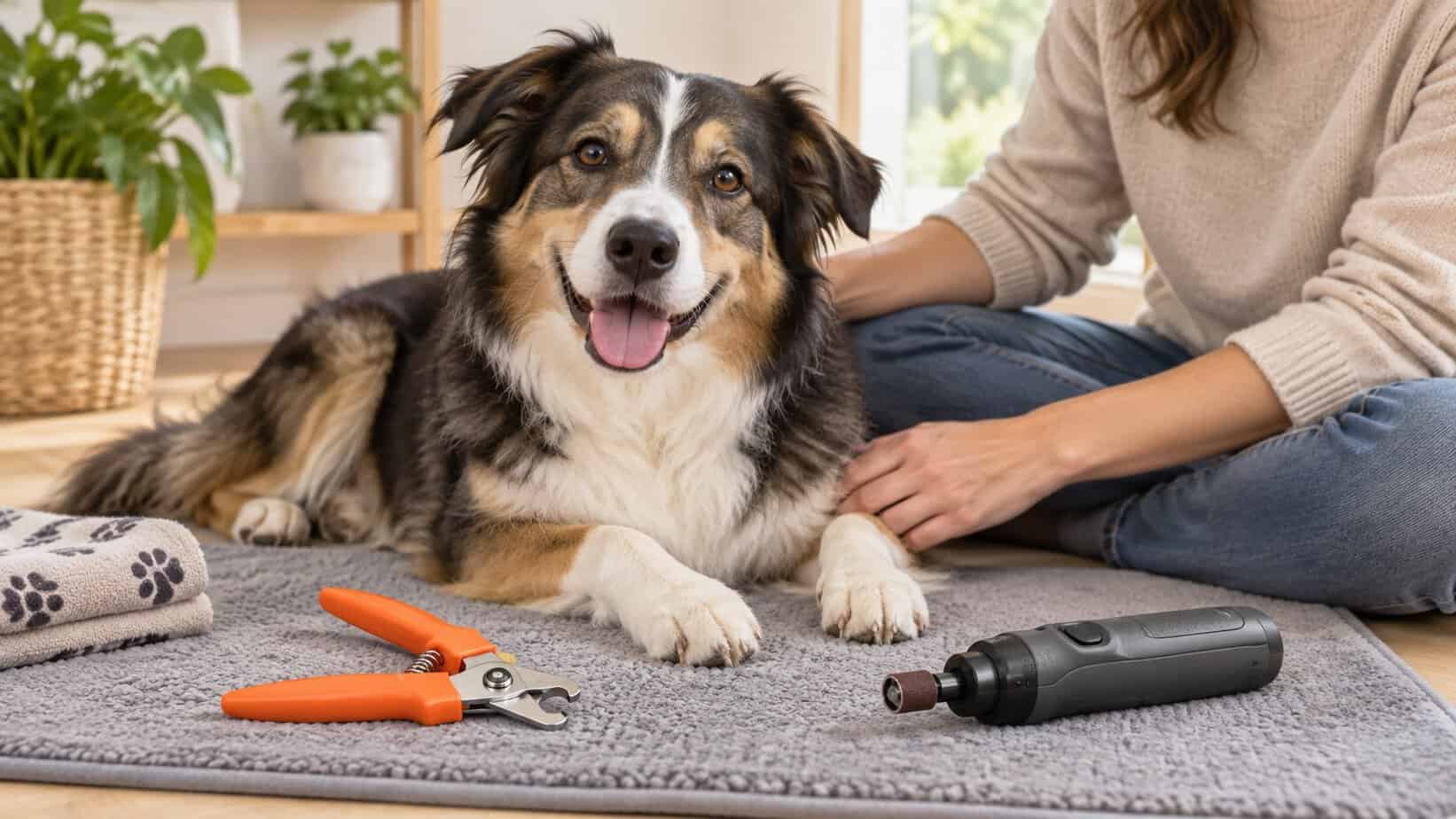
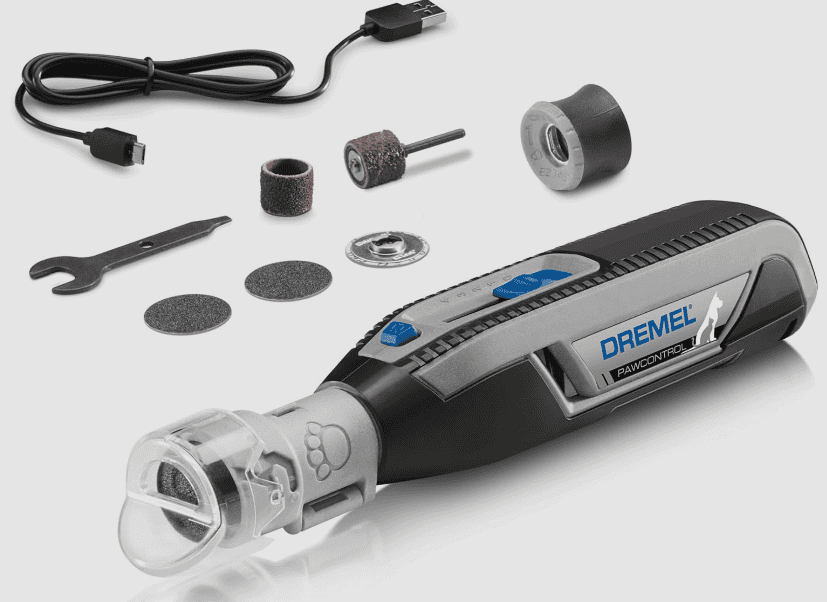
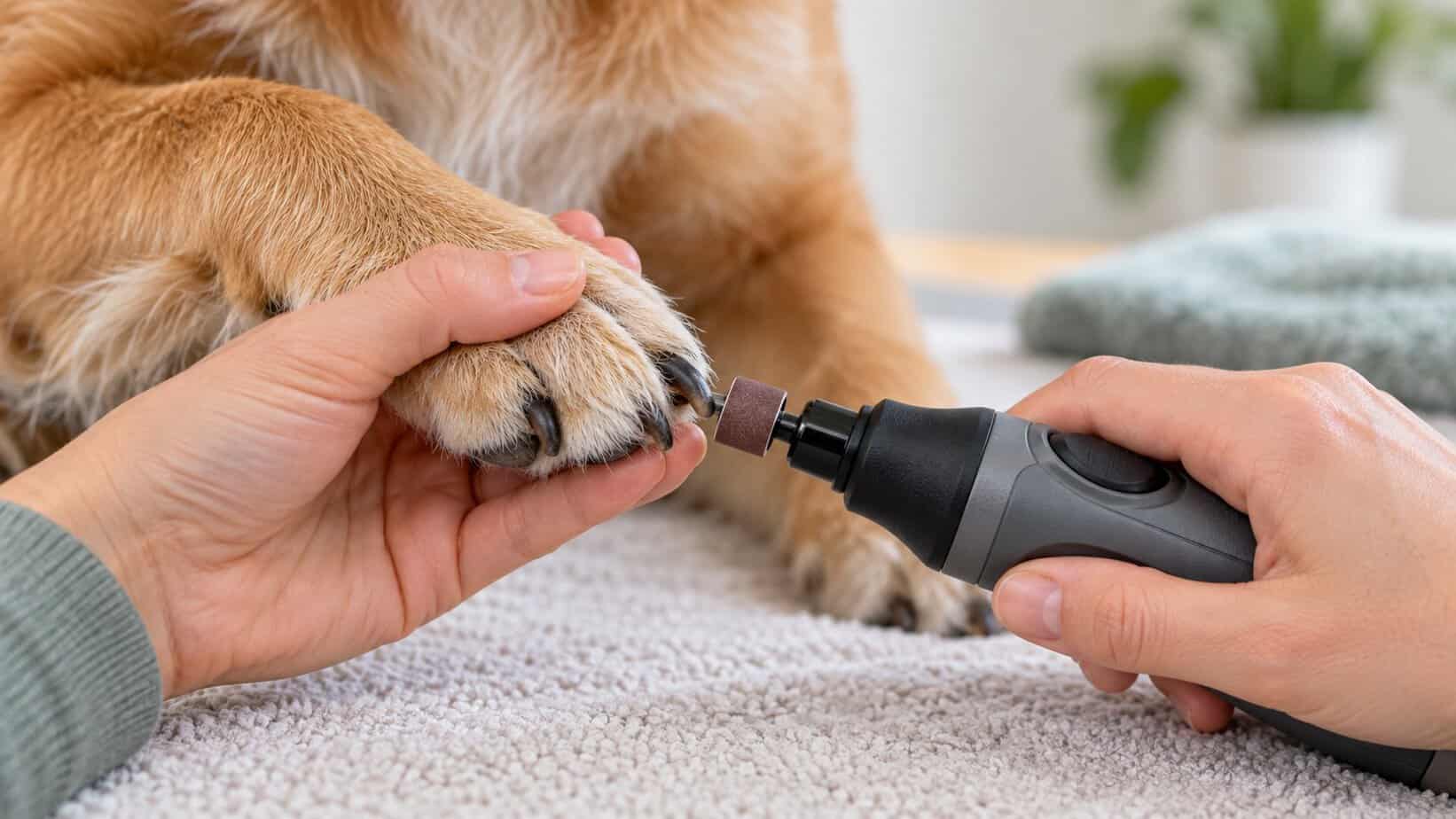
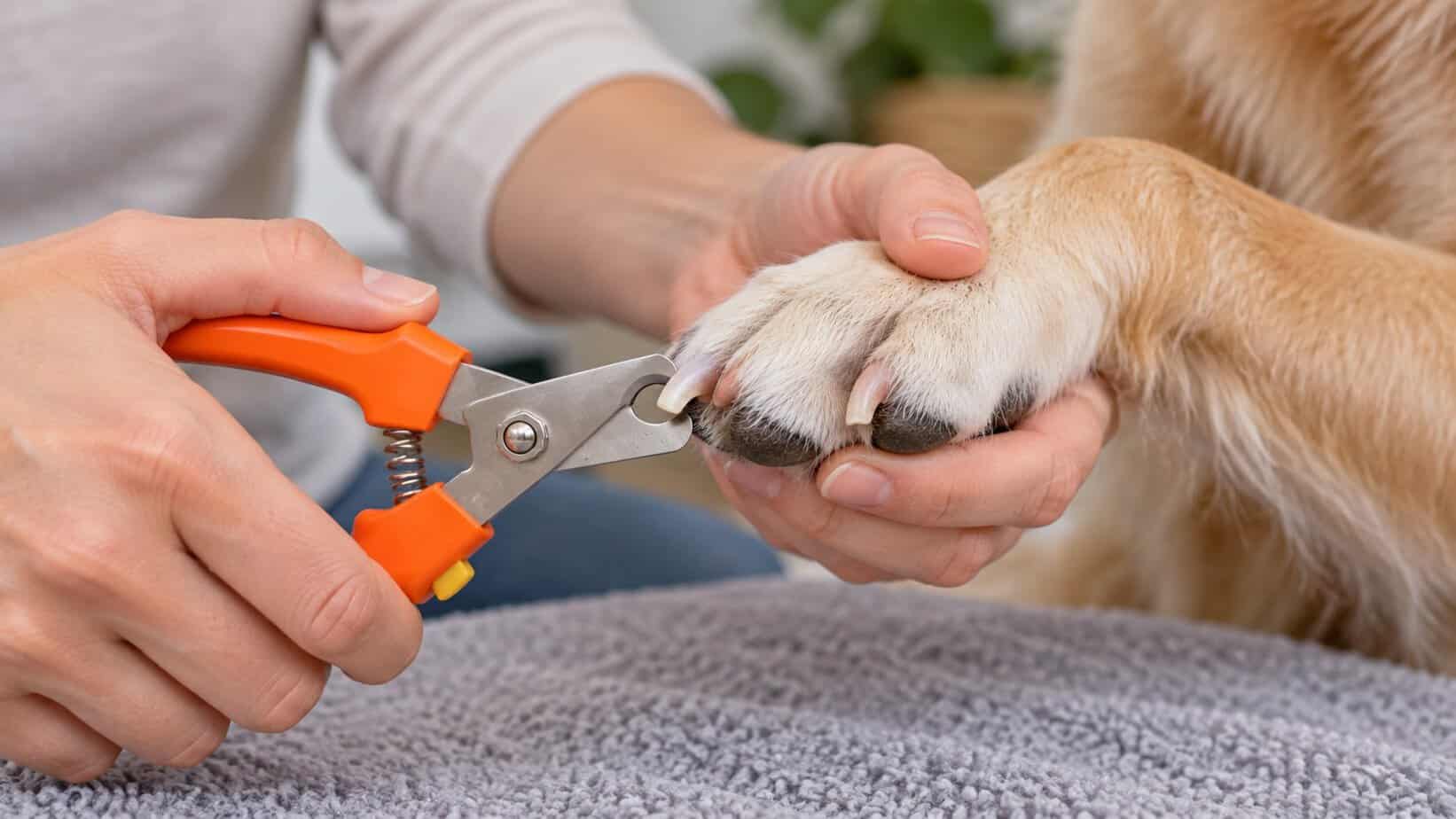
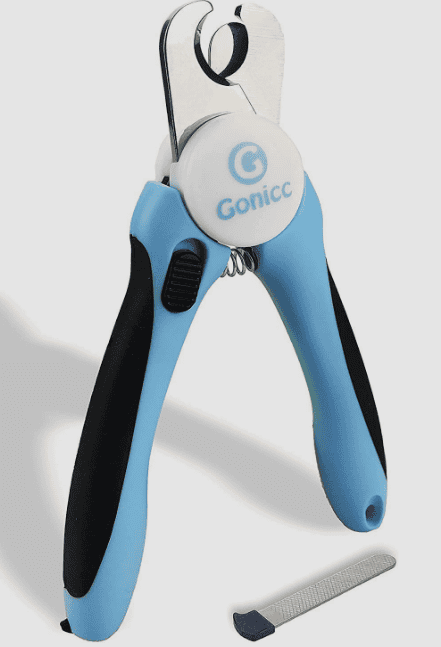
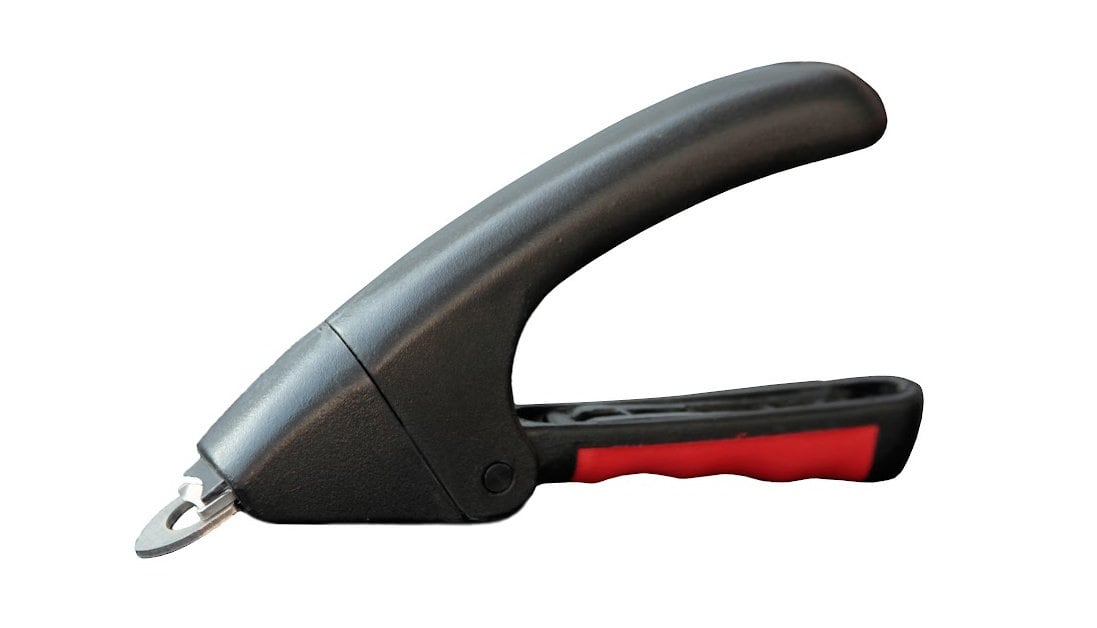
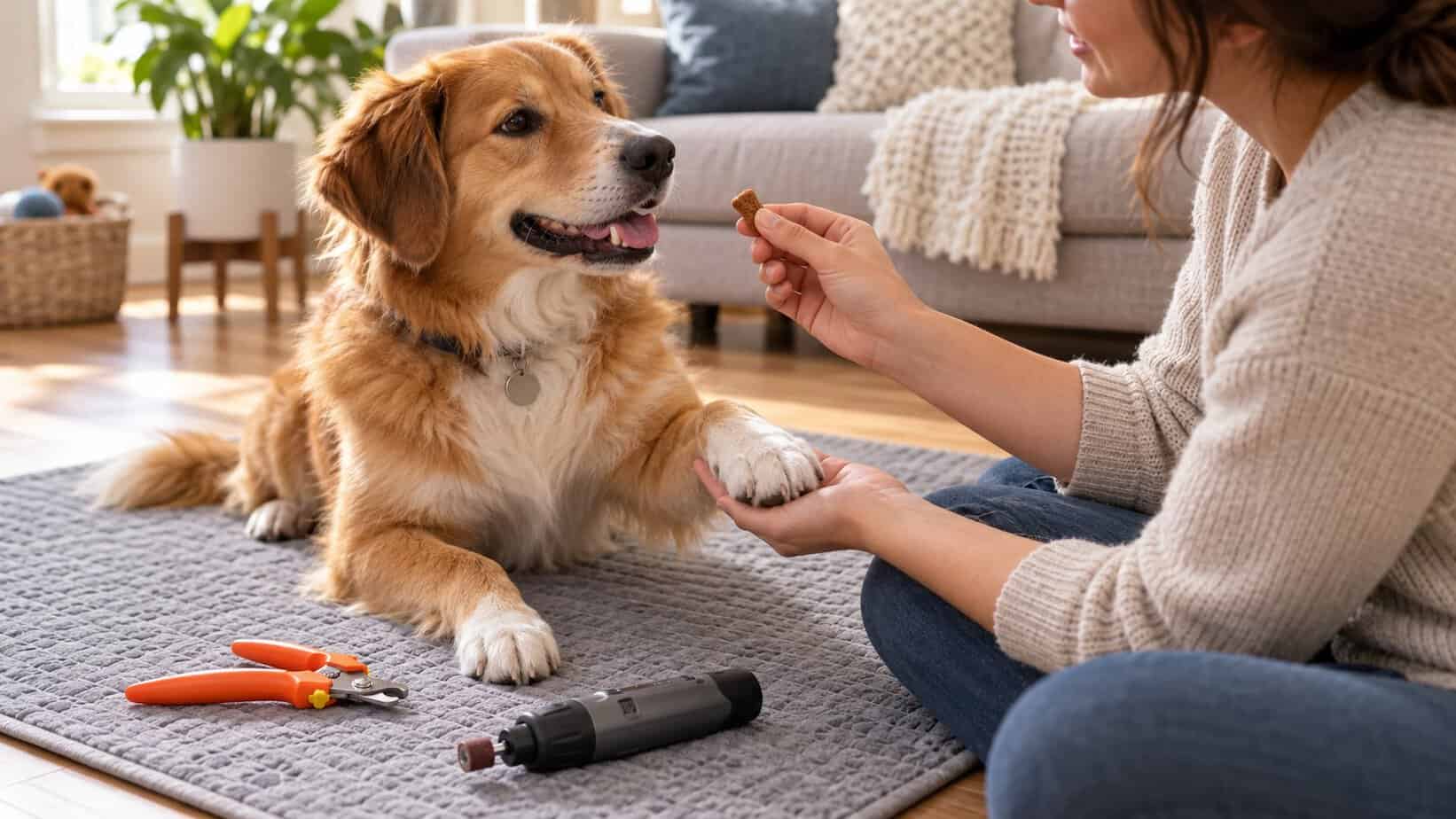

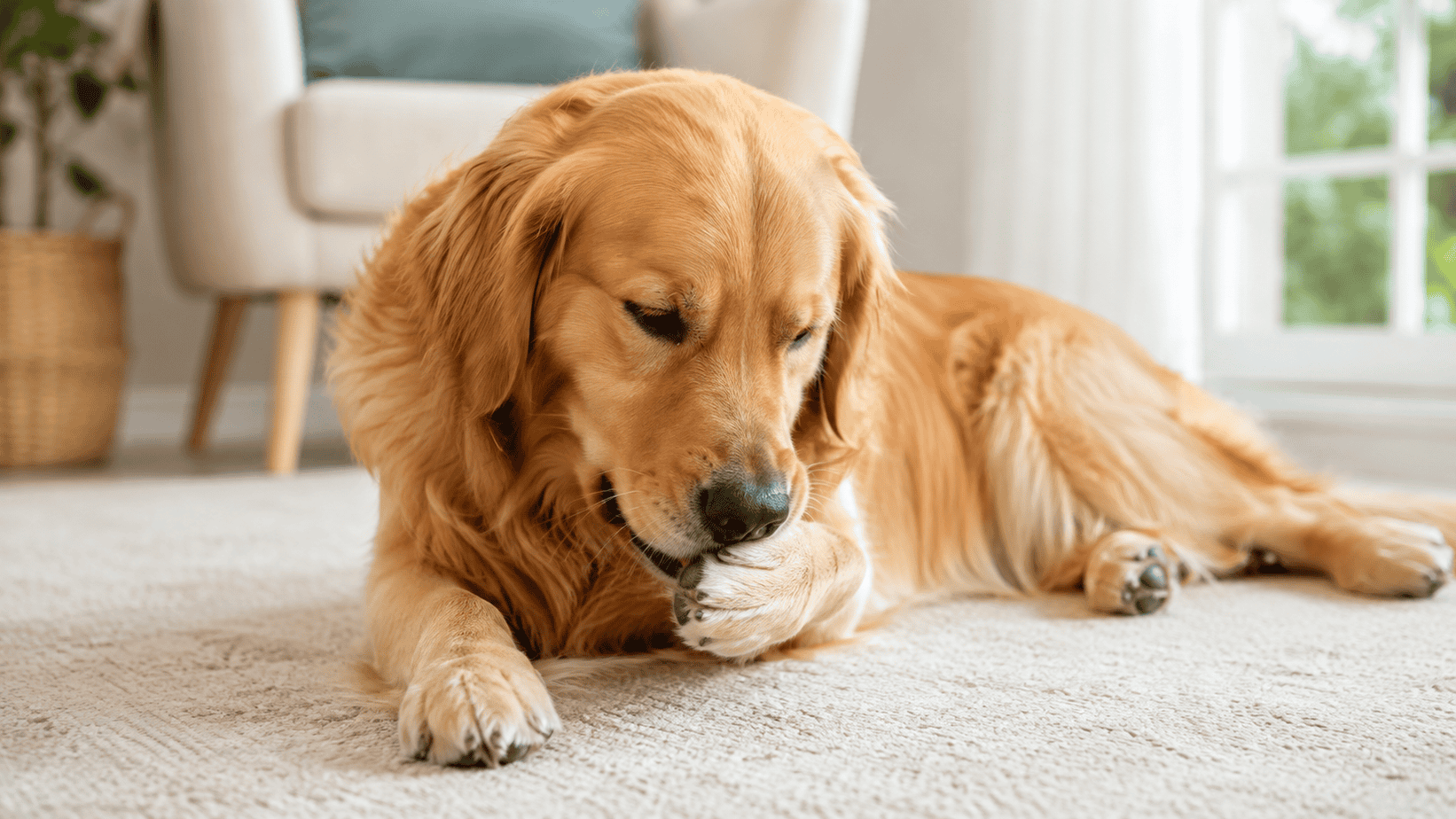
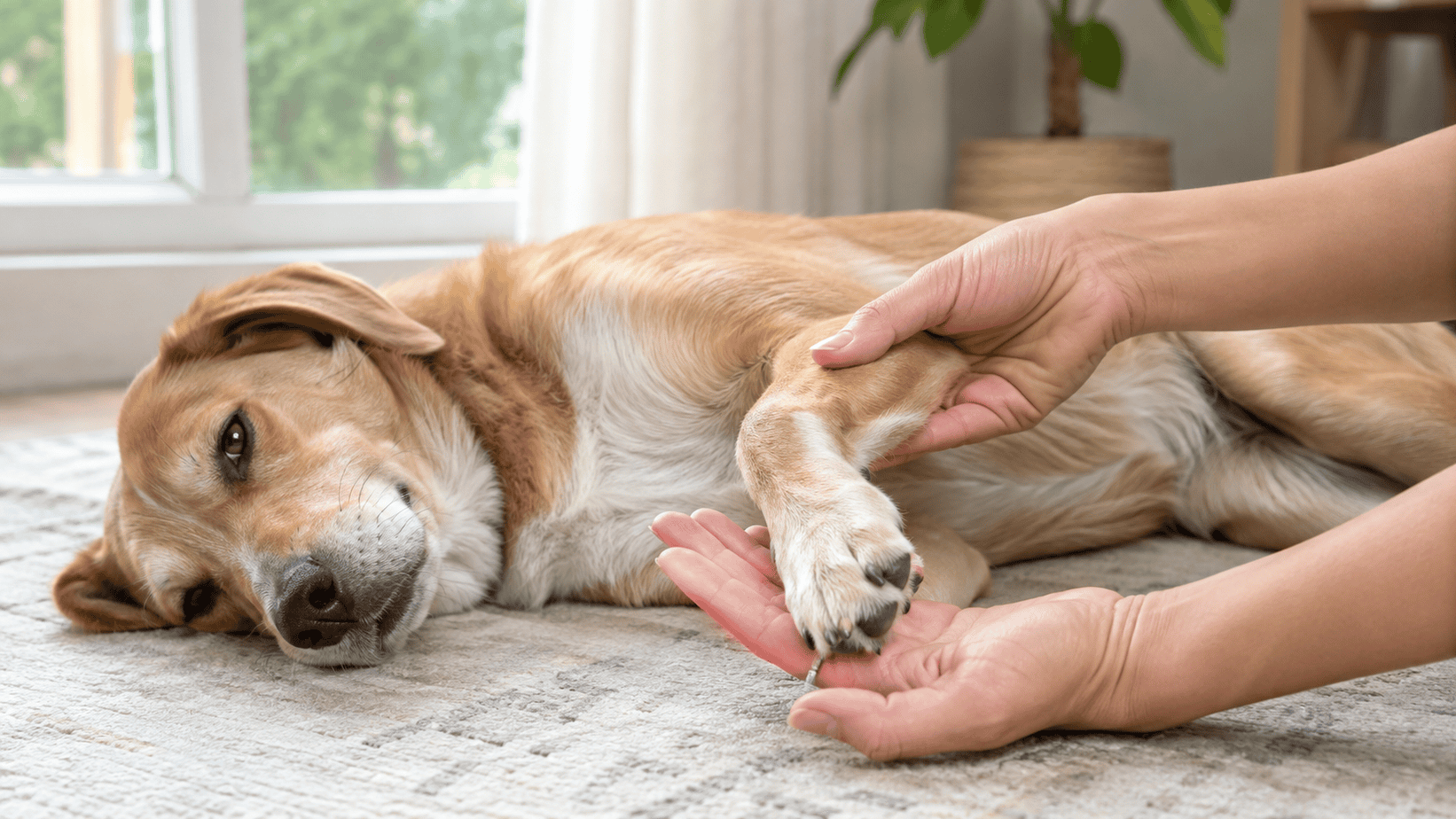
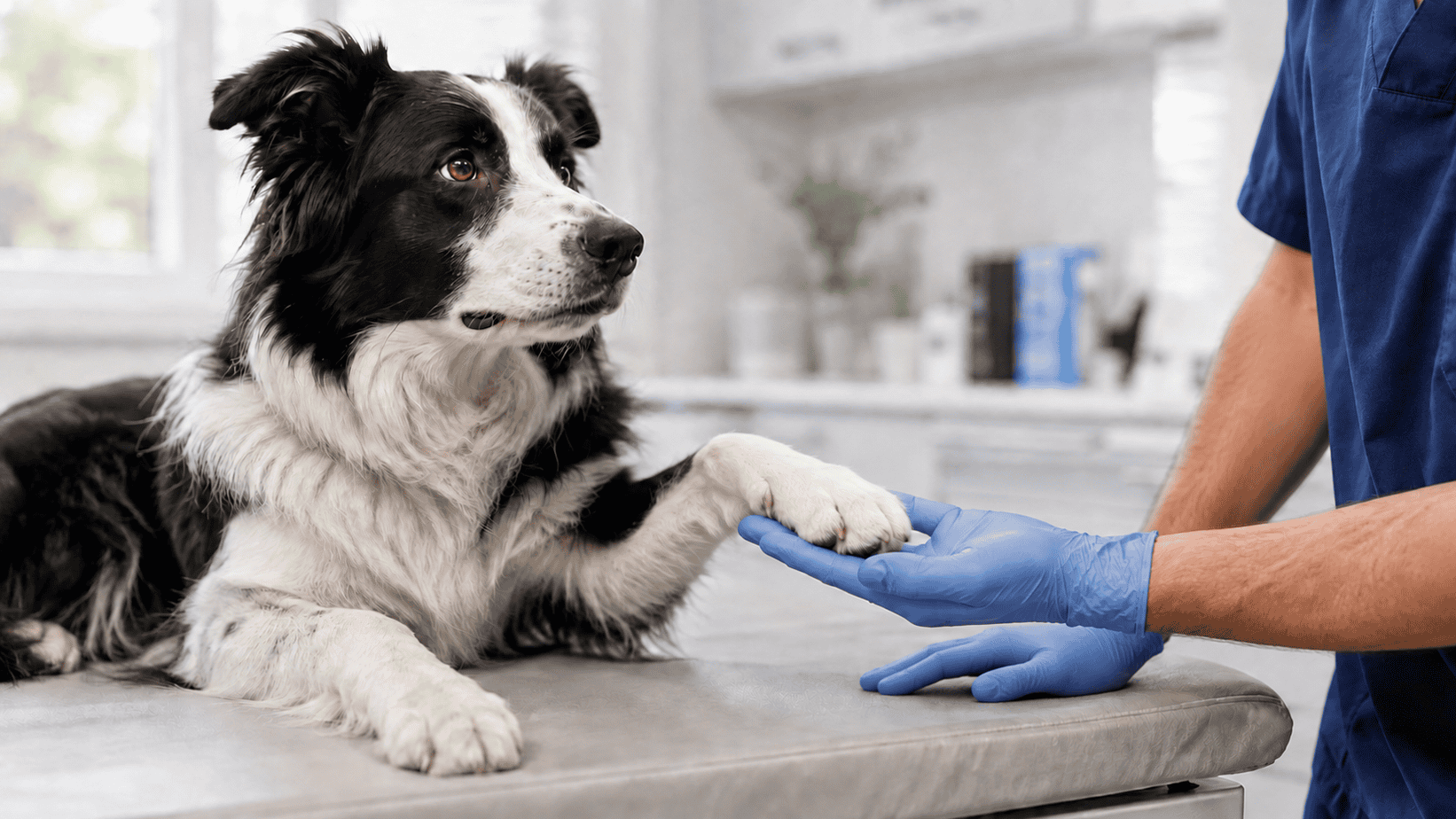
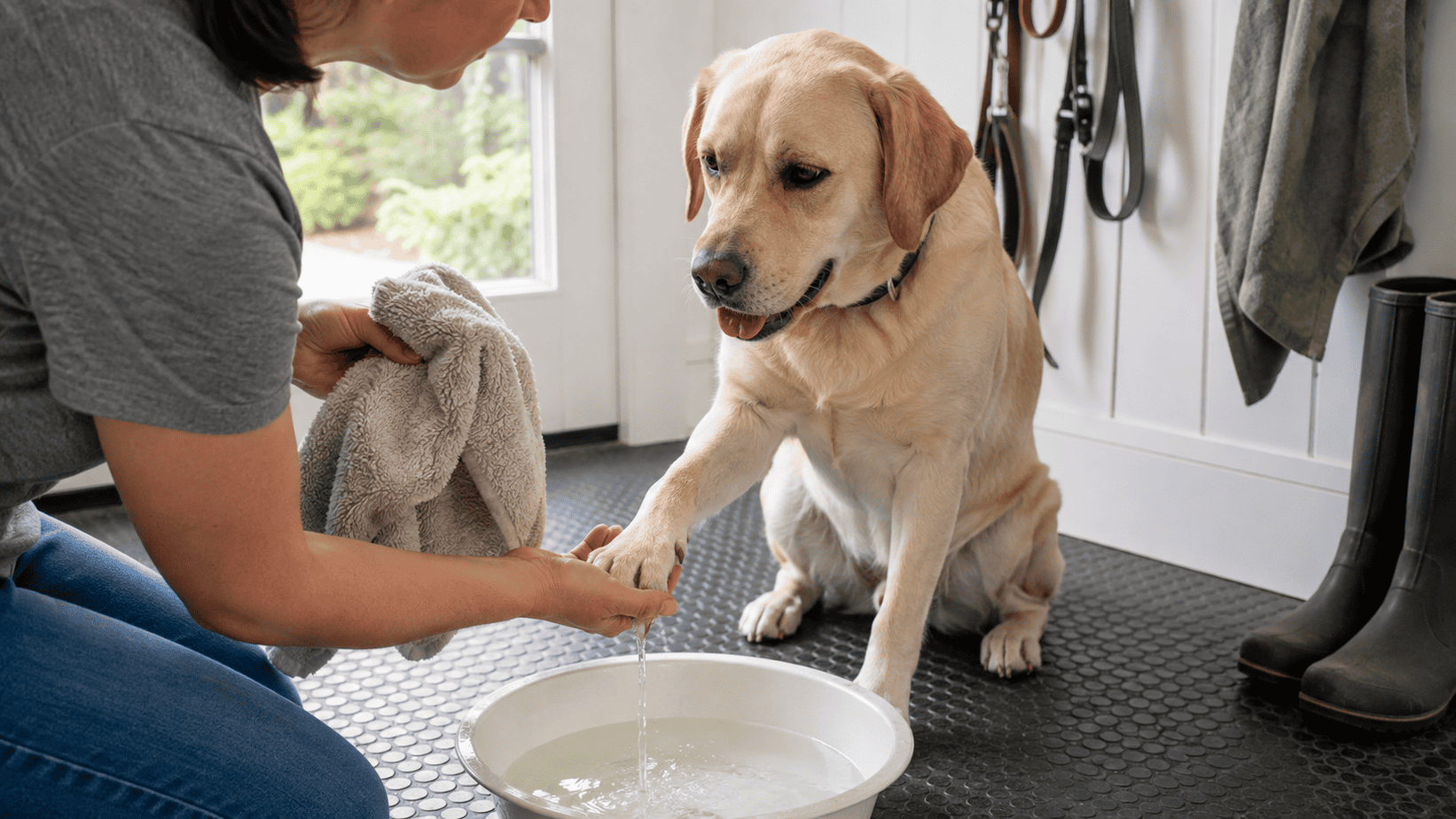

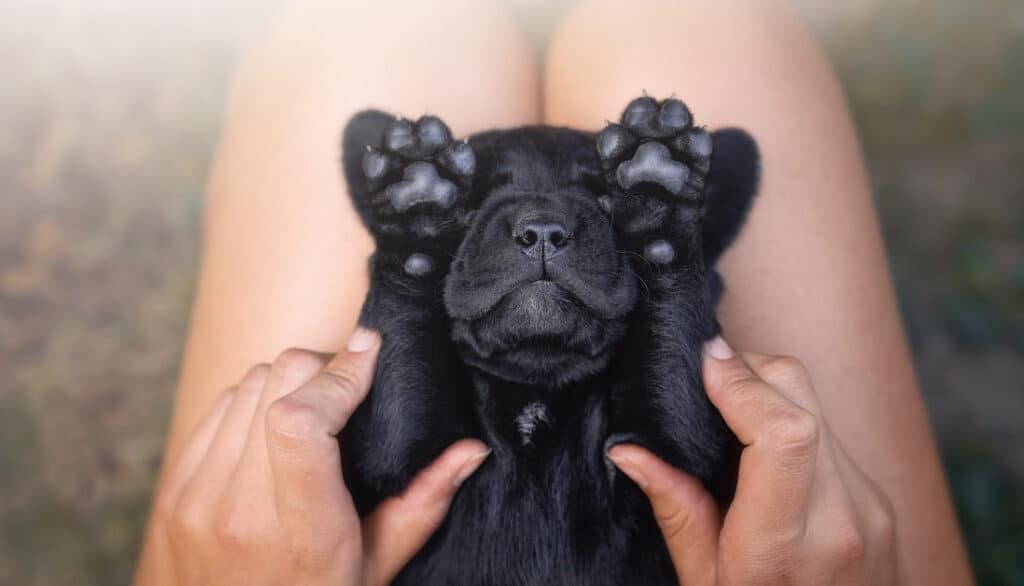
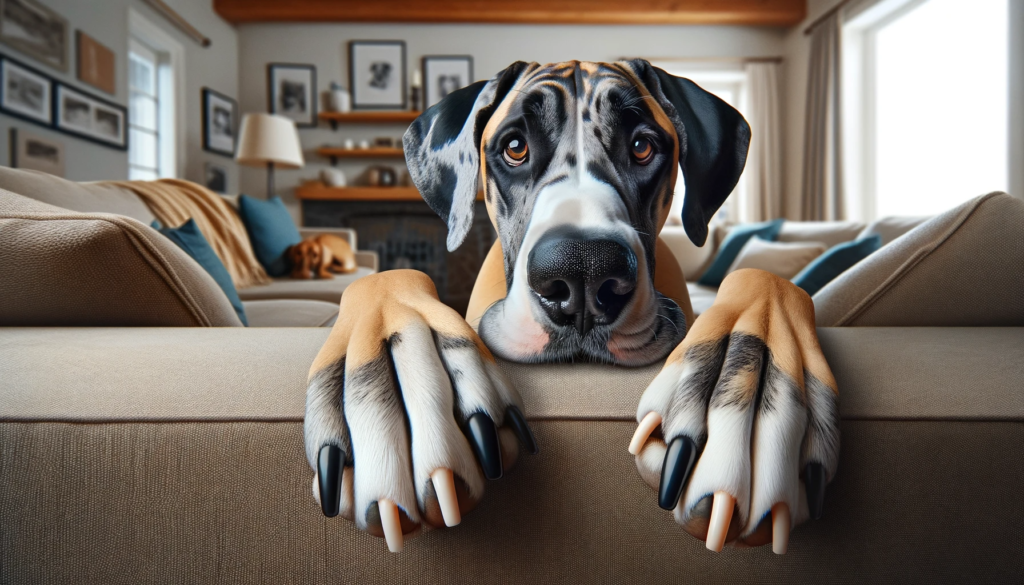
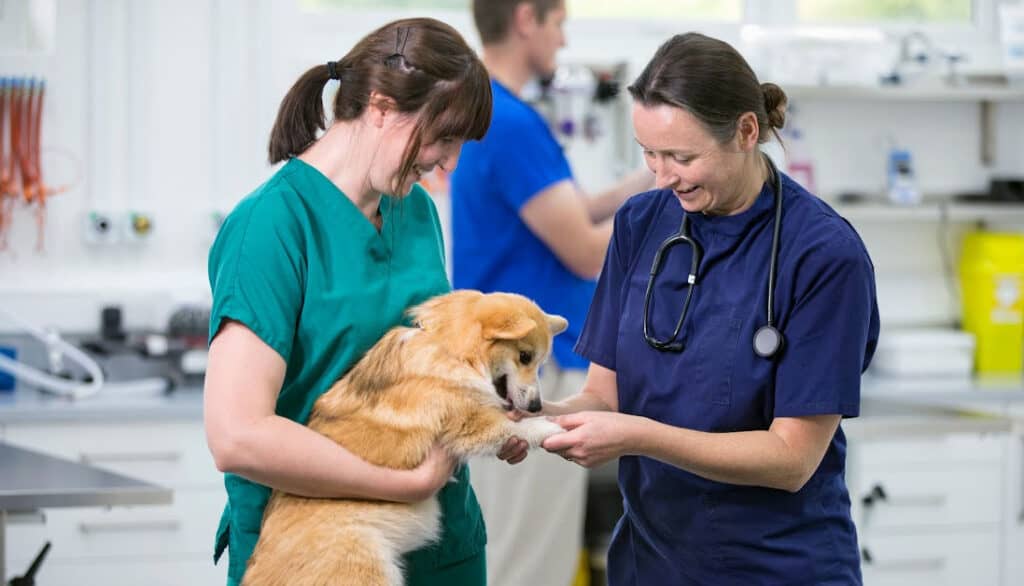

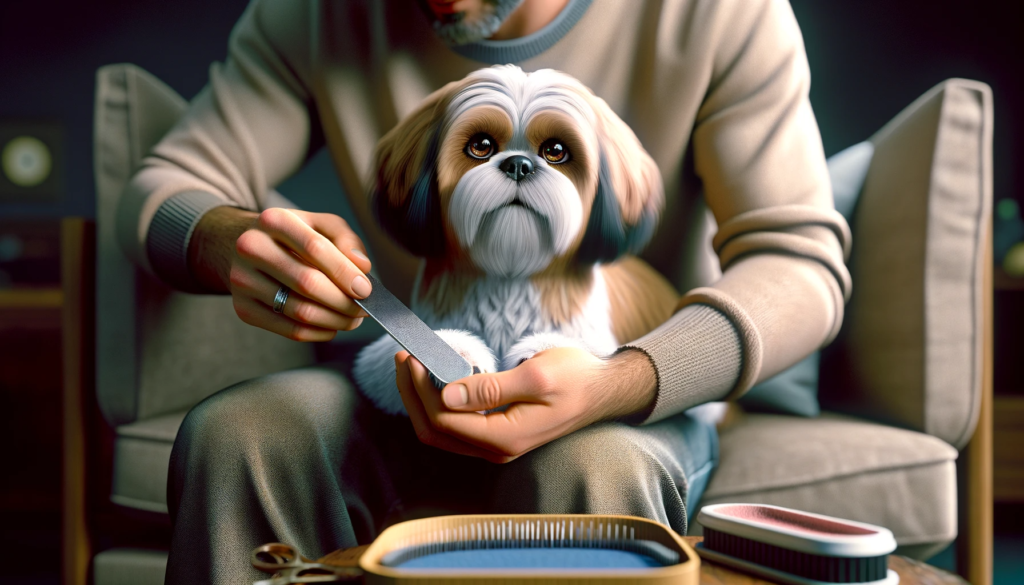
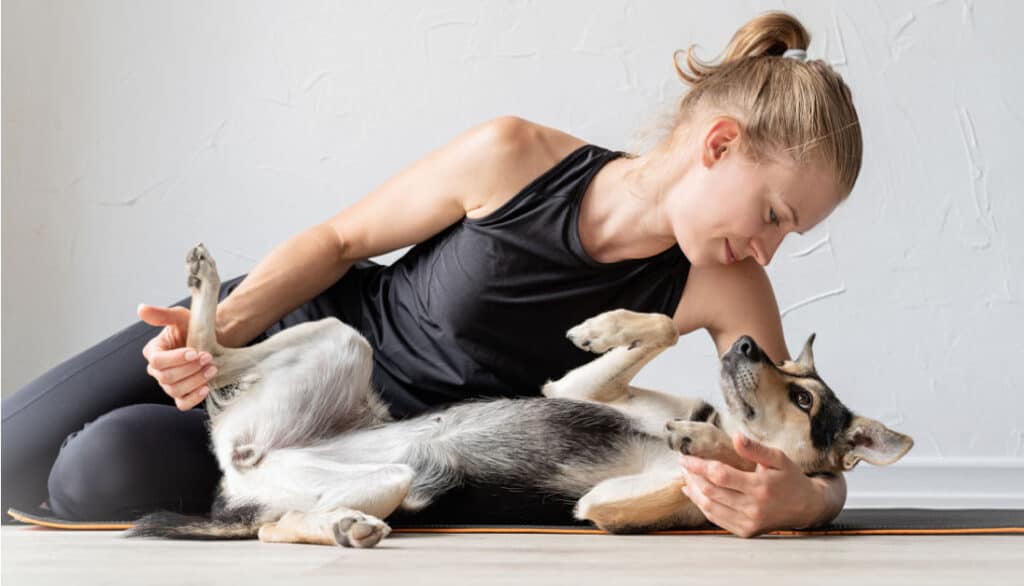

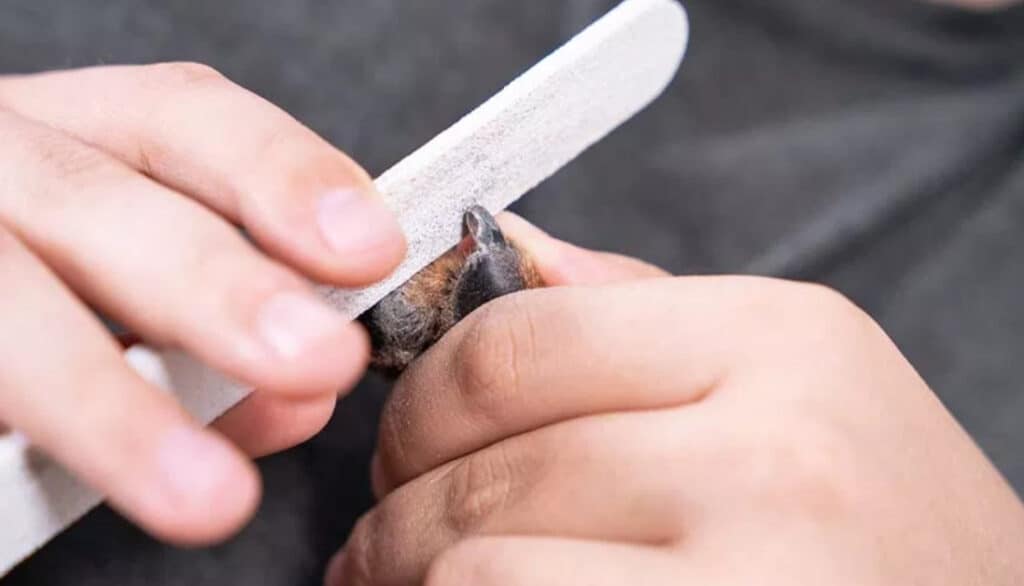
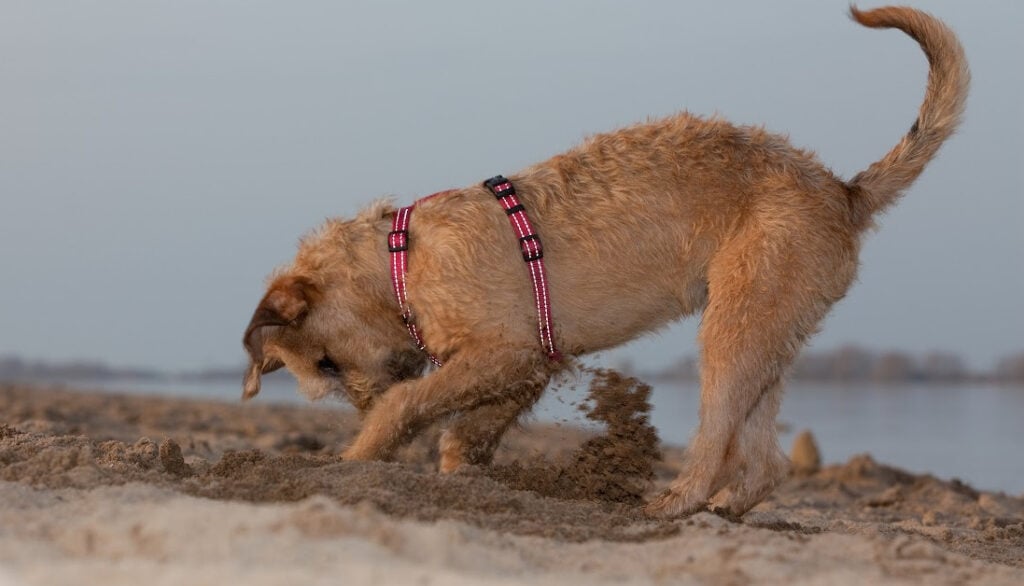
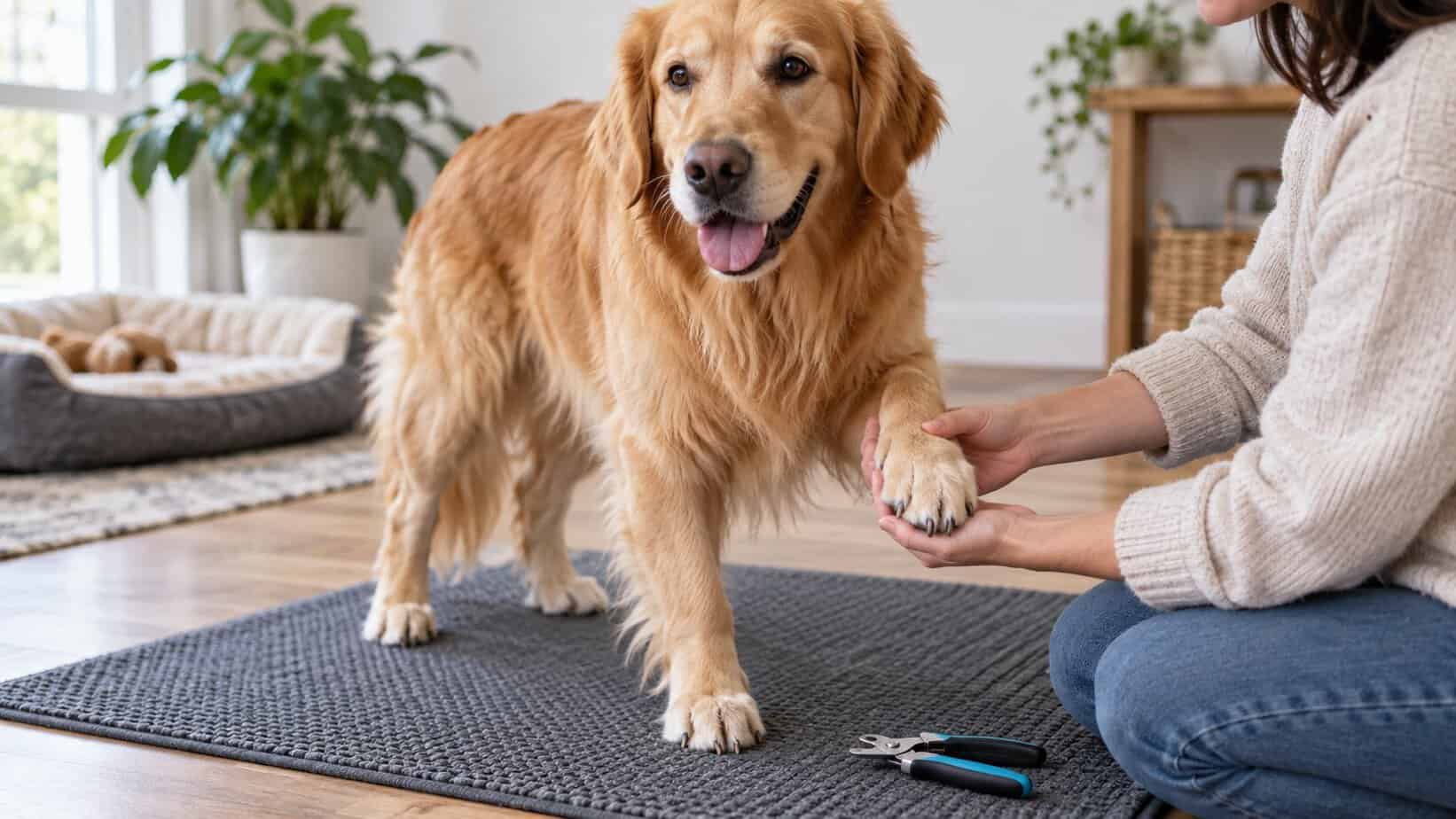
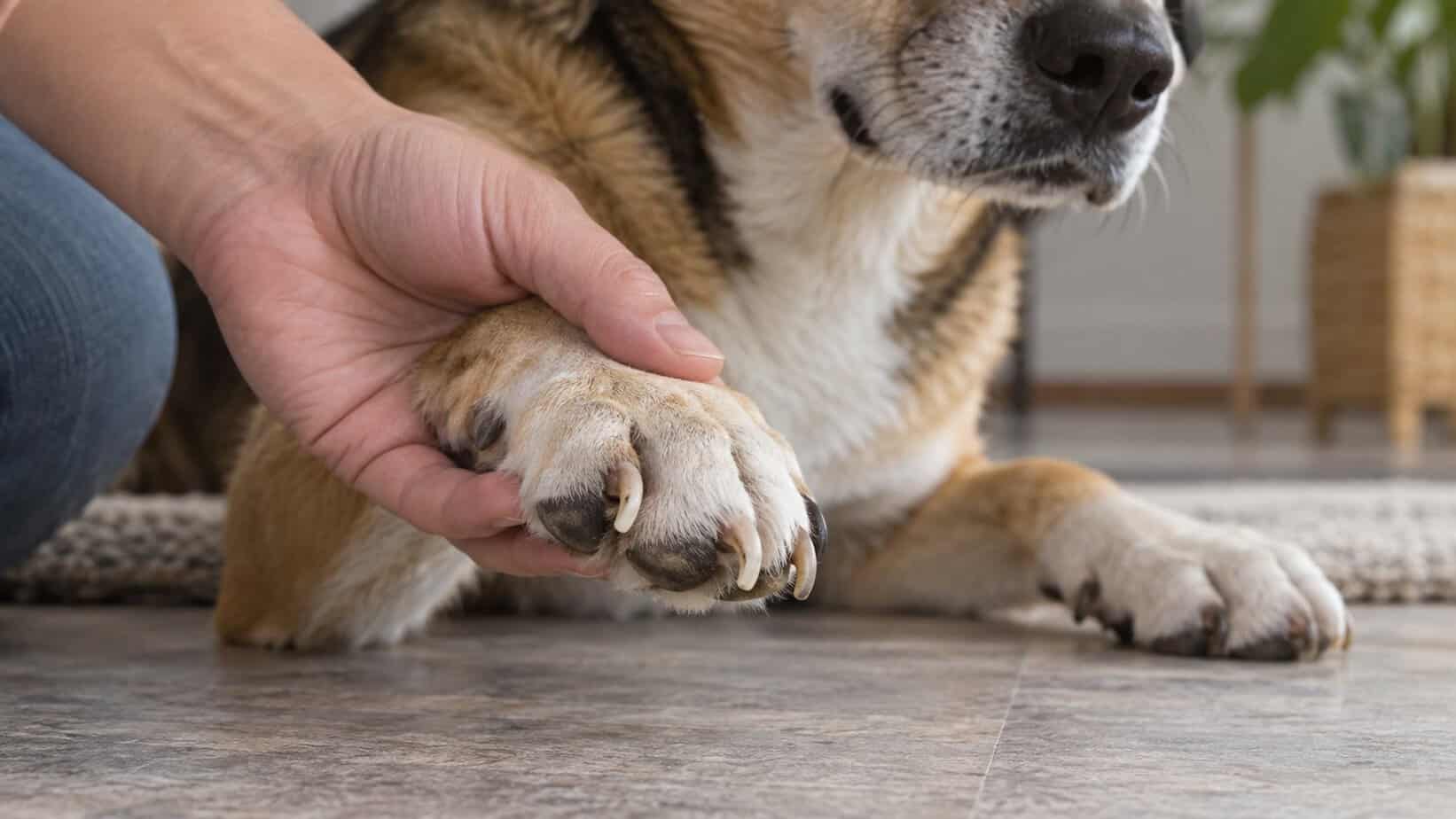
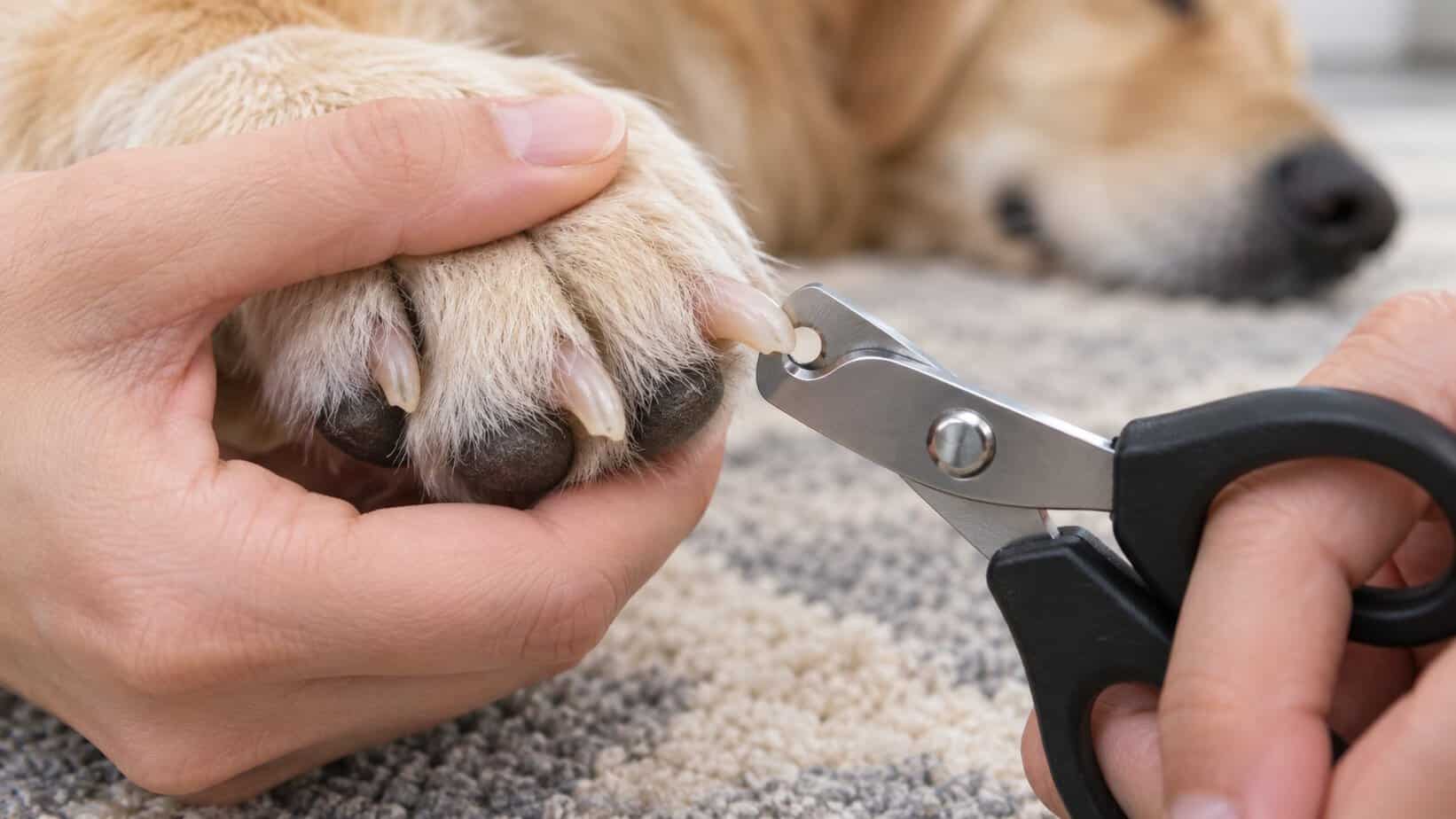
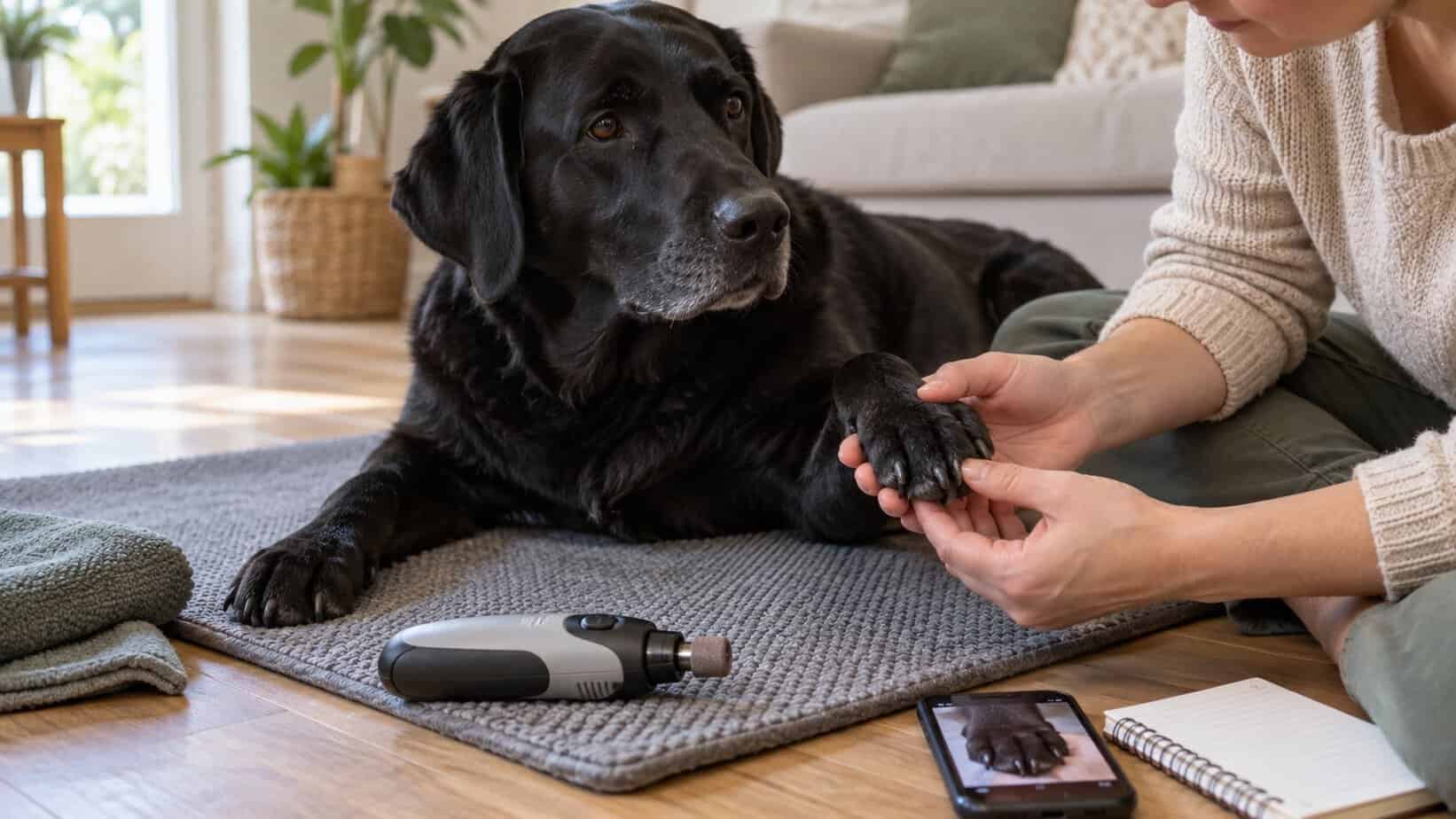

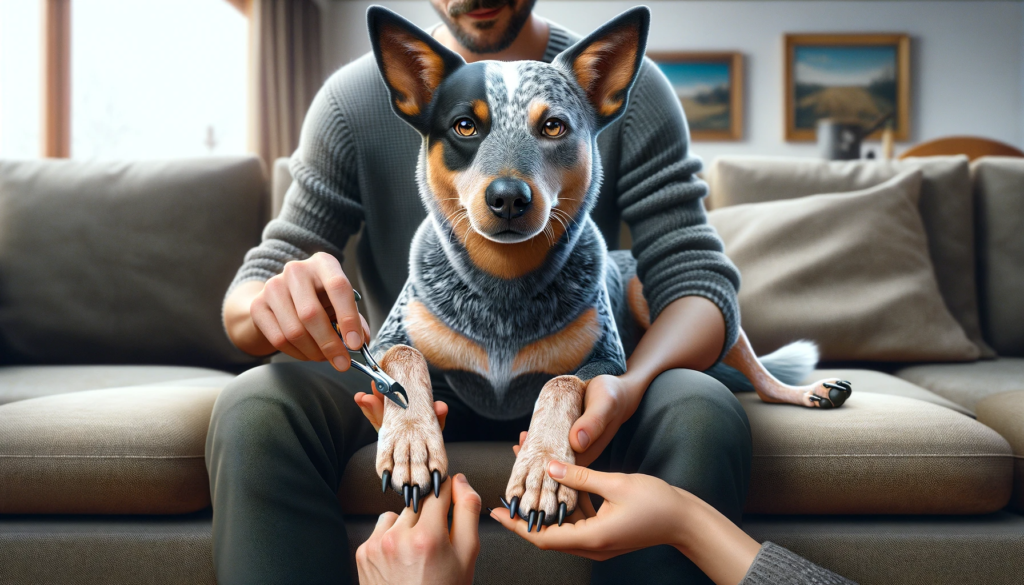
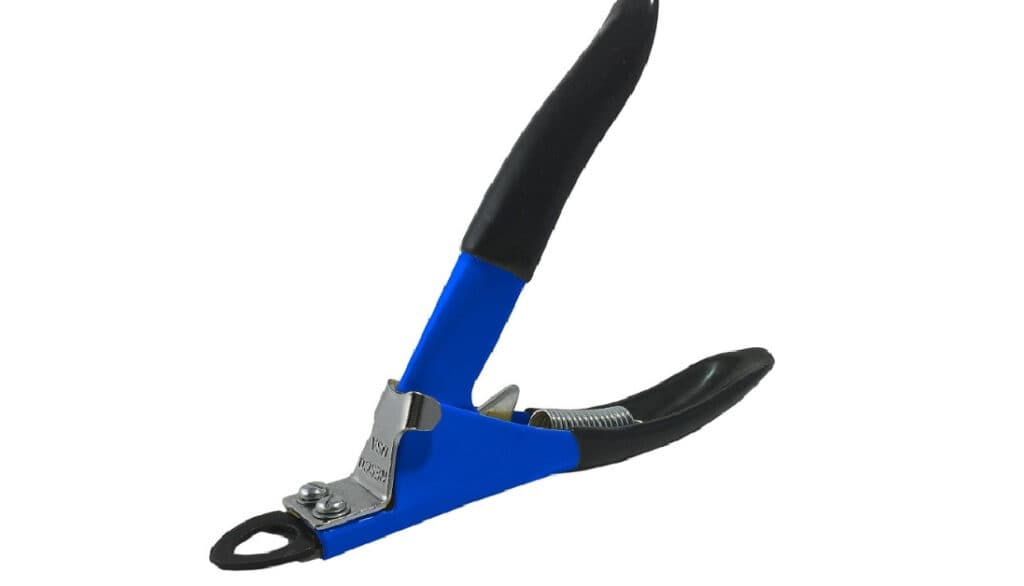
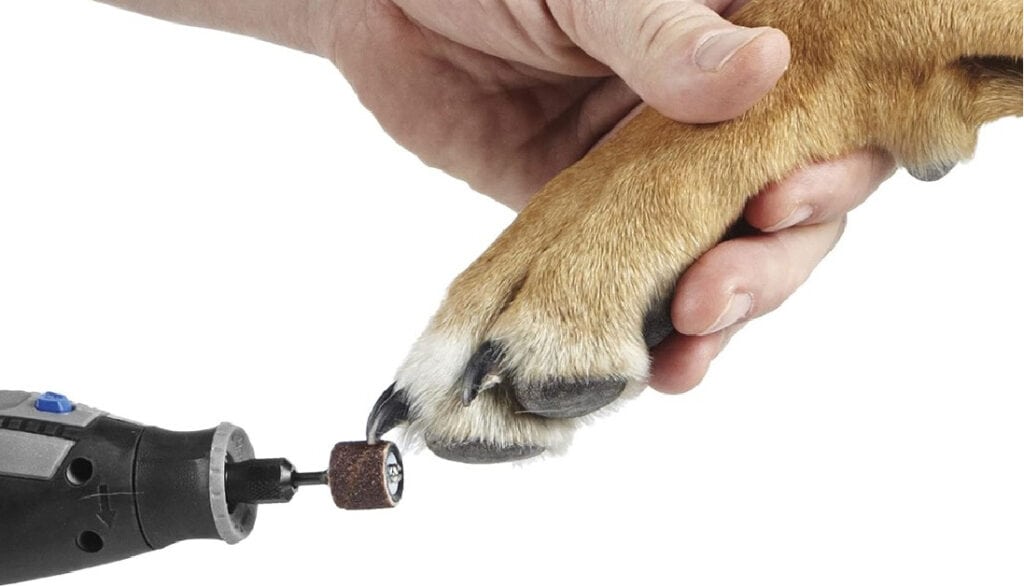
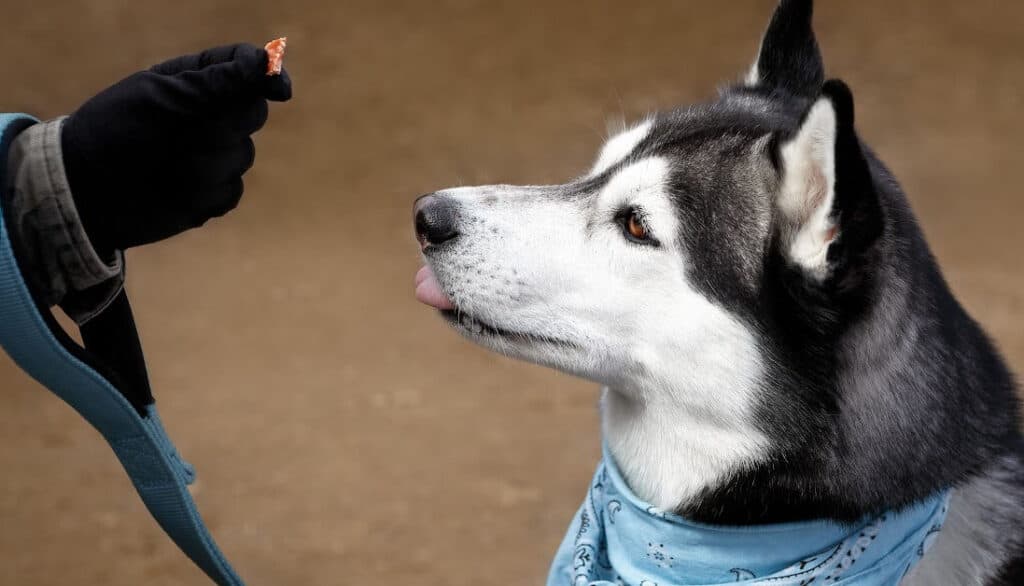
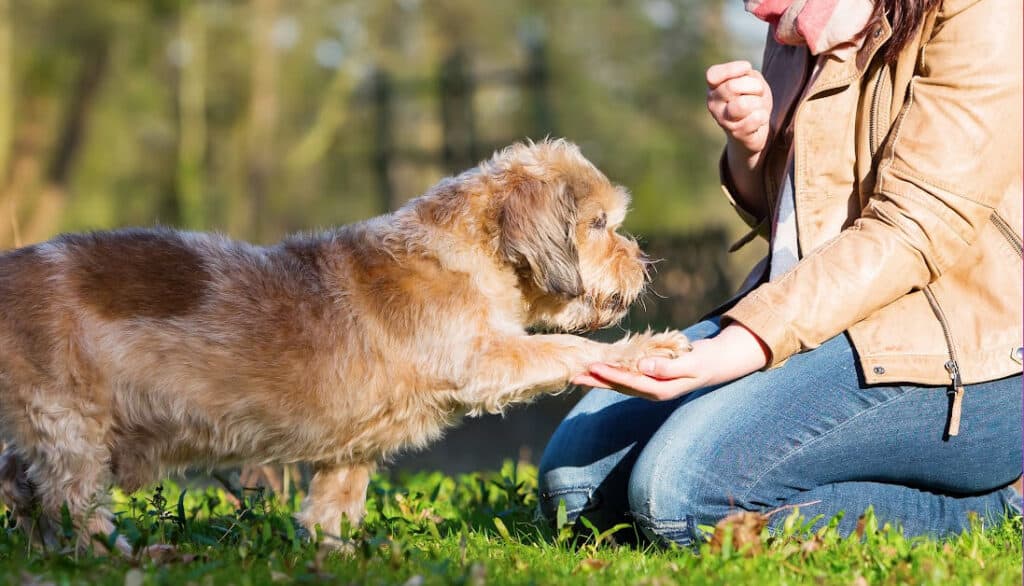
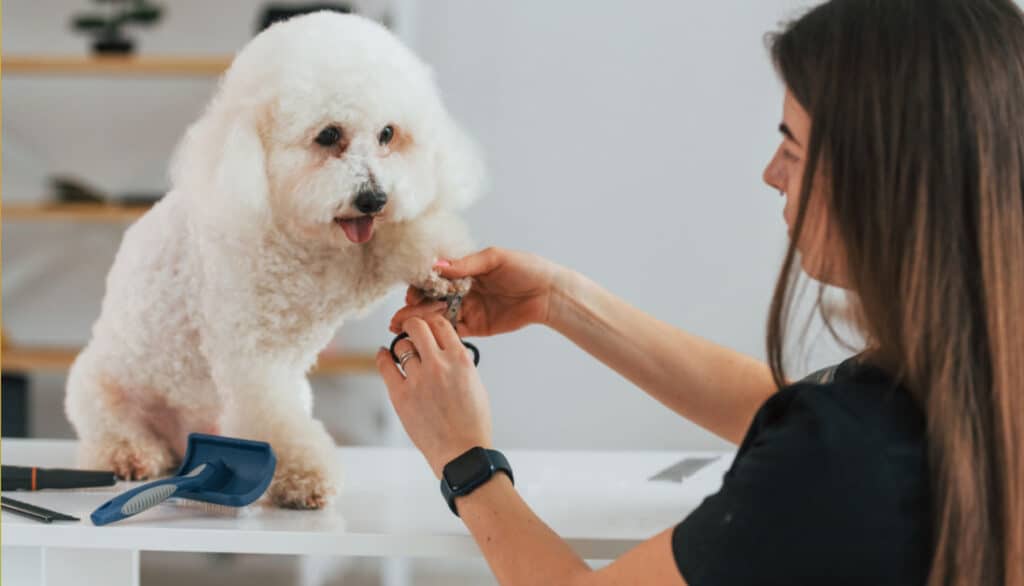

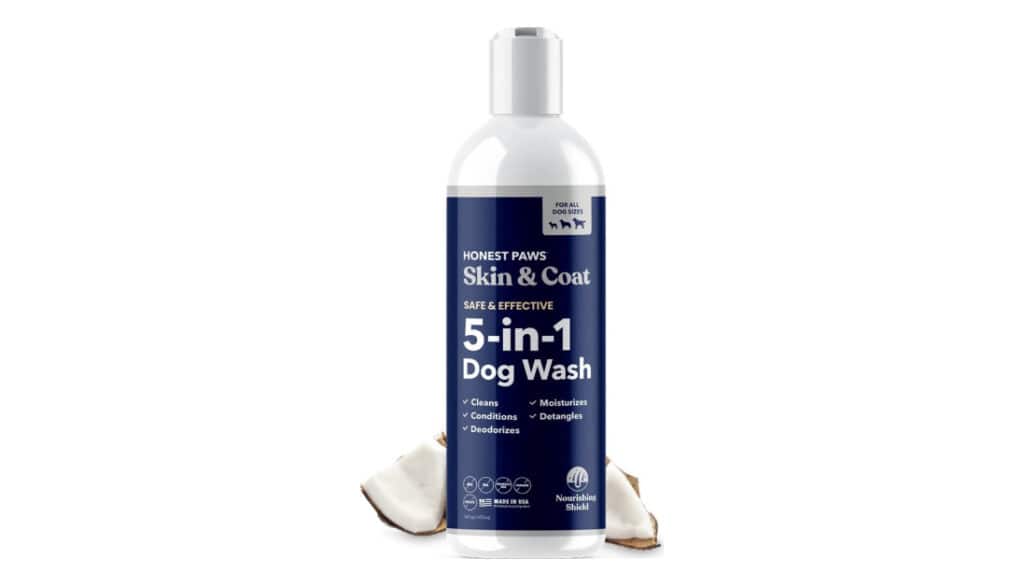
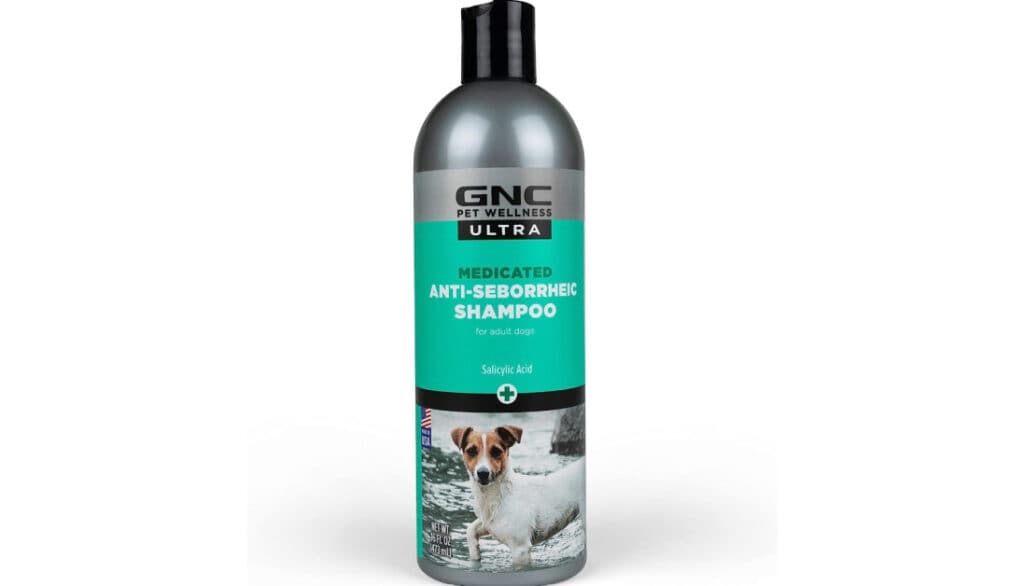
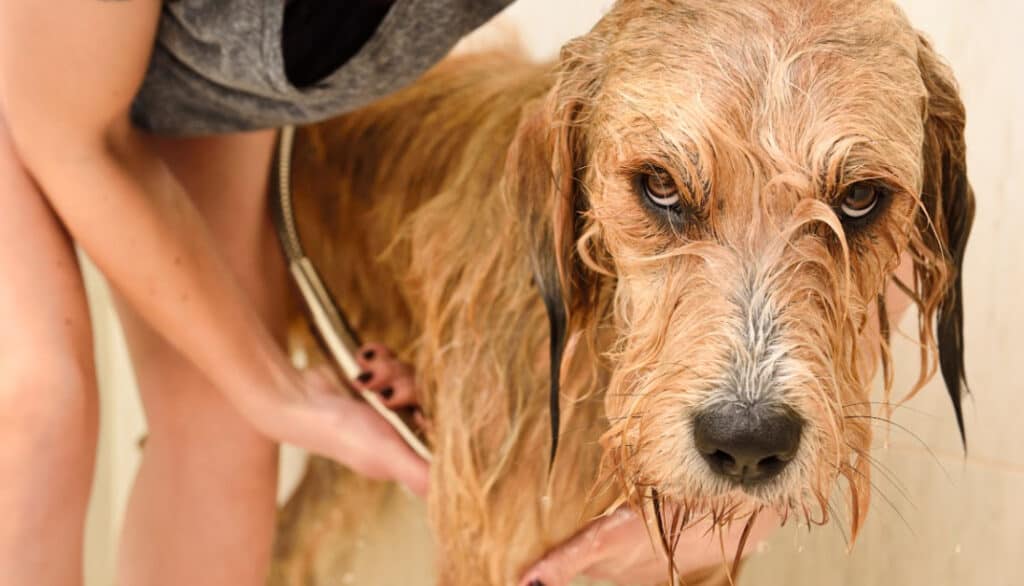

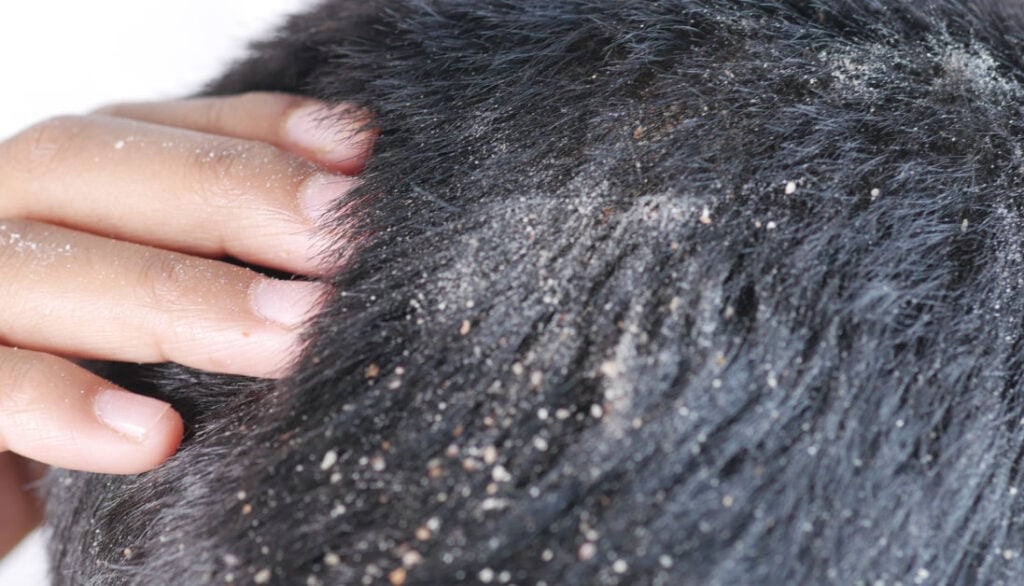
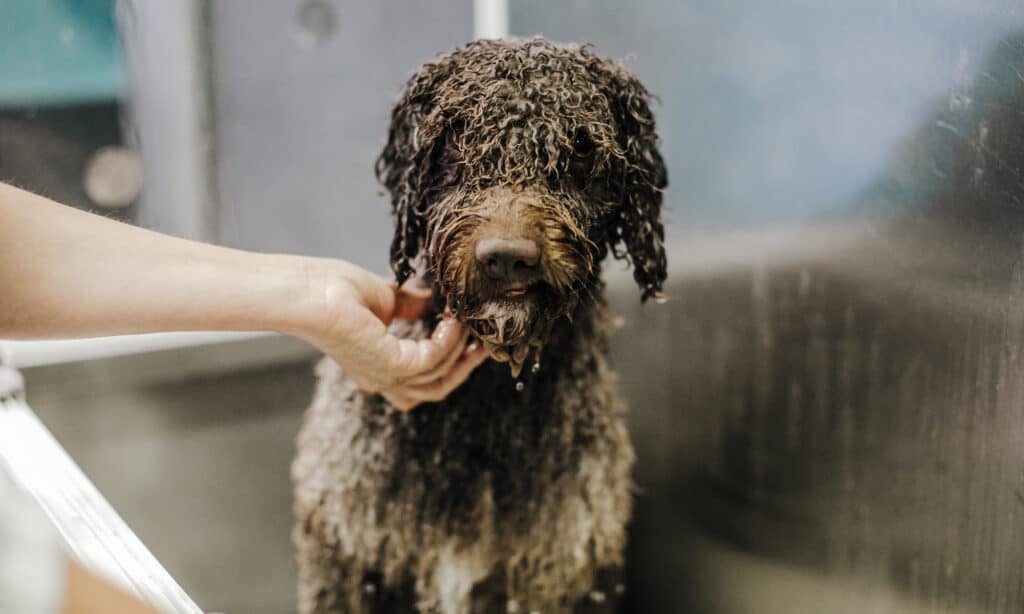
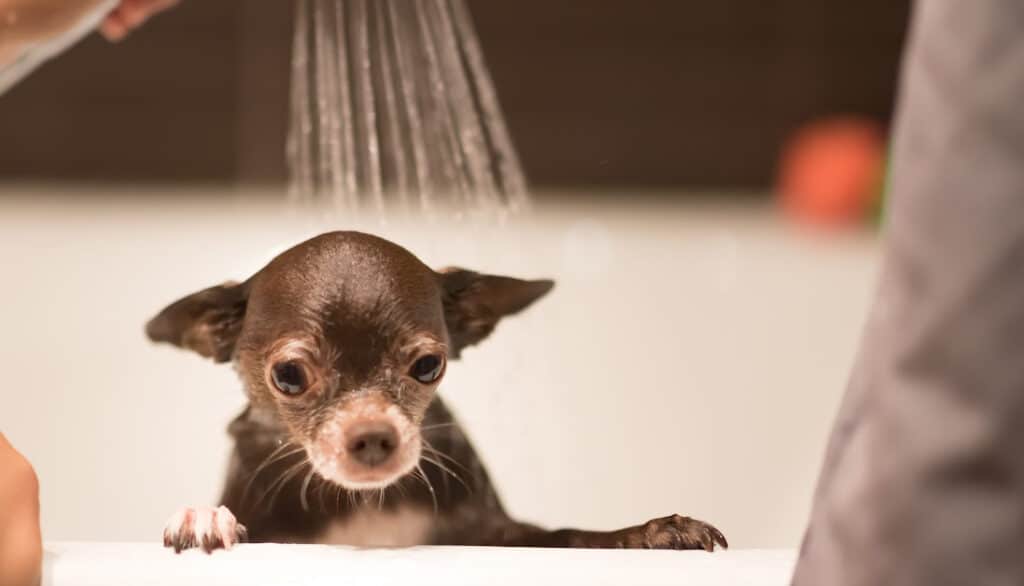
![Natural [Dog] Company Oatmeal Sensitive Skin Shampoo](https://healthy-happy-dogs.com/wp-content/uploads/2023/09/Natural-Dog-Company-Oatmeal-Sensitive-Skin-Shampoo-1024x586.jpg)