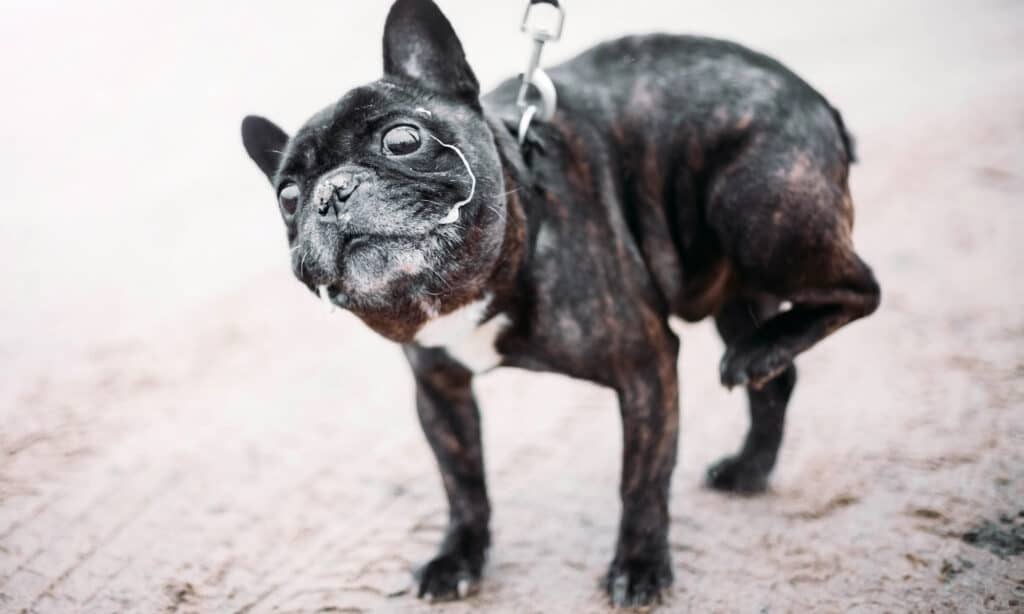
The best OTC antifungal spray for dogs is a dog-labeled formula that matches the skin problem and the body area. For a small, reachable patch of yeast-prone skin, I look for an azole antifungal, often paired with chlorhexidine. My longstanding OTC pick is GNC Ultra Medicated Antifungal Spray. Its current label lists 1% chlorhexidine gluconate and 0.25% ketoconazole. [1]
A spray is not the answer for every itchy dog. Fleas, allergies, bacterial infections, mites, ringworm, and contact irritation can look similar at home. Before you reach for a bottle, check whether the problem is localized, whether the skin is intact, and whether the label fits your dog’s age and treatment area.
What Makes an OTC Antifungal Spray a Good Choice?
Look for a Dog-Labeled Antifungal Active
I choose by the active-ingredient panel, not by the loudest promise on the front of the bottle. Ketoconazole and miconazole are azole antifungals. Chlorhexidine is an antiseptic that can add activity against bacteria and yeast. A combination formula can make sense when a dog’s surface-skin problem may involve more than one organism.
A systematic review found strong evidence for a topical regimen combining 2% miconazole with 2% chlorhexidine for canine Malassezia dermatitis. [2] A broader veterinary review also supports topical therapy as an important tool for superficial bacterial and yeast skin infections. [3] That evidence supports the ingredient classes and the topical approach. It does not prove that every spray works equally well, and it does not create one universal treatment schedule.
An itch-relief spray without an antifungal active may soothe skin, but it is not the same kind of product. Turn the bottle around and read the active ingredients, species, age limit, treatment area, warnings, and directions.
Choose a Formula and Format That Fit the Area
Sprays are most practical for small, accessible areas where you can part the coat and reach the skin. Paws, the lower legs, and some skin folds may fit that description. A thick coat, widespread rash, painful skin, or a problem inside the ear canal calls for a different plan.
I use a simple three-part fit check:
Does the dog have a surface-skin problem that reasonably fits yeast or fungus?
Can the product reach the affected skin without getting into the eyes, mouth, nose, ear canal, or genitals?
Does the label permit use on a dog of this age and on skin in this condition?
If any answer is no or uncertain, pause before spraying.
First Decide What Kind of Skin Problem You Are Treating
Signs That Fit Localized Yeast Overgrowth
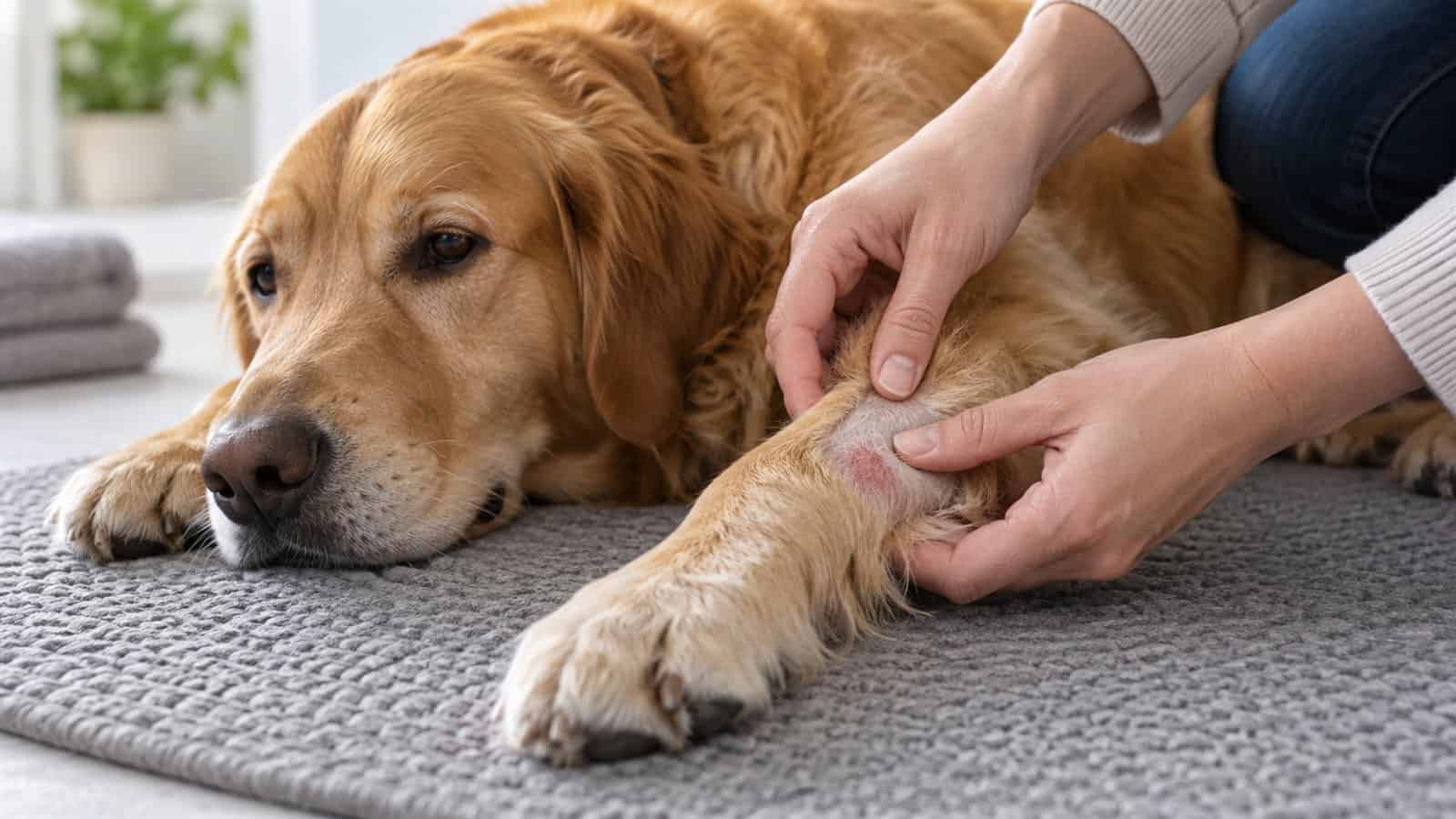
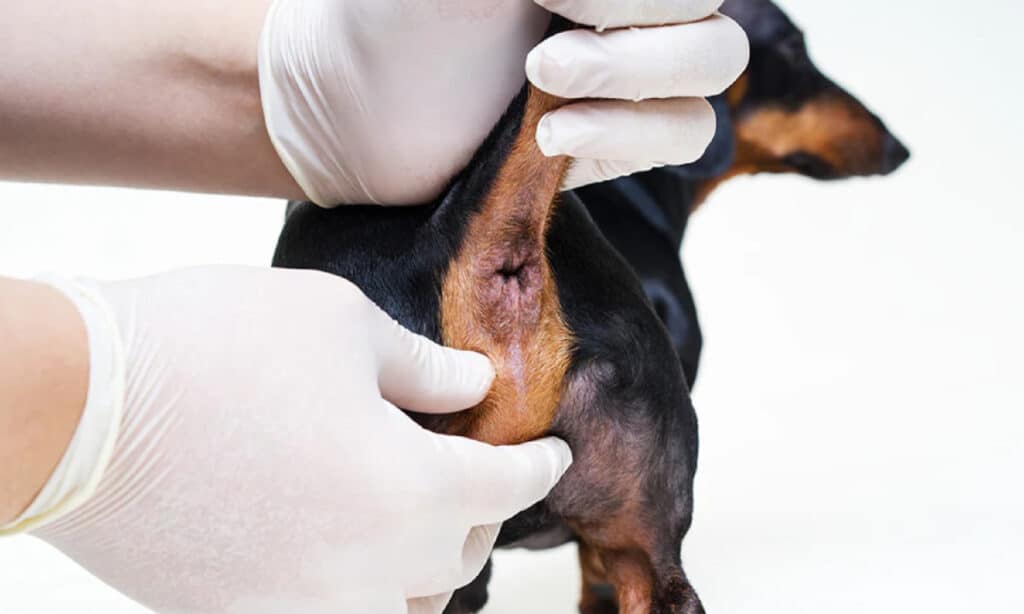
Malassezia yeast normally lives on canine skin. It can overgrow when the skin environment changes. Common clues include redness, greasy or scaly skin, a noticeable odor, darkening over time, and repeated licking or chewing. Paws, lip folds, neck folds, armpits, and the groin are frequent trouble spots. [4]
Those signs are useful clues, not a diagnosis. A dog with only one itchy foot may have a splinter, contact irritation, an allergy flare, or a bacterial infection. If the same patch keeps returning, testing can save you from cycling through products that never address the cause.
Problems That Need a Different Plan
Ringworm is a fungal infection, but it can spread to other animals and people. A visible spray may be only one part of the treatment and environmental-control plan. Circular hair loss also has other causes, so guessing from appearance is risky.
Do not spray into the eyes, mouth, nose, or ear canals. The GNC label says not to use its product on broken or inflamed skin. [1] Raw, draining, painful, or rapidly spreading areas deserve an examination. Nasal discharge, coughing, breathing changes, fever, marked tiredness, or appetite loss do not fit a simple surface-skin spray problem.
Over the years, I have evaluated many antifungal sprays for dogs. GNC Ultra Medicated Antifungal Spray remains my practical OTC pick for a small, reachable skin area when the label fits the dog and the problem.
Here are the current label facts I want dog parents to know:
Active ingredients: chlorhexidine gluconate 1.00% and ketoconazole 0.25%.
Species and age: for dogs at least 8 weeks old.
Application distance: hold the bottle 8 to 10 inches from the affected area.
Skin condition: do not use on broken or inflamed skin.
Ingestion: do not allow the dog to ingest the product.
Follow-up: if the problem persists for more than 7 days or gets worse, consult a veterinarian. [1]
Product labels can change. Compare the bottle in your hand with the current label before you use it. I also would not assume that ingredients mentioned on an old product page, such as tea tree oil or aloe, are present unless they appear on the current package.
The product recommendation is one piece of a whole-dog plan. I want to calm the surface flare while also looking at moisture, allergy triggers, nutrition, grooming, and skin-barrier health.
How to Use Antifungal Spray on a Dog
Prepare the Skin
Start in good light. Part the coat and look closely. If the skin is open, very inflamed, wet with discharge, or painful, stop and choose veterinary care instead of this product.
For intact skin, gently remove loose surface debris if needed. Do not scrub an irritated patch. Take a clear baseline photo from a consistent distance so you can compare the same area later.
Apply the Spray
Read the bottle before every new course because directions differ between products. For GNC Ultra Medicated Antifungal Spray, hold the bottle 8 to 10 inches away and spray the affected area as directed on the label. [1] Keep the mist away from the face, ear canals, and other sensitive areas.
Use only the amount and frequency stated on the current label or provided by your veterinarian. More product is not automatically better. Mixing several medicated topicals can irritate the skin and make it harder to tell what is helping.
Prevent Licking and Track the Response
Supervise your dog until the area is dry. A calm food puzzle, short leash walk, or quiet cuddle can keep the tongue away without rubbing off the product. If your dog cannot stop licking, ask your veterinarian about a temporary protective option.
Each day, note four things: odor, redness, licking, and spread. Use your photos to compare the patch under similar lighting. The GNC label directs dog parents to seek veterinary advice if the problem lasts more than 7 days or worsens. [1] You do not need to keep switching bottles when the pattern tells you the diagnosis may be wrong or incomplete.
Treat the Root Cause of Recurring Yeast
Moisture and Skin Folds
Warm, moist skin gives yeast a comfortable place to multiply. Dry paws after wet walks. Check between the toes after swimming. Keep deep folds clean and dry, and make sure grooming products rinse out fully.
Routine antifungal spraying on healthy skin is not my goal. I would rather reduce the conditions that allow repeated overgrowth. If a fold stays damp, the coat mats close to the skin, or a dog licks the same paw every evening, those details can point us toward the next useful change.
Allergies, Nutrition, and Skin-Barrier Health
Recurring Malassezia dermatitis often accompanies another problem, especially allergy or altered skin-barrier function. [4] The yeast may be the visible flare while the underlying trigger keeps resetting the cycle.
From a holistic perspective, I review the whole pattern. That includes food quality, seasonal changes, indoor and outdoor exposures, flea control, grooming habits, medications, and any health condition that may change the skin. A species-appropriate, minimally processed diet may support overall skin health, but there is no single menu that fixes every itchy dog. Food changes should be purposeful, nutritionally complete, and matched to the individual.
A topical spray can help reduce a surface flare. Recurrence is useful feedback that the skin environment still needs attention.
Natural Support for Fungal and Irritated Skin
Botanical care deserves the same careful standard as conventional care. A systematic review of medicinal plants in canine dermatology found potentially useful antibacterial, antifungal, anti-inflammatory, and skin-supportive activity for plants including calendula, St. John’s wort, chamomile, and sage. The authors also highlighted limits in the clinical evidence. [5]
That is why I prefer properly formulated dog skin products over a homemade essential-oil spray. Concentration, purity, the carrier, licking risk, and the condition of the skin all matter. Natural support can complement a sensible antifungal plan, but it should not cover up pain, a spreading lesion, or a repeatedly missed diagnosis.
When a Spray Is Not Enough
Stop home treatment and arrange veterinary care when the area spreads quickly, becomes raw or draining, smells markedly worse, swells, or seems painful. Eye, face, or ear-canal involvement also needs a more precise approach.
Book an examination for circular hair loss that could be contagious, repeated relapses, several affected body regions, or a dog who seems unwell. Seek prompt care for nasal discharge, coughing, breathing changes, marked tiredness, or poor appetite. These signs fall outside the role of an OTC skin spray.
If an appropriate product has not helped within the label’s time frame, the next step is not a stronger guess. Skin cytology, fungal testing, or another focused test may reveal yeast, bacteria, dermatophytes, mites, allergy, or a mixed problem.
Final Thoughts
Choose an OTC antifungal spray by the dog-specific label, active ingredients, treatment area, and skin condition. For a small, accessible patch that fits the label, an azole plus chlorhexidine is a practical ingredient combination. My longstanding product pick is GNC Ultra Medicated Antifungal Spray, with the safeguards described above.
Save the label, take a baseline photo, and track the area for 7 days. If the skin worsens, the problem spreads, or the same flare returns, let the pattern guide you toward the root cause rather than another round of trial and error.
Frequently Asked Questions
What Spray for Dogs Has Antifungal Ingredients?
Look for a dog-labeled spray with an azole antifungal such as ketoconazole or miconazole. Some formulas pair the antifungal with chlorhexidine. The active-ingredient panel, age limit, warnings, and treatment area matter more than a broad itch-relief claim.
Can I Use Human Antifungal Spray on My Dog?
I do not recommend substituting a human spray without veterinary guidance. Human products can have different strengths, inactive ingredients, directions, and ingestion risks. Choose a dog-labeled product that fits the body area and follow its current label.
How Often Can I Use Antifungal Spray on My Dog?
Follow the exact frequency on that product’s current label or the schedule your veterinarian gives you. There is no safe universal frequency for every spray. Using more often can irritate skin or expose a dog to extra product without treating the real cause.
Does Antifungal Spray Work for Ringworm in Dogs?
A topical antifungal may be part of a ringworm plan, but ringworm can be contagious and may require diagnostic testing, broader treatment, and environmental cleaning. Do not assume every circular patch is ringworm or that one spray is a complete solution.
What If My Dog Licks Antifungal Spray?
Prevent licking and follow the label’s first-aid directions. If your dog ingests the product, develops drooling, vomiting, weakness, or another concerning sign, contact your veterinarian or a pet poison service promptly. Keep the bottle available so the exact ingredients can be reviewed.
References
DailyMed. (2018). GNC Medicated Spray: Chlorhexidine gluconate and ketoconazole spray. U.S. National Library of Medicine. DailyMed product label
Negre, A., Bensignor, E., & Guillot, J. (2009). Evidence-based veterinary dermatology: A systematic review of interventions for Malassezia dermatitis in dogs. Veterinary Dermatology, 20(1), 1-12. https://doi.org/10.1111/j.1365-3164.2008.00721.x
Mueller, R. S., Bergvall, K., Bensignor, E., & Bond, R. (2012). A review of topical therapy for skin infections with bacteria and yeast. Veterinary Dermatology, 23(4), 330-341, e62. https://doi.org/10.1111/j.1365-3164.2012.01057.x
Tresch, M., Mevissen, M., Ayrle, H., Melzig, M., Roosje, P., & Walkenhorst, M. (2019). Medicinal plants as therapeutic options for topical treatment in canine dermatology? A systematic review. BMC Veterinary Research, 15, 174. https://doi.org/10.1186/s12917-019-1854-4
A note about your dog’s health
This article provides general education and does not replace an examination, diagnosis, or individualized advice from your veterinarian. Contact a veterinary professional if you are concerned about your dog’s symptoms.
Dr. Candy Akers earned her Doctor of Veterinary Medicine degree from Oklahoma State University in 2009 after completing undergraduate studies at the University of Delaware. Her experience includes companion-animal nutrition, chronic disease, allergies, autoimmune conditions, cold laser therapy, wildlife rehabilitation, and emergency wildlife response. She combines conventional veterinary knowledge with a whole-animal perspective to help pet parents understand their options and recognize when individualized veterinary care is needed.
If you are looking for the best OTC antifungal shampoo for dogs, my top overall pick is Dechra MiconaHex + Triz Shampoo. It combines 2% miconazole with 2% chlorhexidine, plus TrizEDTA and ingredients intended to support the skin barrier [1]. That combination makes it a practical choice when a dog has a diagnosed or strongly suspected superficial yeast problem with possible bacterial overgrowth.
The best bottle for your dog still depends on what is causing the redness, odor, scaling, or itching. Yeast, ringworm, bacteria, allergies, and mites can look frustratingly similar. A medicated shampoo treats the skin surface. It cannot tell you why the problem started or why it keeps returning. When symptoms are severe, spreading, painful, or recurrent, I want the diagnosis checked before you work through a shelf of products.
Quick Answer: My Best Overall Pick
For many dogs with superficial yeast and possible bacterial overgrowth, I prefer a formula that pairs an azole antifungal, such as miconazole or ketoconazole, with an antiseptic ingredient. That is why MiconaHex + Triz is my first choice in this group.
Here is the quick way I sort the options:
Best overall combination: Dechra MiconaHex + Triz Shampoo
Straightforward miconazole option: Davis Miconazole Pet Shampoo
Widely available budget option: Veterinary Formula Clinical Care Antiseptic and Antifungal Medicated Shampoo
Degreasing combination for oily skin: Dechra Mal-A-Ket Shampoo
Retail alternative to evaluate by its bottle label: GNC Ultra Medicated Shampoo
Formulas and directions can change. Always read the active-ingredient panel, age restrictions, warnings, contact time, and frequency on the bottle you actually buy.
What Antifungal Shampoo Can and Cannot Treat
Yeast Dermatitis
Malassezia yeast normally lives on canine skin. It becomes a problem when the skin environment allows too much growth or when a dog reacts to it. Greasy scale, a musty odor, redness, darkened skin, and itching can fit the pattern, especially around paws, folds, the groin, or ears. Those signs are clues, not a diagnosis.
Veterinary dermatology guidelines emphasize identifying and correcting predisposing factors along with topical or systemic treatment [2]. In practice, that often means looking for allergy, trapped moisture, skin-fold friction, an endocrine disorder, immune suppression, or another reason the skin barrier is struggling. Cytology, a quick look at cells and organisms collected from the skin, can help confirm yeast and bacteria.
Ringworm
Ringworm is not a worm. It is a contagious fungal infection of hair and skin caused by dermatophytes. Circular hair loss and scaling may raise suspicion, but many lesions do not look like a neat ring. Other skin diseases can mimic it.
A shampoo may be part of a ringworm plan, but I would not rely on an OTC bath as the only step. Veterinary consensus guidance supports confirming the diagnosis and using a coordinated plan that may include whole-body topical therapy, oral medication, and environmental cleaning [3]. Ringworm can spread to other animals and people, so early identification matters.
Mixed Bacterial and Yeast Problems
Yeast and bacterial overgrowth can occur together. Scratching, moisture, damaged skin, and underlying allergy can create an environment that favors both. Combination shampoos are useful in this setting because the antifungal and antiseptic ingredients have different jobs.
Still, a combination label does not prove that your dog has both problems. If the skin is painful, oozing, crusted, or rapidly worsening, a veterinarian should examine it.
Problems That Can Look Fungal
Allergies, fleas, mites, bacterial infections, contact irritation, and hormonal disease can all produce itching, odor, scale, or hair loss. A strong smell does not automatically mean yeast. If a shampoo repeatedly helps for a few days and the problem returns, that pattern is telling us to look deeper.
How to Choose the Right Active Ingredients
Miconazole and Ketoconazole
Miconazole and ketoconazole are azole antifungals. They are commonly used in medicated shampoos aimed at superficial yeast and fungal organisms. The important question is not which ingredient sounds strongest. It is whether the ingredient fits the diagnosed problem and whether the concentration and directions match the product evidence.
Davis Miconazole Shampoo, for example, is labeled with 2% miconazole nitrate. Its DailyMed directions specify a 10-minute contact time and a twice-weekly schedule until symptoms subside, followed by weekly use or veterinary direction [4]. That is a label-specific regimen, not a universal schedule for every medicated shampoo.
Chlorhexidine and Benzethonium Chloride
Chlorhexidine and benzethonium chloride are antiseptic ingredients with antibacterial activity. They may be paired with an azole when mixed surface overgrowth is a concern. Chlorhexidine should not be treated as interchangeable with miconazole or ketoconazole. Read the complete active-ingredient list rather than assuming the word “medicated” means antifungal.
Skin-Barrier and Supporting Ingredients
Ceramides, oatmeal, aloe, and other conditioning ingredients may help reduce dryness or support comfort. TrizEDTA is included in some Dechra combinations as a supporting ingredient. Acetic acid can add a degreasing or acidifying effect.
These features matter because a product that is too drying can make an already fragile skin barrier feel worse. A dog with greasy, oily skin may need something different from a dog with dry, cracked, highly sensitive skin.
Best OTC Antifungal Shampoos for Dogs
Dechra MiconaHex + Triz Shampoo: Best OverallThis is my top pick among the options preserved here. Dechra lists 2% miconazole nitrate, 2% chlorhexidine gluconate, and TrizEDTA in the product line [1]. I like the combination when yeast and bacterial surface overgrowth may be occurring together. The barrier-support positioning is also helpful for dogs who need repeated bathing.View Dechra MiconaHex + Triz Shampoo
GNC Ultra Medicated Shampoo: Retail AlternativeThis product remains included because it is part of the established product set and affiliate content. I could not verify a current official veterinary product page for it. If you consider it, turn the bottle around and confirm the active ingredients, concentrations, age limits, contact time, frequency, and manufacturer warnings before use.View GNC Ultra Medicated Shampoo
Veterinary Formula Clinical Care Antiseptic and Antifungal Medicated Shampoo: Budget-Friendly OptionVeterinary Formula lists ketoconazole and benzethonium chloride and directs owners to leave the shampoo on for 5 to 10 minutes before rinsing. The manufacturer recommends twice-weekly use until irritation subsides, with label-specific maintenance directions [5].View Veterinary Formula Antiseptic and Antifungal Shampoo
Davis Miconazole Pet Shampoo: Straightforward Miconazole OptionDavis is a clear option when you want a miconazole-focused product. The DailyMed label lists 2% miconazole nitrate and directs a 10-minute soak, prevention of licking, thorough rinsing, and twice-weekly use until symptoms subside, followed by weekly use or veterinary direction [4].View Davis Miconazole Pet Shampoo
Dechra Mal-A-Ket Shampoo: Degreasing CombinationDechra lists 1% ketoconazole, 2% chlorhexidine, and 2% acetic acid in Mal-A-Ket Shampoo and describes it as antifungal, antibacterial, and degreasing [6]. That profile may make sense for oily, smelly skin when the diagnosis fits.View Dechra Mal-A-Ket Shampoo
How to Use Medicated Dog Shampoo Safely
Before the Bath
Read the entire label before your dog is wet and impatient. Set out towels, a timer, and a nonslip mat. Brush out loose hair and tangles if brushing is comfortable. If the skin has open sores, active bleeding, or severe pain, pause and get veterinary guidance.
Keep medicated shampoo away from the eyes, nose, mouth, and ear canals. A damp cloth is often easier for cleaning around the face. Do not plan to use leftover human antifungal shampoo unless your veterinarian has specifically approved that product for your dog.
During the Bath
Wet the coat thoroughly with comfortably warm water. Water must reach the skin, not only the top of the fur.
Apply the amount directed on the label. Work the lather gently into affected areas without aggressive scrubbing.
Start a timer for the label’s contact time. Many products use 5 to 10 minutes, but the bottle in your hand is the authority.
Prevent licking while the shampoo is on the skin.
Rinse until the water is clear and the coat no longer feels slippery.
Longer is not necessarily better. Extending contact time beyond the label can increase dryness or irritation without adding a proven benefit.
After the Bath
Towel dry gently and keep your dog warm. Dry paws, skin folds, and the area under a collar or harness. Wash towels after use. If ringworm is suspected or confirmed, follow the veterinarian’s environmental-cleaning plan rather than relying on routine laundry alone.
Watch for increased redness, swelling, hives, agitation, vomiting, breathing trouble, or worsening itch. Rinse again and seek veterinary advice if a reaction occurs. Breathing trouble or facial swelling requires urgent care.
Track the Response
Take a photo before the first bath and note odor, itch level, redness, scale, and lesion size. Recheck the same features under similar lighting. You are looking for steady improvement, not just a temporary change in smell.
If the label’s treatment period passes without clear progress, stop guessing. The organism may be different, the dog may need oral medication, or an underlying disease may be keeping the skin inflamed.
A Holistic Plan for Recurrent Yeast and Skin Problems
Look for the Predisposing Factor
I think of medicated shampoo as one tool, not the whole plan. When yeast keeps returning, I want to know what is creating the opportunity. Allergies are common. Moisture between toes or in skin folds can contribute. So can chronic inflammation, endocrine disease, immune suppression, or repeated damage to the skin barrier [2].
This is where a whole-dog approach earns its place. Treat what is on the skin, then ask why the skin could not hold its balance.
Support the Skin from the Inside Out
Start with a complete, balanced diet that your dog tolerates well. Review treats, flavored medications, and frequent diet changes if allergy is being investigated. Keep body condition healthy. Ask your veterinarian whether an appropriate essential fatty acid supplement makes sense for your dog rather than adding several oils at random.
Gentle grooming matters too. Avoid heavily fragranced products when skin is reactive. Use conditioning or barrier-support products only when they are compatible with the medicated plan. More ingredients do not automatically mean more healing.
Reduce Moisture and Reinfection
Dry the coat well after swimming and bathing. Pay special attention to paws, armpits, groin, wrinkles, and heavy skin folds. Keep bedding and grooming tools clean and dry. If your dog wears boots, a harness, or protective clothing, make sure damp fabric is not sitting against the skin.
For ringworm, ordinary moisture control is not enough. Follow a specific household and environmental plan because infected hairs can spread fungal material [3].
Use Natural Adjuncts Carefully
I understand the appeal of coconut oil, herbs, and essential oils. Some plant-based ingredients show antifungal or anti-inflammatory activity in laboratory research, but a systematic review found that direct canine clinical evidence remains limited for many topical botanicals [7]. Laboratory research on coconut-oil formulations also does not prove that kitchen coconut oil will treat a dog’s infection.
Dogs lick their skin, and concentrated essential oils can irritate or be unsafe. I would rather use natural measures to support comfort and the skin barrier when they are appropriate, while keeping diagnosed antifungal treatment evidence-based.
When Shampoo Is Not Enough
Arrange a veterinary examination if you see:
Rapidly spreading hair loss, redness, or scale
Pain, pus, bleeding, open sores, or a strong worsening odor
Facial, eye, or ear involvement
Fever, lethargy, poor appetite, vomiting, or other whole-body signs
Severe itching that prevents sleep
A possible ringworm exposure in a home with children, older adults, or immunocompromised people
Repeated flare-ups after treatment stops
No clear improvement within the product label’s expected period
Your veterinarian may use cytology, a fungal culture or PCR test, a skin scraping, or other tests. Some dogs need oral antifungal or antibacterial medication. Others improve only when the allergy, hormonal disorder, parasite, or environmental trigger is addressed.
Final Thoughts
The best OTC antifungal shampoo for dogs is the one that matches the diagnosed skin problem, uses well-documented active ingredients, and is applied exactly as directed. For many superficial yeast cases with possible bacterial overgrowth, MiconaHex + Triz remains my best overall pick.
Give the shampoo enough contact time, rinse completely, and track what changes. If the problem returns again and again, do not just rotate bottles. Recurrent skin trouble is the body asking us to look for the reason underneath.
Frequently Asked Questions
What Dog Shampoos Contain Antifungal Ingredients?
Look for dog shampoos that clearly list an azole antifungal such as miconazole or ketoconazole. MiconaHex + Triz, Davis Miconazole, Veterinary Formula Clinical Care Antiseptic and Antifungal, and Mal-A-Ket are examples in this guide. Confirm the current bottle label because formulas can change.
Is Antifungal Shampoo Good for Dogs?
It can be very helpful when the organism and product match. Medicated shampoo acts directly on the skin and may reduce surface yeast, scale, grease, and odor. It is less useful when the real problem is allergy, mites, or another condition. Stop and seek advice if irritation worsens.
How Often Can I Bathe My Dog With Antifungal Shampoo?
Follow the product label or your veterinarian’s instructions. Some labels direct twice-weekly bathing during an active problem and less frequent maintenance, but schedules vary by formula and diagnosis [4][5]. More frequent bathing is not automatically better and can dry or irritate the skin.
Does Antifungal Shampoo Work for Ringworm in Dogs?
Antifungal shampoo can be one part of ringworm treatment, but it should not be the only home remedy. Ringworm is contagious, and veterinary guidelines support diagnosis plus a coordinated treatment and environmental plan [3]. Other pets and people in the home may also need guidance.
Where Can I Buy Antifungal Dog Shampoo?
Many products are sold through veterinary clinics, pet retailers, pharmacies, and online stores. Buy from a reliable seller, inspect the seal and expiration date, and compare the bottle with the manufacturer’s official information. The product links above preserve the established shopping options for this page.
[2] Bond, R., Morris, D. O., Guillot, J., Bensignor, E. J., Robson, D., Mason, K. V., Kano, R., & Hill, P. B. (2020). Biology, diagnosis and treatment of Malassezia dermatitis in dogs and cats: Clinical consensus guidelines of the World Association for Veterinary Dermatology. Veterinary Dermatology, 31(1), 28-74. https://pubmed.ncbi.nlm.nih.gov/31957204/
[3] Moriello, K. A., Coyner, K., Paterson, S., & Mignon, B. (2017). Diagnosis and treatment of dermatophytosis in dogs and cats: Clinical consensus guidelines of the World Association for Veterinary Dermatology. Veterinary Dermatology, 28(3), 266-e68. https://pubmed.ncbi.nlm.nih.gov/28516493/
[7] Tresch, M., Mevissen, M., Ayrle, H., Melzig, M., Roosje, P., & Walkenhorst, M. (2019). Medicinal plants as therapeutic options for topical treatment in canine dermatology? A systematic review. BMC Veterinary Research, 15, 174. https://doi.org/10.1186/s12917-019-1854-4
A note about your dog’s health
This article provides general education and does not replace an examination, diagnosis, or individualized advice from your veterinarian. Contact a veterinary professional if you are concerned about your dog’s symptoms.
Dr. Candy Akers earned her Doctor of Veterinary Medicine degree from Oklahoma State University in 2009 after completing undergraduate studies at the University of Delaware. Her experience includes companion-animal nutrition, chronic disease, allergies, autoimmune conditions, cold laser therapy, wildlife rehabilitation, and emergency wildlife response. She combines conventional veterinary knowledge with a whole-animal perspective to help pet parents understand their options and recognize when individualized veterinary care is needed.
Over the years, I’ve encountered countless concerned pet owners who’ve approached me with the same pressing question: “Why does my dog have a rash, and how can I treat it at home?” It’s a valid concern, and one that I believe every dog owner should be well-informed about. Rashes, while common, can be indicative of underlying health issues or external irritants that our furry friends come into contact with.
Through this blog I aim to provide you with a comprehensive guide on understanding, diagnosing, and treating dog rashes from the comfort of your home. Remember, our pets rely on us for their well-being, and being equipped with the right knowledge can make all the difference. Let’s embark on this informative journey together.
Root Causes of Dog Rashes
Dogs, with their playful nature and boundless energy, often come into contact with various elements in their environment. While their fur offers some protection, their skin can still be susceptible to various irritants and conditions. Here’s a closer look at the root causes:
Heat
Heat rashes, also known as prickly heat, can develop when a dog is exposed to high temperatures and humidity. This type of rash occurs due to blocked sweat glands, leading to inflammation and small, itchy red bumps.
Appearance: Small red bumps, often clustered together.
Common Areas: Underbelly, between the legs, and other areas with less fur.
Prevention: Ensure your dog has a cool, shaded place to rest during hot days and consider using dog-safe sunscreen on exposed areas.
Infections
Infections can be bacterial, fungal, or yeast-based. They can arise from minor skin injuries, a compromised immune system, or prolonged exposure to dampness.
Appearance: Red, inflamed skin, sometimes with discharge or an unpleasant odor.
Common Areas: Anywhere on the body, but especially areas prone to moisture like the paws or ears.
Treatment: Depending on the type of infection, topical creams or oral medications may be prescribed.
Food Allergies and Intolerances
Just like humans, dogs can be allergic or intolerant to certain foods. This can manifest as a skin rash among other symptoms.
Diagnosis: An elimination diet can help pinpoint the specific allergen.
Pests and Parasites
Fleas, ticks, and mites are common external parasites that can cause skin rashes in dogs.
Appearance: Red, inflamed skin with signs of bites or scratches.
Common Areas: Neck, back, and base of the tail.
Prevention: Regular use of flea and tick preventatives.
Contact Irritations
Certain substances or materials can irritate a dog’s skin upon contact, leading to contact dermatitis.
Appearance: Red, swollen, and itchy skin.
Common Areas: Any area that came into contact with the irritant.
Common Irritants: Certain plants, chemicals, or fabrics.
Something Deeper
Sometimes, a rash can be indicative of a deeper underlying health issue, such as autoimmune disorders or hormonal imbalances.
Appearance: Varies depending on the condition.
Diagnosis: A thorough vet examination and possibly some diagnostic tests.
By understanding these root causes, dog owners can be better equipped to address and treat rashes effectively. In the next sections, we’ll discuss treatment options and preventive measures to ensure the well-being of our furry companions.
How To Fix Dog Rashes
Discovering a rash on your beloved pet can be concerning. However, with the right knowledge and approach, many rashes can be treated effectively. Here’s a guide on addressing and treating common dog rashes:
Immediate Steps
Examine the Rash: Before applying any treatment, take a moment to closely examine the rash. Note its appearance, location, and any other accompanying symptoms.
Clean the Area: Gently clean the affected area with lukewarm water and a mild dog-safe soap or shampoo. Pat dry with a soft towel.
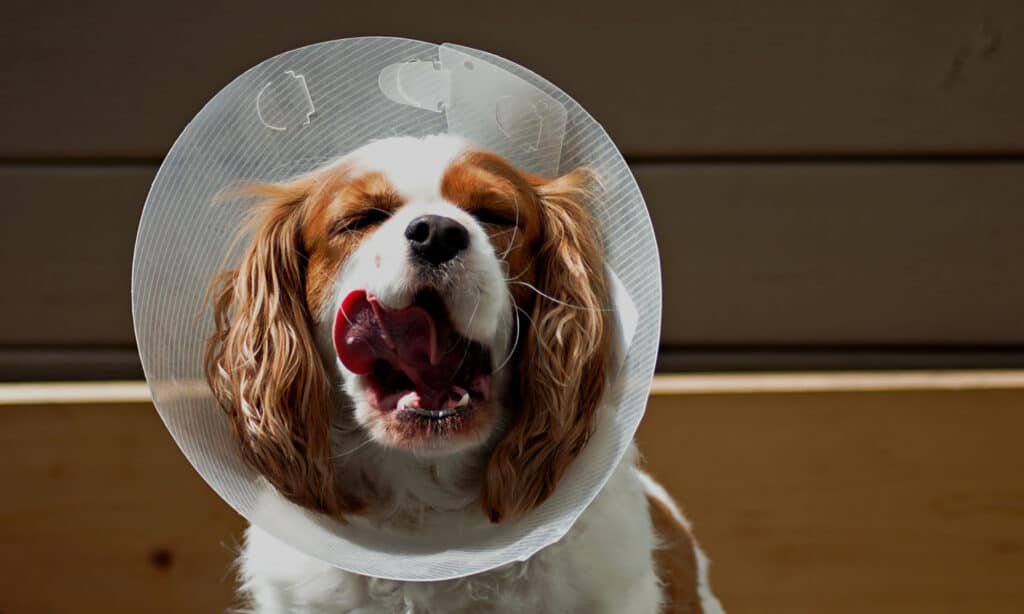
Prevent Scratching: If your dog is incessantly scratching the rash, consider using an e-collar or protective garment to prevent further irritation.
Over-the-Counter Solutions
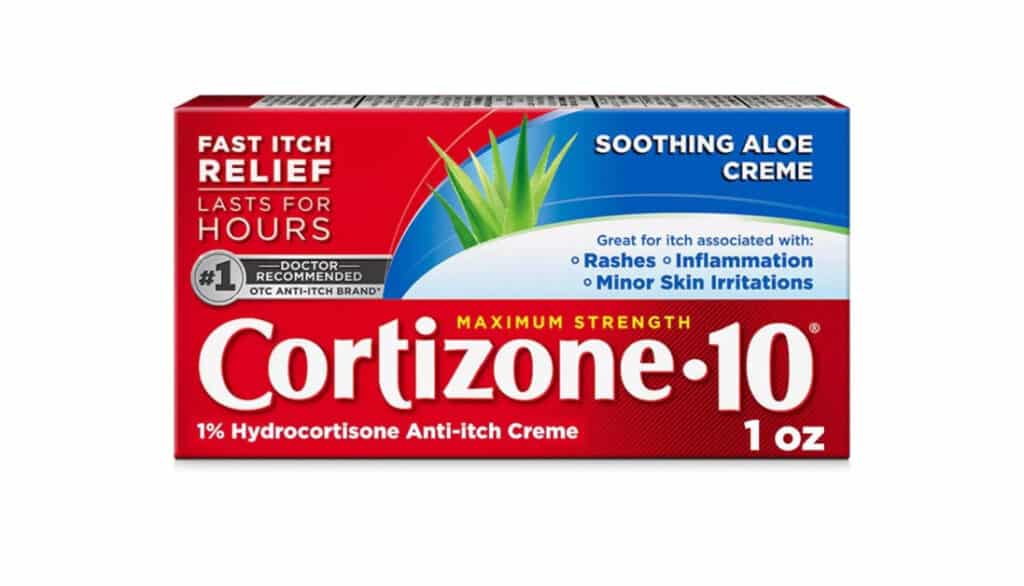
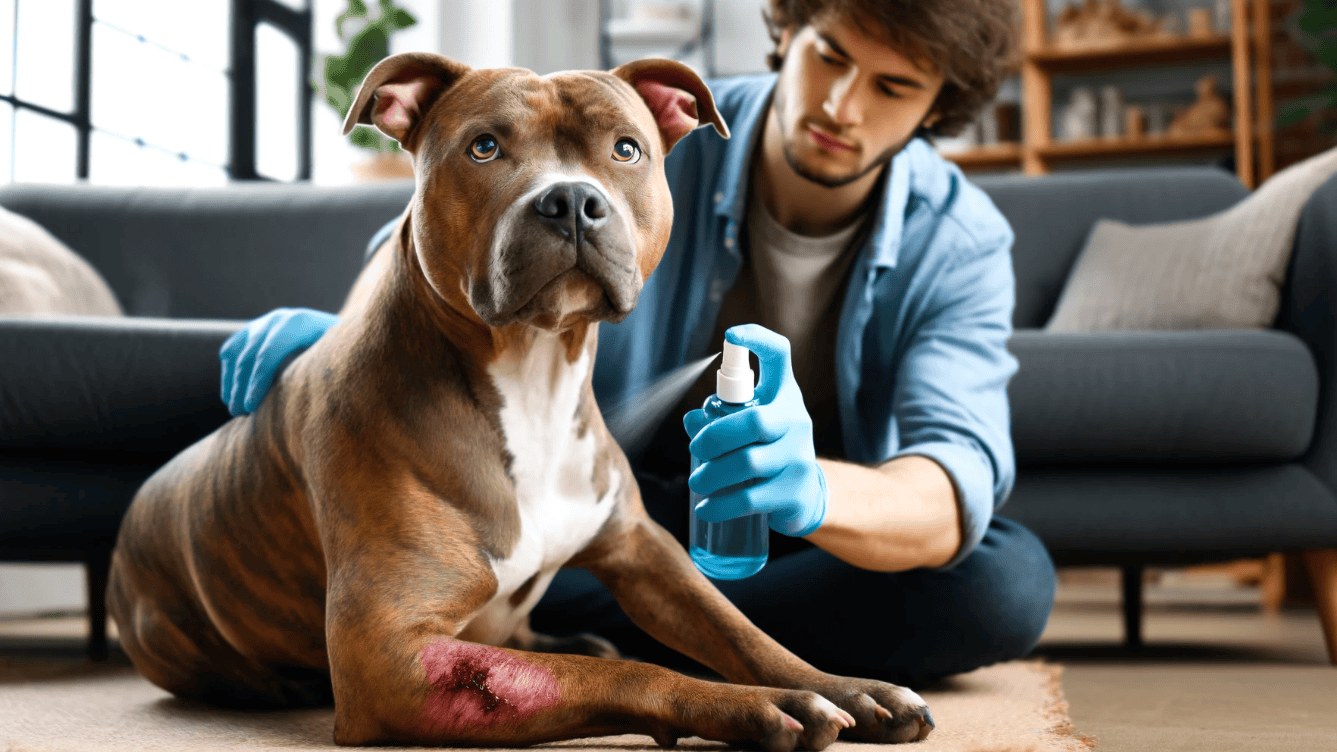
Hydrocortisone Cream: This can help reduce itching and inflammation. Ensure you use a dog-safe version and follow the recommended dosage.
Antiseptic Sprays or Lotions: These can help prevent infections, especially if the skin is broken.
Aloe Vera Gel: A natural remedy that can soothe and moisturize irritated skin.
Home Remedies
Oatmeal Bath: Oatmeal has natural soothing properties. Grind oatmeal into a fine powder and mix it with lukewarm water for a calming bath.
Chamomile or Green Tea Rinse: These teas have anti-inflammatory properties. Brew a strong batch, let it cool, and use it as a rinse after a regular bath.
Coconut Oil: This can act as a moisturizer and has antibacterial properties. Apply a thin layer to the affected area.
Consultation and Prescription Treatments
Visit the Vet: If the rash persists, worsens, or is accompanied by other concerning symptoms, it’s crucial to consult with a veterinarian.
Prescription Medications: Depending on the diagnosis, the vet may prescribe topical creams, oral medications, or special shampoos.
Allergy Testing: If allergies are suspected, the vet might recommend an allergy test to identify specific triggers.
Long-Term Solutions
Dietary Adjustments: If food allergies are the cause, consider transitioning to hypoallergenic dog food or a specialized diet.
Regular Grooming: Keeping your dog’s coat clean and free from tangles can prevent many skin issues.
Environmental Changes: Ensure your dog’s living environment is clean and free from potential irritants.
Treating dog rashes effectively requires a combination of immediate care, appropriate remedies, and sometimes professional consultation. By being proactive and attentive, you can ensure your dog’s comfort and well-being. In the following sections, we’ll delve into preventive measures to keep such issues at bay.
Best OTC Dog Rash Creams – Vet Recommended
When it comes to treating rashes on our furry friends, it’s essential to choose products that are both effective and safe. Over-the-counter creams can be a convenient solution for minor rashes, but it’s always a good idea to opt for those that come vet-recommended. Here are some of the best OTC dog rash creams that veterinarians often recommend:
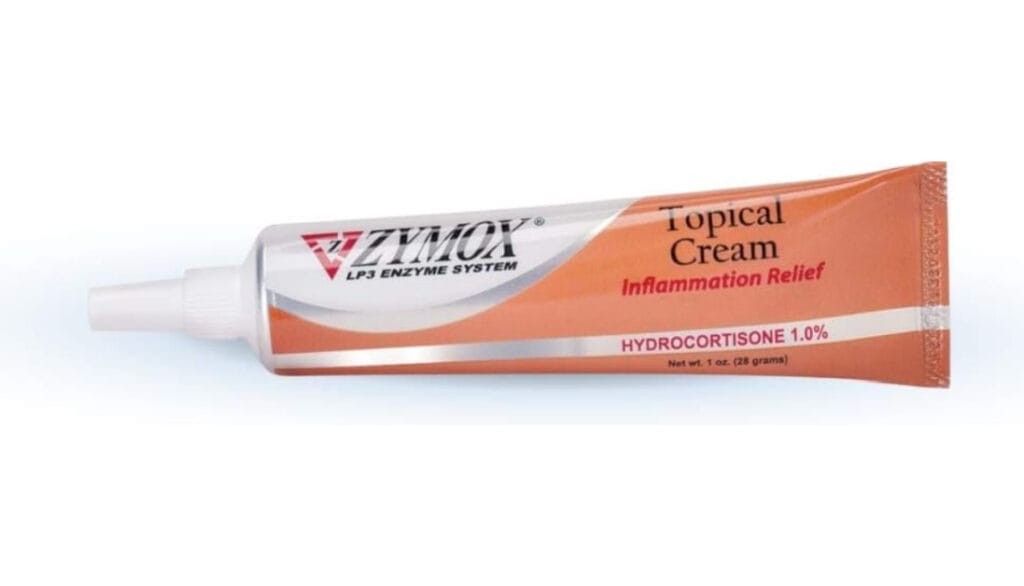
Effective Skin Relief: Users generally experience relief from common pet skin irritations, such as itching, hot spots, and dermatitis, when using this hydrocortisone-based cream.
Ease of Application: The no-sting lotion formulation eliminates the need for pre-cleaning, making it easier and less painful to apply to pets’ affected areas.
Safe for Pets: This cream is made with gentle ingredients that are safe even if pets lick the treated area, making it suitable for dogs and cats of all ages.
Cons:
Limited to External Use: One drawback is that the product is only intended for external use, limiting its application in situations where internal treatment might be necessary.
Temporary Relief: While providing soothing relief, the cream may offer only temporary relief for skin issues, and users may need to explore long-term solutions for chronic conditions.
Zymox Veterinarian Strength Topical Cream with 1% Hydrocortisone offers effective relief from various pet skin irritations, with easy application and safety for pets. However, it has limitations in terms of its external use and potential for providing only temporary relief.
Fast Itch Relief: Users typically experience quick and effective relief from itching and inflammation associated with common skin issues in dogs, such as eczema, psoriasis, and reactions to plants like poison oak, ivy, and sumac.
Water-Resistant Barrier: The ointment contains petrolatum, which creates a protective water-resistant barrier on the dog’s skin. This feature allows for its use before swimming or bathing without compromising its effectiveness.
Long-Lasting Relief: Cortizone-10’s maximum strength formula with 1% hydrocortisone offers long-lasting itch relief that can last for hours, ensuring your dog’s comfort.
Cons:
Potential Withdrawal Symptoms: Some users have reported concerns about potential withdrawal symptoms associated with the use of hydrocortisone-based products for itch relief in dogs, which may require discontinuation if severe symptoms arise.
Packaging and Sealing Issues: There have been occasional reports of packaging problems, such as unsealed tubes or damaged boxes, raising quality and hygiene concerns for the product.
Cortizone-10 Maximum Strength Water Resistant Anti-Itch Ointment offers fast and long-lasting relief for common dog skin irritations with its water-resistant barrier. However, potential withdrawal symptoms and occasional packaging issues should be considered when using this product on dogs.
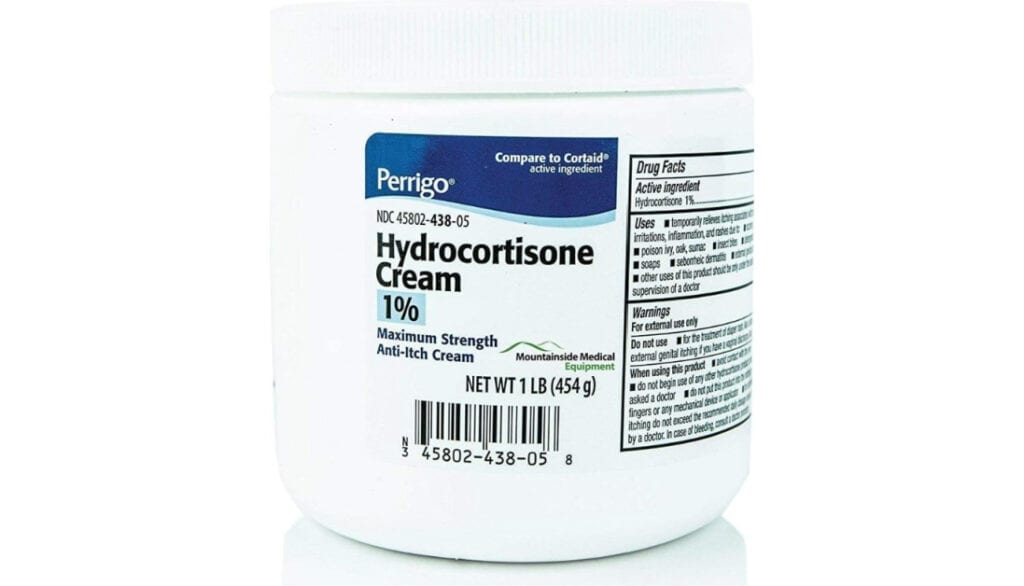
3. Perrigo Hydrocortisone Cream 1% Maximum Strength
Perrigo Hydrocortisone Cream is a 1% maximum strength formula designed to alleviate itching and inflammation. Suitable for various skin irritations, the cream can provide relief for a dog’s itchy or inflamed skin. Its formulation is intended to offer fast-acting relief, ensuring comfort for your canine companion.
PROs:
Provides quick relief from itching and inflammation.
Suitable for a variety of skin irritations in dogs.
Maximum strength formula ensures effective results.
CONs:
Might not be suitable for prolonged use without veterinary advice.
Some dogs might be sensitive to its ingredients, leading to further irritation.
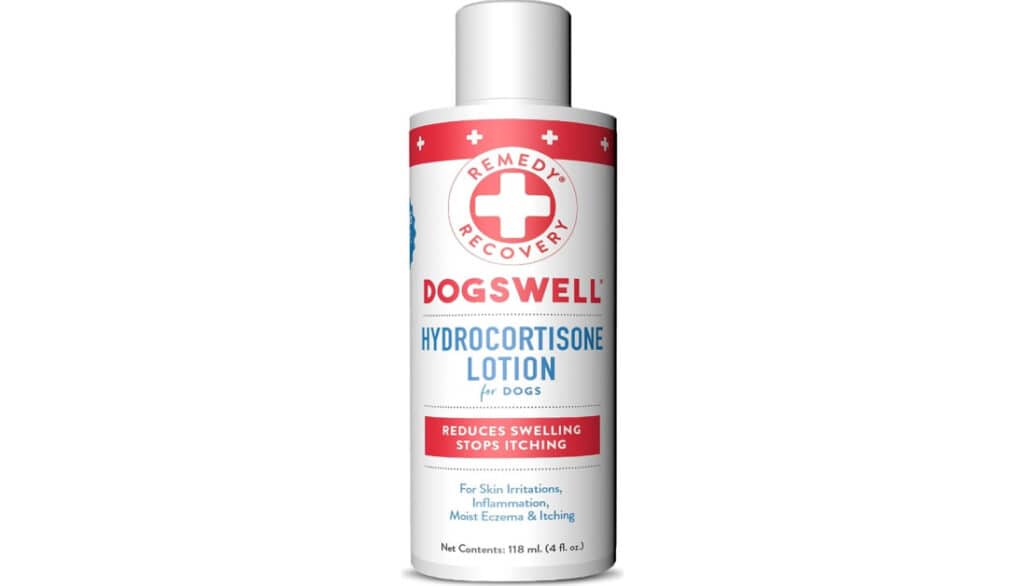
4. DOGSWELL Remedy + Recovery 0.5% Hydrocortisone Lotion for Dogs
DOGSWELL Remedy + Recovery 0.5% Hydrocortisone Lotion is specially formulated for dogs to provide quick relief from itching and rashes. The lotion is enriched with aloe vera and chamomile, which soothe and moisturize the skin. It’s a non-stinging formula that can be applied directly to affected areas, ensuring comfort for your canine companion.
PROs:
Provides rapid relief from itching and rashes, ensuring the dog’s comfort.
Contains natural ingredients like aloe vera and chamomile that soothe and moisturize the skin.
The non-stinging formula ensures that the application is painless for the dog.
CONs:
The lotion requires frequent reapplication for sustained relief.
Some dogs might be sensitive to certain ingredients, leading to potential allergic reactions.
While these OTC creams and sprays can be highly effective for treating minor rashes and skin issues, it’s always essential to monitor your dog’s condition. If the rash persists, worsens, or if you notice any adverse reactions, consult with your veterinarian immediately. Remember, while OTC dog rash creams offer convenience, they are not a substitute for professional veterinary advice and care.
How to Prevent Dog Rashes
issues. It also allows you to spot potential problems early.
Tips: Brush your dog regularly to remove dirt, debris, and loose fur. Bathe them with a mild dog shampoo, ensuring you rinse thoroughly to prevent residue.
2. Diet and Nutrition
Importance: A balanced diet can boost your dog’s immune system, making them less susceptible to skin issues.
Tips: Ensure your dog’s food is of high quality and free from common allergens. If you suspect food allergies, consider an elimination diet to identify triggers.
3. Flea and Tick Prevention
Importance: These pests are common culprits behind skin irritations and rashes.
Tips: Use vet-recommended flea and tick preventatives regularly. Check your dog’s coat for pests, especially after outdoor activities.
4. Environmental Control
Importance: Many rashes arise from environmental irritants.
Tips: Ensure your dog’s bedding is clean and free from allergens. Avoid exposing your dog to harsh chemicals or irritants. If you notice your dog reacting to specific plants or substances, try to eliminate or reduce their exposure.
5. Hydration and Protection
Importance: Just like in humans, hydrated skin is healthier and less prone to rashes.
Tips: Ensure your dog has access to fresh water at all times. In extreme weather conditions, consider dog-safe moisturizers or sunscreens.
6. Regular Vet Check-ups
Importance: Regular check-ups can help identify and address potential issues before they become severe.
Tips: Schedule routine vet visits and discuss any concerns you might have about your dog’s skin health.
7. Avoid Sudden Changes
Importance: Sudden changes in diet, grooming products, or environment can trigger skin reactions.
Tips: Introduce any changes gradually and monitor your dog for any adverse reactions.
8. Protective Gear
Importance: In certain environments, protective gear can prevent contact with irritants.
Tips: Consider dog booties for rough terrains or areas with potential irritants. Use protective garments if your dog has a history of rashes.
By taking these preventive measures, you can significantly reduce the risk of rashes and ensure your dog remains comfortable and healthy. Remember, a proactive approach to your dog’s well-being can make all the difference in their overall health and happiness.
Conclusion
Rashes, while common in dogs, can be a source of discomfort and concern for both the pet and the owner. Through this comprehensive guide, we’ve journeyed from understanding the root causes of these rashes to exploring effective treatments and preventive measures. As a seasoned veterinarian, I, Dr. Candy Akers, cannot emphasize enough the importance of being proactive in your dog’s skin health. Regular check-ups, a keen eye for changes, and a well-informed approach can make a world of difference.
Remember, while many rashes can be treated at home with over-the-counter solutions, always consult with a professional if you’re unsure or if the rash persists. Our furry companions rely on us for their well-being, and with the right knowledge and care, we can ensure they lead a comfortable, rash-free life.
Thank you for joining me on this informative journey about dog rash creams. Here’s to the health and happiness of our four-legged friends!
Frequently Asked Questions
1. How long does it typically take for a dog rash to heal?
While minor rashes may clear up within a few days with appropriate treatment, more severe or persistent rashes might take a week or longer. Always monitor the rash and consult with a veterinarian if it doesn’t show signs of improvement within a week.
2. Can I use human rash creams on my dog?
While some human creams might be safe for dogs, others can contain ingredients that are toxic to them. It’s always best to use dog-specific products or consult with a vet before applying any human medication to your pet.
3. How can I differentiate between a simple rash and something more serious?
Simple rashes are typically localized and might be accompanied by mild itching. More serious conditions might present with additional symptoms like hair loss, severe inflammation, discharge, or the rash spreading rapidly. If in doubt, always seek a vet’s opinion.
4. Are certain dog breeds more prone to skin rashes than others?
Yes, some breeds with specific skin types or genetic predispositions, like Bulldogs, Shar-Peis, or Cocker Spaniels, might be more susceptible to skin issues. However, any dog, regardless of breed, can develop rashes.
5. My dog’s rash went away but returned after a few weeks. What should I do?
Recurring rashes might indicate an underlying issue, such as an allergy or chronic condition. It’s essential to consult with a veterinarian to determine the root cause and receive guidance on long-term management and prevention.
A note about your dog’s health
This article provides general education and does not replace an examination, diagnosis, or individualized advice from your veterinarian. Contact a veterinary professional if you are concerned about your dog’s symptoms.
Dr. Candy Akers earned her Doctor of Veterinary Medicine degree from Oklahoma State University in 2009 after completing undergraduate studies at the University of Delaware. Her experience includes companion-animal nutrition, chronic disease, allergies, autoimmune conditions, cold laser therapy, wildlife rehabilitation, and emergency wildlife response. She combines conventional veterinary knowledge with a whole-animal perspective to help pet parents understand their options and recognize when individualized veterinary care is needed.
Hello, I’m Dr. Candy Akers, and I’ve dedicated my life to the well-being of our furry companions. Over the years, I’ve encountered countless cases of dogs with minor injuries that, if left untreated, can lead to severe complications. It’s a common misconception that a small scratch or cut on a dog will heal on its own without any intervention. However, just as with humans, these seemingly insignificant wounds can become breeding grounds for bacteria, leading to infections and prolonged healing times. That’s why I cannot stress enough the importance of having a reliable antiseptic spray on hand.
In this blog, I’ll be sharing my top recommendations for over-the-counter antiseptic sprays that promote fast healing. I’ll also guide you on the correct way to use these sprays to ensure your dog’s swift recovery. Let’s prioritize the health and comfort of our pets, ensuring they remain active and happy.
Why Do Dogs Need Antiseptic Sprays?
Dogs, with their boundless energy and insatiable curiosity, are natural explorers. Whether it’s a romp in the park, a dig in the backyard, or a playful tussle with a fellow canine, they’re always on the move. However, this active lifestyle also makes them prone to minor injuries. Here’s why antiseptic sprays are essential for our four-legged friends:
Prevention of Infections: Just like humans, dogs are susceptible to bacterial infections. A small cut or scrape, if left untreated, can become a hotspot for bacteria. Antiseptic sprays act as a first line of defense, killing harmful bacteria and preventing potential infections.
Quick Healing: Antiseptic sprays not only disinfect the wound but also create an environment conducive to healing. Many sprays contain ingredients that promote cell regeneration and reduce inflammation, ensuring a faster recovery.
Pain Relief: Some antiseptic sprays come with added pain-relieving ingredients. These can provide immediate relief to a dog in discomfort, making them less likely to lick or bite the affected area, which can further exacerbate the injury.
Protection from External Contaminants: Dogs love to play in varied environments, from grassy fields to muddy puddles. An antiseptic spray forms a protective barrier over wounds, shielding them from dirt, debris, and other external contaminants.
Cost-Effective Treatment: Treating a minor injury promptly with an antiseptic spray can prevent complications that might require more extensive and expensive veterinary care in the future.
Antiseptic sprays are an indispensable tool in a dog owner’s arsenal. They offer immediate treatment for minor injuries, ensuring our pets remain healthy and active. As a veterinarian, I’ve seen firsthand the difference timely intervention can make, and I always advocate for proactive care. After all, prevention is always better than cure.
Dr. Candy’s Top Recommendations for Antiseptic Sprays
Over the years, I’ve had the opportunity to evaluate and test numerous antiseptic sprays available in the market. While many of them offer good results, there are a few that stand out due to their efficacy, ingredients, and overall performance. Here are my top recommendations:
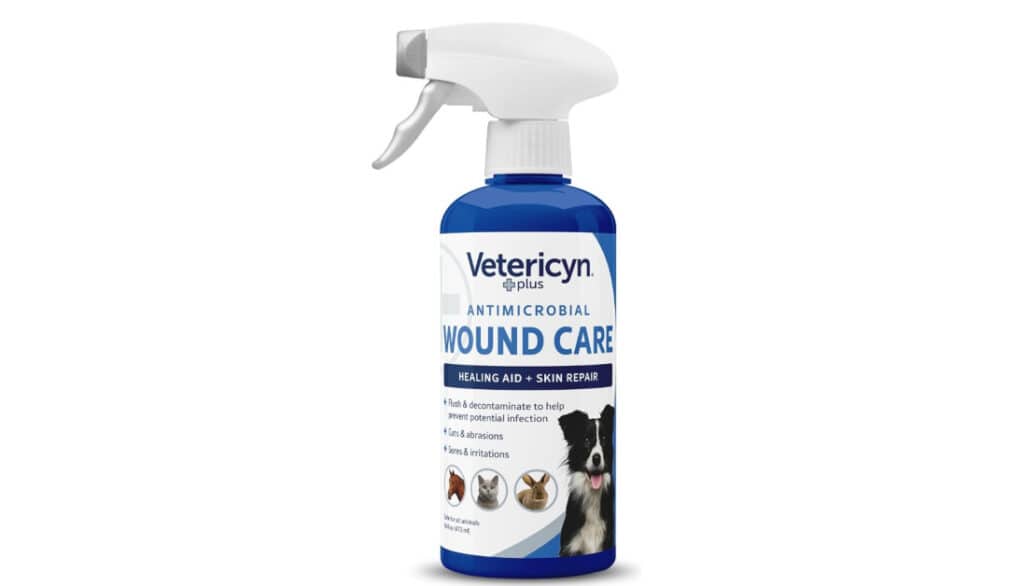
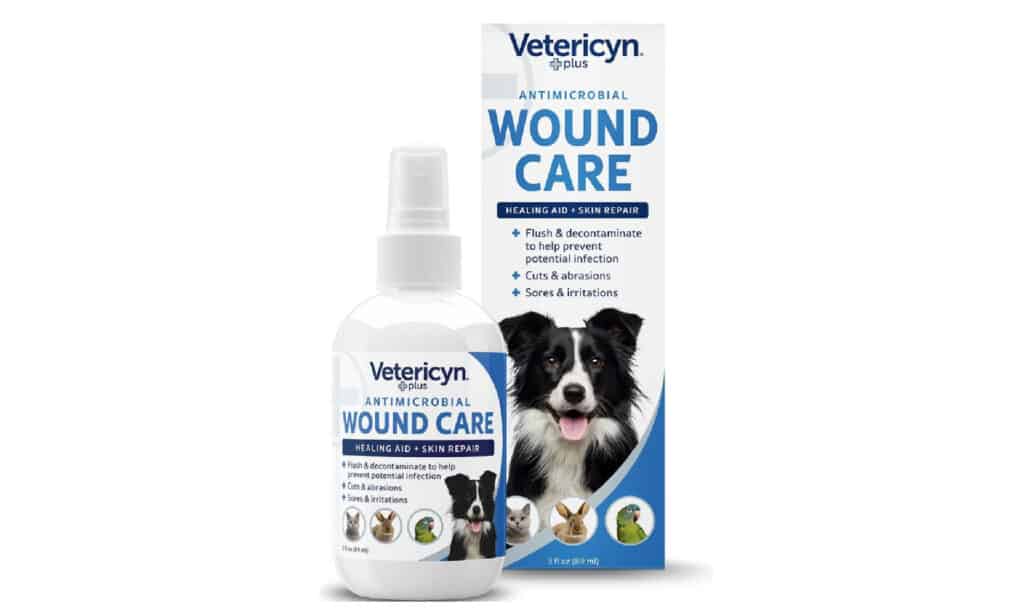
1) Vetericyn Plus Dog Wound Care Spray | Healing Aid and Skin Repair
Introduction: The Vetericyn Plus Dog Wound Care Spray is a versatile and effective solution designed to aid in the healing of various skin issues in animals, making it an excellent choice for pet owners. Here are three pros and two cons based on the information provided:
Pros:
Versatile Application: This product is highly versatile, capable of addressing a wide range of skin issues in animals, including cuts, abrasions, scratches, rashes, and hot spots. Its versatility makes it a valuable addition to any pet owner’s first-aid kit, as it can be used on various types of wounds.
Non-Cytotoxic Formula: Vetericyn Plus is formulated to clean wounds without causing harm to healthy tissue, creating an ideal environment for proper wound healing. This non-cytotoxic property distinguishes it from some other products on the market, ensuring that it aids in the healing process without causing additional damage.
Safe and Trusted: Manufactured in the USA by a reputable company, Vetericyn has gained trust among pet owners as a reliable at-home animal health product. It contains no antibiotics or steroids, making it safe for prolonged use, from newborn puppies to aging dogs.
Cons:
Limited Information: The product description on the webpage lacks detailed information about its ingredients and specific use cases. For customers seeking more in-depth knowledge about the product’s components and how it works, this limited information may be a drawback.
Potential Sensitivity: While the product is generally safe, individual animals may exhibit sensitivities or allergies to certain ingredients. Pet owners should monitor their pets for any adverse reactions, and it would be beneficial if the product provided clearer guidance on how to identify and handle such situations.
Why I Recommend It: The Vetericyn Plus Dog Wound Care Spray offers a versatile and non-cytotoxic solution for addressing a variety of skin issues in animals. Its safety and effectiveness, coupled with its reputation as a trusted product, make it a valuable addition to any pet owner’s toolkit. However, potential customers may find the lack of detailed information about the product’s ingredients and possible sensitivities as areas for improvement. Overall, it presents a compelling option for pet owners seeking a reliable wound care solution for their beloved animals.
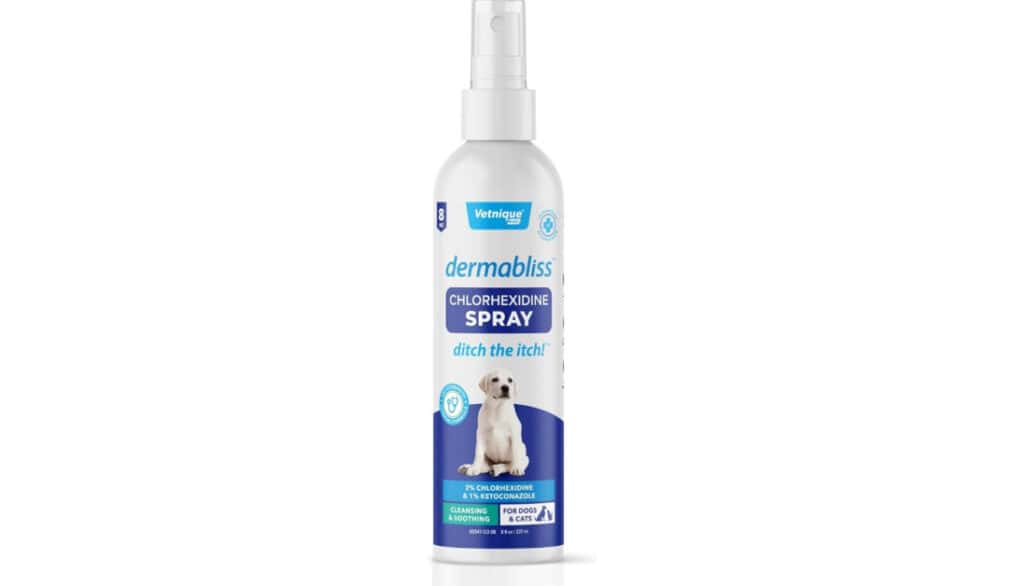
2) Vetnique Labs Dermabliss Dog Chlorhexidine Spray
The Vetnique Labs Dermabliss Dog Allergy and Itch Relief is a pet care product formulated to address common skin irritations and allergies in dogs and cats. This medicated relief spray offers a convenient solution for pet parents seeking to alleviate their furry friends’ skin problems. Below are three pros and two cons based on the information provided:
Pros:
Veterinary Strength Formula: Dermabliss contains 2% Chlorhexidine and 1% Ketoconazole, making it a veterinary strength formula. This high-potency composition is effective in targeting and addressing common skin irritations in pets, offering a reliable solution for skin issues.
Soothing and Effective: This spray combines active ingredients with soothing Aloe Vera, providing an effective yet gentle solution for pets’ skin problems. It aims to alleviate discomfort and itching without causing further irritation, making it a suitable choice for pets with sensitive skin.
Safe for Dogs and Cats: Dermabliss is safe to use on both dogs and cats of all ages, making it a versatile product for pet households. The ability to use it on various pets adds to its convenience and value, catering to a broader range of pet owners.
Cons:
Limited Information on Ingredients: The product description lacks detailed information about all the ingredients used in Dermabliss. Customers who are concerned about potential allergens or specific components may find it challenging to assess its suitability for their pets without more comprehensive ingredient information.
May Not Address All Skin Issues: While Dermabliss is designed to address common skin irritations and allergies, it may not be effective for more severe or specific skin conditions that require specialized treatment. Pet owners with pets suffering from such conditions may need to seek alternative solutions or consult a veterinarian.
Why I Recommend It: The Vetnique Labs Dermabliss Dog Allergy and Itch Relief offers a veterinary strength formula for addressing common skin irritations in dogs and cats. Its soothing and effective composition, coupled with its safety for both dogs and cats, makes it a convenient choice for pet owners seeking to alleviate skin problems in their furry companions. However, the limited ingredient information and the potential inability to address all skin issues may be areas for improvement. Overall, it provides a valuable option for pet parents looking for a straightforward solution to common pet skin irritations.
In the vast world of pet care products, these two antiseptic sprays have consistently delivered outstanding results. As a veterinarian, my primary concern is the well-being of our furry companions, and I can confidently say that these products align with that goal. Whether you’re dealing with a minor scratch or a more significant wound, having one of these sprays on hand can make a world of difference.
How To Use Antiseptic Spray For Dogs
Using an antiseptic spray correctly is crucial to ensure the effective treatment of wounds and to promote swift healing. Here’s a step-by-step guide on how to use these sprays for optimal results:
Preparing the Wound:
Cleaning the Area: Before applying any antiseptic, it’s essential to clean the wound thoroughly. Gently wash the affected area with lukewarm water and mild soap to remove any dirt or debris.
Pat Dry: Once cleaned, pat the area dry with a soft, clean cloth or towel. It’s crucial to ensure the wound is dry to allow the antiseptic to work effectively.
Applying the Spray:
Positioning: Hold the spray bottle a few inches away from the wound to ensure even coverage.
Spray Evenly: Apply a generous amount of the antiseptic spray, ensuring the entire wound and its surrounding area are covered.
Avoid Touching: Try not to touch the wound or the nozzle of the spray bottle to prevent contamination.
Post-application Care:
Monitor the Wound: Keep an eye on the wound for signs of healing or any indications of infection, such as increased redness, swelling, or discharge.
Limit Licking: Dogs have a natural instinct to lick their wounds. However, this can slow the healing process and introduce bacteria. Consider using an Elizabethan collar (commonly known as a “cone”) to prevent your dog from reaching the wound.
Reapply as Needed: Depending on the severity of the wound and the specific product’s instructions, you may need to reapply the spray once or twice daily.
Consultation:
When to See a Vet: If the wound doesn’t show signs of improvement within a few days or if you notice signs of an infection, it’s essential to consult your veterinarian for further guidance.
While antiseptic sprays are a fantastic tool for treating minor injuries, it’s crucial to use them correctly. By following the steps outlined above, you can ensure your dog’s wounds heal quickly and without complications. Remember, our pets rely on us for their well-being, so let’s give them the best care possible.
Benefits of Over-The-Counter (OTC) Antiseptic Sprays
Over-the-counter antiseptic sprays have become a staple in many pet owners’ first aid kits, and for good reasons. These readily available solutions offer a host of benefits that make them an excellent choice for treating minor injuries in dogs. Let’s delve into the advantages of OTC antiseptic sprays:
Immediate Access:
OTC antiseptic sprays are available without a prescription, allowing pet owners to quickly address wounds as soon as they occur. Immediate treatment can prevent complications and speed up the healing process.
Cost-Effective:
Compared to prescription medications or treatments, OTC antiseptic sprays are generally more affordable. This cost-effectiveness ensures that pet owners can always have a reliable treatment option on hand without breaking the bank.
Tried and Tested:
Many OTC antiseptic sprays have been on the market for years and have undergone rigorous testing. Their continued presence on store shelves is a testament to their efficacy and safety.
Versatility:
These sprays are formulated to treat a wide range of minor injuries, from cuts and scrapes to insect bites. Their broad-spectrum action makes them a versatile tool in a pet owner’s arsenal.
Ease of Use:
OTC antiseptic sprays come in user-friendly packaging with clear instructions, making them easy to apply even for those without medical training.
Safety:
Most OTC antiseptic sprays are formulated with safety in mind. They are free from harsh chemicals and are gentle on a dog’s skin, reducing the risk of adverse reactions.
Travel-Friendly:
Due to their compact size, OTC antiseptic sprays are easy to carry, making them a must-have for trips, hikes, or any outdoor activity with your furry friend.
OTC antiseptic sprays offer a combination of convenience, efficacy, and safety, making them an invaluable resource for every dog owner. While they are excellent for treating minor injuries, it’s essential to remember that severe wounds or persistent issues should always be addressed by a veterinarian. As always, the well-being of our pets should be our top priority.
Safety Precautions When Using Antiseptic Sprays
While antiseptic sprays are designed to be safe and effective for treating minor injuries in dogs, it’s essential to use them with care. Here are some safety precautions to keep in mind when using these products:
Read the Label:
Always start by reading the product’s label and instructions. Different sprays may have varying ingredients and application methods. Familiarizing yourself with these details ensures you use the product correctly and safely.
Avoid Contact with Eyes and Mouth:
While most antiseptic sprays are formulated for external use, they can irritate a dog’s eyes and mouth. Ensure you apply the spray carefully, avoiding these sensitive areas.
Test for Allergies:
Before fully applying the spray to a wound, it’s a good idea to test a small amount on a patch of your dog’s skin. Monitor for any adverse reactions, such as redness, itching, or swelling.
Keep Out of Reach:
Store antiseptic sprays in a place inaccessible to pets and children. While they are generally safe, ingestion or misuse can lead to complications.
Do Not Substitute for Veterinary Care:
Antiseptic sprays are excellent for treating minor injuries, but they are not a replacement for professional veterinary care. If a wound is deep, doesn’t heal, or shows signs of infection, consult a veterinarian immediately.
Wash Hands After Use:
After applying the spray, wash your hands thoroughly. This prevents any potential transfer of the antiseptic to your eyes, mouth, or other sensitive areas.
Monitor Your Dog Post-Application:
Keep an eye on your dog after applying the antiseptic spray. Ensure they don’t lick or scratch the treated area, as this can slow the healing process and introduce bacteria.
Check Expiration Date:
Like all medical products, antiseptic sprays have an expiration date. Using an expired product can reduce its effectiveness and may even harm your pet. Regularly check and replace outdated products.
While antiseptic sprays are a valuable tool for pet owners, their safety and effectiveness lie in their correct usage. By following the precautions listed above, you can ensure that you’re providing the best care for your furry friend while keeping them safe from potential risks.
Conclusion
Our furry companions bring immeasurable joy and love into our lives, and in return, it’s our responsibility to ensure their well-being and comfort. Minor injuries, though seemingly insignificant, can escalate if not treated promptly and correctly. Antiseptic sprays serve as a first line of defense, offering immediate relief and promoting swift healing. As we’ve explored in this blog, the right product, when used with care and precaution, can make a world of difference in your dog’s recovery.
But beyond the products and techniques, it’s the diligence and love of a pet owner that truly matters. By staying informed and proactive, we can ensure that our pets remain healthy, active, and by our side for many years to come. After all, they’re not just pets; they’re family. Here’s to many more tail wags, playful barks, and cherished moments with our four-legged friends.
Frequently Asked Questions
1. What spray for dogs is antiseptic?
Antiseptic sprays for dogs are specially formulated solutions designed to disinfect and promote healing of minor wounds, cuts, and scrapes. Popular recommendations include the GNC Ultra Medicated Antiseptic Spray and Vetnique Labs Dermabliss Dog, among others.
2. Is antiseptic spray good for dogs?
Yes, antiseptic sprays are beneficial for dogs. They help in preventing bacterial infections in wounds, provide pain relief, and create an environment conducive to quick healing. However, it’s essential to choose a product specifically designed for dogs and follow the recommended usage instructions.
3. How often can you use antiseptic sprays on dogs?
The frequency of application depends on the specific product and the severity of the wound. Generally, for minor injuries, antiseptic sprays can be applied once or twice daily. However, always refer to the product’s label for specific instructions and consult a veterinarian if unsure.
4. Where can you buy antiseptic dog spray?
Antiseptic sprays for dogs can be purchased at pet supply stores, veterinary clinics, and online retailers. It’s always a good idea to read reviews and possibly consult with a veterinarian before making a purchase.
5. Can I use human antiseptic spray on dogs?
While some human antiseptic sprays might be safe for dogs, it’s not always recommended. Dogs have different skin pH levels and sensitivities than humans. Using a product formulated for humans might cause irritation or an allergic reaction in dogs. It’s always best to use products specifically designed for canine use and consult a veterinarian if in doubt.
A note about your dog’s health
This article provides general education and does not replace an examination, diagnosis, or individualized advice from your veterinarian. Contact a veterinary professional if you are concerned about your dog’s symptoms.
Dr. Candy Akers earned her Doctor of Veterinary Medicine degree from Oklahoma State University in 2009 after completing undergraduate studies at the University of Delaware. Her experience includes companion-animal nutrition, chronic disease, allergies, autoimmune conditions, cold laser therapy, wildlife rehabilitation, and emergency wildlife response. She combines conventional veterinary knowledge with a whole-animal perspective to help pet parents understand their options and recognize when individualized veterinary care is needed.
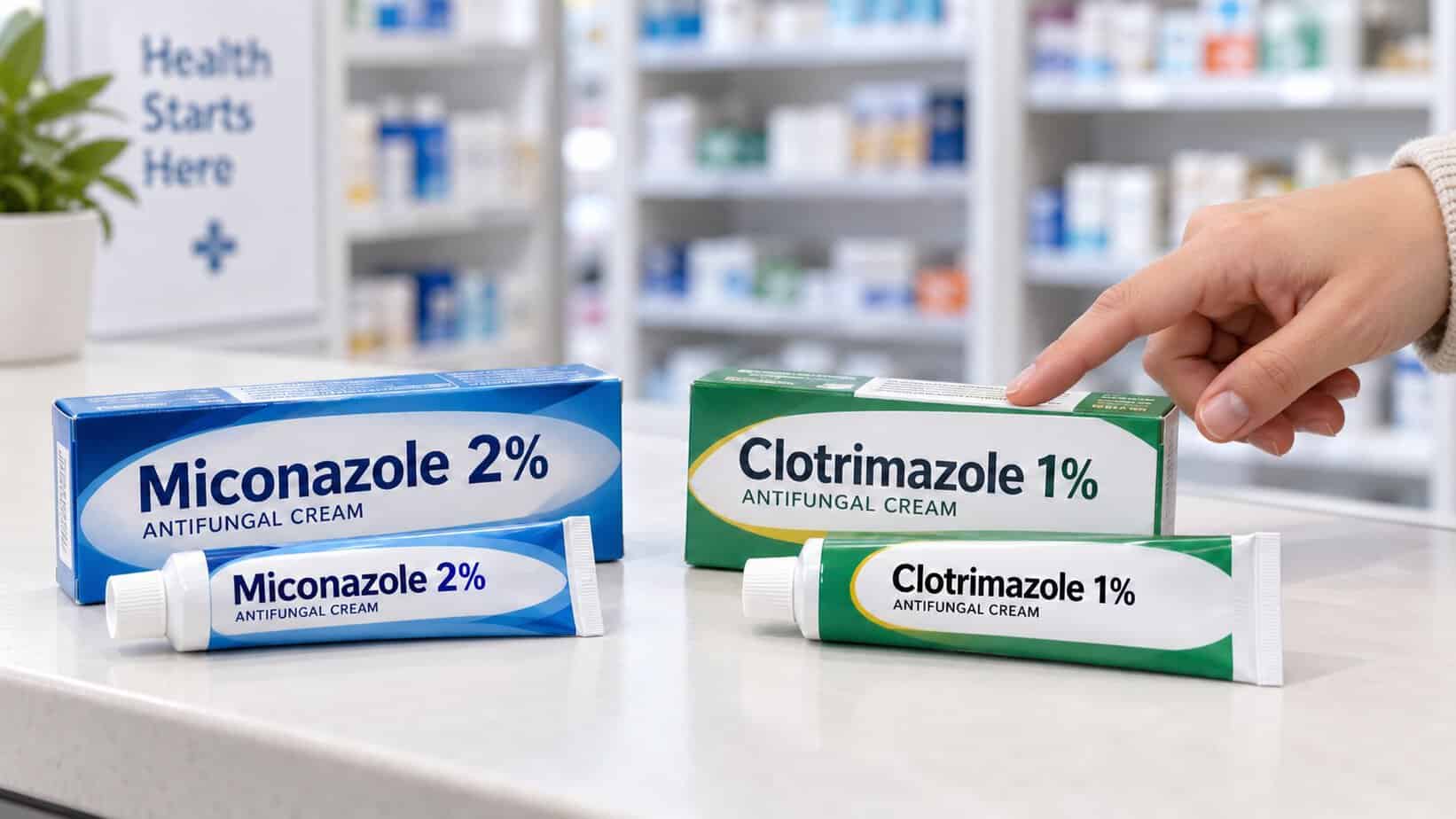
Yes, an over-the-counter antifungal cream may be useful for a dog’s small, superficial skin spot, but only when the product, location, and suspected cause fit. I usually look for a plain, single-ingredient miconazole 2% or clotrimazole 1% cream. I would not put it in an eye, deep in an ear, on an open wound, over a large area, or anywhere your dog can immediately lick.
I get this question often from dog owners. The tube in your medicine cabinet looks simple, and sometimes it is a practical choice. The catch is that red, itchy skin can come from yeast, ringworm, bacteria, allergies, mites, fleas, or irritation. The safest plan starts with deciding whether a cream truly matches the problem.
Can You Use OTC Antifungal Cream on a Dog?
A plain OTC antifungal can be reasonable for one small, dry, external spot when all of these are true:
The area is limited and easy to see.
The skin is not bleeding, oozing, badly swollen, or very painful.
The spot is away from the eyes, mouth, genitals, and inner ear.
You can keep your dog from licking it.
Your veterinarian has diagnosed a similar problem before or has advised topical antifungal care.
If this is your dog’s first unexplained rash, I prefer a veterinary diagnosis. Yeast dermatitis can look greasy, red, darkened, flaky, or thickened. Ringworm may cause scaly hairless patches, but it does not always make a neat circle. Allergies and bacterial infections can look very similar.
Veterinary dermatology guidance describes Malassezia yeast as a normal skin resident that can become an opportunistic problem. Treatment works best when we also identify and correct the factors that allowed it to overgrow. [1]
When to Skip Home Treatment
Skip the medicine-cabinet experiment and arrange an exam if the problem is spreading, keeps returning, has a strong odor, or covers more than a small spot. The same applies when your dog seems sick, painful, or unusually tired.
A dog with several bald, scaly patches may have ringworm. Ringworm can spread to people and other animals. It often needs more than a dab of cream, so prompt diagnosis matters.
Before You Reach for the Tube
Start by looking at the entire label, not just the word “antifungal.”
Choose a plain product with one antifungal active ingredient. Avoid combination creams that also contain a steroid, pain reliever, numbing medicine, essential oil, or several “itch relief” ingredients unless your veterinarian specifically recommended that formula. Extra ingredients can irritate the skin, mask a worsening problem, or create a risk if your dog licks them.
Human OTC labels are written for people, not pets. A label for miconazole nitrate 2% identifies it as an external-use antifungal and warns about eye contact, irritation, and swallowing. [2] A clotrimazole 1% label gives similar external-use and eye-contact warnings. [3] Those labels help us check the formulation, but they do not diagnose a dog or set a canine treatment plan.
Check the Location
A skin cream belongs on external skin only. Do not place it:
In or around the eye
Deep in the ear canal
Inside the mouth
On an open, deep, or draining wound
Across a large part of the body
Under a bandage unless your veterinarian directs you
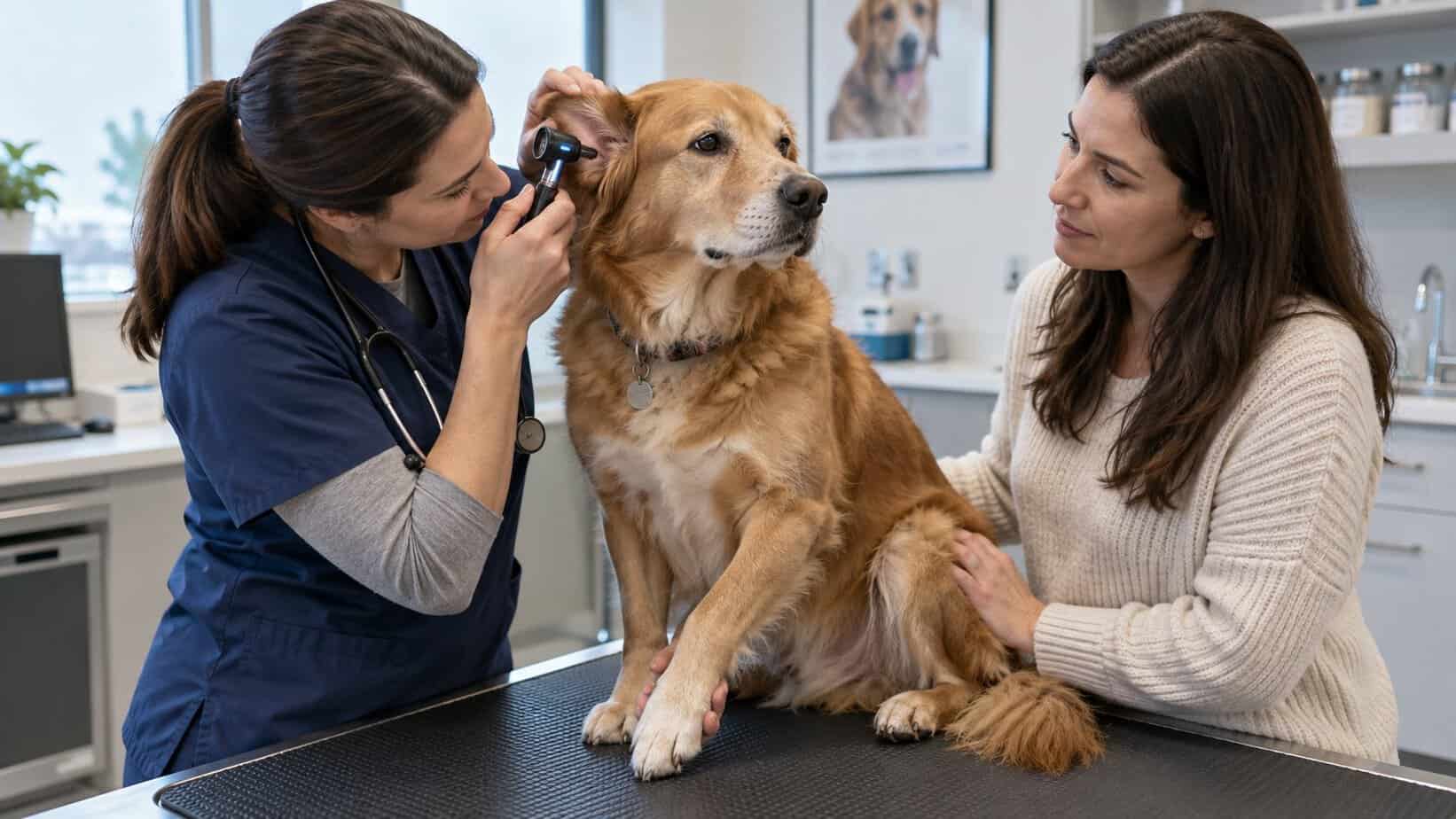
Ears deserve special care. A red, smelly, itchy ear can involve yeast, bacteria, mites, a foreign body, or a damaged eardrum. The right ear medication depends on what is present and whether the eardrum is intact.
Which OTC Antifungal Creams Can Work?
Miconazole and clotrimazole are azole antifungals. Azoles interfere with ergosterol production, which fungal cell membranes need to function. That is more accurate than saying the cream simply “breaks down the fungal cell wall.”
Miconazole 2%
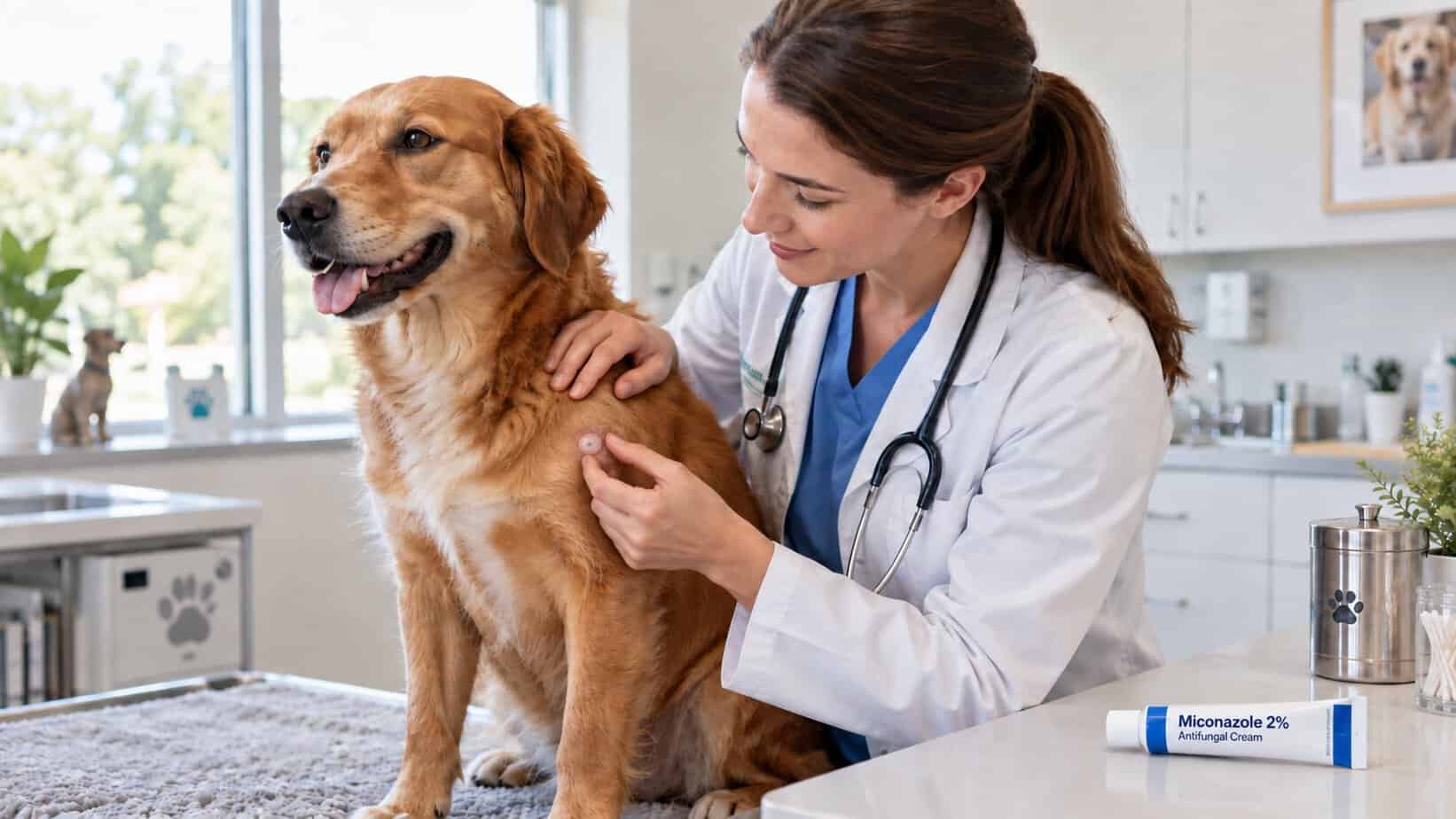
For a small, localized spot, I often prefer a plain 2% miconazole cream. It is widely available, easy to apply in a thin layer, and commonly used in veterinary topical care.
My preferred OTC antifungal cream for dogs is Antifungal Cream 2% Miconazole. You can often get it shipped to you in 1 day.
Clotrimazole 1%
Plain clotrimazole 1% is another topical azole that veterinarians may use for selected superficial fungal problems. It can be a reasonable alternative when your veterinarian agrees that the lesion and diagnosis fit.
I do not choose between these products by brand name alone. I look at the active ingredient, concentration, inactive ingredients, lesion location, and whether the dog can lick the area.
How to Apply Antifungal Cream Safely
Follow your veterinarian’s directions and the product label that applies to the chosen formulation. Do not borrow a human treatment schedule and assume it fits your dog.
For a small external spot, the practical sequence is:
Wash your hands.
Part the hair and inspect the skin.
Gently clean the area if needed, then dry it well.
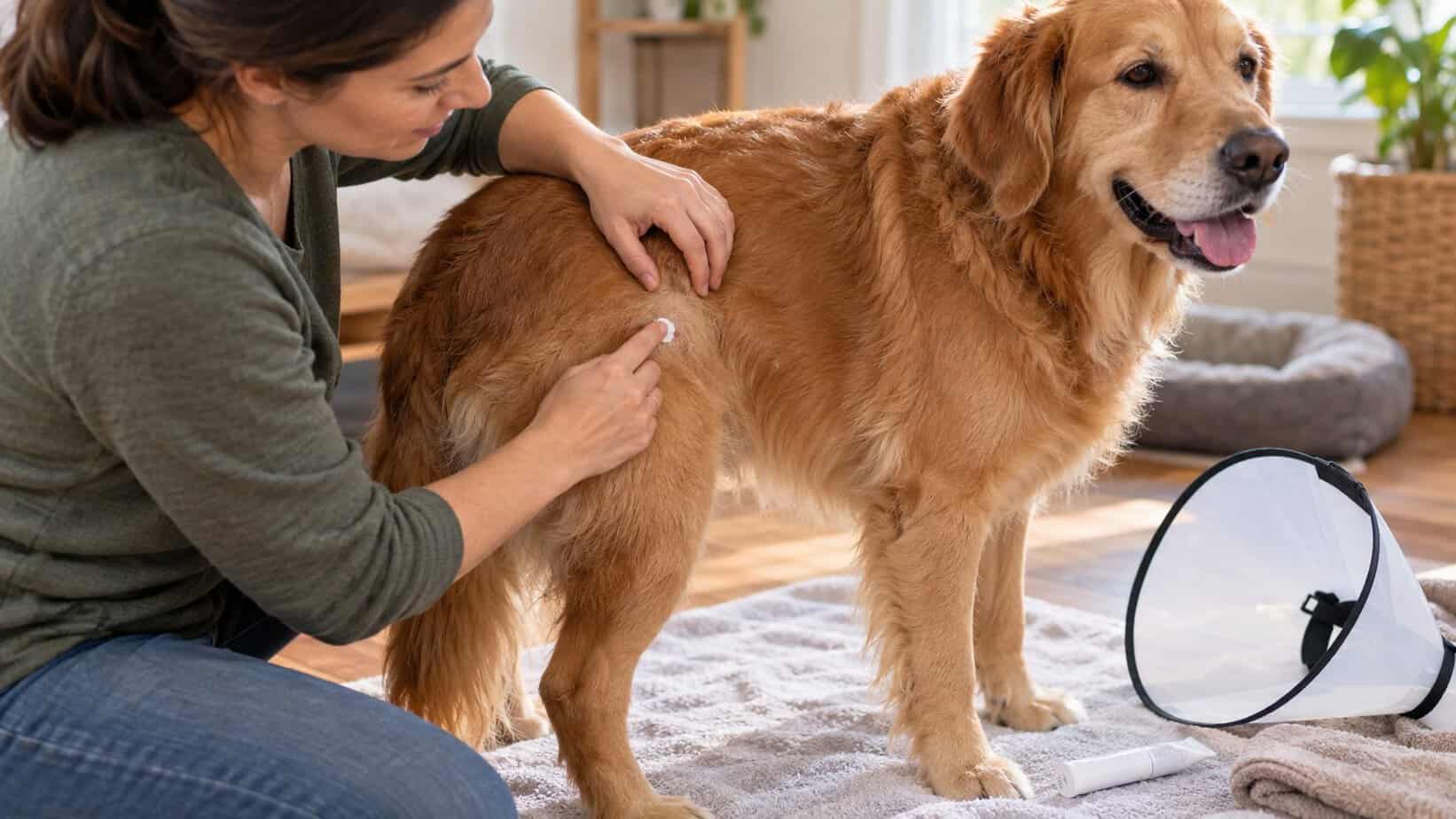
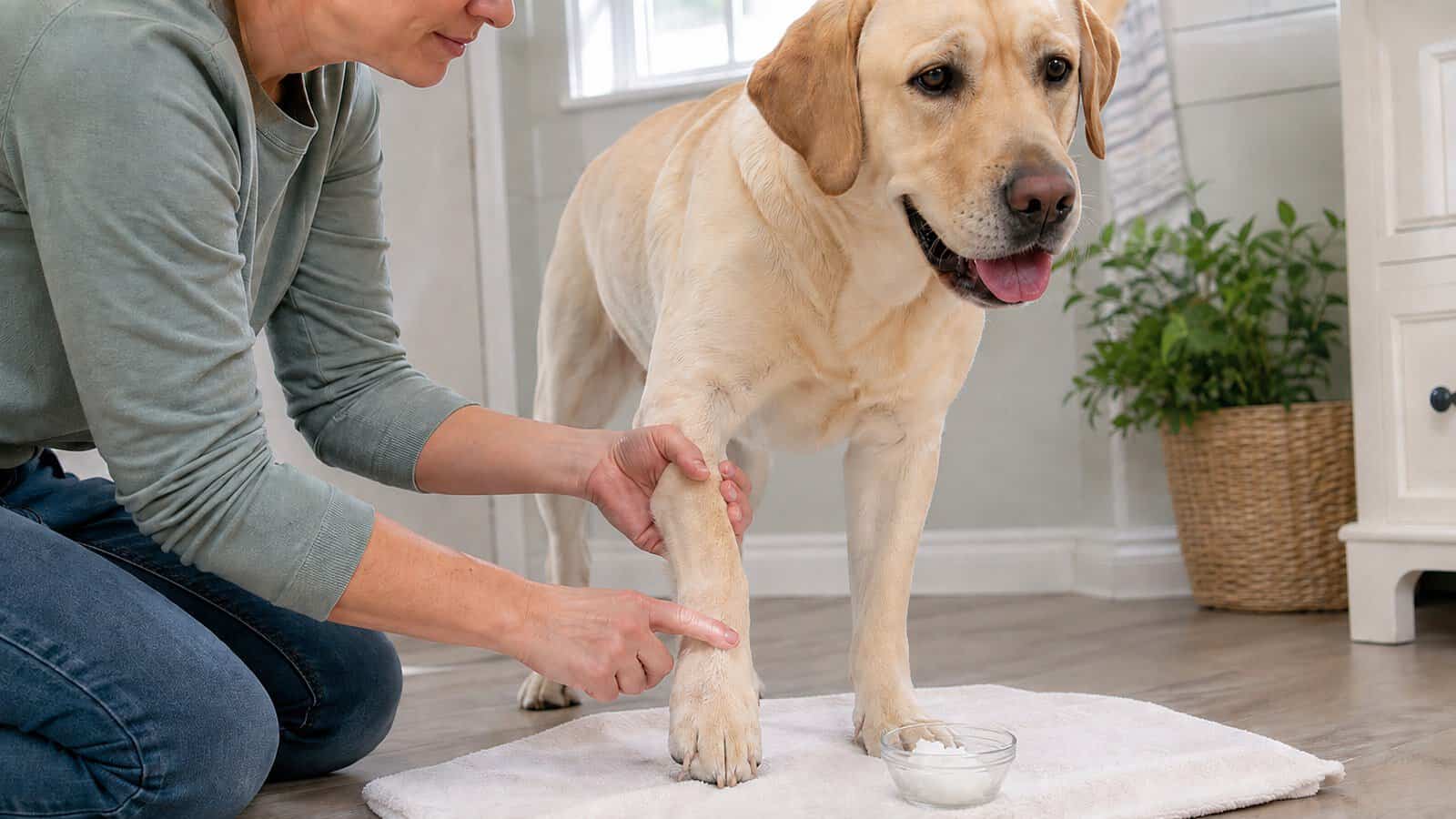
Apply a very thin layer to the affected skin.
Prevent licking with close supervision, a cone, or another veterinarian-approved barrier.
Wash your hands again.
Check the spot at least daily for spread, irritation, moisture, odor, or pain.
More cream is not better. A heavy coating invites licking and can trap moisture. It’s important to always wash your hands because some fungal infections that live on dogs can also infect humans.
What to Do If Your Dog Licks the Cream
Remove access to the tube and check the ingredient list. A small lick of a plain topical azole may cause drooling, vomiting, or stomach upset, but combination products can be more concerning.
Call your veterinarian or an animal poison service promptly if your dog swallowed more than a small taste, chewed the tube, seems weak or wobbly, trembles, vomits repeatedly, or if the product contains other active drugs. Keep the package with you so the ingredients and strength are easy to identify.
How Long Should It Take to Work?
There is no honest universal promise. The answer depends on the organism, the diagnosis, the size and location of the lesion, the formulation, and the health of your dog’s skin.
For a truly small superficial problem, I want to see a clear trend toward less redness, itching, scaling, or spread within several days. Stop and call your veterinarian sooner if the skin becomes more inflamed, wet, painful, or swollen.
If you do not see clear improvement, do not keep switching creams. That is the point to confirm the diagnosis. A skin cytology, fungal culture, PCR test, hair examination, or other test may be needed.
If your veterinarian prescribed a course, follow that plan even when the skin looks better. Stopping too early can leave the underlying problem unfinished.
When Antifungal Cream Is Not Enough
A small tube is best suited to a small problem. It is not a practical whole-body treatment.
Widespread Yeast Dermatitis
Dogs with yeast overgrowth across the paws, belly, armpits, skin folds, or much of the body often need a medicated shampoo, mousse, wipe, spray, or systemic plan. Just as important, we need to look for the reason it keeps happening. Allergies, chronic moisture, skin-fold friction, endocrine disease, and other health problems can make yeast more likely to return.
The World Association for Veterinary Dermatology consensus notes that both topical and systemic treatments can be effective, especially when predisposing factors are found and corrected. [1]
Suspected Ringworm
Ringworm is a dermatophyte (fungal) infection, not a worm. Cream alone may reduce fungus at one visible spot while infected hairs elsewhere continue to shed spores. Use better hygiene to remove spores from the environment.
Clinical consensus guidance recommends treating the animal and reducing contamination of the coat and environment. Conventional treatment commonly combines systemic antifungal medication with topical disinfection. [4] But I highly recommend trying a topical approach when possible.
Sprays, creams and antifungal shampoos apply the medication directly on the fungal infection on the skin. With this route of administration there is only minor systemic absorption.
With oral systemic antifungal medications, it applies this medication to every cell in your dog’s body. Oral doses are often large because pets can have different levels of GI absorption. The oral dose has to pass through your dog’s liver before it gets distributed. Oral antifungal medications can be toxic to your dog’s organ systems. A risk of liver damage or kidney damage is possible with an oral systemic medication and these risks can increase in puppies or older dogs who have less capacity for internal detoxification.
If ringworm is possible, protect children, older adults, and anyone with a weakened immune system from close contact until your veterinarian gives you a plan.
Wash bedding and clean hair from the environment as directed. Use hot water, laundry detergent, and a splash of bleach if possible. Do not shave the whole dog unless your veterinarian recommends it, since skin trauma can make matters worse.
Ear Problems
Do not use skin cream inside an ear canal. Ear infections need an examination, a look at the eardrum, and testing of the debris. A product that is reasonable on intact body skin may be painful or unsafe in an inflamed ear.
A Holistic Plan for Recurring Skin Trouble
An over the counter cream can quiet one spot. My bigger goal is to understand why the skin lost its balance.
Start with the basics. Keep skin folds and paws clean and dry. Rinse irritants from the coat after outdoor exposure when needed, then dry the skin thoroughly. Wash bedding, keep grooming tools clean, and use gentle bathing products that do not strip the skin barrier. Feed a complete, balanced diet and make sure an ongoing itch problem is evaluated for allergies, parasites, infection, or hormonal disease.
If your dog’s skin seems dry or irritated you should look at the quality of fats included in their food. You can compare ratios of Omega-3’s to Omega-6s, and can supplement extra fish oil if the diet is not balanced.
For some dogs, I also consider individualized nutritional and immune support. I have used Standard Process Canine Immune Support as part of a broader plan when it fits the dog. It is not a replacement for diagnosis or antifungal treatment, but it can really help your dog’s immune system keep up with small skin problems.
Be Careful With Natural Products
Natural does not automatically mean harmless or proven.
Coconut oil has interesting laboratory research, but the details matter. A 2025 study tested coconut oil carried in chitosan nanoparticles against Microsporum canis in vitro. [5] It found that coconut oil in this formulation wiped out 99.99% of the fungus in 7-14 days. That does not show that plain coconut oil from the kitchen will cure ringworm on a dog in 7 days. But it shows that coconut oil can provide antifungal and antimicrobial support on the skin.
Coconut oil may also serve as a skin-conditioning adjunct for some dogs when added to their diet. It has internal anti-inflammatory actions and I have found that it can be helpful in many dogs. It supports a calm nervous system and healthy cell membranes.
I do not recommend concentrated tea tree oil for a dog’s fungal spot. A retrospective report of 443 dogs and cats exposed to 100% tea tree oil found signs such as drooling, lethargy, weakness, poor coordination, and tremors. [6] Essential oils must be properly diluted in all pet products. When it comes to tea tree oil, I usually don’t buy concentrates or make my own recipes. I usually recommend that dog parents purchase a reputable product labeled for pets.
Research on medicinal plants for canine skin disease is promising, but much of it comes from laboratory, non-canine, or early clinical evidence. [7] I’ve also found a wide variation in the response that I see to a particular herb between individual dogs. Some dogs respond quickly to supplements, while other dogs may have a different underlying cause. Use herbs and botanicals carefully and always double check labels for an appropriate dose.
When to Call Your Veterinarian
Call promptly if you see:
Rapid spread or several new spots
Pus, bleeding, a strong odor, or an open wound
Significant pain, swelling, or nonstop scratching
A lesion near an eye, inside an ear, or on sensitive tissue
Fever, poor appetite, lethargy, weakness, or tremors
A puppy, pregnant dog, senior dog, or medically fragile dog with a new skin problem
Skin changes in another pet or person in the home
No clear improvement after several days of appropriate topical care
A problem that returns soon after treatment
If the spot is mild but you are unsure what you are looking at, send your veterinary clinic a clear photo and the exact product label. That simple step can prevent days of treating the wrong condition.
Final Thoughts
An OTC antifungal cream can be a useful tool for the right small skin problem. The key is matching the active ingredient to a diagnosis, choosing a safe product, keeping the product out of your dog’s mouth, and watching the response.
I often favor plain miconazole 2% for a small external spot, with clotrimazole 1% as another possible option. I do not rely on only topical cream when disease is widespread, recurrent, painful. In those cases, diagnosis and a whole-dog plan are the faster path to lasting relief.
Frequently Asked Questions
Can I Use My Own Antifungal Cream on My Dog?
Sometimes, but check with your veterinarian first. A plain miconazole 2% or clotrimazole 1% product may fit a small external spot. Avoid combination formulas, unsafe locations, open wounds, large areas, and any spot your dog can lick.
What If My Dog Licks Antifungal Cream?
Take the product away, check every active ingredient, and watch for drooling, vomiting, weakness, wobbliness, tremors, or marked sleepiness. Call your veterinarian or an animal poison service if your dog chewed the tube, swallowed more than a small taste, shows symptoms, or licked a combination product.
Can I Put Antifungal Cream in My Dog’s Ear?
No. Do not put a skin cream deep in the ear canal unless a veterinarian has examined the ear and prescribed that exact product. Ear treatment depends on the cause and the condition of the eardrum.
How Long Should I Try an OTC Antifungal Cream?
Look for a clear trend toward improvement within several days. Stop sooner if the spot worsens, spreads, becomes painful, or develops discharge. If it is not clearly improving, have your veterinarian confirm the diagnosis instead of trying another cream.
Does Coconut Oil Kill Fungus on Dogs?
Laboratory research suggests some coconut-oil formulations can inhibit fungi, but that is not proof that any coconut oil cures all dog fungus infections. Many of my patients show improvement with local application of coconut oil, but it depends on the underlying cause.
Can I Use Tea Tree Oil for a Dog’s Fungal Infection?
I do not recommend concentrated tea tree oil. Dogs can absorb it through the skin and serious neurologic signs have been reported after exposure. I recommend using a pet-specific formulation and following the instructions so it doesn’t irritate your dog’s skin.
References
Bond, R., Morris, D. O., Guillot, J., Bensignor, E. J., Robson, D., Mason, K. V., Kano, R., & Hill, P. B. (2020). Biology, diagnosis and treatment of Malassezia dermatitis in dogs and cats: Clinical consensus guidelines of the World Association for Veterinary Dermatology. Veterinary Dermatology, 31(1), 28-74. https://doi.org/10.1111/vde.12809
Moriello, K. A., Coyner, K., Paterson, S., & Mignon, B. (2017). Diagnosis and treatment of dermatophytosis in dogs and cats: Clinical consensus guidelines of the World Association for Veterinary Dermatology. Veterinary Dermatology, 28(3), 266-e68. https://doi.org/10.1111/vde.12440
Khalil, I. I., Al-Abedi, H. F. H., Jasim, A. S., & Younus, J. G. (2025). Evaluation of the antifungal activity of coconut oil/chitosan nanoparticles against Microsporum canis. Open Veterinary Journal, 15(10), 4984-4996. https://doi.org/10.5455/OVJ.2025.v15.i10.17
Khan, S. A., McLean, M. K., & Slater, M. R. (2014). Concentrated tea tree oil toxicosis in dogs and cats: 443 cases (2002-2012). Journal of the American Veterinary Medical Association, 244(1), 95-99. https://pubmed.ncbi.nlm.nih.gov/24344857/
Tresch, M., Mevissen, M., Ayrle, H., Melzig, M., Roosje, P., & Walkenhorst, M. (2019). Medicinal plants as therapeutic options for topical treatment in canine dermatology? A systematic review. BMC Veterinary Research, 15, 174. https://doi.org/10.1186/s12917-019-1854-4
A note about your dog’s health
This article provides general education and does not replace an examination, diagnosis, or individualized advice from your veterinarian. Contact a veterinary professional if you are concerned about your dog’s symptoms.
Dr. Candy Akers earned her Doctor of Veterinary Medicine degree from Oklahoma State University in 2009 after completing undergraduate studies at the University of Delaware. Her experience includes companion-animal nutrition, chronic disease, allergies, autoimmune conditions, cold laser therapy, wildlife rehabilitation, and emergency wildlife response. She combines conventional veterinary knowledge with a whole-animal perspective to help pet parents understand their options and recognize when individualized veterinary care is needed.
Yes, you can put a very thin layer of plain virgin coconut oil on clean, intact dog paw pads. It softens mild dryness, leaves a light protective coating, and brings naturally occurring antimicrobial fatty acids to the skin surface. A small accidental lick is usually not a serious problem, but repeated licking or eating a larger amount can upset the stomach.
I look at coconut oil as useful home care, not something to spread on every sore paw. The condition of the pads and the skin between the toes tells us whether a simple coating is enough or whether we need to find and address a deeper cause.
What Can Coconut Oil Do for a Dog's Paws?
Coconut oil works as an emollient. That means it softens and coats the outer surface of the skin. On mildly dry, rough paw pads, a thin film can reduce that dry, tight feeling and make the surface feel smoother.
It also contains medium-chain fatty acids, including lauric acid, that are responsible for much of the scientific interest in coconut oil. Research supports real antibacterial activity from whole virgin coconut oil and coconut-derived compounds. In one laboratory study, virgin coconut oil inhibited Staphylococcus aureus and damaged the bacterial cell wall. The same study found increased phagocytosis, the process immune cells use to surround and clear microbes, at the tested concentration. [1]
That gives coconut oil more value than a plain surface moisturizer. Still, the organism, preparation, concentration, and condition of the skin affect what it can do. A household layer of coconut oil on a dog's paw is not the same as a purified compound or a laboratory formulation.
My holistic approach is to use simple natural support while also asking why the paws became dry, cracked, or itchy. Weather, rough surfaces, salt, lawn products, allergies, infection, injury, repeated licking, and nutrition can all change the plan. Coating the surface without addressing the trigger often leads to the same problem returning.
What Coconut Oil May Do
Soften mildly dry, intact paw pads
Leave a light coating on the skin surface
Supply fatty acids with research-supported antimicrobial activity
Offer a simple, minimally processed home-care option
What It Does Not Prove
That every red, itchy, cracked, or painful paw needs coconut oil
That plain coconut oil cures every bacterial, yeast, or fungal condition
That a laboratory concentration provides a household dose or schedule
That recurring paw trouble can be solved without finding the cause
What Does Research Say About Coconut Oil's Antimicrobial Action?
Coconut oil's antimicrobial action is not a myth. The research is useful, but each study tested a specific material against a specific organism. Reading those details keeps us from watering down a natural option or promising more than the evidence shows.
Virgin Coconut Oil Against Staphylococcus Aureus
A 2019 Heliyon study tested whole virgin coconut oil against S. aureus isolated from milk from goats with mastitis. The oil inhibited bacterial growth at the reported concentration, and electron microscopy showed damage to bacterial cell walls. [1]
The researchers also found that mouse macrophages exposed to the effective concentration engulfed more S. aureus. This is a meaningful immune-cell effect in an experimental assay. It does not mean that rubbing coconut oil on one paw stimulates a dog's whole immune system.
Monolaurin and Resistant Skin Bacteria
Monolaurin is a compound derived from lauric acid. A 2025 Scientific Reports study tested purified, laboratory-synthesized monolaurin against S. aureus collected from human atopic dermatitis lesions, including antibiotic-resistant isolates. It inhibited the tested bacteria at low laboratory concentrations. [2]
At the effective concentration, the researchers did not find cytotoxicity in cultured human keratinocytes or dermal fibroblasts, two types of skin cells. They also did not find an increase in the inflammatory cytokines they measured. [2] This supports continued interest in monolaurin for skin applications, but purified monolaurin is not interchangeable with the amount naturally present in a thin household layer of coconut oil.
Antifungal Findings from a Veterinary Laboratory Study
A 2025 veterinary study tested coconut oil combined with chitosan nanoparticles against Microsporum canis, a dermatophyte that causes ringworm. The formulation produced strong, concentration-dependent antifungal activity in the laboratory. [3]
This is encouraging veterinary research, but the formulation matters. Chitosan has antimicrobial activity of its own, and the study did not test plain coconut oil on dogs' paws. The result supports the biologic potential of coconut oil-based formulations, not a promise that plain coconut oil will cure ringworm.
Coconut Oil in a Living System
Laboratory findings are not the only evidence available. In a 2016 human study, children who used coconut oil pulling for 30 days had a significant reduction in Streptococcus mutans in plaque and saliva. [4]
That study involved the mouth, not paws, and a different bacterium. It still supports the broader conclusion that coconut oil can reduce a bacterial population in a living system. Taken together, the studies support antimicrobial action while leaving an important practical question open: how consistently does plain coconut oil change a specific bacterial or fungal paw condition in dogs?
Research at a Glance
2019 Heliyon study
Material tested: Whole virgin coconut oil
Organism or model: S. aureus from goat mastitis milk and mouse macrophages
Main finding: Bacterial inhibition, cell-wall damage, and increased phagocytosis at the tested concentration
Meaning for dog paws: Supports antibacterial and immune-cell activity from whole coconut oil, but does not establish a dog-paw dose
2025 Scientific Reports study
Material tested: Purified, laboratory-synthesized monolaurin
Organism or model: Resistant S. aureus from human atopic dermatitis lesions and cultured human skin cells
Main finding: Bacterial inhibition without cytotoxicity at the effective concentration or an increase in measured inflammatory cytokines
Meaning for dog paws: Supports a coconut-derived fatty acid compound, but not a direct household coconut-oil protocol
2025 Open Veterinary Journal study
Material tested: Coconut oil with chitosan nanoparticles
Organism or model: M. canis isolated from cattle
Main finding: Strong concentration-dependent antifungal activity in vitro
Meaning for dog paws: Supports antifungal potential in a specific combination formula, not plain coconut oil as a ringworm cure
2016 oral study
Material tested: Coconut oil pulling
Organism or model: S. mutans in children's plaque and saliva
Main finding: Reduced bacterial counts over 30 days
Meaning for dog paws: Adds in vivo antibacterial evidence from a different body site and organism
When Is Coconut Oil a Good Choice for Dog Paws?
Mild Dryness on Intact Pads
A brief home trial makes the most sense when the pads are mildly dry or rough but still intact. The dog should be walking normally, and the area should not be hot, swollen, bleeding, draining, or sharply painful.
Weather and rough ground can leave healthy pads looking dull or dry. A thin layer of coconut oil can be reasonable after the paws are cleaned and dried, especially when you can supervise long enough to prevent slipping and repeated licking.
When to Choose a Different Next Step
Look more closely when you see a deep fissure, puncture, burn, lodged object, swelling, discharge, strong odor, marked redness, limping, or nonstop licking. One sore paw often points toward a local problem such as trauma or a foreign body. Several itchy paws can fit a broader pattern such as environmental exposure, allergy, or infection. Canine pododermatitis, which means inflammation of the paws, has many possible underlying causes and often includes secondary infection. [5]
Coconut oil can still offer surface support in some situations, but it is not enough for every deeper or established problem. The goal is not to abandon a useful natural tool. It is to match that tool to what the paw actually needs.
Reasonable to Try Briefly
Mild dryness or rough texture
Intact pads without bleeding or deep cracks
Recent exposure to dry weather or rough ground
Normal walking and no marked pain
Look More Closely at the Cause
Strong odor, discharge, heat, or swelling
Deep fissures, bleeding, punctures, or burns
A possible splinter, grass awn, or other lodged object
Marked redness, limping, or pain
Persistent licking or a problem that keeps returning
What Happens If My Dog Licks Coconut Oil Off Its Paws?
A small lick after a thin application is usually not the same as eating spoonfuls from the container. Coconut and coconut-based products are not likely to cause serious harm in small amounts, although their oils can cause stomach upset, loose stool, or diarrhea. [6] Wipe away visible excess and watch how your dog feels.
Repeated Licking or a Larger Amount
If your dog keeps licking, the oil will not stay on the pads long enough to be useful. Persistent licking also tells us something. The paw may itch, sting, hurt, or smell different because of allergy, irritation, infection, or injury.
A dog that eats a larger amount is more likely to develop vomiting, loose stool, diarrhea, or abdominal discomfort. Put the container away, wipe excess oil from the paws, and monitor. If signs are more than mild, continue, or the amount eaten was substantial for the dog's size, contact your veterinarian or an animal poison service for individualized guidance.
Dogs That Are Sensitive to Dietary Fat
Use extra caution with any dog that has a known history of pancreatitis or fat-triggered digestive trouble. Coconut oil is a concentrated fat. Current veterinary guidance for dogs with pancreatitis emphasizes fat restriction, so repeated licking or access to the jar deserves more attention in these dogs. [7]
This does not make one tiny lick an emergency. It means the dog's history changes how comfortable I am with repeated exposure. A physical barrier, a dog-specific balm used under supervision, or closely supervised coconut-oil use may be a better fit.
How to Apply Coconut Oil to Dog Paws
Choose plain, single-ingredient, food-grade virgin coconut oil. Skip products with added fragrance, essential oils, sweeteners, or a long list of human cosmetic ingredients. A simple label makes it easier to know exactly what reached the skin and what the dog might lick.
Inspect the pads and the skin between every toe. Do not coat over a puncture, burn, lodged object, bleeding crack, or draining area.
Rinse away salt, dirt, lawn chemicals, cleaners, or other residue. Dry the paws well, including between the toes.
Patch test a small intact area the first time. Give the skin time to show whether redness, itching, or licking increases.
Warm a very small amount between your fingers. Massage a thin film into the pads rather than leaving a visible greasy layer.
Wipe away excess and supervise until the surface is no longer slick. A quiet chew, gentle brushing, or a few calm minutes together can give the oil time to settle without turning lick prevention into a battle.
Recheck the paws. Stop if the skin becomes red, irritated, or more itchy, or if your dog starts licking more than before.
There is no universal teaspoon amount or research-based schedule for dog paws. Use the smallest amount that leaves a light film, then reassess. Repeatedly coating a paw that is getting redder, wetter, smellier, or more uncomfortable delays the more useful step of finding the cause.
Why Are My Dog's Paws Dry, Cracked, or Itchy?
Dry-looking paws are a symptom, not a diagnosis. I start with the pattern. Which paws are affected? Did it begin after a weather change, a walk on hot pavement, time in snow and salt, yard treatment, or a new floor cleaner? Is the dog licking, limping, or chewing between the toes?
Weather, Hot or Rough Surfaces, and Low Humidity
Heat, cold, dry air, and repeated contact with abrasive ground can roughen the pad surface. These paws often improve when the exposure ends, the feet are rinsed, and a light protective layer is used.
Watch for pain, peeling, blisters, or a sudden change after hot pavement or ice treatment. Those signs fit more than simple dryness and need a different plan.
Salt, Cleaners, Lawn Products, and Contact Irritation
When several paws become irritated after a walk or household cleaning, think about what touched them. Rinsing can be more valuable than coating because it removes the trigger.
Dry thoroughly after rinsing. Moisture trapped between the toes can add another problem, especially when the skin is already irritated.
Allergy and Repeated Licking
Allergies often affect more than one paw and can come and go with seasons or exposures. You may also notice itching around the ears, face, belly, or other areas. Licking then adds moisture and friction, which weakens the skin surface.
If the pattern keeps returning, coconut oil alone is unlikely to end it. A cause-first plan looks at environment, food, skin health, and the timing of flare-ups instead of chasing each episode with another coating.
Bacterial, Yeast, or Dermatophyte Involvement
Odor, discharge, greasy debris, spreading redness, circular hair loss, or recurring sores raise concern for bacterial, yeast, or dermatophyte involvement. The exact organism matters because these are not interchangeable problems.
Coconut oil has relevant antimicrobial properties, but an established condition may need a more specific topical or whole-body plan. Finding the organism and the reason it took hold gives us a better chance of lasting improvement.
Injury, Burn, Foreign Body, or Hyperkeratosis
One painful paw deserves a close look for a cut, puncture, grass awn, splinter, torn nail, sting, or burn. Hyperkeratosis creates a thick, overgrown, rough pad surface rather than ordinary mild dryness.
Oil may soften the outer layer, but it will not remove a lodged object or correct the cause of abnormal keratin growth. Pain, limping, bleeding, or deep cracks are good reasons to move beyond a home moisture trial.
Nutrition and Whole-Body Skin Support
Skin reflects what is happening throughout the body. When dryness, flaking, or recurring inflammation is widespread, I also look at food quality, balance, digestion, fatty acid intake, and the dog's full pattern of health.
Nutrition does not replace removing a splinter, protecting a burn, or identifying an established infection. It does support the skin's ability to maintain a healthy surface and recover. That broader view is one reason holistic care looks beyond the jar in front of us.
Can Coconut Oil Treat Yeast, Bacteria, or Ringworm on Dog Paws?
Coconut oil has research-supported antibacterial activity, and coconut oil-based formulations have shown antifungal activity. [1][2][3] That makes it biologically relevant, not just a cosmetic moisturizer.
Plain coconut oil has not been established as a stand-alone cure for every bacterial, yeast, or ringworm condition on a dog's paw. S. aureus findings do not automatically apply to every paw bacterium. Purified monolaurin is not the same material or concentration as ordinary coconut oil. The M. canis study used coconut oil with chitosan nanoparticles, not coconut oil alone. [2][3]
For a mild, intact surface, coconut oil can be supportive care while you remove irritants and watch the response. For a confirmed, persistent, deep, spreading, painful, or foul-smelling condition, the paw needs a cause-specific plan. That might include identifying the organism, correcting allergy or environmental triggers, improving whole-body skin support, and choosing a targeted natural or conventional treatment that fits the actual problem.
The studies do not give us a validated dog-paw dose, application frequency, or cure rate. I would not turn a laboratory concentration into a household recipe. Use the oil for the role it can fill, then let the dog's response and the condition of the skin guide the next step.
Other Ways to Protect and Moisturize Dog Paws
Coconut oil is not the only low-intervention option. Match the choice to the goal and the setting.
Coconut oil
Best use: Mild dryness on intact pads
Main advantage: Simple, minimally processed, and easy to apply
Main limitation: Slick, easy to lick off, and not a durable outdoor barrier
Dog-specific balm or wax
Best use: Longer-lasting moisture or protection during outdoor exposure
Main advantage: A wax can stay on the surface longer
Main limitation: Ingredients vary, so read the full label and avoid unnecessary fragrance or essential oils
Booties
Best use: Hot pavement, ice, salt, rough ground, or repeated outdoor exposure
Main advantage: Provides a physical barrier instead of coating the skin
Main limitation: Requires a good fit and gradual practice
Rinsing and drying
Best use: Salt, lawn products, cleaners, pollen, or other contact irritants
Main advantage: Removes the likely trigger
Main limitation: Does not provide lasting protection by itself
Surface avoidance
Best use: A known hot, abrasive, chemically treated, or irritating area
Main advantage: Prevents repeat exposure
Main limitation: Requires identifying and avoiding the trigger
A balm or wax is not automatically better than coconut oil. Coconut oil is often enough for a short home trial on mildly dry pads. A wax may be the better choice before an outdoor walk. Booties protect against direct contact. Rinsing is the best first step when something irritating is already on the feet.
When a Paw Problem Needs More Than Home Care
Pause the coconut oil trial and identify the cause when you see:
Persistent or intense licking
Limping or marked pain
Swelling, heat, discharge, or a strong odor
Bleeding or deep fissures
A color change, blister, or suspected burn
A lodged object or puncture
Spreading lesions or circular areas of hair loss
Symptoms that return after the likely trigger is removed
These signs do not mean coconut oil has no value. They mean the paw is asking for a more specific answer. A focused examination and, when needed, a skin test, culture, or other targeted check can help separate allergy, infection, injury, foreign material, and abnormal pad growth.
Final Thoughts
Coconut oil is a practical holistic option for clean, intact, mildly dry paw pads. It softens the surface, leaves a light coating, and contains fatty acids with research-supported antimicrobial properties. Use a very thin layer, wipe away excess, and watch both the skin and your dog's urge to lick.
Start by inspecting the paws and removing anything that should not be there. If the pads are simply dry, a small amount of plain virgin coconut oil is reasonable. If the problem is painful, persistent, smelly, wet, swollen, bleeding, or repeatedly itchy, look past the dryness and address the cause.
Frequently Asked Questions
Is Coconut Oil Antibacterial on Dog Paws?
Coconut oil and its fatty-acid derivatives have demonstrated antibacterial activity, including against S. aureus in laboratory studies. [1][2] A human oral study also found a reduction in S. mutans after coconut oil pulling. [4]
The strength of the effect depends on the organism, material, and concentration. Research supports antibacterial action, but direct clinical testing of plain coconut oil on bacterial dog-paw disease is limited.
Can Coconut Oil Help Yeast or Ringworm on Dog Paws?
Antifungal effects have been reported. A veterinary laboratory study found strong activity against M. canis, the fungus that causes ringworm, when coconut oil was combined with chitosan nanoparticles. [3]
That specific combination is not the same as plain coconut oil. Coconut oil can support the skin surface, but a persistent or spreading fungal problem needs a cause-specific plan rather than relying on coconut oil alone.
What Happens If My Dog Licks Coconut Oil Off Its Paws?
A small accidental lick after a thin application is not likely to cause serious harm. [6] Wipe away excess and monitor your dog.
Repeated licking or a larger amount can lead to vomiting, loose stool, diarrhea, or abdominal discomfort. Use extra caution when your dog has a history of pancreatitis or trouble with fatty foods. [7]
How Often Can I Put Coconut Oil on My Dog's Paws?
Apply a very thin layer as needed for mild dryness, then reassess the pads and your dog's response. There is no validated universal schedule from a dog-paw trial.
If you need to keep reapplying it because the paws remain red, itchy, cracked, or uncomfortable, stop treating the surface as the whole problem. Look for the environmental, allergic, infectious, nutritional, or mechanical cause.
Is Coconut Oil or Paw Balm Better?
Coconut oil is a good simple choice for a short trial on mildly dry, intact pads. A dog-specific balm or wax can provide a longer-lasting barrier outdoors and may be less slick.
Choose by purpose. Use rinsing to remove irritants, booties for physical protection, coconut oil for light conditioning, and a carefully selected balm or wax when you need more staying power.
References
Widianingrum, D. C., Noviandi, C. T., & Salasia, S. I. O. (2019). Antibacterial and immunomodulator activities of virgin coconut oil (VCO) against Staphylococcus aureus. Heliyon, 5(10), e02612. https://doi.org/10.1016/j.heliyon.2019.e02612
Laowansiri, M., Suwanchote, S., Wannigama, D. L., Badavath, V. N., Hongsing, P., Edwards, S. W., Suratannon, N., Chatchatee, P., Lertpichitkul, P., Rerknimitr, P., Chantawarangul, K., Chatproedprai, S., Wananukul, S., Thammahong, A., Plongla, R., Chanachaithong, P., Chavasiri, W., Chatsuwan, T., & Chiewchengchol, D. (2025). Monolaurin inhibits antibiotic-resistant Staphylococcus aureus in patients with atopic dermatitis. Scientific Reports, 15, 23180. https://doi.org/10.1038/s41598-025-05667-w
Khalil, I. I., Al-Abedi, H. F. H., Jasim, A. S., & Younus, J. G. (2025). Evaluation of the antifungal activity of coconut oil/chitosan nanoparticles against Microsporum canis. Open Veterinary Journal, 15(10), 4984-4996. https://doi.org/10.5455/OVJ.2025.v15.i10.17
Peedikayil, F. C., Remy, V., John, S., Chandru, T. P., Sreenivasan, P., & Bijapur, G. A. (2016). Comparison of antibacterial efficacy of coconut oil and chlorhexidine on Streptococcus mutans: An in vivo study. Journal of International Society of Preventive & Community Dentistry, 6(5), 447-452. https://doi.org/10.4103/2231-0762.192934
Bajwa, J. (2023). Canine pododermatitis: A complex, multifactorial condition. Canadian Veterinary Journal, 64(5), 489-492. https://pubmed.ncbi.nlm.nih.gov/37138722/
This article provides general education and does not replace an examination, diagnosis, or individualized advice from your veterinarian. Contact a veterinary professional if you are concerned about your dog’s symptoms.
Lindsie Parks is the founder of Healthy Happy Dogs and holds a bachelor’s degree in biology. She brings more than 19 years of experience across veterinary medicine, animal welfare, practice leadership, nutrition, cold laser therapy, rescue work, and emergency animal response. Her goal is to give pet parents clear information, practical options, and greater confidence in the decisions they make for their animals.
Yes, you can use Dawn on a dog for a narrow, one-time cleaning job, but it should not become the regular dog shampoo. It makes the most sense when you need strong grease removal, such as an oily or sticky mess. A soapy bath can also help remove adult fleas from the coat. For an ordinary bath, a gentle dog-formulated shampoo is a better fit. If your dog is only muddy, plain lukewarm water may be all you need.
ASPCA Animal Poison Control specifically recommends mild liquid dish soap for some oily or chemical residues, followed by very thorough rinsing. It also cautions that repeated bathing can dry or irritate the skin. [1] That distinction is useful: one careful decontamination bath is not the same thing as choosing dish detergent for every bath.
Can You Use Dawn on Dogs Safely?
Dawn is a degreasing detergent first, not a maintenance pet shampoo. Its job is to cut grease. That cleaning strength can be useful on a greasy coat, but it is more than most dogs need for routine dirt.
Dogs also have their own skin-barrier chemistry. A 2024 review of epithelial barrier function notes that healthy canine skin usually has a surface pH around 6 to 7. The review also discusses how prolonged, frequent exposure to primary surfactants can alter skin-barrier conditions. [2]
That does not mean one Dawn bath automatically damages a dog’s skin. It means occasional use and routine use are two different questions.
Be more cautious if your dog already has:
red, raw, or broken skin
active itching or dermatitis
a history of reacting to shampoos or grooming products
a very dry, flaky coat
an open wound or recent skin procedure
In those situations, a strong degreaser adds another stressor to skin that is already unhappy.
Dawn products are made for dish cleaning, not for regular canine skin care. Formulas can also change, so avoid treating every bottle, scent, or Dawn product as interchangeable.
When Dawn Can Be Useful
Grease, Oil, and Sticky Contamination
This is where Dawn makes the most sense. If a dog gets into cooking grease, oily residue, or another stubborn greasy mess, a small amount of liquid dish soap can cut through material that a mild routine shampoo may struggle to remove. ASPCA decontamination guidance uses this same grease-cutting reason when recommending mild liquid dish soap for some topical exposures. [1]
Use the cleanser only where you need it when possible. More soap is not better. The goal is to remove the contaminant and then get the detergent back off the skin and coat with a very thorough rinse.
If your dog has been coated in something that could be toxic, caustic, or irritating, treat that as an exposure problem, not just a bathing problem. The safest cleaning method depends on what the substance is.
A One-Time Flea Bath
A soapy bath can help wash adult fleas off the dog. What it cannot do is reach the rest of the flea life cycle in your home.
That part matters much more than the brand of soap you use.
Why Dawn Is Not a Good Routine Dog Shampoo
Your dog’s skin is a living barrier. It helps hold water in, keeps irritants out, and produces oils that help protect the coat.
Repeated detergent washing can change that barrier. In a small 2021 study, eight Labrador Retrievers were washed daily for 14 days with a diluted dish-detergent solution. The researchers found increased transepidermal water loss and changes in sebum, both signs that repeated decontamination affected skin function. [3]
This was an intense washing schedule, so the study should not be stretched into a claim that one Dawn bath is harmful. It does support a simple practical point: repeated degreasing is not neutral to canine skin.
For regular bathing, choose a gentle cleanser made for dogs and suited to the individual coat and skin. If the skin is chronically itchy, greasy, flaky, or smelly, changing shampoos over and over may miss the real issue. The better question is why the skin keeps needing special treatment.
Does Dawn Kill Fleas on Dogs?
Dawn can kill adult fleas caught in soapy water, and bathing can help remove adult fleas from the dog. The bigger flea problem is usually what you do not see.
Fleas have four life stages: egg, larva, pupa, and adult. Adult fleas feed on the pet, while eggs fall into the environment and the immature stages continue developing away from the dog. The HHD Source Library’s holistic parasite guide explains this off-host life cycle and emphasizes that effective flea control must address the environment as well as the pet. [4]
That is why a dog can look much better right after a bath and then have fleas again later. The bath addresses fleas on the dog during the wash. It does not reset the home environment.
A More Complete, Lower-Chemical Flea Plan
If you want to minimize pesticide exposure, be very consistent with the mechanical and environmental pieces. [4]
Use a flea comb regularly and check the neck, back, belly, and base of the tail.
Drop removed fleas into a bowl of soapy water.
Wash pet bedding and washable soft items frequently during an active problem.
Vacuum the places your dog rests, including edges, cracks, rugs, and upholstered furniture.
Empty the vacuum outside after cleaning.
Check every dog and cat in the home rather than treating the problem as if it belongs to only one pet.
Keep watching for new adult fleas while the environmental stages continue to emerge.
This whole-picture approach is much more useful than repeatedly bathing the same dog and hoping the fleas stop coming back.
How to Use Dawn for a One-Time Wash
If there is a clear reason to use Dawn once, keep the process simple.
Look at the skin first. If it is raw, open, very red, or painful, do not scrub it with a strong degreaser just because it is available.
Wet the coat with comfortably warm water. Avoid very hot water.
Use a small amount diluted in water. You do not need a concentrated layer over the entire dog if only one area is greasy.
Work it through the dirty areas gently. Keep it out of the eyes, mouth, and ear canals.
Rinse extremely well. Keep rinsing until the coat no longer feels slippery or soapy.
Towel dry and recheck the skin. Watch for new redness, itching, or discomfort.
Thorough rinsing is one of the most important parts of decontamination guidance. [1] The goal is to get both the unwanted substance and the soap residue off the dog.
If your dog swallowed a meaningful amount of detergent, develops repeated vomiting, coughs, has trouble breathing, or has significant eye irritation, contact your veterinarian or an animal poison-control service.
Better Alternatives for Routine Dog Baths
The best alternative depends on why your dog is dirty.
For Normal Dirt or Mud
Start with plain lukewarm water. A good rinse, towel dry, and brush-out can remove a surprising amount of ordinary dirt without adding another cleanser to the skin.
For Regular Bathing
Use a gentle shampoo made for dogs. Pay attention to how the individual dog’s skin responds rather than chasing a long list of trendy ingredients to include or avoid.
A good routine shampoo should clean without leaving the coat harsh, tight, overly dry, or heavily perfumed. Rinse it thoroughly. If your dog needs frequent baths, watch how the skin and coat look between baths.
If You Are Simply Out of Dog Shampoo
You do not have to substitute another soap just because bath day arrived.
If your dog is dusty or muddy, use water and wait until you have dog shampoo. If your dog is coated in heavy grease that needs to come off now, that is the kind of one-time situation where a carefully rinsed Dawn wash makes more sense.
If Your Dog Has Sensitive or Itchy Skin
Use the gentlest cleansing method that gets the job done. Persistent itch, odor, redness, greasy skin, recurrent flakes, or repeated skin infections deserve attention to the underlying cause.
Bathing can be part of a skin plan. It should not become a cycle of stripping the skin harder every time the symptoms return.
Dawn vs. Dog Shampoo vs. Plain Water
Situation
Dawn
Dog Shampoo
Plain Water
Routine bath
Not the first choice
Best general option
Fine for light dirt
Muddy coat or paws
Usually unnecessary
Useful if water is not enough
Good first choice
Greasy or oily contamination
Useful for a one-time degreasing job
May work, depending on the product
Often not enough
Adult fleas on the dog
Can help during a one-time bath
Bathing can also remove fleas
Less useful by itself
Dry, itchy, or irritated skin
Usually skip it
Choose a gentle skin-appropriate product
Often the gentlest starting point
Final Thoughts
Dawn is useful because it is good at one specific job: cutting grease. That does not make it the best shampoo for every dirty dog.
For a one-time greasy mess, Dawn can be a practical tool when used sparingly and rinsed off very thoroughly. For routine bathing, choose a gentler dog-formulated shampoo. If your dog is only muddy, start with water.
With fleas, remember that the bath is only one piece. The dog, bedding, resting areas, and environmental life stages all have to be considered if you want the problem to stay gone.
Frequently Asked Questions
Can I Use Dawn If I Am Out of Dog Shampoo?
If your dog is only dusty or muddy, plain lukewarm water is often enough until you have dog shampoo. A one-time Dawn wash makes more sense when you need strong grease removal than when you are simply missing your normal shampoo.
Does Dawn Kill Fleas on Dogs?
Yes. Dawn can kill adult fleas trapped in soapy water and can help wash adult fleas off the dog. It does not address flea eggs, larvae, or pupae developing in the environment, so combine the bath with flea-comb checks and environmental cleaning. [4]
Can I Use Dawn on a Puppy?
Avoid making Dawn the routine shampoo for a puppy. Use a puppy-appropriate cleanser whenever possible. If a puppy has a serious oily or chemical exposure, get guidance for that specific exposure rather than relying on a generic bath recipe.
What Should I Do If My Dog Licks Dawn or Gets It in the Eyes?
Rinse soap residue away with plenty of water. For a meaningful ingestion, repeated vomiting, coughing, breathing changes, or ongoing eye irritation, contact your veterinarian or an animal poison-control service. ASPCA decontamination guidance also recommends professional help when a potentially toxic substance may have been ingested. [1]
Ardicli, O., et al. (2024). Epithelial barrier dysfunction and associated diseases in companion animals: Differences and similarities between humans and animals and research needs. Allergy. https://doi.org/10.1111/all.16343
This article provides general education and does not replace an examination, diagnosis, or individualized advice from your veterinarian. Contact a veterinary professional if you are concerned about your dog’s symptoms.
Sheena Keliher is a passionate and knowledgeable pet expert with over a decade of experience in the veterinary profession and rescue work. She has always been dedicated to caring for animals and has spent countless hours helping them in any way she can. Throughout her career, Sheena has provided valuable insights to pet owners and helped them make informed decisions about their furry friends.
In her 13 years in the veterinary profession, Sheena has gained extensive knowledge and experience in animal health and wellness, including diagnostics, treatments, and surgeries. She has worked with a wide range of animals, from dogs and cats to exotic pets and wildlife, and has always been committed to providing the best possible care for each and every one of them.
In addition to her work in the veterinary field, Sheena has also been actively involved in rescue work for the past 15 years. She has helped countless animals find loving homes and has been a tireless advocate for animal welfare. Sheena’s dedication to rescue work has been unwavering, and she continues to be a source of inspiration to many in the animal welfare community.
At home, Sheena is a proud parent of one German Wirehaired Pointer named Jasper and three cats named Sammie, Bat, and Ezra. Her pets are her family, and she always goes above and beyond to ensure that they are happy and healthy.
With her wealth of knowledge and experience, Sheena is an exceptional resource for pet-related advice and assistance. Her love for animals is evident in everything she does, and she is committed to making a positive difference in the lives of pets and their owners.
Grooming your dog is vital to its overall health and well-being. Regular grooming prevents matting of the fur, which can lead to painful skin conditions and infections. It also helps distribute natural oils throughout your dog’s coat, keeping it healthy and shiny. Grooming also provides an opportunity to check for any lumps, bumps or other abnormalities on your dog’s skin. Grooming is not just about making your dog look good; it is also about making sure they feel good. Dogs that are regularly groomed tend to have better temperaments and are less prone to anxiety and aggression. Let’s talk about the best heavy duty dog clippers for your furry pups.
Why Heavy Duty Dog Clippers Are Necessary for Certain Breeds
Not all dogs are created equal when it comes to their grooming needs. Some breeds have thick, double-layered coats that require heavy-duty clippers with powerful motors to get through. These breeds include the Siberian Husky, Alaskan Malamute, German Shepherd, Golden Retriever, and many others.
Using regular clippers on these breeds can be inefficient and frustrating for both you and your dog. Some clippers may not be able to cut through the thick fur properly. Heavy-duty clippers are designed specifically for these types of coats and make grooming much easier.
In addition to breed-specific grooming needs, heavy-duty clippers may also be necessary if your dog has a medical condition that affects its coat or skin. For example, dogs with Cushing’s disease may have a thicker than normal coat that requires more powerful clippers.
Investing in heavy-duty clippers can make a world of difference in the grooming process for certain breeds or situations where regular clippers simply won’t do the job effectively. In the next section, we will discuss several factors you should consider when choosing the right set of heavy-duty clippers for your furry friend’s needs.
Factors to Consider When Choosing Heavy Duty Dog Clippers
Motor Power and Speed
When looking for heavy-duty dog clippers, motor power, and speed are important factors to consider. The more powerful the motor, the easier it is to cut through thick or matted hair.
Clippers with lower power may struggle with these types of coats. This will lead to an uneven cut or even getting stuck in the coat. Similarly, the speed of the clipper can also make a big difference. Higher speeds make for a smoother cut and allow you to work through more hair quickly.
Blade Size and Type
The size and type of blade that comes with your clippers is another factor that can affect their effectiveness on different types of coats. Standard blade sizes range from #10 (1/16 inch) up to #50 (1/125 inch), but some clippers come with specialty blades as well.
For thicker coats, larger blades are usually better suited as they will cover a larger area at once, making for quicker cuts. However, if your dog has sensitive skin or if precision is required, a smaller blade may be necessary.
Different blade types can also affect how well they work on different coat types. For example, skip tooth blades leave longer hairs between teeth which can handle thicker fur without clogging while finishing blades have tightly spaced teeth that give a very close clip but should not be used on thick fur.
Noise Level and Vibration
Dogs are sensitive animals and loud noises or vibrations from clippers can cause anxiety or discomfort. Finding clippers that operate at low decibels is important so that your pup stays calm during grooming sessions. Clippers that vibrate excessively can also cause discomfort or even injury to your pet’s skin. It’s important to find ones that have a smooth operation.
Corded vs Cordless Options
Corded clippers are typically more powerful than cordless ones, making them better suited for heavy-duty grooming jobs. However, cordless options offer more flexibility and mobility when working on your pet. You won’t have to worry about being tethered to an outlet, which makes it easier to move around the dog or work in hard-to-reach areas.
Another consideration is battery life. If you choose cordless clippers, be sure to look for ones with long battery life so you don’t end up running out of power mid-grooming session.
When choosing heavy-duty dog clippers, consider the power and speed of the motor, blade size and type of blade that comes with the clippers, noise level and vibration during operation as well as whether you prefer a corded or cordless option. Taking these factors into account will help ensure that you choose a clipper that can handle even the thickest fur while keeping your pet comfortable during grooming sessions.
Top 5 Best Heavy Duty Dog Clippers on the Market
Grooming your dog is an essential part of pet ownership, but it can be a daunting task, especially when dealing with thick coats. Choosing the right clipper can make a huge difference in the process. Here are the top 5 best heavy duty dog clippers on the market.
Andis Excel 5-Speed+ Detachable Blade Clipper with Super Blocking Blade
I recently got my hands on the Andis Excel 5-Speed+ Detachable Blade Clipper with Super Blocking Blade, and I must say, it has exceeded my expectations! As someone who loves grooming pets at home, I was searching for a clipper that would be both efficient and easy to use, and this product has proven to be just that.
First and foremost, the 5-speed setting is a game-changer. It allows me to choose the right speed for the grooming task at hand, whether it’s for my small dog or my long-haired cat. The higher speeds are perfect for getting through thick coats with ease, while the lower speeds offer precision and control for more delicate areas.
The detachable Super Blocking Blade is another standout feature. It cuts through fur like butter and allows me to create clean, sharp lines with minimal effort. Additionally, the blade is easy to remove and clean, making maintenance a breeze.
As for the design, the Andis Excel 5-Speed+ Clipper is ergonomically designed and lightweight, which means my hand doesn’t get fatigued during long grooming sessions. The cord is long enough to provide good maneuverability, and the build quality seems sturdy and durable.
The only minor downside I found is that the clipper can get a bit warm after prolonged use. However, it’s not a deal-breaker for me since I take breaks in between grooming sessions.
In conclusion, the Andis Excel 5-Speed+ Detachable Blade Clipper with Super Blocking Blade has made grooming my pets at home a much more enjoyable experience. Its versatility, ease of use, and efficient performance make it a fantastic investment for any pet owner.
Oster A5 Turbo 2-Speed Professional Animal Clippers
I recently purchased the Oster A5 Turbo 2-Speed Pet Hair Grooming Clipper, and I have been pleasantly surprised by its performance and reliability. As a pet owner who prefers to groom my furry friends at home, I was looking for a clipper that would provide consistent results and stand the test of time, and the Oster A5 Turbo has delivered on both counts.
The 2-speed settings on this clipper are quite useful, with the lower speed being gentle enough for sensitive areas and the higher speed tackling thicker coats with ease. This feature allows me to customize my grooming experience to meet the needs of my pets.
One of the things I appreciate most about the Oster A5 Turbo is its durability. The heavy-duty, sturdy build gives me the confidence that this clipper will last for years to come. The housing is also designed to be break-resistant, which provides an added layer of protection.
The detachable blades are another great feature, as they make switching between blade sizes and cleaning a breeze. This clipper is compatible with all Oster A5 detachable blades, offering plenty of flexibility for various grooming needs.
The only minor drawback I’ve encountered is that the clipper can be a bit noisy, which might be an issue for pets that are sensitive to loud sounds. However, my pets adjusted to the noise fairly quickly and didn’t seem too bothered by it.
In summary, the Oster A5 Turbo 2-Speed Pet Hair Grooming Clipper is a reliable and durable option for at-home pet grooming. With its solid performance, ease of use, and compatibility with various blades, this clipper has quickly become a favorite in my grooming toolkit.
Wahl KM10 Brushless 2-Speed Professional Dog & Cat Clipper
I recently had the opportunity to try out the Wahl KM10 Brushless 2-Speed Professional Dog & Cat Clipper, and I am thrilled with its performance and user-friendly design. As someone who enjoys grooming my pets at home, I wanted a clipper that would offer professional-grade results without being overly complicated, and the Wahl KM10 has proven to be the perfect fit.
One of the standout features of this clipper is its brushless motor, which provides consistent power and torque across both speed settings. The motor also runs cooler and quieter than traditional motors, which is a huge plus for pets that might be sensitive to noise and heat.
The 2-speed settings on the Wahl KM10 allow me to adapt the clipper to the needs of my pets. The lower speed is ideal for precision grooming around sensitive areas, while the higher speed makes quick work of thick or matted fur.
The ergonomic design of the clipper is another highlight. It is lightweight and well-balanced, reducing hand fatigue during extended grooming sessions. The clipper is also easy to maneuver, allowing me to achieve precise and even cuts.
When it comes to blade compatibility, the Wahl KM10 accepts all Wahl Ultimate Competition and standard Competition series blades, providing plenty of options for different grooming styles and coat types.
The only minor downside I’ve encountered is that the clipper might be a bit pricey for some pet owners. However, I believe the investment is worth it, considering the quality and performance of the product.
In conclusion, the Wahl KM10 Brushless 2-Speed Professional Dog & Cat Clipper is a fantastic option for pet owners seeking a powerful and easy-to-use grooming tool. Its professional-grade performance, ergonomic design, and compatibility with various blades make it a top choice for at-home grooming.
Andis AGC2 UltraEdge 2-Speed Detachable Blade Clipper
I recently decided to give the Andis AGC2 UltraEdge 2-Speed Detachable Blade Clipper a try, and I’m genuinely impressed with its consistent performance and efficiency. As an at-home pet groomer, I needed a clipper that could handle various coat types and provide a smooth, even cut, and the Andis AGC2 has more than delivered.
The 2-speed settings on this clipper have proven to be quite useful for different grooming tasks. The lower speed is great for precision work around sensitive areas, while the higher speed effortlessly cuts through dense or matted fur. This versatility allows me to tailor my grooming approach to the needs of my pets.
The UltraEdge blade that comes with the clipper is sharp and durable, resulting in clean and even cuts every time. Additionally, the clipper is compatible with all Andis UltraEdge, CeramicEdge, and ShowEdge blades, as well as Oster A5 blades, providing a wide range of grooming options.
One of the things I appreciate most about the Andis AGC2 is its low-maintenance design. The sealed motor ensures that hair and debris don’t get inside the clipper, reducing the need for regular cleaning and prolonging the life of the product. The detachable blade system also makes it easy to switch blades and clean them when needed.
The only minor drawback I’ve experienced is that the clipper can be slightly heavier than some other models, which might lead to hand fatigue during longer grooming sessions. However, the overall performance and efficiency of the Andis AGC2 more than make up for this minor issue.
In summary, the Andis AGC2 UltraEdge 2-Speed Detachable Blade Clipper is a reliable and efficient choice for pet owners who groom their pets at home. With its versatile speed settings, compatibility with various blades, and low-maintenance design, this clipper has quickly become a go-to tool in my grooming arsenal.
Limited accessories may need to be purchased separately
Durability
Corded design limits mobility
Quiet operation
Blade may get warm during prolonged use
Wahl Bravura Lithium Ion Cordless Clippers
I recently decided to give the Wahl Bravura Lithium Ion Cordless Clippers a try, and I must say, they have quickly become my favorite grooming tool! As a pet owner who enjoys grooming at home, I was looking for a clipper that offered both convenience and precision, and the Wahl Bravura has exceeded my expectations in both areas.
The cordless design of these clippers is a game-changer. The lithium-ion battery provides an impressive 90 minutes of run time on a single charge, which is more than enough to complete a full grooming session. The freedom to move around without being tethered to an outlet has made grooming my pets so much more enjoyable and hassle-free.
One of the standout features of the Wahl Bravura is the 5-in-1 adjustable blade, which allows me to easily switch between different cutting lengths without needing to change blades. This versatility has been particularly useful for grooming different areas of my pets’ coats and achieving a variety of styles.
The clippers are also lightweight and ergonomically designed, which makes them comfortable to hold and easy to maneuver. The quiet operation is another plus, as it keeps my pets calm and relaxed throughout the grooming process.
If I had to point out a minor drawback, it would be that the blade can get warm after extended use. However, it’s not a significant issue, as I simply monitor the blade temperature and take breaks if necessary.
In conclusion, the Wahl Bravura Lithium Ion Cordless Clippers have proven to be an excellent investment for at-home pet grooming. Their cordless convenience, adjustable blade, and comfortable design make them a pleasure to use, and I couldn’t be happier with the results I’ve achieved.
Choosing the right heavy duty dog clipper for your pet depends on several factors such as coat type and thickness, budget, noise level preference among others. Be sure to evaluate these factors before making your purchase decision so that you can choose the best clipper for your furry friend’s specific needs.
Consider factors like motor power, blade size and type, noise level and vibration, and corded vs. cordless options when making your decision.
No matter which models you choose, make sure to prioritize your pup’s comfort and safety during grooming sessions. With the right clippers in hand, you’ll be able to keep your furry friend looking great year-round.
~Lindsie
A note about your dog’s health
This article provides general education and does not replace an examination, diagnosis, or individualized advice from your veterinarian. Contact a veterinary professional if you are concerned about your dog’s symptoms.
Lindsie Parks is the founder of Healthy Happy Dogs and holds a bachelor’s degree in biology. She brings more than 19 years of experience across veterinary medicine, animal welfare, practice leadership, nutrition, cold laser therapy, rescue work, and emergency animal response. Her goal is to give pet parents clear information, practical options, and greater confidence in the decisions they make for their animals.
The Coconut Oil Doggy Dilemma: Do I Have to Rinse My Pup?
If you’re a pet parent, you’ve probably heard about the wonders of coconut oil. It’s been touted as a cure-all for everything from dry skin to bad breath in dogs.
But with all the buzz surrounding this natural remedy, there’s one question that keeps popping up: do I have to rinse my dog after applying coconut oil? Before we can answer that question, let’s take a closer look at why coconut oil is so popular among dog owners in the first place.
The Benefits of Using Coconut Oil on Dogs
Coconut oil is packed with medium-chain fatty acids, which have been shown to provide various health benefits for dogs. Some of the most notable benefits include:
Promoting Healthy Skin and Coat: The fatty acids in coconut oil can help moisturize dry skin and reduce itchiness. It can also improve coat texture and shine.
Aiding Digestion: Coconut oil has antibacterial properties that can help combat digestive issues like constipation or diarrhea. It may also improve nutrient absorption.
Boosting Immunity: Coconut oil’s lauric acid has immune-boosting qualities that can aid dogs with its antifungal, antimicrobial, and antiviral properties.
The Proper Way to Apply Coconut Oil to Your Dog
Firstly, it’s important not to apply too much coconut oil. A little goes a long way.
Apply only enough so that your pup doesn’t look greasy or wet afterward. When using unrefined virgin coconut oil, warm it up slightly in your hands before applying it onto their coat/skin.
Then gently massage it into their skin, starting from the neck and working your way down their body. You can also apply a small amount to their paw pads.
Try not to apply directly to their face, especially near their eyes or mouth. Instead, use a soft cloth or cotton ball to spread it onto the areas that need attention.
Do You Need to Rinse Off Coconut Oil from Your Dog?
No, you do not have to rinse off coconut oil from your dog. The vast majority of dogs will not experience any negative side effects from leaving coconut oil on their skin and coat.
In fact, the longer it stays on, the more time it has to absorb into their skin and provide benefits. Some dog owners choose to rinse off coconut oil after application. They’re usually worried about attracting dirt or creating a mess around the house.
But unless your pup is prone to rolling in mud or dust immediately after application, there’s really no need for concern. If your dog has sensitive skin or allergies, consult with your vet before using any new products.
Potential Risks of Leaving Coconut Oil on Your Dog
While leaving coconut oil on your pup is generally safe, there are some potential risks you should be aware of:
Attracting Dirt: Coconut oil is oily in nature and can attract dirt if too much is applied.
Skin Irritation: While rare, some dogs may develop skin irritation as a result of using coconut oil. If you notice redness or itching after applying coconut oil to your pup’s coat/skin then discontinue use immediately.
Listen To Your Pup
The decision of whether you want to rinse coconut oil off your dog or not ultimately comes down to personal preference. If you’re concerned about attracting dirt or creating a mess, then it’s fine to rinse it off. But if you want your pup to get the full benefits of coconut oil, then leaving it on is perfectly fine.
Just be sure to monitor how your dog responds after use. Always start with a small amount and gradually increase the quantity as needed.
And if you notice any adverse reactions, stop using immediately and consult with your vet. So go ahead and pamper your pooch with some lovely coconut oil – they’ll thank you for it!
The Benefits of Using Coconut Oil on Dogs
Coconut oil has become increasingly popular over the years, and not just for human consumption. Many pet owners have started using coconut oil on their furry friends as well. There are a variety of benefits that come with using coconut oil on your dog. These include promoting healthy skin and coat, aiding in digestion, and boosting immunity.
Promoting Healthy Skin and Coat
One of the benefits of using coconut oil on dogs is that it can promote healthy skin and coat. Coconut oil contains medium-chain fatty acids that act as a natural moisturizer for your dog’s skin. It can also help soothe dry or irritated skin by reducing inflammation.
Coconut oil also contains lauric acid. This compound has antimicrobial properties that can help prevent infections such as hot spots or flea bites. Additionally, applying coconut oil to your dog’s fur can make it shinier and softer to the touch.
Aiding in Digestion
Coconut oil can also aid in digestion for dogs. The medium-chain fatty acids found in coconut oil are easily digestible. They can provide energy quickly without being stored as fat.
This means that it can be particularly helpful for dogs with sensitive stomachs or digestive issues. Furthermore, coconut oil has been shown to improve nutrient absorption in dogs by assisting with the breakdown of fat-soluble vitamins like A, D, E, and K. By improving nutrient absorption and aiding in digestion, coconut oil may help boost your dog’s overall health.
Boosting Immunity
Another benefit of using coconut oil on dogs is its ability to boost their immune system. Lauric acid found in coconut oil has been shown to have antiviral properties. Coconut oil may help fight off viruses such as canine influenza or parvovirus.
Additionally, taking regular doses of coconut oil has been linked to improving cognitive function. As well as reducing the risk of neurodegenerative diseases like Alzheimer’s in humans. Research on this topic is limited when it comes to dogs. It may be worth considering the potential benefits for your furry friend.
Other Potential Benefits
Aside from the benefits mentioned above, there are several other potential benefits of using coconut oil on dogs. For example, it can serve as a natural remedy for fleas or ticks by repelling them with its scent. It may also help reduce bad breath in dogs by killing harmful bacteria in their mouth.
Coconut oil has also been known to act as a natural sunscreen for dogs. This is due to its high vitamin E content. This can be particularly helpful for breeds with short hair or no hair.
Using coconut oil on your dog can provide a variety of benefits ranging from promoting healthy skin and coat to boosting immunity and aiding digestion. Further research may be needed to fully understand all of coconut oil’s potential benefits. However, incorporating coconut oil into your dog’s routine may be worth considering for improved overall health and well-being.
The Proper Way to Apply Coconut Oil to Your Dog’s Skin and Coat
When applying coconut oil to your dog’s skin and coat, it’s important to do it correctly. First, start off with a small amount of coconut oil and work it into your hands until it becomes liquid. This can be done by simply rubbing your hands together or by placing the container in a warm water bath.
Once the coconut oil is melted, gently massage it onto your dog’s skin and coat. Make sure you get all the way down to their skin, working in a circular motion.
Pay special attention to areas that tend to get dry or where they may have hot spots. Avoid excessive use of coconut oil on your dog to prevent oily residue.
A general rule of thumb is 1 teaspoon per 10 pounds of body weight. For example, if your dog weighs 30 pounds, use no more than 3 teaspoons of coconut oil at once.
In terms of frequency, applying coconut oil once or twice a week is typically sufficient for most dogs. However, if your dog has chronic dry skin or other skin issues, you may need to apply it more frequently.
Benefits of Using Coconut Oil on Your Dog’s Skin and Coat
Coconut oil provides several benefits when applied topically on dogs’ skin and coat. First and foremost, its moisturizing properties can help soothe dry or irritated skin. This makes it particularly useful for dogs with allergies or other conditions that may cause itching or rashes.
Additionally, applying coconut oil can help improve the overall appearance of your dog’s coat by making it shiny and healthy-looking. It also has antimicrobial properties that can help prevent infections caused by bacteria or fungi.
Using coconut oil on your dog’s skin and coat can help repel fleas and ticks. This is because the lauric acid found in coconut oil acts as a natural insect repellent.
Why You Should Consider Using Coconut Oil on Your Dog
If you’re looking for a natural way to improve your dog’s skin and coat health, look no further. Unlike other topical treatments that may contain harsh chemicals or irritants, coconut oil is gentle enough for even the most sensitive skin.
In addition to its moisturizing and antimicrobial properties, coconut oil is also incredibly versatile. It can be used as a standalone treatment. Or it can be mixed with other ingredients to create DIY grooming products like shampoos or conditioners.
Using coconut oil on your dog can be an affordable alternative to expensive vet treatments or grooming products. With just a few teaspoons per application, a small jar of coconut oil can last for weeks. Making it both effective and economical.
The Bottom Line
When it comes down to it, there’s no harm in leaving the coconut oil on your dog after applying it to their skin and coat. In fact, doing so may provide additional benefits by allowing the moisture from the coconut oil to continue working its magic over time.
Of course, if you’re concerned about potential risks like attracting dirt or causing irritation, rinsing off your dog after applying coconut oil is certainly an option. However, this step is not necessary for most dogs and may actually reduce the effectiveness of the treatment by washing away some of the beneficial oils.
Ultimately, whether you decide to rinse off your dog after applying coconut oil or leave it on is up to personal preference. Just remember that when used correctly, this natural remedy can be an effective way to promote healthy skin and coat in dogs of all ages and breeds.
Do You Need to Rinse off Coconut Oil From Your Dog?
Coconut oil is a popular natural remedy for dogs, and it has several benefits such as promoting healthy skin, reducing inflammation, and boosting immunity. Applying coconut oil on your dog can also help keep their coat shiny and healthy.
However, many pet owners wonder if they need to rinse off the coconut oil after applying it. The answer is that it’s not necessary but optional.
Why Rinsing off Coconut Oil is Not Necessary
Coconut oil is a natural product that is easily absorbed into the skin of both humans and pets. It doesn’t contain any harmful chemicals or toxins, so there’s no need to worry about leaving it on your dog’s skin or coat. In fact, leaving the coconut oil on your dog can provide added benefits as it will continue to moisturize their skin and fur over time.
Why Some People Choose to Rinse off Their Dogs After Applying Coconut Oil
Despite the fact that rinsing off coconut oil isn’t necessary, some pet owners prefer to do so for various reasons. One of the reasons may be that they feel like leaving the oil on their dog causes dirt and dust to stick to its fur more easily. They believe that rinsing off the excess helps prevent dirt accumulation on their dogs’ coats.
Another reason may be due to concerns about possible adverse effects of leaving too much of the product on their pets’ coats. While there are no known serious side effects resulting from using too much coconut oil topically in dogs, some pet owners prefer removing all excesses just in case.
How Often Should You Apply Coconut Oil?
The frequency with which you apply coconut oil depends entirely on your preferences or what your veterinarian recommends because every pet is unique with different needs similar to human hair care routines. If your dog has dry or itchy skin, you can apply coconut oil once or twice a week. However, if your dog’s coat is healthy and shiny, you can apply coconut oil every two weeks.
How to Apply Coconut Oil to Your Dog’s Coat
Applying coconut oil to your dog is simple. First, make sure that the coconut oil is in a liquid state.
If it’s solidified, you can melt it by placing the container in hot water for a few minutes. Next, using your fingers or a brush, gently rub the coconut oil into your dog’s skin and coat.
Make sure to massage it well so that it penetrates deep into their skin. You should also use enough amount of coconut oil to adequately treat all areas of concern.
Potential Risks of Leaving Coconut Oil on Your Dog
While leaving excess amounts of coconut oil on dogs’ coats may not be harmful per se, there are some potential risks associated with doing so that pet owners should be aware of. For instance:
Leaving too much excess oils may attract dirt and dust which may cause mats and tangles making grooming more difficult.
If too much of the product is applied on certain pets or in certain areas with sensitive skin or allergies, it could cause irritation or rashes.
In some cases where dogs consume a large quantity all at once could lead to gastrointestinal issues such as diarrhea or vomiting.
When used properly with care and consideration for potential risks involved especially if it’s their first time trying this natural remedy out on their pets then pet owners can ensure the benefits outweigh the risks for their furry friends.
Potential Risks of Leaving Coconut Oil on Your Dog
The Downside of Leaving Too Much Coconut Oil on Your Dog
While there are many benefits to using coconut oil on your dog, there are also some potential risks to keep in mind. One such risk is attracting dirt, which can be a problem if you apply too much coconut oil to your dog.
This is because the excess oil can make dirt and debris stick to your dog’s fur, which can cause mats and tangles. Another potential risk of using too much coconut oil is that it can cause skin irritation.
This is especially true if your dog has sensitive skin or if the oil is left on for an extended period of time. If you notice any redness or itching after applying coconut oil, it may be best to wash it off and try a different product.
How Often Should You Use Coconut Oil?
When it comes to using coconut oil on your dog, less is often more. While it may be tempting to slather on a lot of the stuff in hopes of achieving maximum benefits, doing so can actually do more harm than good.
Ideally, you should only apply coconut oil once a week or as needed. This will help prevent any potential buildup or issues with attracting dirt while still allowing you to enjoy all the benefits that this natural remedy has to offer.
How Much Should You Use?
In addition to limiting how often you use coconut oil on your dog, it’s also important to carefully measure out how much you apply each time. As a general rule of thumb, one teaspoon per 10 pounds of body weight is a good starting point.
However, keep in mind that some dogs may require less (or more) depending on their individual needs and coat type. If in doubt, start with a small amount and gradually increase as needed until you find the right balance for your furry friend.
How to Avoid Potential Risks
To avoid any potential risks associated with using coconut oil on your dog, it’s important to follow some basic guidelines. First and foremost, always start with a small amount and work your way up as needed.
Additionally, be sure to choose a high-quality, unrefined coconut oil that is safe for use on dogs. Consider rinsing your dog off after applying coconut oil to help prevent any issues with attracting dirt or causing skin irritation.
The Bottom Line
Overall, there are both benefits and potential risks to using coconut oil on your dog. While it can promote healthy skin and coat and aid in digestion, it can also attract dirt and cause skin irritation if too much is used.
To use coconut oil safely and effectively on your furry friend, be sure to limit how often you apply it, carefully measure out how much you use each time, choose a high-quality product that is safe for dogs, and consider rinsing off after application. With these tips in mind, you can enjoy all the benefits of this natural remedy without putting your dog at risk.
Conclusion: To Rinse or Not To Rinse – That Is the Question
After weighing the benefits and risks of using coconut oil on your dog and leaving it on versus rinsing it off, the decision ultimately comes down to personal preference and observation of your dog’s reaction. It is clear that coconut oil can provide numerous benefits for dogs, including promoting healthy skin and coat, aiding in digestion, and boosting immunity. It can also serve as a natural alternative to chemical-laden products found in stores. However, it is important to use coconut oil in moderation as excess amounts may attract dirt or cause skin irritation.
When it comes to whether or not to rinse off coconut oil from your dog after application, there is no right or wrong answer. Some pet owners choose to rinse their dogs off after applying coconut oil due to personal preference or concern for potential risks. Others leave the oil on without any issues. Observation of your dog’s behavior and reaction is key in making this decision.
Whether or not to rinse off the oil after application ultimately depends on personal preference and observation of your dog’s behavior and reaction. By using moderation when applying coconut oil and observing how your furry friend responds, you can make an informed decision that best suits your pet’s needs.
~Sheena
A note about your dog’s health
This article provides general education and does not replace an examination, diagnosis, or individualized advice from your veterinarian. Contact a veterinary professional if you are concerned about your dog’s symptoms.
Lindsie Parks is the founder of Healthy Happy Dogs and holds a bachelor’s degree in biology. She brings more than 19 years of experience across veterinary medicine, animal welfare, practice leadership, nutrition, cold laser therapy, rescue work, and emergency animal response. Her goal is to give pet parents clear information, practical options, and greater confidence in the decisions they make for their animals.
As pet owners, we all want to ensure that our furry companions are healthy and comfortable. However, our pets can experience a variety of health issues, including skin irritations and sore spots. One common problem that dogs face is a sore bum, which can be uncomfortable and painful for them. If you’ve noticed that your dog has a sore bum, you may be wondering what cream you can use to soothe the area and promote healing. With so many different creams and ointments available, it can be challenging to know which one is best for your pet. In this blog, we’ll explore expert answers to the question, “What cream can I put on my dog’s sore bum?” to help you make an informed decision and get your furry friend back to feeling their best.
Understanding Why Dogs Get Sore Bums
Dogs may experience soreness in their hindquarters, which can be caused by a variety of factors. One of the most common reasons is due to diarrhea and prolonged exposure to moisture. Additionally, if dogs do not receive regular grooming, matting can occur in their fur which can lead to irritation and soreness. Understanding the causes of sore bums in dogs is essential in ensuring their overall health and comfort.
It is crucial to take measures to prevent sore bums by keeping your pet clean and dry. Grooming your dog on a regular basis also helps to prevent mats from forming in the fur which can lead to discomfort. Additionally, it’s important to feed your dog a healthy diet that is rich in fiber and nutrients that support digestive health.
If your dog does develop a sore bum, there are ways you can soothe the area and promote healing. Applying topical ointments or creams can help alleviate the pain and reduce inflammation. You can also give your pet sitz baths or use warm compresses to provide relief.
Taking care of your furry friend’s hygiene goes beyond just giving them baths; it includes ensuring they have good digestive health as well as proper grooming habits. By understanding the reasons why dogs get sore bums and taking preventative measures when possible, you can help keep your pup comfortable, happy, and healthy.
Common Causes of a Sore Dog Bum
If you’ve noticed that your furry friend has a sore bum, it’s important to understand what could be causing the discomfort. Dogs can experience a range of health issues that may lead to soreness and irritation in this area. As pet owners, we want to ensure that our furry companions are healthy and happy, so identifying the underlying cause of a sore bum is essential for finding the appropriate treatment. In this section of our blog, we’ll explore some of the most common causes of a sore dog bum, from skin irritations and allergies to anal gland problems and more. By understanding these causes, you’ll be better equipped to help your furry friend find relief and get back to feeling their best.
Anal Gland Issues
A common issue that can make your dog’s bum sore is related to problems with the small sacs known as anal glands. These glands, situated at the base of a dog’s tail, usually empty themselves during defecation. However, if something goes wrong – such as blockage or infection – your furry friend could experience discomfort and pain in their backside. Signs of anal gland issues may include dragging their bottom on the ground or excessively licking the area around their anus.
If your dog displays any symptoms of this problem, it is important to get them checked by a veterinary professional. In addition to examining your pet, they will likely conduct some diagnostic tests such as culture and sensitivity testing to identify the underlying cause(s) of the problem.
One unique aspect of anal gland issues is that they are relatively common among dogs but rarely seen in other animals like cats. Additionally, treatment may vary depending on whether the issue is caused by an infection or another problem. Regardless of what causes soreness in your dog’s rear end, timely diagnosis and treatment are essential for ensuring your pet’s comfort and health.
Skin Infections
Skin irritations and inflammations caused by bacterial or fungal infections are common factors for a sore dog bum. The reason behind such infections can be numerous, ranging from bites to allergies and poor hygiene. Often the tell-tale signs of these infections are redness, swelling, itching, or scabbing around the anal area.
If left untreated, skin infections can cause considerable discomfort to your furry friend. Your vet will likely suggest administering antibiotics or ointments in case of a bacterial infection or an anti-fungal cream for a fungal one. While improving their hygiene routine through regular bathing and cleaning routines can also help prevent such ailments.
It’s worth noting that constant/increased licking of the anal region may only worsen any existing condition leading to further complications; it is always advised to consult with professionals immediately.
Unique details about skin infections include their capacity to crawl up through tangled fur, causing irritations and inflammation over other body parts. That said, blood infections from severe hygienic neglect could create more significant health issues affecting liver function etc.
Skin Infections have been known to cause major discomfort in domesticated animals throughout history and reign as some of the most common ailments requiring swift attention when detected timely.
Allergies
Allergic reactions are one of the most common causes of a sore dog bum and can be triggered by several factors. The symptoms may vary from mild to severe, depending on the allergen that has caused the reaction. Here are some points to consider when detecting and treating allergic reactions in dogs.
Dogs can develop allergies to many things, including food, airborne particles, parasites, chemicals, and medications.
The most common symptom of an allergic reaction is excessive itching or scratching around the anus area.
Other signs may include redness or irritation around the anus area, discharge or bleeding from the anal region, and change in bowel movements.
Diagnosing an allergy can be complicated. The vet may perform various tests such as skin prick tests or blood tests to identify the exact allergen responsible for your dog’s condition.
Treatment involves avoidance of allergens where possible and medication management. Antihistamines or corticosteroids may be prescribed by your vet to control symptoms and relieve itchiness or inflammation.
If your dog is suffering from chronic allergies that impact their quality of life significantly, immunotherapy might be recommended by your veterinarian.
It is crucial to keep track of any changes in your dog’s behavior and health regularly. If you notice any signs of discomfort related to allergic reactions, please consult with a licensed veterinarian.
Injury
When it comes to the sore dog bum, inflammation is a common problem that is medically referred to as ‘dermatitis’. This inflammation can be caused by various factors, including allergies, skin infections or irritation, lack of hygiene, and parasites. These conditions can occur around the anus or on the skin between your dog’s rear legs. The discomfort can drive a dog crazy, leading to excessive licking, chewing, and scratching.
In some instances, injuries around the rear end area may also contribute to inflammation. Certain breeds with short tails like Cocker Spaniels are more prone to injury due to their anatomy. Additionally, small puppies with soft bones may injure themselves more easily.
A pro tip for pet owners is that maintaining good hygiene and regular check-ups with the vet can significantly reduce your dog’s chances of developing inflammation around the rear end.
Selecting the Right Cream for Your Dog’s Sore Bum
To select the right cream for your dog’s sore bum, understanding the ingredients, avoiding harmful ones, consulting with your vet, and deciding between prescription and over-the-counter creams are crucial. In this section, you’ll learn how to choose the best cream for your furry friend’s relief.
Understanding the Ingredients
To fully comprehend the constituents of the cream that will aid your dog’s sore bum, you need to delve into the ingredients list.
The following table showcases some of the critical elements that you should look out for:
Ingredient
Purpose
Zinc Oxide
Aids in healing and soothing irritation and inflammation
Vitamin E
Acts as an antioxidant that helps repair damaged skin cells
Aloe Vera
Provides a cooling effect and soothes the affected area
Chamomile Oil
Relieves pain and aids in reducing inflammation
In addition to these ingredients, check the label for any possible allergens or irritants that your dog may be allergic to.
It is imperative to use a trusted cream recommended by your vet. So, consider discussing with them or seeking their advice on what cream would best suit your furry friend.
My friend’s dog recently had a sore bum, but they weren’t sure what cream to use. After discovering that their neighbor has experience with treating such ailments, they sought her counsel. Following her recommendation of using a particular cream, his dog’s bum healed up in no time!
Avoiding Harmful Ingredients
To ensure the safety and health of your furry companion, it is necessary to avoid harmful ingredients when selecting a cream for their sore bum. Here are some points to keep in mind:
Avoid creams that contain corticosteroids as they can have several side effects such as increased thirst, appetite, and urination. In extreme cases, it may even lead to Cushing’s syndrome.
Steer clear of creams that have artificial fragrances as they can cause skin irritation and allergic reactions.
Avoid products with parabens as they are known to disrupt endocrine systems and potentially cause cancer.
It is essential to understand the ingredients before buying any product for your dog’s sore bum. Make sure to research and read the label carefully before making a purchase.
When selecting a cream for your dog’s sore bum, remember that natural products tend to be safer than synthetic ones. Additionally, if your dog has any existing medical conditions or allergies, consult a veterinarian before using any cream.
In ancient times, people used natural herbs and oils on their dogs’ skin wounds. For instance, lavender was used for its anti-inflammatory properties, while calendula was believed to promote tissue healing. Today there are many such natural remedies available in pharmacies and pet stores.
Consulting with Your Vet
When choosing the right cream for your dog’s sore bum, seeking advice from a qualified veterinarian is essential. A consultation with your trusted vet can provide you with insightful and accurate information on selected creams’ benefits and side effects. Your vet may run tests to identify the specific condition causing the soreness, which will help in selecting the best cream to relieve your dog’s discomfort.
It is crucial to consider that creams are not one-size-fits-all; factors such as age, breed, weight, and medical history of the dog need to be considered when selecting a cream. Your vet will take all these factors into account before suggesting or recommending a cream suitable for your pet.
When consulting with your vet, make sure to ask questions that can help you understand how frequently you should apply the chosen cream. Also, ask about any possible allergic reactions or negative side effects associated with it. Overall, your vet can guide you through selecting the most effective treatment plan for helping improve your dog’s health.
In my experience as an animal advocate, I have seen many dogs suffering from sore bums due to a lack of proper care and treatment. A friend once borrowed her neighbor’s puppy who had sores on his bum; after visiting her vet and getting medication prescribed early enough promptly, the puppy made an amazing recovery. Seeking veterinary care for our pets cannot be overemphasized; it saves them from unnecessary agony and helps maintain their overall well-being.
Prescription vs. Over-the-Counter Creams
When deciding which cream to use for your dog’s sore bum, it is essential to understand the differences between Prescription and Over-the-Counter creams. These two types of creams have varying compositions, effectiveness, and usage.
Prescription creams are usually prescribed by a veterinarian after an examination. They are formulated with stronger ingredients than over-the-counter creams and are designed to treat specific conditions such as bacterial infections or skin irritations.
Over-the-Counter creams are available in most pet stores and do not require a prescription. They contain milder ingredients that help soothe minor skin irritations, cuts, and rashes. However, they may not be effective against severe conditions.
It is vital to follow your vet’s instructions when using prescription creams and observe your dog’s reactions closely. If you notice any adverse effects or worsening symptoms during the application, discontinue use immediately.
When choosing between prescription vs. over-the-counter creams, other factors may come into play depending on your dog’s medical history, age, breed size, and other allergies they might have. Consulting a trusted Veterinarian can provide additional information for the right cream.
A colleague shared that her dog had persistent redness despite applying an over-the-counter cream. After visiting the Vet’s office, they recommended switching to a prescription cream containing antibacterial agents and anti-inflammatory properties that worked wonders in just a few days’ time – making their pet supply run smoother without worrying about their fur baby getting irritated down there ever again!
Best Creams for Dog’s Sore Bum
If you’re a dog owner, you know that a sore bum can be a common issue for our furry friends. Luckily, there are many creams available that can help alleviate discomfort and promote healing. But with so many options on the market, it can be hard to know which ones are the best. In this section, we’ll take a look at some of the top creams for a dog’s sore bum, including their ingredients, benefits, and any potential drawbacks, so you can make an informed decision for your beloved pet.
Neosporin Original Antibiotic Ointment
This antibacterial ointment, commonly known by the brand name, Neosporin, is an effective remedy for soothing dogs’ irritated skin. Its blend of neomycin, polymyxin B and bacitracin combat bacterial infections and accelerate wound healing. Neosporin can be applied topically on the affected area several times a day until desired results are achieved. Avoid using it near the eyes and keep it out of your dog’s reach.
A key point to note about Neosporin is that it should only be used topically and never ingested. Ingestion of this medication may cause serious side effects such as vomiting, diarrhea or even life-threatening allergic reactions. Also, do not use Neosporin on dogs that have developed an allergy to it in the past.
Pro Tip: Always consult with your vet before taking any medical measures or administering medication to your pet. They will be able to diagnose and prescribe treatments accordingly for timely recovery from itching and inflamed bum issues.
Well-known and trusted brand of antibacterial ointment
Some dogs may be allergic to the active ingredients, causing adverse reactions
Contains three active ingredients that promote healing
Ingestion of Neosporin by the dog can cause digestive issues
Widely available in drugstores and online
Overuse of Neosporin can lead to the development of antibiotic-resistant bacteria
Relatively inexpensive compared to veterinary products
May not be effective for all types of wounds or infections
Safe for use on dogs when used as directed
May not be sufficient for more severe or deep wounds, requiring veterinary care
Burt’s Bees Paw & Nose Lotion
Made with all-natural ingredients
Contains no harmful chemicals or additives
Moisturizes and softens rough skin
Can be used daily to prevent further damage
Comes in an easy-to-use dispenser bottle
Affordable compared to other options in the market
What sets Burt’s Bees Paw & Nose Lotion apart is its effectiveness in treating sore bums caused by excessive licking, scratching, or anal gland issues. It gently moisturizes the sensitive area, reduces inflammation, and provides much-needed relief.
One true fact is that Burt’s Bees products have been trusted by pet owners for over 30 years due to their gentle and natural approach to pet care.
If your dog’s bum is in trouble, try Vetericyn Plus – because that’s a lot easier than explaining to your vet how it happened.
May not be effective for severe or persistent issues
Well-known and trusted brand
Scent may be too strong for some dogs
Easy to apply and absorbs quickly
More expensive compared to some other paw and nose balms
Positive reviews from dog owners who have used it
May not be convenient to apply to resistant dogs
Vetericyn Plus
For a dog’s irritated skin, Vetericyn Plus is an effective and versatile solution. Its unique formula promotes rapid healing by assisting in the natural wound-cleansing process, reducing inflammation, and promoting cell proliferation. This antiseptic and antimicrobial spray can be utilized on a variety of skin ailments, from cuts to rashes and even hotspots.
Moreover, Vetericyn Plus can be used safely around sensitive areas like the eyes and ears without causing any discomfort or irritation. It is a non-toxic and non-irritating product that does not contain harsh chemicals or antibiotics, making it ideal for dogs with sensitive skin or allergies.
When using Vetericyn Plus on a sore bum, it is recommended to clean the affected area thoroughly before applying the spray. For best results, follow up with a protective barrier cream like Bag Balm or Desitin to help soothe any discomfort and prevent further irritation while the skin heals.
Vetericyn Plus is an excellent product when dealing with a dog’s sore bum as it helps accelerate wound healing, reduces inflammation, and is safe to use around sensitive areas. Pairing it with a protective barrier cream will provide your pet additional comfort through the healing process.
Vetericyn Plus is a highly effective and versatile antimicrobial solution for the treatment of wounds
The solution may cause mild irritation or stinging sensation in some dogs, especially those with open wounds
The solution is safe and non-toxic, with no steroids, antibiotics, or alcohol
The solution may not be as effective for severe or deep wounds
Vetericyn Plus is easy to apply and does not require any rinsing or wiping
The solution may have a relatively short shelf life compared to other wound care products
The solution is versatile and can be used on a variety of wounds and skin issues
The solution may be more expensive compared to some other wound care products
Vetericyn Plus has received many positive reviews from pet owners who have seen positive results
The solution may not be suitable for all types of wounds or skin issues
Applying Creams to Your Dog’s Sore Bum
To apply creams to your dog’s sore bum with confidence, you need to be well-prepared. This requires assessing and cleaning the affected area to ensure it’s safe for application. Next, it’s vital to apply the cream correctly, following recommended guidelines. Finally, for deeper wounds, you may need additional treatment to promote healing.
Preparing Your Dog
Preparing your dog before applying any creams to their sore bum area is essential. Here’s how you can get started.
Start by ensuring that your dog is relaxed and comfortable in a clean and quiet environment.
Prepare the cream according to directions and make sure it is at room temperature, not too hot or too cold.
Gently pet and soothe your dog while inspecting the affected area before applying the cream.
Use gloves or wash your hands thoroughly to avoid contamination before beginning.
Here are some additional details: gently part fur away from the afflicted skin spot while affording full daylight to examine it appropriately and use an E-collar until healing (if required) is complete.
To help reduce inflammation, you can suggest changing their diet plan by focusing on foods with anti-inflammatory properties such as salmon, flaxseeds, and sweet potatoes alongside medications recommended by your veterinarian.
Applying the Cream
For managing your furry friend’s sore bum, applying balm or lotion is necessary. Follow these steps to ensure the proper application of the cream:
Clean your dog’s bum area with warm water and pat dry.
Apply a small quantity of the cream directly on the affected part.
Rub the cream gently and uniformly around the area with circular motions.
Let the cream settle and dry for a few minutes before proceeding to any other activities.
Repeat this process twice daily till complete healing.
Dispose of all leftovers carefully and ensure they are out of reach from your dog.
It’s essential to read the instructions mentioned on the packaging before proceeding to apply any type of medicated cream or lotion on your dog’s skin.
While applying any creams, avoid rubbing too rigorously, as it may cause pain or more complications.
One time, while taking care of my friend’s bulldog, I observed that he had been itching his bottom continuously yet avoiding sitting on hard surfaces. They had not noticed signs of irritation until then, so I recommended a medicated cream intended for treating cuts and other such skin conditions suitable for dogs’ use. After three days of continuous dosing, he showed significant improvements in terms of both physical condition and mood!
Treating Deep Wounds
When healing extensive wounds on your dog, you must carefully handle the affected area while using the most effective treatment. One of the recommended ways involves the use of antibiotics and antiseptics for controlled healing and preventing any further infections. The ointments contain anti-inflammatory and pain-relieving properties to keep your dog calm during the recovery period.
To effectively treat deep wounds on a dog, keep the wound clean by washing with clean water or an antiseptic solution regularly. You can wrap a bandage around the affected area after applying an antibiotic cream. Keep an eye on your dog for any signs of discomfort or allergic reactions. For better results and quick recovery, consider taking your fur baby to a vet’s clinic for examination.
It is essential to avoid exposing dogs to potential source points that may lead to injuries such as car accidents or aggressive encounters with other animals. The proper care ensures that your pet leads a healthy life free from any suffering due to untreated wounds.
Caring for Your Dog’s Sore Bum at Home
To care for your dog’s sore bum at home with expert advice, you need to focus on several things. These include keeping the area clean, preventing licking, monitoring for improvement, and seeking veterinary attention if the condition worsens. By following these sub-sections, you can help improve your dog’s discomfort and promote faster healing.
Keeping the Area Clean
Maintaining Hygiene of Your Canine’s Irritated Bottom
It is vital to keep the affected area clean when your furry friend has a sore bum. Dust, dirt and fecal remnants may exacerbate the irritation. Moreover, uncleanliness allows bacteria to breed, leading to infection.
To clean the area, use lukewarm water or hypoallergenic wet wipes.
Pat dry the skin with a soft towel as rubbing can cause more irritation.
Avoid using perfumed soaps or shampoos on your dog’s bottom.
In addition to these measures, you must consider cleaning after every bowel movement. This method avoids depositing additional particles in the afflicted region and reduces further inflammation.
Pet owners who have ignored their dog’s problem must note that maintaining hygiene is imperative before applying any treatment.
Several factors can cause irritation and soreness in dogs’ bottoms. A specific type of canine will usually be more prone to this issue than others due to their biology, while diet and unkempt hygiene are also common contributors. Veterinarians report similar cases frequently; thus, it is best if dog-owners proactively manage their pet’s health by observing changes in behavior and cleanliness regularly.
Preventing Licking
Preventing Your Dog from Aggravating Their Sore Bum
Dogs always tend to lick or bite their sores or sensitive spots. To prevent your pup from aggravating their sore bum, follow these tips:
Use an Elizabethan collar to prevent access to the sore area.
Cover the sore with an appropriate dressing that prevents further irritation.
Clean the affected area regularly with a salt solution prescribed by your vet and dry it gently with a clean towel.
If your dog continues to lick or chew the sore spot, consult your vet immediately. Avoid using any human ointments or creams as they may contain ingredients harmful to dogs.
To avoid further complications, it’s crucial to monitor your dog’s behavior and keep track of any changes in their condition. Keep them relaxed and ensure they’re not stressed or agitated in any way.
Keep in mind that caring for your dog’s sore bum could improve its overall well-being and help prevent infections.
Don’t delay taking care of your furry friend’s wound as it may lead to more severe conditions over time. Always prioritize their health and happiness above all else. Keeping an eye on your dog’s bum is not glamorous, but it’s necessary for a happy hiney.
Monitoring for Improvement
To ensure your furry friend’s recovery, it is essential to keep track of their progress continuously. Observing any changes in their behavior or condition will help you and your veterinarian resolve the issue quickly.
Record any treatments, diets, or medications given and the results from each action taken. Observe for improvements or worsening symptoms that require immediate veterinary attention.
Prevent further irritation by avoiding excessive runs or jumping around as this could aggravate the affected area and worsen the condition. When taking them out on walks, use a leash to prevent excess movement.
Also, monitor for side effects caused by medications prescribed by your veterinarian. If your dog shows symptoms like vomiting or diarrhea after administering medication contact your veterinarian immediately.
Overall, keeping a close eye on your dog’s progress is significant in their recovery process. Remember to take precautions to avoid further distress and record all observations for consideration during future emergency visits.
Seeking Veterinary Attention if the Condition Worsens
As the condition of your dog’s sore bum requires immediate attention, if its status worsens, visiting a veterinarian becomes imperative. It is advisable to seek an expert’s advice if your furry friend expresses pain or shows difficulty sitting. Providing timely medical care ensures quick recovery and prevents further complications.
Delaying veterinary assistance may lead to secondary infections, extended healing time, and even scarring. In severe cases, long-term damage can affect your pet’s general health and mobility. A veterinarian will evaluate the underlying cause and recommend suitable treatment regimens accordingly.
Remember to take preventive measures in case of a recurrently inflamed sore bum on your dog. Maintaining good hygiene practices like frequent cleaning, using mild shampoos, and ensuring a healthy diet can effectively prevent such instances.
Pro Tip: Monitor your pet’s behavior closely after administering home remedies; do not rely solely on them and seek professional medical care if required.
Conclusion
To alleviate your furry friend’s sore bum, consult your veterinarian first. They may prescribe a topical cream to alleviate itching/discomfort and encourage healing. Using hydrocortisone or Neosporin on your dog’s sore bum can also help. These creams are effective in calming the itching and provide an environment for healing. Make sure to apply a thin layer of cream on the affected area 2-3 times a day until improvement is observed. Remember to implement any other suggestions from your veterinarian.
It is important to note that not all creams are suitable for dogs and using some human creams on them may prove harmful. Therefore, only use veterinarian-approved topical products for your pet’s safety. In addition, proper hygiene practices such as wiping them after defecation, using mild baby wipes instead of harsh ones, and bathing regularly can help prevent future occurrences.
Keeping up with preventative measures is key in ensuring your pet’s overall health and happiness.
Frequently Asked Questions
Q: What cream can I put on my dog’s sore bum?
You can use a variety of creams, such as anti-inflammatory creams, pain-relieving creams, and moisturizing creams. However, it is best to consult with a veterinarian to determine the best cream for your dog’s specific condition.
Q: Can I use human creams on my dog?
It is not recommended to use human creams on dogs, as they may contain ingredients that are toxic or harmful to dogs. Always use creams specifically formulated for dogs or as recommended by a veterinarian.
Q: How often should I apply the cream?
The frequency of application depends on the severity of the condition and the type of cream being used. Follow the instructions on the cream or as recommended by a veterinarian.
Q: Will the cream stop my dog from licking the sore?
Some creams may have a bitter taste or smell to deter dogs from licking the sore. However, it is important to discourage excessive licking and protect the sore with a cone or wrap to allow it to heal properly.
Q: Are there any natural remedies for a sore bum on a dog?
There are some natural remedies that may help alleviate a sore bum, such as coconut oil, aloe vera, and chamomile tea. However, it is important to consult with a veterinarian before trying any natural remedies.
Q: How can I prevent my dog from getting a sore bum?
Maintaining good hygiene, providing a clean and comfortable living environment, and taking your dog for regular check-ups can help prevent a sore bum. Also, make sure your dog has a healthy diet and gets plenty of exercise.
~Lindsie
A note about your dog’s health
This article provides general education and does not replace an examination, diagnosis, or individualized advice from your veterinarian. Contact a veterinary professional if you are concerned about your dog’s symptoms.
Lindsie Parks is the founder of Healthy Happy Dogs and holds a bachelor’s degree in biology. She brings more than 19 years of experience across veterinary medicine, animal welfare, practice leadership, nutrition, cold laser therapy, rescue work, and emergency animal response. Her goal is to give pet parents clear information, practical options, and greater confidence in the decisions they make for their animals.
An infected ingrown dog whisker may look like a red, swollen pimple on the muzzle, but you cannot confirm the cause just by looking. A similar bump could be canine acne, bacterial folliculitis, a ruptured hair follicle, a tiny foreign body, an insect bite, or a skin mass. I know a pimple-like bump looks temptingly pickable. Please resist.
If your dog has one small, closed bump and otherwise feels well, keep the area clean and dry, use a warm damp cloth for comfort, and prevent rubbing. Do not squeeze, lance, or pluck it. Pain, pus, odor, bleeding, facial swelling, rapid growth, multiple bumps, or low energy mean it is time for veterinary care. Deep muzzle infections can be painful and need more than home care.[1]
What an Ingrown Dog Whisker Can Look Like
A possible ingrown whisker often appears as a small raised bump where a whisker grows. It may be pink or red, and a hair may seem trapped beneath the skin. If bacteria enter an irritated follicle, the spot can become warm, tender, swollen, crusty, or filled with discharge.
The tricky part is that appearance alone is not a diagnosis. Whiskers, also called vibrissae, grow from large, specialized follicles. They are highly innervated sensory structures that help dogs gather information about nearby objects and air movement.[2] A bump beside a whisker may involve that follicle, but it may also come from another structure in the muzzle.
Signs That Suggest Infection
Watch for changes rather than relying on the label “ingrown whisker.” Concerning signs include:
Increasing redness or swelling
Pain when the muzzle is touched
Yellow, green, bloody, or foul-smelling discharge
Crusting, an open sore, or a draining tract
Hair loss around the bump
Several new bumps on the chin or muzzle
Persistent pawing, face rubbing, or trouble eating
Pain, odor, blood, pus, marked swelling, ulceration, and draining tracts are features veterinarians associate with deeper bacterial skin disease. The muzzle and chin are among the areas where deep infections can occur.[1]
First, Make Sure It Is Not Something Else
It is natural to call a pimple-like bump an ingrown whisker, especially when it sits close to a whisker. Still, several problems can look almost identical at home.
Canine Acne or Folliculitis
Canine acne and superficial bacterial folliculitis can cause papules, pustules, crusts, and hair loss around the chin and lips. Friction, moisture, skin folds, and repeated trauma may make the area easier to irritate. Some dogs also have an underlying allergy, parasite problem, hormonal disease, or follicular disorder that keeps the cycle going.[1]
A Ruptured Follicle or Deeper Furunculosis
When a hair follicle ruptures, keratin and hair fragments spill into deeper tissue and trigger intense inflammation. The result may feel firm, painful, or much larger than a simple pimple. These lesions should not be squeezed because pressure can add trauma and may drive inflammatory material deeper.
A Foreign Body, Bite, Cyst, or Mass
A splinter, plant awn, bite, sting, cyst, histiocytoma, or another skin growth can resemble a swollen follicle. A lump that grows quickly, bleeds, changes color, feels fixed in place, or remains after the skin irritation settles deserves an examination. A veterinarian may recommend a needle sample, skin scraping, fungal test, or biopsy depending on the appearance.
A Dental or Facial Problem
Swelling higher on the muzzle, beneath an eye, or beside the nose may come from a tooth-root infection or another facial problem rather than a whisker follicle. Treat facial swelling, eye changes, trouble opening the mouth, or pain while chewing as reasons for prompt care.
Safe Home Care for a Mild, Closed Bump
Home care is reasonable only for a small, closed bump when your dog is comfortable, eating normally, and acting like themself. The goal is to reduce irritation while you watch the area, not to diagnose or cure an infection.
1. Keep Your Hands Off the Bump
Do not pop, squeeze, needle, or dig at the spot. Do not pull a whisker just because it seems to sit in the center. Manipulation hurts, can cause bleeding, and can push inflammation deeper. It also makes it harder to tell whether the bump is naturally improving. This is one of those times when hands-off care is real care.
2. Use a Warm, Damp Cloth
Wet a clean soft cloth with comfortably warm water, wring it out, and rest it gently against the closed bump for a few minutes once or twice daily. Do not scrub. A warm cloth can loosen surface debris and soothe irritated skin without the force of squeezing.
Use a fresh cloth each time and pat the muzzle dry afterward. Stop if your dog seems painful or stressed.
3. Reduce Moisture and Friction
Wipe food and saliva from the chin after meals, then dry the skin. Wash food and water bowls daily. Smooth stainless steel or glazed ceramic bowls are easier to clean than scratched plastic.
If your dog rubs the muzzle on carpet, furniture, or the ground, interrupt the habit gently. A properly fitted recovery collar may be useful for a short period if rubbing is reopening the skin, but it should not press against the sore area.
4. Track What Changes
Take one clear photo in good light and compare the spot at the same time each day. Note size, color, pain, discharge, appetite, and energy. A photo series gives your veterinarian more useful information than memory alone.
5. Be Careful With Topical Products
Avoid harsh disinfectants, essential oils, human acne products, and leftover prescription creams. Do not put hydrocortisone on a bump that may be infected unless your veterinarian has examined the area and recommended it. Steroids can change inflammation and may make an infection harder to recognize.
Even a pet-labeled product can be a poor choice if the lesion is deep, close to the eye or nose, or likely to be licked. When medication is needed, the right product depends on what the bump actually is.
When Home Care Is Not Enough
Arrange veterinary care promptly if the bump is painful, rapidly enlarging, open, bleeding, draining, or foul-smelling. The same applies if swelling spreads across the muzzle or toward an eye, your dog stops eating, seems feverish or tired, or has trouble breathing.
Call for an appointment rather than continuing home treatment if:
The bump does not begin to settle or keeps returning
More bumps appear
Your dog has a history of allergies, mites, fungal disease, or resistant skin infections
The lesion sits very close to an eye or inside the lip
You cannot keep your dog from scratching or rubbing it
You are not sure whether it is a skin bump or facial swelling
A tiny closed bump in a comfortable dog is usually not an emergency. Rapid facial swelling, breathing difficulty, collapse, severe pain, or eye involvement is different and warrants urgent care.
How a Veterinarian Diagnoses a Muzzle Bump
A veterinary visit is not simply about receiving an antibiotic. The first job is to identify the problem and determine how deep it goes.
The veterinarian will examine the entire muzzle, chin, mouth, teeth, and nearby skin. For a pustule or draining lesion, skin cytology can show whether bacteria and inflammatory cells are present. A bacterial culture may be important for deep, recurrent, or previously treated infections. Skin scrapings, fungal testing, or sampling a mass help rule out other causes.
Current veterinary guidance recommends cytology before antimicrobial treatment and favors topical therapy for confirmed surface or superficial bacterial infections. Systemic antibiotics are generally reserved for deep disease, cases that do not respond to appropriate topical care, or situations in which topical treatment is not practical.[3] This approach treats the dog in front of you while also protecting antibiotics from unnecessary use.
Treatment Depends on the Diagnosis
A superficial follicular infection may be managed with a veterinarian-selected topical antiseptic or medicated product. A deep, painful infection may require culture-guided oral medication, pain control, and rechecks. A foreign body may need removal. A cyst or mass may need sampling rather than an antimicrobial.
The bigger lesson is simple: the same-looking bump can require very different care. That is why leftover antibiotics, random creams, and repeated squeezing are poor shortcuts.
Why These Bumps Sometimes Return
Recurrent muzzle bumps usually have a reason. Allergy-driven itching, demodex mites, fungal disease, moisture trapped in skin folds, friction from bowls or toys, and frequent rubbing can damage the skin barrier. Hormonal illness or immune problems are less common possibilities, especially when infections occur in several areas or are difficult to clear.[1][4]
Look at the pattern. Does the bump follow time outdoors in tall grass? Does your dog rub the chin after eating? Are the lips or paws also itchy? Does the skin stay damp beneath facial folds? These details can help your veterinarian choose focused testing instead of repeating temporary treatment.
A Whole-Dog Prevention Plan
Healthy skin is the best long-term defense. Keep facial skin clean and dry without over-scrubbing. Wash bowls and soft toys regularly. Choose gentle grooming tools, and inspect the muzzle when your dog is relaxed so you can notice early changes.
Avoid routine whisker trimming. Whiskers are functional sensory hairs, not simply longer coat hairs, and recent anatomic research confirms their rich nerve supply.[2] If a whisker is damaged or a follicle looks abnormal, let your veterinarian decide whether the hair should be clipped, removed, or left alone.
For dogs with repeat skin trouble, think beyond the single bump. A balanced diet, appropriate parasite prevention, control of known allergies, and treatment of underlying skin disease matter more than chasing each new spot. Gentle, soothing skin care can support comfort, but it should work alongside an accurate diagnosis when inflammation keeps returning.
Final Thoughts
An “infected ingrown whisker” is a useful description of what a muzzle bump may look like, not a diagnosis you can confirm at home. For one mild, closed spot, keep the area clean and dry, use a warm damp cloth, prevent rubbing, and leave the bump alone. Skip squeezing, plucking, and unapproved creams.
If the area is painful, draining, spreading, growing, or recurring, have it examined. Careful diagnosis protects your dog from discomfort and leads to the right treatment sooner.
~Lindsie
Frequently Asked Questions
Can Dogs Really Get Ingrown Whiskers?
Dogs can develop inflamed or obstructed hair follicles, including around the muzzle. However, a bump beside a whisker may be folliculitis, acne, a ruptured follicle, a foreign body, or a mass. Appearance alone cannot confirm an ingrown whisker.
Should I Pull Out an Ingrown Dog Whisker?
No. Do not pluck, squeeze, or lance the area at home. Whiskers are deeply rooted sensory hairs, and manipulating a painful bump can cause bleeding, add trauma, and worsen inflammation. Let a veterinarian determine whether removal is appropriate.
Will a Warm Compress Help?
A comfortably warm, damp cloth may soothe a small closed bump and loosen surface debris. Hold it gently in place for a few minutes once or twice daily, then pat the skin dry. Stop if your dog is painful, and seek care for pus, odor, rapid swelling, or an open lesion.
How Can I Tell Canine Acne From a Tumor?
You usually cannot tell with confidence from a photo. Acne often causes multiple chin or lip bumps, while a mass may be solitary, firm, persistent, or changing. Those patterns are clues, not proof. A veterinary examination and, when needed, a needle sample or biopsy provide a real answer.
When Should a Muzzle Bump Be Checked?
Arrange an examination if the bump is painful, open, draining, rapidly growing, spreading, recurring, or not beginning to settle with gentle hands-off care. Seek urgent help for breathing difficulty, severe facial swelling, collapse, or swelling near an eye.
[2] Döring, D., Müller, H. E., Franzmeier, S., Matiasek, K., Blutke, A., & Reese, S. (2025). The canine vibrissal system as a highly innervated and functional sensory organ. Scientific Reports, 15, 9212. https://www.nature.com/articles/s41598-025-91629-1
[3] Loeffler, A., Cain, C., Ferrer, L., et al. (2025). Antimicrobial use guidelines for canine pyoderma by the International Society for Companion Animal Infectious Diseases (ISCAID). Veterinary Dermatology, 36(3), 234–282. https://doi.org/10.1111/vde.13342
[4] Bajwa, J. (2016). Canine superficial pyoderma and therapeutic considerations. Canadian Veterinary Journal, 57(2), 204–206. https://pubmed.ncbi.nlm.nih.gov/26834275/
Lindsie Parks is the founder of Healthy Happy Dogs and holds a bachelor’s degree in biology. She brings more than 19 years of experience across veterinary medicine, animal welfare, practice leadership, nutrition, cold laser therapy, rescue work, and emergency animal response. Her goal is to give pet parents clear information, practical options, and greater confidence in the decisions they make for their animals.
Proper grooming is essential to keep your furry companion healthy and happy, and bathing is a critical part of that care. However, as a dog owner, you may have wondered whether you can use your own shampoo on your dog in a pinch or as a cost-saving measure. Although human shampoo may seem like a reasonable substitute, it can cause significant harm to your pet’s skin and coat.
In this blog post, we’ll discuss why experts don’t recommend using human shampoo on dogs. We’ll also explore the significance of pH balance and acid mantle in a dog’s skin. We’ll suggest the best shampoos for dogs and introduce alternative grooming products. Moreover, we’ll examine whether baby shampoo or vinegar and water is appropriate for dogs and when to use them. By the end of this post, you’ll have a better understanding of how to properly care for your pet’s skin and coat and the risks associated with using inappropriate grooming products.
Can You Use Human Shampoo on Dogs?
As a dog owner, you may be wondering if you can use your own shampoo on your furry friend. While it may be tempting to reach for your own bottle when you run out of dog shampoo, it’s essential to understand the risks associated with using human shampoo on dogs.
Human shampoo is formulated for human hair and skin, which is different from a dog’s skin and coat. Using human shampoo on dogs can disrupt the pH balance and acid mantle in their skin. This can lead to dryness, itchiness, and other skin problems. Additionally, human shampoo often contains fragrances and other chemicals that can be harmful to dogs, especially those with sensitive skin.
Dog’s natural oils for healthy, shiny coats can be stripped by using human shampoo on them. Over time, this can lead to a dull and unhealthy coat, making it more prone to mats and tangles.
Can You Wash a Dog with Human Shampoo?
As a dog owner, you may be tempted to use human shampoo on your furry friend, especially when you run out of dog shampoo. However, washing your dog with human shampoo is not recommended, as it can cause several problems.
Human shampoo is formulated to be used on human hair, which is different from a dog’s coat. Human hair has a different pH level and requires different ingredients than dog hair. Using human shampoo on dogs can upset the natural pH balance in their skin. This can lead to dryness, itchiness, and other skin problems.
Moreover, human shampoo often contains fragrances, chemicals, and ingredients that are harmful to dogs, especially those with sensitive skin. These ingredients can cause allergic reactions, skin irritations, and other health problems.
Another problem with using human shampoo on dogs is that it can strip away the natural oils that their skin produces to keep their coat healthy and shiny. This can result in a dull and unhealthy coat, making it more prone to mats and tangles.
The pH Balance, the Acid Mantle, and a Dog’s Skin
Maintaining the pH balance and acid mantle in your dog’s skin is essential for their health and well-being. The acid mantle is a protective barrier that’s made up of oils, sweat, and natural bacteria. It helps to maintain the pH balance, which is the level of acidity or alkalinity in your dog’s skin.
A dog’s skin has a more alkaline pH than human skin, which is more acidic. This difference is because dogs have a different skin structure and oil production than humans. The acid mantle in a dog’s skin protects against harmful bacteria and other contaminants, helps to retain moisture, and supports healthy skin and coat.
Designers create some shampoos for specific coat types, such as long or curly hair. Seek shampoos formulated to treat skin conditions like allergies or dryness.Dog shampoo’s alkaline pH can strip away natural oils needed to maintain their skin’s acid mantle, unlike human shampoo’s acidic pH.
To maintain your dog’s skin health, it’s best to use a dog-specific shampoo that’s formulated to maintain their pH balance and acid mantle. Look for shampoos that contain natural ingredients such as oatmeal, aloe vera, and chamomile, which can help soothe and moisturize your dog’s skin.
What is the Best Shampoo for Dogs?
Choosing the best shampoo for your dog can be challenging, given the variety of options available on the market. However, several factors can help you identify the best shampoo for your pet.
Firstly, look for shampoos that are specifically designed for dogs. Dog shampoos are formulated to maintain the pH balance and acid mantle in your dog’s skin, which is different from human skin. They also contain gentle and natural ingredients that won’t irritate your dog’s skin or eyes.
Lastly, look for shampoos that are easy to use and rinse off. Some shampoos require multiple applications, while others require a long soak time. Consider your dog’s personality and their tolerance for baths when choosing a shampoo.
What Can I Use as a Substitute for Dog Shampoo?
It’s best to use dog-specific shampoo to maintain pet’s coat health. However, alternative grooming products can be used in a pinch or shampoo unavailability.
One of the simplest alternatives to dog shampoo is plain water. Water can help rinse away dirt and debris from your dog’s coat and is generally safe to use. However, water alone may not be effective in removing excess oils and odors from your dog’s coat.
Another alternative to dog shampoo is a mild baby shampoo. However, it’s essential to choose a baby shampoo that’s free of harsh chemicals, fragrances, and dyes. Baby shampoos are generally gentler than adult shampoos and may be suitable for dogs with sensitive skin.
Alternatively, you can make your own dog shampoo at home using natural ingredients such as oatmeal, coconut oil, and vinegar. There are many DIY dog shampoo recipes available online. However, it’s essential to ensure that the ingredients you use are safe for your pet.
Can I Use Baby Shampoo on My Dog?
Using baby shampoo on your dog may seem like a safe alternative to dog shampoo, especially if your dog has sensitive skin. However, there are several factors to consider before using baby shampoo on your pet.
Firstly, it’s important to note that baby shampoo is formulated for human babies and not for dogs. While baby shampoo is generally milder than adult shampoos, it may contain fragrances, dyes, and other ingredients that can be harmful to dogs, especially those with sensitive skin.
Moreover, baby shampoo may not be effective in removing dirt, debris, and excess oils from your dog’s coat. Unlike dog shampoo, baby shampoo is not formulated to maintain the pH balance and acid mantle in your dog’s skin, which can lead to skin irritation, dryness, and other skin problems.
Lastly, baby shampoo may not be suitable for dogs with specific skin conditions or allergies. It’s always best to consult with your veterinarian before using any new grooming product on your pet, including baby shampoo.
Can I Spray My Dog with Vinegar and Water?
Using vinegar and water as a spray on your dog’s coat is a popular alternative to dog shampoo. Vinegar is a natural acid that can help to deodorize and disinfect your dog’s coat, and water helps to rinse away dirt and debris. However, there are several things to consider before using vinegar and water as a spray on your pet.
Firstly, it’s essential to dilute vinegar properly before using it on your dog. Undiluted vinegar can be too harsh for your dog’s skin and may cause irritation and other skin problems. A good rule of thumb is to mix one part vinegar with three parts water.
Moreover, it’s important to note that vinegar and water should not be used as a substitute for dog shampoo. Vinegar and water can help to clean and deodorize your dog’s coat, but they may not be effective in removing excess oils and dirt. Dog-specific shampoos are formulated to maintain the pH balance and acid mantle in your dog’s skin. This is essential for their health and well-being.
Lastly, vinegar and water may not be suitable for dogs with specific skin conditions or allergies. Always consult with your veterinarian before using any new grooming product on your pet, including vinegar and water.
Conclusion
In conclusion, proper grooming is essential for your dog’s health and well-being, and using the right grooming products can help keep your pet’s skin and coat healthy, shiny, and clean. Using human shampoo on dogs is not recommended, as it can disrupt the pH balance and acid mantle in your pet’s skin, leading to dryness, itchiness, and other skin problems. Instead, it’s best to use dog-specific shampoos that are formulated to maintain your dog’s pH balance and acid mantle and contain gentle, natural ingredients that won’t harm their skin or coat.
If you run out of dog shampoo, alternatives such as plain water or a mild baby shampoo may be used in a pinch, but always consult with your veterinarian before trying anything new. Additionally, using vinegar and water as a spray on your dog’s coat can be a natural and effective way to deodorize and disinfect their coat, but it should not be used as a substitute for dog shampoo.
Remember to choose the right grooming products for your pet based on their age, coat type, and any skin conditions they may have. Always follow the manufacturer’s instructions and consult with your veterinarian if you have any concerns about your pet’s skin or allergies.
By taking the time to properly groom your furry companion, you’ll not only keep them looking and smelling their best, but you’ll also promote their health and happiness for years to come.
~Sheena
A note about your dog’s health
This article provides general education and does not replace an examination, diagnosis, or individualized advice from your veterinarian. Contact a veterinary professional if you are concerned about your dog’s symptoms.
Sheena Keliher is a passionate and knowledgeable pet expert with over a decade of experience in the veterinary profession and rescue work. She has always been dedicated to caring for animals and has spent countless hours helping them in any way she can. Throughout her career, Sheena has provided valuable insights to pet owners and helped them make informed decisions about their furry friends.
In her 13 years in the veterinary profession, Sheena has gained extensive knowledge and experience in animal health and wellness, including diagnostics, treatments, and surgeries. She has worked with a wide range of animals, from dogs and cats to exotic pets and wildlife, and has always been committed to providing the best possible care for each and every one of them.
In addition to her work in the veterinary field, Sheena has also been actively involved in rescue work for the past 15 years. She has helped countless animals find loving homes and has been a tireless advocate for animal welfare. Sheena’s dedication to rescue work has been unwavering, and she continues to be a source of inspiration to many in the animal welfare community.
At home, Sheena is a proud parent of one German Wirehaired Pointer named Jasper and three cats named Sammie, Bat, and Ezra. Her pets are her family, and she always goes above and beyond to ensure that they are happy and healthy.
With her wealth of knowledge and experience, Sheena is an exceptional resource for pet-related advice and assistance. Her love for animals is evident in everything she does, and she is committed to making a positive difference in the lives of pets and their owners.
Introduction: Unraveling the Mystery Behind Post-Grooming Itchiness
As a loving dog owner, you know that regular grooming is essential for keeping your furry friend clean, healthy, and looking their best. But have you wondered why is my dog itching after grooming? This can be a cause for concern and leave you wondering what might be going wrong. In this blog post, we’ll dive into the mystery behind post-grooming itchiness, exploring its potential causes and offering expert advice on how to address and prevent this uncomfortable situation for your beloved pet.
We understand how distressing it can be to watch your dog struggle with itchiness after what should have been a pleasant grooming experience. With the guidance of veterinary professionals and grooming experts, we’ve gathered valuable information to help you pinpoint the reasons behind your dog’s discomfort and provide the necessary care. By understanding the underlying causes of post-grooming itchiness, you’ll be better equipped to prevent it in the future. You can ensure that grooming sessions are a positive experience for both you and your canine companion. So, let’s embark on this journey together and unravel the mystery of post-grooming itchiness!
Common Causes of Itching After Grooming: Identifying the Culprits
As you’ve probably noticed, dogs can be quite expressive, especially when they’re feeling itchy or uncomfortable. But when it comes to post-grooming itchiness, figuring out the exact cause can sometimes feel like solving a complex puzzle. Worry not, fellow dog lovers! In this section, we’ll explore the most common culprits behind your dog’s itchiness after a grooming session. By identifying these potential triggers, you’ll gain a clearer understanding of what might be causing your furry friend’s discomfort. This will empower you to make informed decisions and take appropriate action.
From skin irritation to pesky parasites, there are numerous factors that could be contributing to your dog’s post-grooming itchiness. We’ve consulted with veterinarians and grooming experts to compile a comprehensive list of the most likely suspects. By learning about these common causes, you can better assess your dog’s situation and determine the next steps to help them find relief. So, let’s dive into the world of doggy detective work and uncover the root of your pet’s itchiness!
Skin Irritation: Sensitive Skin and Grooming Techniques
Much like their human counterparts, dogs can have varying degrees of skin sensitivity, making them more prone to irritation after a grooming session. As a caring pet owner, it’s essential to be aware of your dog’s unique needs and adjust grooming techniques accordingly to avoid any unnecessary discomfort.
Sensitive skin in dogs can result from various factors, such as breed predisposition, environmental conditions, or underlying health issues. When grooming a dog with sensitive skin, it’s crucial to use gentle tools and techniques to minimize the risk of irritation. For example, using a soft-bristled brush or a grooming glove can be less abrasive than a metal comb or slicker brush. Additionally, applying light pressure while brushing and avoiding excessive pulling or tugging on the fur can make a world of difference for your pet’s comfort.
When it comes to bathing, the water temperature and duration of the bath can also impact sensitive skin. Aim for lukewarm water and keep bath time short and sweet to prevent over-drying or chafing. Furthermore, be mindful of the grooming products you use, as harsh chemicals or fragrances can exacerbate skin irritation. Opting for gentle, hypoallergenic shampoos and conditioners specifically formulated for sensitive skin can help reduce the likelihood of post-grooming itchiness.
Allergic Reactions: Shampoos, Conditioners, and Ingredients to Watch Out For
While grooming is essential for maintaining your dog’s overall health and well-being, it’s important to remember that not all grooming products are created equal. Just like humans, dogs can also have allergic reactions to certain ingredients in shampoos, conditioners, and other grooming products. Identifying potential allergens and avoiding them is crucial to ensure your furry friend’s comfort during and after grooming.
Dogs can be sensitive to a variety of ingredients, including harsh chemicals, artificial fragrances, and synthetic dyes. These substances can cause skin irritation, itching, and even more severe allergic reactions in some cases. To minimize the risk of an adverse reaction, it’s wise to opt for natural, hypoallergenic grooming products that are free of these potential irritants. When selecting a shampoo or conditioner for your dog, look for products containing soothing ingredients such as aloe vera, oatmeal, or chamomile, which can help calm and nourish your dog’s skin.
Before introducing a new grooming product to your dog, it’s a good idea to perform a patch test to check for any allergic reactions. Apply a small amount of the product to a discreet area of your dog’s skin and wait for 24 hours. If your dog shows no signs of irritation or discomfort, it’s likely safe to proceed with using the product. However, if you notice redness, swelling, or itching, it’s best to discontinue use and consult with a veterinarian for further guidance.
Dry Skin: Over-Bathing and the Importance of Moisture
A common misconception among dog owners is that frequent bathing is necessary for keeping their pets clean and healthy. However, over-bathing can actually strip your dog’s skin of its natural oils, leading to dry, itchy skin. Striking the right balance between cleanliness and skin health is vital to ensuring your dog’s comfort post-grooming.
Each dog’s bathing needs will vary depending on factors such as breed, coat type, activity level, and environment. On average, most dogs require a bath every four to six weeks. Some may need more or less frequent bathing depending on their unique circumstances. Over-bathing can disrupt the skin’s natural moisture balance, causing dryness and itchiness. If you notice that your dog’s skin appears flaky, tight, or itchy, it might be time to reevaluate their bathing routine.
When bathing your dog, be sure to use a gentle, moisturizing shampoo specifically designed for dogs. Products containing natural oils, like coconut oil or jojoba oil, can help replenish the skin’s moisture barrier and alleviate dryness. After bathing, consider using a leave-in conditioner or moisturizing spray to lock in hydration and further soothe your dog’s skin.
In addition to adjusting your dog’s bathing routine, there are other steps you can take to promote healthy skin moisture levels. Regular grooming, such as brushing or combing, can help distribute your dog’s natural oils and prevent dryness. Providing your dog with a balanced diet rich in essential fatty acids, like omega-3 and omega-6, can also support healthy skin and coat from the inside out.
Pesky Parasites: Fleas, Ticks, and Mites
When it comes to post-grooming itchiness, external parasites like fleas, ticks, and mites are often the usual suspects. These pesky critters can cause significant discomfort for your dog, not to mention potential health issues if left untreated.
Fleas are one of the most common external parasites affecting dogs. These tiny, jumping insects feed on your dog’s blood, leaving behind itchy, irritating bites. In some cases, dogs may even develop an allergy to flea saliva, resulting in severe itching, redness, and inflammation. Ticks are another common parasite that can latch onto your dog’s skin. They cause irritation and potentially transmit diseases such as Lyme disease or Rocky Mountain spotted fever. Mites, including the ones responsible for causing mange. These parasites burrow into your dog’s skin and cause itching, hair loss, and skin infections.
Preventing and treating parasite infestations is crucial for maintaining your dog’s overall health and comfort. Regularly inspecting your dog’s coat and skin for signs of fleas, ticks, or mites can help you catch any issues early on. Using a flea comb, especially after grooming sessions, can also aid in the detection and removal of these unwanted guests.
In addition to routine inspections, consider using preventive treatments such as topical flea and tick medications, oral medications, or flea collars to keep parasites at bay. It’s important to consult with your veterinarian to determine the most appropriate and effective preventive measures for your dog’s specific needs. If you suspect your dog has a parasite infestation, seek professional advice for the most suitable treatment plan.
Anxiety and Stress: The Emotional Side of Grooming Itchiness
While physical factors often play a significant role in post-grooming itchiness, it’s important not to overlook the emotional side of the equation. For some dogs, the grooming process can be a source of anxiety and stress, which can manifest as excessive itching or scratching.
Dogs can experience stress and anxiety during grooming for a variety of reasons. Some may find the unfamiliar environment of a grooming salon or the presence of unfamiliar people unsettling. Others may be sensitive to the sounds and sensations associated with grooming tools, such as clippers or hairdryers. In response to these stressors, dogs may scratch or lick themselves excessively, leading to post-grooming itchiness and potential skin irritation.
To help reduce your dog’s anxiety and stress during grooming, consider the following strategies:
Gradual Exposure: Introduce your dog to grooming tools and processes slowly and gently. Allow them to sniff and investigate the tools before using them. Be patient as they become accustomed to the sensations and sounds associated with grooming.
Positive Reinforcement: Praise and reward your dog throughout the grooming process. Offering treats, praise, or affection can help create a positive association with grooming. Make the experience more enjoyable for your pet.
Calming Aids: Consider using calming aids, such as pheromone sprays, calming collars, or even a snug-fitting anxiety-reducing garment, like a Thundershirt, to help your dog feel more at ease during grooming sessions.
Professional Help: If your dog’s anxiety is severe or you’re unsure how to handle their stress, consult with a veterinarian or a professional groomer who has experience working with anxious dogs.
By addressing your dog’s anxiety and stress during grooming, you can help minimize post-grooming itchiness and create a more positive experience for both you and your furry friend.
How to Prevent Itching After Grooming: Proactive Steps for Happy Dogs
Now that we’ve explored the various factors that can contribute to your dog’s itchiness after grooming, it’s time to focus on prevention. As a responsible and caring pet owner, taking proactive steps to minimize discomfort and ensure your dog’s well-being is essential.
By understanding the potential causes of itchiness and implementing the right preventive measures, you can create a more positive grooming experience and keep your dog feeling their best. From choosing the right grooming products to managing anxiety and stress, every small step can make a significant difference in your dog’s comfort and overall health. So, let’s dive into these actionable tips and learn how to keep your dog’s post-grooming itchiness at bay, ensuring a happier and healthier pup!
Choose the Right Grooming Products: Hypoallergenic Solutions and Natural Ingredients
One of the most critical steps in preventing post-grooming itchiness is selecting the right grooming products for your dog’s unique needs. As we’ve discussed earlier, certain ingredients in shampoos, conditioners, and other grooming products can cause irritation or allergic reactions in some dogs.
Hypoallergenic grooming products are specifically designed to minimize the risk of irritation and allergic reactions. These products typically exclude harsh chemicals, artificial fragrances, and synthetic dyes, which can be common irritants for sensitive dogs. Instead, hypoallergenic solutions often contain gentle, natural ingredients that cleanse and nourish your dog’s skin and coat without causing discomfort. Some examples of soothing ingredients include aloe vera, oatmeal, and chamomile, which have been known to calm and moisturize the skin.
When shopping for grooming products, carefully read the labels and look for products that are labeled as hypoallergenic, fragrance-free, or specifically formulated for sensitive skin. Keep in mind that even natural ingredients can cause irritation in some dogs, so it’s essential to monitor your pet’s reaction to any new products and discontinue use if you notice any adverse effects.
Mastering Grooming Techniques: Gentle Brushing and Ideal Bathing Frequency
Effective grooming is more than just selecting the right products; it also involves mastering the proper techniques to ensure your dog’s comfort and well-being. Knowing how to groom properly reduces itchiness after grooming.
Gentle brushing is an essential component of any grooming routine. Regular brushing helps remove loose hair, dirt, and debris while also distributing your dog’s natural oils. This can help maintain healthy skin and a shiny coat. When brushing your dog, use gentle strokes and avoid applying excessive pressure or pulling on the fur. Choose a brush or comb suitable for your dog’s coat type and be mindful of any sensitive areas, such as the ears or tail.
Bathing is another important aspect of grooming, but it’s crucial to find the right balance to prevent over-bathing, which can lead to dry, itchy skin. The ideal bathing frequency will vary depending on factors such as your dog’s breed, coat type, and activity level. As a general rule, most dogs should be bathed every four to six weeks.
When bathing your dog, use lukewarm water and a gentle, moisturizing shampoo designed for dogs. Be sure to rinse thoroughly to remove all shampoo residue, as leftover product can cause irritation and itching. After bathing, consider using a leave-in conditioner or a moisturizing spray to help lock in hydration and further soothe your dog’s skin.
Maintaining a Healthy Coat and Skin: Balanced Diet and Regular Exercise
Maintaining a healthy coat and skin is an ongoing process that involves providing your dog with a balanced diet and regular exercise.
A balanced diet is essential for ensuring your dog receives the necessary nutrients to support healthy skin and a shiny coat. The right blend of vitamins, minerals, and essential fatty acids can have a significant impact on your dog’s skin health. Omega-3 fatty acids, in particular, play a vital role in maintaining skin elasticity, reducing inflammation, and promoting a healthy coat. These fatty acids can be found in various food sources, such as fish oil, flaxseed oil, and certain high-quality commercial dog foods.
In addition to providing a balanced diet, it’s important to ensure your dog receives regular exercise. Exercise enhances your dog’s health and well-being, boosts circulation, and promotes healthier skin and a glossier coat. Regular physical activity can also help reduce stress and anxiety, which, as we’ve discussed earlier, can contribute to post-grooming itchiness.
To maintain your dog’s skin and coat health, consider incorporating the following practices into your pet care routine:
Choose a high-quality, balanced dog food that provides the necessary nutrients for healthy skin and coat, including essential fatty acids.
Supplement your dog’s diet with omega-3 fatty acids, either through food sources or dietary supplements, as recommended by your veterinarian.
Provide your dog with regular exercise, including walks, playtime, and other physical activities to support overall health and well-being.
Monitor your dog’s skin and coat condition regularly, and consult with your veterinarian if you notice any changes or concerns.
Stress Reduction: Creating a Comfortable Grooming Environment and Positive Reinforcement
Grooming can be a stressful experience for some dogs, leading to increased agitation, anxiety, and post-grooming itchiness. Creating a comfortable grooming environment and providing positive reinforcement can go a long way in reducing stress. This will promote a more enjoyable experience for your furry friend. In this section, we’ll discuss some helpful tips for stress reduction during grooming.
One effective way to reduce stress during grooming is to create a comfortable environment for your dog. This can involve selecting a quiet, well-lit area away from distractions or loud noises, such as other pets or the television. Provide comfortable bedding or a familiar toy to help your dog feel at ease and relaxed during the grooming process.
Positive reinforcement is another powerful tool for reducing stress during grooming. Reward your dog with treats, praise, or playtime during and after grooming sessions to associate the experience with positive feelings. Use a calm, reassuring tone when speaking to your dog and take frequent breaks to allow them to stretch, move around, or simply take a breather.
It’s also important to choose a grooming schedule that works best for your dog’s individual needs. For instance, if your dog tends to get anxious or agitated during grooming, consider breaking the session into shorter, more frequent intervals. Alternatively, you can try grooming your dog after exercise, when they are more relaxed and tired.
When to Consult a Professional: Recognizing the Signs of Serious Issues
Despite our best efforts to prevent post-grooming itchiness, there may be instances when our canine companions still experience discomfort or show signs of more serious issues. In such cases, it’s crucial to recognize when professional help is needed to address the underlying cause and ensure your dog’s well-being.
Being able to identify potential problems early on can make all the difference in safeguarding your dog’s health and comfort. From persistent itching to more severe symptoms, knowing when to consult a professional is an essential skill for any responsible pet owner. Let’s delve into the warning signs and learn how to take appropriate action when it comes to your dog’s post-grooming concerns.
Persistent Itching: When to Seek Expert Help
While some degree of itchiness following a grooming session might be expected, persistent itching that doesn’t subside or worsens over time could be an indication of a more serious issue. In such cases, it’s important to recognize when it’s time to seek expert help from your veterinarian or a professional groomer.
If preventive measures don’t alleviate your dog’s post-grooming itchiness, consider consulting an expert. Here are some signs that indicate it’s time to seek professional help:
Intense itching that doesn’t subside within a few days after grooming
Hair loss, patchiness, or thinning of your dog’s coat
Any sudden or significant changes in your dog’s behavior, such as increased agitation or lethargy
If you notice any of these signs, it’s essential to promptly schedule a consultation with your veterinarian experienced in handling sensitive or problematic skin issues. They can help determine the root cause of your dog’s persistent itching and recommend a tailored treatment plan to address the problem effectively.
Keep in mind that early intervention is key to preventing complications and ensuring your dog’s comfort and well-being. By staying vigilant and seeking expert help when necessary, you can better manage your dog’s post-grooming itchiness and safeguard their overall health.
Visible Skin Issues: Red Flags to Watch For
Sometimes, the signs of a serious issue are visibly evident on your dog’s skin after a grooming session. As a responsible pet owner, it’s crucial to stay alert for any red flags that may indicate a more significant problem requiring professional intervention.
If you observe any of the following visible skin issues on your dog after grooming, it’s essential to take them seriously and consult an expert:
Unexplained bumps or lumps on the skin
Swelling or inflammation around specific areas, such as the paws, ears, or face
Hotspots or localized areas of red, irritated skin
These visible skin issues could be indicative of various problems, such as allergies, infections, or even underlying health conditions. When you notice any of these red flags, promptly schedule an appointment with your veterinarian or an experienced groomer to discuss your concerns and seek professional guidance.
During the consultation, provide the expert with detailed information about your dog’s grooming routine, the products you’ve been using, and any recent changes in their environment or habits. This information can help the professional identify potential triggers and recommend a suitable course of action to address the problem effectively.
Other Concerning Symptoms: Health Factors Beyond Itching
It’s essential to stay attuned to your dog’s health and well-being beyond just post-grooming itchiness. Certain symptoms and behaviors could be indicative of more significant health concerns that require expert attention.
If you observe any of the following symptoms in your dog, it’s crucial to seek expert help promptly:
Excessive shedding or hair loss
Persistent diarrhea, vomiting, or other digestive issues
Lethargy, loss of appetite, or significant changes in behavior
Persistent coughing, sneezing, or other respiratory problems
Seizures, tremors, or other neurological symptoms
These symptoms could be indicative of various health issues, ranging from mild to severe. Therefore, it’s crucial to schedule a consultation with your veterinarian promptly. During the appointment, provide detailed information about your dog’s symptoms, grooming routine, diet, and overall health history. Your vet can suggest suitable tests or treatments to tackle your dog’s symptoms’ root cause and boost overall well-being.
Remember that early detection and intervention are crucial for effectively managing health concerns and ensuring your dog’s comfort and happiness. By staying vigilant and seeking expert help when needed, you can provide the best care possible for your canine companion and enjoy a long, healthy, and fulfilling life together.
Conclusion: Putting It All Together for Itch-Free Grooming Success
Grooming your dog is an essential part of maintaining their health, happiness, and overall well-being. However, post-grooming itchiness can be a frustrating and uncomfortable issue that requires a proactive approach to manage effectively. By following the tips and guidance discussed in this blog, you can minimize the risk of itchiness and create a more enjoyable grooming experience for your furry friend.
entify itchiness causes, master grooming techniques, and maintain a healthy coat to proactively prevent post-grooming discomfort. Additionally, recognizing the signs of more serious issues and seeking expert help promptly can ensure your dog receives the appropriate care and treatment they need.
In summary, here are some key takeaways to put it all together for itch-free grooming success:
Choose hypoallergenic and natural grooming products that are gentle on your dog’s skin.
Master gentle brushing and determine the ideal bathing frequency for your dog’s specific needs.
Maintain a balanced diet and ensure your dog receives regular exercise to support healthy skin and a shiny coat.
Stay alert for visible skin issues and other concerning symptoms that may require expert attention.
Seek expert help promptly when needed to address any health concerns and safeguard your dog’s well-being.
By following these proactive steps and staying vigilant about your dog’s grooming needs, you can help minimize the risk of post-grooming itchiness and promote their overall health and happiness. Remember, a little extra care and attention can make all the difference in creating a comfortable and enjoyable grooming experience for your beloved furry friend.
~Lindsie
A note about your dog’s health
This article provides general education and does not replace an examination, diagnosis, or individualized advice from your veterinarian. Contact a veterinary professional if you are concerned about your dog’s symptoms.
Lindsie Parks is the founder of Healthy Happy Dogs and holds a bachelor’s degree in biology. She brings more than 19 years of experience across veterinary medicine, animal welfare, practice leadership, nutrition, cold laser therapy, rescue work, and emergency animal response. Her goal is to give pet parents clear information, practical options, and greater confidence in the decisions they make for their animals.
Dove soap is not the best choice for your dog’s regular baths. It is made for human skin, and some dogs become dry, itchy, flaky, or uncomfortable after using it. A dog-specific shampoo is the safer everyday choice.
If you already used Dove once, take a breath. Rinse your dog again with plenty of lukewarm water, dry the coat gently, and watch for redness, persistent scratching, hives, eye discomfort, vomiting, or diarrhea. A single thorough wash is usually a rinse-and-monitor situation, not a reason to assume lasting harm. Dogs with allergies, inflamed skin, open sores, or a history of reacting to grooming products deserve extra caution.
Can I Use Dove Soap on My Dog?
For routine bathing, my answer is no. Dove Beauty Bars and body washes are designed around human cleansing and skin feel, not a dog’s coat, skin barrier, or tendency to lick after a bath. Even a product that feels creamy and mild in your hands can leave a dog’s skin dry or the coat coated with residue.
The pH explanation is more nuanced than many quick answers suggest. Healthy canine skin does not have one fixed pH. In a study of 77 healthy dogs, skin pH varied with age, body location, sex, and hair characteristics [1]. That means pH matters, but it is not the only reason to choose a dog shampoo. The strength of the cleanser, fragrance, residue, bath frequency, and your dog’s individual skin health matter too.
One use and repeated use are different decisions. If your dog rolled in something unpleasant and Dove was all you had, one careful wash may cause no obvious problem. That does not make it a good routine product. Repeated exposure can be harder on a dog who already has dry skin, allergies, a thin coat, or an irritated skin barrier.
What to Do If You Already Used Dove Soap
The most useful response is simple:
Rinse again. Use lukewarm water and work it through the coat until the water runs clear and the fur no longer feels slippery.
Dry gently. Pat with a towel instead of rubbing hard. Keep your dog warm while the coat dries.
Observe. Over the next day or two, look for new redness, flaking, hives, persistent scratching, facial swelling, eye pain, or digestive upset.
Do not follow Dove immediately with another full shampoo unless a veterinary professional has told you to. Layering another cleanser onto skin that already feels tight or itchy may make the discomfort worse.
If soap reached the eyes, flush them gently with clean lukewarm water. If your dog swallowed more than a lick, keeps vomiting, seems unusually quiet, or has trouble breathing, call your veterinarian or an animal poison service promptly. Do not try to make your dog vomit. Soap and shampoo can foam, and vomiting can increase the risk of aspiration [3]. Breathing difficulty, collapse, or rapidly increasing facial swelling needs urgent care.
Why Dove Soap Is Not Ideal for Regular Dog Baths
A dog’s skin and coat work as a connected protective system. The skin barrier helps hold in moisture and helps keep irritants out. The coat also traps product, which is why a bar or body wash that rinses easily from human skin may take more work to remove from dense fur.
Dove products vary, but they may include fragrance and conditioning ingredients that are not necessary for a dog’s bath. Fragrance can be a problem for a sensitive dog, and leftover cleanser can contribute to itching or a dull, greasy feel. The concern is irritation and poor fit, not a vague claim that every ingredient is poisonous.
Bathing can be genuinely helpful when the product and purpose match. Veterinary shampoo therapy can deliver cleansing, antimicrobial, itch-relieving, or skin-barrier-supporting ingredients directly to the skin. The right choice depends on the goal, and directions such as dilution, contact time, and rinsing matter [2]. That is a much better framework than choosing a product simply because it is already beside the sink.
Which Dove Soap Is Safest in a Pinch?
No Dove product is my first choice for a dog. If there is a true one-time need and you cannot wait for dog shampoo, this order helps you make the least irritating choice:
Dove product
One-time use
Routine use
Practical note
Sensitive Skin Beauty Bar
Least objectionable Dove option
No
Choose the plain fragrance-free version, use very little, and rinse completely.
Original or scented Beauty Bar
Better to avoid
No
Added scent may bother sensitive skin or noses.
Body wash
Avoid when possible
No
Liquid formulas can spread quickly through the coat and may be difficult to rinse completely.
Hand wash
Avoid
No
It is unnecessary for a full bath and may be too cleansing for repeated skin contact.
“Least objectionable” does not mean dog-safe for every dog. Skip Dove altogether on the face, around the eyes, on broken or inflamed skin, and on a very young puppy. For muddy paws or a small dirty patch, lukewarm water and a soft washcloth will often do the job.
Better Choices When You Have No Dog Shampoo
If the bath can wait, waiting is often the wisest option. Brush out dry dirt, rinse the coat with lukewarm water, or clean one small area with a damp cloth. You do not need to add a cleanser simply because your dog got dusty.
For an urgent one-time wash on intact skin, a small amount of mild, unscented liquid castile soap diluted well in water may be a practical fallback. It is still a human household cleanser, so use it sparingly, avoid the face, rinse completely, and do not turn it into a routine.
I would not use essential-oil blends as an improvised shampoo. “Natural” is not the same as automatically gentle, and concentrated botanical ingredients can be irritating. Dish detergent, including Dawn, is best reserved for a specific degreasing reason rather than ordinary bathing. If your dog was exposed to an oily chemical, skunk spray, or another unusual substance, get product-specific guidance before experimenting.
How to Choose a Dog Shampoo
Start with the reason for the bath. A healthy dog who is simply dirty needs a gentle routine cleanser. A dog with odor, flakes, greasy skin, recurrent infections, or intense itching may need a different plan. Veterinary shampoos are chosen by therapeutic goal, not by scent alone [2].
Look for clear dog labeling and directions you can realistically follow. For sensitive dogs, a simple fragrance-free formula is often easier to assess than a strongly scented product with a long list of botanical extras. If the label gives a contact time, set a timer. Rinsing too soon can make a therapeutic shampoo less useful, while leaving an ordinary cleanser behind may cause irritation.
Take a whole-dog view when skin trouble keeps returning. Coat type, age, allergies, parasites, diet, medications, weather, swimming, and bath frequency can all affect what you see. A shampoo may soothe the surface, but recurring odor or itching can be a clue that the underlying problem needs attention.
Dog Shampoos for Odor, Dry Skin, and Shedding
These options are organized by grooming goal. Formulas can change, so check the current label before use. Stop if your dog becomes more itchy or uncomfortable.
Duoxo S3 Odor Control Shampoo: An option to review for dogs whose odor comes with oily or flaky skin. Persistent odor can have an underlying cause, so do not rely on deodorizing alone.
Dry Skin Shampoos
Earthbath Oatmeal & Aloe Shampoo: A dog-specific option built around oatmeal and aloe for a dog who tends to feel dry after bathing.
A shampoo can help clean the coat, but it cannot solve every source of odor, dryness, or hair loss. If you see bald patches, sores, heavy scaling, a yeasty smell, or a sudden change in shedding, pause the product search and address the reason for the change.
How to Bathe Your Dog Without Irritating the Skin
A calm setup makes a better bath for both of you.
Gather supplies. Set out dog shampoo, towels, a brush or comb, a washcloth, and a non-slip mat before you bring your dog in.
Brush first. Remove loose hair and work through tangles before the coat gets wet. Water can tighten mats.
Choose a secure spot. Use a tub, shower, or outdoor area where your dog cannot slip or bolt.
Check the water. Lukewarm is best. Hot water can make itchy skin feel worse.
Wet the coat slowly. Keep the spray away from the eyes, ears, and nose.
Apply shampoo as labeled. Work it through the coat with your fingertips. Do not scrub irritated skin.
Respect contact time. Medicated products may need several minutes on the skin. Follow the label or your veterinary plan.
Rinse longer than you think you need to. Keep going until the water is clear and the coat no longer feels slick.
Clean the face separately. Use a damp washcloth without soap near the eyes, nostrils, and ear openings.
Dry gently. Towel dry, keep the ear canals dry, and use only a pet-safe dryer on a cool, low setting if your dog is comfortable with it.
End positively. Praise, a treat, and a quiet place to dry can make the next bath easier.
Homemade Dog Shampoo Recipes
Homemade does not automatically mean gentler. Do not use these mixes on broken, infected, or inflamed skin, around the eyes, or on a very young puppy. If your dog has an active skin condition, use a plan chosen for that condition.
Patch test a small area first. Make a small fresh batch, rinse it out completely, and discard leftovers rather than storing a mixture without a tested preservative.
Basic Oatmeal Shampoo
Colloidal oatmeal has a skin-soothing rationale in dermatology, although the review most often cited is based on human atopic dermatitis rather than dog-specific bathing [4]. For dogs, keep the claim modest and pay attention to the individual response.
Ingredients:
1 cup uncooked oatmeal
1/2 cup baking soda
1 quart warm water
Directions:
Grind the oatmeal into a very fine powder.
Mix the oatmeal, baking soda, and warm water in a large bowl.
Wet your dog’s coat, then massage the mixture through the fur while avoiding the face.
Rinse thoroughly with clean water and towel dry.
Gentle Aloe Vera and Glycerin Shampoo
Ingredients:
1 cup water
1 cup mild, unscented liquid castile soap
2 tablespoons aloe vera gel
1 tablespoon vegetable glycerin
Directions:
Combine the water, castile soap, aloe vera gel, and vegetable glycerin in a bottle or jar.
Shake gently to mix.
Patch test before a full bath.
Apply to the wet coat, away from the eyes, ears, nose, and mouth.
Rinse thoroughly and towel dry.
Despite the name, this mixture may not feel gentle to every dog. Castile soap is still soap, and aloe products can contain added ingredients. Read labels and stop if the skin becomes red or itchy.
Deodorizing Apple Cider Vinegar Shampoo
Ingredients:
2 cups water
1/2 cup apple cider vinegar
1/4 cup mild, unscented liquid castile soap
Directions:
Combine the water, apple cider vinegar, and castile soap in a bottle or jar.
Shake gently to mix.
Use only on intact skin after a small patch test.
Massage into the wet coat, staying well away from the face.
Rinse thoroughly and towel dry.
Vinegar can sting raw or inflamed skin. If odor keeps returning, look beyond deodorizing. Ear disease, skin infection, anal gland trouble, and other conditions can create an odor that a bath will only cover briefly.
When Skin Changes Need Attention
Mild dryness after a bath may settle once the product is fully rinsed and the skin has time to recover. Persistent or worsening changes deserve more attention.
Contact a veterinary professional if you notice:
Redness that spreads or does not settle
Intense or nonstop scratching
Hives or facial swelling
Eye redness, squinting, or obvious pain
Repeated vomiting or diarrhea after licking soap
Lethargy or unusual weakness
Open sores, discharge, or a strong new odor
Irritation that continues beyond a day or two
Trouble breathing, collapse, or rapidly increasing facial swelling is an emergency. For a dog with known allergies or chronic skin disease, it is reasonable to call sooner because a small grooming change can create a bigger flare.
Final Thoughts
Dove soap belongs in the human shower, not in your dog’s regular bathing routine. If you used it once, rinse well, dry gently, and watch the skin. For future baths, choose a dog-specific shampoo that matches the job and your dog’s skin history.
The best grooming plan is not the one with the fanciest ingredient list. It is the one that keeps the coat clean without leaving your dog itchy, dry, frightened, or overbathed. A little patience and a simple, well-matched product usually go a long way.
~Sheena
Frequently Asked Questions
Can I Use Dove Sensitive Skin on My Dog?
Dove Sensitive Skin is the least objectionable Dove option for a true one-time pinch because the fragrance-free version removes one common source of irritation. It is still made for human skin, so do not use it as your dog’s regular shampoo. Use very little, keep it away from the face, and rinse completely.
What Should I Do If I Already Washed My Dog With Dove?
Rinse the coat again with lukewarm water until it no longer feels slippery, then towel dry and observe your dog. Watch for persistent itching, redness, hives, eye discomfort, vomiting, or diarrhea. Significant ingestion, facial swelling, or breathing trouble calls for prompt help.
Can I Use Dove on My Dog’s Face or Paws?
Do not use it on the face or around the eyes, nose, mouth, or ear openings. For ordinary paw dirt, lukewarm water and a damp cloth are usually enough. If paws are red, cracked, swollen, or constantly licked, cleaning alone may not address the cause.
What Can I Use If I Do Not Have Dog Shampoo?
For ordinary dirt, use lukewarm water, brushing, or a damp washcloth and wait until you can get dog shampoo. If a full wash truly cannot wait, a very small amount of well-diluted, mild, unscented castile soap may be used once on intact skin, followed by thorough rinsing.
Can I Use Dove Soap on a Puppy?
It is better not to. Puppy skin can be sensitive, and young puppies chill easily during bathing. Use a puppy-labeled cleanser only when a bath is necessary, keep the room warm, rinse carefully, and dry the puppy completely.
References
Schlake, A., Devriendt, N., Talloen, L., Dadi, T. B., & de Rooster, H. (2022). Influence of age, sex, body condition score, rectal temperature, anatomical location and hair on skin pH in dogs. Veterinary Dermatology, 33, 3-e2. https://doi.org/10.1111/vde.13011
Fowler, J. F., Jr. (2014). Colloidal oatmeal formulations and the treatment of atopic dermatitis. Journal of Drugs in Dermatology, 13(10), 1180-1183. https://pubmed.ncbi.nlm.nih.gov/25607551/
A note about your dog’s health
This article provides general education and does not replace an examination, diagnosis, or individualized advice from your veterinarian. Contact a veterinary professional if you are concerned about your dog’s symptoms.
Sheena Keliher is a passionate and knowledgeable pet expert with over a decade of experience in the veterinary profession and rescue work. She has always been dedicated to caring for animals and has spent countless hours helping them in any way she can. Throughout her career, Sheena has provided valuable insights to pet owners and helped them make informed decisions about their furry friends.
In her 13 years in the veterinary profession, Sheena has gained extensive knowledge and experience in animal health and wellness, including diagnostics, treatments, and surgeries. She has worked with a wide range of animals, from dogs and cats to exotic pets and wildlife, and has always been committed to providing the best possible care for each and every one of them.
In addition to her work in the veterinary field, Sheena has also been actively involved in rescue work for the past 15 years. She has helped countless animals find loving homes and has been a tireless advocate for animal welfare. Sheena’s dedication to rescue work has been unwavering, and she continues to be a source of inspiration to many in the animal welfare community.
At home, Sheena is a proud parent of one German Wirehaired Pointer named Jasper and three cats named Sammie, Bat, and Ezra. Her pets are her family, and she always goes above and beyond to ensure that they are happy and healthy.
With her wealth of knowledge and experience, Sheena is an exceptional resource for pet-related advice and assistance. Her love for animals is evident in everything she does, and she is committed to making a positive difference in the lives of pets and their owners.
Fleas can be a menace for both you and your furry friend, causing irritation, itchiness, and even potential health issues. When it comes to finding the right solution to eliminate these pesky parasites, you may have come across Pine-Sol as a possible answer. Have you wondered “Does Pine-sol kill fleas?” Is Pine-Sol safe or even effective to use around pets for combating fleas? This blog aims to answer all your questions and concerns by diving deep into the world of Pine-Sol and exploring its potential use in the fight against fleas.
We’ll start by identifying the signs and symptoms of flea infestations in dogs and discussing various detection techniques. Then, we’ll examine Pine-Sol’s ingredients to understand what makes it effective against fleas, but also why it’s not safe for use on dogs. We’ll provide a comprehensive guide on alternative household items and products specifically designed for treating fleas, and when it’s necessary to consult your veterinarian for professional intervention.
In addition, we’ll touch on other topics such as precautions when using Pine-Sol around pets, its potential toxicity in dogs, and its efficacy against ticks. You’ll also find helpful tips for keeping your home flea-free while prioritizing the safety of your pets. Lastly, we’ll compare Pine-Sol’s effectiveness to other alternatives like Dawn dish soap and provide our final verdict on the most suitable and safe options for dealing with flea problems.
So, buckle up and get ready to dive into the world of flea control and pet safety as we provide you with the answers you’ve been searching for!
Identifying Fleas on Your Dog: Signs, Symptoms, and Detection Techniques
Identifying fleas on your dog is the first step in addressing a flea infestation. Being aware of the signs, symptoms, and detection techniques will help you act quickly and protect your dog from the discomfort and potential health issues caused by these parasites.
Signs and Symptoms
Fleas can cause various symptoms in dogs, which can be easily noticed if you know what to look for. Some common signs and symptoms include:
Excessive scratching, biting, or licking: Dogs infested with fleas will often scratch, bite, or lick themselves to relieve the itchiness and irritation caused by the parasites.
Redness and irritation: Flea bites can cause redness, inflammation, and irritation on your dog’s skin.
Hair loss: Prolonged scratching and biting can lead to hair loss or thinning, particularly around the base of the tail, hind legs, and belly.
Flea dirt: Flea feces, or “flea dirt,” may be visible on your dog’s fur or skin. This looks like small, dark specks that turn reddish-brown when wet.
Flea allergy dermatitis: Some dogs are allergic to flea saliva, resulting in an intense reaction to bites, which can cause severe itching, hair loss, and skin infections.
Detection Techniques
Detecting fleas on your dog requires vigilance and some simple techniques to confirm their presence. Here are some methods to help you find fleas on your pet:
Visual inspection: Comb through your dog’s fur, paying close attention to the base of the tail, hind legs, and belly. Look for live fleas, flea dirt, or flea eggs (tiny white specks).
Flea comb: Use a fine-toothed flea comb specifically designed to trap fleas and their eggs. Comb your dog’s fur from head to tail, making sure to check the comb for fleas after each pass.
White towel test: Place a white towel or paper towel beneath your dog and comb through their fur. Fleas or flea dirt that fall onto the towel will be more visible against the white background.
Water test: Collect any suspicious specks you find while combing your dog and place them on a wet, white paper towel. If the specks turn reddish-brown, they are likely flea dirt, indicating the presence of fleas.
If you identify fleas on your dog, it’s essential to take action quickly to prevent the infestation from worsening. Consult your veterinarian for advice on the best flea treatment options for your pet, and make sure to treat your home environment to eradicate any remaining fleas and their eggs.
Pine-Sol Ingredients: What Makes It Effective Against Fleas?
Pine-Sol is a popular household cleaning product known for its disinfectant properties and distinctive pine scent. While it is not safe to use directly on pets, it can be effective against fleas in some situations, such as cleaning the home environment. Let’s take a closer look at Pine-Sol’s ingredients and how they can contribute to its efficacy against fleas:
Pine oil: Pine-Sol originally contained pine oil, which is derived from the needles, twigs, and cones of pine trees. Pine oil has been known to have insecticidal properties, making it effective against various pests, including fleas. However, it’s essential to note that many Pine-Sol formulations today no longer contain pine oil and instead use synthetic pine scent.
Alkyl alcohol ethoxylates: These are nonionic surfactants that help lift and remove dirt, grime, and grease from surfaces. While they may not have direct insecticidal properties, their ability to remove organic matter can help eliminate flea eggs and larvae from surfaces.
Isopropanol: Isopropanol, or isopropyl alcohol, is a solvent that helps dissolve dirt and grime, making it easier to clean surfaces. It may also have some insecticidal properties, but its primary function is to aid in cleaning.
Glycolic acid: This ingredient is used as a cleaning agent and descaler in Pine-Sol. While it doesn’t have direct insecticidal properties, it can help break down dirt and organic matter, which could potentially help remove flea eggs and larvae from surfaces.
While some of the ingredients in Pine-Sol may have insecticidal properties or contribute to removing flea eggs and larvae from surfaces, it is important to reiterate that Pine-Sol is not safe to use directly on pets. Using Pine-Sol on dogs can cause skin irritation, burns, and other harmful effects.
Does Pine-Sol Kill Fleas on Dogs? A Comprehensive Guide
It is crucial to emphasize that Pine-Sol should NOT be used directly on dogs to kill fleas or for any other purpose. While Pine-Sol may have some ingredients that could potentially be effective against fleas, it is not formulated or intended for use on animals. Using Pine-Sol on your dog can result in skin irritation, burns, and other harmful effects.
Instead of using Pine-Sol on your dog, consider using veterinarian-recommended flea treatments specifically designed for dogs. Here are some safe and effective options for treating fleas on your pet:
Topical treatments: These treatments, also known as spot-on products, are applied directly to your dog’s skin, usually between the shoulder blades or at the base of the neck. They work by spreading through the dog’s natural skin oils and killing fleas on contact or when they bite. Examples of topical treatments include Frontline Plus, Advantage II, and K9 Advantix II.
Oral medications: Flea pills or chewables are ingested by your dog and work by killing fleas when they bite. Some oral medications, like Comfortis and NexGard, can start killing fleas within 30 minutes of ingestion and last for up to a month.
Flea collars: These collars contain insecticides that are released over time, killing fleas on your dog. Some collars, like Seresto, can provide protection for up to eight months.
Is Pine-Sol Safe for Dogs? What You Need to Know
Pine-Sol is not safe for dogs and should never be used on or around them. Although Pine-Sol may have some ingredients that could potentially be effective against fleas, it is not formulated or intended for use on animals. Using Pine-Sol on your dog can result in skin irritation, burns, and other harmful effects. Ingesting Pine-Sol can also be toxic to dogs and may cause gastrointestinal issues, vomiting, lethargy, or even organ damage.
When using Pine-Sol to clean your home, follow these safety tips to protect your pets:
Keep your pets away: Make sure your pets are in a separate room or outside while you’re using Pine-Sol to clean. This will prevent them from coming into direct contact with the product.
Dilute Pine-Sol properly: Always follow the manufacturer’s instructions for diluting Pine-Sol. Using the recommended dilution ratio will help minimize potential risks to your pets.
Ventilate the area: Ensure proper ventilation in the area you’re cleaning to disperse fumes and reduce the risk of respiratory irritation for both you and your pets.
Store Pine-Sol safely: Keep Pine-Sol and other cleaning products in a secure location, out of reach of pets and children.
Rinse and dry surfaces: After using Pine-Sol on floors or other surfaces your pets may come into contact with, rinse the area with water and allow it to dry completely before allowing your pets access.
For flea control and treatment, always opt for veterinarian-recommended products specifically designed for use on dogs.
Pine-Sol and Puppies: Safety Considerations and Precautions
Pine-Sol should never be used on puppies or adult dogs, as it is not safe for their skin and overall health. Using Pine-Sol on puppies can result in severe skin irritation, burns, and other harmful effects. Moreover, puppies are more vulnerable due to their developing immune systems, smaller size, and inquisitive nature, making the risks associated with Pine-Sol exposure even higher.
To protect puppies and adult dogs from the potential hazards of Pine-Sol, follow these safety considerations and precautions:
Use pet-friendly cleaning products: Choose cleaning products that are specifically labeled as pet-safe or non-toxic. This will help minimize the risk of harm to your puppy.
Keep puppies away during cleaning: When cleaning your home with any product, including Pine-Sol, ensure that your puppy is in a separate room or safely confined to prevent exposure to the cleaning agent.
Proper ventilation: Always clean in well-ventilated areas to disperse fumes and reduce the risk of respiratory irritation for both you and your pets.
Rinse and dry surfaces: After using any cleaning product on floors or surfaces your pets may come into contact with, thoroughly rinse the area with water and allow it to dry completely before allowing your pets access.
Safe storage: Store Pine-Sol and other cleaning products in a secure location, out of reach of pets and children.
When it comes to flea prevention and treatment for puppies, always consult your veterinarian for the most appropriate and safe options based on your puppy’s age, size, and health. This may include flea preventatives specifically formulated for puppies or other treatments that are gentle and effective.
Pine-Sol Toxicity in Dogs: Symptoms and Treatment
Pine-Sol can be toxic to dogs if ingested or if they come into direct contact with it. It is crucial to be aware of the signs and symptoms of Pine-Sol toxicity in dogs, so you can act quickly and seek veterinary help if necessary.
Signs and symptoms of Pine-Sol toxicity in dogs may include:
Skin irritation: If a dog comes into direct contact with Pine-Sol, it can cause skin irritation, redness, inflammation, and even burns.
Gastrointestinal issues: If a dog ingests Pine-Sol, they may experience vomiting, diarrhea, and abdominal pain, as the product can irritate the lining of the gastrointestinal tract.
Lethargy and weakness: Pine-Sol toxicity may cause a dog to become lethargic, weak, or have difficulty walking or standing.
Excessive drooling: Ingestion of Pine-Sol can cause excessive drooling in dogs, as they try to rid their mouth of the irritating substance.
Neurological symptoms: In severe cases, Pine-Sol toxicity may cause neurological symptoms such as tremors, seizures, or loss of coordination.
Organ damage: Ingesting large amounts of Pine-Sol can potentially lead to organ damage, including kidney and liver damage, in dogs.
If you suspect your dog has been exposed to Pine-Sol or is exhibiting any of these symptoms, contact your veterinarian or an emergency veterinary clinic immediately. Early intervention is crucial in minimizing the harmful effects of Pine-Sol toxicity and ensuring the best possible outcome for your pet.
To prevent Pine-Sol toxicity in dogs, always keep cleaning products out of their reach, use pet-safe cleaning alternatives, and take precautions to keep your pets away from areas where Pine-Sol or other potentially harmful cleaning products are being used.
Effective Ways to Kill Fleas on Dogs: Topical Treatment, Flea Collars, and More
There are several safe and effective ways to kill fleas on dogs. Some effective flea control methods include:
Topical treatments: Flea treatments go on your dog’s skin, often at neck base or shoulder blades. They work by spreading through the dog’s natural skin oils and killing fleas on contact or when they bite.
Oral medications: Flea pills or chewables are ingested by your dog and work by killing fleas when they bite.
Flea collars: Flea collars contain insecticides that are released over time, killing fleas on your dog.
Flea shampoos: Flea shampoos are formulated to kill fleas on contact while cleaning your dog’s fur.
Flea combs: A flea comb is a fine-toothed comb designed to remove fleas, flea eggs, and debris from your dog’s fur.
Environmental control: To prevent re-infestation, it is essential to treat your dog’s environment, including bedding, carpets, and upholstery.
Regular vacuuming: Vacuum your home frequently, focusing on areas where your dog spends most of their time. This will help remove flea eggs, larvae, and adult fleas from your home environment.
It may take several weeks to completely eradicate a flea infestation, so patience and persistence are crucial to successfully managing fleas on your dog and in your home.
What Household Item Can Kill Fleas on Dogs? Exploring Your Options
Here are a few household items that can potentially help with flea control:
Dish soap: Bathing your dog with a mild dish soap, like Dawn, can help kill fleas on contact. The soapy water breaks down the flea’s exoskeleton, making it easier to rinse them off. Dish soap may not provide lasting protection against fleas, and using it too frequently can strip the natural oils from your dog’s skin.
Apple cider vinegar: Some pet owners suggest using diluted apple cider vinegar as a natural flea repellent. Mix equal parts water and apple cider vinegar in a spray bottle and apply it to your dog’s coat, avoiding the face and eyes. While this method may help repel fleas to some extent, it may not be as effective as other flea treatments.
Diatomaceous earth (food grade): Food-grade diatomaceous earth is a natural powder that can help control fleas by damaging their exoskeleton, causing them to dehydrate and die. Sprinkle the powder on your dog’s bedding and carpets.It is not advised to apply diatomaceous earth directly to your dog’s coat.
Lemon spray: Boil a sliced lemon in water, let it steep overnight, and then pour the liquid into a spray bottle. Lightly spray your dog’s coat, avoiding the face and eyes. This method may help repel fleas but is not a comprehensive solution for flea infestations.
Baking soda and salt: Sprinkling a mixture of baking soda and salt on your carpets can help dehydrate flea eggs and larvae. Vacuum thoroughly after a few hours to remove the powder and dead fleas. This method targets the fleas in the environment rather than on your dog.
It’s important to note that these household items might provide temporary relief but may not be as effective as veterinarian-recommended flea treatments specifically designed for dogs.
When to Go to the Vet for Flea Infestations in Dogs
There are certain situations where it’s especially important to seek veterinary help for flea infestations:
Severe infestations: If your dog is suffering from a severe flea infestation and home treatments aren’t providing relief, a veterinarian can prescribe more potent flea treatments or recommend an appropriate course of action.
Allergic reactions: Some dogs may develop an allergic reaction to flea bites, known as flea allergy dermatitis (FAD). Symptoms include intense itching, redness, inflammation, and hair loss. A veterinarian can provide treatments to alleviate the symptoms and recommend an effective flea control plan.
Secondary skin infections: Persistent scratching due to flea infestations can lead to open wounds and skin infections. If you notice signs of infection, such as pus, redness, or swelling, consult your veterinarian for appropriate treatment.
Anemia: In extreme cases, especially with young or small dogs, a heavy flea infestation can lead to anemia, which is a deficiency of red blood cells. Symptoms of anemia include pale gums, lethargy, weakness, and rapid breathing.
Tapeworms: Fleas can transmit tapeworms to your dog if they accidentally ingest an infected flea while grooming. If you notice small, rice-like segments in your dog’s feces or around their anus, contact your veterinarian for appropriate deworming treatment.
Failure of home treatments: If you’ve tried home treatments and flea control methods without success, consult your veterinarian for guidance on more effective options.
Puppies or senior dogs: Puppies and senior dogs may be more susceptible to complications from flea infestations due to their developing or compromised immune systems. Always consult your veterinarian for the best course of action in these cases.
Your veterinarian can provide expert advice, recommend appropriate treatments, and help monitor your dog’s progress to ensure the infestation is resolved effectively and safely.
Can You Bathe Your Dog with Pine-Sol? Risks and Benefits
Bathing your dog with Pine-Sol is not recommended, as it can pose significant risks to your dog’s health and well-being. Pine-Sol is a strong household cleaner, and using it on your dog’s skin can lead to irritation, burns, and other harmful effects. Furthermore, if your dog ingests Pine-Sol during the bathing process, it can cause gastrointestinal distress, neurological issues, and potentially organ damage.
Given these risks, there are no benefits to using Pine-Sol as a dog bath solution. Instead, opt for pet-safe shampoos and flea treatments specifically formulated for dogs. These products are designed to be gentle on your dog’s skin while effectively addressing issues such as dirt, odors, or fleas.
By using pet-safe products, you can ensure that your dog stays clean, healthy, and comfortable without exposing them to potentially harmful chemicals.
Dawn Dish Soap and Fleas: How Effective Is It?
Dawn dish soap, a mild dishwashing liquid, has been known to be effective in killing fleas on dogs when used as a temporary solution. The soap works by breaking down the flea’s exoskeleton, causing them to drown and making it easier to rinse them off your dog’s coat. Here’s a brief overview of its effectiveness and how to use it:
Effectiveness: While Dawn dish soap can be effective in killing fleas on contact, it does not provide long-lasting protection against fleas. It may provide temporary relief for your dog, but it is not a comprehensive solution for flea infestations.
How to use: To use Dawn dish soap for flea control, wet your dog’s coat thoroughly, apply a small amount of Dawn, and lather it up. Be cautious around your dog’s face, ears, and eyes to prevent irritation. Gently massage the soap into your dog’s fur, focusing on areas where fleas are likely to hide, such as the neck, base of the tail, and under the legs. Leave the soap on for about 5-10 minutes before rinsing your dog thoroughly with warm water. Comb through your dog’s fur with a flea comb to remove any remaining fleas, eggs, and debris.
Safety: Although Dawn dish soap is mild and generally safe for dogs, using it too frequently can strip the natural oils from your dog’s skin and coat, leading to dryness and irritation. If you choose to use Dawn dish soap for flea control, do so sparingly and follow up with a moisturizing conditioner formulated for dogs.
Dawn dish soap can be a temporary solution for fleas, but it is not a long-term or comprehensive flea control method.
Pine-Sol and Ticks: Can It Kill Them on Your Dog?
Using Pine-Sol to kill ticks on your dog is not recommended due to the potential risks and hazards associated with this cleaning product. Pine-Sol is a strong household cleaner, and its ingredients can cause irritation, burns, and other harmful effects if applied to your dog’s skin. Additionally, if ingested by your dog during the tick removal process, Pine-Sol can lead to gastrointestinal distress, neurological issues, and potential organ damage.
Instead of using Pine-Sol, consider safer alternatives for tick removal and prevention. Here are a few methods to consider:
Manual removal: If you find a tick on your dog, use fine-tipped tweezers to grasp the tick as close to the skin as possible. Gently pull the tick upward without twisting or crushing it, as this can cause the tick’s mouthparts to break off and remain in the skin. After removing the tick, clean the bite area and your hands with rubbing alcohol or soap and water.
Tick prevention products: Many flea prevention products also offer protection against ticks. Options include topical treatments, oral medications, and tick collars. Consult your veterinarian for recommendations based on your dog’s specific needs.
Regular grooming and inspections: Grooming and tick checks prevent problems. Do them after outdoor time, especially in grassy/wooded areas.
Environmental control: Keep your yard clean and well-maintained to minimize tick habitats. Remove tall grasses, brush, and leaf litter, and keep your lawn mowed. Additionally, consider applying pet-safe tick control products to your yard if you live in a tick-prone area.
Always prioritize your dog’s safety and consult your veterinarian for the best tick control and prevention methods tailored to your pet’s needs.
Can Pine-Sol Harm or Kill Dogs? Risks and Safety Tips
When it comes to the potential harm Pine-Sol can cause to dogs, it is crucial to understand the risks associated with using this household cleaner around your pets. Exposure to Pine-Sol, whether through ingestion or direct skin contact, can lead to a range of health issues in dogs. Ingesting Pine-Sol can cause gastrointestinal distress, vomiting, diarrhea, and in severe cases, neurological problems and organ damage. Direct contact with your dog’s skin may result in irritation, burns, and other harmful effects. In extreme cases, exposure to Pine-Sol could be fatal for dogs. To minimize these risks, always store Pine-Sol and other cleaning products out of your dog’s reach, and avoid using them in areas where your dog spends time.
Does Pine-Sol Kill Fleas on Dogs? The Verdict and Final Thoughts
While Pine-Sol has been suggested as a potential flea killer due to its strong ingredients, it is not a safe or recommended option for treating fleas on dogs. Pine-Sol is a household cleaner that can cause irritation, burns, and other harmful effects when applied to your dog’s skin. If ingested, Pine-Sol can lead to gastrointestinal issues, neurological problems, and potentially organ damage.
The verdict: Pine-Sol should not be used to kill fleas on dogs due to the risks it poses to your pet’s health and well-being.
Final thoughts: When dealing with fleas on your dog, it’s essential to prioritize your pet’s safety and choose products specifically formulated for flea control in dogs. Consult your veterinarian for recommendations on the best flea treatments and prevention strategies for your pet. Flea control options include topical treatments, oral medications, and flea collars, which are designed to be safe and effective for your dog.
In summary, while it might be tempting to try a household cleaner like Pine-Sol to combat fleas, the risks far outweigh any potential benefits. Stick to veterinarian-recommended flea control methods to ensure the health and comfort of your beloved pet.
~Sheena
A note about your dog’s health
This article provides general education and does not replace an examination, diagnosis, or individualized advice from your veterinarian. Contact a veterinary professional if you are concerned about your dog’s symptoms.
Sheena Keliher is a passionate and knowledgeable pet expert with over a decade of experience in the veterinary profession and rescue work. She has always been dedicated to caring for animals and has spent countless hours helping them in any way she can. Throughout her career, Sheena has provided valuable insights to pet owners and helped them make informed decisions about their furry friends.
In her 13 years in the veterinary profession, Sheena has gained extensive knowledge and experience in animal health and wellness, including diagnostics, treatments, and surgeries. She has worked with a wide range of animals, from dogs and cats to exotic pets and wildlife, and has always been committed to providing the best possible care for each and every one of them.
In addition to her work in the veterinary field, Sheena has also been actively involved in rescue work for the past 15 years. She has helped countless animals find loving homes and has been a tireless advocate for animal welfare. Sheena’s dedication to rescue work has been unwavering, and she continues to be a source of inspiration to many in the animal welfare community.
At home, Sheena is a proud parent of one German Wirehaired Pointer named Jasper and three cats named Sammie, Bat, and Ezra. Her pets are her family, and she always goes above and beyond to ensure that they are happy and healthy.
With her wealth of knowledge and experience, Sheena is an exceptional resource for pet-related advice and assistance. Her love for animals is evident in everything she does, and she is committed to making a positive difference in the lives of pets and their owners.
If a healthy adult dog needs one emergency bath and dog shampoo is unavailable, a small amount of mild, fragrance-free baby shampoo can be a reasonable backup. Use it once, keep it away from the face, and rinse it out completely.
Baby shampoo is not the best choice for routine dog bathing. A label that says “mild” or “tear-free” for babies does not mean the formula was designed for canine skin. If your dog has itching, redness, a skin infection, open sores, or a prescribed skin-care plan, skip the baby shampoo and call your veterinarian for guidance.
The Quick Decision: When One Use May Be Reasonable
A one-time bath with baby shampoo may be reasonable when all of these points are true:
Your dog is a healthy adult.
The skin looks normal, with no rash, sores, infection, or painful areas.
You need to remove dirt or an unpleasant substance now.
Dog shampoo is not available.
The baby shampoo is mild, fragrance-free, and free of essential oils or medicated ingredients.
You can rinse your dog thoroughly and keep the product away from the face.
Start with plain lukewarm water. Fresh mud, dust, and many small messes rinse away without any cleanser. Using the least amount of product that gets the job done is often the gentlest choice.
When to Skip Baby Shampoo
Do not improvise with baby shampoo if your dog has red, itchy, oily, flaky, infected, broken, or painful skin. Also skip it when your dog is using a medicated shampoo or another skin treatment. Adding a different product can interfere with the plan or make it harder to tell what caused a reaction.
For a very young puppy, a frail dog, or a dog who becomes chilled easily, ask your veterinarian about the safest cleaning method. A small localized rinse may be more appropriate than a full bath.
If the same odor, grease, or itch keeps returning, more baths may not solve the problem. Repeated skin changes can have an underlying cause that deserves attention.
Why Baby Shampoo Is Not a Routine Choice
Baby shampoo is made for human babies. Dog skin has its own structure, oil balance, hair-coat needs, and normal range of acidity. Research comparing skin across species shows that cutaneous pH varies by species, body site, and individual factors.[1]
There is not one perfect pH number for every dog. A 2025 study of 149 healthy dogs found that skin pH and hydration varied with factors such as breed and age.[2] That is one reason to avoid simple claims that a human product “matches” every dog’s skin.
Bathing technique matters too. In a controlled study, transepidermal water loss increased after a single bath in healthy dogs with either of two dog-focused shampoo methods.[3] Transepidermal water loss is a measurement of water moving through the skin. The study does not prove that one bath harms the skin. It does show that bathing can affect the skin barrier, even when the products are intended for dogs.
A dog-formulated shampoo is the better routine default because its directions and safety information are written for dogs. If your dog has a diagnosed skin problem, use the product and schedule your veterinarian recommends.
“Tear-Free” Still Requires Face Protection
“Tear-free” describes how a product is marketed for human use. It is not permission to wash a dog’s eyes, ears, nose, or mouth.
Clean the face with a separate damp cloth when needed. Do not pour shampoo over the head. If shampoo reaches an eye, rinse with clean lukewarm water. Call your veterinarian if squinting, redness, tearing, or discomfort continues.
How to Use Baby Shampoo in a Pinch
1. Try Plain Water First
Rinse the dirty area with lukewarm water. If the mess comes off, stop there. A localized rinse is often enough for muddy paws, dust, or a small spot on the coat.
2. Read the Label
Choose a simple, fragrance-free baby shampoo. Avoid products with essential oils, strong fragrance, exfoliating ingredients, medicated ingredients, colorants, or added treatments. Do not assume “natural” means gentle for dogs.
Follow the product label. Do not invent a stronger mixture, add household ingredients, or combine products.
3. Keep It Off the Face
Wet the body from the neck down. Keep shampoo away from the eyes, ears, nose, mouth, and genital area. Use the smallest amount needed to loosen the mess.
If the substance on your dog may be toxic, sticky, oily, or irritating, call your veterinarian or an animal poison resource before washing. Some exposures need specific removal instructions.
4. Rinse Longer Than You Think
Rinse with plenty of lukewarm water until the coat no longer feels slick and the water runs clear. Check the armpits, groin, belly, feet, and under the collar area. Residue can sit in skin folds and dense hair.
5. Dry and Watch the Skin
Towel-dry your dog and keep them comfortably warm. Avoid high heat.
Watch the skin and behavior over the next day. Stop using the product if you notice redness, swelling, hives, persistent scratching, pain, or unusual discomfort. Rinse again with plain lukewarm water and call your veterinarian if the signs continue or worsen. Trouble breathing, facial swelling, collapse, or severe distress needs urgent veterinary care.
Better Options When You Have No Dog Shampoo
The best alternative depends on what you need to remove.
Plain lukewarm water is often enough for fresh mud or a small dirty area. A damp cloth can clean around the muzzle without putting shampoo near the eyes. Dog grooming wipes can be useful for a quick spot clean when their label says they are suitable for your dog’s age and skin.
For a true bath, a gentle dog-formulated shampoo is the better choice. Look for a clear ingredient list and directions for dogs. Fragrance-free may be useful when your dog has reacted to scented products before, but a dog with active skin disease still needs veterinary guidance.
Avoid using dish soap, strong human shampoo, laundry products, or homemade mixtures with essential oils. Also avoid putting baking soda or vinegar on irritated skin. These options can create a new problem while you are trying to solve the first one.
A holistic approach does not mean adding more ingredients. It means using the least irritating method that works and paying attention to why the problem appeared. When odor, grease, flakes, or itch return, look for the cause instead of repeatedly washing the sign away.
Baby Shampoo Does Not Replace Flea Treatment
A bath may wash away a few fleas or flea dirt, but baby shampoo does not provide reliable ongoing flea control. It also does not address the flea stages in bedding, rugs, or the wider environment.
Choose a dog-appropriate flea plan based on age, weight, health, other pets, and local risk. Your veterinarian can help you select a safe option, especially for a puppy, a dog with seizures or chronic illness, or a home with cats.
Final Thoughts
You can use a small amount of mild, fragrance-free baby shampoo for one careful emergency bath on a healthy adult dog. Try water first, protect the face, rinse completely, and watch the skin afterward.
For routine bathing, use a dog-formulated product. If your dog’s odor, itch, or skin changes keep coming back, ask your veterinarian to help find the cause. The most useful next step may be diagnosis and a focused plan, not another bath.
Frequently Asked Questions
Is Johnson’s Baby Shampoo Safe for Dogs?
Do not judge a shampoo by the brand name alone. Formulas can vary by product and can change over time. Check the exact label. If it is a simple, fragrance-free baby shampoo, one careful use may be reasonable for a healthy adult dog when no dog shampoo is available. It should not become the routine product.
Can I Use Baby Shampoo on a Puppy?
It is safer to use a product labeled for the puppy’s age. A very young puppy’s skin-care needs may differ from those of adult dogs. If a puppy needs more than a small water rinse, it’s best to use an appropriately labeled product for dogs.
Can Baby Shampoo Help an Itchy Dog or Sensitive Skin?
Baby shampoo is not a treatment for itch, redness, allergy, infection, or other skin disease. Even a mild human product may sting or leave residue. Rinse an itchy dog with plain water only if you need to remove a suspected surface irritant, then contact your veterinarian if the itch is persistent, intense, or paired with skin changes.
What Can I Use If I Do Not Have Dog Shampoo?
Use plain lukewarm water for mud, dust, or a small mess. A damp cloth or dog-labeled grooming wipe can help with a localized area. If a cleanser is truly needed for one emergency bath, a small amount of mild, fragrance-free baby shampoo can be a backup for a healthy adult dog. Replace it with a dog-formulated shampoo before the next routine bath.
This article provides general education and does not replace an examination, diagnosis, or individualized advice from your veterinarian. Contact a veterinary professional if you are concerned about your dog’s symptoms.
Sheena Keliher is a passionate and knowledgeable pet expert with over a decade of experience in the veterinary profession and rescue work. She has always been dedicated to caring for animals and has spent countless hours helping them in any way she can. Throughout her career, Sheena has provided valuable insights to pet owners and helped them make informed decisions about their furry friends.
In her 13 years in the veterinary profession, Sheena has gained extensive knowledge and experience in animal health and wellness, including diagnostics, treatments, and surgeries. She has worked with a wide range of animals, from dogs and cats to exotic pets and wildlife, and has always been committed to providing the best possible care for each and every one of them.
In addition to her work in the veterinary field, Sheena has also been actively involved in rescue work for the past 15 years. She has helped countless animals find loving homes and has been a tireless advocate for animal welfare. Sheena’s dedication to rescue work has been unwavering, and she continues to be a source of inspiration to many in the animal welfare community.
At home, Sheena is a proud parent of one German Wirehaired Pointer named Jasper and three cats named Sammie, Bat, and Ezra. Her pets are her family, and she always goes above and beyond to ensure that they are happy and healthy.
With her wealth of knowledge and experience, Sheena is an exceptional resource for pet-related advice and assistance. Her love for animals is evident in everything she does, and she is committed to making a positive difference in the lives of pets and their owners.
Hey there! Are you looking for a way to groom your furry friend at home? Professional dog grooming kits can be a great solution! They come with all the necessary tools you need to give your pet a professional-looking cut. Plus, going to a groomer can be time-consuming and costly, not to mention some dogs can get anxious in unfamiliar environments.
Investing in a good-quality professional dog grooming kit can help you avoid all of these issues. With the right tools, you can groom your dog at home and help them feel more comfortable. When you’re shopping for a professional dog grooming kit, be sure to look for a quality clipper. The clipper is one of the most important tools in the kit and will ensure a smooth and efficient grooming process. Good luck!
If you’re a first-time buyer looking for the best professional dog grooming kit, don’t worry – I’m here to help! By understanding what to look for, you can easily choose a high-quality professional dog grooming kit that suits your needs. Here are some factors to consider when shopping for a professional grooming kit:
Factors To Consider When Buying a Grooming Kit
Type of Coat: Make sure the grooming kit is designed for your dog’s coat type. Check product description for strokes per minute & blade type to ensure kit suits long, thick coats.
Noise Levels: Some clippers can be quite loud and startle your dog. Look for a clipper that doesn’t produce too much noise if your dog is easily frightened. A loud clipper can make your dog anxious, which can make grooming more difficult.
Additional Accessories: Check included accessories like guide combs and scissors for a pro-grade haircut. Clipper oil can also help keep the clipper clean and in good working order.
Ease of Use: Choose a grooming kit that’s easy to use and comfortable to hold. The clipper should not be too heavy, and the operation buttons should be located in a convenient spot. Choose a clipper with a long cord or go cordless based on your needs.
Safety Features: Safety should be a top priority when choosing a professional grooming kit. Seek safety features and speed variation for sensitive spots when choosing a dog grooming clipper.
Changeable Blades: Adjustable blades suit different coats or replaceable when hot to avoid injury.
Hope these tips help you choose the best professional dog grooming kit for your furry friend!
7 Best Dog Clipper Sets 2023
The best professional dog grooming kit should provide you with all the items you need to achieve a professional cut on your dog’s coat. The items in the grooming kit should be easy to use and should be high-quality to ensure the safety of your pet and durability. We have selected and reviewed some of the best professional dog grooming kits available on the market. Here are reviews for the 10 best professional dog grooming kits.
Looking for a reliable dog grooming kit that can give your furry buddy a professional-looking haircut? Look no further than the Wahl Pet Clipper Dog Grooming Kit!
This kit has got everything you need to groom your pooch to perfection, including a powerful clipper that’s self-sharpening and snag-free, making it ideal for even the thickest coats. Additionally, you’ll receive a blade guard, cleaning brush, and mirror, along with 4 guide combs that let you achieve the precise coat length you want.
One of the standout features of this clipper is its ergonomic design, which ensures that it’s easy to hold and maneuver, even during longer grooming sessions. The blades are high-quality and will stay sharp for a long time.
Another bonus is that this kit is made in the USA and is known for its durability and reliability, so you can rest assured that you’re investing in a quality product that will last.
Overall, if you’re keen to groom your dog like a pro from the comfort of your own home, the Wahl Pet Clipper Dog Grooming Kit is definitely a smart choice!
Pros
It features a high-power clipper that effectively cuts through even the thickest hair.
The grooming kit is made in the USA.
It has 4 guide combs to help you achieve a professional haircut on your dog.
The professional dog grooming kit comes with a blade guard, cleaning brush, and mirror for convenience.
It includes self-sharpening and snag-free blades that stay sharp for a long time.
The Oneisall Pet Grooming Kit is a top-notch kit that comes with high-quality clippers and other essential grooming tools. The clippers are designed to be user-friendly and have a powerful motor that can tackle even the thickest coats and longest hair. The kit also includes different comb attachments, scissors, and a cleaning brush, making it an all-in-one solution for your pet’s grooming needs. You can use this kit either at home or as a professional groomer, thanks to its cordless design and long battery life. Additionally, the clippers operate quietly, which helps keep your furry friend relaxed and at ease during grooming sessions.
Pros
High-quality clippers with a powerful motor that can handle thick coats and long hair.
The kit includes various comb attachments, scissors, and a cleaning brush, making it an all-in-one solution for grooming your pet.
Cordless design and long battery life make it convenient for at-home use or for professional groomers.
The clippers operate quietly, which can help keep your pet calm and relaxed during grooming sessions.
User-friendly and easy to operate, making it suitable for both novice and experienced pet owners.
If you’re looking for an easy and comfortable way to groom your furry friend, you might want to check out the Sminiker Professional Rechargeable Cordless Clippers. This grooming kit is designed to be of high-quality and help you get the job done with ease.
One of the features that makes it stand out is the powerful motor that can handle even the thickest of coats, which is great for pets with long or curly hair. And to make things even better, the clipper operates quietly to avoid making your pet anxious or stressed out.
Since the clipper is cordless and rechargeable, you can use it for up to 70 minutes continuously after charging it for only four hours. Additionally, the kit comes with four attachment combs that help you achieve the perfect length, as well as other accessories like scissors, a comb, and a cleaning brush.
Overall, this kit is perfect for pet owners who want to give their furry friend a professional-looking haircut at home without any hassle.
Pros
High-quality grooming kit designed for ease and comfort
Powerful motor that can cut through even the thickest of coats
Quiet operation to prevent pets from getting anxious or stressed
Cordless and rechargeable, providing up to 70 minutes of continuous use
Comes with four attachment combs for achieving the perfect length
Additional accessories like scissors, a comb, and a cleaning brush included
Perfect for pet owners who want to give their furry friend a professional-looking haircut at home
Easy to use and handle, even for beginners
Saves money and time on pet grooming expenses
Durable and long-lasting, making it a great investment for pet owners
The DOG CARE Rechargeable Heavy-Duty Professional Dog Clippers are an excellent choice for pet owners who want to groom their furry friend at home. They come equipped with a quiet motor, which is great for dogs who are easily spooked by loud noises. Additionally, the long battery life means that you won’t have to stop and recharge in the middle of a grooming session.
The kit includes four different attachment combs, so you can choose the right length for your dog’s coat. This makes it easier to achieve a professional-looking cut without any hassle. The ergonomic design of the clippers makes them comfortable to hold and maneuver, which is important when you’re working on a wiggly pup.
One thing to keep in mind is that these clippers may not be suitable for thicker or coarser dog hair. However, for most breeds, they will do an excellent job.
Overall, the DOG CARE Rechargeable Heavy-Duty Professional Dog Clippers are a great investment for any pet owner looking to save money by grooming their dog at home. With everything you need in one kit, you can rest assured that your furry friend will look their best without having to leave the house.
Pros
Quiet Motor: The clippers have a quiet motor, which is great for dogs who are easily scared by loud noises. This makes grooming less stressful for your furry friend.
Long Battery Life: With a long battery life, you won’t have to stop and recharge in the middle of a grooming session. This is a great feature for pet owners who want to get the job done quickly.
Versatile: The kit includes four different attachment combs, which allows you to choose the right length for your dog’s coat. This makes it easier to achieve a professional-looking cut without any hassle.
Ergonomic Design: The clippers have an ergonomic design, which makes them comfortable to hold and maneuver. This is especially important when working on a wiggly pup.
All-in-One Kit: The DOG CARE Rechargeable Heavy-Duty Professional Dog Clippers come with everything you need for a complete grooming experience. This includes the clippers, attachment combs, a cleaning brush, and a USB charging cable. This means you won’t have to purchase any additional items to groom your dog at home.
Cons
It may not be ideal for dogs with thick and curly coats.
If you’re looking for a grooming kit that can handle even the thickest fur, the Bunfly Clipper Grooming Kit for Dogs might just be what you need. This powerful tool is designed to make grooming your furry friend at home a breeze.
One of the things that makes this kit stand out is its versatility. It comes with four different blade sizes, so you can choose the one that’s best suited for your dog’s fur length and thickness. Plus, the kit includes a large capacity cup for easy clean-up after grooming.
The corded design of the clippers ensures that they won’t lose power during use, which is especially important if you have a large dog or a lot of fur to trim. However, some users have reported that the clippers can get a bit hot during extended use, so it’s important to take breaks as needed to avoid discomfort for your dog or yourself.
Overall, the Bunfly Clipper Grooming Kit for Dogs is a good choice for those looking for a powerful, affordable option for home dog grooming. With its range of blade sizes and convenient clean-up cup, this kit is sure to make grooming your furry friend a much easier and enjoyable experience for both of you.
Pros
Versatile blade sizes: The kit includes four different blade sizes, making it suitable for dogs with various fur lengths and thicknesses.
Powerful and efficient: The clippers are designed to handle even the thickest fur, so you can groom your furry friend at home without the need for a professional.
Large capacity cup: The included cup makes clean-up a breeze, so you can spend more time bonding with your dog and less time worrying about the mess.
Corded design: The clippers are corded, which means that they won’t lose power during use, making them a reliable tool for grooming.
Affordable: Compared to other professional grooming kits on the market, the Bunfly Clipper Grooming Kit for Dogs is an affordable option that won’t break the bank.
This all-in-one grooming kit is designed to make pet grooming easier and more convenient. It comes equipped with a low noise paw trimmer, electric puppy clippers, and a nail grinder for cats and small to medium pets. The kit is rechargeable and cordless, so you can use it anywhere without worrying about tangled cords or finding a power outlet.
One of the best things about this kit is that it’s waterproof with an IPx7 rating. This means you can easily rinse the clippers and grinder under the tap for easy cleaning. This is especially useful if you’re grooming a messy pet, as it can be tough to keep your tools clean.
The unibono Dog Grooming Clippers Kit is also perfect for nervous pets who may be scared of loud noises. The low noise design helps keep them calm during grooming sessions, so you can trim their hair and nails without stressing them out.
Overall, the unibono Dog Grooming Clippers Kit is a great choice for pet owners looking for a versatile, easy-to-use grooming tool. It’s well-suited for small to medium pets and is perfect for use at home or on-the-go.
Pros
Versatile: The kit includes a low noise paw trimmer, electric puppy clippers, and a nail grinder, making it an all-in-one solution for pet grooming needs.
Easy to use: The clippers are cordless and rechargeable, which means you can use them anywhere without worrying about tangled cords or finding a power outlet.
Waterproof: The kit is waterproof with an IPx7 rating, making it easy to clean under the tap after use.
Suitable for nervous pets: The low noise design helps keep pets calm during grooming sessions, which is especially useful for pets that are easily stressed.
Good for small to medium pets: This kit is well-suited for pets with shorter hair, making it a great option for small to medium-sized dogs and cats.
If you’re looking for a powerful, yet gentle clipper kit to groom your furry friend at home, the Gimars 2 in 1 Ceramic Blade Dog Grooming Clippers with Small Trimmer is a great option to consider.
One of the standout features of this clipper kit is its 3-speed settings, which allows you to adjust the clipper speed to your pet’s coat type and length. The rechargeable battery makes it easy to use anywhere without being tethered to a power outlet.
The ceramic blades are another highlight of this kit. They’re gentler on your pet’s skin compared to metal blades, and they reduce the risk of overheating. This is especially important when you’re grooming sensitive areas, such as the face and paws.
Another bonus is that the kit comes with a comb and scissors, making it a complete grooming package. The small trimmer is also handy for more precise trimming around the face and ears.
Overall, the Gimars 2 in 1 Ceramic Blade Dog Grooming Clippers with Small Trimmer is a great investment for pet owners who want to groom their pets at home. Its quiet operation, high power, and multiple speeds make it easy to use, even for beginners. Give it a try and see the difference it makes in your pet’s grooming routine!
Pros
Versatile: With 3-speed settings, this clipper kit is suitable for pets of all sizes and coat types. You can adjust the speed to match your pet’s coat thickness and length, making it a versatile tool for all your grooming needs.
Gentle: The ceramic blades are gentler on your pet’s skin than metal blades, reducing the risk of irritation or injury. Plus, they stay cooler during use, so you won’t have to worry about overheating.
Complete kit: The included comb and scissors make it easy to groom your pet from head to paw. The small trimmer is also handy for trimming around the face and ears, giving you all the tools you need in one convenient package.
Rechargeable: The rechargeable battery means you can use the clipper kit anywhere without being tethered to a power outlet. This makes grooming your pet more convenient and less stressful for both of you.
Quiet: The Gimars clipper kit operates quietly, so it won’t scare or stress out your pet during grooming sessions. This makes it a great option for pets who are anxious or easily frightened by loud noises.
Keeping your furry friend well-groomed is an important part of pet care. However, grooming your dog at home can be challenging without the right tools. That’s why it’s important to invest in a good professional dog grooming kit. But, you also need to make sure that the kit you choose is appropriate for your dog’s coat length and thickness. Some kits may only work well for dogs with short and thin hair.
To make it easier for you, we’ve provided reviews for the best professional dog grooming kits available on the market. Our recommendations are designed to help you choose a kit that’s perfect for your furry friend’s grooming needs.
If you have any questions or need additional assistance, please don’t hesitate to reach out to us. Our team is here to help you take good care of your beloved pet!
~Annie
A note about your dog’s health
This article provides general education and does not replace an examination, diagnosis, or individualized advice from your veterinarian. Contact a veterinary professional if you are concerned about your dog’s symptoms.
Angel Anniez is an experienced and passionate pet sitter and dog walker with 9 years of experience in the pet industry. She is dedicated to helping pet owners provide the best possible care for their furry companions and is actively involved in the dog community. As a devoted pet lover, Angel owns a Yorkiepoo named Winston and a Dachshund named Sasha, and uses her expertise to ensure they receive top-notch care and attention.
Angel is also an accomplished author with published works on pet care and behavior. She uses her knowledge and expertise to educate pet owners on how to better understand and care for their pets. Whether you need a reliable pet sitter while you’re away or a dedicated dog walker for daily exercise and attention, Angel has the experience, knowledge, and passion to ensure your pets receive the best possible care.
Most puppies who shiver right after a bath are cold, stressed by the bath, or both. Start by drying your puppy thoroughly, moving them to a warm room away from drafts, and giving them a quiet place to settle. Brief shivering that eases as your puppy gets dry, warm, and relaxed is usually much less concerning than shaking that continues despite those steps.
There is also an important difference between a puppy shaking water off and a puppy actually shivering. Dogs have a built-in wet-dog shake that rapidly throws water from the coat. Research shows that furry mammals use this movement to remove water efficiently because wet fur loses insulating ability and increases heat loss. Dickerson et al. (2012)
Is It Normal for a Puppy to Shiver After a Bath?
Yes, a short period of shivering can be normal after a bath. A wet puppy can cool quickly, especially when the room is cool or the coat stays damp. Shivering is one way the body produces heat.
Baths can also be stressful. New sounds, slippery footing, being handled, running water, and a blow dryer can all make a puppy uneasy. Trembling is a recognized stress or fear behavior in dogs, so a puppy who is physically warm may still shake because the bath was overwhelming. Peer-reviewed canine behavior studies include trembling among observable fear and stress responses. de Souza et al. (2018)
The useful question is not simply, “Is my puppy shaking?” It is, “Is my puppy getting warmer, calmer, and more normal after the bath?”
What to Do When Your Puppy Is Shivering After a Bath
1. Dry the coat well
Use a dry, absorbent towel and gently press or blot moisture from the coat. You do not need to scrub hard. If the first towel becomes damp, switch to a second dry towel.
Pay extra attention to the chest, belly, legs, feet, and longer areas of coat that stay wet. A puppy can look mostly dry on the surface while still holding moisture close to the skin.
2. Move your puppy somewhere warm and draft-free
A comfortable indoor room is usually enough. Keep your puppy off cold tile or other chilly surfaces while the coat finishes drying. A dry blanket or bed can help them settle and hold body warmth.
Avoid trying to warm a puppy rapidly with very hot air, a heating pad directly against the skin, or another strong heat source. Gentle warming is safer and usually all that is needed after a normal bath.
3. Help your puppy calm down and watch what happens
If your puppy was nervous during the bath, stay nearby and let them decompress. Calm handling, a familiar bed, and a quiet room are more useful than repeatedly picking them up, checking them, or exposing them to more noise.
If the shivering steadily decreases as your puppy dries and relaxes, that pattern fits a routine post-bath response.
Why Puppies Shiver After Baths
Cold and wet fur
Dry fur traps air and helps insulate the body. Water changes that. In experimental work on wet mammals, researchers noted that wet fur is a much poorer insulator than dry fur, which is one reason mammals have evolved very efficient shaking behavior to get rid of water. Dickerson et al. (2012)
A puppy does not need to be in dangerously cold water to feel chilled afterward. Warm bath water followed by cooler room air can still create a noticeable temperature change, especially while the coat remains wet.
Bath stress or fear
Some puppies tremble because the bath itself is stressful. This is especially common with a first bath or when a puppy has not yet learned that bathing is safe and predictable.
Watch the whole puppy, not just the shaking. A stressed puppy may also try to escape, freeze, lower the body, hide, pant, refuse treats, or stay unusually alert. Trembling is one of several behaviors used in canine stress research. Stellato et al. (2019)
Shaking off water is different from shivering
A wet-dog shake is a fast, deliberate whole-body movement that lasts only a moment. It is an efficient drying behavior. Studies in mammals show that this rapid twisting movement can remove a large amount of water from fur within seconds. Dickerson et al. (2012)
More recent neuroscience research also confirms that wet-dog shaking is a distinct sensorimotor behavior triggered by stimulation of hairy skin. Zhang et al. (2024)
Shivering looks different. It is usually a smaller, repeated trembling of the muscles and continues longer than one quick shake.
Which Puppies Get Cold Faster?
Small, lean, or short-coated puppies can lose heat more quickly in cool conditions, so they deserve a little extra attention while the coat dries. The Royal Kennel Club
Long-coated puppies can have the opposite-looking problem. They may appear warm and fluffy while the deeper coat is still holding water near the skin. Thorough drying matters for them too.
You do not need a complicated warming routine. The goal is simple: get the coat dry, keep the room comfortable, and watch for normal improvement.
Can I Use a Blow Dryer on My Puppy?
A blow dryer can be useful if your puppy tolerates it, but it is optional. Start with the lowest comfortable airflow and a low or warm setting, keep the dryer moving, and hold it far enough away that the air never feels hot against your own hand.
Do not force a frightened puppy to tolerate a noisy dryer just to finish faster. For some puppies, the dryer creates more trembling because of the sound and airflow. Towels and a warm room are perfectly reasonable when the coat can be dried adequately that way.
If you want your puppy to accept a dryer later, introduce it gradually when bath time is not already stressful. Let the puppy hear it from a distance, pair that experience with something pleasant, and slowly decrease the distance over several sessions.
When Post-Bath Shivering Needs More Attention
The key is whether your puppy is warming up and acting normal again.
Pay closer attention if the shaking does not improve after the puppy is thoroughly dry and comfortably warm, or if the puppy also develops weakness, extreme sleepiness, trouble standing or walking, vomiting, breathing difficulty, very pale or bluish gums, or seems unusually cold and unresponsive.
Shivering that repeatedly occurs when your puppy has not been bathed should also be considered separately from normal post-bath shaking. The bath may simply make an unrelated problem more noticeable.
There is no reason to turn every brief post-bath shiver into an emergency. At the same time, a puppy who cannot warm up or who looks genuinely ill needs individualized assessment rather than more home warming attempts.
How to Prevent Shivering at the Next Bath
A little preparation makes a large difference:
Warm the room before the bath if your home is cool.
Use comfortably lukewarm water rather than hot or cold water.
Put a non-slip mat or towel under your puppy’s feet so they feel secure.
Have two dry towels ready before you start.
Keep the bath short and calm.
Avoid spraying water directly into the face, ears, or nose.
Dry your puppy immediately after rinsing.
Use a dryer only if the puppy is comfortable with it.
Let your puppy finish drying in a warm, quiet area.
Use calm praise or a small reward to help build a better association with future baths.
If your puppy is fearful, the best long-term solution is not stronger restraint. It is gradual, positive exposure to the tub, water, handling, towels, and dryer so those things become predictable instead of alarming.
How long should a puppy shiver after a bath?
There is no single normal number of minutes for every puppy. What matters most is the trend. Shivering should lessen as the puppy becomes dry, warm, and calm. Shaking that continues without improvement despite those changes deserves closer attention.
Why is my puppy shaking even after I dried them?
The deeper coat may still be damp, the room may be cool, or your puppy may still be stressed from the bath. Check for damp fur near the skin, move your puppy to a warm quiet area, and watch whether the trembling decreases as they settle.
Can a puppy get too cold after a bath?
Yes. Wet fur increases heat loss, and smaller puppies can cool more quickly. In most normal home baths, thorough drying and a comfortable room are enough. A puppy who stays cold, weak, or unusually sleepy despite warming needs more attention.
Should I bathe my puppy again if the first bath caused shivering?
You do not need to avoid baths forever, but make the next experience easier. Prepare the room and towels first, use lukewarm water, keep the bath short, improve footing, and introduce any dryer gradually. The goal is a calm routine, not simply getting the bath finished as quickly as possible.
Final Thoughts
When a puppy shivers after a bath, start with the simple explanation first. Wet fur, a cooler room, and bath stress account for many cases. Dry your puppy well, keep them comfortably warm, and give them a chance to settle.
If the trembling fades and your puppy goes back to normal behavior, that is reassuring. If it does not improve after drying and warming, or your puppy seems weak or sick, the situation deserves a closer look.
This article provides general education and does not replace an examination, diagnosis, or individualized advice from your veterinarian. Contact a veterinary professional if you are concerned about your dog’s symptoms.
Sheena Keliher is a passionate and knowledgeable pet expert with over a decade of experience in the veterinary profession and rescue work. She has always been dedicated to caring for animals and has spent countless hours helping them in any way she can. Throughout her career, Sheena has provided valuable insights to pet owners and helped them make informed decisions about their furry friends.
In her 13 years in the veterinary profession, Sheena has gained extensive knowledge and experience in animal health and wellness, including diagnostics, treatments, and surgeries. She has worked with a wide range of animals, from dogs and cats to exotic pets and wildlife, and has always been committed to providing the best possible care for each and every one of them.
In addition to her work in the veterinary field, Sheena has also been actively involved in rescue work for the past 15 years. She has helped countless animals find loving homes and has been a tireless advocate for animal welfare. Sheena’s dedication to rescue work has been unwavering, and she continues to be a source of inspiration to many in the animal welfare community.
At home, Sheena is a proud parent of one German Wirehaired Pointer named Jasper and three cats named Sammie, Bat, and Ezra. Her pets are her family, and she always goes above and beyond to ensure that they are happy and healthy.
With her wealth of knowledge and experience, Sheena is an exceptional resource for pet-related advice and assistance. Her love for animals is evident in everything she does, and she is committed to making a positive difference in the lives of pets and their owners.
As a new veterinarian practicing small animal medicine, I used to recommend oatmeal-based shampoos and conditioners. The science made sense in my brain, and some pet parents swore by it for dry skin. Then one day I came across a very disturbing magazine article and learned about an extra-special toxic way that some farmers harvest oatmeal.
In this article I’m going to go over if you actually need a coat conditioner for your dog if you can use human products, and, how to select the best organic and oatmeal-free dog conditioner for your pup. I’ll also share some important reminders about ingredients and I’ll tell you why most holistic veterinarians do NOT recommend oatmeal-based conditioners (or shampoos).
Do Dogs Even Need A Conditioner?
You may see a bottle at the pet store, or a groomer may mention it, but is it necessary to use a dog conditioner? Dog conditioner is not needed for most dogs that have normal skin and a healthy coat. However, there are some dogs who can really benefit from a properly selected conditioner.
Unfortunately, many of us pet owners, have watched the intensity of skin disease rise over the past ten years. It can range from a little spot of itching to a whole cascade of scabs, flakes, infections, and hair loss. Not to mention the complicated phases of itching, and the introduction of “new” toxic medications to manage your dog’s itchiness.
As a holistic veterinarian, skin issues are something that I help my clients with every day. These are usually complicated diseases and we have to ultimately find the underlying cause of skin and hair dysfunction. However, after we correct the issues and start to build better skin health, sometimes a conditioner can be helpful.
Dog conditioner helps your dog’s hair feel softer and look shinier. It can protect fragile skin layers and protect your dog’s natural oils. Conditioners can also help prevent mats, knots, and tangles, especially on dogs with thick and long coats.
Can I Use Human Conditioner On My Dog?
I am sure you are wondering if it would be fine to use a human conditioner on your dog instead of buying a separate dog conditioner. It’s a good question, but it’s not a good idea to use your regular human hair products on your dog.
Most products for human hair are chock full of chemicals that can become toxic (to both us and our dogs). These include petroleum products, drying agents, detergents, artificial preservatives, plastics, hormone inhibitors, sulfates, and parabens, just to name a few. Human conditioner is made for human skin and hair. It should have a pH ideal for human skin rather than dog’s skin. Using a human conditioner on your dog can strip away the natural oils on the dog’s skin, causing irritation and dryness.
How to Select the Best Dog Conditioner
Selecting the best dog conditioner can be challenging especially if you are buying a dog conditioner for the first time. There are several things that you need to consider when shopping for the best dog conditioner. You’ll want to research ingredients and understand how these ingredients can affect your dog’s skin.
Conditioner Ingredients
The ingredients used to make the dog conditioner should be safe for your dog. This means non-toxic, non-carcinogenic, and ideally not harmful for the environment either. I usually recommend organic conditioners, because I want the ingredients to be as natural as possible. I look for dog conditioners with ingredients that help soothe and moisturize your dog’s skin. Relieving some of the itching and burning goes a long way to letting those sensitive skin areas heal without the constant assault of nails and teeth. It is especially important for you to ensure that the ingredients will not make a dry skin situation worse.
Fragrances And Scent
Most dog owners love when their dogs smell good. But smelling like cucumber melon can be irritating to your dog. Some pet parents use doggie conditioners to make their pal smell better. But ideally, a dog’s healthy skin and coat should not stink. We also have to remember that our dog’s sense of smell is thousands of times more sensitive than our noses. So something that may just seem like a beautiful hint of peppermint, can annoy your pup. I recommend choosing a conditioner without added scents and fragrances so as to not irritate your dog’s nose.
Eco-friendly Conditioner Considerations
If you are cautious about keeping the environment clean and safe, you may want to look for an eco-friendly dog conditioner. Some dog conditioners contain harsh chemicals that carry a risk of harming the environment. Refrain from a dog conditioner that contains weird chemicals and opt for a dog conditioner made from natural ingredients.
Why Most Holistic Veterinarians Do NOT Recommend Oatmeal-Based Conditioners
Oatmeal-based conditioners have been used for pets and people for hundreds of years. But 100 years ago, recommending hair products with oatmeal in it was a good idea. Today, the situation revolving around oatmeal colloids and skin health has changed.
Originally, veterinarians recommended oatmeal-based shampoos and conditioners as a way to keep your pets’ skin and coat well hydrated. The proteins in oatmeal can lock in moisture in the first layers of your dog’s skin.
However, today, most holistic vets don’t recommend oatmeal-based products because of 2 main reasons:
1. Many Dogs Have Developed Allergies To Grains Like Oatmeal
Gut health and allergies play a critical role in today’s battle of the itch. People and dogs are becoming allergic to all kinds of stuff these days. Food sensitivities are common as food ingredients are not as clean as they used to be. In commercial dog food, scientists have found heavy metals, antibiotics, pesticides, and herbicides. These all contribute to poor gut health and lead directly to leaky gut. Leaky gut can cause foods to become “allergens” in our pets’ bodies.
When this happens, your dog’s immune system creates antibodies against these foreign food particles. This can create disease reactions in your dog’s GI tract, bloodstream, and SKIN. It doesn’t make sense to rub oatmeal on your dog’s skin….if your dog is allergic or sensitive to oats.
2. Most Oatmeal Grown In The US Today Is Sprayed Multiple Times With Glyphosate (Aka. RoundUp)
This chemical is sprayed on the plant while the oats are growing, and then it is also sprayed again right before harvest. Industrial farmers use this extra “bonus” application of chemicals to help dry out the crop and collect as much of the valuable oats during harvest. This practice is usually called “desiccation” which just means drying. But using toxic chemicals to speed up drying is not benefiting the people who eat these oats nor does it belong on our dog’s skin and coat. I also wrote another article covering the topic of some topical meds that should NOT be used on your dog’s skin and you can read it here. .
Although this pre-harvest process still occurs in the Midwest US, other countries and some international companies are no longer allowing this operation. For the sake of our dogs and our food supply, hopefully, this procedure will be phased out by 2025.
Okay, now let’s find some better alternatives for your special pup!
Top 3 Best Organic Dog Conditioners
There are seemingly millions of pet shampoo and conditioner products. It can be challenging to identify a high-quality dog conditioner and some marketing is confusing. I’ve picked out the best organic conditioners and collected some notes about which one could be best for your dog’s skin and coat health.
1. kin+kind Natural Dog & Cat Moisturizer & Conditioner
Best for dogs with seasonal dry skin. In some pets, minor cycles of dry skin occur naturally as the seasons change. For example, I live in Colorado where it is pretty darn dry in the wintertime. A few of my dogs will get some dustiness, basic dry dandruff, or super static flare in October.
This should be a short-term change if your dog is getting the proper healthy fats in her diet. It shouldn’t smell, and should not be associated with major itchiness. Usually, a bath and one application of this conditioner will solve the problem. But note that you do want to use a significant amount when applying it on your dog. These ingredients will work best when it is applied deep under the hair coat on the skin.
This conditioner is also great for long-haired or double-coated pets. And as a bonus to this effective recipe, the conditioner is even vegan, GMO-free, and, cruelty-free.
Best for our canine pals that have chronically dry skin. This product is great for pets that get bathed a lot. Bathing removes natural healthy oils from your dog’s skin and can make skin dry and itchy. I have seen many cases where a client thought that their dog had allergies. They would complain about their dog itching all the time, but when I looked at their skin I didn’t find much evidence of poor skin health. Sometimes as this dry itchy skin got worse…the owner gave them even more baths!
I understand though, I have family members who give their dogs a bath at least once a month. This is because two of the kids are sensitive to dog dander. In this case, it is much better to prevent a lot of dander from building up so that the kids don’t get sick. Some of my personal dogs, on the other hand, may get a bath every 6 months or so and that’s it. The “correct” number of baths that your dog needs depends on many health factors, every dog is different.
3. Nature’s Specialties Aloe Re-Moisturizer Dog Conditioner
This is a sort of deep conditioner that can be really helpful for certain dogs. Great for itchy dogs and dogs with occasional hot spots. ( If your dog has hot spots often, this is an external sign of something going on, make sure to address the underlying cause with your holistic vet. )
Nature’s Specialties is also a great match for dogs that are recovering from parasites such as fleas. Those little buggars can leave behind some serious skin damage and it may take a few months to recover after you have eliminated the parasites. Great for recovering from mange mites, but make sure that there are no secondary infections. I would also not recommend this product if your pet is dealing with yeasty issues. This product does have a light scent but I have found that it dissipates rather quickly.
There you have it, three great products that are all-natural and do not contain oatmeal ingredients. Many dog parents have found that their dogs do better without oatmeal, and I have seen the same in a few of my own dogs. If you have tried these products but have had undesirable effects please let us know. And if you have a product that is the ultimate of the ultimates- send us a sample and we will review it. In my house, I usually have a rescue around somewhere that has skin issues and I’ll give it a try. Good luck, happy grooming and check out the articles below for more holistic pet care!
Peace, ~Dr. Candy
A note about your dog’s health
This article provides general education and does not replace an examination, diagnosis, or individualized advice from your veterinarian. Contact a veterinary professional if you are concerned about your dog’s symptoms.
Dr. Candy Akers earned her Doctor of Veterinary Medicine degree from Oklahoma State University in 2009 after completing undergraduate studies at the University of Delaware. Her experience includes companion-animal nutrition, chronic disease, allergies, autoimmune conditions, cold laser therapy, wildlife rehabilitation, and emergency wildlife response. She combines conventional veterinary knowledge with a whole-animal perspective to help pet parents understand their options and recognize when individualized veterinary care is needed.