Category: Food & Diet

  • Can Dogs Eat Daikon? Expert Answers

    Can Dogs Eat Daikon? Expert Answers

    What Is Daikon?

    If you’re a dog owner, you may be wondering if it’s safe to feed your furry friend certain human foods. One such food that may pique your interest is daikon, a type of radish commonly used in Asian cuisine. While it’s always important to be cautious about what you feed your dog, you may be surprised to learn that daikon can actually be a healthy addition to your pup’s diet. In this blog, we’ll explore whether dogs can eat daikon and the potential benefits and risks associated with this tasty root vegetable. So, if you’re curious about incorporating daikon into your dog’s meals, keep reading to learn more!

    can dogs eat daikon

    Can Dogs Eat Daikon?

    Daikon, also known as Japanese white radish, is a popular vegetable in many Asian cuisines. It’s low in calories and high in nutrients, making it a healthy addition to human diets. But what about dogs? Can they eat daikon too?

    The good news is that daikon is generally safe for dogs to eat in moderation. It’s low in fat and high in fiber, which can help with digestion and promote bowel regularity. Daikon also contains vitamins C and B6, as well as potassium and calcium, which can all contribute to your dog’s overall health.

    However, there are some important things to keep in mind if you’re considering feeding your dog daikon. First, make sure to cut the daikon into small, bite-sized pieces to prevent choking. You should also introduce daikon gradually to your dog’s diet, as sudden changes can upset their stomachs. And as with any human food, it’s important to monitor your dog for any signs of an allergic reaction or digestive issues.

    Additionally, it’s important to note that daikon should never be a replacement for a balanced and complete dog food diet. While daikon can be a healthy addition to your dog’s meals, it should only be given as a treat or supplement.

    Are There Any Harmful Ingredients in Daikon?

    While daikon is generally considered safe for dogs to eat, there are some potential risks to keep in mind. One of the main concerns with daikon is its high fiber content. While fiber can be beneficial for promoting healthy digestion, too much fiber can cause gastrointestinal upset, including diarrhea and flatulence. Additionally, daikon contains goitrogens, compounds that can interfere with the thyroid gland’s ability to produce hormones. While goitrogens are not necessarily harmful in small amounts, excessive consumption of daikon could potentially lead to thyroid problems in dogs.

    Another potential concern is the presence of oxalates in daikon. Oxalates are naturally occurring substances found in many plant-based foods, including daikon. In high concentrations, oxalates can cause kidney damage in dogs. However, the levels of oxalates in daikon are generally considered to be low and are unlikely to cause harm unless your dog consumes large amounts of the vegetable.
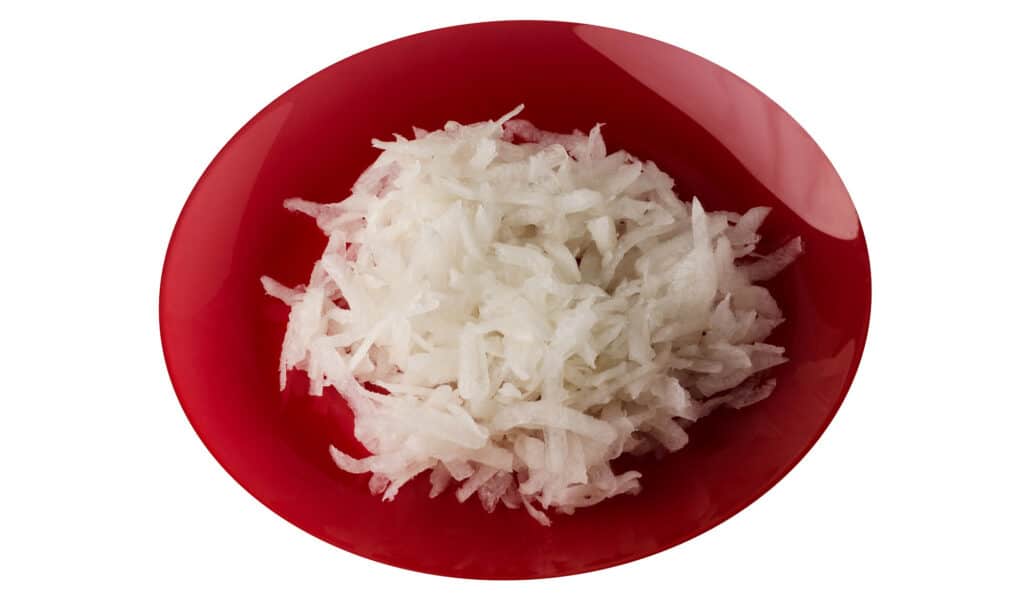
    Can Dogs Eat Daikon? Absolutely! Here's Why.

    Are There Any Safe Ingredients in Daikon?

    Daikon is a nutritious vegetable that can be a safe and healthy addition to your dog’s diet when given in moderation. One of the main benefits of daikon is its high fiber content, which can promote healthy digestion and regularity. Fiber can also help to reduce the risk of colon cancer and other digestive disorders in dogs.

    Daikon is also a good source of vitamins and minerals that can support your dog’s overall health. For example, daikon is rich in vitamin C, which can boost your dog’s immune system and help to fight off infections. It also contains vitamin B6, which is important for maintaining healthy brain function and supporting the nervous system. Daikon is also a good source of potassium and calcium, which can help to support strong bones and healthy muscle function.

    Another potential benefit of daikon is its low calorie content, which can be helpful for dogs that are overweight or prone to obesity. By replacing high-calorie treats with daikon, you can help your dog to maintain a healthy weight and reduce their risk of developing health problems related to obesity, such as diabetes and joint problems.

    What Signs To Watch For If Your Dog Accidentally Ate A Lot of Daikon?

    If your dog accidentally consumes a large amount of daikon, there are several signs to watch for that could indicate a potential problem. One of the most common issues associated with overconsumption of daikon is gastrointestinal upset, such as vomiting or diarrhea. This can be caused by the high fiber content of daikon, which can be difficult for some dogs to digest in large amounts.

    Another potential concern with overconsumption of daikon is the presence of goitrogens, which can interfere with thyroid hormone production. Signs of thyroid dysfunction can include lethargy, weight gain, and changes in appetite or behavior. However, it’s important to note that the levels of goitrogens in daikon are generally considered to be low, and significant thyroid problems are unlikely unless your dog consumes large amounts of the vegetable on a regular basis.

    If you notice any signs of gastrointestinal upset or changes in your dog’s behavior or appetite after they’ve consumed daikon, it’s important to monitor them closely and contact your veterinarian if necessary. Your veterinarian can help you determine the appropriate course of action based on your dog’s individual health needs and the amount of daikon they’ve consumed.

    Canine nutrition with daikon radish

    When or If You Should Go To The Vet?

    If you suspect that your dog has consumed a large amount of daikon or is exhibiting any signs of illness after consuming the vegetable, it’s important to monitor them closely and contact your veterinarian if necessary. Depending on the severity of the symptoms and the amount of daikon consumed, your veterinarian may recommend bringing your dog in for an examination to determine the best course of treatment.

    In general, it’s a good idea to contact your veterinarian if your dog exhibits any of the following symptoms after consuming daikon:

    • Vomiting or diarrhea that persists for more than 24 hours
    • Lethargy or weakness
    • Loss of appetite or difficulty eating or drinking
    • Signs of abdominal pain or discomfort, such as whining or pacing
    • Unusual behavior or changes in mood or activity level

    If you notice any of these symptoms, it’s important to act quickly to prevent any potential complications and to ensure that your dog receives appropriate care. Your veterinarian may recommend supportive treatments such as fluid therapy, anti-nausea medication, or dietary changes to help your dog recover.

    Canine cuisine: incorporating daikon into your dog's meals

    Safe Dog-Friendly Alternative to Daikon:

    If you’re searching for safe and nutritious alternatives to daikon for your furry friend, there are various options to consider. Carrots are an excellent choice as they are low in calories and high in vitamins and minerals such as vitamin A, potassium, and fiber. They are also a good source of beta-carotene which can aid in maintaining healthy vision and immune function in dogs.

    Another alternative to daikon is green beans, which are rich in fiber and low in calories. They can help promote healthy digestion and bowel movement regulation in dogs. Moreover, green beans are a good source of various vitamins and minerals like vitamin C, vitamin K, and manganese.

    Sweet potatoes are also a healthy option for dogs. They contain beta-carotene, fiber, potassium, and vitamin C, and are also low in fat and calories. This makes them an ideal choice for overweight or obese dogs.

    Aside from these alternatives, there are many other dog-friendly vegetables that you can include in their diet. Examples are broccoli, spinach, peas, pumpkin, among others. Nevertheless, introducing new foods gradually and in moderation is crucial. By ensuring a well-balanced and nutritious diet for your dog, you can help promote their overall health and well-being.

    Healthy Store-Bought Options:
    In conclusion, daikon can be a safe and healthy addition to your dog’s diet when given in moderation and with caution. While there are some potential risks associated with consuming daikon, these are generally minimal and can be avoided by introducing the vegetable gradually and monitoring your dog’s reactions. Additionally, there are many safe and nutritious alternatives to daikon that can provide similar health benefits for your dog. By providing your furry friend with a balanced and varied diet that includes a variety of healthy foods, you can help support their overall health and wellbeing.

    However, it’s always important to remember that every dog is different, and what works for one dog may not work for another. Always consult with your veterinarian before making any significant changes to your dog’s diet, and pay close attention to your dog’s reactions to new foods. With a little care and attention, you can help ensure that your furry friend stays happy, healthy, and well-nourished for years to come.

    ~Lindsie

    A note about your dog’s health

    This article provides general education and does not replace an examination, diagnosis, or individualized advice from your veterinarian. Contact a veterinary professional if you are concerned about your dog’s symptoms.

    Lindsie Parks B.S., CRDNS Avatar

    ABOUT THE AUTHOR
  • Can Dogs Eat Fried Egg? Expert Answers

    Can Dogs Eat Fried Egg? Expert Answers

    If you’re a dog owner, you know how important it is to feed your furry friend a well-balanced diet. While you may be tempted to share some of your own food with your pup, it’s important to make sure that what you’re feeding them is safe and healthy. One food that many people wonder about is fried eggs. Can dogs eat fried eggs? Are they safe? Will they provide any nutritional benefits for your pooch? In this blog, we’ll explore all of these questions and more to help you make an informed decision about can dogs eat fried egg.

    Healthy dog food: Fried eggs for dogs

    What Is Fried Egg?

    A fried egg is a popular breakfast food that is made by cracking an egg into a hot pan or griddle that has been coated with cooking oil or butter. The egg is then cooked until the white part is set and the yolk is still runny. Some people prefer their fried eggs with the yolk fully cooked, while others enjoy the yolk still liquid. Fried eggs are versatile and can be eaten on their own or used as an ingredient in other dishes such as sandwiches or salads. They are also a good source of protein, vitamins, and minerals, which makes them a healthy breakfast option for humans. Consider safety and health factors when sharing fried eggs with your dog.

    Can Dogs Eat Fried Egg?

    Dog owners often question if sharing their own food with their pets is safe; this includes fried eggs. The good news is that dogs can eat fried eggs in moderation and they can even provide some nutritional benefits. Eggs are a good source of protein and amino acids, which can help support your dog’s muscle growth and repair. Eggs have vitamins and minerals like A, D, and iron for a healthy immune system, bones, skin, and coat.

    However, it’s important to remember that not all dogs can tolerate eggs. Some dogs may have an allergy or sensitivity to eggs, which can cause digestive upset such as vomiting or diarrhea. Fried eggs with salt, pepper, or spices can upset your dog’s stomach and may be toxic in large amounts.

    If you do decide to share fried eggs with your furry friend, it’s best to give them plain and cooked without any added oils, spices, or seasonings. Introduce eggs slowly and in small amounts to ensure your dog doesn’t have any negative side effects. Consult your vet before adding fried eggs to your dog’s diet as with any new food or treat.

    Can dogs eat fried eggs? Yes, but in moderation

    Are There Any Harmful Ingredients In Fried Egg?

    When it comes to feeding your dog fried eggs, the main concern is not the egg itself but the ingredients that may be added during the cooking process. For example, adding salt, pepper, or other spices can be harmful to your dog’s health. Too much salt causes dehydration and high blood pressure, and onions or garlic are toxic to dogs.

    Additionally, if the egg is cooked in oil or butter, this can add unnecessary fat and calories to your dog’s diet, which can lead to obesity and other health problems over time. Healthy fats are necessary for dogs but monitoring their intake is important to prevent overconsumption.

    It’s always best to give your dog plain, cooked eggs without any added ingredients or oils. This will provide your dog with the nutritional benefits of eggs without any harmful side effects.

    Safe Ingredients in Fried Egg

    When it comes to sharing fried eggs with your furry friend, it’s important to keep it simple and stick to safe ingredients. Cooked eggs are nutritious for dogs, offering vitamins and minerals beneficial for their health when given in moderation.

    If you want to add a little extra flavor to your dog’s eggs, there are a few safe ingredients that you can use. For example, you can add some cooked vegetables such as spinach, kale, or broccoli. These veggies are packed with vitamins and minerals that can help support your dog’s overall health.

    Another safe ingredient that you can add is a small amount of cheese. Cheese is high in fat and calories, so give it in moderation despite being a good source of calcium and protein.

    You can also try adding some cooked lean meats such as chicken or turkey to your dog’s eggs. These meats are a good source of protein and can add some extra flavor to your dog’s meal.

    Is it safe for dogs to eat fried egg?

    What Signs To Watch For If Your Dog Accidentally Ate A Lot of Fried Egg?

    If your dog accidentally eats a lot of fried egg, there are a few signs to watch for that could indicate that they are experiencing digestive upset or other health issues. Some common signs to look out for include vomiting, diarrhea, excessive drooling, lethargy, and loss of appetite.

    If your dog is experiencing any of these symptoms, it’s important to monitor them closely and seek veterinary care if necessary. Overeating fried eggs may cause pancreatitis, an inflamed pancreas, leading to more severe health issues.

    Keep human food out of reach and supervise meals to prevent dogs from overeating fried egg. Share a small amount of fried egg with your dog and monitor their reaction for any negative side effects.

    Overall, it’s always better to err on the side of caution when it comes to feeding your dog human food, especially fried eggs, as they can contain harmful ingredients such as salt, spices, and oil. If your dog eats too much fried egg or shows unusual symptoms, contact a veterinarian for guidance.

    When or If You Should Go To The Vet?

    If you suspect that your dog has eaten too much fried egg or is experiencing any unusual symptoms such as vomiting, diarrhea, or lethargy, it’s important to seek veterinary care as soon as possible. Plain eggs in small amounts are safe for dogs, but excess fried egg or additives can lead to health issues.

    If your dog is showing signs of distress or discomfort, don’t wait to seek veterinary care. Your vet can diagnose & treat the issue, using meds for symptoms or fluids to rehydrate your dog.

    In some cases, eating a large amount of fried egg or other human food can lead to more serious health problems such as pancreatitis or gastrointestinal obstruction, which may require surgery or other medical intervention. Quickly seeking vet care can ensure the best outcome for your furry friend, preventing further complications or health issues.

    Benefits of feeding your dog fried eggs

    Safe Dog-Friendly Alternative to Fried Egg

    If you’re looking for a safe and healthy alternative to fried egg to feed your furry friend, there are plenty of dog-friendly options to choose from. Here are some ideas to get you started:

    1. Scrambled Eggs: Scrambled eggs are a great alternative to fried eggs and are easy to prepare. Simply whisk together some eggs and cook them in a non-stick pan without any added oils or seasonings. You can also add some cooked veggies or lean meats for an extra boost of nutrition and flavor.
    2. Boiled Eggs: Boiled eggs are a healthy treat for dogs and can be served plain or mixed with sweet potato or pumpkin.
    3. Raw Eggs: Some dog owners choose to feed their dogs raw eggs as a source of protein and nutrition. Ensure fresh, reputable eggs to avoid salmonella or bacterial infections when feeding your dog.
    4. Balanced Dog Food: Dogs require a balanced diet of to meet their specific nutritional needs, despite enjoying human food treats. Feed your dog high-quality dog food, not table scraps or human food, to meet their specific nutritional needs.

    There are plenty of safe and healthy alternatives to fried egg that you can feed your furry friend.

    Healthy Store-Bought Options:

    In conclusion, fried eggs can be a healthy and nutritious addition to your dog’s diet when served in moderation and without any harmful ingredients. Eggs are a good source of protein, vitamins, and minerals that can help support your dog’s overall health and well-being.

    However, it’s important to be mindful of the ingredients that are added to fried eggs, as well as the amount that you feed your furry friend. Harmful ingredients such as salt, spices, and oil can lead to digestive upset and other health issues, while excessive consumption of eggs can lead to obesity and other health problems over time.

    If you choose to feed your dog fried eggs or any other human food, it’s important to do so in moderation and to avoid any harmful ingredients. It’s also a good idea to consult with your veterinarian to determine if a particular food is safe and healthy for your dog.

    Overall, while fried eggs can be a tasty and nutritious treat for your furry friend, it’s always best to prioritize a balanced and healthy diet of commercial dog food to meet your dog’s specific nutritional needs. By taking a thoughtful and responsible approach to feeding your dog, you can help ensure that they stay happy, healthy, and well-fed for years to come.

    ~Lindsie

    A note about your dog’s health

    This article provides general education and does not replace an examination, diagnosis, or individualized advice from your veterinarian. Contact a veterinary professional if you are concerned about your dog’s symptoms.

    Lindsie Parks B.S., CRDNS Avatar

    ABOUT THE AUTHOR

  • Can Dogs Eat Buckwheat? – Expert Answers

    Can Dogs Eat Buckwheat? – Expert Answers

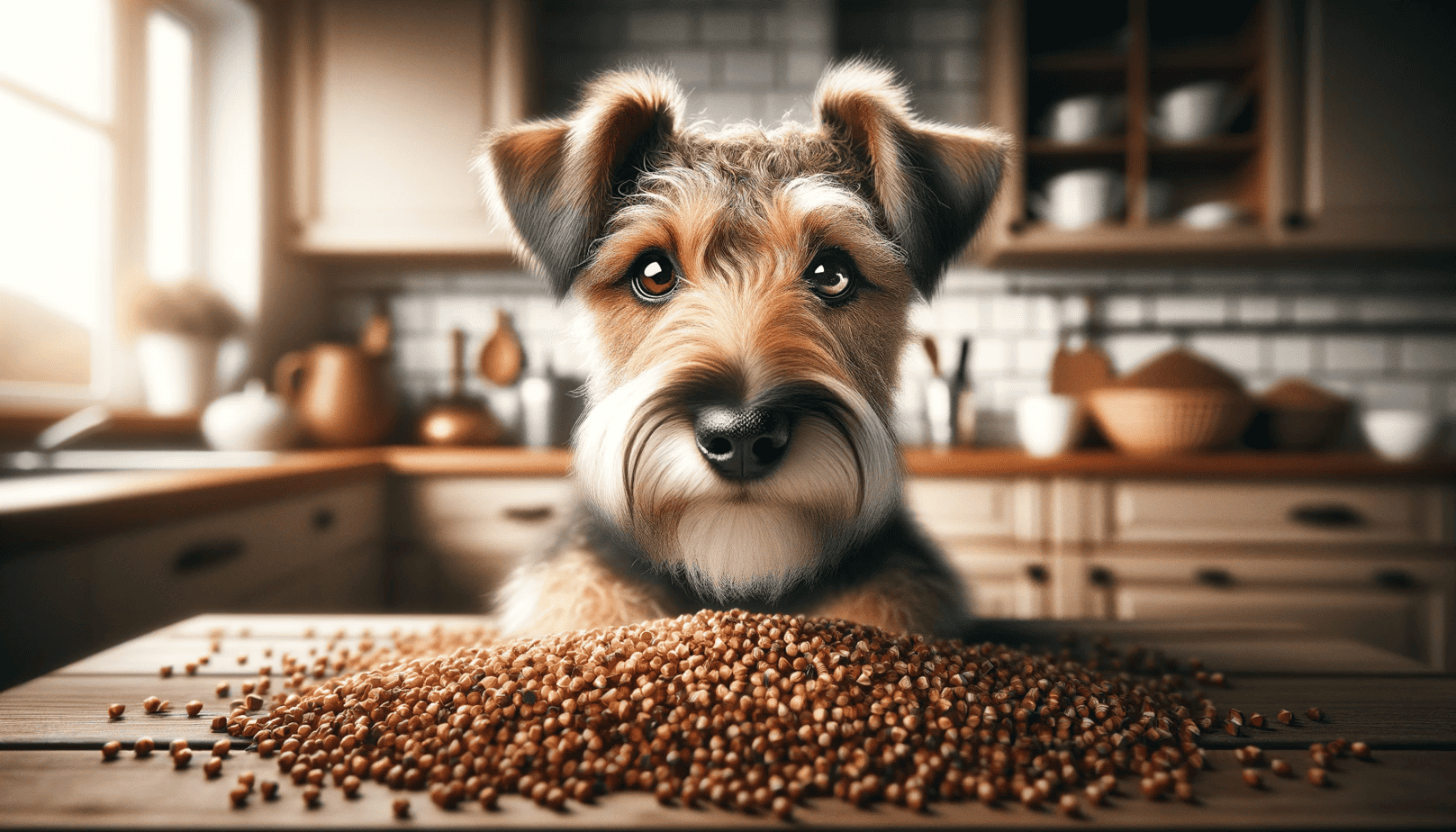
    Welcome to my blog, where we explore the question of whether or not dogs can eat buckwheat. As a pet owner, it’s important to ensure that our furry friends are consuming a balanced and healthy diet. With so many different types of food available, it can be overwhelming to know what is safe and nutritious for our dogs to eat. Is buckwheat safe for our canine companions despite being a commonly used grain in many human foods? In this blog, we will delve into the nutritional benefits and potential risks of feeding buckwheat to dogs. Join me as we learn more about this popular grain and whether or not it should be a part of our dogs’ diet.

    Buckwheat and dogs: Everything you need to know

    What Is Buckwheat?

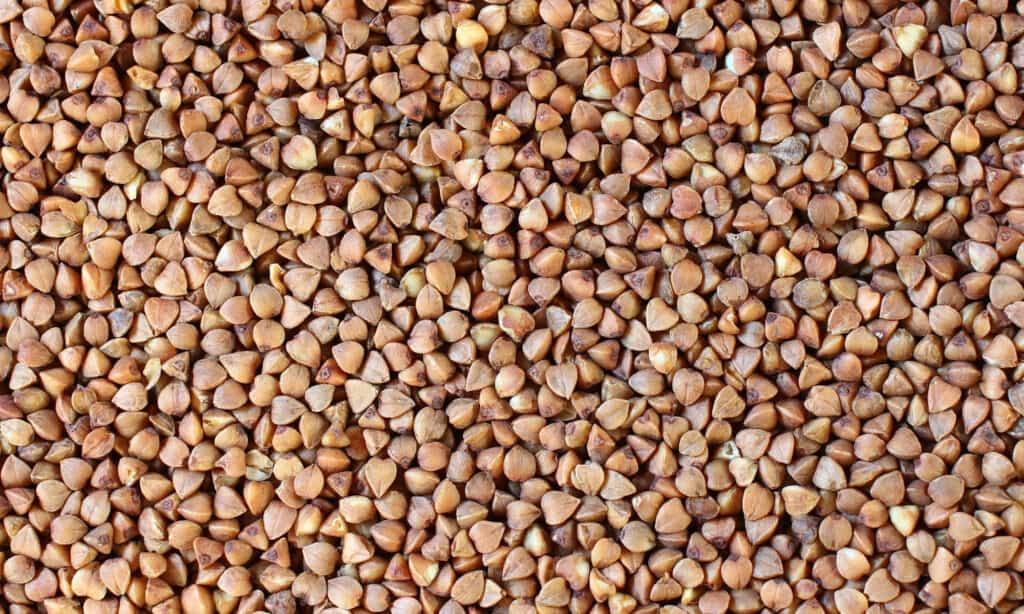
    Buckwheat is a plant-based food that has been consumed by humans for thousands of years. It is not actually a cereal grain, but rather a seed that is related to rhubarb and sorrel. Producers often use buckwheat to make flour, which they use to create a variety of foods like noodles, pancakes, and bread. Additionally, many health food manufacturers utilize buckwheat in their products because of its high protein content, fiber, and essential amino acids.Buckwheat has a nutty flavor and is a great alternative for those who have gluten intolerance or celiac disease. While it is a popular food for humans, many pet owners may wonder if their dogs can safely consume buckwheat as well. In the next section, we will discuss the nutritional benefits and potential risks of feeding buckwheat to dogs.

    Can Dogs Eat Buckwheat?

    The good news is that buckwheat is generally safe for dogs to consume in moderation. Buckwheat provides dogs with protein, fiber, and essential amino acids, promoting their overall health. “However, there are a few things to keep in mind when feeding buckwheat to your furry friend.

    Firstly, it is important to note that dogs have different nutritional needs than humans, and should not be fed a diet consisting solely of human foods. Buckwheat should only be given as a treat or supplement to your dog’s regular diet.

    Secondly, some dogs may have an allergic reaction to buckwheat. Signs of an allergic reaction can include vomiting, diarrhea, itching, and difficulty breathing. If your dog experiences these symptoms after eating buckwheat, stop feeding it and consult a veterinarian.

    Finally, you should always cook buckwheat before feeding it to your dog. Raw buckwheat can be difficult for dogs to digest and may cause digestive issues. You can mix cooked buckwheat with your dog’s regular food or serve it as a standalone treat.

    Buckwheat dog food: A high-fiber option

    Are There Any Harmful Ingredients in Buckwheat?

    Buckwheat itself does not directly harm dogs, although some buckwheat-based foods may contain harmful ingredients. Buckwheat noodles and pancakes with high salt or sugar levels may harm your dog’s health if eaten excessively.

    Additionally, some buckwheat products may contain other ingredients that are toxic to dogs, such as chocolate, raisins, or nuts. It’s important to always read the ingredient label carefully before feeding your dog any buckwheat-based foods and avoid products that contain harmful ingredients.

    Another consideration is the preparation method of buckwheat. Raw buckwheat can cause digestive issues, but cooked groats and flour are safe for dogs.

    Are There Safe Foods That Buckwheat Can Be Added To?

    Yes, there are many safe and nutritious ingredients that can be added to buckwheat to make it a healthy and tasty treat for dogs. Some examples include:

    1. Lean meats: Lean meats like chicken, turkey or beef give dogs extra protein and essential amino acids they need. Make sure the meat is cooked and free from any bones, skin, or fat.
    2. Vegetables: Many vegetables, such as carrots, green beans, and peas, are safe and nutritious for dogs. They can provide additional vitamins, minerals, and fiber to your dog’s diet.
    3. Fruits: Blueberries, apples, and bananas are healthy and tasty fruits that can be added to your dog’s diet in moderation. Avoid feeding dogs fruits with pits, like cherries or peaches, as these can cause choking hazards.
    4. Eggs: Adding cooked eggs to buckwheat can provide additional protein and nutrients to your dog’s diet. Just make sure to avoid feeding your dog any raw eggs, as they can contain harmful bacteria.
    5. Yogurt: Adding buckwheat to yogurt adds probiotics, supporting your dog’s digestive health.

    In summary, you can add many safe and nutritious ingredients to buckwheat to make a healthy and delicious treat for your furry friend. As with any new food, it’s important to introduce these ingredients slowly and in moderation and to always monitor your dog for any signs of digestive upset or allergic reactions.

    Buckwheat for dogs: Benefits and risks

    What Signs To Watch For If Your Dog Accidentally Ate A Lot of Buckwheat?

    If your dog accidentally eats a lot of buckwheat, there are several signs to watch for that may indicate they are experiencing digestive upset. Some of these signs include:

    1. Vomiting: If your dog has eaten a large amount of buckwheat, they may vomit as their body tries to expel the excess food.
    2. Diarrhea: Buckwheat can be high in fiber, and eating too much of it can lead to loose or watery stools.
    3. Abdominal pain: Your dog may show signs of abdominal discomfort, such as pacing, whining, or refusing to eat.
    4. Loss of appetite: If your dog is feeling unwell, they may lose their appetite and not want to eat.
    5. Lethargy: Your dog may appear tired, weak, or lethargic if they are experiencing digestive upset.

    If your dog shows any of these signs after eating a large amount of buckwheat, it’s important to monitor them closely and contact your veterinarian if their symptoms persist or worsen. Your vet may suggest withholding food or giving a bland diet to calm your dog’s digestive system. In more severe cases, your veterinarian may need to provide additional treatment or medication to address your dog’s symptoms.

    When or If You Should Go To The Vet?

    If your dog is experiencing severe or persistent symptoms after eating a large amount of buckwheat, it’s important to seek veterinary care right away. Some signs that may indicate a more serious issue include:

    1. Blood in the vomit or diarrhea: This could indicate a more serious gastrointestinal issue that requires immediate veterinary attention.
    2. Dehydration: Dehydrated dogs need veterinary care if they show signs like dry gums, sunken eyes, or lethargy.
    3. Abdominal swelling: A bloated abdomen in dogs is serious and requires immediate veterinary attention as it may be a sign of bloat.
    4. Difficulty breathing: Labored breathing in dogs may signal an allergic reaction or a severe health problem.
    5. Loss of consciousness: If your dog loses consciousness or is unresponsive, seek veterinary care immediately.

    In general, if you are unsure if your dog needs veterinary care, it’s always best to err on the side of caution and contact your veterinarian for advice. They can determine whether to see your dog immediately or monitor them at home.

    Can dogs safely consume buckwheat? Yes!

    Safe Dog-Friendly Alternative to Buckwheat:

    If you’re looking for a safe and healthy alternative to buckwheat for your furry friend, there are several options to consider. Here are a few dog-friendly alternatives to buckwheat:

    1. Brown rice: Brown rice is a nutritious and easily digestible grain that can be a good alternative to buckwheat. You can cook and serve it with lean meats or vegetables, as it is a great source of fiber, vitamins, and minerals.
    2. Quinoa: Quinoa is protein-rich and an excellent buckwheat alternative, containing essential amino acids that benefit your dog’s health. It’s also gluten-free and easy to digest, making it a good option for dogs with sensitive stomachs.
    3. Sweet potato: Sweet potato is a nutritious and tasty alternative to grains like buckwheat. It’s fiber-rich, packed with vitamins and minerals, and can be served alone or mixed with regular dog food.
    4. Oatmeal: Oatmeal is a great source of fiber and can be a healthy addition to your dog’s diet in moderation. It’s important to avoid flavored oatmeal packets that may contain added sugar or artificial ingredients.
    5. Barley: Barley is a nutritious and easily digestible grain that can be cooked and served with lean meats or vegetables. It’s a good source of fiber, vitamins, and minerals and can be a good alternative to buckwheat for dogs.

    In summary, there are many safe and healthy alternatives to buckwheat that can be a nutritious addition to your dog’s diet. As with any new food, it’s important to introduce these alternatives slowly and in moderation and to always monitor your dog for any signs of digestive upset or allergic reactions.

    Healthy Store-Bought Options:

    In conclusion, buckwheat can be a healthy and nutritious addition to your dog’s diet when fed in moderation and prepared properly. Although dogs can typically consume it safely, you should always be mindful of any added ingredients and cook it before feeding it to your furry friend. Monitor your dog for digestive upset or allergic reactions when introducing new foods.

    If you have any concerns about feeding buckwheat to your dog or if your dog experiences any adverse reactions after eating it, it’s always best to consult with your veterinarian. Get guidance on your dog’s nutrition for a balanced diet by consulting with a vet.

    Finally, if you’re looking for alternatives to buckwheat, there are many safe and healthy options available. Whether you choose brown rice, quinoa, sweet potato, oatmeal, or barley, there are plenty of nutritious options to choose from that can help support your dog’s overall health and well-being.

    ~Lindsie

    A note about your dog’s health

    This article provides general education and does not replace an examination, diagnosis, or individualized advice from your veterinarian. Contact a veterinary professional if you are concerned about your dog’s symptoms.

    Lindsie Parks B.S., CRDNS Avatar

    ABOUT THE AUTHOR
  • Can Dogs Eat Bok Choy? Expert Answers

    Can Dogs Eat Bok Choy? Expert Answers

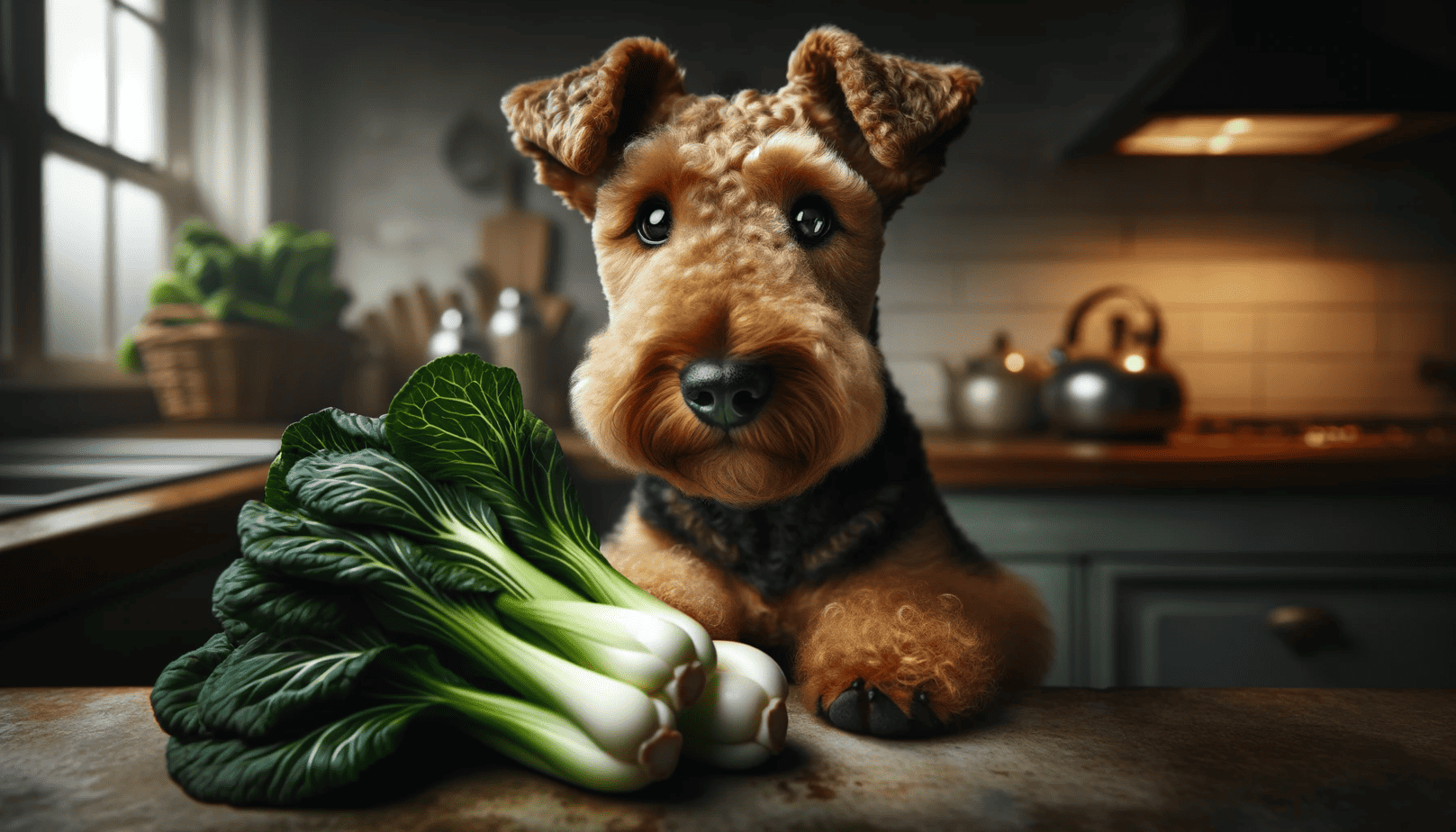
    As a dog owner, you want to ensure that your furry friend is getting the best nutrition possible. You may be wondering if it’s safe to share some of your favorite human foods with them, such as bok choy. Bok choy is a type of leafy green vegetable that is commonly used in Asian cuisine and is known for its high nutrient content. While it may be safe for humans to consume, you may be curious whether it’s safe for your pup. In this blog, we will dive into the question of whether dogs can eat bok choy and explore its potential health benefits and risks. So, let’s get started and find out if bok choy is a safe and healthy addition to your dog’s diet!

    can dogs have bok choy

    What Is Bok Choy?

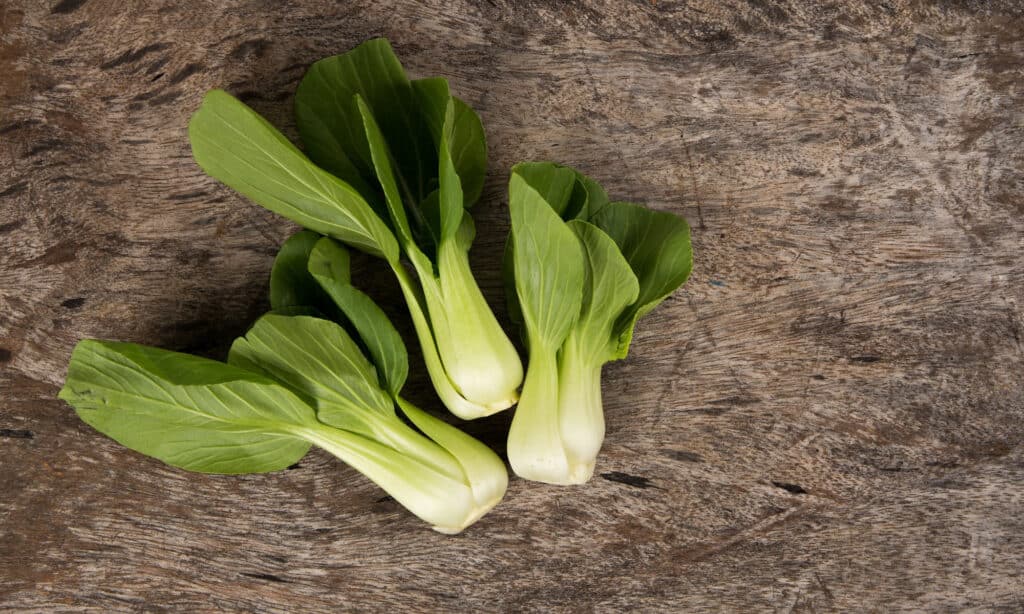
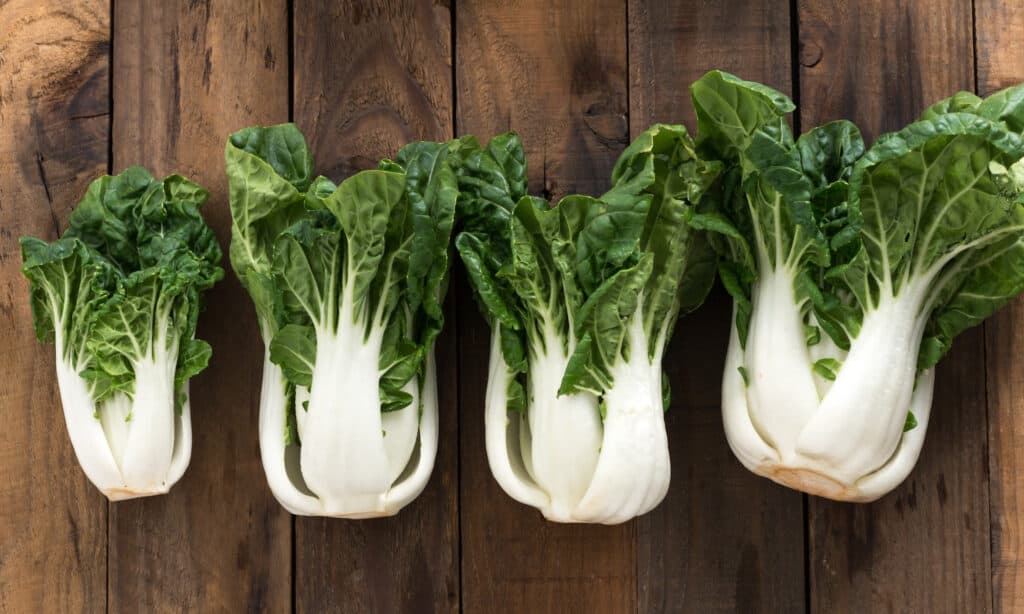
    Have you ever been to an Asian restaurant and wondered what that beautiful vegetable is with the spoon-shaped leaves and white stalks? Well, wonder no more, because that’s bok choy! Not only is it aesthetically pleasing, but it’s also packed with nutrients. This low-calorie vegetable is full of vitamins and minerals, making it a great addition to any diet.

    But the best part about bok choy? It’s incredibly versatile! You can cook it in so many ways – from stir-frying to steaming, boiling, and even roasting. It’s used in countless dishes like soups, stews, salads, and entrees.

    Now, let’s talk about the flavor. Bok choy has a unique taste that’s both slightly sweet and slightly bitter. And the texture? Crunchy and refreshing! It’s no wonder bok choy is used in so many different cuisines around the world. It’s not only delicious but also incredibly nutritious. So go ahead, add some bok choy to your plate and enjoy all the health benefits it has to offer!

    Can Dogs Eat Bok Choy?

    As a dog owner, you always want to ensure that your furry friend is consuming a well-balanced and nutritious diet. You may be wondering whether bok choy is a safe addition to your dog’s diet. While bok choy is a nutrient-dense vegetable for humans, the question of whether it’s safe for dogs to eat requires further investigation.

    The good news is that bok choy is not toxic to dogs and is generally safe to feed to them. In fact, it can be a healthy addition to their diet as it’s low in calories, high in fiber, and contains a range of vitamins and minerals. However, it’s important to note that dogs have different nutritional requirements than humans. Too much of any food, including bok choy, can upset your dog’s stomach and potentially cause health issues.

    As with any new food you introduce to your dog’s diet, it’s important to start small and monitor their reaction. If your dog shows any signs of gastrointestinal distress, such as vomiting or diarrhea, discontinue feeding them bok choy and consult with your veterinarian.

    In summary, bok choy is not toxic to dogs and can be a healthy addition to their diet in moderation. As with any new food, it’s important to introduce it gradually and observe your dog’s reaction. As always, consult with your veterinarian before making any significant changes to your dog’s diet.

    Can dogs safely eat bok choy? Here's what you need to know

    Are There Any Harmful Ingredients in Bok Choy?

    When it comes to feeding our furry friends, it’s important to be mindful of the ingredients we’re giving them. While bok choy is generally considered safe for dogs to eat, there are a few things to keep in mind.

    Firstly, bok choy contains a compound called thiocyanate, which can interfere with iodine absorption in the body. Iodine is essential for thyroid function, so if your dog already has thyroid issues, it’s best to avoid feeding them large amounts of bok choy. However, small amounts are generally considered safe.

    Additionally, bok choy belongs to the cruciferous vegetable family, which also includes broccoli and cauliflower. These vegetables contain compounds called goitrogens, which can also interfere with thyroid function. However, the levels of goitrogens in bok choy are relatively low, and it’s unlikely to cause any issues in healthy dogs.

    It’s also important to note that bok choy, like many vegetables, contains a small amount of oxalates. In high amounts, oxalates can contribute to the formation of kidney stones. However, the levels of oxalates in bok choy are considered low, and it’s not likely to cause any issues unless your dog already has a history of kidney problems.

    Overall, bok choy is a healthy vegetable that’s safe for dogs to eat in moderation. However, as with any new food, it’s important to introduce it gradually and monitor your dog’s reaction. If you have any concerns about feeding your dog bok choy, be sure to consult with your

    Are There Any Safe Ingredients in Bok Choy?

    Yes, bok choy is a nutrient-dense vegetable that can be a healthy addition to your dog’s diet when fed in moderation. Here are some of the safe ingredients in bok choy that can benefit your furry friend:

    • Vitamins and minerals: Bok choy is packed with essential vitamins and minerals such as vitamin C, vitamin K, calcium, and potassium, all of which can support your dog’s overall health.
    • Fiber: Bok choy is a good source of dietary fiber, which can aid in digestion and promote bowel regularity.
    • Antioxidants: Bok choy is rich in antioxidants, which can help protect your dog’s cells from damage caused by free radicals and reduce the risk of chronic diseases.
    • Water: Bok choy has a high water content, which can help keep your dog hydrated and support their urinary tract health.

    When feeding bok choy to your dog, it’s important to avoid any seasonings or sauces that may contain harmful ingredients, such as garlic or onion. Stick to plain, cooked bok choy and avoid feeding your dog large amounts at once. As with any new food, it’s also important to start with small amounts and monitor your dog’s reaction. If your dog experiences any digestive upset or other adverse effects, stop feeding them bok choy and consult with your veterinarian.

    Feeding your dog bok choy: dos and don'ts

    What Signs To Watch For If Your Dog Accidentally Ate A Lot of Bok Choy?

    While bok choy is generally considered safe for dogs, consuming large amounts of it can lead to gastrointestinal upset. If your dog has accidentally eaten a lot of bok choy, here are some signs to watch out for:

    1. Vomiting: If your dog has consumed a large amount of bok choy, they may vomit to try to rid their body of the excess food.
    2. Diarrhea: Bok choy contains fiber, which can be difficult for some dogs to digest in large amounts. This can lead to diarrhea and loose stools.
    3. Abdominal pain: Eating a lot of bok choy can cause your dog’s stomach to become distended, leading to abdominal discomfort.
    4. Lethargy: If your dog is experiencing digestive upset, they may feel lethargic and have a decreased appetite.
    5. Dehydration: Diarrhea and vomiting can lead to dehydration, which can be dangerous for dogs. Be sure to offer your dog plenty of water and consult with your veterinarian if you notice any signs of dehydration.

    If your dog is showing any of these signs after eating a lot of bok choy, it’s important to monitor them closely and contact your veterinarian if their symptoms persist or worsen. In most cases, the symptoms of bok choy consumption in dogs are mild and will resolve on their own with time. However, it’s always better to err on the side of caution and seek medical advice if you have any concerns about your dog’s health.

    When or If You Should Go To The Vet?

    If your dog has accidentally eaten a large amount of bok choy and is experiencing any signs of gastrointestinal upset, it’s important to monitor them closely. In most cases, the symptoms will resolve on their own within 24-48 hours. However, there are certain situations where you should consider taking your dog to the vet:

    1. Severe symptoms: If your dog is vomiting excessively, has severe diarrhea, or is experiencing severe abdominal pain, it’s important to seek medical attention. These symptoms can lead to dehydration and other complications.
    2. Prolonged symptoms: If your dog’s symptoms persist for more than 24-48 hours, it’s important to seek medical attention. Prolonged gastrointestinal upset can lead to other health issues and may require medical intervention.
    3. Underlying health issues: If your dog has a pre-existing health condition, such as kidney disease or thyroid issues, it’s important to consult with your veterinarian before feeding them bok choy. They may be more susceptible to the potential negative effects of thiocyanate and goitrogens found in bok choy.
    4. Emergency situations: If your dog is experiencing any symptoms that indicate an emergency, such as difficulty breathing or severe lethargy, seek immediate veterinary attention.

    In summary, if your dog has eaten a large amount of bok choy and is experiencing mild gastrointestinal upset, you can monitor them closely at home. However, if their symptoms are severe or persist for more than 24-48 hours, or if your dog has a pre-existing health condition, it’s important to seek medical attention. As always, it’s better to be safe than sorry when it comes to your dog’s health.

    Is bok choy safe for dogs? Everything you need to know

    Safe Dog-Friendly Alternative to Bok Choy:

    If you’re looking for a safe and healthy alternative to bok choy to feed your furry friend, there are many dog-friendly vegetables to choose from. Here are a few options:

    1. Green beans: Green beans are low in calories and high in fiber, making them a great addition to your dog’s diet. They’re also a good source of vitamins and minerals.
    2. Carrots: Carrots are a great source of beta-carotene, which can support your dog’s eye health. They’re also low in calories and high in fiber.
    3. Broccoli: Broccoli is another cruciferous vegetable that’s safe for dogs to eat in moderation. It’s packed with vitamins and minerals, and the fiber can aid in digestion.
    4. Sweet potatoes: Sweet potatoes are a great source of dietary fiber and vitamins A and C. They’re also low in fat and calories.

    When feeding your dog any new vegetable, it’s important to introduce it gradually and monitor their reaction. Be sure to wash and cook the vegetables thoroughly before feeding them to your dog. And as always, consult with your veterinarian before making any significant changes to your dog’s diet. With a little experimentation, you’re sure to find a dog-friendly vegetable that your furry friend will love!

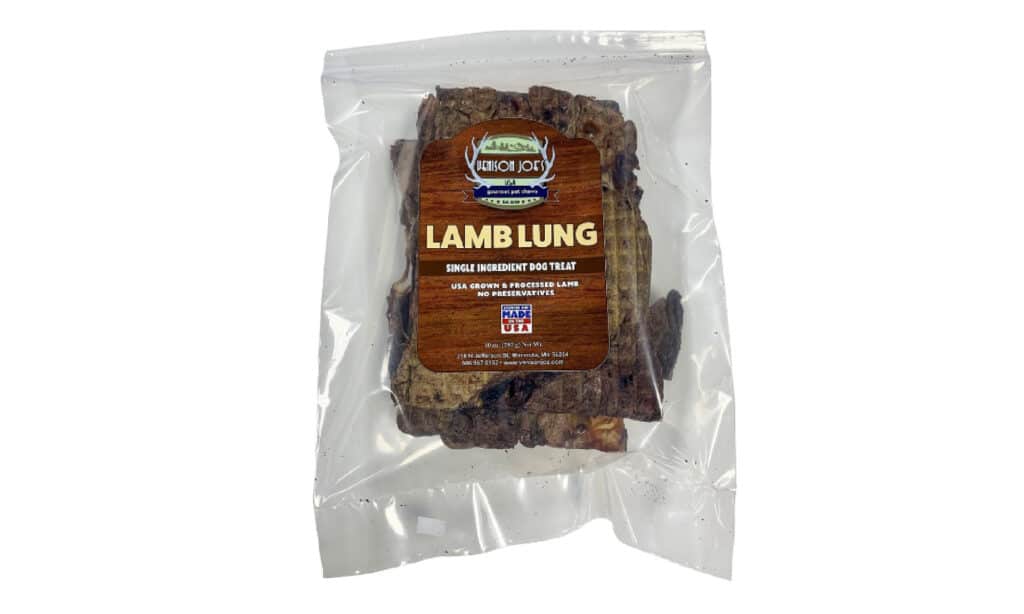
    Healthy Store-Bought Options:

    In conclusion, bok choy is a safe and nutritious vegetable for dogs when fed in moderation. While it contains compounds that can interfere with thyroid function in large amounts, bok choy is generally considered safe for healthy dogs to eat. However, as with any new food, it’s important to introduce it gradually and monitor your dog’s reaction.

    If you’re unsure about feeding your dog bok choy, there are many other safe and healthy vegetables to choose from, including green beans, carrots, broccoli, and sweet potatoes. These vegetables are packed with essential vitamins and minerals and can be a great addition to your dog’s diet.

    Remember, the key to keeping your furry friend healthy is to provide them with a well-balanced diet and plenty of exercise. As always, consult with your veterinarian before making any significant changes to your dog’s diet, and be sure to monitor their reaction to any new foods you introduce. By taking these steps, you can help ensure that your dog stays healthy and happy for years to come.

    ~ Lindsie

    A note about your dog’s health

    This article provides general education and does not replace an examination, diagnosis, or individualized advice from your veterinarian. Contact a veterinary professional if you are concerned about your dog’s symptoms.

    Lindsie Parks B.S., CRDNS Avatar

    ABOUT THE AUTHOR
  • Can Dogs Eat Pastrami? – Expert Answers

    Can Dogs Eat Pastrami? – Expert Answers

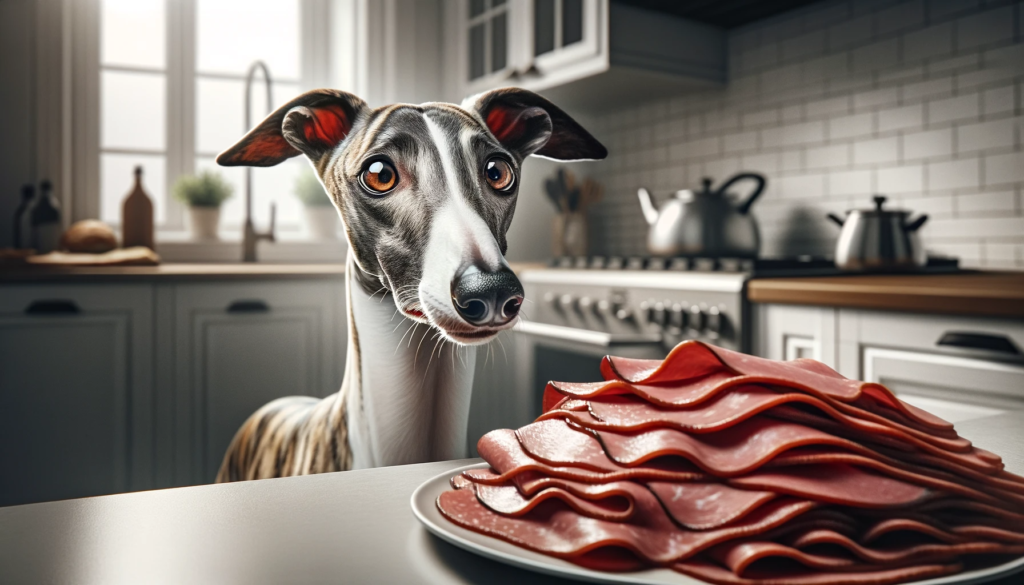
    Welcome, to “Can Dogs Eat Pastrami?” – a blog dedicated to answering one of the most common questions asked by dog owners around the world. As dog lovers, we want nothing but the best for our furry friends, including the food that we feed them. With so many different types of human foods out there, it can be difficult to know which ones are safe for our dogs to eat and which ones can cause them harm. In this blog, we’ll dive deep into the topic of whether or not dogs can safely eat pastrami, exploring the nutritional value of this popular deli meat, the potential risks involved in feeding it to your dog, and the best practices for introducing new foods to your pet’s diet. So if you’re a dog owner wondering if pastrami is a safe snack for your furry friend, you’ve come to the right place!

    can dogs have pastrami

    What Is Pastrami?

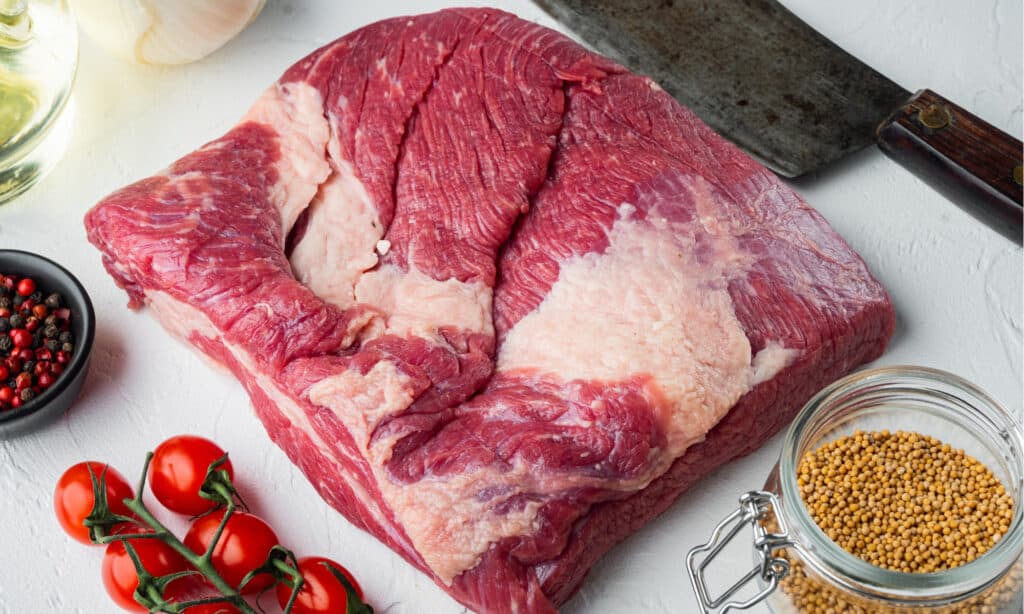
    Pastrami is a type of cured meat that is often associated with the Jewish deli culture. It is typically made from beef, although other meats like pork and turkey can also be used. The process of making pastrami involves first brining the meat in a mixture of salt, sugar, and various spices like coriander, black pepper, and garlic. After the brining process is complete, the meat is then coated with a layer of additional spices before being smoked or steamed until it reaches a tender, flavorful texture. Pastrami has a distinctive smoky, spicy flavor and is often served sliced thin on sandwiches or as a topping on bagels. Consider if pastrami is safe for dogs before giving them a taste of this popular deli meat.

    Can Dogs Eat Pastrami?

    While many dogs enjoy eating human foods, it’s important to know which foods are safe for them to consume and which ones can cause harm. When it comes to pastrami, it’s best to err on the side of caution. While pastrami itself isn’t necessarily toxic to dogs, it can be high in sodium and fat, which can cause digestive issues and other health problems for dogs, especially if consumed in large quantities. In addition, the spices used to make pastrami, such as garlic and pepper, can be irritating to a dog’s digestive system and even toxic in large amounts. If you do decide to give your dog a taste of pastrami, it’s important to do so in moderation and to watch for any signs of digestive upset or allergic reactions.

    Sharing pastrami with your dog: what you need to know

    Are There Any Harmful Ingredients in Pastrami?

    Pastrami is a type of deli meat that can contain harmful ingredients for dogs if consumed in large quantities. One of the main concerns with pastrami is its high sodium content, which can cause dehydration, electrolyte imbalances, and other health problems in dogs, especially those with pre-existing kidney or heart conditions. Garlic and pepper in pastrami can irritate dog’s digestive system causing vomiting, diarrhea or other digestive issues.

    Some brands of pastrami may also contain additives like nitrates or nitrites, which are used to preserve the meat and enhance its color, but can be harmful to dogs if consumed in large amounts. It’s always best to read the ingredients label carefully and avoid giving your dog large amounts of any human food, including pastrami, to ensure their health and well-being.

    Are There Any Safe Ingredients in Pastrami?

    While pastrami can contain harmful ingredients for dogs if consumed in large quantities, there are some safe ingredients in pastrami that can provide nutritional benefits for dogs when given in moderation. For example, pastrami made from high-quality, lean beef can be a good source of protein, which is essential for building and maintaining strong muscles and tissues in dogs.

    Some brands of pastrami may also contain other beneficial ingredients like natural herbs and spices, such as thyme and rosemary, which can have antioxidant and anti-inflammatory properties that can support a dog’s overall health and well-being. However, it’s important to remember that these ingredients should be given in small amounts as a treat, rather than as a regular part of your dog’s diet, to avoid potential health risks.

    Feeding Fido: pastrami dos and don'ts

    What Signs To Watch For If Your Dog Accidentally Ate A Lot of Pastrami?

    If your dog has accidentally eaten a lot of pastrami, there are several signs to watch for that could indicate that they are experiencing digestive upset or other health problems. One of the most common signs is vomiting, which can occur if the spices or high-fat content of the pastrami have irritated your dog’s stomach. Additionally, diarrhea, loss of appetite, and lethargy can also be signs that your dog is experiencing digestive upset or dehydration.

    If your dog has a pre-existing medical condition, such as kidney or heart disease, the high sodium content of pastrami could also exacerbate their condition and cause additional health problems. If you notice any of these signs, it’s important to monitor your dog closely and contact your veterinarian if the symptoms persist or worsen.Vet may recommend examination/treatment to alleviate symptoms & prevent complications if your dog consumes a lot of pastrami.

    When or If You Should Go To The Vet?

    If your dog eats a large amount of pastrami and shows signs of health issues, contact your vet. Pre-existing medical conditions may worsen due to high sodium content. It’s best to consult your vet, especially if you have any concerns about your dog’s health. They can provide guidance and appropriate treatment options to ensure your furry friend’s well-being. It’s better to be safe than sorry.

    Healthy dog diet: exploring pastrami for pups

    Safe Dog-Friendly Alternative to Pastrami:

    If you’re looking for a safe and healthy alternative to pastrami for your furry friend, there are plenty of options to choose from that are both delicious and nutritious. Some safe dog-friendly alternatives to pastrami include:

    1. Chicken or turkey is a low-fat protein source that’s great for dogs.
    2. Carrots, apples, and green beans are high in fiber and vitamins, promoting your dog’s overall health.
    3. Plain, unsalted popcorn – this is a low-calorie snack that dogs can enjoy in moderation.
    4. Many brands offer natural, high-quality dog treats or chews with various flavors and textures.

    Remember, when introducing new foods or treats to your dog’s diet, it’s important to do so in moderation and to monitor your dog closely for any signs of digestive upset or allergic reactions. Always consult with your veterinarian before making any significant changes to your dog’s diet to ensure that they are getting the proper nutrition they need to thrive. With a little creativity and some careful consideration, you can provide your furry friend with plenty of delicious and healthy snacks that they are sure to love.

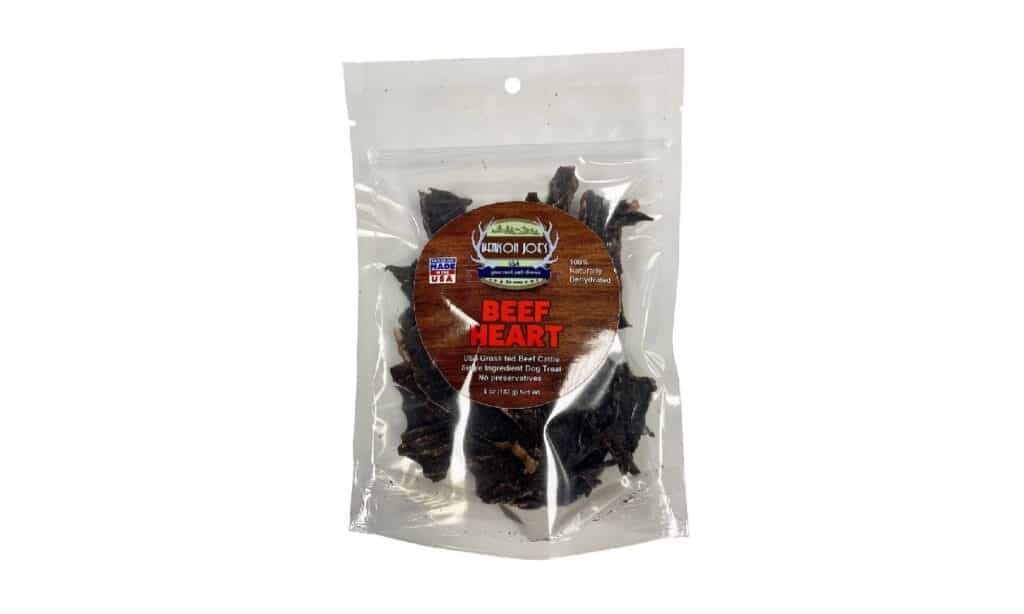
    Healthy Store-Bought Options:

    It’s important to be careful when feeding pastrami to dogs due to its high sodium and fat content. Small amounts of lean pastrami may be safe, but consult with your vet first. Opt for safe and healthy alternatives to keep your furry friend happy and healthy. With proper care, you can provide your dog with delicious treats without compromising their well-being. Always be mindful of what you feed your furry friend to ensure they live a happy and healthy life by your side.

    ~ Lindsie

    A note about your dog’s health

    This article provides general education and does not replace an examination, diagnosis, or individualized advice from your veterinarian. Contact a veterinary professional if you are concerned about your dog’s symptoms.

    Lindsie Parks B.S., CRDNS Avatar

    ABOUT THE AUTHOR
  • Can Dogs Eat Zucchini? – Expert Answers

    Can Dogs Eat Zucchini? – Expert Answers

    Welcome to our blog, “Can Dogs Eat Zucchini?” If you’re a dog owner, you probably know how important it is to provide your furry friend with a healthy and balanced diet. And, as a responsible pet owner, you may be curious about what human foods are safe for your canine companion to eat.

    One food that you may be wondering about is zucchini. This green vegetable is a staple in many human diets, but is it safe for dogs to eat? In this blog, we’ll explore the nutritional benefits of zucchini, whether or not it’s safe for dogs to eat, and how you can incorporate this vegetable into your pup’s diet.

    So, whether you’re looking to add some variety to your dog’s meals or simply curious about what your furry friend can and can’t eat, read on to learn more about whether dogs can eat zucchini.

    can dogs have zucchini

    What Is Zucchini?

    Zucchini is a type of summer squash that is native to the Americas but is now widely cultivated and consumed all over the world. It’s a cylindrical-shaped vegetable with a smooth, dark green skin and a light, white flesh on the inside.

    This versatile vegetable can be eaten raw or cooked in a variety of ways, such as grilled, roasted, sautéed, or even baked into bread or muffins. It has a mild, slightly sweet flavor and a tender texture, making it a popular ingredient in many dishes.

    Zucchini is also known for its impressive nutritional profile. This nutrient-rich vegetable is low in calories but high in fiber, vitamins, and minerals that benefit dogs and humans.

    Zucchini is a delicious and healthy vegetable that can be a great addition to your and your dog’s diet. Just make sure to prepare it properly and in moderation, especially if you’re feeding it to your furry friend for the first time.

    Can Dogs Eat Zucchini?

    If you’re a dog owner, you might be wondering if it’s safe to feed your furry friend zucchini. The good news is, dogs can definitely eat zucchini and it can even provide some health benefits for them.

    Zucchini is low in calories and high in fiber, making it a great addition to your dog’s diet if they need to shed a few pounds. It’s also a good source of vitamin C, potassium, and other essential nutrients that can support your pup’s overall health and well-being.

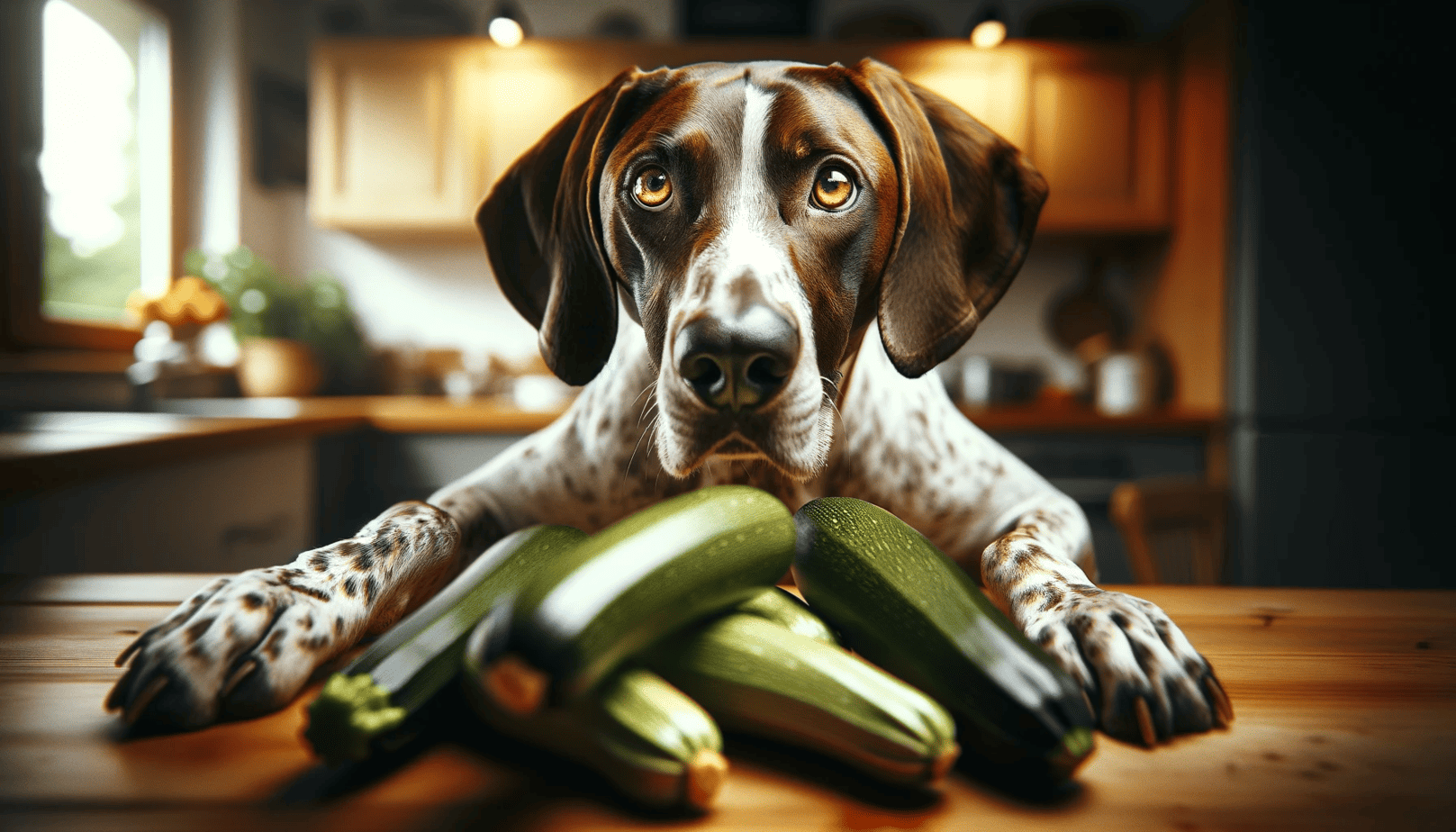
    It’s important to note that while zucchini is generally safe for dogs to eat, there are some things to keep in mind. First, always make sure to wash the zucchini thoroughly to remove any dirt or pesticides. Feed dogs zucchini moderately to avoid digestive issues like vomiting or diarrhea. Avoid seasoning or adding harmful ingredients like garlic or onion when feeding cooked zucchini to your dog.

    Dogs can safely eat zucchini

    Is There Anything Harmful About Zucchini?

    Overall, zucchini is a safe and healthy vegetable for dogs to eat, but there are some potential risks to be aware of.

    One issue to consider is the presence of cucurbitacins, which are natural toxins found in certain types of squash, including zucchini. Toxins in small amounts are usually safe for humans but can be hazardous for dogs, particularly in large quantities.

    Signs of cucurbitacin toxicity in dogs include vomiting, diarrhea, and difficulty breathing. If you suspect your dog has eaten a large amount of zucchini or is exhibiting these symptoms, it’s important to seek veterinary care immediately.

    Another thing to keep in mind is that zucchini seeds can be a choking hazard for dogs, especially small breeds or those with a history of digestive issues. If you’re feeding your dog zucchini, make sure to remove any seeds or cut the vegetable into small, manageable pieces.

    Avoid feeding seasoned or cooked zucchini to dogs as it may contain harmful ingredients like onion and garlic.

    Benefits of Adding Zucchini To Dogs Meals

    Adding zucchini to your dog’s meals can offer a number of benefits for their health and well-being.

    Zucchini is low-calorie, high-fiber, aiding healthy weight and digestion in dogs. The fiber in zucchini can also help regulate your dog’s blood sugar levels and reduce the risk of diabetes.

    Zucchini is also a good source of vitamin C, which can support your dog’s immune system and help protect against illness and disease. Additionally, the potassium in zucchini can help maintain healthy blood pressure levels and support proper kidney function.

    Zucchini is a nutritious and delicious addition to your dog’s meals, adding variety and interest to their diet. Zucchini is a great way to encourage picky eaters to try new foods, as many dogs love the taste.

    Zucchini as a safe food for dogs

    What Signs To Watch For If Your Dog Accidentally Ate A Lot of Zucchini?

    Watch for signs of potential issues if your dog eats too much zucchini by accident. While zucchini is generally safe for dogs to eat, consuming too much can lead to digestive issues or other complications.

    Some of the signs to watch for, if your dog has eaten a lot of zucchini, include:

    • Vomiting and/or diarrhea: Overeating zucchini can lead to common gastrointestinal issues in dogs like vomiting and diarrhea.
    • Abdominal pain: Your dog may show signs of discomfort or pain in their abdomen, such as hunching over or whining.
    • Lethargy: If your dog is feeling unwell, they may become more lethargic or less interested in activities they normally enjoy.
    • Loss of appetite: Eating too much zucchini can cause your dog to lose their appetite or refuse to eat.
    • Difficulty breathing: In rare cases, consumption of large amounts of zucchini can lead to respiratory distress.

    If your dog shows these symptoms after eating too much zucchini, seek immediate veterinary care.

    When or If You Should Go To The Vet?

    If your dog is exhibiting any signs of distress or illness after eating a lot of zucchini, it’s important to consult with your veterinarian right away.

    In general, if your dog is experiencing mild symptoms such as vomiting or diarrhea, you may be able to monitor them at home and provide supportive care such as plenty of water and a bland diet. If your dog has severe symptoms like breathing problems or abdominal pain, get veterinary help right away.

    Your veterinarian may recommend diagnostic tests such as blood work or imaging to determine the cause and severity of your dog’s symptoms. They may also provide treatment such as intravenous fluids or medications to manage your dog’s symptoms and promote healing.

    Zucchini consumption is generally safe for dogs, but consuming large amounts can lead to complications that require medical intervention.

    Zucchini: a vegetable for dogs too

    Safe Dog-Friendly Alternative to Zucchini:

    If you’re wondering how to incorporate zucchini into your dog’s diet, there are many safe and healthy ways to do so. One popular method is to steam or boil the zucchini and then mix it in with your dog’s regular food. Try adding small, diced pieces of raw zucchini as a treat or using it as a training reward.

    However, it’s important to keep in mind that while zucchini is generally safe for dogs, too much can lead to digestive issues or other complications. Always feed zucchini to your dog in moderation and watch for any signs of discomfort or illness.

    If your dog is not a fan of zucchini or you’re looking for some variety in their diet, there are plenty of other dog-friendly vegetables to choose from. These veggies provide essential nutrients for your pup: Carrots, green beans, sweet potatoes, broccoli, and pumpkin.

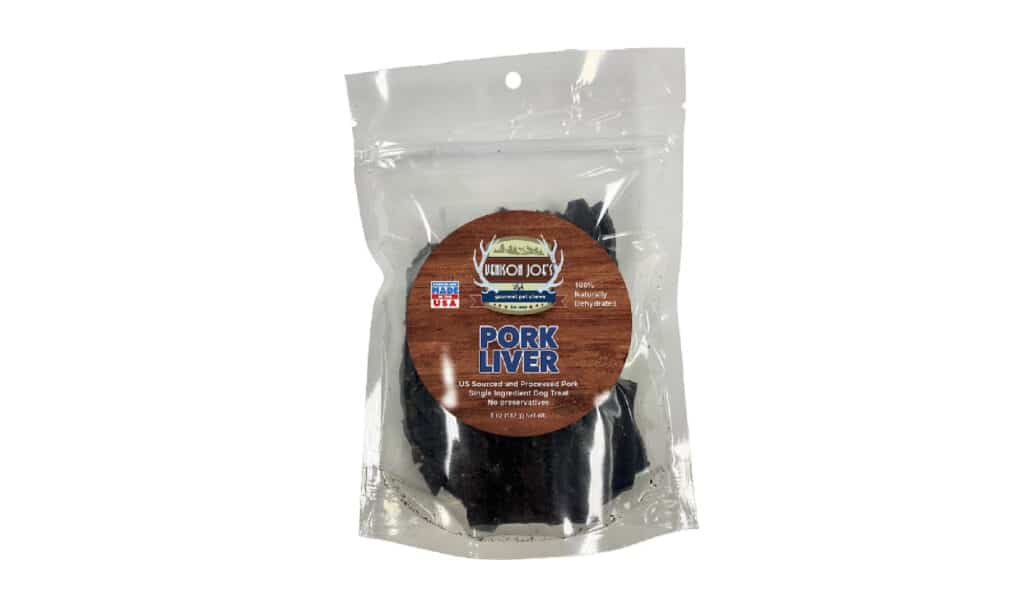
    Healthy Store-Bought Options:

    In conclusion, zucchini can be a healthy and tasty addition to your dog’s diet when prepared and served appropriately. This versatile vegetable is packed with nutrients and can offer a range of health benefits for your furry friend, from supporting healthy digestion to boosting their immune system.

    However, it’s important to feed zucchini to your dog in moderation and watch for any signs of discomfort or illness. If your dog doesn’t like zucchini or you want to diversify their diet, many other dog-safe vegetables are available.

    Remember to always consult with your veterinarian if you have any concerns about your dog’s diet or health. They can provide guidance on the best foods to feed your furry friend and help ensure that their nutritional needs are being met.

    Overall, with a little bit of care and attention, you can provide your dog with a healthy and balanced diet that includes a variety of nutritious and tasty foods, including zucchini. So go ahead and experiment with different foods and see what your furry friend enjoys the most!

    ~Lindsie

    A note about your dog’s health

    This article provides general education and does not replace an examination, diagnosis, or individualized advice from your veterinarian. Contact a veterinary professional if you are concerned about your dog’s symptoms.

    Lindsie Parks B.S., CRDNS Avatar

    ABOUT THE AUTHOR
  • Can Dogs Have Bologna? Expert Answers

    Can Dogs Have Bologna? Expert Answers

    As dog owners, we all want to ensure our furry friends are getting the best nutrition possible. However, it’s not uncommon to have questions about what human foods are safe for our dogs to eat. One popular food item that many of us have in our fridges is bologna, and it’s natural to wonder if it’s okay to share it with our pups. In this blog, we’ll dive into the question “Can dogs have bologna?” and explore everything you need to know to make an informed decision about whether or not to add this lunchtime staple to your dog’s diet. So, let’s get started!

    bologna for dogs

    What Is Bologna?

    Bologna is a type of sausage that originated in Bologna, Italy. It is typically made from finely ground pork and beef, and seasoned with spices such as garlic, pepper, and nutmeg. In some cases, it may also contain other meats or poultry, as well as fillers like corn syrup or soy protein. Bologna is often used as a sandwich meat and can be found in most grocery stores in pre-packaged slices. While it’s a popular food item for humans, many dog owners wonder if it’s safe for their furry friends to consume. In the next section, we’ll explore whether or not dogs can eat bologna and the potential risks associated with feeding it to your pup.

    Can Dogs Have Bologna?

    Now that we’ve established what bologna is, the question remains: can dogs eat it? The answer is somewhat complicated. While bologna itself is not toxic to dogs, it’s not exactly a health food either. The high sodium content in processed meats like bologna can lead to dehydration in dogs, and can even cause sodium ion poisoning if consumed in large amounts. Additionally, many types of bologna contain fillers and additives that can be difficult for dogs to digest and may cause gastrointestinal upset.

    Furthermore, bologna is not a nutritionally balanced food for dogs, and should not be relied upon as a significant source of nutrition. If you’re looking for a protein-rich treat to share with your pup, there are plenty of healthier options out there, such as cooked chicken, beef, or turkey. As always, it’s important to keep your dog’s overall diet in mind when considering what human foods to offer them.

    In summary, while dogs can technically eat bologna, it’s not a recommended food item to regularly include in their diet. If you do decide to share a small amount with your pup as an occasional treat, be sure to monitor them for any signs of digestive upset and limit their intake to a small slice or two at most.

    Are There Harmful Ingredients in Bologna?

    Yes, there are potentially harmful ingredients in bologna that could be detrimental to a dog’s health if consumed in large amounts. One of the main concerns is the high sodium content in processed meats like bologna. Excess sodium intake can lead to dehydration, electrolyte imbalances, and can even cause sodium ion poisoning in extreme cases. Dogs are particularly sensitive to salt, and even small amounts of bologna can have negative effects on their health.

    In addition to high sodium levels, many types of bologna contain fillers and additives that can be difficult for dogs to digest. For example, corn syrup and soy protein are common fillers found in processed meats that may cause gastrointestinal upset in dogs. Nitrite or nitrate in some bologna is linked to human cancer risk and should be avoided in large amounts.

    Overall, it’s important to read ingredient labels carefully and avoid bologna products that contain potentially harmful additives or excessive amounts of sodium. As with any human food, it’s best to offer bologna to your dog in moderation and always monitor them for any signs of digestive upset.

    Canine nutrition: adding bologna in moderation

    Are There Safe Ingredients in Bologna?

    While it’s true that bologna can contain harmful ingredients like excessive sodium or fillers that may cause gastrointestinal upset in dogs, it’s also worth noting that there are safe ingredients in bologna that can be beneficial for our furry friends. Bologna made with high-quality, lean meats like beef or turkey can provide a good source of protein for dogs. Bologna without additives like corn syrup or soy protein can be gentler on a dog’s digestion.

    If you’re thinking about sharing bologna with your dog as a special treat, it’s important to select a high-quality product and feed it to them in moderation. Feeding your pup a small slice or two of bologna as an occasional treat is unlikely to cause any harm, as long as it’s not a regular part of their diet. Keep an eye out for vomiting, diarrhea, or lethargy in dogs eating bologna.

    What Signs To Watch For If Your Dog Accidentally Ate A Lot of Bologna?

    If your dog accidentally eats a lot of bologna, there are several signs to watch for that could indicate a potential problem. The high sodium content in bologna can lead to dehydration, electrolyte imbalances, and even sodium ion poisoning in severe cases. Here are some signs to look out for:

    • Excessive thirst: Increased thirst in dogs after eating bologna can signal dehydration due to high sodium content.
    • Vomiting or diarrhea: Eating a large amount of bologna can upset a dog’s stomach and lead to vomiting or diarrhea. Monitor your dog for dehydration and contact your vet if vomiting, diarrhea or lethargy persist or worsen.
    • Lethargy: Eating too much bologna can make dogs lethargic or weak due to dehydration or electrolyte imbalances.
    • Increased heart rate: Excessive sodium raises heart rate; faster than normal could signal bologna overindulgence. Watch for symptoms.

    If you notice any of these symptoms in your dog after they’ve consumed a large amount of bologna, it’s important to seek veterinary care as soon as possible. Quick treatment is vital for sodium poisoning in dogs. Early intervention can make a huge difference in their recovery.

    Canine digestive system and bologna consumption

    When or If You Should Go To The Vet?

    If you suspect that your dog has ingested a large amount of bologna and is exhibiting any signs of illness, it’s important to seek veterinary care as soon as possible. Depending on the severity of the symptoms, your veterinarian may recommend immediate treatment to help your dog recover.

    For example, if your dog is exhibiting signs of dehydration, your vet may recommend administering fluids to help rehydrate them. In severe cases, hospitalization may be necessary to provide intravenous fluids and electrolyte replacement therapy. Your vet may prescribe medication for vomiting or diarrhea in dogs to ease symptoms and prevent dehydration.

    In some cases, your veterinarian may also recommend blood work or other diagnostic tests to assess your dog’s overall health and rule out any underlying conditions that may have been exacerbated by the bologna consumption.

    It’s important to remember that even if your dog seems to be recovering from the effects of eating too much bologna, it’s still a good idea to follow up with your veterinarian to ensure that there are no long-term complications. By seeking prompt veterinary care, you can help ensure the best possible outcome for your furry friend.

    Bologna for dogs: pros and cons

    Safe Dog-Friendly Alternative to Bologna:

    If you’re looking for safe, dog-friendly alternatives to bologna, there are plenty of options to choose from that are both healthy and delicious. Here are a few ideas:

    1. Cooked Chicken: Plain, skinless, boneless chicken is a great source of protein for dogs and is easy to prepare. Cook chicken and serve small pieces as a treat or part of dog’s regular meal. Boil, bake, or grill.
    2. Lean Turkey: Like chicken, lean turkey is another protein-rich option that is low in fat and easy to digest. Cook turkey like chicken, serve as a treat or mix with regular food for dogs.
    3. Beef Jerky: Beef jerky made specifically for dogs can be a tasty and nutritious alternative to bologna. Just be sure to choose a high-quality product that is free from fillers and additives.
    4. Peanut Butter: Many dogs love the taste of peanut butter, which is a great source of healthy fats and protein. Give dogs peanut butter as a treat or stuff it in a puzzle toy for added mental stimulation.
    5. Carrots: Carrots are a low-calorie, vitamin-rich snack that many dogs enjoy. Offer your dog carrots as treats or mix into their food for added nutrition and crunchiness.

    Remember, when offering any new food to your dog, it’s important to introduce it gradually and in moderation to avoid digestive upset.

    Healthy Store-Bought Options:

    In conclusion, while bologna may not be the healthiest food option for dogs, it can be enjoyed as an occasional treat in small amounts. However, it’s important to choose a high-quality product that is free from harmful ingredients like excessive sodium or fillers. When offering bologna to your dog, always do so in moderation and monitor them for any signs of digestive upset.

    That being said, there are plenty of safe, dog-friendly alternatives to bologna that are both nutritious and delicious. Add chicken or turkey to your dog’s diet for nutrition, health, and happiness.

    As always, when it comes to feeding your dog human foods, it’s important to do your research and consult with your veterinarian if you have any questions or concerns. With the right balance of healthy foods and occasional treats, you can help ensure that your furry friend is getting the best nutrition possible.

    ~Daniel

    A note about your dog’s health

    This article provides general education and does not replace an examination, diagnosis, or individualized advice from your veterinarian. Contact a veterinary professional if you are concerned about your dog’s symptoms.

    Daniel Bird Avatar

    ABOUT THE AUTHOR

  • Can Dogs Eat Rutabaga? Expert Answers

    Can Dogs Eat Rutabaga? Expert Answers

    Hey there, fellow dog owners! If you’re anything like me, you’re always on the lookout for new and healthy foods to add to your furry friend’s diet. One vegetable that may have caught your eye recently is the rutabaga. But before you go ahead and toss some to your pup, you might be wondering: can dogs eat rutabaga? As a responsible pet owner, it’s important to make sure you’re giving your dog the right kind of nutrition. So, in this blog, we’ll be exploring the benefits and potential risks of feeding your dog rutabaga, as well as answering some common questions about this root vegetable. Let’s dig in!

    can dogs have rutabaga

    What Is Rutabaga?

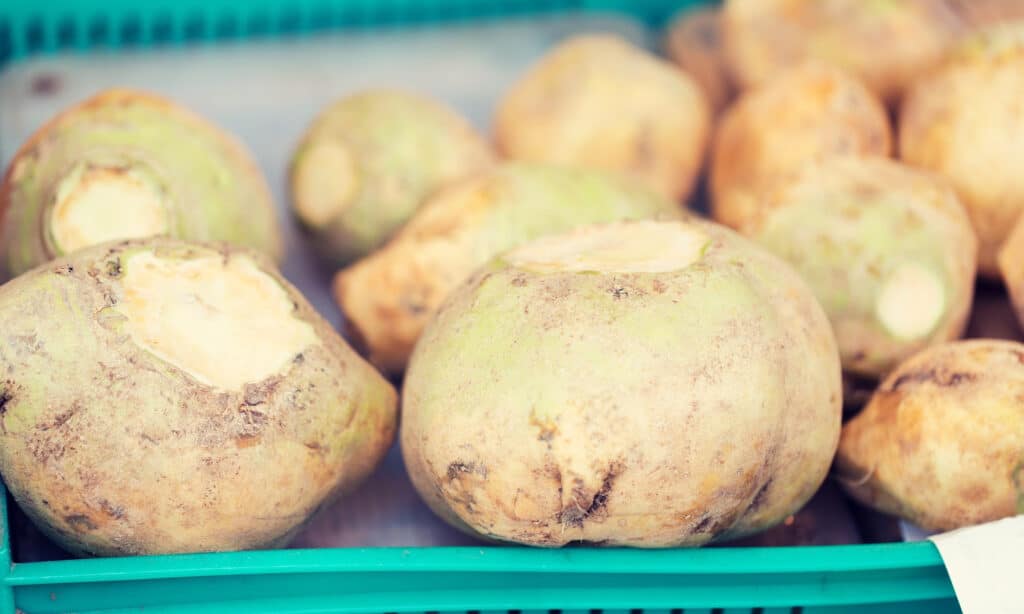
    Rutabaga, also known as swede, is a root vegetable that belongs to the Brassica family. It’s a cross between a turnip and a cabbage and is commonly grown in colder climates. Rutabagas have a yellowish-orange flesh with a slightly sweet and earthy flavor. They’re packed with nutrients such as vitamin C, potassium, and fiber, making them a great addition to any healthy diet. In fact, rutabaga has been used in traditional medicine for centuries due to its potential health benefits. So, if you’re looking for a new vegetable to add to your own diet or your dog’s, rutabaga is definitely worth considering. Just be sure to take into account your dog’s individual needs and consult with a veterinarian before making any major changes to their diet.

    Can Dogs Eat Rutabaga?

    Yes, dogs can eat rutabaga in moderation as part of a balanced diet. Rutabaga is a nutritious vegetable that can provide your furry friend with important vitamins and minerals. However, it’s important to keep in mind that dogs have different nutritional requirements than humans, so their diet should be tailored to their specific needs. As with any new food, it’s best to introduce rutabaga gradually and in small amounts to make sure your dog tolerates it well.

    Some potential benefits of feeding your dog rutabaga include:

    • Vitamin C: Rutabaga is a good source of vitamin C, which is important for your dog’s immune system and overall health.
    • Fiber: Rutabaga is high in fiber, which can help regulate your dog’s digestive system and promote good bowel health.
    • Low in calories: Rutabaga is relatively low in calories, making it a good option for dogs who need to lose weight or maintain a healthy weight.

    However, there are also some potential risks to keep in mind when feeding your dog rutabaga. These include:

    • Digestive upset: Too much rutabaga can cause digestive upset in some dogs, including gas, bloating, and diarrhea.
    • Allergies: Some dogs may be allergic to rutabaga, so it’s important to monitor your dog for any signs of an allergic reaction after feeding them this vegetable.
    • Oxalates: Rutabaga contains oxalates, which can be harmful in large amounts. However, the levels of oxalates in rutabaga are relatively low, so it’s not usually a concern unless your dog is eating large quantities of the vegetable.

    Overall, rutabaga can be a healthy and nutritious addition to your dog’s diet as long as it’s fed in moderation and your dog tolerates it well. As always, it’s best to consult with your veterinarian before making any major changes to your dog’s diet.

    Dogs and Vegetables: The Benefits of Feeding Rutabaga

    Are There Any Harmful Ingredients in Rutabaga?

    Rutabaga is generally considered a safe and healthy food for dogs, but it’s important to keep in mind that there are some potential risks associated with feeding this vegetable to your furry friend. One of the main concerns with rutabaga is its oxalate content.

    Oxalates are naturally occurring compounds found in many plant-based foods, including rutabaga. In large amounts, oxalates can bind with calcium in the body and form crystals, which can cause health problems such as kidney stones. However, the levels of oxalates in rutabaga are relatively low and not usually a concern unless your dog is eating large quantities of the vegetable.

    Another potential issue with feeding rutabaga to dogs is its fiber content. While fiber is important for digestive health, too much fiber can cause digestive upset in some dogs. This can lead to symptoms such as gas, bloating, and diarrhea.

    It’s also possible for some dogs to be allergic to rutabaga, although this is relatively rare. Signs of an allergic reaction in dogs can include itching, swelling, hives, and difficulty breathing.

    Overall, rutabaga is generally considered safe and healthy for dogs when fed in moderation. However, it’s always a good idea to consult with your veterinarian before adding any new foods to your dog’s diet, especially if your dog has any underlying health issues or dietary restrictions.

    Are There Any Safe Ingredients in Rutabaga?

    Yes, there are many safe and beneficial ingredients in rutabaga that can provide your dog with important nutrients. Some of the key ingredients in rutabaga include:

    • Vitamin C: Rutabaga is a good source of vitamin C, which is important for immune system function, skin health, and wound healing in dogs.
    • Fiber: Rutabaga is high in fiber, which can help regulate your dog’s digestive system and promote good bowel health.
    • Potassium: Rutabaga is a good source of potassium, which is important for heart and muscle function in dogs.
    • Calcium: Rutabaga contains small amounts of calcium, which is important for bone health and muscle function in dogs.
    • Carotenoids: Rutabaga contains carotenoids, which are powerful antioxidants that can help protect your dog’s cells from damage.

    Overall, rutabaga can be a healthy and nutritious addition to your dog’s diet when fed in moderation. As with any new food, it’s important to introduce rutabaga gradually and in small amounts to make sure your dog tolerates it well. If you have any concerns about adding rutabaga to your dog’s diet, it’s always best to consult with your veterinarian first.

    The Lowdown on Dogs and Rutabaga

    What Signs To Watch For If Your Dog Accidentally Ate A Lot of Rutabaga?

    f your dog accidentally eats a large amount of rutabaga, there are several signs to watch for that may indicate a problem. These can include:

    1. Vomiting: If your dog has eaten too much rutabaga, they may start vomiting to get rid of the excess.
    2. Diarrhea: Eating too much rutabaga can also cause diarrhea, which can lead to dehydration if not managed properly.
    3. Abdominal pain: Your dog may show signs of abdominal pain, such as pacing, restlessness, or hunching over.
    4. Loss of appetite: If your dog is experiencing digestive upset due to eating too much rutabaga, they may refuse to eat or drink.
    5. Lethargy: Dogs who have eaten too much rutabaga may also become lethargic or weak.

    If you notice any of these symptoms in your dog after they’ve eaten a lot of rutabaga, it’s important to contact your veterinarian right away. They can help determine the best course of treatment, which may include fluid therapy, medications to control vomiting or diarrhea, or other supportive care measures. In severe cases, your dog may need to be hospitalized for monitoring and treatment.

    When or If You Should Go To The Vet?

    If you suspect that your dog has eaten an excessive amount of rutabaga and is displaying signs of digestive upset or any other concerning symptoms, it’s crucial to seek veterinary care as soon as possible. Your veterinarian can examine your dog and determine the severity of their condition, providing appropriate treatment as needed.

    Some indicators that your dog may require medical attention include:

    • Continued vomiting or diarrhea: Seek veterinary care if your dog vomits or has persistent diarrhea for over 24 hours.
    • Signs of dehydration: Dehydrated dog due to vomiting or diarrhea? They may need fluids or electrolyte replacement to recover.
    • Abdominal discomfort: If your dog is displaying signs of abdominal pain such as whining, hunching over or reluctance to move, it’s important to have them evaluated by a veterinarian.
    • Lethargy or weakness: Dogs who have ingested too much rutabaga may feel tired, weak, or unwell, which can indicate a more serious issue.
    • Changes in breathing or heart rate: If your dog is experiencing breathing difficulties or has an irregular heart rate, immediate veterinary attention is necessary.

    Generally, if you’re uncertain whether your dog needs veterinary care, it’s better to be safe than sorry and contact your veterinarian. They can evaluate your dog’s symptoms and provide guidance on the best course of action.

    Feed Your Pup Right: Can Dogs Safely Eat Rutabaga?

    Safe Dog-Friendly Alternative to Rutabaga:

    If you’re looking for a safe and healthy alternative to rutabaga to feed your dog, there are several options to consider. Here are some dog-friendly alternatives that can provide similar nutritional benefits:

    1. Carrots: Carrots are a great source of vitamin A and fiber, making them a healthy and low-calorie treat for dogs. They’re also easy to digest and can help keep your dog’s teeth clean.
    2. Sweet potatoes: Sweet potatoes are rich in vitamins A and C, as well as fiber and potassium. They can be baked or boiled and served as a nutritious treat for your dog.
    3. Green beans: Green beans are a low-calorie and fiber-rich vegetable that can help regulate your dog’s digestive system. They’re also a good source of vitamin C and potassium.
    4. Pumpkin: Pumpkin is high in fiber and can help soothe digestive issues in dogs. It’s also a good source of vitamins A and C, as well as beta-carotene.
    5. Broccoli: Broccoli is packed with nutrients such as vitamin C, fiber, and potassium. It’s also low in calories and can be steamed or roasted as a healthy treat for your dog.

    Remember to always introduce new foods gradually and in small amounts to ensure your dog tolerates them well. As always, it’s best to consult with your veterinarian before adding any new foods to your dog’s diet.

    Healthy Store-Bought Options:

    In conclusion, while rutabaga can be a nutritious and healthy addition to your dog’s diet, it’s important to feed it in moderation and with caution. Like with any new food, it’s always best to introduce rutabaga gradually and monitor your dog’s reaction to it. Be sure to consult with your veterinarian before adding any new foods to your dog’s diet, especially if they have any underlying health issues or dietary restrictions.

    If you’re concerned about feeding your dog rutabaga, there are many safe and healthy alternatives that can provide similar nutritional benefits. Carrots, sweet potatoes, green beans, pumpkin, and broccoli are just a few examples of dog-friendly vegetables that can add variety and nutrition to your dog’s diet.

    As a responsible pet owner, it’s important to prioritize your dog’s health and well-being. By providing a balanced and nutritious diet, as well as seeking veterinary care when necessary, you can help ensure that your furry friend lives a happy and healthy life.

    ~Lindsie

    A note about your dog’s health

    This article provides general education and does not replace an examination, diagnosis, or individualized advice from your veterinarian. Contact a veterinary professional if you are concerned about your dog’s symptoms.

    Lindsie Parks B.S., CRDNS Avatar

    ABOUT THE AUTHOR

  • Can Dogs Eat Ricotta Cheese – Expert Answers

    Can Dogs Eat Ricotta Cheese – Expert Answers

    Ricotta cheese is a popular ingredient in many dishes, from lasagna and pizza to cheesecake and cannoli. It’s a soft, creamy cheese that’s made from the whey leftover from other cheesemaking processes, and it has a mild, slightly sweet flavor that many people love. If you’re a dog owner, you may be wondering can dogs eat ricotta cheese as well. After all, dogs have different dietary needs and preferences than humans, and some foods that are perfectly safe for us can be harmful or even toxic to our pets.

    In this blog post, we’ll take a closer look at ricotta cheese and whether it’s safe for dogs to eat. We’ll examine the nutritional content of ricotta cheese, the potential risks and benefits for dogs, and some tips for feeding your pup ricotta cheese safely (if at all). So, let’s get started!

    can dogs eat ricotta cheese

    What Is Ricotta Cheese?

    Ricotta cheese is a soft and creamy cheese with a slightly sweet flavor and grainy texture. It’s made by using the whey leftover from making other types of cheese, like mozzarella or provolone.

    When cheese is made, milk is curdled using an acid or enzyme, which separates the solids from the liquid. The solids are then processed into cheese, while the liquid (whey) is often discarded. Ricotta is made by heating whey and adding an acid, causing proteins to coagulate and form curds. Strained and pressed curds result in soft and fluffy cheese used in sweet and savory Italian dishes.

    Ricotta cheese is high in protein, calcium, and phosphorus but also in fat and calories. Feed ricotta cheese to dogs in moderation as part of a balanced diet, like any food.

    Can Dogs Have Ricotta Cheese?

    When it comes to feeding dogs ricotta cheese, the answer is not a straightforward “yes” or “no.” Consider risks before feeding ricotta cheese to your dog; it’s not toxic but may not be beneficial.

    On the one hand, ricotta cheese is a good source of protein and calcium, which are important nutrients for dogs. High fat and calories in hay may cause issues if dog has digestive problems or is overweight.

    Most dogs are lactose intolerant and have trouble digesting lactose, a sugar found in milk and dairy products. Feeding lactose-containing foods like ricotta cheese to these dogs can lead to gastrointestinal upset, including diarrhea, vomiting, and gas.

    Ricotta cheese is safe for dogs in small amounts but consider their dietary needs and sensitivities before adding it. Introduce ricotta cheese gradually, and watch for signs of digestive upset or allergic reaction.

    Ricotta cheese for dogs: Benefits and precautions

    Harmful Ingredients in Ricotta Cheese:

    In general, ricotta cheese is considered safe for dogs to eat in moderation. However, there are a few potential harmful ingredients to be aware of.

    First, ricotta cheese is a dairy product, and some dogs may be lactose intolerant. Lactose is a sugar found in milk and dairy products, and dogs with lactose intolerance have difficulty digesting it. Feeding ricotta cheese to dogs with lactose intolerance can lead to gastrointestinal upset, including diarrhea, vomiting, and gas.

    Additionally, some brands of ricotta cheese may contain added salt, which can be harmful to dogs in large amounts. High levels of sodium can lead to dehydration, increased thirst, and even sodium ion poisoning, which can be life-threatening.

    Finally, some ricotta cheese may contain other additives or preservatives that could be harmful to dogs. Choose natural, high-quality ricotta cheese for dogs and read ingredient labels carefully before feeding.

    As with any new food or treat, it’s important to introduce ricotta cheese slowly and in small amounts, and to monitor your dog for any signs of digestive upset or allergic reaction. If your dog experiences any negative symptoms after eating ricotta cheese, discontinue feeding it and consult with your veterinarian.

    Safe Ingredients in Ricotta Cheese:

    There are several safe and beneficial ingredients in ricotta cheese that can make it a healthy addition to your dog’s diet when fed in moderation.

    Ricotta cheese is a good source of protein, calcium, and phosphorus, which are important nutrients for dogs. Protein is essential for building and repairing muscles, while calcium and phosphorus help support strong bones and teeth.

    In addition, ricotta cheese is relatively low in lactose compared to other dairy products, which means that some lactose-intolerant dogs may be able to tolerate it in small amounts. However, it’s still important to monitor your dog for any signs of digestive upset after feeding them ricotta cheese.

    When selecting ricotta cheese to feed your dog, look for a high-quality, all-natural brand that doesn’t contain added salt, preservatives, or other harmful ingredients. Choose low-fat ricotta for overweight dogs or those with digestive issues like pancreatitis to ensure safe consumption.

    As with any new food or treat, it’s important to introduce ricotta cheese slowly and in small amounts, and to monitor your dog for any signs of digestive upset or allergic reaction. If you have any concerns about feeding ricotta cheese to your dog, consult with your veterinarian.

    Ricotta cheese as an occasional dog treat

    What Signs To Watch For If Your Dog Accidentally Ate A Lot of Ricotta Cheese?

    f your dog eats too much ricotta cheese, they could experience some negative side effects that you should be aware of.

    The most common sign of a ricotta cheese “overdose” in dogs is digestive upset. This can include symptoms like diarrhea, vomiting, and gas. Depending on how much cheese your dog ate, these symptoms can be mild or more severe.

    In some cases, eating too much ricotta cheese can also cause pancreatitis in dogs. This is a condition where the pancreas becomes inflamed and can cause abdominal pain, loss of appetite, and lethargy. Pancreatitis can be life-threatening. Contact a vet immediately if you suspect your dog has this condition.

    Another possible side effect of consuming too much ricotta cheese is dehydration, especially if your dog is experiencing vomiting or diarrhea. You can tell if your dog is dehydrated by looking for symptoms like dry gums, sunken eyes, and lethargy.

    If you notice any of these symptoms in your dog after they’ve eaten a large amount of ricotta cheese, it’s important to get in touch with your veterinarian as soon as possible. Vets can advise on managing symptoms and recommend treatment or check-up if necessary.

    When or If You Should Go To The Vet?

    If you suspect that your dog has eaten too much ricotta cheese and is experiencing negative side effects, it’s important to know when you should seek veterinary care.

    If your dog is experiencing mild symptoms like diarrhea, vomiting, or gas, you can monitor them closely at home and try to manage their symptoms by providing plenty of water and a bland diet.

    However, if your dog is experiencing severe symptoms like vomiting uncontrollably, or if they are showing signs of pancreatitis, such as abdominal pain, loss of appetite, and lethargy, it’s important to contact your veterinarian right away. In severe cases, pancreatitis can be life-threatening, so prompt medical attention is crucial.

    In addition, if you notice any signs of dehydration in your dog, such as dry gums, sunken eyes, or lethargy, it’s important to seek veterinary care as soon as possible. Dehydration can be serious and may require treatment with IV fluids or other medications.

    If you’re ever in doubt about whether your dog needs veterinary care, it’s always better to err on the side of caution and contact your veterinarian. Vets can advise on symptom management and recommend examination and treatment if necessary.

    Ricotta cheese and dog health: What you need to know

    Safe Dog-Friendly Alternative to Ricotta Cheese:

    If you’re searching for a dog-friendly alternative to ricotta cheese, there are several options available that are both safe and nutritious for your pup.

    One alternative is cottage cheese, which is packed with protein and calcium but has fewer calories and less fat than ricotta cheese. When selecting cottage cheese, it’s important to choose a plain, unsweetened variety that doesn’t contain any added salt or preservatives.

    Another option is plain Greek yogurt, which is also rich in protein and calcium and can provide your dog with beneficial probiotics. Be sure to select a plain variety without any added sugars or artificial sweeteners.

    For those who prefer vegan alternatives, pureed tofu can be used as a substitute for ricotta cheese. Tofu is high in protein, low in fat, and can be seasoned with herbs and spices to mimic the flavor of ricotta cheese.

    It’s important to introduce these alternatives gradually and in small amounts, and to keep an eye out for any signs of digestive upset or allergic reaction. If you have any concerns about feeding these alternatives to your dog, it’s always a good idea to consult with your veterinarian for advice.

    Healthy Store-Bought Options:

    In conclusion, while ricotta cheese can be a tasty and nutritious addition to your dog’s diet in moderation, it’s important to be aware of the potential risks and benefits before feeding it to your furry friend.

    Feeding too much ricotta cheese to your dog can lead to digestive upset, pancreatitis, dehydration, and other negative side effects. It’s important to monitor your dog closely after feeding them ricotta cheese and to seek veterinary care if you notice any signs of illness or discomfort.

    However, there are several safe and dog-friendly alternatives to ricotta cheese, including cottage cheese, plain Greek yogurt, and pureed tofu. These alternatives are high in protein and calcium, and can be a healthy and delicious addition to your dog’s diet when fed in moderation.

    As with any food or treat, it’s important to consider your individual dog’s dietary needs and potential sensitivities when introducing new foods into their diet. By being mindful of what you feed your dog and monitoring their health closely, you can ensure that they stay happy, healthy, and well-nourished for years to come.

    ~Lindsie

    A note about your dog’s health

    This article provides general education and does not replace an examination, diagnosis, or individualized advice from your veterinarian. Contact a veterinary professional if you are concerned about your dog’s symptoms.

    Lindsie Parks B.S., CRDNS Avatar

    ABOUT THE AUTHOR
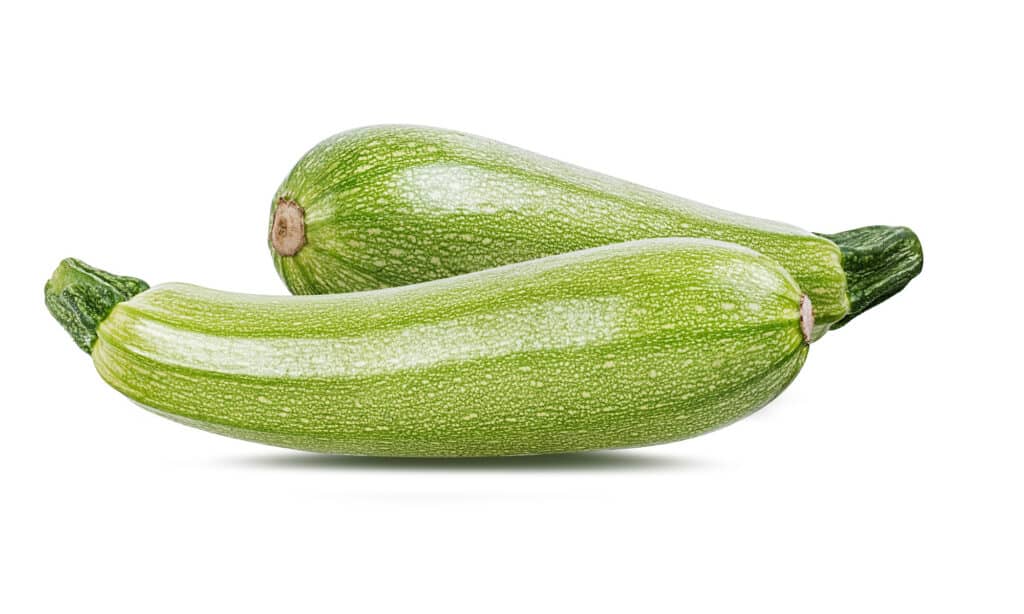
  • Can Dogs Eat Oat Milk? – Expert Answers

    Can Dogs Eat Oat Milk? – Expert Answers

    As a dog owner, it’s natural to want to share everything with your furry friend, including your favorite foods and drinks. Oat milk has become a popular alternative to dairy milk in recent years, but can dogs eat oat milk? While oat milk is generally considered safe for human consumption, it’s important to be cautious when giving it to your canine companion. Learn about oat milk for dogs: benefits, risks, and how to incorporate it safely into their diet in this blog.

    can dogs have oat milk

    What Is Oat Milk?

    Oat milk is a type of plant-based milk that is made by blending oats with water and then straining out the solids. The resulting liquid has a slightly sweet, nutty flavor and a creamy texture that is similar to cow’s milk. Oat milk has become increasingly popular in recent years as a vegan and dairy-free alternative to traditional milk.

    One of the reasons for its popularity is its nutritional content. Oat milk is fortified with vitamins & minerals like calcium, vitamin D, and B12, making it a good non-dairy source. Oat milk is low in fat and calories, making it ideal for those watching their weight.

    While oat milk is generally considered safe for human consumption, it’s important to note that it may not be suitable for everyone. Choose gluten-free certified oats if you have celiac disease or gluten intolerance due to possible cross-contamination during processing.

    Can Dogs Eat Oat Milk?

    While oat milk is generally safe for human consumption, it’s important to be cautious when giving it to your dog. Foods safe for humans can be harmful to dogs due to their unique nutritional needs.

    In small quantities, oat milk is unlikely to cause any harm to your dog. However, it’s important to keep in mind that dogs are lactose intolerant, and oat milk is not a natural part of their diet. Dogs may have oat milk allergies, causing digestive problems, skin irritations, and other health issues.

    If you do decide to give your dog oat milk, it’s important to choose a brand that does not contain any added sugars, flavors, or other additives. You should also introduce it gradually and in small amounts to see how your dog reacts. Stop giving oat milk to your dog and seek veterinary care if you notice vomiting, diarrhea, or abdominal pain.

    In general, it’s always a good idea to stick to a balanced and nutritionally complete diet for your dog that is based on their specific needs and requirements. Share human food with dogs in moderation and caution, even as an occasional treat.

    Oat milk: a non-dairy alternative for dogs

    Harmful Ingredients in Oat Milk:

    While oat milk is generally considered safe and healthy, some oat milk products may contain ingredients that are potentially harmful to our health. One such ingredient is added sugars, which can contribute to weight gain, tooth decay, and other health problems. Pick low-sugar or unsweetened oat milk to prevent health problems.

    Another ingredient to watch out for is carrageenan, which is sometimes used as a thickener in plant-based milks, including some oat milk products. While carrageenan is generally considered safe, some people report digestive problems after consuming it. If you’re concerned about carrageenan, look for an oat milk product that does not contain it.

    Lastly, some oat milk products may contain gluten, which can be a problem for people with celiac disease or gluten intolerance. If you’re gluten-sensitive, it’s important to choose an oat milk product that is certified gluten-free to avoid any potential issues.

    Overall, oat milk can be a healthy and nutritious alternative to dairy milk, as long as you choose a high-quality brand that does not contain any harmful ingredients. Read labels and enjoy oat milk worry-free by being mindful of its ingredients.

    Safe Ingredients in Oat Milk:

    When it comes to giving your dog oat milk, it’s important to proceed with caution. Dogs can have allergies or sensitivities to oats in oat milk, leading to digestive or skin issues.

    In small amounts, oat milk is unlikely to cause any harm to your furry friend. However, it’s important to keep in mind that dogs are lactose intolerant and oat milk is not a natural part of their diet. Dogs can have allergies or sensitivities to oats in oat milk, leading to digestive or skin issues.

    If you do decide to give your dog oat milk, it’s important to choose a brand that does not contain added sugars, flavors, or other additives. You should also start with a small amount and gradually introduce it to your dog’s diet to see how they react. Stop oat milk if dog shows signs of health issues. Consult vet for guidance on digestive upset or other concerns.

    Overall, it’s important to prioritize your dog’s nutritional needs and stick to a balanced and nutritionally complete diet that is specifically designed for their health and wellness. Moderation and caution are key when sharing human food with your dog as a treat.

    Oat milk: a safe and delicious choice for dogs

    What Signs To Watch For If Your Dog Accidentally Ate A Lot of Oat Milk?

    If your dog accidentally consumes a large amount of oat milk, there are a few signs to watch out for that could indicate an adverse reaction. These signs include:

    1. Digestive upset: Consuming a large amount of oat milk can cause digestive upset in dogs. This may include symptoms such as vomiting, diarrhea, bloating, gas, or abdominal discomfort.
    2. Allergic reactions: Some dogs may be allergic or sensitive to oats or other ingredients in oat milk. This can cause symptoms such as skin rashes, hives, itching, or swelling.
    3. Lethargy or weakness: Oat milk can cause lethargy or weakness in dogs if consumed in large amounts.

    If you notice any of these signs in your dog after they have consumed a lot of oat milk, it’s important to contact your veterinarian right away. Your vet can help determine the best course of action based on your dog’s specific symptoms and overall health. Be cautious when sharing human food with dogs and prioritize their nutritional needs.

    When or If You Should Go To The Vet?

    If you notice any of the signs mentioned previously after your dog has consumed a lot of oat milk, it’s important to monitor their symptoms closely. In most cases, digestive upset or mild allergic reactions will resolve on their own within a few hours or days.

    However, if your dog is experiencing severe symptoms such as vomiting, diarrhea, or difficulty breathing, or if their symptoms persist for more than 24-48 hours, it’s important to seek veterinary care right away. When in doubt about your dog’s oat milk intake, consult a veterinarian for their safety and well-being.

    When you bring your dog to the vet, they will likely perform a physical exam and may recommend additional testing or treatment depending on your dog’s symptoms and overall health. In some cases, they may recommend withholding food and water for a period of time to allow your dog’s digestive system to recover. If your dog is sick or has consumed a lot of oat milk, seek veterinary care to be safe.

    Can dogs have oat milk? Yes!

    Safe Dog-Friendly Alternative to Oat Milk:

    If you’re looking for a dog-friendly alternative to oat milk, there are several options to consider. Here are a few safe alternatives:

    1. Water: Dogs need access to fresh, clean water at all times, as it is the most essential nutrient for them.
    2. Bone broth: Bone broth is a nutritious and tasty alternative to milk that can be easily made at home. Simmer bones with veggies in water for hours to extract nutrients for bone broth (chicken or beef).
    3. Coconut milk: Coconut milk is a safe dairy milk alternative for dogs, best given in moderation for a healthy diet. However, it’s important to choose a brand that does not contain any added sugars or other harmful ingredients.
    4. Goat’s milk: Goat’s milk is another safe alternative to dairy milk that can be given to dogs in moderation. It’s important to choose a high-quality brand and to introduce it gradually to your dog’s diet.

    Overall, it’s important to prioritize your dog’s nutritional needs and choose safe and healthy alternatives to milk. If you have any concerns about your dog’s diet or health, be sure to consult with your veterinarian for advice and guidance.

    Healthy Store-Bought Options:

    In conclusion, oat milk can be a healthy and nutritious alternative to dairy milk for humans, but it’s important to be cautious when giving it to your dog. While oat milk is generally safe for dogs in small quantities, it’s important to keep in mind that dogs have different nutritional needs than humans and some foods that are safe for us can be harmful to our furry friends.

    If you do decide to give your dog oat milk, it’s important to choose a brand that does not contain any harmful or potentially harmful ingredients, such as added sugars or carrageenan. You should also introduce it gradually and in small amounts to see how your dog reacts. If you notice any signs of digestive upset or other health issues, stop giving oat milk to your dog and consult with your veterinarian.

    If you’re looking for a safe and healthy alternative to oat milk for your dog, there are several options to consider, such as bone broth, coconut milk, or goat’s milk. It’s important to prioritize your dog’s nutritional needs and choose safe and healthy alternatives to milk.

    ~Lindsie

    A note about your dog’s health

    This article provides general education and does not replace an examination, diagnosis, or individualized advice from your veterinarian. Contact a veterinary professional if you are concerned about your dog’s symptoms.

    Lindsie Parks B.S., CRDNS Avatar

    ABOUT THE AUTHOR

  • Can Dogs Eat Napa Cabbage – Expert Answers

    Can Dogs Eat Napa Cabbage – Expert Answers

    As a dog owner, you want to make sure your furry friend is getting all the nutrients they need to stay healthy and happy. One question that may come to mind is whether or not dogs can eat napa cabbage. While it may be a delicious and healthy addition to your own diet, it’s important to know if it’s safe for your pup to consume. In this blog post, we’ll explore the nutritional benefits of napa cabbage and whether or not it’s a good idea to share this leafy green with your four-legged friend. So, if you’re curious about feeding napa cabbage to your dog, keep reading!

    can dogs have napa cabbage

    What Is Napa Cabbage?

    Napa cabbage, also called Chinese cabbage or celery cabbage, is a leafy veggie that’s commonly used in Asian cooking. You may have spotted it at the market, with its oblong shape and pale green color, and its leaves are a tad more delicate than regular green cabbage. People describe its flavor as mildly sweet, with hints of both lettuce and cabbage.

    This leafy green isn’t just yummy; it’s also packed with nutrients. Napa cabbage is a rich source of vitamins C, K, and folate, as well as other essential vitamins and minerals. Plus, it’s low in calories, making it a go-to for those who are health-conscious.

    Since napa cabbage is a popular ingredient in Asian cuisine, it’s typically available at Asian markets and grocery stores. You can use it in a ton of dishes, from salads to soups to stir-fries to kimchi.

    Now that we’ve covered what napa cabbage is and its nutritional benefits, let’s move on to the question at hand: is it safe for dogs to eat? We’ll explore that in the following section.

    Can Dogs Have Napa Cabbage?

    As a dog owner, you might be curious if it’s safe to share your napa cabbage with your furry friend. The good news is that napa cabbage is not toxic to dogs and can be included in their diet in moderation.

    Napa cabbage can provide some nutritional benefits for dogs. It’s a good source of fiber, vitamin C, and vitamin K, which can all support your dog’s digestive and immune systems. However, it’s important to keep in mind that napa cabbage should not be a substitute for a balanced diet that meets all of your dog’s nutritional needs.

    When introducing napa cabbage to your dog’s diet, start with small amounts to see how they react. Some dogs may experience digestive upset or gas if they eat too much cabbage, so it’s best to err on the side of caution. Also, make sure to wash the cabbage thoroughly before giving it to your dog to remove any dirt or pesticides that may be on the leaves.

    Lastly, if your dog has a history of digestive issues or any other health concerns, it’s always best to consult with your veterinarian before making any significant changes to their diet.

    In conclusion, while napa cabbage can be a healthy addition to your dog’s diet in moderation, it’s important to introduce it slowly and keep an eye on how your dog reacts to it. With proper precautions, you can safely share some of your napa cabbage with your furry friend.

    Can dogs eat Napa cabbage? The answer might surprise you!

    Harmful Ingredients in Napa Cabbage:

    While napa cabbage is generally safe for dogs to consume in moderation, there are a few things to keep in mind. Like other members of the Brassica family, napa cabbage contains compounds called glucosinolates, which can affect thyroid function if consumed in large amounts over a prolonged period of time. However, the amount of glucosinolates in napa cabbage is relatively low, and it would take a significant amount to cause any problems.

    Additionally, like with any type of cabbage or leafy green, napa cabbage can sometimes be contaminated with bacteria, such as E. coli or Salmonella, which can cause digestive upset and other health problems in dogs. Therefore, it’s important to thoroughly wash any cabbage before feeding it to your dog and ensure it’s fresh and free of any signs of spoilage.

    Finally, some dogs may have an allergic reaction to napa cabbage or other types of cabbage. Signs of an allergic reaction can include itching, hives, vomiting, diarrhea, or difficulty breathing. If your dog has a history of food allergies or shows any of these symptoms after eating napa cabbage, it’s best to avoid feeding it to them in the future and consult with your veterinarian for further advice.

    Overall, napa cabbage is a safe and nutritious vegetable for dogs when fed in moderation and prepared properly. However, as with any new food or ingredient, it’s always a good idea to introduce it slowly and monitor your dog’s reaction to it. If you have any concerns or questions about feeding napa cabbage to your dog, don’t hesitate to speak with your veterinarian.

    Safe Ingredients in Napa Cabbage:

    Napa cabbage is a safe and nutritious vegetable for dogs when fed in moderation and prepared properly. It’s a good source of fiber, vitamins, and minerals that can support your dog’s overall health and well-being.

    Napa cabbage is low in calories and fat, making it a great addition to your dog’s diet if they need to lose weight or maintain a healthy weight. It’s also a good source of vitamin C, which can help boost your dog’s immune system and protect against illness and disease.

    Moreover, napa cabbage is a good source of vitamin K, which is essential for blood clotting and bone health. It can also provide your dog with some antioxidants, which can help protect against cell damage and reduce the risk of chronic diseases like cancer and heart disease.

    Overall, napa cabbage is a safe and nutritious vegetable that can be included in your dog’s diet in moderation. Just be sure to wash it thoroughly, prepare it properly, and introduce it slowly to avoid any digestive upset or other adverse reactions. If you have any concerns or questions about feeding napa cabbage to your dog, it’s always best to consult with your veterinarian.

    Can your dog indulge in Napa cabbage?

    What Signs To Watch For If Your Dog Accidentally Ate A Lot of Napa Cabbage?

    If your dog accidentally eats a large amount of napa cabbage, there are a few signs that you should watch for:

    1. Digestive upset: Dogs that eat too much cabbage may experience symptoms such as vomiting, diarrhea, or gas. These symptoms may be mild or severe, depending on how much cabbage your dog consumed.
    2. Abdominal discomfort: Your dog may experience discomfort or pain in their stomach after eating too much cabbage. This can manifest as restlessness, pacing, or whining.
    3. Decreased appetite: If your dog has eaten a large amount of cabbage, they may lose interest in their regular food or treats.
    4. Lethargy: Eating too much cabbage can also make your dog feel tired or lethargic.

    If your dog exhibits any of these symptoms after eating a large amount of cabbage, it’s best to contact your veterinarian for advice. Depending on the severity of the symptoms, your veterinarian may recommend monitoring your dog at home, bringing them in for an exam, or providing treatment to alleviate their discomfort. In some cases, your dog may need to be hospitalized for observation and supportive care.

    When or If You Should Go To The Vet?

    If your dog has accidentally eaten a large amount of napa cabbage and is showing signs of discomfort or digestive upset, it’s important to monitor them closely and contact your veterinarian for advice.

    Depending on the severity of the symptoms and your dog’s overall health, your veterinarian may recommend bringing them in for an exam or providing treatment to alleviate their discomfort. In some cases, your dog may need to be hospitalized for observation and supportive care, especially if they are showing signs of severe vomiting or diarrhea, dehydration, or other serious symptoms.

    You should go to the vet if your dog is exhibiting any of the following symptoms after eating a large amount of napa cabbage:

    1. Persistent vomiting or diarrhea that lasts for more than 24 hours
    2. Blood in the vomit or diarrhea
    3. Loss of appetite or refusal to eat for more than 24 hours
    4. Lethargy or weakness that persists for more than 24 hours
    5. Signs of dehydration, such as excessive thirst, dry gums, or sunken eyes

    Additionally, if your dog has a history of health problems or is on any medications, it’s important to inform your veterinarian of the situation so they can provide the best possible care.

    In general, it’s always better to err on the side of caution and seek veterinary advice if you have any concerns about your dog’s health or well-being.

    Nutritious Napa cabbage for your furry friend

    Safe Dog-Friendly Alternative to Napa Cabbage:

    If you’re looking for a dog-friendly alternative to napa cabbage, there are plenty of other vegetables that you can offer your furry friend. Some safe options include:

    1. Green beans: Green beans are a low-calorie, high-fiber vegetable that’s safe for dogs to eat. They’re also a good source of vitamins and minerals.
    2. Carrots: Carrots are another healthy vegetable that dogs can enjoy. They’re a good source of fiber, vitamin A, and beta-carotene, which can help support your dog’s immune system and eye health.
    3. Broccoli: Broccoli is a cruciferous vegetable that’s packed with nutrients like vitamins C and K, fiber, and antioxidants. However, like napa cabbage, it should be fed to dogs in moderation due to its potential to affect thyroid function.
    4. Sweet potatoes: Sweet potatoes are a tasty and nutritious vegetable that dogs can enjoy. They’re a good source of fiber, vitamin A, and potassium, and can help support digestive and immune health.
    5. Zucchini: Zucchini is a low-calorie vegetable that’s rich in vitamins and minerals like vitamin C, potassium, and manganese. It’s also a good source of fiber, which can help support your dog’s digestive health.

    Remember to always introduce new foods to your dog’s diet slowly and in small amounts to avoid any digestive upset or other adverse reactions. If you have any concerns or questions about feeding your dog a particular vegetable or food, it’s always best to consult with your veterinarian.

    Healthy Store-Bought Options:

    In conclusion, napa cabbage can be a healthy addition to your dog’s diet in moderation. It’s a safe and nutritious vegetable that’s low in calories and packed with vitamins and minerals that can support your dog’s overall health and well-being. However, as with any new food or ingredient, it’s important to introduce napa cabbage slowly and monitor your dog’s reaction to it. It’s also essential to prepare it properly and wash it thoroughly to avoid any potential contamination with bacteria or pesticides.

    If your dog accidentally eats too much napa cabbage and shows signs of discomfort or digestive upset, it’s important to monitor them closely and contact your veterinarian for advice. Depending on the severity of the symptoms, your veterinarian may recommend bringing them in for an exam or providing treatment to alleviate their discomfort.

    Remember that every dog is unique, and what works for one may not work for another. If you have any concerns or questions about feeding napa cabbage to your dog or introducing new foods to their diet, it’s always best to consult with your veterinarian for personalized advice.

    In the end, a balanced and varied diet, including a range of safe vegetables and other foods, is key to keeping your furry friend healthy and happy.

    ~Lindsie

    A note about your dog’s health

    This article provides general education and does not replace an examination, diagnosis, or individualized advice from your veterinarian. Contact a veterinary professional if you are concerned about your dog’s symptoms.

    Lindsie Parks B.S., CRDNS Avatar

    ABOUT THE AUTHOR
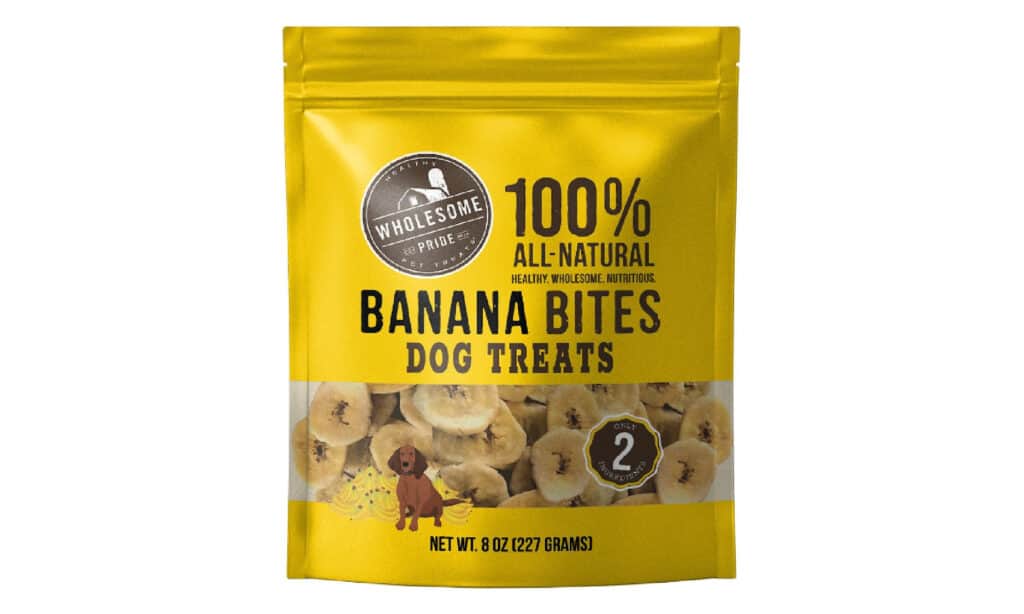
  • Can Dogs Eat Bitter Melon? – Expert Answers

    Can Dogs Eat Bitter Melon? – Expert Answers

    Are you a dog owner who loves to share your meals with your furry friend? If so, you may be wondering if your pup can enjoy the unique taste and potential health benefits of bitter melon. This tropical fruit, also known as bitter gourd or karela, is a staple in many Asian cuisines and has gained popularity in the Western world for its potential health benefits. However, not all human foods are safe for dogs to eat, and it’s important to know whether bitter melon is a safe option for your four-legged companion. In this blog, we’ll explore whether dogs can eat bitter melon, its potential benefits, and any precautions you should take before feeding it to your furry friend.

    can dogs have bitter melon

    What Is Bitter Melon?

    Bitter melon, also known as bitter gourd or karela, is a tropical fruit that is widely used in many Asian cuisines, particularly in Indian, Chinese, and Filipino dishes. This oblong-shaped fruit has a bumpy, green exterior and a spongy white interior filled with seeds. As its name suggests, bitter melon has a distinct bitter taste that may take some getting used to. However, despite its bitter taste, it has become increasingly popular in recent years for its potential health benefits.

    Bitter melon is low in calories and high in fiber, making it a nutritious addition to any diet. It is also rich in vitamins and minerals, including vitamin C, potassium, iron, and beta-carotene. Additionally, bitter melon contains compounds like charantin, momordicin, and vicine, which have been shown to have potential benefits for managing blood sugar levels, improving insulin sensitivity, and reducing inflammation.

    While bitter melon is a staple in many cuisines, it’s important to note that not all human foods are safe for dogs to eat. In the next section, we’ll explore whether dogs can safely enjoy the potential health benefits of bitter melon.

    Can Dogs Have Bitter Melon?

    If you’re a dog owner who enjoys sharing your meals with your furry friend, you may be wondering whether bitter melon is a safe option for your pup. While bitter melon is a nutritious fruit with potential health benefits for humans, it’s important to know whether dogs can safely enjoy this tropical fruit.

    The short answer is that bitter melon is not toxic to dogs, and in small amounts, it is generally safe for them to eat. However, as with any human food, there are some precautions you should take before feeding it to your furry friend.

    Firstly, bitter melon has a very strong and bitter taste that not all dogs may enjoy. Some dogs may even find it unpalatable or refuse to eat it all together. Additionally, if your dog has a history of digestive issues or a sensitive stomach, feeding them bitter melon may cause stomach upset or diarrhea.

    Furthermore, bitter melon has blood sugar-lowering properties, which can be beneficial for humans with diabetes but may pose a risk for dogs. If your dog has diabetes or is on medication to manage their blood sugar levels, it’s essential to consult with your veterinarian before feeding them bitter melon or any other human food.

    Bitter melon and your dog's diet: what you need to know.

    Harmful Ingredients in Bitter Melon:

    While bitter melon is generally safe for dogs to eat, there are some potential risks and harmful effects to be aware of. Firstly, as mentioned earlier, bitter melon has blood sugar-lowering properties, which can be beneficial for humans with diabetes but may pose a risk for dogs. Feeding your dog large amounts of bitter melon can cause their blood sugar levels to drop too low, leading to hypoglycemia. This can be especially dangerous for dogs with diabetes or those on medication to manage their blood sugar levels.

    In addition, bitter melon contains compounds that may interfere with the absorption of certain medications. If your dog is on medication, particularly for diabetes or blood pressure, it’s crucial to consult with your veterinarian before feeding them bitter melon or any other human food.

    Furthermore, bitter melon has a high fiber content, which can be difficult for some dogs to digest. Feeding your dog too much bitter melon or introducing it too quickly to their diet can cause digestive issues, such as diarrhea, vomiting, and stomach upset.

    Lastly, it’s important to note that bitter melon should not be used as a substitute for veterinary care. While bitter melon may have potential health benefits, it is not a cure for any medical condition, and feeding it to your dog should not replace proper veterinary care and treatment.

    Safe Ingredients in Bitter Melon:

    While bitter melon poses some potential risks and harmful effects for dogs, there are also some benefits and safe aspects to be aware of. Firstly, bitter melon is a low-calorie, high-fiber fruit that can be a nutritious addition to your dog’s diet. It contains a variety of vitamins and minerals, such as vitamin C, potassium, iron, and beta-carotene, that can support your dog’s overall health.

    Additionally, bitter melon contains compounds like charantin, momordicin, and vicine, which have been shown to have potential benefits for managing blood sugar levels, improving insulin sensitivity, and reducing inflammation. While these benefits may be more relevant to humans, they can also be beneficial for dogs with certain health conditions, such as diabetes or arthritis.

    Moreover, bitter melon is not toxic to dogs, and in small amounts, it is generally safe for them to eat. If your dog enjoys the taste of bitter melon, it can be a healthy and tasty treat to add to their diet.

    Can dogs have bitter melon? The answer may surprise you

    What Signs To Watch For If Your Dog Accidentally Ate A Lot of Bitter Melon?

    If your dog accidentally eats a lot of bitter melon, there are some signs and symptoms to watch for that may indicate an adverse reaction. These can include:

    1. Stomach upset: Bitter melon has a high fiber content that can be difficult for some dogs to digest. Feeding your dog too much bitter melon can cause stomach upset, such as diarrhea, vomiting, and abdominal pain.
    2. Hypoglycemia: Bitter melon has blood sugar-lowering properties that can be dangerous for dogs with diabetes or those on medication to manage their blood sugar levels. Feeding your dog a large amount of bitter melon can cause their blood sugar levels to drop too low, leading to hypoglycemia. Symptoms of hypoglycemia can include lethargy, weakness, confusion, seizures, and coma.
    3. Gastrointestinal blockage: Bitter melon has a bumpy and fibrous exterior that can be difficult for some dogs to chew and swallow. If your dog eats a large amount of bitter melon, it may cause gastrointestinal blockage, which can be a medical emergency. Symptoms of gastrointestinal blockage can include vomiting, diarrhea, abdominal pain, loss of appetite, and lethargy.

    If your dog exhibits any of these symptoms after eating a lot of bitter melon, it’s essential to seek veterinary care immediately. Your veterinarian may recommend supportive care, such as fluid therapy and anti-nausea medication, to help manage your dog’s symptoms and prevent further complications. In severe cases, surgery may be necessary to remove any blockages or obstructions in your dog’s digestive system.

    When or If You Should Go To The Vet?

    If your dog accidentally eats a lot of bitter melon and exhibits any symptoms or signs of an adverse reaction, it’s important to seek veterinary care immediately. Even if your dog seems fine at first, it’s better to err on the side of caution and have them evaluated by a veterinarian.

    Your veterinarian can assess your dog’s condition and determine the best course of action. They may recommend supportive care, such as fluid therapy and anti-nausea medication, to help manage your dog’s symptoms and prevent further complications. In severe cases, surgery may be necessary to remove any blockages or obstructions in your dog’s digestive system.

    It’s important to note that some symptoms of an adverse reaction to bitter melon, such as hypoglycemia, can be life-threatening if left untreated. Therefore, it’s crucial to seek veterinary care as soon as possible if your dog exhibits any concerning symptoms after eating bitter melon.

    Canine nutrition: the benefits of bitter melon for dogs

    Safe Dog-Friendly Alternative to Bitter Melon:

    If you’re searching for a safe and healthy alternative to bitter melon for your furry companion, there are several fruits and vegetables that you can consider. Carrots, for example, are an excellent option since they’re low in calories and high in fiber, providing your dog with a nutritious and delicious treat. They’re also rich in vitamins and minerals such as beta-carotene, vitamin K, and potassium.

    Another vegetable that you can try is green beans, which are also low in calories and high in fiber, making them an excellent addition to your dog’s diet. Green beans are also a good source of vitamins and minerals such as vitamin C, vitamin K, and manganese.

    Sweet potatoes are another healthy and flavorful alternative to bitter melon. They’re packed with fiber, vitamins, and minerals such as beta-carotene, vitamin C, and potassium, making them a nutritious and tasty root vegetable for your furry friend.

    Apples are a sweet and crunchy fruit that can also be a healthy and safe treat for your dog. Apples are rich in fiber and vitamin C, and they contain antioxidants that can support your dog’s overall health.

    Remember to introduce these fruits and vegetables gradually and in small amounts, as they can cause stomach upset in some dogs. Always remove any seeds, stems, or cores before feeding these foods to your dog, as they can pose a choking hazard or cause digestive issues.

    In summary, while bitter melon may not be suitable for all dogs, there are many safe and healthy alternatives available that can provide similar nutritional benefits for your furry friend.

    Healthy Store-Bought Options:

    In conclusion, bitter melon can be a safe and nutritious addition to your dog’s diet in moderation. It contains a variety of vitamins and minerals and has potential health benefits that can support your dog’s overall health. However, it’s important to introduce it gradually and in small amounts and to consult with your veterinarian before feeding your dog bitter melon or any other human food.

    If you’re looking for a safe and healthy alternative to bitter melon, there are several fruits and vegetables that you can consider. Carrots, green beans, sweet potatoes, and apples are just a few examples of dog-friendly foods that can provide similar nutritional benefits for your furry friend.

    Remember to always introduce new foods gradually and in small amounts, and to consult with your veterinarian before making any significant changes to your dog’s diet. By following these guidelines, you can ensure that your dog receives a balanced and nutritious diet that supports their overall health and well-being.

    ~Lindsie

    A note about your dog’s health

    This article provides general education and does not replace an examination, diagnosis, or individualized advice from your veterinarian. Contact a veterinary professional if you are concerned about your dog’s symptoms.

    Lindsie Parks B.S., CRDNS Avatar

    ABOUT THE AUTHOR

  • Can Dogs Eat Falafels? – Expert Answers

    Can Dogs Eat Falafels? – Expert Answers

    Are you a dog owner who loves falafels? Perhaps you’ve been tempted to share this delicious Middle Eastern treat with your furry friend, but you’re not sure if it’s safe for them to eat. As a dog lover myself, I understand your concern. While falafels are a healthy and nutritious food for humans, dogs have different dietary needs and restrictions. In this blog post, we’ll explore whether or not dogs can eat falafels and provide some tips on what foods are safe and healthy for your canine companion. So, let’s dig in and find out if falafels are on the menu for your furry friend!

    can dogs eat falafals

    What Are Falafels?

    If you’ve never tried falafels before, you might be wondering what exactly they are. Popular Middle Eastern dish made from ground chickpeas or fava beans mixed with herbs and spices, then deep-fried or baked. Served in pita with salad, pickled veggies, and sauces like tahini or hummus – Shawarma is a popular Middle Eastern dish.

    Falafels are a great source of protein and fiber, making them a healthy and nutritious food choice for humans. Dogs have different nutritional needs than humans, so what’s safe for us may not be suitable for them. Next, we’ll discuss if falafels are safe for dogs and which foods promote their health.

    Can Dogs Have Falafels?

    Now, let’s get to the question at hand: can dogs have falafels? The short answer is no, it’s not recommended to give your dog falafels.

    While falafels are a healthy and nutritious food for humans, they can be problematic for dogs. For one, falafels are typically deep-fried, which makes them high in fat and calories. Dogs have a different metabolism than humans, and consuming high-fat foods can lead to weight gain and other health issues.

    Moreover, falafels are often seasoned with onions and garlic, which can be toxic to dogs in large quantities. These ingredients contain compounds that can damage a dog’s red blood cells, leading to anemia.

    Another issue with falafels is that they may contain other ingredients that are harmful to dogs, such as salt, spices, or even raisins. Raisins are highly toxic to dogs and can cause kidney failure, so it’s crucial to keep them away from your furry friend.

    Falafel ingredients that are safe for dogs

    Harmful Ingredients in Falafels:

    Falafels are made from a mixture of ground chickpeas or fava beans, herbs, and spices, which may include onions, garlic, cumin, coriander, and parsley. While these ingredients are safe for human consumption, they can be harmful to dogs.

    Onions and garlic are toxic to dogs and can cause anemia, which is a serious condition that affects the red blood cells. Ingredients can harm red blood cells, causing weakness, lethargy, and loss of appetite in dogs. In severe cases, anemia can be life-threatening.

    Cumin and coriander are also spices commonly used in falafels that can cause digestive upset in dogs. These spices can cause bloating, gas, and diarrhea, which can be uncomfortable and potentially harmful to your furry friend.

    In addition to these ingredients, falafels may also contain high amounts of salt and oil, which can be harmful to dogs in large quantities. Too much salt causes dehydration and electrolyte imbalance. Too much oil leads to weight gain and health issues.

    It’s important to remember that dogs have different nutritional needs and restrictions than humans, so what’s safe and healthy for us may not be suitable for them. Garlic, onions, chocolate and more can be dangerous.

    Safe Ingredients in Falafels:

    While there are several ingredients in falafels that are not safe for dogs to consume, there are a few ingredients that are safe and even beneficial for them.

    Chickpeas in falafels provide protein and fiber for dogs, aiding digestive health and promoting satiety. Chickpeas are a nutrient-rich food for dogs, containing potassium, magnesium, and folate for overall health.

    Other herbs and spices used in falafels, such as parsley and turmeric, can also be beneficial for dogs in small amounts. Parsley freshens breath, turmeric fights inflammation. Both improve dog’s health.

    While generally safe, these ingredients should be fed in moderation and small amounts to dogs.

    Falafels not recommended for dogs due to high fat & spice content. Ingredients like chickpeas, parsley & turmeric can be healthy in moderation.

    Canine-friendly falafel recipe for your furry friend

    What Signs To Watch For If Your Dog Accidentally Ate A Lot of Falafels?

    If your dog accidentally eats a lot of falafels, there are several signs to watch for that could indicate they are experiencing digestive upset or other health issues.

    One of the most common symptoms of overeating falafels is vomiting and diarrhea. This can be caused by the high-fat content in falafels, as well as the presence of spices like cumin and coriander, which can irritate your dog’s digestive system.

    Other signs of digestive upset in dogs can include loss of appetite, lethargy, abdominal pain or discomfort, bloating, and gas. Symptoms vary based on falafel intake and overall health, ranging from mild to severe for dogs.

    In some cases, dogs may also experience more severe symptoms like dehydration, electrolyte imbalances, and even pancreatitis. Pancreatitis is a condition that occurs when the pancreas becomes inflamed and can cause symptoms like vomiting, diarrhea, abdominal pain, and fever. This condition can be life-threatening and requires immediate veterinary care.

    When or If You Should Go To The Vet?

    If your dog has consumed a large amount of falafels or is experiencing symptoms like vomiting, diarrhea, loss of appetite, or lethargy, it’s important to contact your veterinarian right away. Symptoms may indicate digestive upset, prompt vet care can help prevent complications.

    In some cases, such as if your dog has ingested a toxic ingredient like onions or garlic, you may need to seek emergency veterinary care. Symptoms of toxicity can include weakness, lethargy, pale gums, and difficulty breathing, among others. Consult your vet for proper treatment, which may include meds, hydration therapy, or diet changes for your dog’s symptoms.

    In general, it’s always better to take your dog to the vet sooner rather than later if you suspect they are experiencing any health issues. Quick vet care & treatment can help dogs recover from health issues & return to normal in no time.

    Healthy dog treats made with falafel ingredients"

    Dog-Friendly Falafel Recipe:

    Doggone Delicious Falafel Balls

    Ingredients:

    • 1 can of chickpeas
    • 1/4 cup of oat flour
    • 1/4 cup of finely grated carrot
    • 1/4 cup of finely chopped parsley
    • 1/4 cup of water

    Instructions:

    1. Preheat the oven to 375°F (190°C).
    2. Rinse and drain the chickpeas and mash them in a bowl with a fork or potato masher.
    3. Add the oat flour, grated carrot, parsley, and water to the bowl and mix until well combined.
    4. Roll the mixture into small balls or patties and place them on a baking sheet lined with parchment paper.
    5. Bake the falafels for 20-25 minutes or until they are lightly browned and crispy on the outside.
    6. Let the falafels cool completely before serving them to your dog.

    This recipe should yield about 12-15 falafels depending on the size you make them. Enjoy!

    Safe Dog-Friendly Alternative to Falafels:

    If you’re looking for a safe and healthy alternative to falafels to share with your furry friend, there are several options to consider.

    First and foremost, it’s always a good idea to stick to dog-specific treats and snacks, which are designed to meet your dog’s nutritional needs and restrictions. Some great options include dehydrated meat treats, dental chews, and freeze-dried fruit and vegetable snacks.

    If you’re looking for a more natural alternative, there are plenty of human foods that are safe and healthy for dogs to eat in moderation. Some good options include:

    • Carrots: These crunchy veggies are packed with vitamins and minerals and can help support your dog’s dental health.
    • Sweet potatoes: Cooked and mashed, root veggies are fiber, vitamin A and potassium-rich, making for a delicious treat.
    • Blueberries: These sweet and juicy berries are high in antioxidants and can help support your dog’s immune system.
    • Lean protein sources: Cooked chicken, turkey, or fish makes a healthy snack or meal topper for dogs, providing essential nutrients.

    It’s worth noting that even safe human foods should be fed in moderation and in appropriate portions.

    Healthy Store-Bought Options:

    In conclusion, while falafels may be a delicious and healthy food for humans, they are not recommended for dogs. Falafels contain several ingredients, such as onions, garlic, and spices, that can be harmful to dogs and can cause digestive upset and other health issues.

    If you suspect your dog has ingested falafels or is experiencing any symptoms of digestive upset, it’s important to contact your veterinarian right away for guidance on what to do next. With prompt veterinary care and appropriate treatment, most dogs can recover from digestive upset or other health issues and return to their normal happy, healthy selves.

    When it comes to sharing treats and snacks with your furry friend, it’s important to stick to dog-specific treats or consider safe human foods that are appropriate for their dietary needs and restrictions. Carrots, sweet potatoes, blueberries, and lean protein sources are just a few examples of safe and healthy alternatives to falafels that can make great snacks or meal toppers for your furry friend.

    As always, it’s important to talk to your veterinarian about your dog’s dietary needs and restrictions to ensure they’re getting the nutrition they need to stay healthy and happy. By being mindful of what foods are safe and healthy for your furry friend, you can help ensure they live a long and happy life by your side.

    ~Lindsie

    A note about your dog’s health

    This article provides general education and does not replace an examination, diagnosis, or individualized advice from your veterinarian. Contact a veterinary professional if you are concerned about your dog’s symptoms.

    Lindsie Parks B.S., CRDNS Avatar

    ABOUT THE AUTHOR
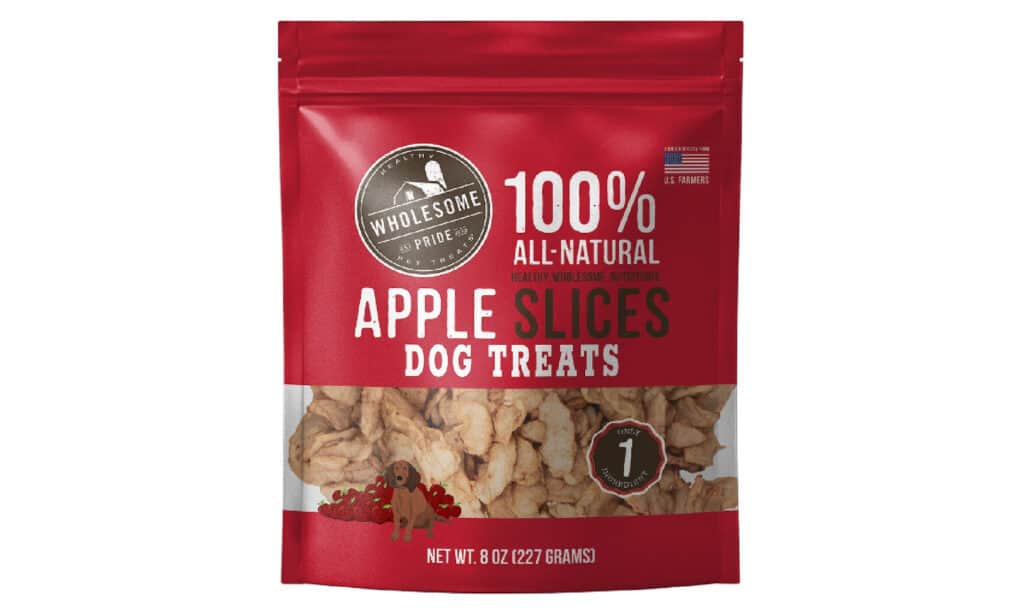
  • Can Dogs Eat Sugar Cane?  – Expert Answers

    Can Dogs Eat Sugar Cane? – Expert Answers

    Are you a dog lover who’s curious about whether or not sugar cane is safe for your furry friend to consume? Well, you’re in luck because we’ve got all the information you need right here! As pet owners, we always want to make sure our four-legged companions are getting the best nutrition possible, so it’s important to be aware of what foods are safe and what should be avoided. In this blog, we’ll take a closer look at sugar cane and whether or not it’s a good idea to let your dog indulge in this sweet treat. So, let’s dive in and find out if dogs can eat sugar cane!

    can dogs eat sugar cane

    What Is Sugar Cane?

    Sugar cane is a really tall, grass-like plant that’s grown mostly for its sugar. You’ll find it in warm, tropical places like South America, Southeast Asia, and parts of Africa. The stalks can grow up to several meters high and they’re super fibrous and thick, which makes them perfect for getting lots of sucrose, a type of sugar.

    When farmers are ready to harvest the sugar cane, they use big machines to cut the stalks down and then transport them to a processing plant where they can get the sugar out. The stalks are squished to squeeze out their juice, which is then boiled and boiled some more until it turns into a thick, gooey syrup. They take out any stuff that’s not sugar and then let the sugar crystals form, which they package up and sell so we can eat it.

    Besides being a tasty sweetener, sugar cane has been used in traditional medicine for a long time and some people think it can help with different health problems. For example, some folks use sugar cane juice to help with dehydration or to soothe a sore throat. But it’s important to be careful because there’s not a lot of research to back up these claims.

    Can Dogs Have Sugar Cane?

    As a dog owner, you may be wondering if sugar cane is a safe treat to share with your furry friend. While sugar cane itself is not toxic to dogs, it’s important to keep a few things in mind before giving your dog this sugary snack.

    First and foremost, sugar cane is very high in sugar, which can lead to weight gain and other health issues if consumed in excess. Dogs also have a different digestive system than humans, and too much sugar can cause an upset stomach or even lead to more serious health problems like diabetes.

    Additionally, sugar cane can be difficult for dogs to chew and digest due to its fibrous texture. Chewing on sugar cane stalks can potentially cause your dog to choke or suffer from an intestinal blockage.

    Harmful Ingredients in Sugar Cane:

    There are actually some good things about sugar cane that can be safe and even beneficial when eaten in moderation.

    One of the main perks of sugar cane is that it has important nutrients like iron, calcium, and potassium. These nutrients help keep your body healthy and strong, and your bones and muscles functioning the way they’re supposed to.

    Sugar cane also has fiber, which is good for your digestion and can help lower cholesterol levels and decrease the risk of heart disease.

    There have been a few studies that show sugar cane extract might have some cool health benefits, like helping reduce inflammation and improving liver function. But there’s still a lot we don’t know and we need more research to figure out the full effects of sugar cane on our health.

    Safe Ingredients in Sugar Cane:

    Yes, there are a few safe aspects of sugar cane that dogs can benefit from when consumed in moderation.

    Sugar cane contains some important nutrients that can be beneficial for dogs, such as calcium and potassium. These nutrients help support healthy bones, muscles, and overall body function.

    Sugar cane is also a good source of dietary fiber, which can help improve digestion and regulate bowel movements in dogs.

    However, it’s important to note that the high sugar content in sugar cane can be harmful to dogs if consumed in excess. Dogs have a different digestive system than humans, and too much sugar can cause an upset stomach or even lead to more serious health problems like diabetes.

    Additionally, sugar cane stalks can be difficult for dogs to chew and digest due to their fibrous texture, which can potentially cause choking or an intestinal blockage.

    Is sugar cane safe for dogs to eat?

    What Signs To Watch For If Your Dog Accidentally Ate A Lot of Sugar Cane?

    If your dog has accidentally eaten a lot of sugar cane, there are a few signs that you should watch for to determine if they are experiencing any adverse effects.

    The high sugar content in sugar cane can cause a sudden spike in blood sugar levels, which can lead to symptoms like increased thirst, frequent urination, and lethargy. In severe cases, excessive sugar consumption can even cause seizures or coma.

    In addition, the fibrous texture of sugar cane can potentially cause a blockage in your dog’s digestive system if they consume large amounts. Signs of an intestinal blockage include vomiting, diarrhea, abdominal pain, and a lack of appetite.

    If you suspect that your dog has consumed too much sugar cane or is experiencing any of these symptoms, it’s important to contact your veterinarian right away. Your veterinarian can evaluate your dog’s condition and recommend appropriate treatment, which may include supportive care, medication, or even surgery in severe cases.

    When or If You Should Go To The Vet?

    If you suspect that your dog has consumed a large amount of sugar cane or is experiencing symptoms of excessive sugar consumption, it’s important to seek veterinary care as soon as possible.

    In some cases, excessive sugar consumption can cause a sudden and dangerous spike in blood sugar levels, which can lead to seizures, coma, or even death if left untreated.

    Additionally, the fibrous texture of sugar cane can potentially cause an intestinal blockage in dogs, which can be life-threatening if not addressed promptly.

    If you notice any of the following symptoms in your dog after they have consumed sugar cane, it’s important to contact your veterinarian right away:

    • Increased thirst and urination
    • Lethargy or weakness
    • Vomiting or diarrhea
    • Abdominal pain or bloating
    • Lack of appetite

    Your veterinarian can evaluate your dog’s condition and recommend appropriate treatment, which may include supportive care, medication, or even surgery in severe cases.

    Sugar cane in dog's diet: Pros and cons

    Safe Dog-Friendly Alternative to Sugar Cane:

    If you’re looking for a safe and healthy alternative to sugar cane for your furry friend, there are several dog-friendly options to choose from.

    Some good options include:

    • Carrots: These crunchy vegetables are low in calories and high in fiber, making them a great snack for dogs. They also contain important vitamins and minerals that can help support overall health.
    • Apples: Apples are another great option for dogs, as they are low in fat and high in fiber. They also contain antioxidants that can help boost immune function.
    • Blueberries: These tiny fruits are packed with nutrients like vitamin C and fiber, making them a healthy snack for dogs. They also contain antioxidants that can help protect against disease.
    • Sweet potatoes: These root vegetables are a good source of fiber and contain important vitamins like vitamin A and C. They can be baked or boiled and served as a tasty snack for your furry friend.

    When introducing any new foods to your dog’s diet, it’s important to do so gradually and in moderation to avoid upsetting their digestive system. It’s also a good idea to consult with your veterinarian to ensure that the new food is safe and appropriate for your pet.

    Healthy Store-Bought Options:

    In conclusion, while sugar cane itself is not necessarily harmful, it’s important to consume it in moderation and be aware of the potential health risks associated with consuming too much sugar. Dogs should avoid sugar cane altogether due to their digestive system and the potential for choking.

    When it comes to feeding our pets, it’s important to prioritize their nutritional needs and stick to safe, healthy options. By opting for dog-friendly alternatives to sugar cane, we can provide our furry friends with a tasty and nutritious snack that won’t compromise their health.

    Whether you’re a dog owner or simply interested in learning more about sugar cane, we hope this blog has provided you with valuable information and insights. By staying informed and mindful of our choices, we can ensure that our pets and ourselves stay healthy and happy for years to come.

    ~Lindsie

    A note about your dog’s health

    This article provides general education and does not replace an examination, diagnosis, or individualized advice from your veterinarian. Contact a veterinary professional if you are concerned about your dog’s symptoms.

    Lindsie Parks B.S., CRDNS Avatar

    ABOUT THE AUTHOR

  • Can Dogs Eat Tamales – Expert Answers

    Can Dogs Eat Tamales – Expert Answers

    Tamales are a delicious and popular food item in many cultures, but if you’re a dog owner, you may be wondering if it’s safe to share this treat with your furry friend. While some human foods can be dangerous or even toxic to dogs, the answer to whether or not dogs can eat tamales isn’t necessarily straightforward. In this blog post, we’ll take a closer look at the ingredients in tamales and what they mean for your dog’s health. Whether you’re considering sharing your tamale with your pup or simply curious about their dietary needs, read on to learn more!

    can dogs have tamales

    What Are Tamales?

    Tamales are a traditional Latin American dish made from masa (a type of dough made from corn) that is filled with various ingredients, such as meat, cheese, vegetables, or chili peppers. The filling is then wrapped in corn husks and steamed until it’s fully cooked.

    The history of tamales can be traced back to the ancient Mayan and Aztec civilizations in Mexico, where they were a staple food source. Today, tamales are enjoyed in many Latin American countries and regions, and they have become a popular food item in the United States as well.

    Tamales come in a variety of flavors and can be served as a main course, appetizer, or snack. Some popular types of tamales include chicken, pork, beef, cheese and jalapeño, and sweet tamales with fruit or cinnamon.

    While tamales are a tasty and satisfying food for humans, it’s important to consider whether they’re safe for our furry friends to eat. In the next section, we’ll explore whether dogs can safely consume tamales and what potential risks there may be.

    Can Dogs Have Tamales?

    While tamales are a delicious and popular food item, they may not be the best choice for your furry friend. Dogs have different nutritional needs than humans, and certain ingredients in tamales may not agree with their digestive systems or could even be harmful to their health.

    For example, tamales often contain spices, such as garlic and onion, which can be toxic to dogs in large quantities. Additionally, the masa dough used to make tamales is high in carbohydrates and can be difficult for some dogs to digest, leading to upset stomach, diarrhea, or even pancreatitis.

    If you’re considering giving your dog a small bite of tamale, it’s best to err on the side of caution and avoid it altogether. Instead, consider giving your pup a treat specifically designed for dogs or some plain cooked meat or vegetables.

    Canine-friendly tamale with natural ingredients

    Harmful Ingredients in Tamales:

    While tamales can be a delicious treat for humans, they often contain ingredients that can be harmful to dogs. Here are some of the main ingredients in tamales that you should be cautious about feeding your furry friend:

    1. Garlic and onion: Garlic and onion can be toxic to dogs in large amounts, often used to season tamales. They contain compounds that can damage dogs’ red blood cells and lead to anemia.
    2. Spices: In addition to garlic and onion, many tamales are seasoned with spices like cumin, paprika, and chili powder. Small amounts of spices are not toxic, but too much can cause stomach upset or other digestive issues in dogs.
    3. Masa dough: The dough used to make tamales is made from cornmeal, which is high in carbohydrates. Small amounts of masa are safe for dogs, but too much can cause digestive issues.
    4. Filling ingredients: Tamale fillings like raisins, avocado, or chocolate can be toxic to dogs.

    In general, it’s best to avoid feeding your dog tamales or any other human food that contains potentially harmful ingredients. If you want to give your dog a special treat, there are plenty of dog-friendly foods and treats available that are formulated specifically for their dietary needs.

    Safe Ingredients in Tamales:

    Here are some safe ingredients in tamales that dogs can enjoy:

    1. Plain meat: Use plain, unseasoned meat as a filling for your dog’s tamale if you’re making tamales at home. Chicken, beef, and pork are all good options.
    2. Vegetables: Carrots, green beans, and sweet potatoes are safe and tasty veggies for dogs in a dog-friendly tamale.
    3. Cheese: In moderation, cheese can be a safe and delicious addition to a dog’s tamale. Stick to plain, unsalted varieties like mozzarella or cheddar.

    It’s important to remember that dogs have different nutritional needs than humans, so even safe ingredients should be fed in moderation. If you have any concerns about your dog’s diet or health, be sure to consult with your veterinarian before making any changes to their diet or feeding them any new foods.

    What Signs To Watch For If Your Dog Accidentally Ate A Lot of Tamales?

    Monitor dog for symptoms after eating tamales and contact vet if symptoms persist or worsen. Here are some of the most common signs to look out for:

    1. Vomiting: If your dog ate a large amount of tamales, they may start vomiting or retching. This could be a sign that their digestive system is struggling to process the food.
    2. Diarrhea: Loose or watery stools in dogs may indicate digestive upset.
    3. Loss of appetite: Sick dogs may have reduced appetite and drinking less than usual due to upset stomach.
    4. Lethargy: If your dog is feeling unwell, they may be more tired or less active than usual.
    5. Abdominal pain: Signs of belly pain in dogs may include whining, panting, and avoidance of touch.

    If you notice any of these signs after your dog has eaten tamales, it’s important to monitor them closely and contact your veterinarian if their symptoms persist or worsen. In some cases, your vet may recommend treatment to help alleviate your dog’s symptoms or prevent further complications.

    Can dogs have tamales? Yes, with these pet-safe ingredient

    When or If You Should Go To The Vet?

    Monitor your dog closely and contact a vet if they show symptoms after eating a lot of tamales. Keep an eye on your dog’s digestion after eating tamales; see a vet if symptoms persist or worsen.

    It’s especially important to seek veterinary attention if your dog has pre-existing health conditions that could be exacerbated by the tamales or if you’re unsure whether or not they have eaten something toxic. Bring a tamale sample and symptoms list to the vet if your dog eats them and requires medical attention. Your vet will be able to provide a proper diagnosis and treatment plan tailored to your dog’s specific needs.

    Dog-Friendly Tamale Recipe

    Tamale Tail-Waggers

    Ingredients:

    • 2 cups of corn flour
    • 1/2 teaspoon of baking powder
    • 1/2 teaspoon of salt
    • 1/2 cup of chicken broth
    • 1/2 cup of water
    • 1/2 cup of cooked and shredded chicken
    • 1/4 cup of shredded carrots
    • 1/4 cup of chopped green beans

    Instructions:

    1. Preheat the oven to 350°F (180°C).
    2. In a mixing bowl, combine the corn flour, baking powder, and salt. Mix well.
    3. Add the chicken broth and water to the bowl and stir until you have a smooth dough.
    4. In a separate bowl, mix the cooked and shredded chicken, shredded carrots, and chopped green beans.
    5. Roll out the dough on a flat surface and cut it into 4-inch squares.
    6. Place a spoonful of the chicken and vegetable mixture in the center of each square.
    7. Fold the dough over the filling to create a pocket, and then fold in the ends to seal the tamale.
    8. Place the tamales in a baking dish and bake for 30 minutes or until golden brown.
    9. Let the tamales cool before serving them to your furry friend.

    Note: You can adjust the ingredients according to your dog’s taste and dietary requirements. Also, make sure that the tamales are not too spicy and avoid using onions, garlic, and other harmful ingredients.

    Safe Dog-Friendly Alternative to Tamales:

    If you’re looking for safe and healthy alternatives to tamales that are suitable for dogs, there are plenty of options to choose from. One idea is to make homemade dog treats using simple and healthy ingredients like peanut butter, pumpkin, or sweet potato. These treats are a great way to reward your furry friend without exposing them to harmful or toxic ingredients.

    Raw vegetables like carrots, green beans, or broccoli can also make a tasty and nutritious snack for dogs. They are low in calories and high in nutrients, making them a good choice for dogs of all sizes and ages.

    Another option is to offer your dog a small piece of lean, cooked meat like chicken, turkey, or beef. Just be sure to remove any bones or fat before serving it to your dog.

    Fruits such as apples, bananas, or blueberries can also be a healthy and delicious snack for dogs when given in moderation. However, be sure to remove any seeds or pits and cut the fruit into small, bite-sized pieces.

    Lastly, you can also purchase commercial dog treats that are made from natural and high-quality ingredients. Be sure to read the labels and avoid treats that contain fillers or artificial additives.

    Remember to always feed your dog treats in moderation and to consider their individual dietary needs and preferences. It’s also a good idea to consult with your veterinarian if you have any concerns or questions about your dog’s diet or health.

    Healthy Store-Bought Options:

    In conclusion, while tamales can be a delicious treat for humans, they may not be the best choice for dogs. Certain ingredients in tamales, such as garlic, onion, and spices, can be harmful to dogs, and the high carbohydrate content of masa dough can also cause digestive issues. If sharing a tamale with your dog, avoid harmful ingredients and watch for digestive issues.

    Safe and healthy dog-friendly alternatives to tamales include homemade treats, raw veggies, lean meats, fruits, and natural commercial dog treats. By choosing these options, you can reward your dog with a tasty treat without putting their health at risk.

    As always, it’s important to consult with your veterinarian if you have any concerns or questions about your dog’s diet or health. By working together with your vet and providing your dog with a balanced and nutritious diet, you can help ensure that they stay happy and healthy for years to come.

    ~Lindsie

    A note about your dog’s health

    This article provides general education and does not replace an examination, diagnosis, or individualized advice from your veterinarian. Contact a veterinary professional if you are concerned about your dog’s symptoms.

    Lindsie Parks B.S., CRDNS Avatar

    ABOUT THE AUTHOR

  • Can Dogs Eat Mike and Ikes – Expert Answers

    Can Dogs Eat Mike and Ikes – Expert Answers

    As a dog owner, it’s natural to want to share your favorite snacks with your furry friend. However, not all human foods are safe for dogs to eat. One popular candy that often raises questions is Mike and Ikes. These colorful chewy candies are a favorite among many, but can dogs safely consume them? In this blog, we’ll take a closer look at the ingredients in Mike and Ikes and the potential risks they pose to our four-legged companions. So, if you’re curious about whether or not your dogs can eat Mike and Ikes, keep reading!

    can dogs have mike n ikes

    What Are Mike and Ikes?

    Have you ever heard of Mike and Ikes? They’re a type of candy that was first introduced in the US way back in 1940. These chewy, colorful treats come in a range of flavors, including cherry, lemon, lime, orange, and strawberry. The candy was actually named after its creators, Mike and Ike, who were two Ukrainian immigrants that started a candy company in Bethlehem, Pennsylvania. While the candy began as a flavored jelly bean, it eventually evolved into the chewy form we know and love today. Nowadays, you can find Mike and Ikes in many candy aisles and movie theaters throughout the US. While they’re a delicious snack for humans, many pet owners may wonder if it’s safe for their furry companions to indulge in a few pieces. It’s definitely worth considering whether or not the ingredients in Mike and Ikes could be harmful to dogs.

    Can Dogs Have Mike and Ikes?

    While Mike and Ikes may be a tasty treat for humans, it’s important to consider whether or not they are safe for dogs to consume. Unfortunately, the answer is no. These candies contain a variety of ingredients that can be harmful to dogs, such as high levels of sugar, artificial colors and flavors, and potential allergens like wheat and soy.

    Eating too much sugar can lead to a variety of health problems for dogs, such as obesity, dental issues, and even diabetes. Artificial colors and flavors may also be problematic for some dogs, as they can cause allergic reactions or gastrointestinal upset. Additionally, wheat and soy are common allergens for dogs, which means that if your furry friend has a food sensitivity, consuming Mike and Ikes could result in a serious allergic reaction.

    Overall, it’s best to avoid feeding Mike and Ikes to your dog, no matter how tempting they may be. Instead, stick to dog-friendly treats that are specifically designed for canine consumption. Your dog will appreciate the special attention, and you can feel good knowing that you’re keeping them healthy and safe.

    Harmful Ingredients in Mike and Ikes:

    Mike and Ikes are a candy that contains several ingredients that can be harmful to dogs. Here are some of the most concerning ingredients:

    1. High levels of sugar: Mike and Ikes contain a significant amount of sugar, which can lead to health problems such as obesity, diabetes, and dental issues in dogs.
    2. Artificial colors and flavors: These candies contain artificial colors and flavors that may cause allergic reactions or gastrointestinal upset in dogs. These ingredients are also known to be linked to various health concerns, including cancer.
    3. Wheat and soy: Mike and Ikes may also contain wheat and soy, which are common allergens for dogs. Consuming these ingredients could result in a serious allergic reaction for dogs that are sensitive to them.

    In addition to these ingredients, Mike and Ikes may also contain other additives, preservatives, and chemicals that could be harmful to dogs. It’s always best to stick to dog-friendly treats and avoid feeding your furry friend any human foods that could be potentially harmful. If you’re ever unsure about whether or not a particular food is safe for your dog to eat, it’s always best to consult with your veterinarian for advice.

    Candies for dogs: A look at Mike and Ikes

    Safe Ingredients in Mike and Ikes:

    Unfortunately, there are no safe ingredients in Mike and Ikes for dogs. The candy contains high levels of sugar, artificial colors and flavors, and potential allergens like wheat and soy, which can all be harmful to dogs. While some ingredients in human food can be beneficial for dogs, such as certain fruits and vegetables, Mike and Ikes do not fall into this category. These candies are not nutritionally beneficial for dogs and should be avoided. It’s important to always read the ingredient labels of any human food or candy before sharing it with your furry friend, and to consult with your veterinarian if you’re unsure about whether or not a particular food is safe for your dog to consume.

    What Signs To Watch For If Your Dog Accidentally Ate A Lot of Mike and Ikes?

    If your dog accidentally ate a lot of Mike and Ikes, it’s important to monitor them closely for any signs of discomfort or illness. Here are some of the signs that you should watch for:

    1. Vomiting: If your dog ingested a significant amount of candy, they may start to vomit shortly afterward. This can be a sign that their body is trying to expel the harmful ingredients in the candy.
    2. Diarrhea: Diarrhea is another common symptom of consuming something that the dog’s body is not used to. It could be an indication that the candy is causing gastrointestinal issues for your dog.
    3. Lethargy: If your dog is feeling sick or uncomfortable, they may become lethargic or listless. They may appear tired or disinterested in their usual activities.
    4. Increased thirst and urination: Consuming a large amount of sugar can cause an increase in thirst and urination in dogs. If your dog is drinking and urinating more than usual, it may be a sign that they are experiencing sugar-related issues.
    5. Upset stomach: Dogs may exhibit signs of an upset stomach after consuming Mike and Ikes, such as excessive drooling, licking their lips, or abdominal pain.

    If you notice any of these symptoms, it’s important to contact your veterinarian right away. They can provide guidance on the best course of action to help your dog feel better and avoid any potential complications.

    the truth about feeding dogs Mike and Ikes

    When or If You Should Go To The Vet?

    If you notice that your dog is exhibiting signs of discomfort or illness after consuming a large amount of Mike and Ikes, it’s important to act quickly. In some cases, you may need to take your furry friend to the vet for treatment.

    If your dog is experiencing severe or persistent vomiting or is unable to keep any food or water down, it’s definitely time to get professional help. Similarly, if your dog has diarrhea that lasts more than a day, it’s important to seek veterinary care. Dehydration is a serious concern for dogs, so if your dog is showing signs of dehydration, such as dry gums or sunken eyes, it’s important to get them the help they need.

    If your dog is exhibiting signs of an allergic reaction, such as swelling of the face or difficulty breathing, it’s important to seek veterinary care immediately. Allergic reactions can be very dangerous and require prompt treatment.

    In general, if you’re unsure whether or not your dog needs to go to the vet, it’s always better to err on the side of caution and seek professional advice. Your veterinarian can provide guidance on the best course of action to help your dog feel better and avoid any potential complications.

    Safe Dog-Friendly Alternative to Mike and Ikes:

    If you’re looking for a safe dog-friendly alternative to Mike and Ikes, there are many great options to choose from. Here are a few ideas:

    1. Natural dog treats: You can find a variety of natural dog treats that are made from high-quality ingredients and are free from harmful additives and preservatives. Look for treats that are specifically formulated for your dog’s size and breed.
    2. Fruits and vegetables: Many fruits and vegetables are safe and healthy for dogs to eat in moderation. Some examples include apples, bananas, blueberries, carrots, and green beans. Be sure to remove any seeds or pits, and avoid feeding your dog grapes, raisins, onions, and garlic, as these can be harmful to dogs.
    3. Frozen dog treats: During hot weather, frozen dog treats can be a great way to cool down your furry friend while providing a tasty snack. You can make your own frozen dog treats using ingredients like yogurt, fruit, and peanut butter.
    4. Chews and bones: Chewing is a natural behavior for dogs, and providing them with appropriate chews and bones can help to satisfy their urge to chew while promoting healthy teeth and gums. Look for chews that are made from natural ingredients and avoid giving your dog cooked bones, as these can splinter and cause serious harm.

    Remember, when giving your dog any new treats or foods, it’s important to introduce them gradually and in moderation. Always read the ingredient labels and avoid any foods that could be harmful to your furry friend. With a little bit of research, you can find plenty of safe and tasty alternatives to Mike and Ikes that your dog will love.

    Healthy Store-Bought Options:

    In conclusion, while Mike and Ikes may be a delicious treat for humans, they are not safe for dogs to consume. The candy contains a variety of harmful ingredients, including high levels of sugar, artificial colors and flavors, and potential allergens like wheat and soy. If your dog accidentally ingests a large amount of Mike and Ikes, it’s important to monitor them closely for any signs of discomfort or illness and to contact your veterinarian if necessary.

    Fortunately, there are many safe and healthy alternatives to Mike and Ikes that you can give your furry friend. Natural dog treats, fruits and vegetables, frozen dog treats, and chews and bones are all great options to consider. By choosing dog-friendly treats and foods, you can help to keep your furry friend healthy and happy.

    Remember, as a responsible pet owner, it’s important to always be mindful of what your dog is consuming and to avoid feeding them any foods or treats that could be potentially harmful. With a little bit of research and careful consideration, you can ensure that your dog is getting the nutrition they need while still enjoying a few tasty treats along the way.

    ~Lindsie

    A note about your dog’s health

    This article provides general education and does not replace an examination, diagnosis, or individualized advice from your veterinarian. Contact a veterinary professional if you are concerned about your dog’s symptoms.

    Lindsie Parks B.S., CRDNS Avatar

    ABOUT THE AUTHOR

  • Can Dogs Eat Liverwurst – Expert Answers

    Can Dogs Eat Liverwurst – Expert Answers

    Liverwurst is a type of sausage that’s made from liver and other ingredients such as spices, onions, and sometimes bacon. It’s a popular food item for humans, but what about dogs? As a dog owner, you may be wondering whether it’s safe to feed your furry friend liverwurst as a treat or as part of their regular diet. In this blog post, we’ll explore the nutritional benefits and potential risks of feeding liverwurst to dogs, as well as provide some tips on how to safely incorporate it into their meals. So, if you’re curious about whether dogs can eat liverwurst, keep reading to find out.

    can dogs have liverwurst

    What Is Liverwurst?

    Liverwurst is a type of sausage that people make from liver, pork, and some other stuff like spices, onions, and sometimes bacon. It’s pretty darn popular in lots of places, especially in Europe and North America. People usually cut it up and put it on bread or crackers, and sometimes they add mustard or pickles to make it even tastier. There are all sorts of liverwurst out there, made with different kinds of liver like chicken or beef, and some are smoked or cured while others are fresh. You can usually find it at the grocery store or deli, and it’s a go-to for sandwiches or snacks with crackers. But if you’re a dog owner, you might be curious whether liverwurst is safe for your furry friend to munch on.

    Can Dogs Eat Liverwurst?

    So, can dogs chow down on liverwurst? The answer is a little complicated. Liverwurst is made from liver, which is usually pretty healthy for dogs when given in moderation. Liver is a good source of protein, vitamins, and minerals like iron and zinc. But, liverwurst also has other stuff in it that might not be so great for your furry buddy, like spices, onions, and too much salt and fat.

    Eating too much salt and fat can be a no-no for dogs, and onions are downright poisonous in large amounts. Plus, liver can have a ton of vitamin A, which is dangerous for dogs when they have too much of it. So, if you do give your dog liverwurst, make sure it’s only every now and then, and not a huge part of their diet.

    If you do decide to treat your pup, be sure to get fresh, natural liverwurst without any chemicals or fake flavors. Also, keep an eye on your dog’s weight and overall health when giving them liverwurst or any other treats. When you introduce a new food, go slow and small, and watch for any bad reactions. And if you’re not sure if liverwurst is a good choice for your dog, it’s always smart to check with your vet.

    The nutritional value of liverwurst for your canine companion

    Harmful Ingredients in Liverwurst:

    Liverwurst contains several ingredients that can be harmful to dogs if consumed in large quantities. One of these ingredients is salt, which can lead to dehydration, kidney damage, and other health problems in dogs when consumed in excess. Liverwurst also often contains onions, which are toxic to dogs and can cause anemia, vomiting, and diarrhea. Even small amounts of onions can be harmful to dogs, so it’s best to avoid giving them liverwurst that contains this ingredient.

    Another harmful ingredient in liverwurst is fat. While dogs need a certain amount of fat in their diet, excessive consumption of fatty foods like liverwurst can lead to obesity, pancreatitis, and other health issues. Additionally, liverwurst often contains preservatives and additives such as nitrates and nitrites, which have been linked to cancer and other health problems in both humans and animals.

    Finally, it’s worth noting that liverwurst is a processed food that is typically high in calories and low in nutritional value. While small amounts of liverwurst may be okay as an occasional treat for dogs, it’s not a food that should make up a significant portion of their diet. If you’re looking for healthier treat options for your pup, consider giving them fresh fruits and vegetables, lean meats, or low-fat dairy products instead.

    Safe Ingredients in Liverwurst:

    Yep, there are definitely some safe and even healthy ingredients in liverwurst that can be good for dogs in the right amounts. For example, liver is packed with protein, vitamins, and minerals that are great for dogs, like vitamin A, iron, and zinc. When liver is combined with other good stuff like lean pork or beef, and natural spices and flavors, it can be a yummy and nutritious snack for your pup.

    But, it’s super important to watch out for other ingredients in liverwurst that can be bad for dogs, such as too much salt, onions, and too much fat. When you pick out liverwurst for your dog, go for a high-quality product that’s made with natural ingredients and doesn’t have any harmful additives or preservatives. And always give liverwurst to your dog in moderation, along with other healthy foods.

    What Signs To Watch For If Your Dog Accidentally Ate A Lot of Liverwurst?

    If your dog accidentally ate a lot of liverwurst, there are several signs you should watch for to determine if they are experiencing any adverse reactions. One of the most common signs of overconsumption of liverwurst is gastrointestinal upset, which can manifest as vomiting, diarrhea, or abdominal pain.

    Other signs to watch for include dehydration, lethargy, and loss of appetite. If your dog has consumed liverwurst that contains onions, they may also experience symptoms of onion toxicity, such as weakness, pale gums, and rapid breathing. In severe cases, onion toxicity can lead to anemia, which can be life-threatening for dogs.

    If you notice any of these symptoms in your dog after they’ve consumed a large amount of liverwurst, it’s important to contact your veterinarian right away. Your vet can evaluate your dog’s condition and recommend appropriate treatment, which may include administering fluids to prevent dehydration, medication to address gastrointestinal upset, or in severe cases, blood transfusions to address anemia caused by onion toxicity.

    Is liverwurst safe for dogs to eat?

    When or If You Should Go To The Vet?

    If you notice any signs of illness or negative reactions in your dog after they’ve eaten a lot of liverwurst, it’s best to take them to the vet as soon as possible. If your dog starts throwing up, having diarrhea, acting tired or not wanting to eat, you should call your vet right away.

    Also, if your dog ate liverwurst that had onions in it and they’re showing any signs of onion toxicity, like acting weak or having trouble breathing, you need to get to the vet immediately. Onion toxicity can be super dangerous for dogs and needs urgent care.

    When you take your dog to the vet, be sure to give them all the information you have about your dog’s symptoms and how much liverwurst they ate. Your vet might want to do some tests, like bloodwork or x-rays, to find out what’s going on and how to treat your dog.

    Safe Dog-Friendly Alternative to Liverwurst:

    If you’re on the hunt for a healthier and safer treat option for your pup, fear not! There are plenty of tasty alternatives to liverwurst that your furry friend is sure to love. Here are a few ideas:

    • Lean meats are a great choice! You can give your dog small pieces of chicken, turkey, or beef for a protein-packed snack.
    • Fruits and veggies are also a hit with many dogs! Apple slices, carrot sticks, and green beans are low in calories and high in vitamins and fiber, making them a healthy and delicious choice.
    • If your pup likes dairy, try giving them some plain yogurt or cottage cheese. These options are high in protein and calcium, and can even help with their digestion.
    • Natural dog treats are a great option too! Look for treats made with high-quality ingredients like real meat, vegetables, and whole grains. And steer clear of treats with any artificial colors, flavors, or preservatives.

    Remember to start slowly when introducing new foods to your dog, and always check with your vet if you have any concerns. Your furry friend will thank you for finding them a tasty and healthy snack!

    Healthy Store-Bought Options:

    In conclusion, while liverwurst can be a tasty treat for dogs, it’s important to be aware of its potential risks and to offer it in moderation. Liver is a nutritious food for dogs, but liverwurst often contains other ingredients that can be harmful in excess, such as salt, onions, and excessive amounts of fat.

    Fortunately, there are plenty of safe and healthy alternatives to liverwurst that your dog is sure to enjoy. Lean meats, fresh fruits and vegetables, low-fat dairy products, and natural dog treats are all great options that provide your pup with a variety of nutrients and flavors.

    As always, when introducing new foods or treats to your dog, it’s important to do so slowly and in moderation, and to watch for any signs of adverse reactions. And, when in doubt, always consult with your veterinarian for expert advice on your dog’s diet and health.

    With a little bit of knowledge and creativity, you can find plenty of safe and delicious ways to spoil your furry friend and keep them healthy at the same time. Happy snacking!

    ~Lindsie

    A note about your dog’s health

    This article provides general education and does not replace an examination, diagnosis, or individualized advice from your veterinarian. Contact a veterinary professional if you are concerned about your dog’s symptoms.

    Lindsie Parks B.S., CRDNS Avatar

    ABOUT THE AUTHOR

  • Can Dogs Eat Sunflower Butter – Expert Answers

    Can Dogs Eat Sunflower Butter – Expert Answers

    If you’re a dog owner, you may have wondered can your dogs eat sunflower butter as a treat. Sunflower butter, also known as sunflower seed butter or sunbutter, is a popular alternative to peanut butter and is often used as a spread or ingredient in various recipes.

    However, when it comes to our canine companions, it’s important to be cautious about what we feed them. While some human foods are safe for dogs to consume in moderation, others can be harmful or even toxic to their health.

    In this blog, we’ll explore whether or not dogs can safely eat sunflower butter. We’ll take a closer look at the nutritional content of sunflower butter, potential health benefits and risks, and tips for feeding it to your dog. So, if you’re curious about adding sunflower butter to your pup’s diet, keep reading!

    can dogs have sunflower butter

    What Is Sunflower Butter?

    Sunflower butter, also known as sunflower seed butter or sunbutter, is a spread made from ground-roasted sunflower seeds. It has a similar texture and taste to peanut butter, but is nut-free, making it a popular alternative for those with nut allergies.

    Sunflower butter is often used as a spread on toast, crackers, and sandwiches, or as an ingredient in recipes such as smoothies, baked goods, and sauces. It’s a good source of protein, healthy fats, and vitamins and minerals such as vitamin E, magnesium, and selenium.

    In addition to being nut-free, sunflower butter is also vegan and gluten-free, making it a versatile option for people with dietary restrictions or preferences. It’s readily available at most grocery stores and can also be easily made at home using a food processor or blender.

    Can Dogs Eat Sunflower Butter?

    So, if you’re a dog owner and wondering whether it’s safe to give your furry friend some sunflower butter, the answer is yes, but in moderation. Sunflower butter can actually provide some health benefits for dogs, like protein, healthy fats, and vitamins and minerals, which can help support their overall health.

    However, it’s important to keep in mind that sunflower butter should not be the main source of nutrition for dogs and some dogs may have an allergic reaction to sunflower seeds. So, it’s best to introduce sunflower butter slowly and monitor your dog for any signs of an allergic reaction.

    Also, when choosing a brand of sunflower butter, make sure it doesn’t contain any harmful ingredients like xylitol, chocolate, or raisins. Sunflower butter should be given as a treat and not as a substitute for their regular food.

    As always, if you have any concerns about giving sunflower butter to your dog, it’s best to check with your veterinarian first. They can give you personalized advice based on your dog’s health needs and dietary requirements.

    Is sunflower butter safe for dogs to eat? Find out now!

    Harmful Ingredients in Sunflower Butter:

    Generally, sunflower butter is a safe and healthy treat for dogs, but it’s important to choose a brand that does not contain any added ingredients that can be harmful to them. Some sunflower butter brands may include harmful ingredients such as xylitol, chocolate, or raisins.

    Xylitol is a sweetener that is toxic to dogs and can cause a rapid insulin release, leading to hypoglycemia (low blood sugar) and liver failure. Chocolate contains theobromine, a compound that can be toxic to dogs in large quantities and cause symptoms like vomiting, diarrhea, seizures, and even death. Raisins, meanwhile, can cause kidney failure in some dogs.

    To keep your dog safe, always check the ingredient list on the sunflower butter jar and make sure it does not contain any harmful ingredients. If you’re unsure, it’s always a good idea to consult with your veterinarian before giving any new food or treat to your dog.

    Safe Ingredients in Sunflower Butter:

    Sunflower butter is a great treat option for dogs as it contains only one ingredient – roasted sunflower seeds. These seeds are safe and healthy for dogs and provide them with protein, healthy fats, and essential vitamins and minerals like vitamin E, magnesium, and selenium.

    However, it’s important to be cautious when selecting a sunflower butter brand for your furry friend. Some brands may add harmful ingredients like xylitol, chocolate, or raisins which can cause health issues like hypoglycemia, liver failure, and kidney failure in dogs.

    While some sunflower butter brands may contain a small amount of salt or sugar for flavor, excessive amounts can be harmful to dogs. Therefore, it’s best to choose unsweetened and unsalted sunflower butter if possible.

    Remember, moderation is key when feeding your dog sunflower butter as it should not be a replacement for their regular food. As always, it’s best to check with your veterinarian before introducing any new food or treat into your dog’s diet, especially if they have any pre-existing health conditions.

    Healthy snack for dogs: sunflower butter

    What Signs To Watch For If Your Dog Accidentally Ate A Lot of Sunflower Butter?

    If your dog accidentally eats a lot of sunflower butter, there are a few signs you should watch out for that may indicate a problem. These include vomiting, diarrhea, lethargy, loss of appetite, and signs of an allergic reaction like itchiness, swelling, or difficulty breathing.

    It’s important to keep an eye on your dog and monitor them closely if you notice any of these signs. Contacting your veterinarian is a good idea if the symptoms persist or worsen. In some cases, they may recommend treatment or medication to help your dog feel better.

    Remember, while sunflower butter is generally safe for dogs, it’s always a good idea to feed it to them in moderation and check for any added ingredients that could be harmful to their health.

    When or If You Should Go To The Vet?

    If you notice any signs or symptoms that your dog has eaten too much sunflower butter or is having an adverse reaction, it’s important to keep a close eye on them and reach out to your veterinarian if their symptoms persist or worsen.

    Your veterinarian can help determine if your dog needs to come in for an examination and recommend the best course of action based on their symptoms. If your dog is experiencing distressing symptoms like vomiting, diarrhea that persists for more than a day, lethargy, loss of appetite, or signs of an allergic reaction such as swelling or difficulty breathing, it’s important to take them to the vet for an evaluation.

    Remember, it’s always better to be safe than sorry when it comes to your dog’s health. Seeking veterinary advice can help prevent any potential health issues and provide guidance on the best course of action to help your furry friend feel better.

    Safe Dog-Friendly Alternative to Sunflower Butter:

    If you’re looking for a safe dog-friendly alternative to sunflower butter, there are a few options to consider:

    Peanut butter: Peanut butter is a popular and safe alternative to sunflower butter for dogs. Just be sure to choose a brand that does not contain xylitol, a sweetener that is toxic to dogs.

    Almond butter: Almond butter is another safe option for dogs, but like peanut butter, it should be unsweetened and free of xylitol.

    Coconut oil: Coconut oil is a healthy and tasty alternative to nut butters. It’s high in medium-chain fatty acids, which can provide several health benefits for dogs.

    Pumpkin puree: Pumpkin puree is a nutrient-rich and low-calorie alternative to nut butters. It’s high in fiber and vitamins and can also help with digestion.

    Remember, moderation is key when feeding your dog any kind of treat, including nut butters or alternatives. Be sure to check with your veterinarian if you have any concerns about your dog’s diet or if they have any health conditions that may require specific dietary restrictions.

    Healthy Store-Bought Options:

    To sum it up, sunflower butter can be a great treat for dogs as long as it’s given in moderation and with the right precautions. It contains lots of healthy nutrients and can make for a tasty snack. However, it’s important to make sure that the brand you choose doesn’t contain any harmful ingredients, and to start small when introducing it into your dog’s diet.

    If you’re not sure if sunflower butter is a good option for your dog, talking to your veterinarian can help you determine if it’s the right choice. They can give you personalized advice based on your dog’s health needs and dietary restrictions.

    If sunflower butter isn’t right for your dog, there are plenty of other safe and tasty alternatives available, like peanut butter, almond butter, coconut oil, and pumpkin puree.

    Just remember, treats should always be given in moderation and as part of a balanced diet. With a little bit of experimentation, you can find the perfect treat for your furry friend that they’ll love and that will help keep them healthy and happy.

    ~Lindsie

    A note about your dog’s health

    This article provides general education and does not replace an examination, diagnosis, or individualized advice from your veterinarian. Contact a veterinary professional if you are concerned about your dog’s symptoms.

    Lindsie Parks B.S., CRDNS Avatar

    ABOUT THE AUTHOR

  • Can Dogs Eat Tootsie Rolls? – Expert Answers

    Can Dogs Eat Tootsie Rolls? – Expert Answers

    As a pet owner, it’s important to be mindful of what your furry friend is consuming. While it’s tempting to share some of your favorite treats with your dog, not all human foods are safe for dogs to eat. One common treat that may come to mind is Tootsie Rolls. These small chocolatey candies have been a beloved treat for many of us since childhood, but can dogs eat tootsie rolls too? In this blog, we’ll explore the potential risks feeding Tootsie Rolls to your dog, and provide some expert advice on how to keep your pup healthy and happy.

    can dogs have tootsie rolls

    What Are Tootsie Rolls?

    Tootsie Rolls have been a beloved candy for over a century. They were first introduced in 1896 by the Sweets Company of America and have since become a staple in candy aisles worldwide. Tootsie Rolls are made by melting together a blend of cocoa powder, sugar, and other ingredients, which are then formed into small, chewy logs with a smooth yet slightly gritty texture. Along with the classic chocolate flavor, Tootsie Rolls come in a variety of other flavors such as cherry, vanilla, and grape. They have become a cultural icon in their own right, enjoyed by people of all ages. However, when it comes to sharing these treats with our furry friends, it’s important to consider whether they are safe for dogs to eat.

    Can Dogs Have Tootsie Rolls?

    When it comes to sharing human food with our furry companions, it’s important to consider whether or not it is safe for them to consume. So, can dogs have Tootsie Rolls?

    Unfortunately, the answer is no. Tootsie Rolls are not safe for dogs to eat. The primary reason for this is that they contain chocolate, which is toxic to dogs. Chocolate contains a chemical called theobromine, which can cause a range of symptoms in dogs such as vomiting, diarrhea, seizures, and even death in severe cases. The amount of theobromine in Tootsie Rolls varies depending on the type and size of the candy, but even small amounts can be dangerous for dogs.

    In addition to the chocolate content, Tootsie Rolls are also high in sugar and artificial additives, which can cause digestive upset and contribute to obesity in dogs. While a small piece of Tootsie Roll may not cause immediate harm, it’s best to err on the side of caution and avoid feeding these candies to your furry friend altogether.

    In conclusion, while Tootsie Rolls may be a nostalgic and delicious treat for humans, they are not safe for our canine companions. If you’re looking to spoil your dog with a special treat, there are many safe and healthy options available specifically designed for dogs, such as dog-friendly biscuits and treats.

    Harmful Ingredients in Tootsie Rolls:

    Tootsie Rolls are a popular candy, but they contain several harmful ingredients that can be dangerous for dogs and humans alike.

    Firstly, Tootsie Rolls contain chocolate, which as previously mentioned, contains theobromine. This chemical is toxic to dogs and can cause a range of symptoms such as vomiting, diarrhea, seizures, and even death in severe cases. The darker the chocolate, the more theobromine it contains, which means that the darker chocolate Tootsie Rolls pose a higher risk to dogs.

    Secondly, Tootsie Rolls are high in sugar and artificial additives. Sugar can contribute to dental problems, obesity, and diabetes in dogs, while artificial additives can cause digestive upset and allergic reactions.

    Additionally, Tootsie Rolls contain corn syrup, a sweetener that has been linked to health problems such as obesity, type 2 diabetes, and heart disease in humans. While the effects of corn syrup on dogs are not as well understood, it’s best to avoid feeding your furry friend any foods that contain this ingredient.

    Overall, while Tootsie Rolls may be a tasty treat for humans, they contain several harmful ingredients that make them unsafe for dogs to eat. If you want to treat your dog to something special, it’s best to opt for dog-specific treats that are free from these harmful ingredients.

    The dangers of Tootsie Rolls for dogs: what you need to know

    What Signs To Watch For If Your Dog Accidentally Ate A Lot of Tootsie Rolls?

    If your dog accidentally ate a lot of Tootsie Rolls, it’s important to watch for signs of chocolate toxicity and digestive upset. The symptoms may not appear immediately after ingestion, so it’s important to monitor your dog closely for the next few hours or even days.

    Some signs to watch for include:

    1. Vomiting and/or diarrhea
    2. Increased thirst and urination
    3. Hyperactivity or restlessness
    4. Muscle tremors or seizures
    5. Rapid heart rate or abnormal heart rhythm
    6. Elevated body temperature
    7. Difficulty breathing or panting
    8. Staggering or loss of coordination

    If you notice any of these symptoms in your dog, it’s important to seek veterinary attention immediately. Chocolate toxicity can be life-threatening, and prompt treatment is crucial for the best chance of recovery.

    In conclusion, if you suspect that your dog has eaten a lot of Tootsie Rolls or any other chocolate-containing product, it’s important to watch for signs of chocolate toxicity and seek veterinary attention if necessary. Prevention is the best approach, so it’s always best to keep chocolate and other harmful foods out of reach of your furry friend.

    When or If You Should Go To The Vet?

    If you suspect that your dog has eaten a lot of Tootsie Rolls or any other chocolate-containing product, and they show signs of chocolate toxicity or digestive upset, it’s important to seek veterinary attention immediately.

    If your dog is showing any of the following symptoms, you should go to the vet:

    1. Vomiting or diarrhea that persists for more than 24 hours
    2. Blood in the vomit or diarrhea
    3. Signs of dehydration, such as dry mouth, sunken eyes, or lethargy
    4. Difficulty breathing or panting
    5. Rapid heart rate or abnormal heart rhythm
    6. Muscle tremors or seizures
    7. Loss of consciousness

    These symptoms may indicate a more serious condition that requires immediate veterinary attention.

    It’s also important to note that chocolate toxicity can be fatal, especially in smaller dogs or those with pre-existing health conditions. If you’re unsure whether your dog has eaten enough chocolate to cause a problem, it’s always best to err on the side of caution and seek veterinary attention.

    In conclusion, if your dog has eaten a lot of Tootsie Rolls or any other chocolate-containing product and shows signs of chocolate toxicity or digestive upset, it’s important to seek veterinary attention immediately. Prompt treatment can make all the difference in the outcome of your dog’s health.

    Sweet temptation: why Tootsie Rolls can be dangerous for dogs

    Safe Dog-Friendly Alternative to Tootsie Rolls:

    If you’re searching for a yummy and healthy alternative to Tootsie Rolls for your four-legged friend, there are lots of options available. For example, dog biscuits are a great choice because they’re designed just for dogs and come in many different flavors and textures. Crunchy and nutritious snacks like carrot or apple slices are also a fantastic option that are low in calories and high in fiber. You could also whip up some homemade frozen treats by blending fruits with yogurt or peanut butter and freezing them. Jerky treats are another tasty option that are high in protein and come in a variety of flavors. And if you’re looking for something natural and low-calorie, pumpkin or sweet potato chews are a great choice since they’re high in fiber and vitamins.

    Overall, there are plenty of safe and dog-friendly alternatives to Tootsie Rolls that will make your furry friend happy without compromising their health. By choosing treats that are made from wholesome ingredients and specifically designed for dogs, you can give your pet a delicious and healthy snack they’ll love.

    Healthy Store-Bought Options:

    In conclusion, while Tootsie Rolls may be a beloved candy for humans, they are not safe for our furry friends to consume. They contain chocolate, sugar, and artificial additives that can be harmful to dogs and cause digestive upset, obesity, and other health issues. If your dog accidentally eats Tootsie Rolls or any other chocolate-containing product, it’s important to monitor them closely for signs of chocolate toxicity and seek veterinary attention if necessary.

    Fortunately, there are plenty of safe and dog-friendly alternatives to Tootsie Rolls that you can offer your furry friend. From dog biscuits to frozen treats, jerky treats, and natural chews, there are many options available that are made from wholesome ingredients and designed specifically for dogs. By choosing these treats, you can give your dog a special snack without compromising their health.

    As a responsible pet owner, it’s important to be mindful of what your dog is consuming and ensure that their diet is balanced and healthy. By avoiding harmful foods like Tootsie Rolls and providing your dog with nutritious treats, you can help them live a long and happy life.

    ~Lindsie

    A note about your dog’s health

    This article provides general education and does not replace an examination, diagnosis, or individualized advice from your veterinarian. Contact a veterinary professional if you are concerned about your dog’s symptoms.

    Lindsie Parks B.S., CRDNS Avatar

    ABOUT THE AUTHOR
  • Can Dogs Eat Egg Rolls? – Expert Answers

    Can Dogs Eat Egg Rolls? – Expert Answers

    If you’re a dog parent who loves indulging in eggrolls every now and then, you might be wondering whether your furry friend can join in on the fun. We all know that our dogs have different nutritional needs than we do, and it can be tough to figure out which human foods are safe for them to eat. In this blog post, we’re going to dive into the world of eggrolls and answer the burning question: can dogs eat eggrolls? We’ll discuss the nutritional value of eggrolls, any potential risks associated with feeding them to our four-legged friends, and offer up some alternative, dog-friendly treats. So, if you’re curious about whether your pup can chow down on some eggrolls, keep reading to find out!

    can dogs have egg rolls

    What Are Egg Rolls?

    Egg rolls are a popular Chinese-American dish that typically consists of a crispy, deep-fried shell filled with a mixture of vegetables, meat, and sometimes egg. The filling can vary widely, depending on the recipe and the cook’s preferences, but some common ingredients include cabbage, carrots, bean sprouts, celery, onions, and ground pork or shrimp.

    Egg rolls are typically served as an appetizer or snack, often accompanied by a sweet and sour sauce or a spicy dipping sauce. They’re enjoyed by many people around the world for their crispy texture, savory filling, and delicious flavor.

    While egg rolls may be a tasty treat for us humans, it’s important to consider whether they’re a safe and healthy choice for our furry friends. In the next section of this blog post, we’ll explore whether dogs can eat egg rolls and any potential risks associated with feeding them this popular snack.

    Can Dogs Eat Egg Rolls?

    The short answer is that it’s generally not a good idea to feed your dog egg rolls, or any human foods that are high in fat, salt, and spices. While some of the ingredients in egg rolls, such as vegetables and meat, may be safe for dogs in small amounts, the fried wrapper and seasoning could cause health problems for your pup.

    Foods that are high in fat, such as deep-fried egg rolls, can cause pancreatitis in dogs, which is a painful and potentially life-threatening condition. The seasoning and spices used in egg rolls can also upset your dog’s stomach and lead to vomiting, diarrhea, or other digestive issues.

    Additionally, the high salt content in egg rolls can cause dehydration in dogs and contribute to high blood pressure or other health issues over time.

    So, while your dog may be eyeing your egg rolls with interest, it’s best to resist the urge to share this snack with them. Instead, consider offering your dog some healthy, dog-friendly treats, such as carrots, green beans, or small pieces of cooked, lean meat.

    Dogs and Egg Rolls: Risks and Precautions

    Harmful Ingredients in Egg Rolls:

    As mentioned earlier, egg rolls typically contain a mixture of vegetables, meat, and sometimes egg, all wrapped in a deep-fried wrapper. While some of these ingredients may be safe for dogs in moderation, there are a few things to watch out for.

    First and foremost, the deep-fried wrapper of an egg roll is high in fat and calories, which can be harmful to your dog’s health. Foods that are high in fat can cause pancreatitis in dogs, which is a painful and potentially life-threatening condition.

    Another potential issue with egg rolls is the seasoning and spices used in the filling. Many egg roll recipes include garlic, onions, or other ingredients that can be toxic to dogs in large quantities. Additionally, the high salt content of egg rolls can cause dehydration in dogs and contribute to high blood pressure or other health problems over time.

    Finally, it’s important to note that many egg rolls are made with ingredients that could cause allergic reactions in dogs. For example, if your dog is allergic to shellfish, feeding them egg rolls that contain shrimp or other seafood could be dangerous.

    All in all, while it may be tempting to share your egg rolls with your dog, it’s best to err on the side of caution and avoid feeding them this snack altogether. If you’re looking for a safe and healthy way to treat your dog, consider offering them some fresh fruits or vegetables, or some lean, cooked meats. And as always, if you have any concerns about your dog’s diet or health, be sure to consult with your veterinarian.

    Egg Rolls for Dogs: Ingredients to Avoid

    Safe Ingredients in Egg Rolls:

    While egg rolls aren’t the healthiest snack for dogs, there are a few ingredients in them that could be okay for our furry friends to enjoy in moderation.

    Some of the veggies in egg rolls, like cabbage, carrots, and bean sprouts, contain nutrients that are good for dogs. For example, cabbage is a great source of vitamin C and fiber, while carrots are loaded with beta-carotene, which helps keep their eyes healthy.

    If you do want to give your dog a taste of the egg roll filling, it’s best to stick to the meat ingredients and avoid the fried wrapper. Cooked, lean ground pork or shrimp could be a safe and tasty option.

    Still, it’s important to keep in mind that egg rolls are high in fat and salt, and the seasoning could be harmful to your dog’s digestion. Plus, there’s always the risk of an allergic reaction to certain ingredients.

    Overall, while a few ingredients in egg rolls may be okay for dogs to eat, it’s best to play it safe and avoid giving them this snack altogether. Stick to dog-friendly treats that are specifically formulated for their nutritional needs, and if you have any questions or concerns about your dog’s diet, don’t hesitate to talk to your veterinarian.

    What Signs To Watch For If Your Dog Accidentally Ate A Lot of Egg Rolls?

    If your dog accidentally ate a lot of egg rolls, there are a few signs you should watch for that could indicate a health problem. Here are some of the most common signs to look out for:

    1. Vomiting: If your dog has eaten too much of any food, they may start to vomit as their body tries to expel the excess. Keep an eye out for frequent vomiting or vomiting that lasts for more than a few hours.
    2. Diarrhea: Diarrhea is another common sign of digestive distress in dogs. If your dog has loose or watery stools, or if they’re having accidents in the house, they may be suffering from gastrointestinal upset.
    3. Abdominal pain: Dogs who have eaten too much fatty or spicy food may experience abdominal pain or discomfort. Look for signs like whining, restlessness, or a hunched posture.
    4. Dehydration: If your dog has consumed a lot of salt, they may become dehydrated. Signs of dehydration include lethargy, dry gums, and sunken eyes.
    5. Pancreatitis: In some cases, consuming a lot of high-fat food like egg rolls can cause pancreatitis, a serious condition that can be life-threatening. Signs of pancreatitis in dogs include vomiting, diarrhea, abdominal pain, and loss of appetite.

    If you notice any of these signs in your dog after they’ve eaten a lot of egg rolls or any other human food, it’s important to seek veterinary care right away. Your veterinarian can help diagnose any underlying health issues and provide treatment to get your pup feeling better.

    When or If You Should Go To The Vet?

    If your furry pal has overindulged in egg rolls and you’re worried about their health, it’s important to take action and get them checked out by a vet if necessary. Here are some things to keep in mind:

    First off, give your vet a call and describe what’s going on with your pup. They can help you decide whether or not you should bring your four-legged friend in for an exam.

    Pay close attention to your dog’s behavior and look for any signs of trouble. If they’re barfing, experiencing diarrhea, or just seem out of sorts, it’s probably best to play it safe and take them to the vet as soon as you can.

    And if your vet thinks it’s a good idea to bring your dog in for an exam, make sure you listen to their advice. They may need to do some tests or give you some medication to help your pup feel better.

    Just remember, your dog’s health is a top priority. If you’re worried about them, don’t hesitate to seek veterinary care. Keep an eye out for any changes in their behavior or symptoms, and always trust your instincts when it comes to getting them the care they need.

    Feeding Egg Rolls to Dogs: What You Need to Know

    Safe Dog-Friendly Alternative to Egg Rolls:

    If you’re looking for some safe and healthy alternatives to egg rolls that your pup will enjoy, here are some ideas to try out:

    1. Baby carrots: Dogs love the crunch of these little veggies, and they’re packed with nutrients that are good for them.
    2. Apple slices: Apples are a tasty and nutritious treat for dogs, but be sure to remove the seeds and core before giving them to your furry friend.
    3. Cooked chicken: Dogs can digest chicken easily, and it’s a great source of protein. Just be sure to remove the skin and bones before feeding it to your pup.
    4. Green beans: These veggies are low in calories but high in vitamins and fiber, making them a good choice for dogs who need to watch their weight.
    5. Sweet potato: Sweet potatoes are full of vitamins and fiber, and they’re a tasty alternative to traditional dog treats.
    6. Homemade dog treats: If you enjoy cooking, try making your own dog treats using ingredients like peanut butter, pumpkin, and oats. There are plenty of recipes available online to get you started.

    Of course, it’s important to talk to your vet before introducing any new foods to your dog’s diet. They can help you figure out what foods are safe and healthy for your pup and give you guidance on portion sizes and feeding schedules.

    Healthy Store-Bought Options:

    In summary, while egg rolls can be a delicious treat for humans, they’re not the best choice for dogs. The high fat content and potential for harmful ingredients make them a risky choice for your furry friend. If your dog does accidentally eat egg rolls, be on the lookout for signs of digestive distress or other health problems, and seek veterinary care if necessary.

    On the other hand, there are plenty of safe and healthy alternatives to egg rolls that your pup will love. From baby carrots to homemade dog treats, there are plenty of options to choose from that are packed with nutrients and flavor.

    Ultimately, it’s important to prioritize your dog’s health and well-being when it comes to their diet. Consult with your veterinarian to figure out what foods are safe and healthy for your pup, and be sure to keep an eye on any changes in their behavior or health that could indicate a problem. With the right diet and care, your furry friend can enjoy a happy and healthy life.

    ~Lindsie

    A note about your dog’s health

    This article provides general education and does not replace an examination, diagnosis, or individualized advice from your veterinarian. Contact a veterinary professional if you are concerned about your dog’s symptoms.

    Lindsie Parks B.S., CRDNS Avatar

    ABOUT THE AUTHOR